
Memoria (2021)
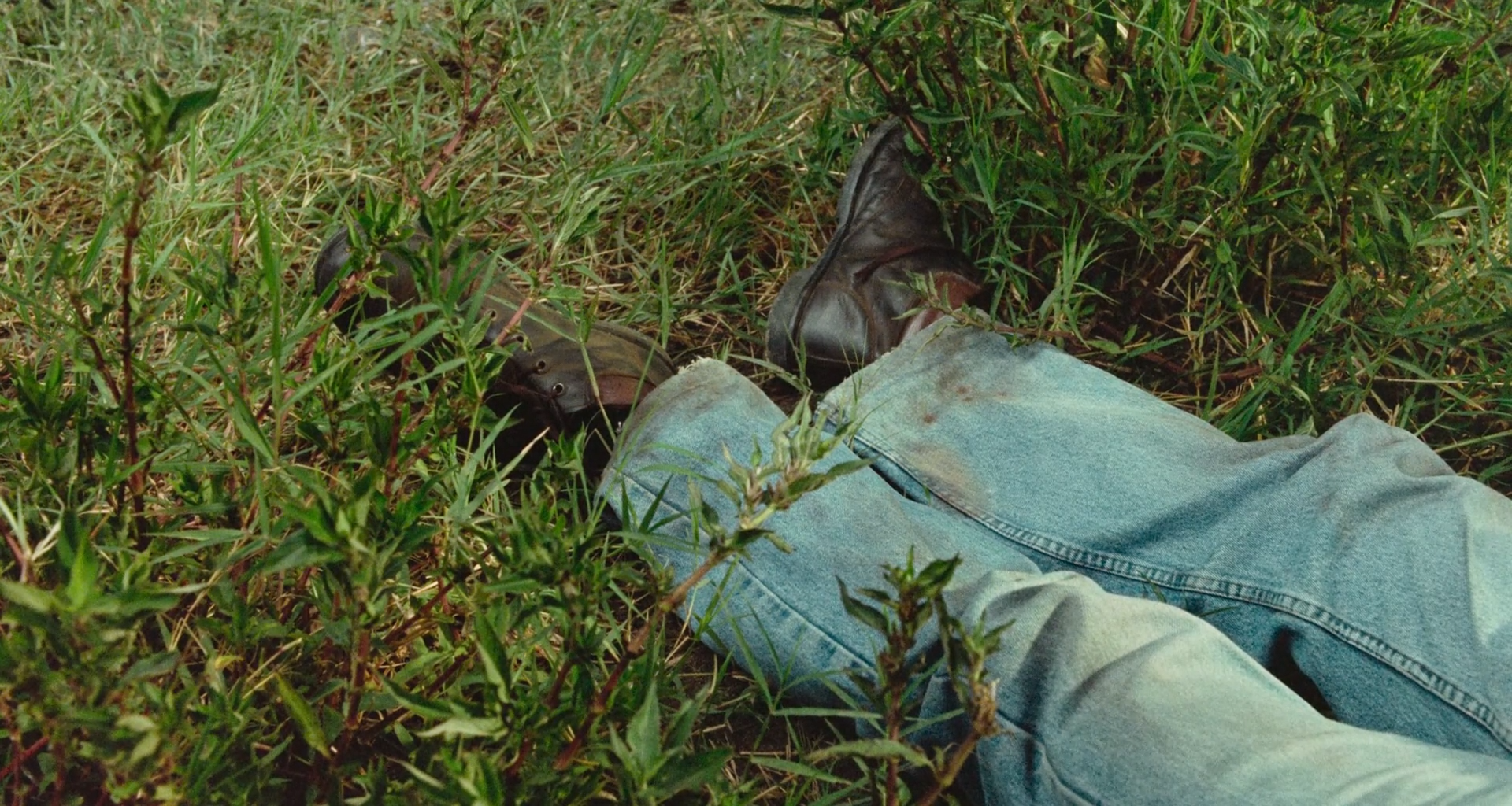
Ghosts of cinema, through memory and sound.
Presentation:
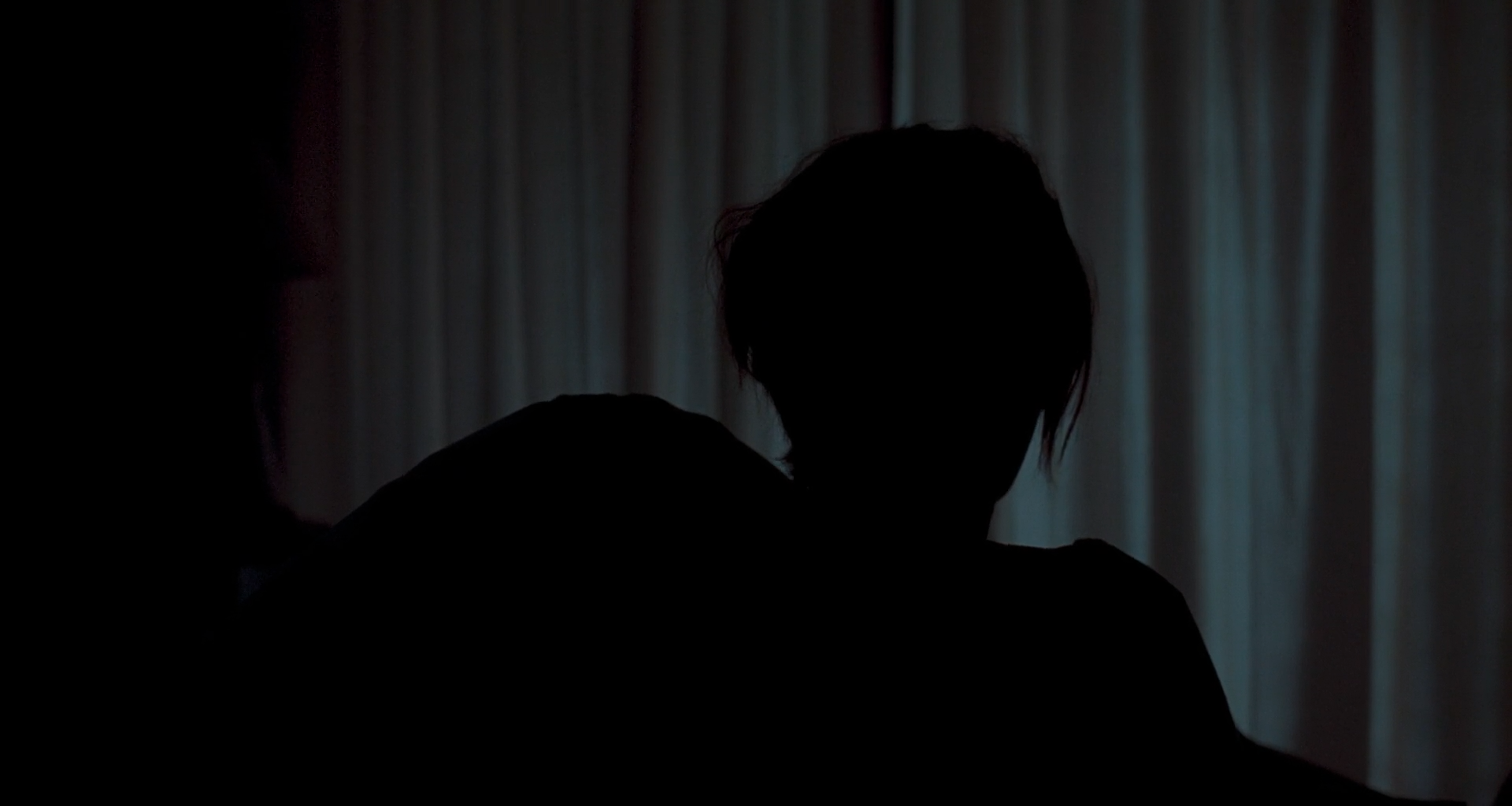
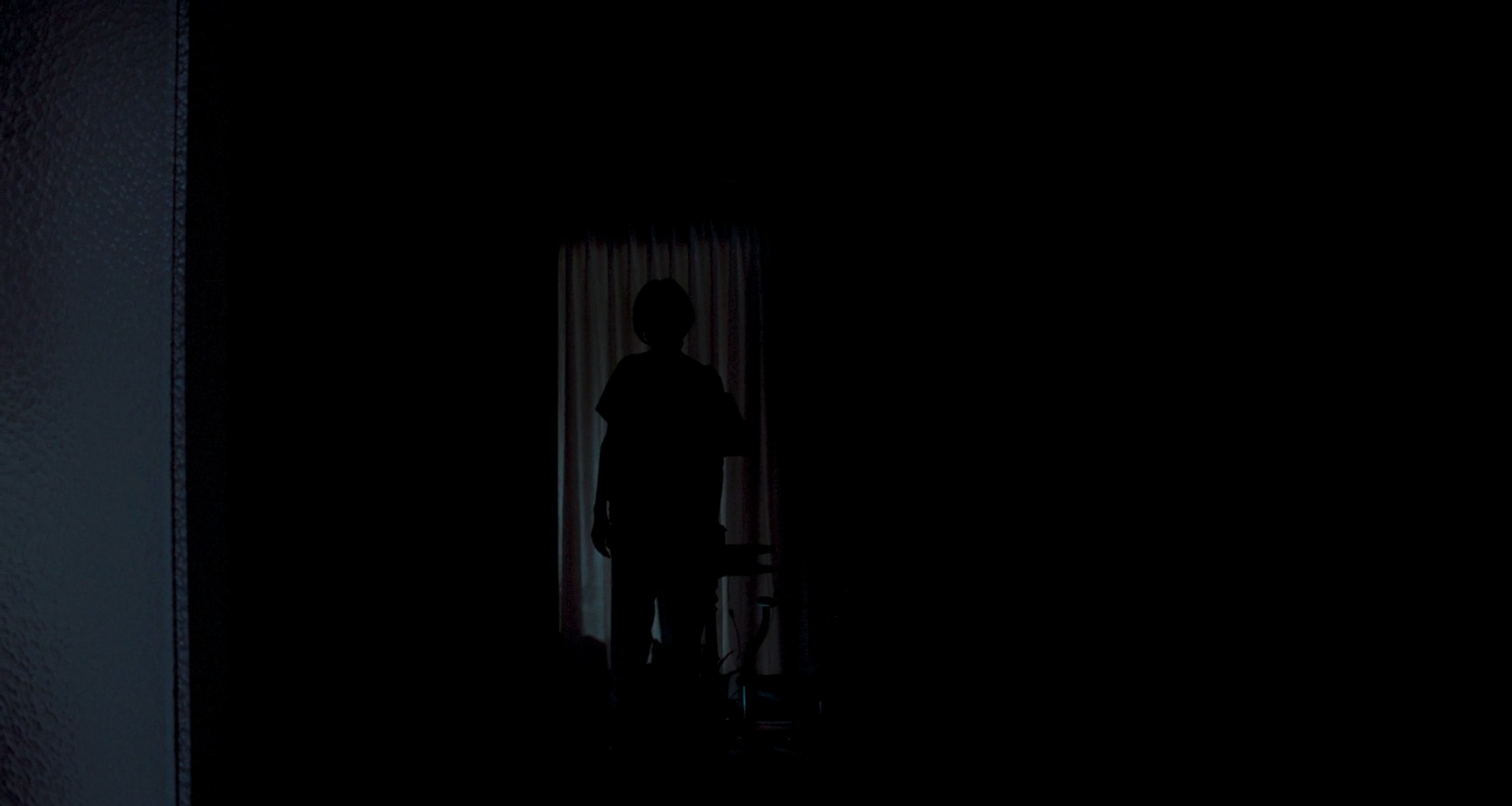
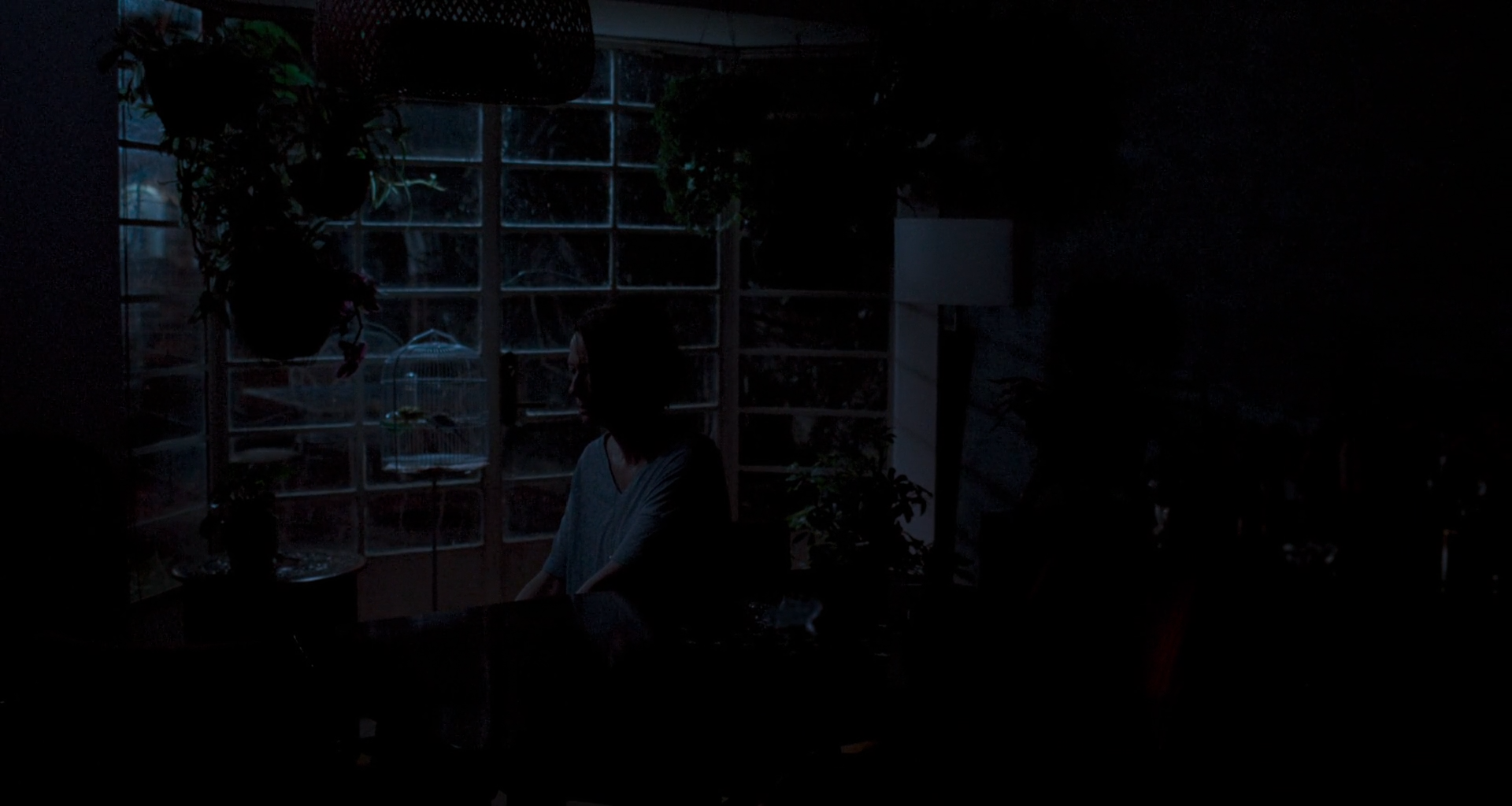
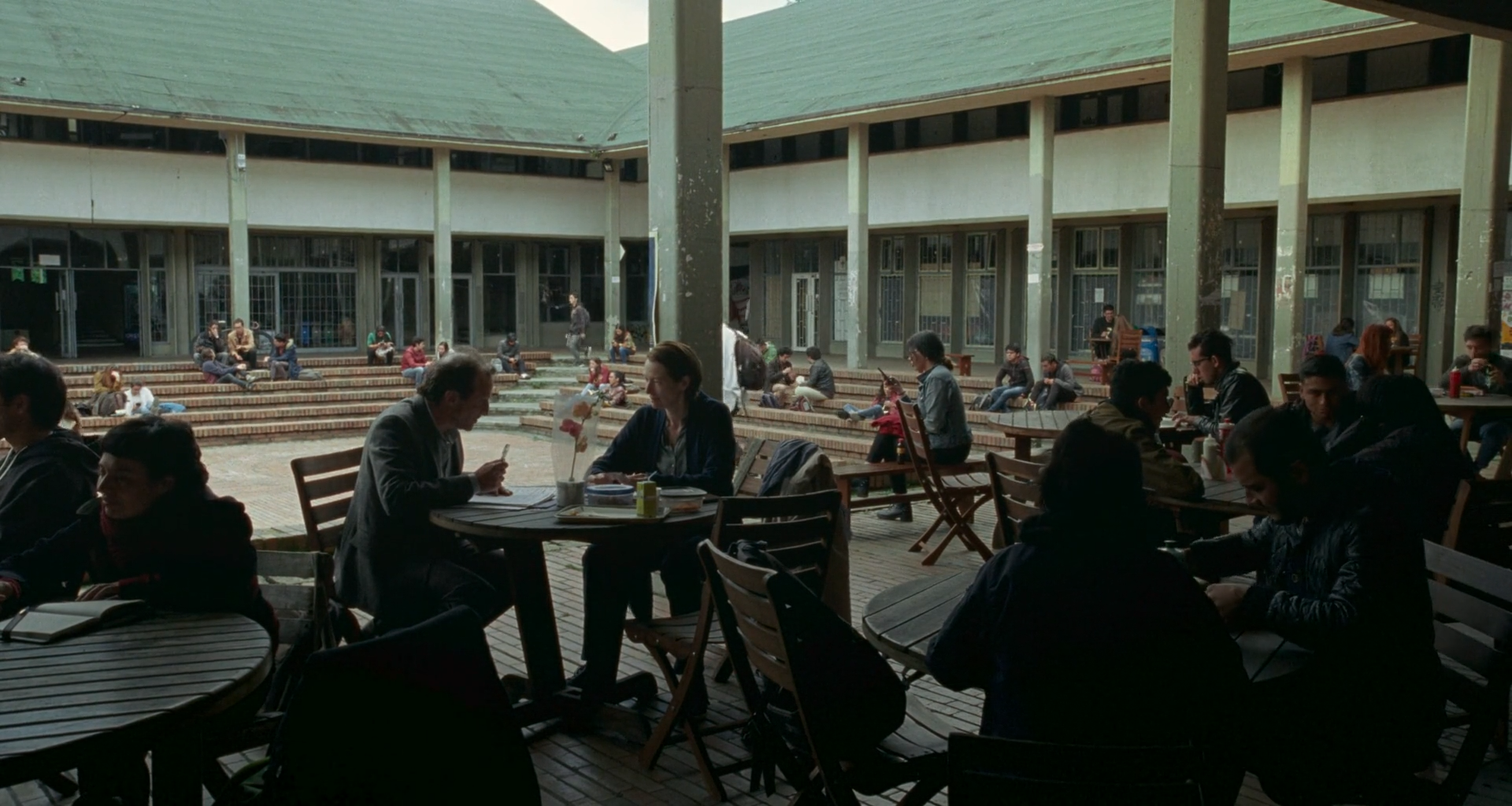
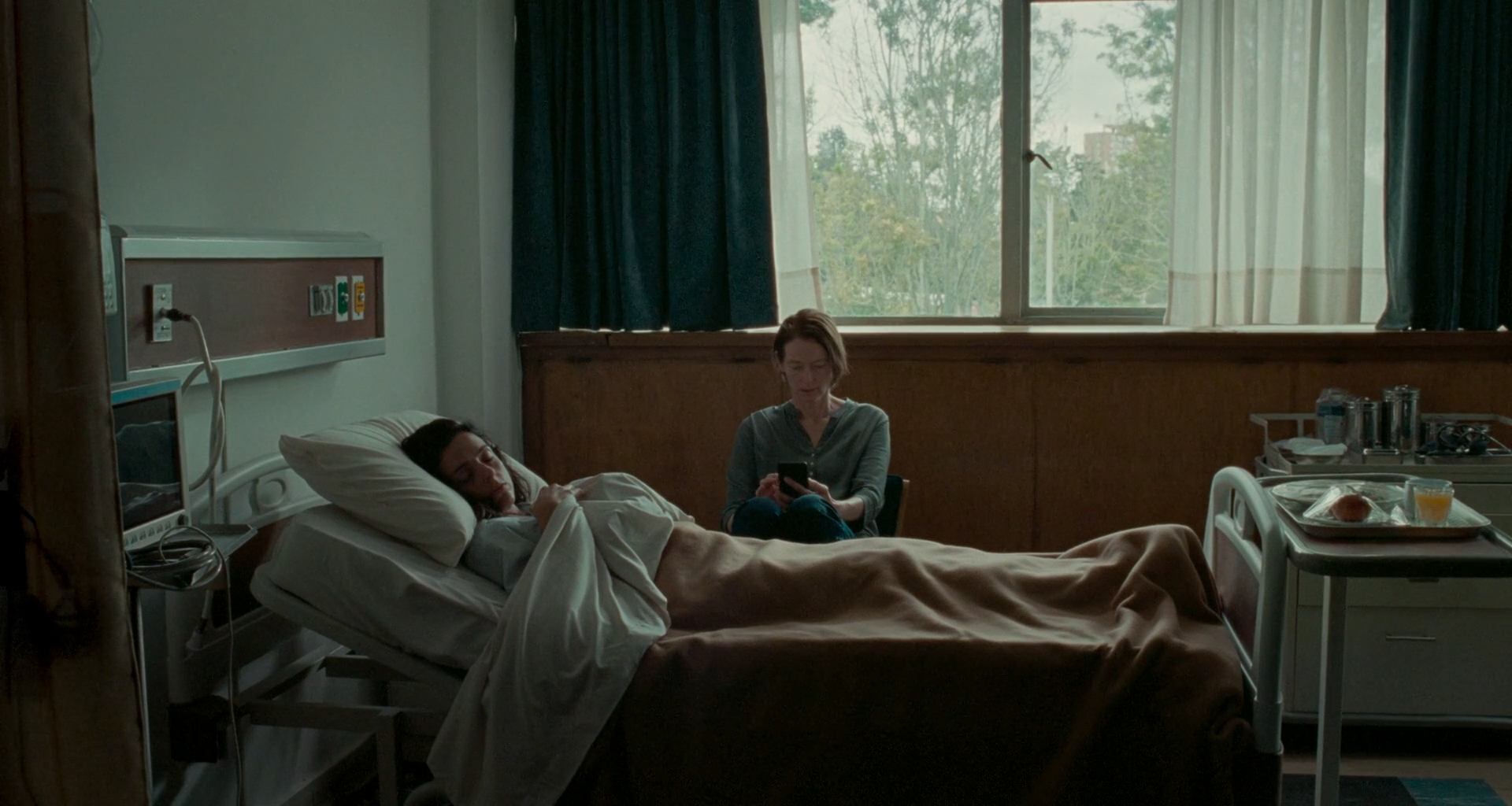
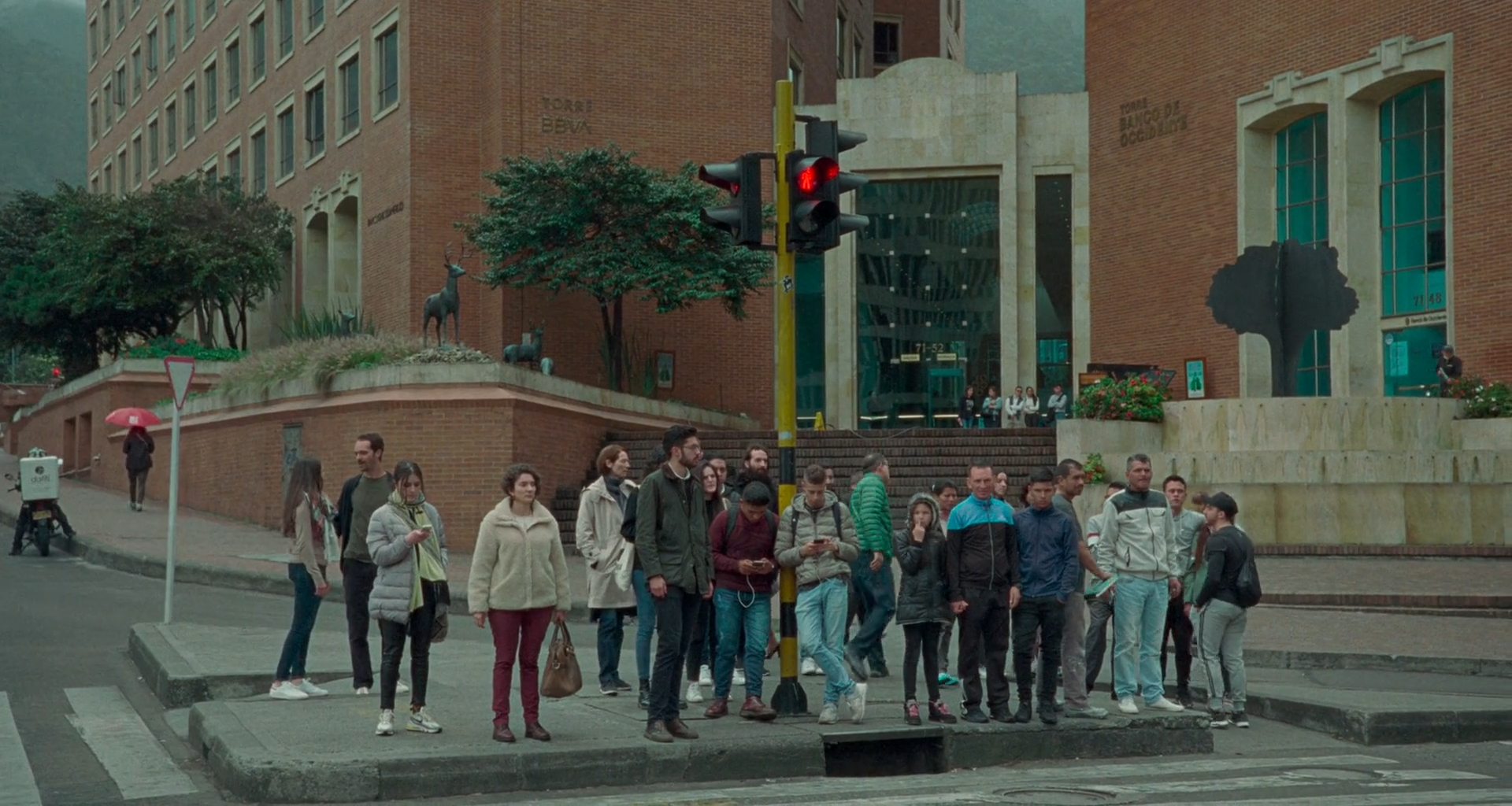
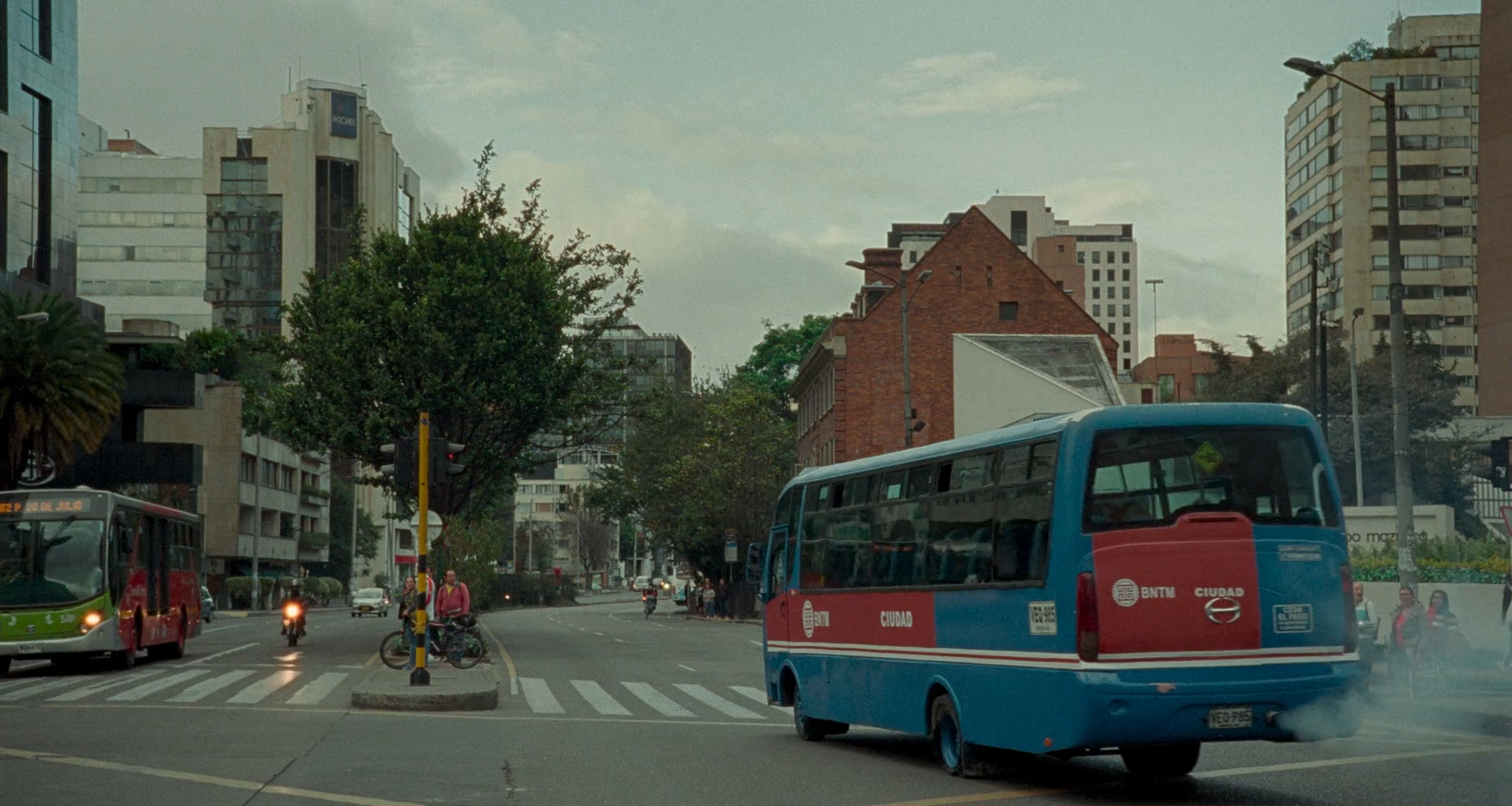
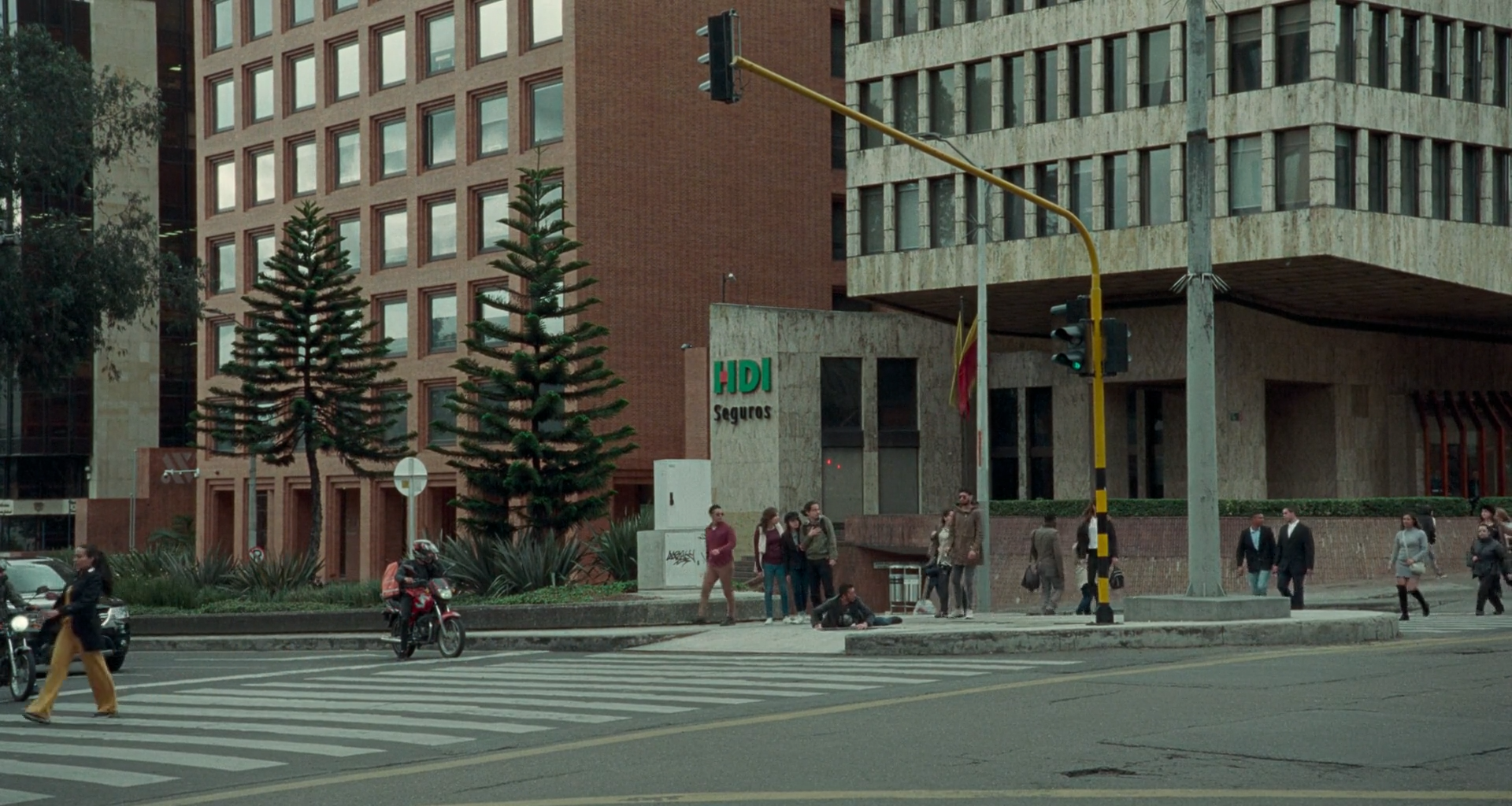
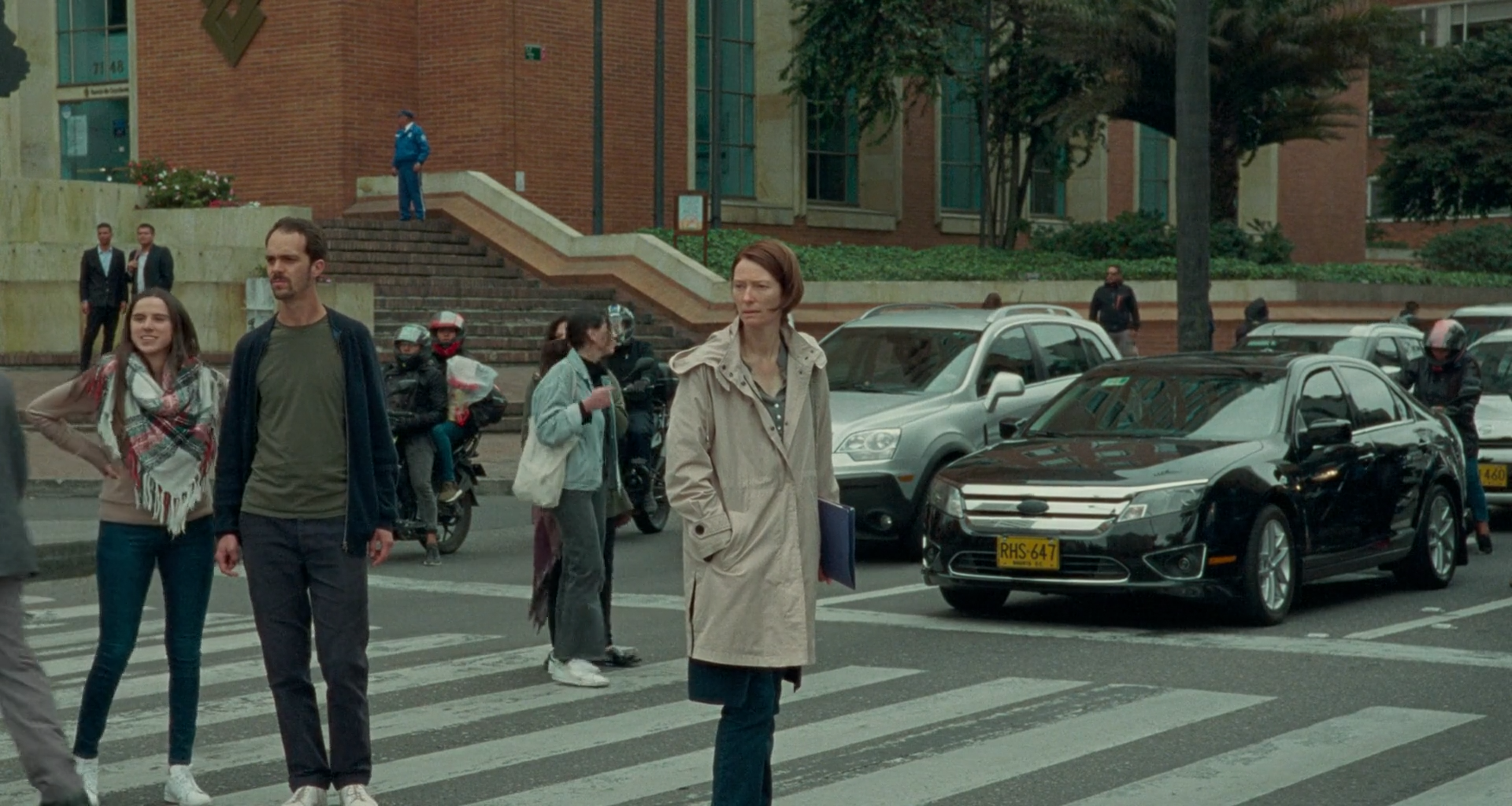
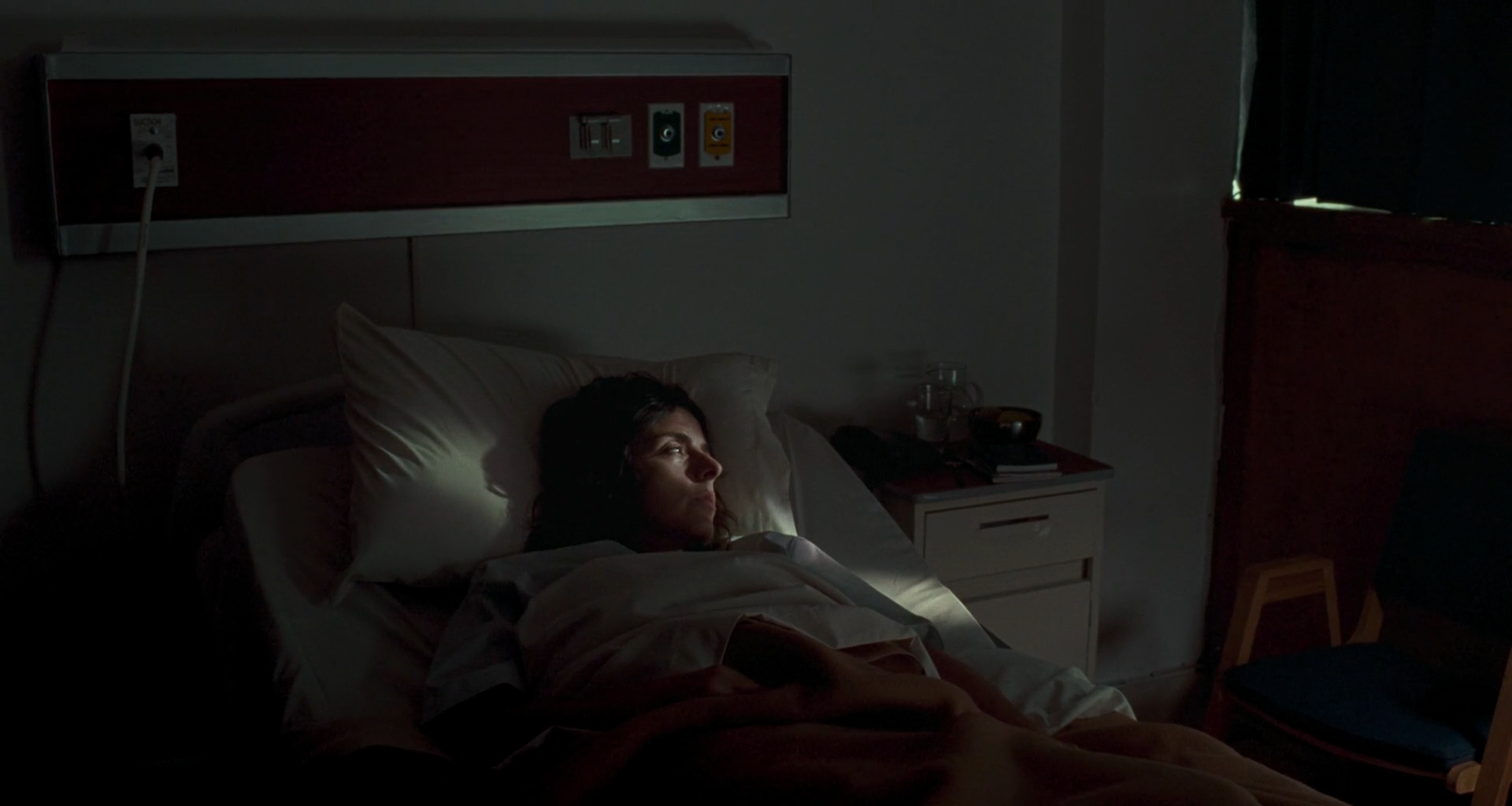
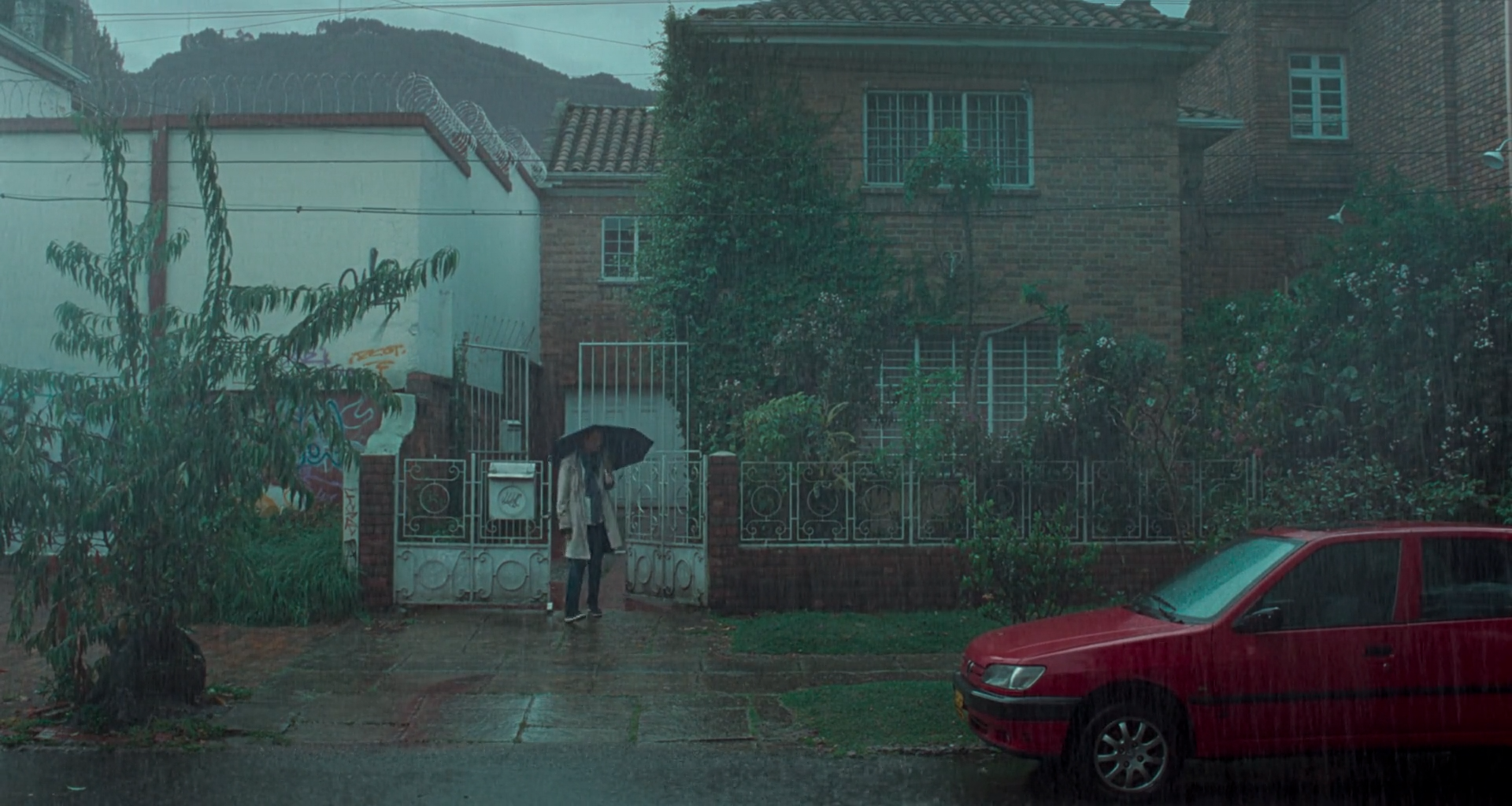
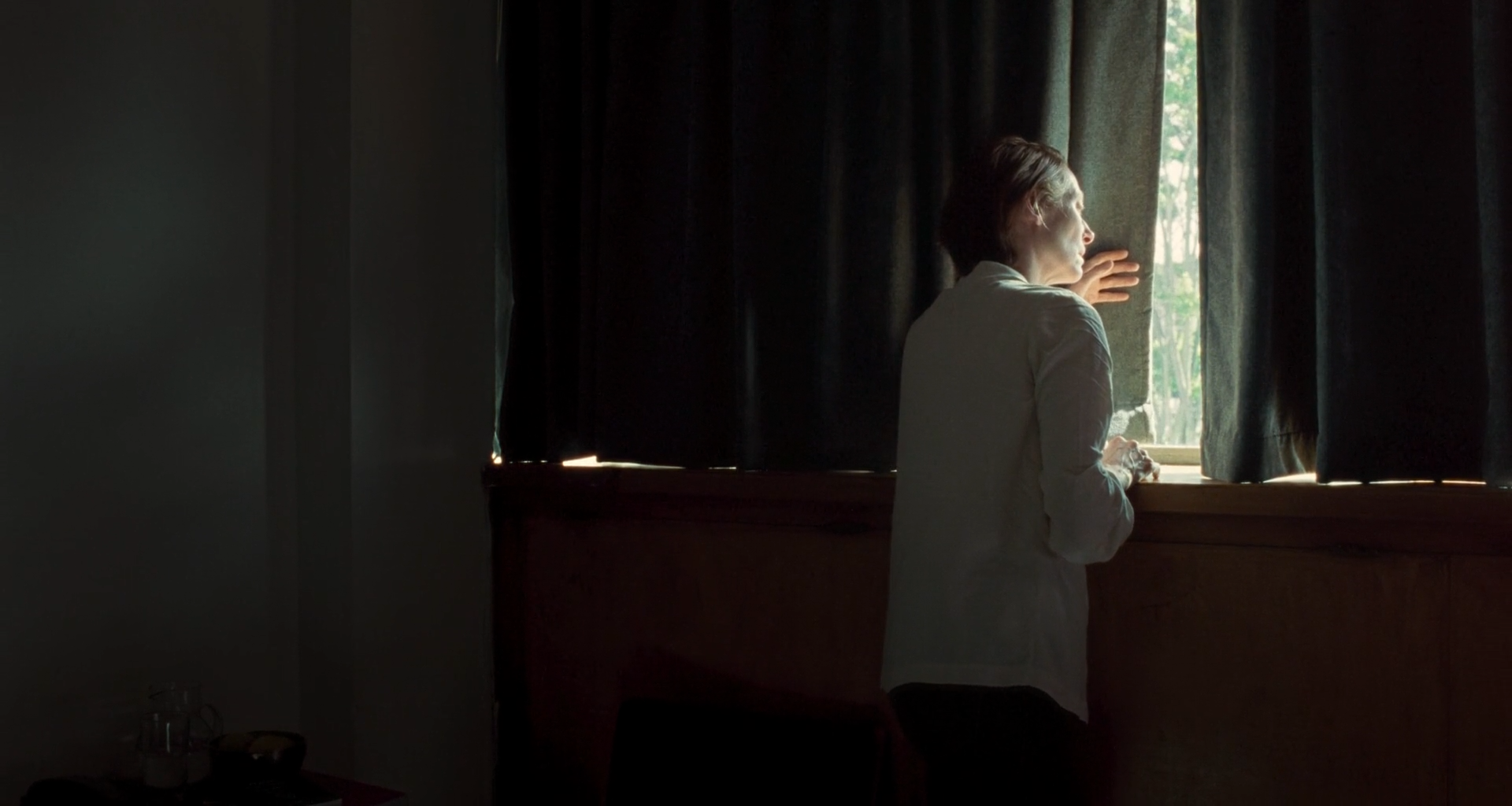
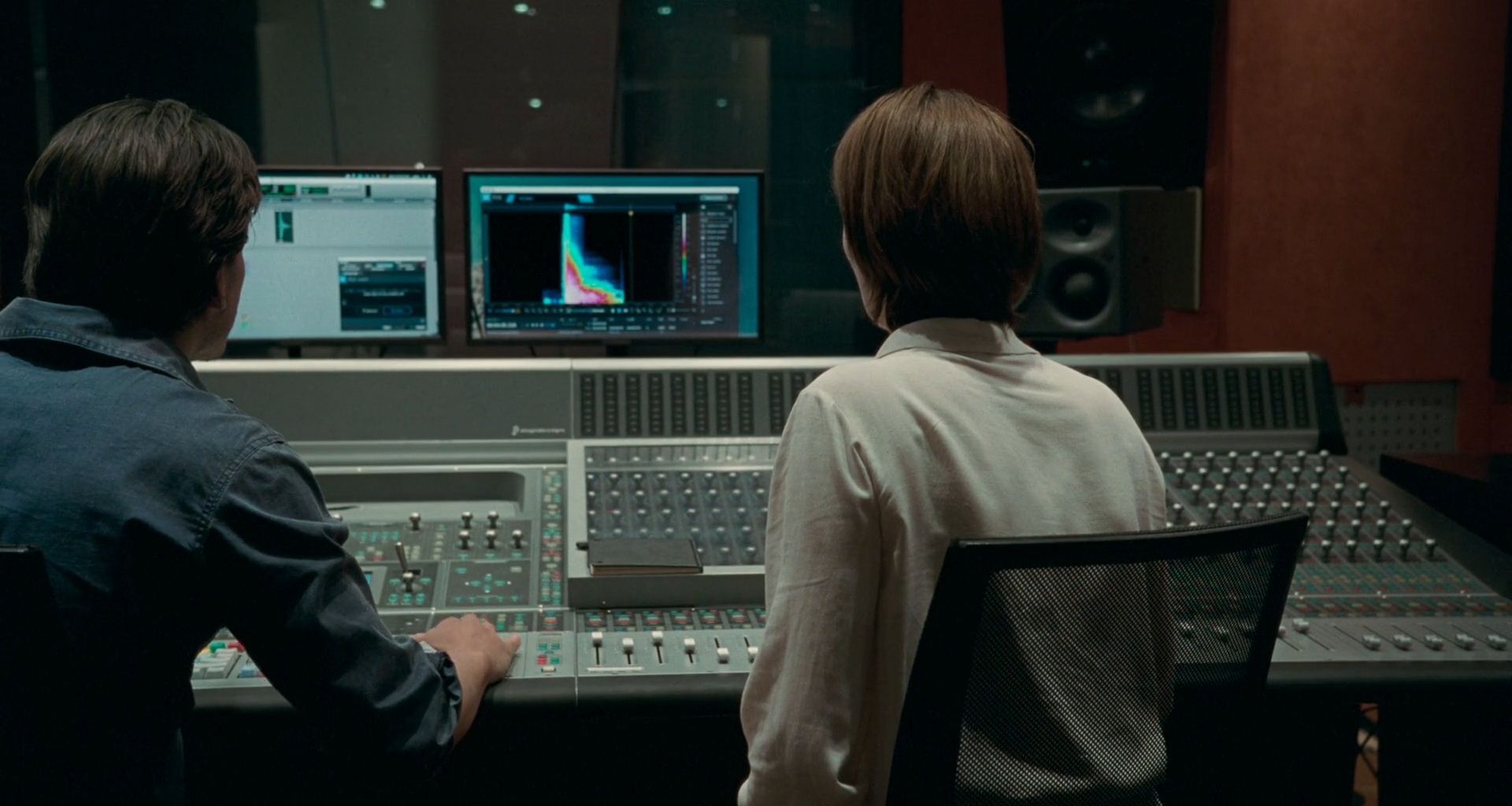
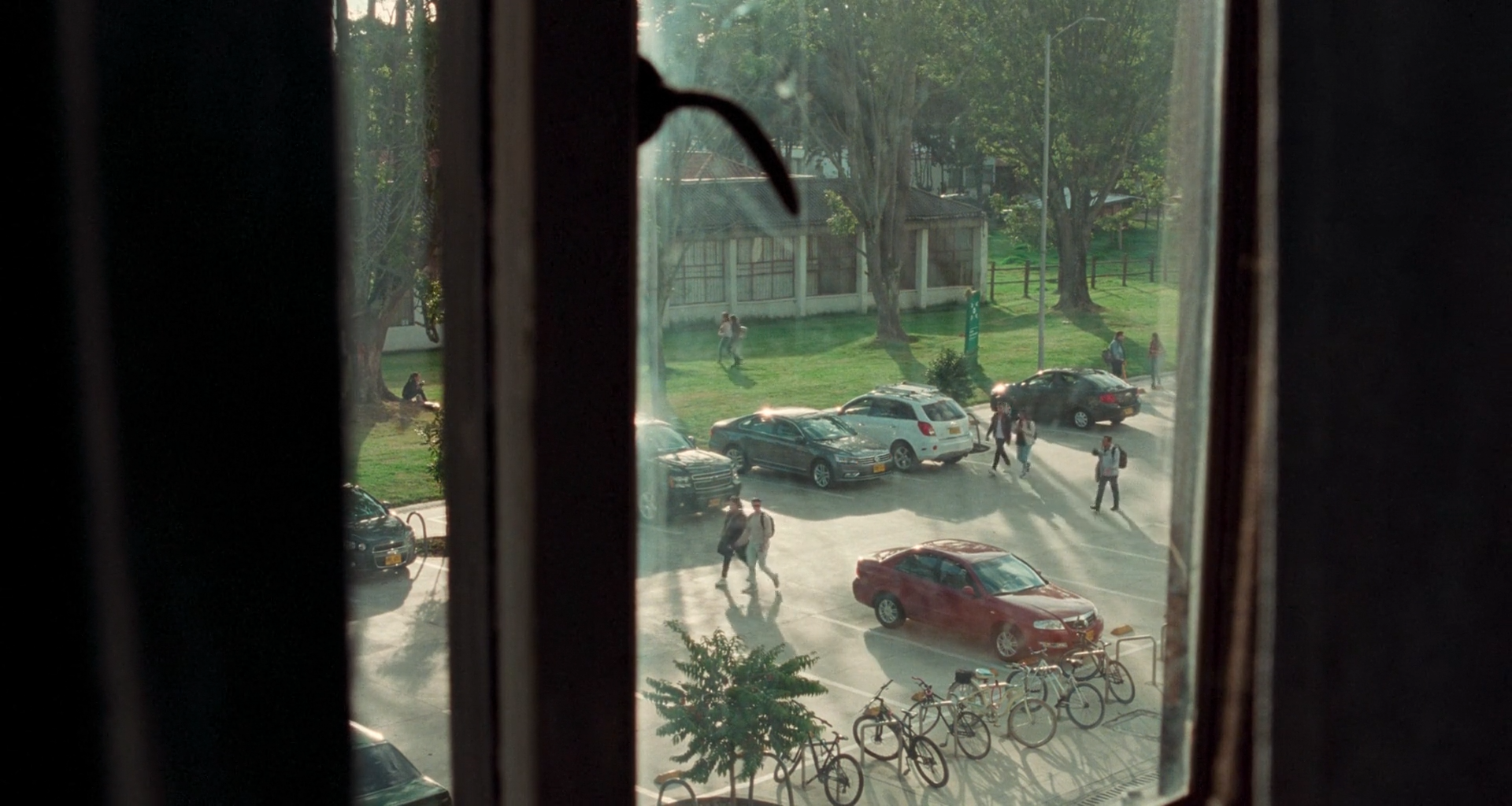
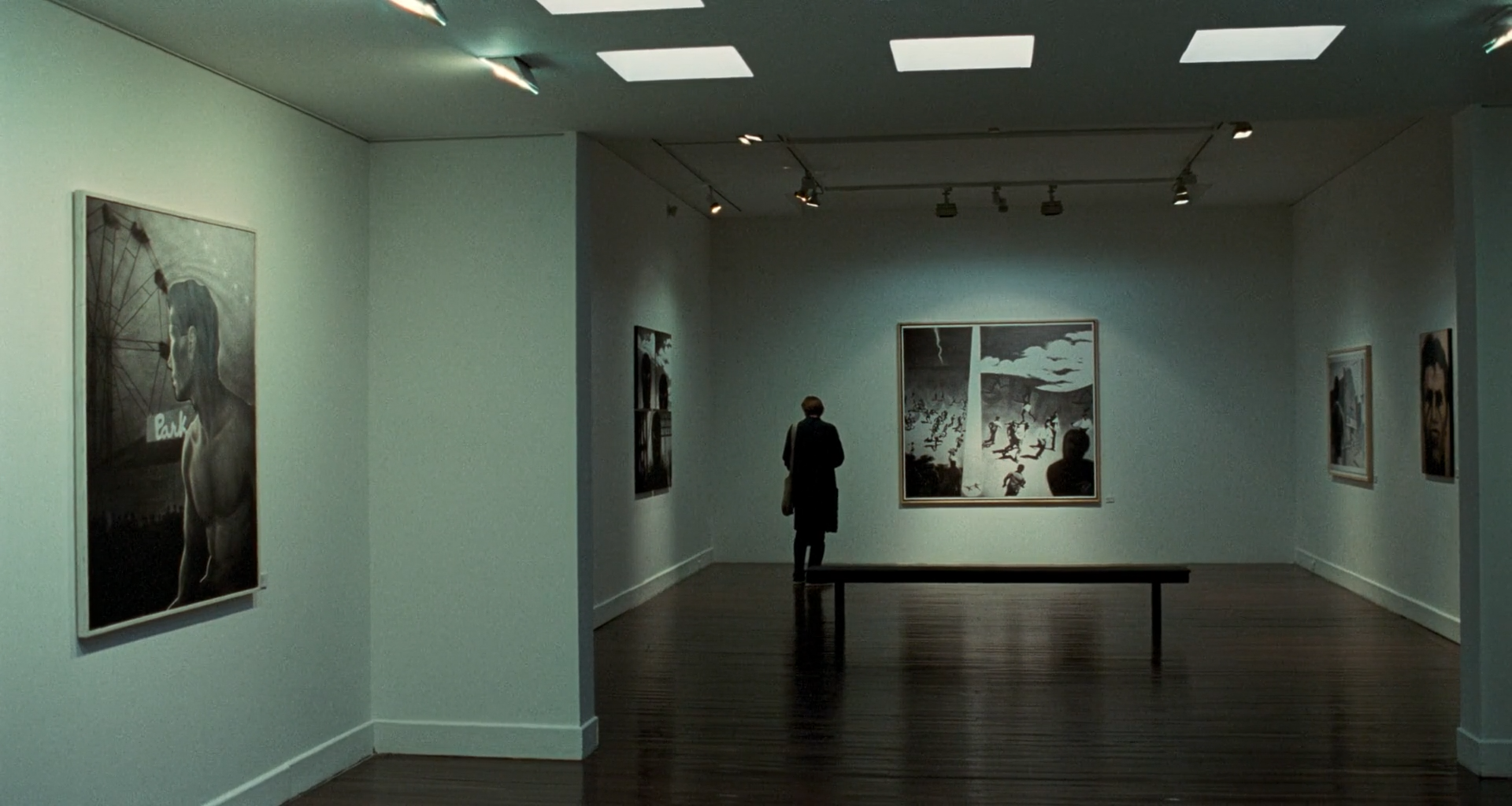
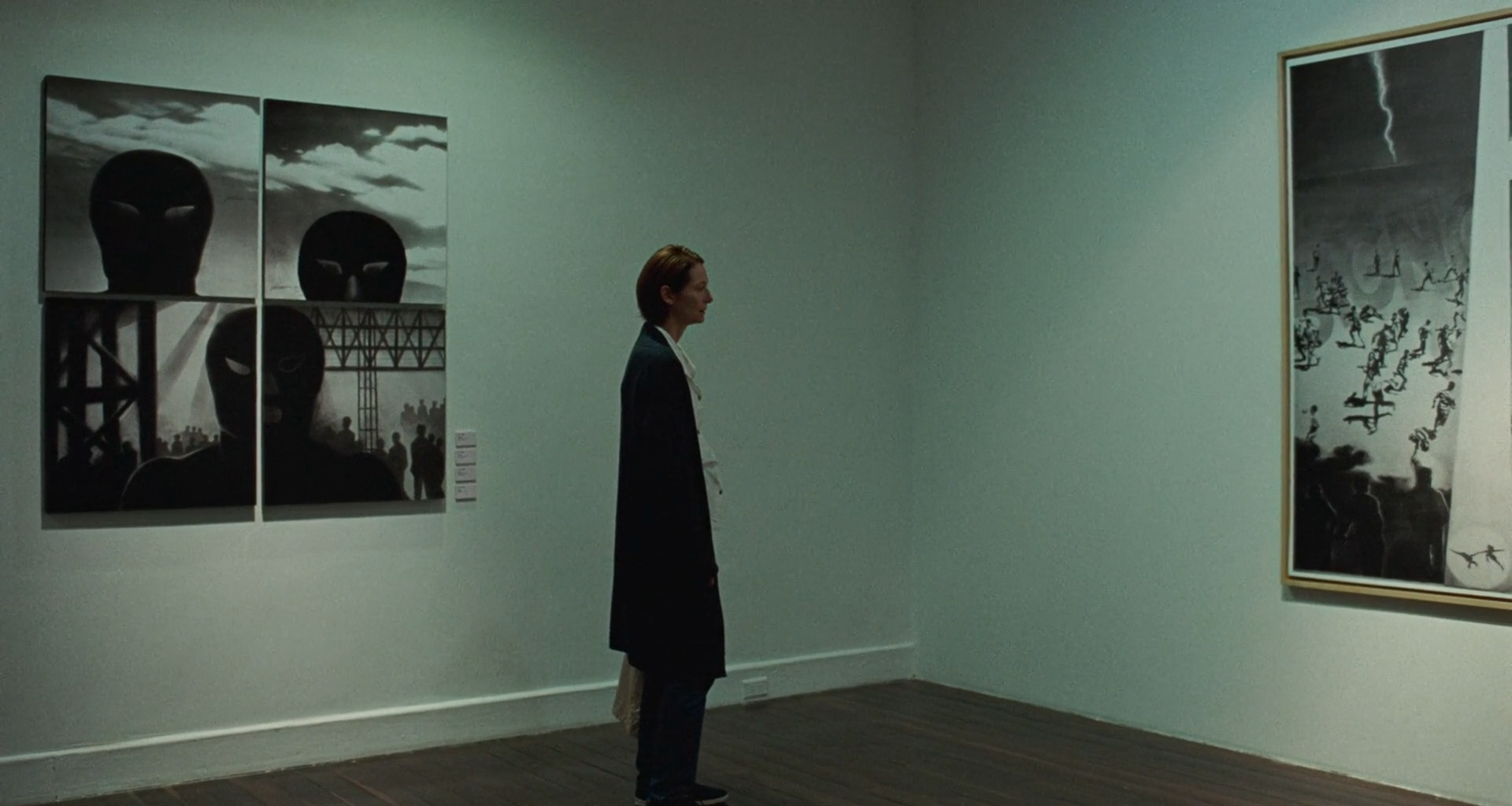
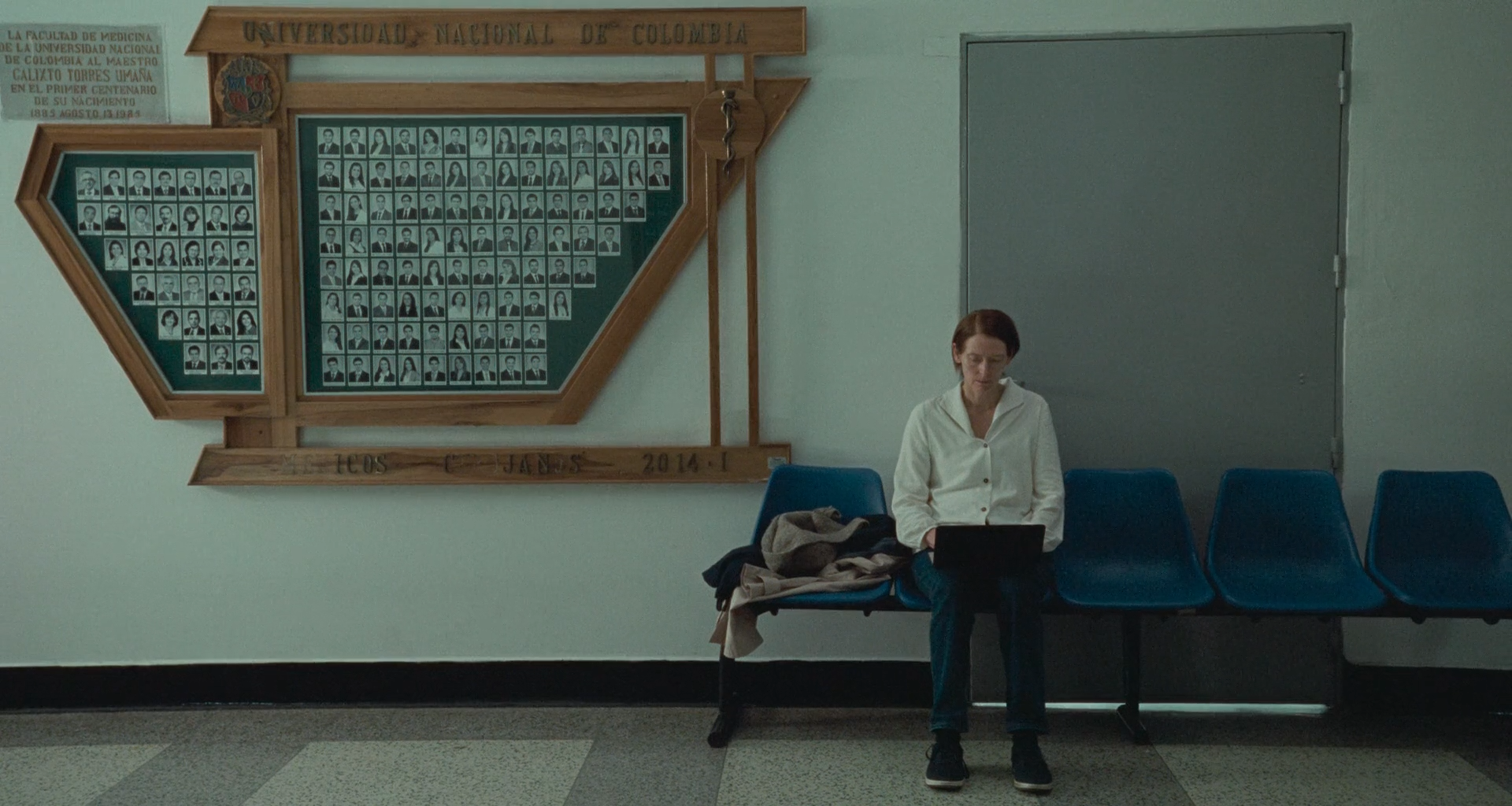
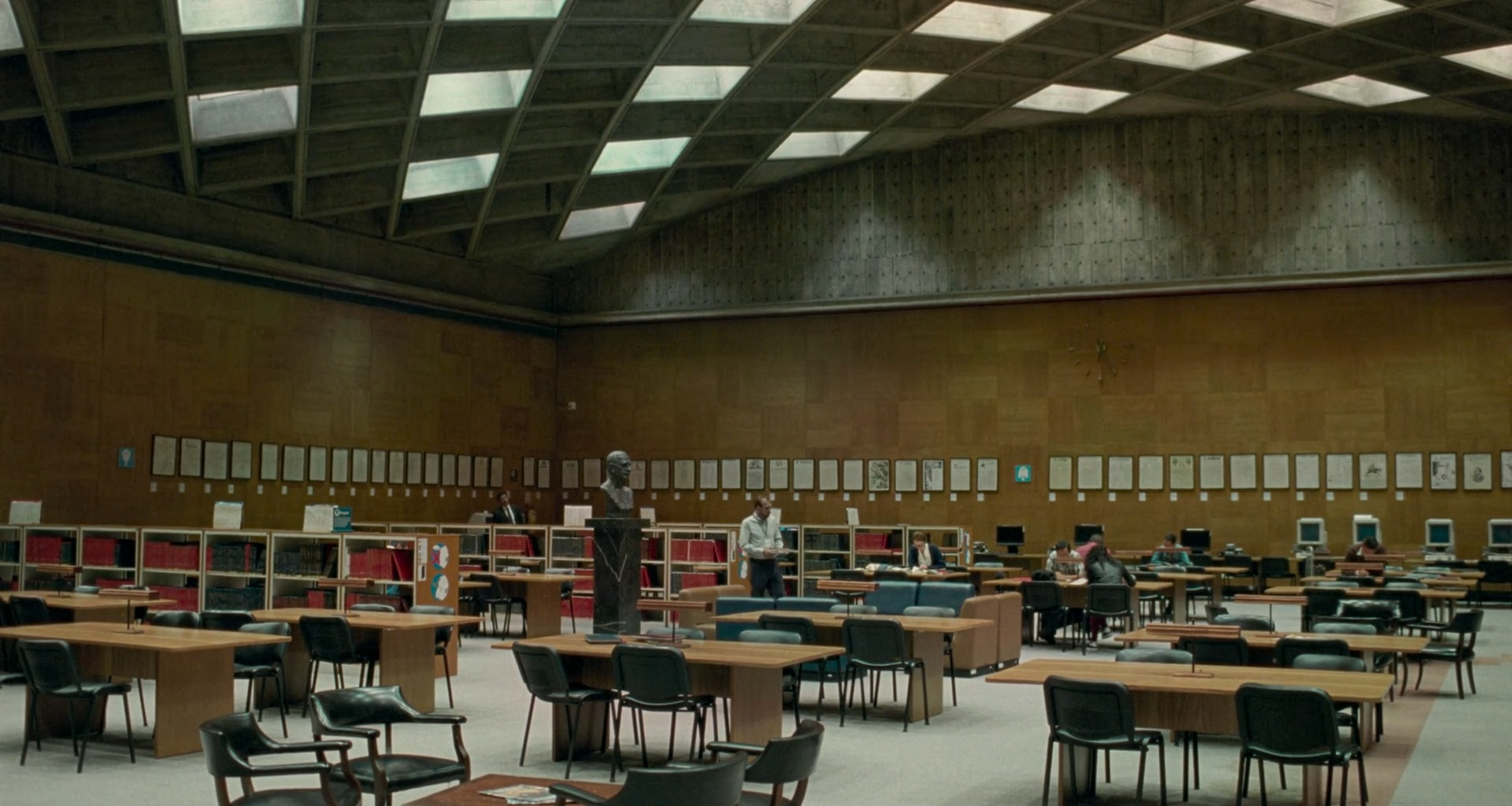
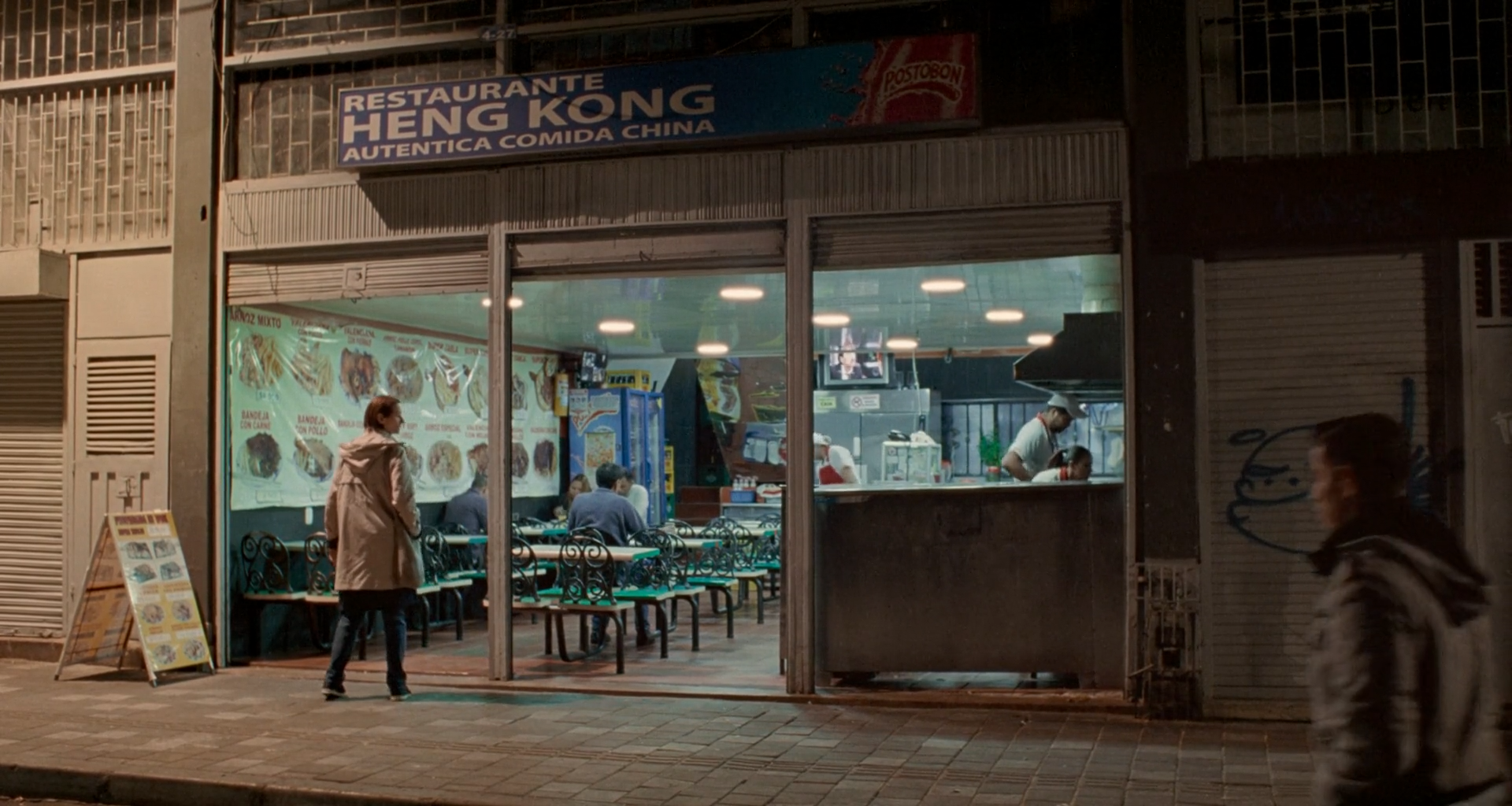
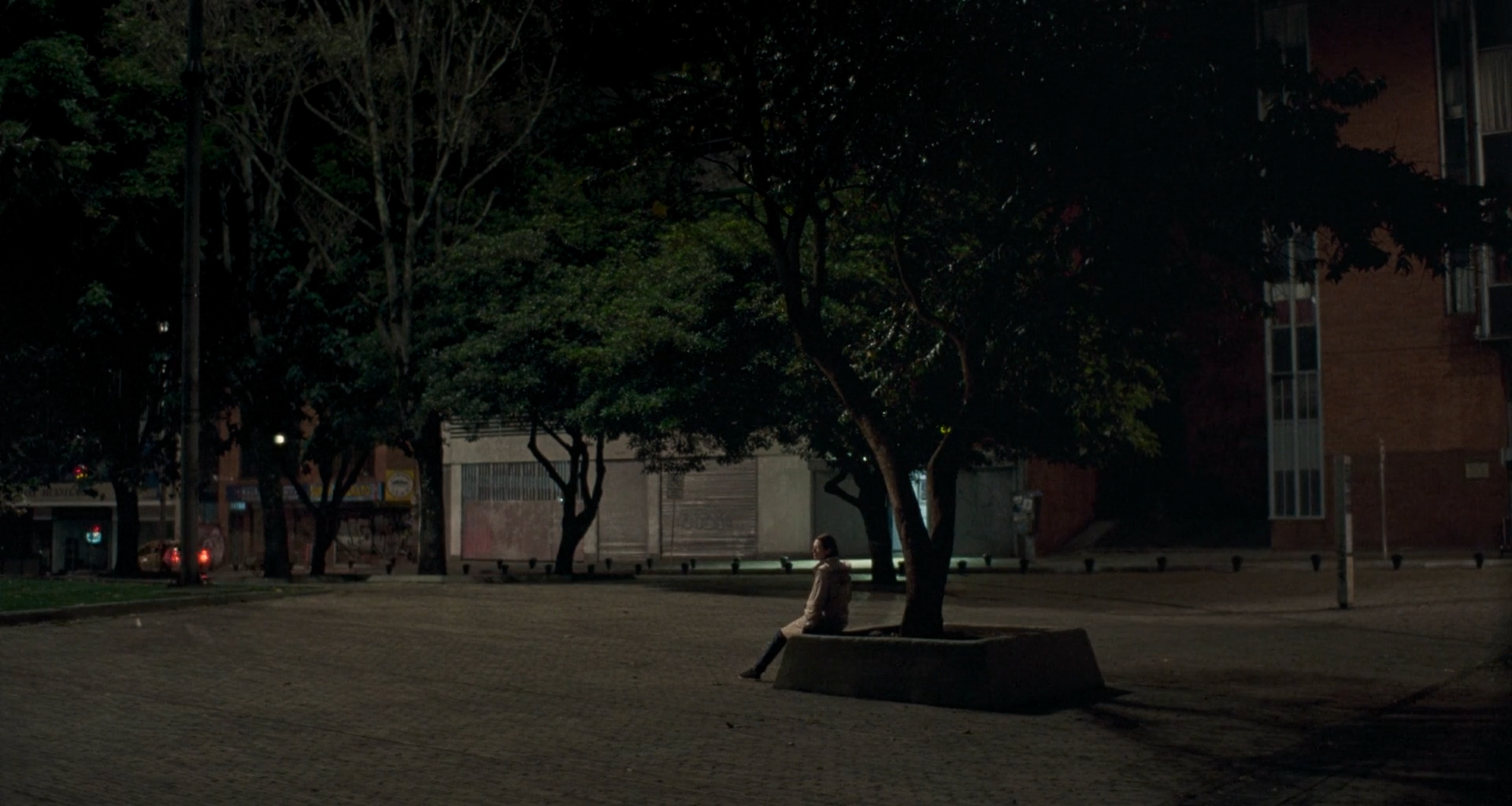
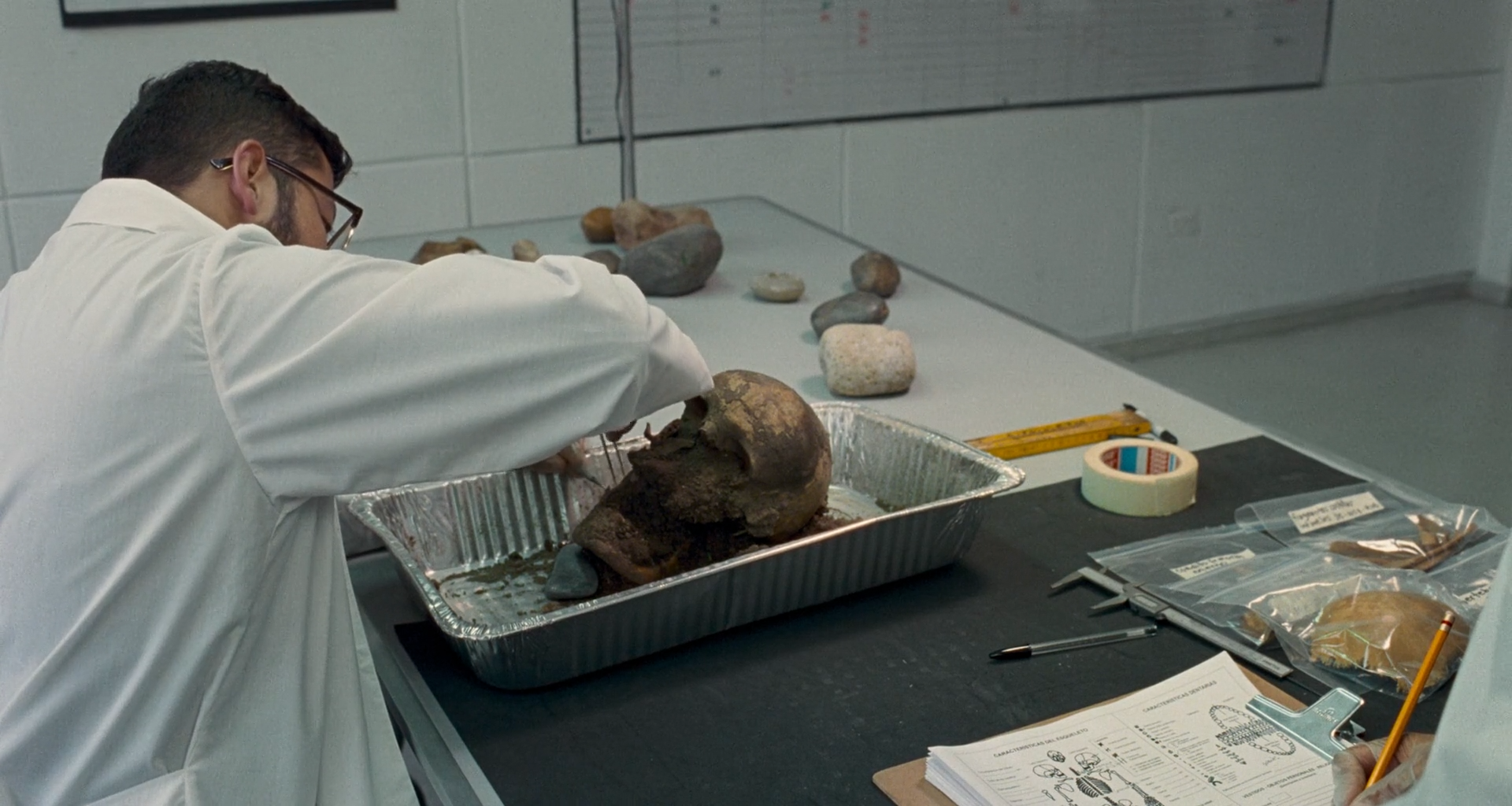
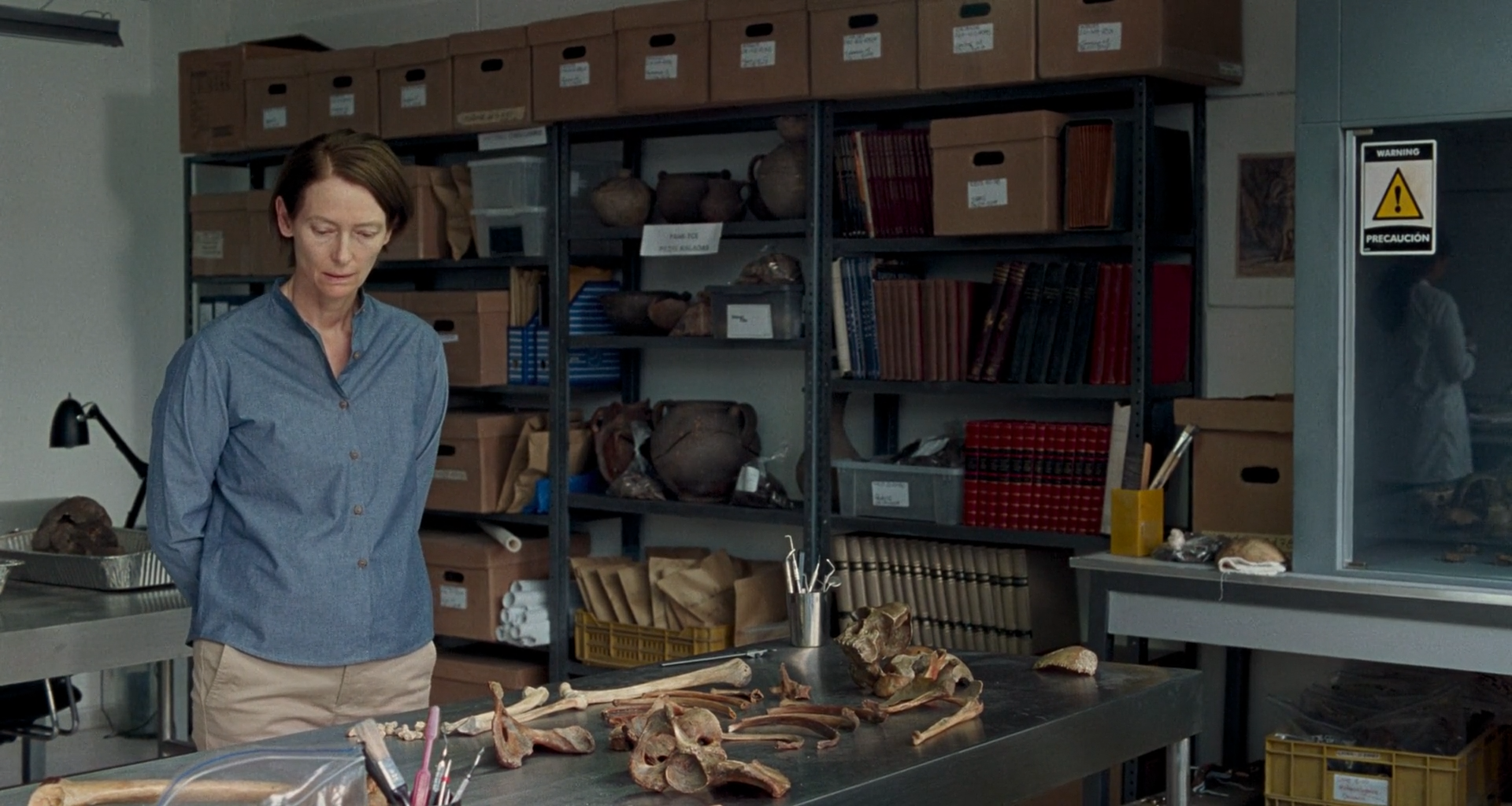
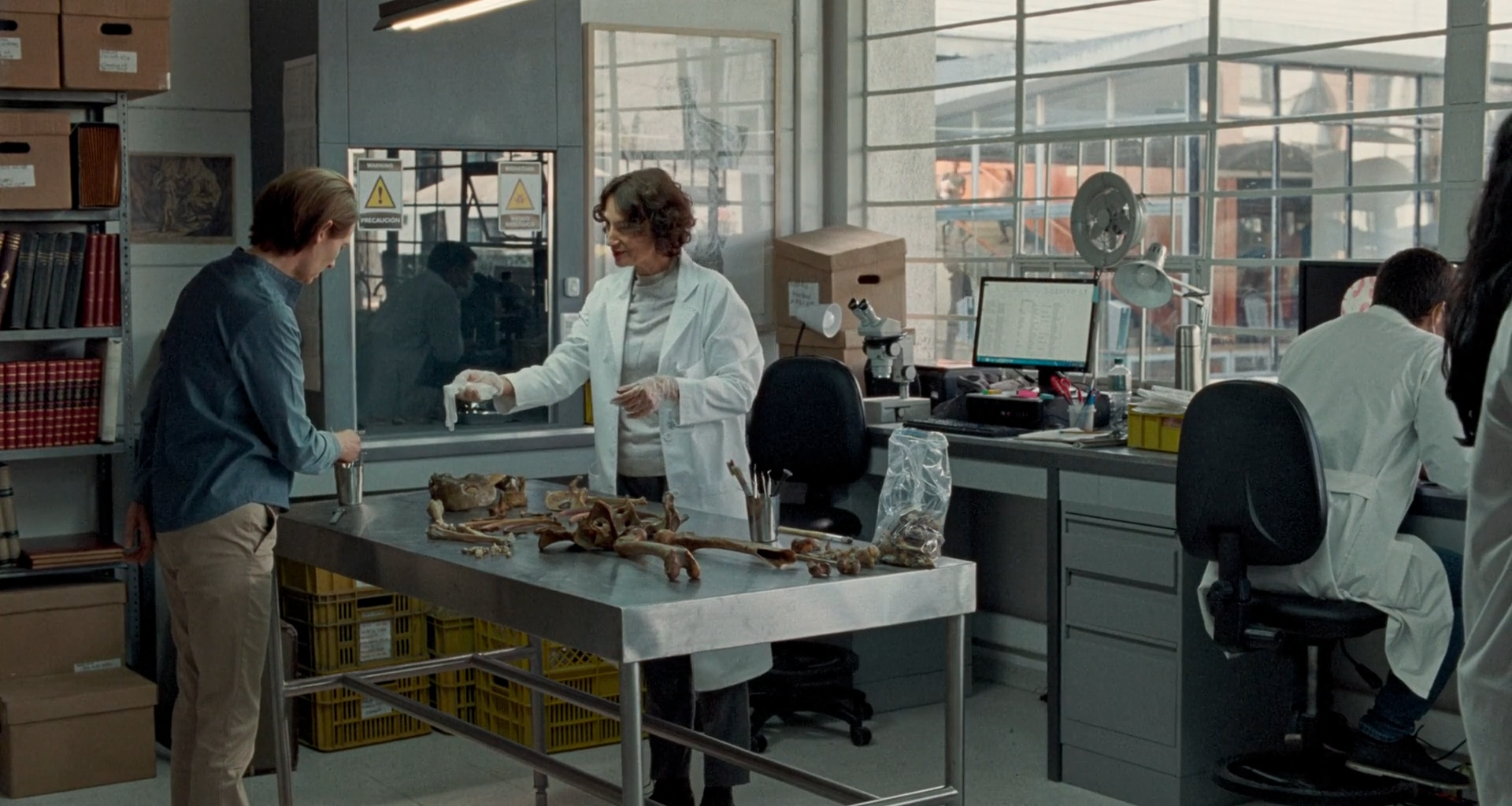
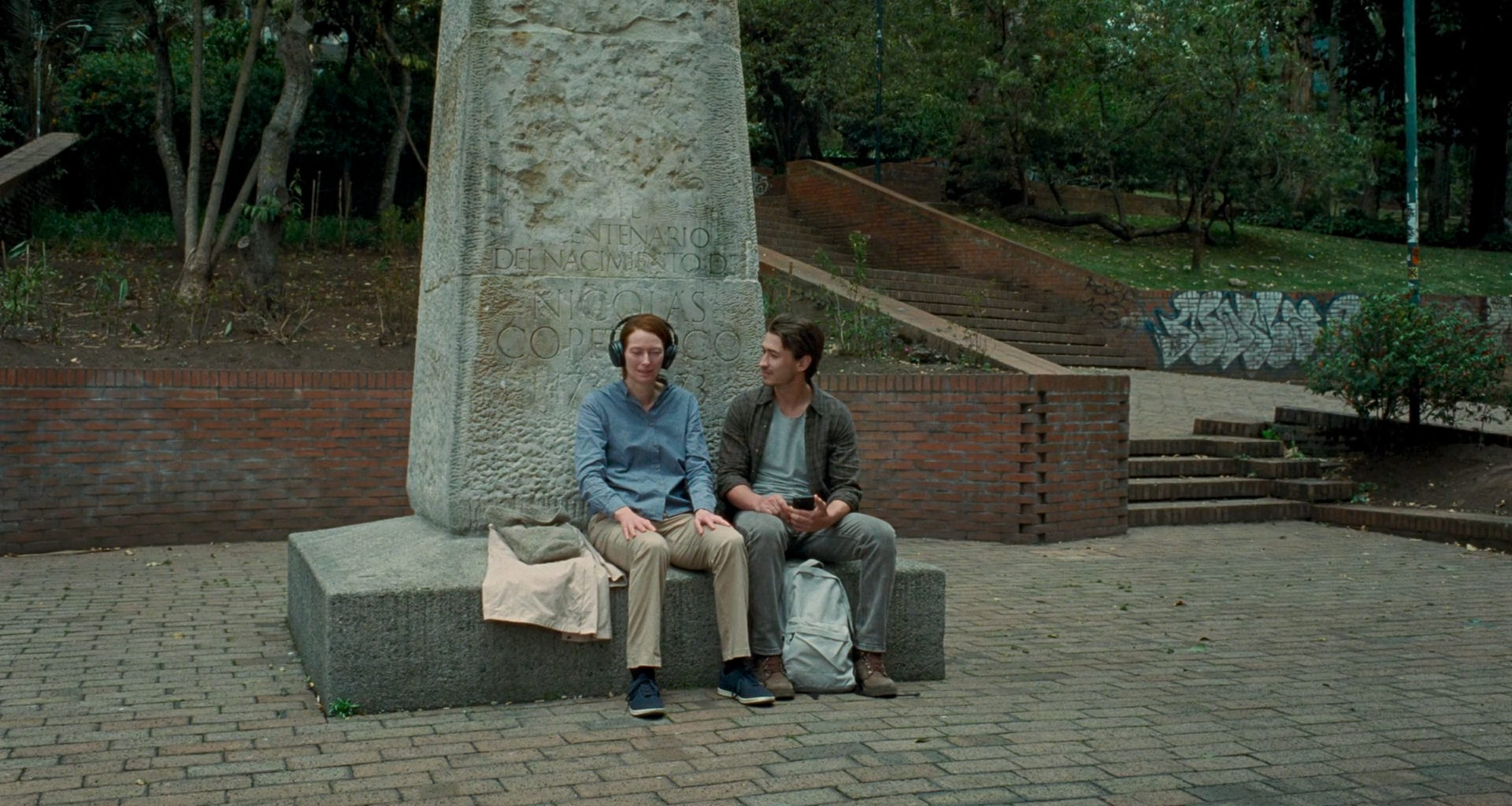
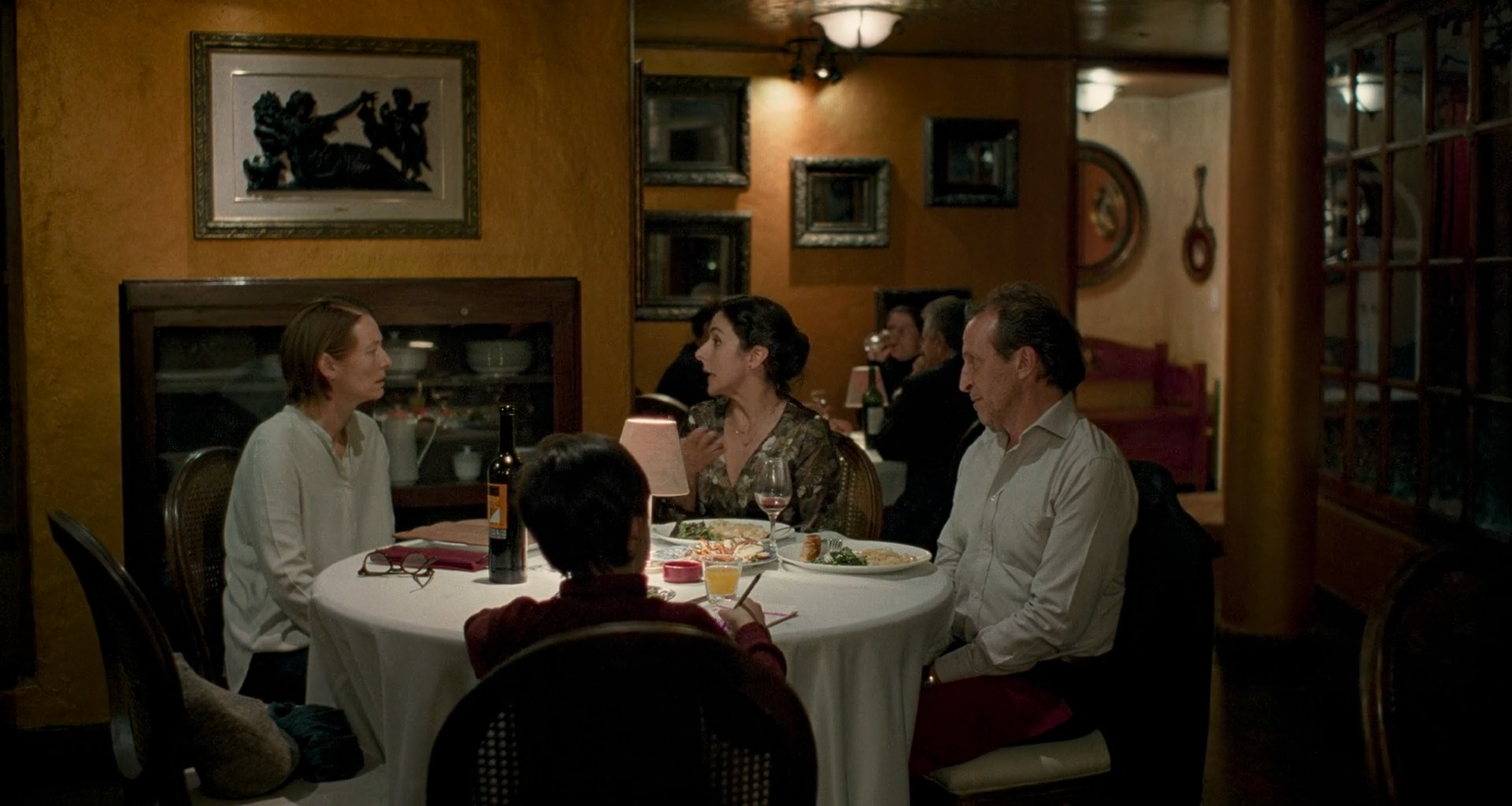
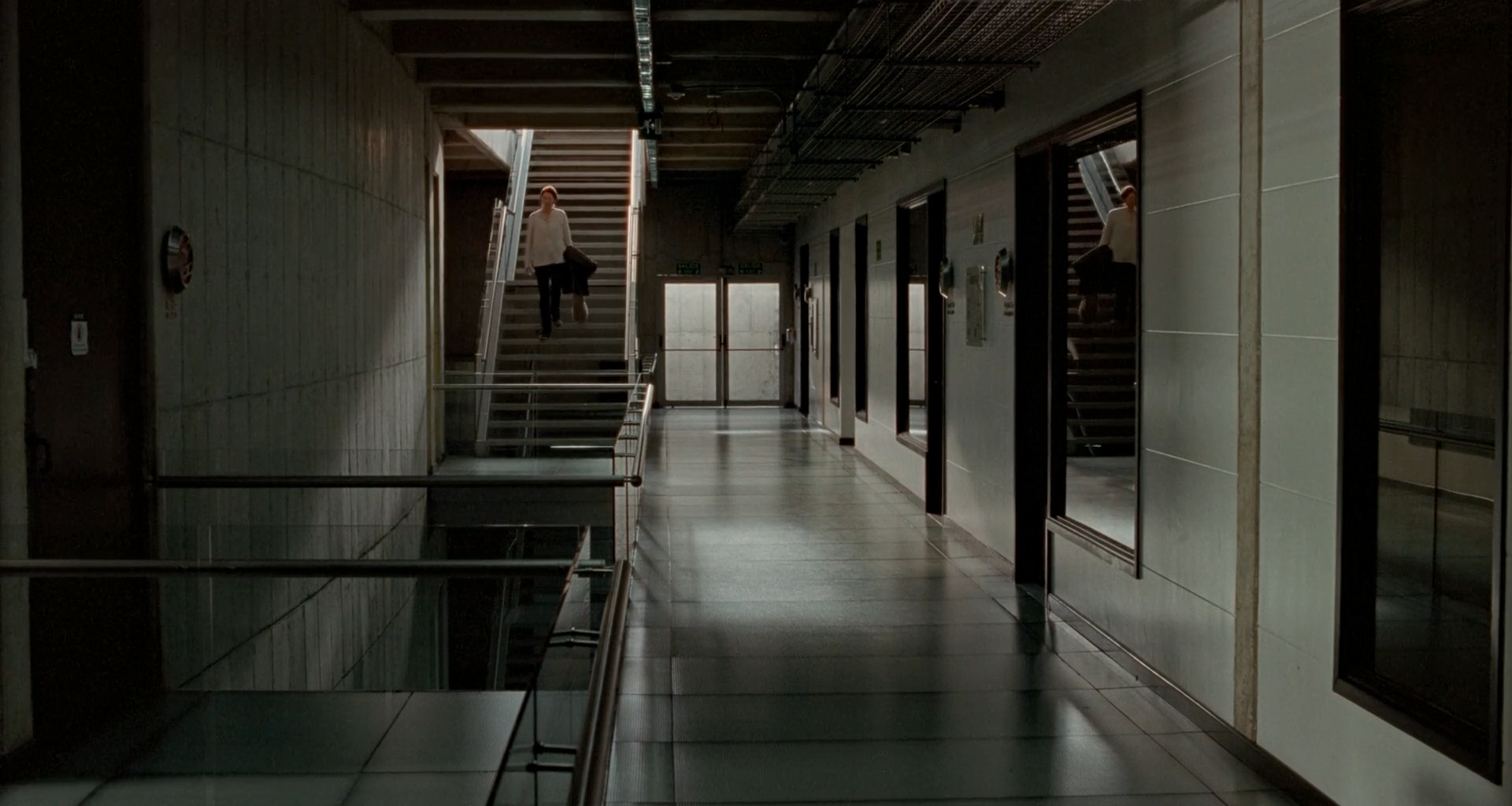
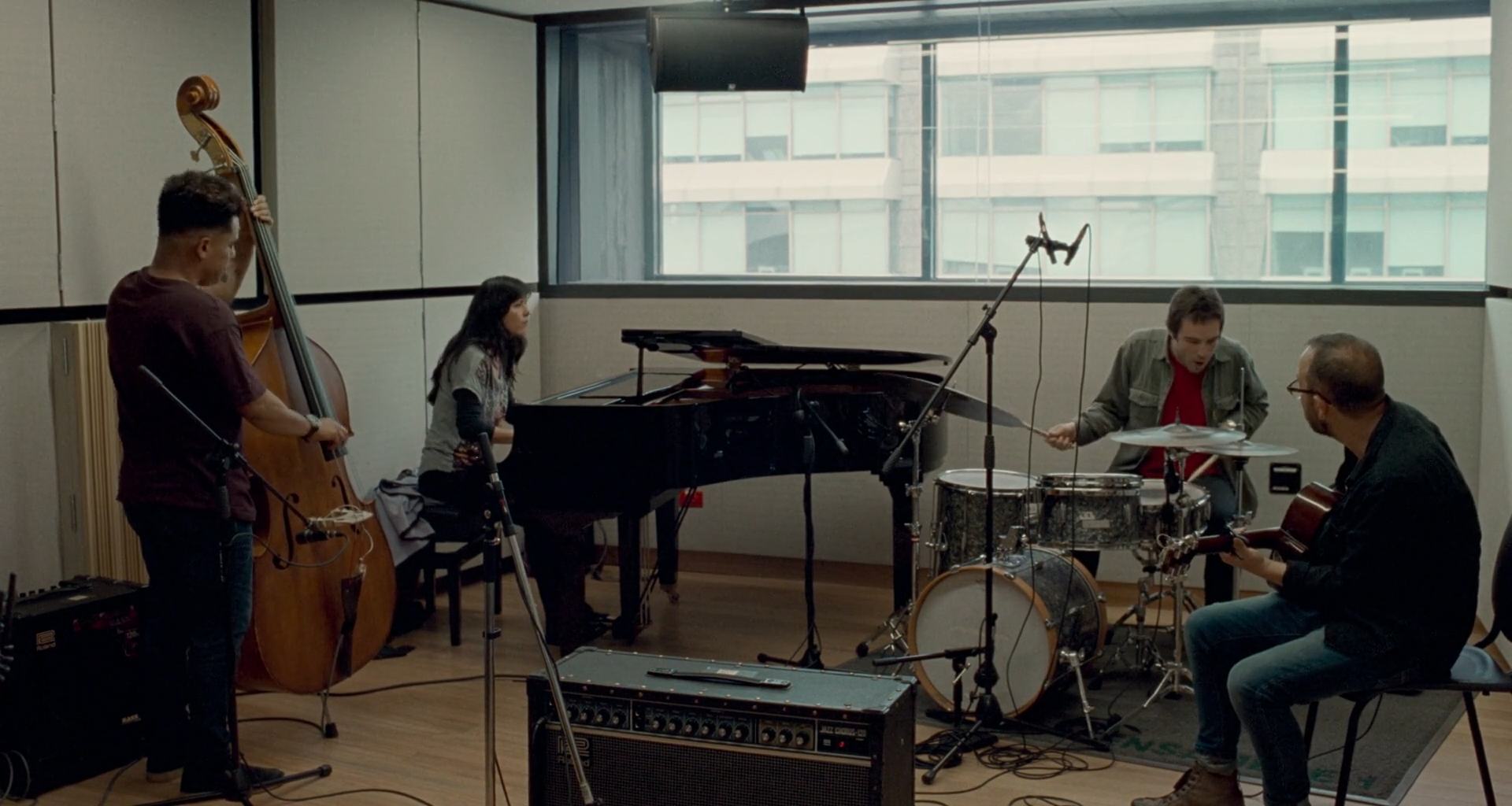
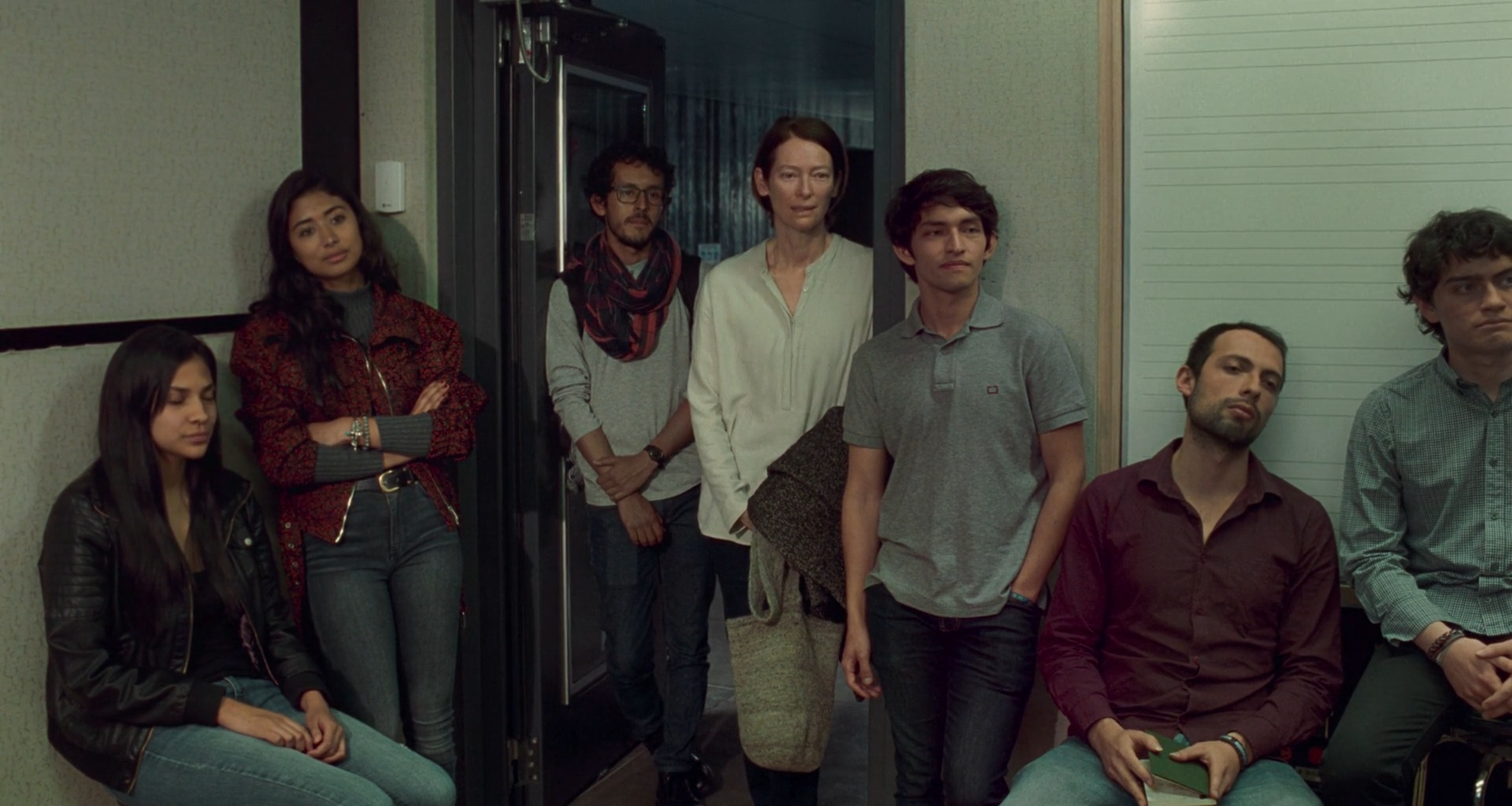
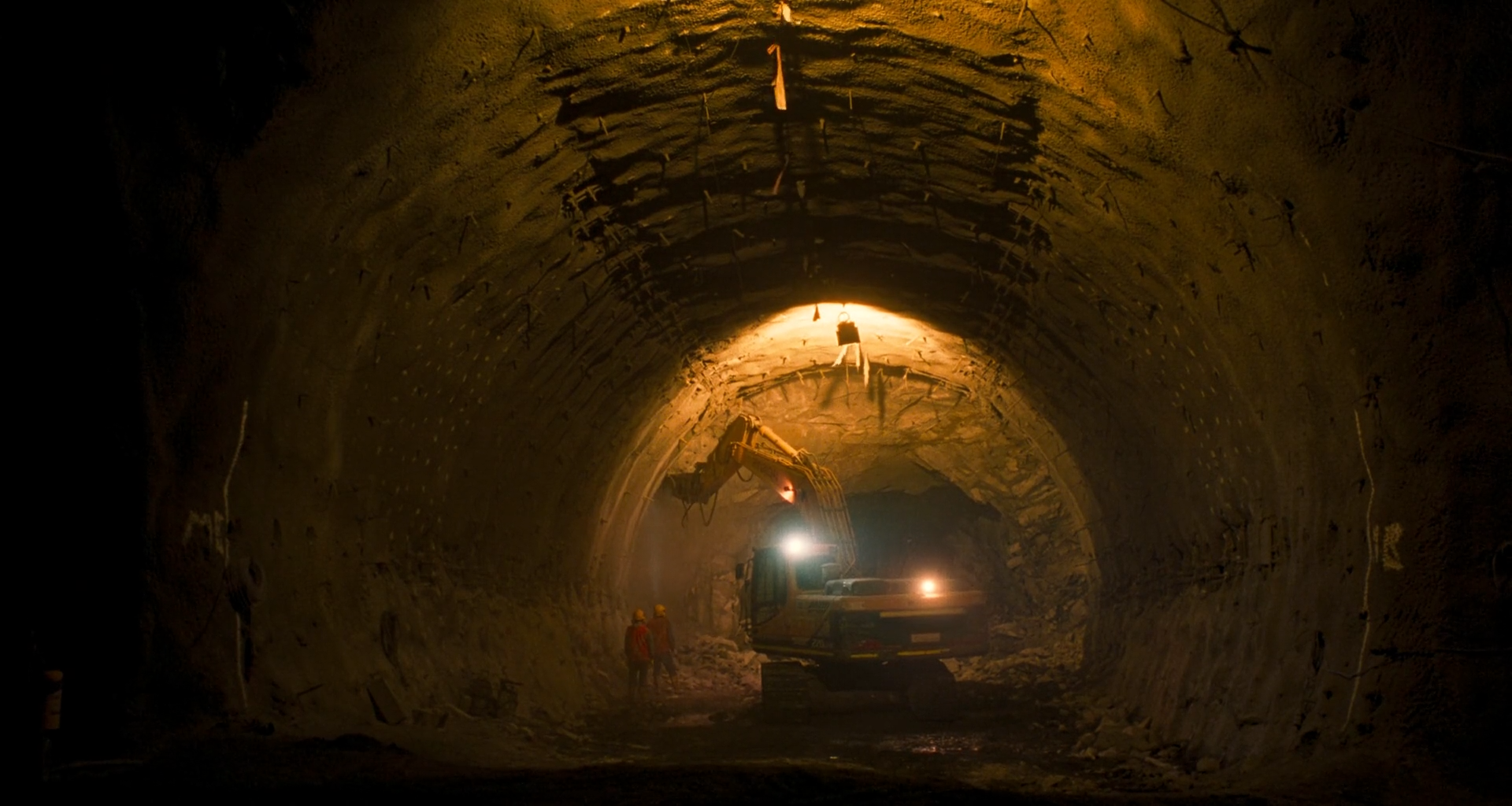
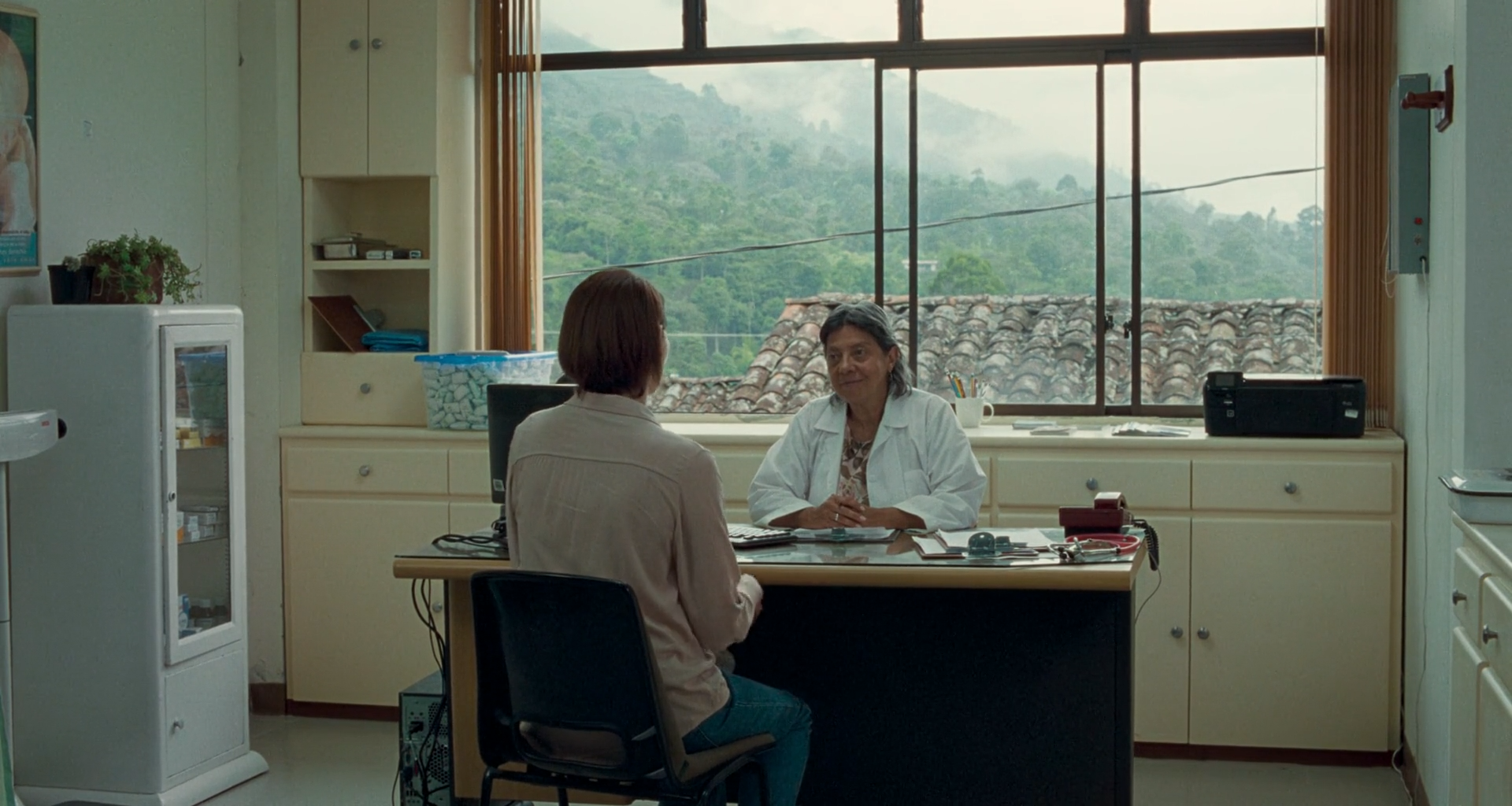
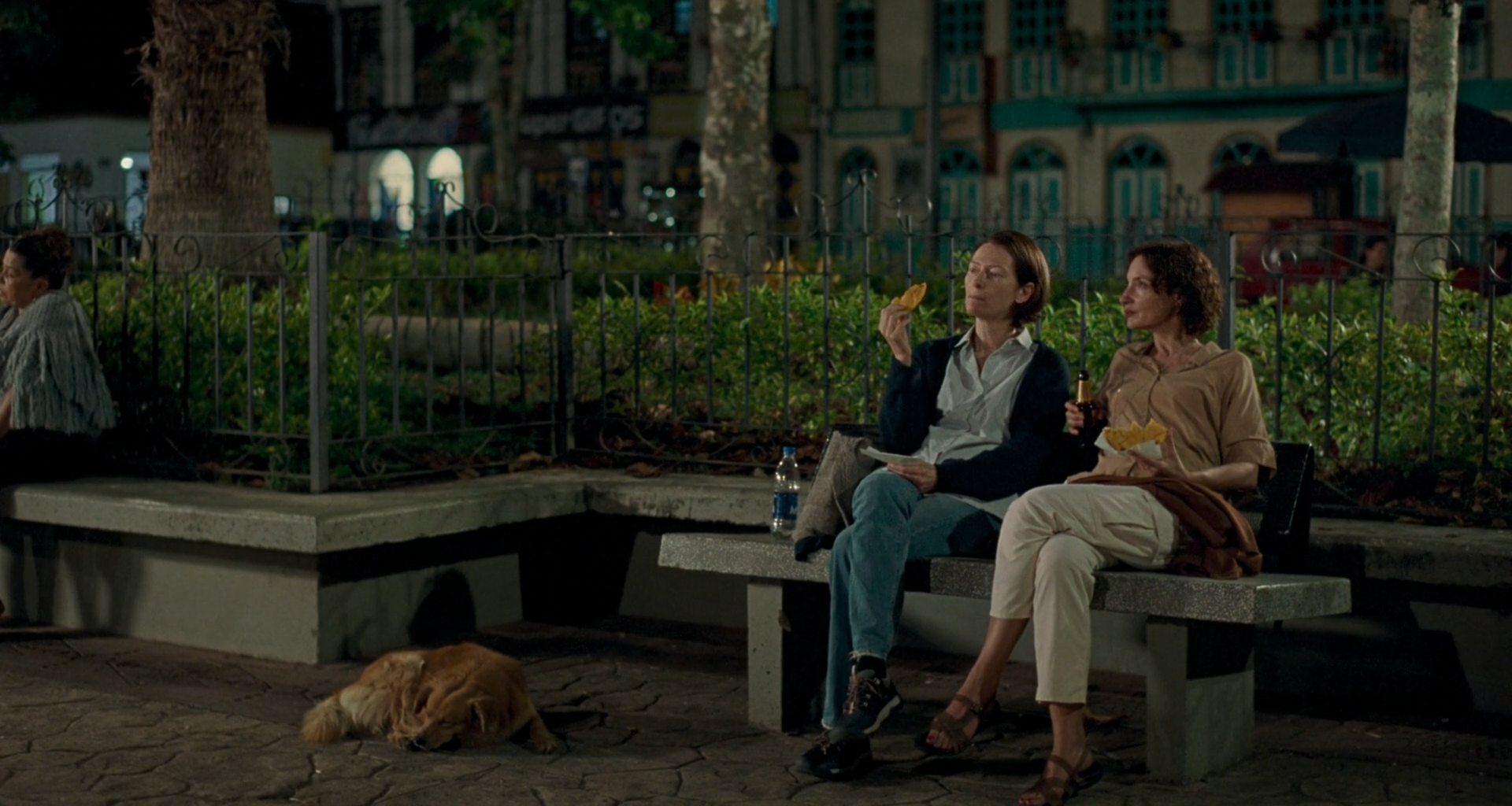
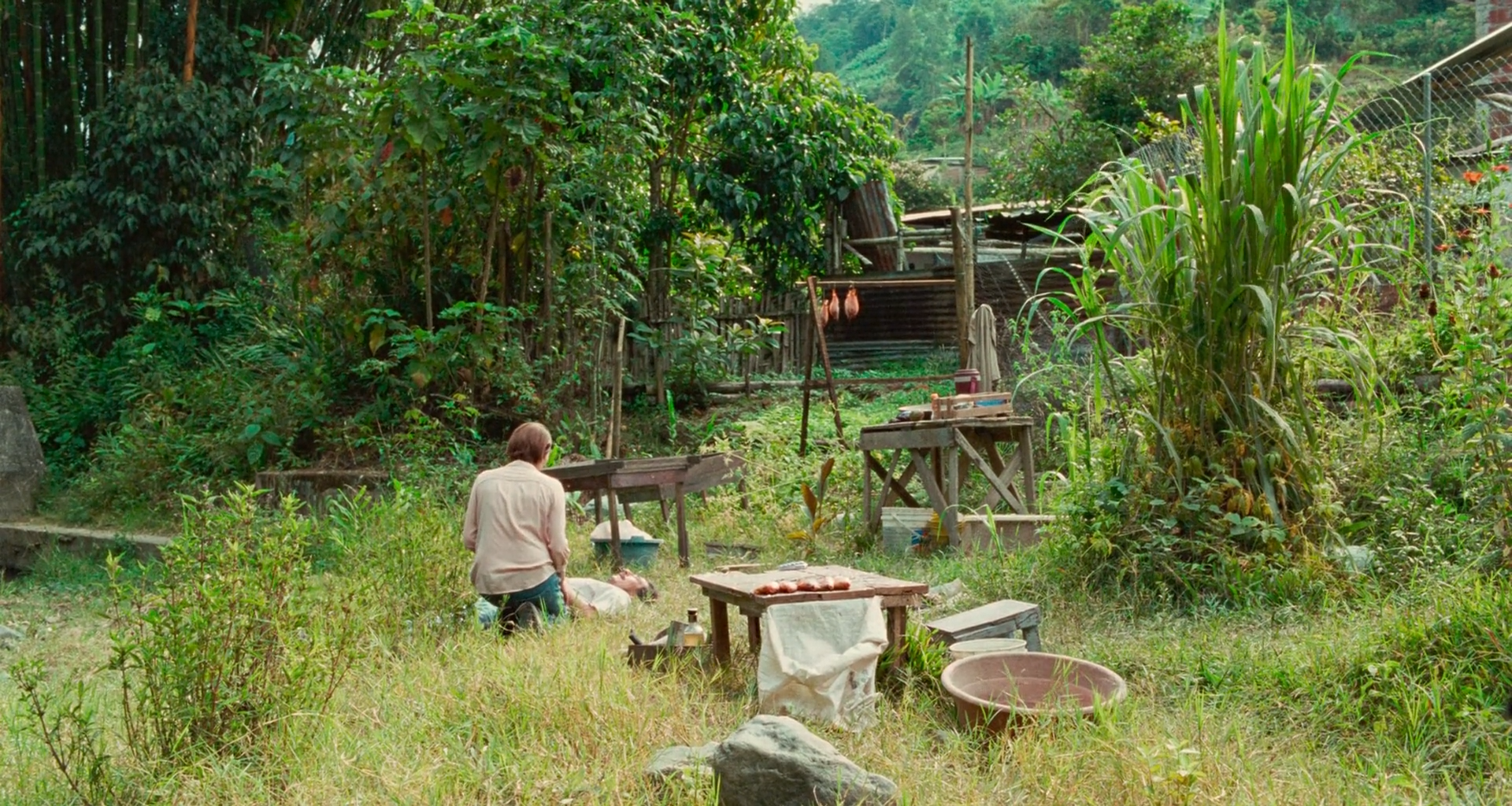
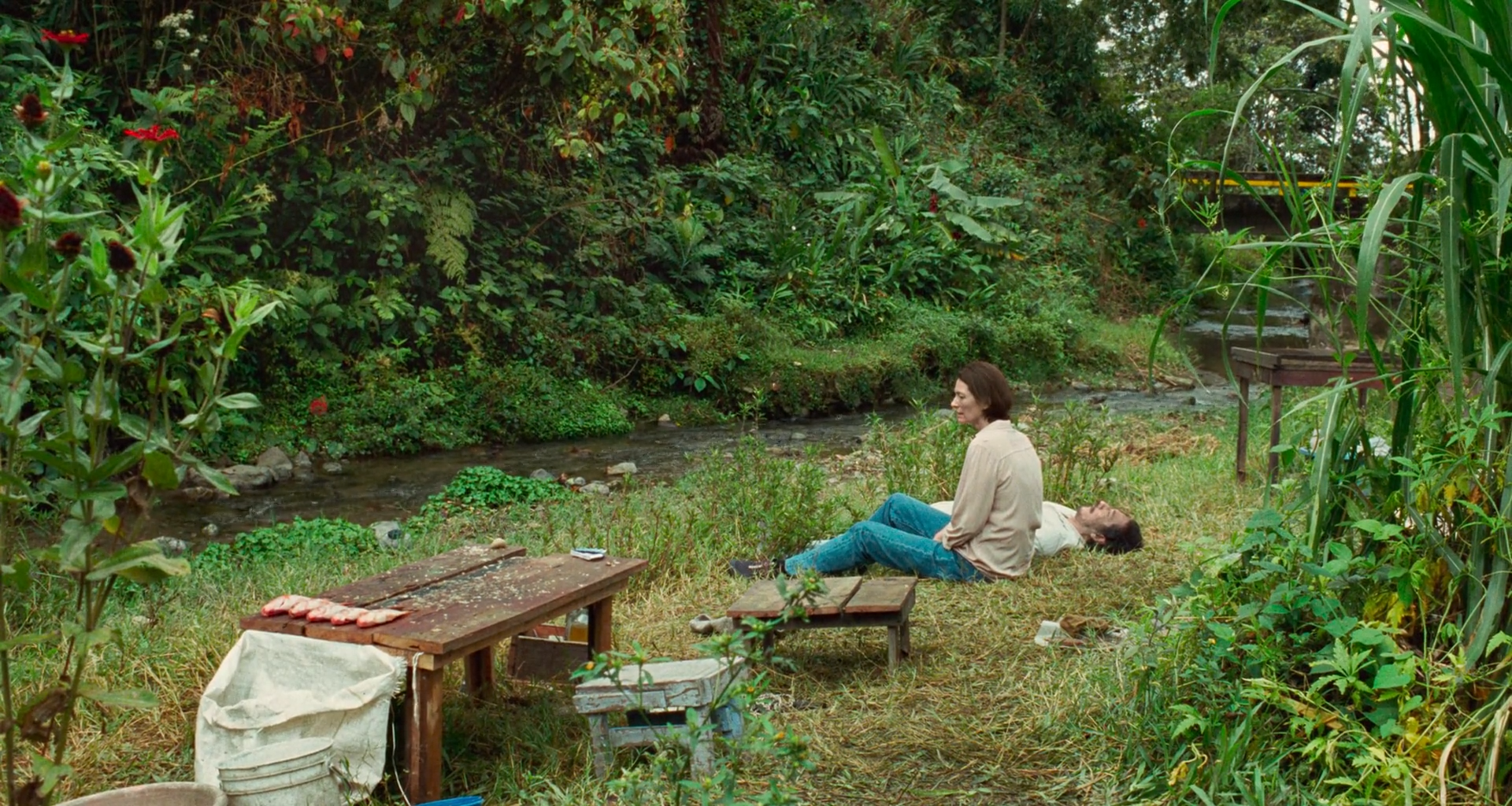
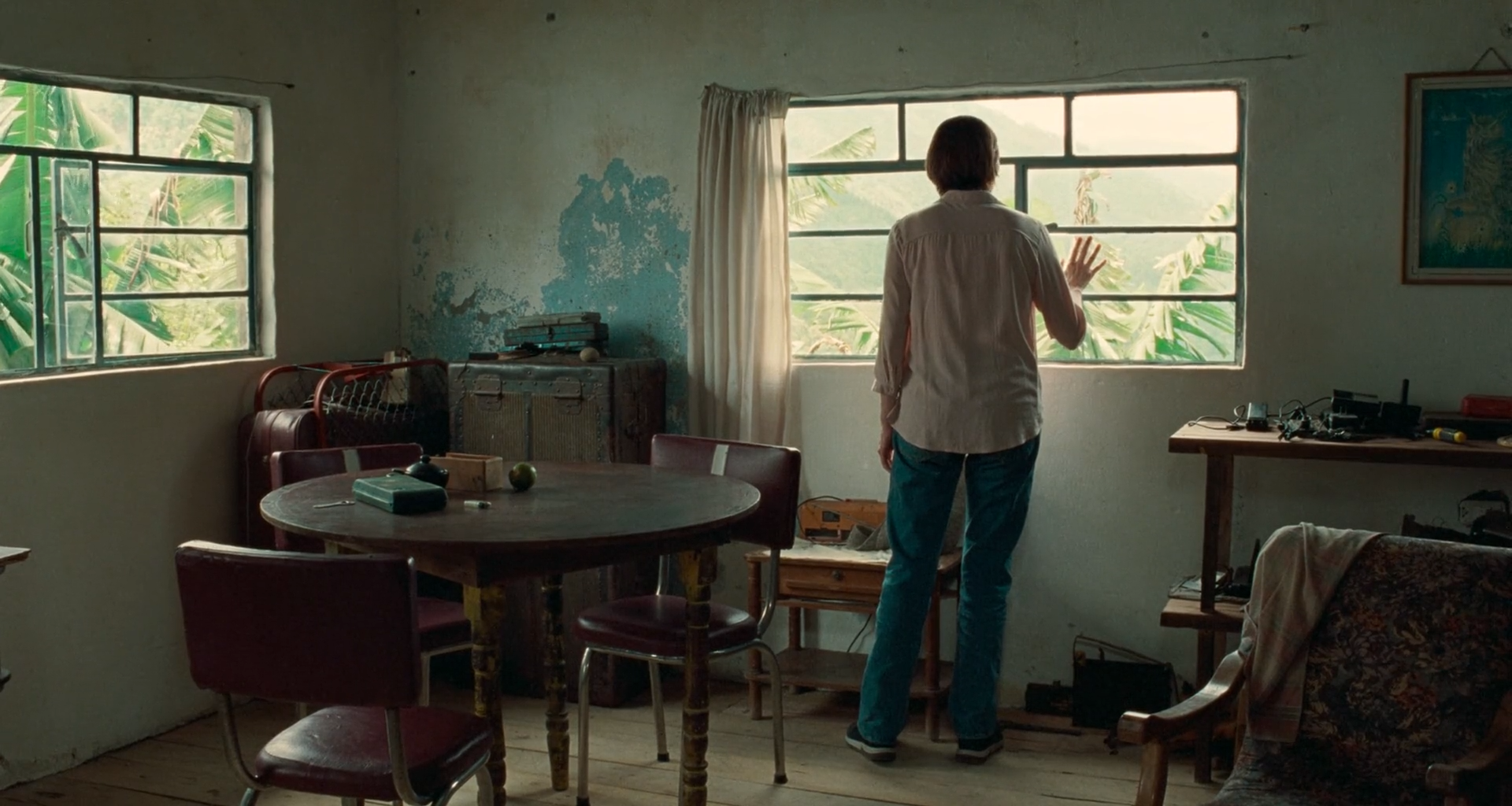
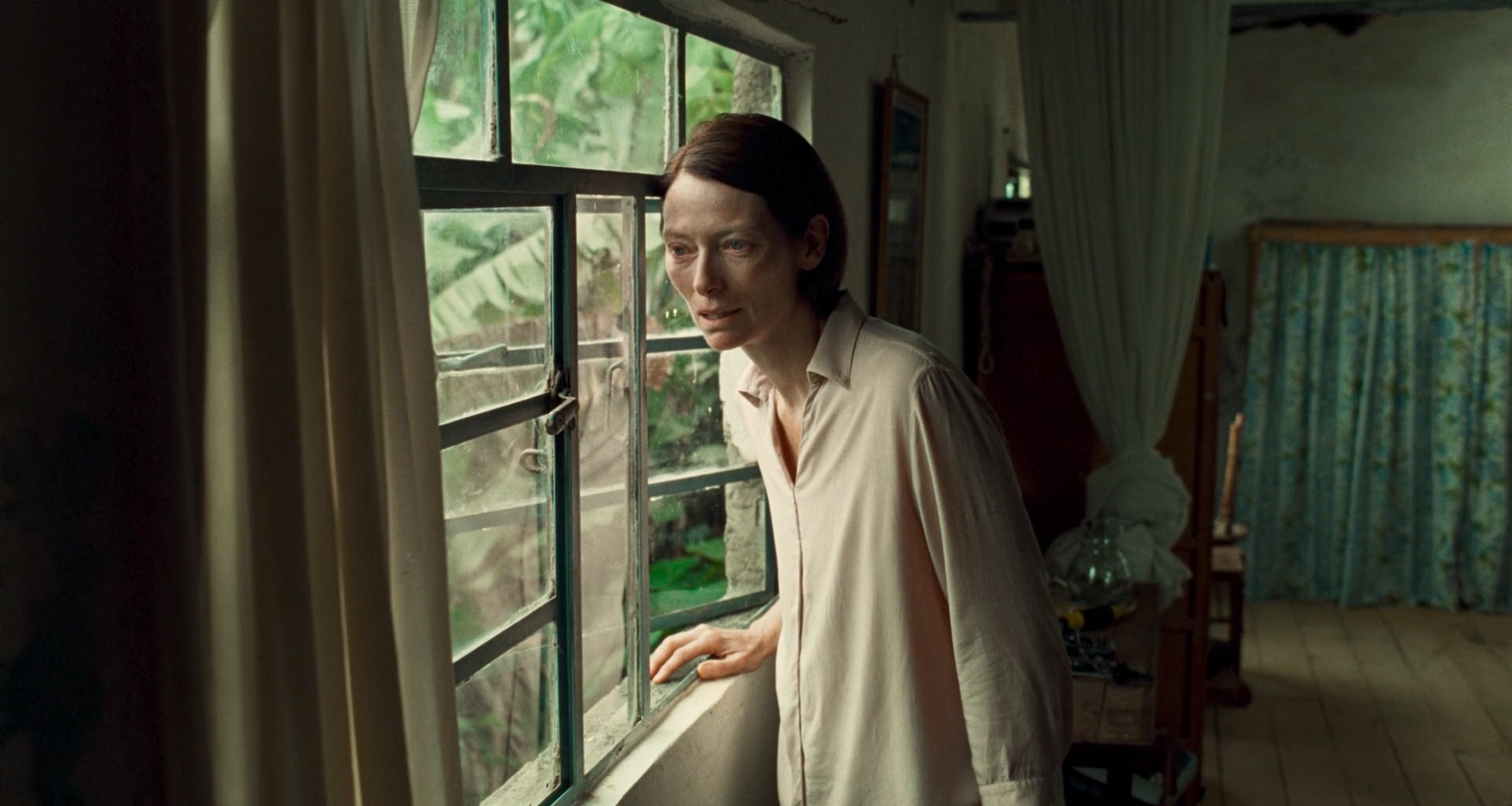
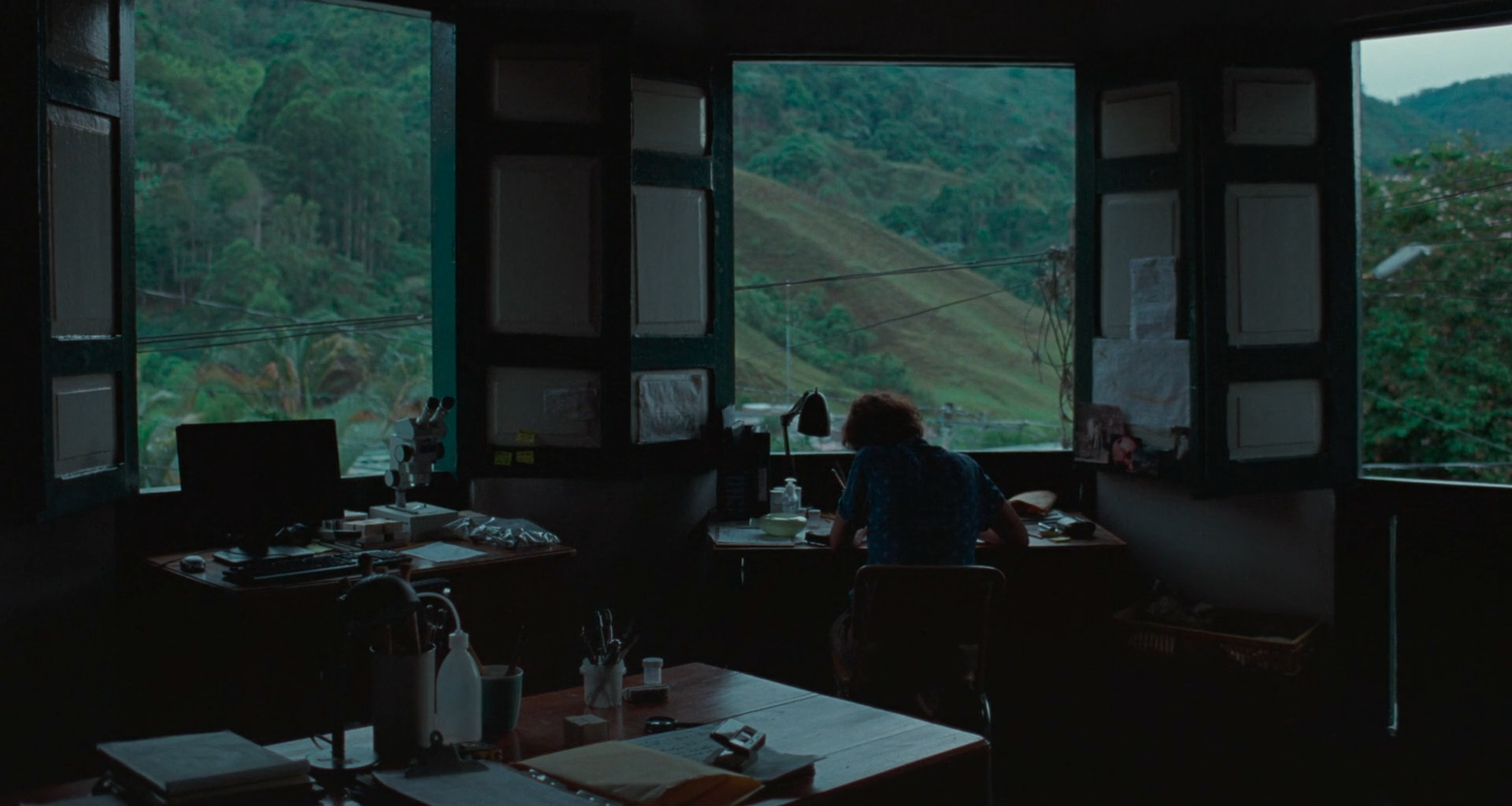
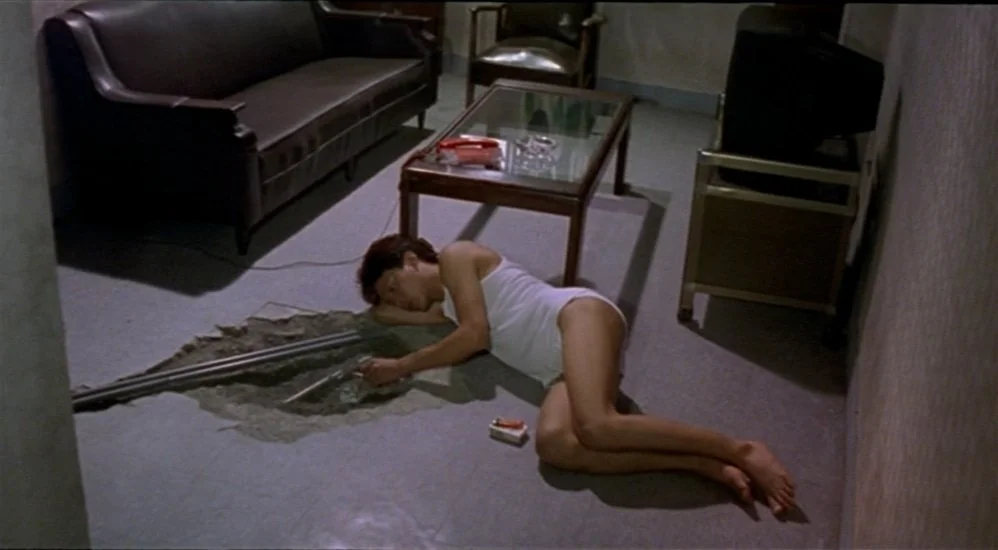
When will directors understand, a slow metaphor does not automatically a good film make? Sometimes a director writes a scene so obscene you yell at the characters through the screen. Memoria is a film where I wanted to just yell at the director. The last film I was this pissed off at was likely from Hou Hsiao-hsien, which makes sense as Apichatpong Weerasethakul himself states that he was influenced by the king of slow Taipei cinema. Memoria is an experimental avant-garde metaphor emerging from the depths of Cannes’ ambiguity grift. Buried underneath the eco-friendly trash heap of flannel shirts and bold framed glasses is an incomprehensible mess of themes and ideas. The opening scene, silhouetted in near complete darkness, is the only cool composition of the film, implementing a long take with a 270 degree pan resembling Drive My Car, Millennium Mambo, or Green Knight. But for a film applauded for its cinematography, there is nothing visually remarkable thereafter. I’m actually a fan of the cinematographer Sayombhu Mukdeeprom, whom frequently pairs with Luca Guadagnino, but the cinematography is dull in the fullest sense. The main value of this film is in its audio design, which is the foundation, mystery, and engine behind the entire film. If you don’t watch with high quality sound systems or earphones, I can’t imagine what other experience you can get from this film.
Analysis:
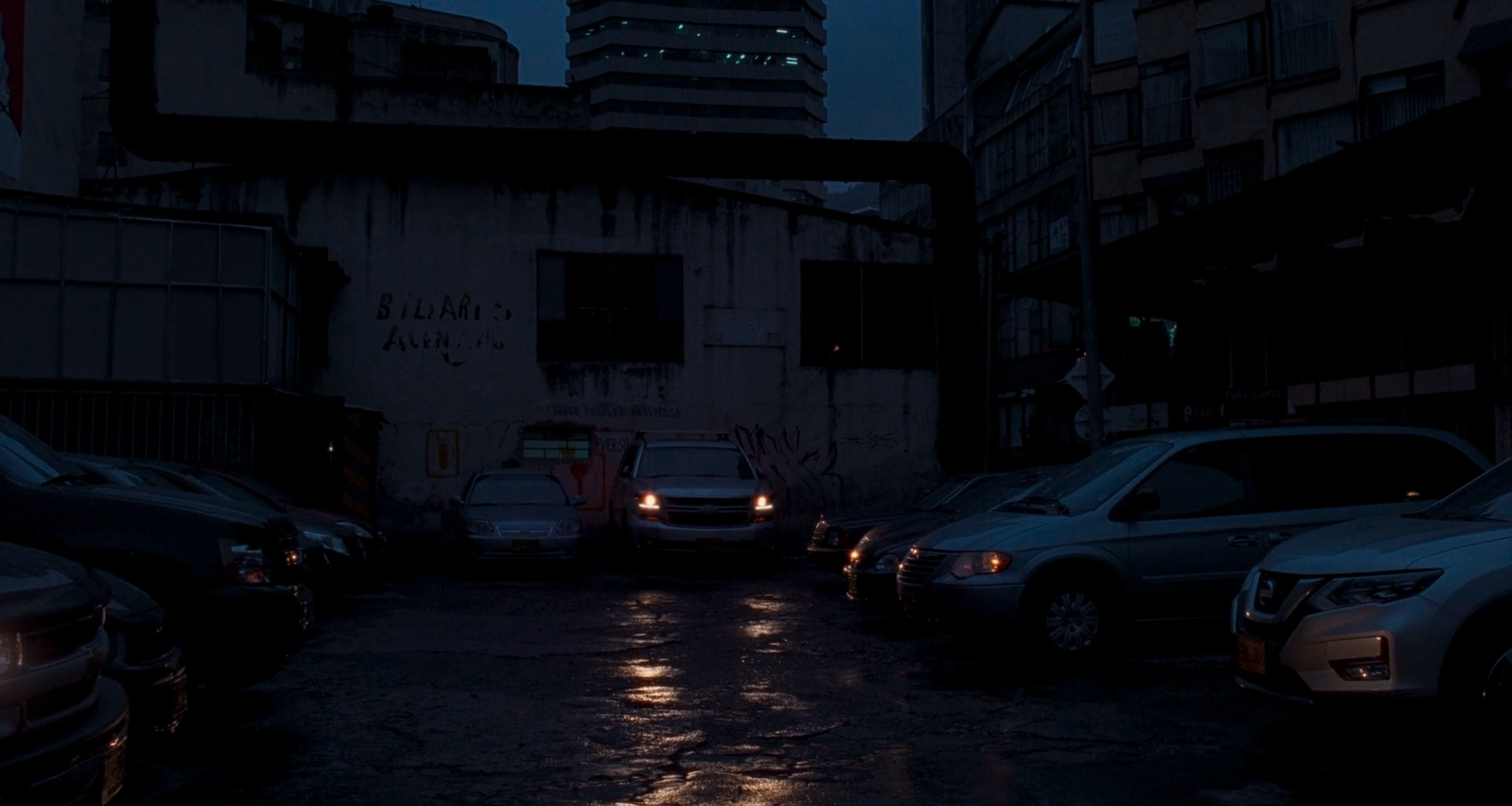
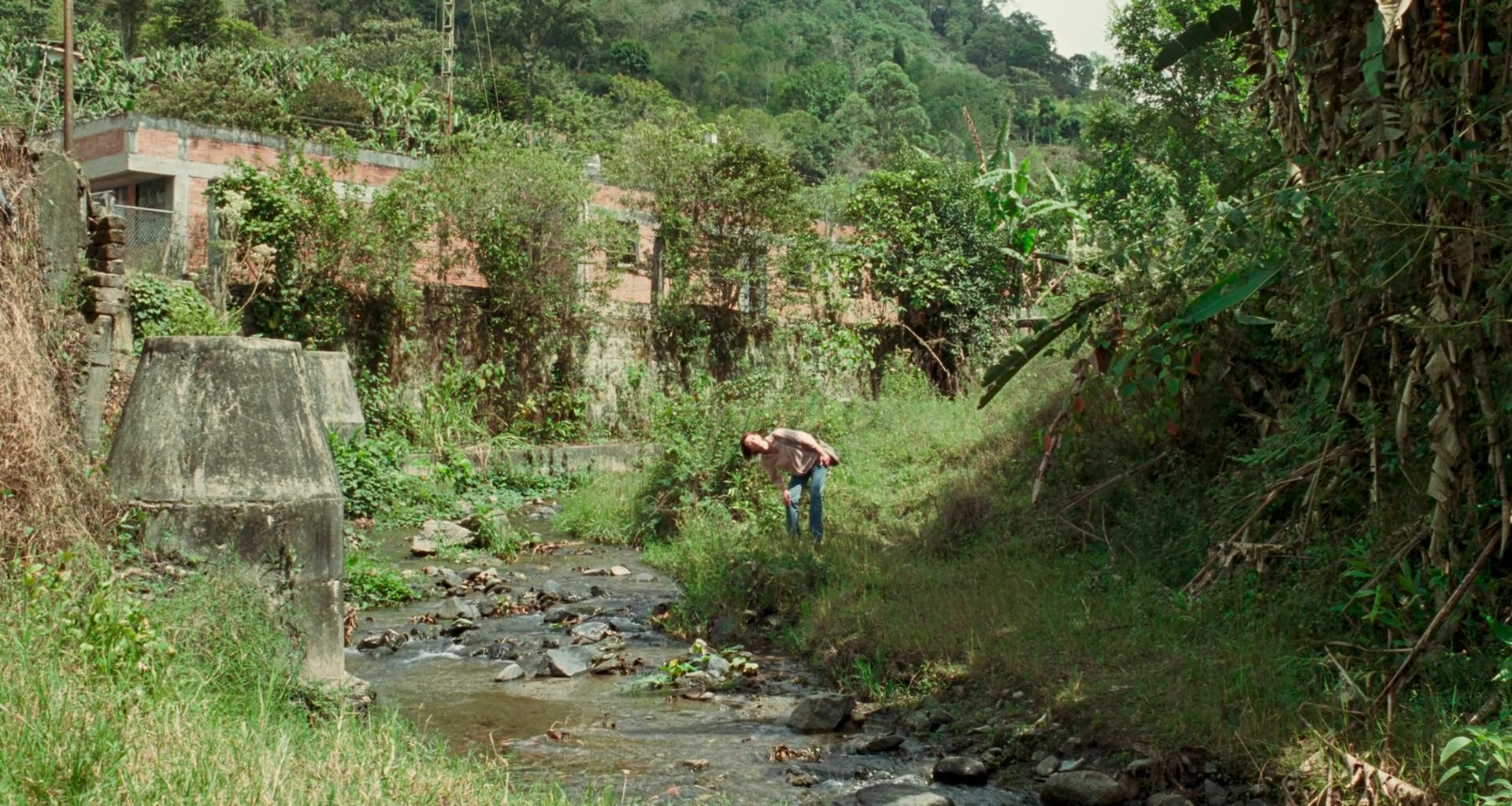
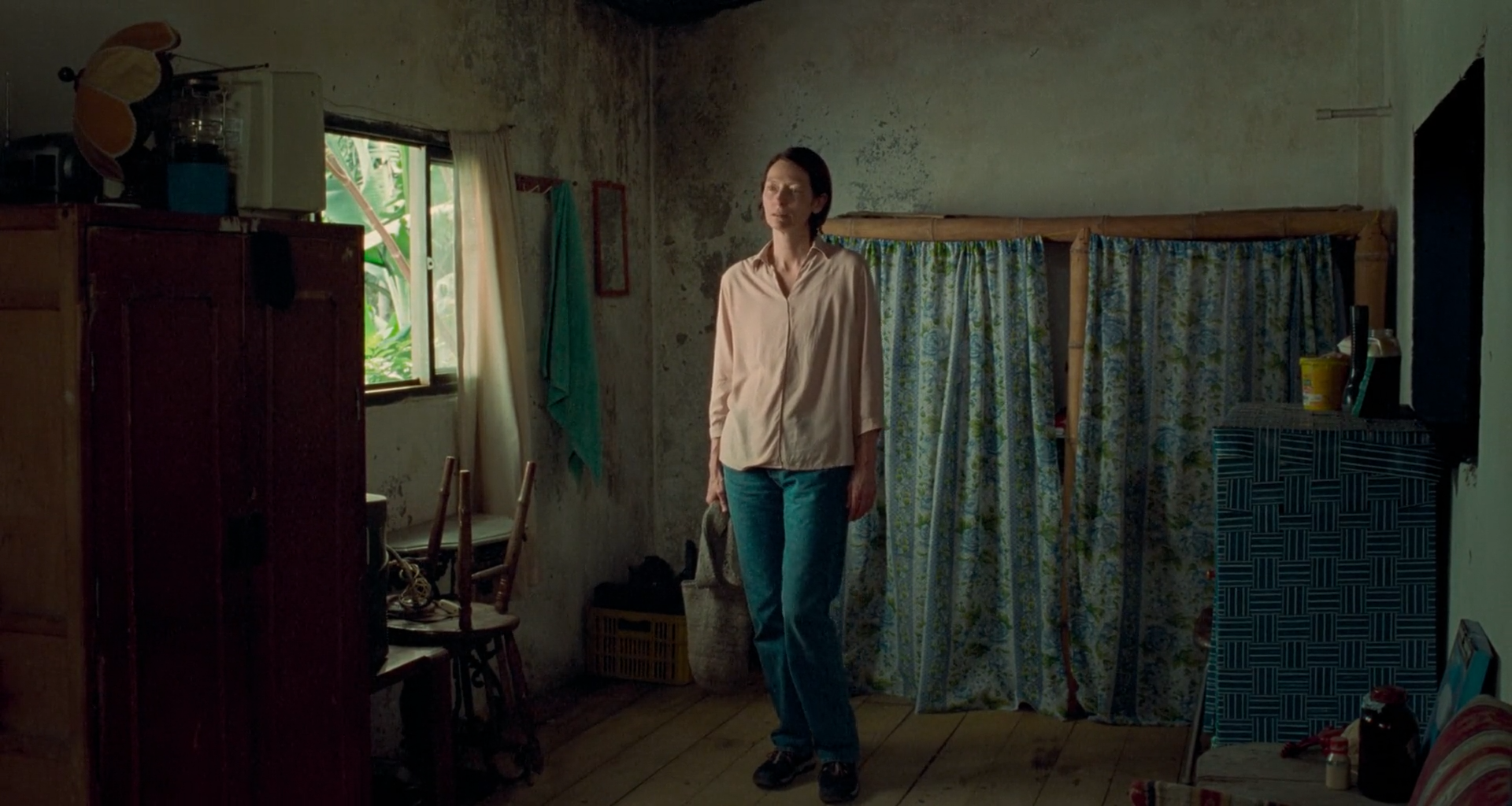
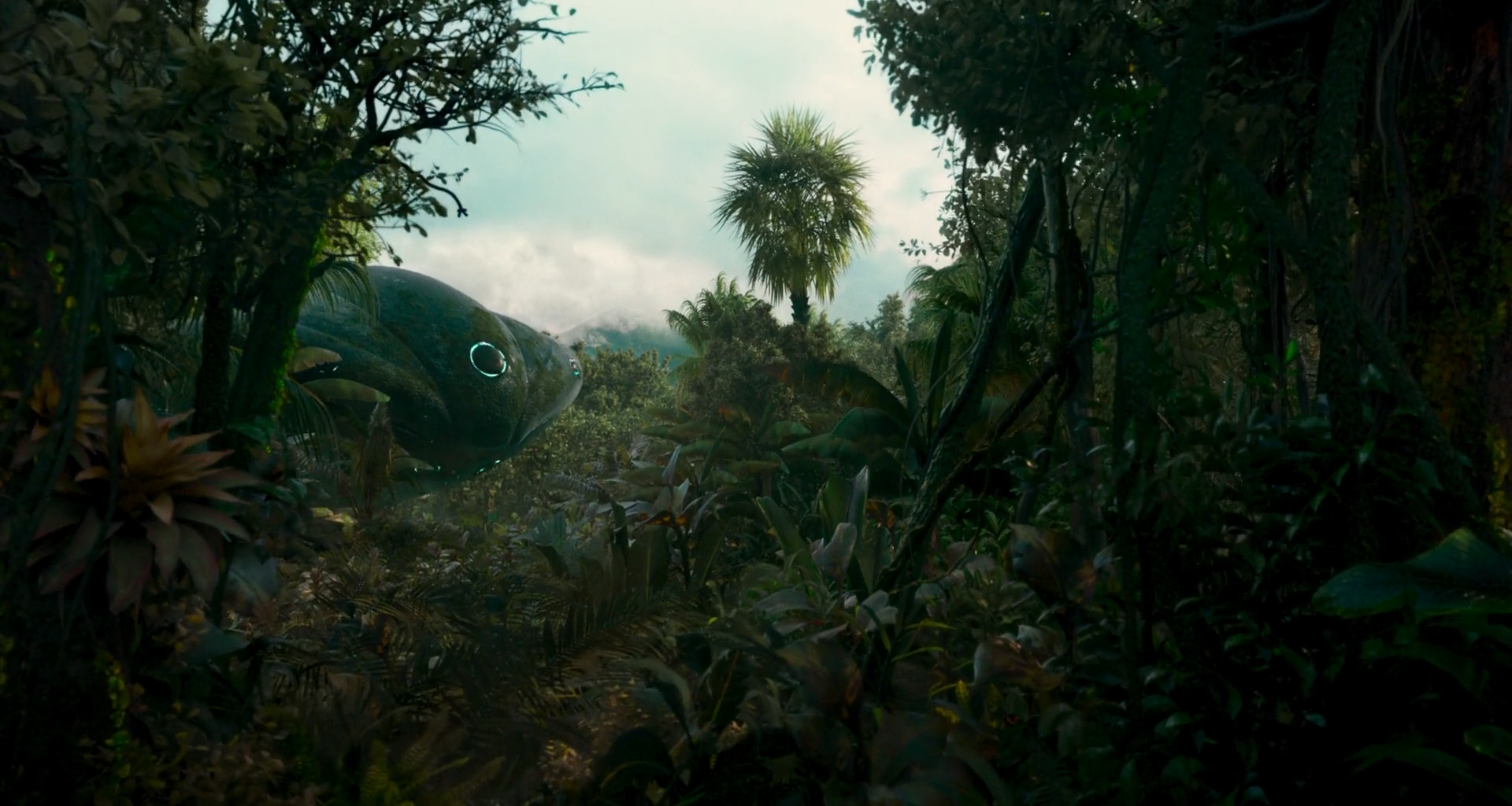
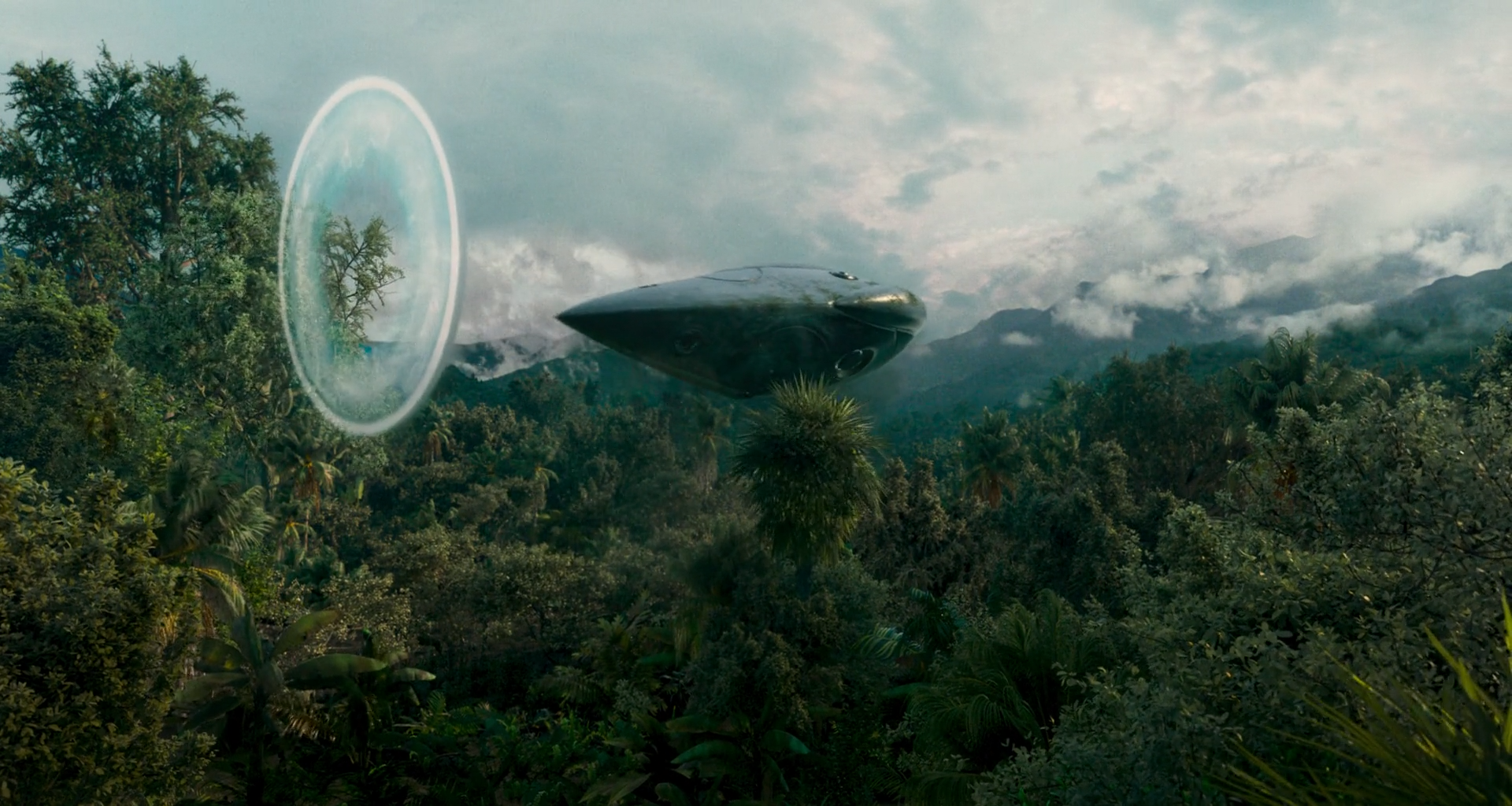
This film is an atmospheric mood piece through the metaphor of collective memory. However, it essentially functions as a meditative experience, which is particularly common for Asian slow cinema. This is evident by Weerasethakul’s comments during an interview that he was inspired by Hou Hsiao-hsien’s A City of Sadness. There are several unanswered questions in the film, the main on being what does the sound represent. It is eventually revealed that the loud earthy thud is coming from an alien spacecraft, which I suppose makes this a sci-fi film. As awkward and unfitting as the metaphor is with the story, it symbolizes our feelings of alienation, which was undoubtedly the pent up zeitgeist during Covid 19. As Tilda Swinton’s character is a Scottish expat in Colombia, we can also feel her disconnect as she struggles, barely able to speak Spanish. She is one of the few that is experiencing these noises, but not the only one as another man does become spooked by the bang of a bus. Then we have car alarms going off for an invisible reason. There is a looming feeling of unease that can only be pacified by confront the true nature of the problem.
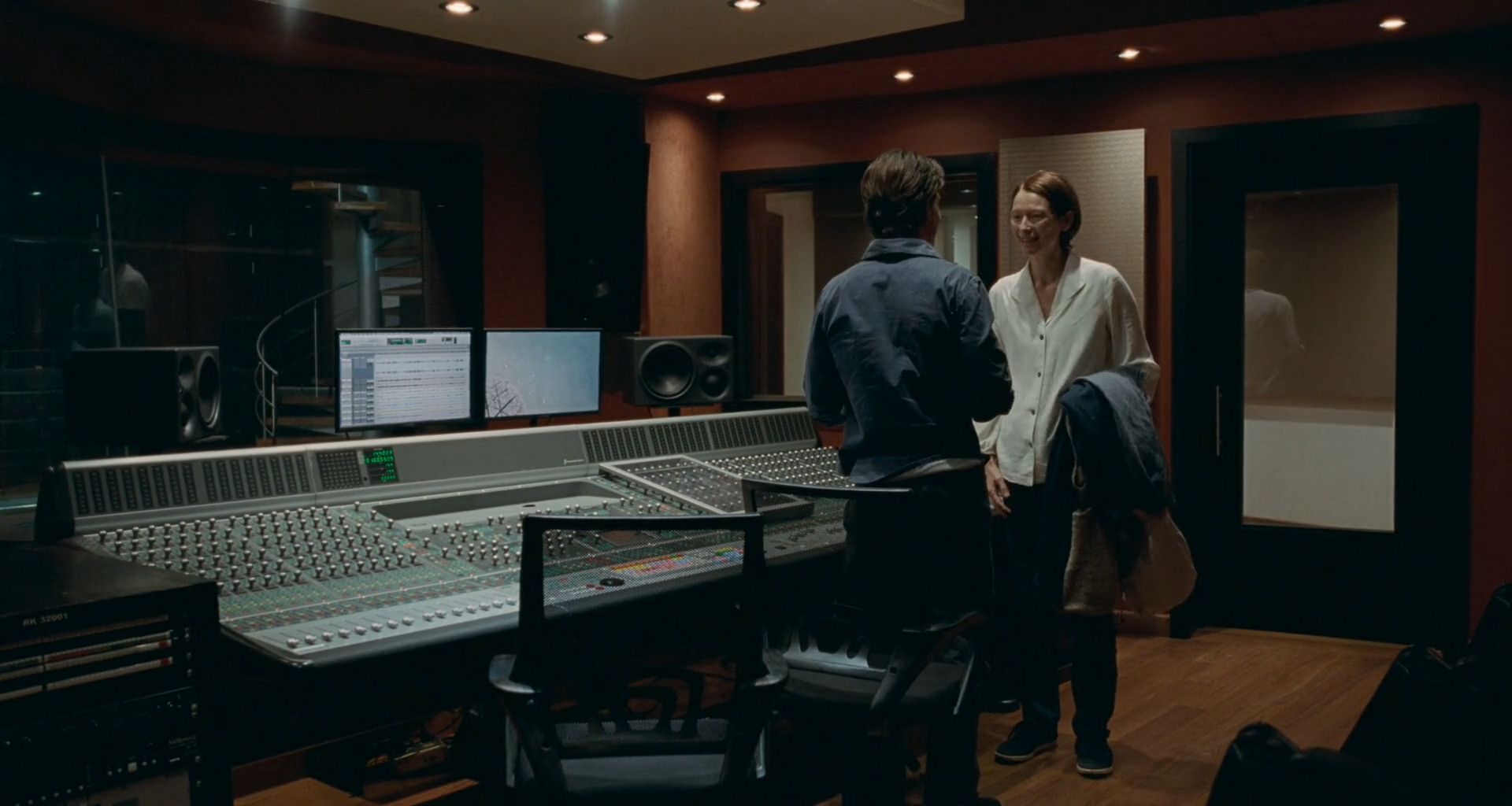
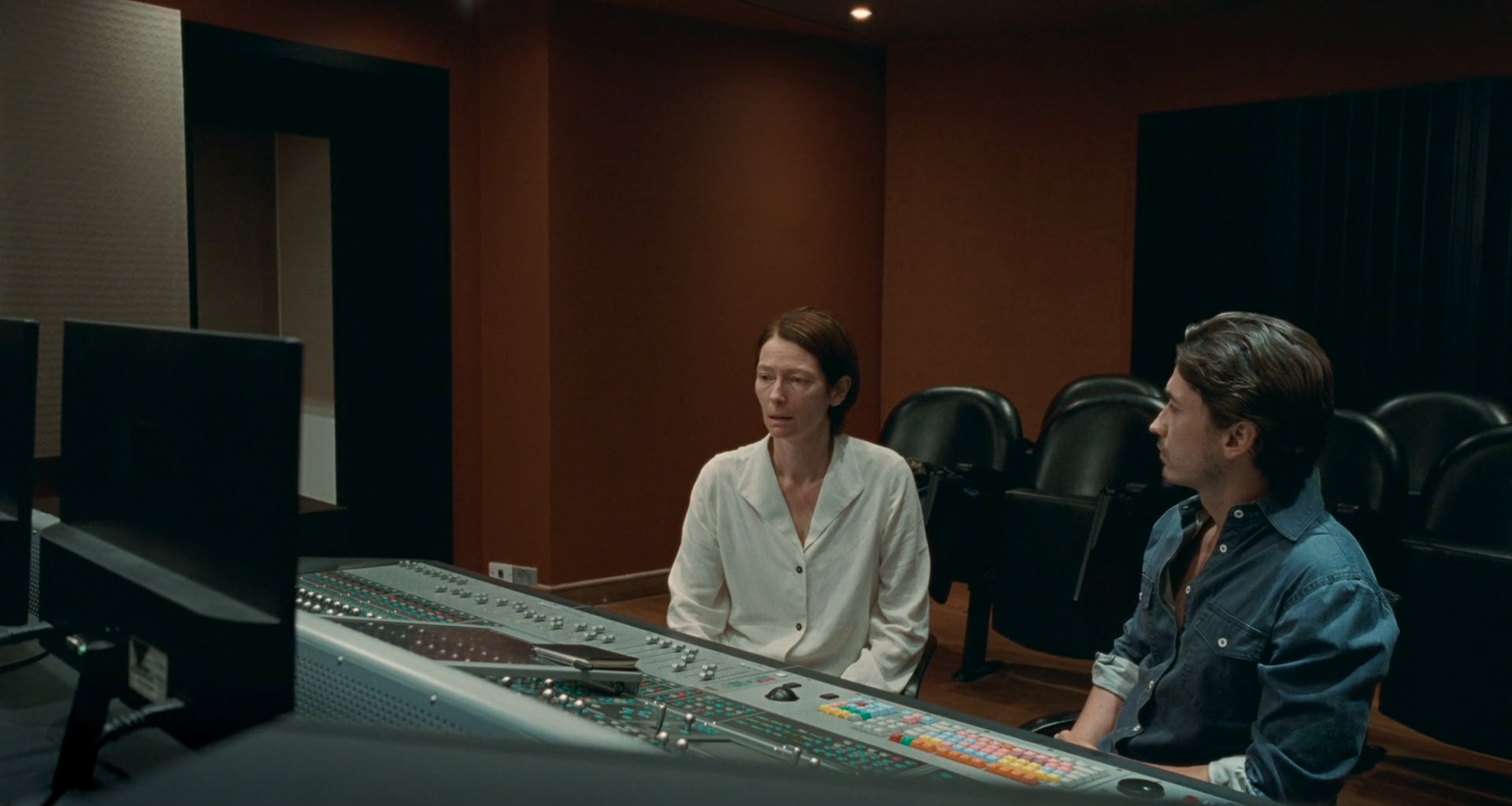
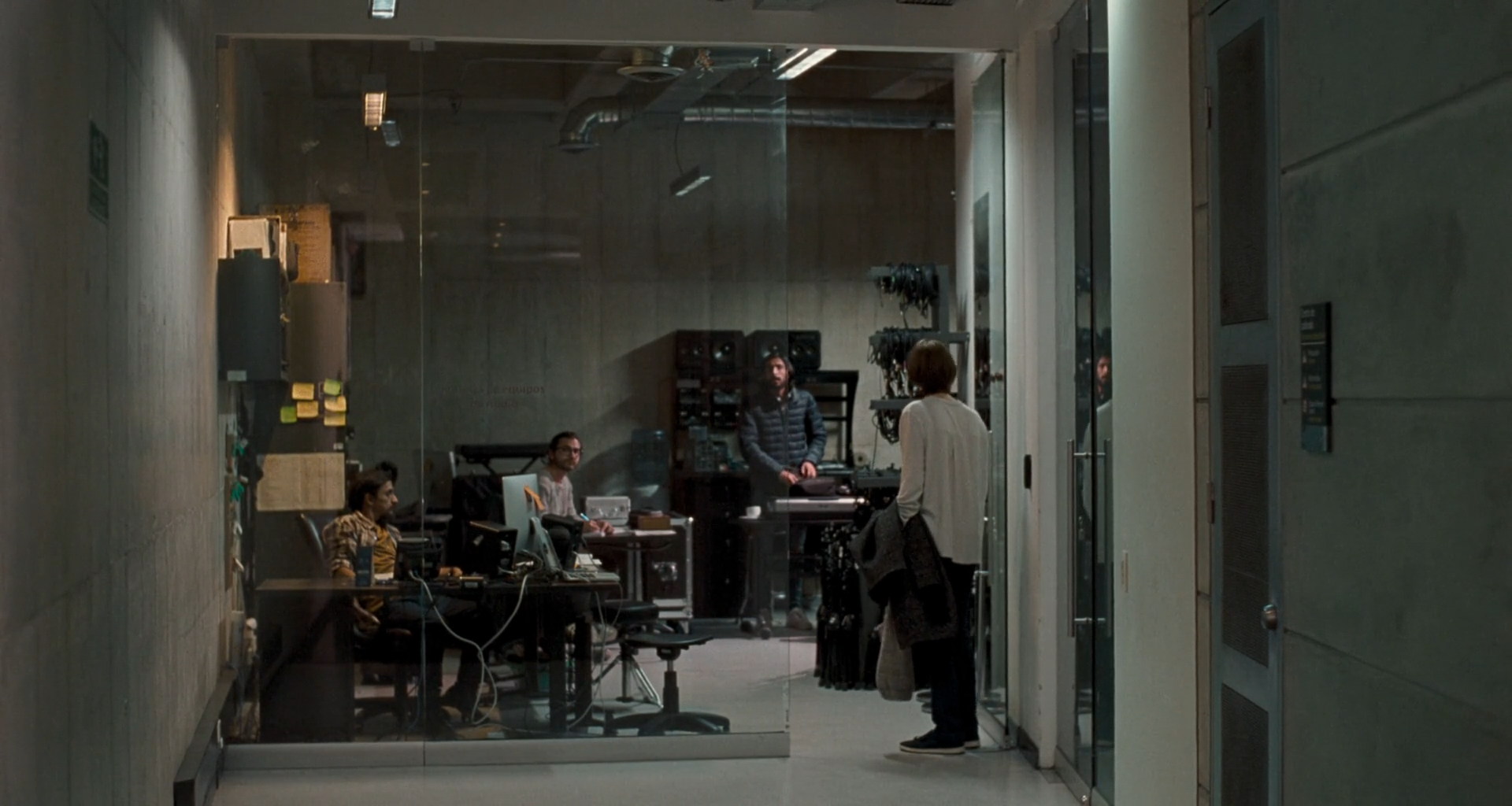
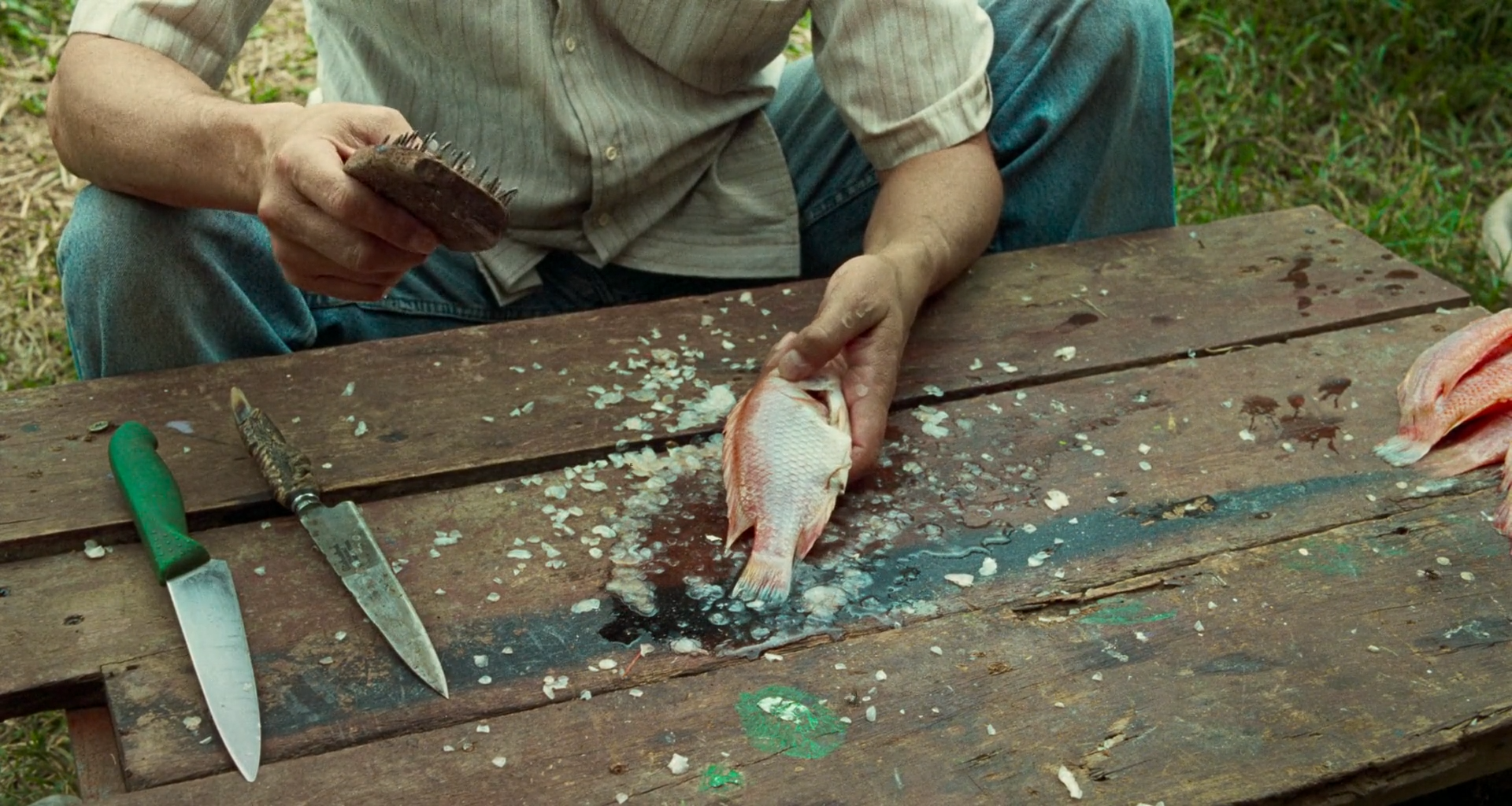
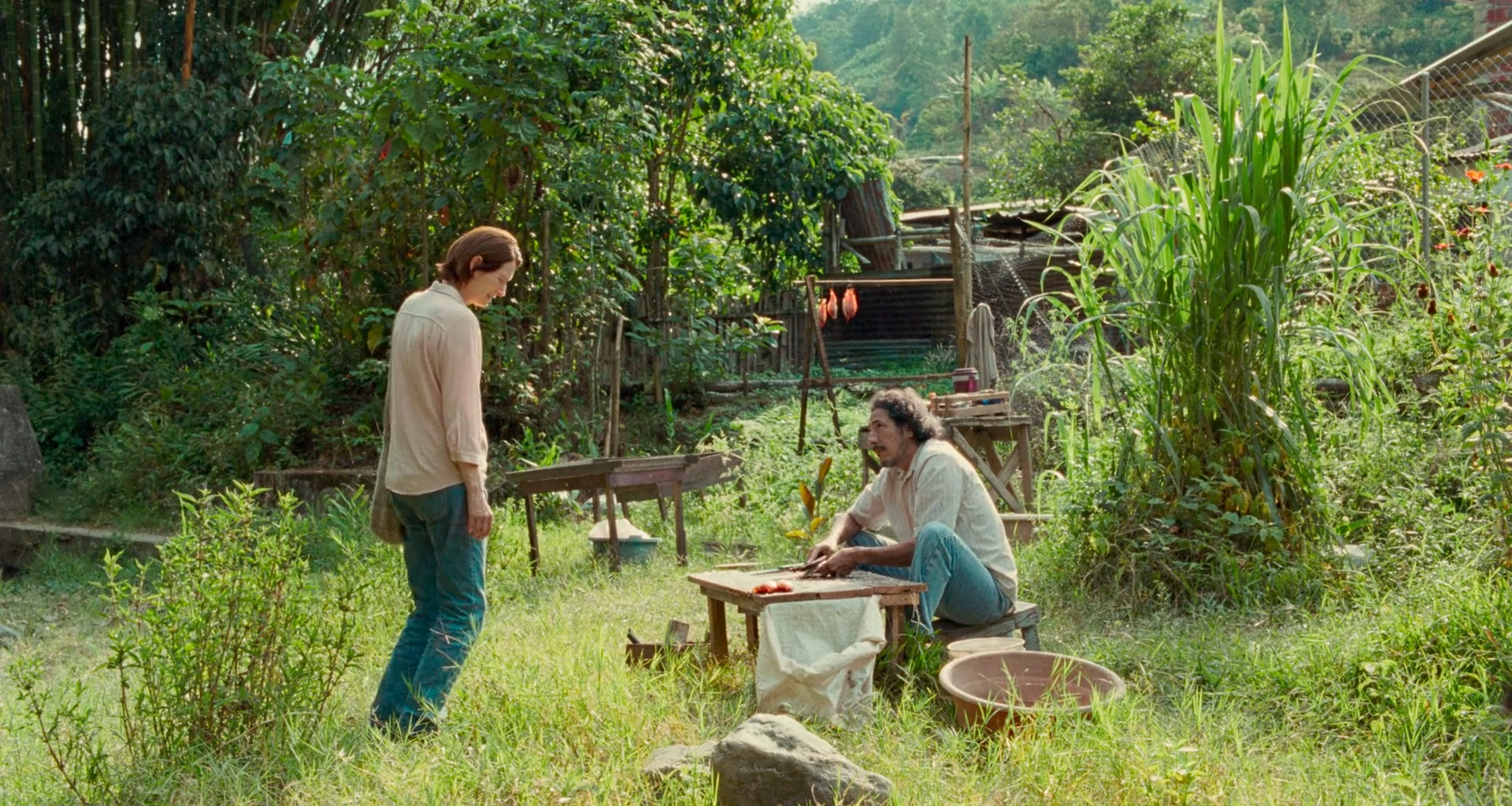
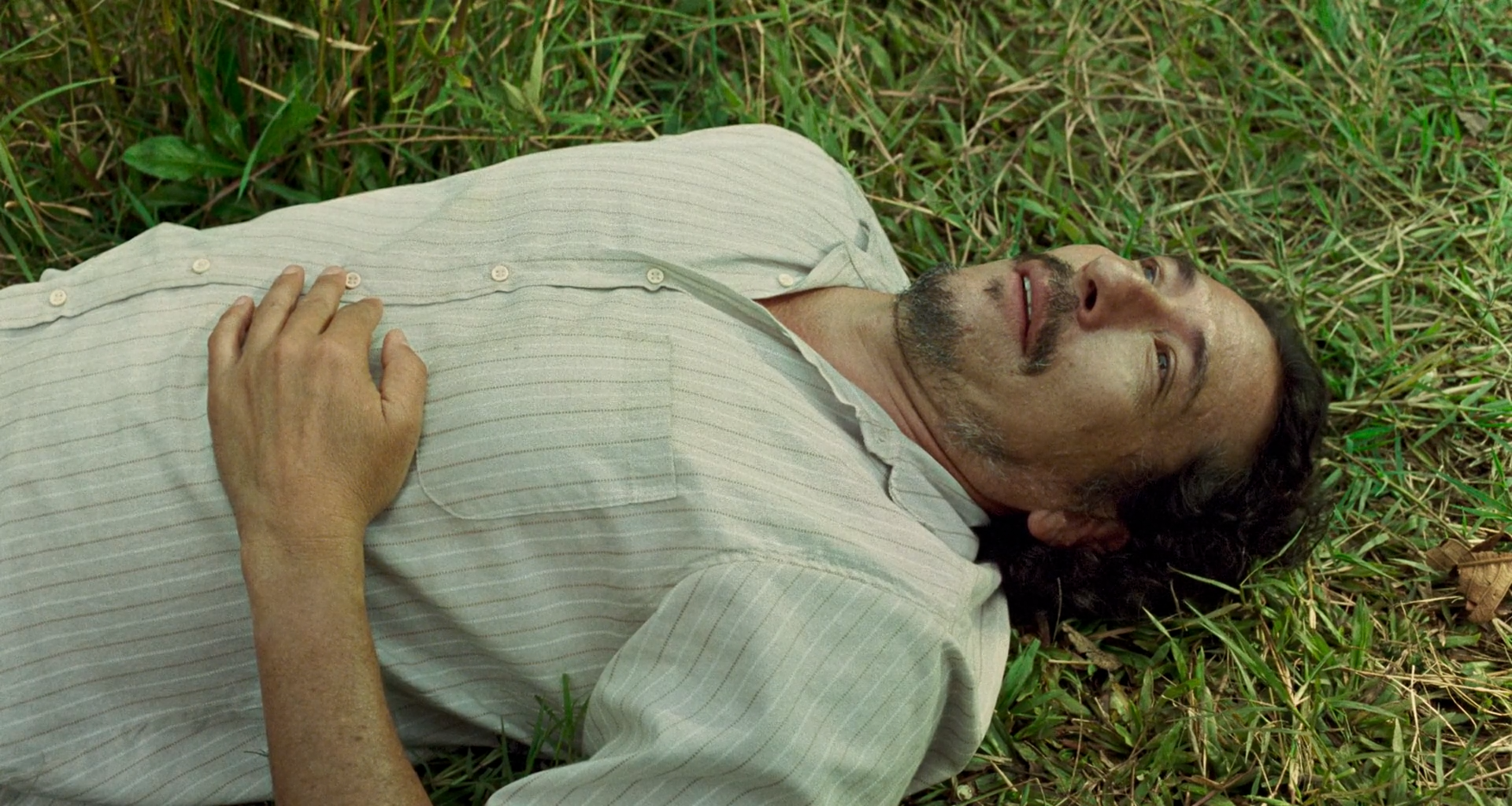
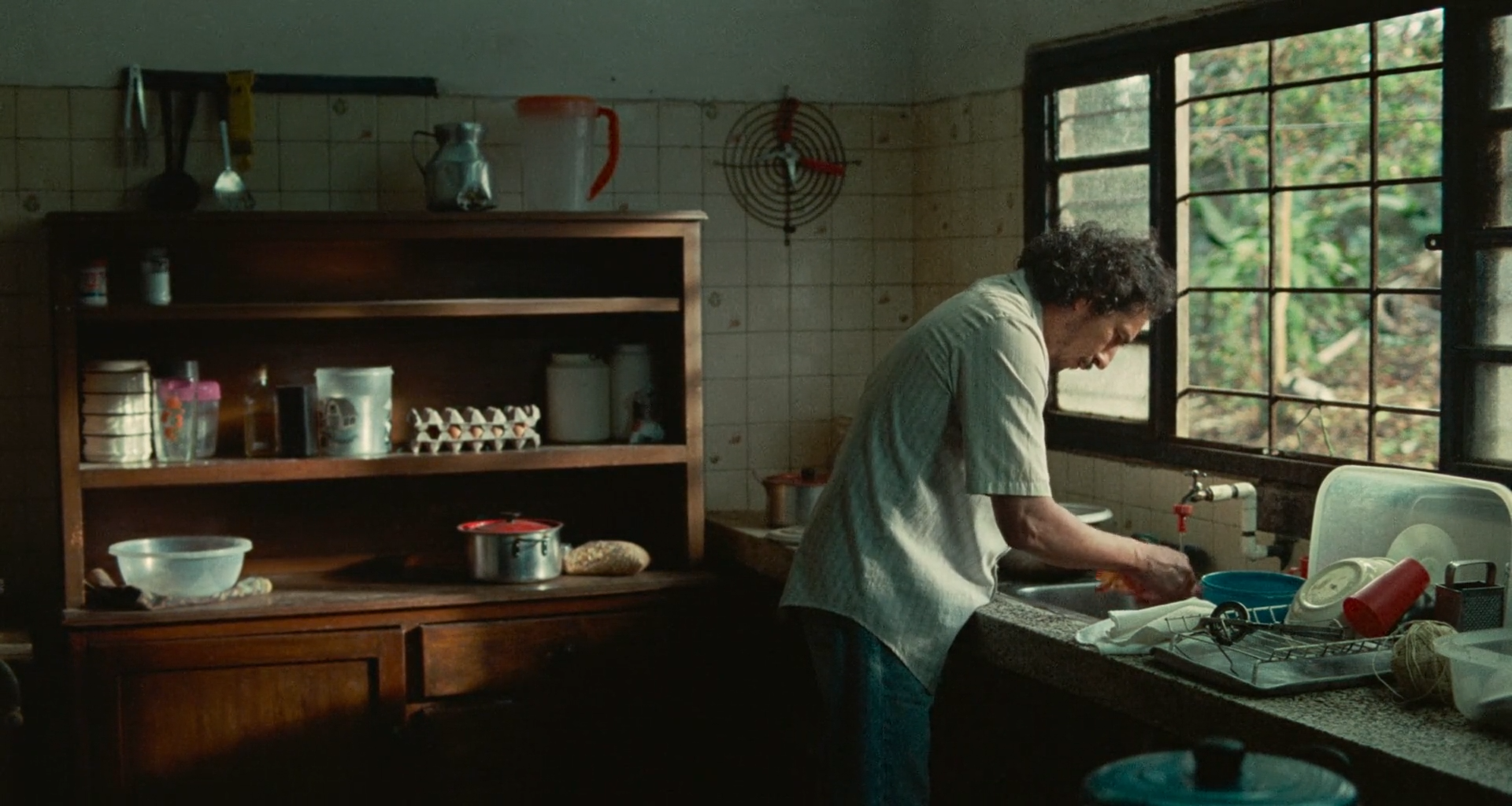
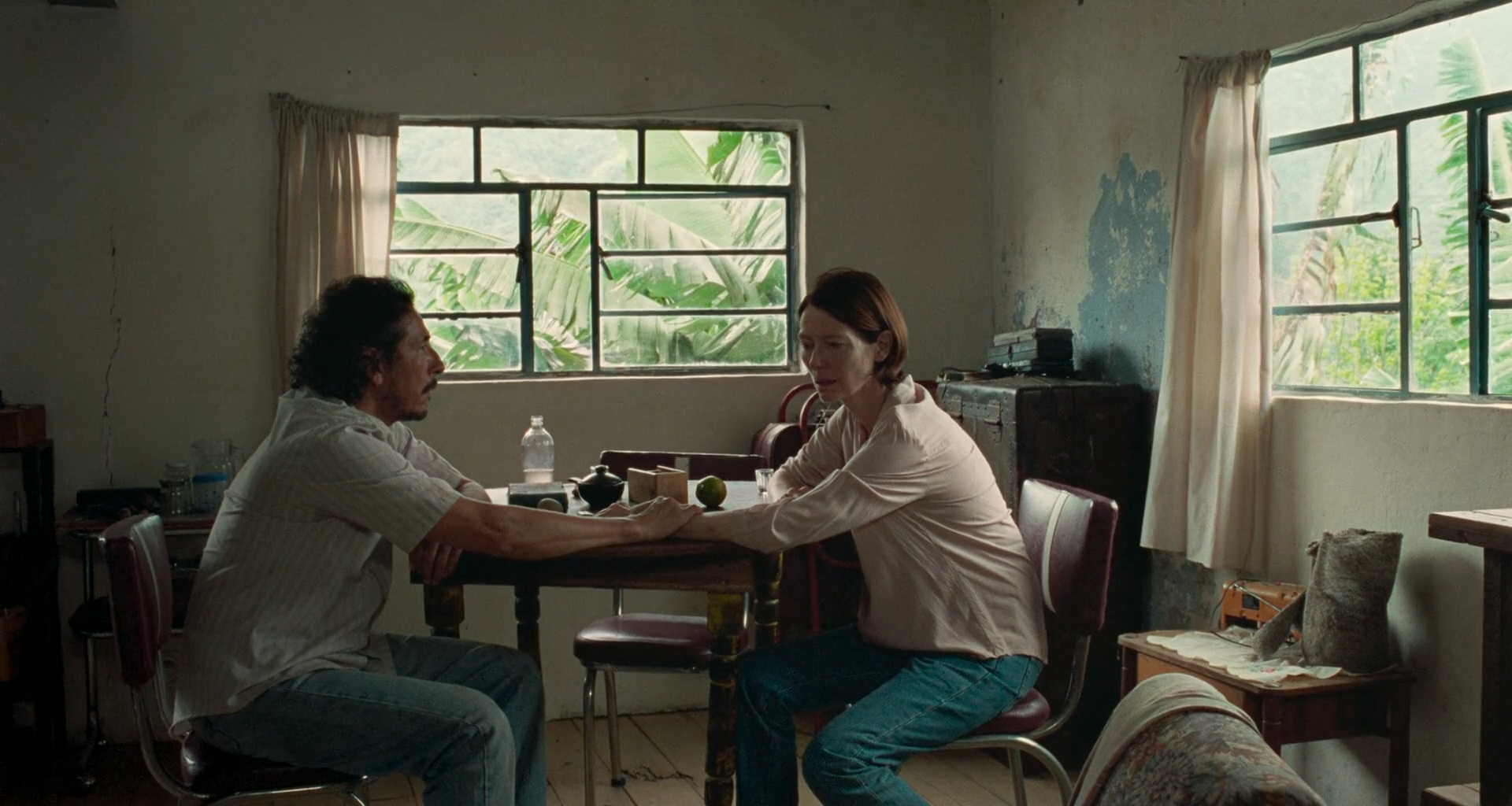
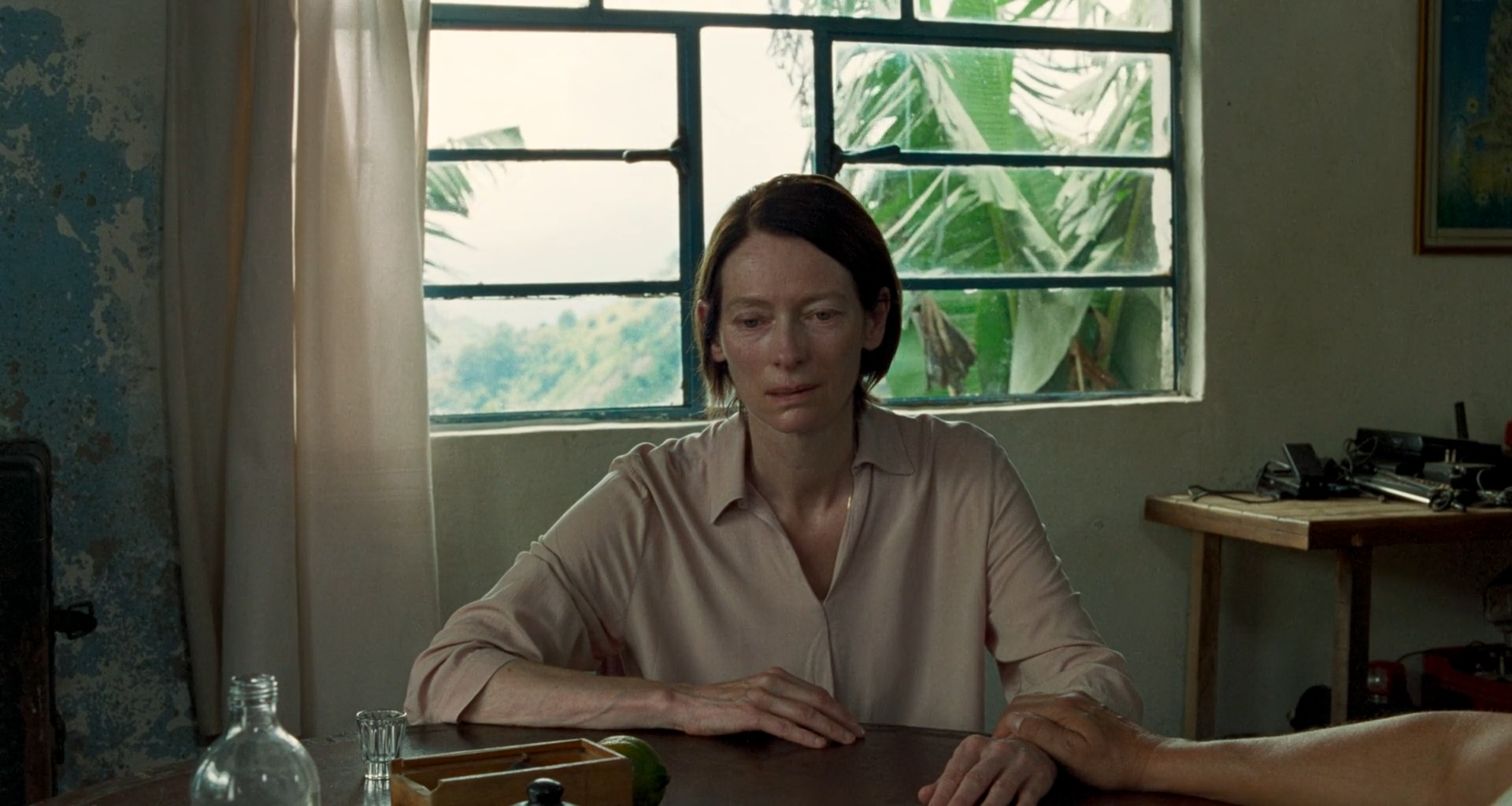
My analysis is that the source of such alienation, trigged and by proxy Covid in the real world, is our connection with the past. This is reinforced by the title of the film, Memoria, suggesting that we have not fully dealt with it. This is metamorphosized by Hernan, whom appears twice as a young sound engineer and old recluse. We know this because both are named Hernan, and even in IMDB, they are credited as the same person. Hernan states he can remember every moment of his life in perfect clarity, perfectly embodying memory. For a moment, she is able to share memories with Hernan once they hold hands, to which the sound dulls out. This suggests that through collective memory, we can deal with our past traumas and alienation whatever they may be.
However, this is not quite good enough as the sole metaphor for an entire film. We can only draw on the director’s intentions, which are revealed in an interview. Weerasethakul explicitly mentions ghosts of cinema, in which memory, ideas and even people can never truly die because they last forever through the medium of filmmaking. Although directors like Tsai Ming-liang may no longer be making films, his presence will still be felt by future filmmakers long after he is gone. Despite the other symbolic interpretations to be had, this is the personal motivation for the director, which to me carries more weight. For Weerasethakul, watching Taiwanese films, which have clear influence on his work, is the solace and mediative healing he wishes to impart upon us through this film.
Conclusion:
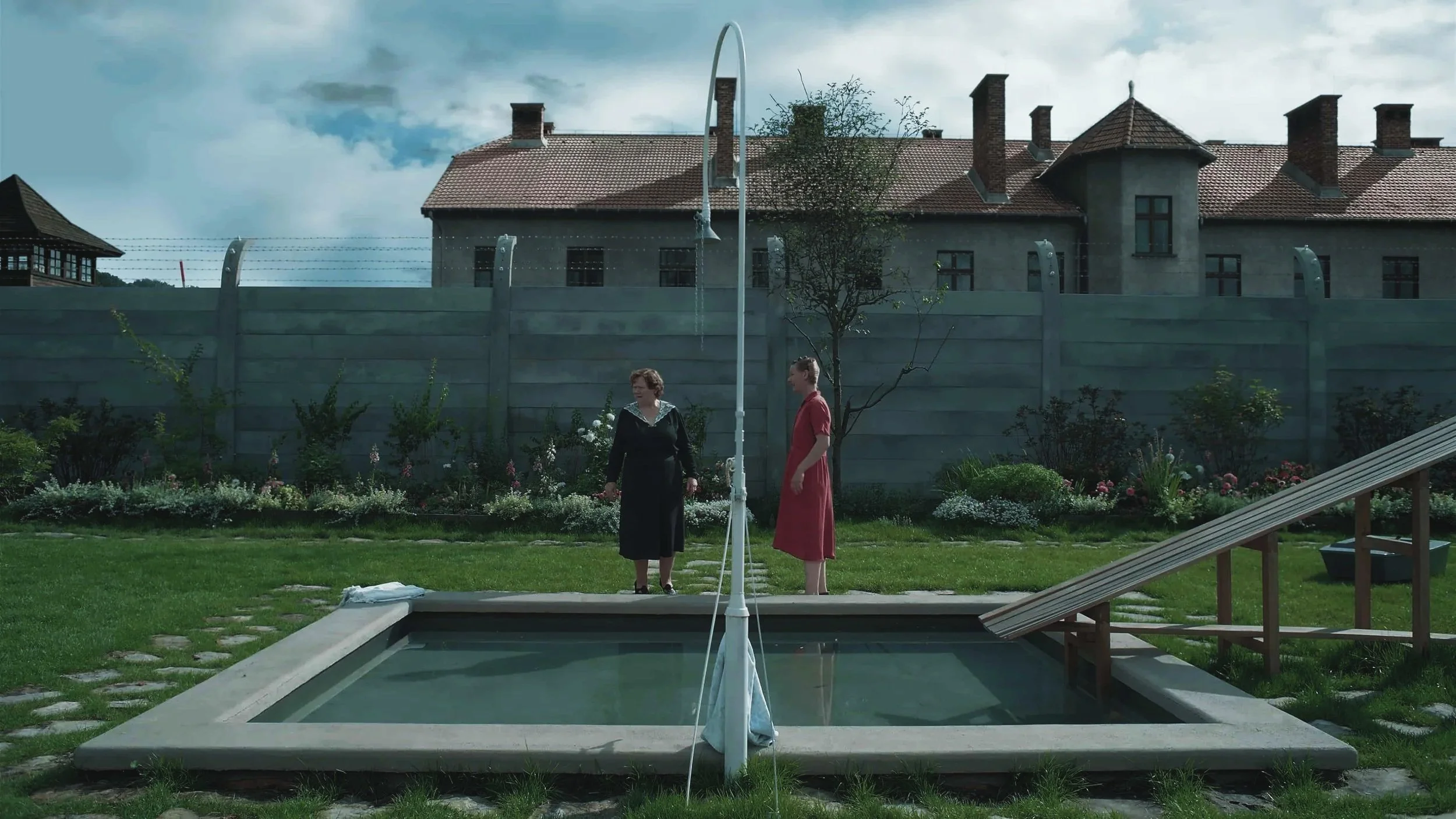
Before I sound like an unreasonable hater, I do like atmospheric films similar to this, with Goodbye, Dragon Inn being one of my favorites. Part of me wants to say that this film is a litmus test to weed out cinema dilettantes whom only signal their love for these movies in order to appear sophisticated amongst their equally confused peers. But filmic experiences are indeed subjective. I’m sure if you watched this in cinema (especially after the release of Covid lockdowns) this could have been a tremendous meditative experience. Although I don’t think there is sophistication to be had, this is a film that relies entirely on emotional reception rather than plot, narrative or traditional storytelling. Even still, the Thai filmmaker chose very poor metaphors for his art exhibition. Watch Zone of Interest instead.
Recommendations



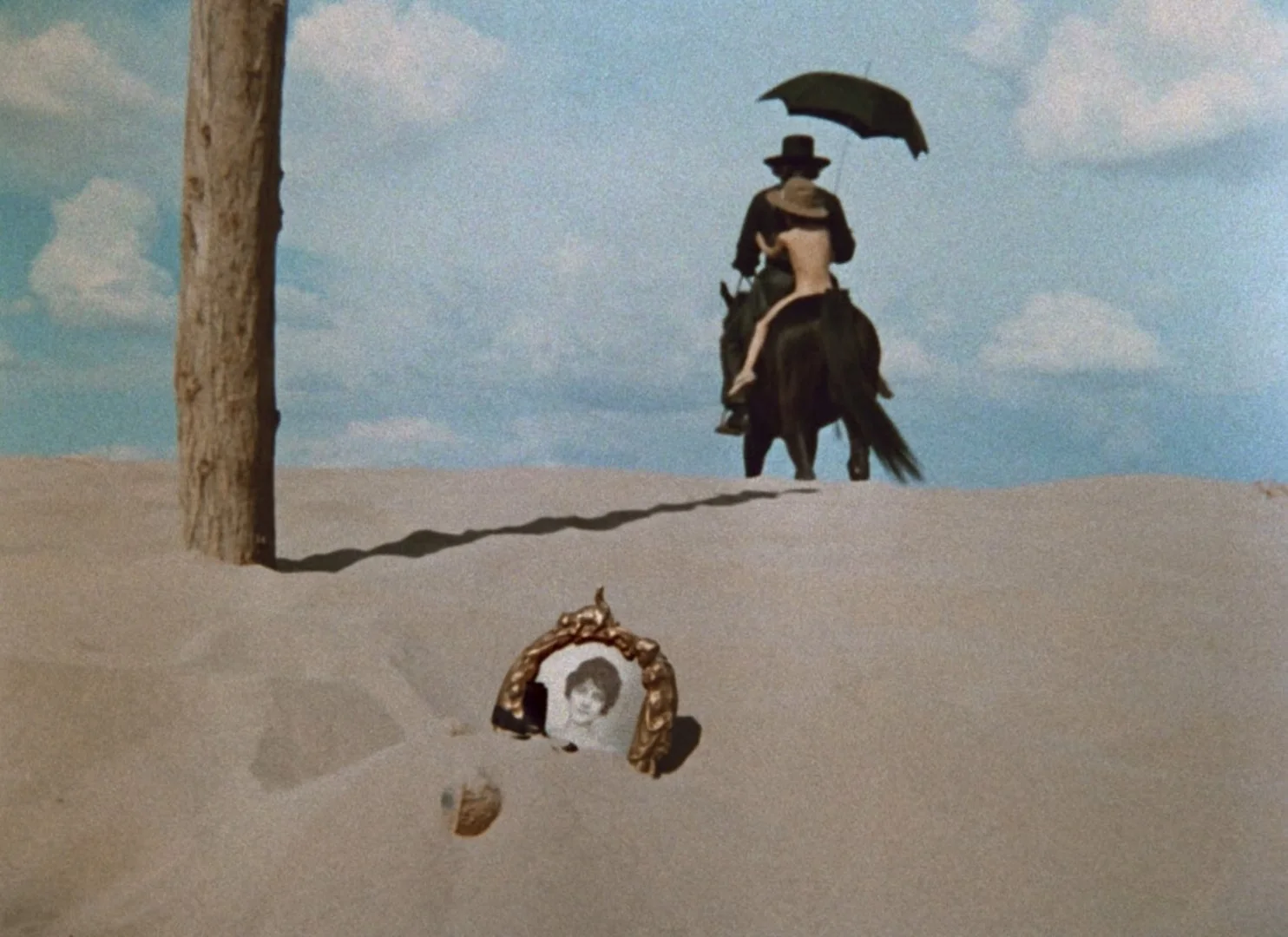

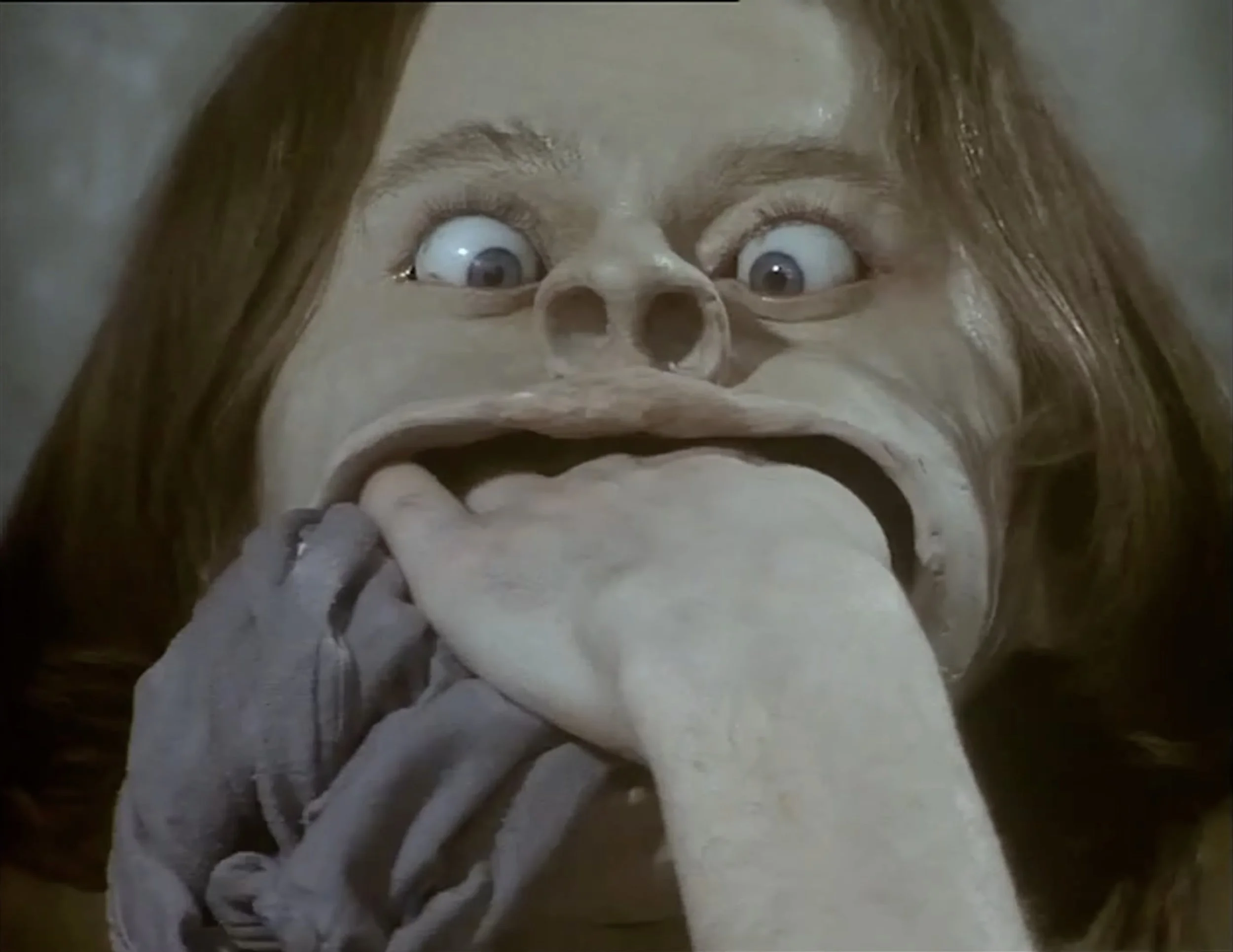
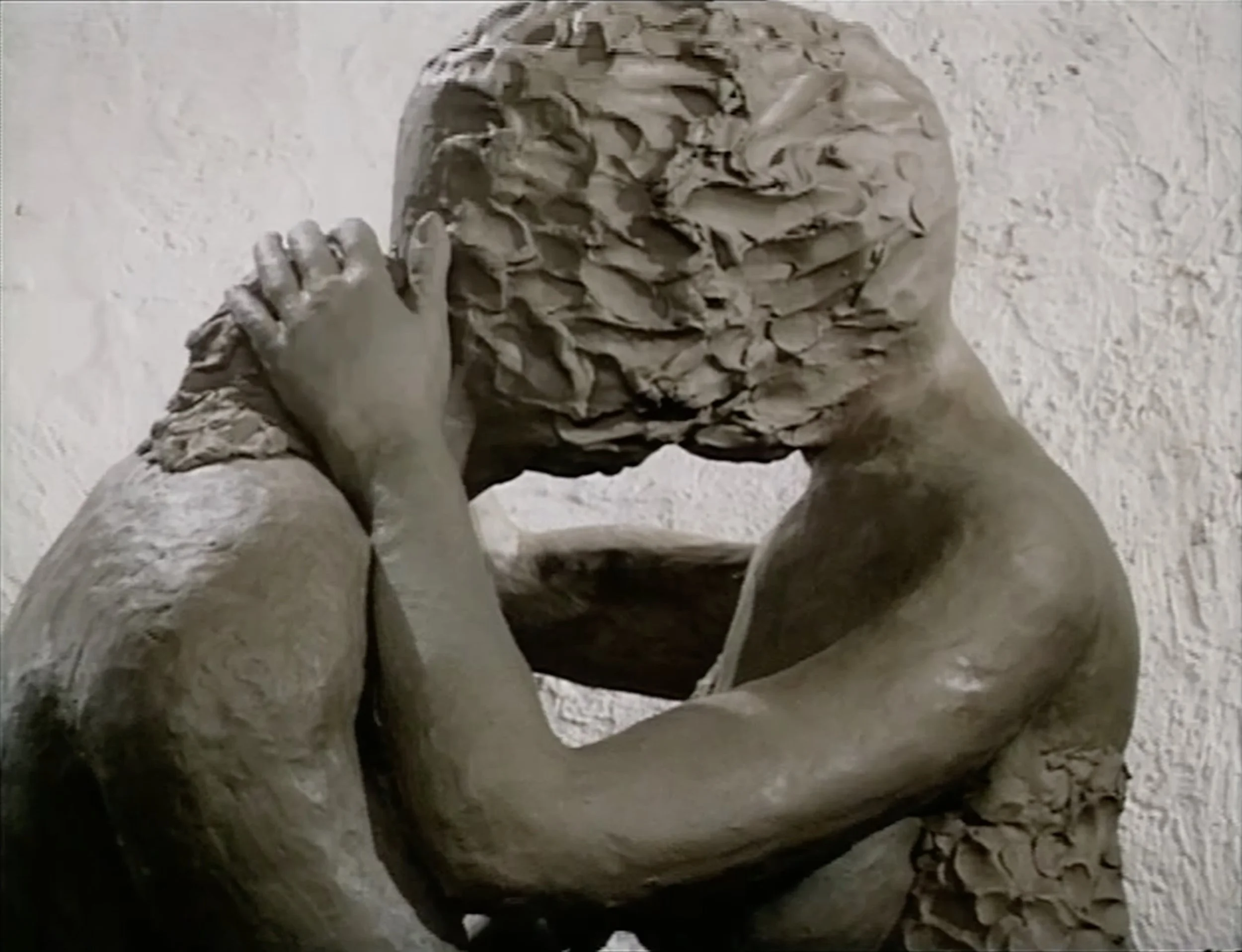
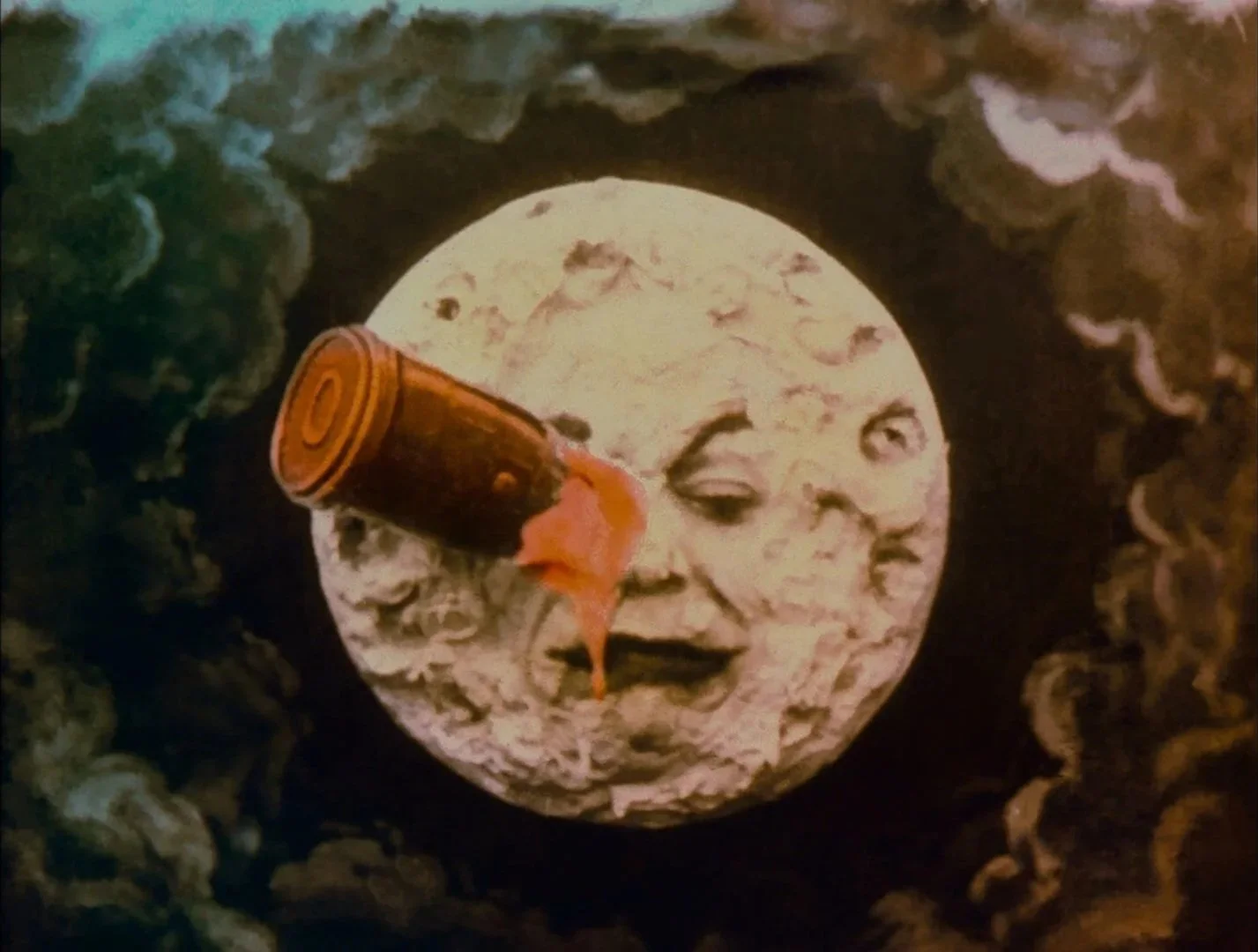
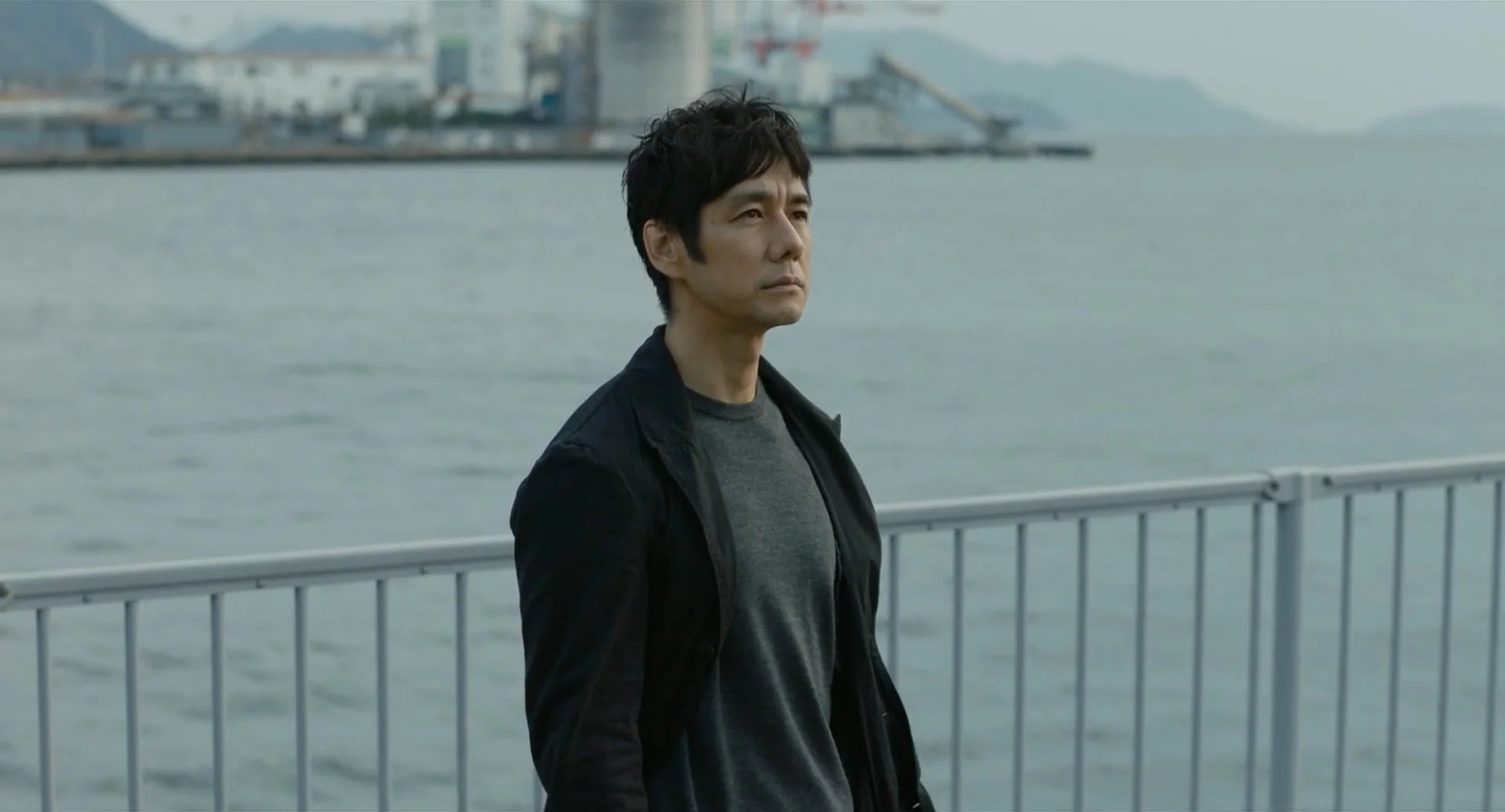
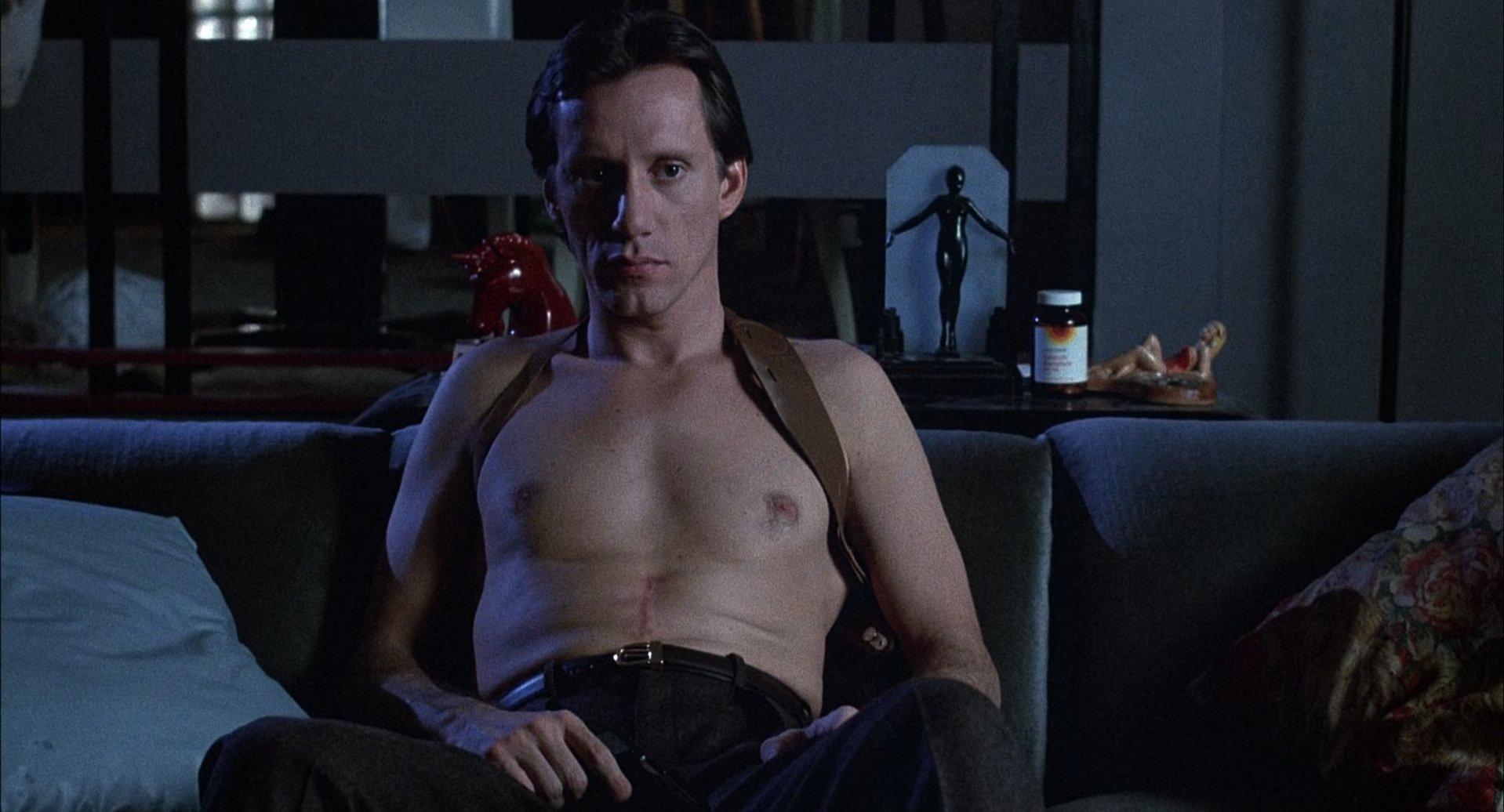
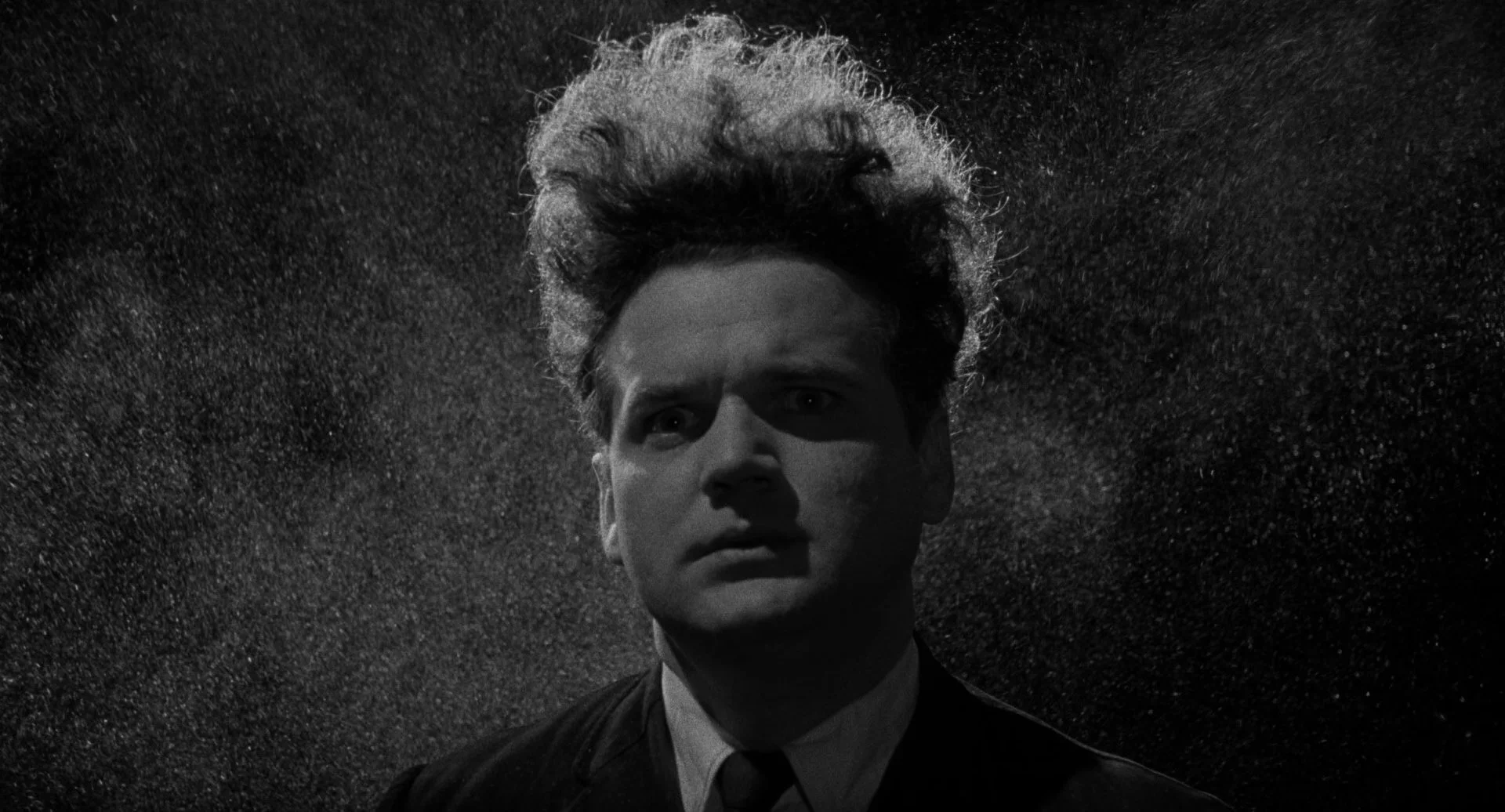

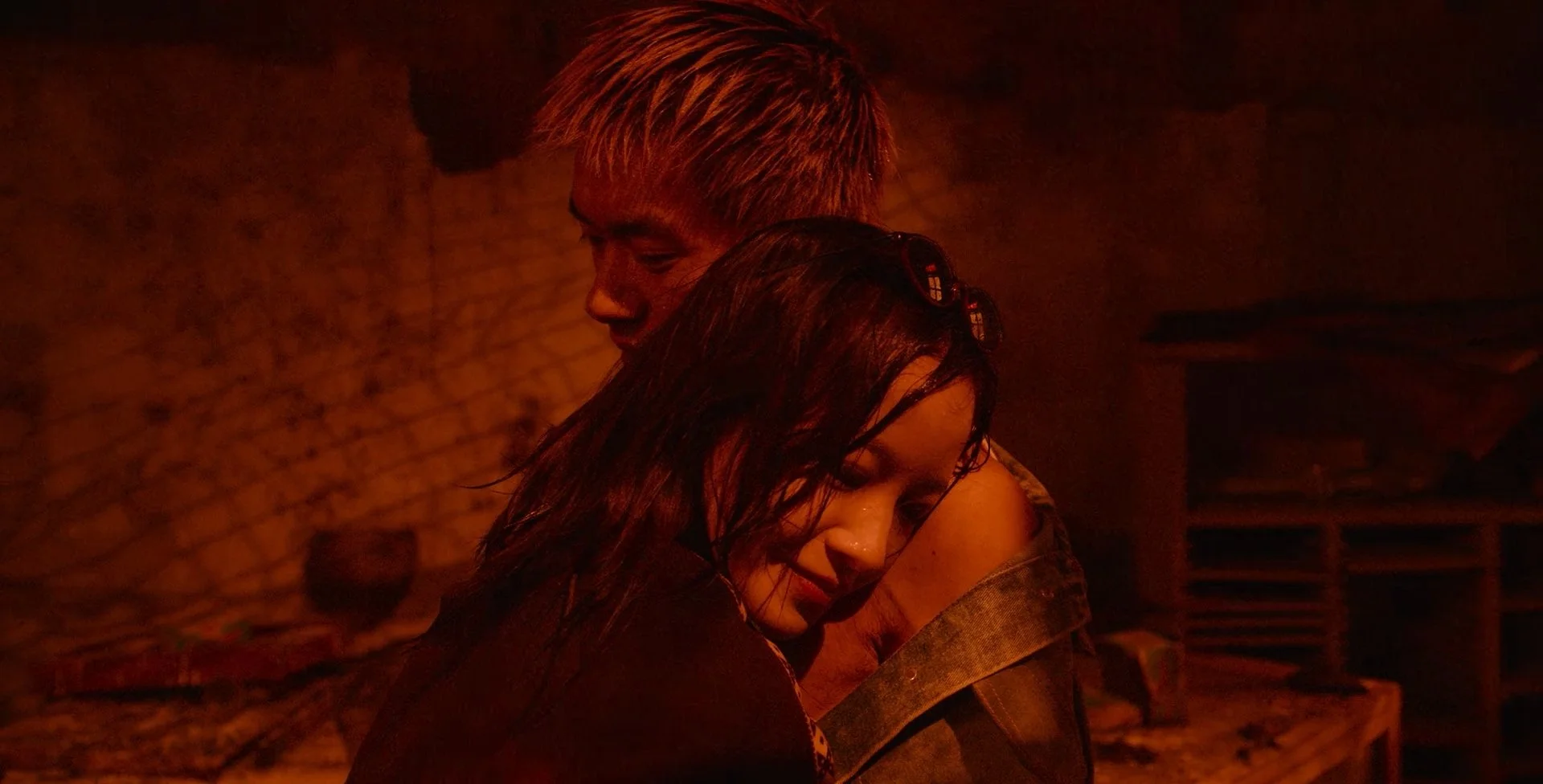

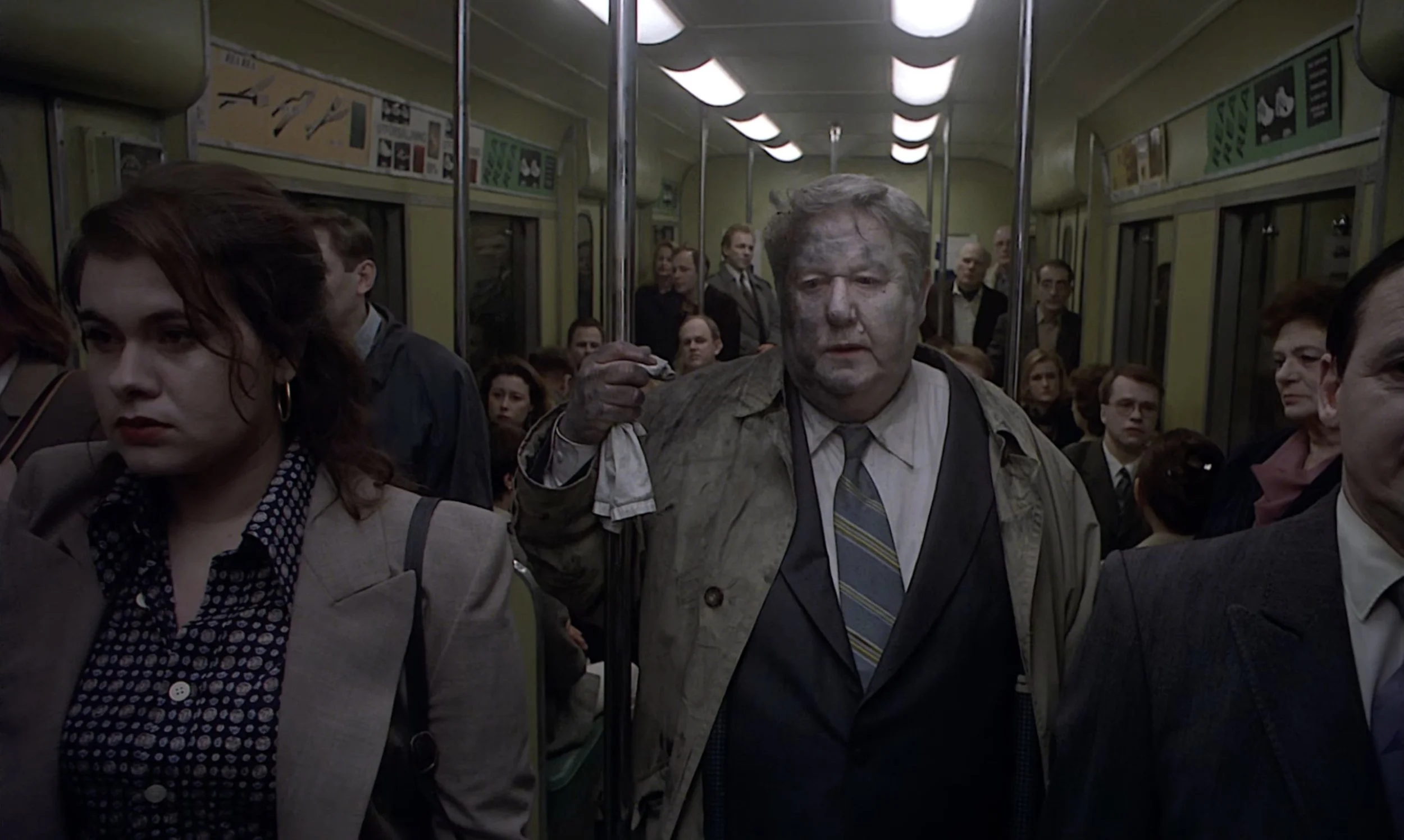
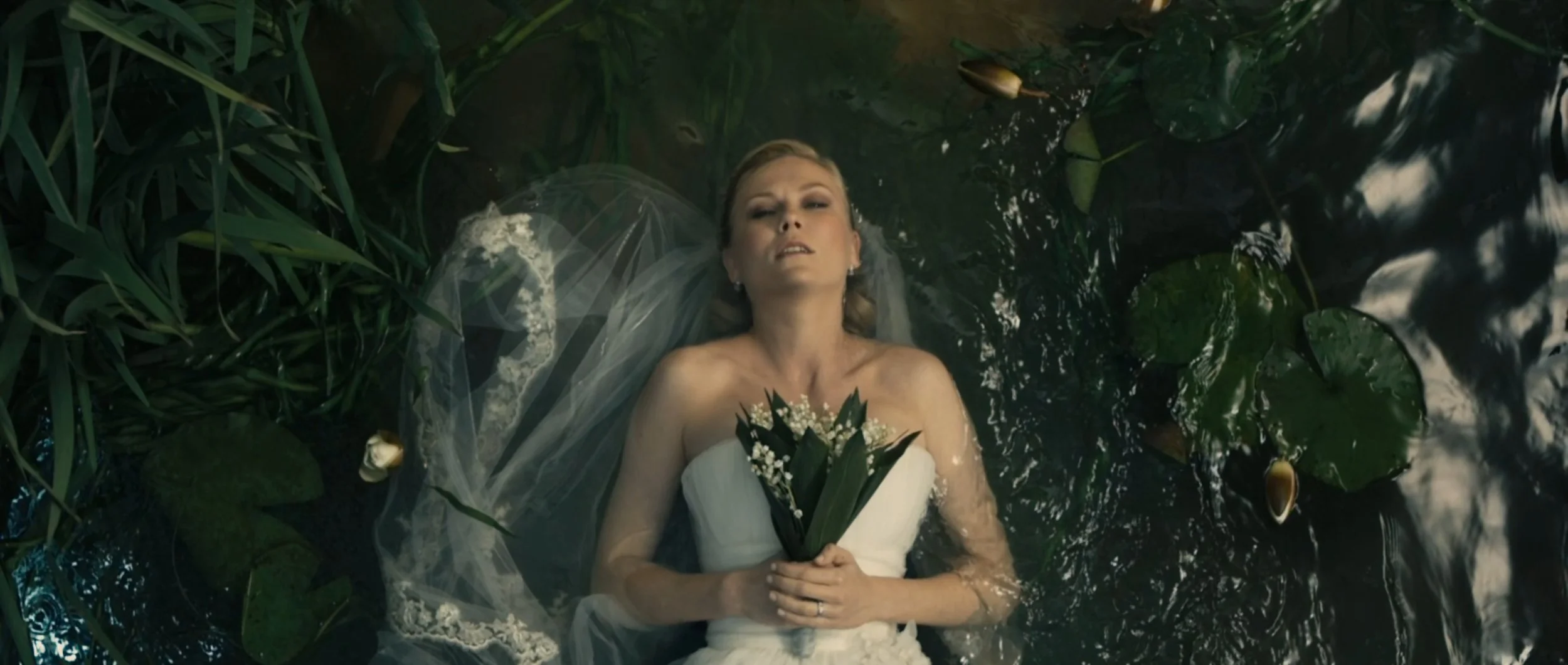
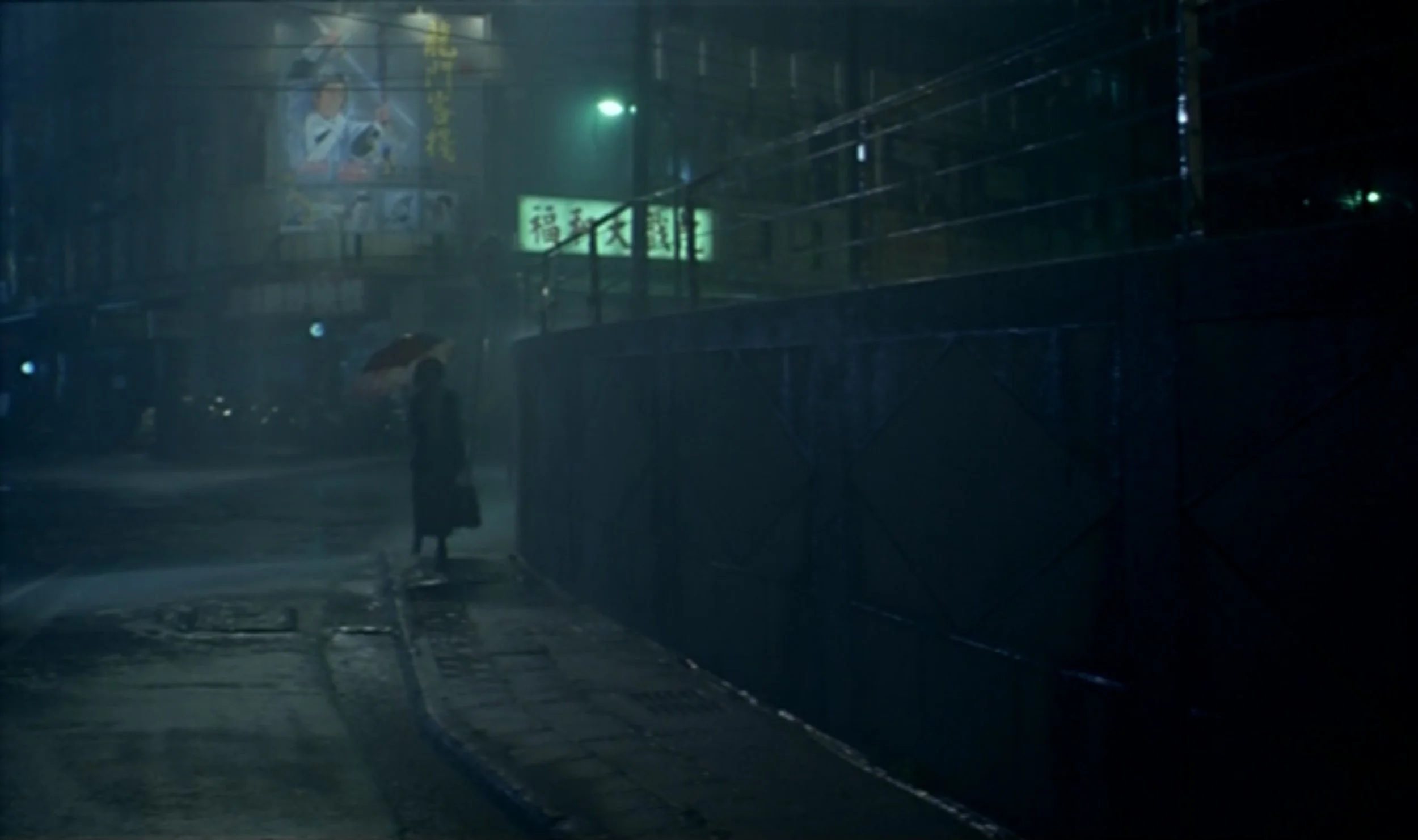
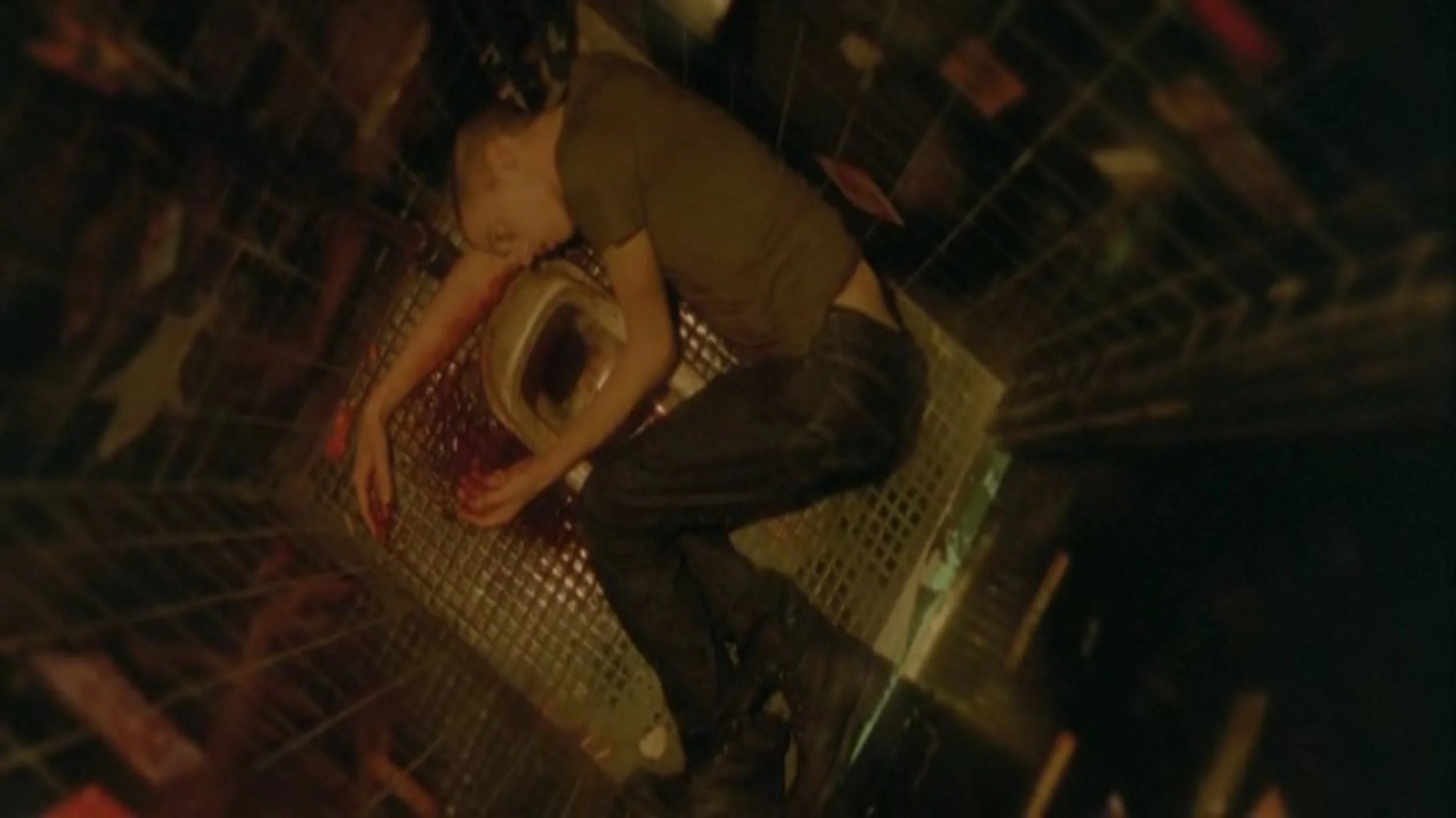

Ghosts of cinema, through memory and sound.