
Angel’s Egg (1985)
What came first, Tarkovsky or the egg?
Presentation:
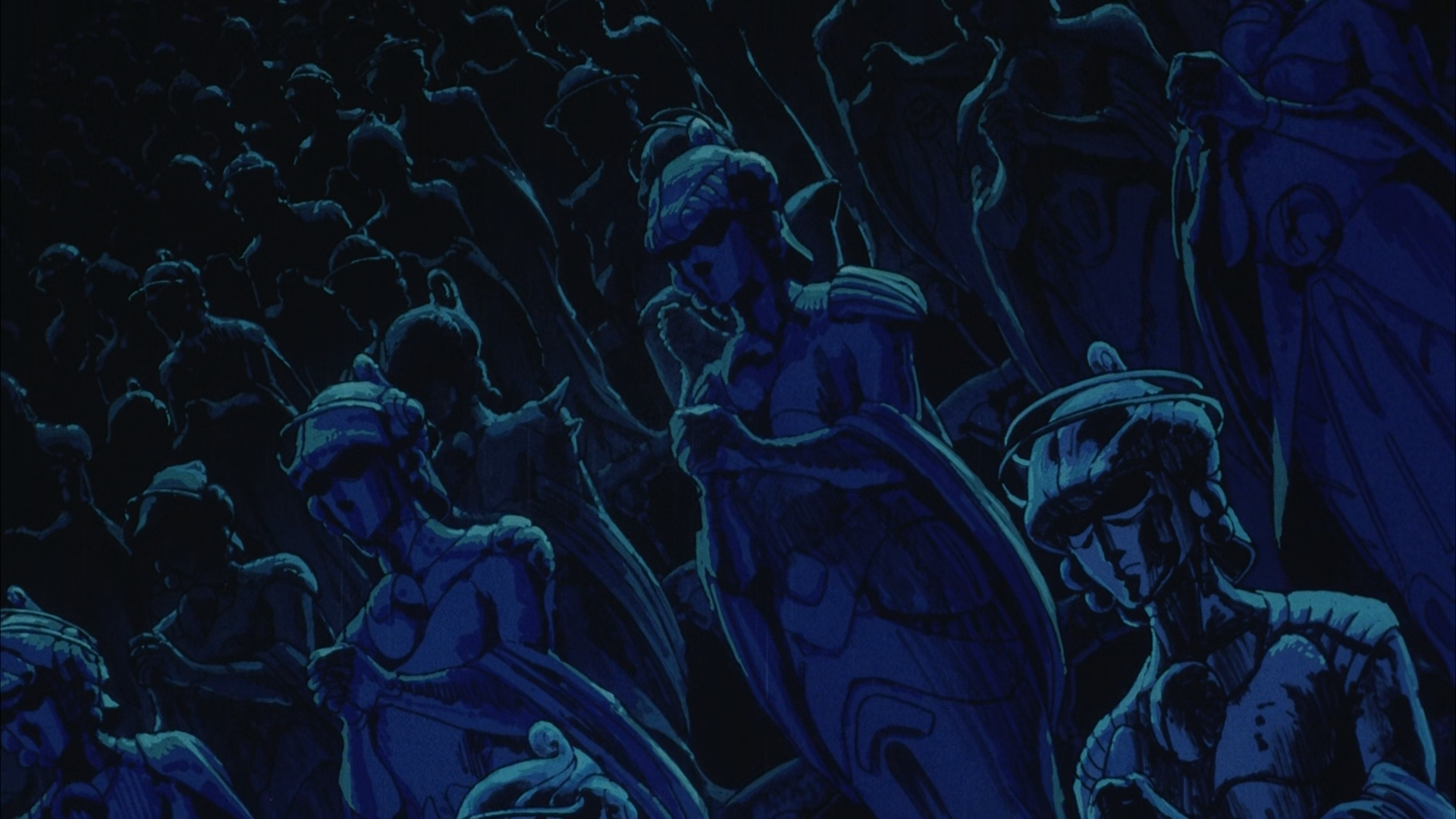
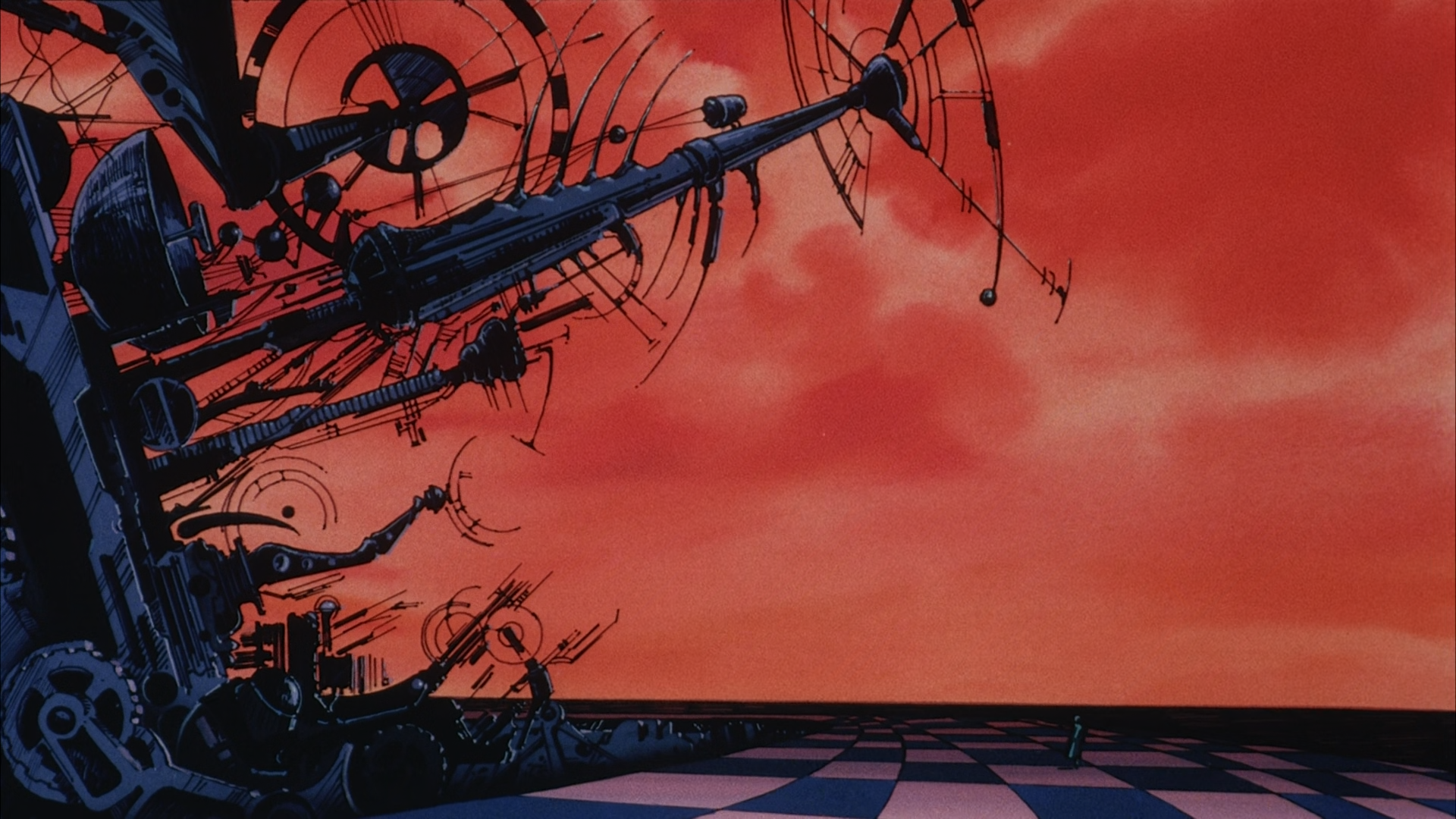
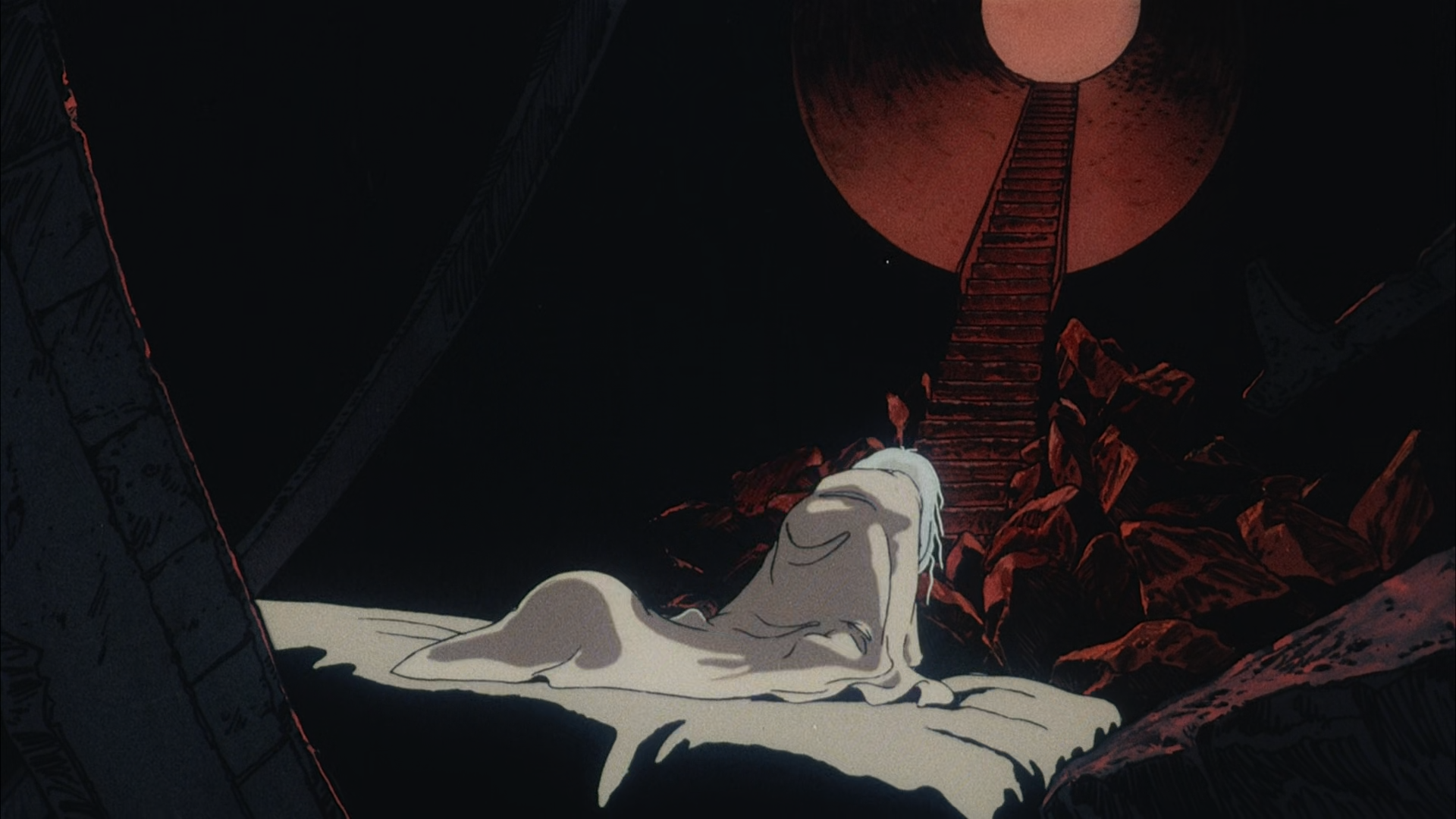
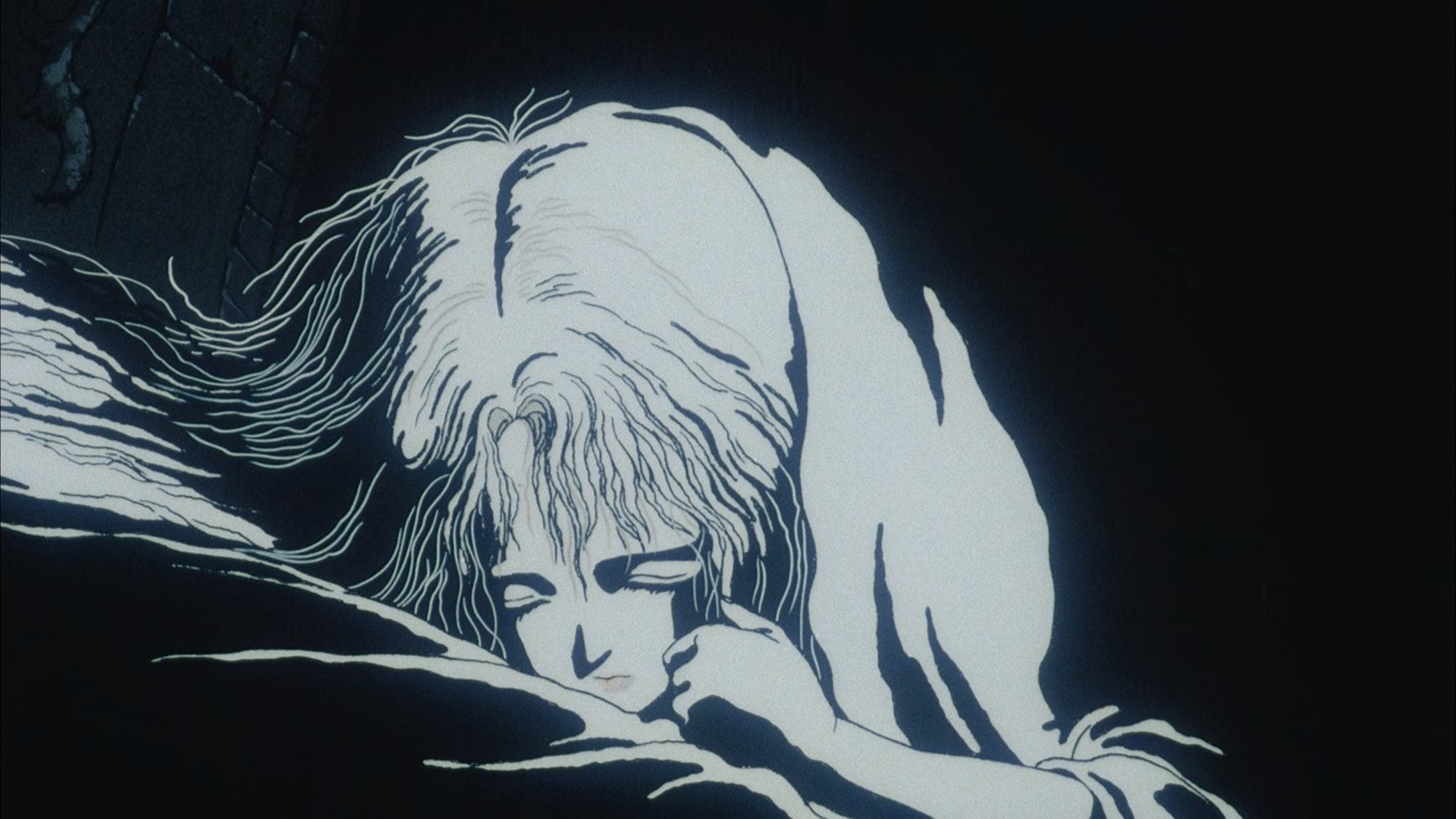
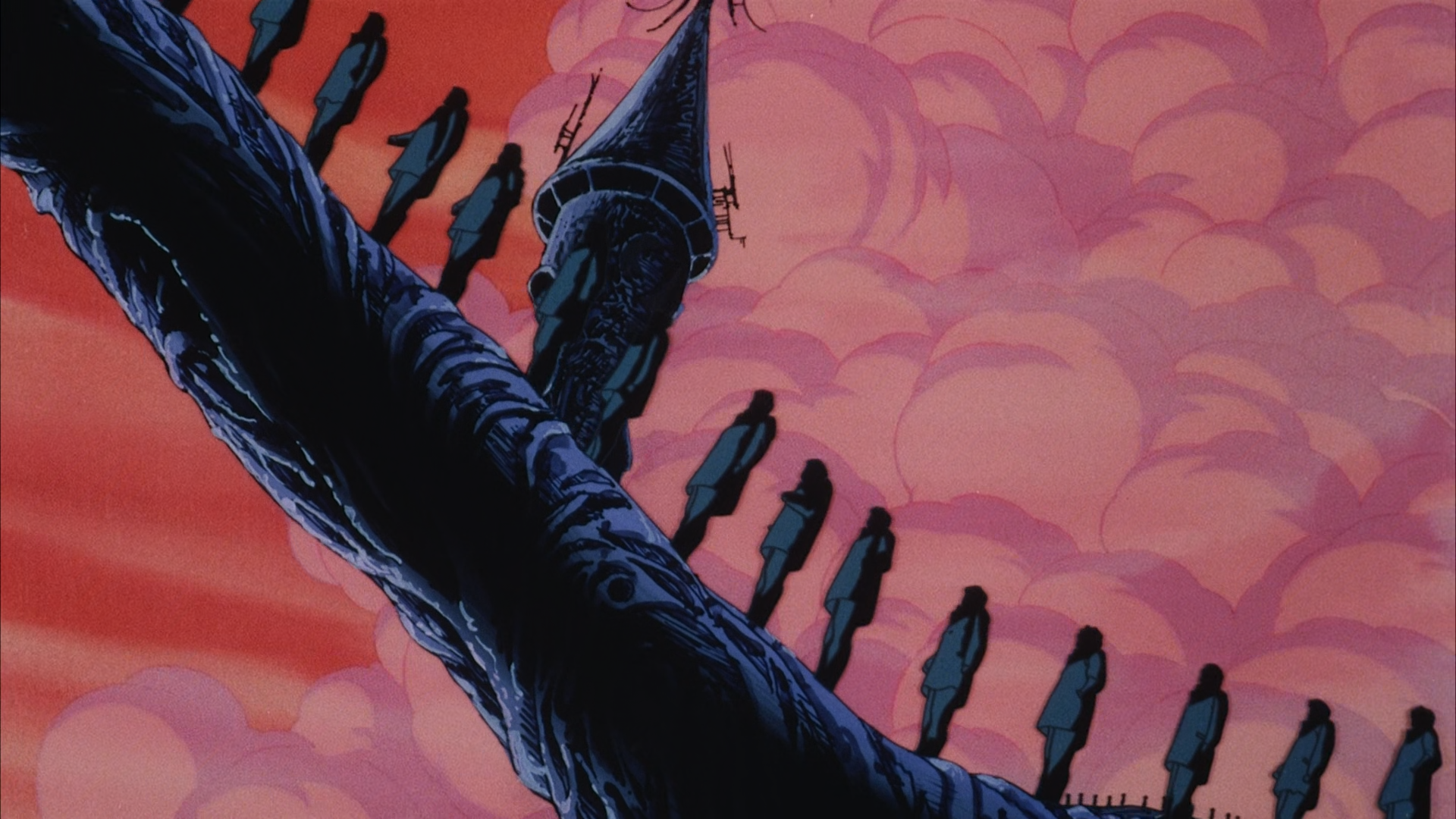
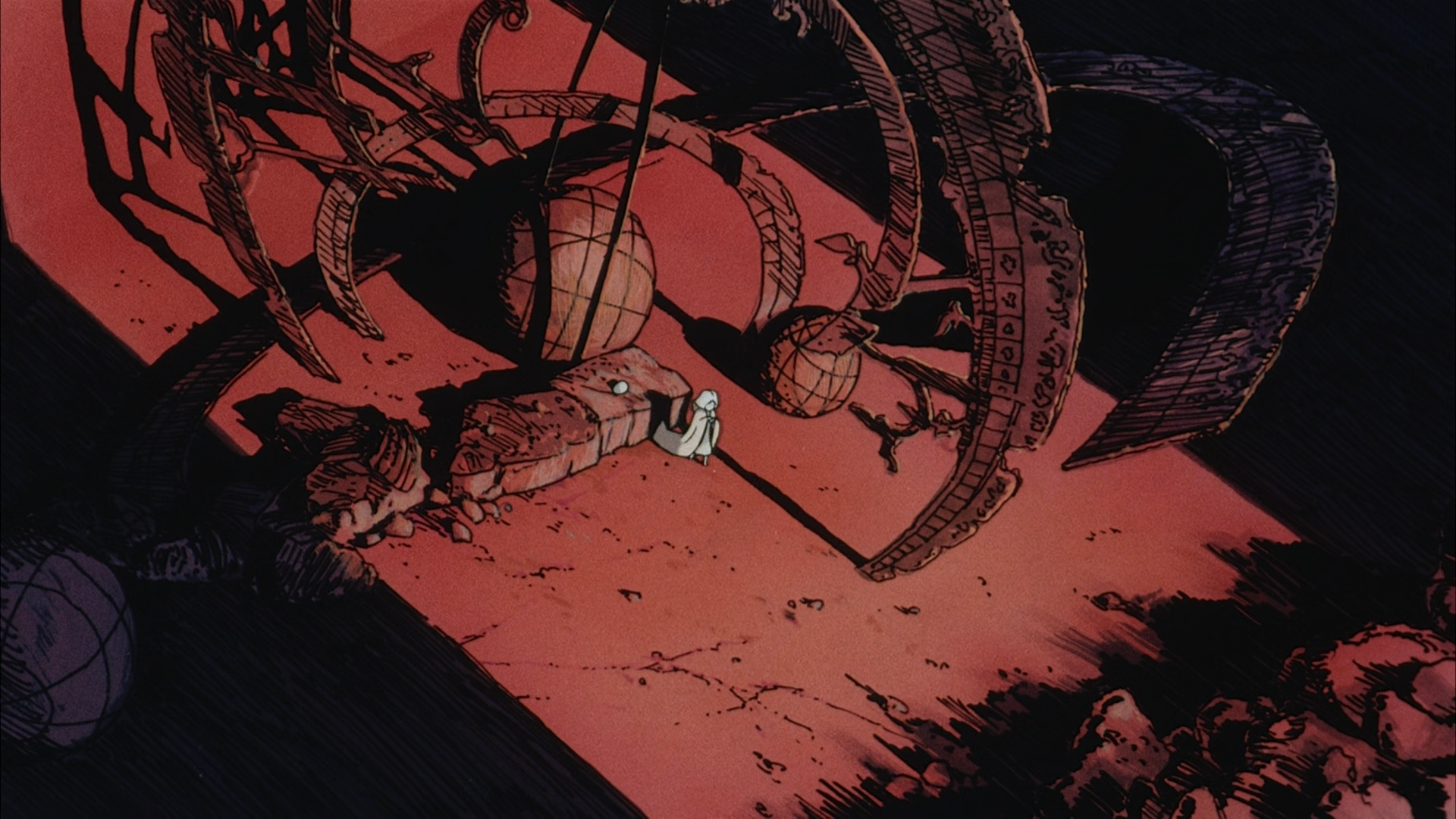
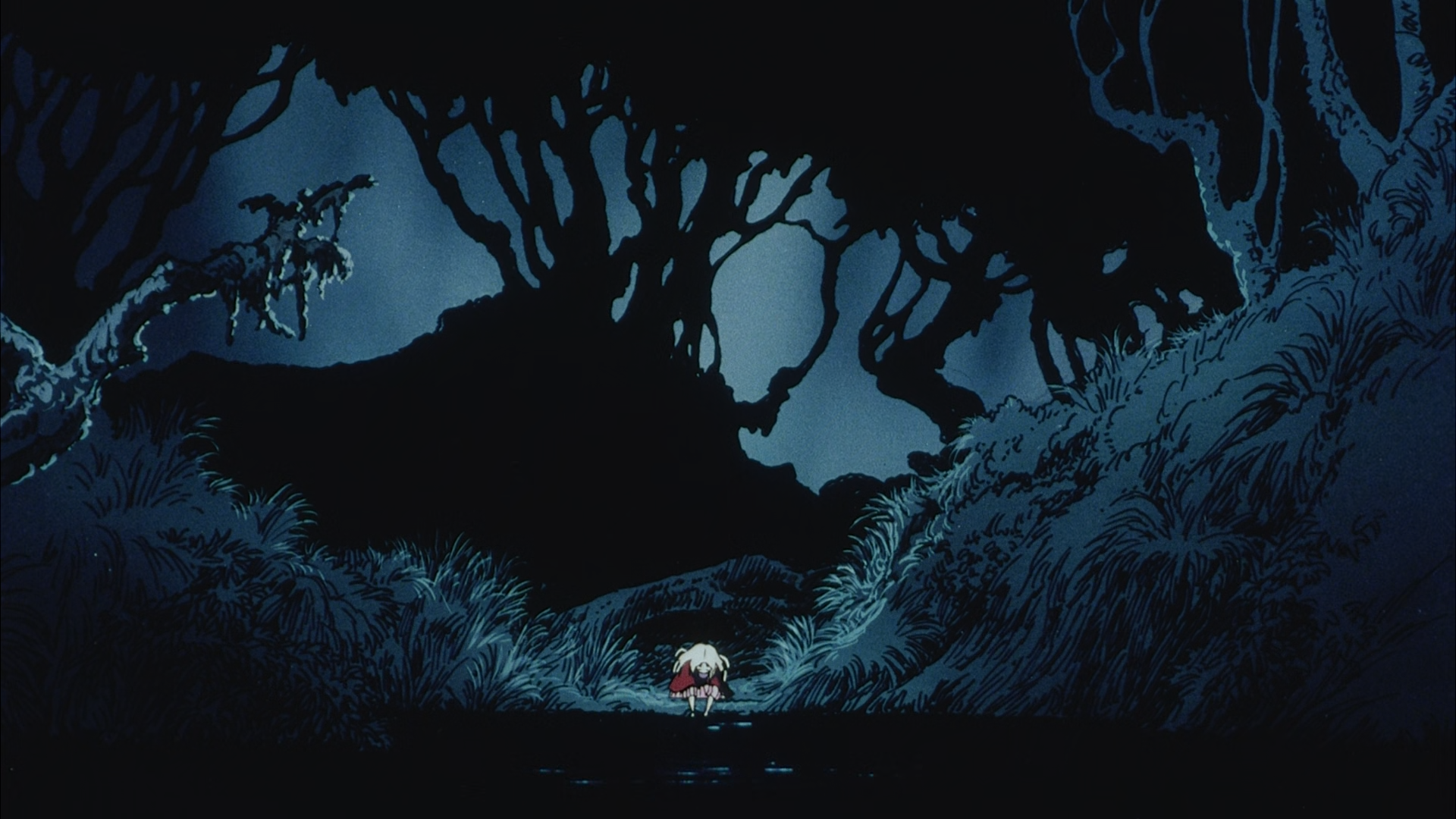
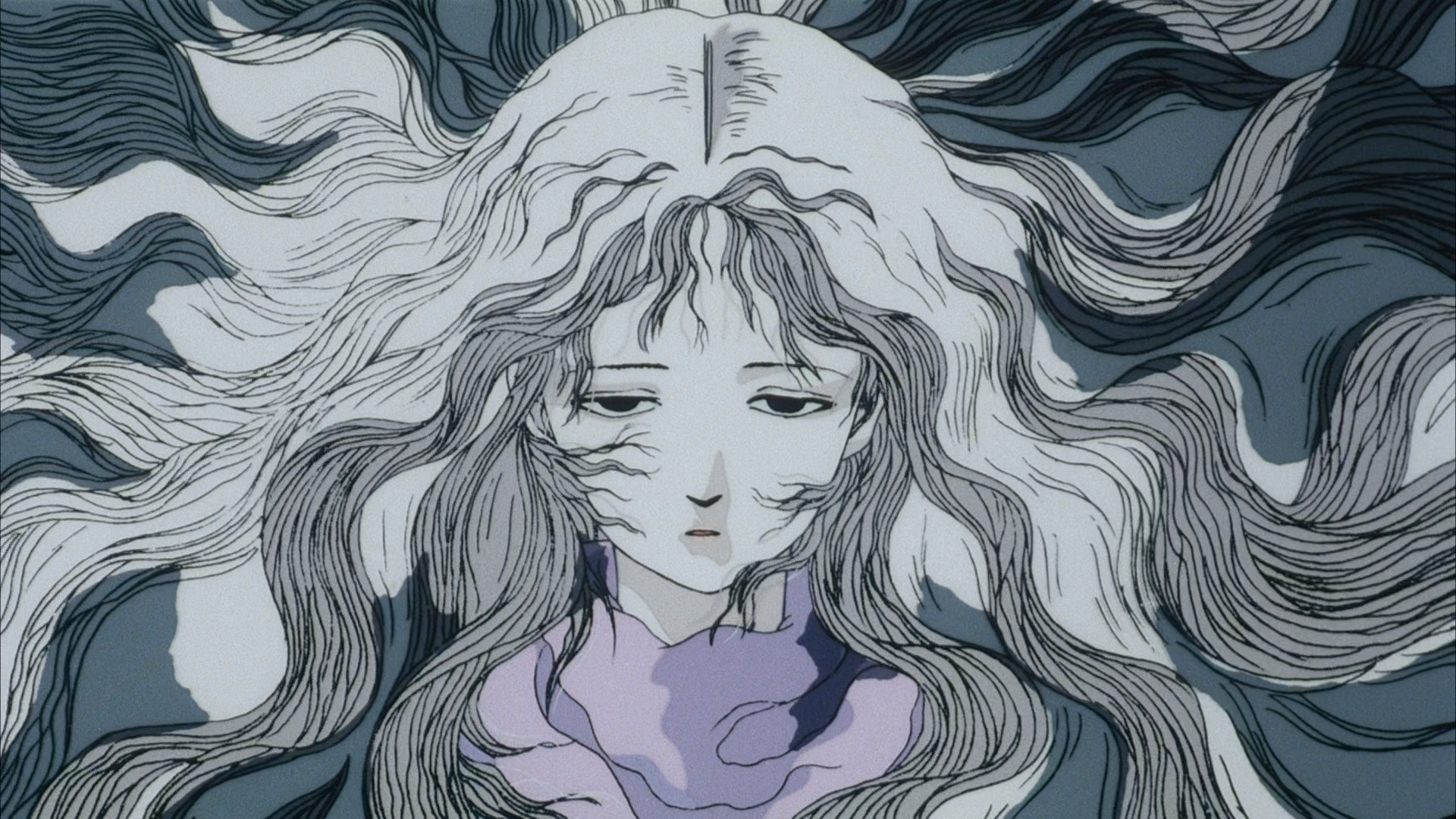
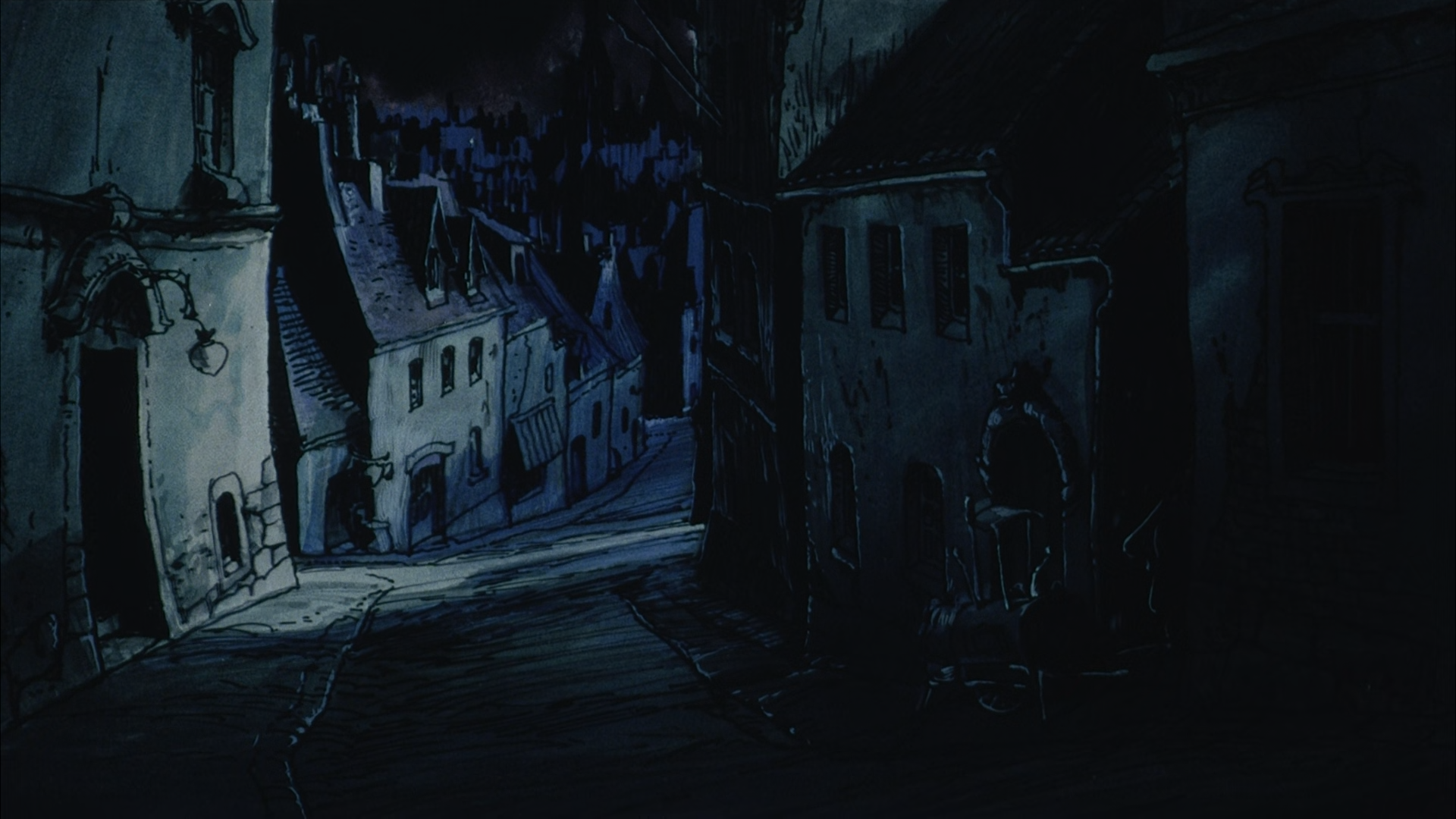
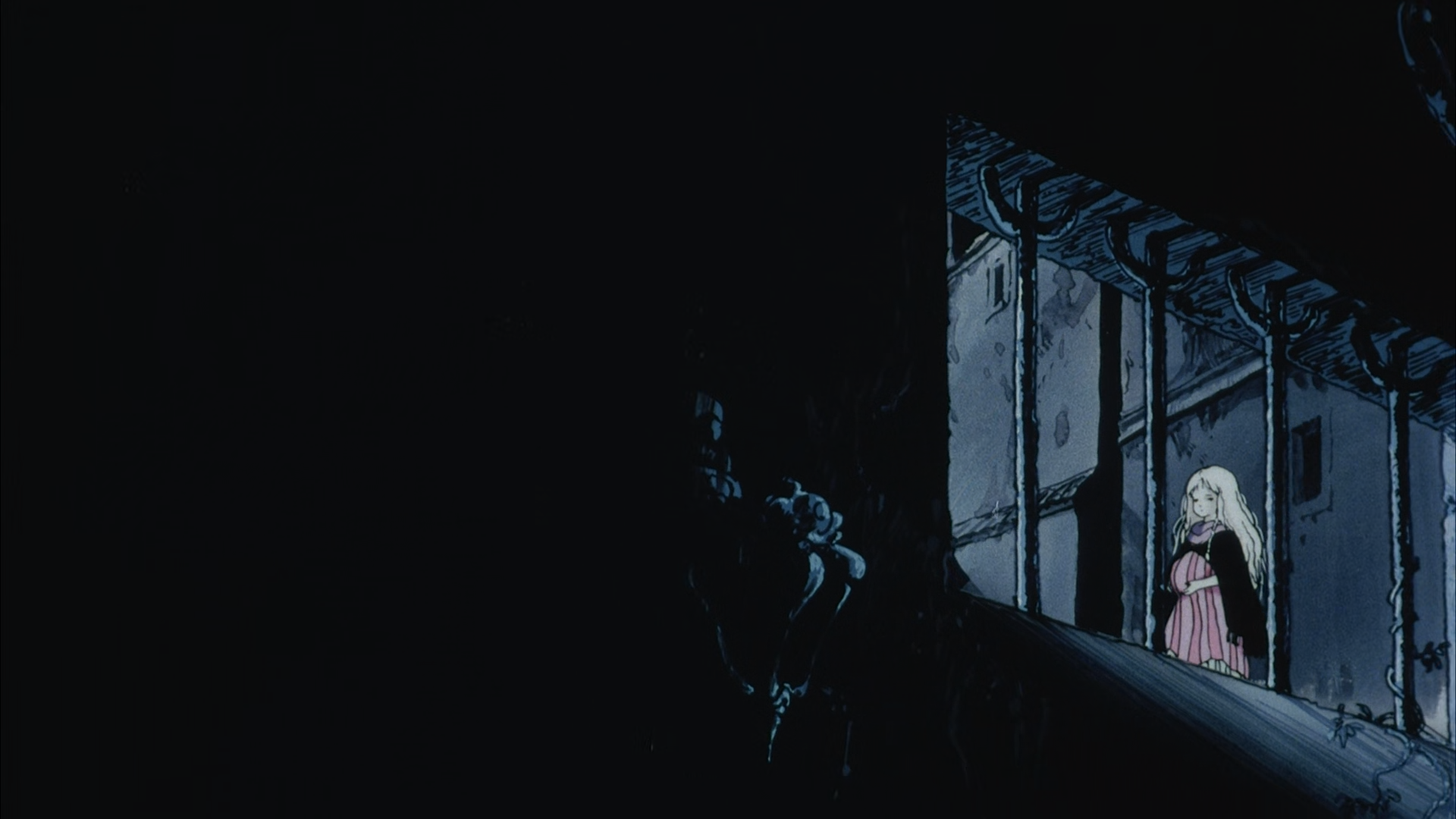
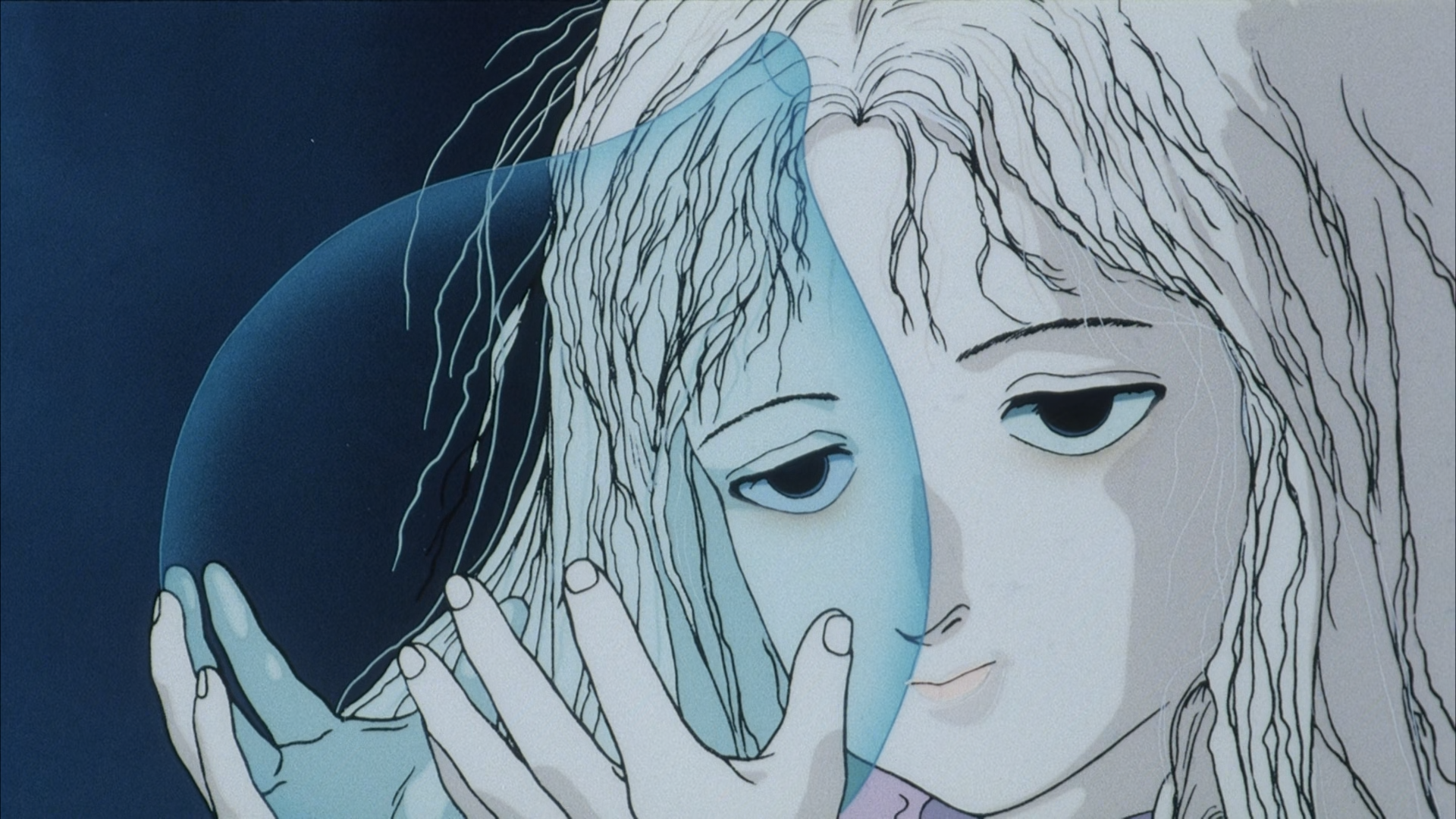
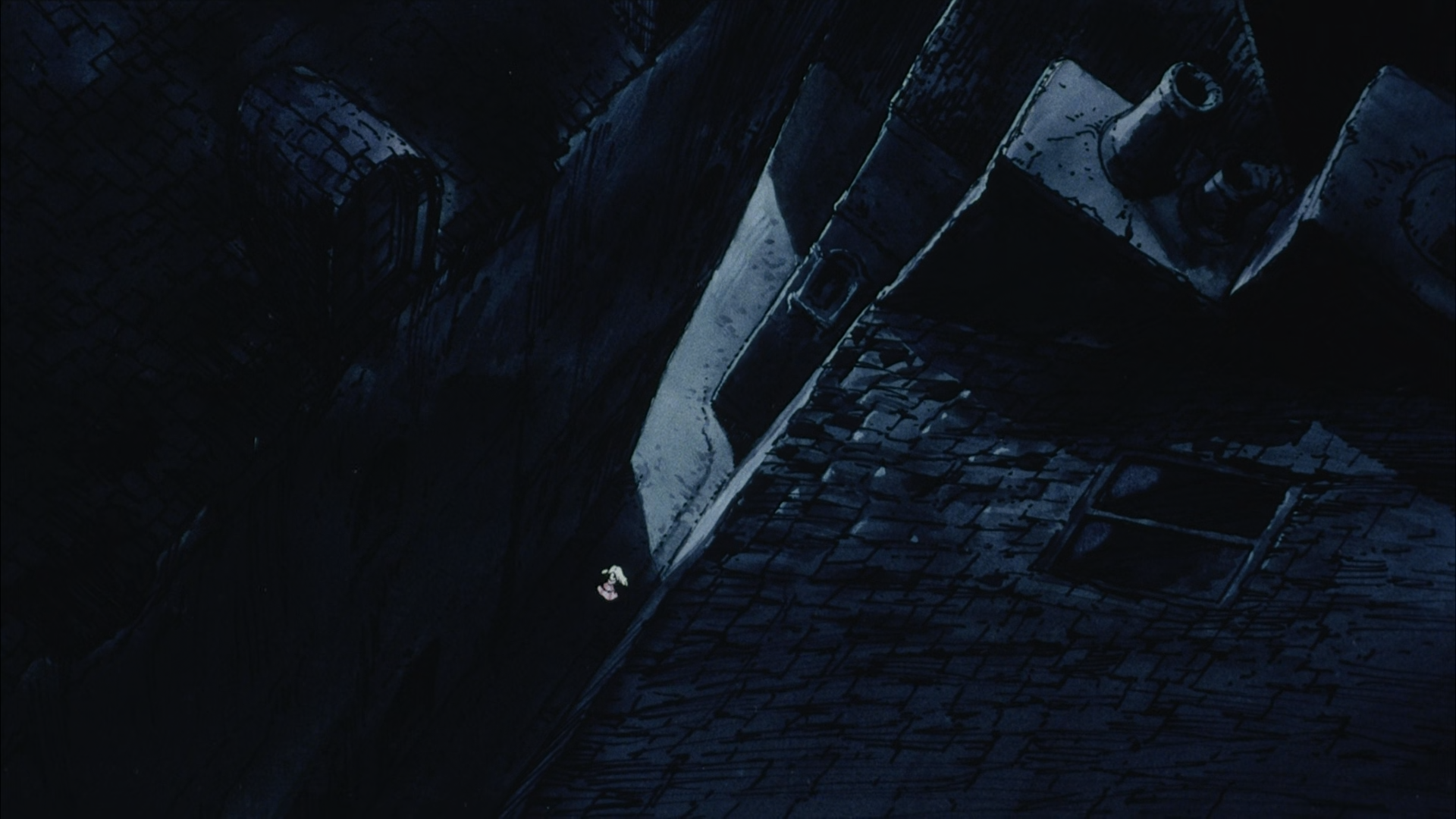
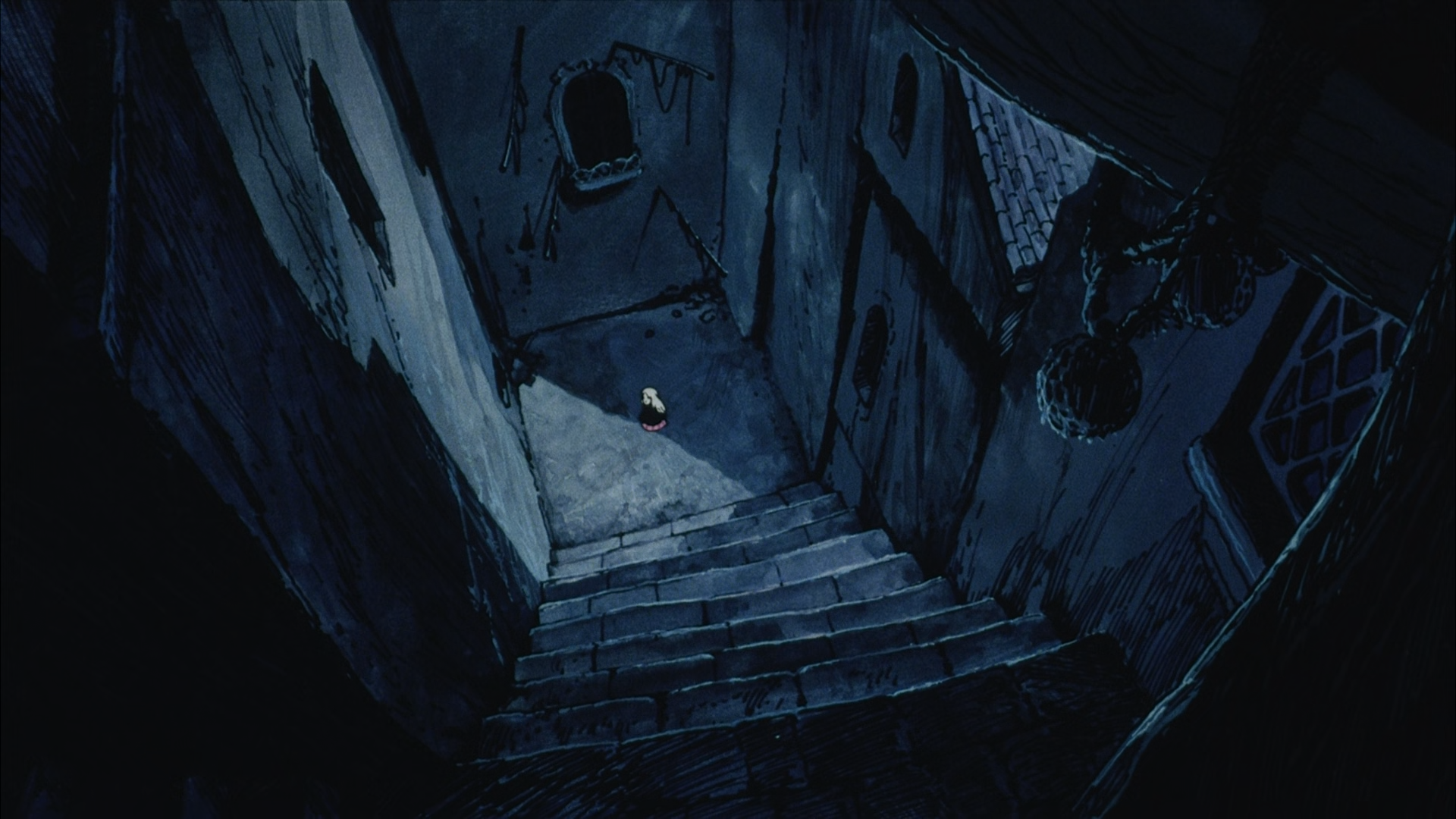
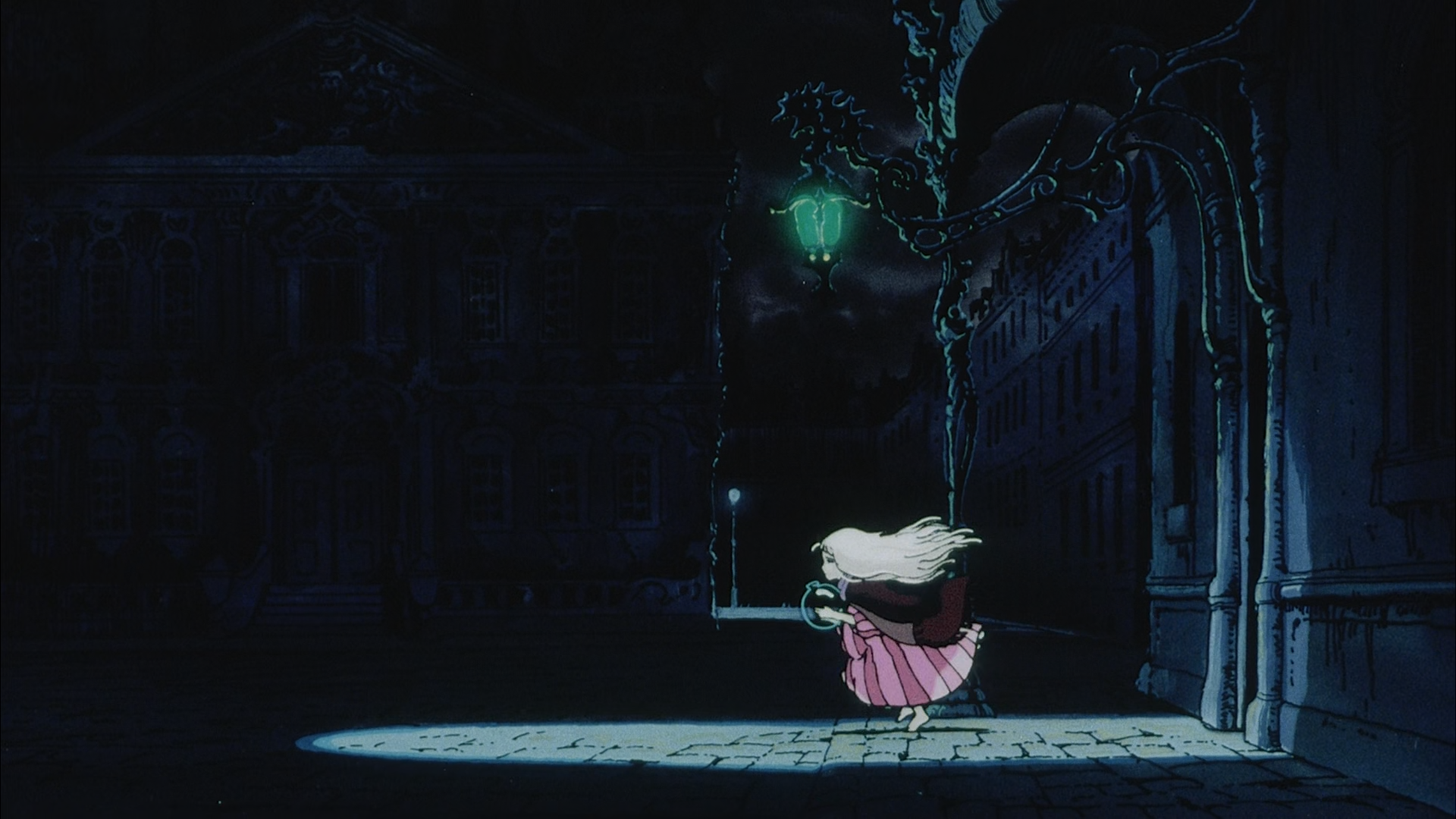
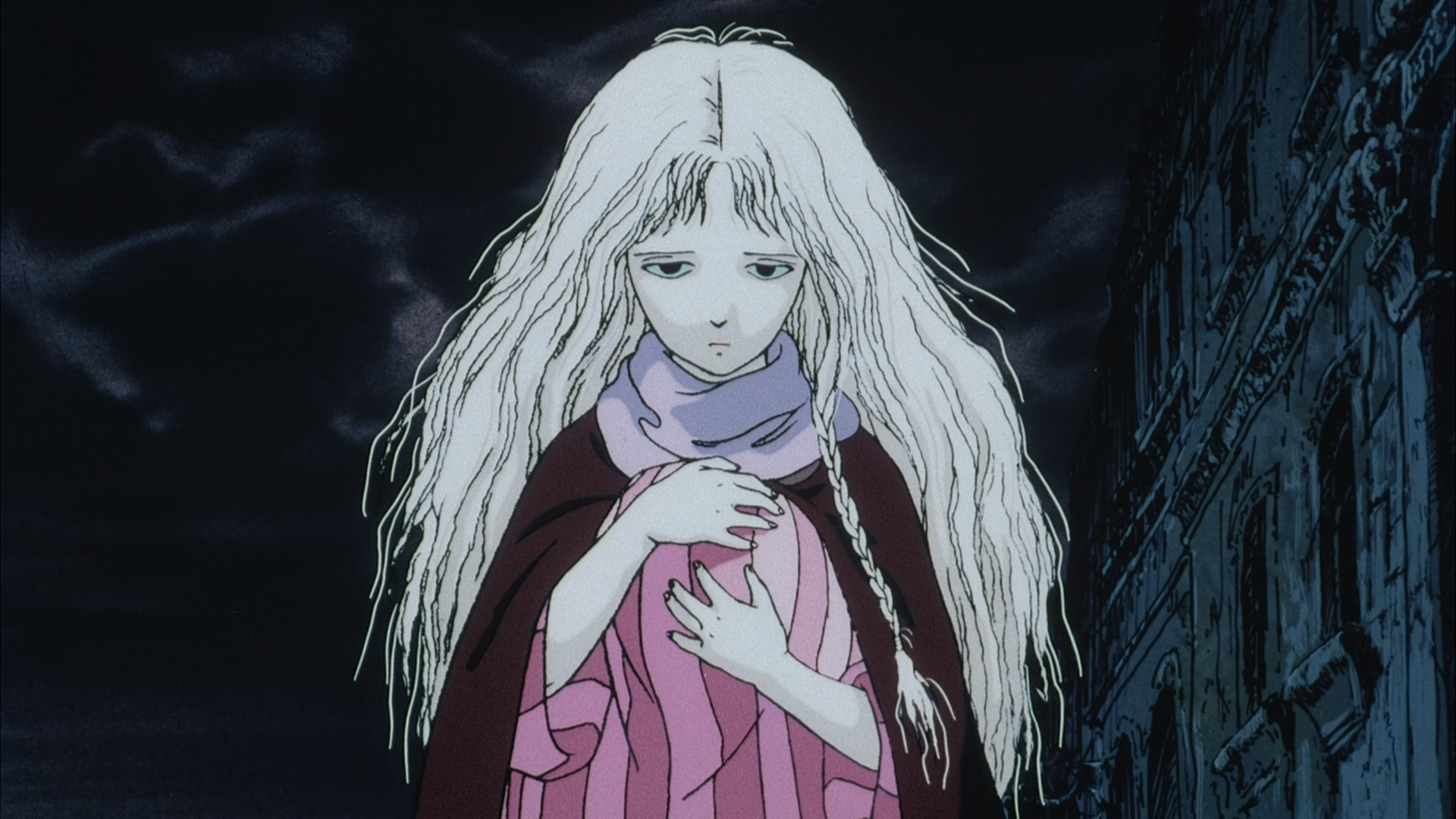
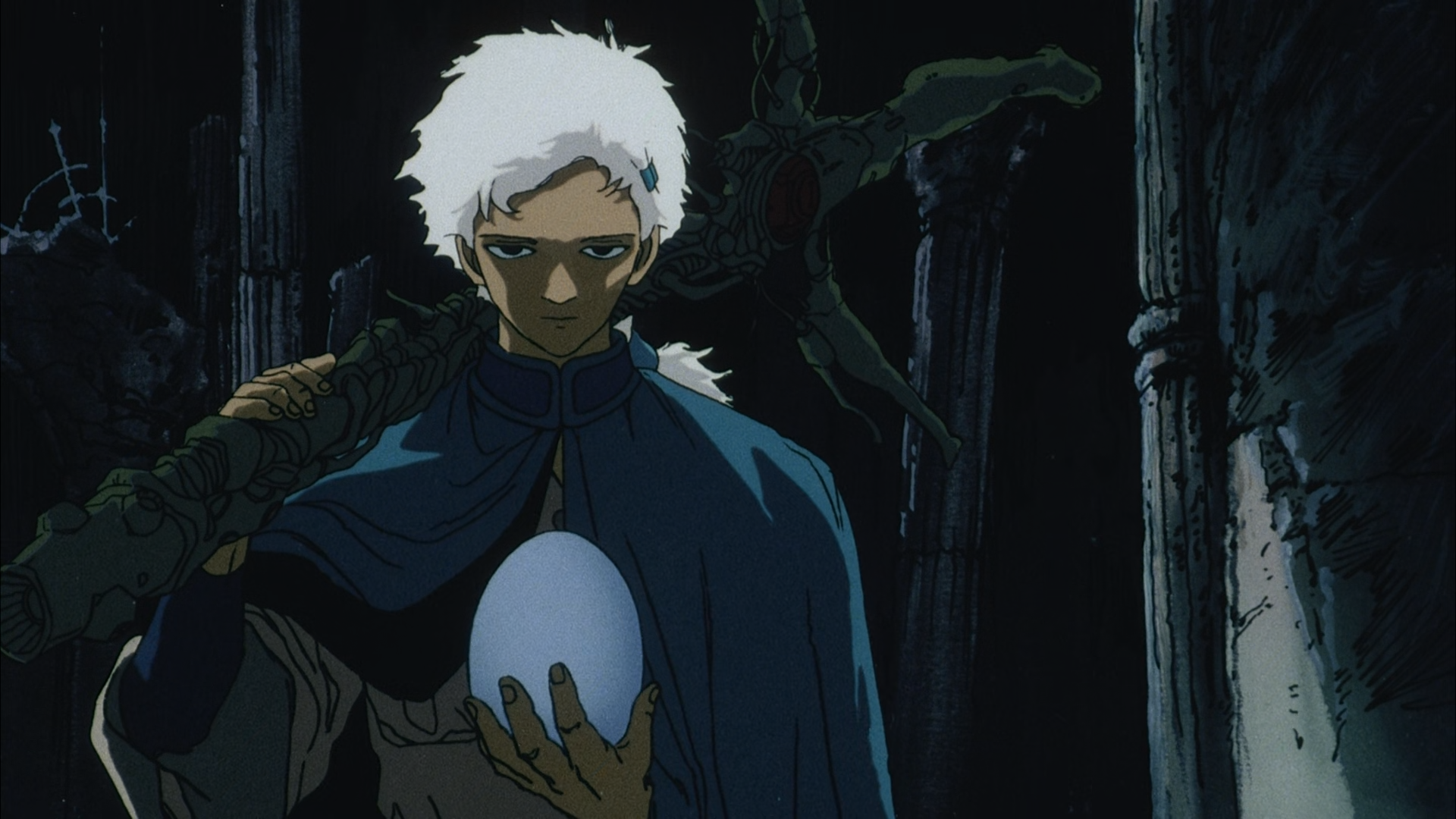
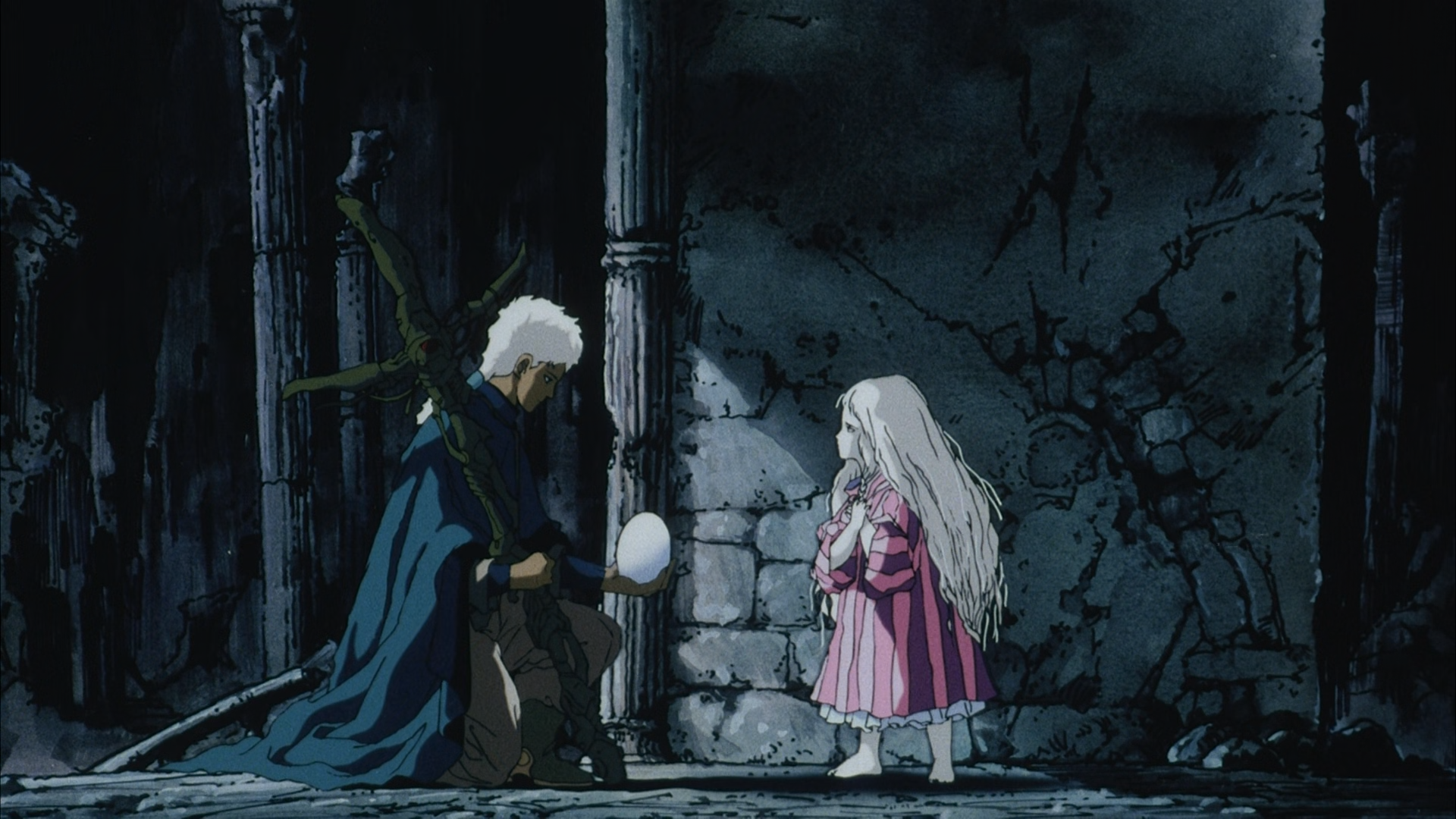
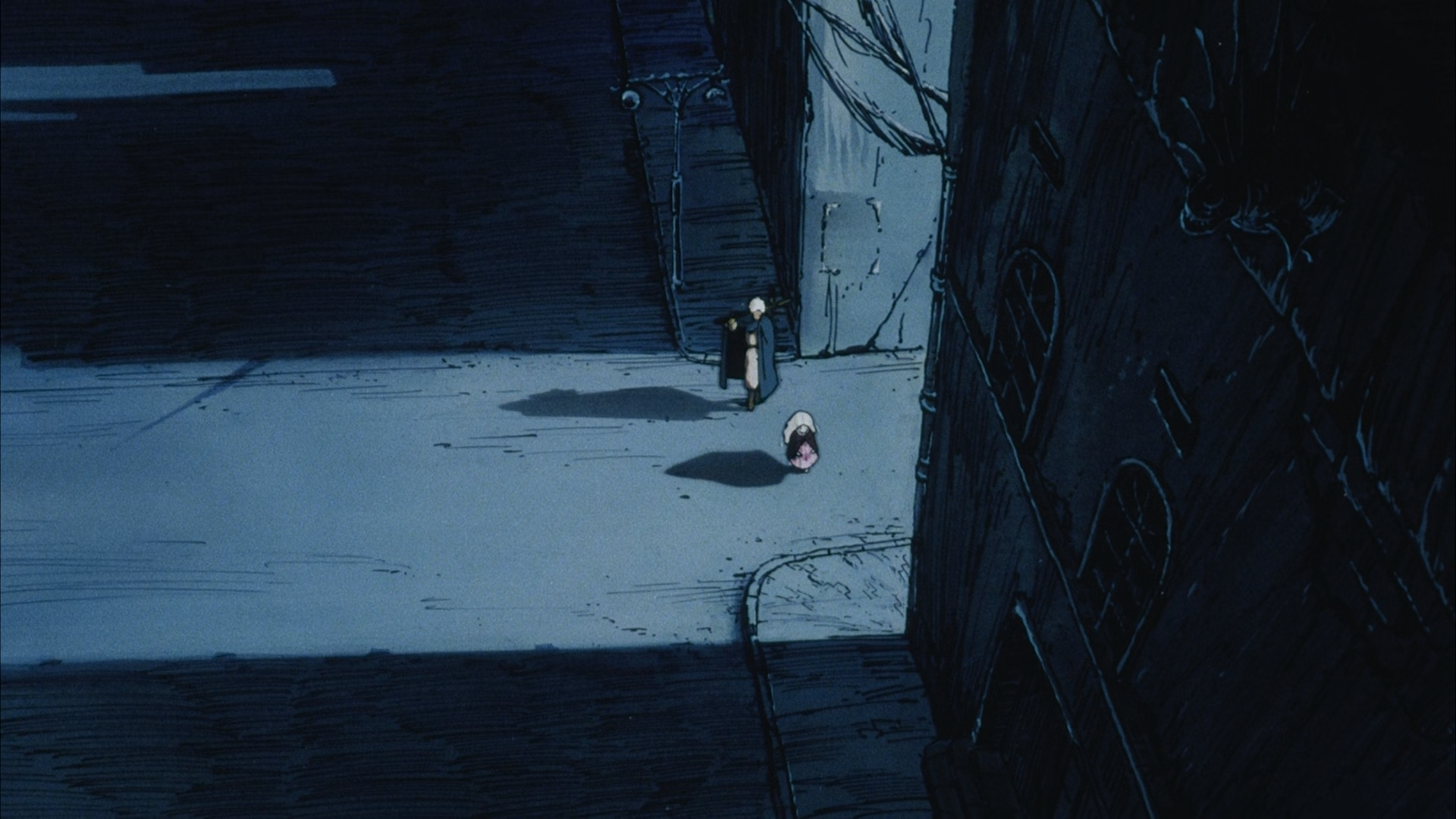
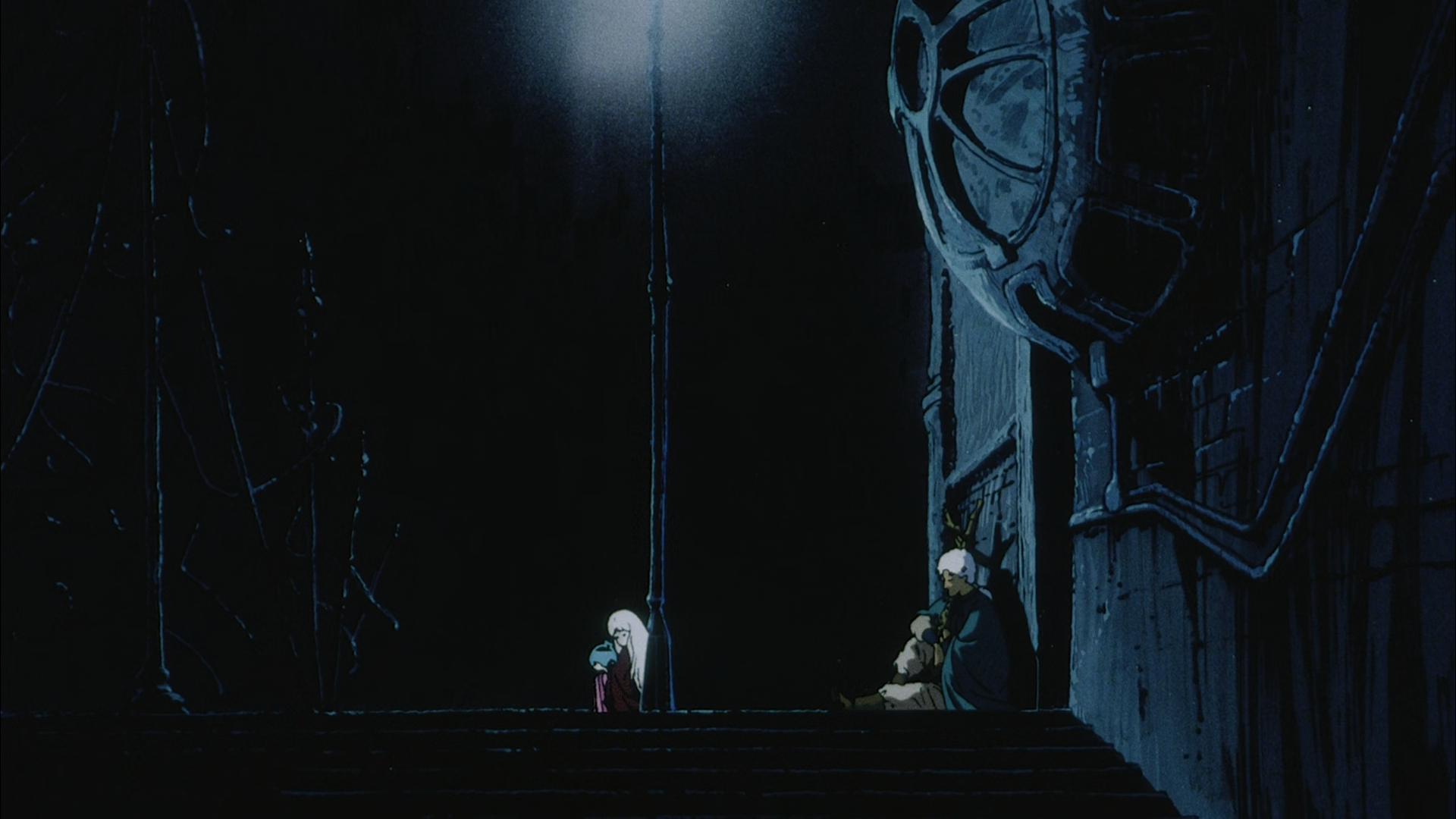
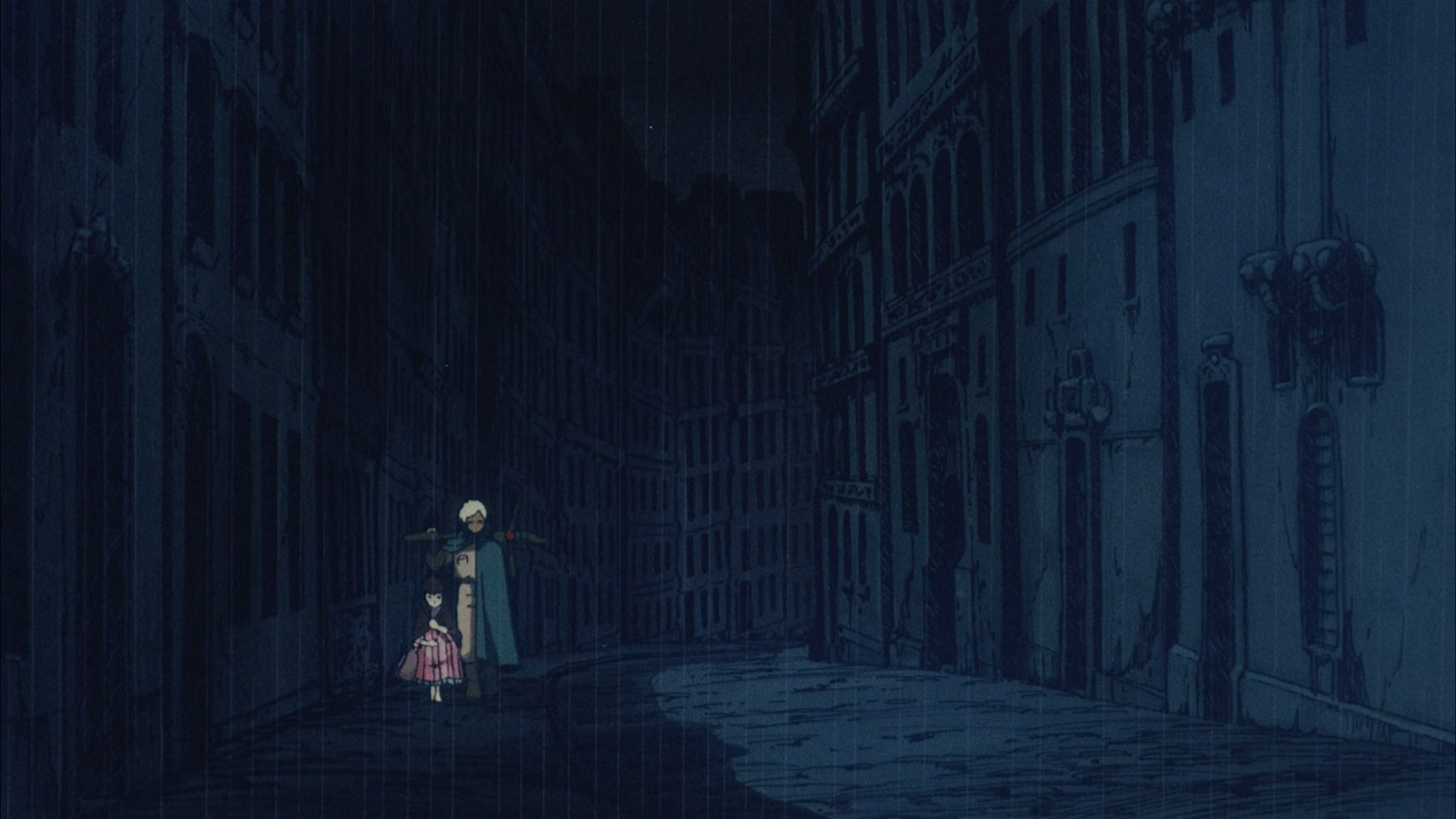
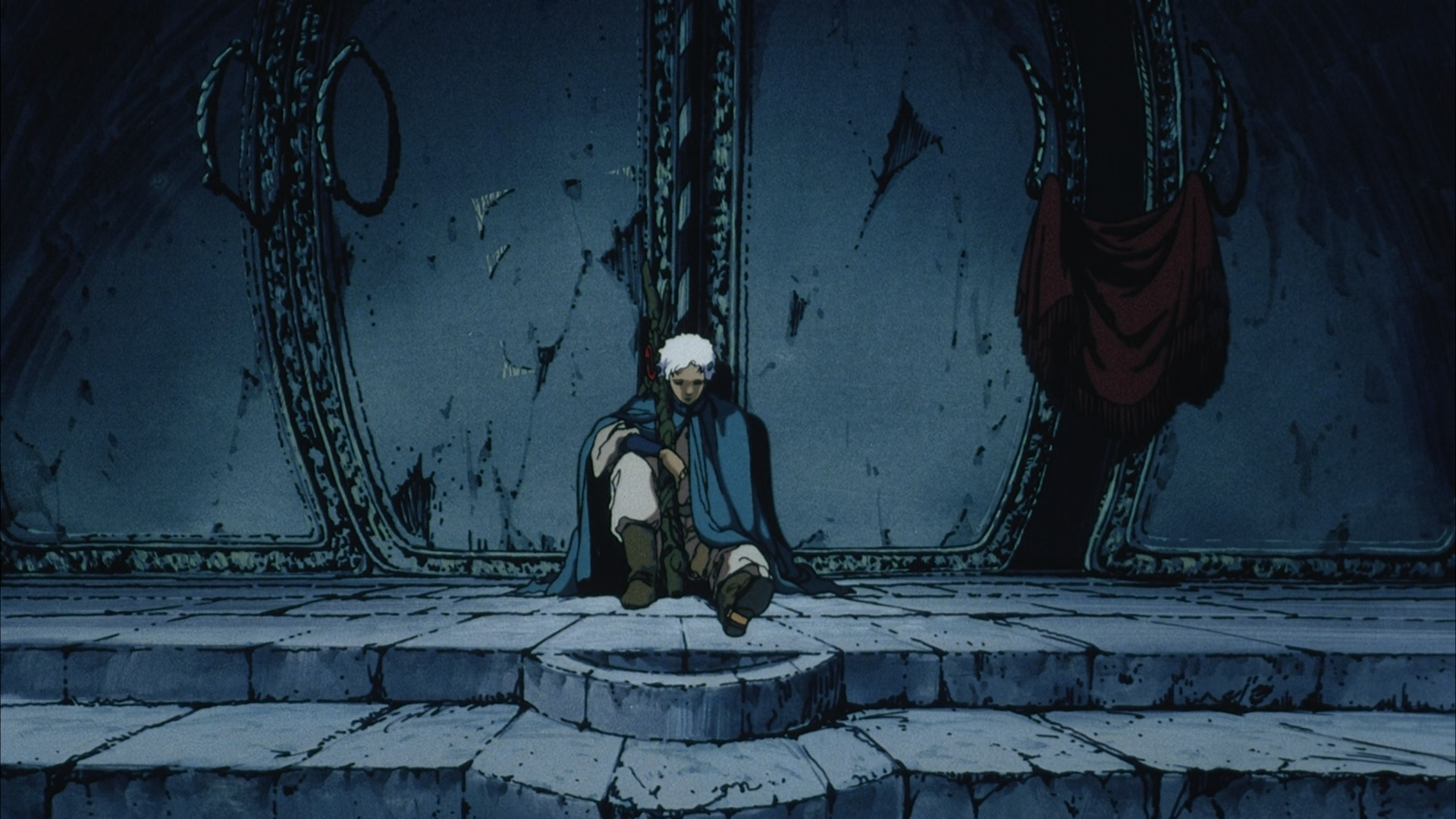
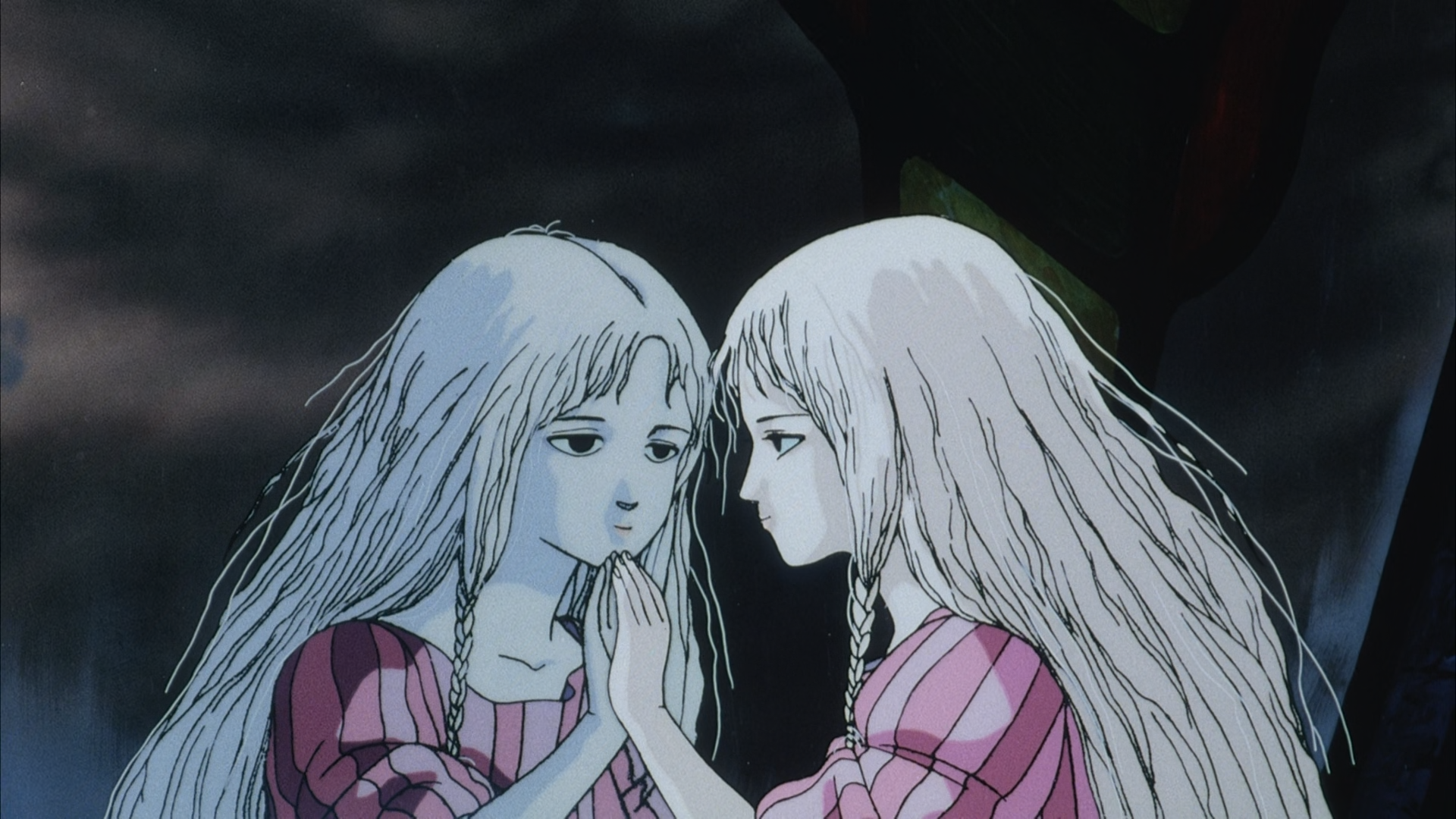
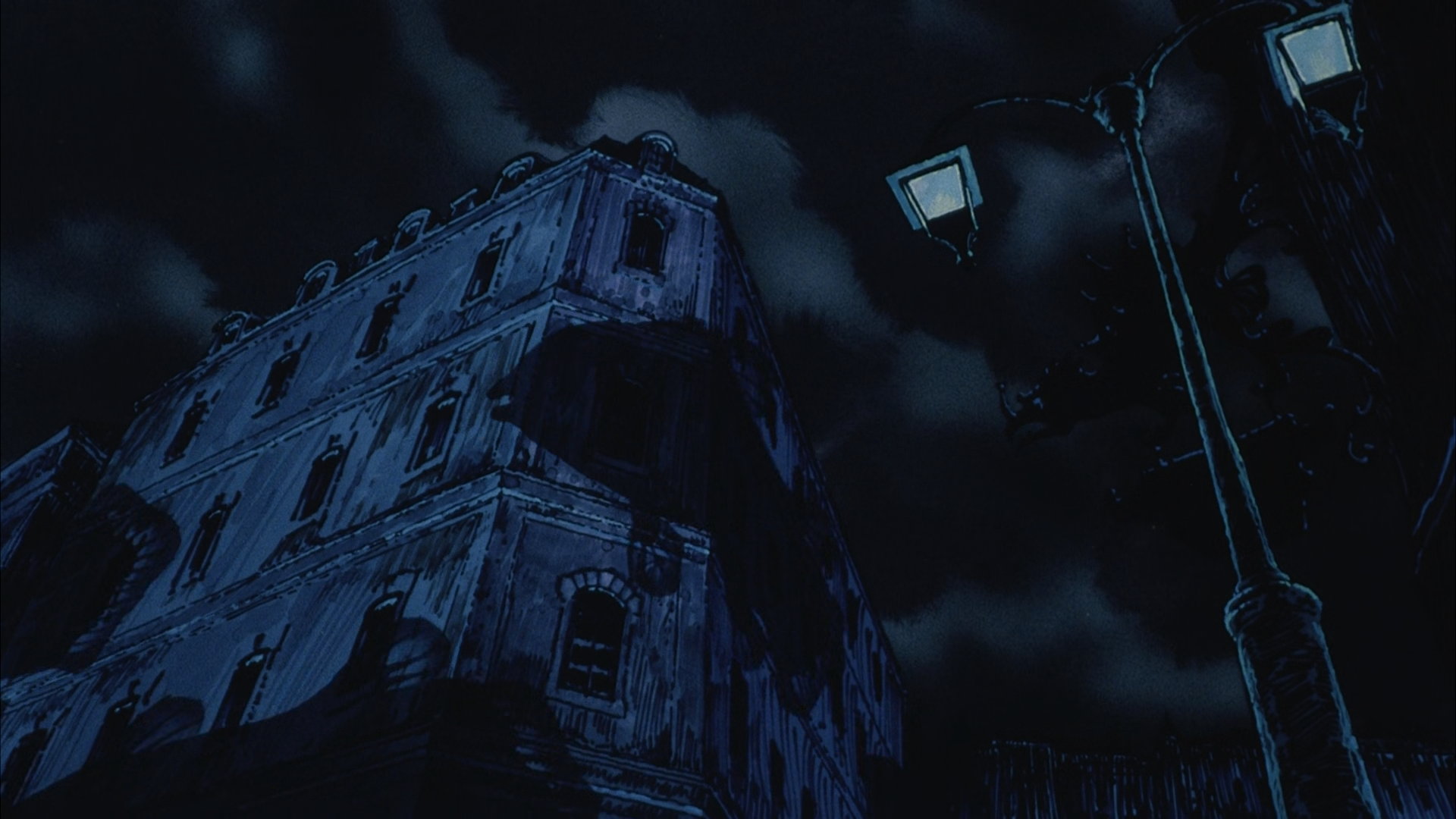
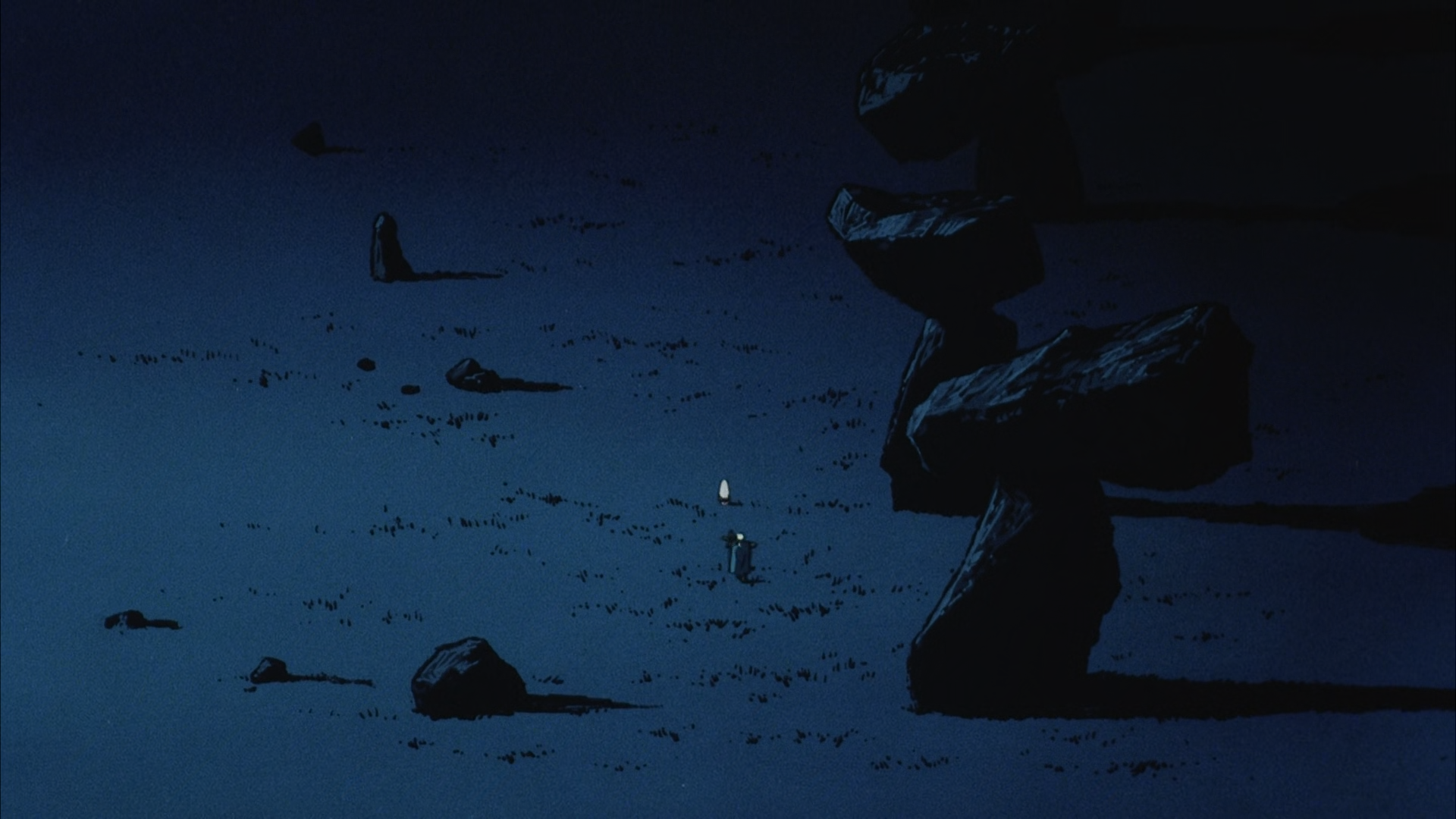
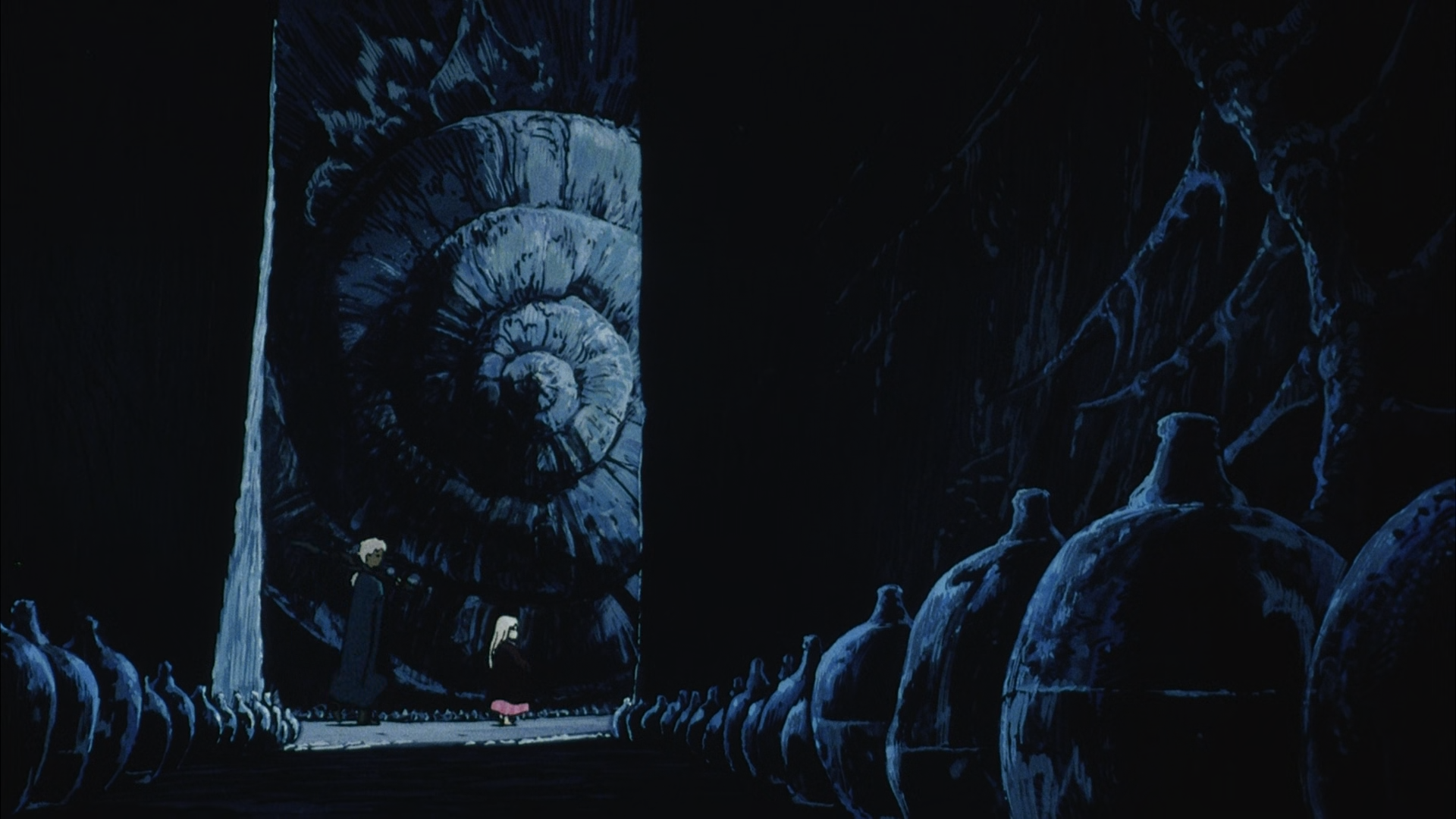
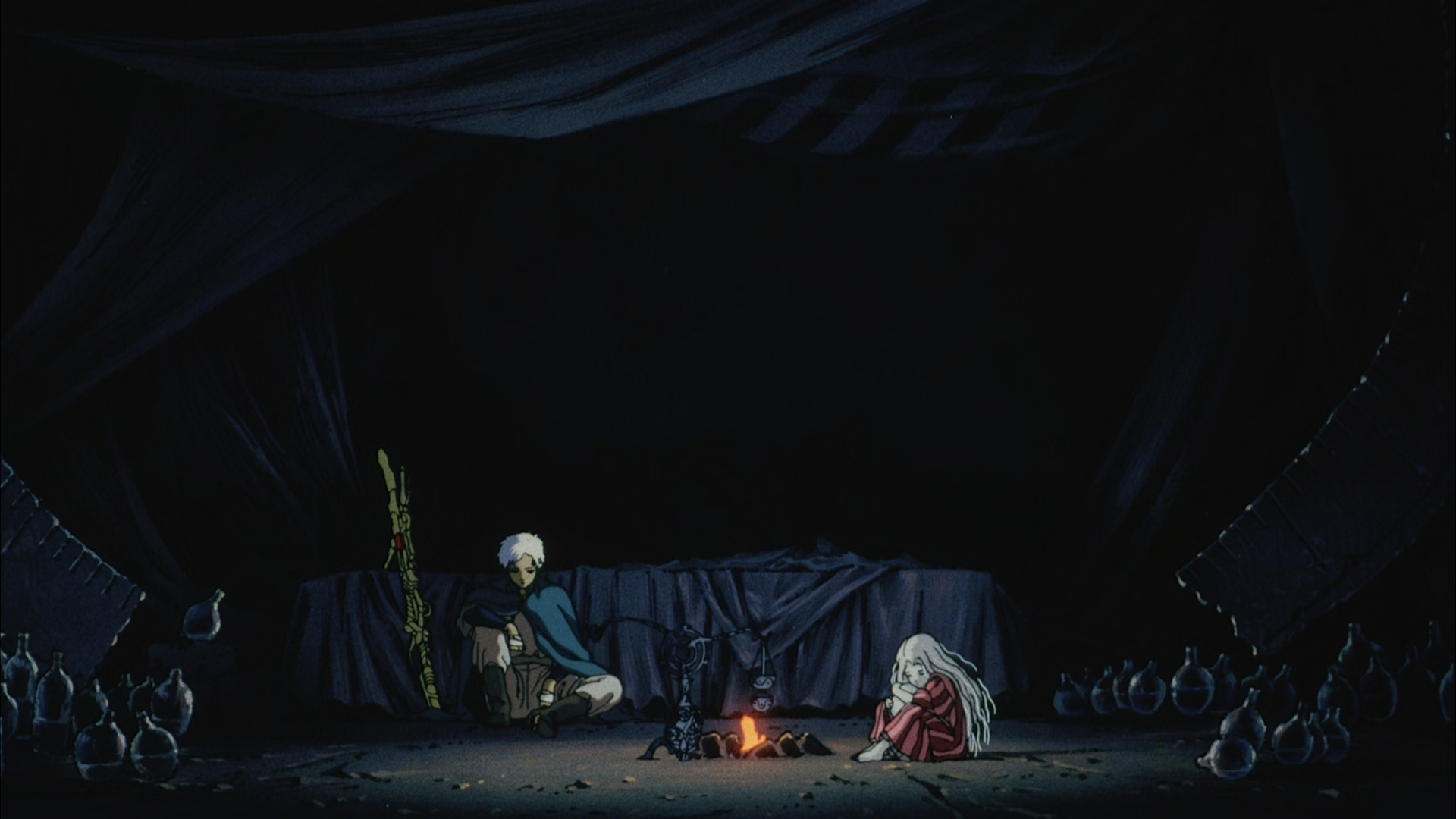
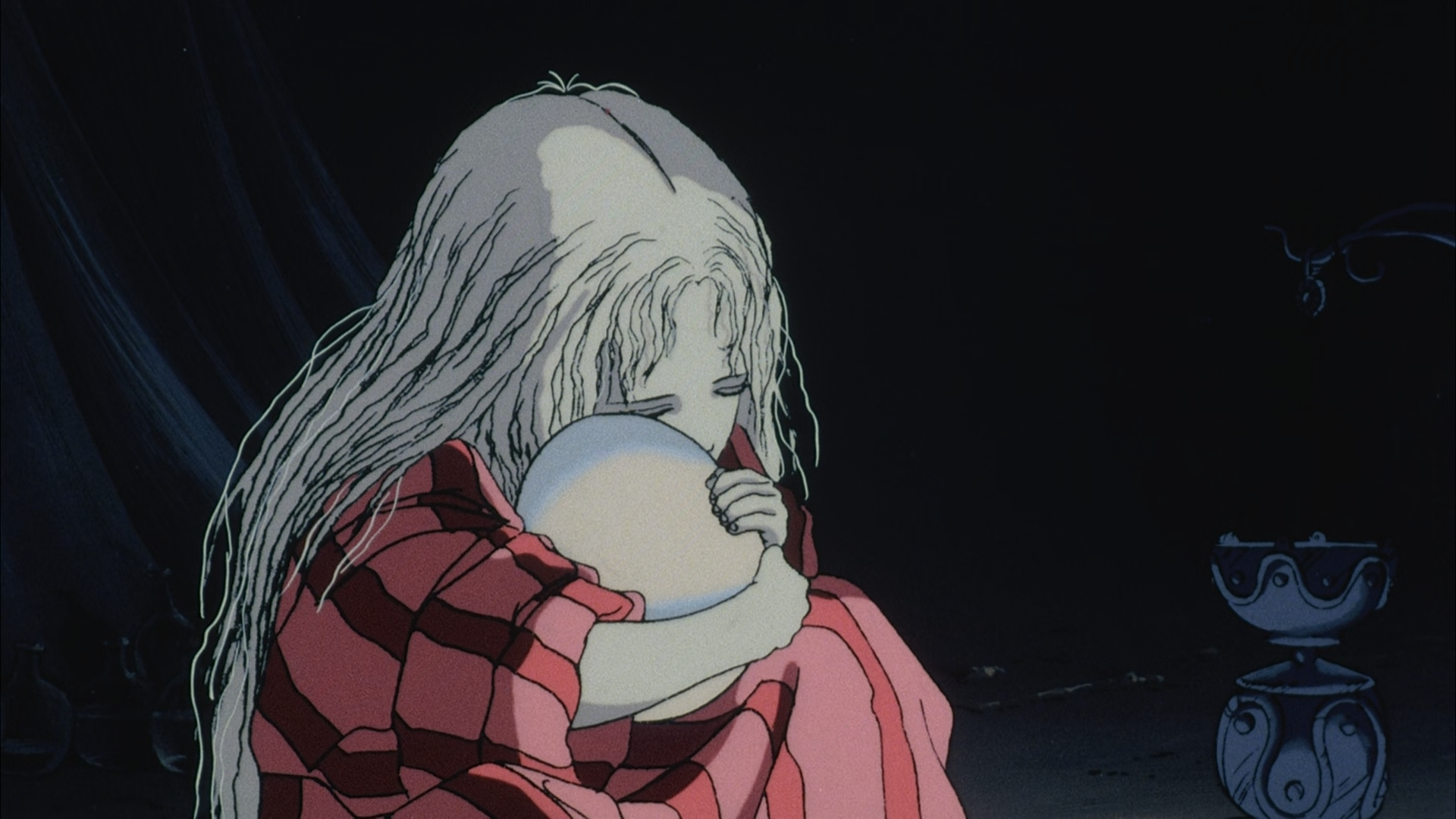
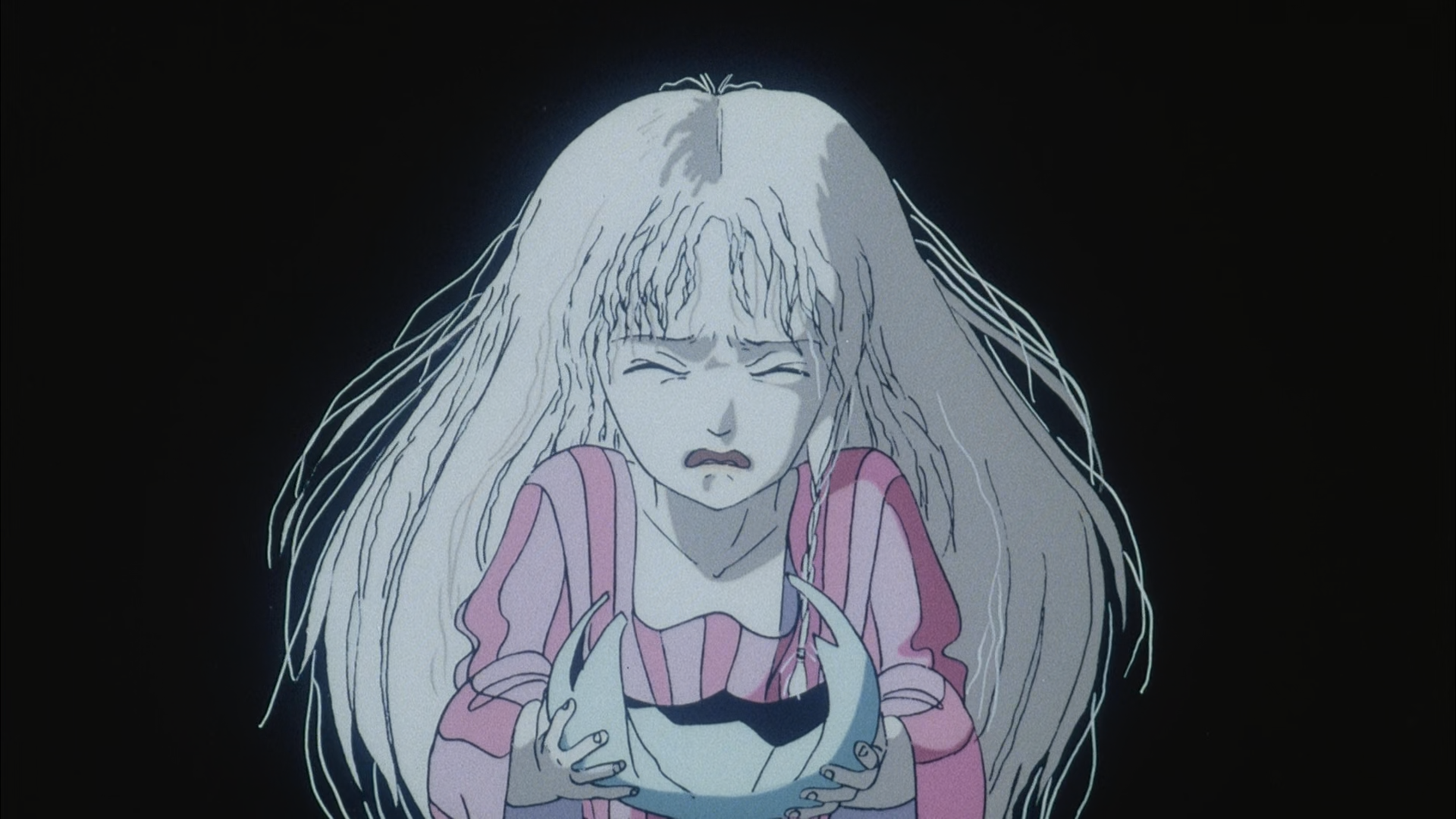
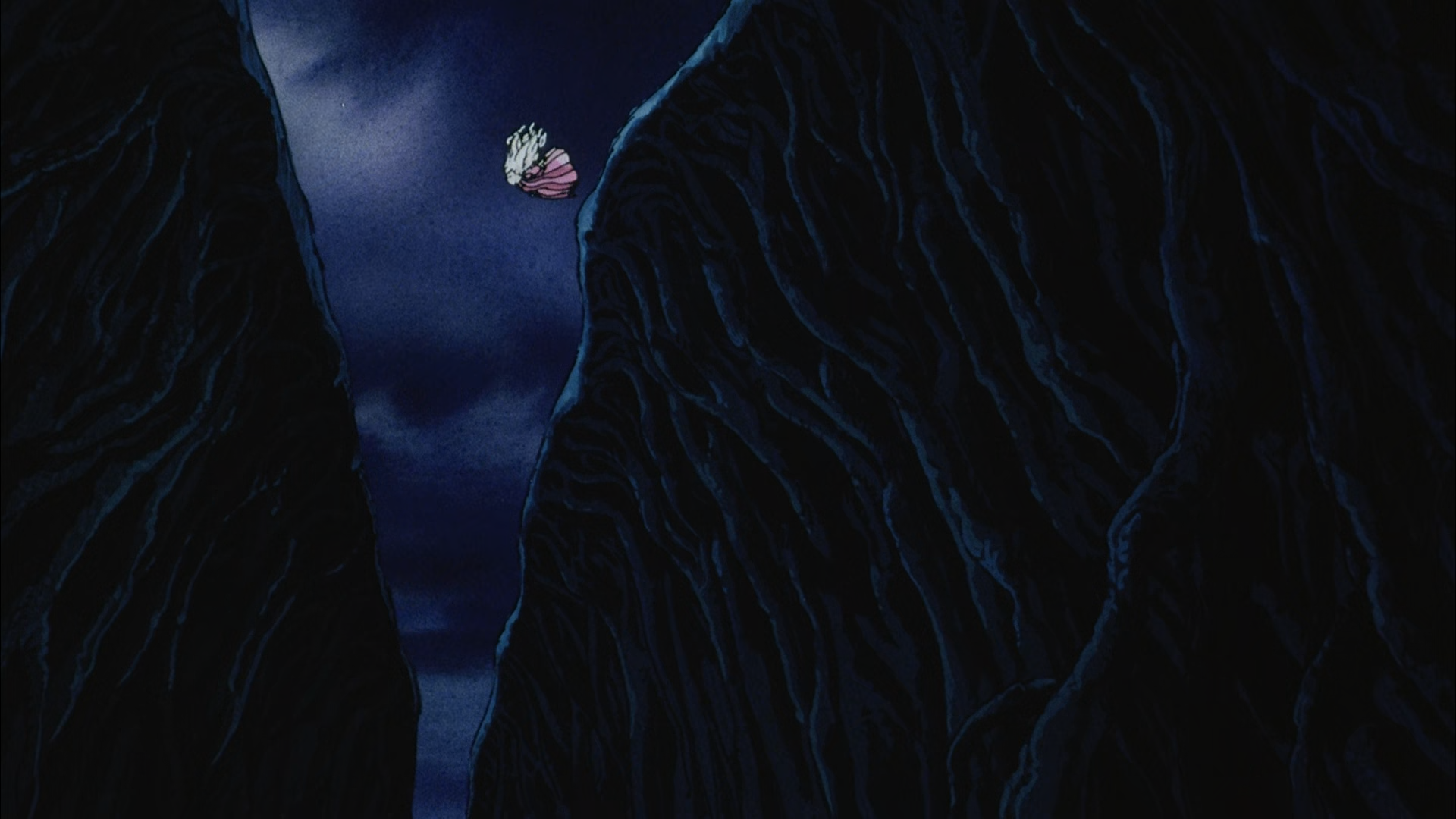
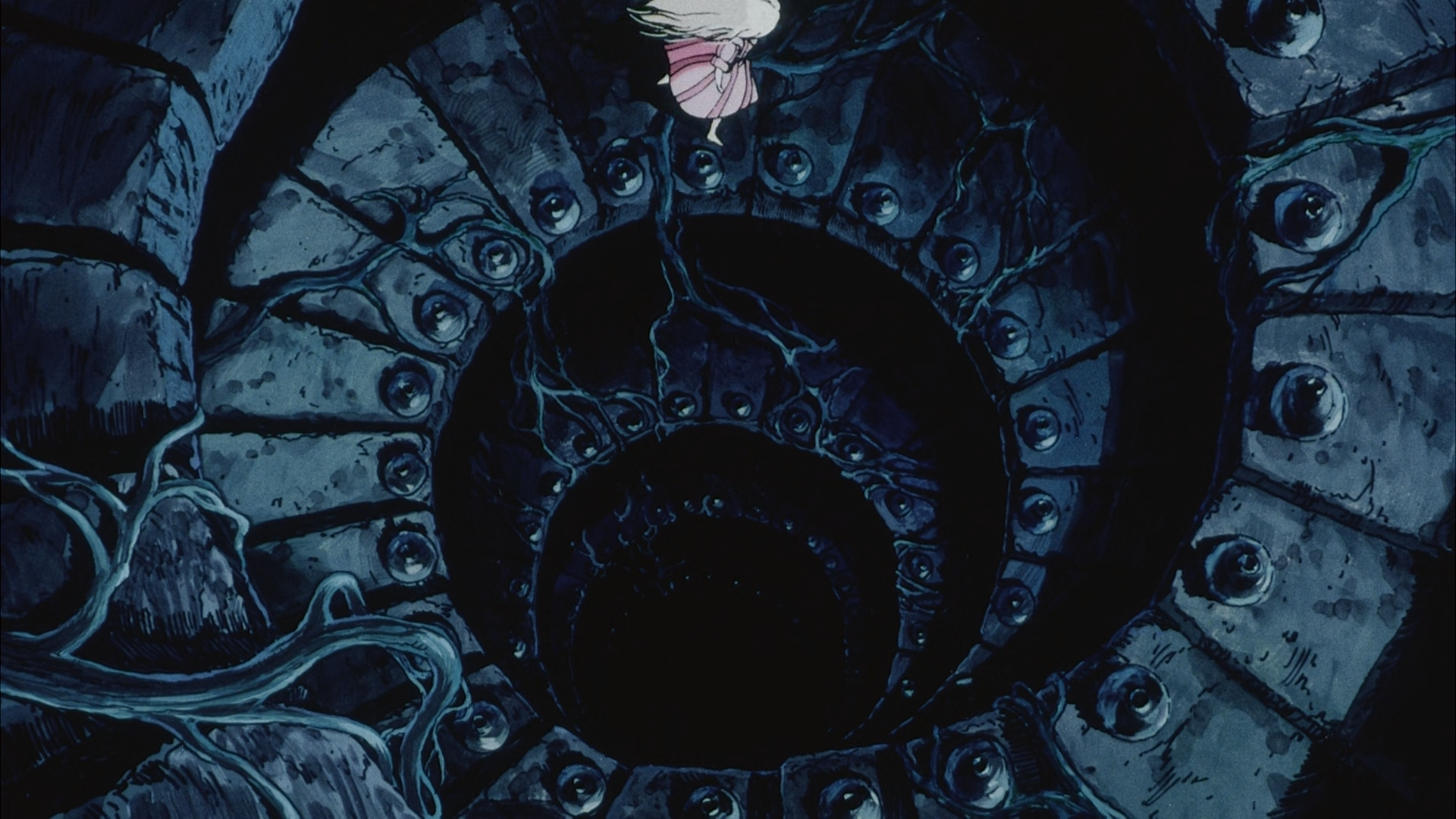
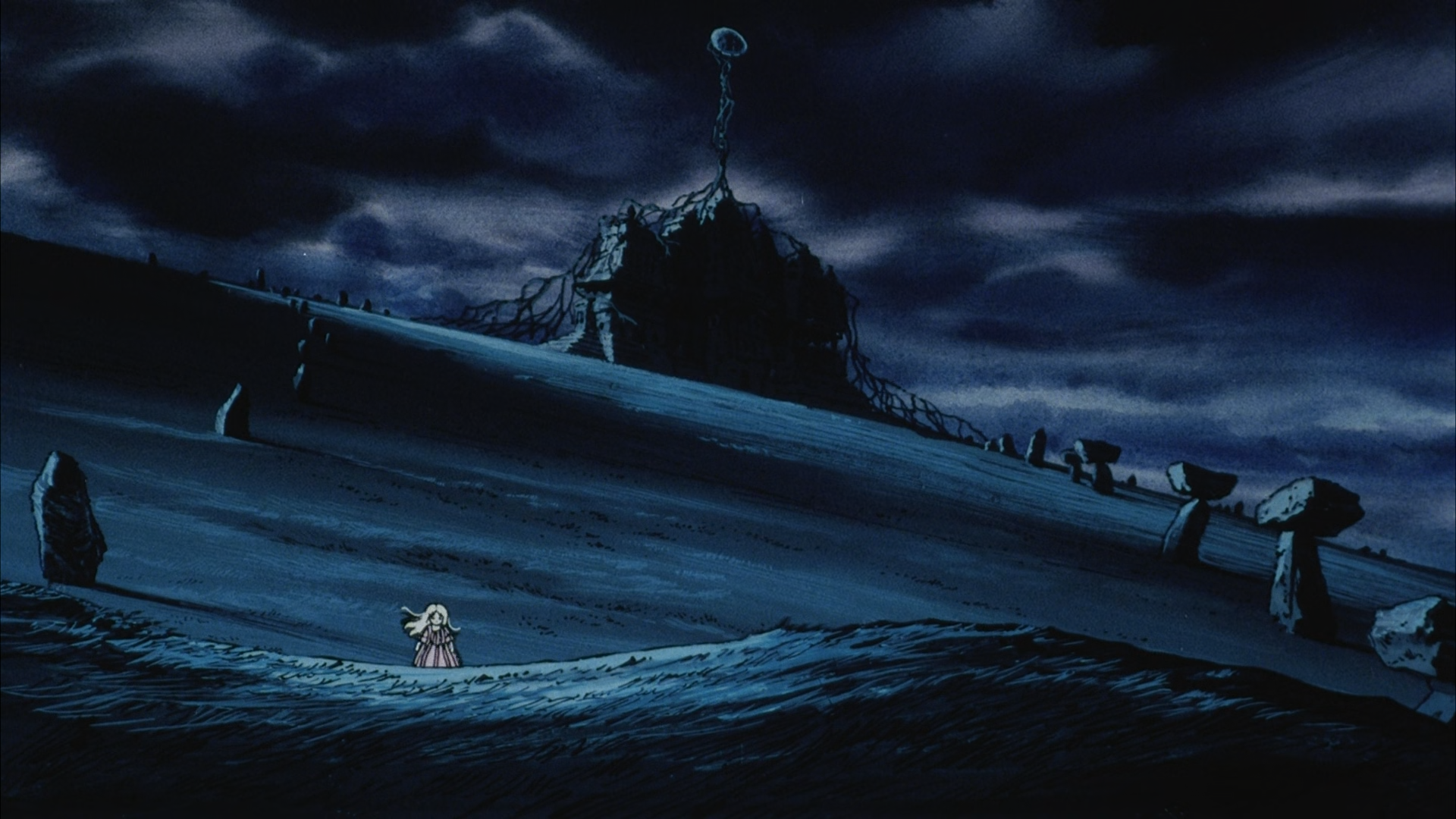
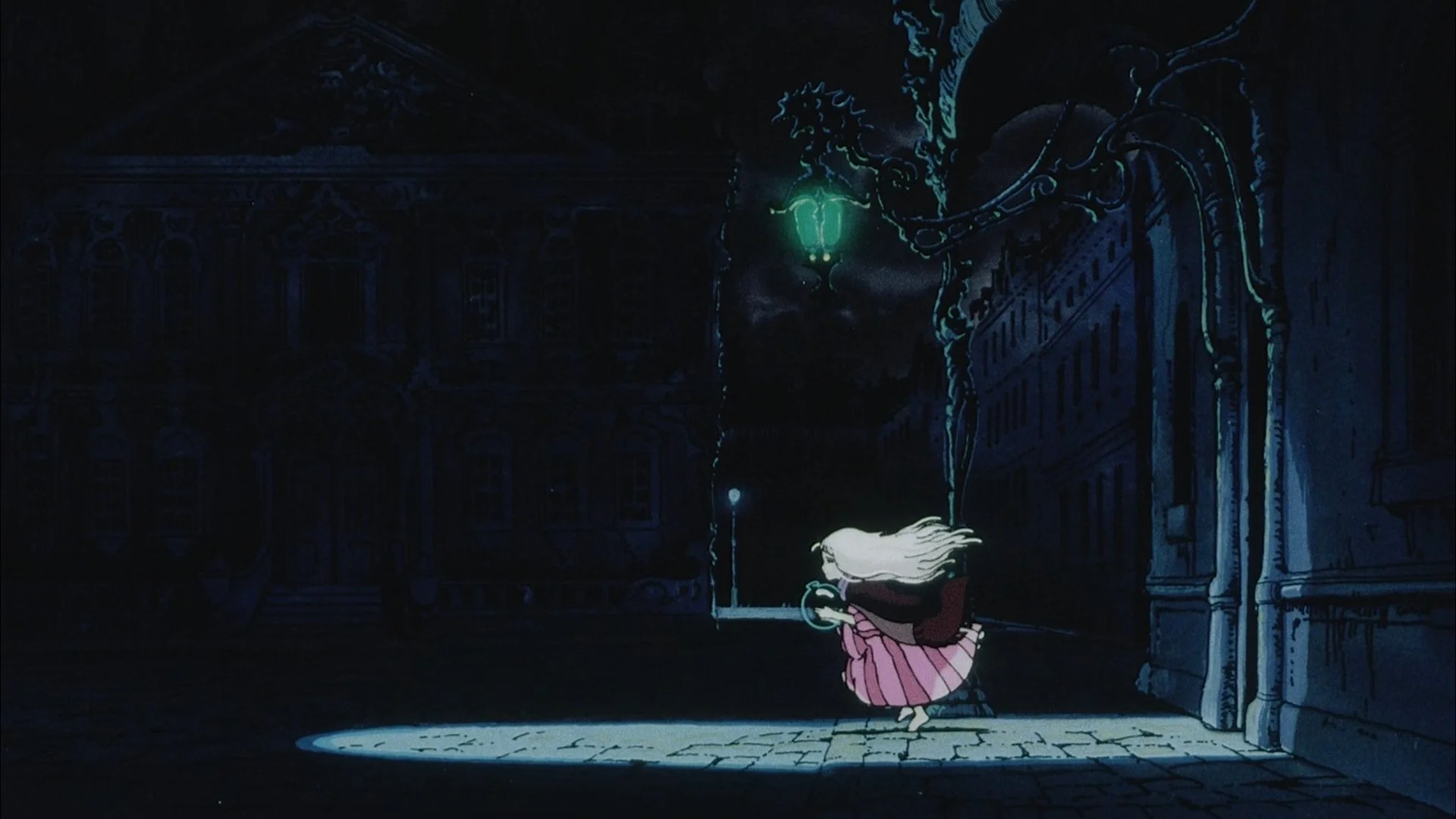
When it comes to experimental anime, all variations likely hatched from Angel’s Egg. From the director of Ghost in the Shell, Mamoru Oshii delivers a visionary experience with profound provenance. The thematic imagery borrows from gothic architecture, Christianity, and primordial motifs. Being so early, the hand drawn anime is technically not as impressive as its avant-garde vision. The ghostly moonlit girl and dark surrealist themes will bound to leave a last impression even if you don’t understand anything that’s going on. If you’ve played the game Bloodborne, then the symbolism will probably make more sense, but you can enjoy the beautiful gothic experience all the same. This is a thematic mood piece pouring with symbolism, highly evocative of Tarkovsky’s work.
Analysis:
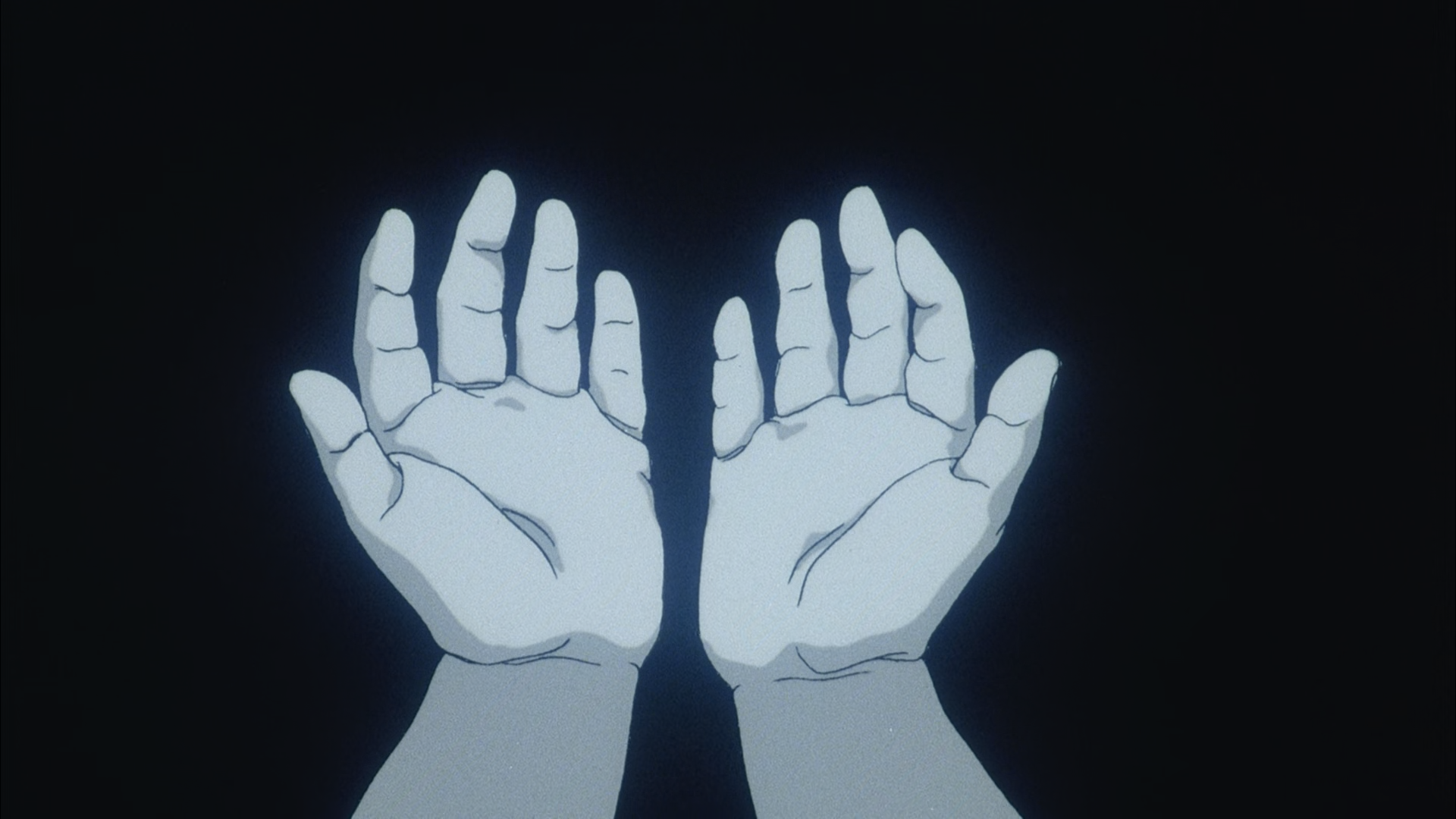
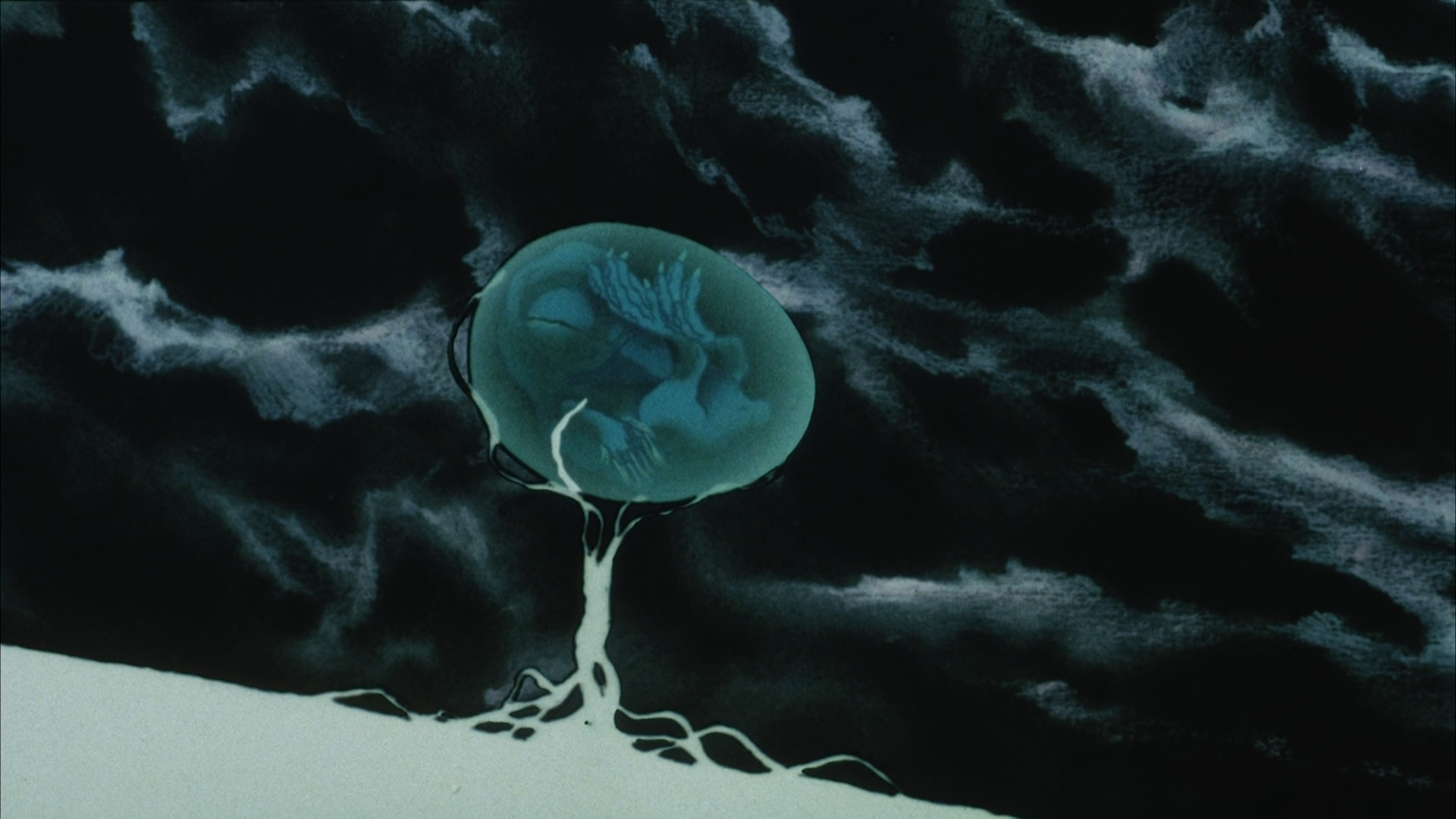
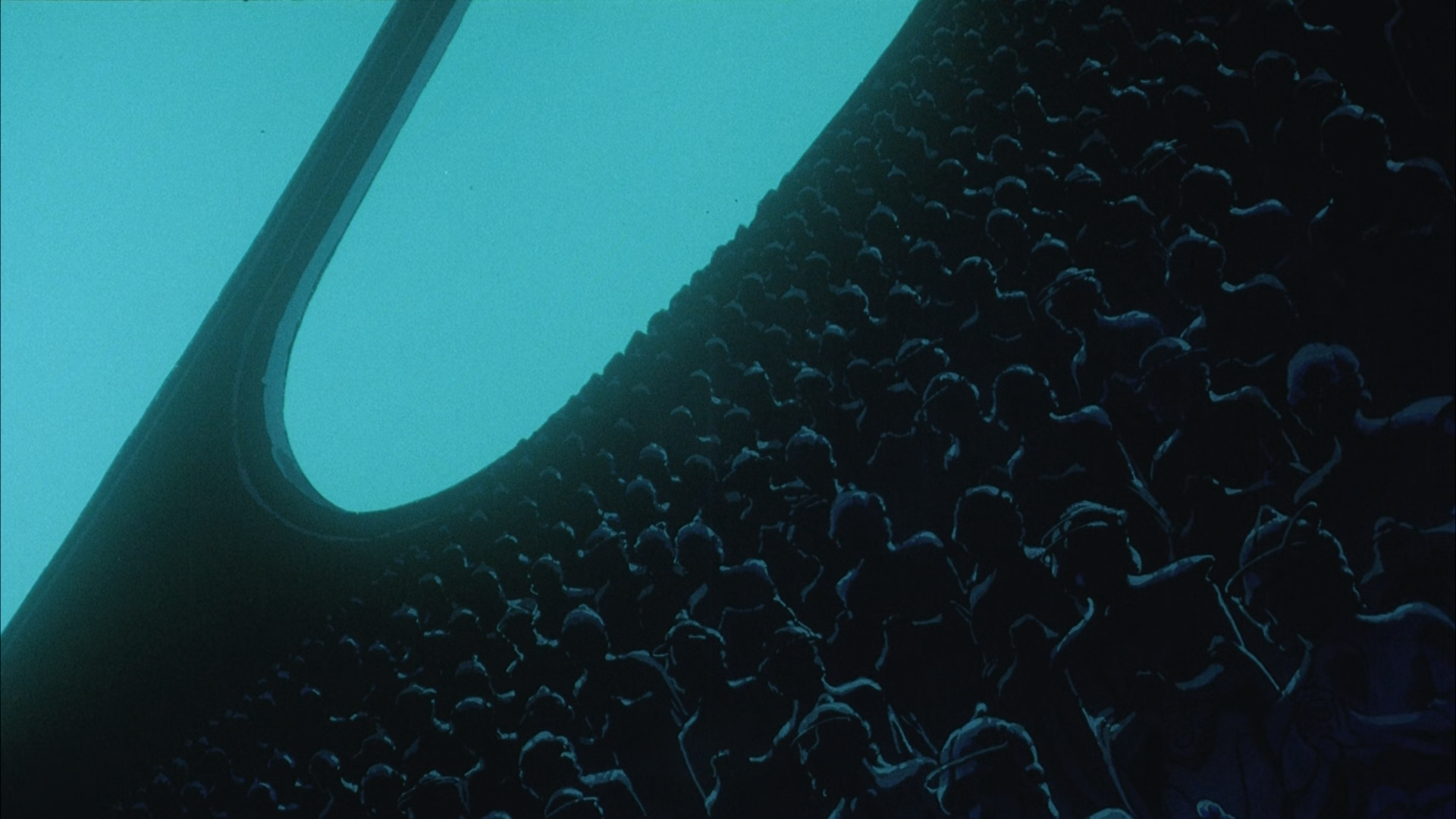
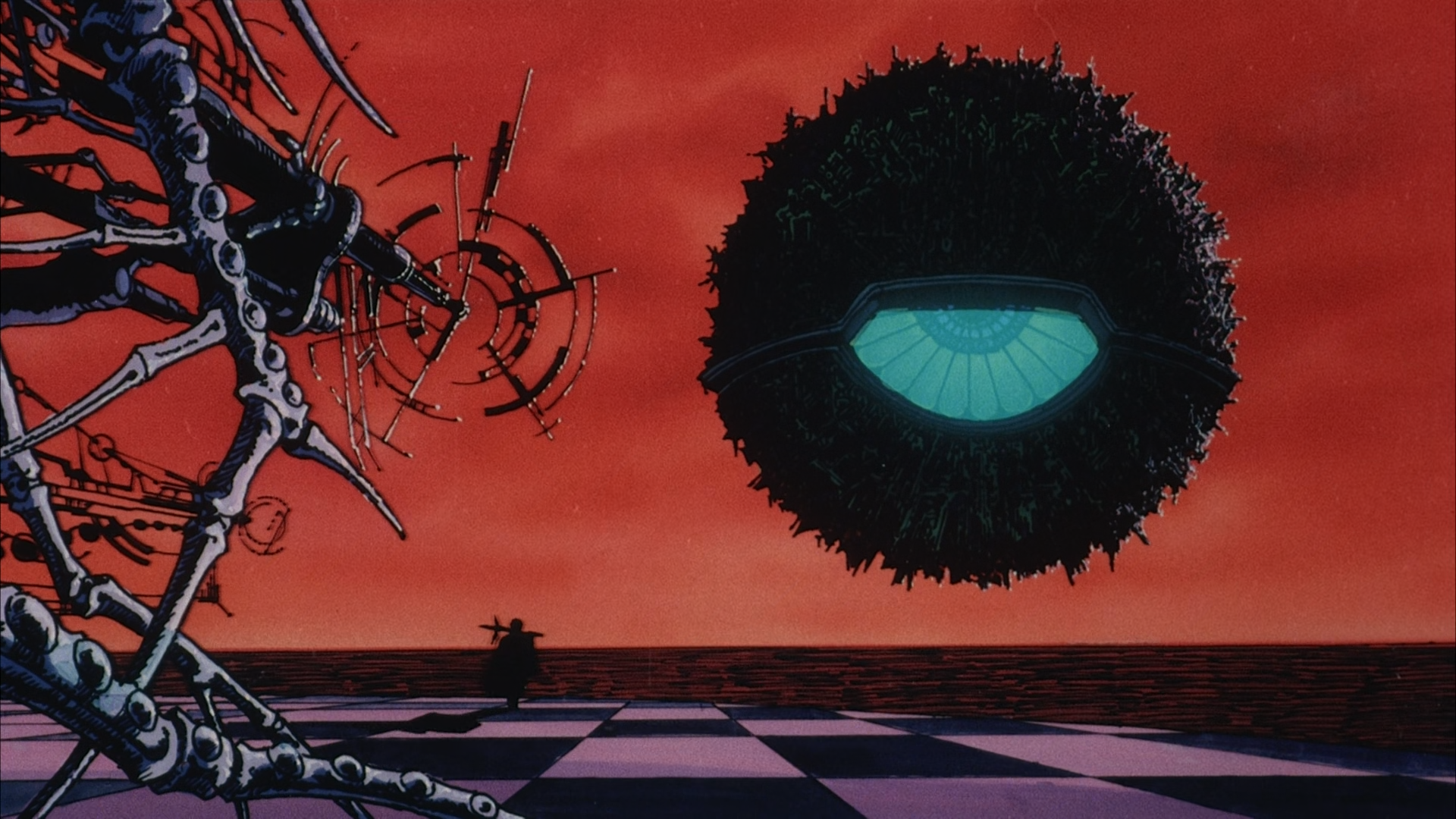
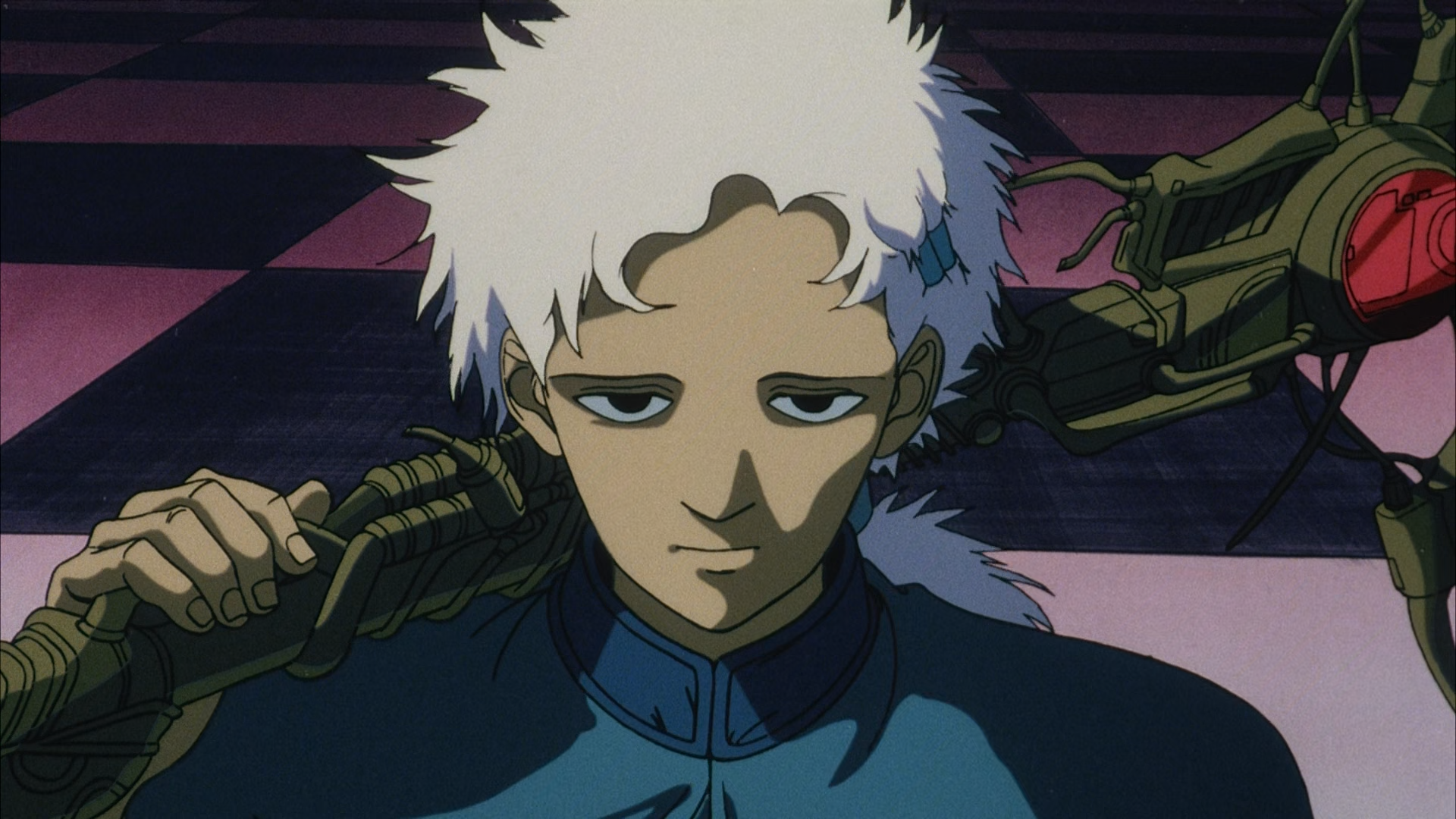
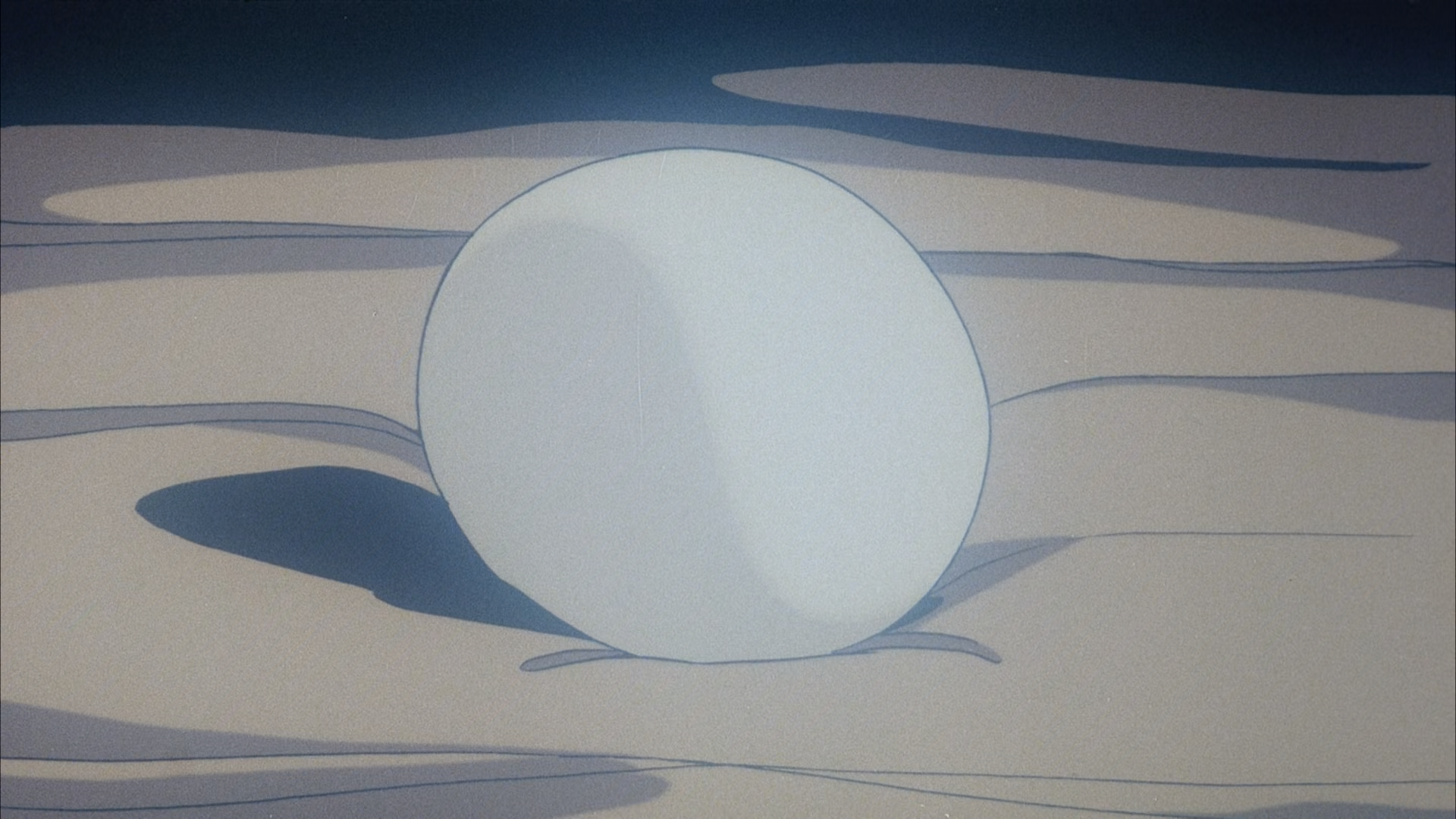
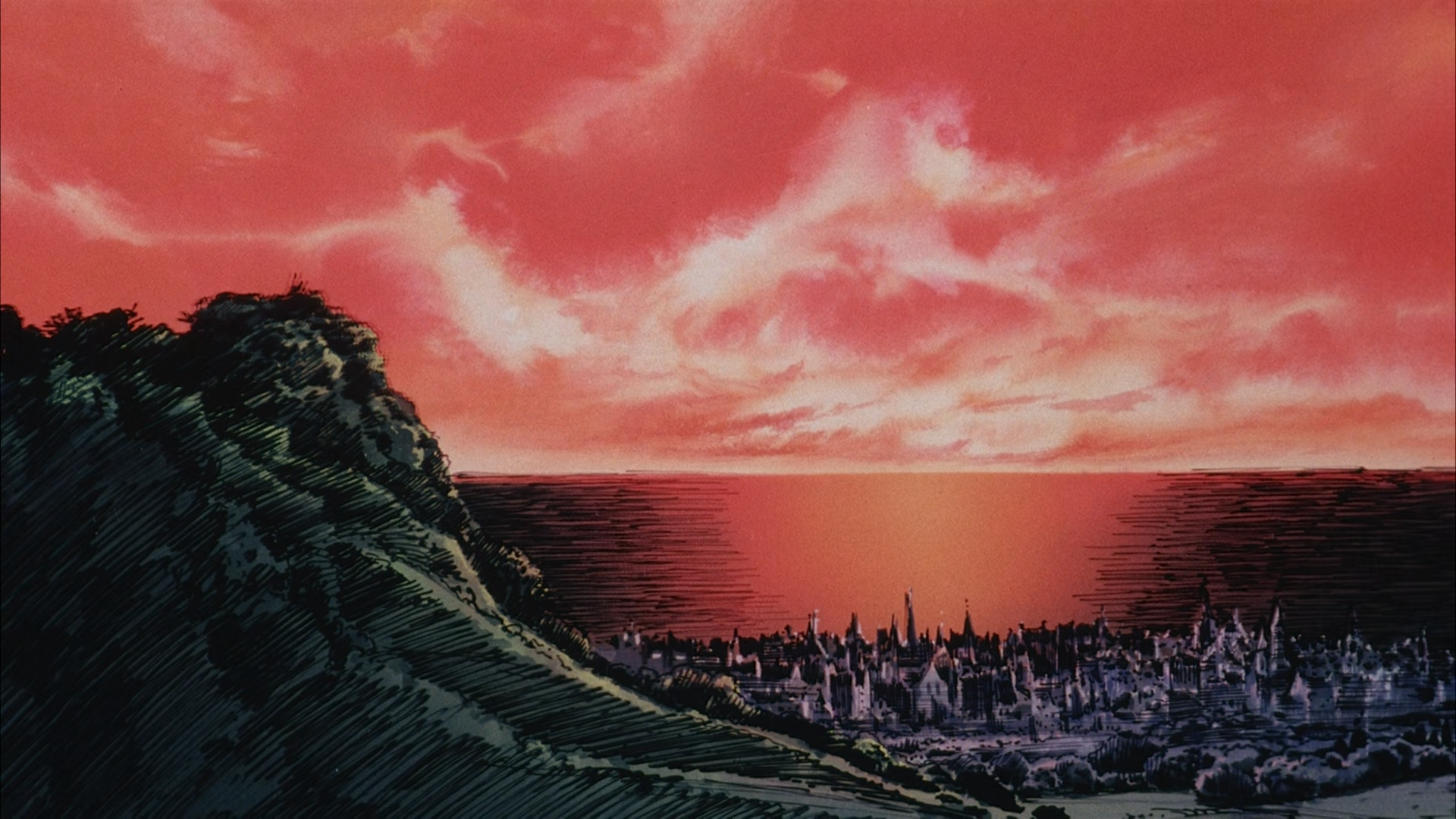
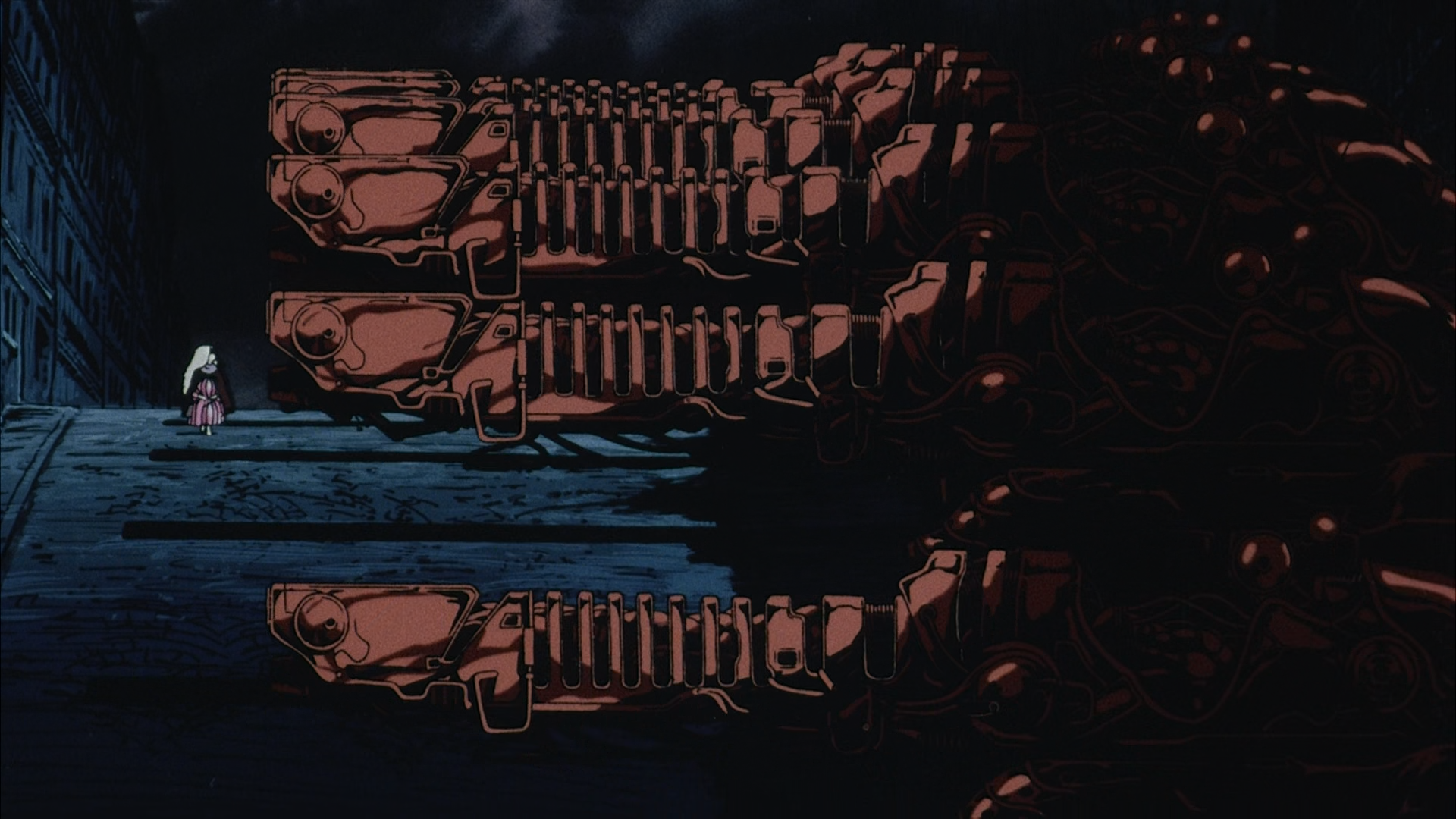
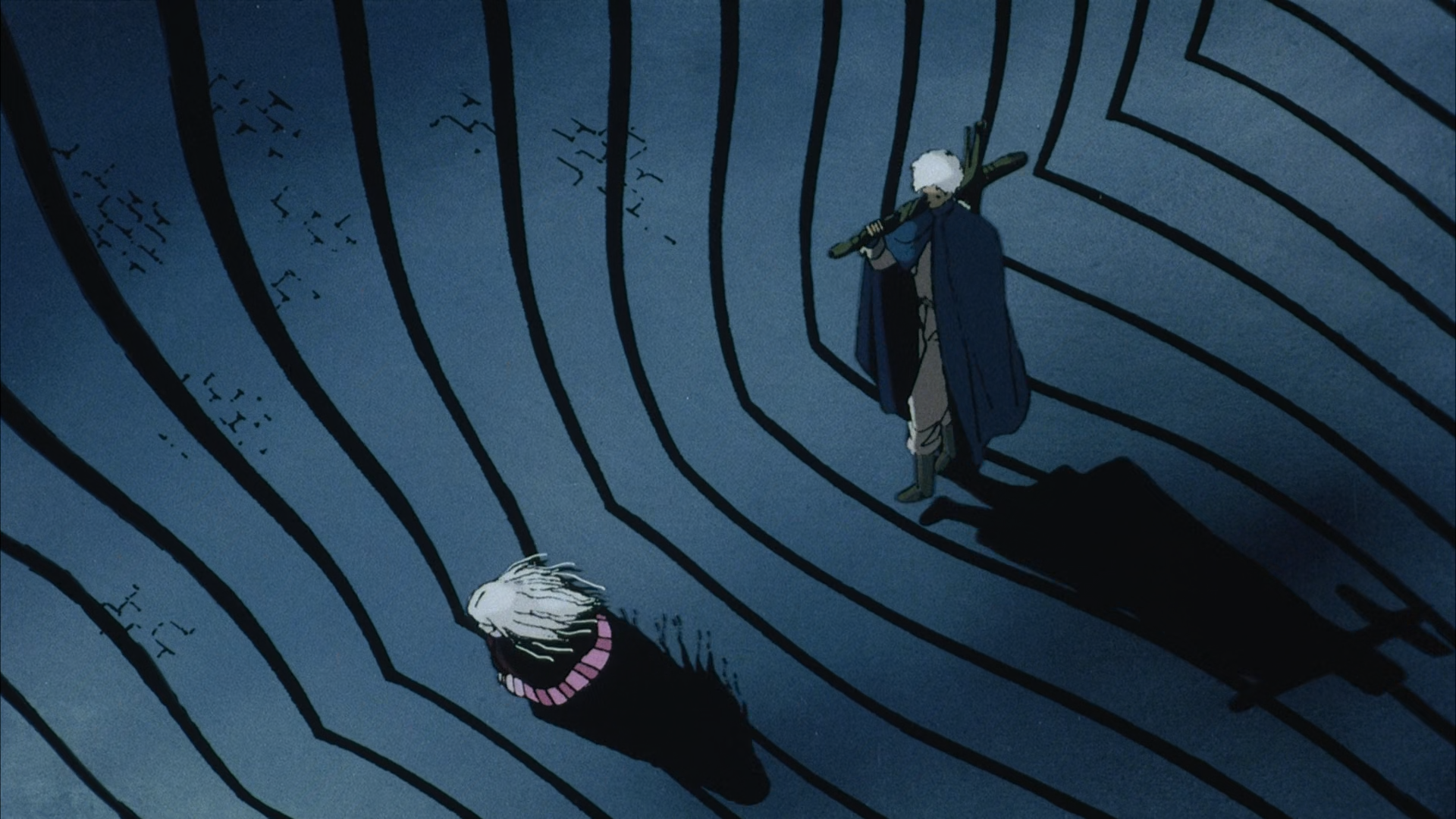
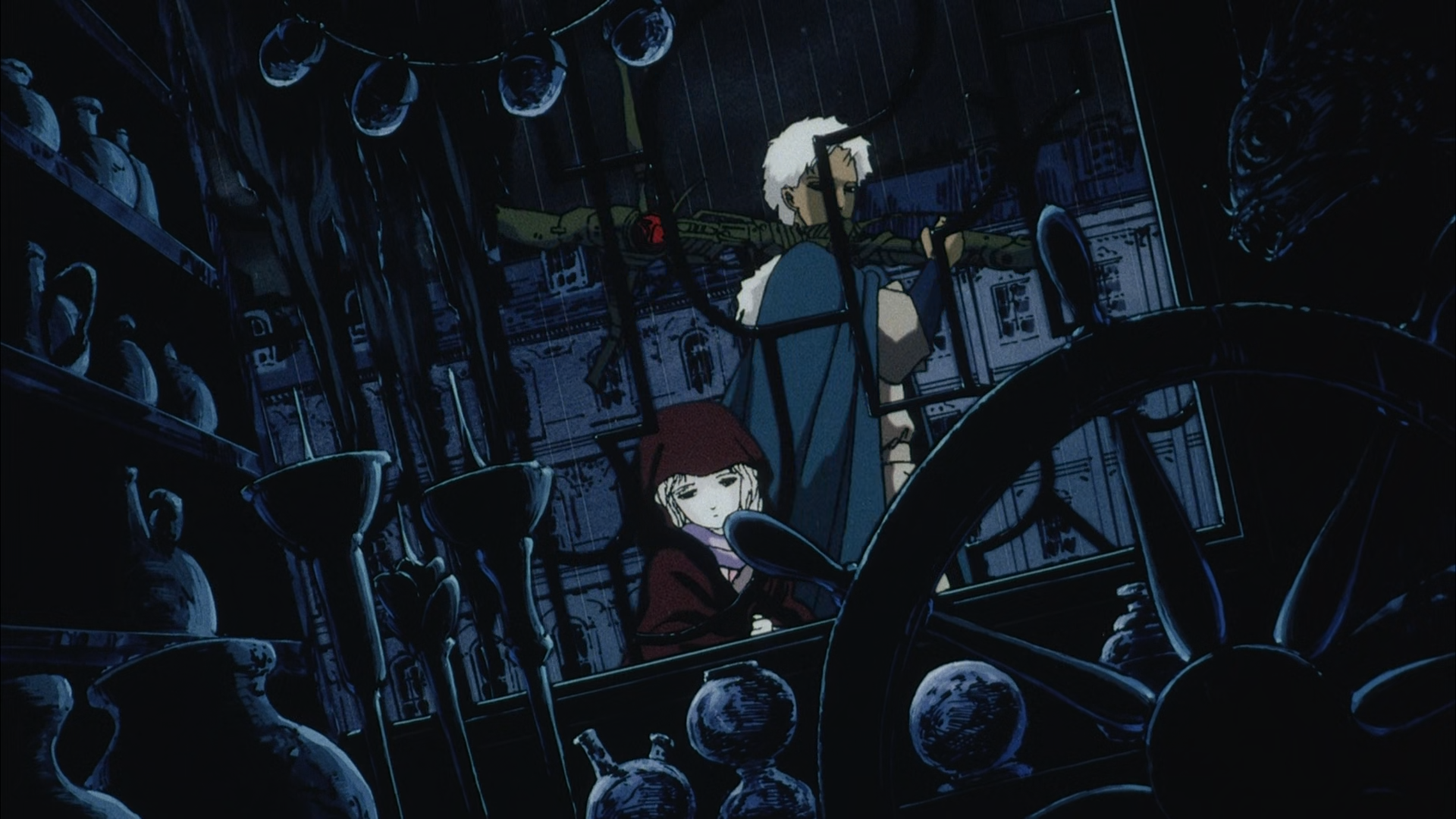
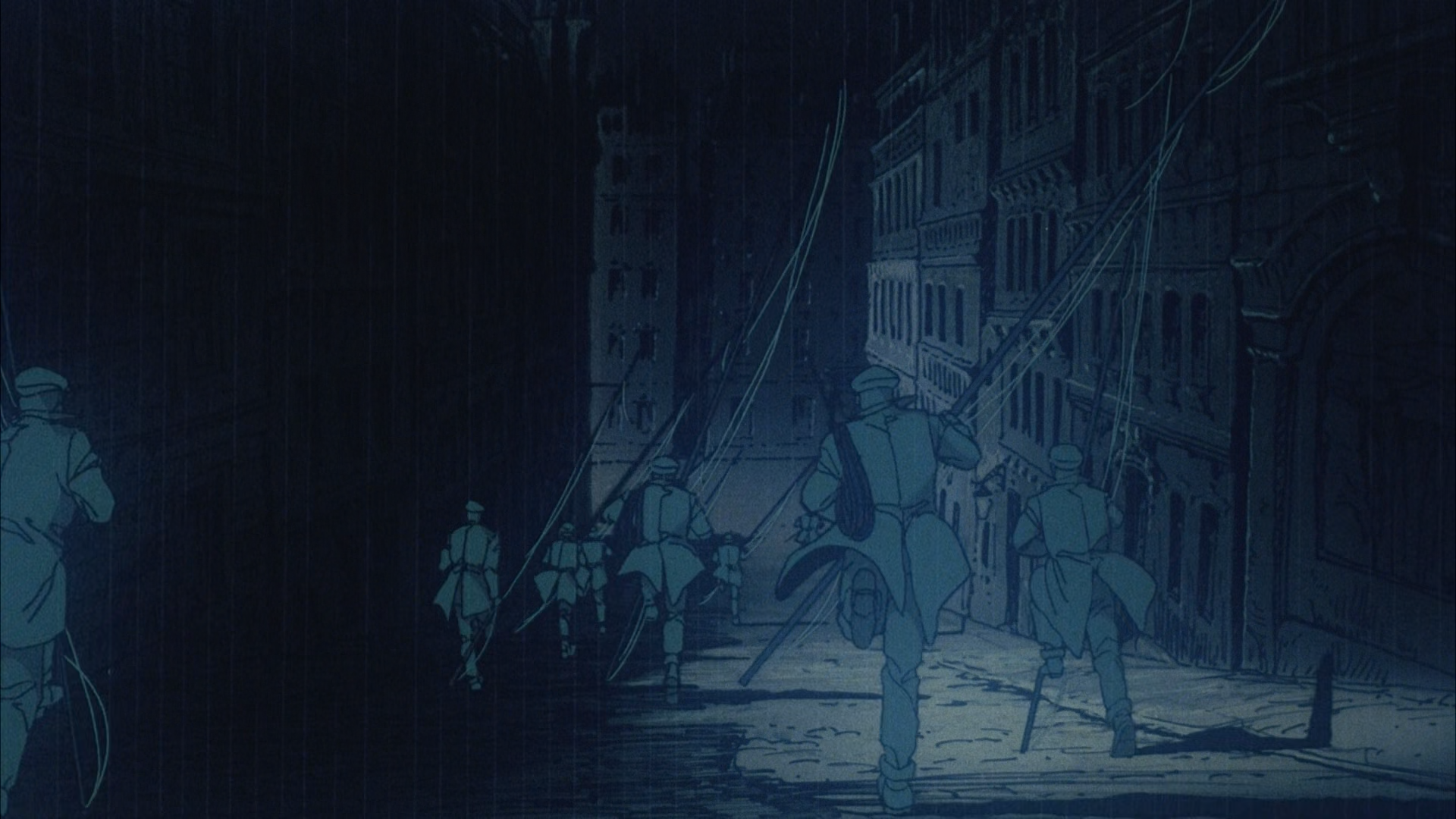
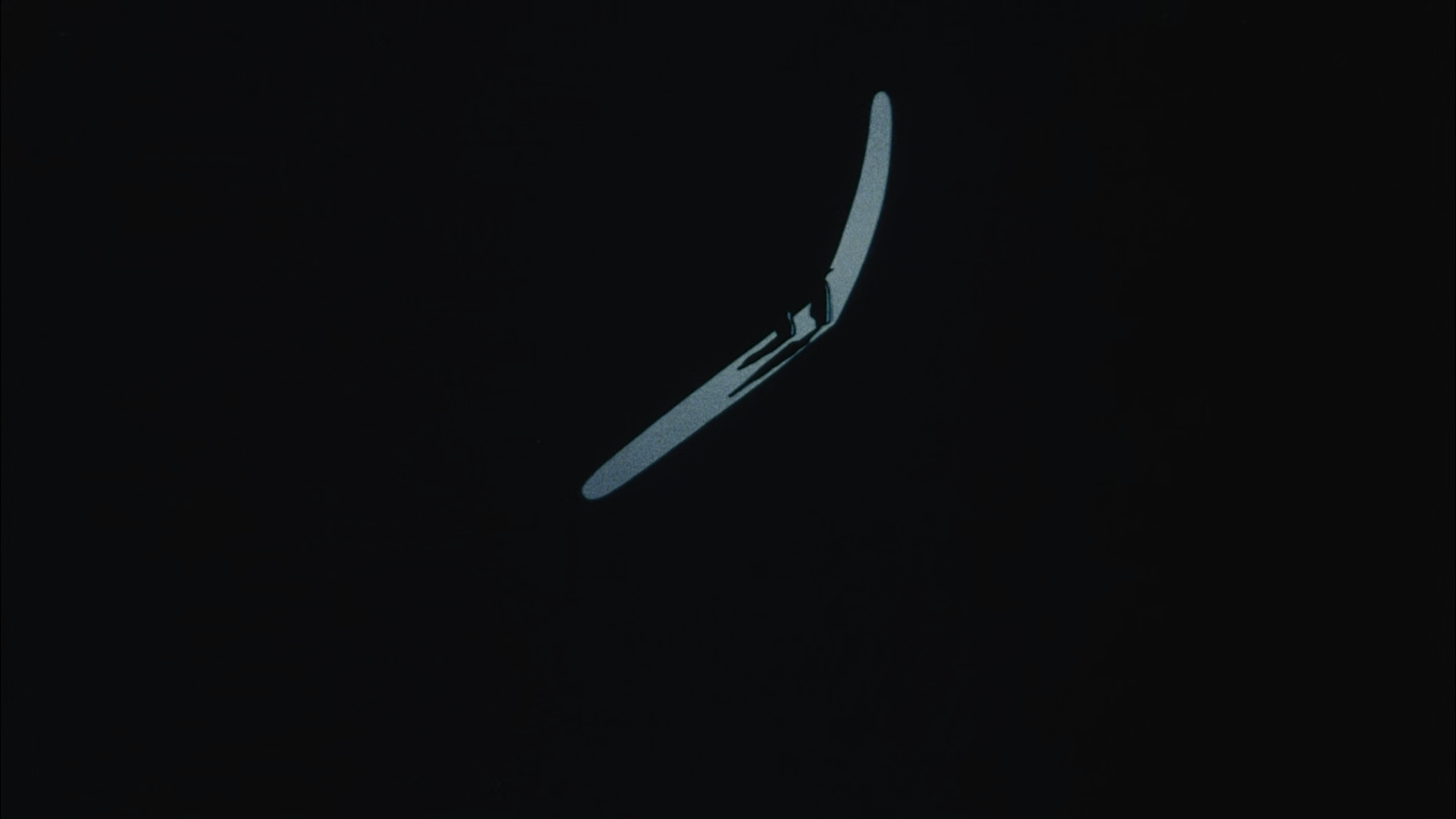
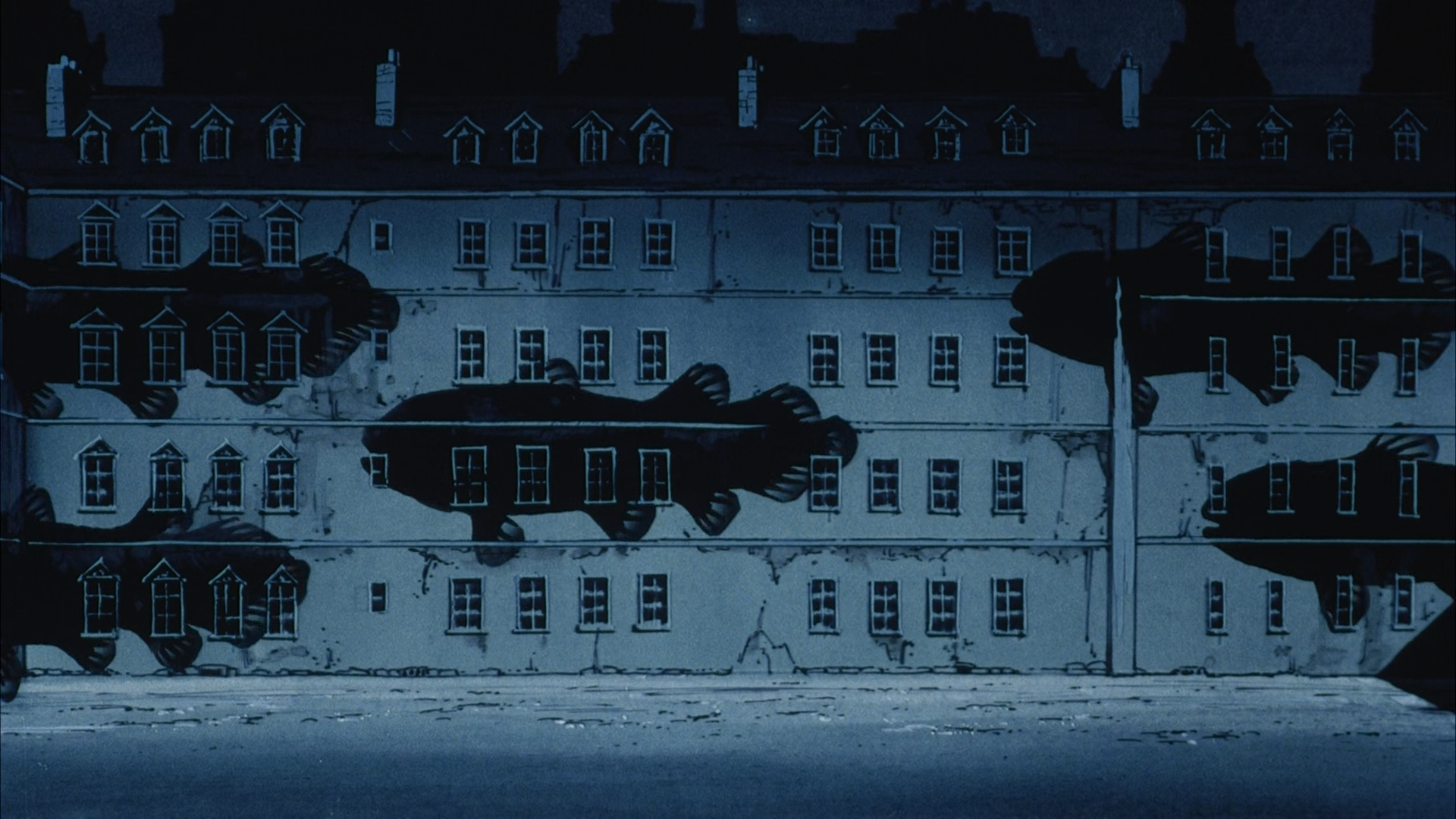
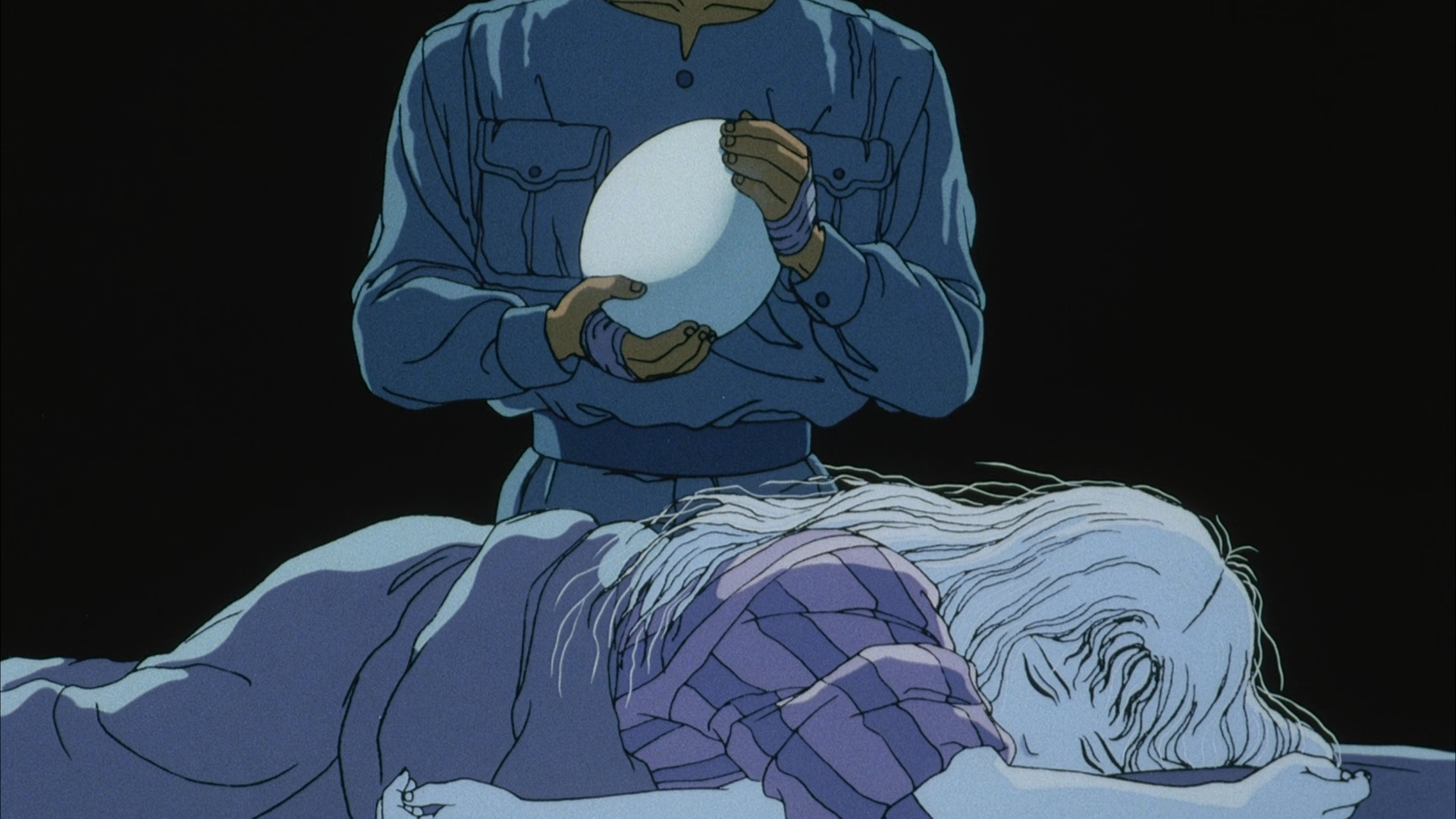
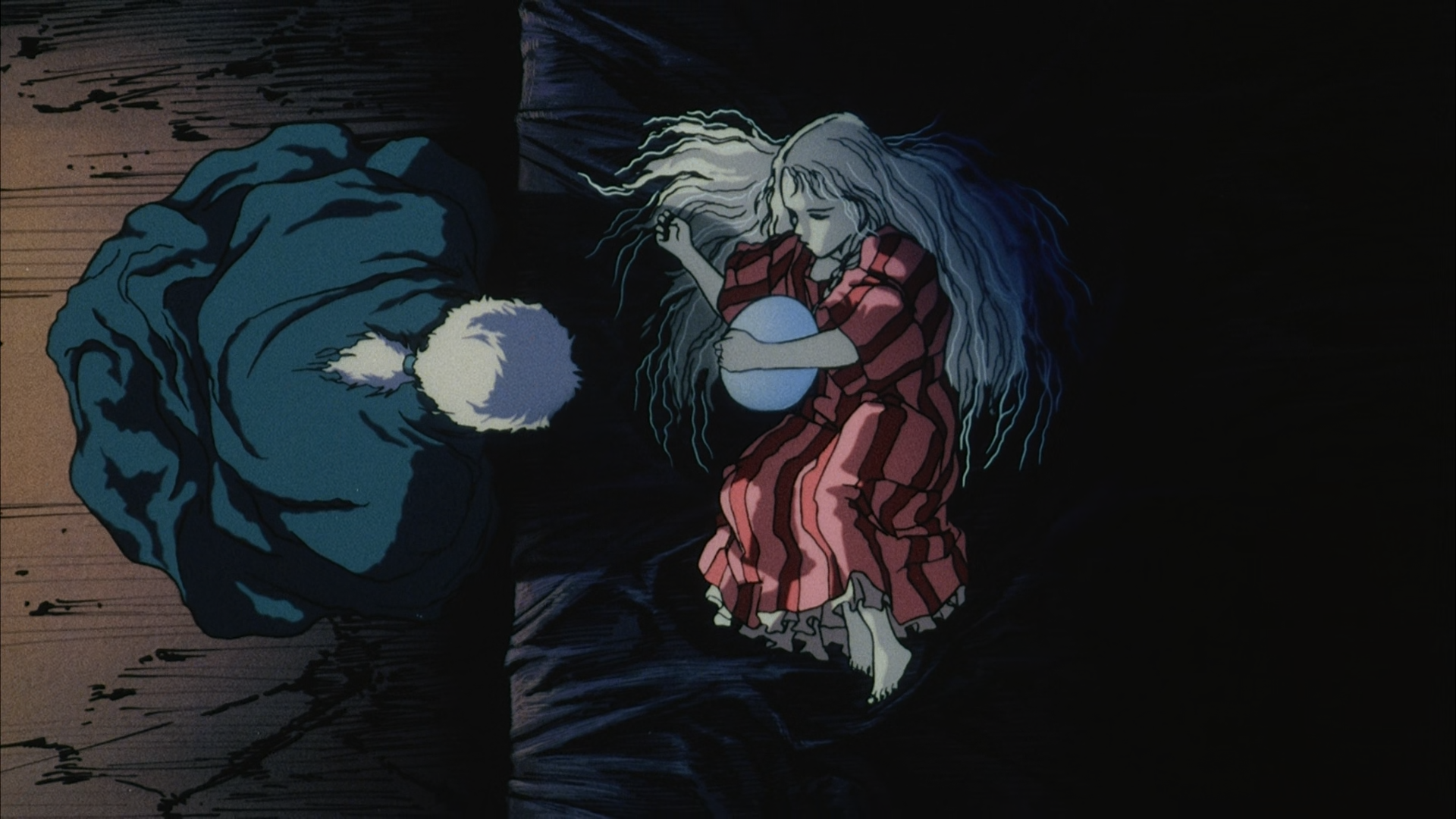
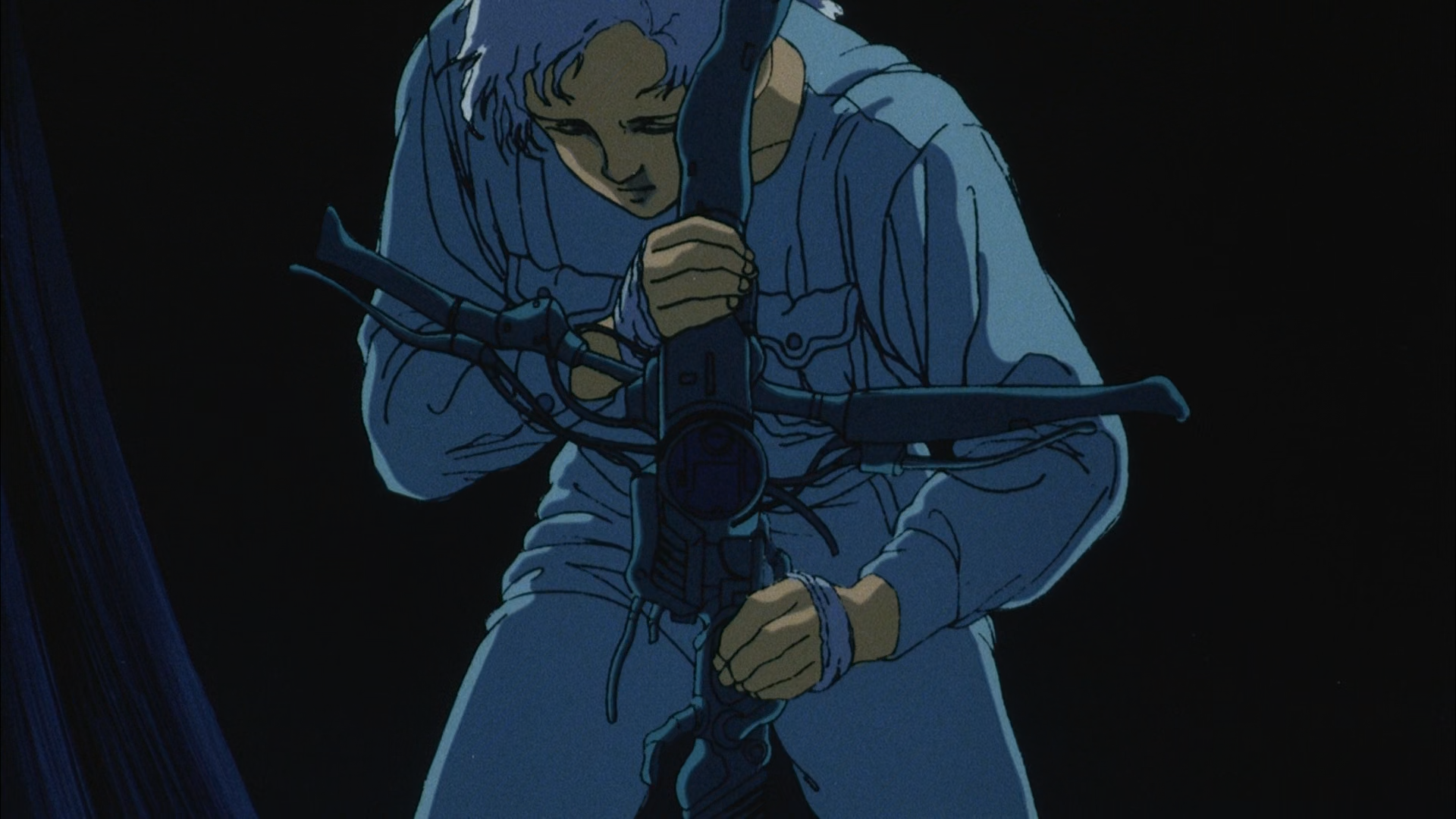
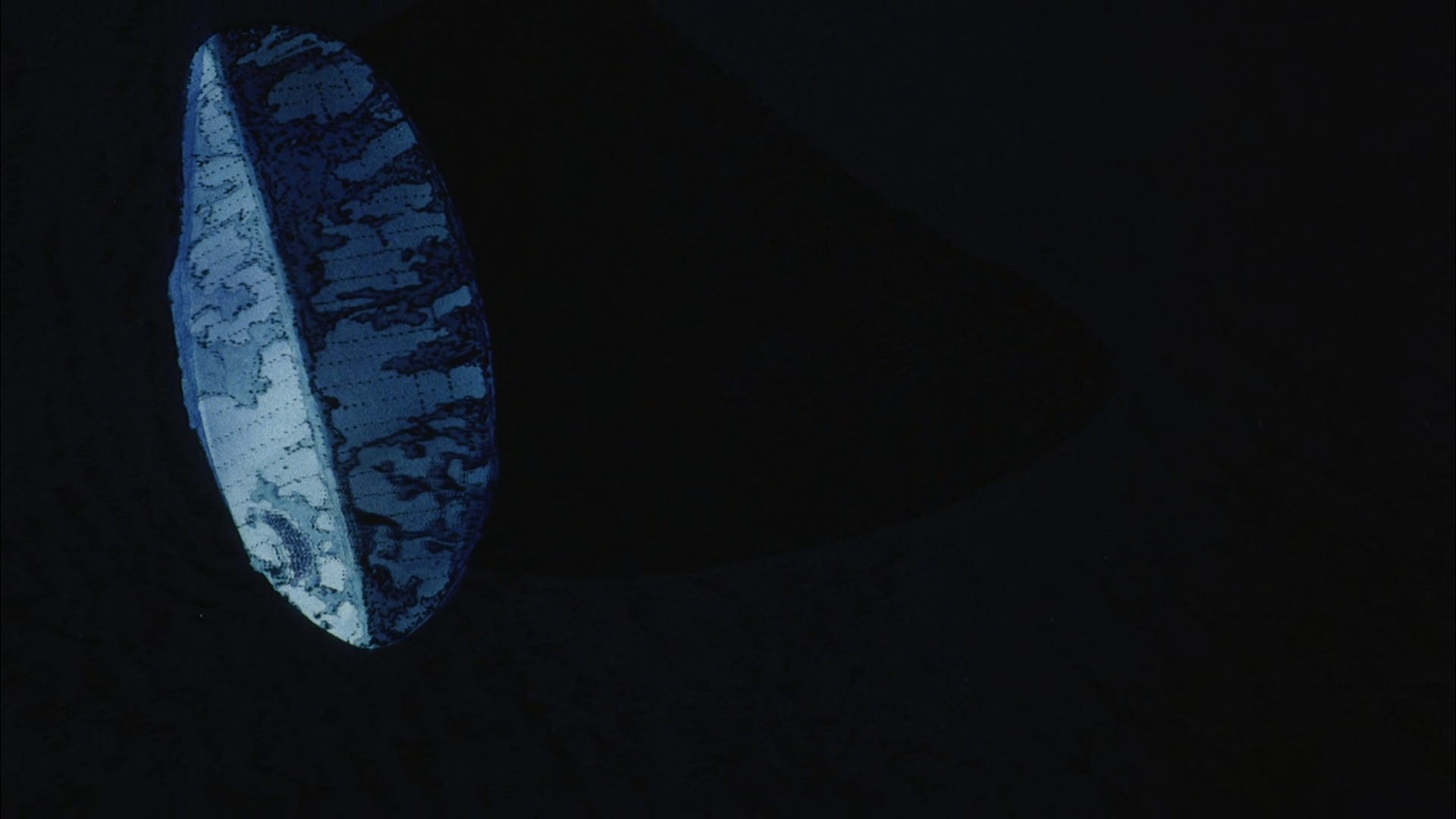
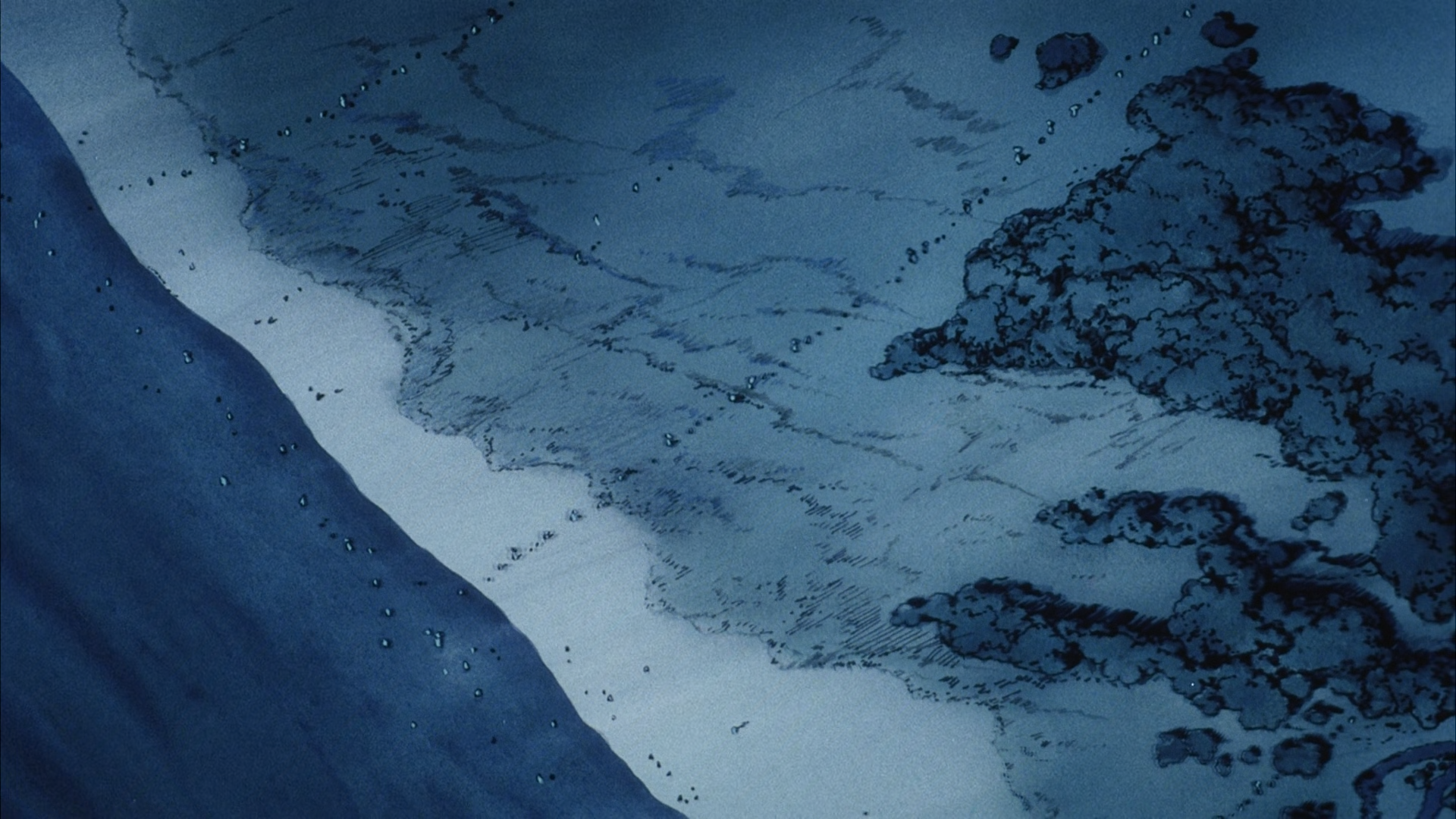
Where to start analyzing an experimental film that doesn’t have a narrative structure? Oshii conducts this Tarkovskyesque ambiguity train into the pits of Christianity and birth. From the opening scene we see the first recurring theme of a fetus. This is the most unorthodox theme in the film supported by other motifs such as perpetual moonlight reference menstrual cycles and Noah’s flood symbolically linked to menstrual fluids. There are red scenes where the ocean appears like a sea of blood. Not to mention the girl carrying an egg of an angel inside her body, to be protected from the male crusader. His imagery is quite clear, carrying a cross-like weapon referencing the violence of the Crusades and we also see many other leagues of soldiers hunting the shadowy fish with harpoons. This has some phallic connotations, but I believe it primarily serves as a metaphor for faith, blindly fishing into the darkness. The man separates from the group because he has his doubts, lacks faith in the story of Noah’s Ark and whether the dove was real. He ultimately breaks the egg to see what is inside, demonstrating his failure of faith. In the end, the film zooms out to see the island they are on to be similar to that of a ship’s hull, again referencing Noah’s Ark, with this story a microcosm of mankind’s salvation.
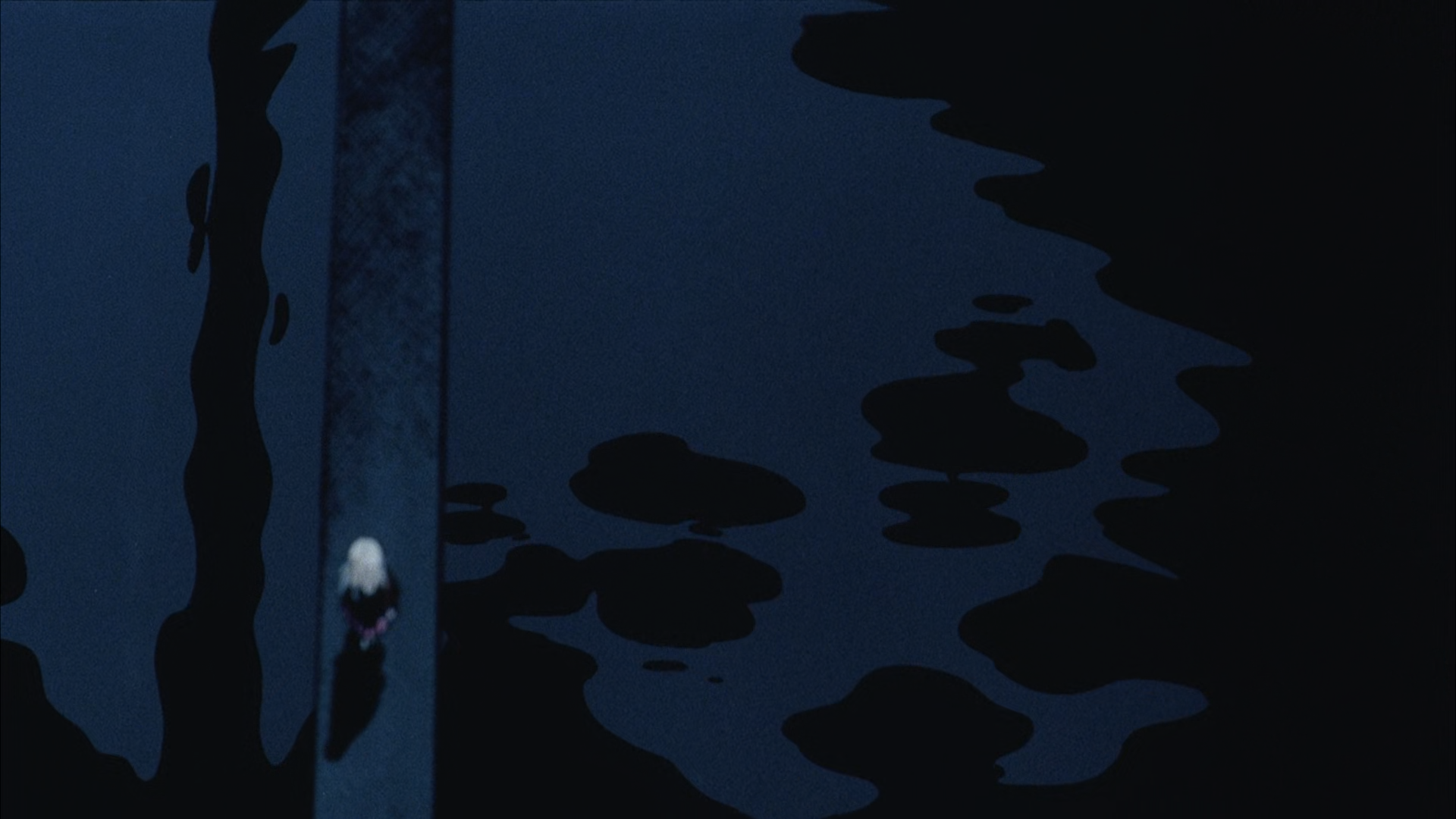
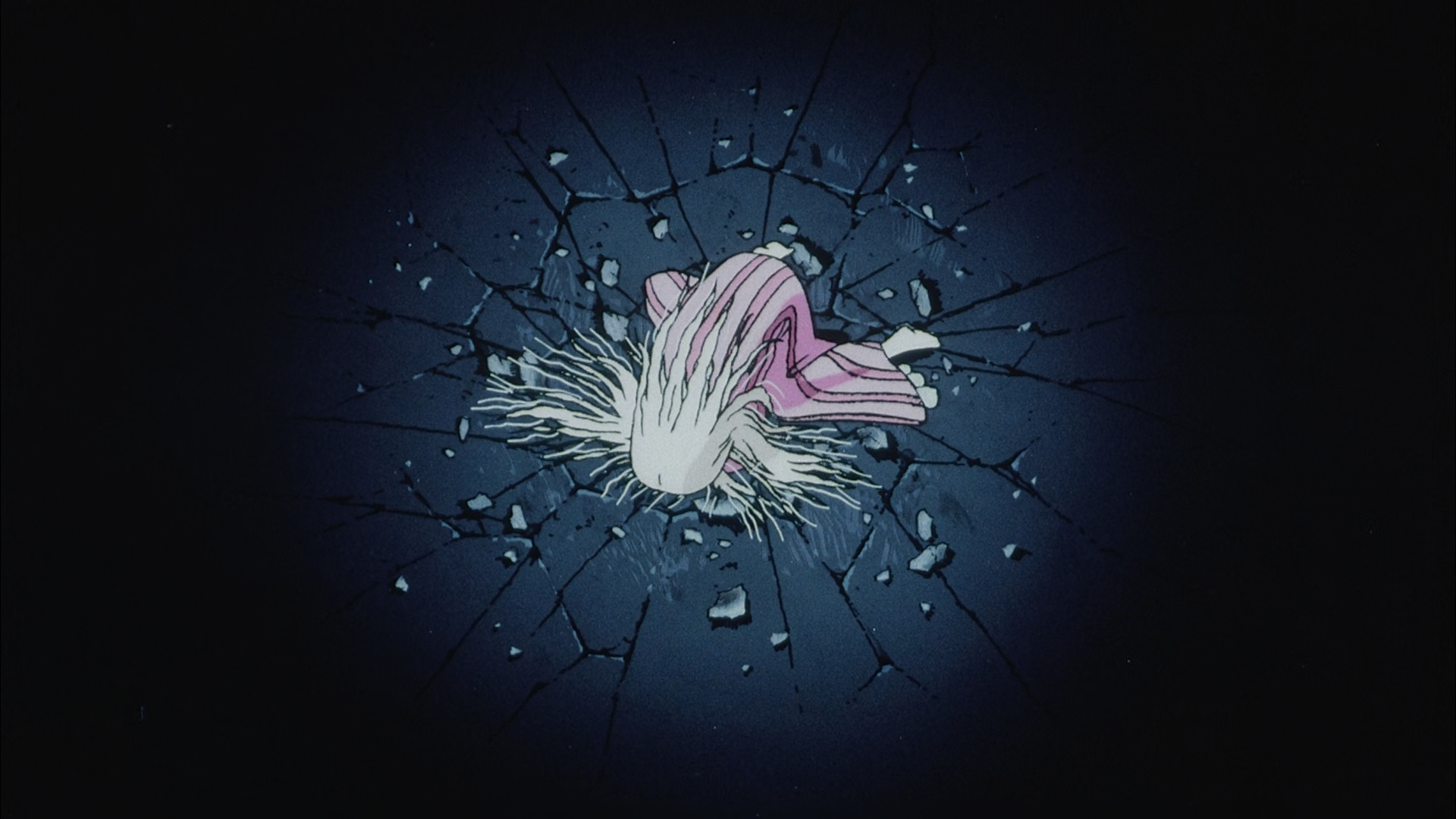
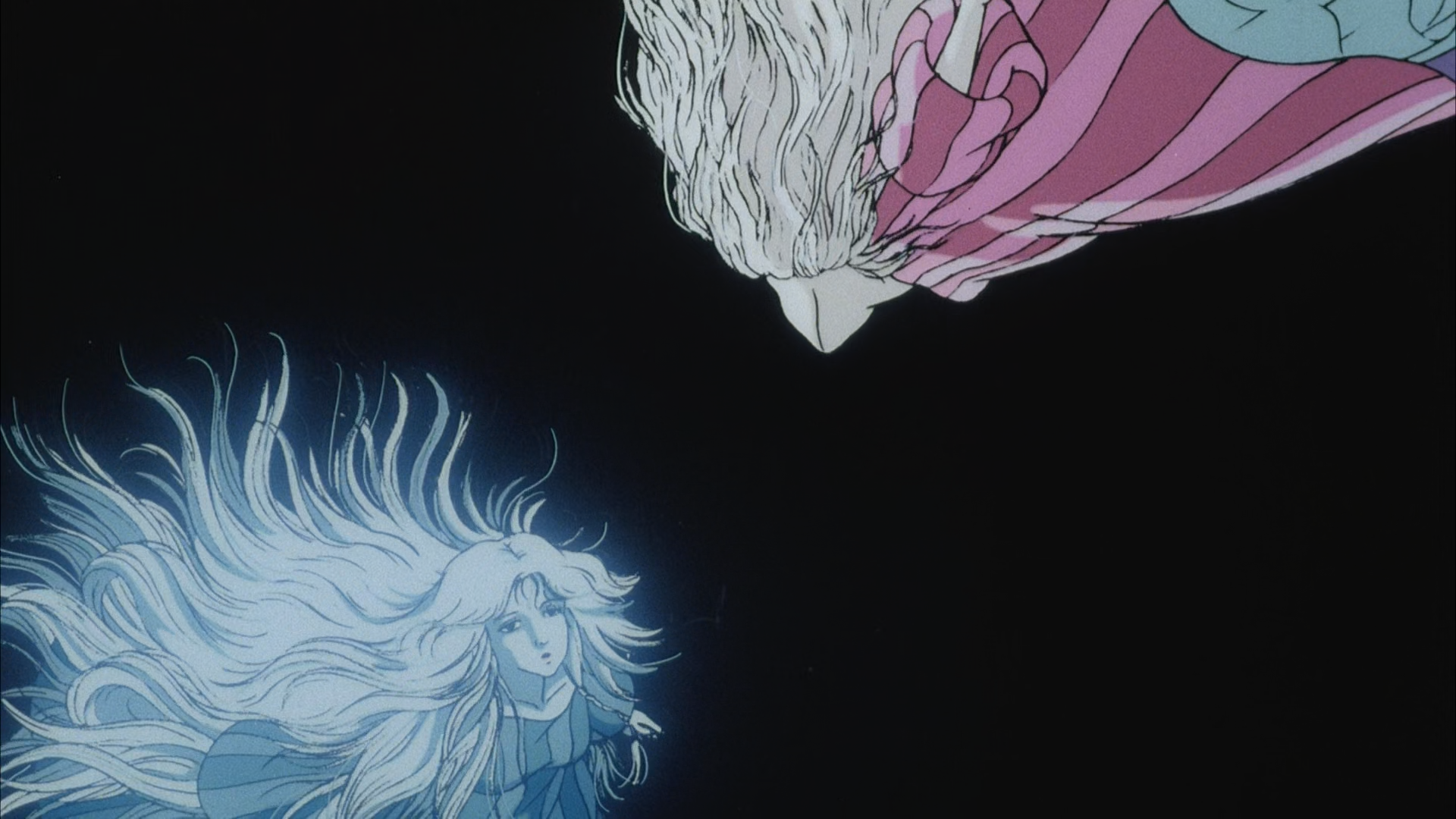
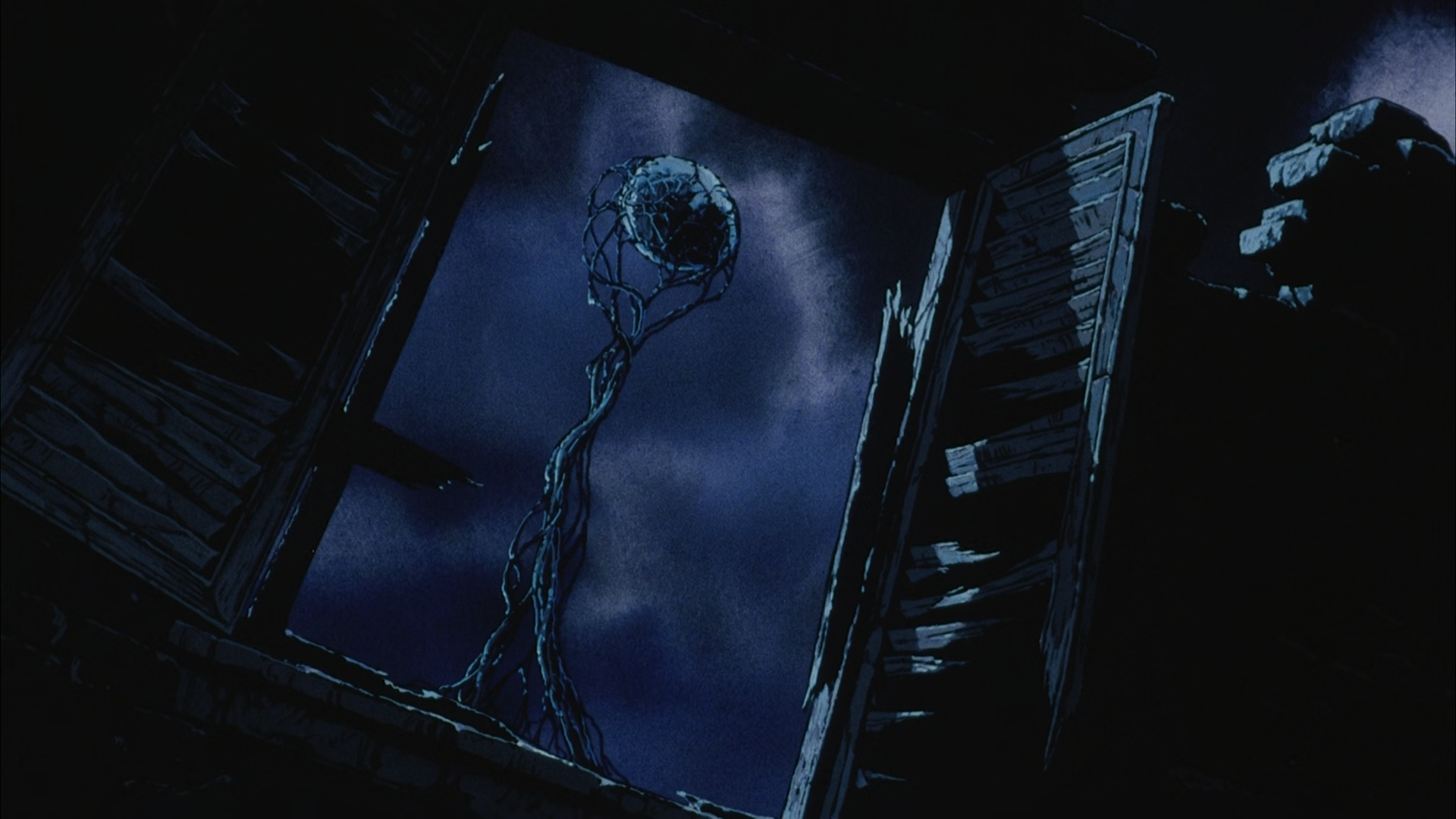
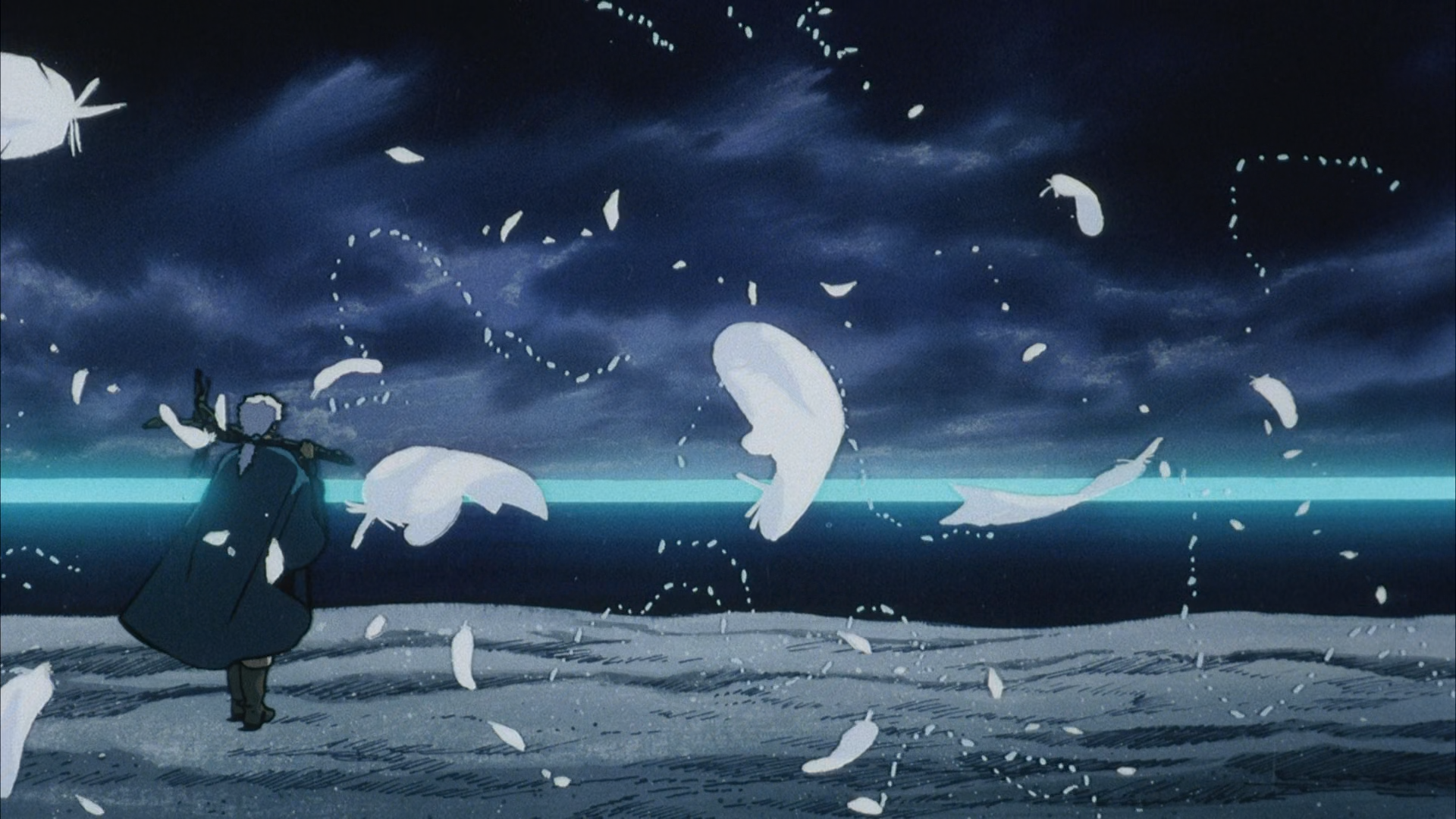
There are other thematic elements including the mechanic eye, which perhaps references God’s watchful eye. The recurring reflections in the film both complement the moon motif (a reflection of the sun) and the reflection into mankind itself. Oshii attempts to explore subconscious and deeper levels of our humanity and purpose, which is ultimately where religion and birth are linked together. The story of Noah’s Ark was that man was so irredeemable that God ordered a flood to cleanse the world and save a few to rebuild. However, man always steals the egg of the future through violence and arms, which violently contrasts with the primordial nature. In the end, the girl dies, but is reborn as a fetus, and we see metaphorical feathers fly in the wind illustrating her transformation into an angel.
Conclusion:
Be warned that if you expect an anime with any narrative coherency, you will be mega confused as this is purely an intellectual mood piece for those that take pleasure in analysis and dissecting thematic symbolism. I enjoy a challenging cinephile book club and this has some of the richest thematic material to intellectually joust with, but for those that would just like some plot to pair with their gothic imagery, you might have better luck with films like Vampire Hunter D: Bloodlust. However to give credit where it is due, without this visionary film, we would not have anime like Evangelion, Serial Experiments: Lain, or much of Japan’s nihilist cinema.
Recommendations







The greatest animated sci-fi film.