
Resurrection (2025)

Chinese cinema just got serious.
Presentation:
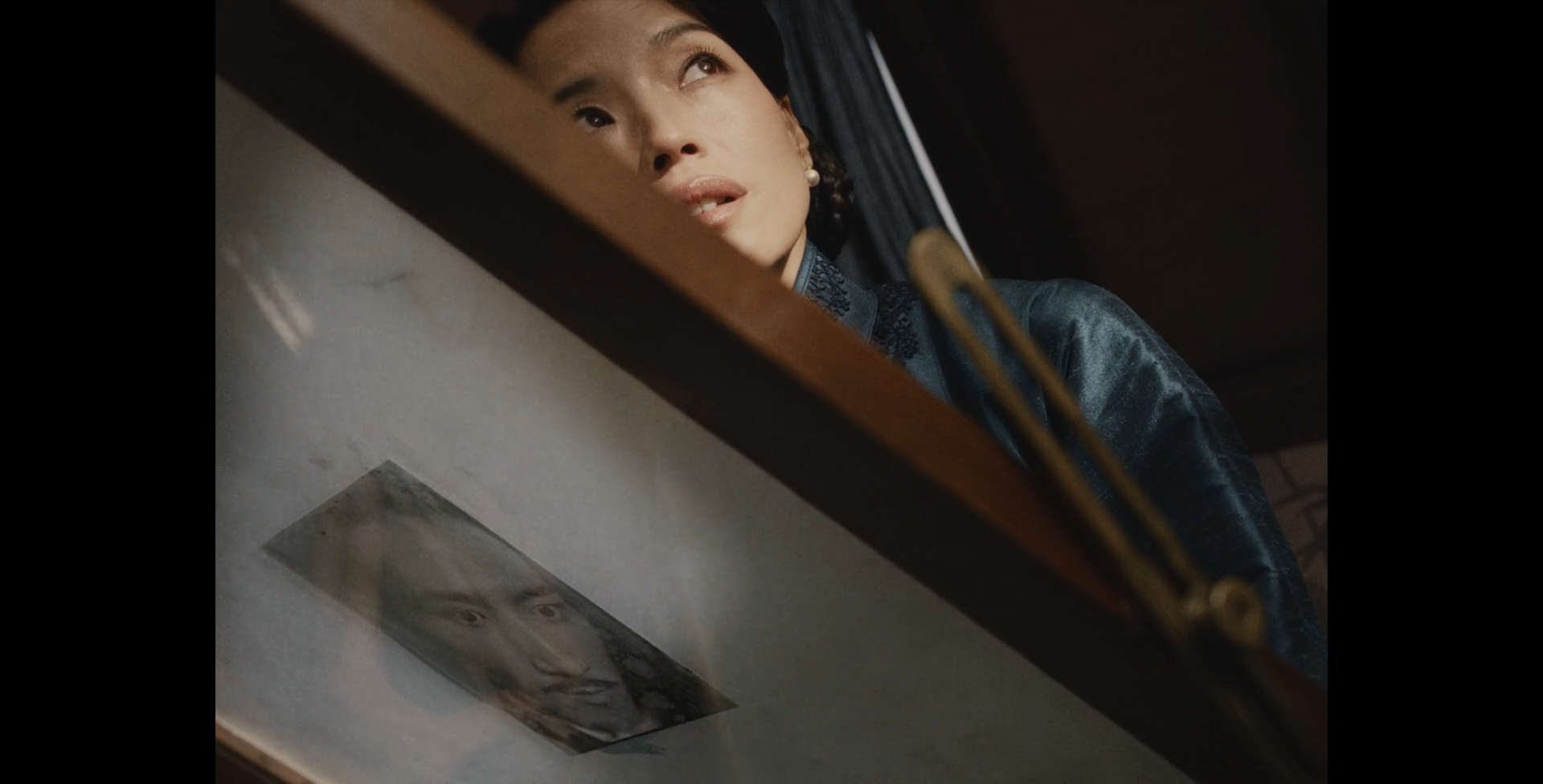
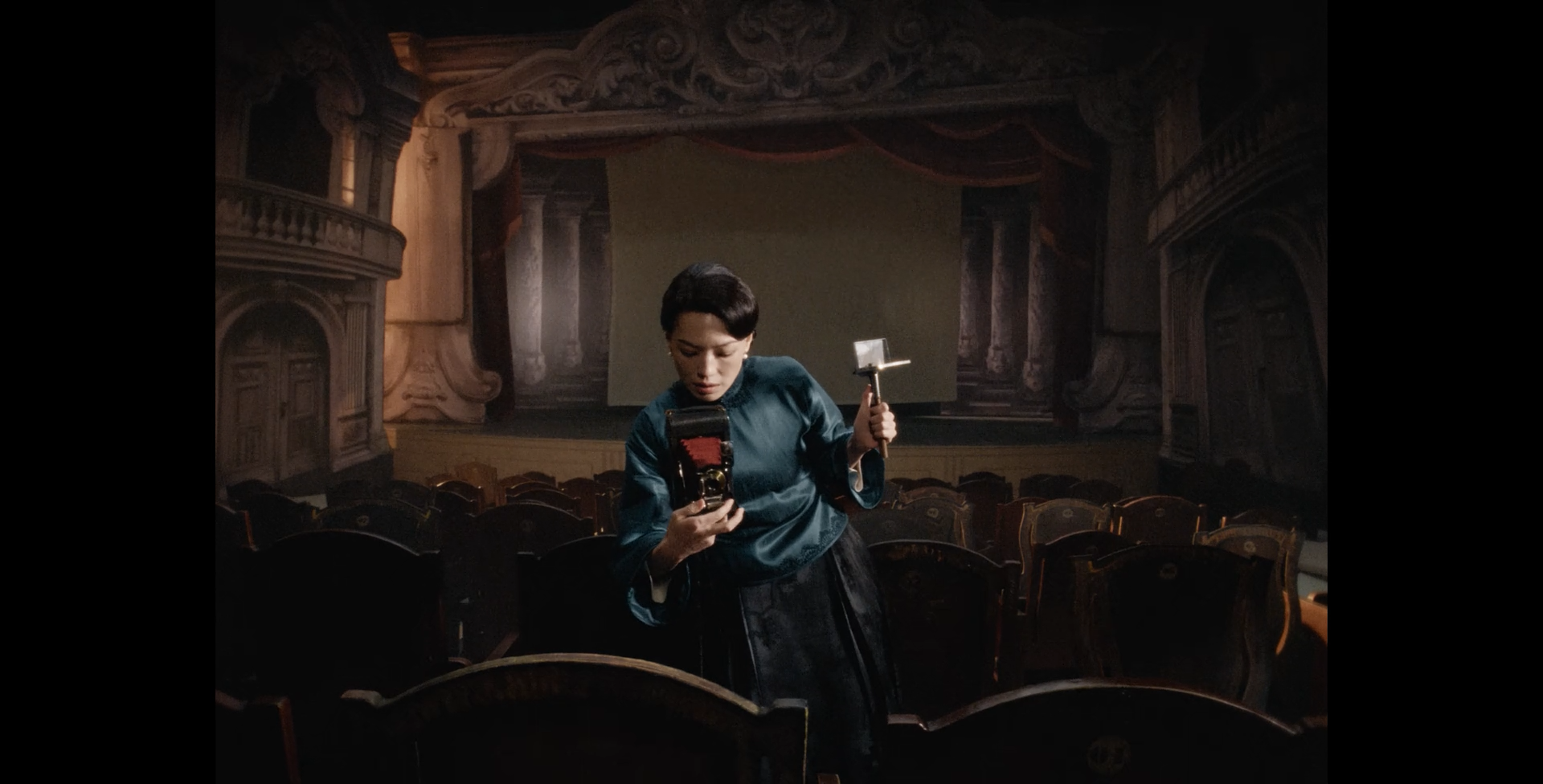
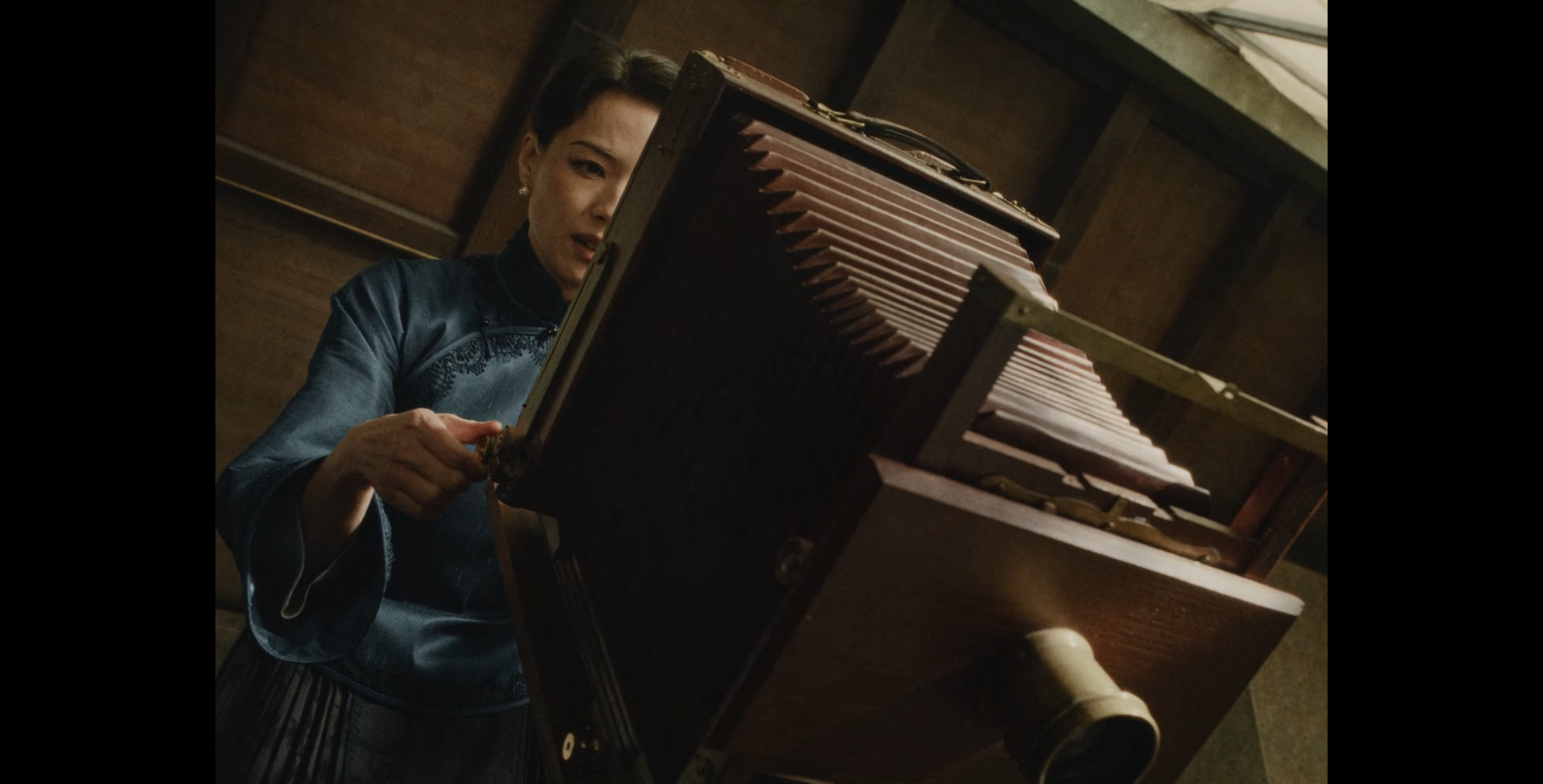
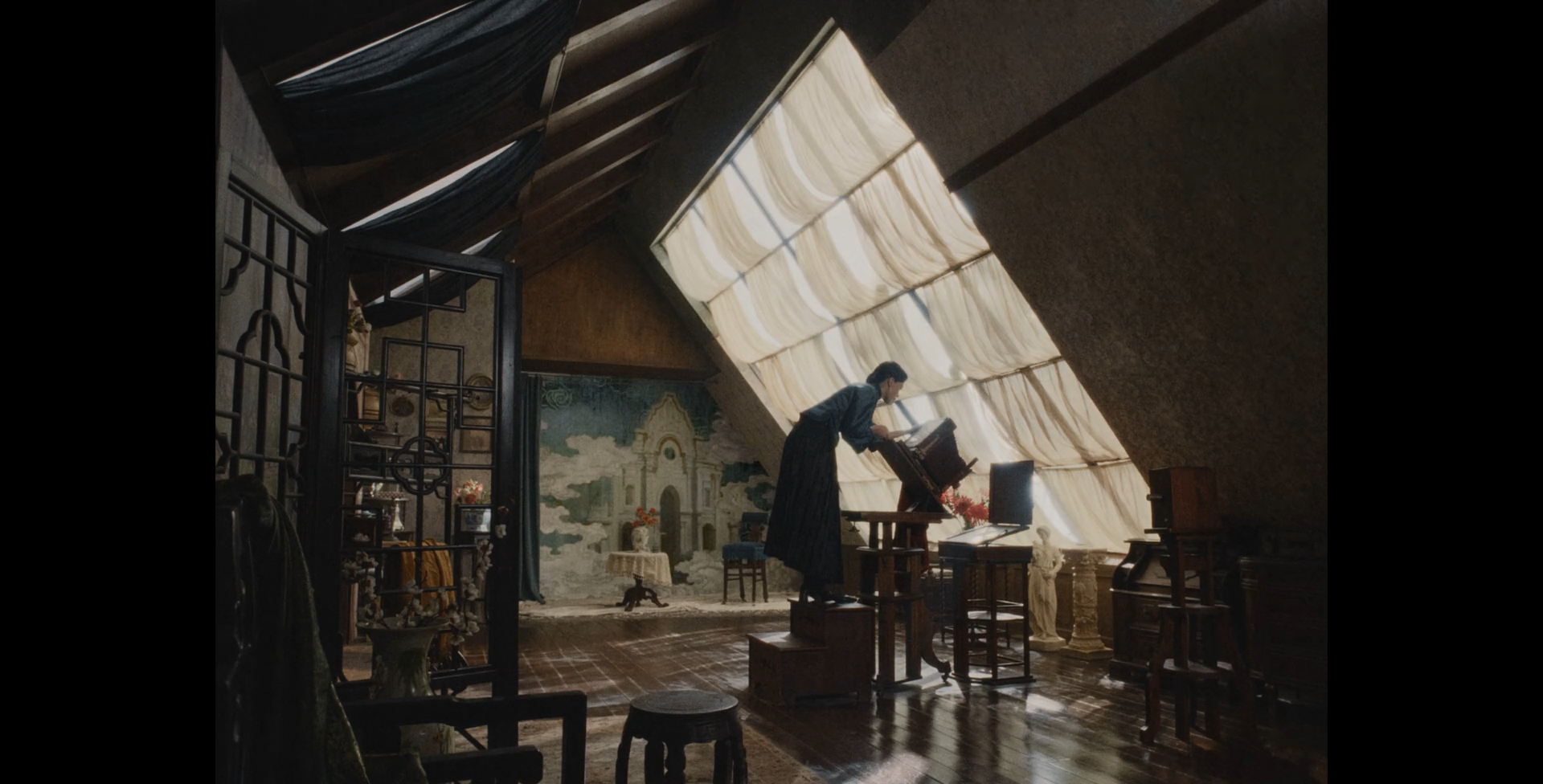
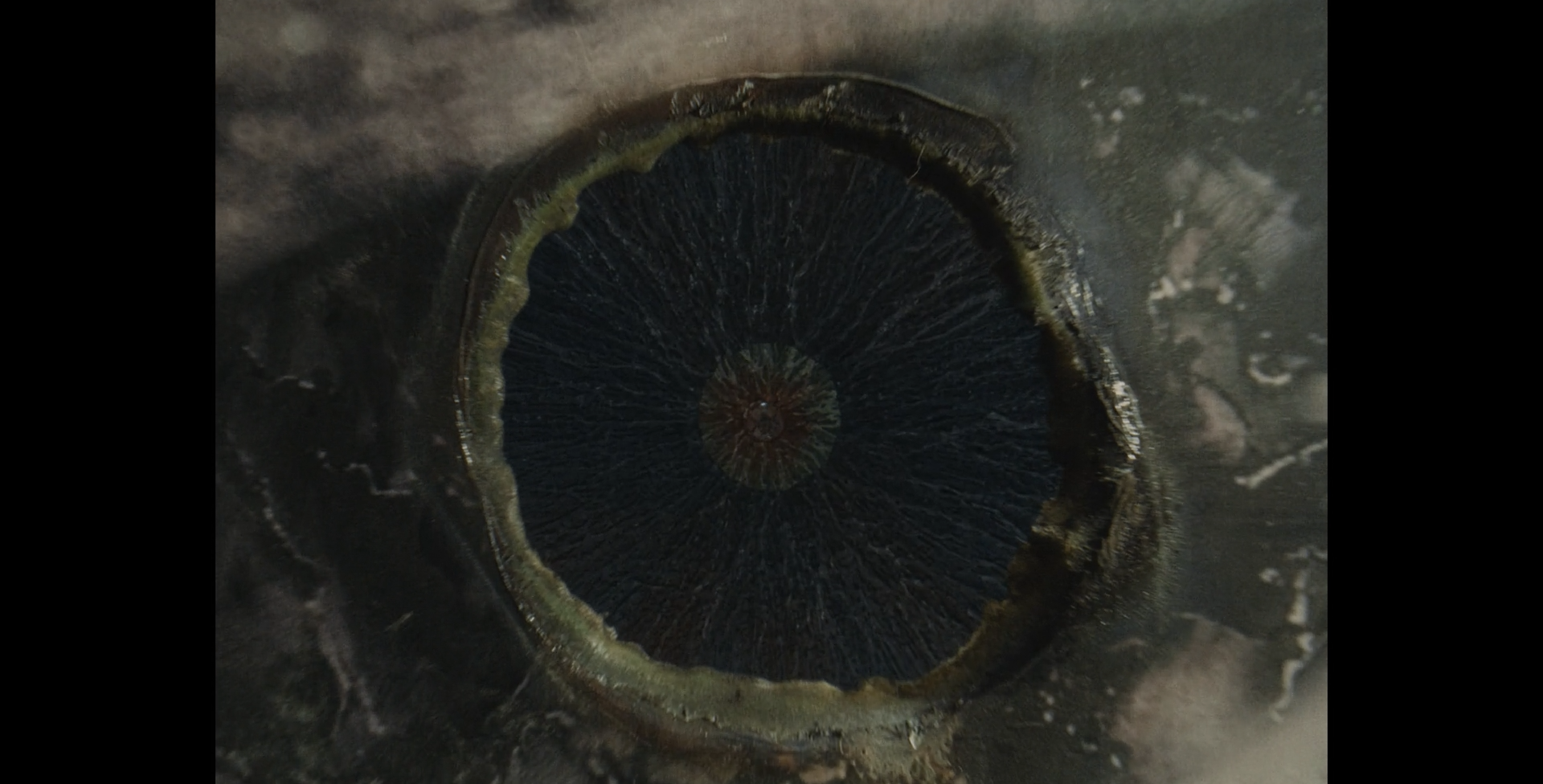
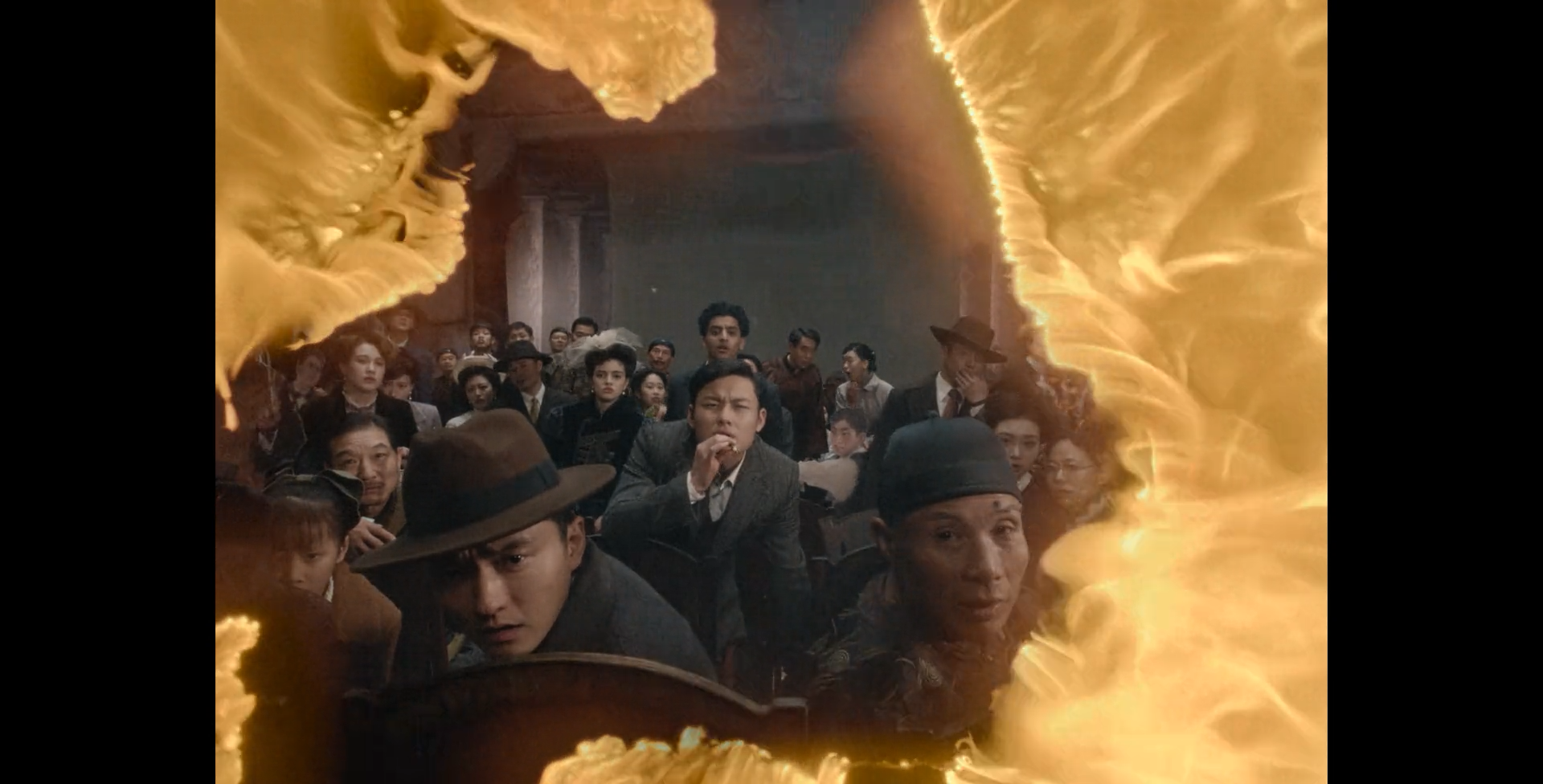
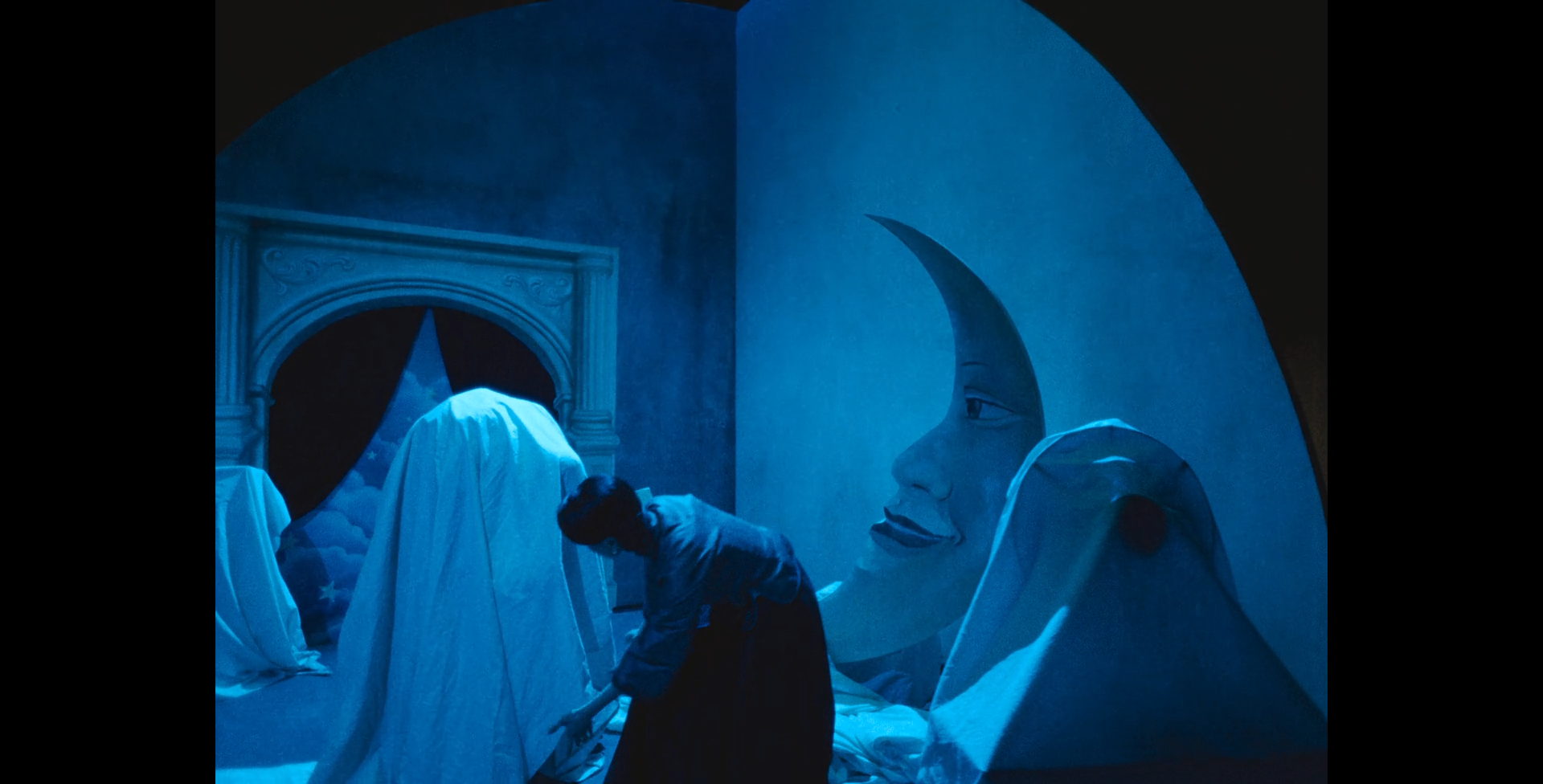
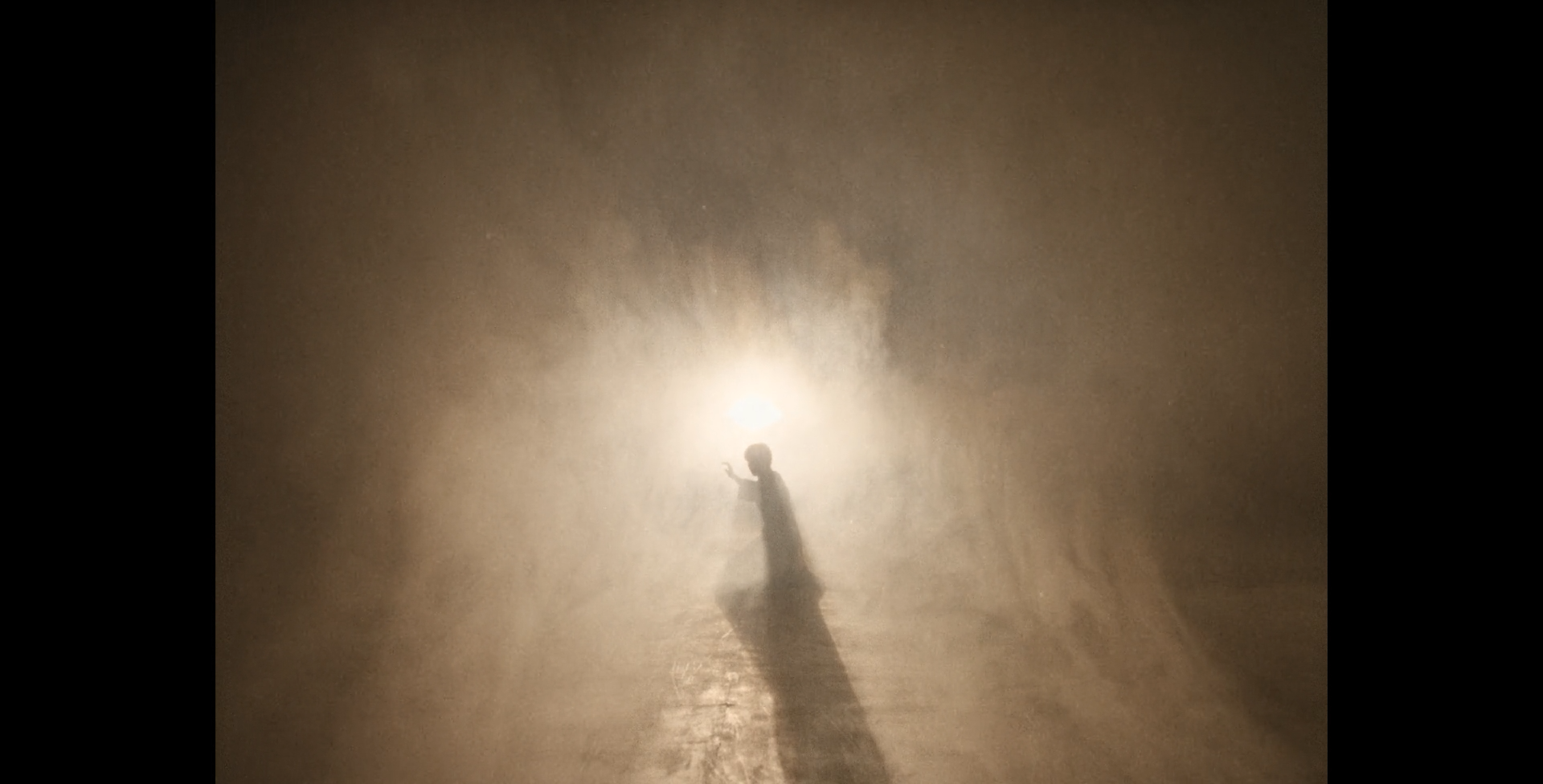
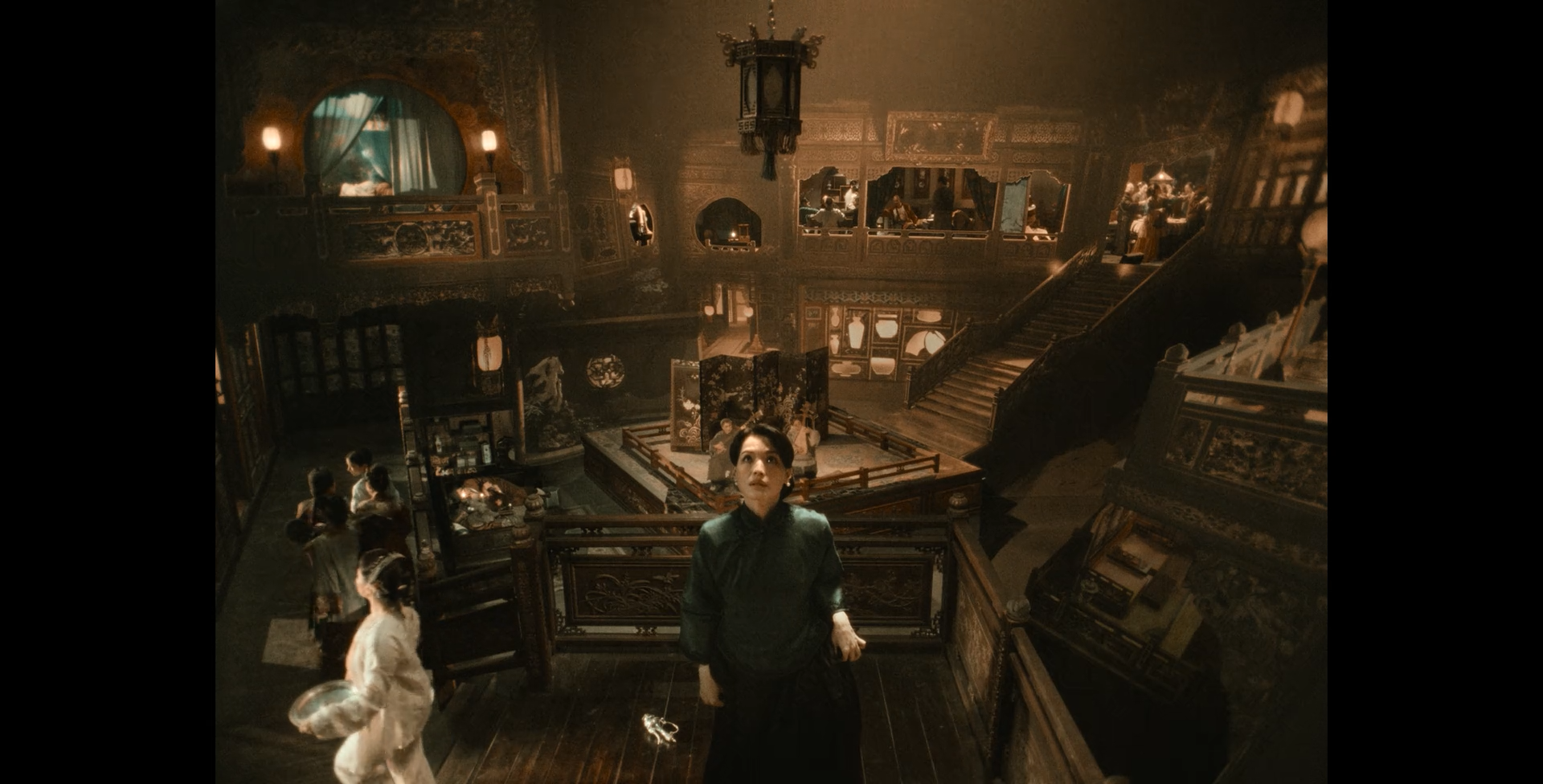
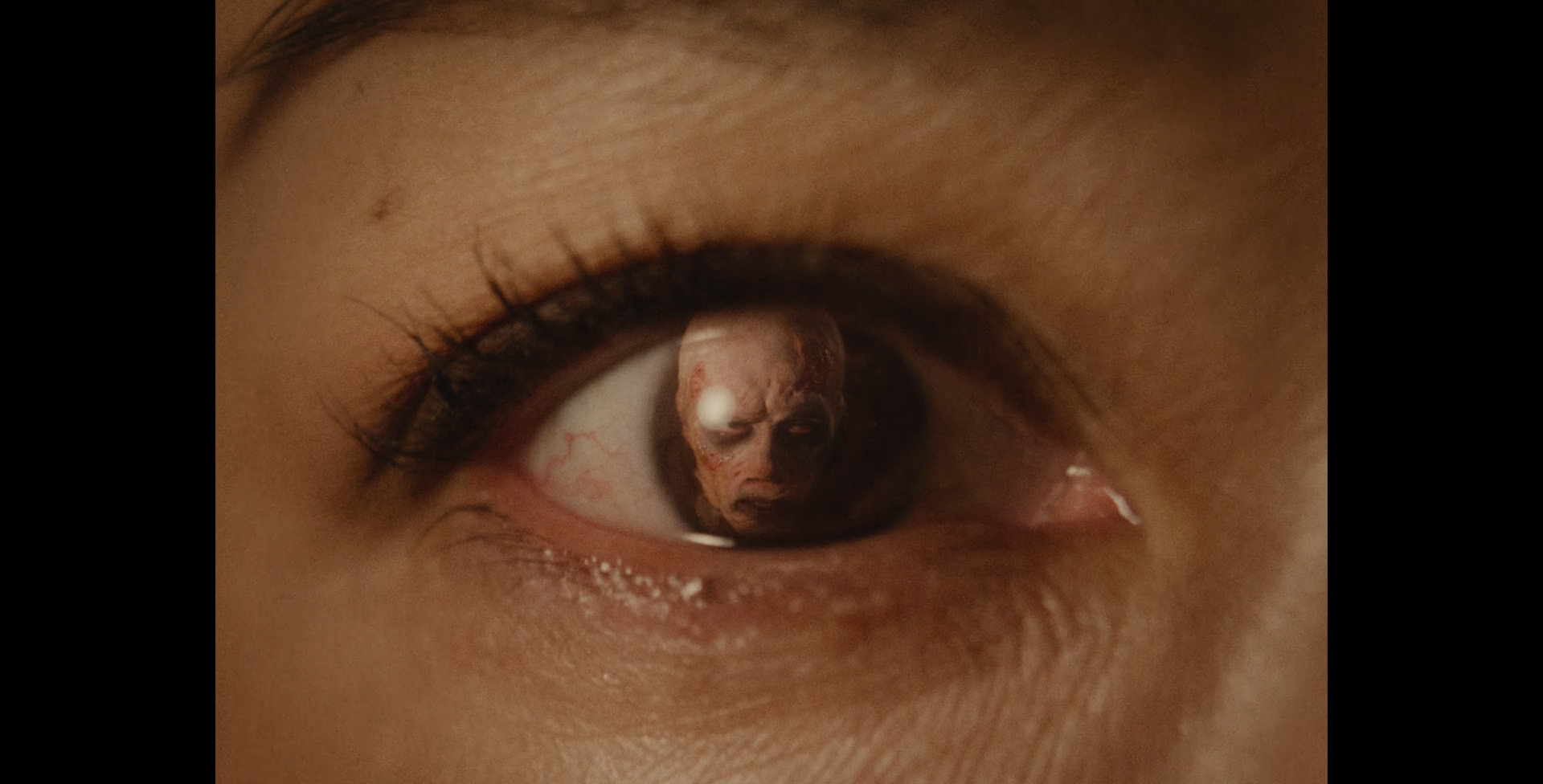
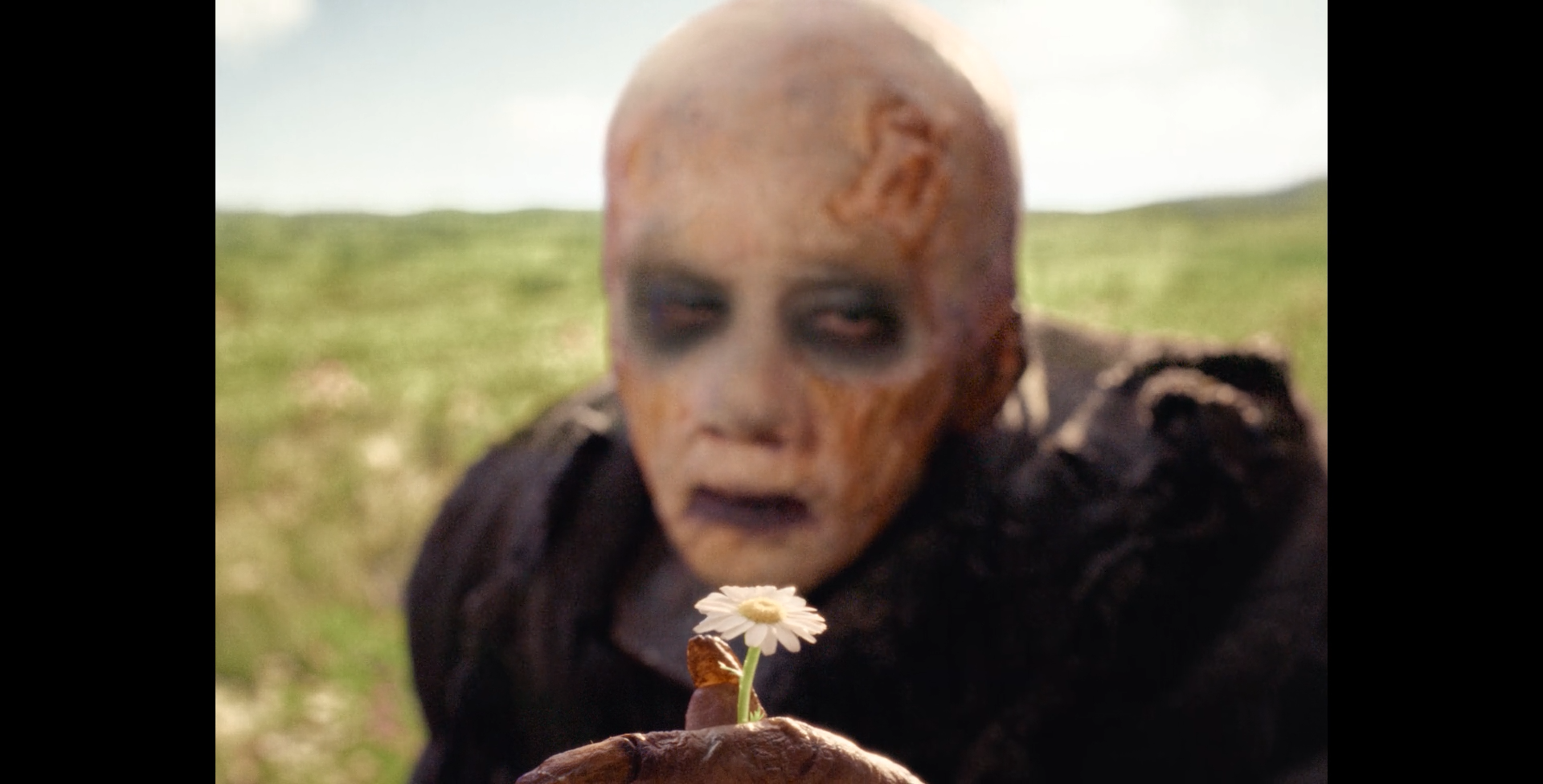
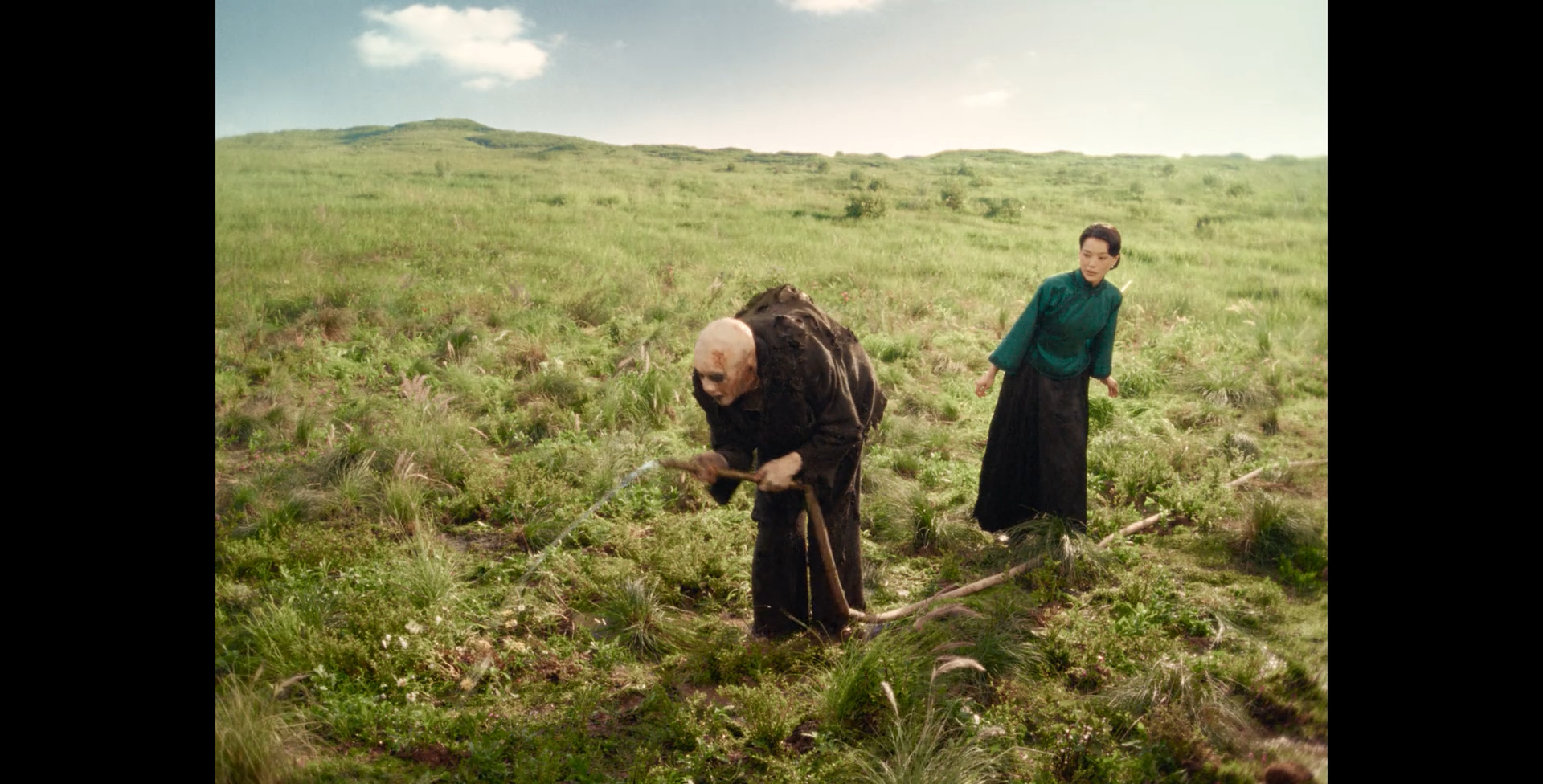
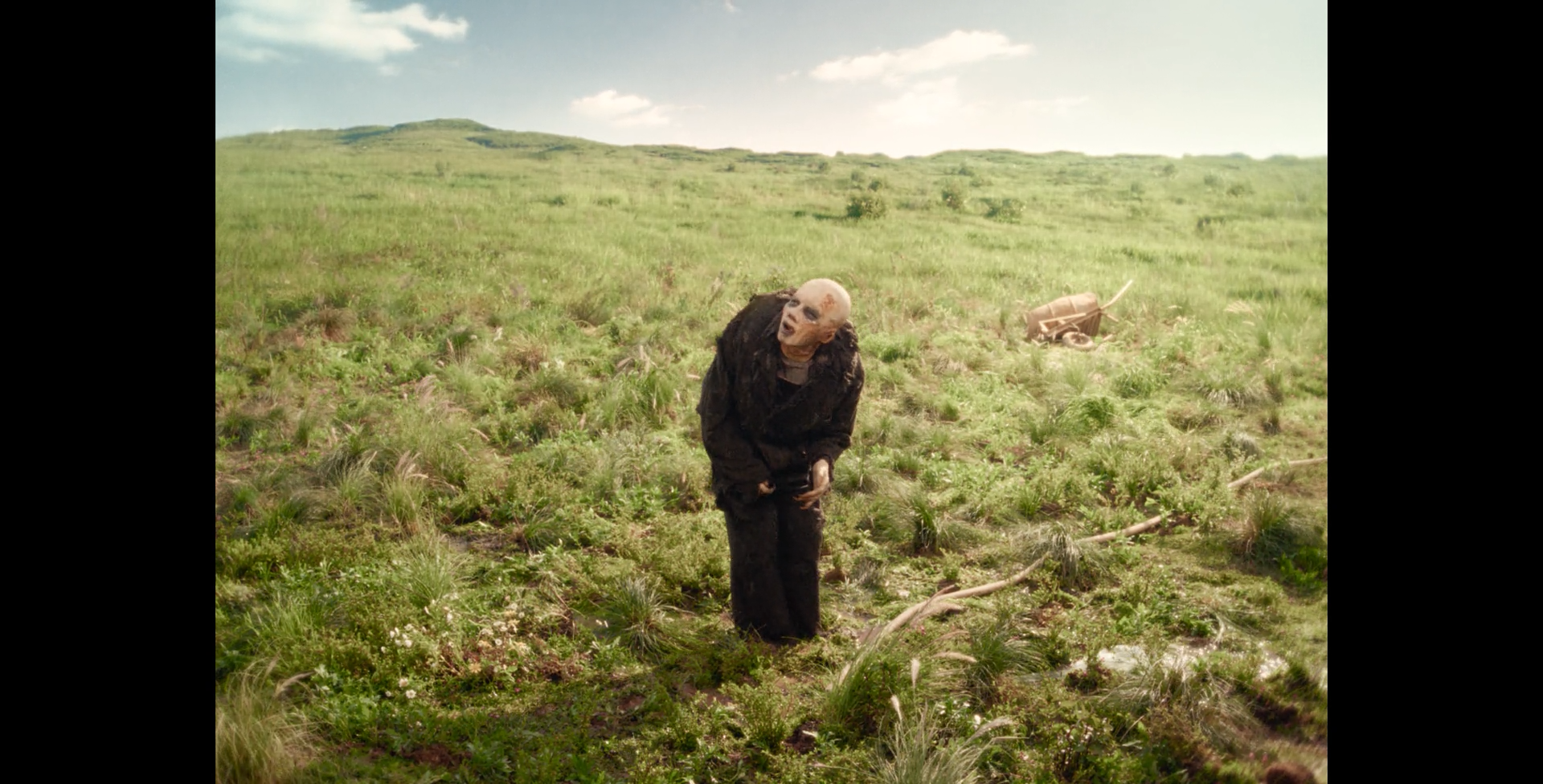
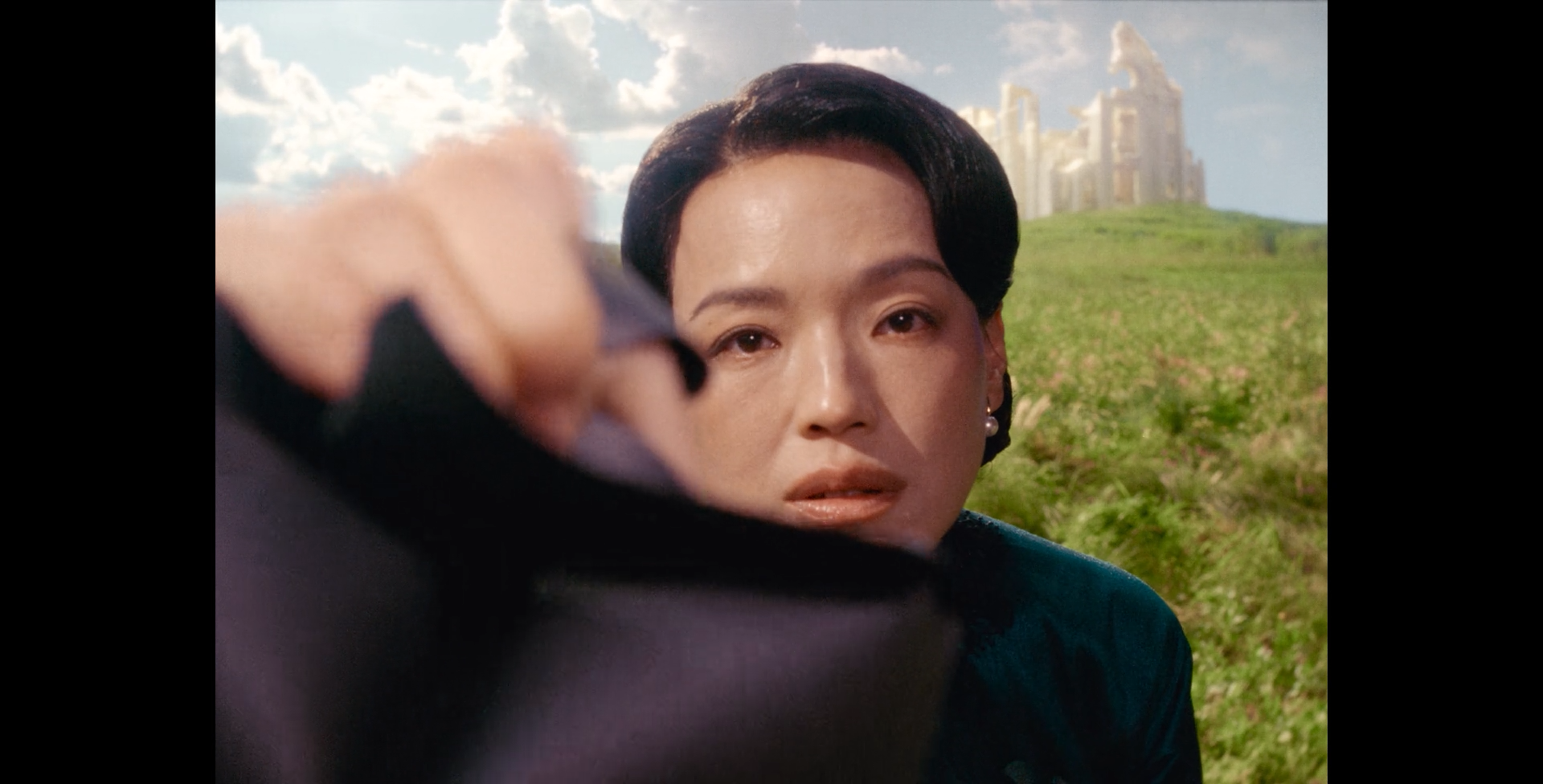
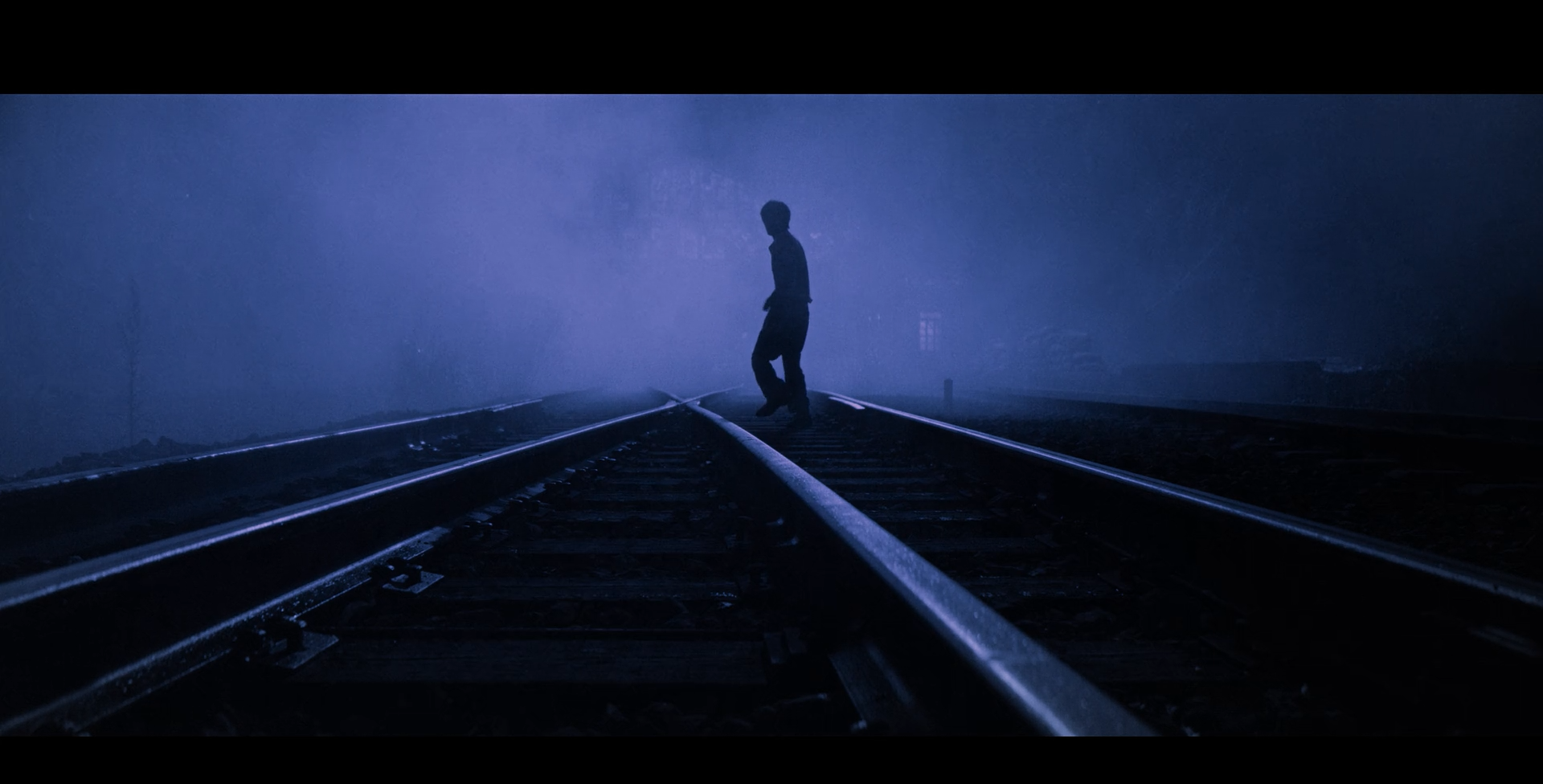
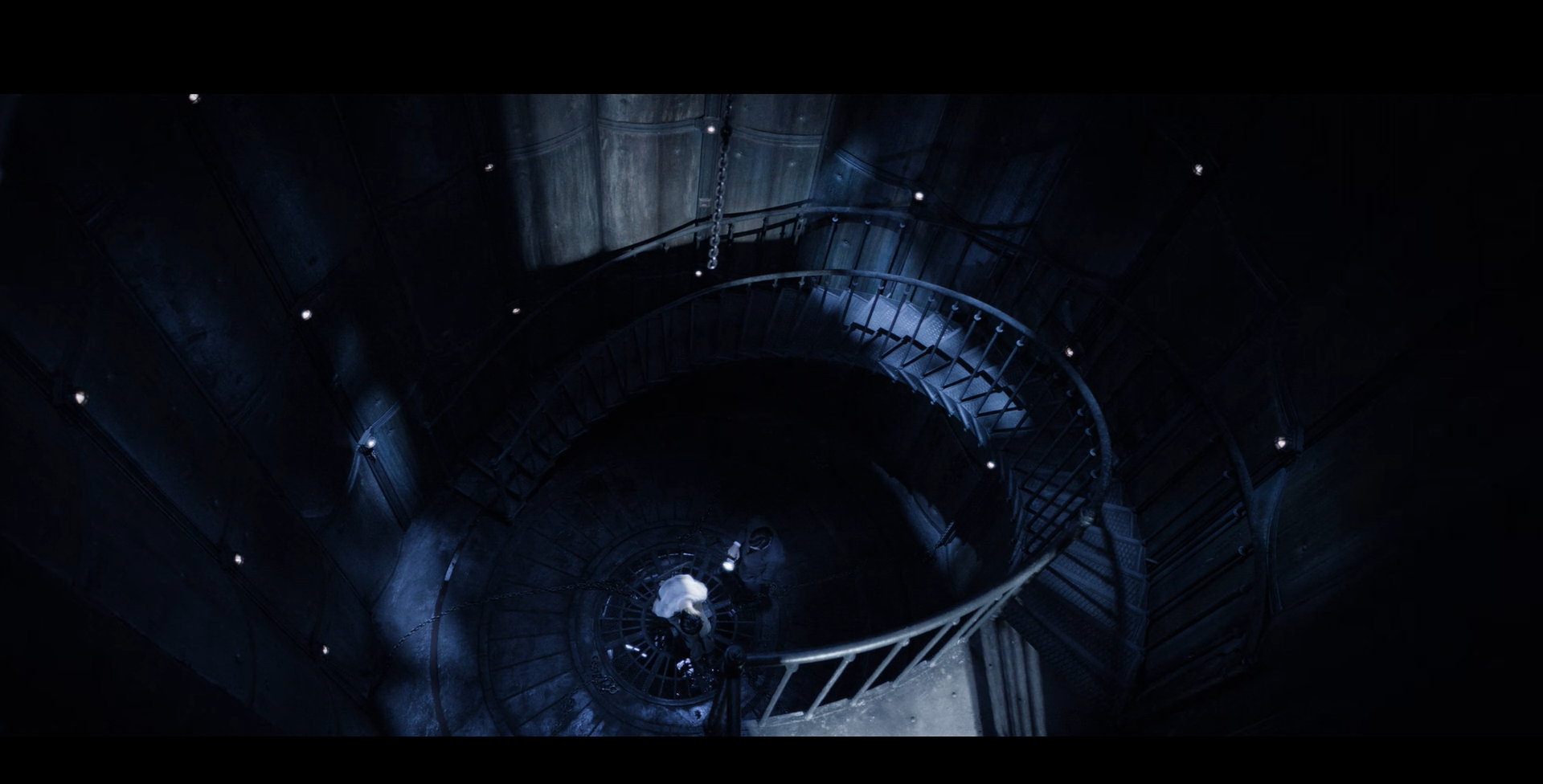
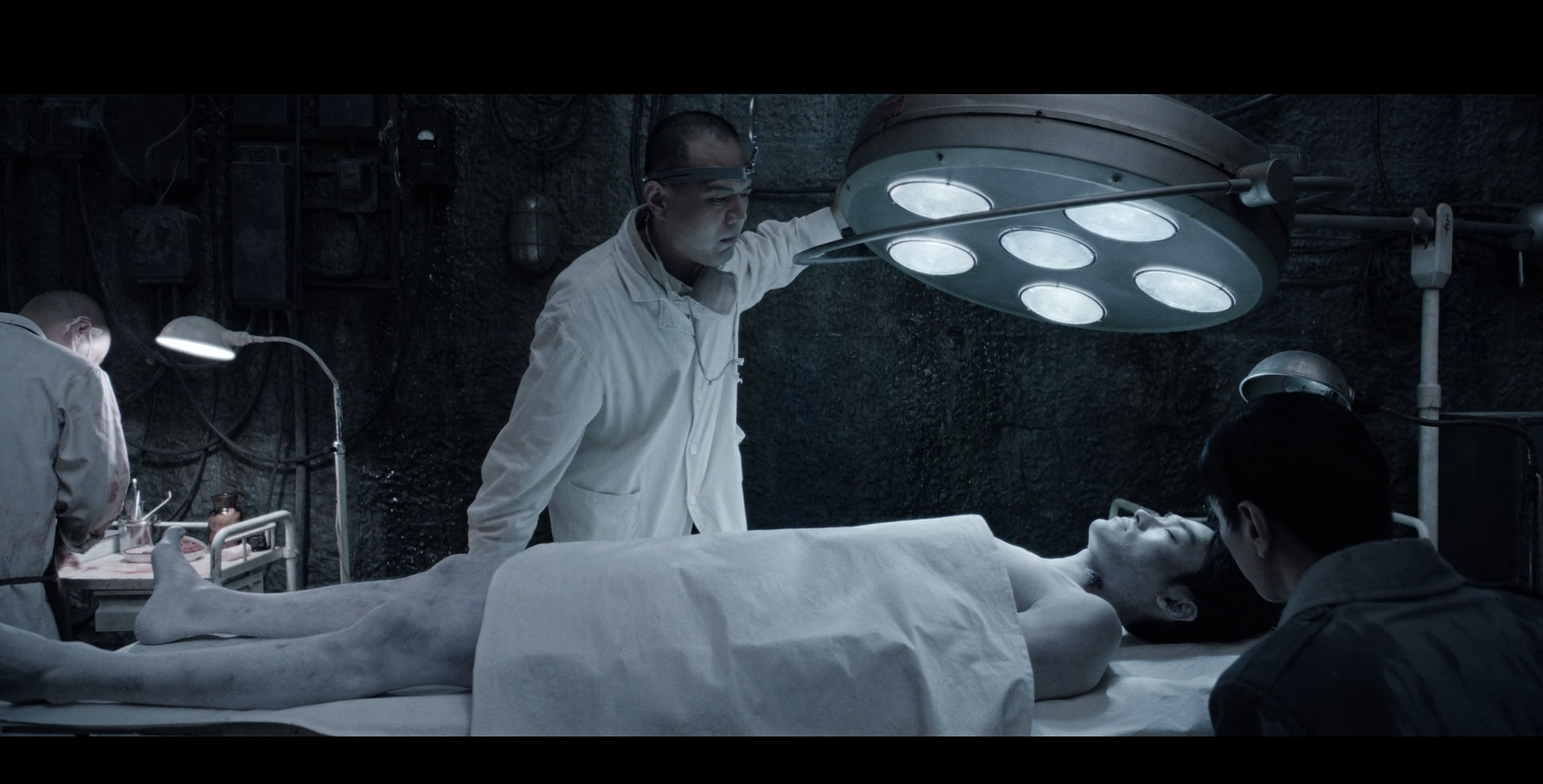
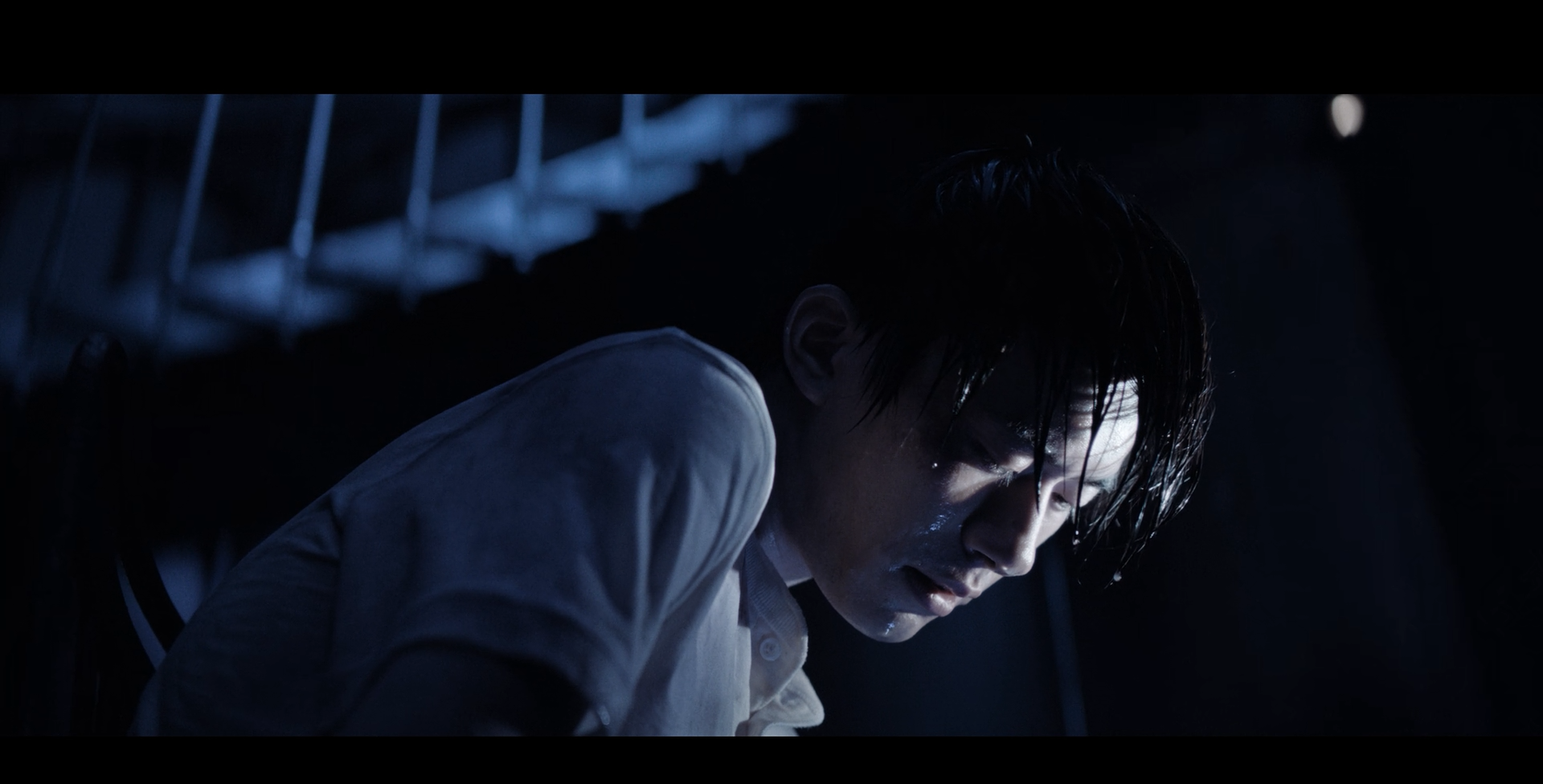
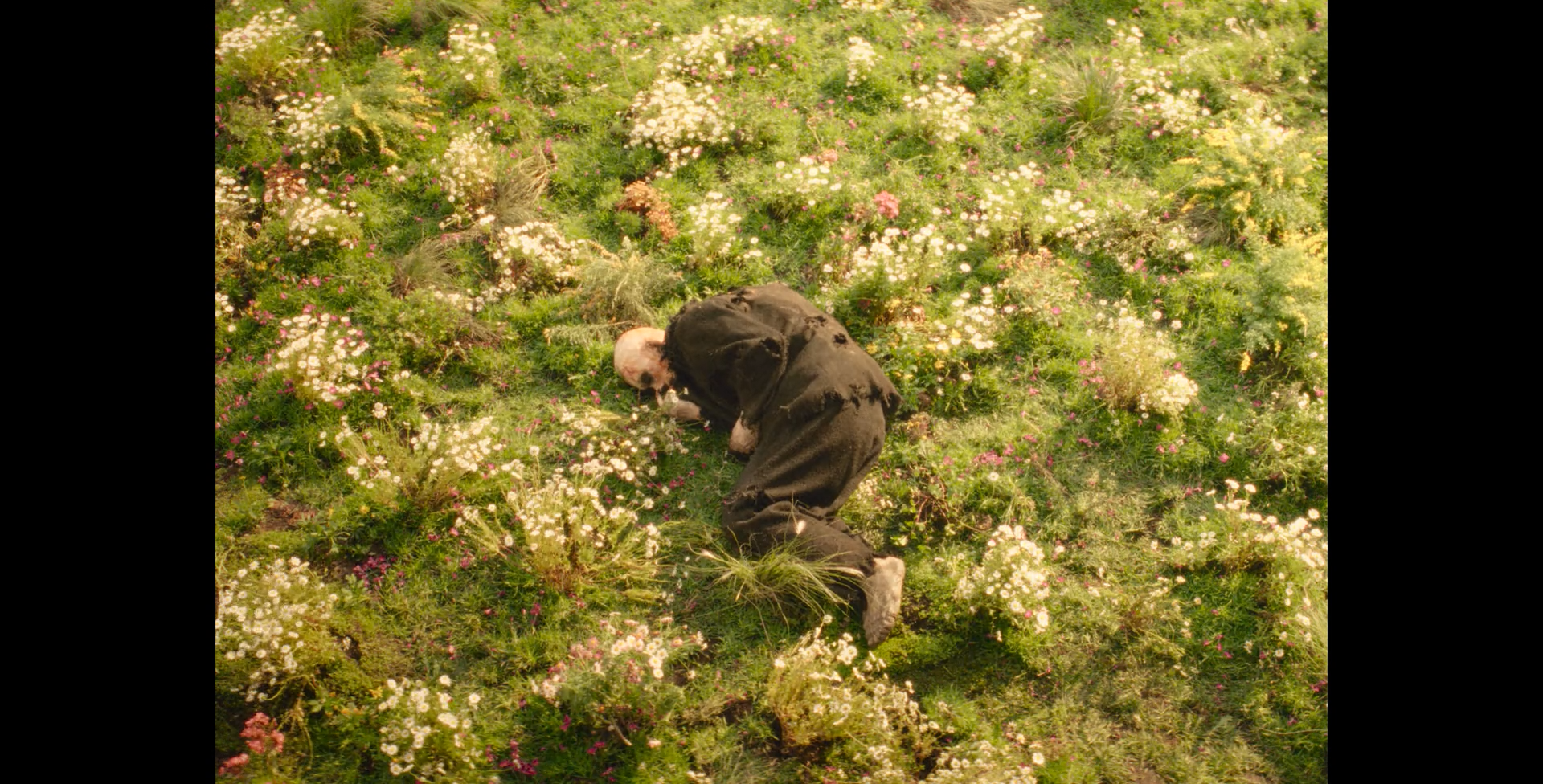
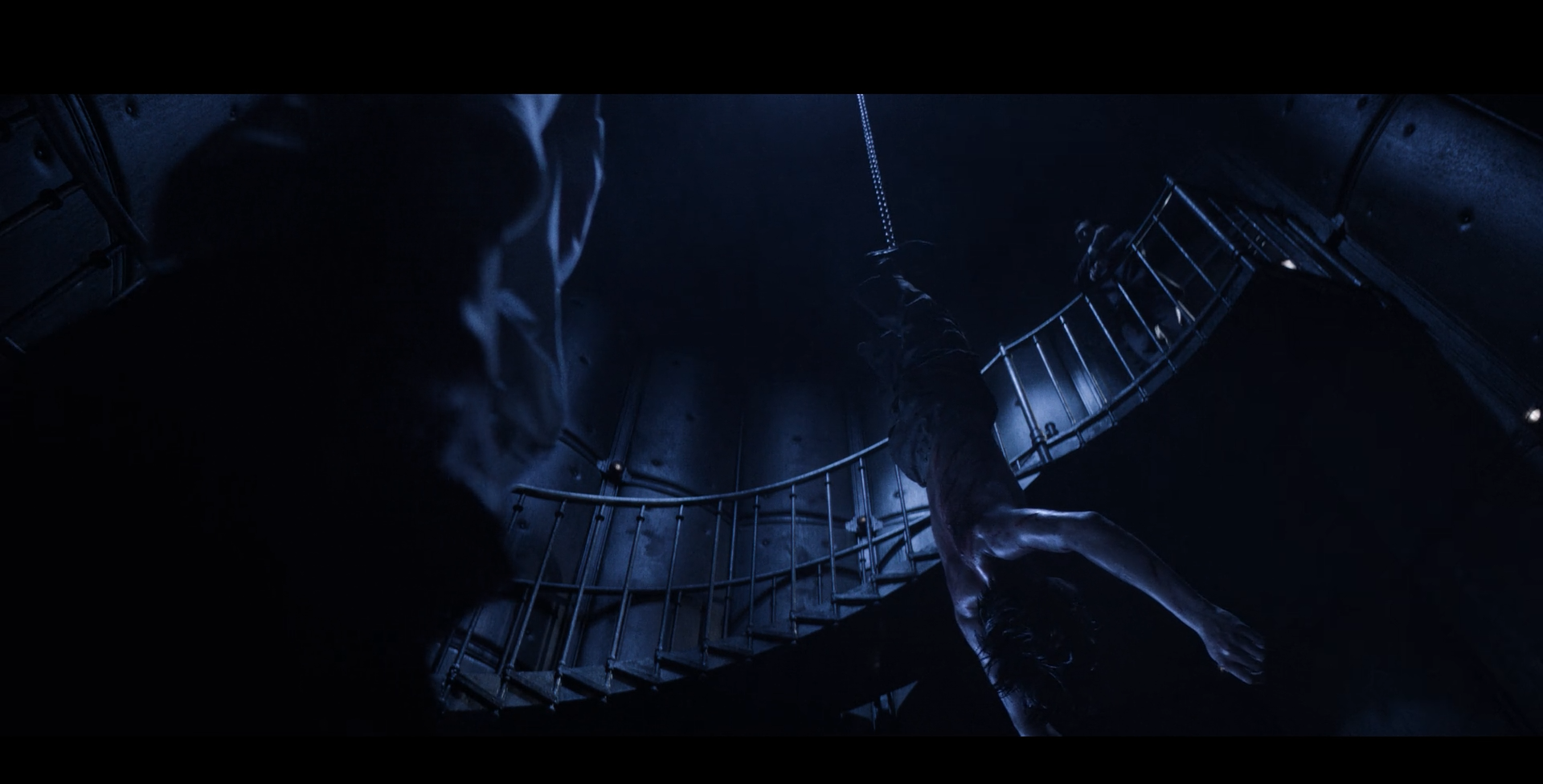
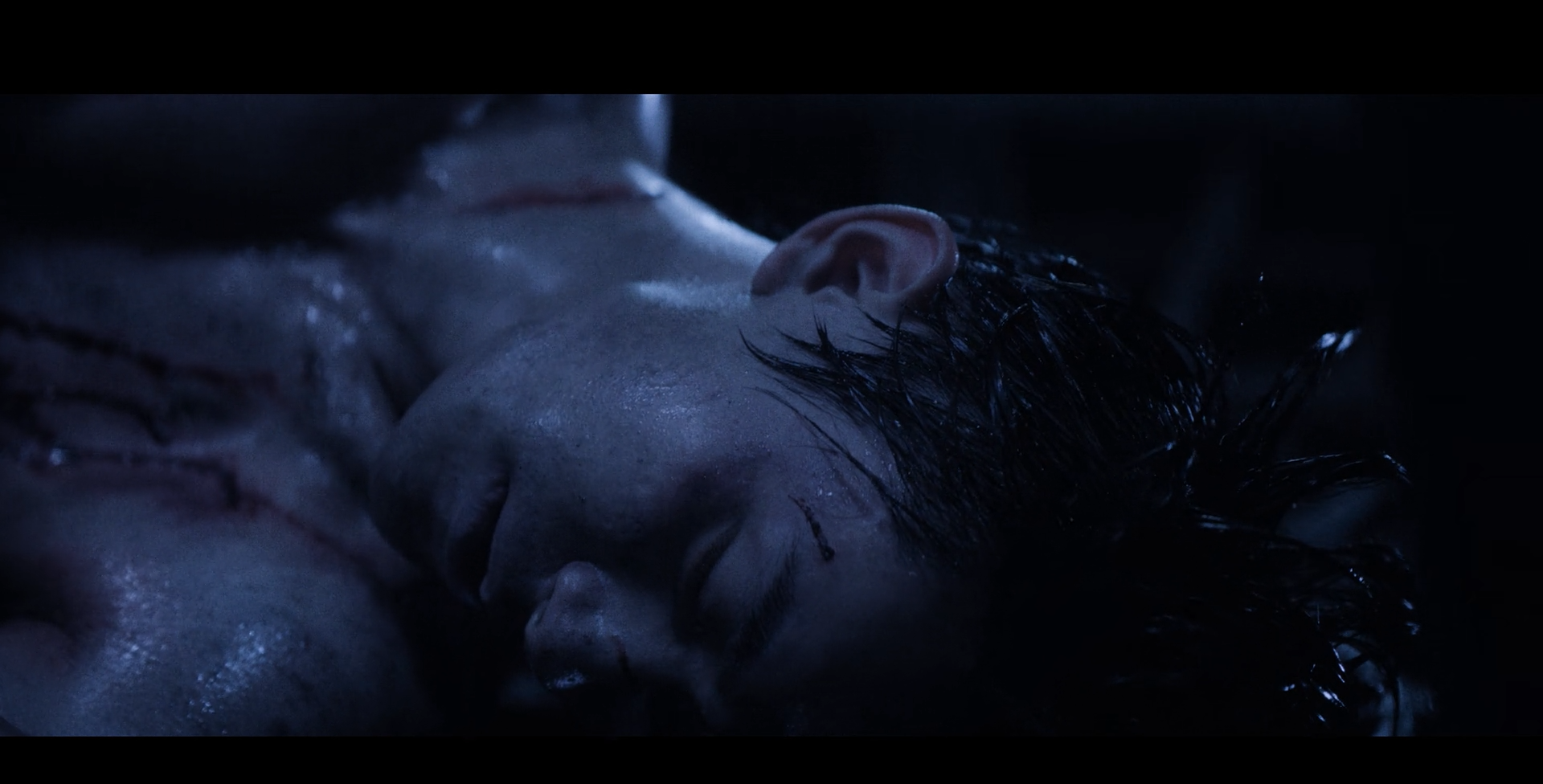
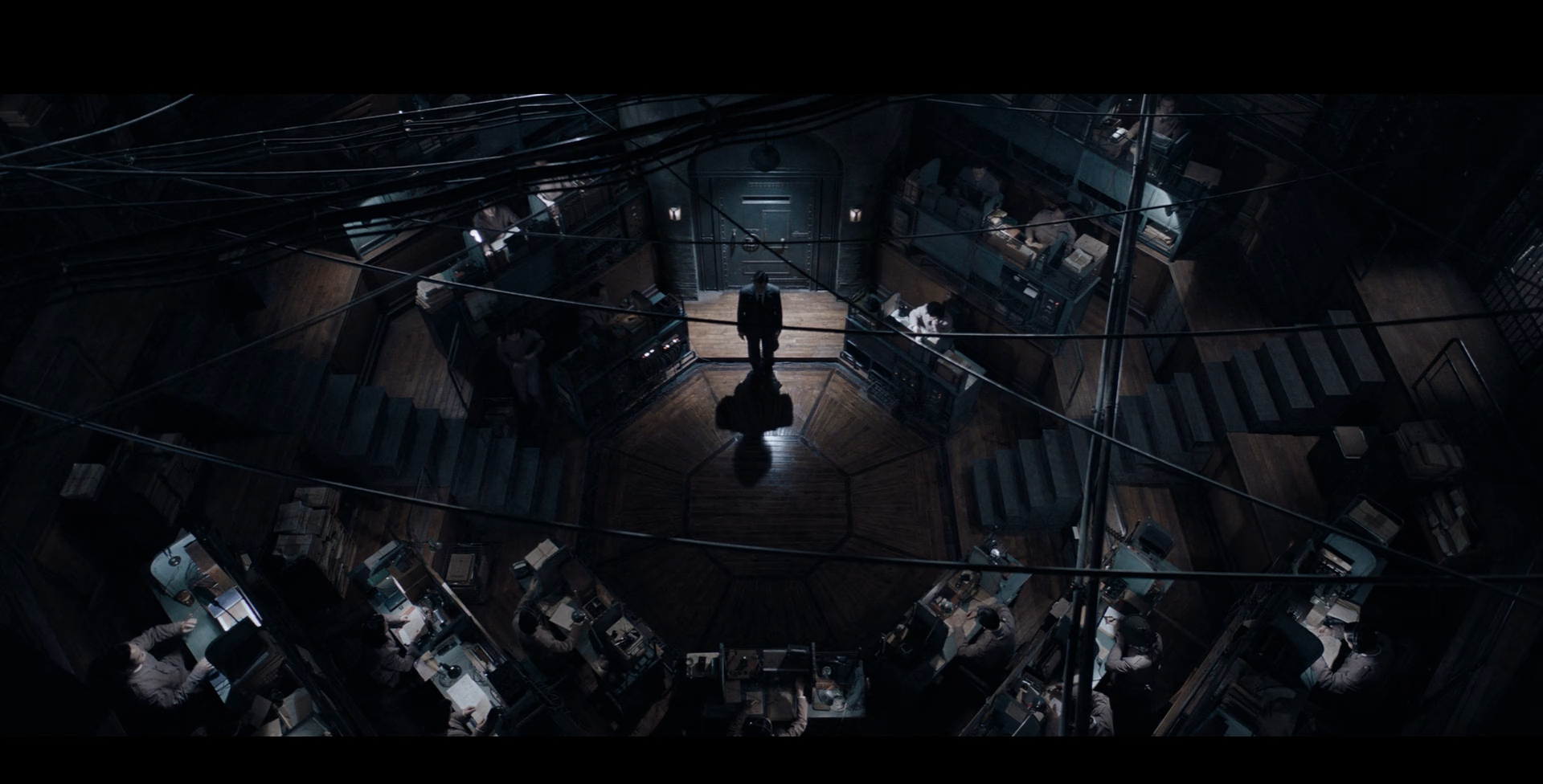
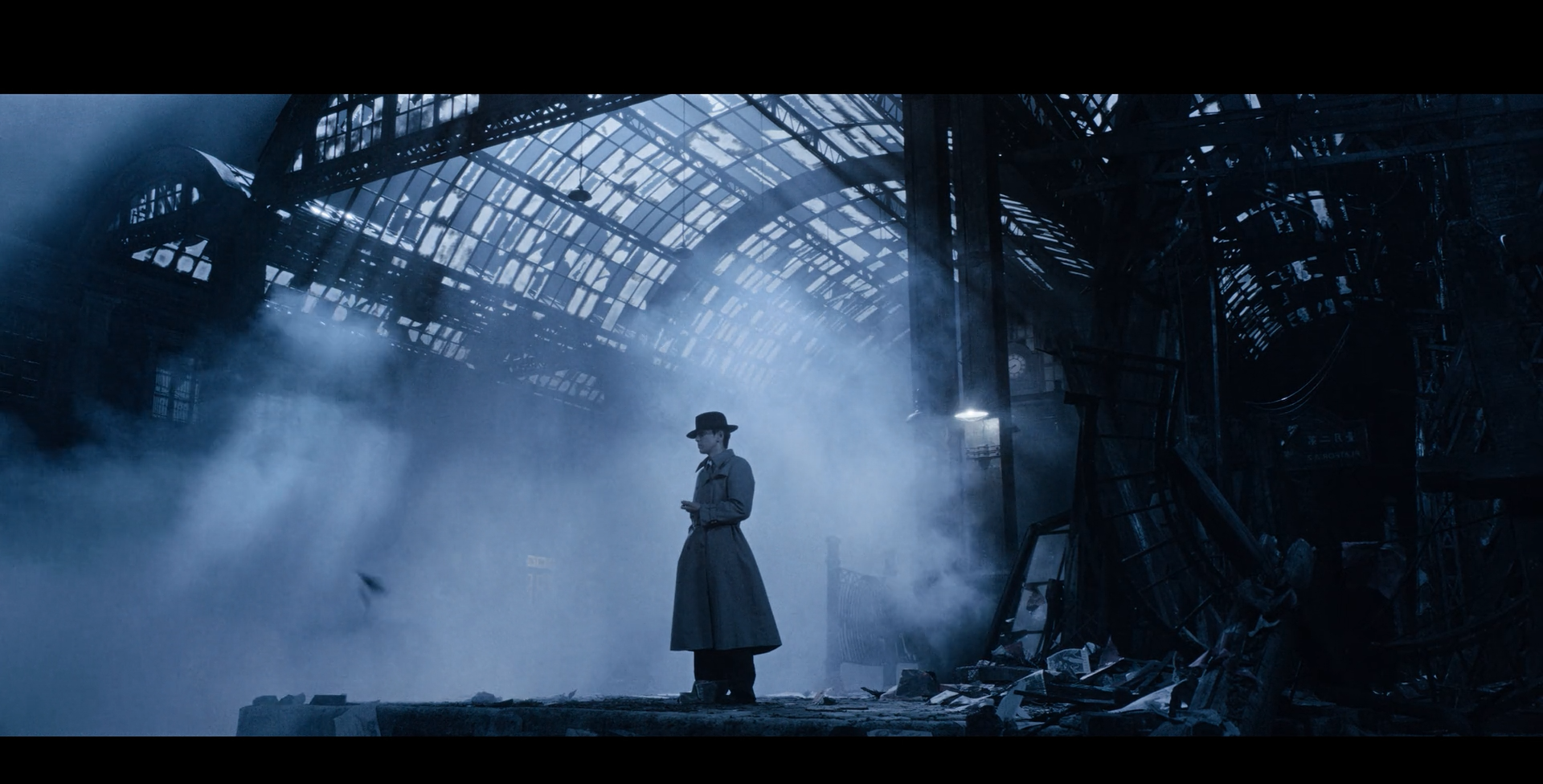
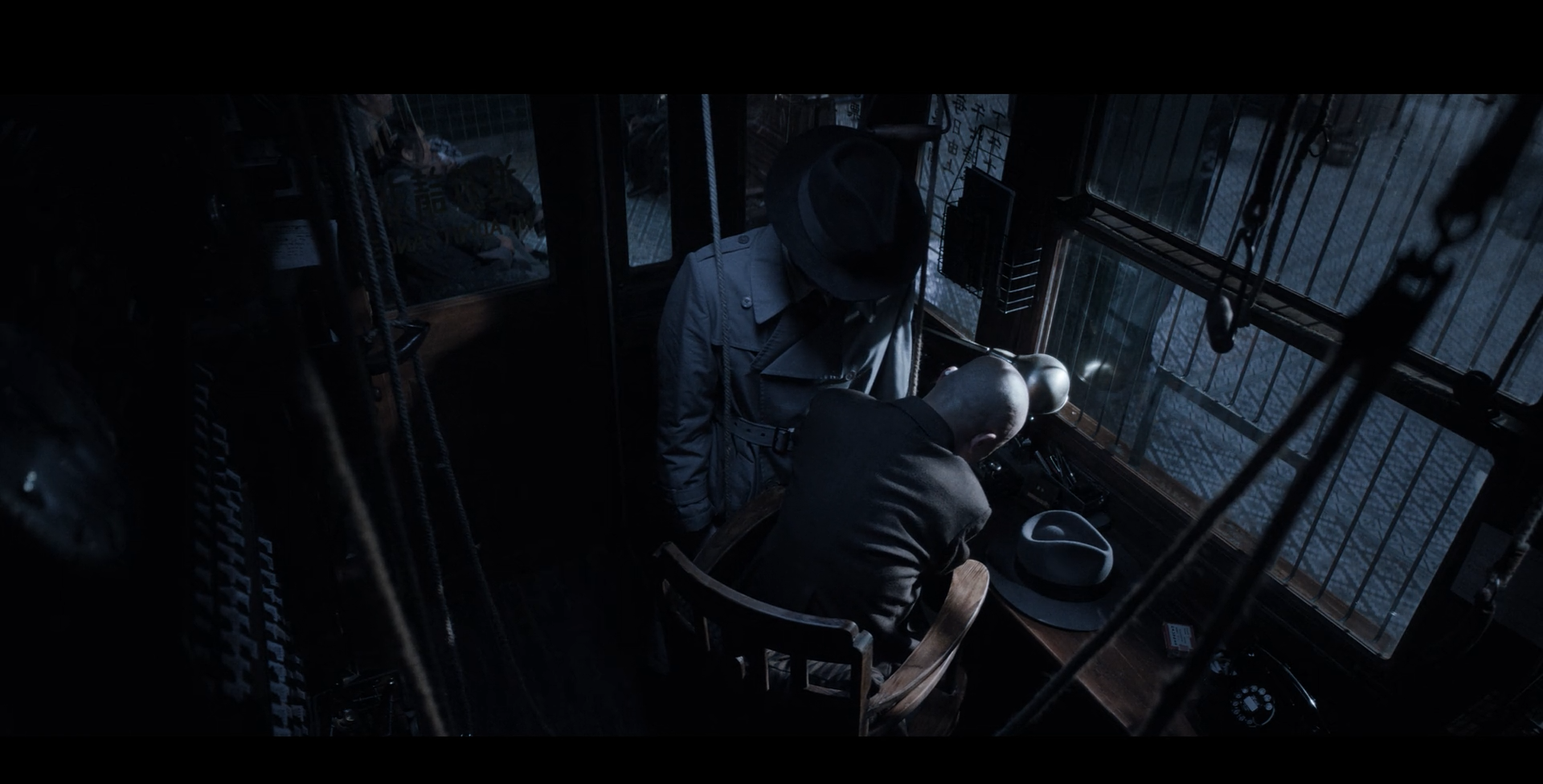
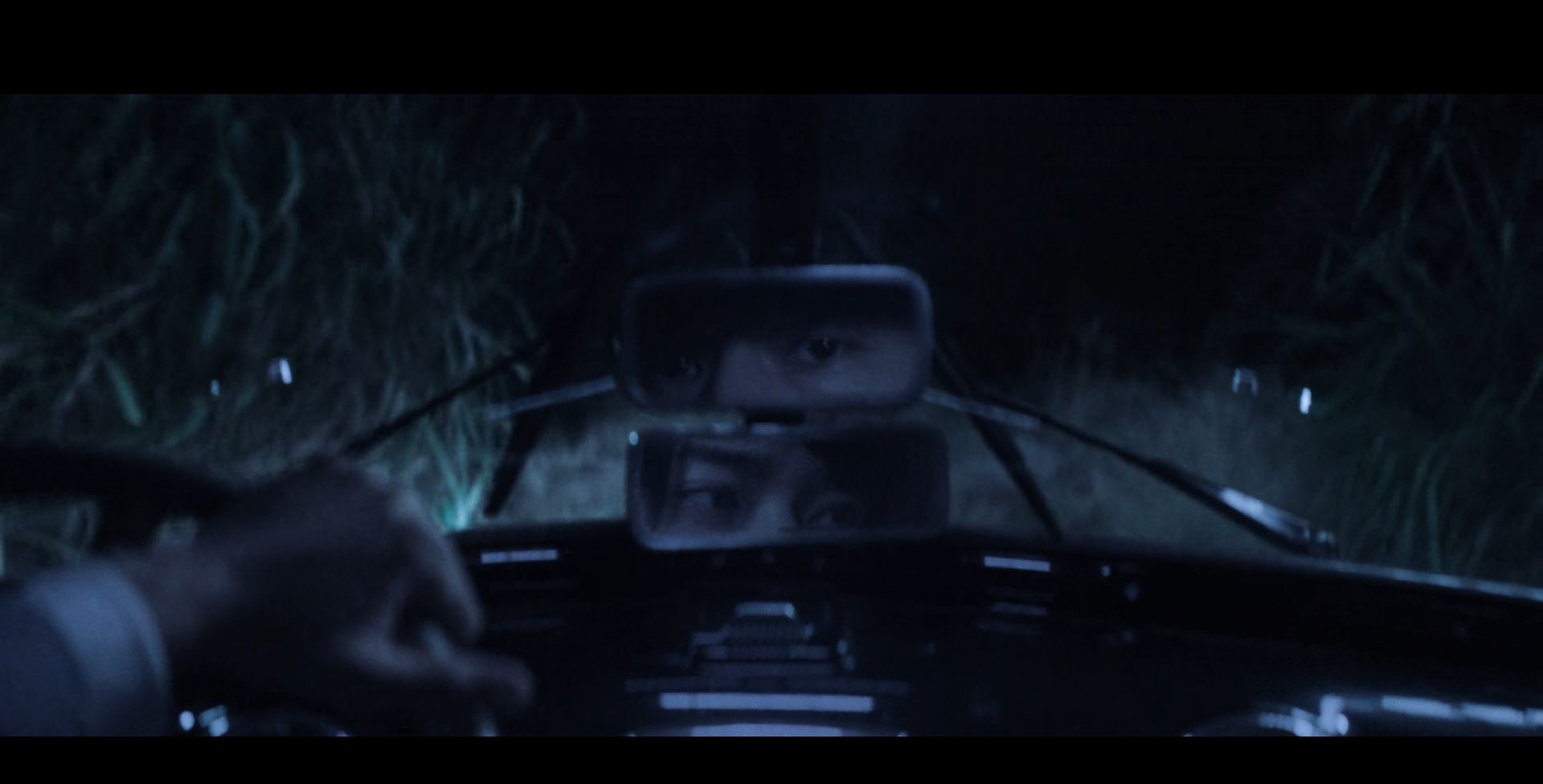
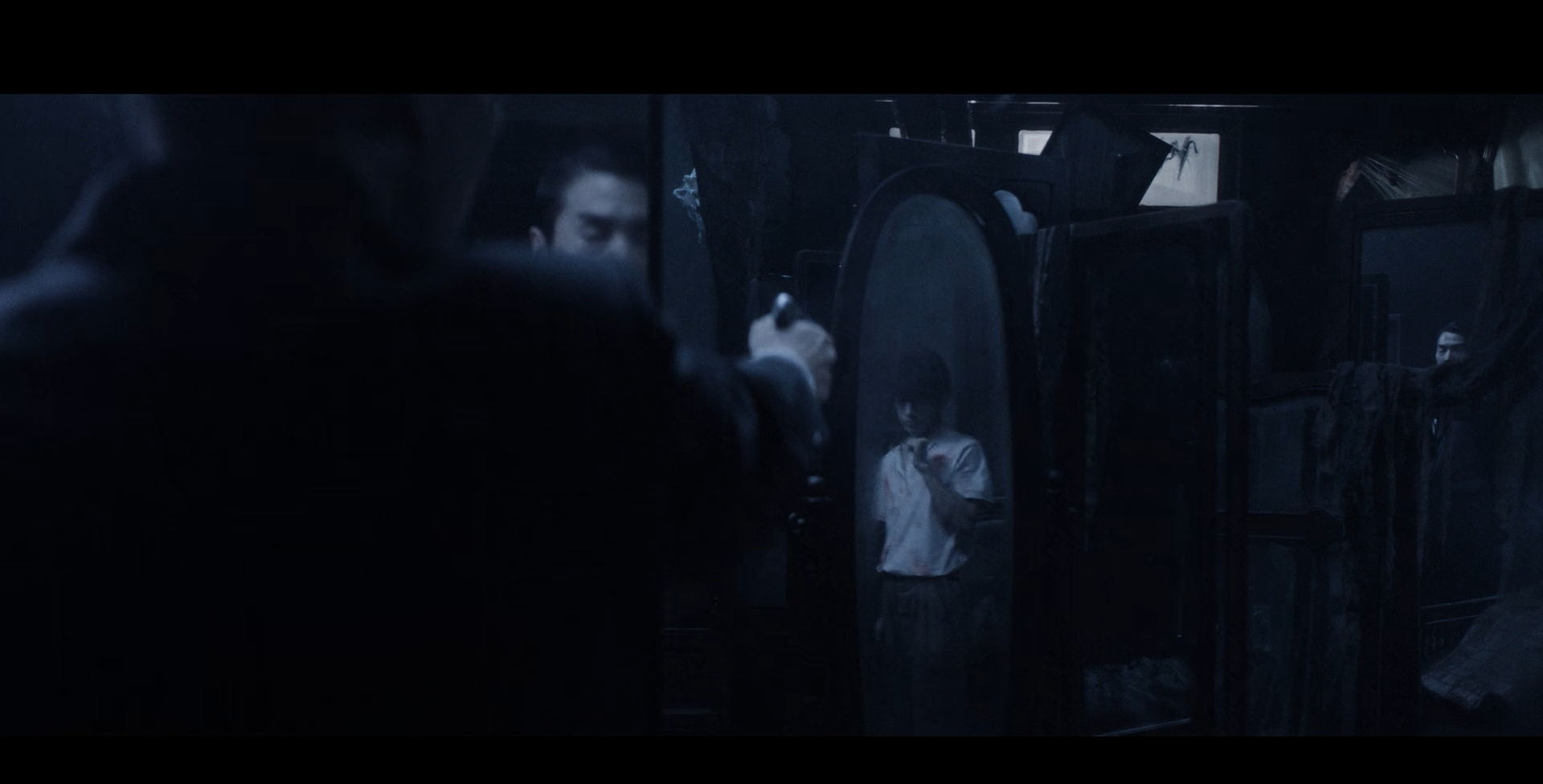
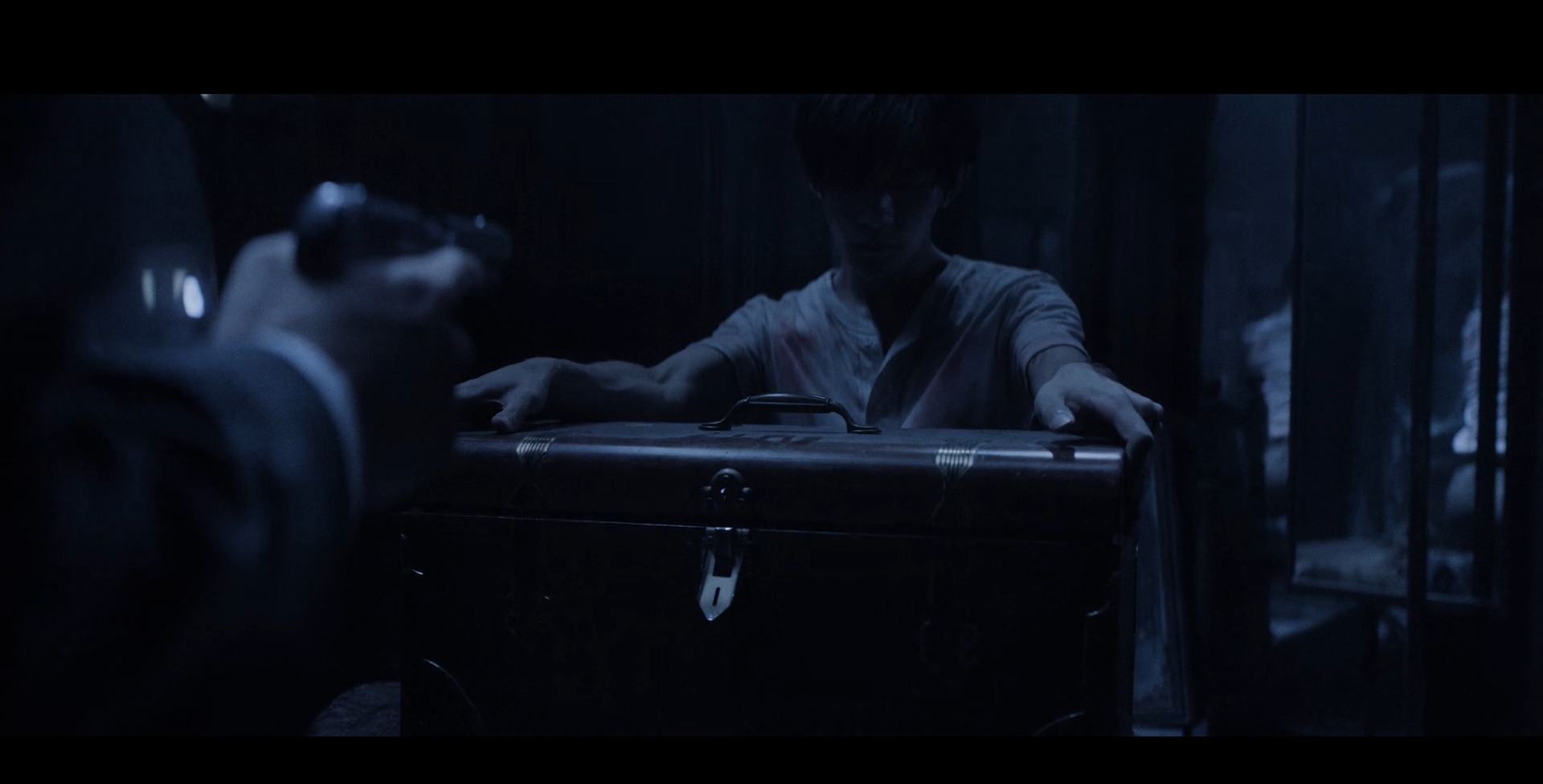
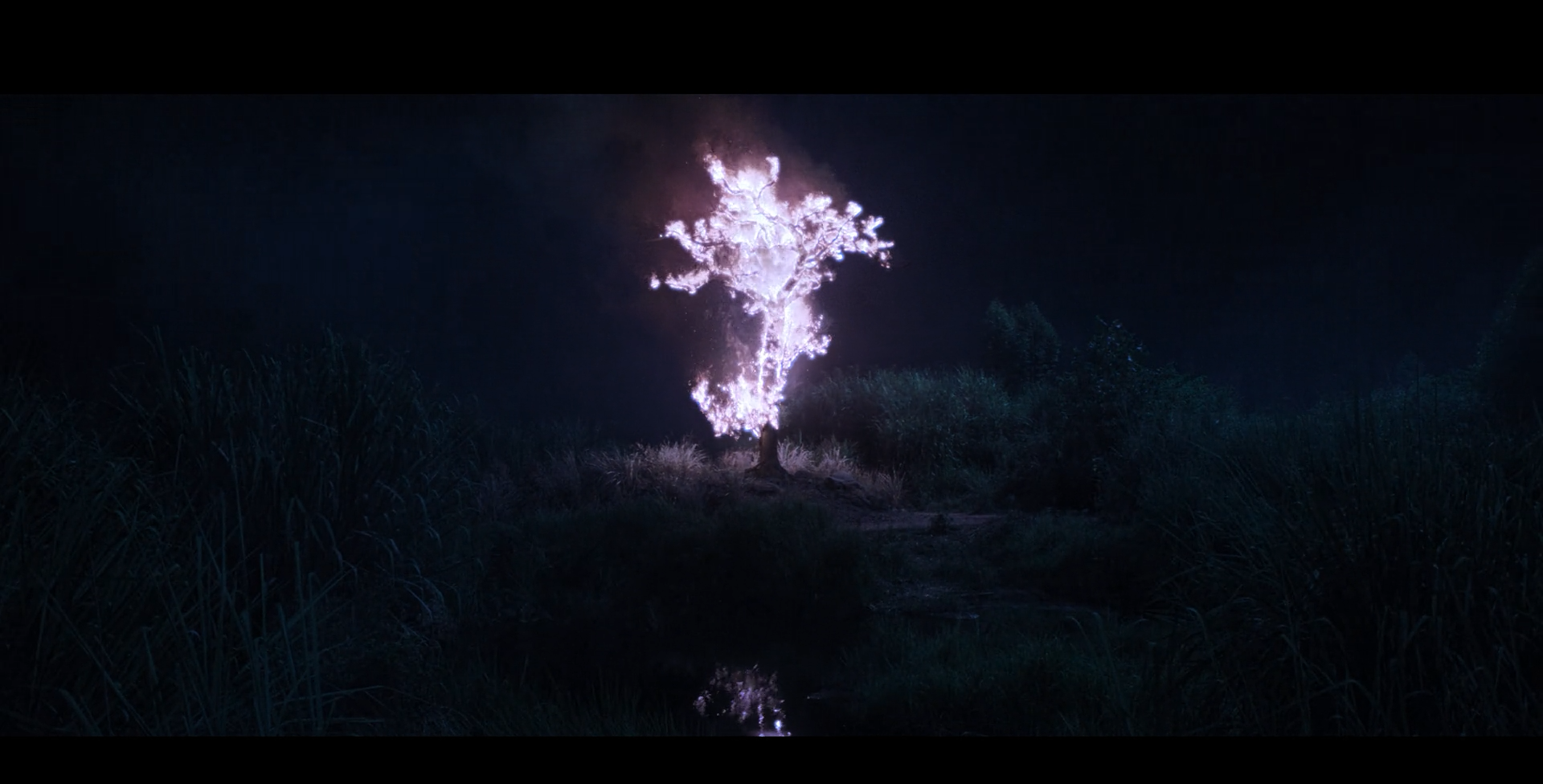
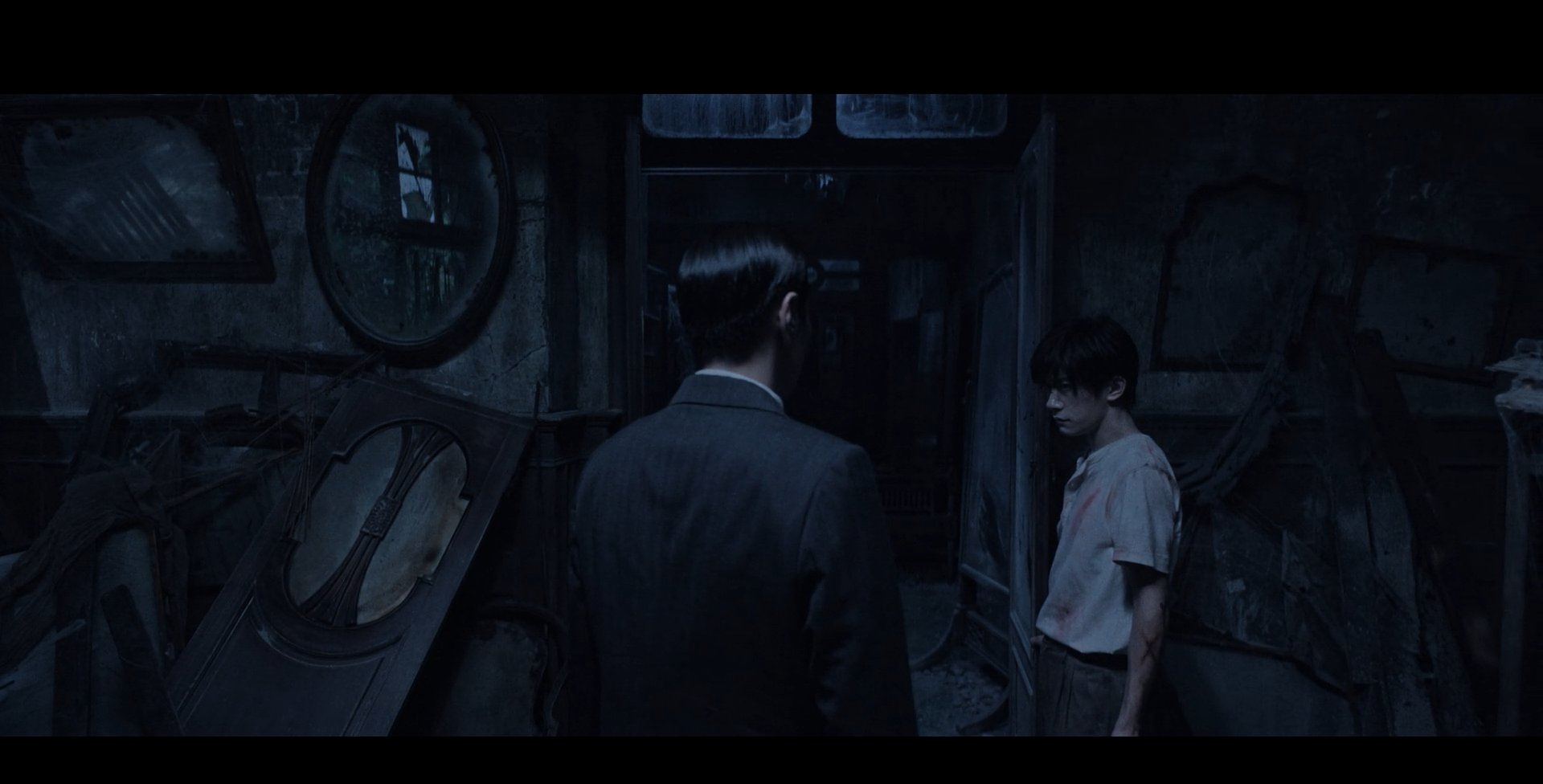
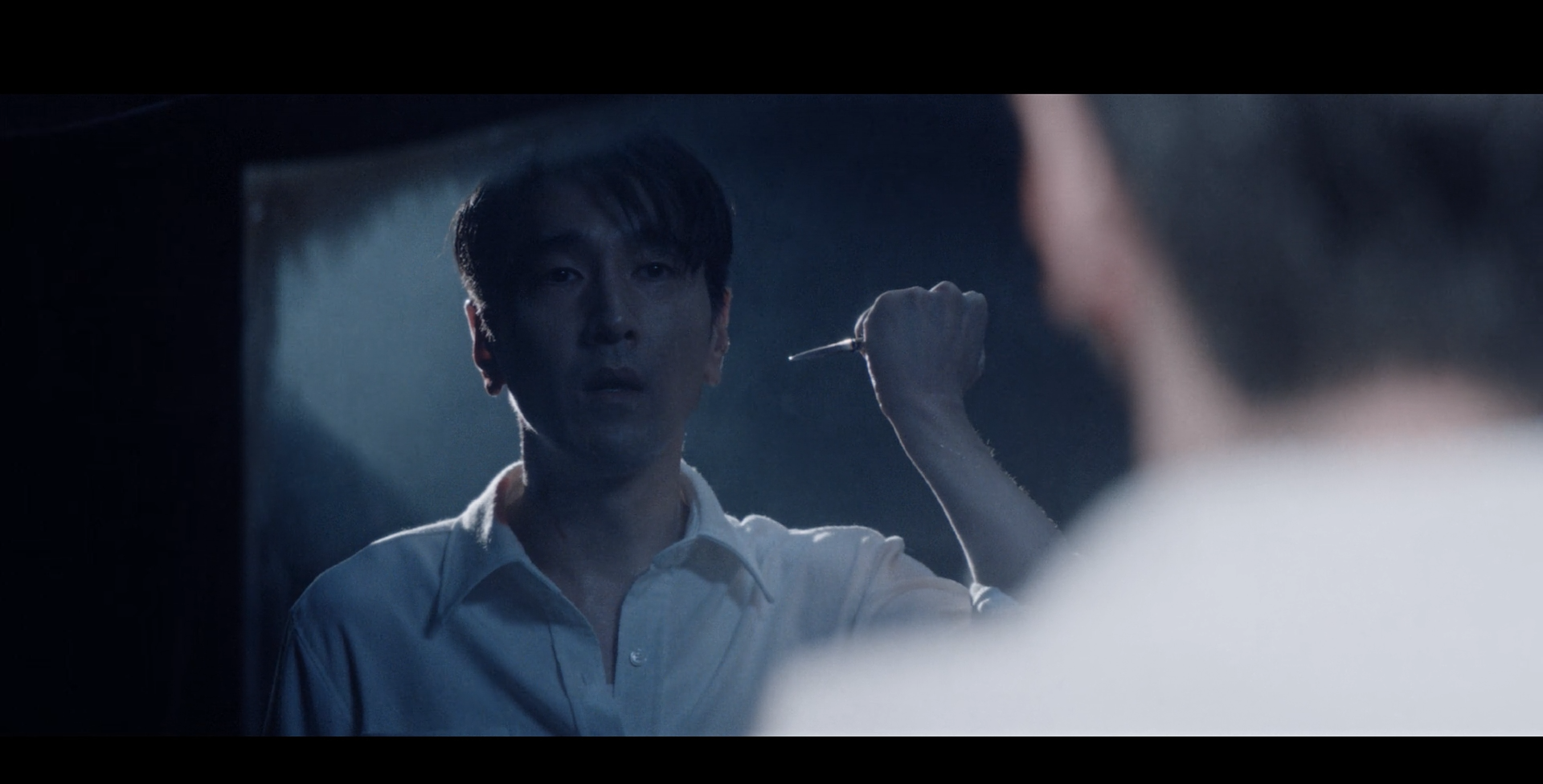
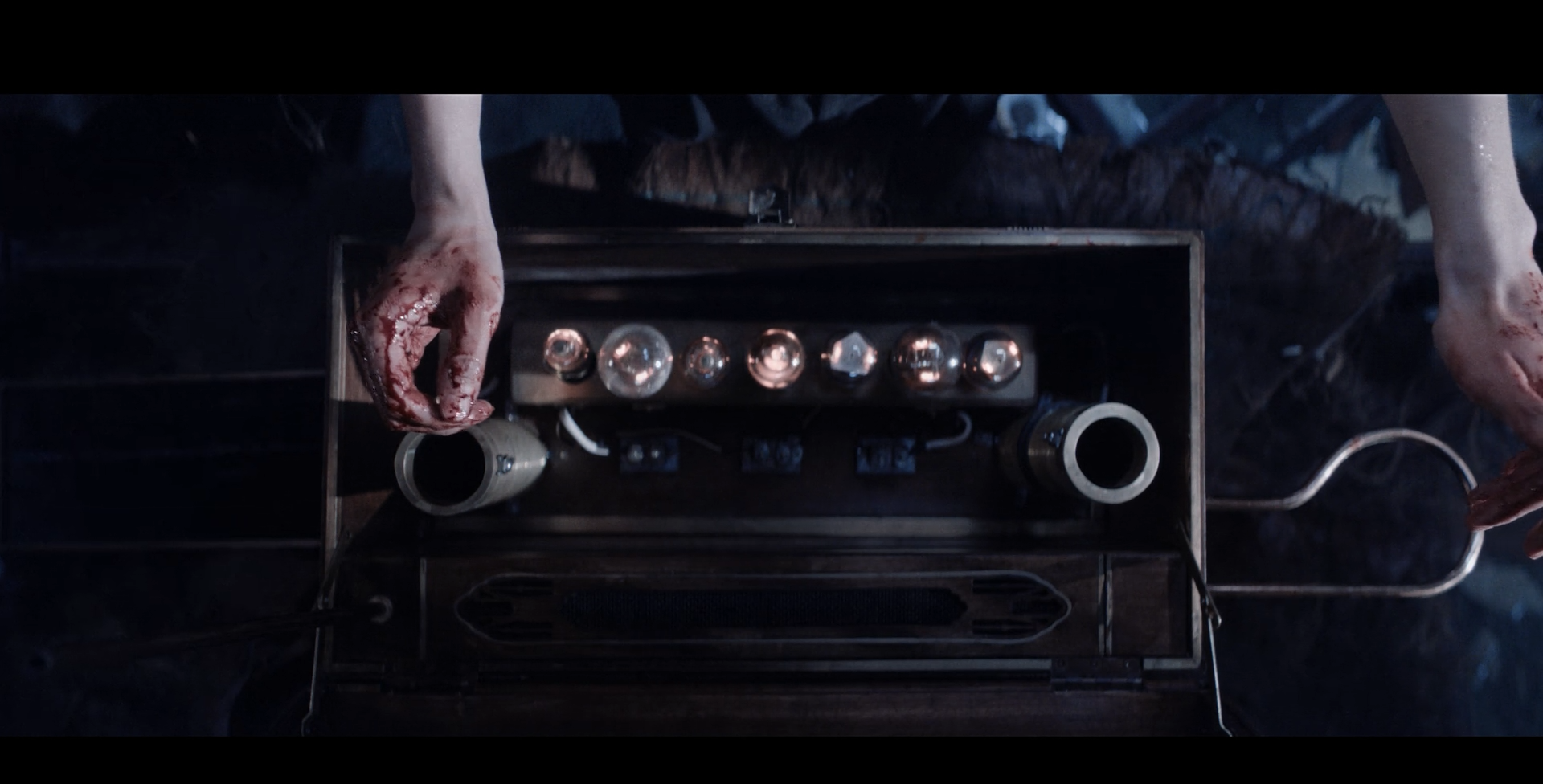
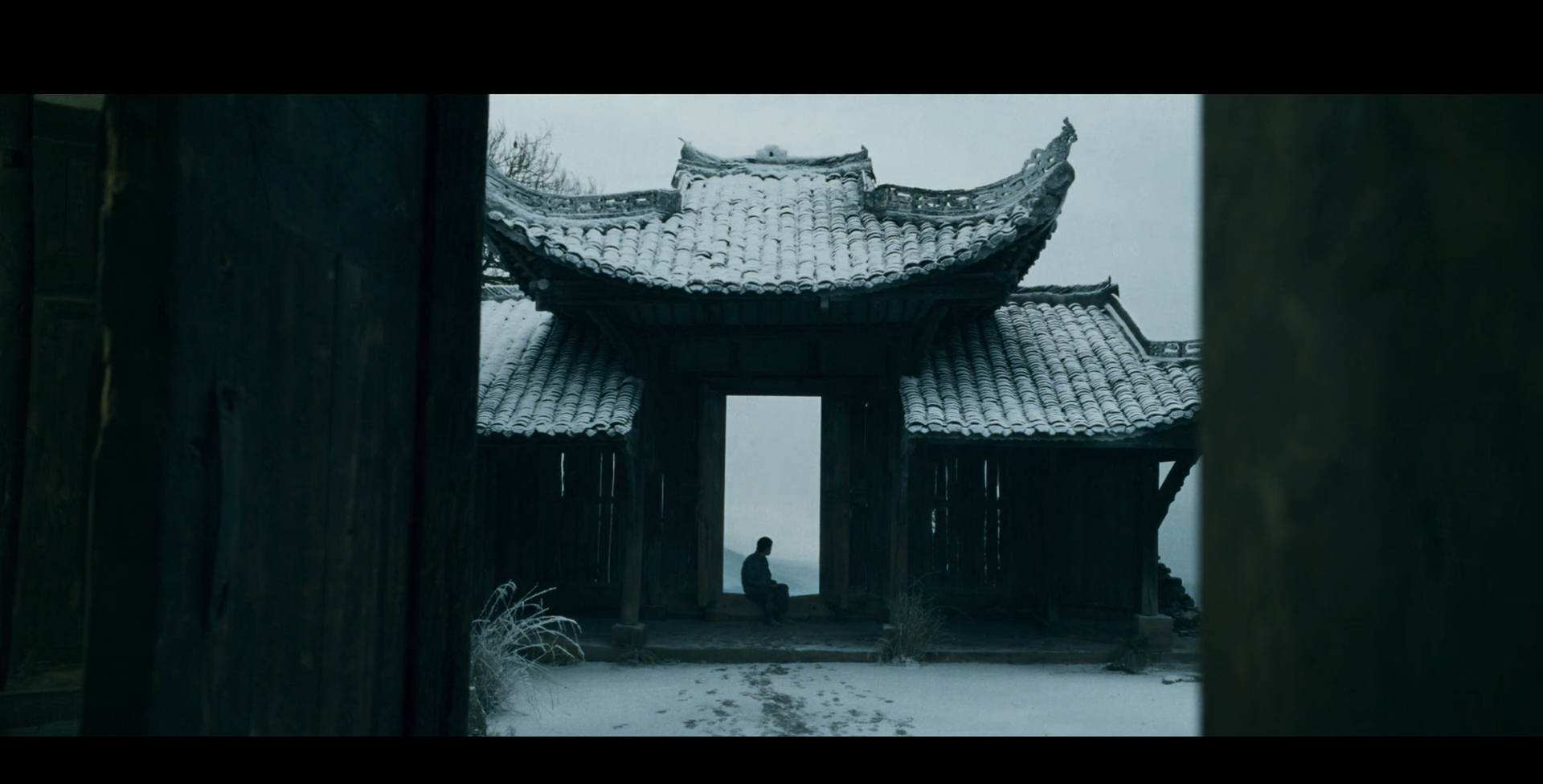
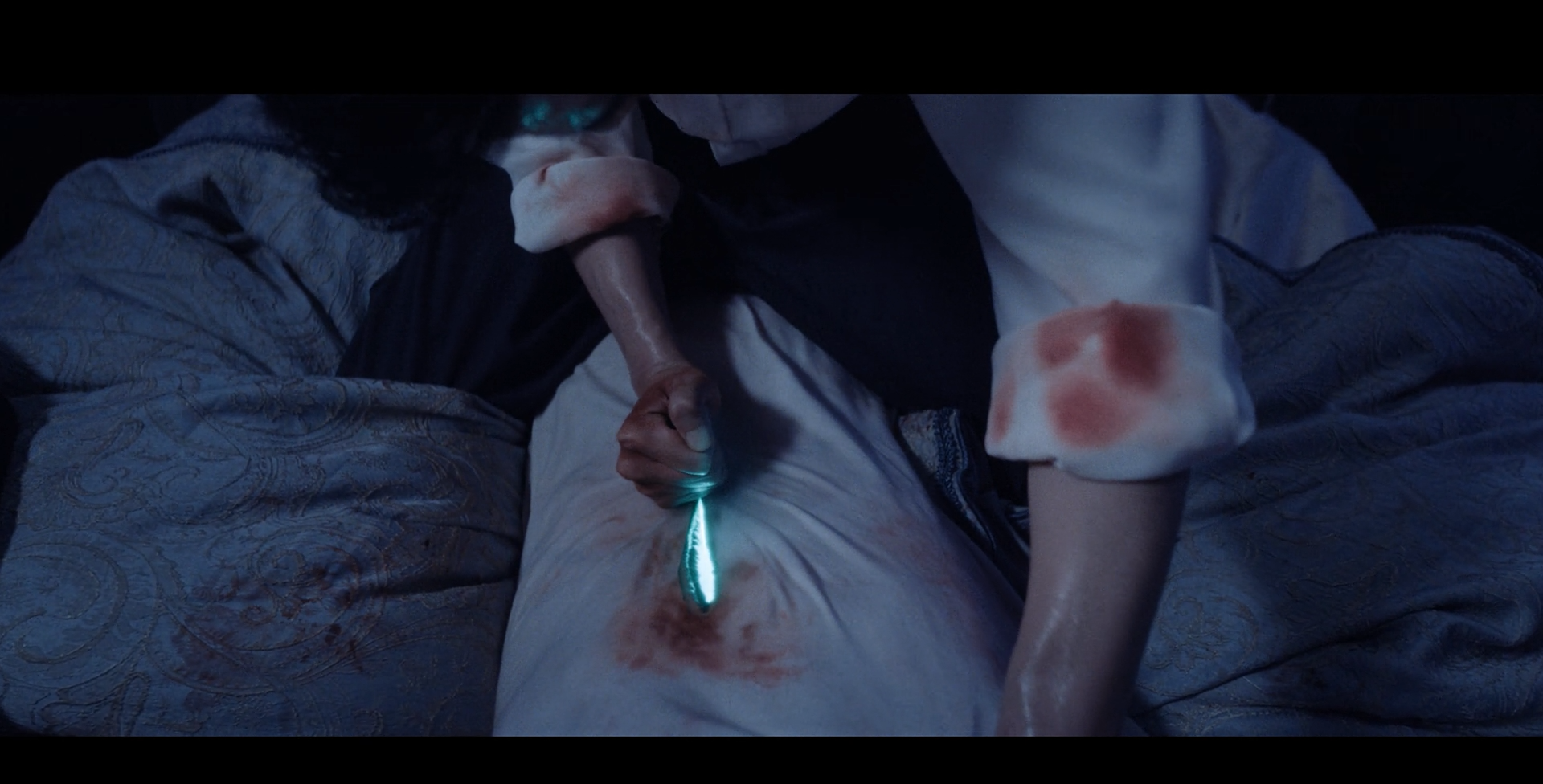
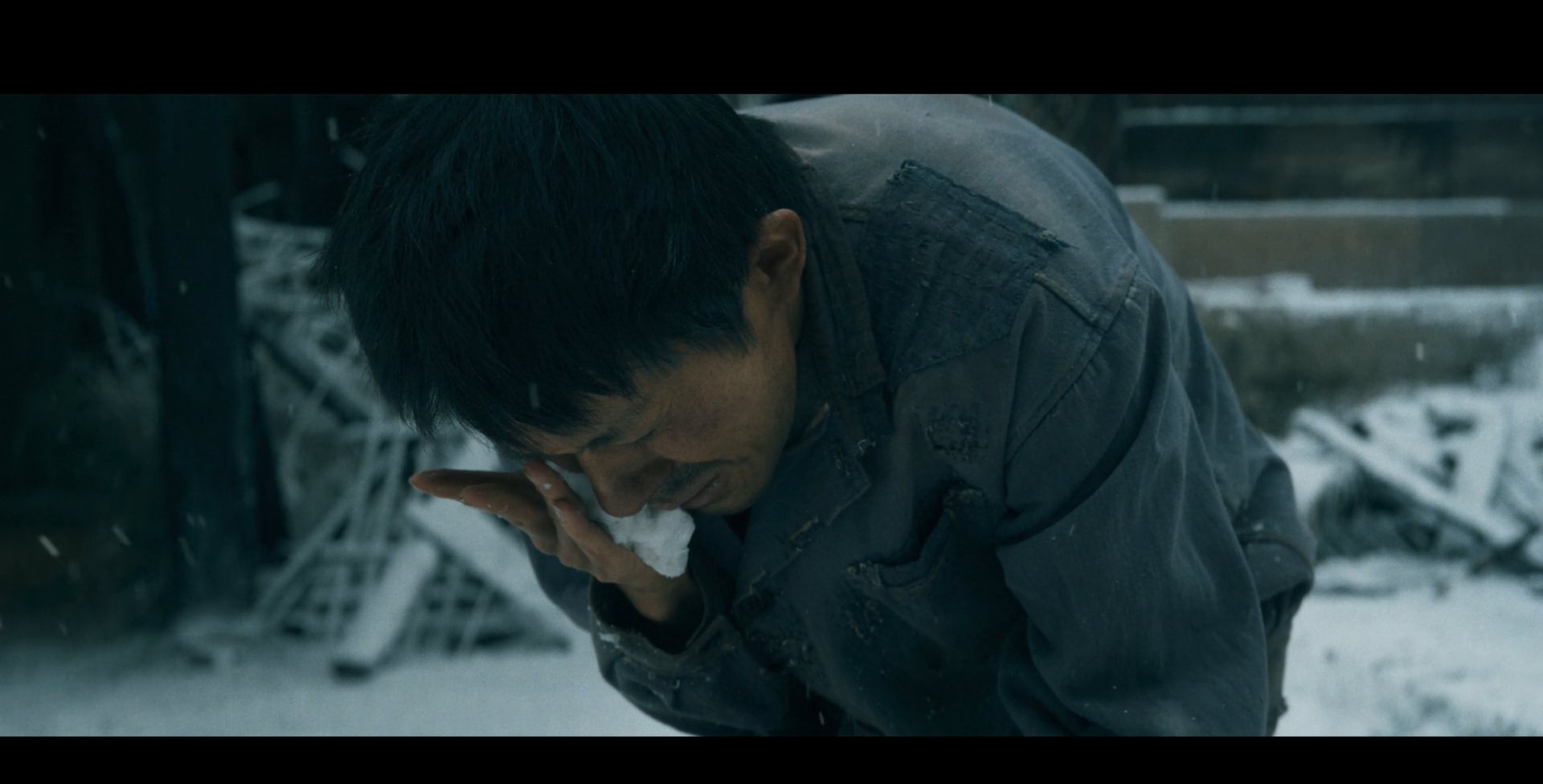
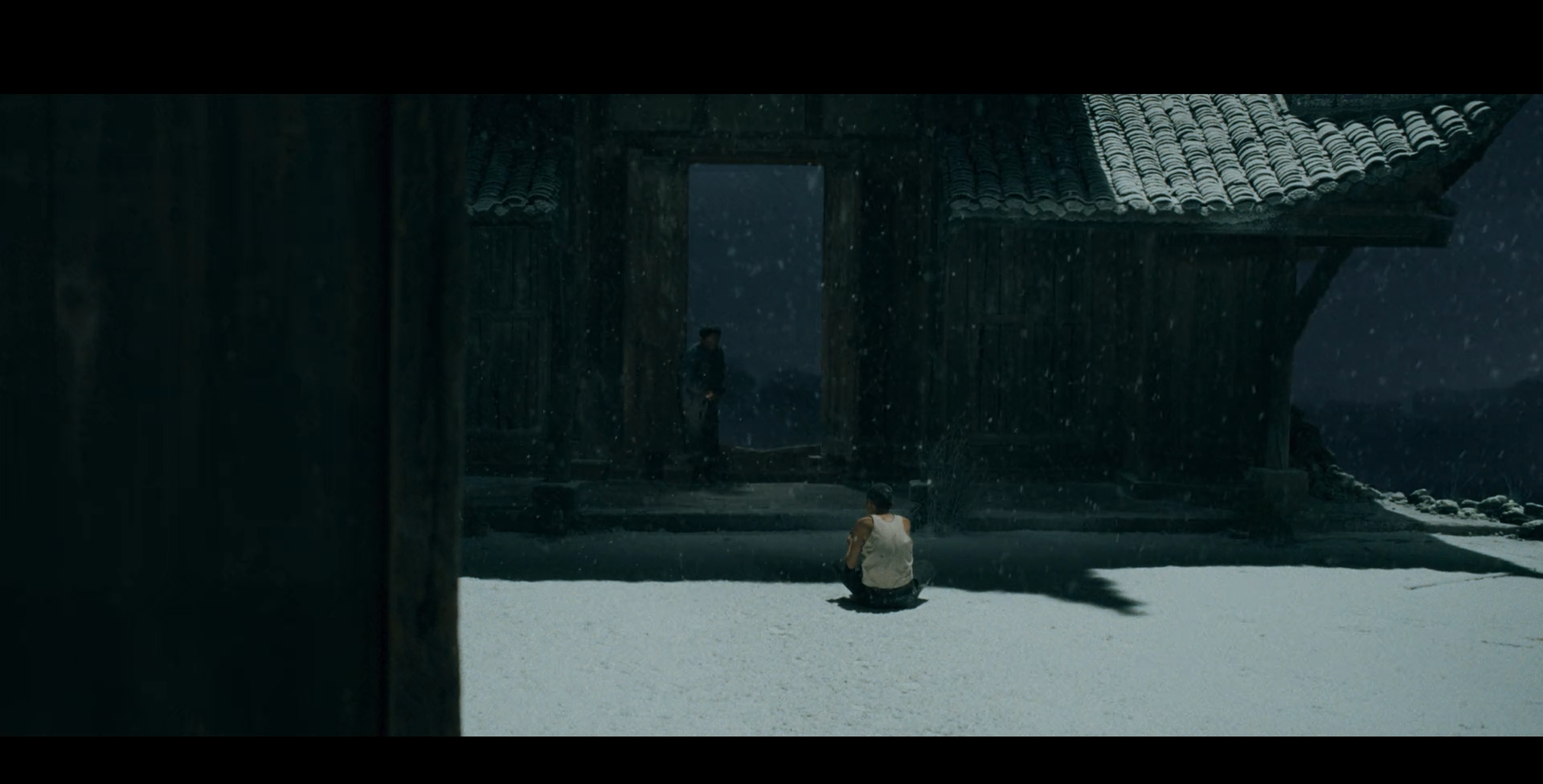
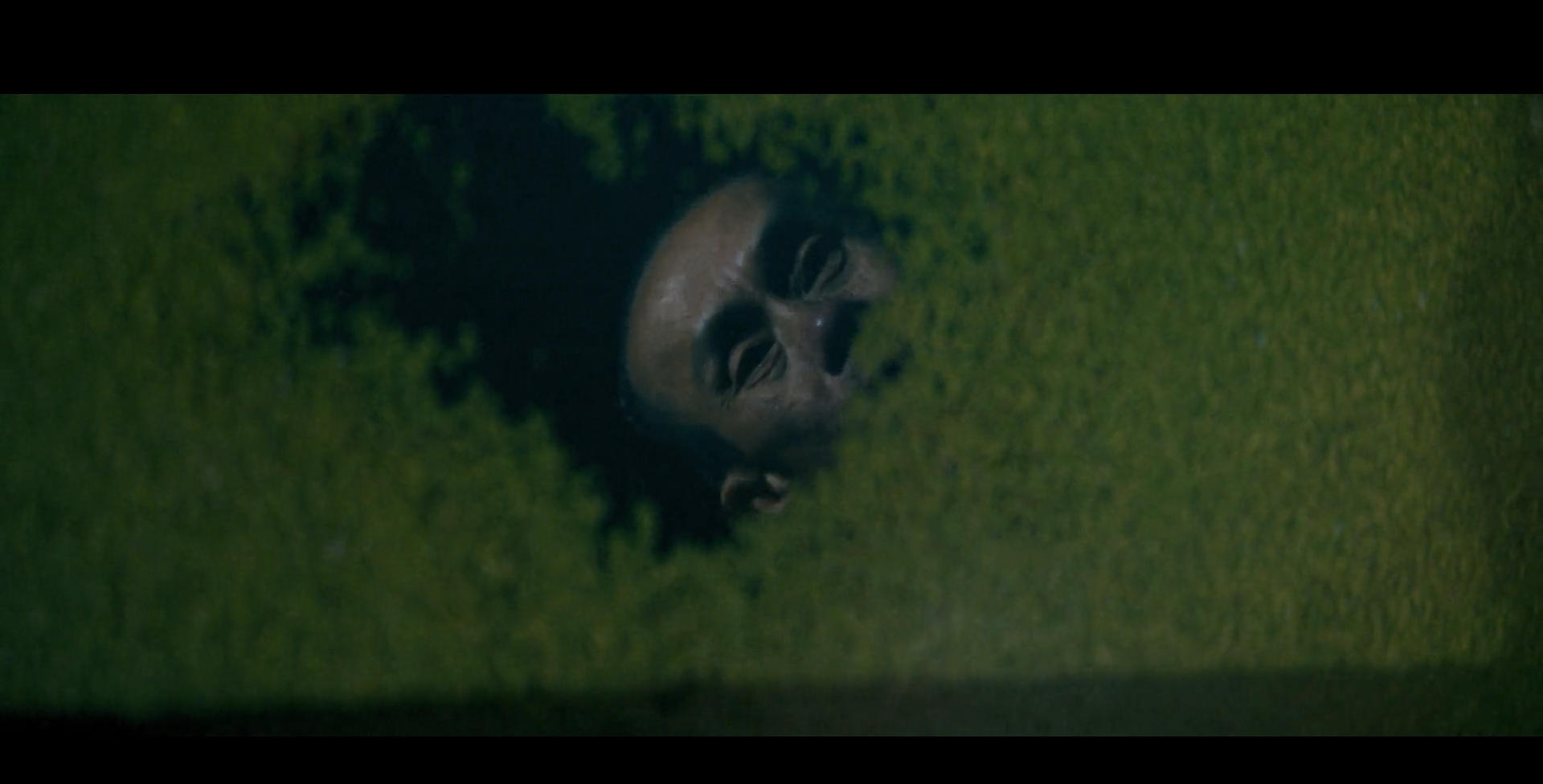
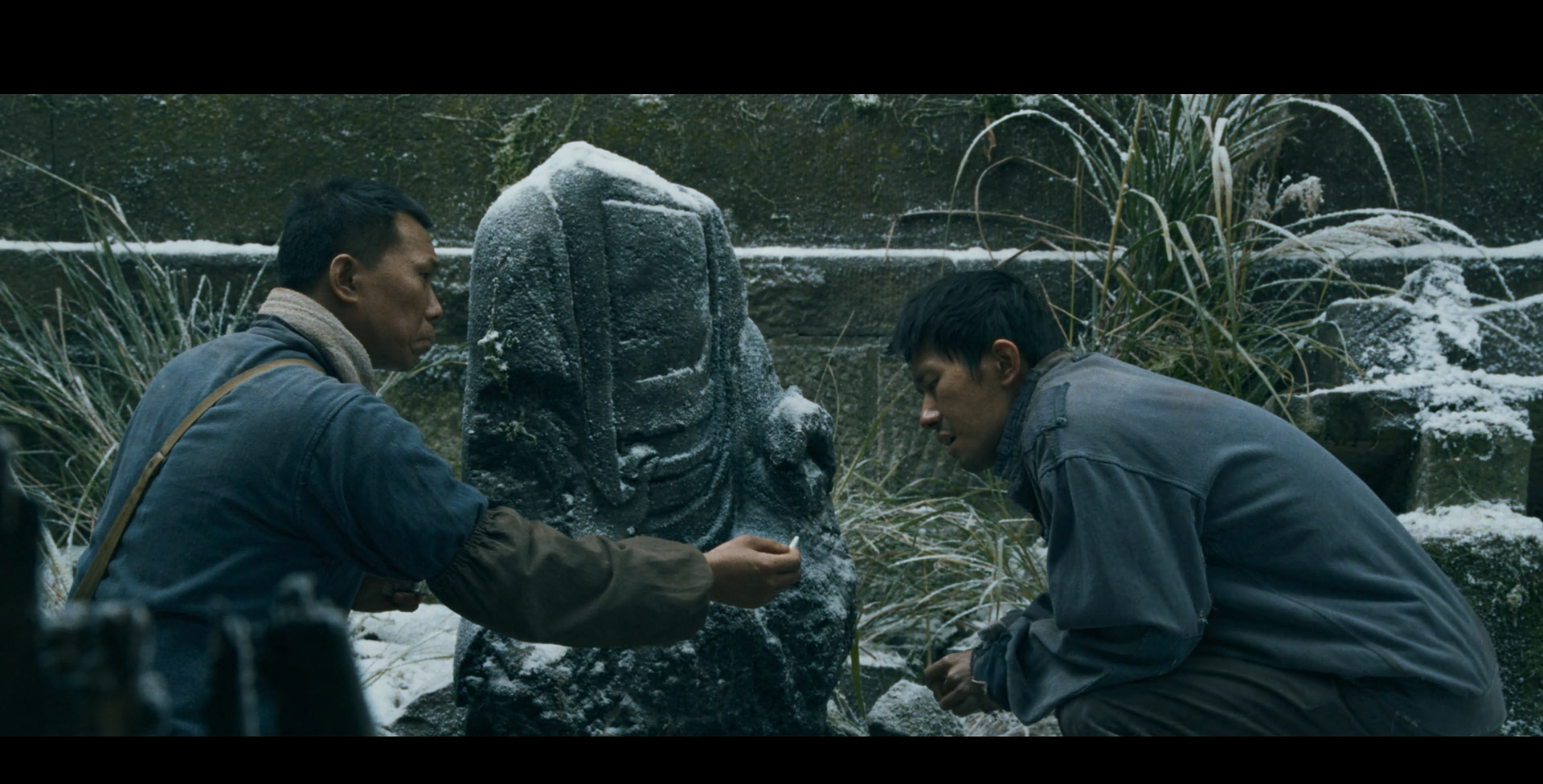
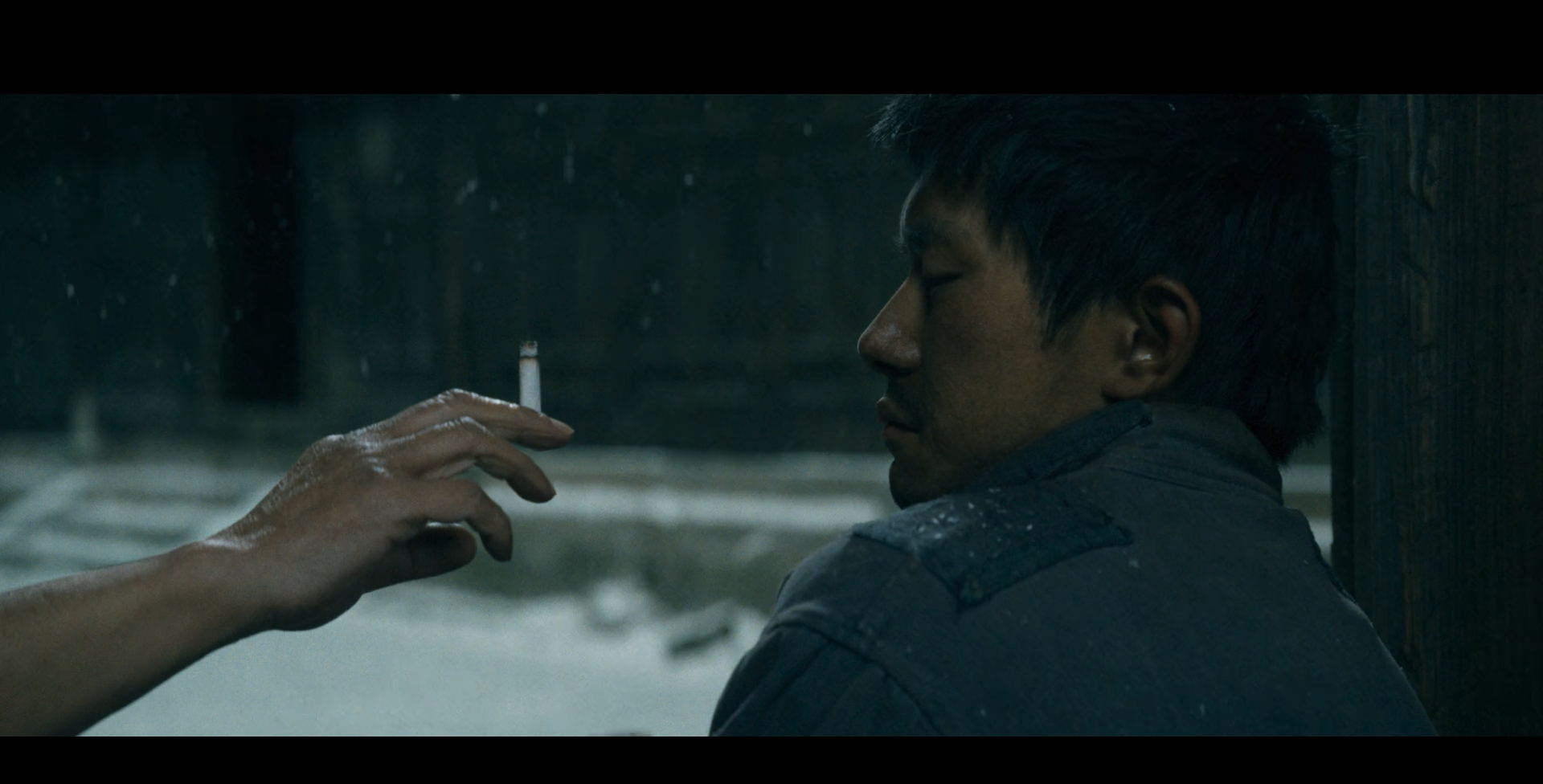
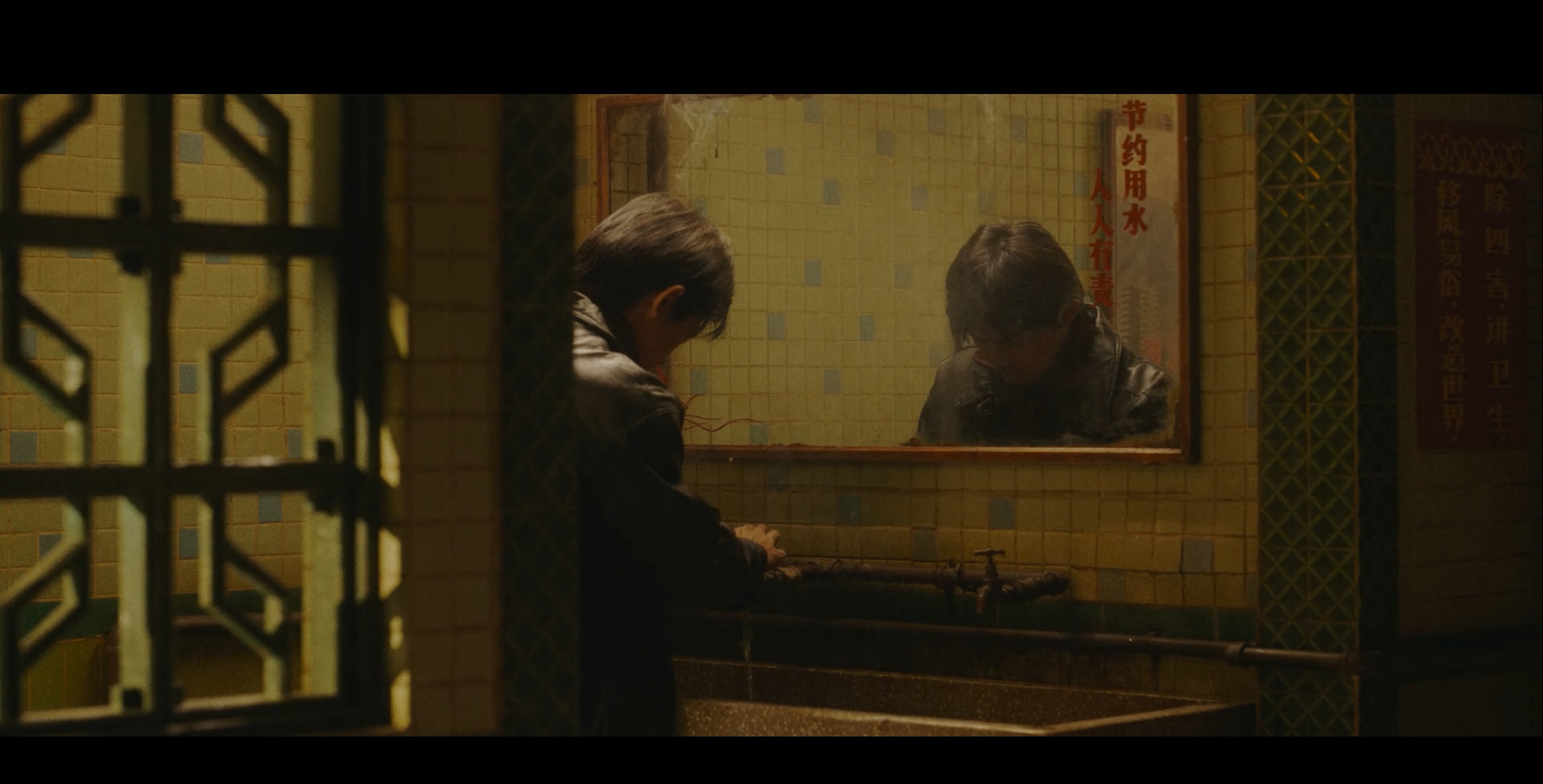
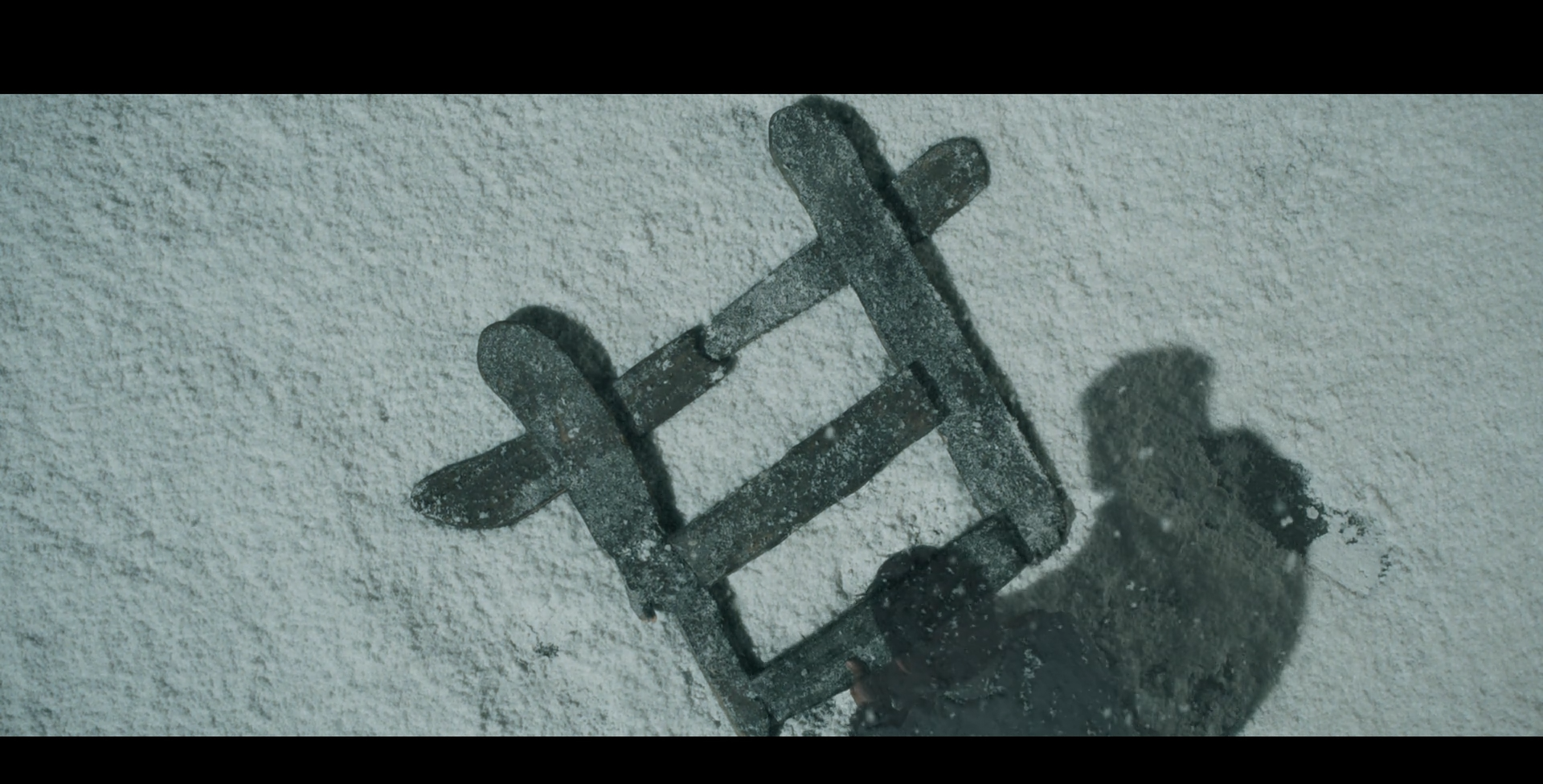
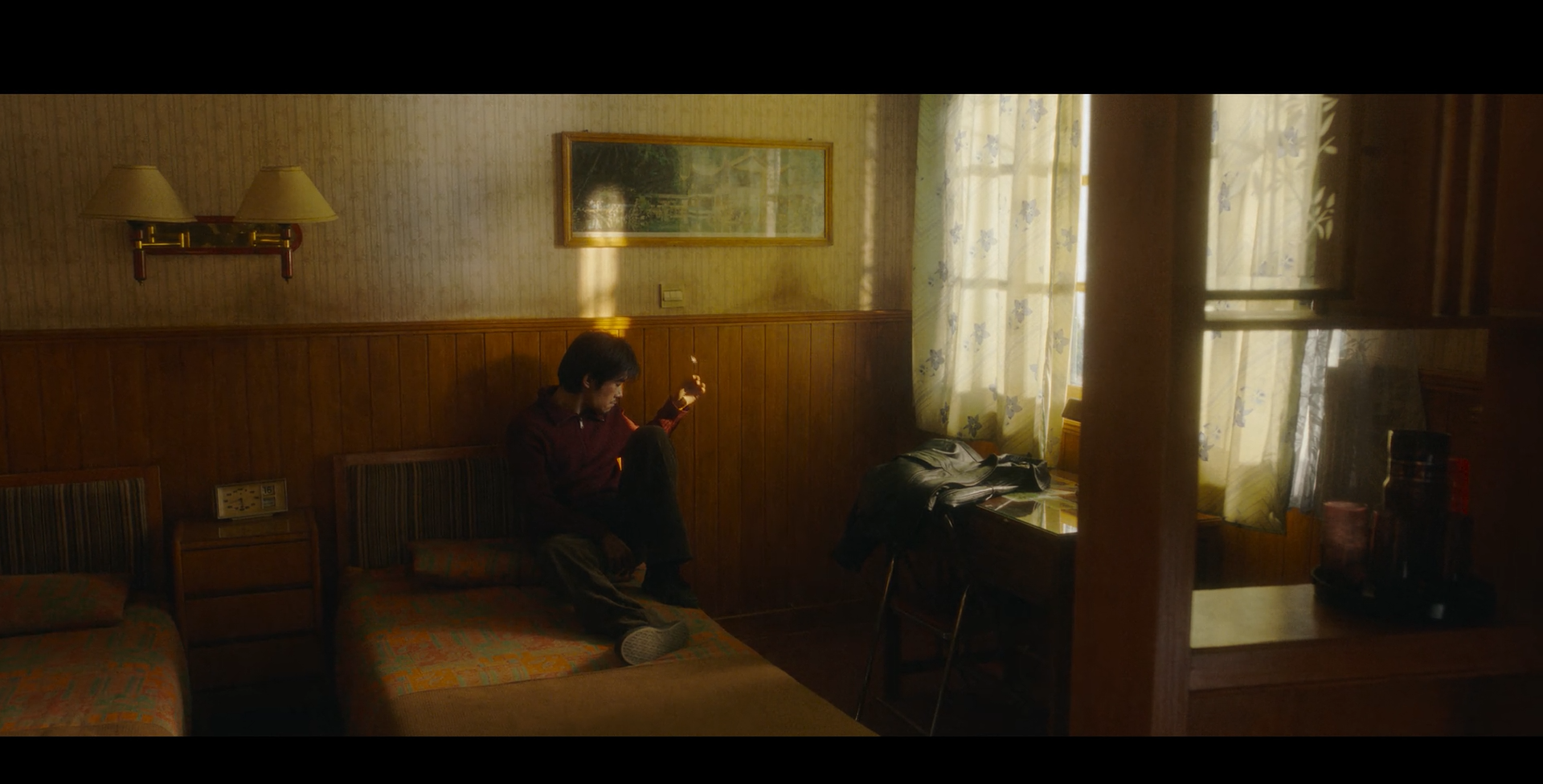
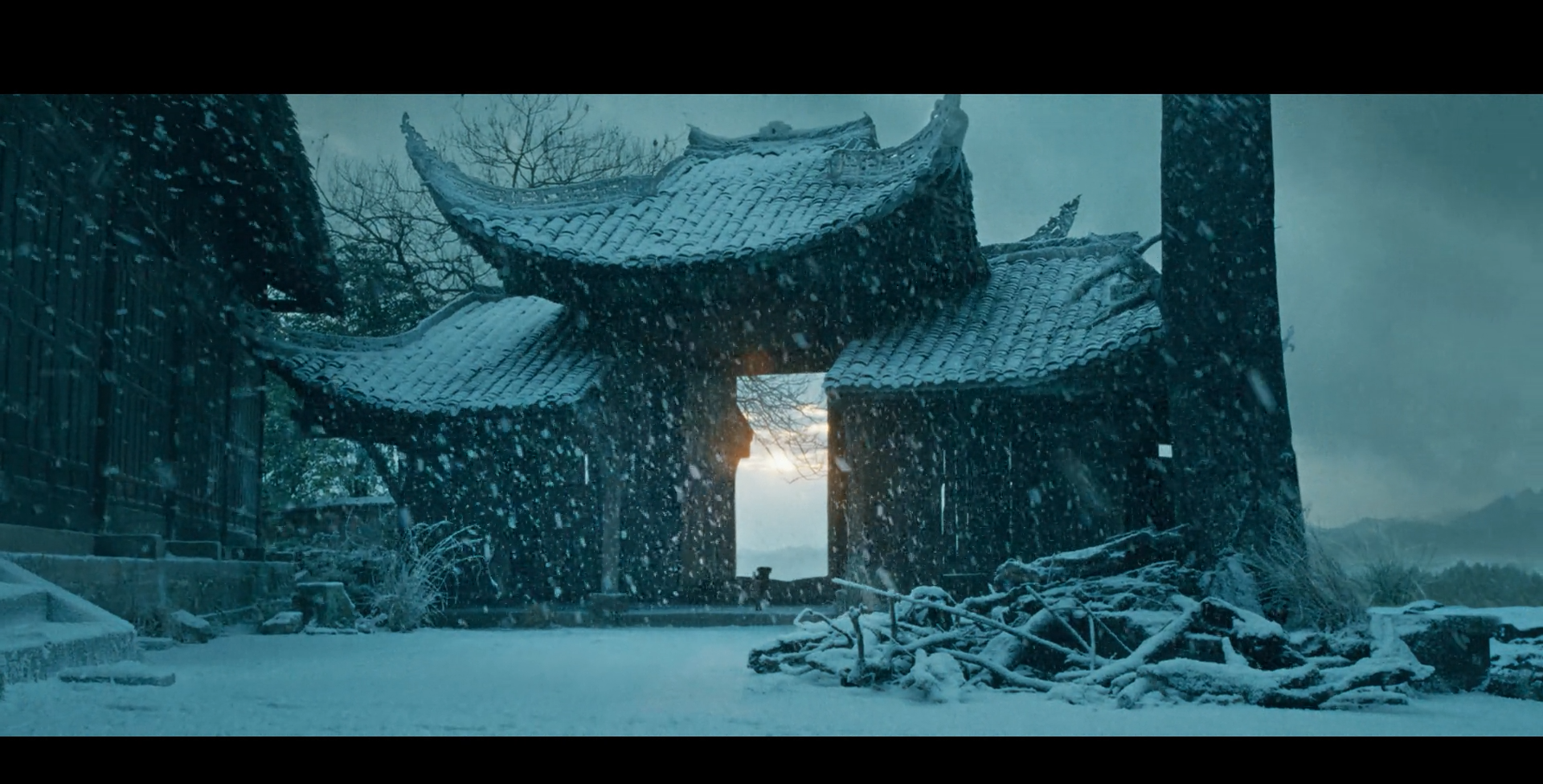
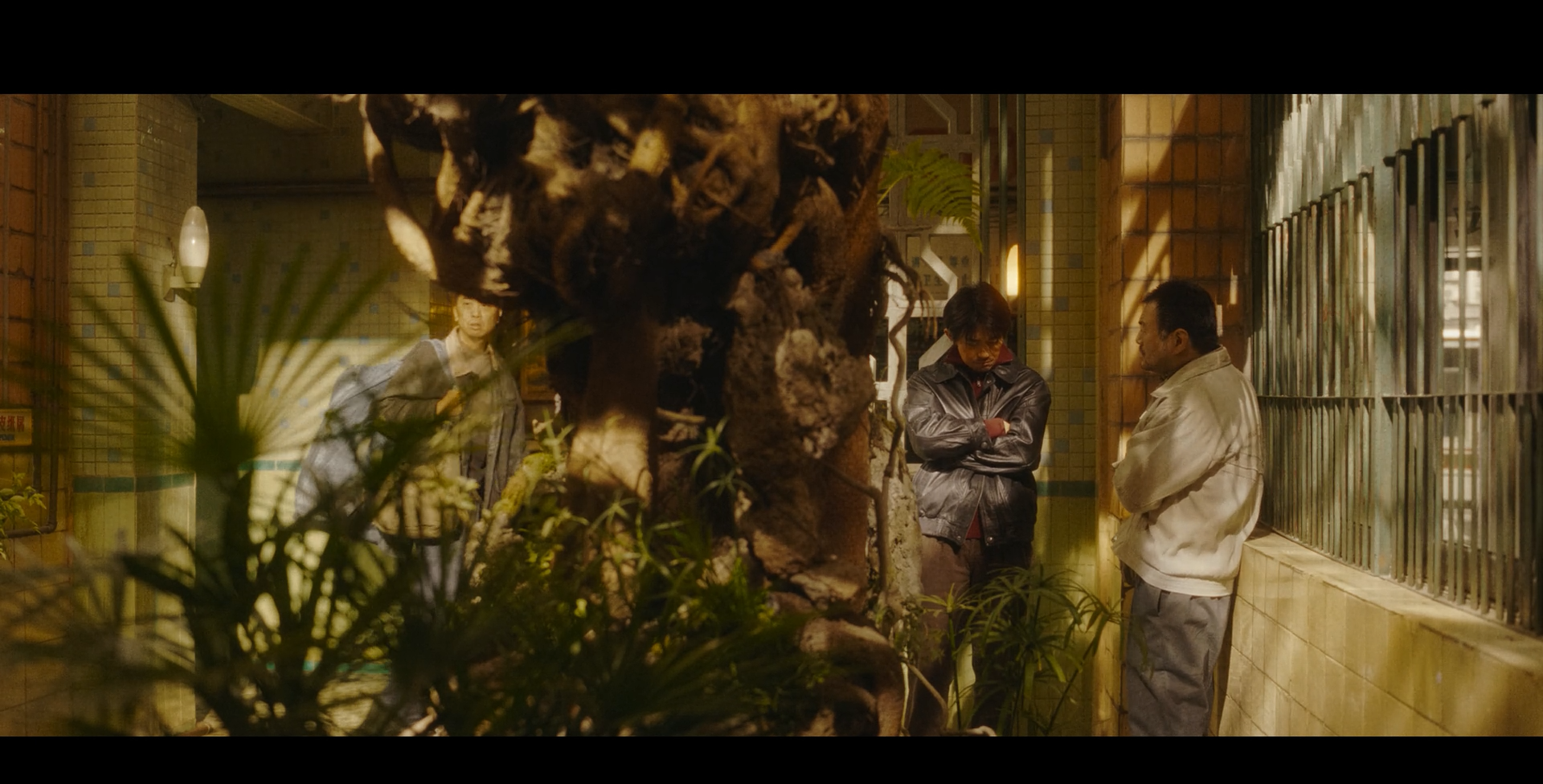
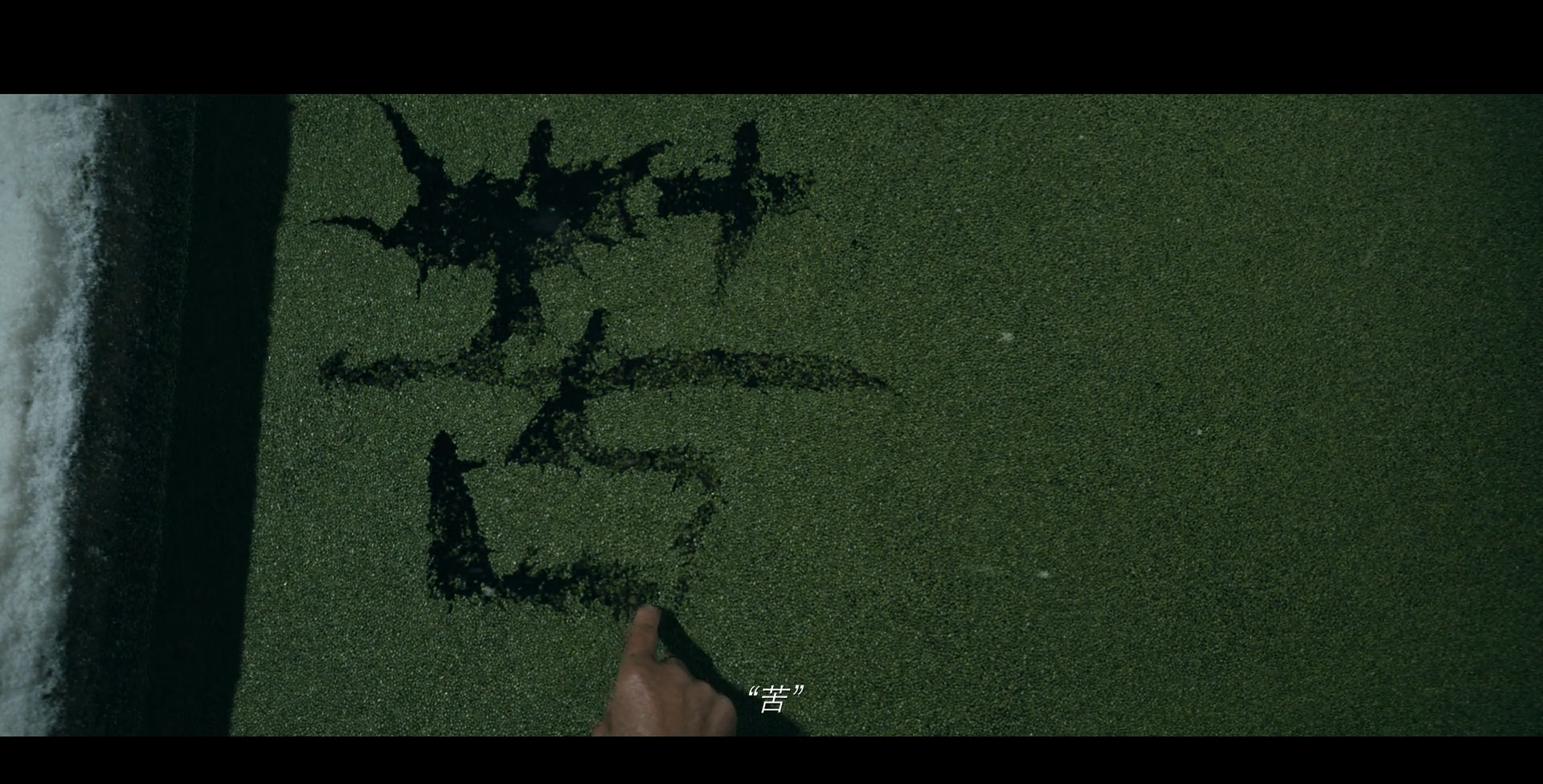
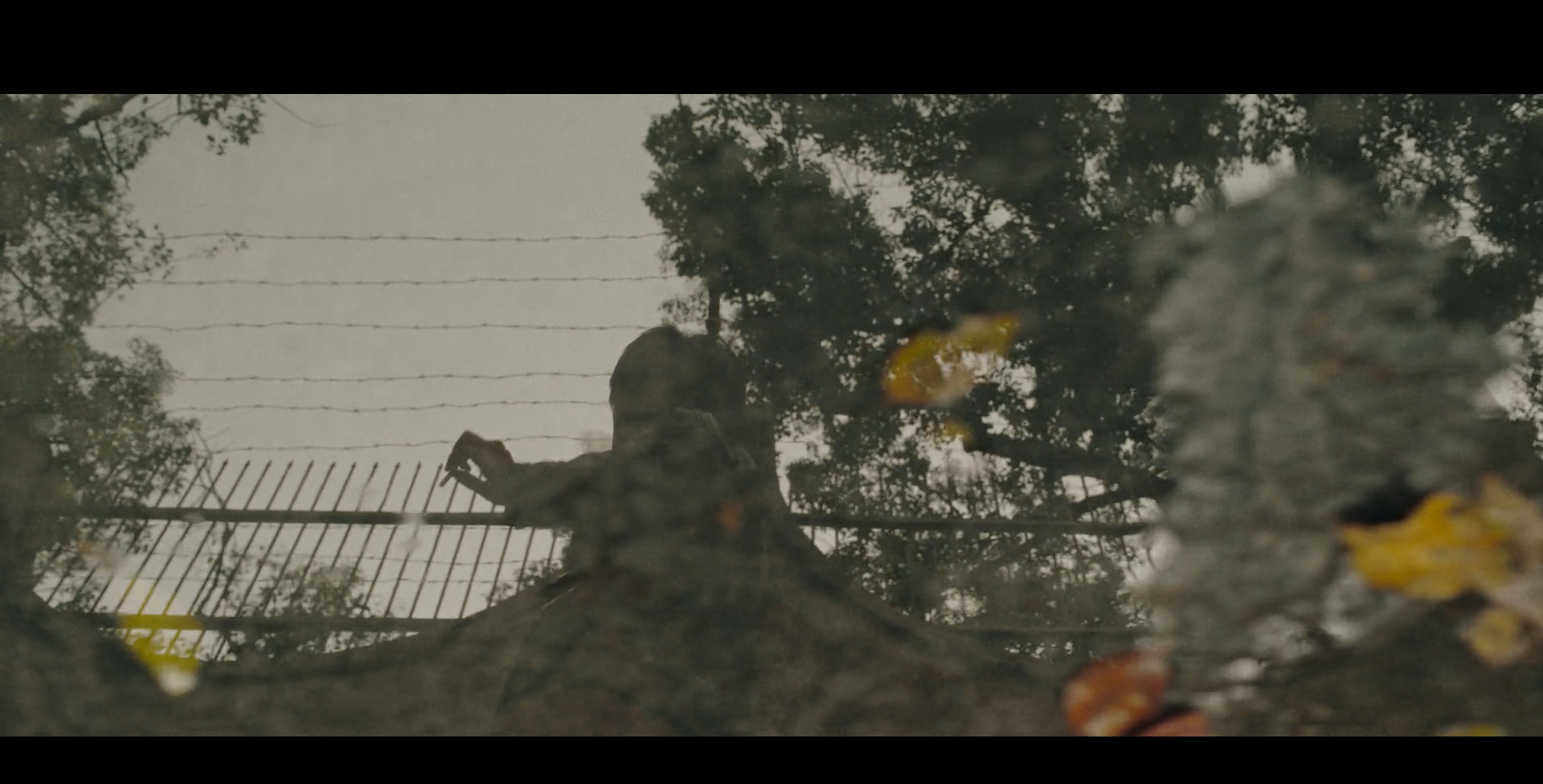
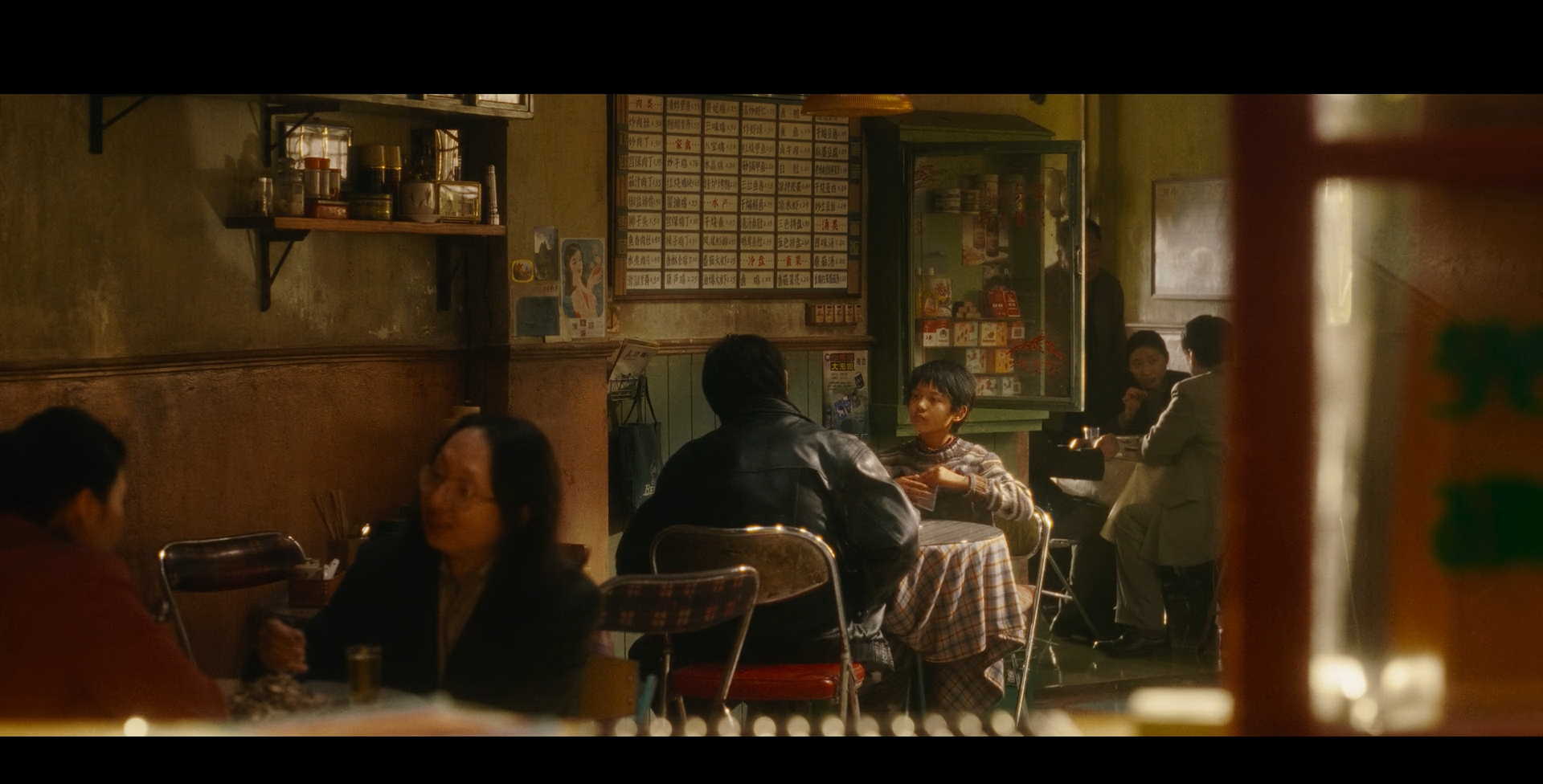
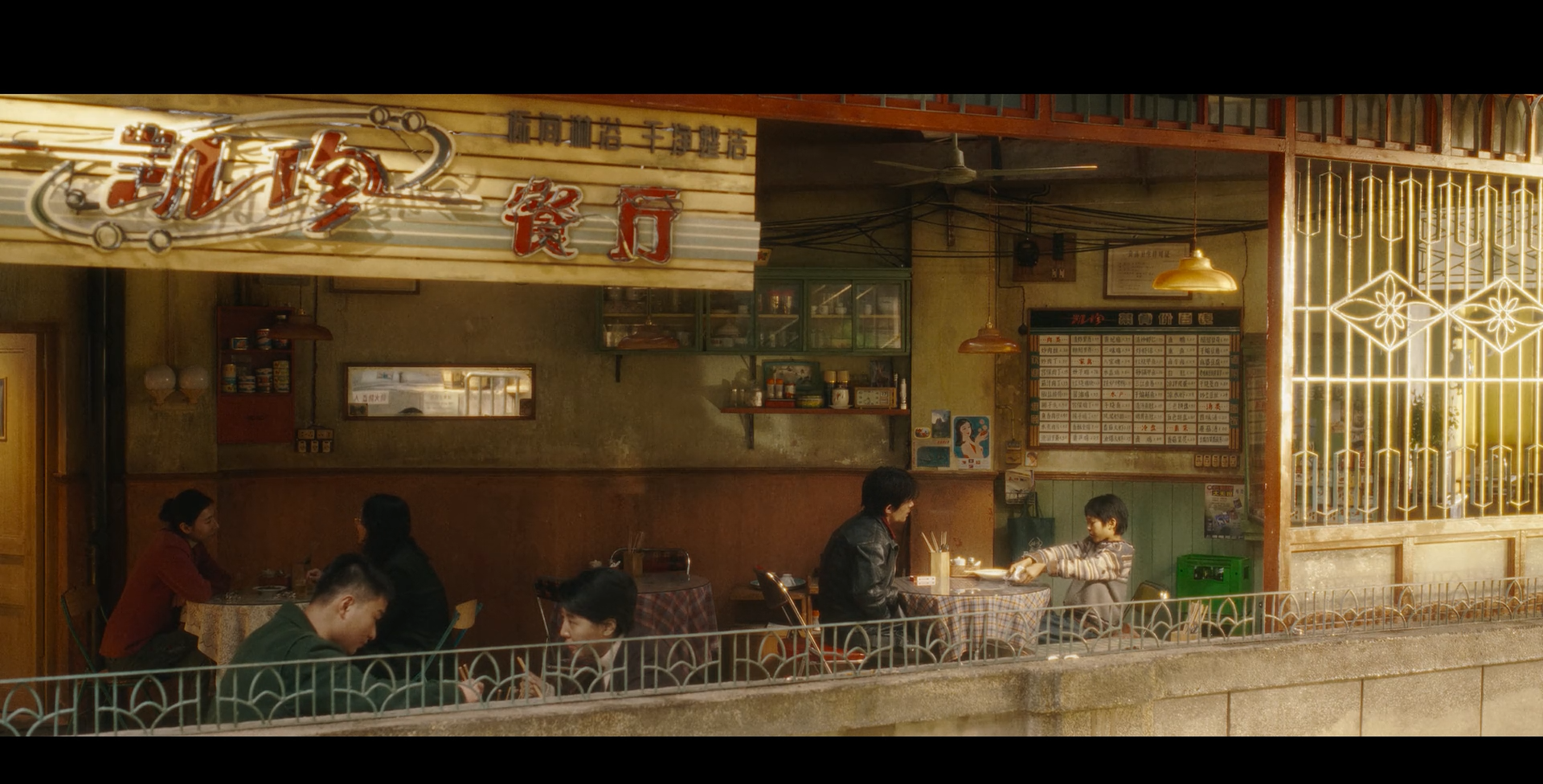
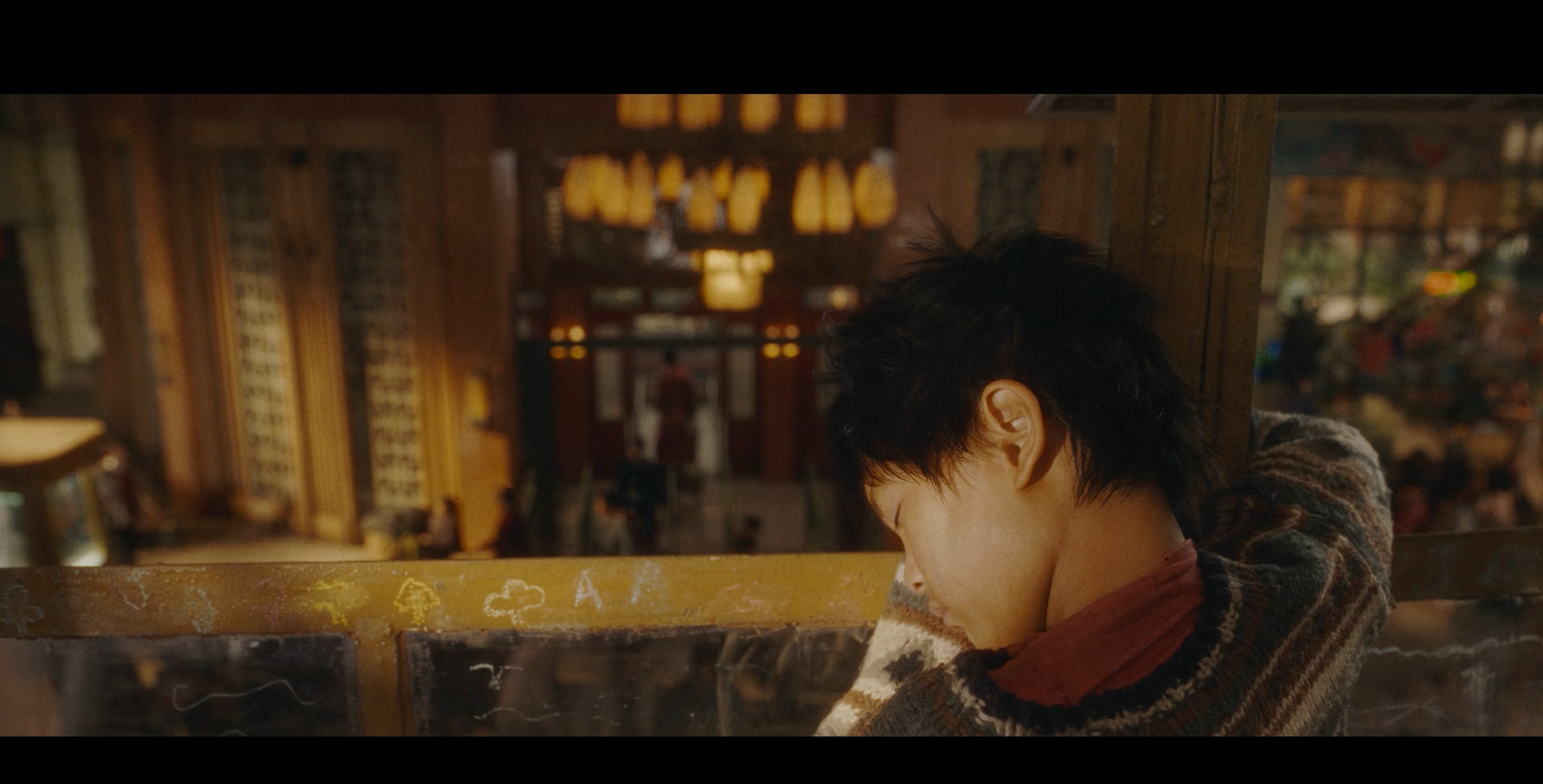
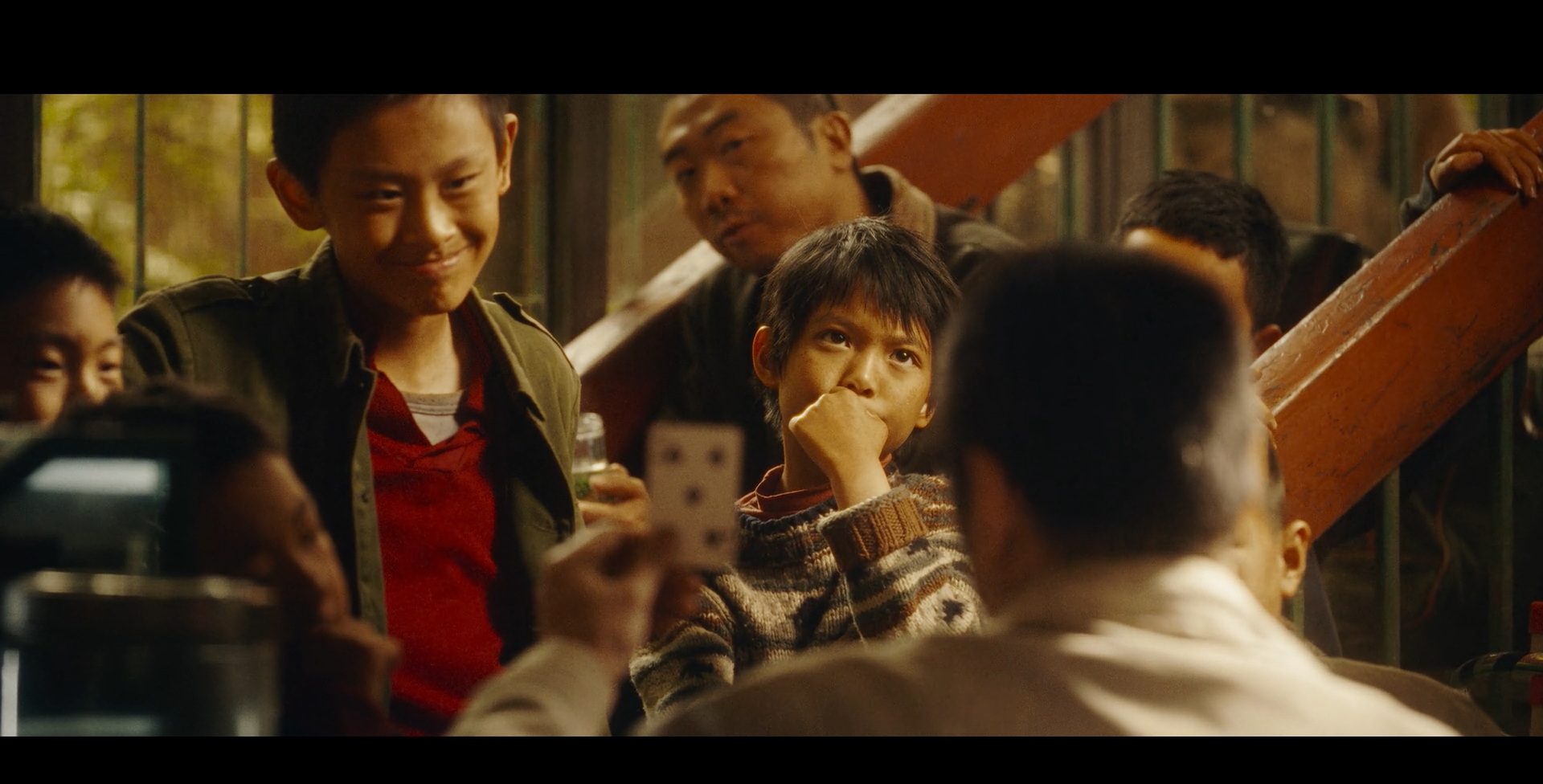
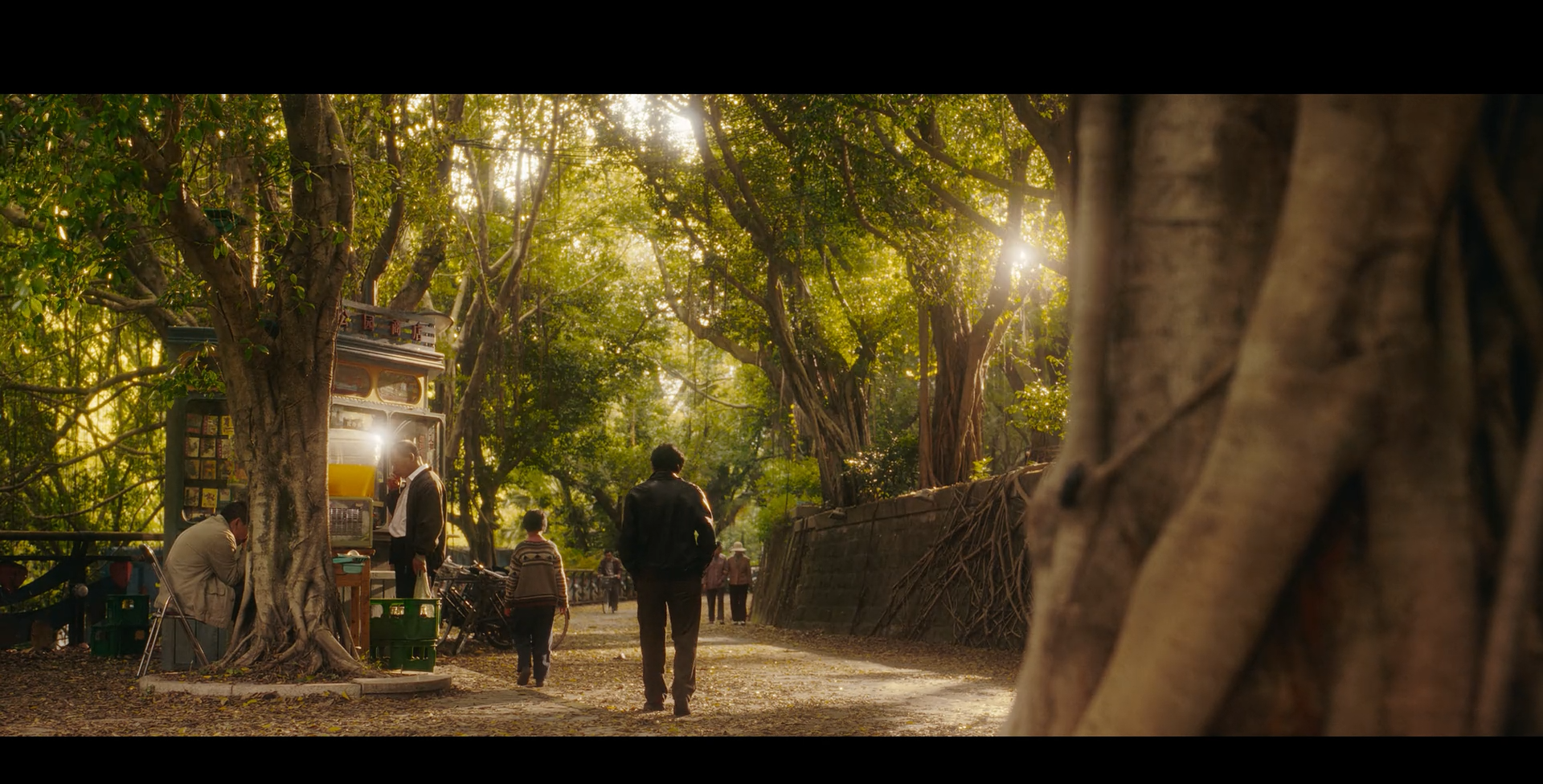
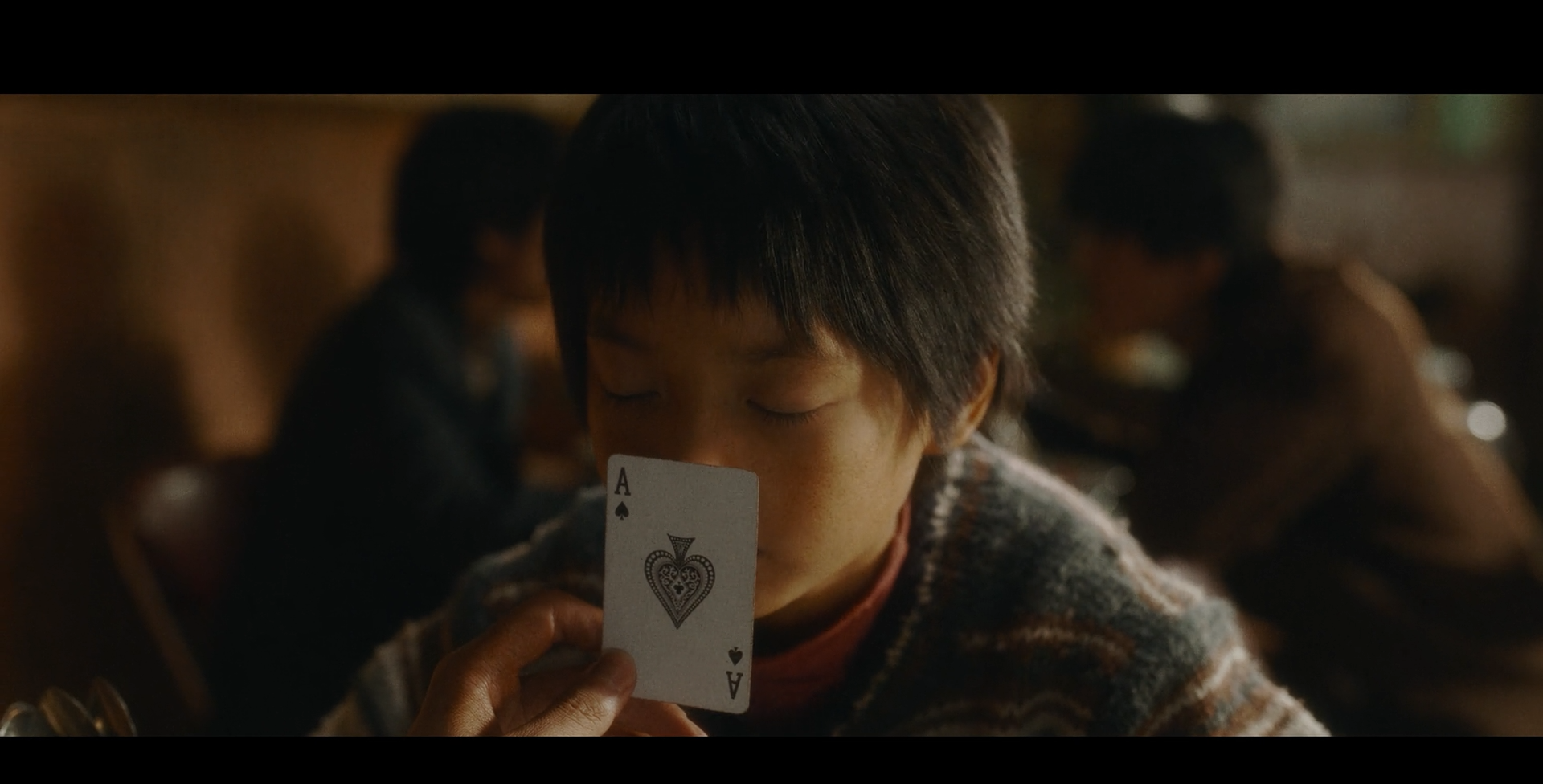
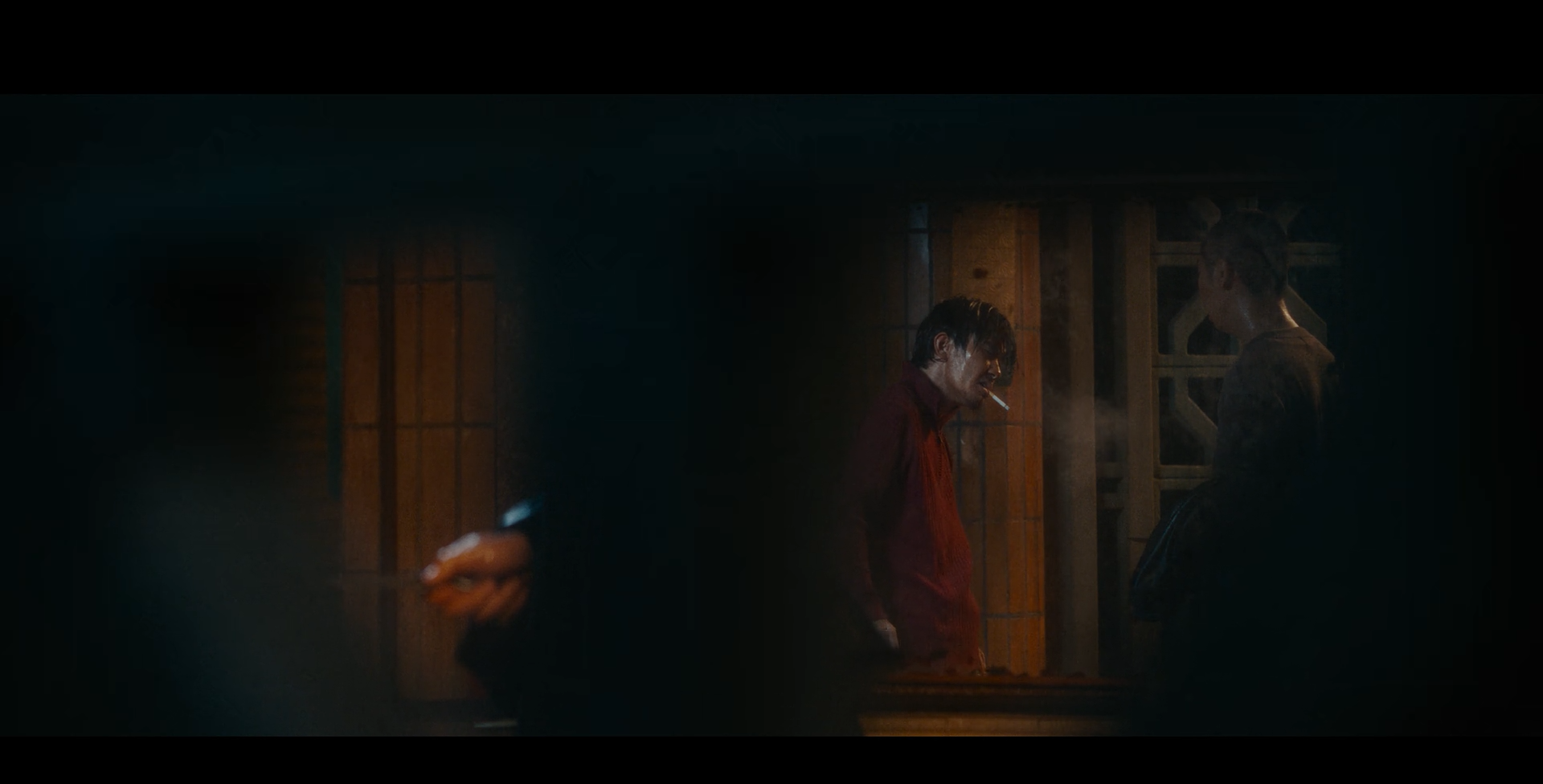
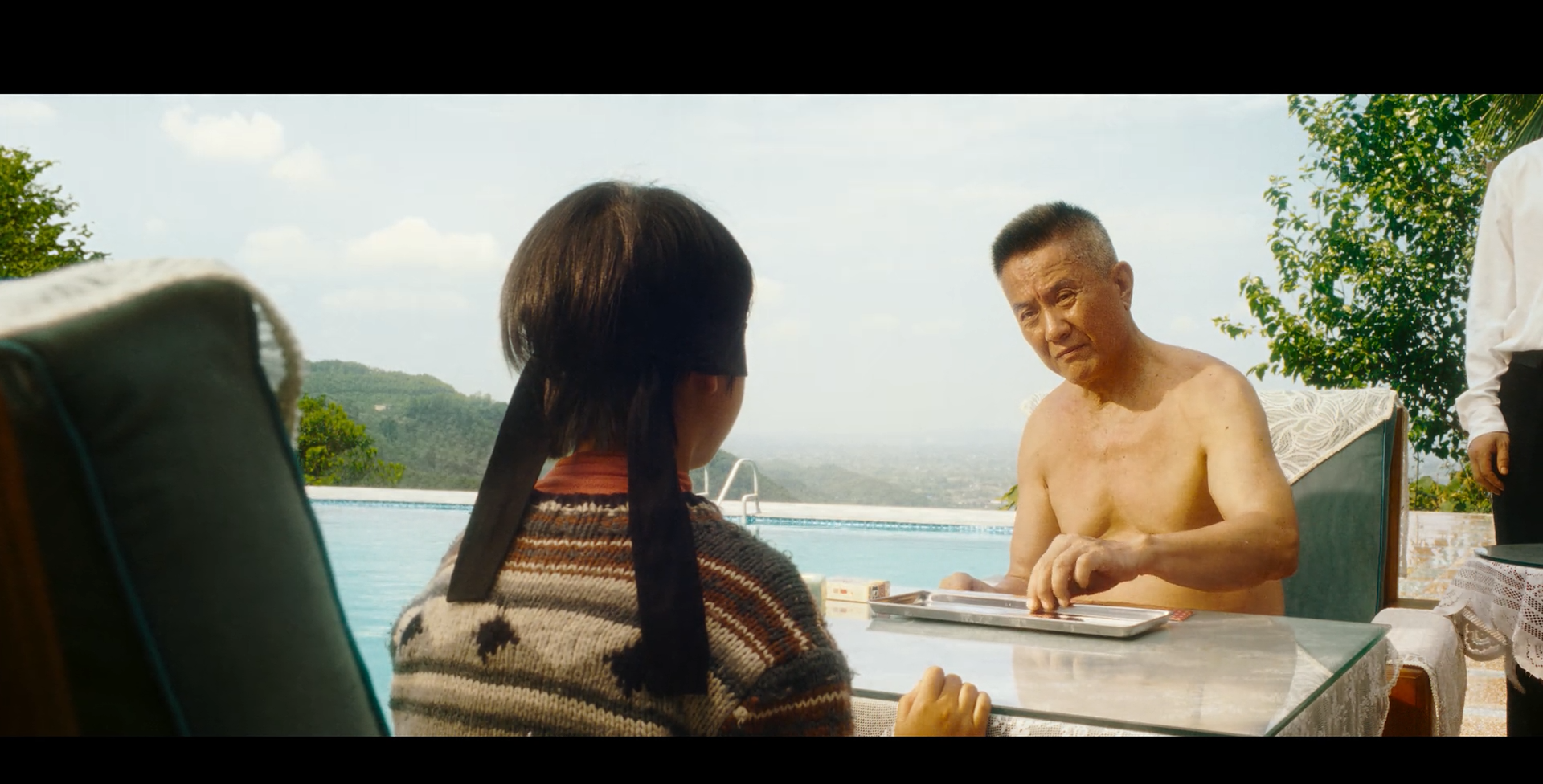
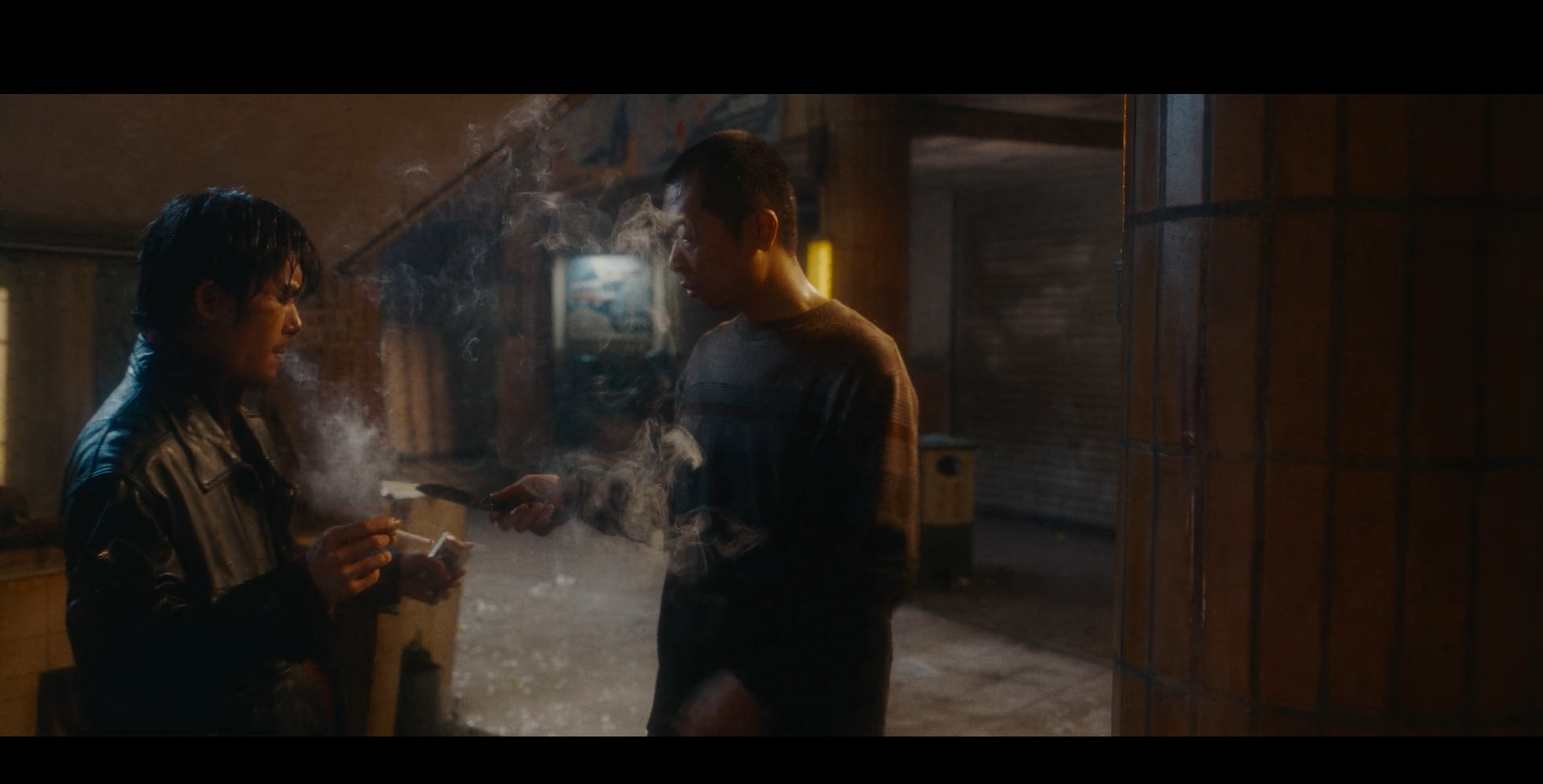
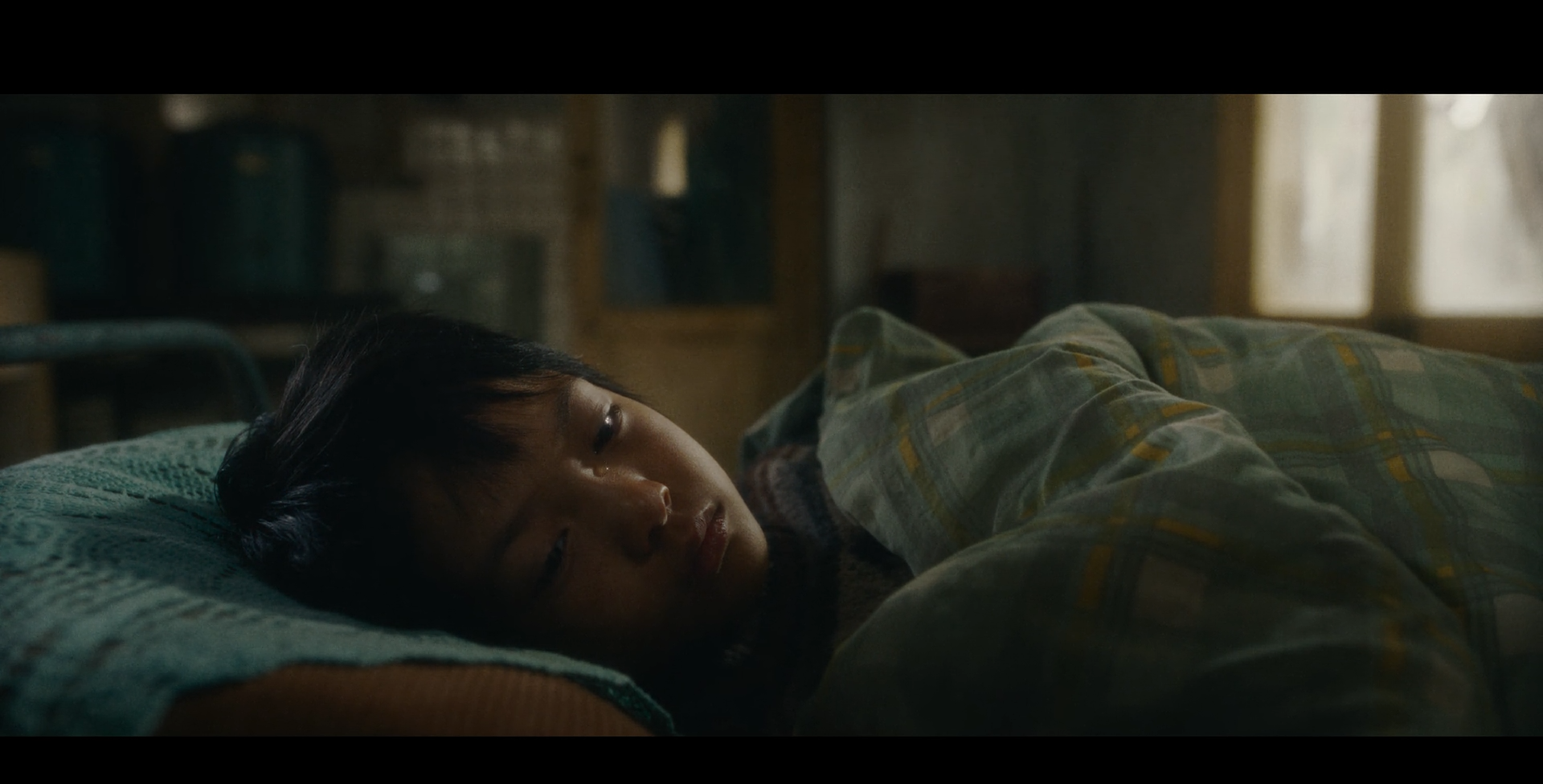
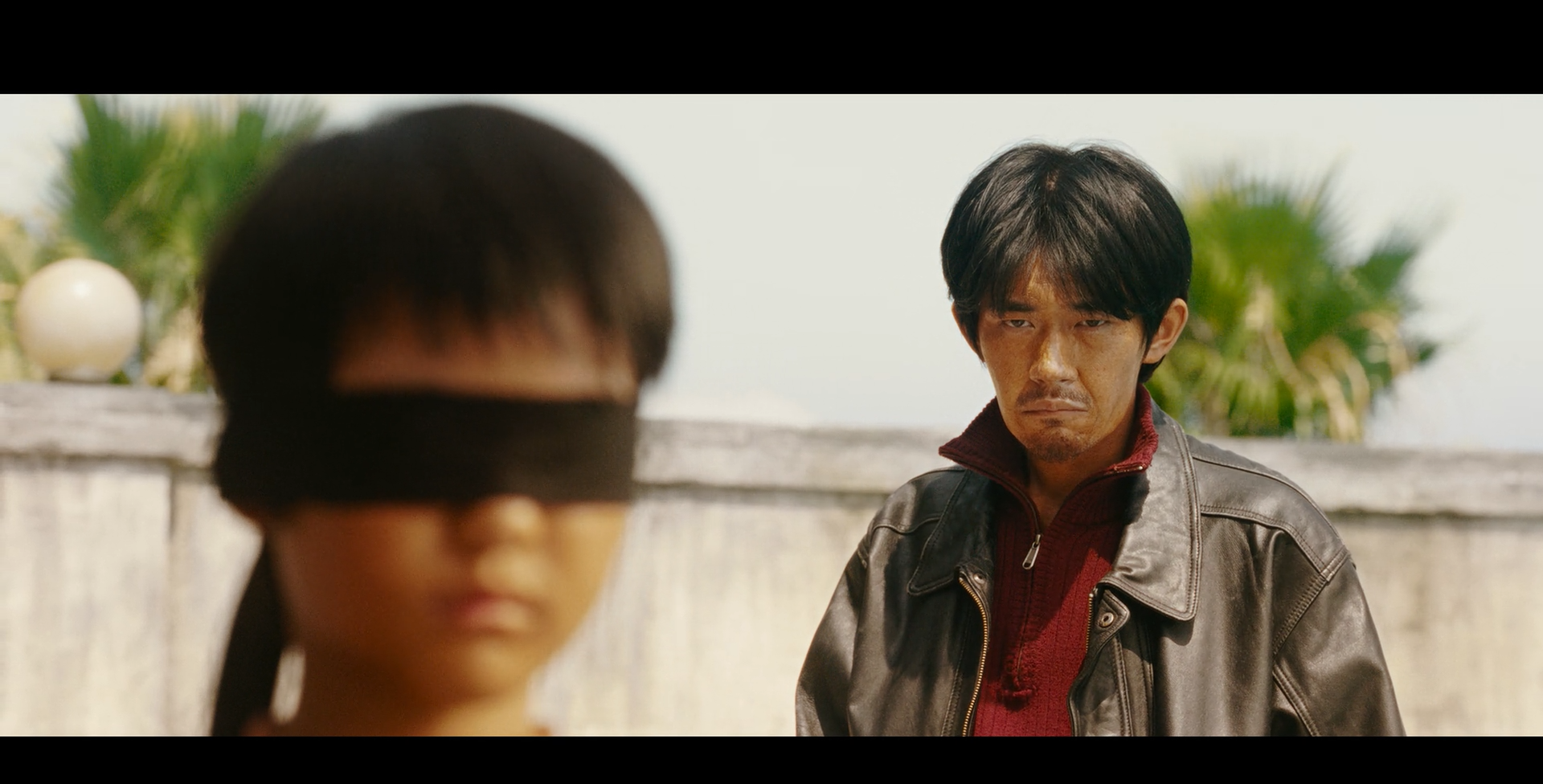
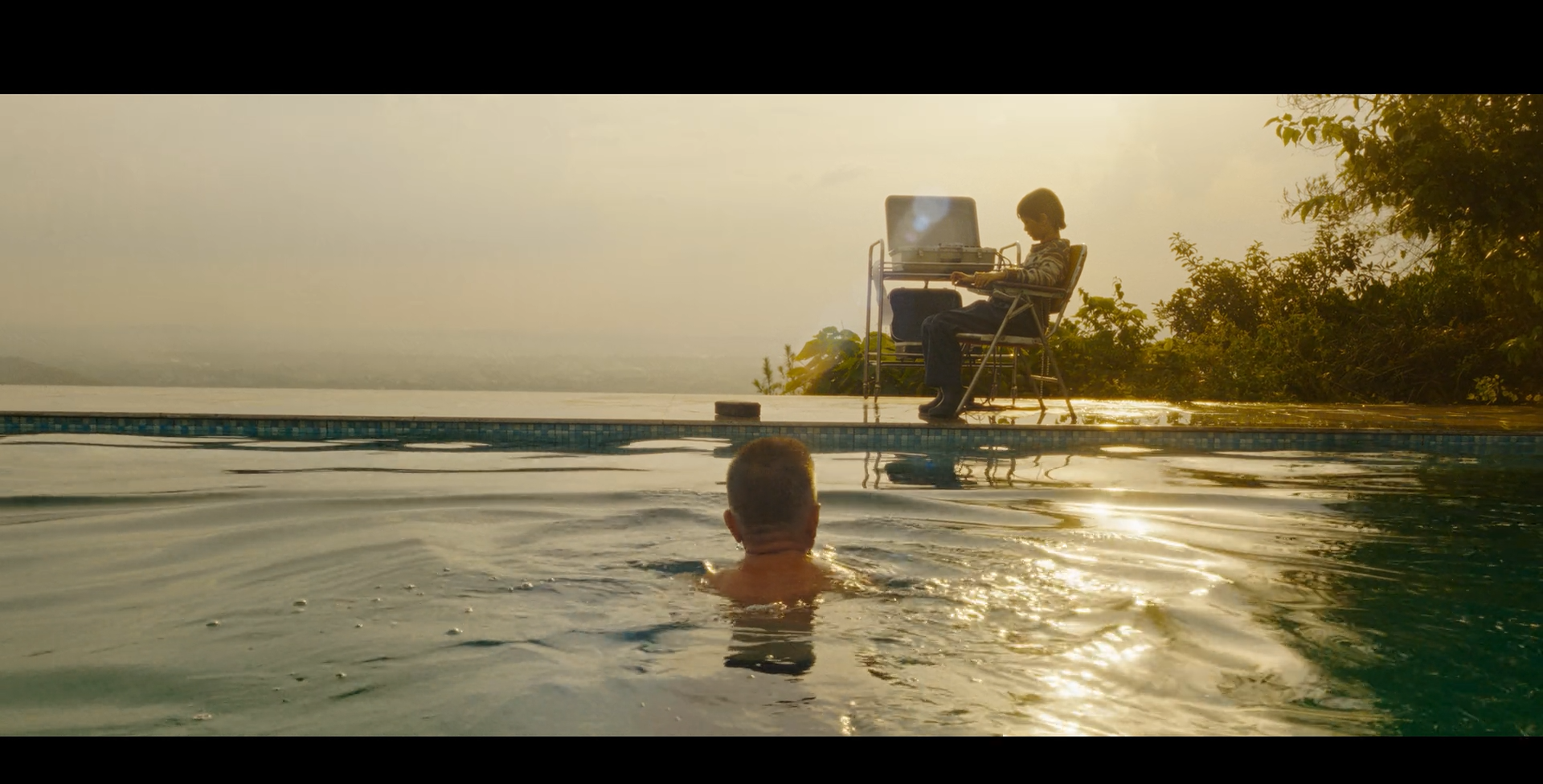
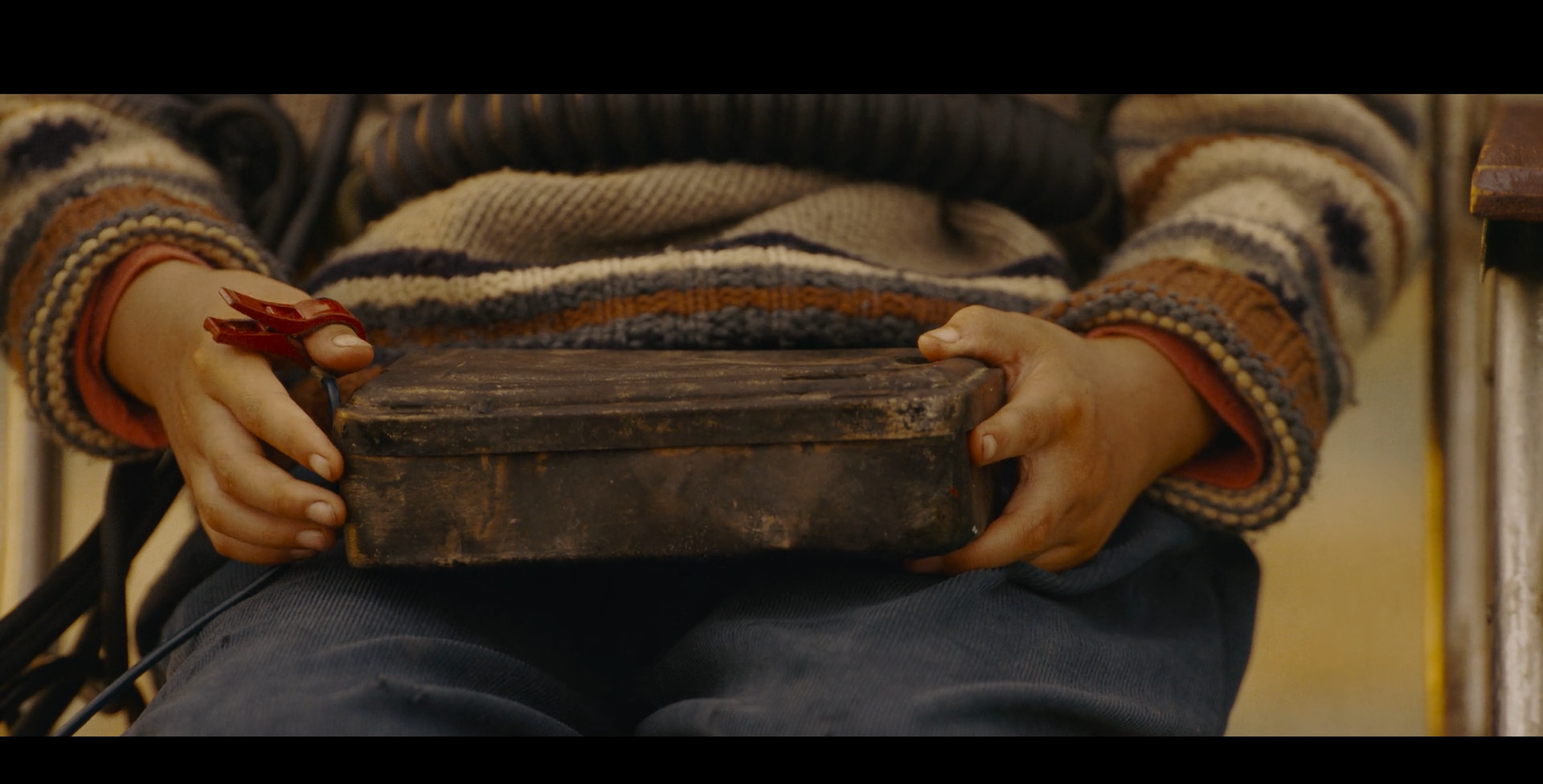
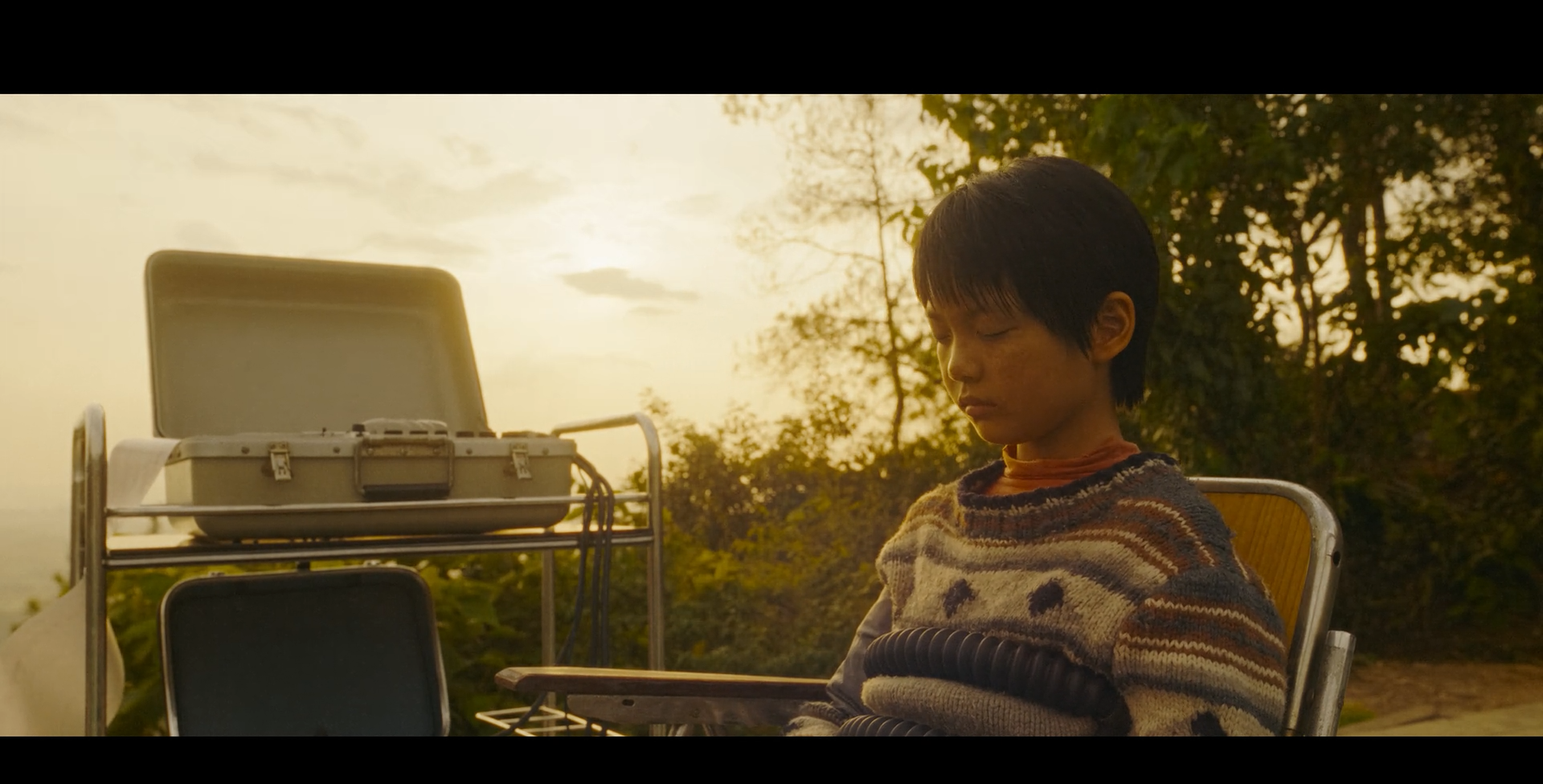
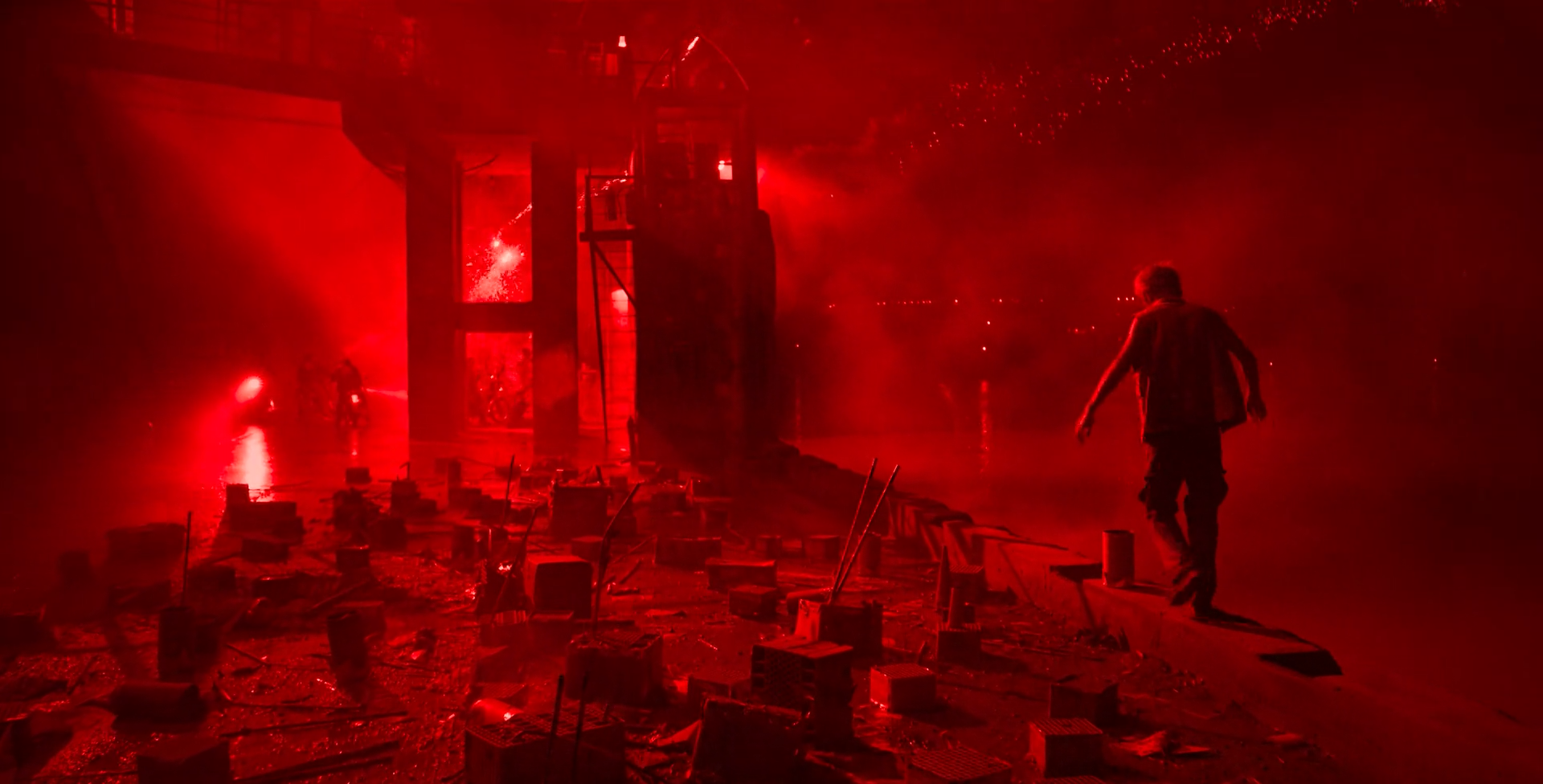
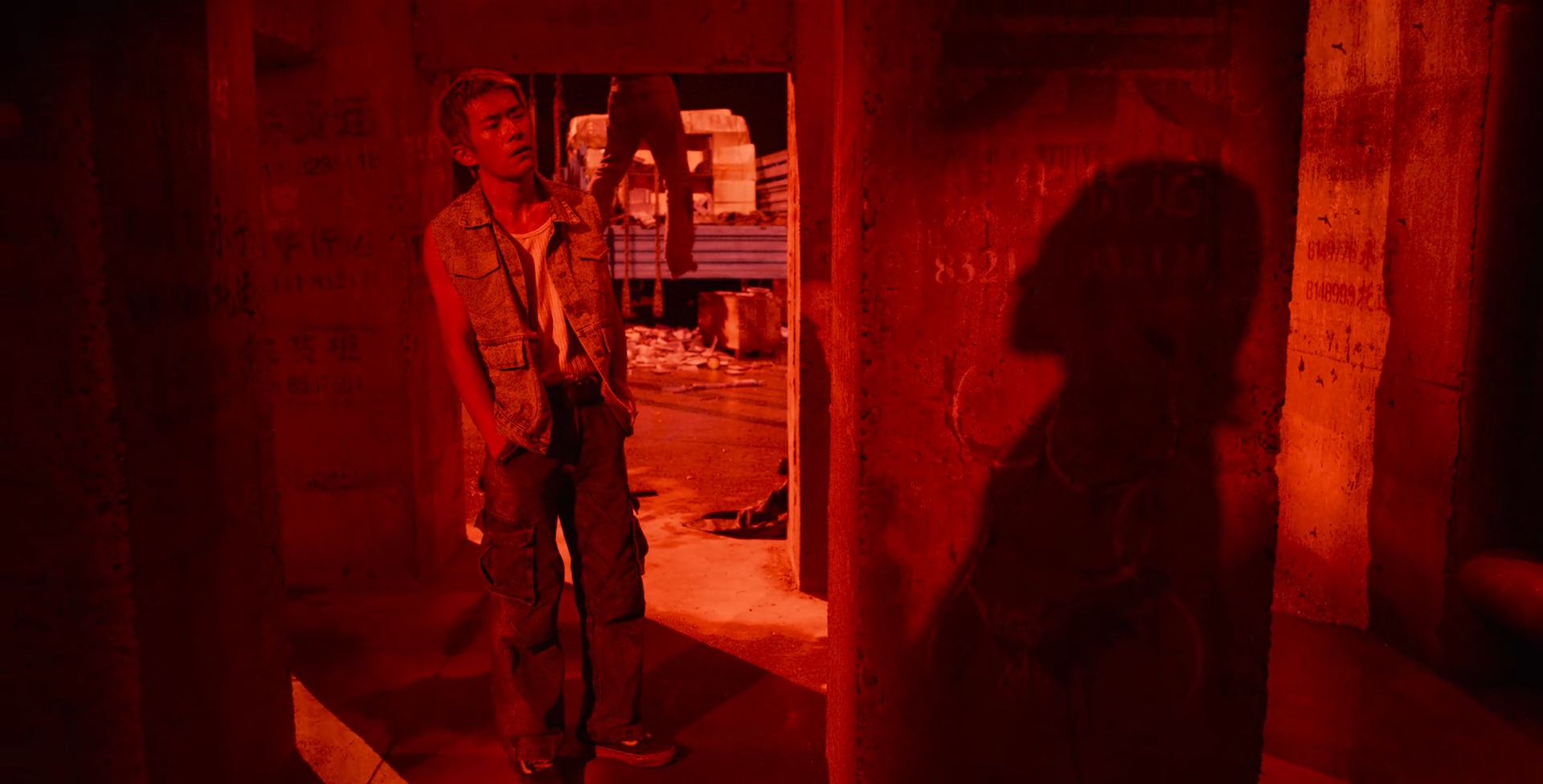
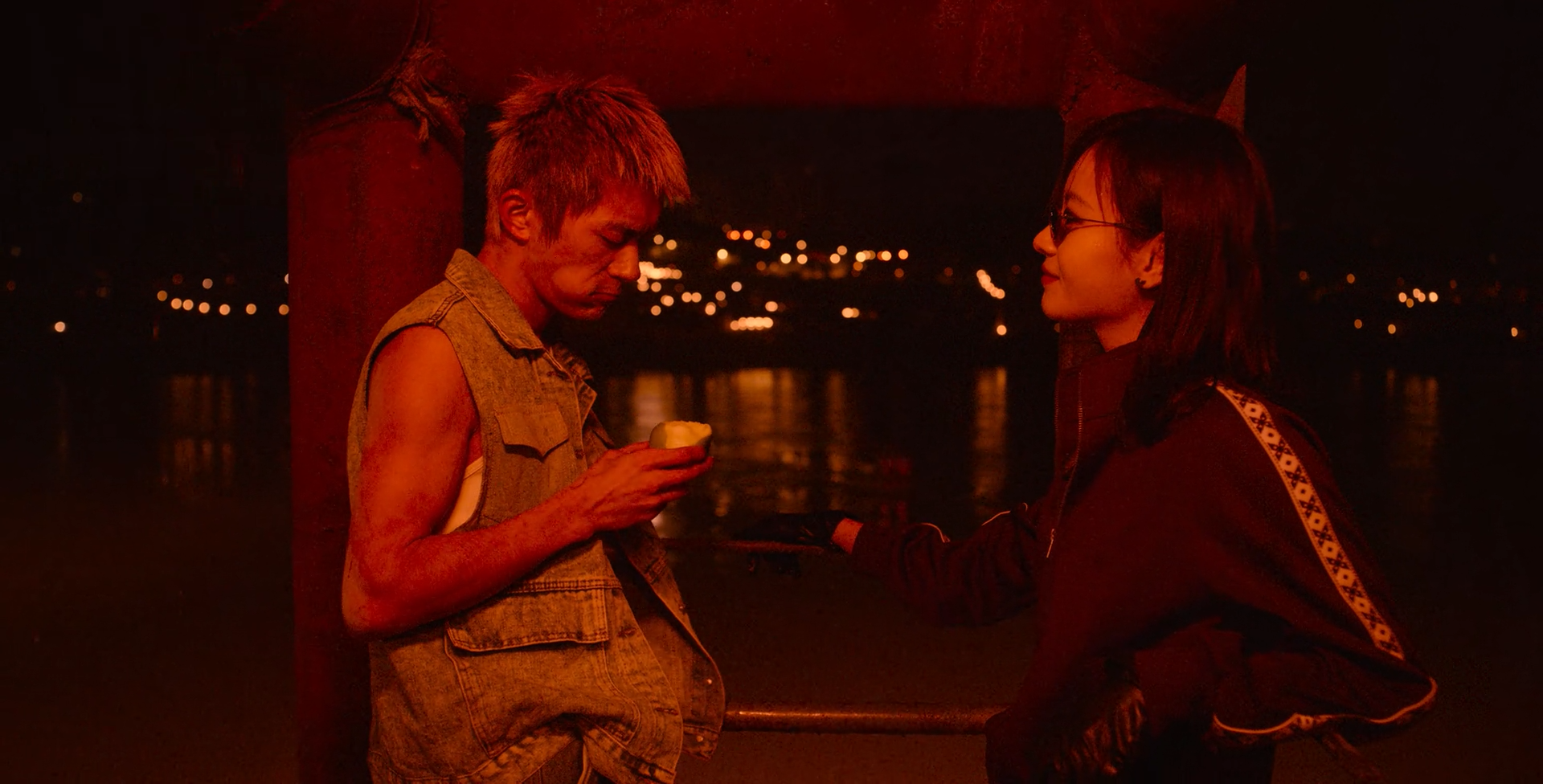
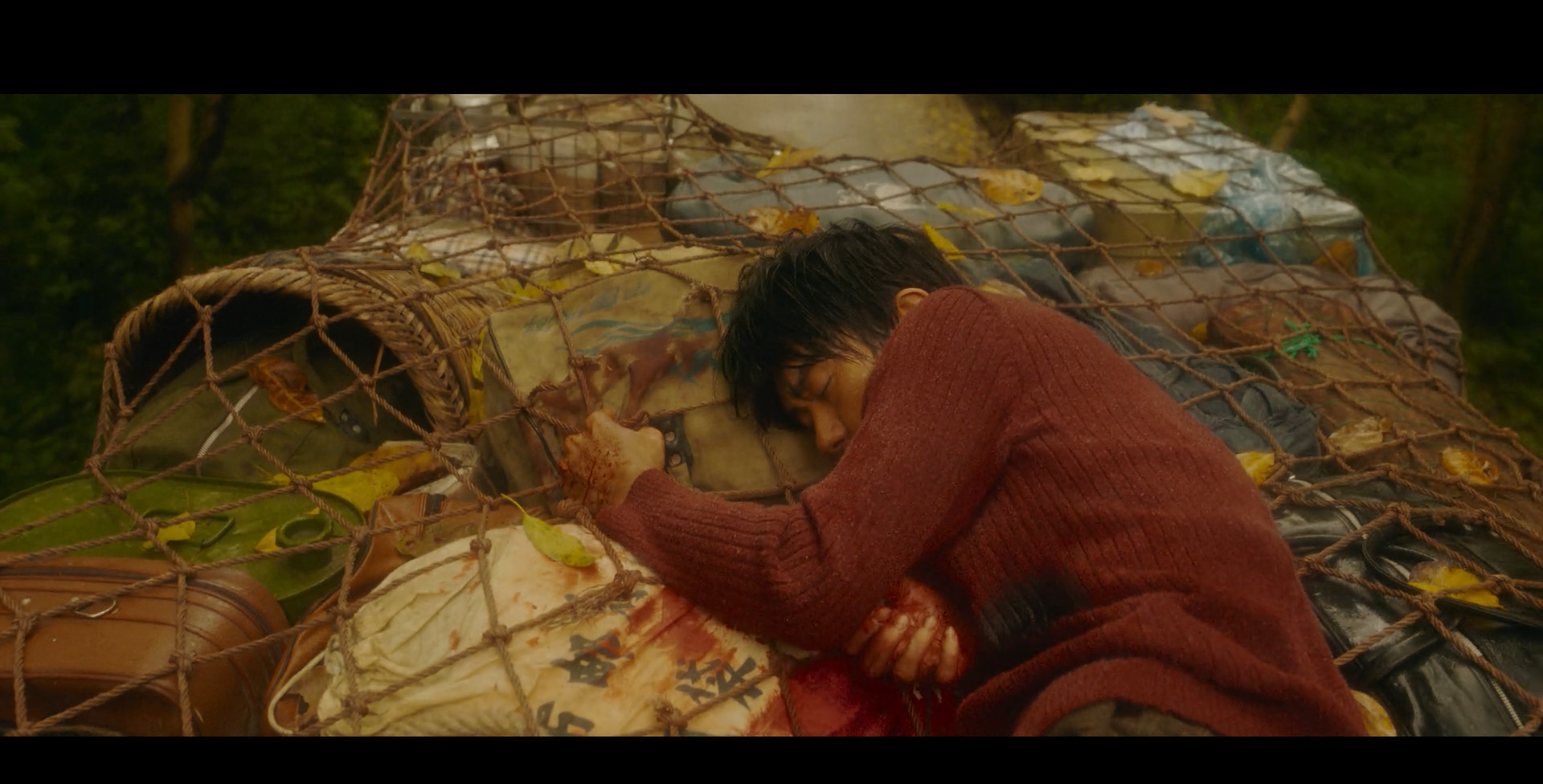
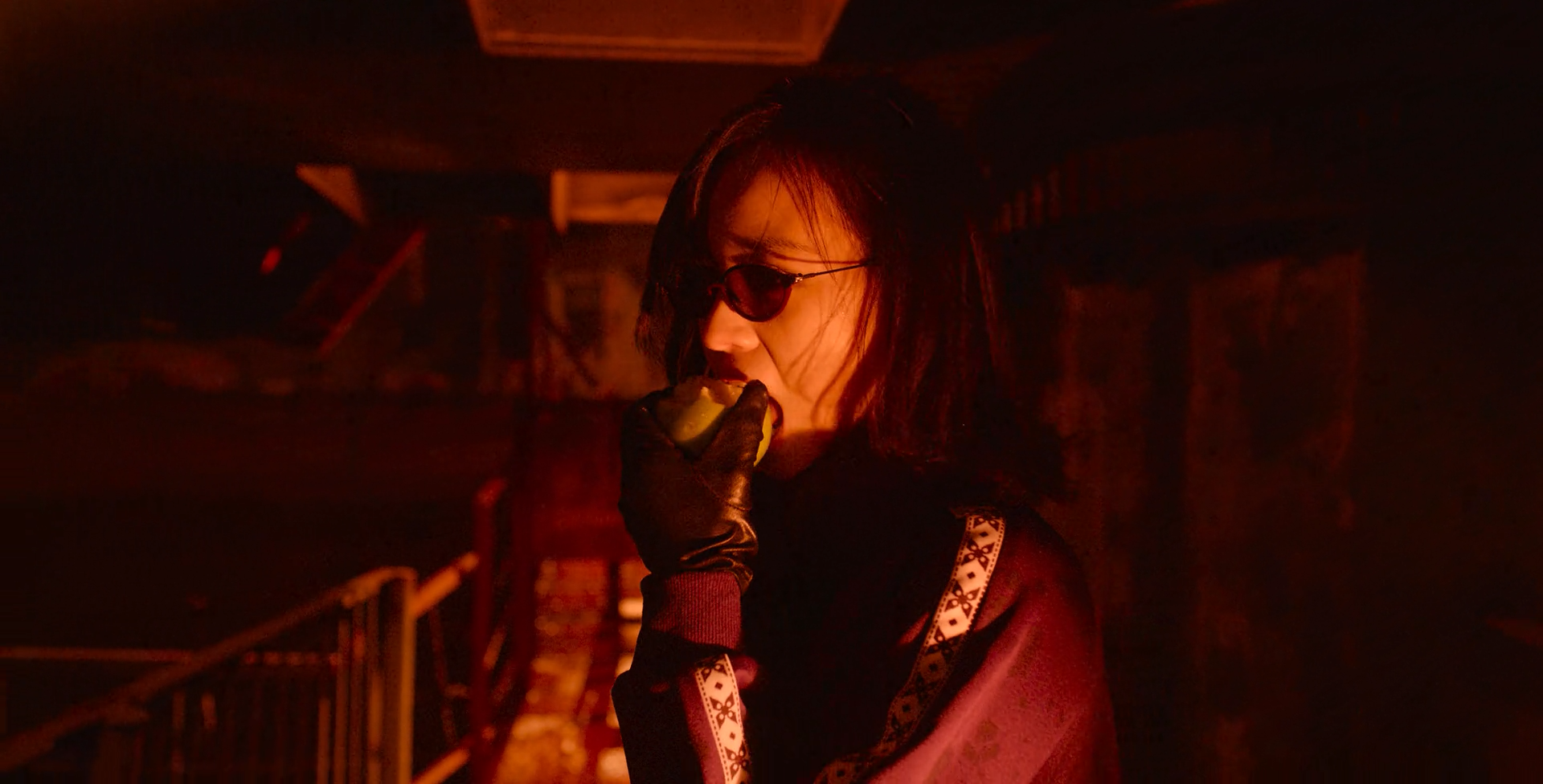
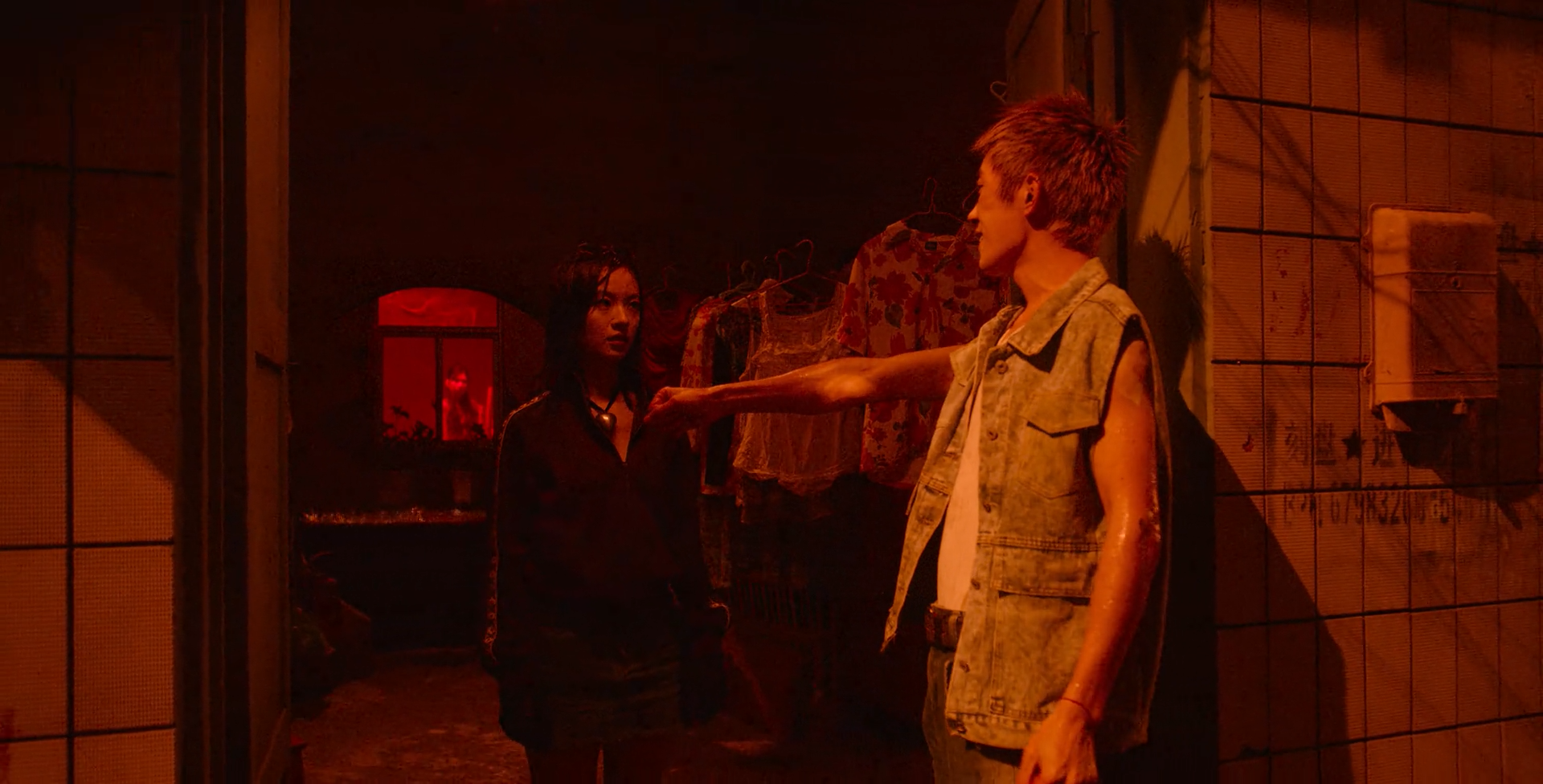
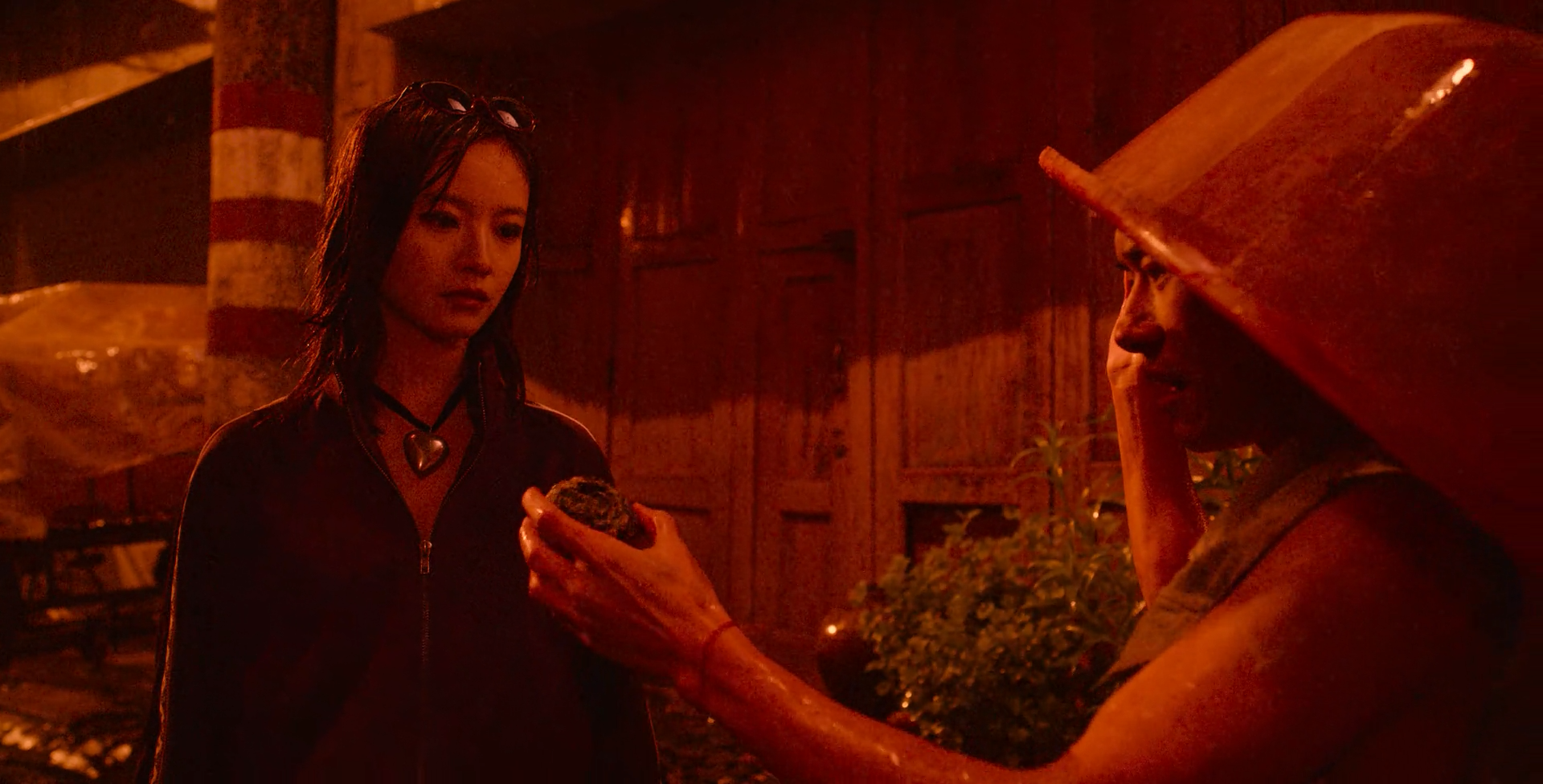
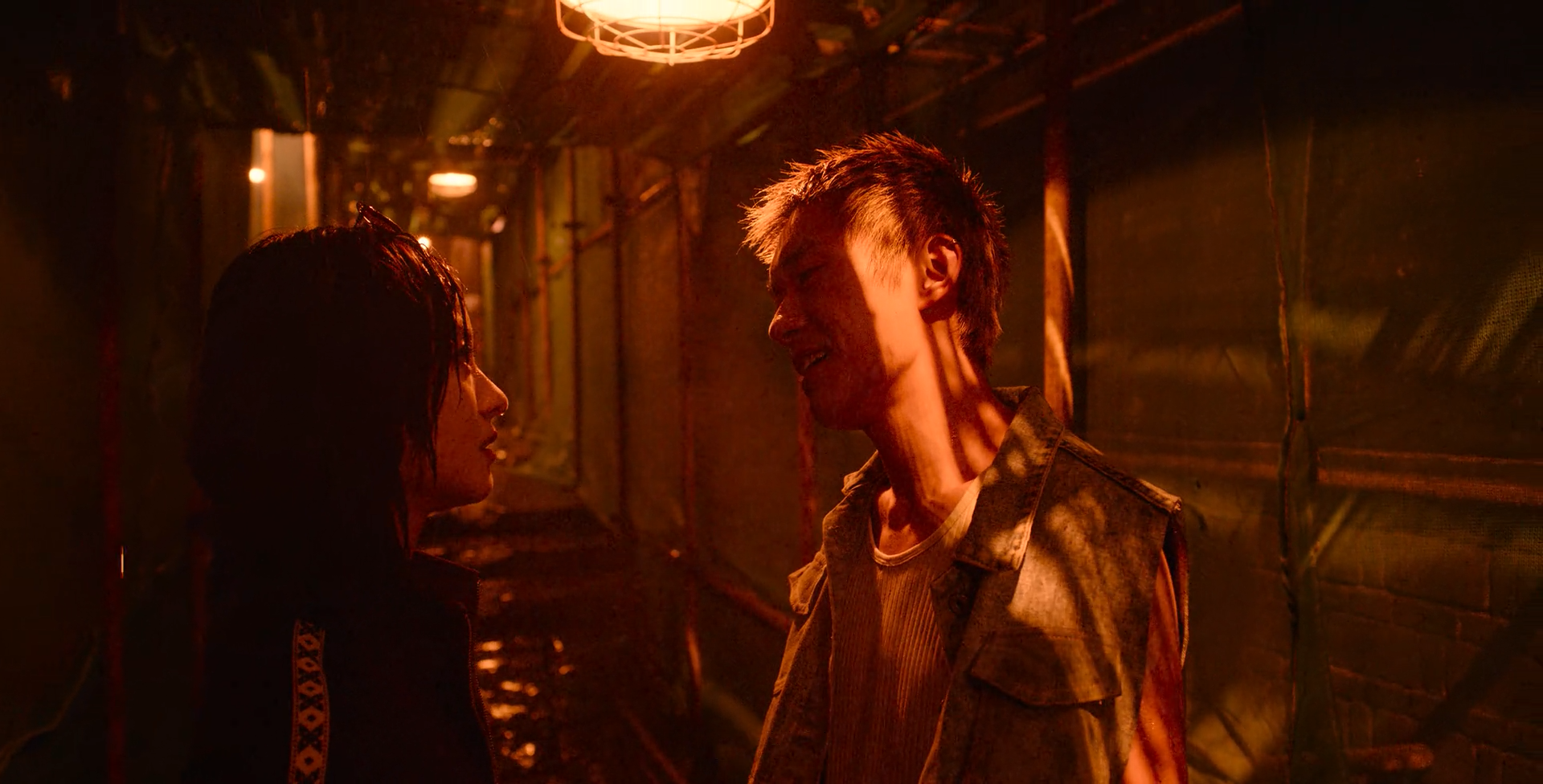
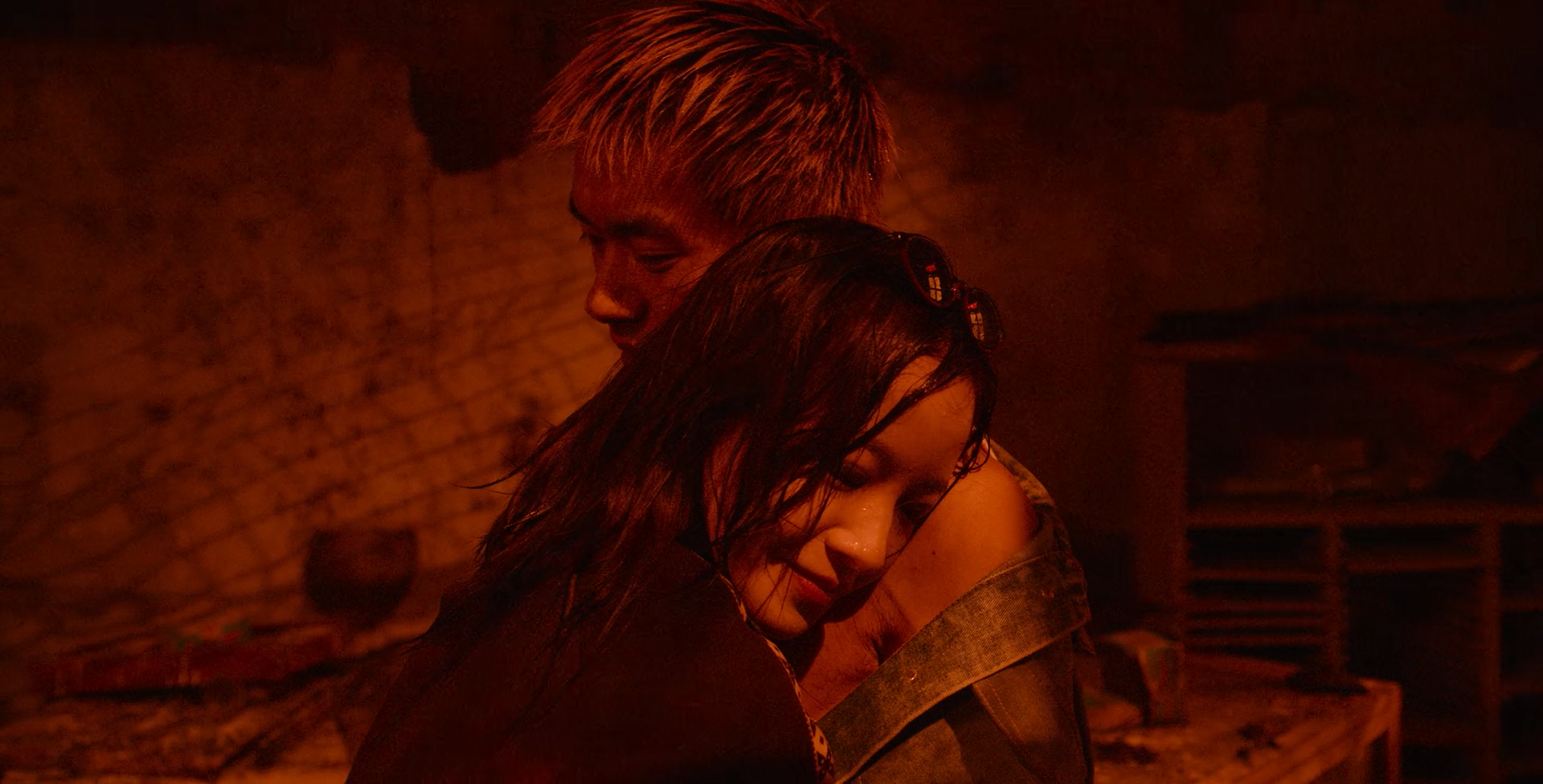
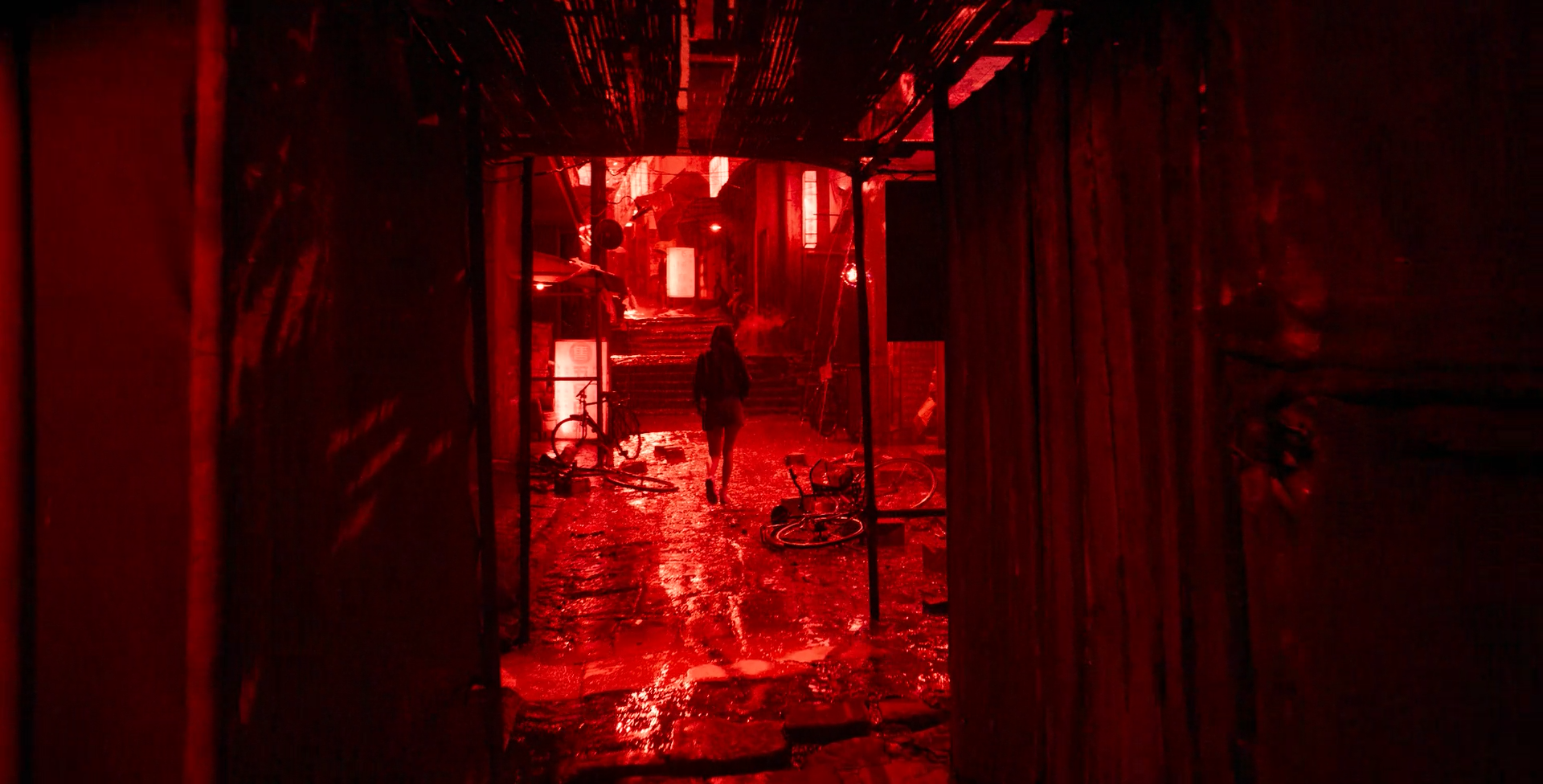
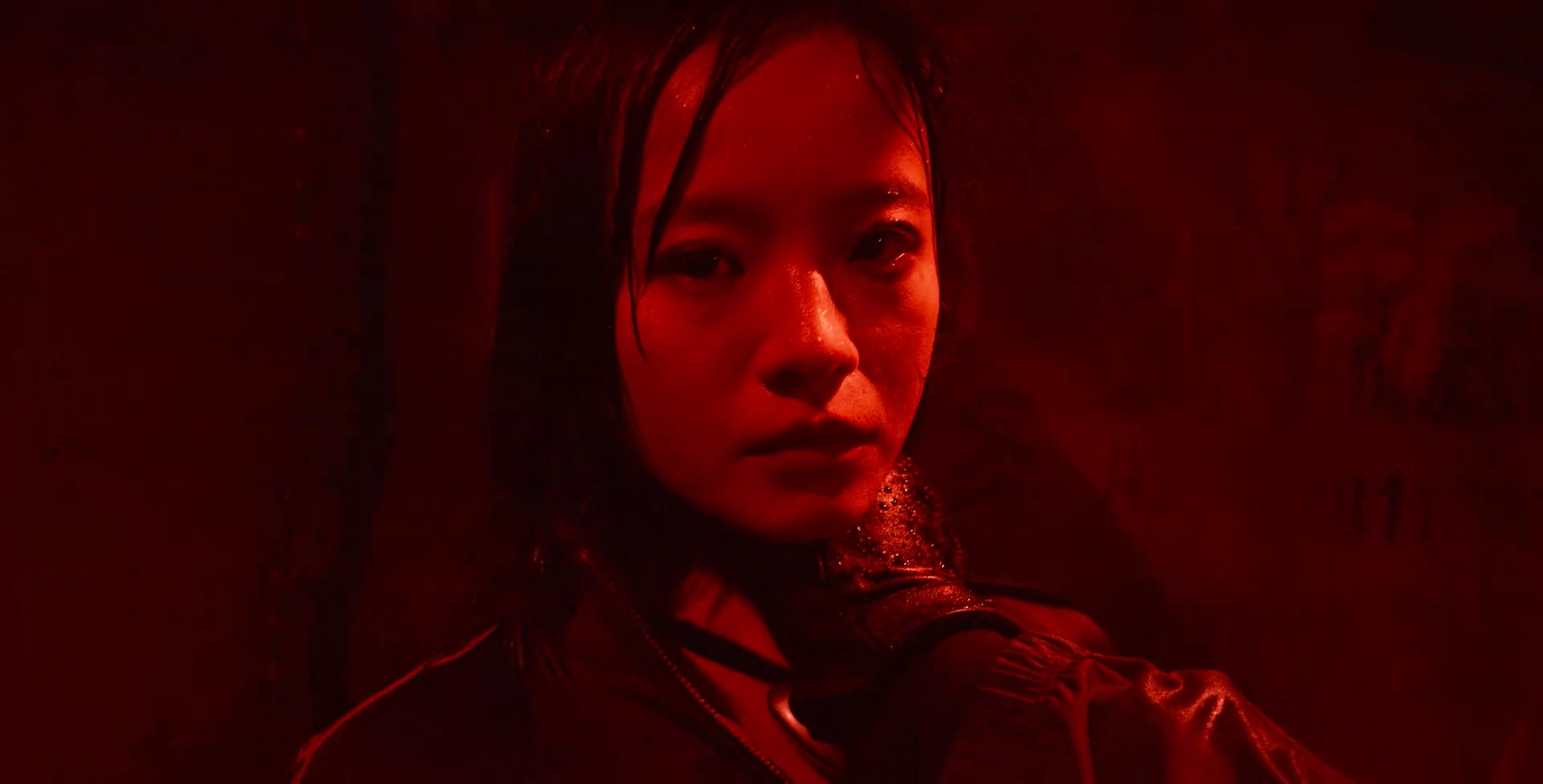
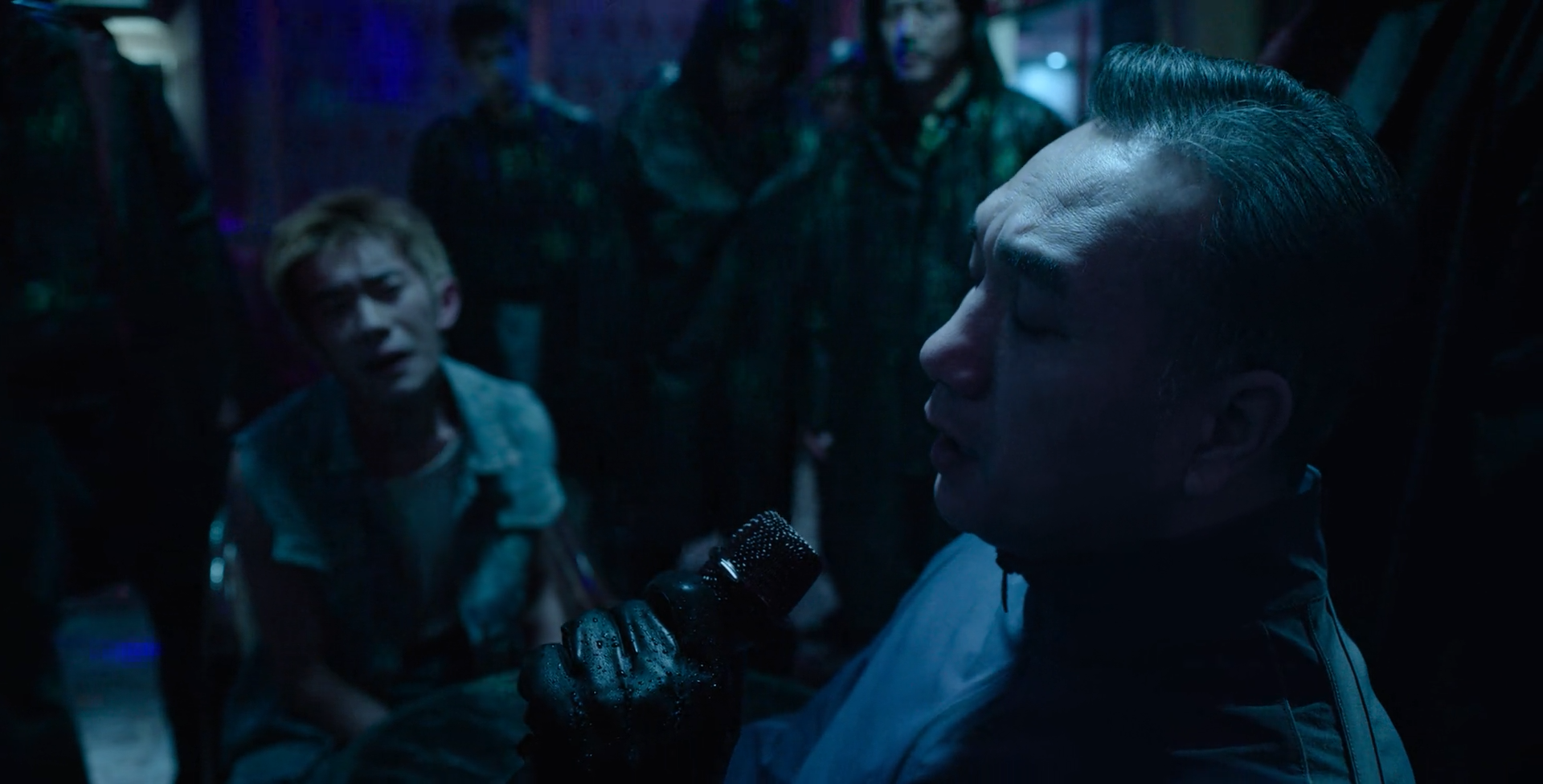
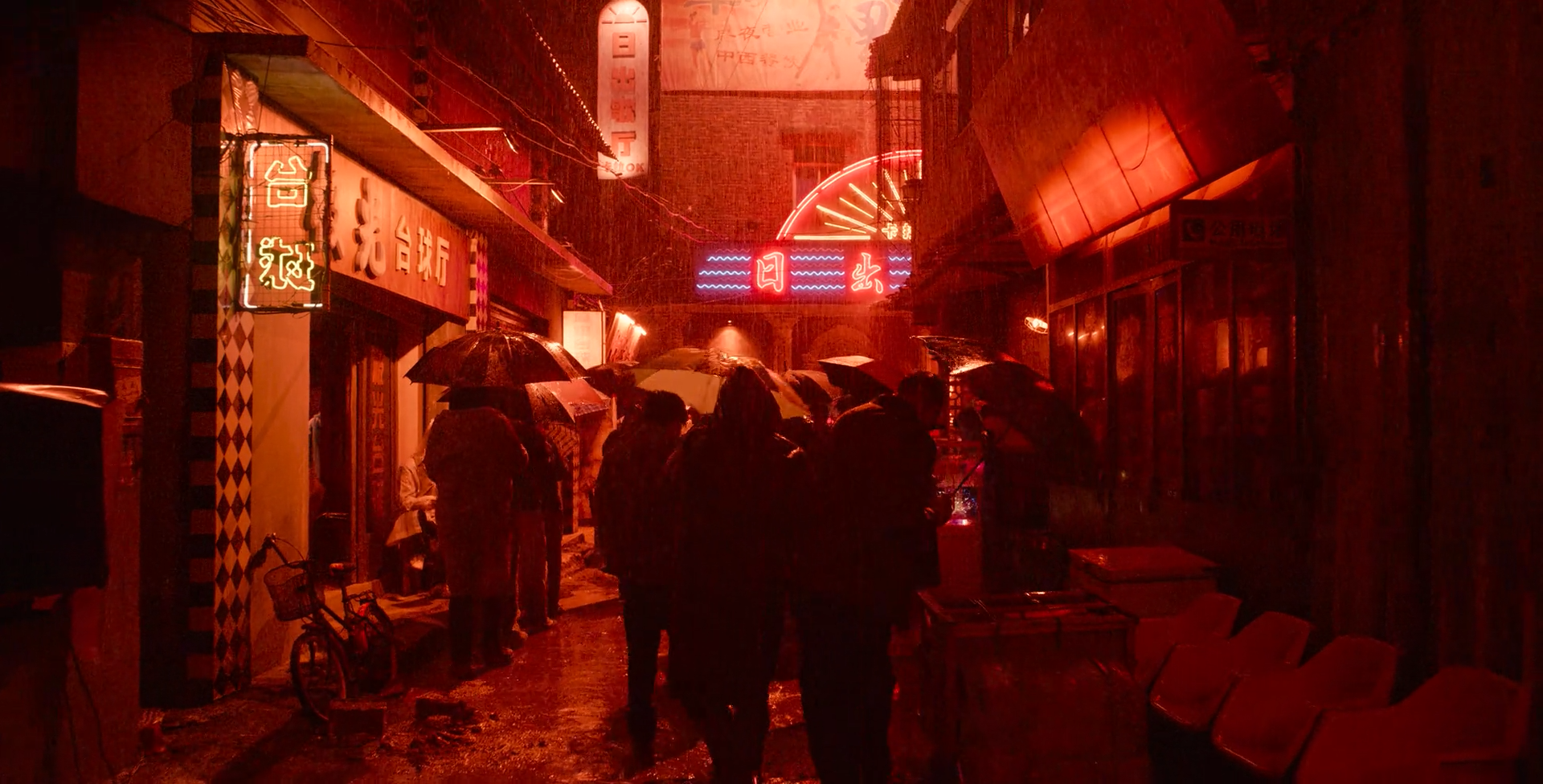
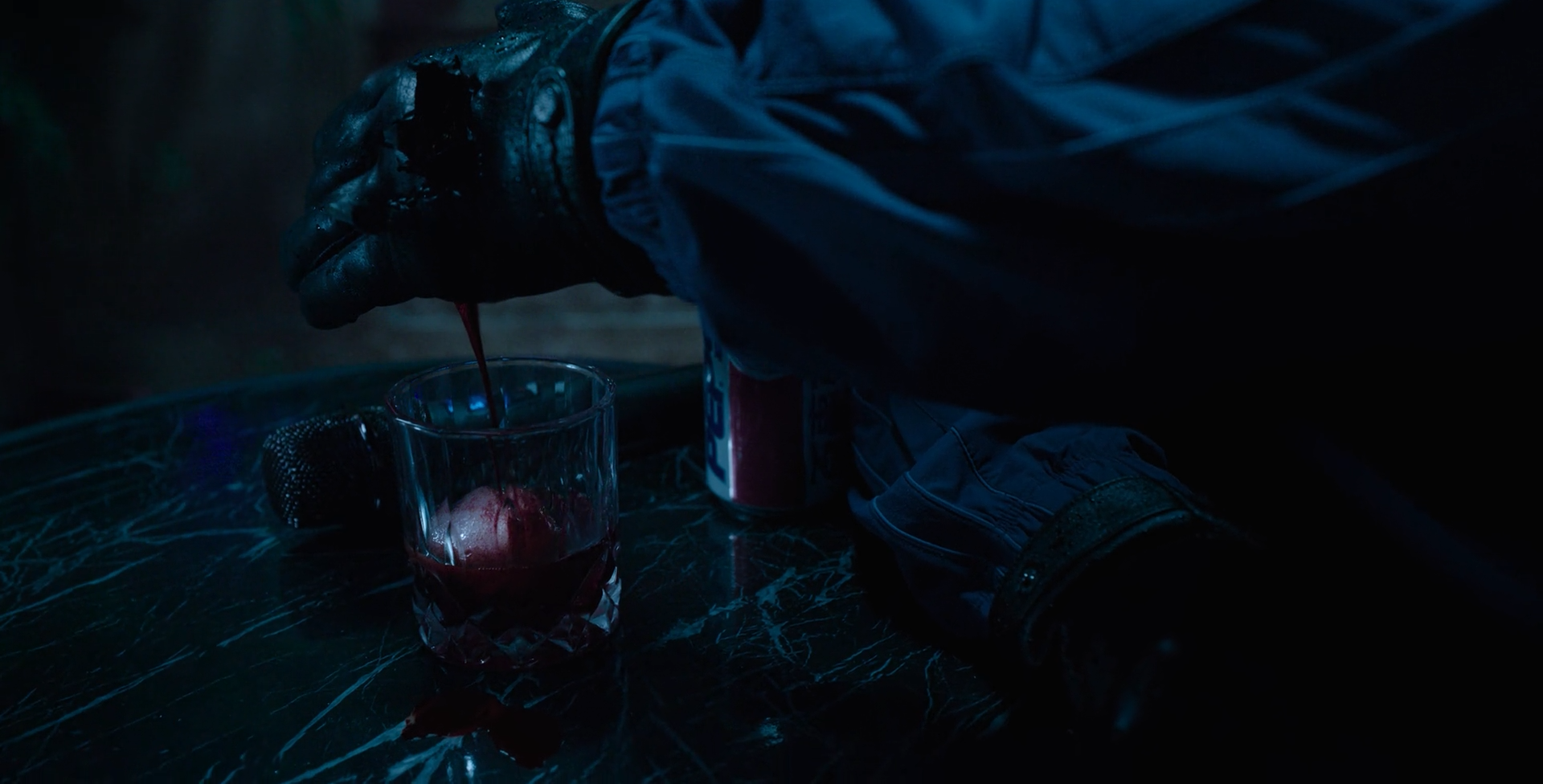
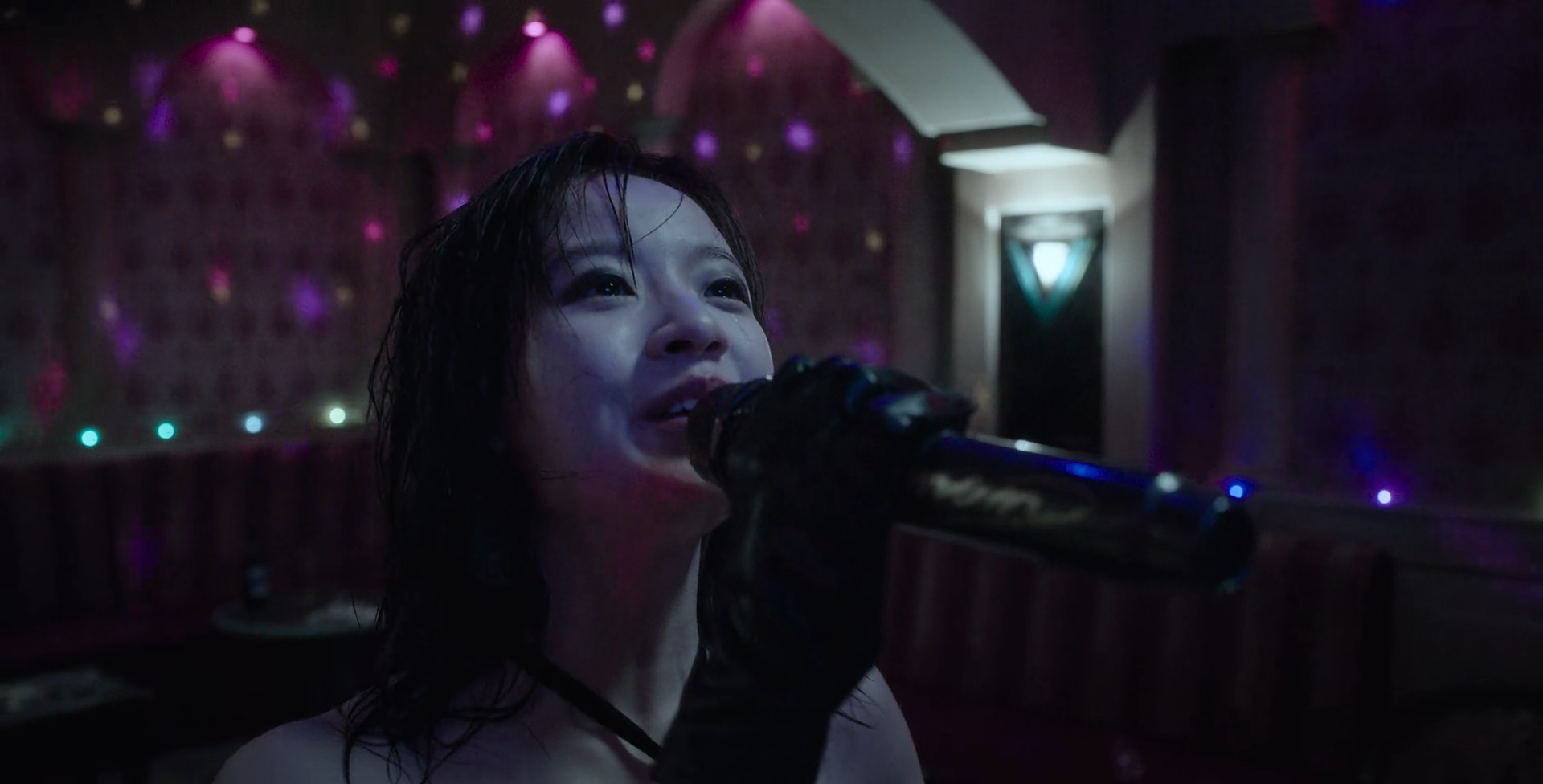
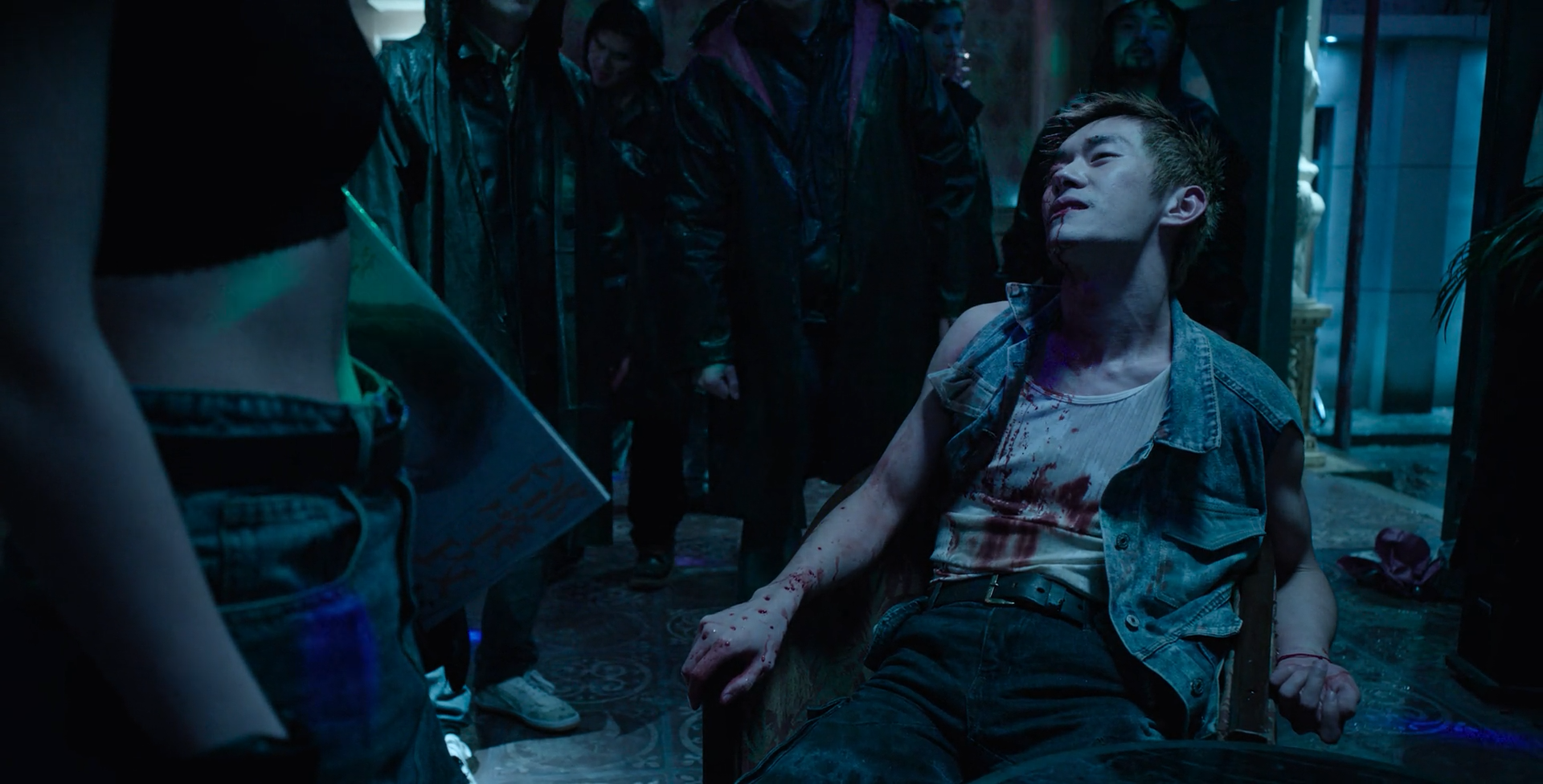
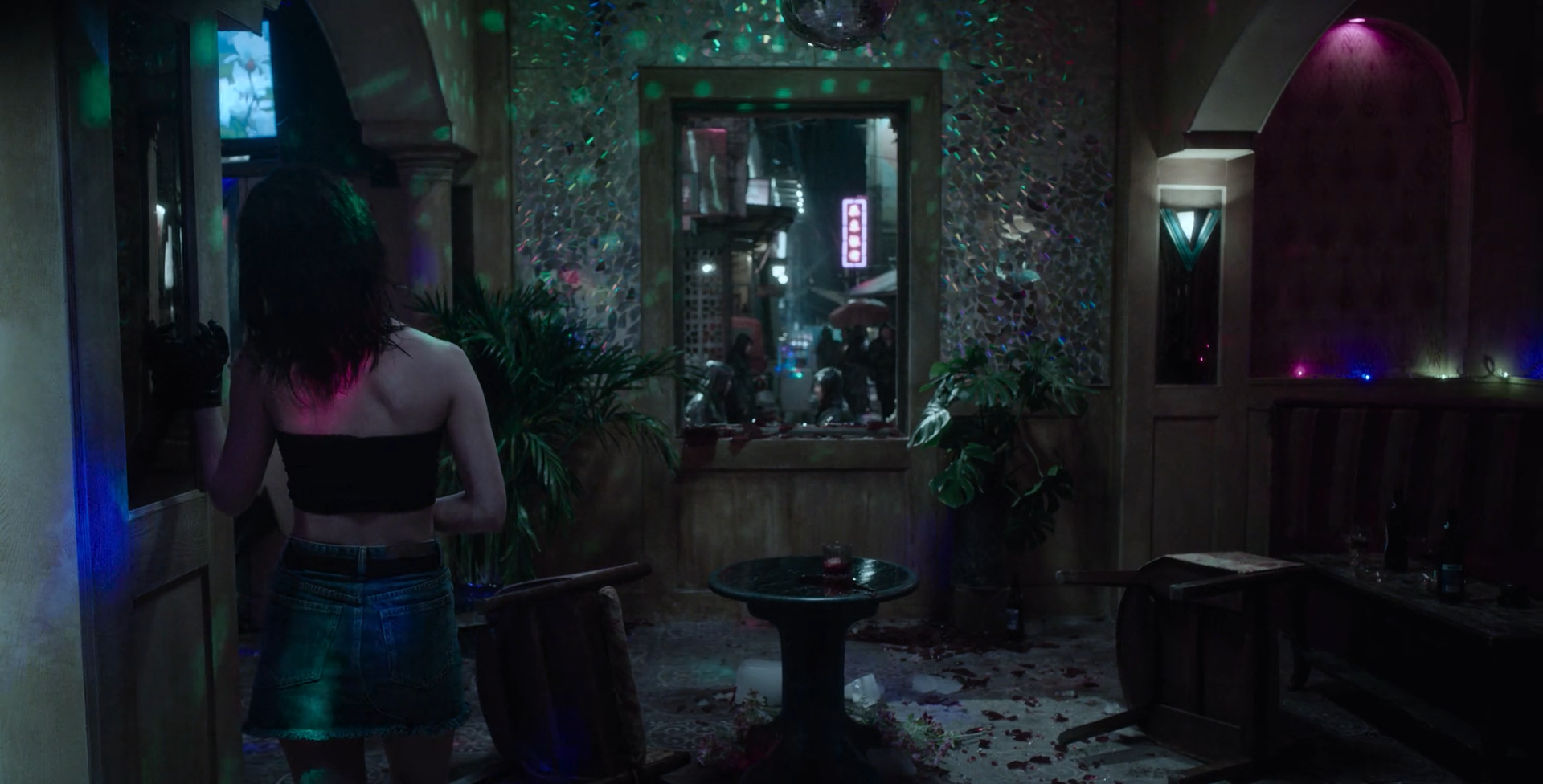
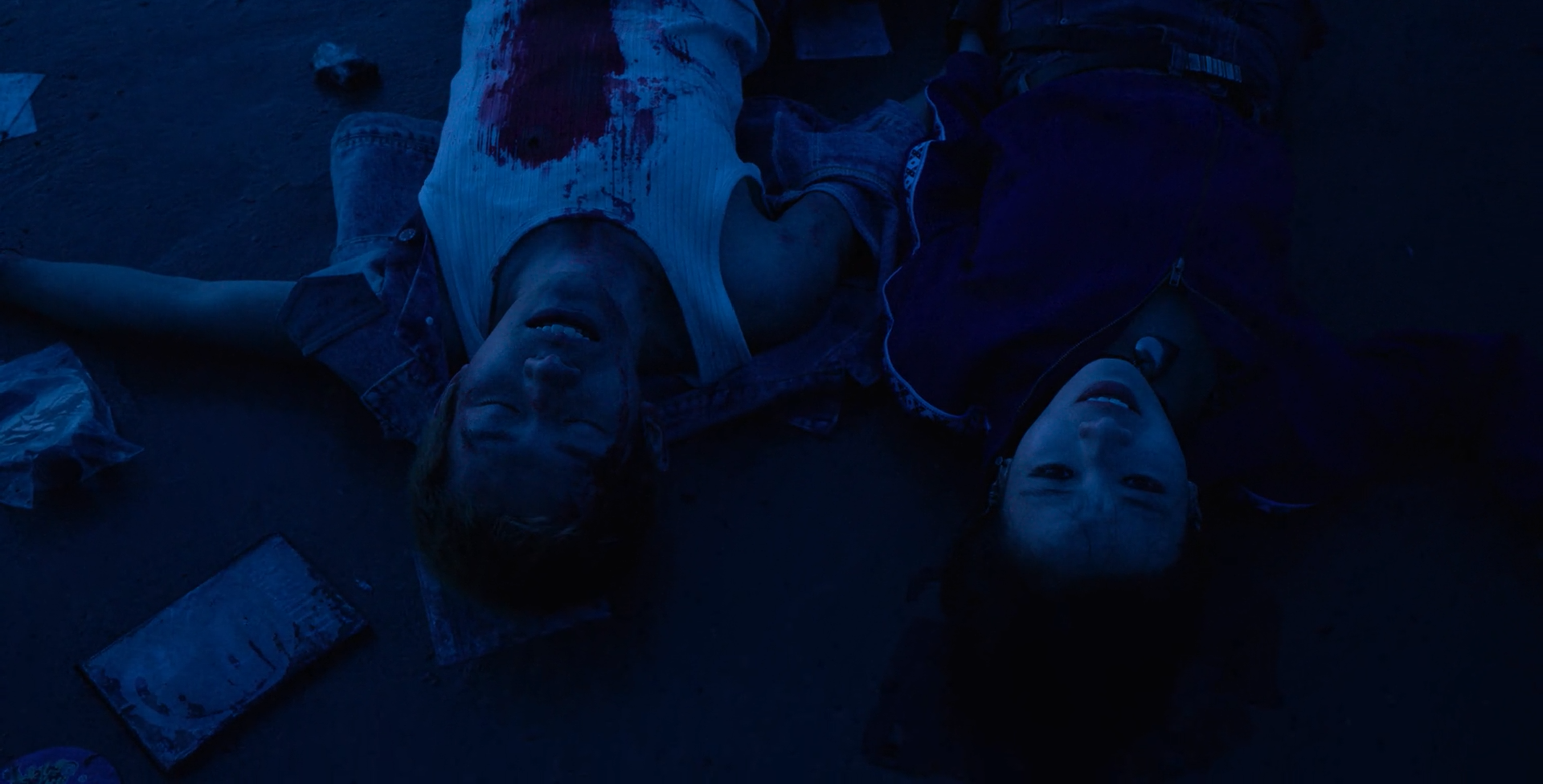
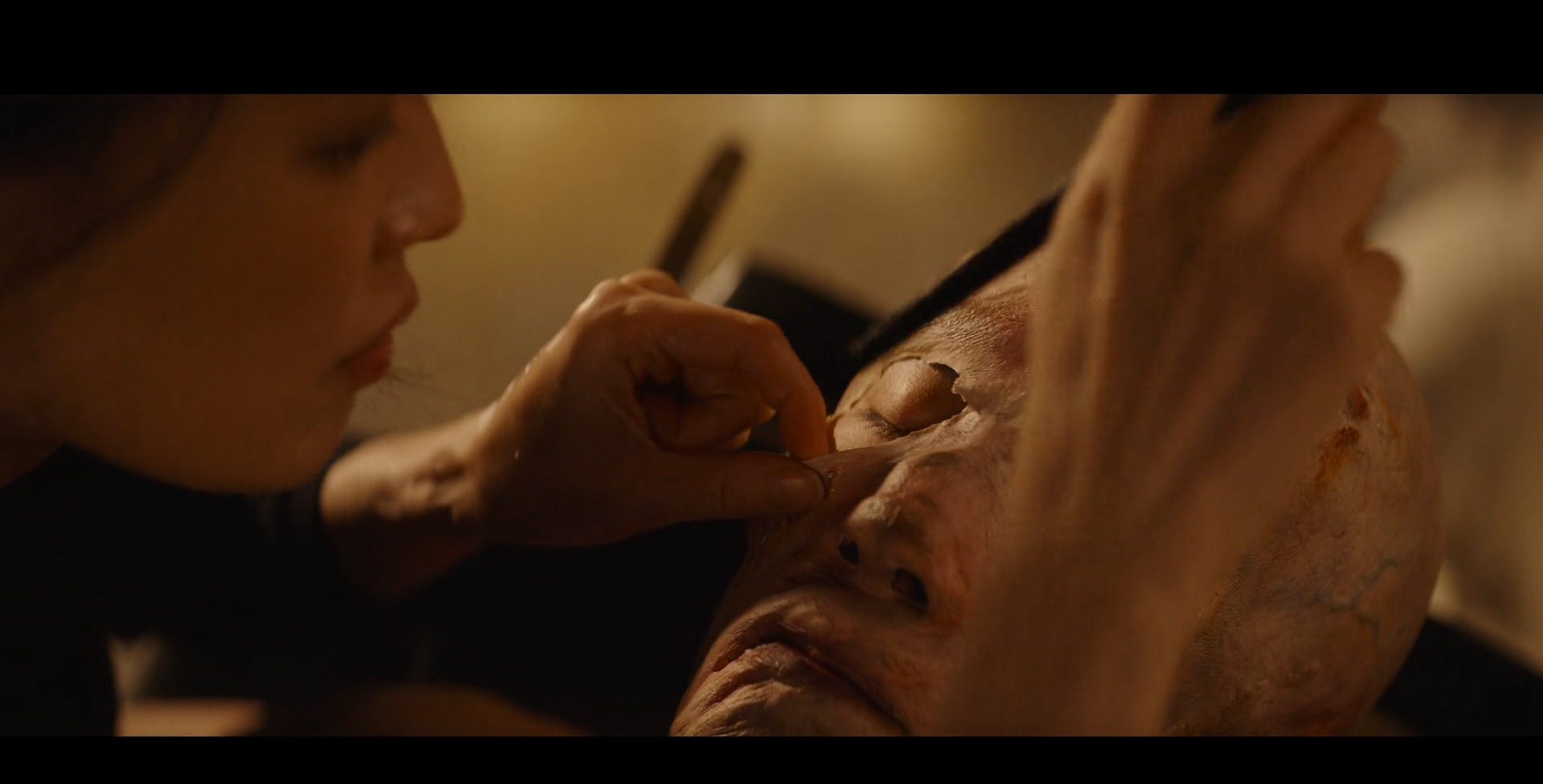
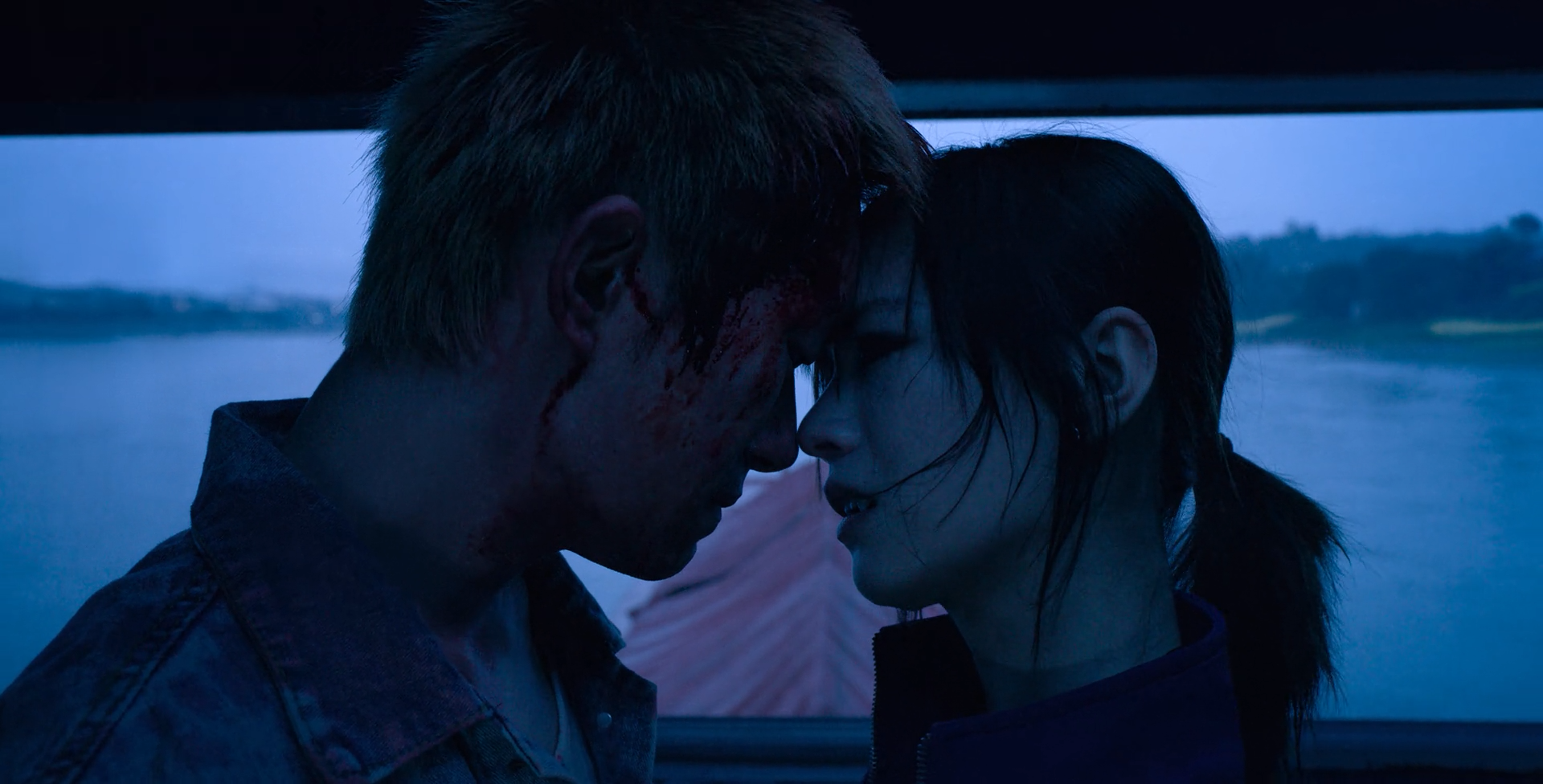
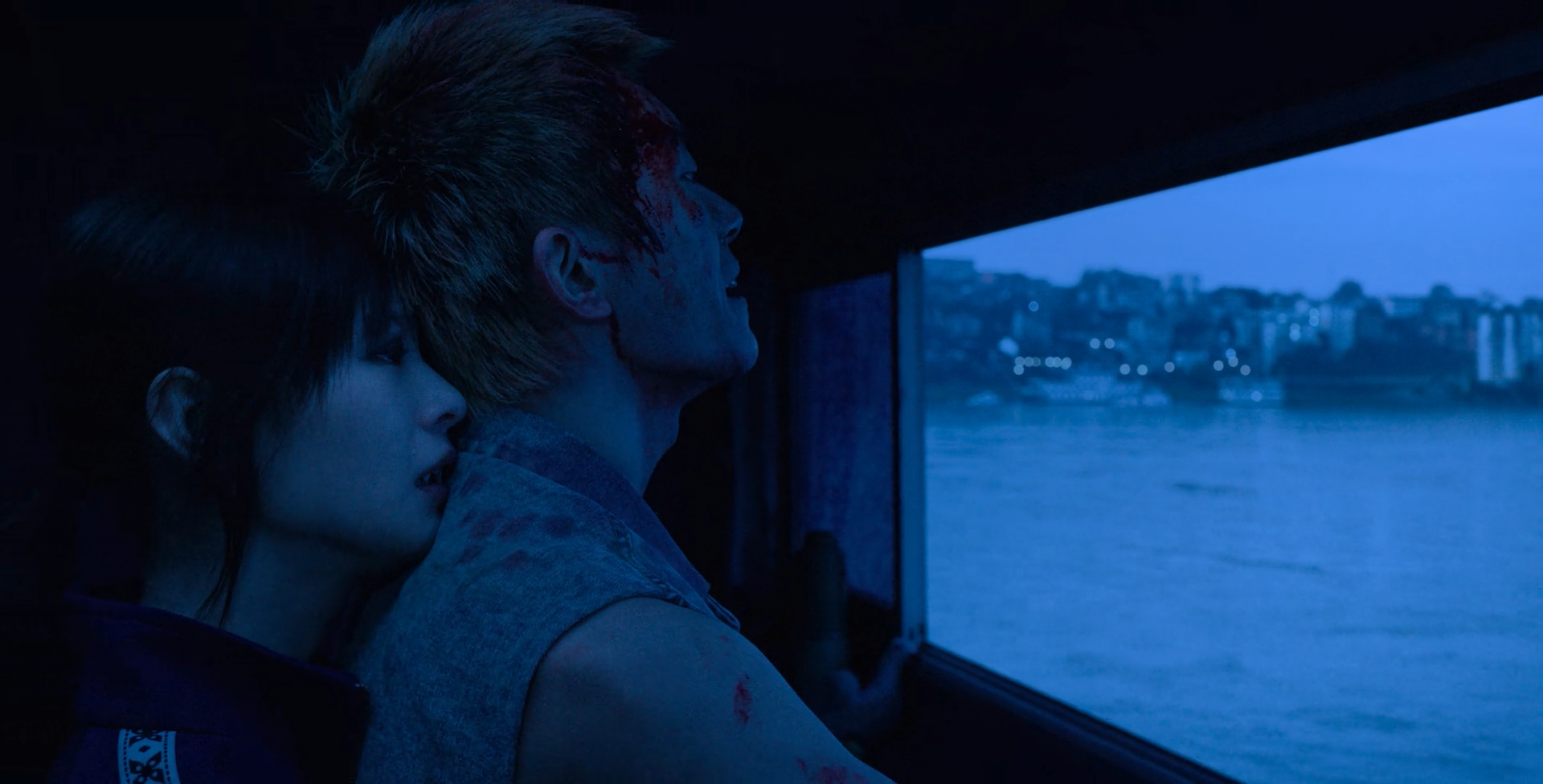
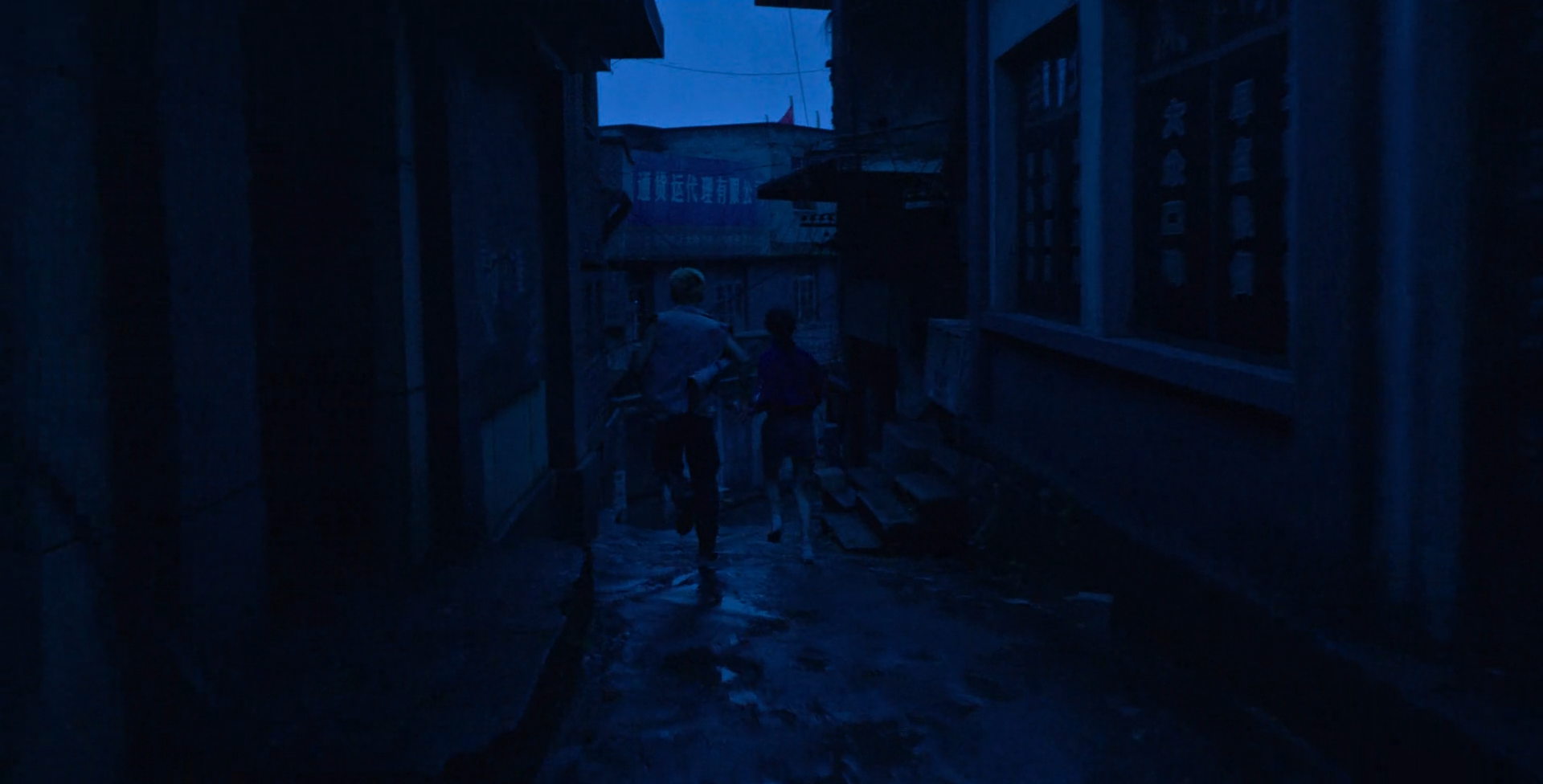
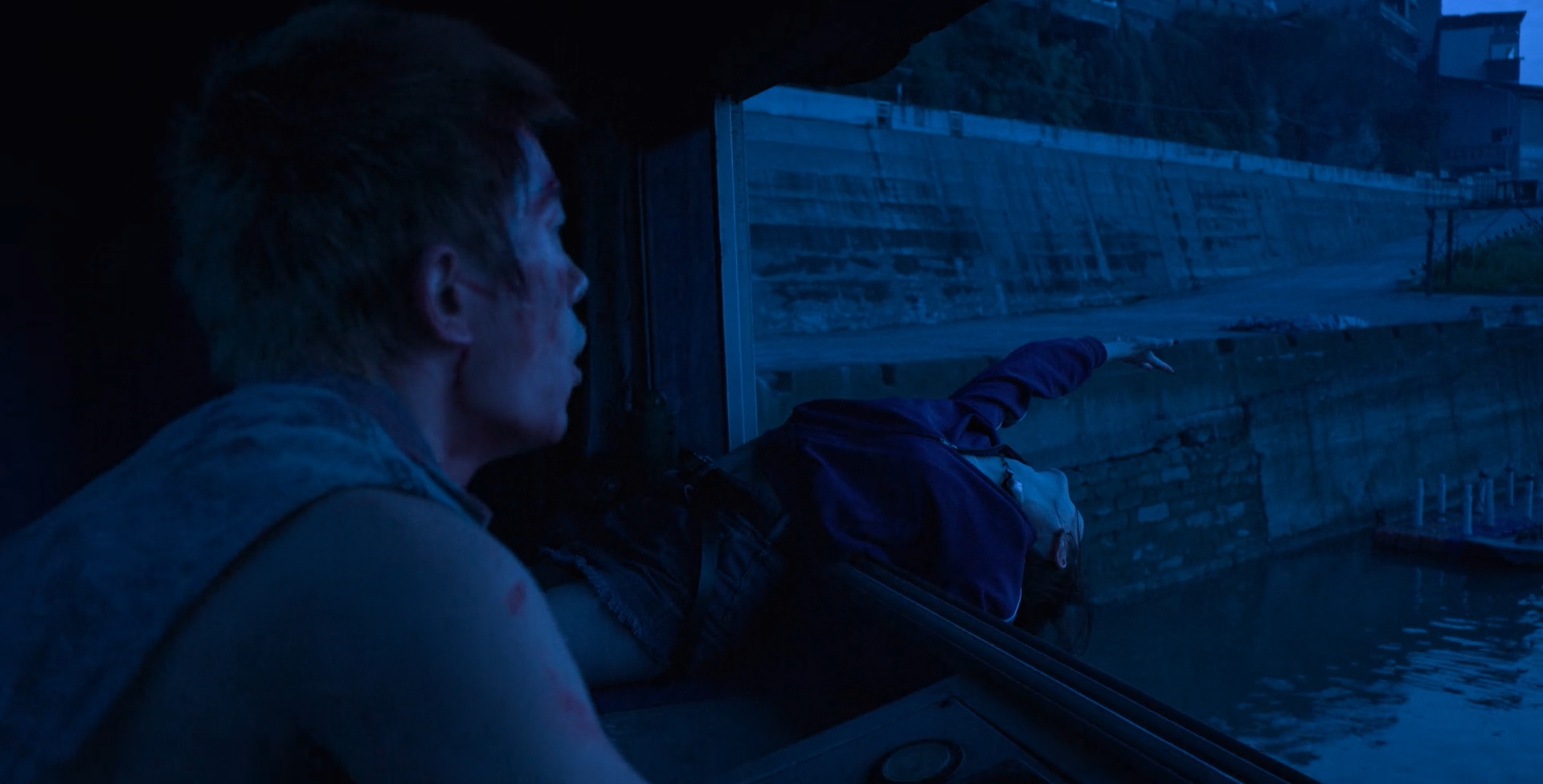
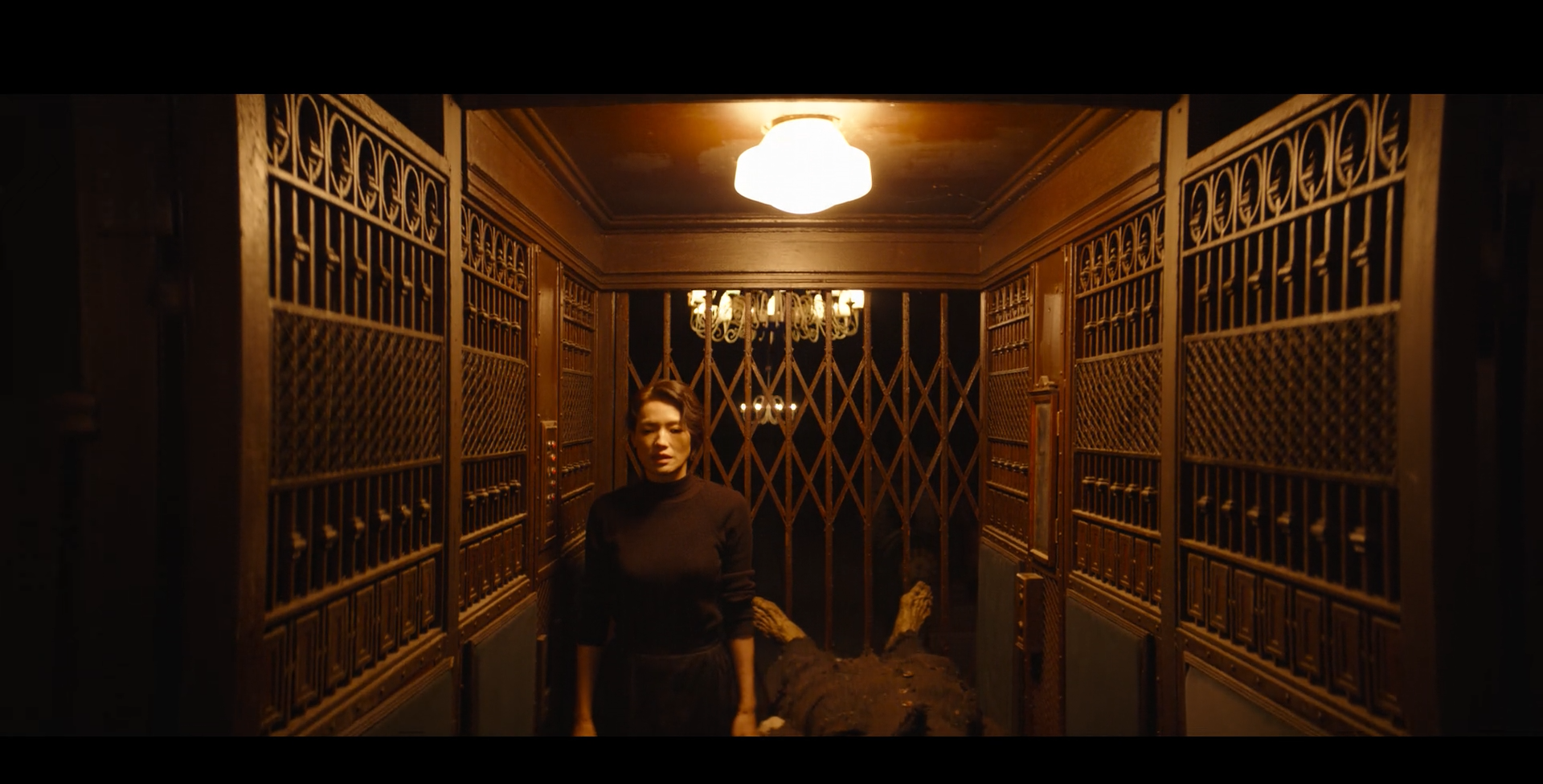
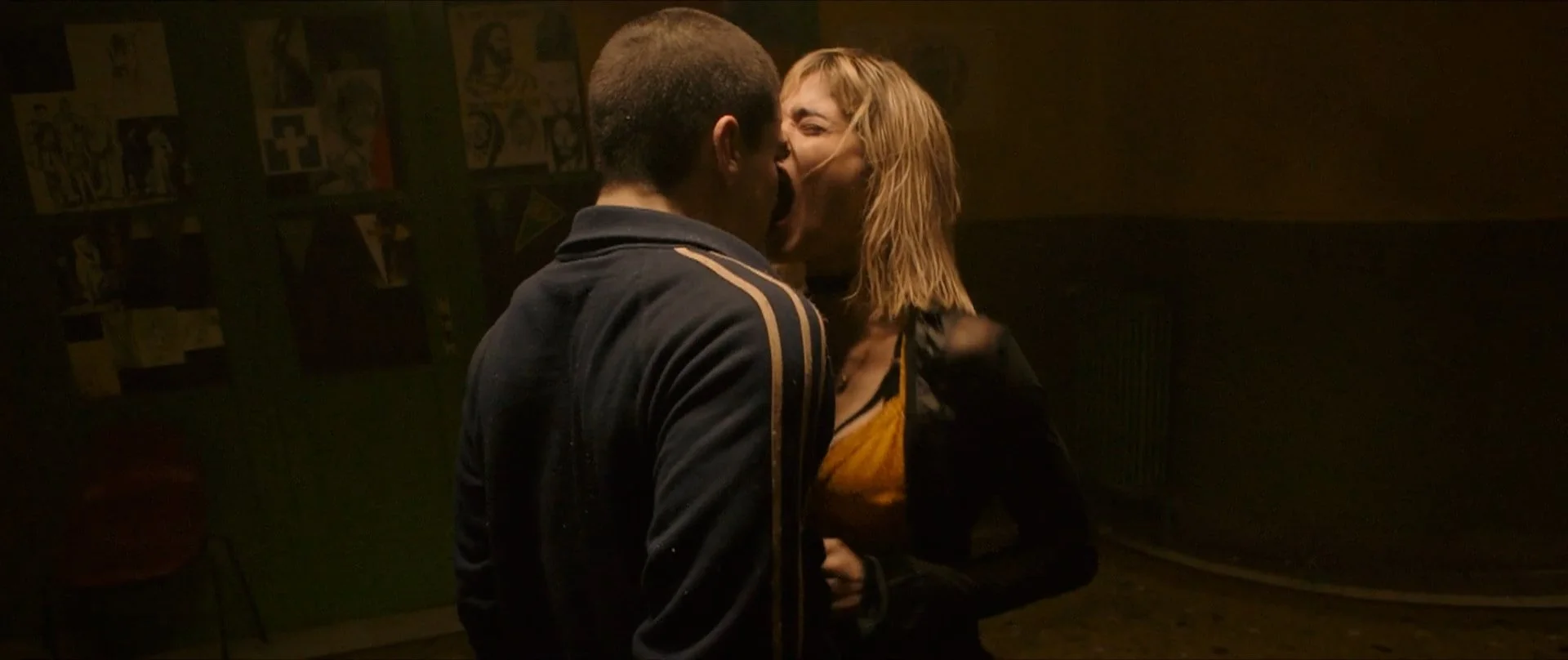
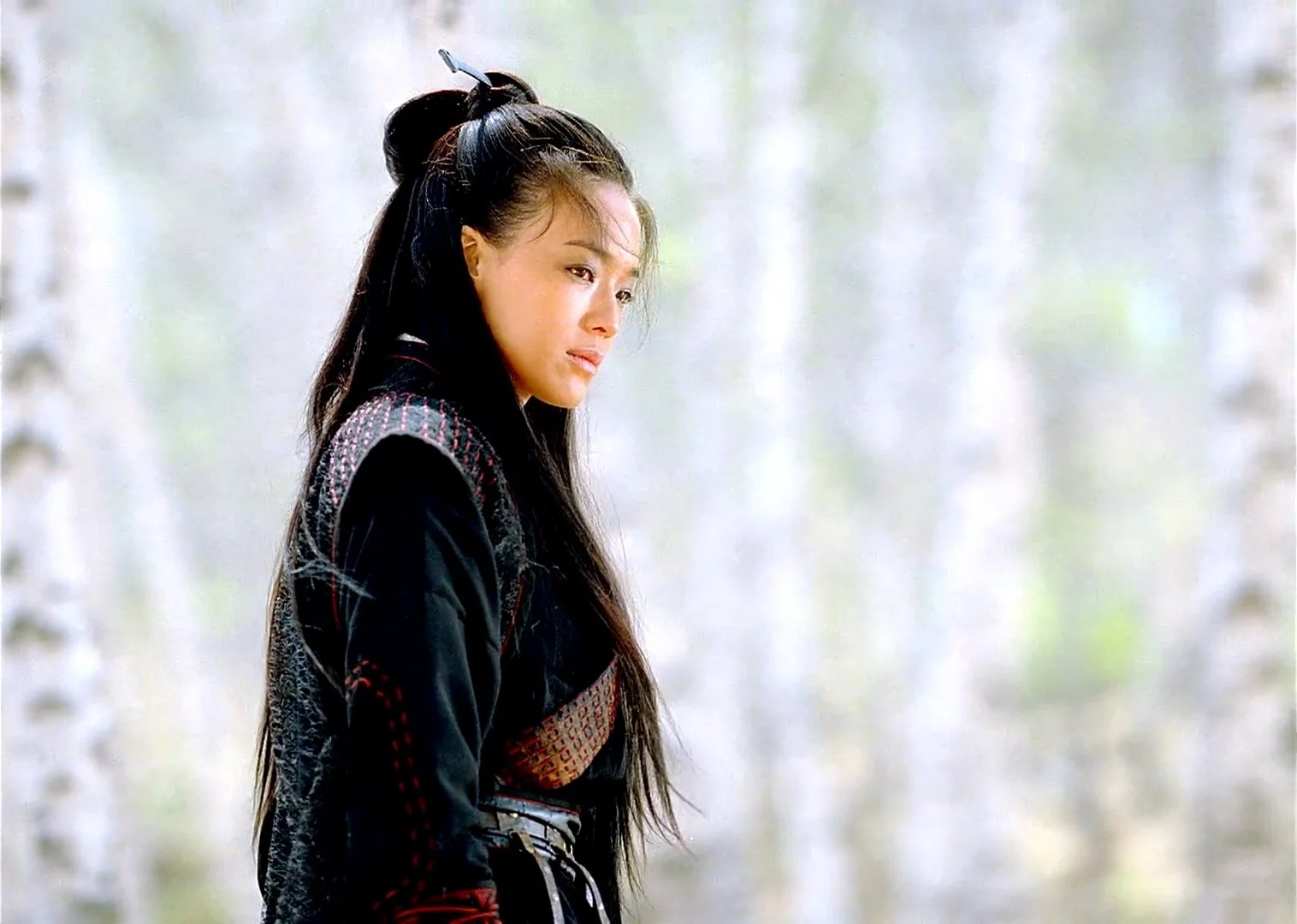
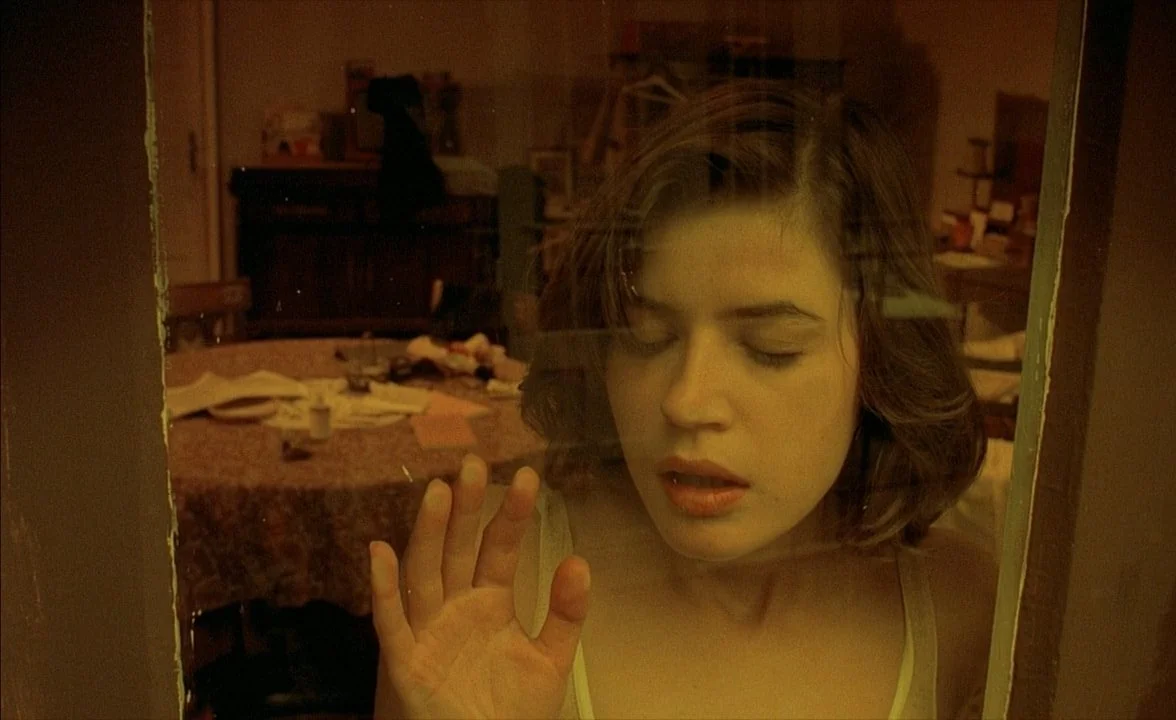
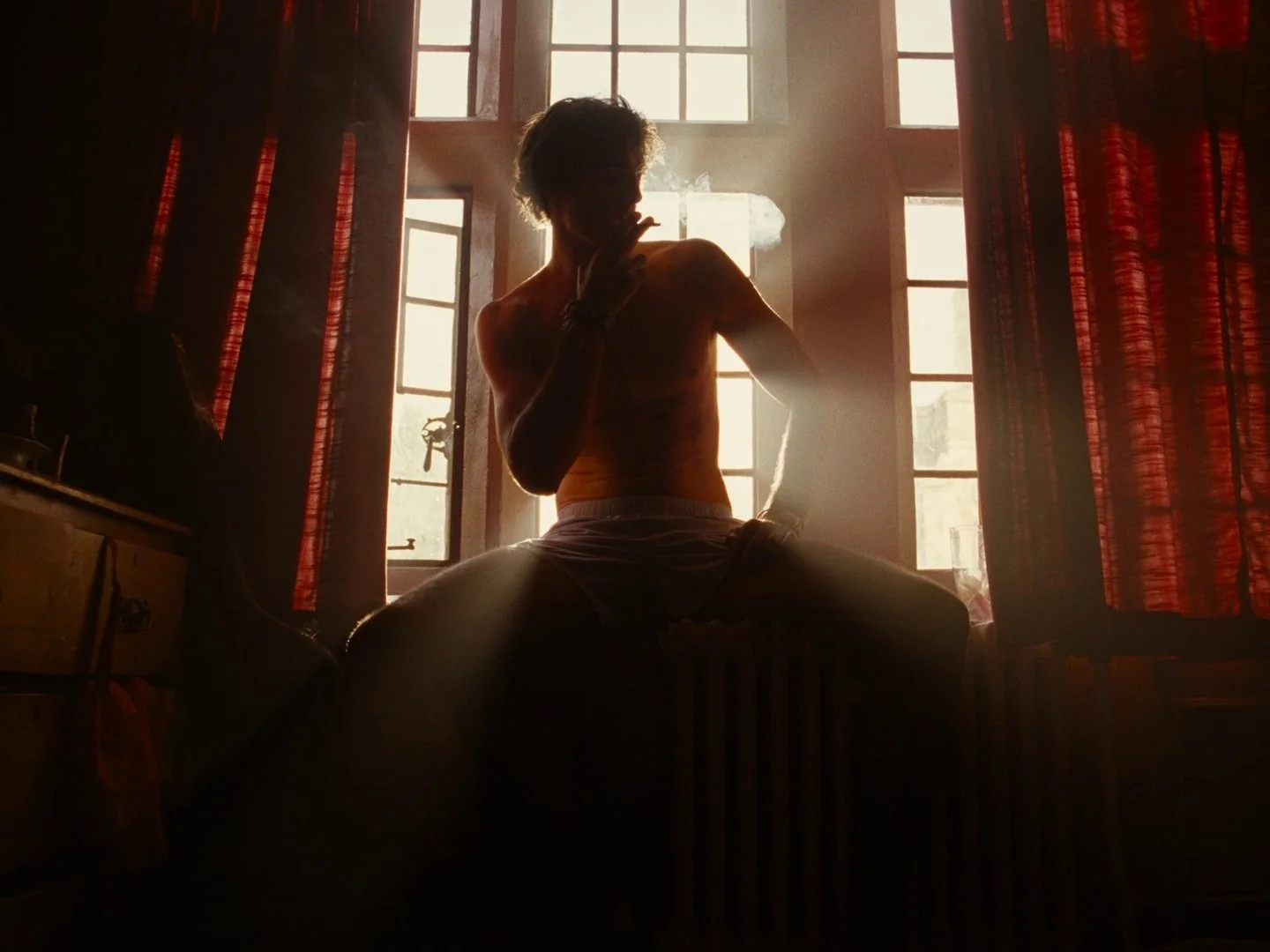
Has Chinese cinematography surpassed the West? Considering Sinners won best picture for cinematography, this may be turning into a reality. But will western audiences connect with this self-indulgent cinematic flex? Chinese cinema has always been overly poetic to a fault, and this film is no different. But Bi Gan takes it to 11 incorporating nearly every cinematic technique imaginable through 6 vignettes on the 6 senses. It’s a film about dreams, quite similar to Kurosawa’s Dreams, except with modern execution. I think it’s probably most similar to Wong Kar Wai’s 2046. And I have to say even as someone that dismisses Chinese cinema, this film floored me. I hate to admit it, but even Jackson Yee impressed me, completely shapeshifting into unrecognizable characters - Yes, they are all the same person. It’s not technically perfect but I’d argue it’s still more creative than Poor Things given the chasm in budgets.
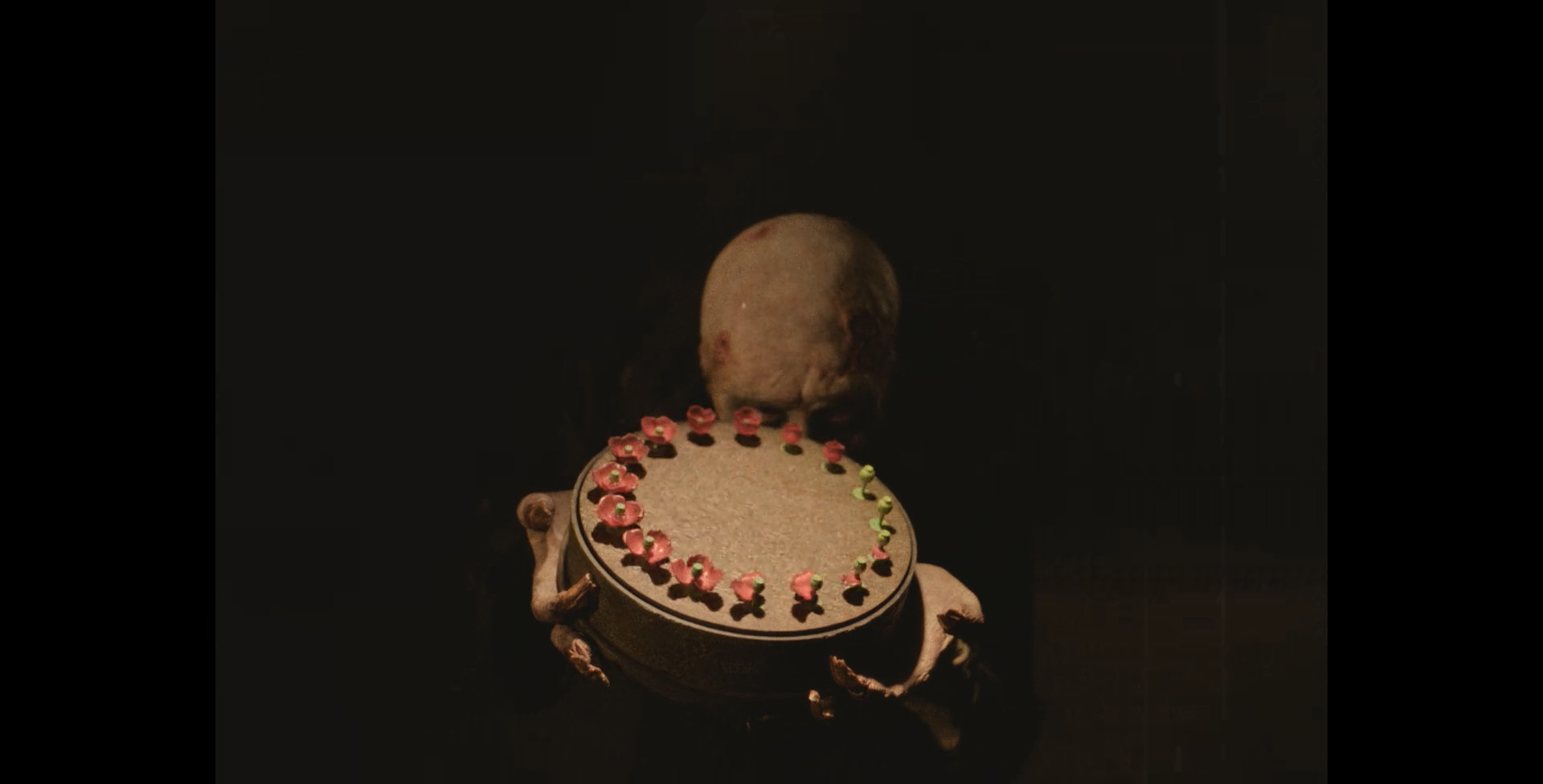
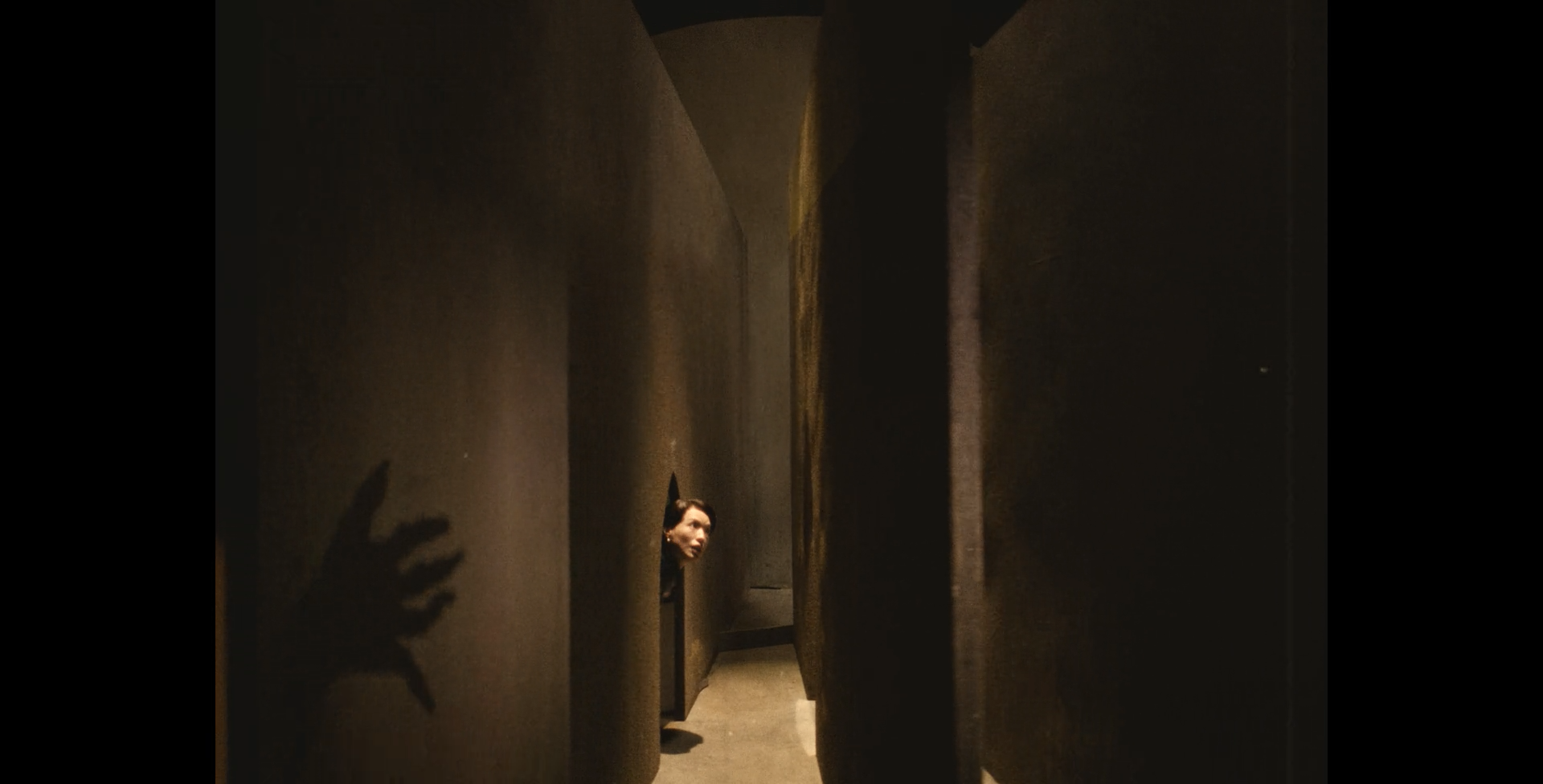
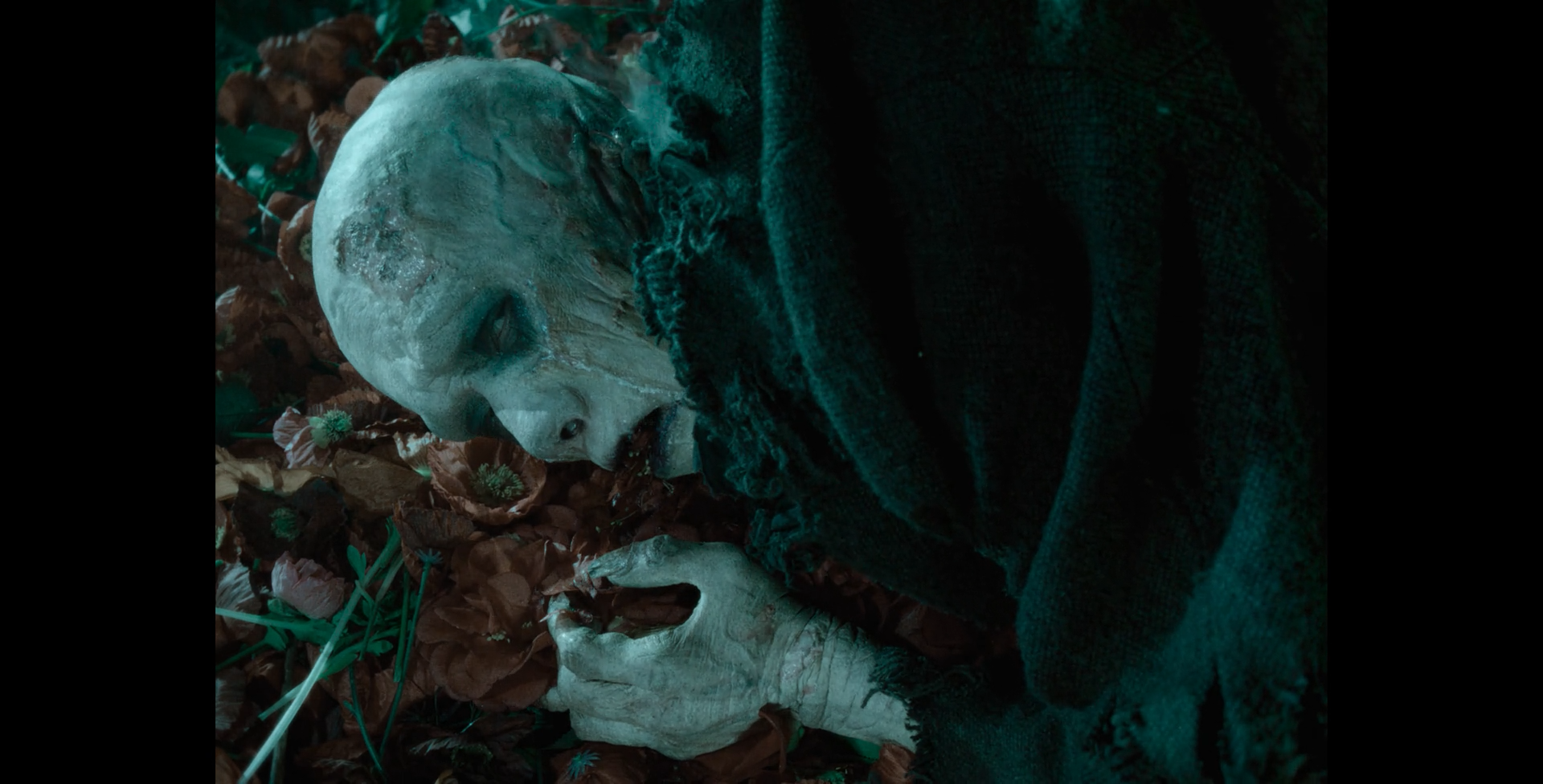
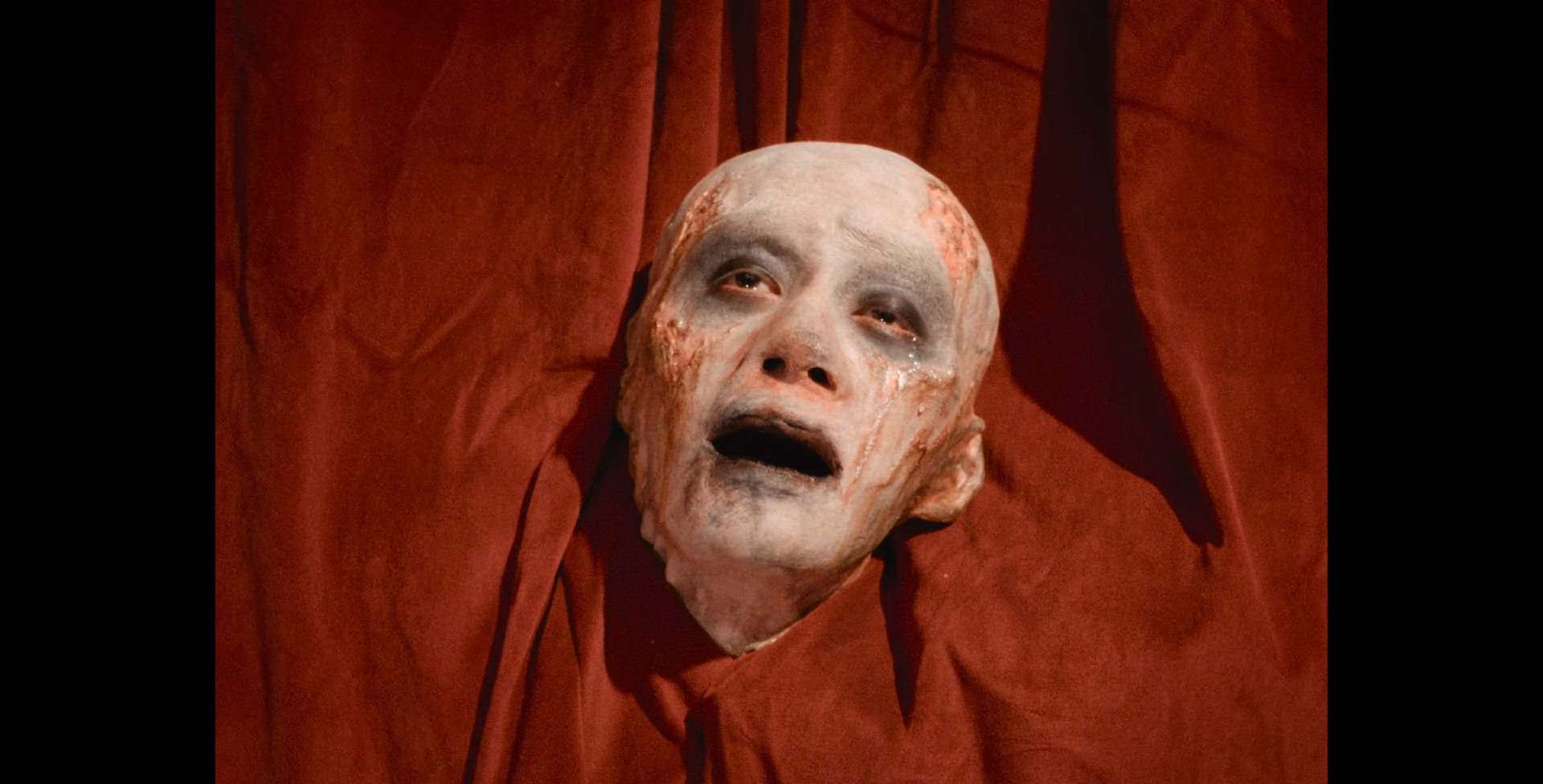
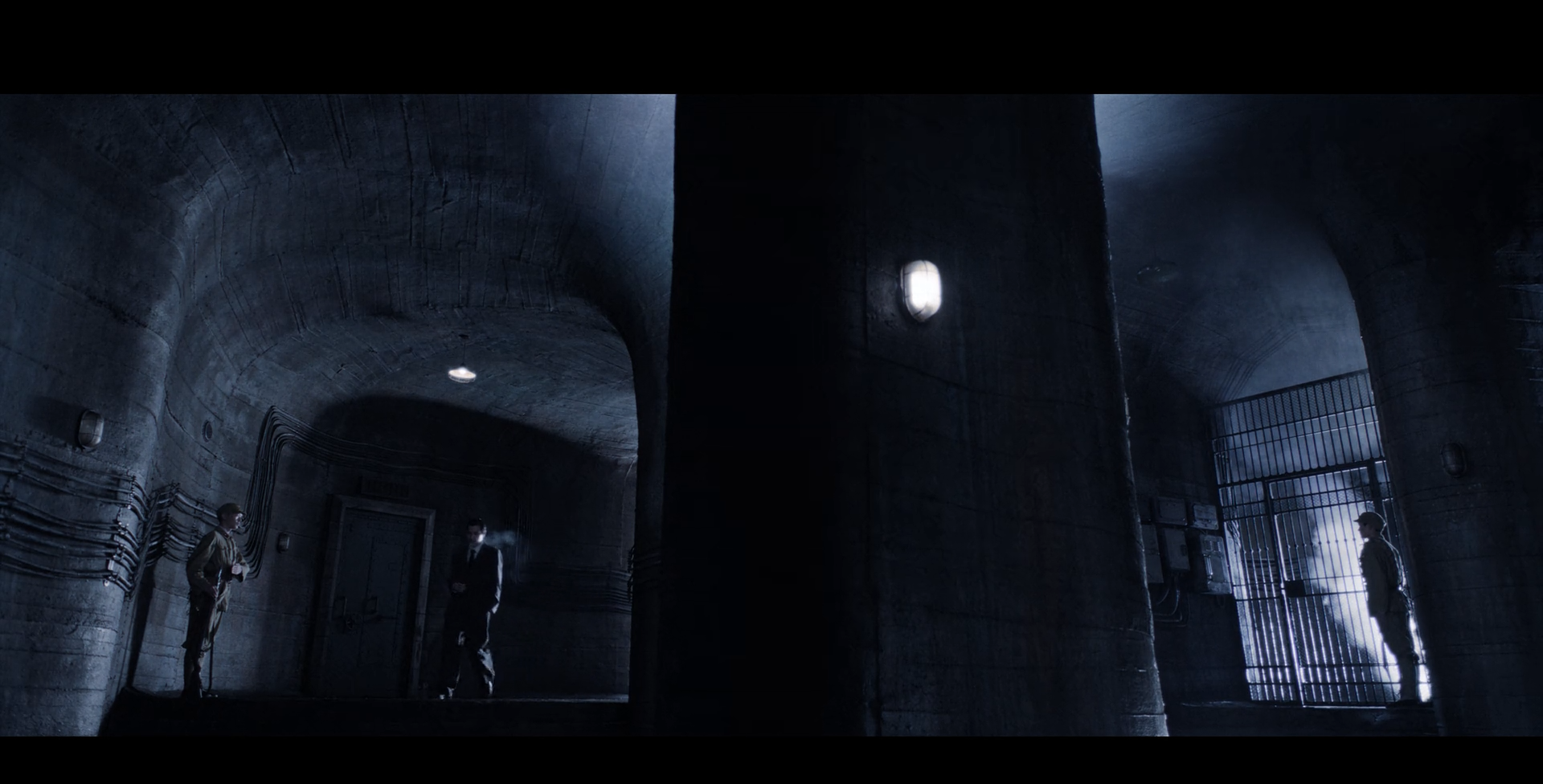
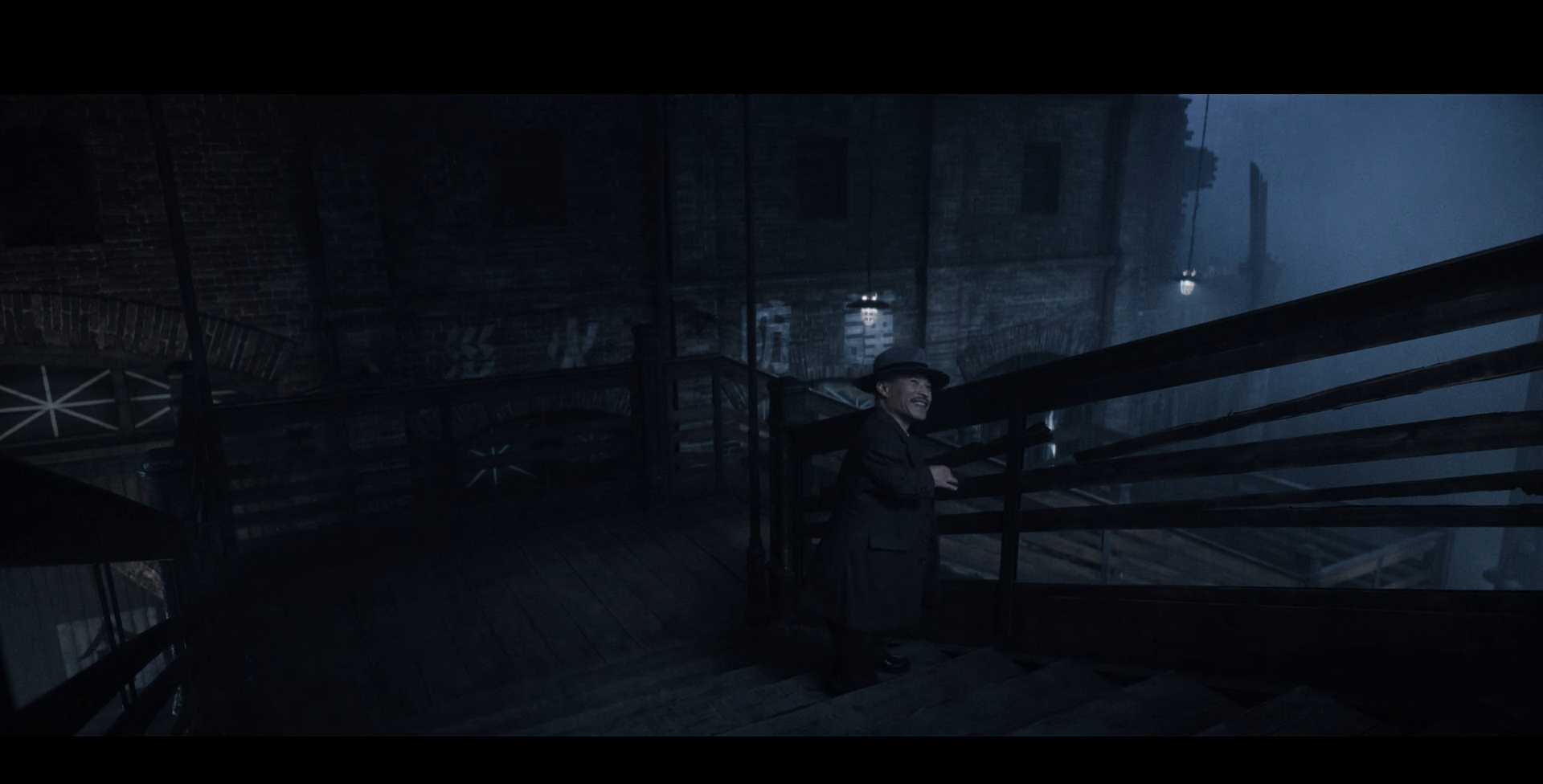
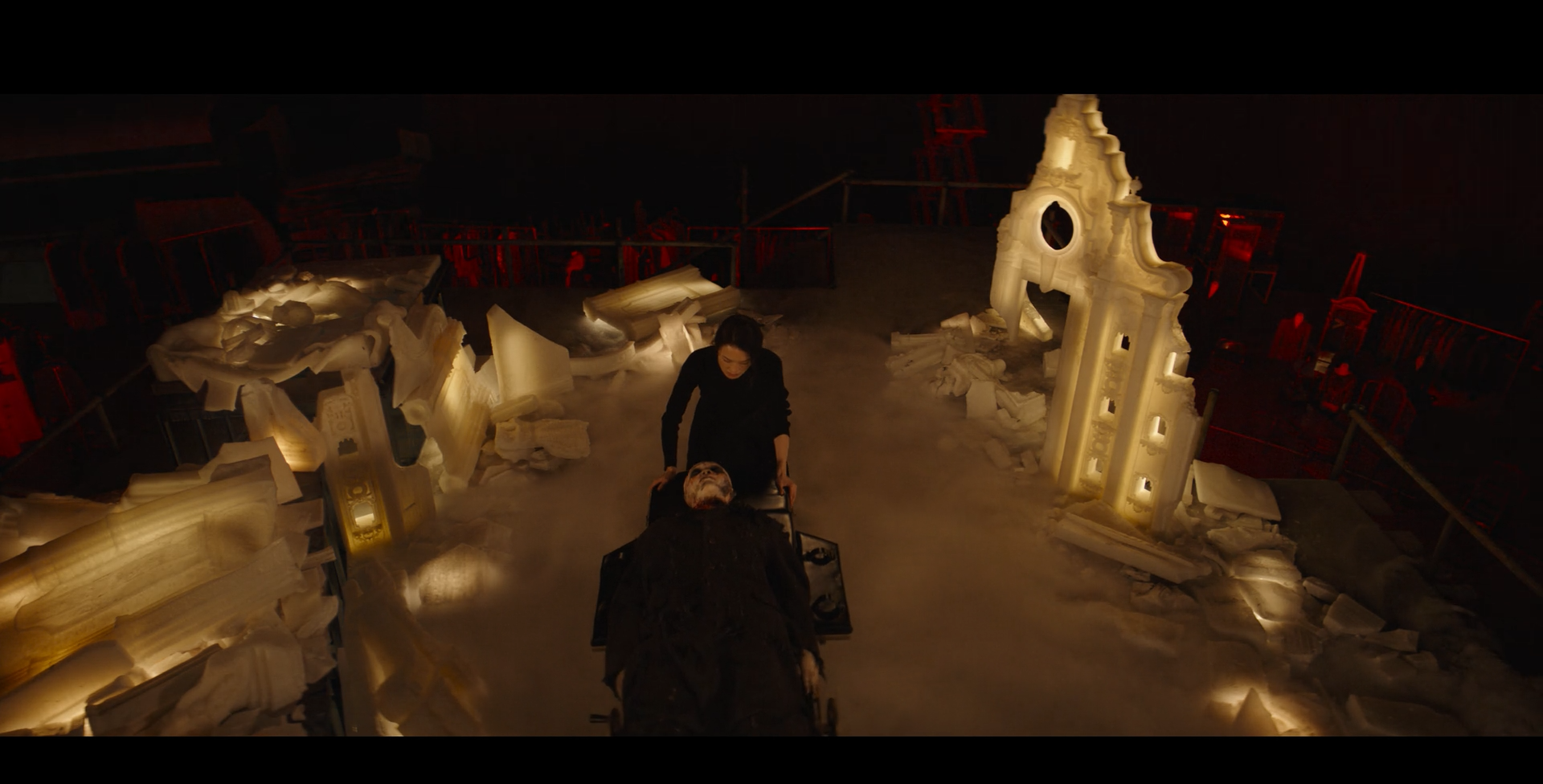
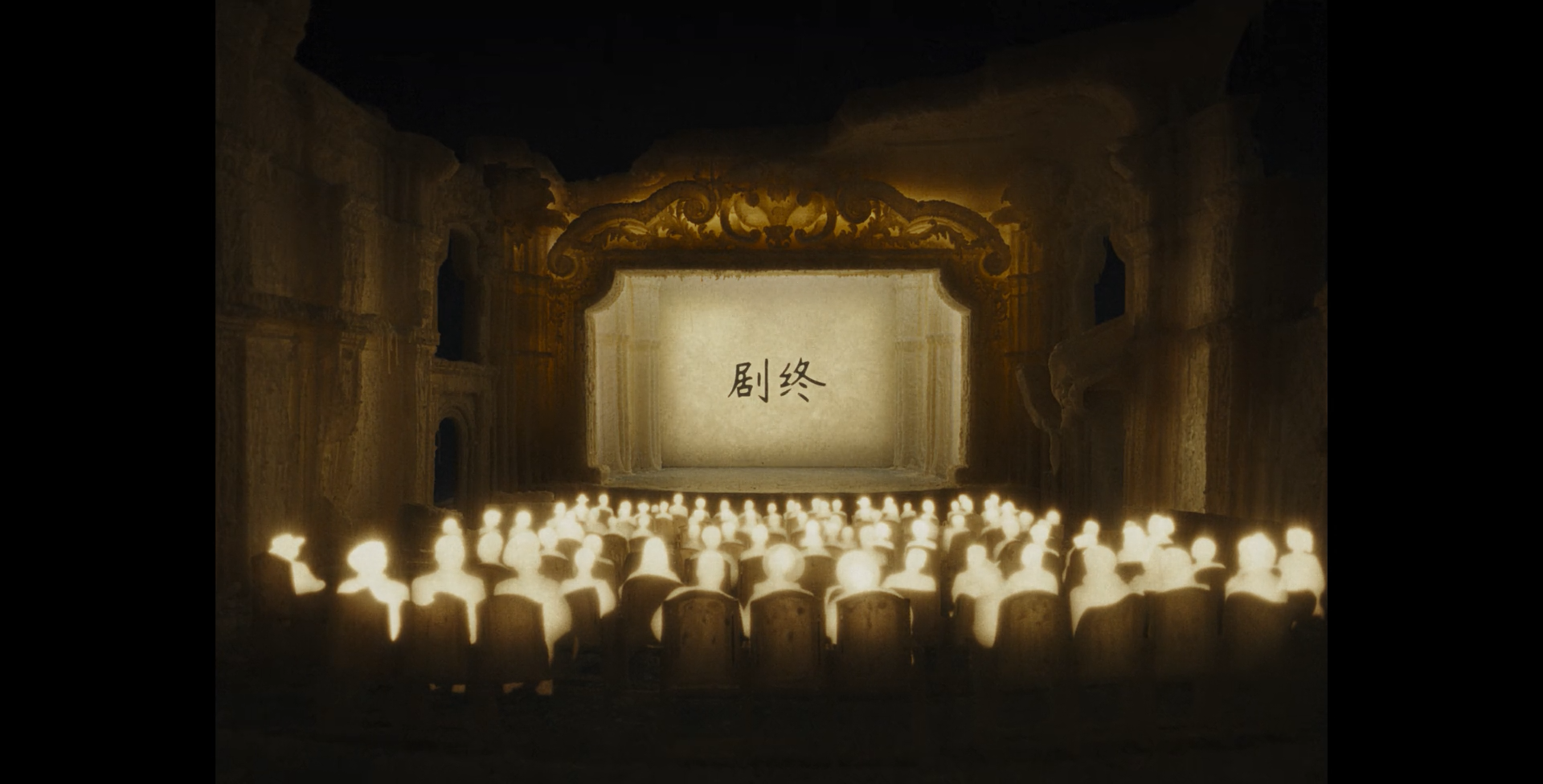
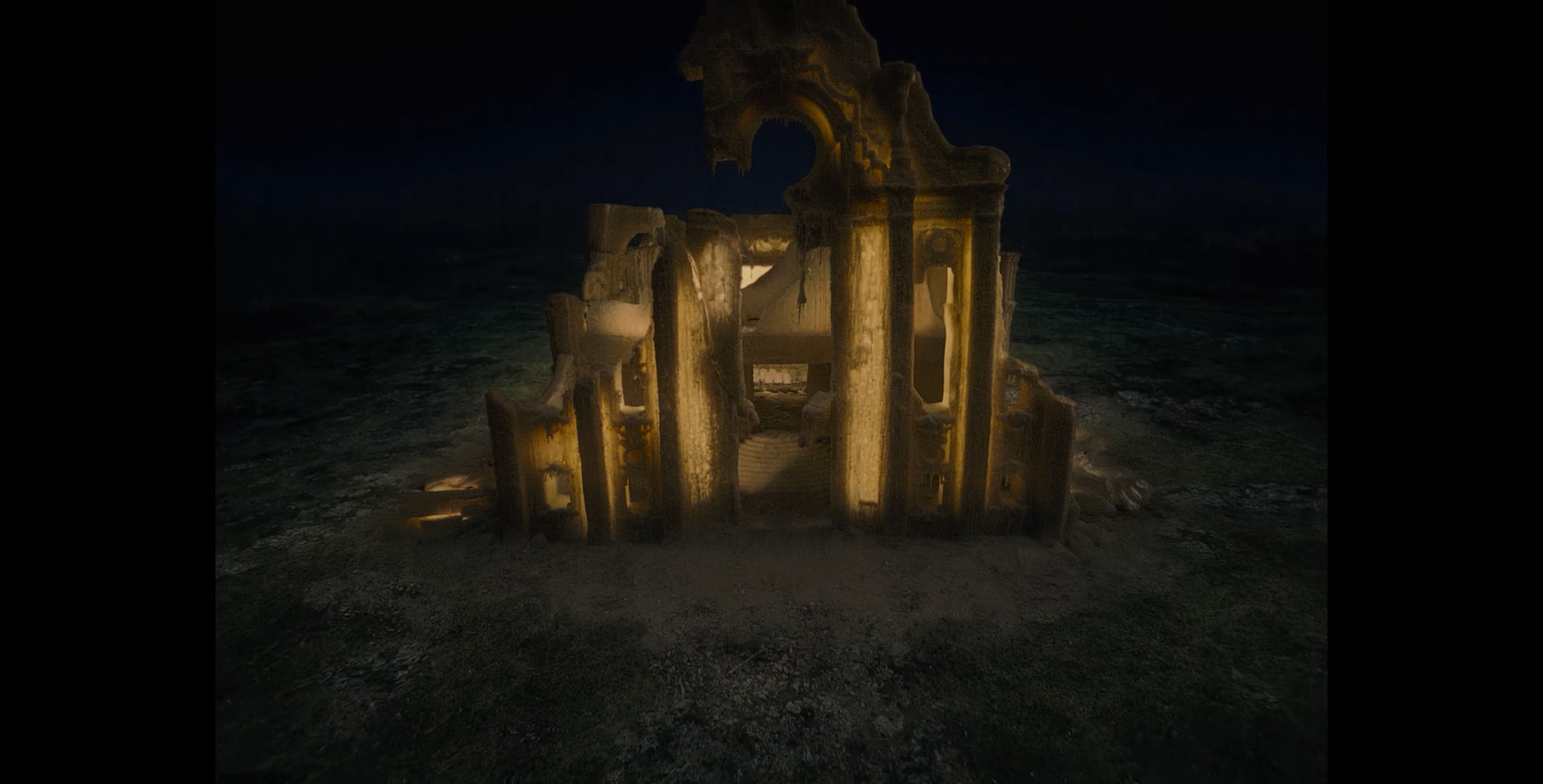
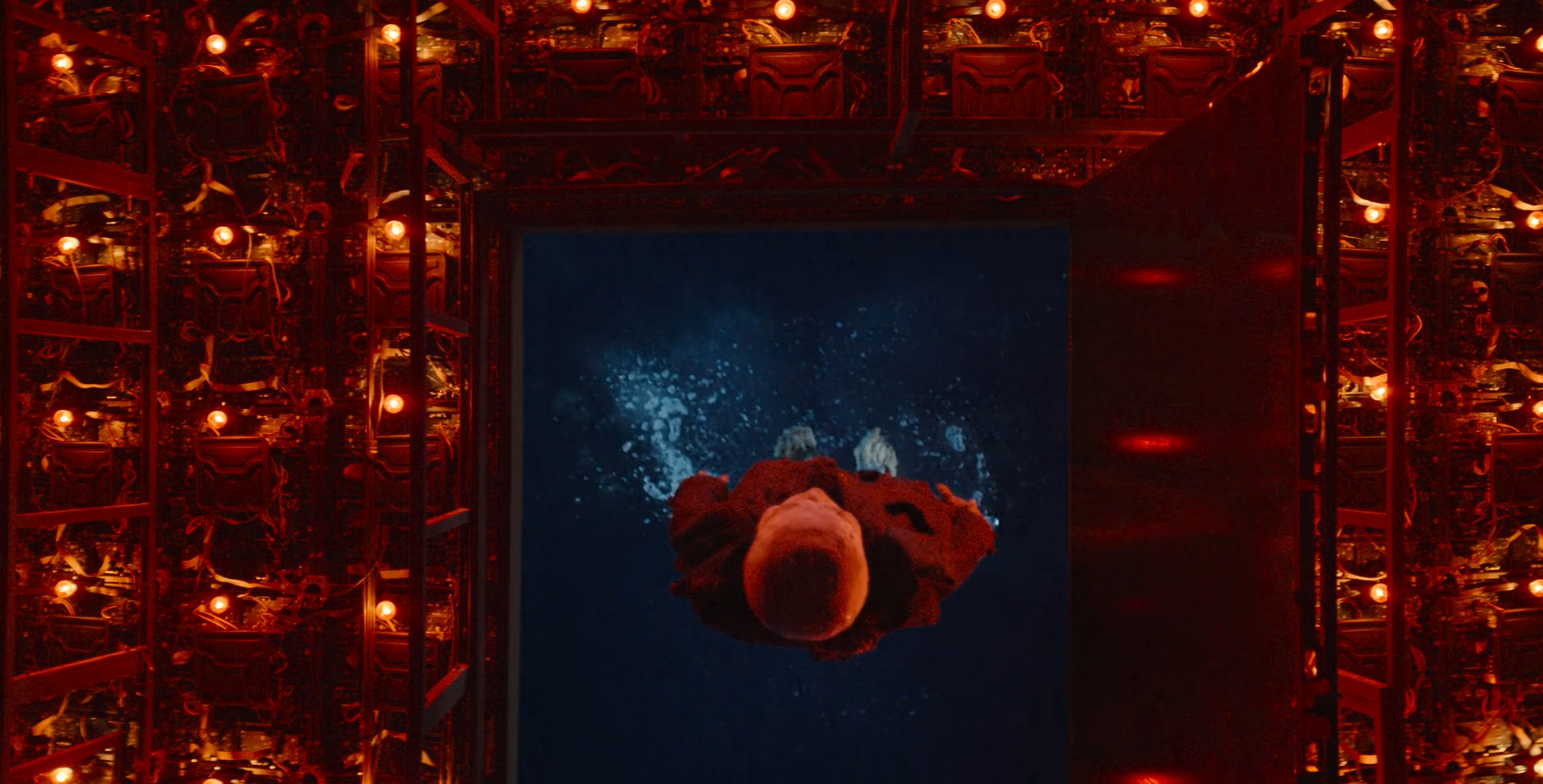
Were this film made in the West, I have no doubt it would be heralded as a cinematic achievement. I think it puts Sinners to shame, though it is a different kind of cinematography. The art film begins with silent stop motion reminiscent of Frankenstein and Nosferatu. That opening alone is better than anything Wes Anderson has produced in the past 5 years, though it may feel like a film student directed it. Actually each section feels quite distinct in style as if directed by multiple collaborators creatively throwing everything and the kitchen sink at this masterpiece. The second act keeps things afloat through extreme German expressionism, but the biggest turn off of the film will be the third act that has the typical flowery Chinese cultural history. The fourth and fifth acts are clearly the best, and if you persist, you may witness a better one shot version of Sinners in a fraction of its time.
Analysis:
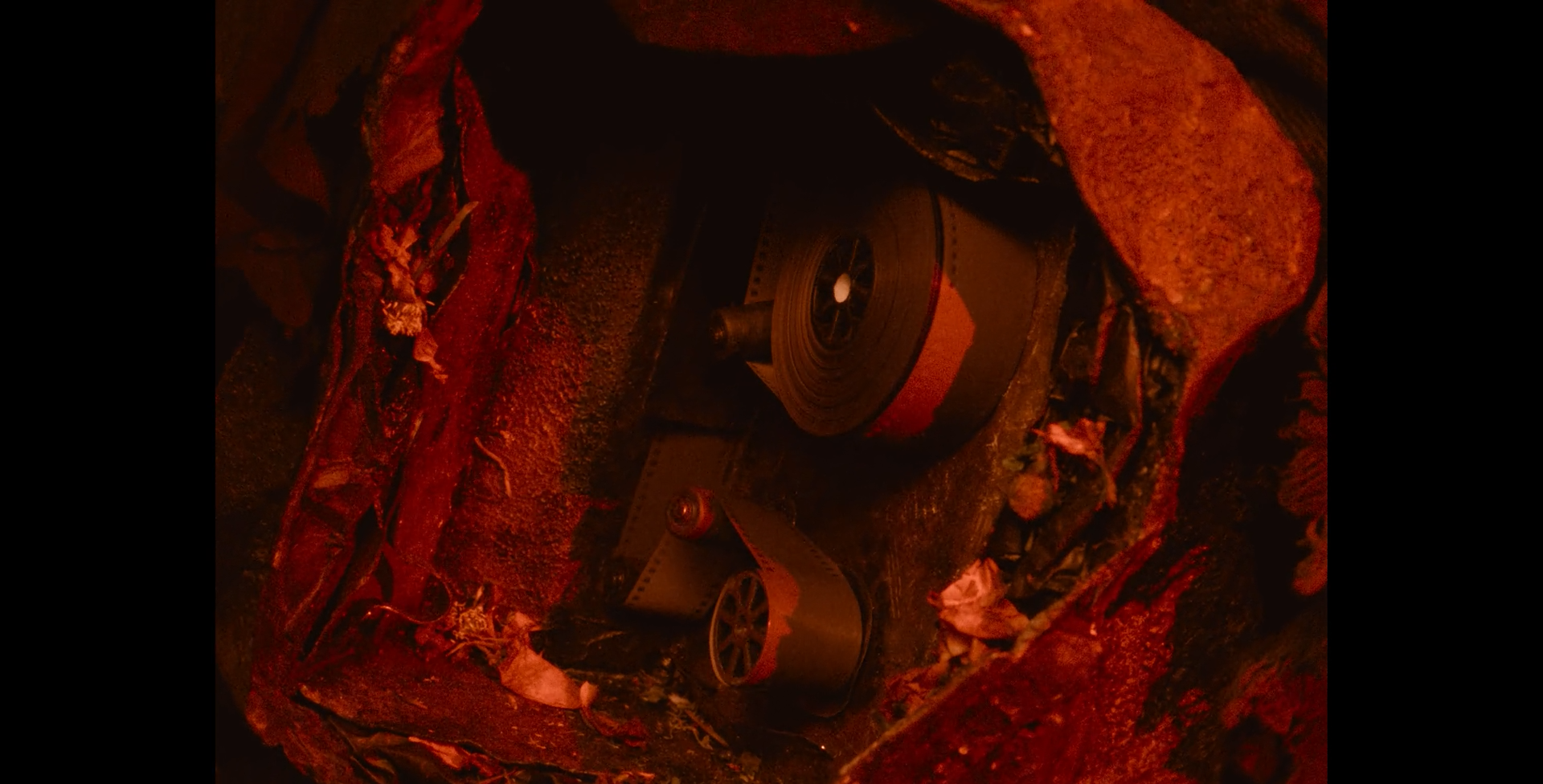
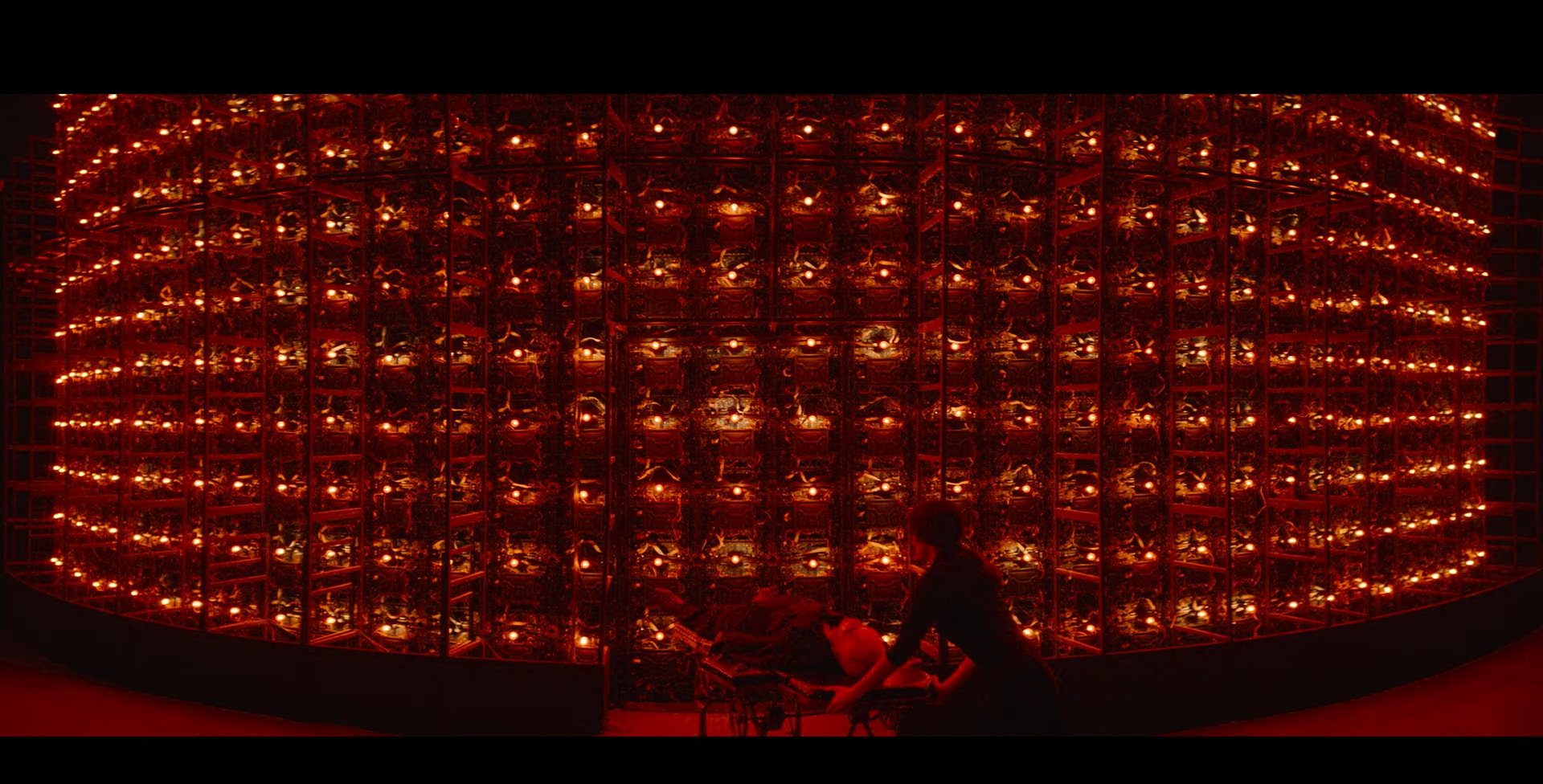
The film is thematically dense with extreme poetic flair that should likely be nonsense to most. But even if you appreciate art, you may still not enjoy it. This film is about cinema as a dying art, but more broadly Chinese sentiment. China today is unrecognizable with its ultra dystopian infrastructure projects, bulldozing 5 millenniums of culture. Along of creative suppression, directors can only express themselves vaguely through metaphor. The melting candle is a recurring metaphor depicting the effervescent death of film, whether it was the silent film era, the age of theatre, or the fading music of Bach or the theremin. The deliriant represents the dream, the artist, the common man, forgoing a normal life in order to dream. In Frankenstein fashion, he is an amalgam of many Chinese experiences. If you interact with the ordinary Chinese, you will often see how crushed they are by brutal competition and academic realities. Dreams and mostly nonexistent in the pursuit of money and basic standards of living. But buried deep in everyone, even the conman, are suppressed dreamers, quietly gathering in silence and taking small creative wins when they can get them. This is strongly reinforced in the films where the deliriant rejects temptations that would be taken today. Pursuing a vampire, and not caring. Not giving up his final token even at knifepoint. It’s quite hard to put these pieces together unless you already have a comprehensive understanding of Chinese struggles. The reason the film is called Resurrection is because it gives voice to the repressed souls of the Chinese that are squelched by censorship and oppressive financial burden.
Conclusion:
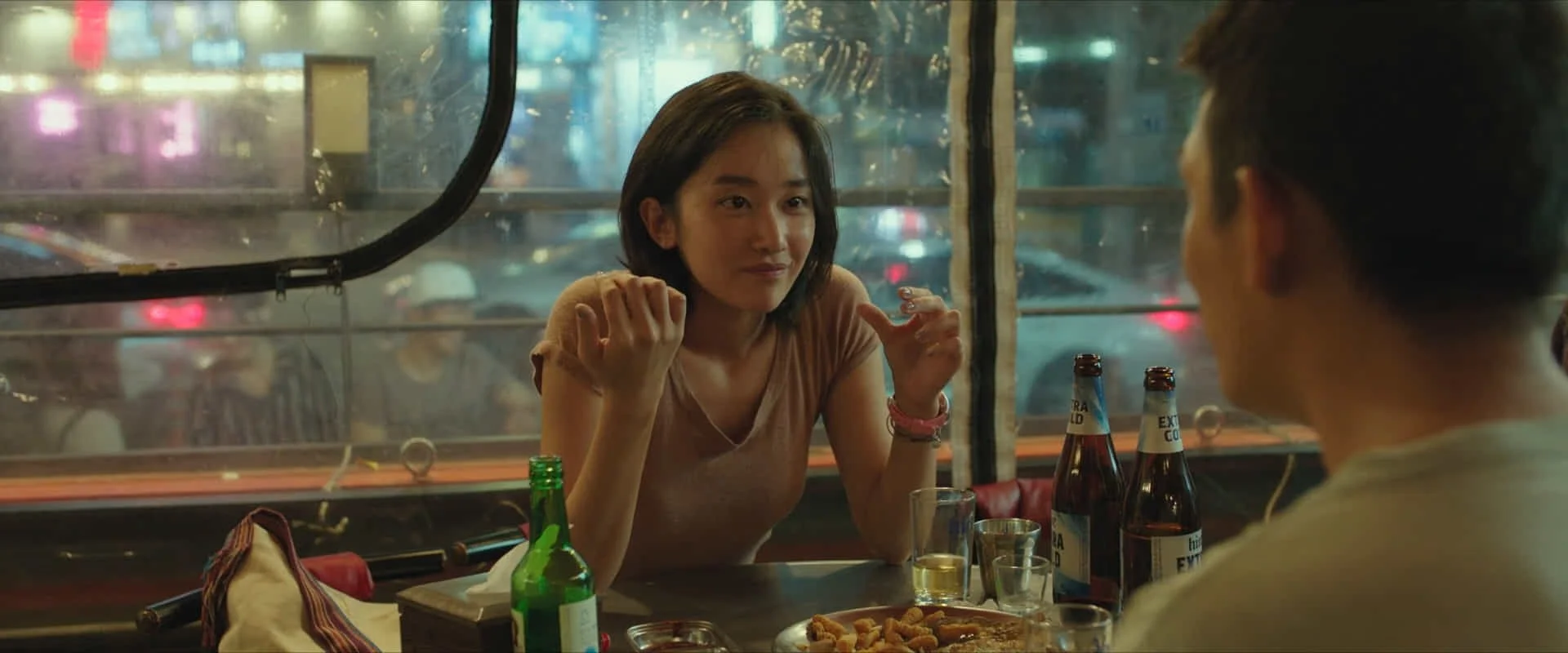
Who is this film for? Those that appreciate cinematography and witnessing an exotic auteur at work. Who is the film not for? Those that seek substantial stories without the artsy-fartsy pretentiousness. Even still, I think the fourth and fifth stories are strong enough to make any of the questionable acts worth sitting through. Don’t take my word for it, even Criterion has already begun preserving this 2025 release. But film bros beware, this is not for everyone. There will be a lot of incomprehensible drivel that even native Chinese won’t get. I normally wouldn’t give 5 chillies since this is not commercially viable in the slightest, but I see no other moral alternative than to promote this one of a kind film. Western audience won’t understand a lot of the emotional undercurrents. The bitterness, the struggle, the simple pursuits of happiness in China. Love, poverty, karaoke and dreams of artistic freedom. All captured in 6 short interlinking stories. Chinese filmmaking looks be nearing a full resurrection, like a phoenix from candle wax.
Recommendations












Love only exists when you hit play.