
Blow-Up (1966)
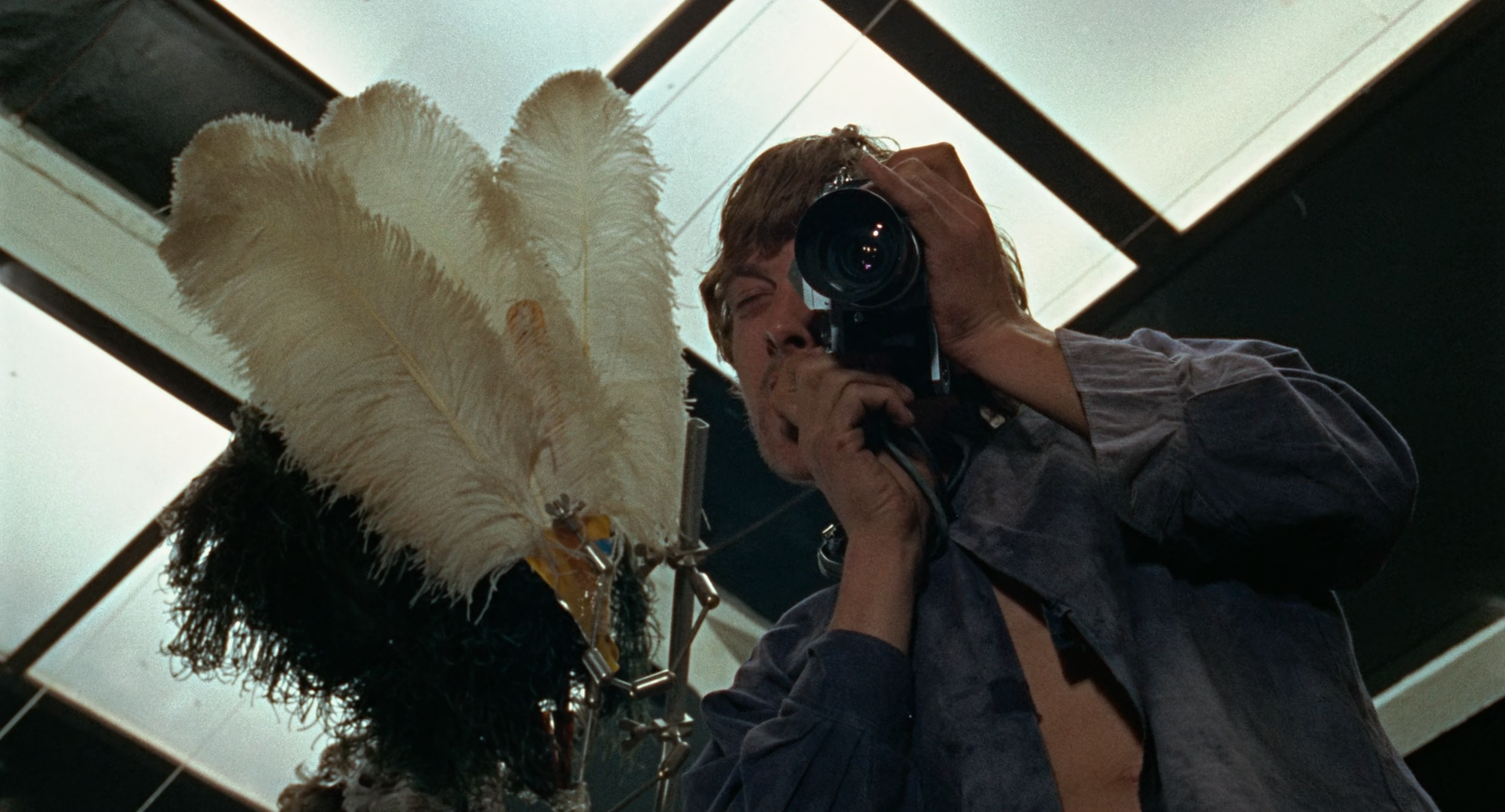
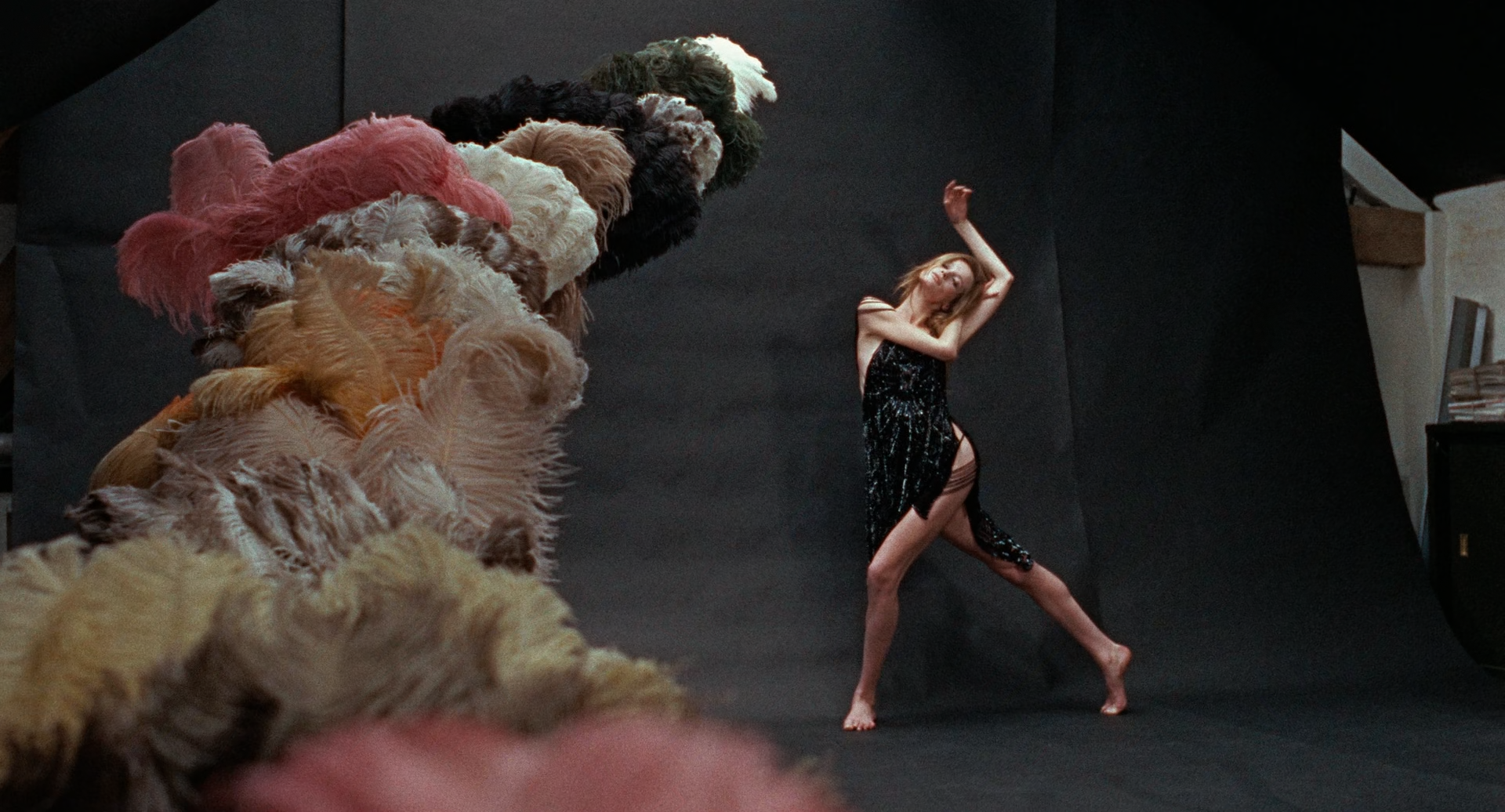
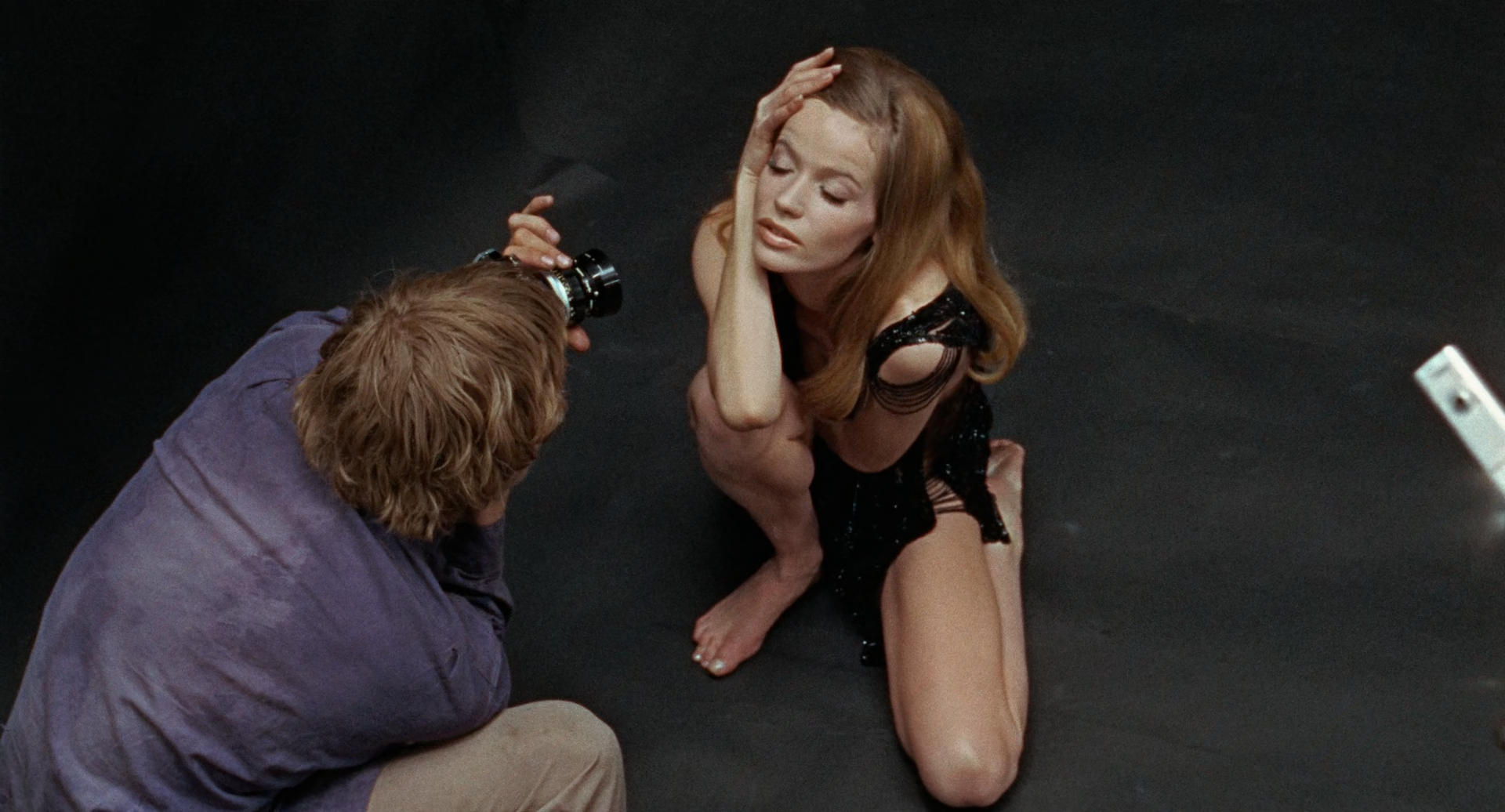
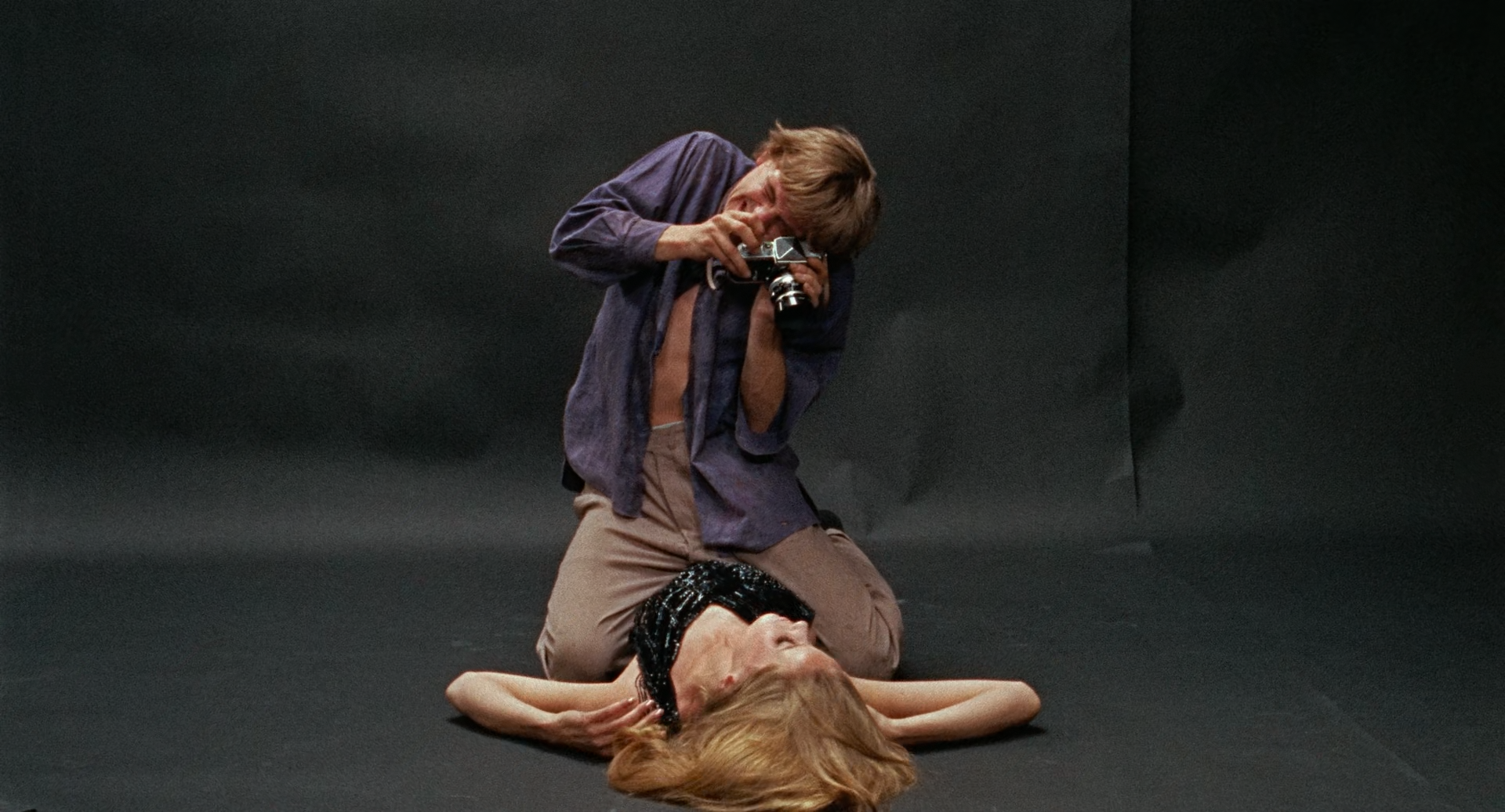
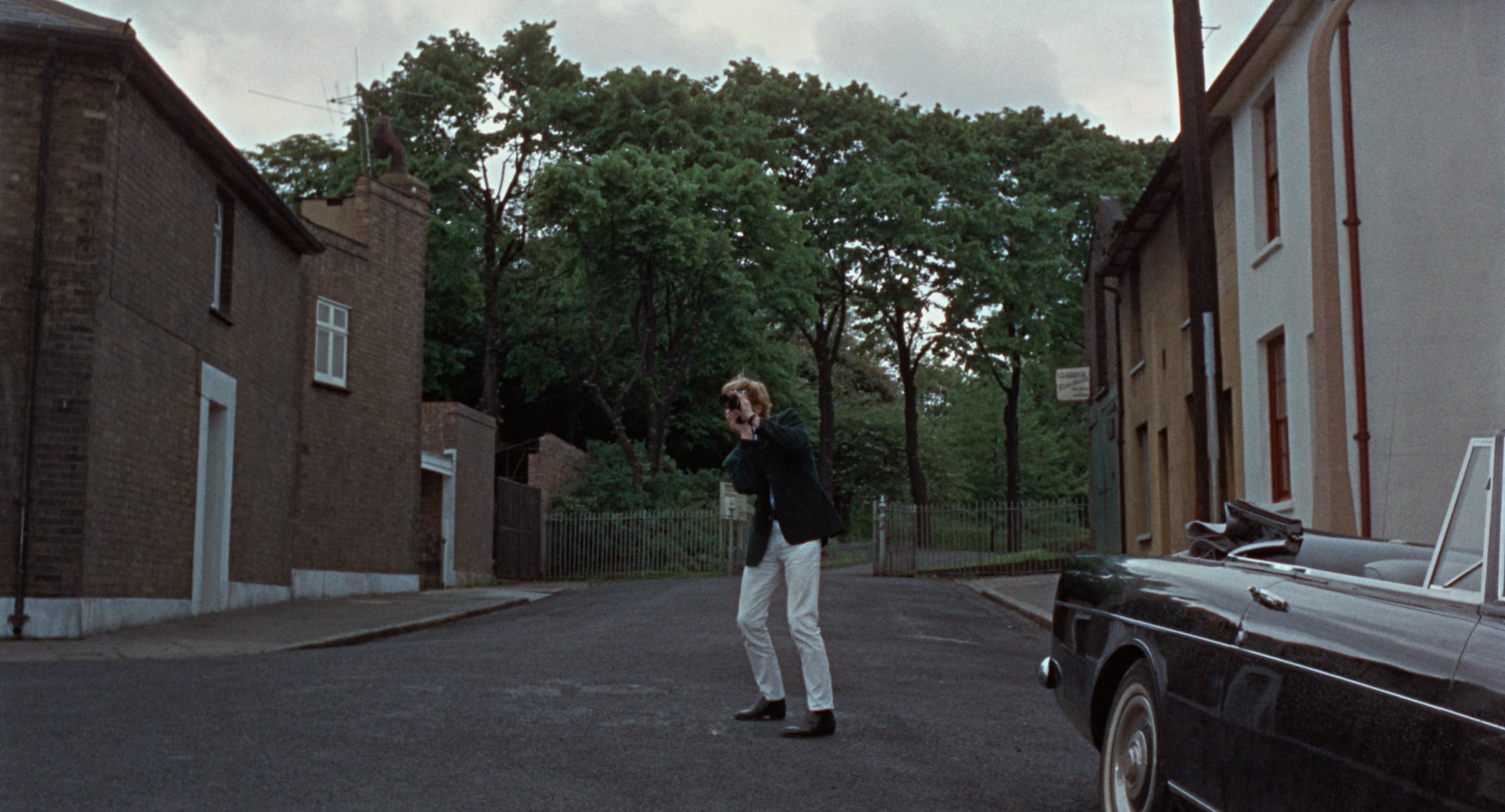
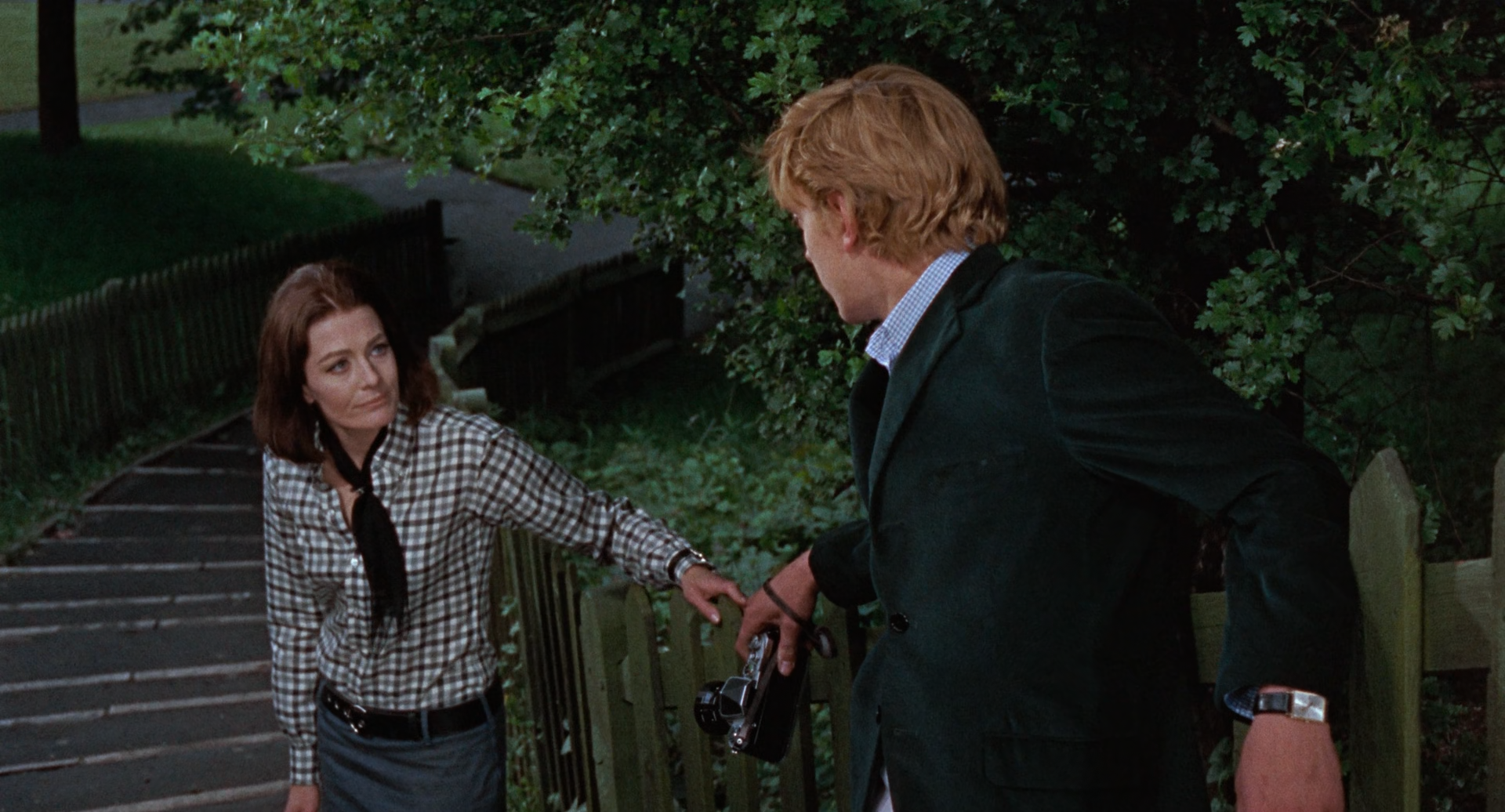
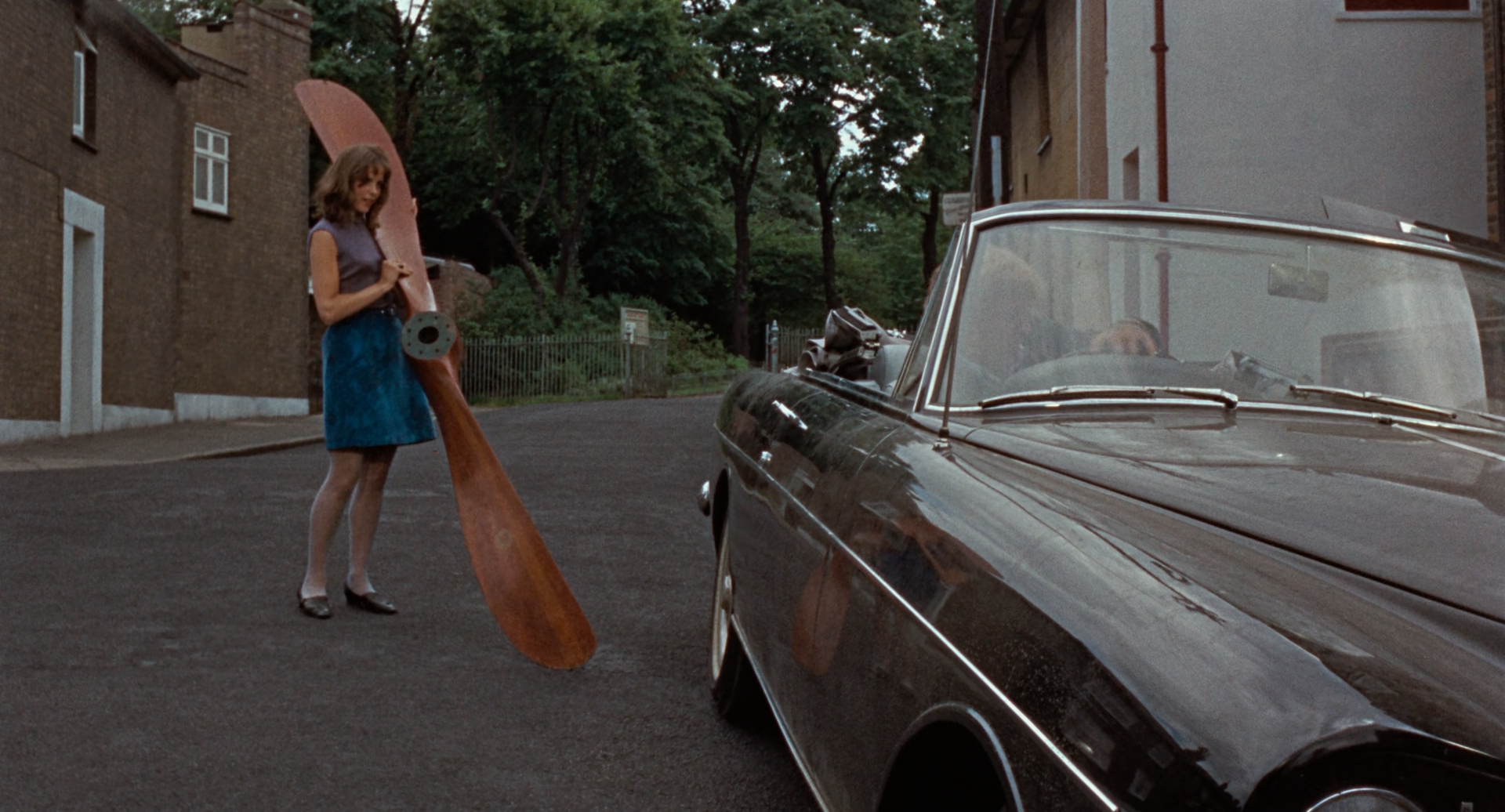
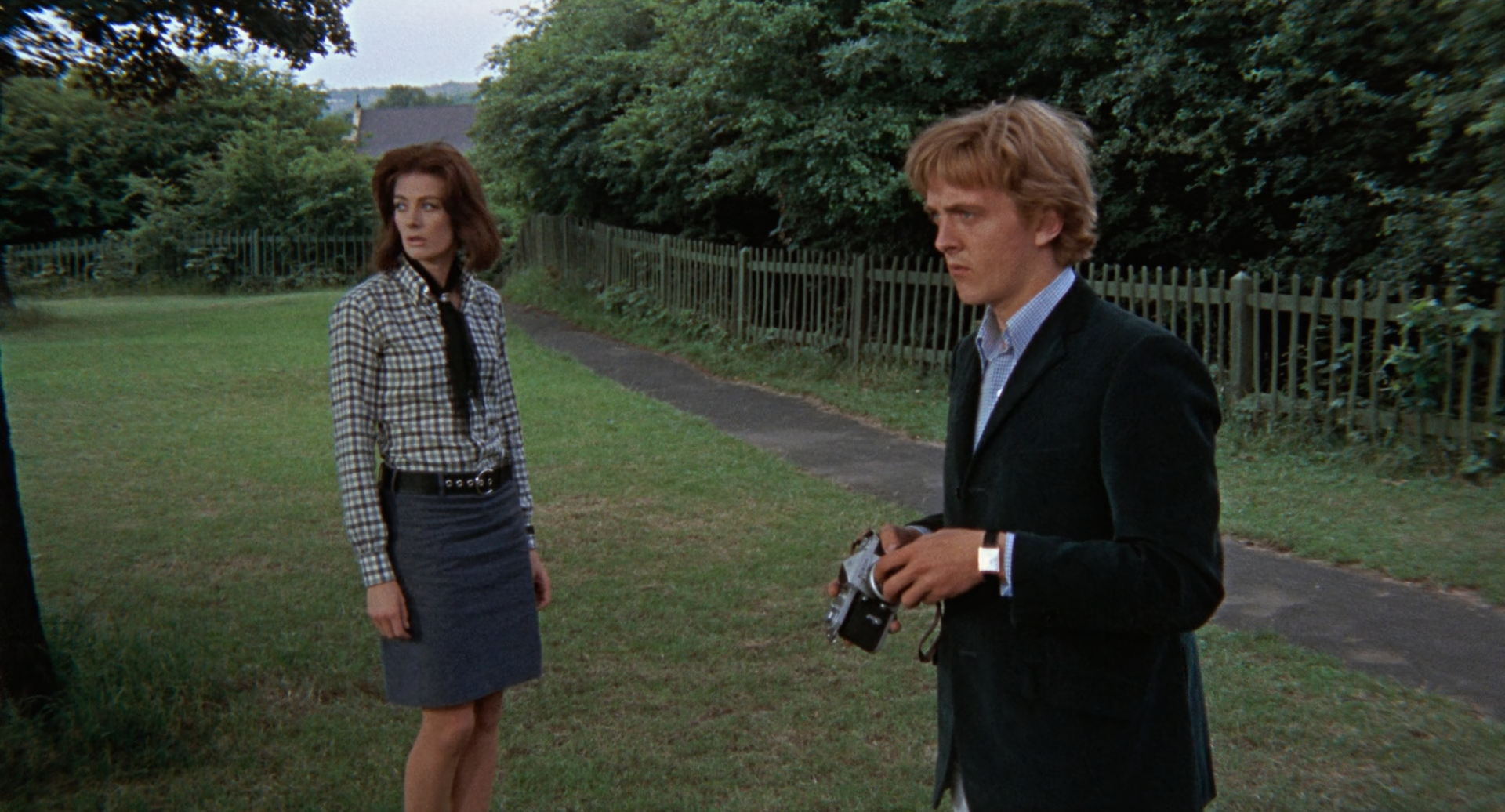
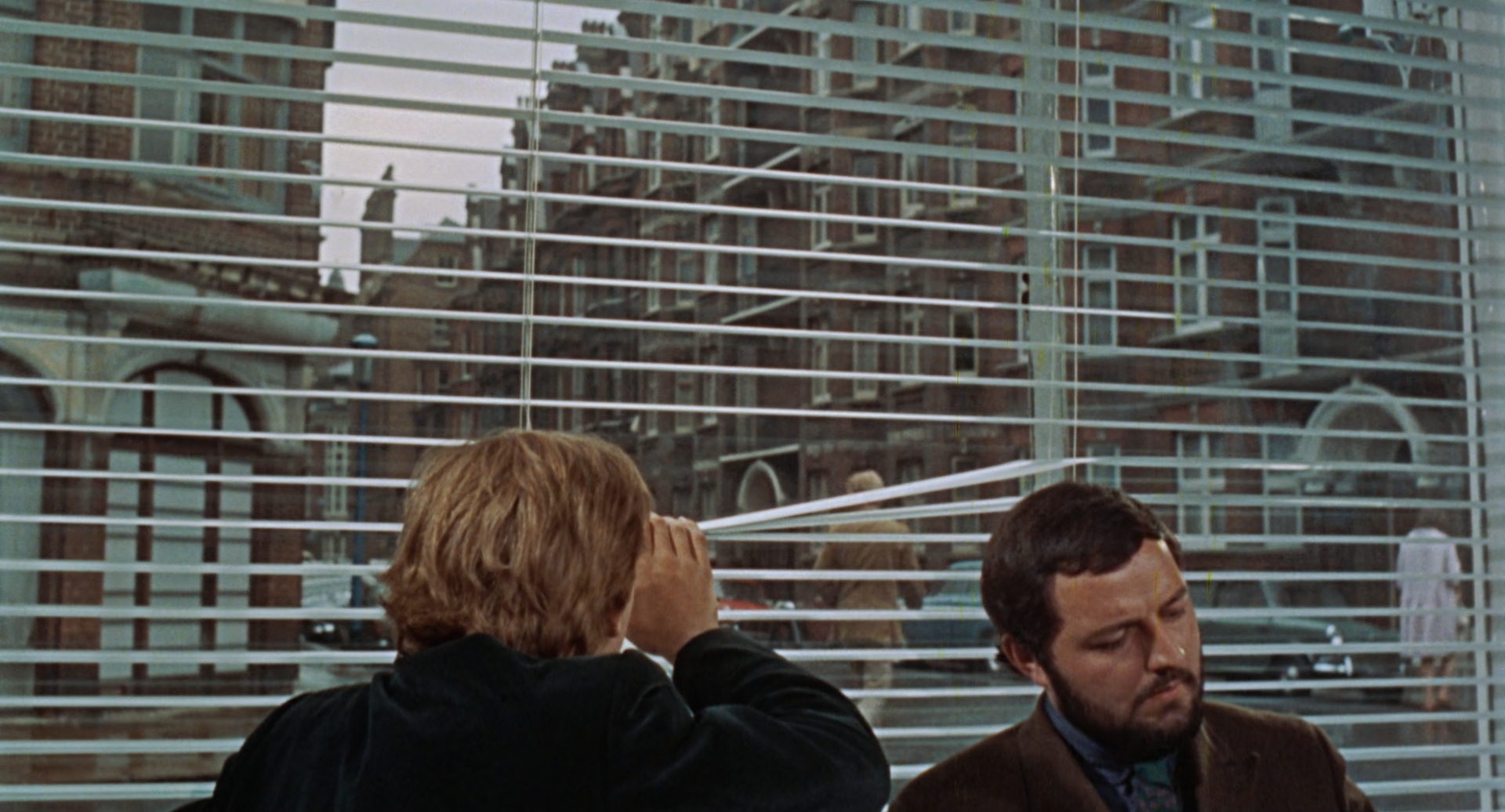
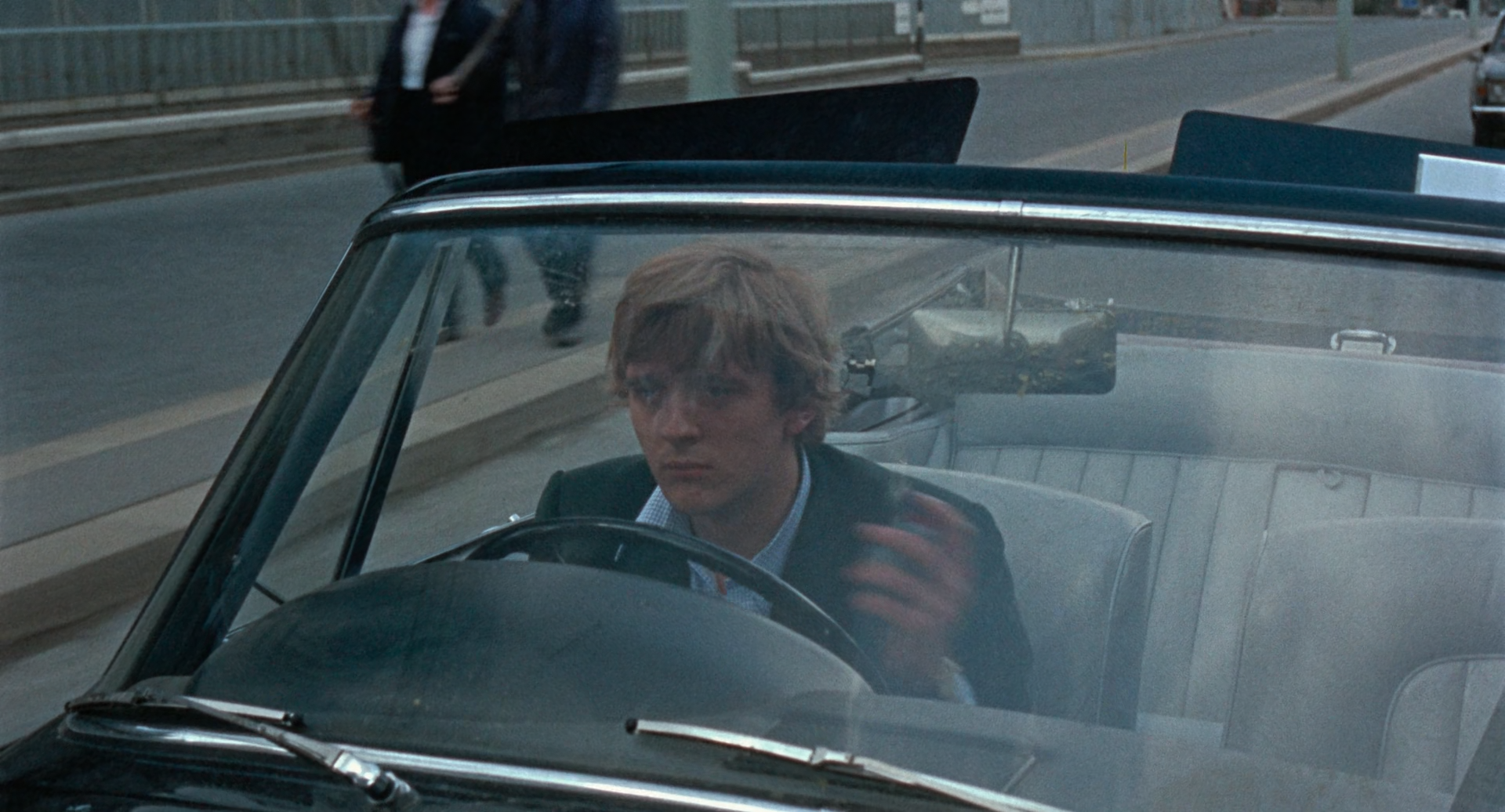
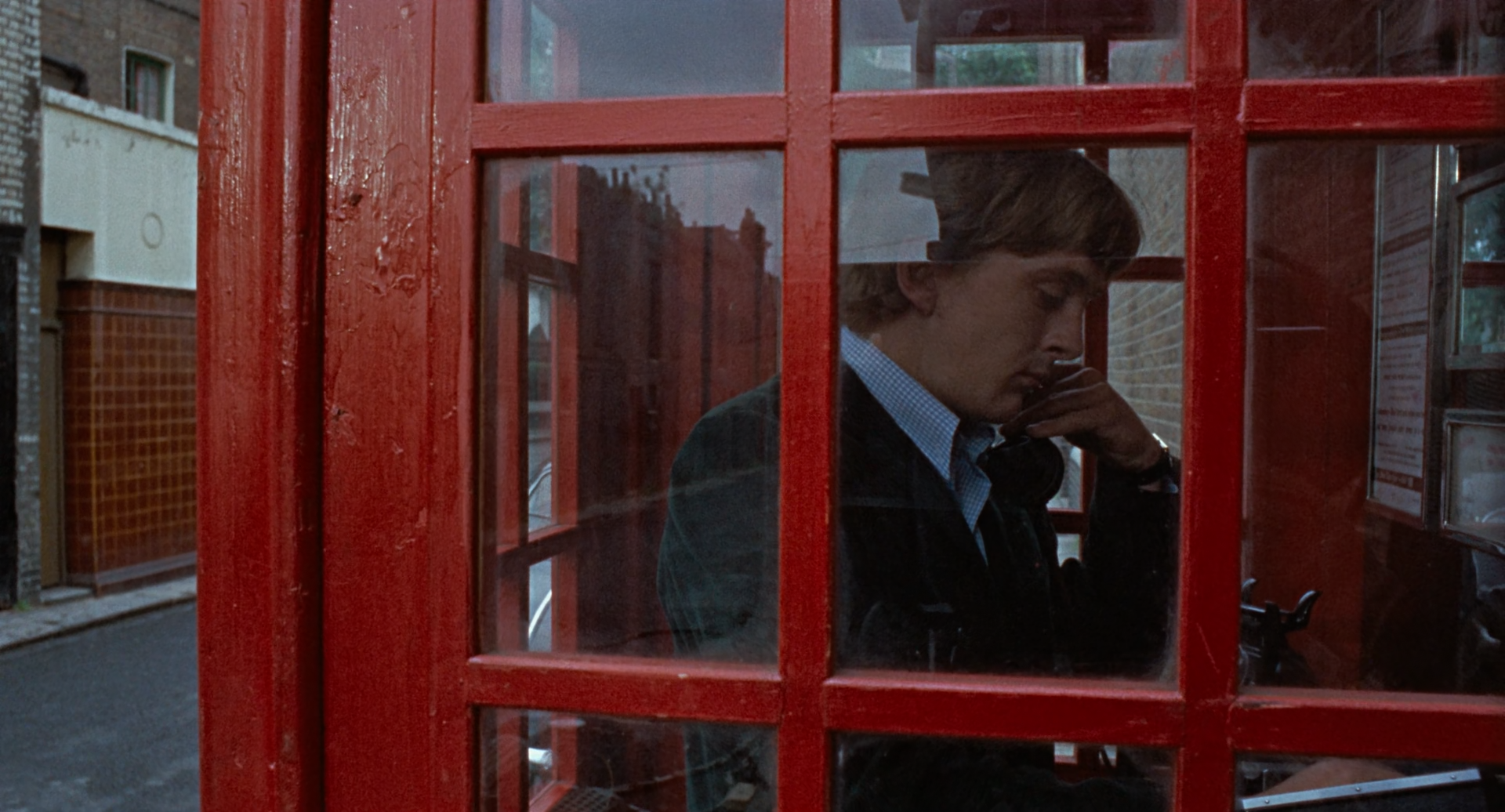
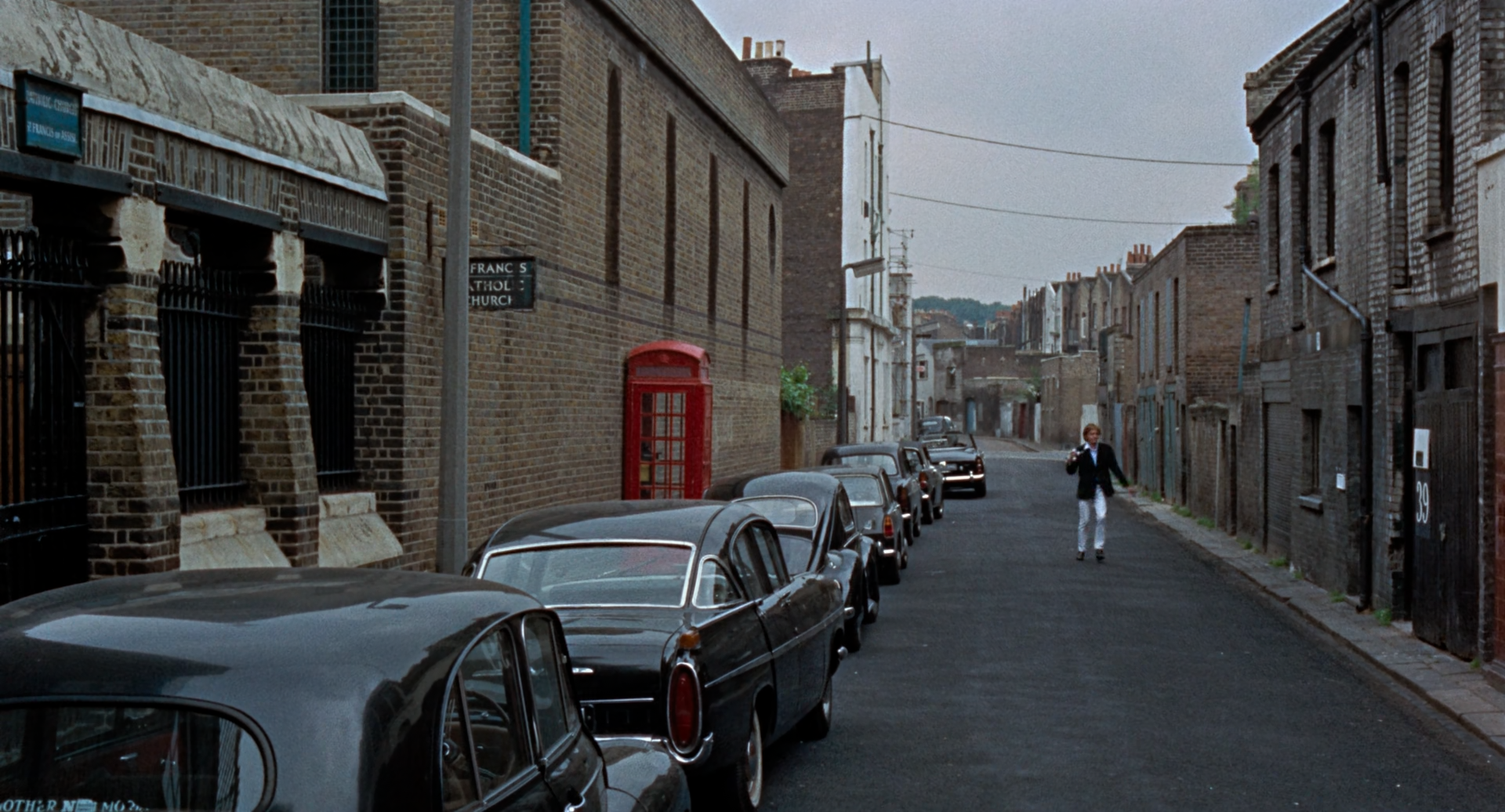
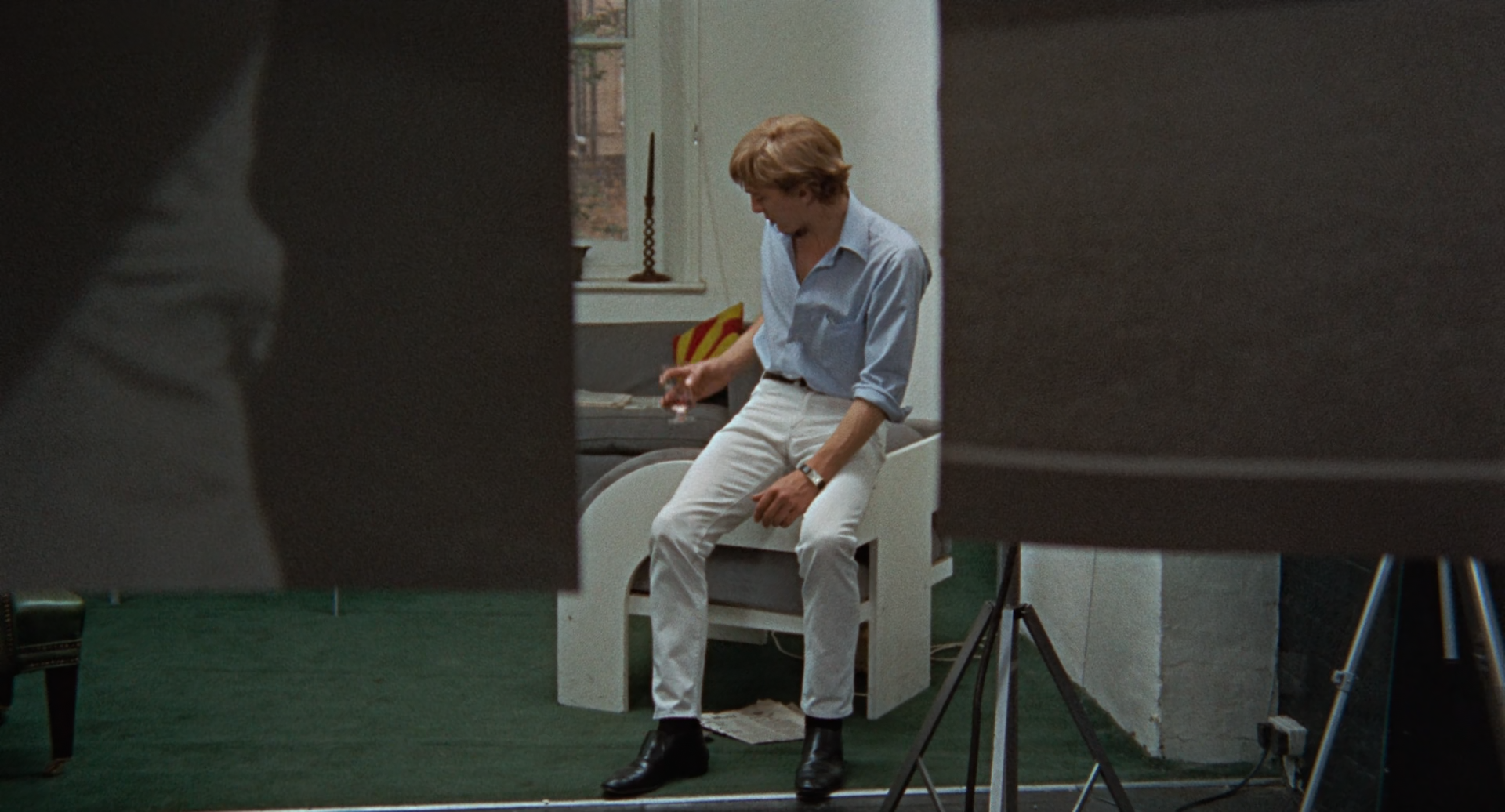
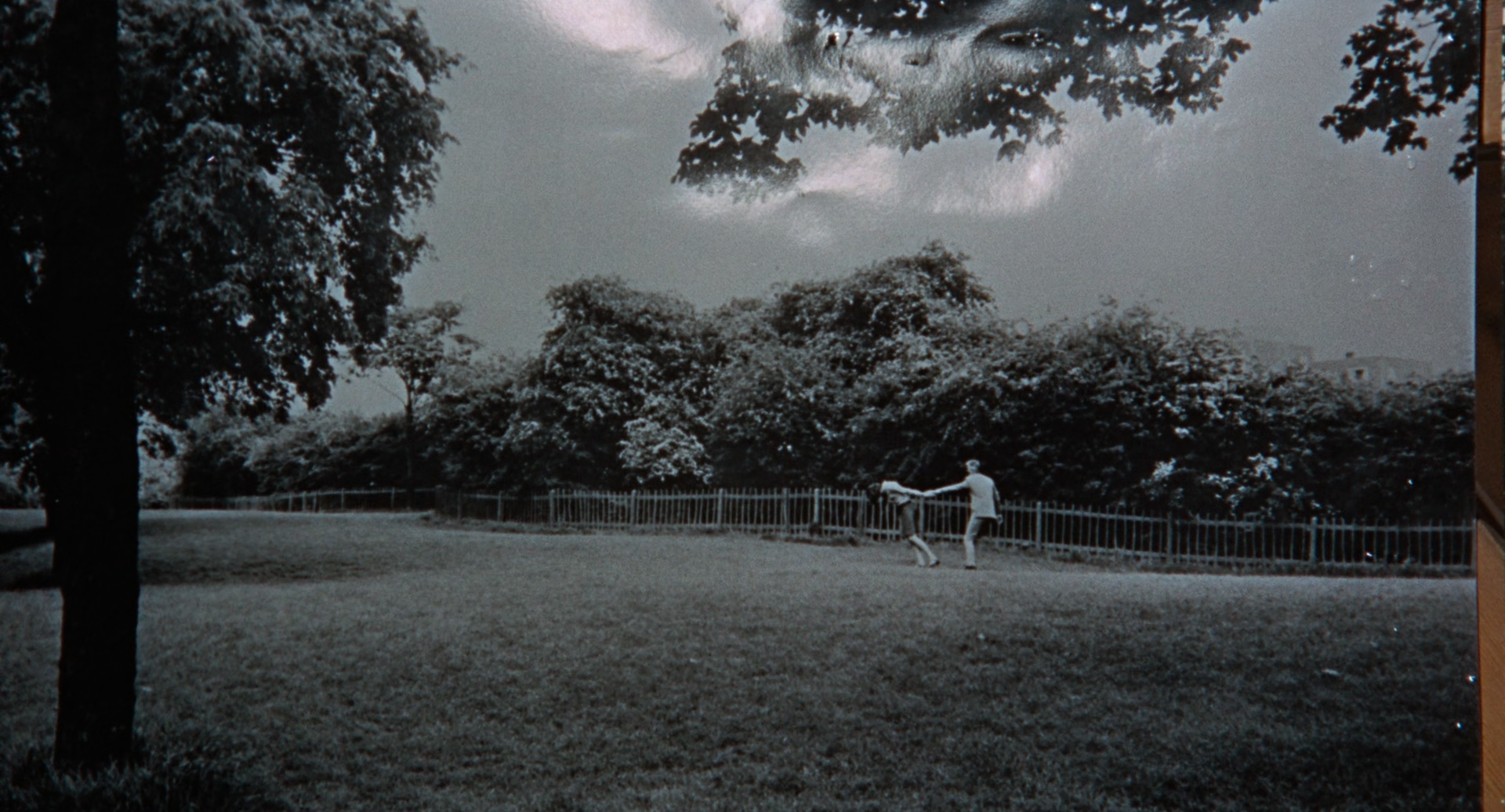
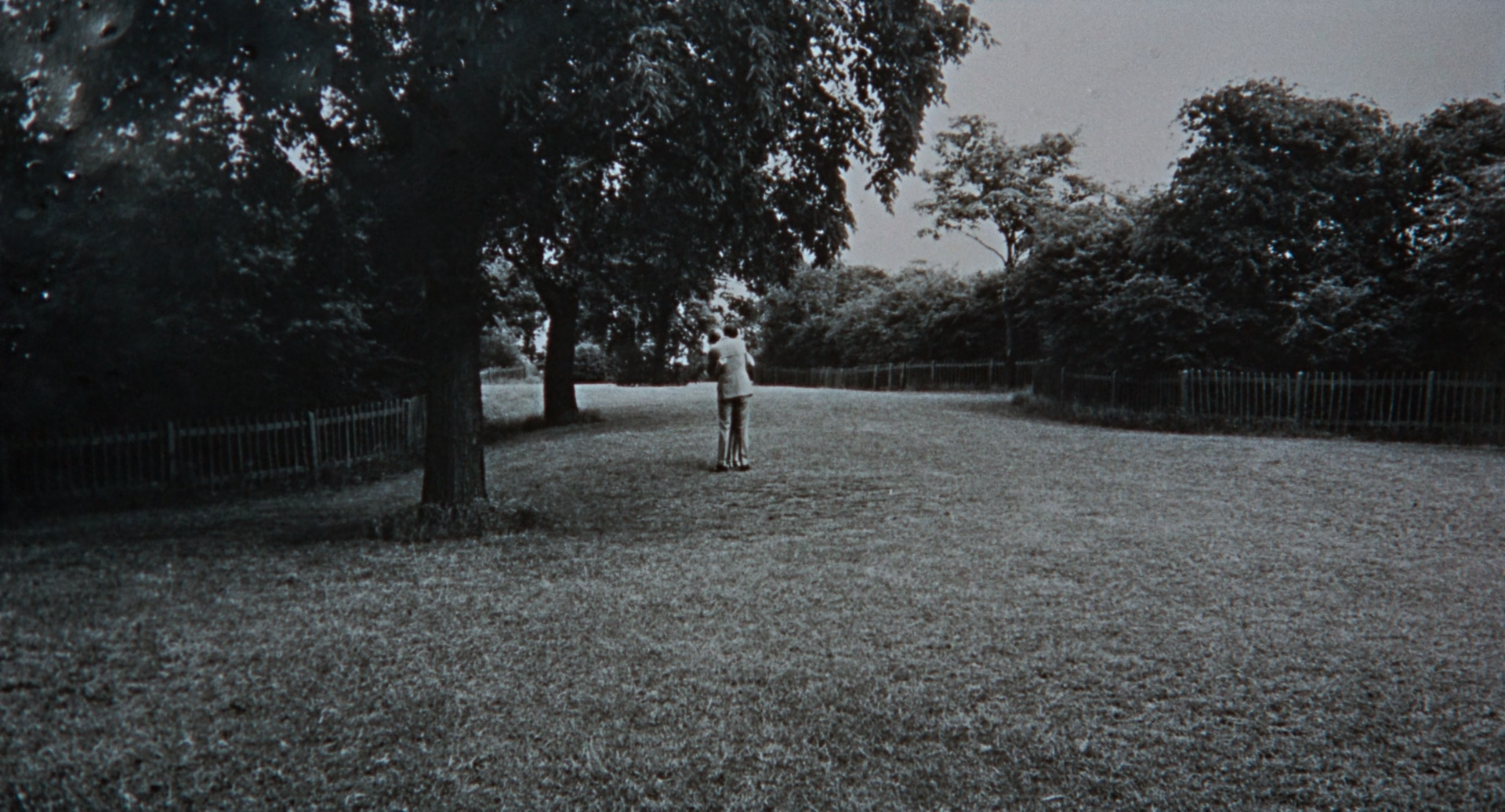
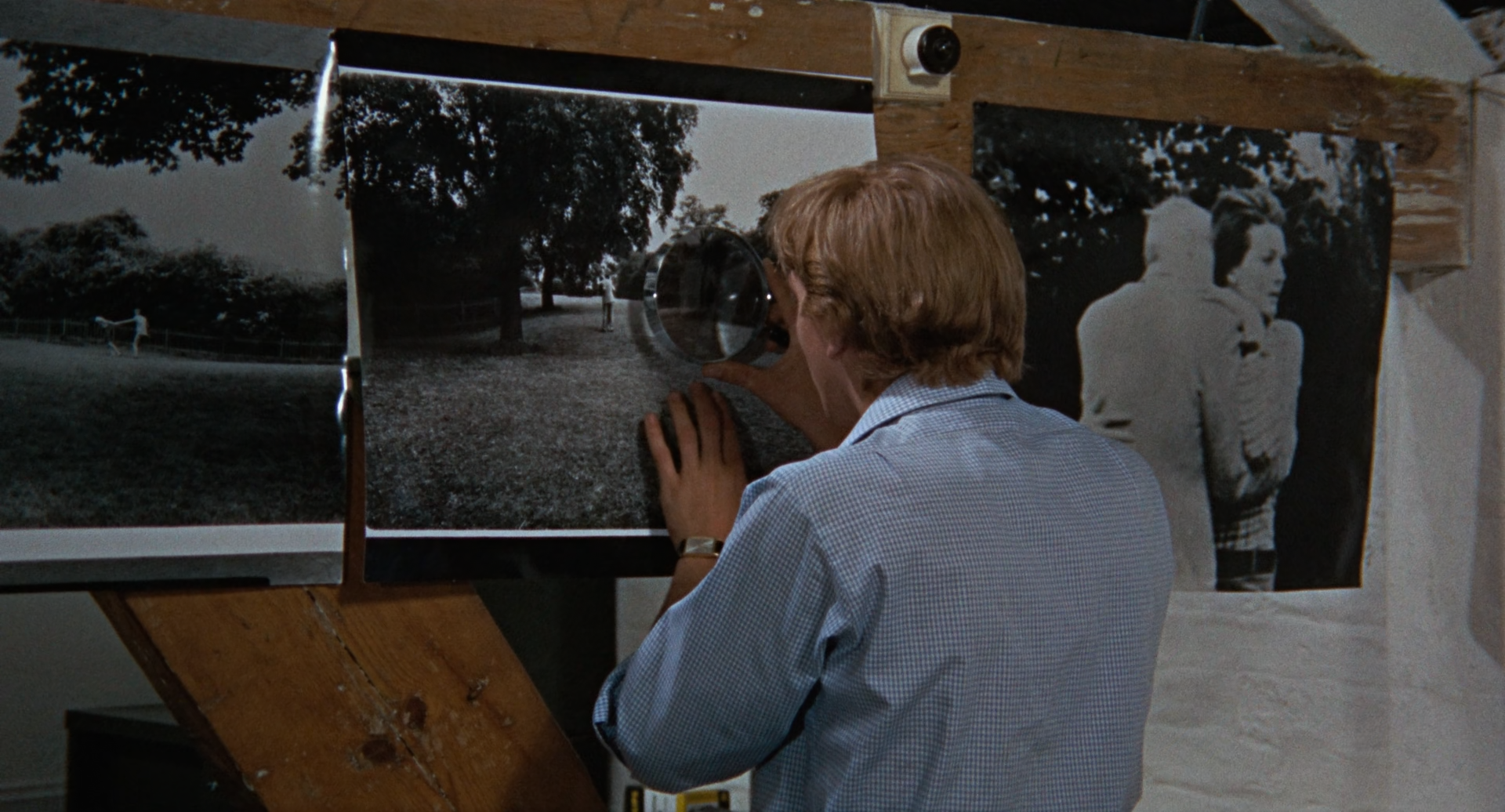
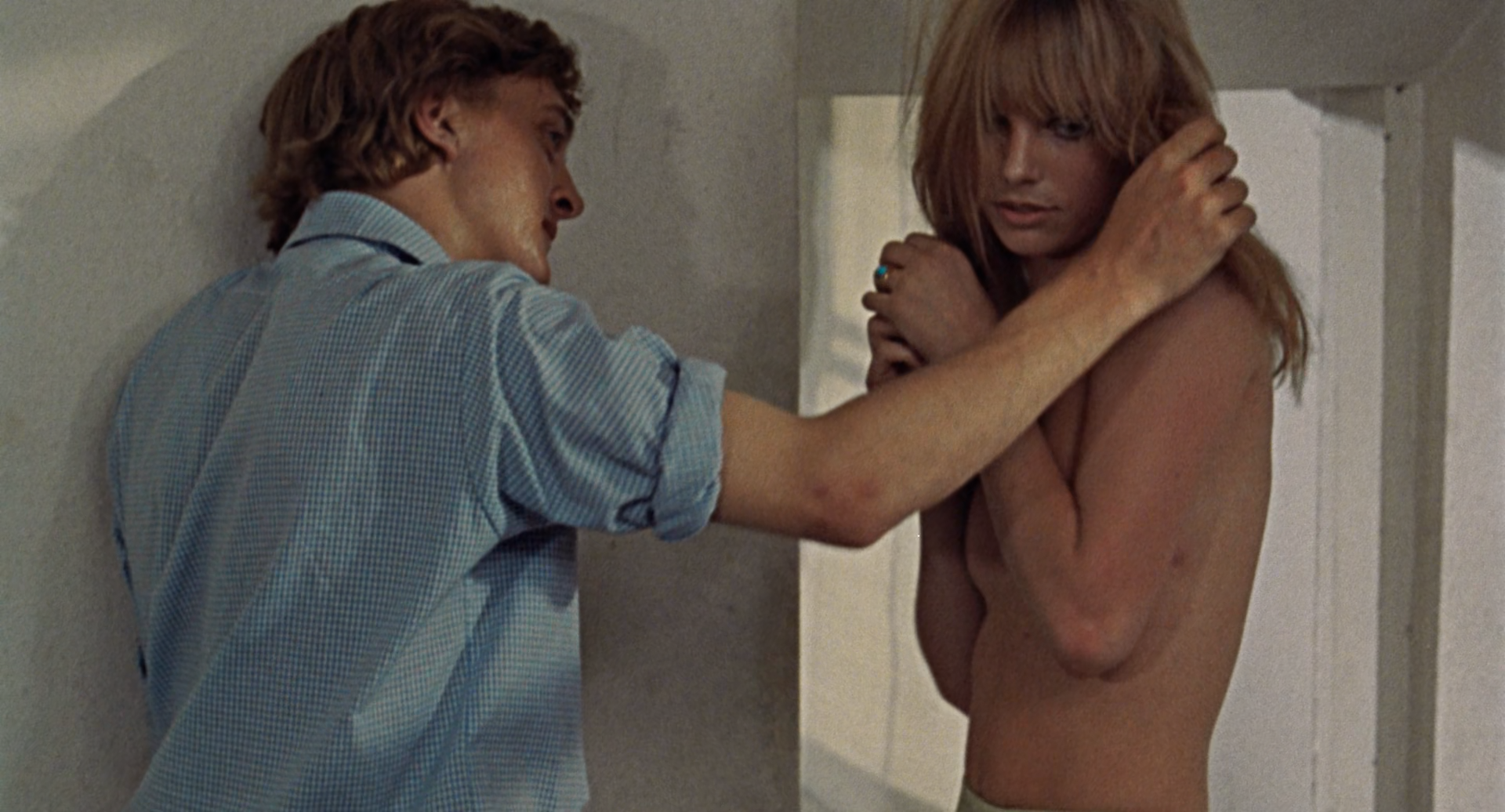
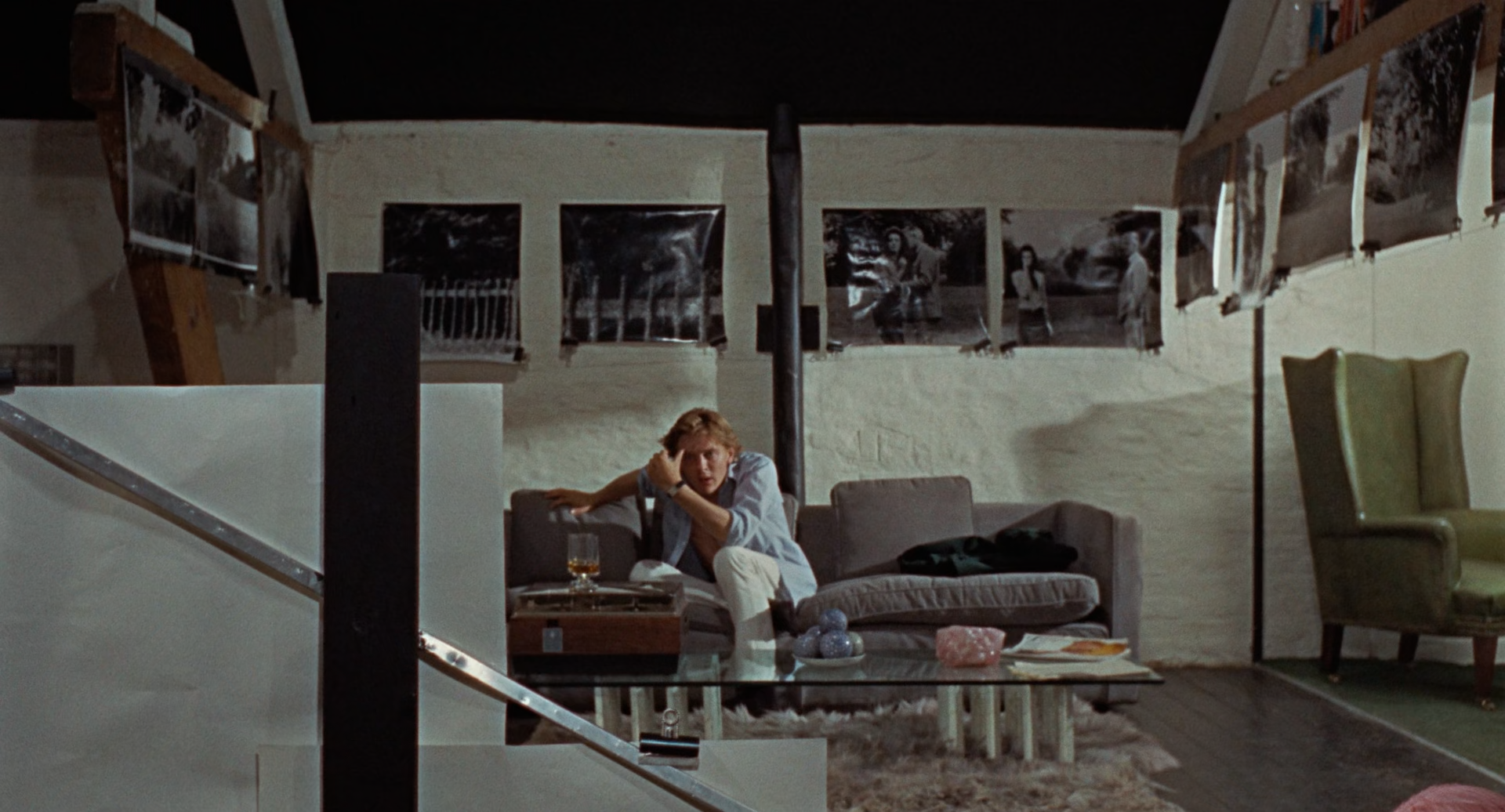
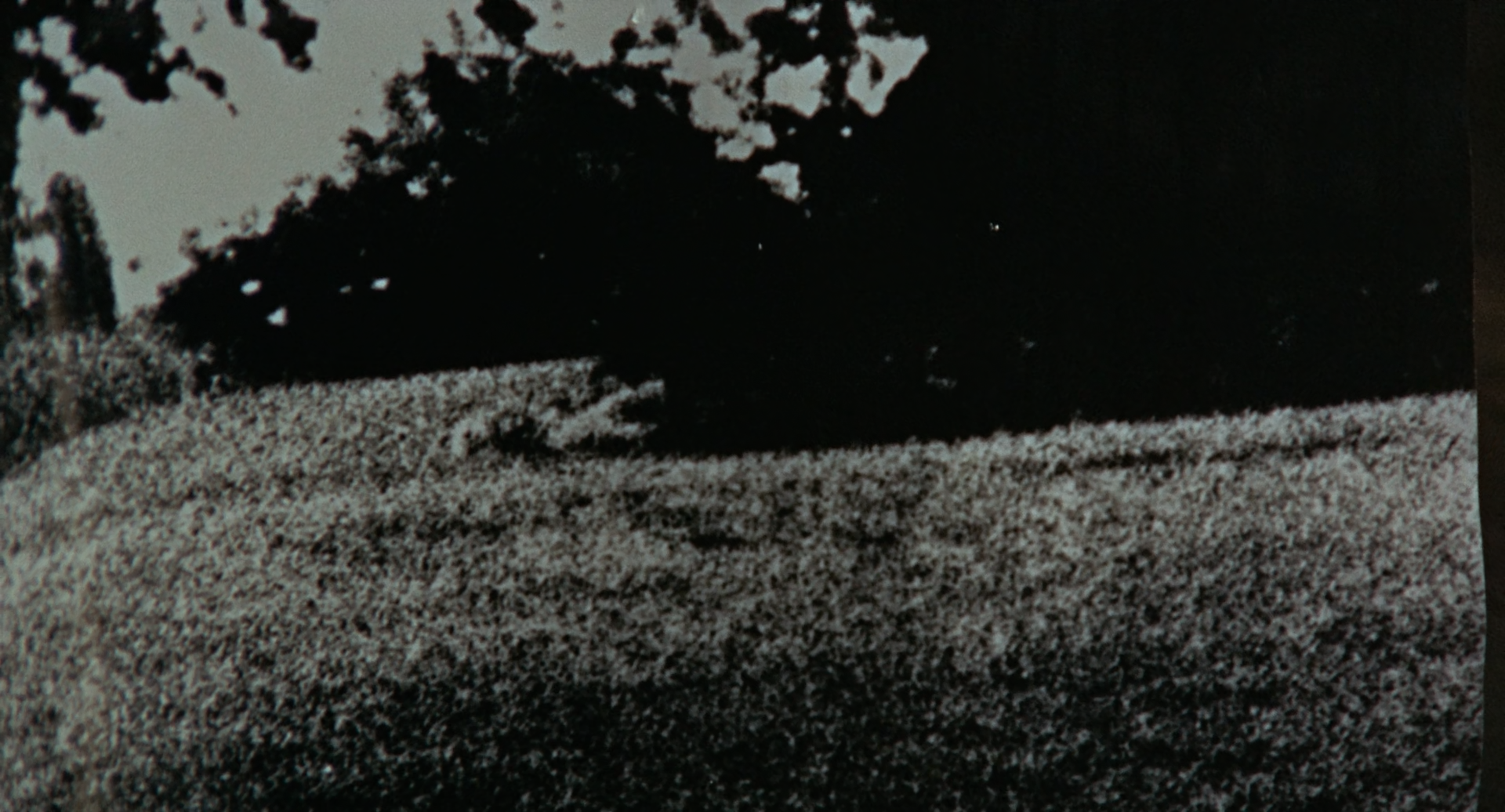
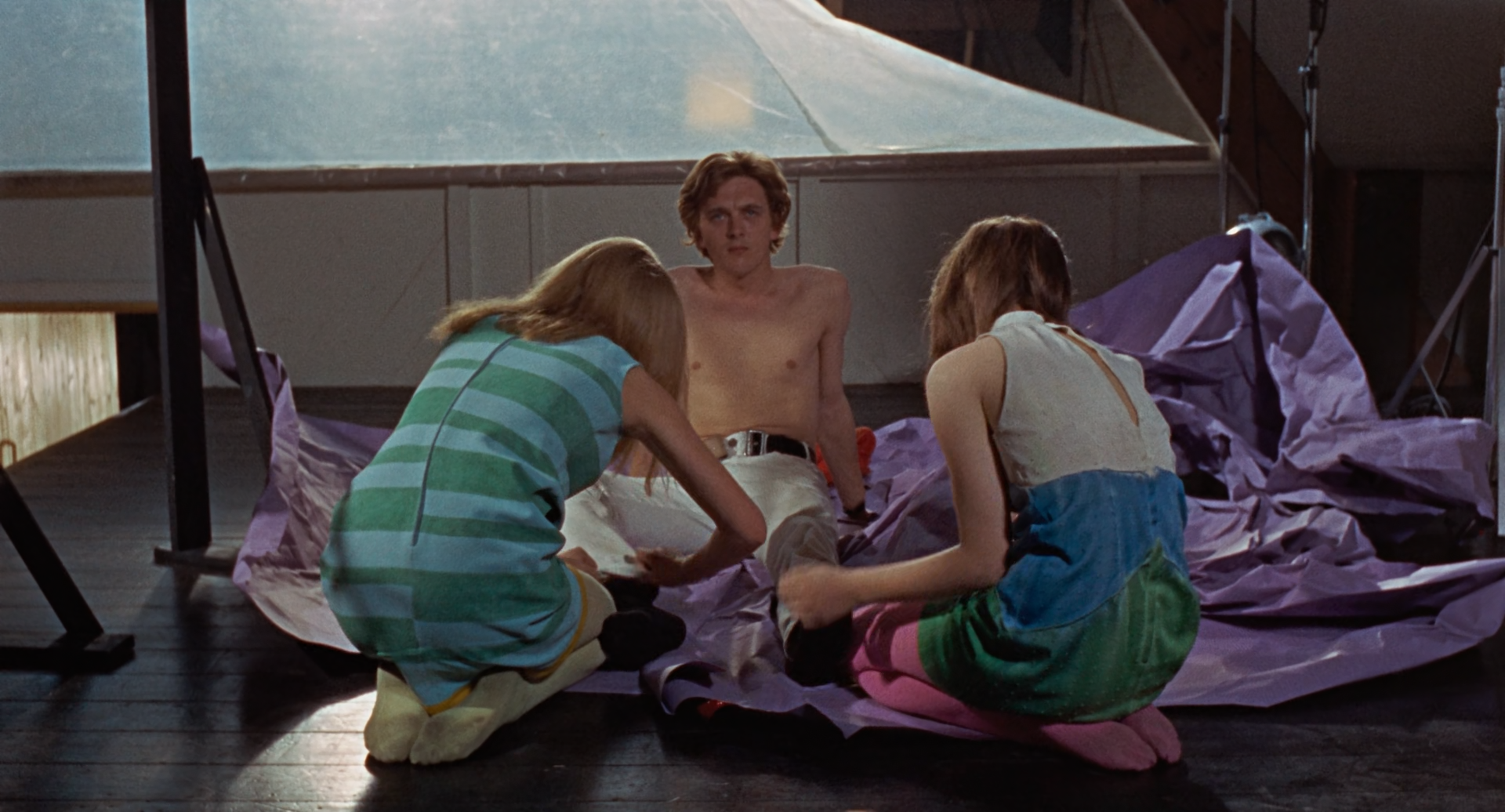
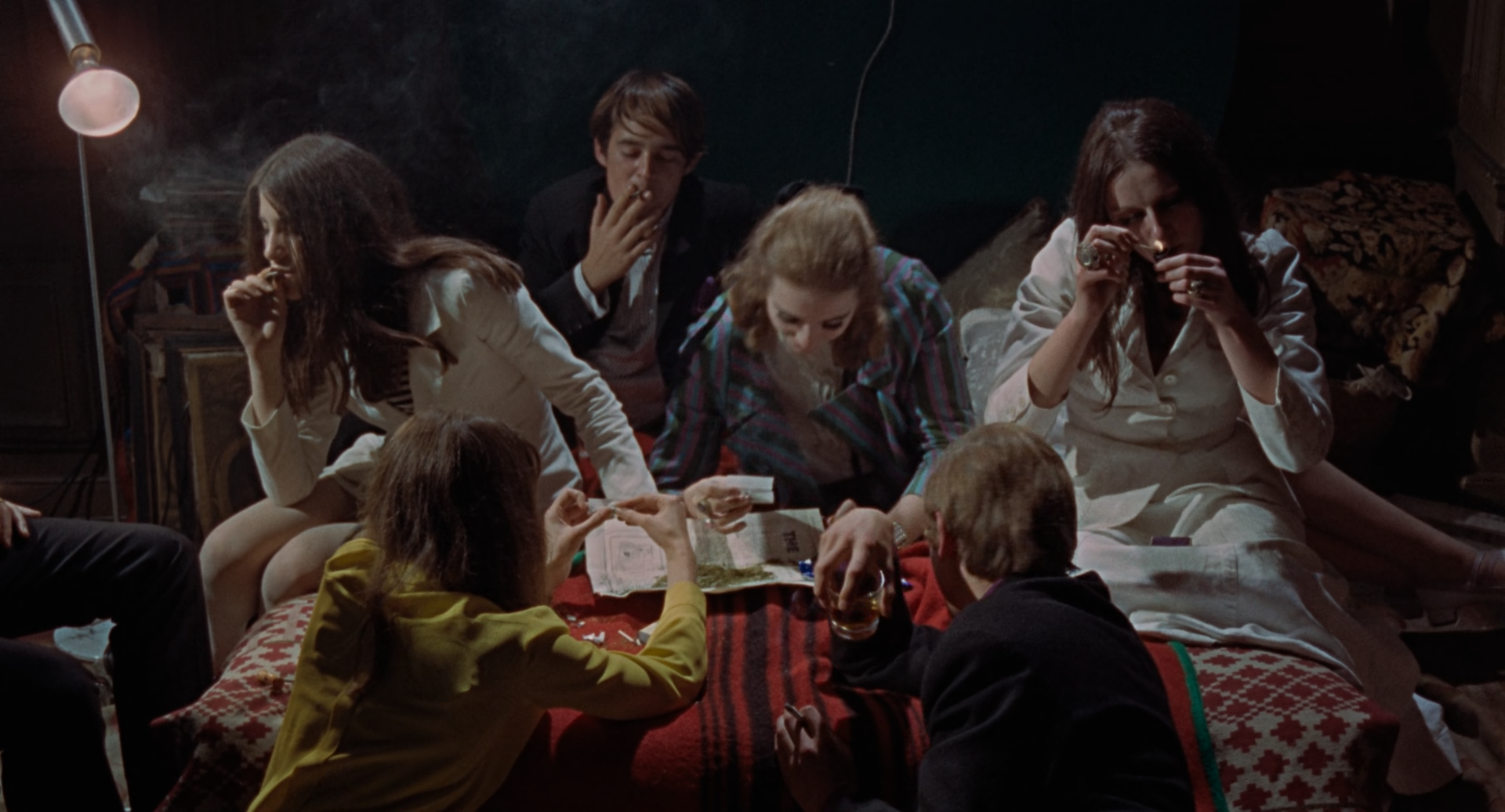
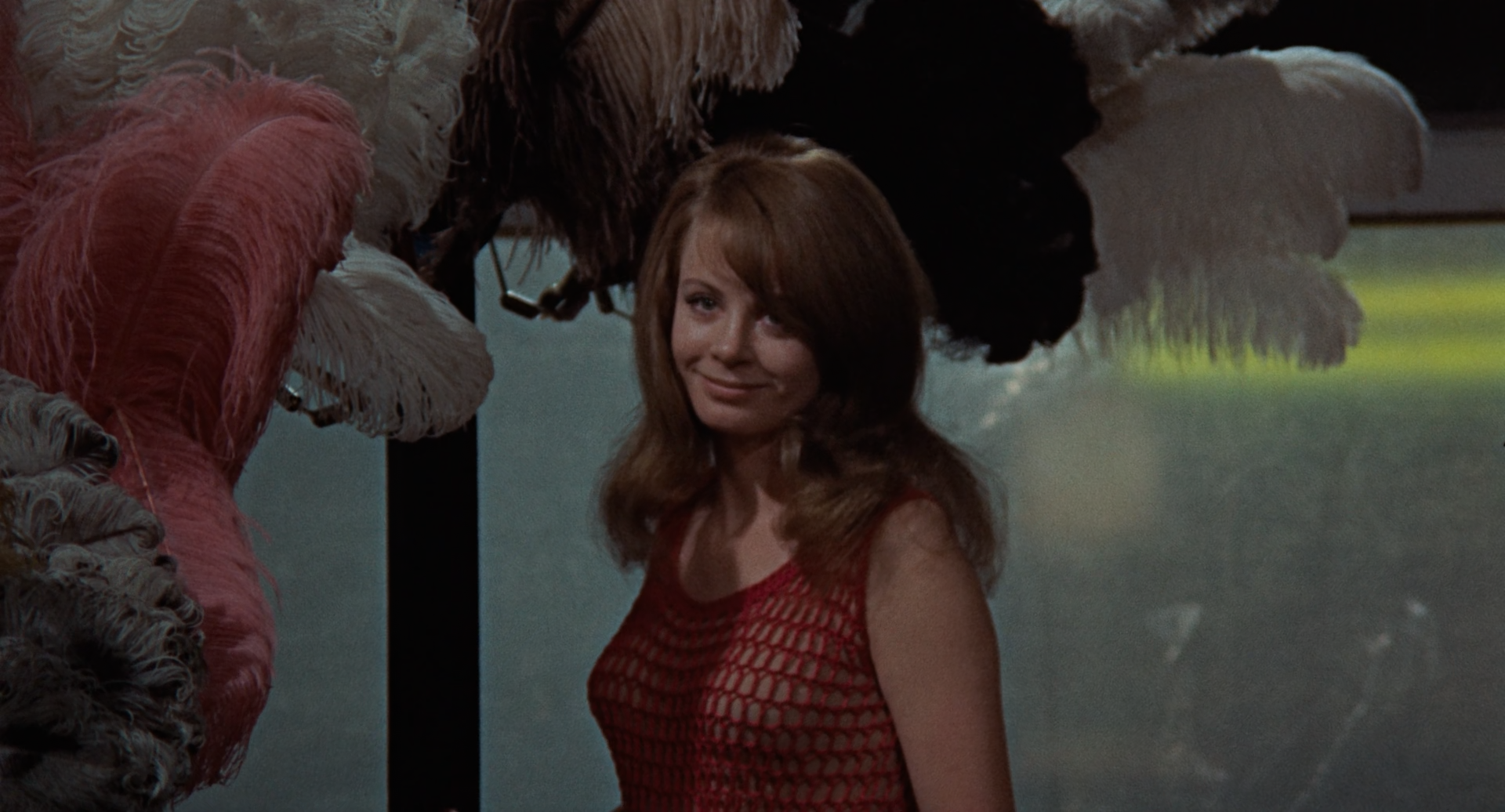
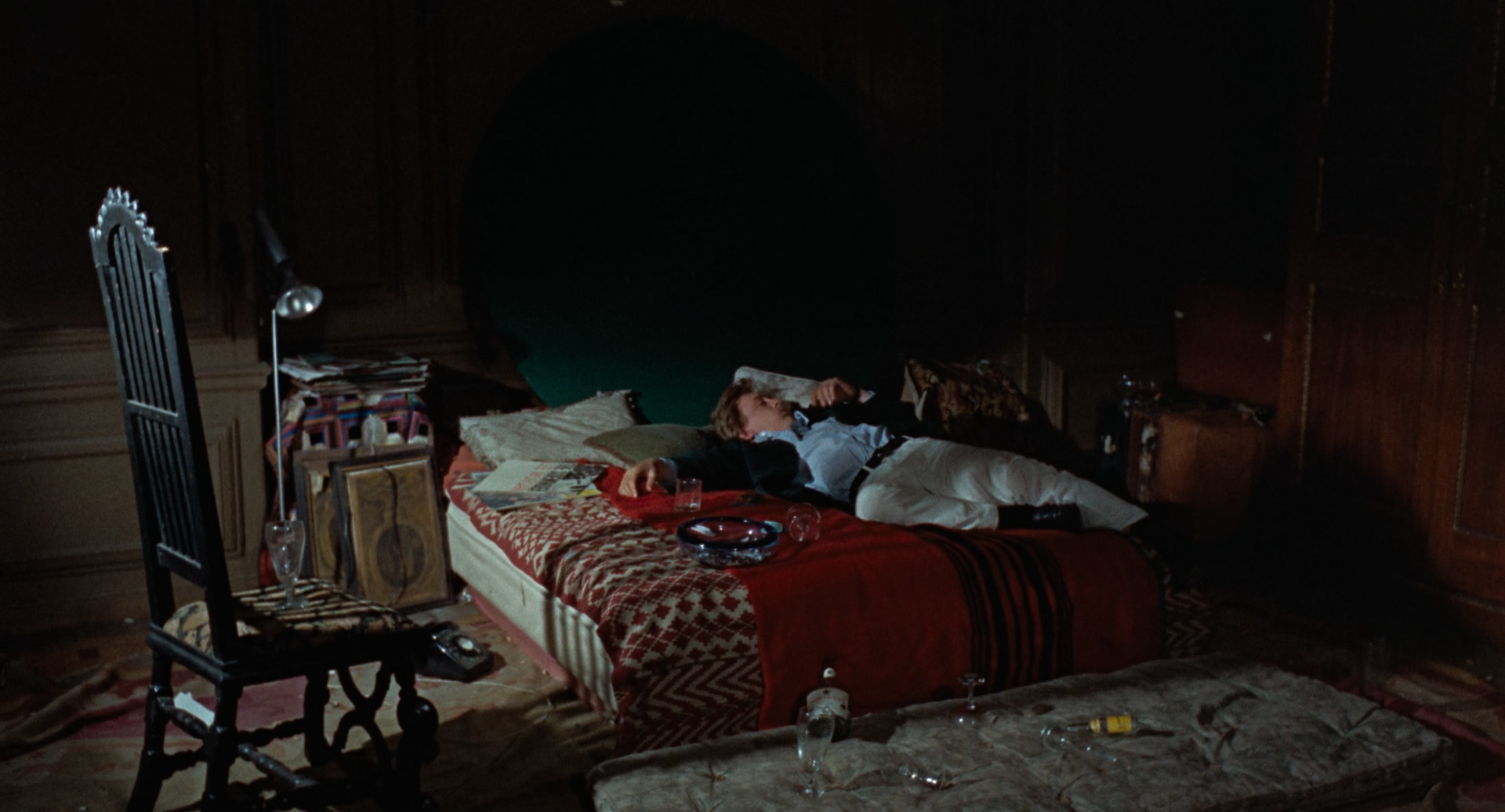
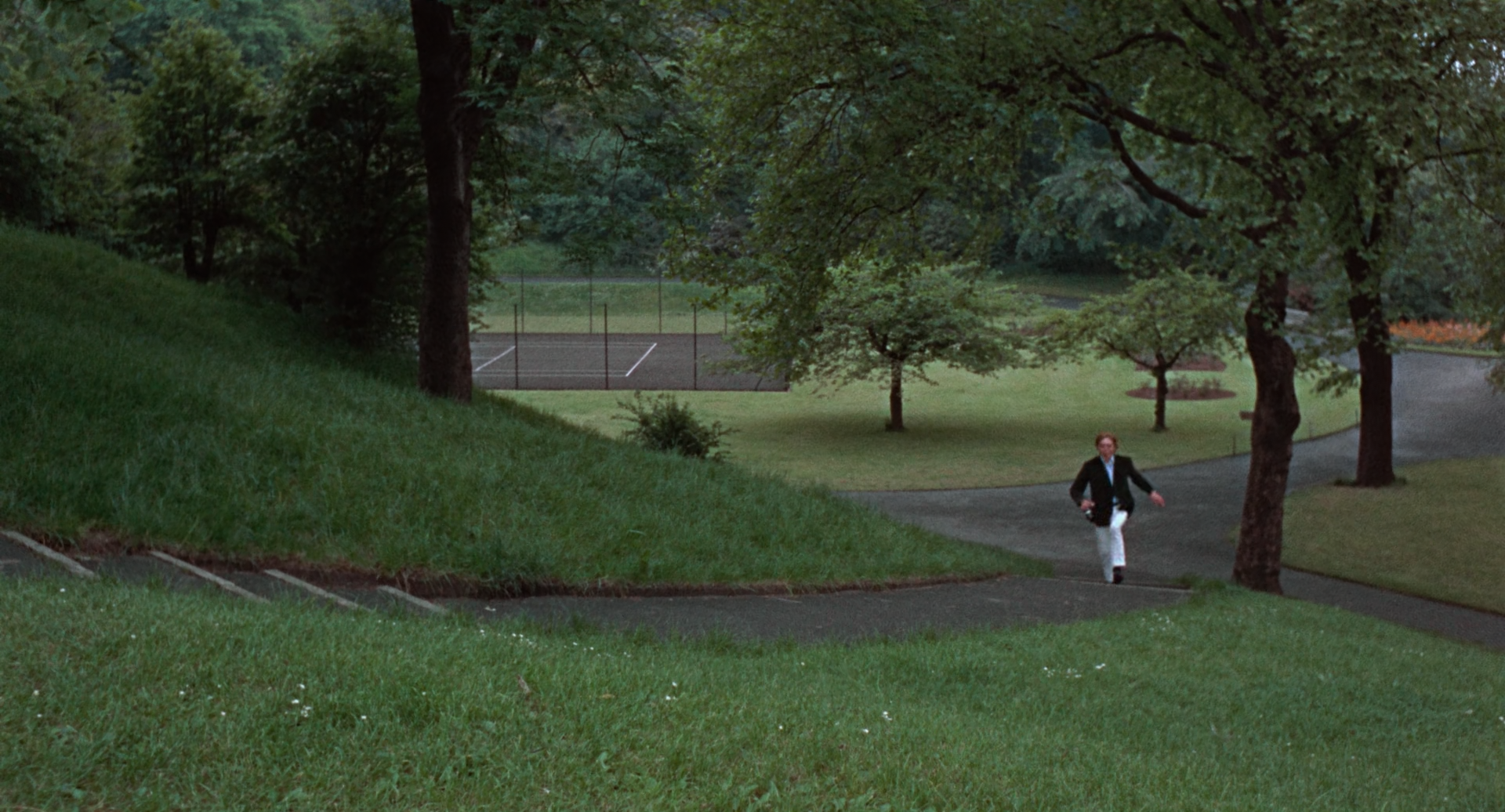
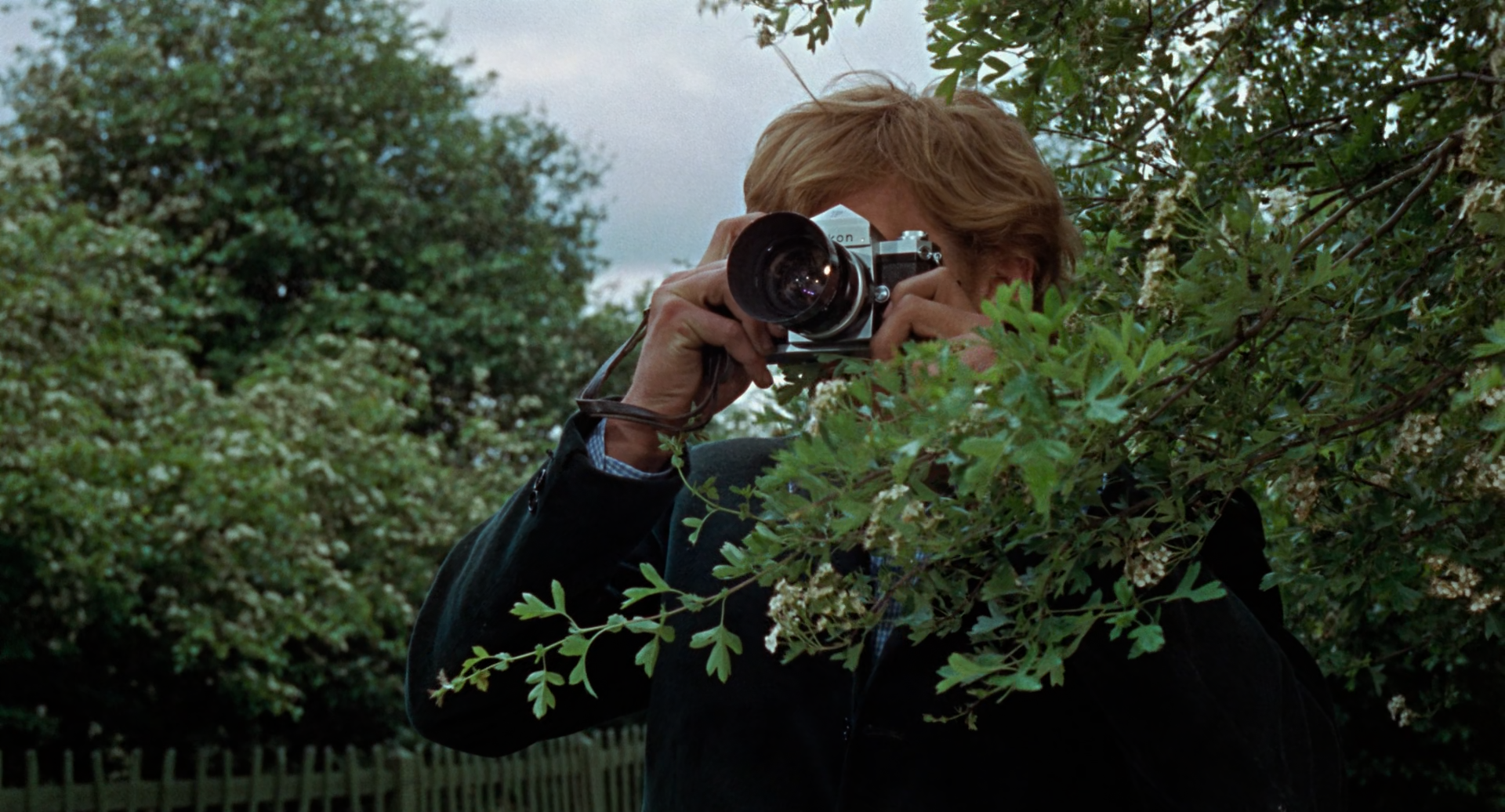
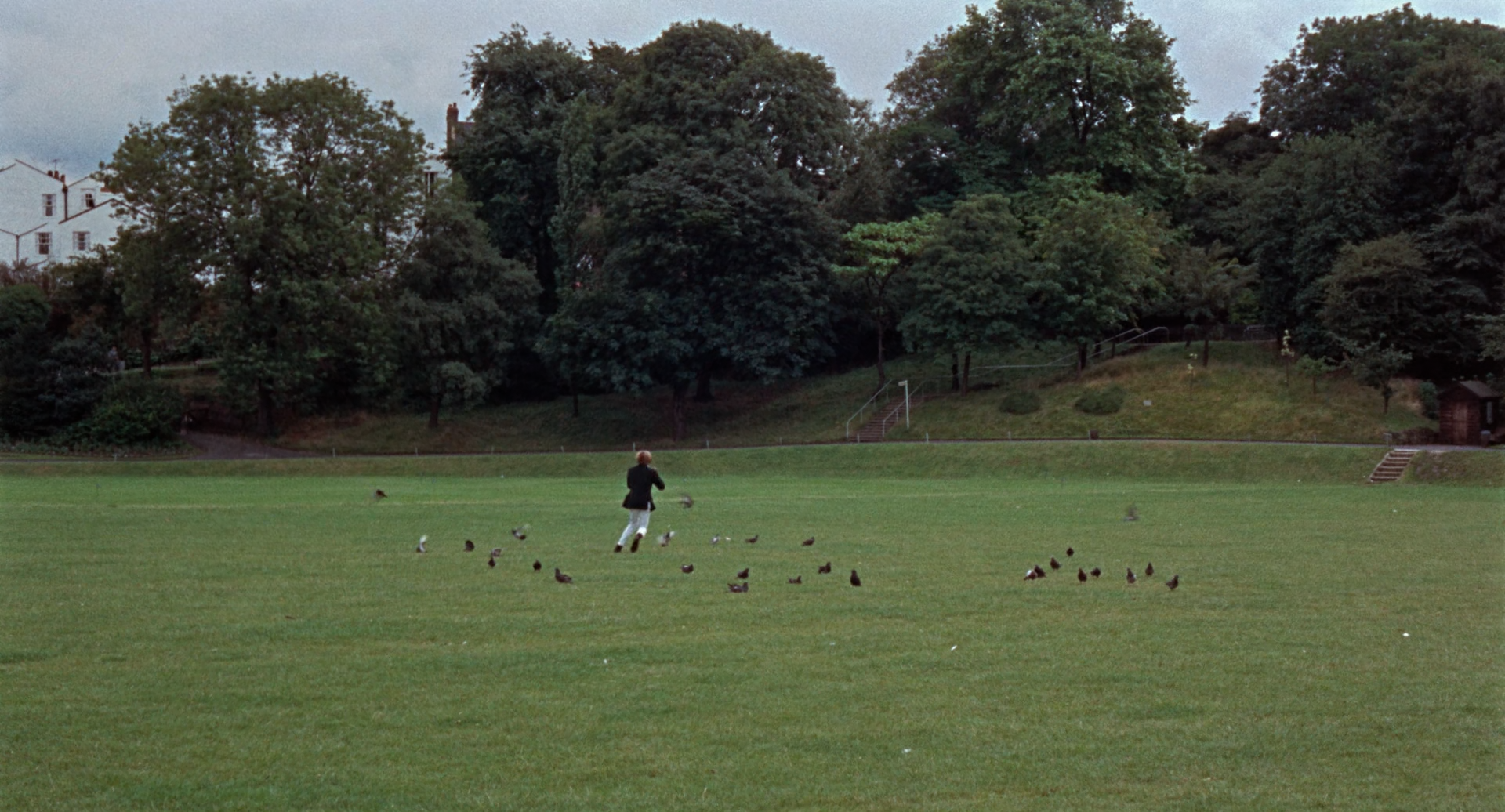
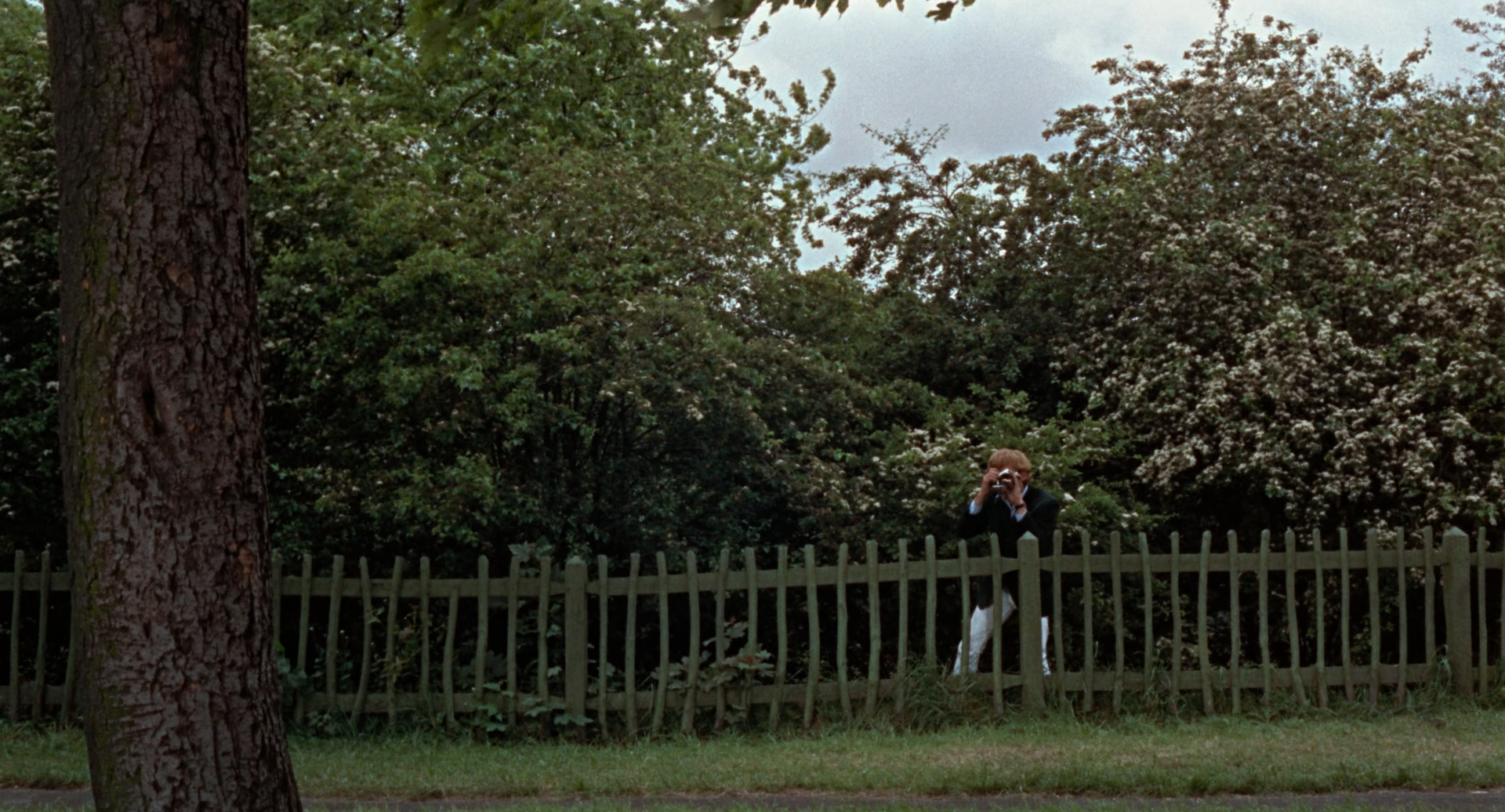
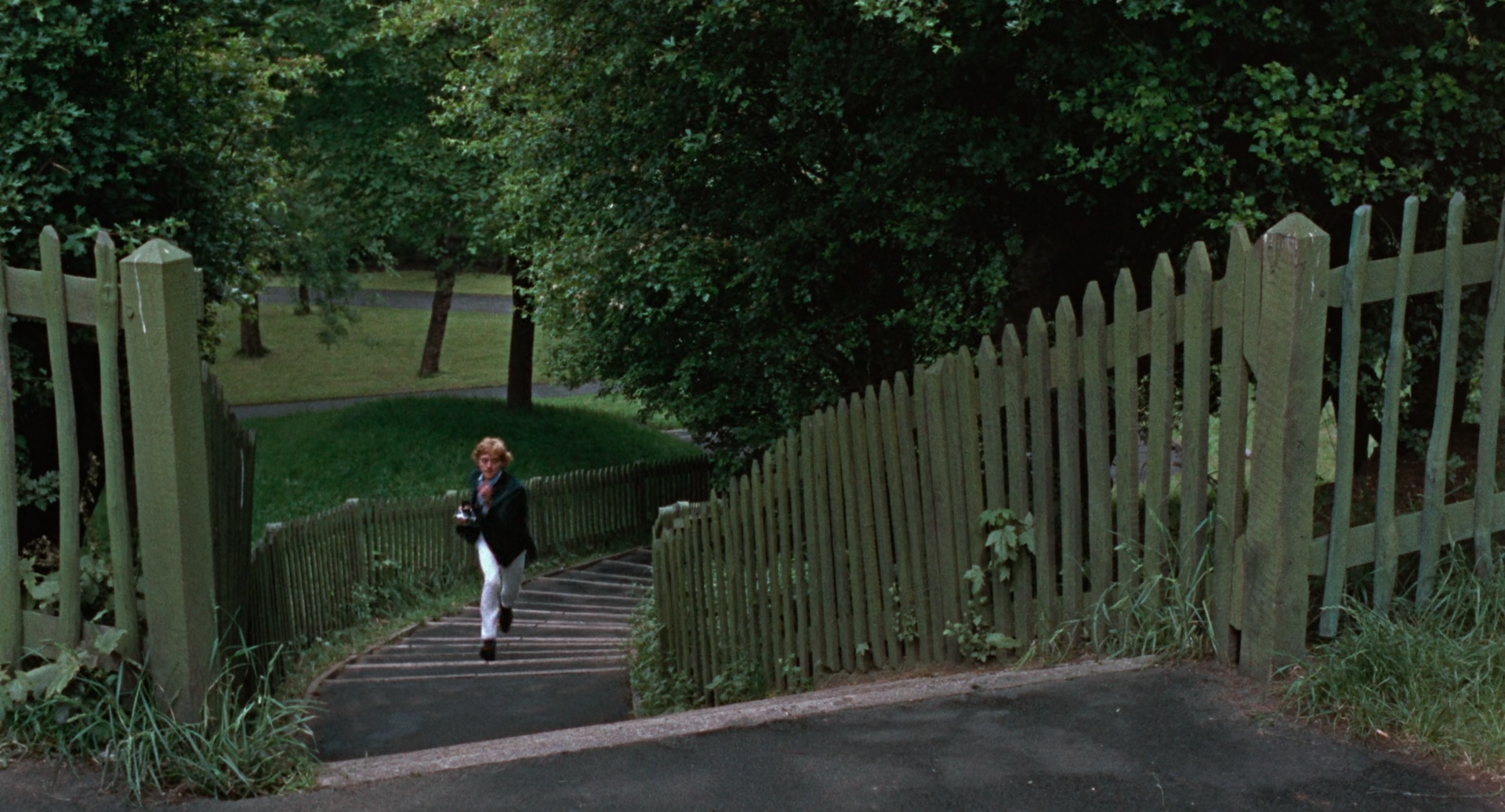
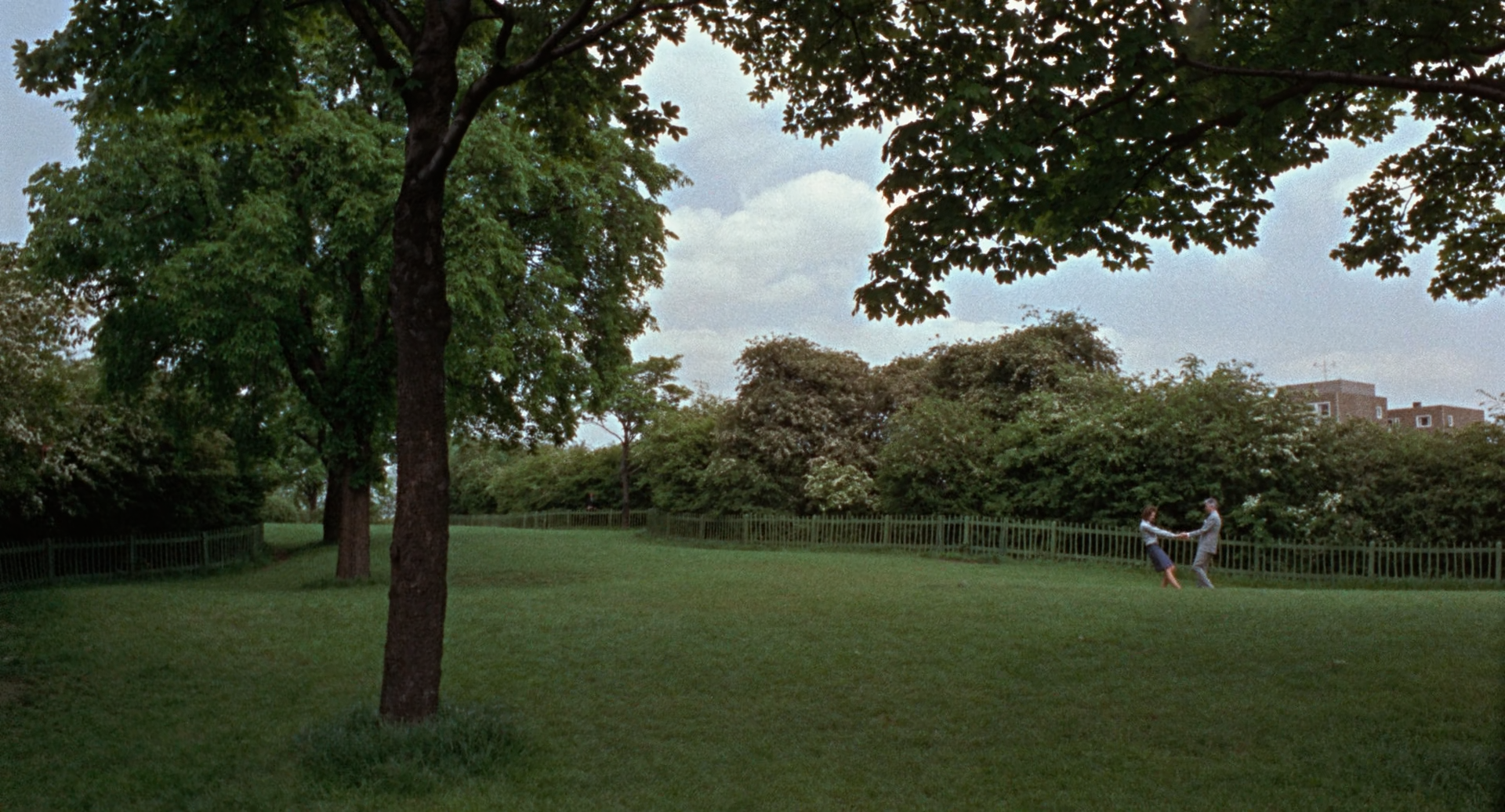
The deadly romance of photography.
Presentation:
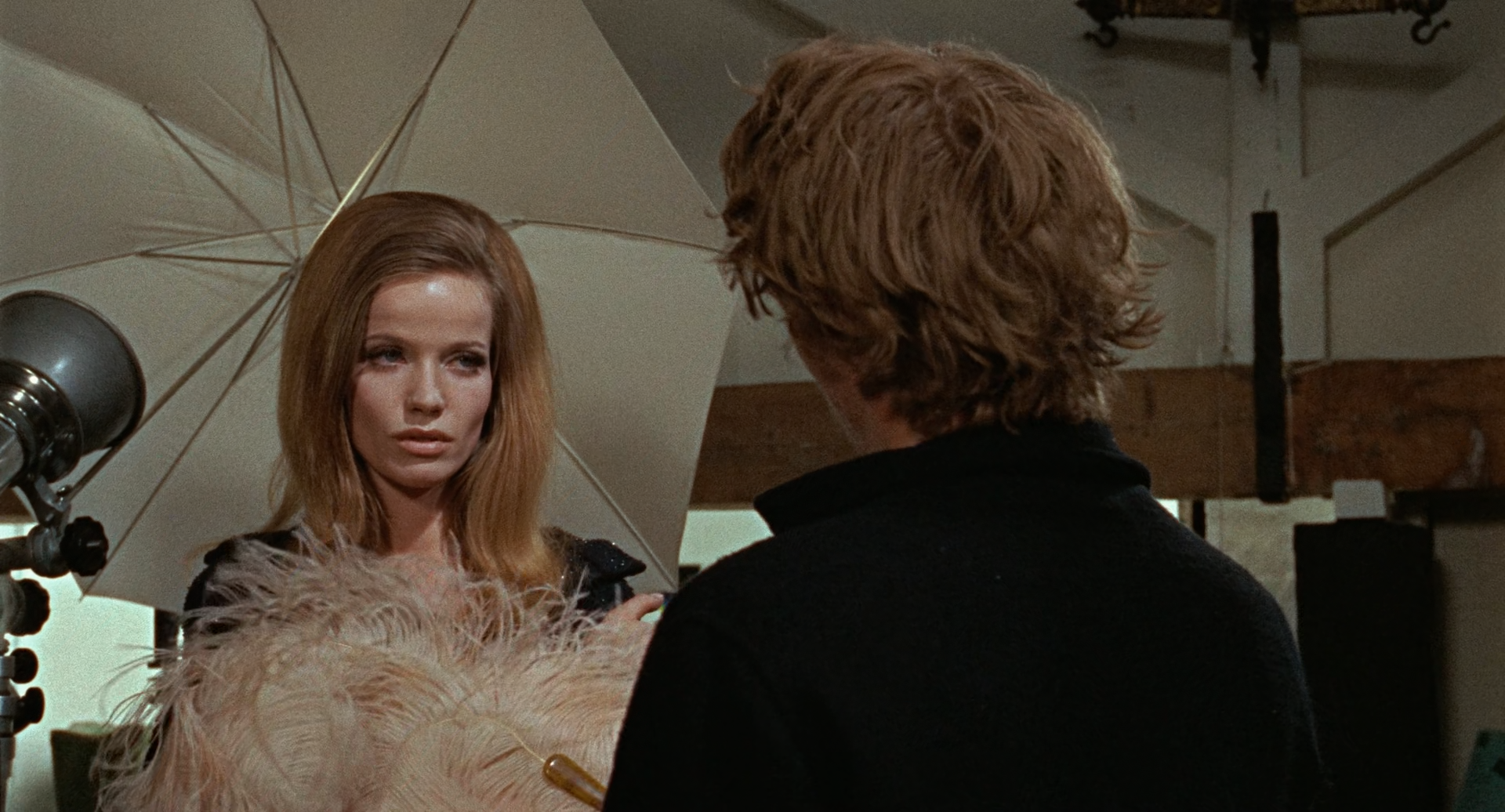
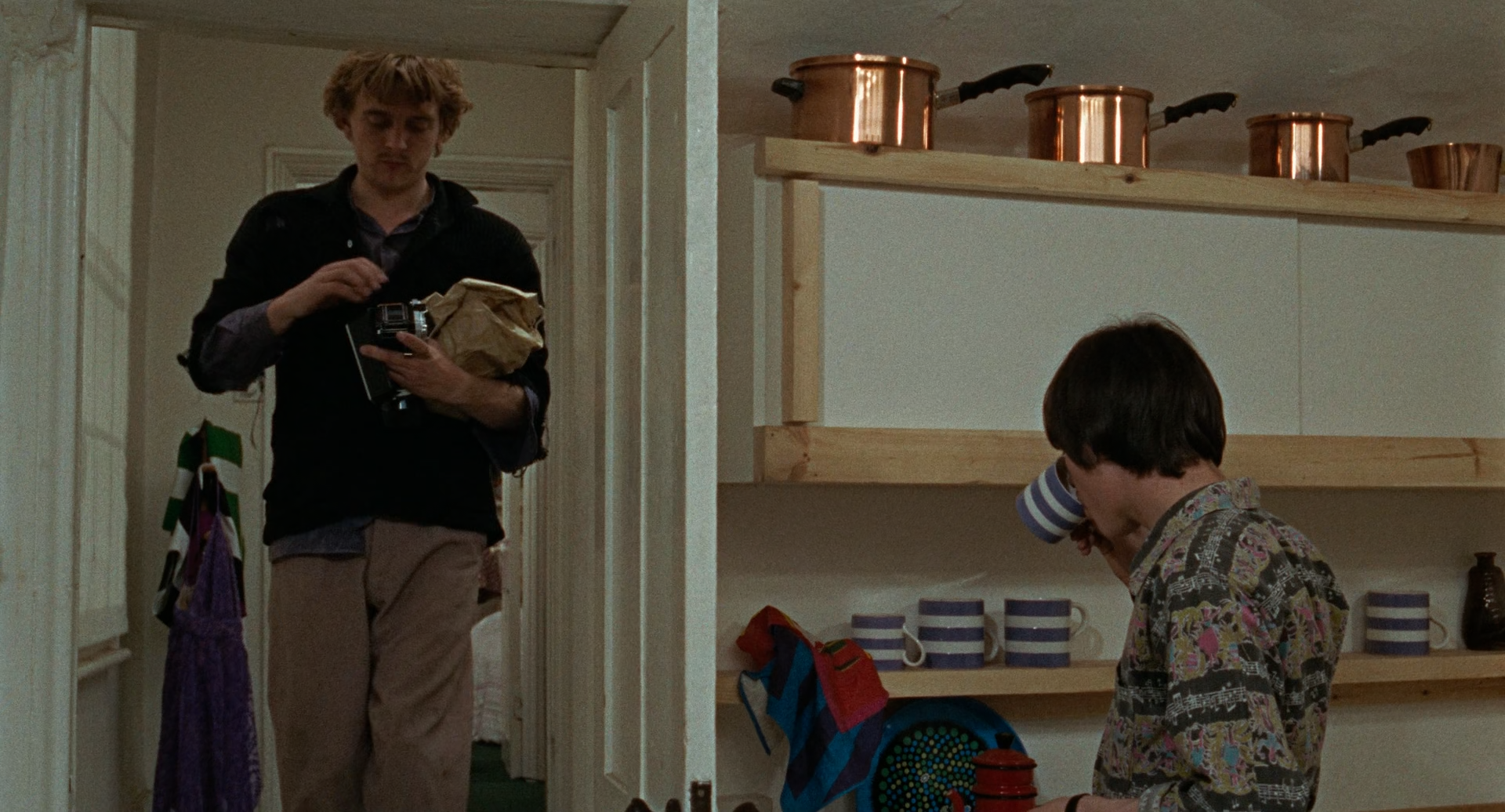
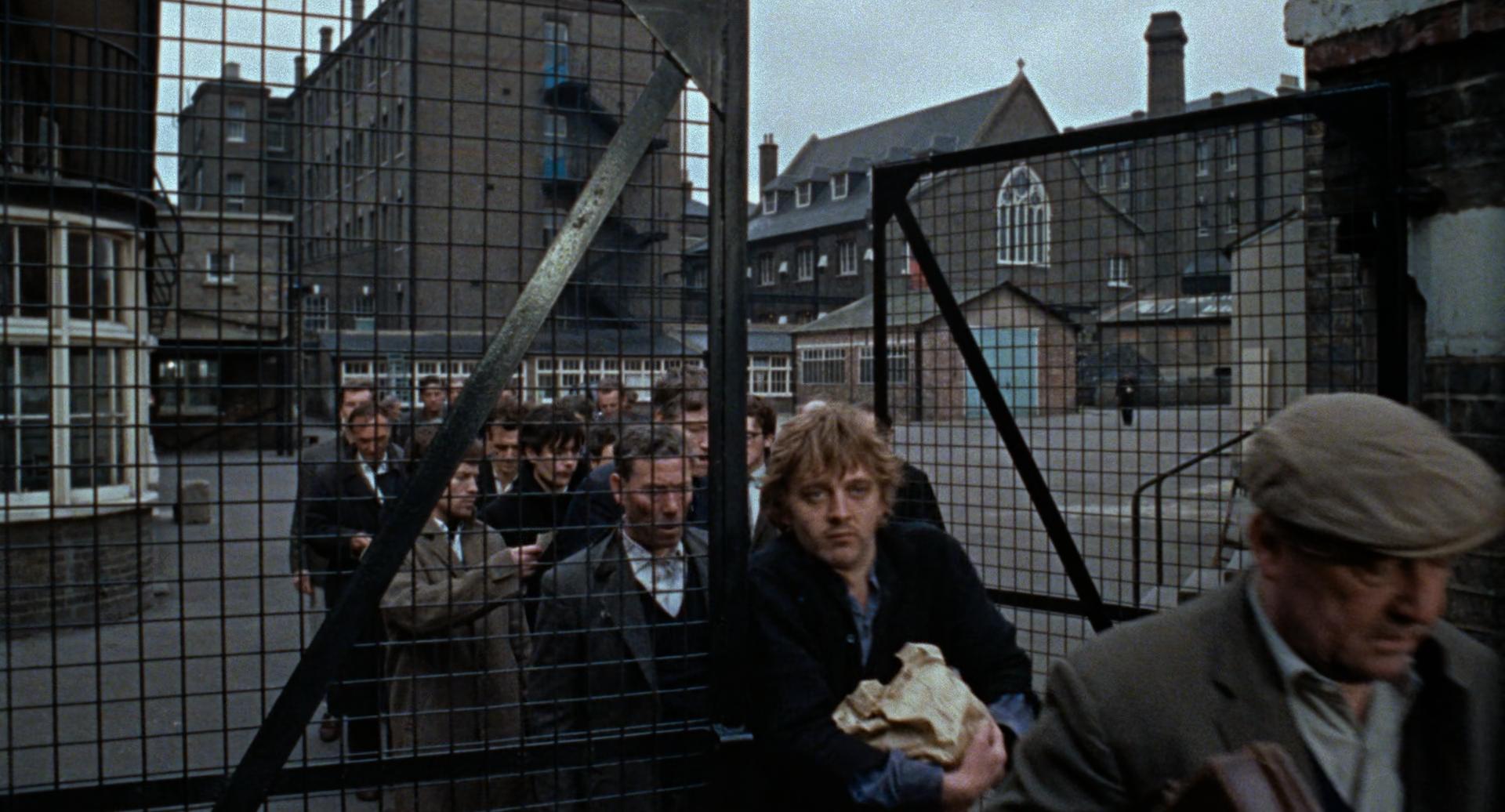
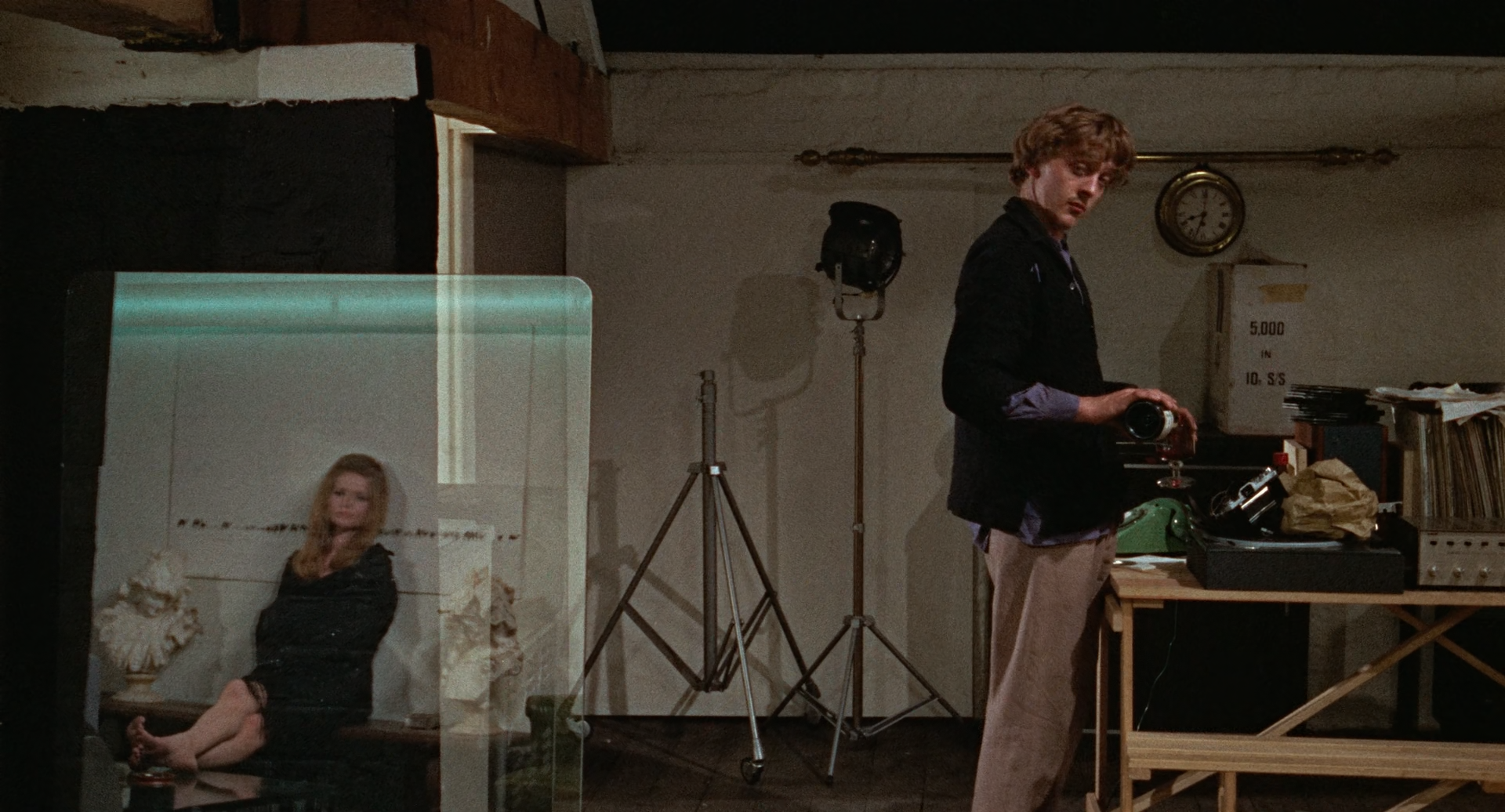
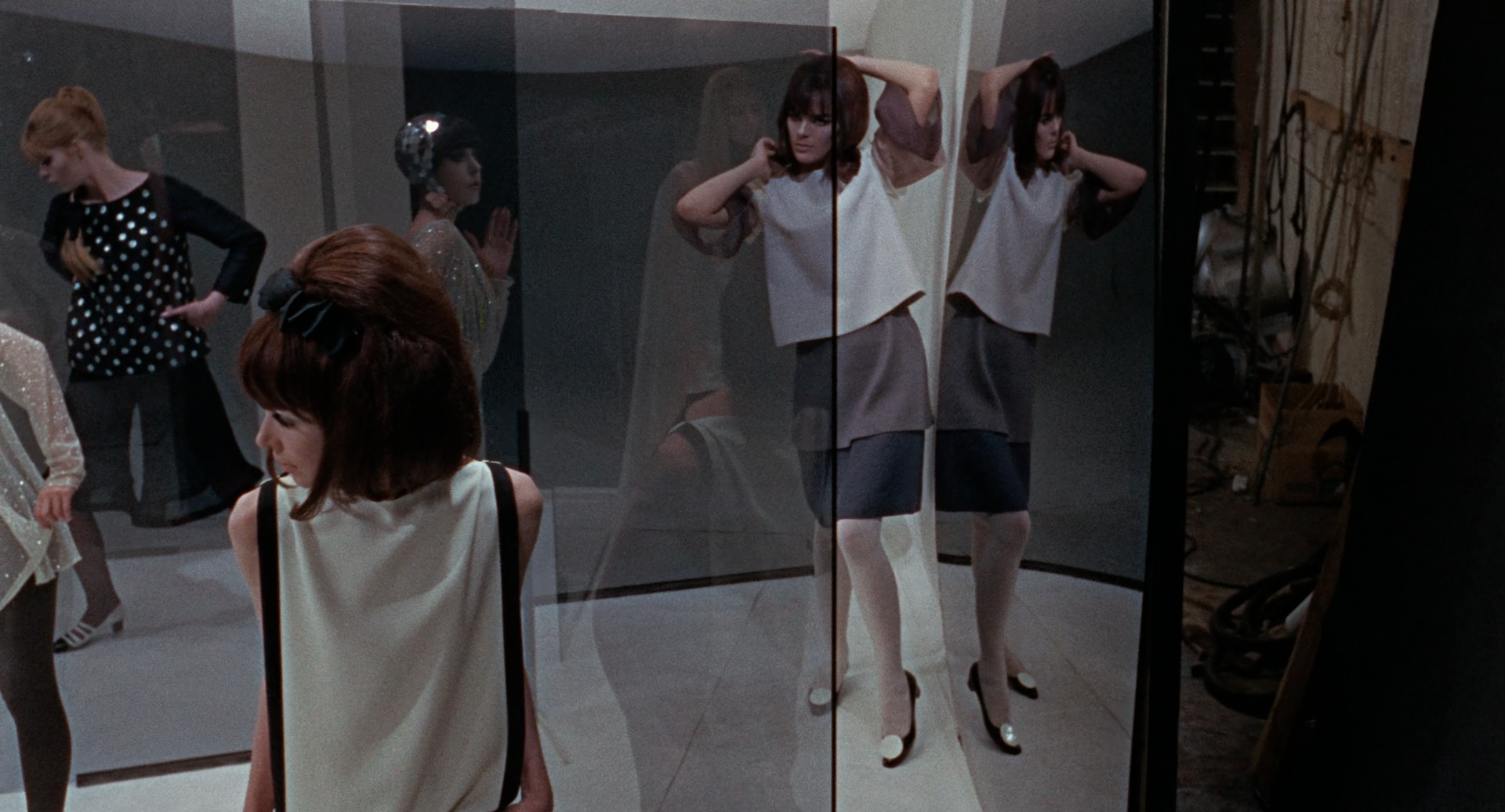
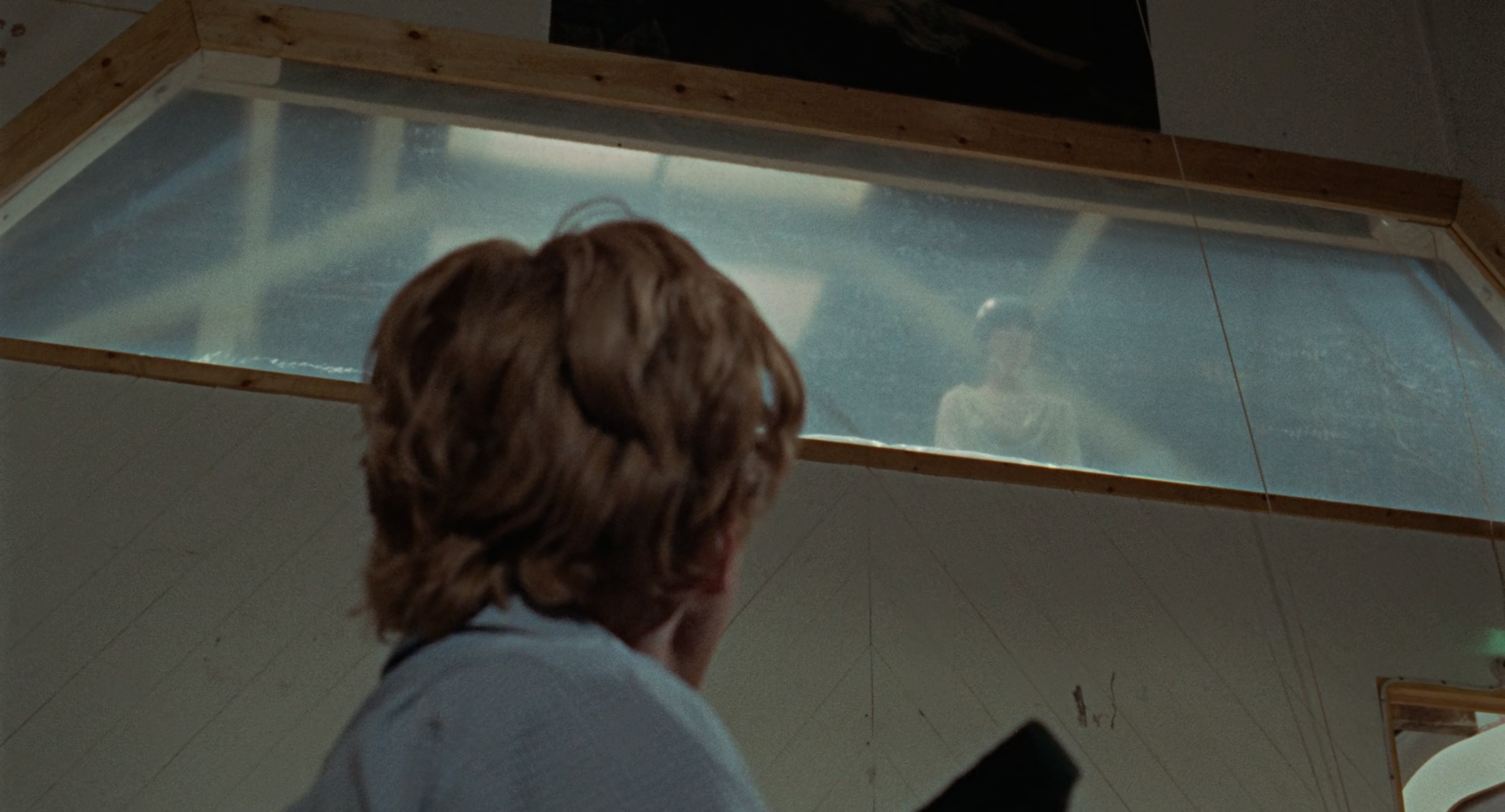
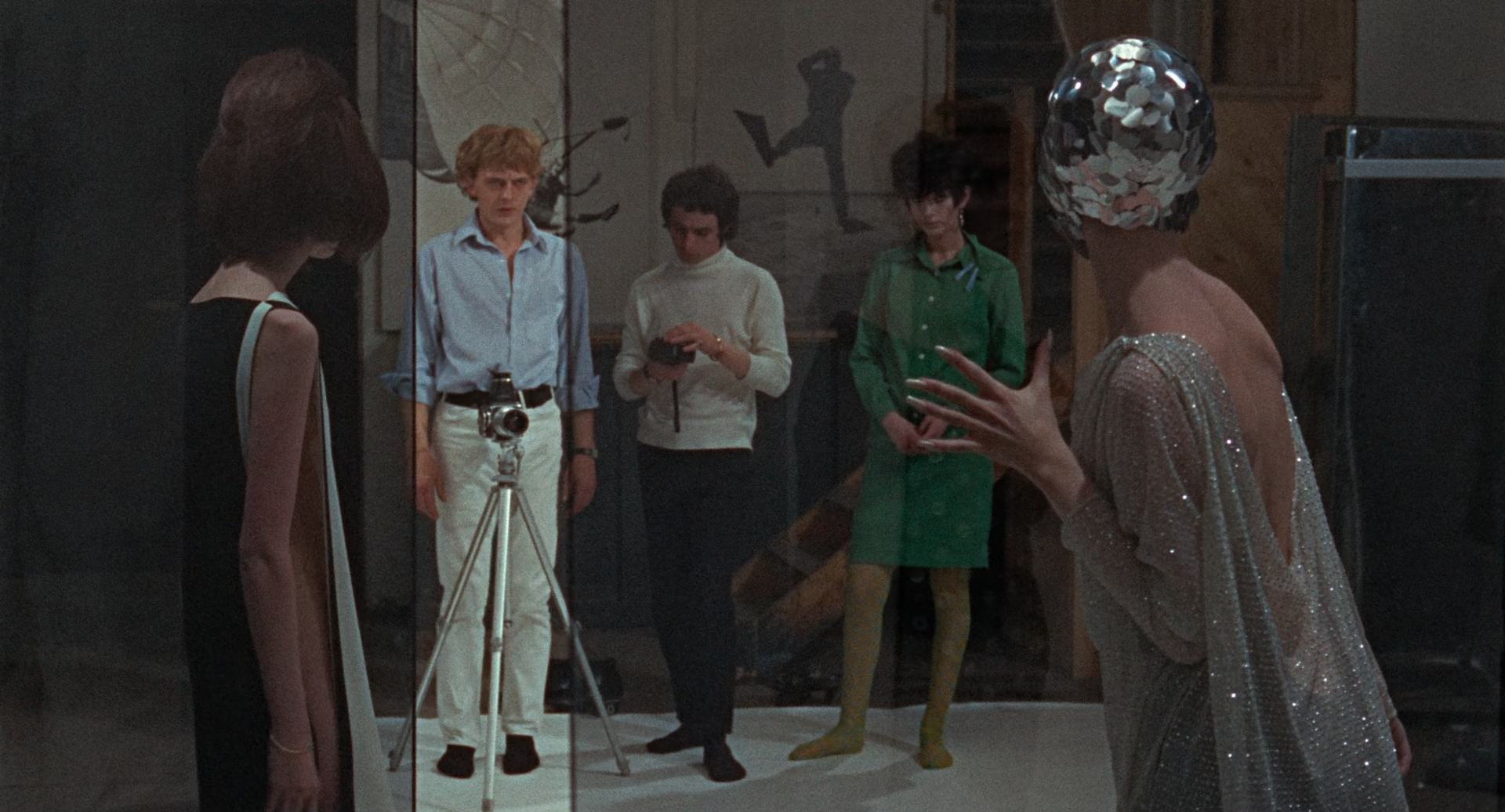
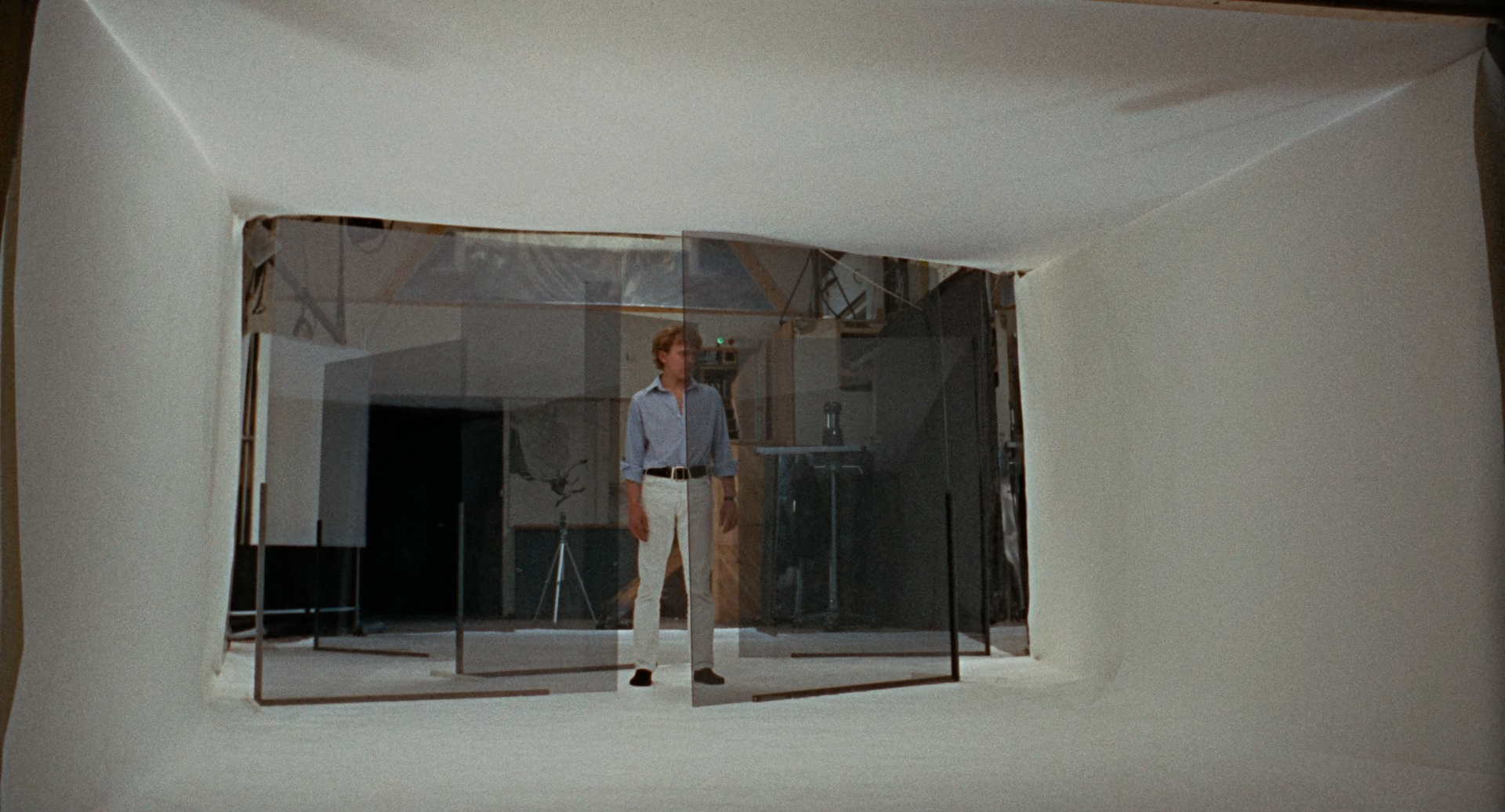
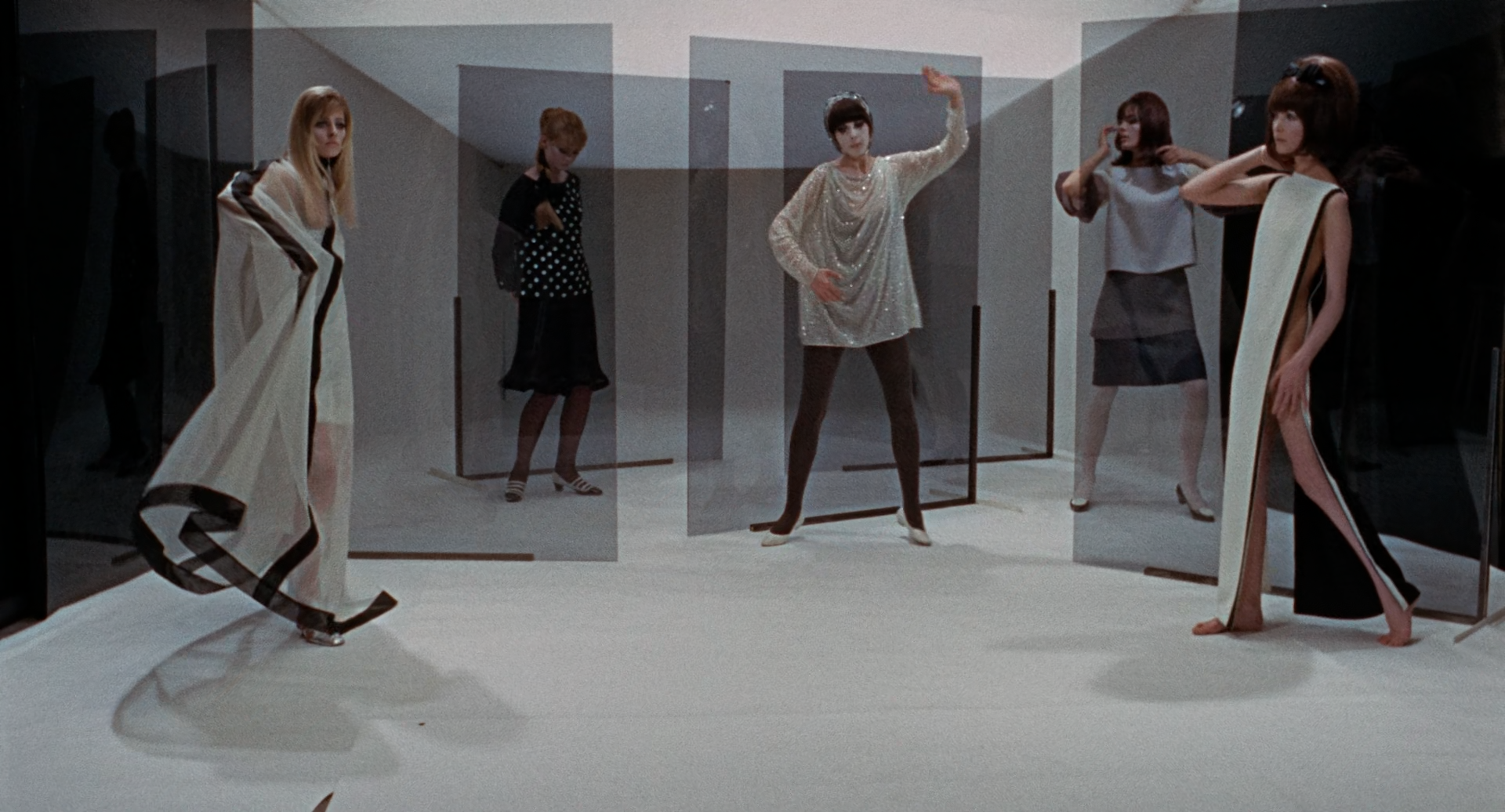
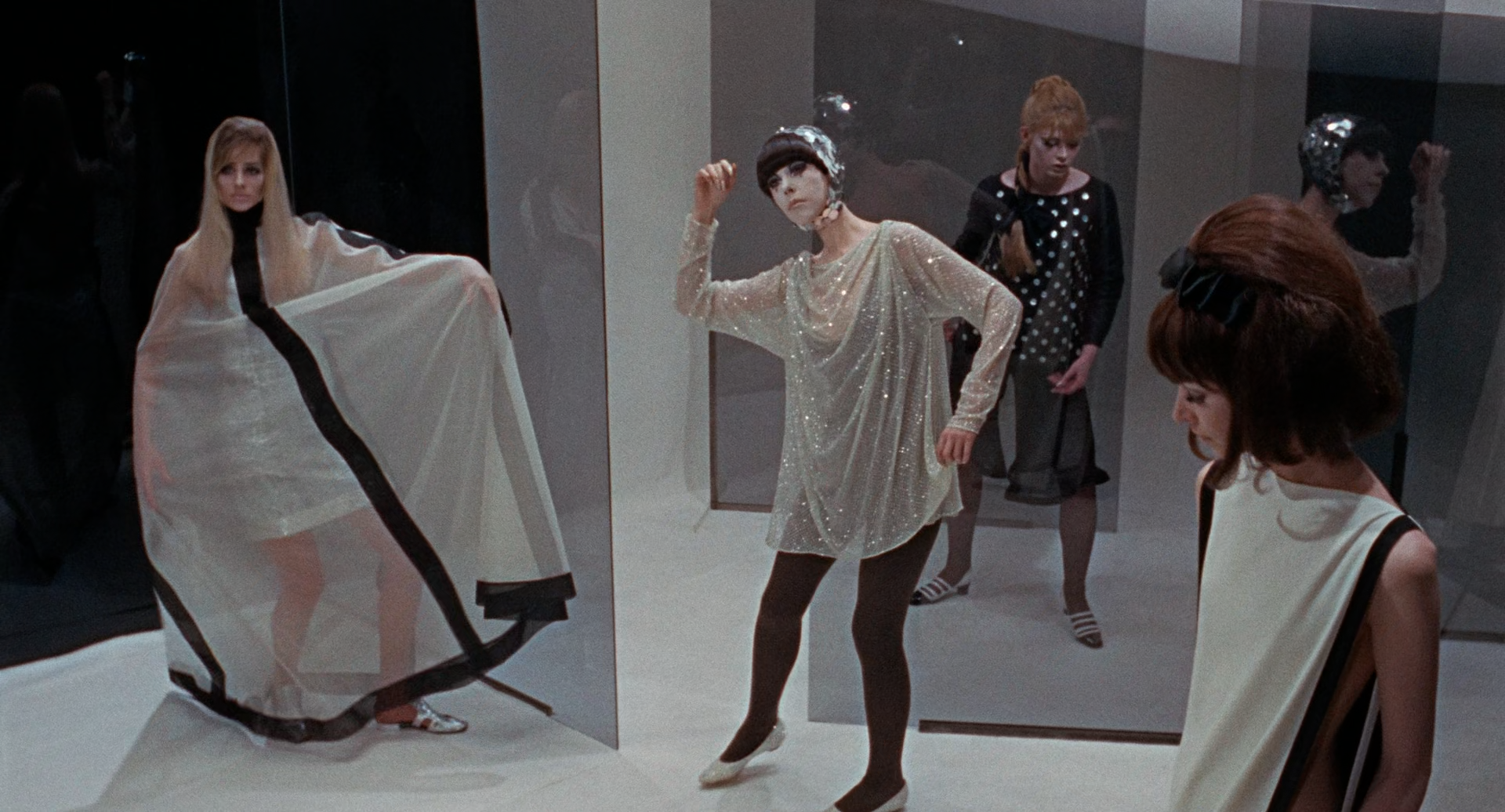
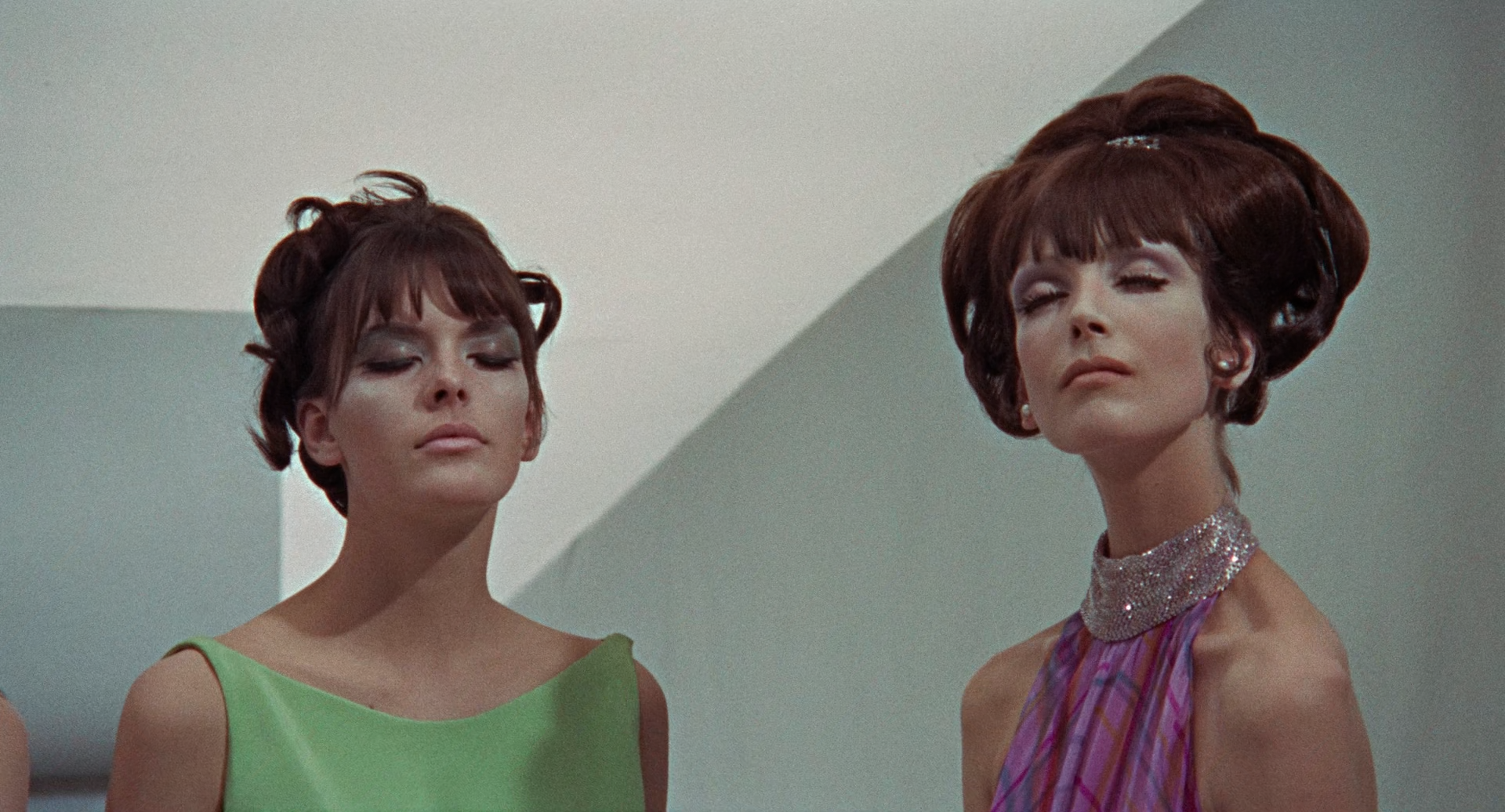
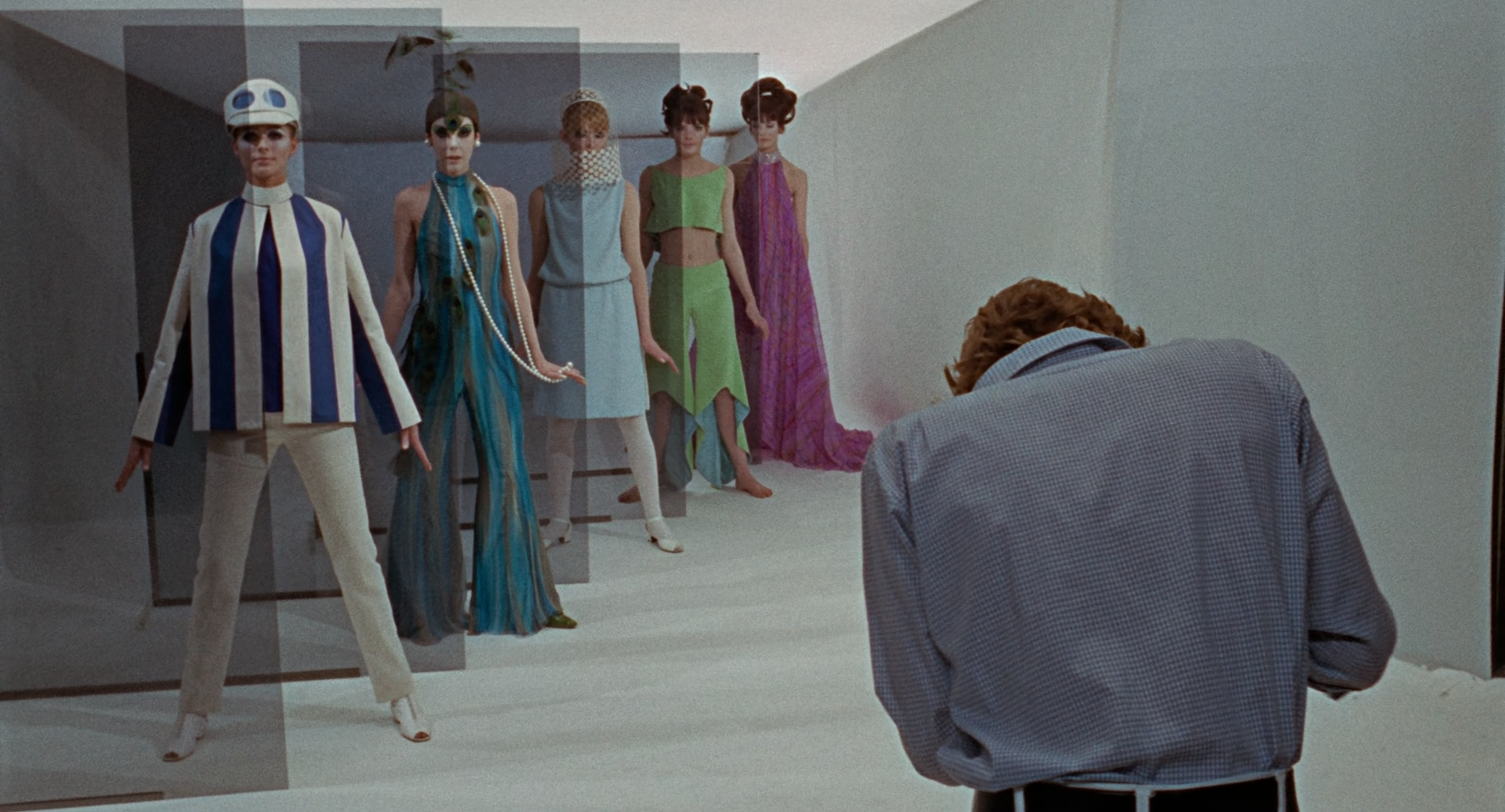
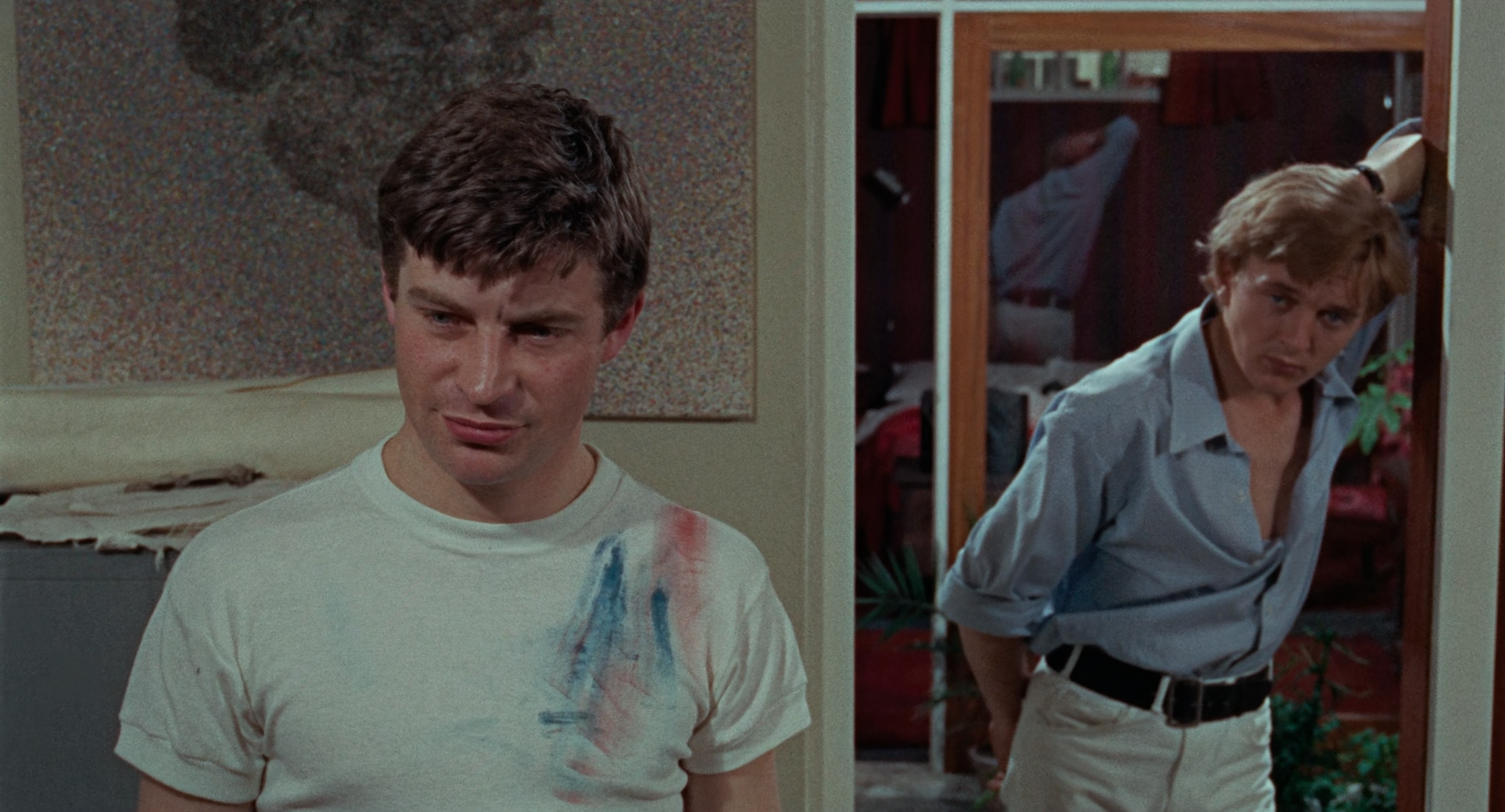
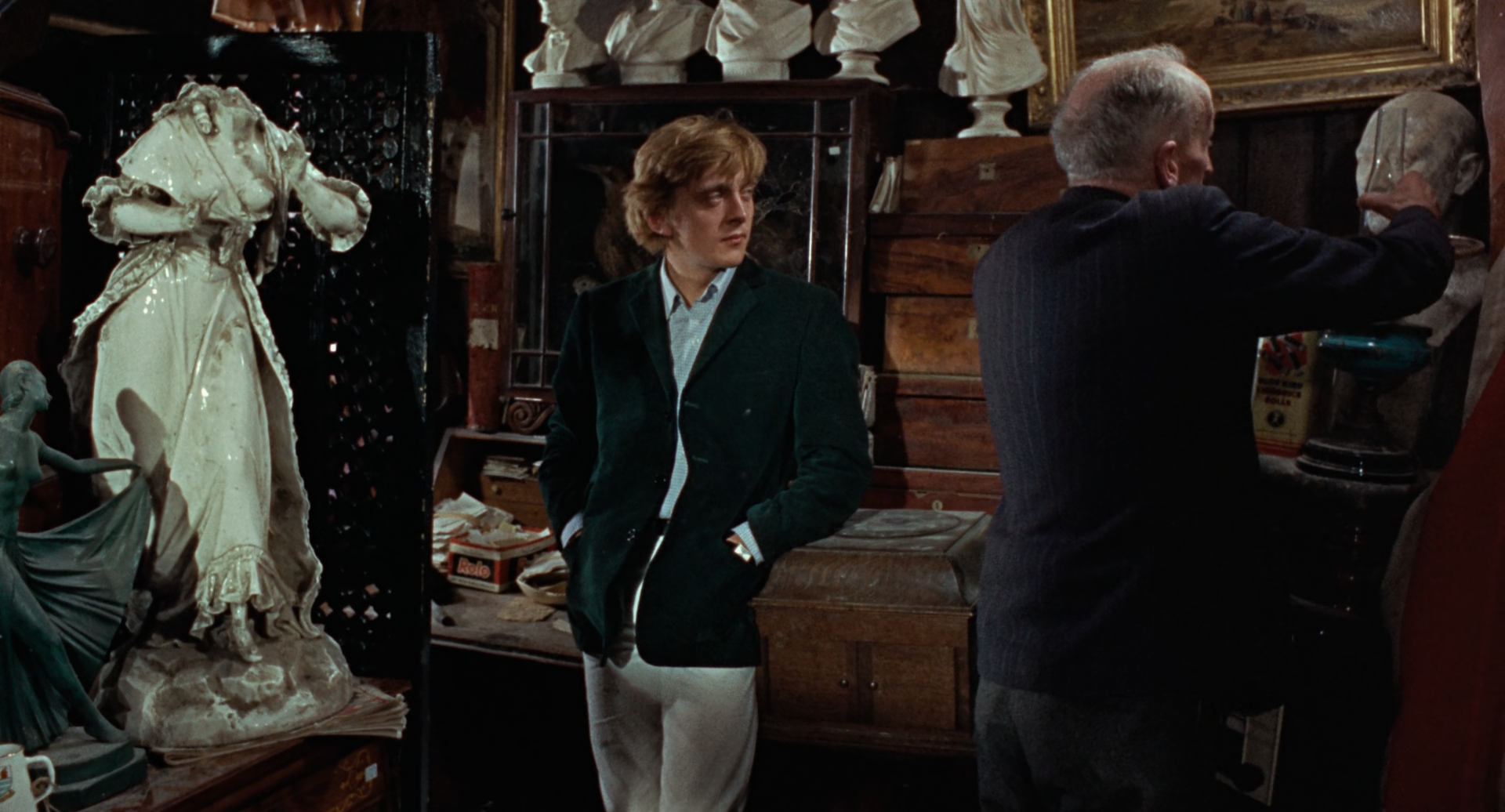
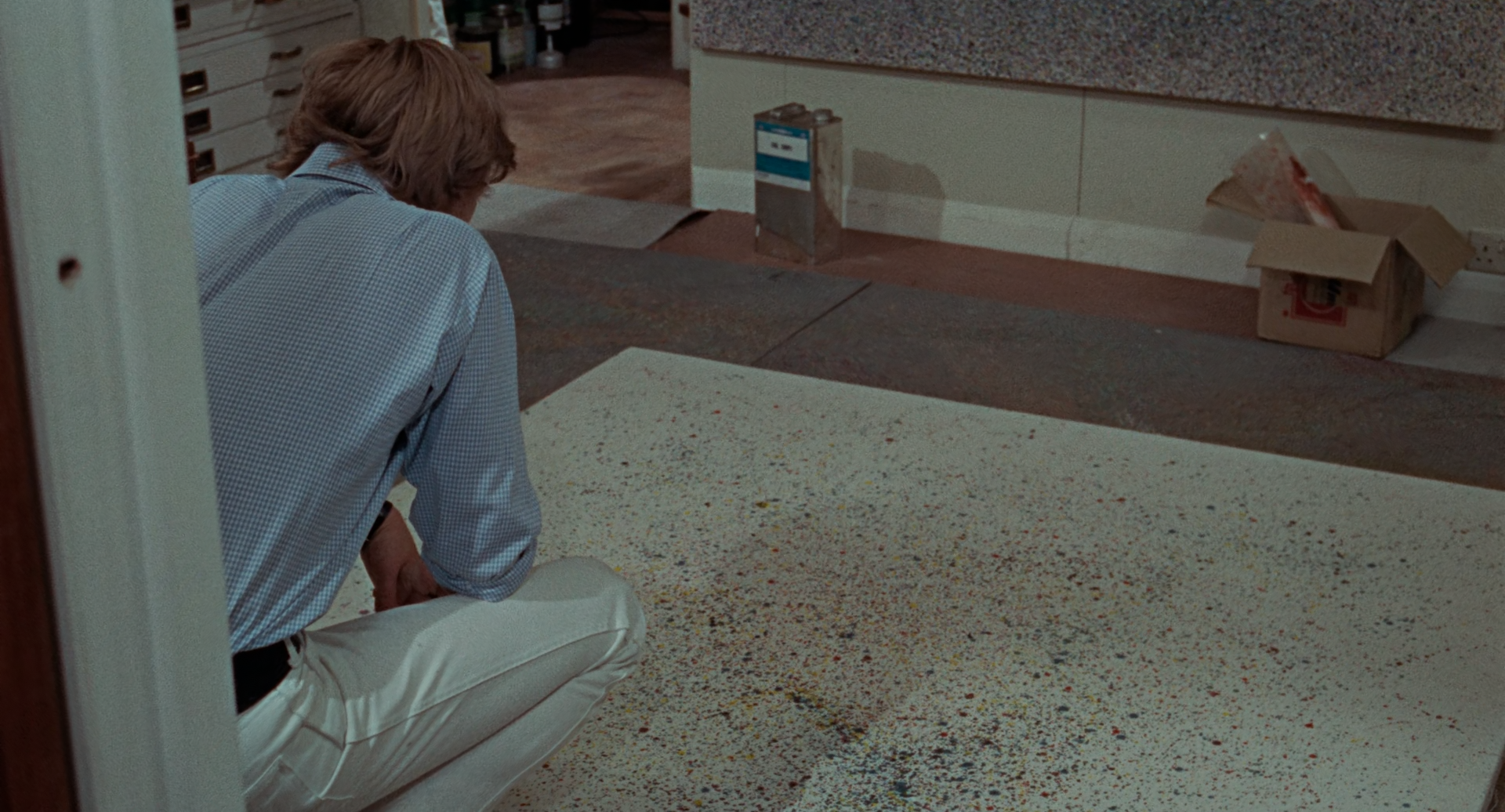
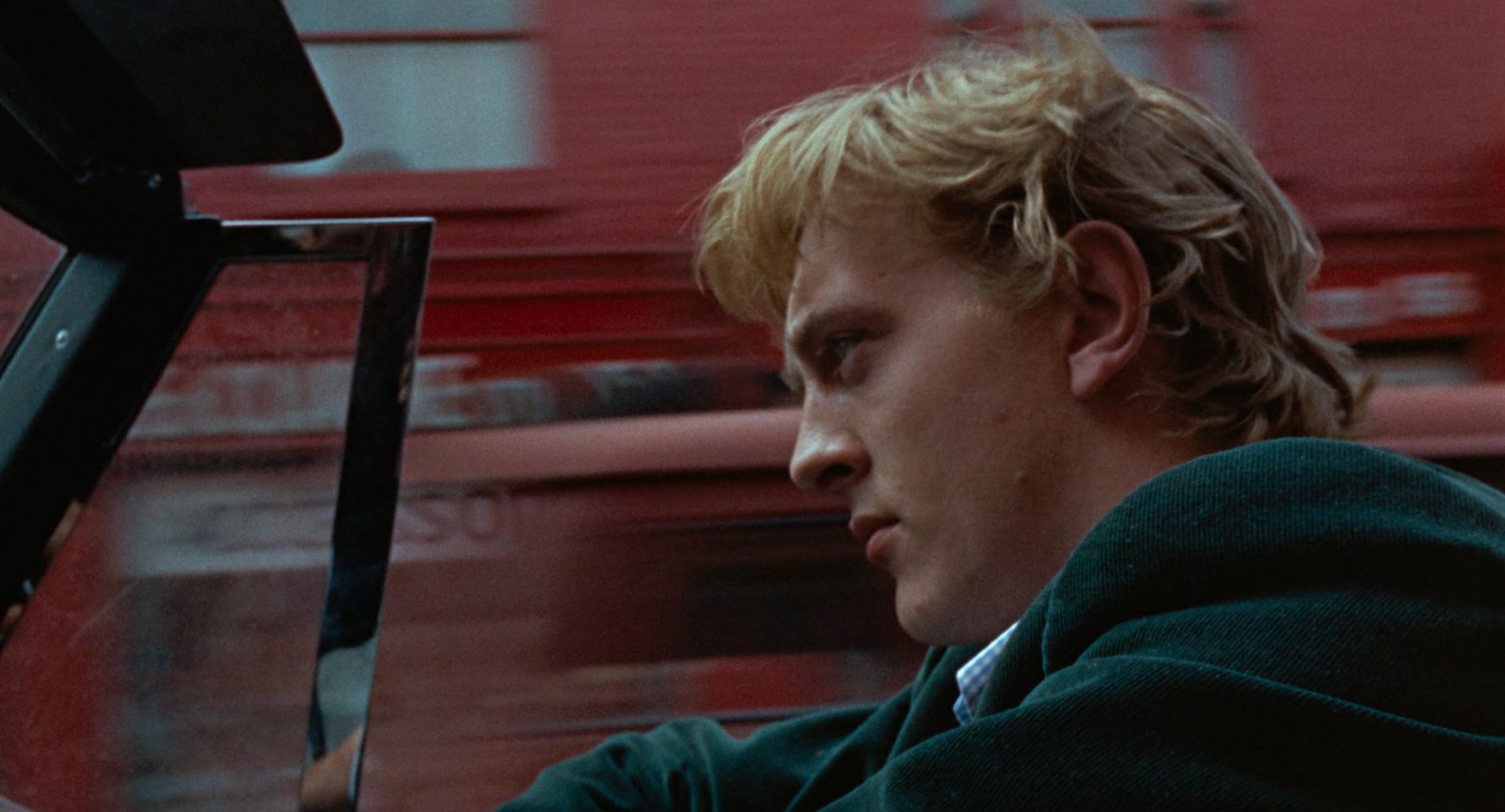
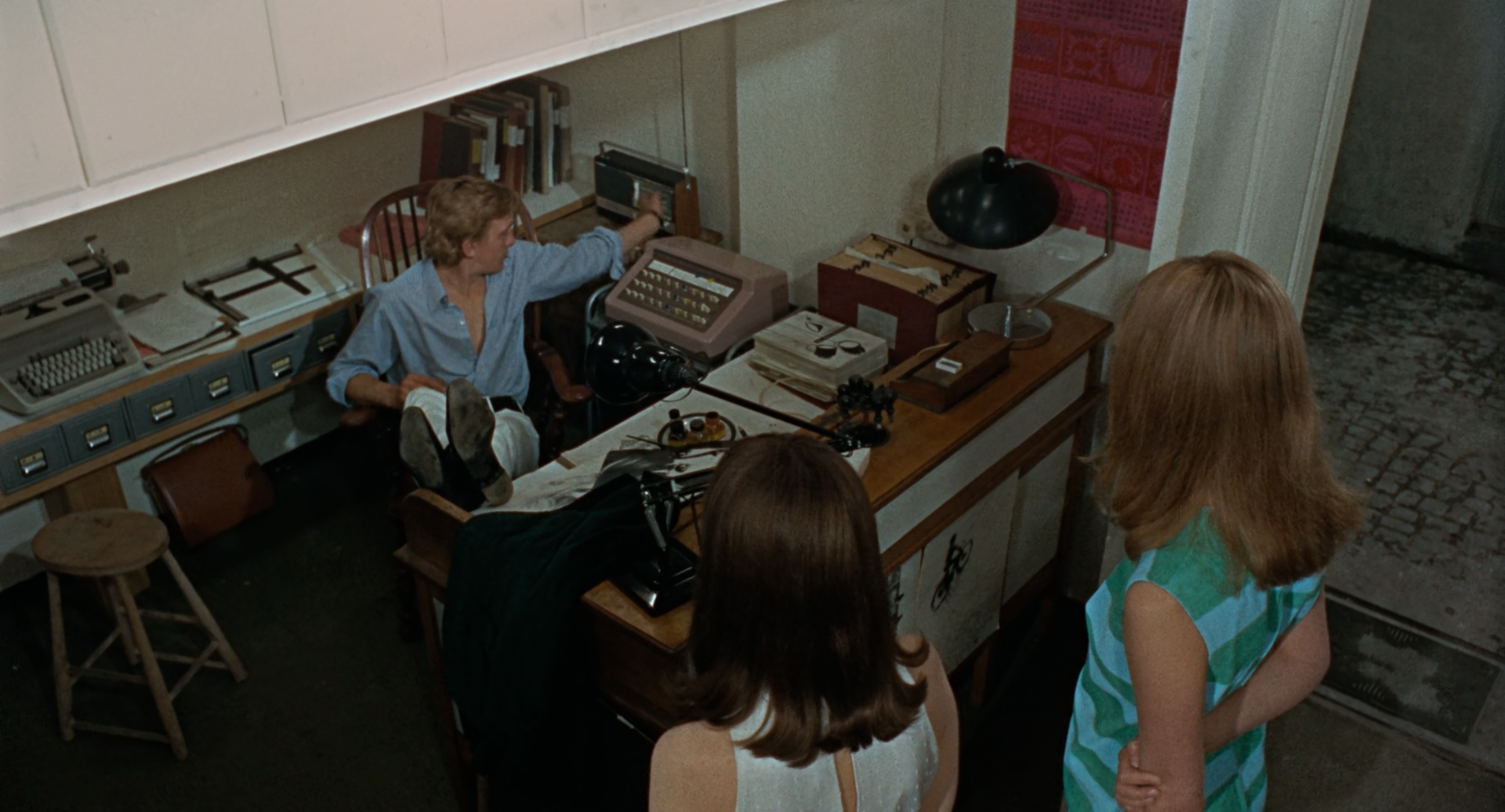
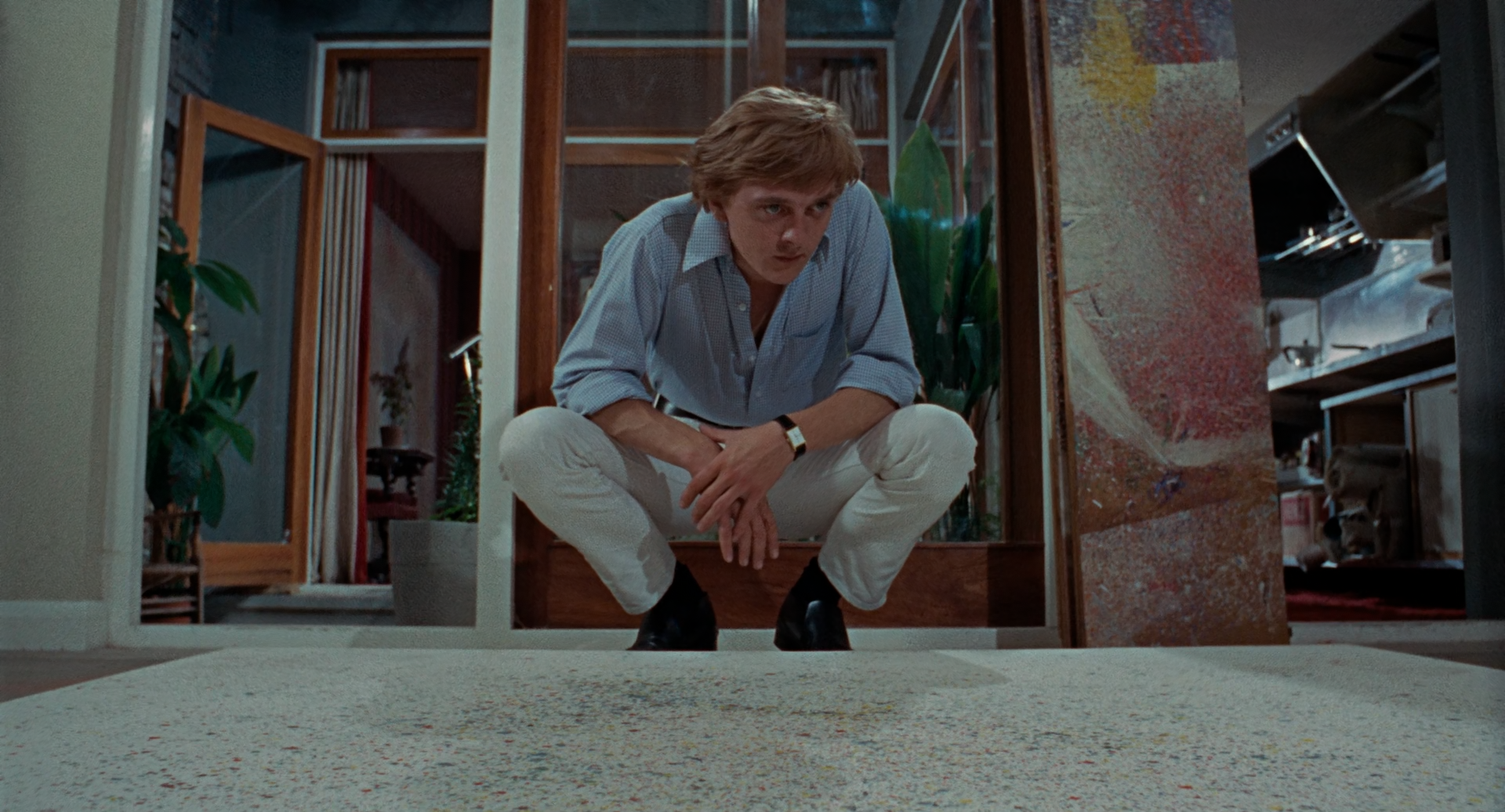
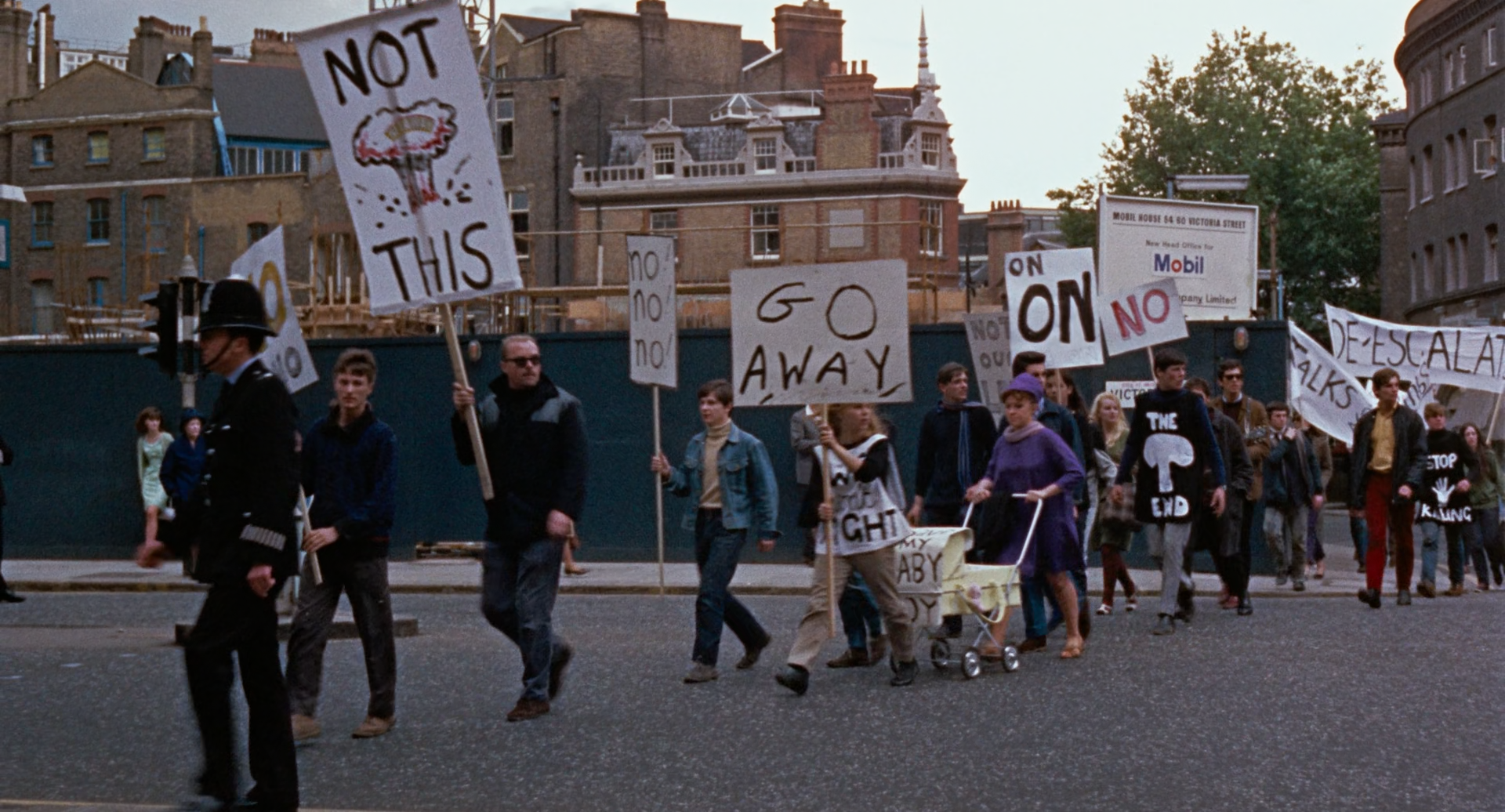
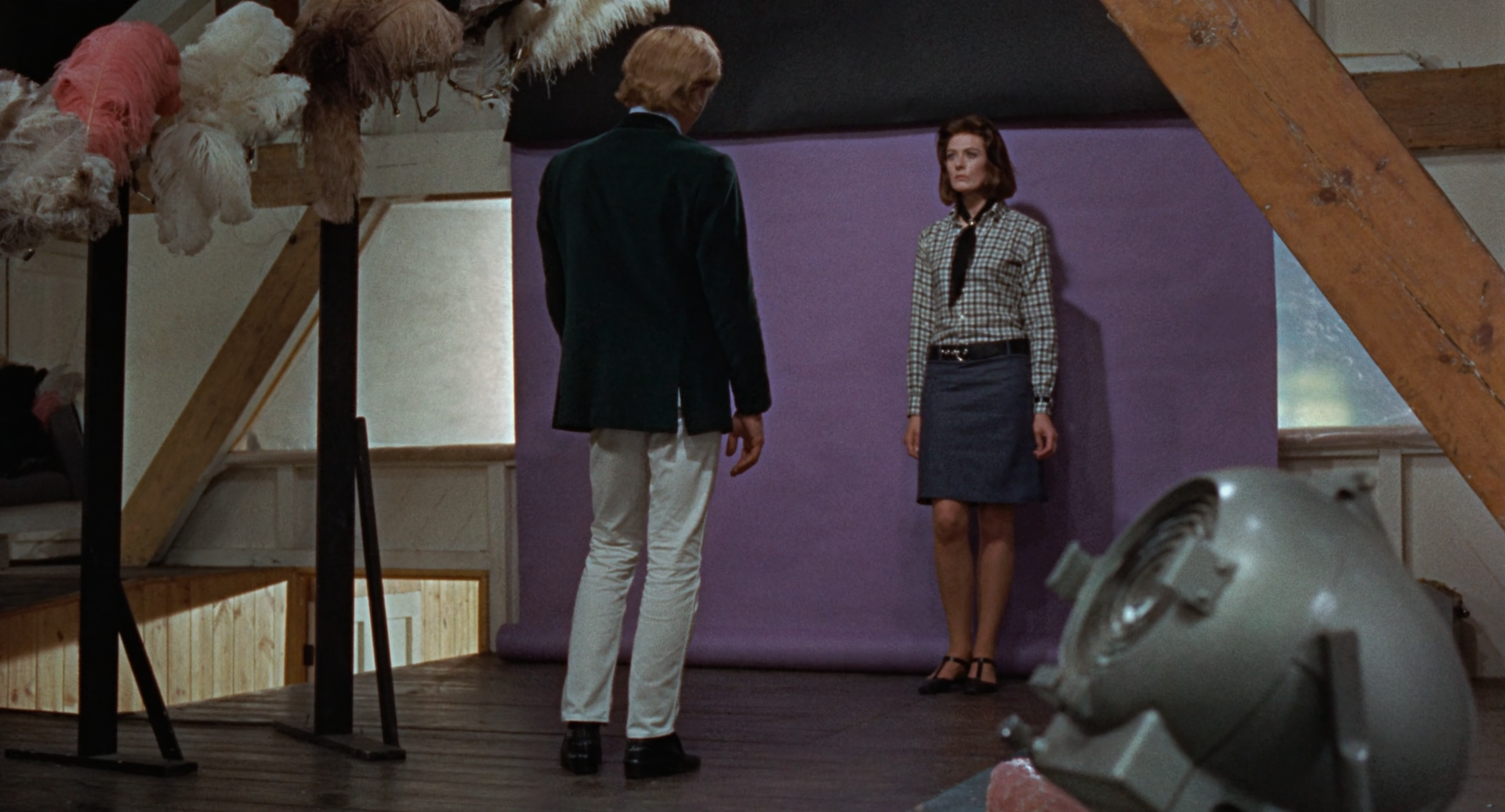
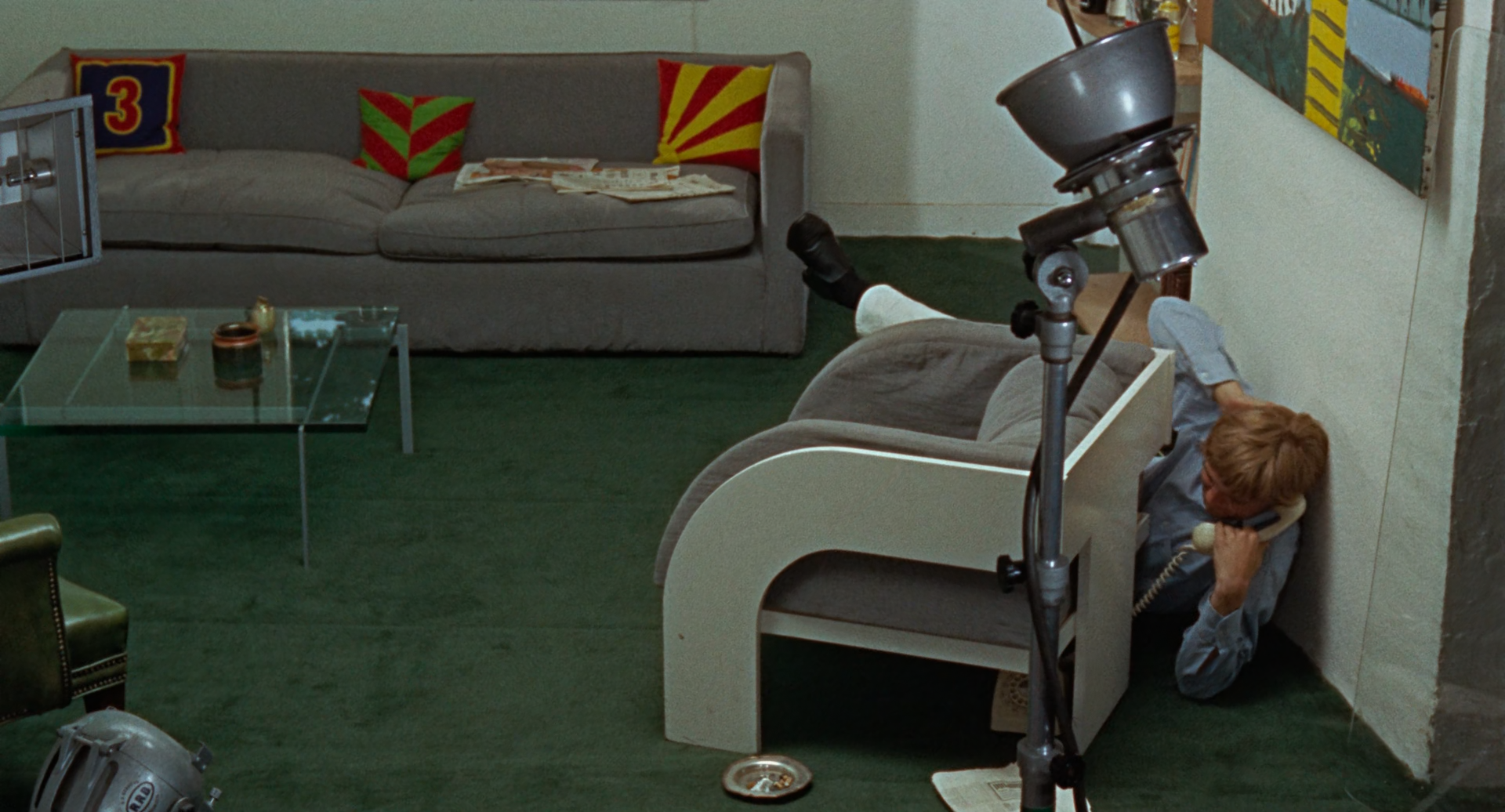
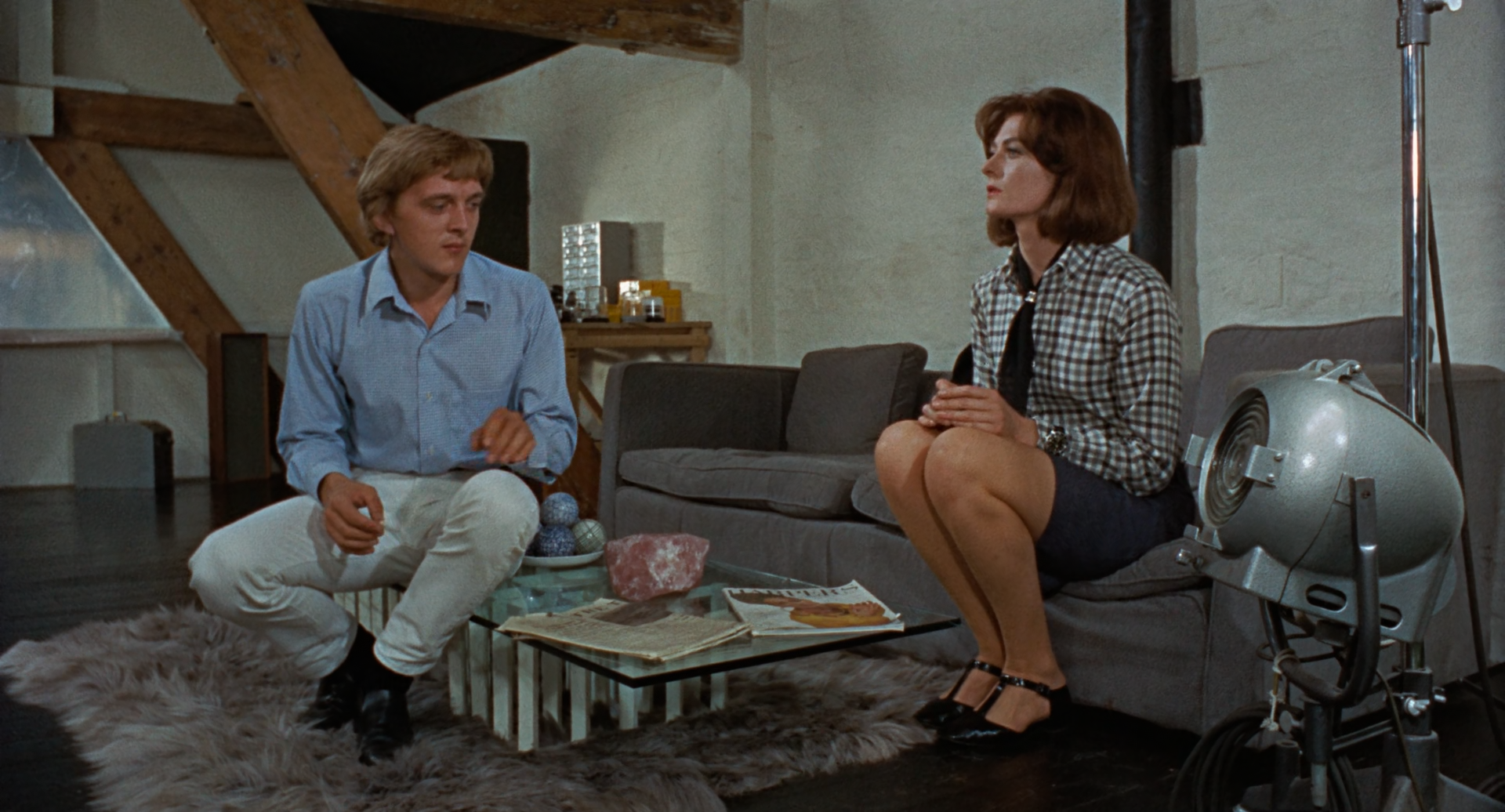
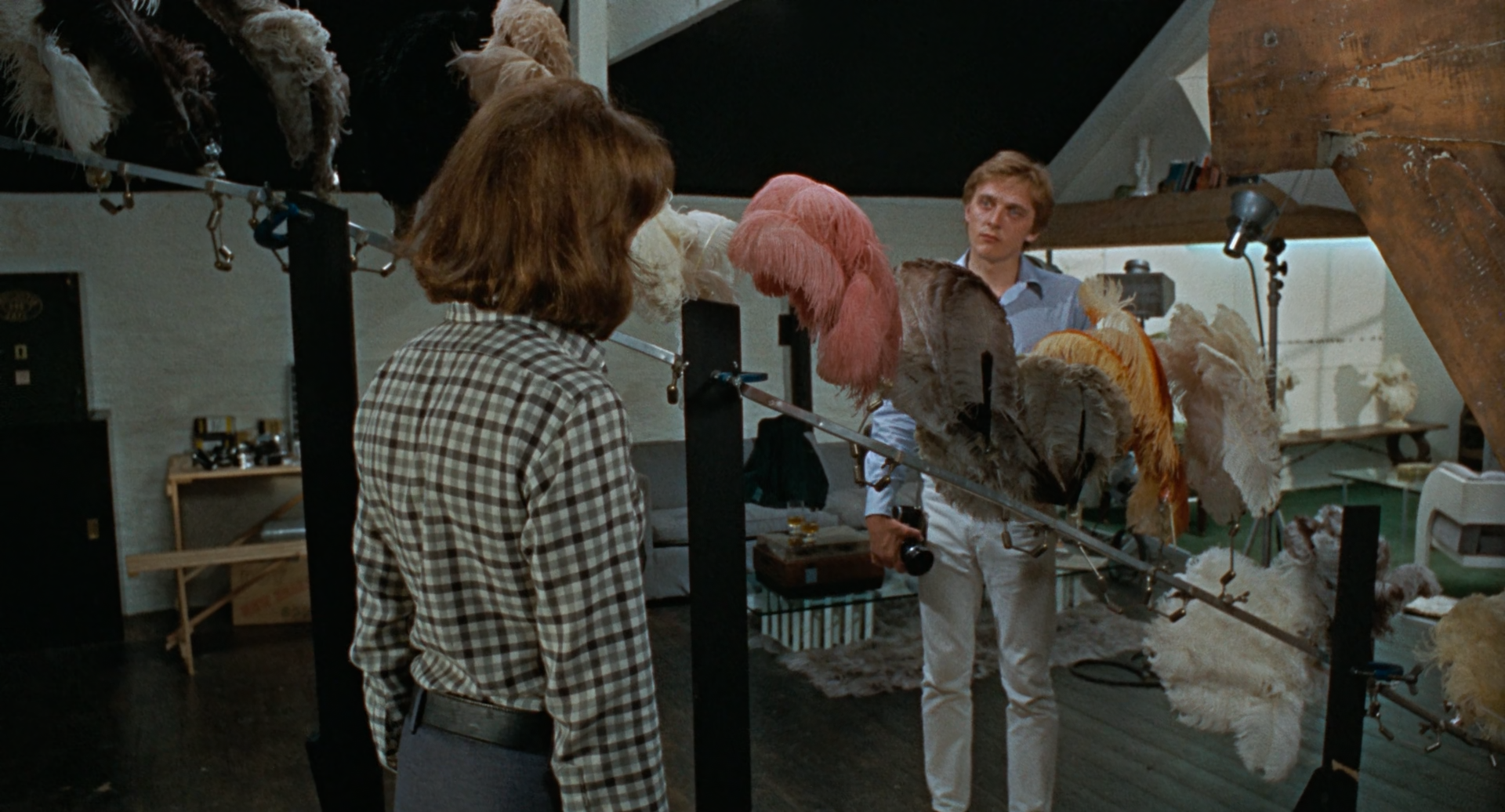
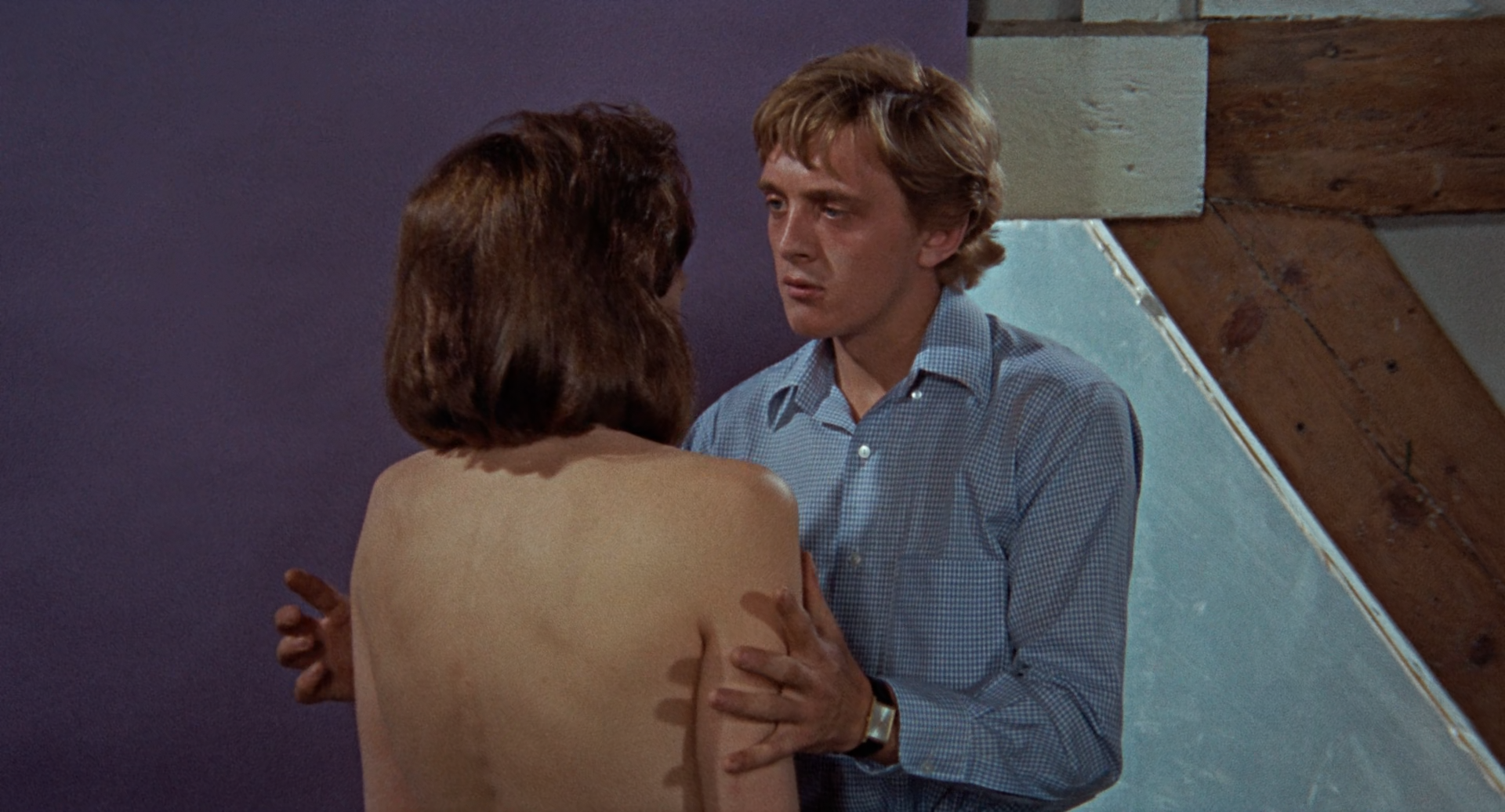
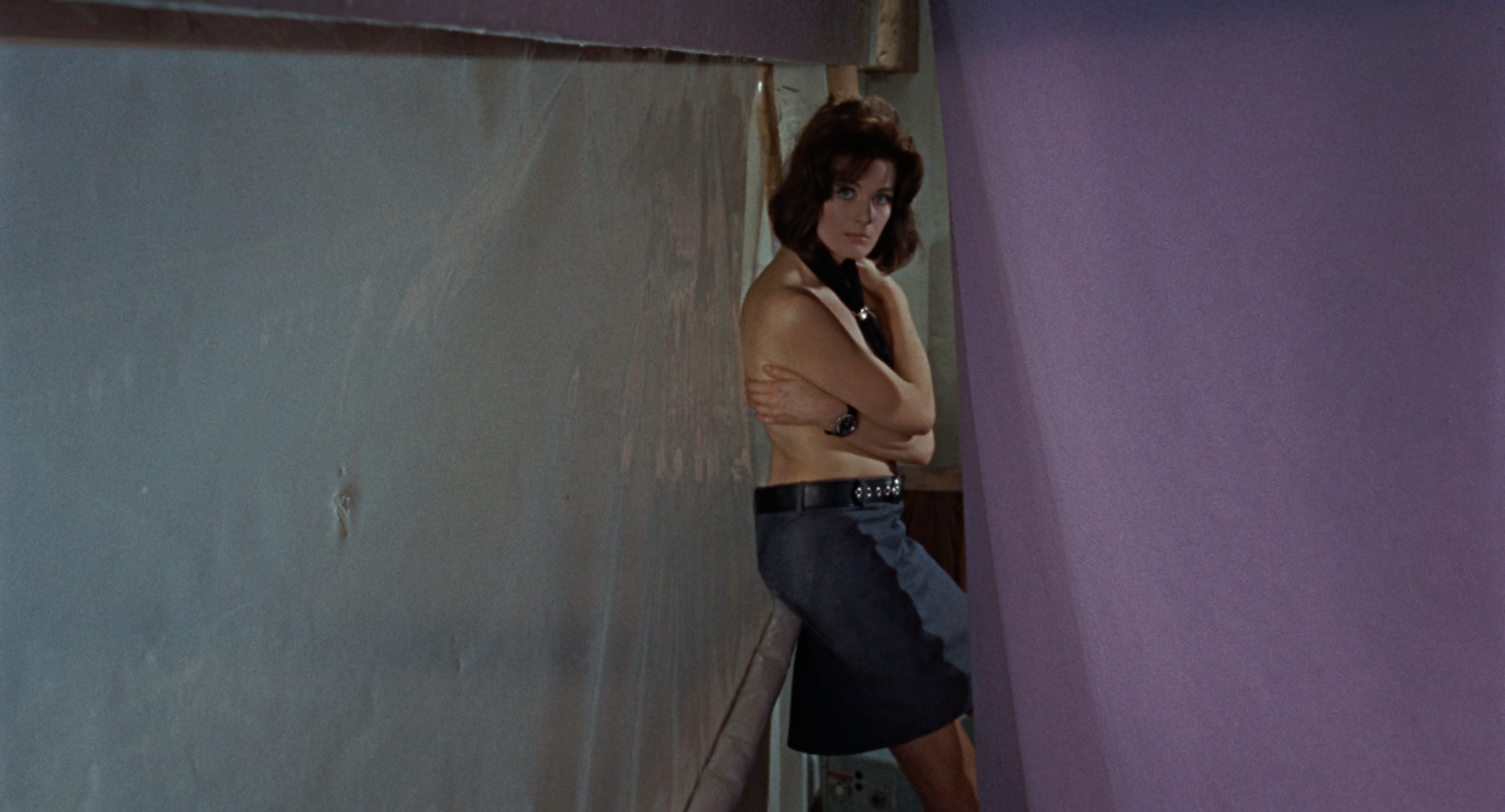
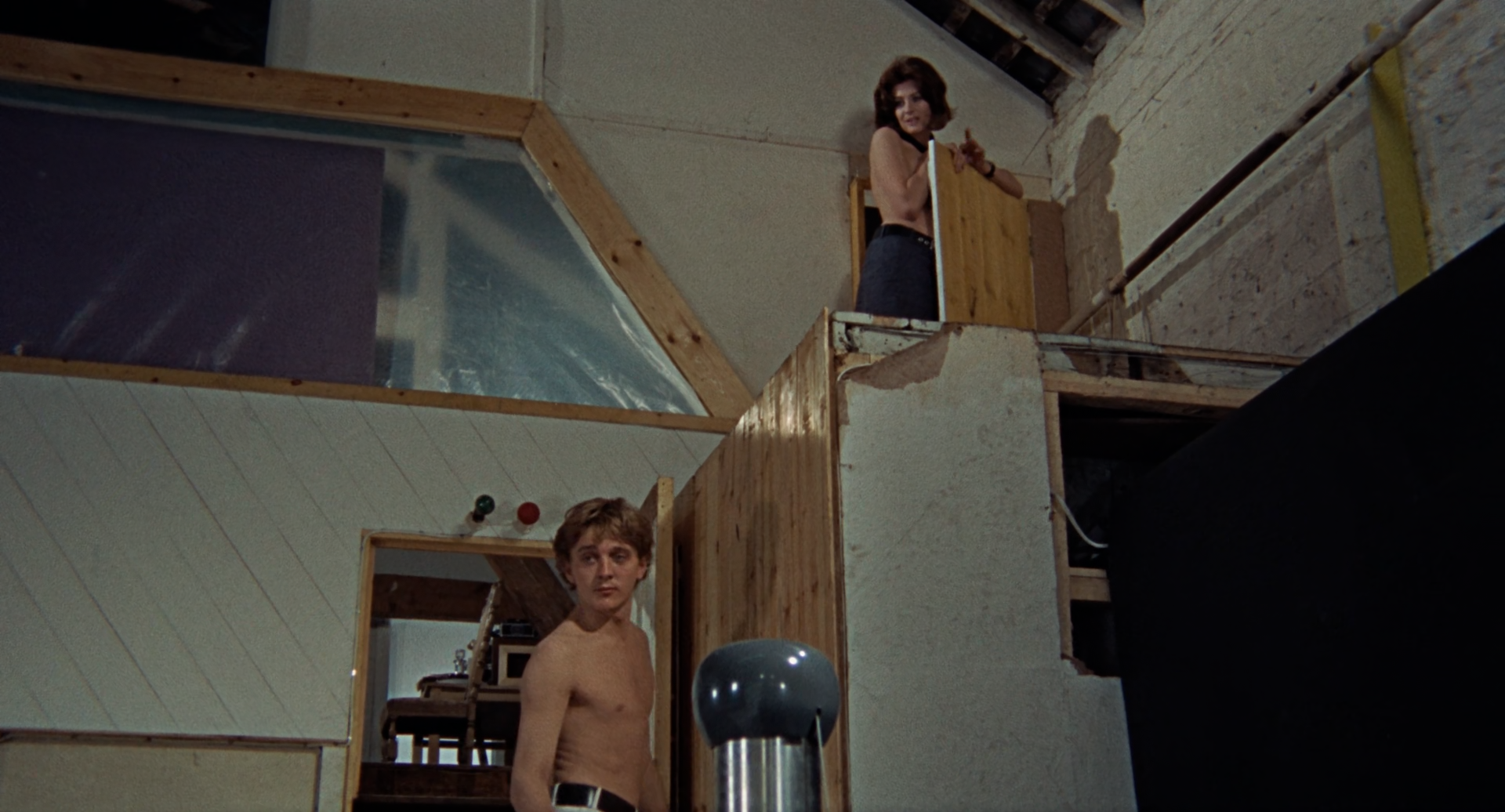
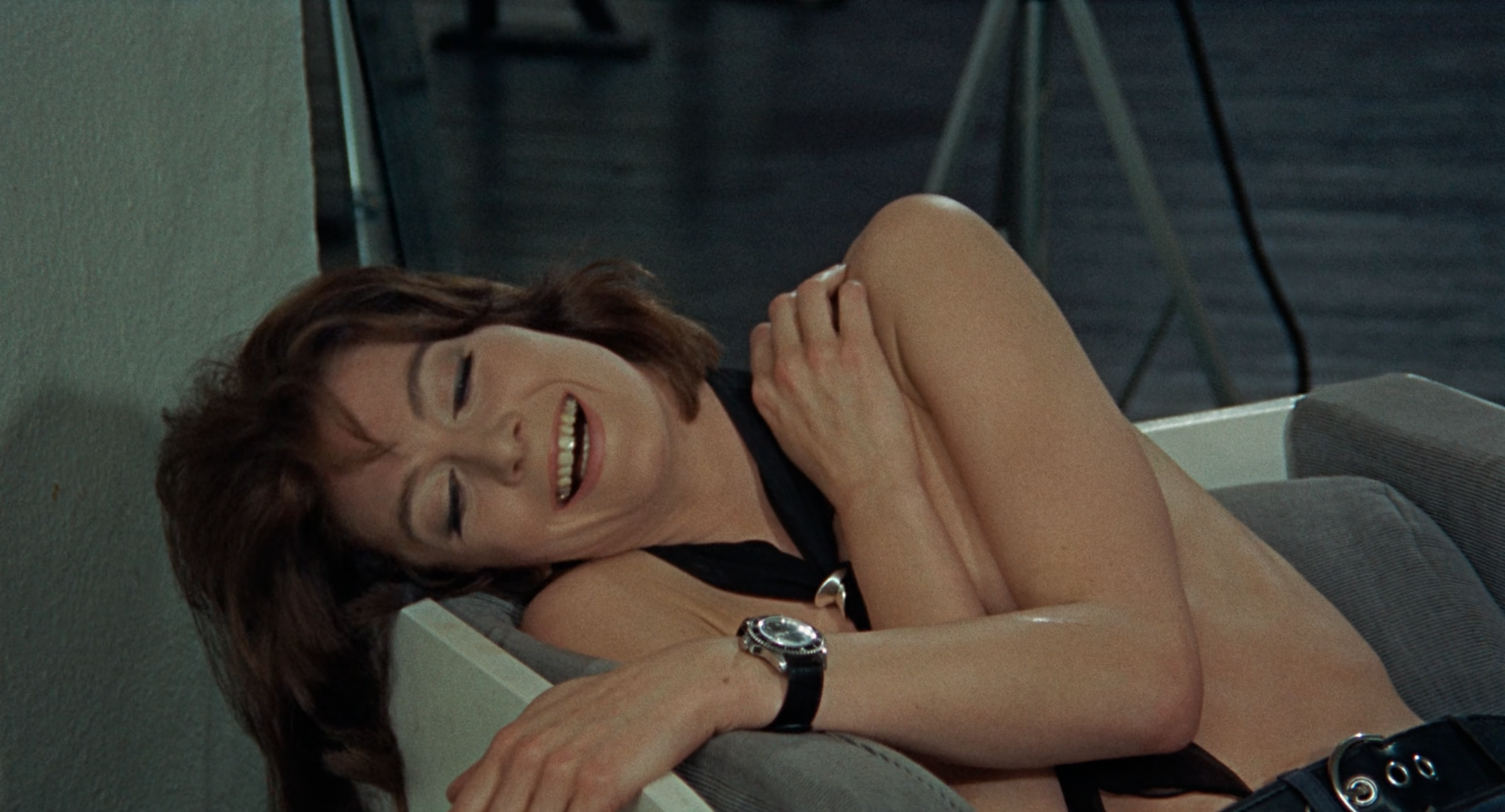
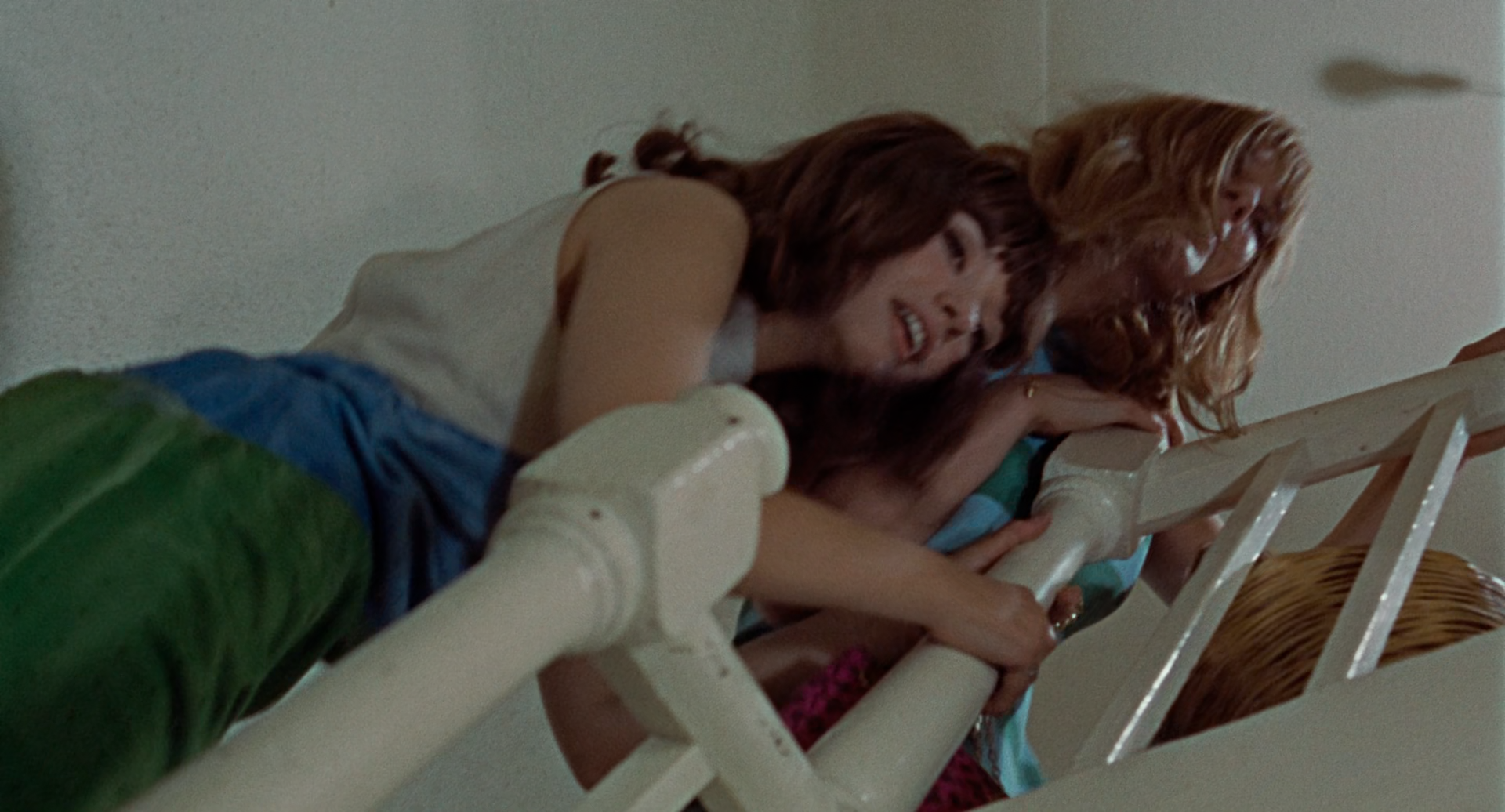
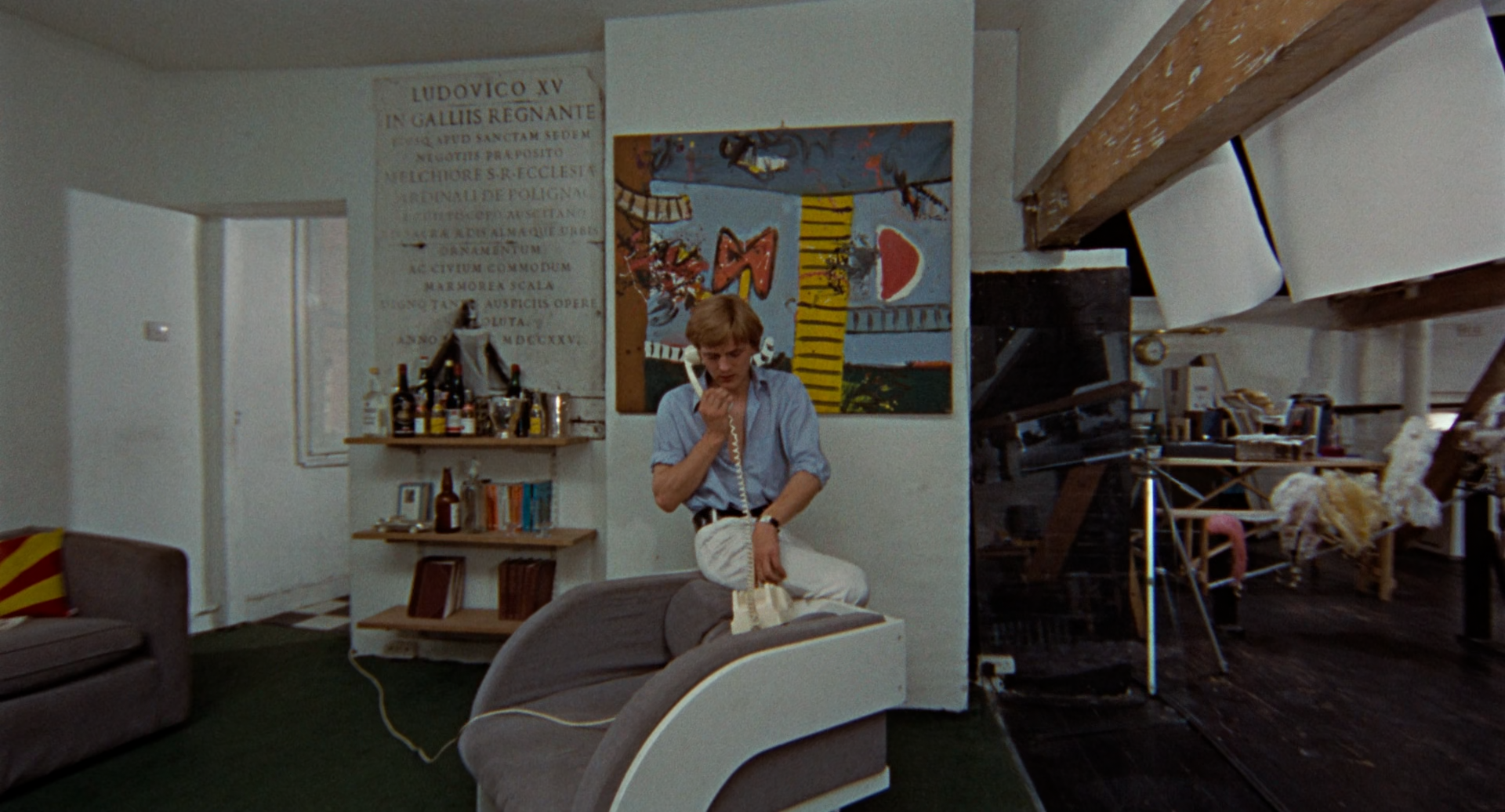
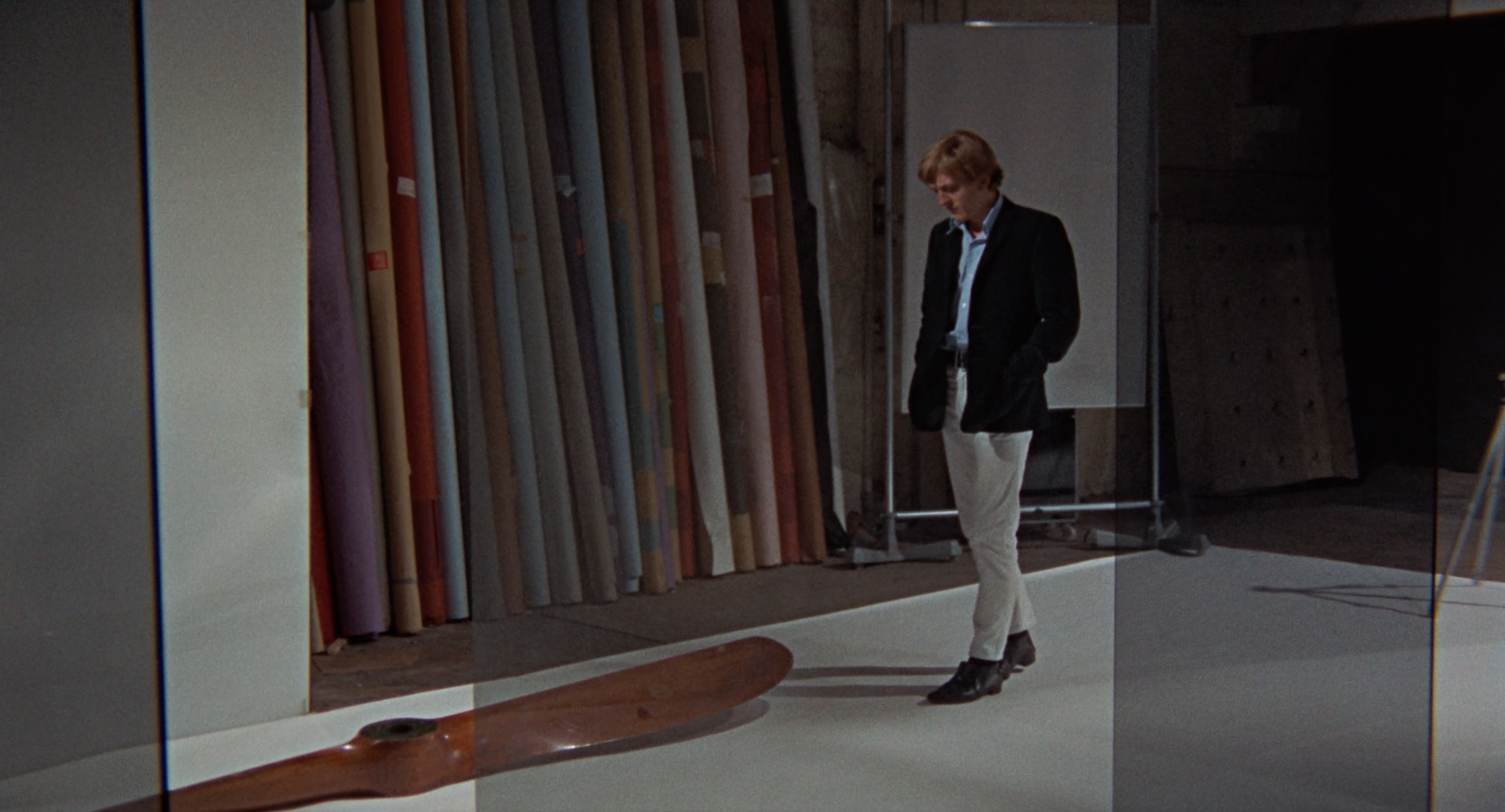
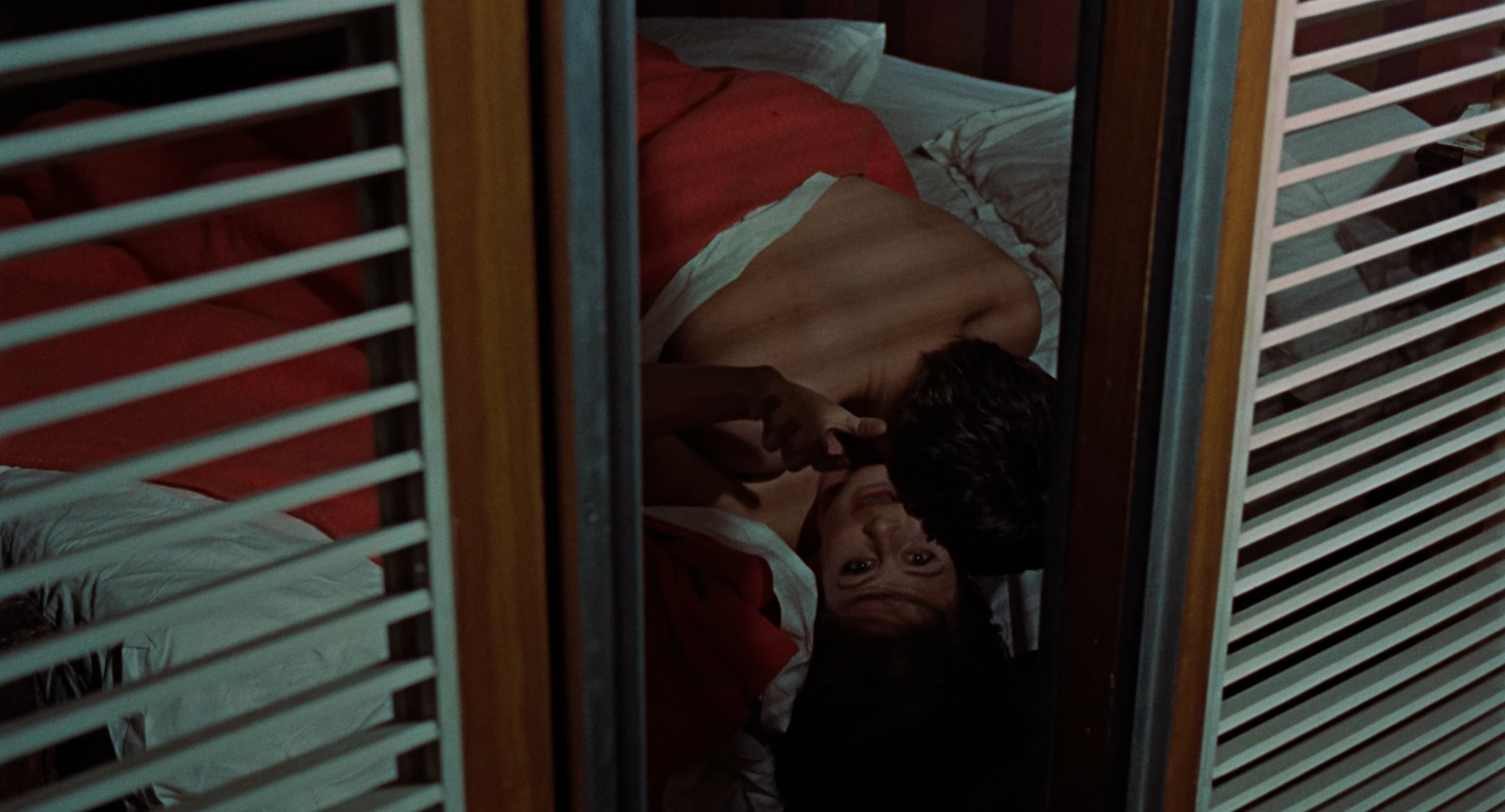
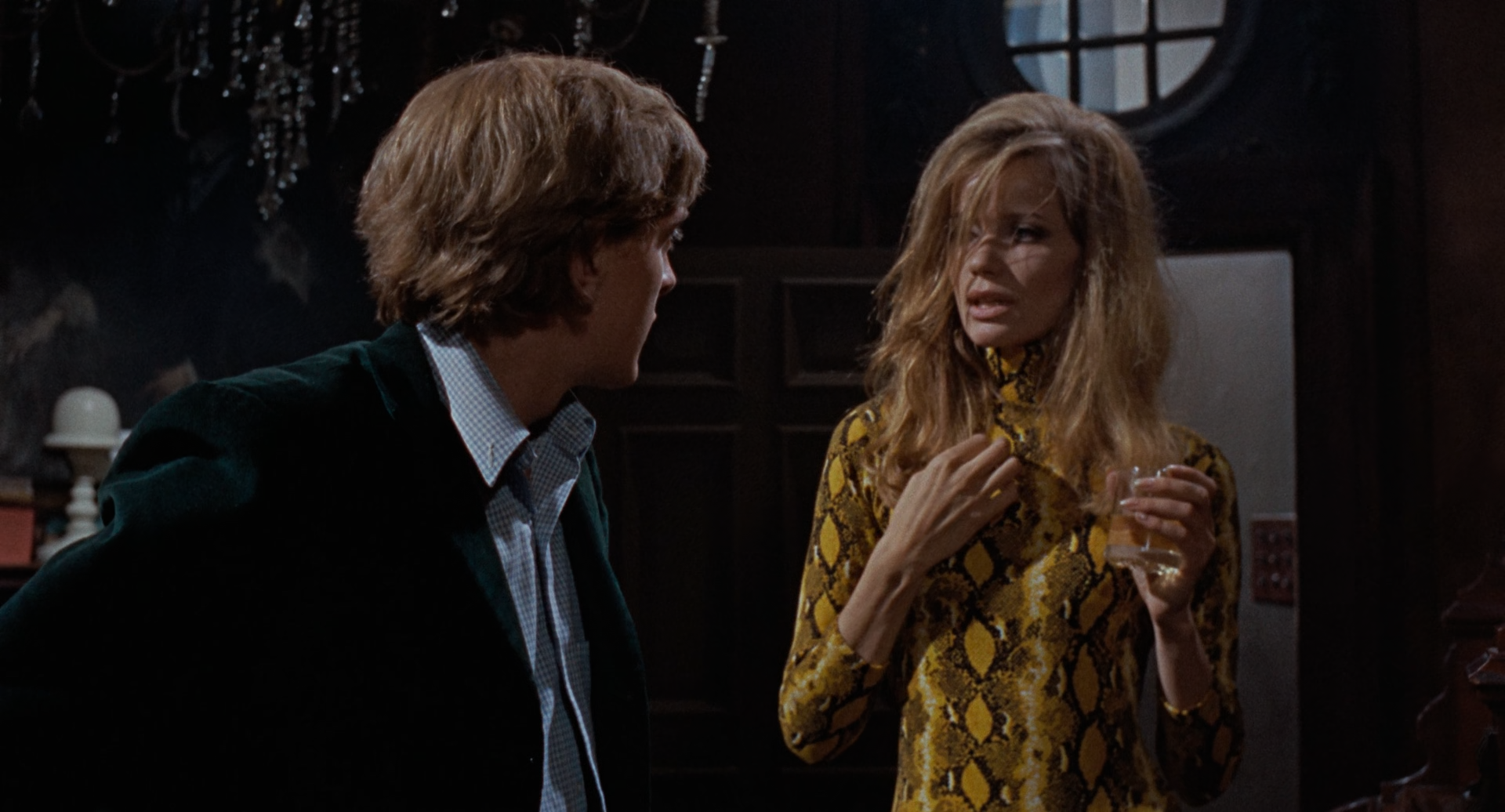
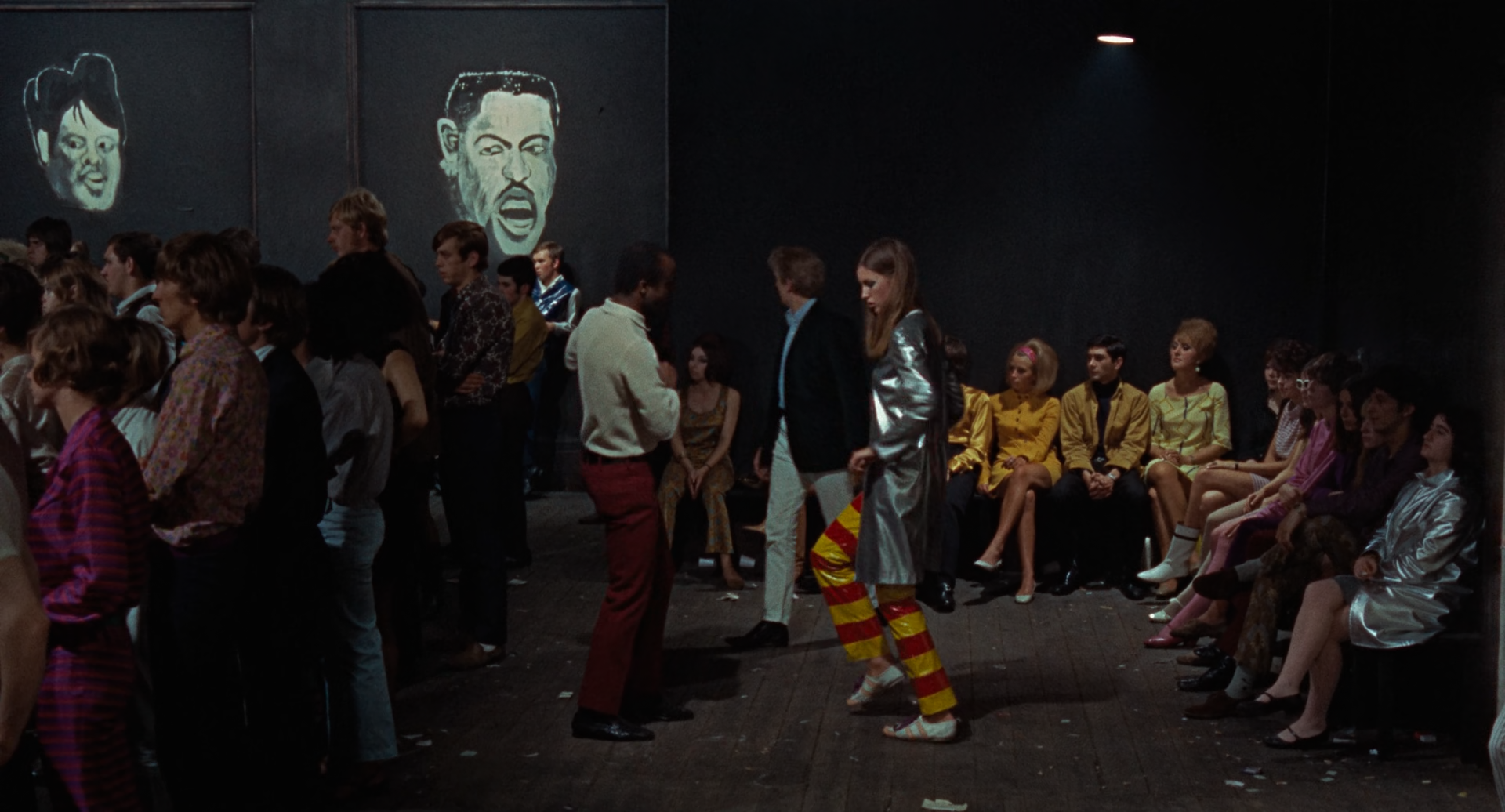
It was different watching an experimental film from Antonioni, let alone an English one in color. Although the Italian filmmaker retains his style, there’s always something lost in translation when converting to English. This somewhat aids the uncanniness, but overall I felt some of the sensibilities had lessened impact because I take the narrative of English films more literally. This art house film is essentially a metaphor disguised as a thriller. The issue I had was the murder narrative doesn’t happen until the last 30 minutes of the film, like an afterthought. As a result, there’s not much to connect with for most of the film and you’re forced to hang on by the thread of a quirky mood piece. I didn’t appreciate the performance of the lead but did find the themes, visuals and subject matter to satisfy the hipster indie filmmaking I expect with Antonioni, now with bolder and stylish colors.
Analysis:
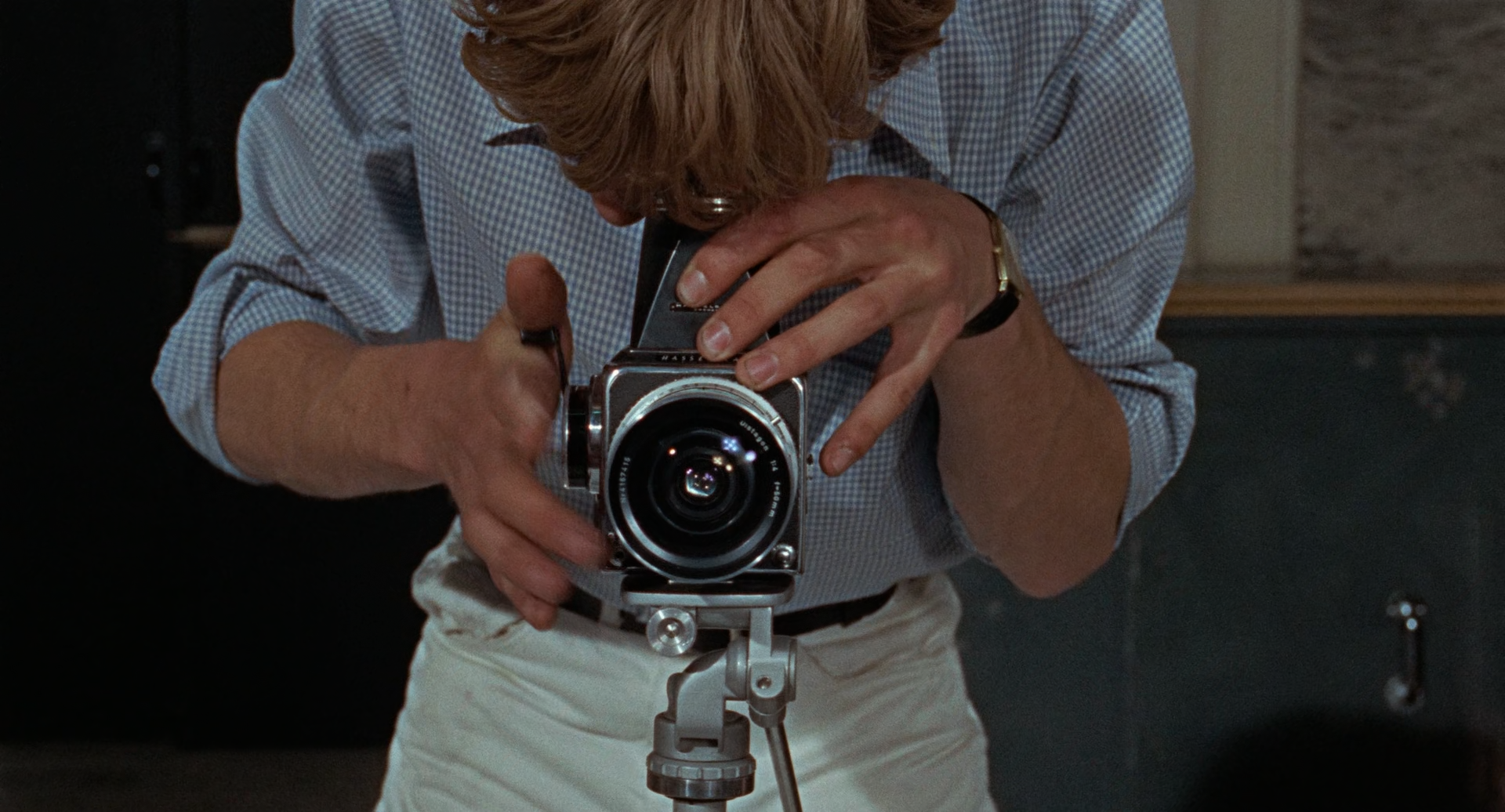
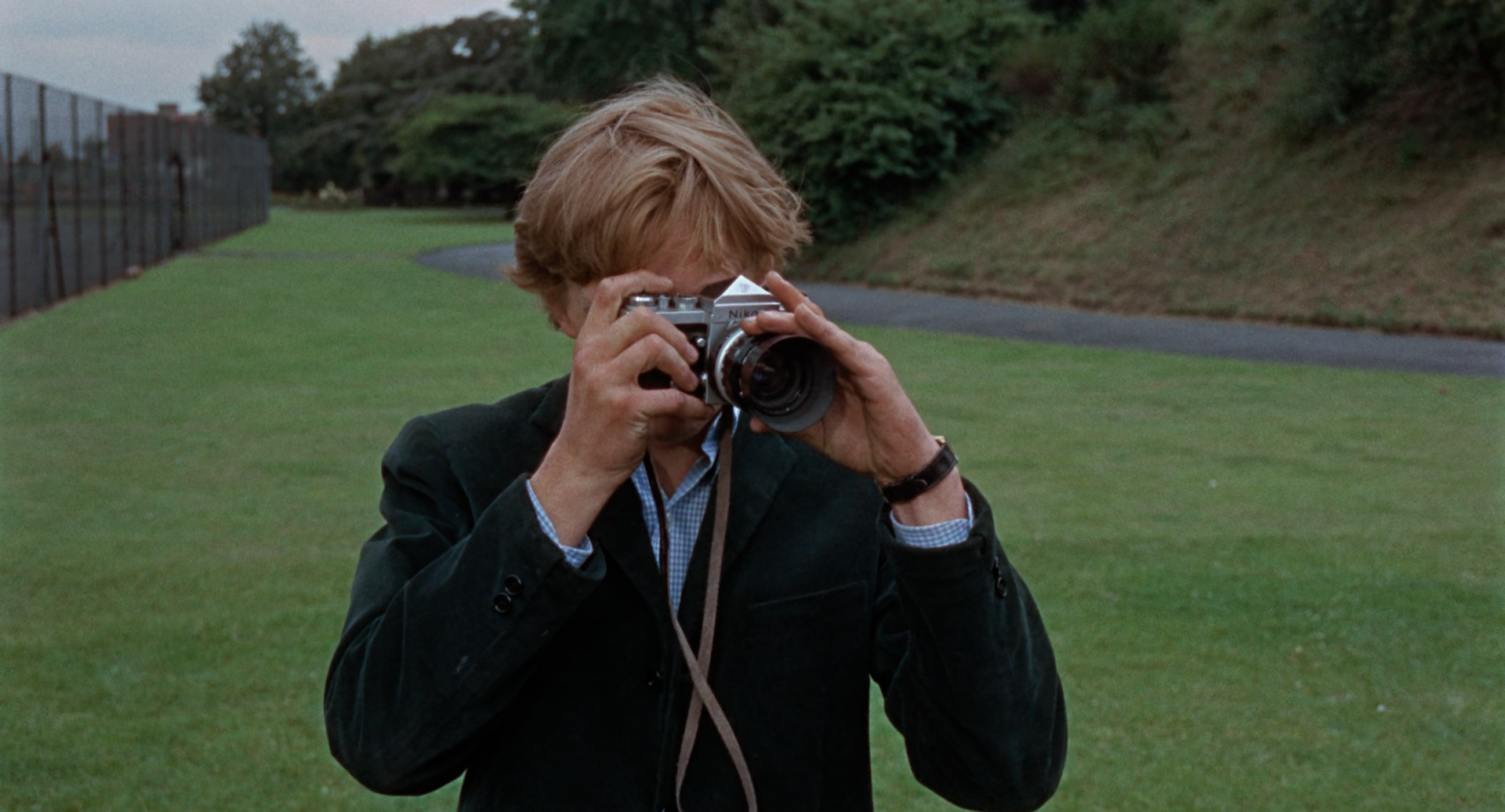
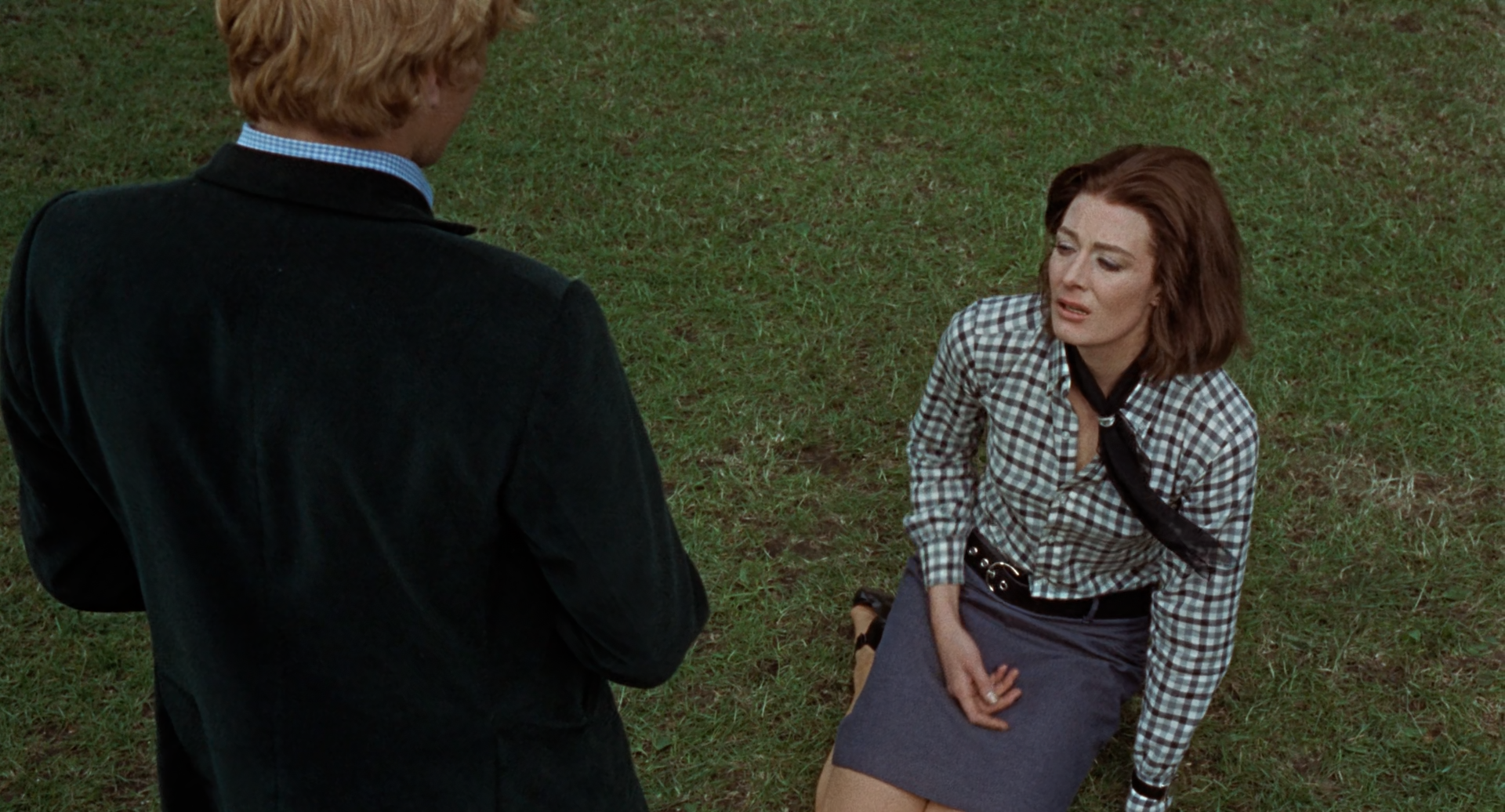
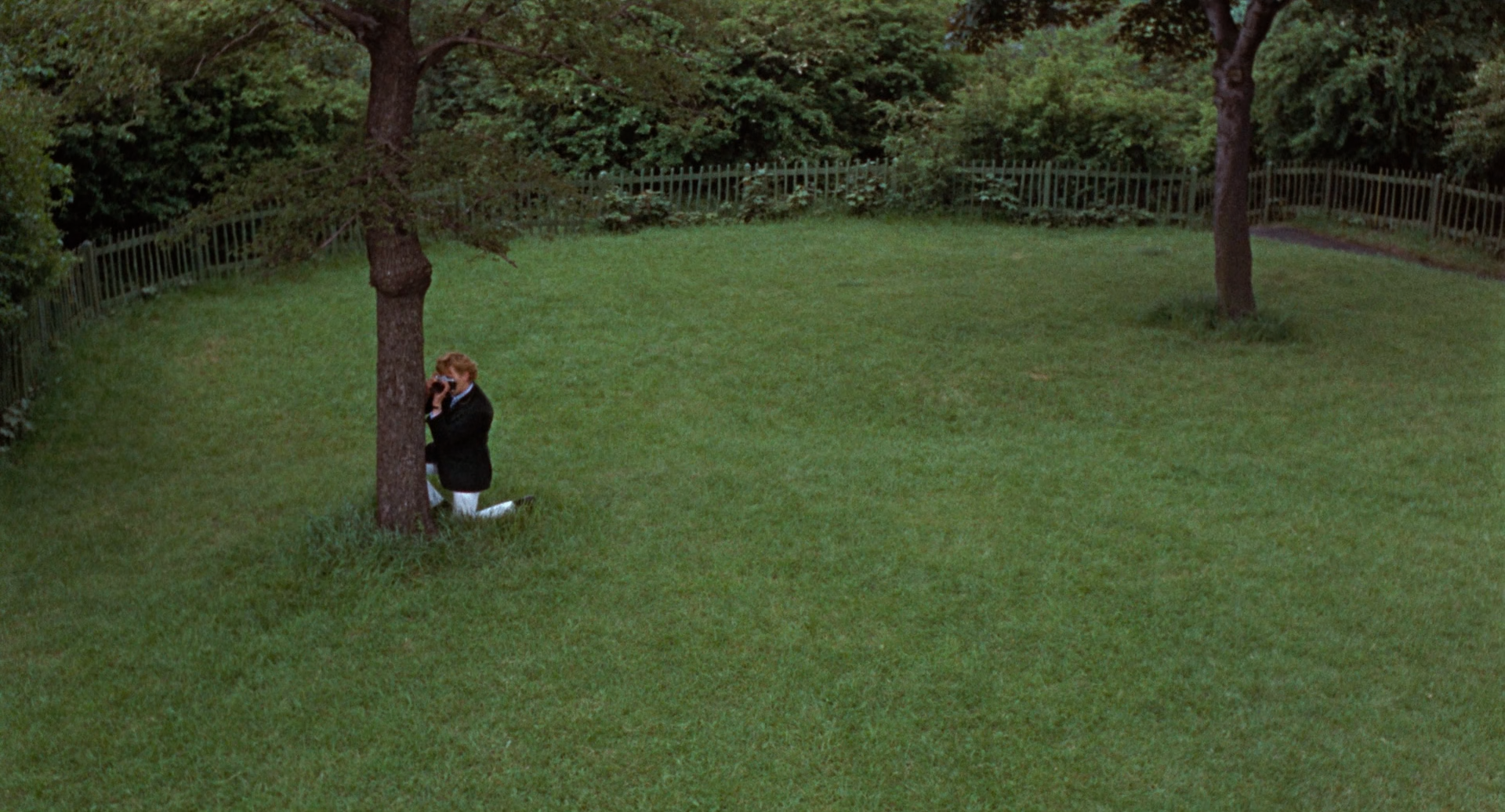
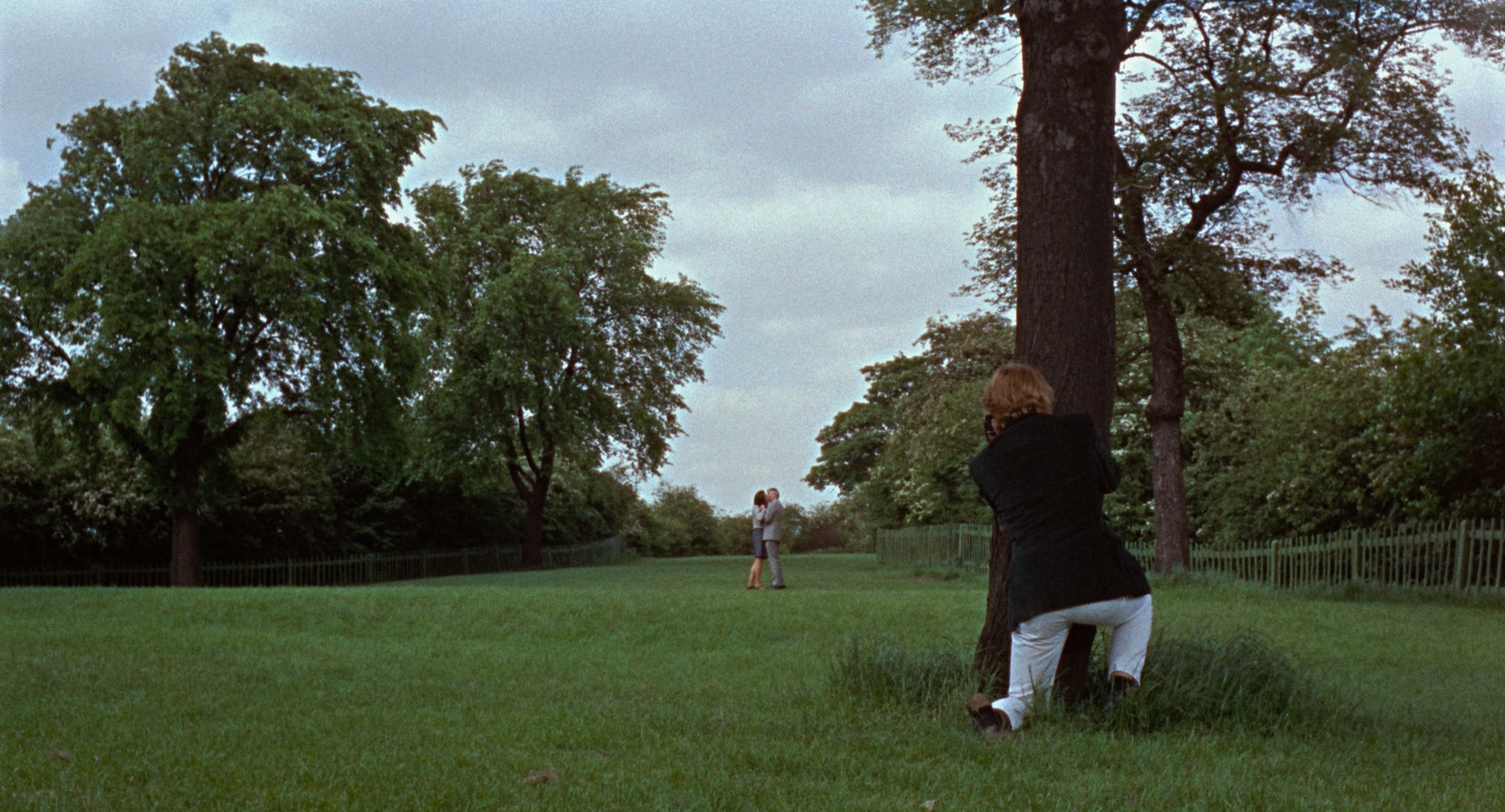
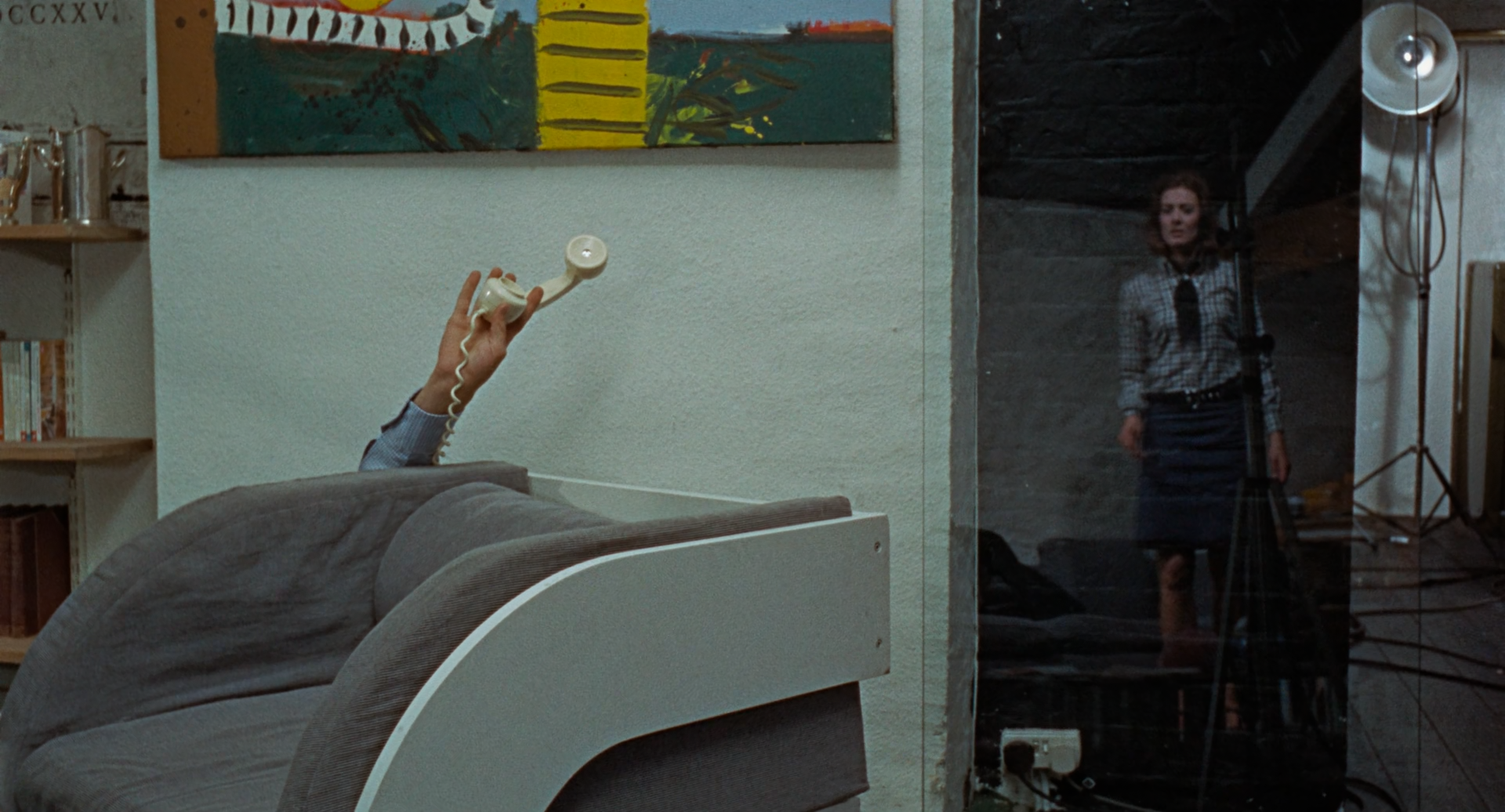
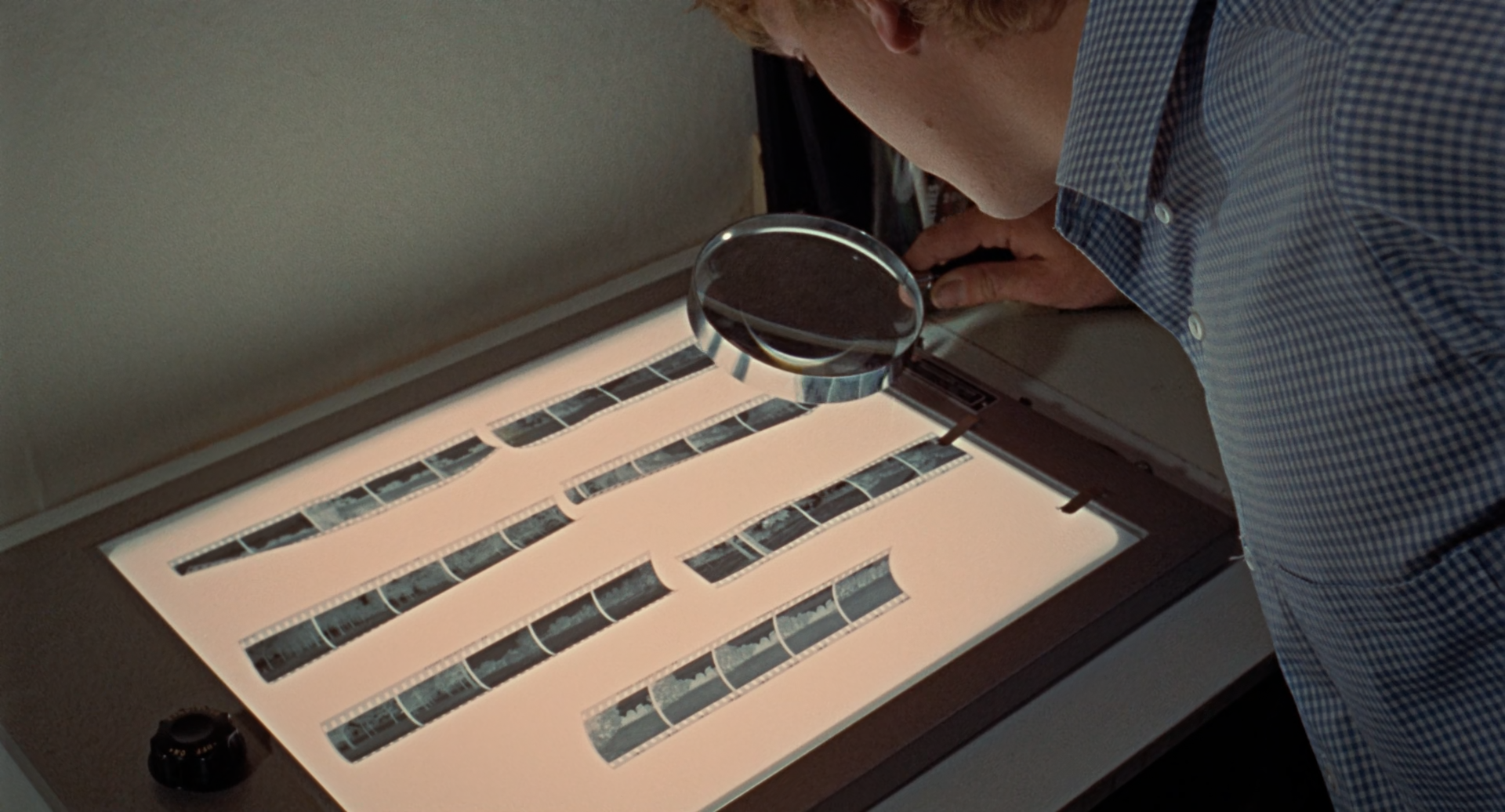
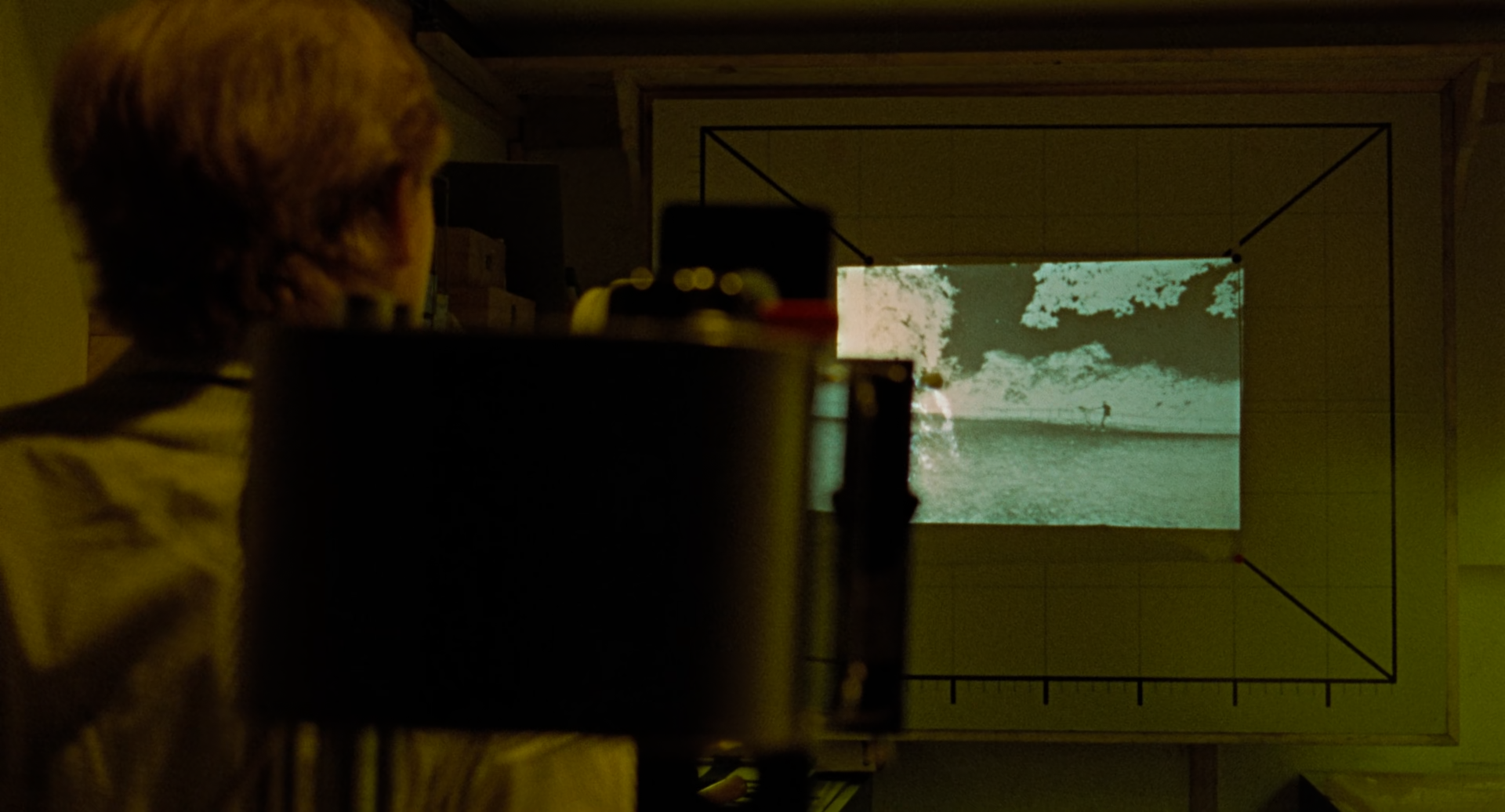
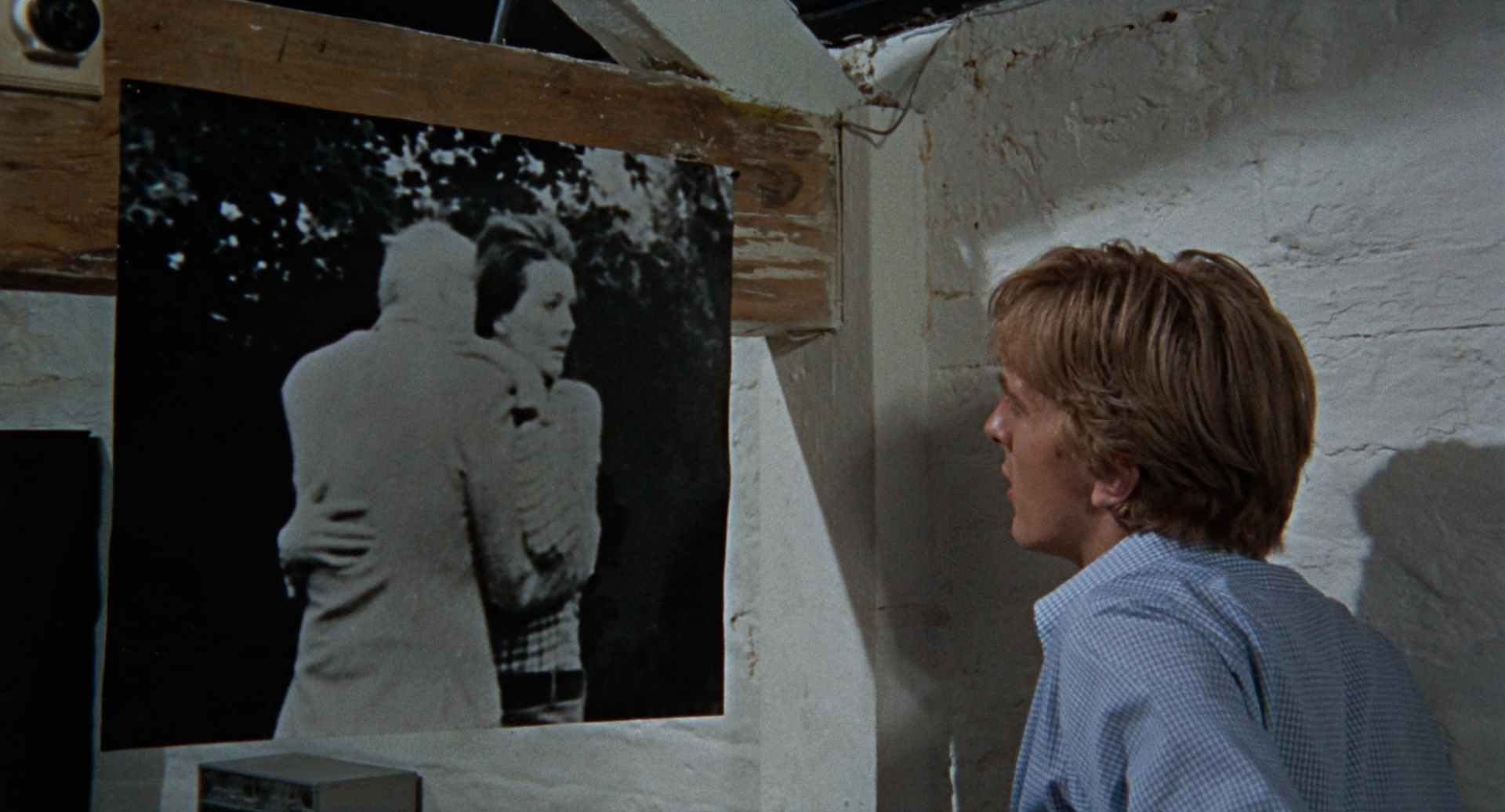
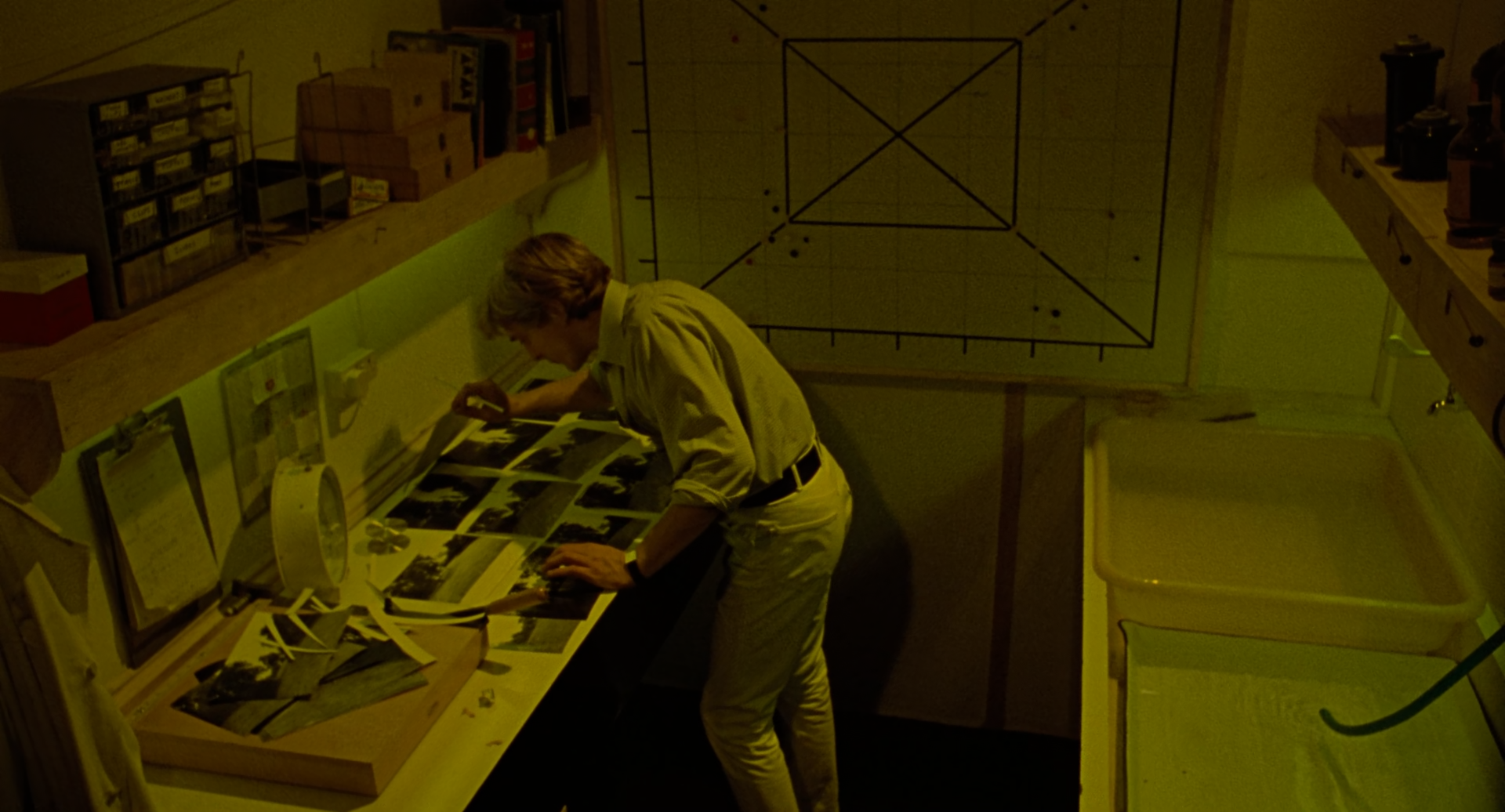
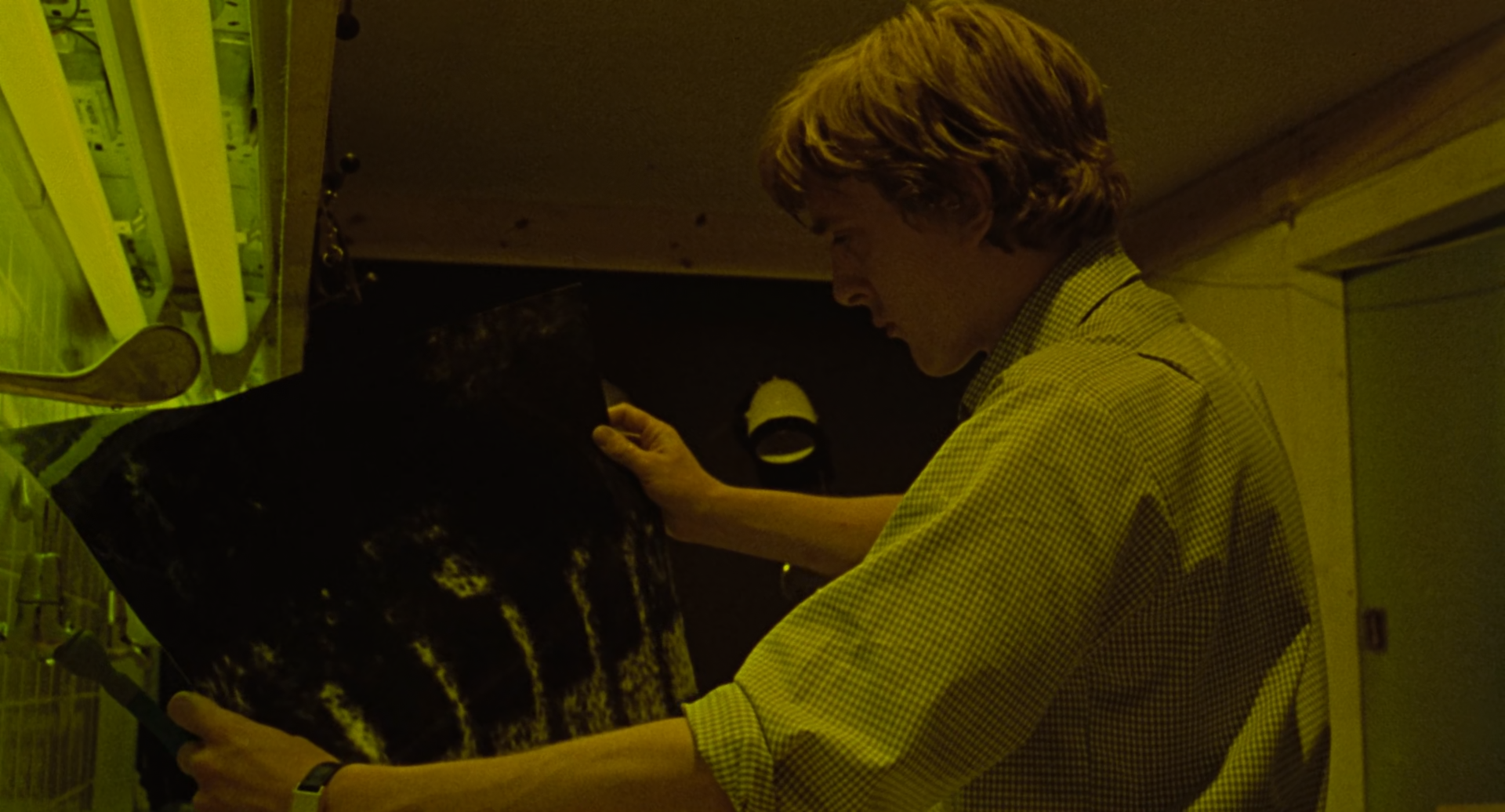
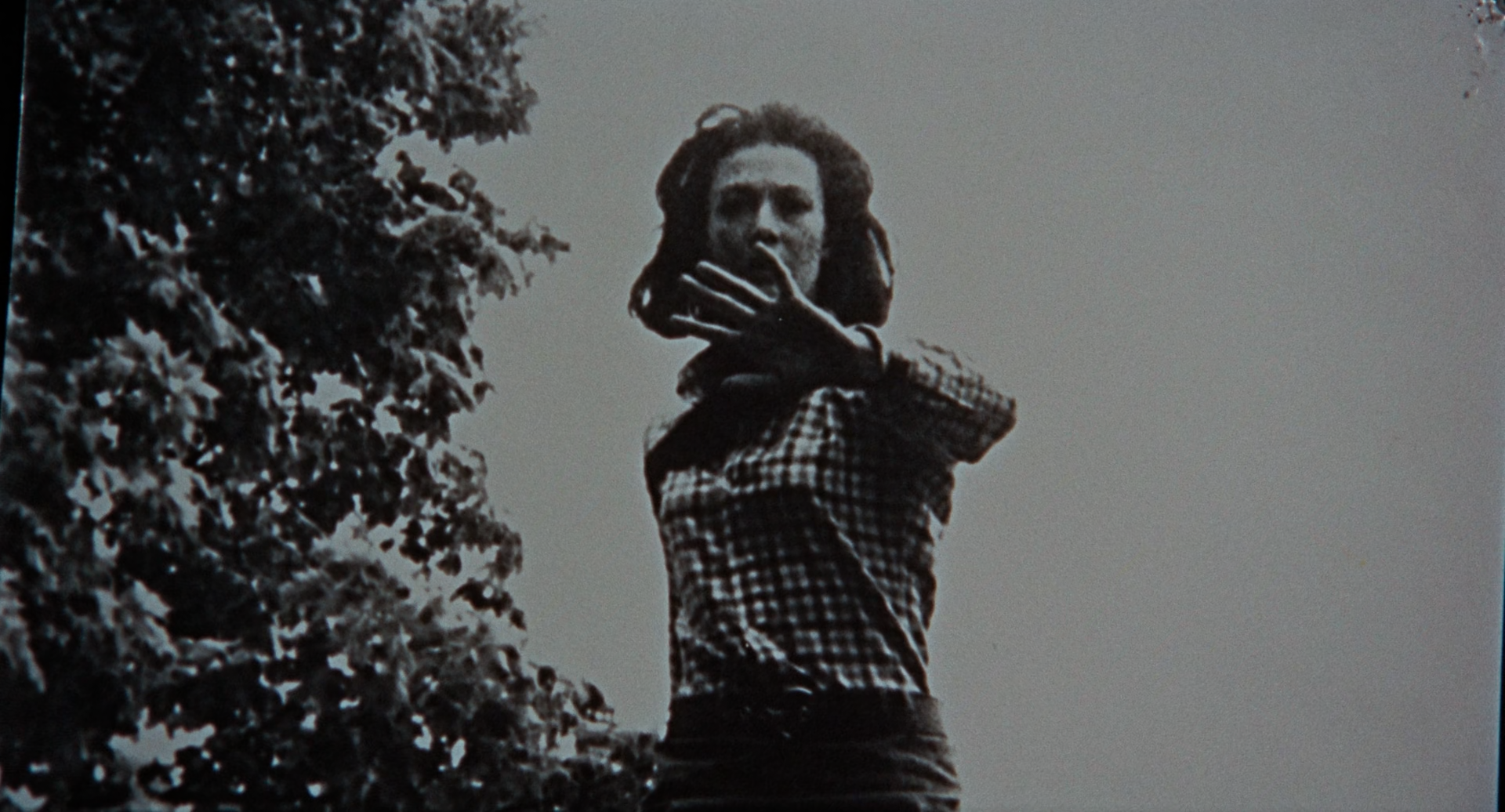
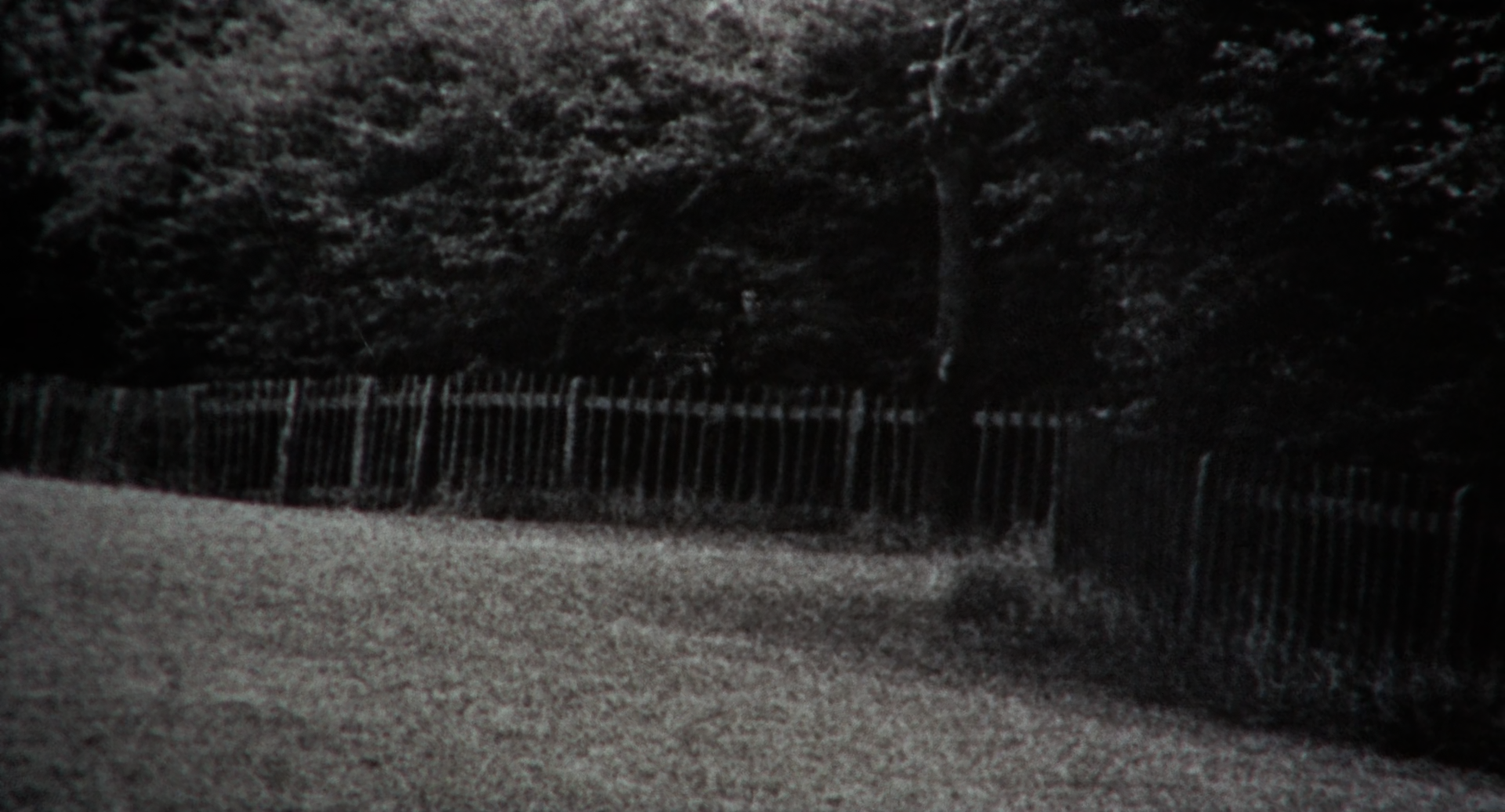
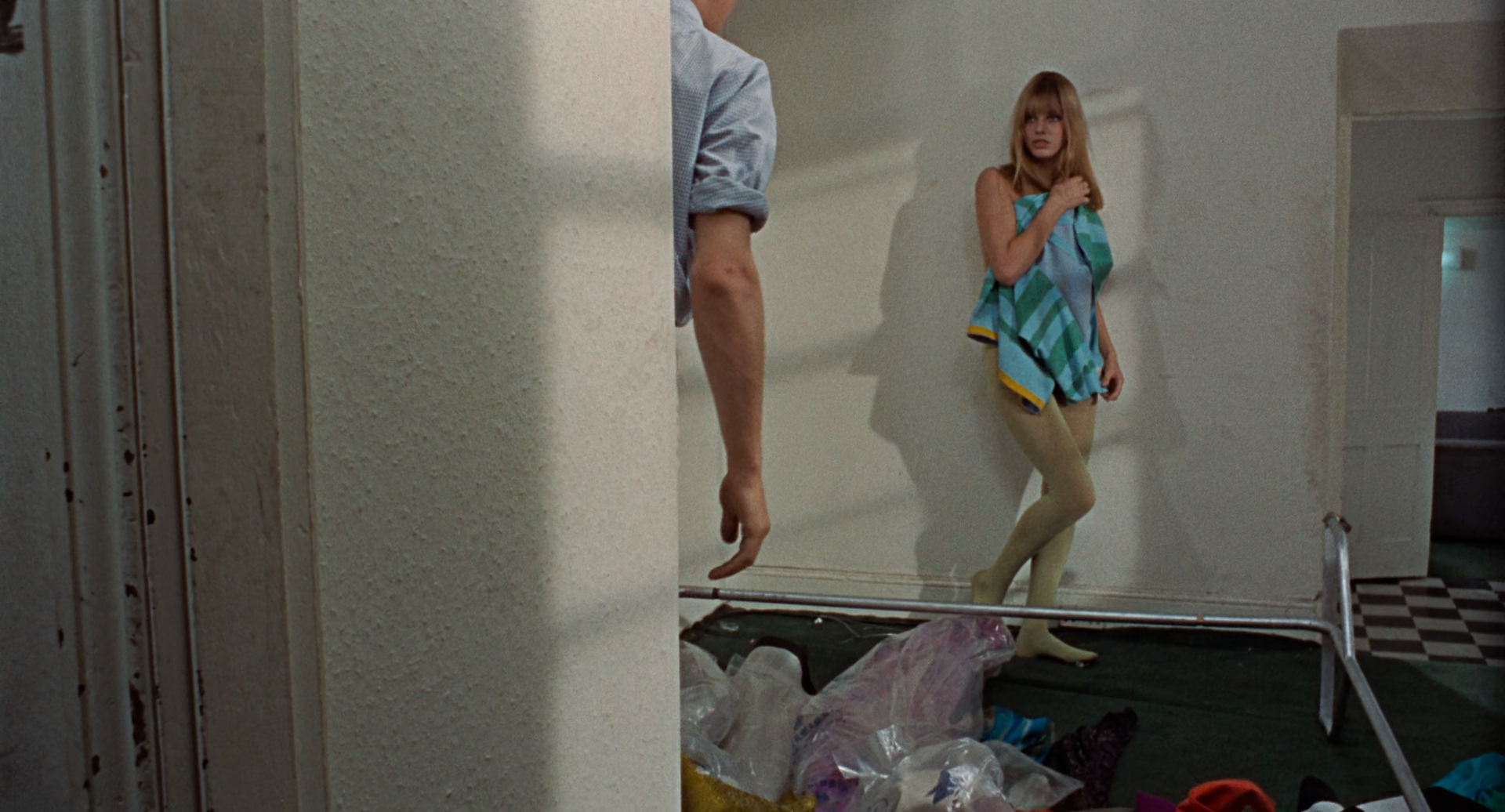
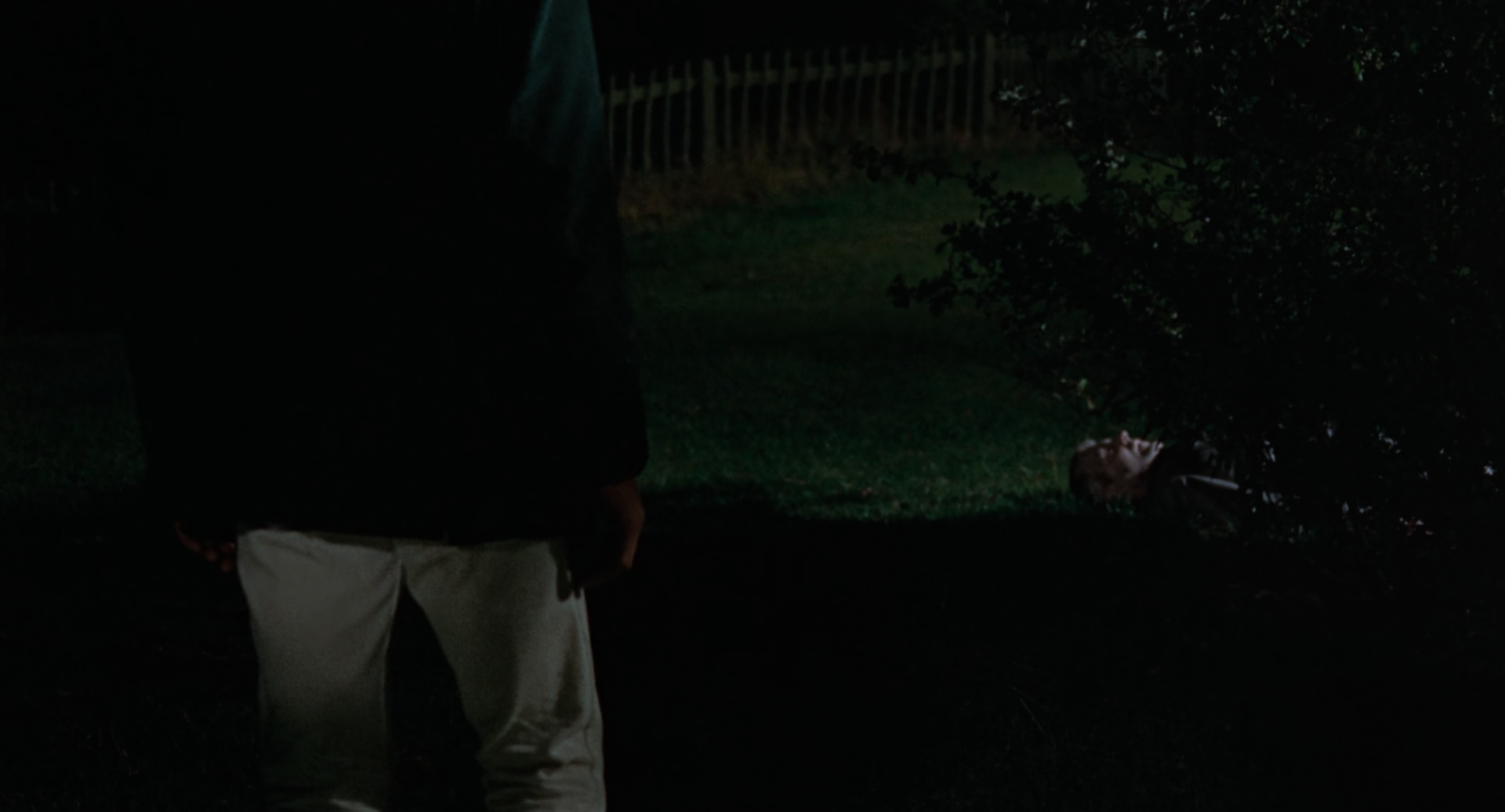
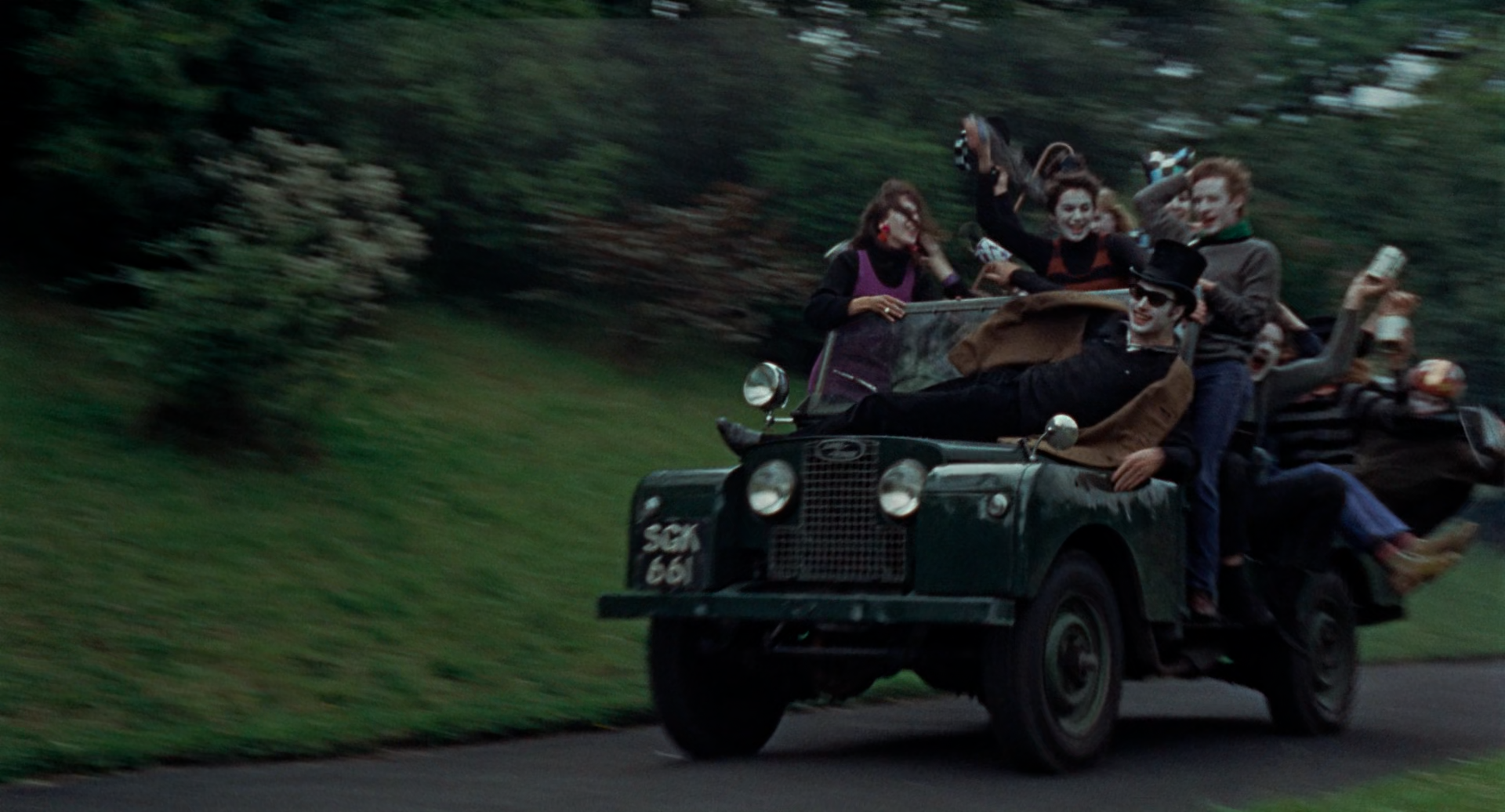
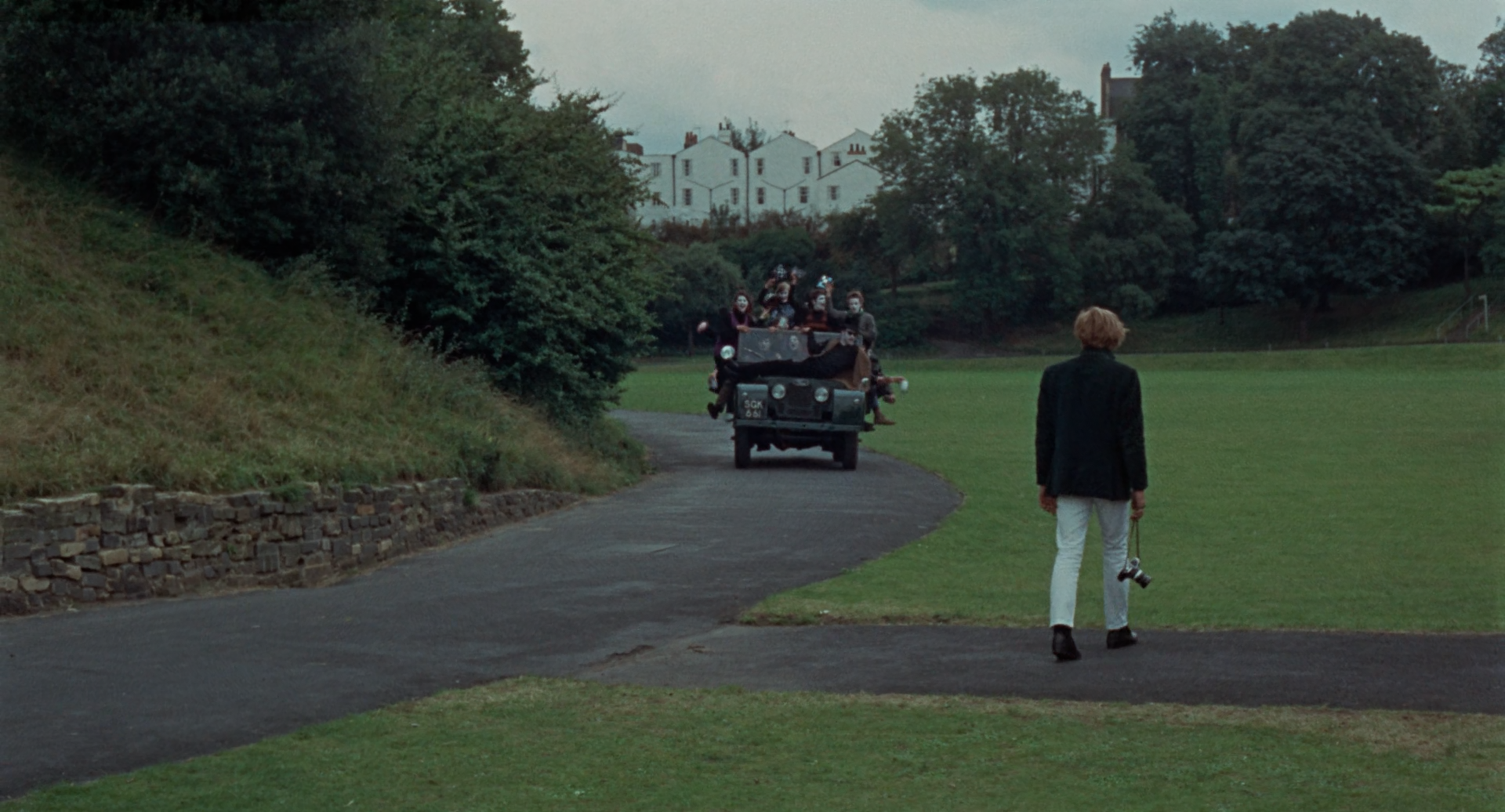
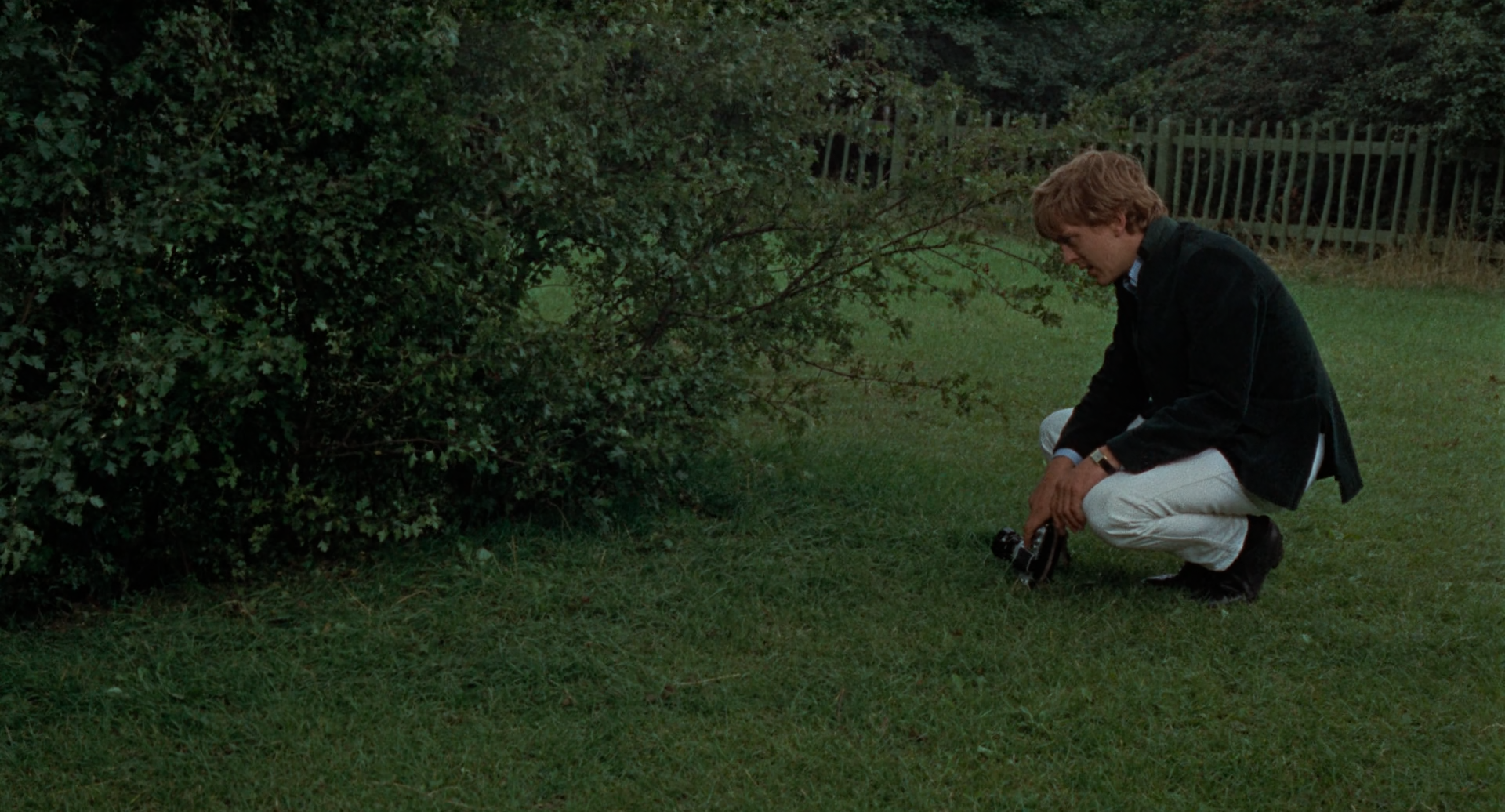
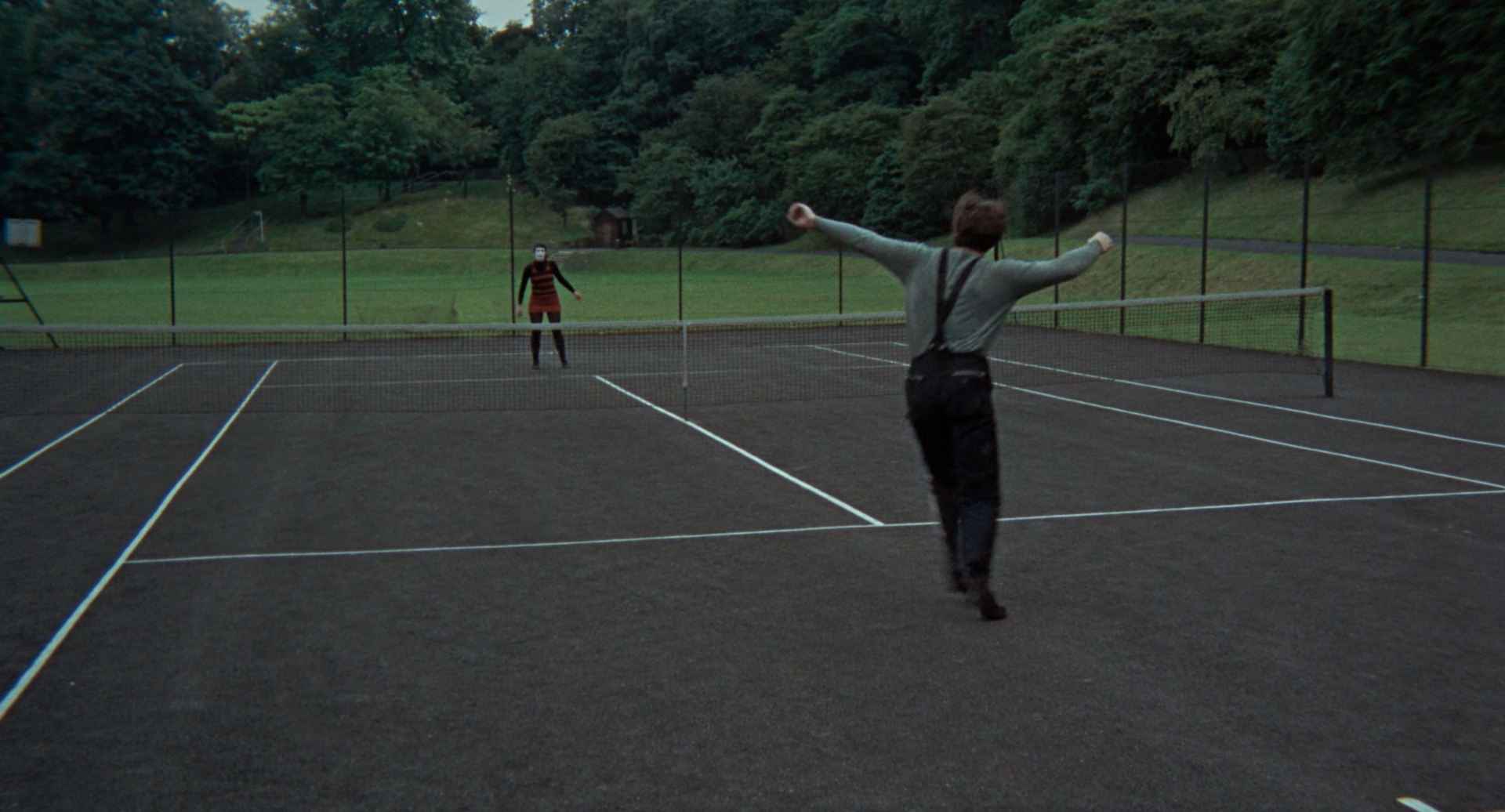
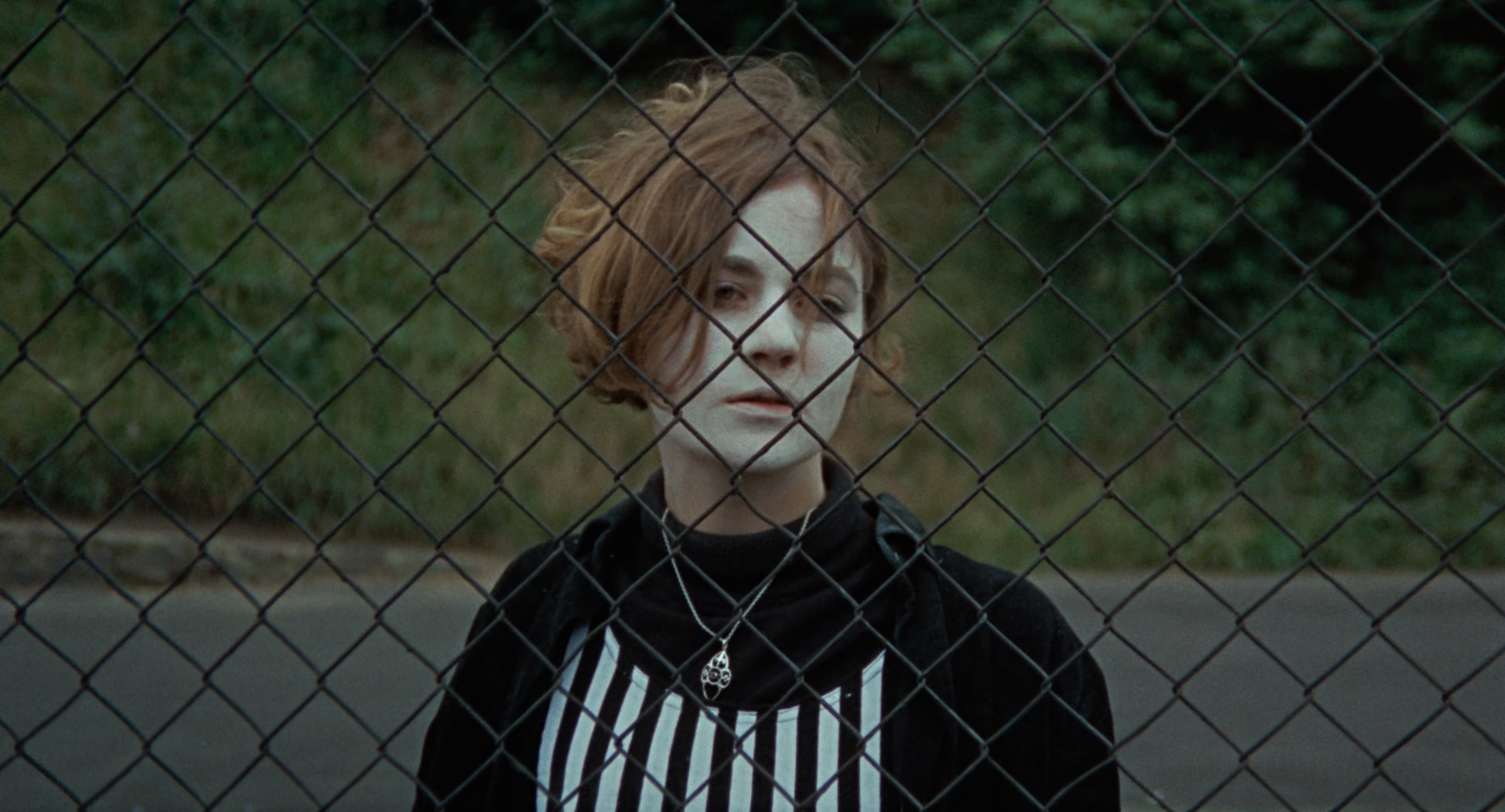
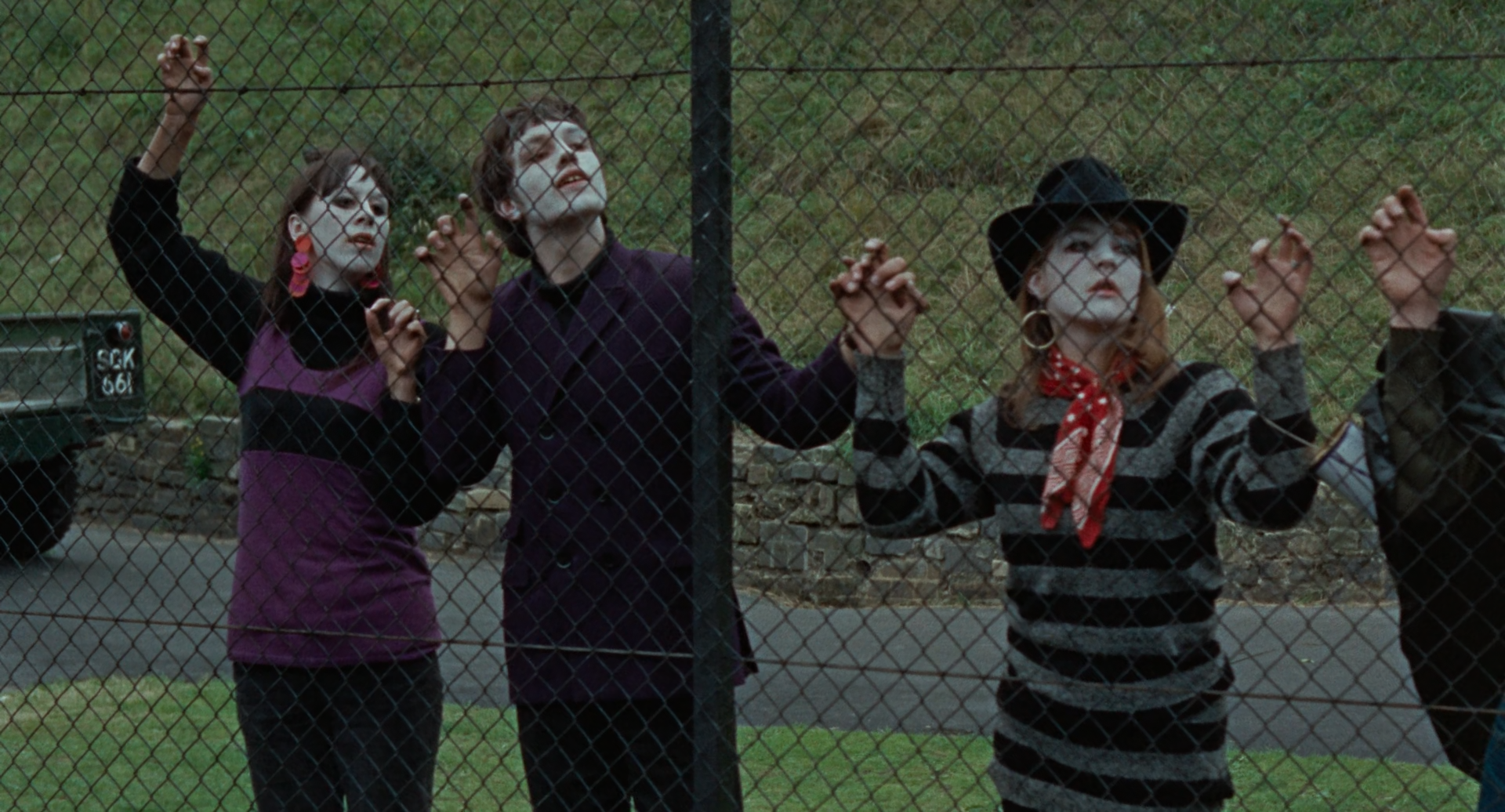
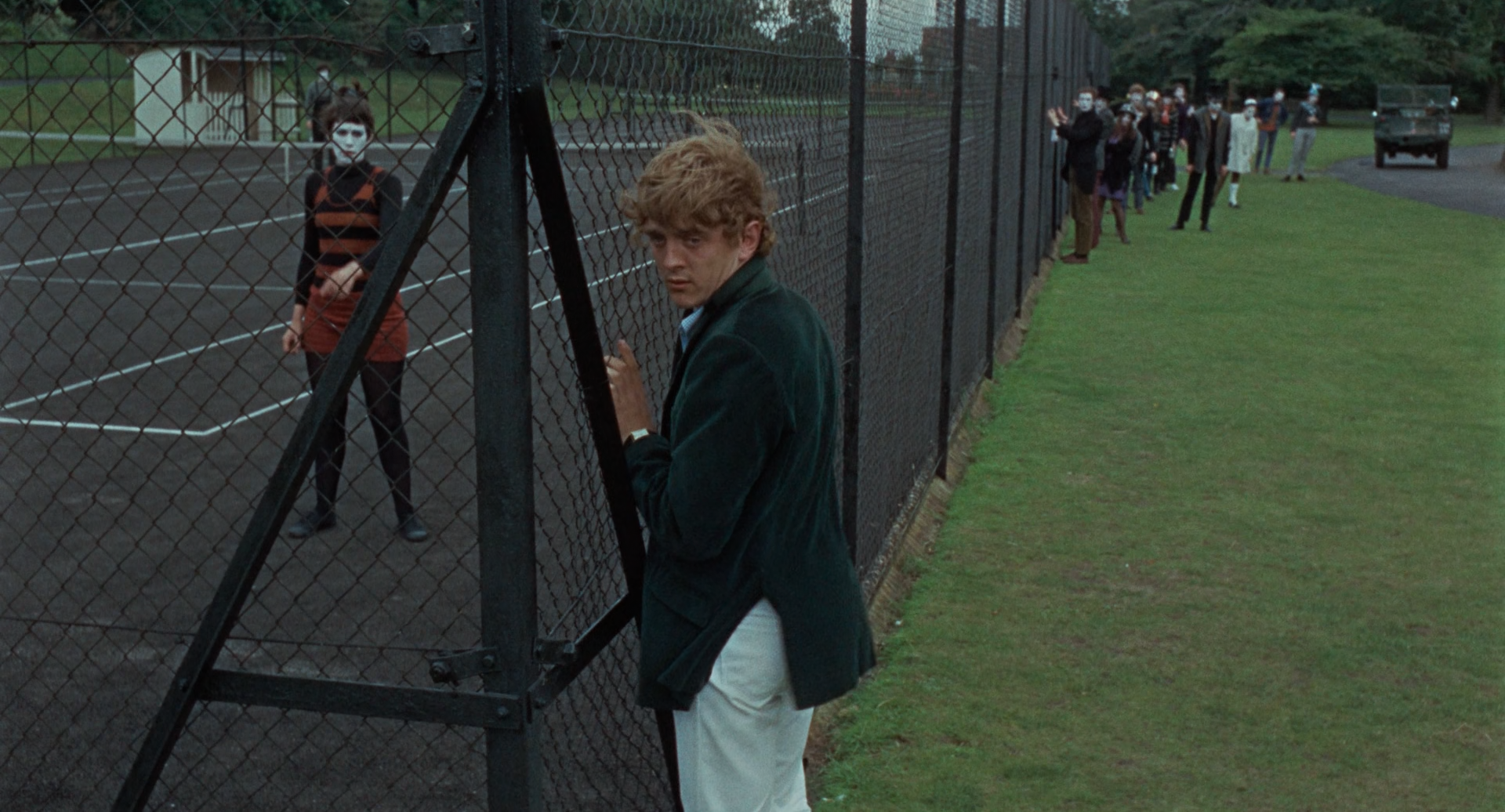
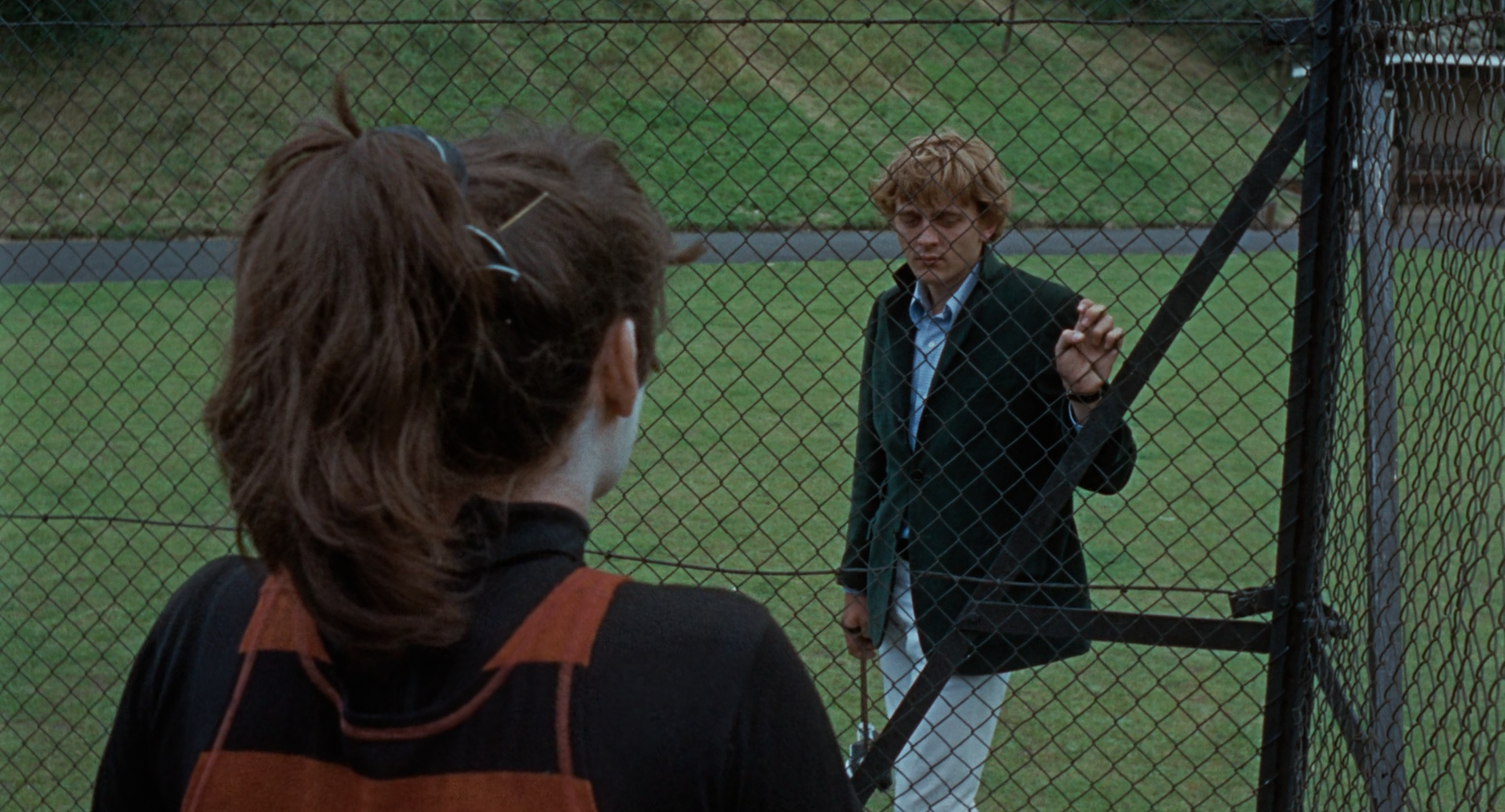
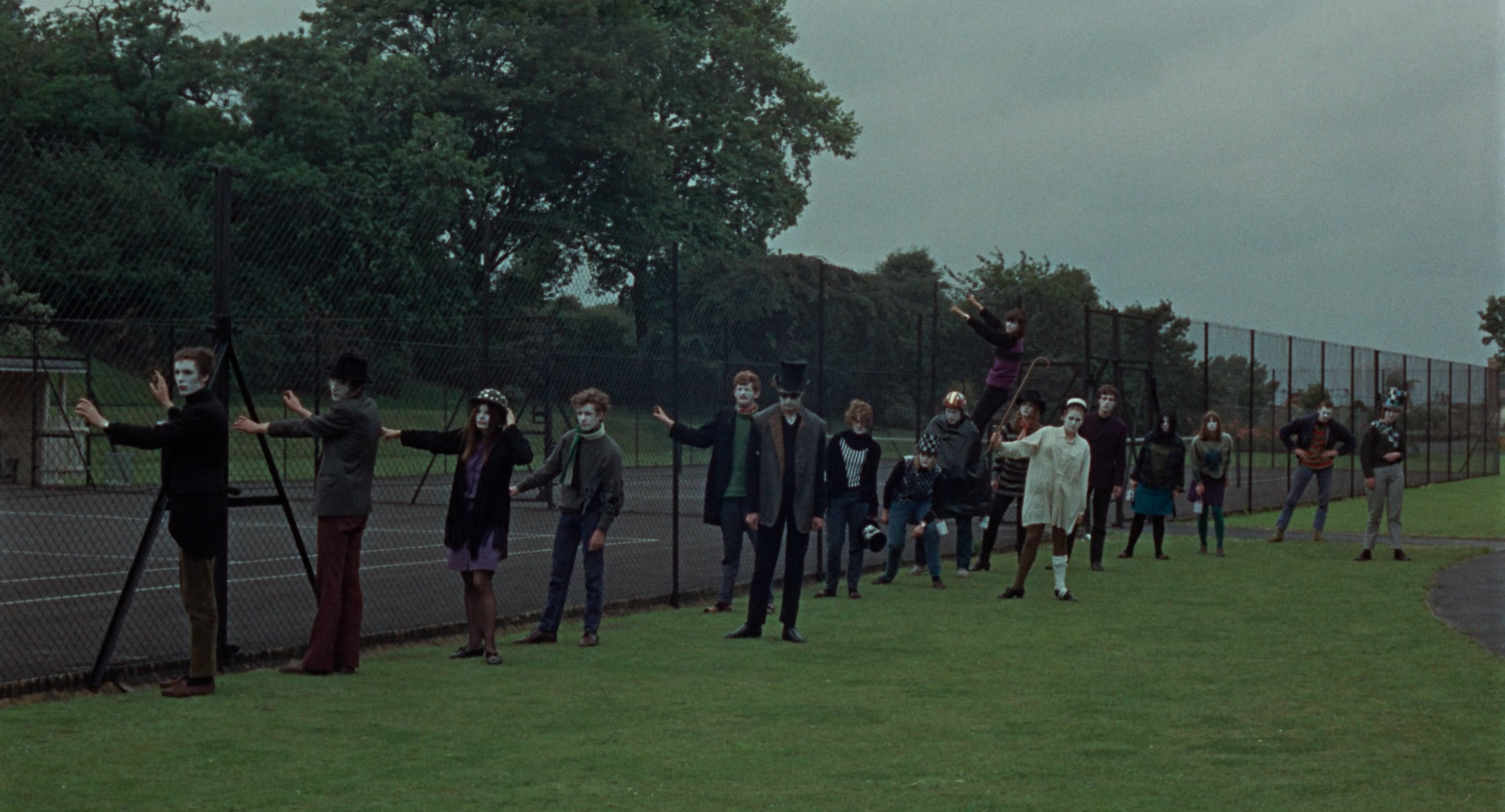
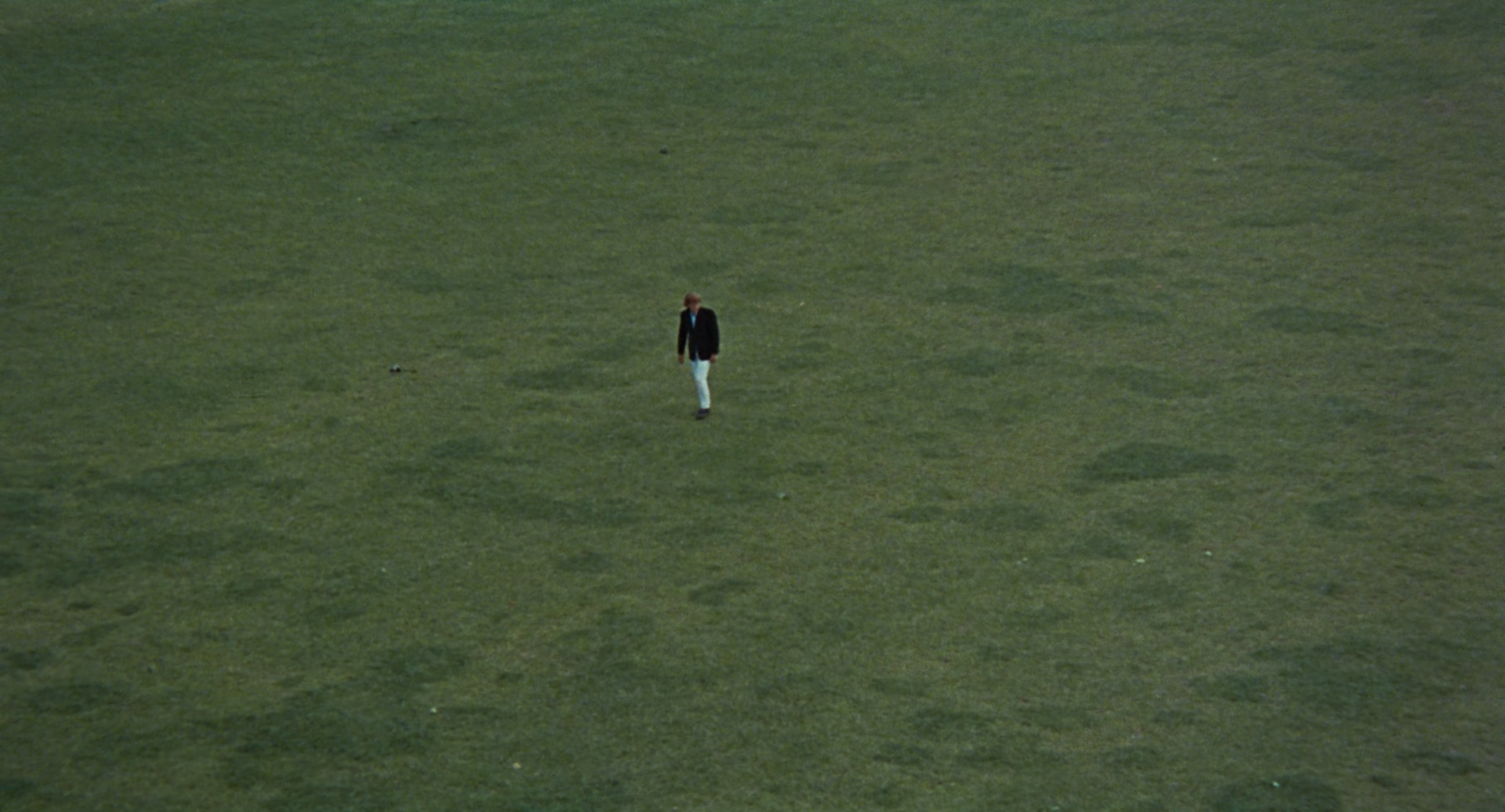
The film is a love letter to photography. The dead body/murder is a metaphor for the effervescence, how one can lose a crucial fleeting moment when taking a picture. The dead body symbolizes the ambition of any photographer - to capture something visionary, controversial, bold, no matter how taboo the subject matter. The reason it’s a dead body is both to illustrate how photography transcends death and time and also emphasize the fragile window a photographer has. Like a wilting rose, the romance of photography is how you can either lose a moment in time forever, or preserve it for all of time. Sort of like when your social media feed auto refreshes and you’re too late to open or save the post. Or when you’re doing a film review and you refresh the page without saving. Or in this case, the beautiful muse he loses. At the end of the film, a group of mimes show up to again reinforce the theme that photography deals with intangibles - memories and feelings that might be missed yet still physically captured, and vice versa. The photos disappear, the body disappears. He must shoot the dead body, but he missed his chance. A photographer always has regret, burdened by all the memories and moments he has missed.
Conclusion:
Compared to some of his other films, Blow-Up is relatively shallow but still one of his more memorable artistic strokes as a filmmaker. I have a feeling most audiences won’t understand this film, but they may still be able to appreciate the feelings it conveys. Like a linger perfume, this is for the more artistic cinephile that loves the idea of photography and filmmaking more than the narrative itself. But had the narrative been better integrated with the metaphor, it would have felt cohesively polished and less like a film student’s short film.
Recommendations

The deadly romance of photography.