
The Color of Pomegranates (1969)
















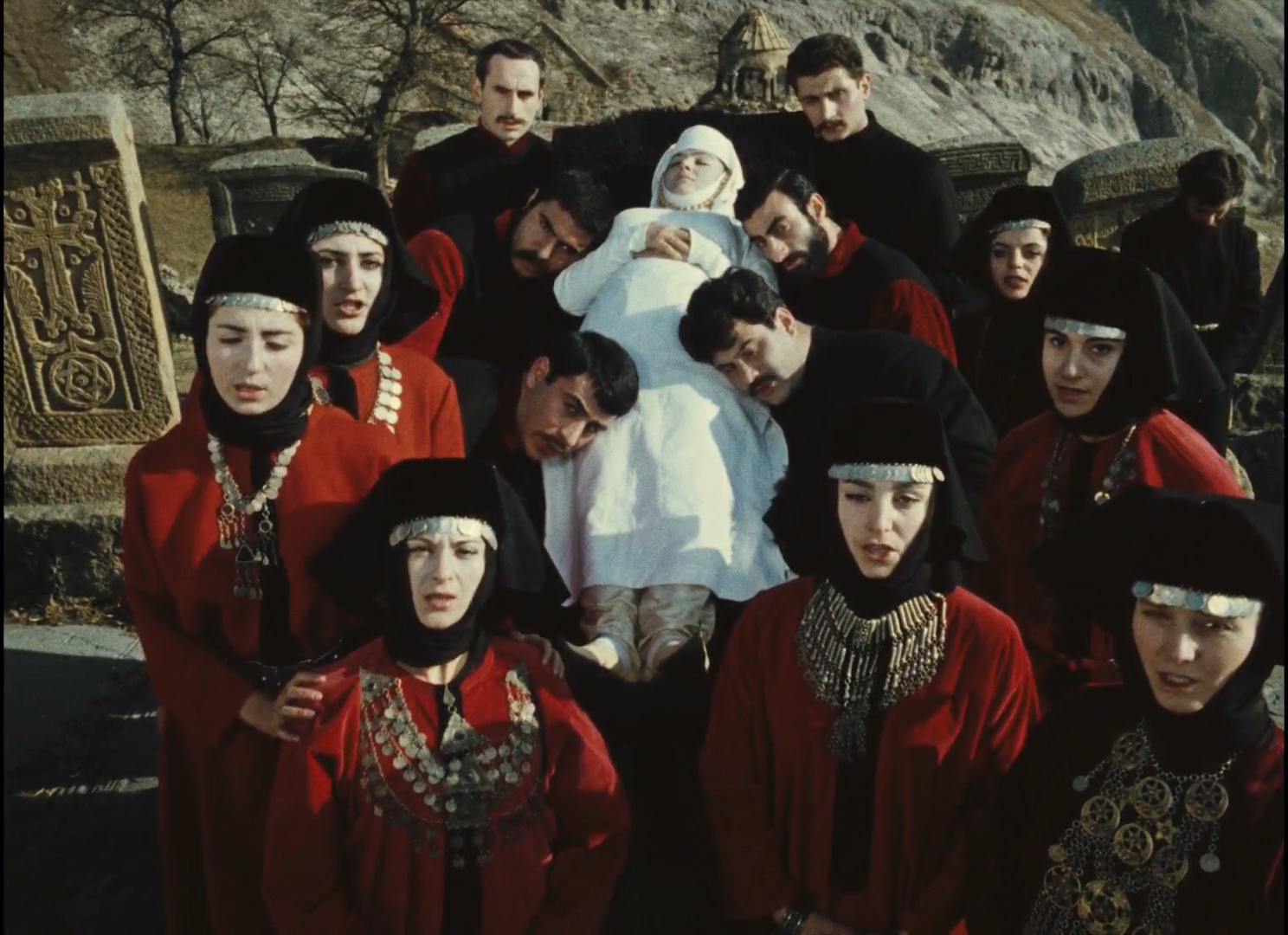


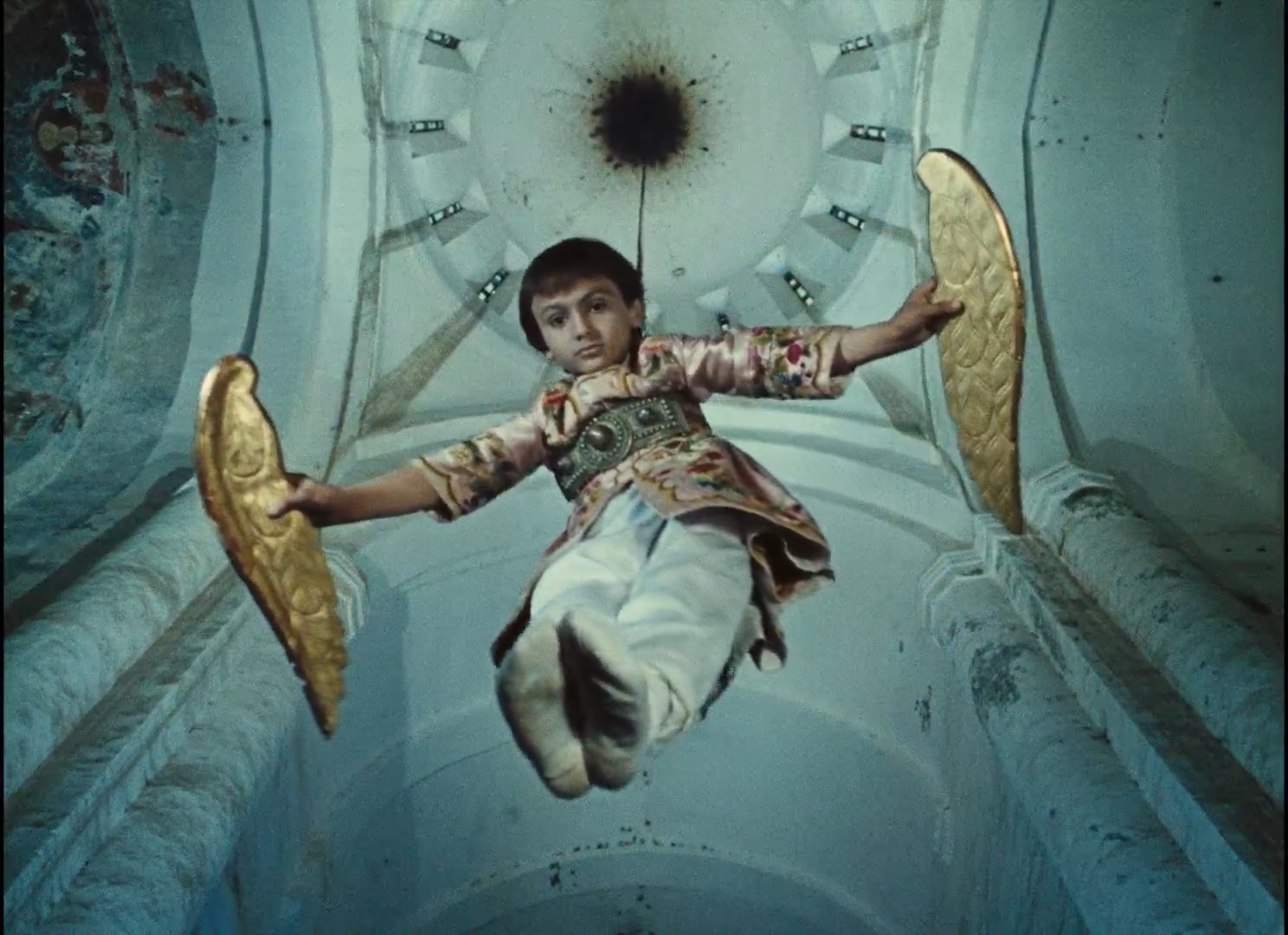
Visual poetry in motion.
Presentation:
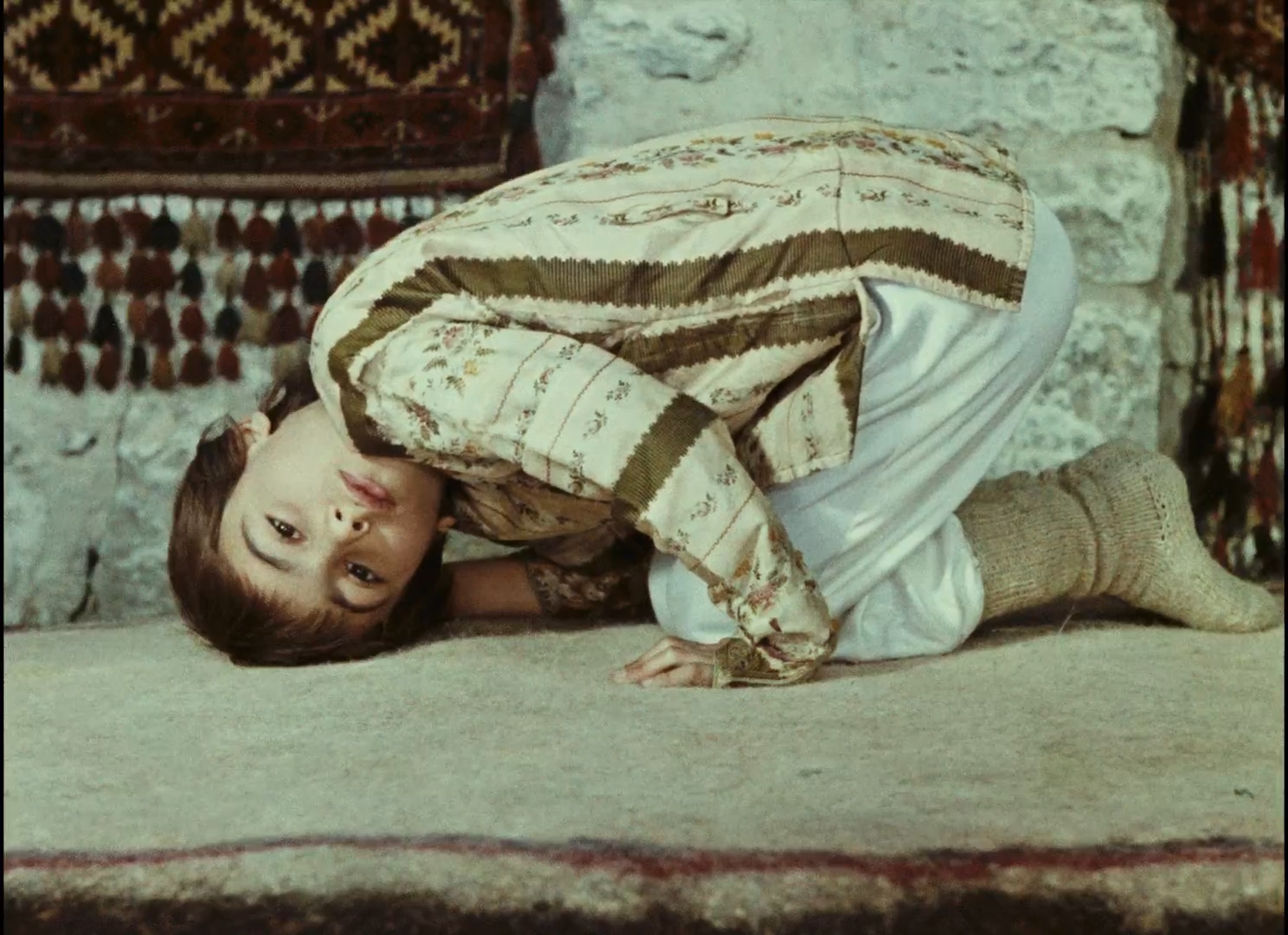
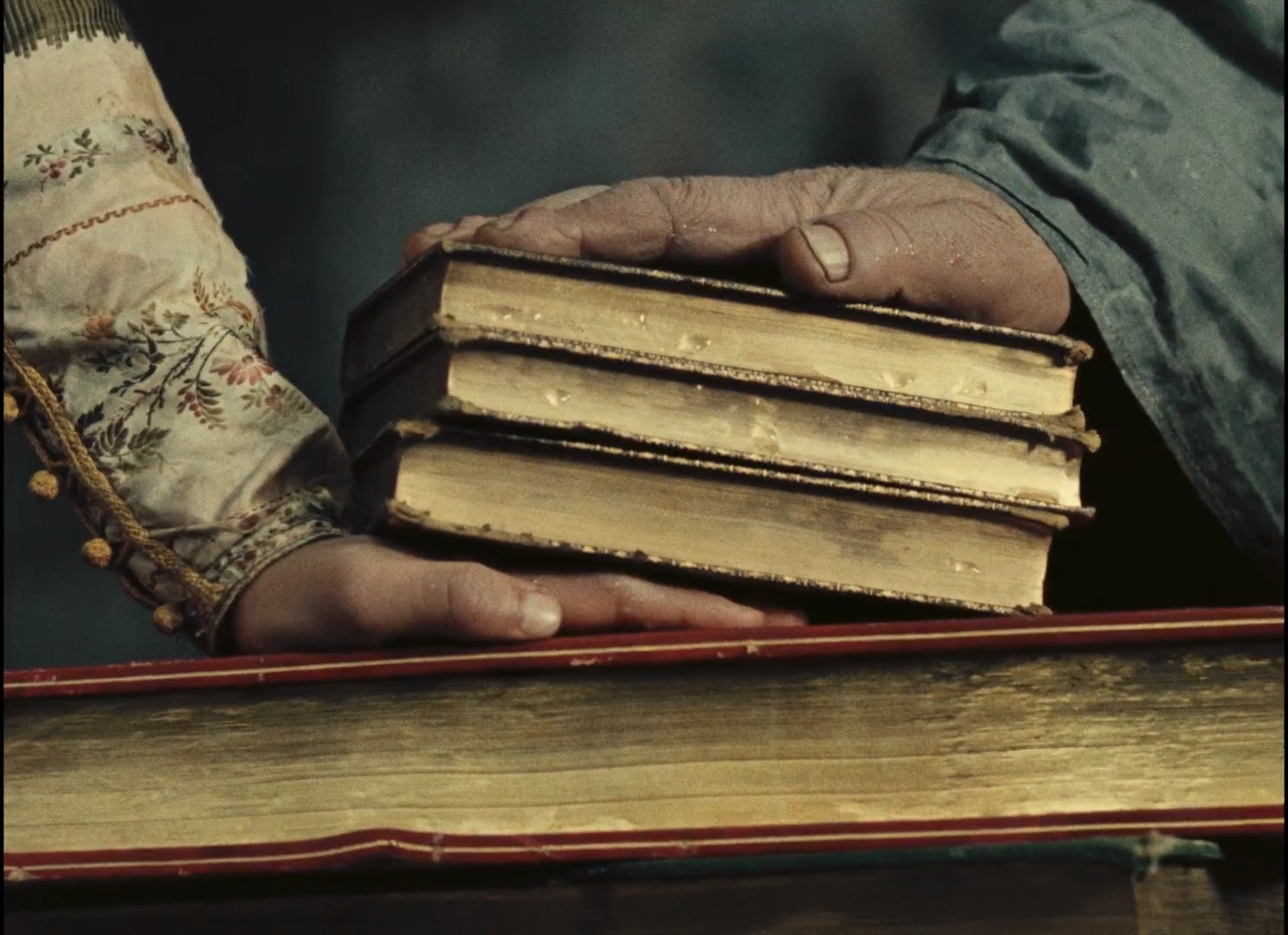
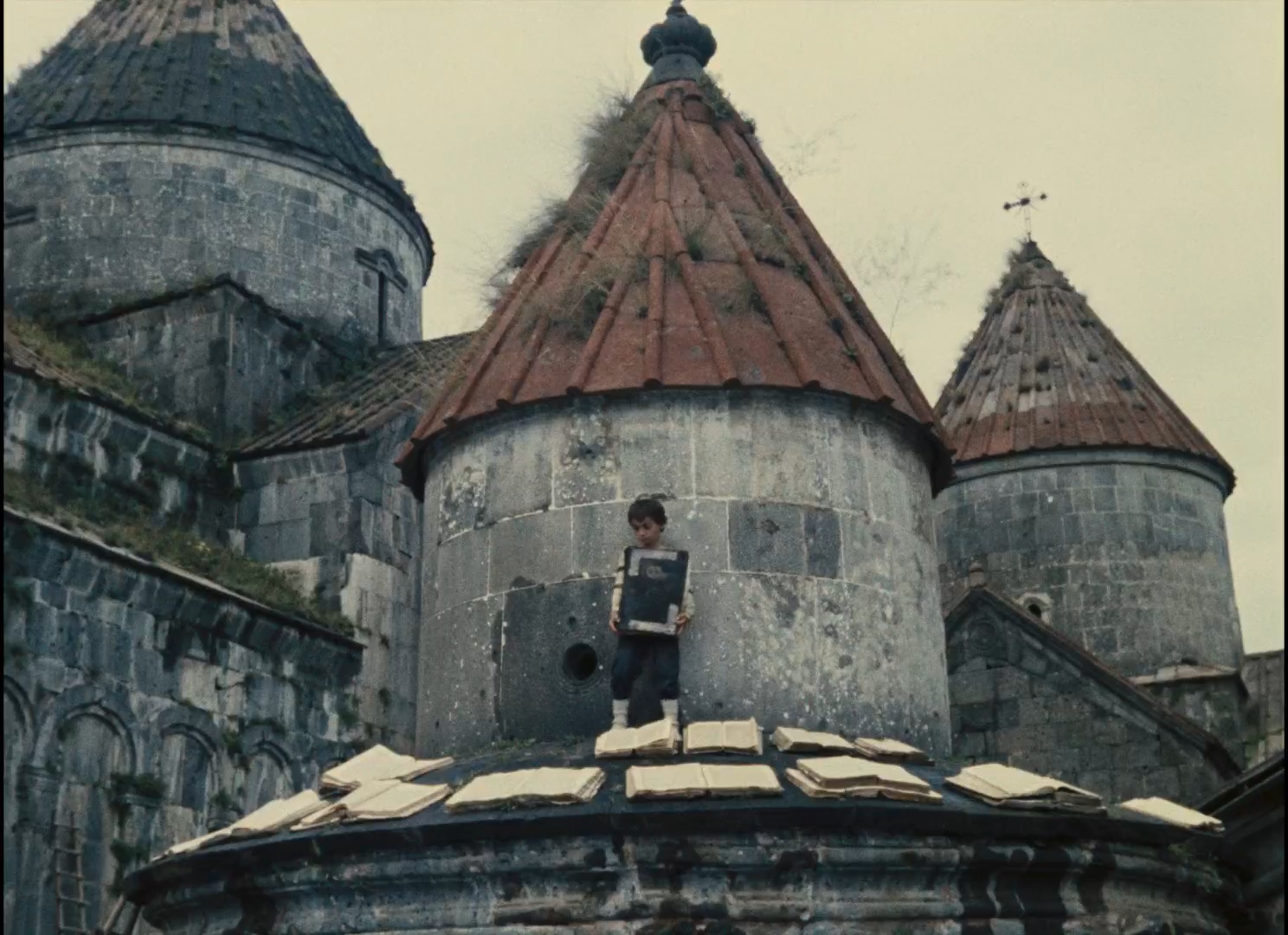
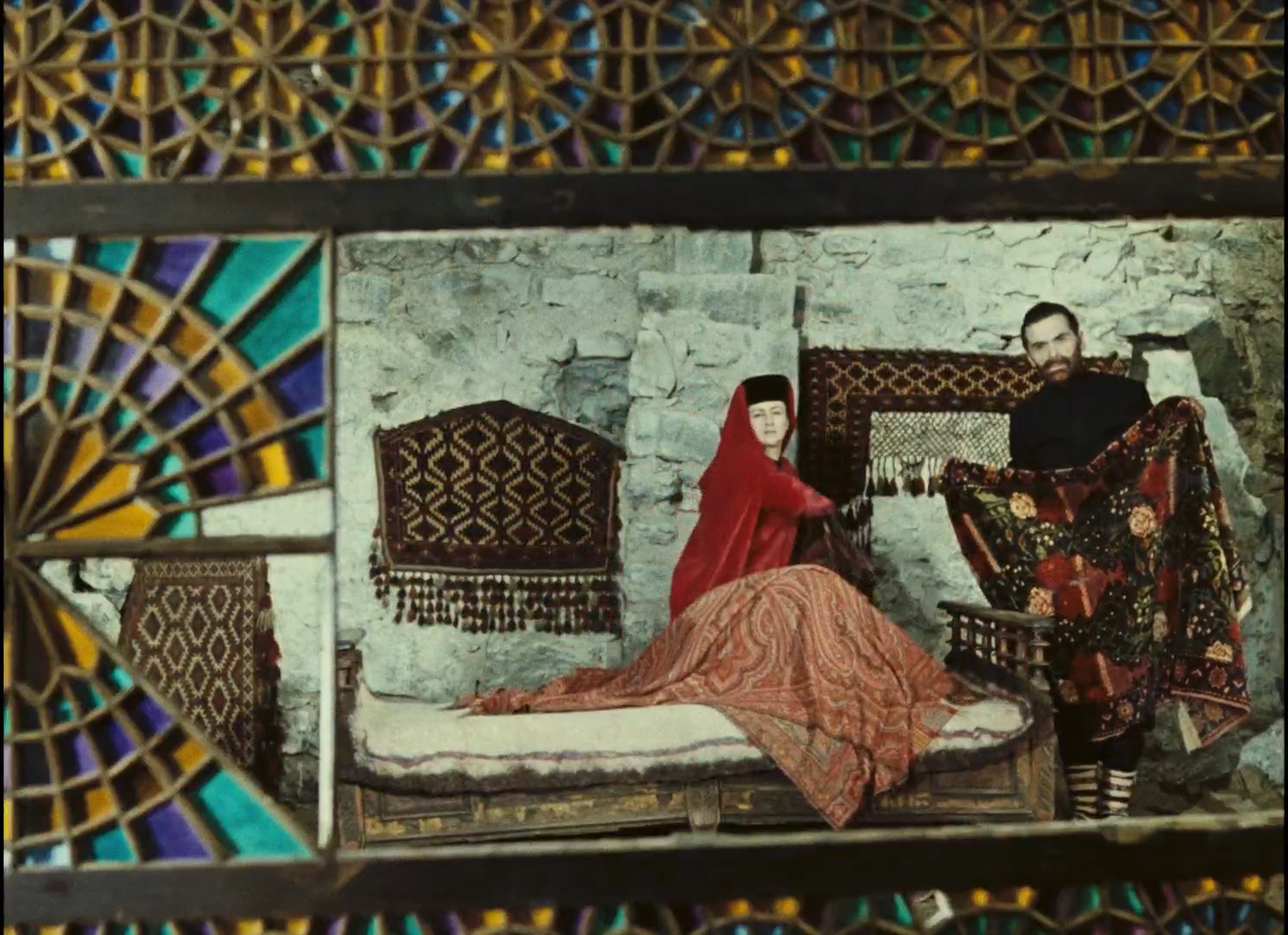
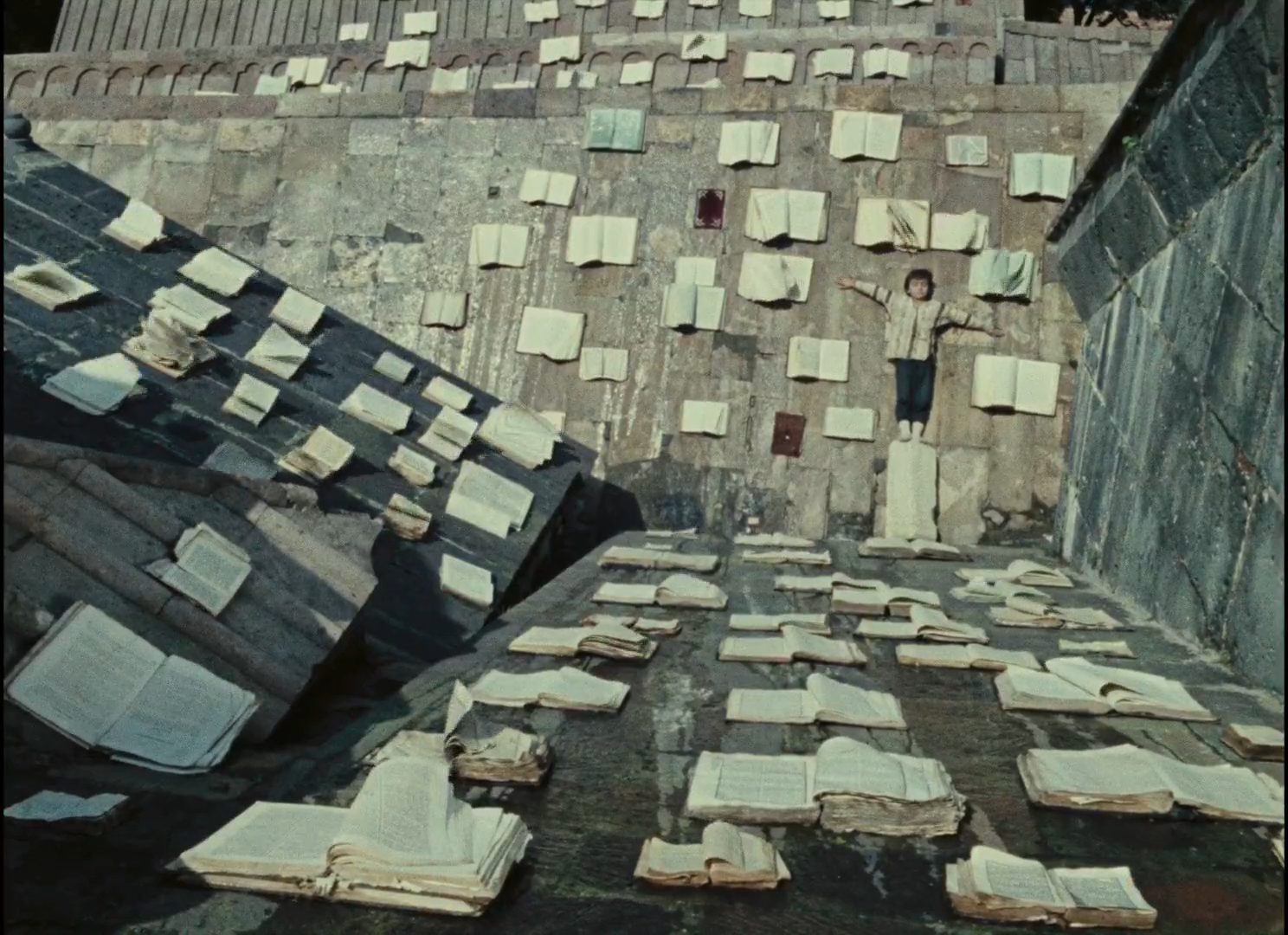
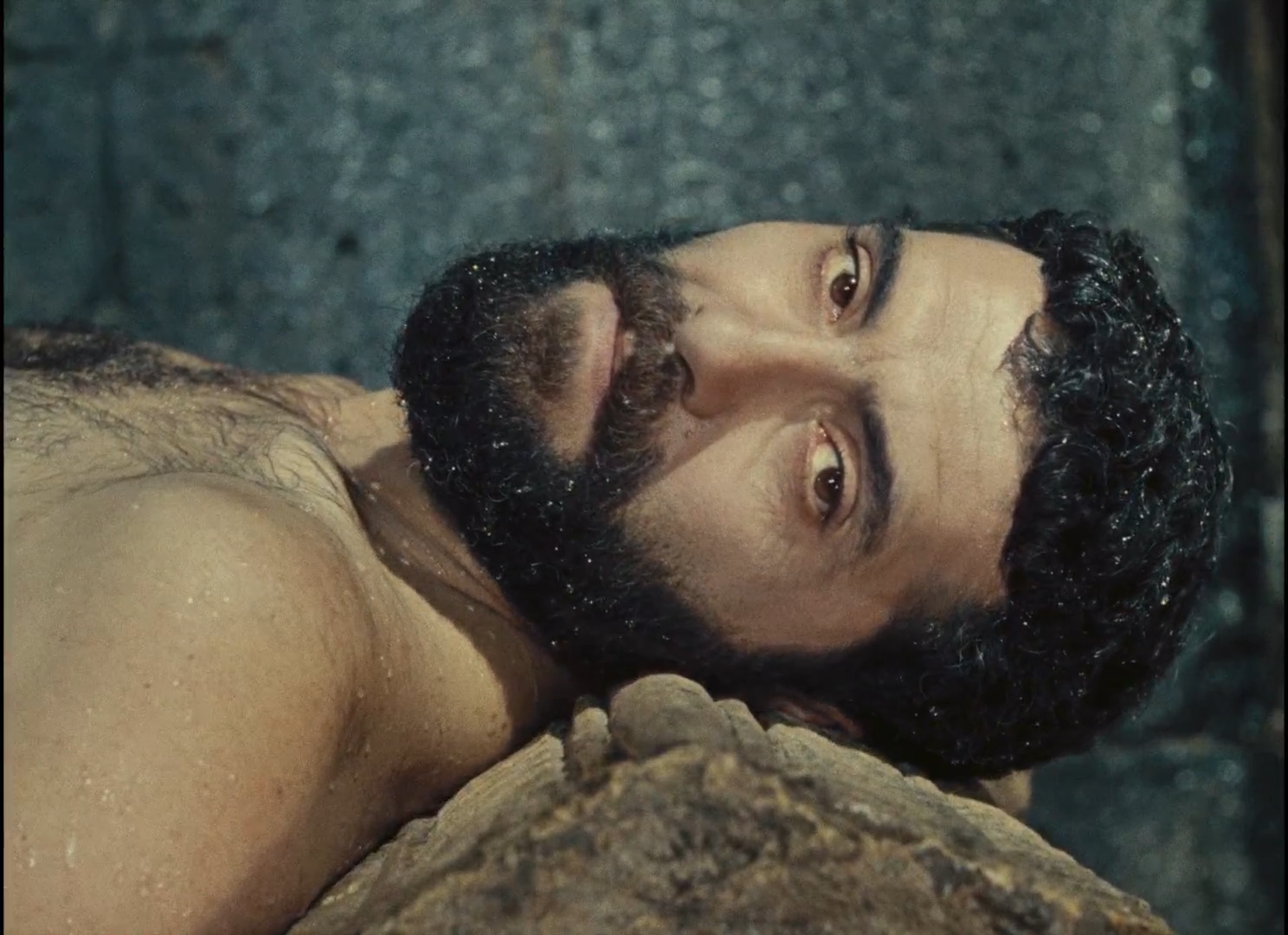
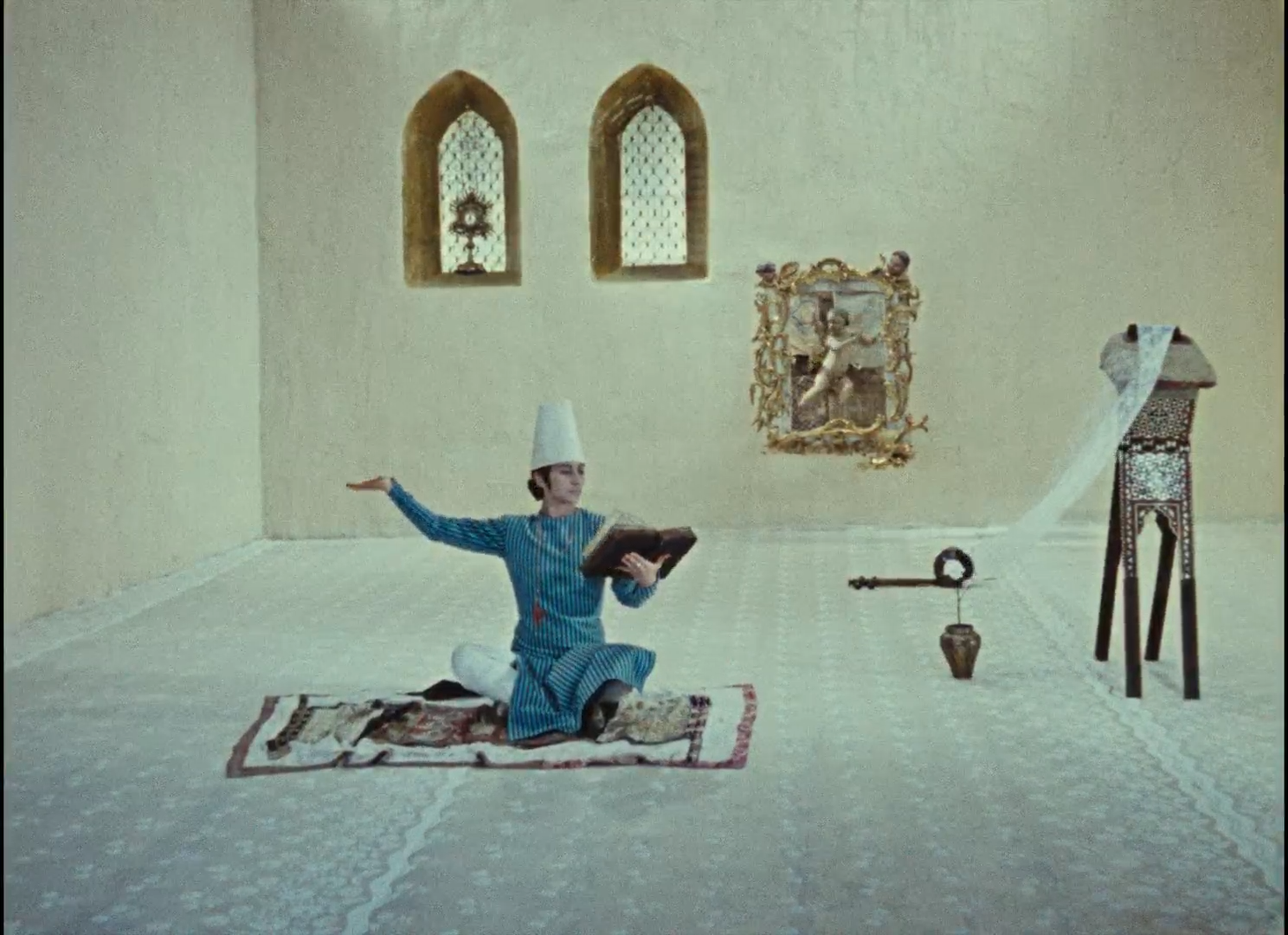
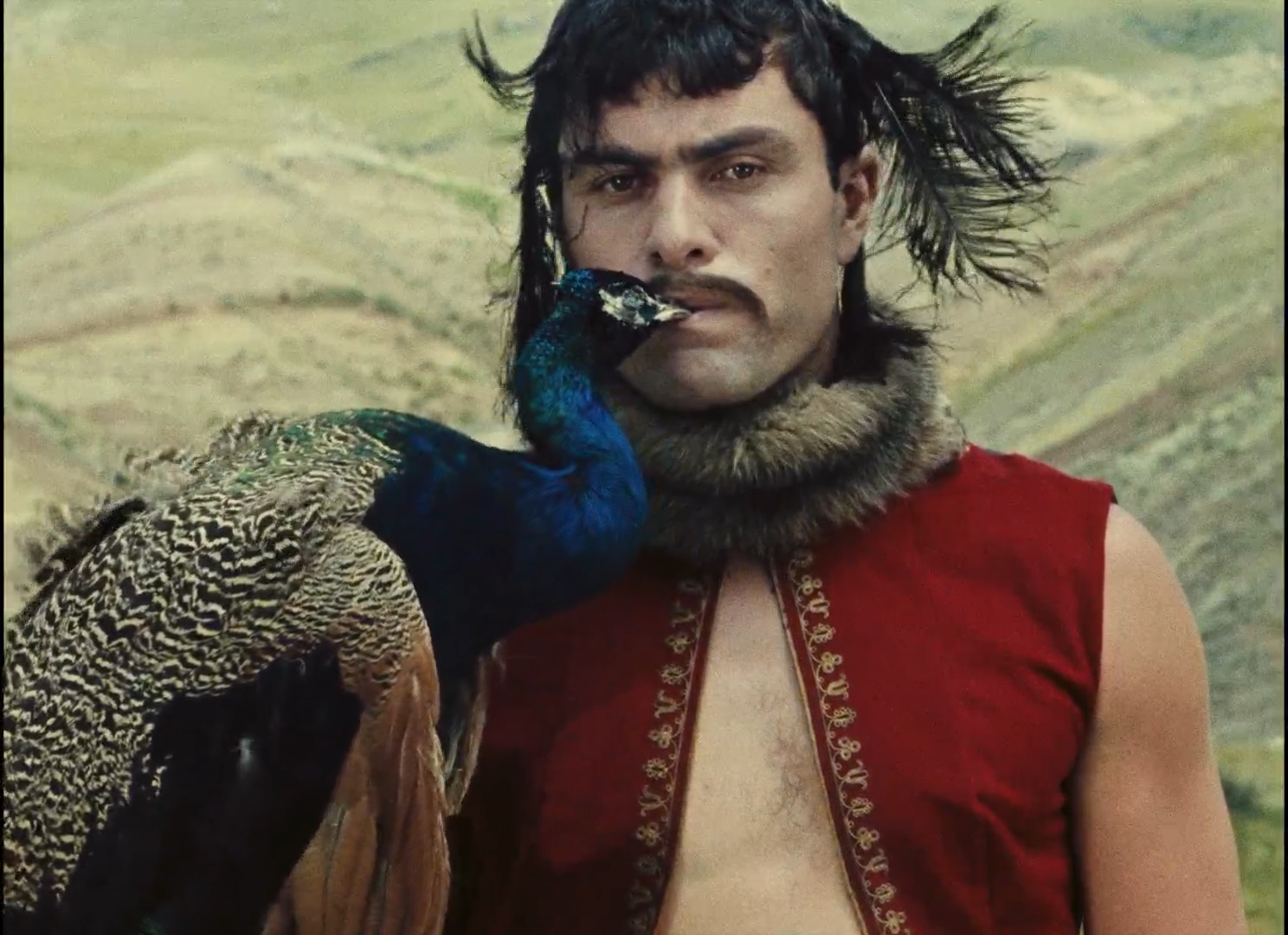
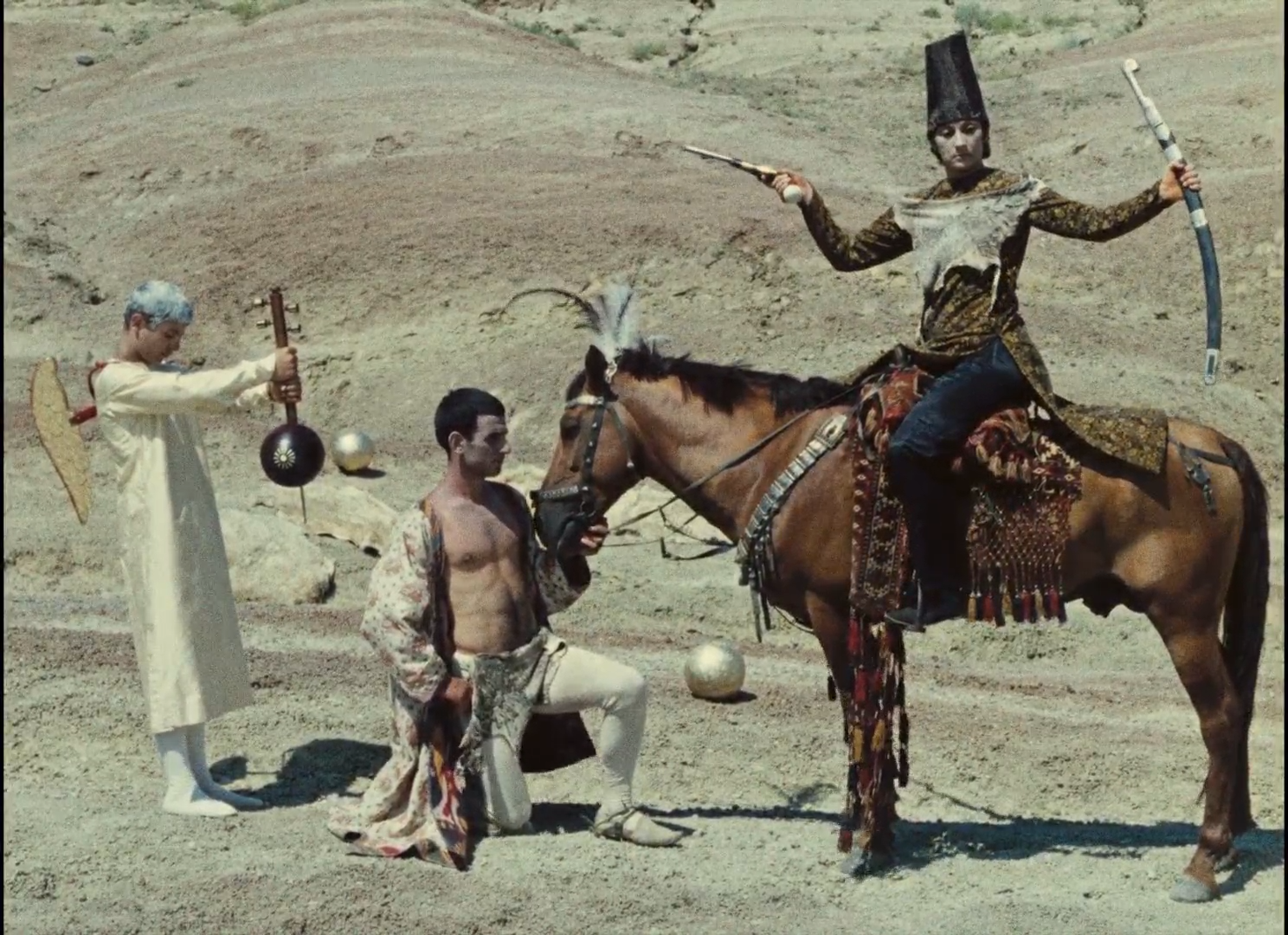
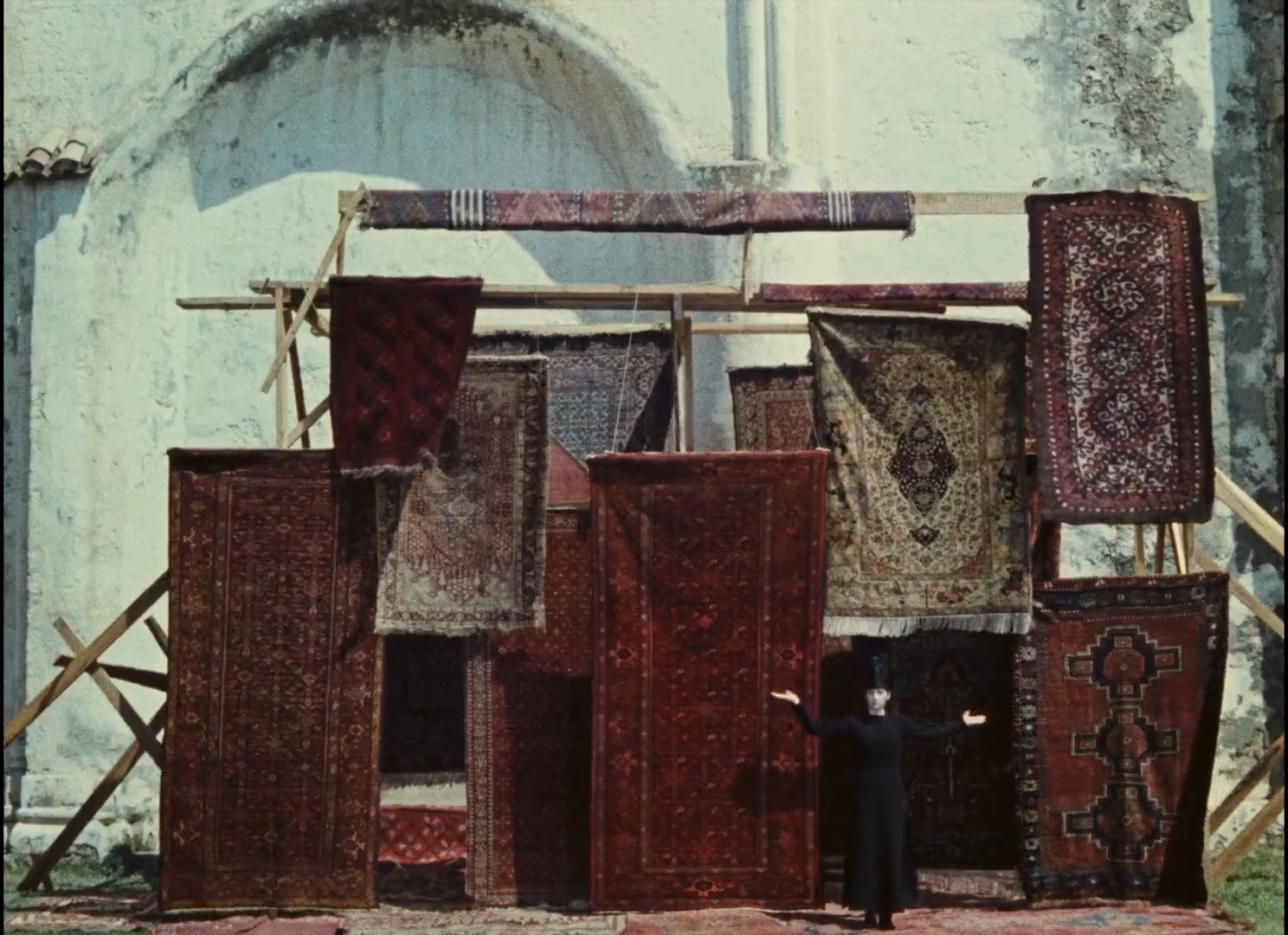
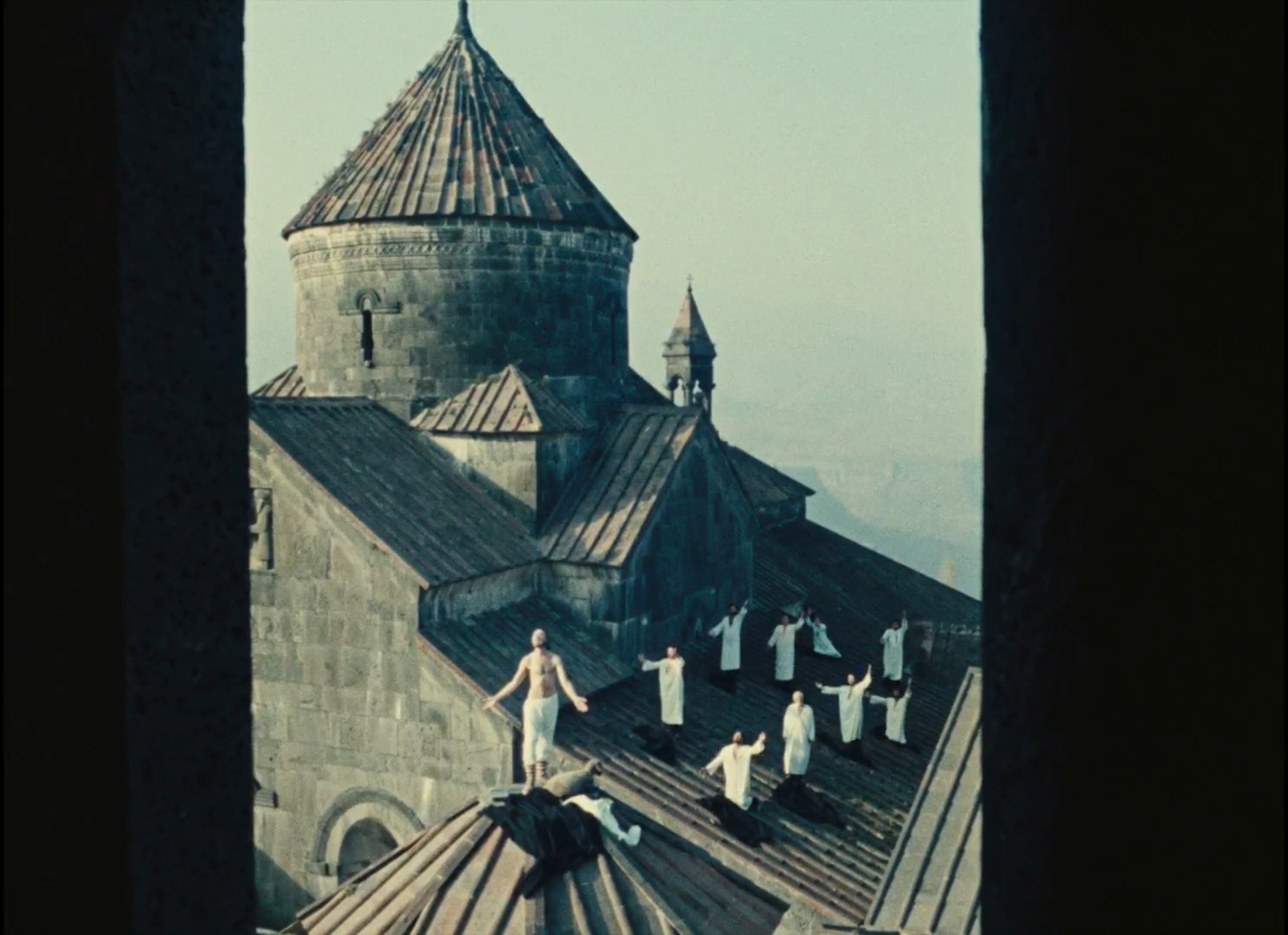
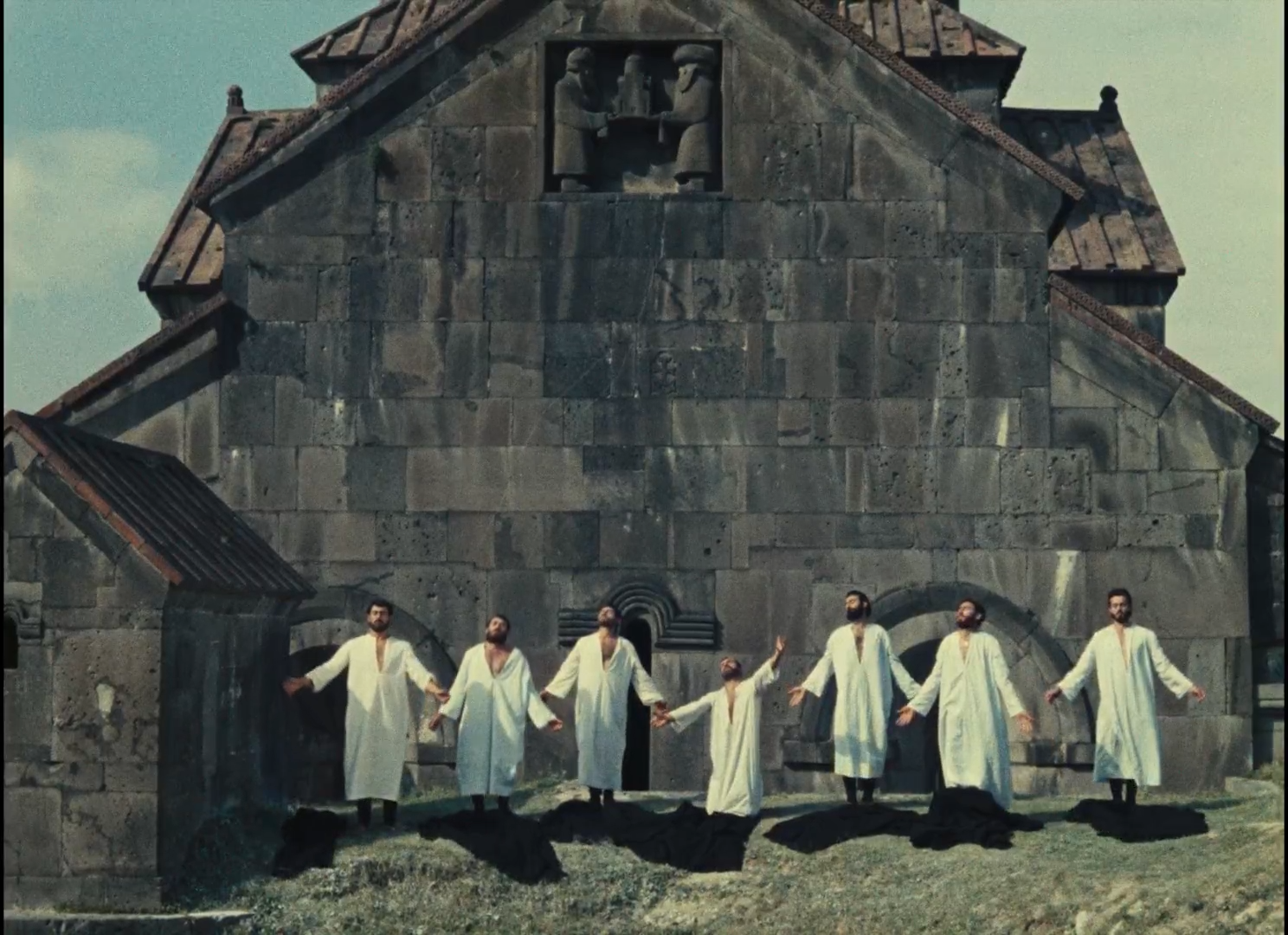
The Color of Pomegranates is a one of a kind experience mastering planimetric compositions that would be replicated by Wes Anderson years later. The perpendicular framing allows this avant-garde piece to be a museum exhibition rather than a film. This is because there is essentially no story whatsoever and barely any dialogue. It could very well be considered a silent film except music plays an important role. The imagery is striking, impressive, and revolutionary for its time. But is that enough to be considered a great film made today?
Conclusion:
But of course, this film was made 75 years ago. One may be inclined to give credit as this was the precursor to Wes Anderson, but watching in 2026, this self-indulgent experience doesn’t have much to offer other than its sublime visual poetry. Which begs the question, is cinematography without story cinema enough? One could very well watch a music video, or recent Wes Anderson film, but those are generally not revered or as well acclaimed as this relic for cinephiles. I found the experience to be one of hollow beauty only made tolerable by its brevity and historical snapshot of Armenian culture. But it may be worth the watch for you, just for its deliciously fruitful images.
Recommendations
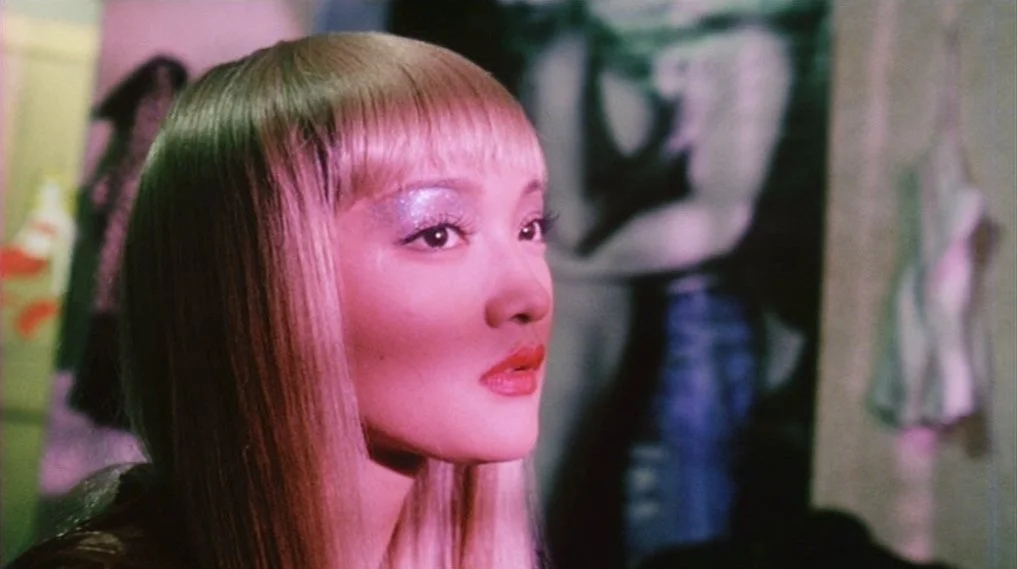
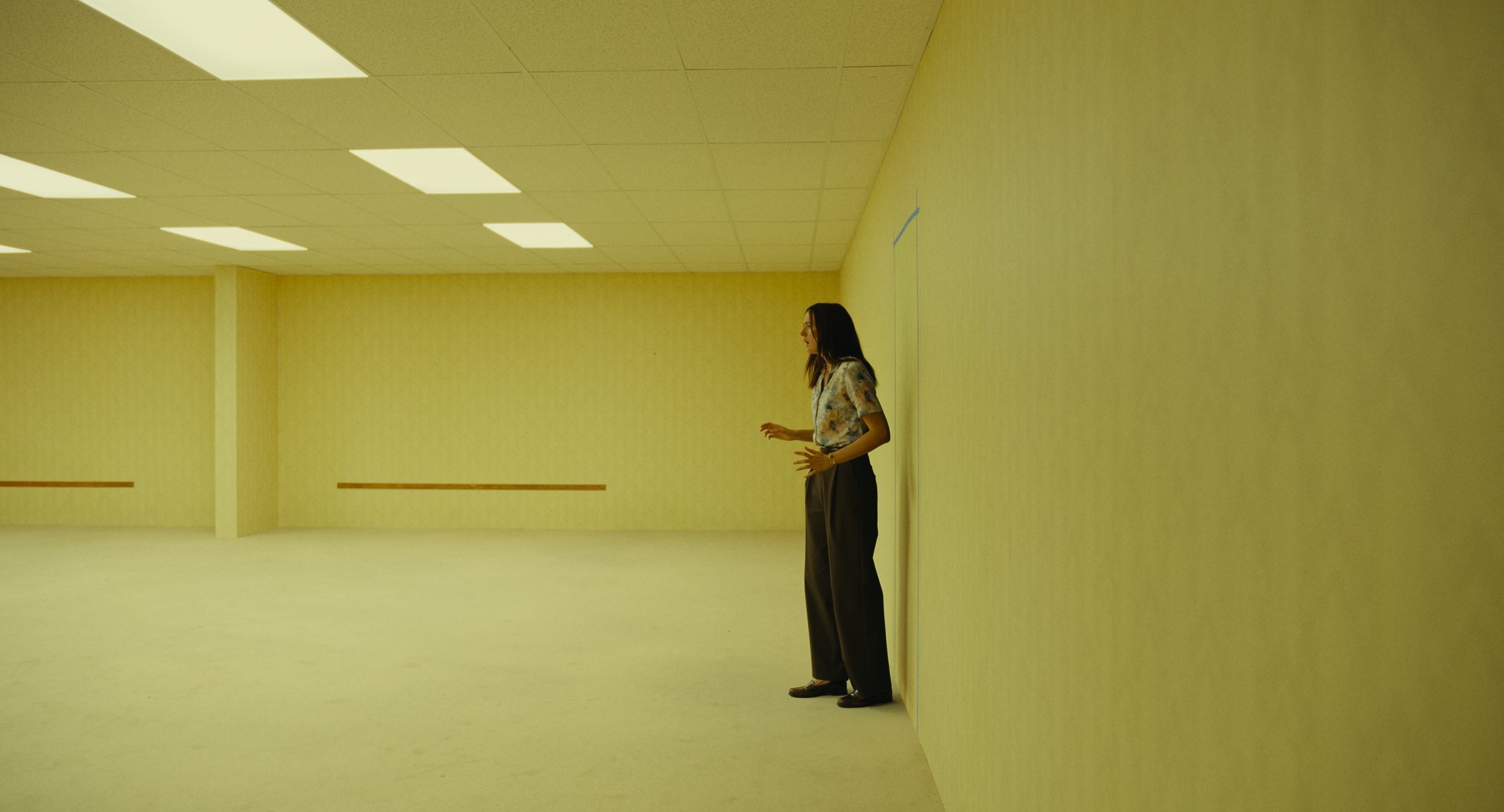

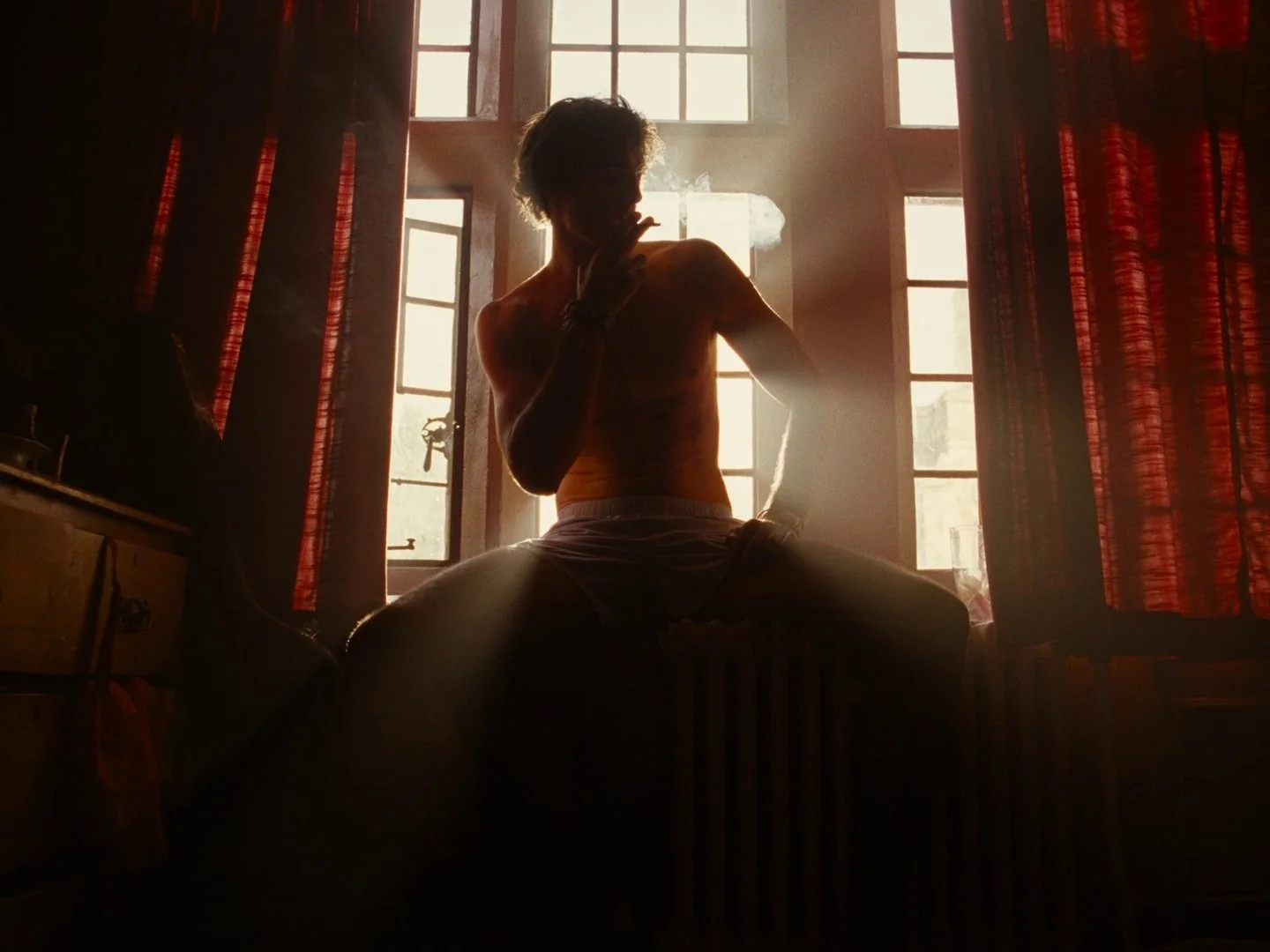
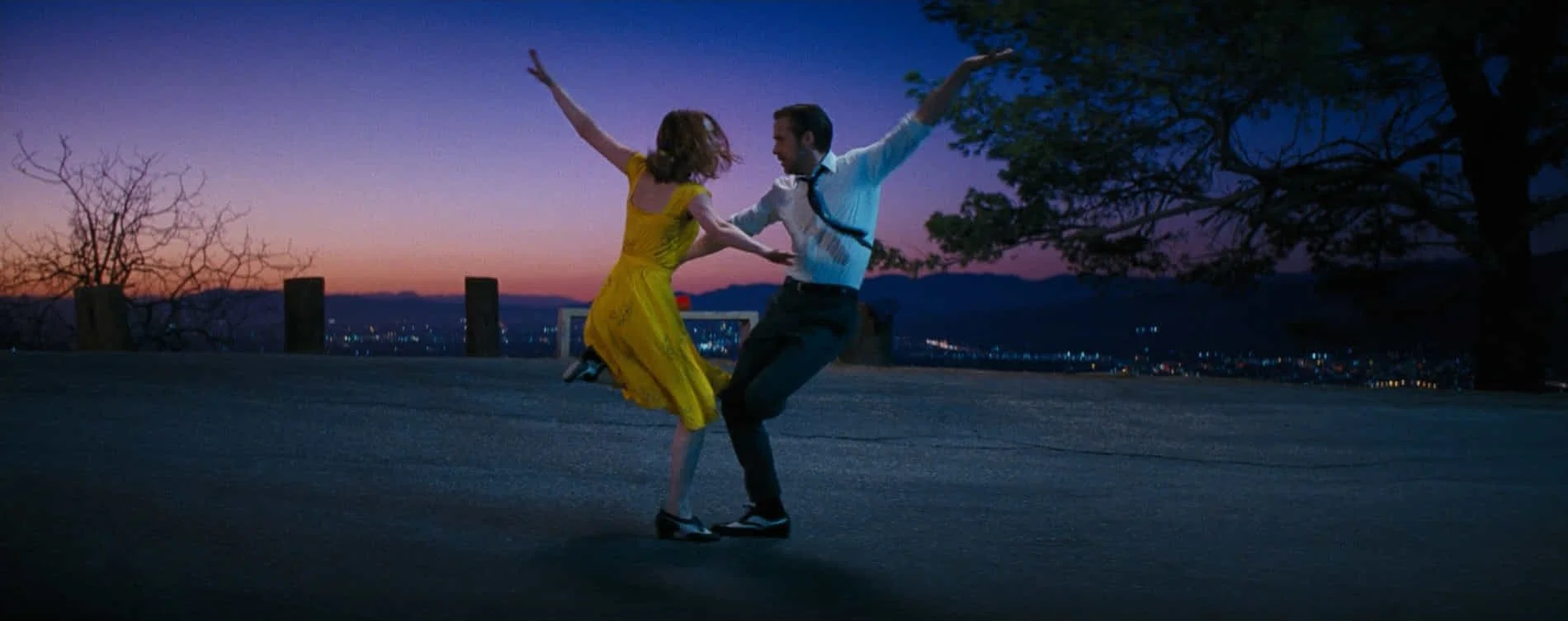
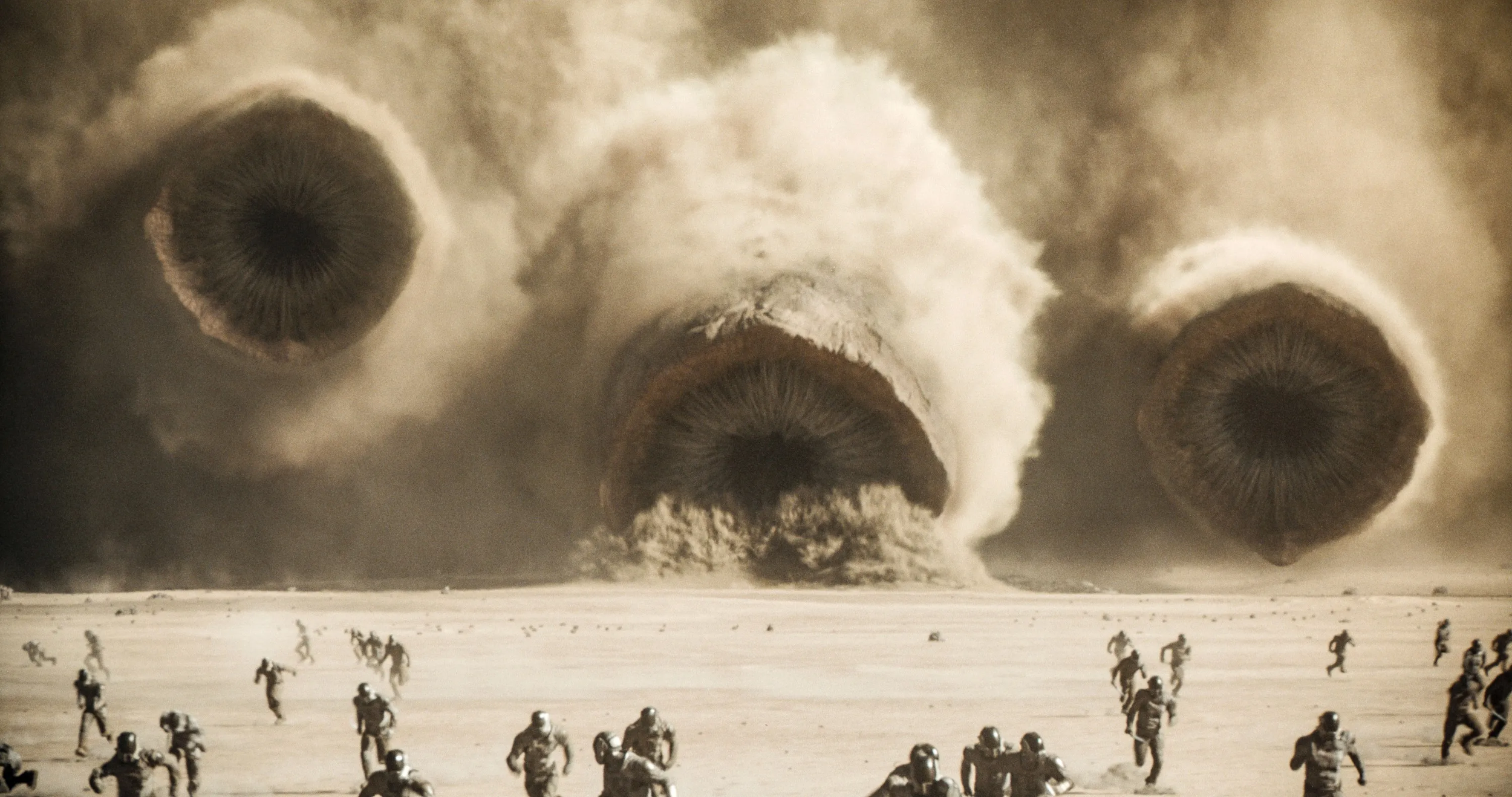





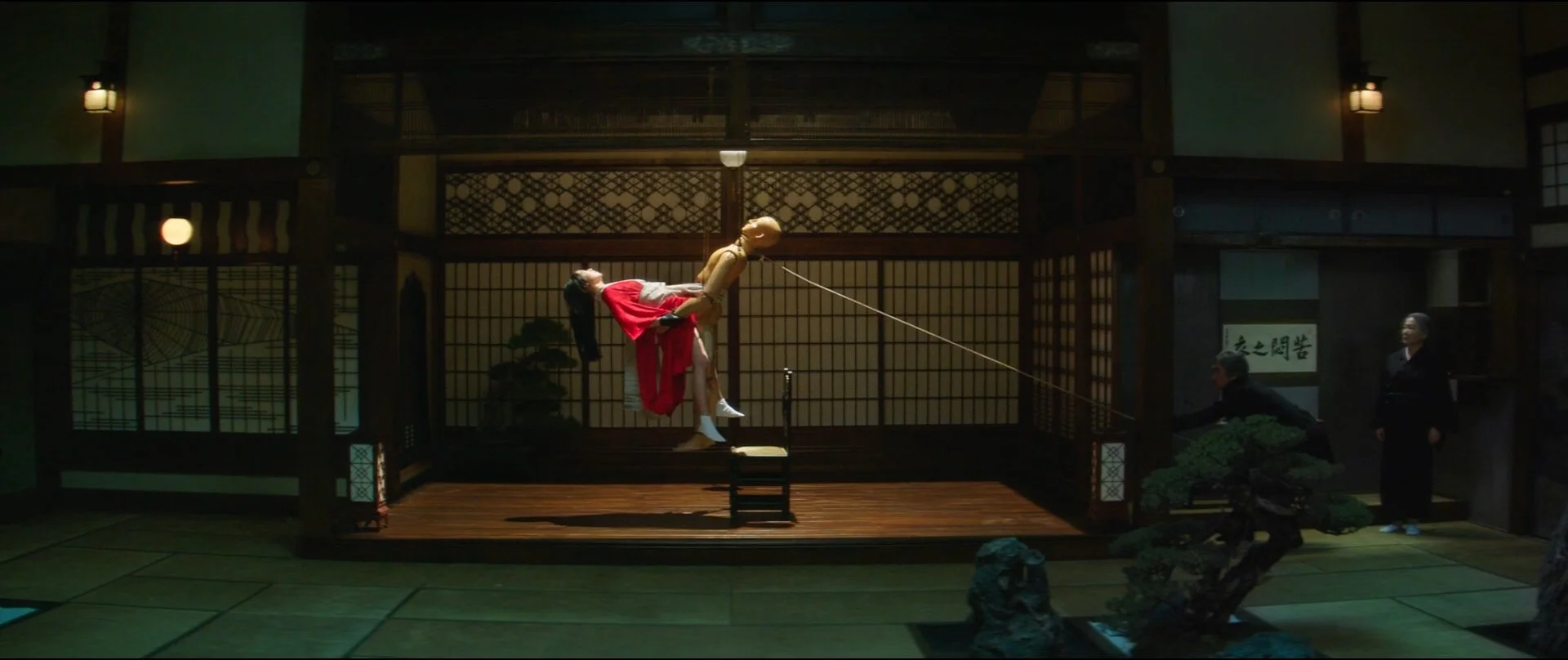


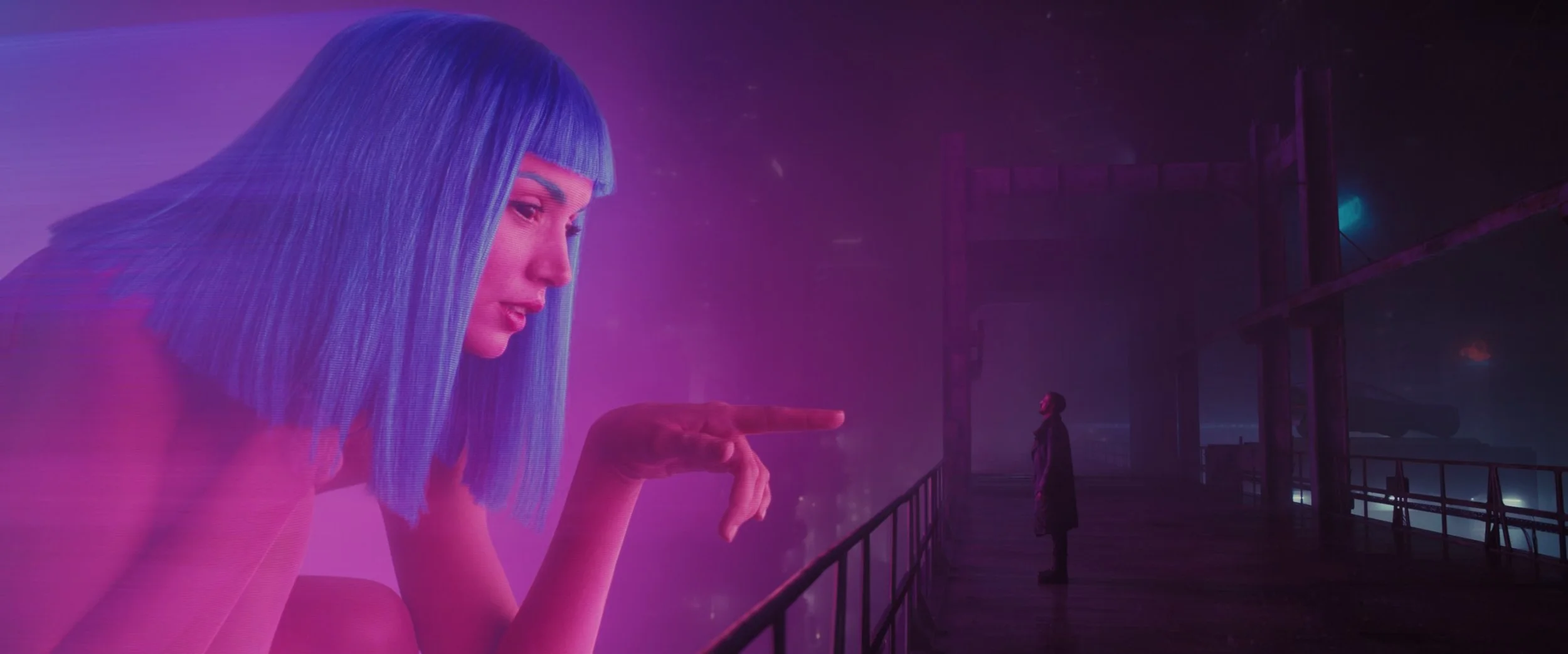


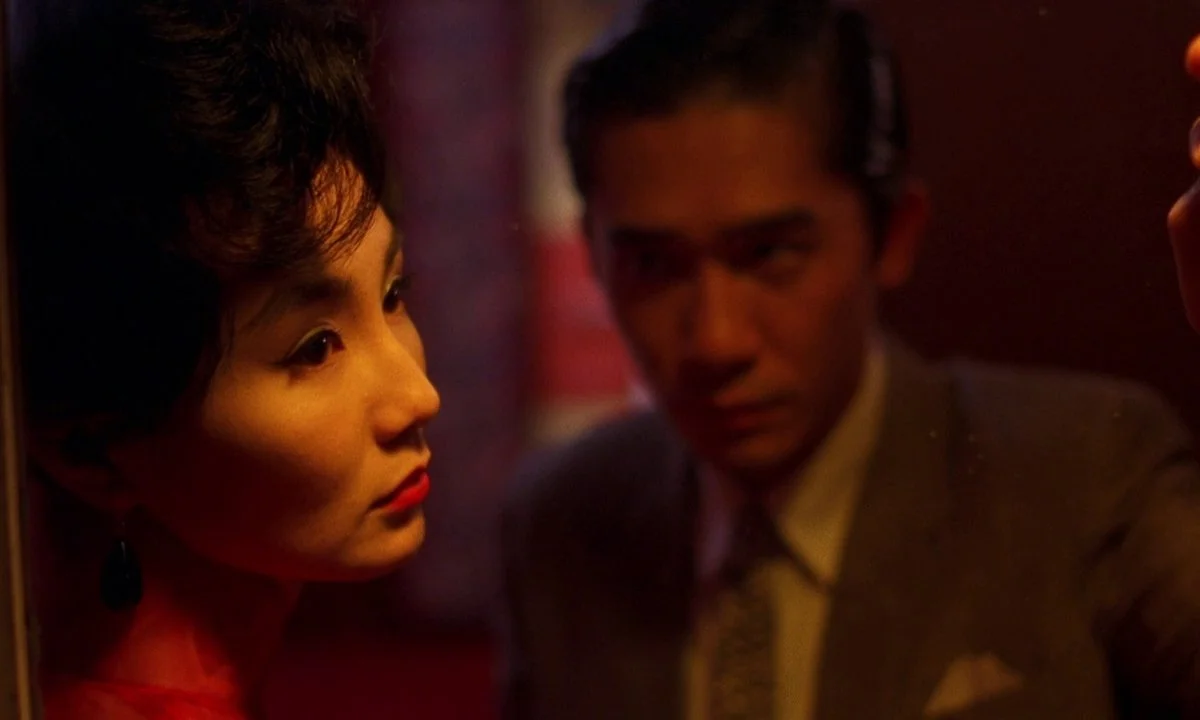
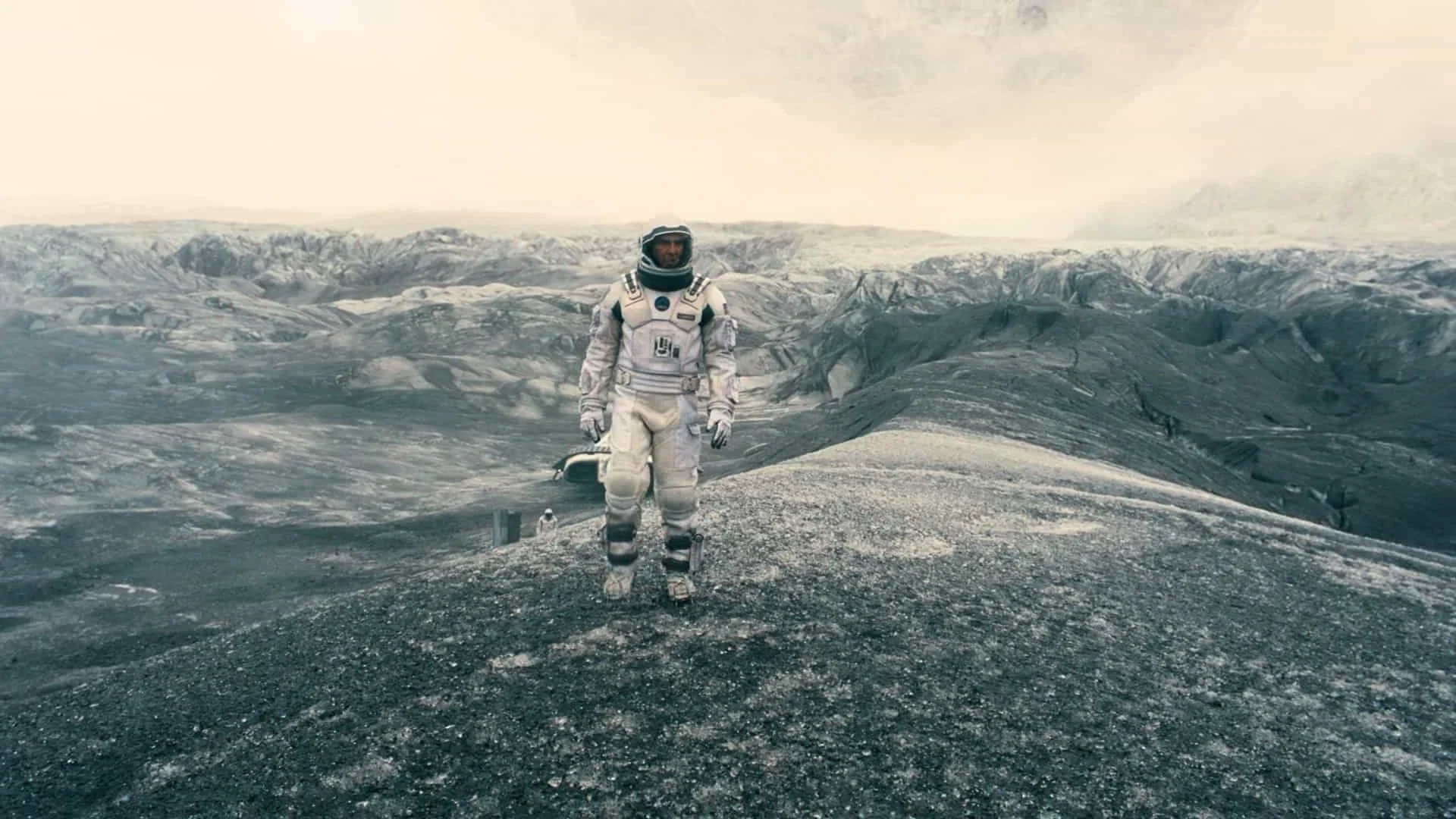
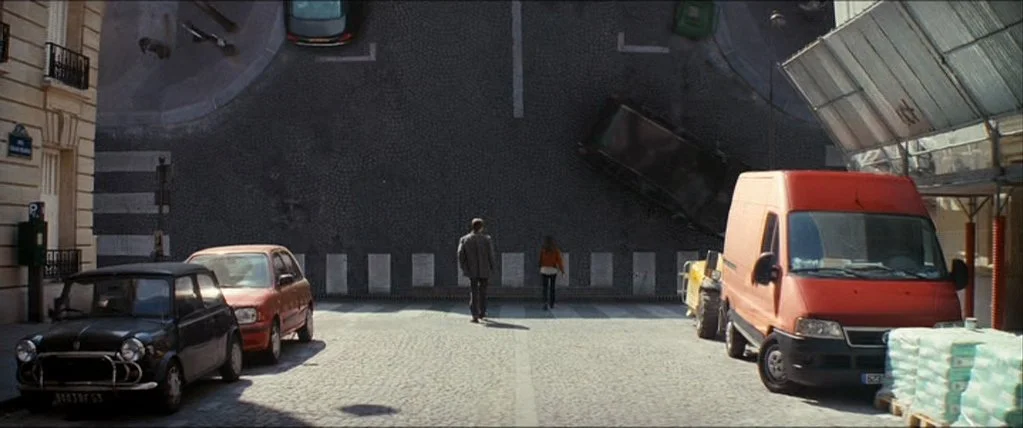







The deadly romance of photography.