
Drive My Car (2021)
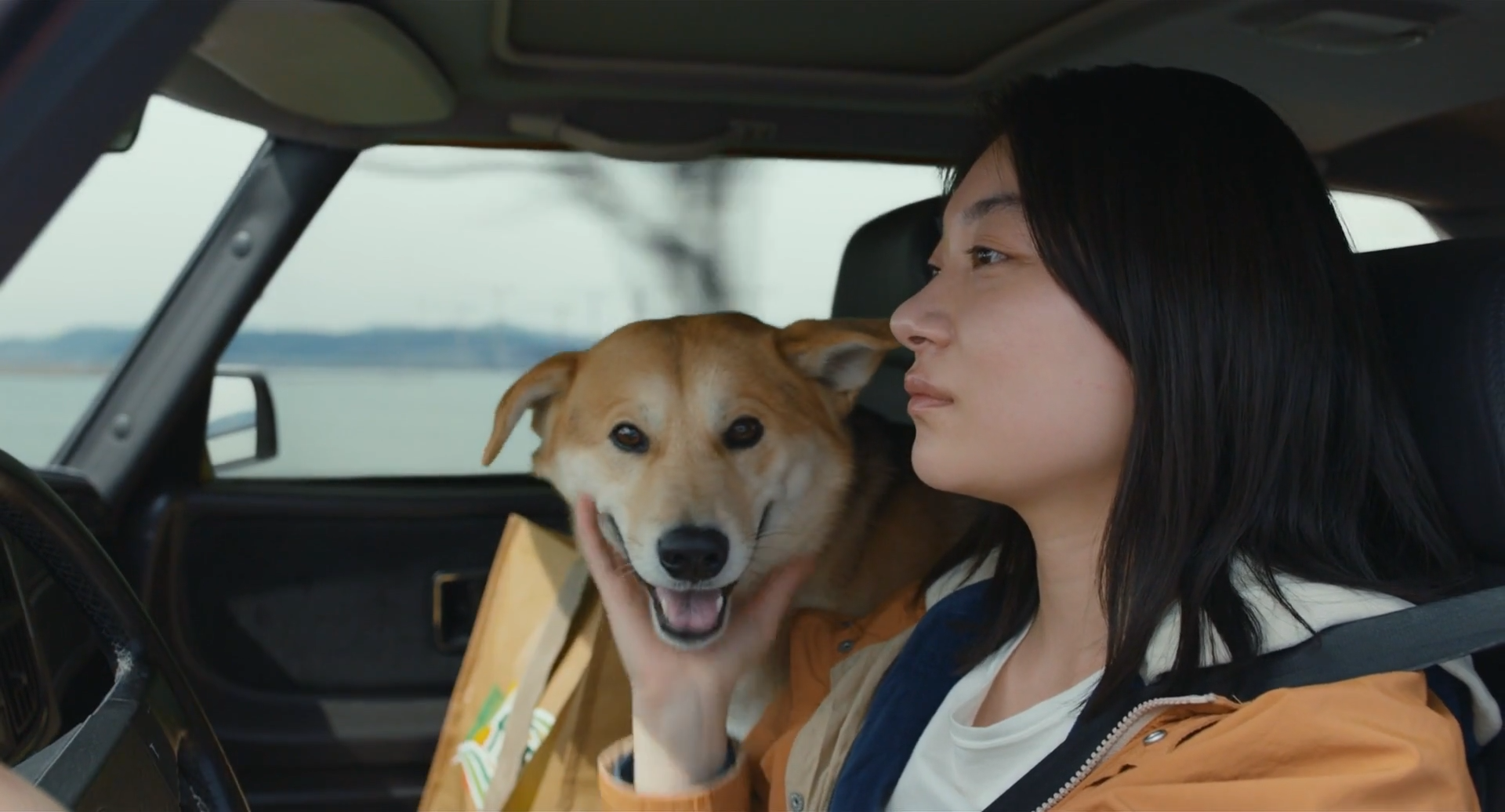
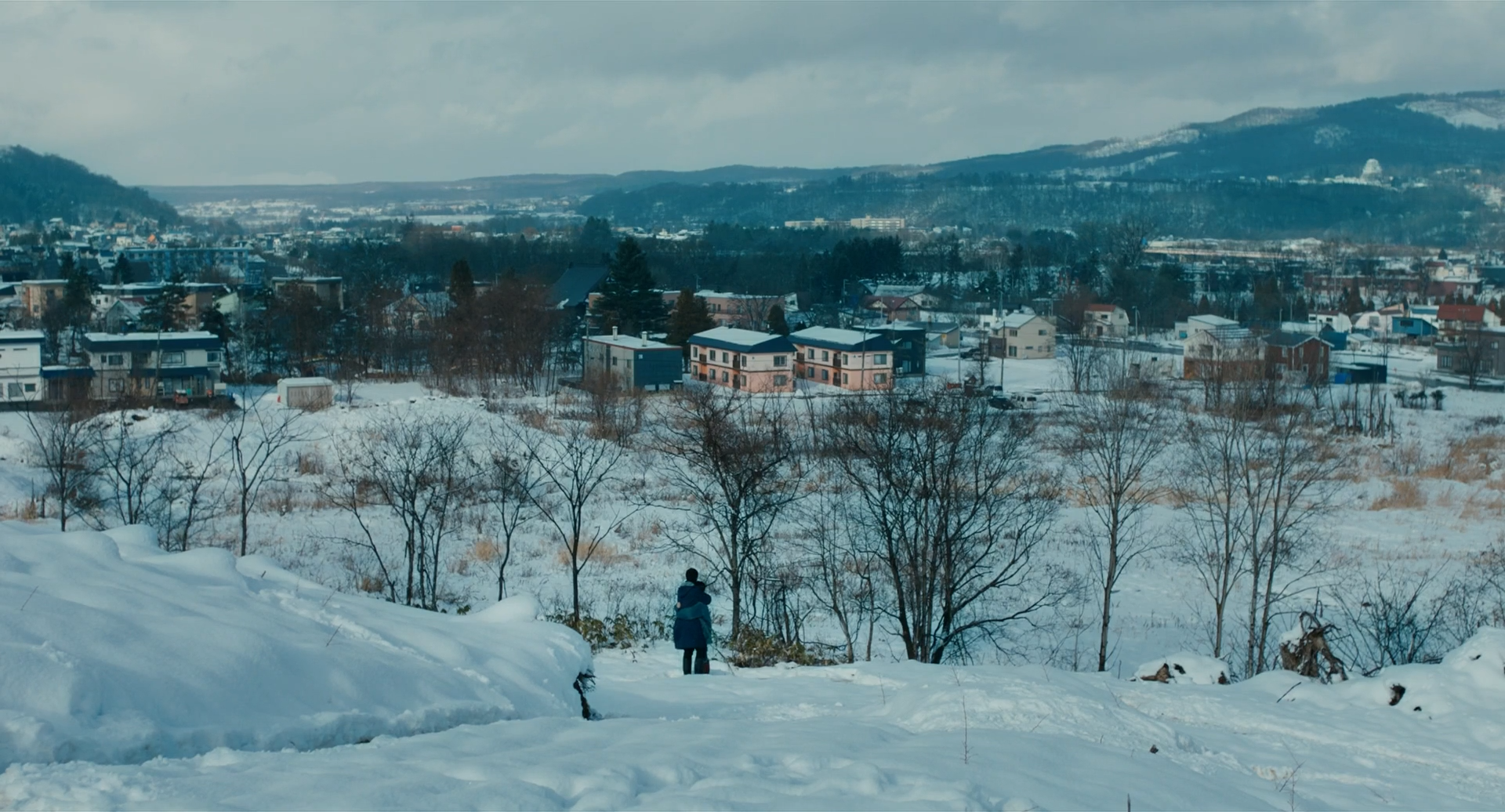
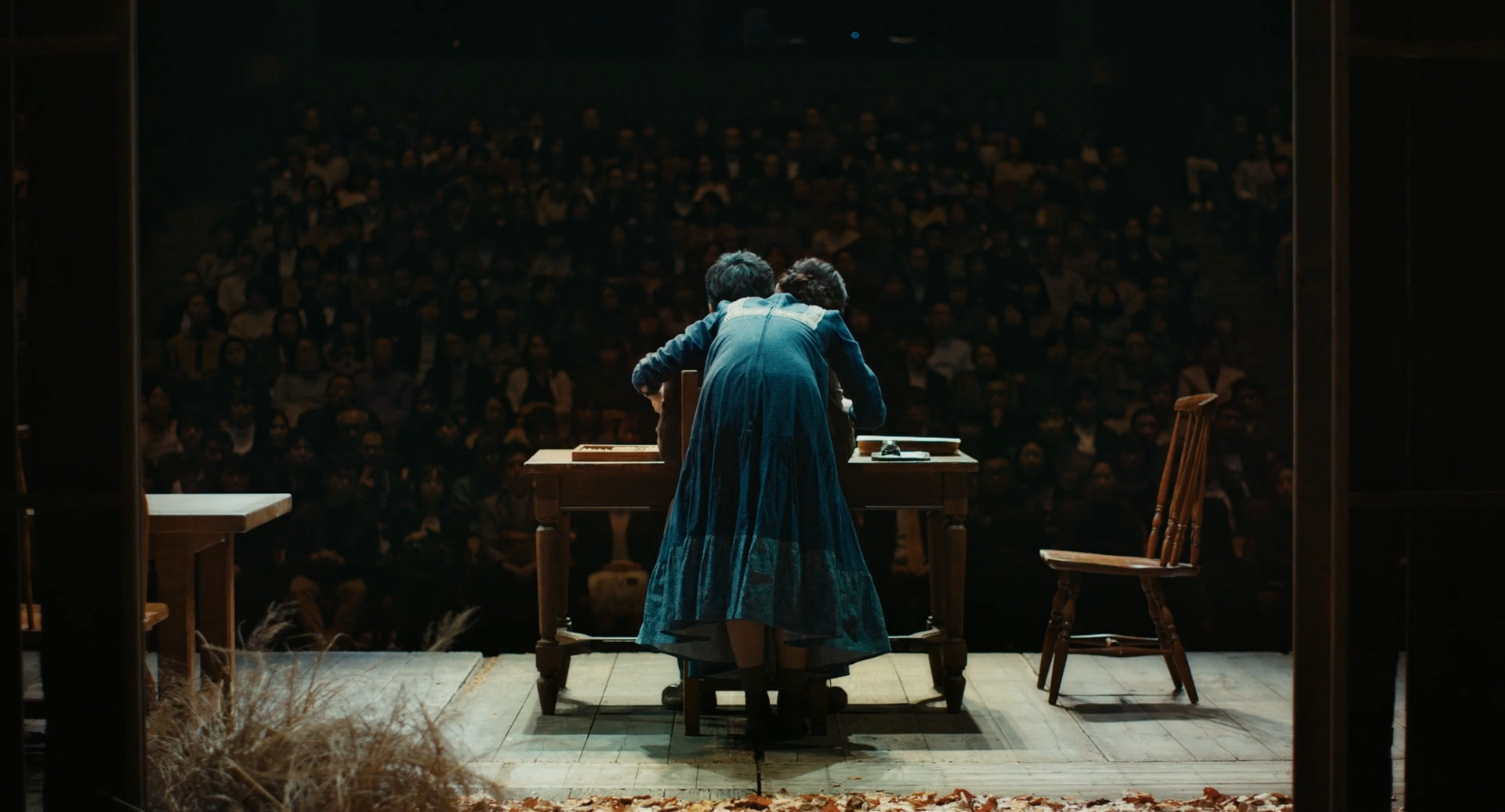

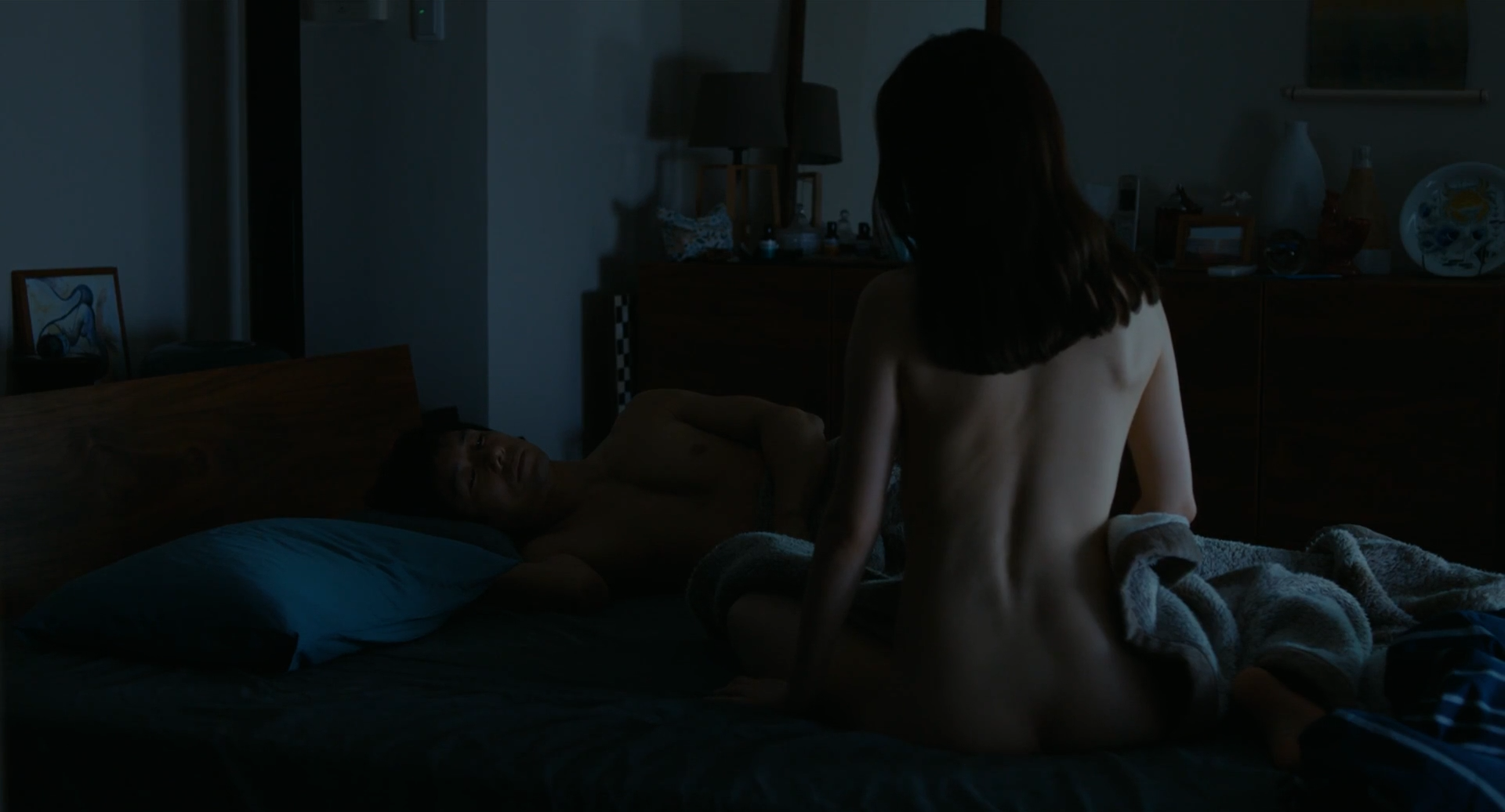
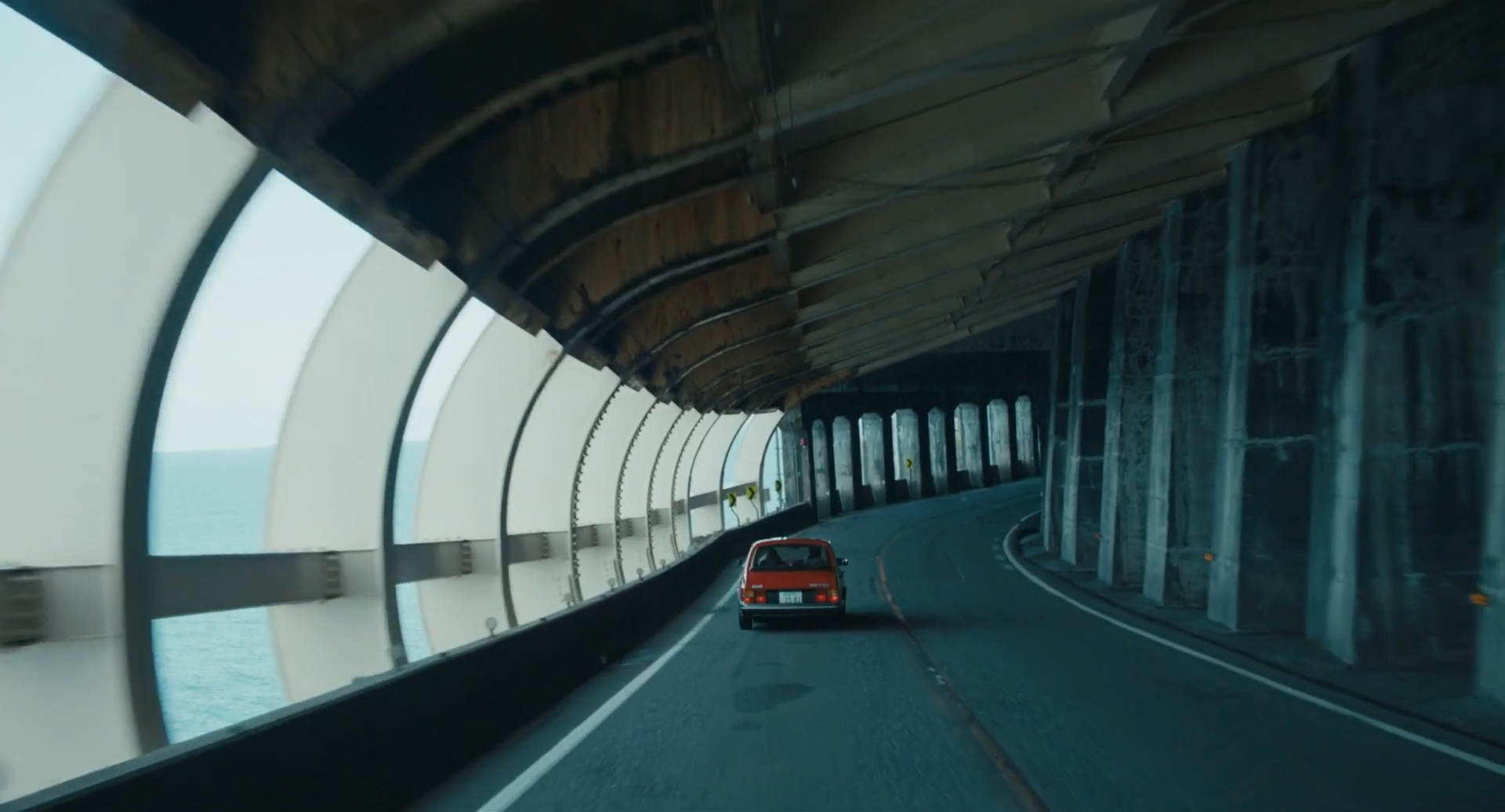
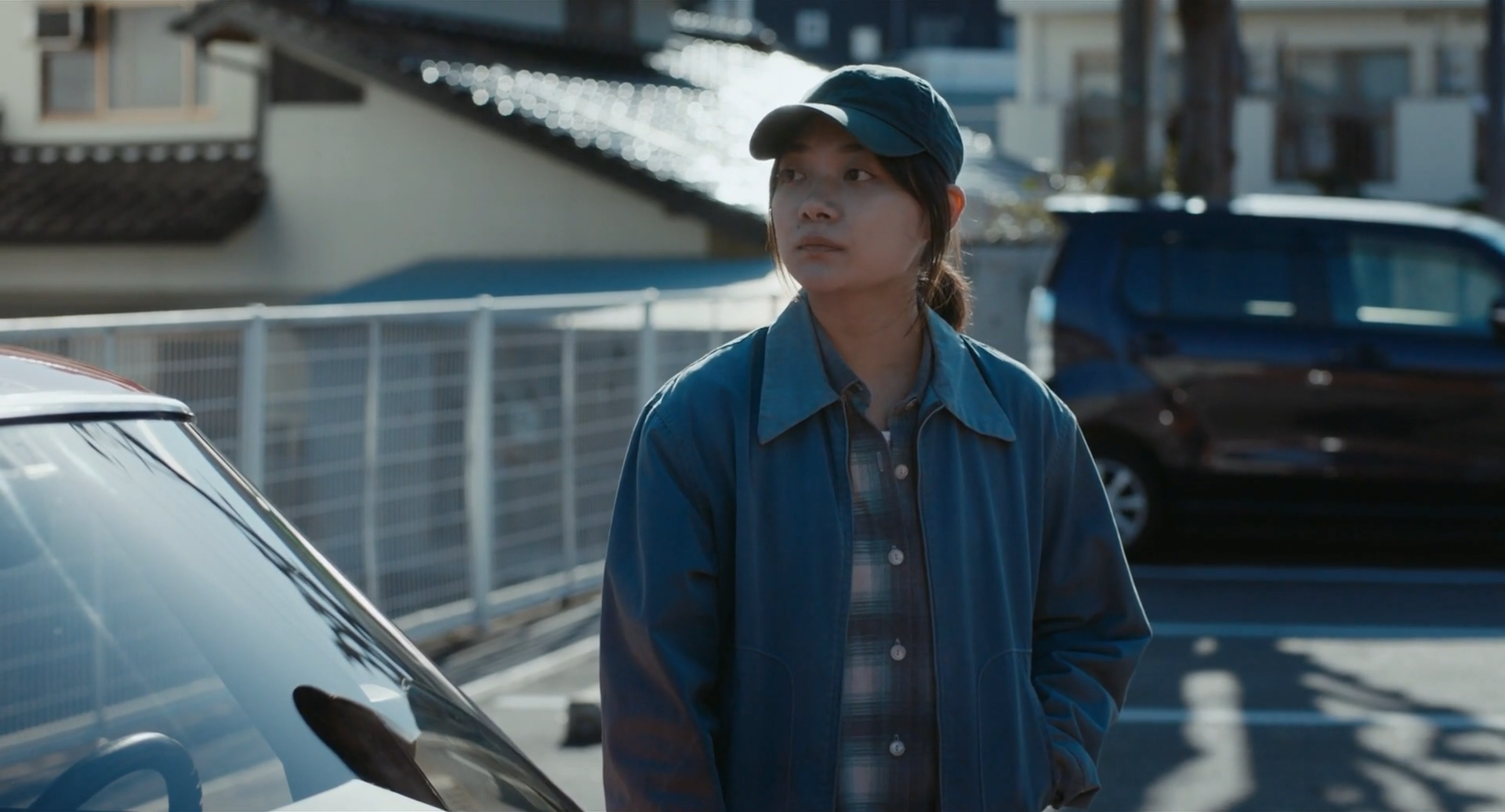
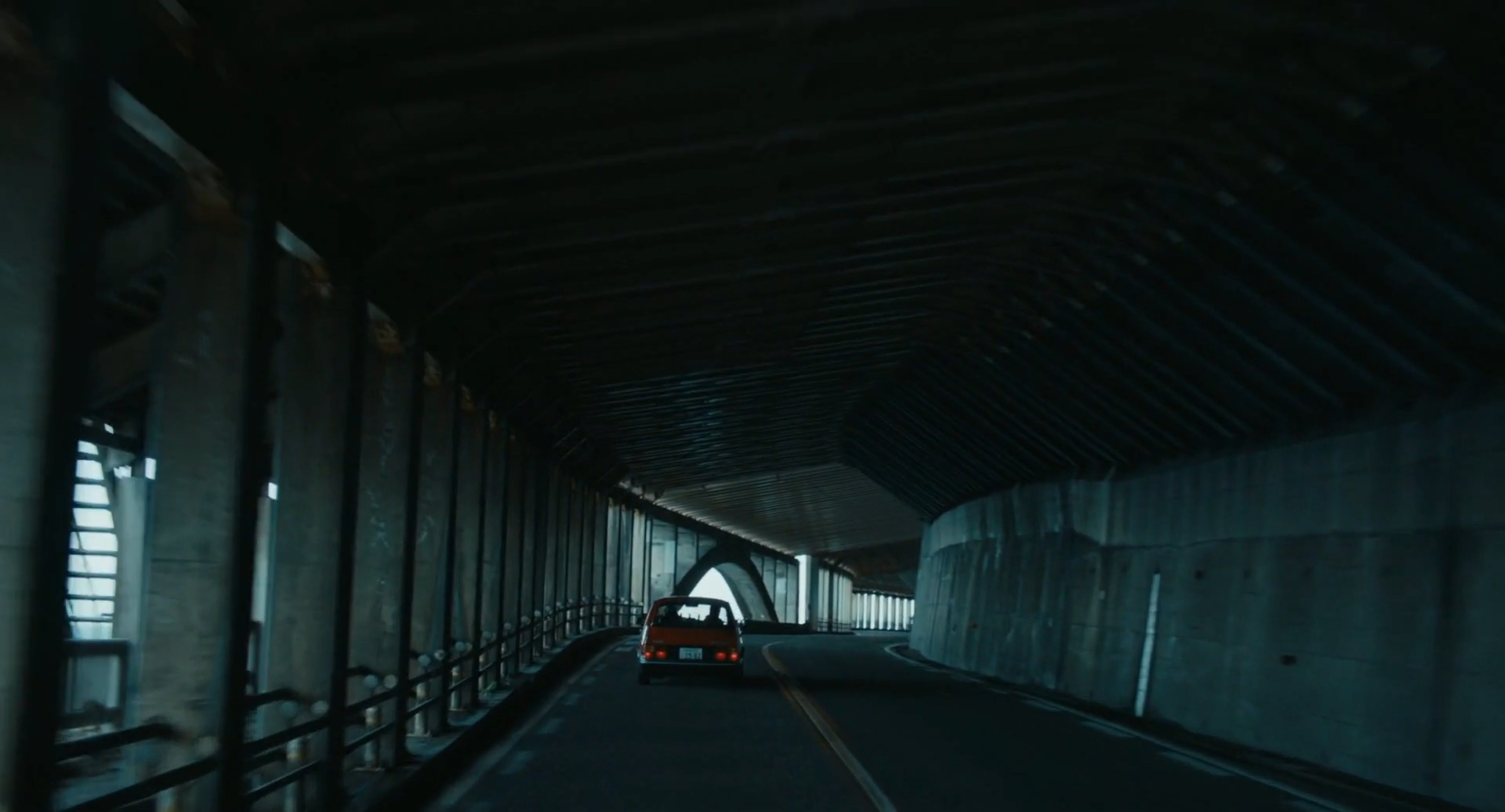
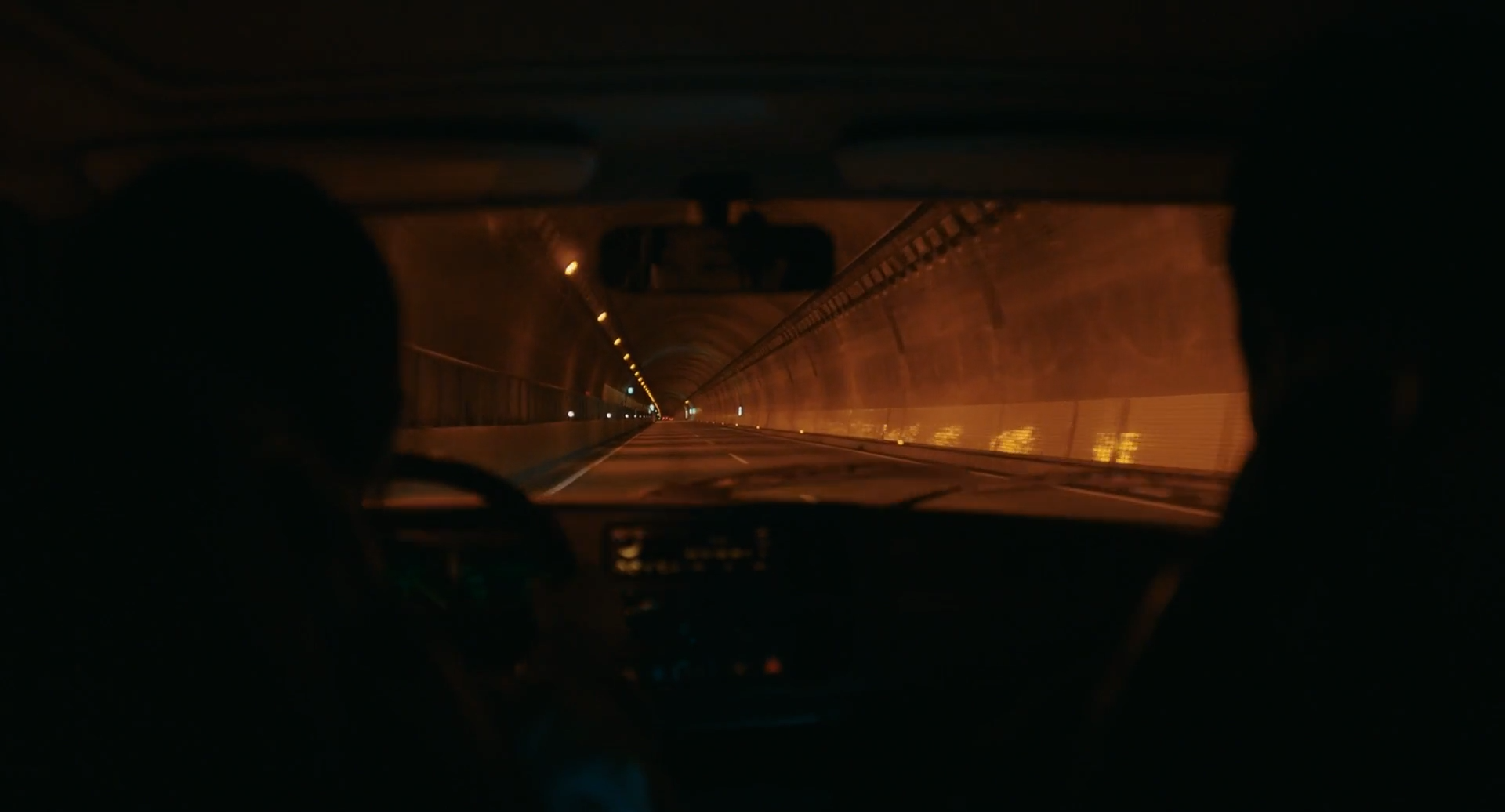
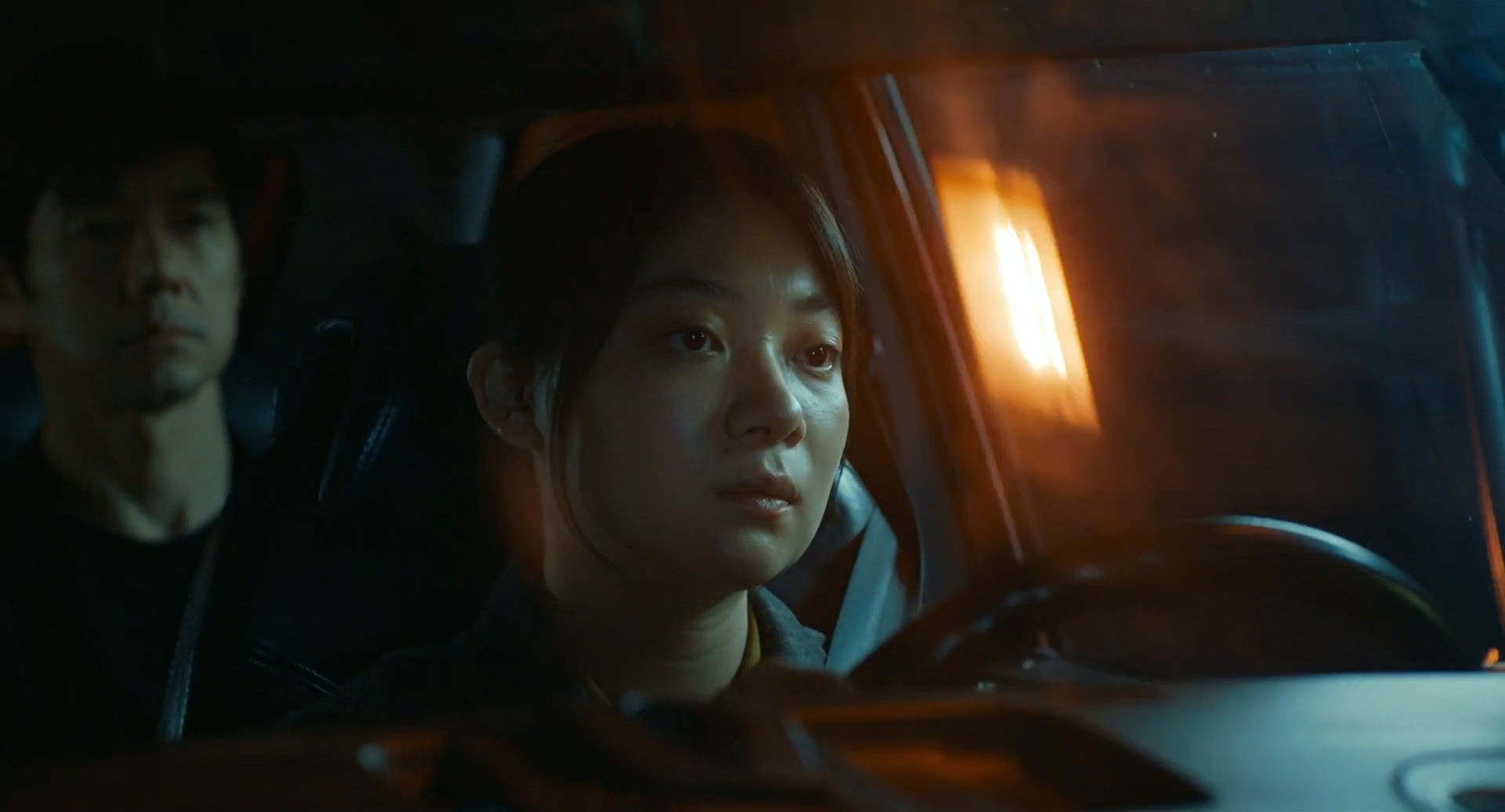
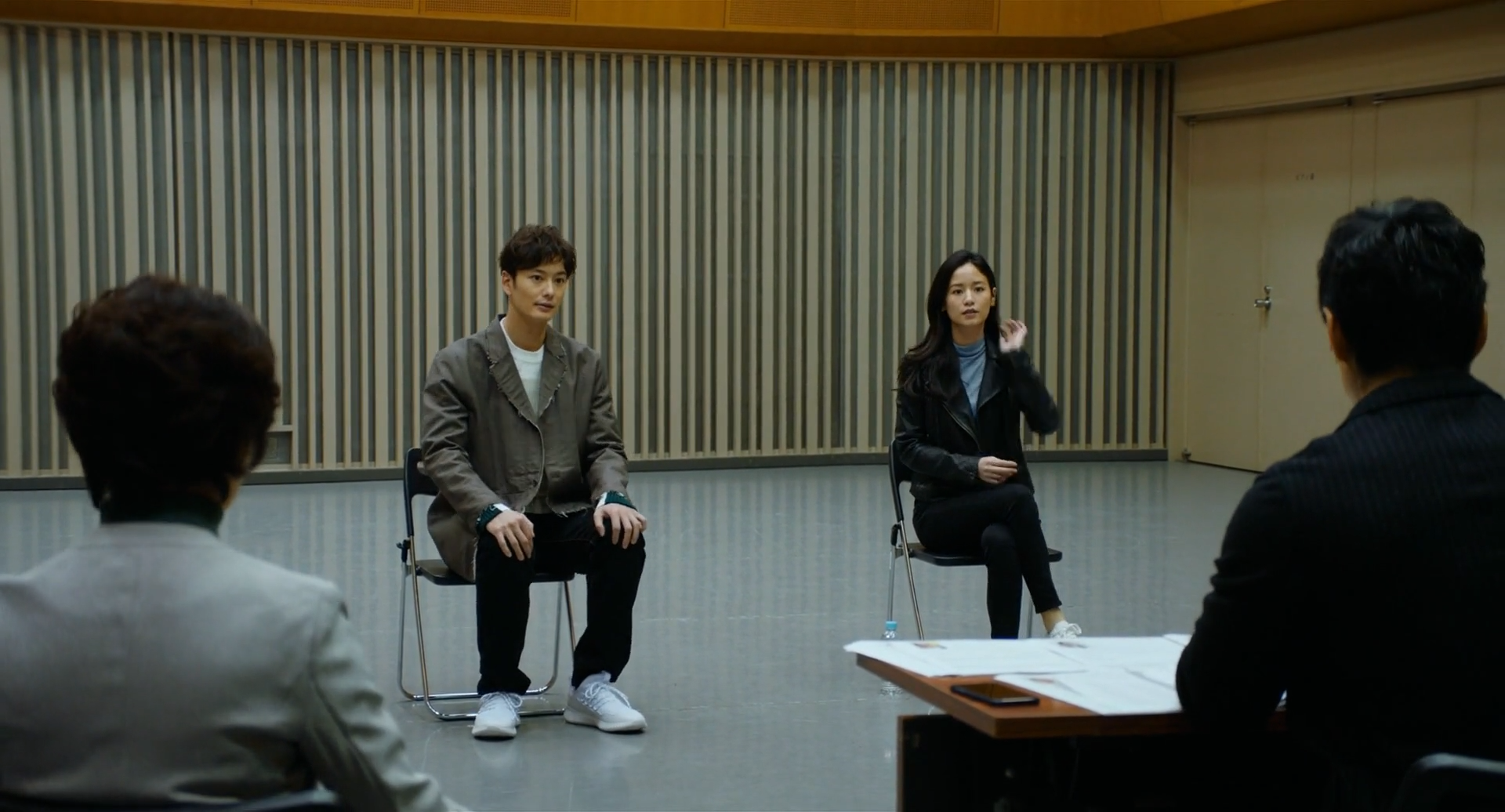
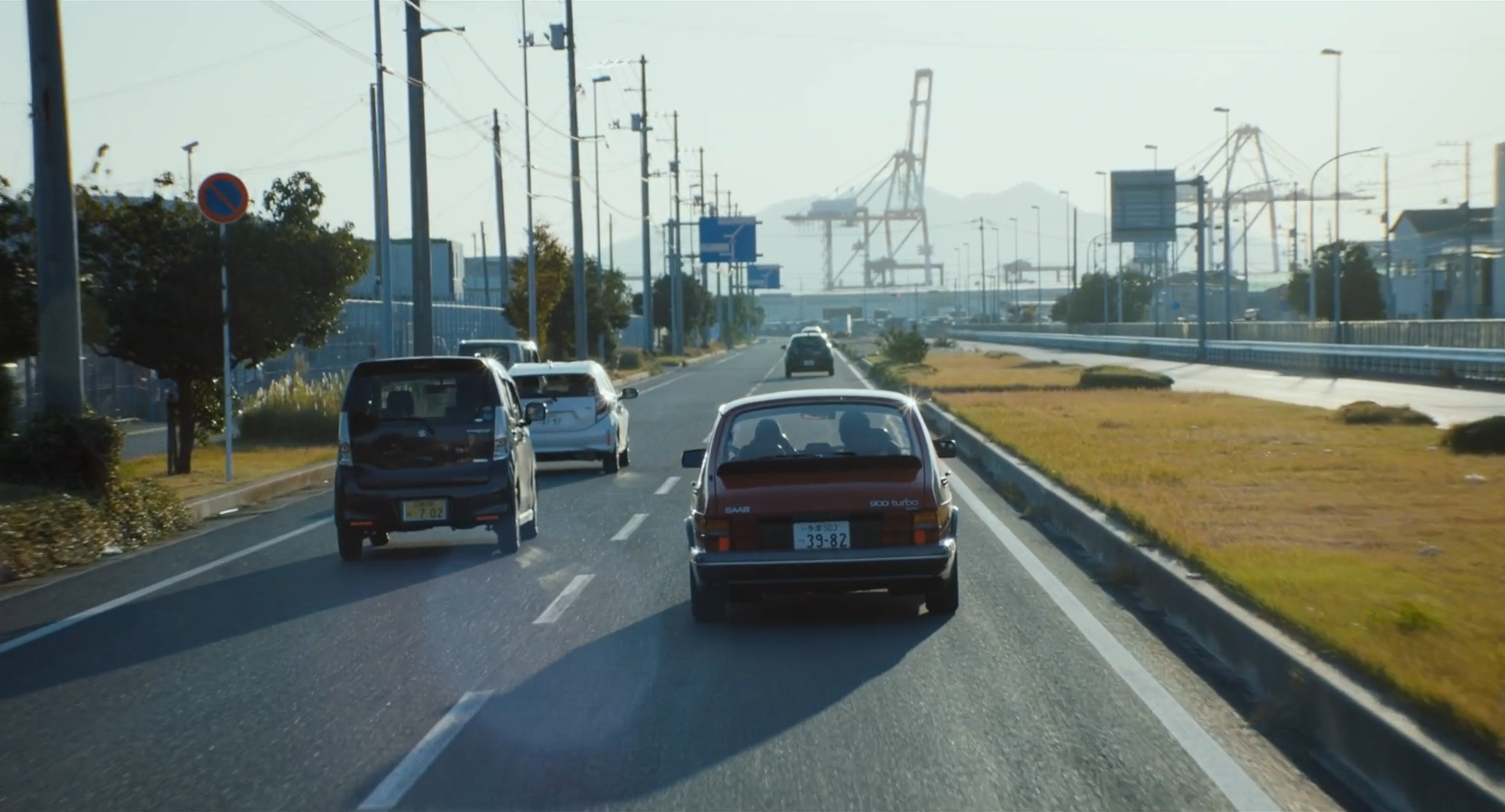
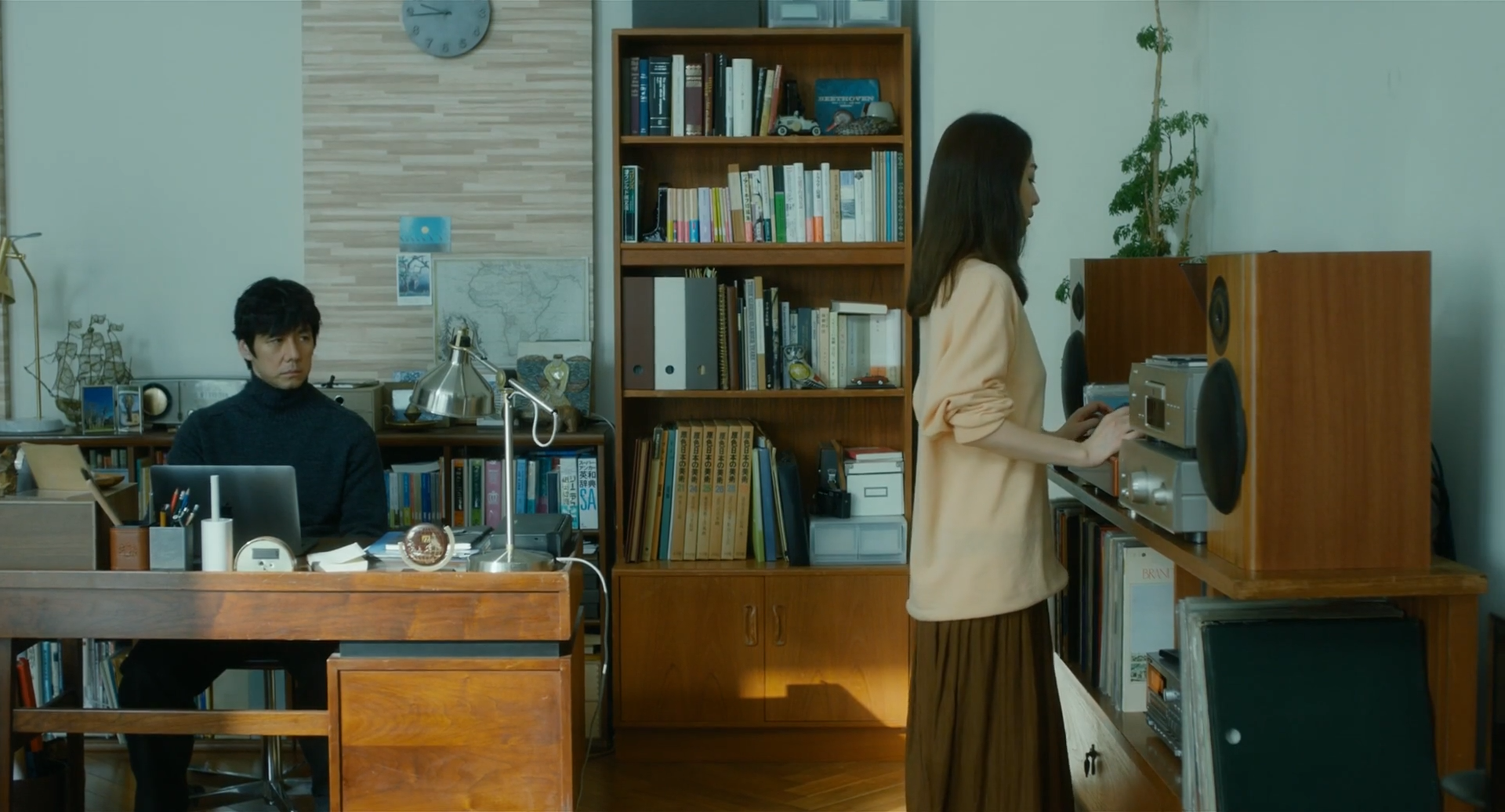
Taking the scenic route through life.
Presentation:
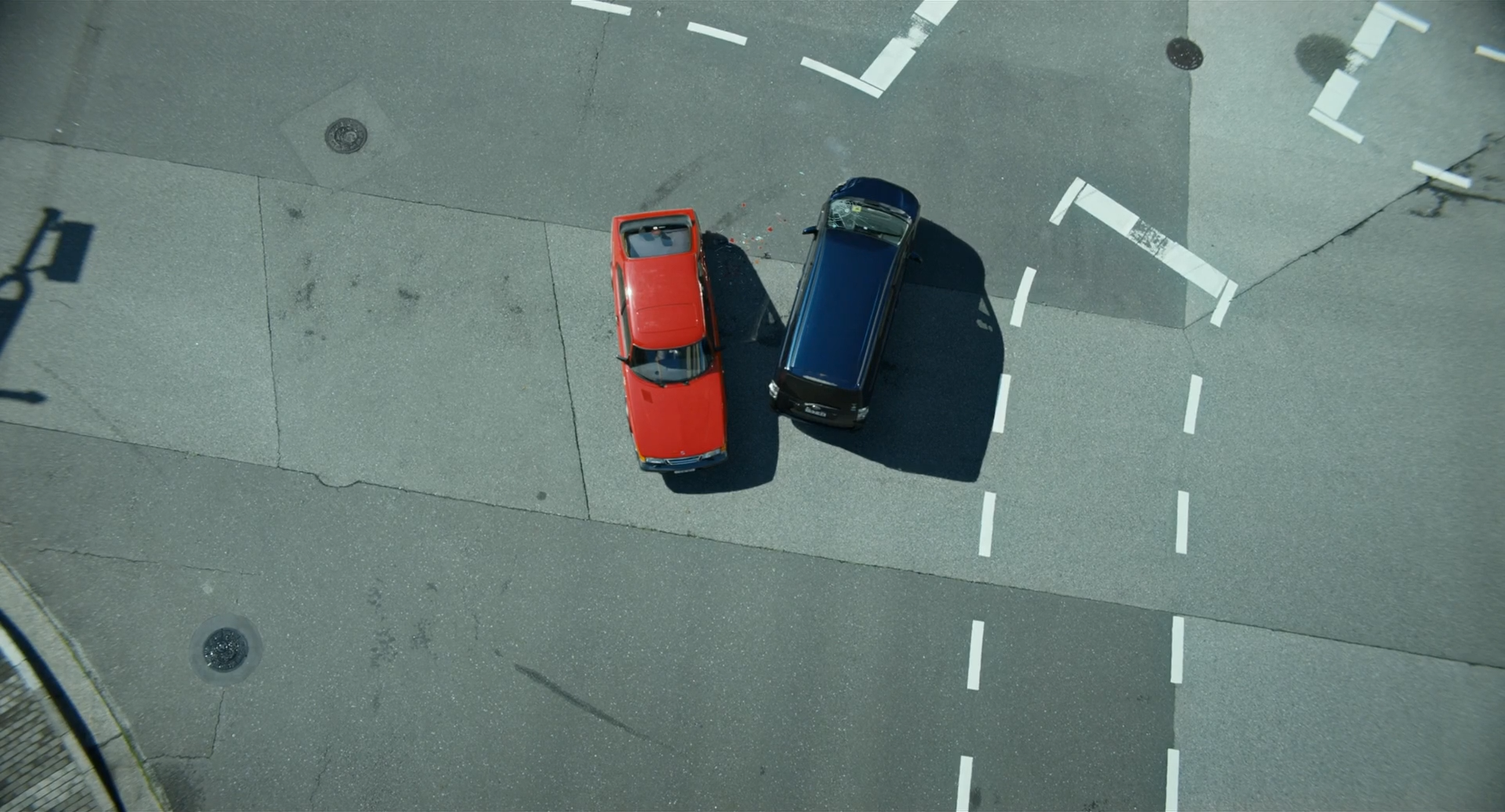
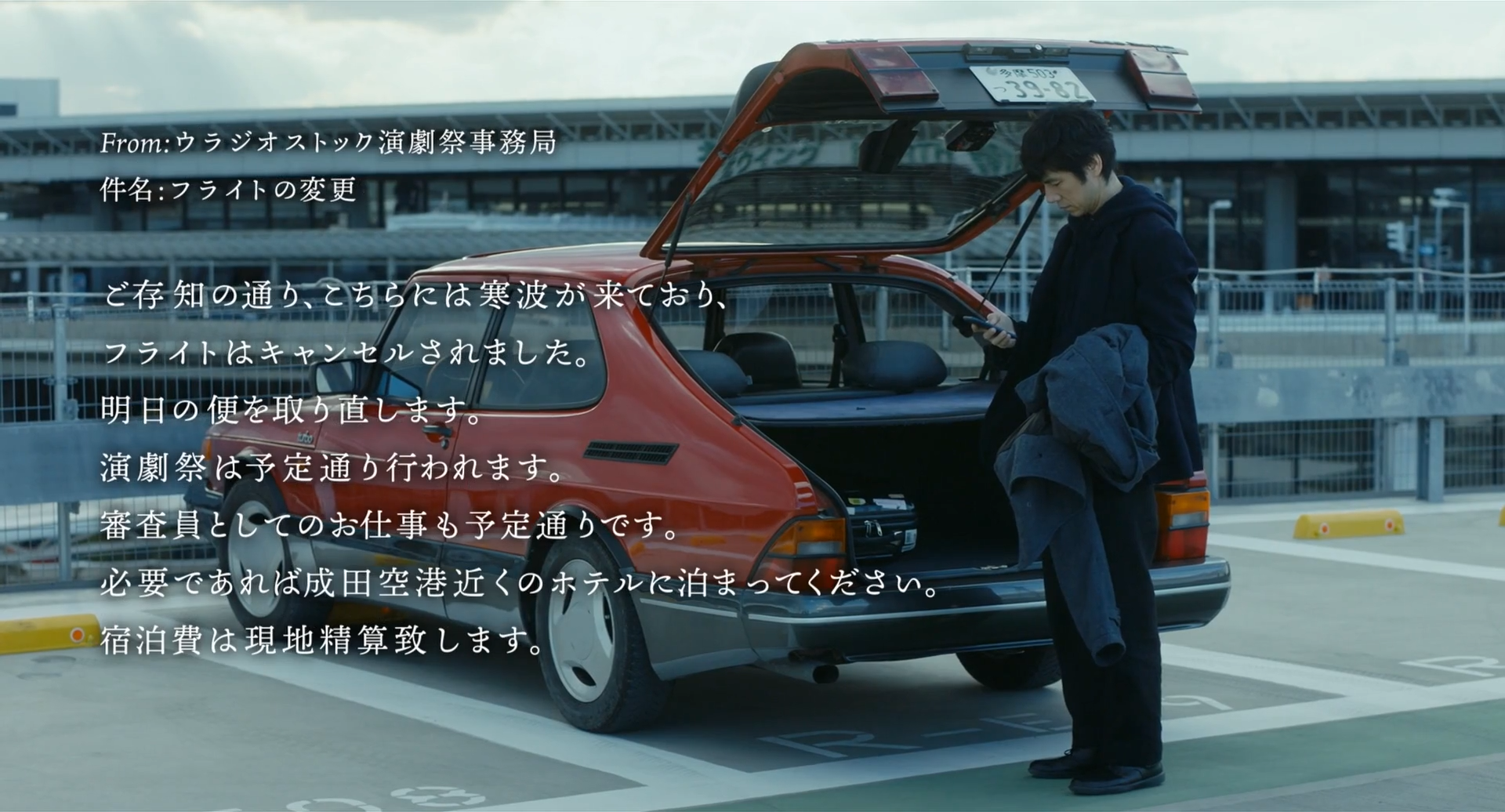
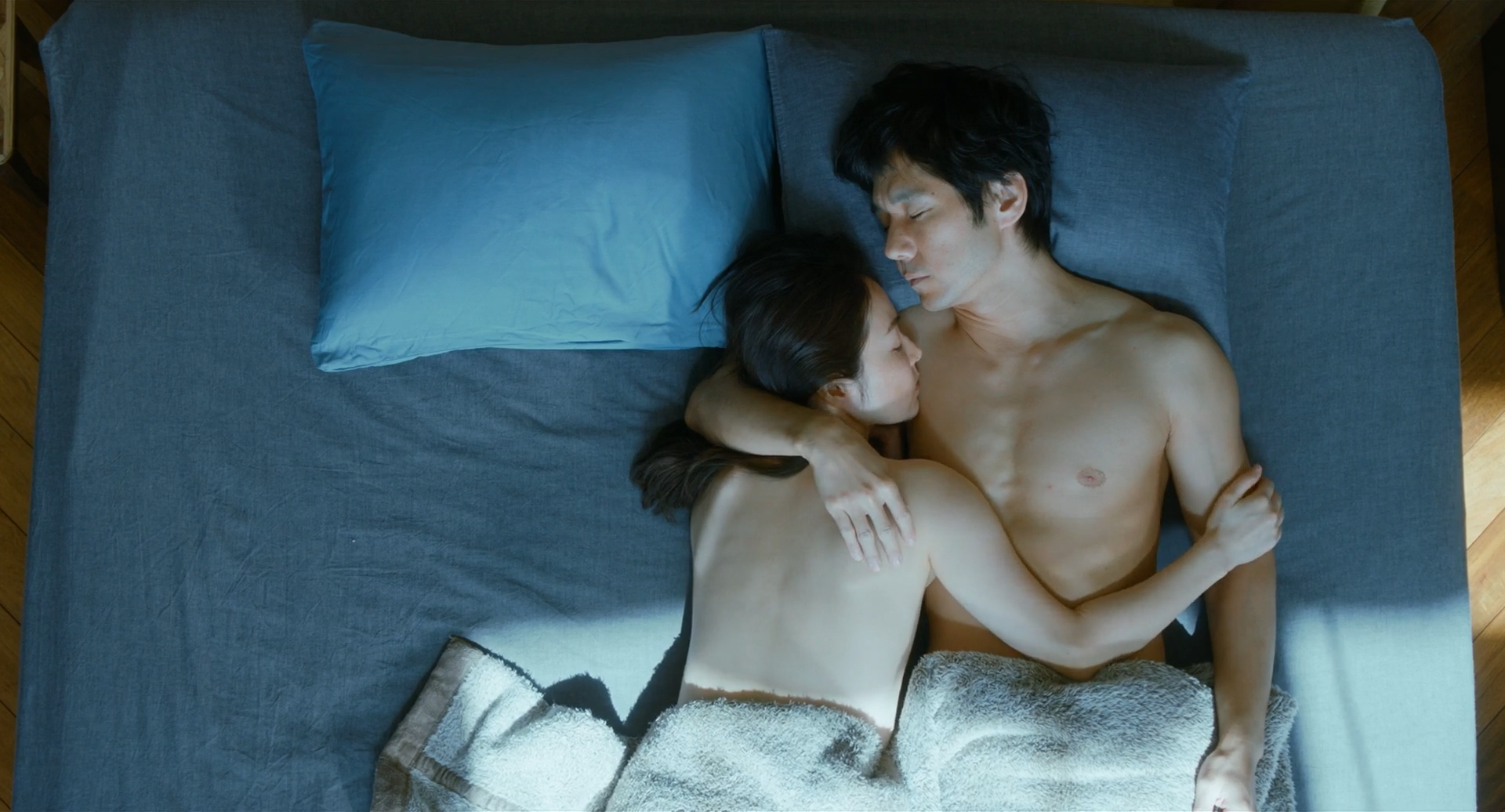
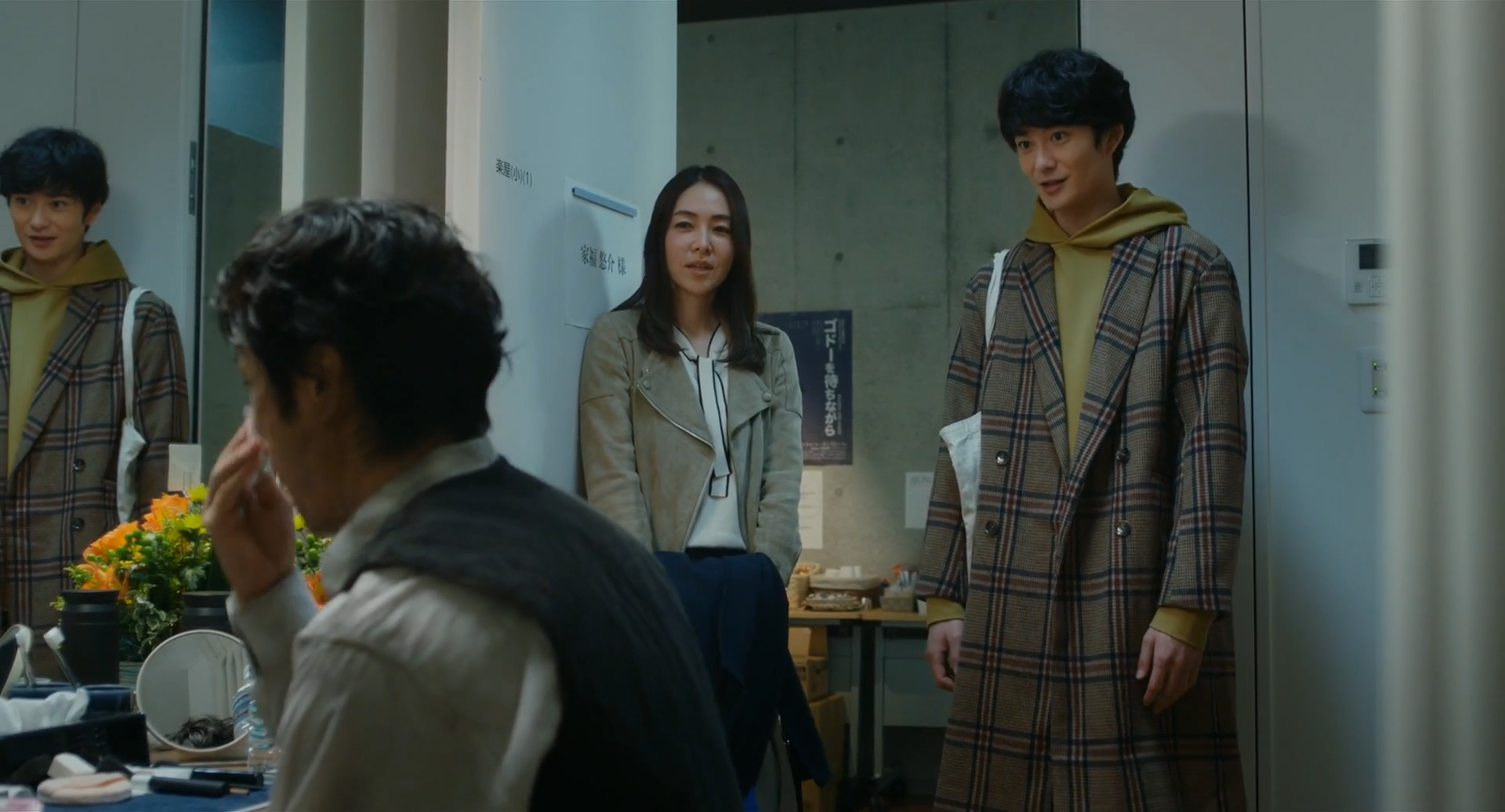
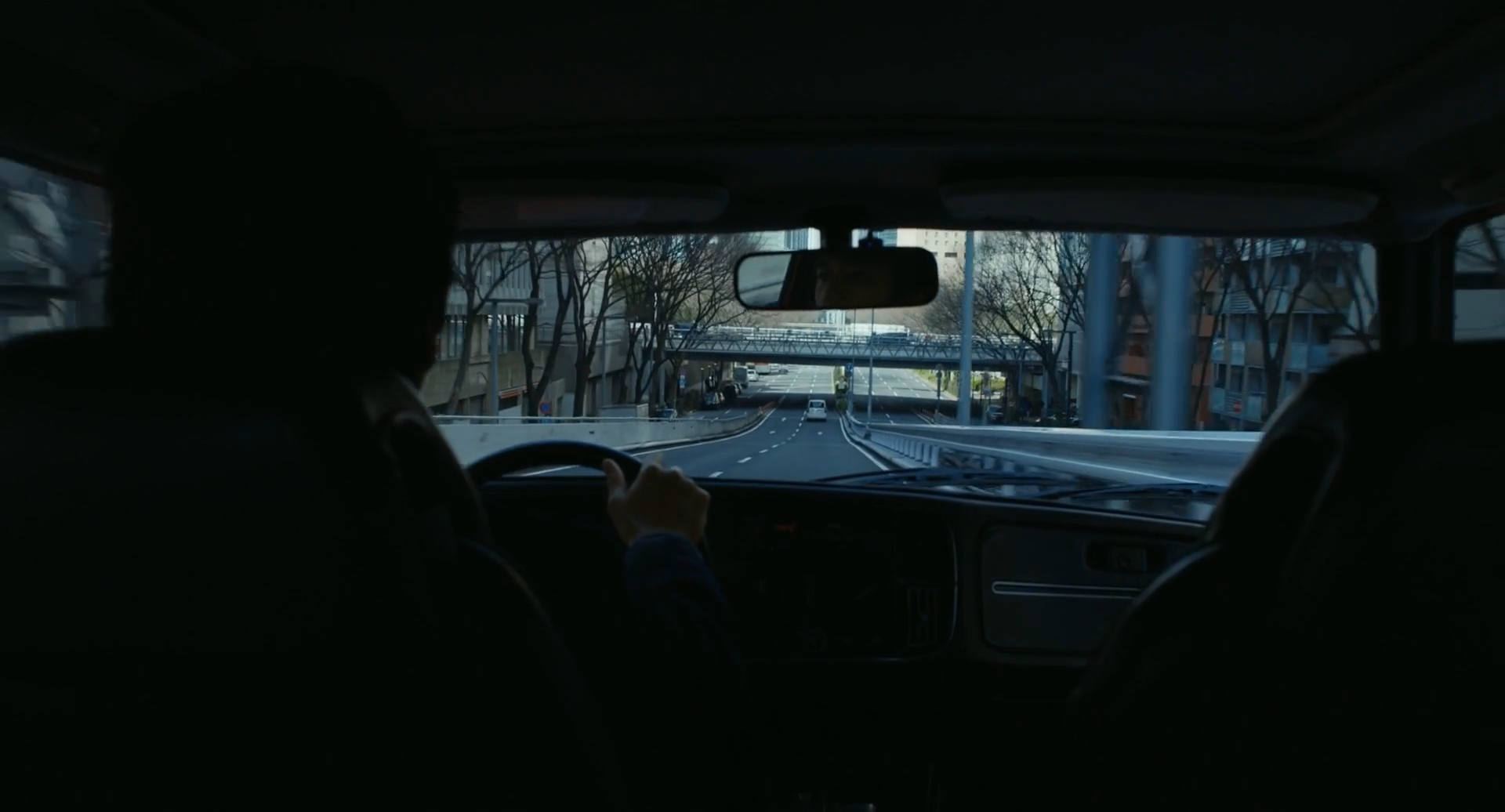
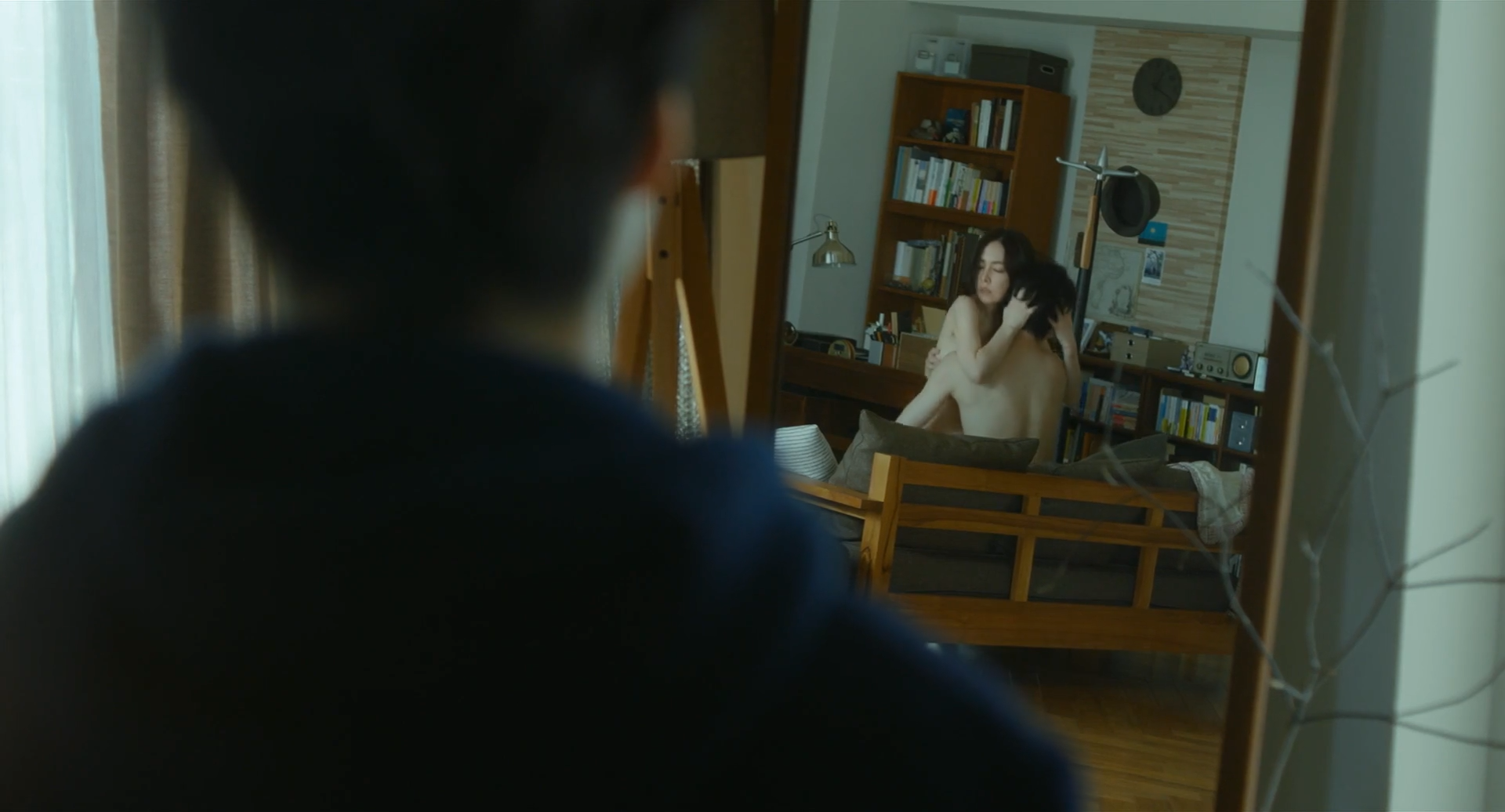
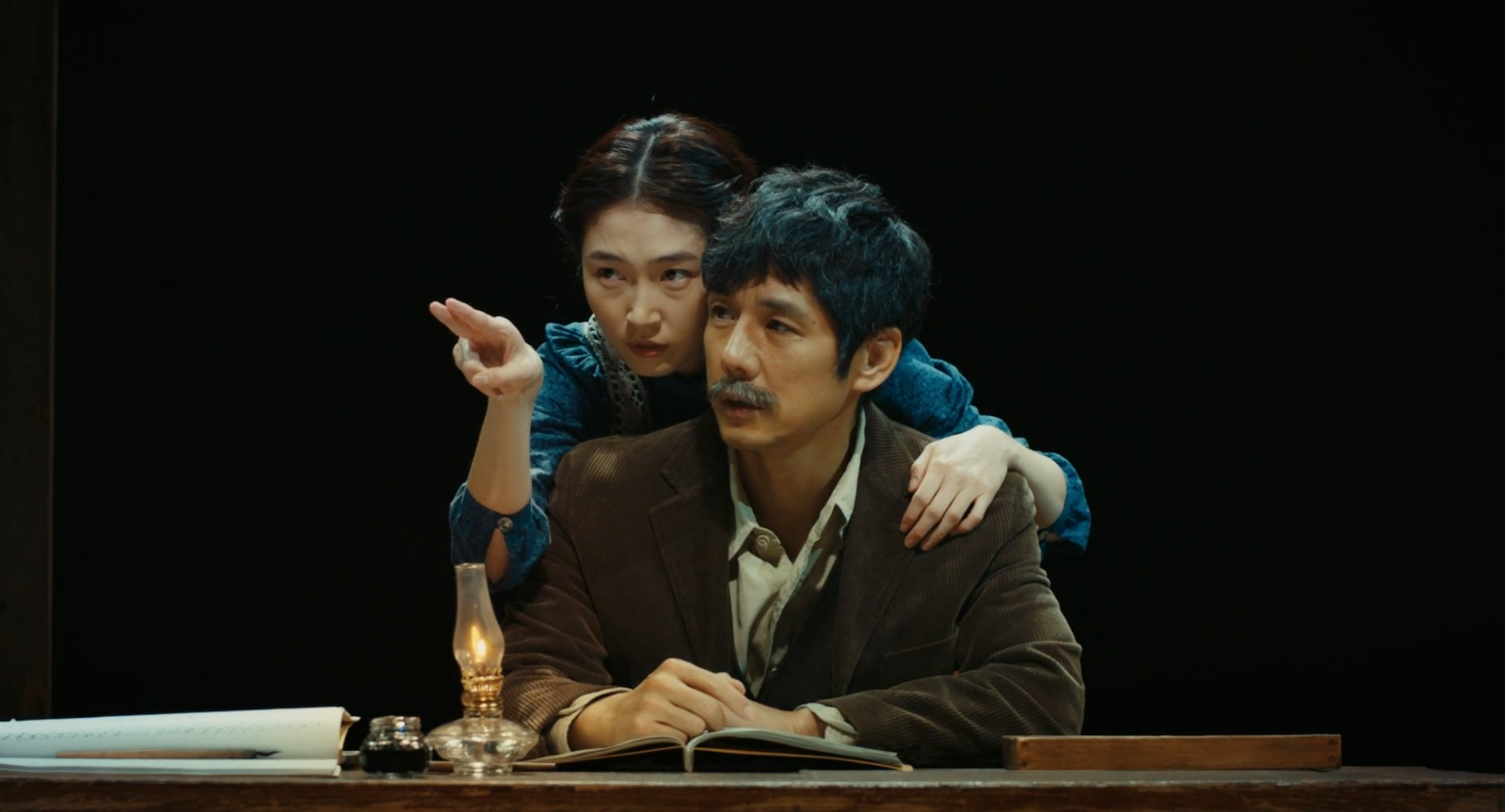
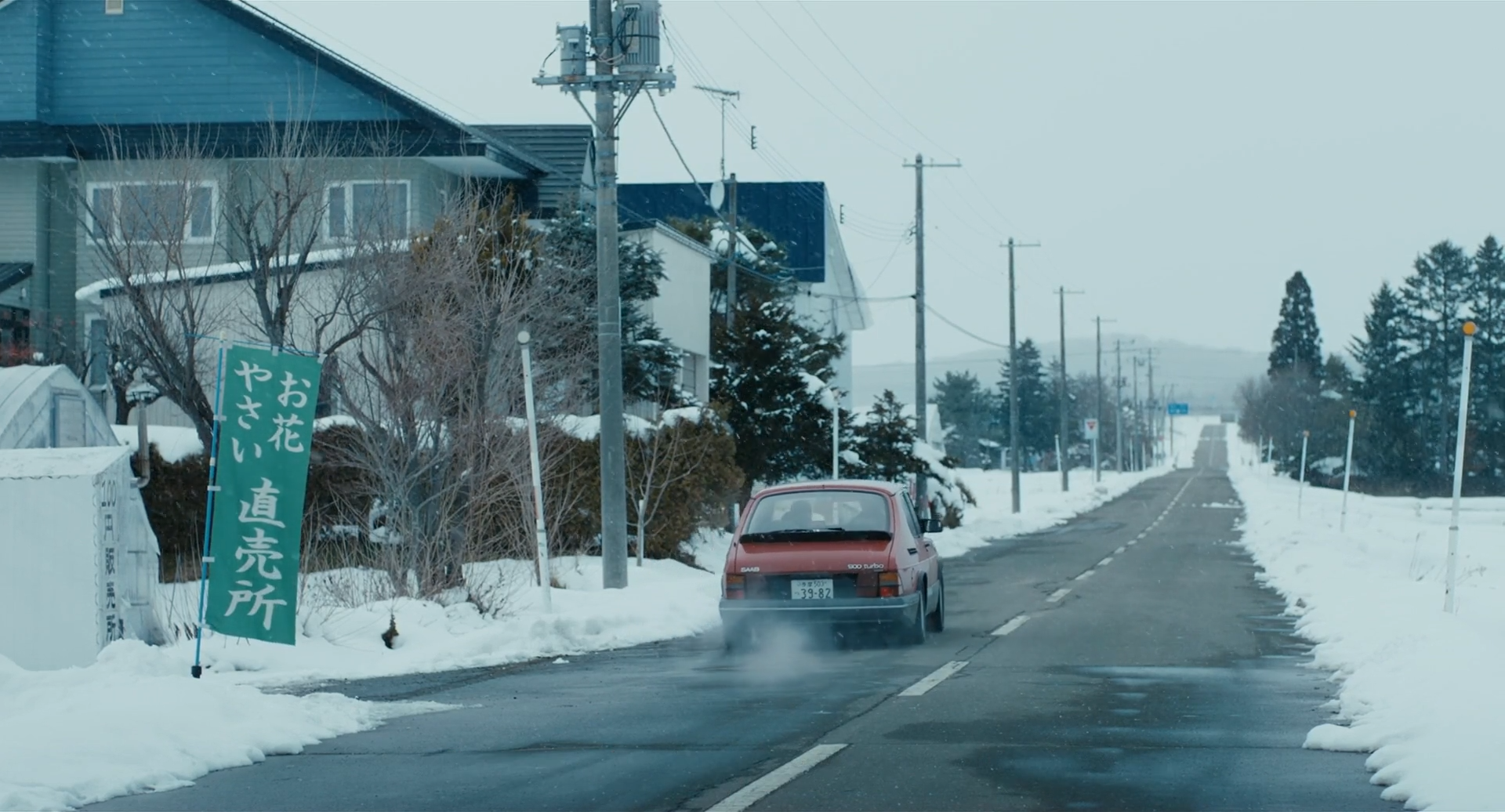
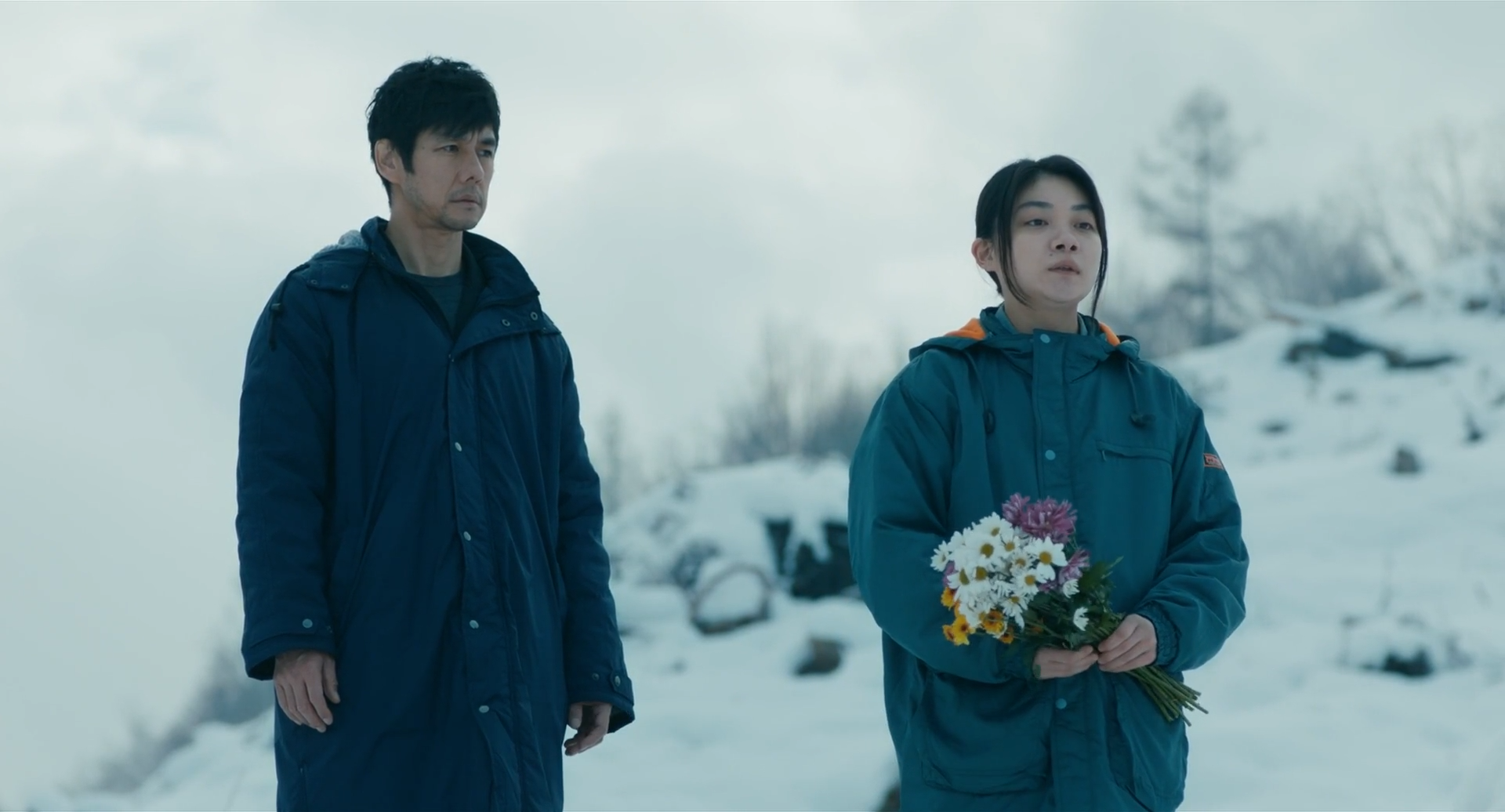
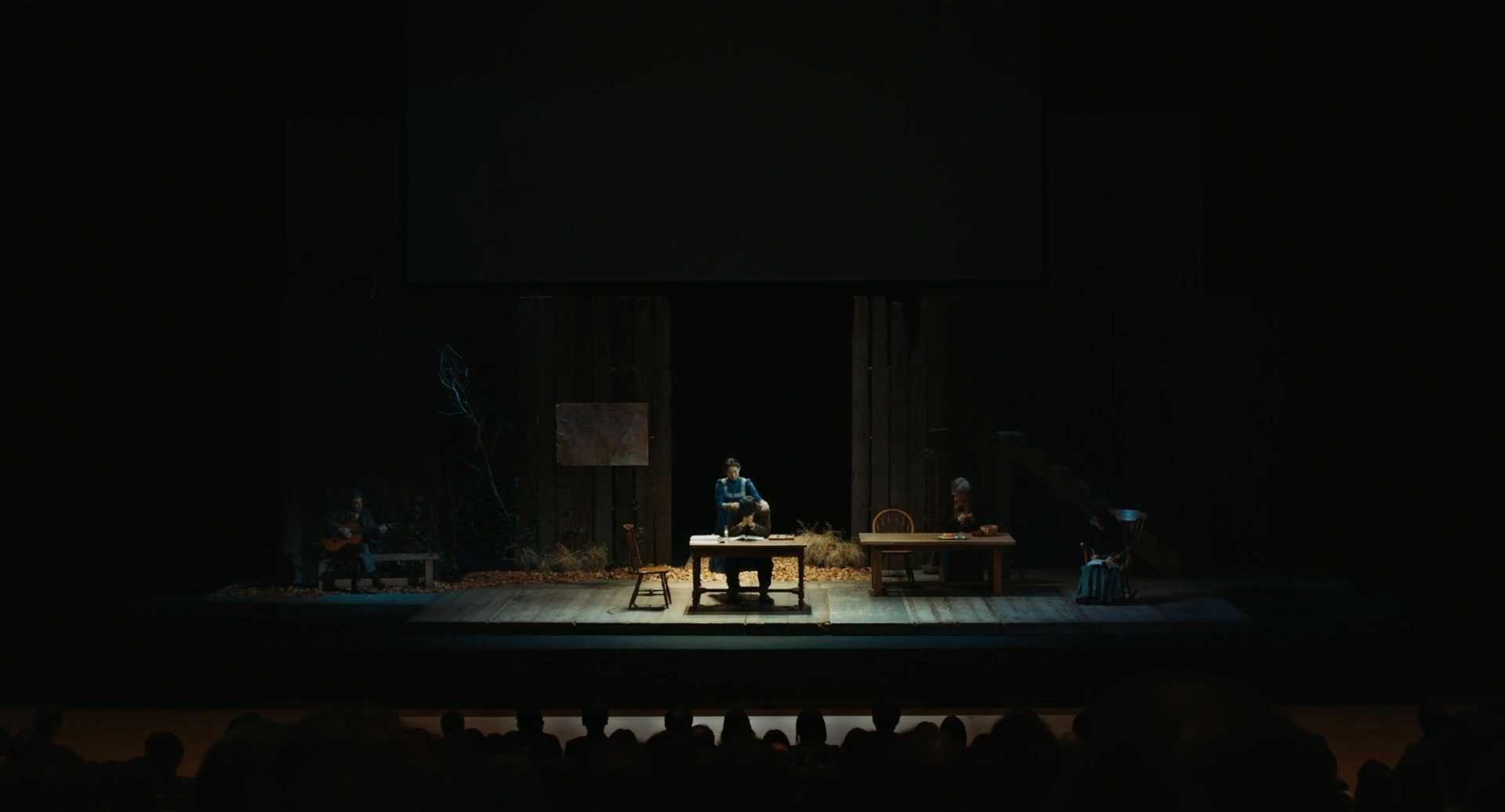
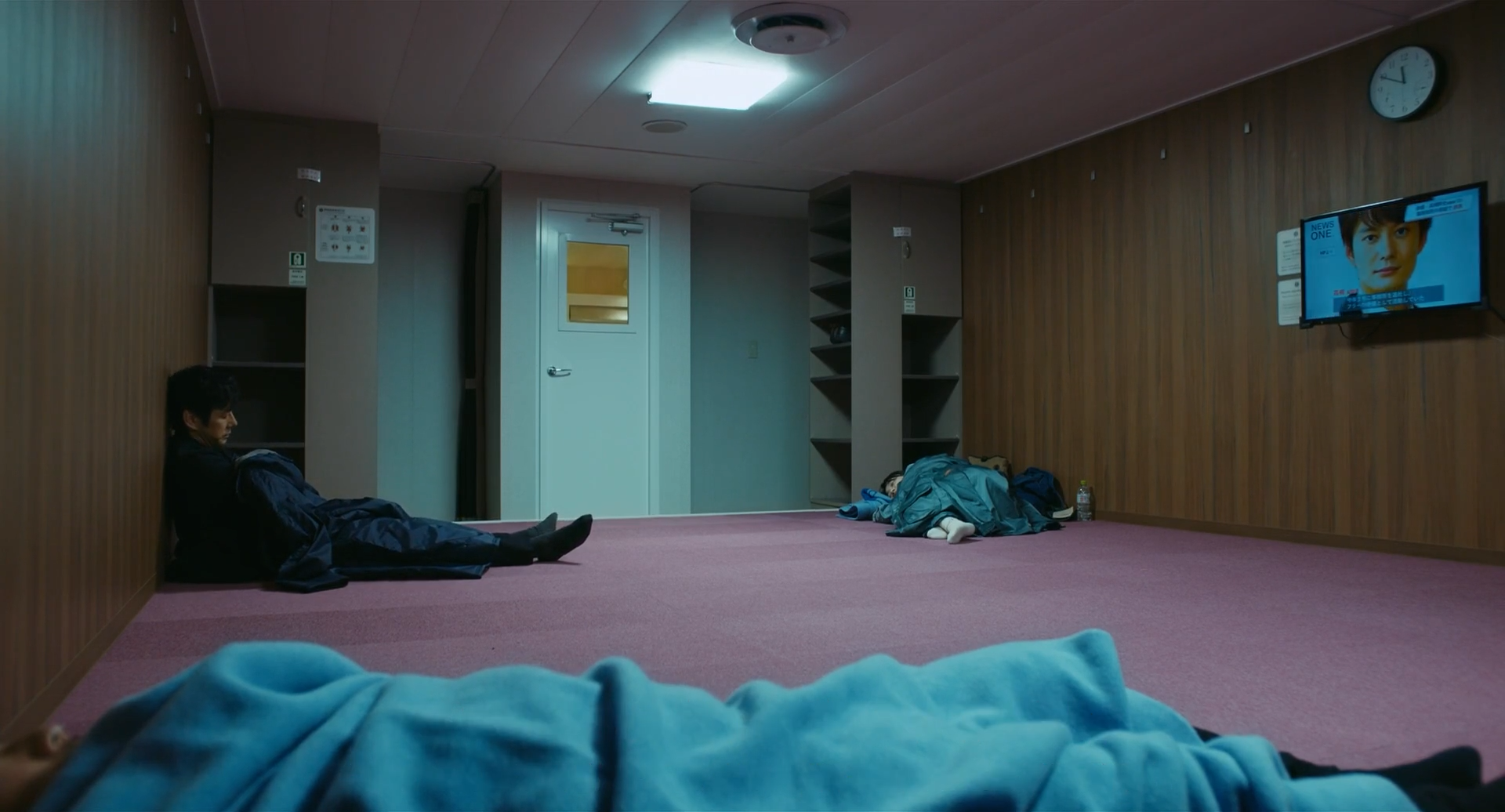
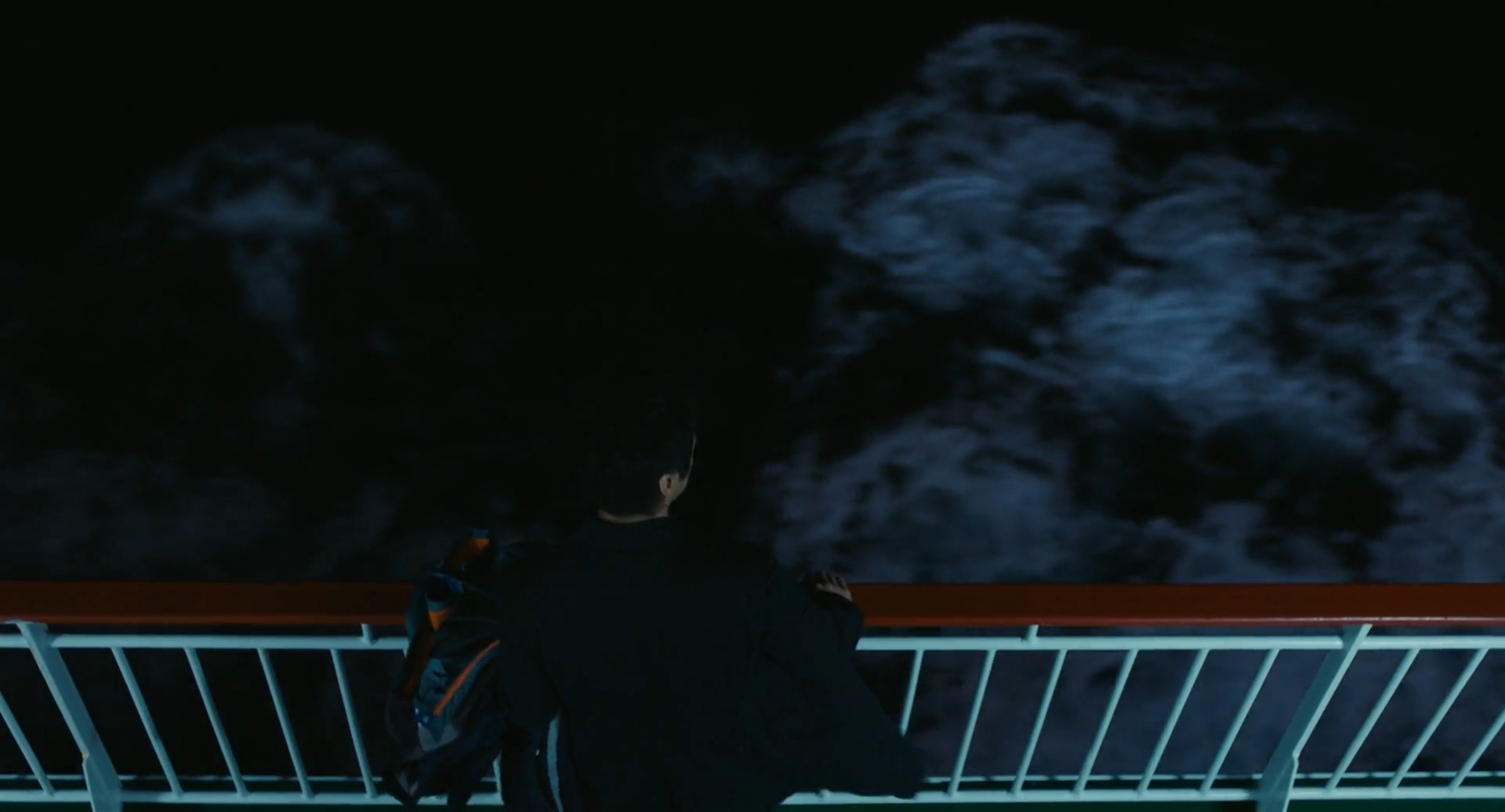
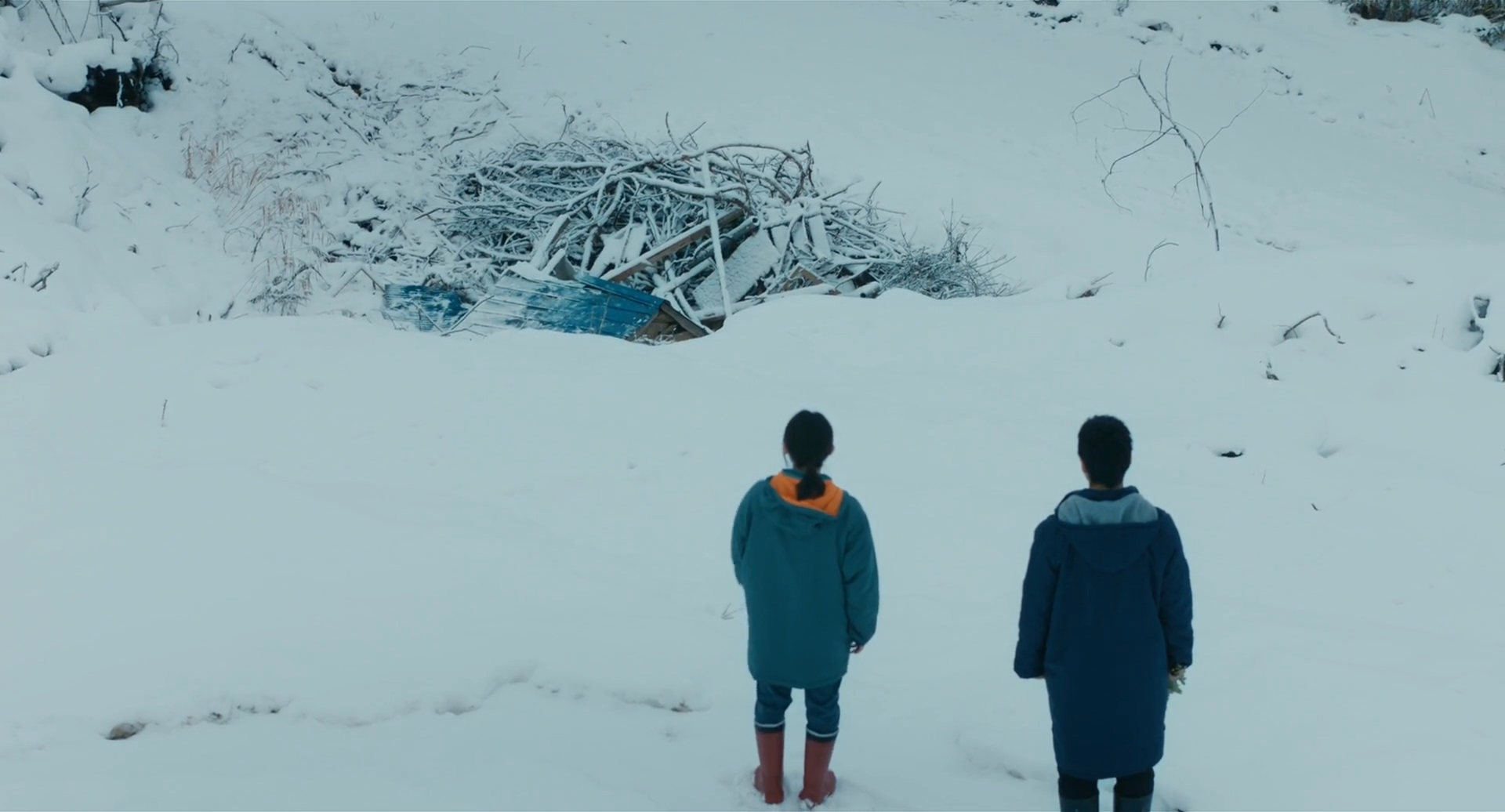
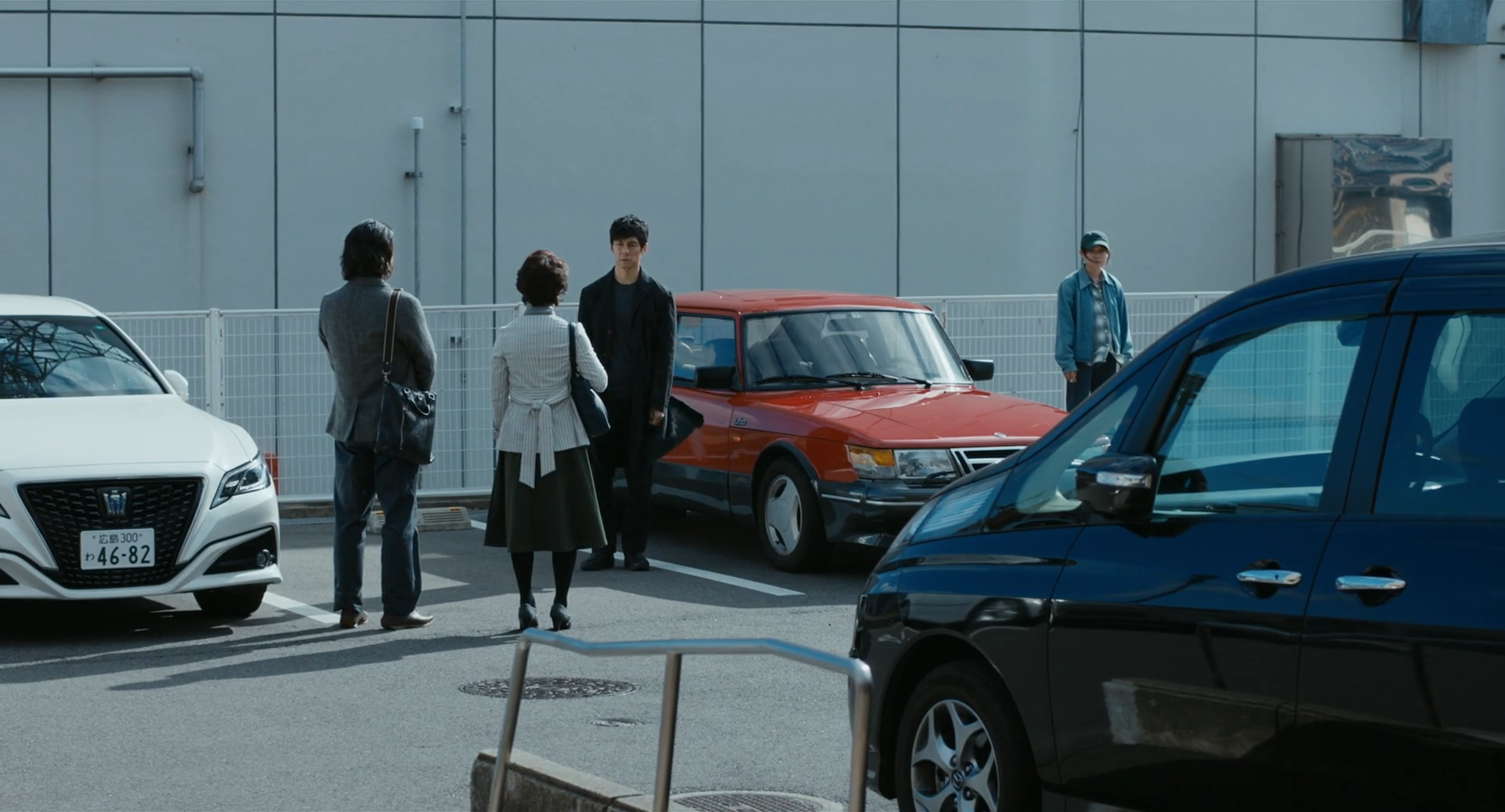
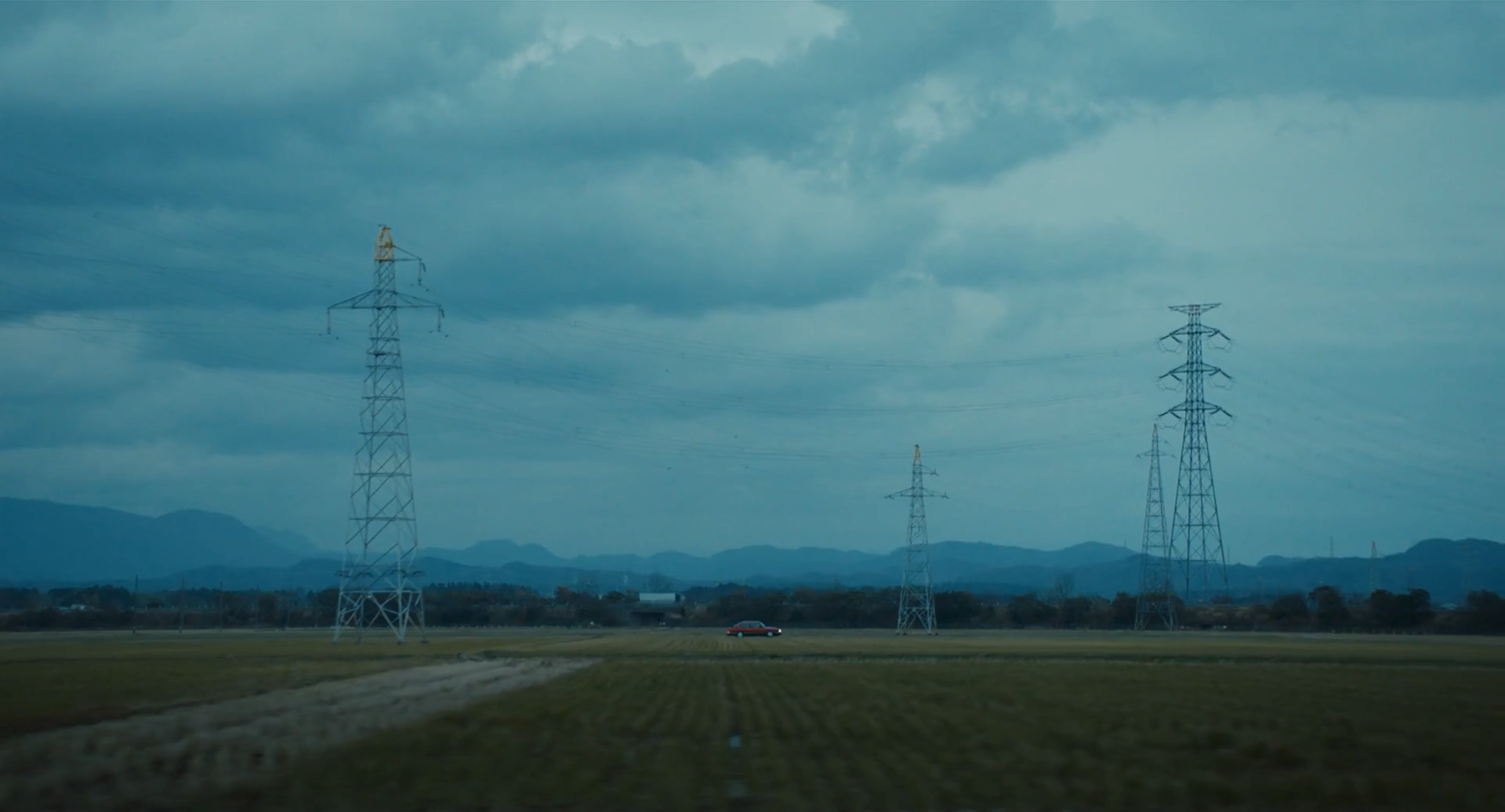
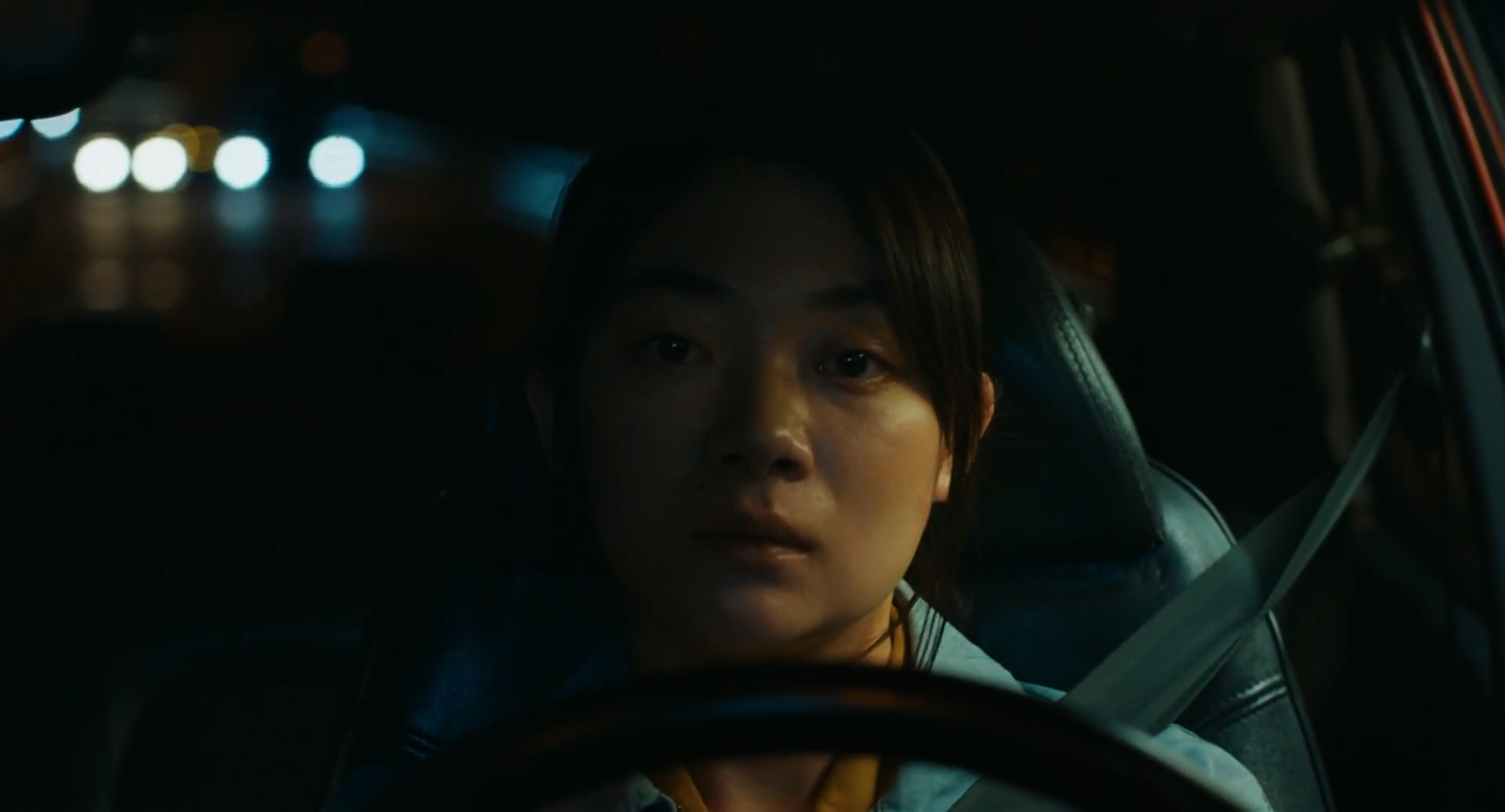
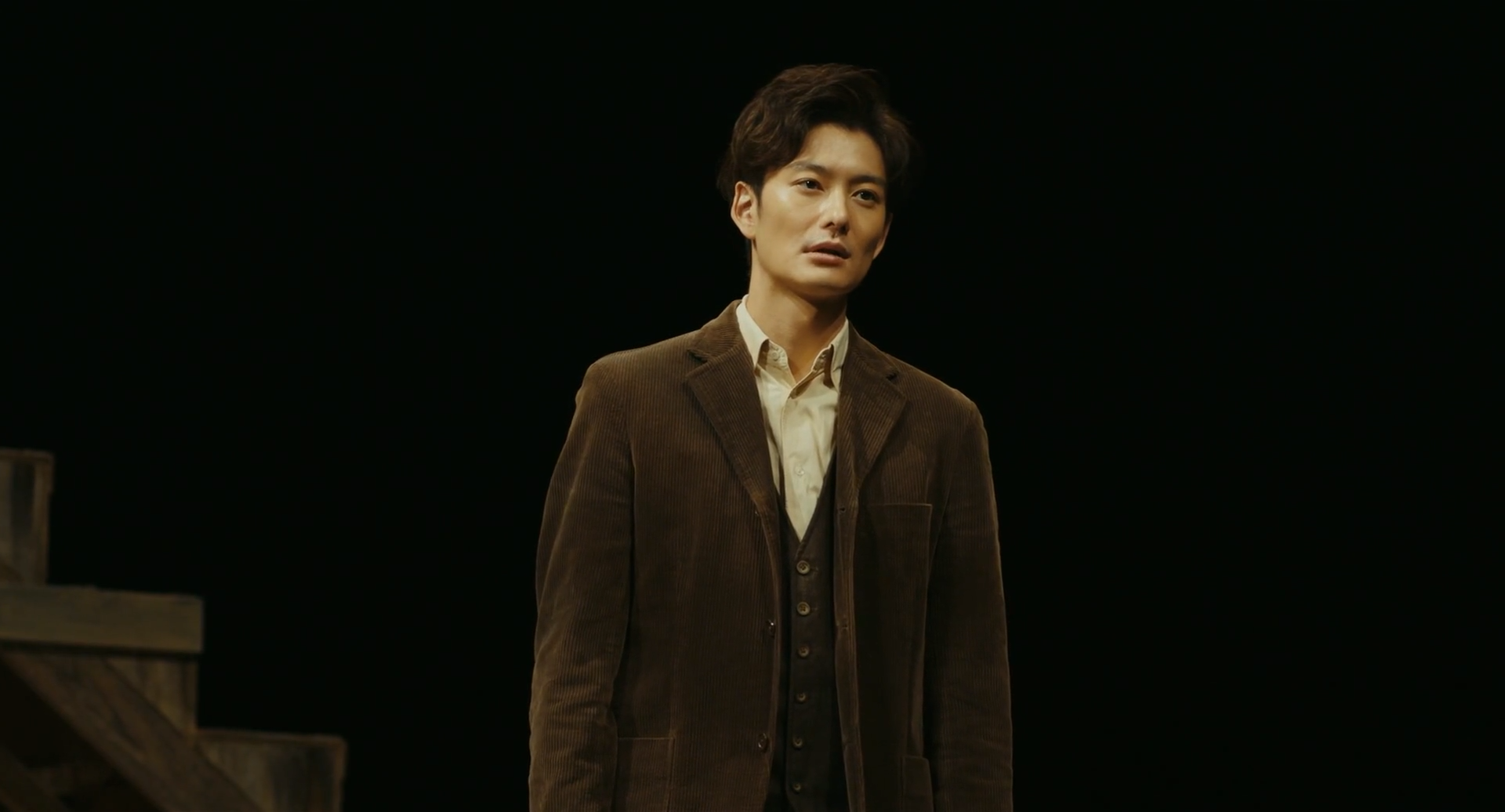
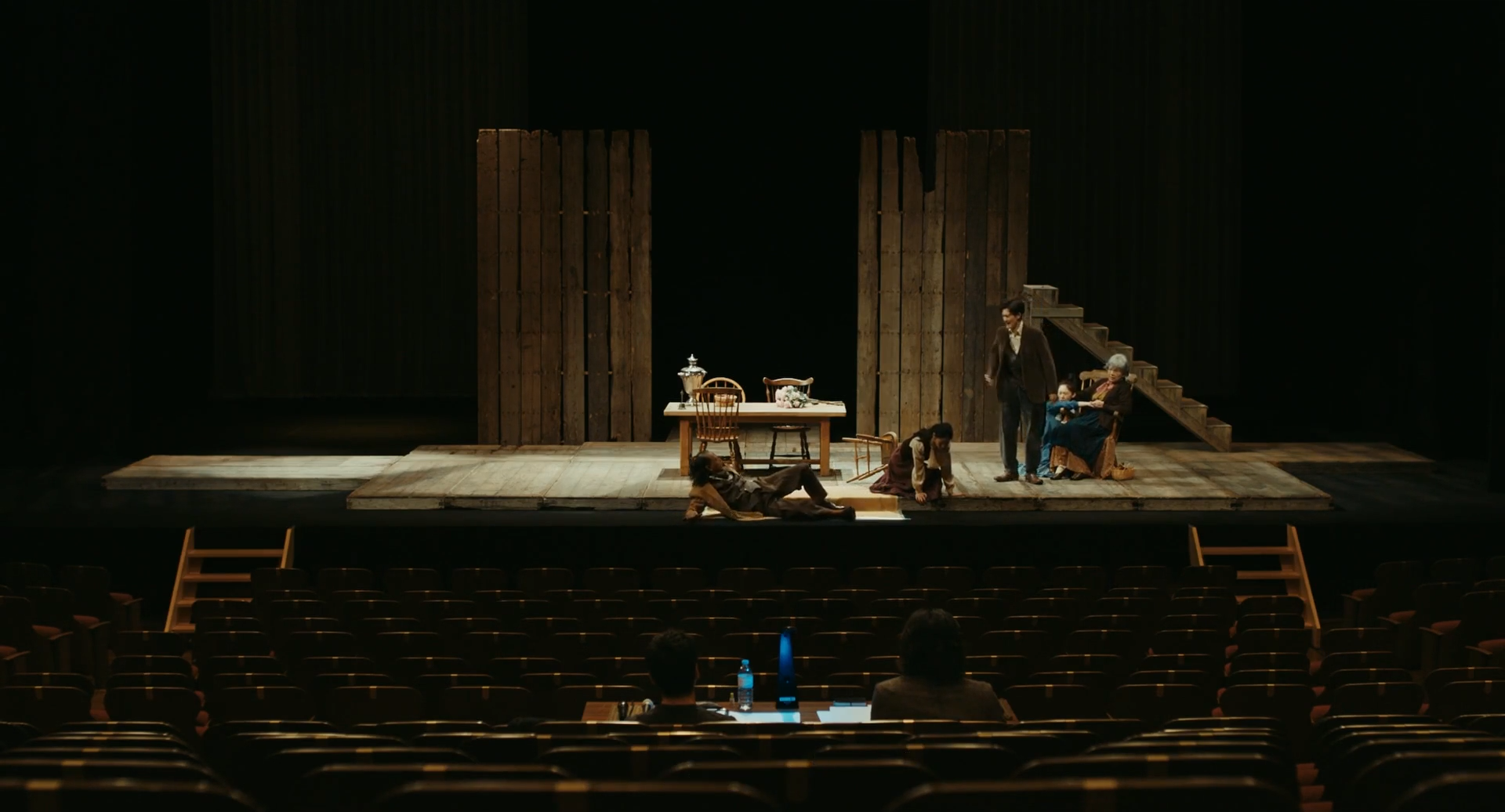
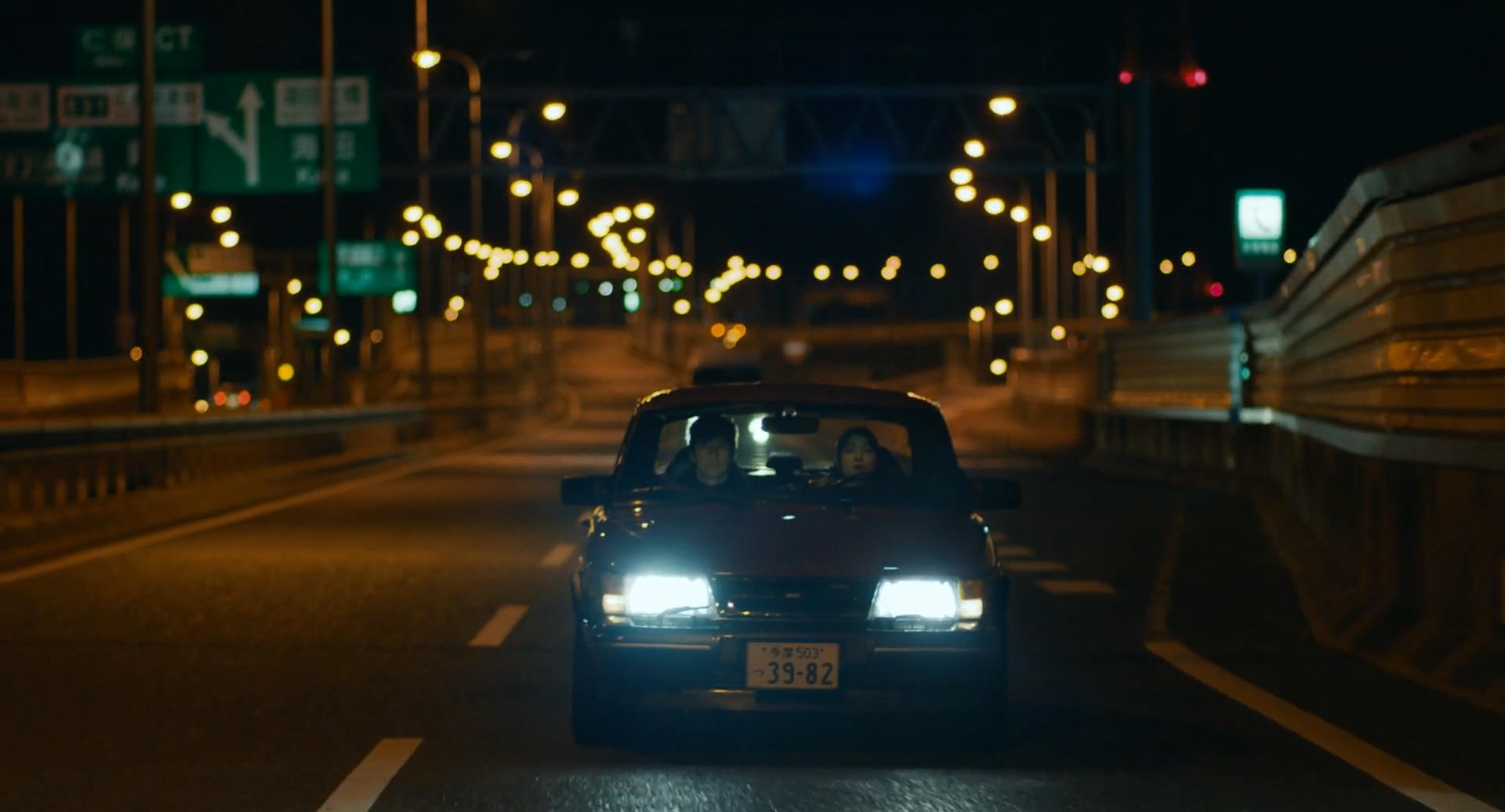
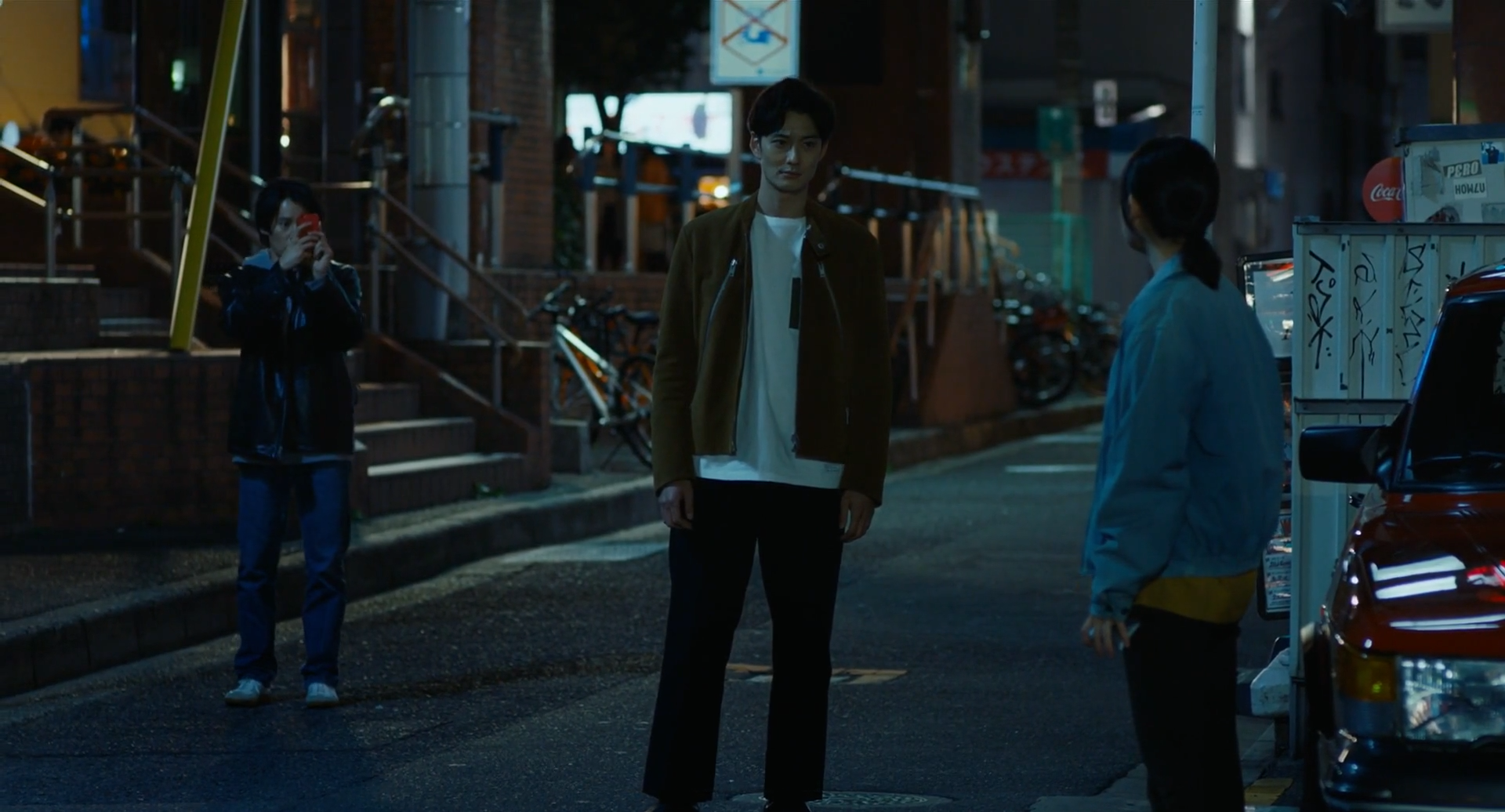
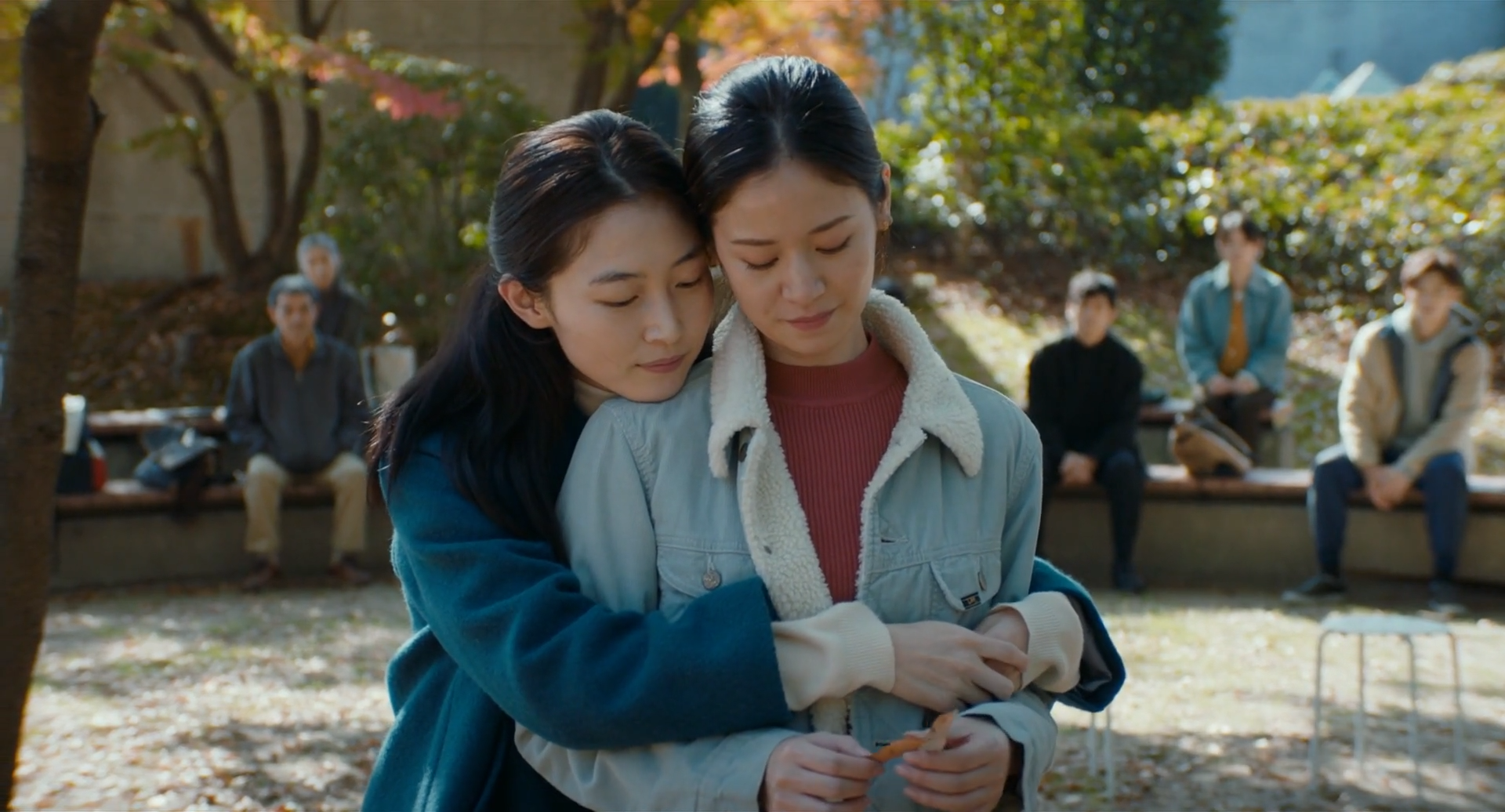
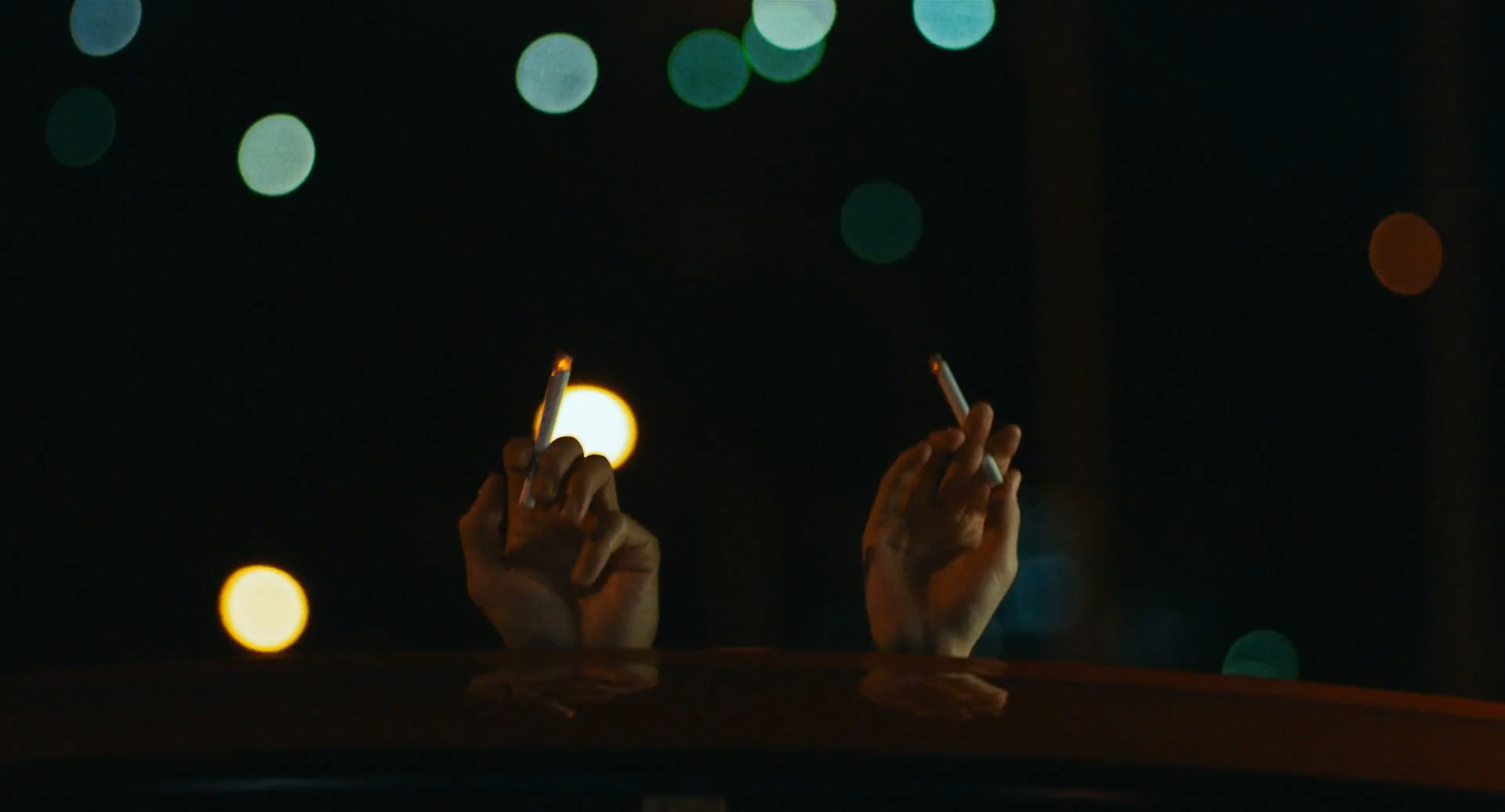
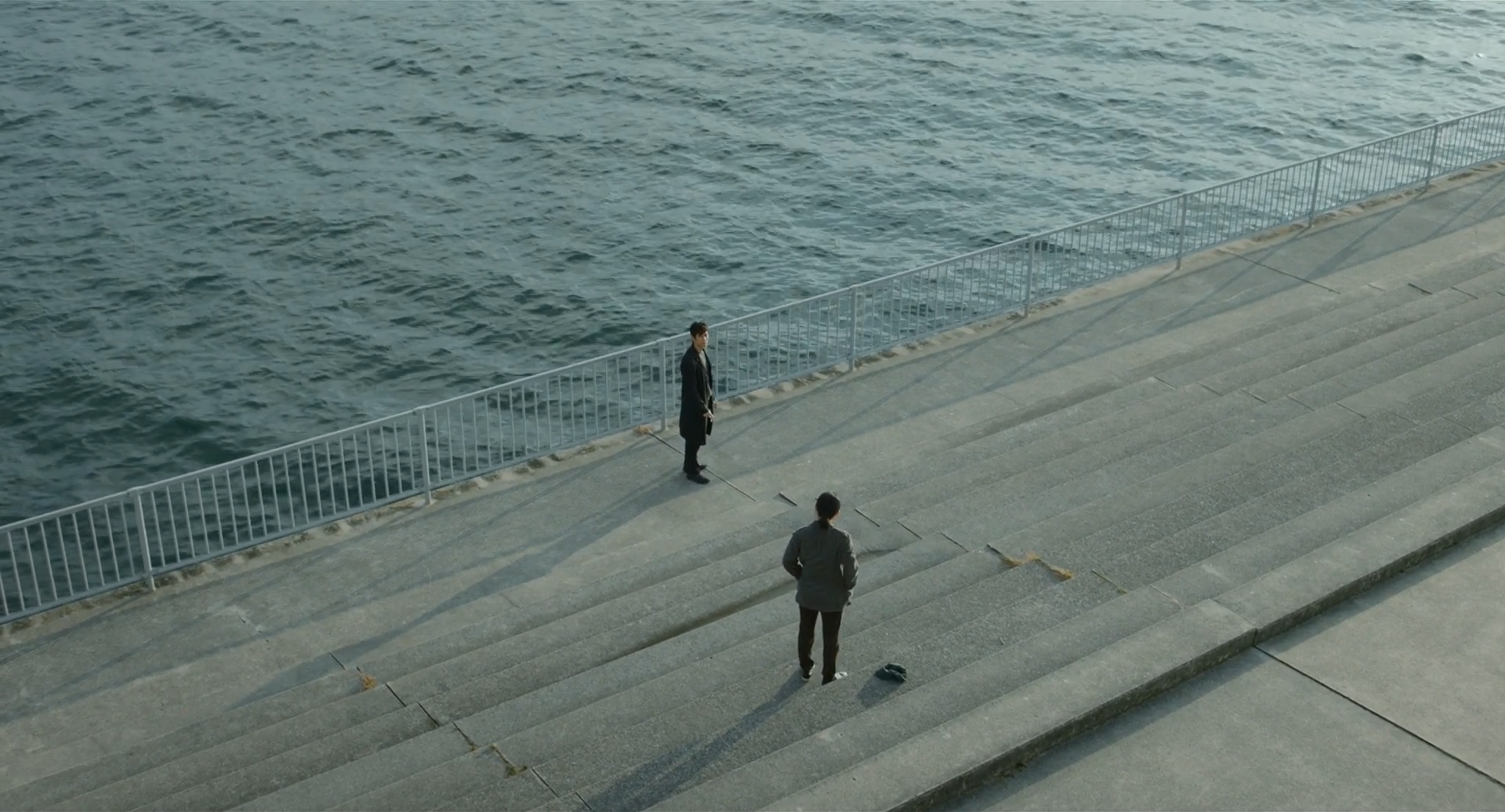
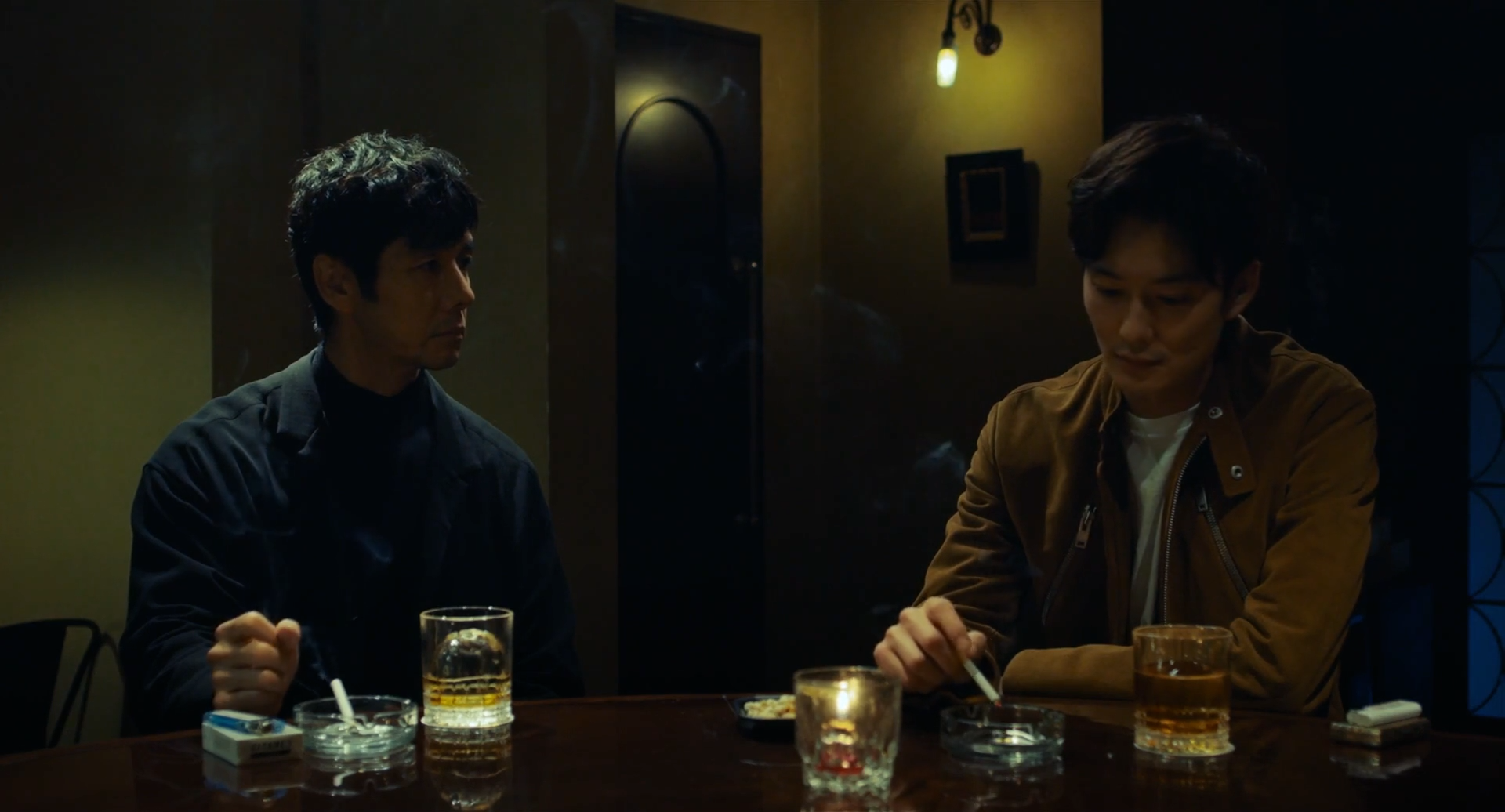
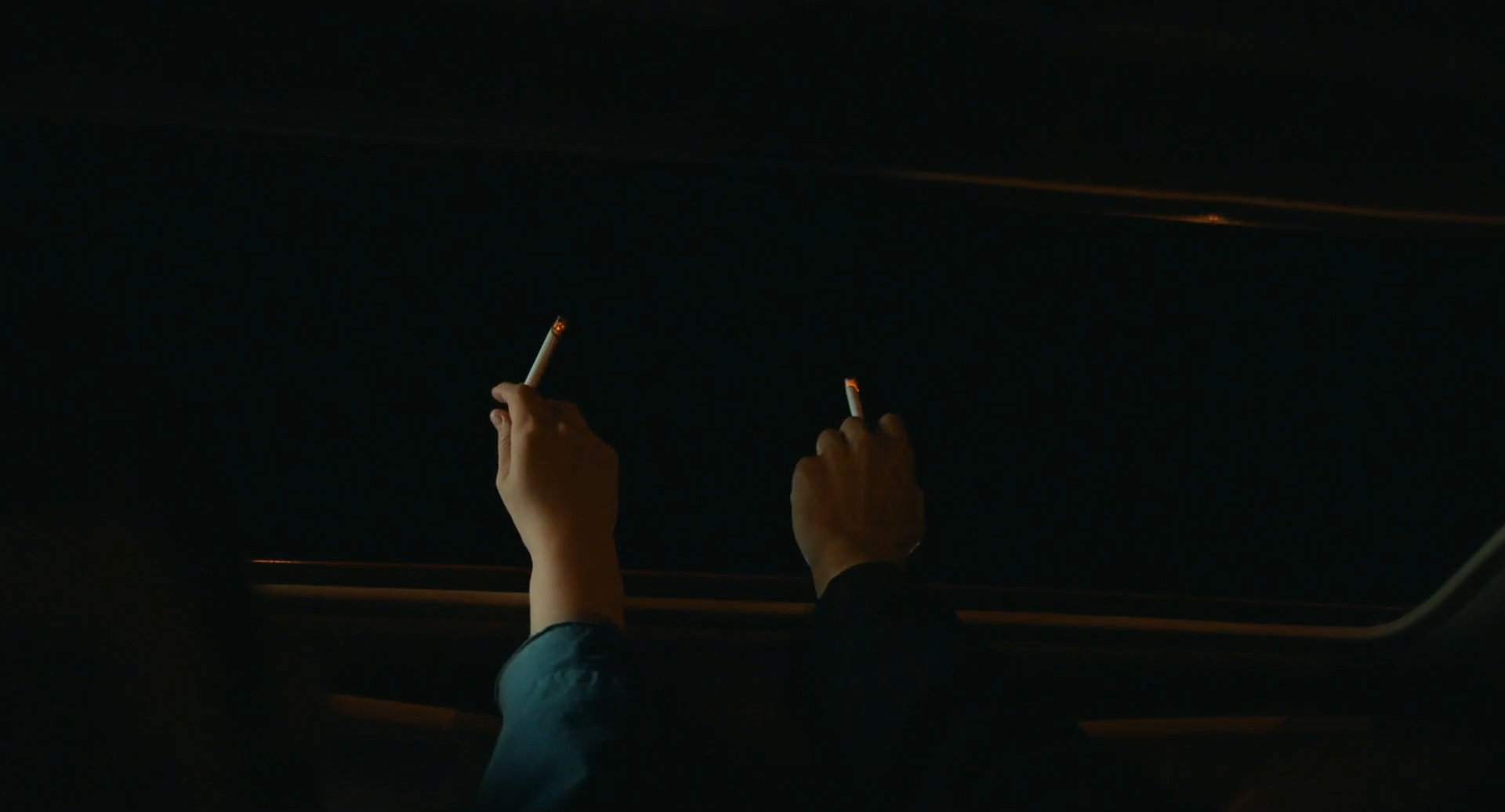
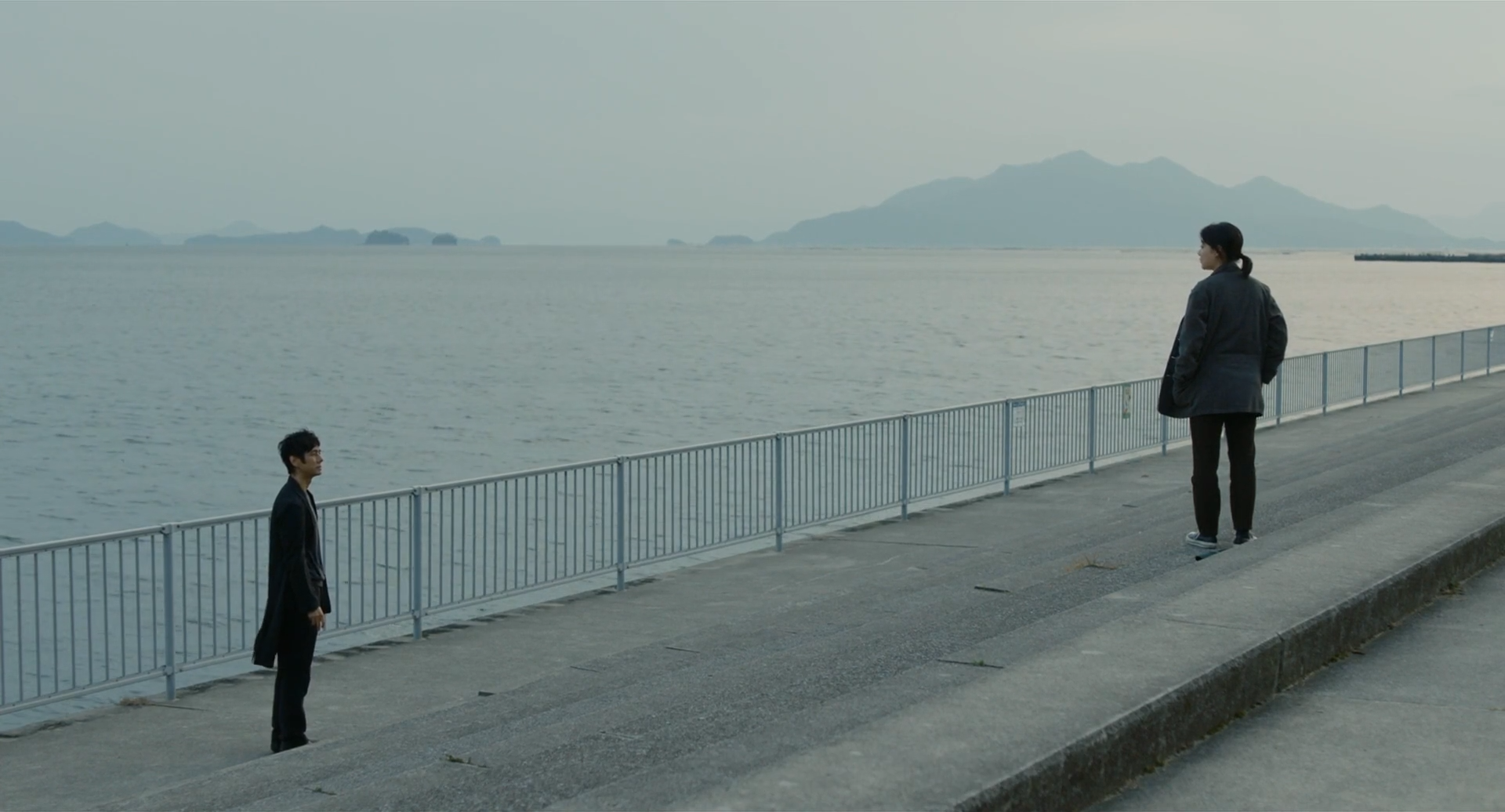
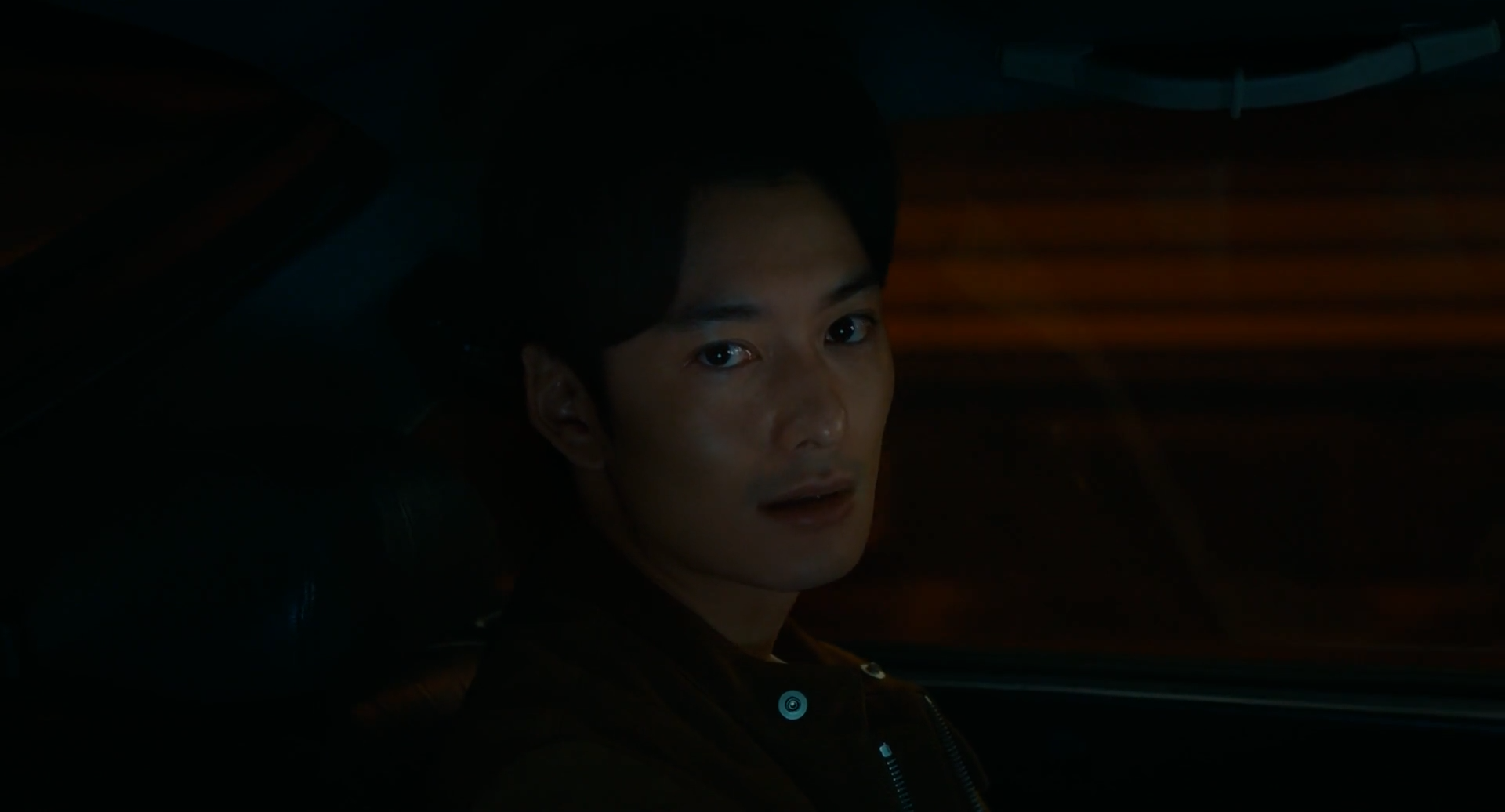
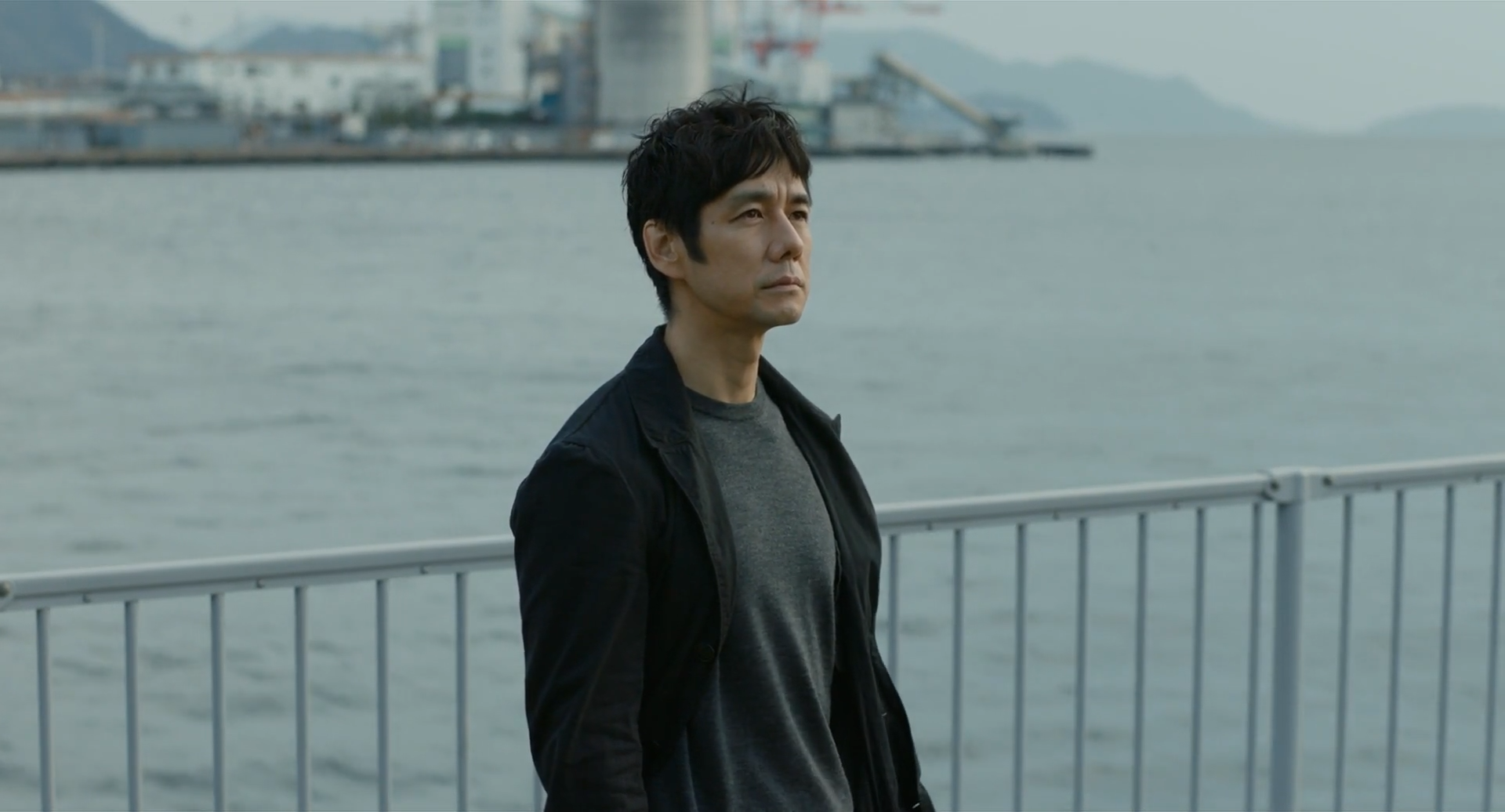
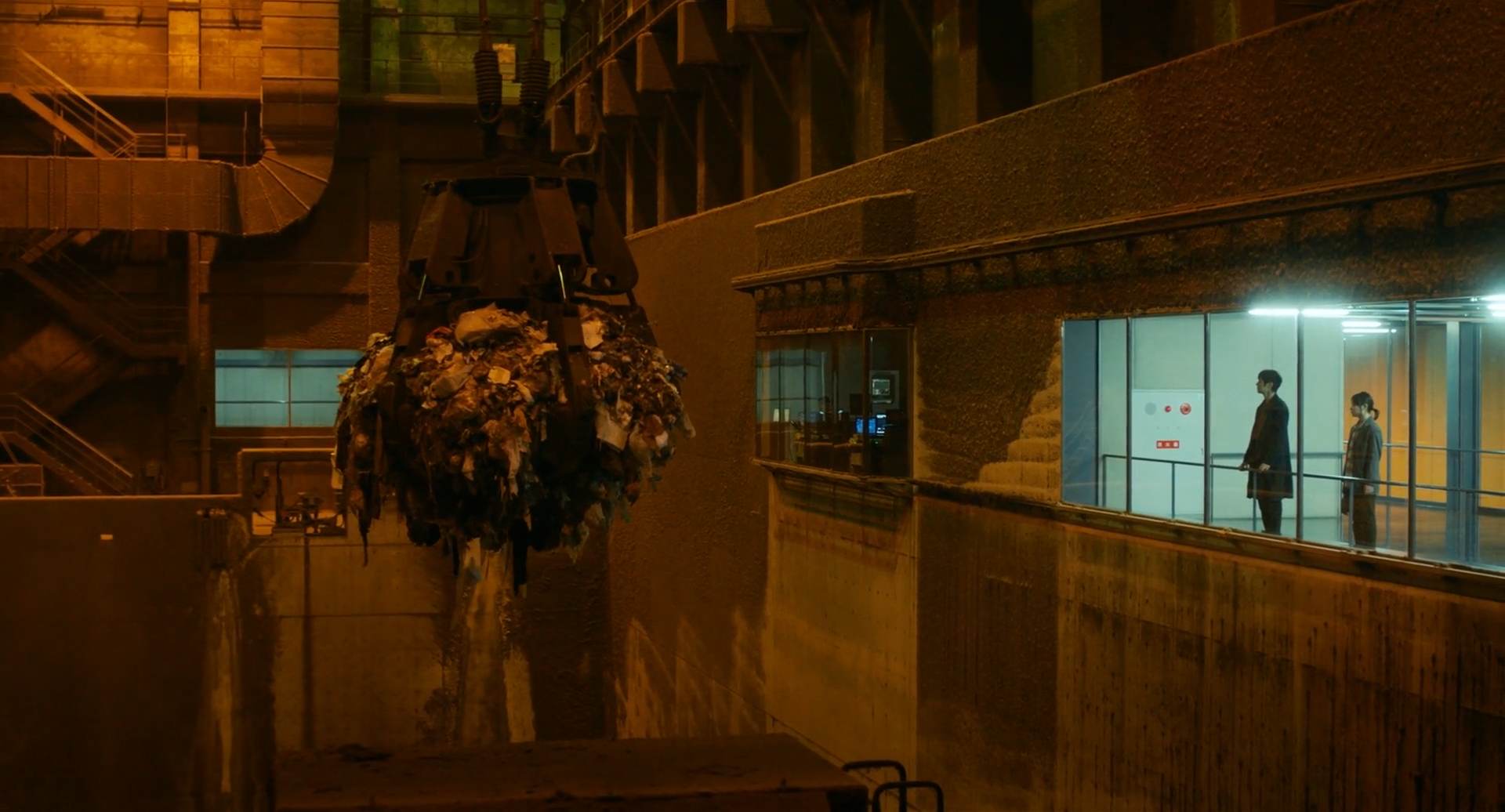
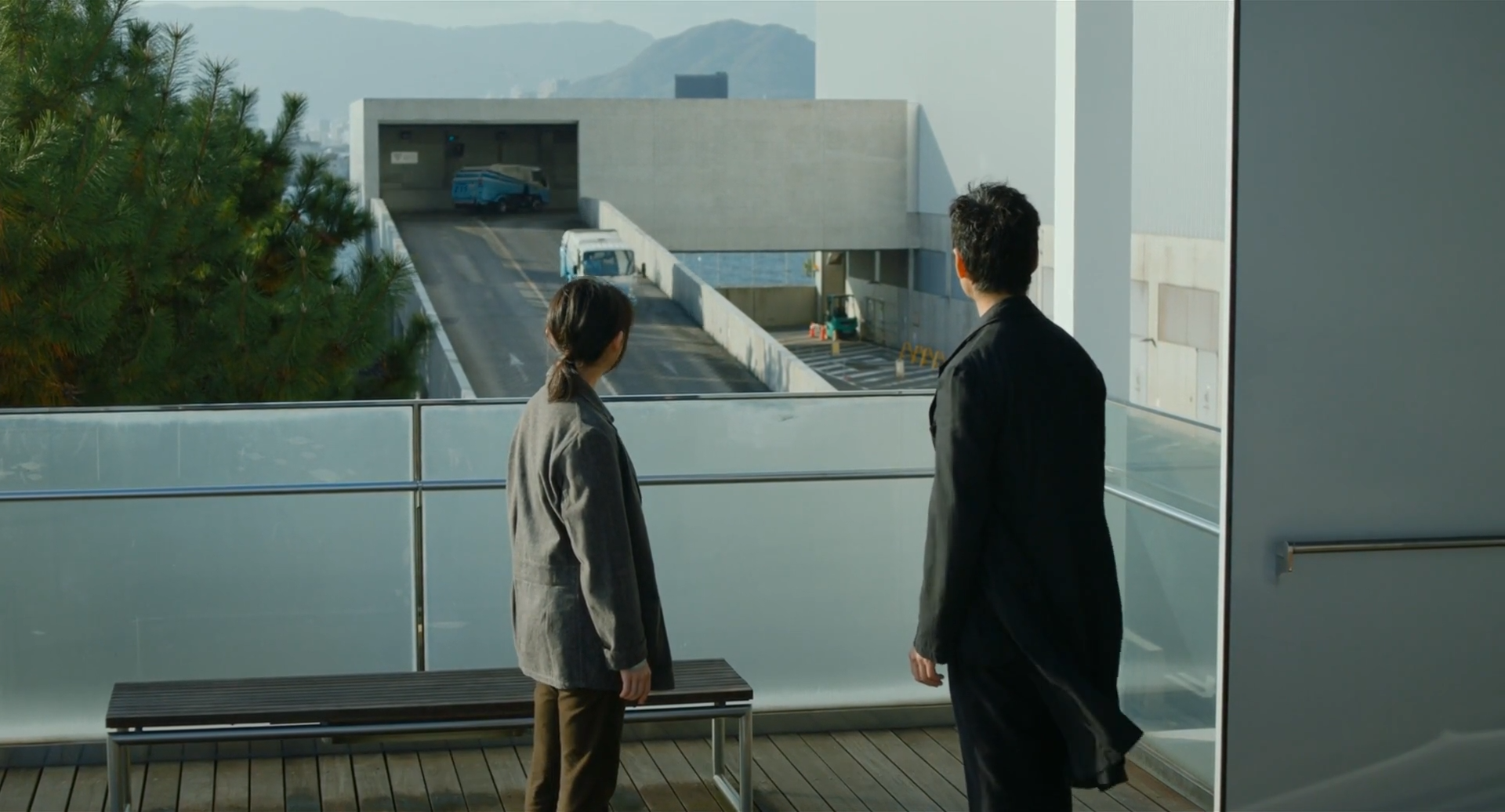
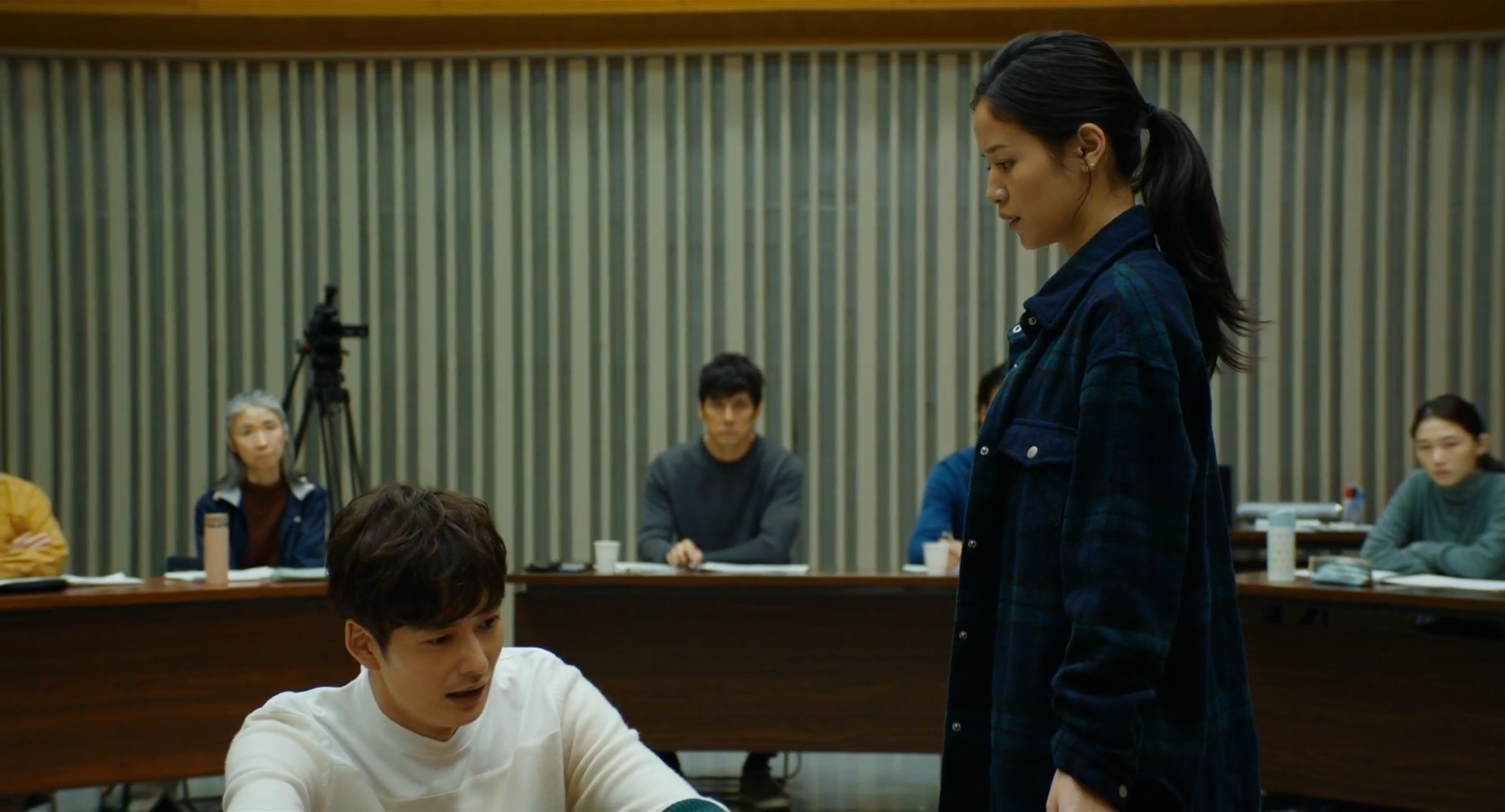
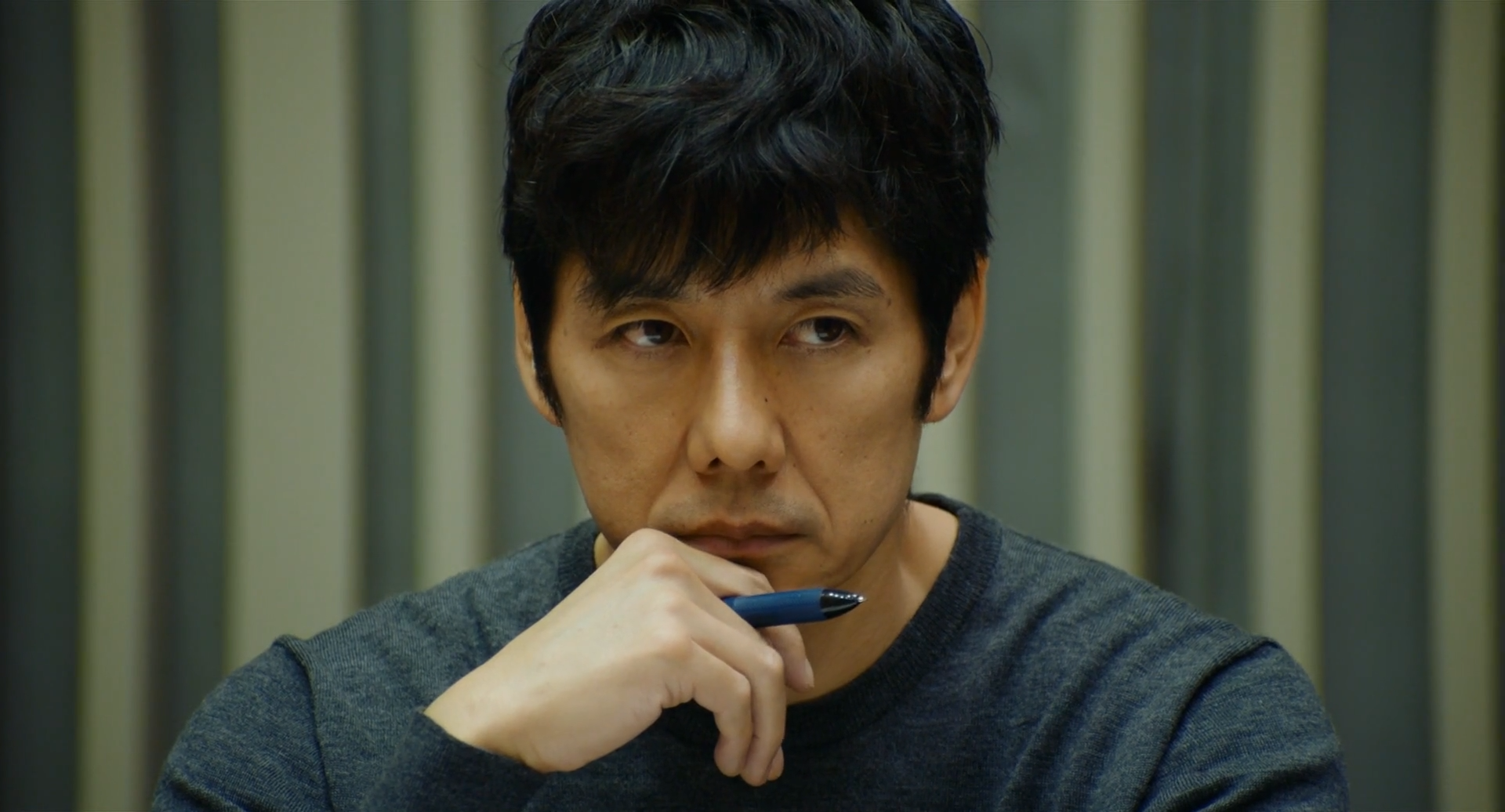
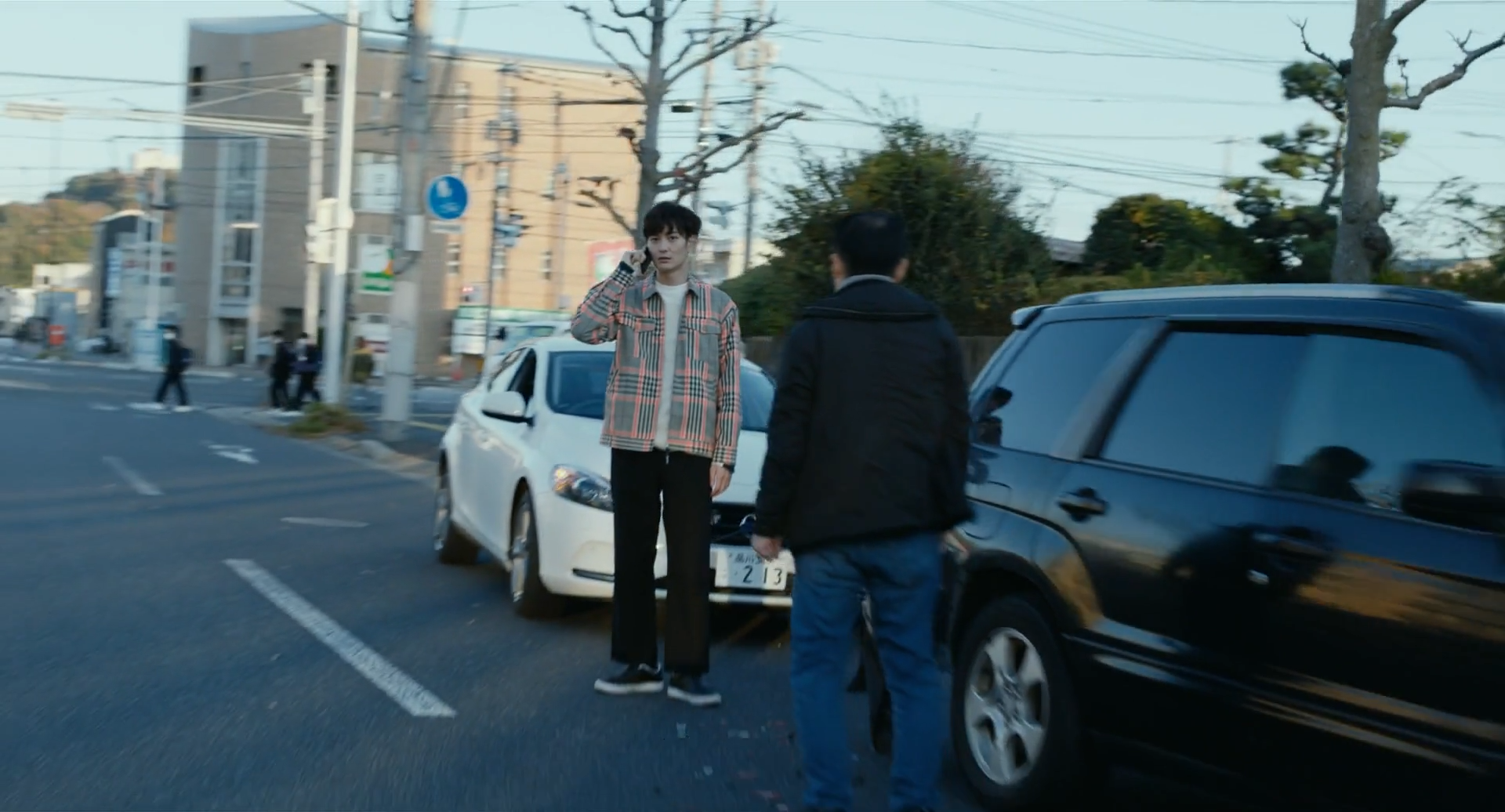
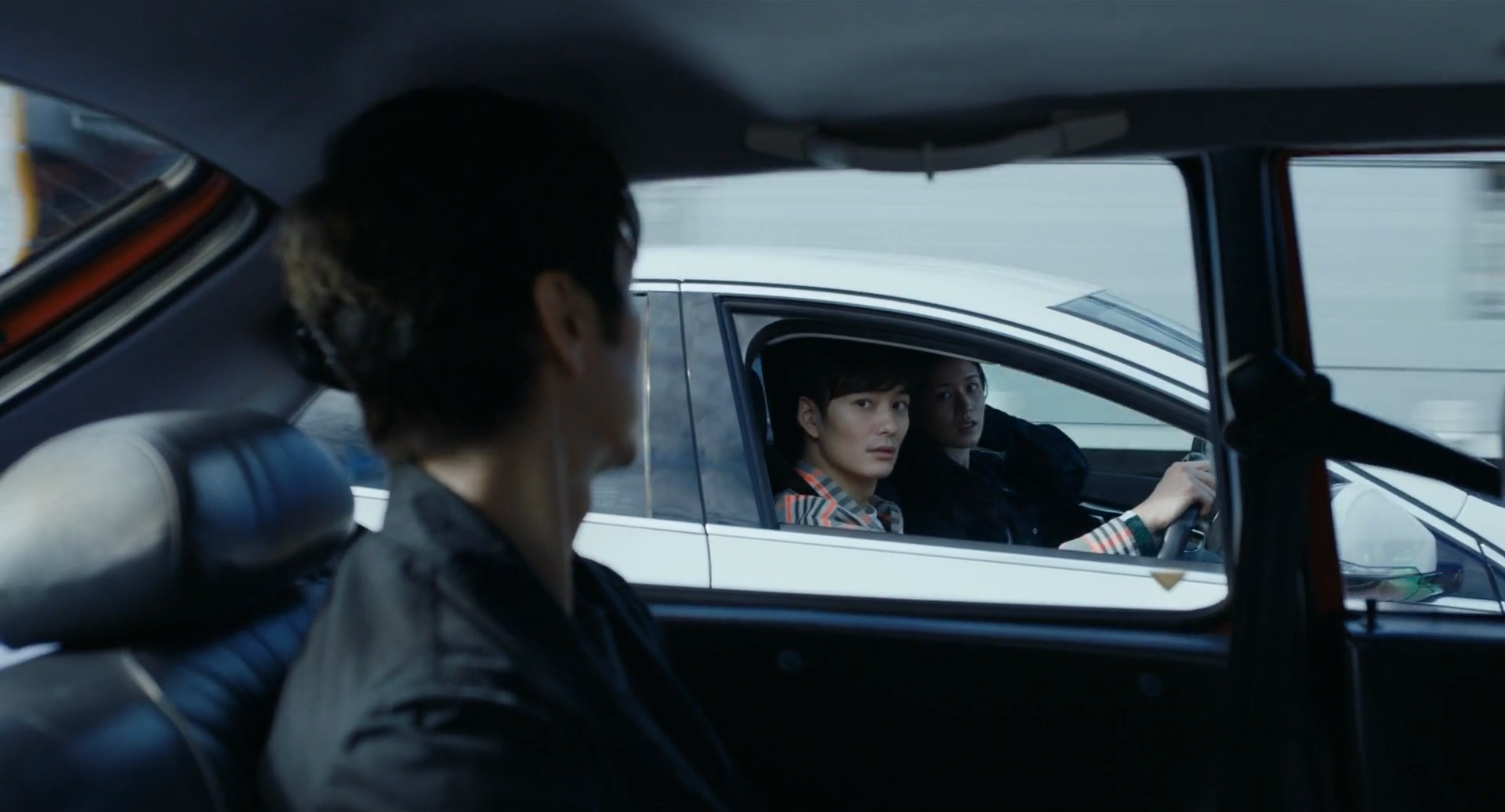
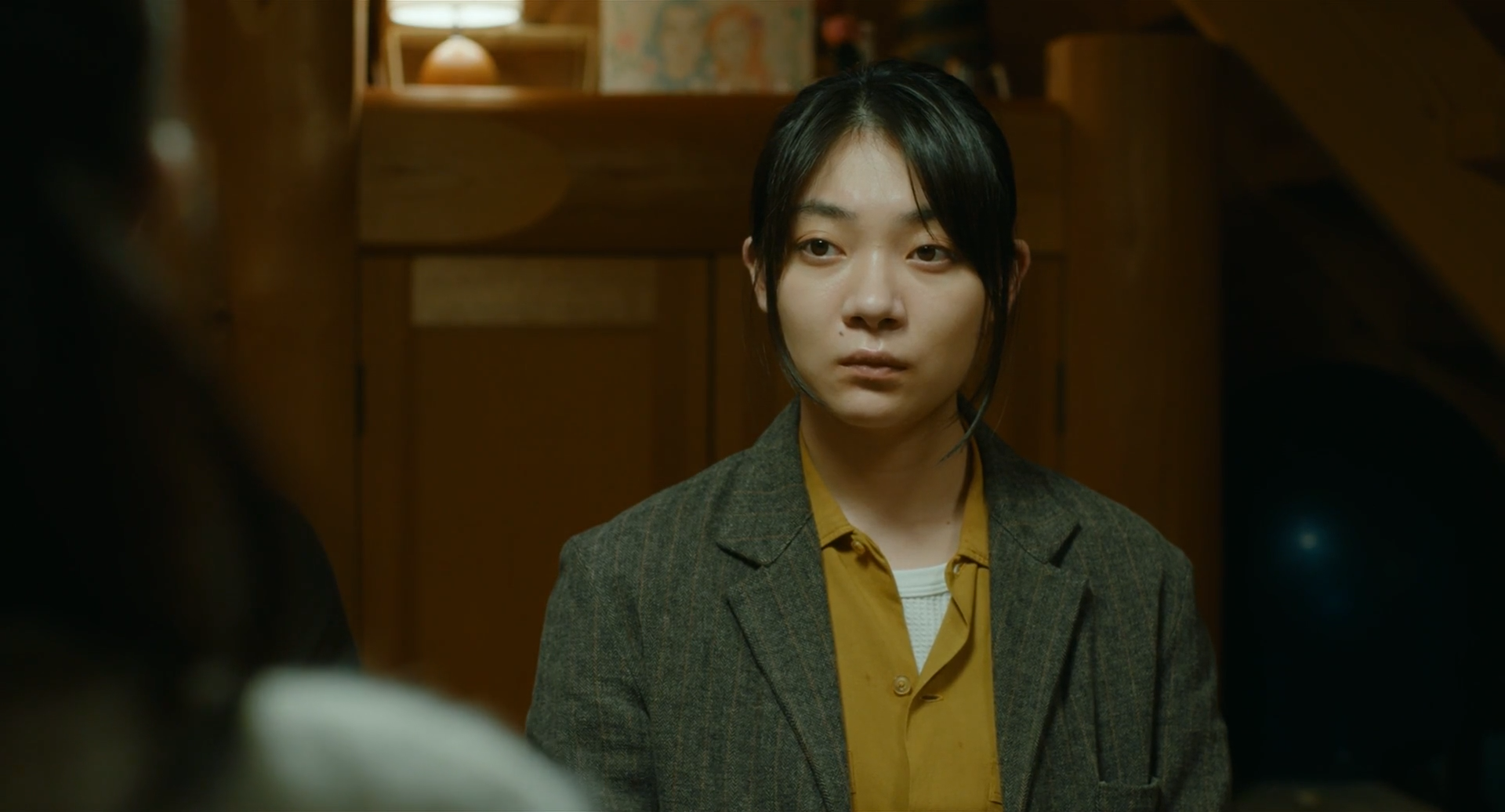
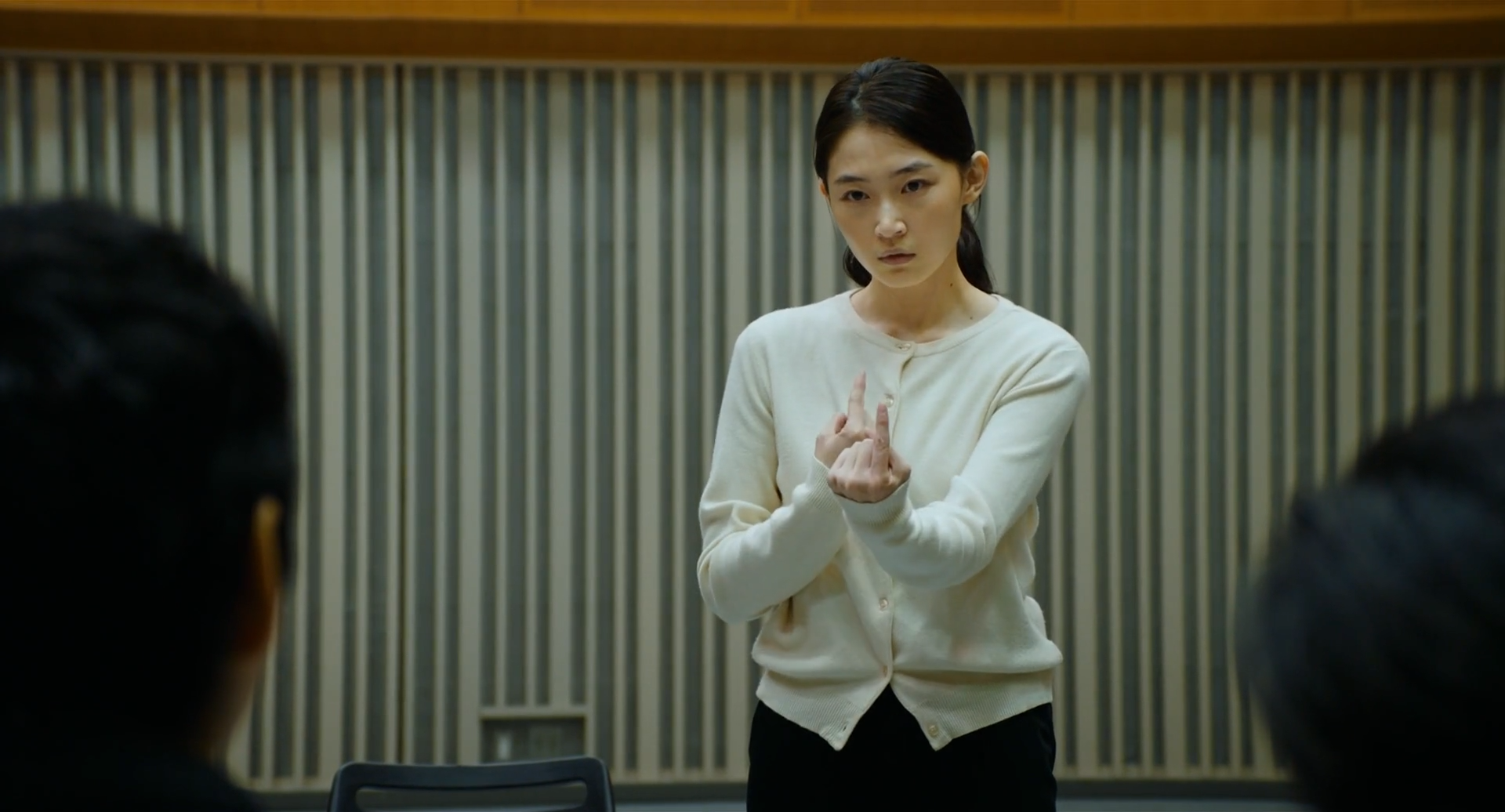
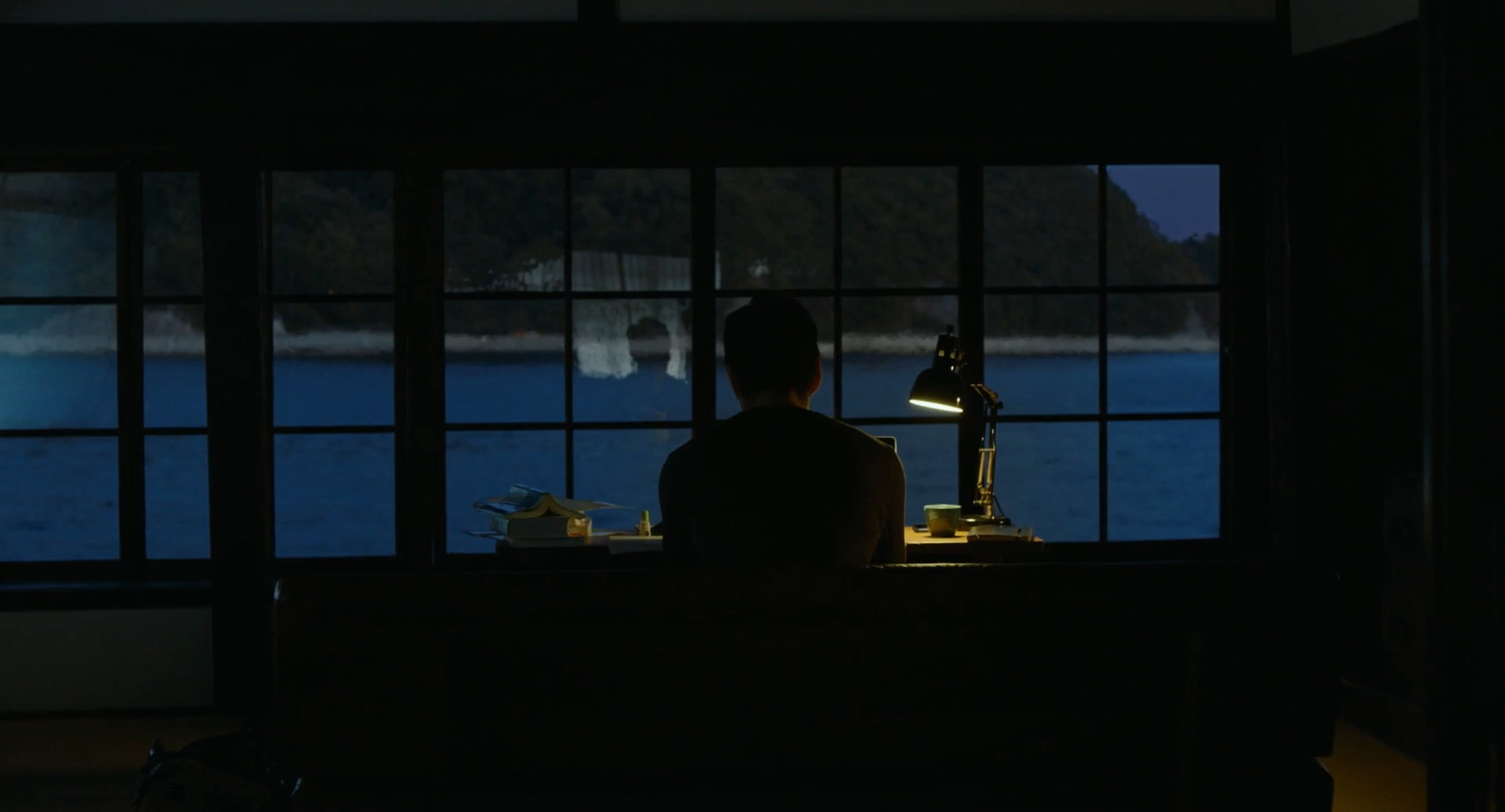
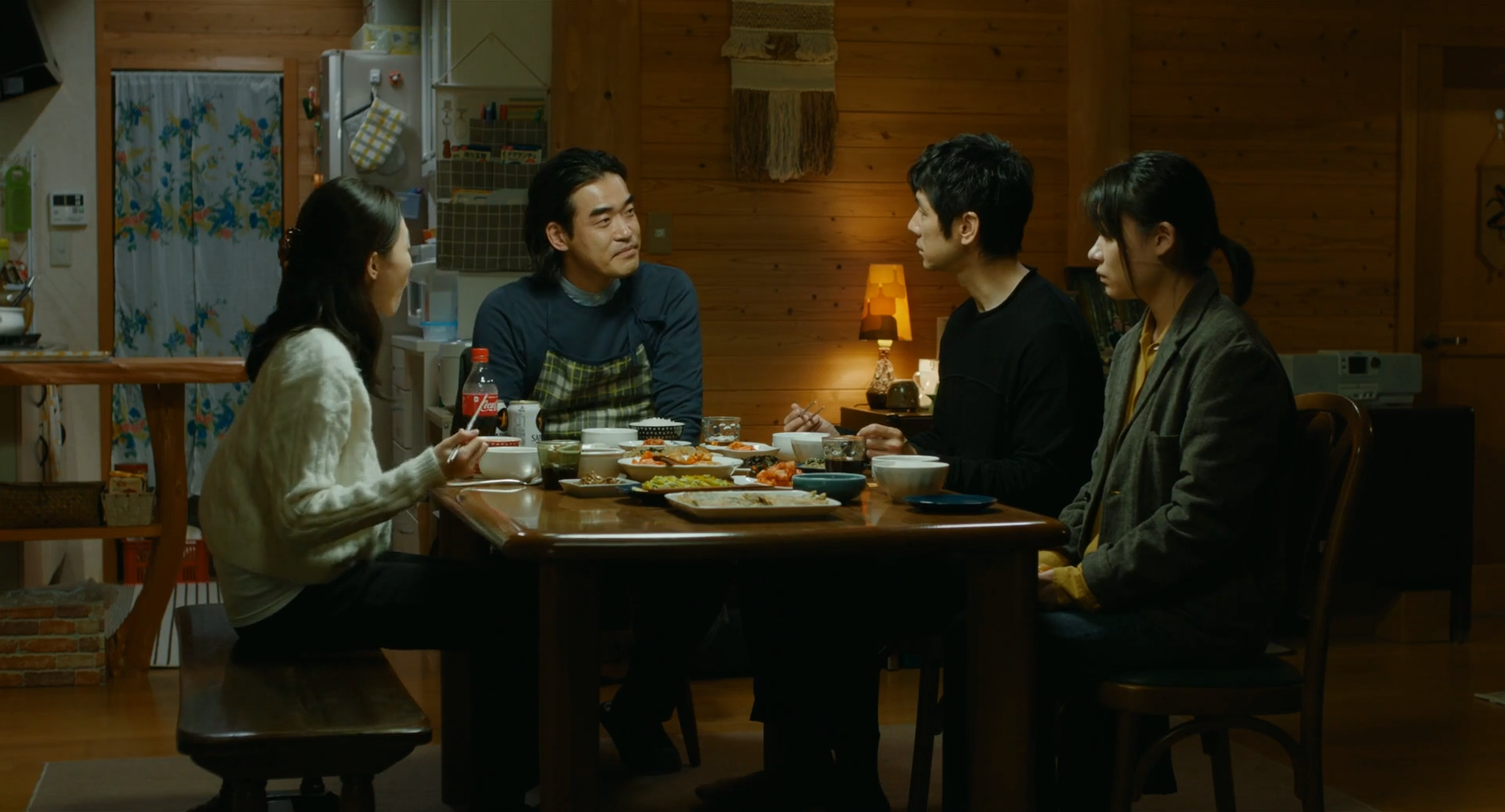
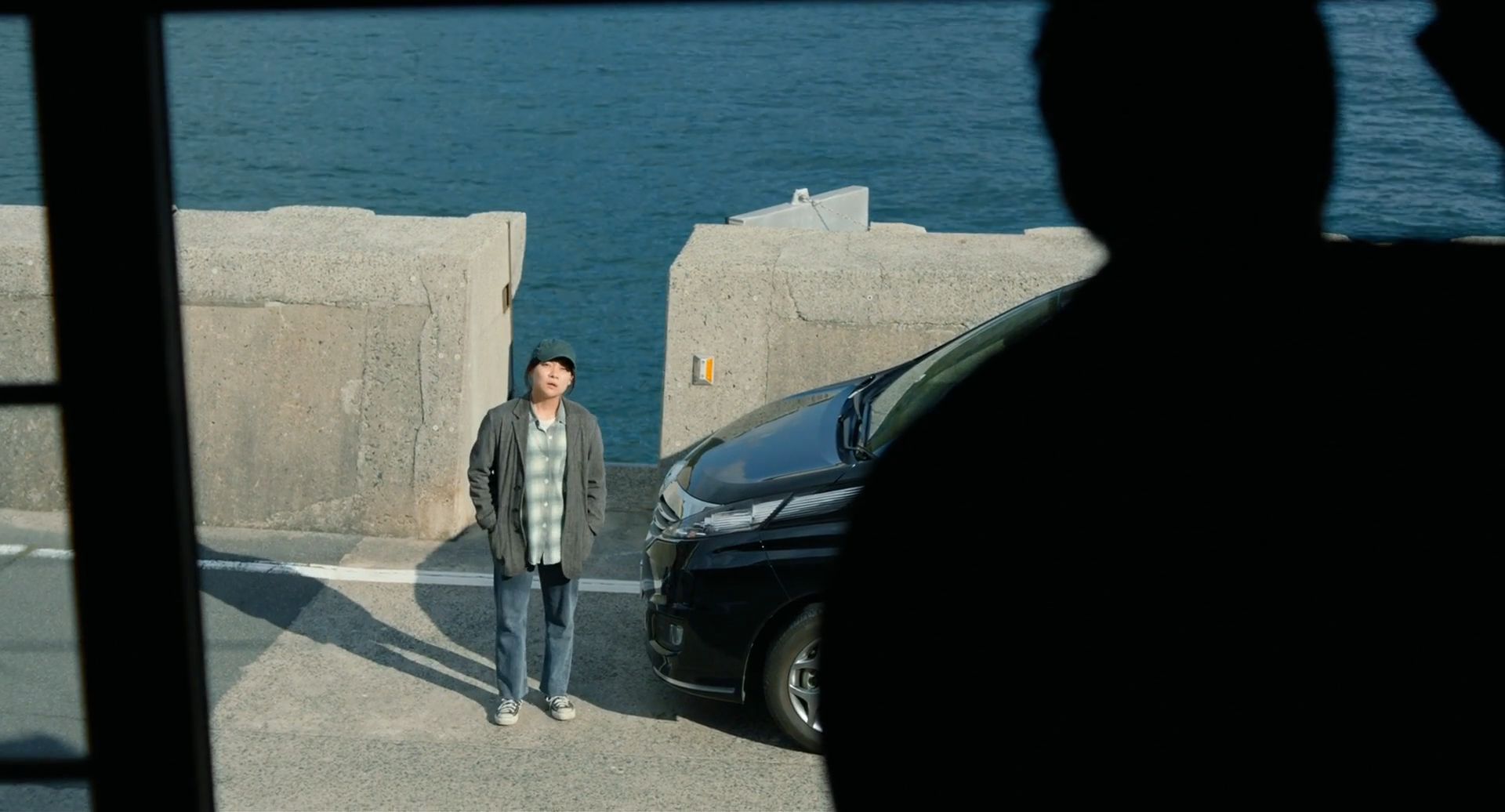
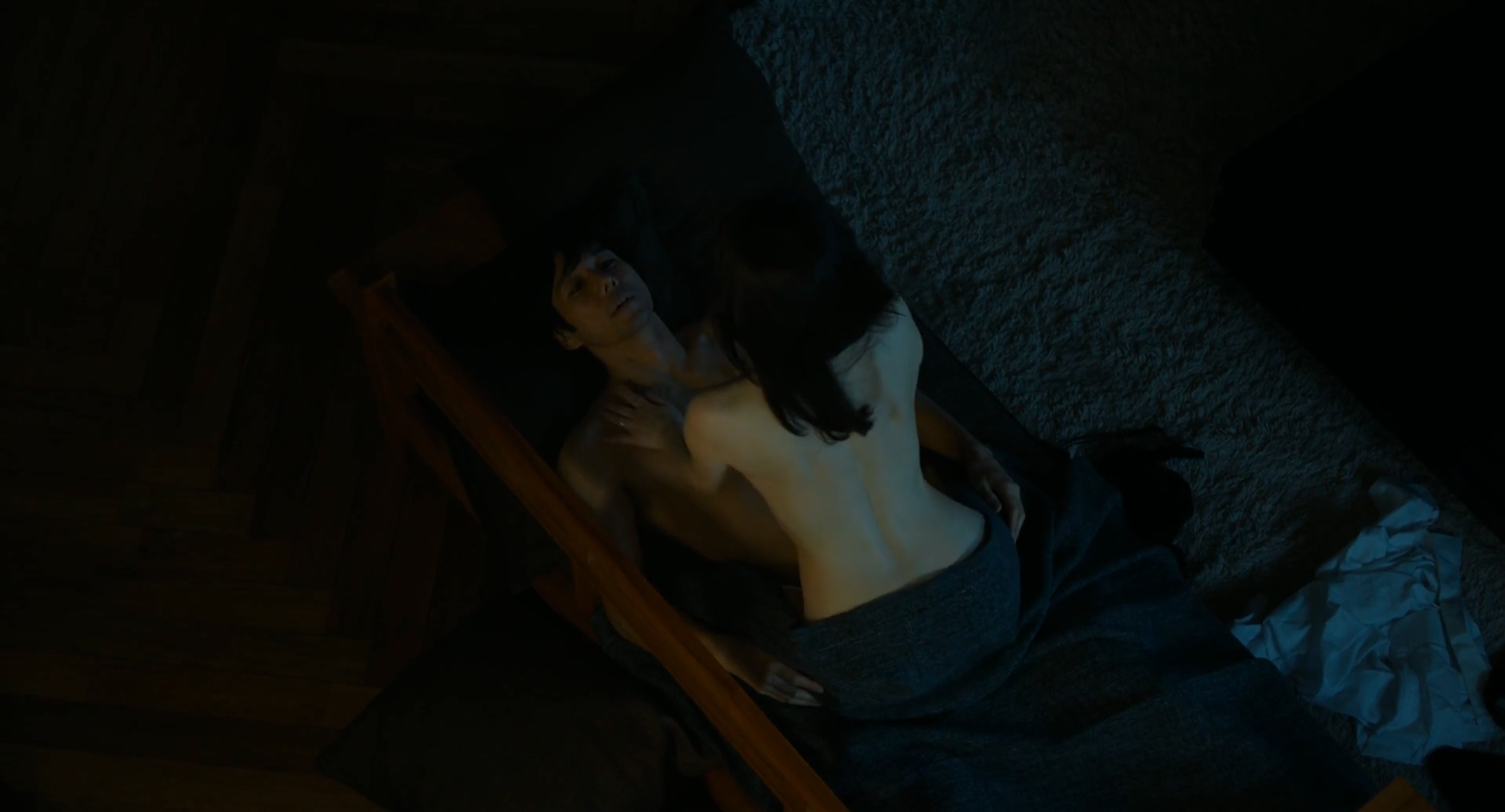
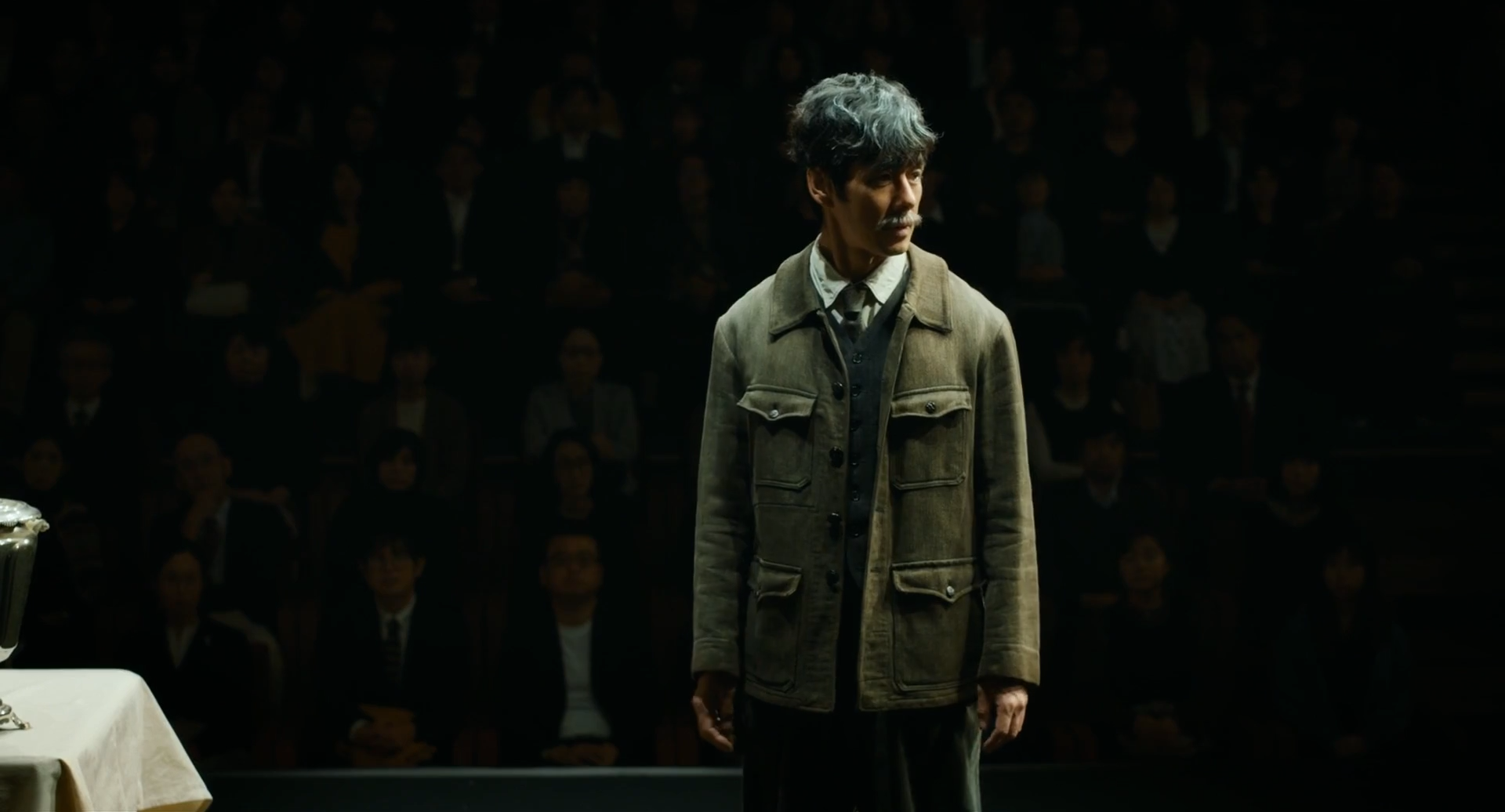
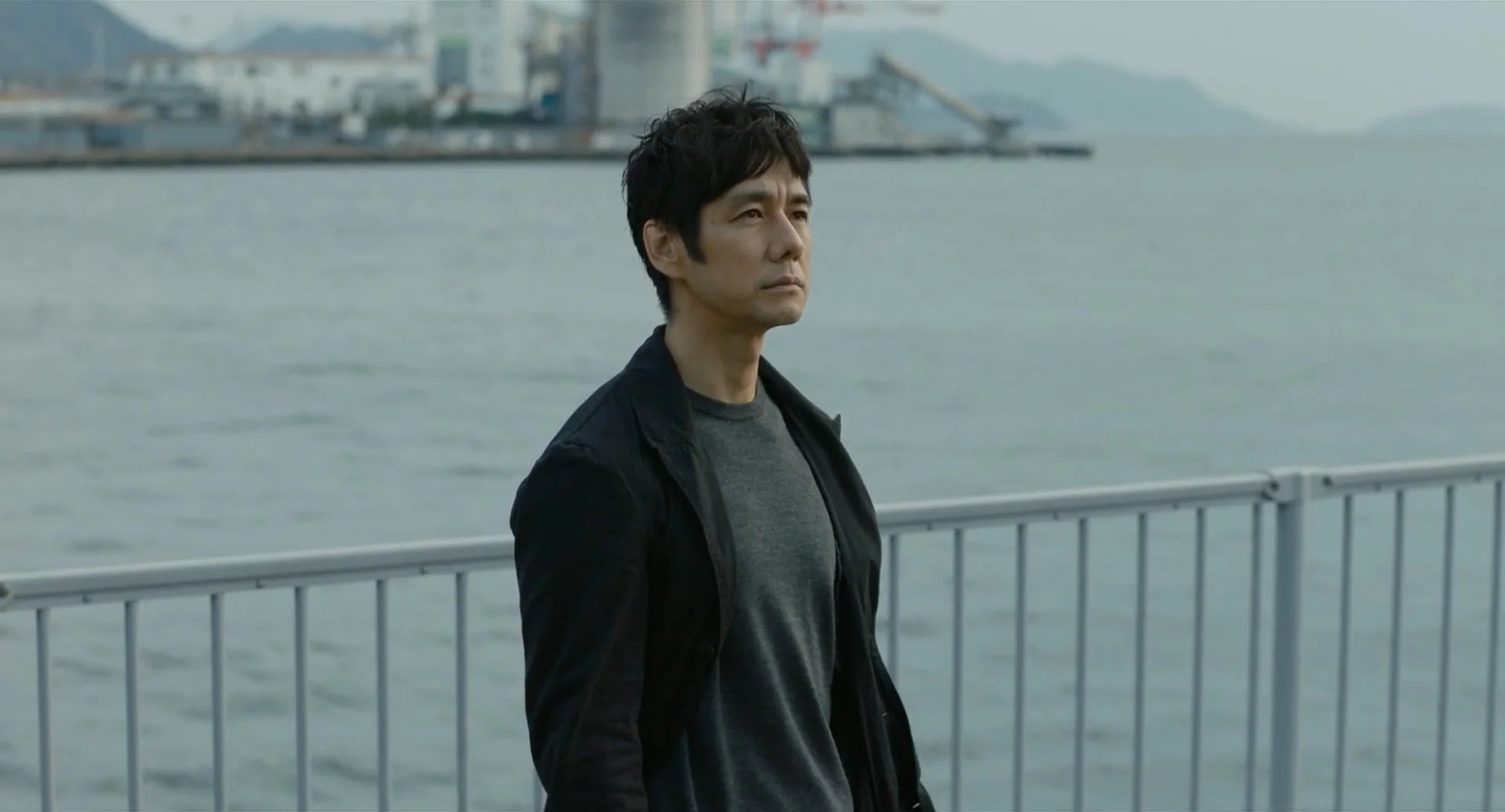
X doesn’t seem to miss when recommending films for cinephiles. Everyone seems to be talking about Drive My Car, an indie film from Cannes that supposedly should have won over Coda, so I watched this to see what the buzz was about. There’s only one really good soundtrack from this otherwise quiet film, but it definitely leaves an impression solidifying this as a mood piece road trip. This film is extremely mundane, and will be boring to many audiences. It’s more for the existential and philosophical cinephiles that want a thematically rich story. I really enjoyed the slow burn and there is something compelling about the direction of this film that makes you really connect with its characters, perhaps it is the focused closeups and lack of flashy cinematography, though there are a few scenes exceptionally framed. The film actually begins quite beautifully, and though I normally find sex scenes distracting, it’s done very tastefully here. Because the film is unbearably mundane, it allows us to stand in this man’s shoes, whom doesn’t articulate his feelings much. It’s one of those read between the lines type of films where you have the interpret their stoic emotions. This is a mature experience for viewers that enjoying thinking and living in the moment.
Analysis:
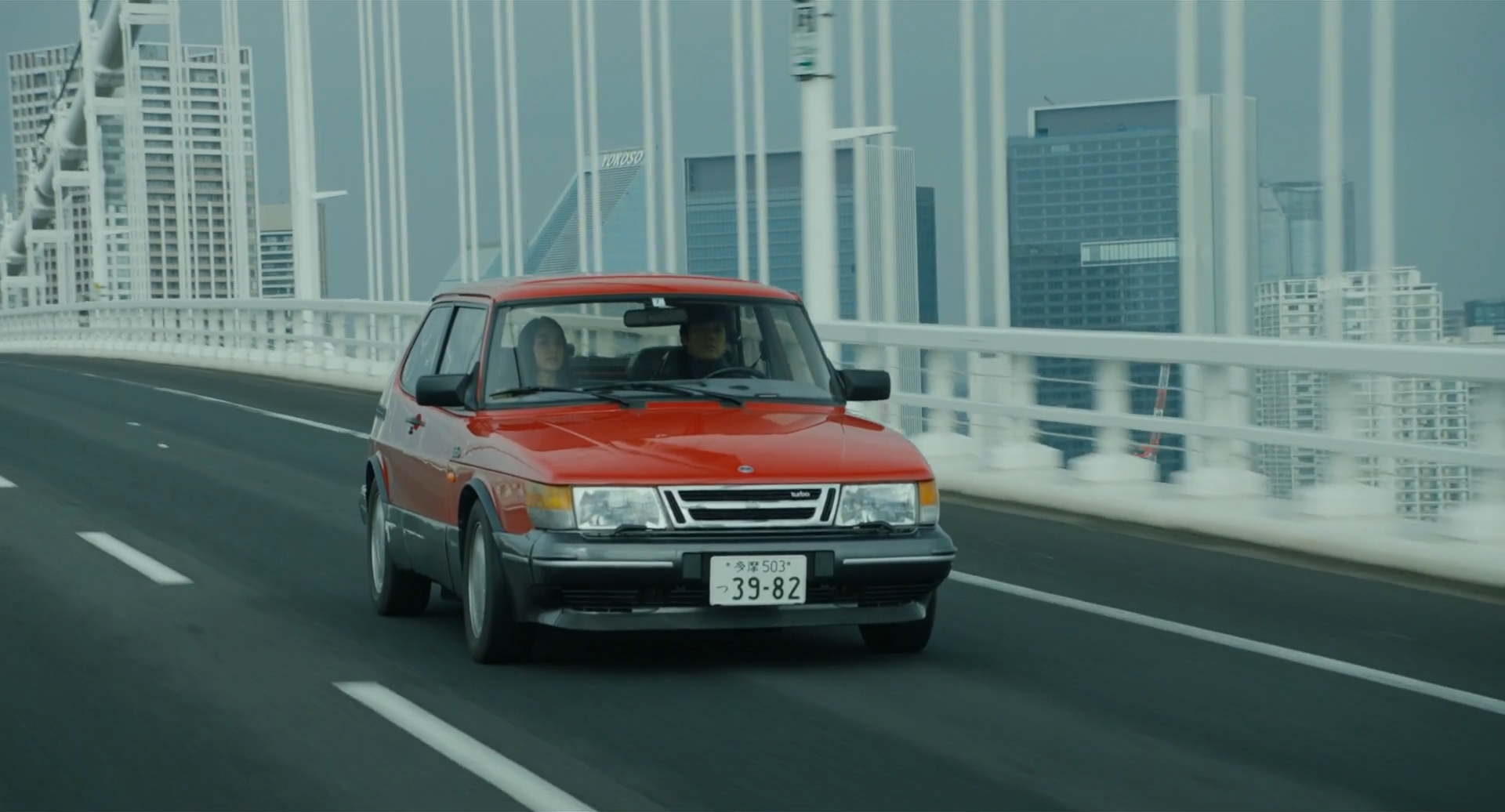
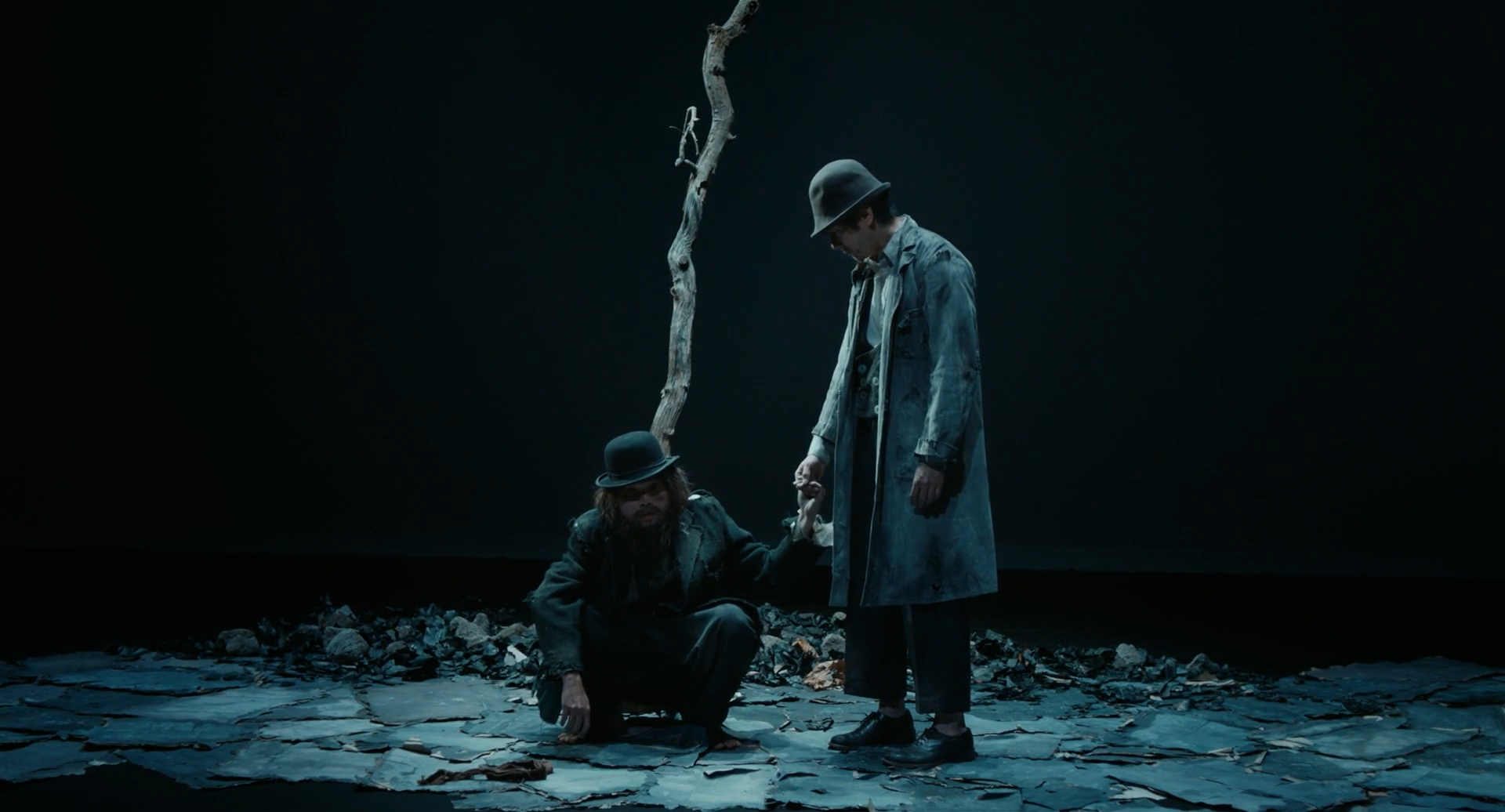
Just a little context, Japan has a high rate infidelity. I’m not sure if there are cultural elements that are flying over my head, but this is probably why cheating isn’t stigmatized in this film. The film is initially about a man dealing with grief of his dead wife and the trauma of not confronting/saving her. Although she has an aneurysm, it’s possible that she was murdered Takatsuki. This is because the first time he caught them cheating, they were doing it at home when he was away. But this time, she was waiting for Kafuku to return home. Other reasons to support this is Takatsuki's guilt and insistent curiosity as well as the fact that he has uncontrollable rage. but the motive still isn’t really there. From Takatsuki's story, it is revealed that she has some darkness when writing her screenplays. It's of note that they specify that the woman stabs the burglar in the left eye, which happens to be the eye that Kafuku has glaucoma in. This not only suggests that the wife believes he has killed Kafuku, but also that he has stolen something from her as well. There's a lot of trauma that was never unpacked from their dead child, so we can only pontificate, but it's likely the conversation Oto wanted to have was to express her guilt. In the story, she leaves clues, and so this is also another clue. The fact that she hid the ending of the story from him, reveals its importance pertaining to Kafuku specifically. The film is about repression, denial, and passivity. The scar being surgically healed from the final scene and the car given to the driver, not to mention him breaking his mental block and continuing the play suggests that the primary theme is about overcoming trauma and living. As Japan has a culture of disillusionment, nihilism, and depression, these themes hit home for many Japanese.
Conclusion:
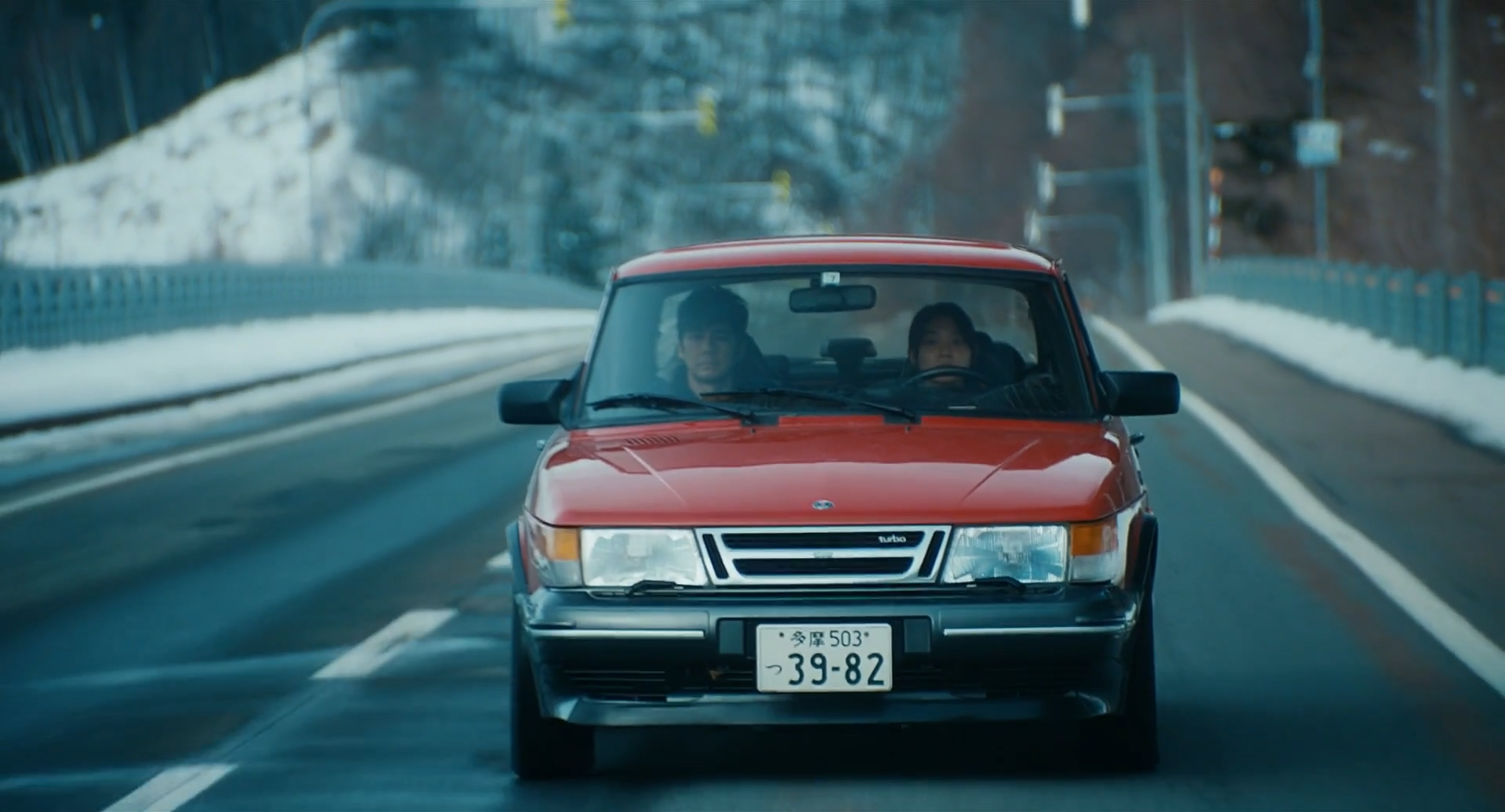
Although I enjoyed the slice of life realism, there were some moments of tediousness within the 3 hours. This film draws from a lot of films - The driving scenes from Taste of Cherry and Solaris, and basically any film from Koreeda. What modern Japanese filmmaking gets right is conveying their repressed emotions with subtlety and refinement. If you want to feel something real, definitely jump in the car.
Recommendations










The greatest animated sci-fi film.