
Perfect Days (2023)


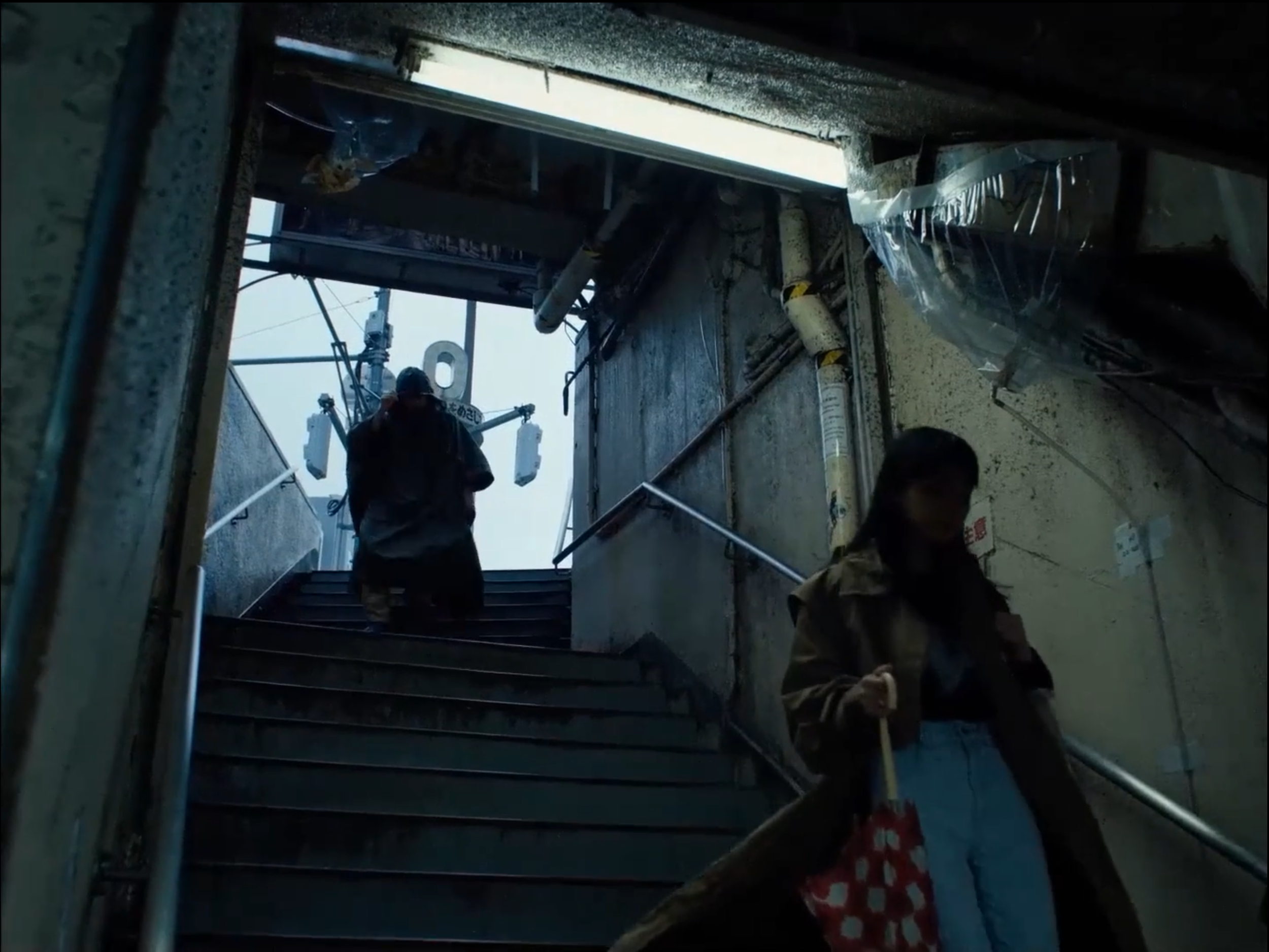
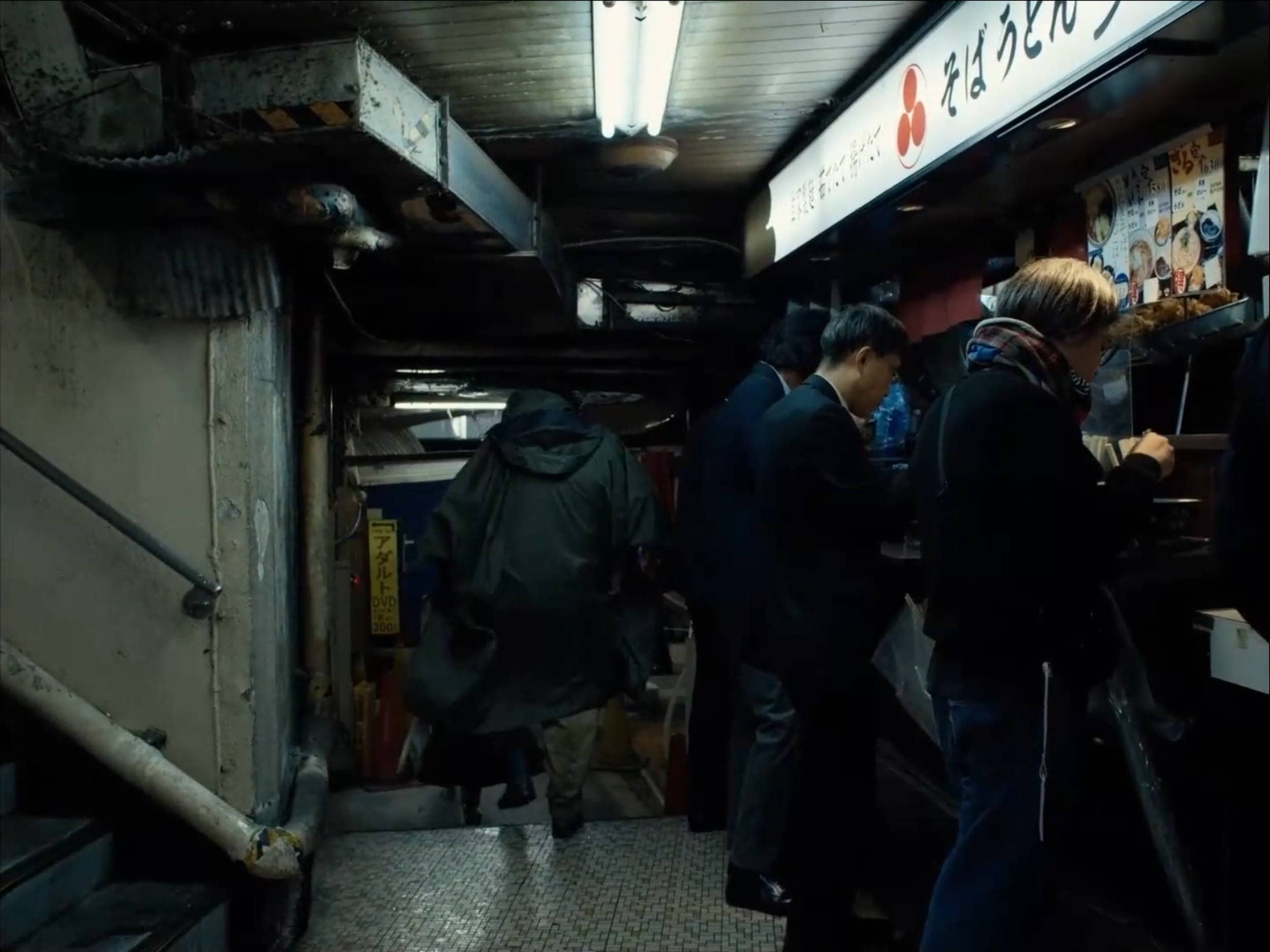
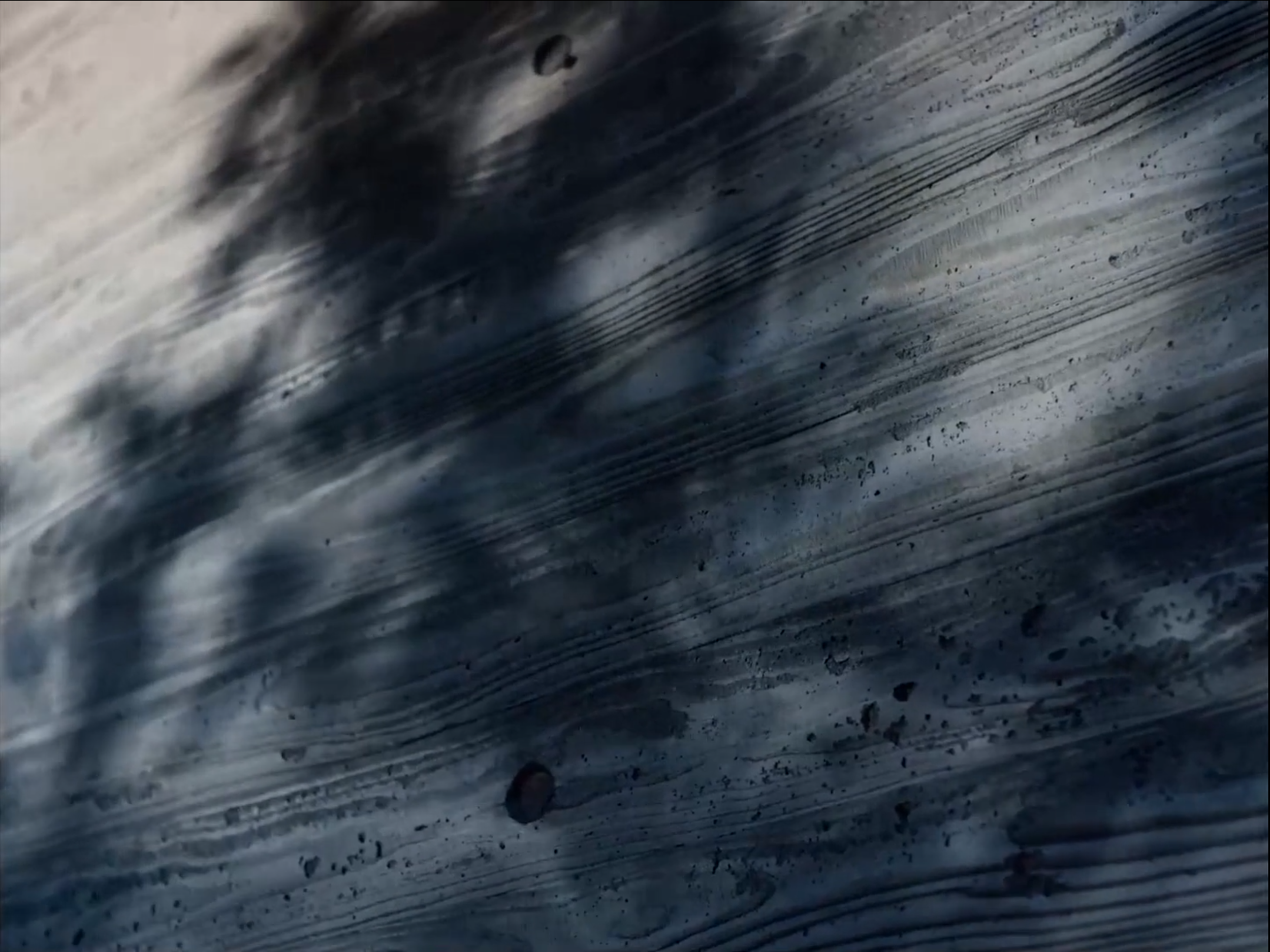






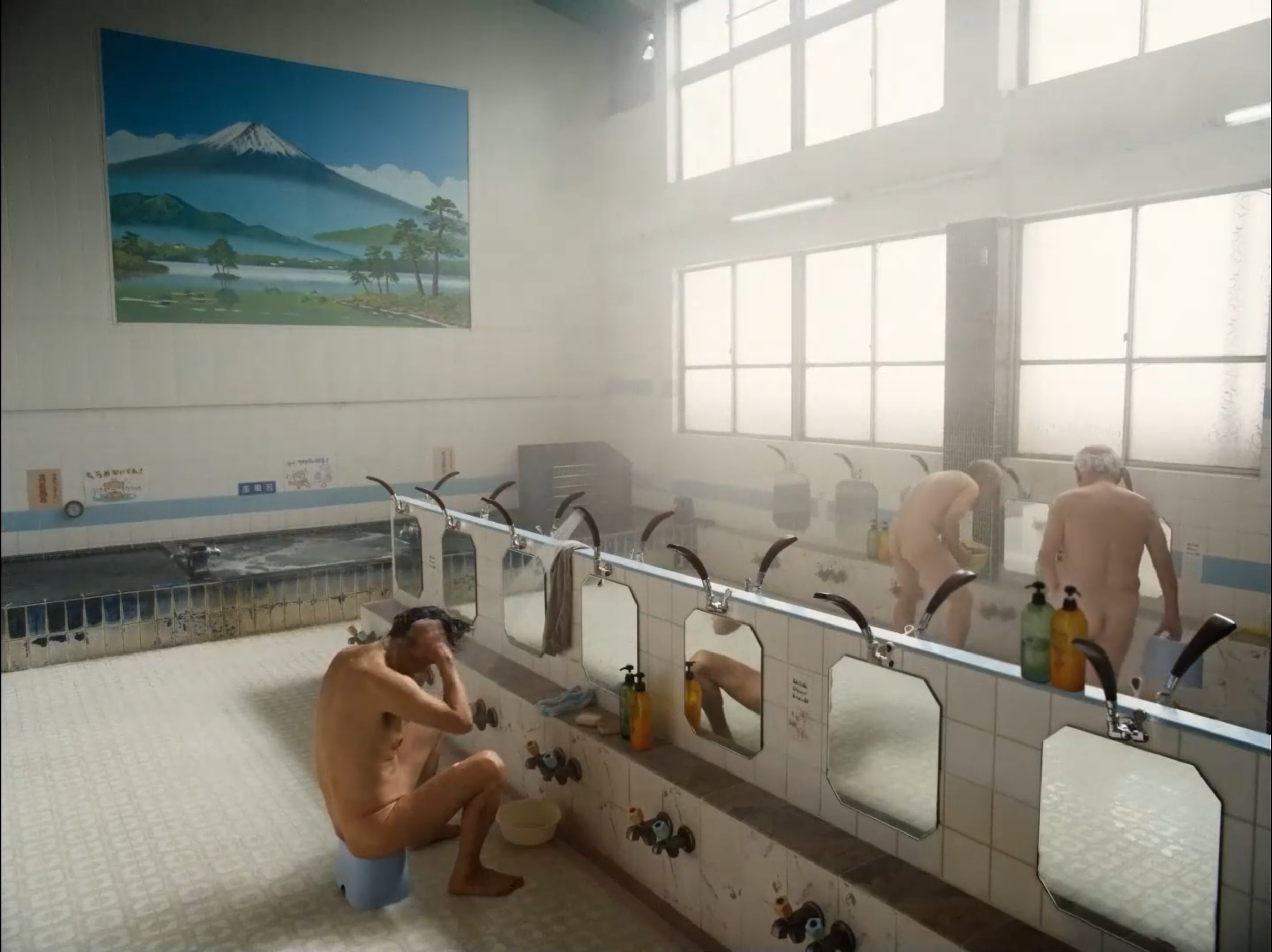











Beauty in the mundane.
Presentation:
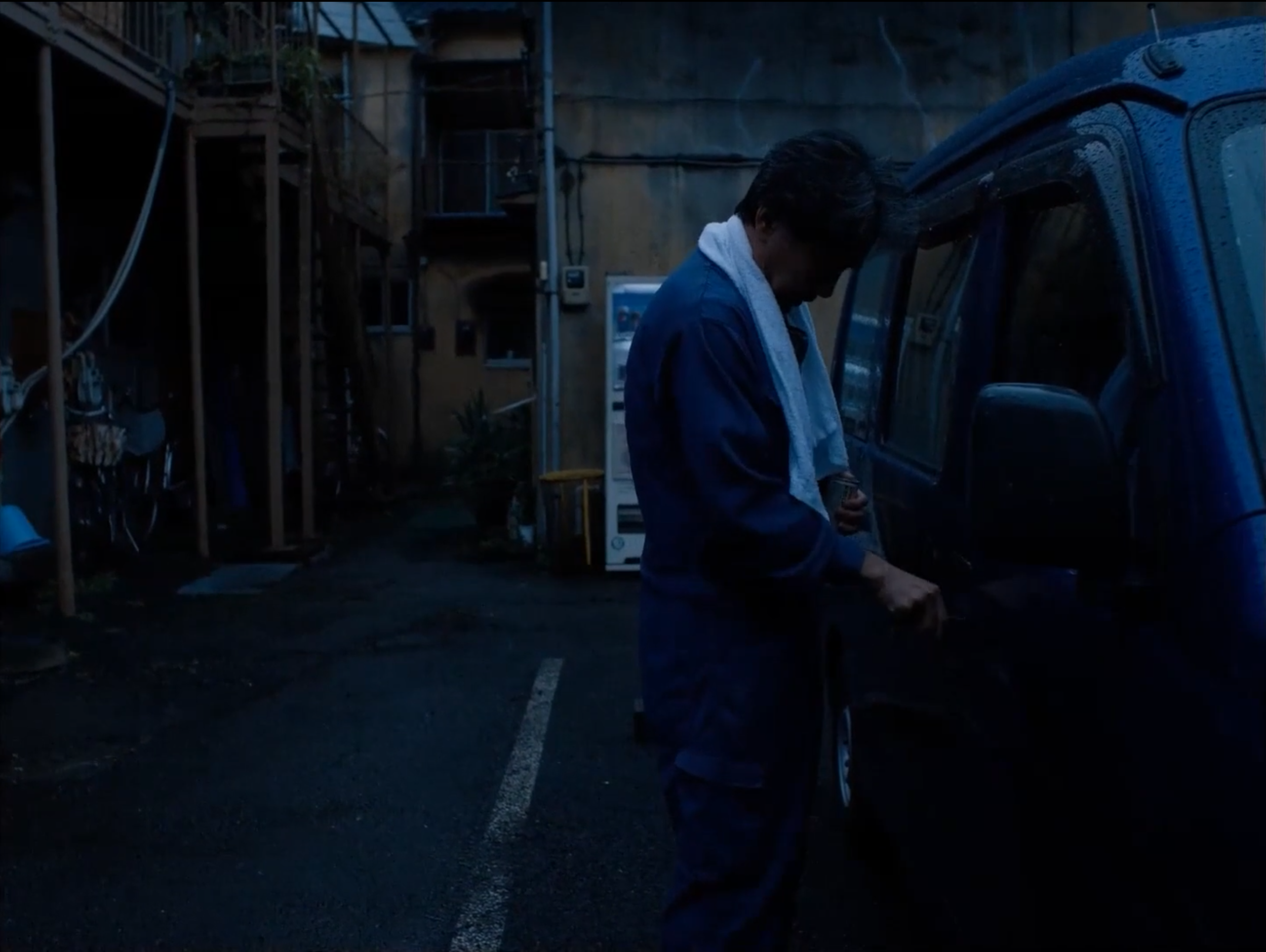
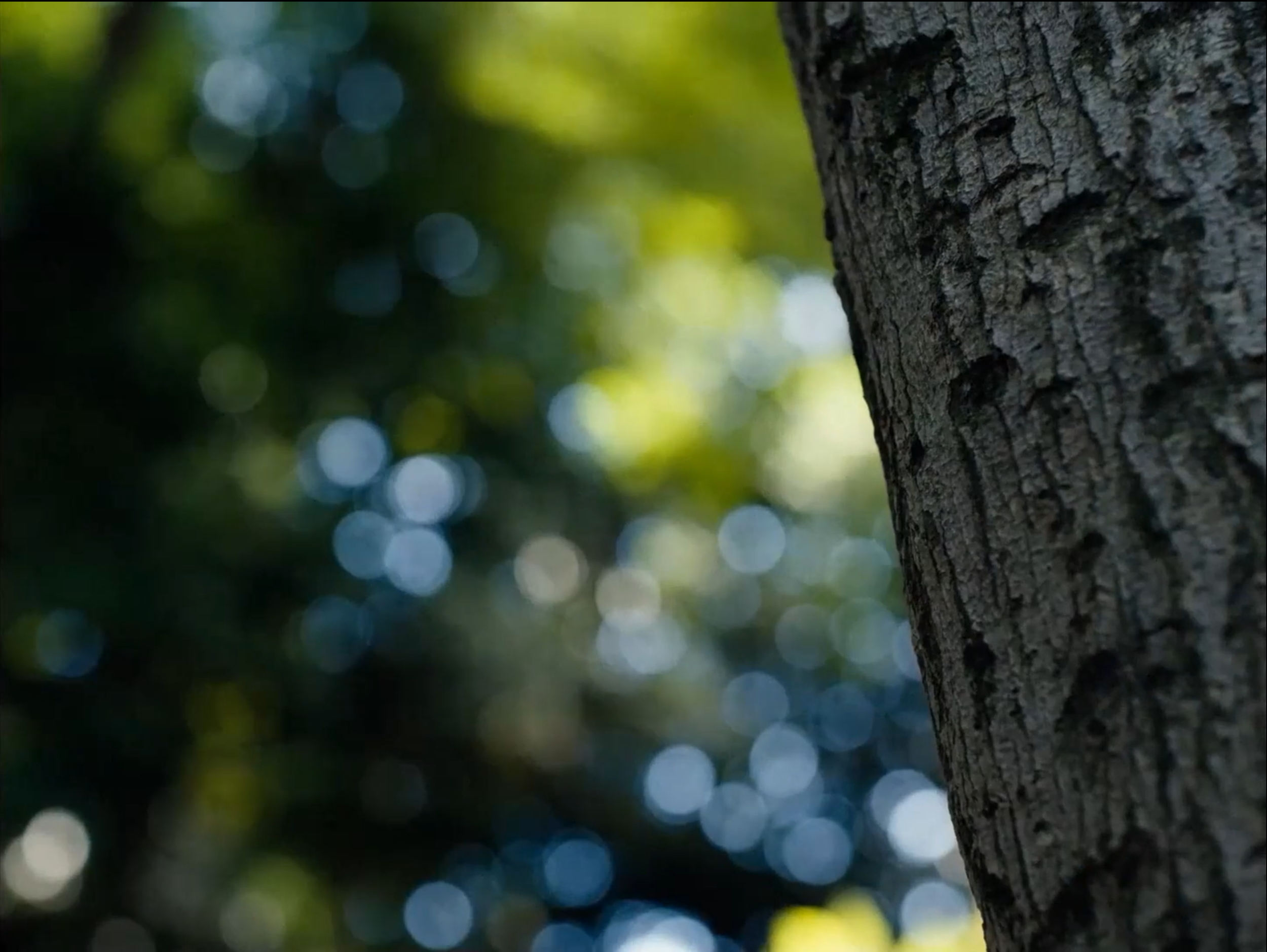
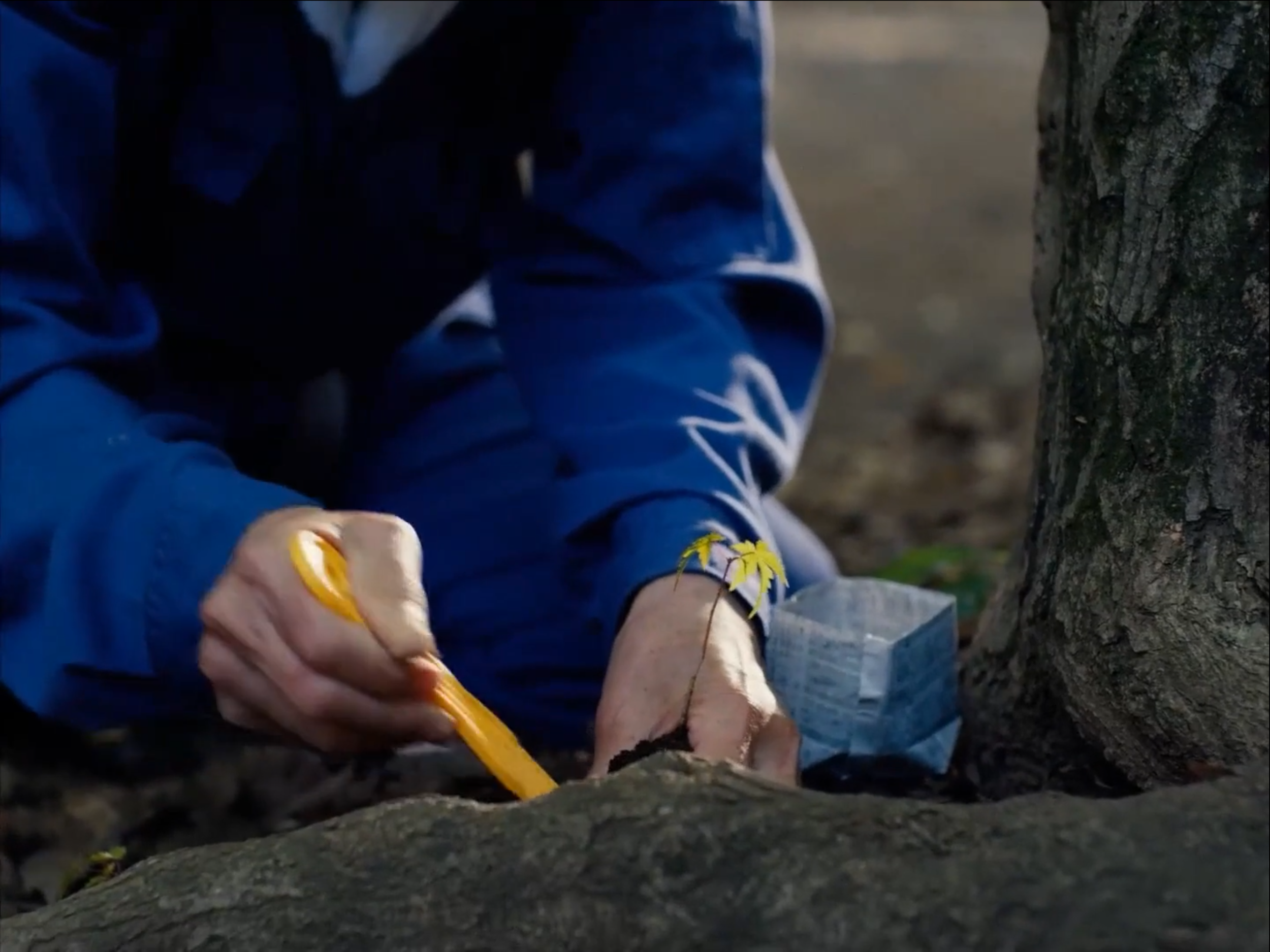
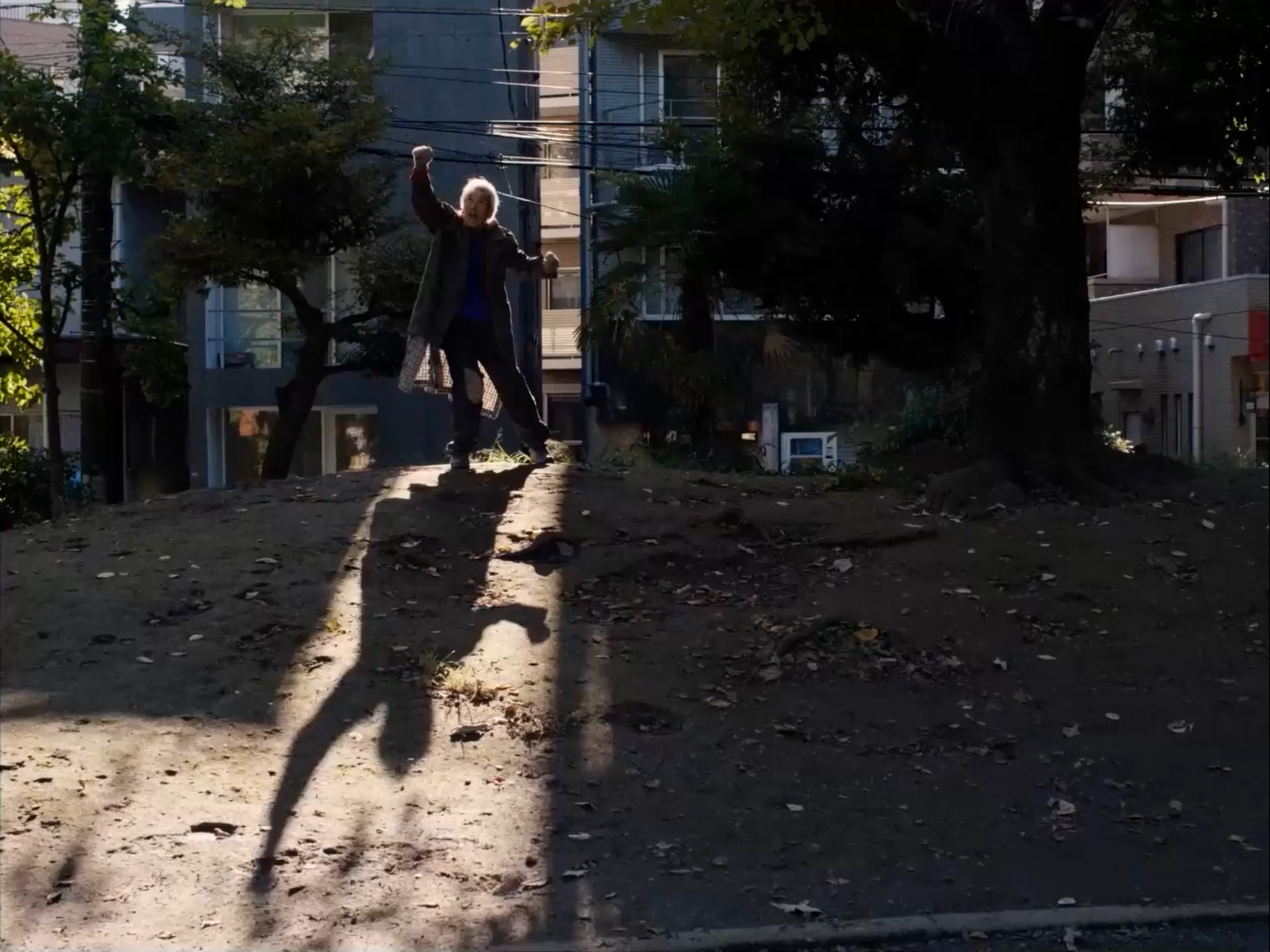
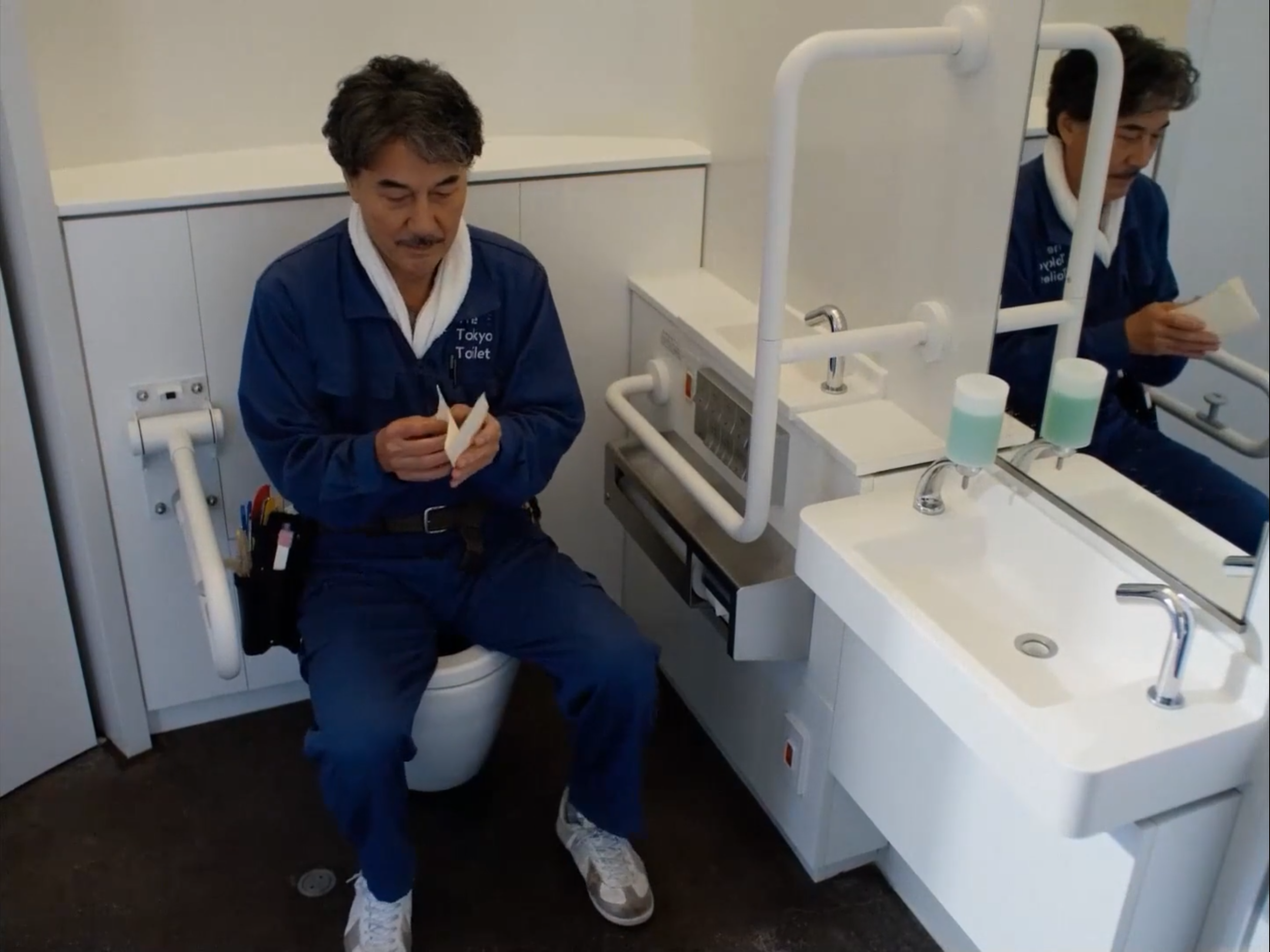
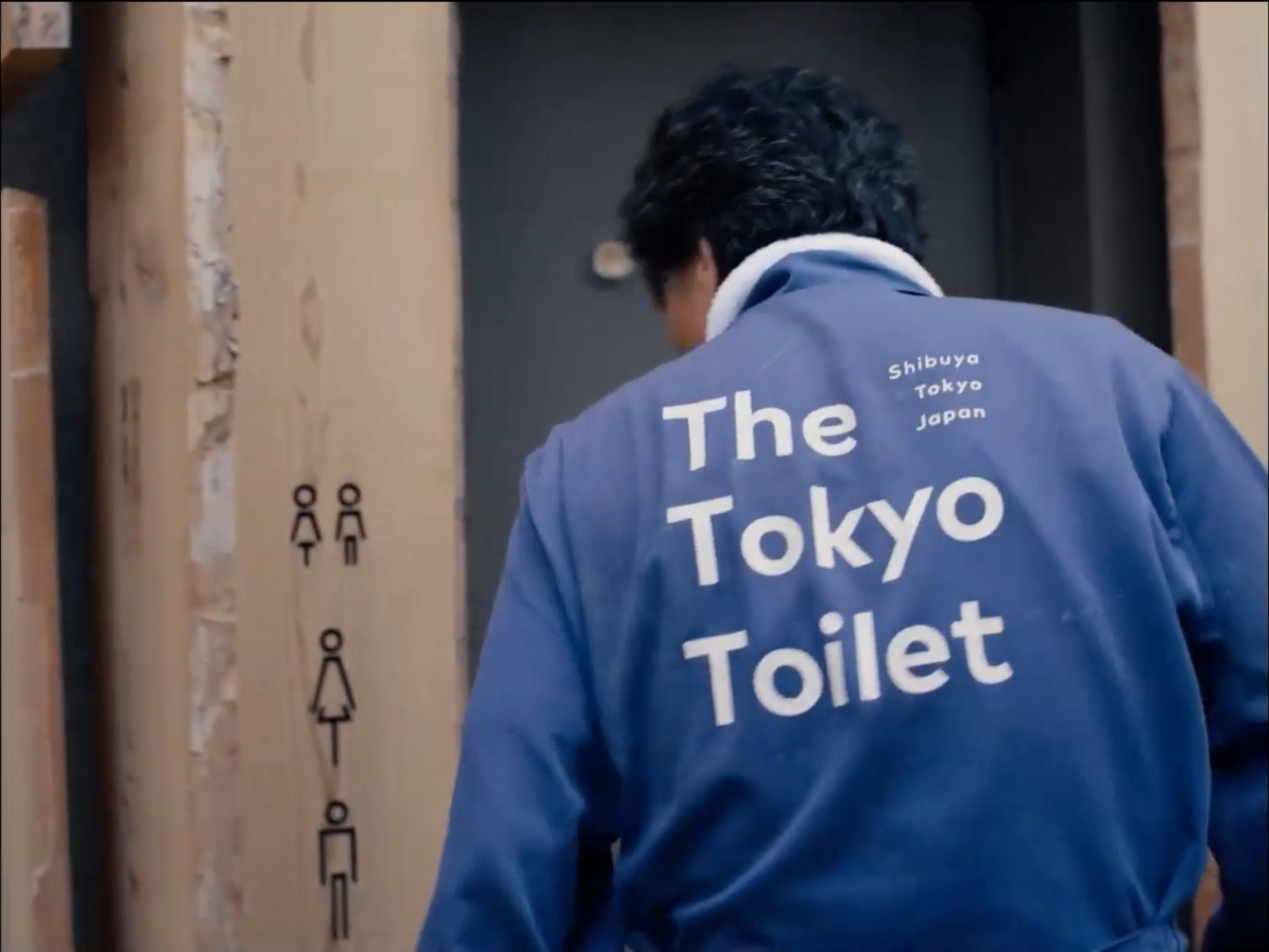
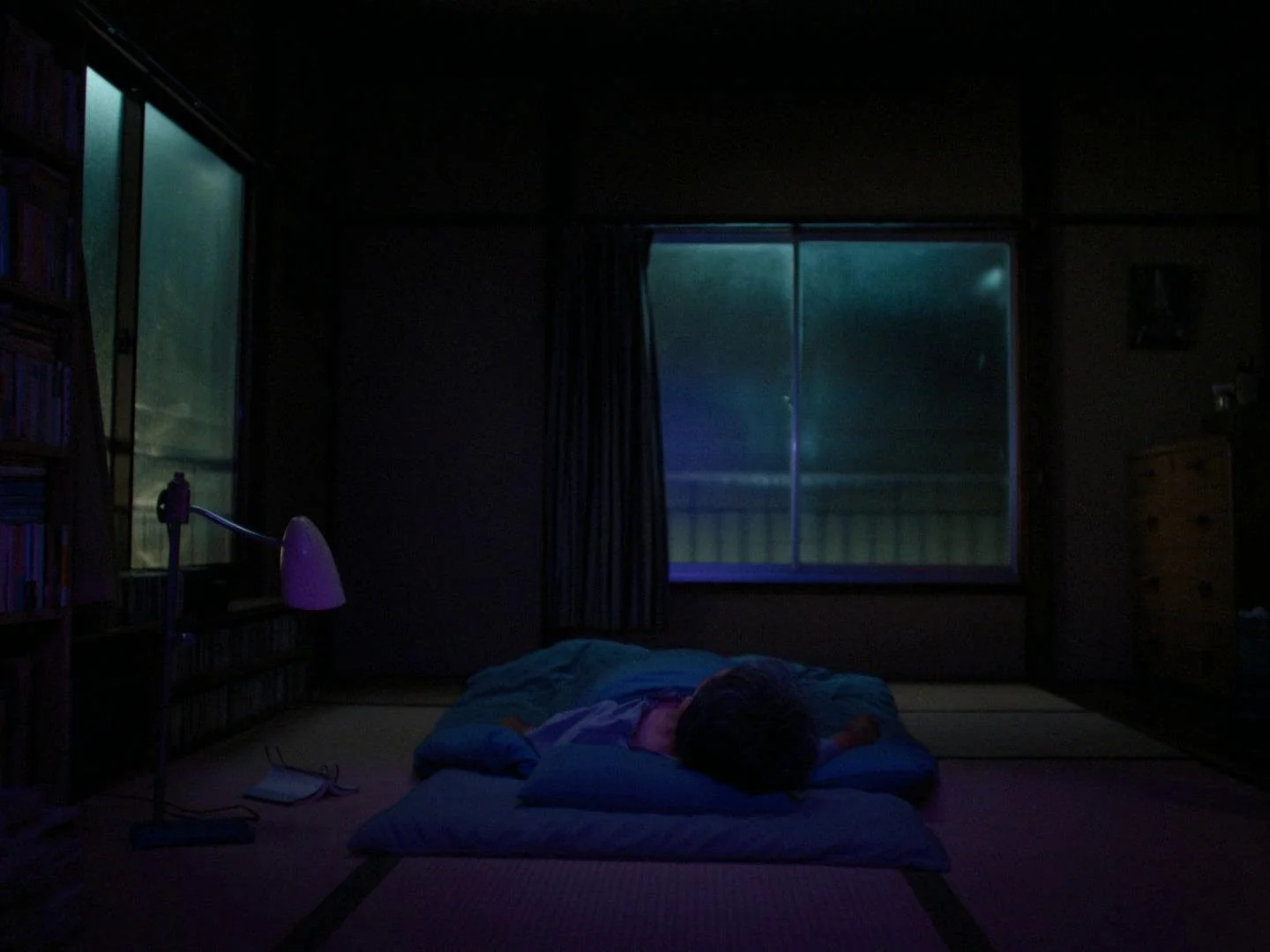
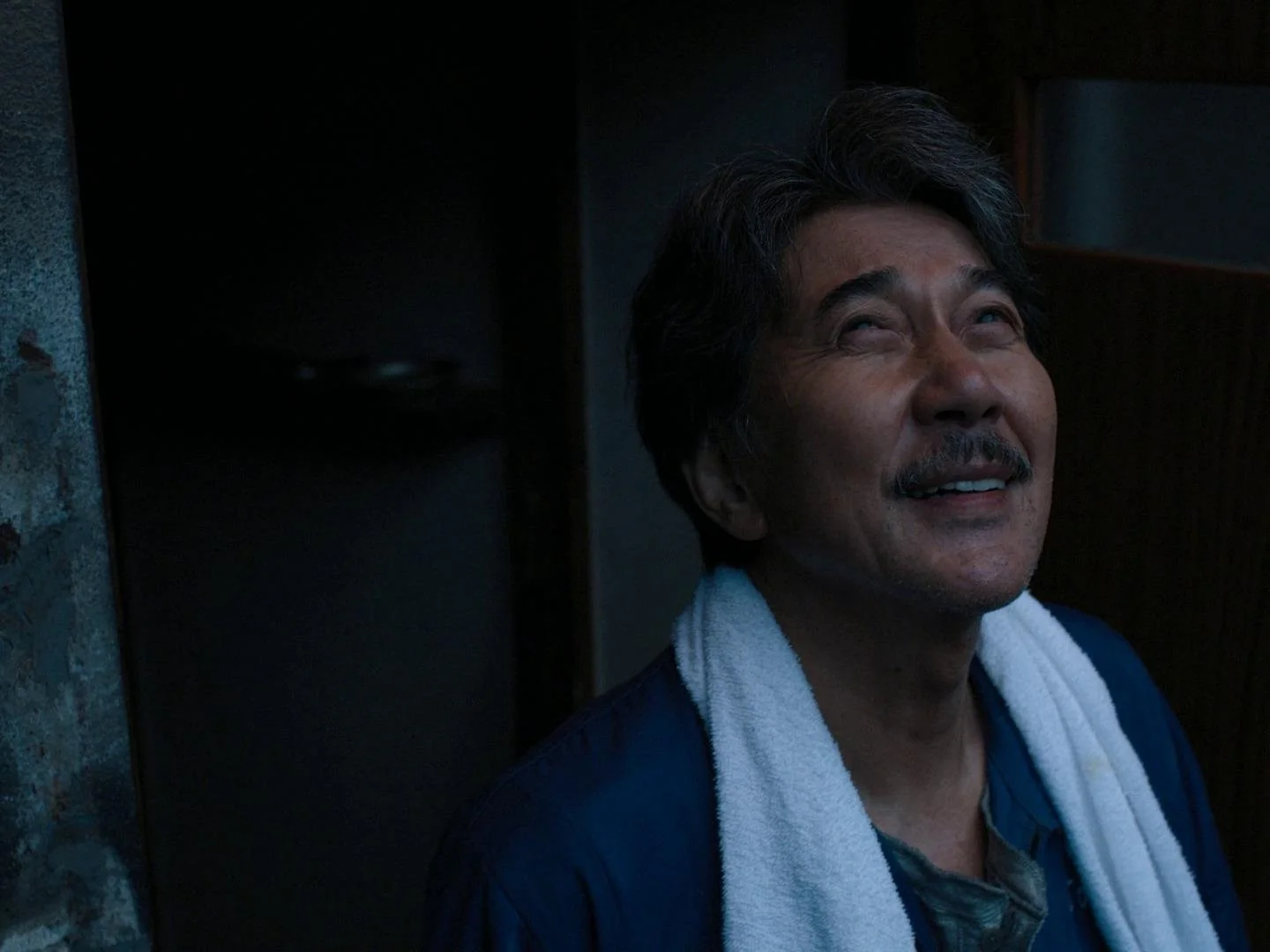
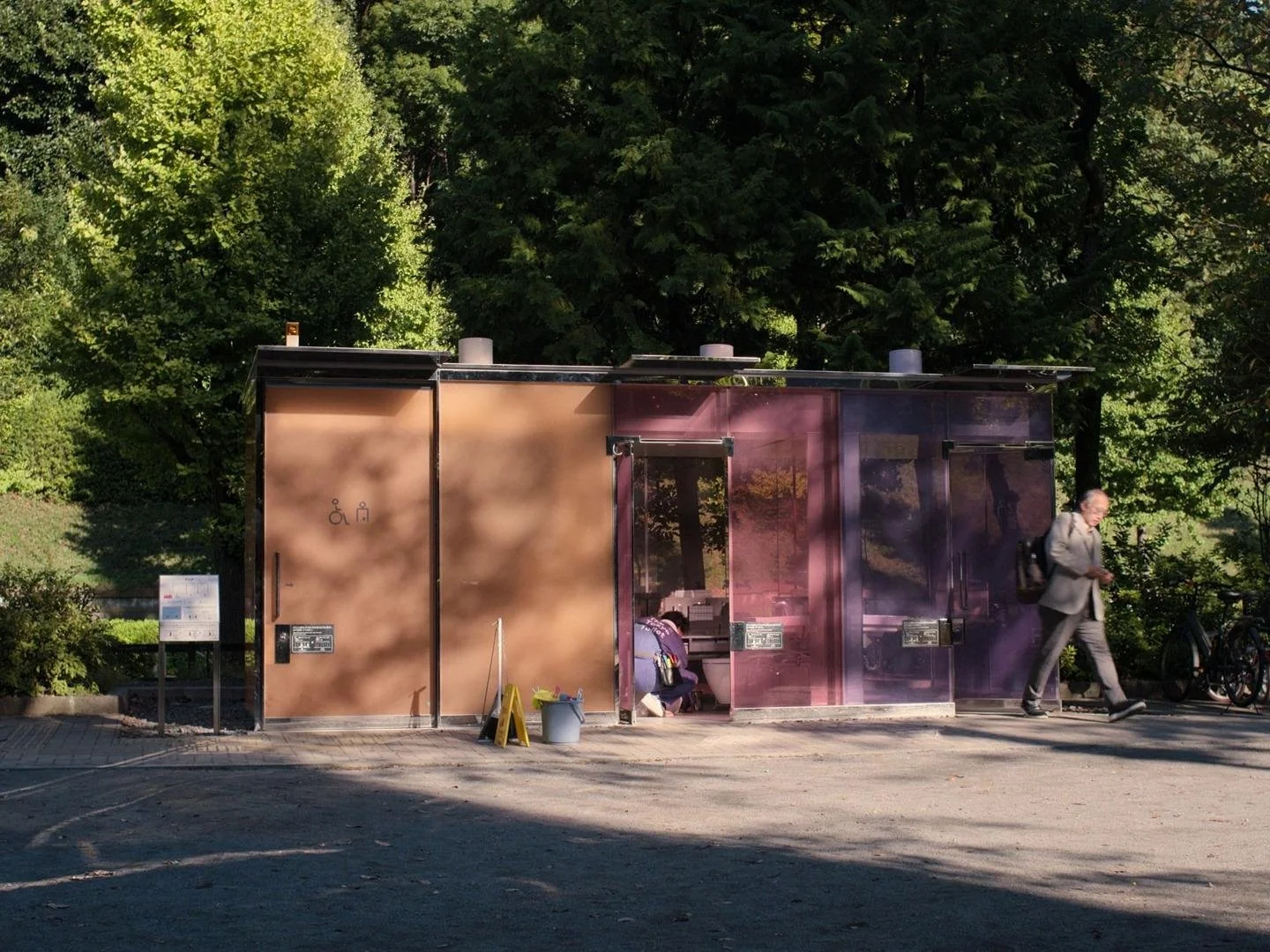
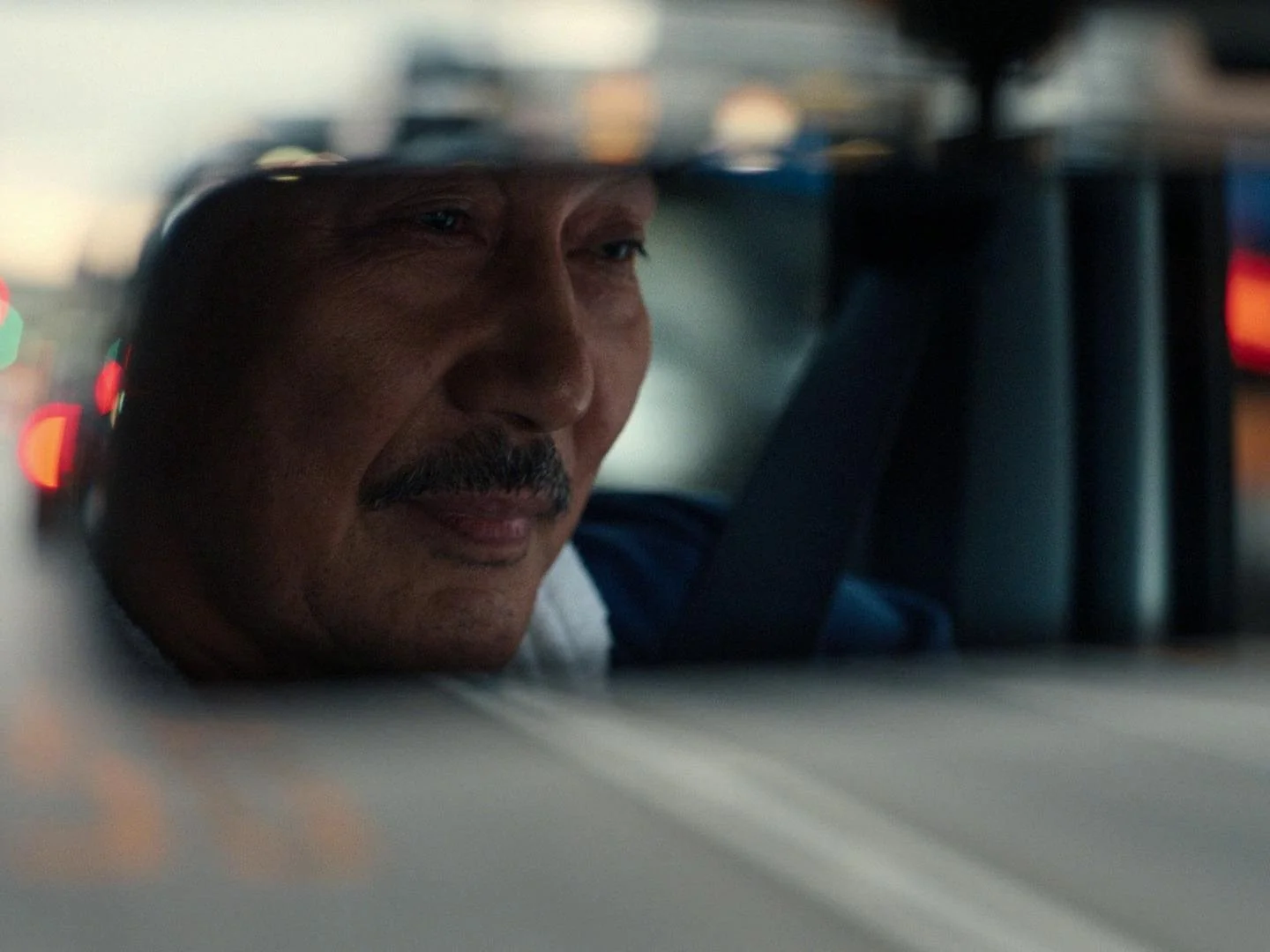
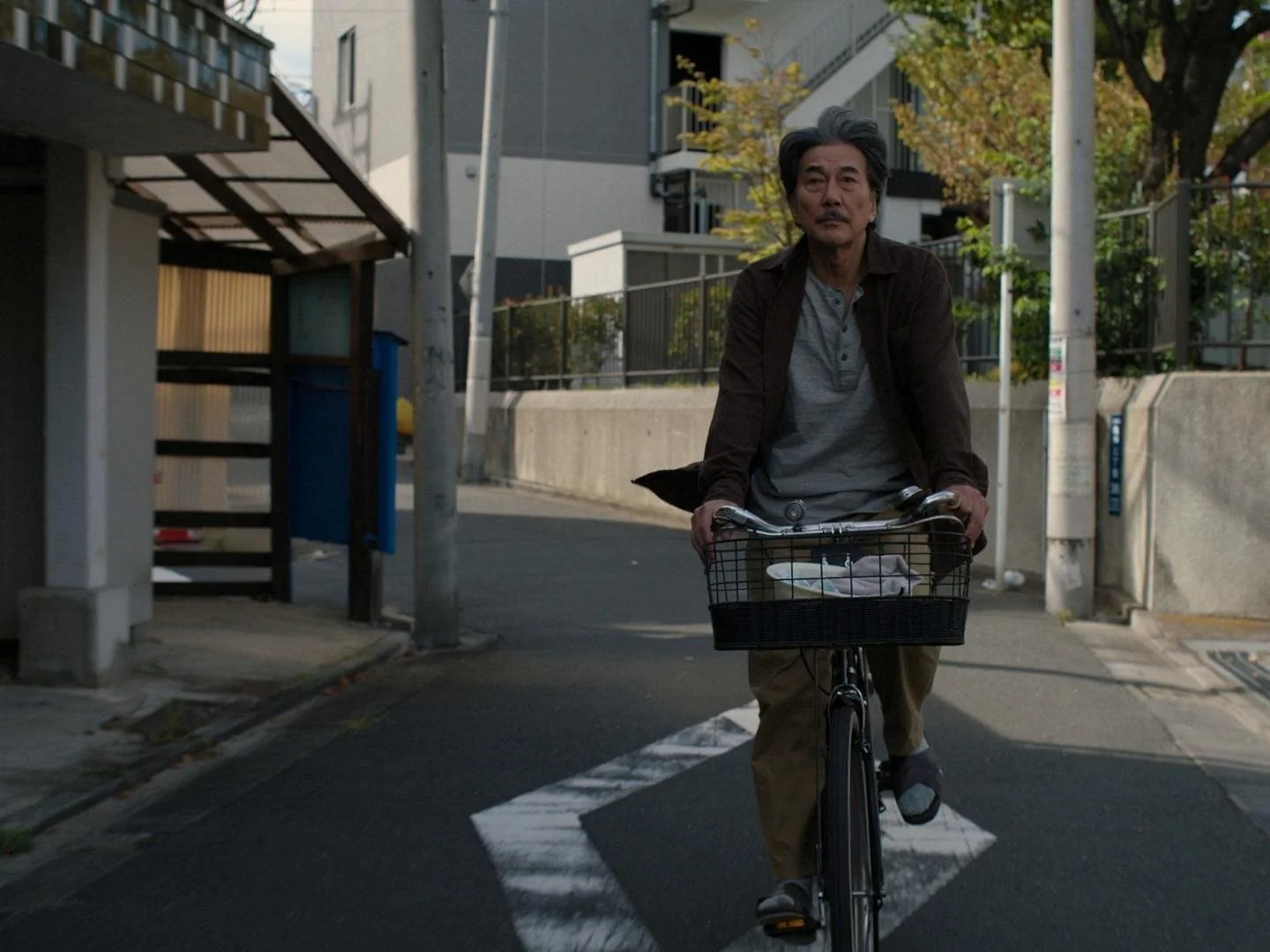
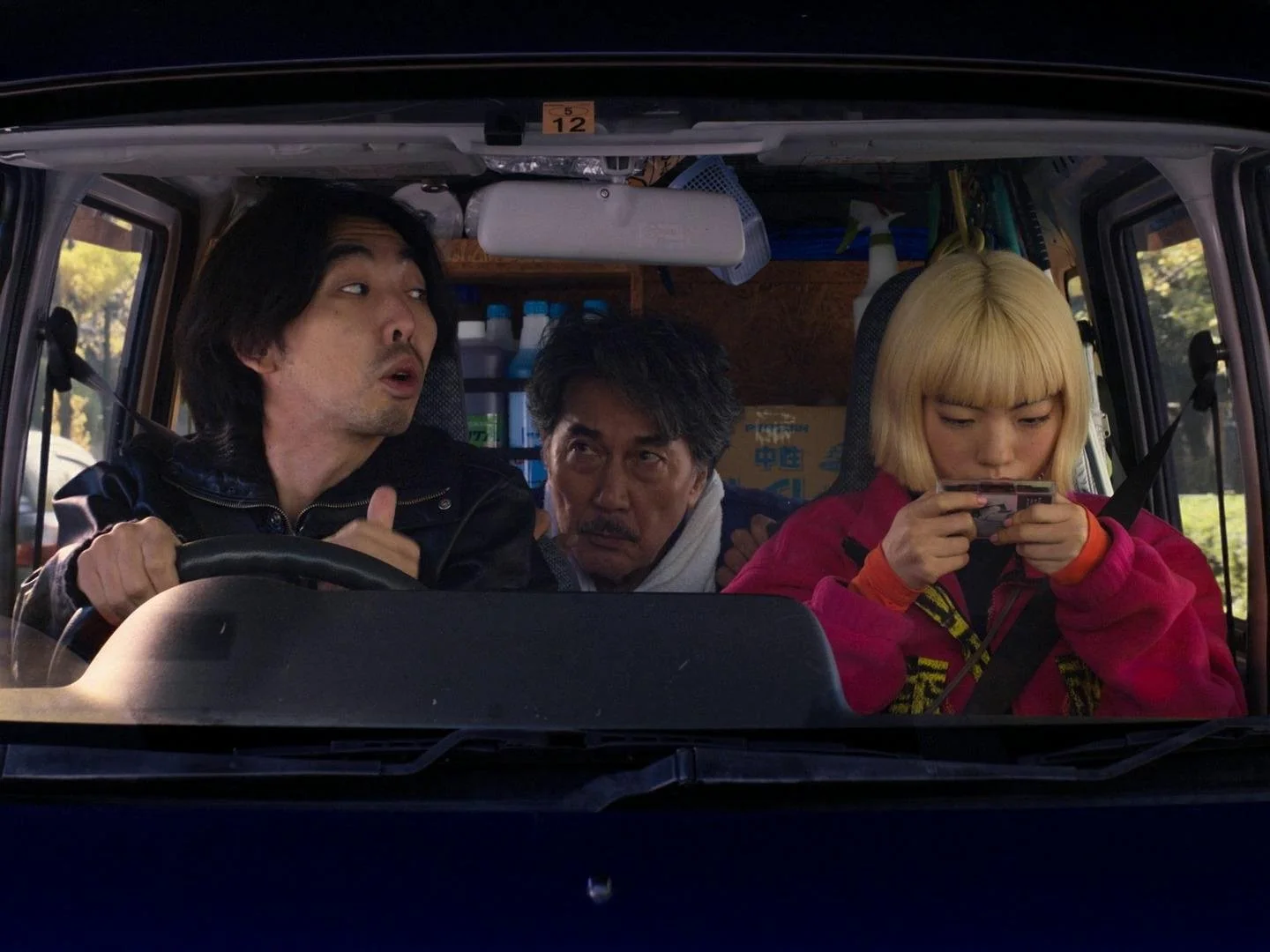
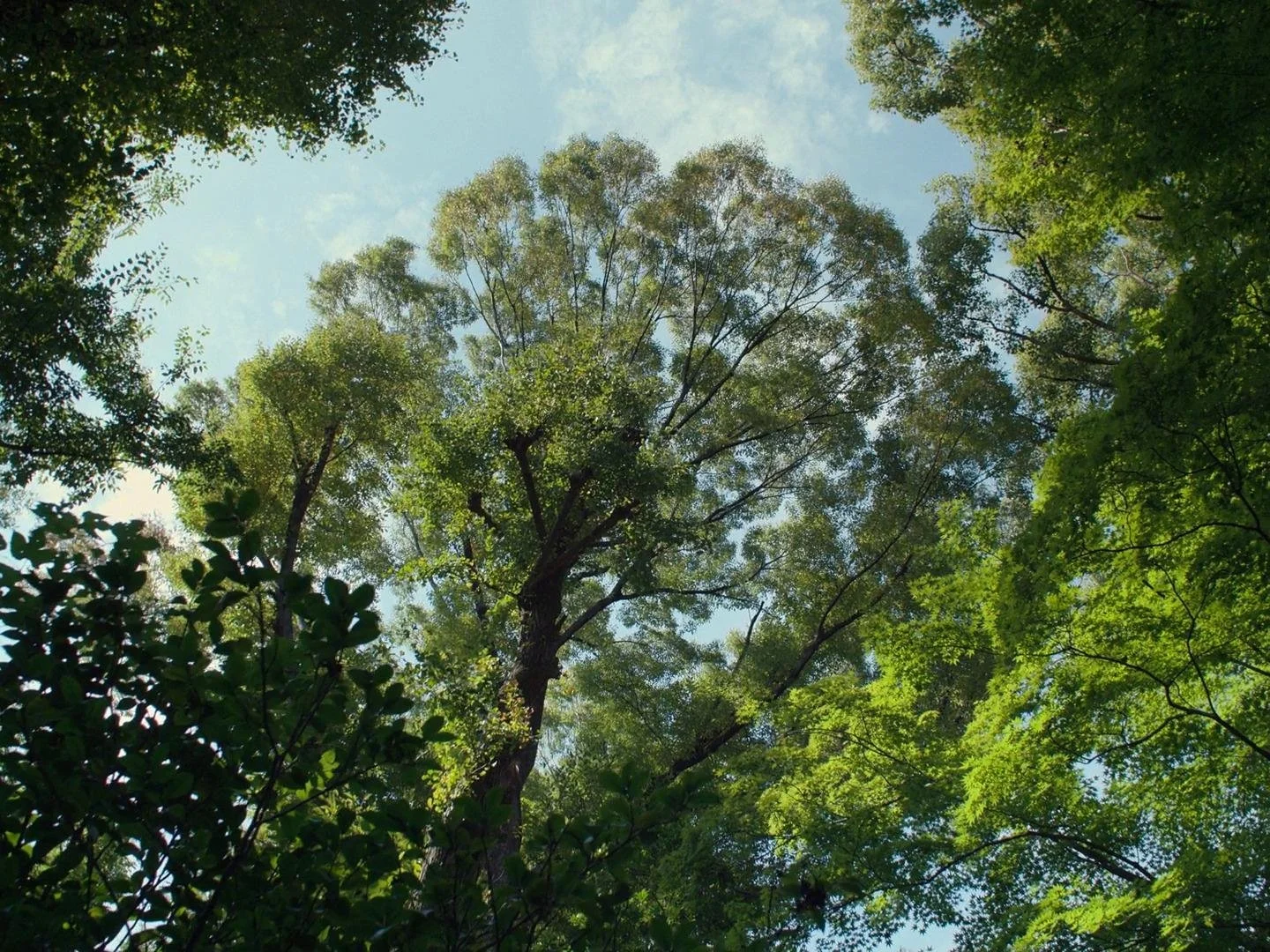
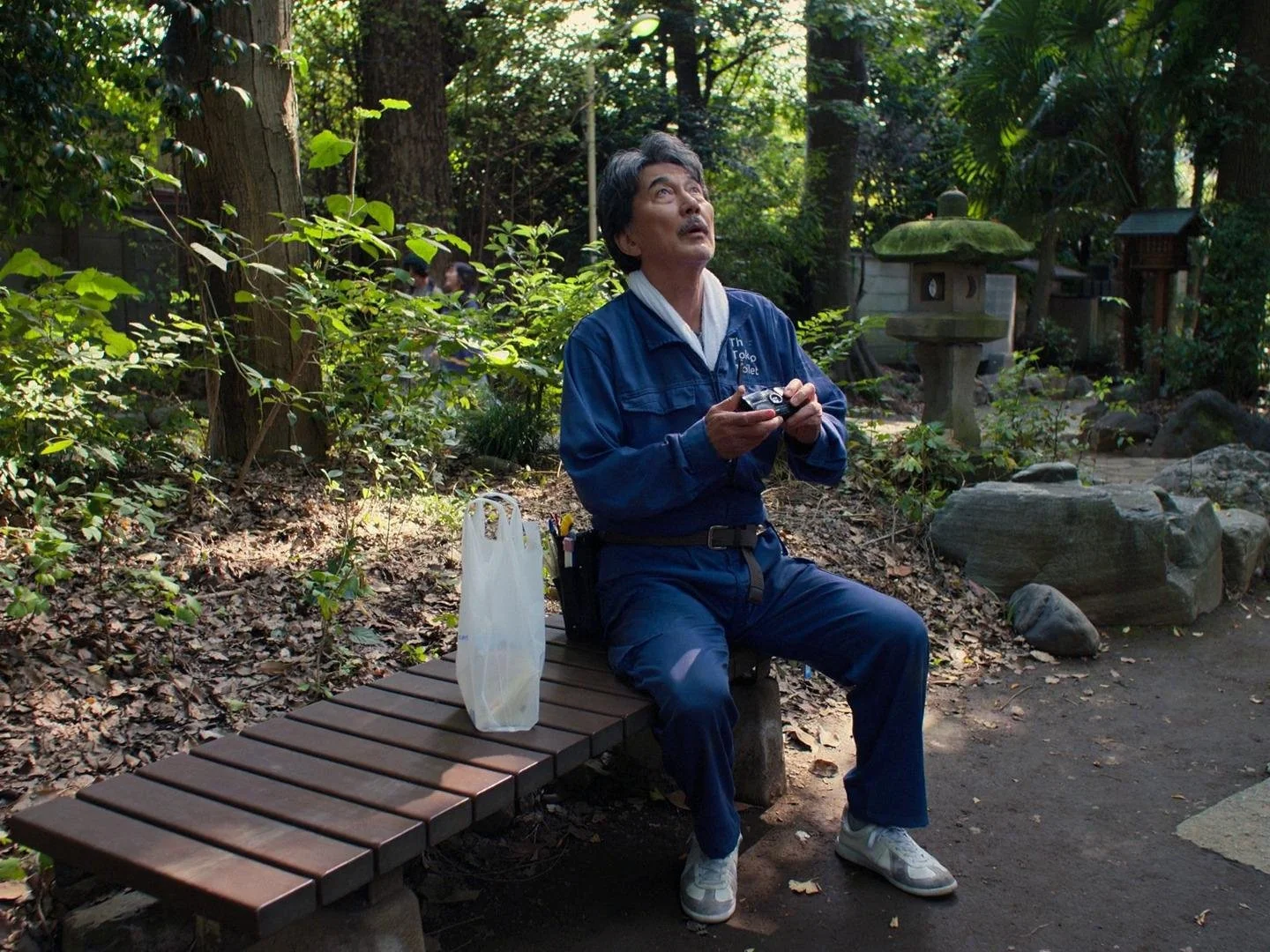
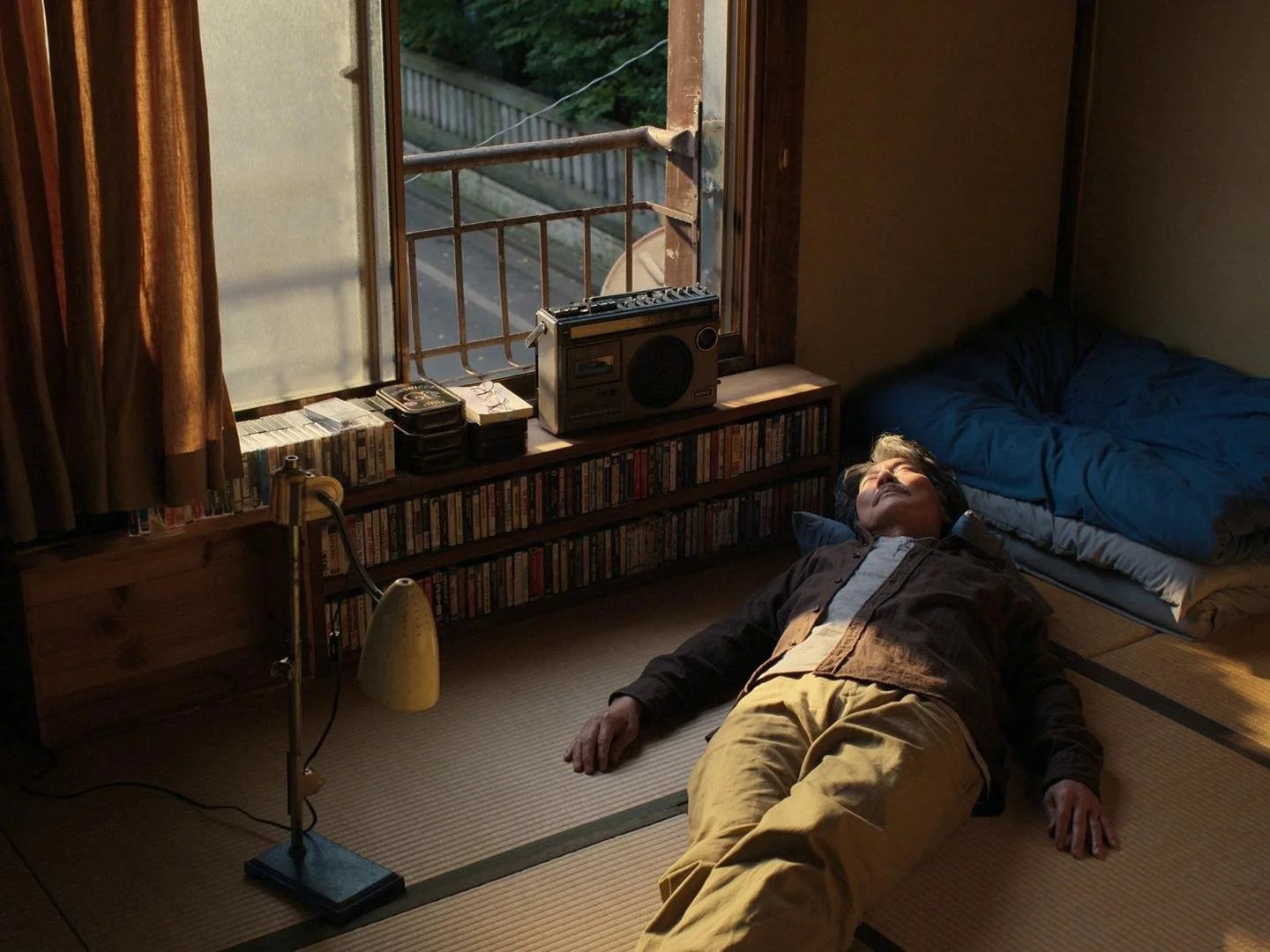
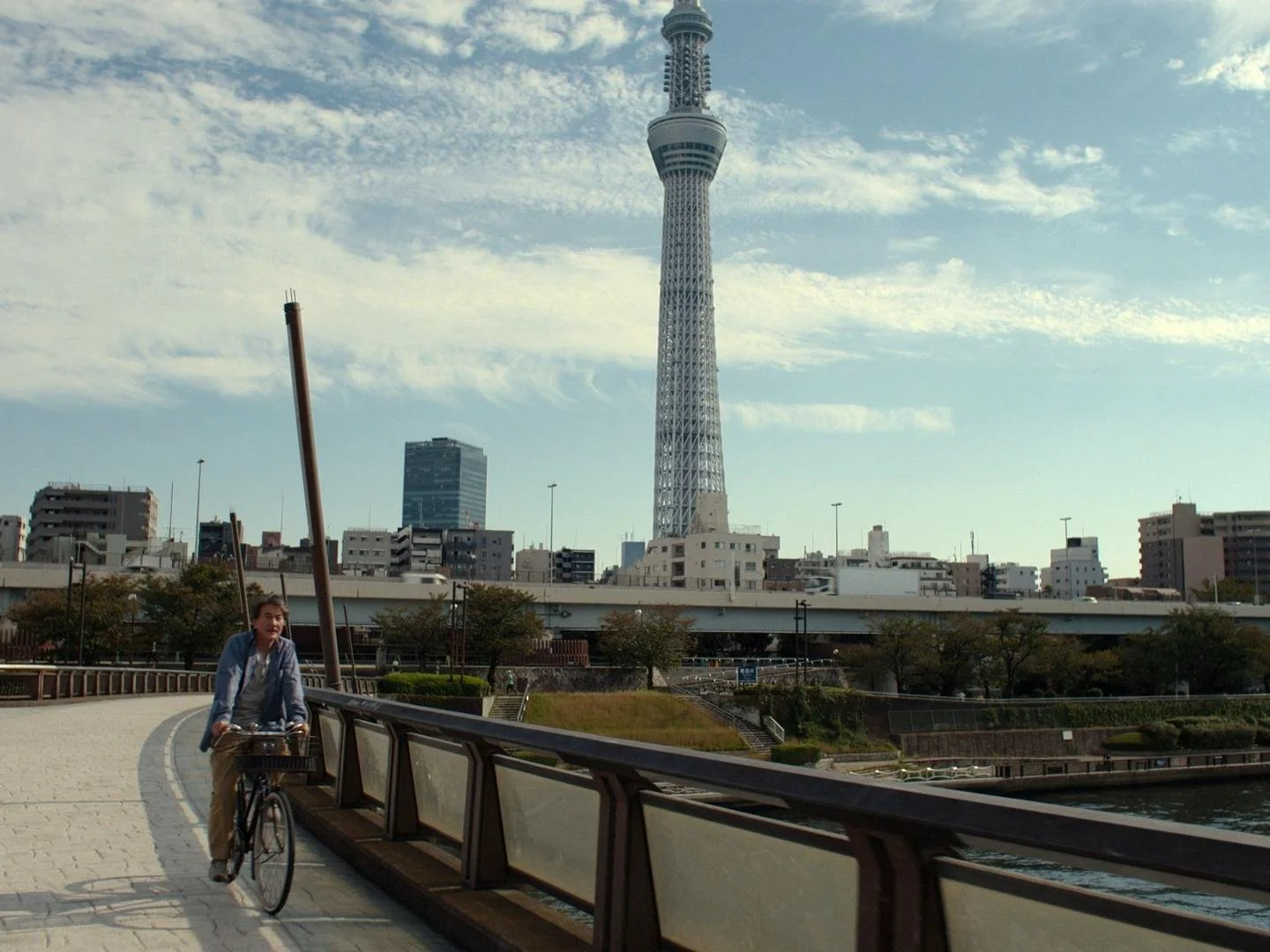
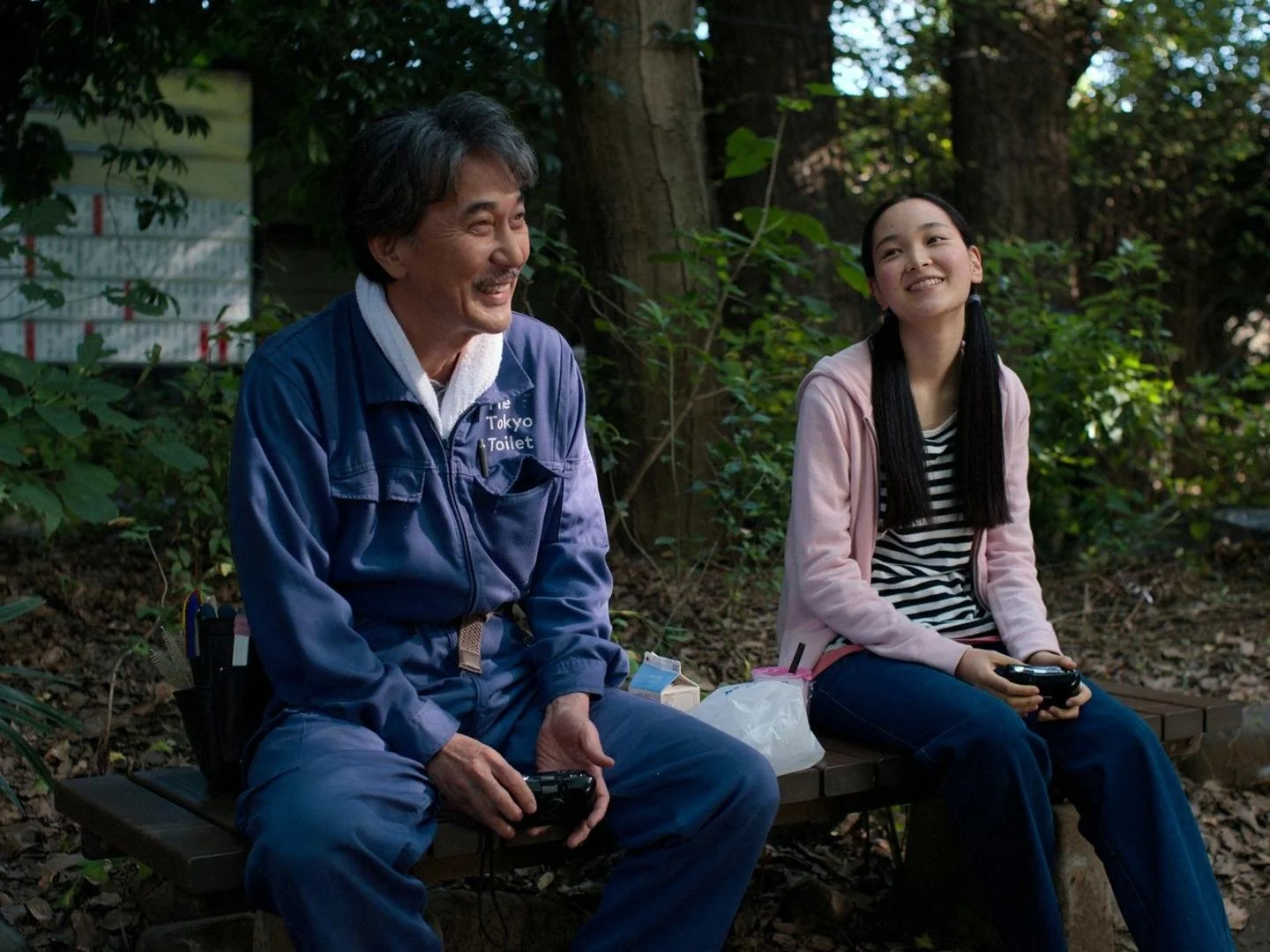
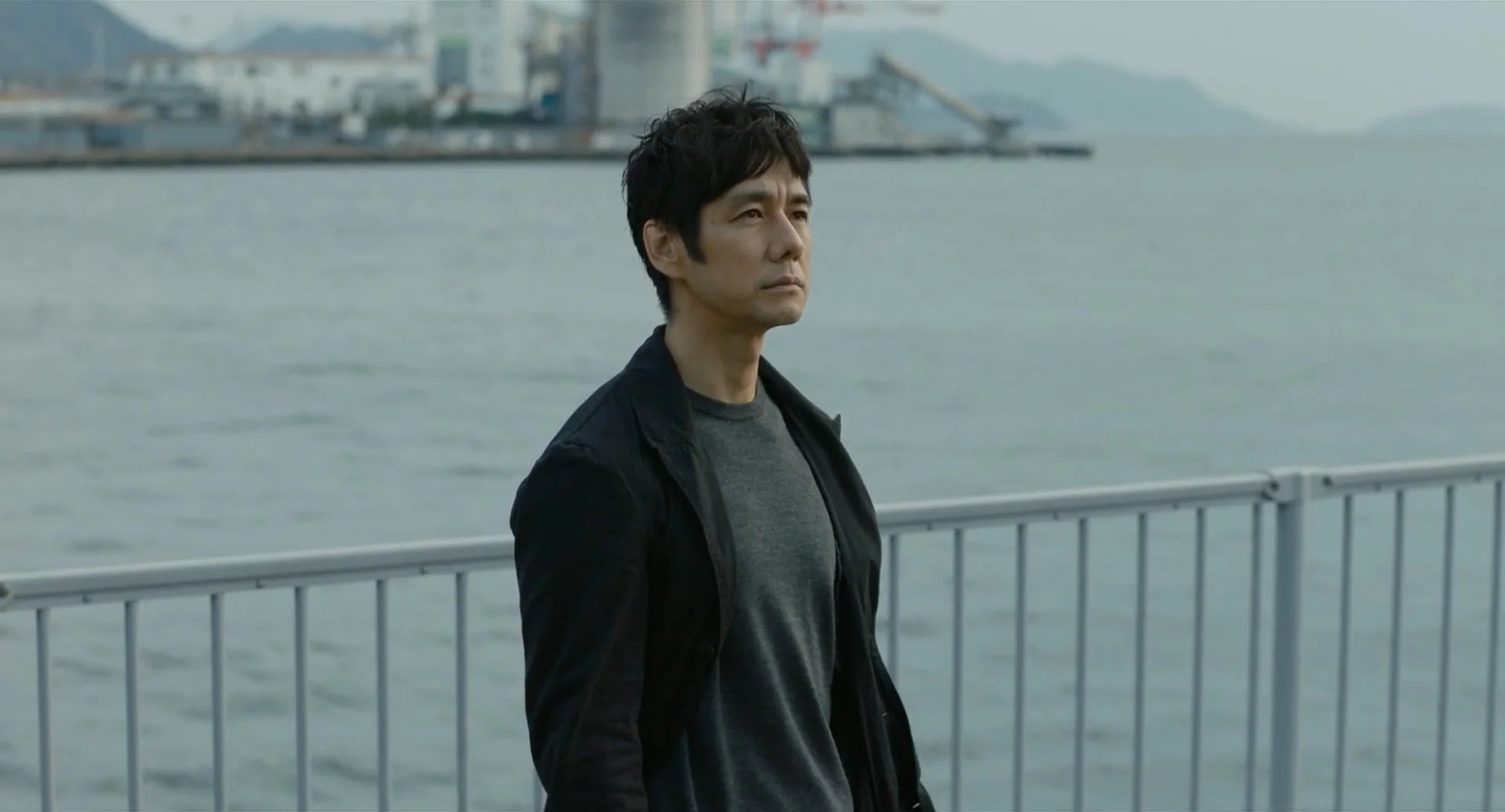
There has been a lot of buzz about this film because of its timely relevance in today’s overburdened society. Wim Wenders taps into the subconscious zeitgeist of our generation’s grinding culture. While films are being critically acclaimed for their obsession themes and manic pursuit of success, Perfect Days goes in the opposite direction to say, “not necessarily.” The film has sparse dialogue from the lead, which is effective in allowing us to stand in his place. A sanitation worker scrubbing toilets all day and yet he has a smile on his face. The social commentary for this film is meaningful and you might feel something if you also crave respite from the frantic machine of modern life. There are some shots that are authentically beautiful. The minimal grade, natural light and shadows and abundant upward shots force us to look at things we often overlook.
Analysis:
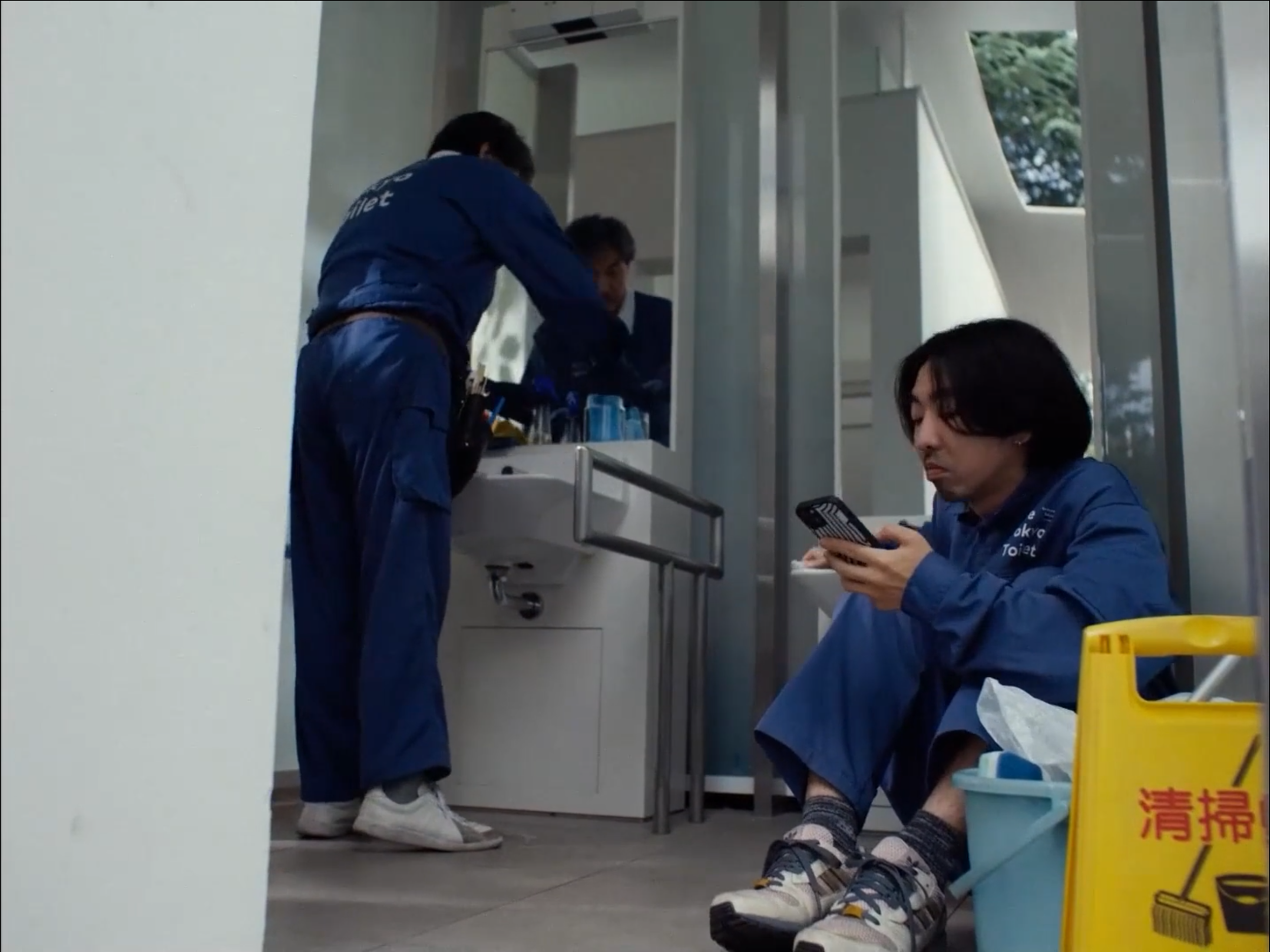
The film addresses the societal difficulties of Gen X to Gen Z. It’s actually quite a wide range of social commentary exploring different aspects through each character. The young man plays on his phone while working, wondering what’s the point of scrubbing toilets so hard? He often rates things on a scale of 1-10, which is pretty genius to describe the calculated opportunists of our collective mindset. Everything has a comparison, choices need to be weighed, and the young man takes it to the extreme. He struggles to get enough money just for a date, something asian men know all to well. How can young men afford to fall in love? It’s quite a true statement, a sad predicament of dating. Meanwhile women are the prize of dating, yet they don’t feel particularly loved, a jaded indifference instead. Niko runs away from a lifestyle of wealth, even wanting to help Hirayama mop the bathrooms. She obviously has an overbearing mother, whom has a personal driver and feels pity for her poor brother. We also have a divorced restaurant owner, whose ex husband will likely succumb to cancer. We also see elderly men wandering the streets with mental illness, another woman that seems attracted to Hirayama but both are too shy to initiate. All in the midst of this chaos, our protagonist Hirayama lives without a care surviving paycheck to paycheck with a manual labor job that he performs excellently. This is typical of Japanese culture, doing even the most basic tasks to perfection.
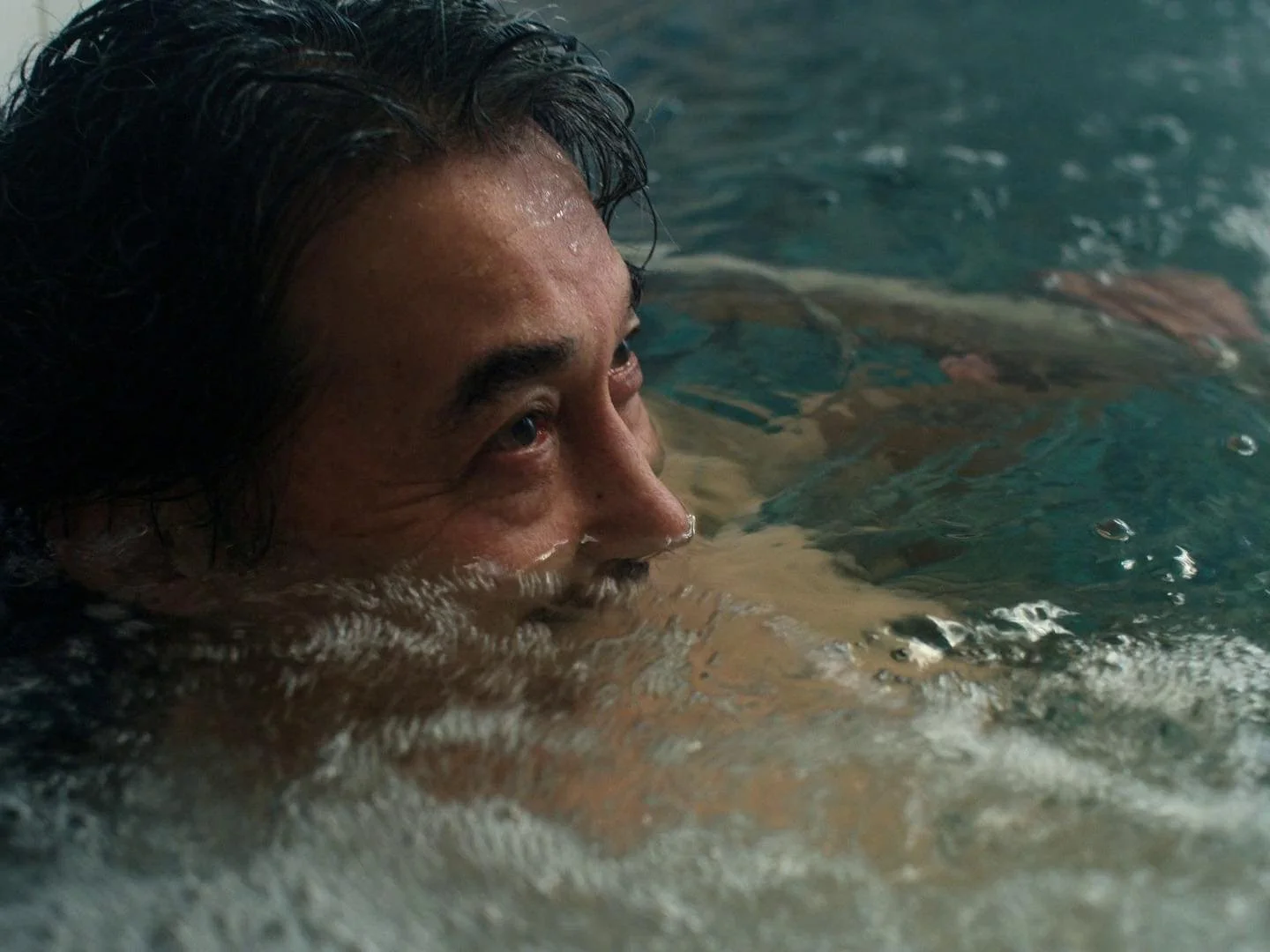
The film explores how being poor frees you from the noise of modern life, allowing you to slow things down and enjoy the small things in life like sunlight poking through the trees. Everyone has problems, even rich people. He shows weakness and cries toward the end, it’s unclear for what reason, perhaps shame, loneliness, acceptance. But despite it all, there is still beauty in enjoying a cold glass of water, lunch breaks outside, film photography, reading, plants, music or doing his job well. Life is hard, but the film suggests that no matter what, life will probably be okay. It’s not without its struggles, but happiness is about perspective and maybe we should reject society’s definition of happiness and decide our own terms. A successful life might just shift the problems around if you don't look up. Less is more.
Conclusion:
If you find yourself over-stressed, this film could change your perspective on things and that’s as powerful as cinema gets. It’s nuanced, genuinely thoughtful and provides a meaningful take on depression, societal expectations and happiness. As evidenced by the 70s and 80s music choice, it’s definitely targeted toward western audiences that feel life is going 100 miles per hour. This could have been a must watch film, but because its missing an ingredient, I will just give it a strong recommendation.
Recommendations
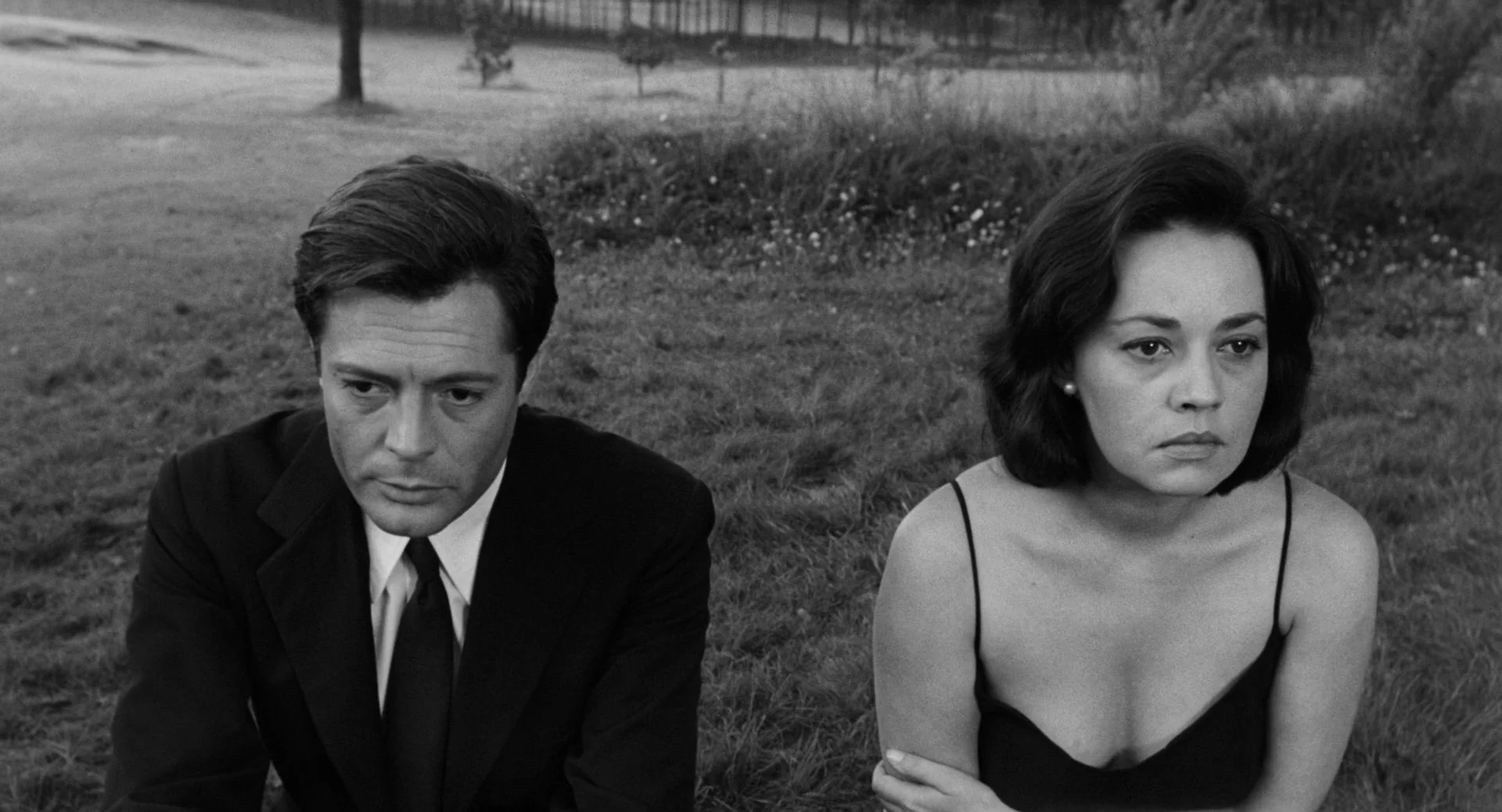
















A hole where love almost begins.