
A Hidden Life (2019)







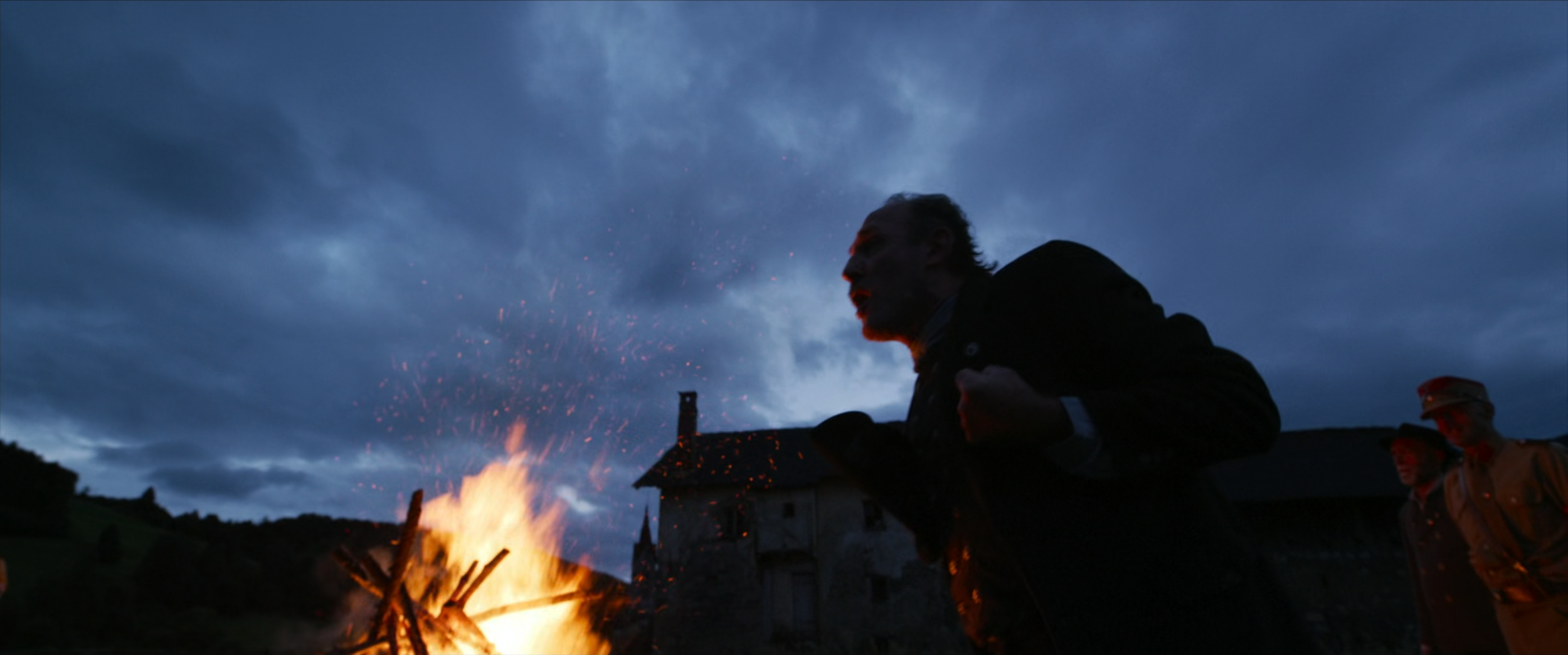
Is it better to suffer injustice than do it?
Presentation:
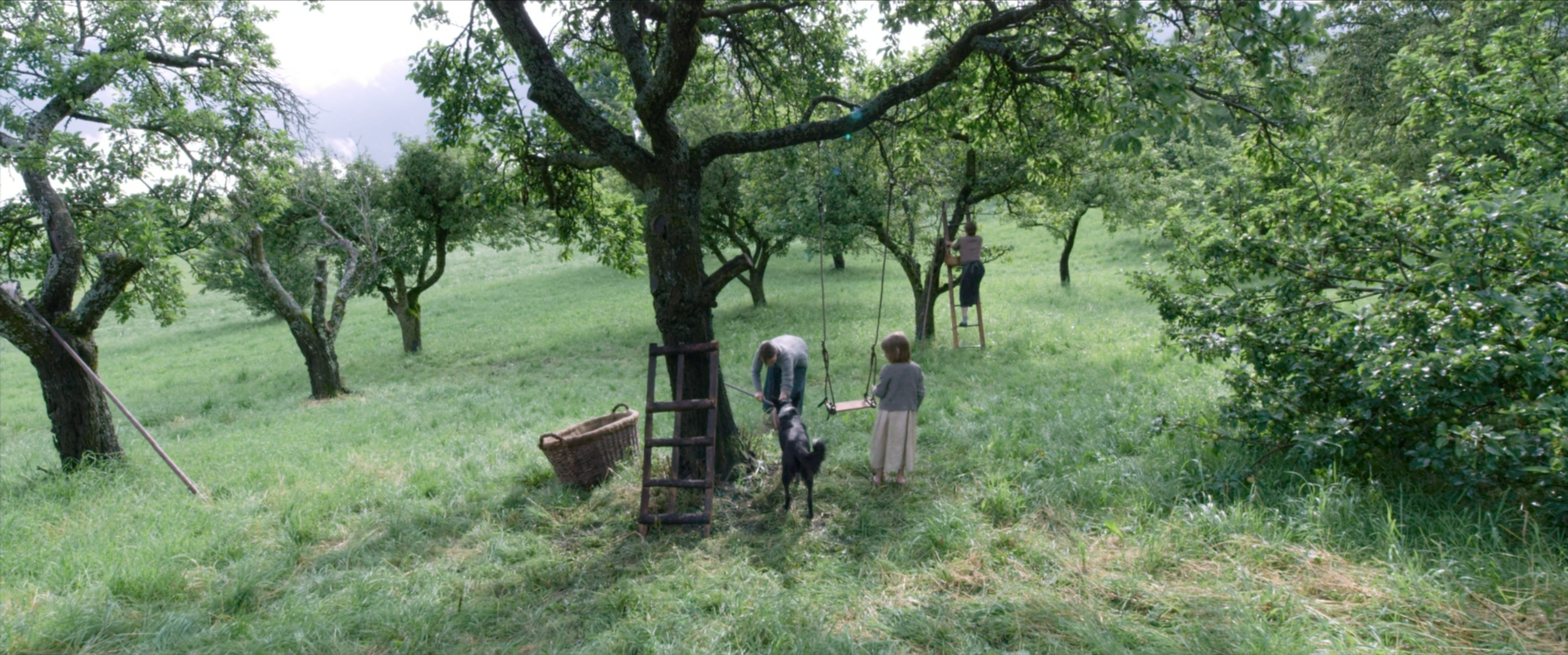
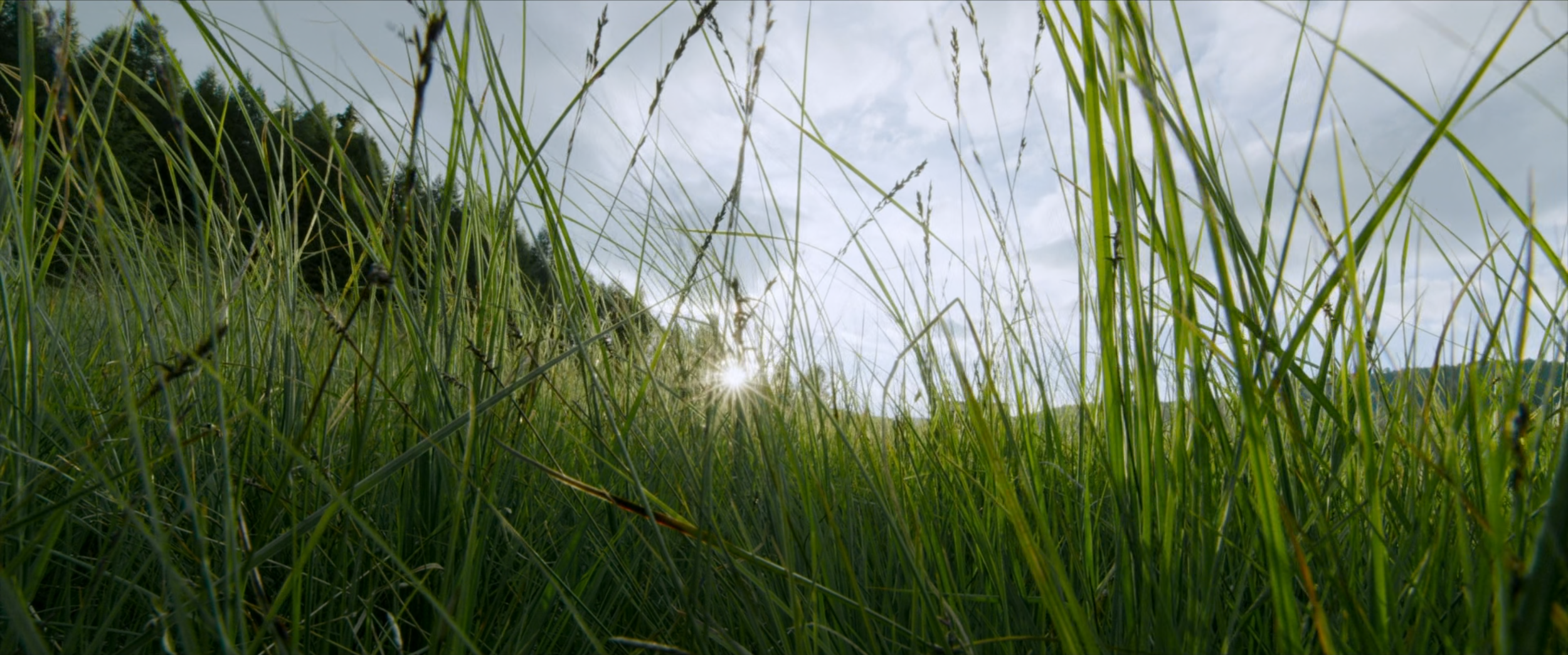
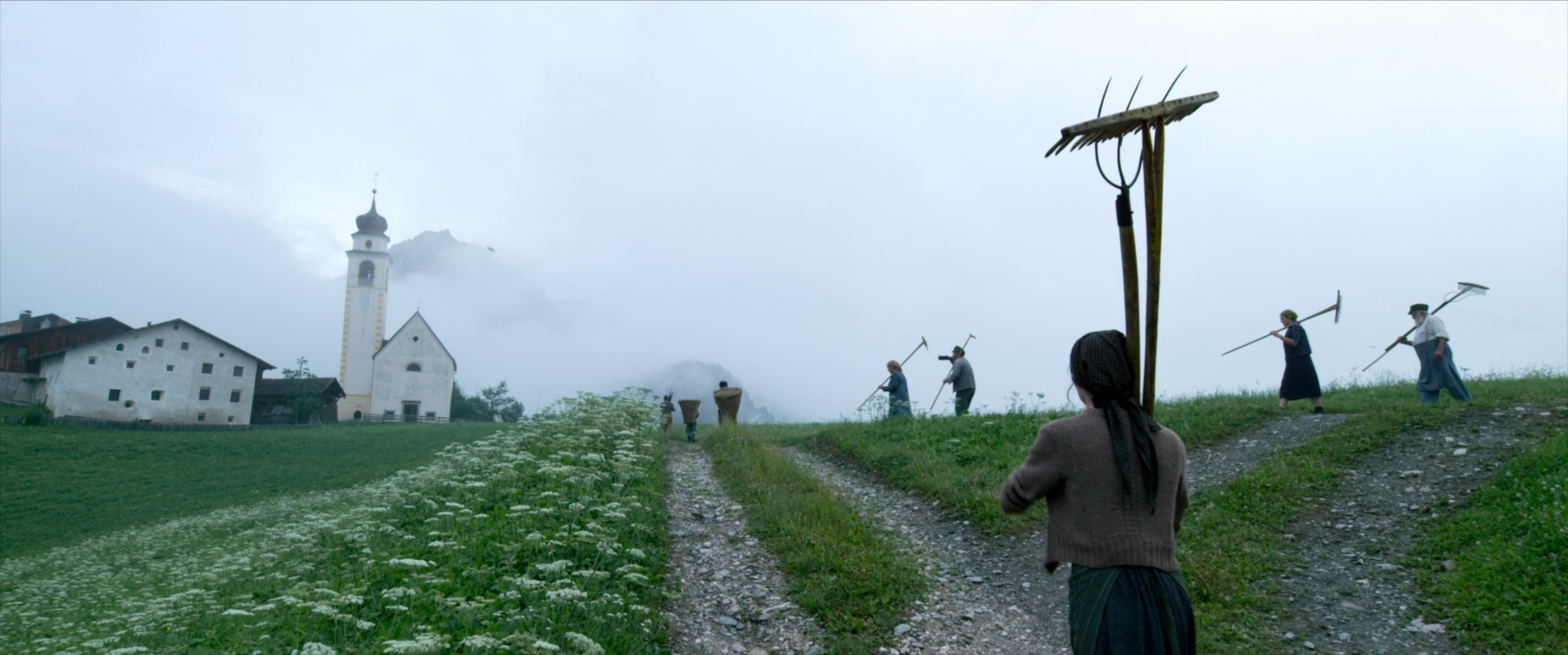
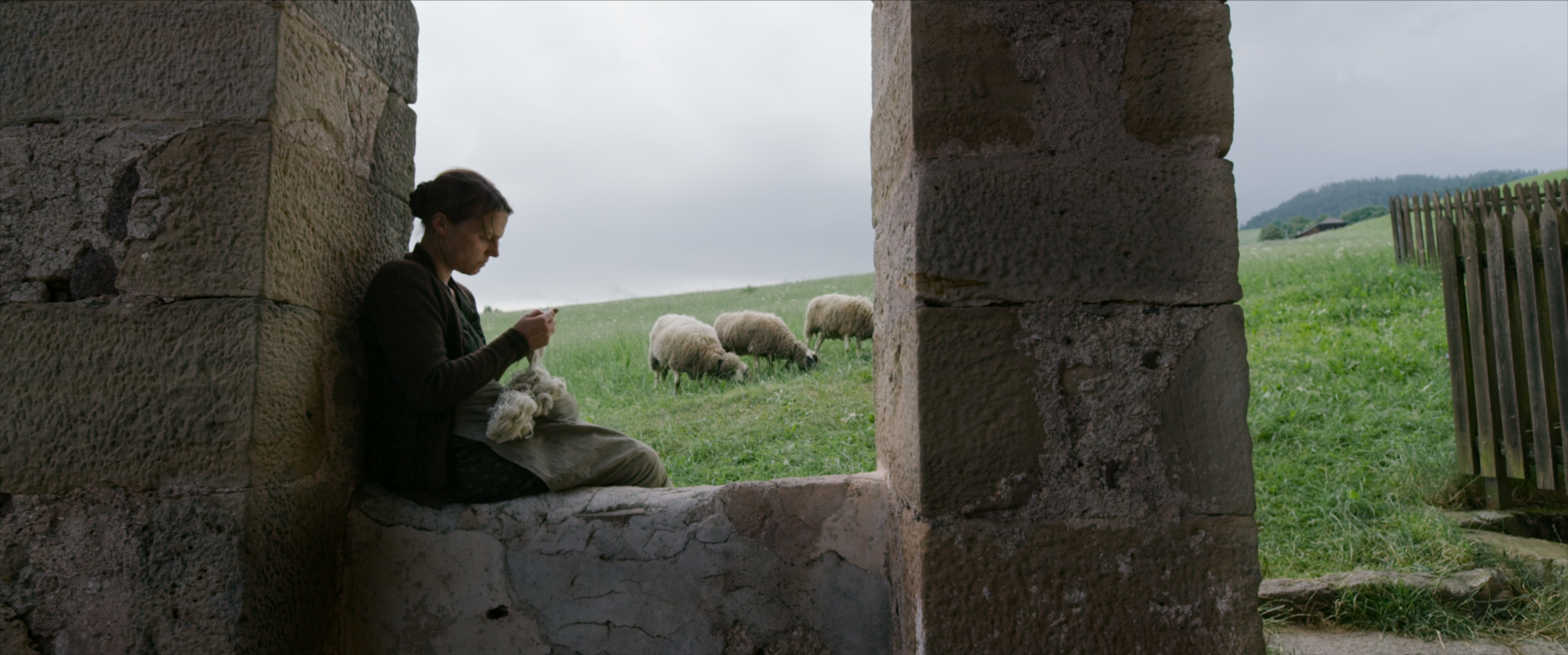
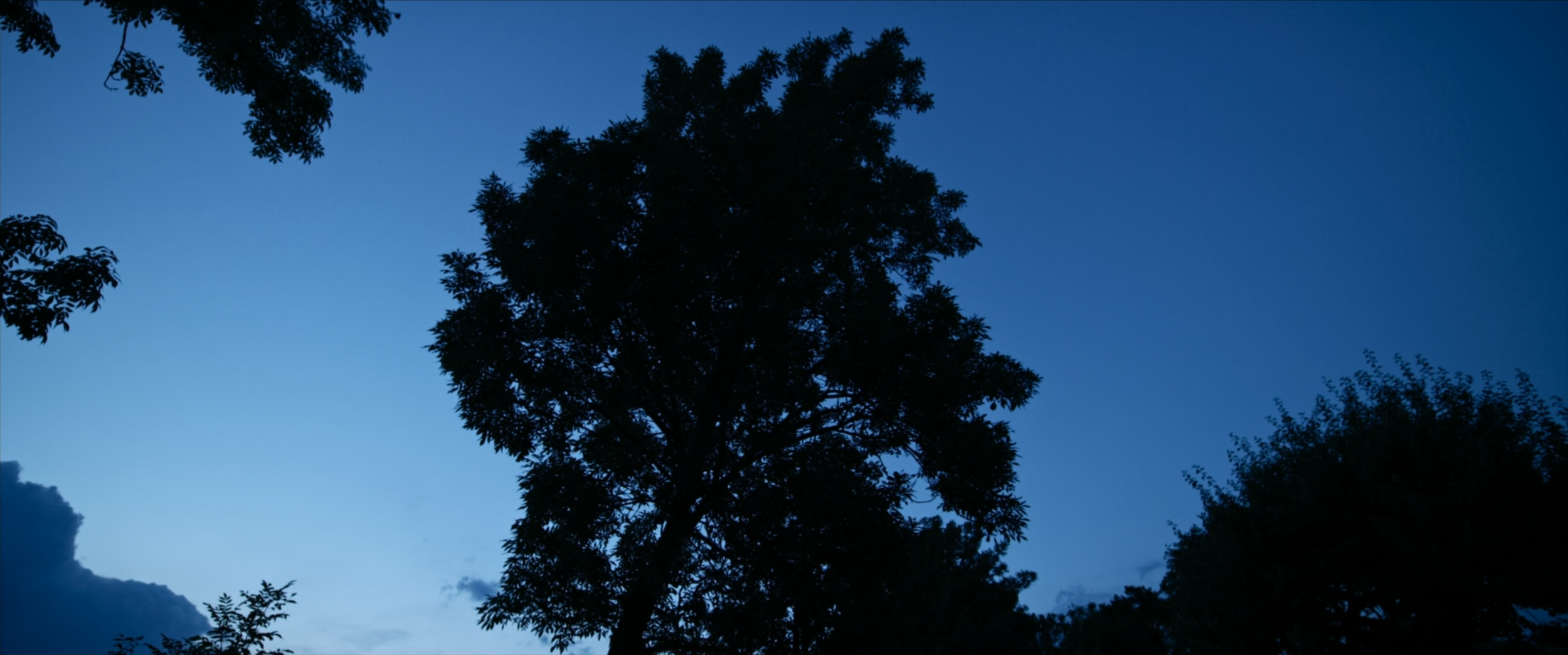
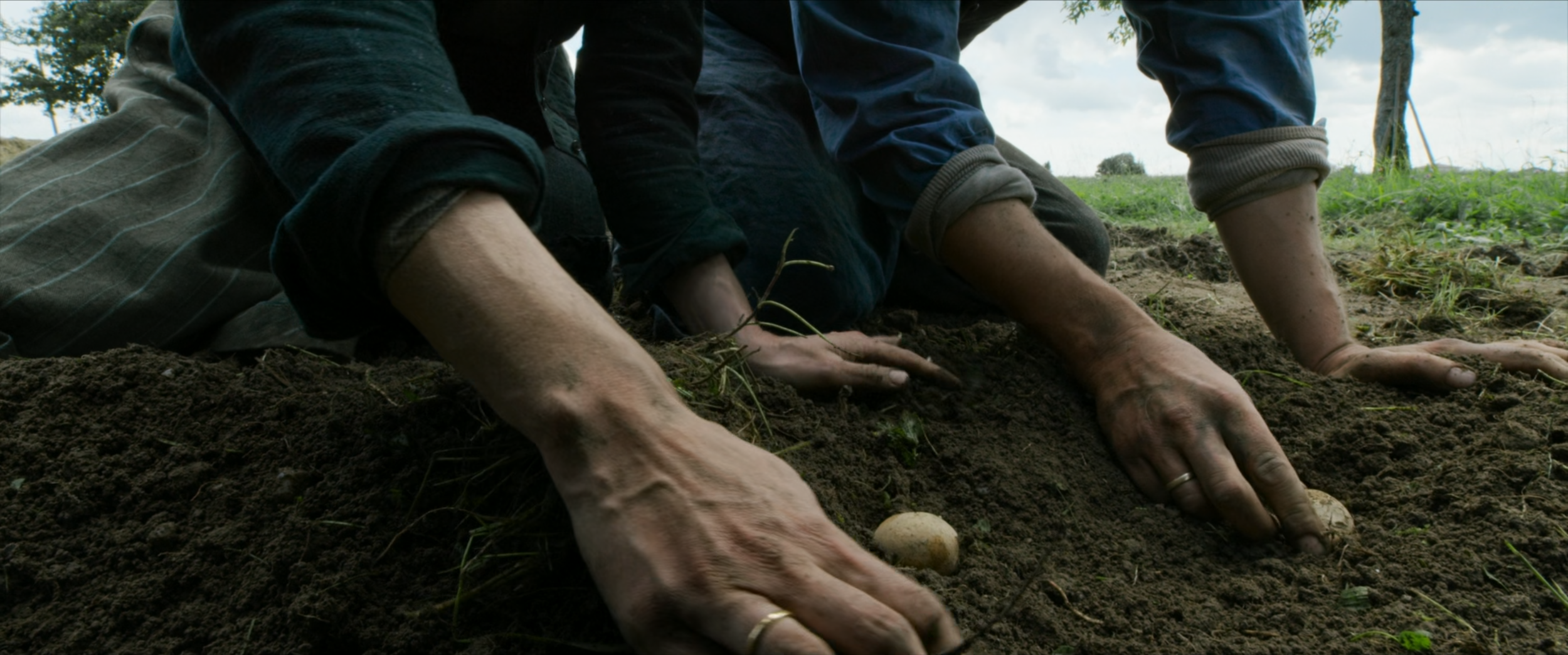
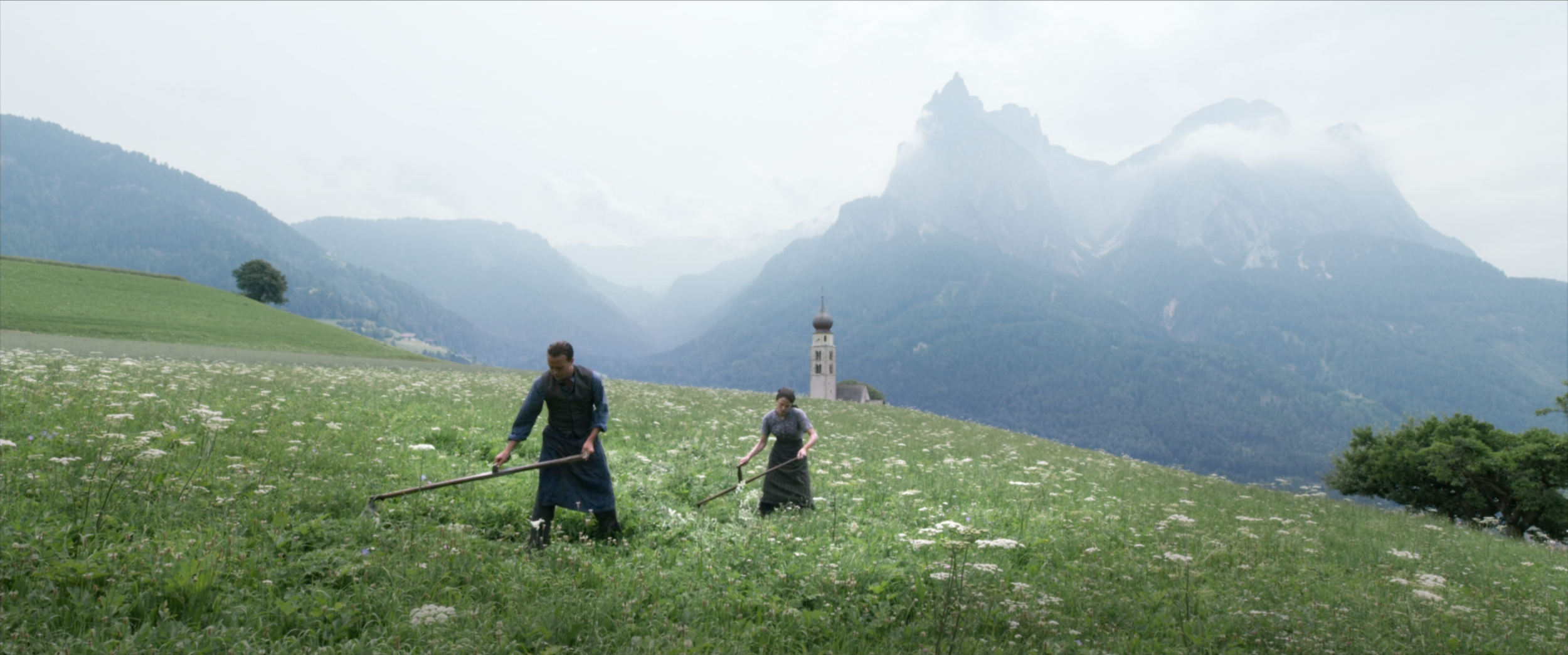
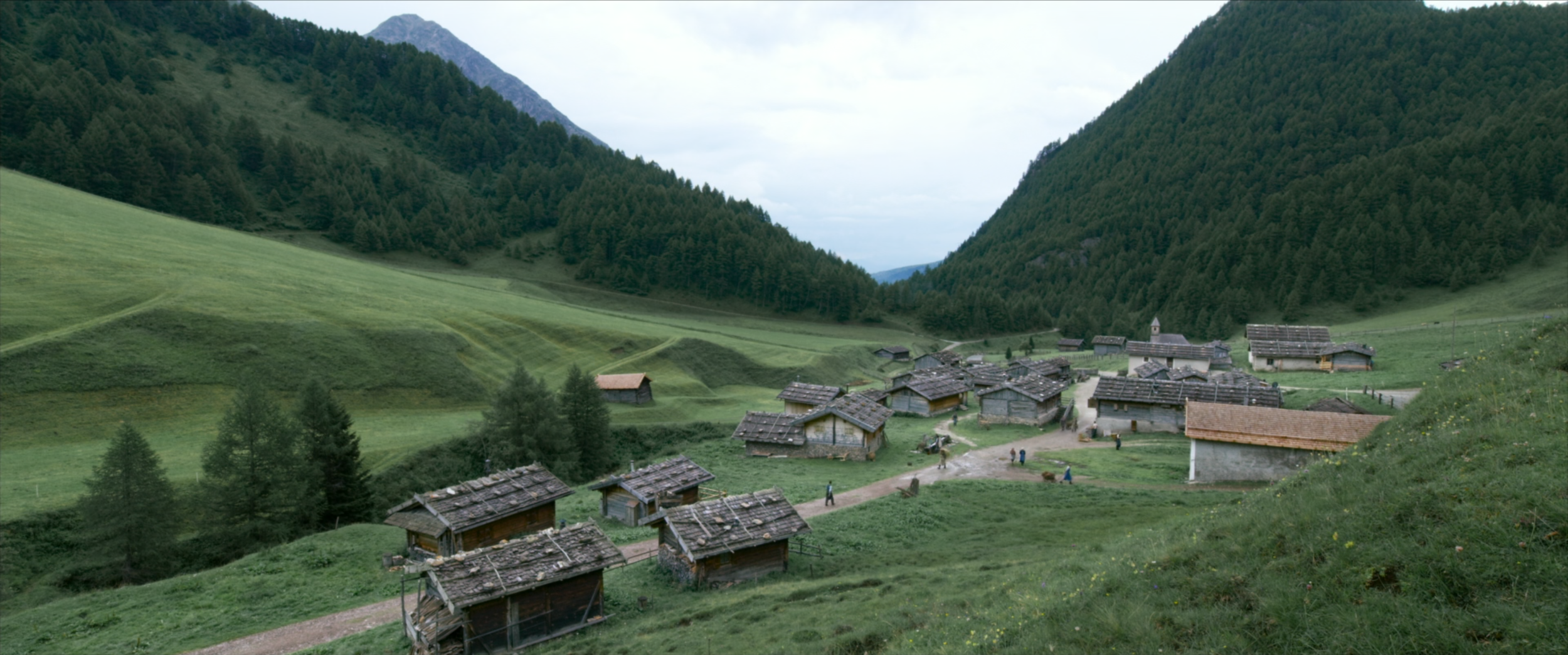
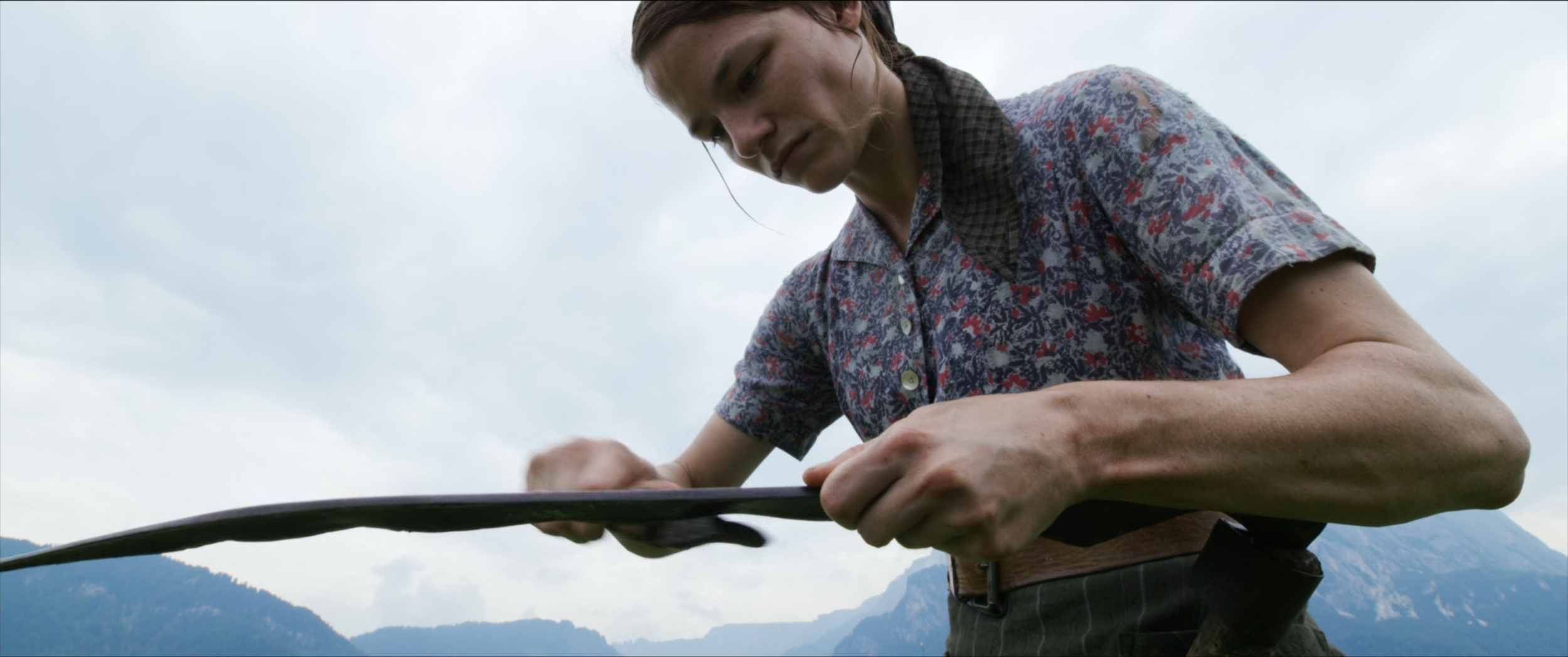
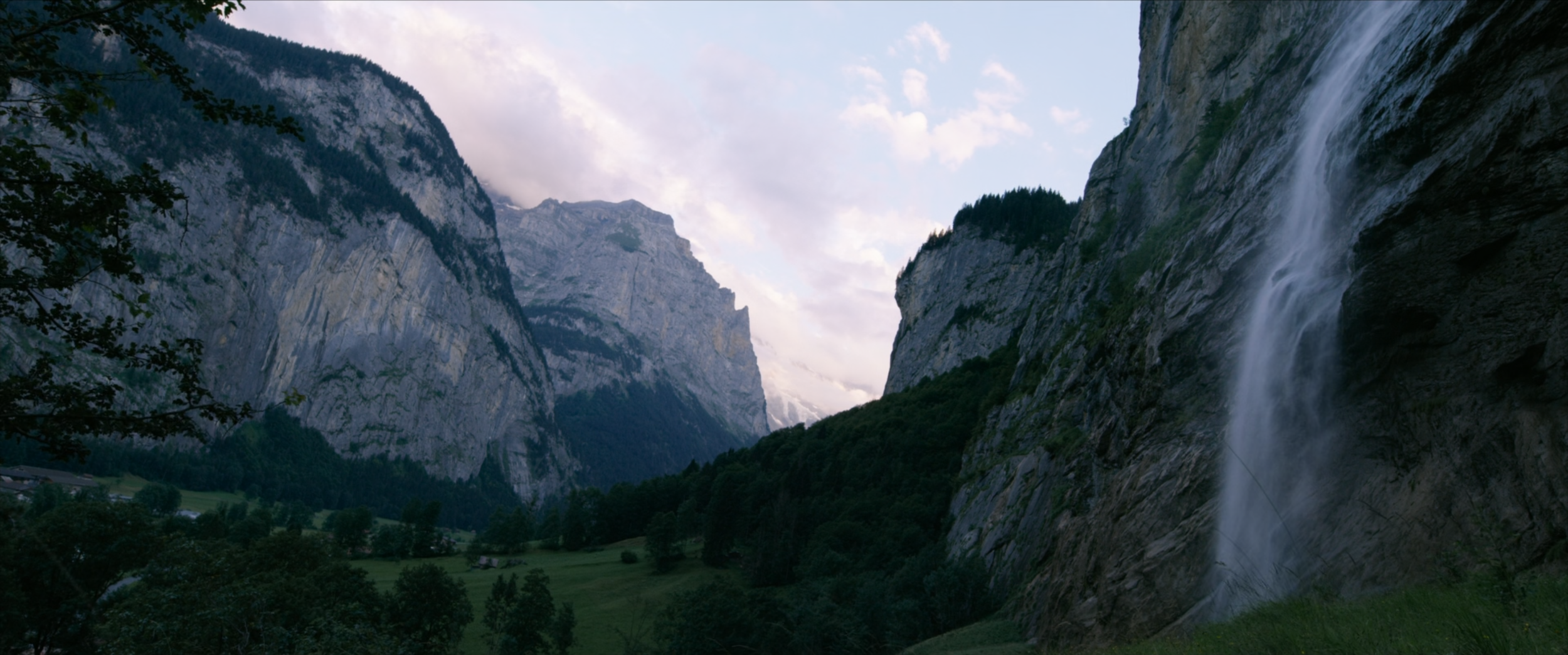
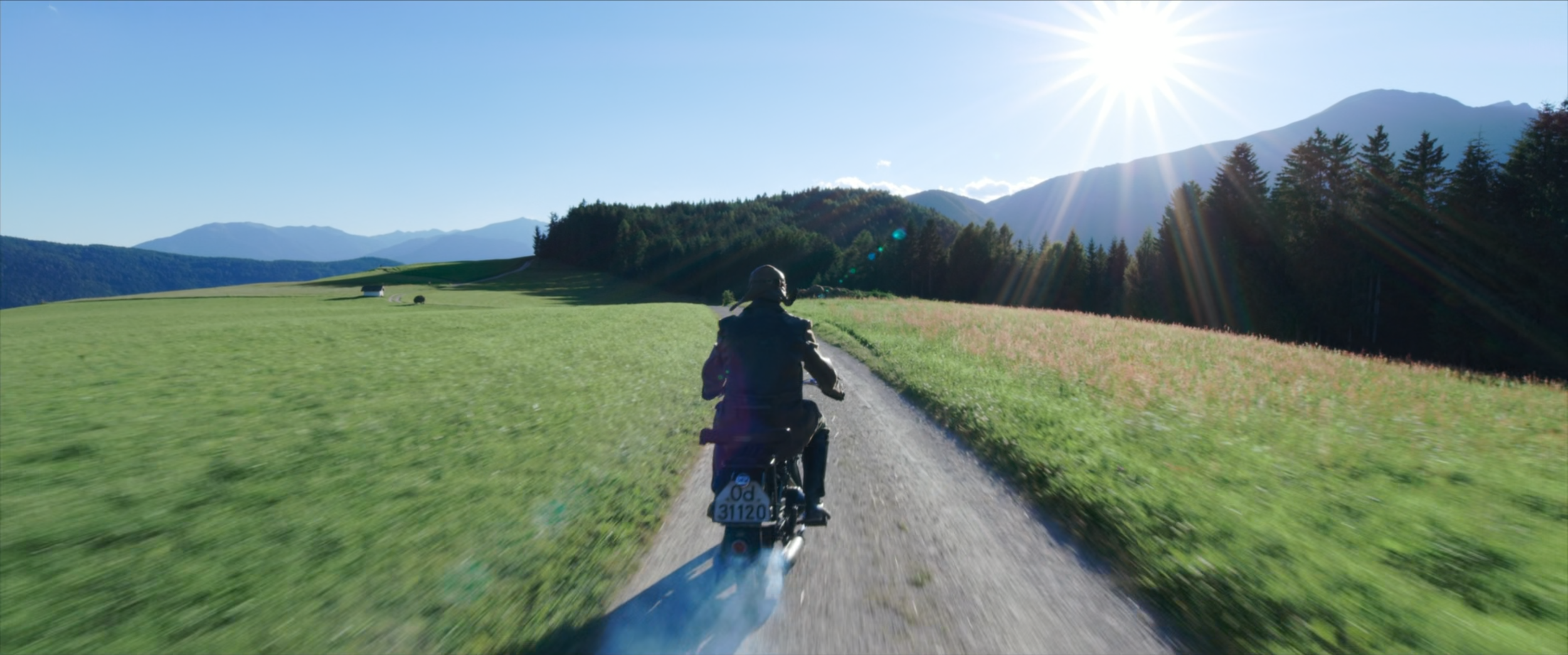
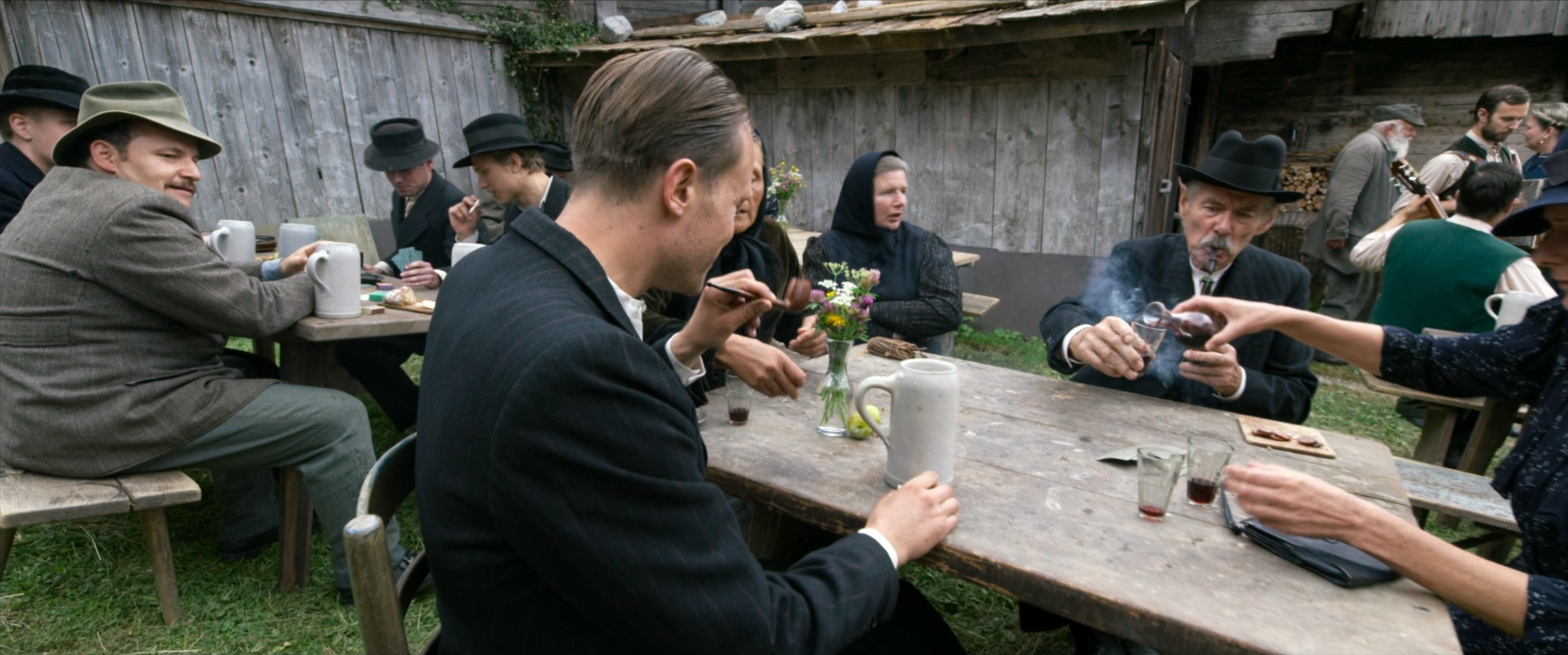
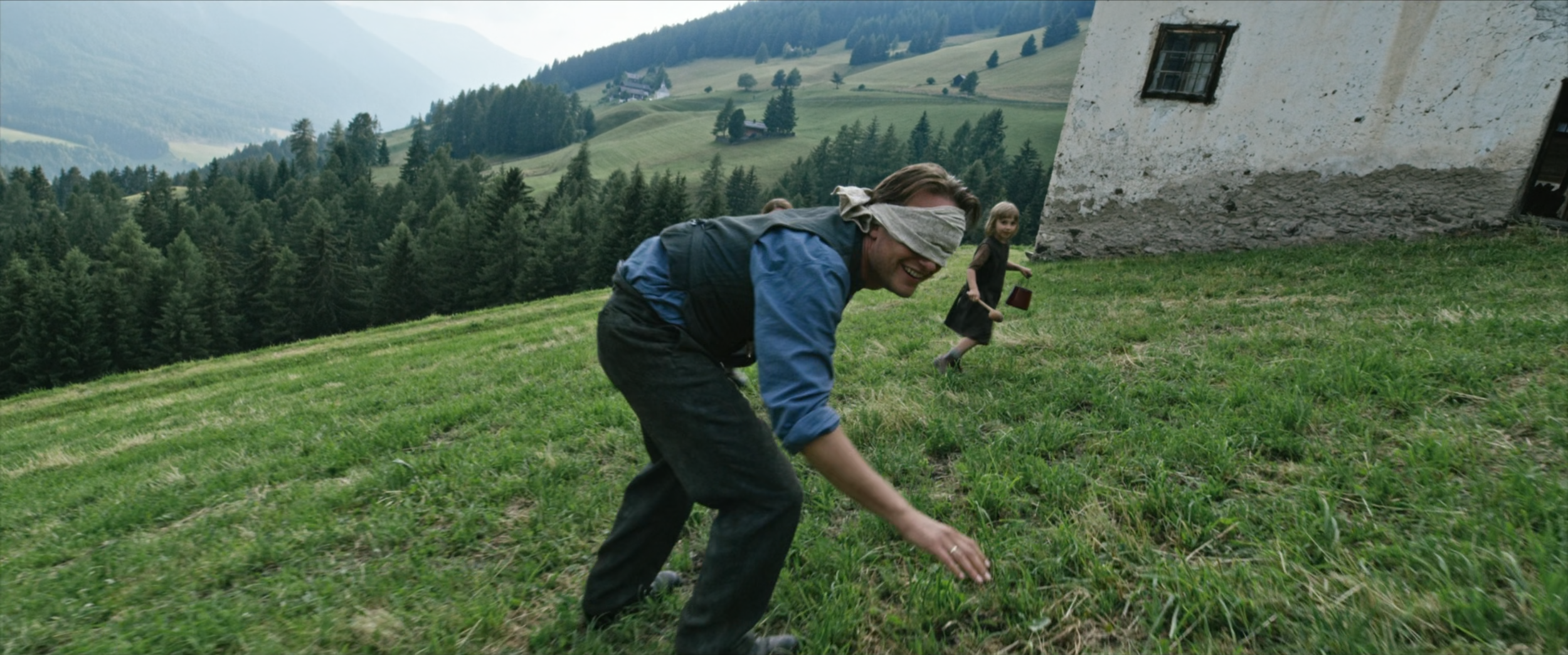
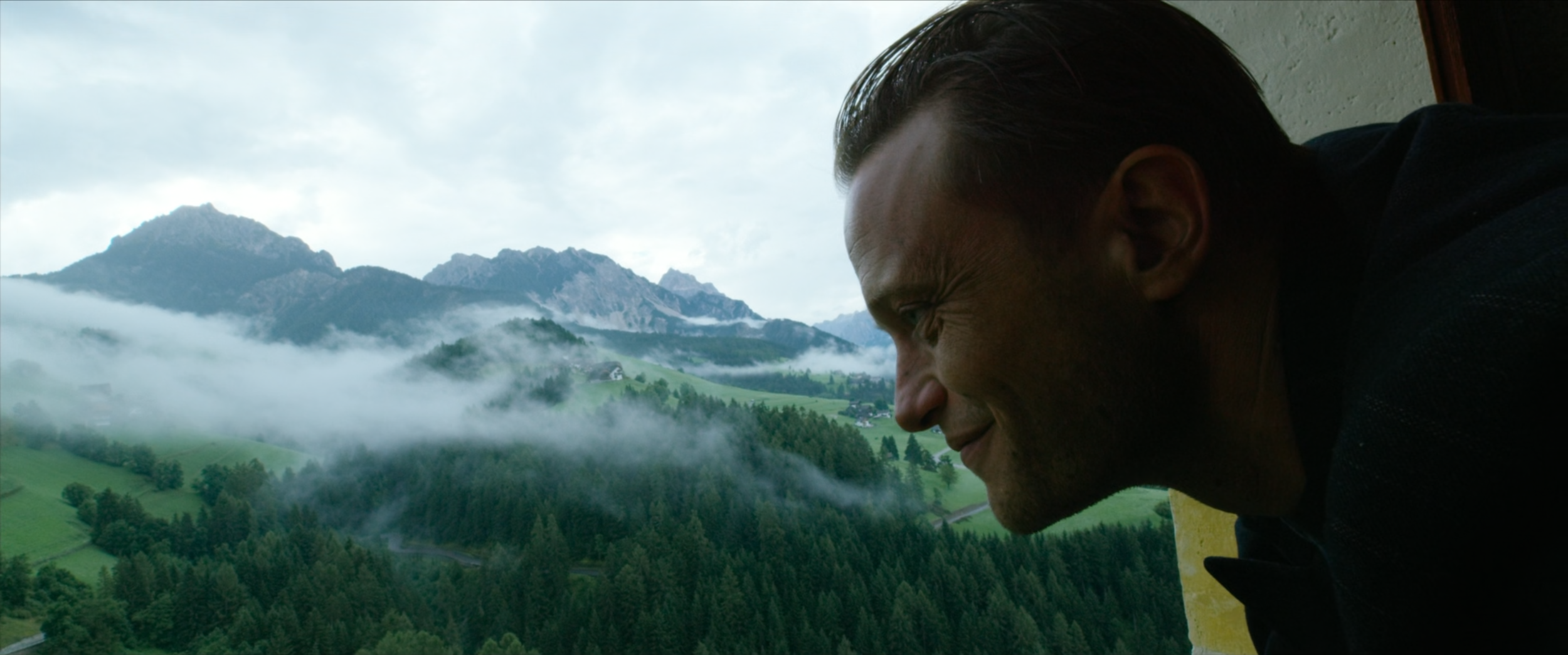
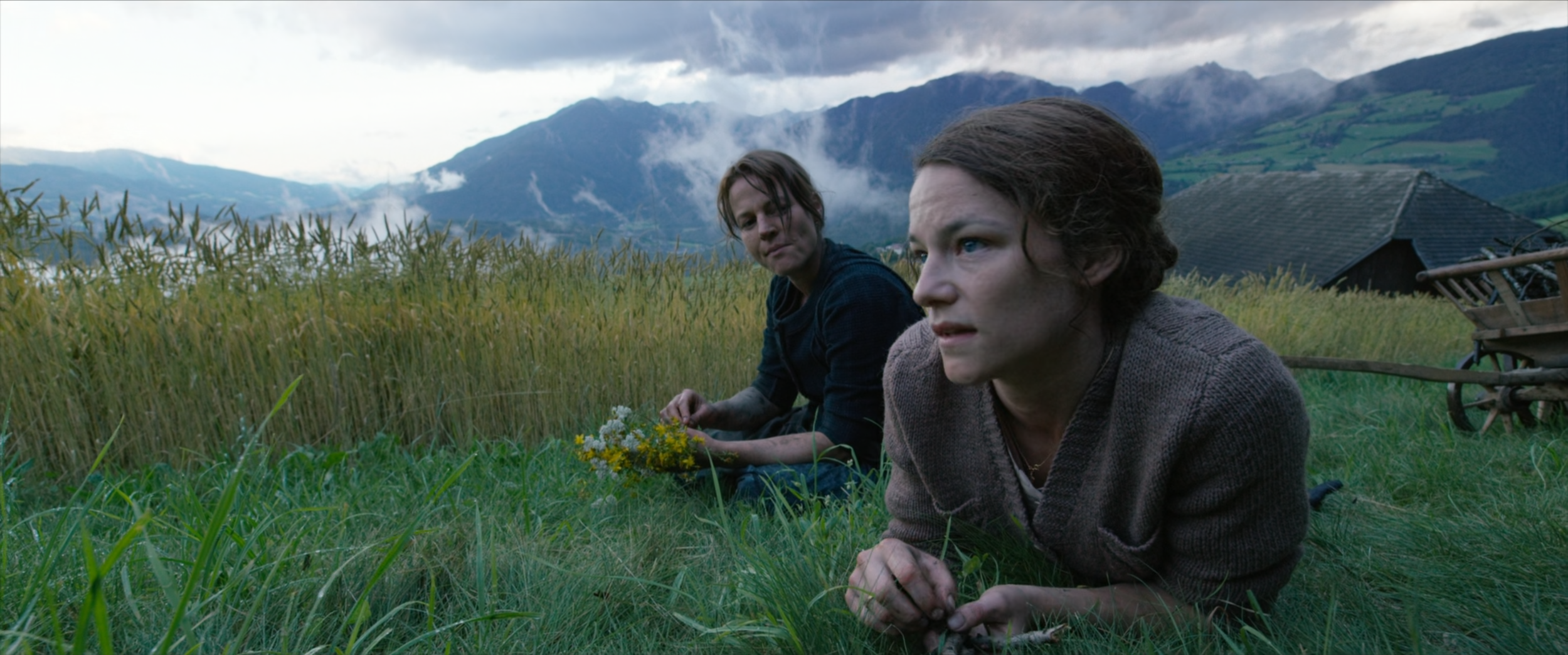
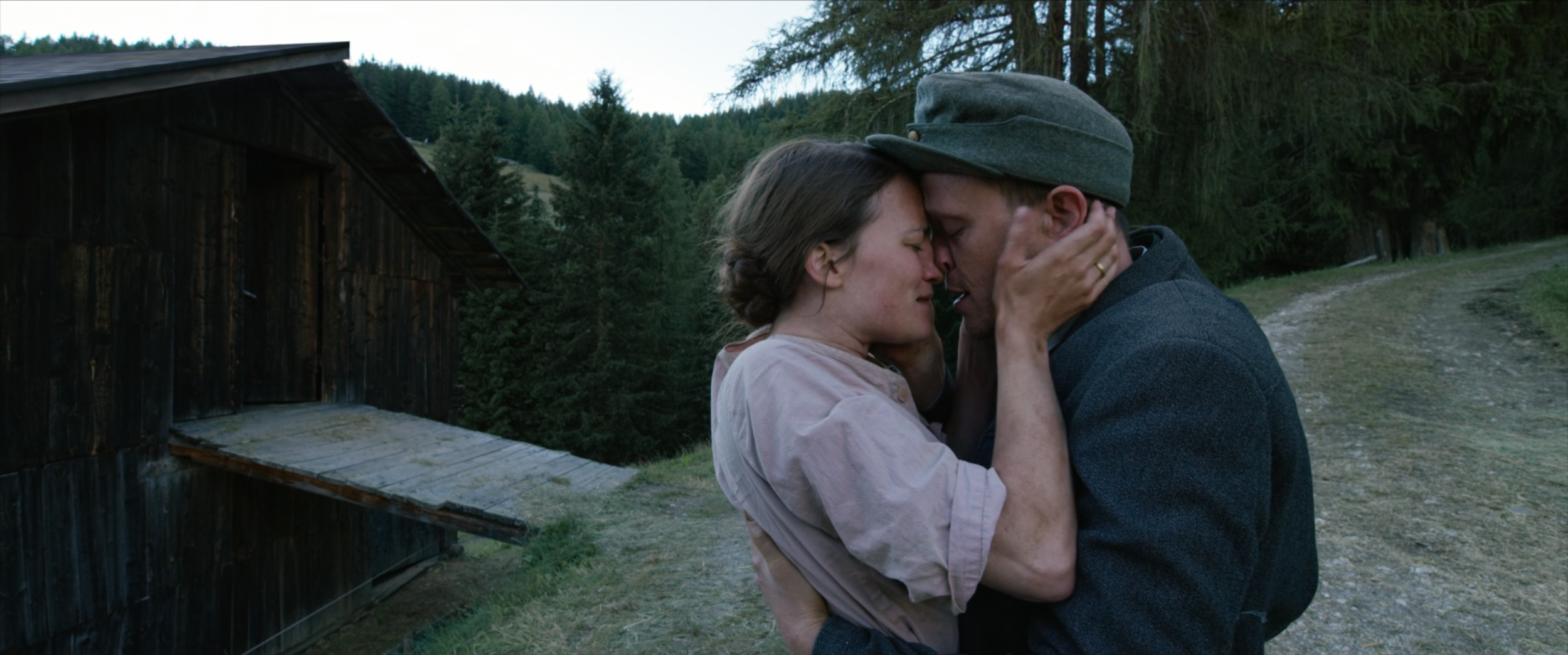
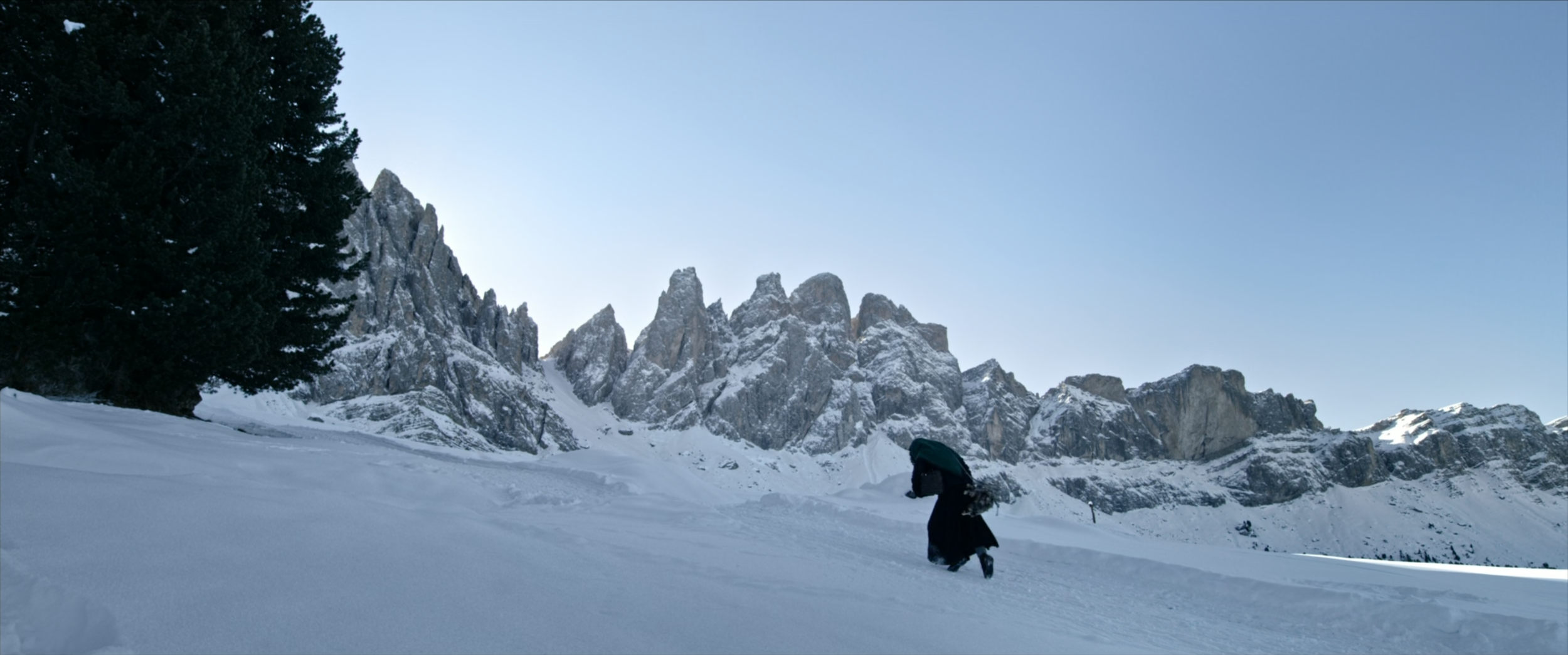
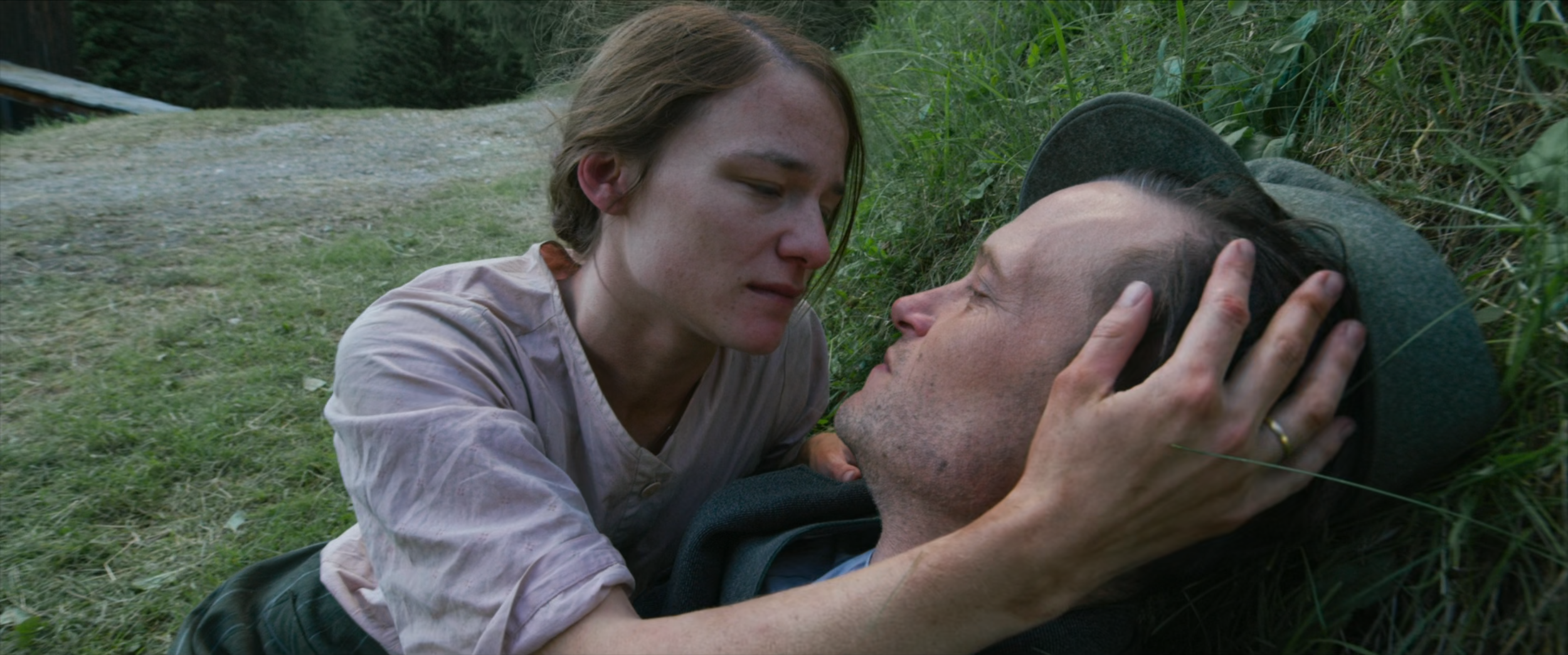
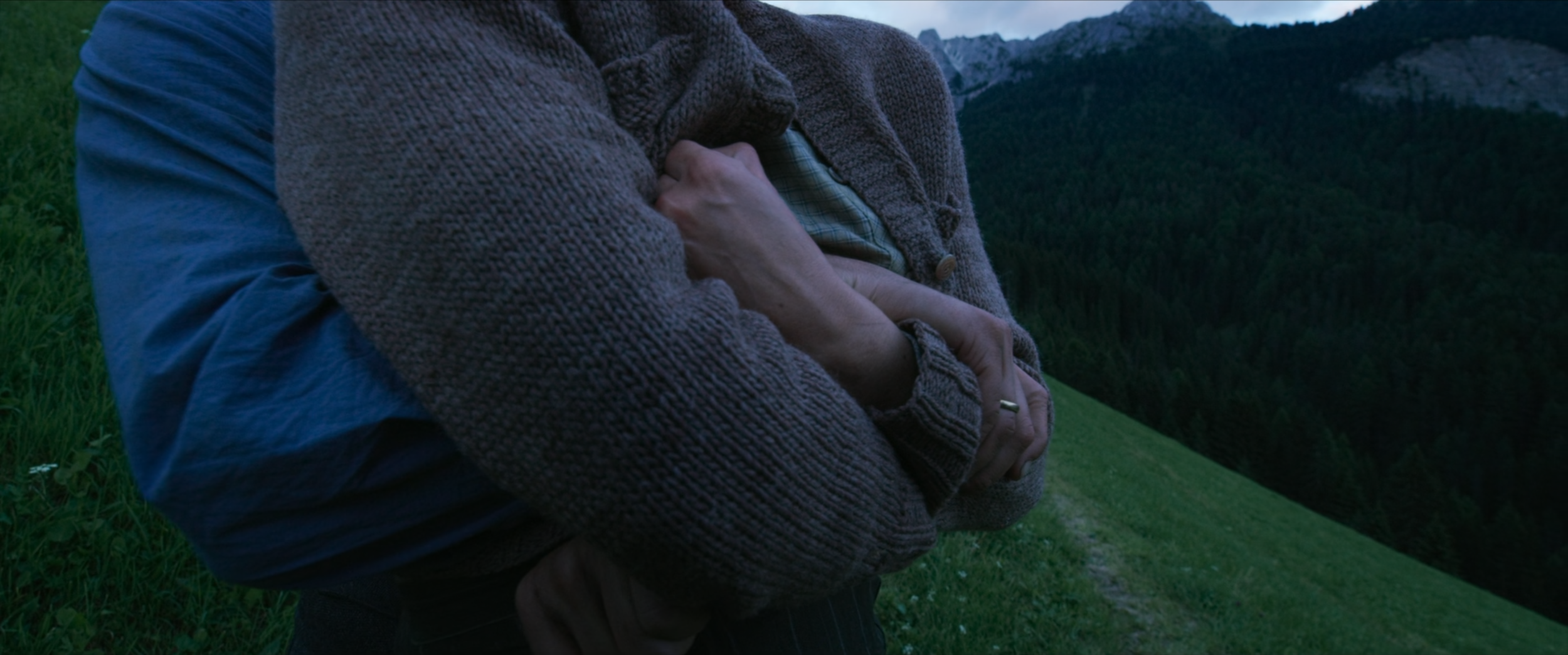
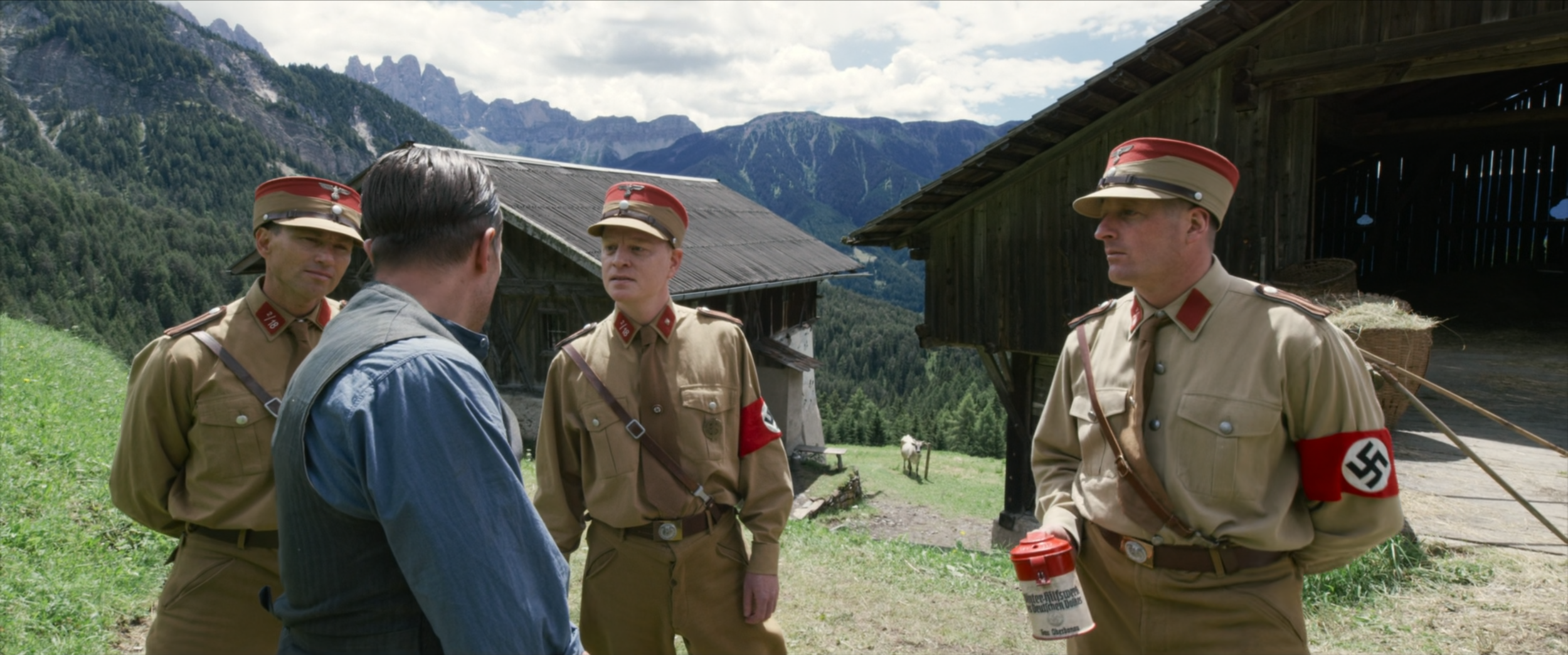
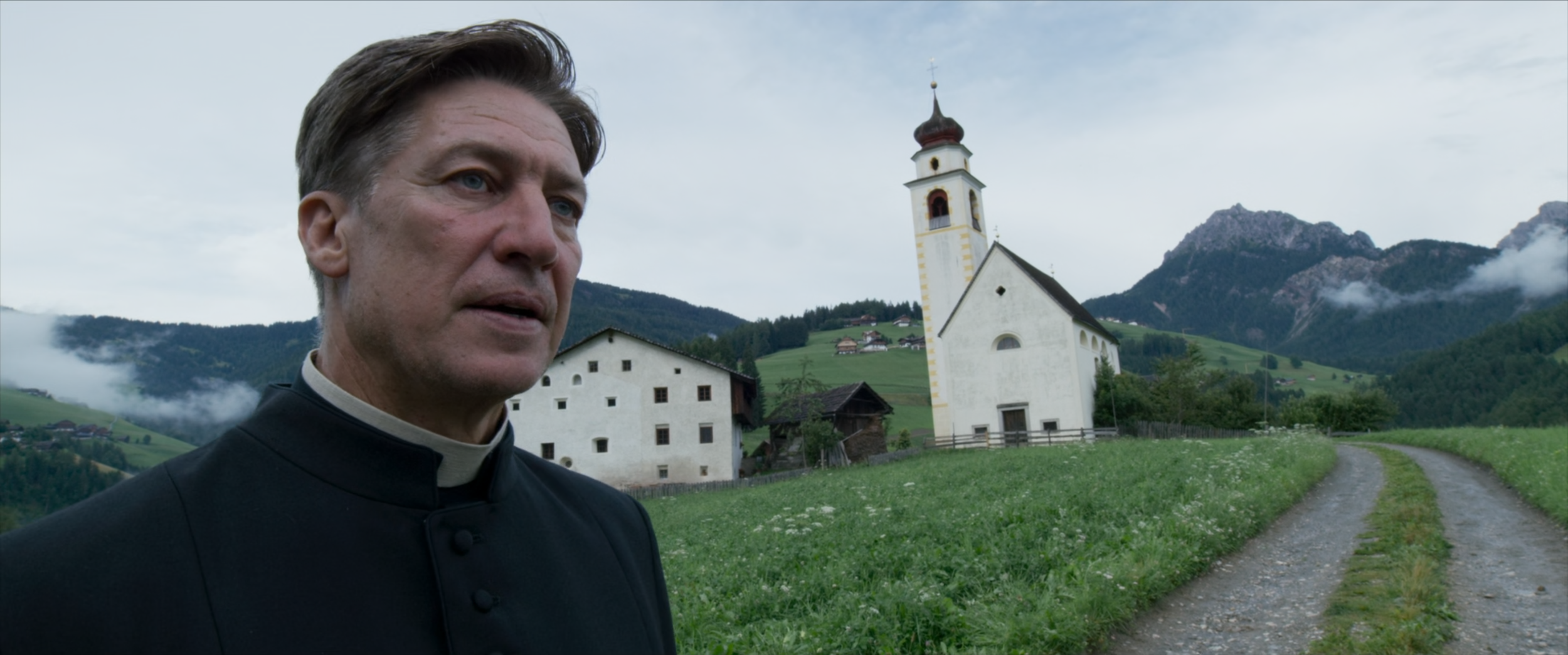
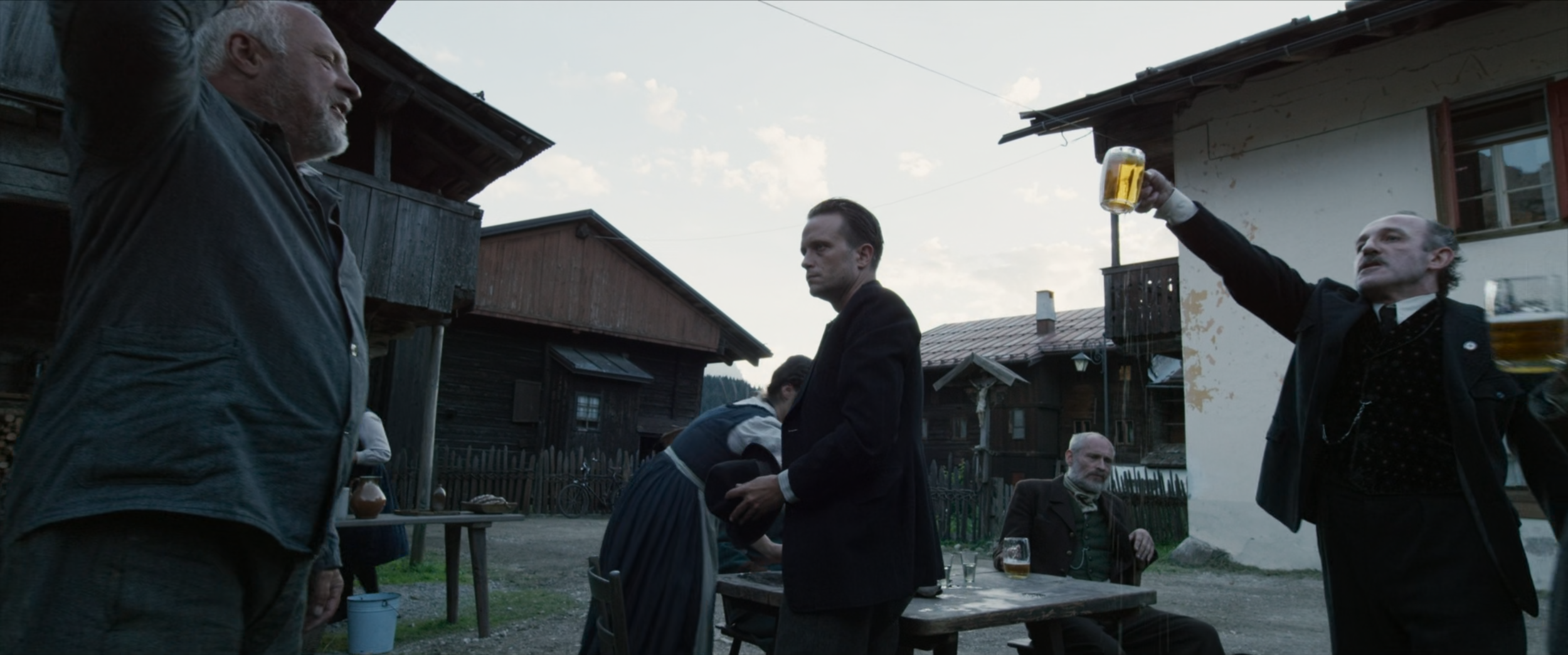
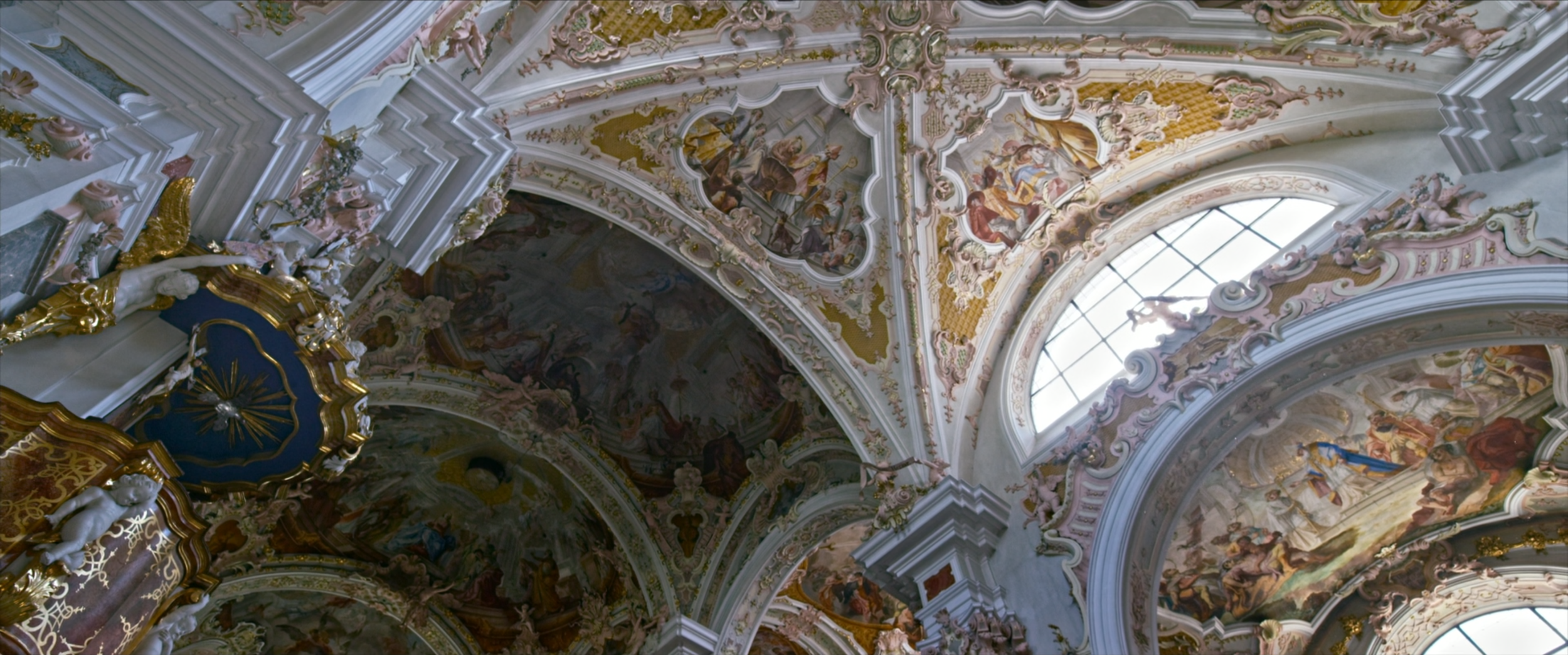
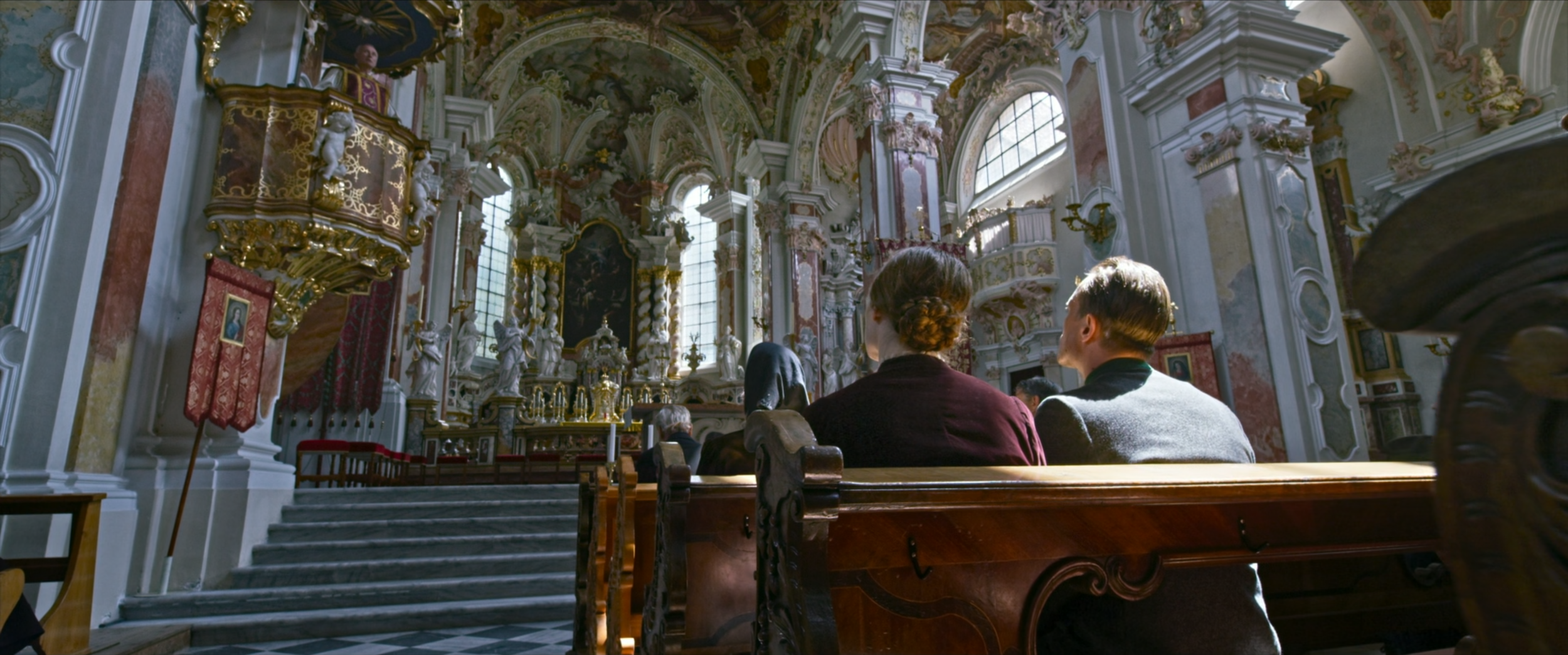
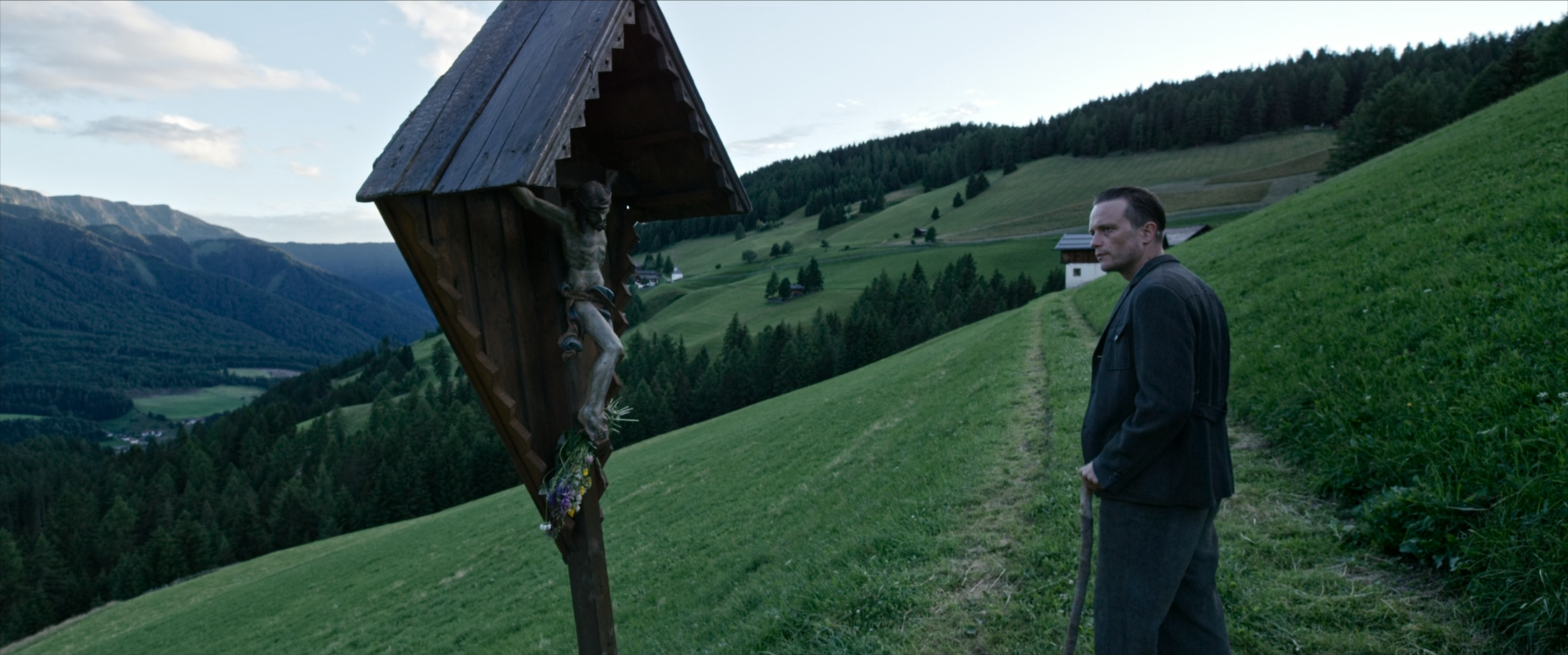
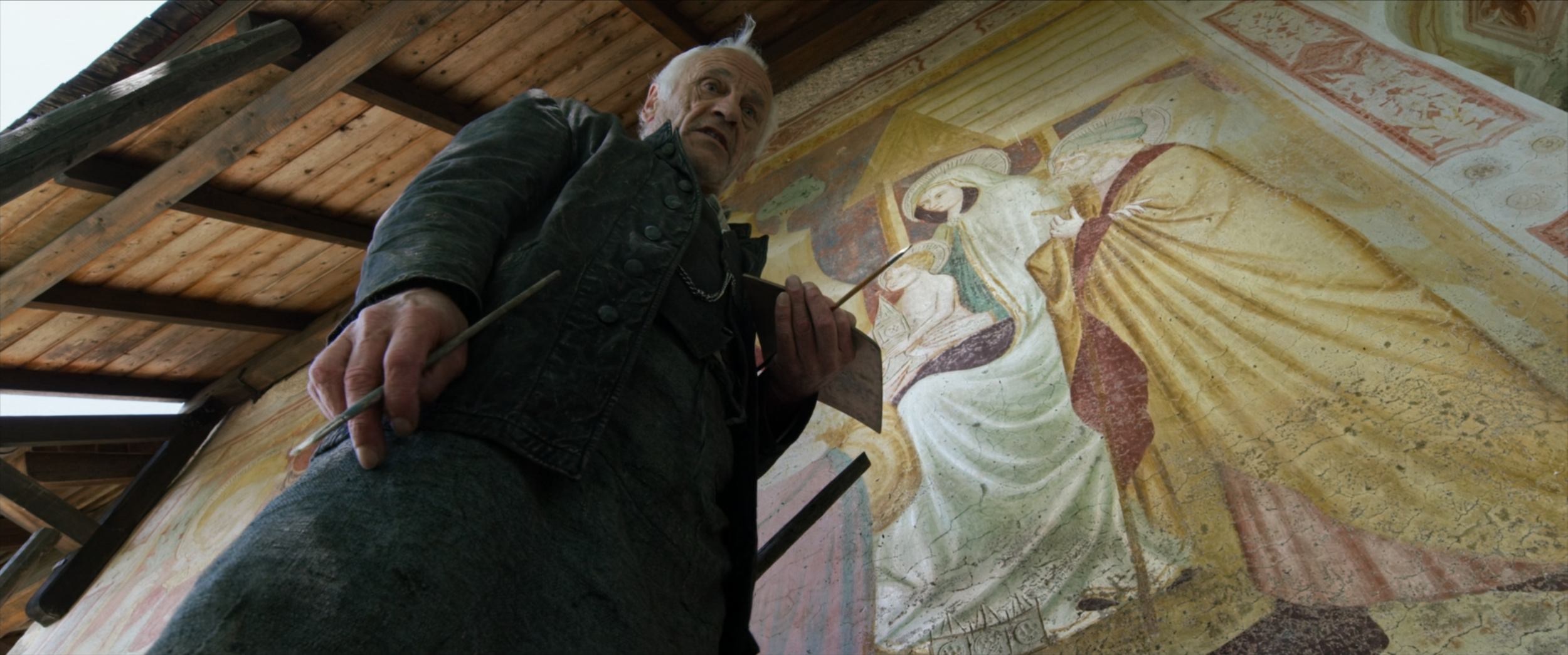
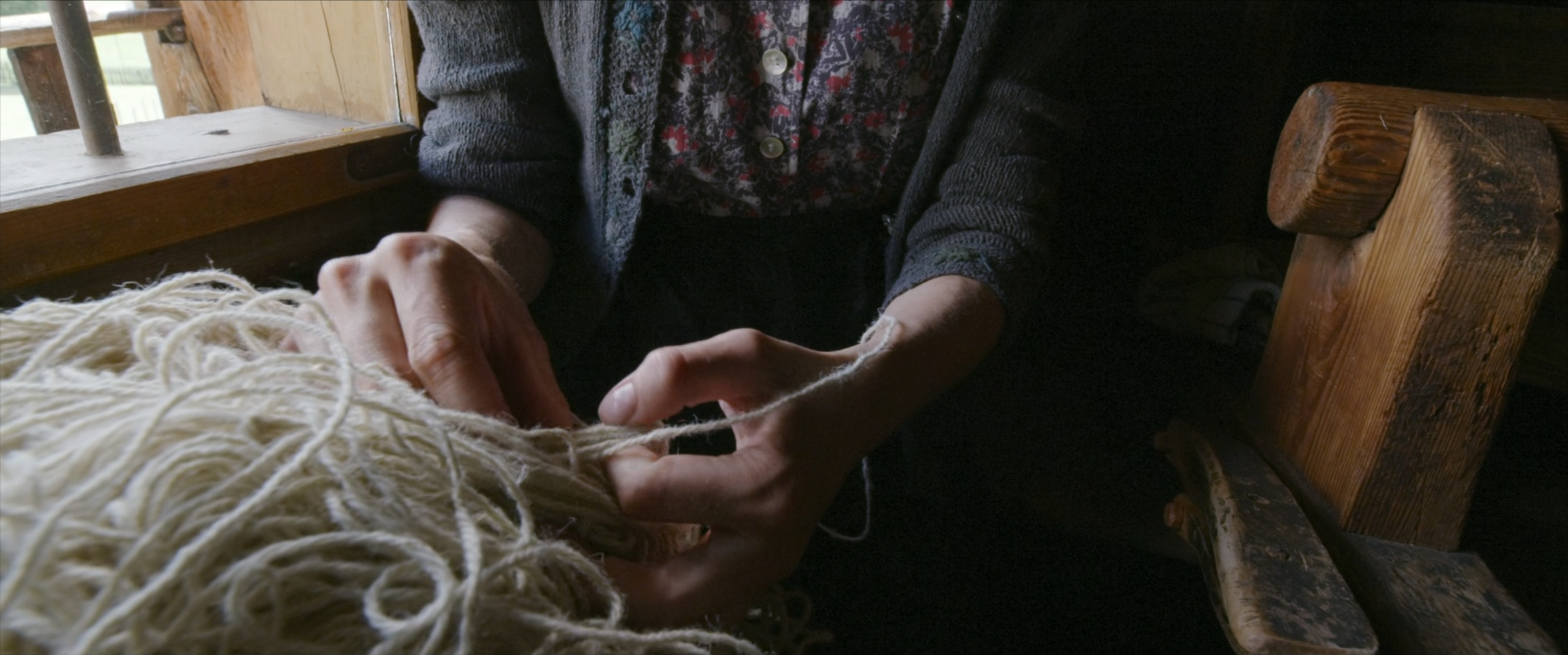
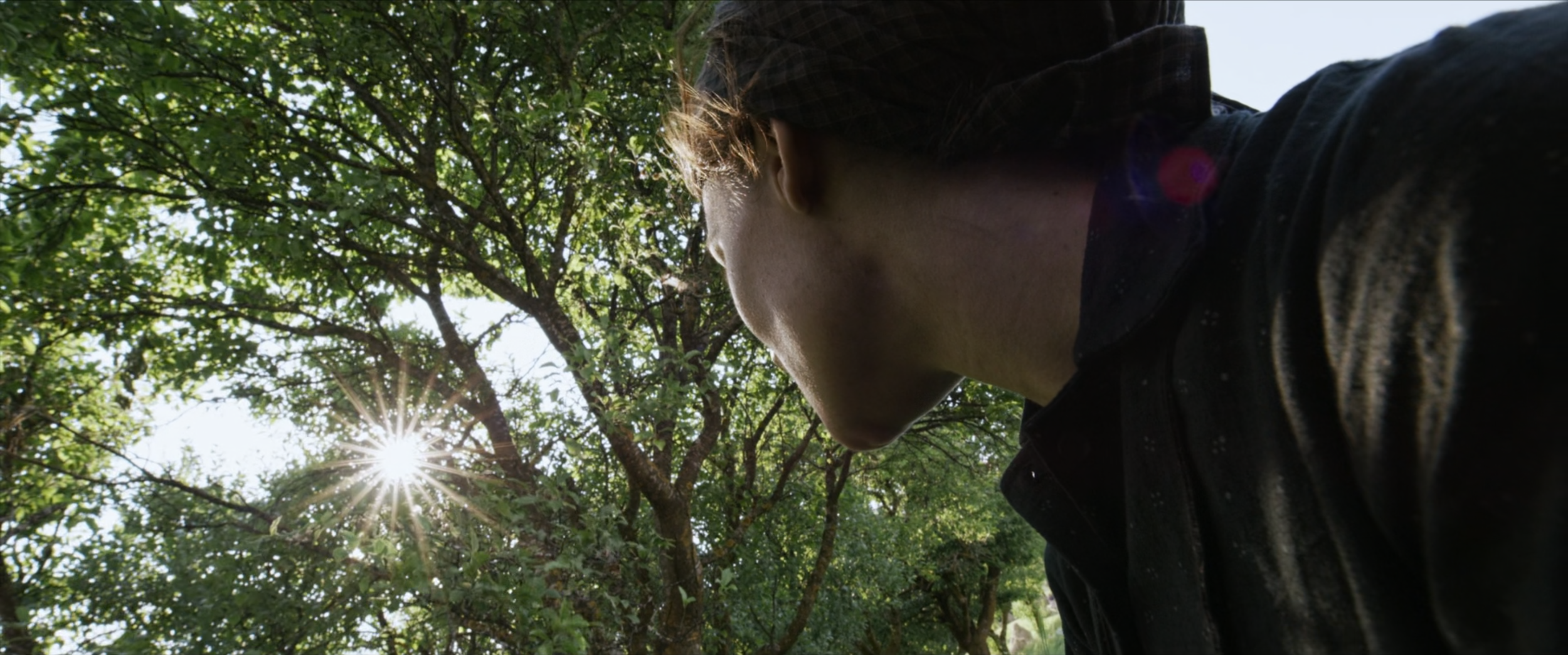
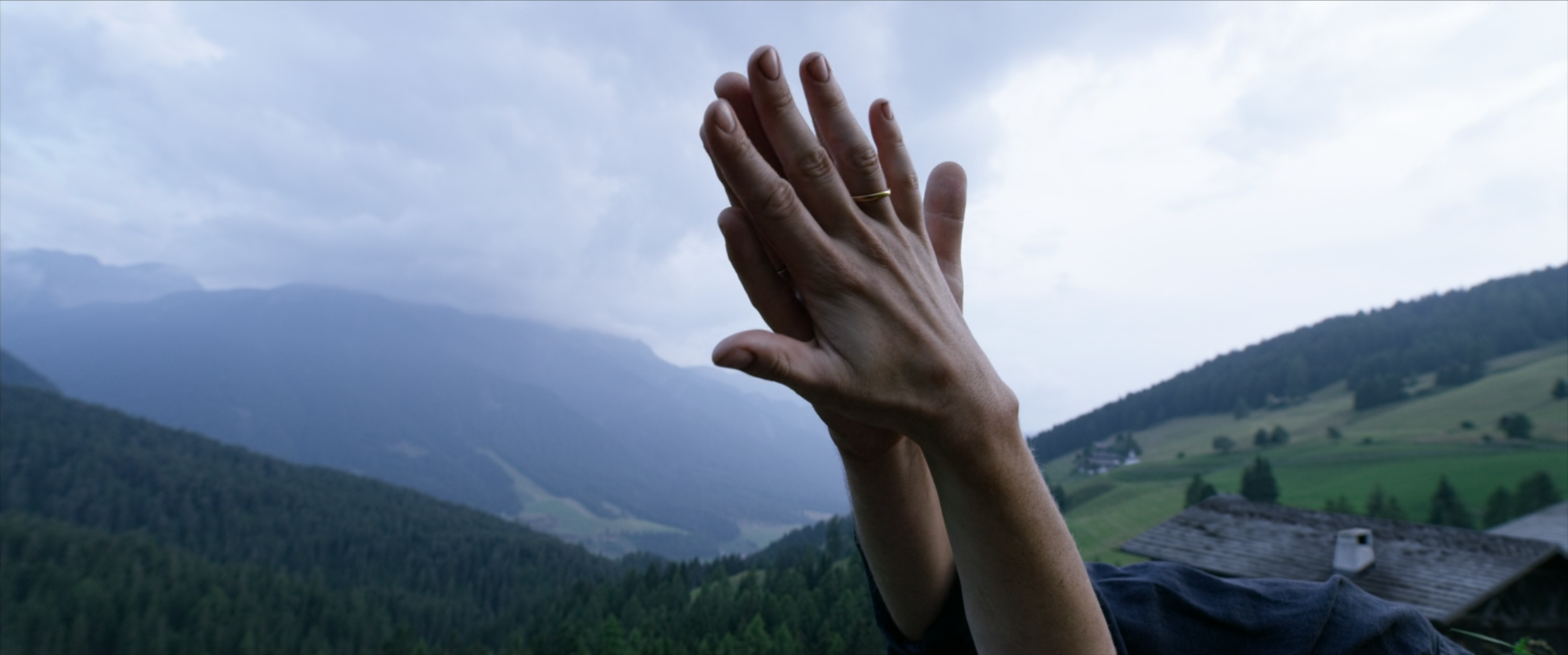
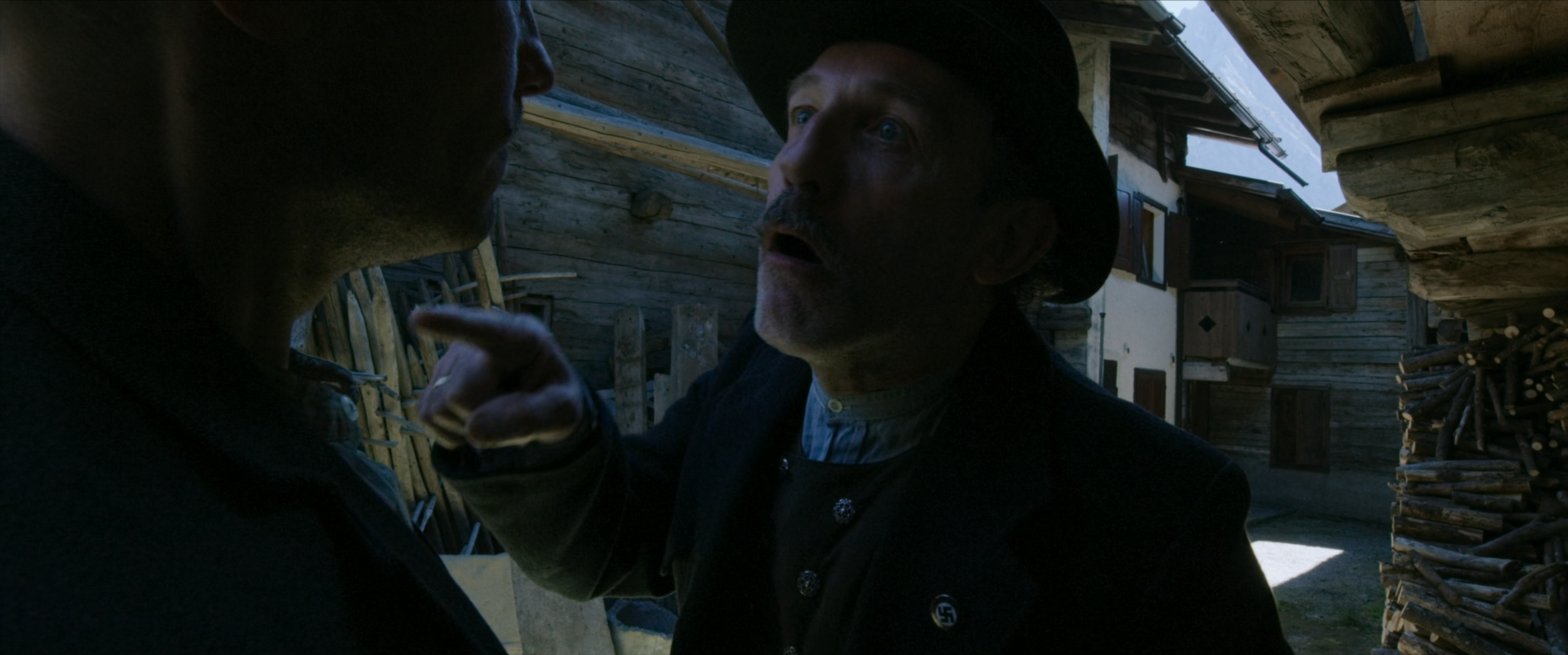
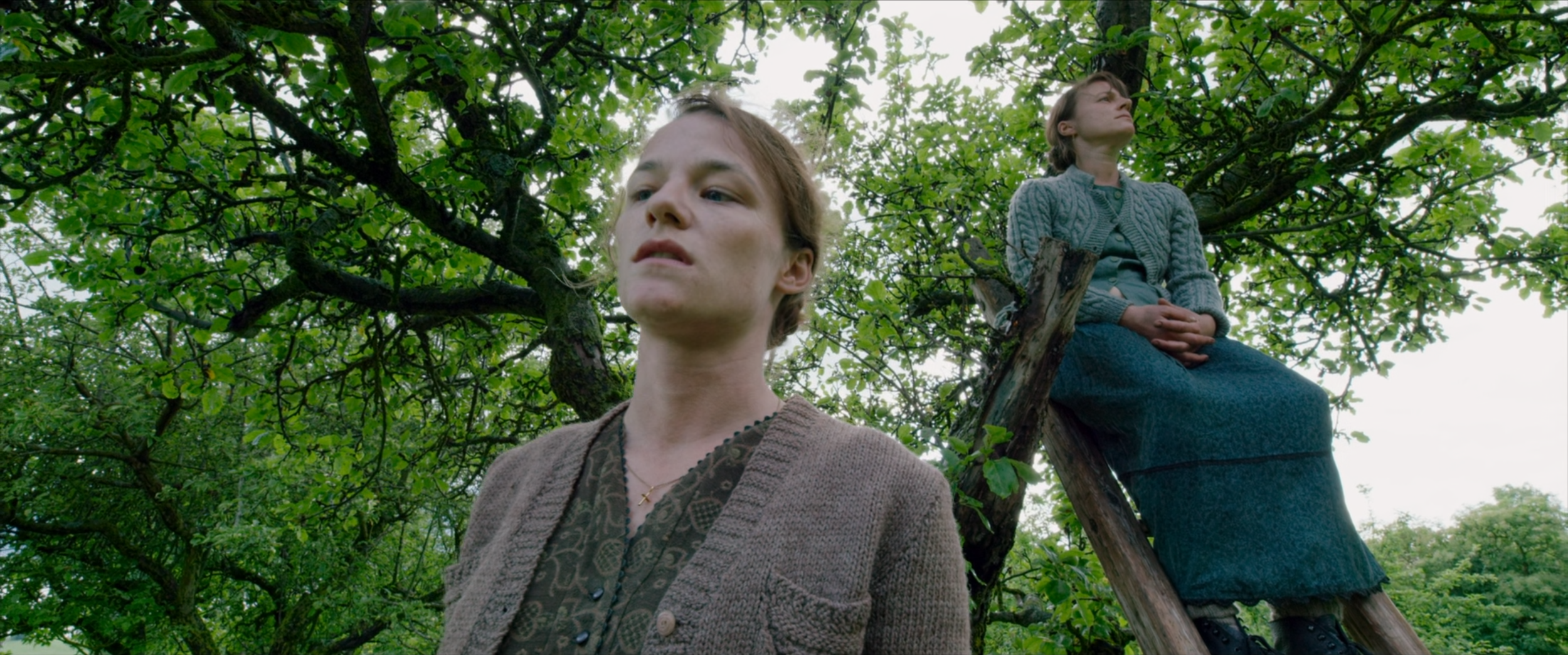
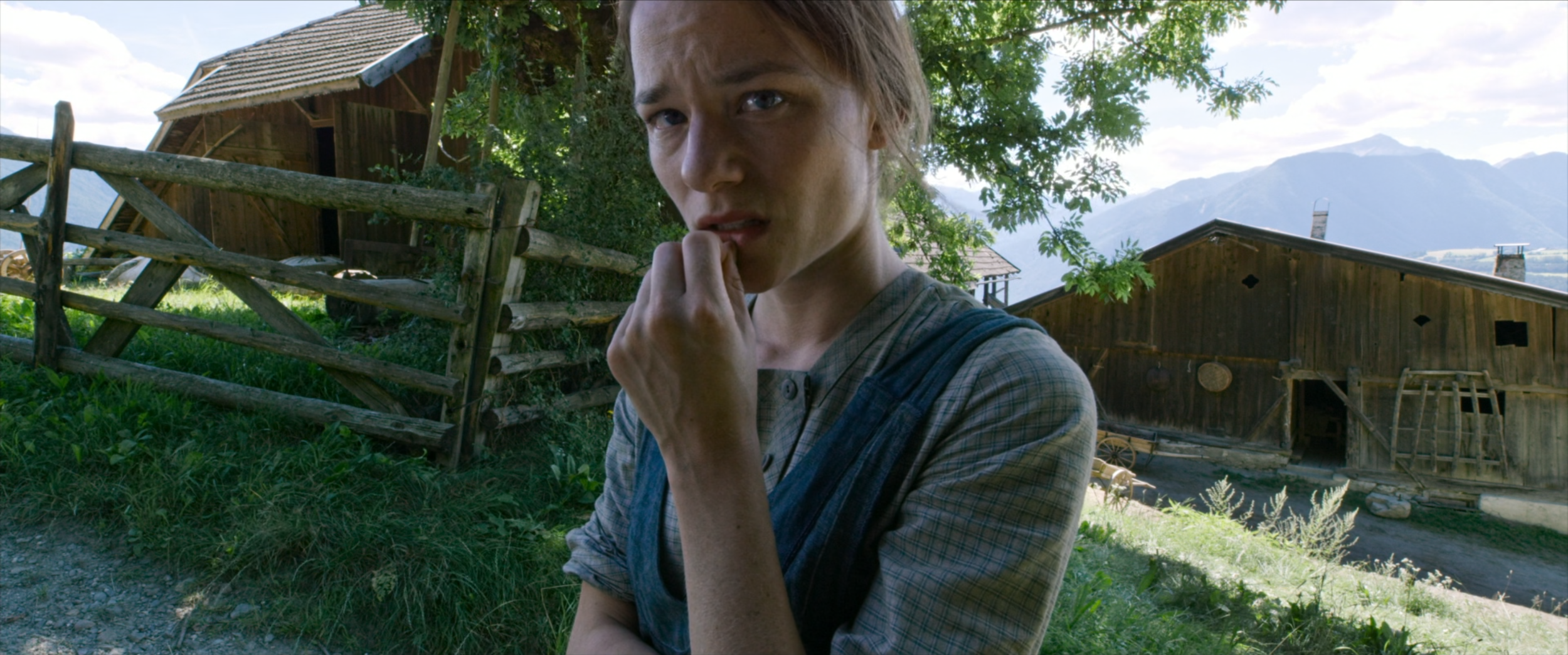
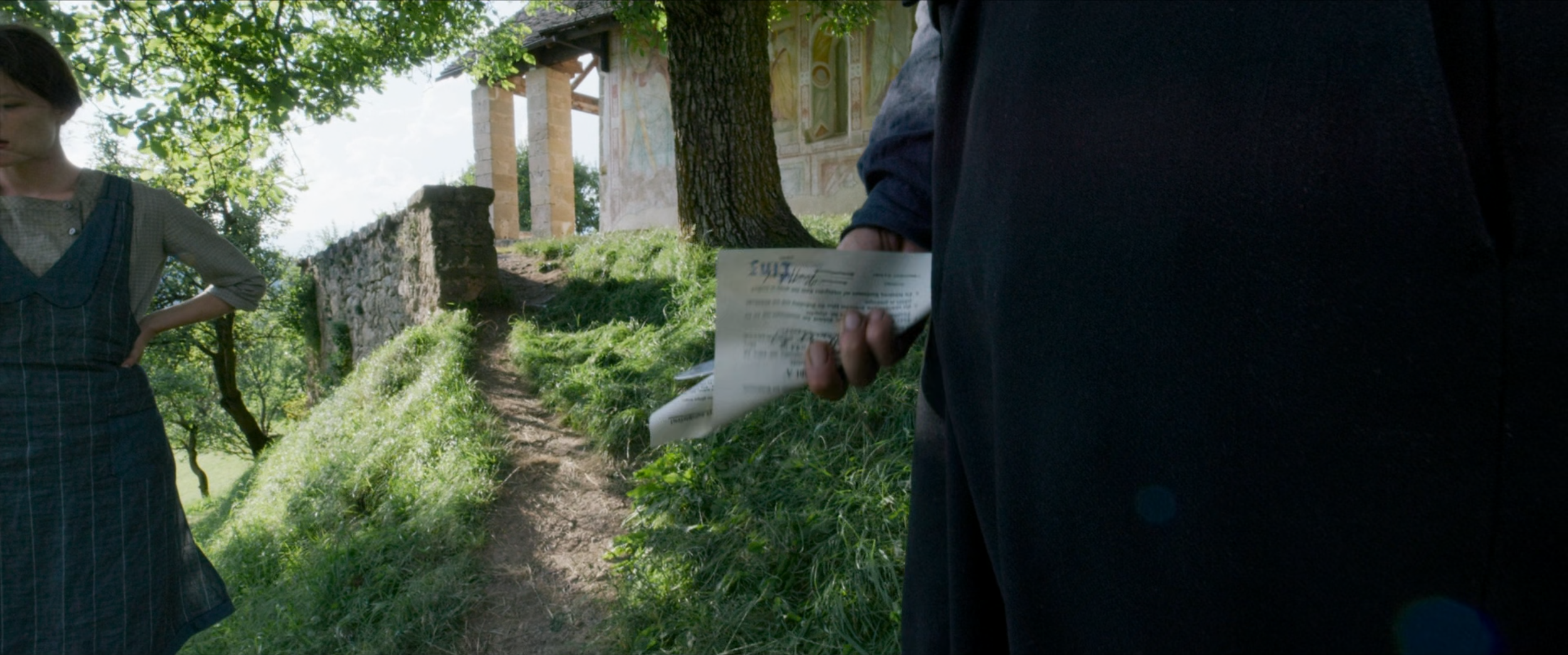
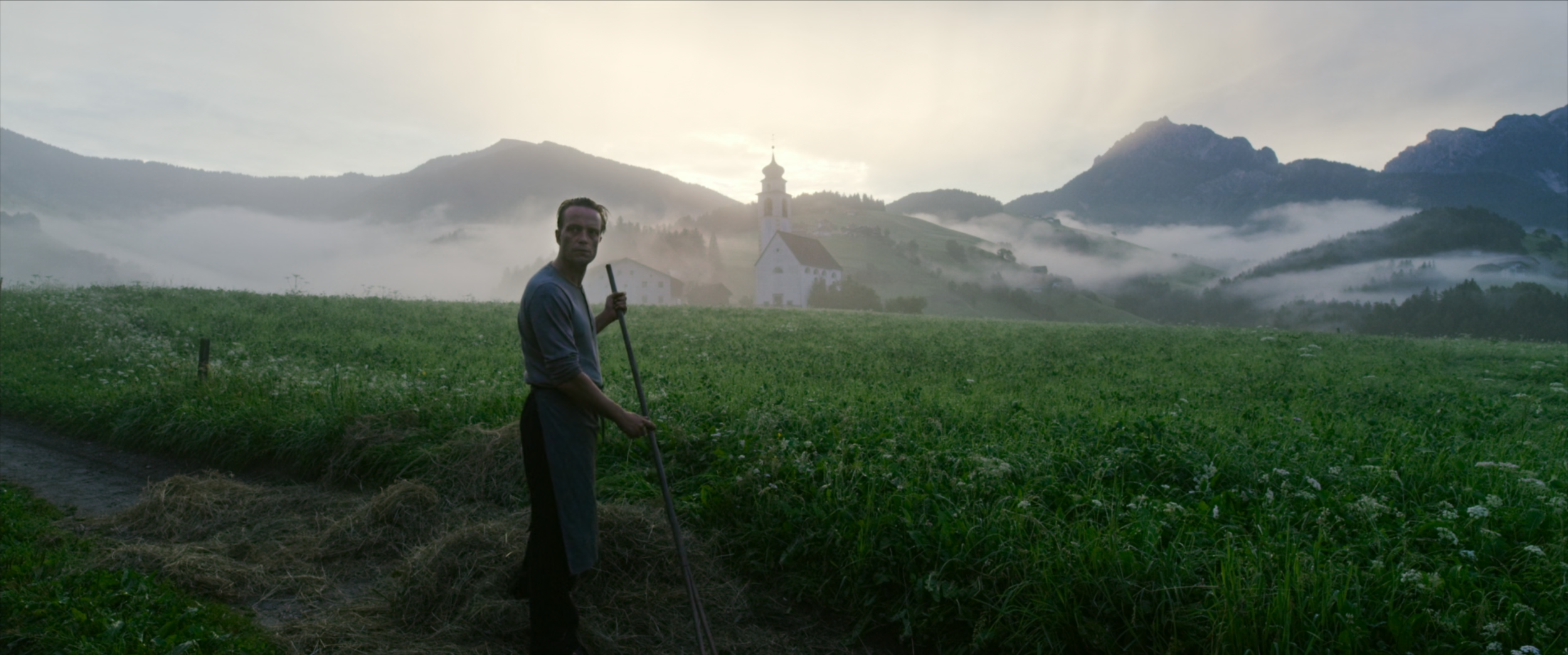
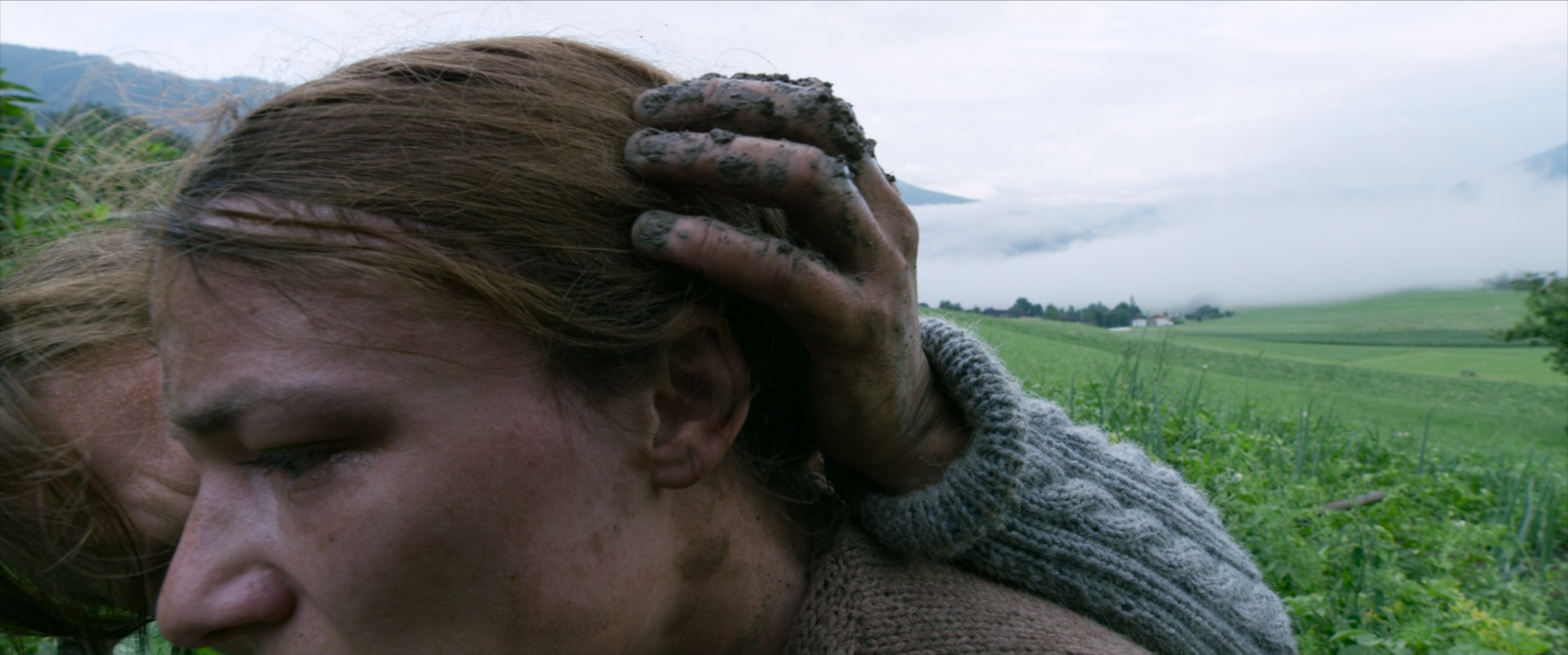
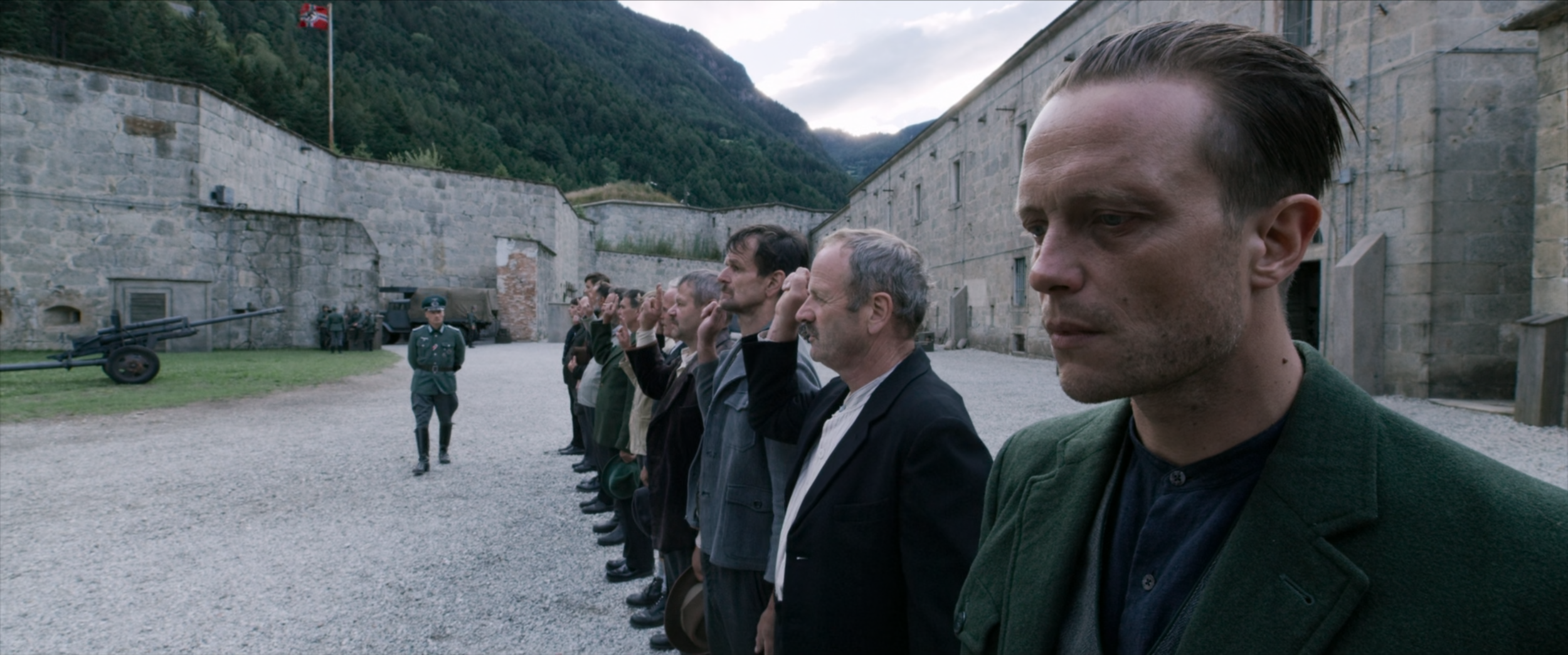
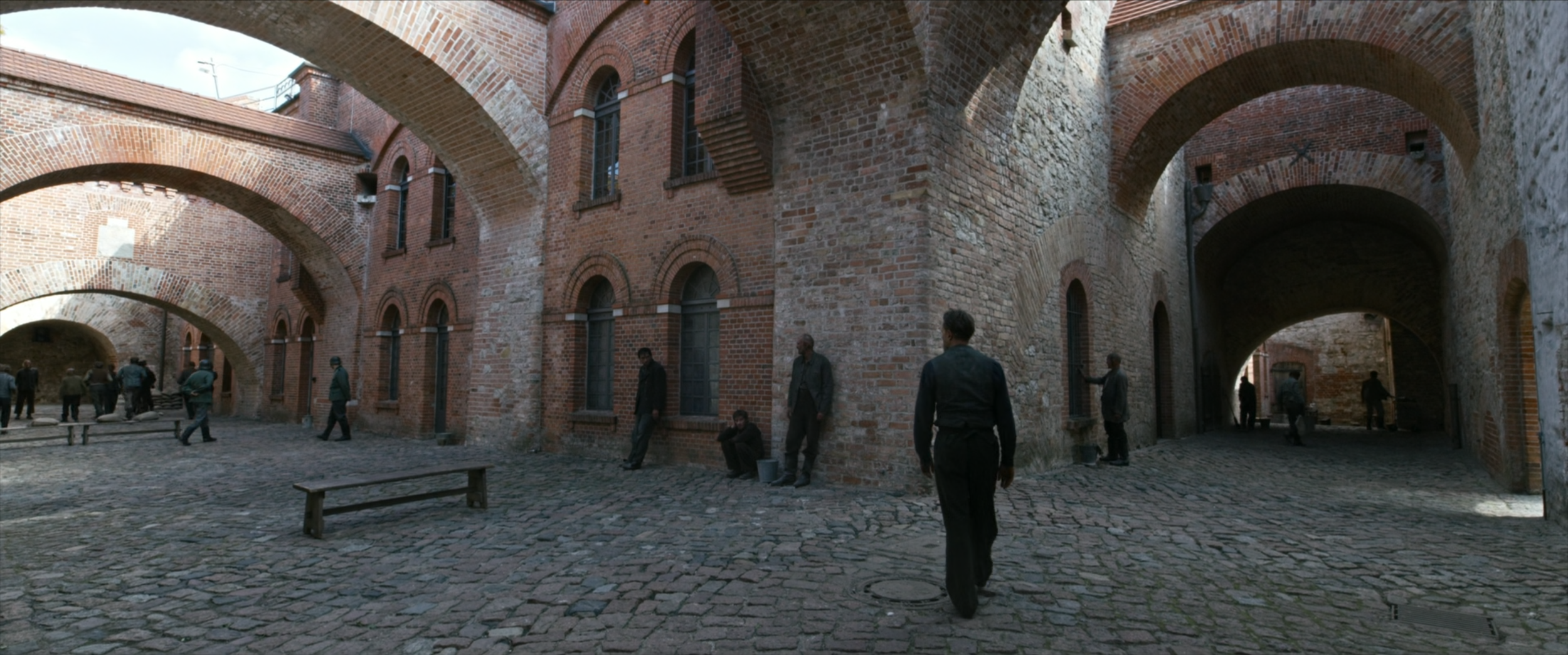
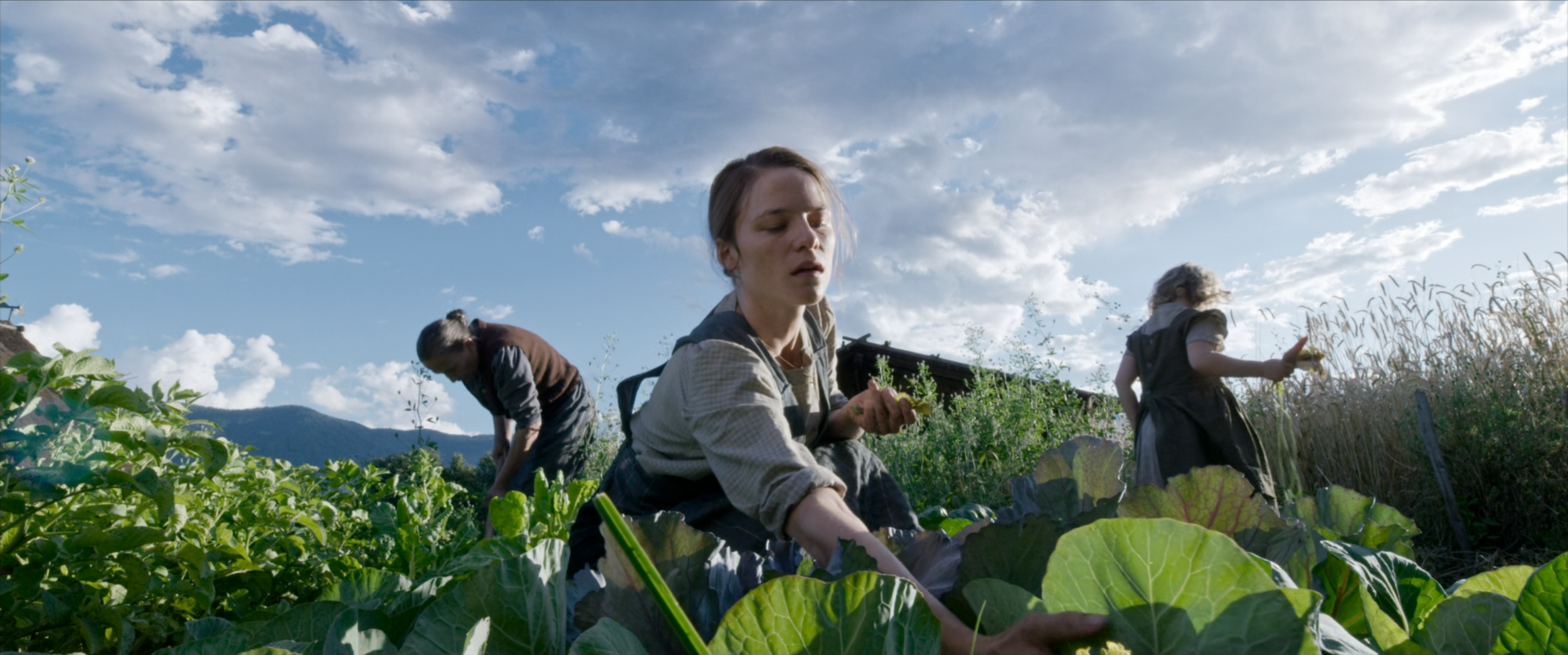
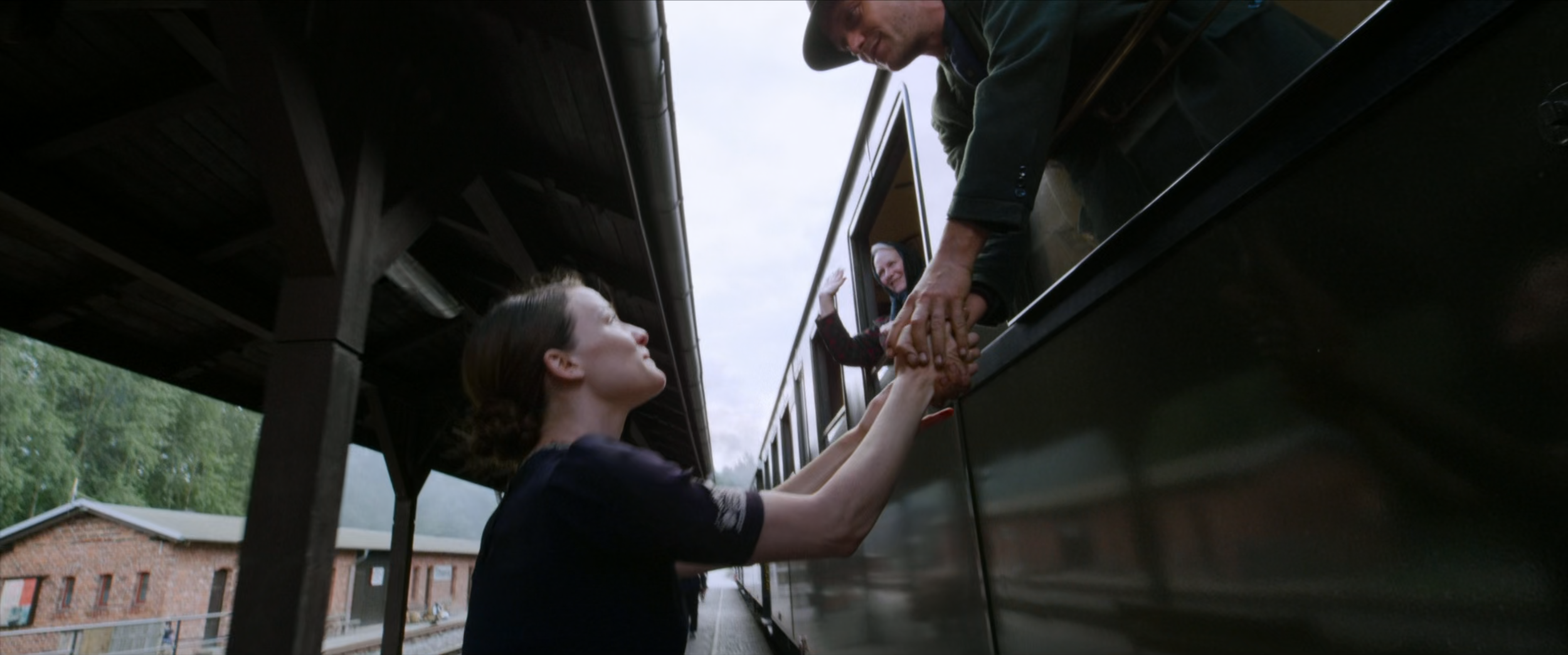
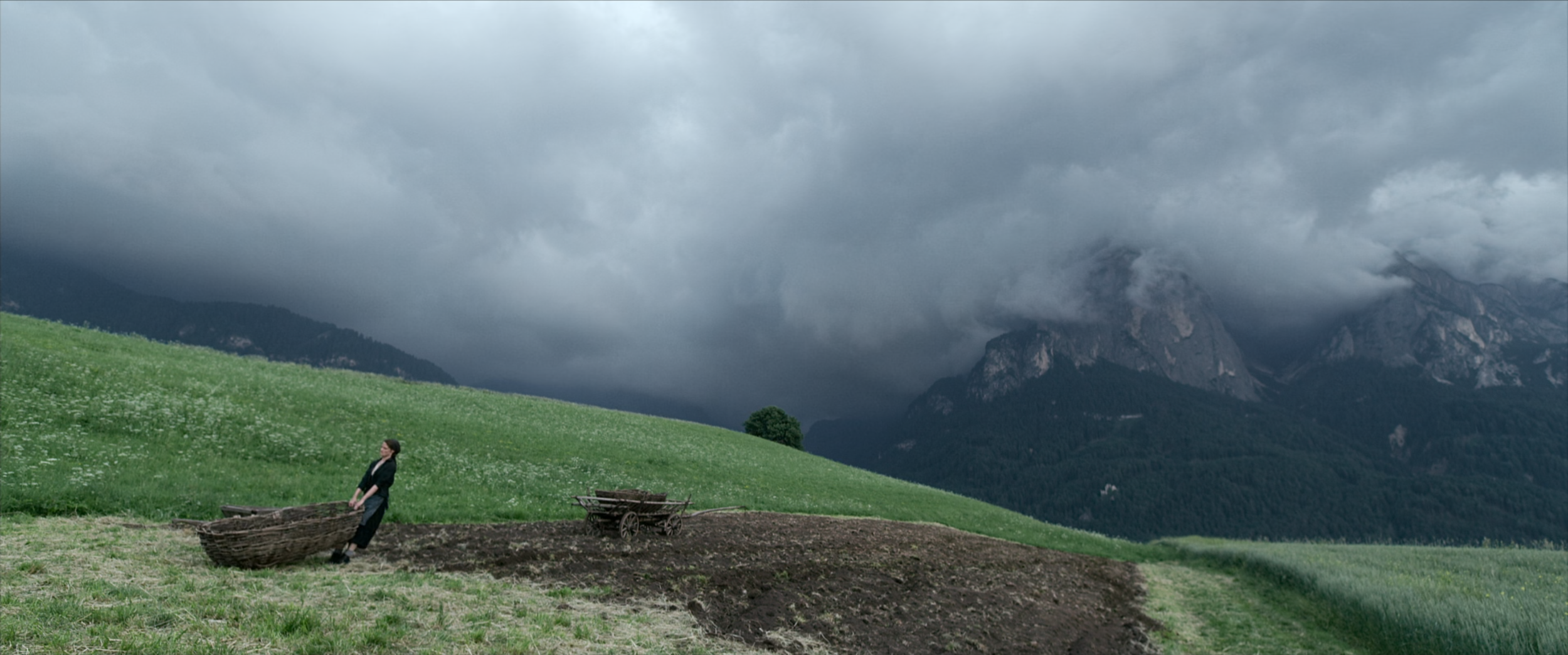
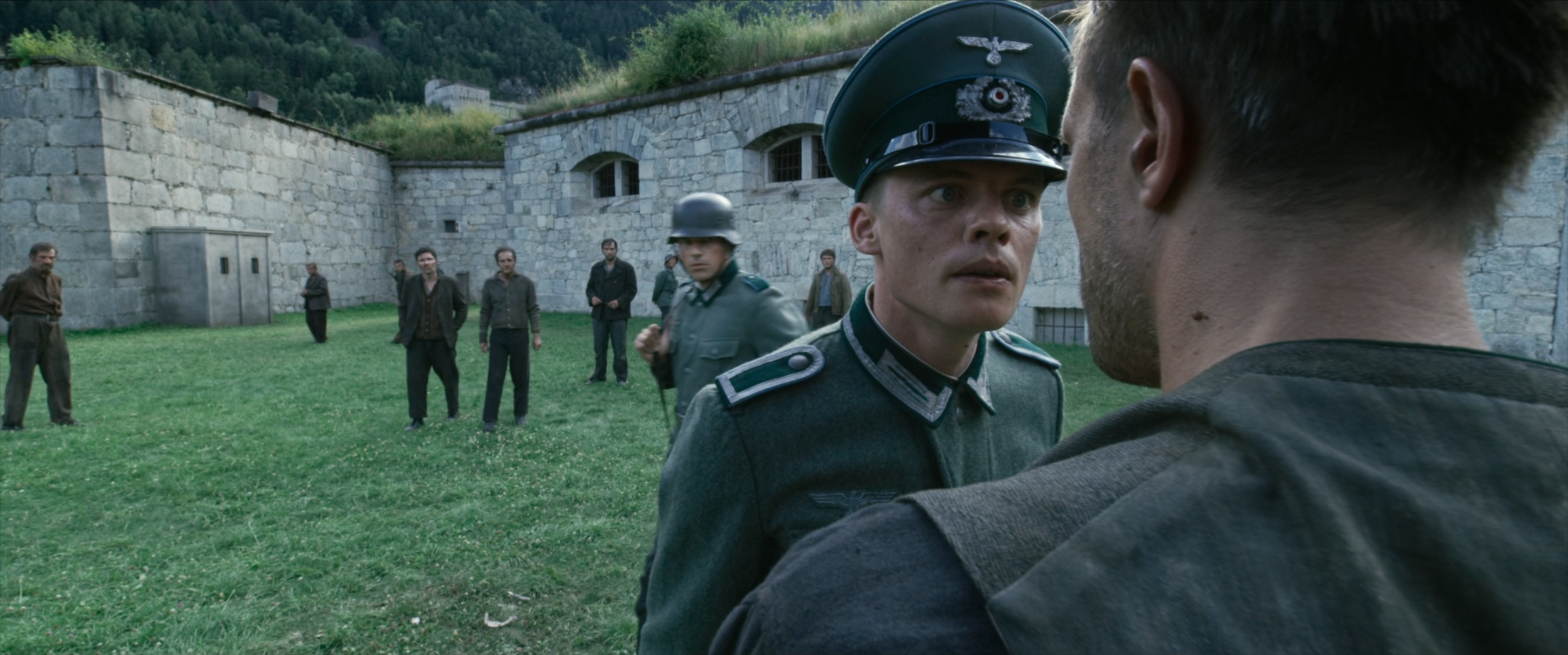
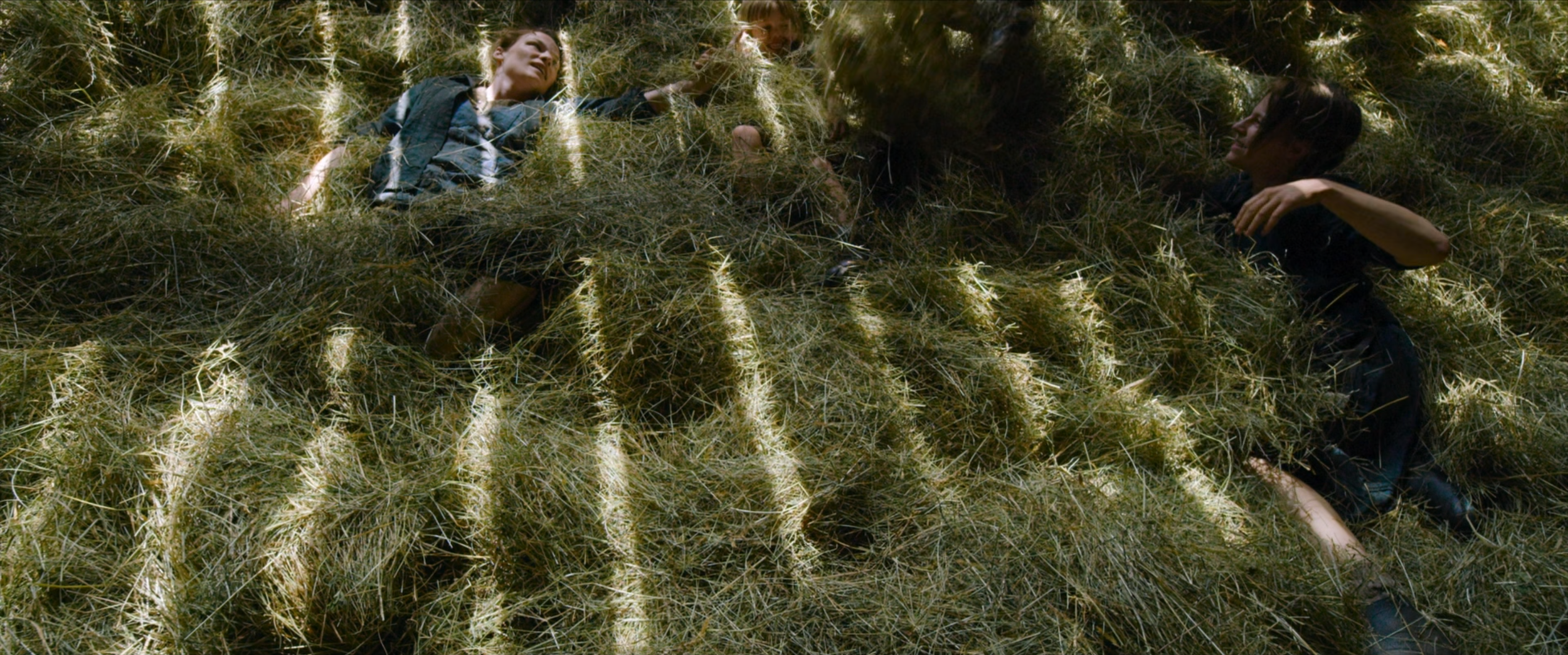
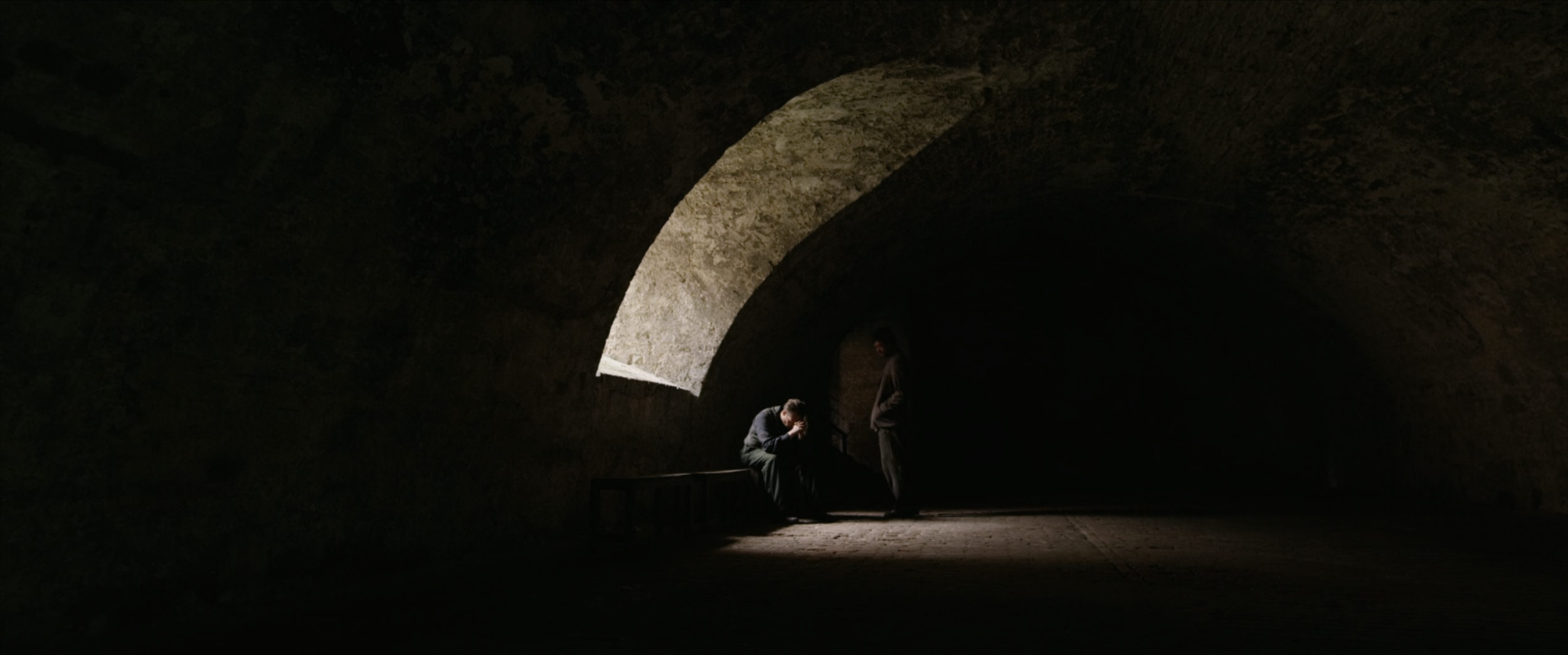
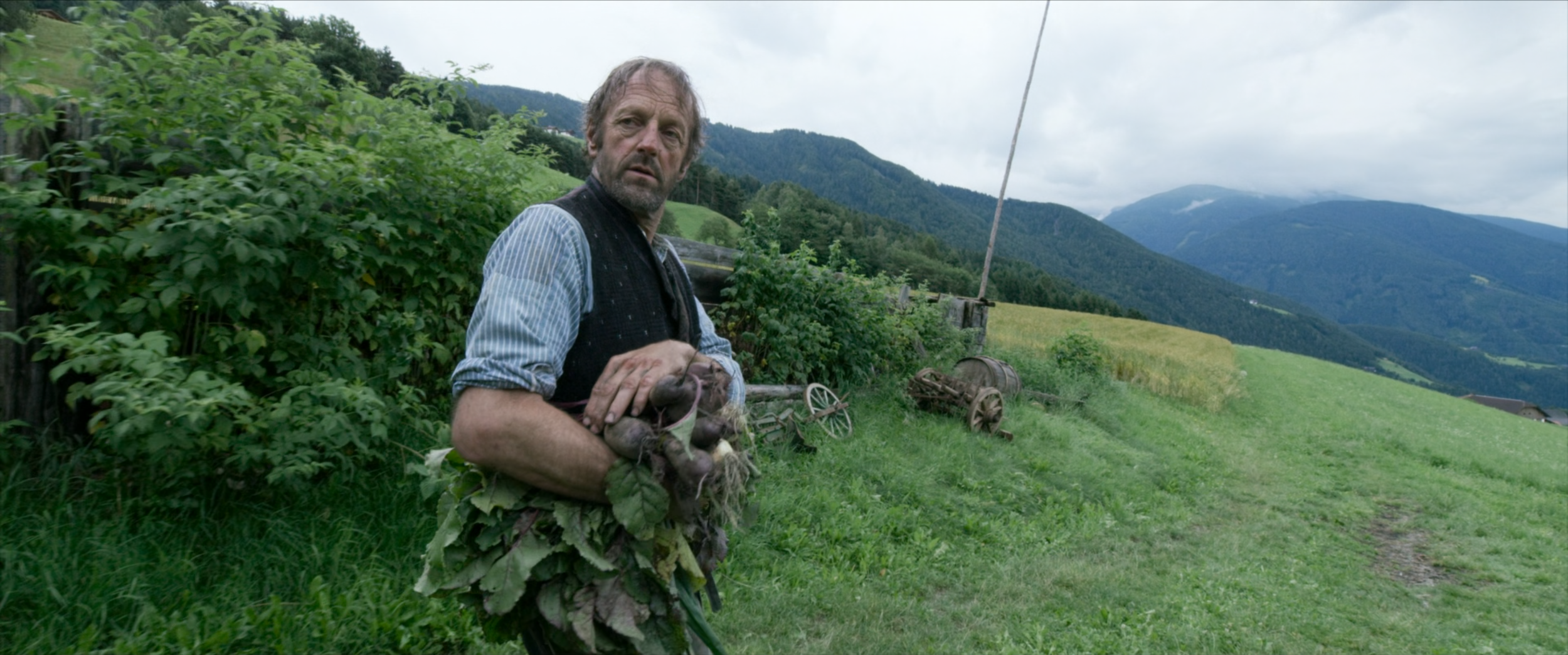
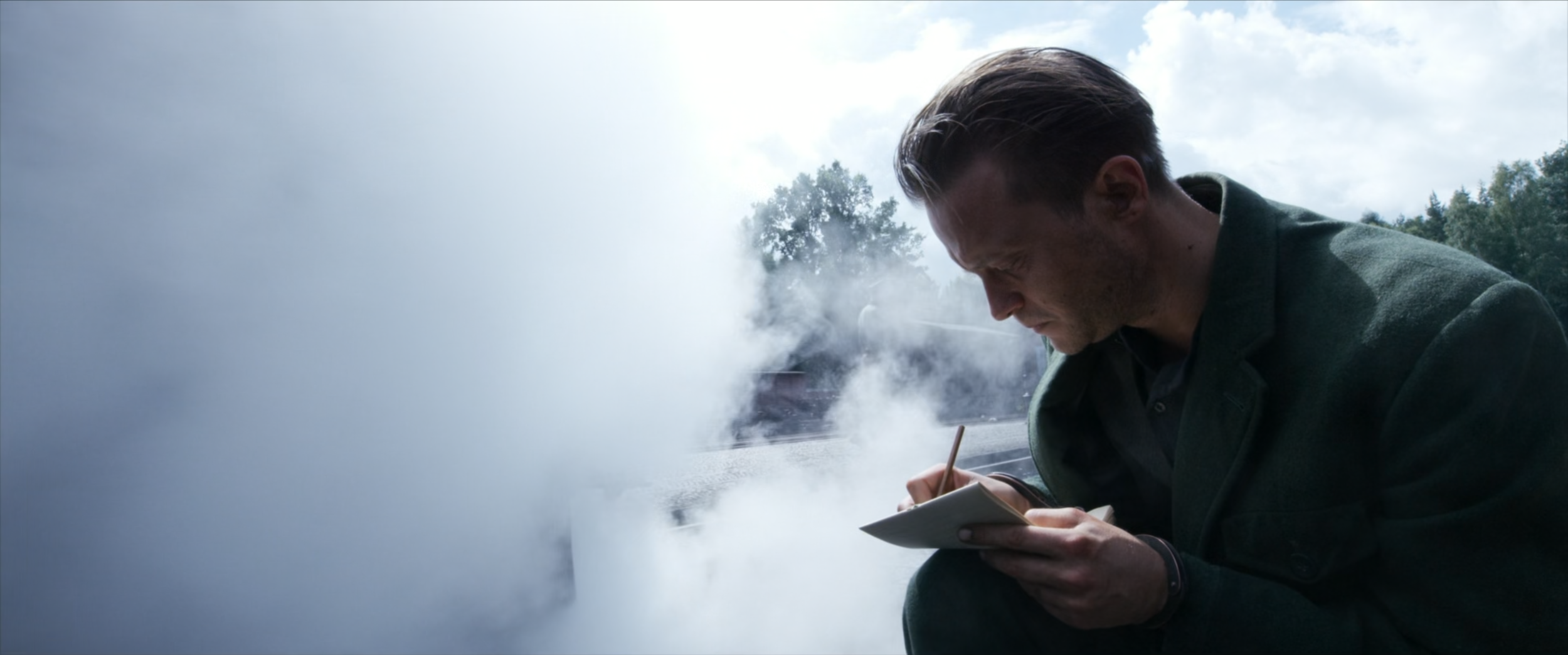
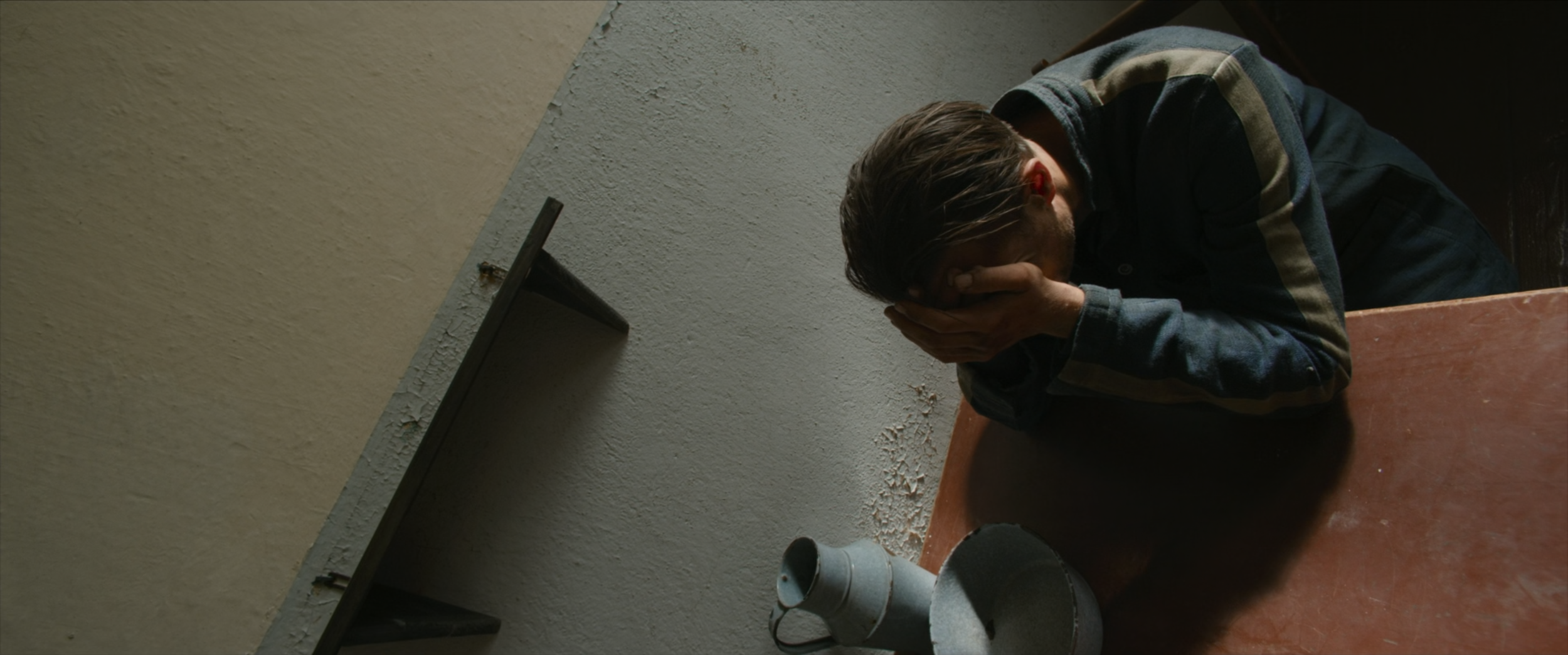
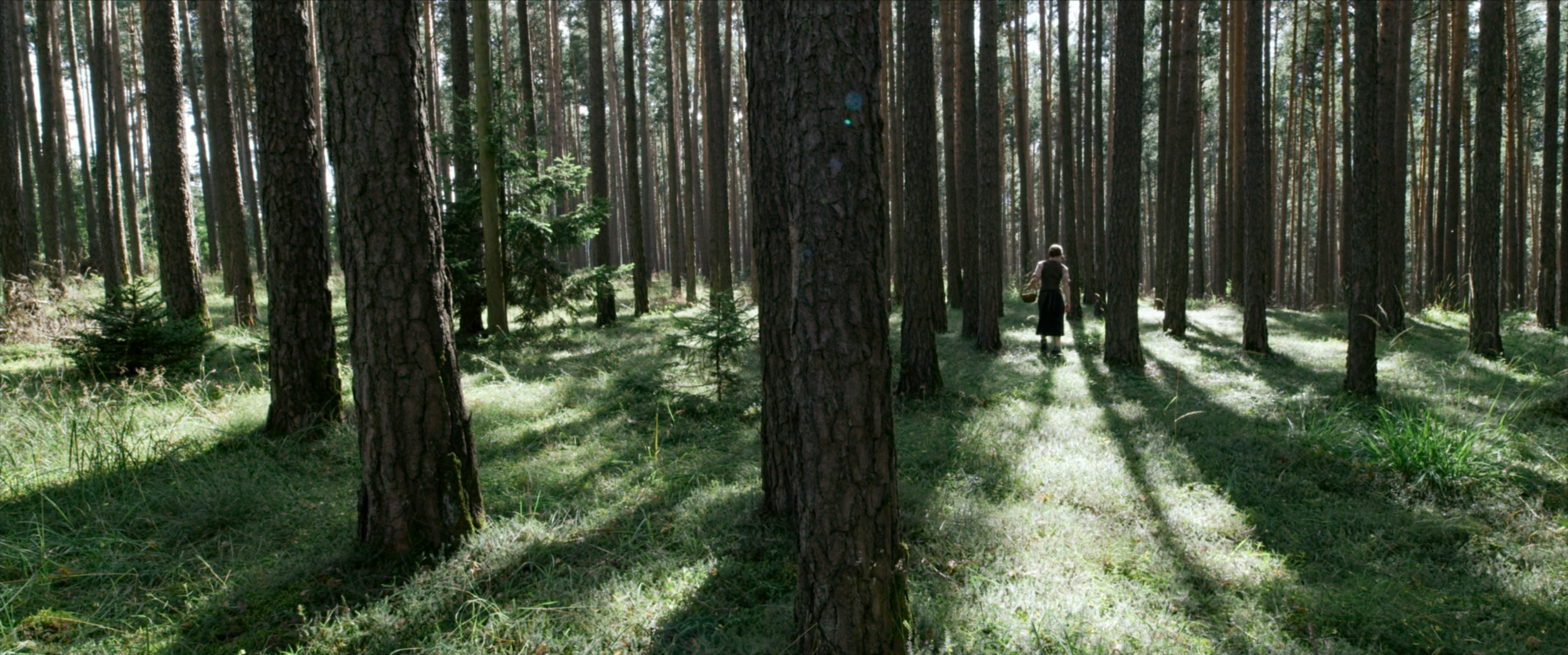
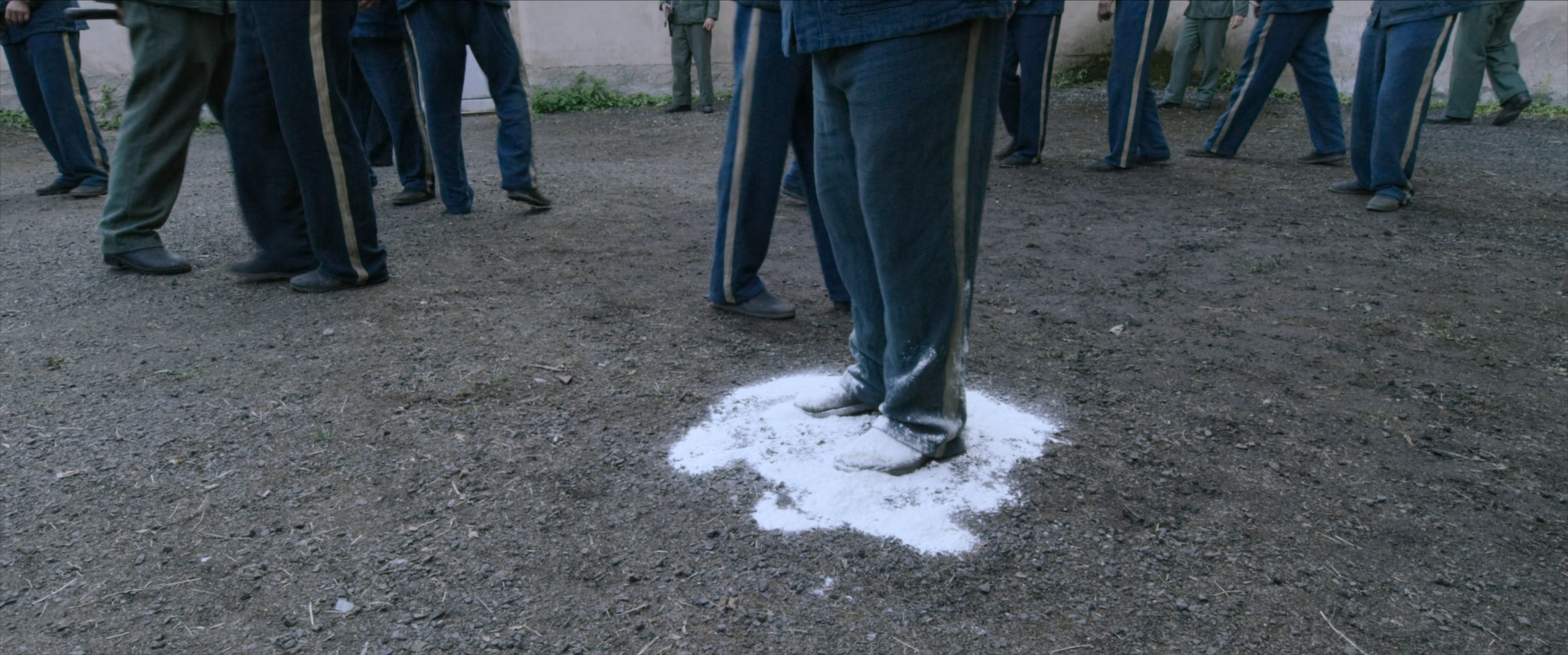
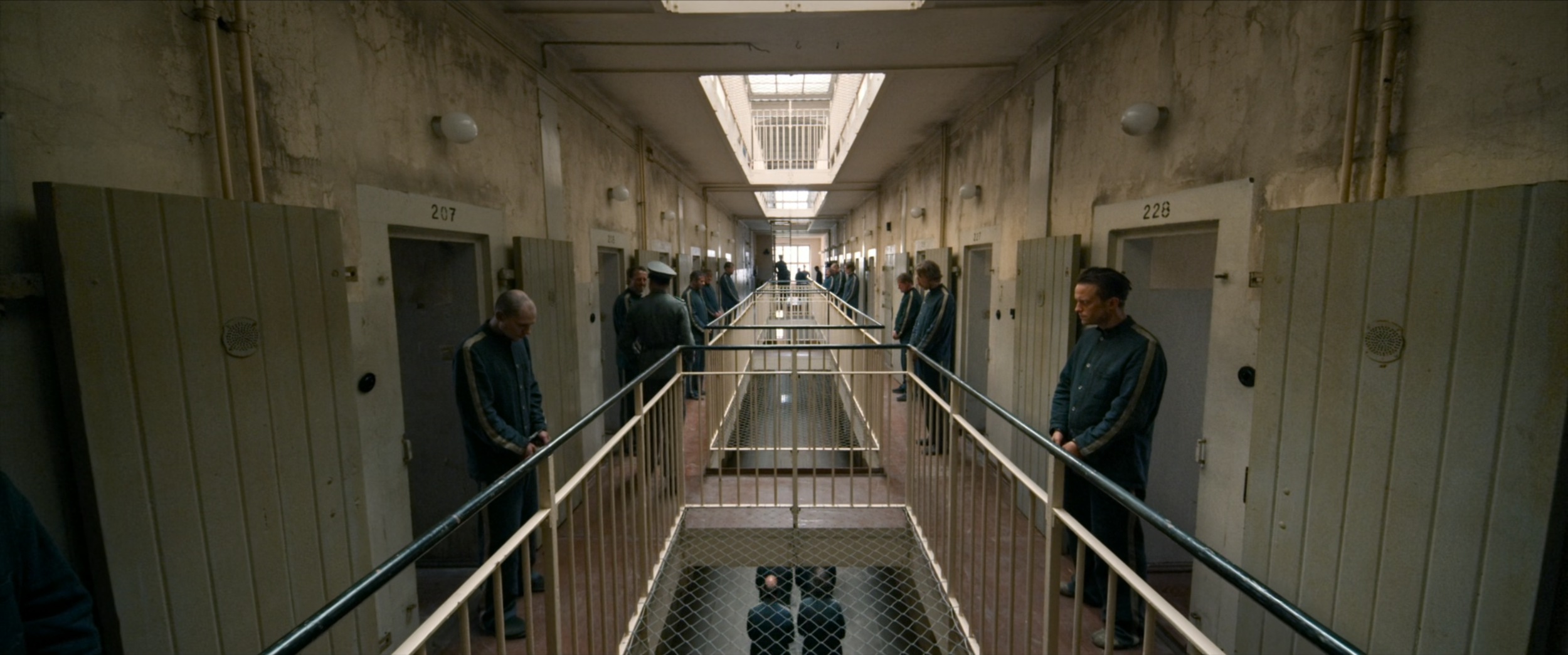
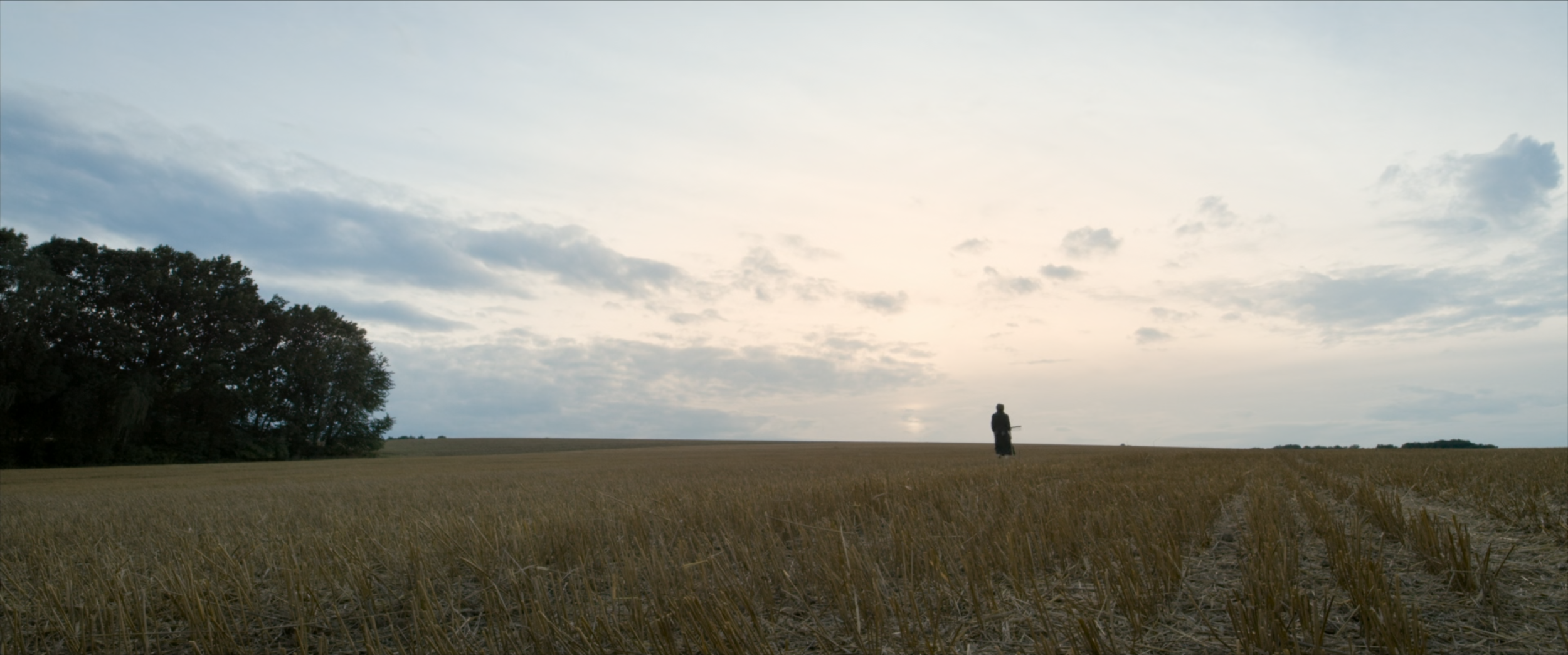
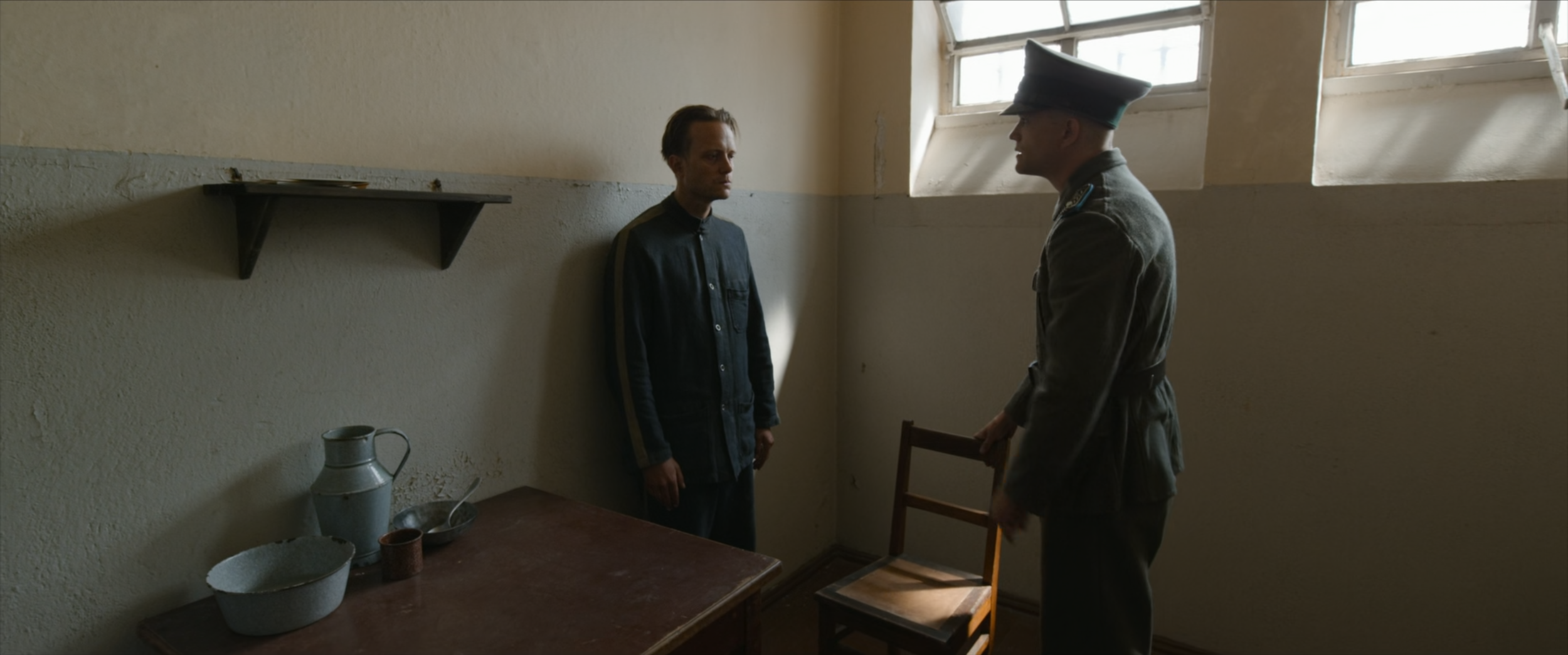
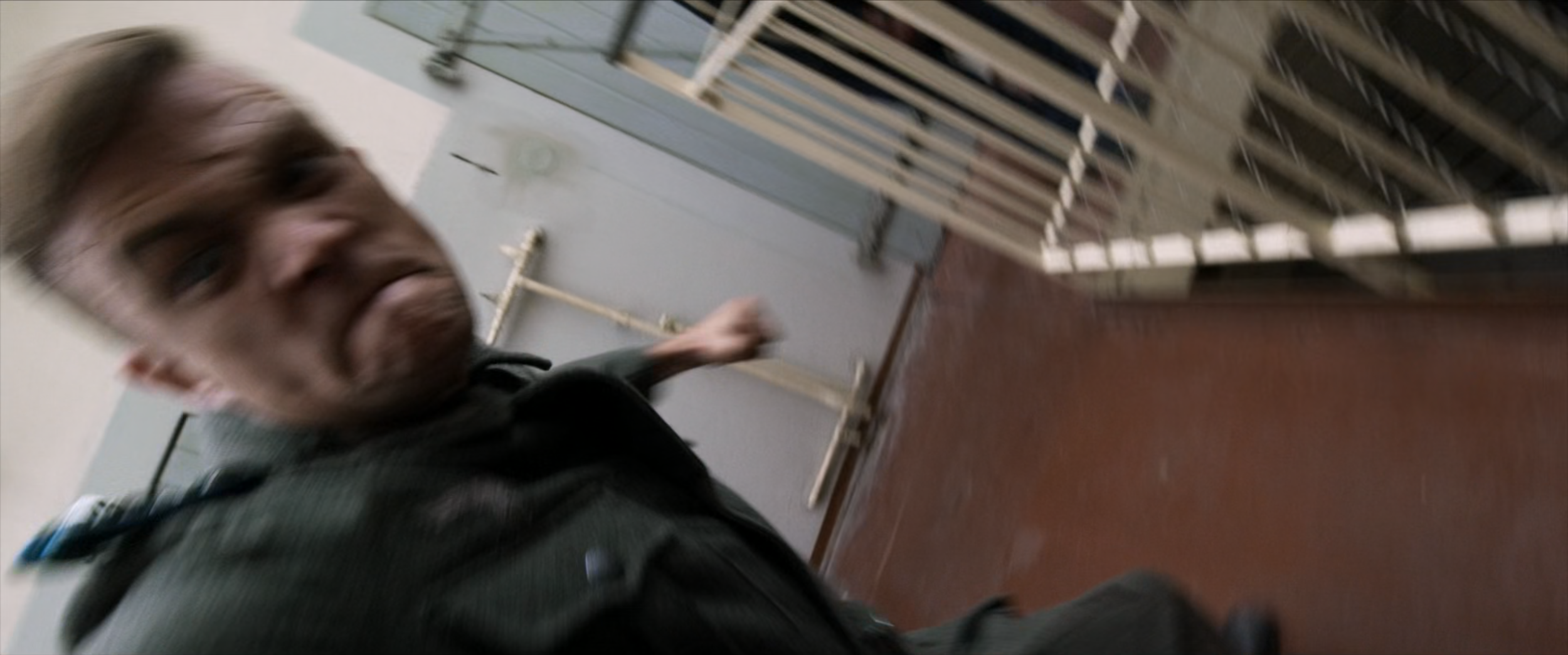
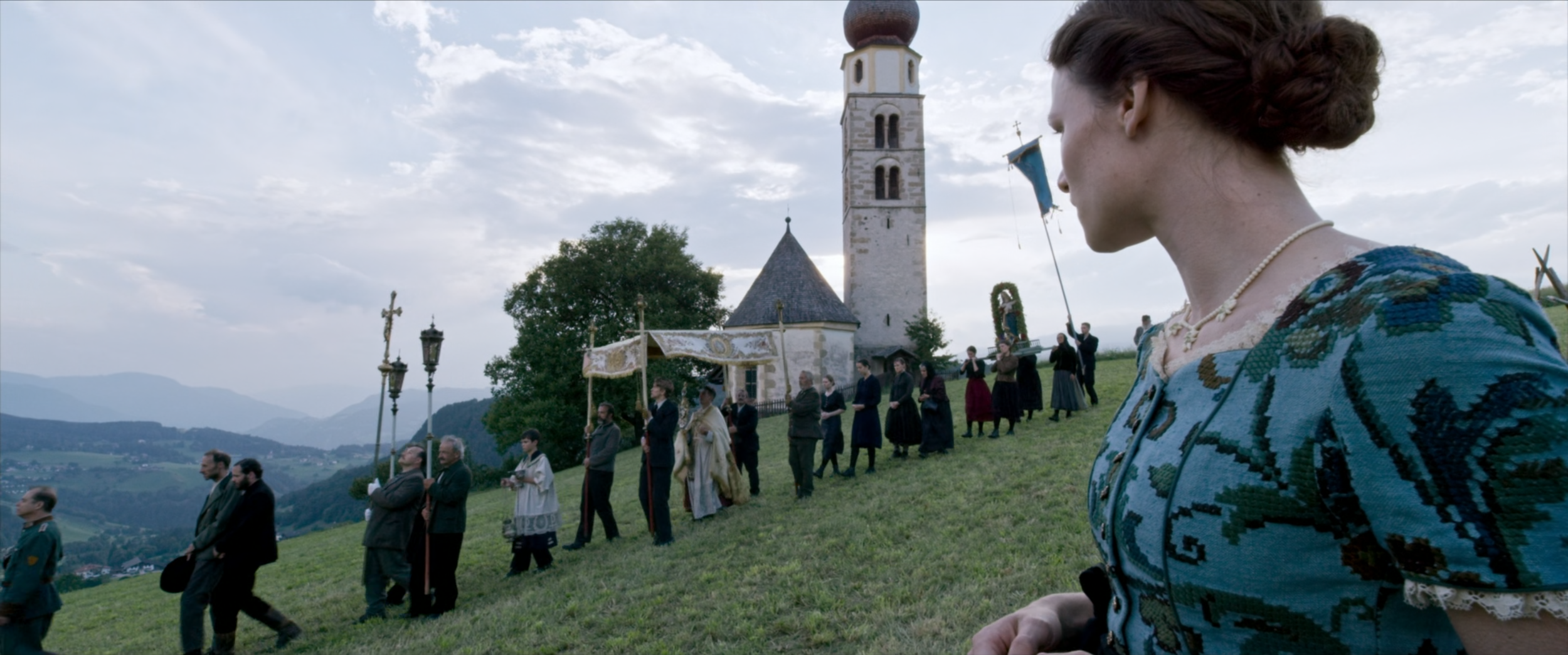
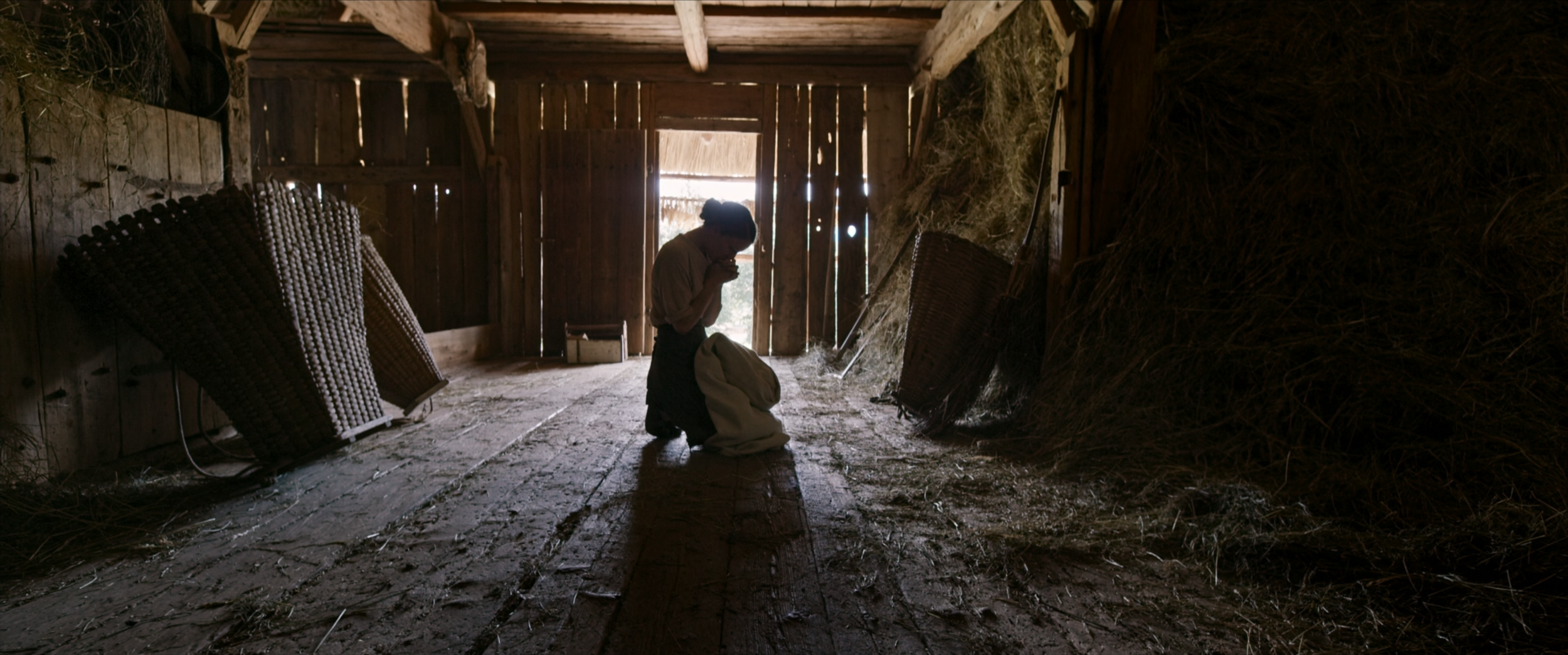
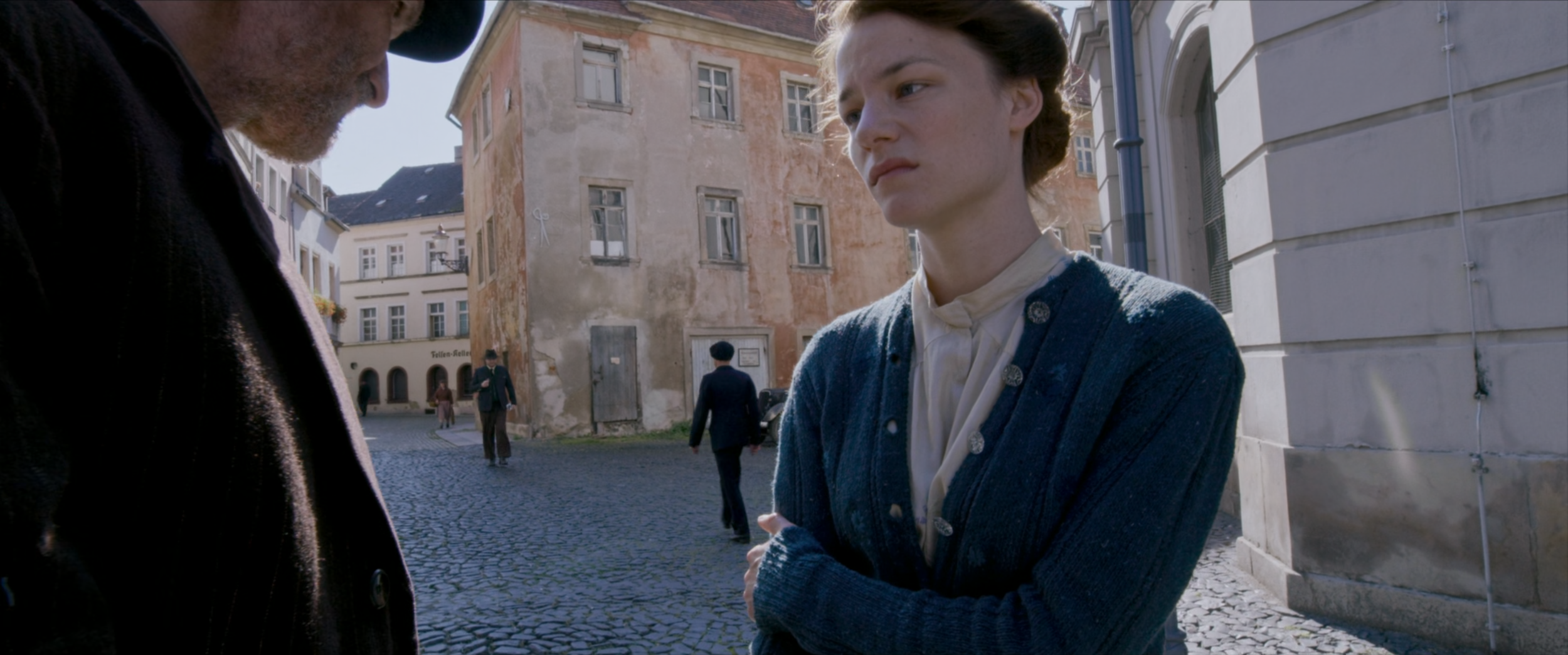
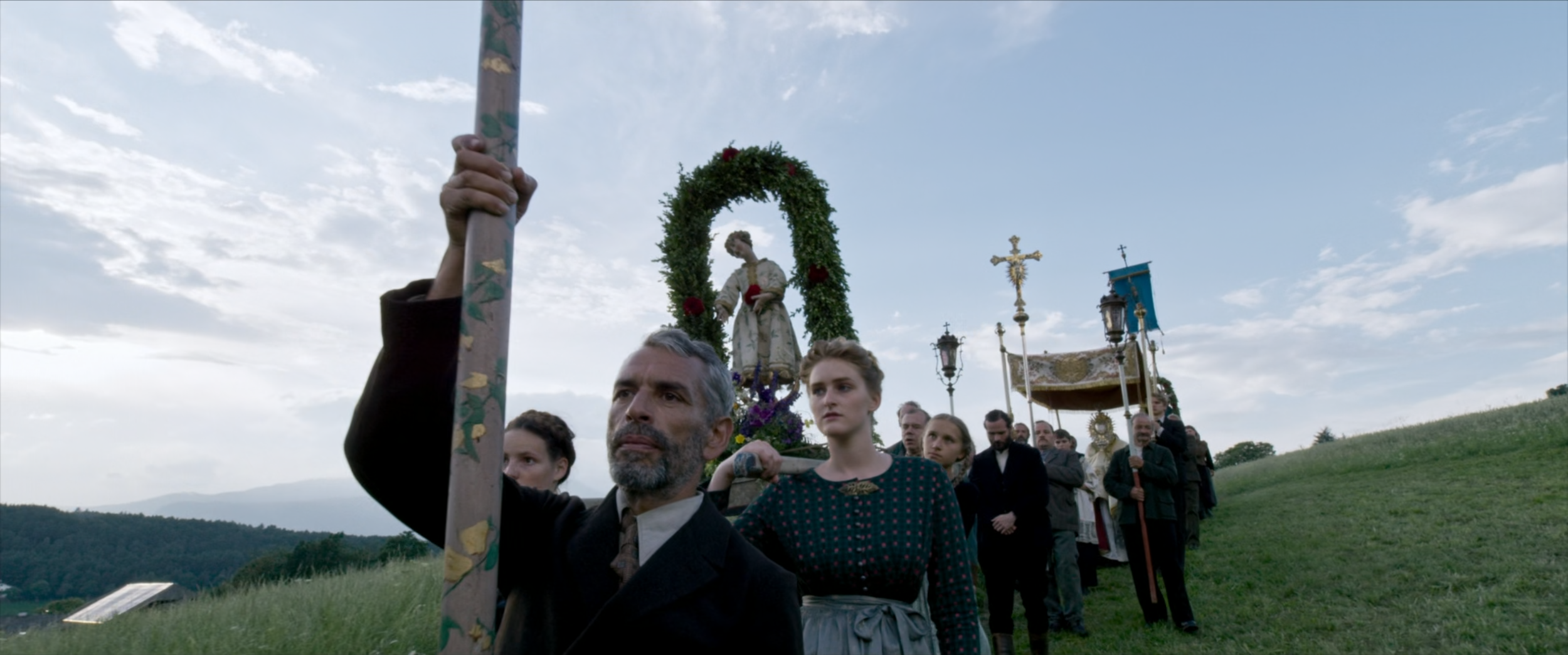
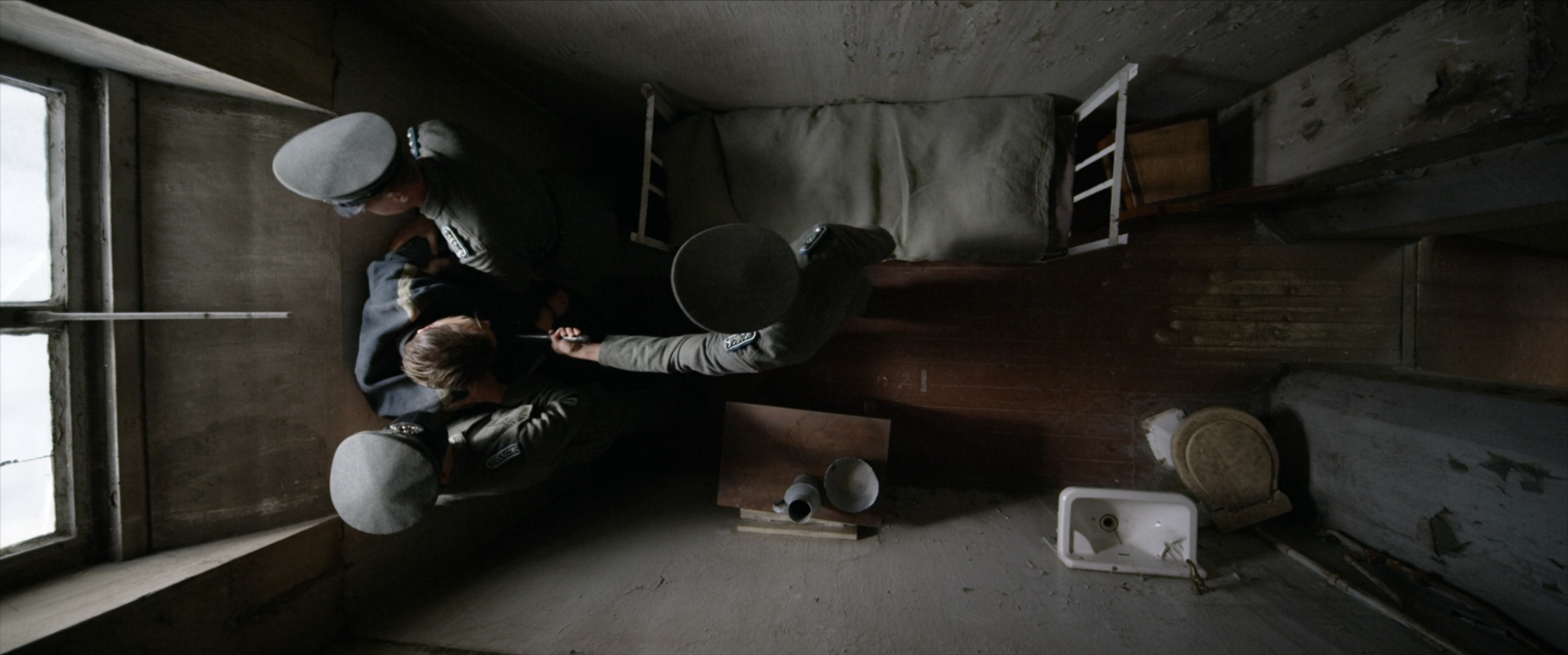
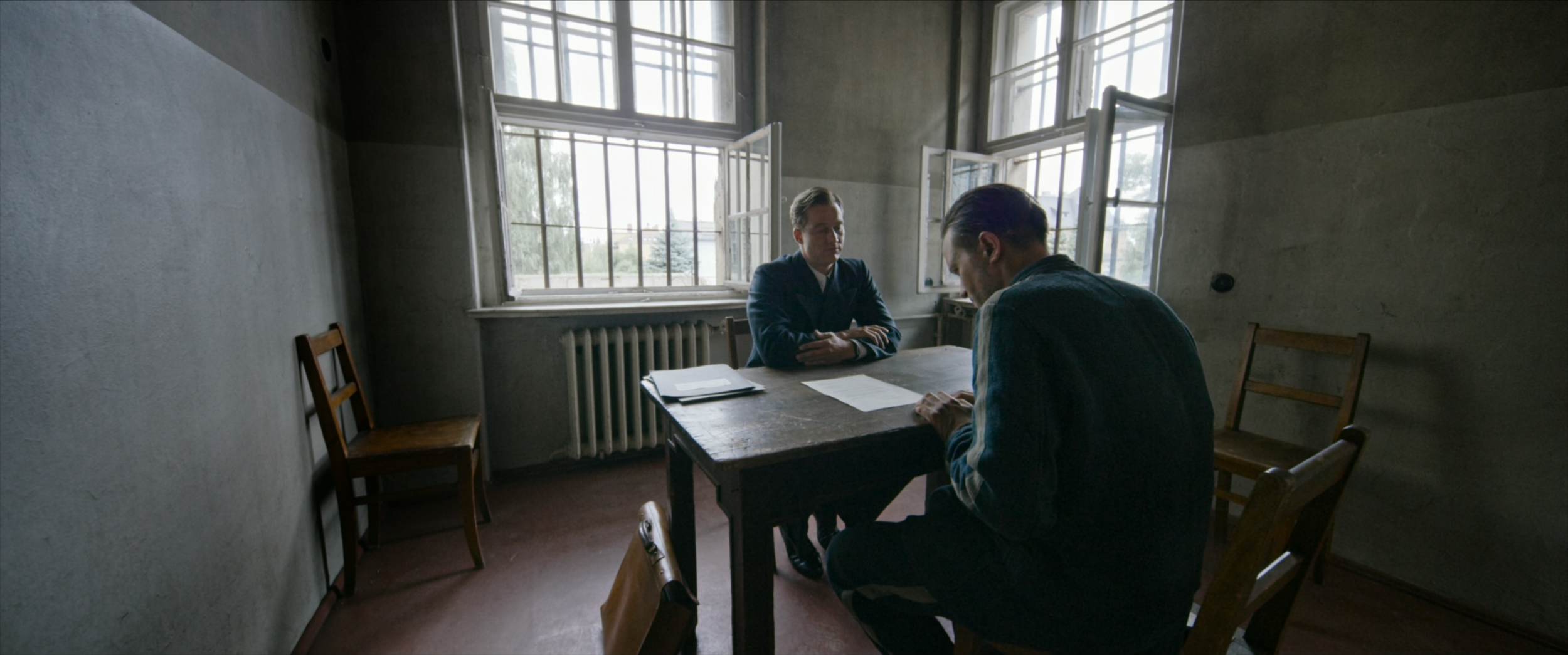
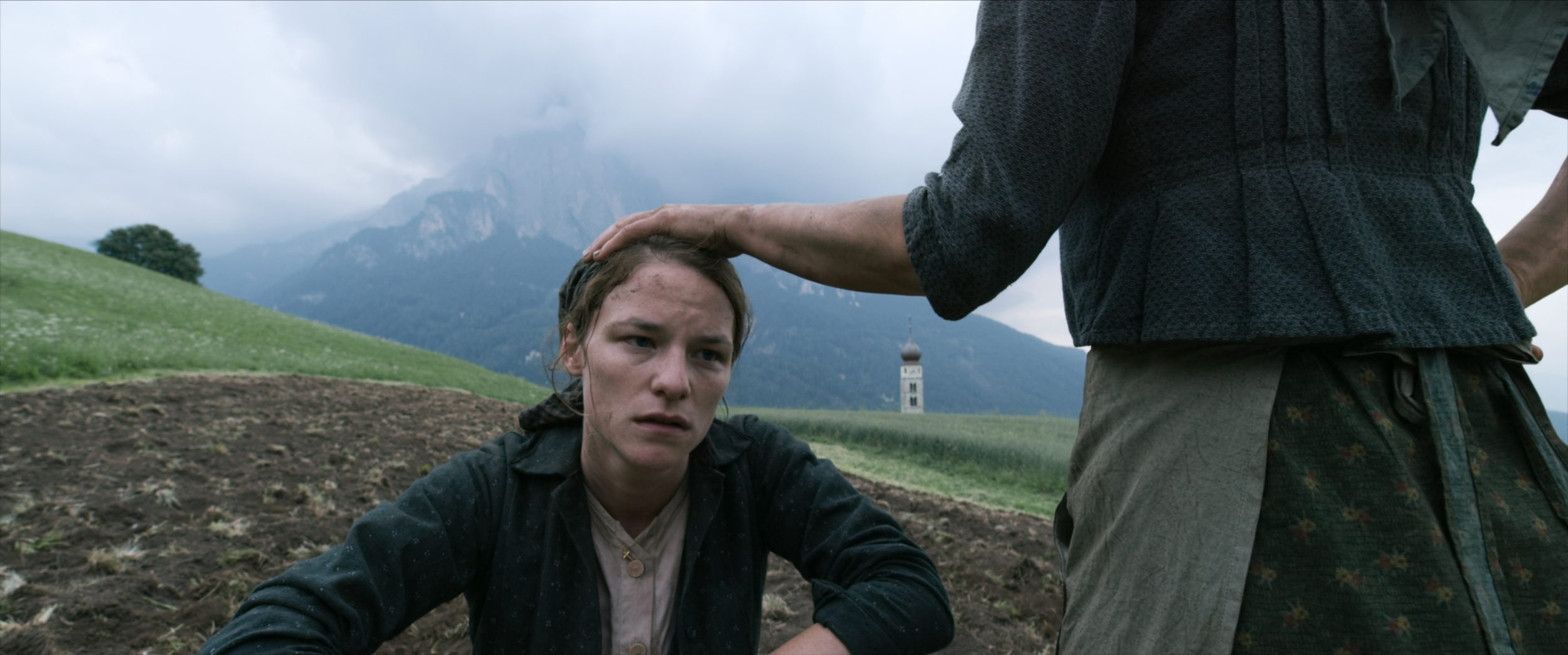
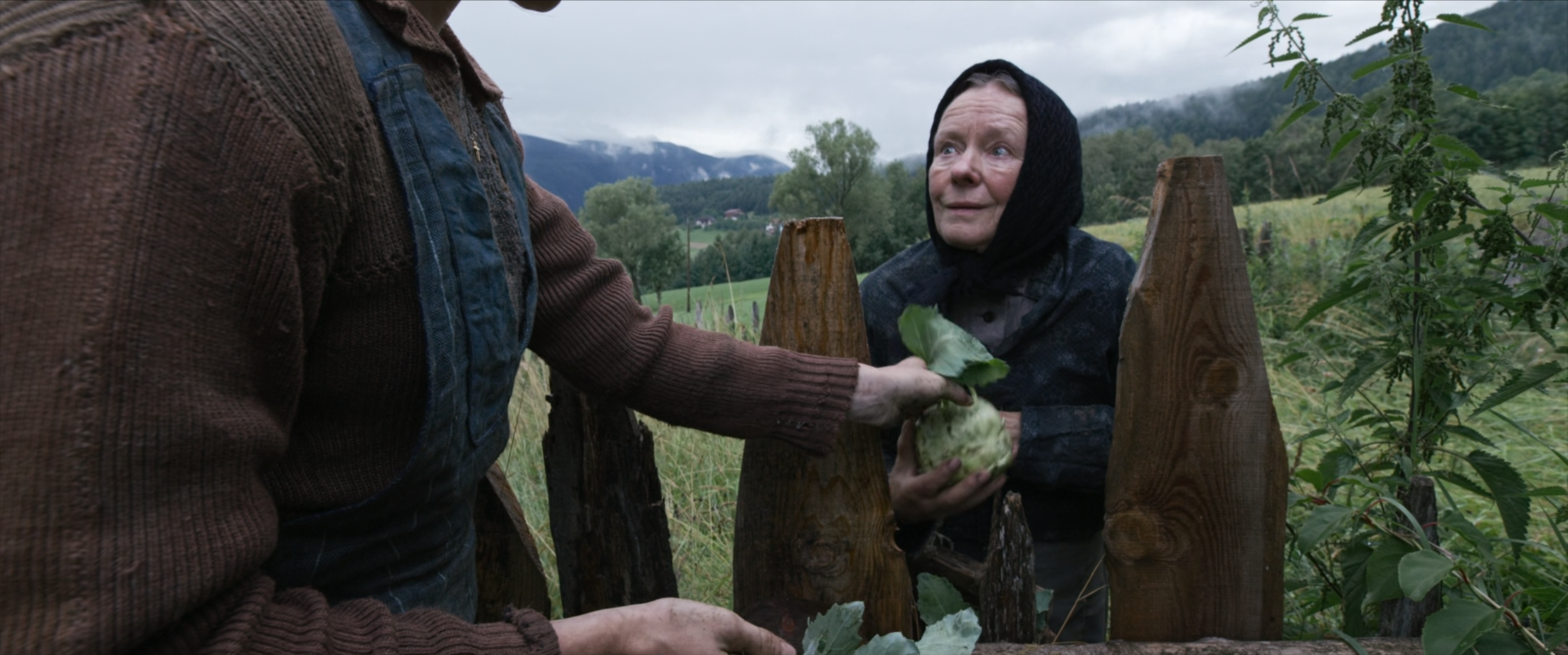
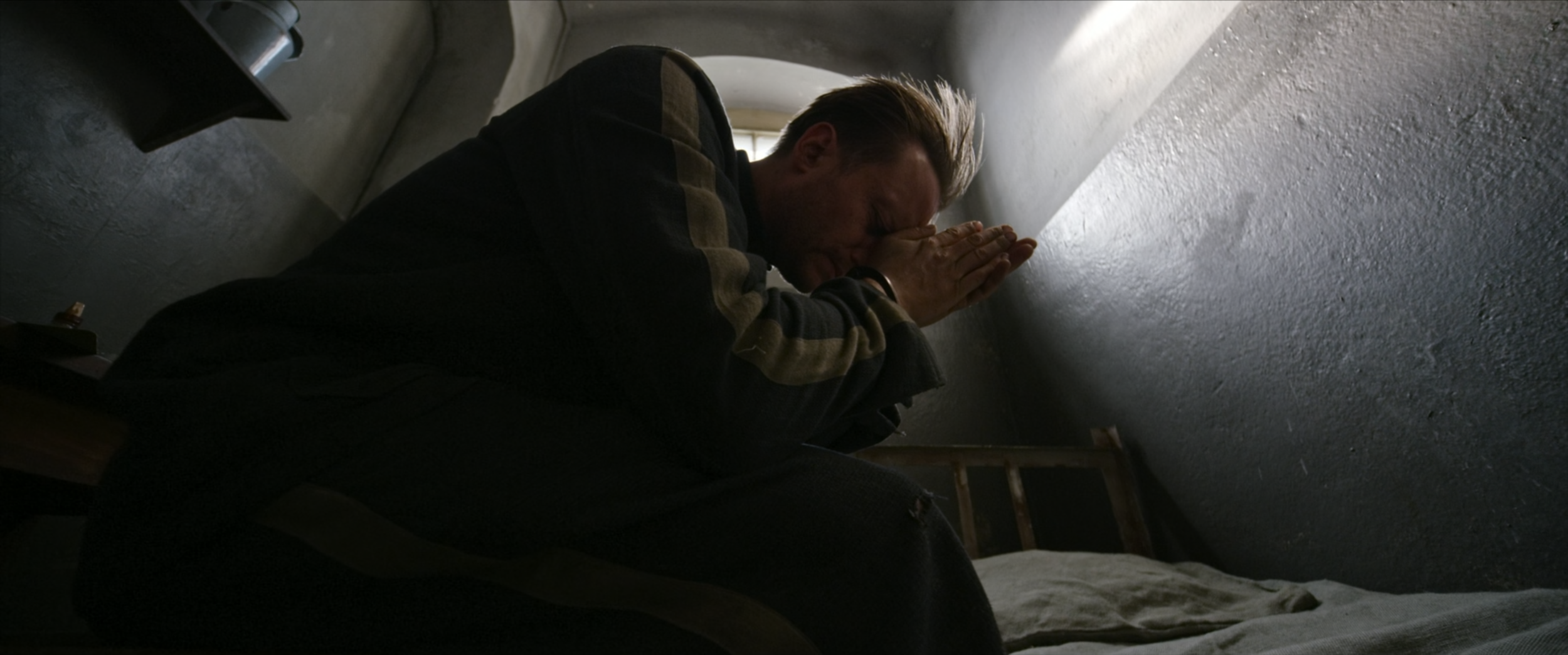
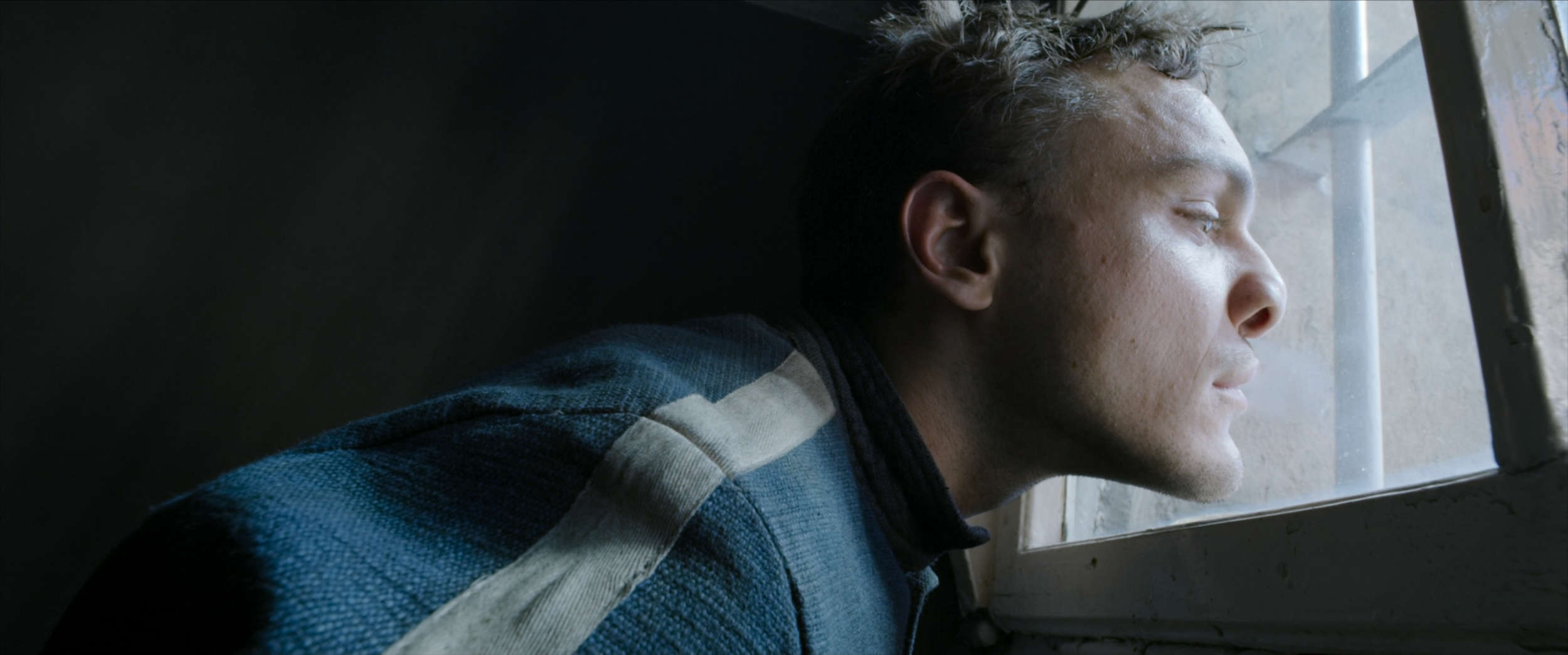
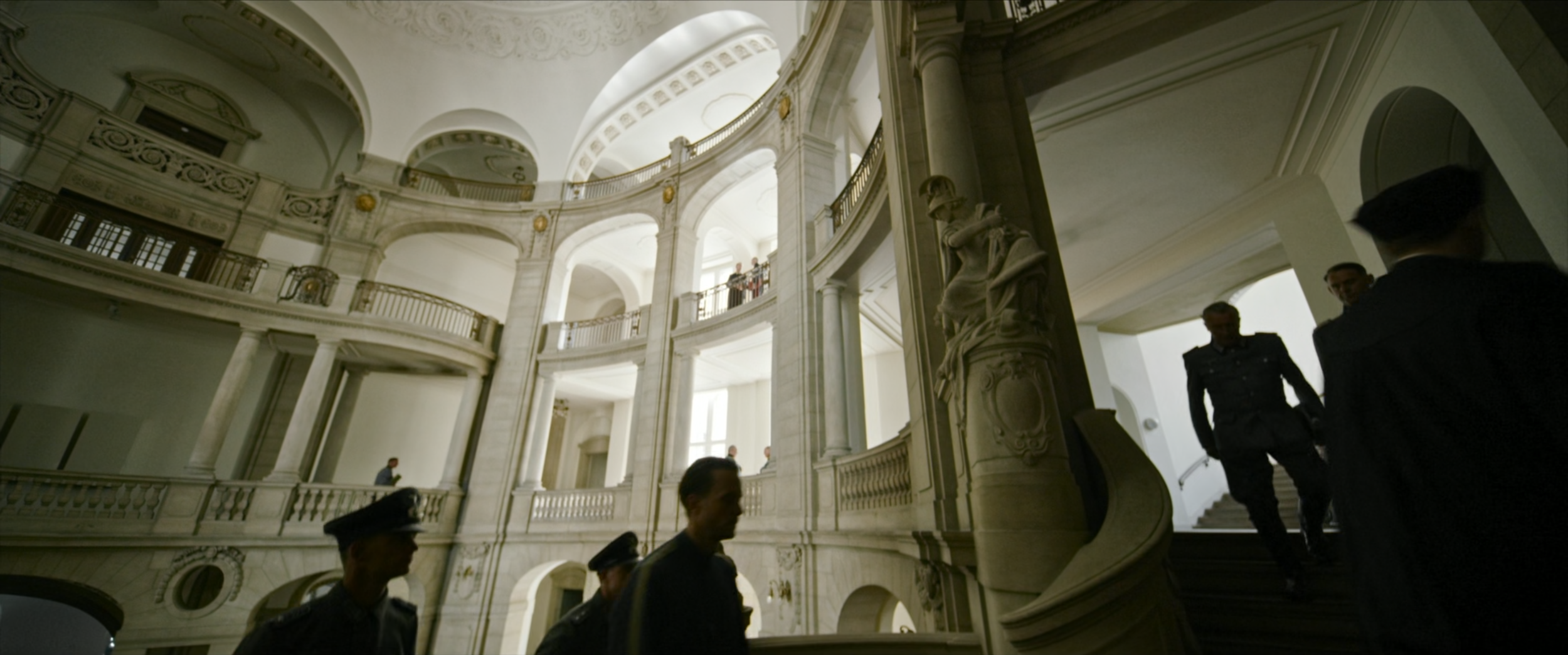
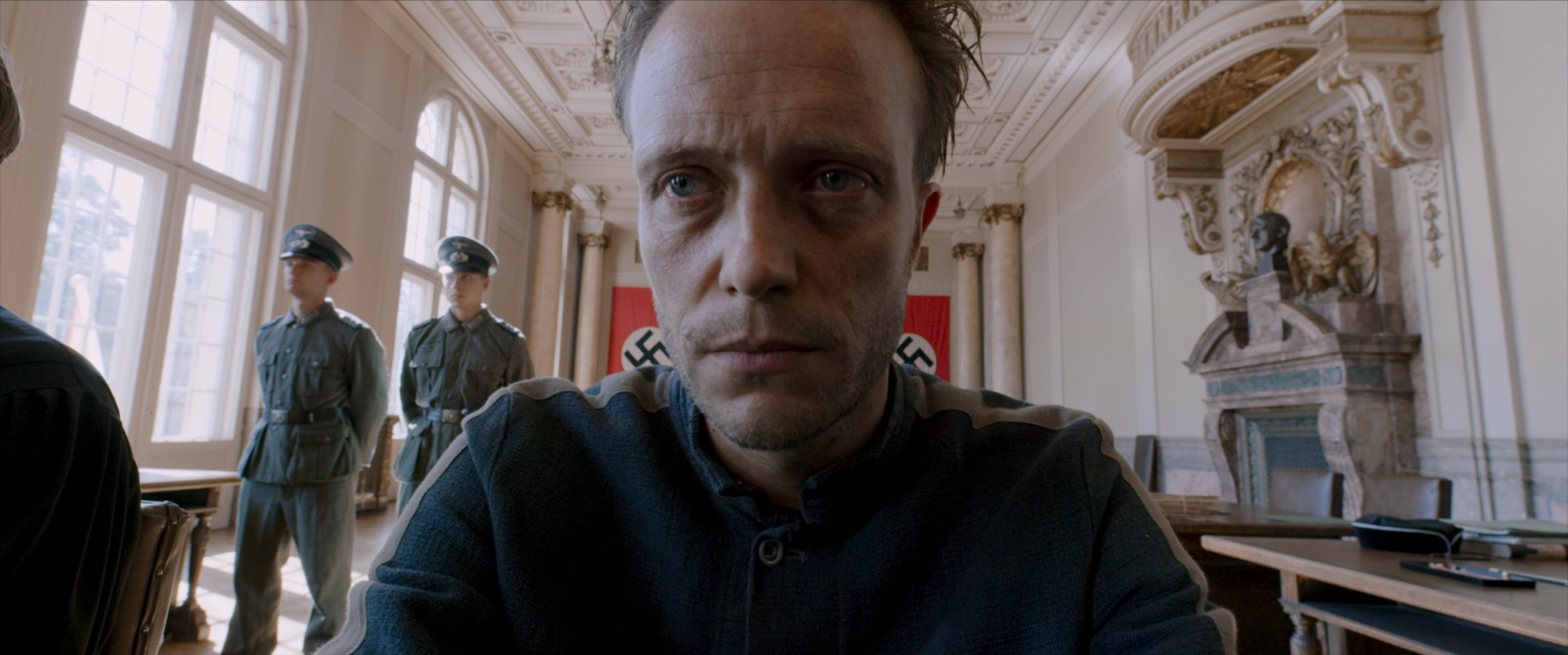
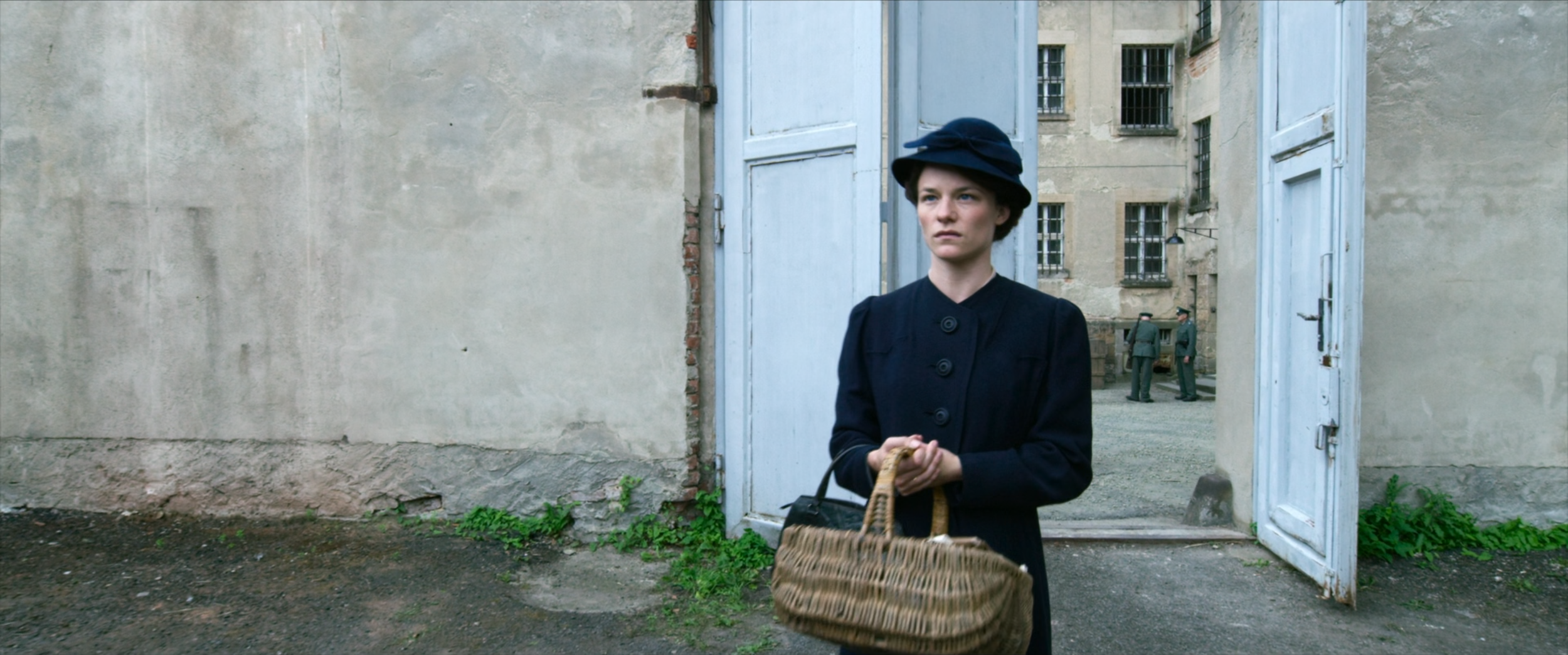
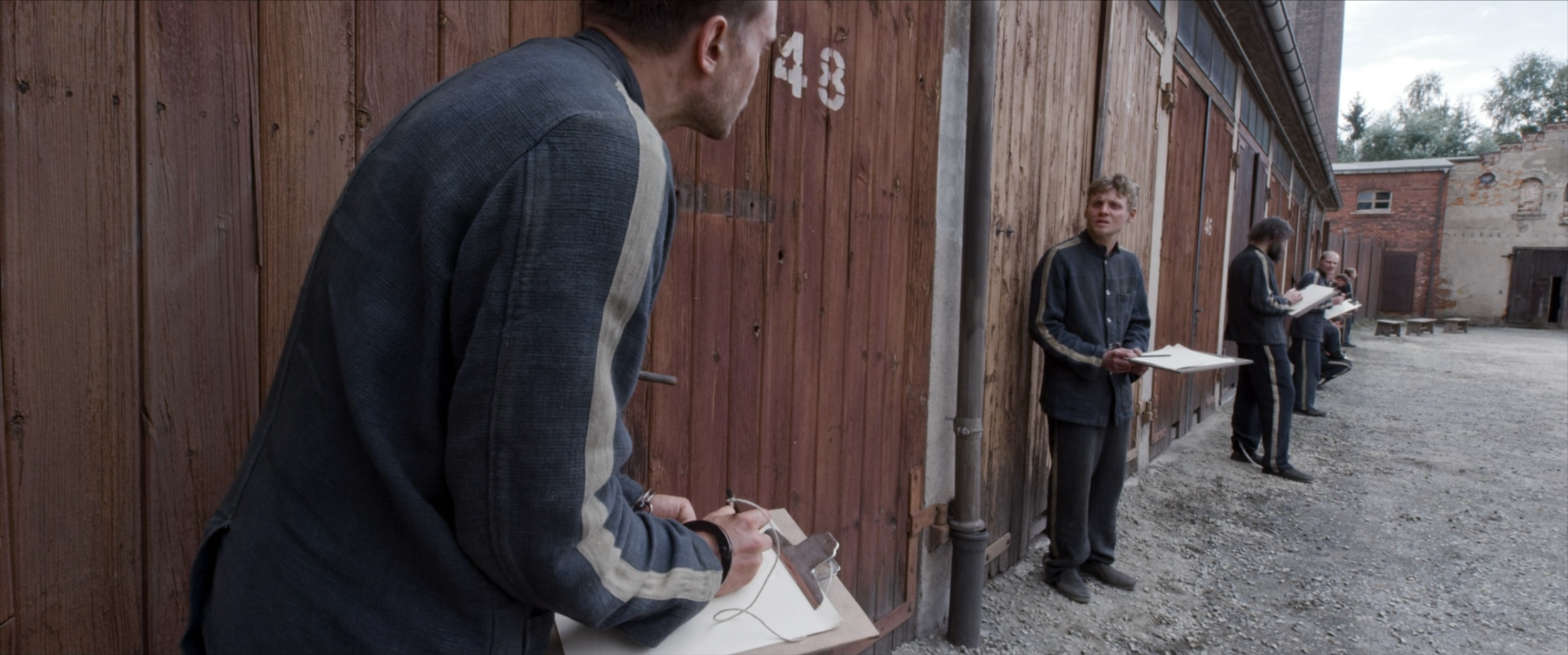
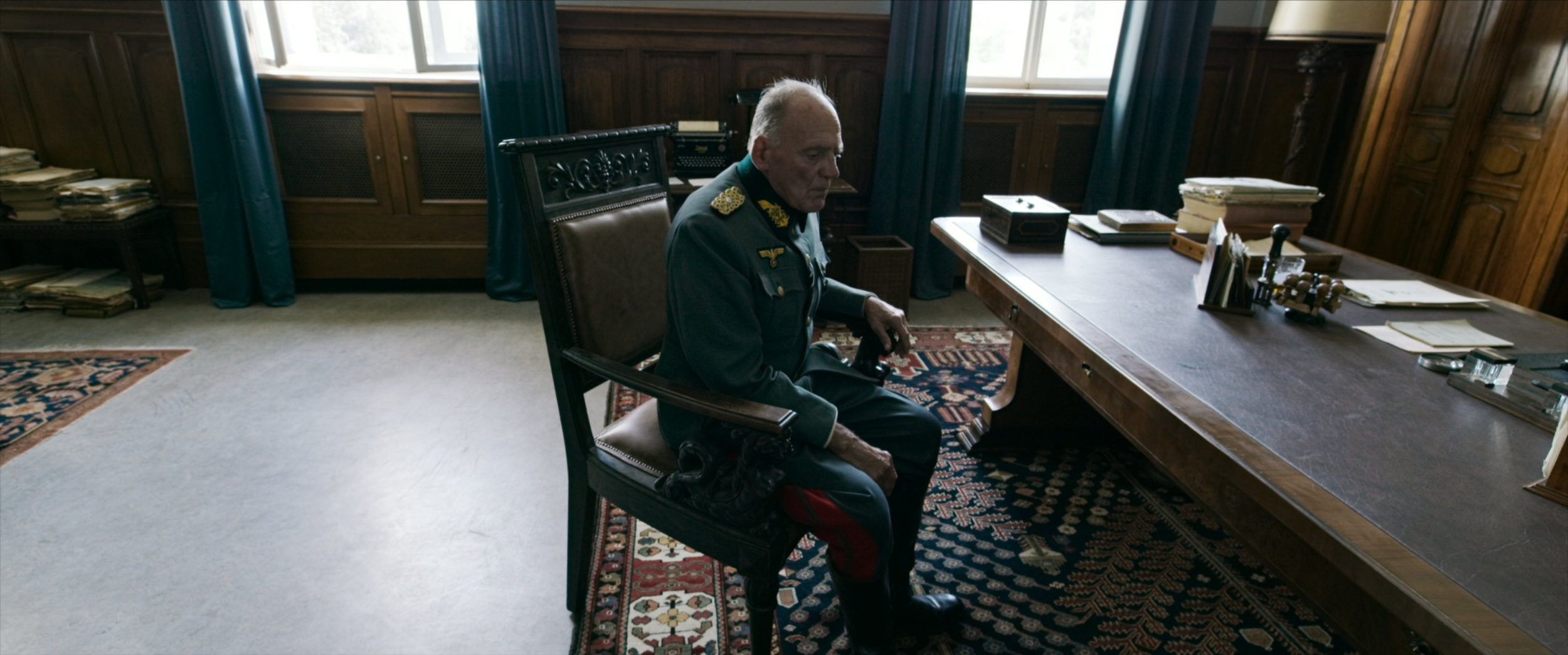
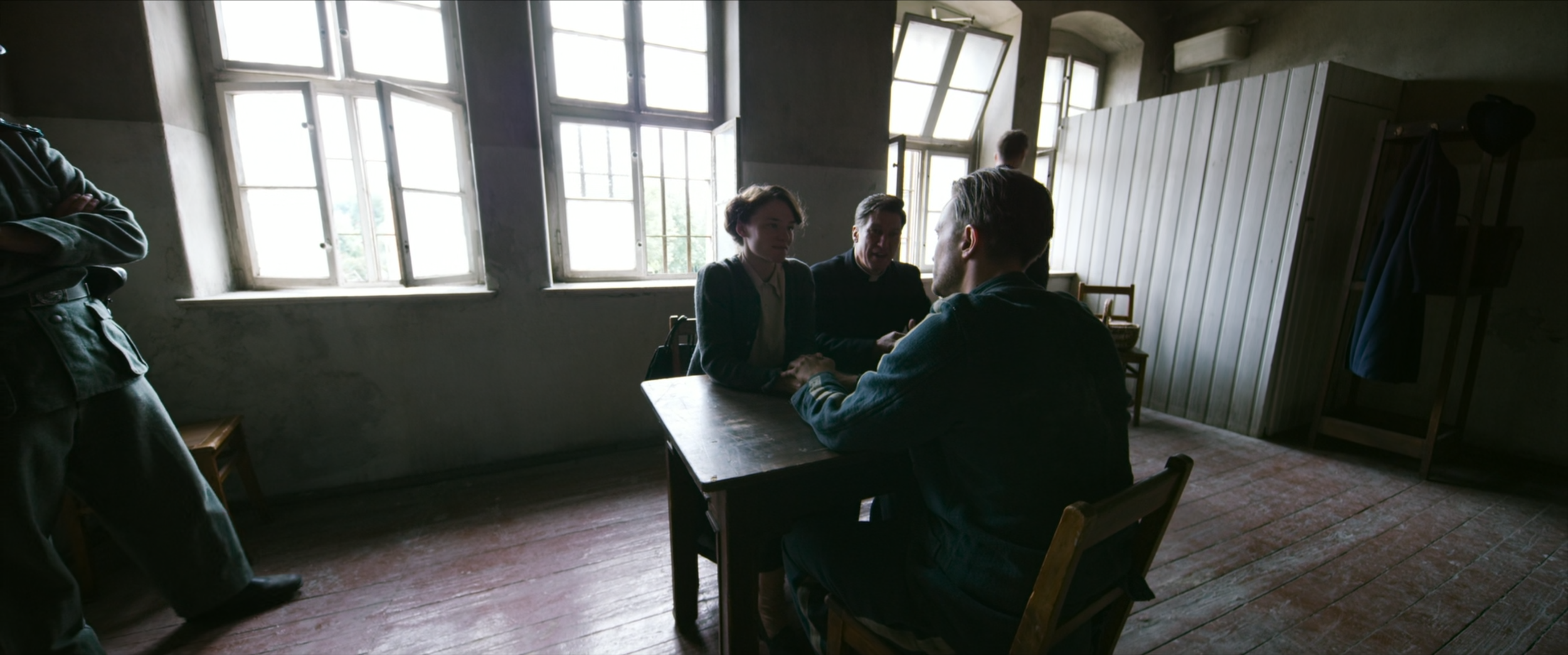
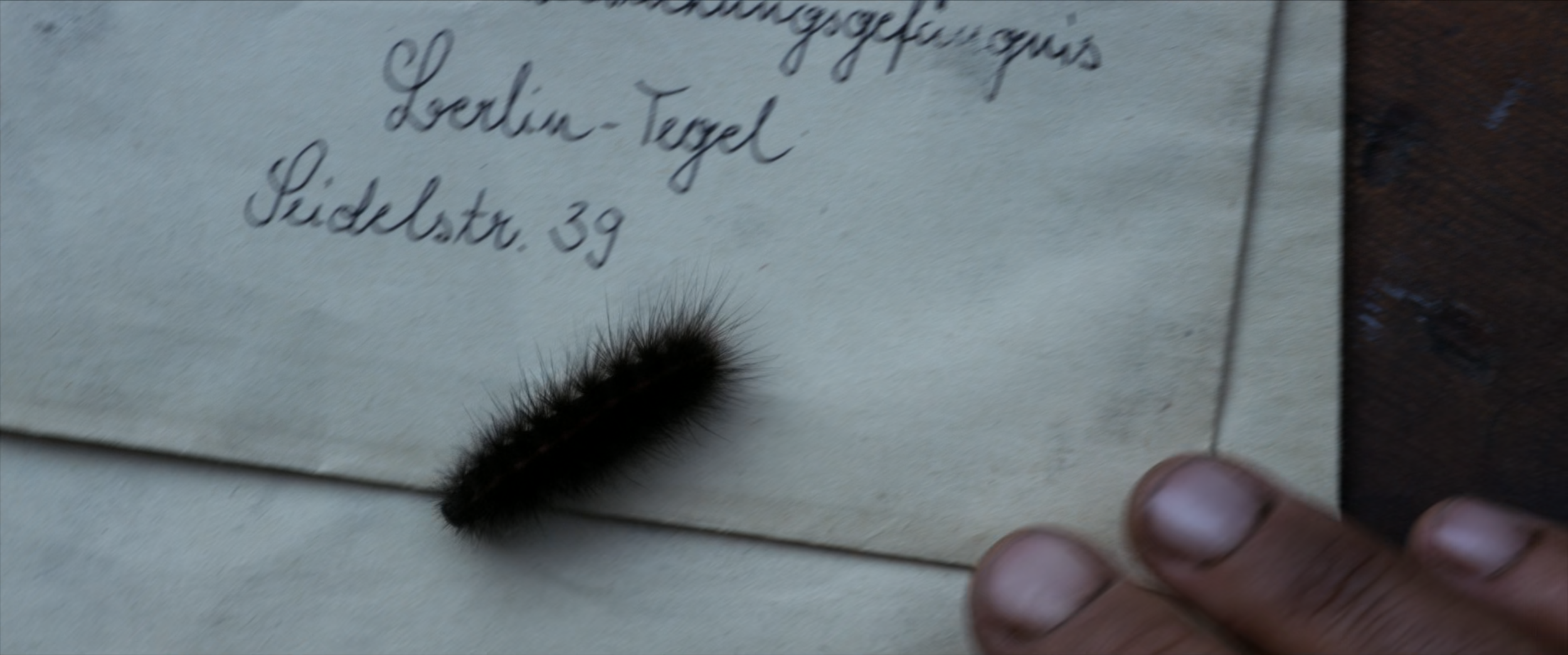
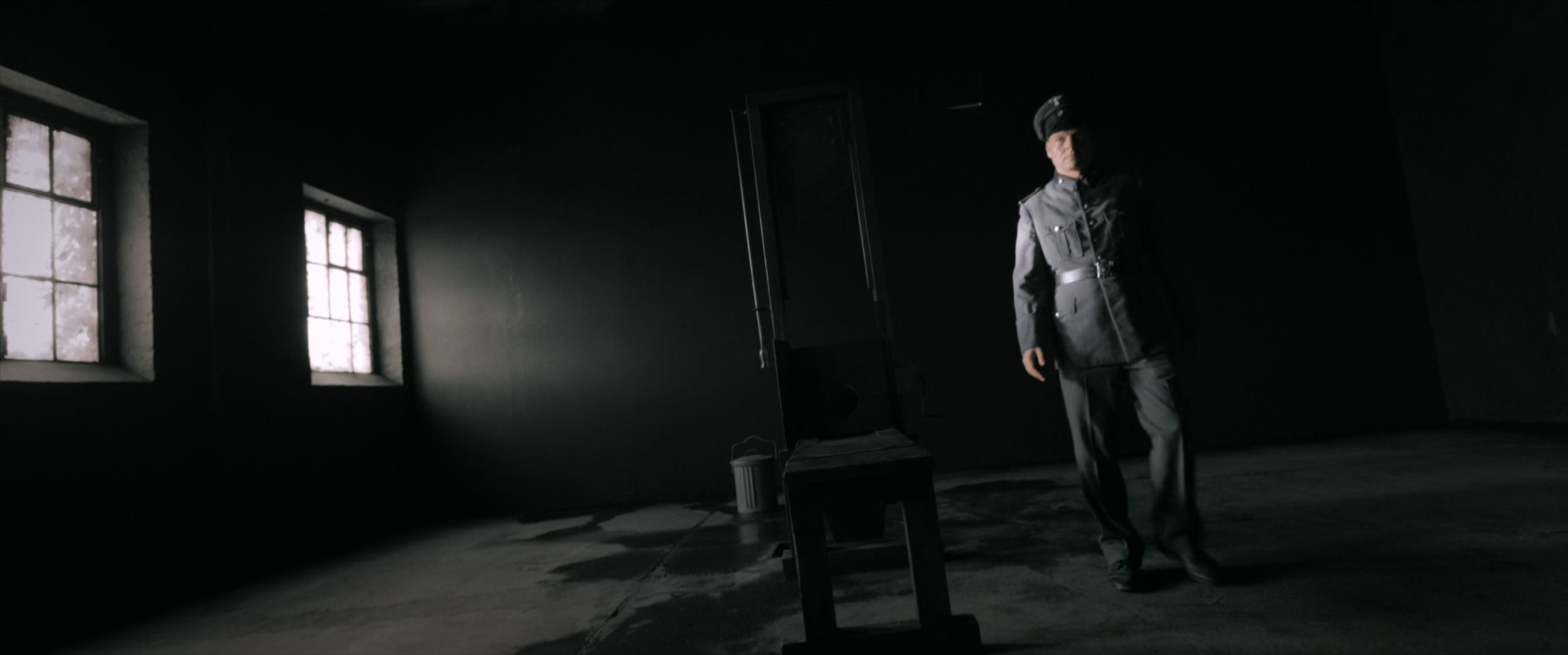
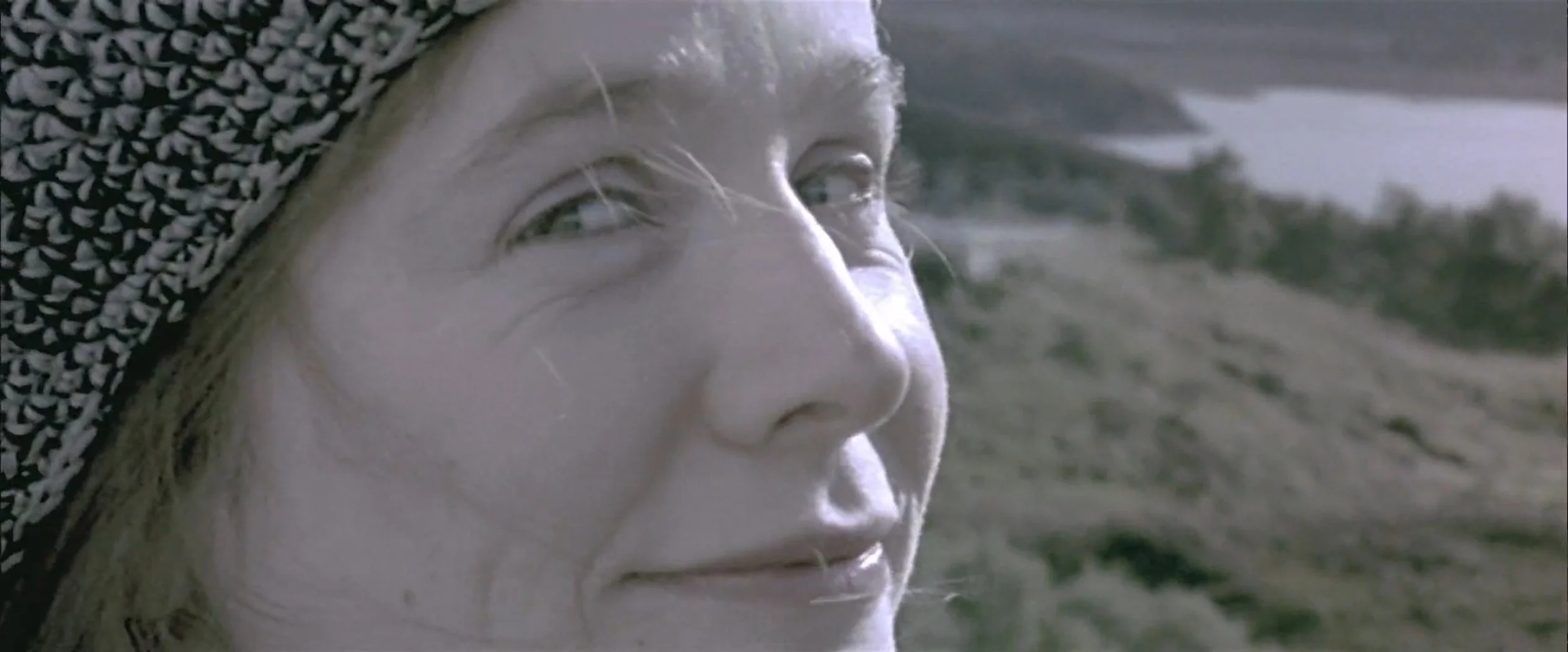
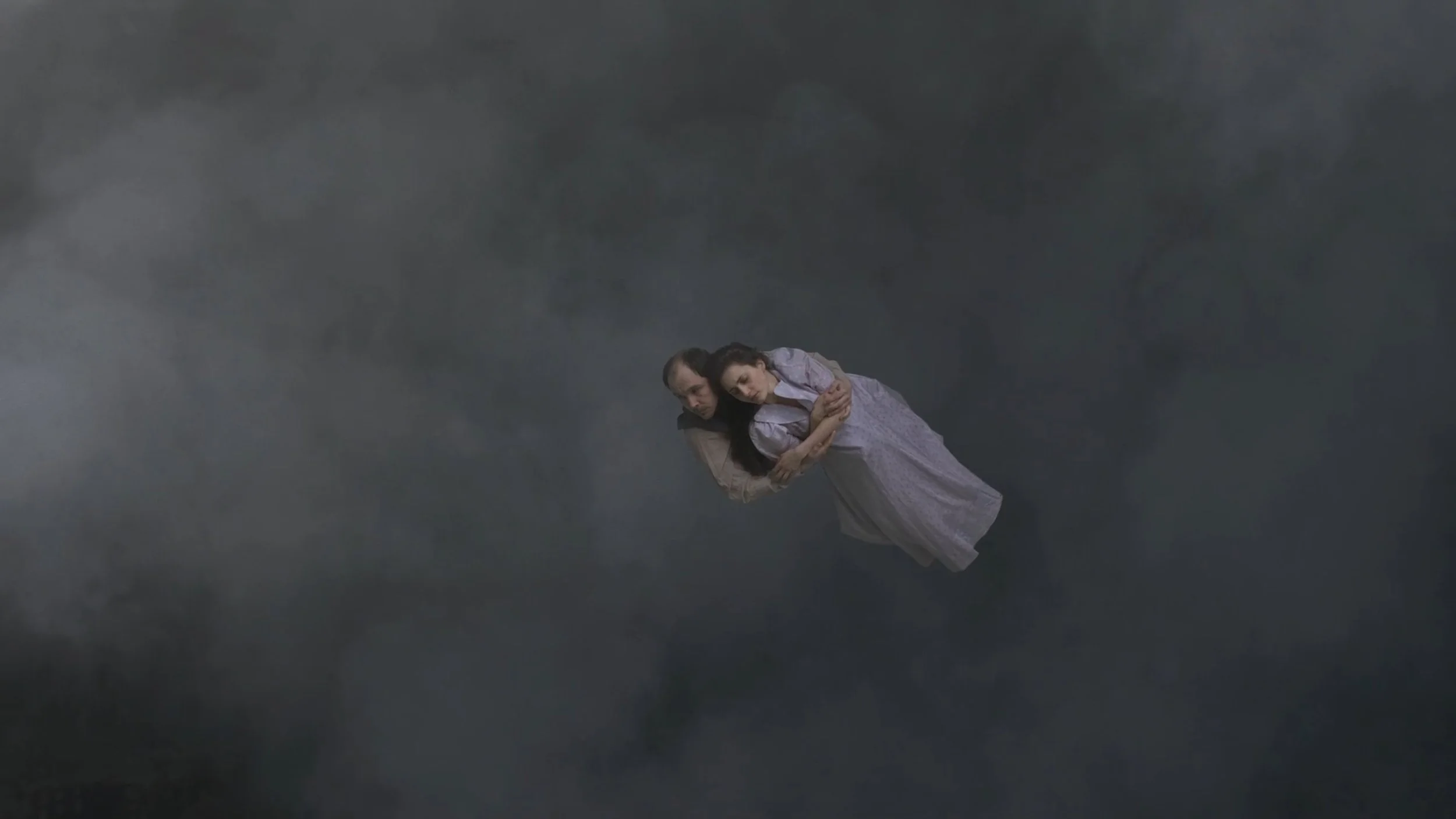
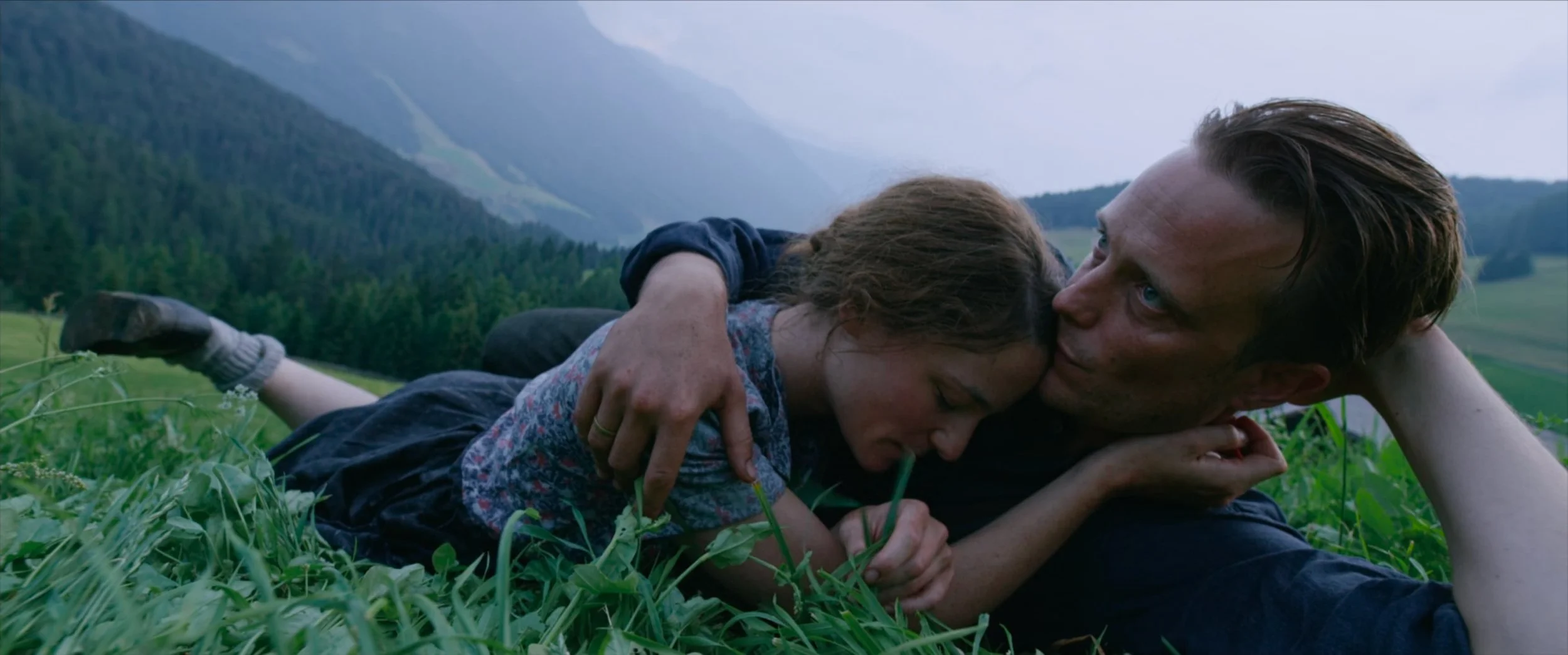
If you thought Tree of Life looked good, take a look at this. Malick creates one of the most visually arresting films of all time in the vast lush alps. This is his first film shot on digital and it looks incredible. It may even be a contender for one of the most beautifully shot films of all time. It was shot on Red Dragon and Zeiss 12mm ultra wides with a subtle split tone grade. Most of the film used natural light, adding bounce and flags to shape and make it softer. As usual, the film is poetic though even more introspective than usual with its contemplative narration. It’s like the beauty of Koyaanisqatsi but with stream of conscious inner monologue, which is a metaphor for the struggle in Malick’s mind. The film uses Malick’s modern visual style, which includes tactile macro shots and expansive POV shots. Handheld camera movement and evocative angles make the camera feel involved in the story. There are even scenes breaking the fourth wall to address us personally with the cameraman taking one for the team. It’s feels quite free despite taking Malick 3 years to edit and at times feels like one of my videos. Supposedly one of the original shots was 43 minutes long, pretty common for Malick’s spontaneous filmmaking style. Despite its beauty, the film is unnecessarily long at 3 hours. It takes more than one hour just to set the stage that this protagonist doesn’t approve of the war when it would normally be done in the first 15 minutes. This is a philosophical and spiritual journey, not a form of entertainment.
Analysis:
Malick is well known to be reclusive. He genuinely seems to struggle in his own journey with God and filmmaking. I’ve often teased his approach for being overly poetic and it was great to see him address this common criticism against him. Is it pride? Does he think he’s morally superior to everyone? What’s the point of his defiance when no one can hear him? Except we can hear Malick. To be honest, his films do feel pretentious at times but it’s forgivable here because of how personally honest he gets. The way he publicly expresses his battle weighing right and wrong is quite Christian. I don’t know enough about his life to know what specific demons he is confronting, but I can only assume it has to do with the state of a Godless society. The one scene where the man is in prison and states, “but I am free”, was actually strikingly poetic. The film is obviously about one man’s journey about compromising principles, unable to do things he knows is wrong. He’d rather lose his life than his soul and I believe Malick is truly dealing with this.
Conclusion:
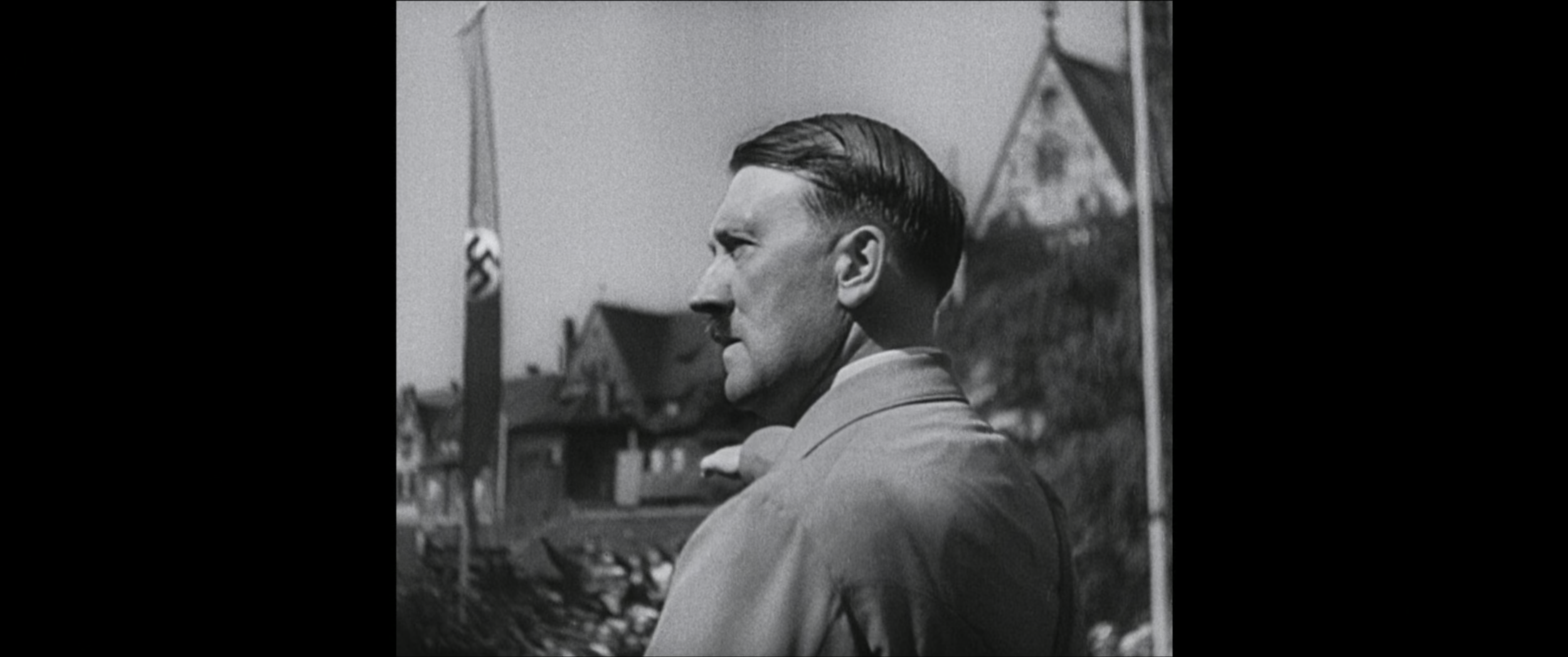
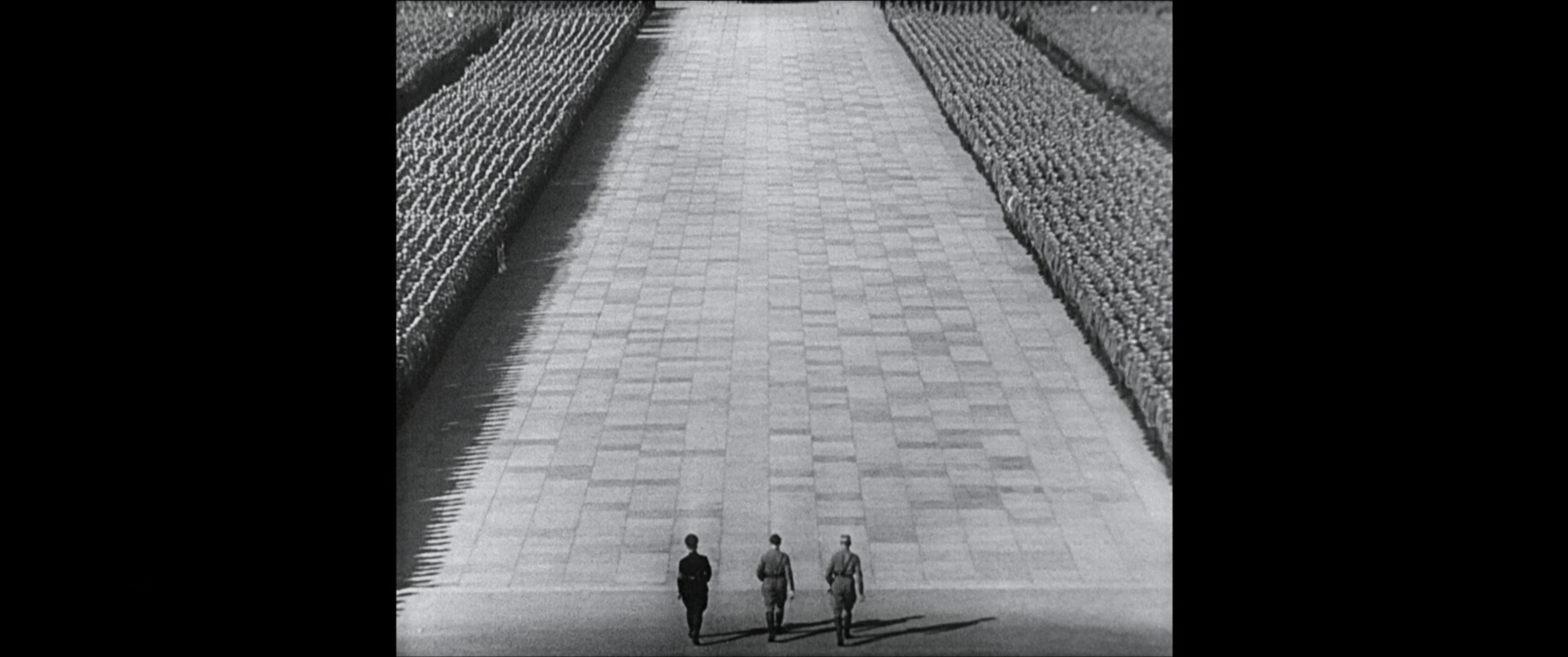
Is it worse to be a Nazi or go to prison? This film is actually quite similar to Silence. It’s the same level of insufferable sentiment as his other mawkish films except the implementation of theme and premise actually fit this time. It’s an interesting dilemma I haven’t considered before and ultimately made me do some soul searching. This film is really personal and mainly targeted toward Christians. But I think even if you are not religious, the film allows you relate a lot from the spiritual journey into your own life. Especially in today’s age, we all face decisions that potentially compromise our integrity. The more I grow up the more I understand where Malick is coming from and feel unable to reconcile with where society is going. But if you think calling this the ultimate battle for your soul is a farce, then you will probably be rolling your eyes through a lot of this film.
Recommendations






How did black and white ever fall out of fashion?