
Wings of Desire (1987)
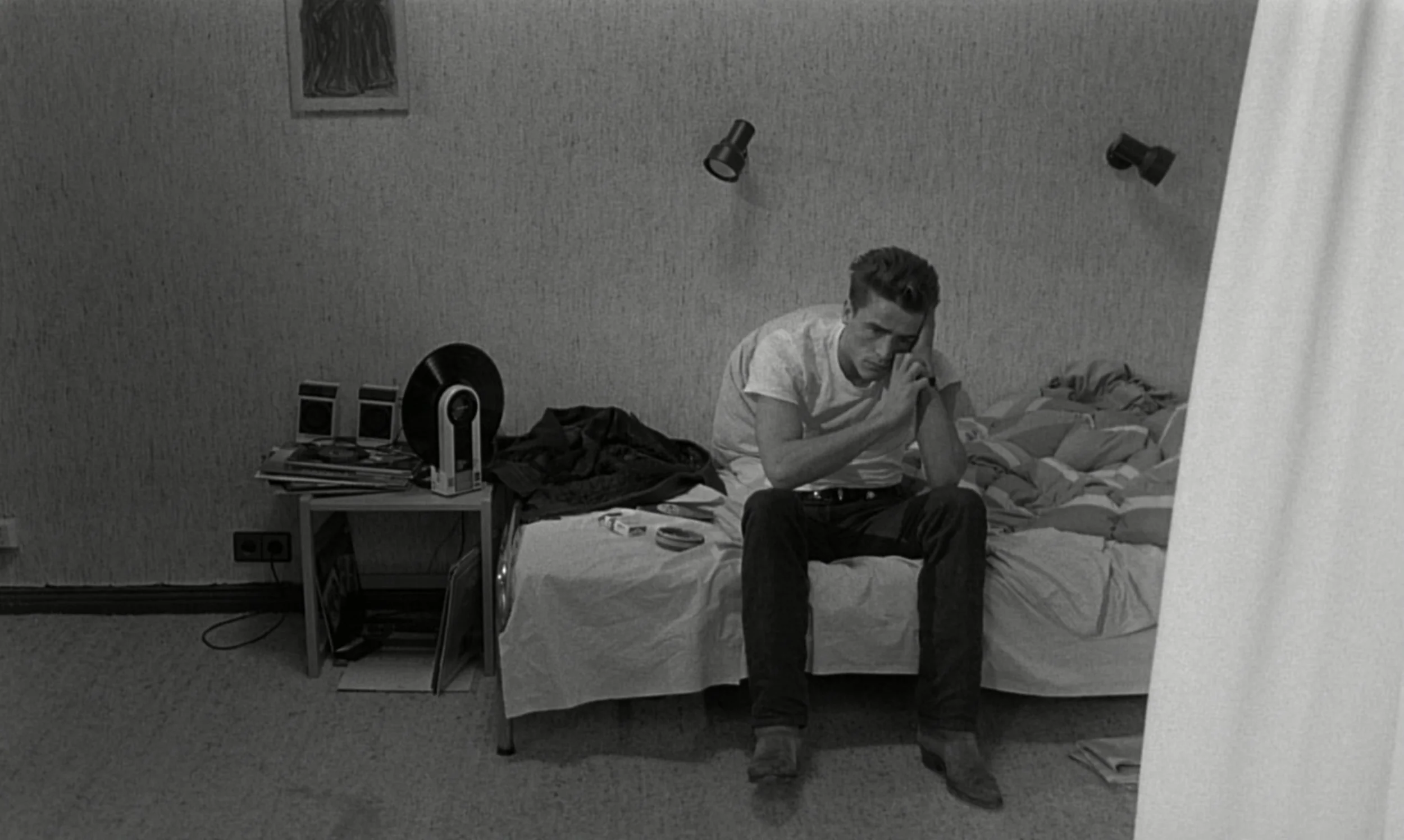
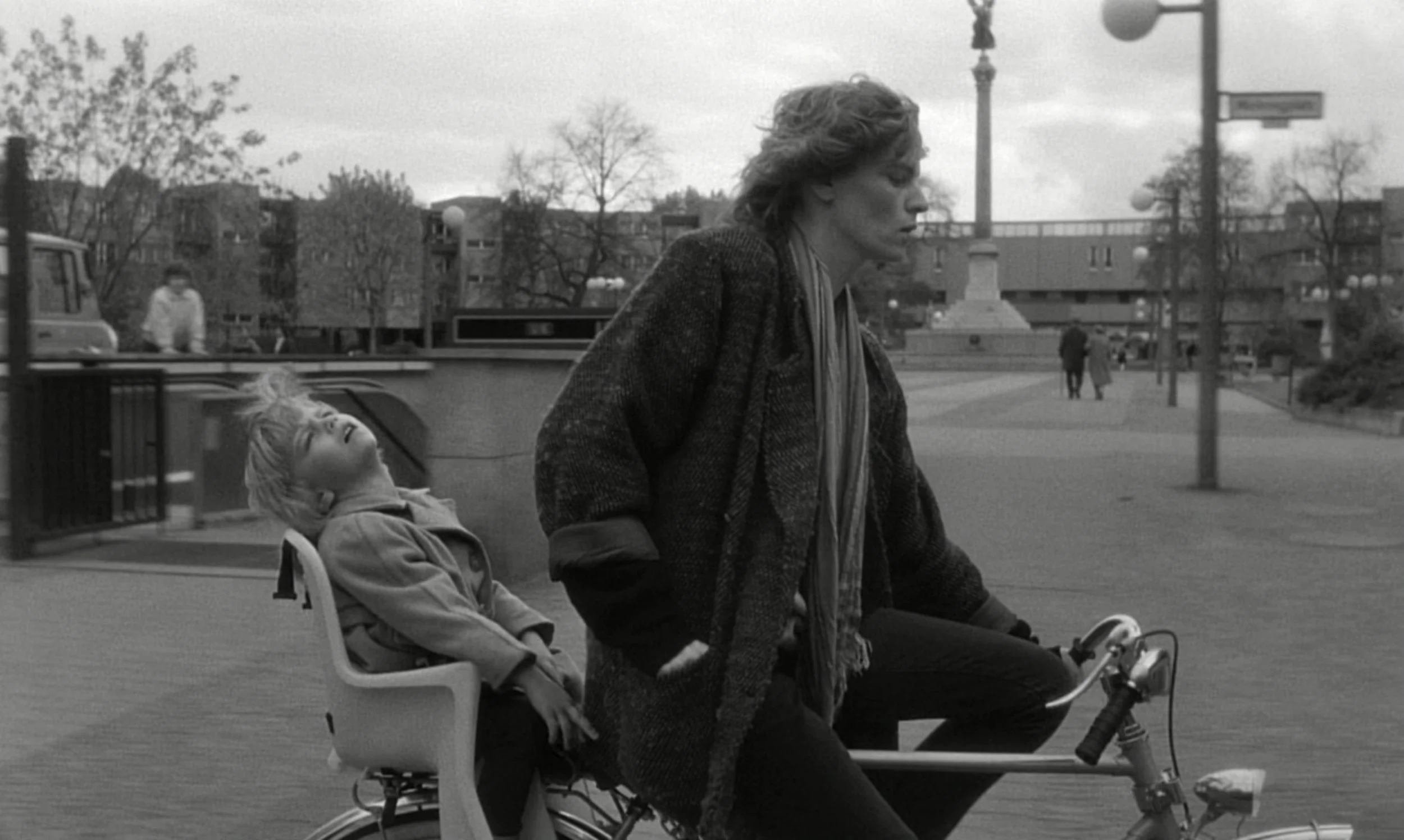
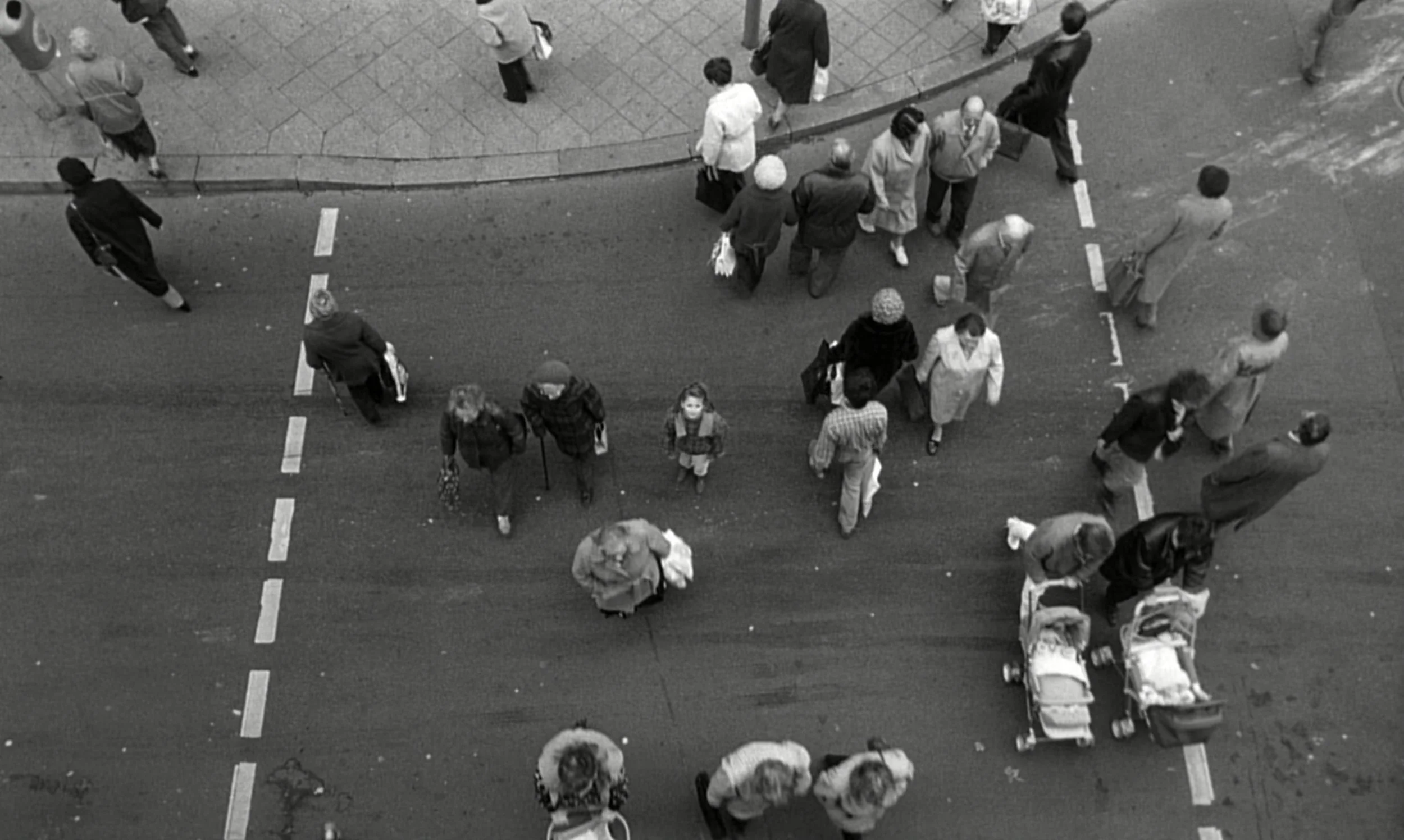
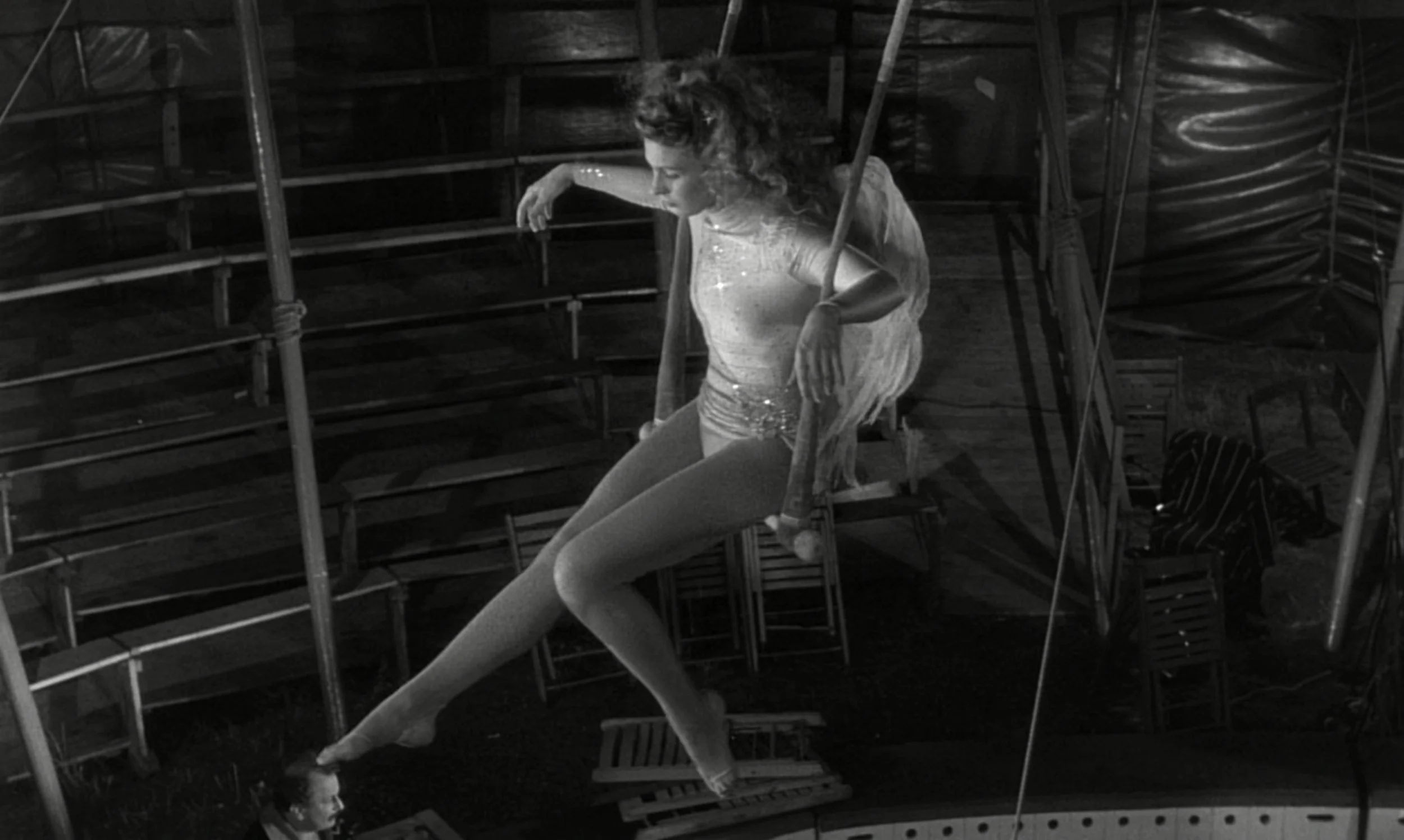




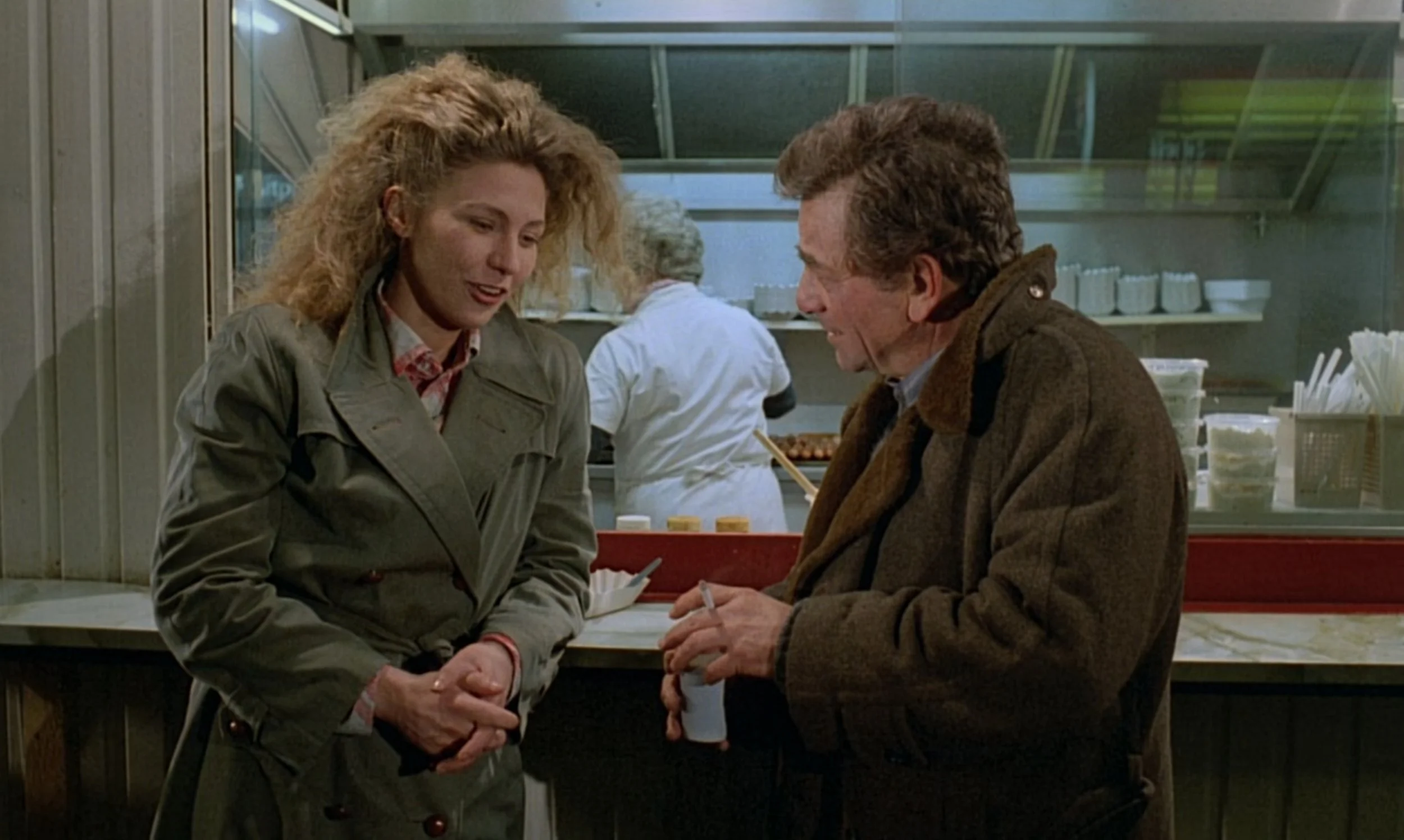
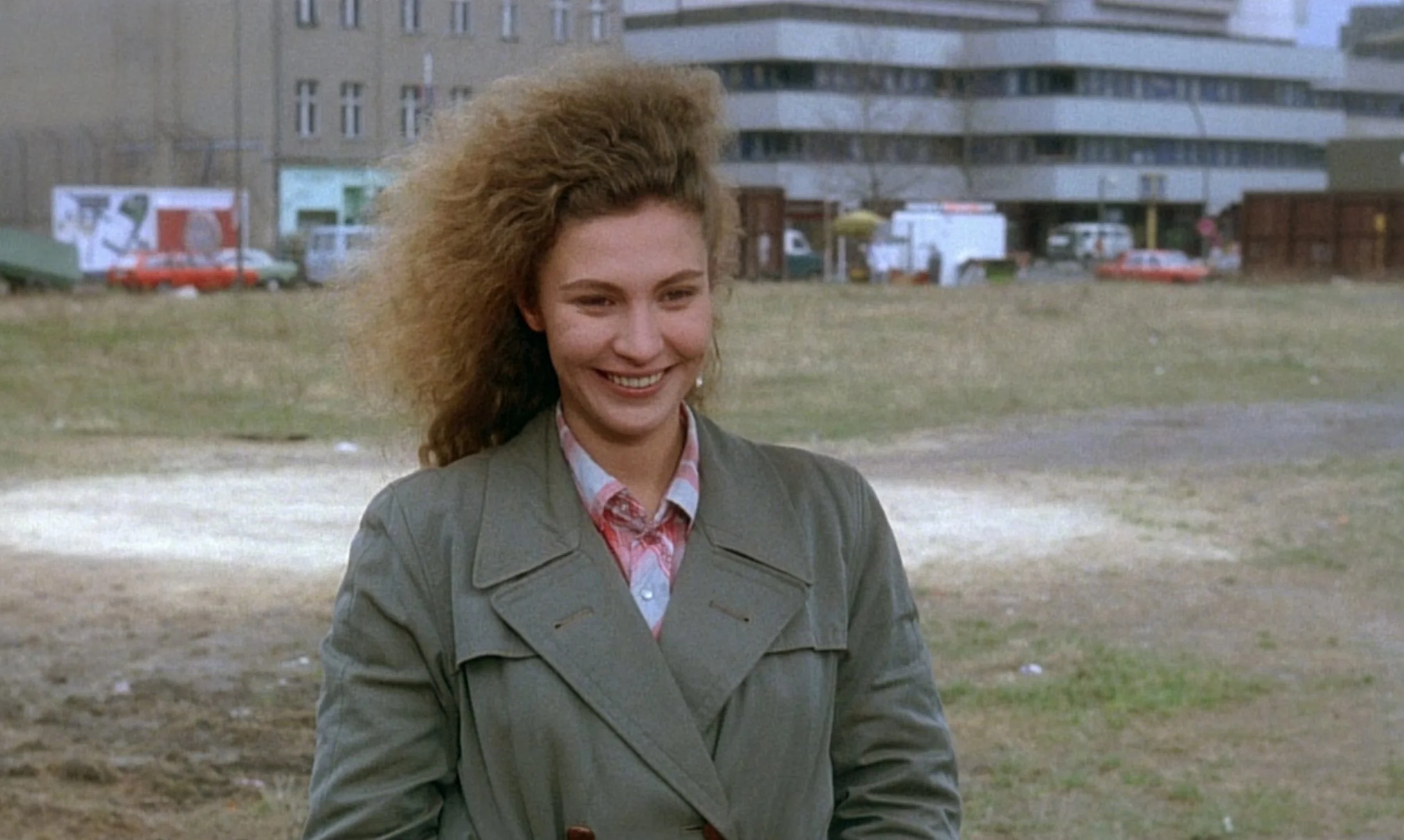
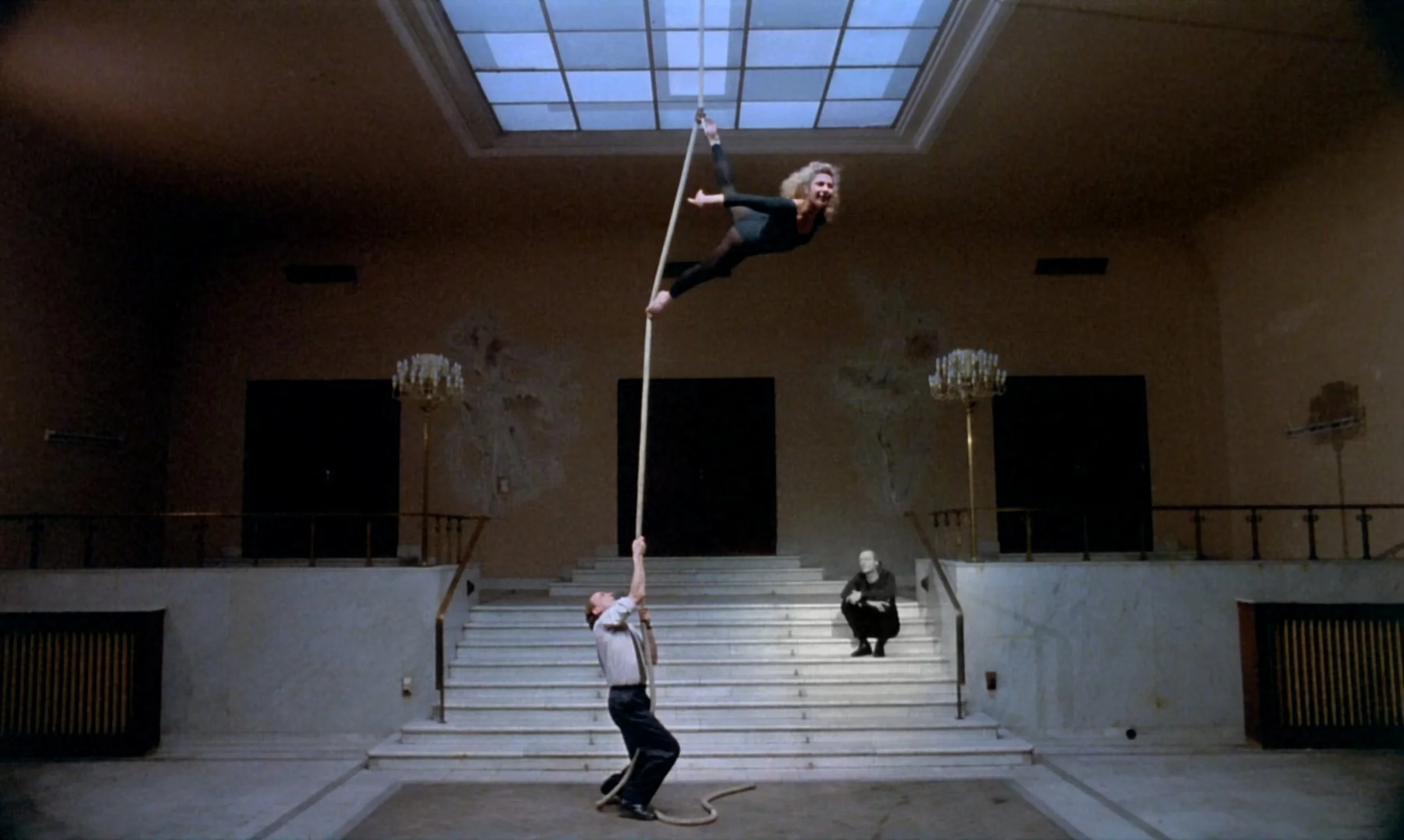
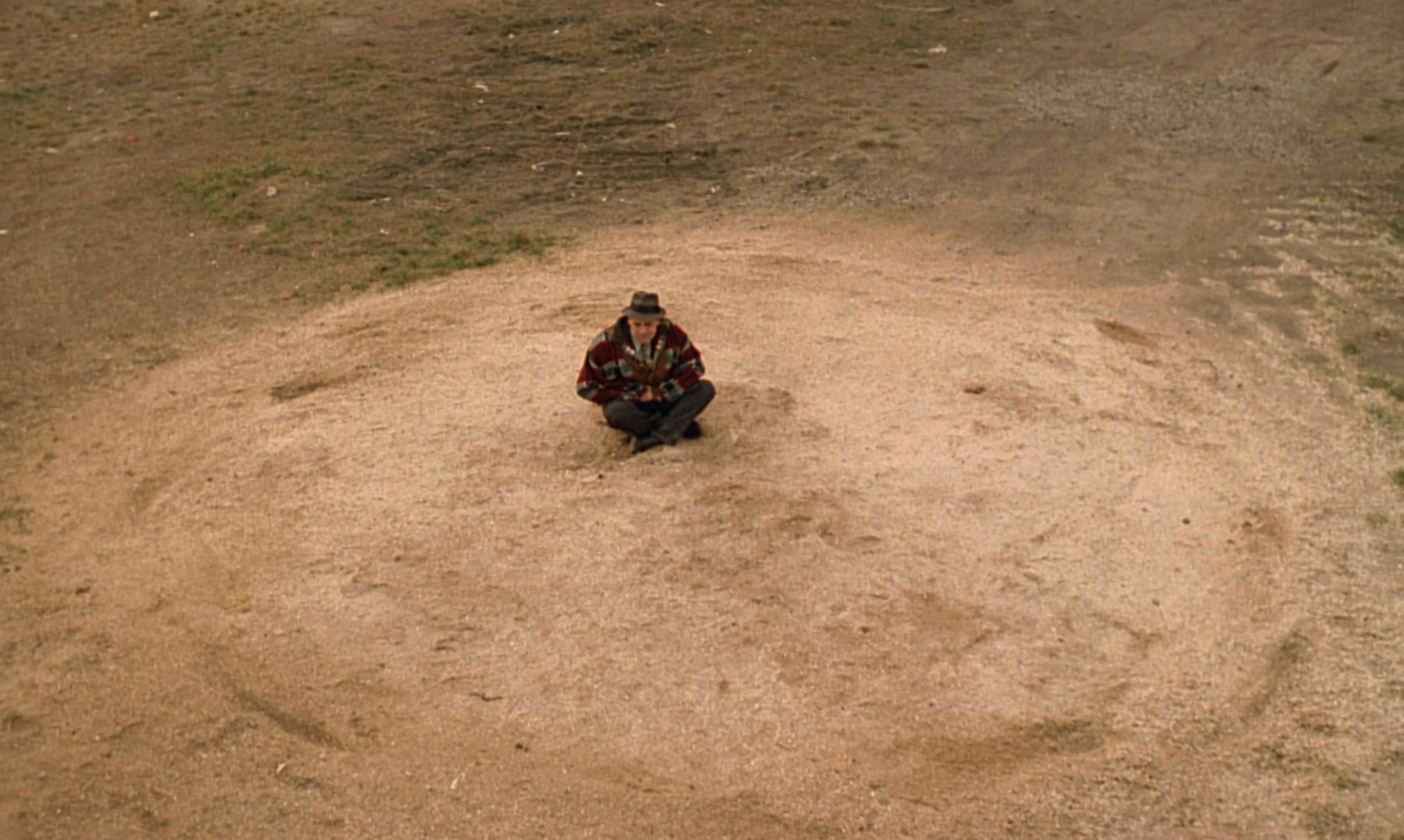

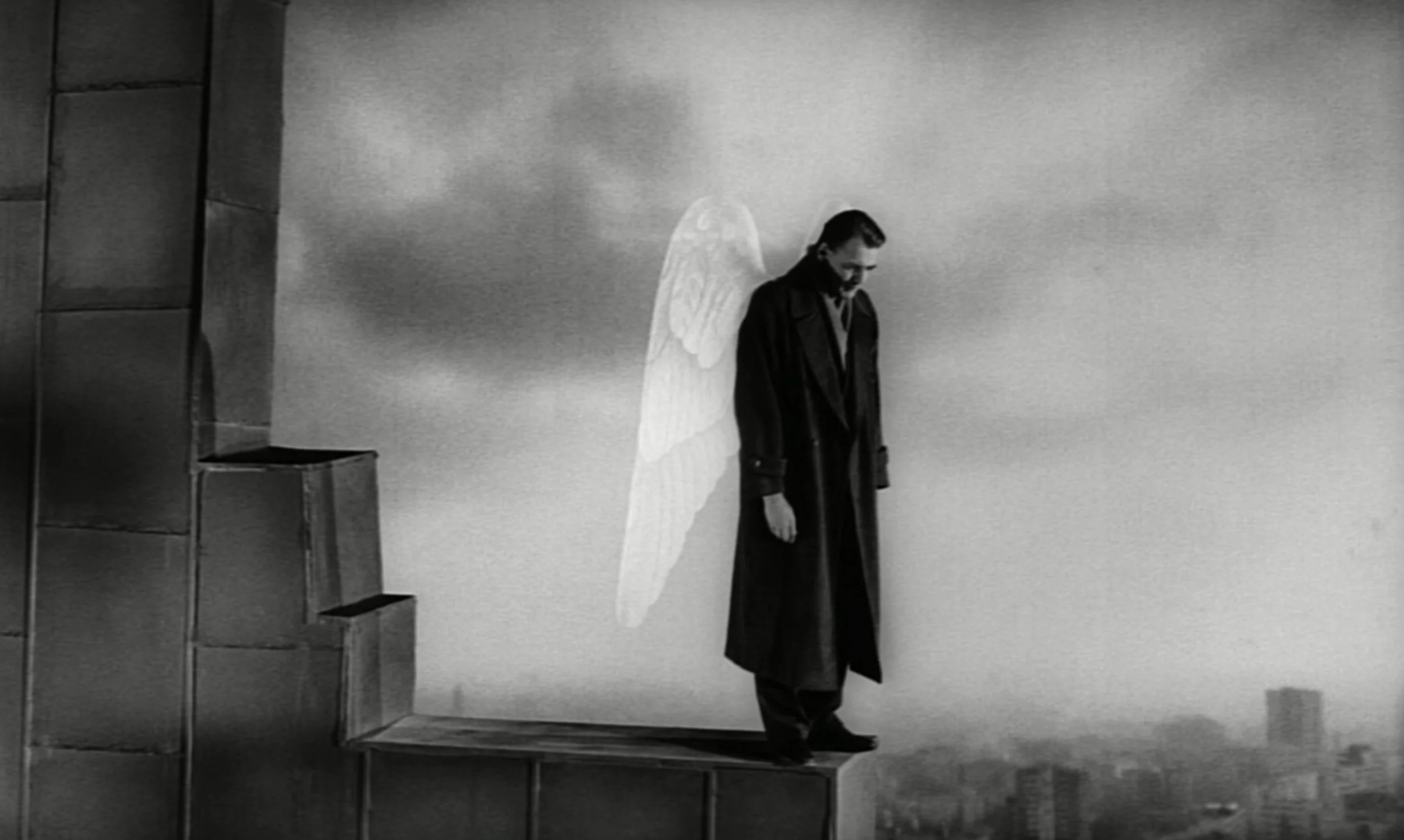
Even angels desire human connection.
Presentation:
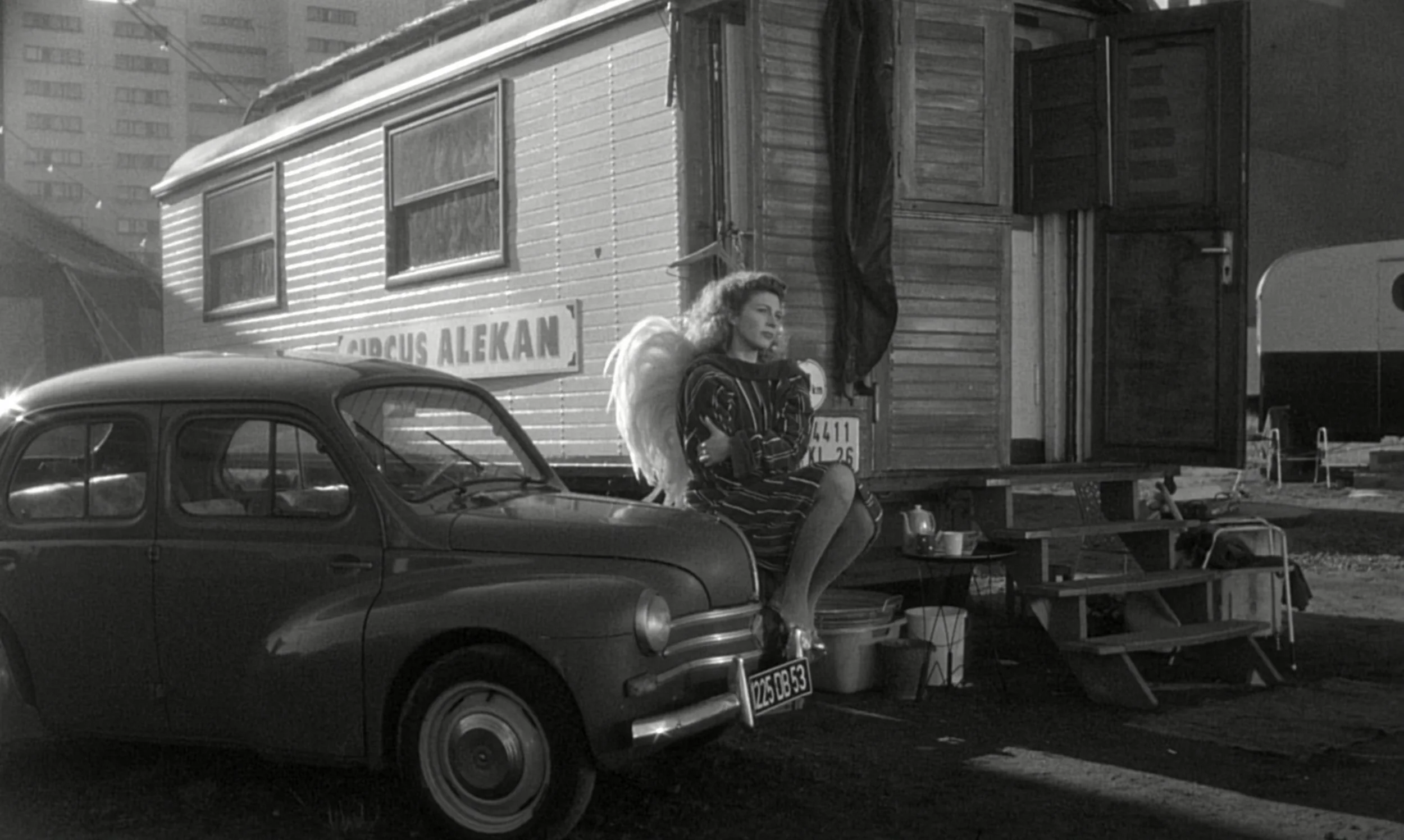
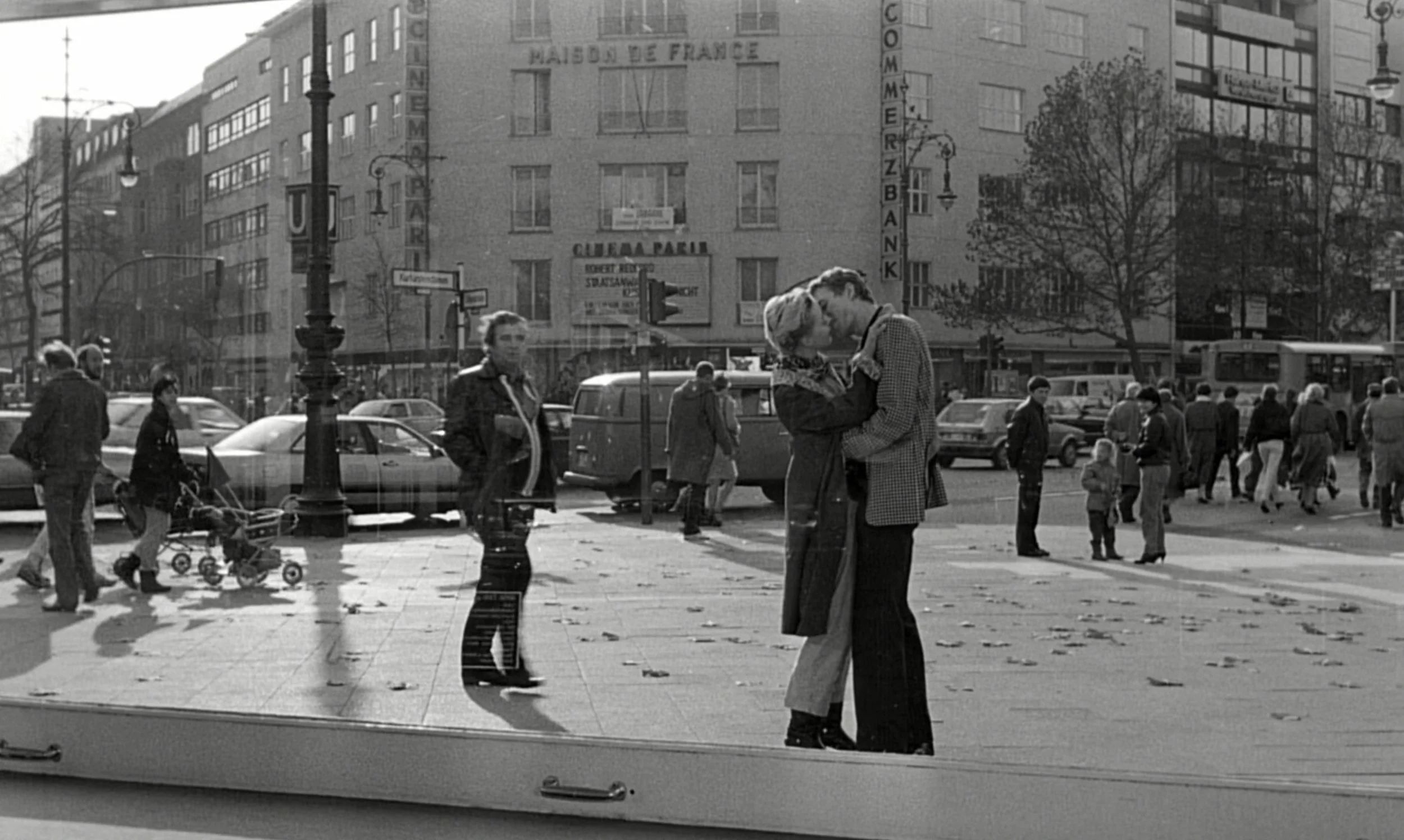
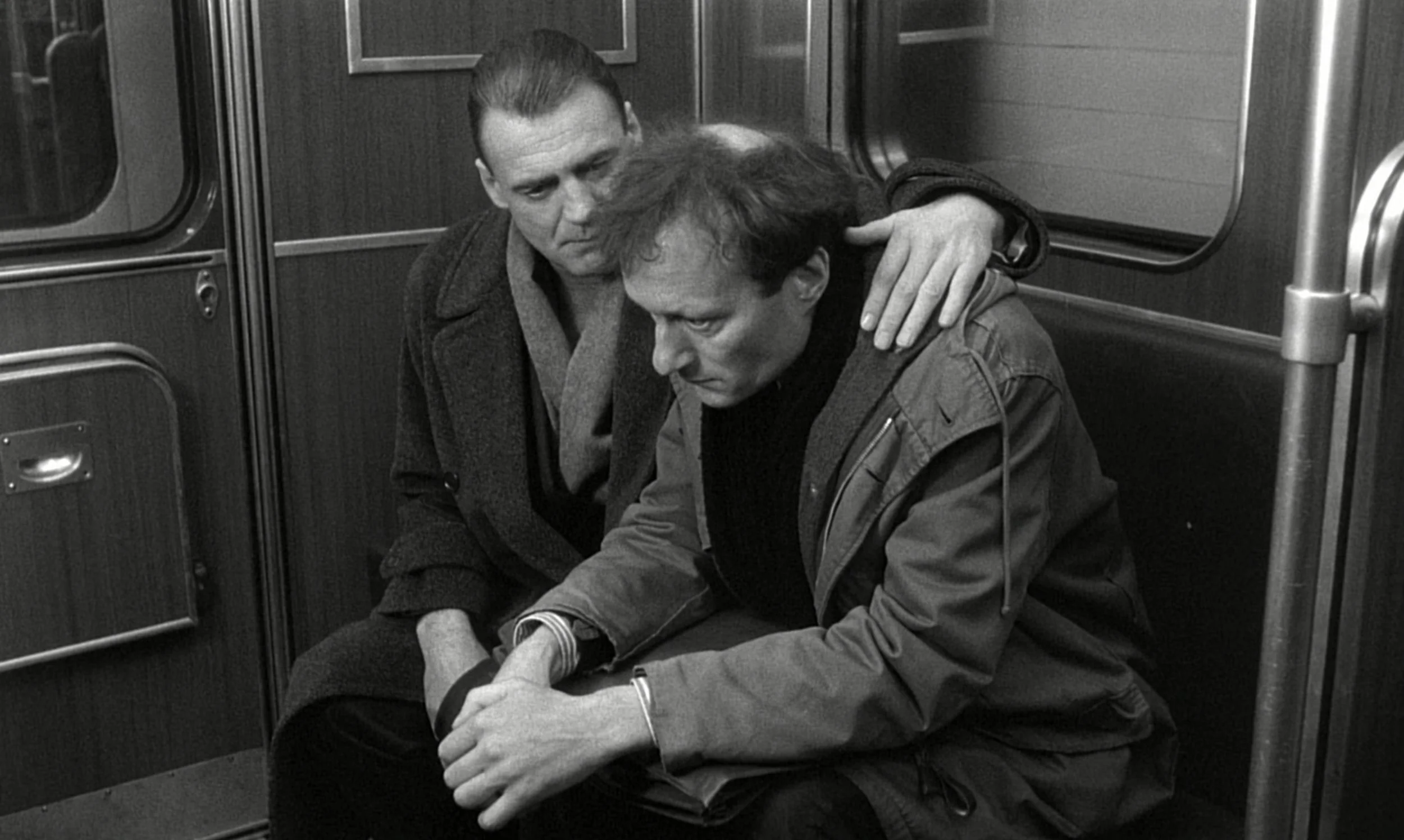
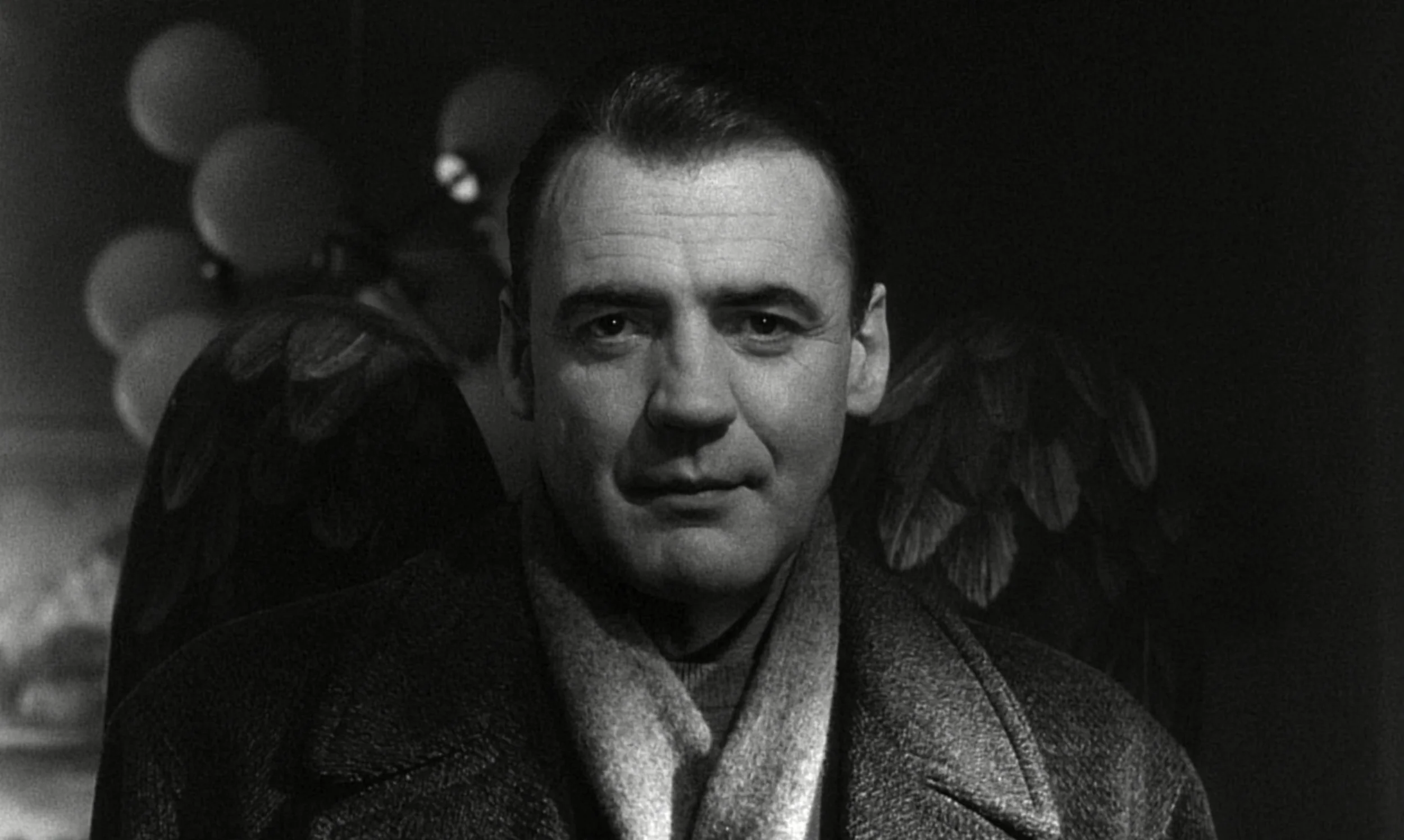
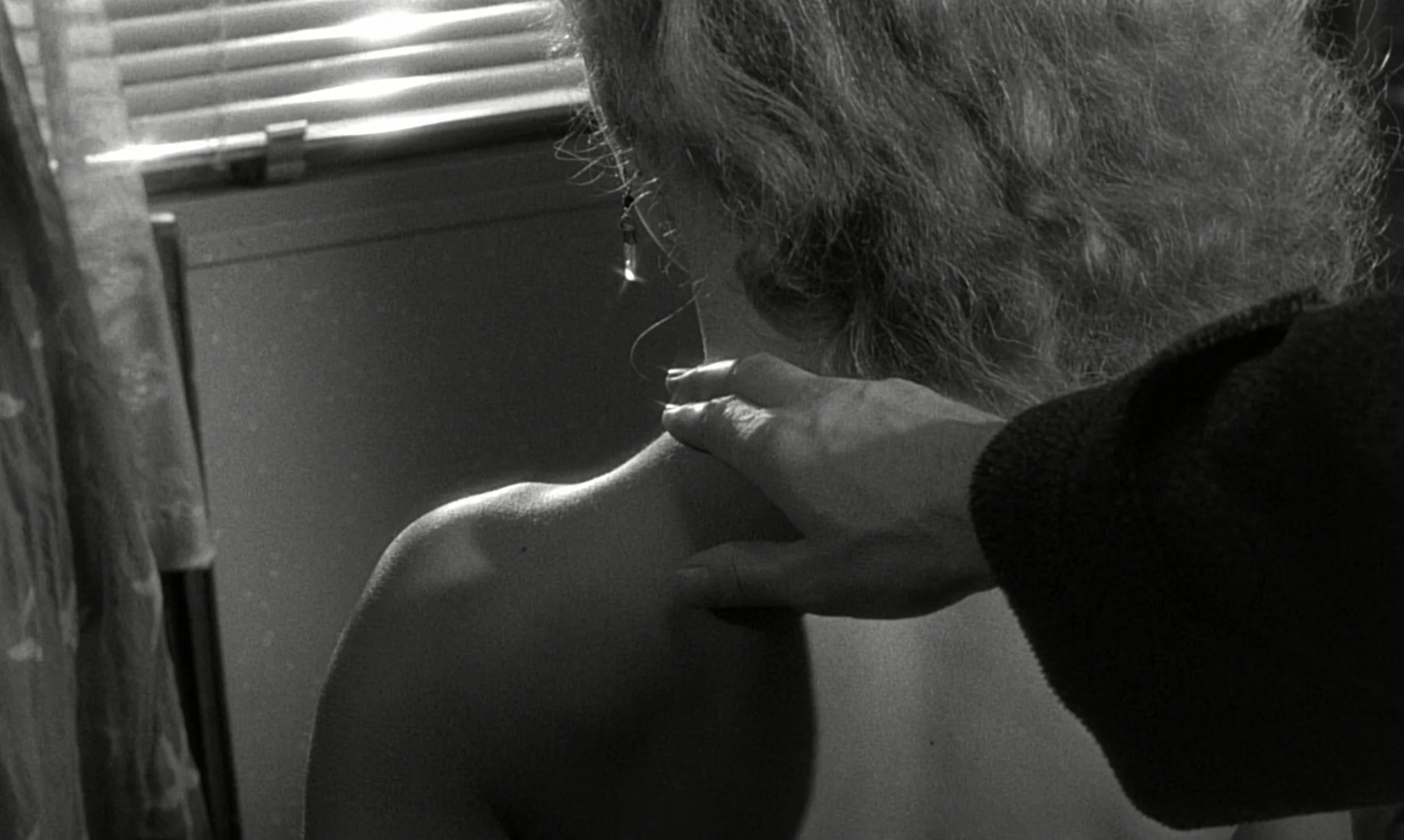
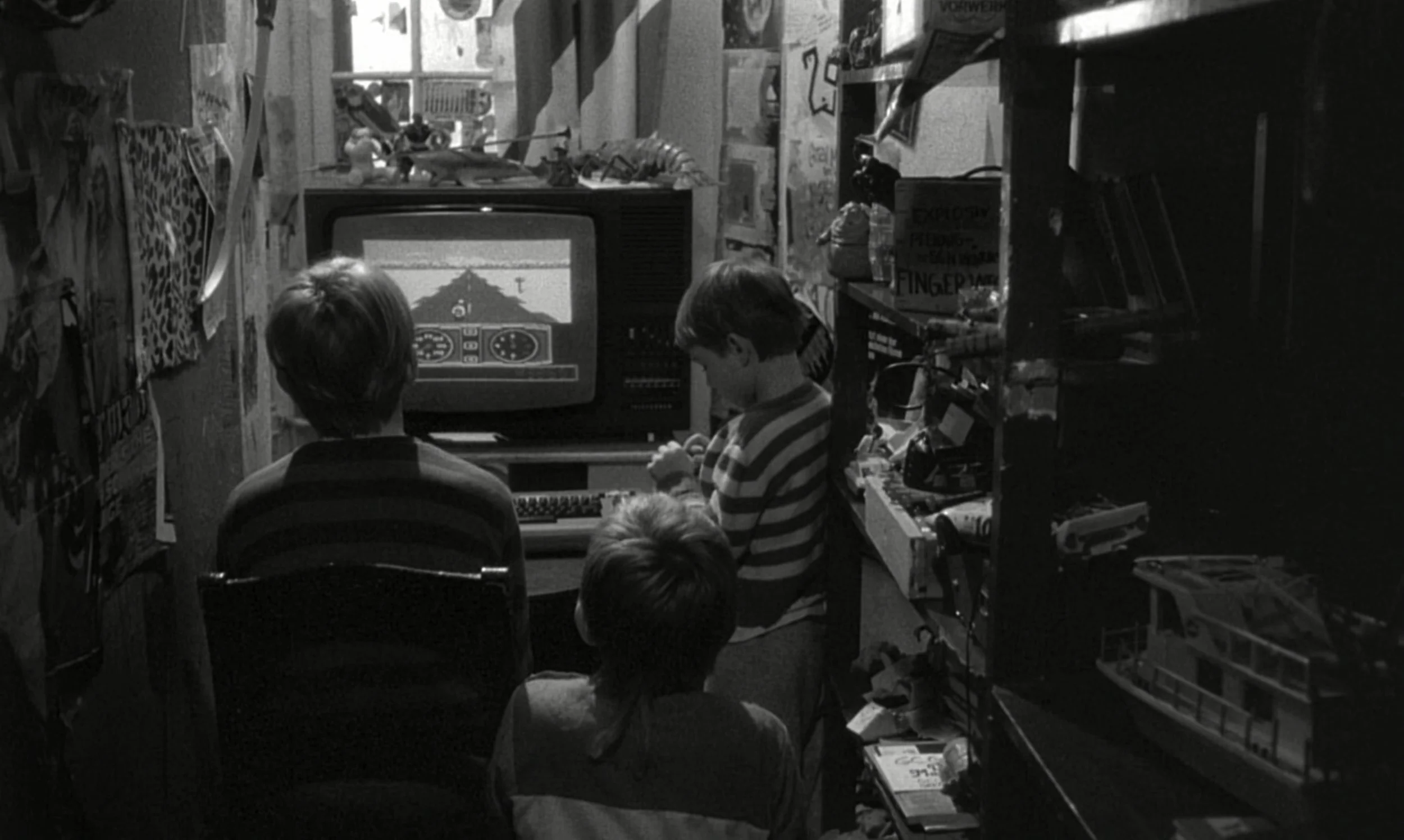
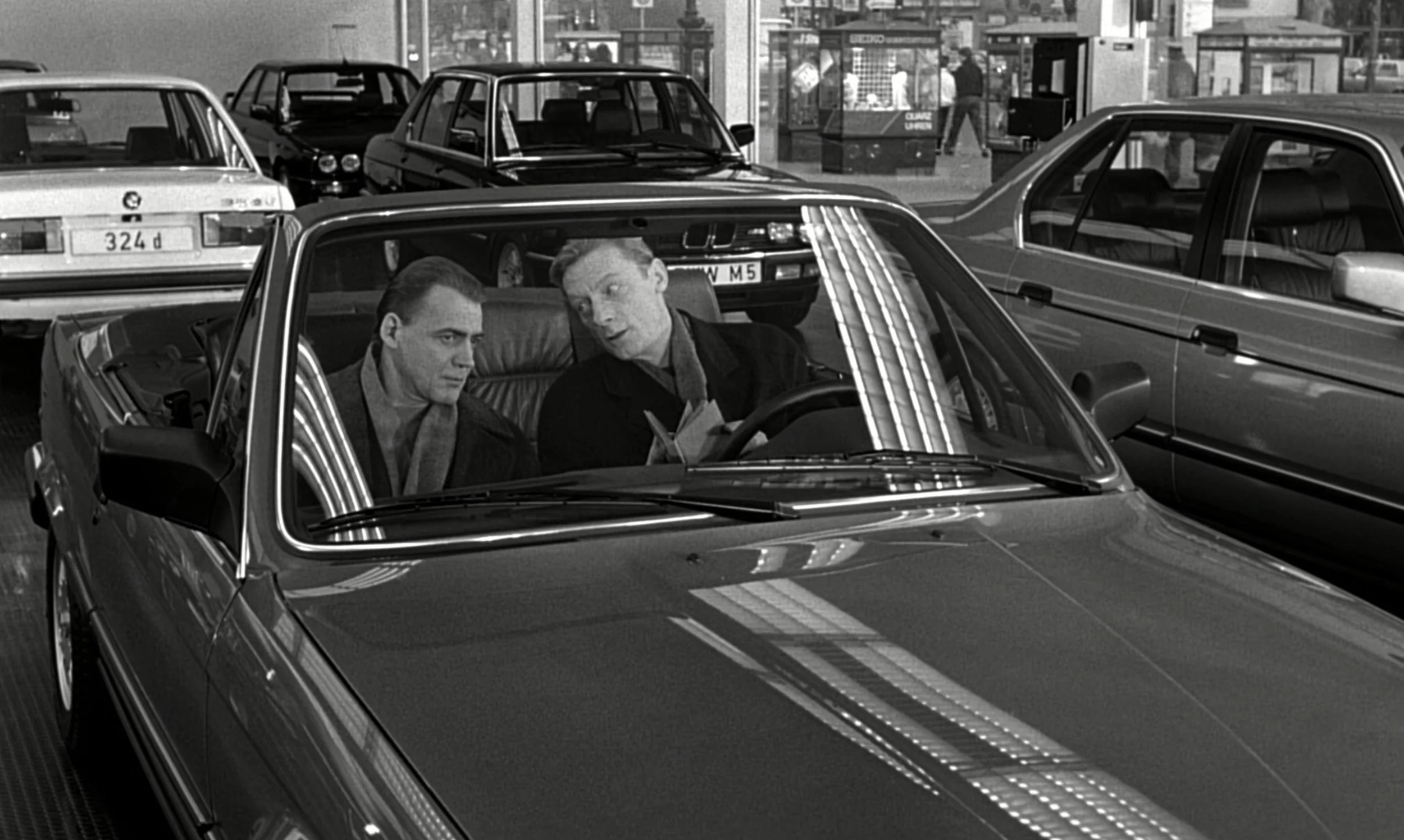
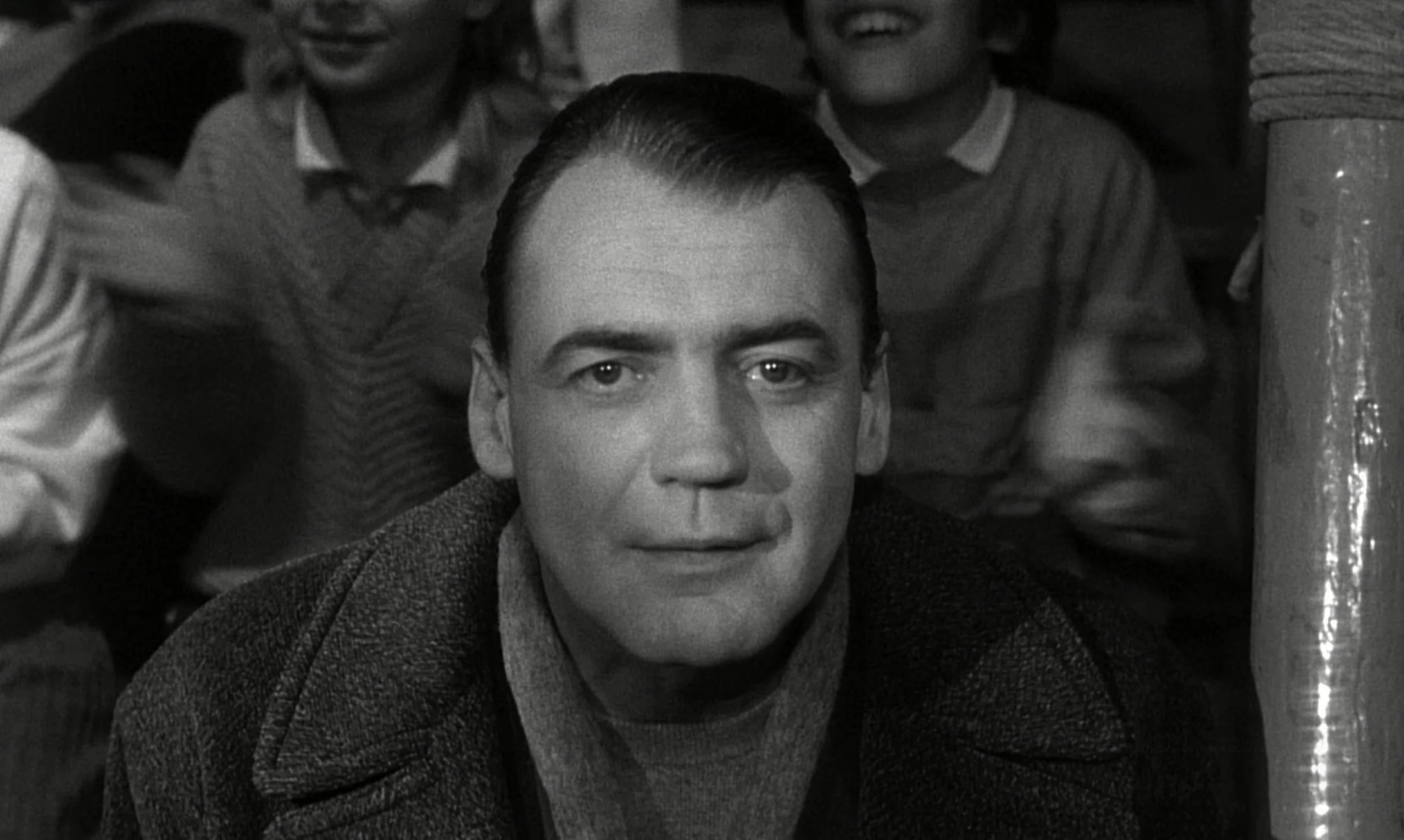
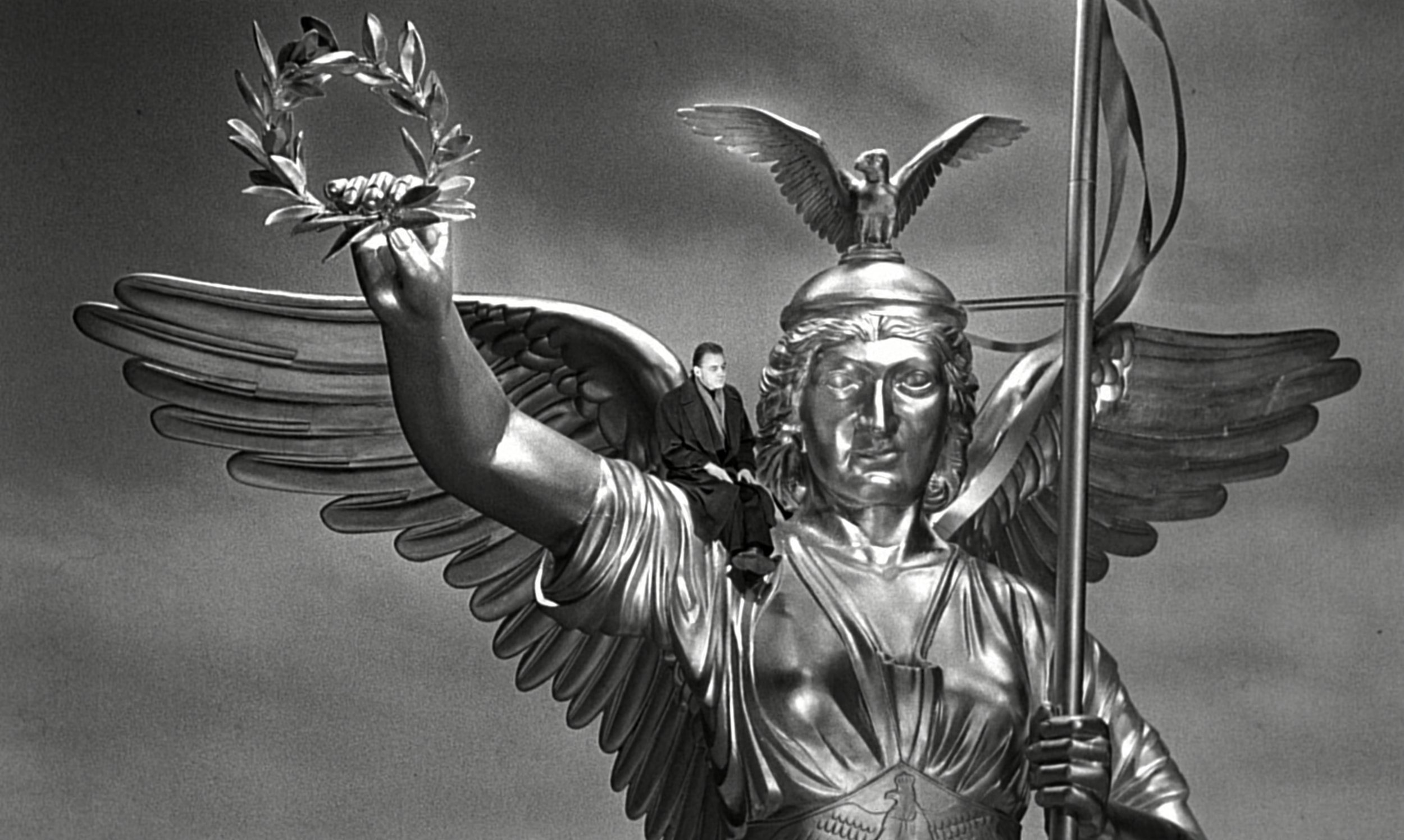
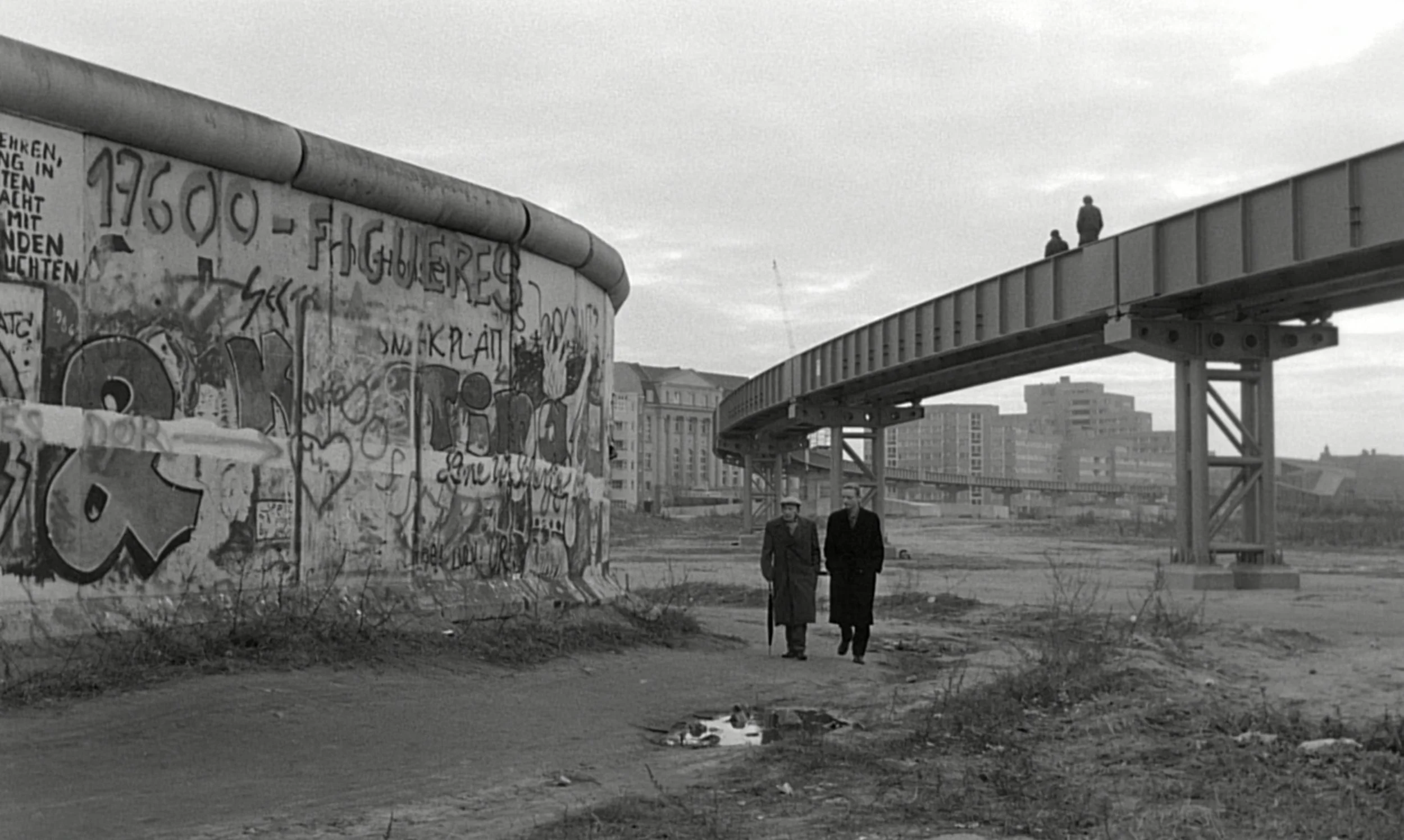
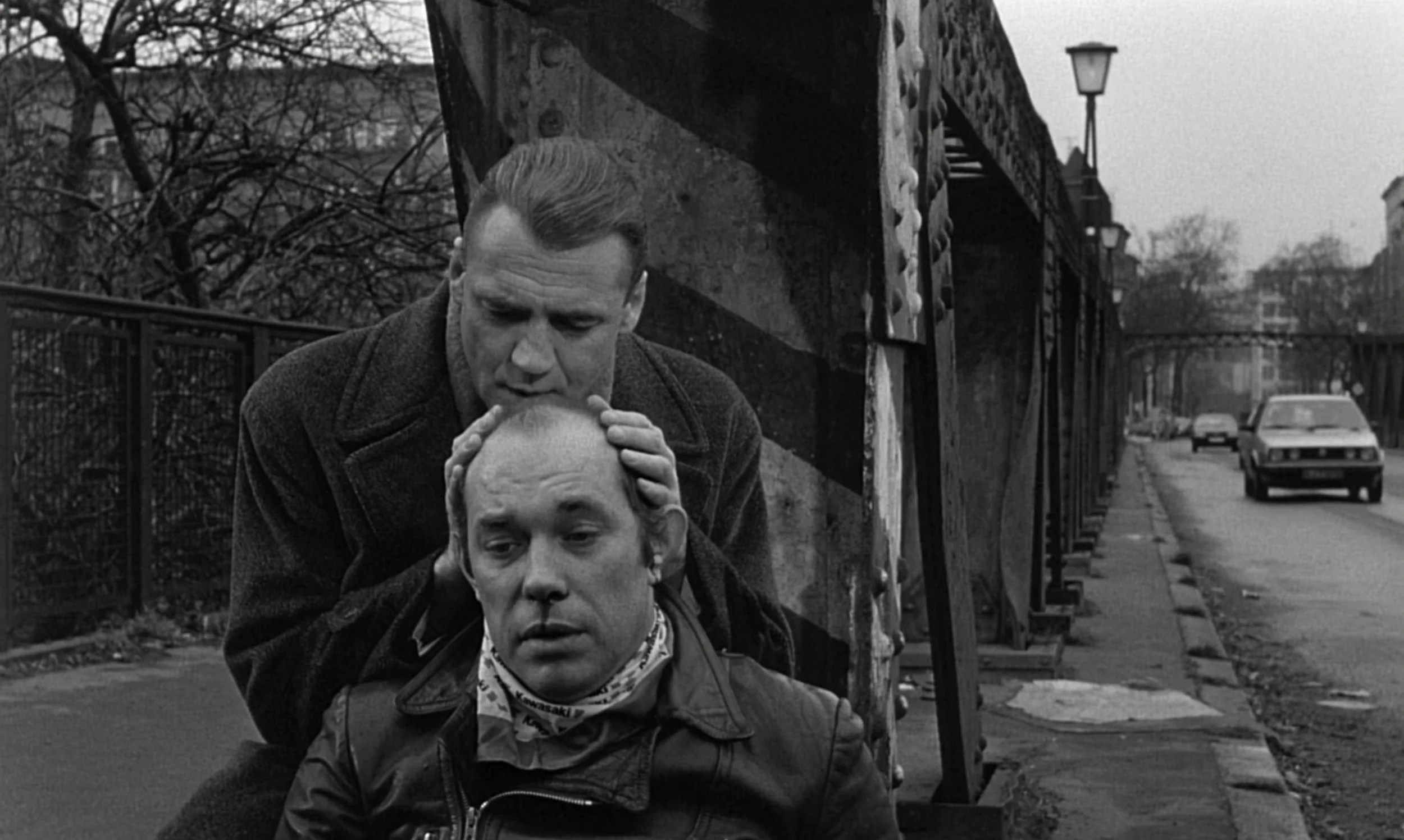
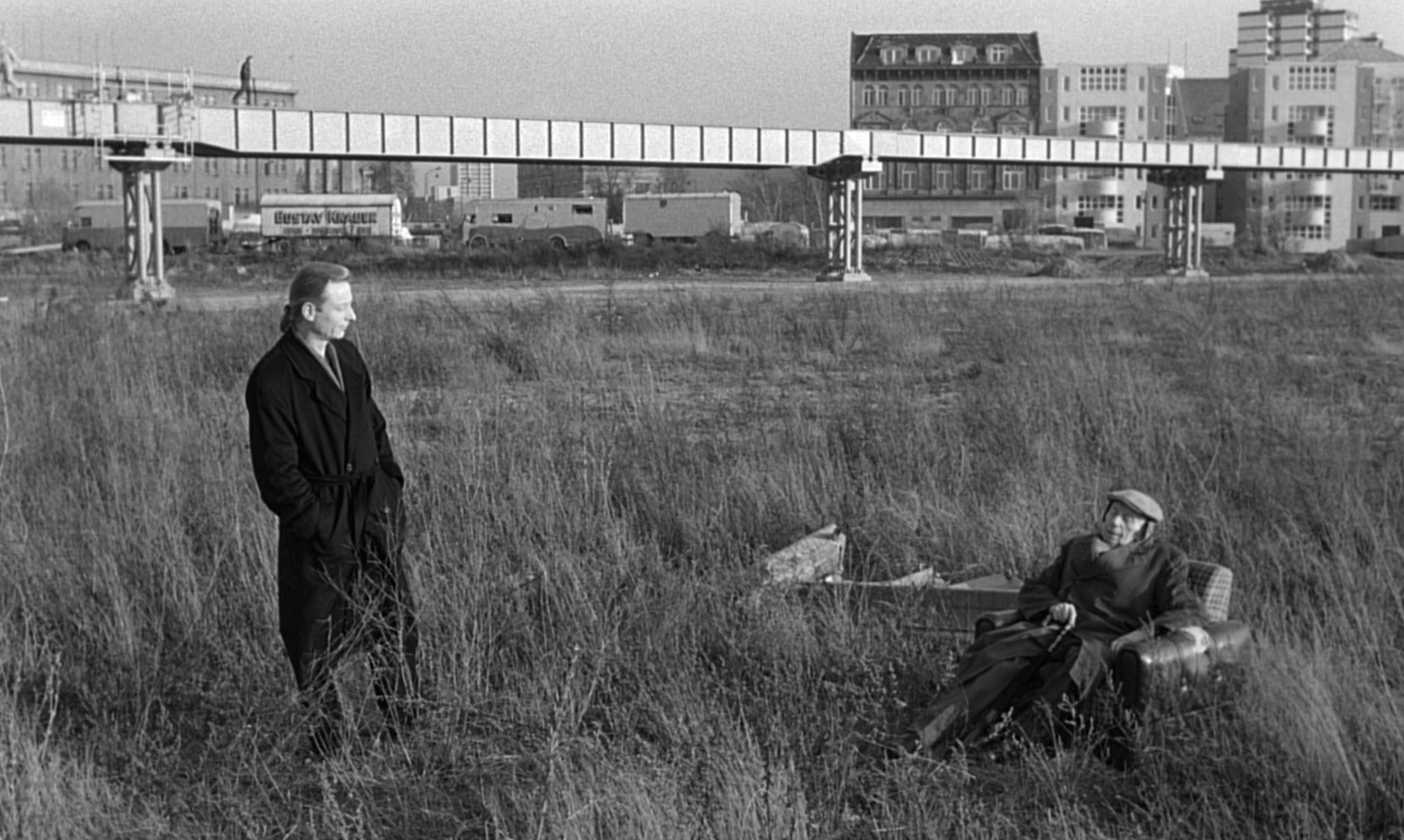
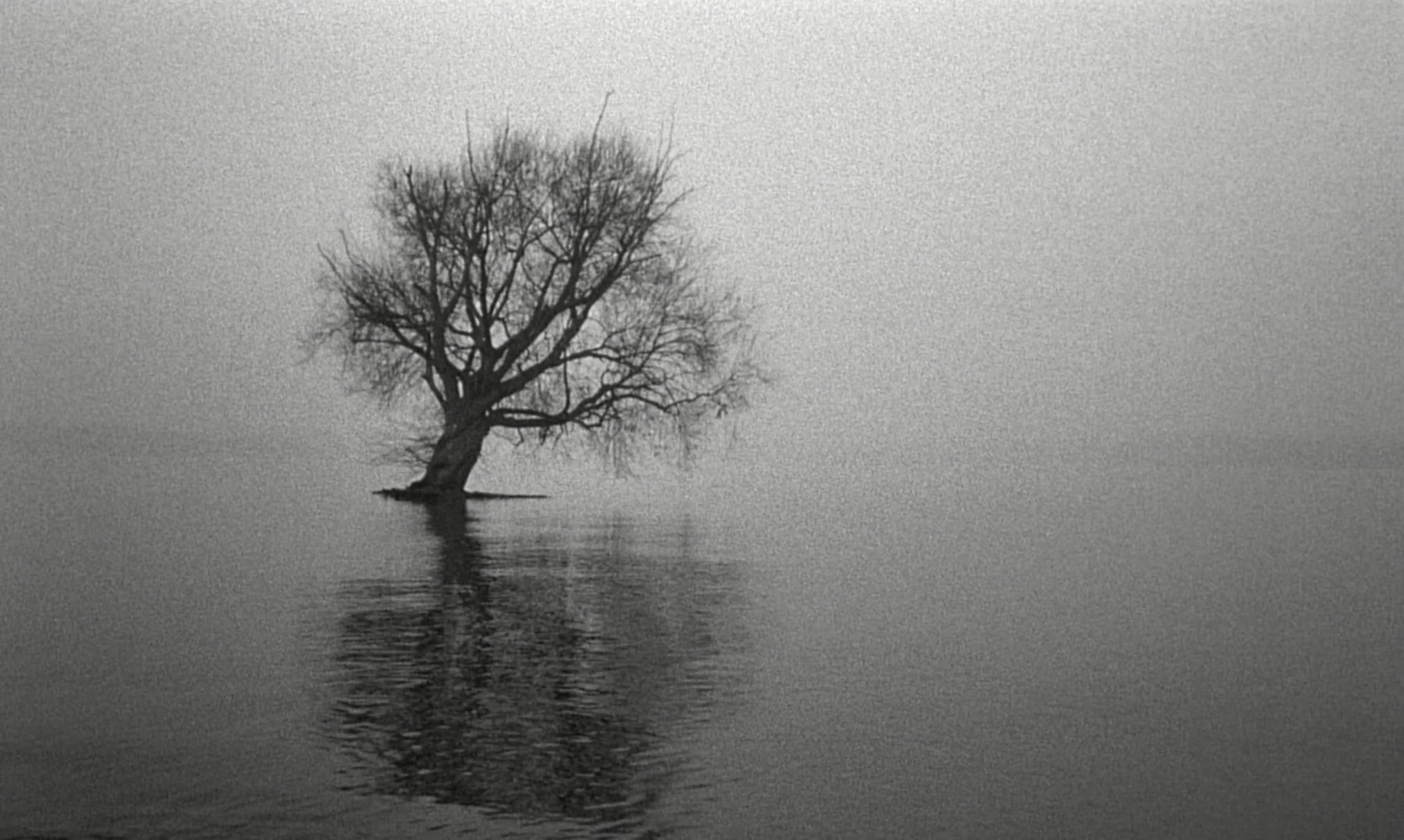
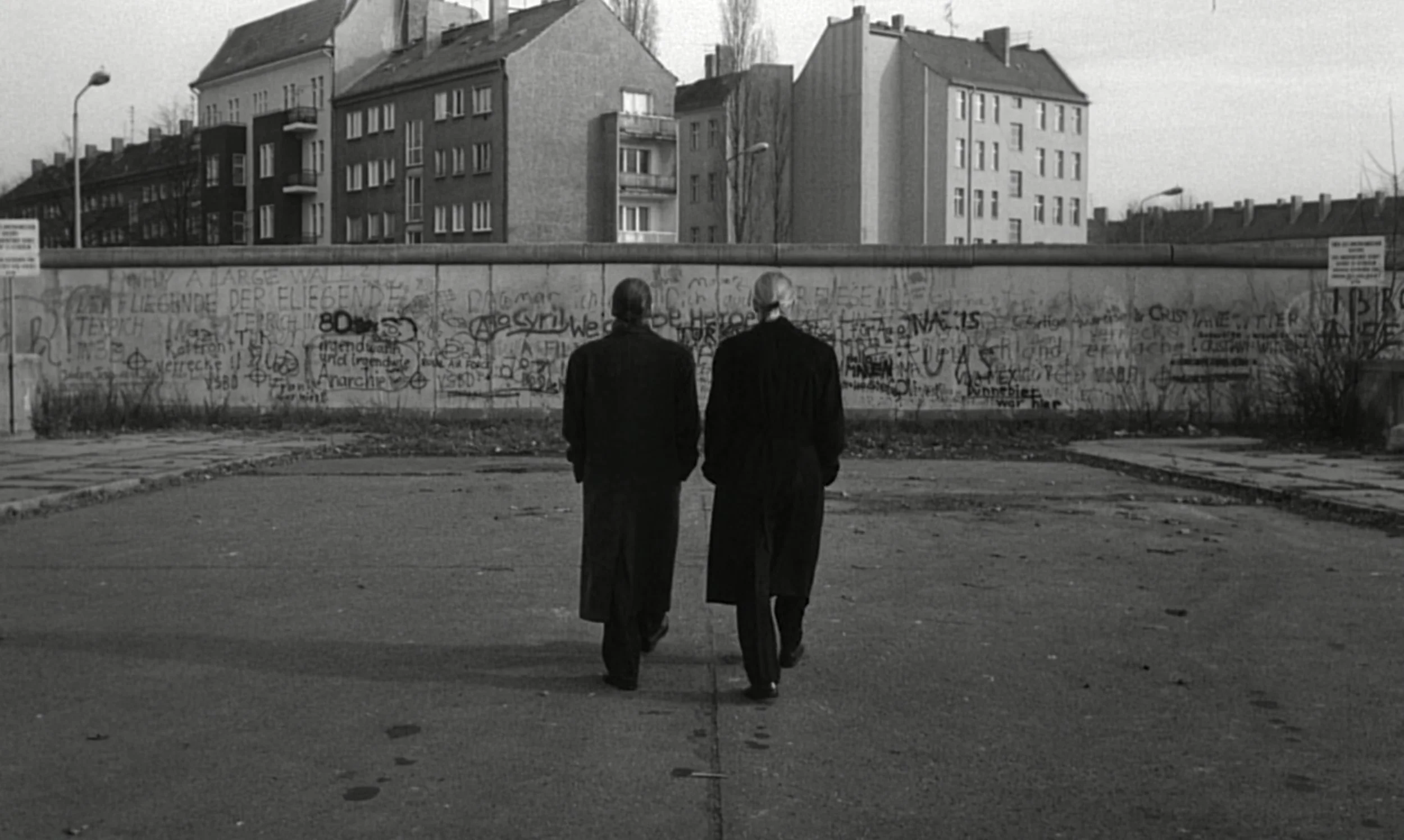
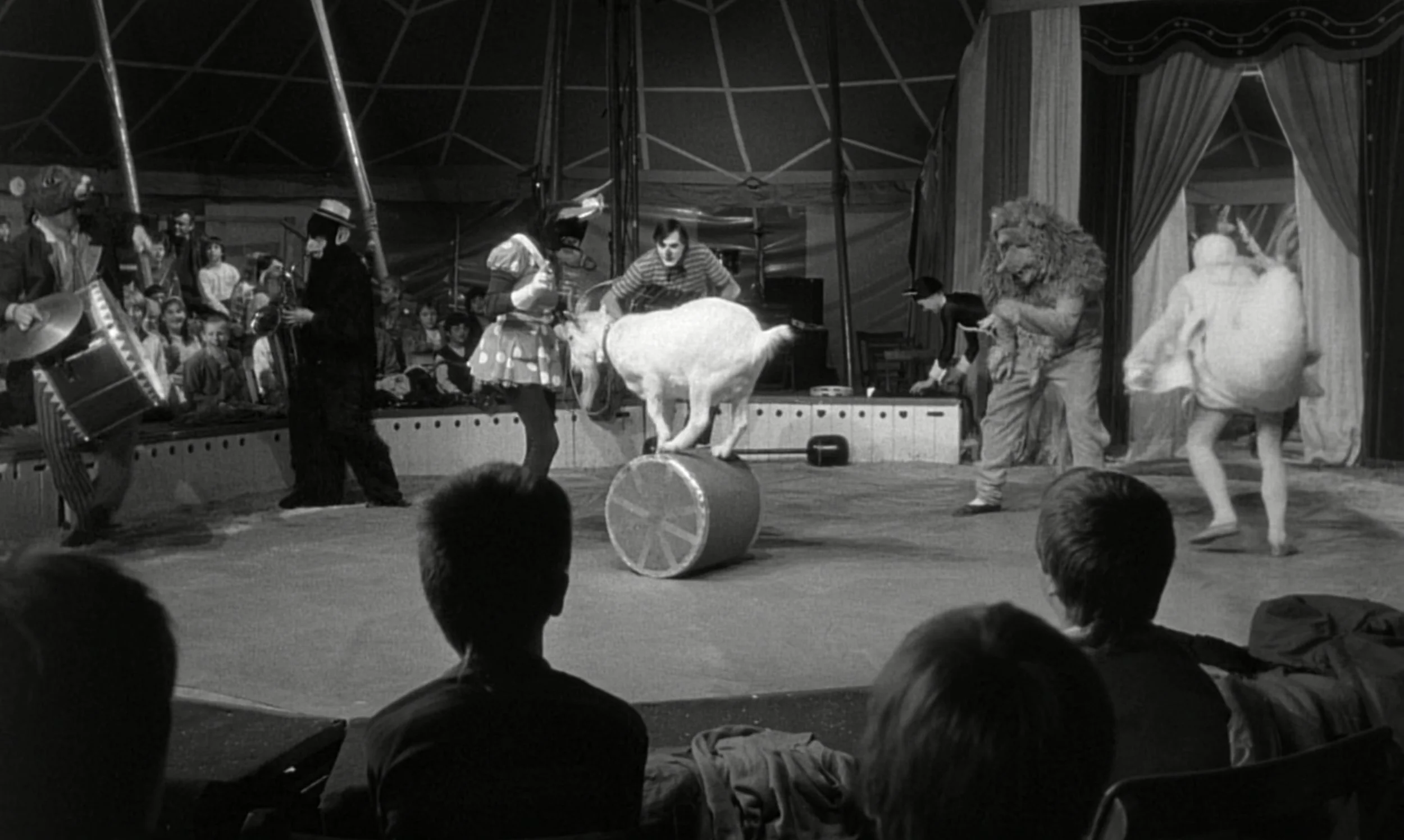
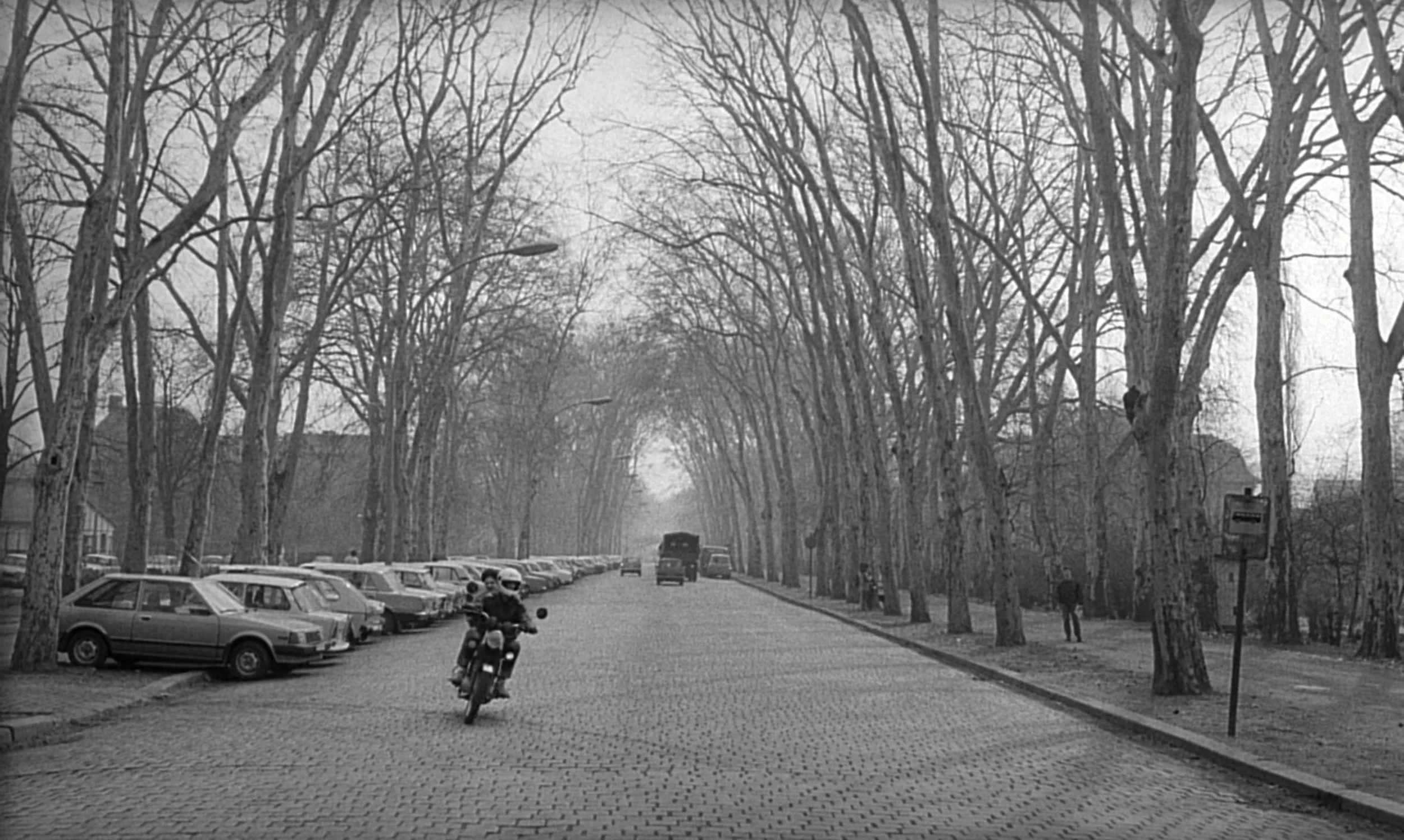
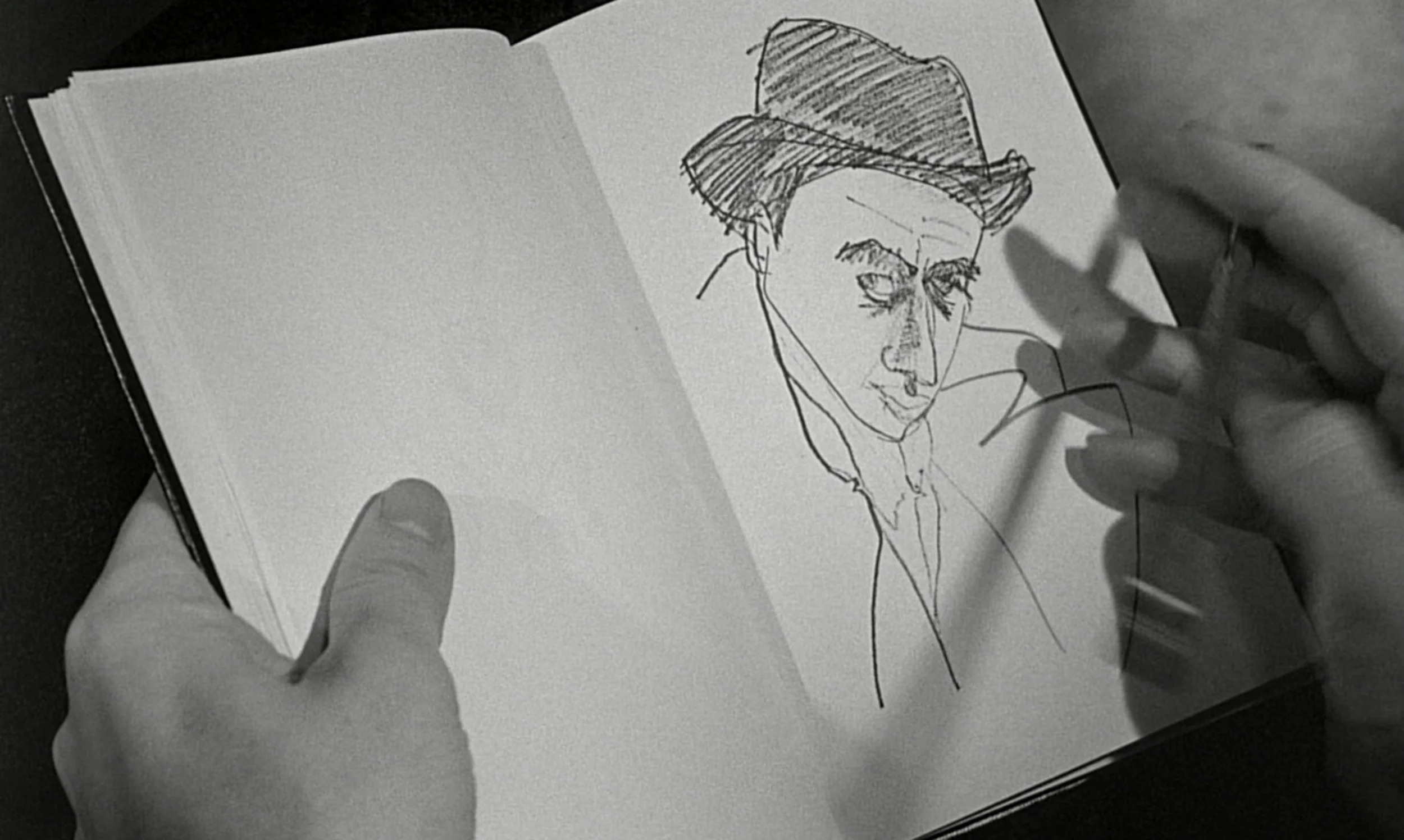
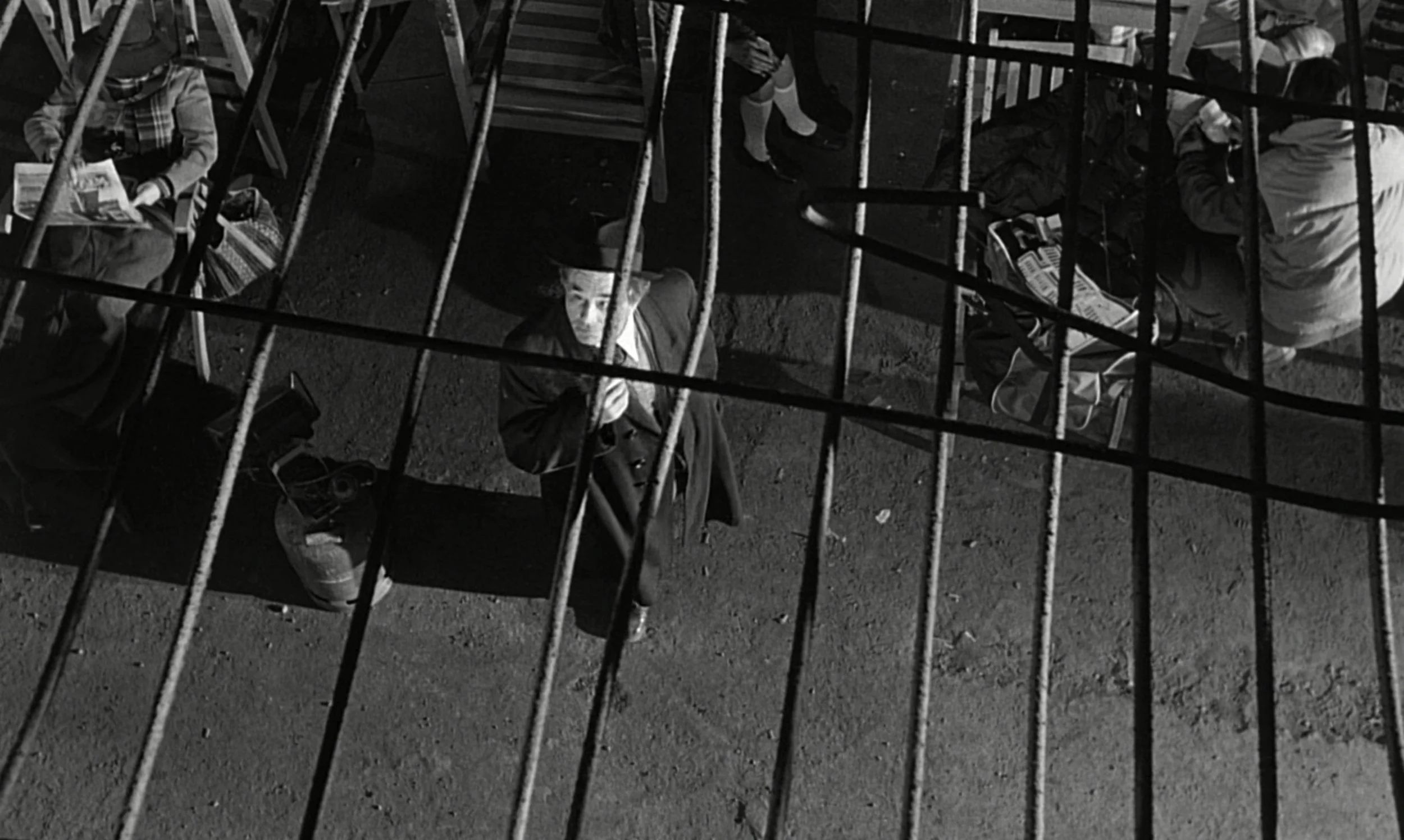
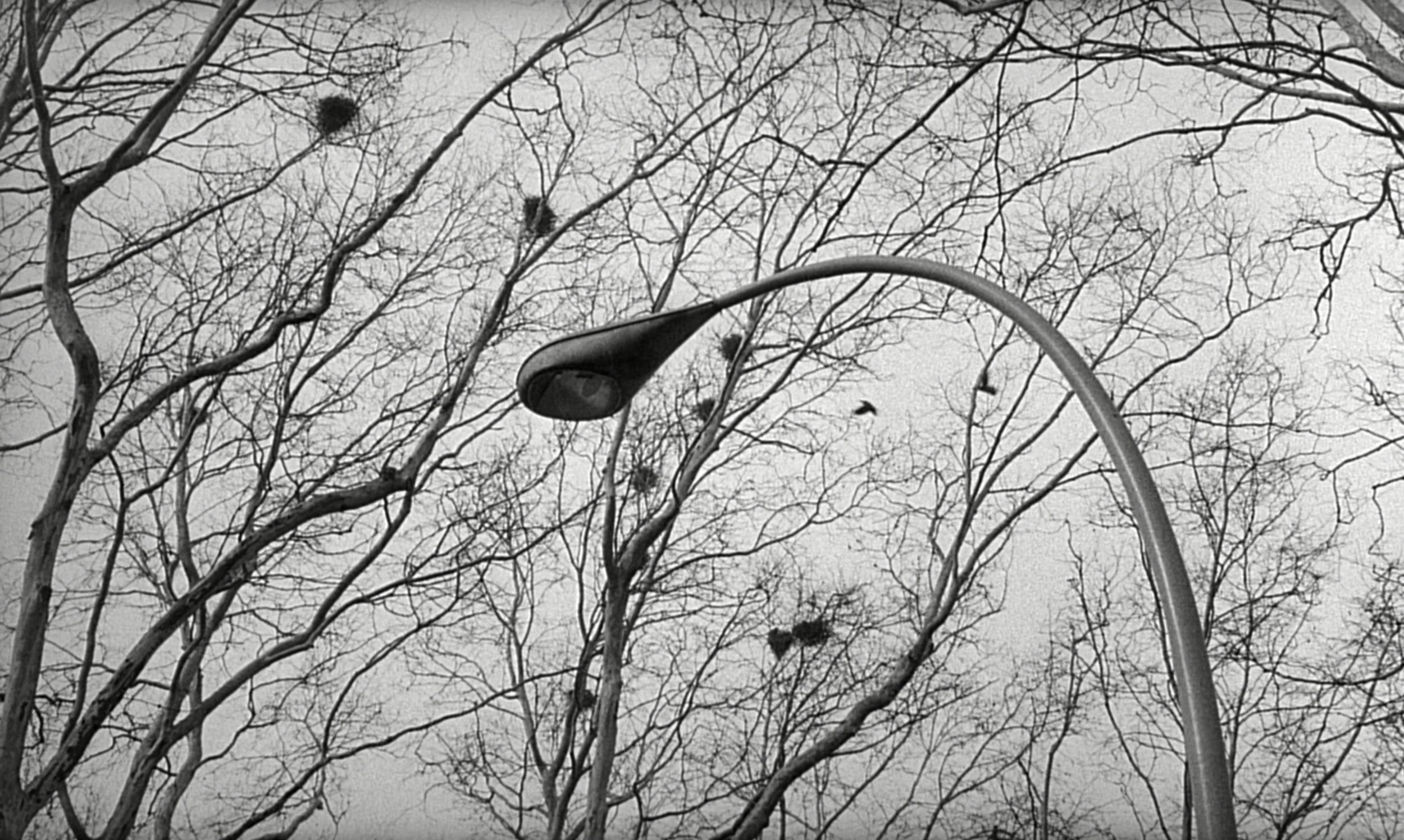
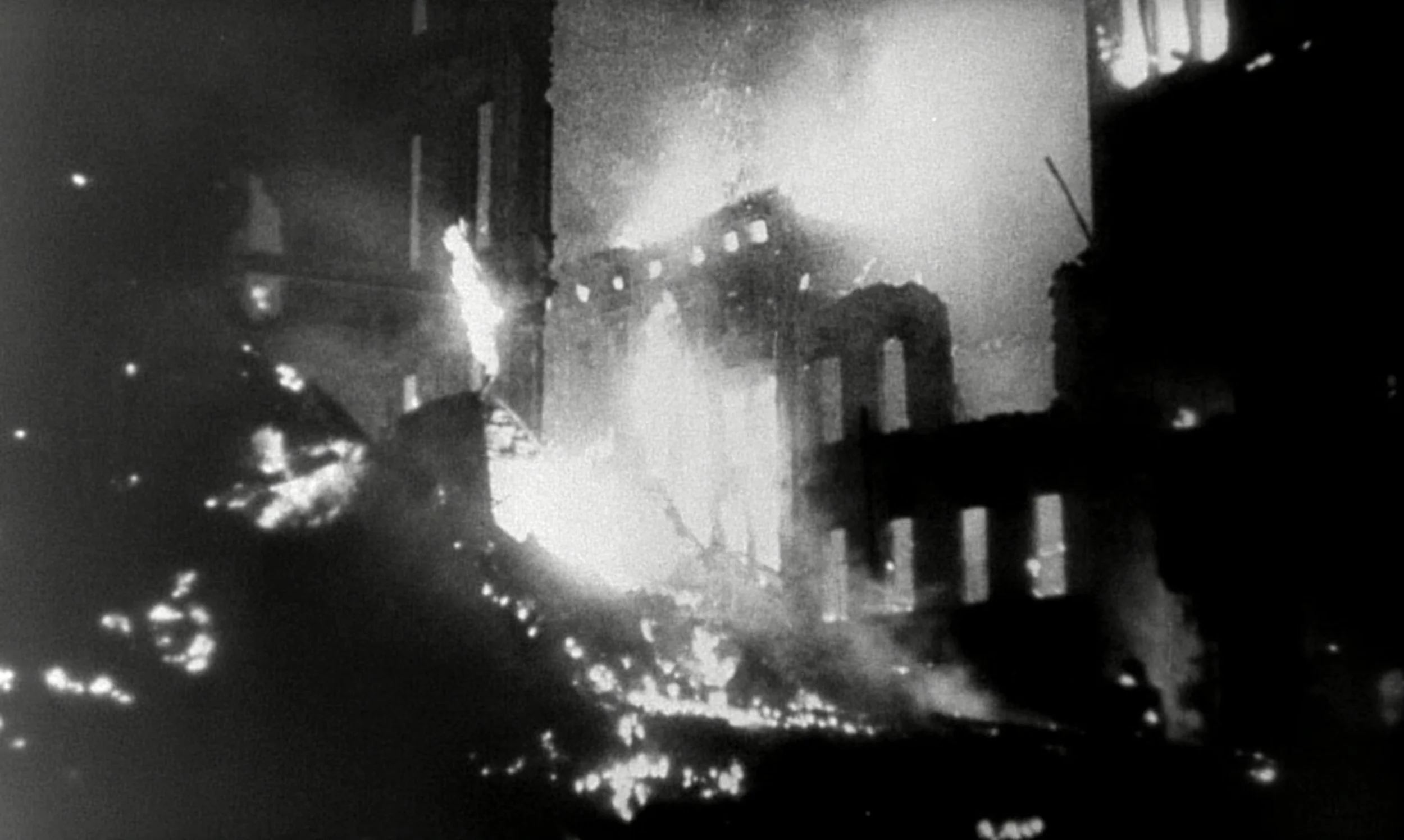
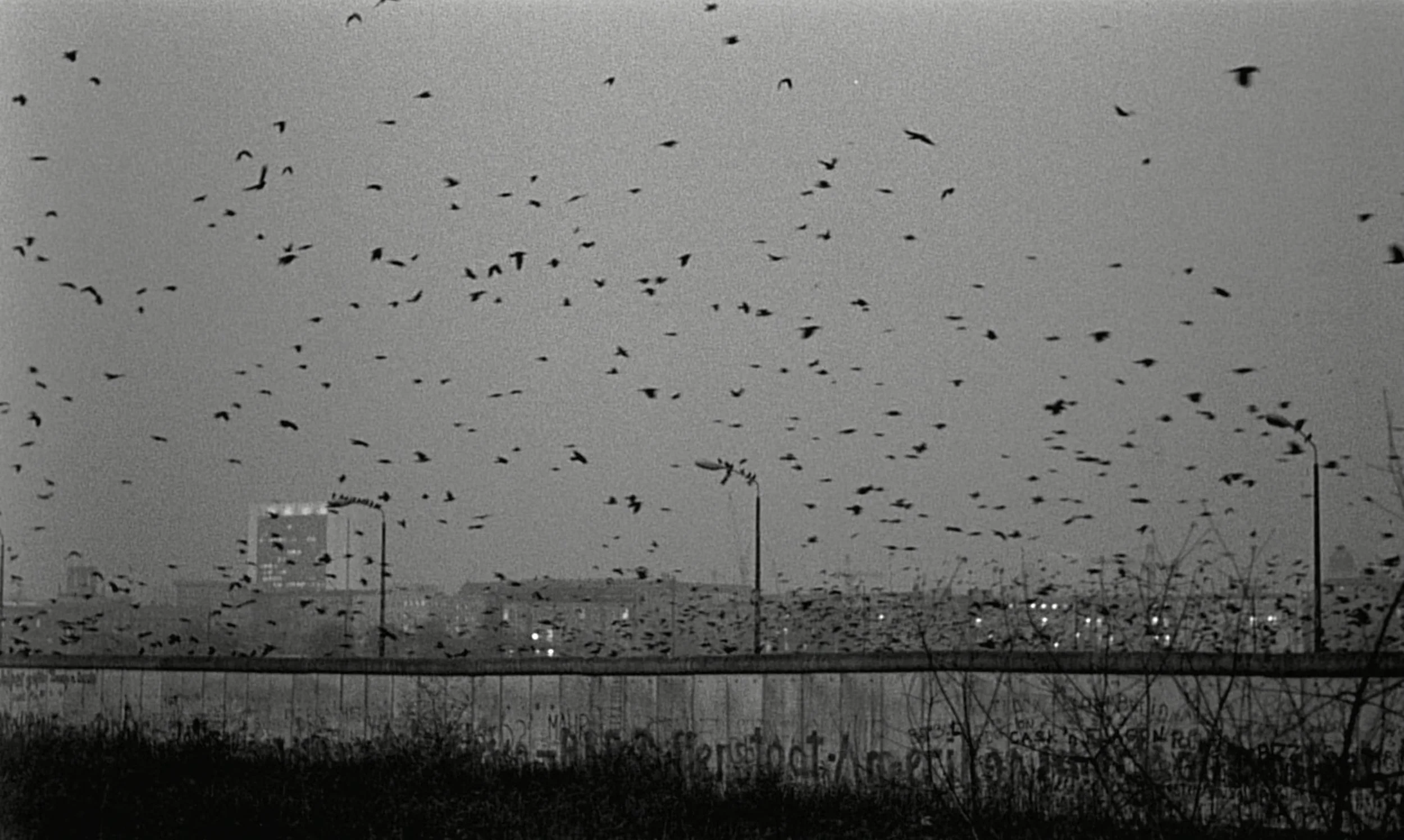
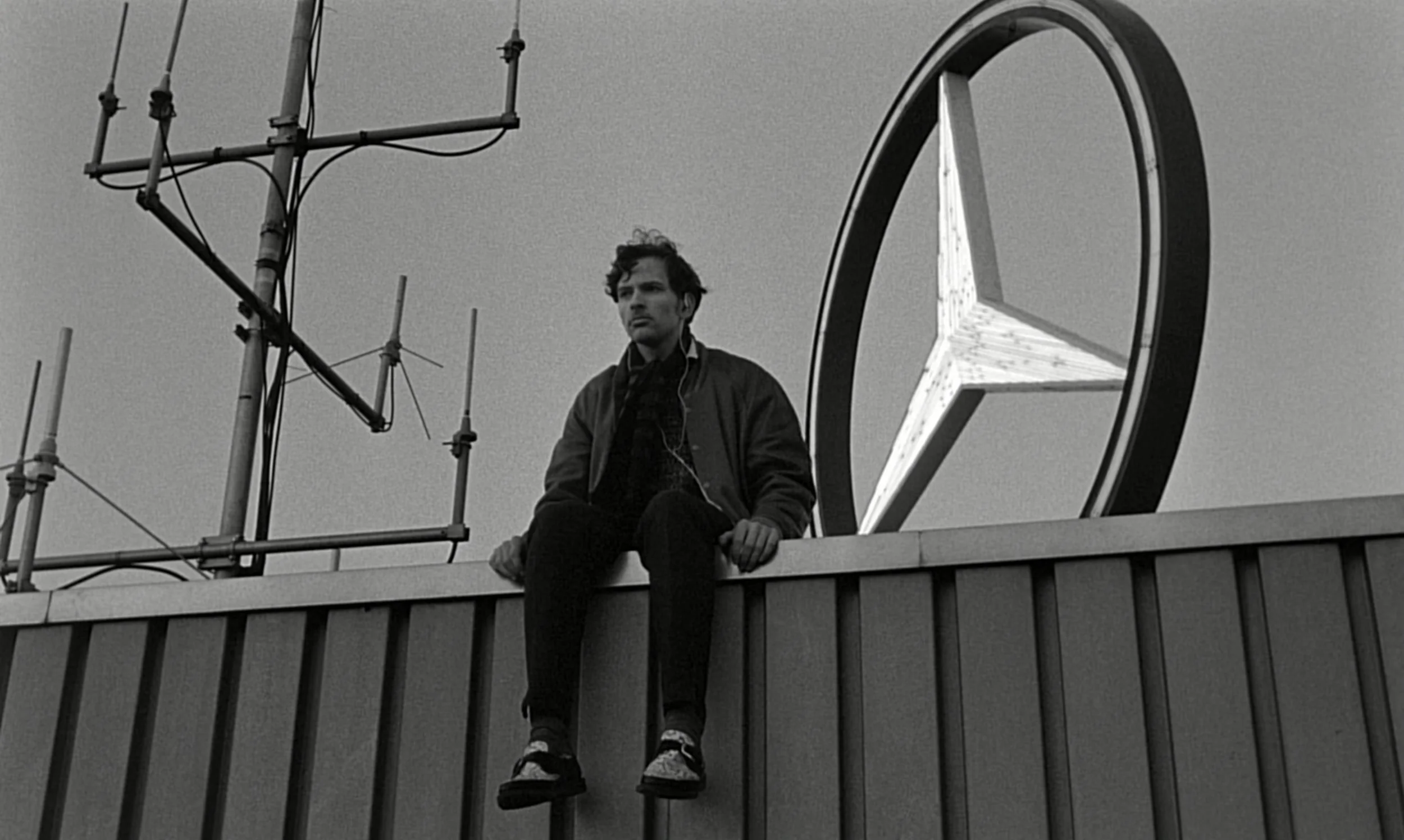
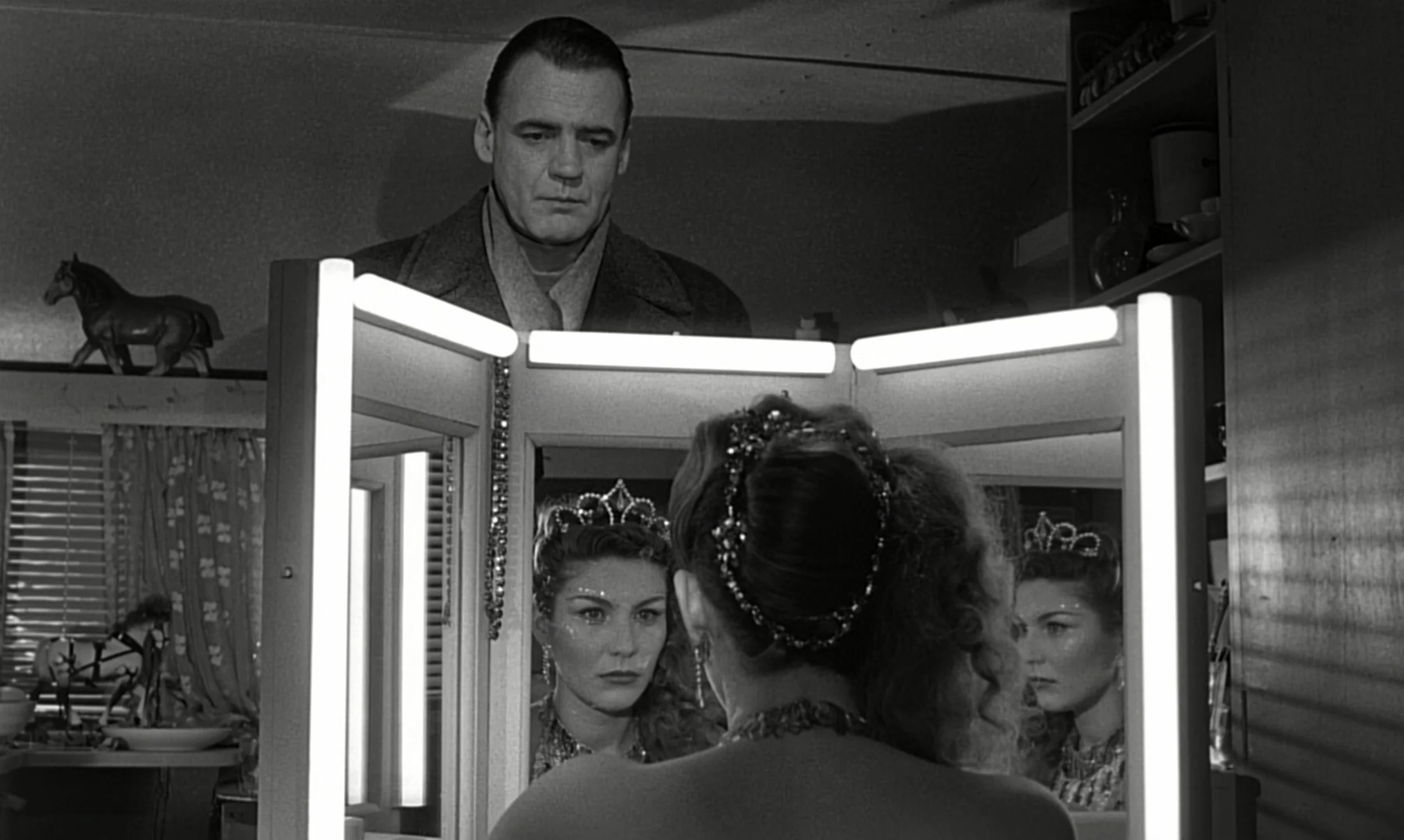
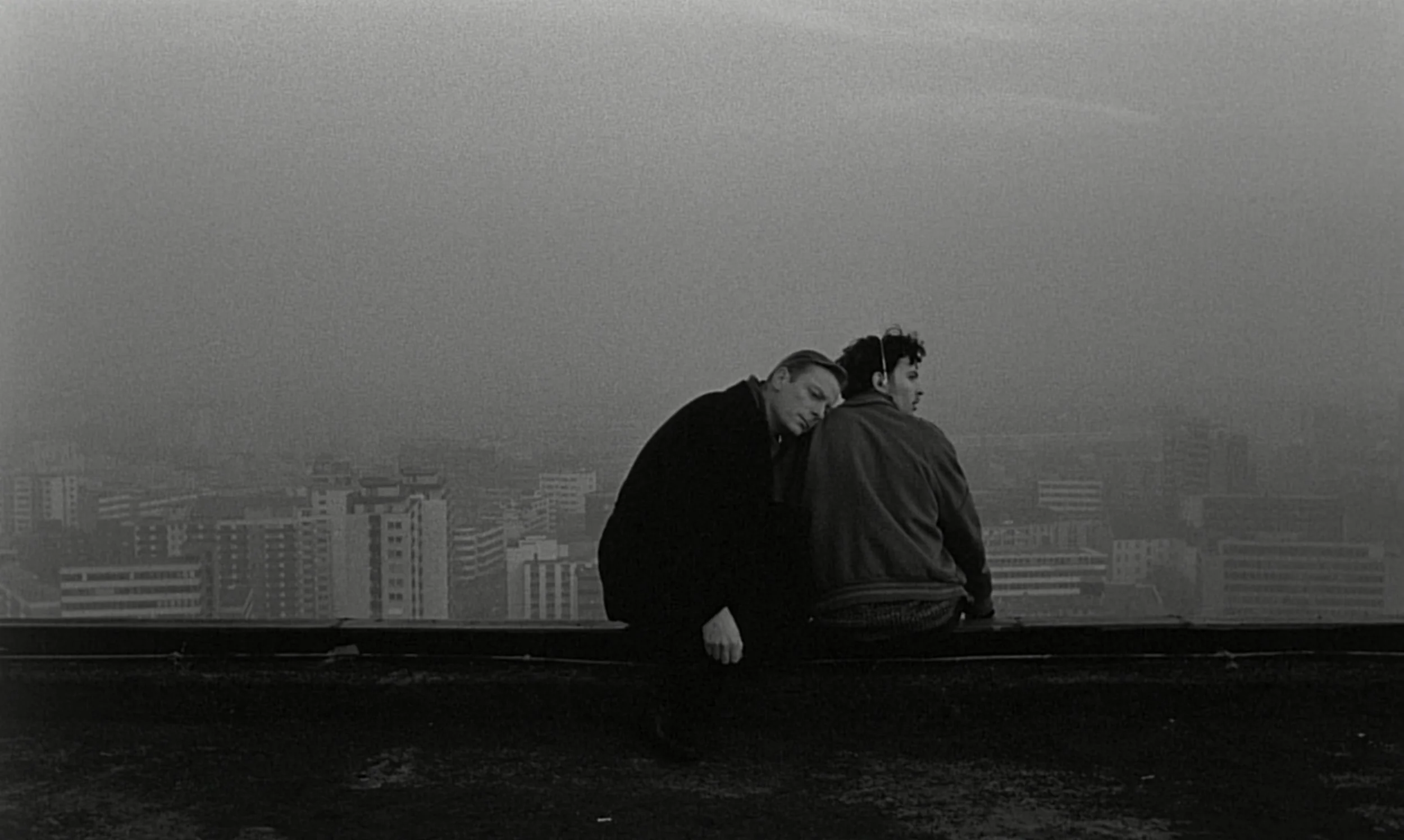
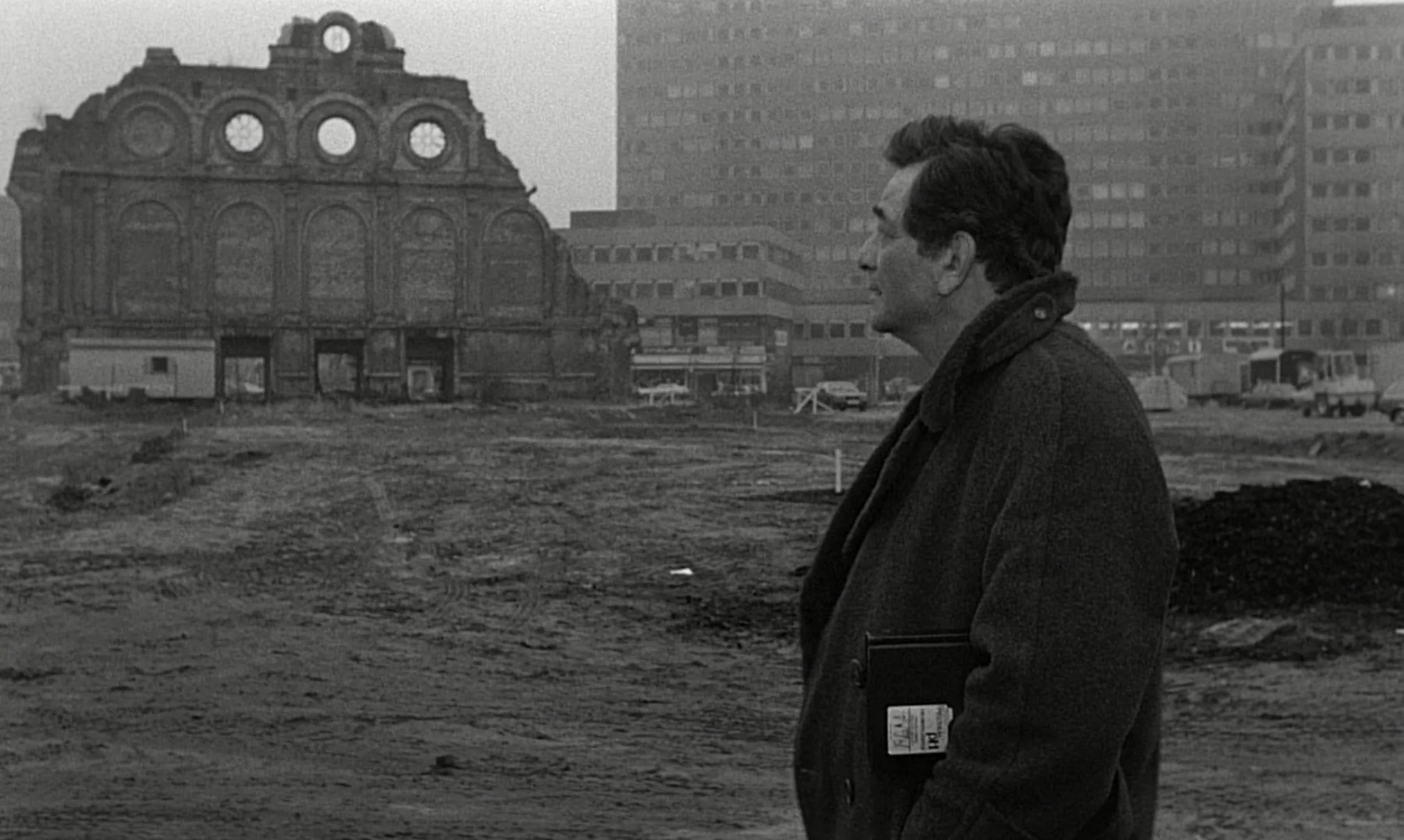
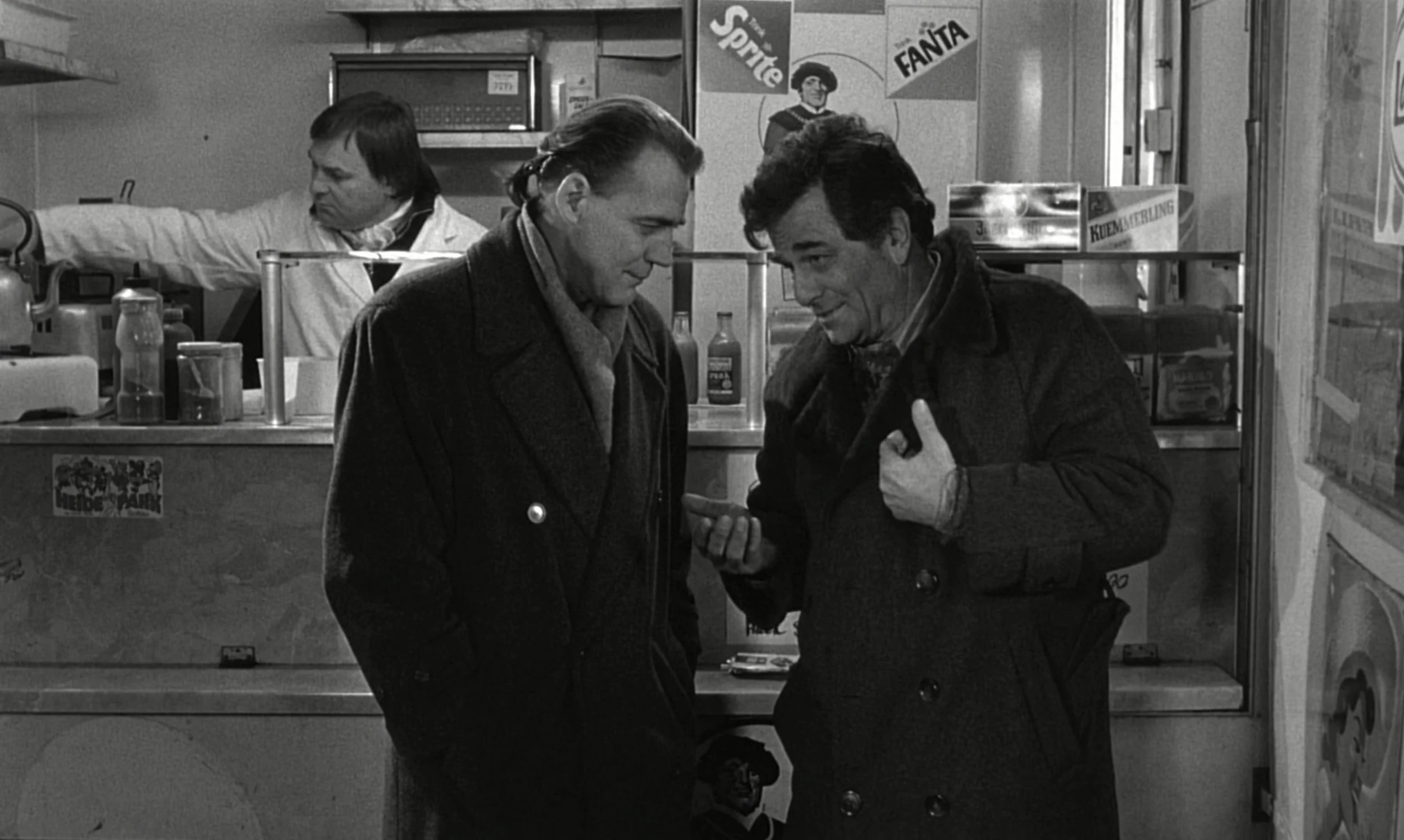
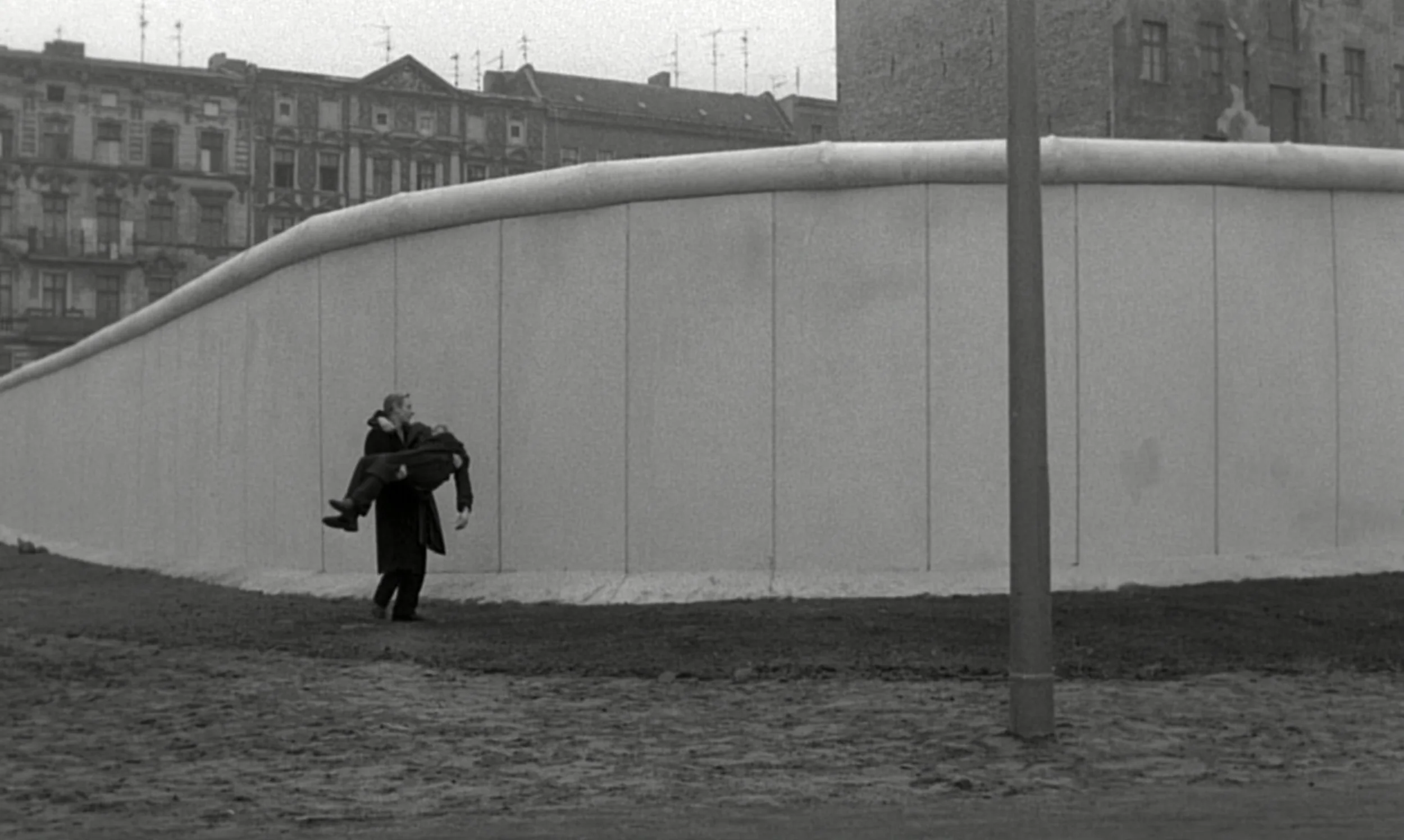
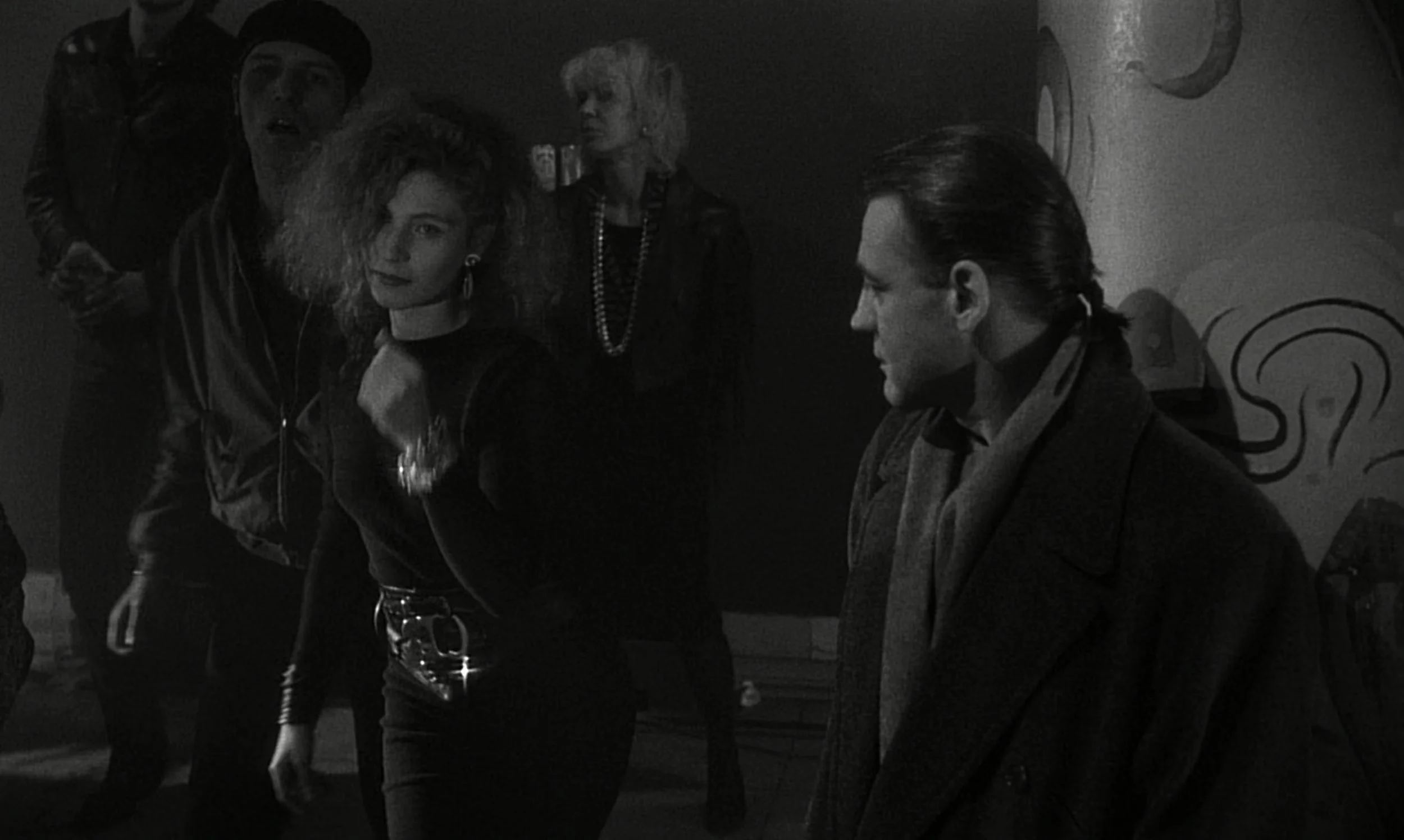
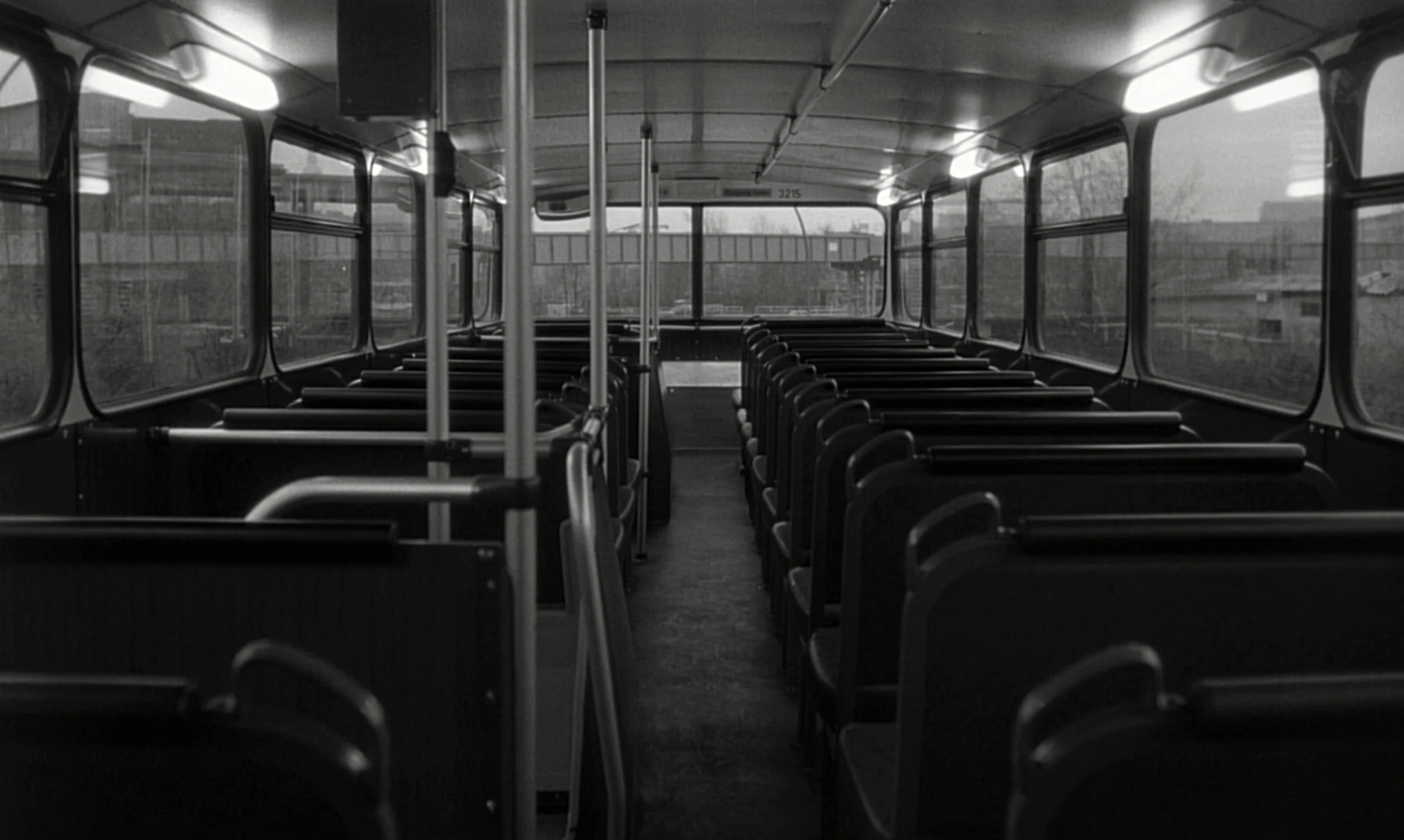
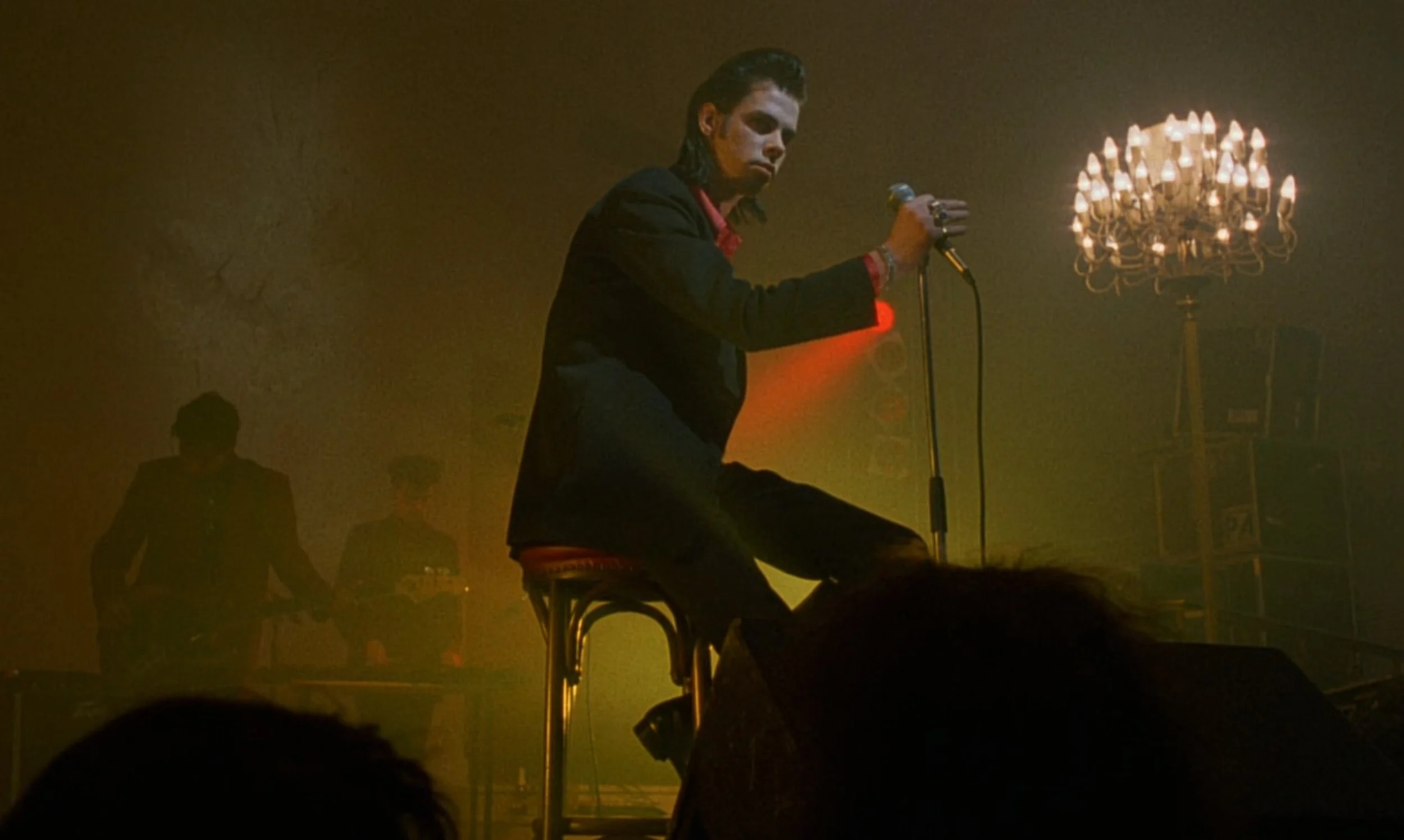
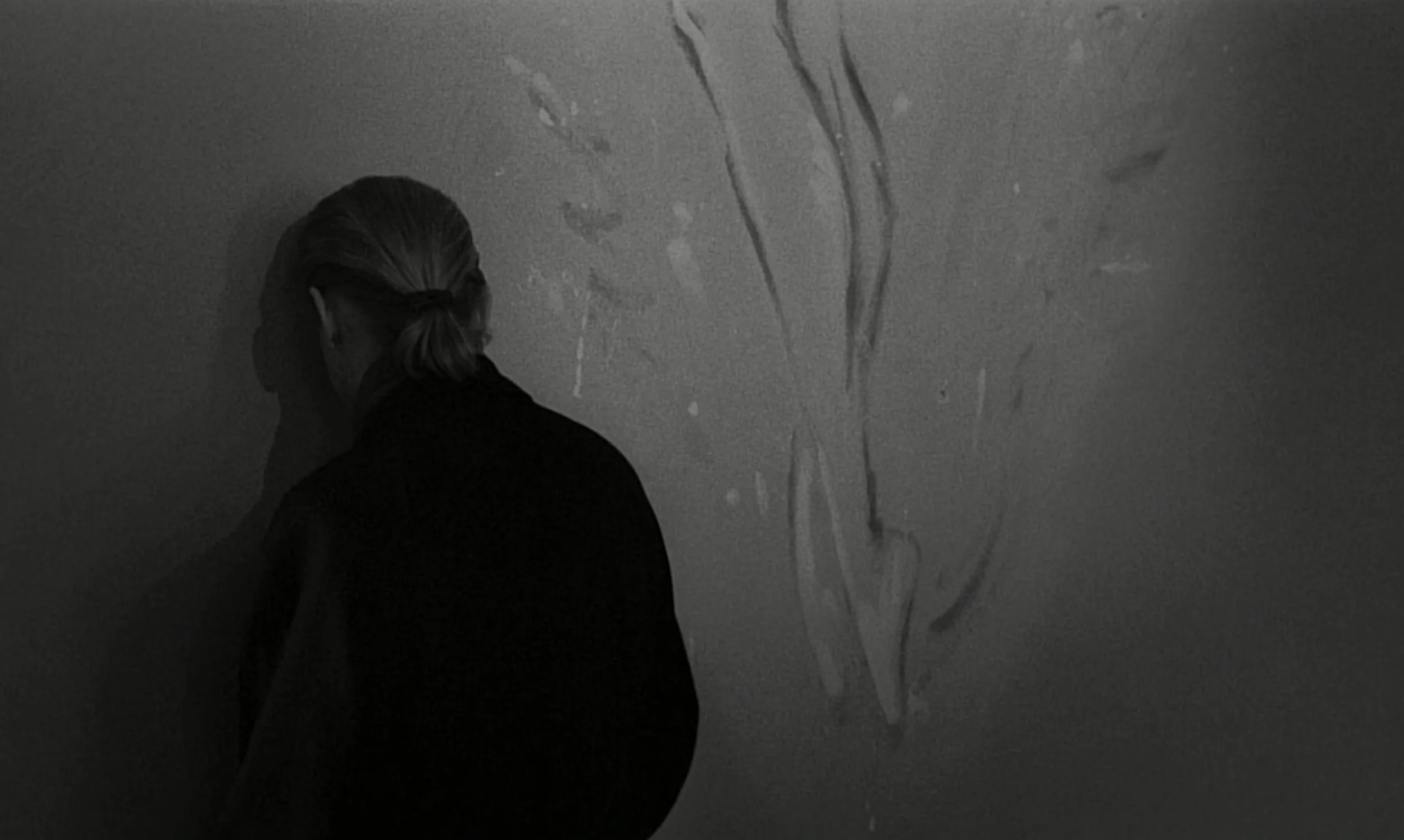
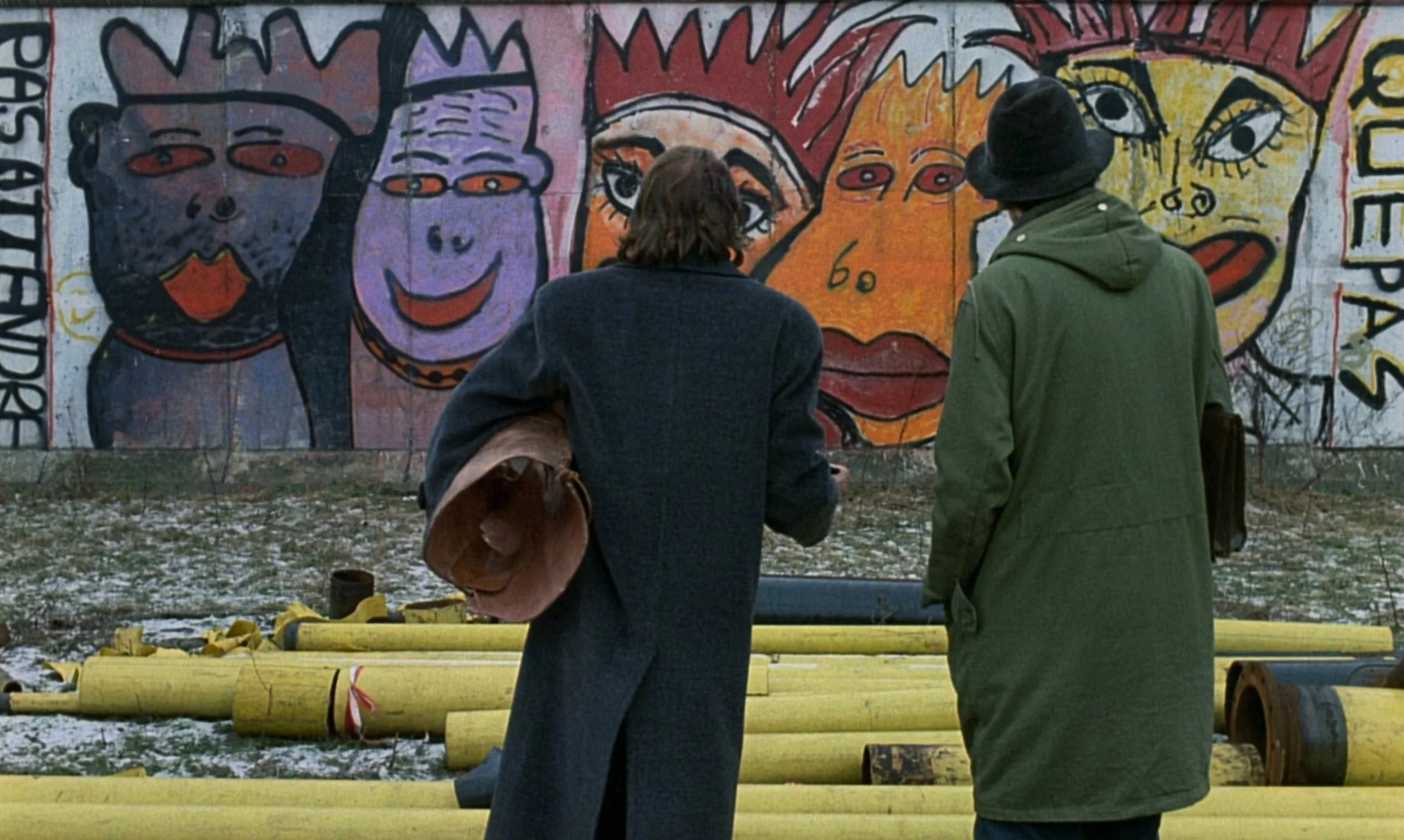
Wenders makes one of the most poetic philosophical films in cinema with a very novel storytelling device. The black and white film is told through angels’ point of view listening in on the minds of the humans below. As the audience, we’re also able to peek into the minds of stranger’s struggles resulting in a very contemplative and existential story. Like all of Wender’s films, this one is very observational afforded by the POV shots breaking the fourth fall. This makes the experience spiritual and more powerful to the viewer. But unlike his other films, this script here is very verbose. The film looks deceptively outdated because of the black and white quality, but rest assured it’s actually quite modern especially once you see how color is utilized. Except Berlin doesn’t have nearly as much color shown in this film.
Analysis:
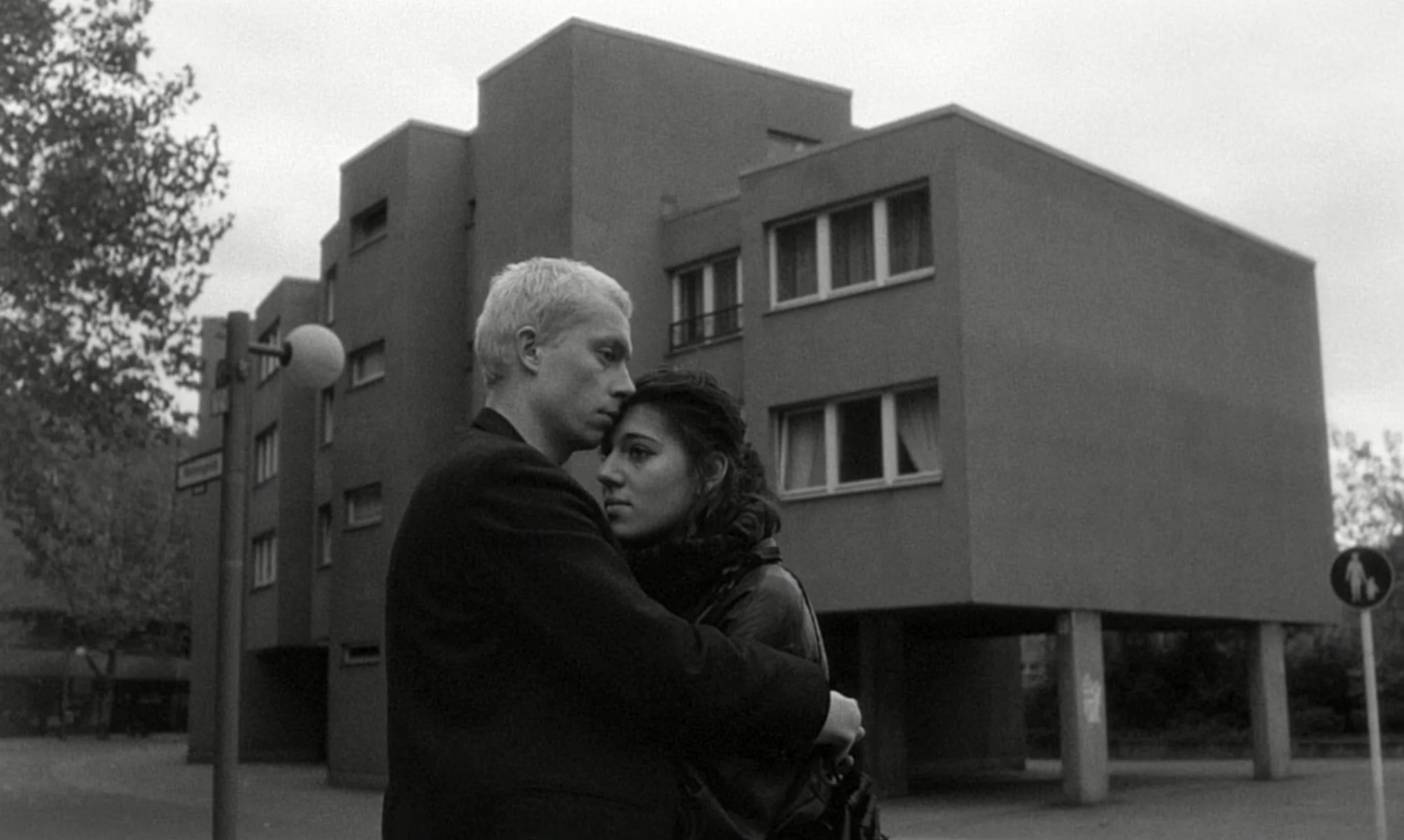
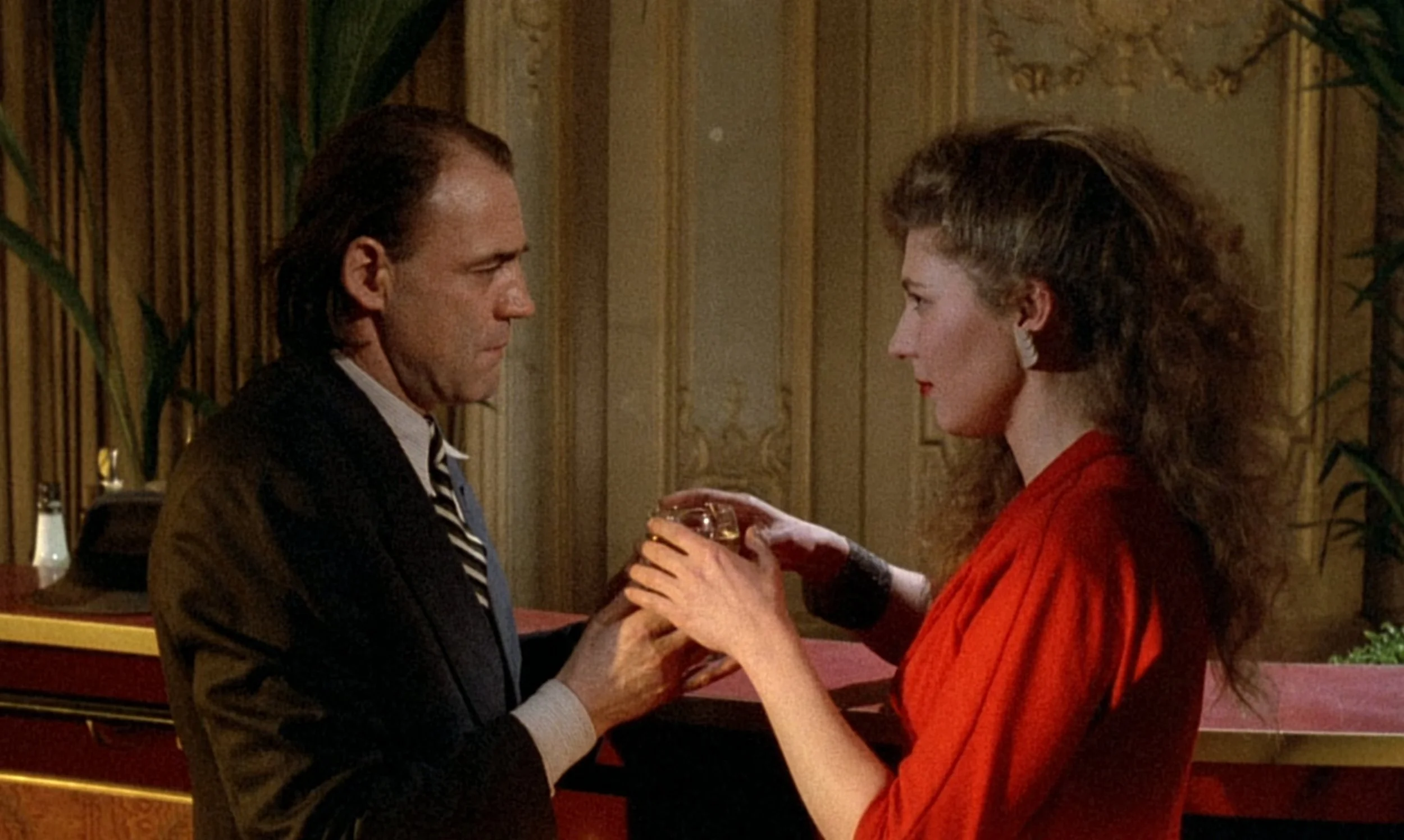
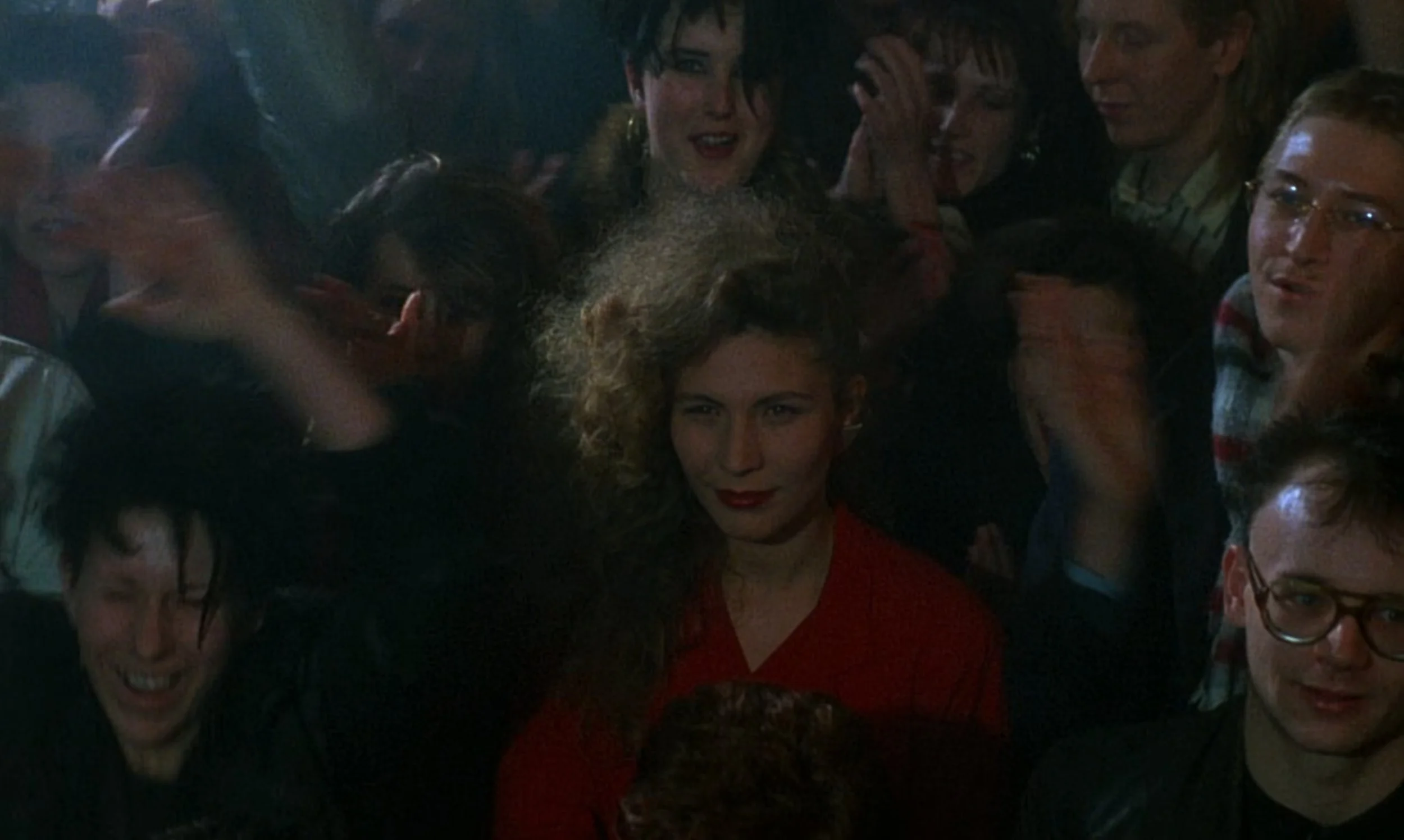
The film is about the existential struggles of life. No matter how difficult things may get, being human is still better than feeling nothing as an omniscient angel. It's quite touching especially when the angel decides to become human. It's ultimately a pretty uplifting message with a isolated tone. Human connection is worth it after all.
Conclusion:
The existential topics in this film moved me, but to be honest the philosophical elements were too dense to fully digest. I still don’t fully understand what Wenders had to say, partly because the film is so heavily dialogue focused. I prefer his more contemplative films that allow the scene to breathe and for us to take it in silently. Instead, we’re bombarded with poetic dialogue with lessened impact. I personally felt too much was said, but still found the story to be rewarding.
Recommendations
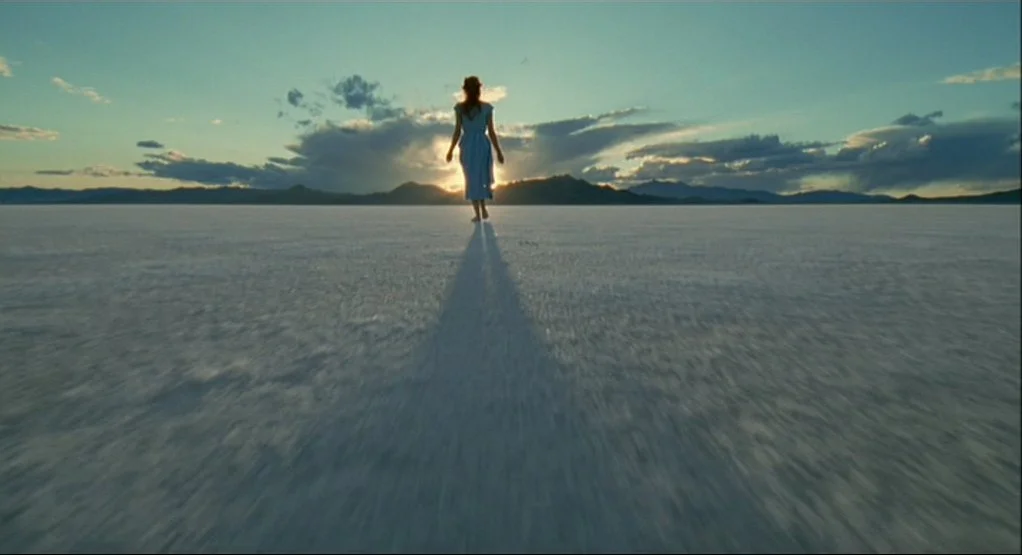
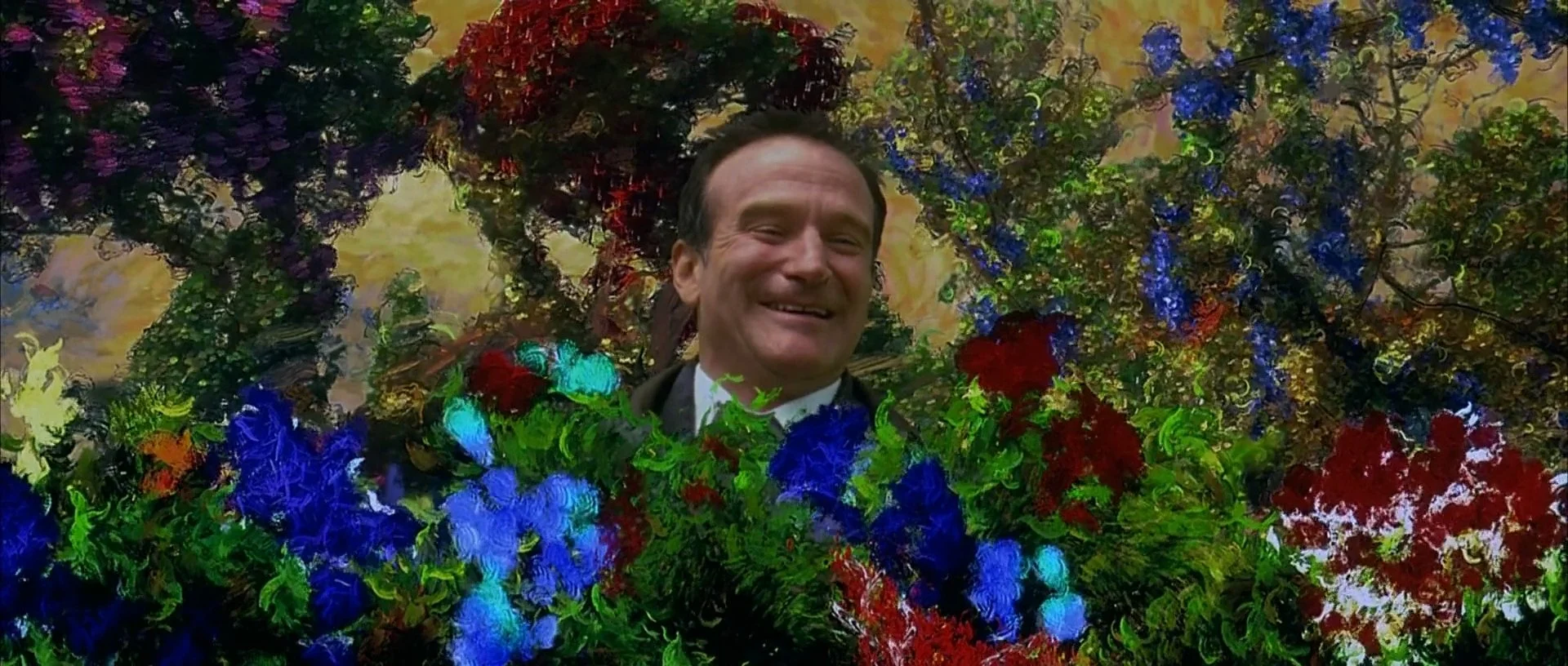
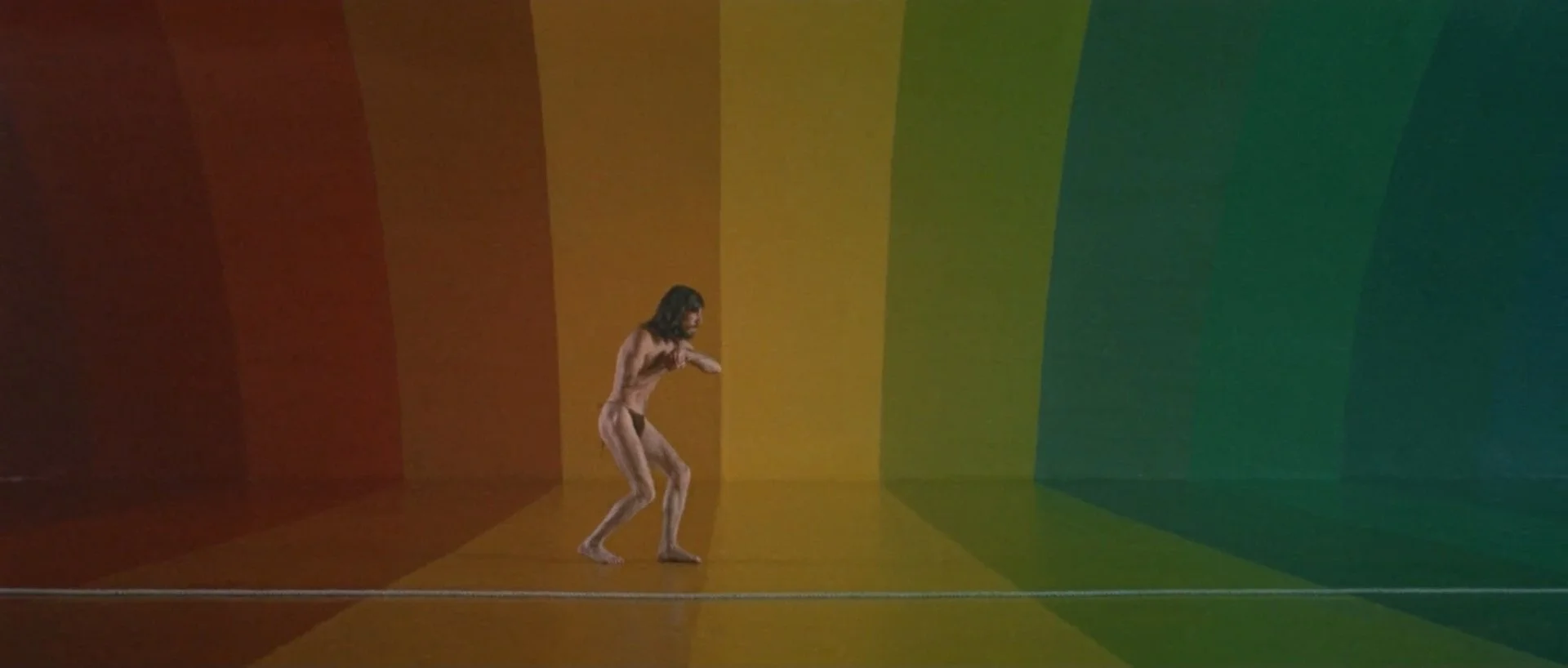
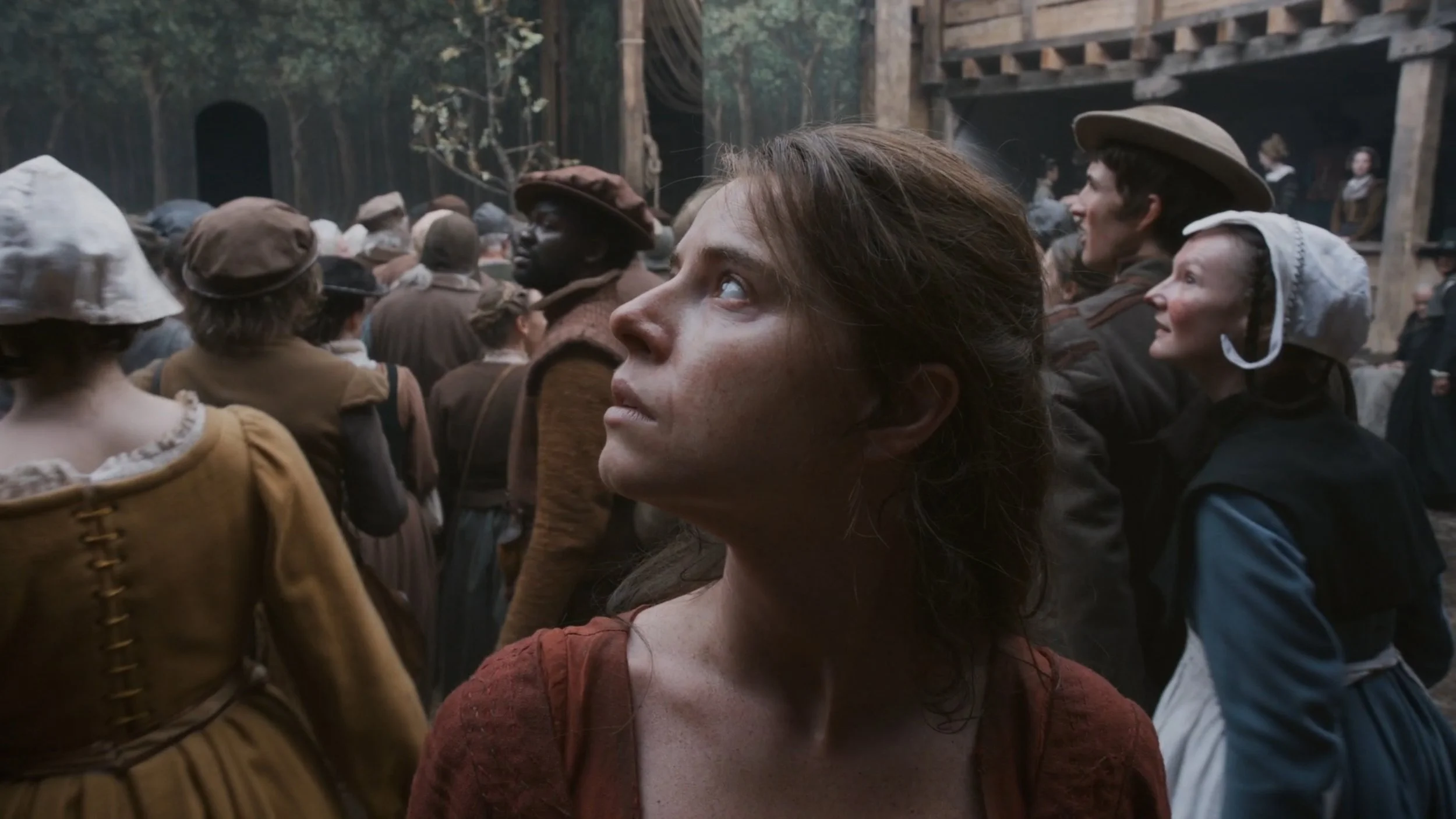





When Terrence Malick makes a film rather than a diary.