
Koyaanisqatsi (1982)



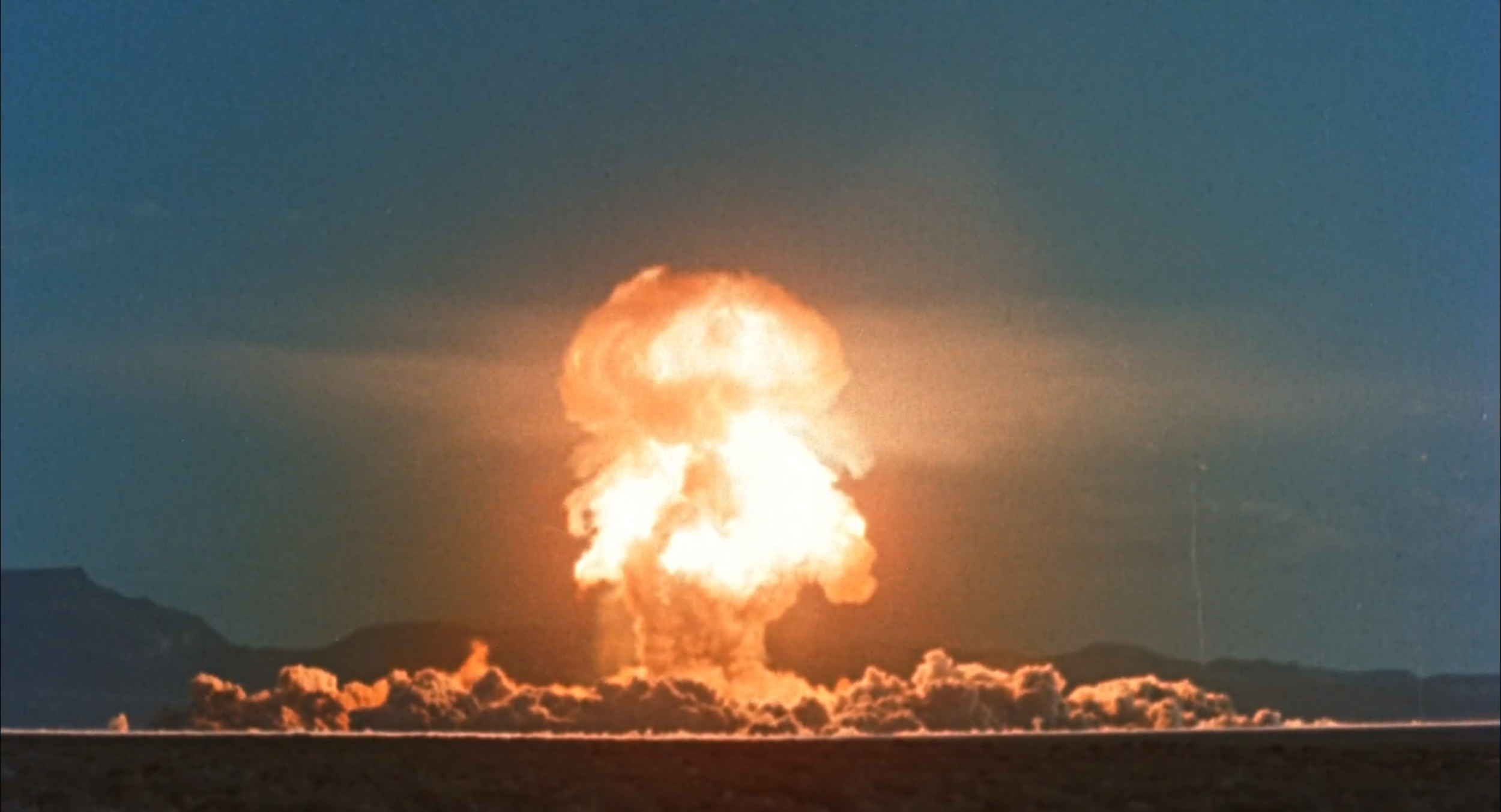
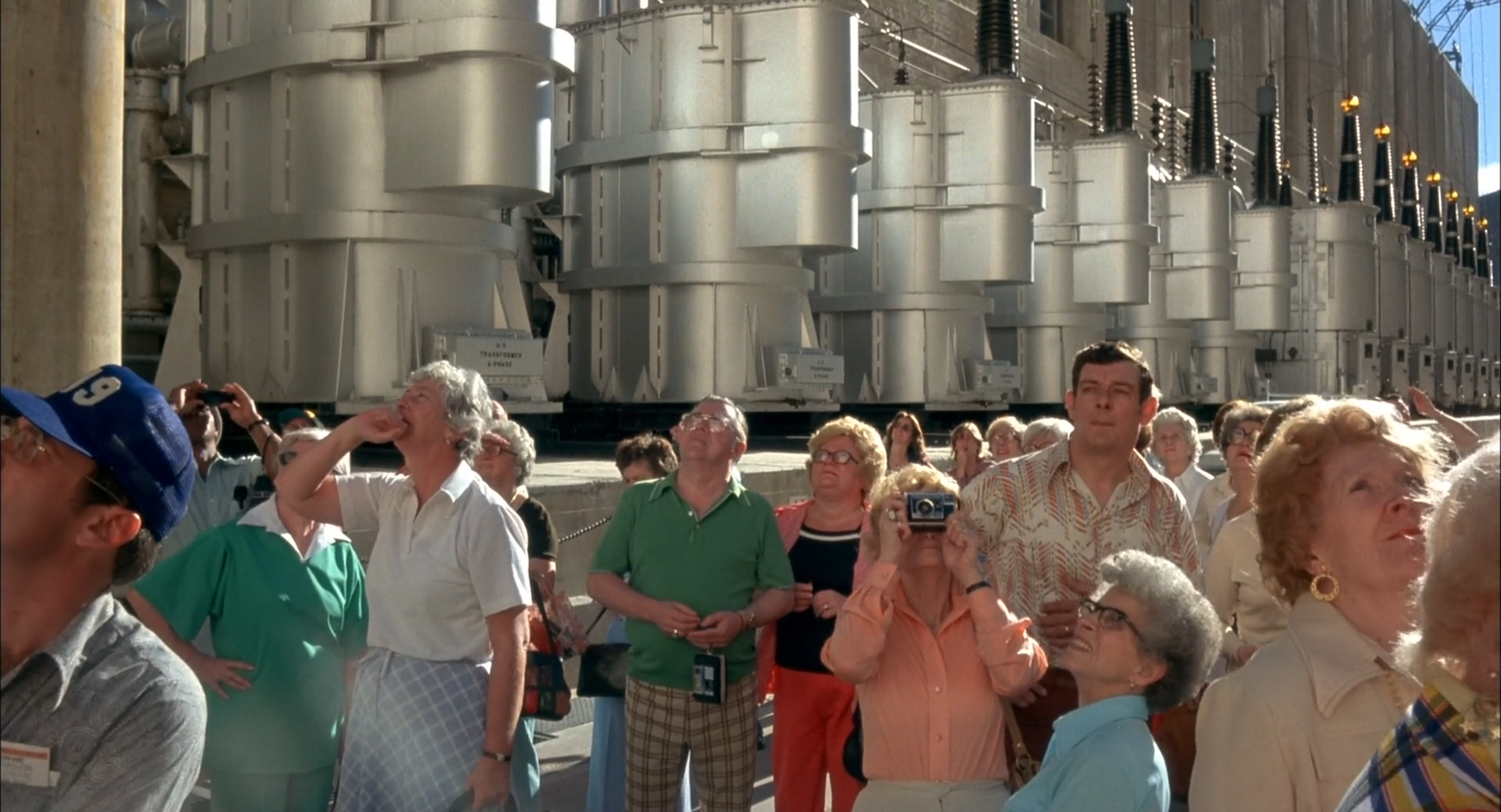
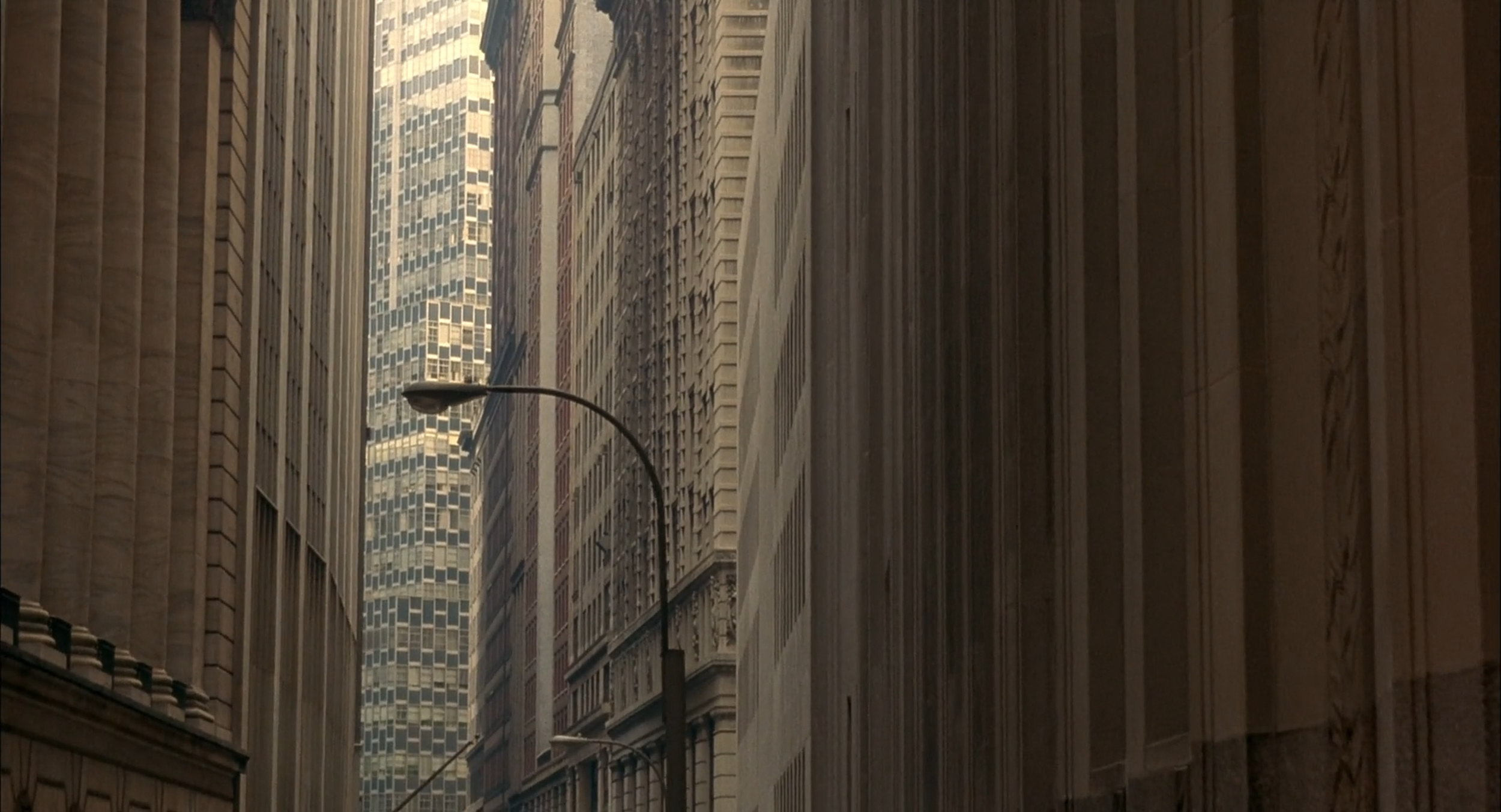
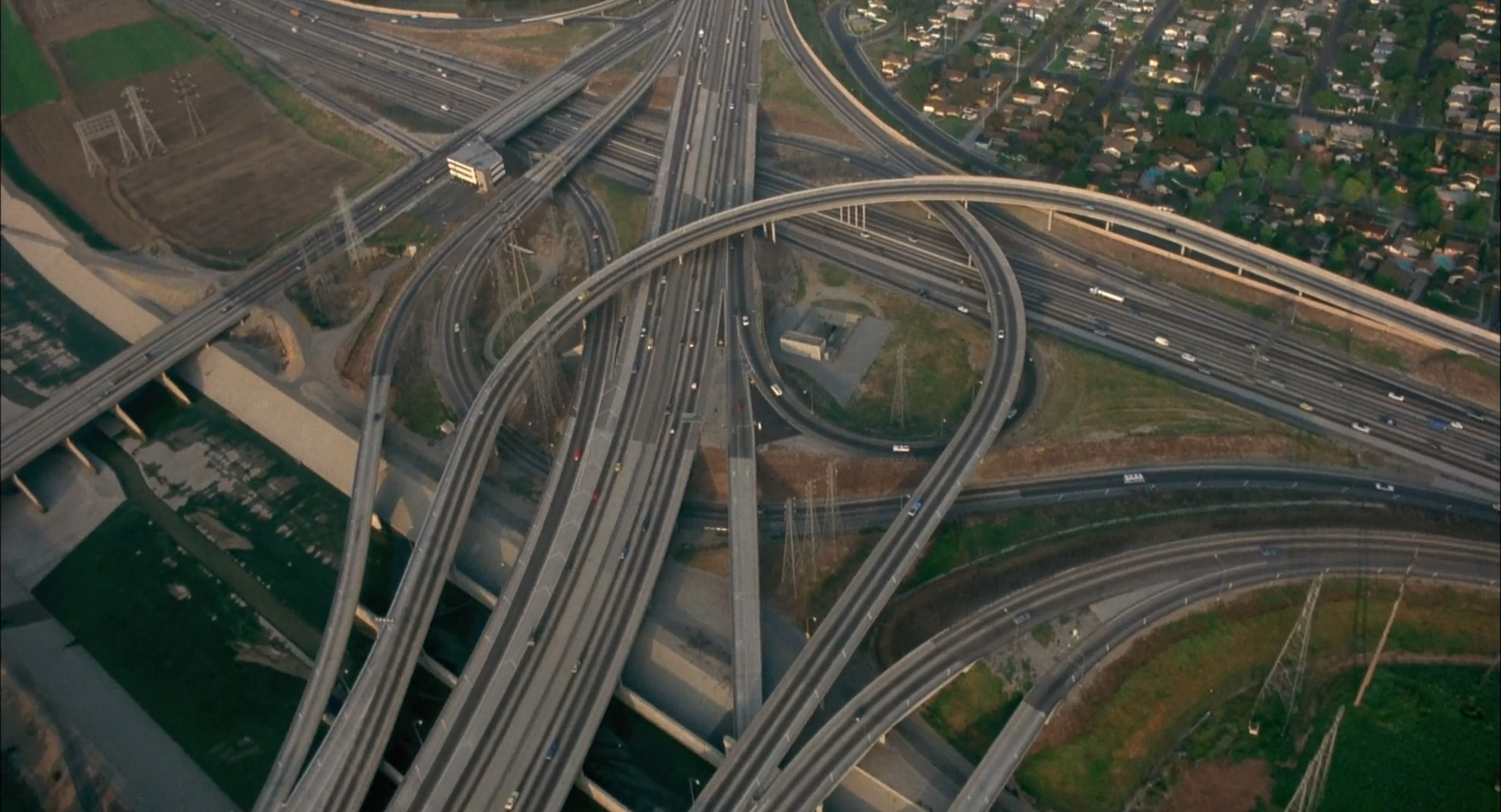

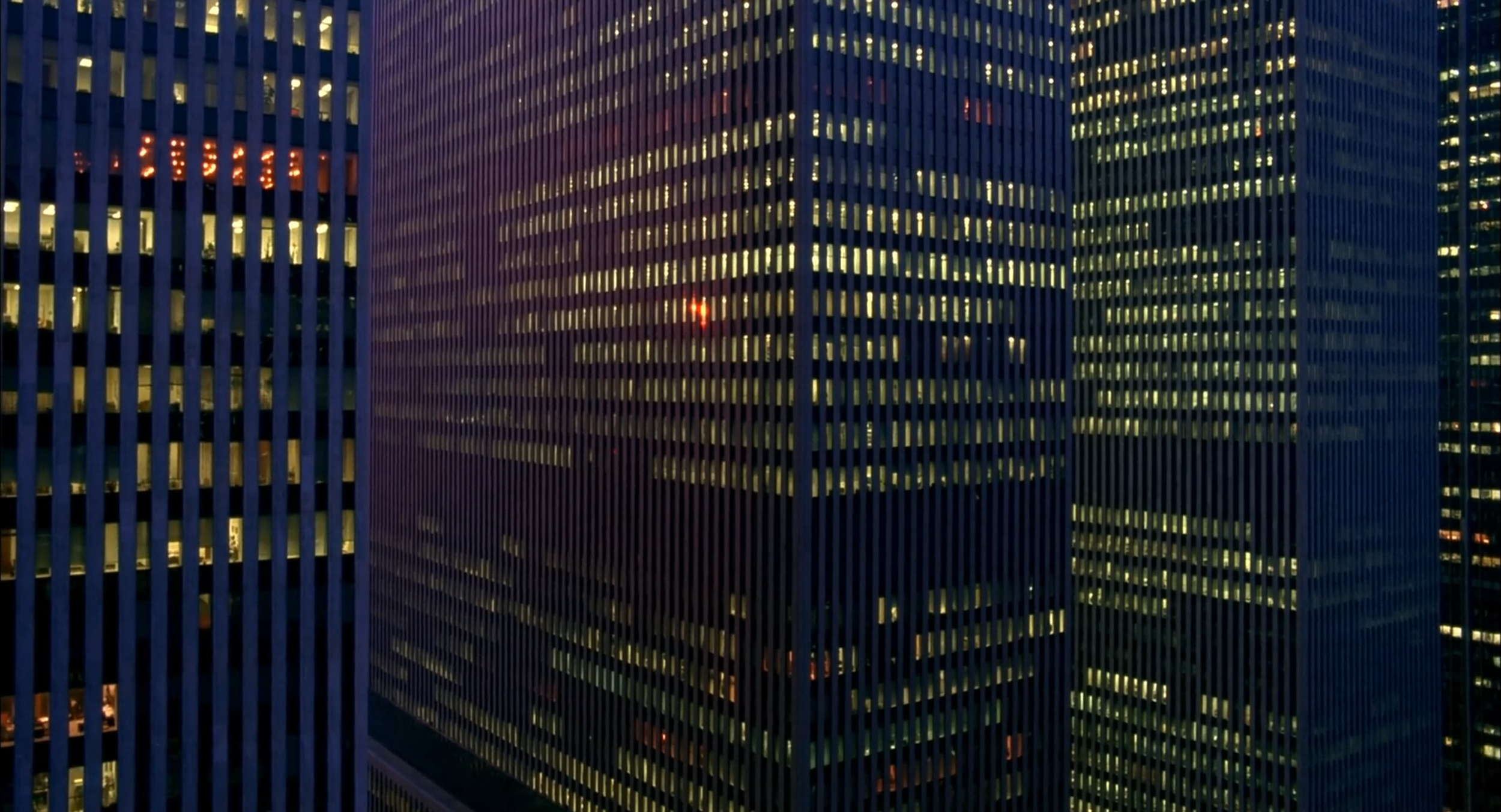

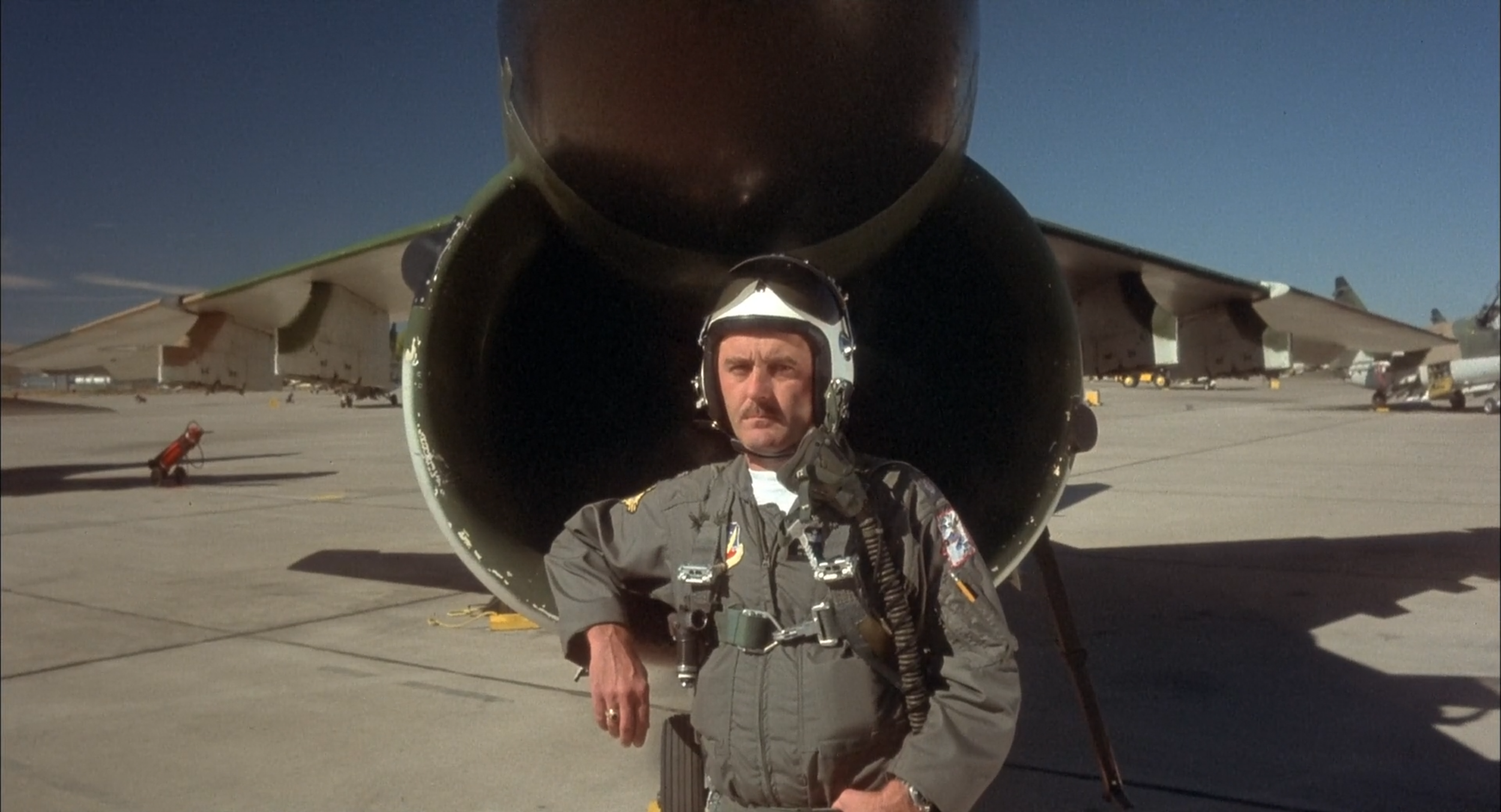
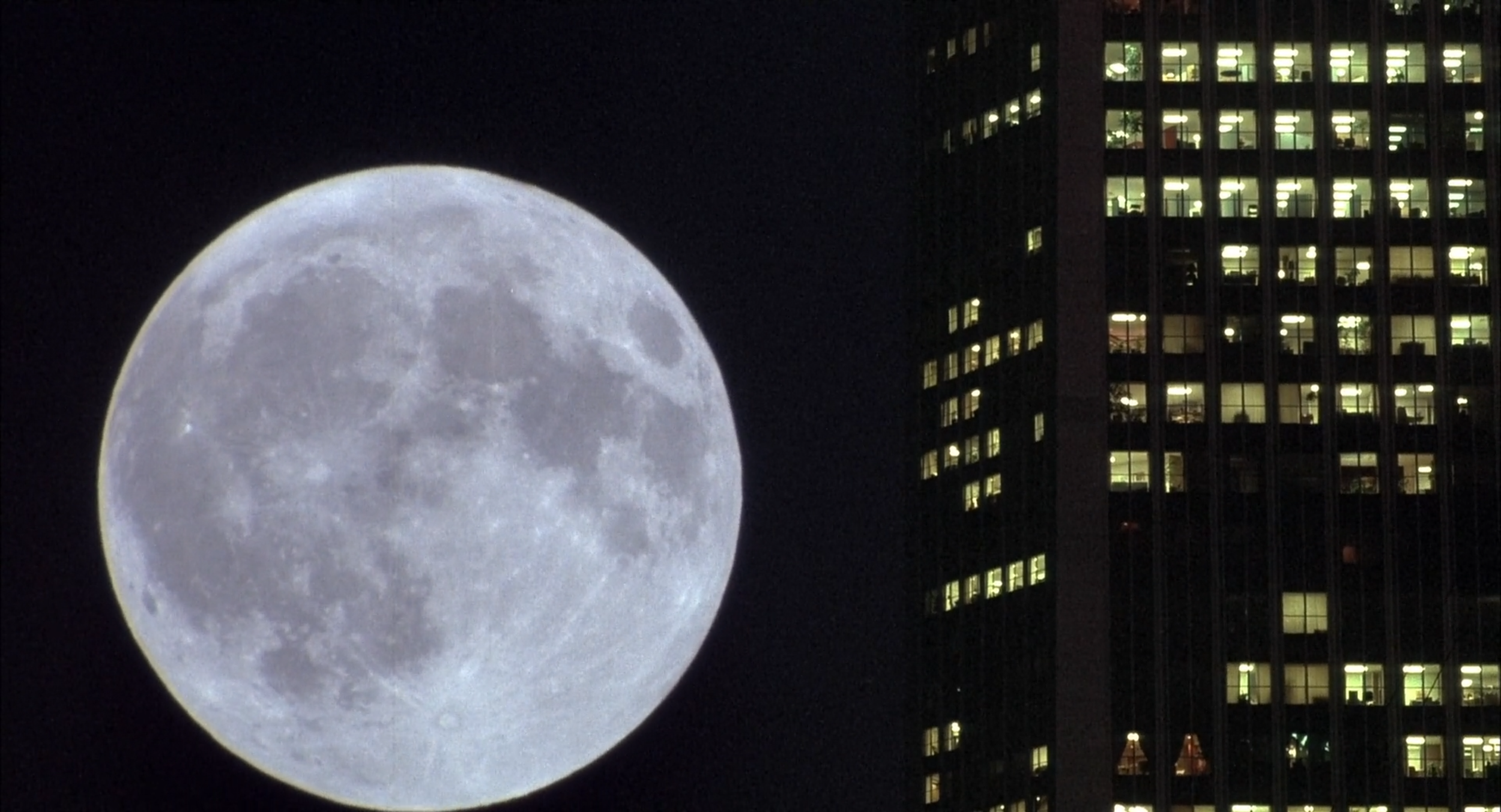
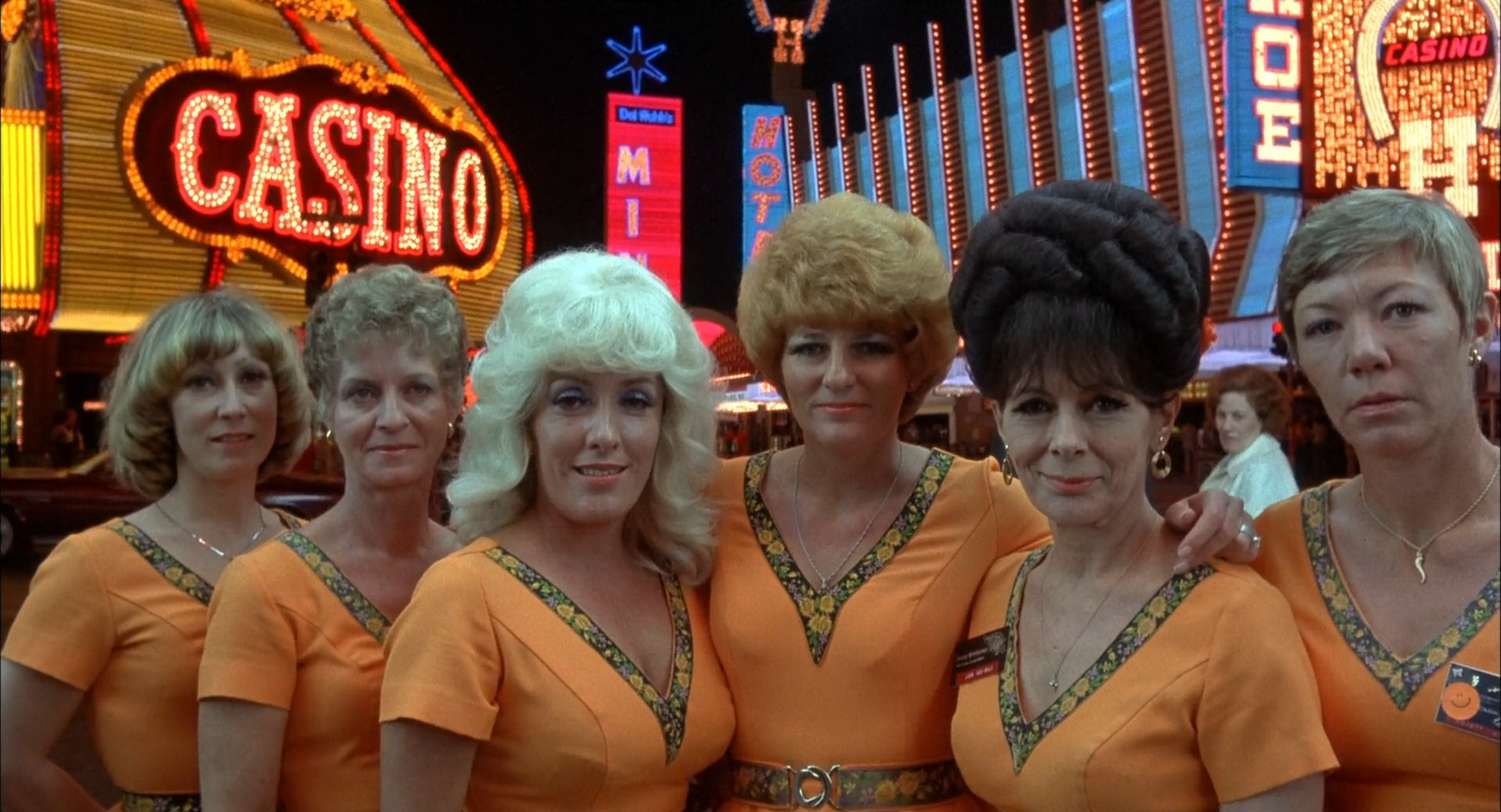




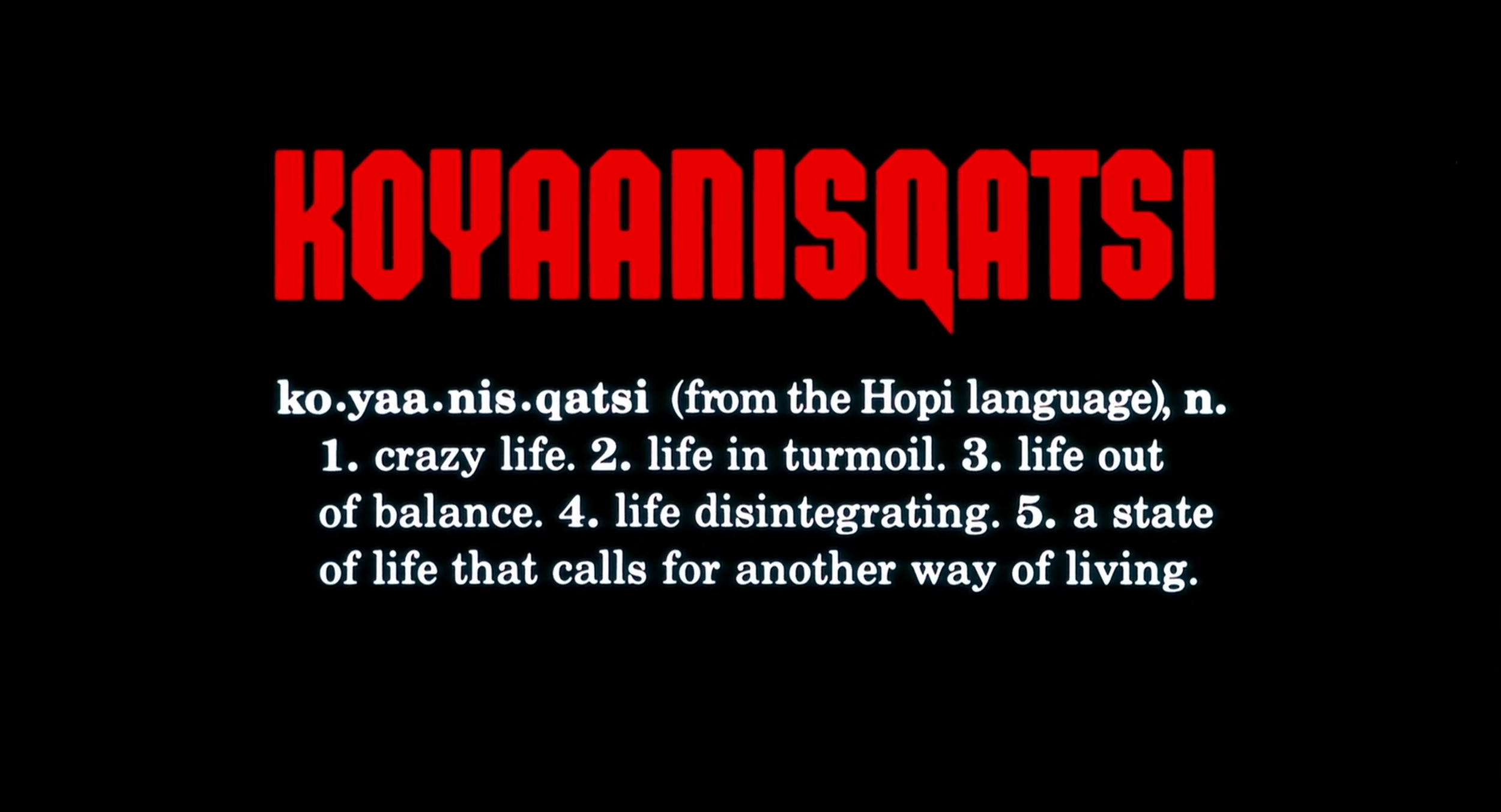
Portrait of a human civilization.
Presentation:
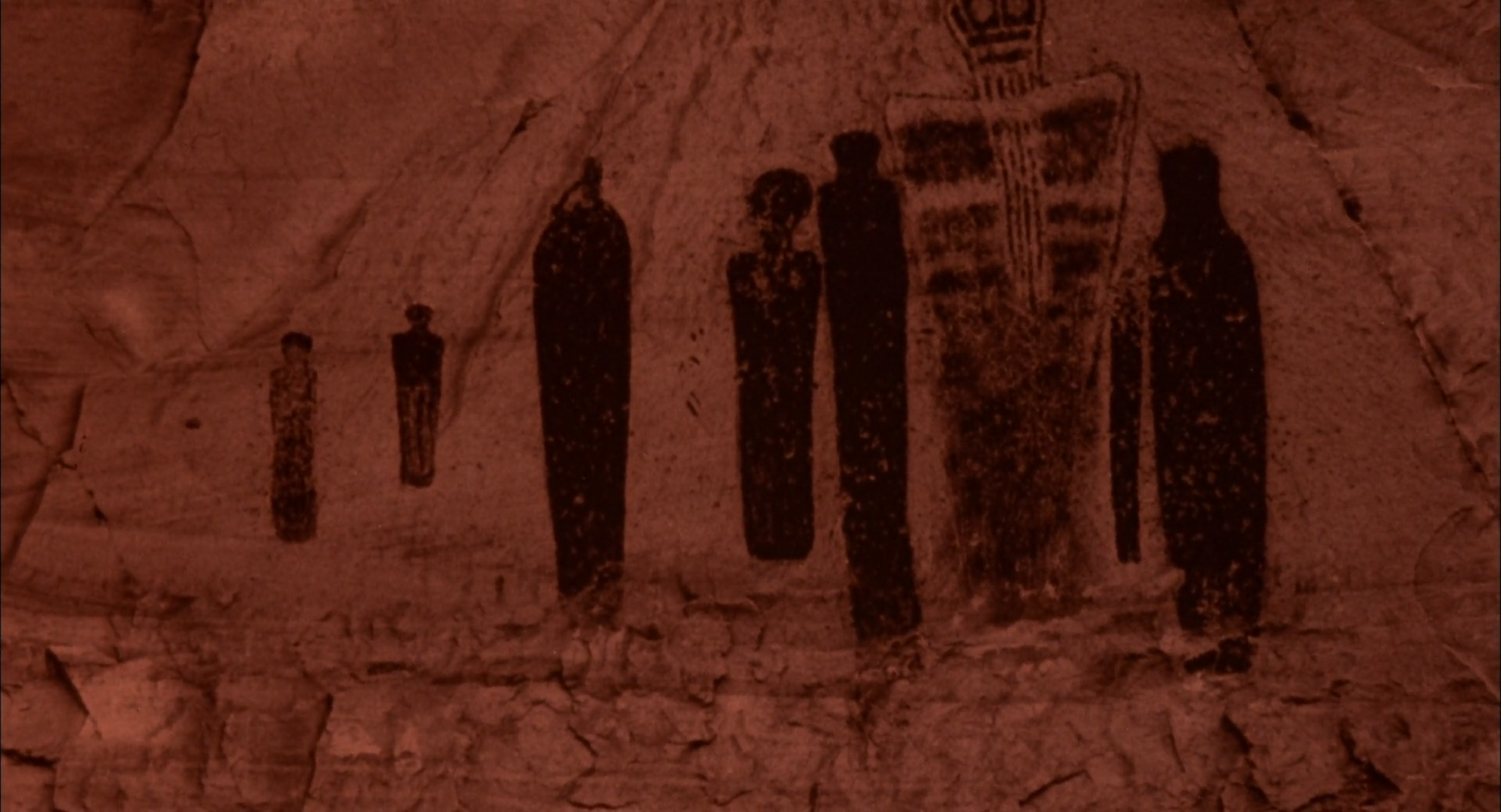
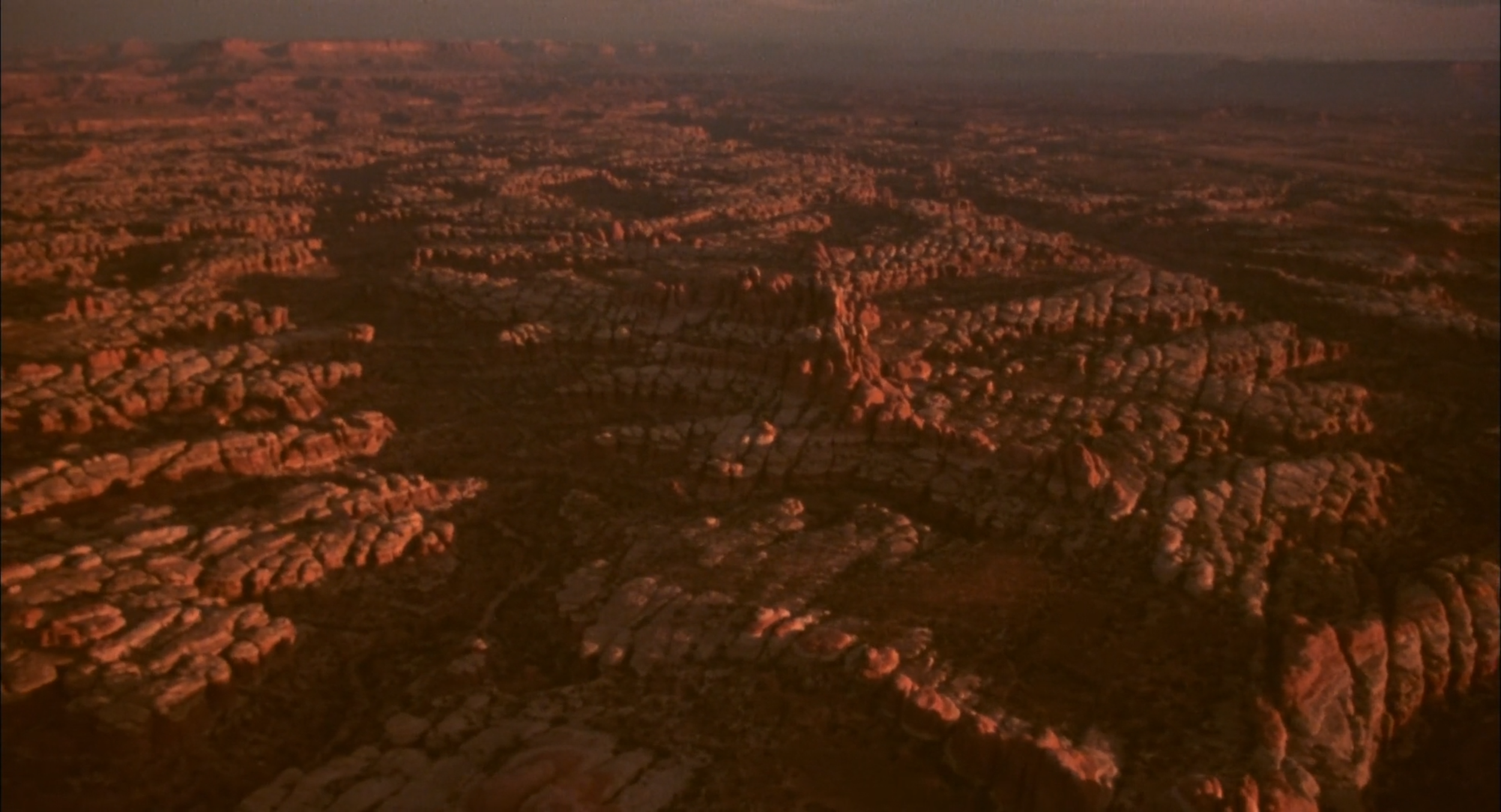
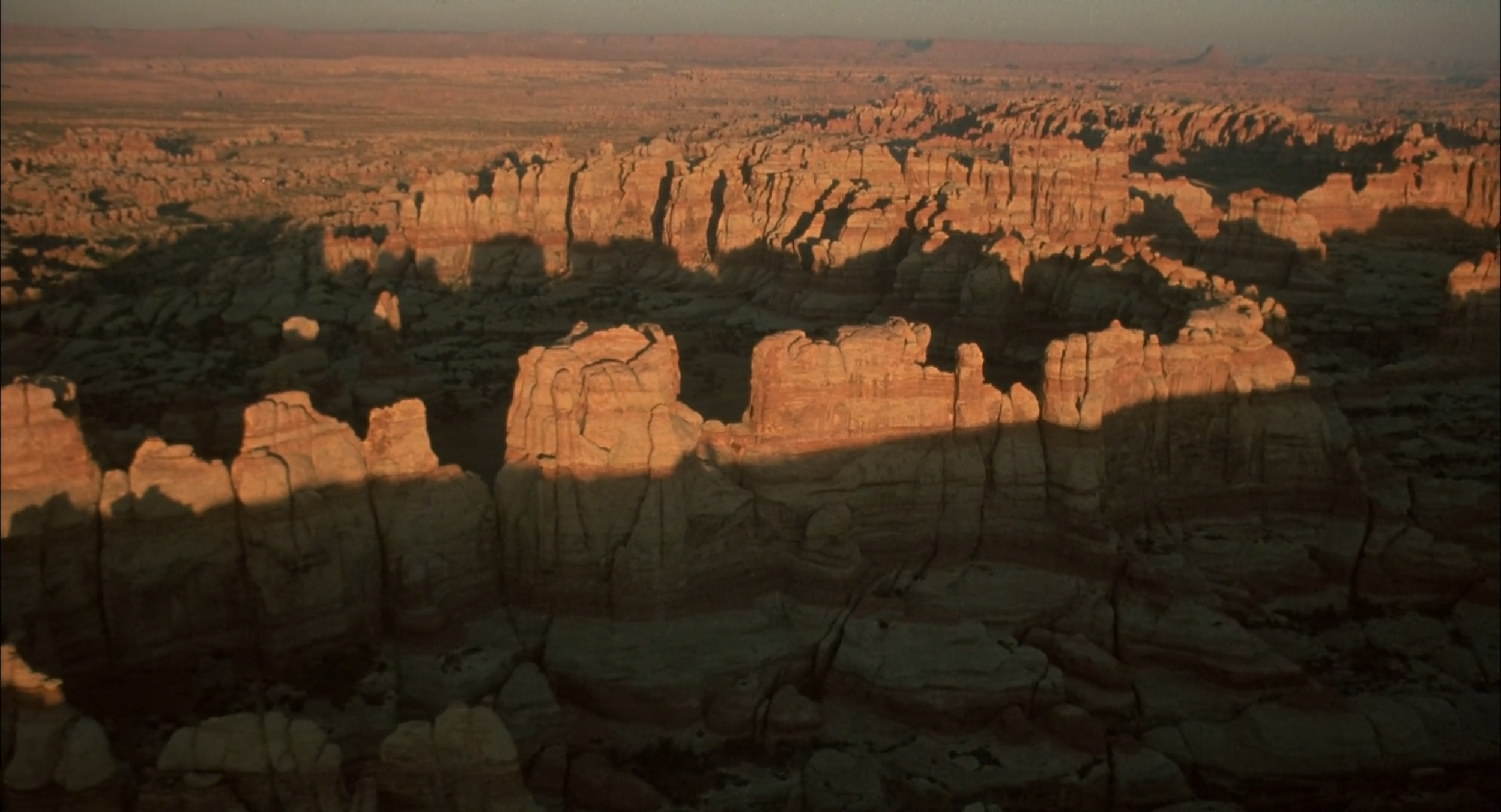
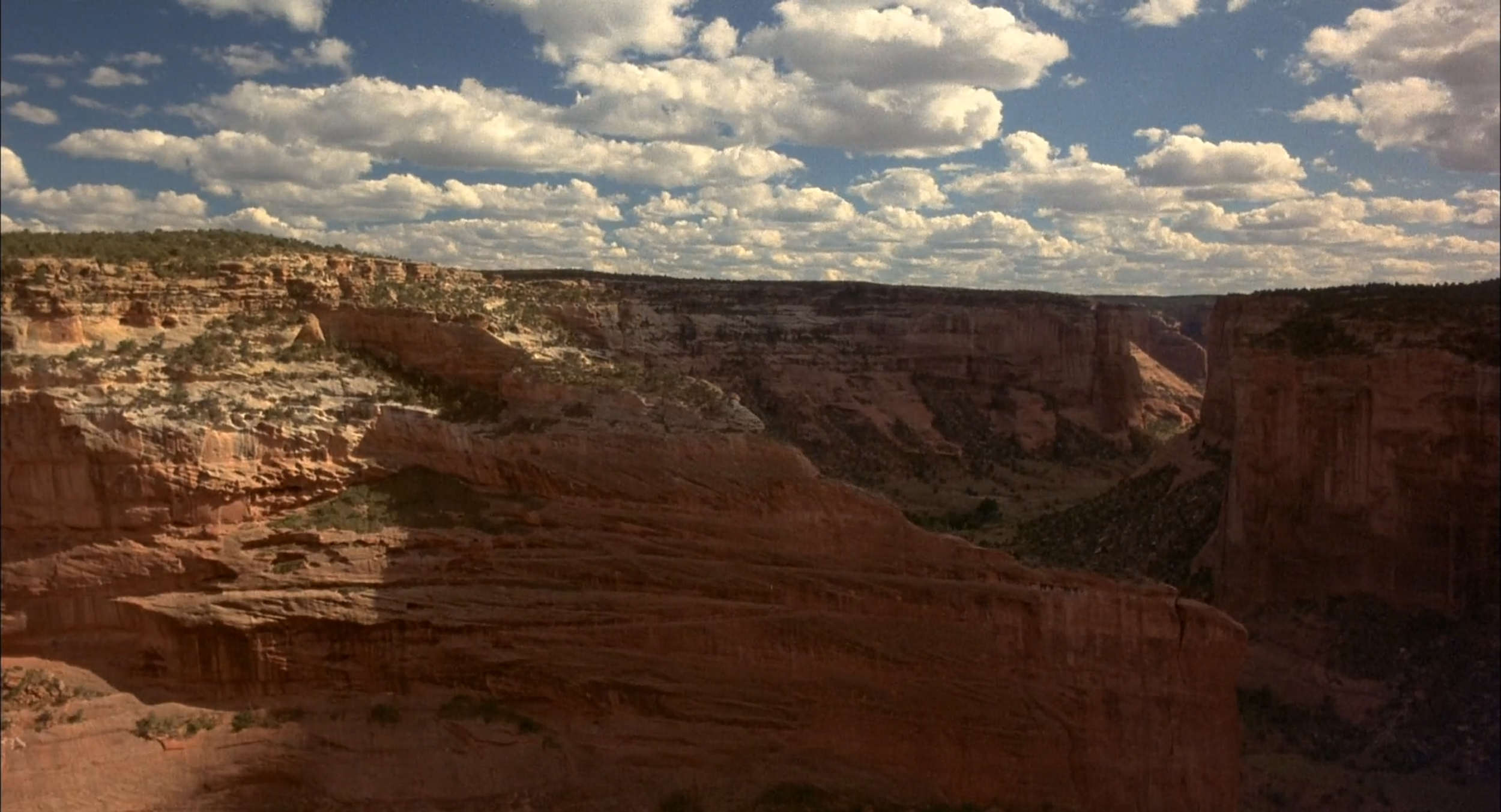
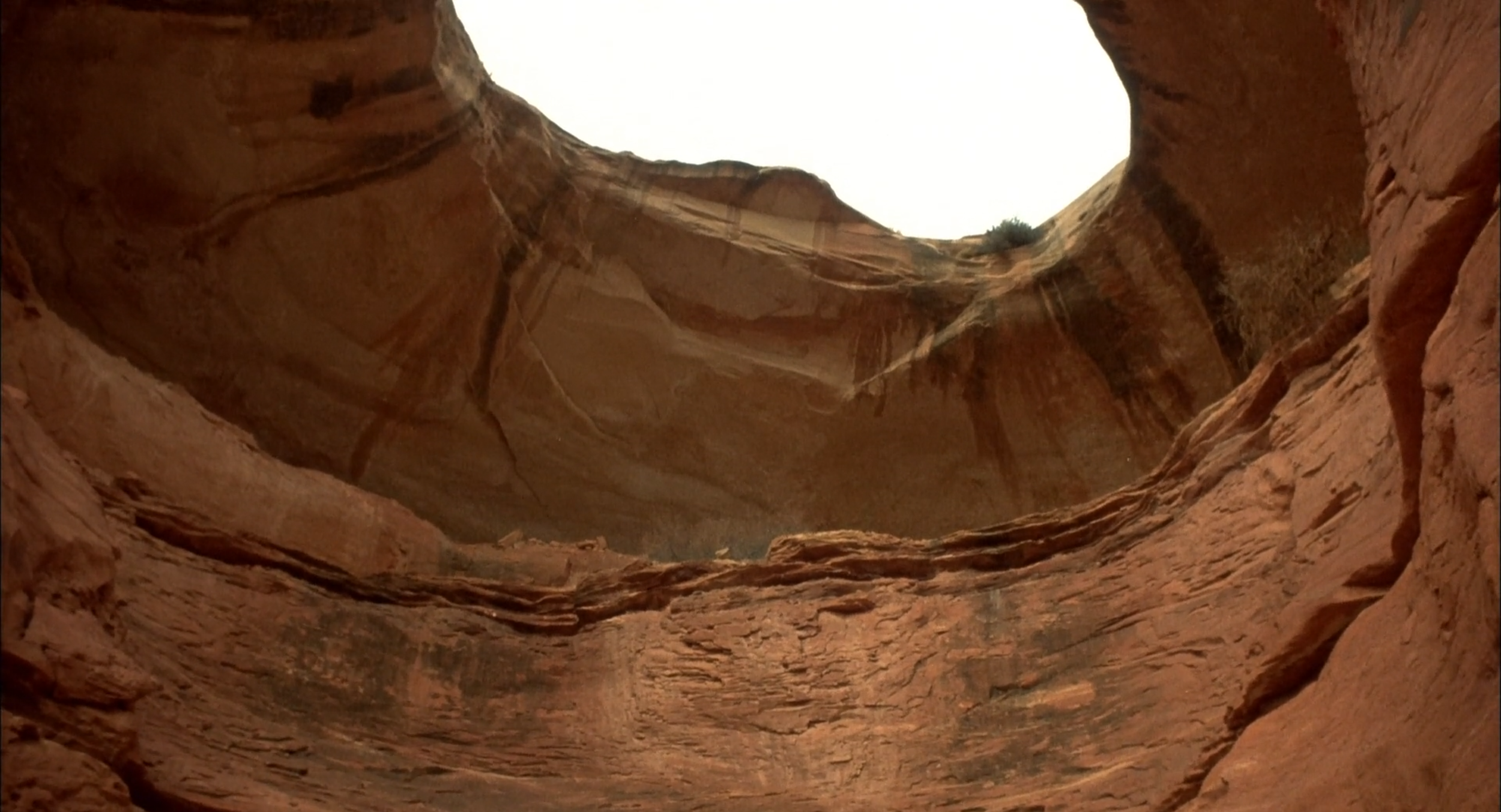
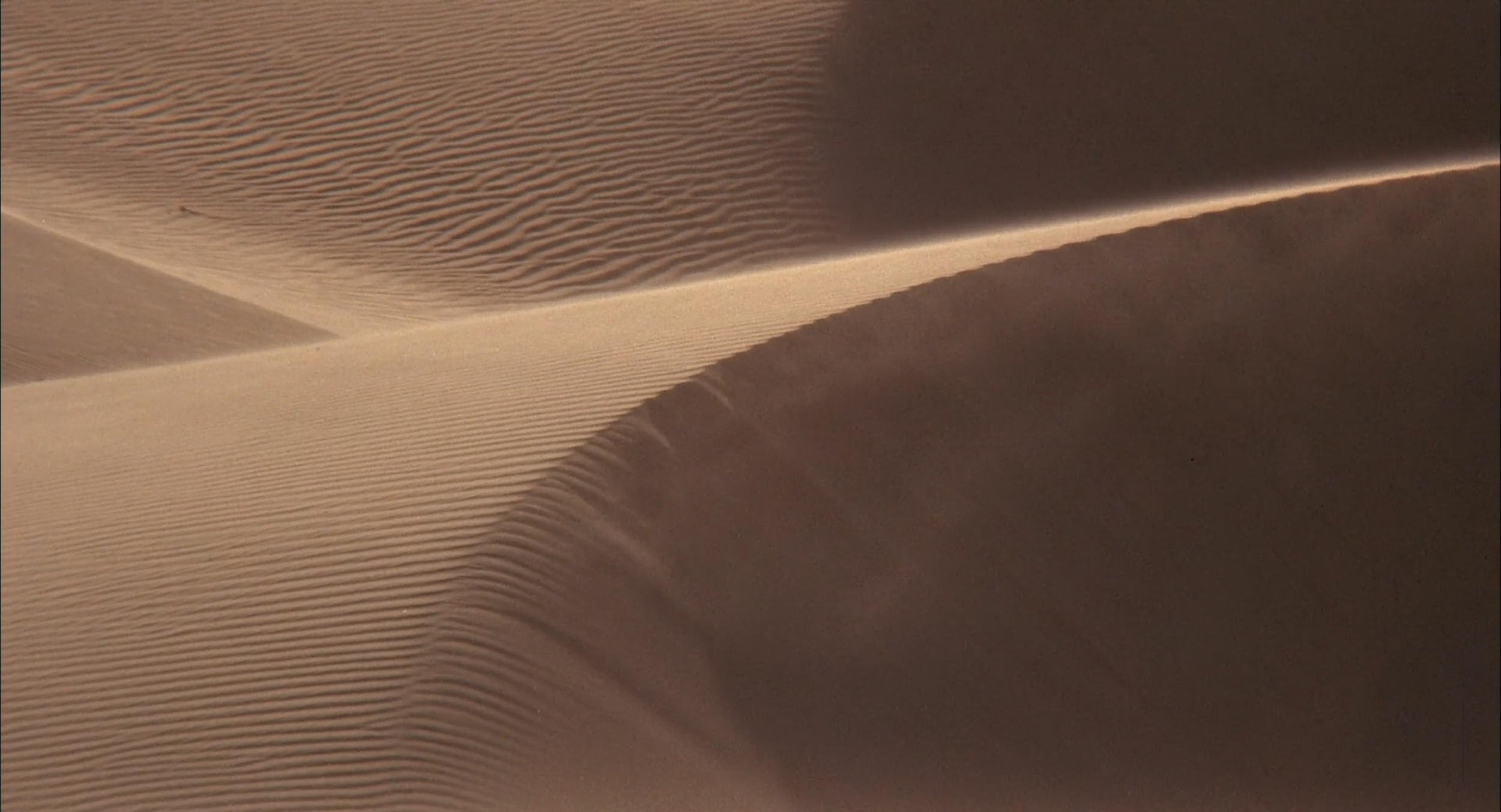
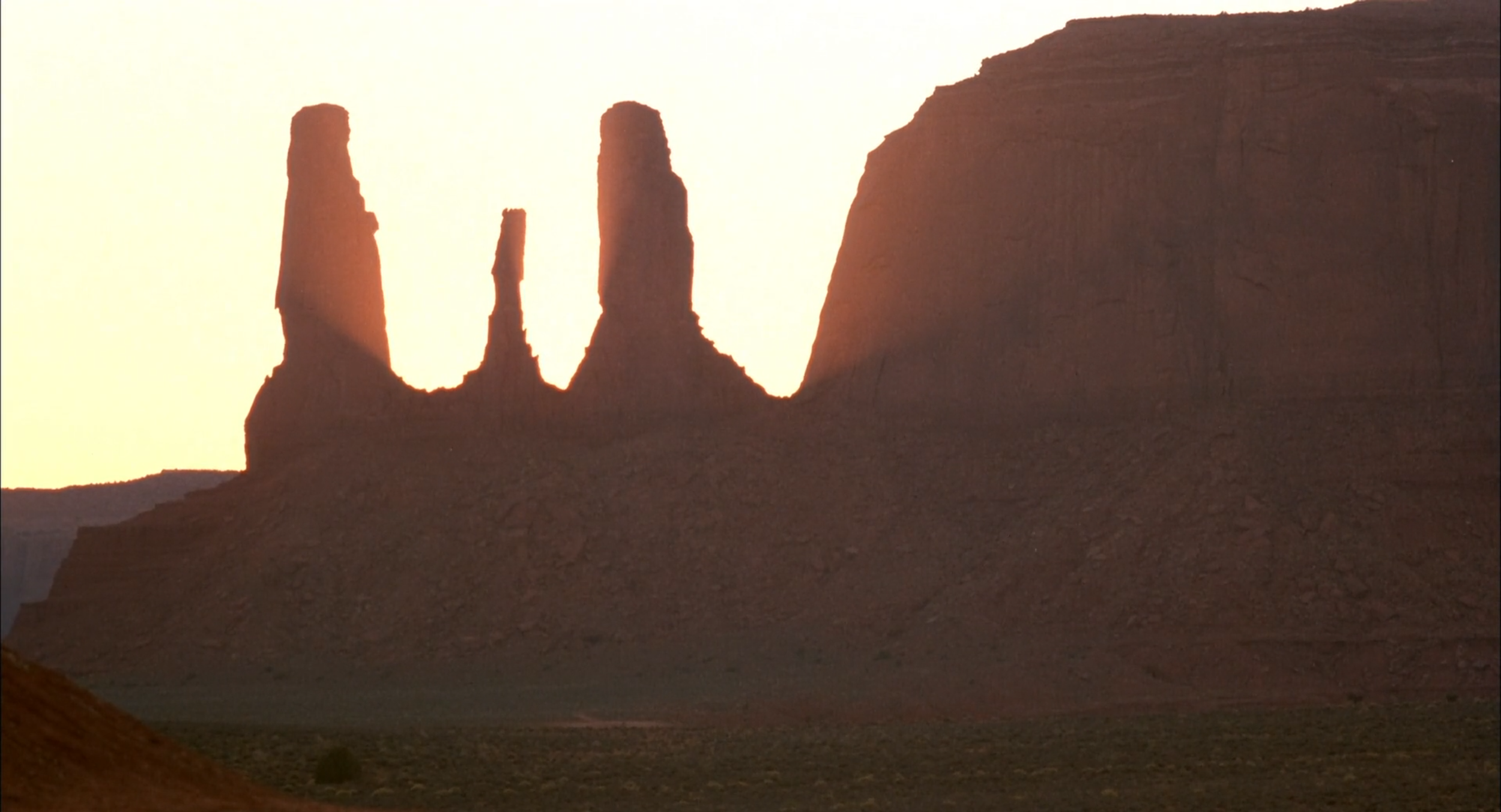
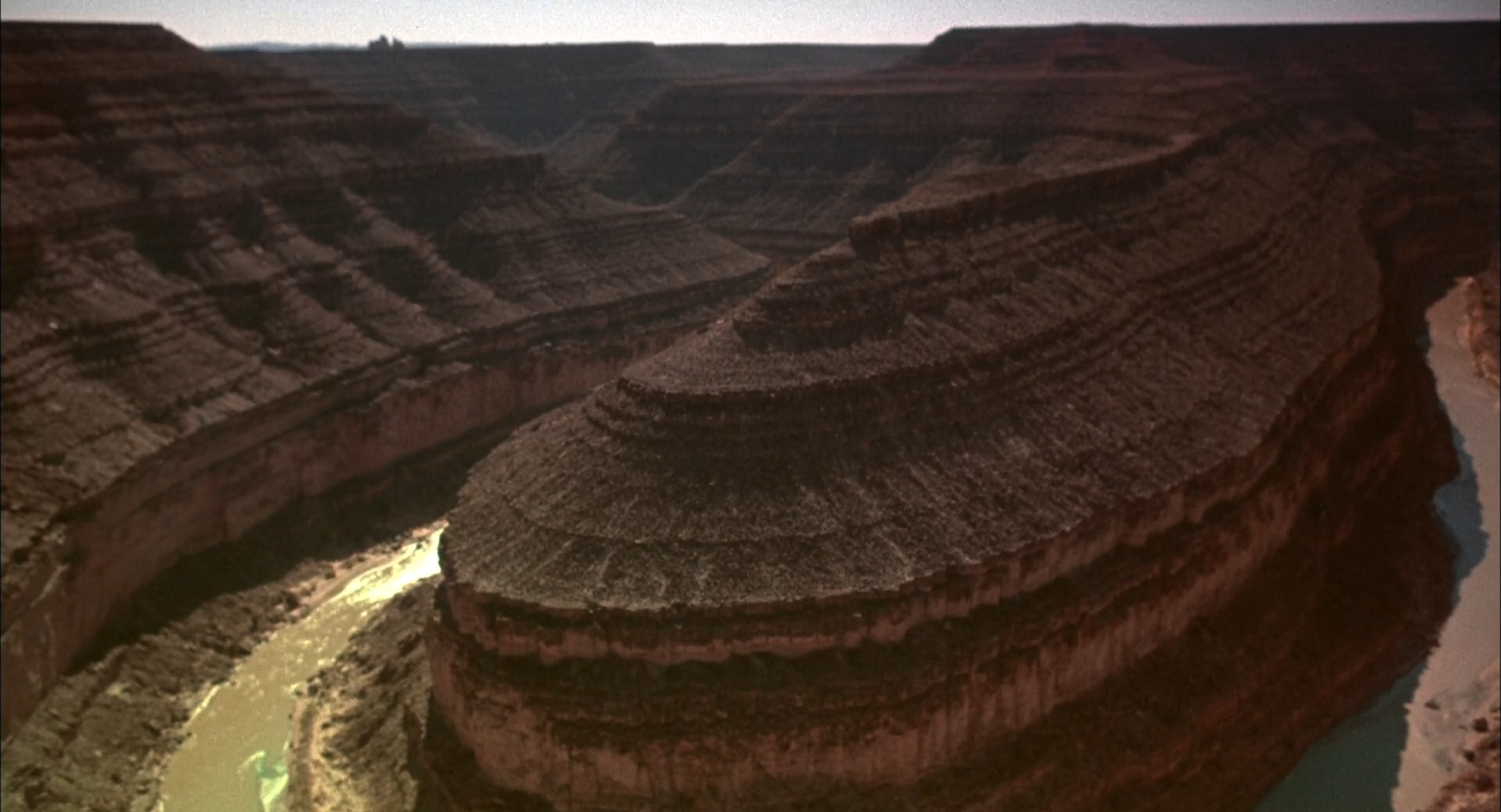
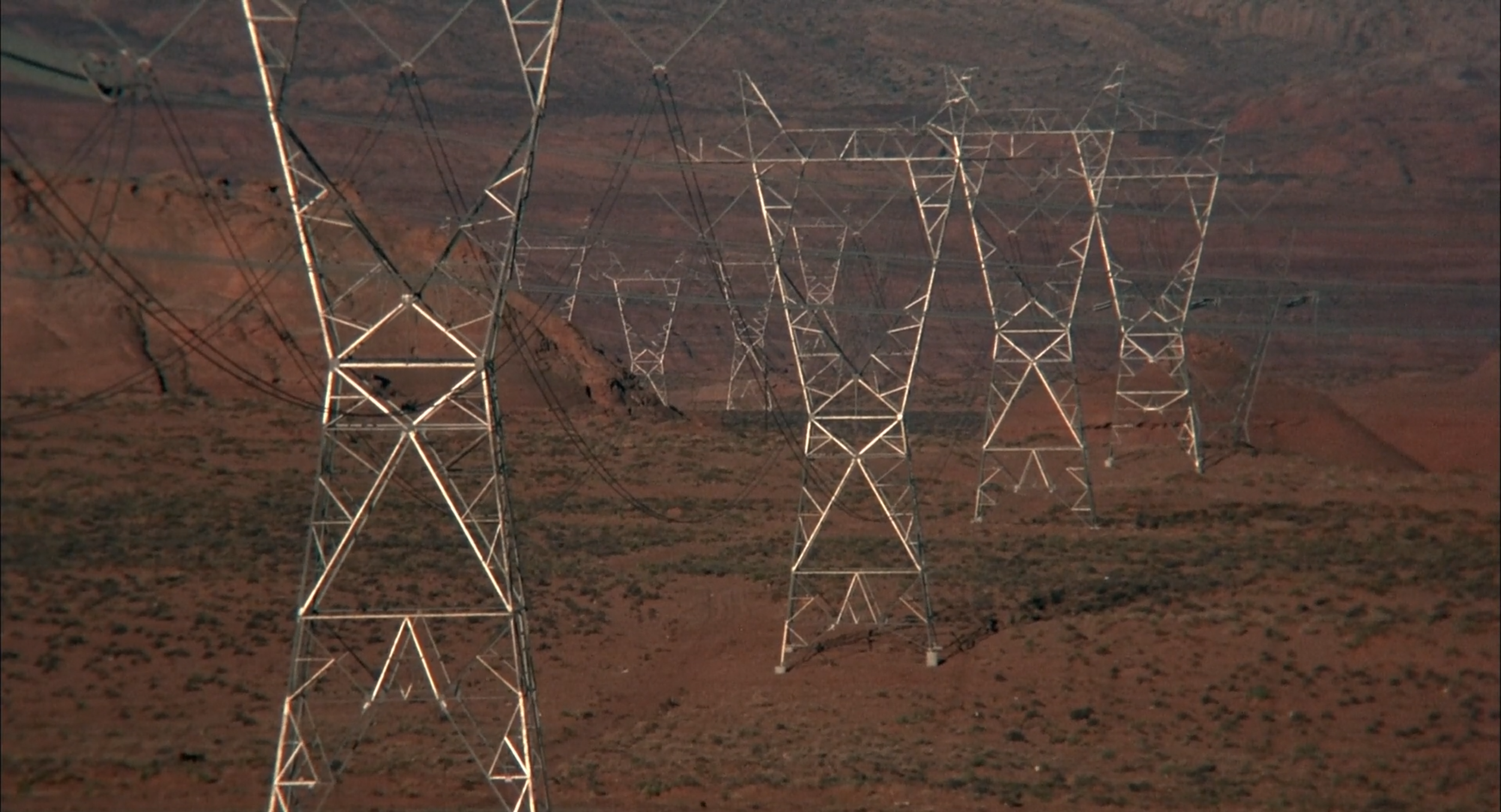
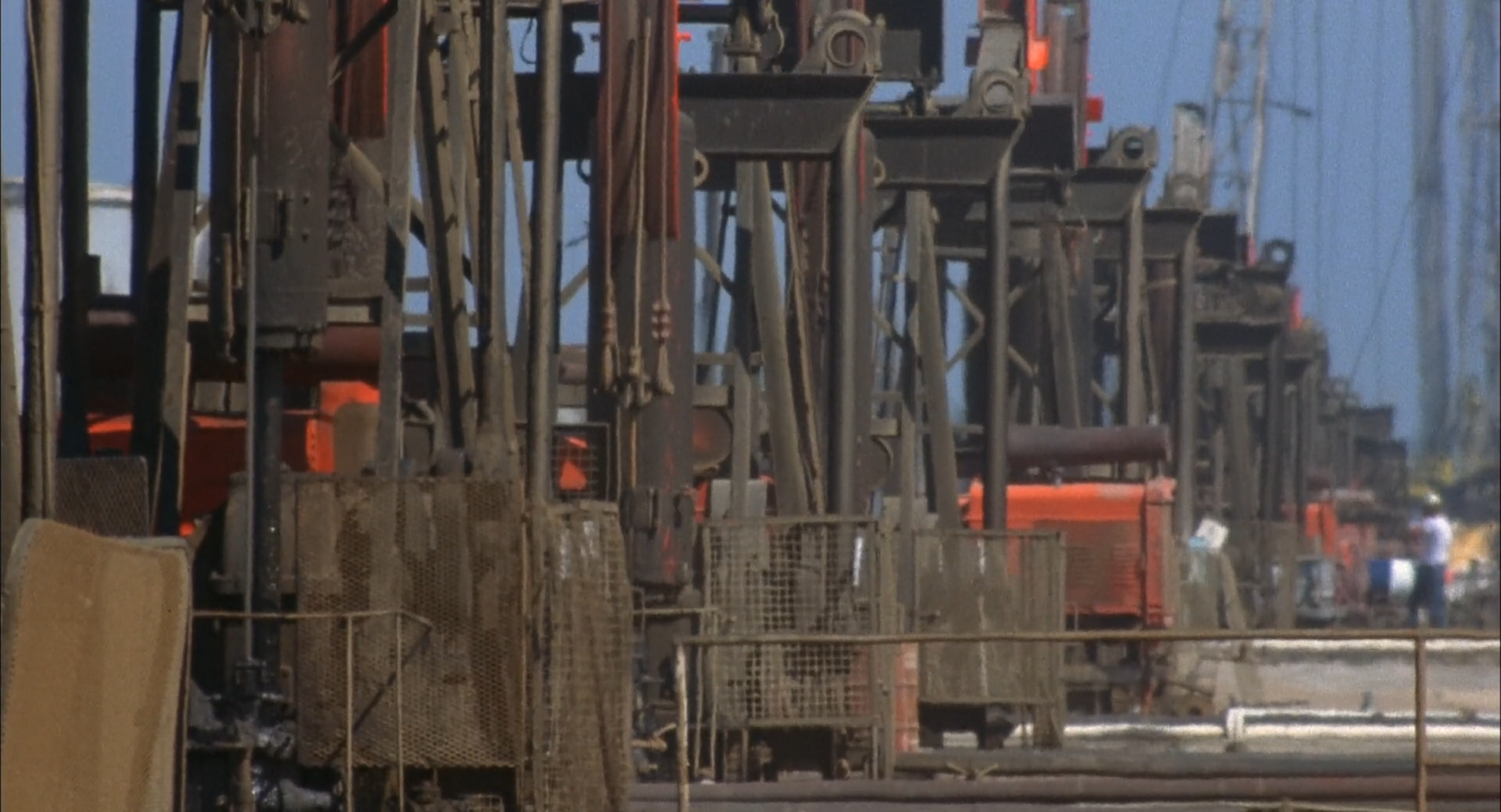
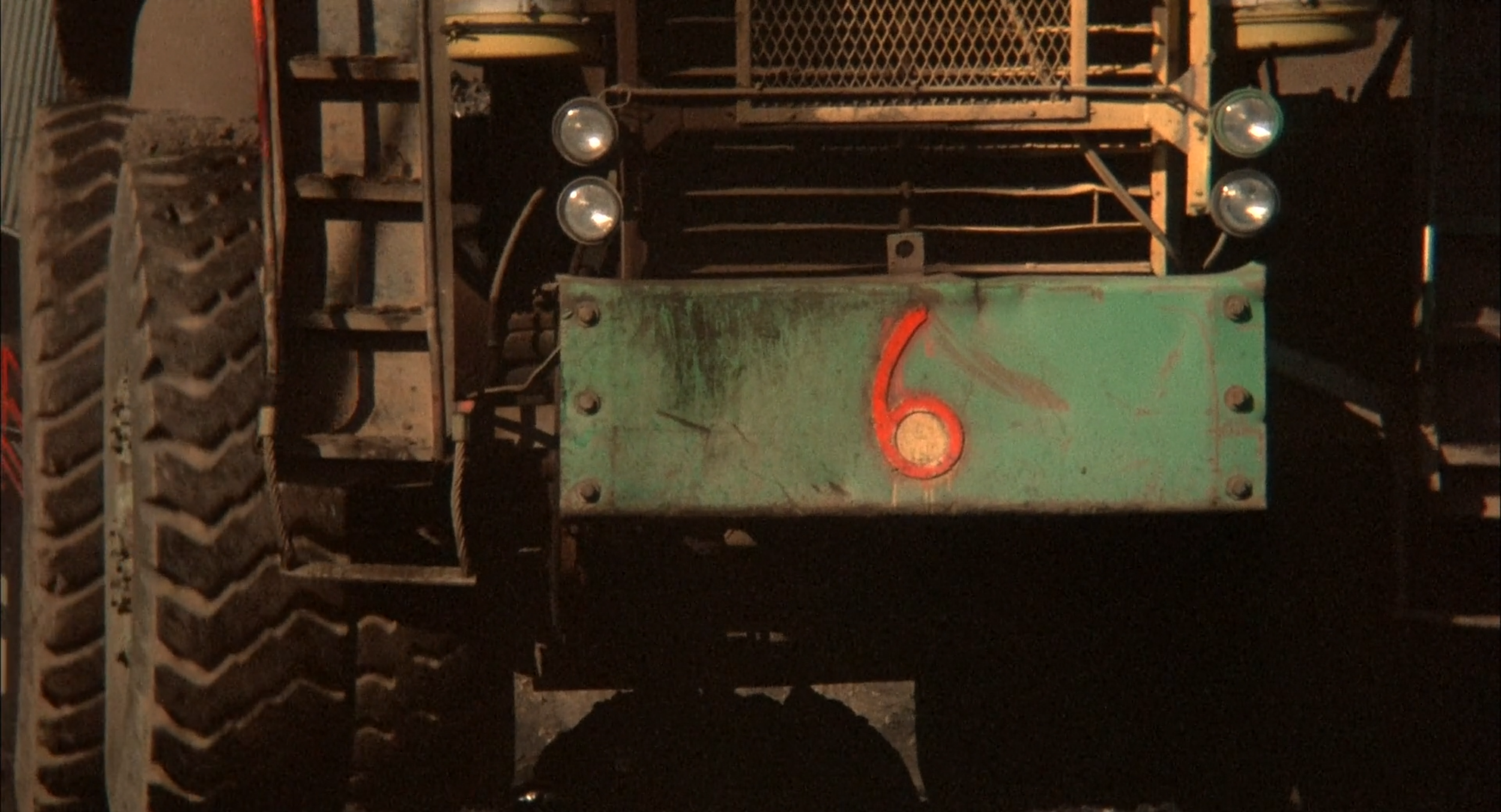
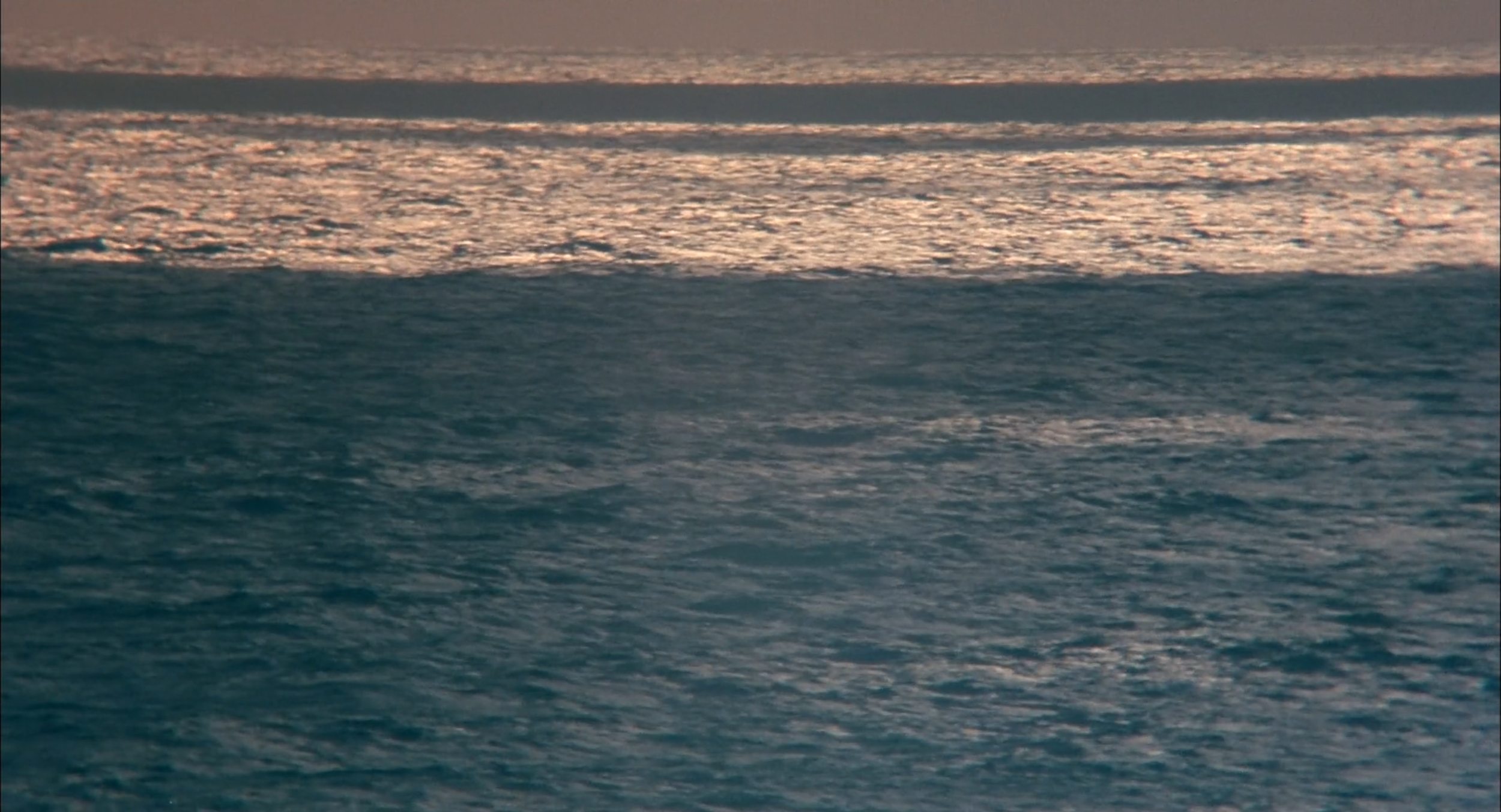
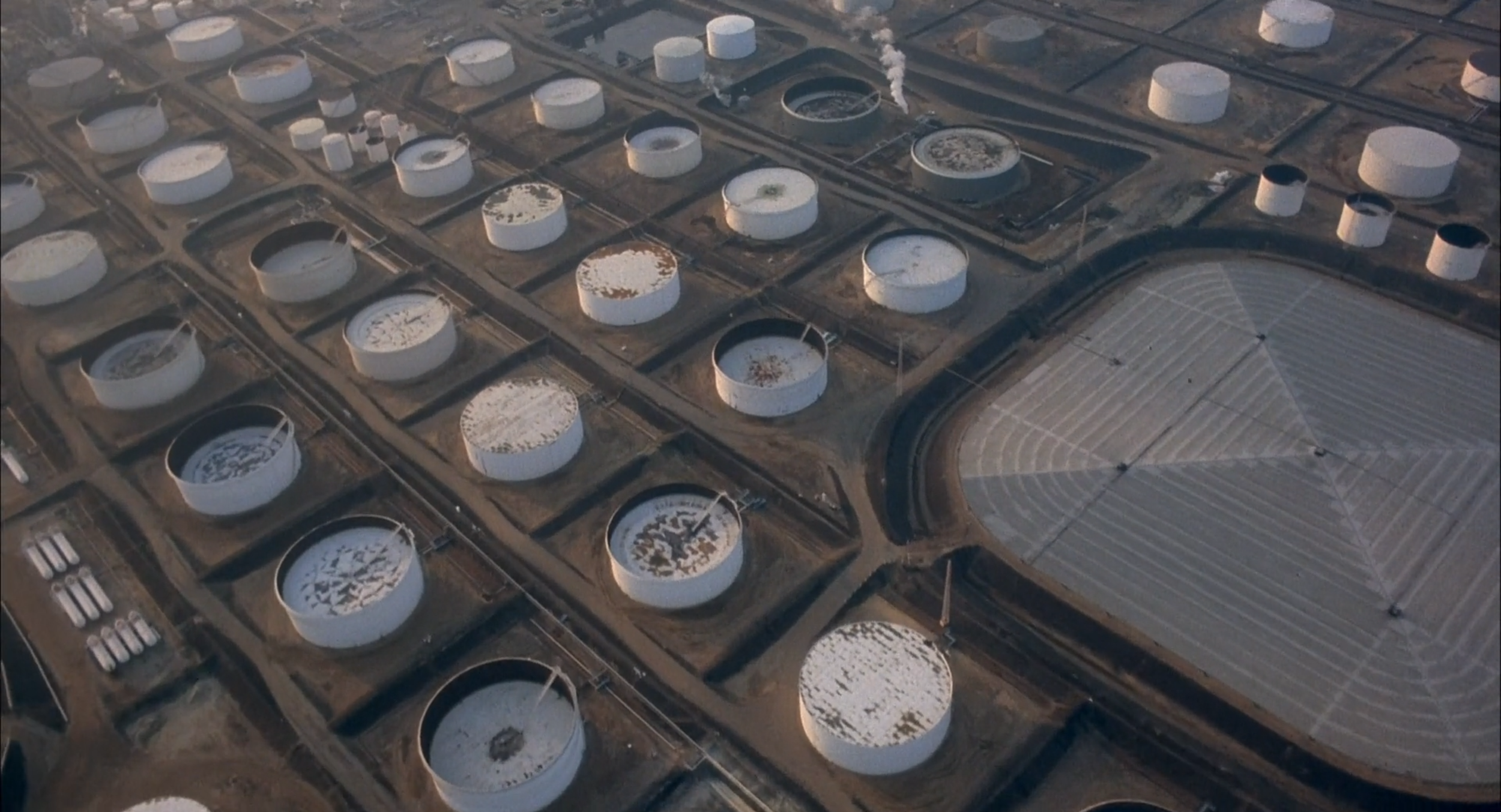
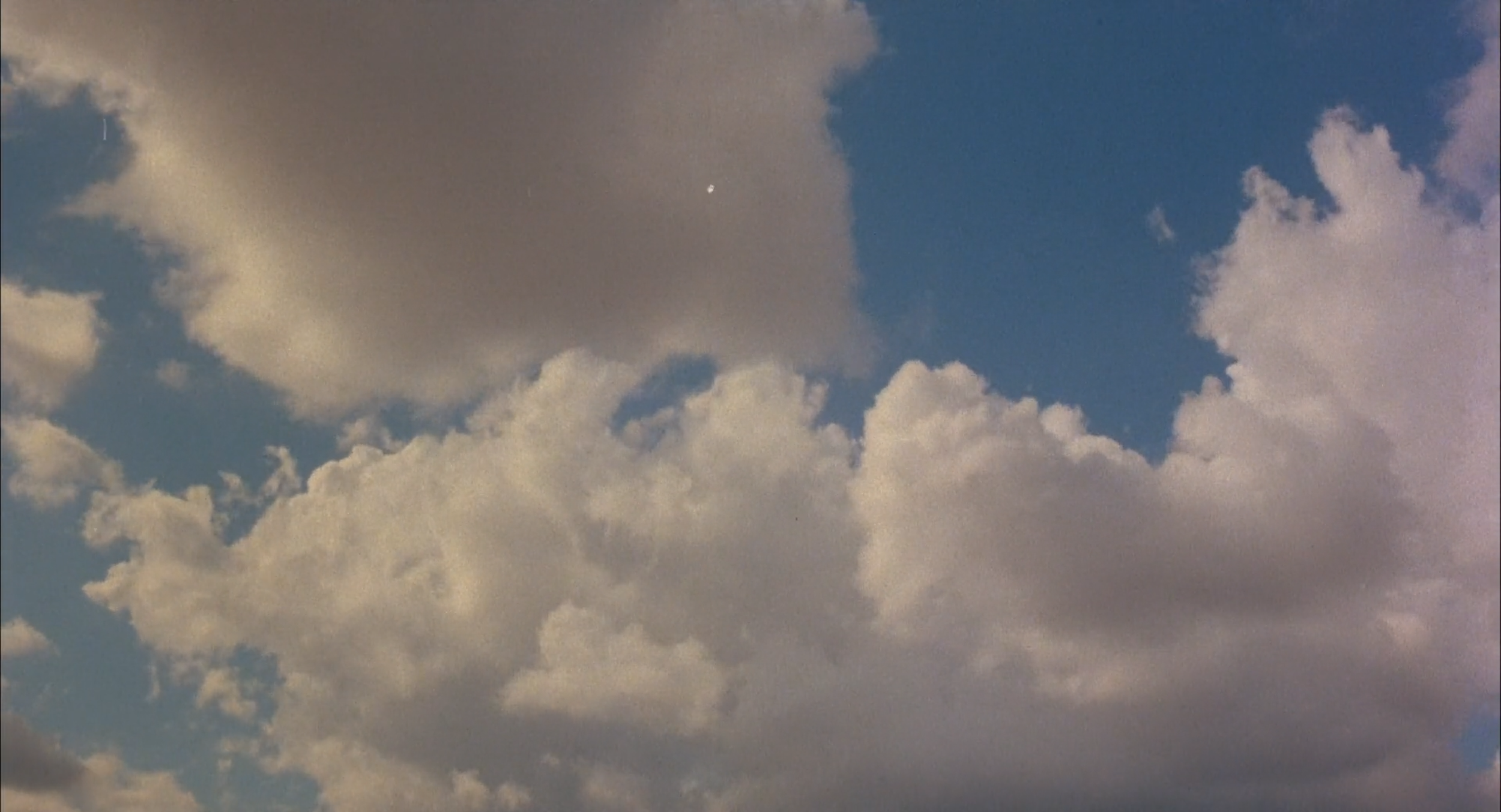
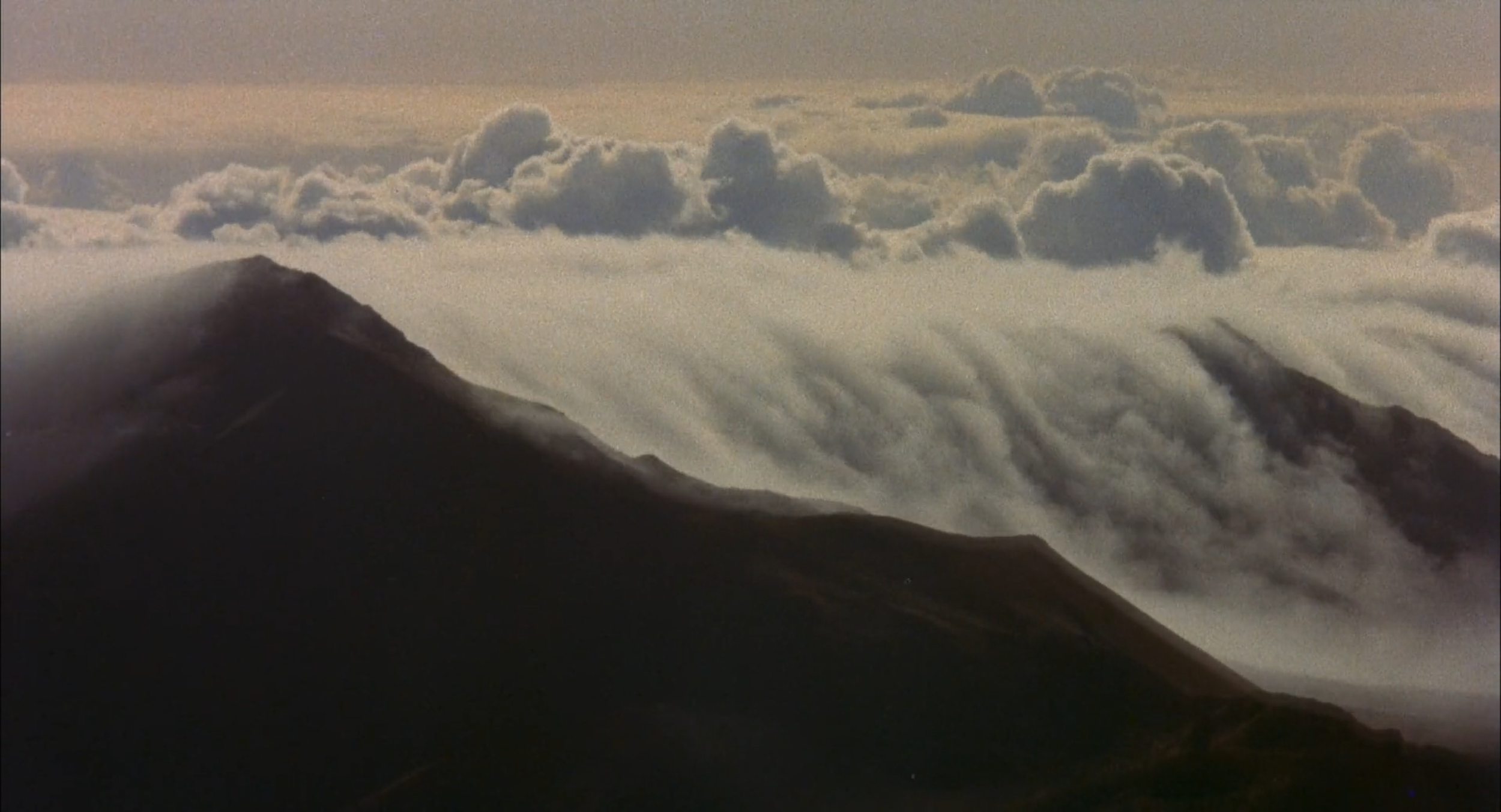
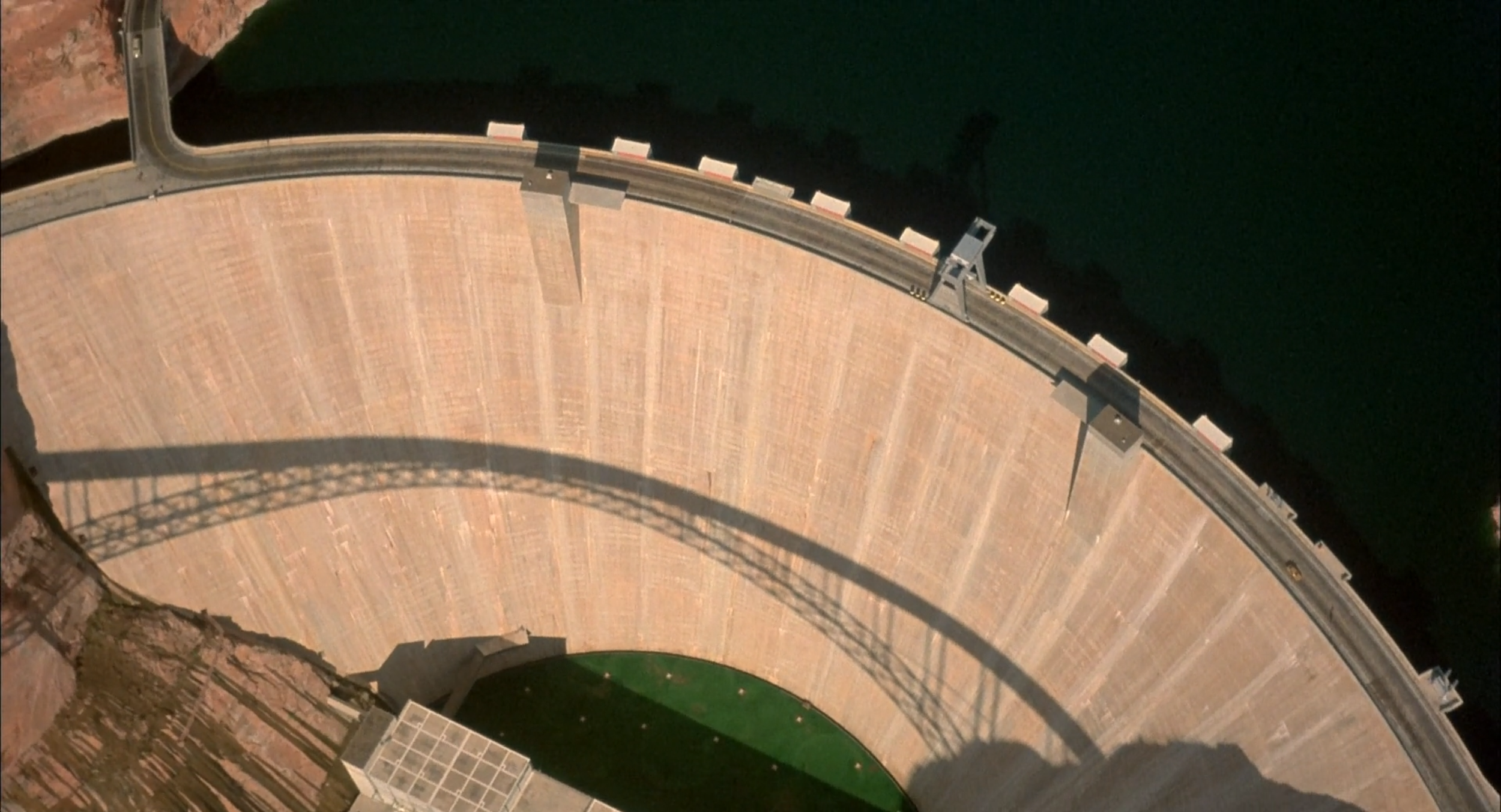
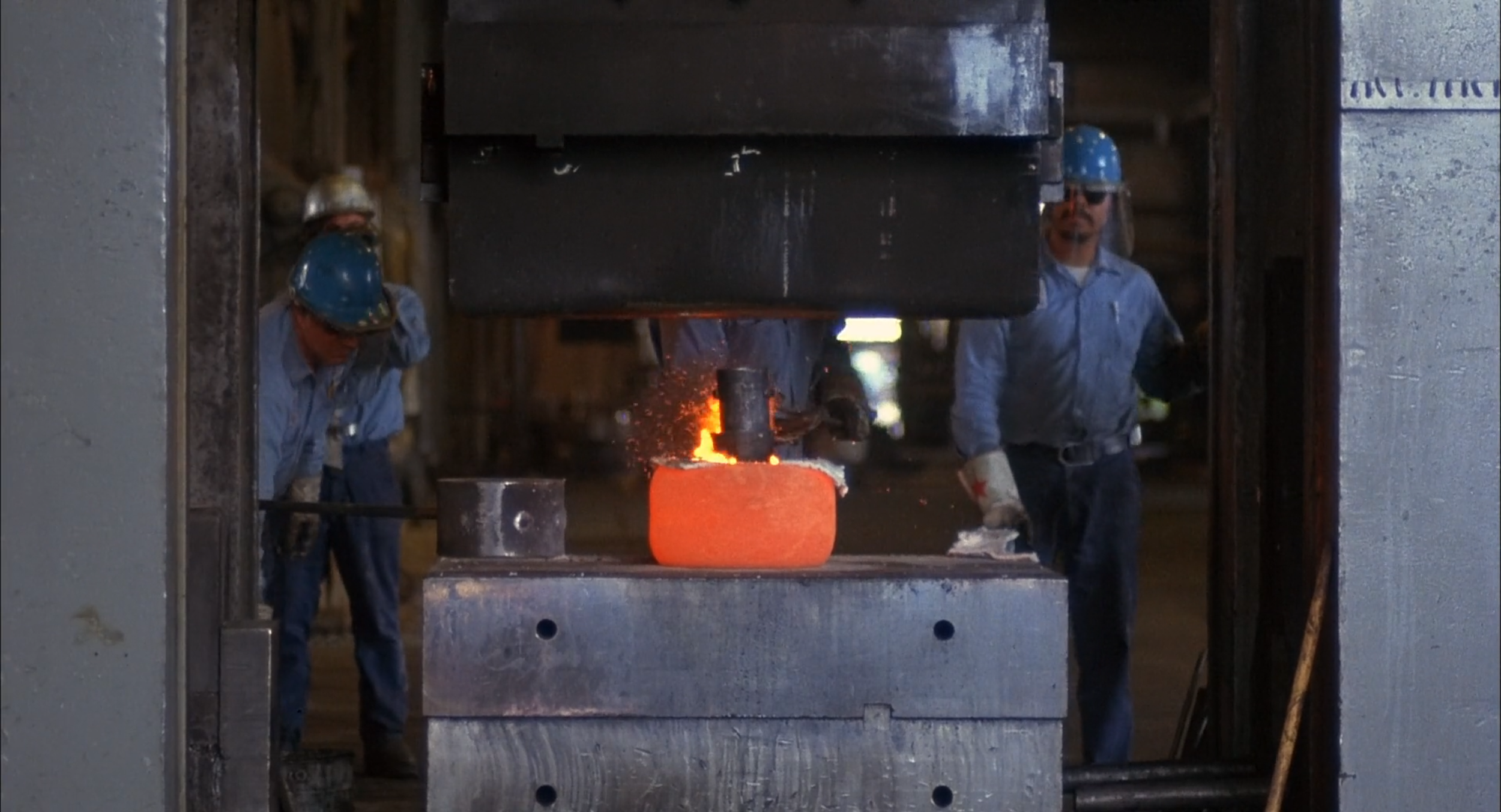
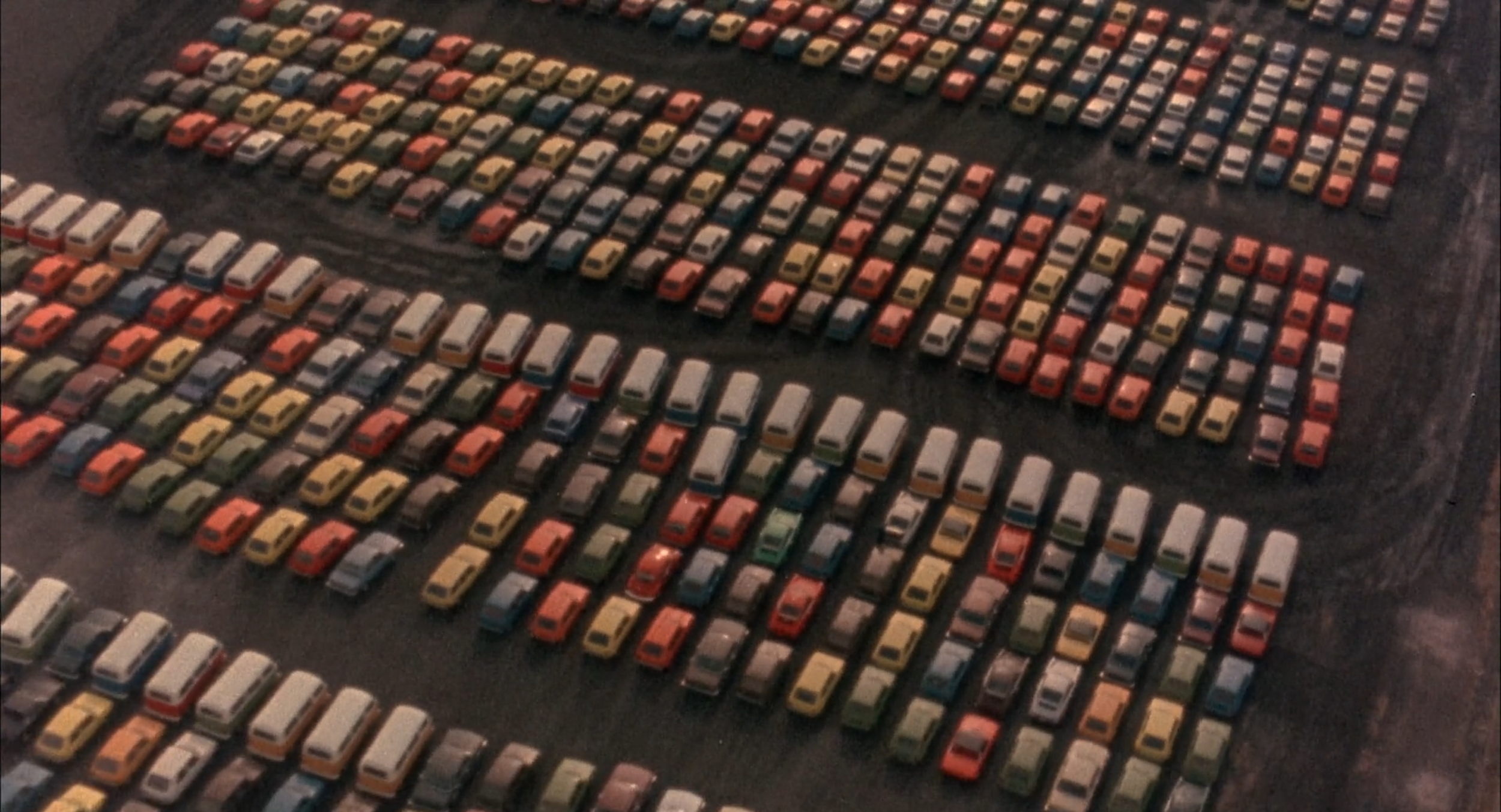
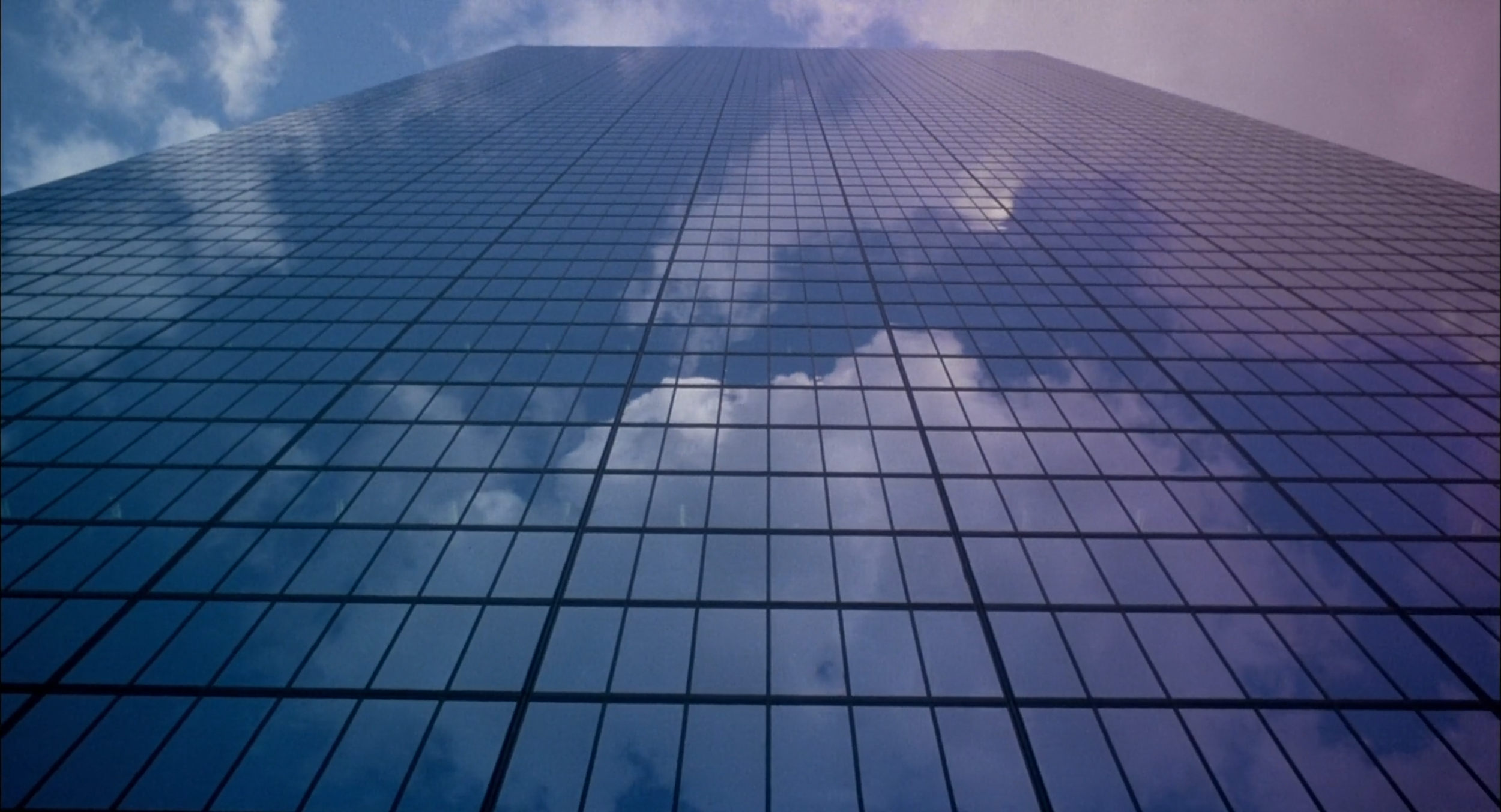
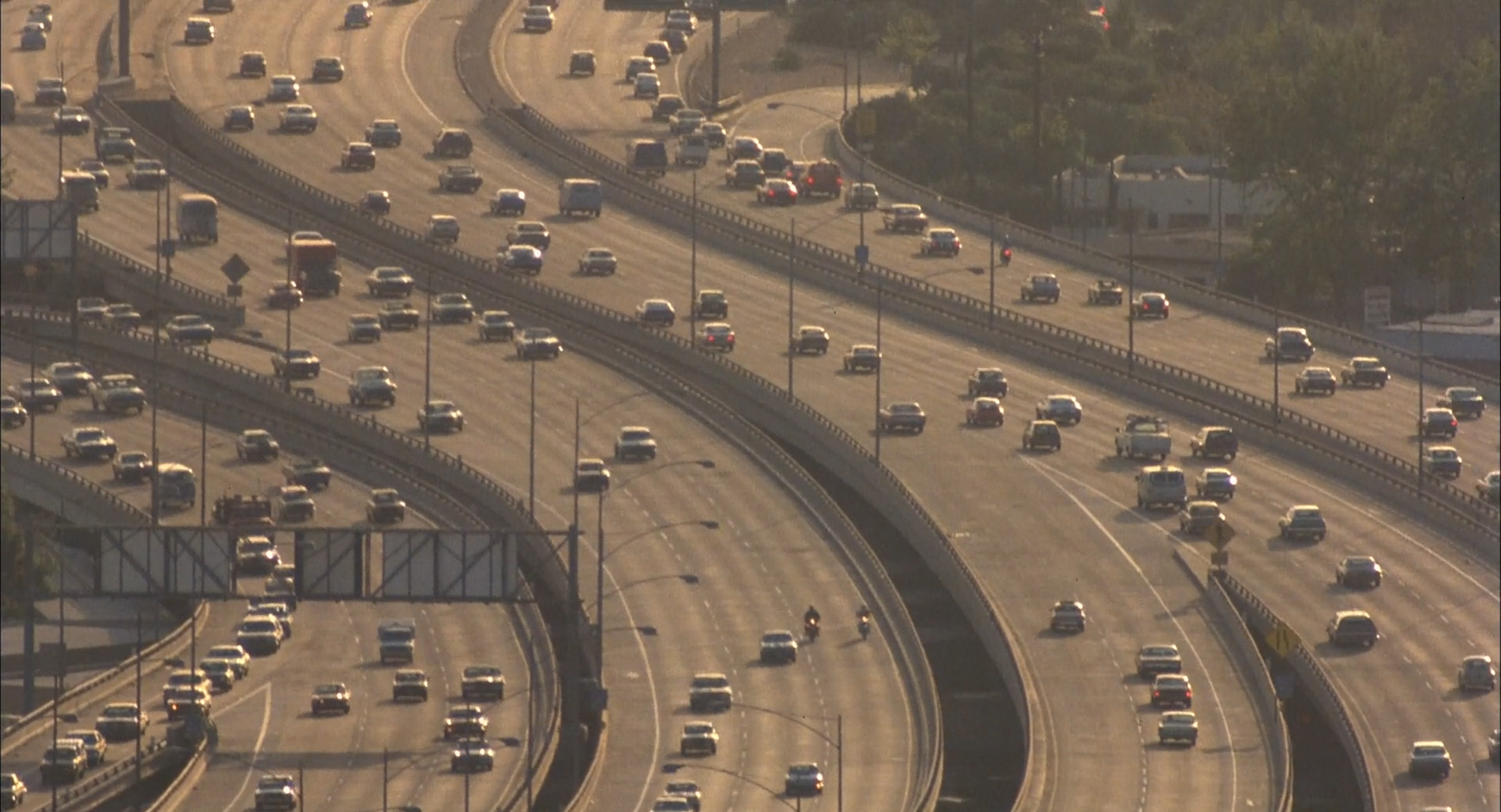
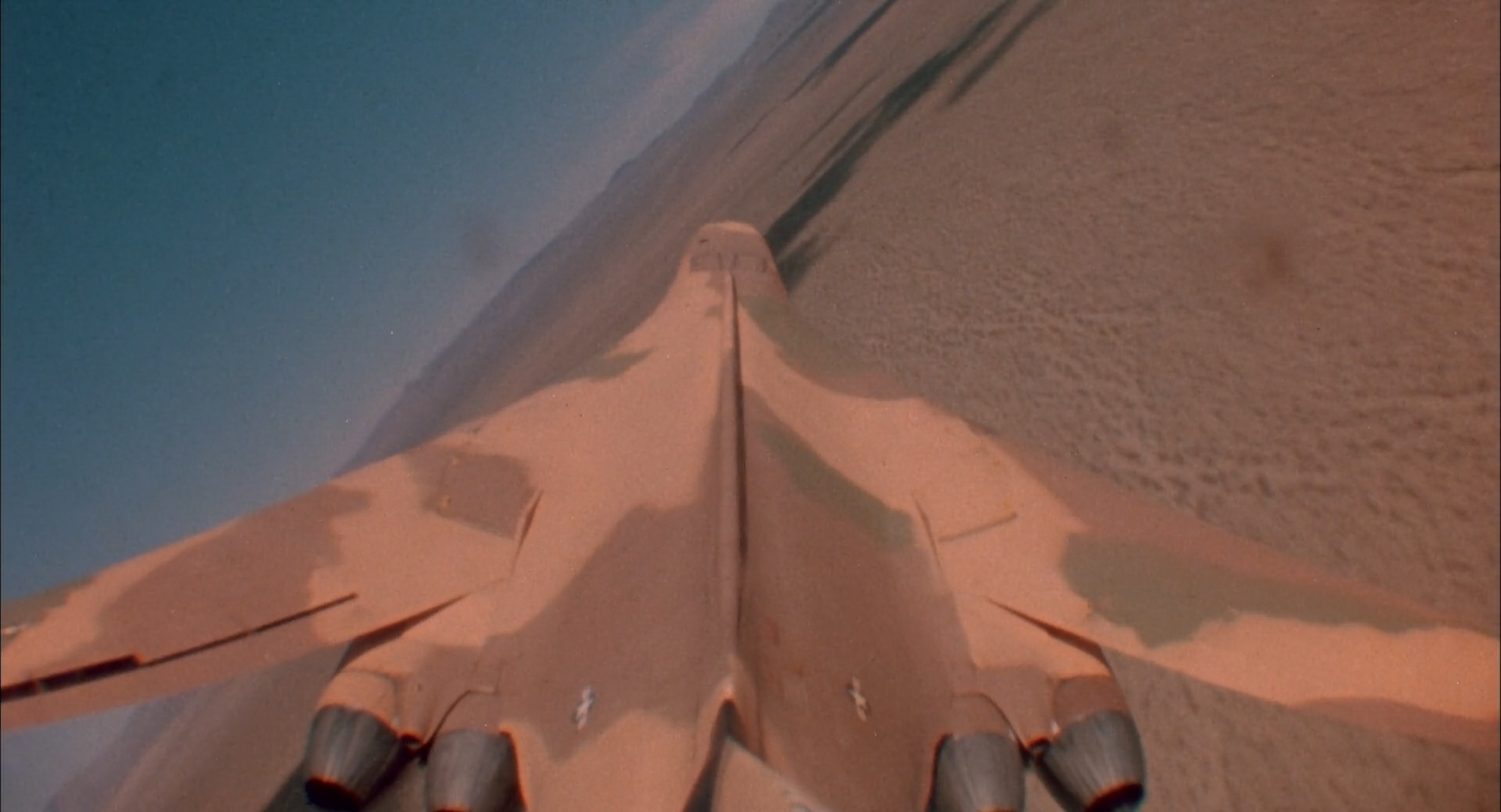
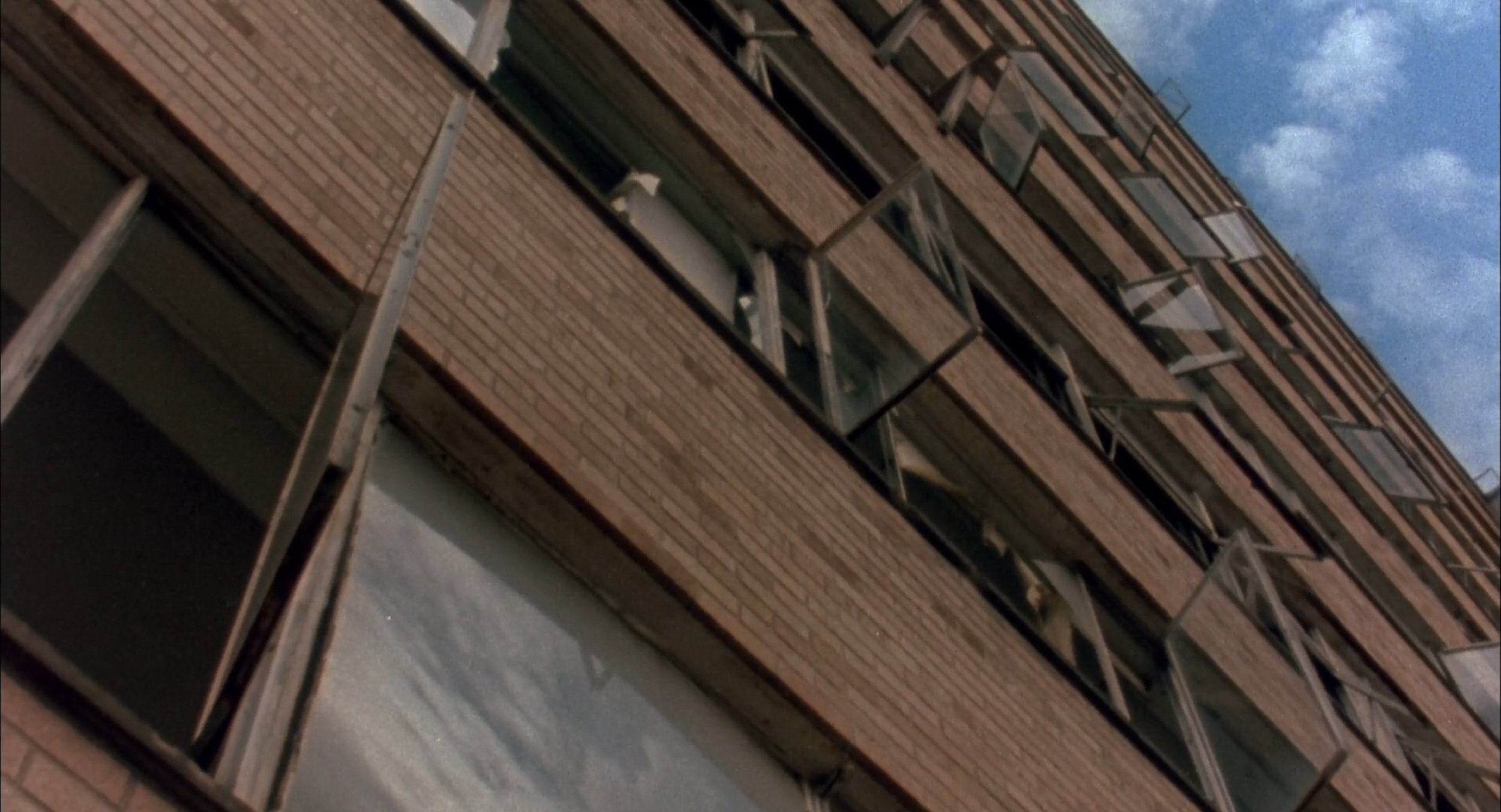
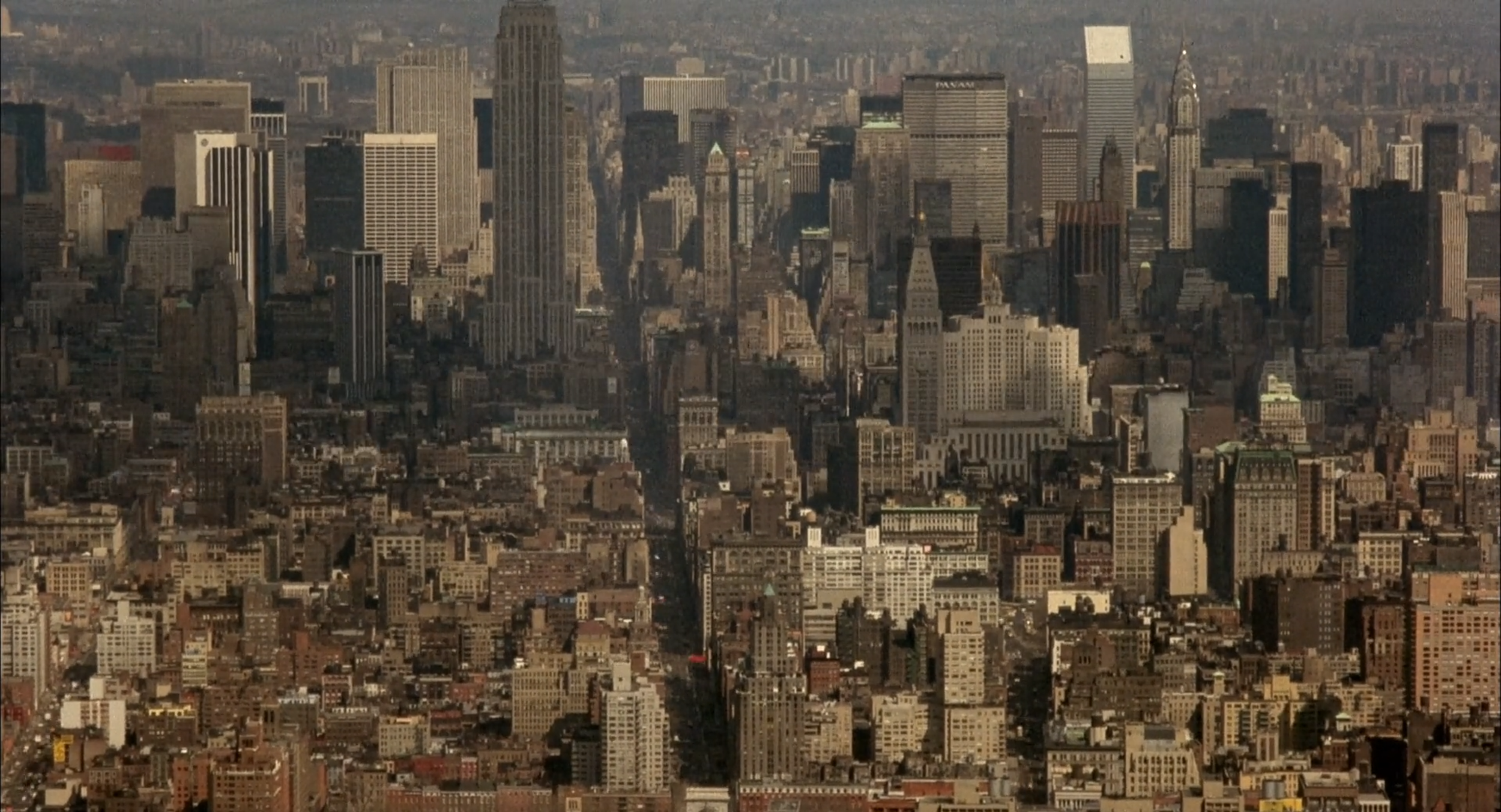
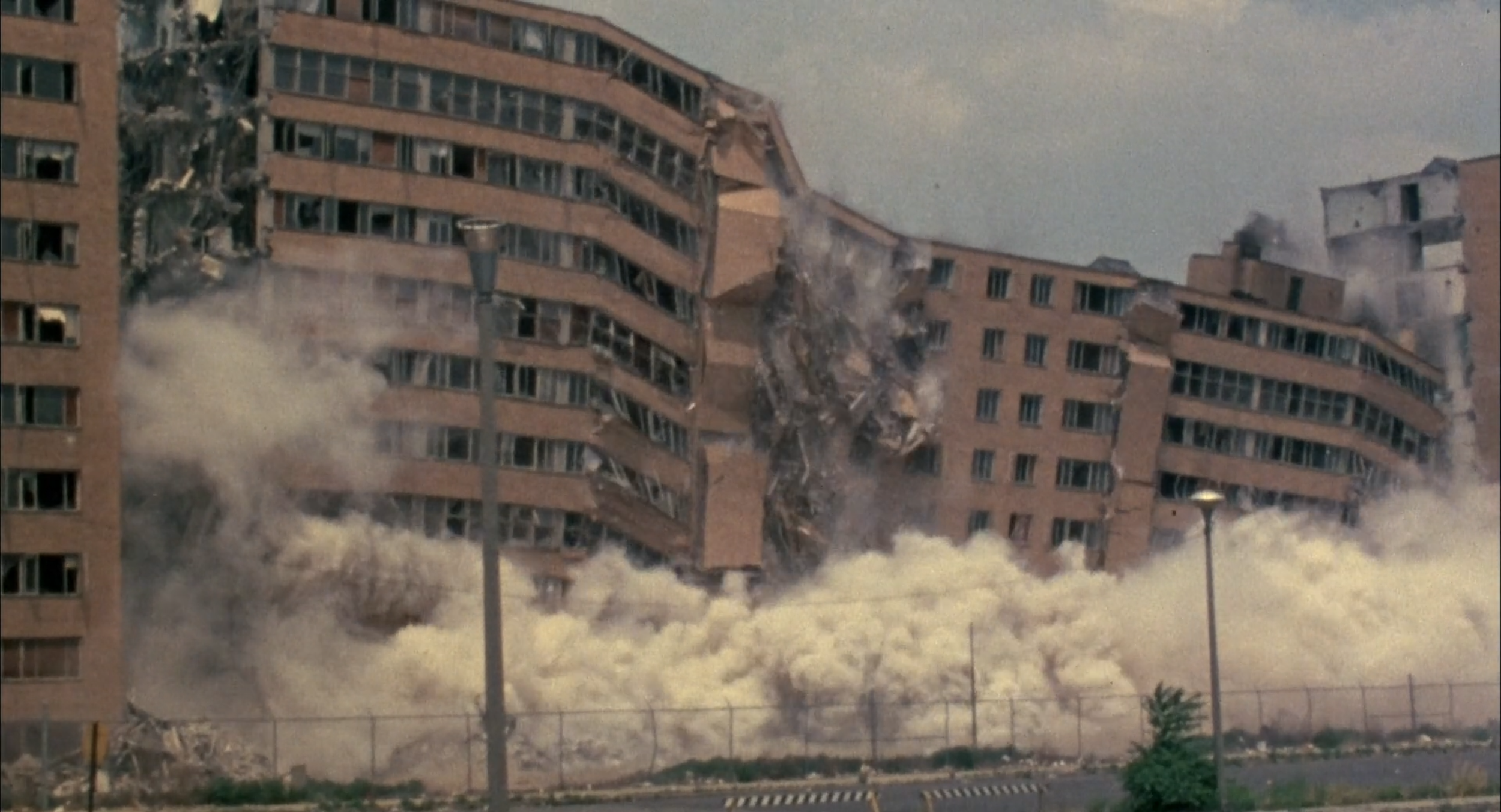
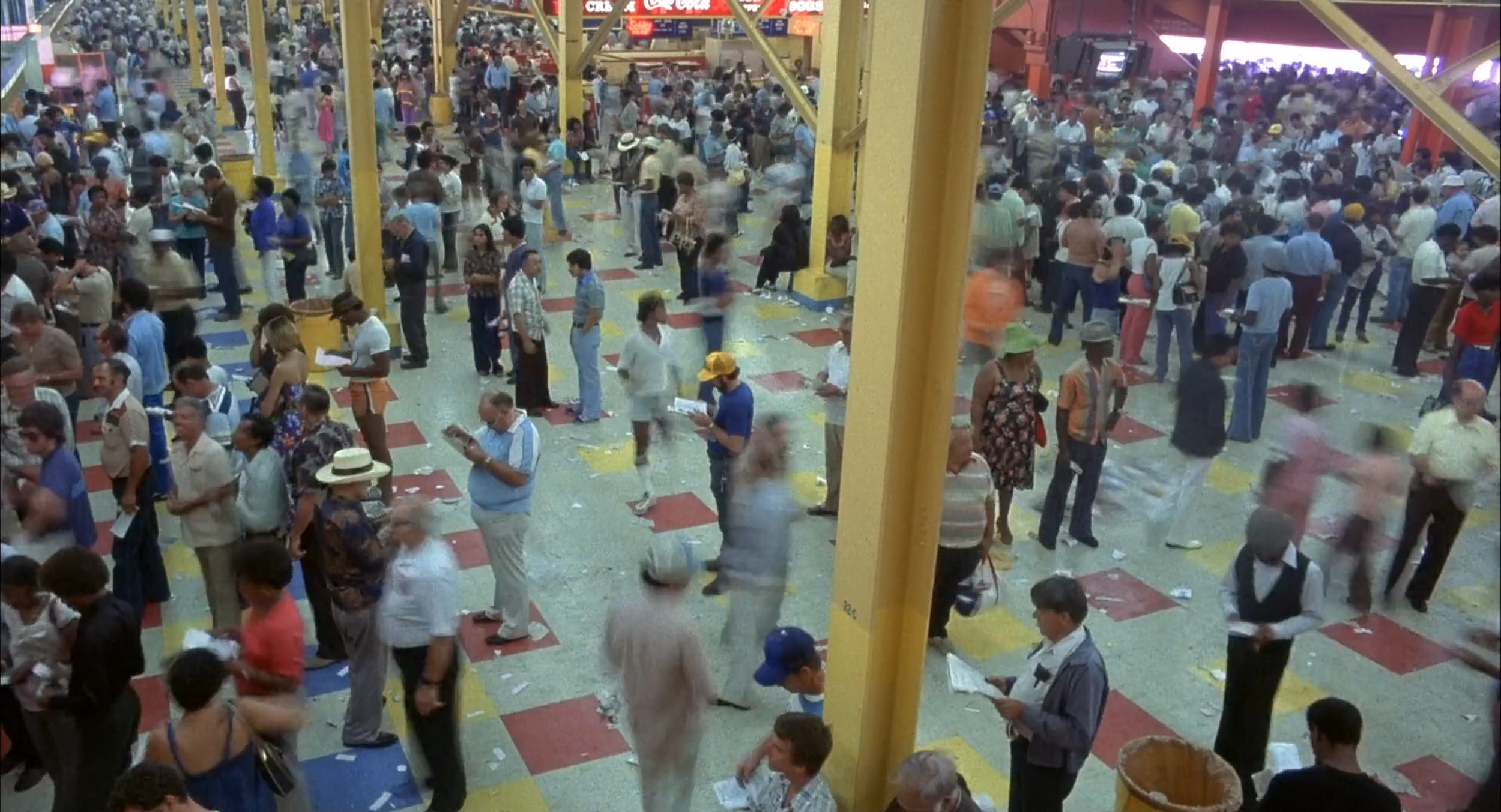
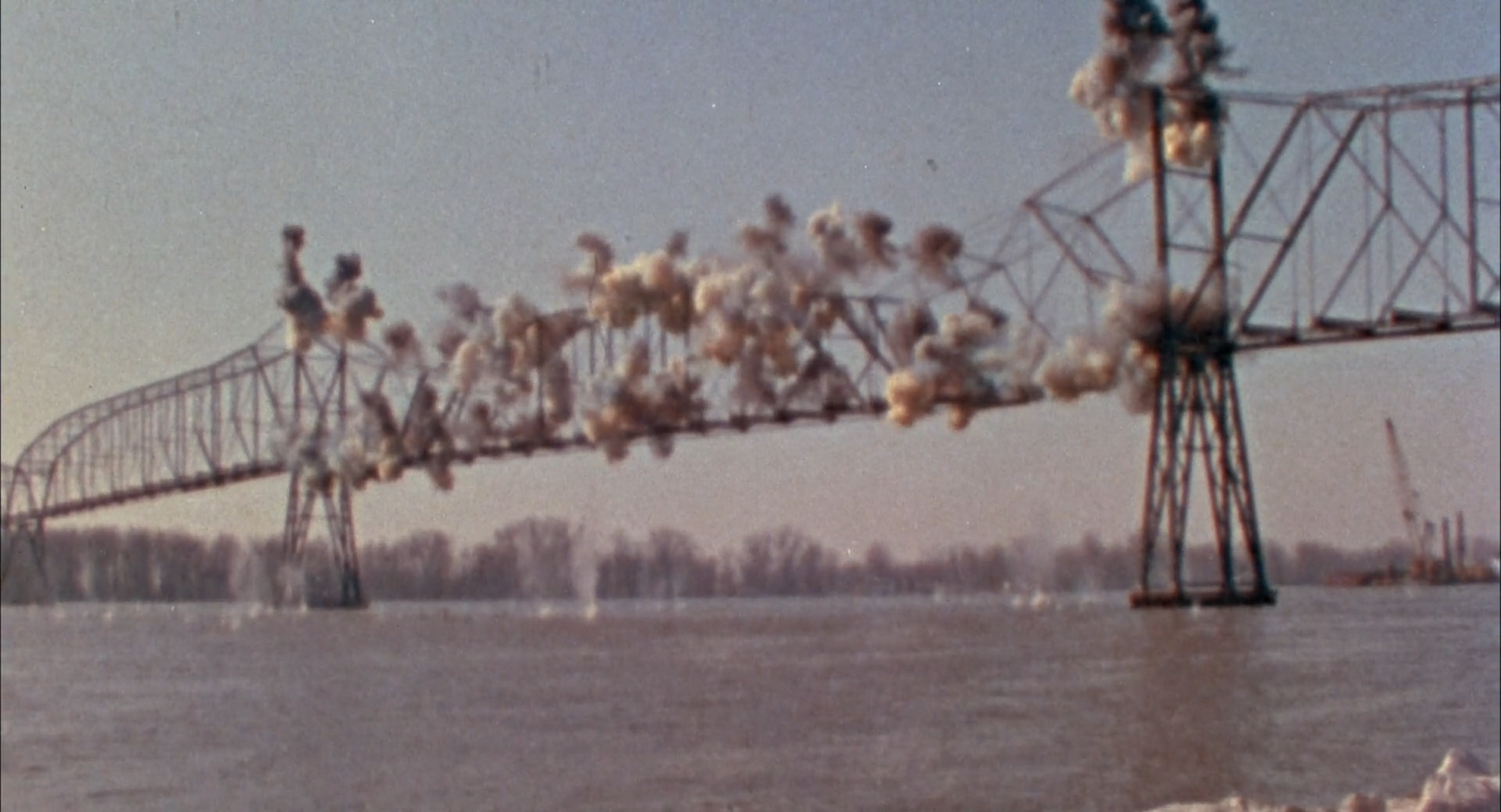
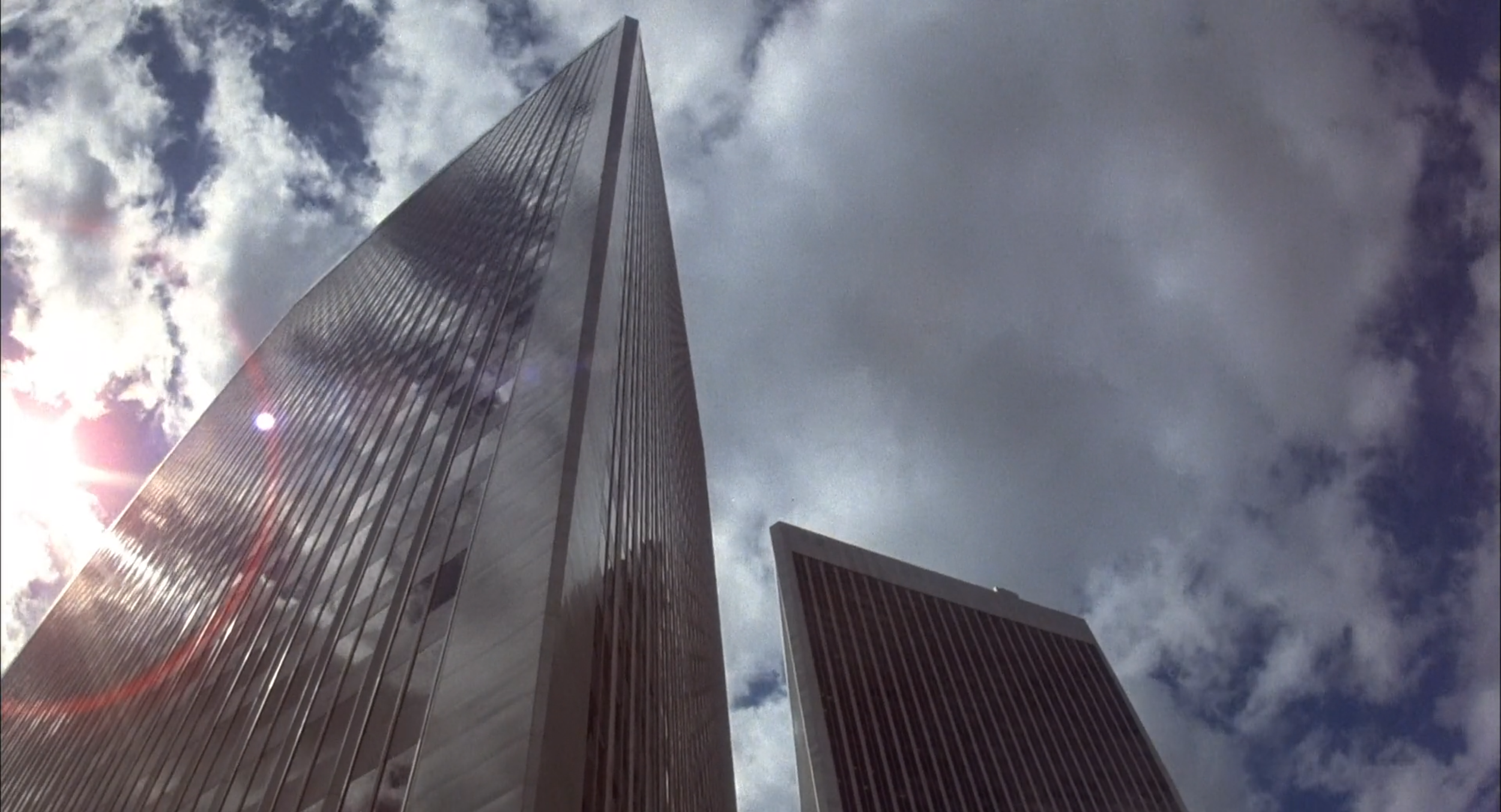
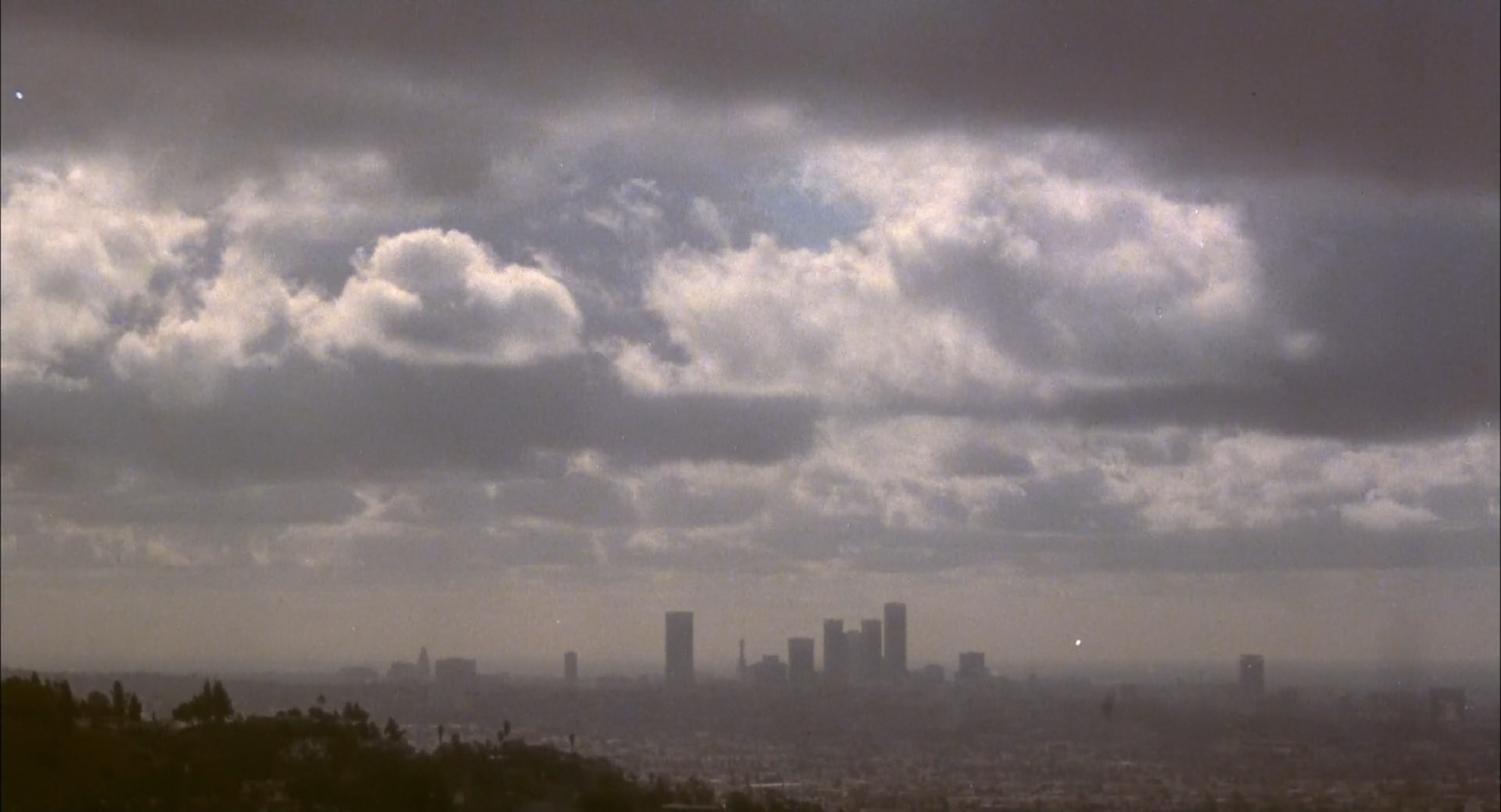
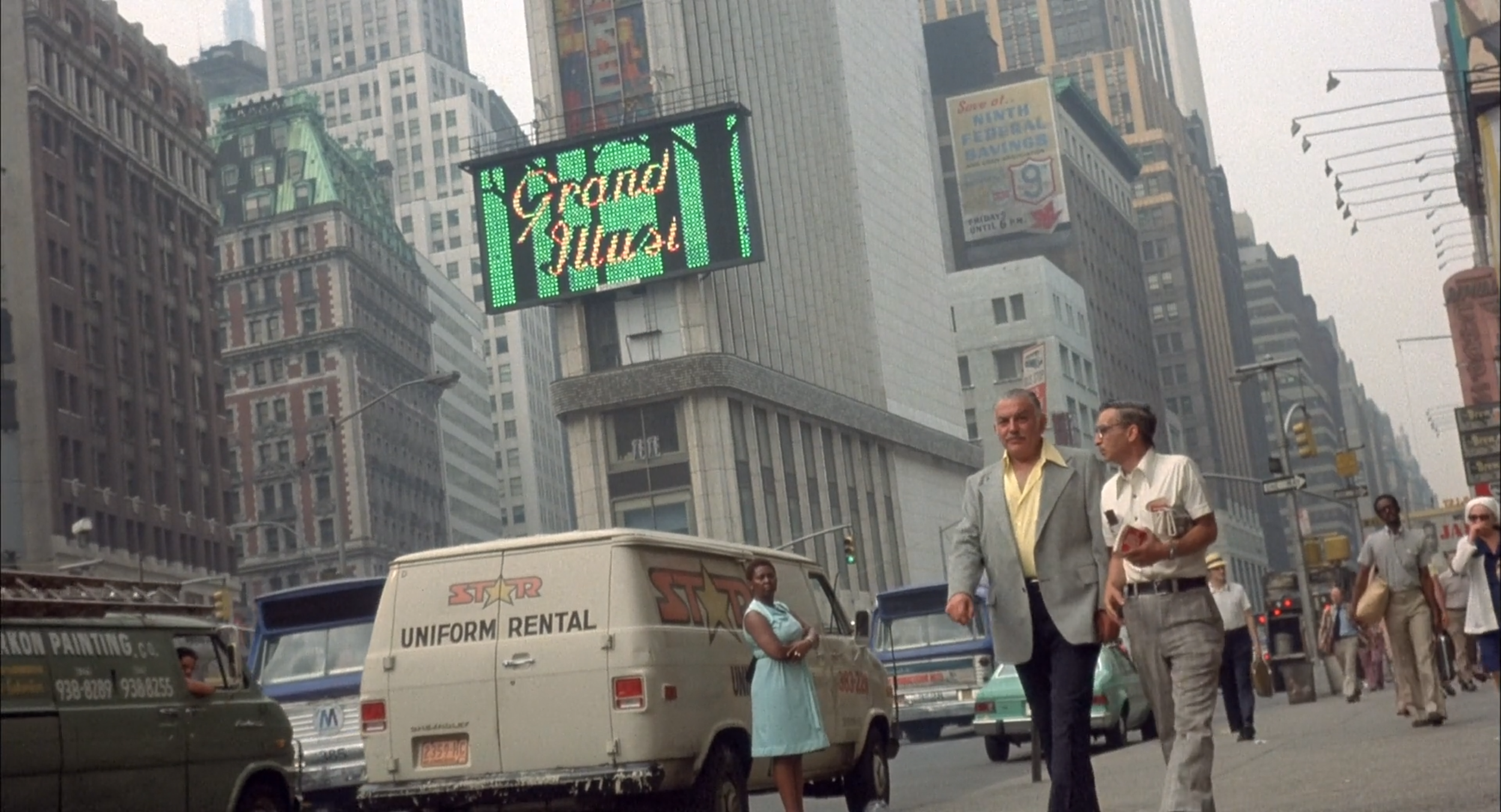
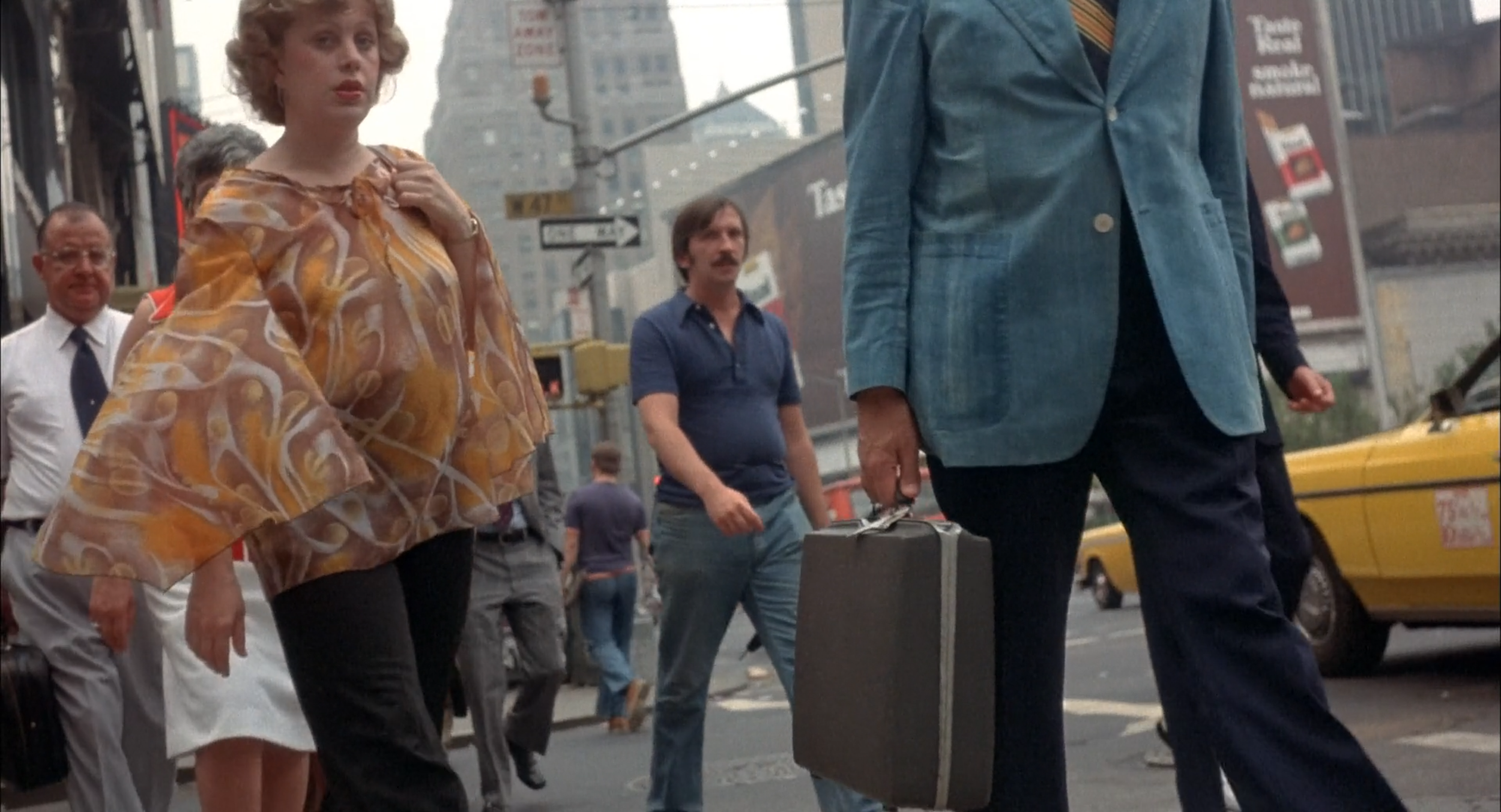
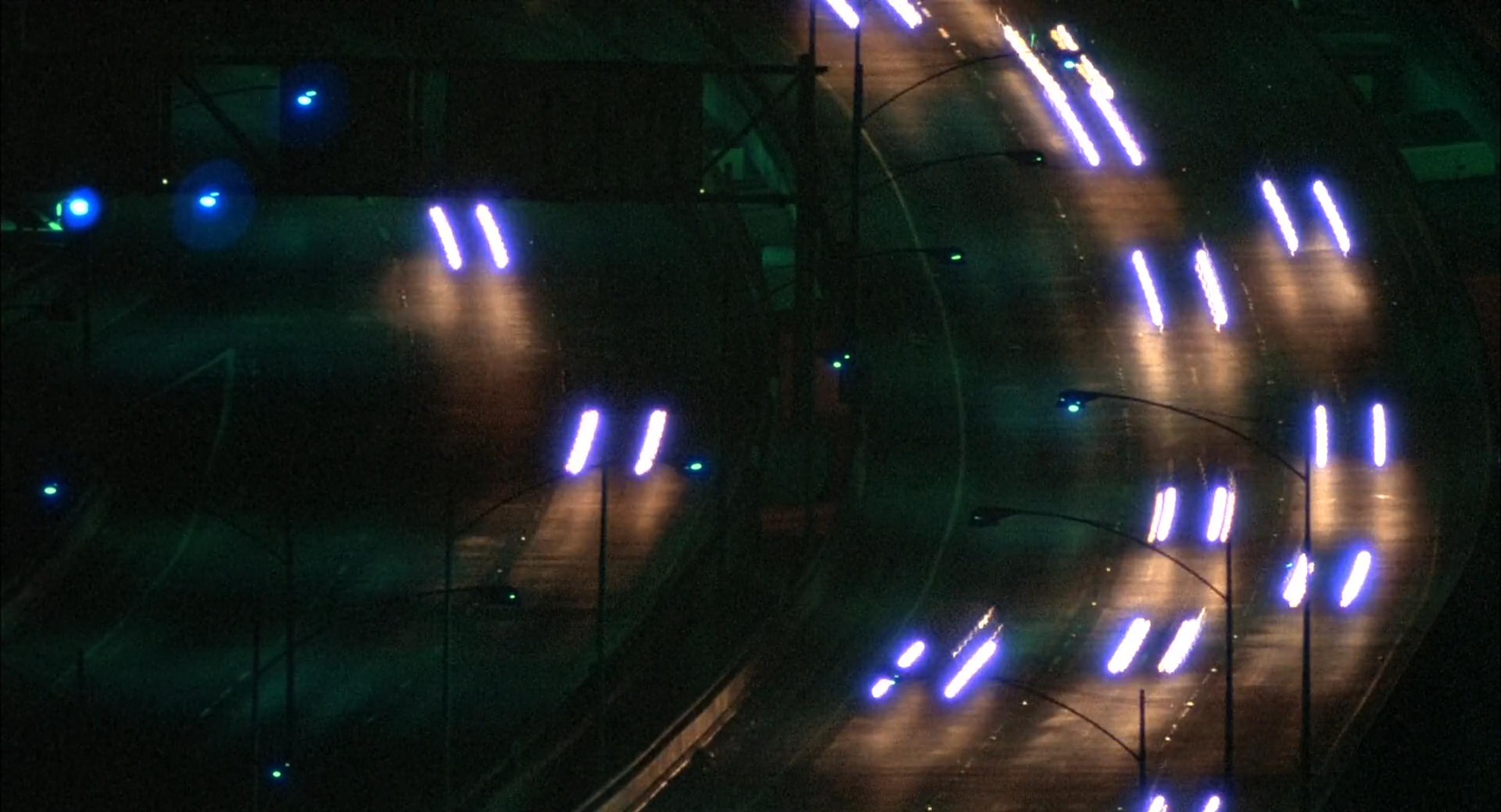
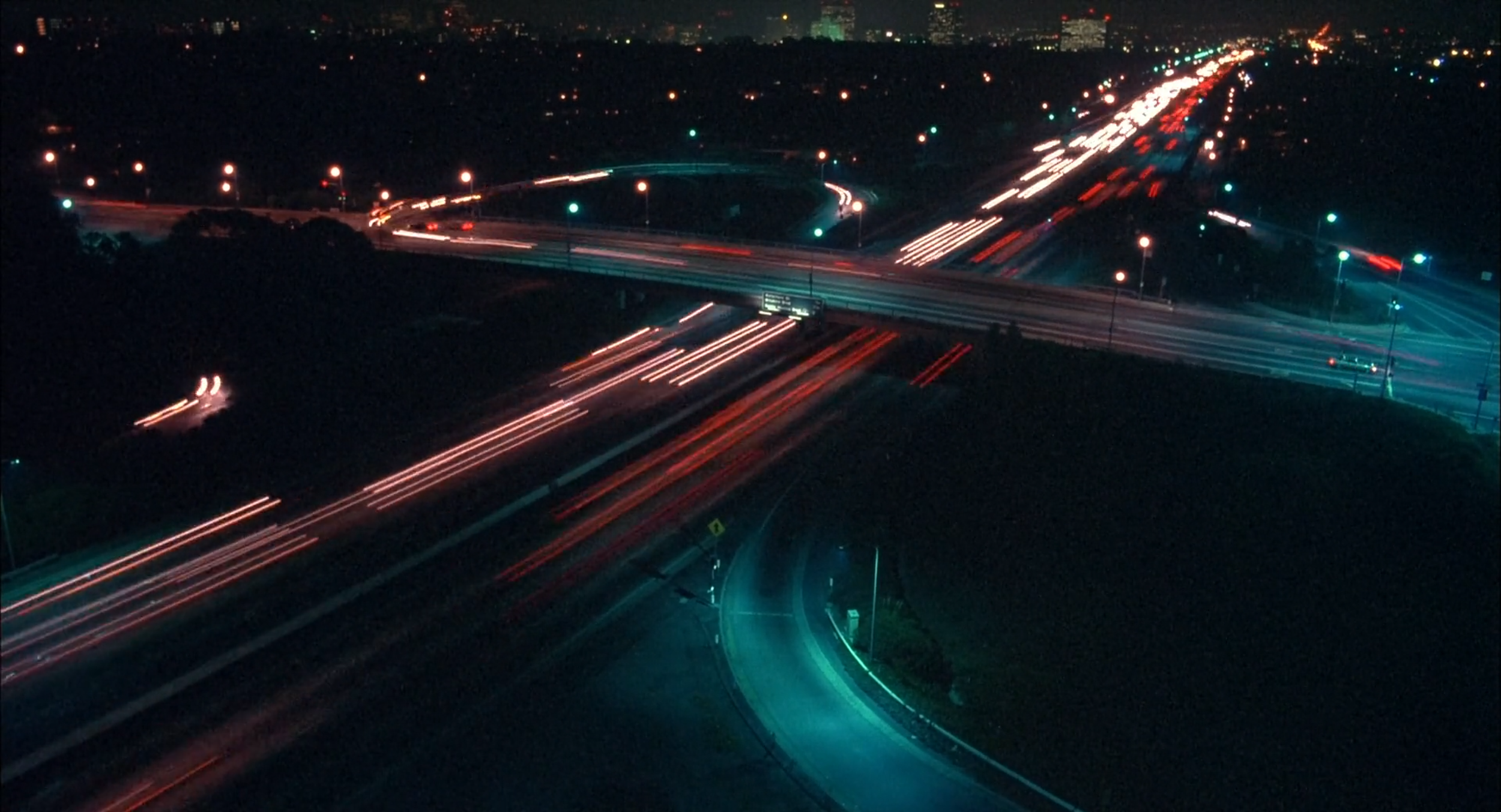
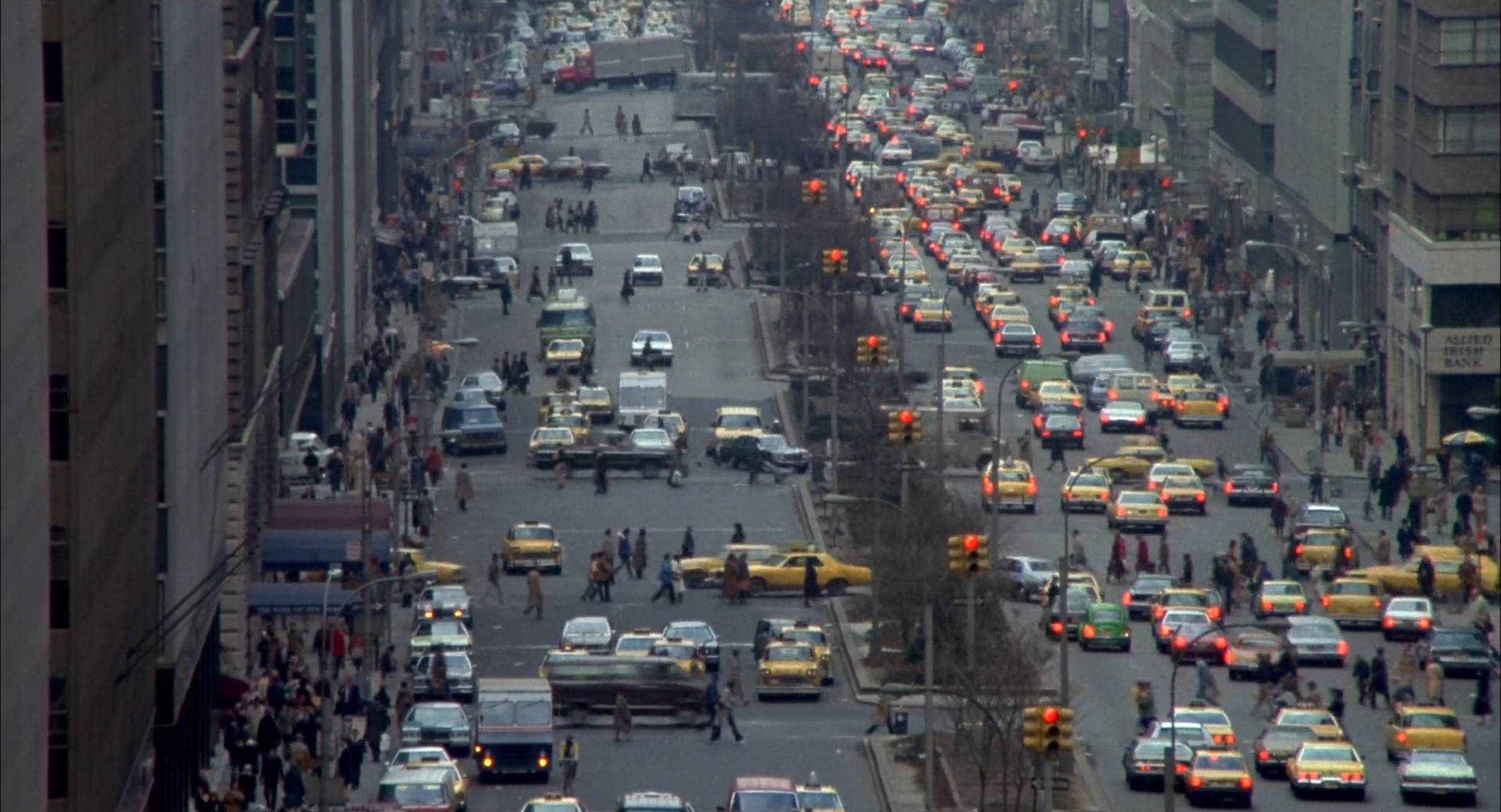
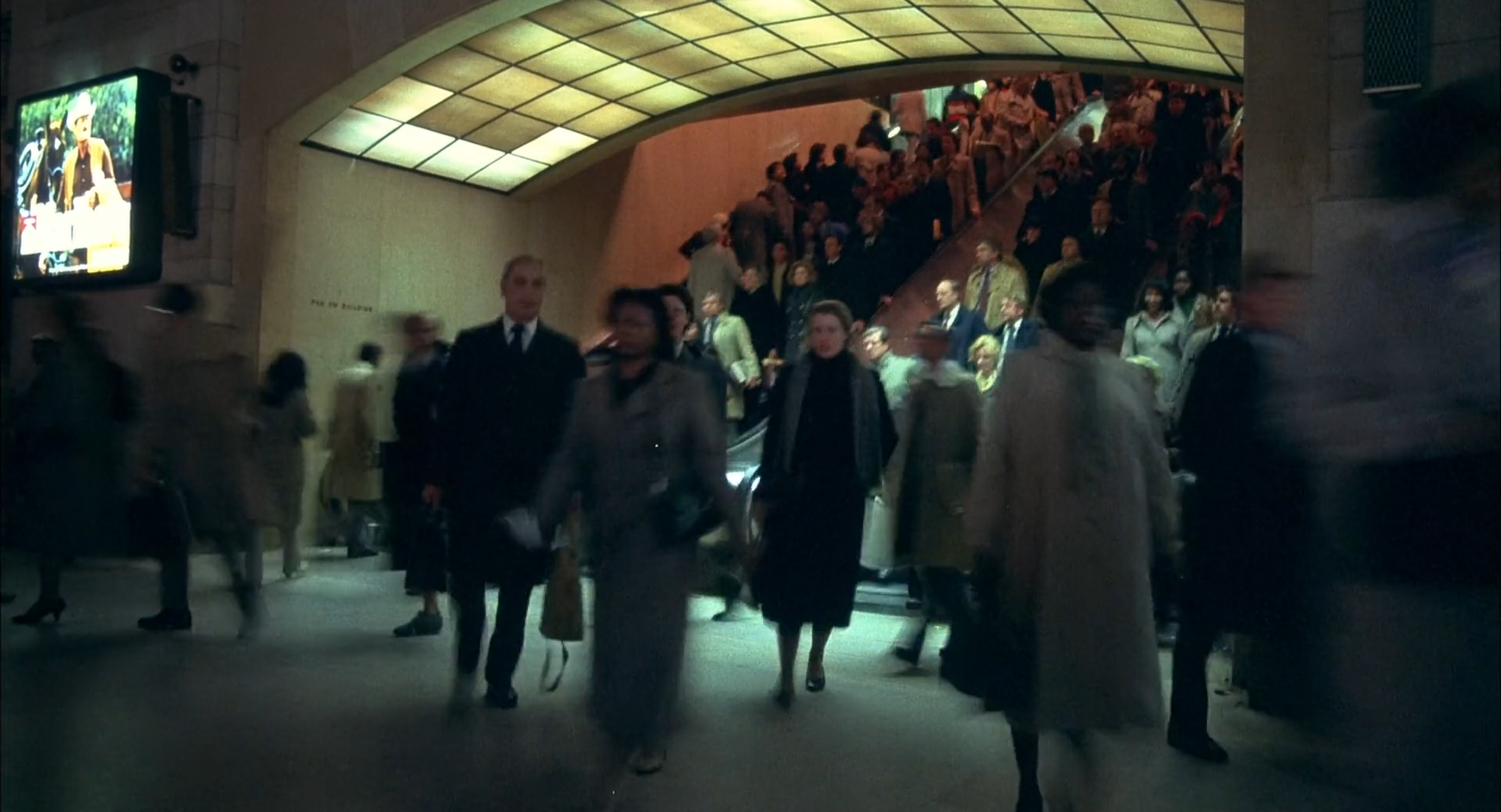
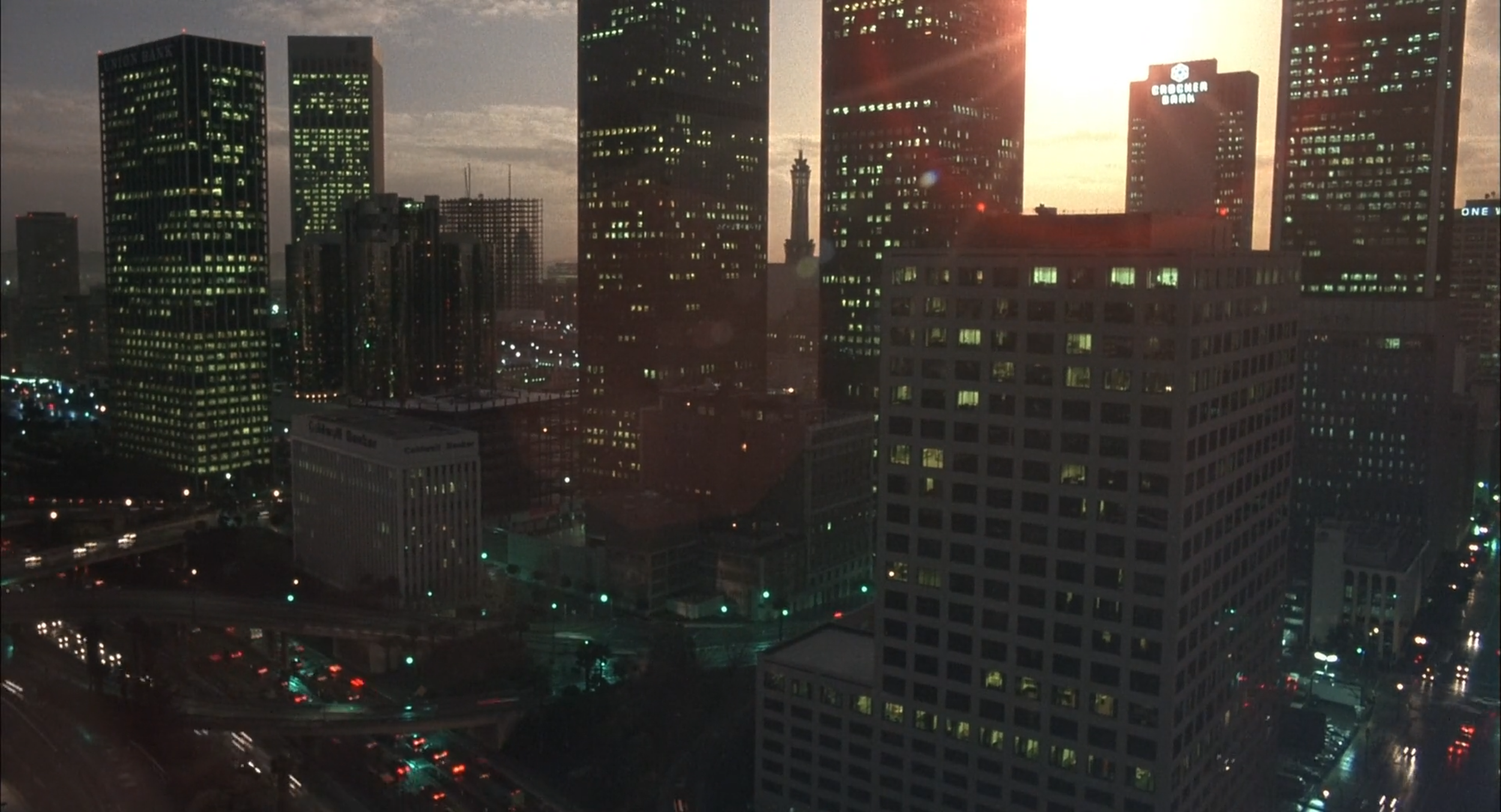
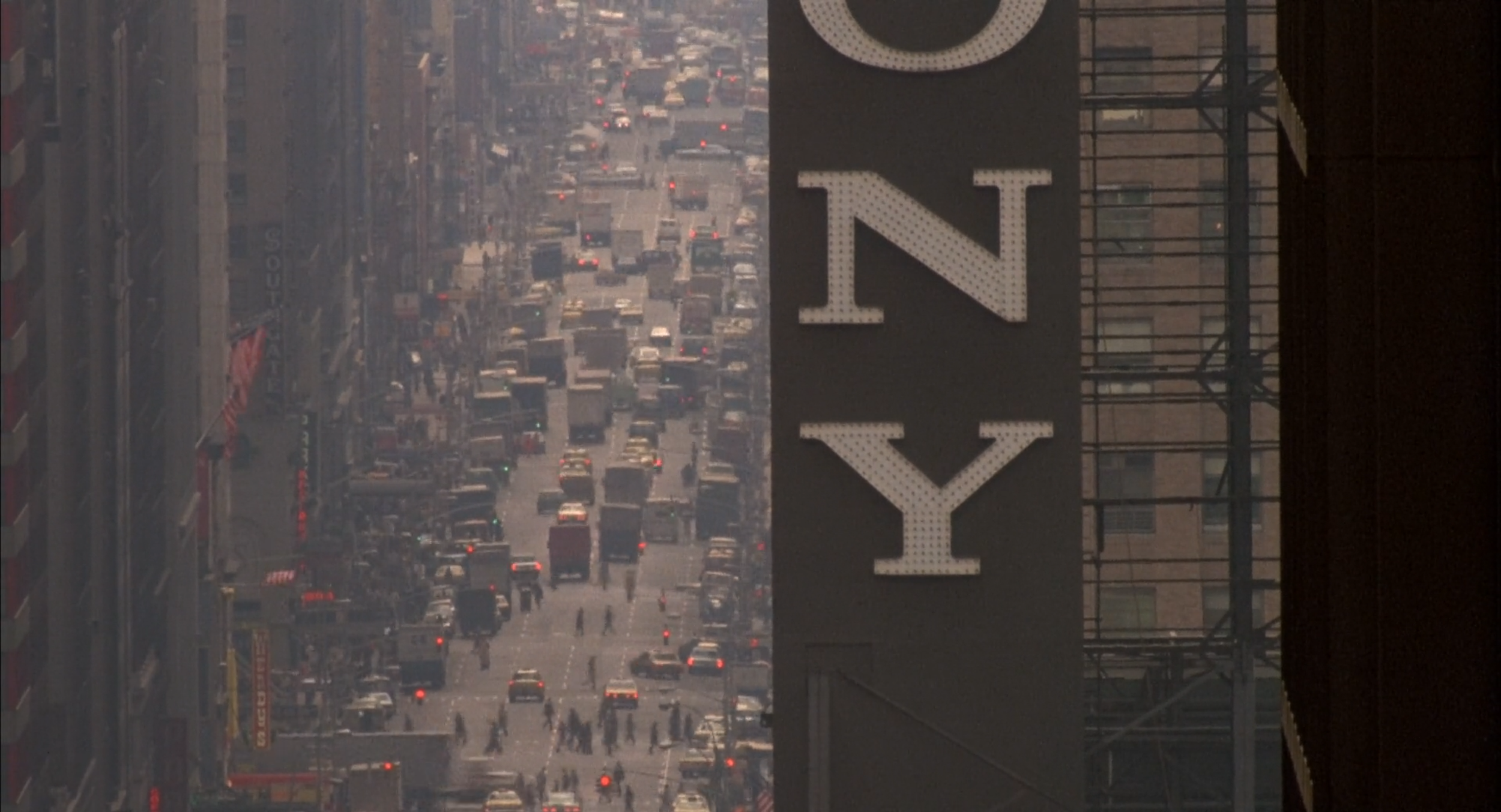
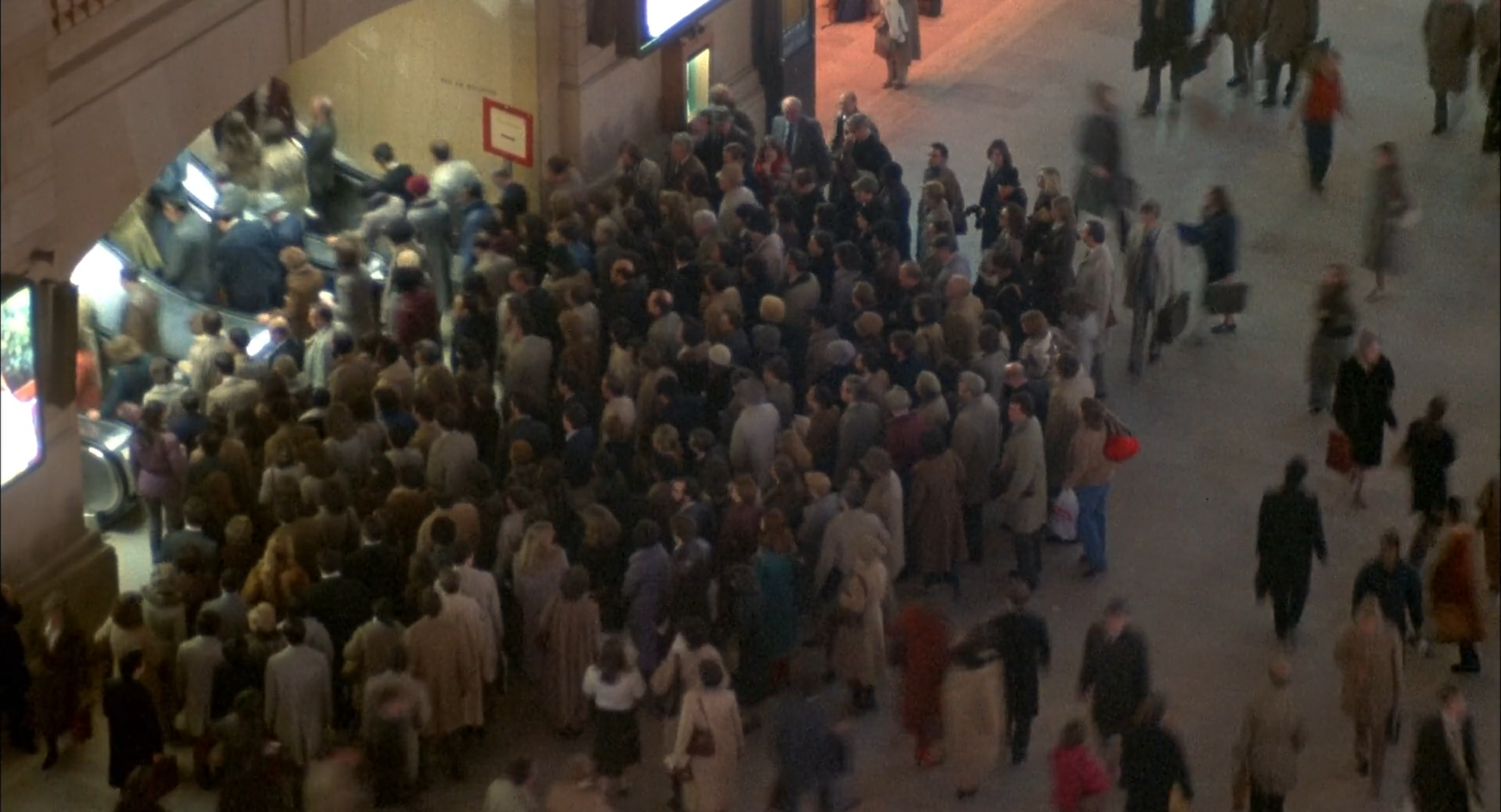
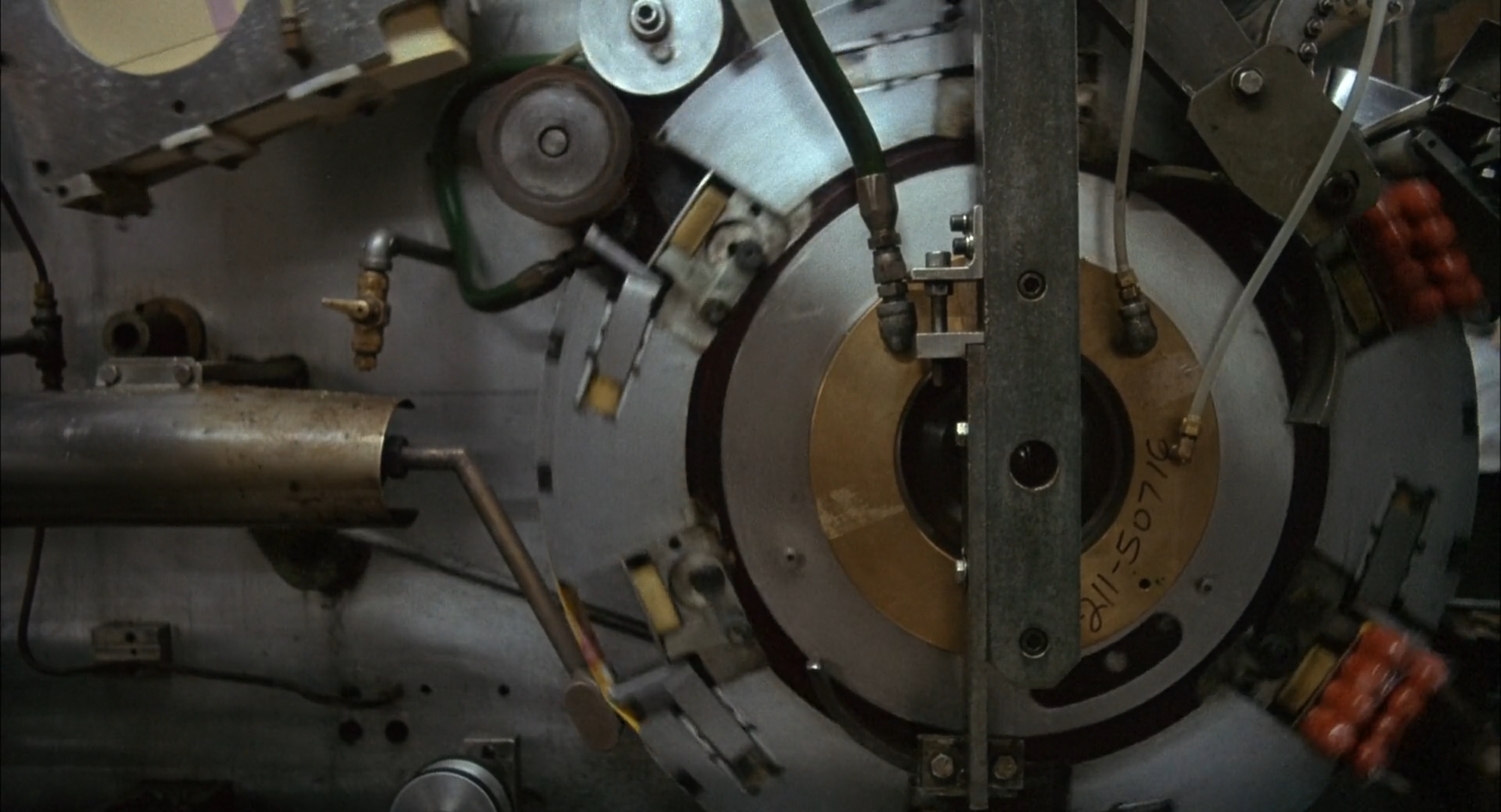
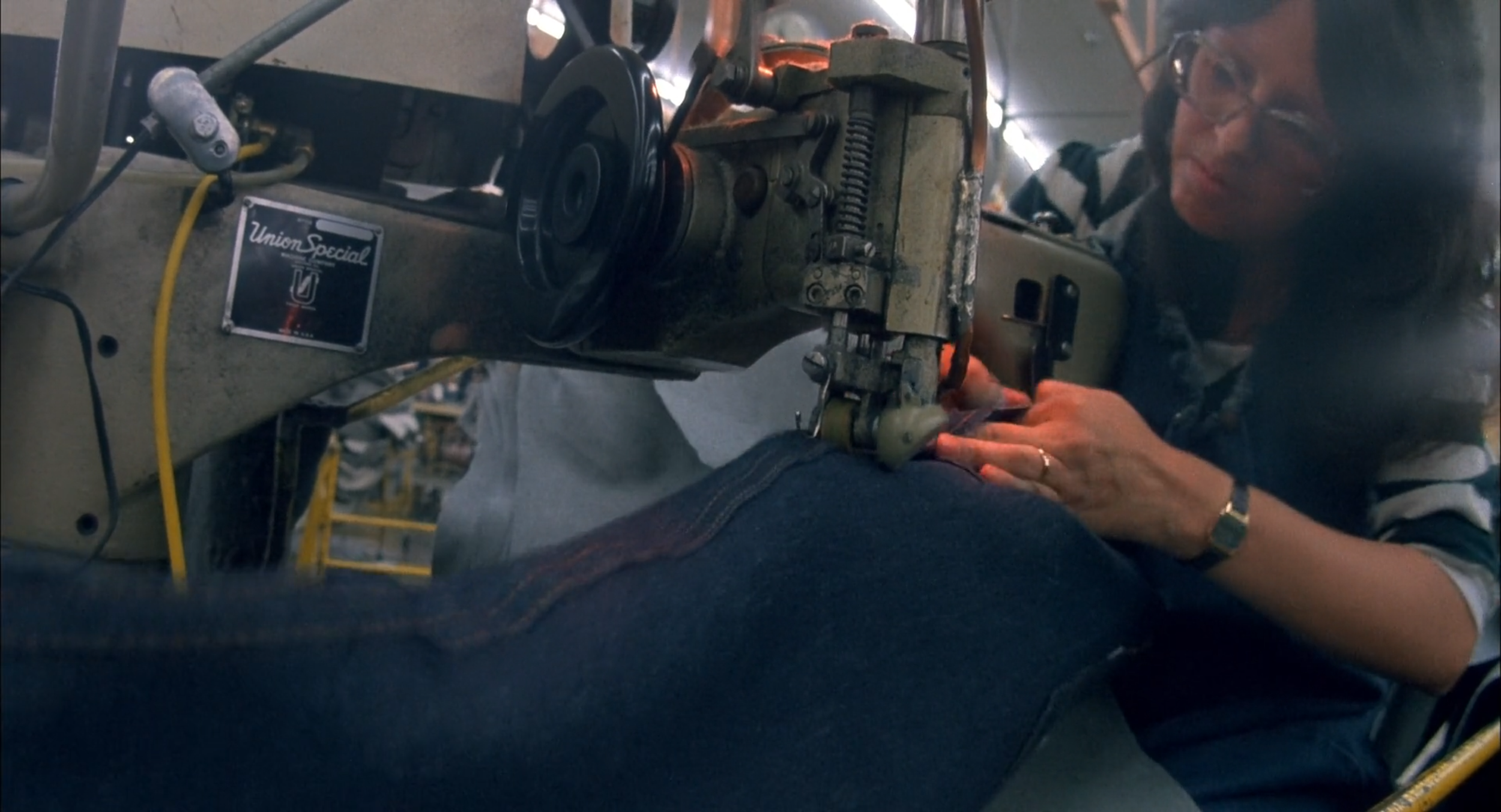
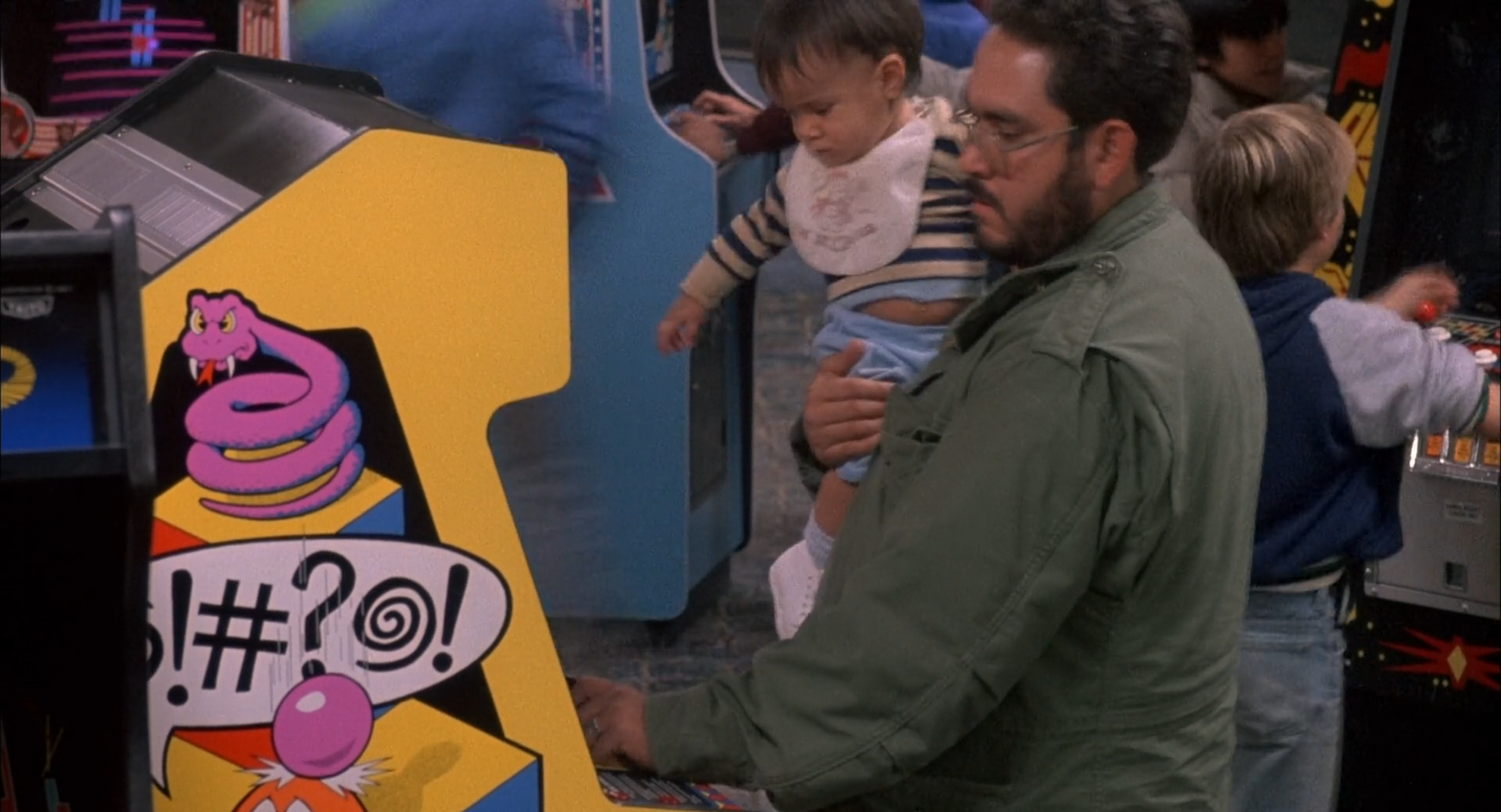
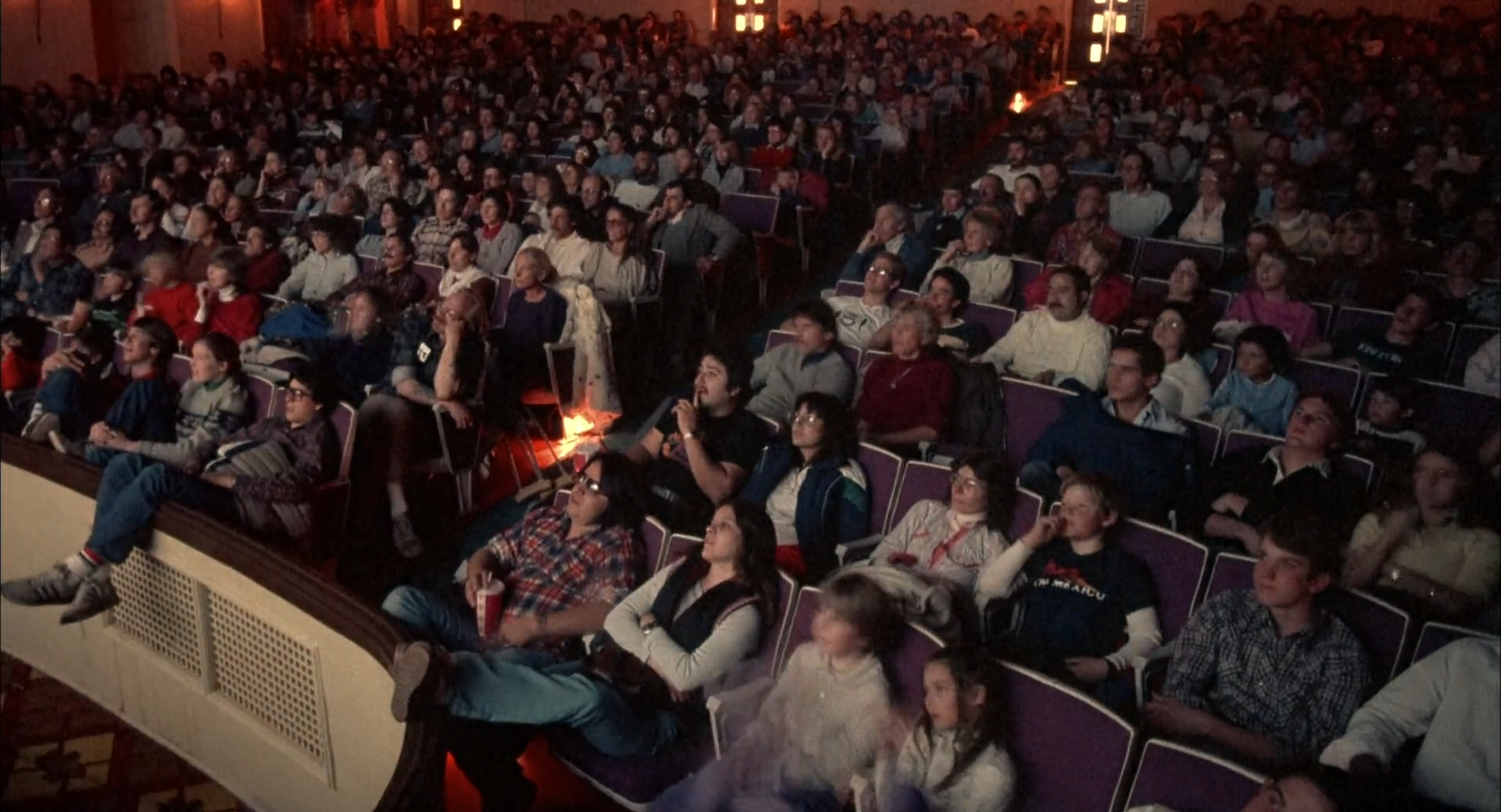
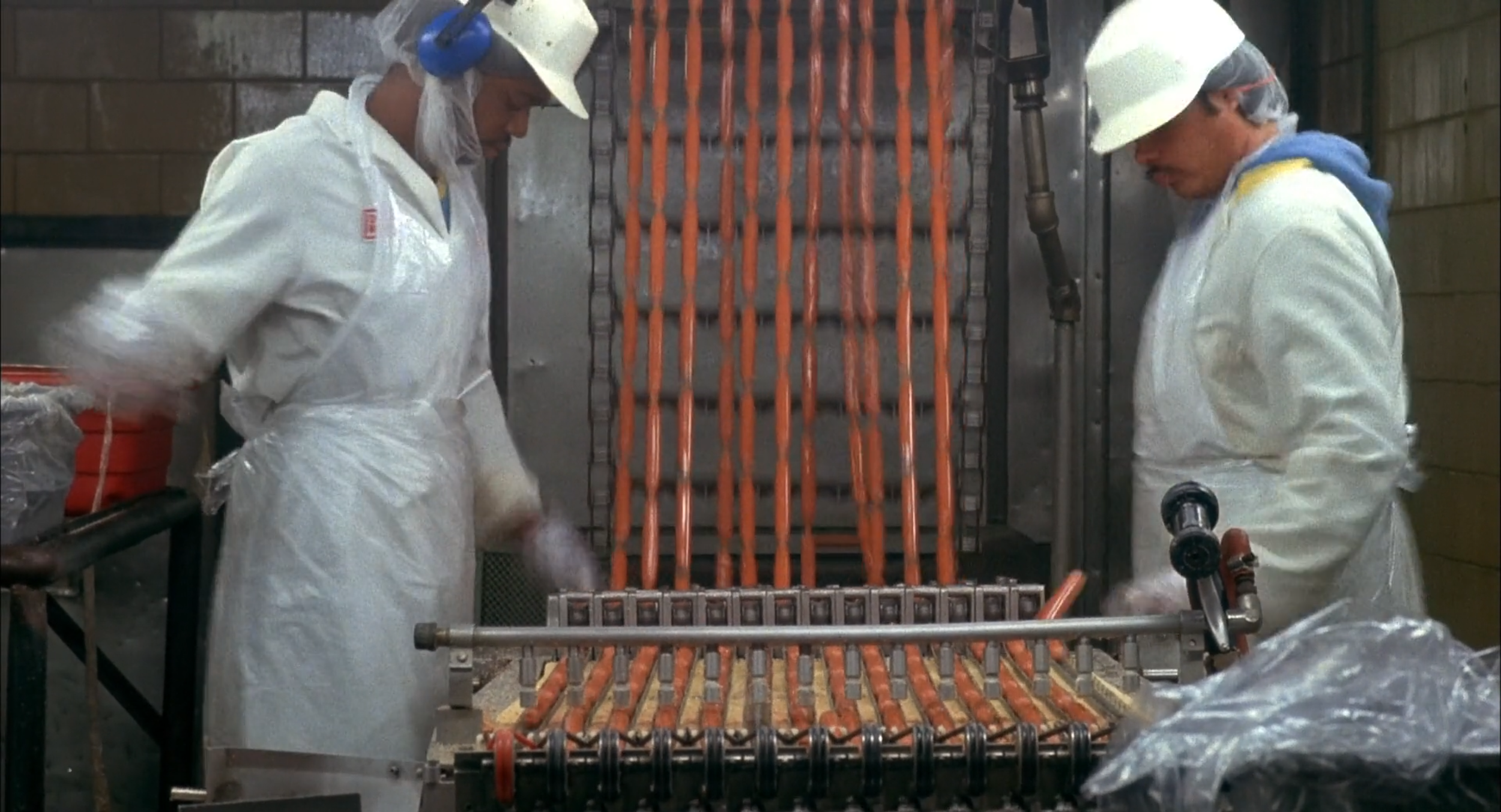
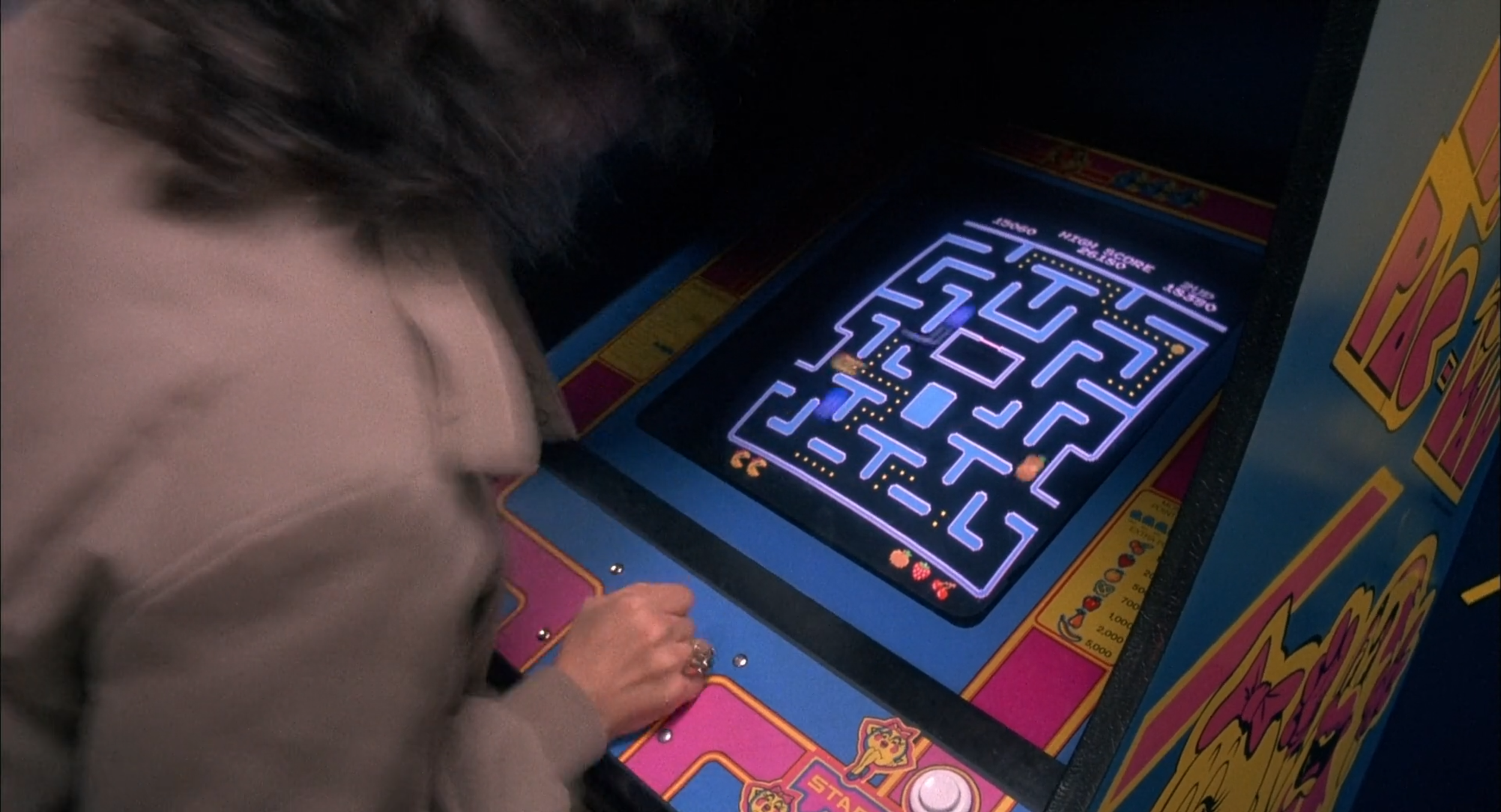
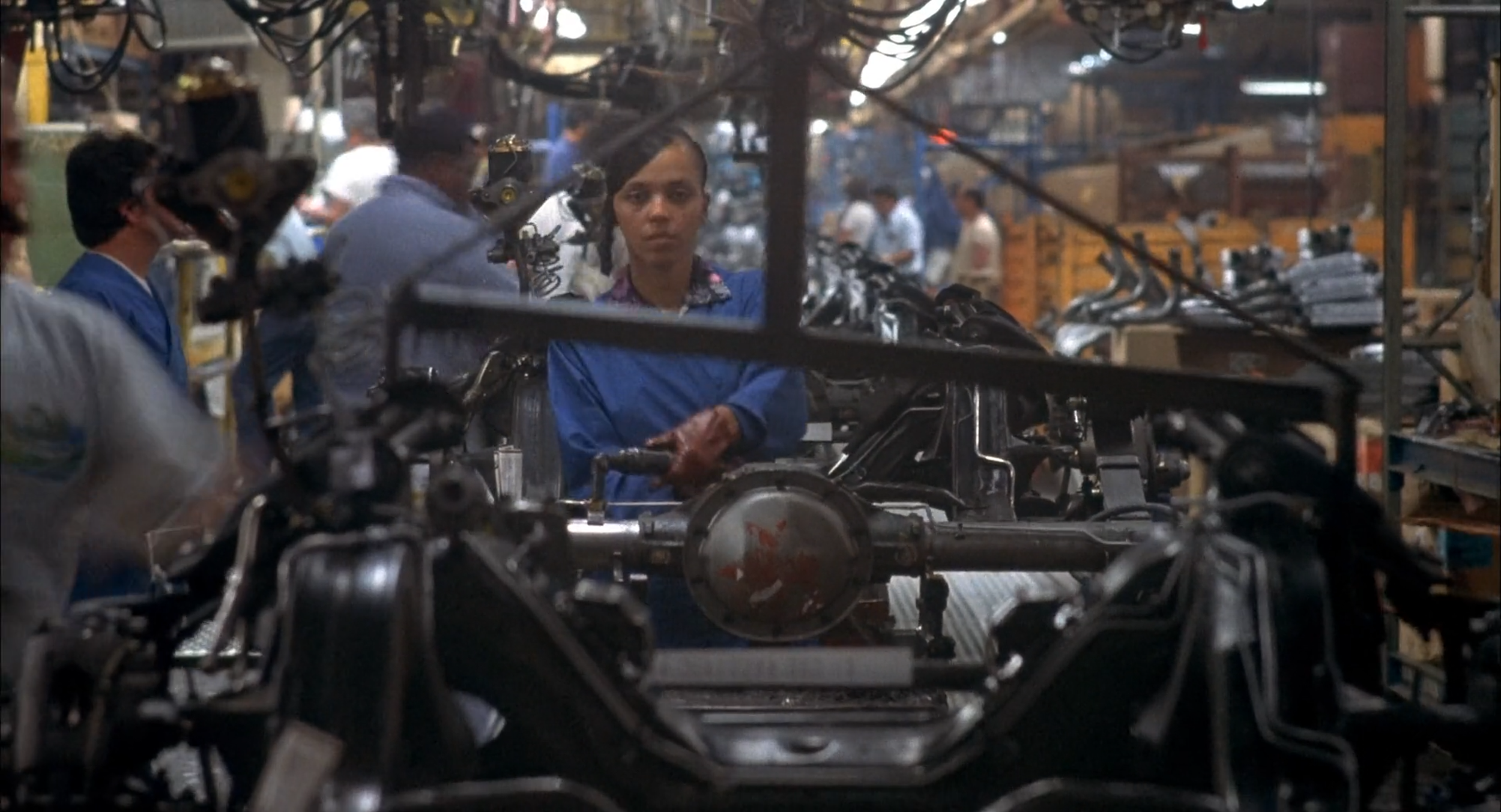
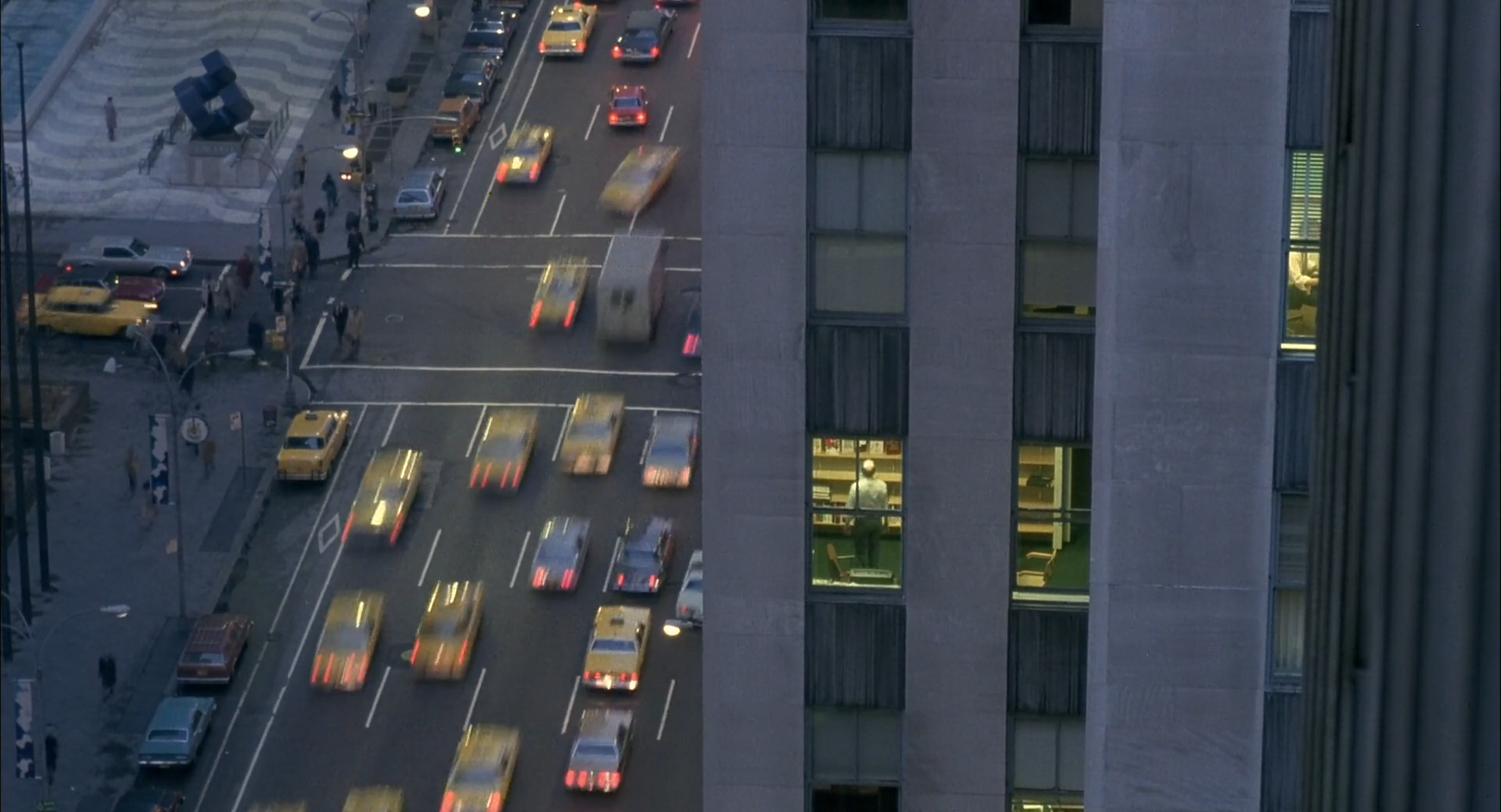
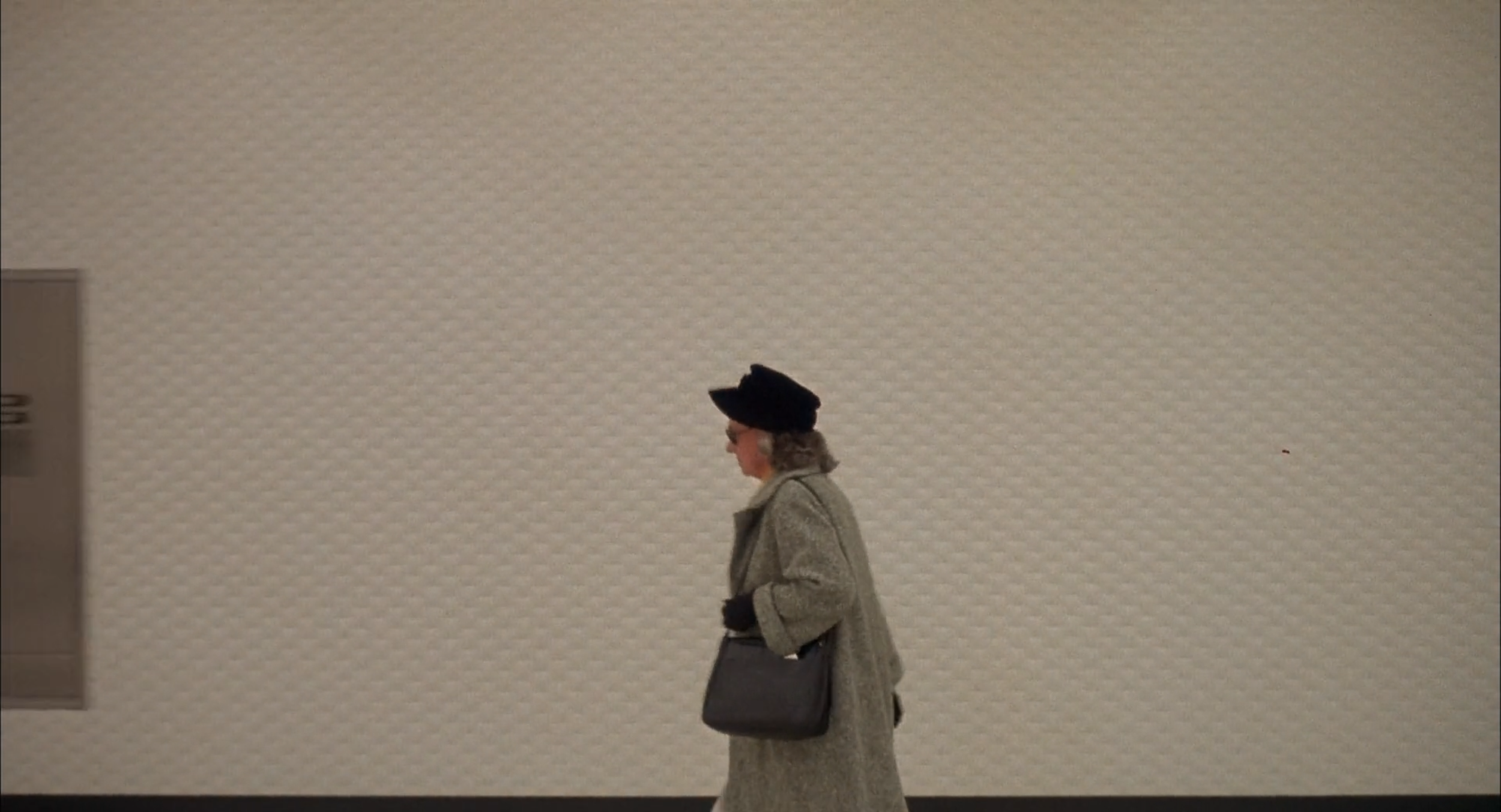
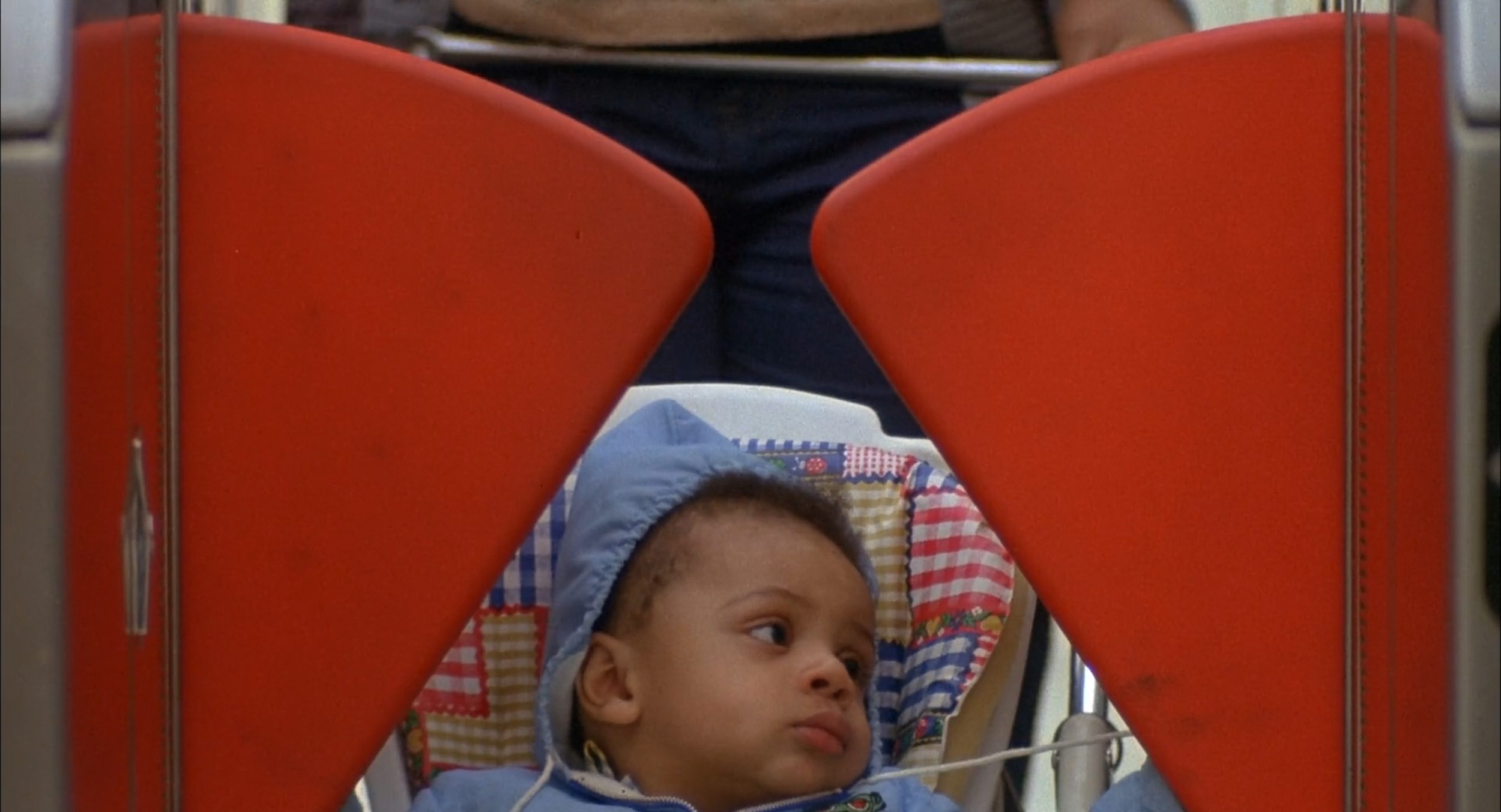
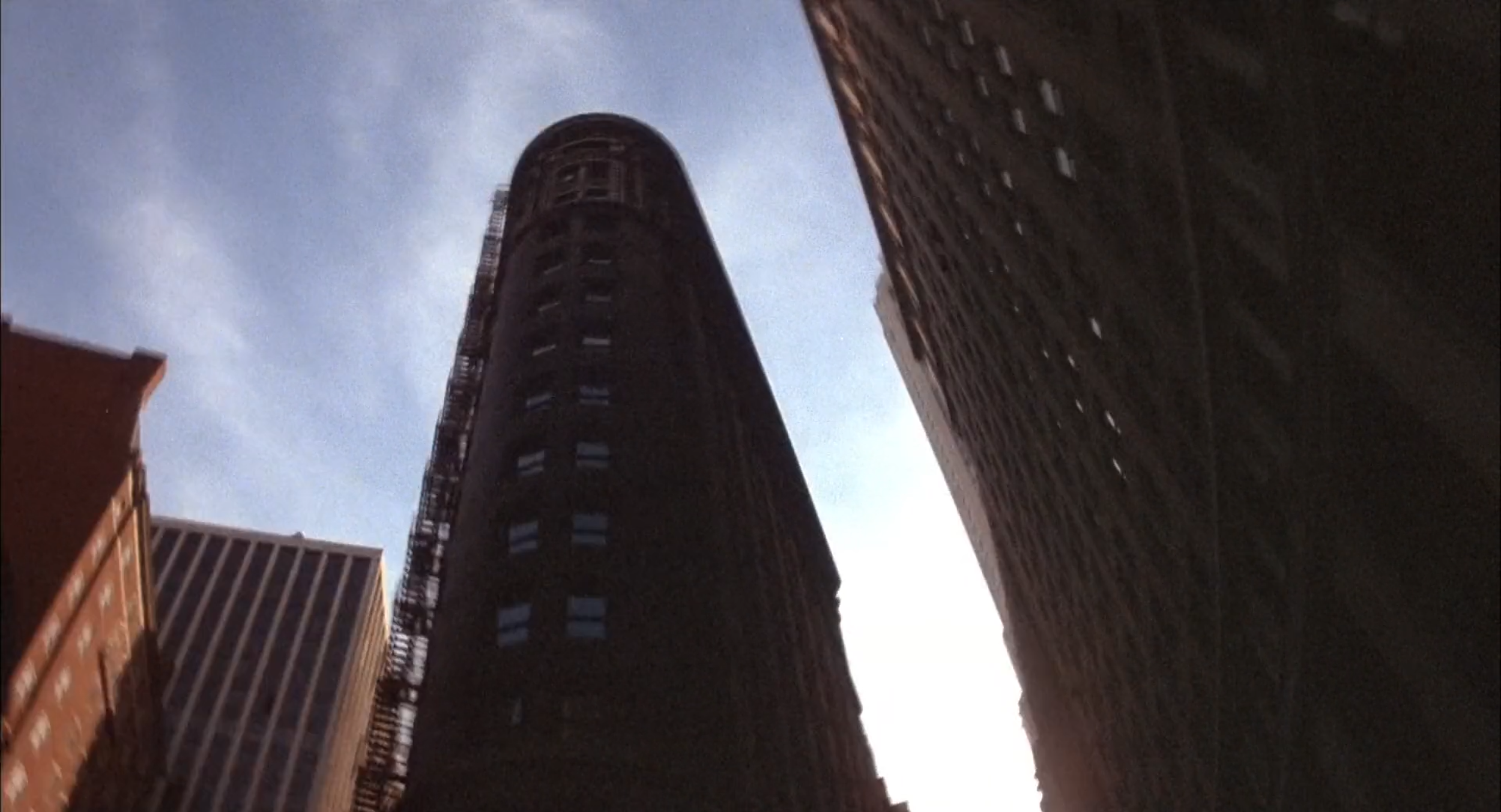
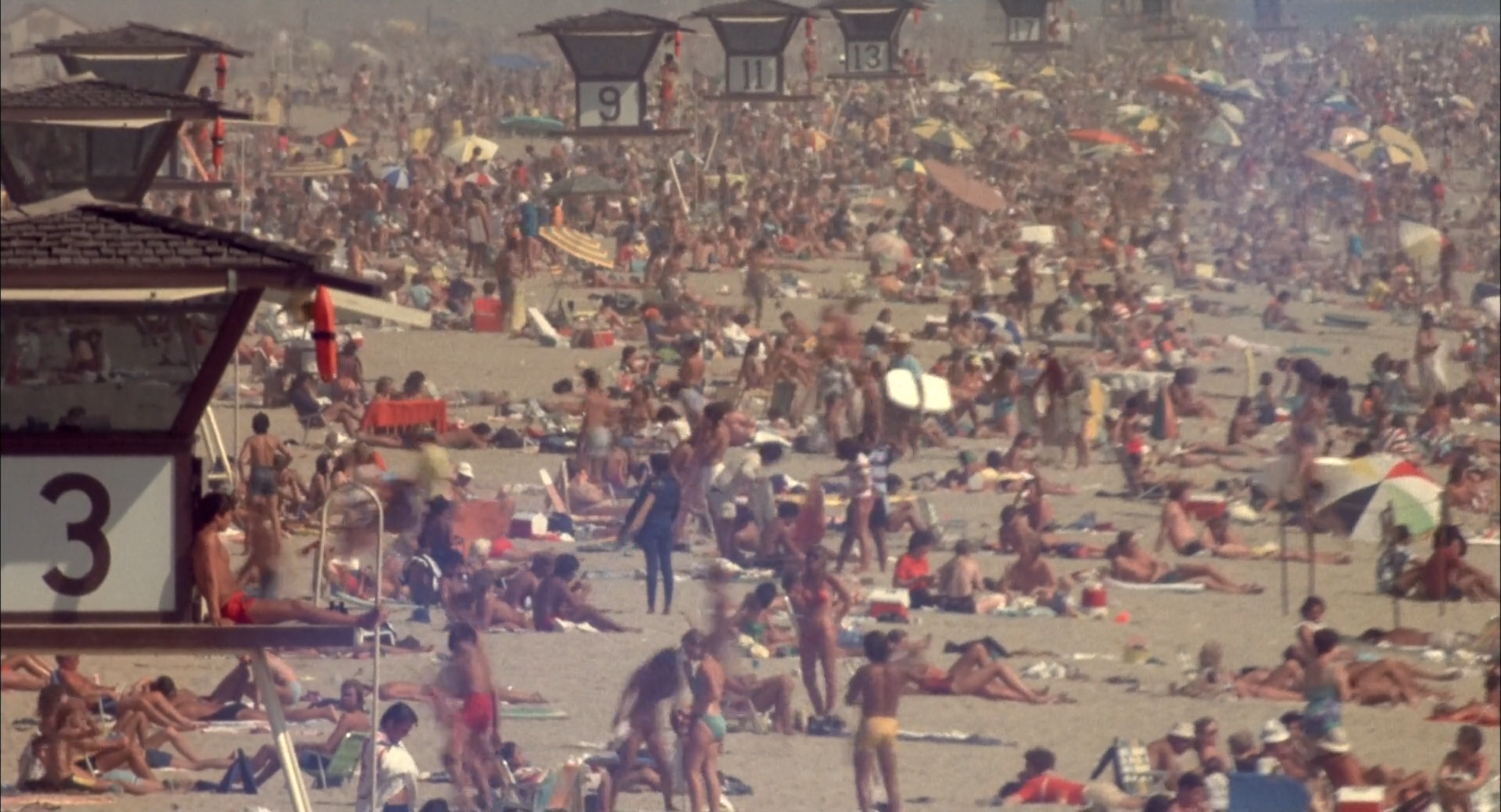
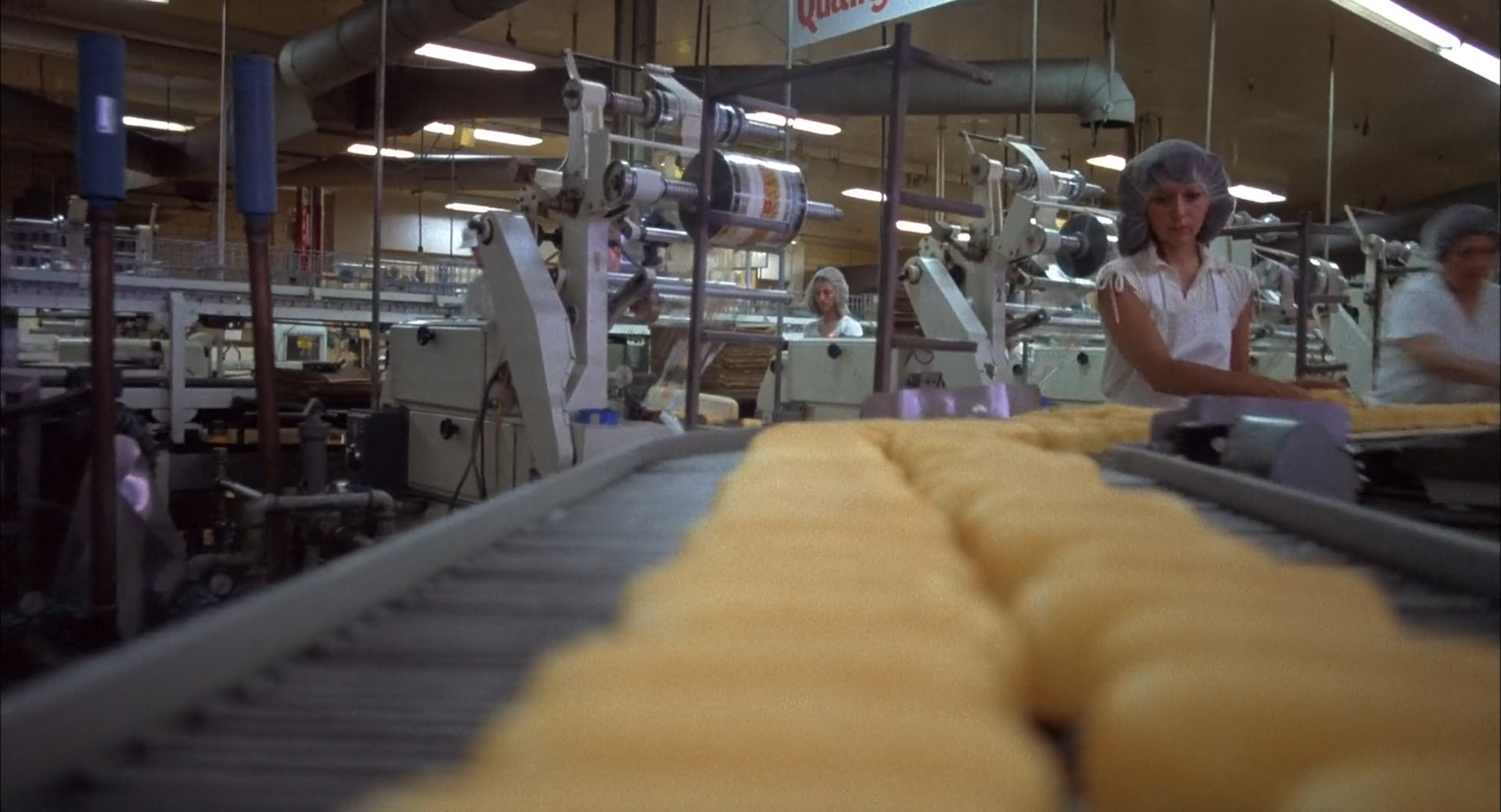
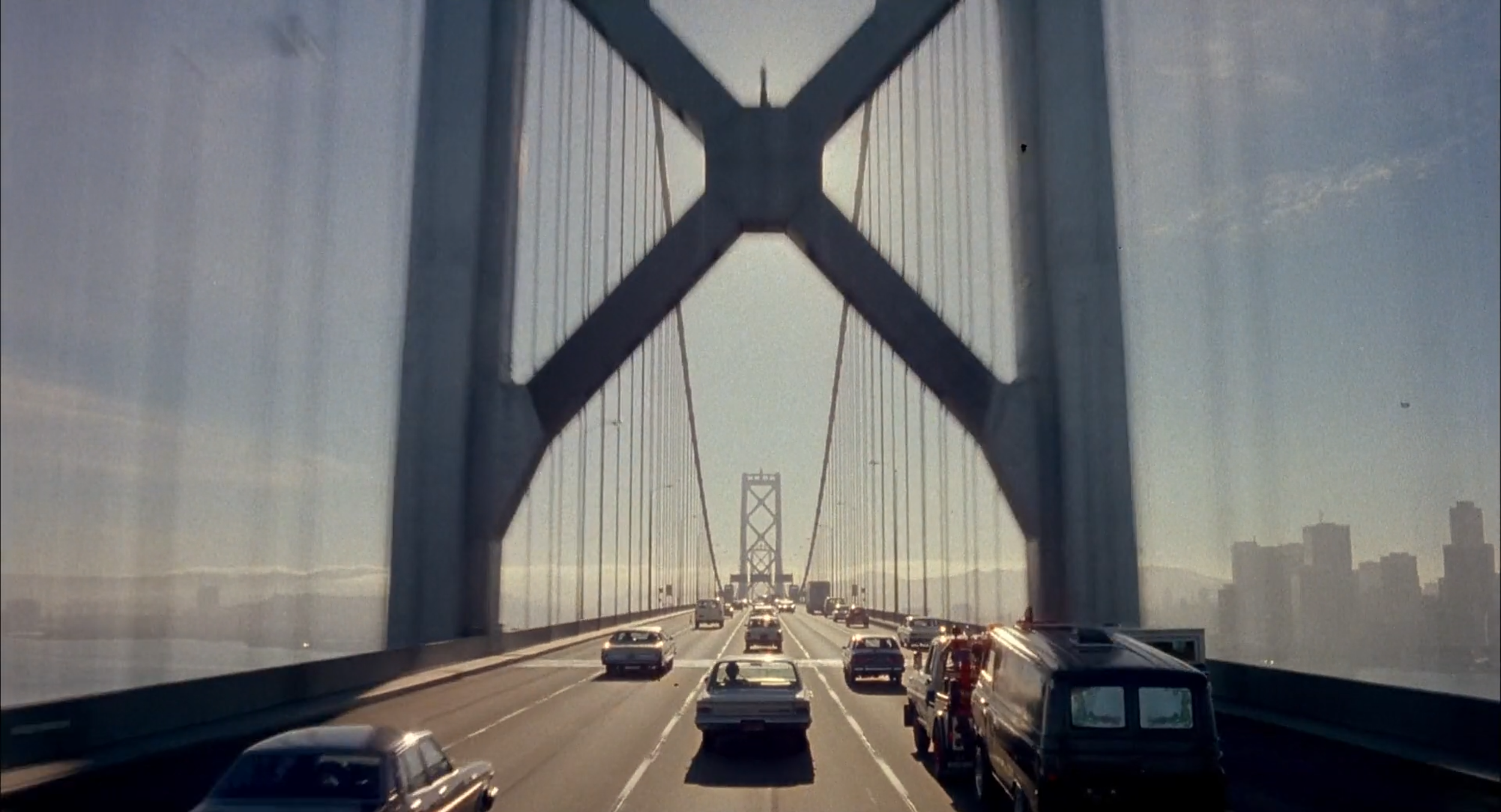
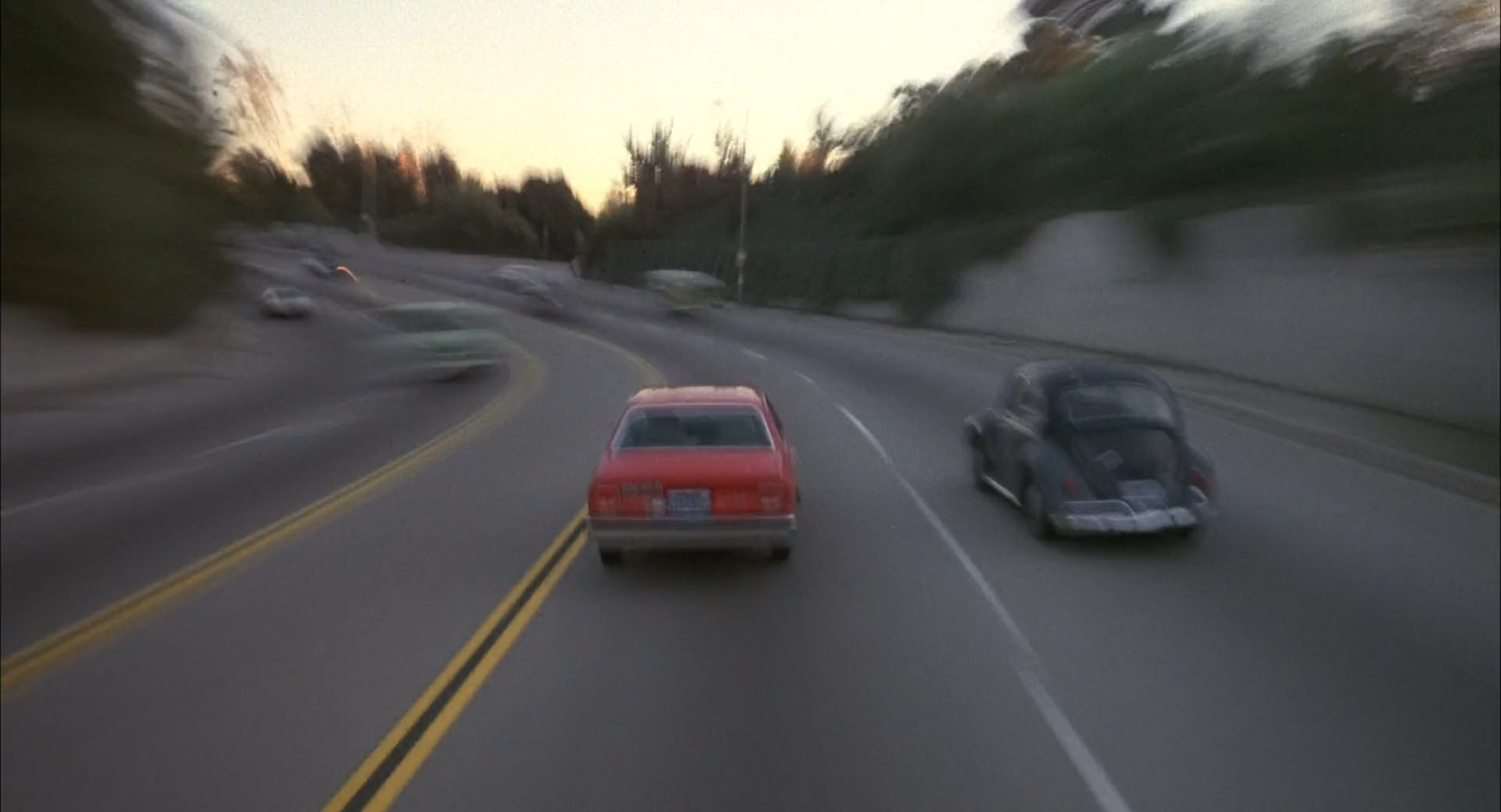
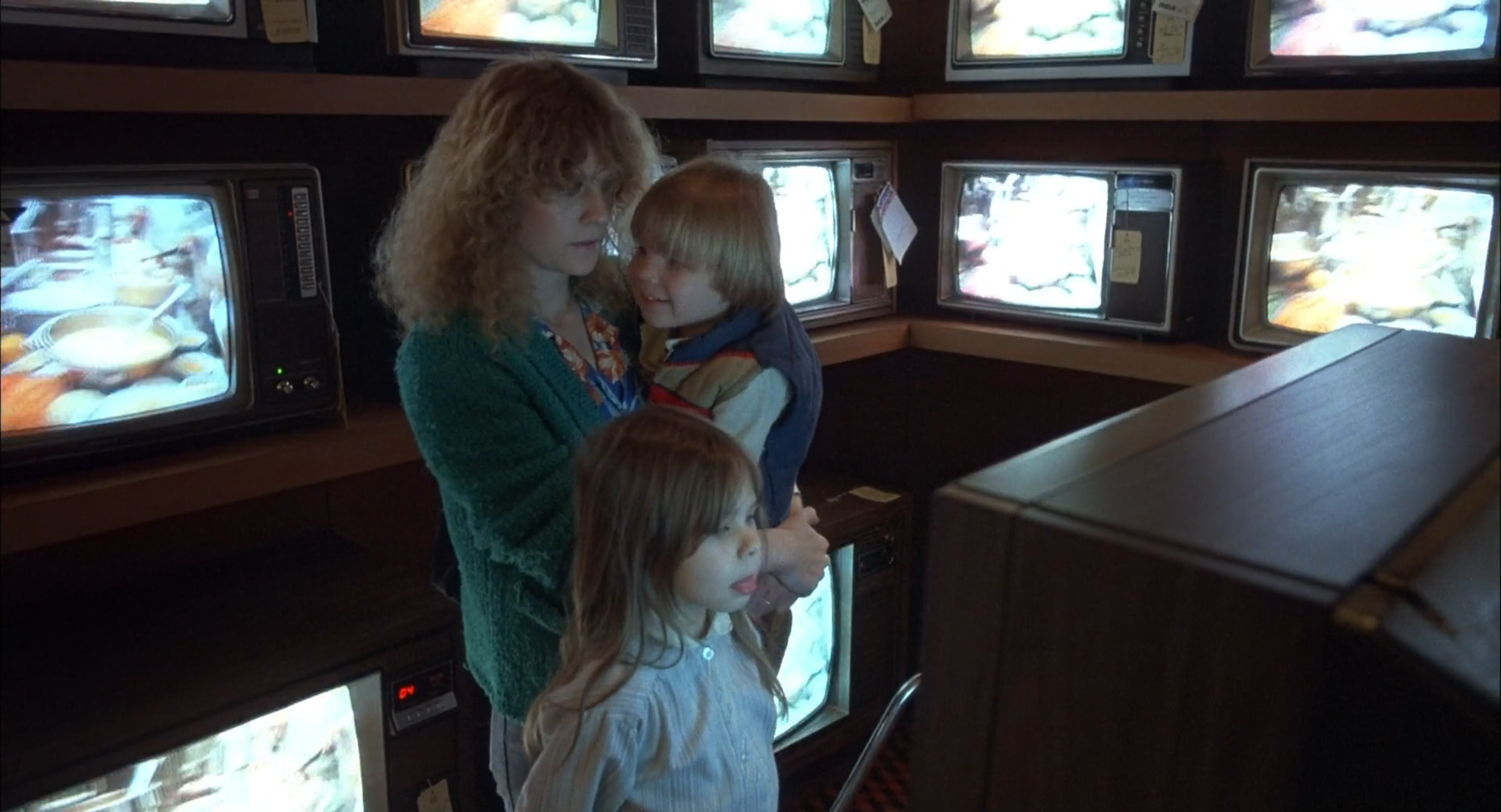
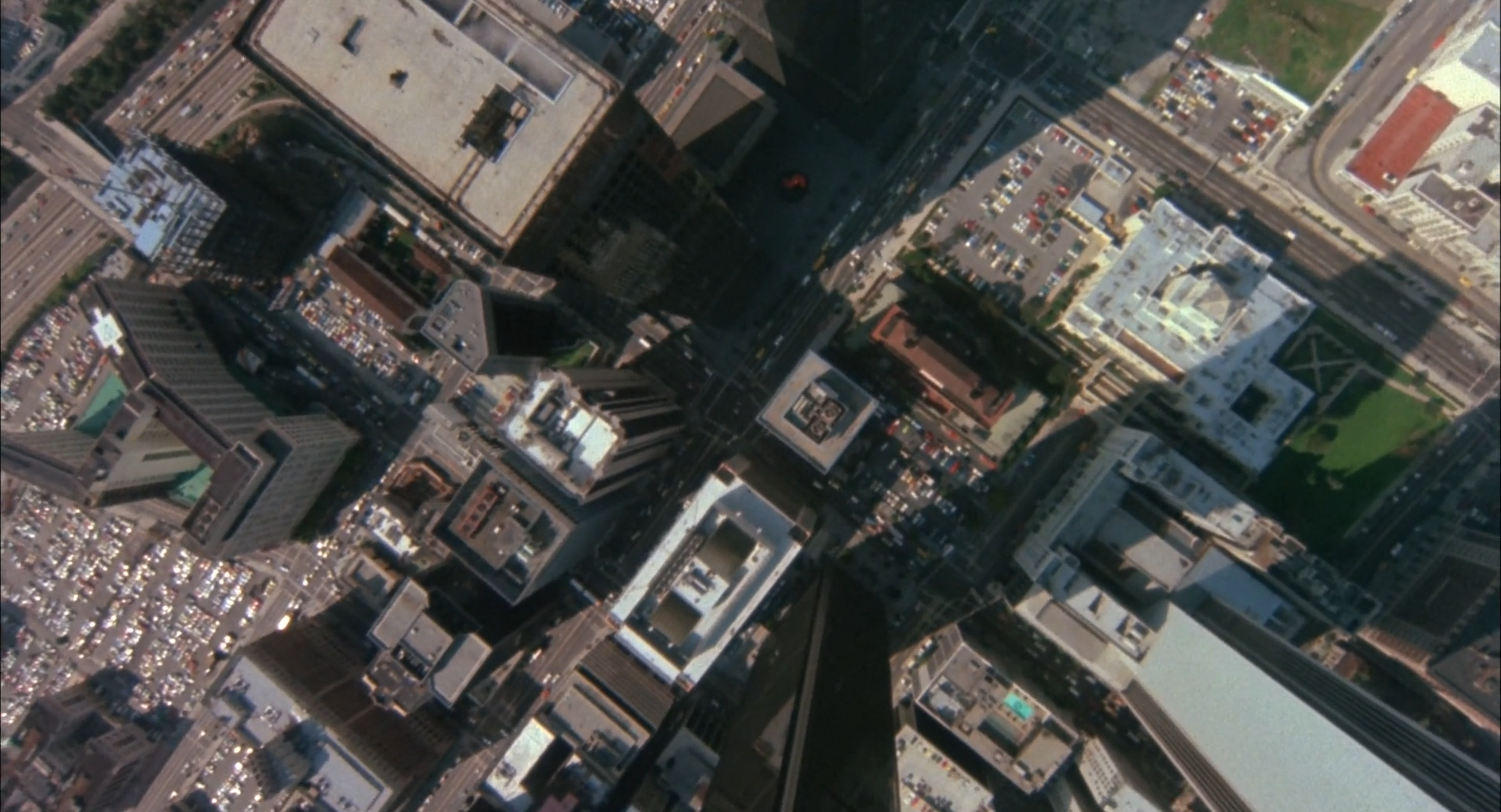
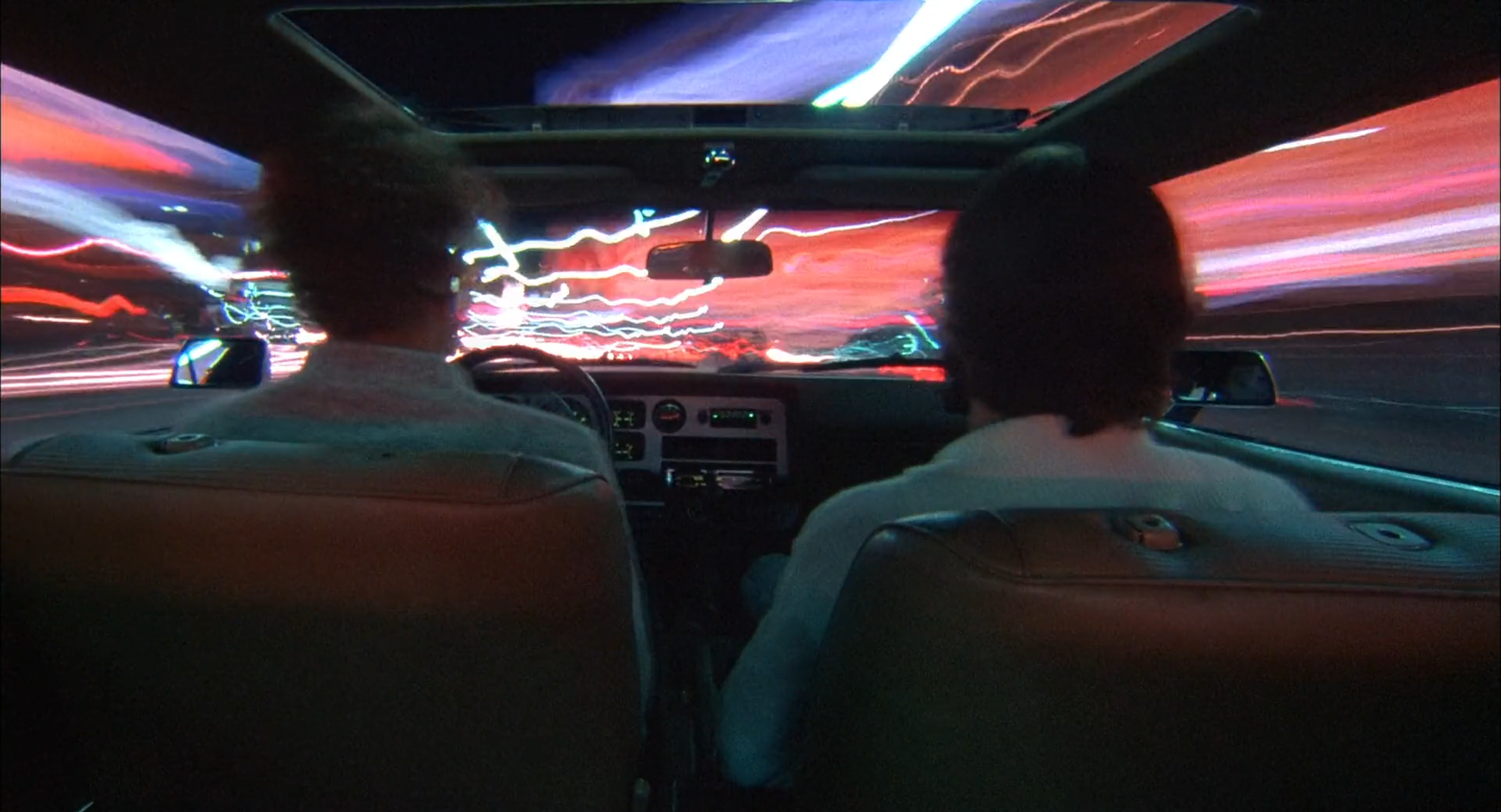
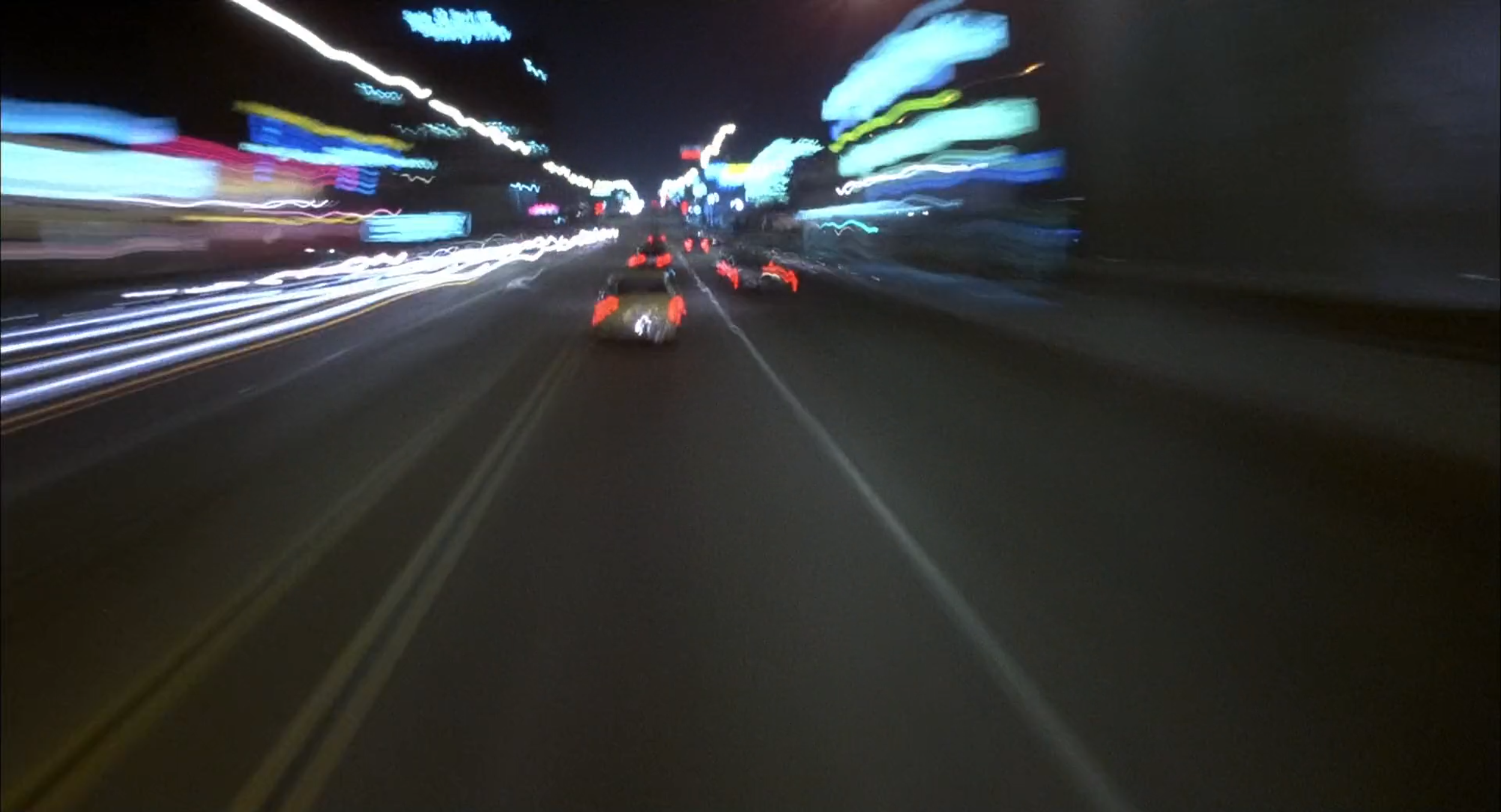
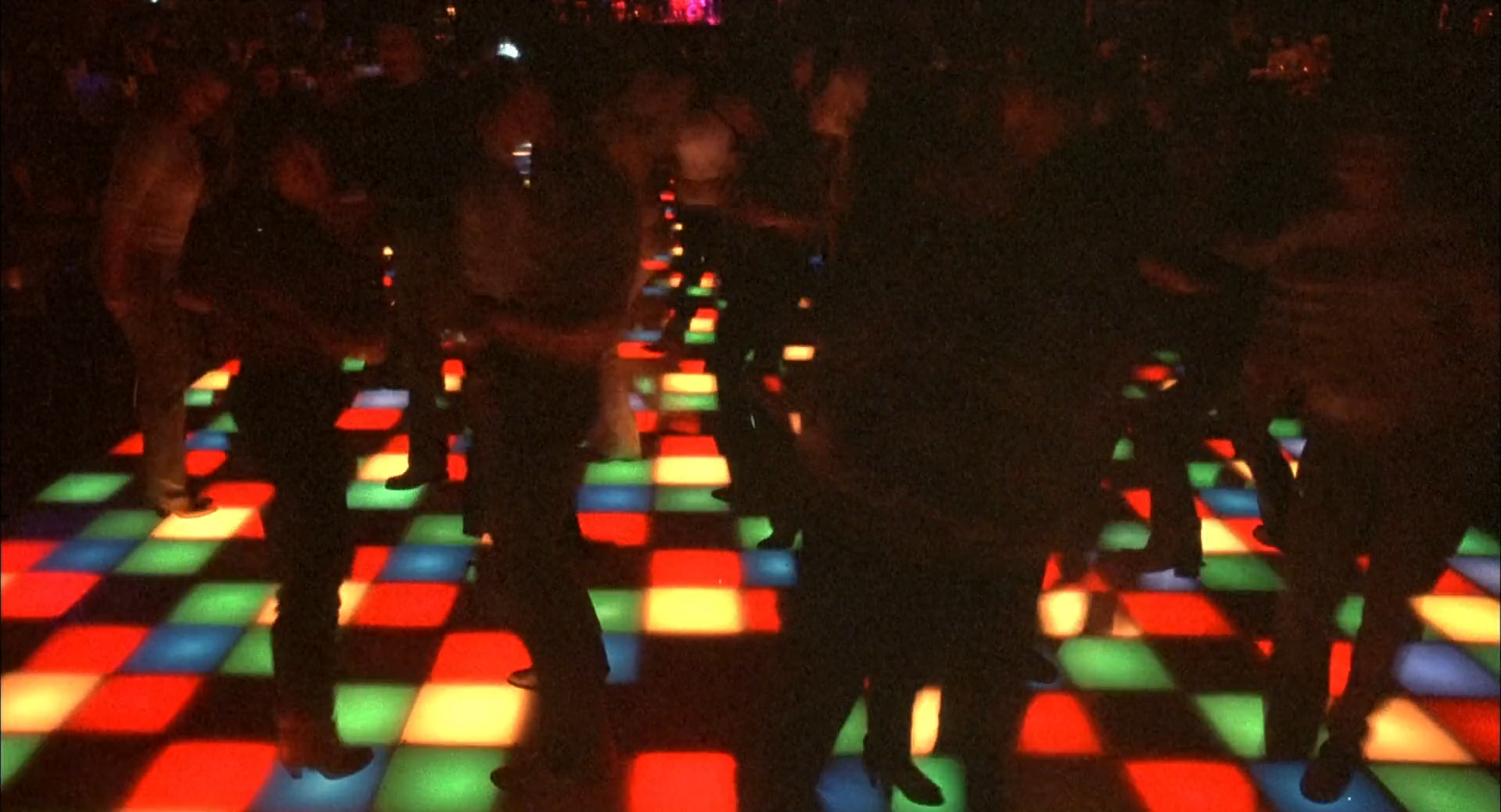
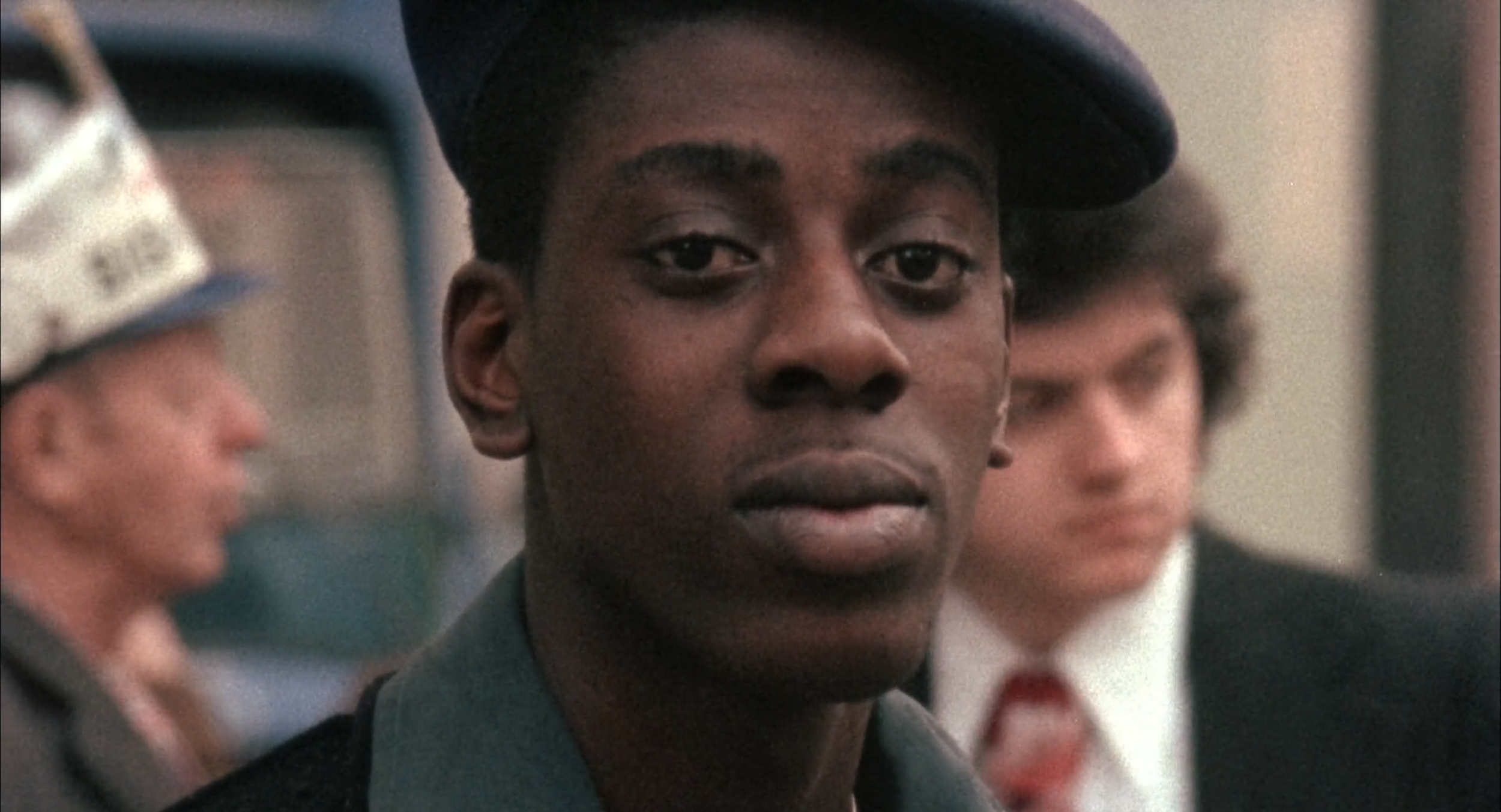
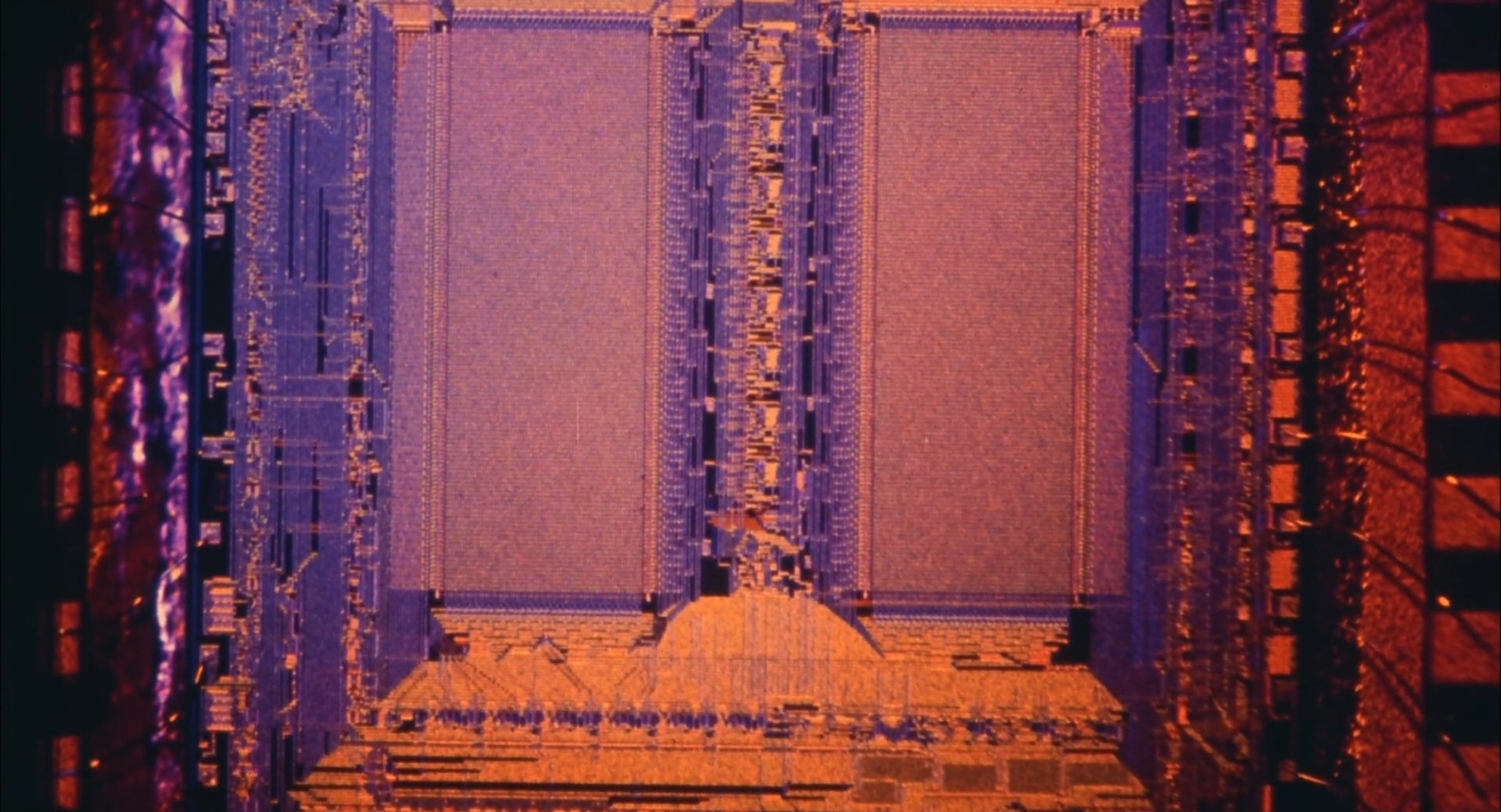
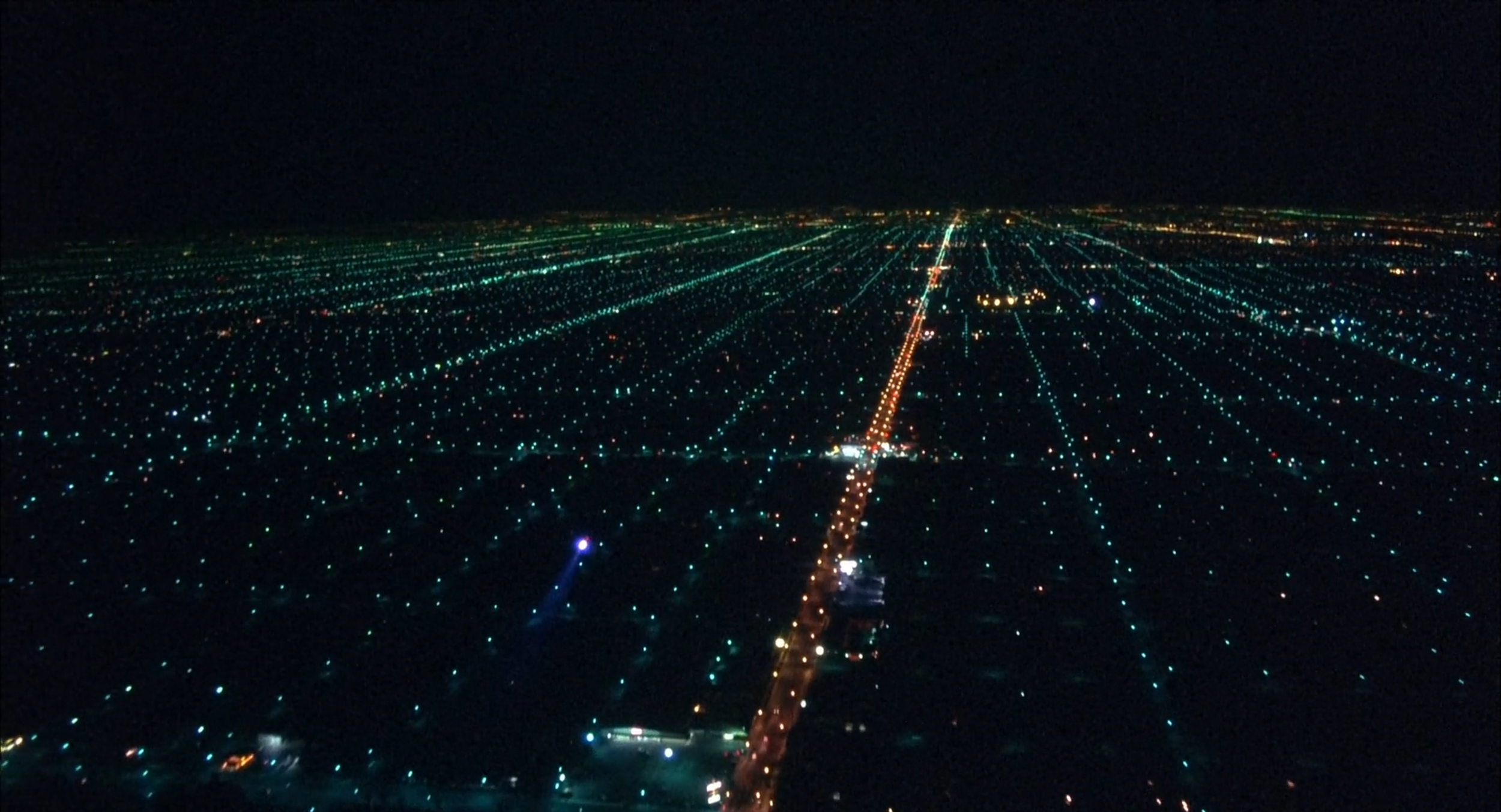
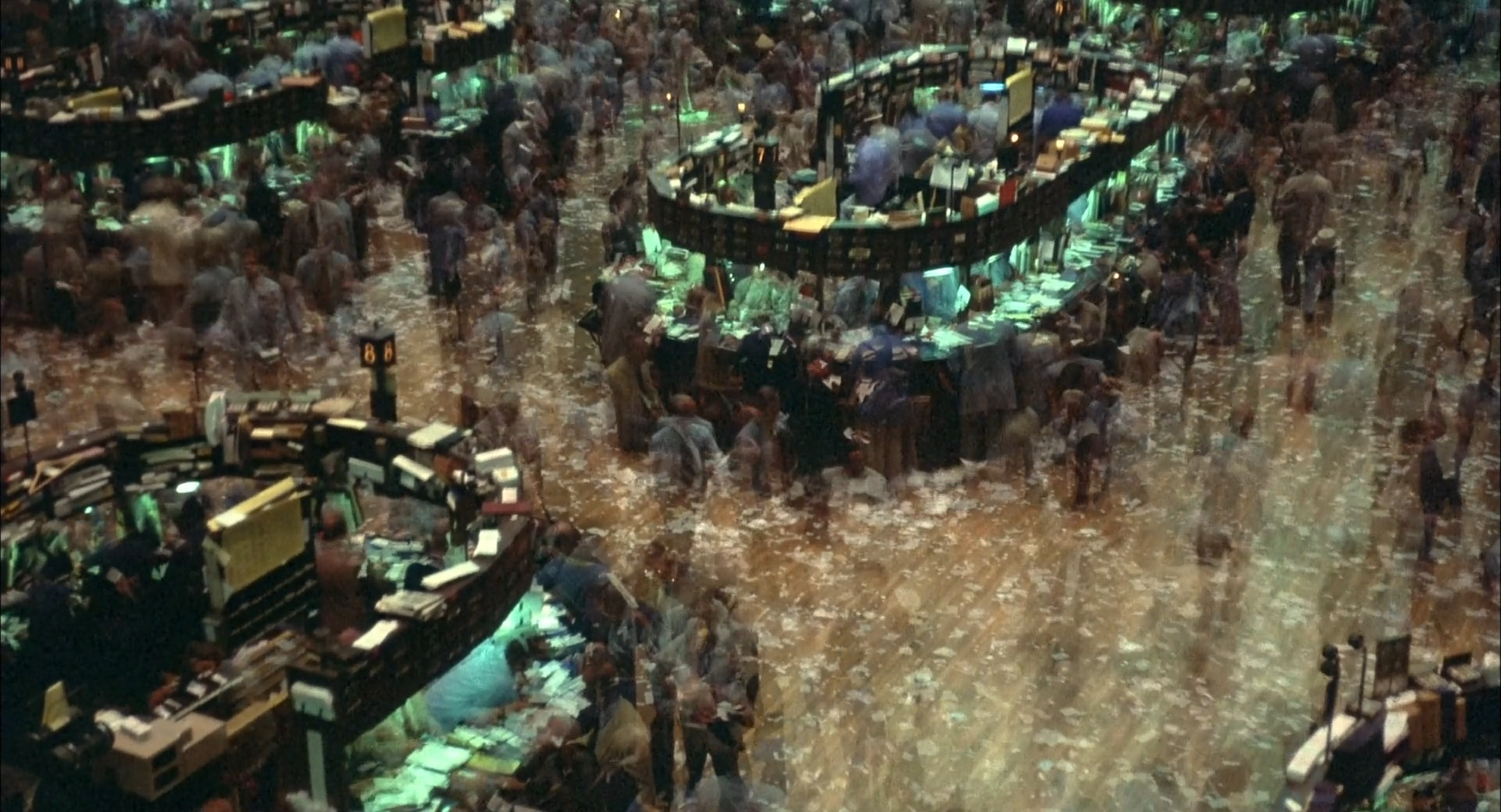
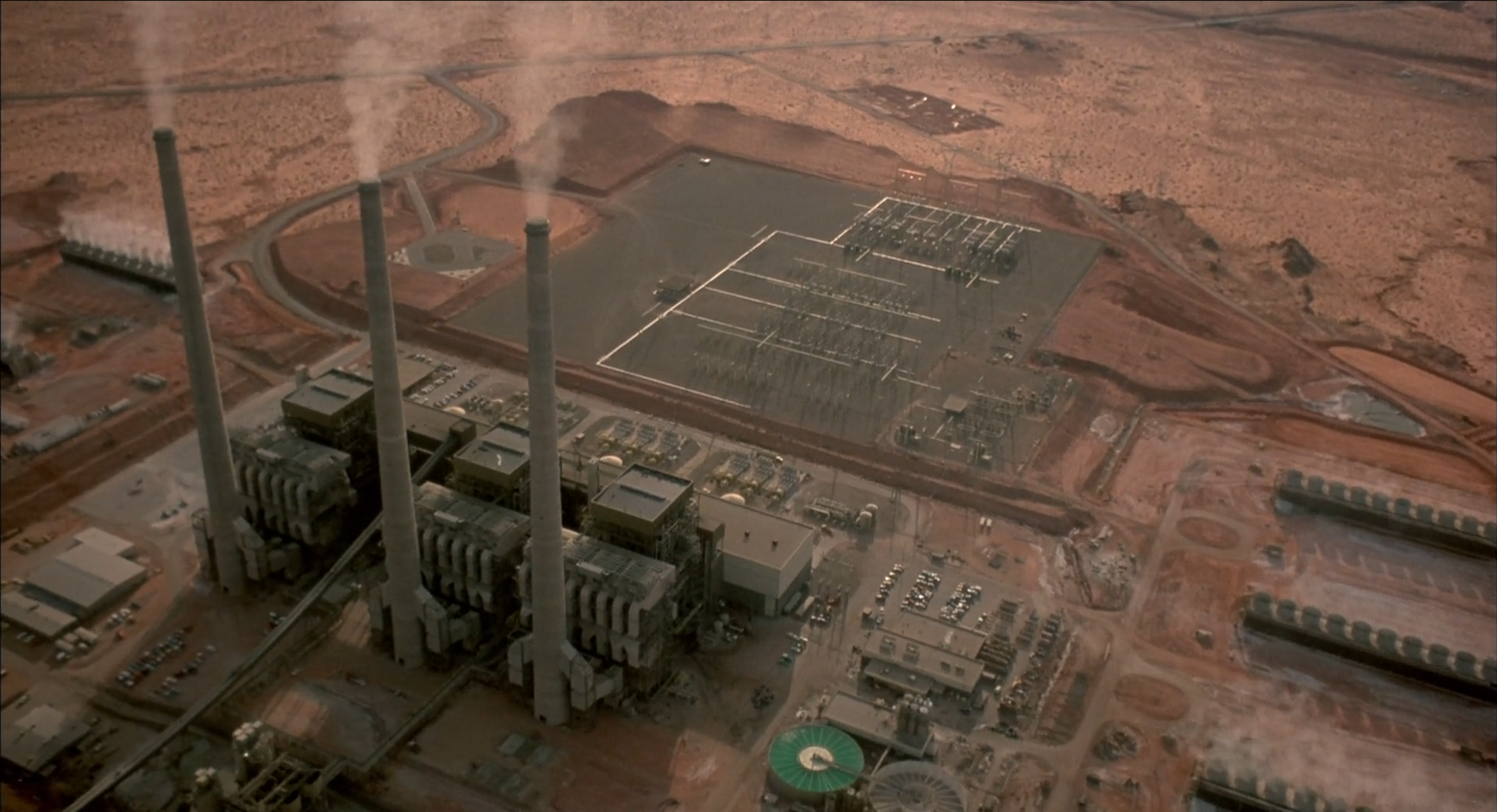
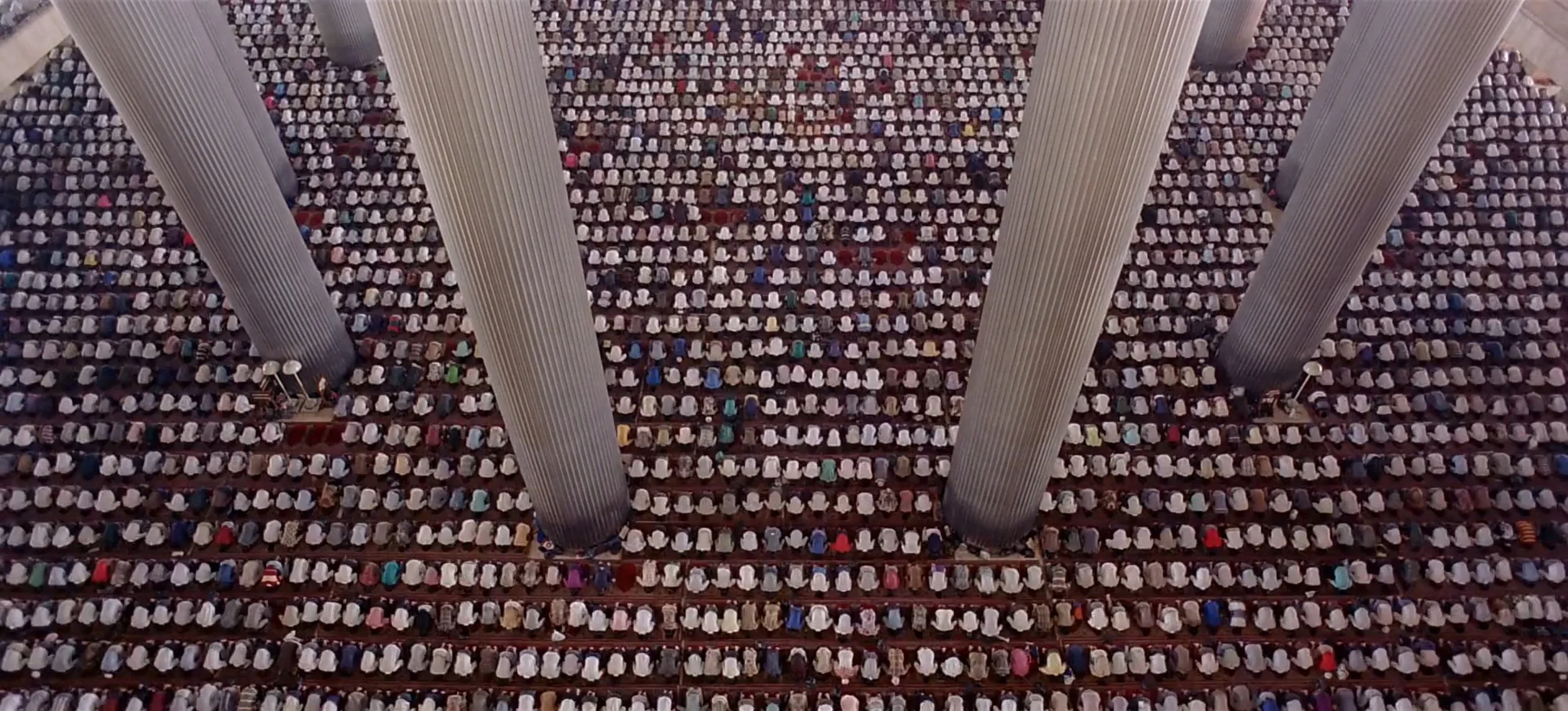
Looming, momentous, triumphant, are some of the words that come to mind when watching this film. For those that are more contemplative in thought, this is one of the few cinematic experiences that can leave a profound impact. The idea of a film with no dialogue may sound daunting to casual viewers, but with the help of Philip Glass’ contemporary droning soundtrack, it adds a foreboding wonder to the images. The film is a collection of clips examining humanity spanning decades long, one can only imagine how long the rolls of film were in making this especially because of the time-lapses. There are many other filmmaking techniques pioneered from this film, the time-lapses being of most significant magically turning clouds into waterfalls and cars into shooting stars. This in combination with the lensing and omniscient angles allows for a god-like perspective akin to a Sims Game where humans scuttle around like ants in 5x speed. Aerial shots and slow-motion are also utilized to capture the mundane through an extraordinary lens. Though mostly static shots, the gate weaving of the celluloid allows still moments to have a life of its own. It’s a deliberately beautiful picture and surprisingly a powerful story despite no words because it is the story of us. It’s quite impressive how music and contextual images alone can still have a beginning, climax and end. Our world is presented with an honest realism to explore rather than explain who we are and how we got here. We literally see how the sausage is made!
Analysis:
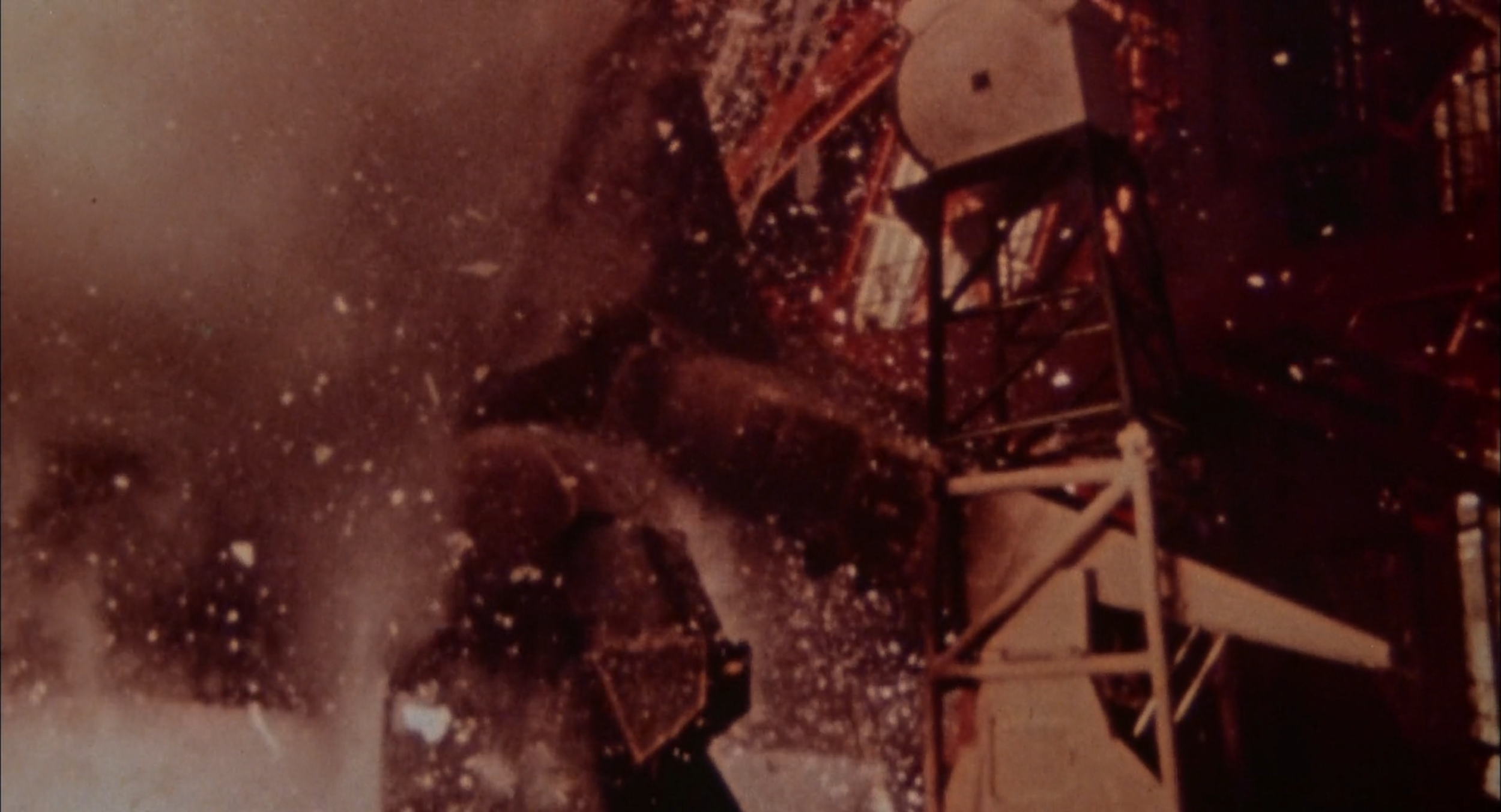
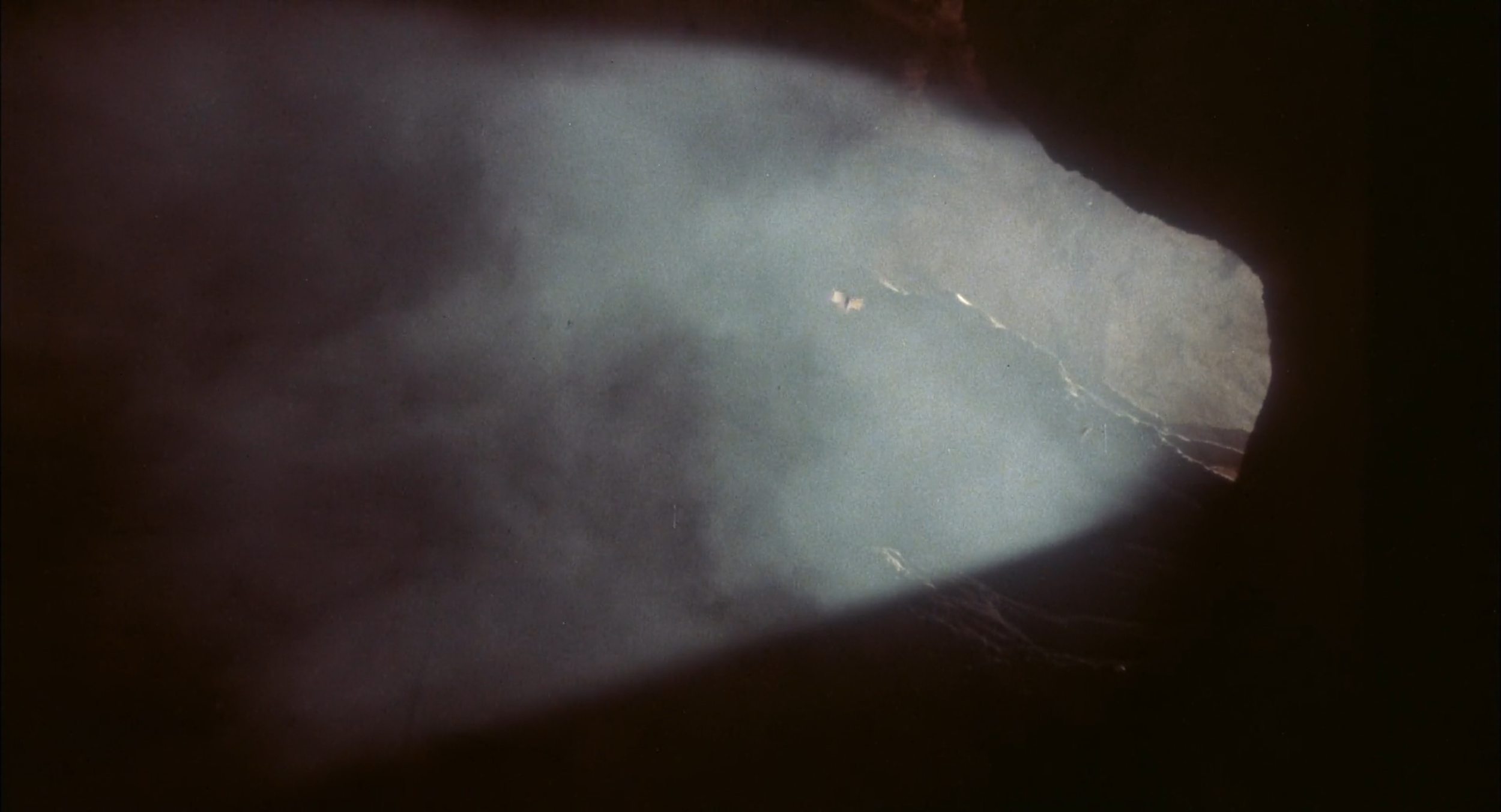
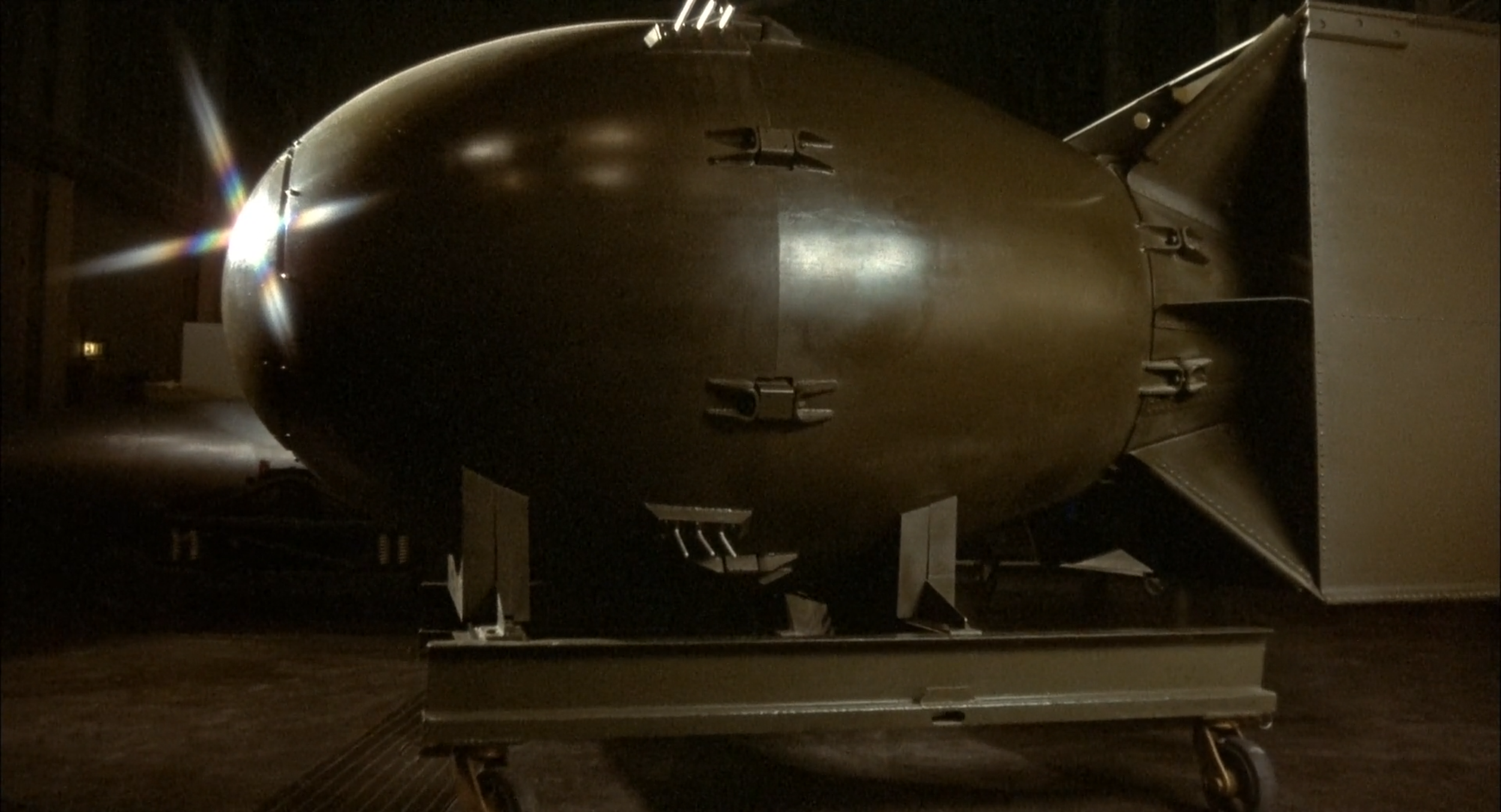
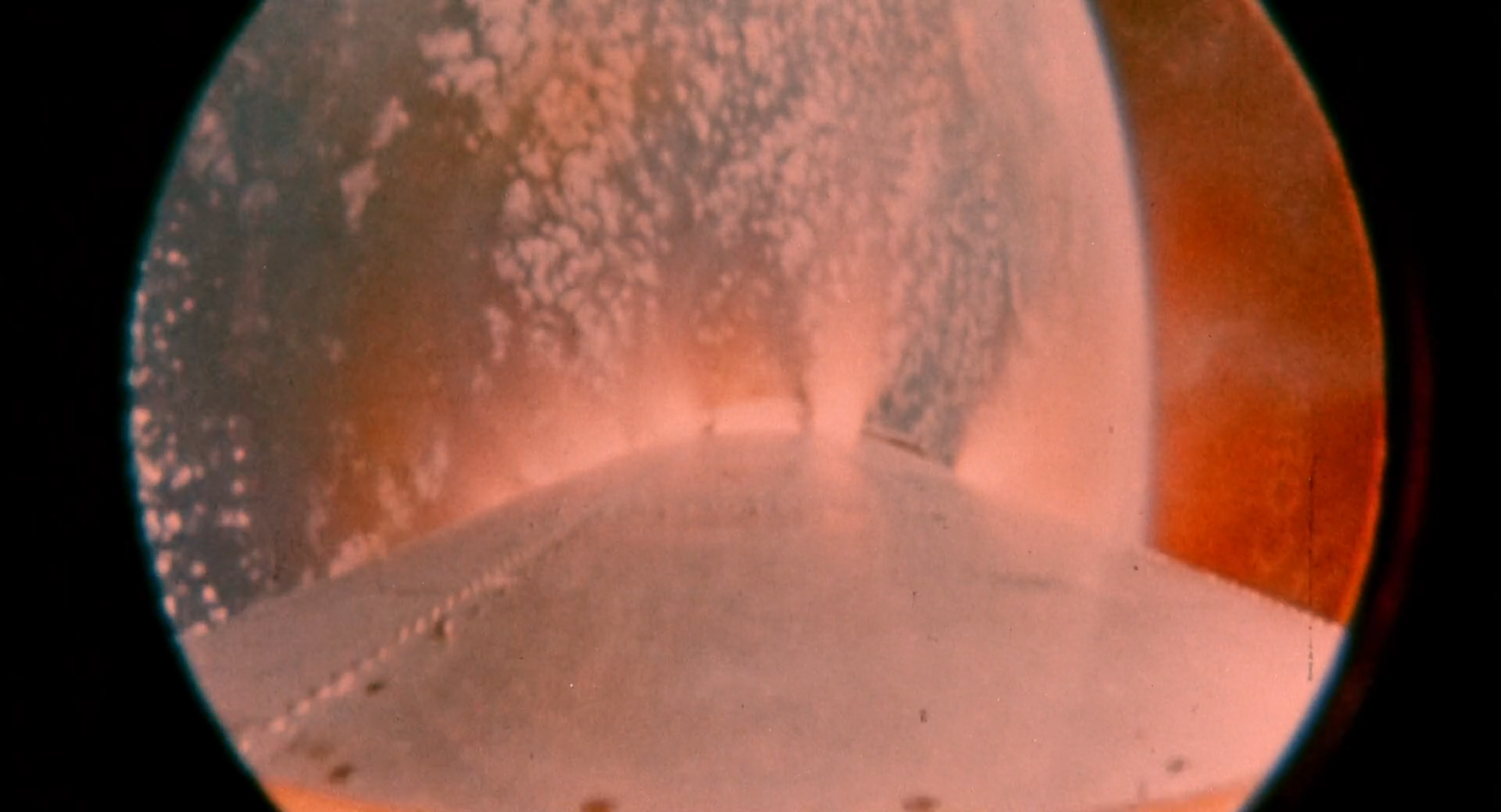
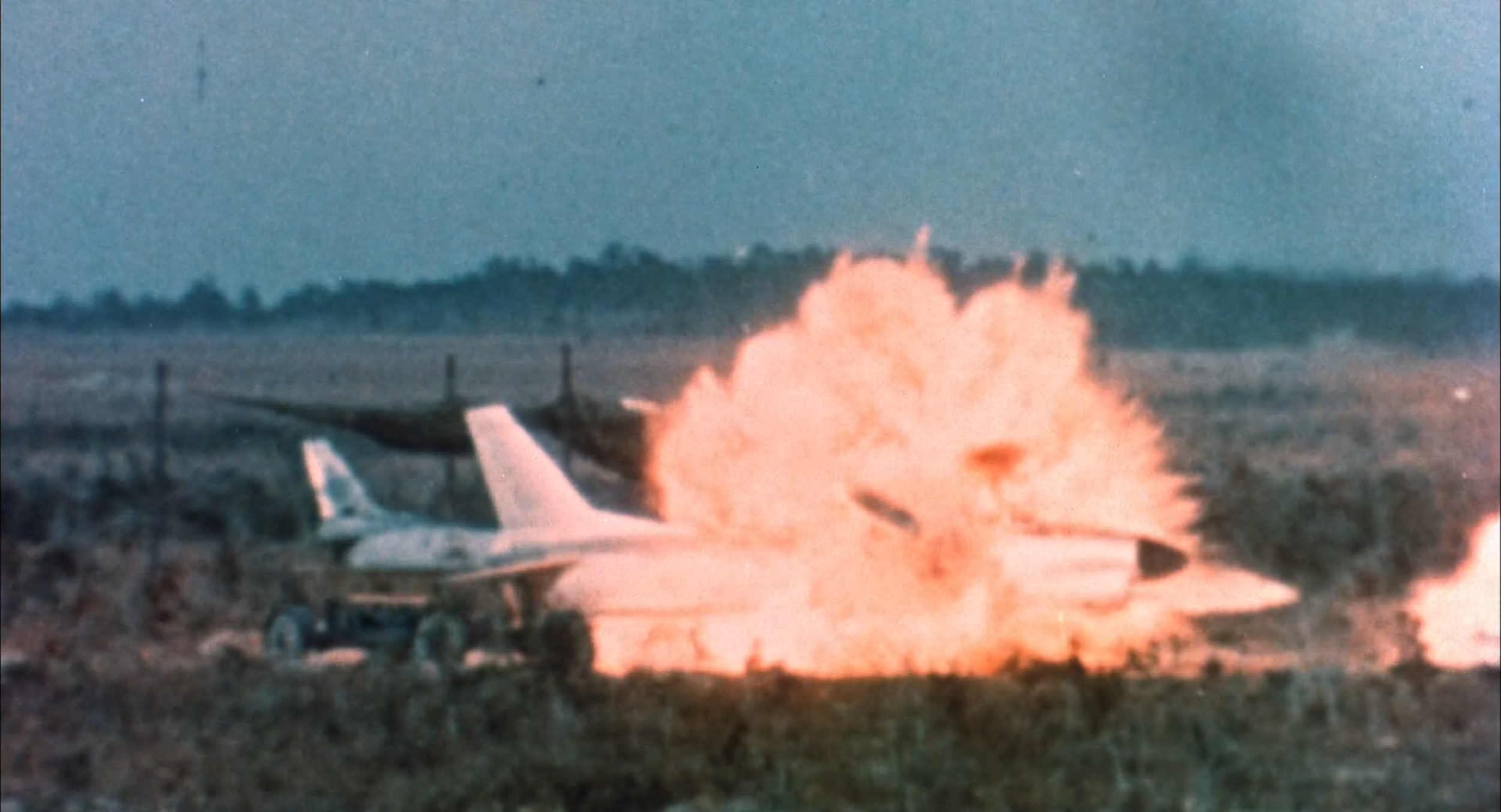
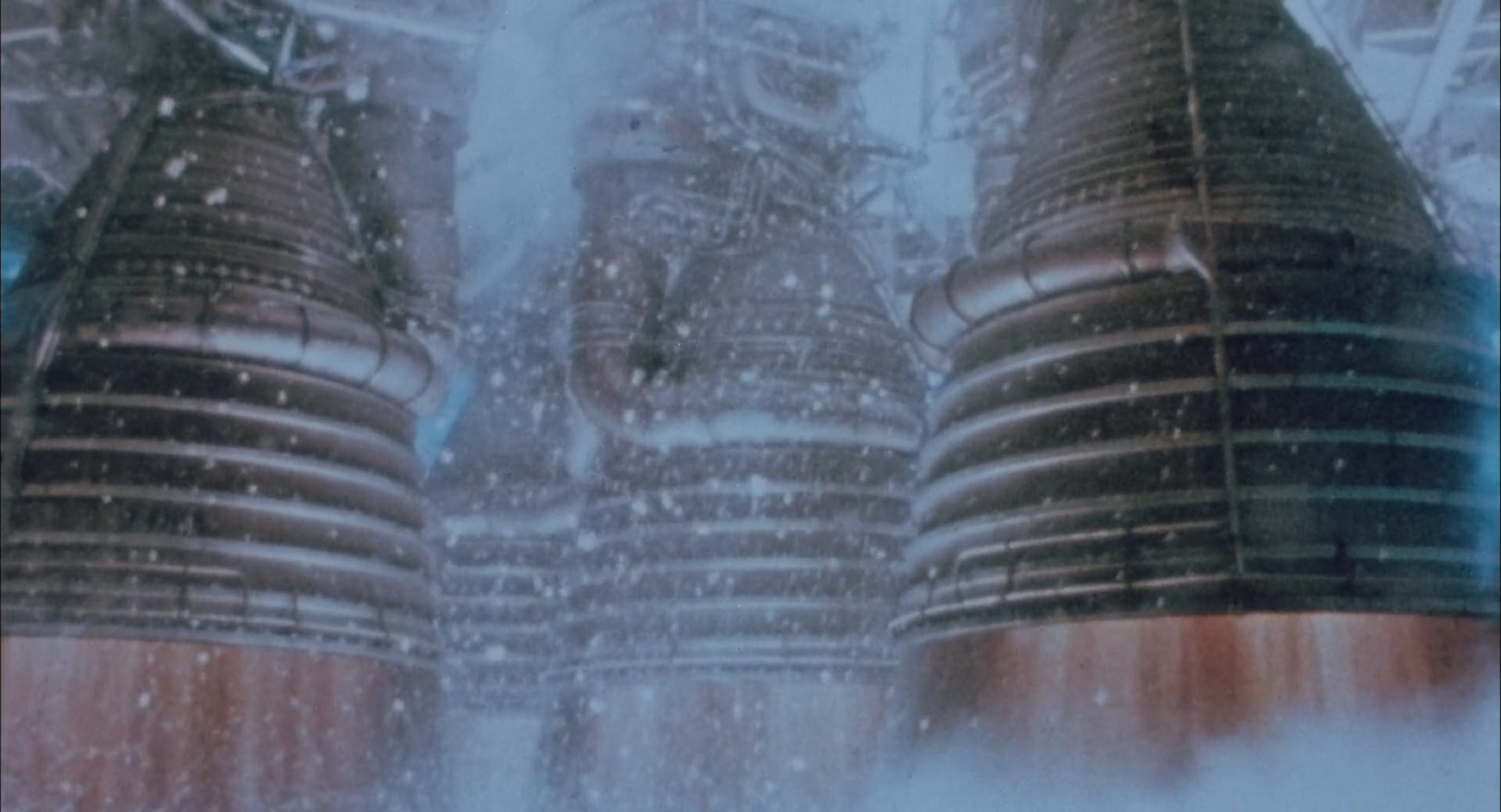
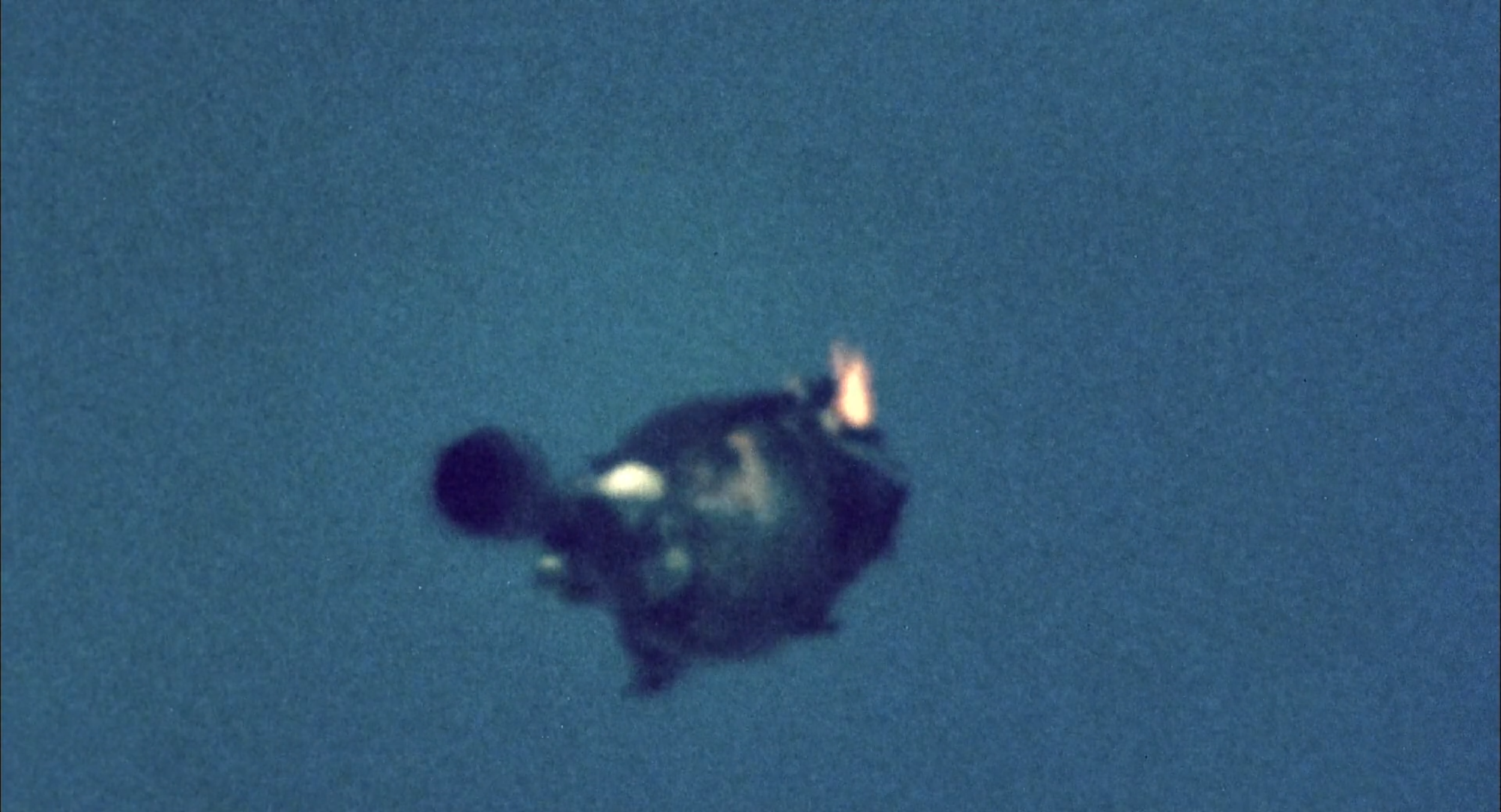
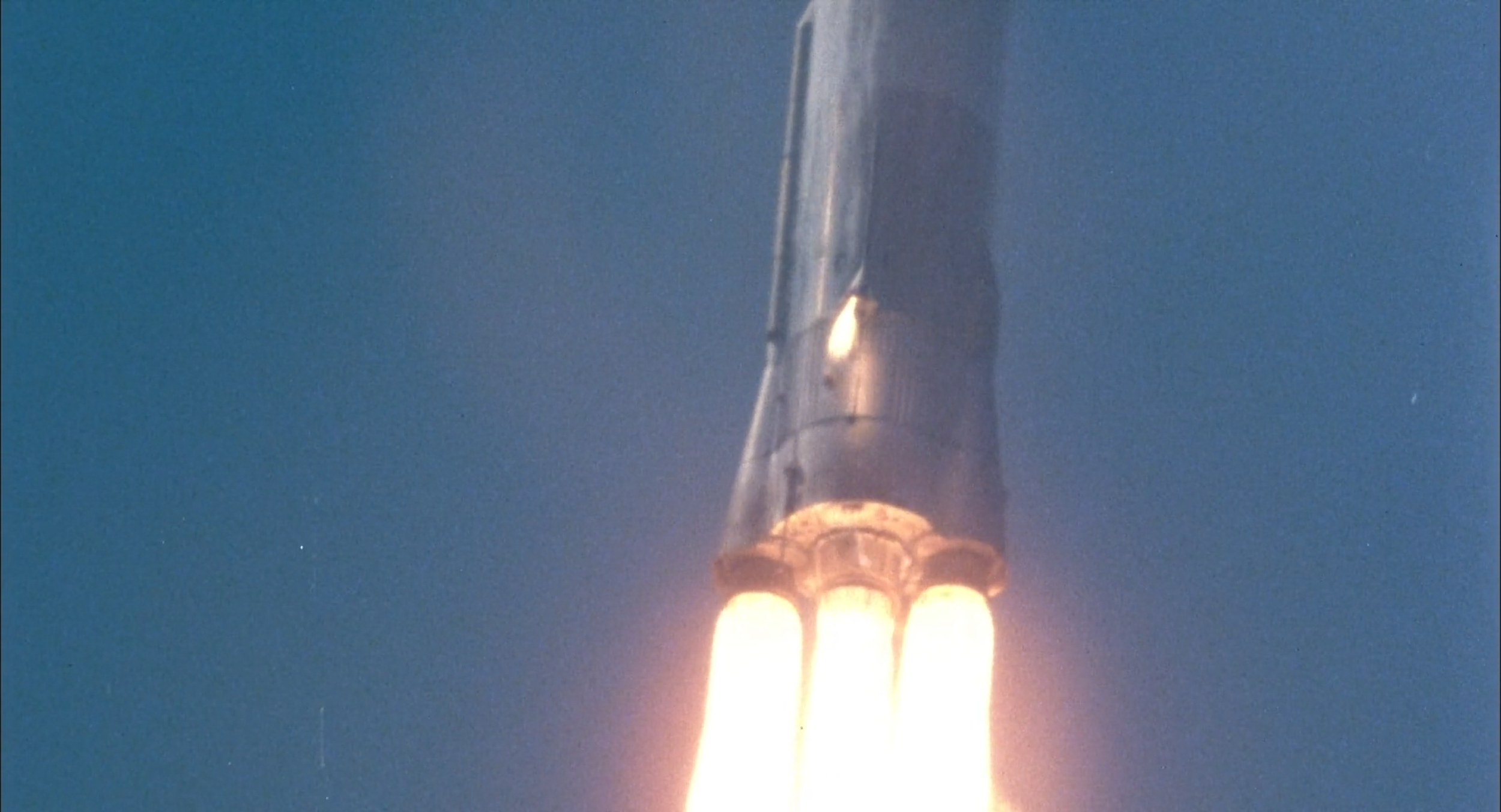
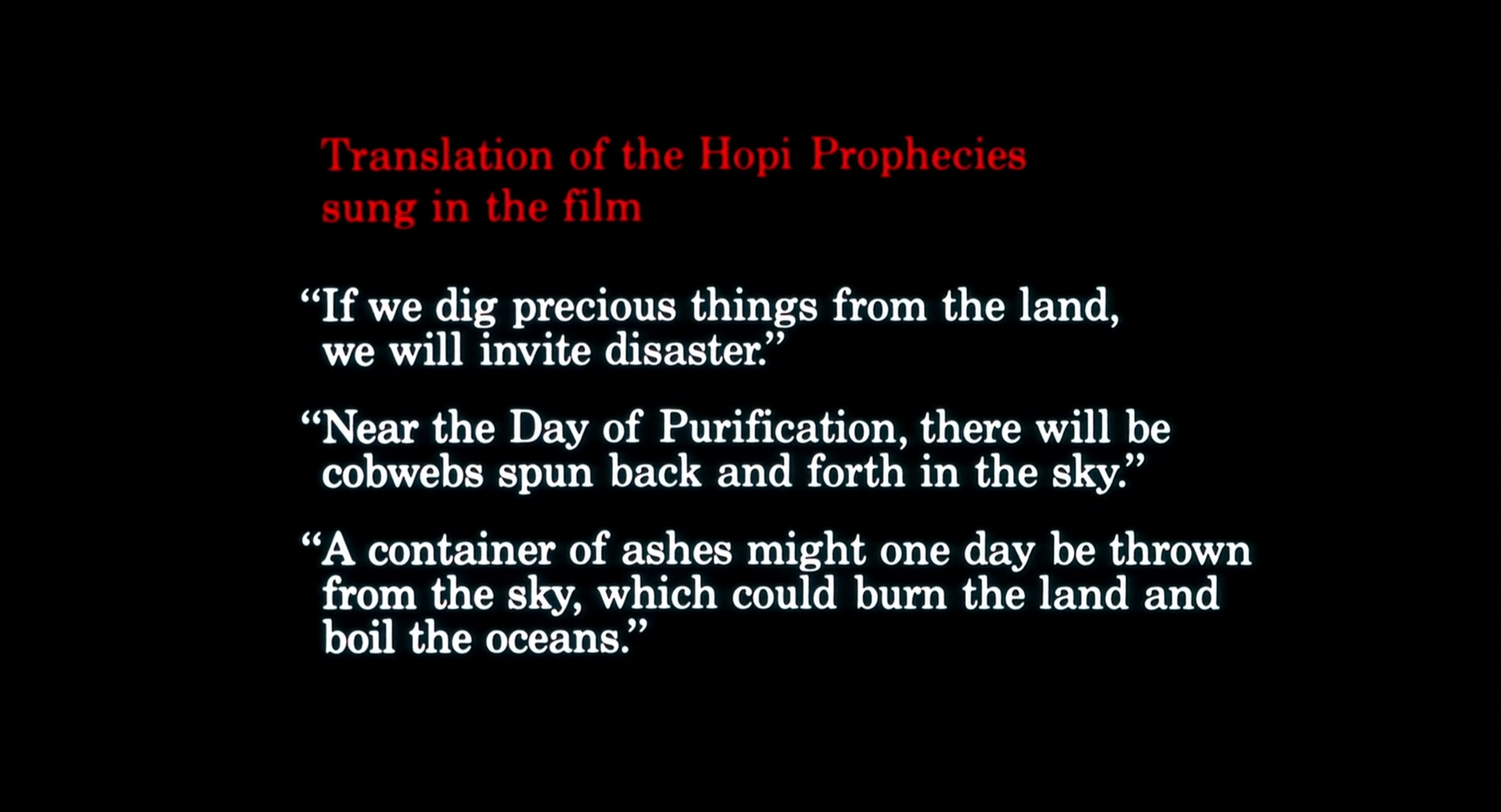
This film is more neutral than other documentaries providing an appreciated nuance in its interpretation. From the focus on mundane urbanization, technology and industrialization, its message focuses more on the progress of civilization rather than its people. It could have ended with bombs and destruction, but the final image is one of a failed rocket. Though the tone is somber, there is some uplifting hope about the subject matter as it always points to progress and exploration. Though the final words explicitly spell it out that it is indeed a critique of consumerism, industrialization and abuse of natural resources.
The title is intentionally obscure, but in doing so forces us to think and reevaluate our way of living. The thing is the images are breathtakingly beautiful and it’s hard to not be in awe, contradictory to its purpose. One cannot help but appreciate the splendor of the images same in how war pictures glamorize the violence. The literal translations of the film are a bit redundant, especially because there are half a dozen. The only other criticism is that it only shows American cities as opposed to human civilization around the globe. I find there’s a better ending with my initial interpretation. People are the core of civilization, not its products. Though not without flaws, we ultimately aim true despite the wreckages we leave behind. The pursuit of progress is enough to justify our destiny as a civilization. Unfortunately, from Reggio's future films, it seems consistent of his nihilistic and cynical perspective.
Conclusion:
For cinematographers and filmmakers, this is a must watch. I believe casual movie watchers could enjoy this but it does require a certain maturity to sit through a 90 minute archival checkpoint of human progress. Should you choose to accept this challenge, it should be an enthralling experience for all cinema enjoyers, the purest essence of a moving picture. No other film really comes close to the raw honesty in imagery here. It depicts the 70s and 80s better than any dedicated documentary, better architecture than The Brutalist, it’s a time capsule as well as a work of art. Rest assured, this silent film is still more stimulating than any dialogue that would otherwise be fed to you. And by not doing so, it says more than any explicit social commentary could. Show, don’t tell, Koyaanisqatsi is a truly masterful film, all while being incredibly effective despite the miraculous challenges. This film can’t be replicated to this impact, though it would be enticing to see a modern sequel to it, a reflective update on where we are now.
Recommendations









Level 0 of the liminal basement.