
Ikiru (1952)


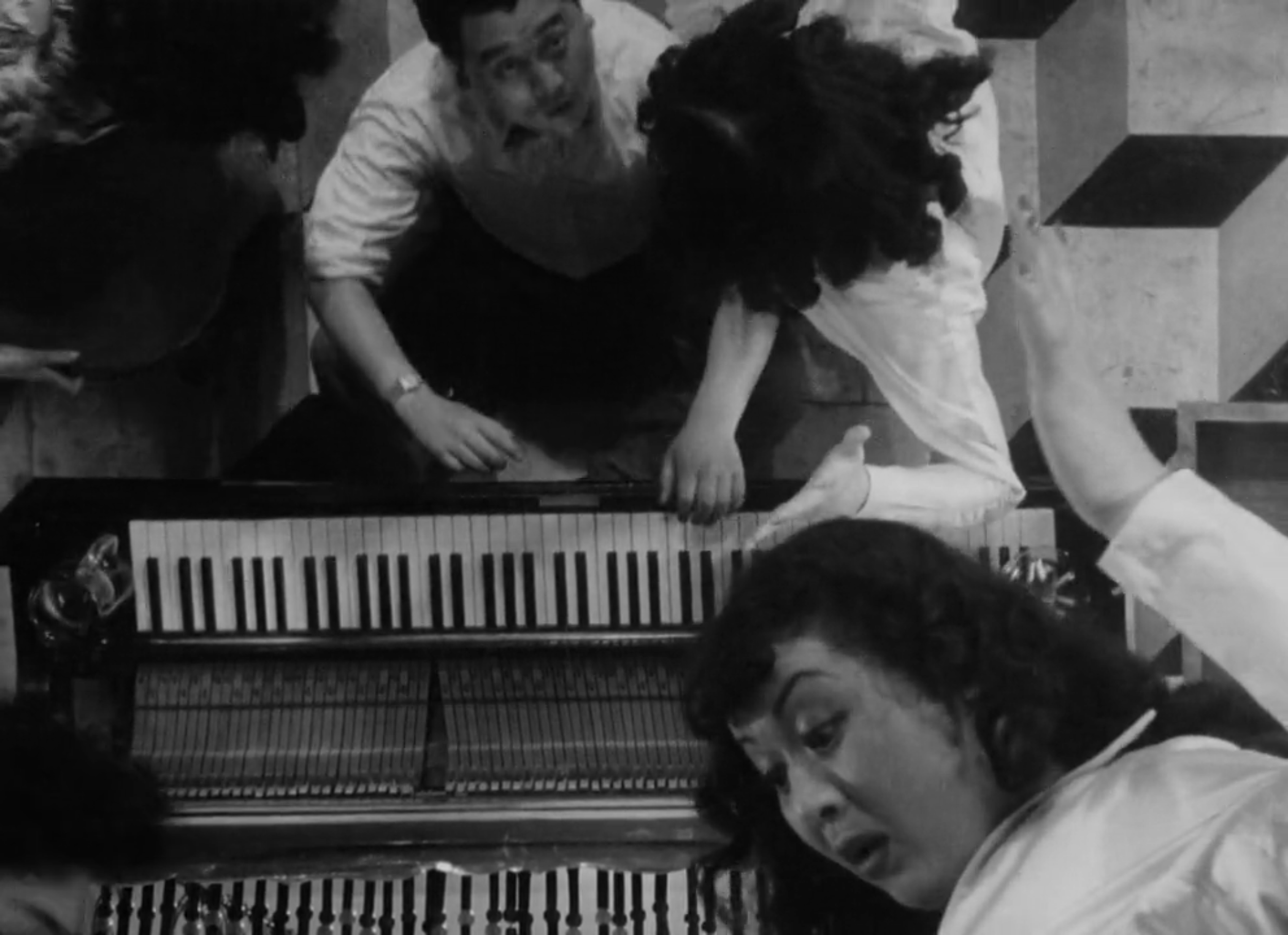
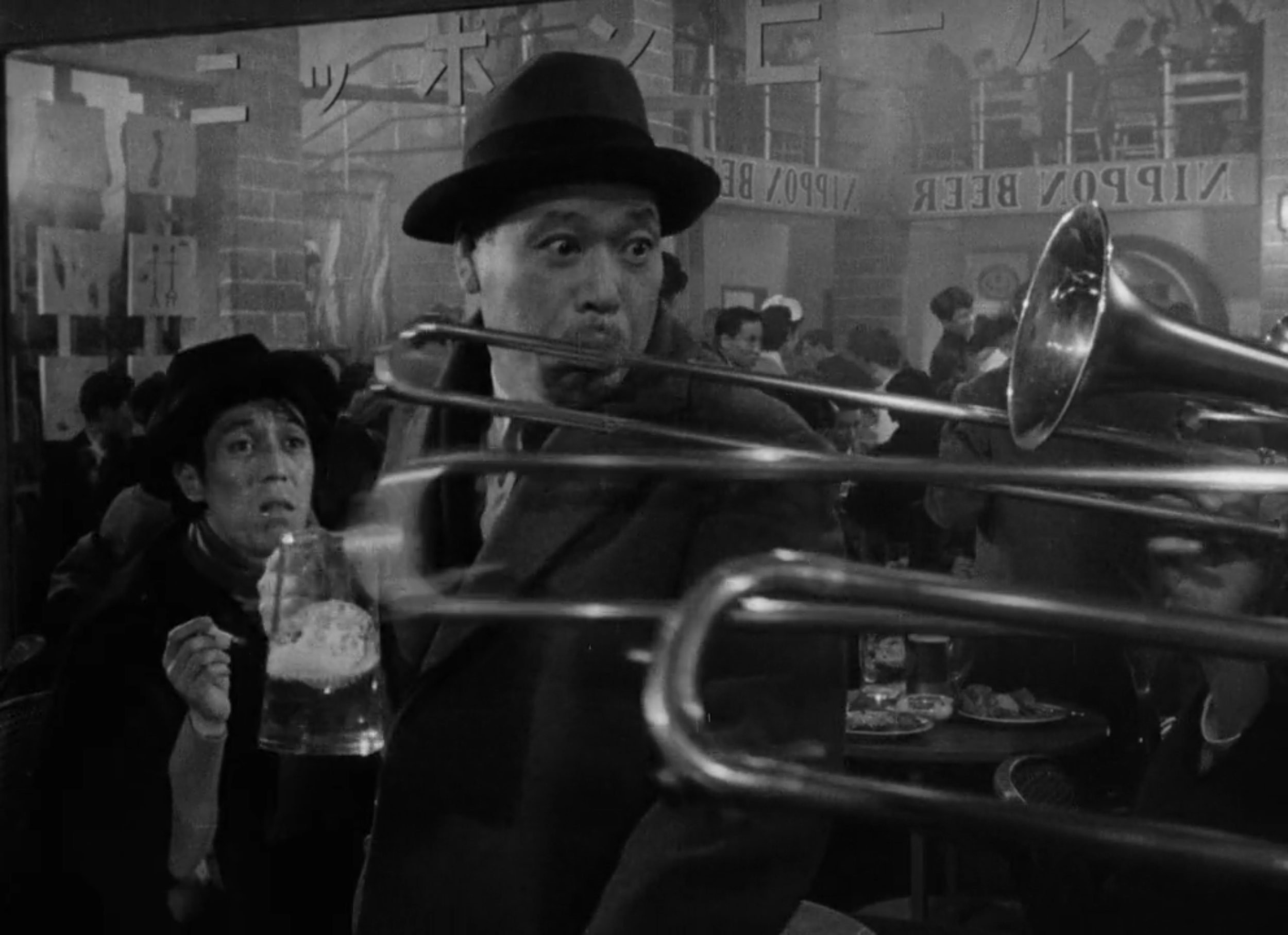

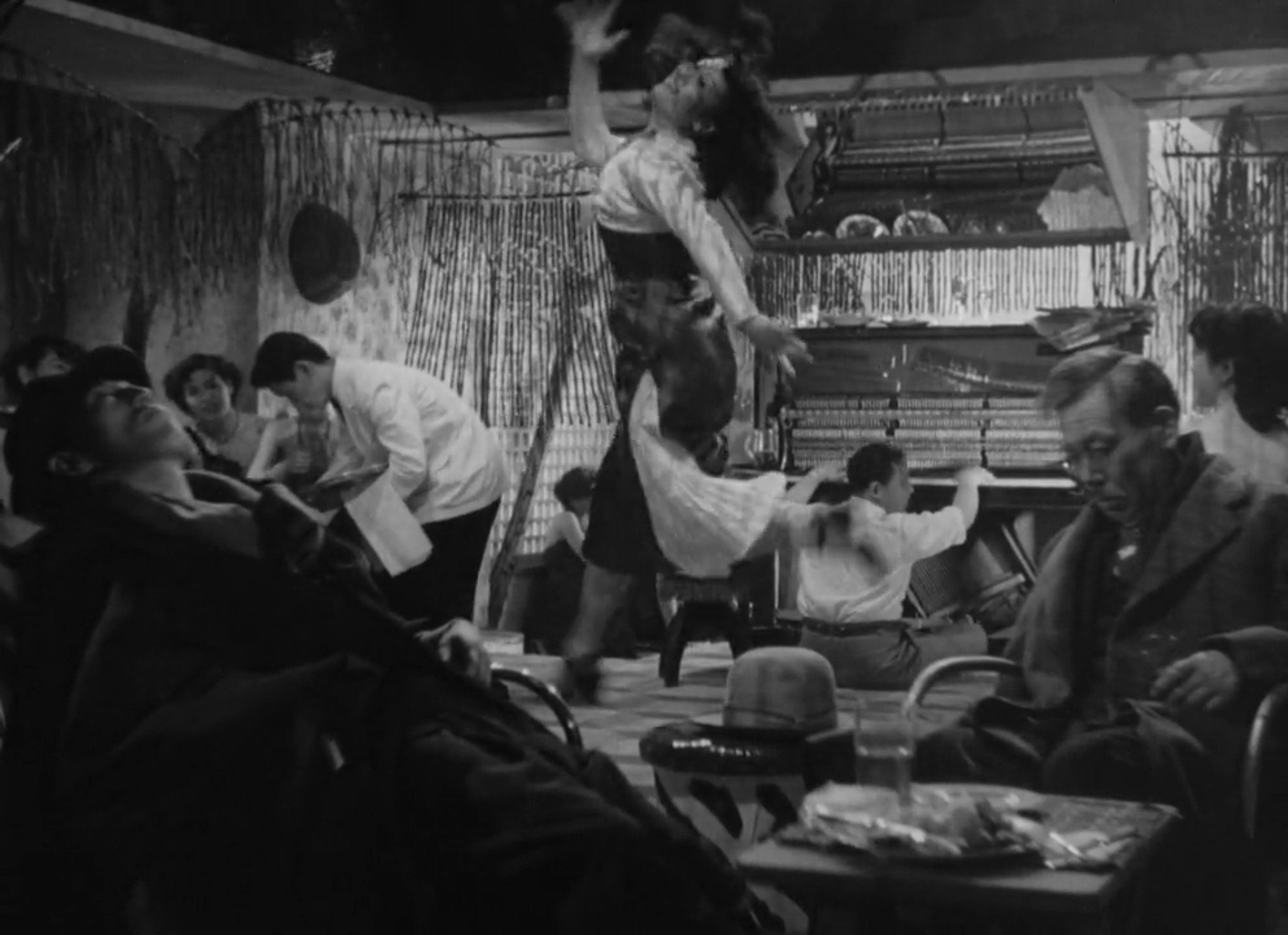
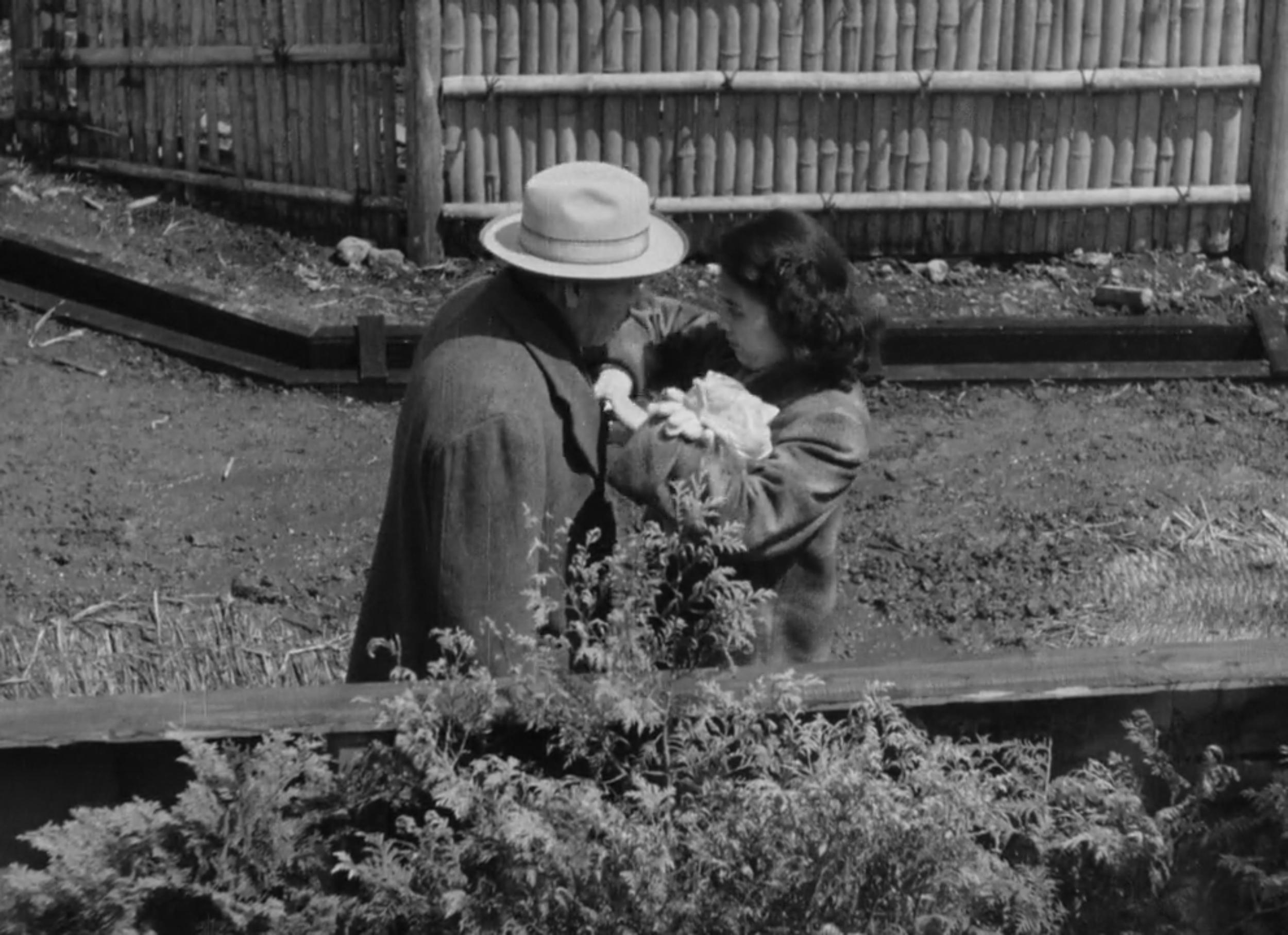


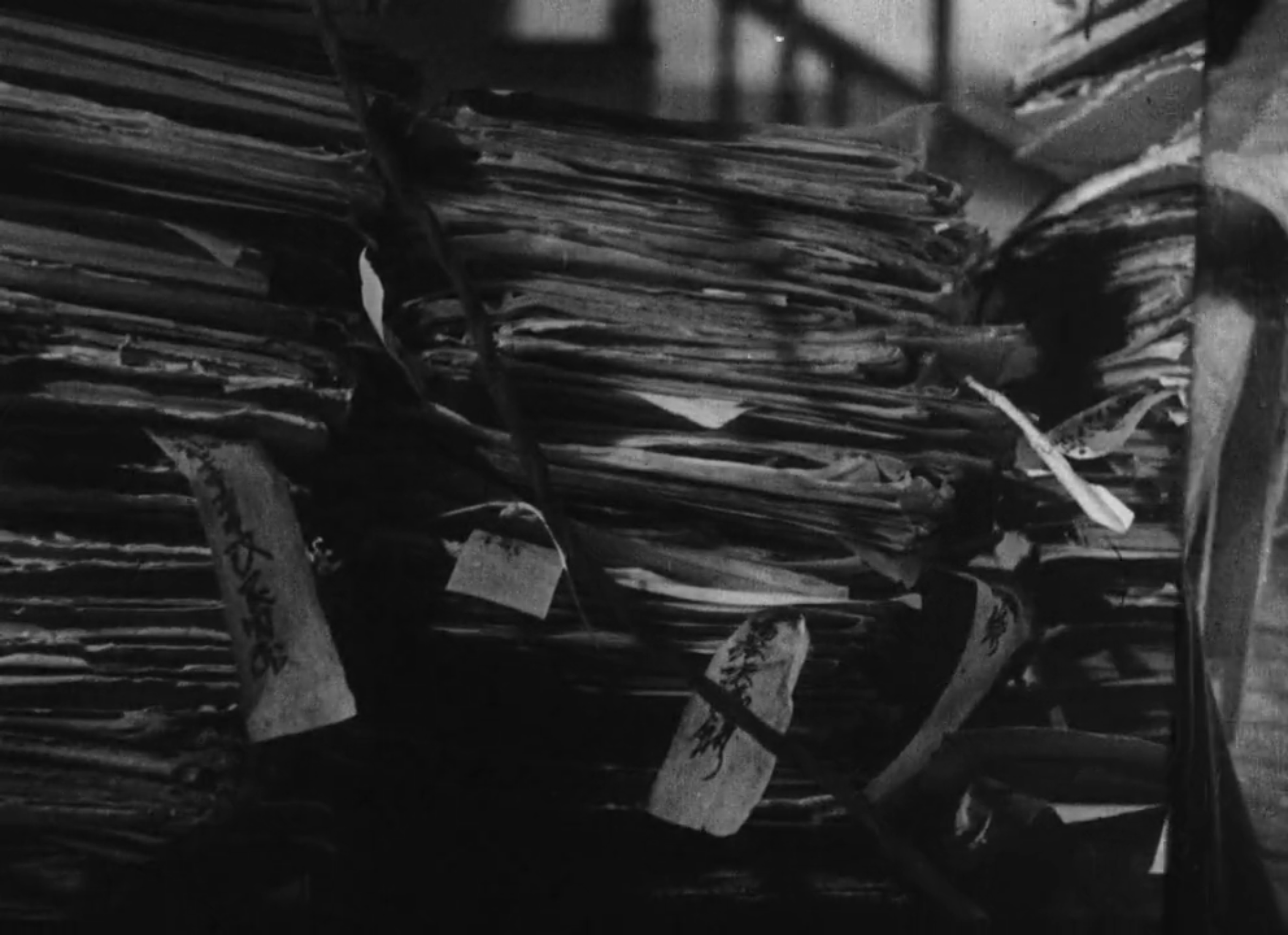
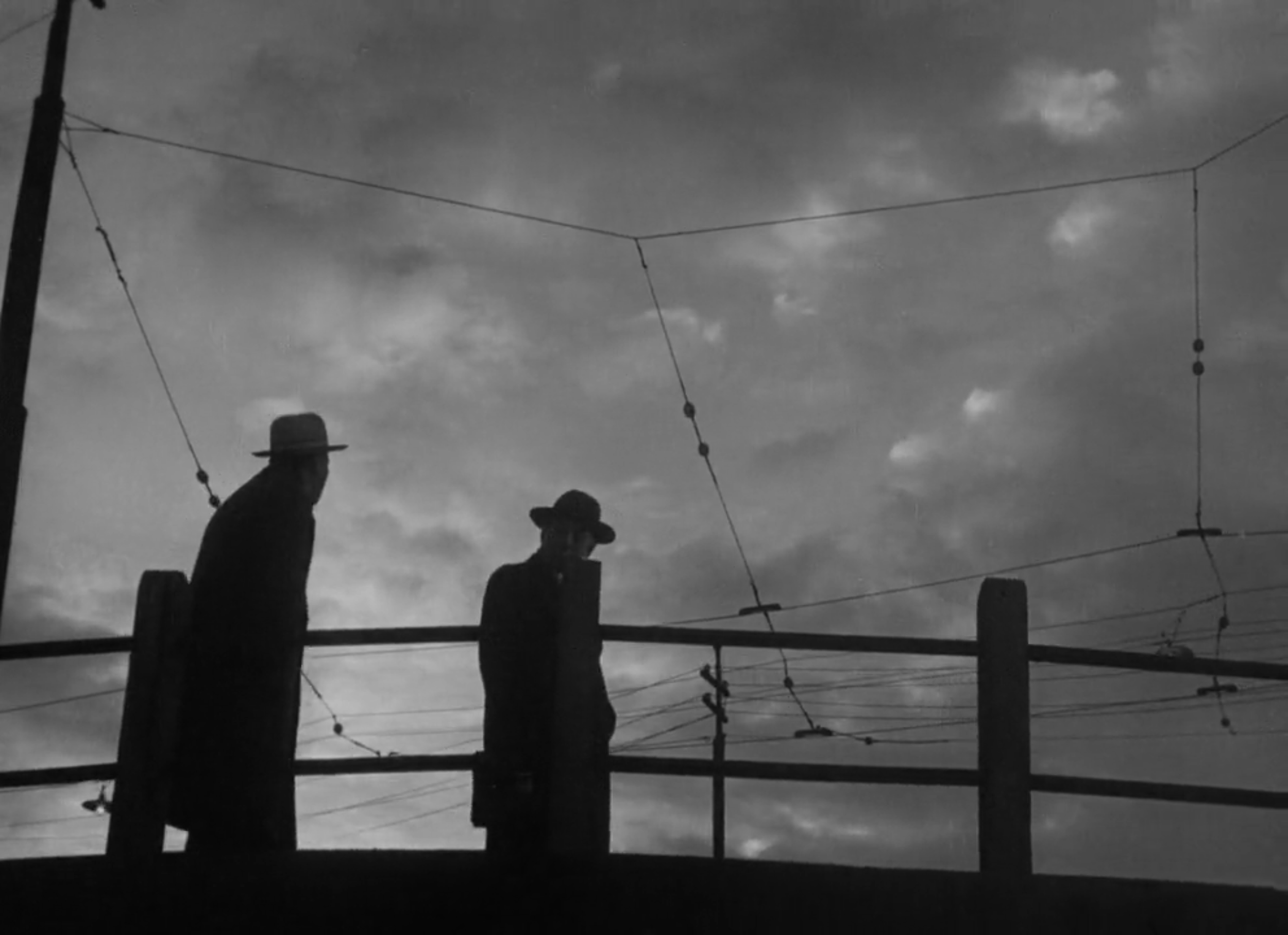
Death gives the second half of life its meaning.
Presentation:
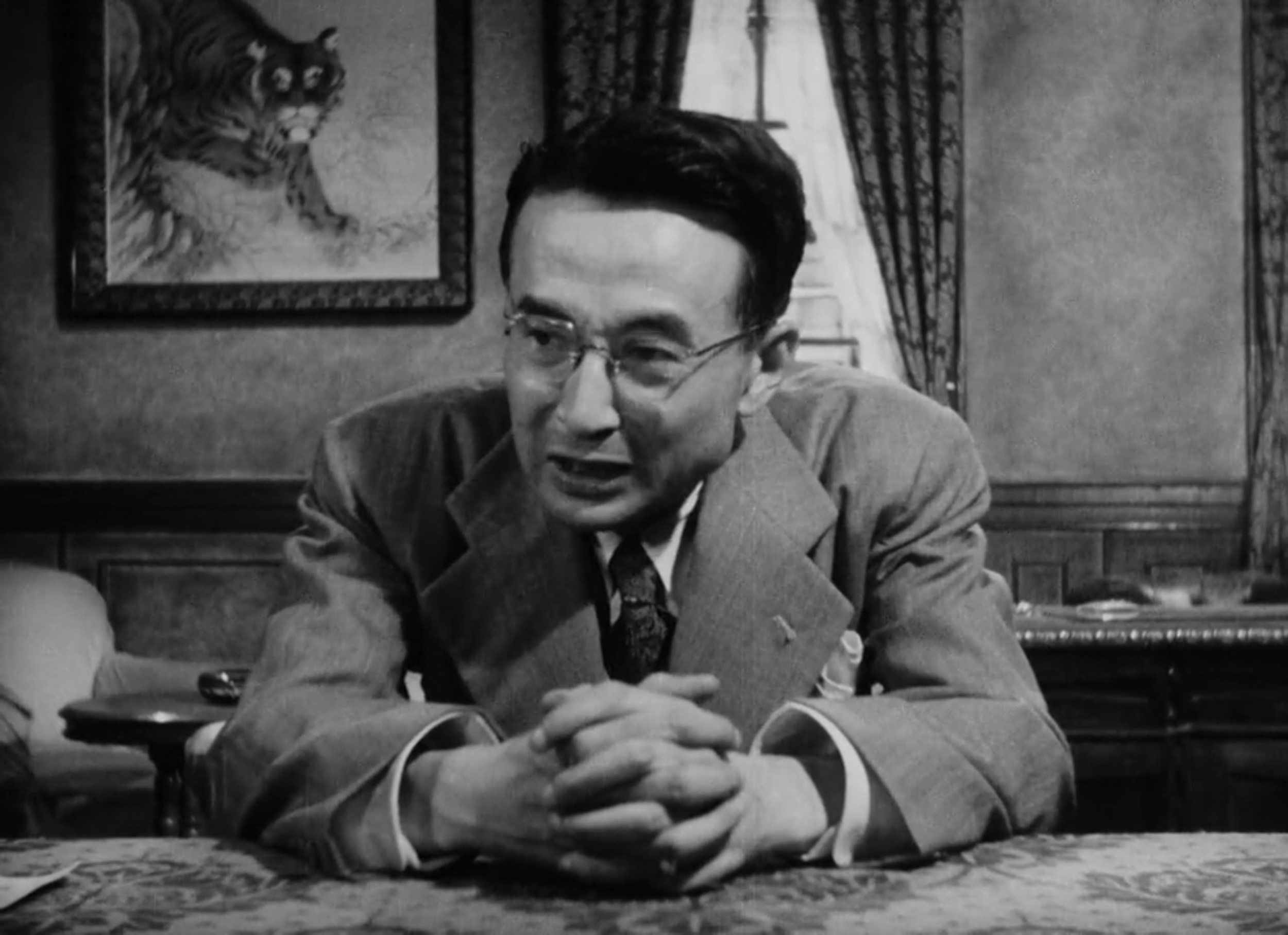
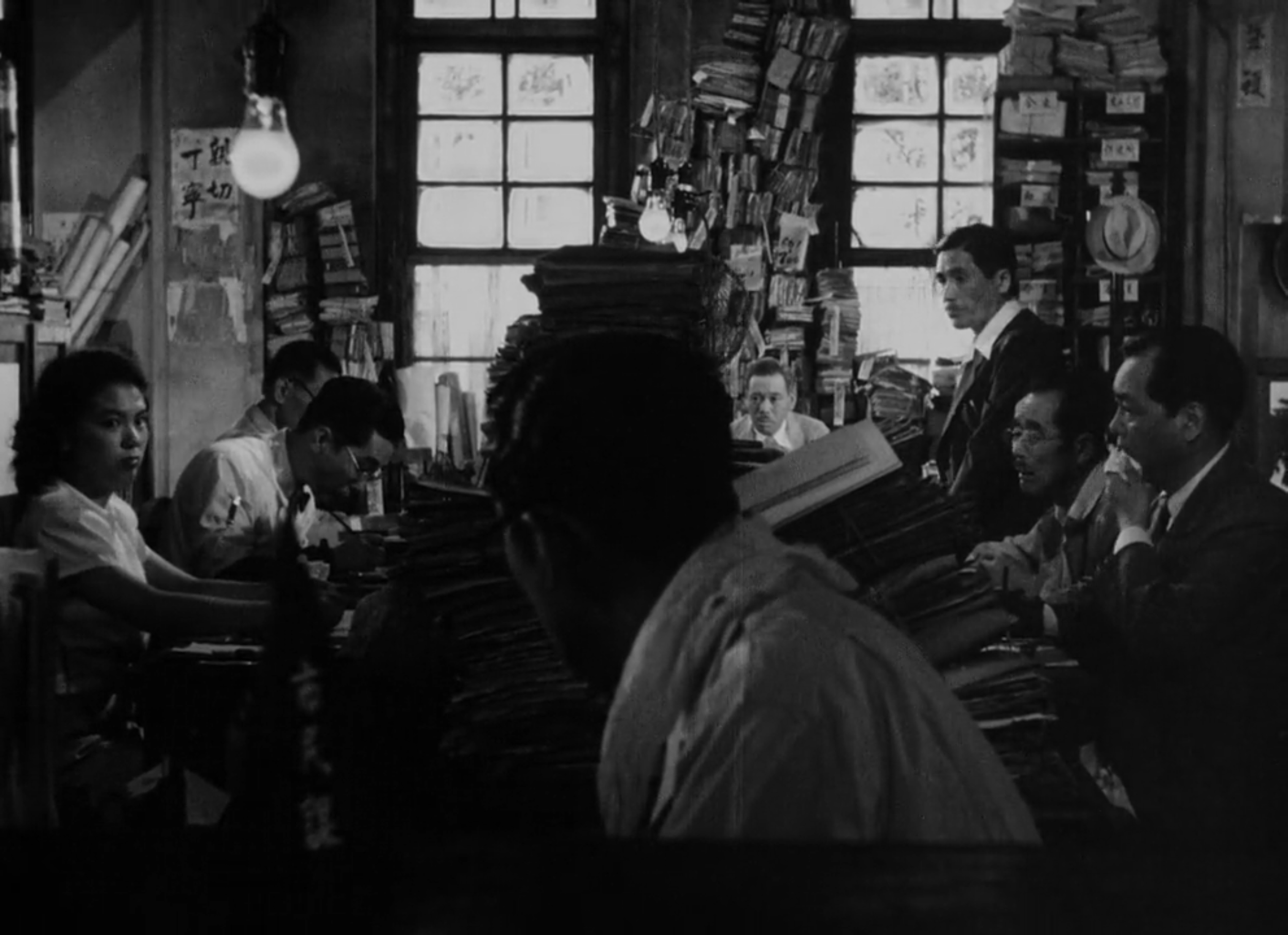
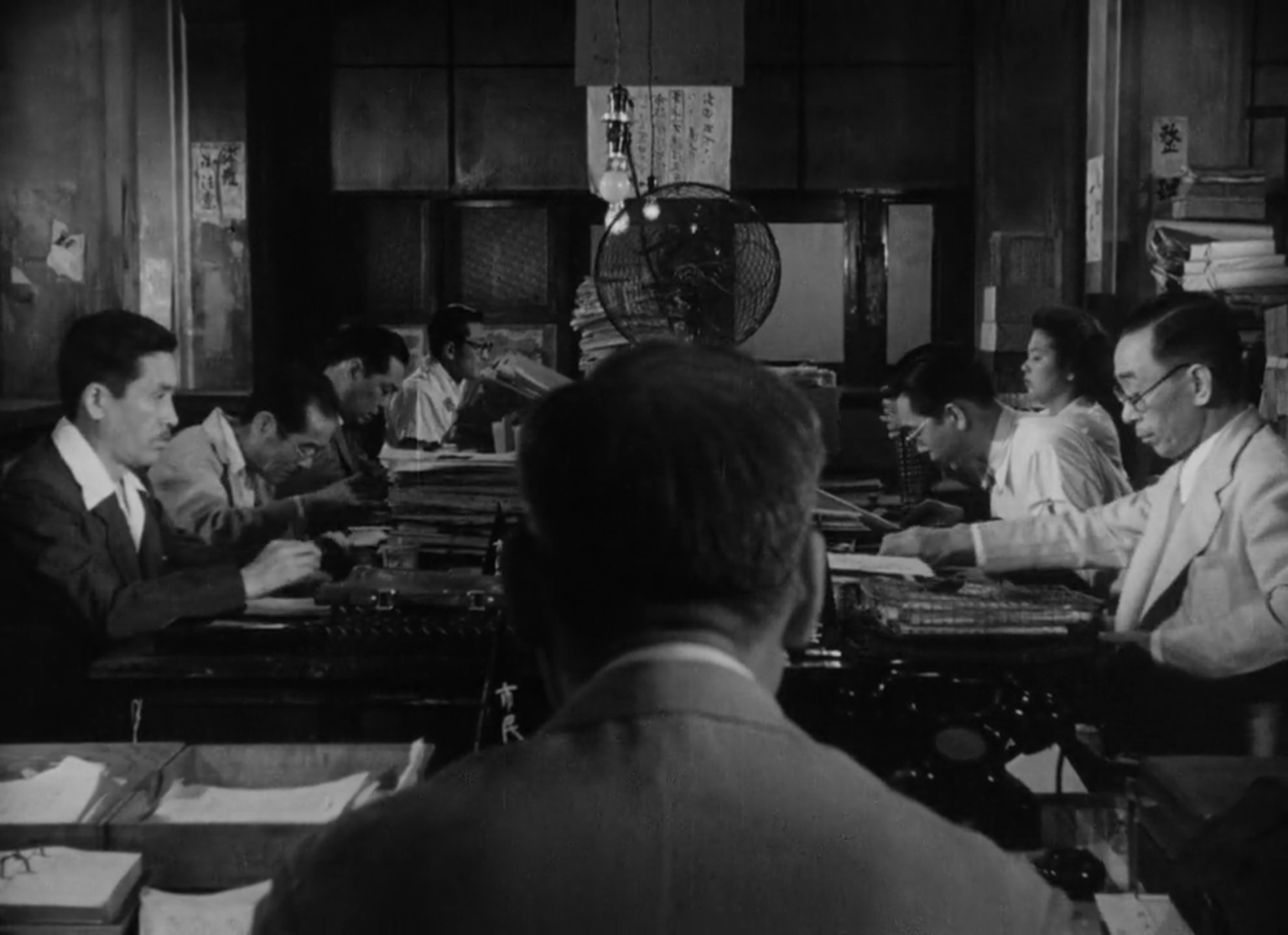
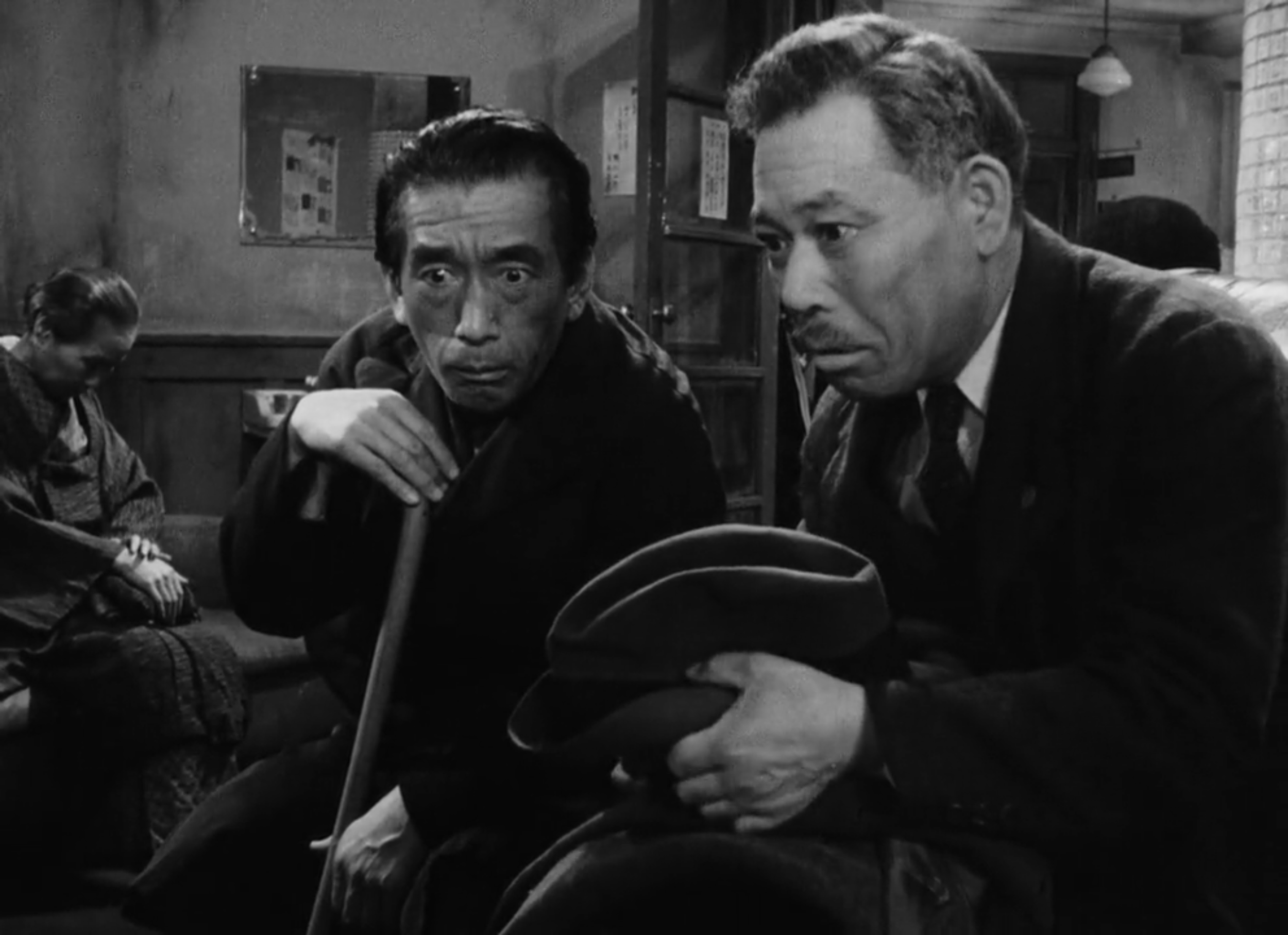
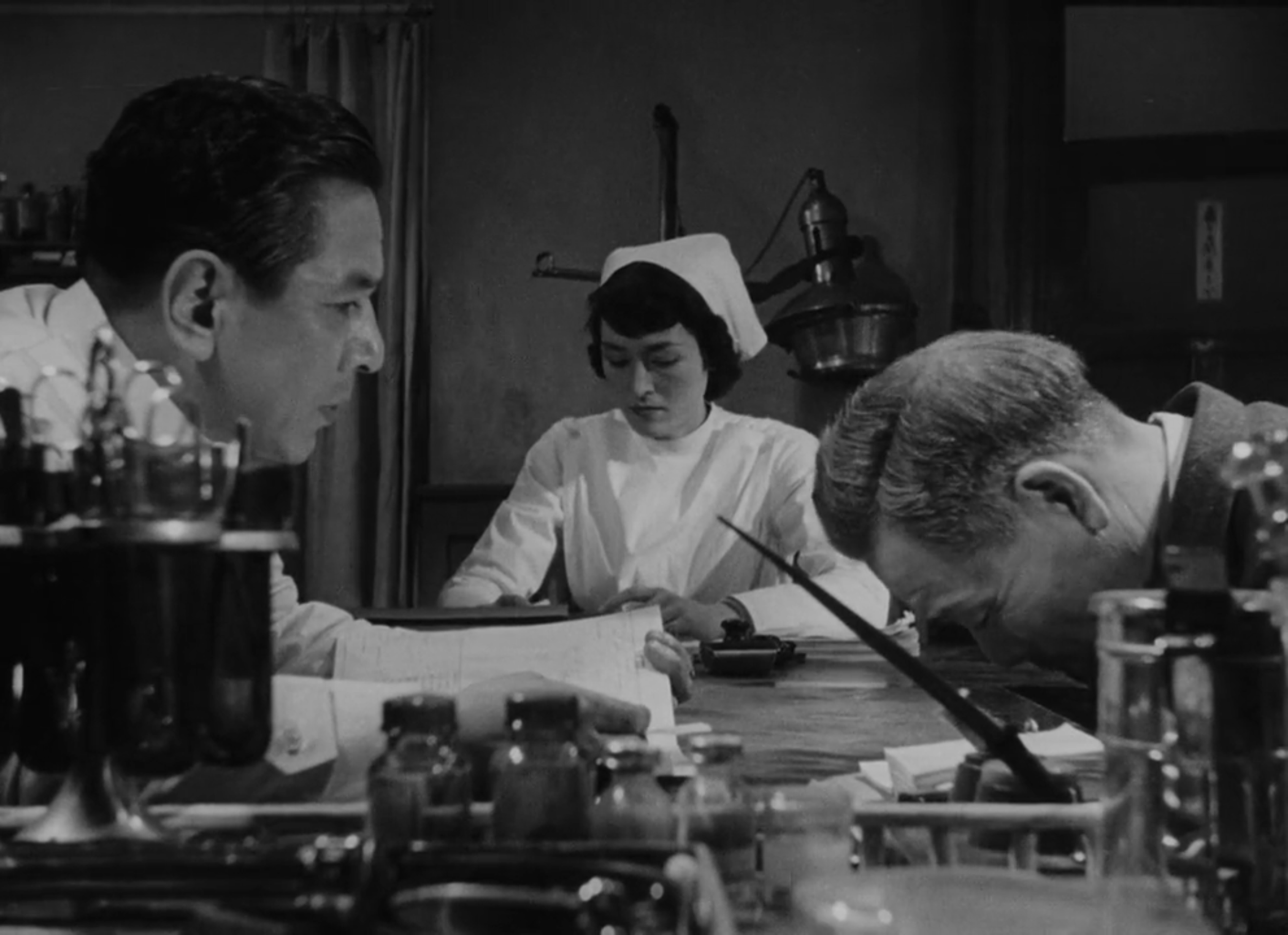
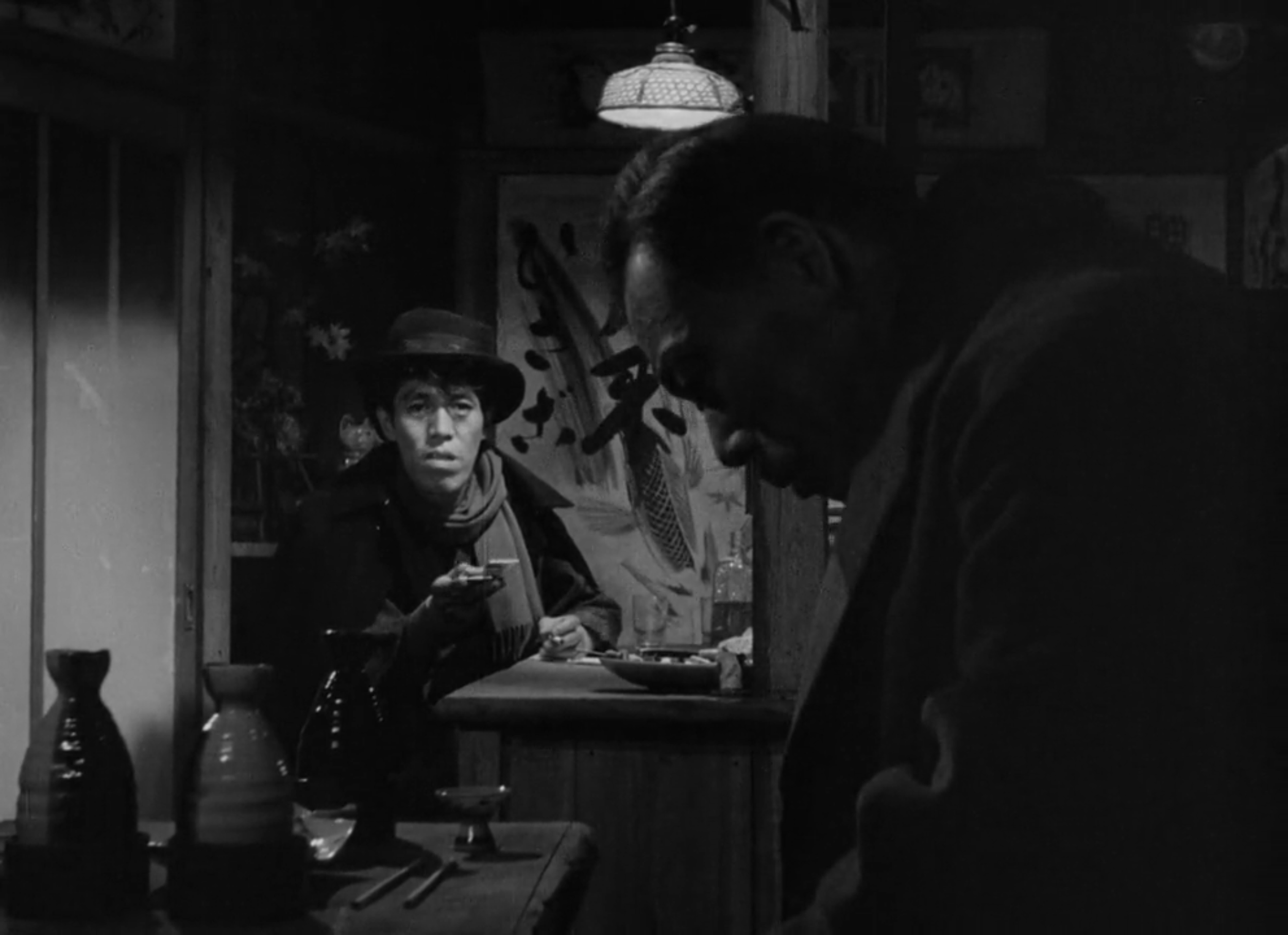
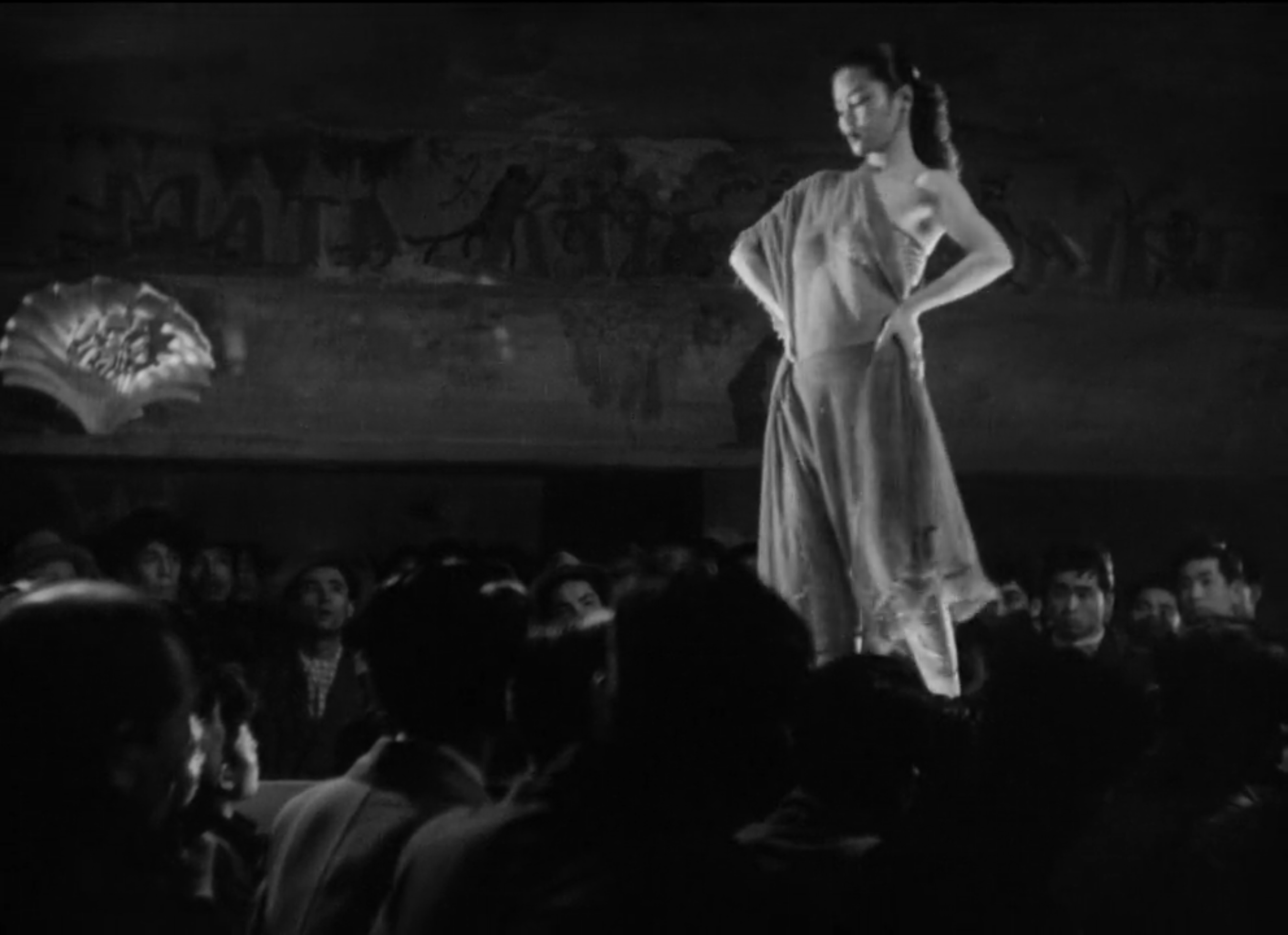
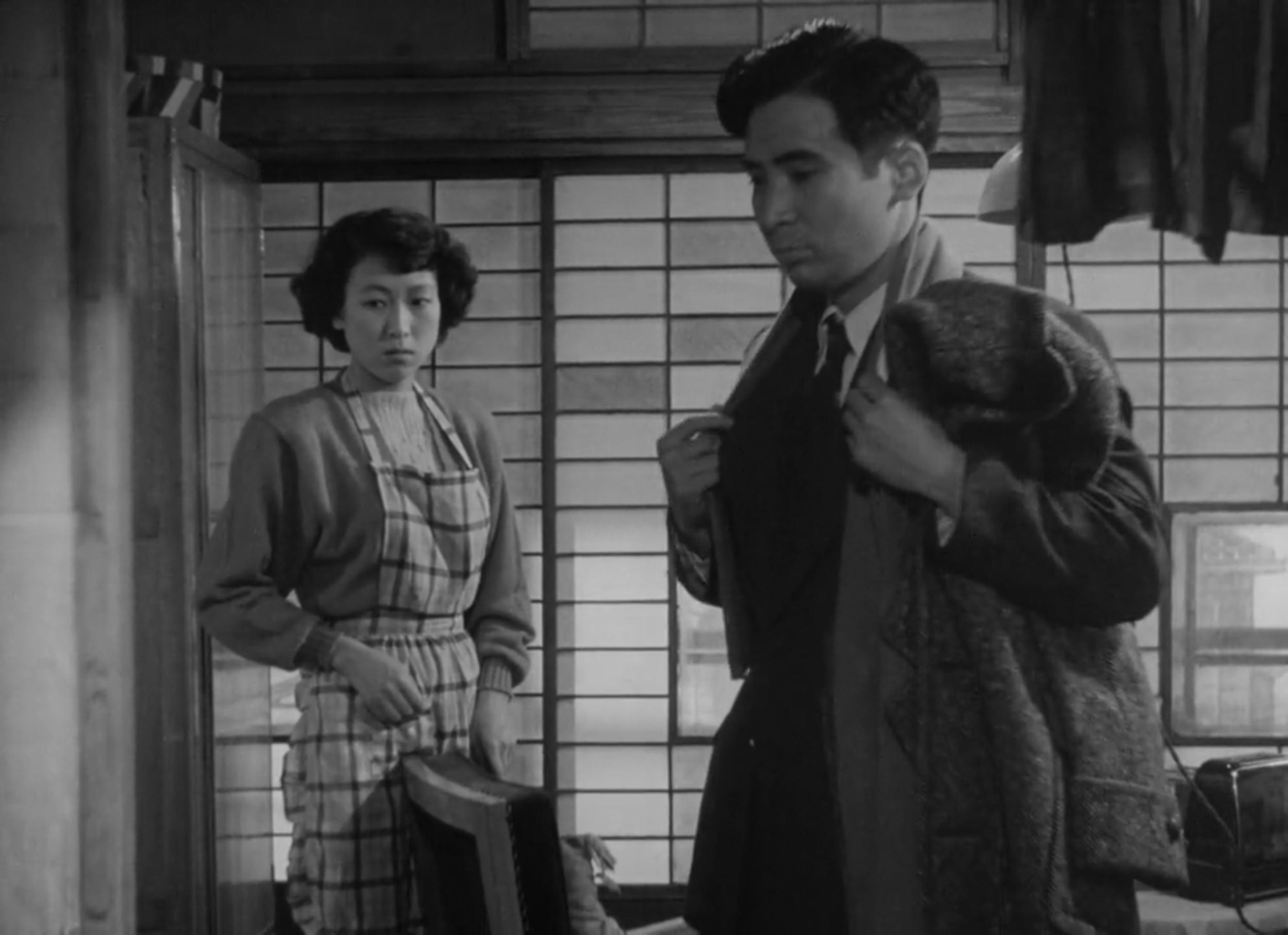
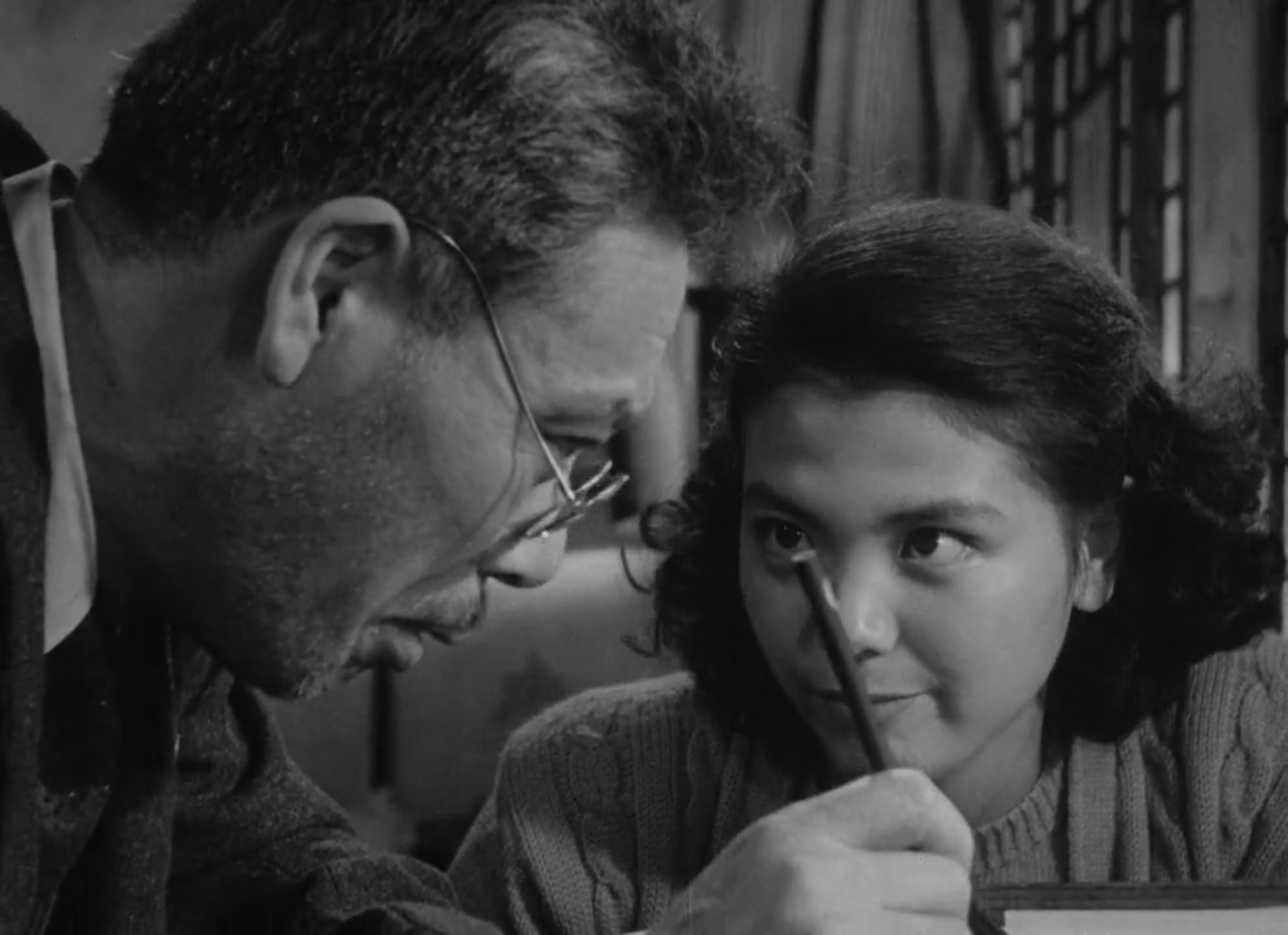
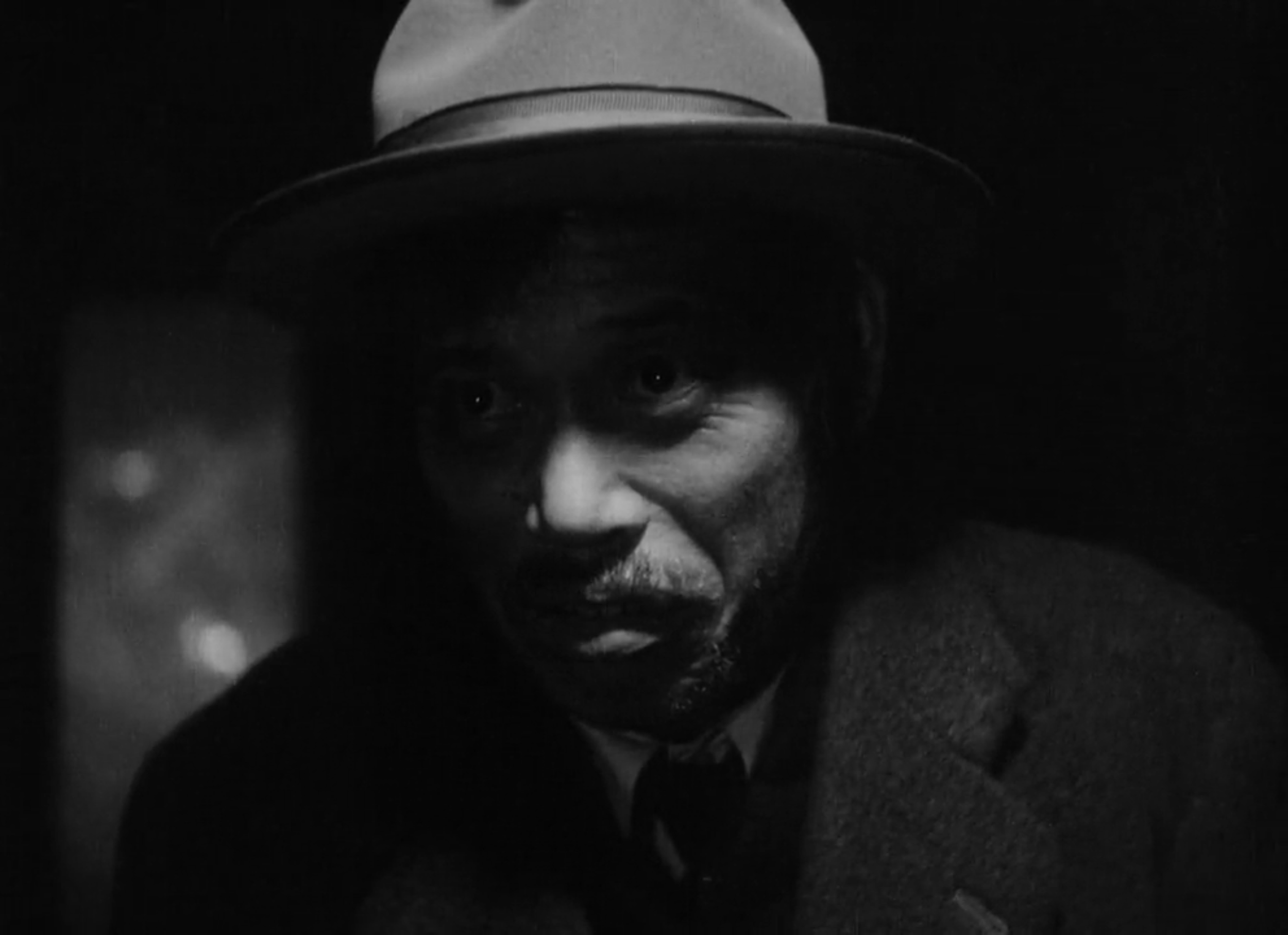
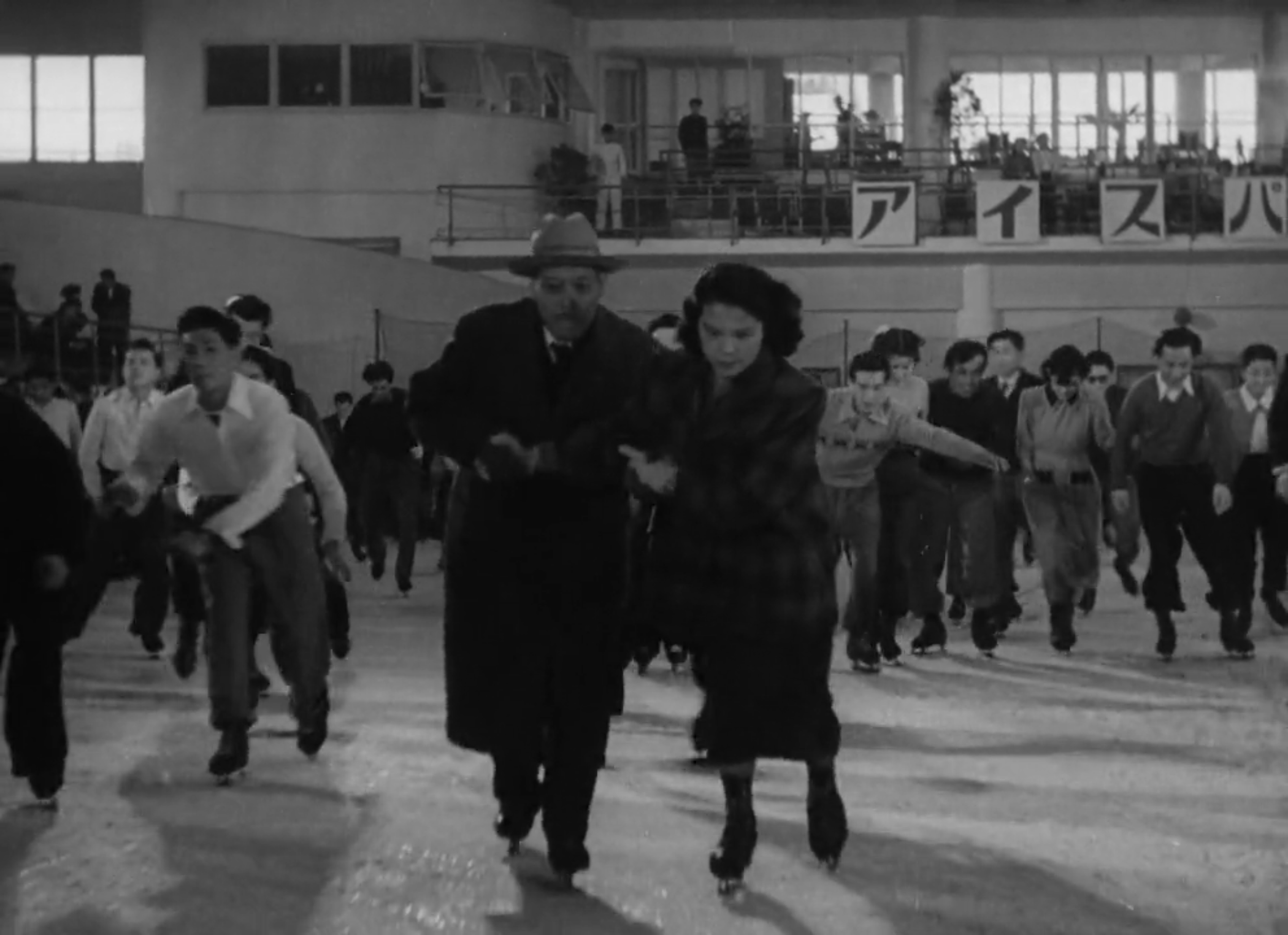
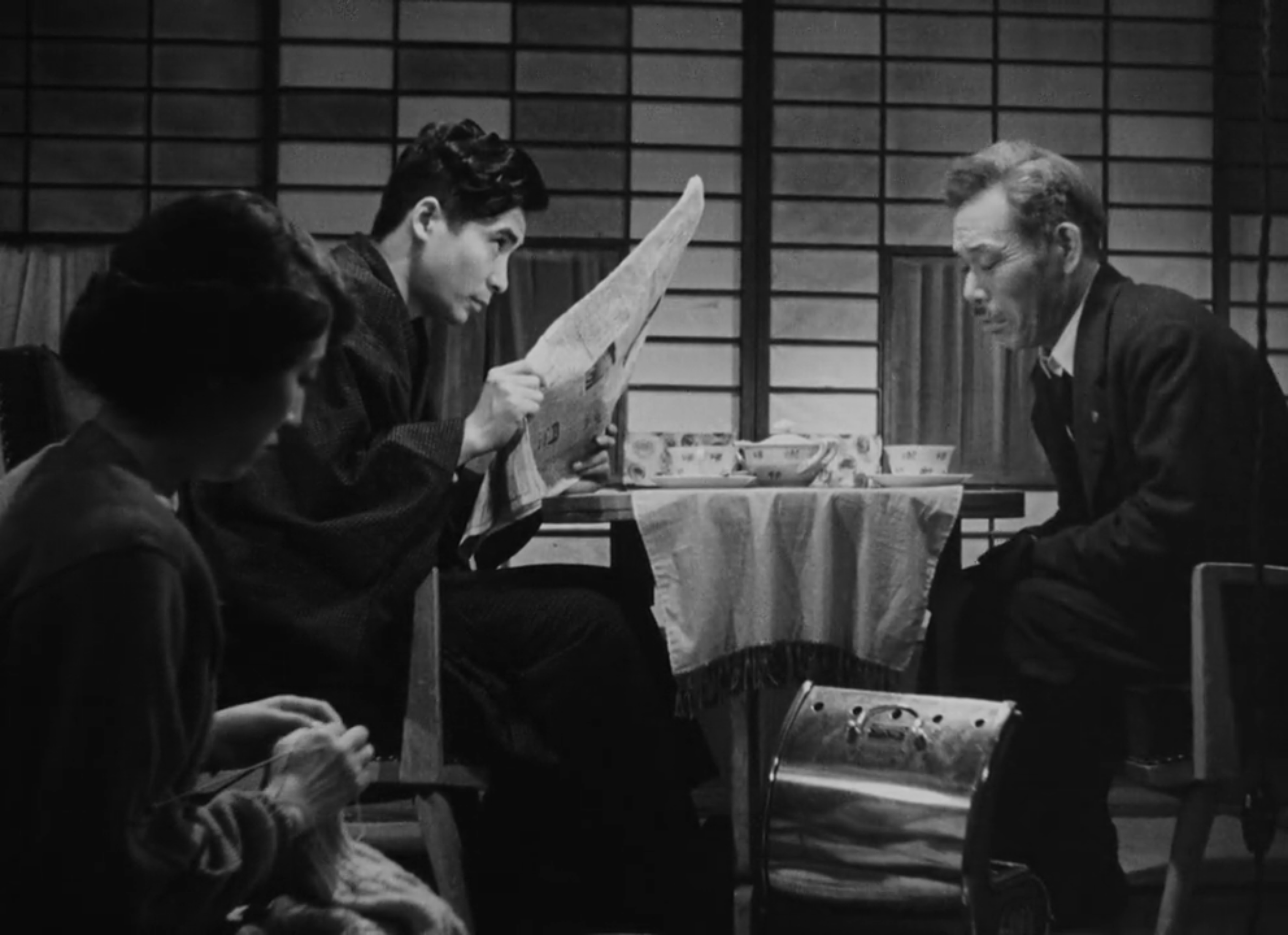
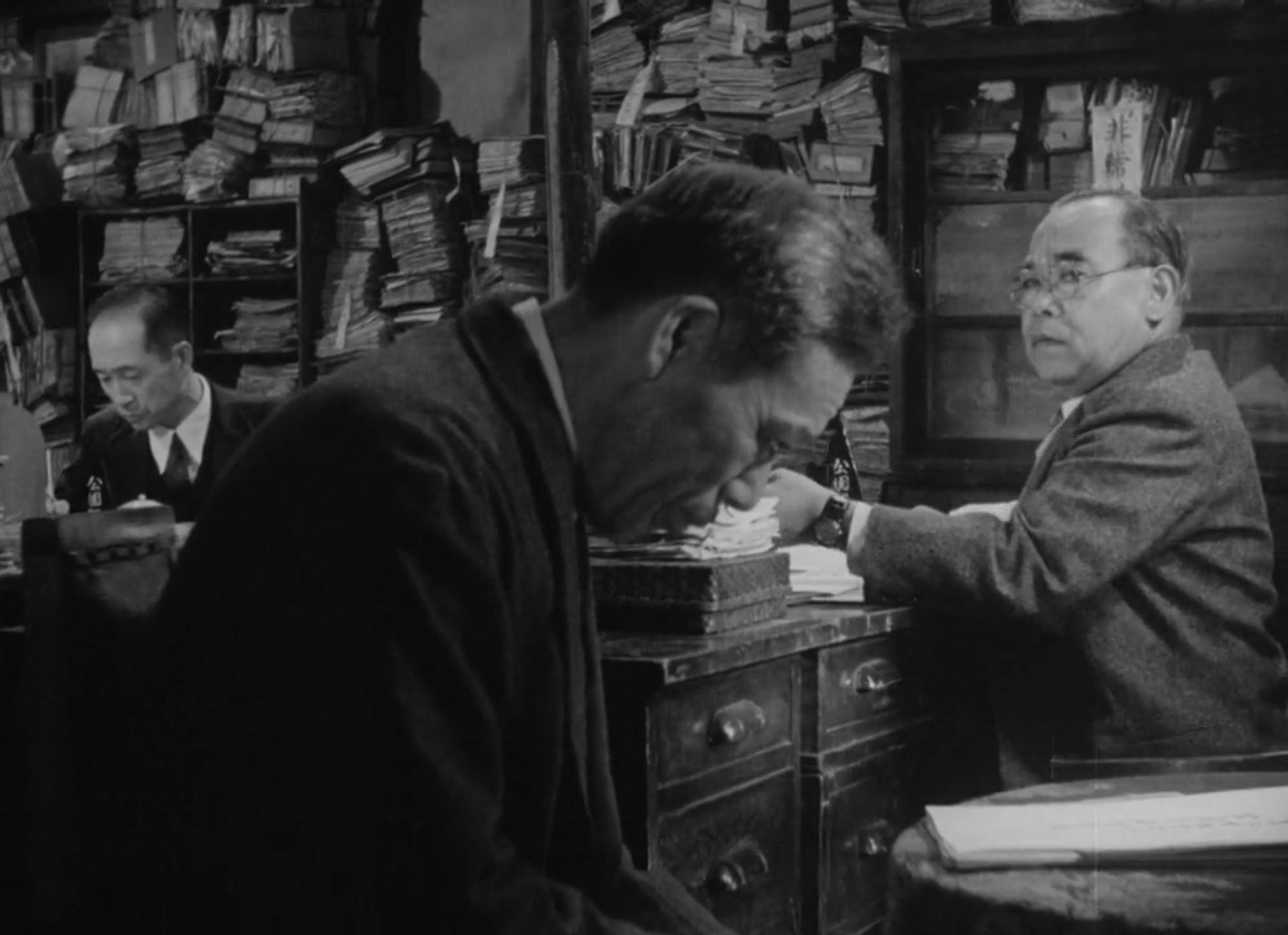
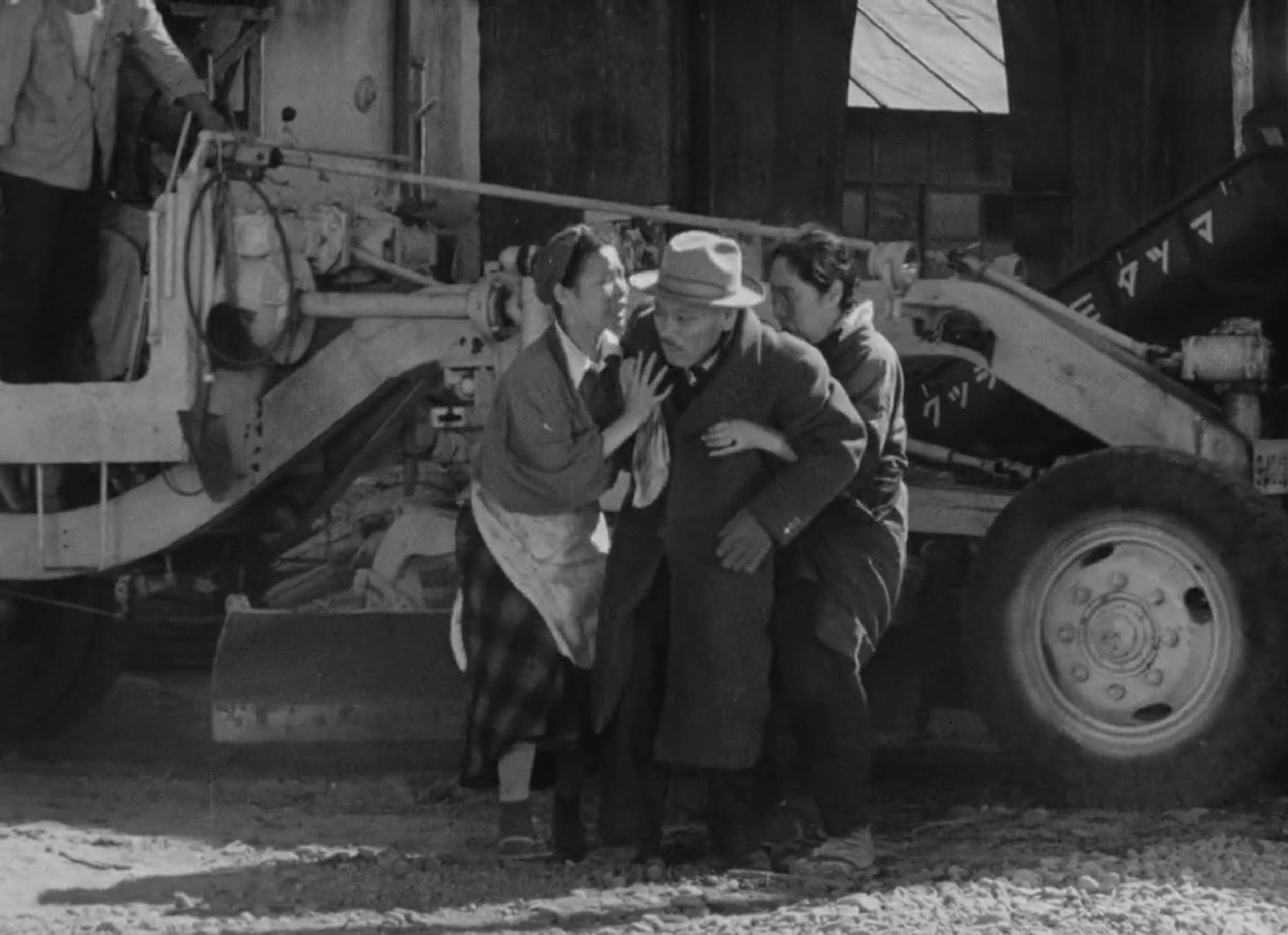
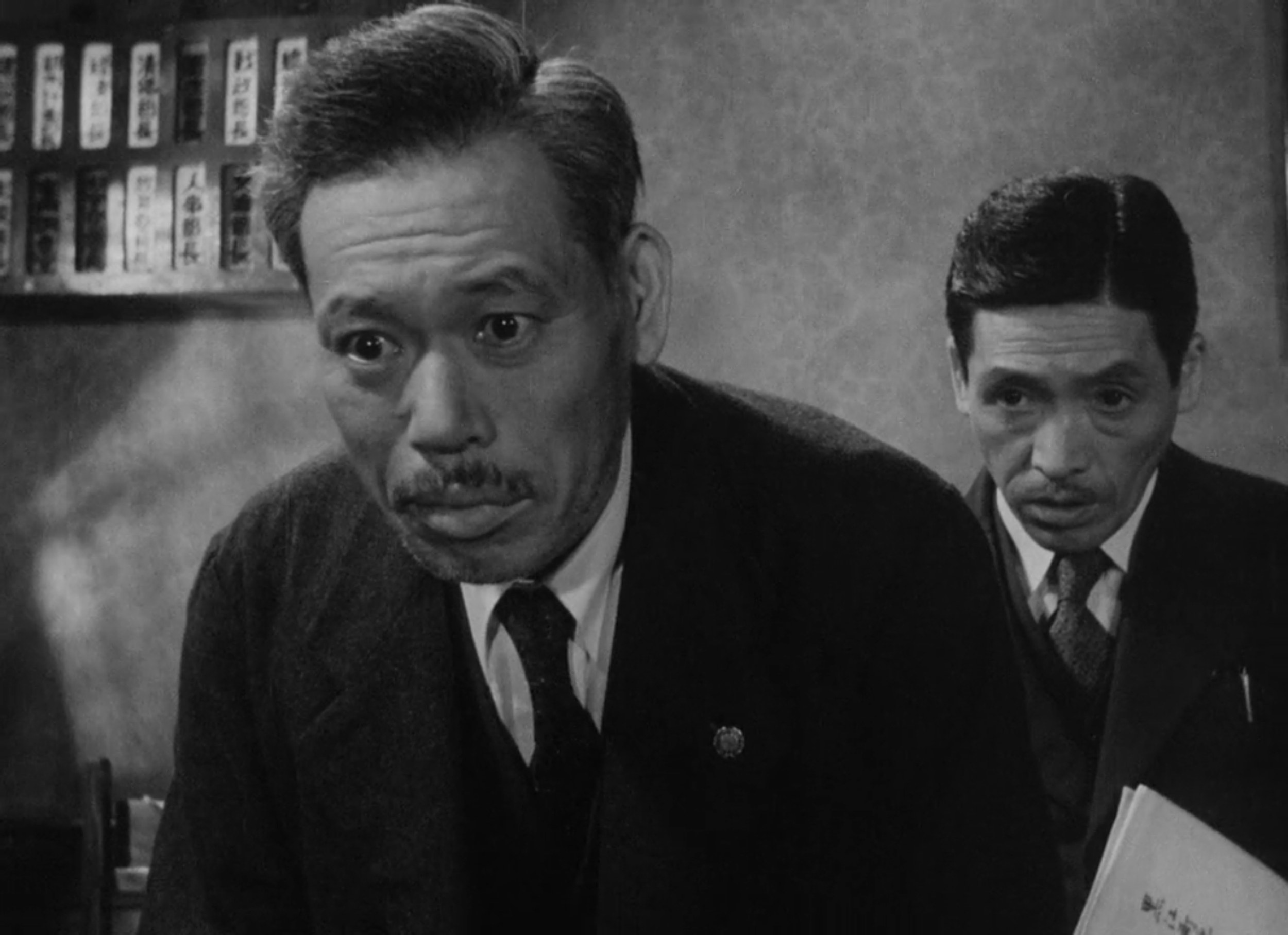
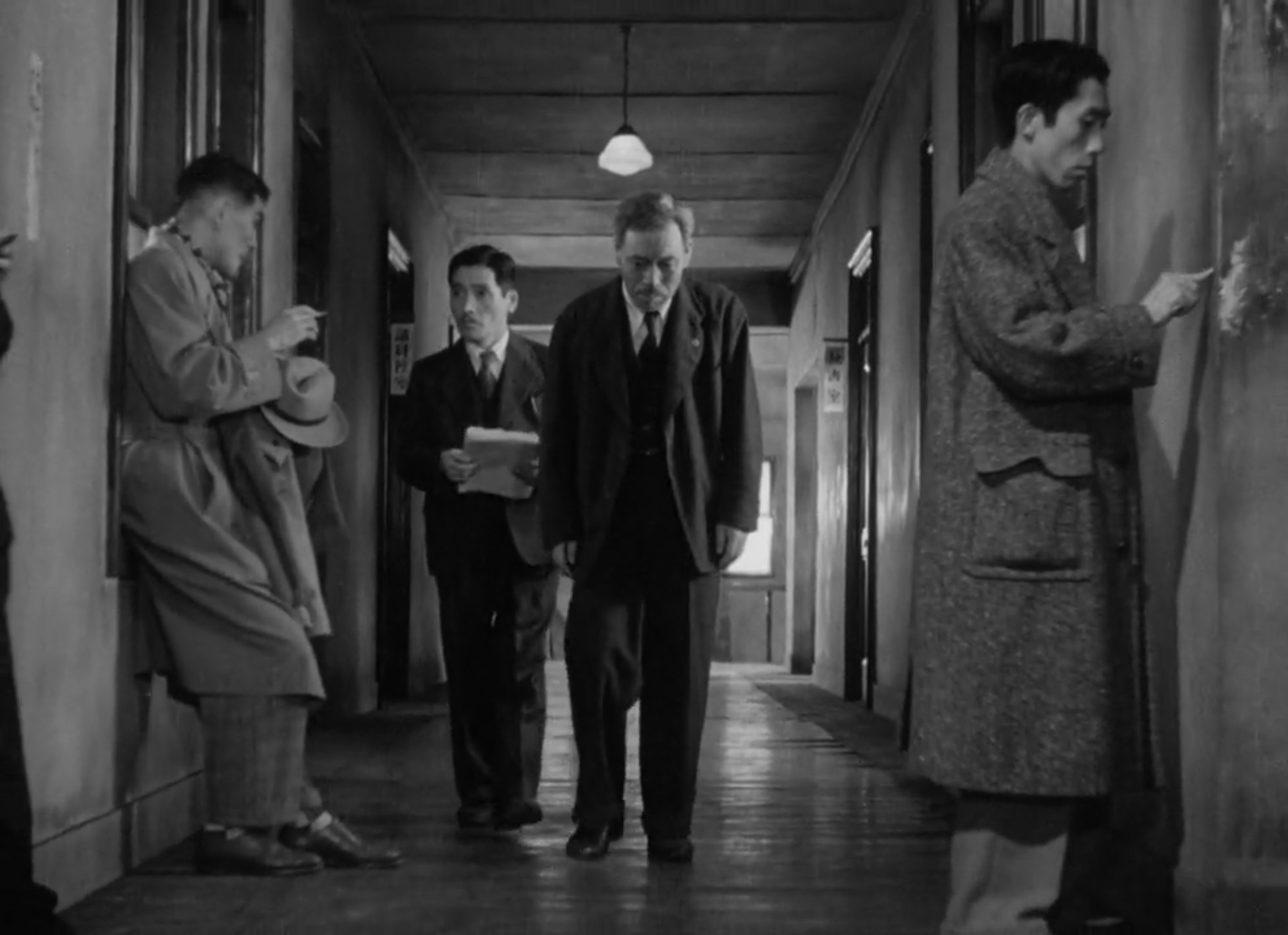
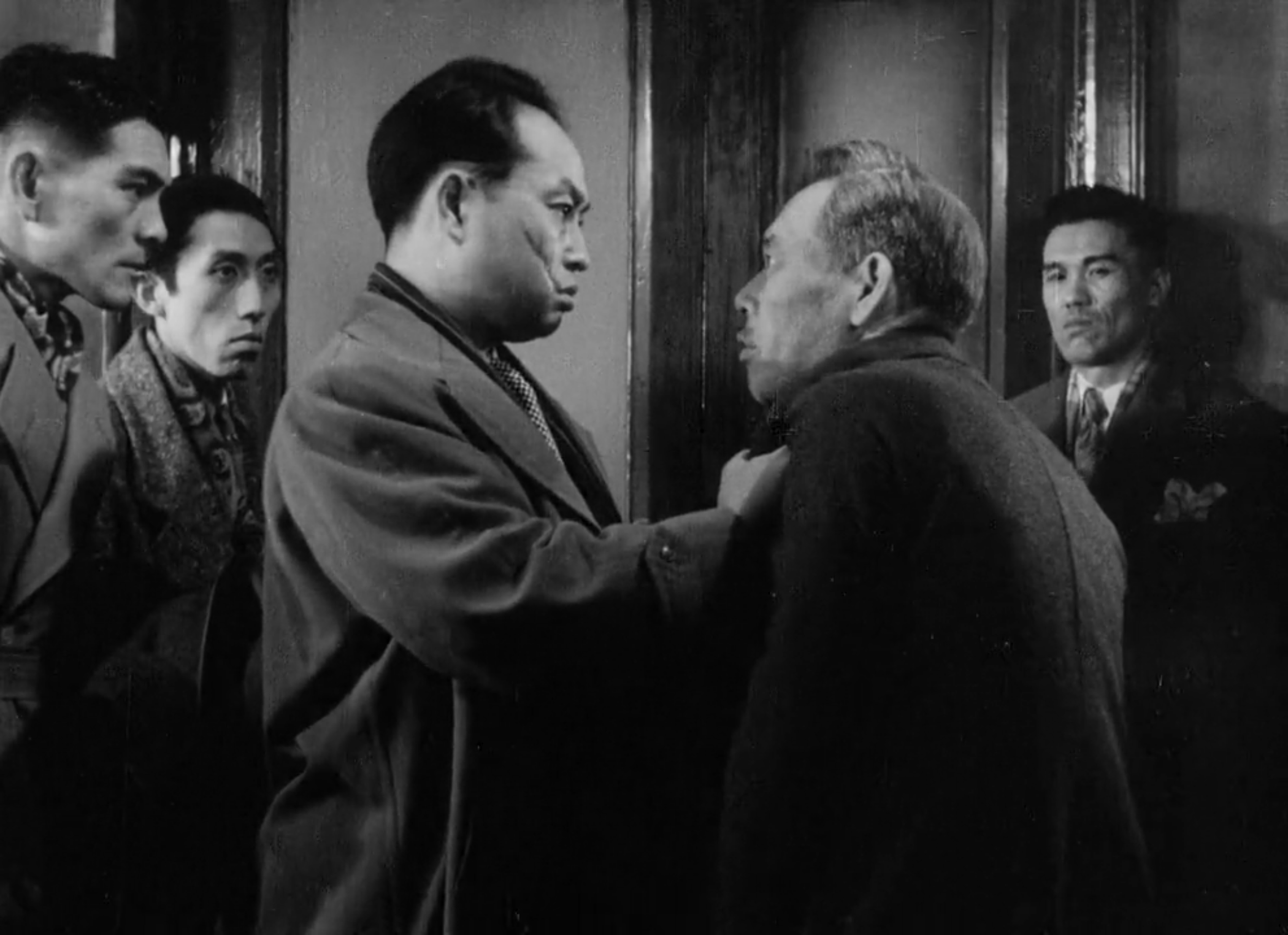
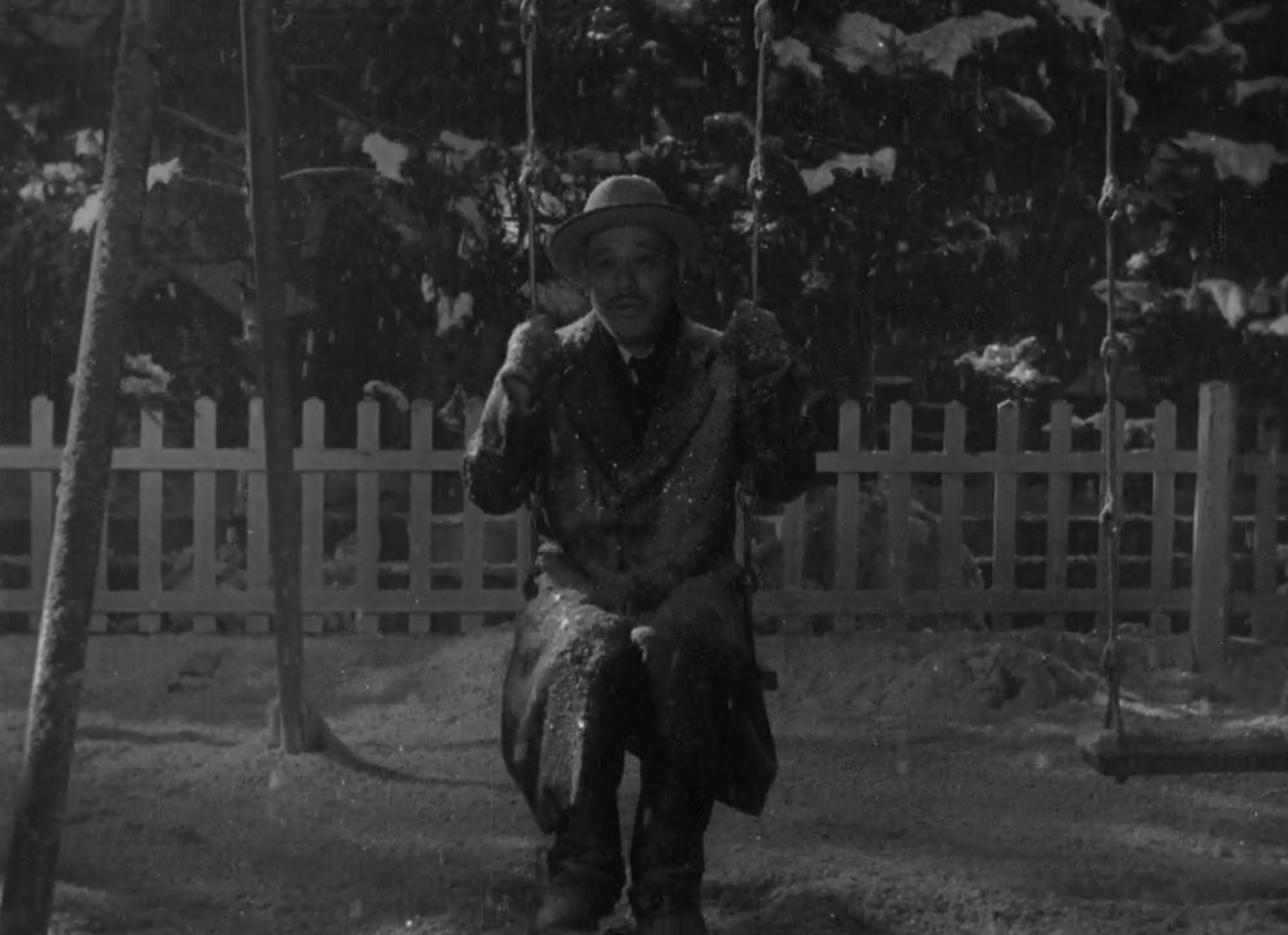
Holding a job immediately spur your hatred for bureaucracy. This is what the film’s emotional conflict hinges on, which is likely a safe bet for nearly everyone that’s had an obnoxious job. Asian citizens know this all too well with their conservative hierarchy, which is why this film is so hard hitting. Our protagonist has a truly pathetic face like William Macy, though he overdoes the sheepishness at times. It’s frustrating because the point is made but then the typical overdramatic acting in Japanese cinema takes hold and it feels like a hat on a hat. Just very unnecessary but overall the message doesn’t lose too much efficacy. The cinematography is just so-so for Kurosawa’s reputation but the plot is truly timeless and something we deal with even today.
Conclusion:
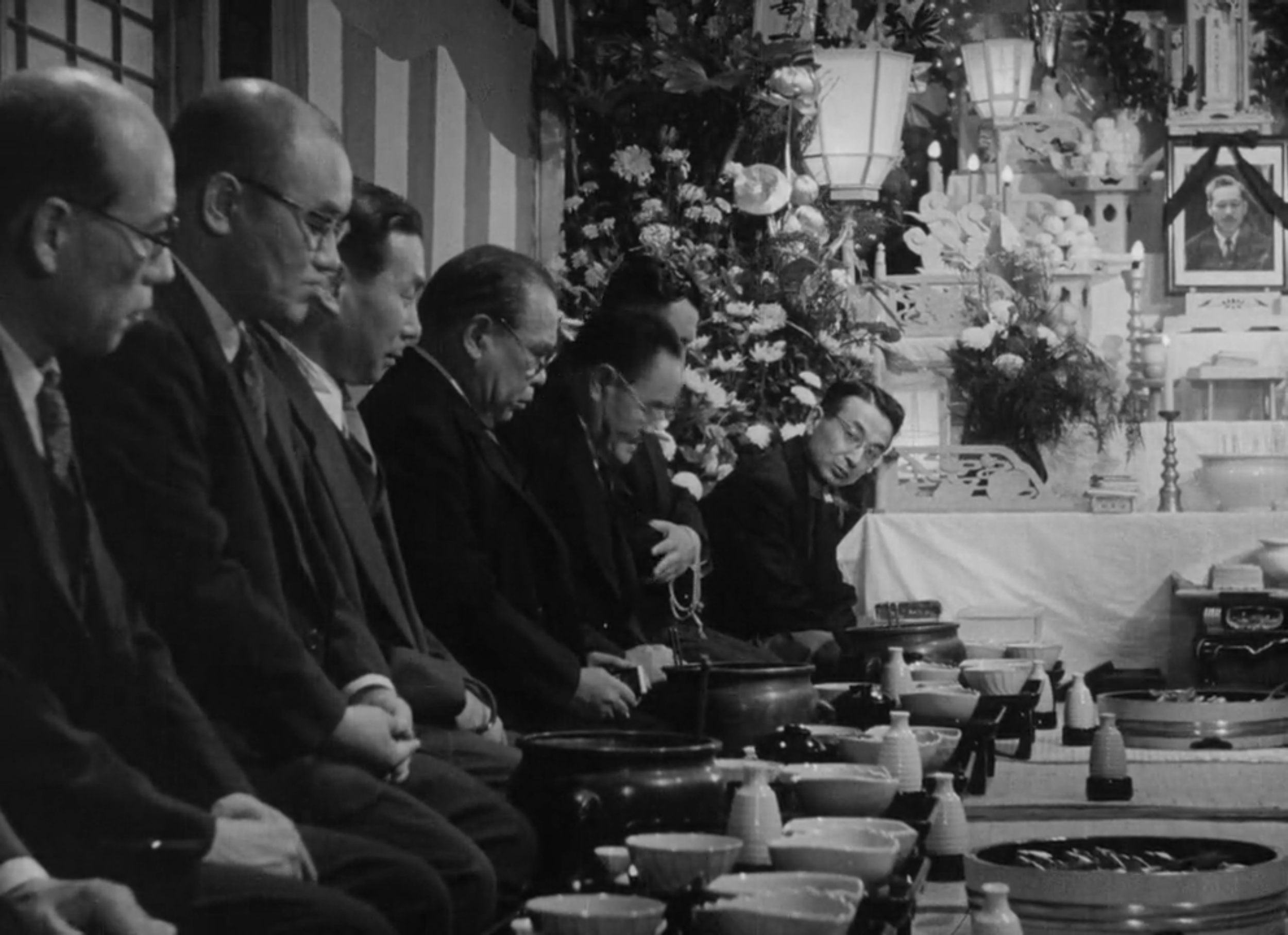
The conclusion of the film is quite strong in that instead of giving what we want, it’s intentionally frustrating to actually inspire change. The execution isn’t the best with a lot of explanation, a signature of Japanese storytelling. But in this case, the anti-climatic execution does serve the social commentary. If you hate bureaucracy, this film will be for you. Life, death, purpose, family, society, all within 2 hours.
Recommendations
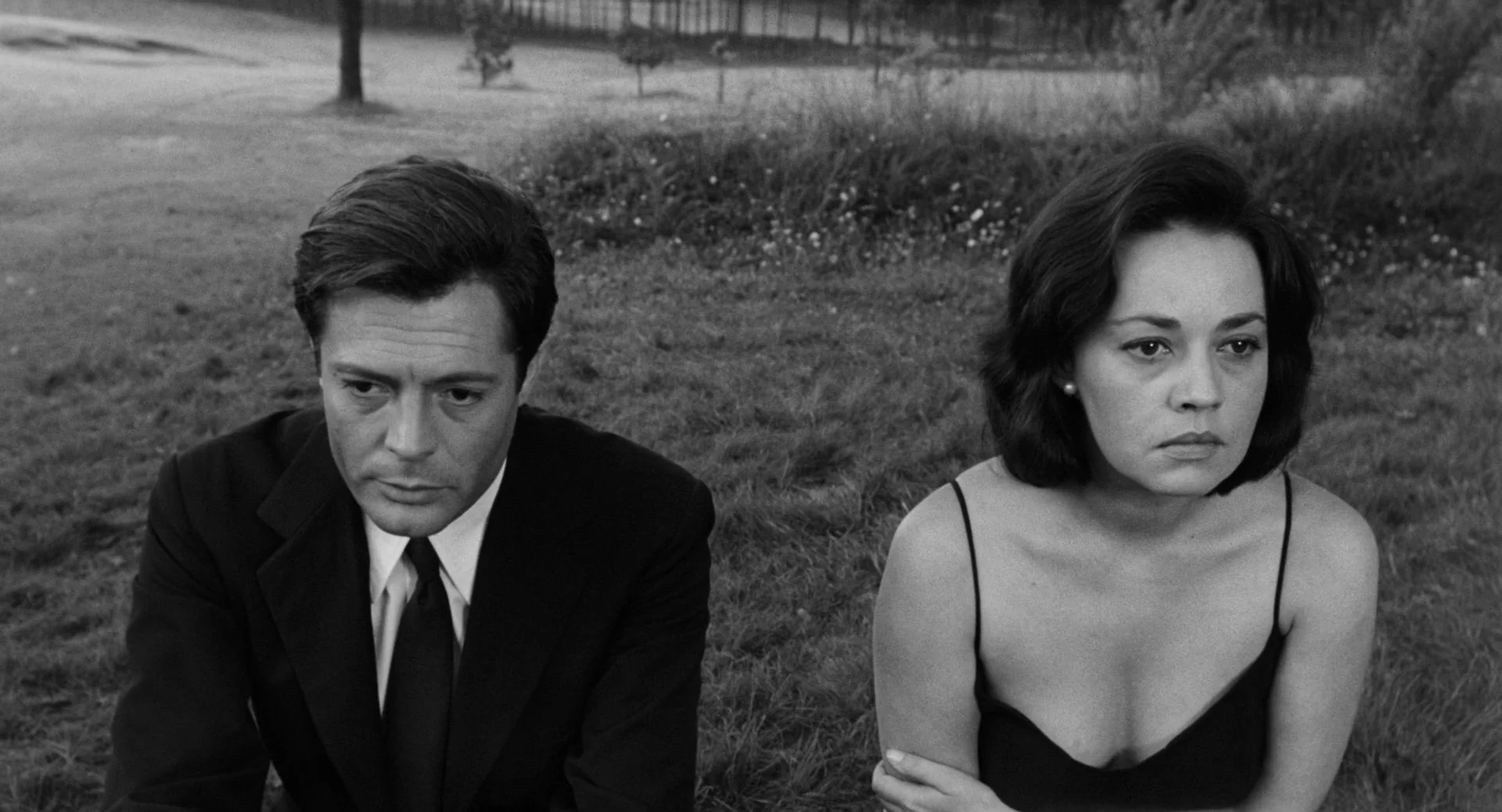


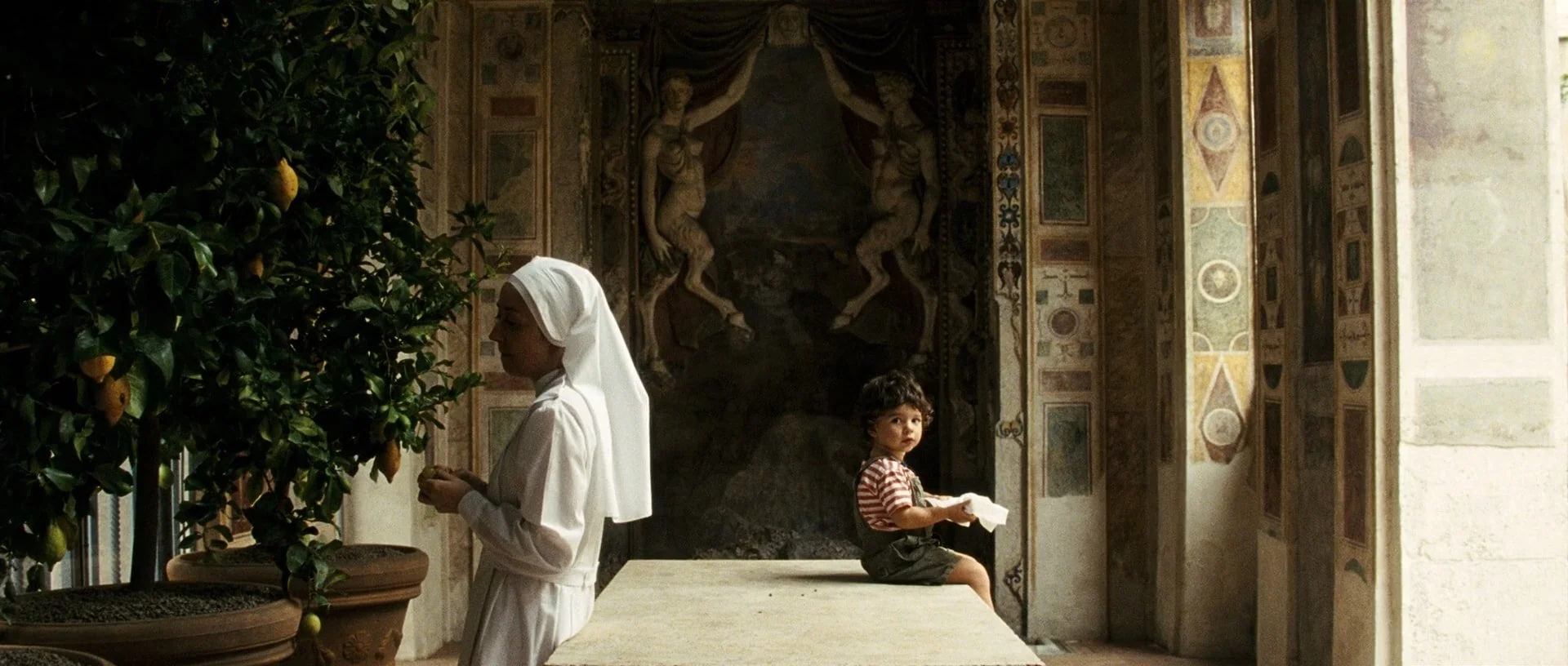











A hole where love almost begins.