
Taste of Cherry (1997)
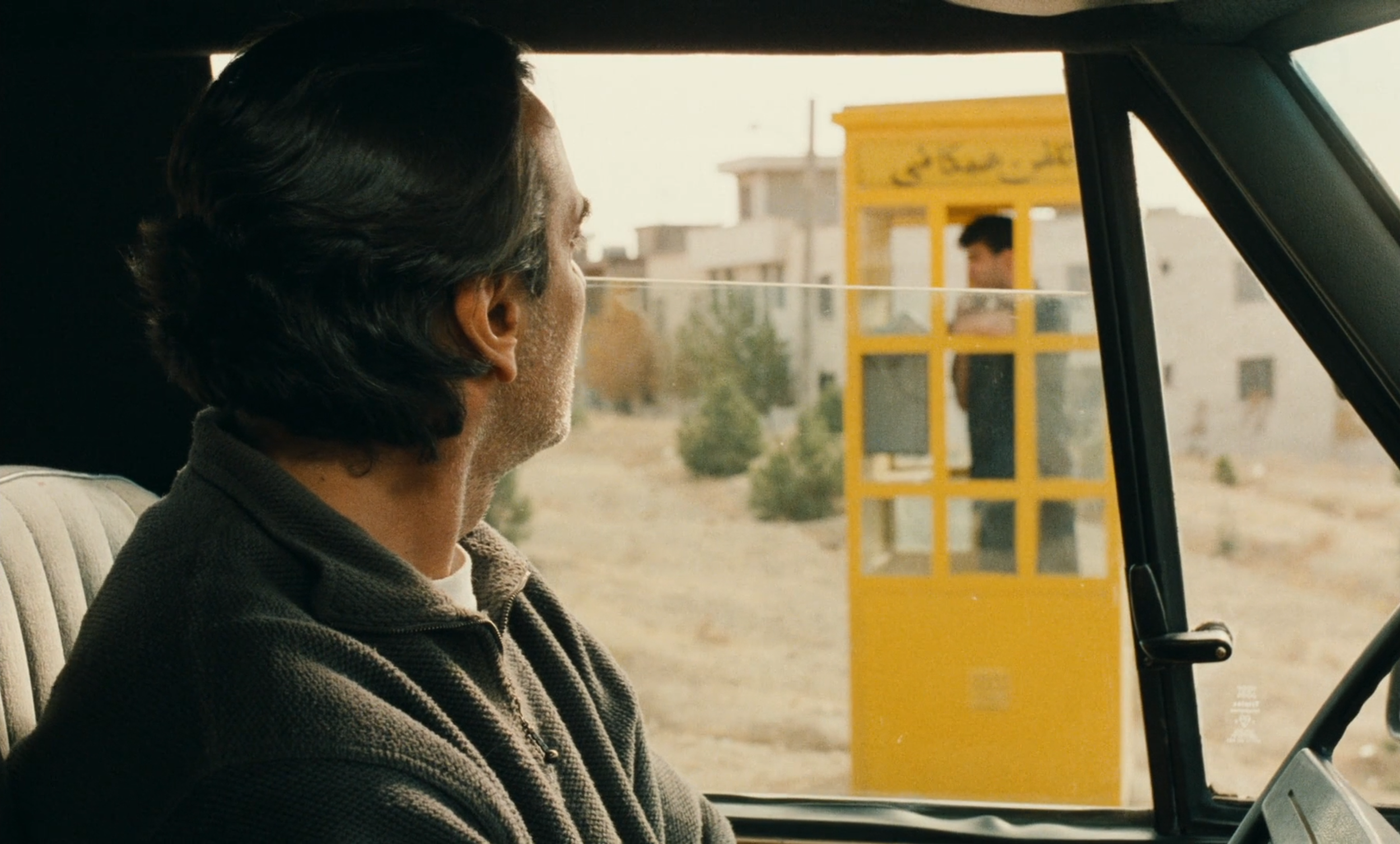
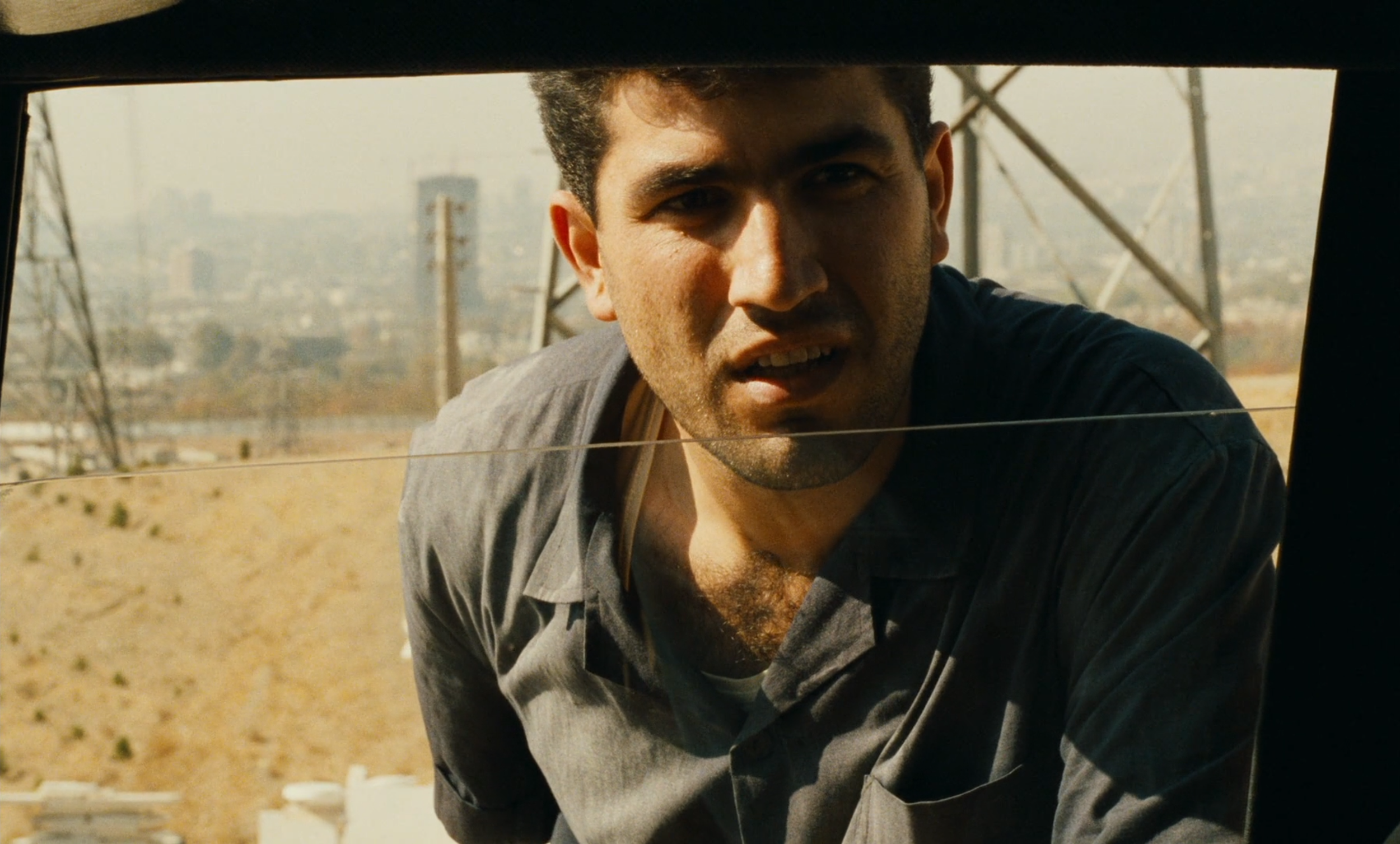
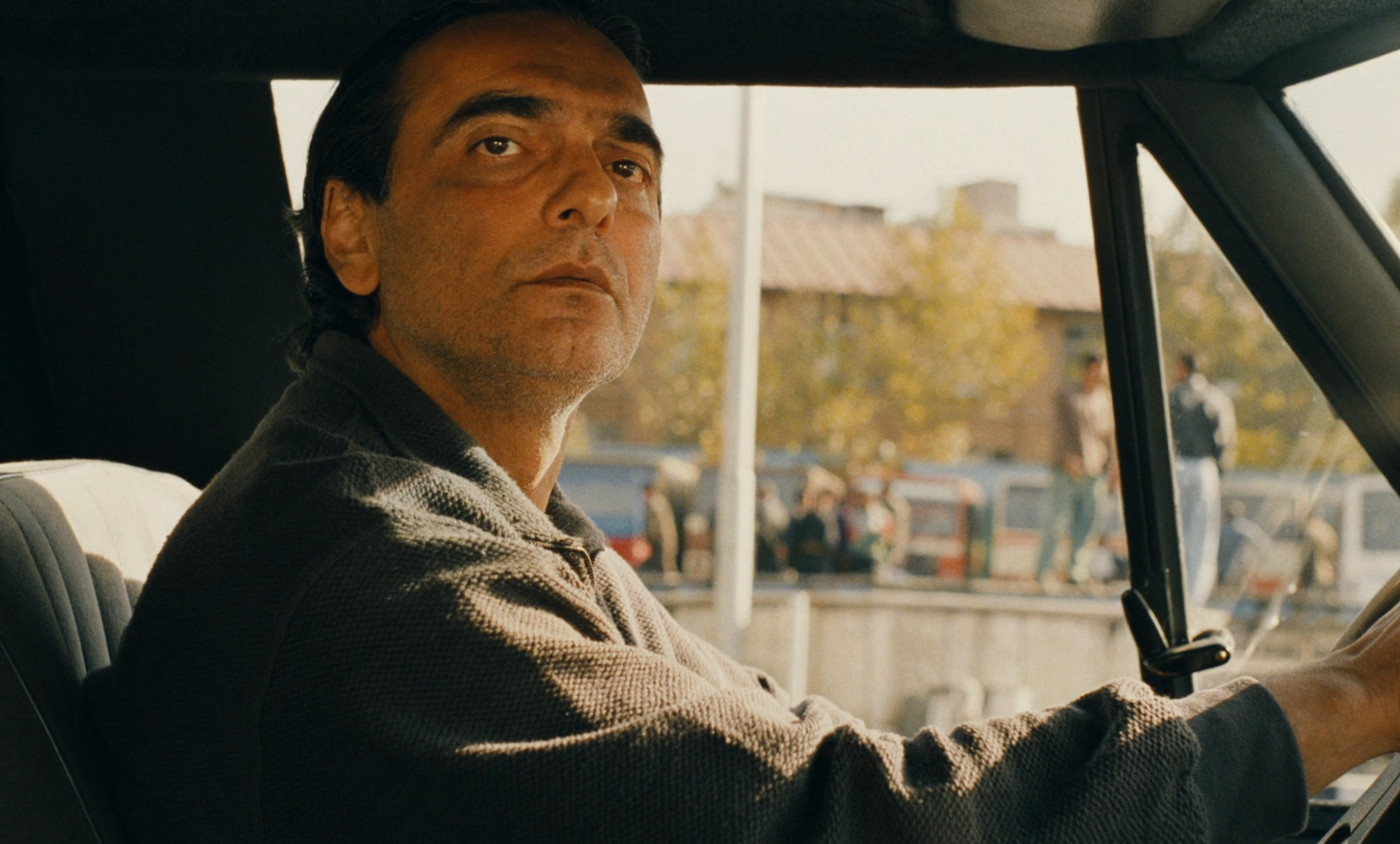
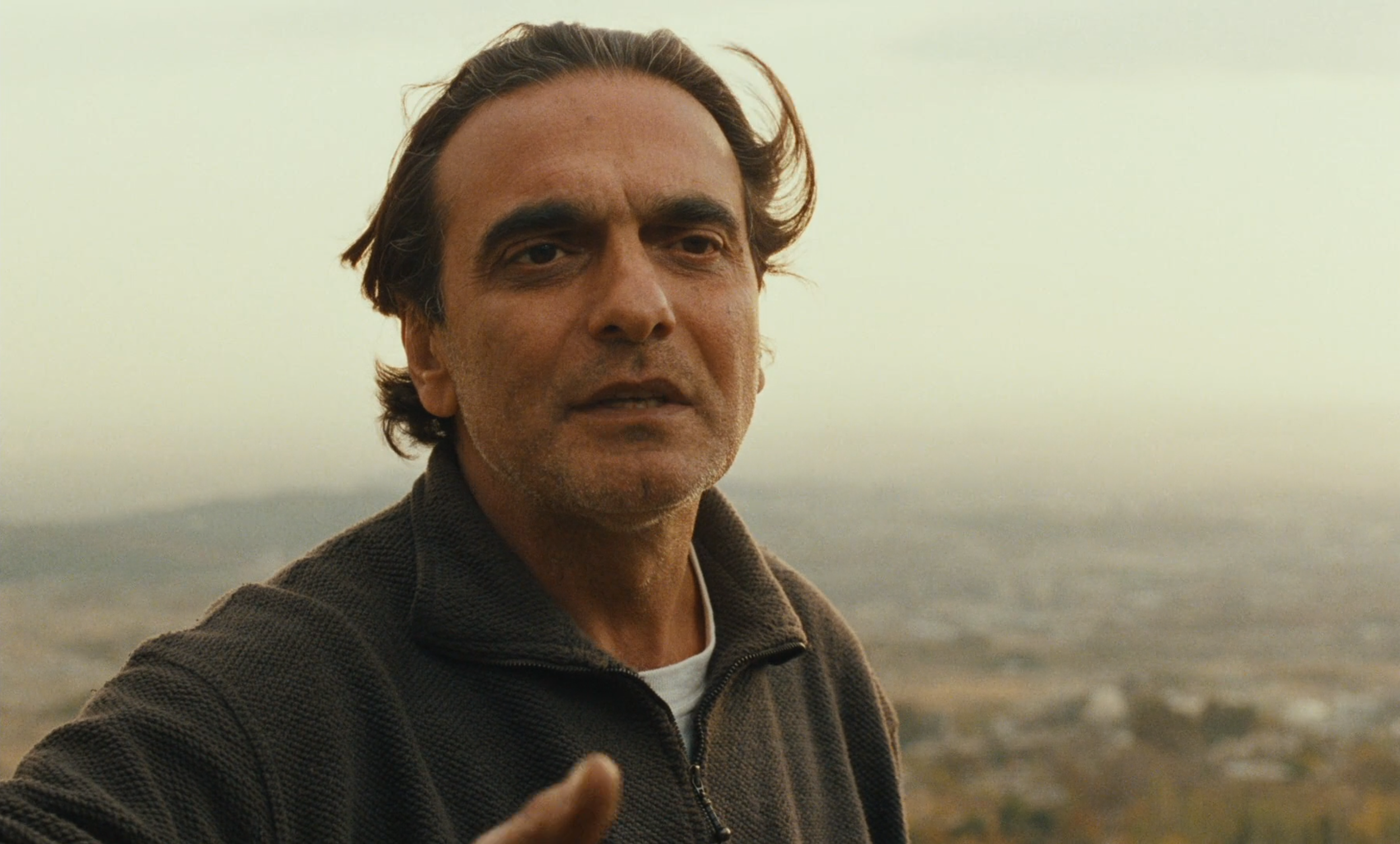
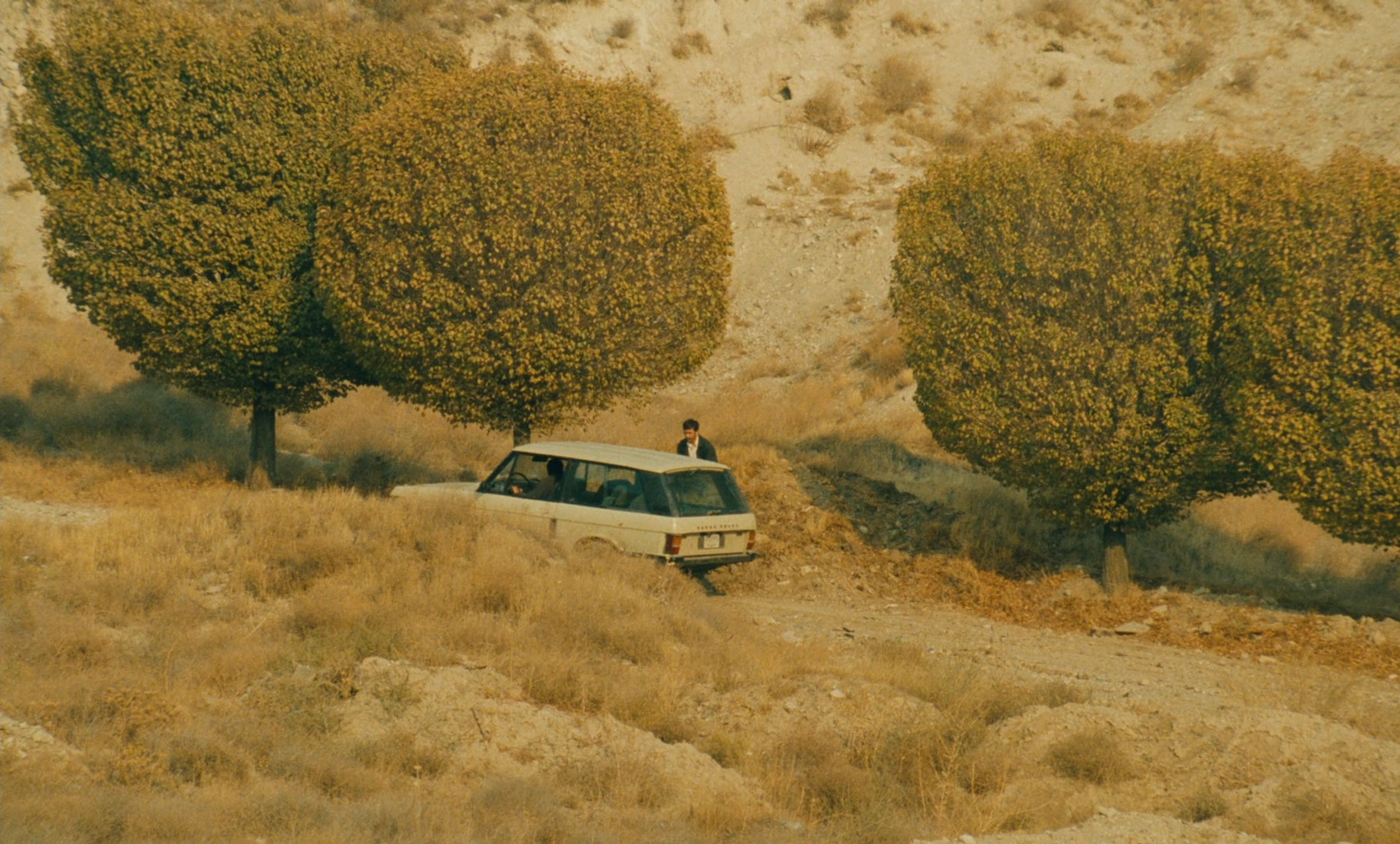
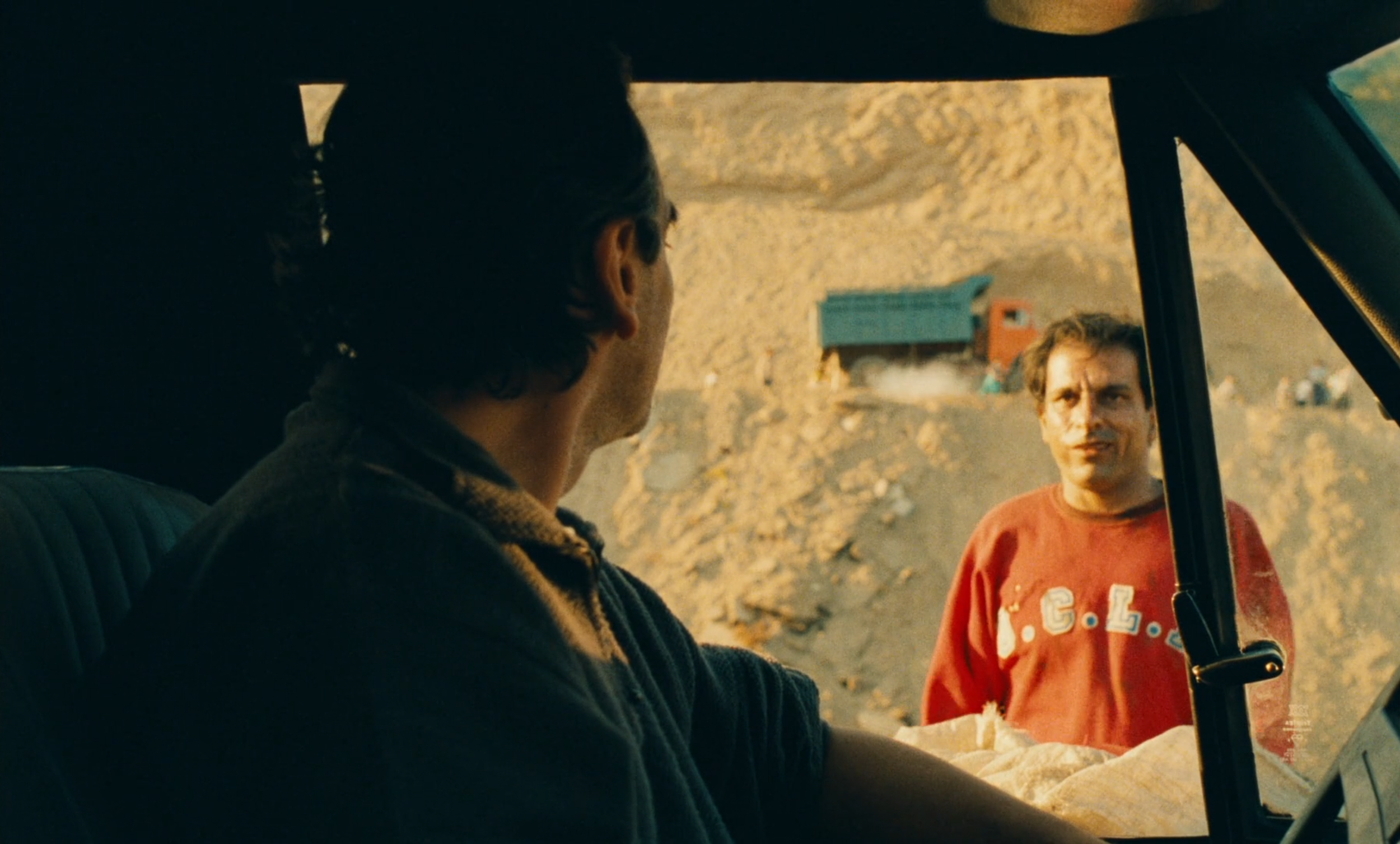
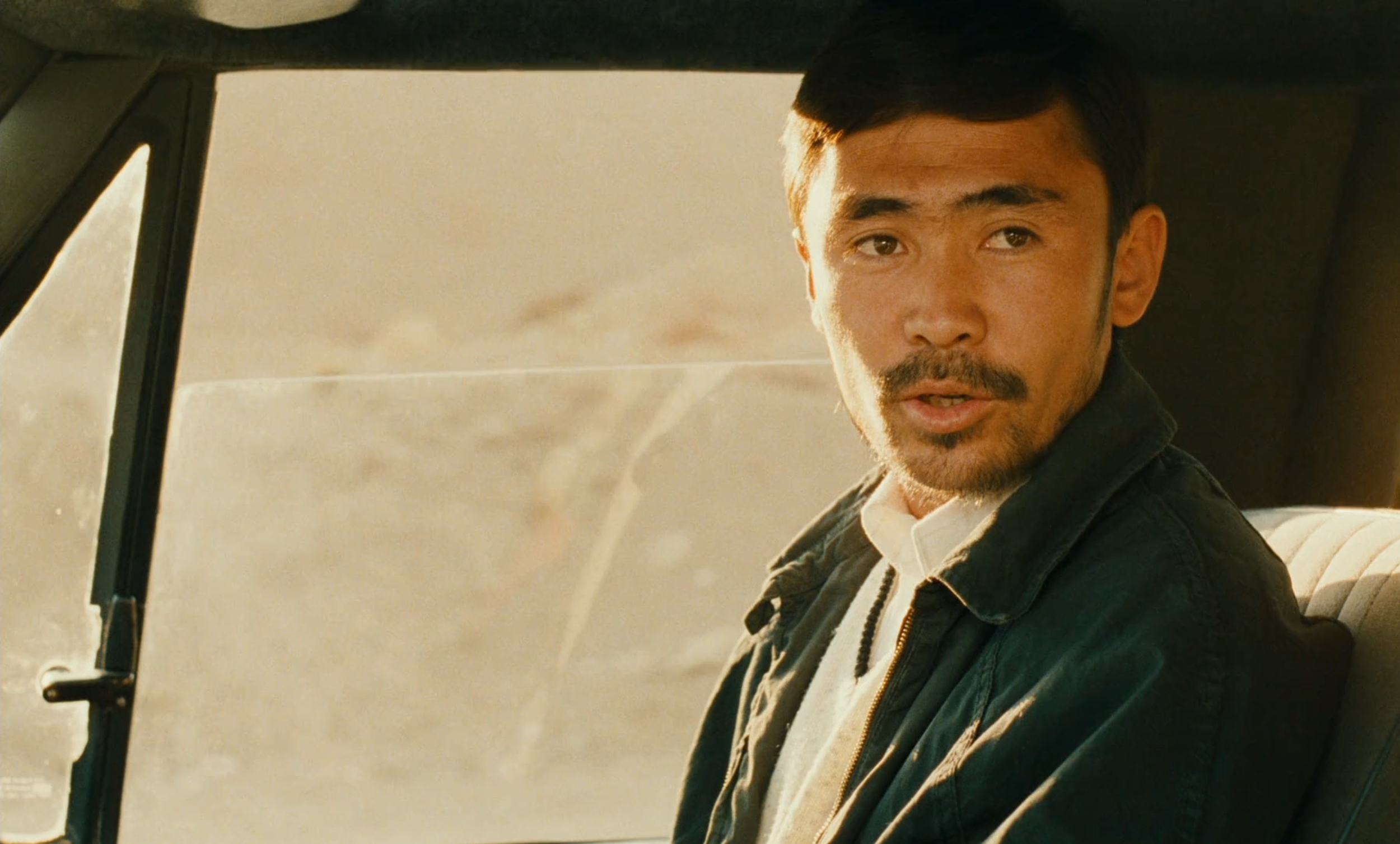
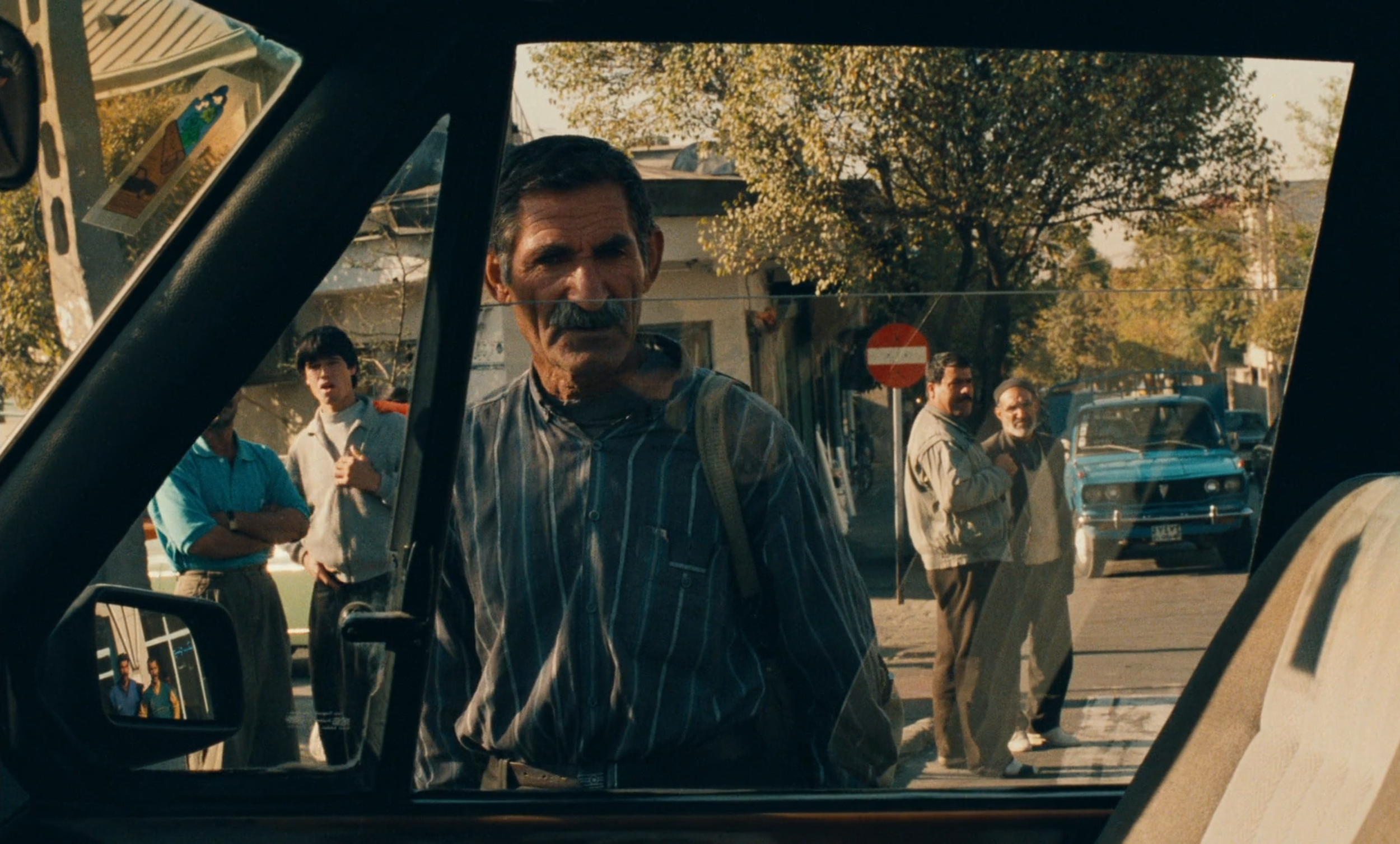
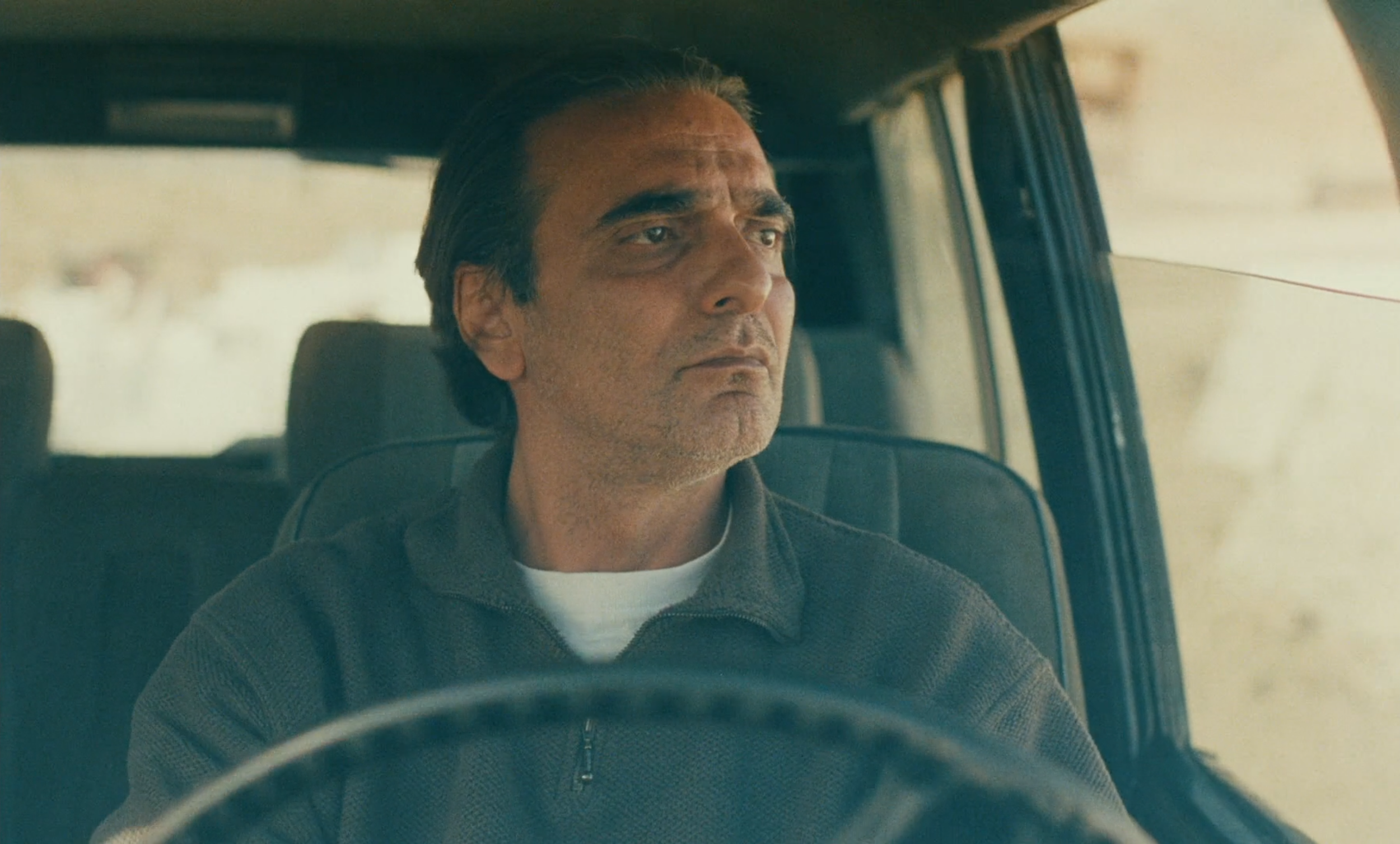
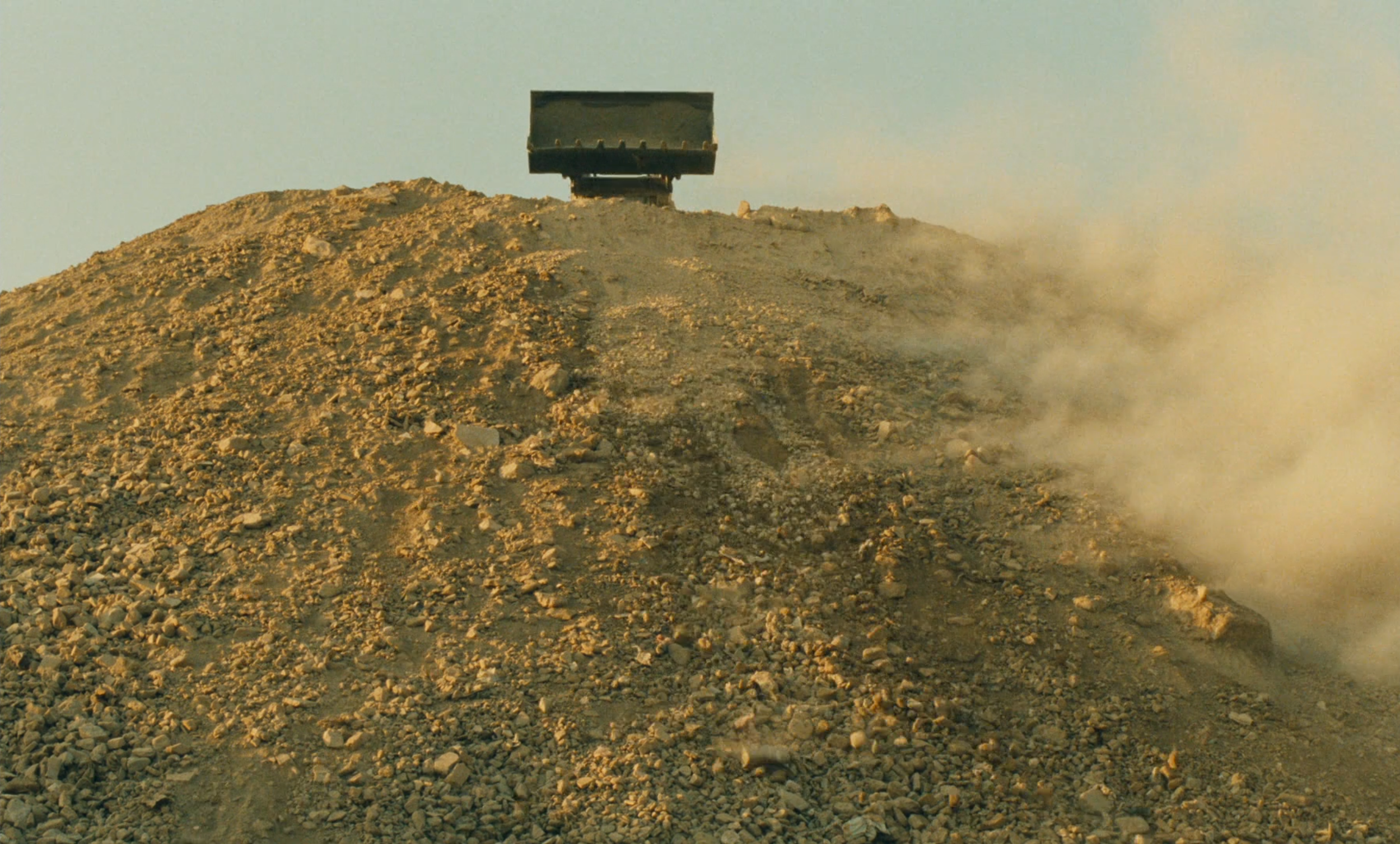
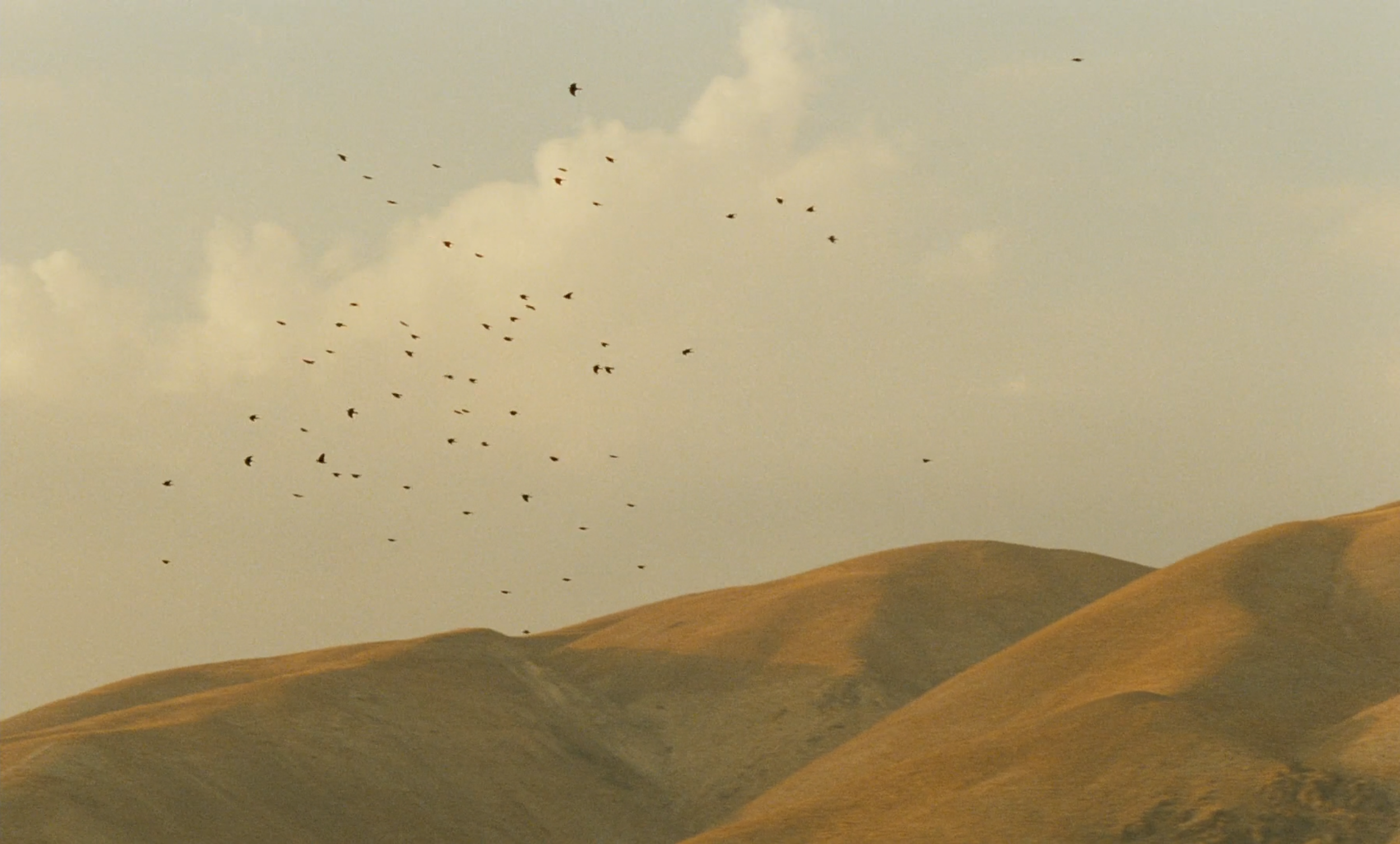
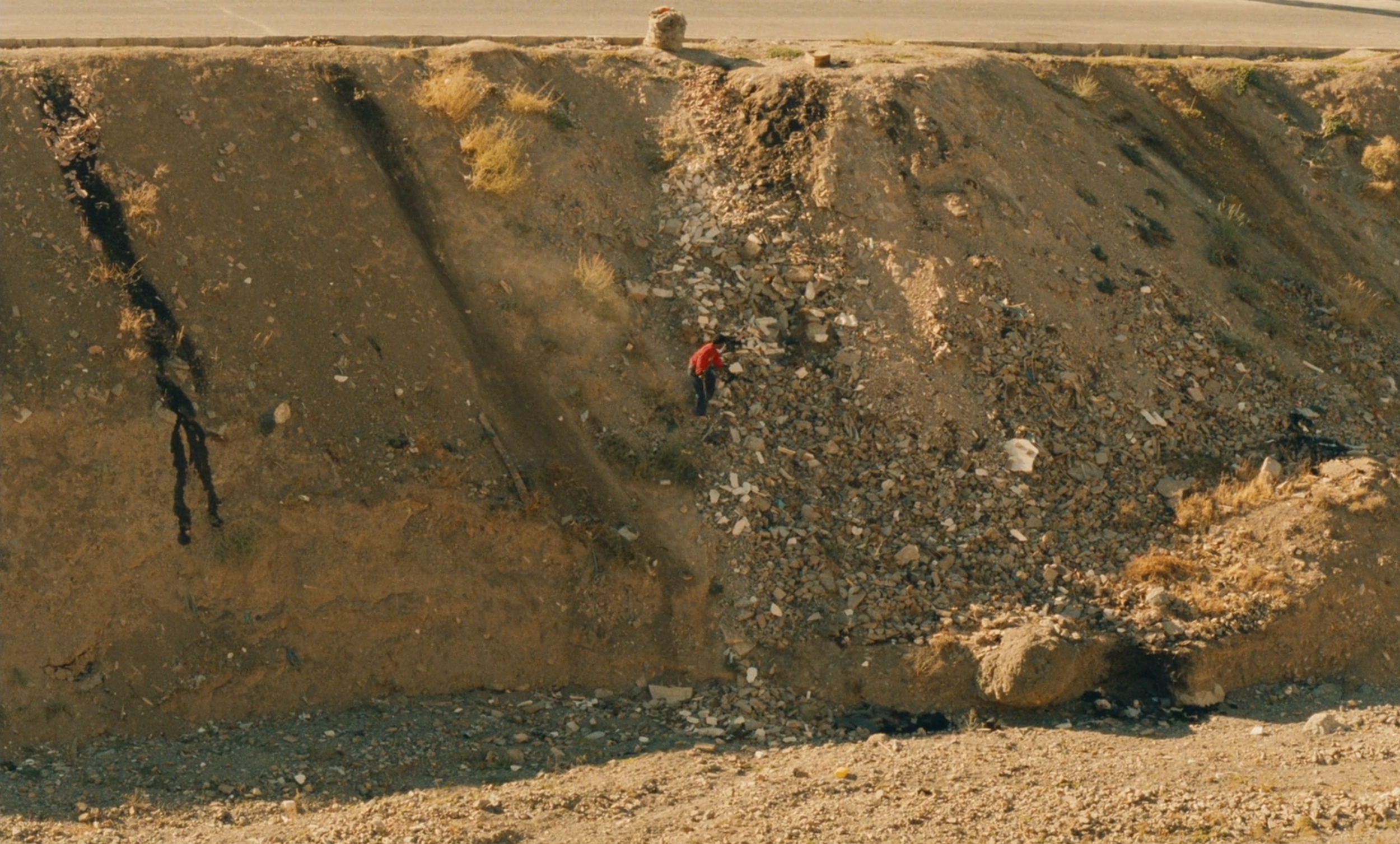
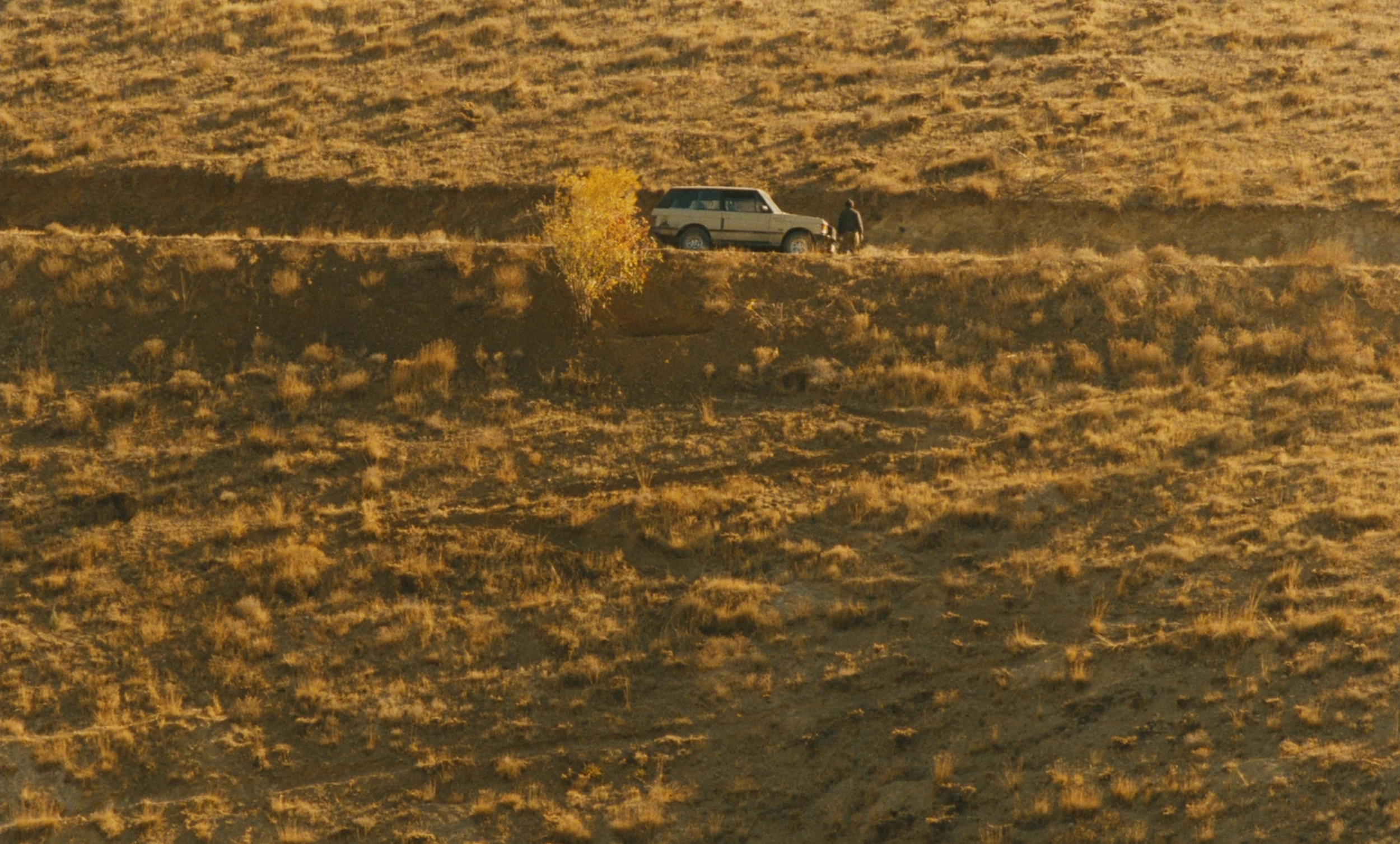
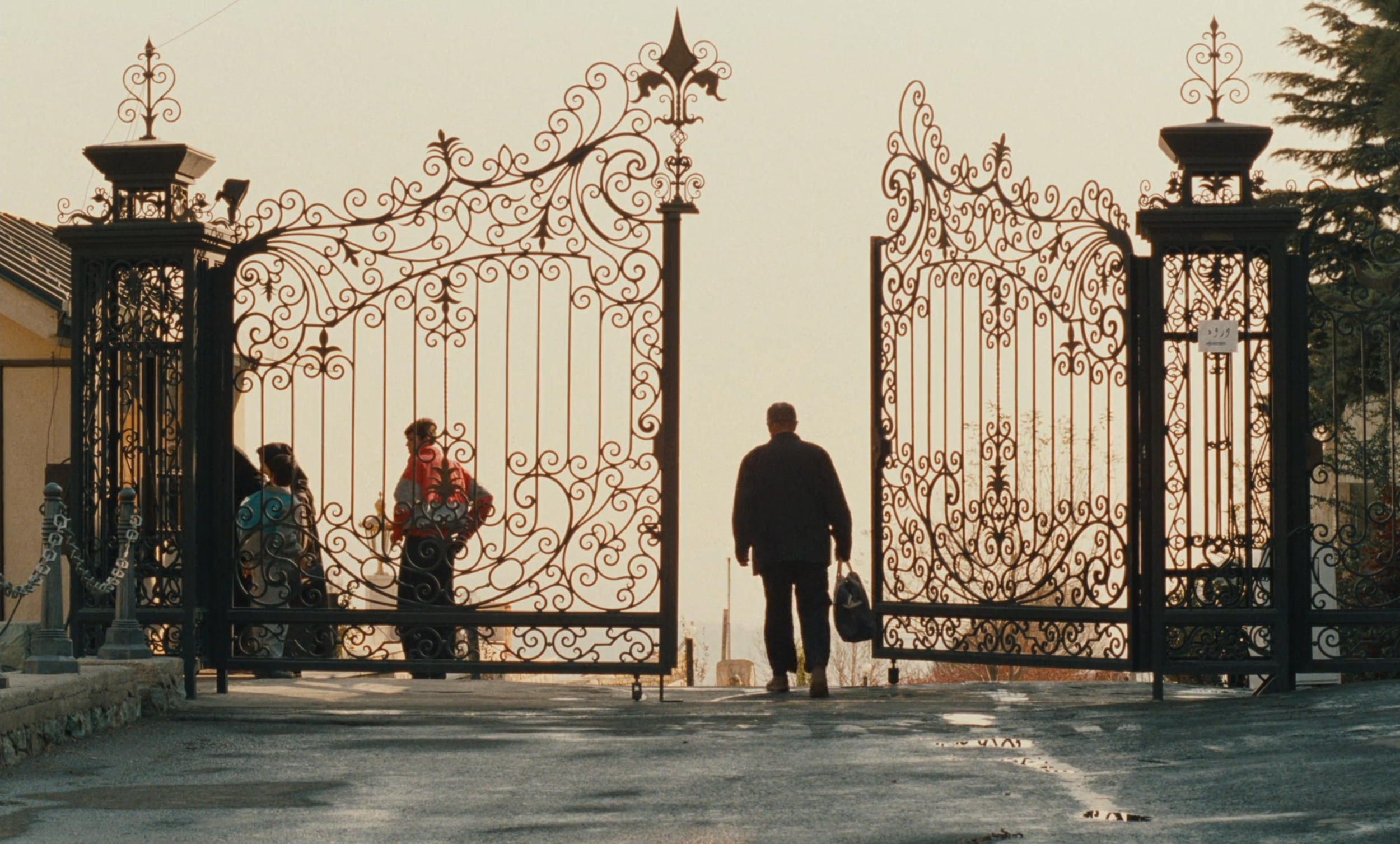
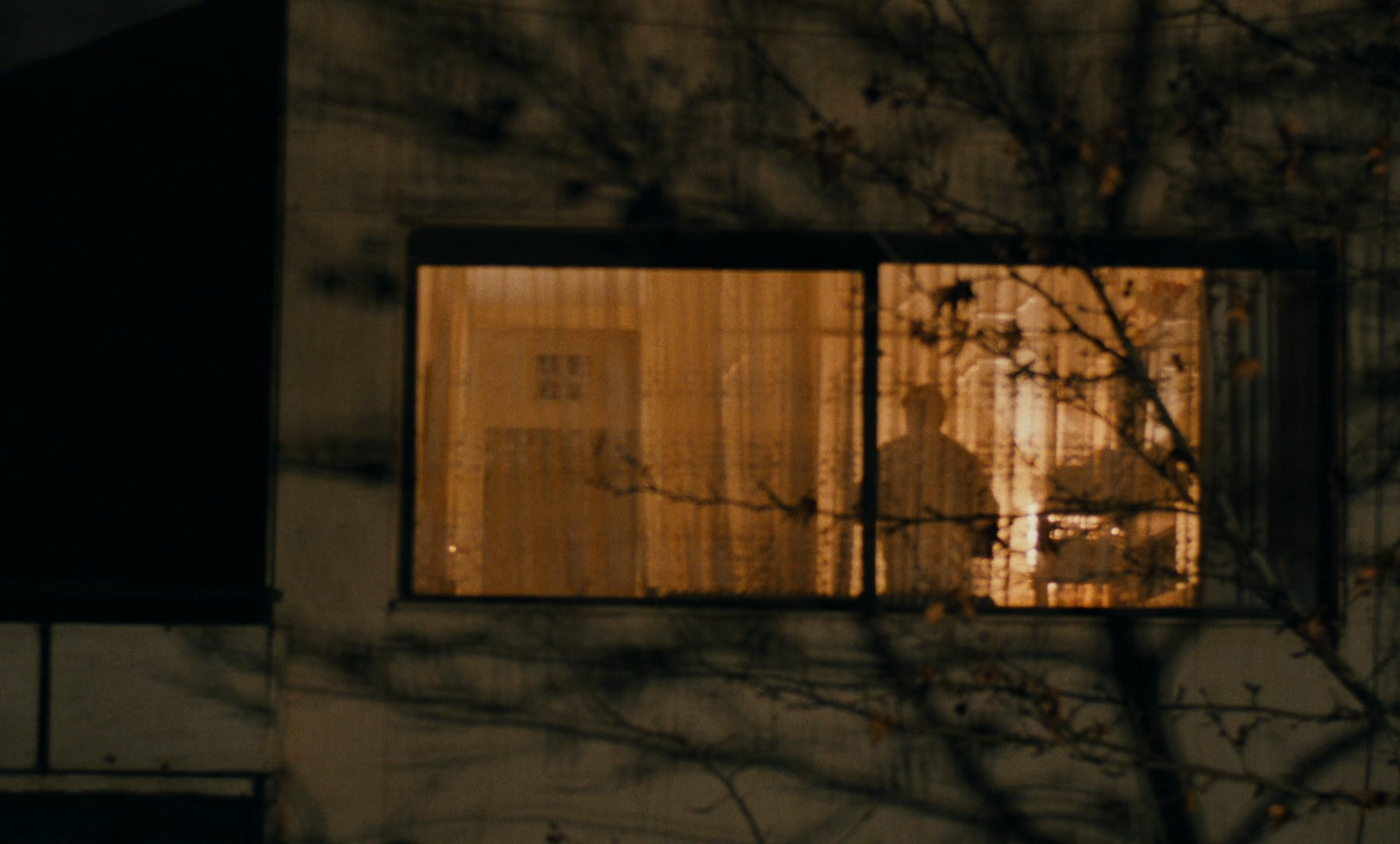
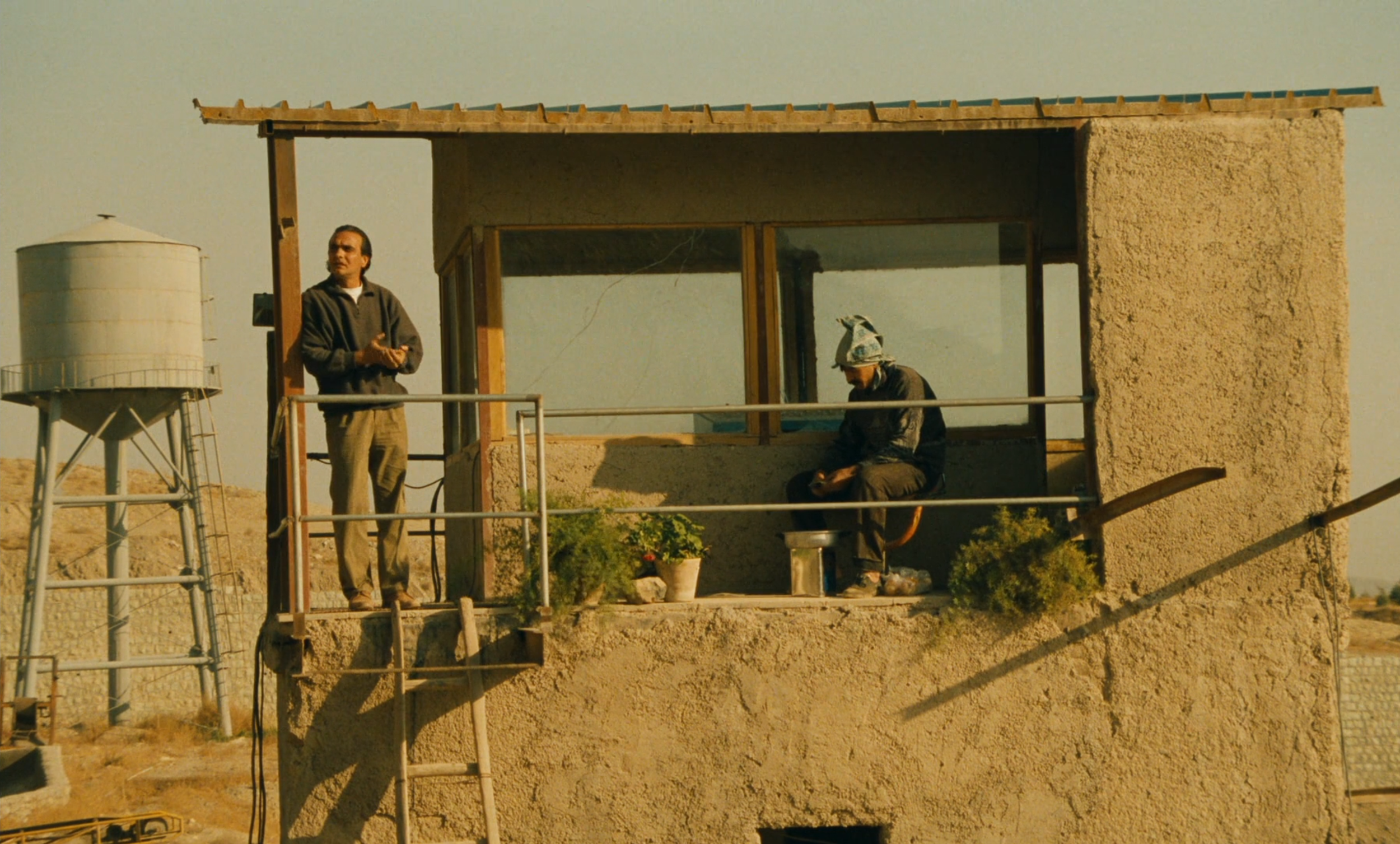
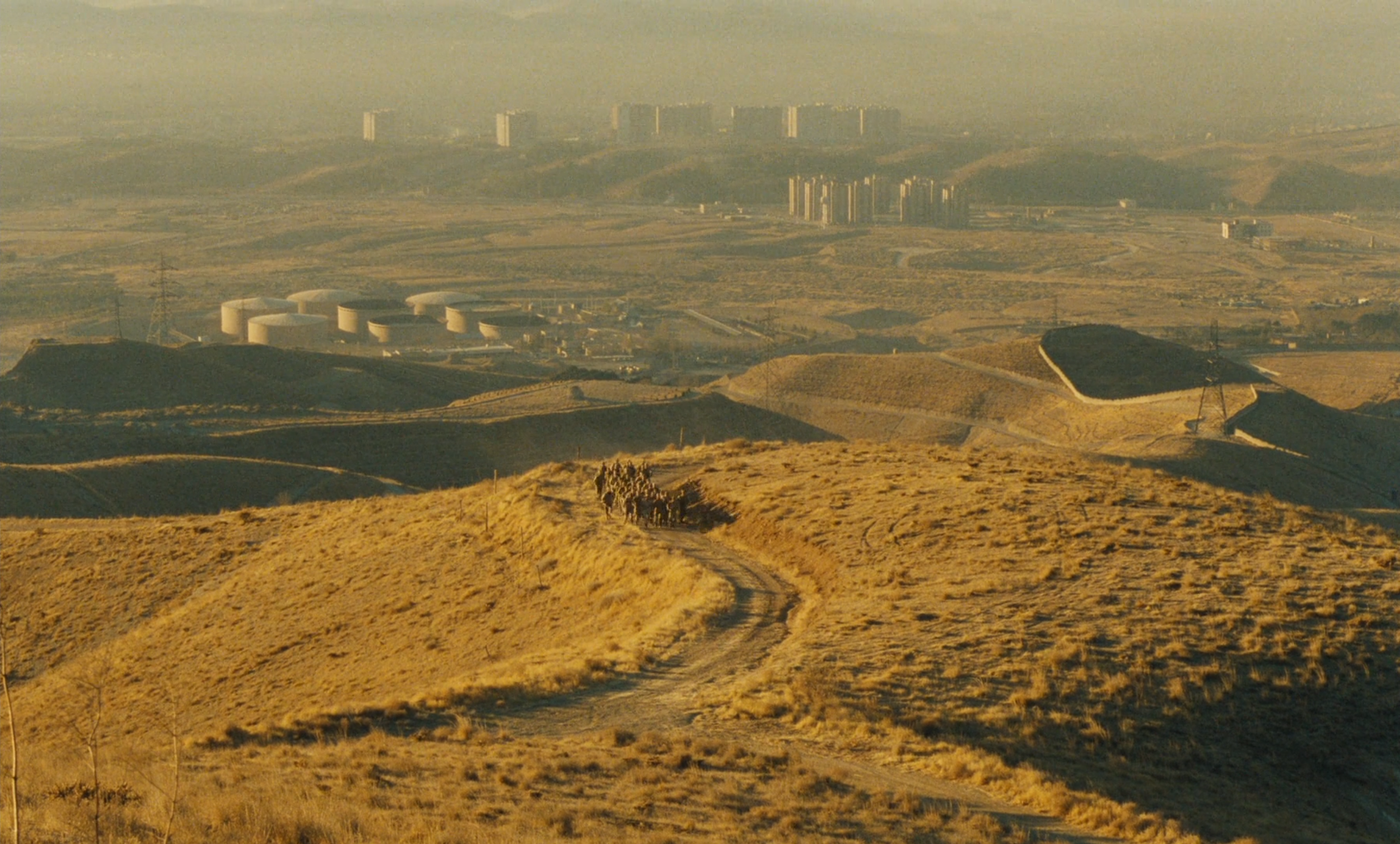
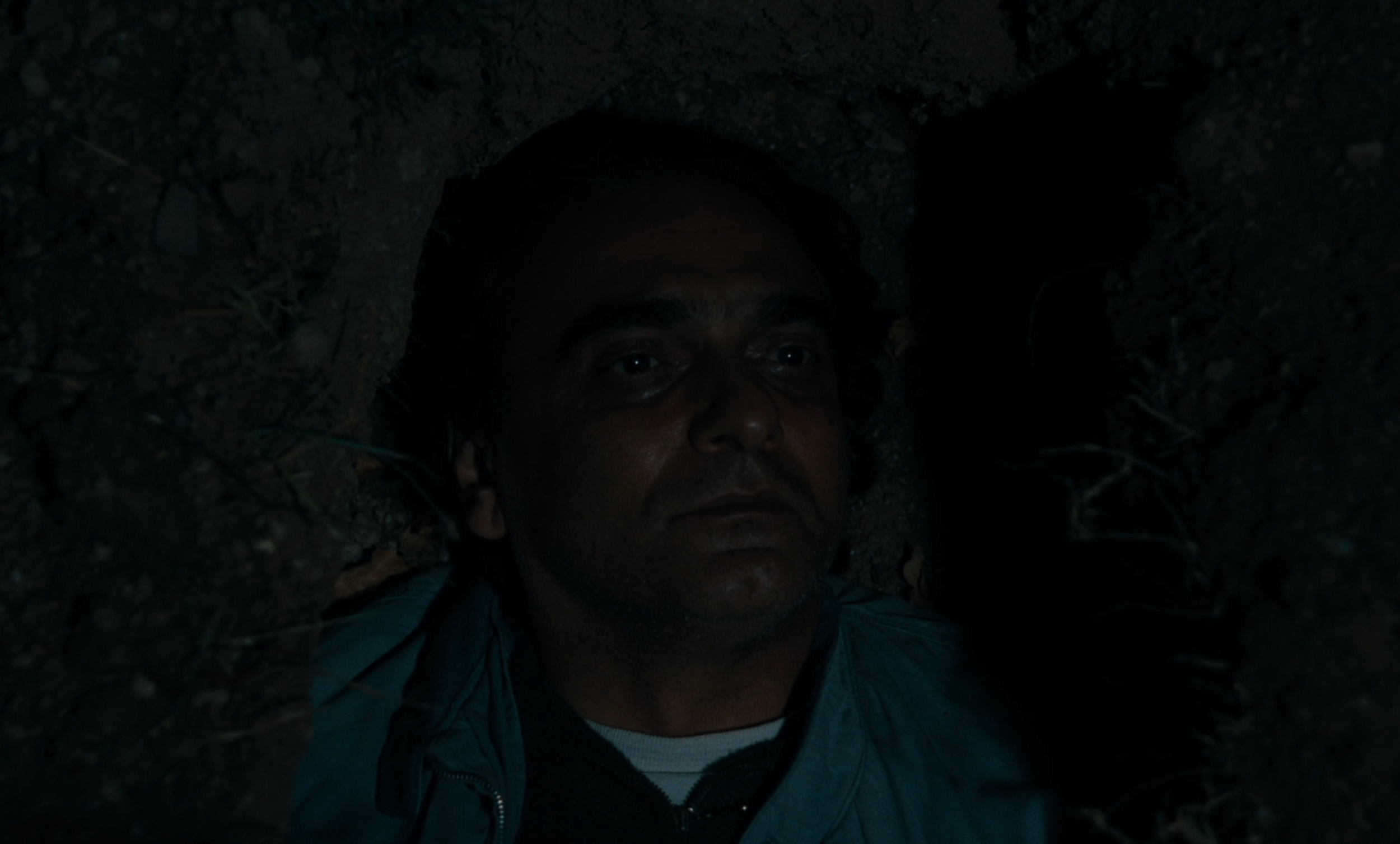
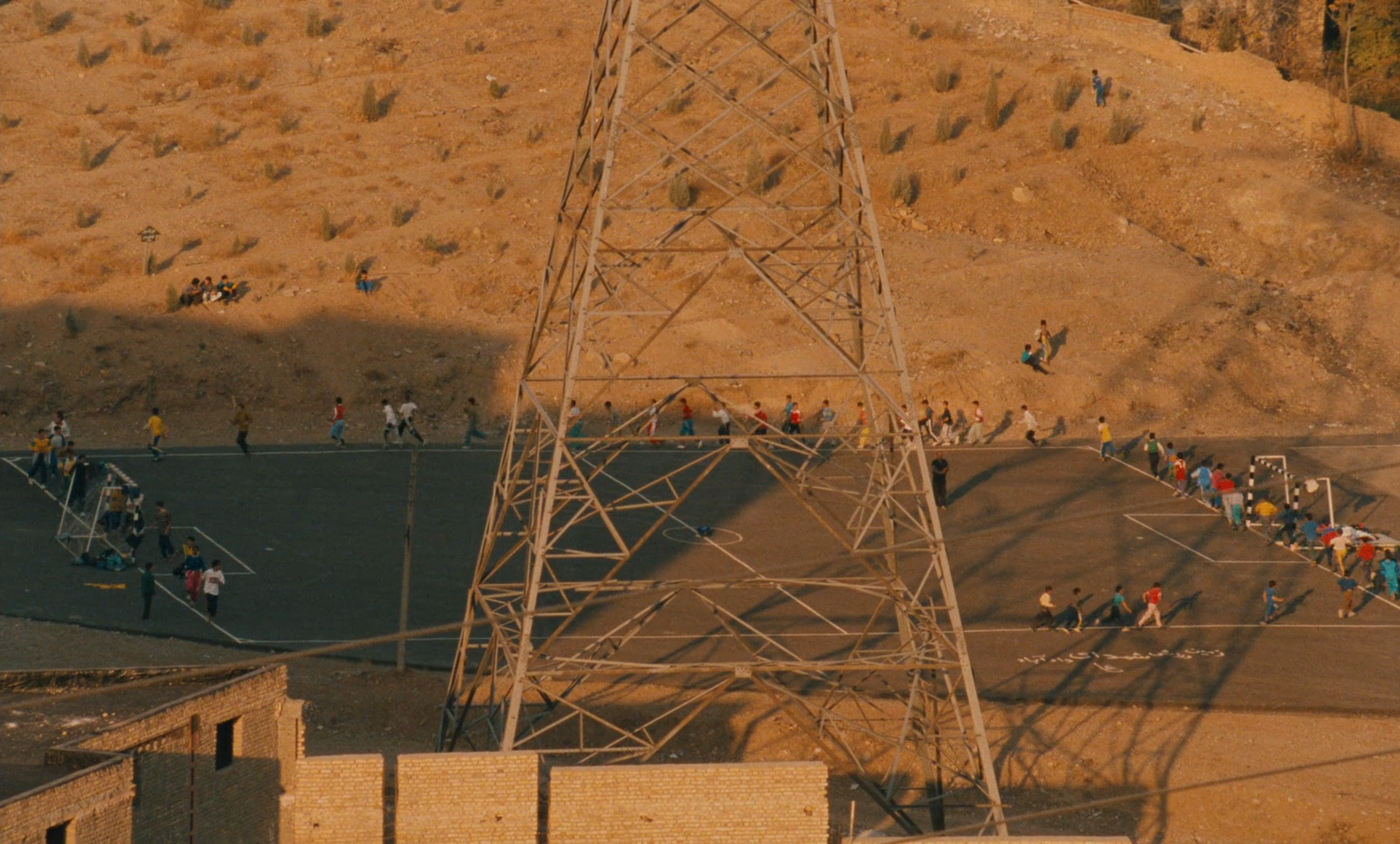
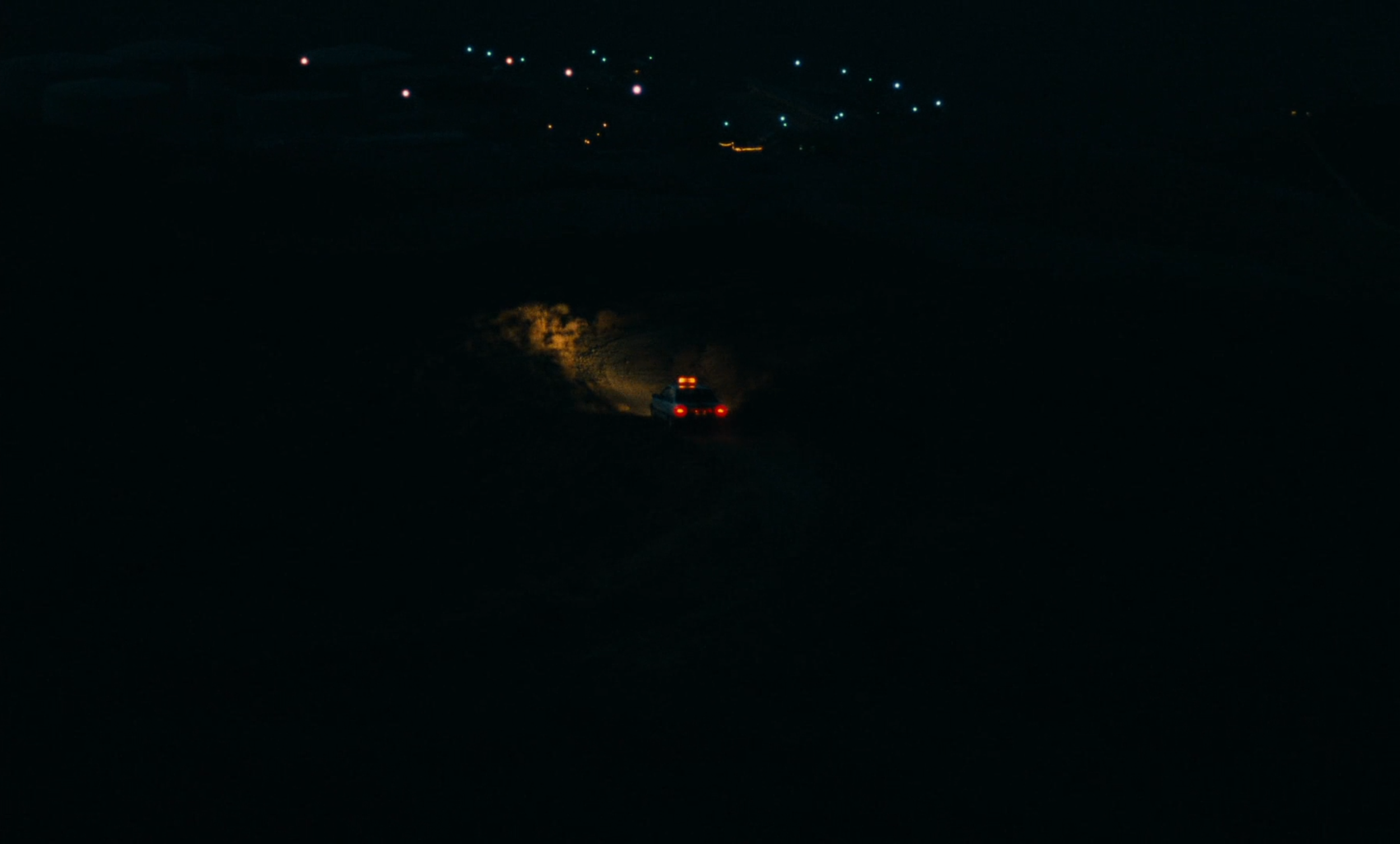
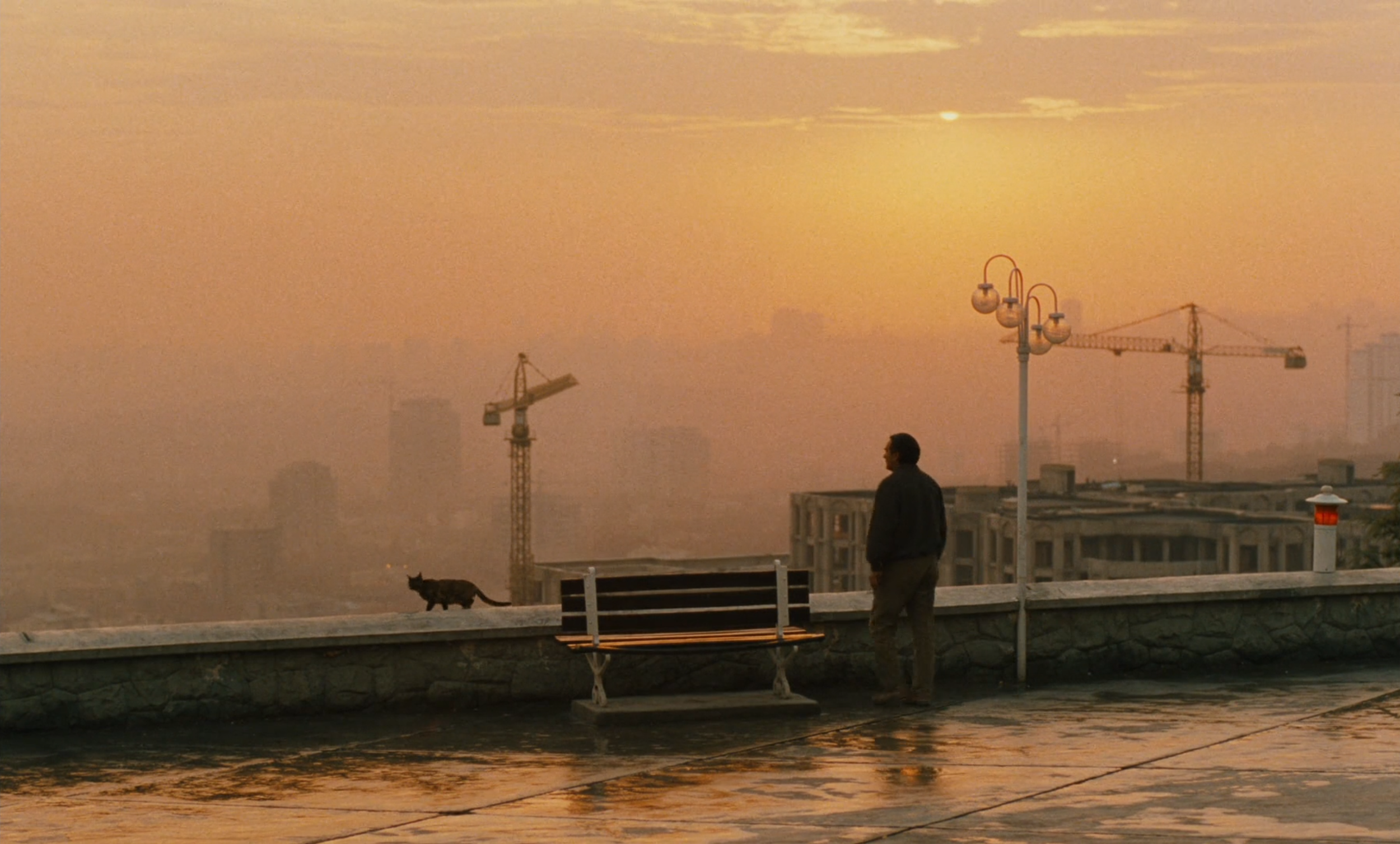
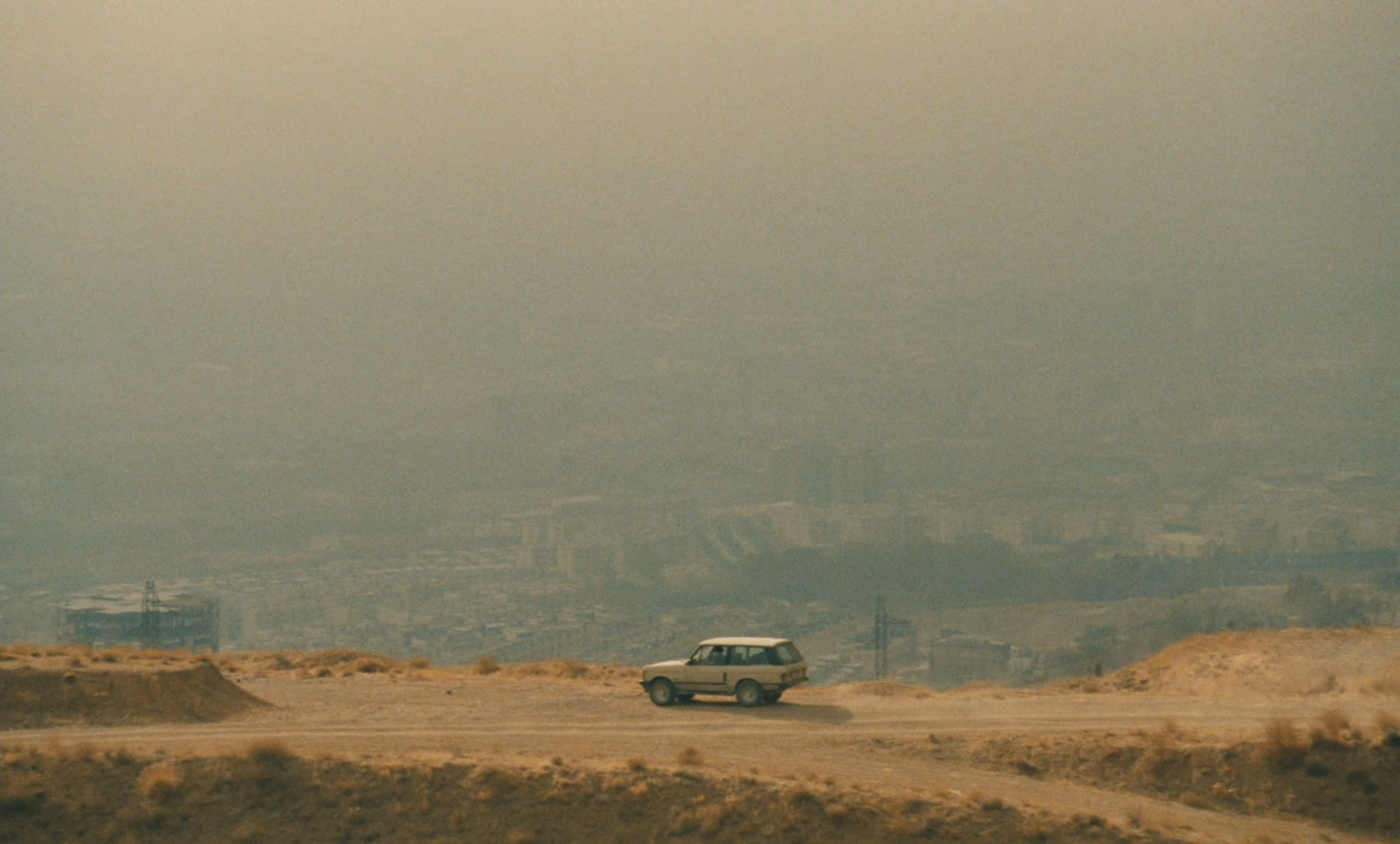

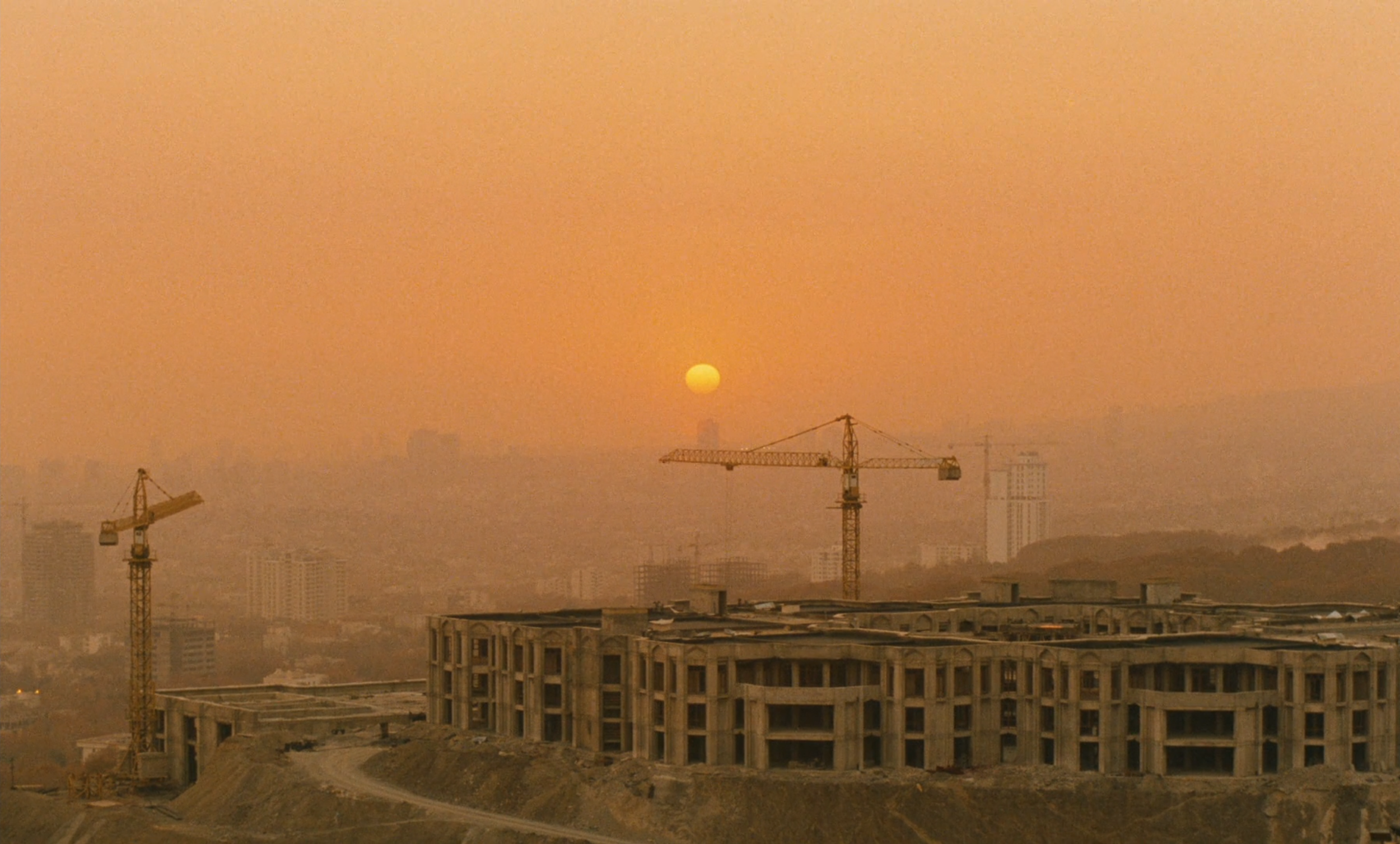
There’s always the sweetness of life.
Presentation:
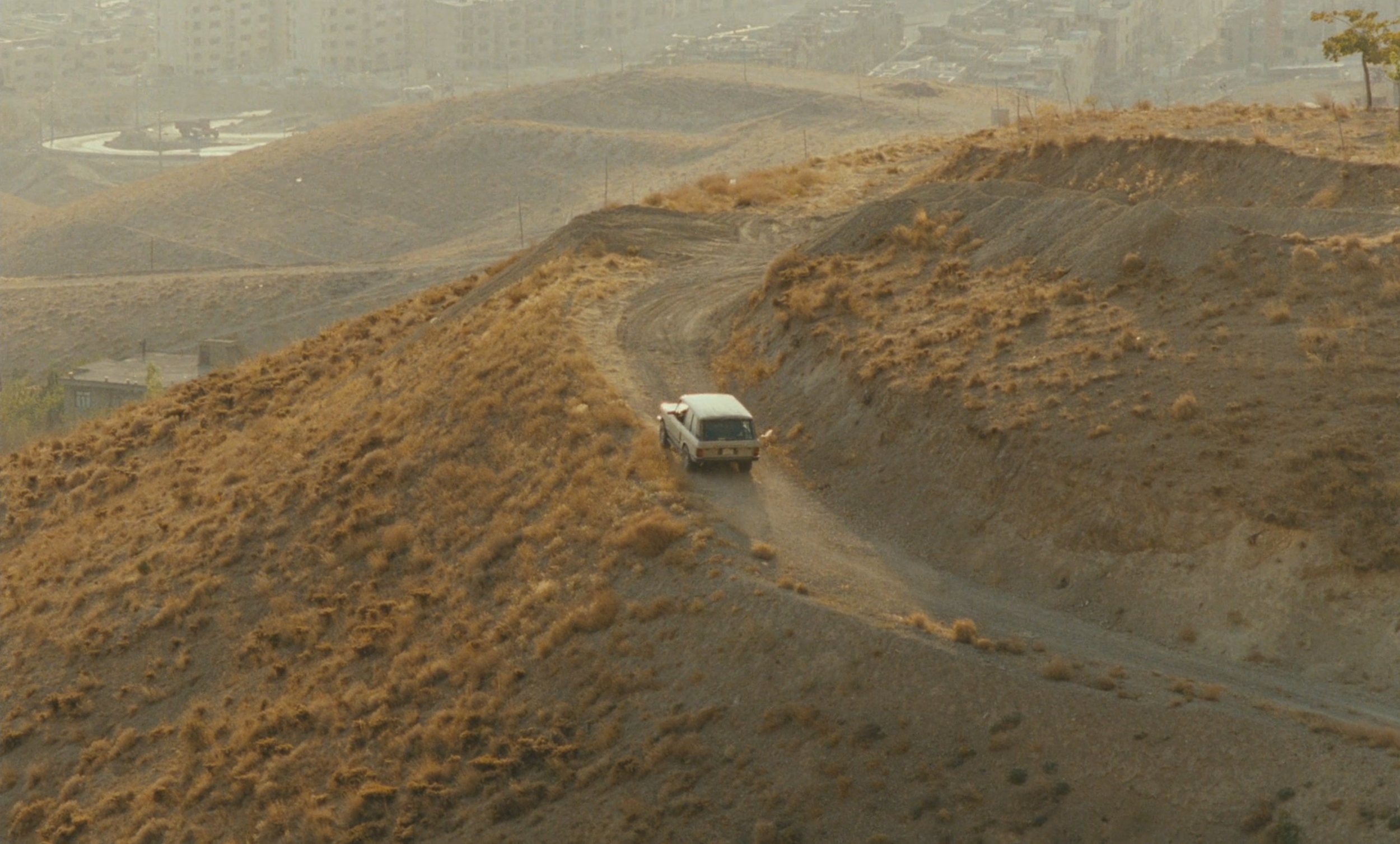
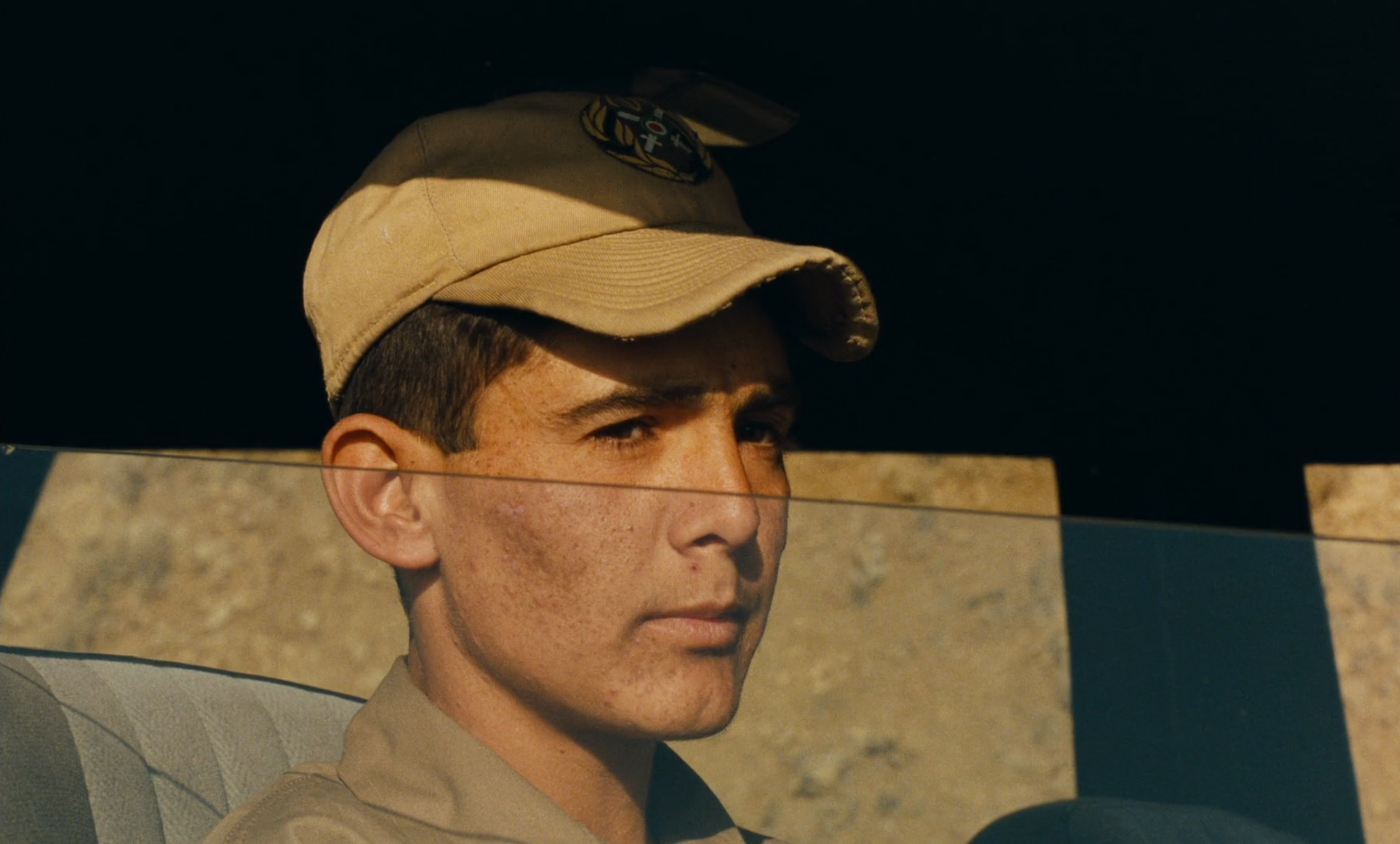
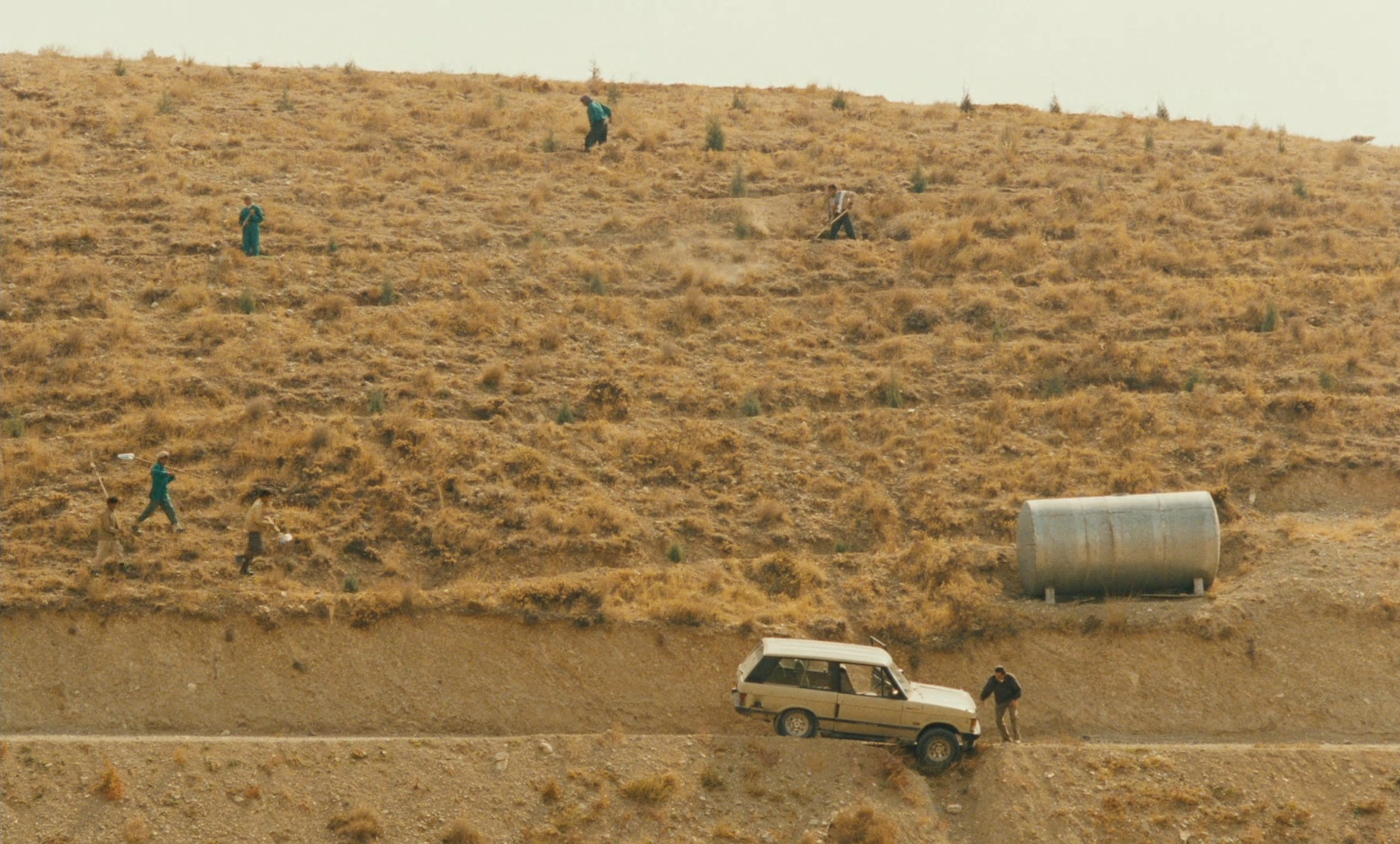
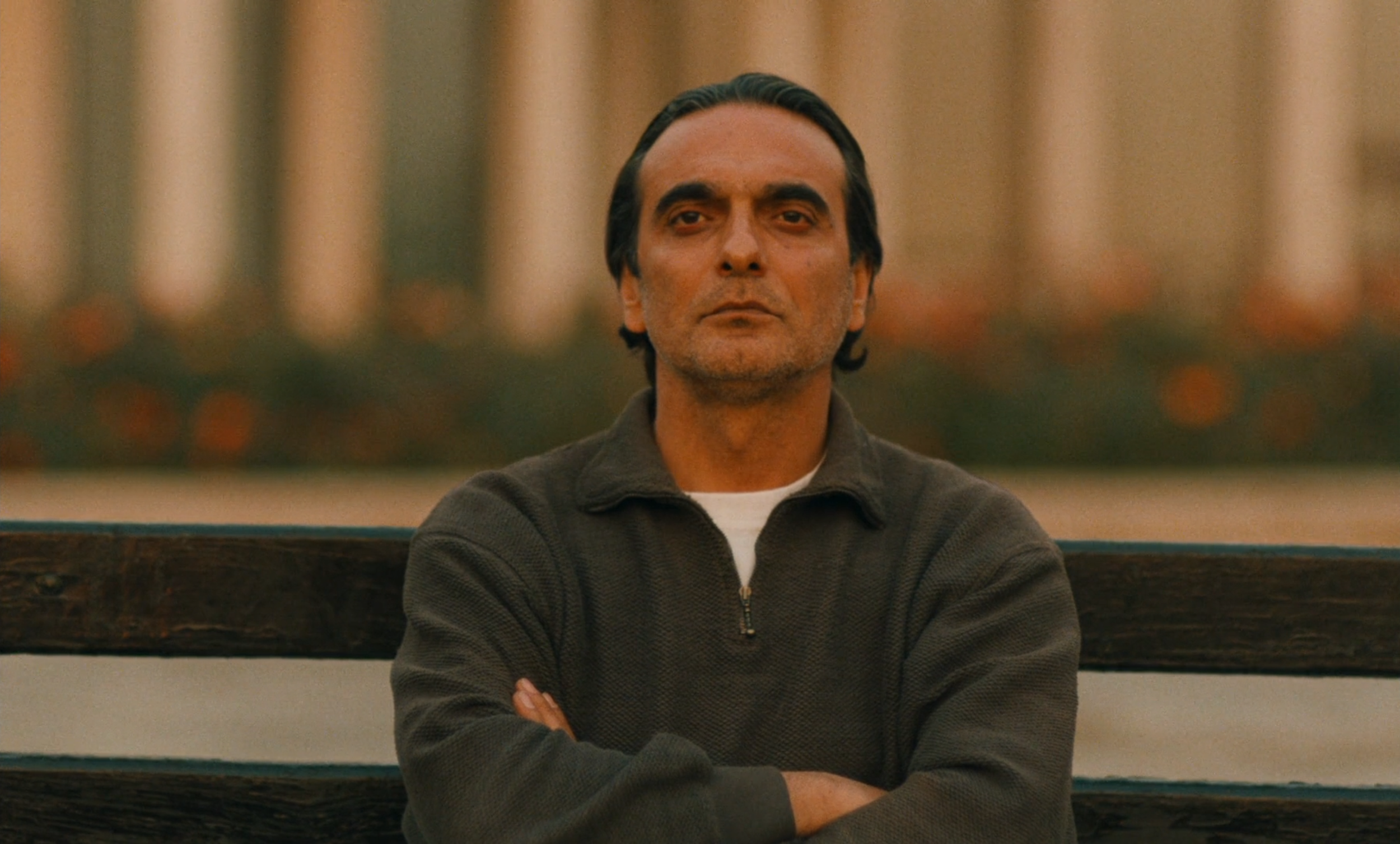
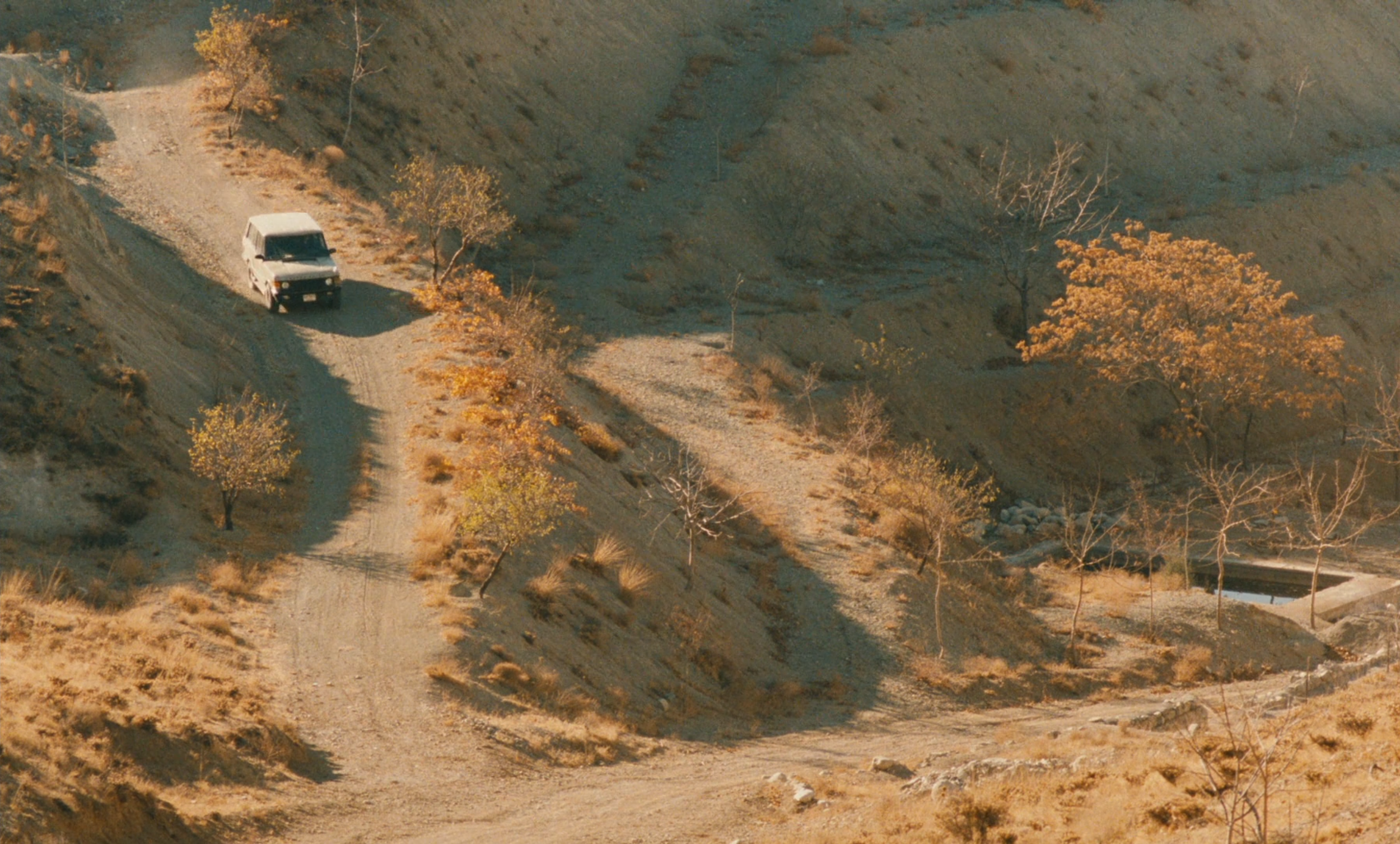
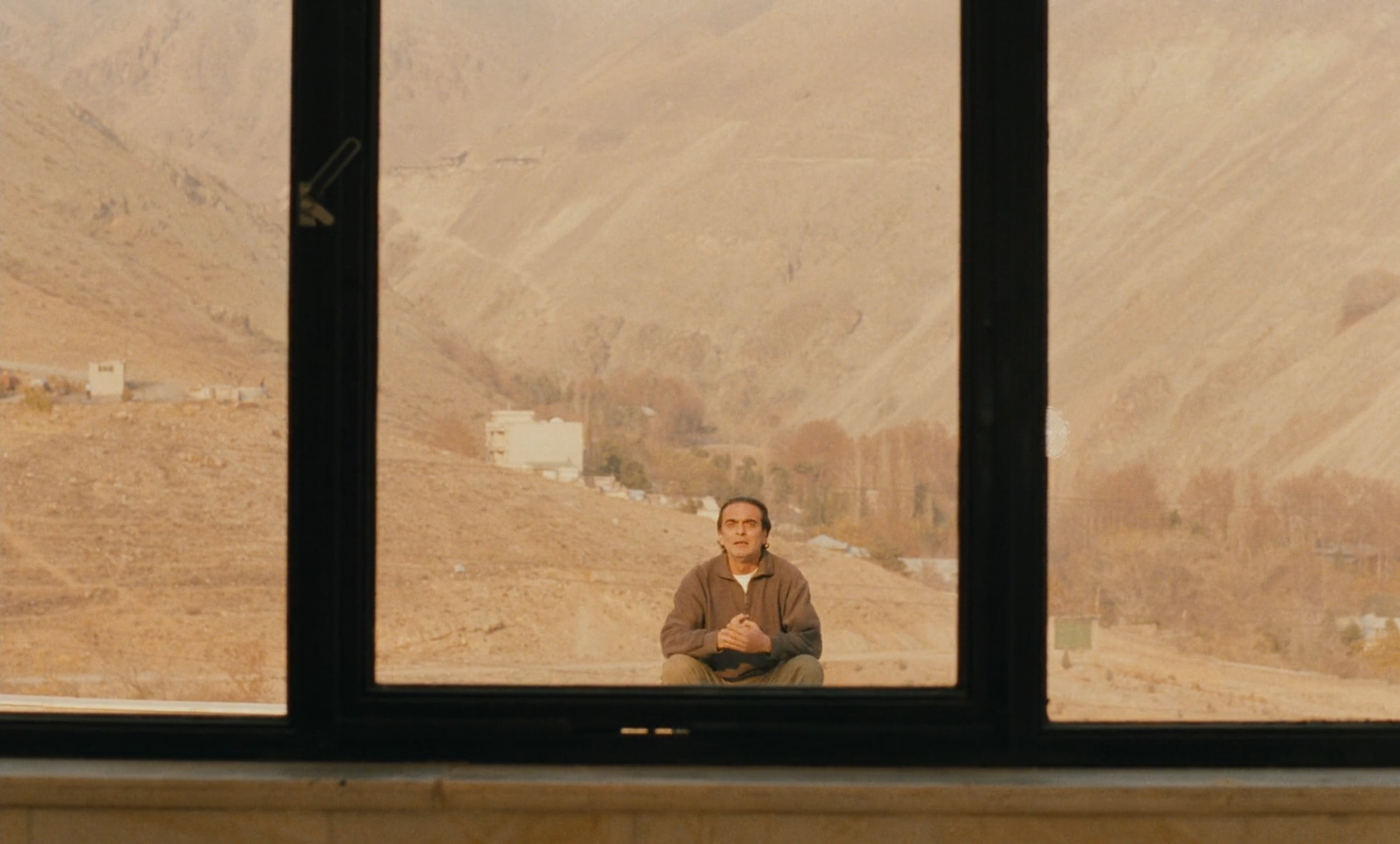
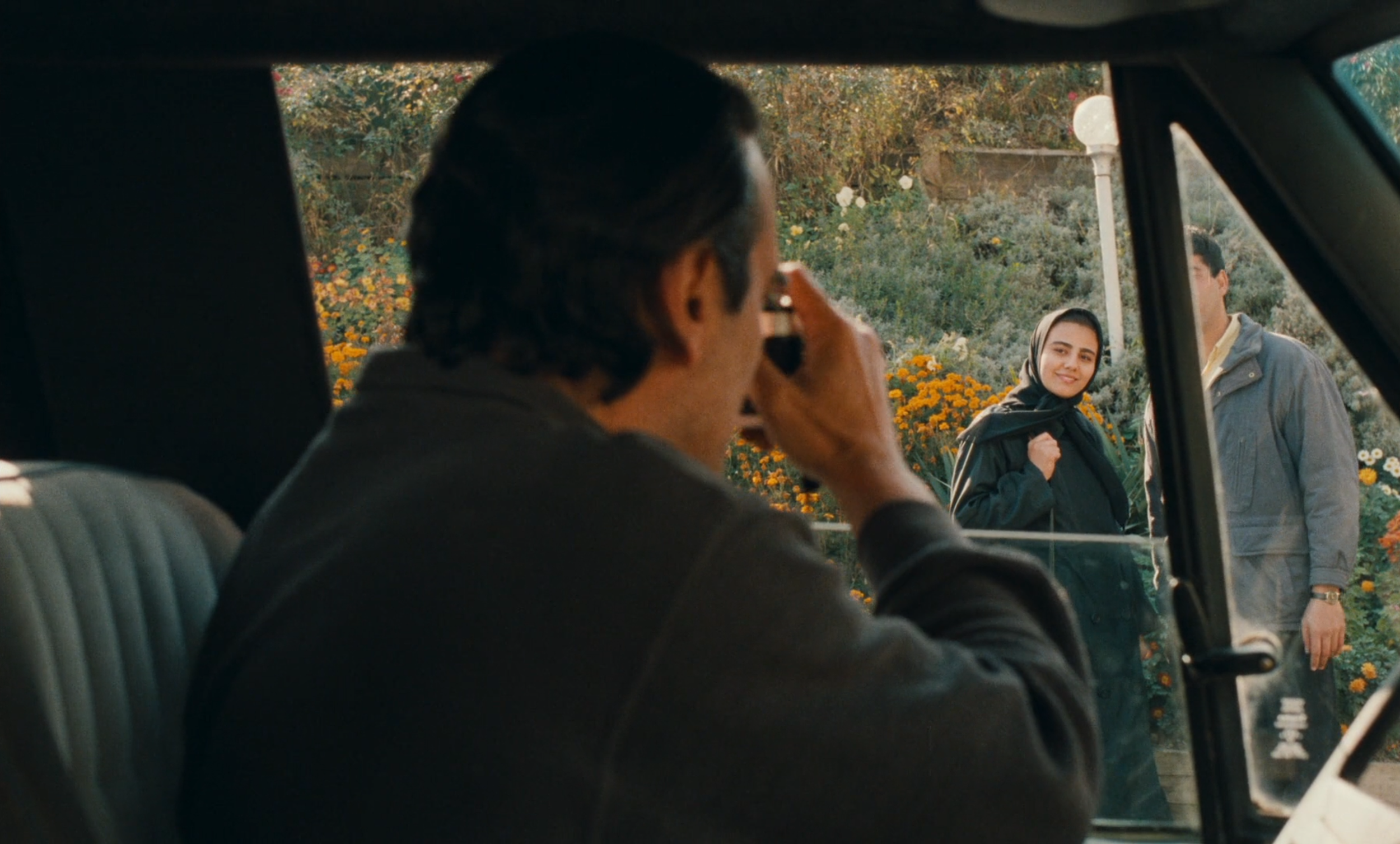
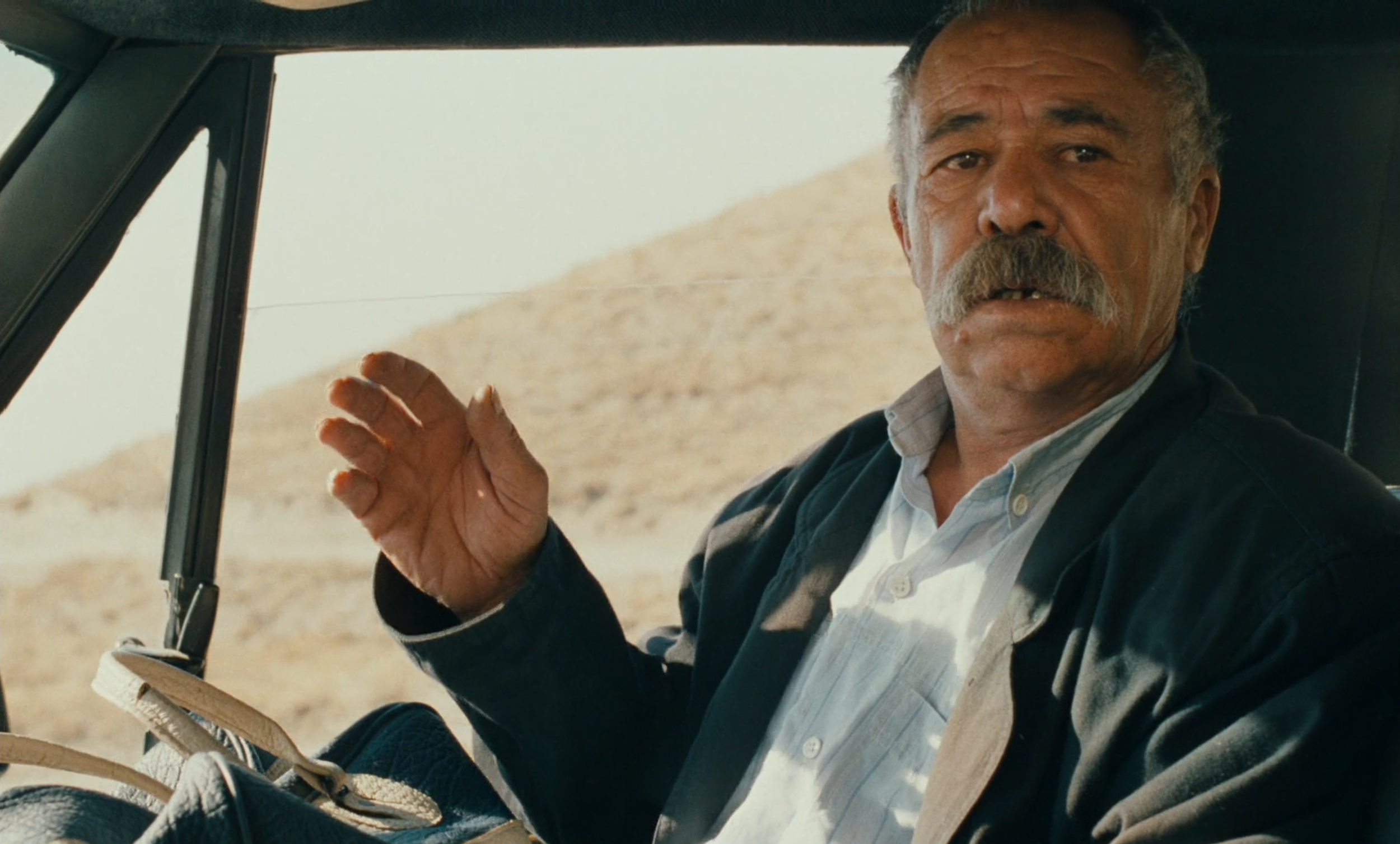
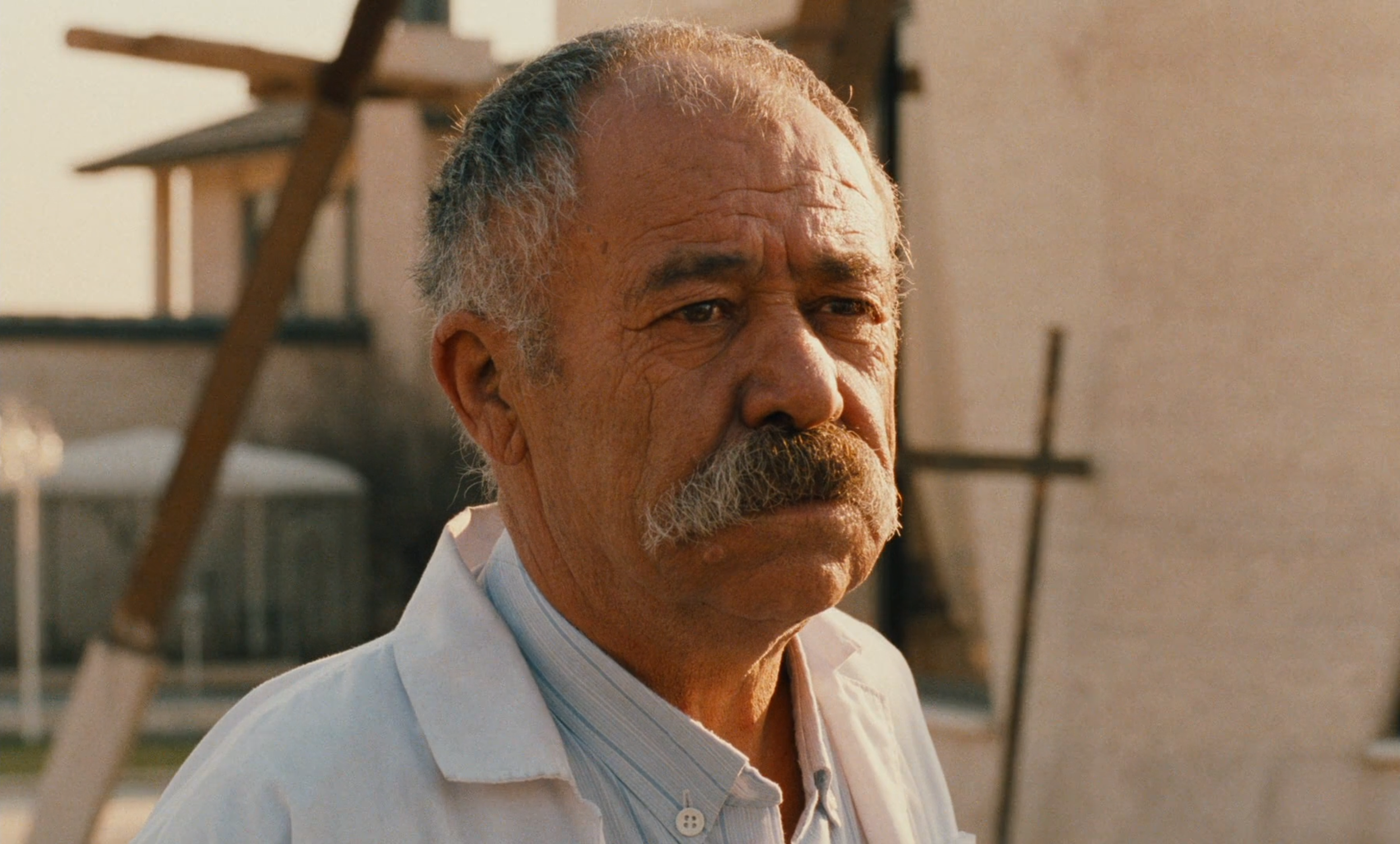
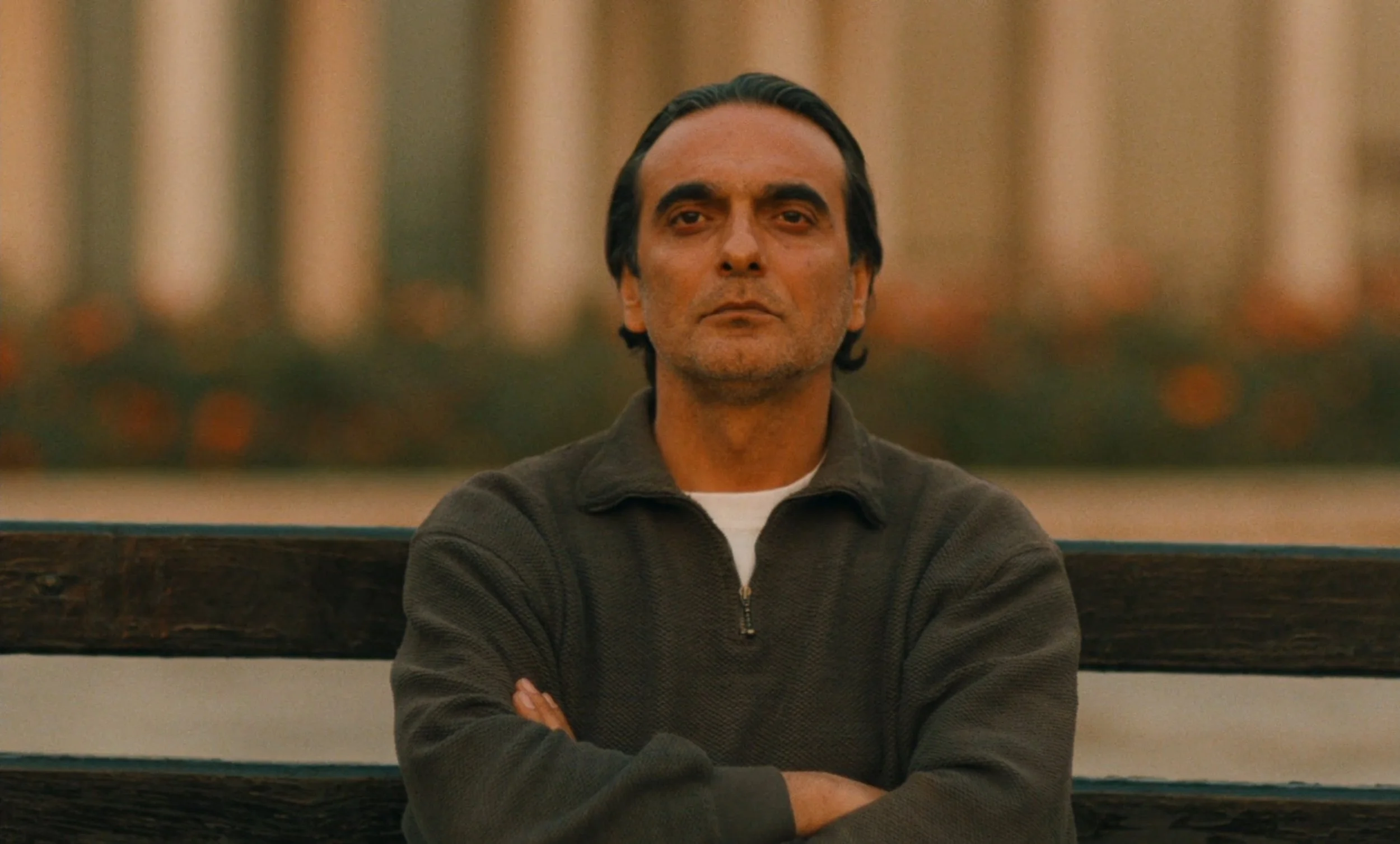
From the goat of Iranian cinema comes one of the most bluntly existential experiences. I don’t want to go into the details of plot, because with the way it’s presented it requires the element of suspense to be effective. Just know that it is about universal themes of life, death and cinema. The cinematography is simple with long lensing, closeups and following a car driving on hills for most of the film. You could nearly consider this a road trip movie except for the fact he mostly drives in circles for the visual intrigue. But it is effective for the contemplative nature of its themes. It’s always impressive how much Kiarostami accomplishes with so little. The performances are characteristically natural with a focus on dialogue and improvisation. I can’t say the script is as compelling as his other films and I was impatient for the plot to get on with it. There’s a lot of redundant and mundane searching to add realism but it bored me at times. This film is extremely slow building up to its suspenseful climax, which was iconic but should be a letdown for general audiences.
Analysis:
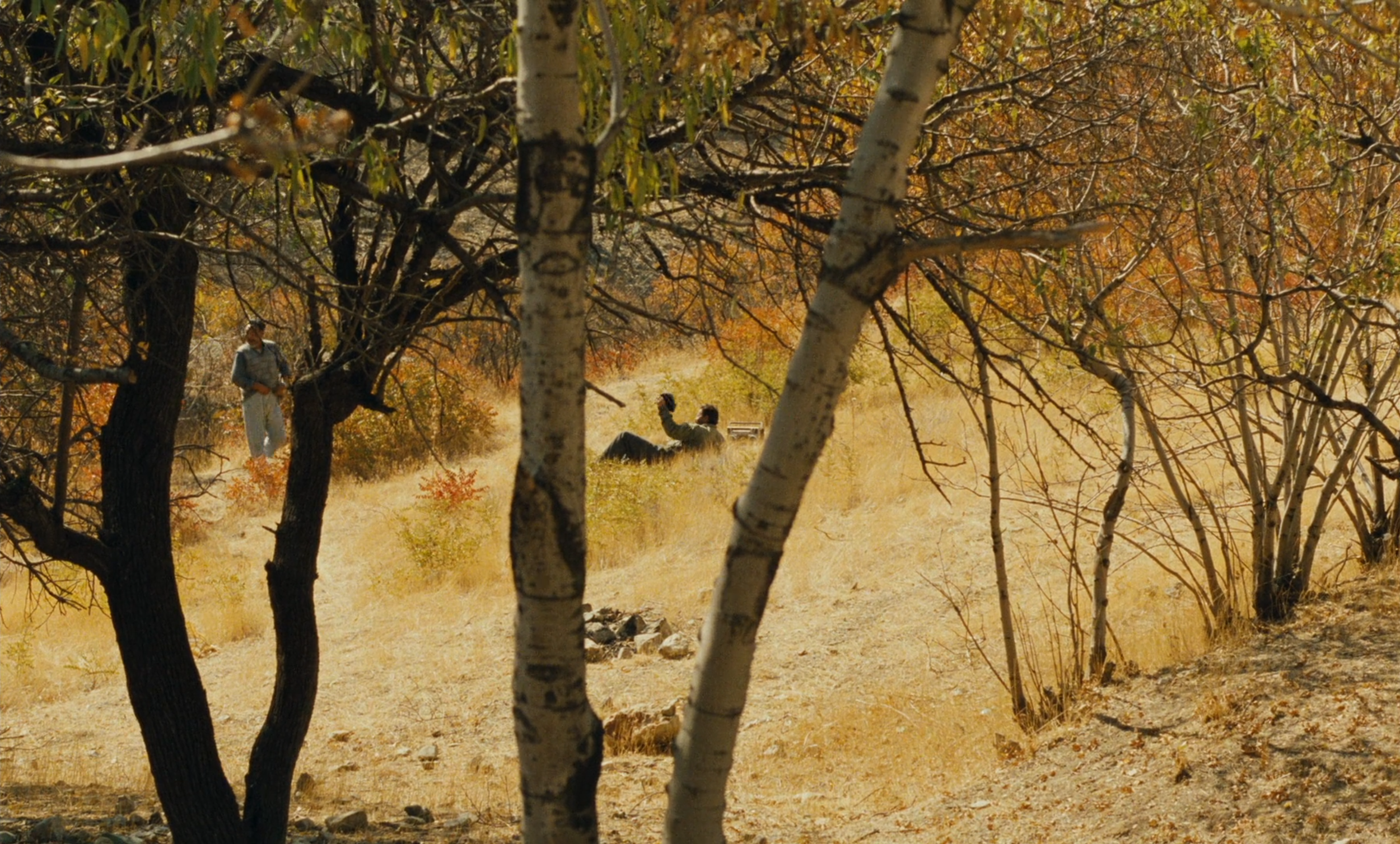
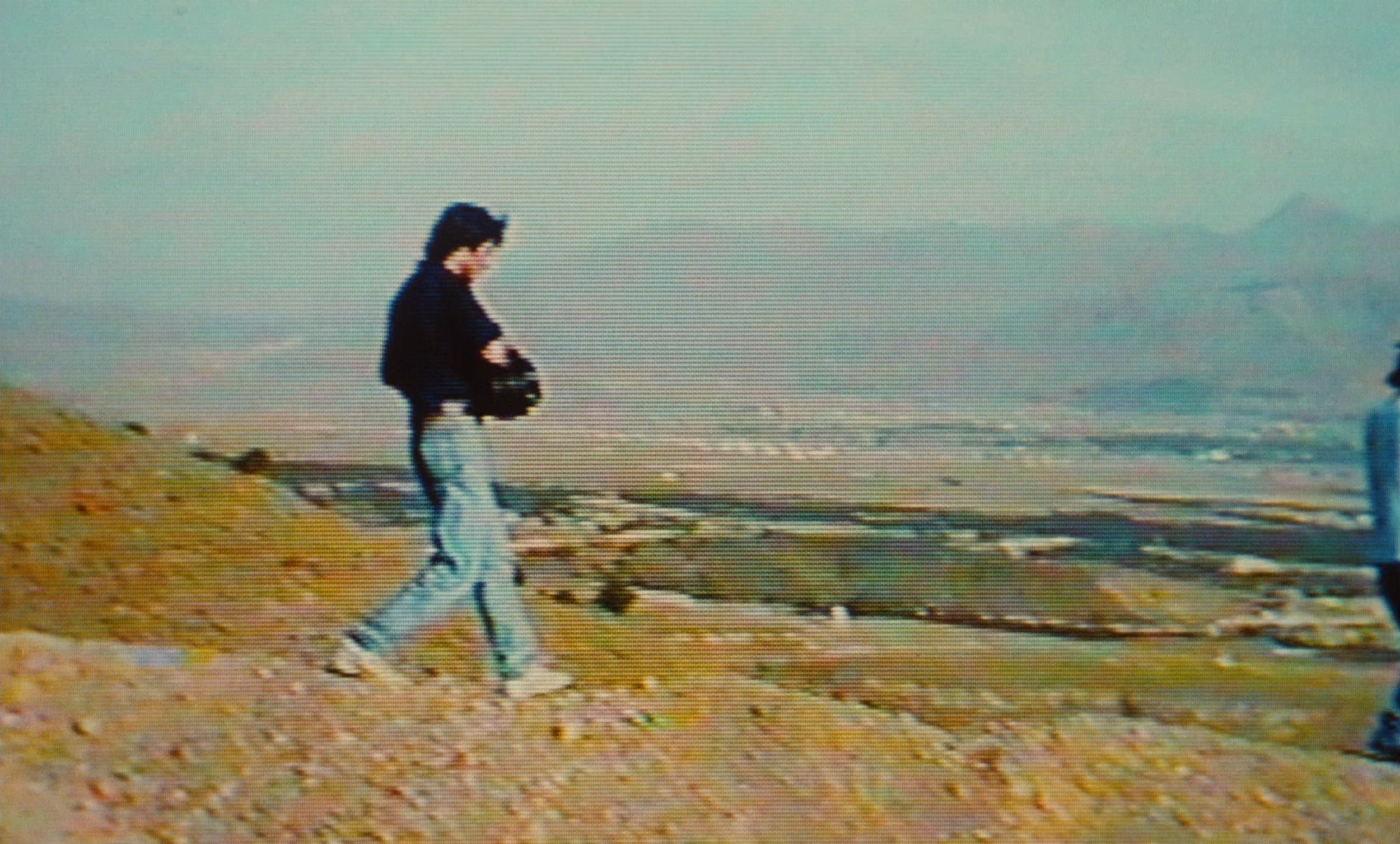
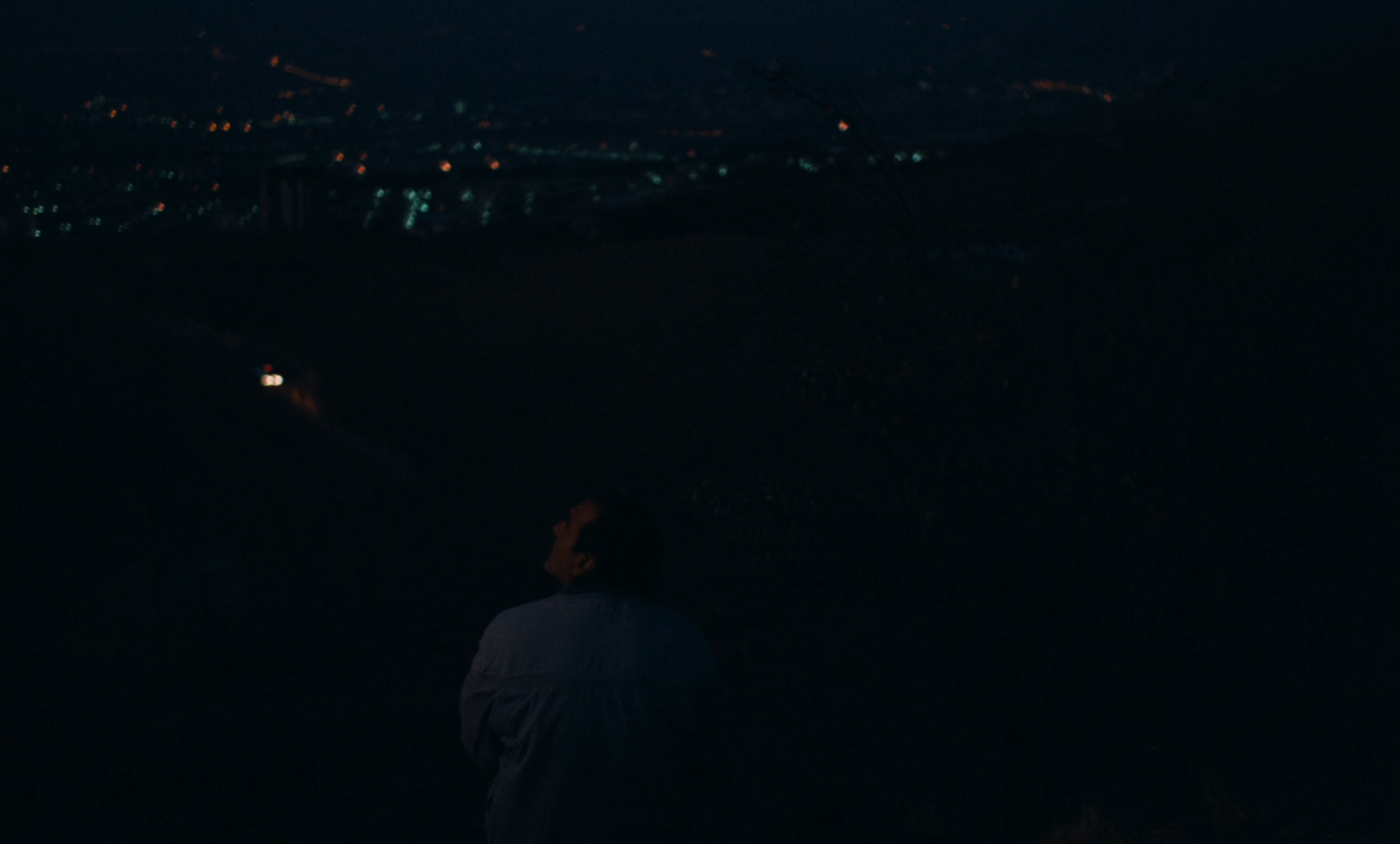
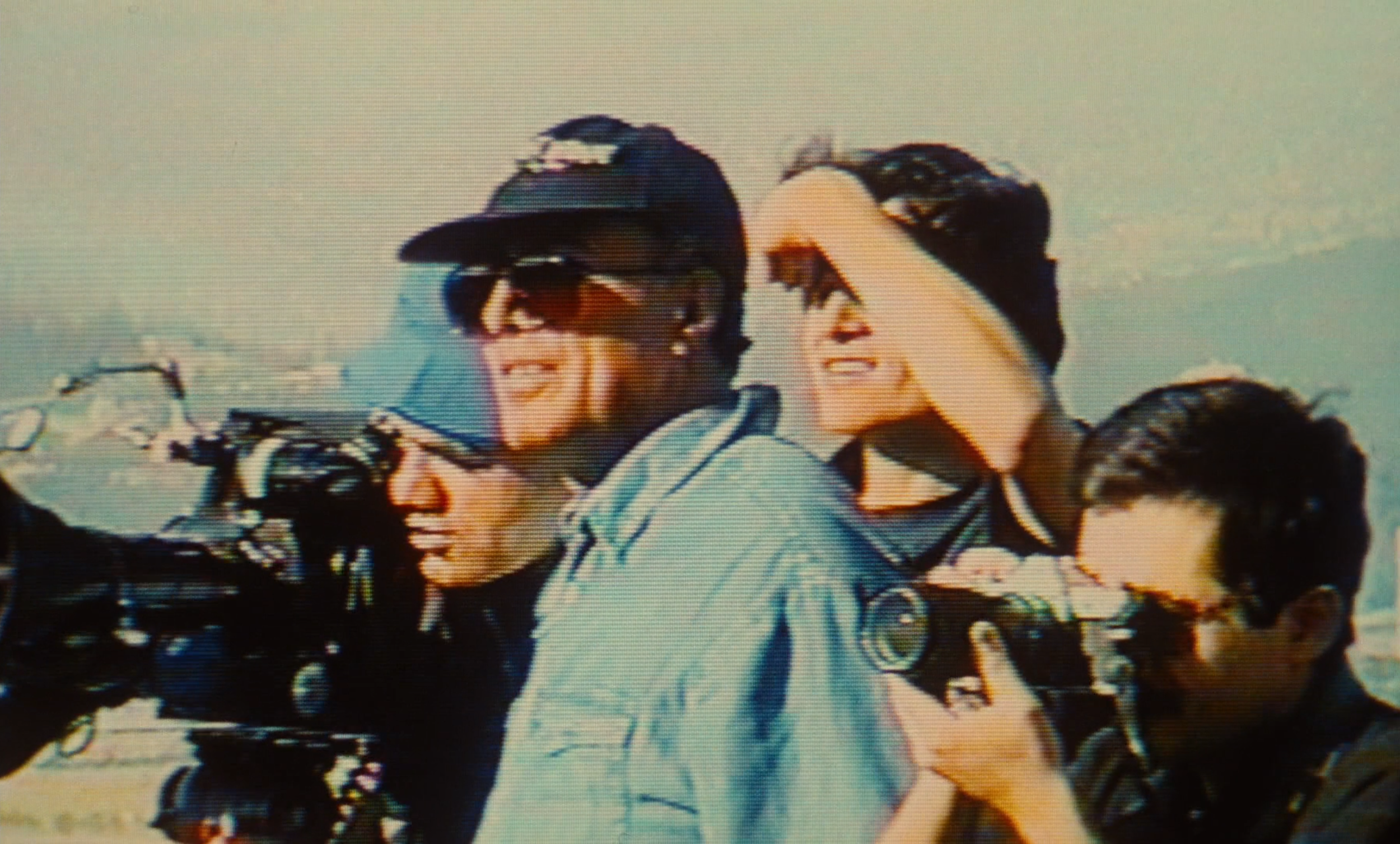
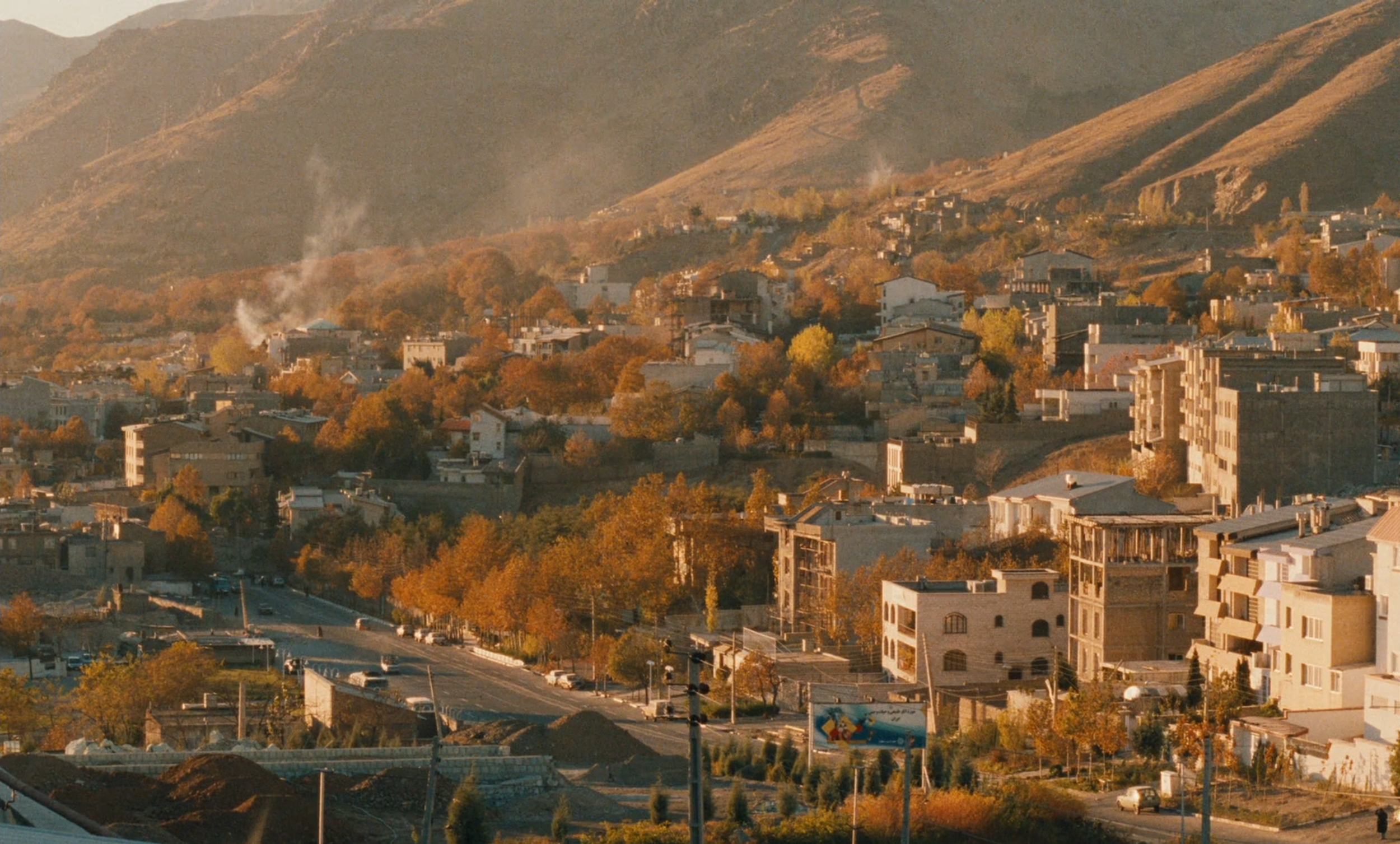
The burning question is did he survive and what is the purpose of the documentary footage? Whether he survives is completely irrelevant because of the second question, but it learns toward survival because the director continues making films. The BTS footage at the end suggests that the theme of life and suicide is directly related to the director’s life or filmmaking as an art. As this was written and directed by Kiarostami, it’s quite likely related to his own experiences. This lines up with his other films like Close-Up, which also has meta commentary blending cinema with reality. One interpretation suggests that the director similarly contemplated suicide like the main character, but the art of filmmaking made him decide against it. The idea of mulberries or the taste of cherries giving a reason to live is similar to how filmmaking has the power to bring sweetness in the bitterness of life. That’s why the film tonally feels warm showcasing the sunset beauty of Iranian landscapes. What’s great is how his despair is never explained so that we can universally insert our circumstances into his. However another possibility is his reason for suicide is taboo, in all likeliness homosexuality. There’s not much evidence for this other than the title and the context of the Iranian regime and zeitgeist of the 90s.
Another interpretation is it doesn’t matter if he survives or not because nothing is real in filmmaking, though emotions it evokes are. This makes a statement that no one can ever die through the power of cinema because their essence is immortalized through film as a record. We only die when we are forgotten, but cinema freezes an experience in time so that they can’t be forgotten. And that demonstrates that life is not bound to a body, but rather our stories, which is to say cinema is alive and life itself.
Conclusion:
Kiarostami is the greatest filmmaker from Iran, but there’s a difference between a great film and a good film. This is a great film that is not particularly well executed, maybe even lazily so. There exist films that reviewers dare not to criticize for fear of having poor taste and I feel this perfectly embodies that phenomenon. I’m not above that, but I also want to support Iranian filmmaking because it’s substantial and deserves to be promoted. This film is designed to have prestige, but there’s too much plot filling improvisation. The choice and limitations in this film could have been used to better effect, but end up feeling like actual restraints and not knowing what to do. It seems like the director was using filler dialogue to increase runtime to be a feature film, which felt like watching a countdown to get to the main point. There’s not a lot of substantial interactions either and I think films like Stalker do this theme much better all things considered. I’m not saying this film needed effects, but it’s 90 minutes of soul searching that would have been better spent doing anything other than interviewing candidates for the first hour.
Recommendations




How a coin toss changed cinema.