
Persona (1966)

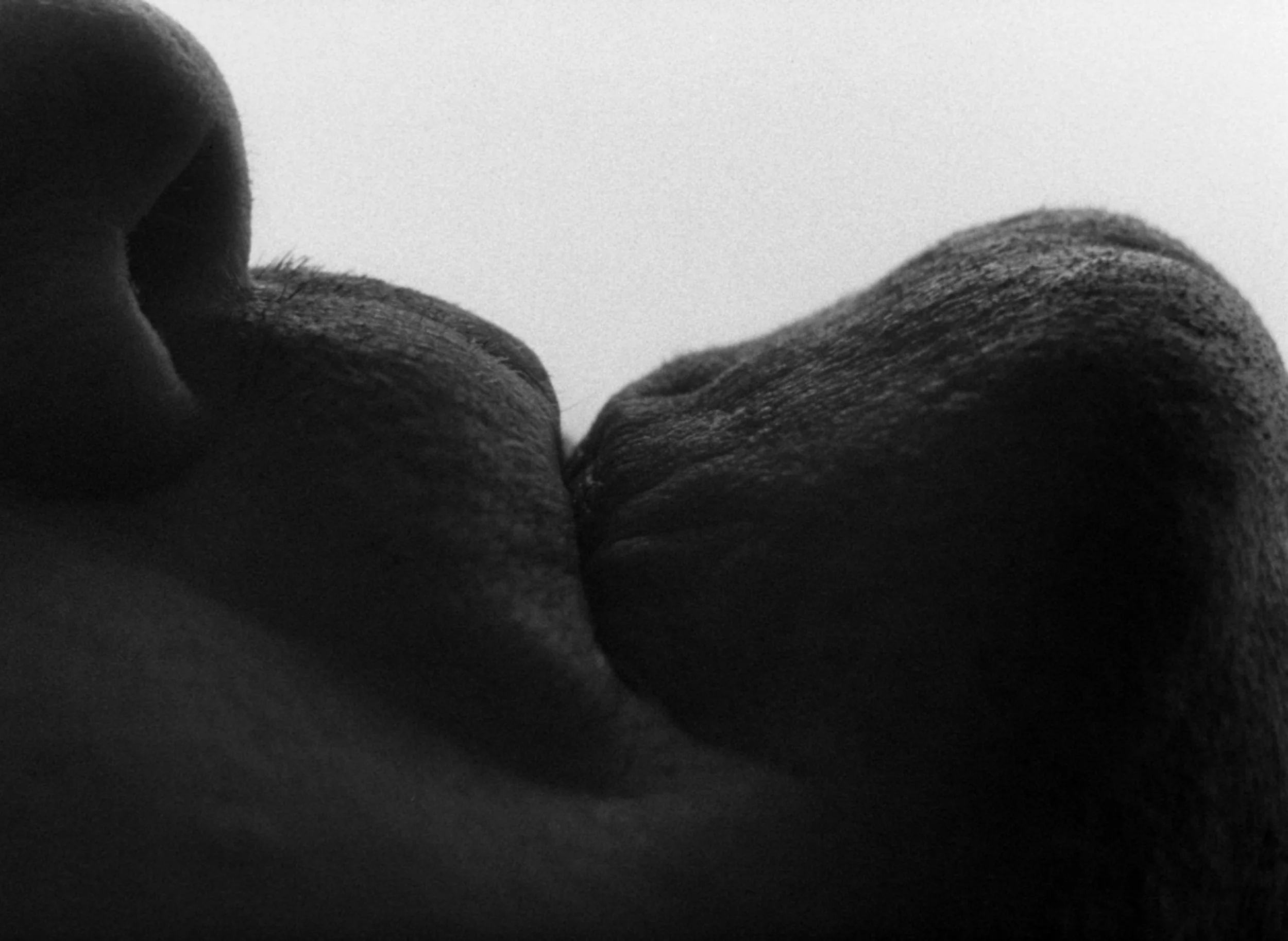
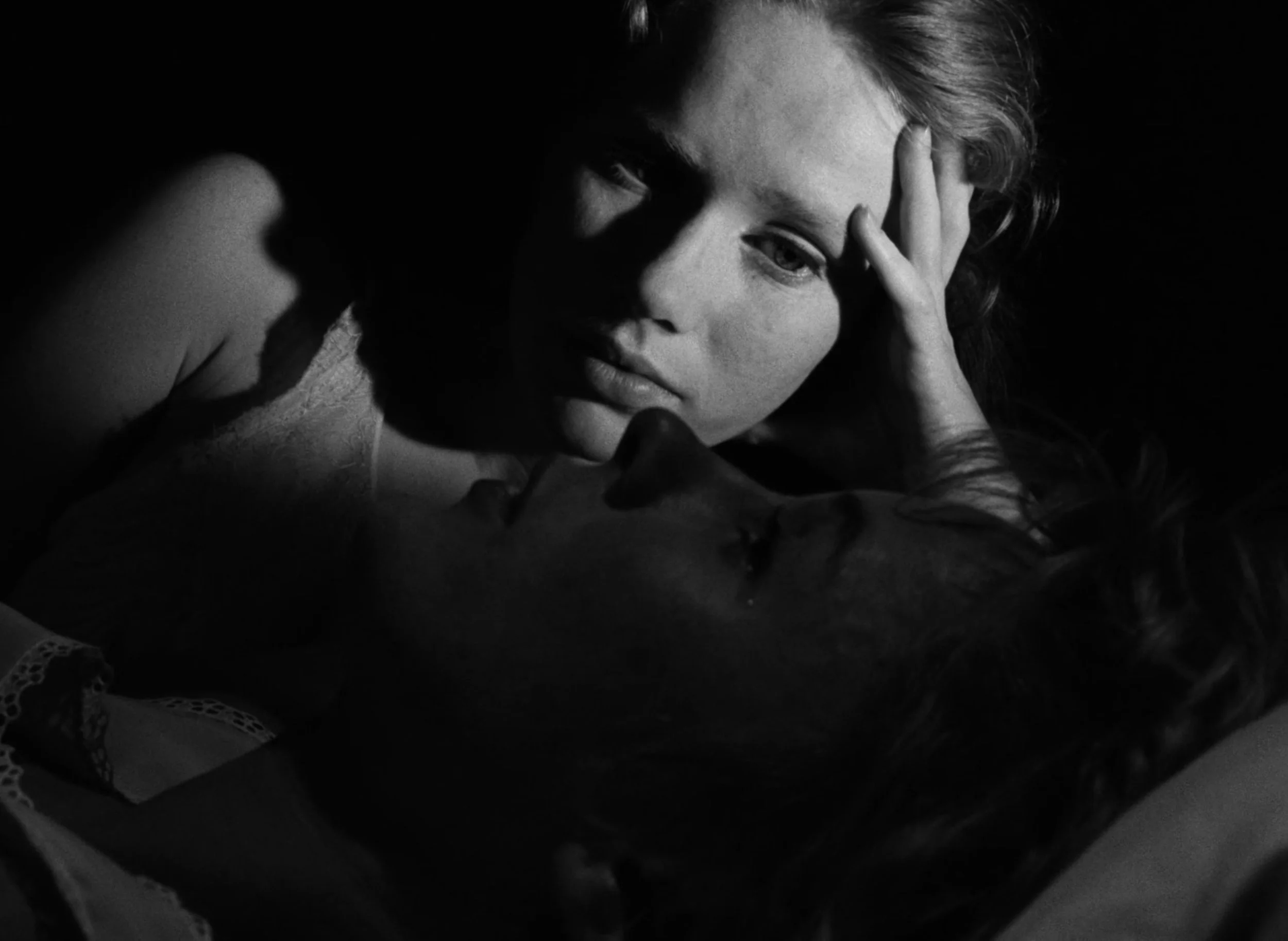
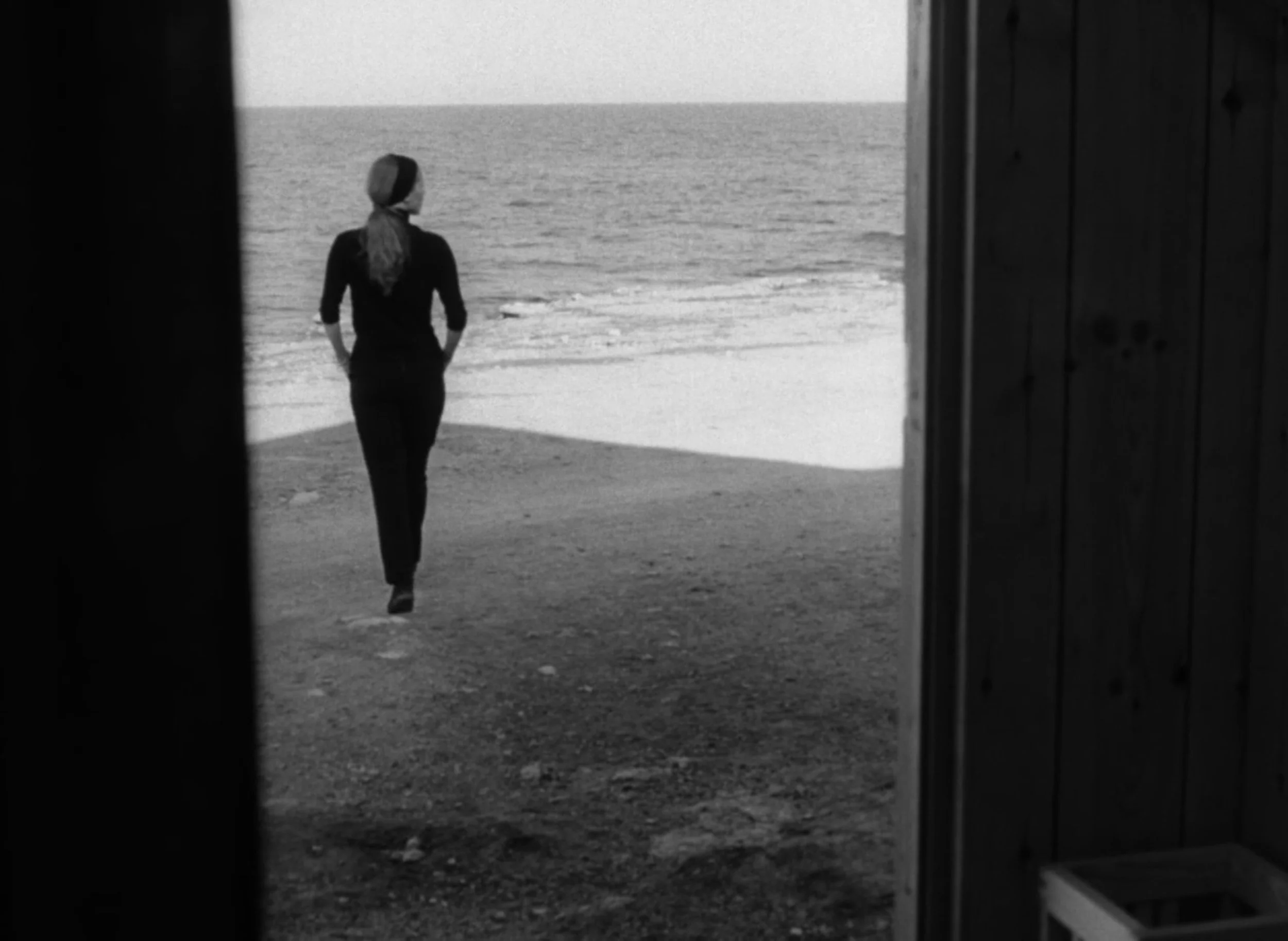


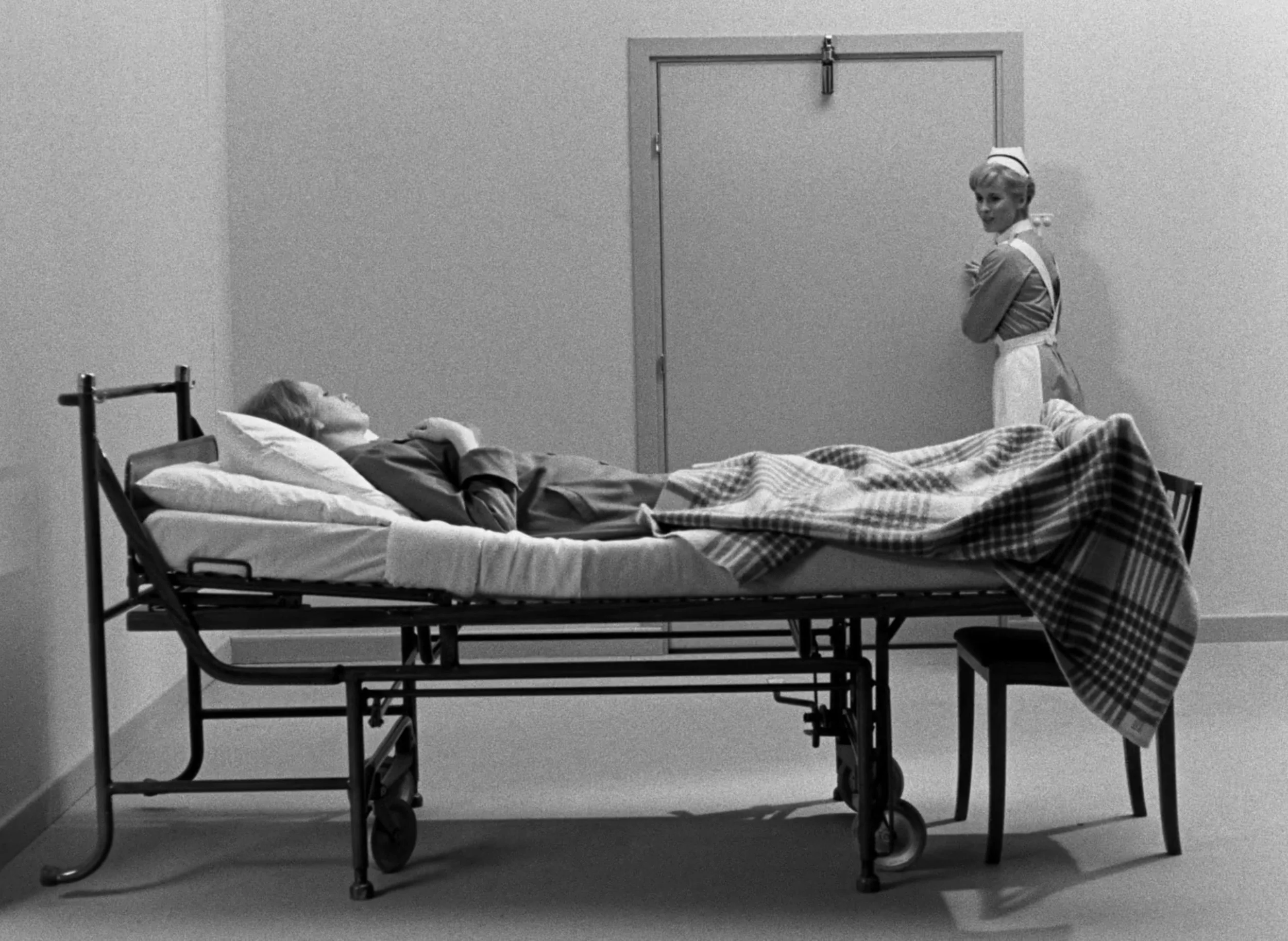
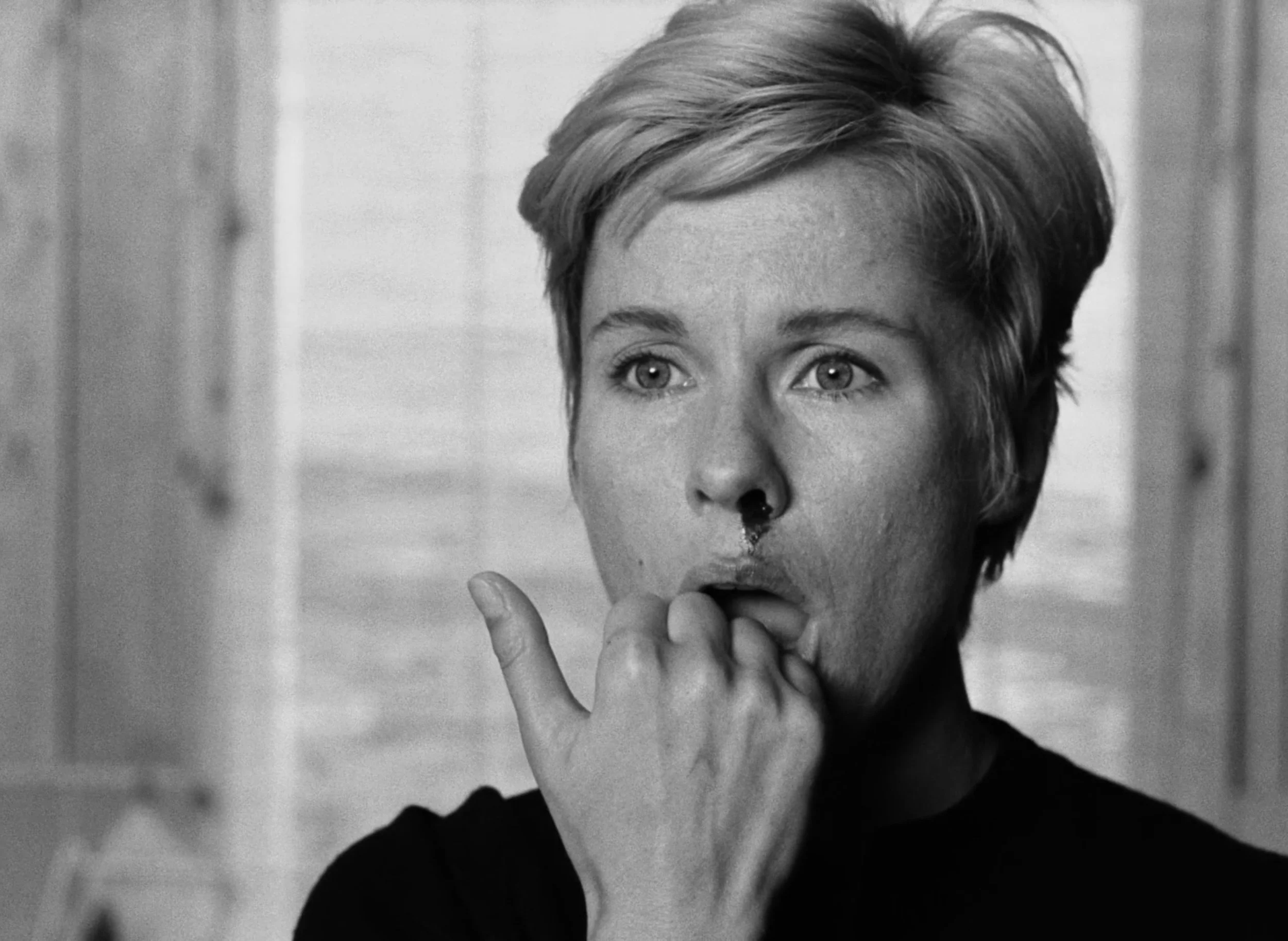
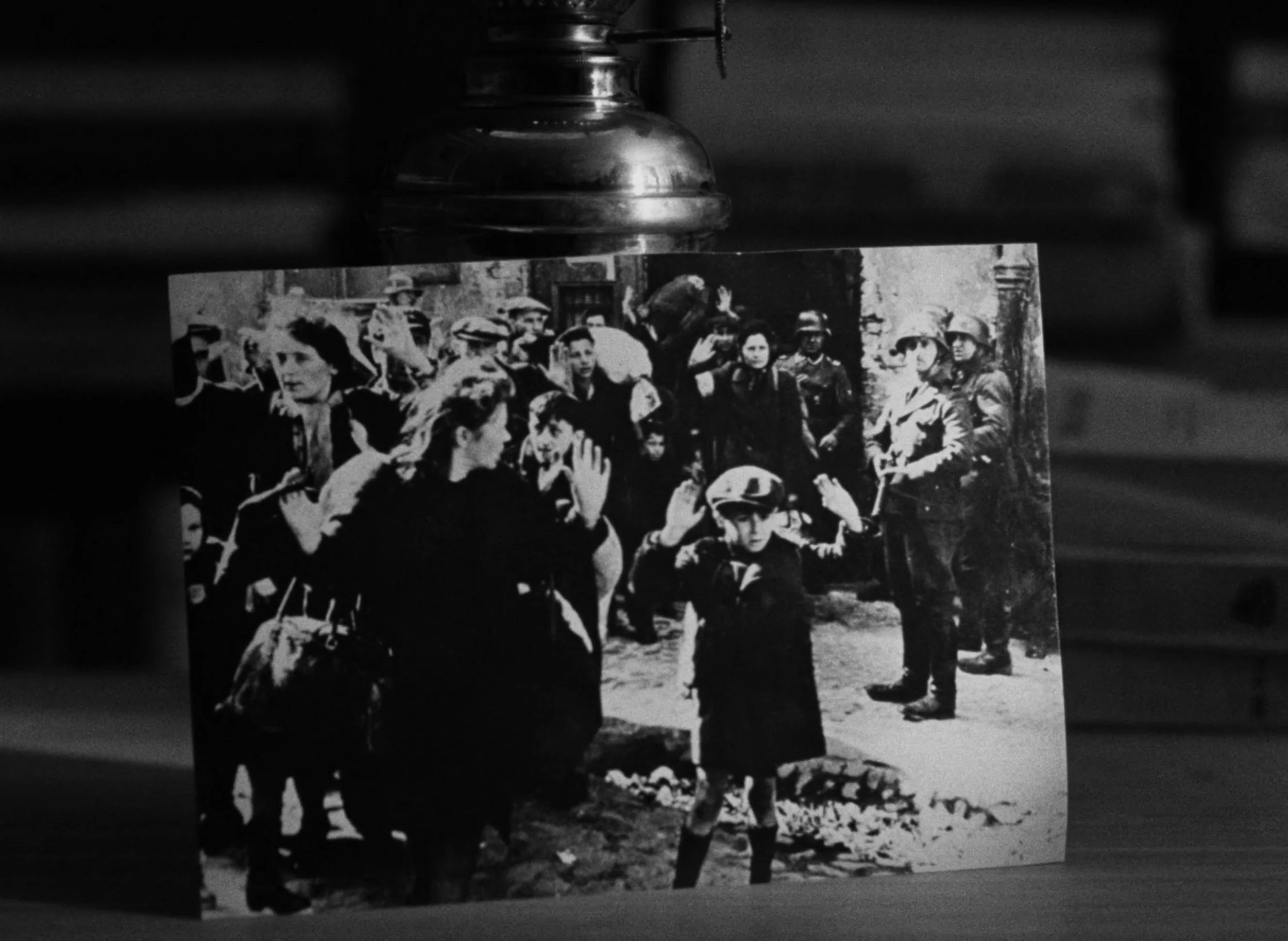

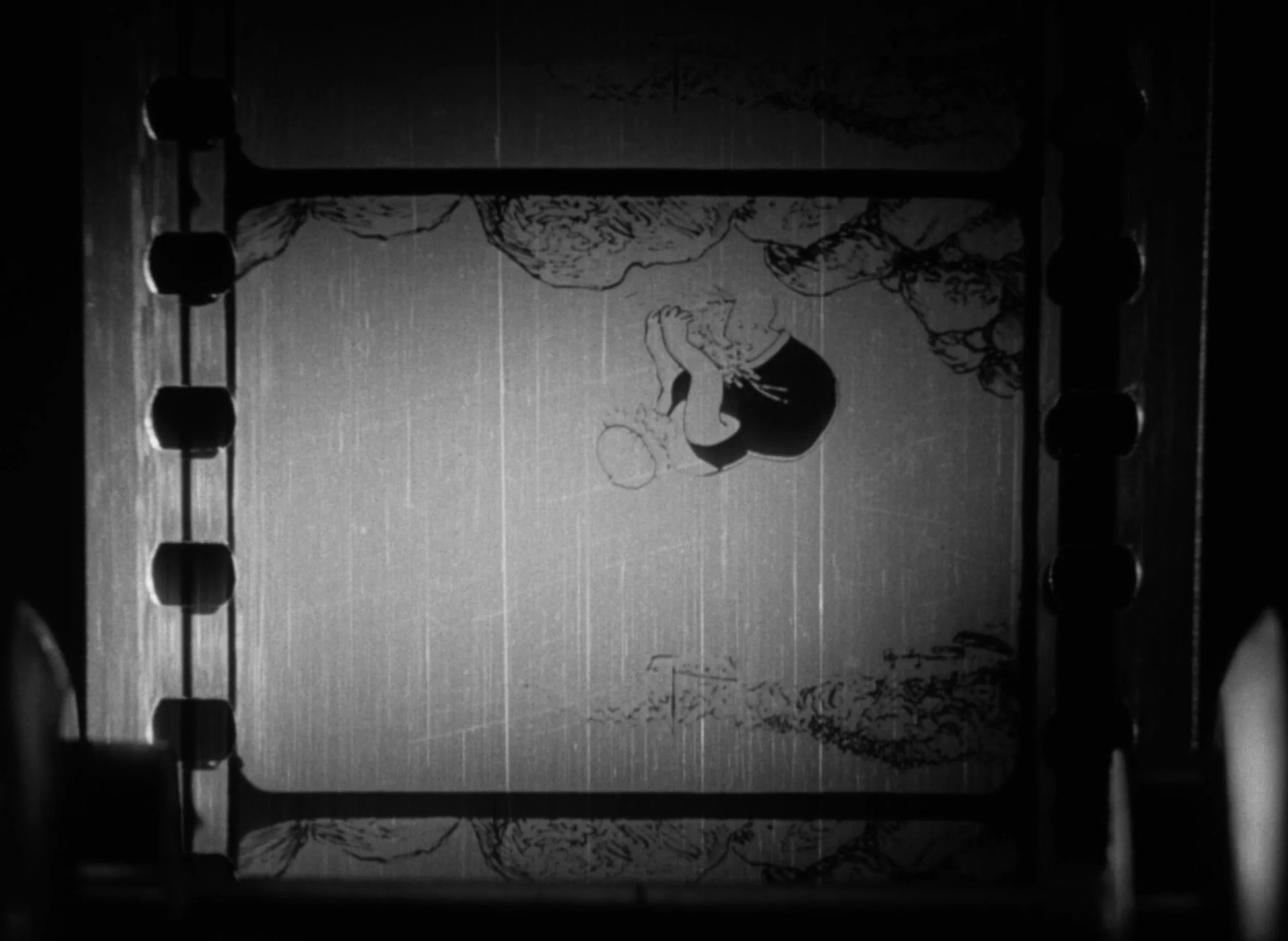
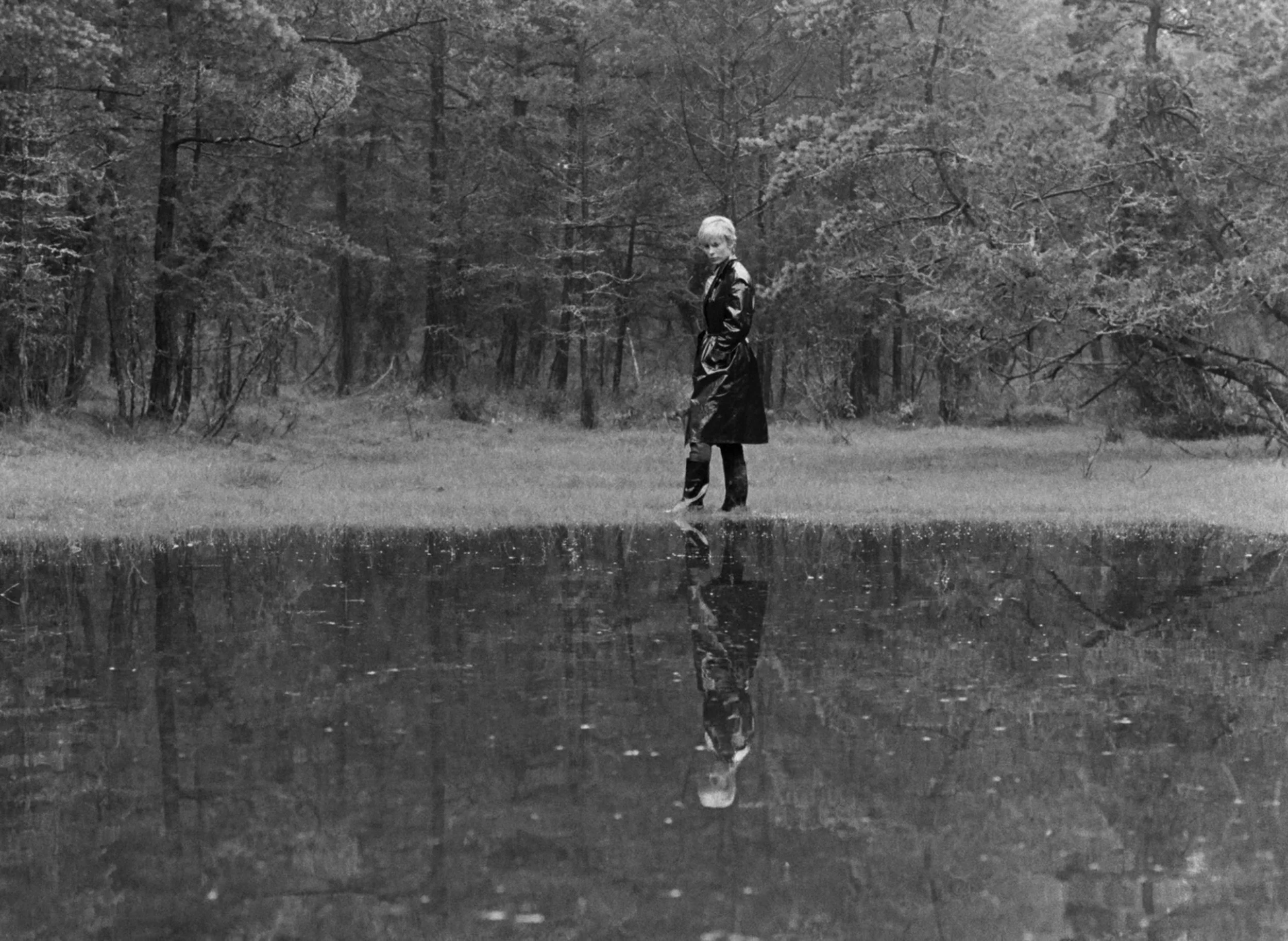


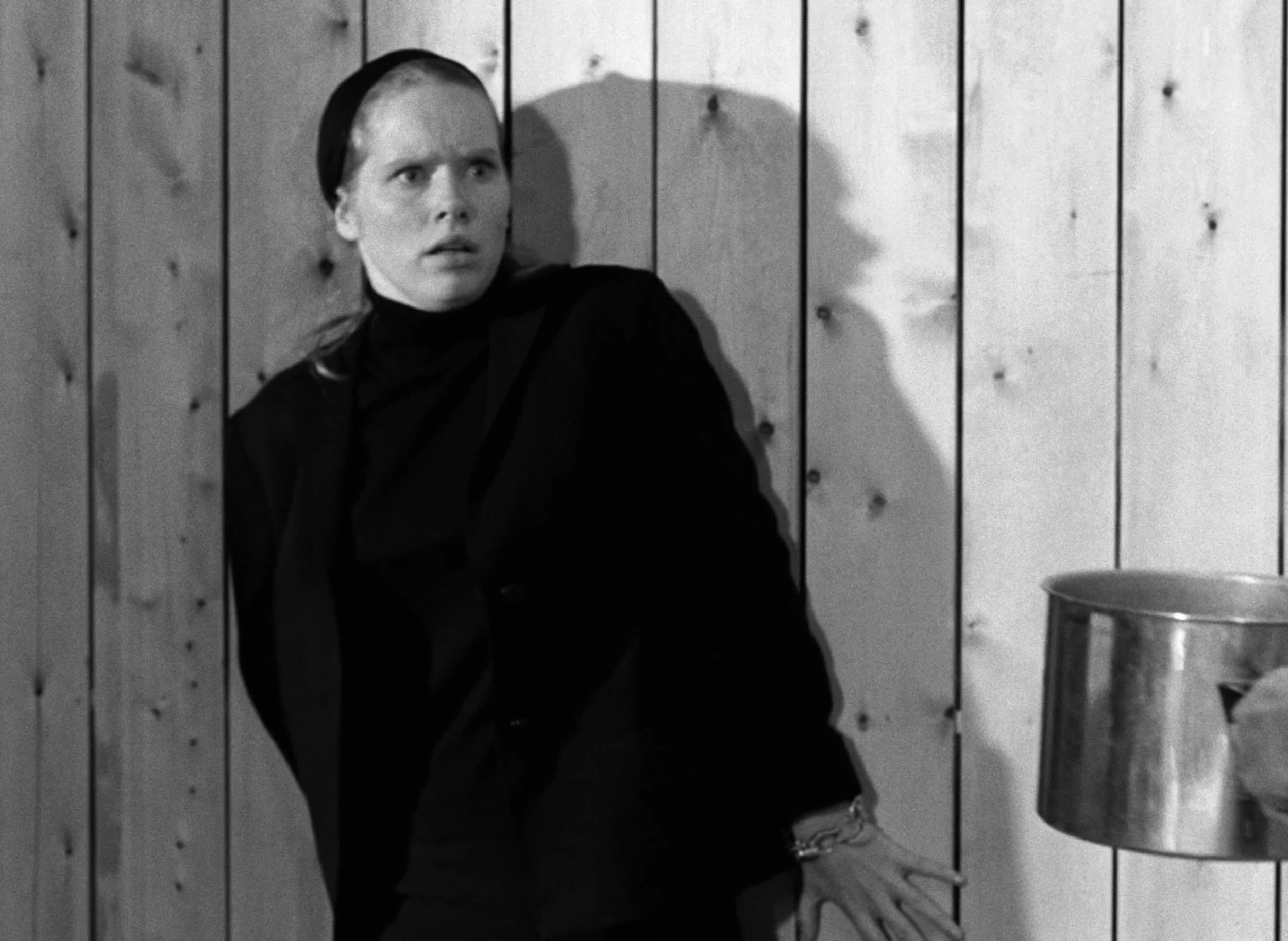

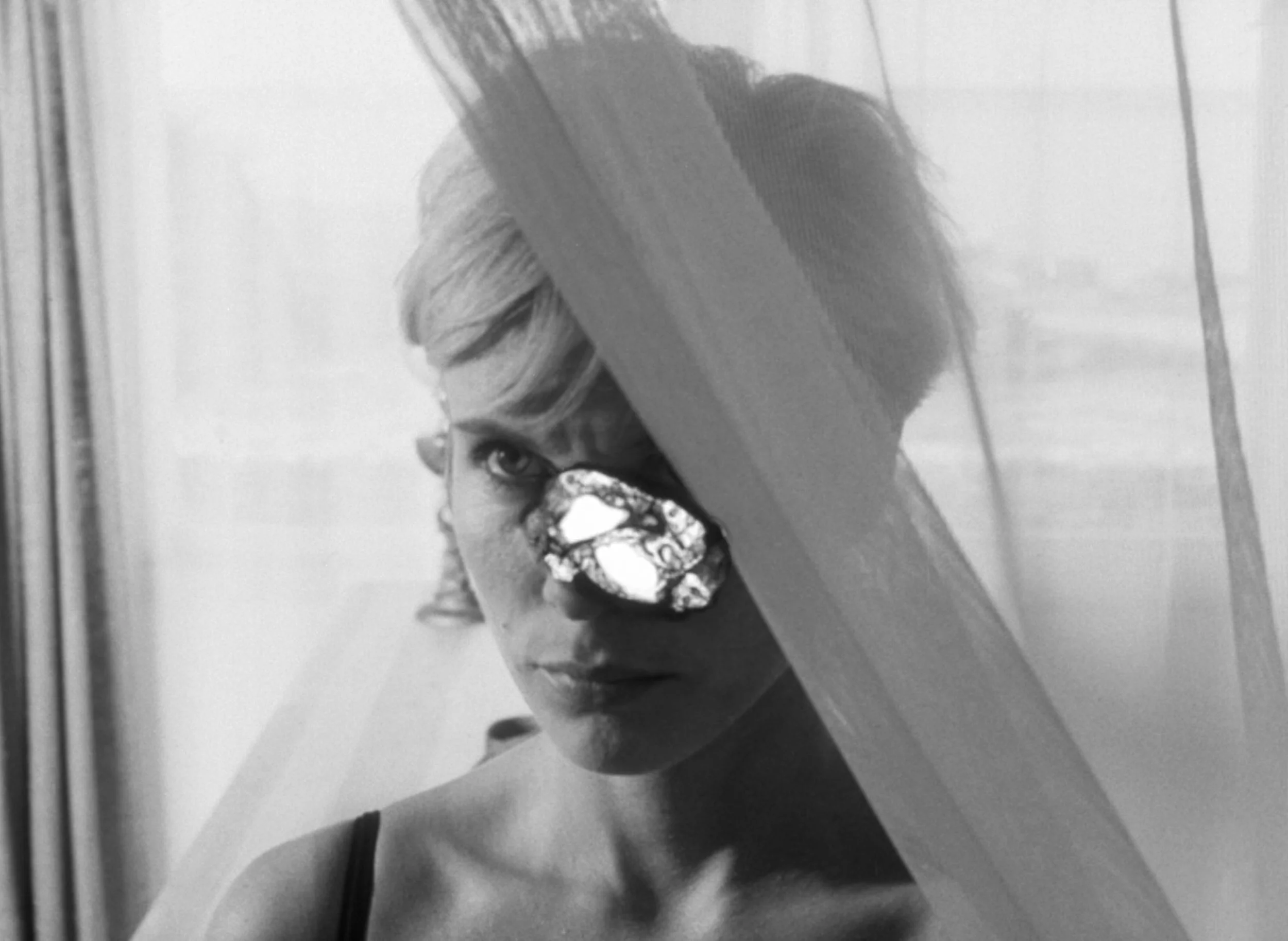
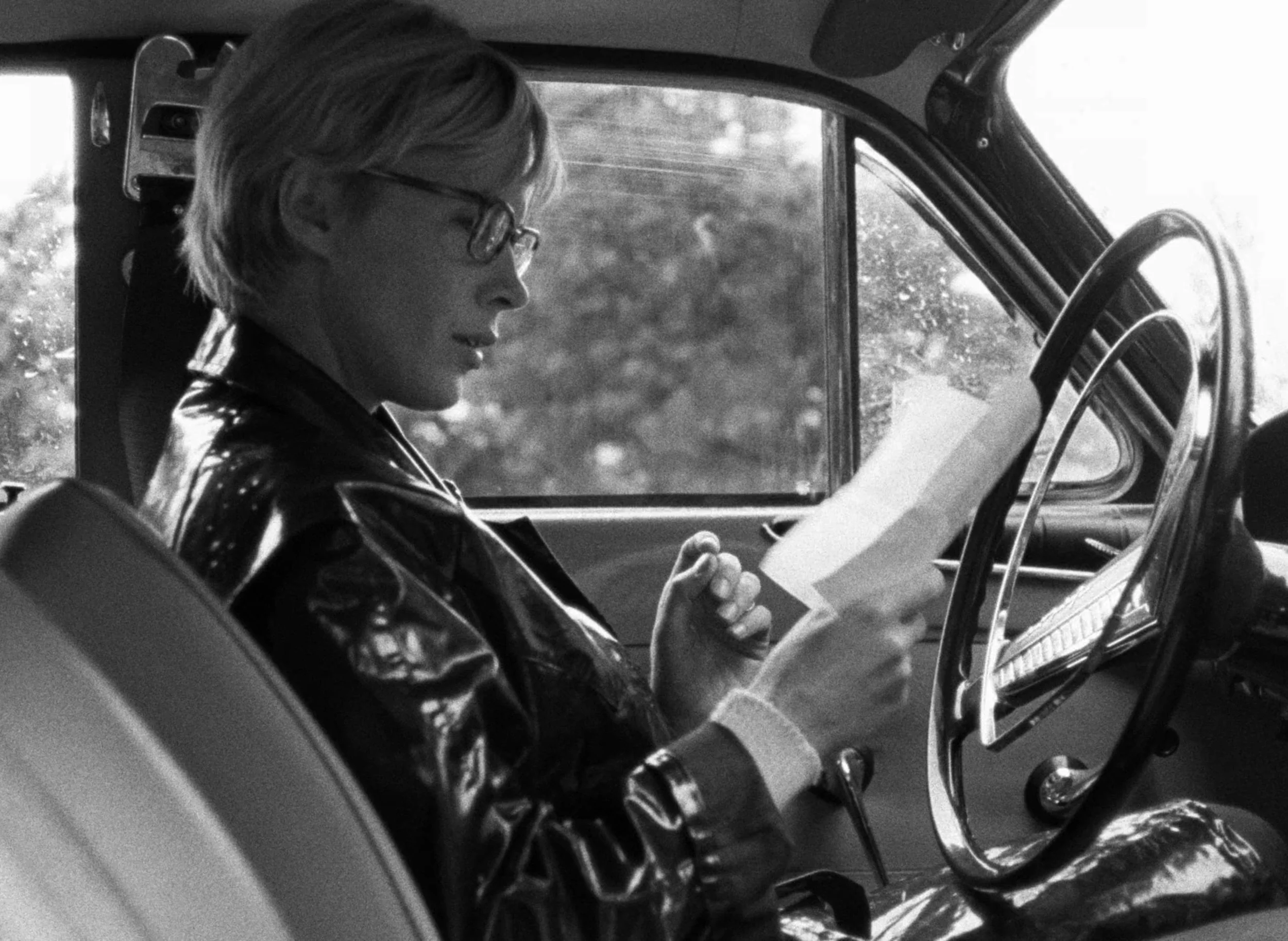
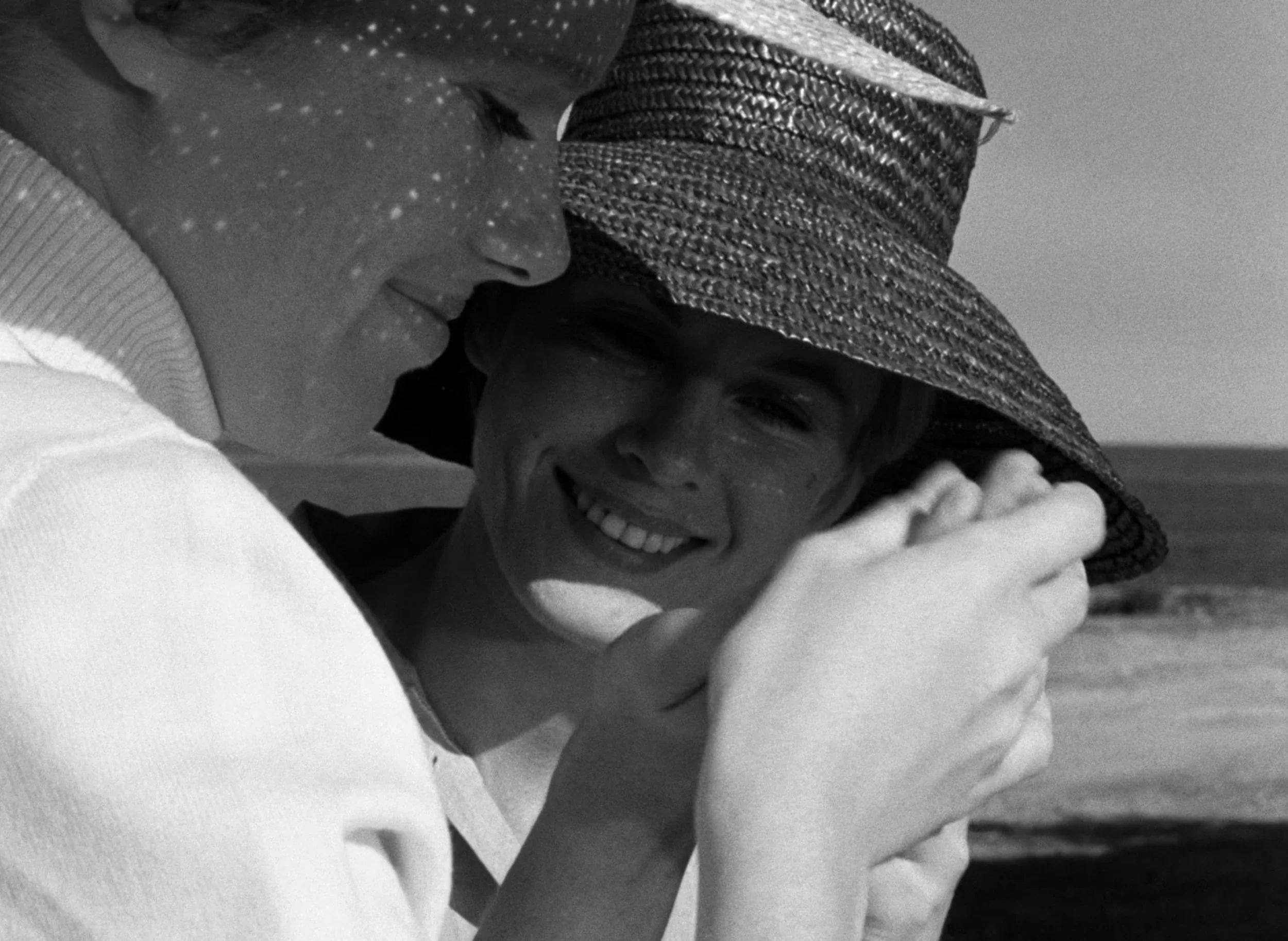

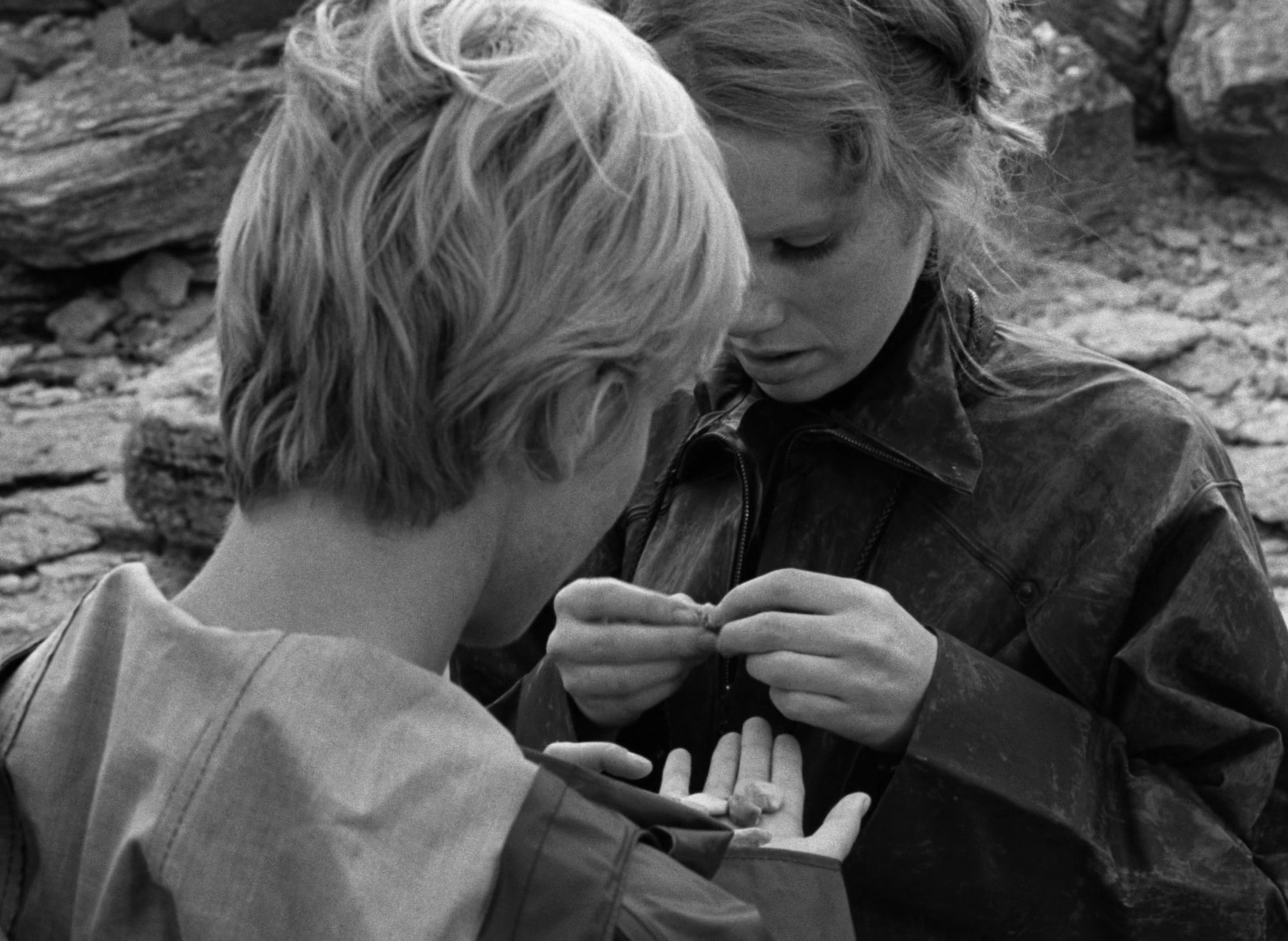


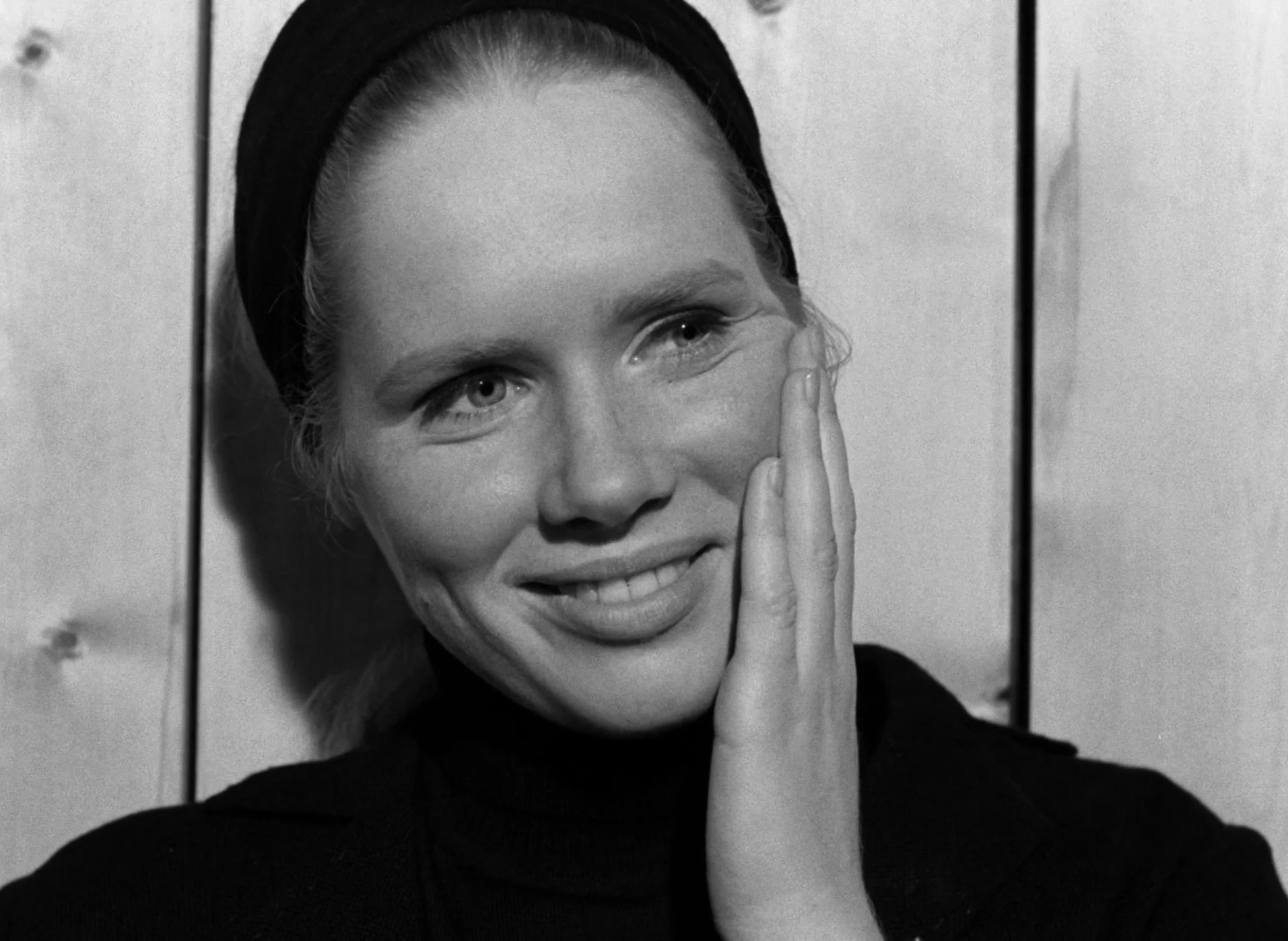
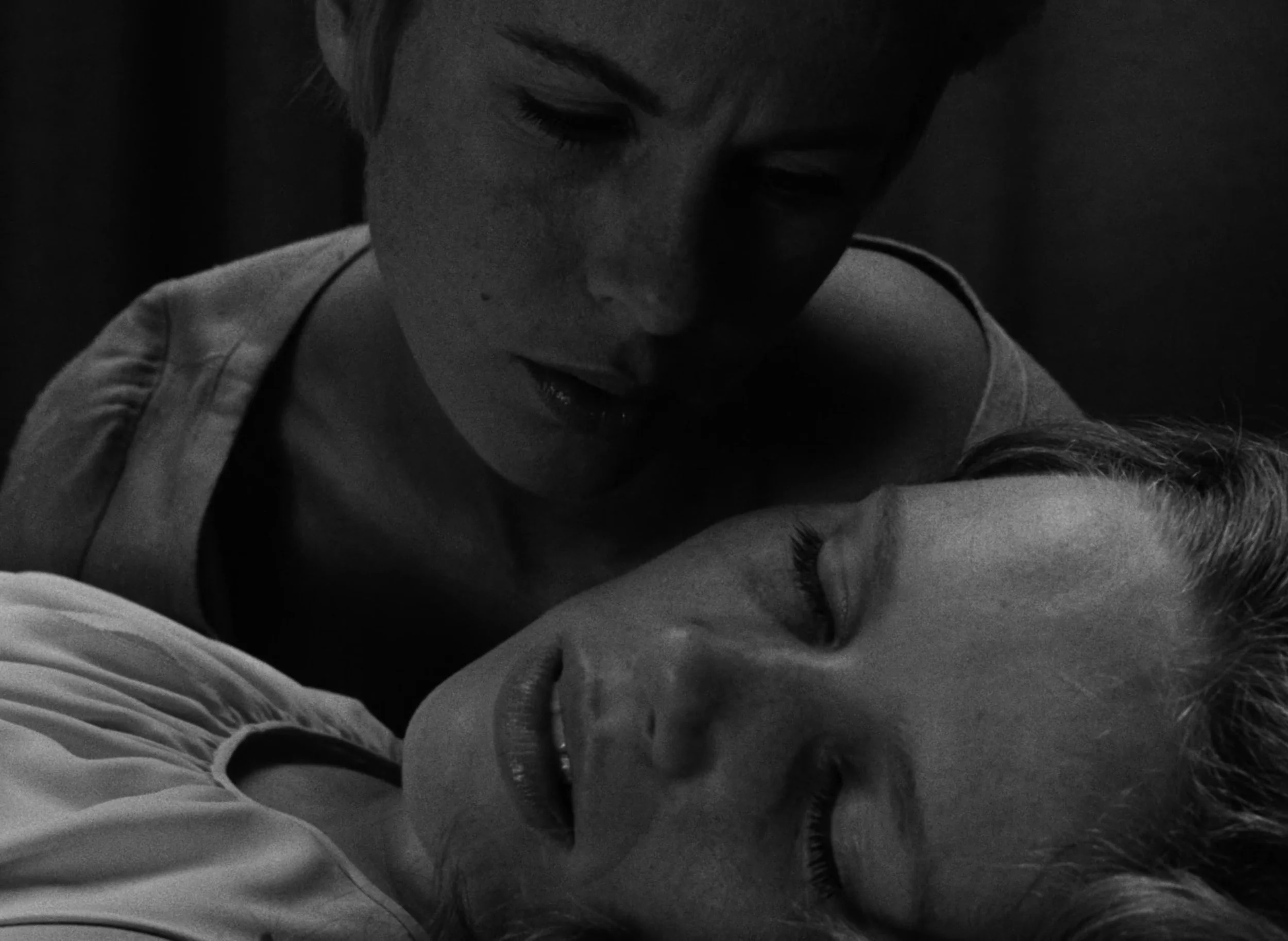
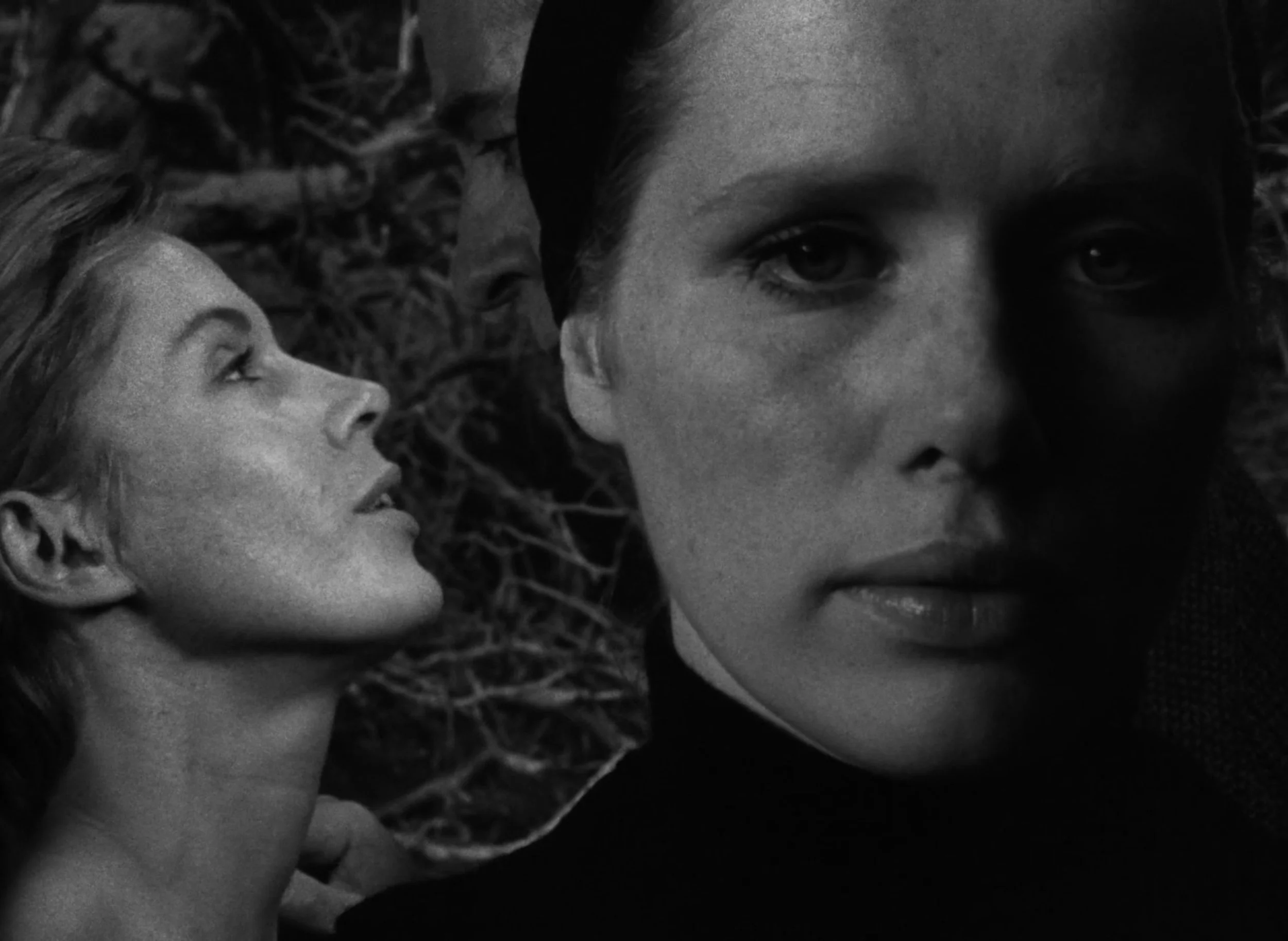


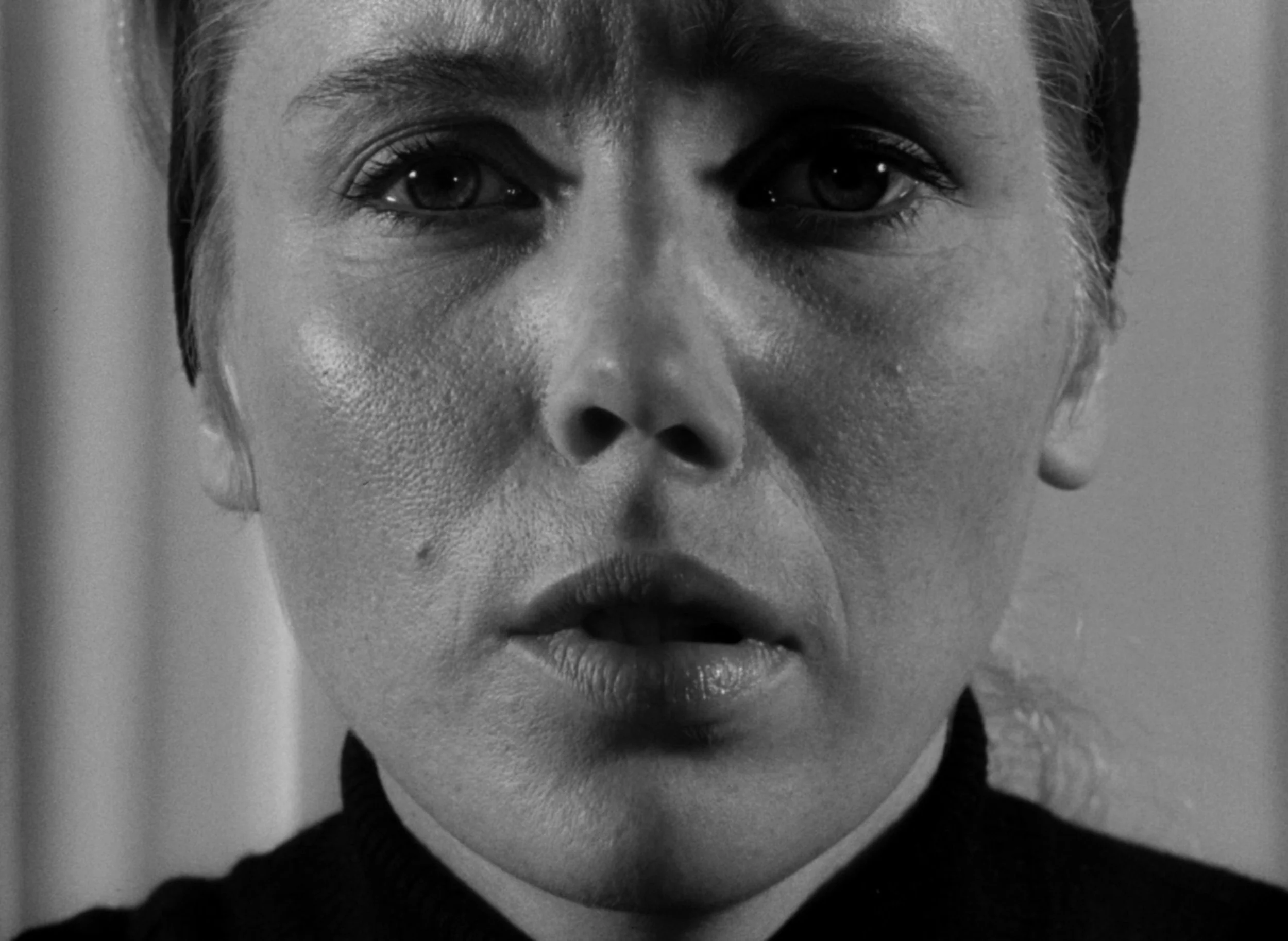
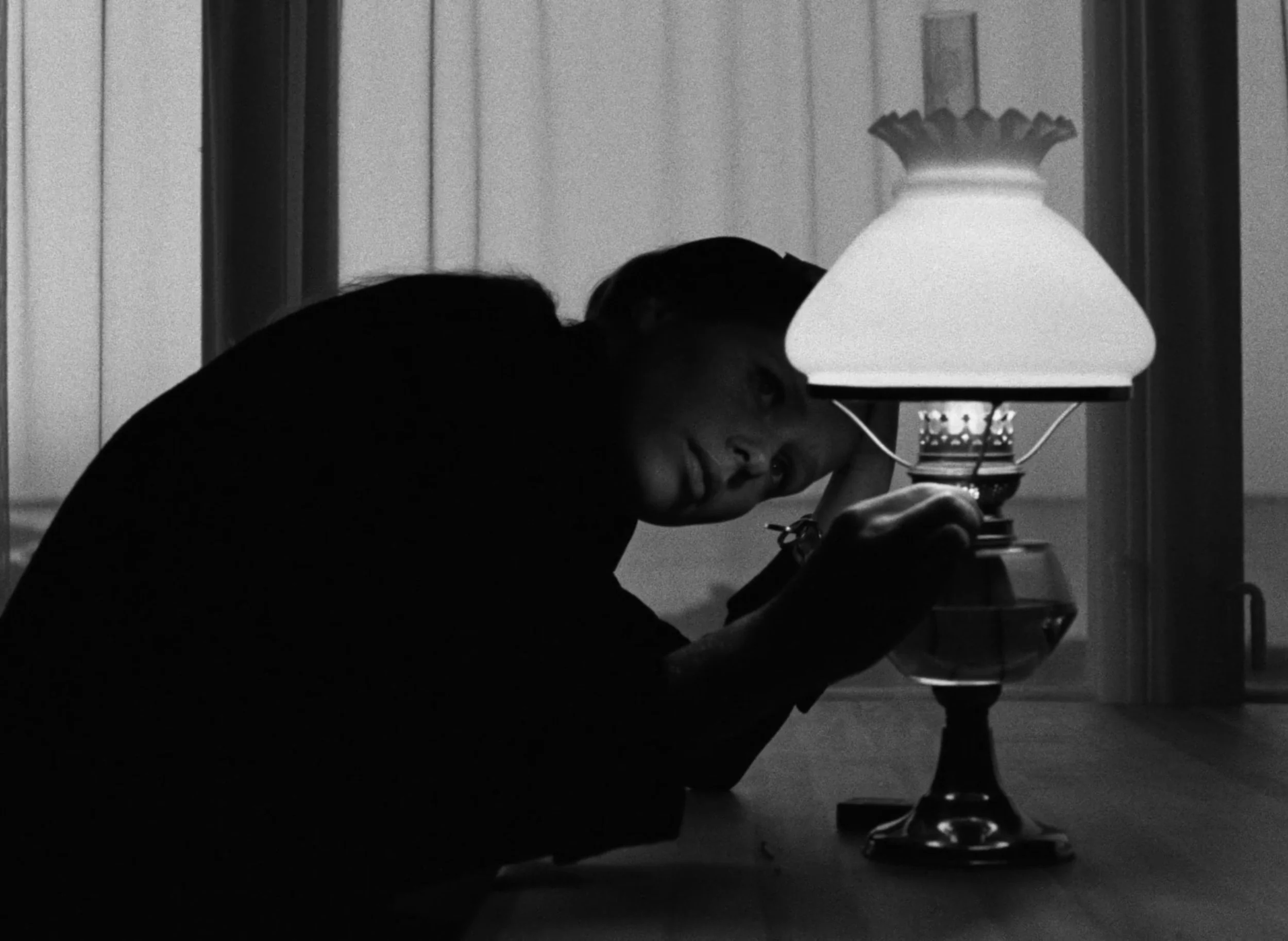
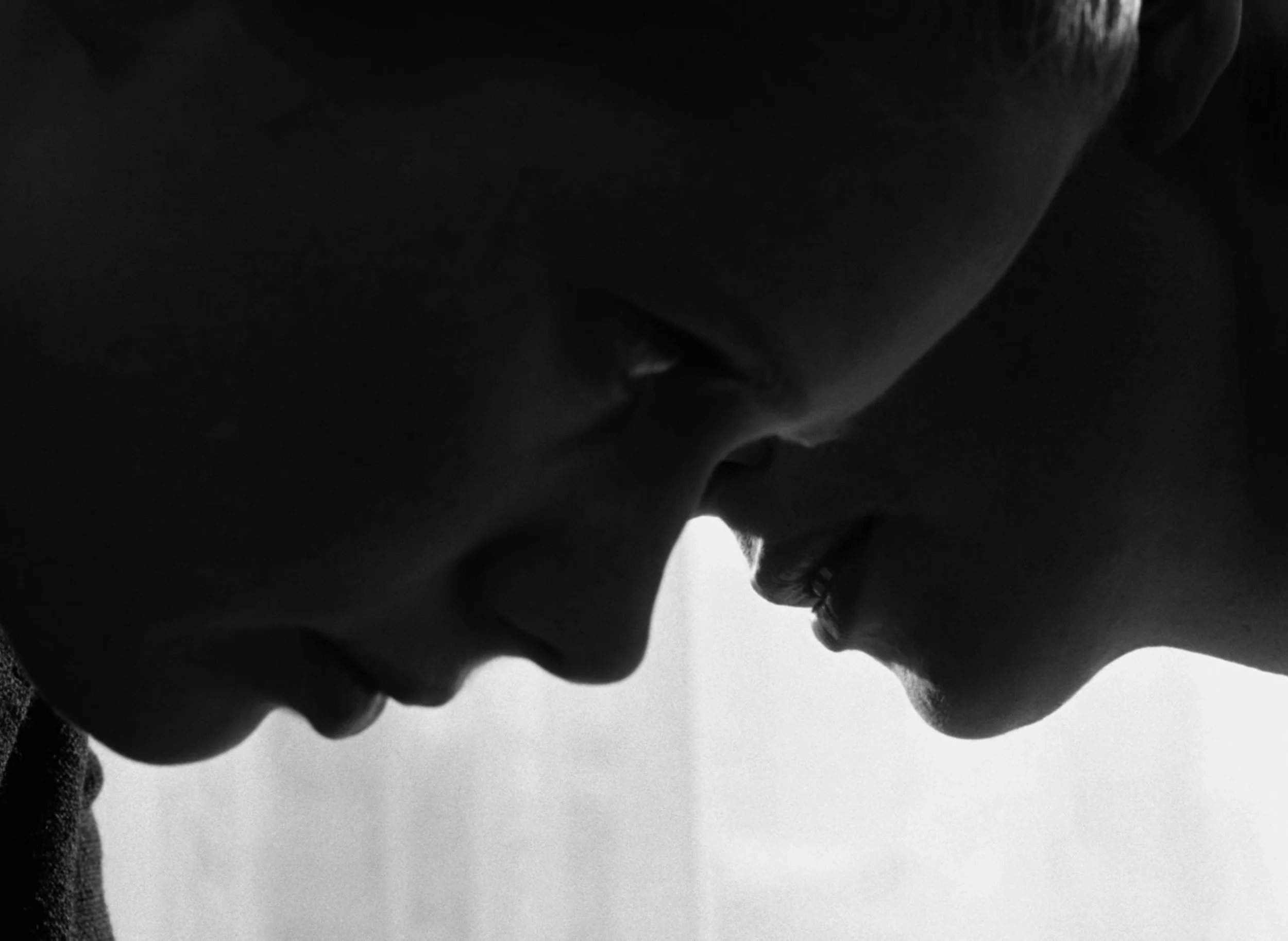
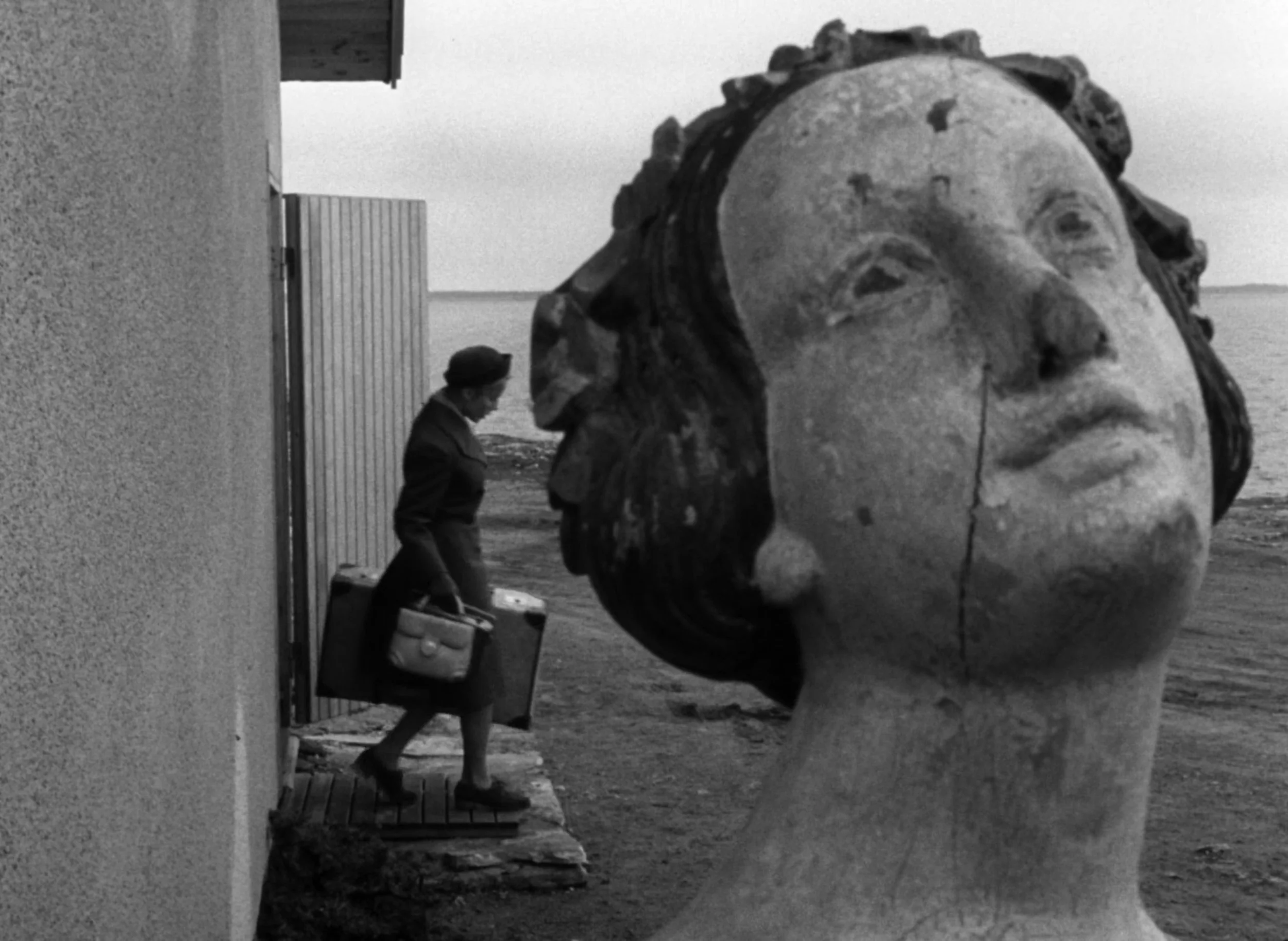
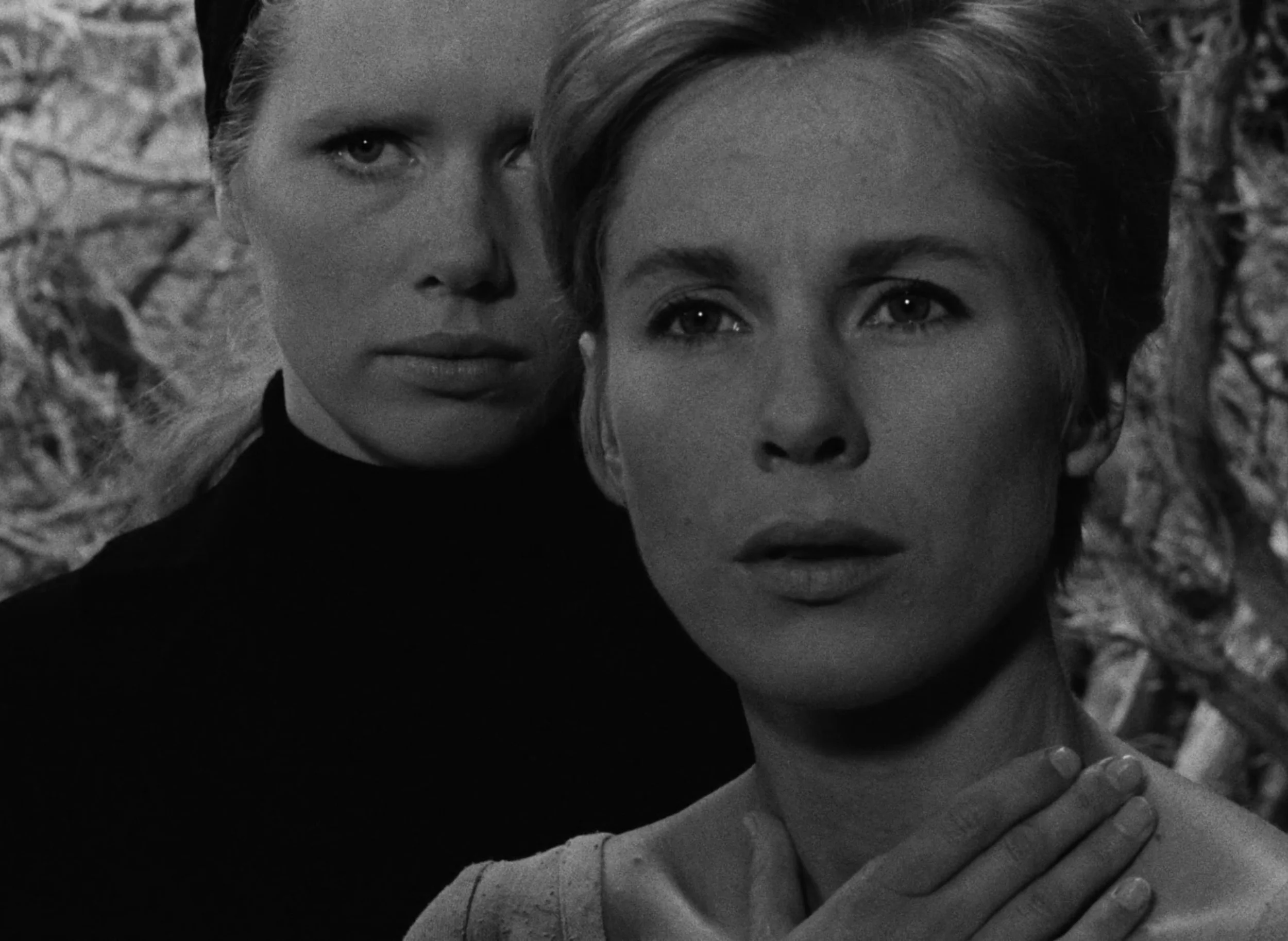
And so the ambiguity grift begins.
Presentation:
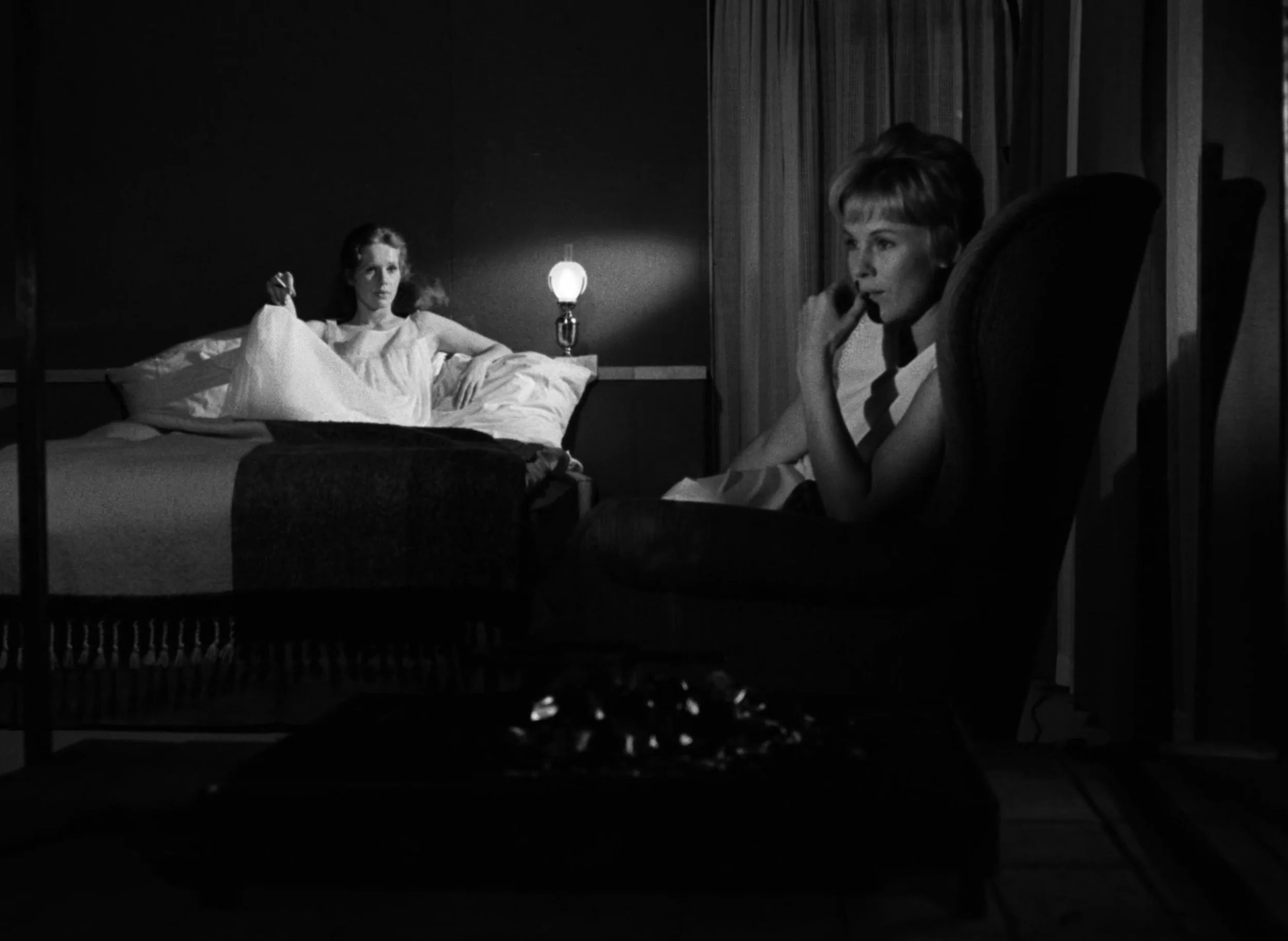
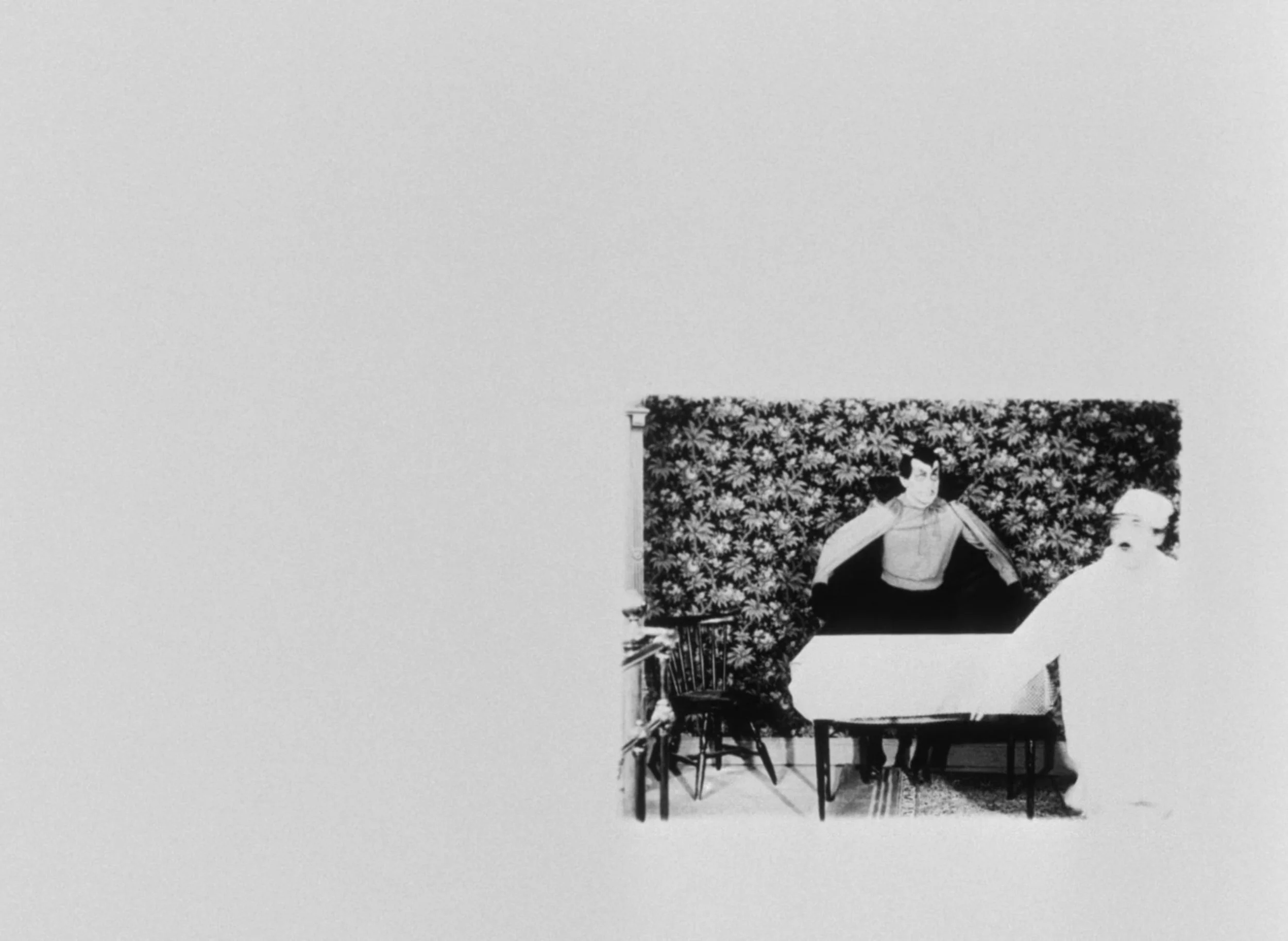
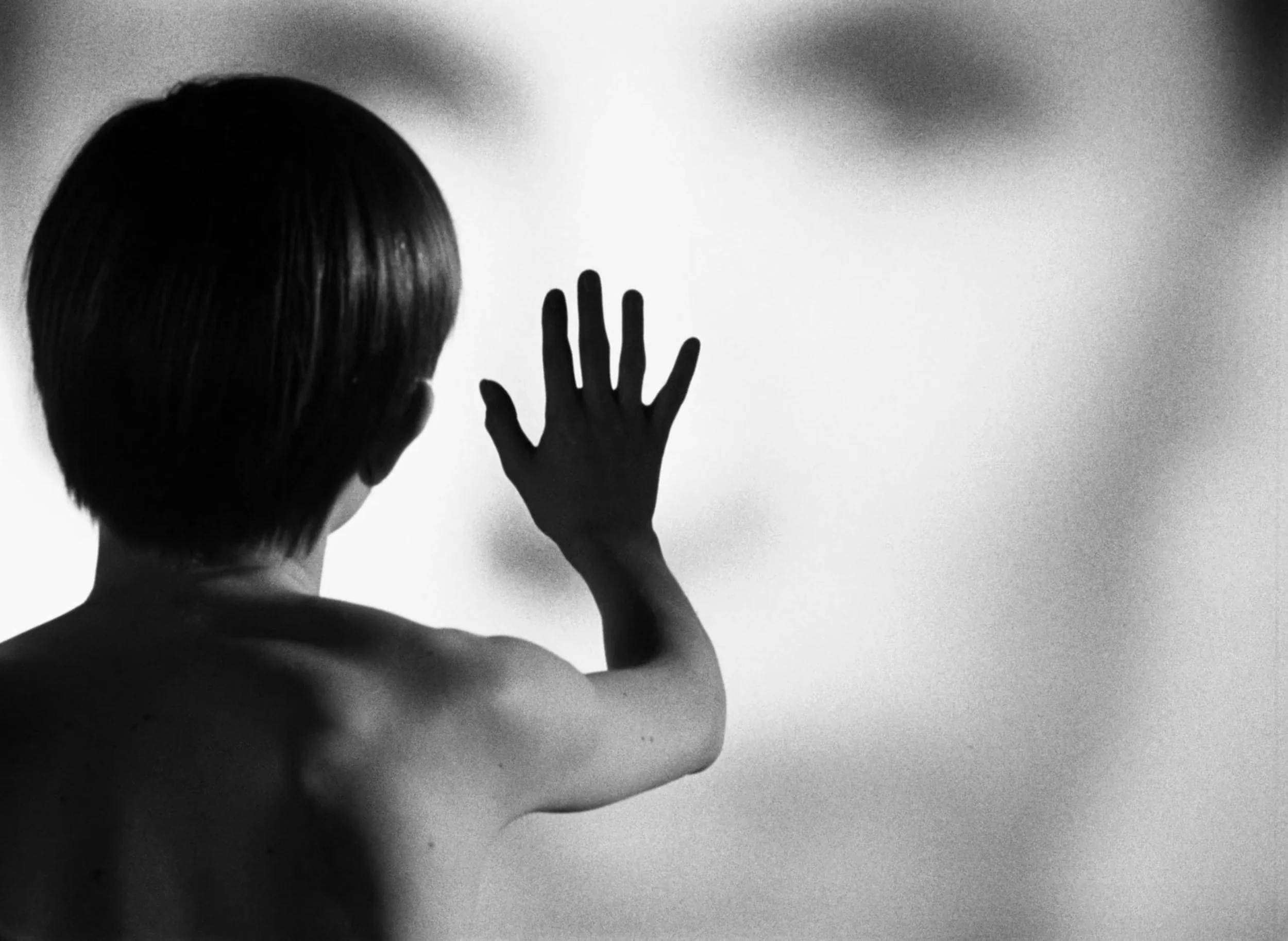
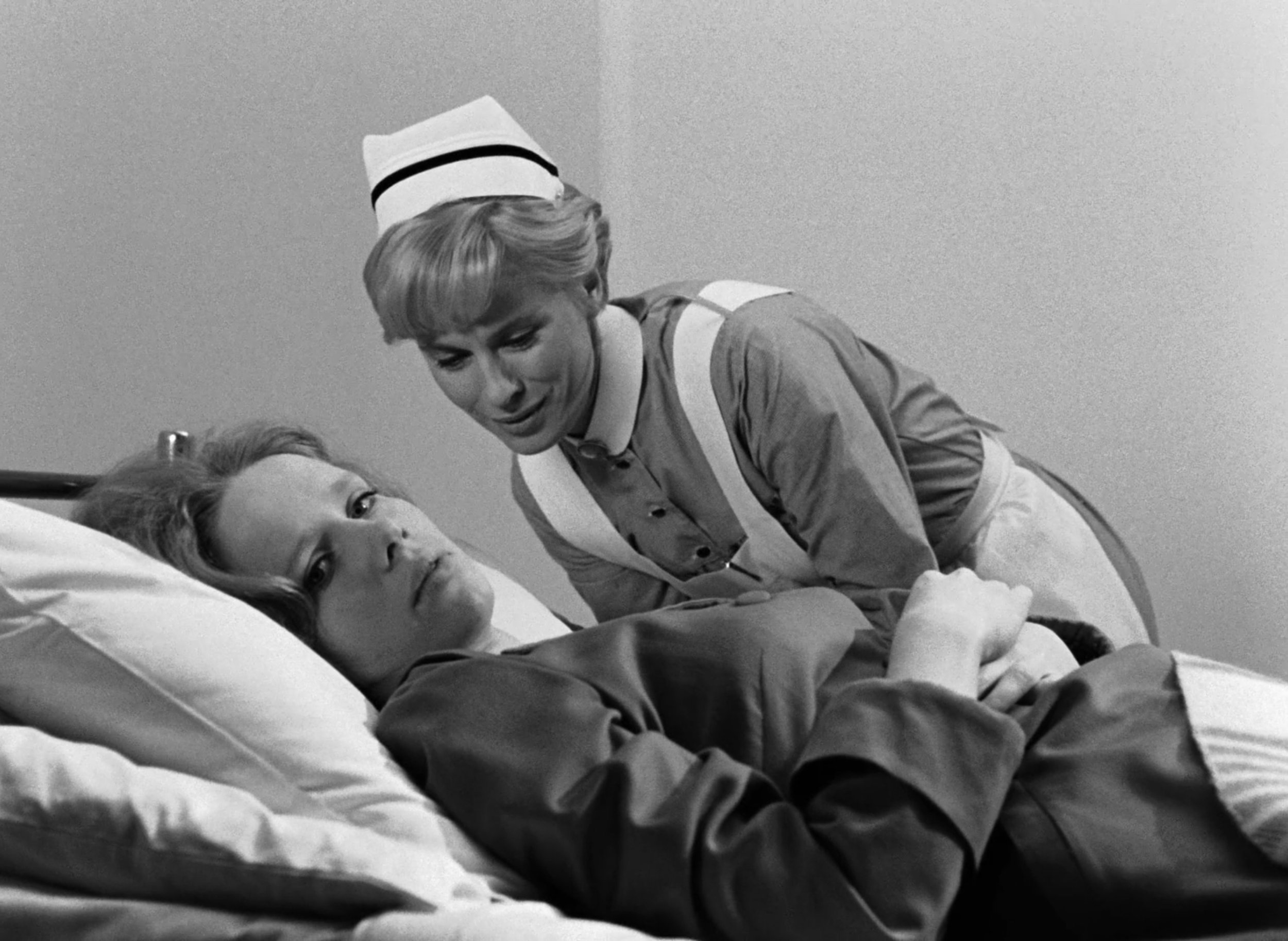
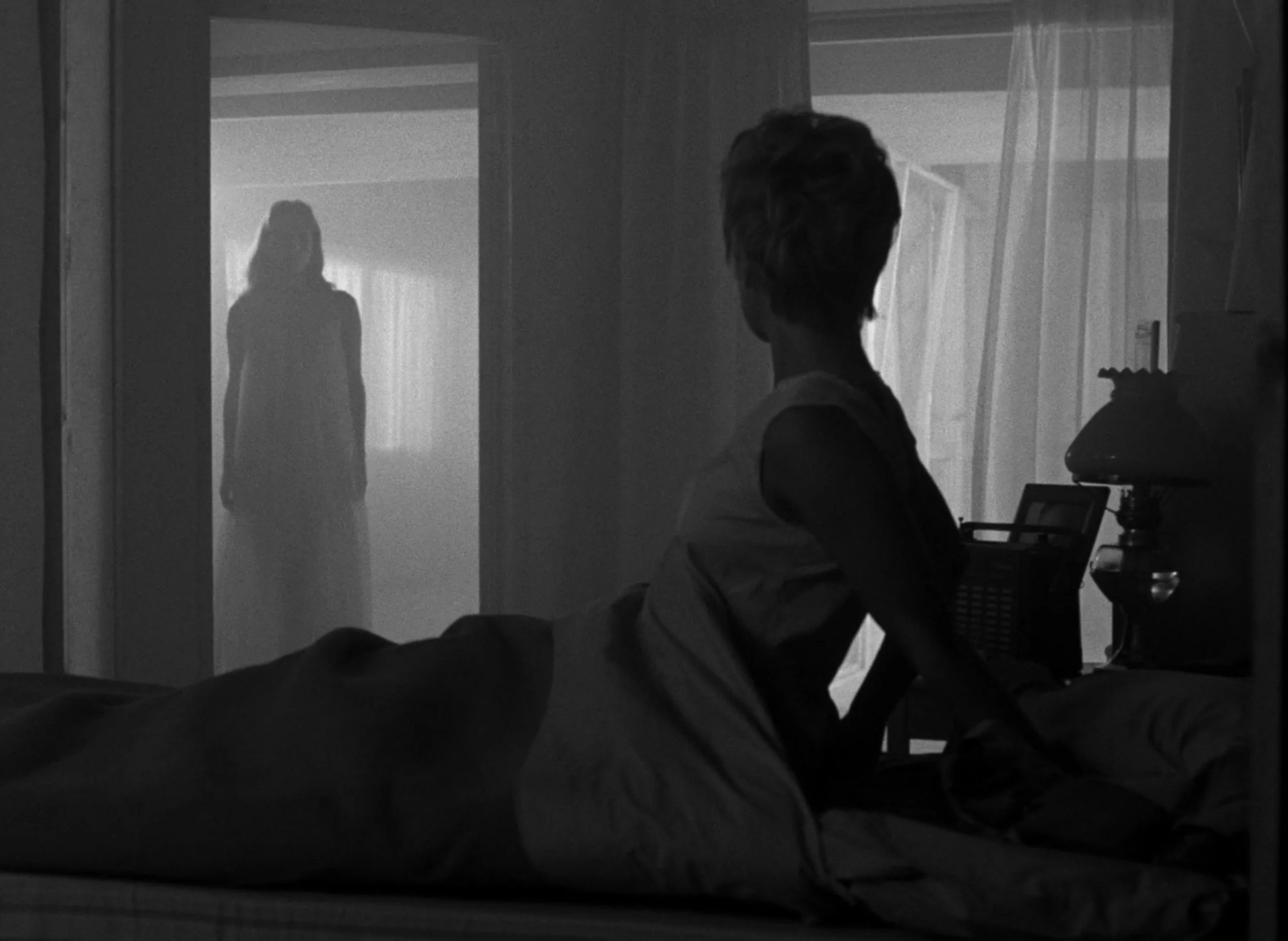
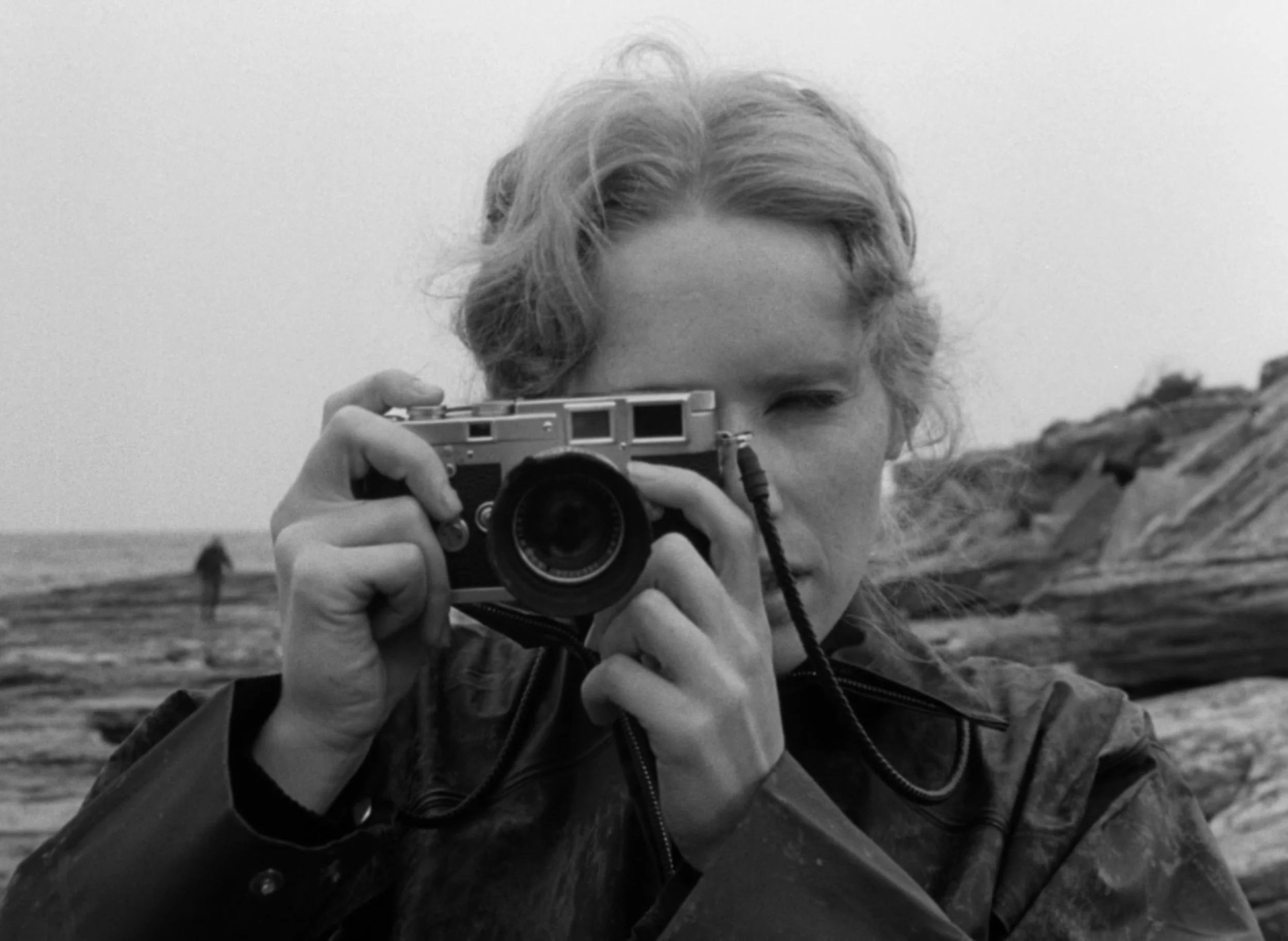
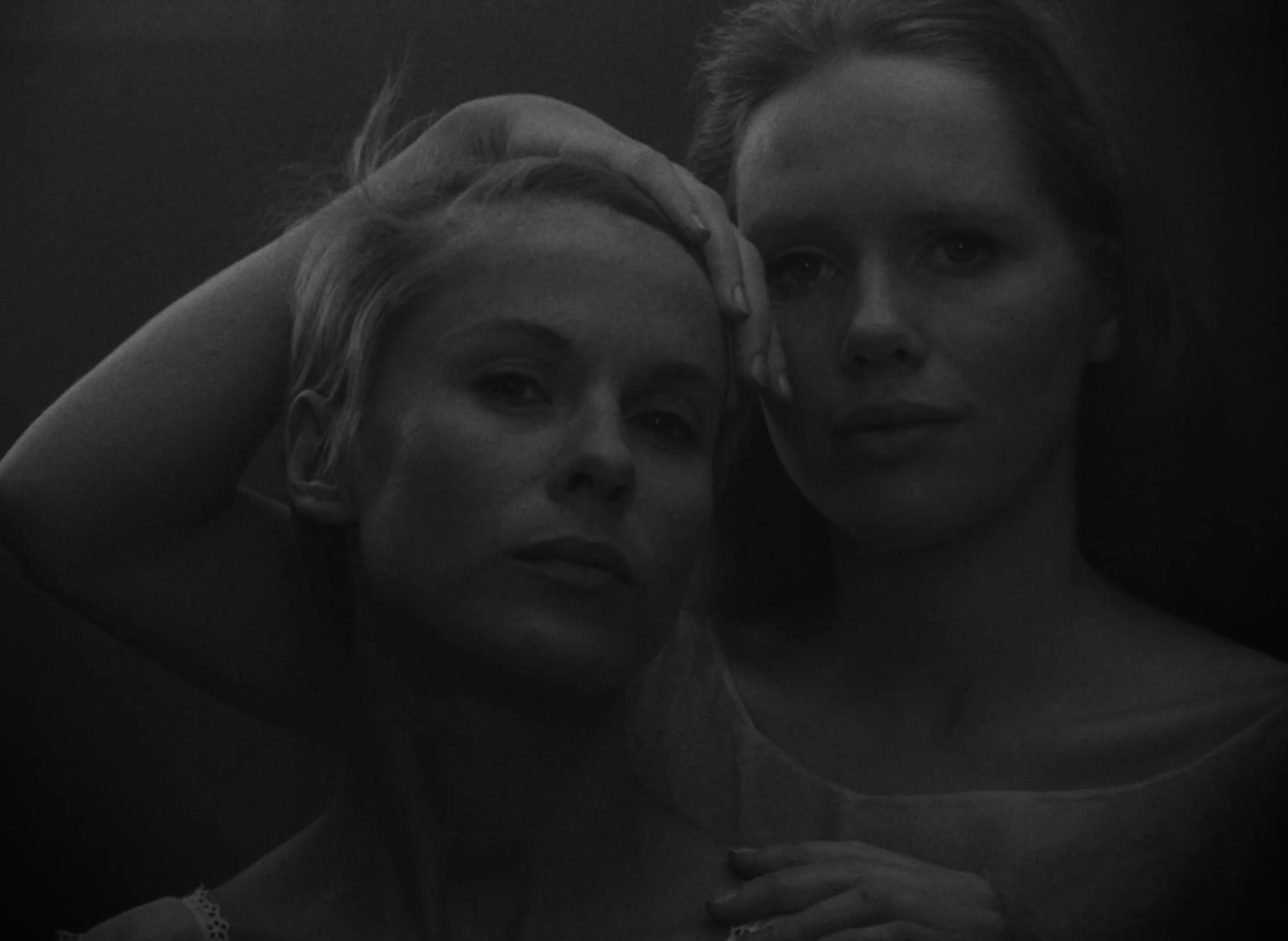
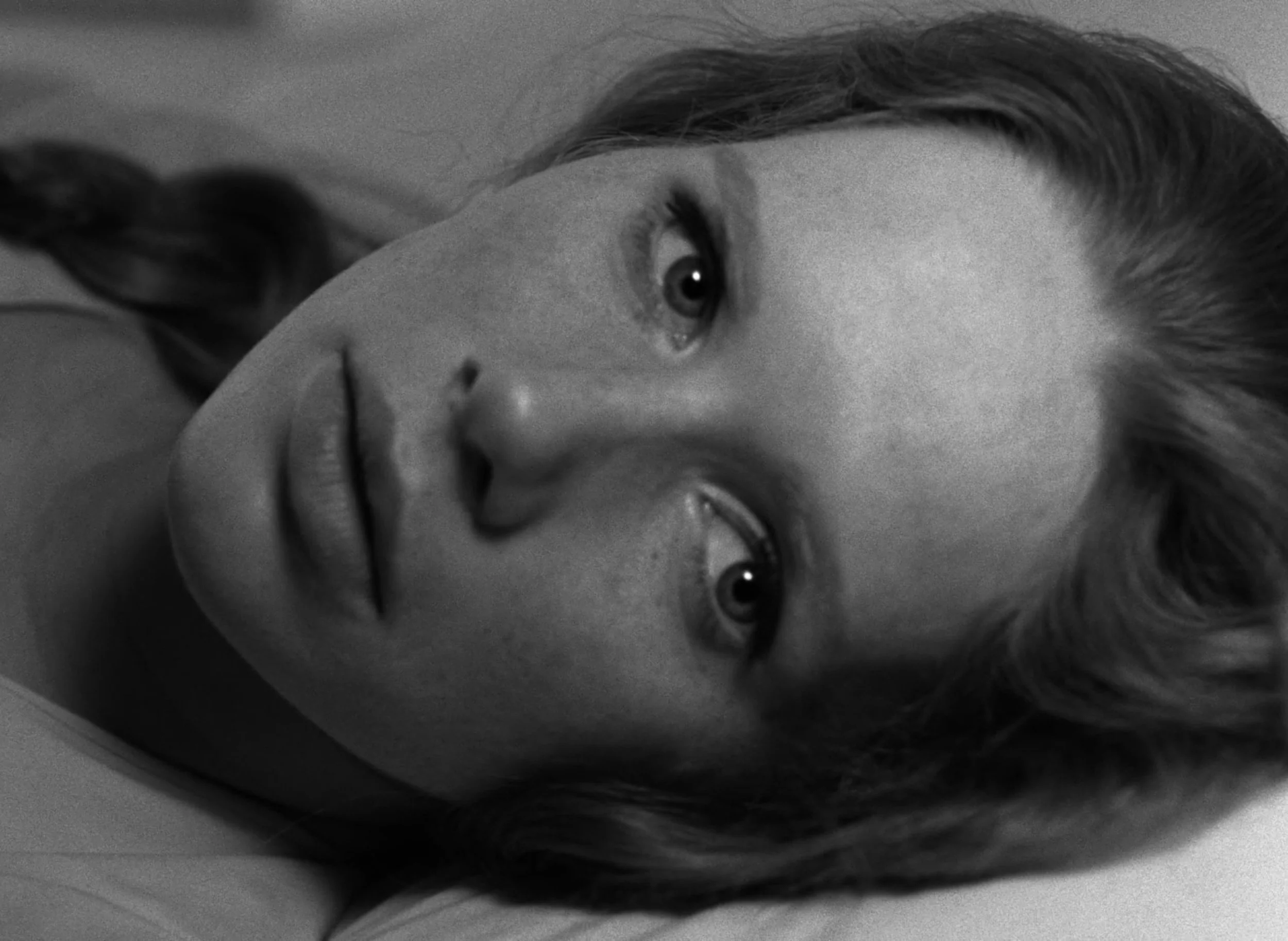
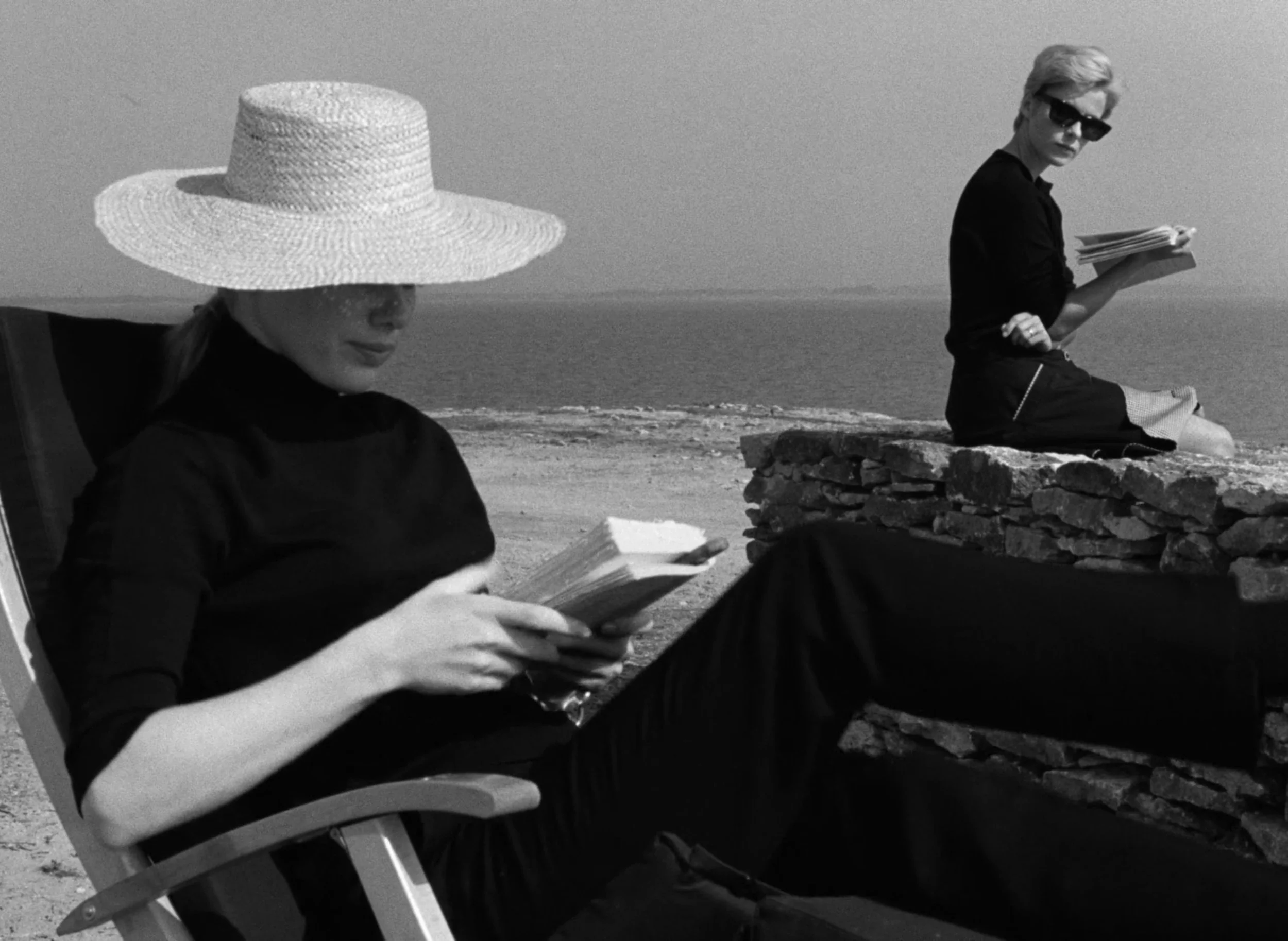
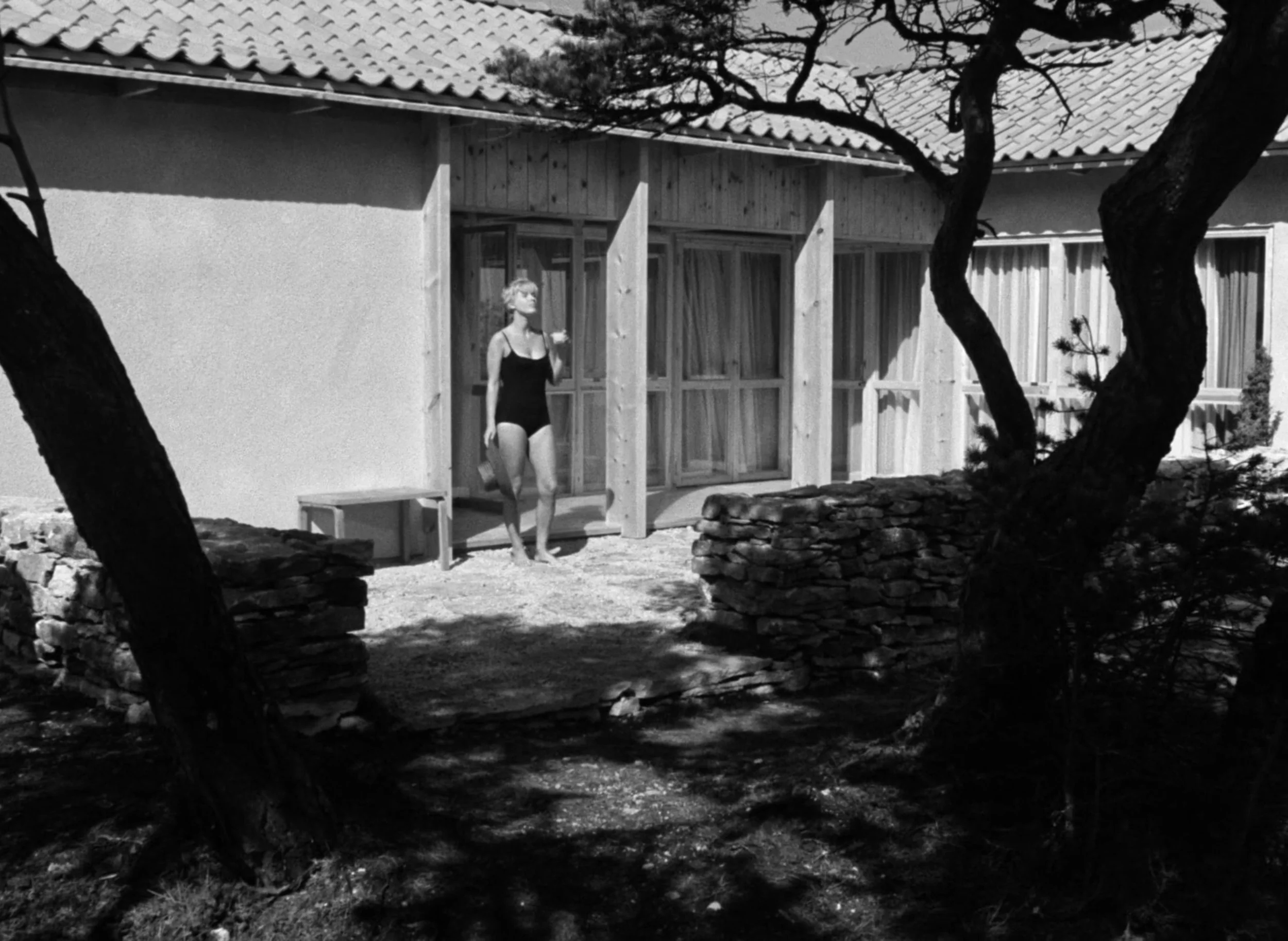
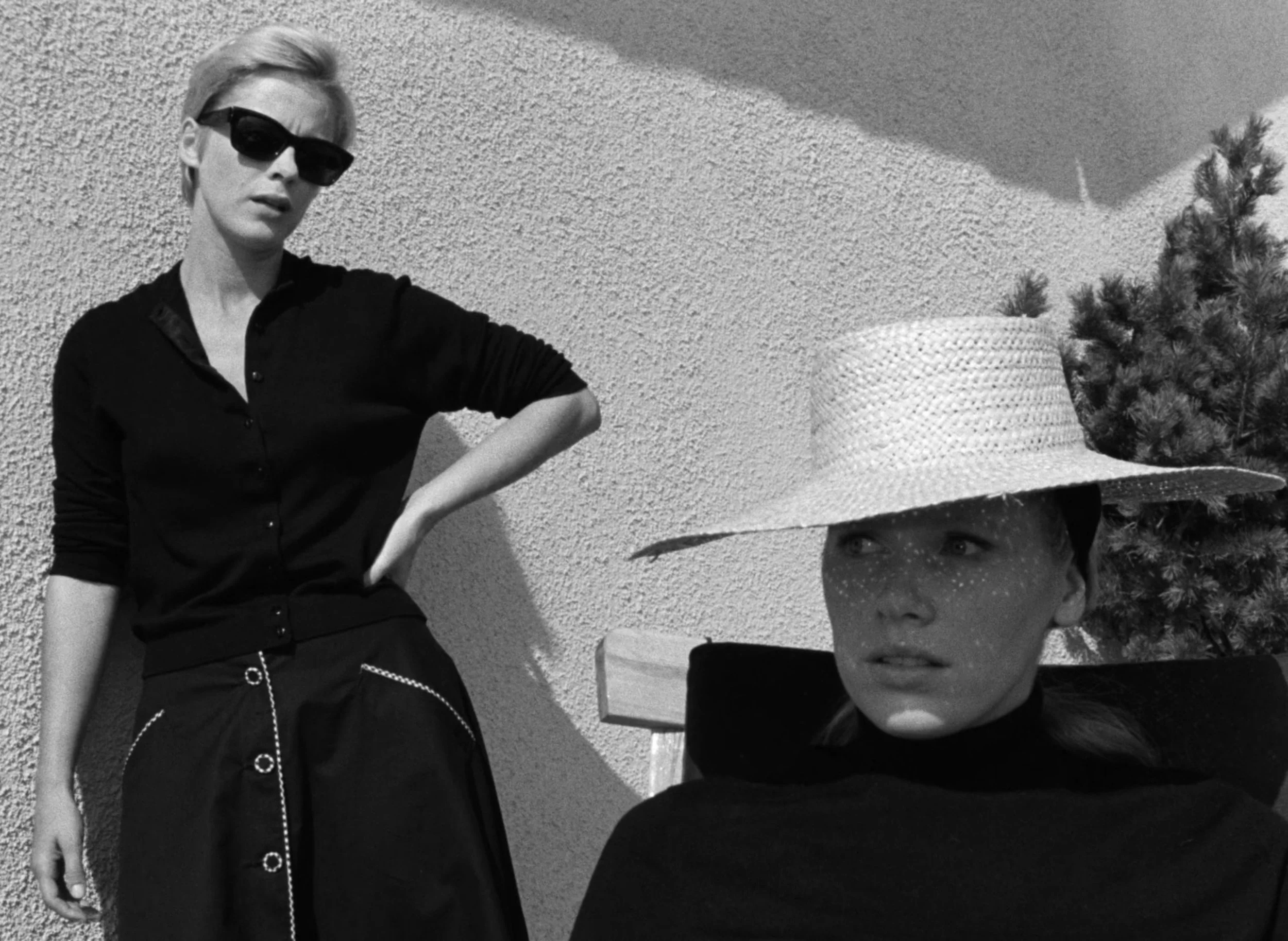
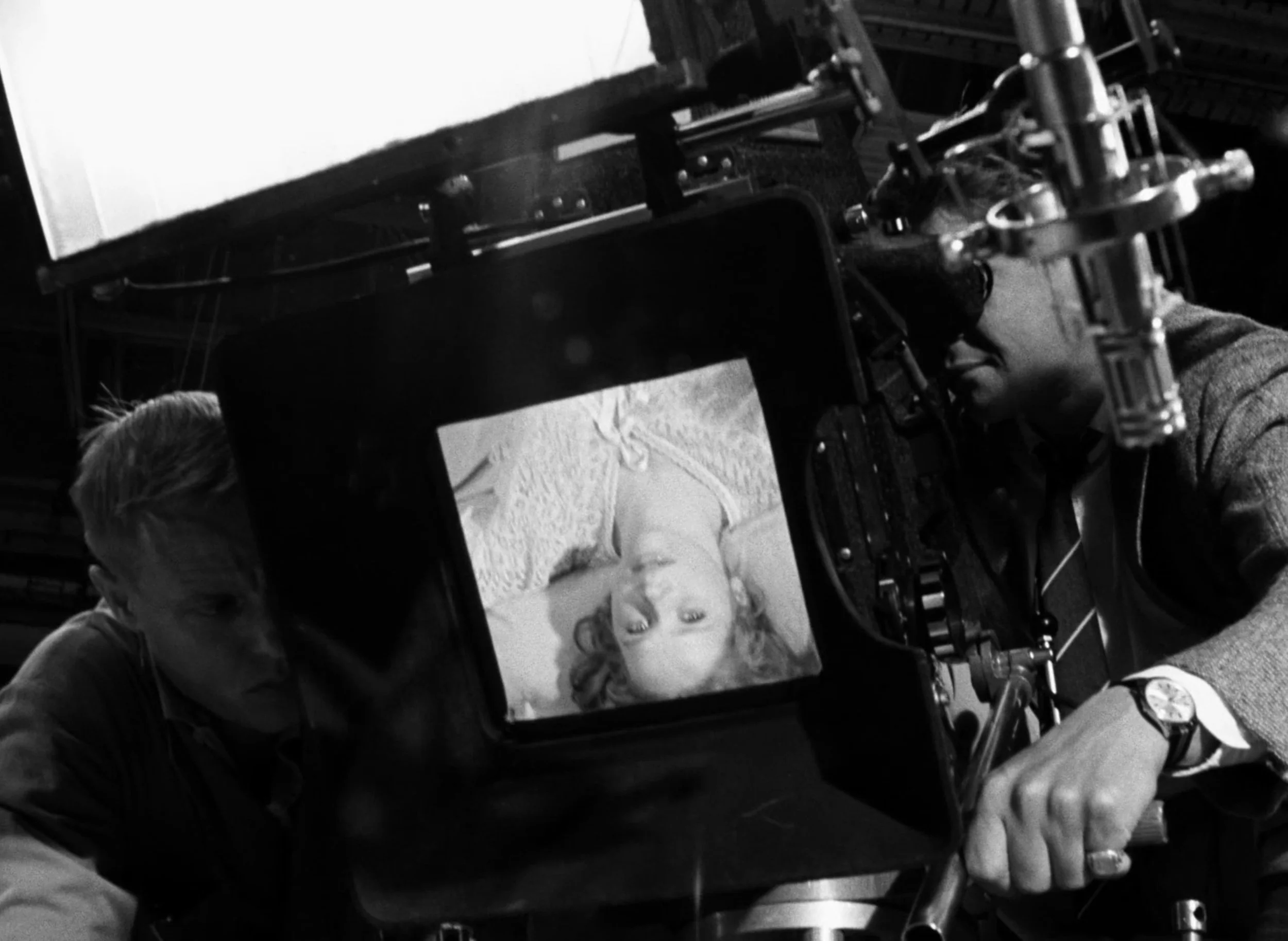
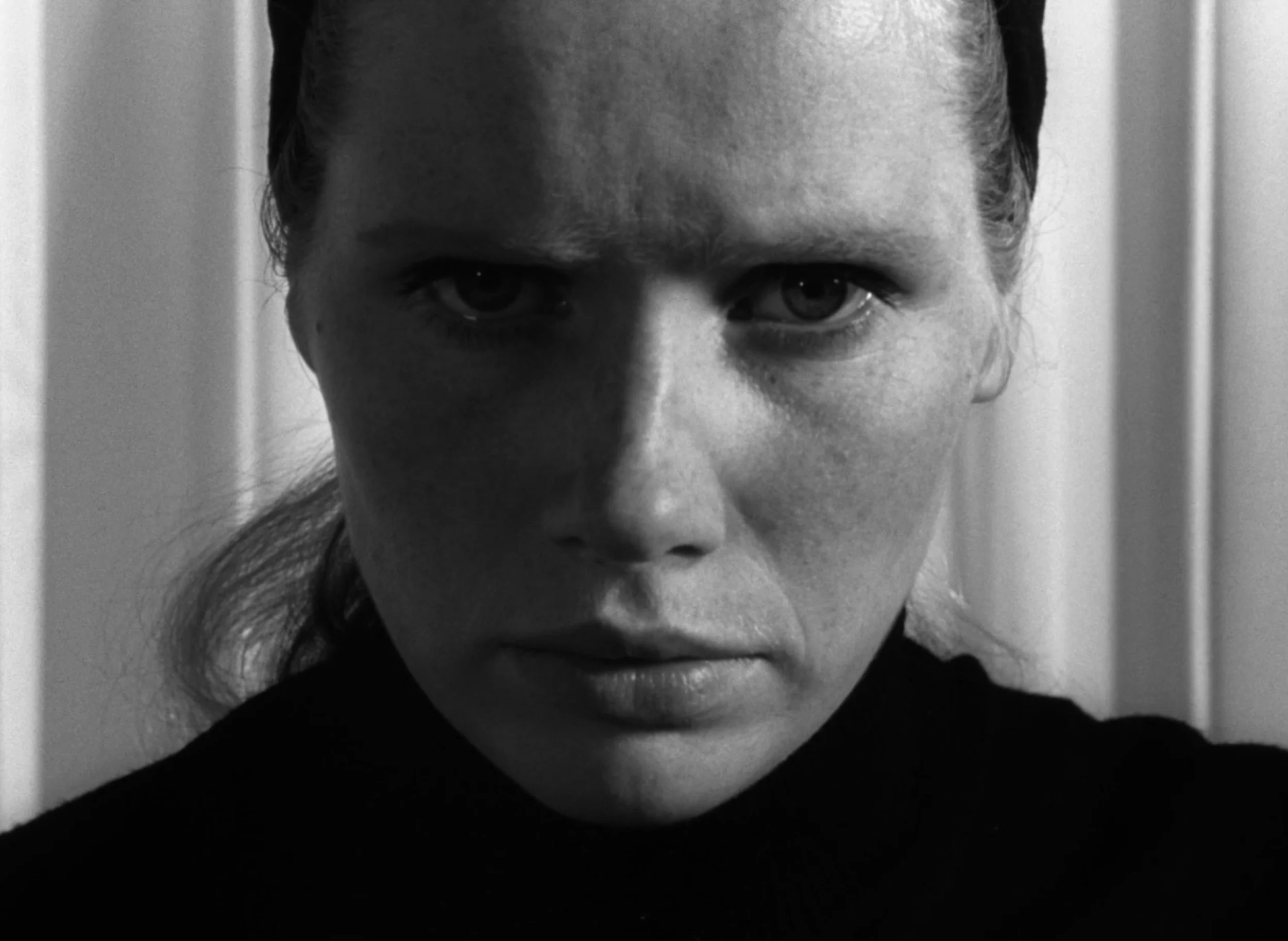
If you wanted to watch the créme de la créme of art film, look no further. It may even be considered THE art house film. Swedish filmmaker Ingmar Bergman creates one of the earliest art house pictures, which is also likely the most challenging film to understand throughout classic cinema. Since 1966, it has been one of the most debated and written about films and you can see its influence on contemporary art house directors like Robert Eggers in The Lighthouse. It’s an art piece that begins like something you’d see in the Museum of Modern Art. Flickering subliminal images of nudity and horror are weaved throughout, adding onto the psychological depth of the film’s themes. The entire film is a thematic metaphor with a lot of dialogue and closeups on faces. This is to reinforce deep themes of duality, which would go on to inspire Villeneuve and Michael Haneke’s psychological films.
Analysis:
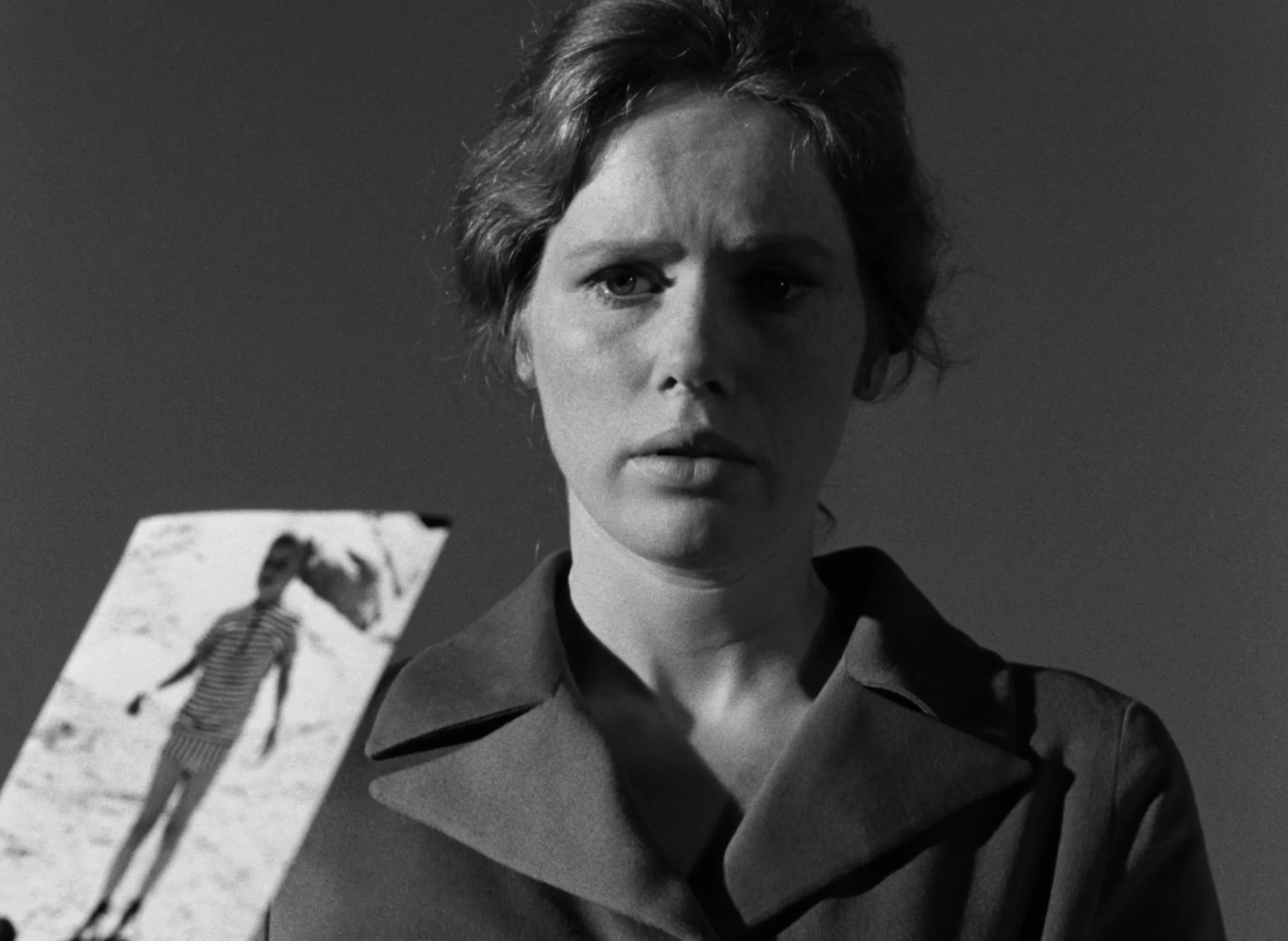
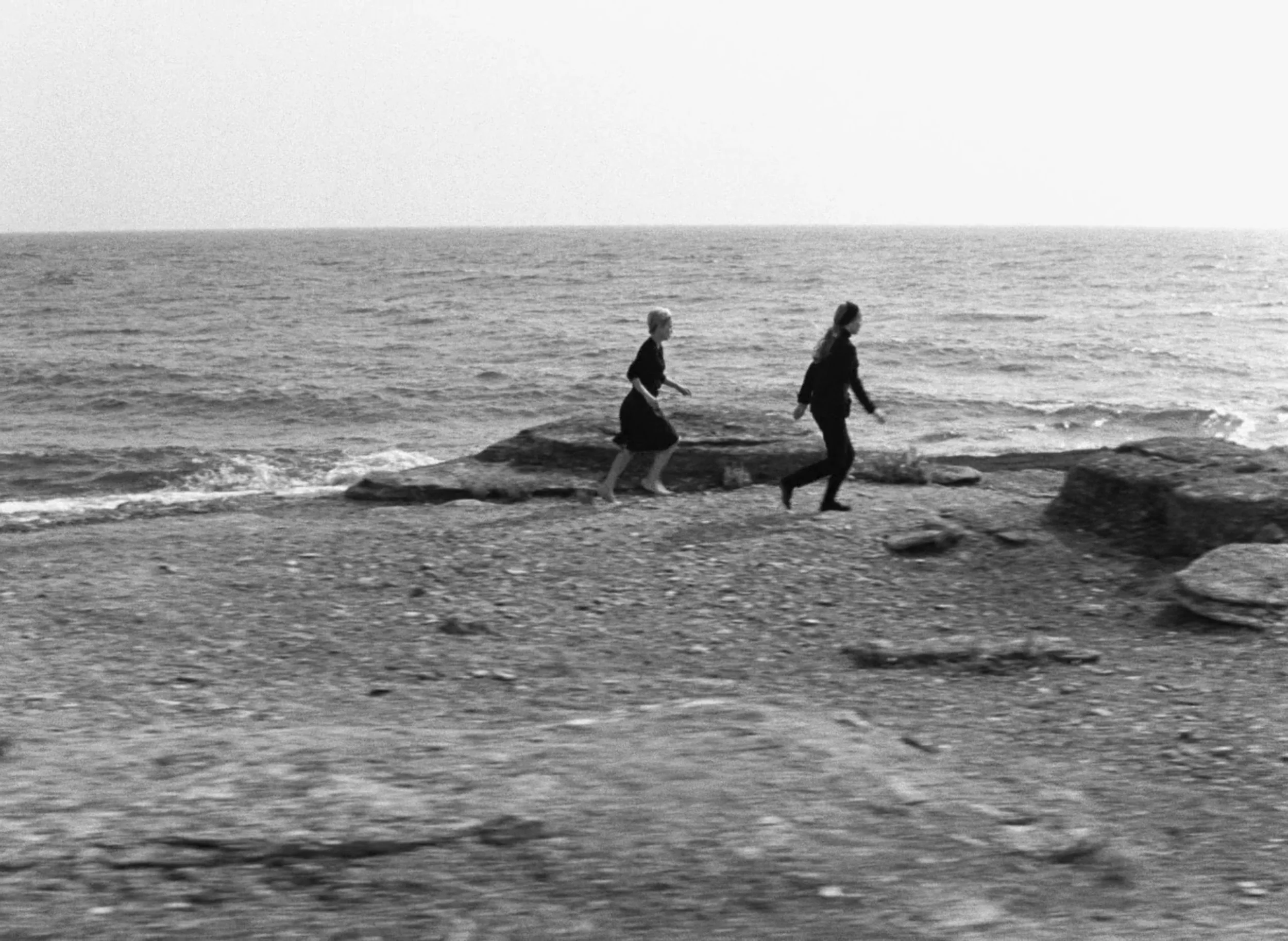
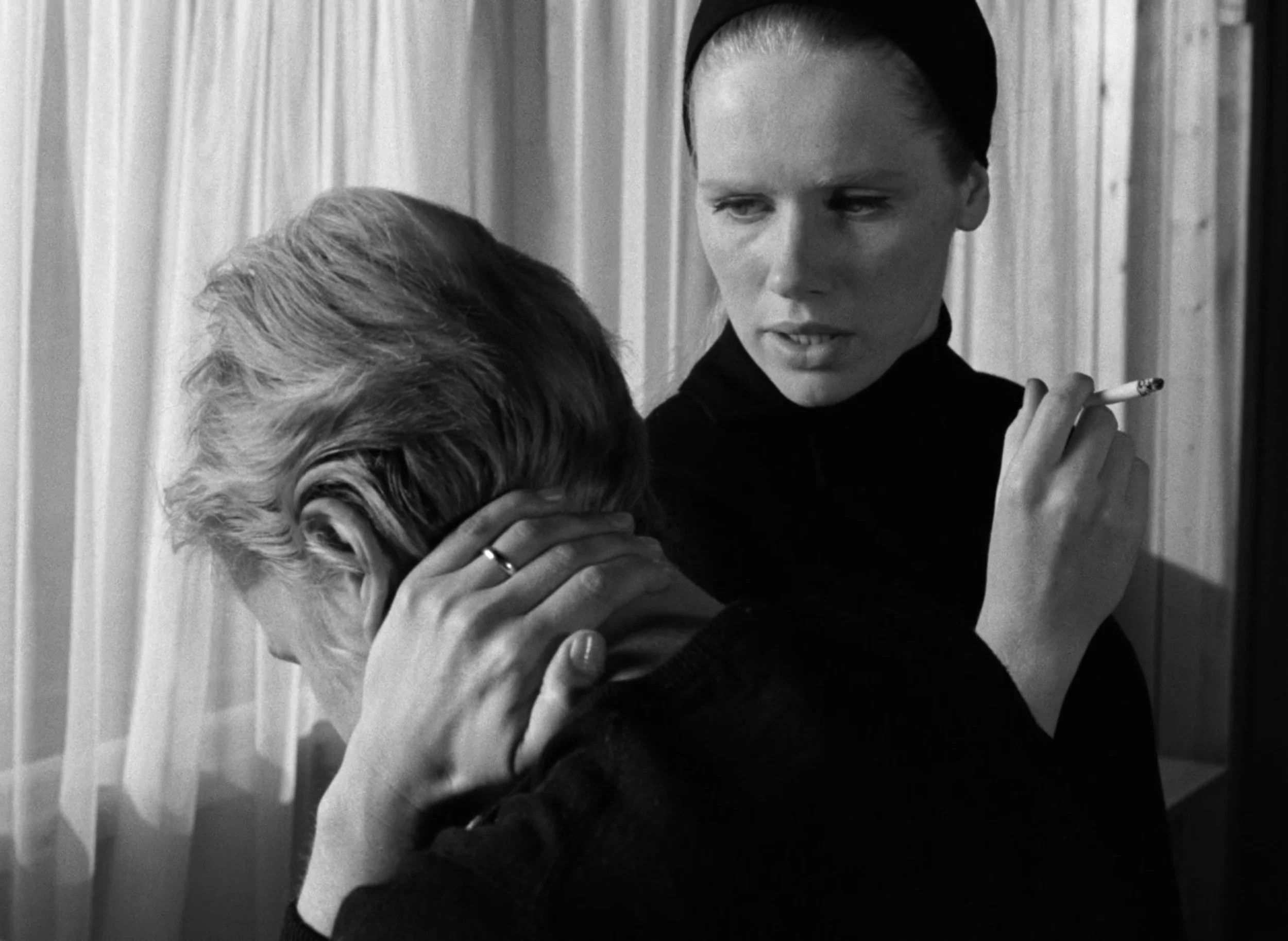
I believe the main theme of the film is duality. The film is about a nurse taking care of an actress, whom has gone mute. There are points where it seems as though the nurse’s backstory of an orgy and abortion might be a reflection of the actress. At certain points it even suggests they are the same person as the husband of the actress confuses the two. It’s also really important to note that the character’s professions are a nurse and an actress. These two roles can also symbolize the id and ego in Freudian psychology. There’s a lot of sexual psychoanalysis that could be had, but I think the psychology here is also very Jungian. That is to say that I think these two personas - one being mute and one overly orate, are struggling to compete for dominance within one person. Everything about this film from the title to movie poster suggests duality, I believe we can safely assume that the dynamic of the two are a manifestation of the conflicts in the mind of women.
Another approach is to view this film through the lens of meta analysis. Do you find yourself engaging with the actress or the nurse? Well then you are either more partial to the obessive pursuit of fame or the overbearing need to care for others. Are you more motherly or more selfish? That's why there's a scene played out twice but with two point of views. And whichever one you resonate with will probably reveal more about yourself than you can imagine.
Conclusion:
This is more of a exhibitionist metaphor than a traditional story. It’s honestly quite surprising how postmodern this film is for 1966. To begin to unravel the layers, one would likely need to prepare a dissertation because any theory can be contradicted by another. The film is ambiguous and meant to stir discussion. Though my curiosity was piqued, it was not enough to make me want to spend more time dissecting it. Regardless, the ambiguity is done well and will be forever held on a pedestal for scholars of film. Sure it’s a masterpiece, but thematic greatness alone isn’t enough to satisfy me. Without a concrete story, I’d rather just read up on psychology or watch Haneke’s work.
Recommendations






















Love only exists when you hit play.