
Eddington (2025)


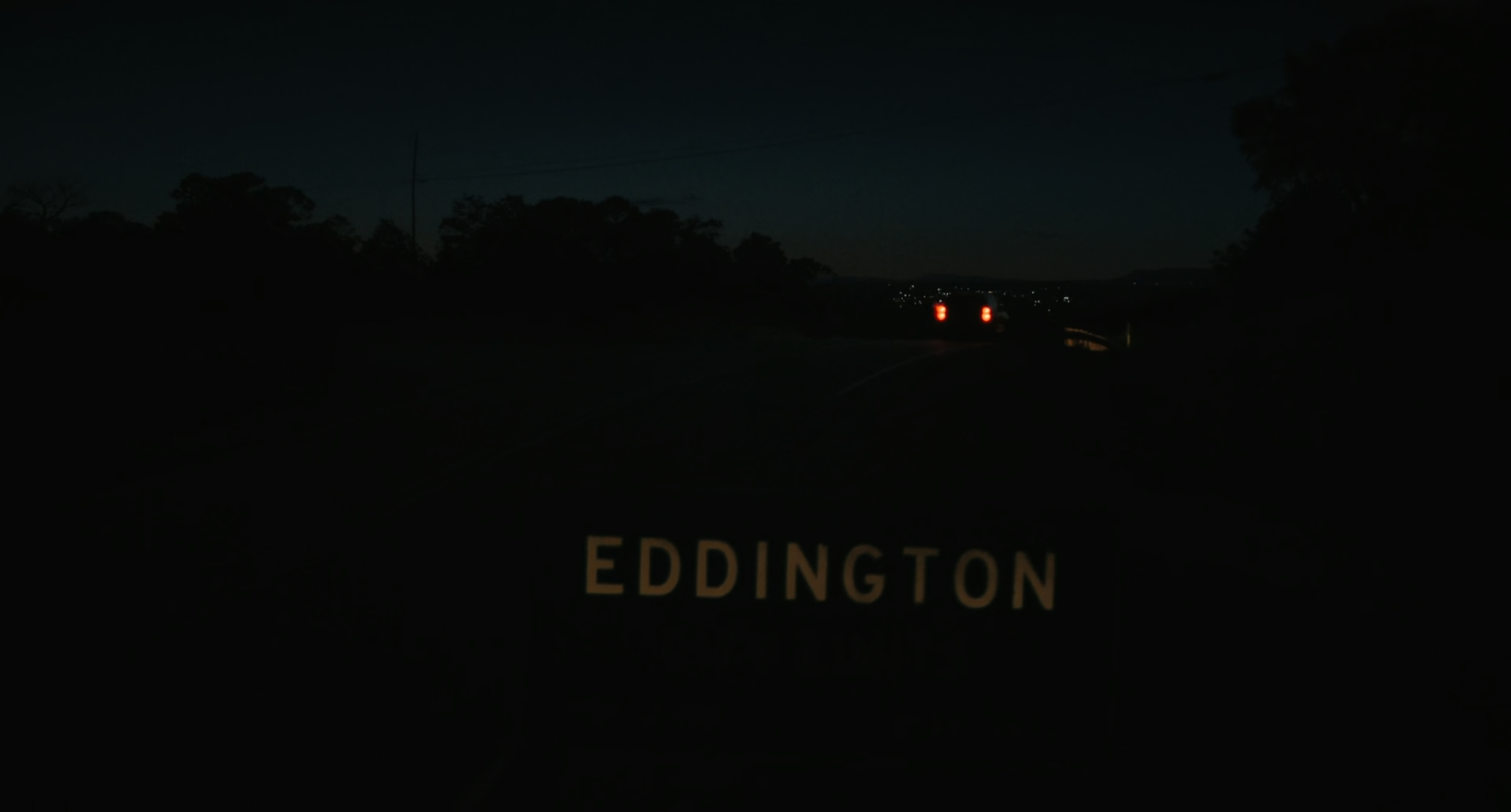

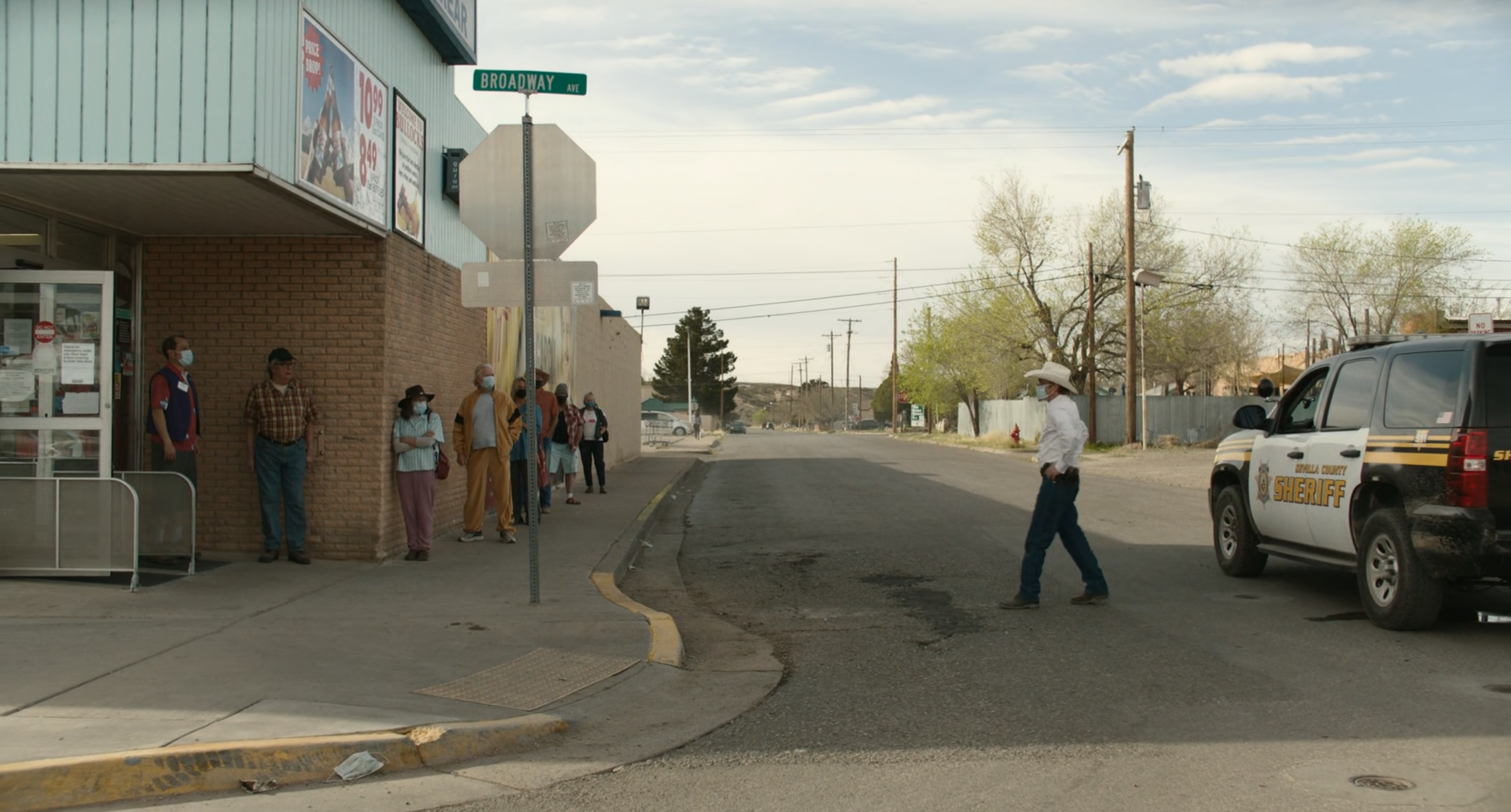
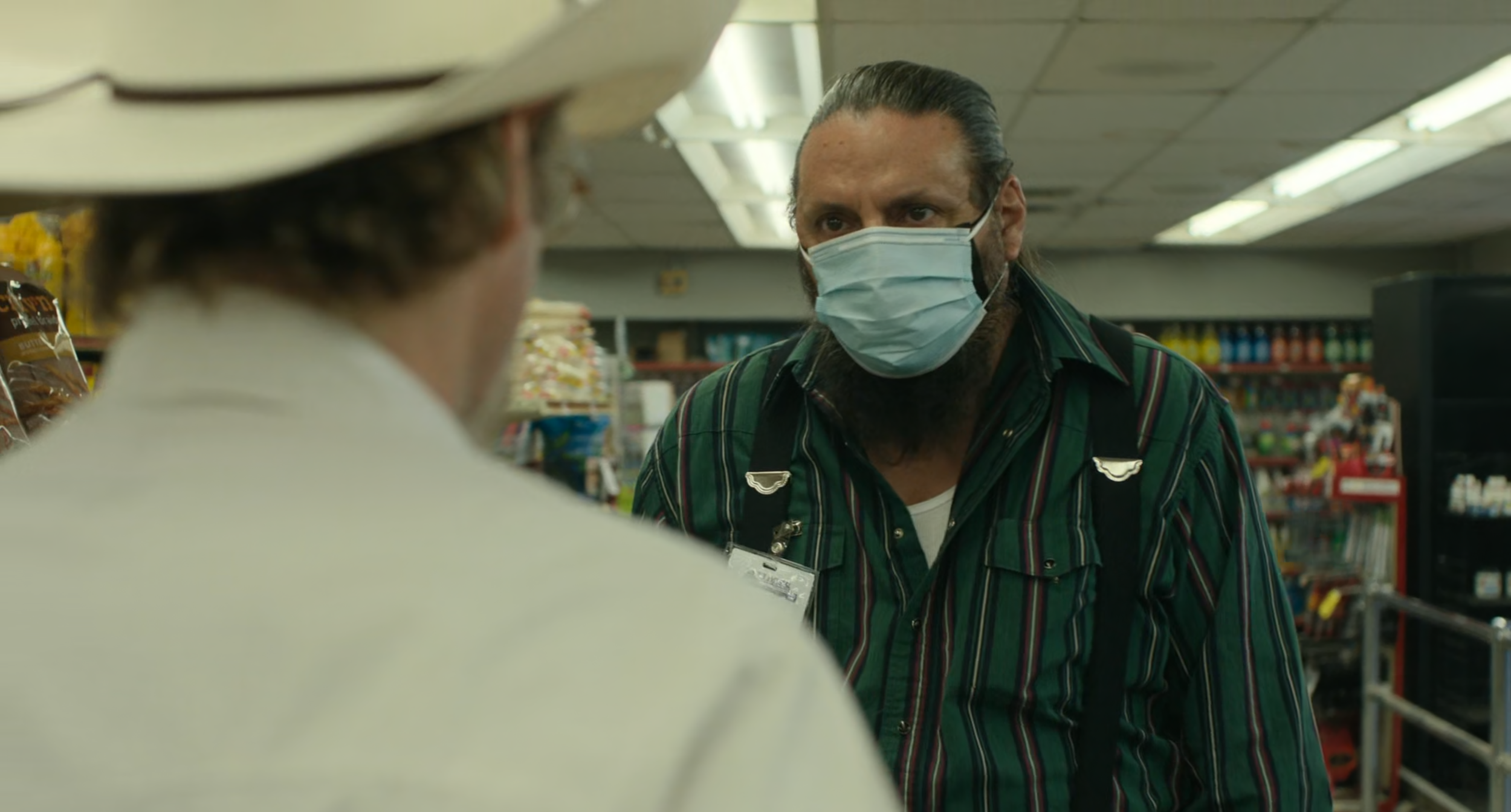
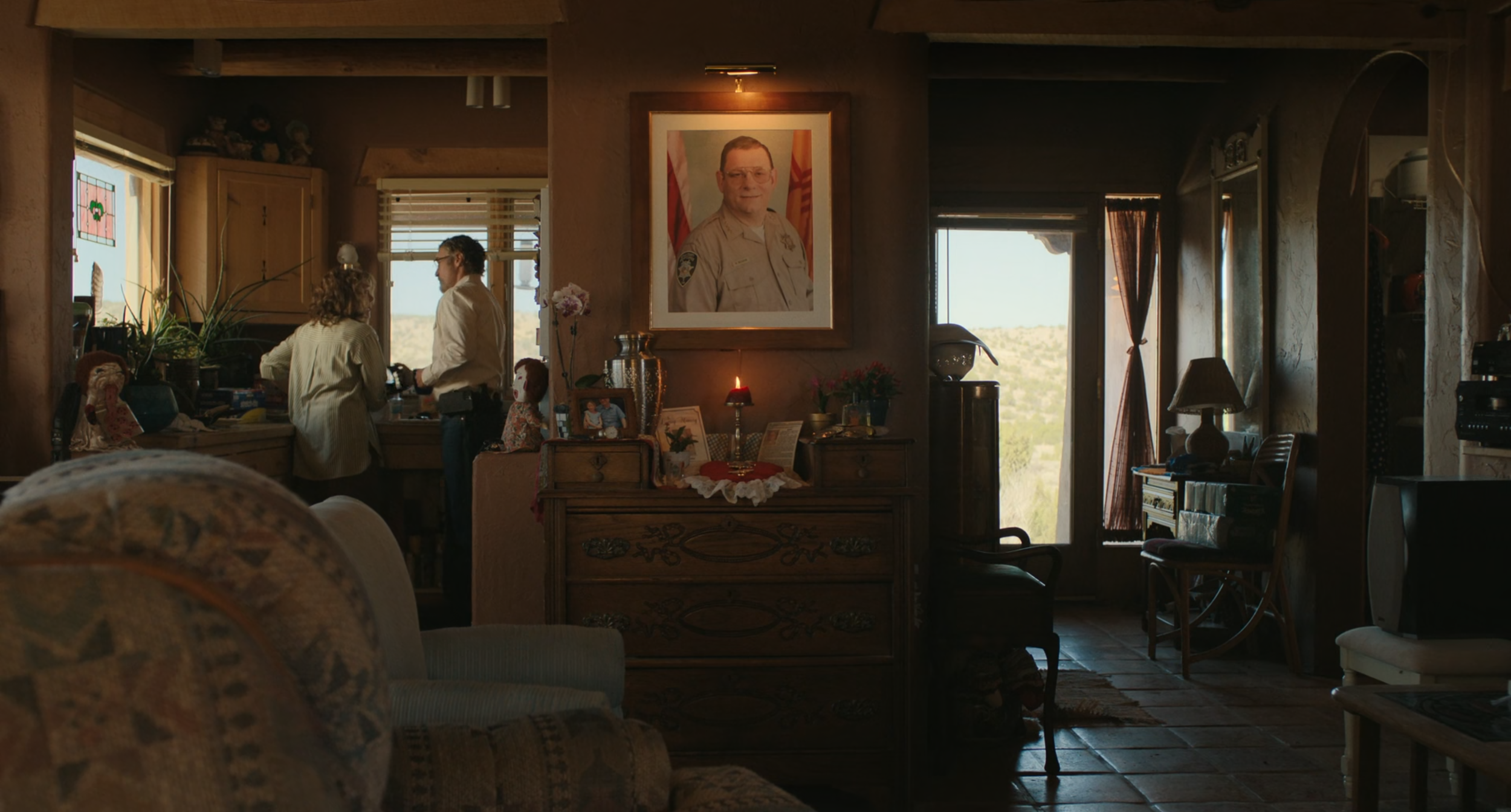





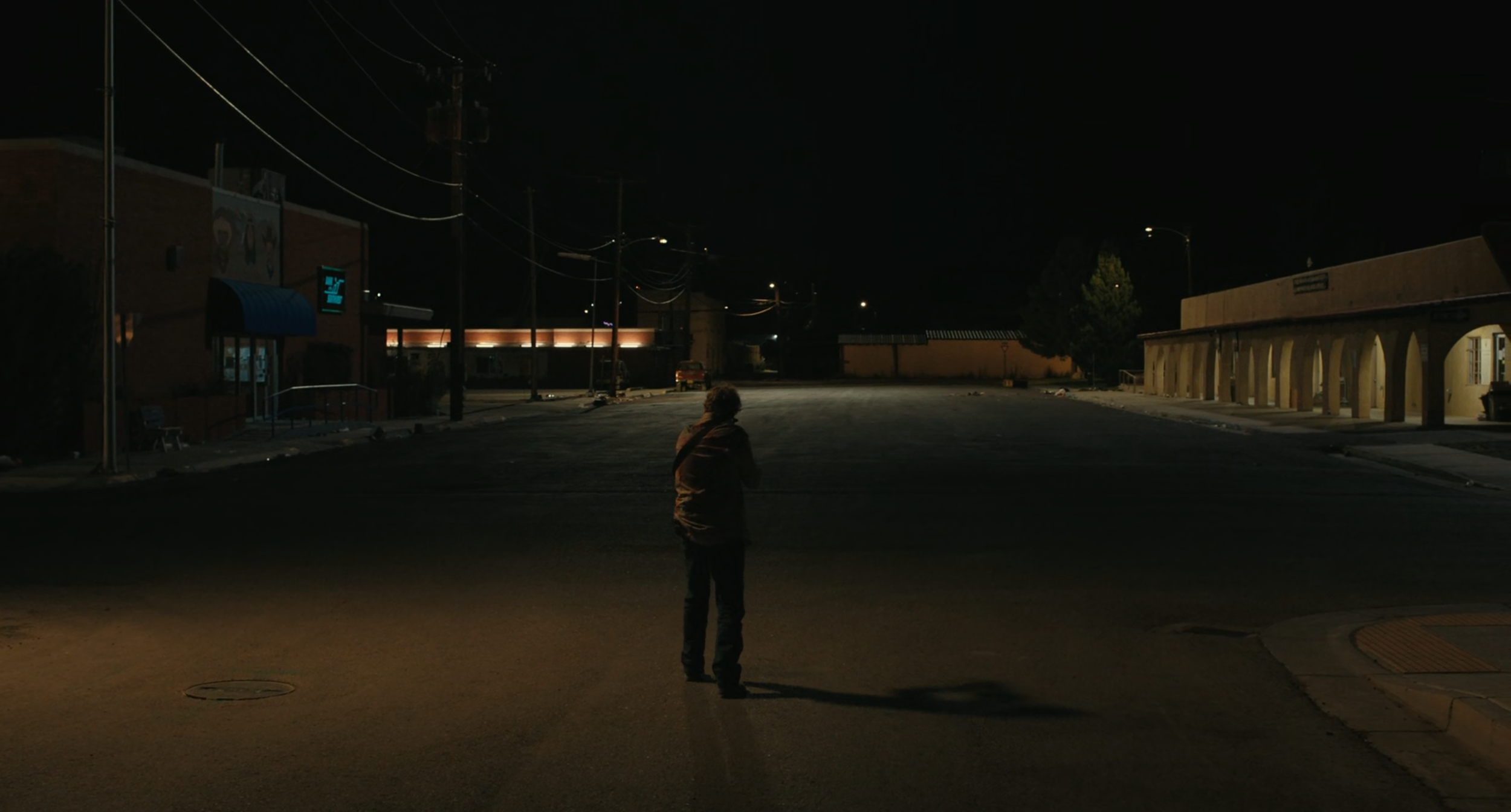
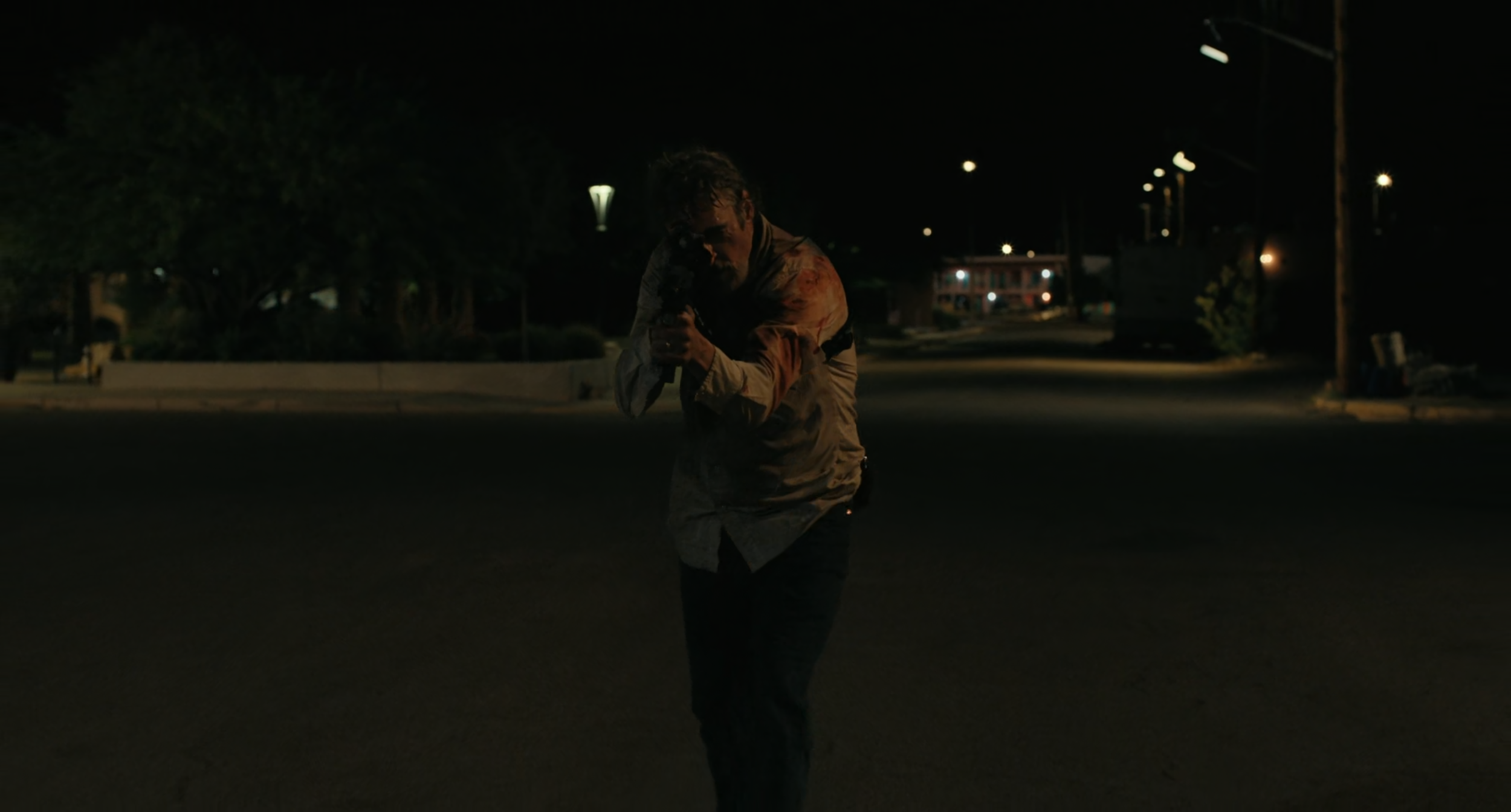

The collapse of western civilization starts with a face mask.
Presentation:
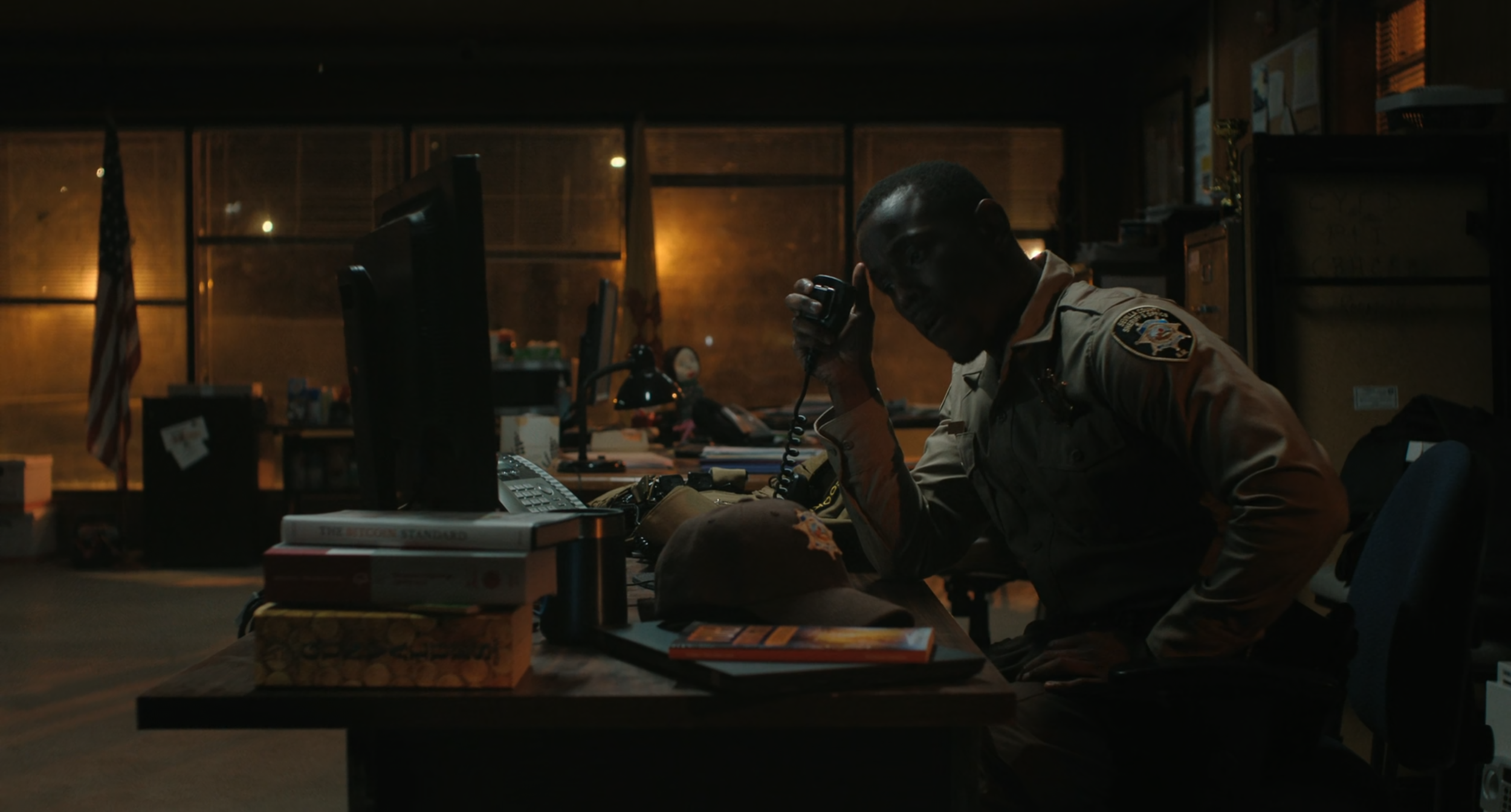
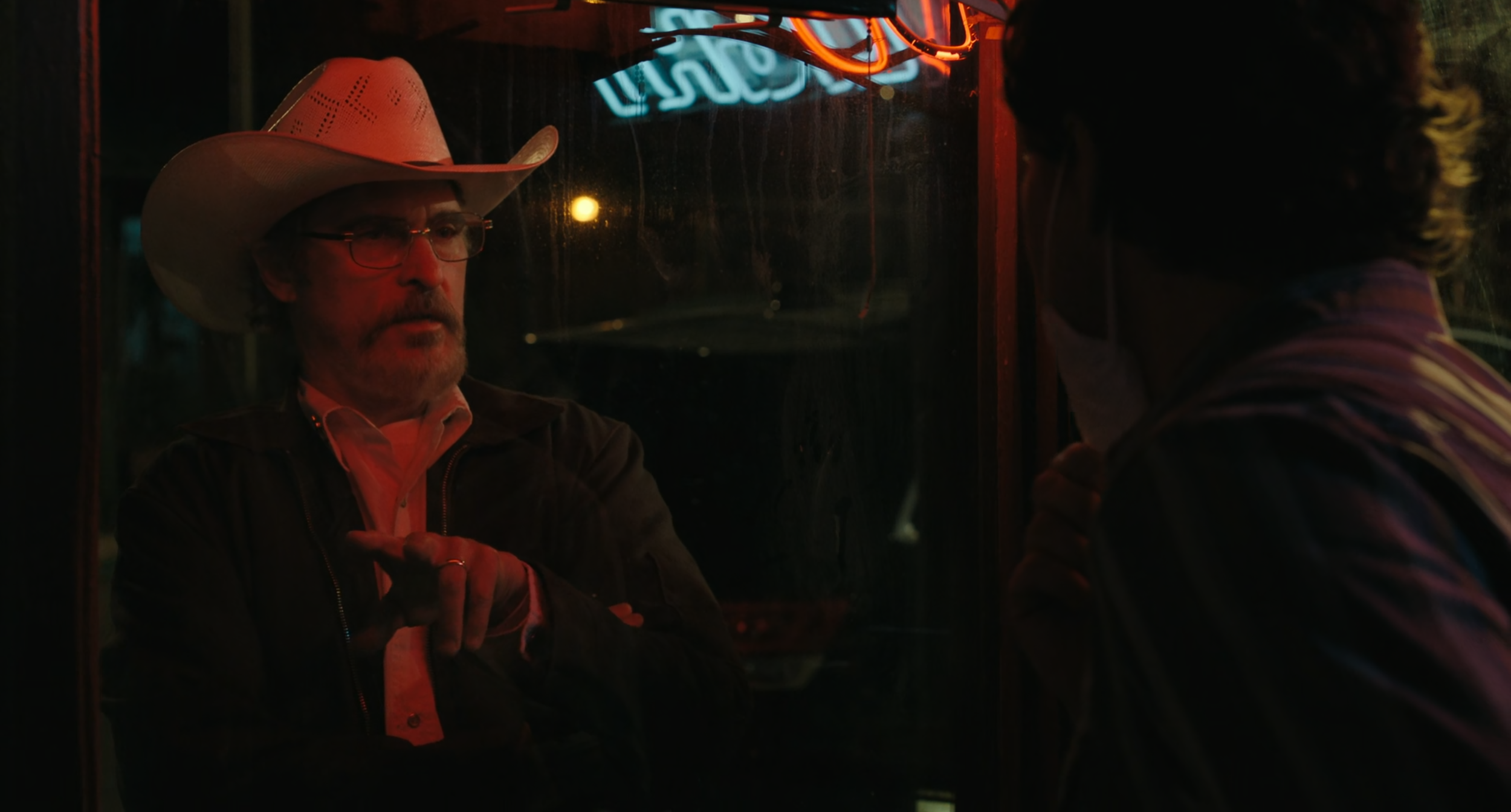
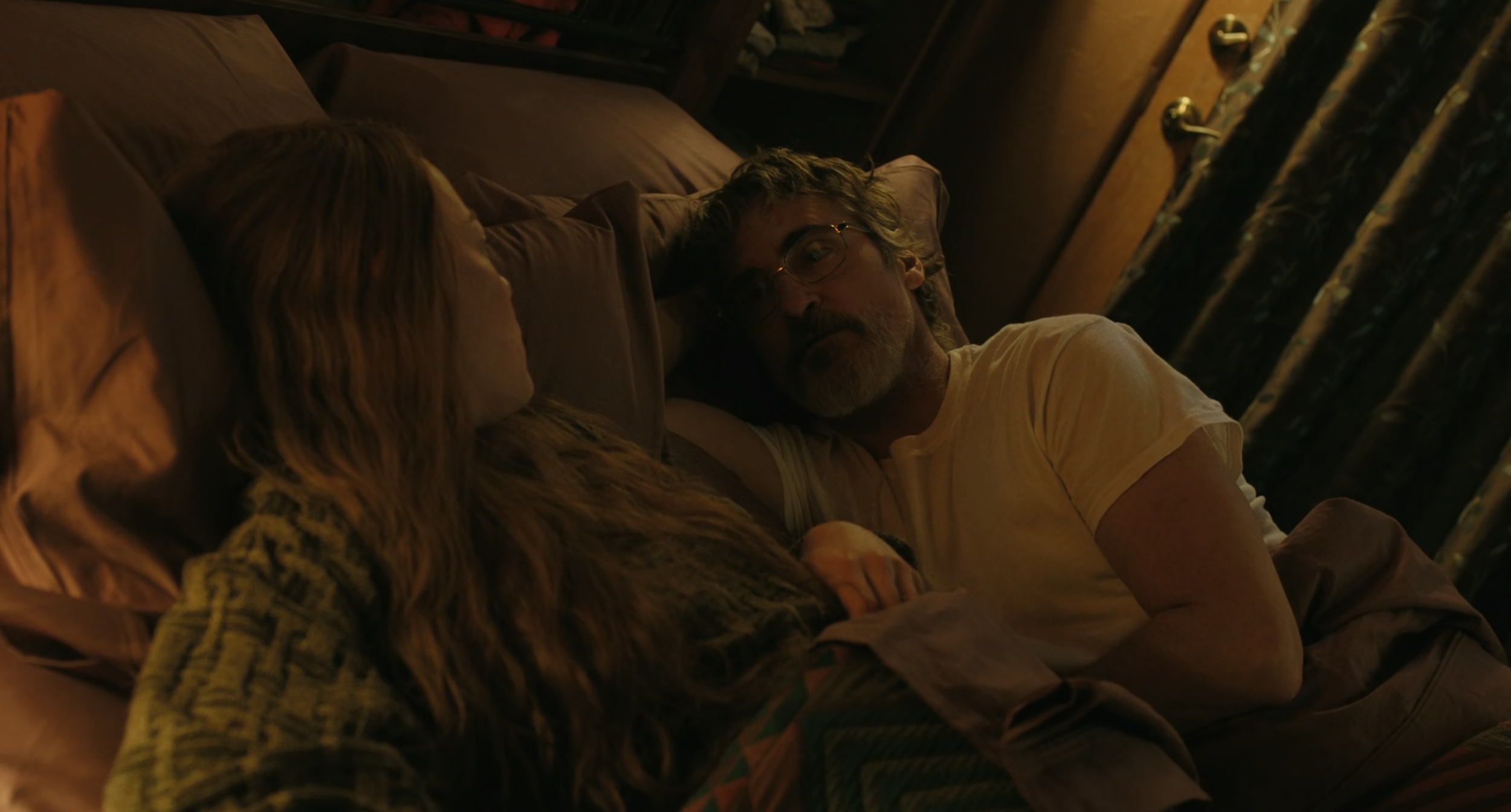
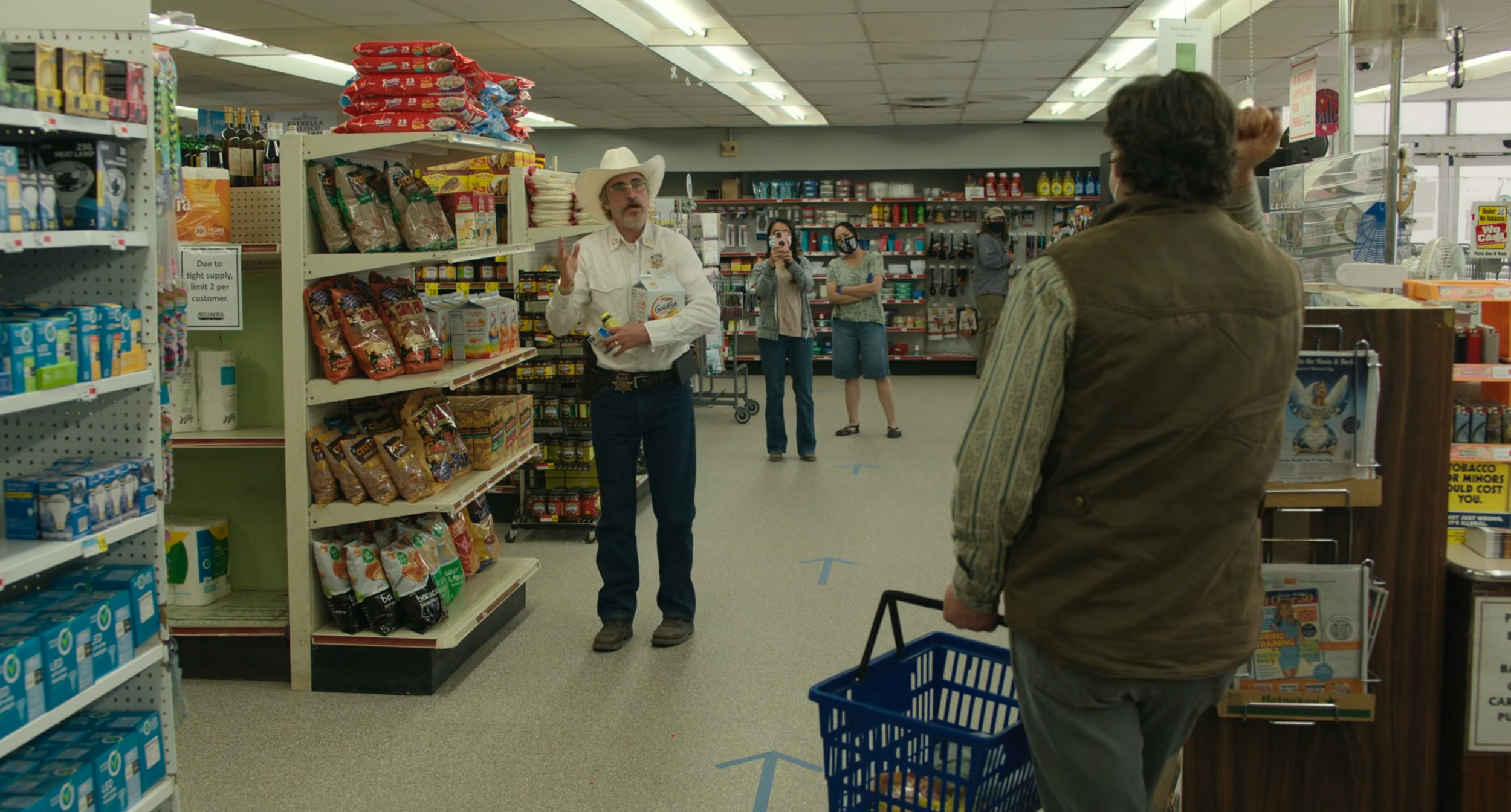
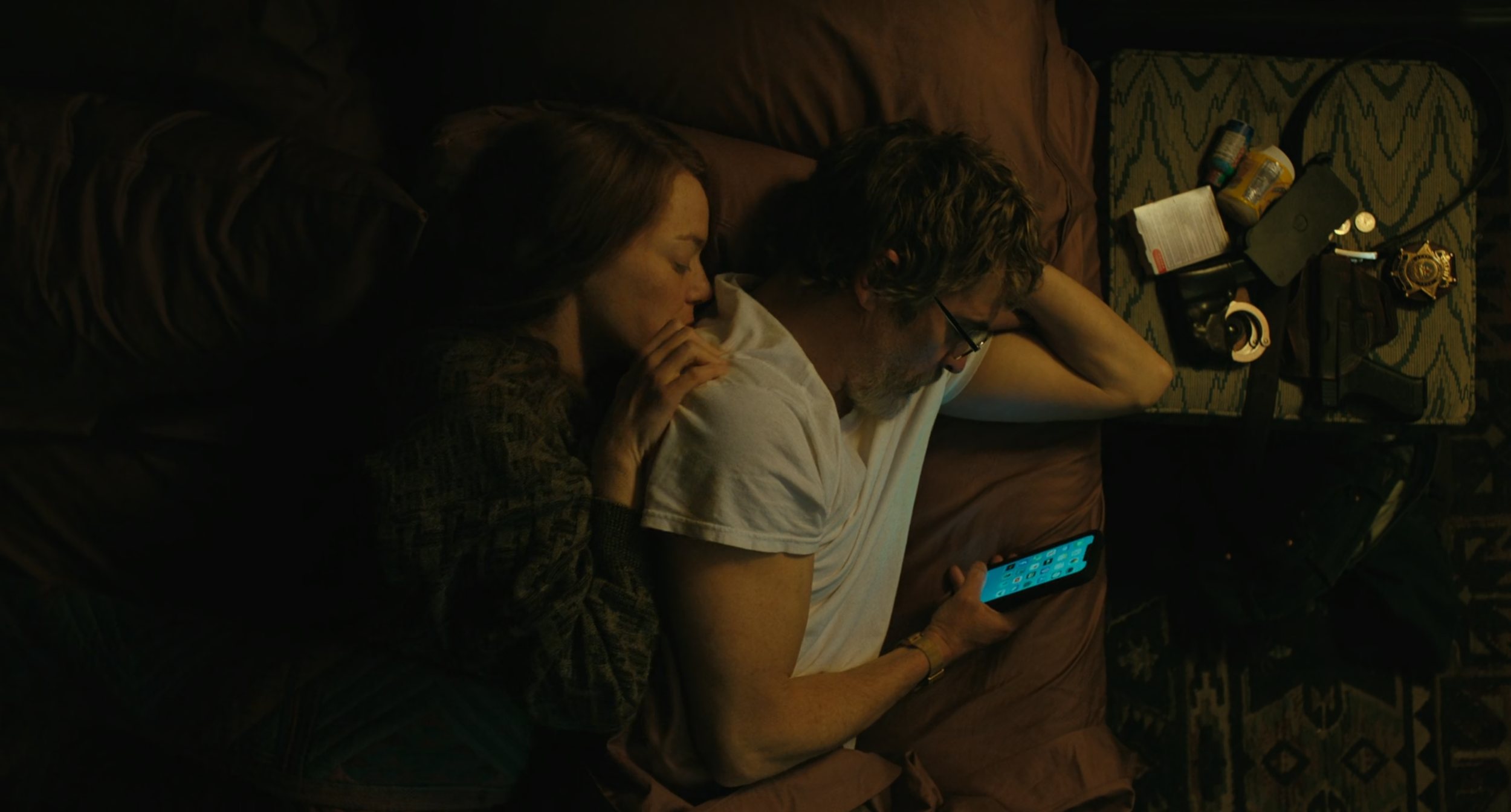
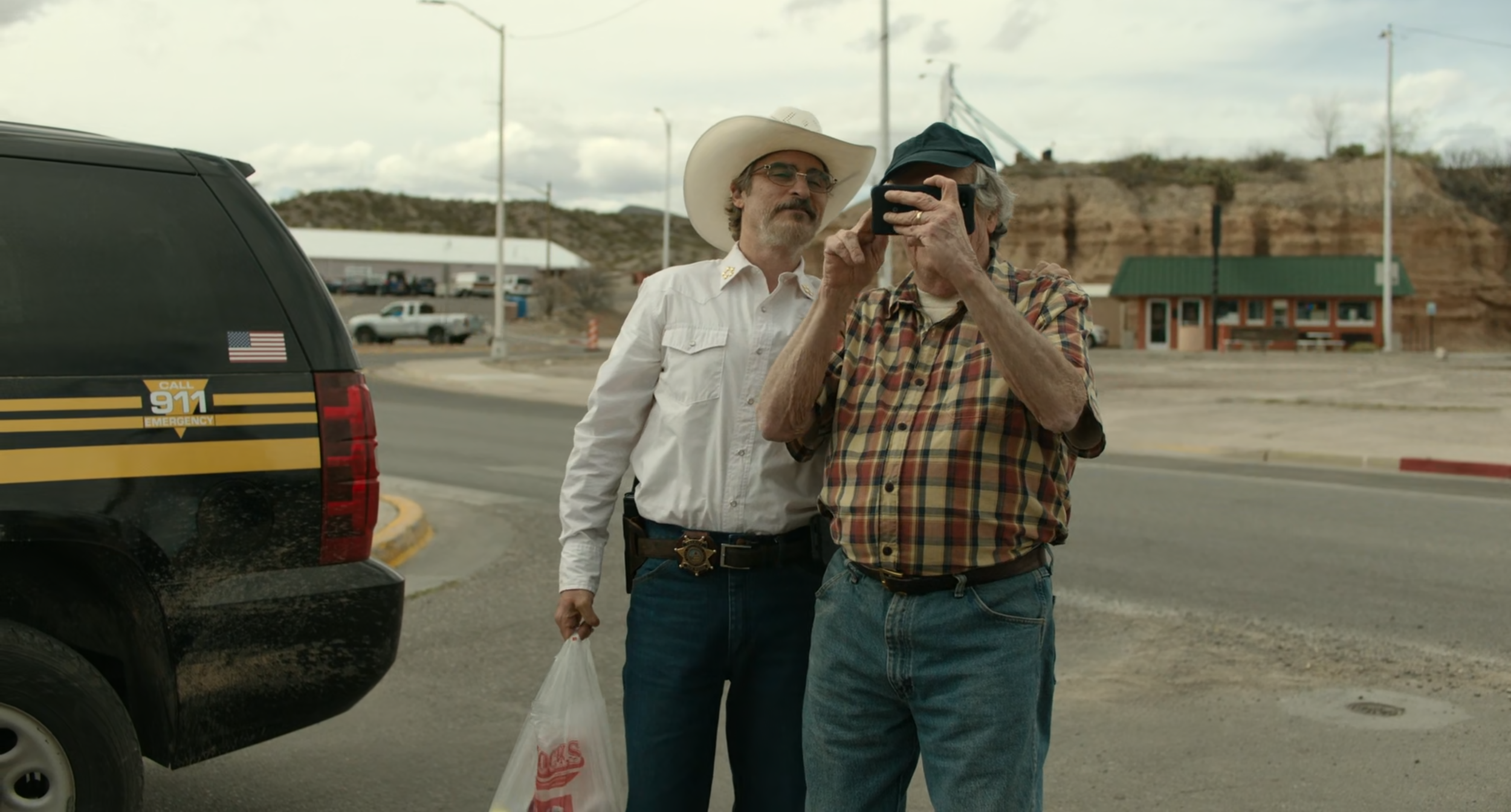
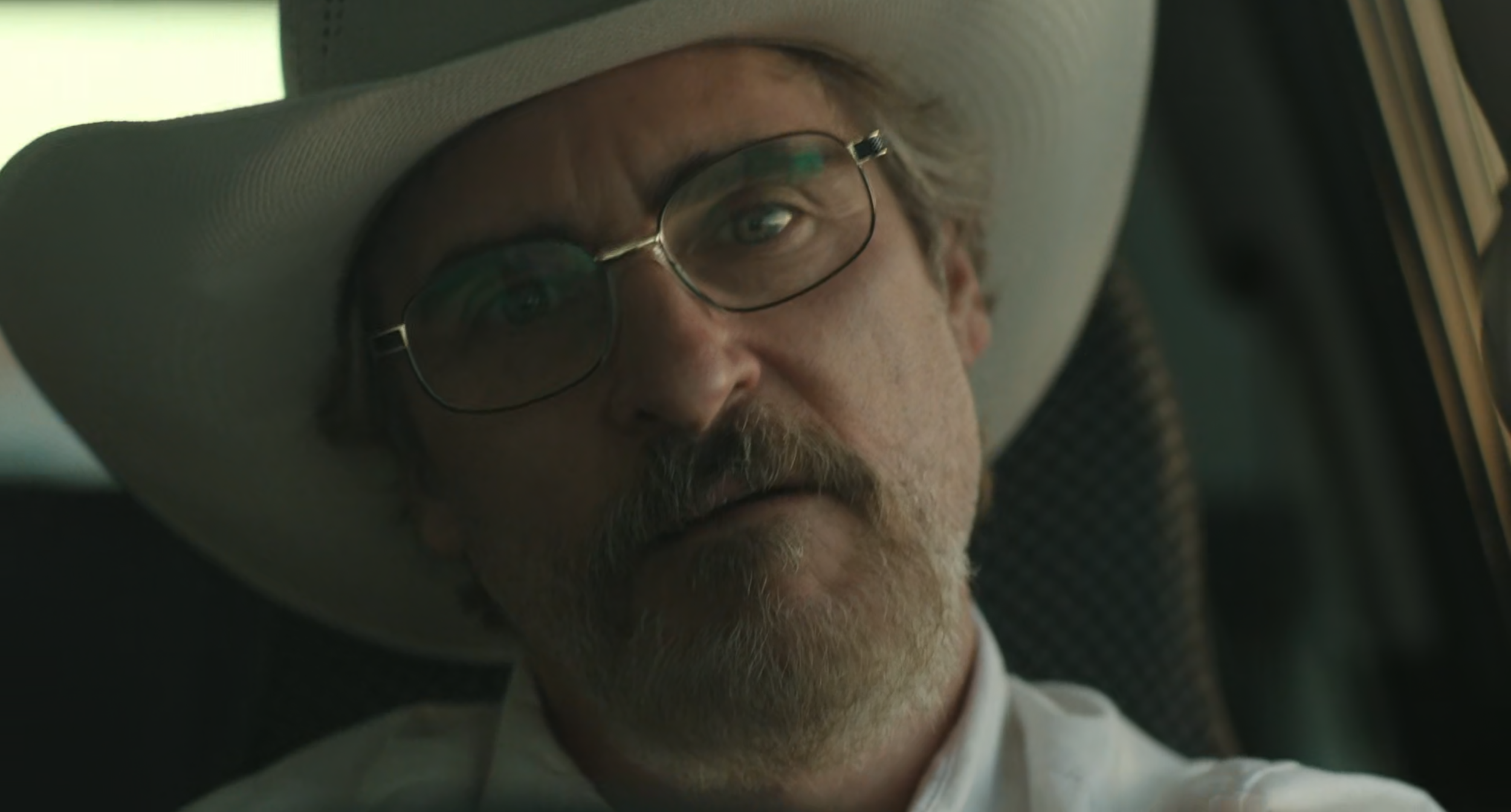
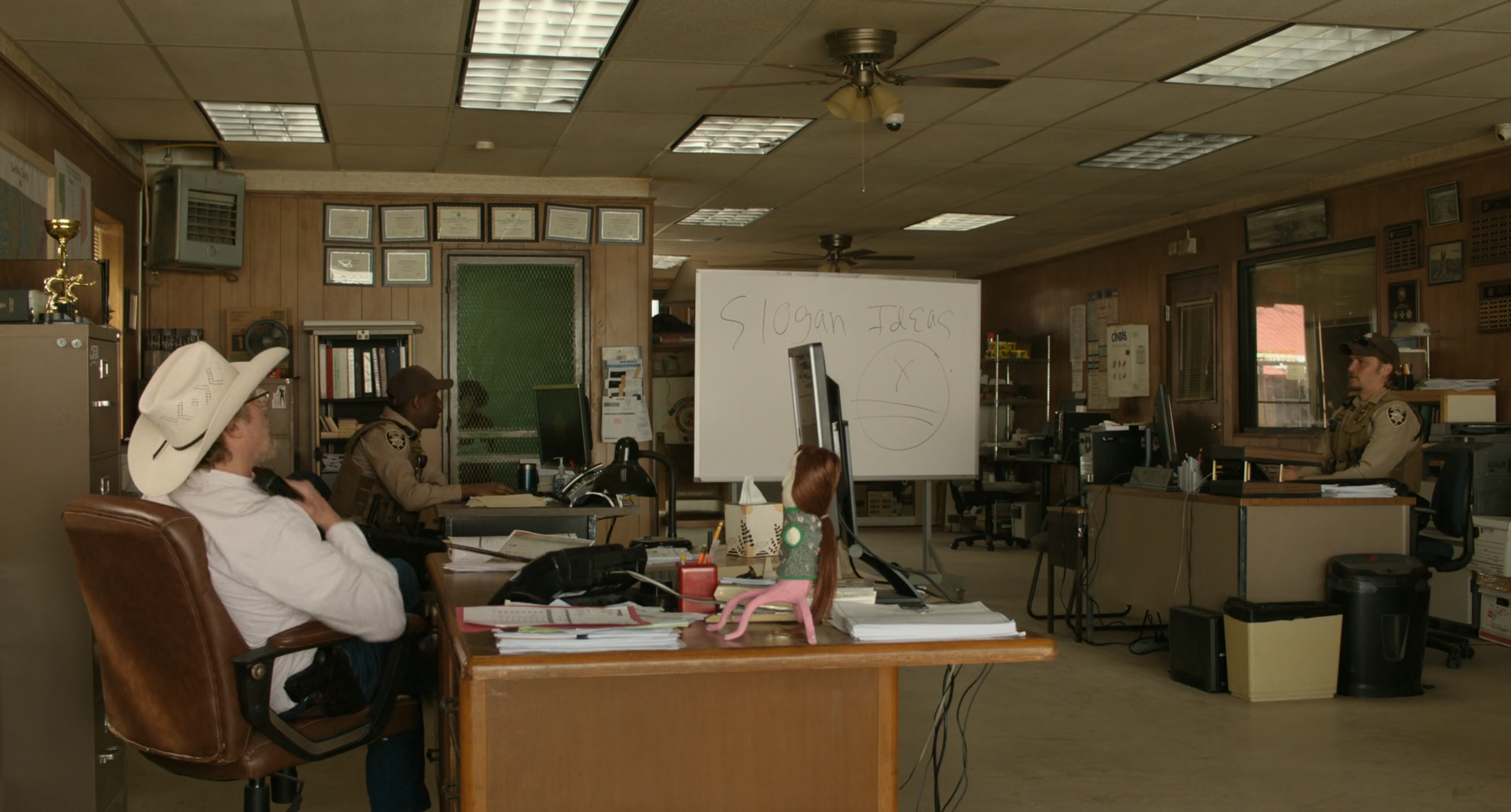
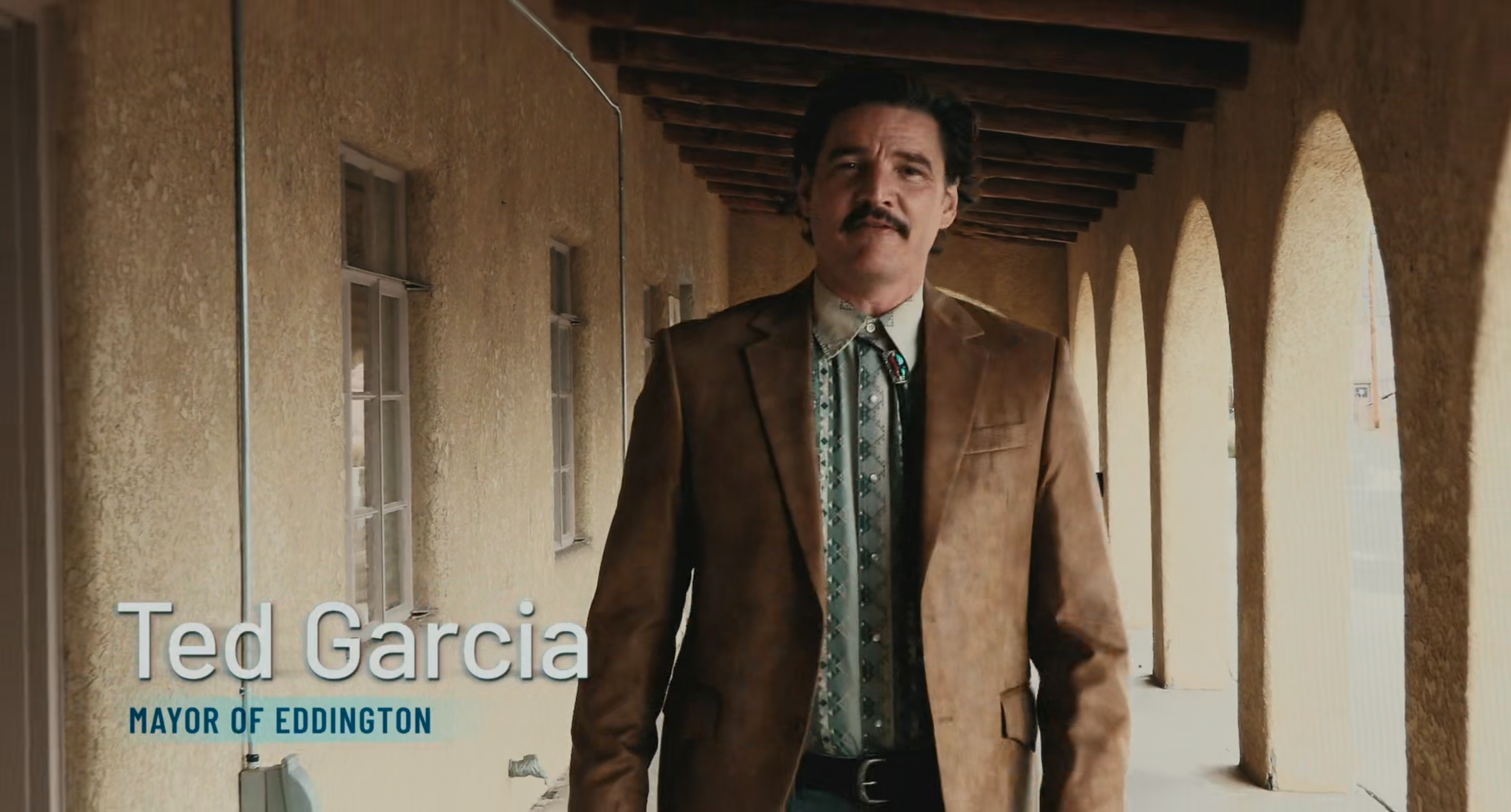
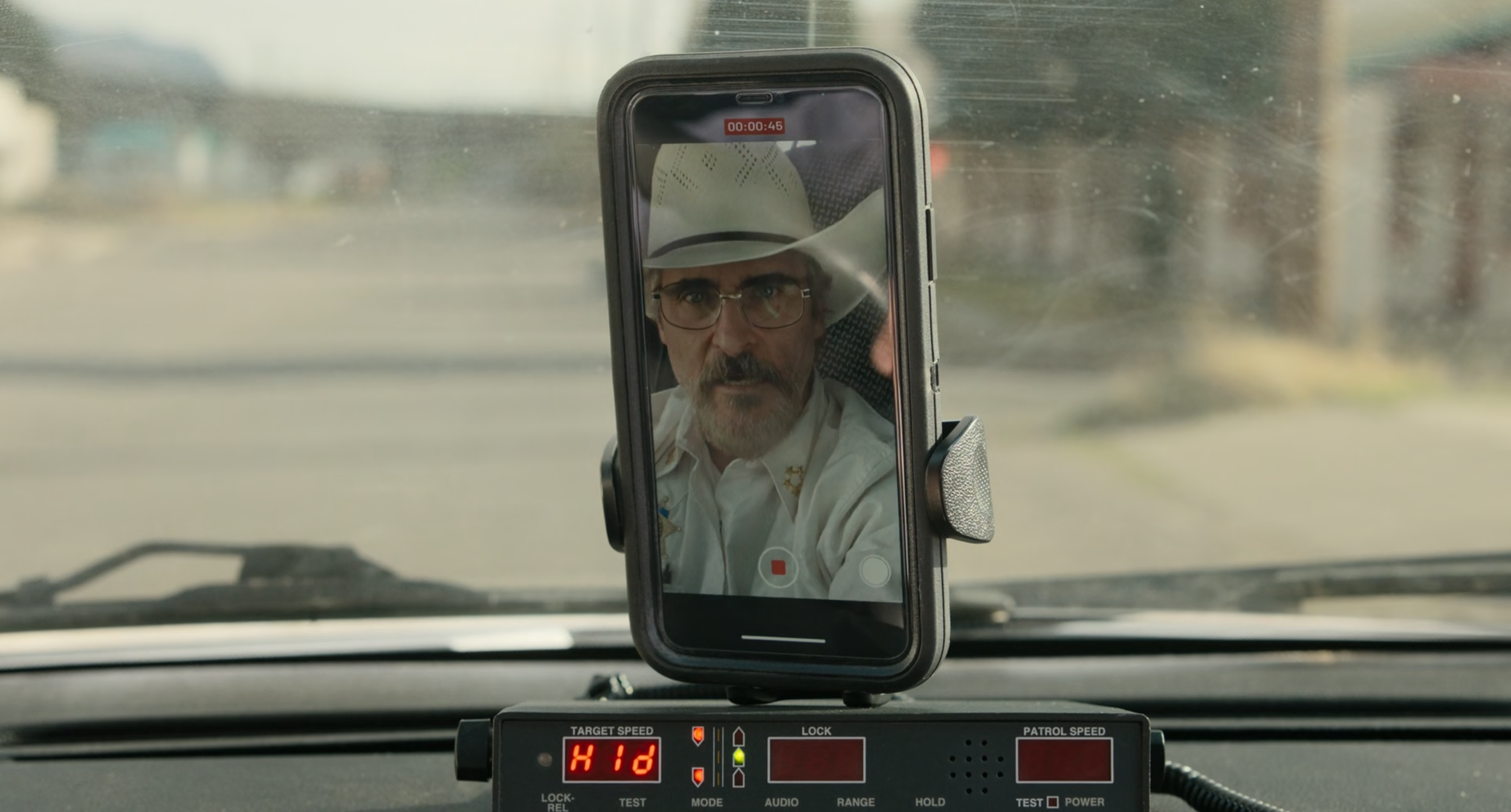
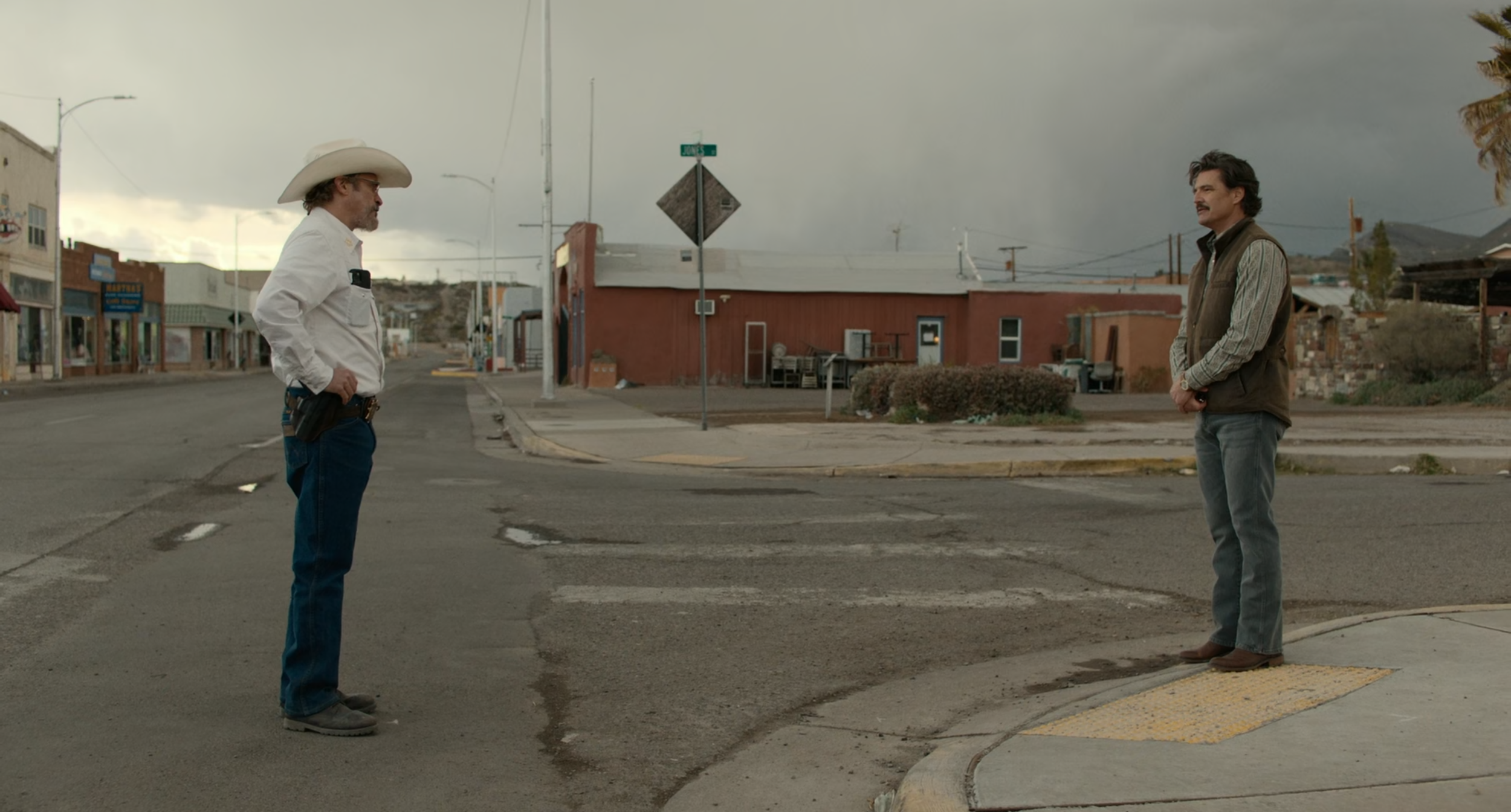
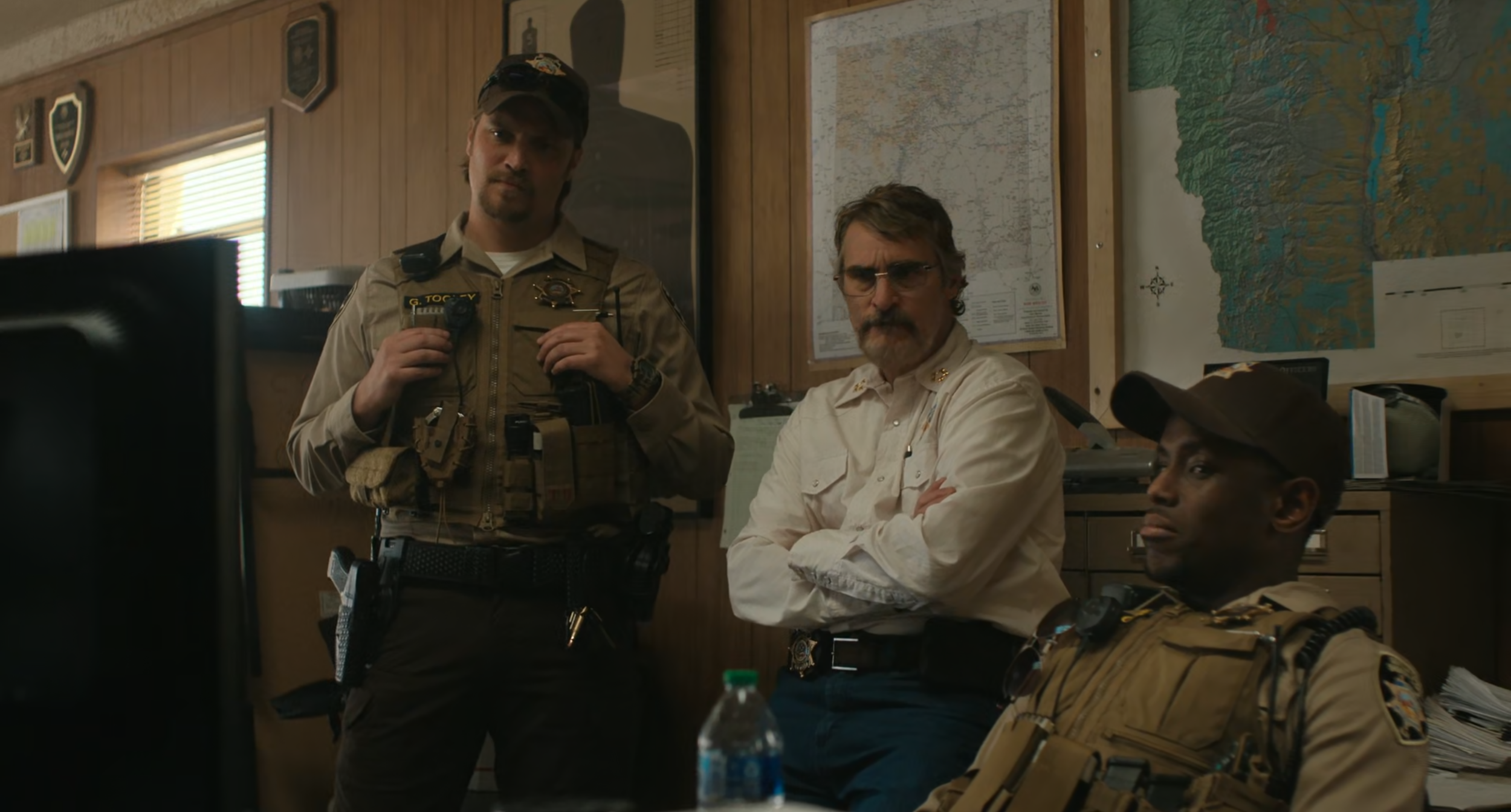
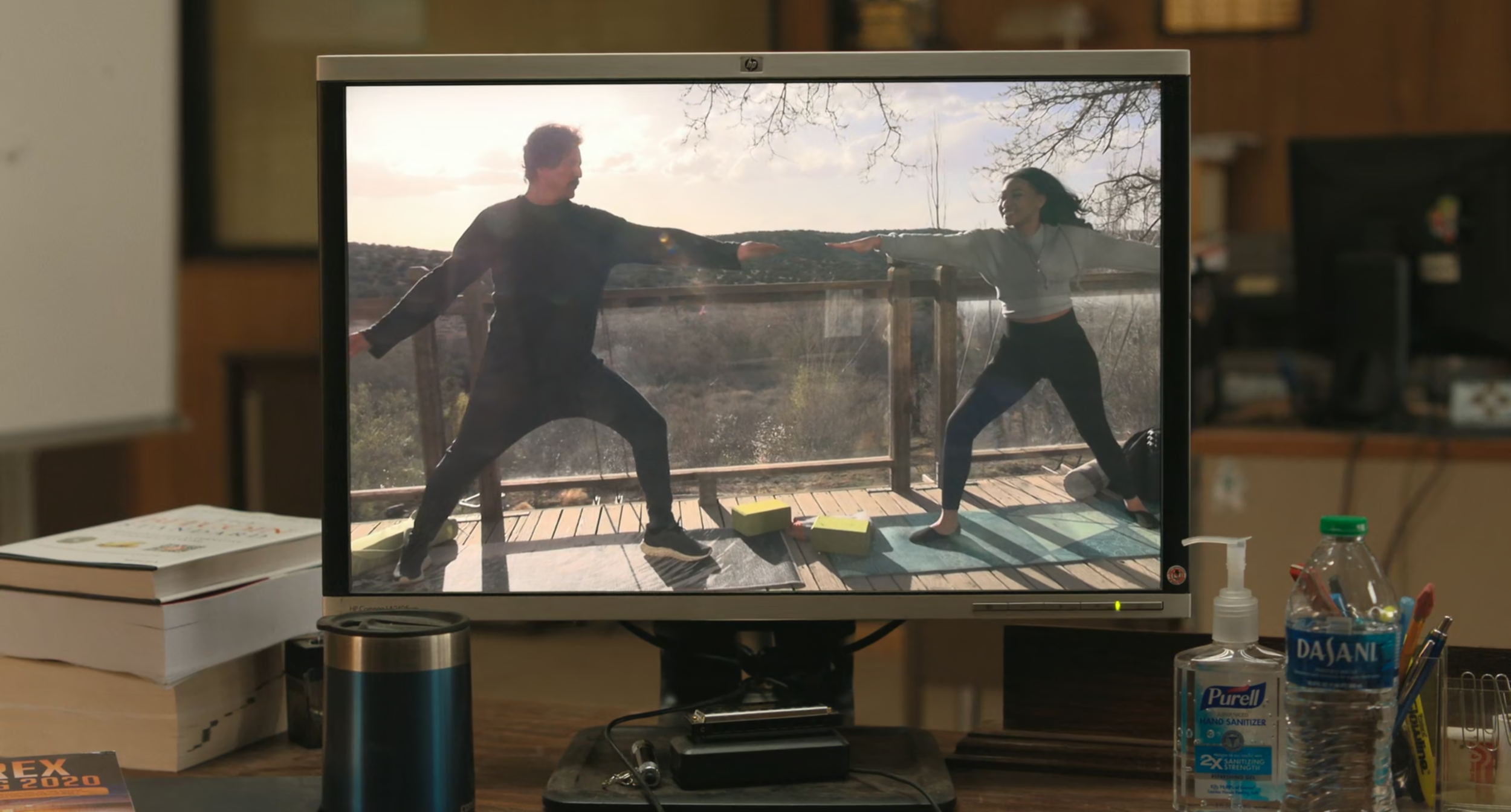
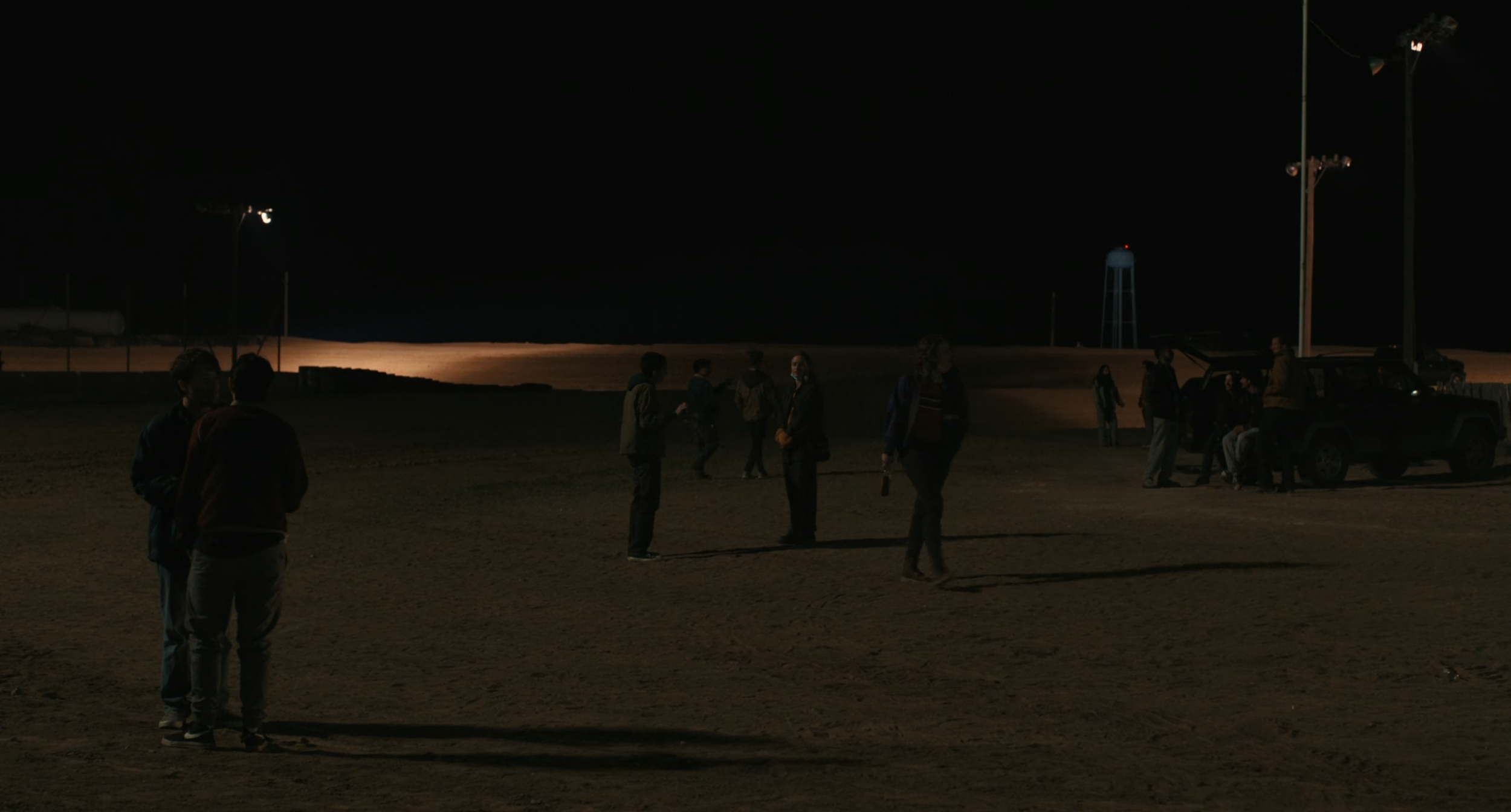
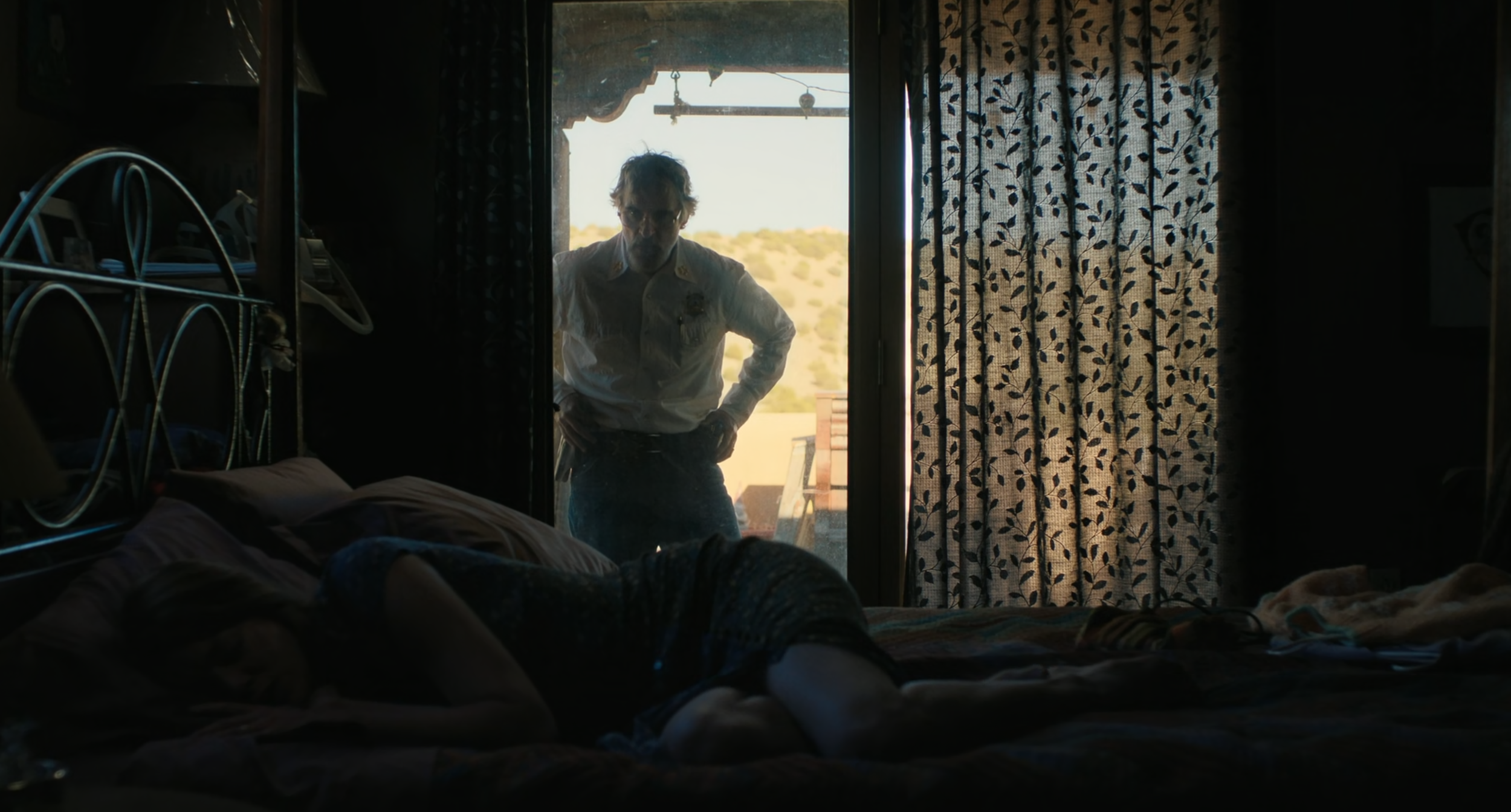
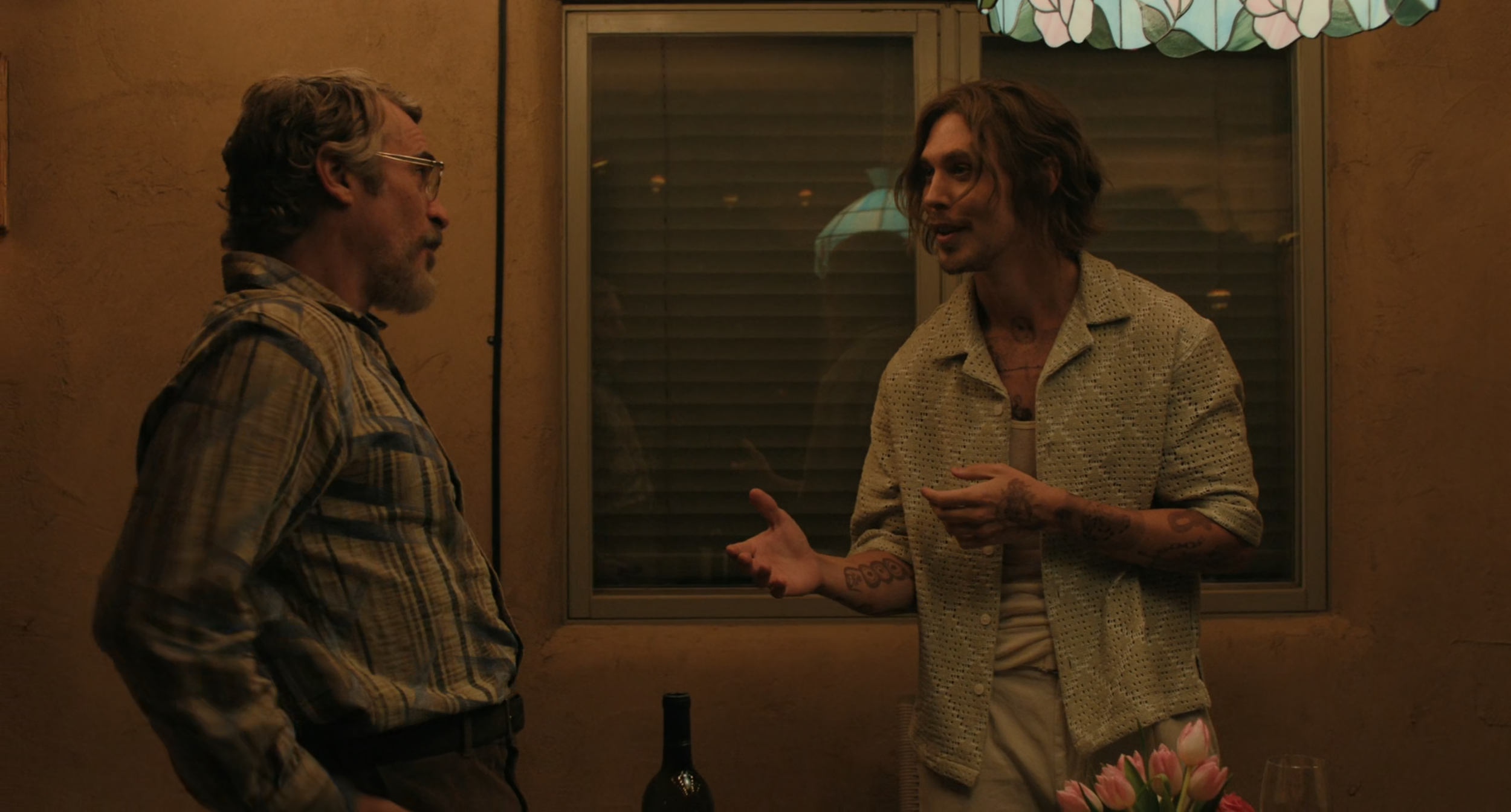
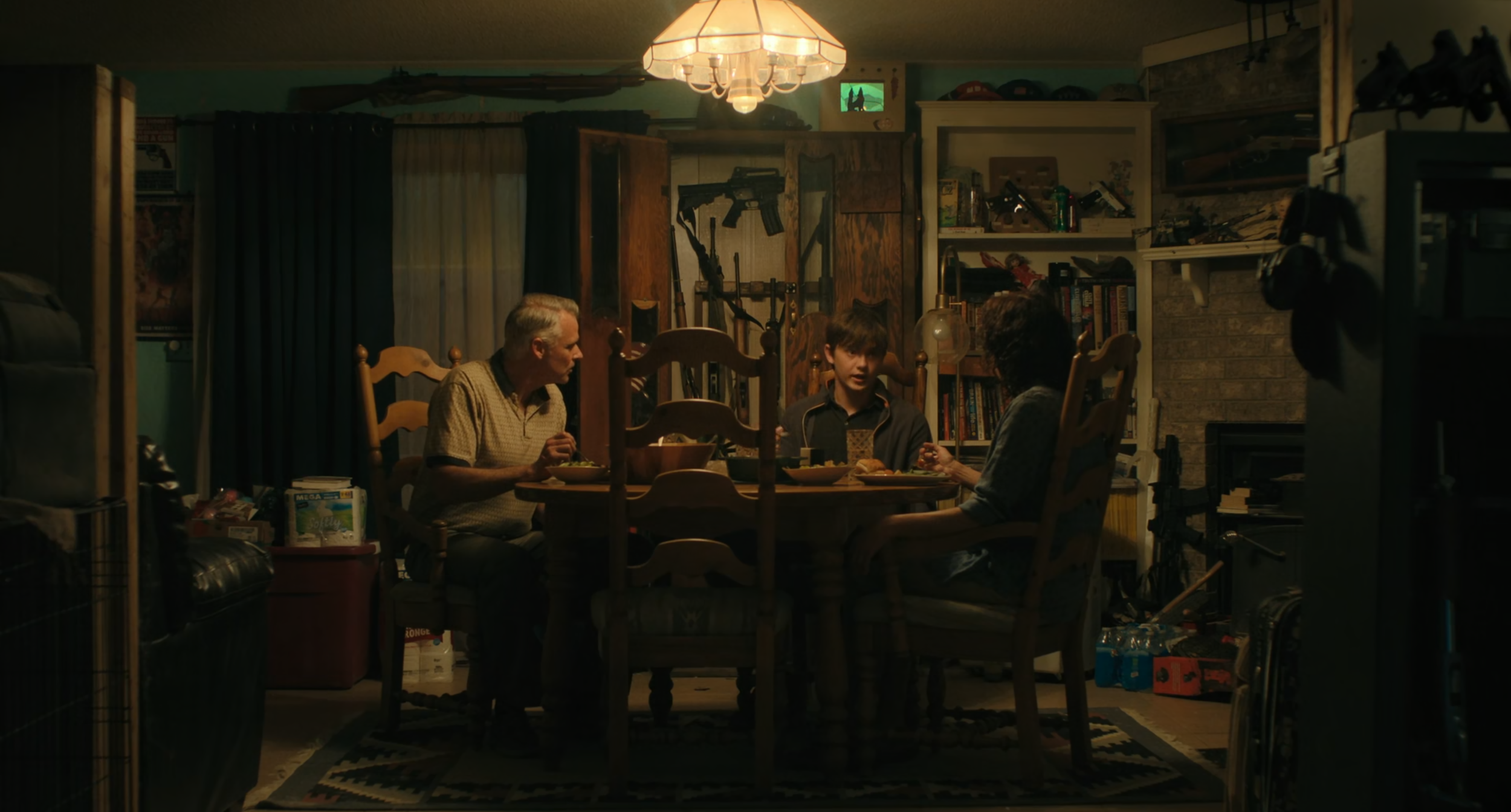
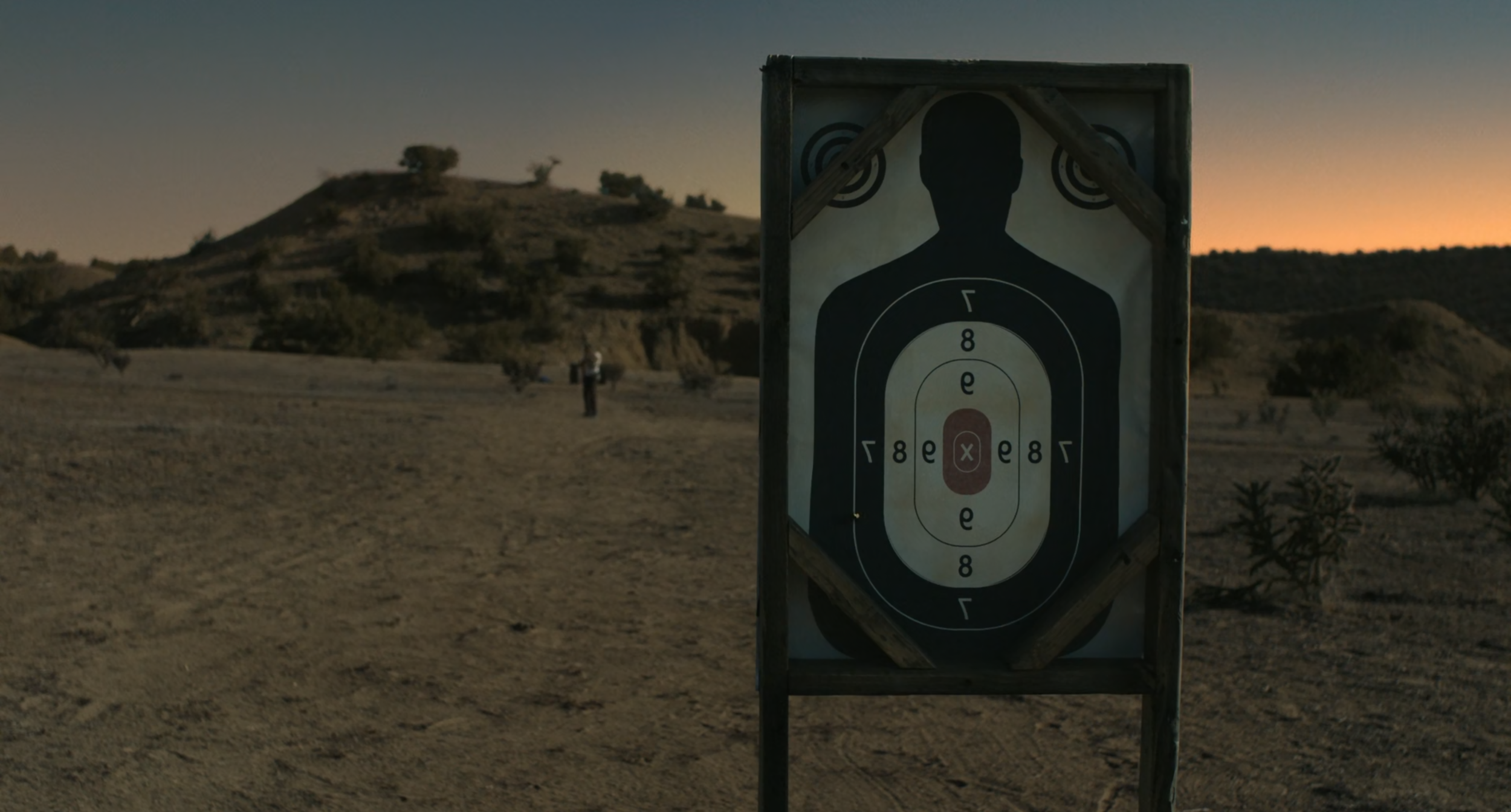
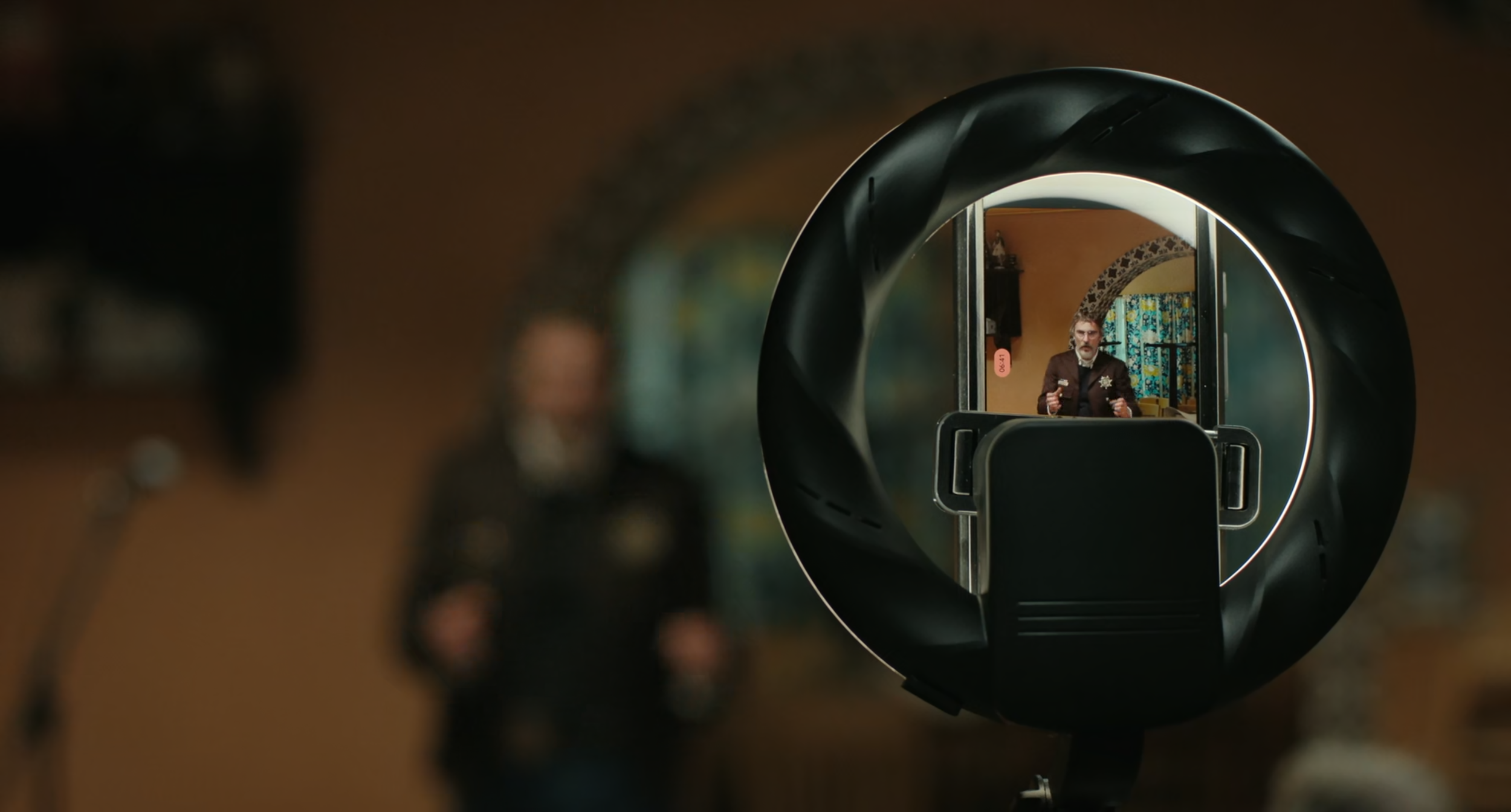
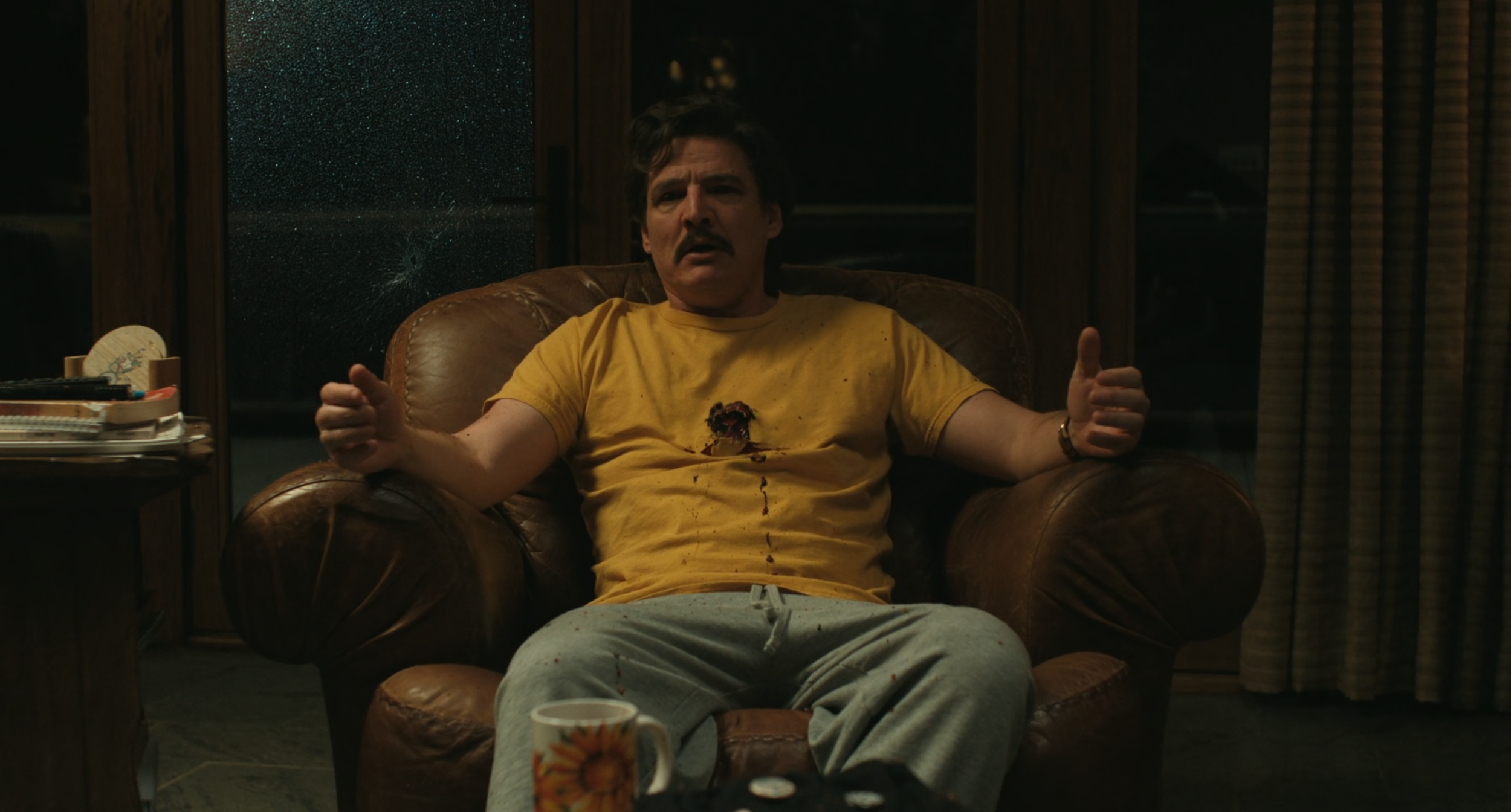
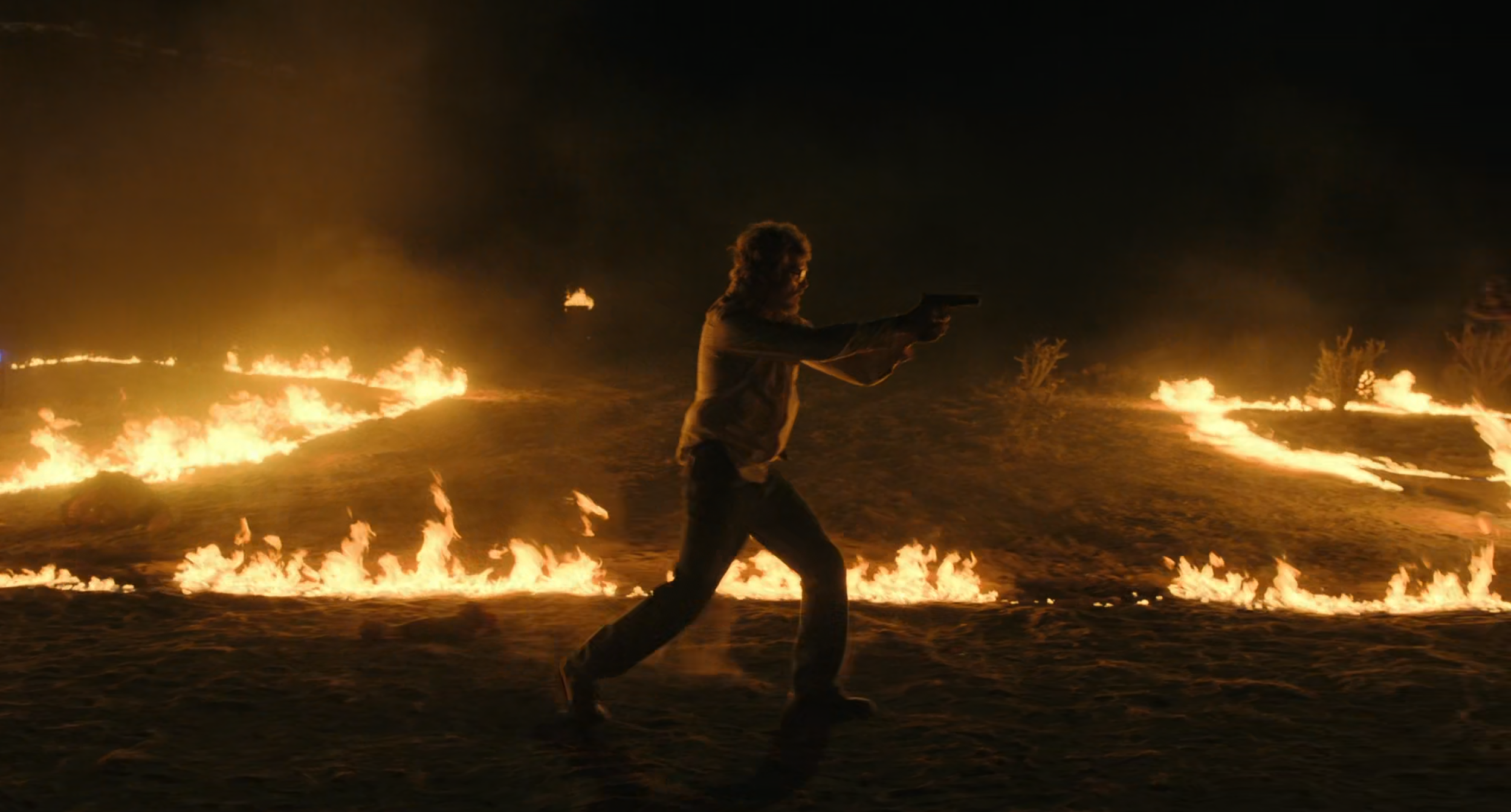
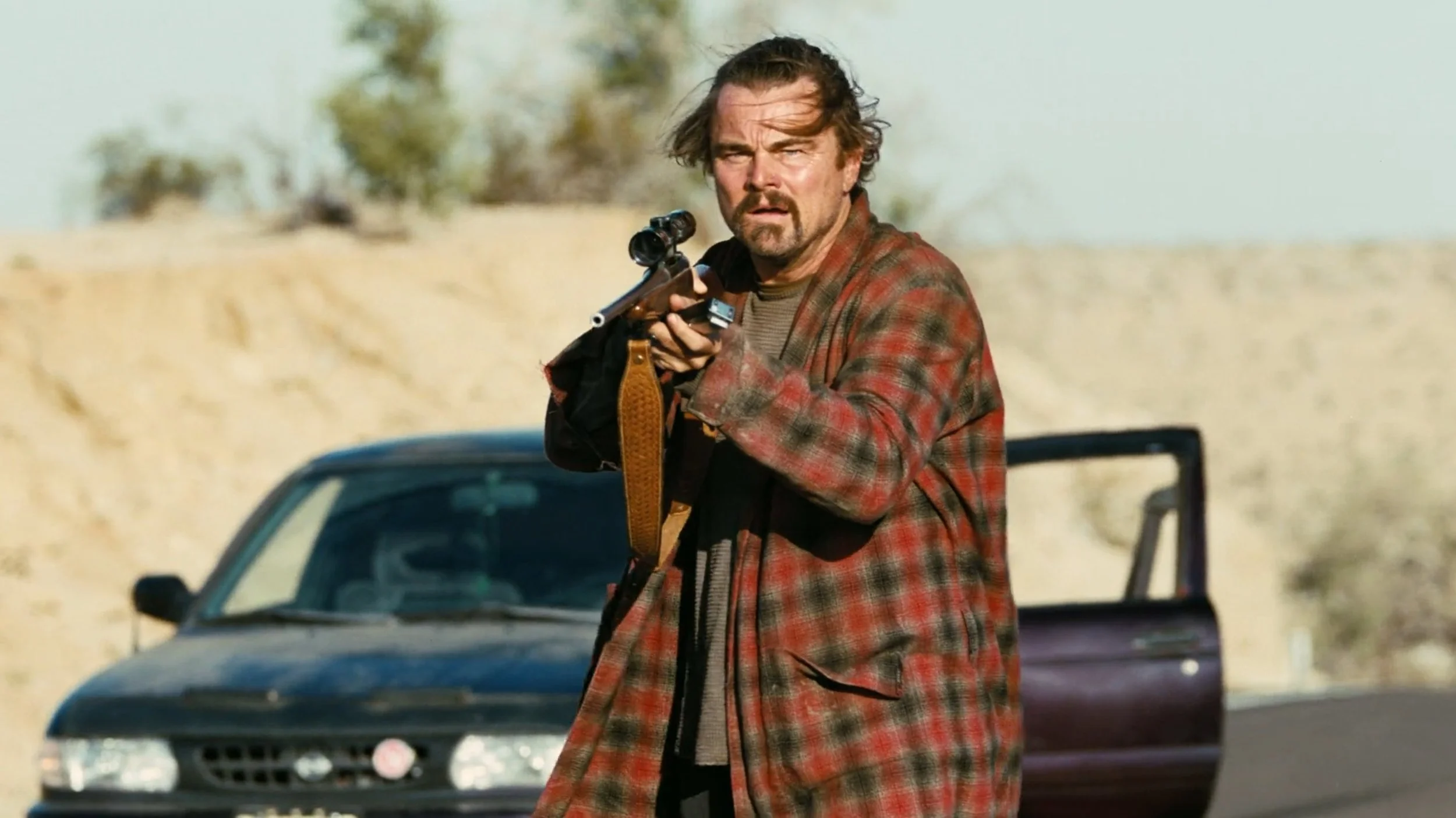
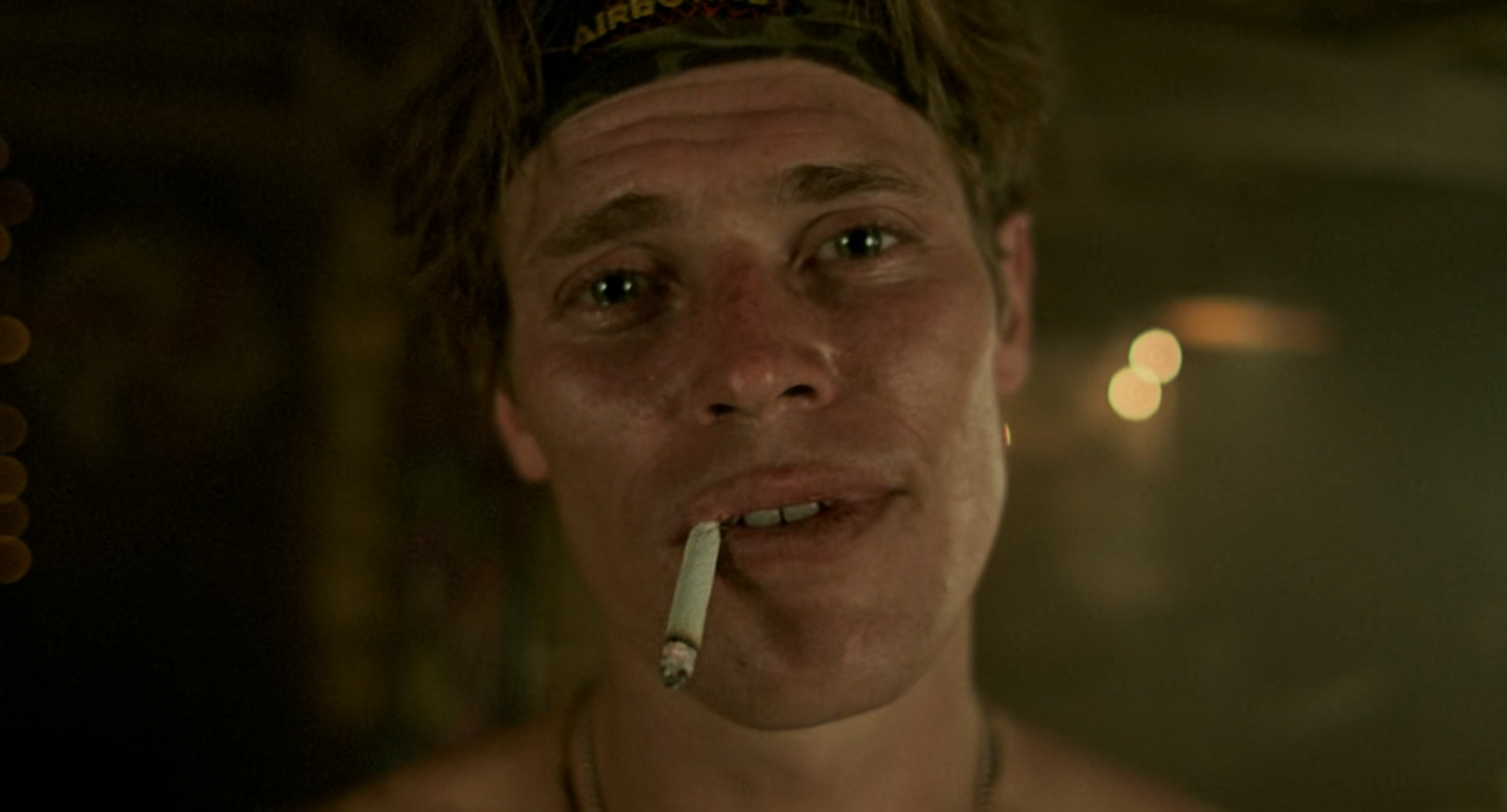
In the words of Ari Aster, Eddington is the movie that Twitter made. Much of the material stems from online discussion, so expect the worst, most polarizing views and all the conspiracy theories. Aster mocks while representing both sides of the political spectrum with nuance. It’s not common to have an overtly political film in modern times, the last effort perhaps being a lukewarm Civil War. The film also draws inspiration from westerns like No Country for Old Men with a surprisingly full throttle action sequence. Covid 19 may very well have built the groundwork for future neo westerns. Joaquin Phoenix does a fantastic job as the idealistic town sheriff, commendably someone he probably doesn’t align with. The presentation has ups and downs and is mostly bearable due to well paced conflict. However, the film attempts to be objective while also not having much character development for the audience to latch on to. Despite being an event that affected us all so personally, it was somehow hard to connect for me, perhaps because I experienced it through China’s draconian lockdown.
Analysis:
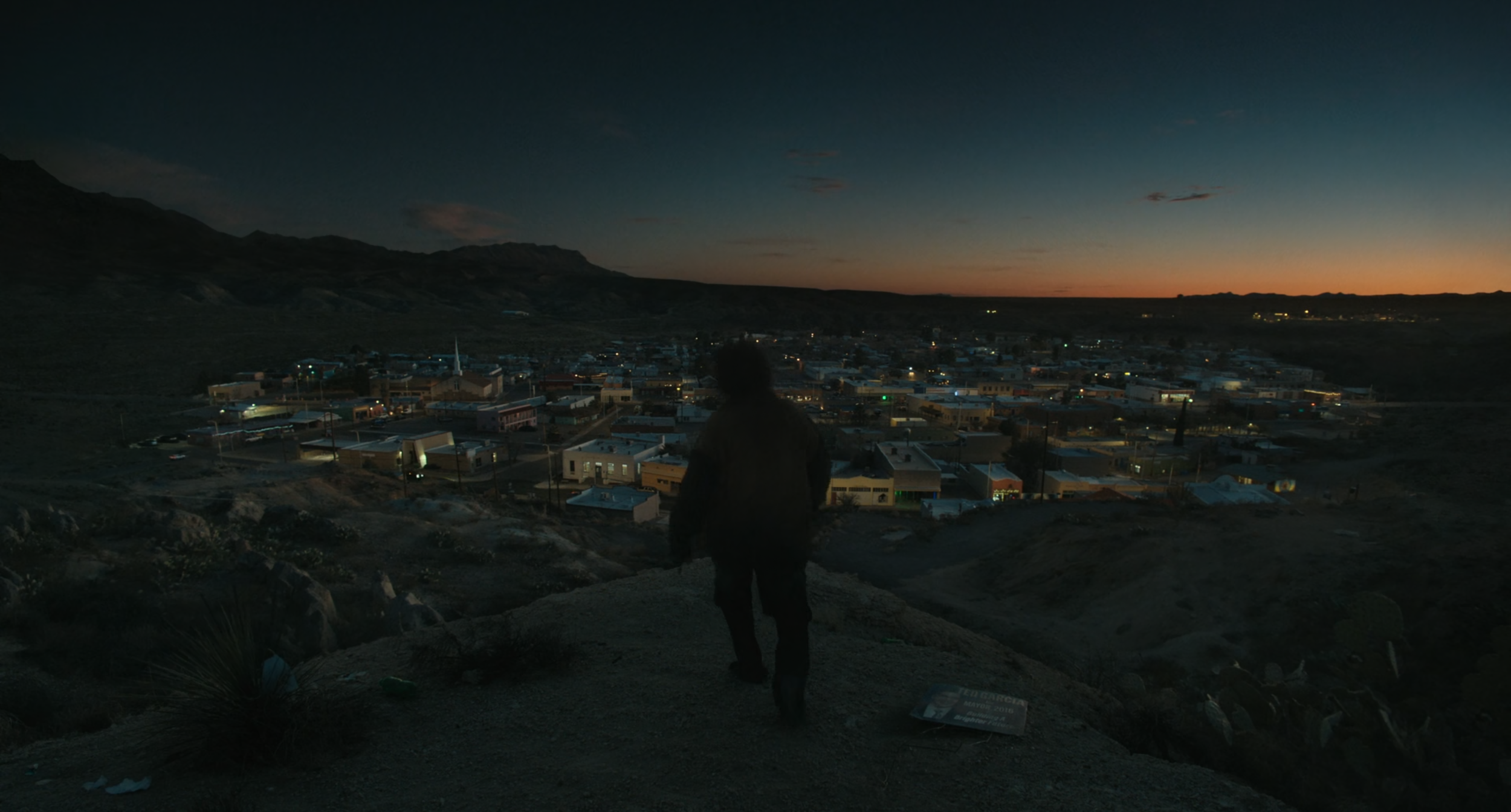
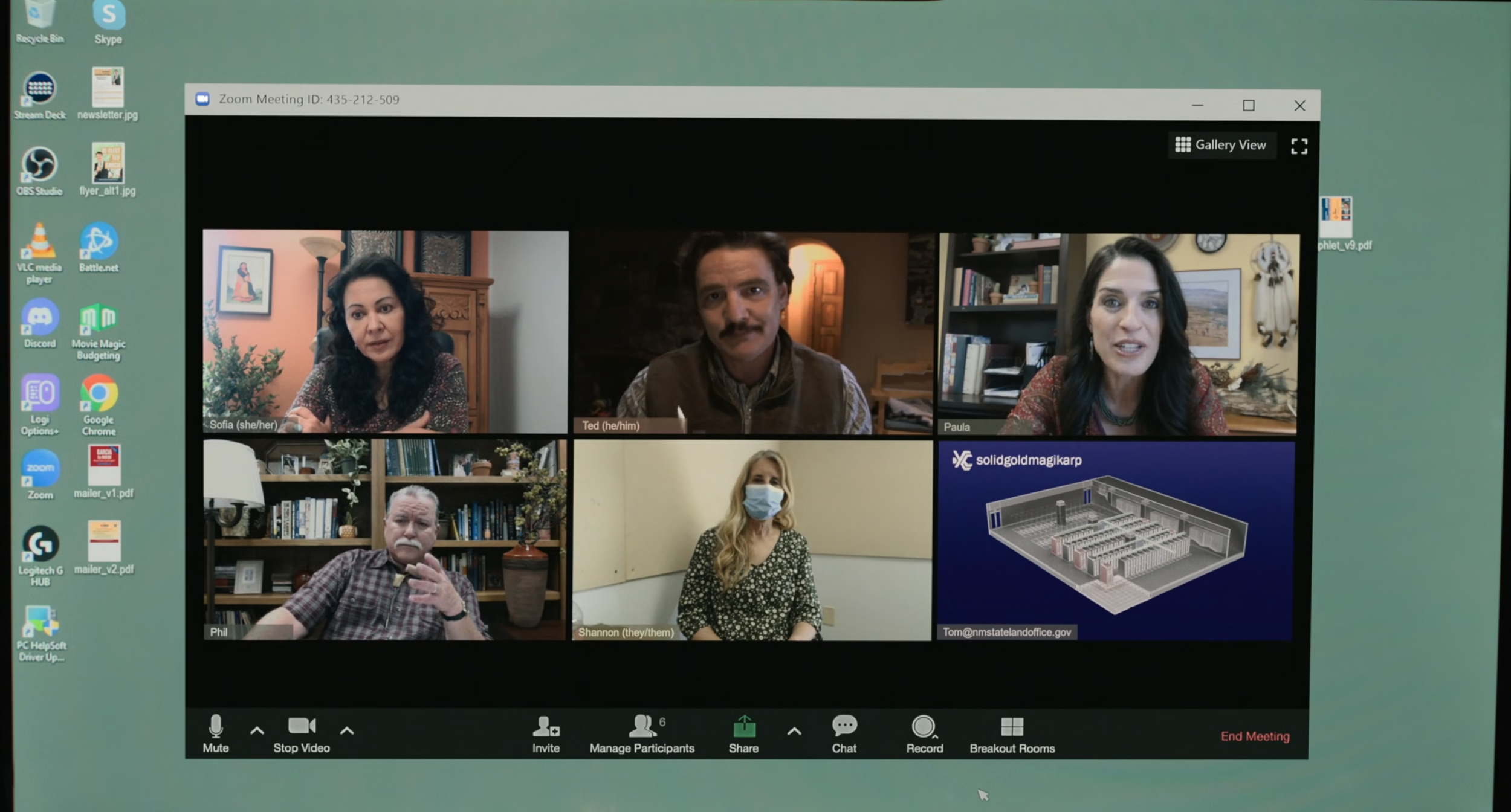
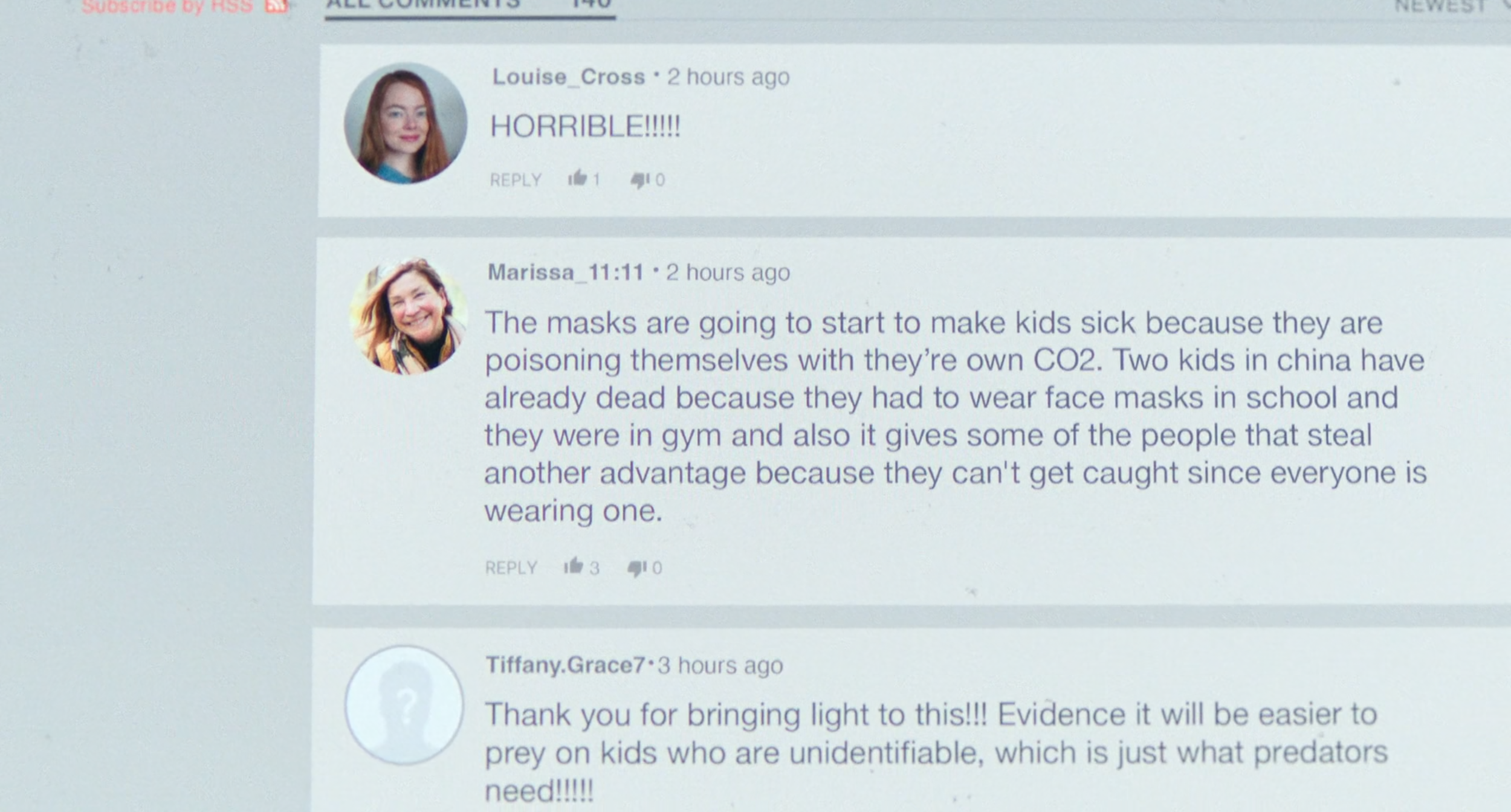
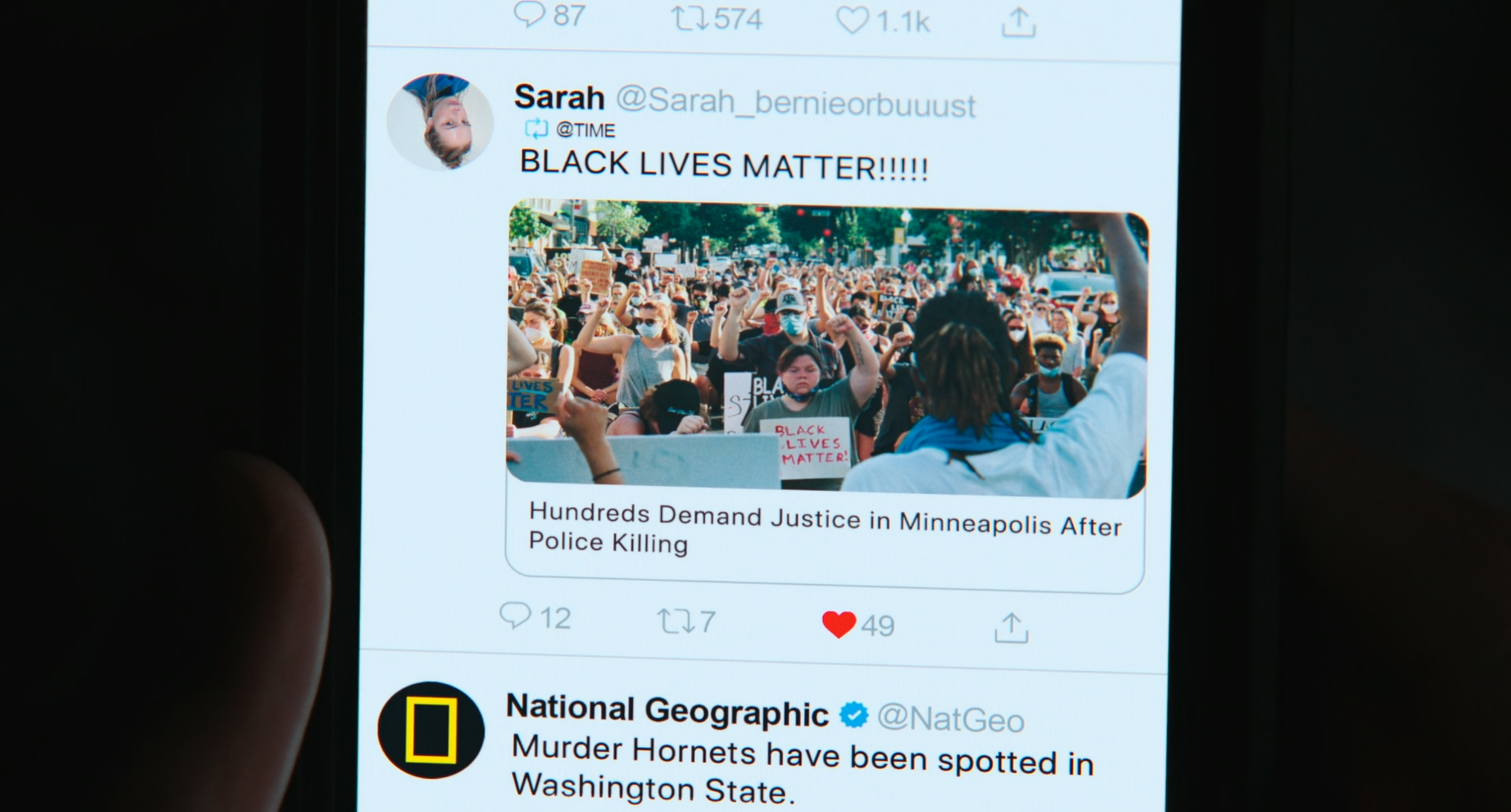
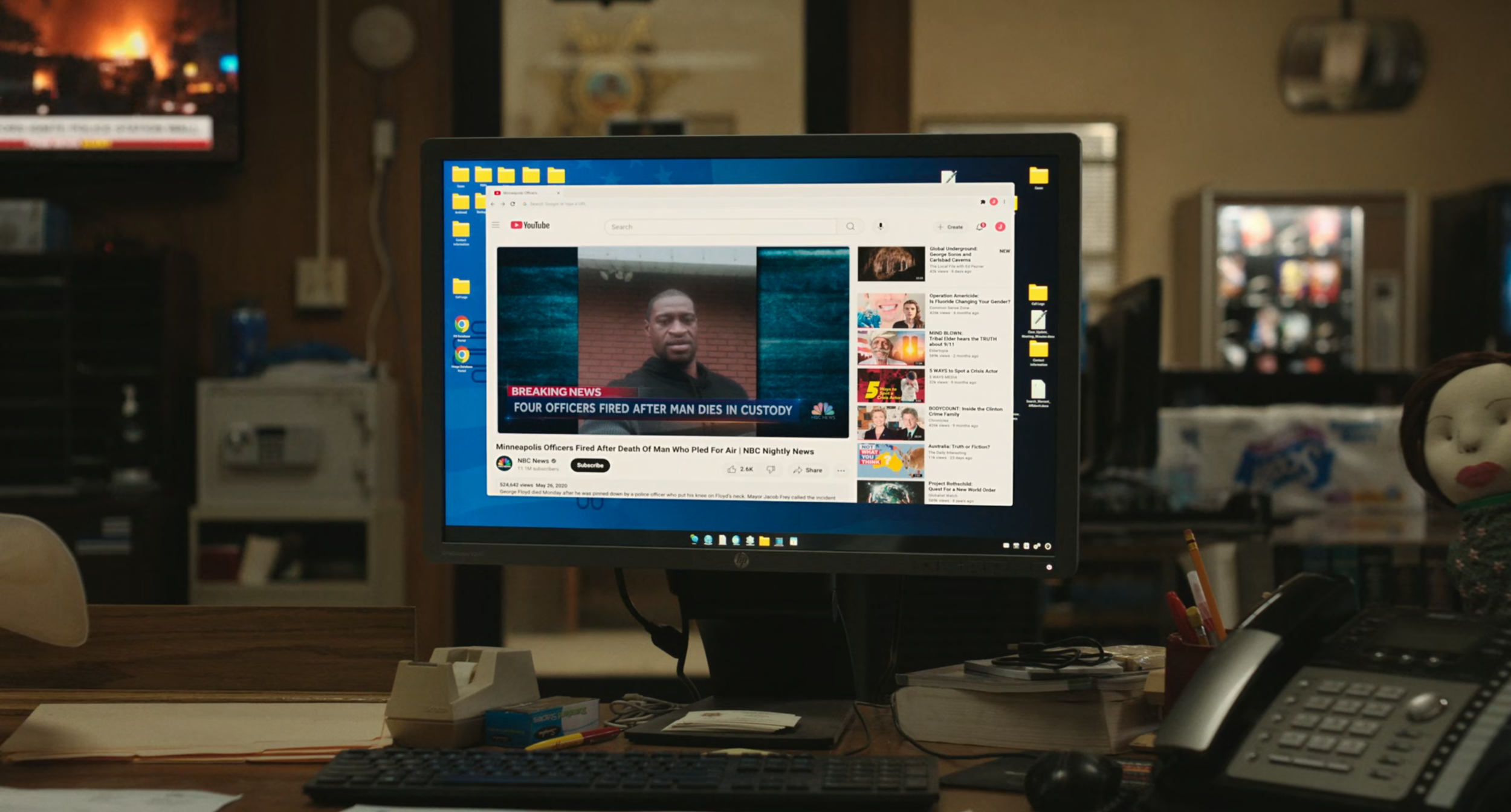
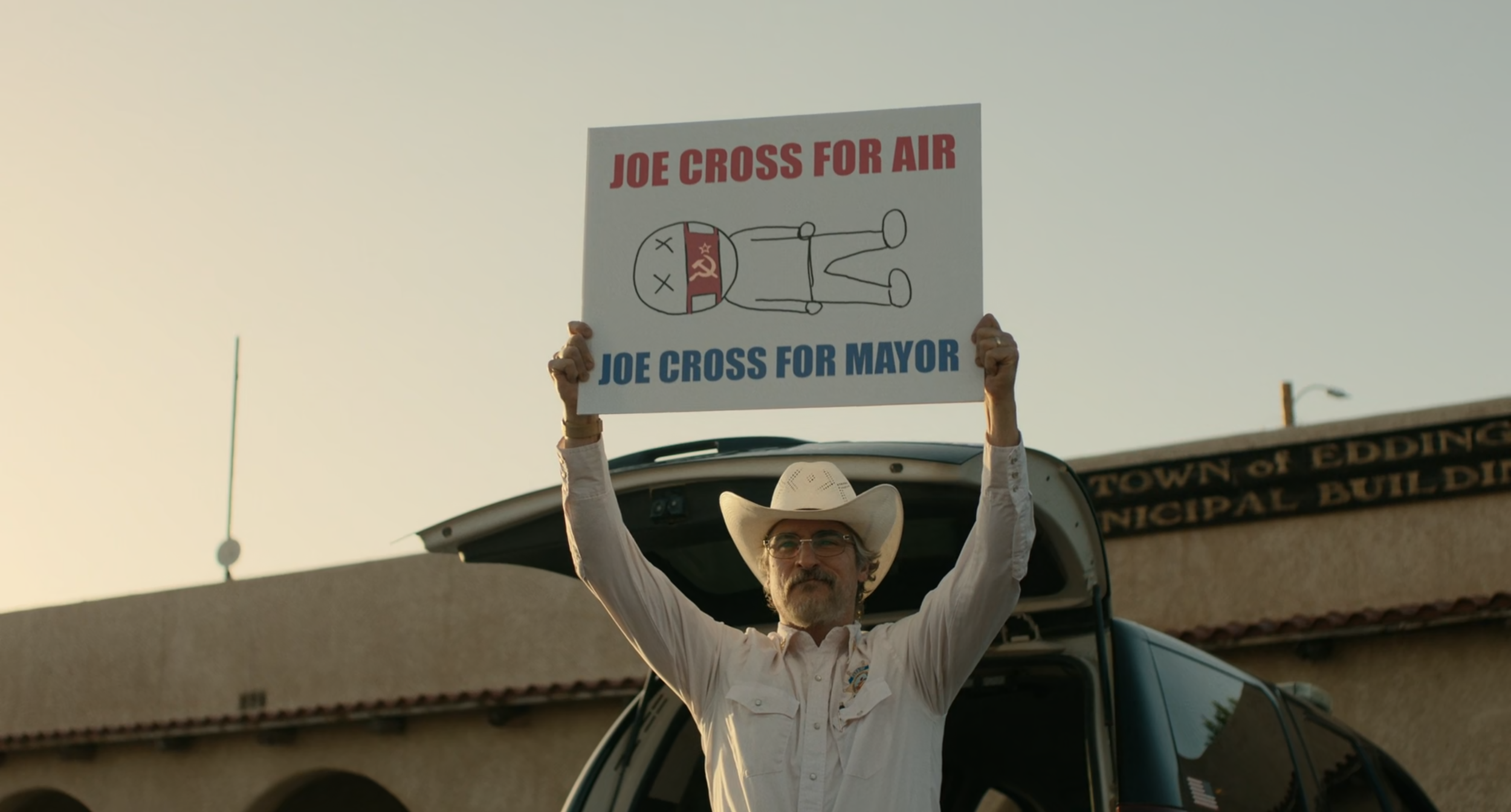
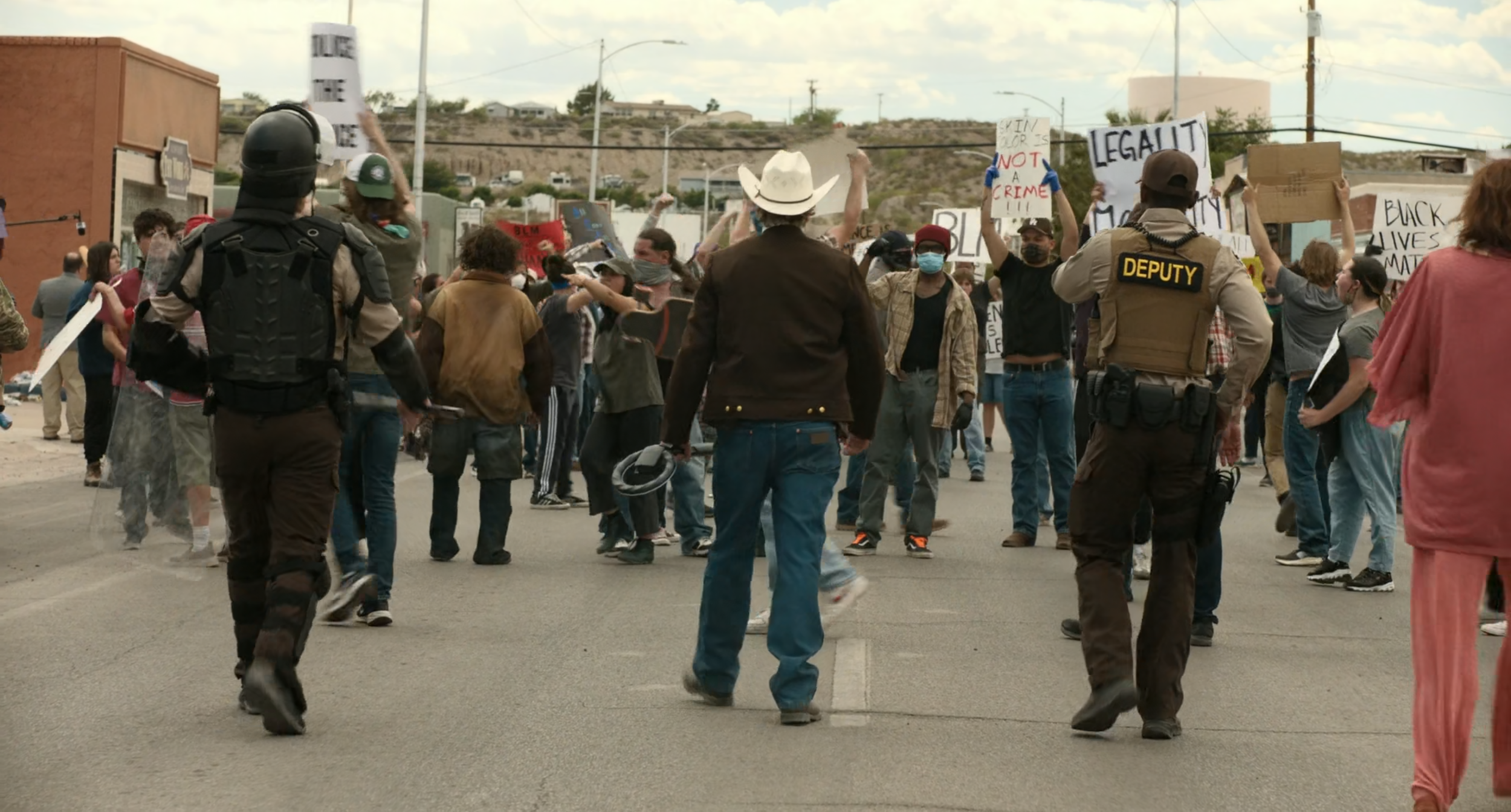
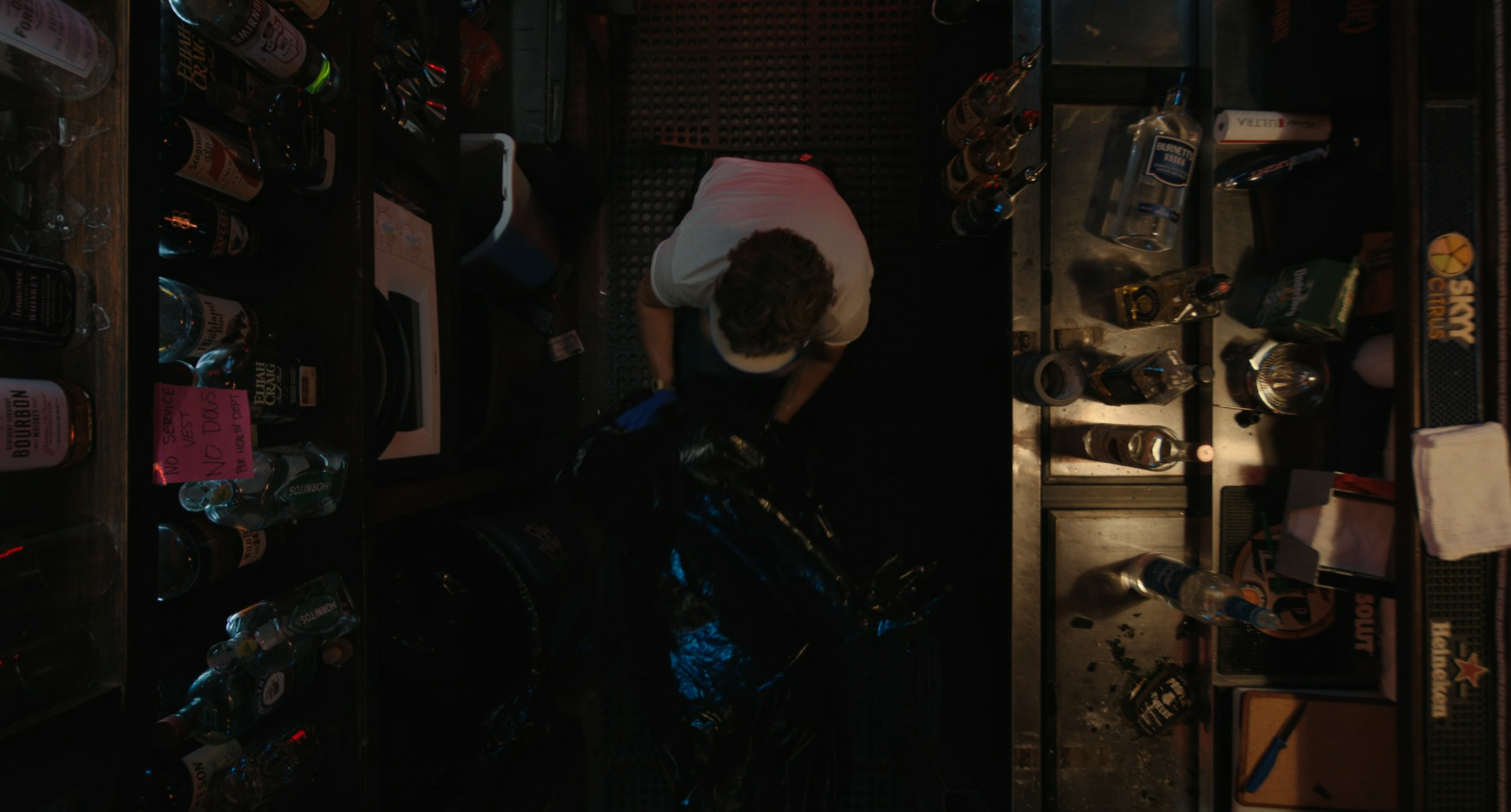
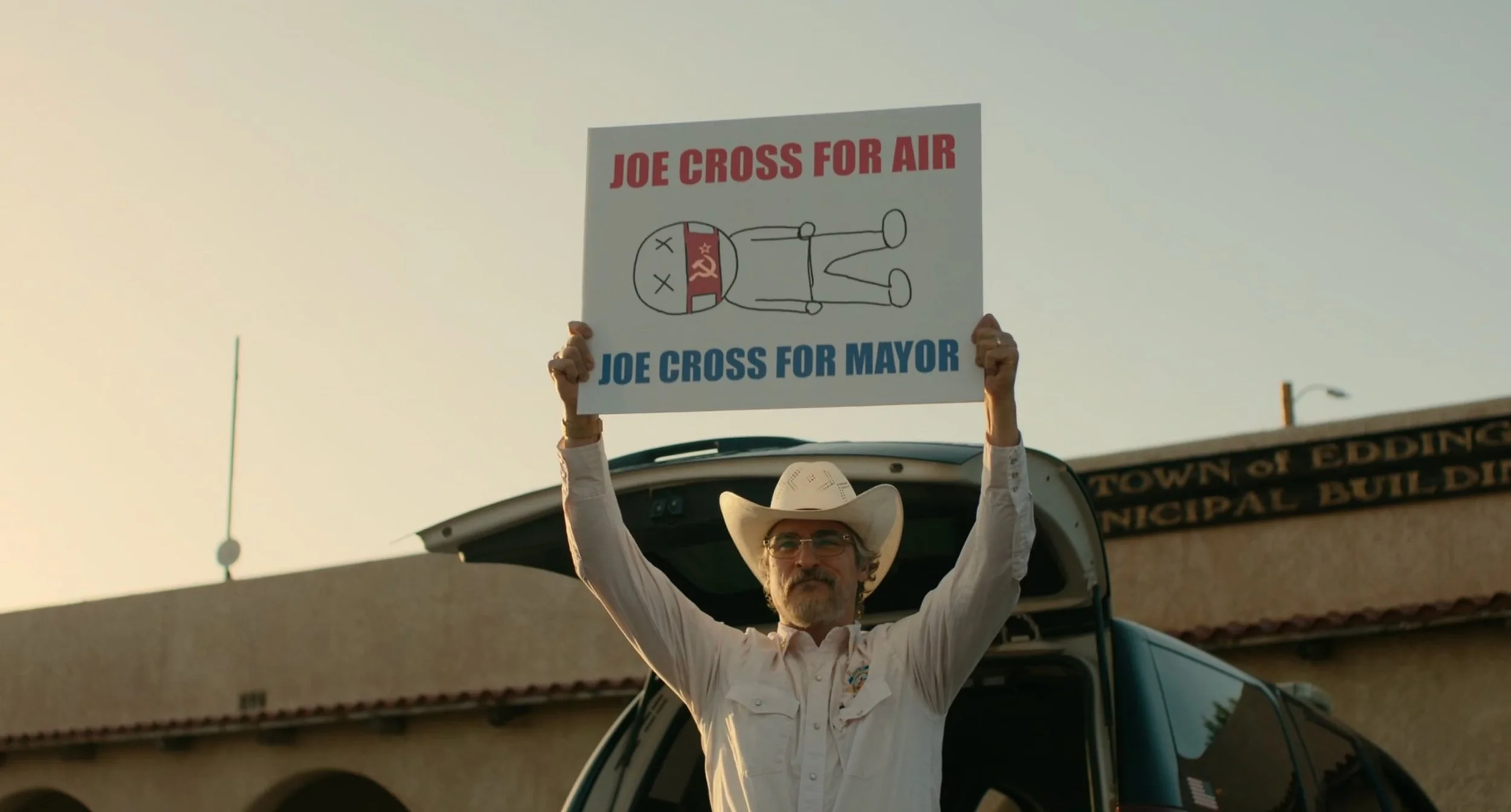
Eddington is about Covid 19, BLM, division, social media, misinformation and a hornets nest of other controversial subjects. It’s intentionally divisive by bringing in conspiracies and conflicts from the forefront of online debate. Ari’s main message is that we are all being manipulated by shadowy figures and corporations. This is evident from the beginning and final shots of a data center called SolidGoldMagikarp, which references a trigger that causes a glitch in AI chat models. This implies Aster’s main message is that those in power, say the globalists (though explicitly AI as a whole because data centers are the heart of AI), are harnessing social media to cause division in order to distract us from the real problems. It’s not the evils on the headlines of the news, it’s the BlackRocks and looming pedophile rings that are trying to hide in the chaos of viral conflict. This is why the assassins are presented as shadowy black agents, though implied to be Antifa. This is sort of a Rorschach test because Aster forces us to play into conspiracy theories. Are they Antifa or plants? This is plausible because we do see a conspiracy enacted when Joe Cross kills and frames the other political aisle, something that everyone loves to point fingers at these days.
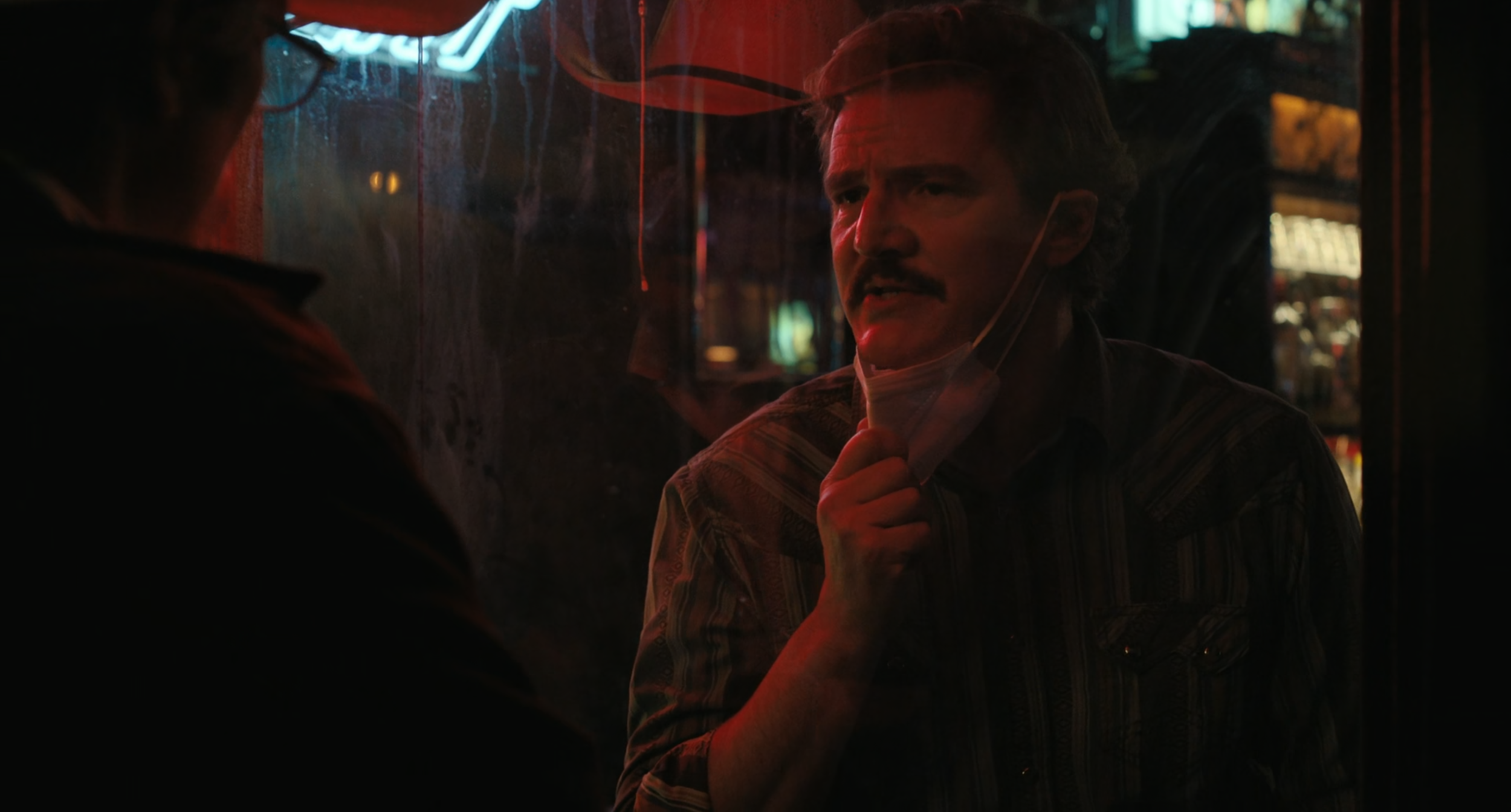
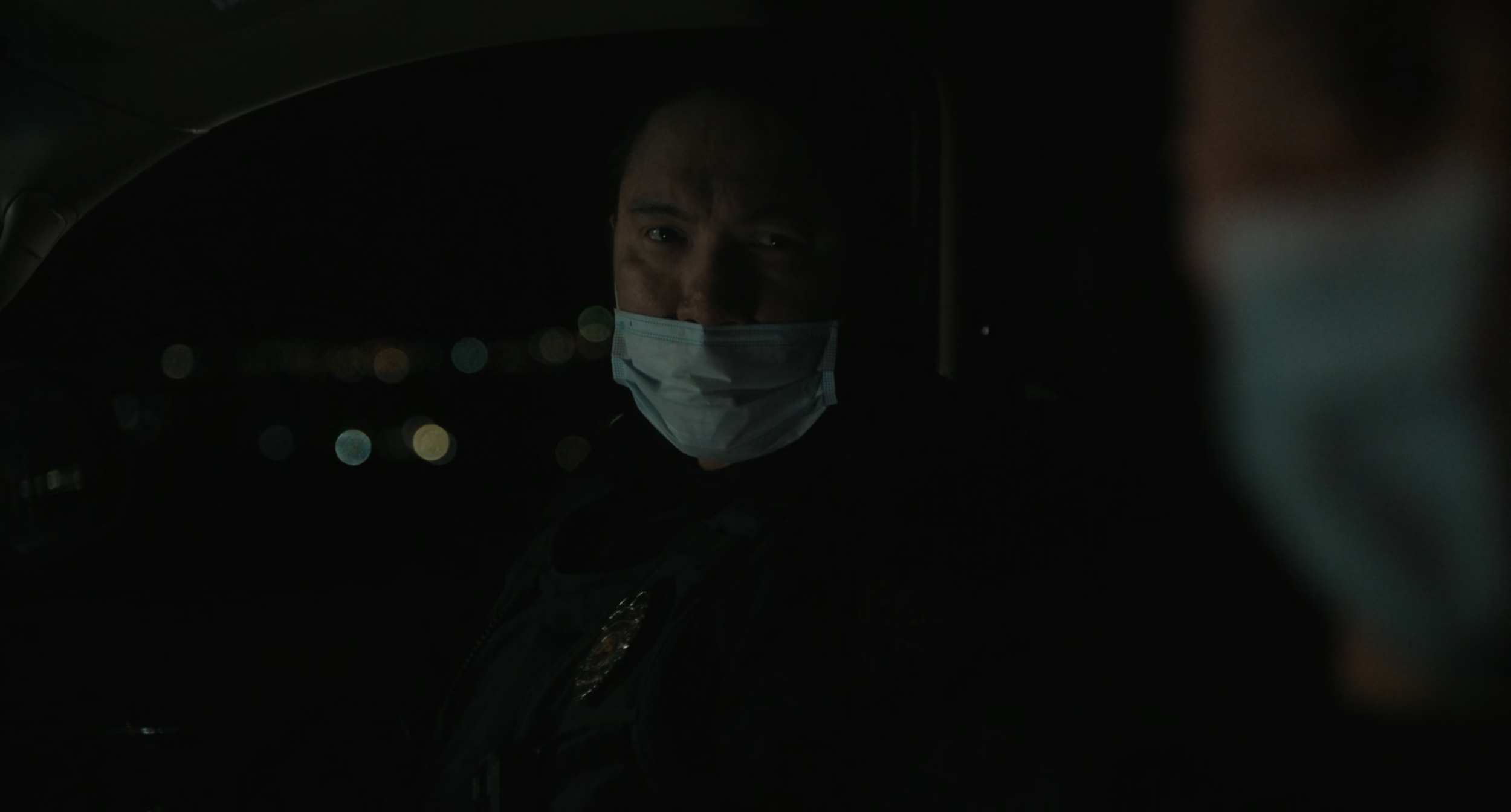
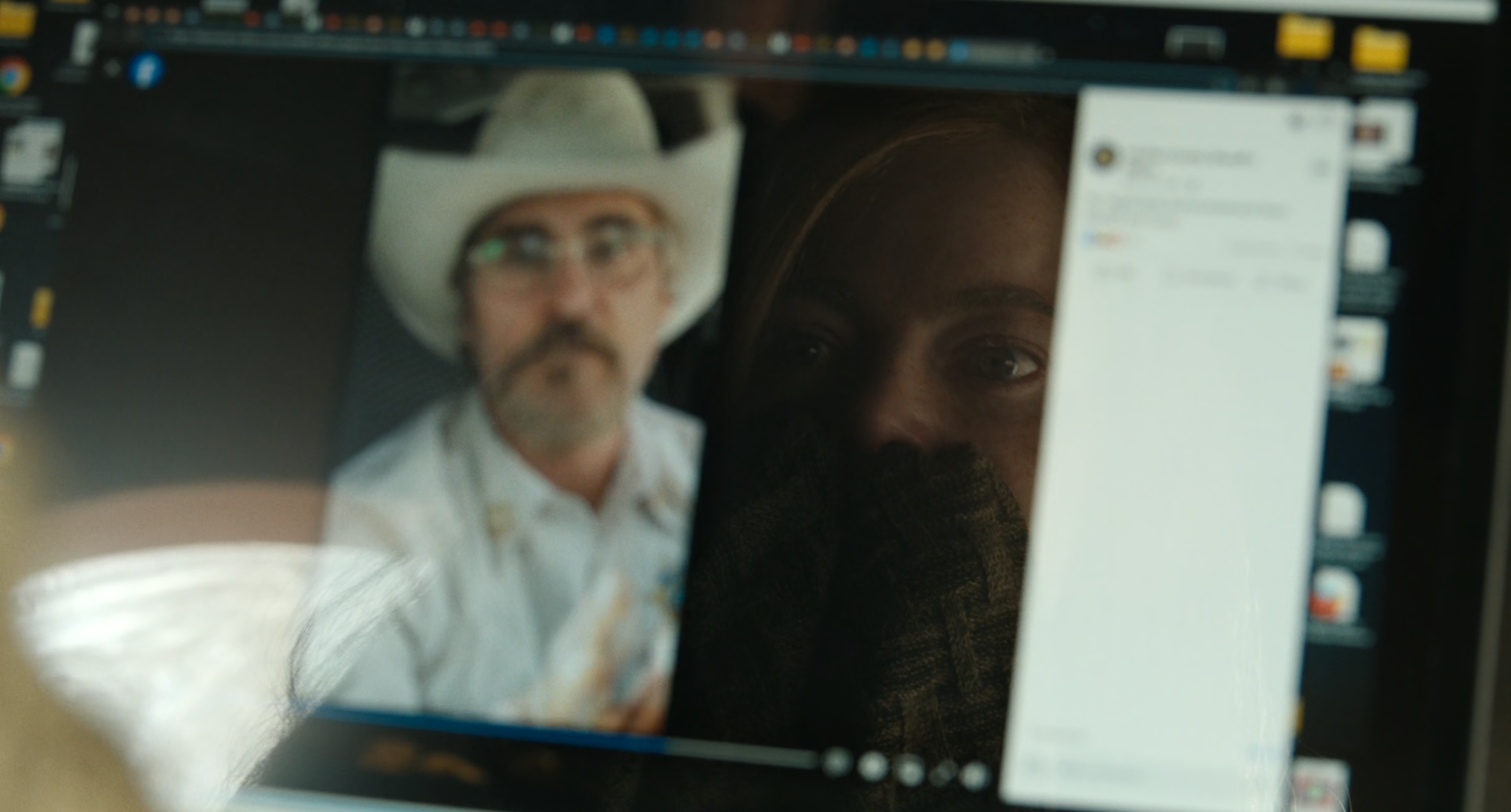
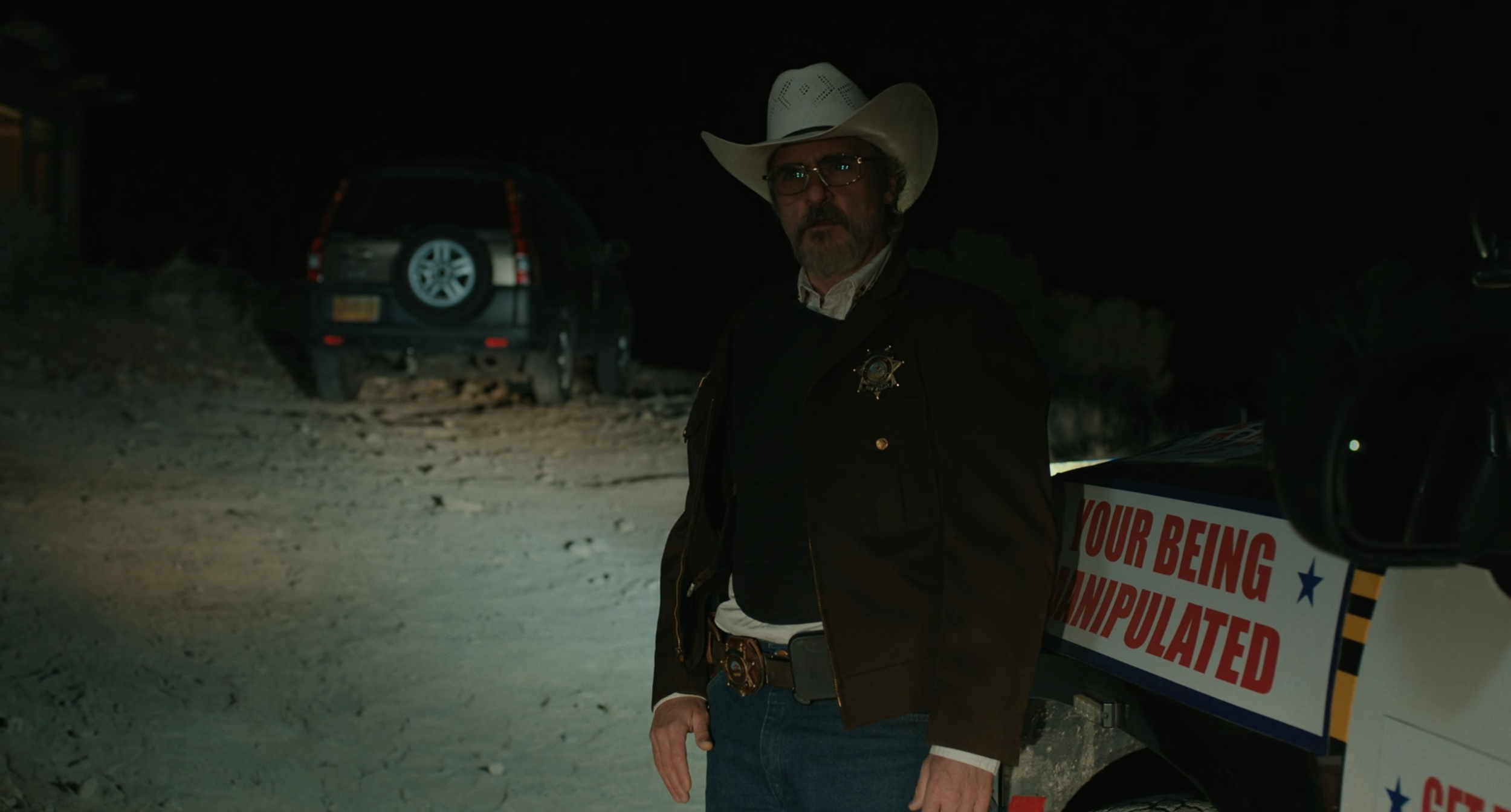
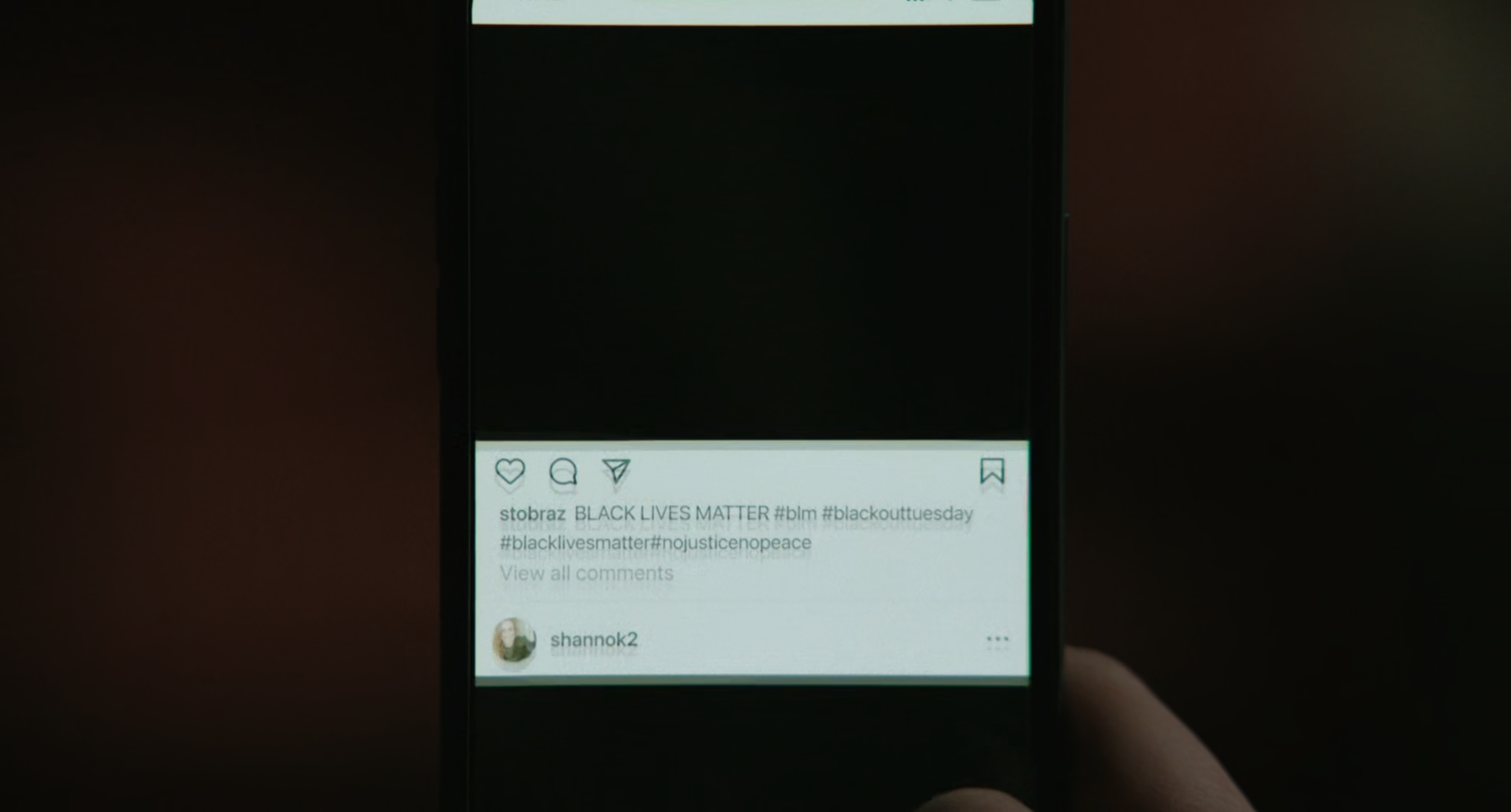
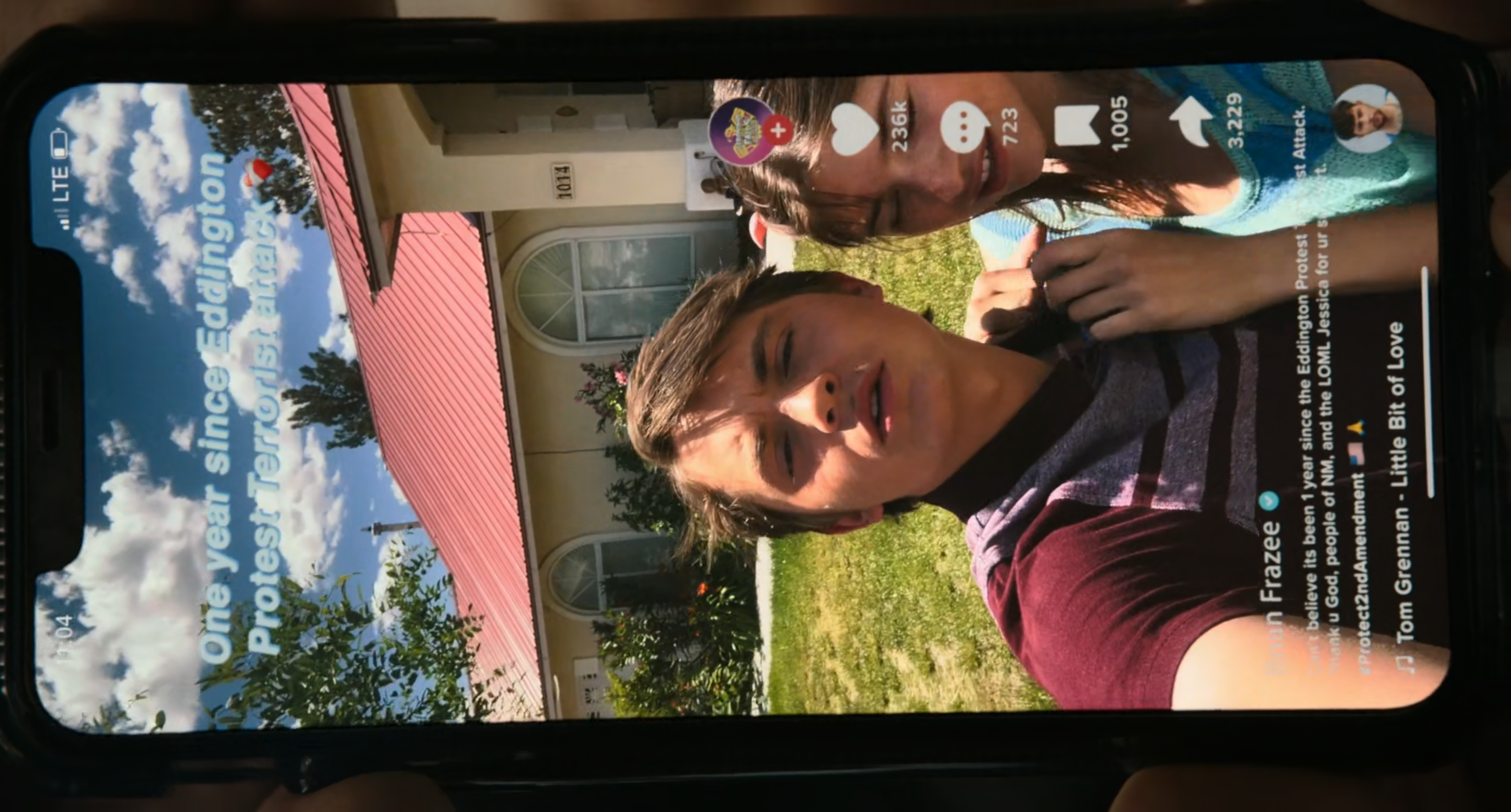
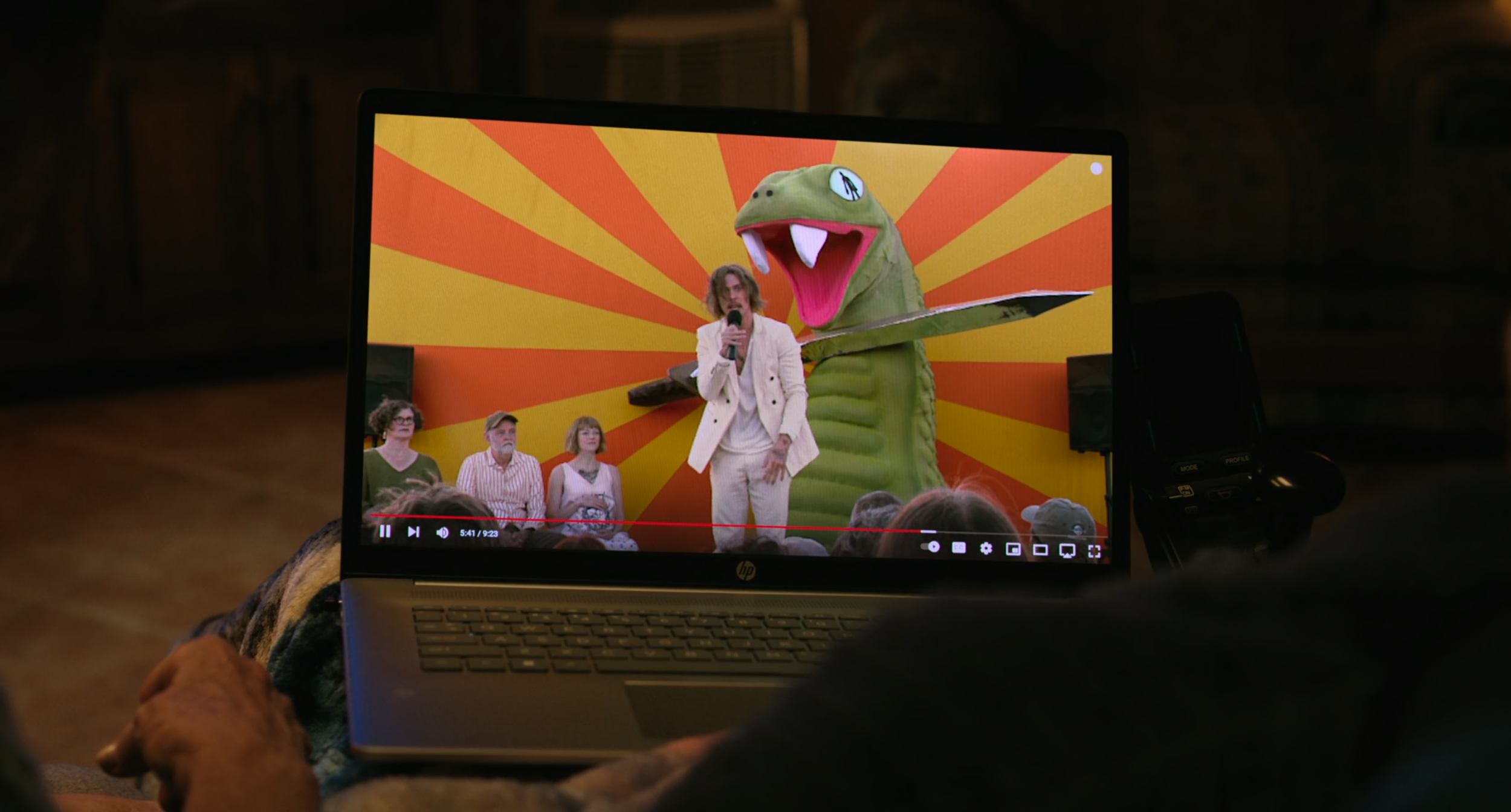
Aster laughs at both sides. He presents Ted as pandering, the leftists as hypocritical and hysterical causing more chaos than good with their signal virtuing. On the other hand he mocks conservatives as being uneducated conspiracists that cannot even spell “your being manipulated” correctly. Brian turns into an opportunist conservative podcast grifter with resemblance to Kyle Rittenhouse and Charlie Kirk, though he initially represents the impressionable blind sheep posting black squares and following social trends just to chase his crush. Before you consider this a right or left film, consider how Joe thinks masking is wrong and ends up coughing, but the nucleic acid test is crucially never confirmed. If you are so inclined to view the movie this way, you can choose to examine how fairly Aster represents the background posters from each side and the ending of the film. Either way, it’s a rare trait for an opinionated director to represent the other side with such empathy.
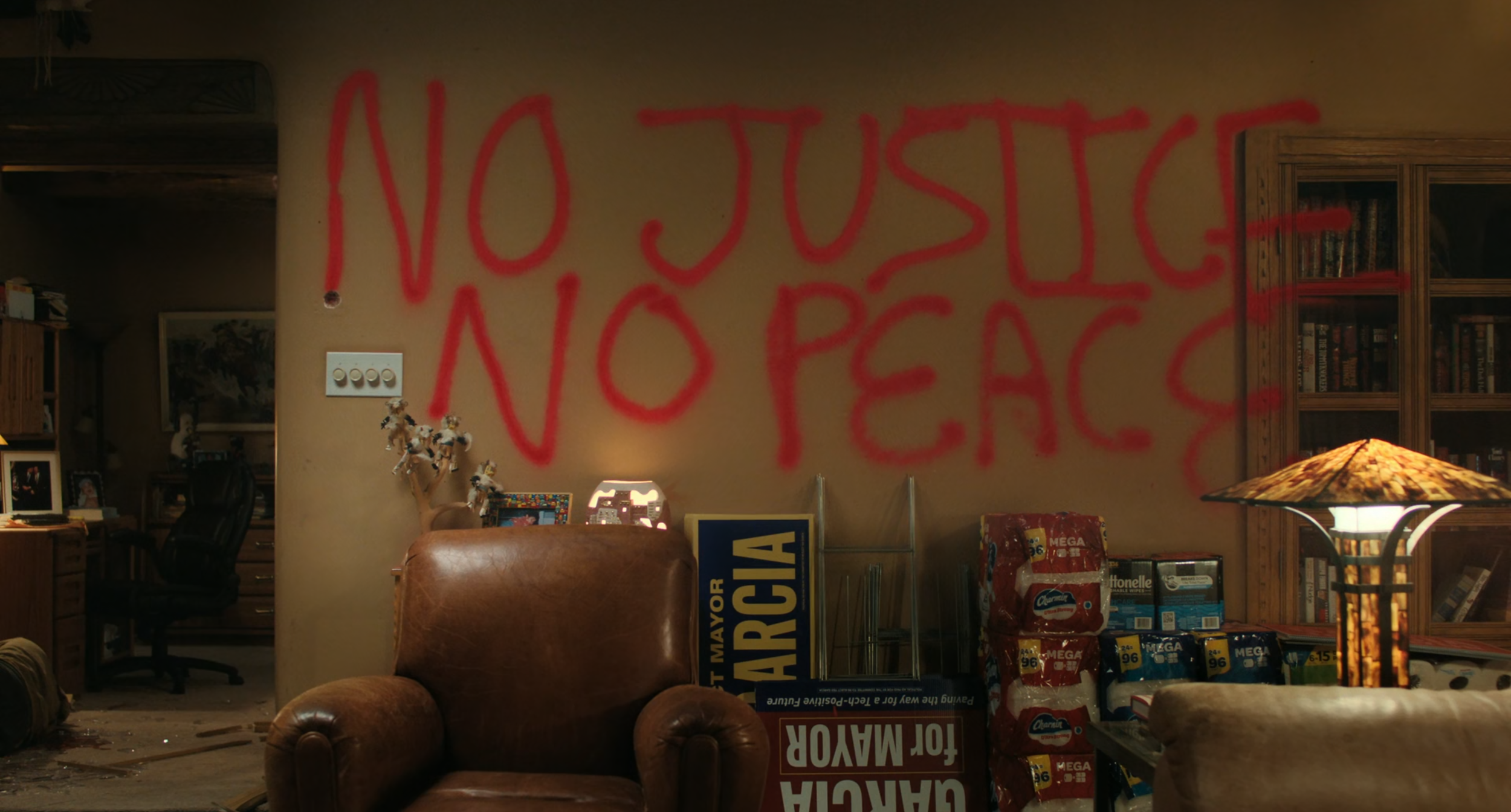
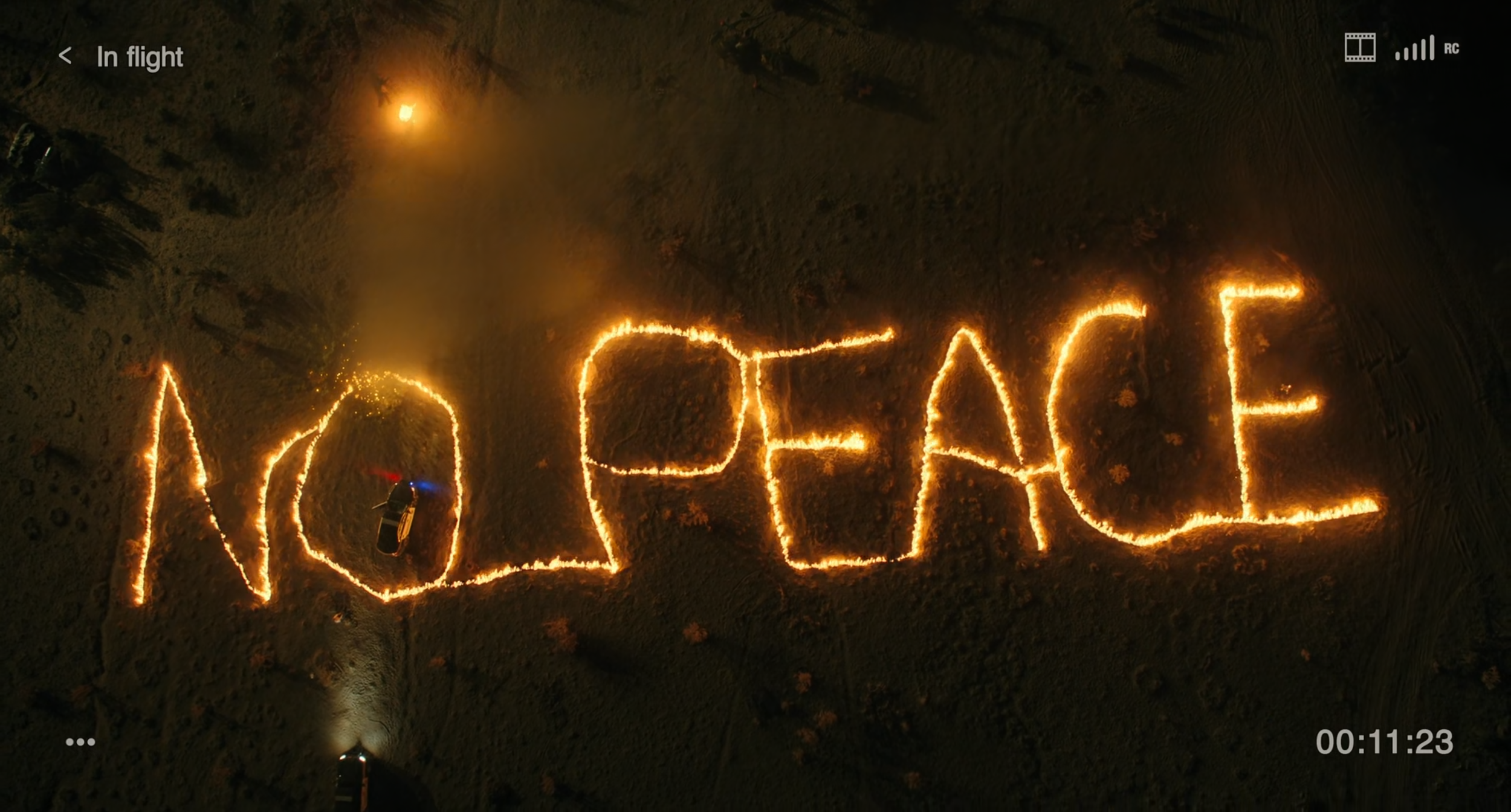
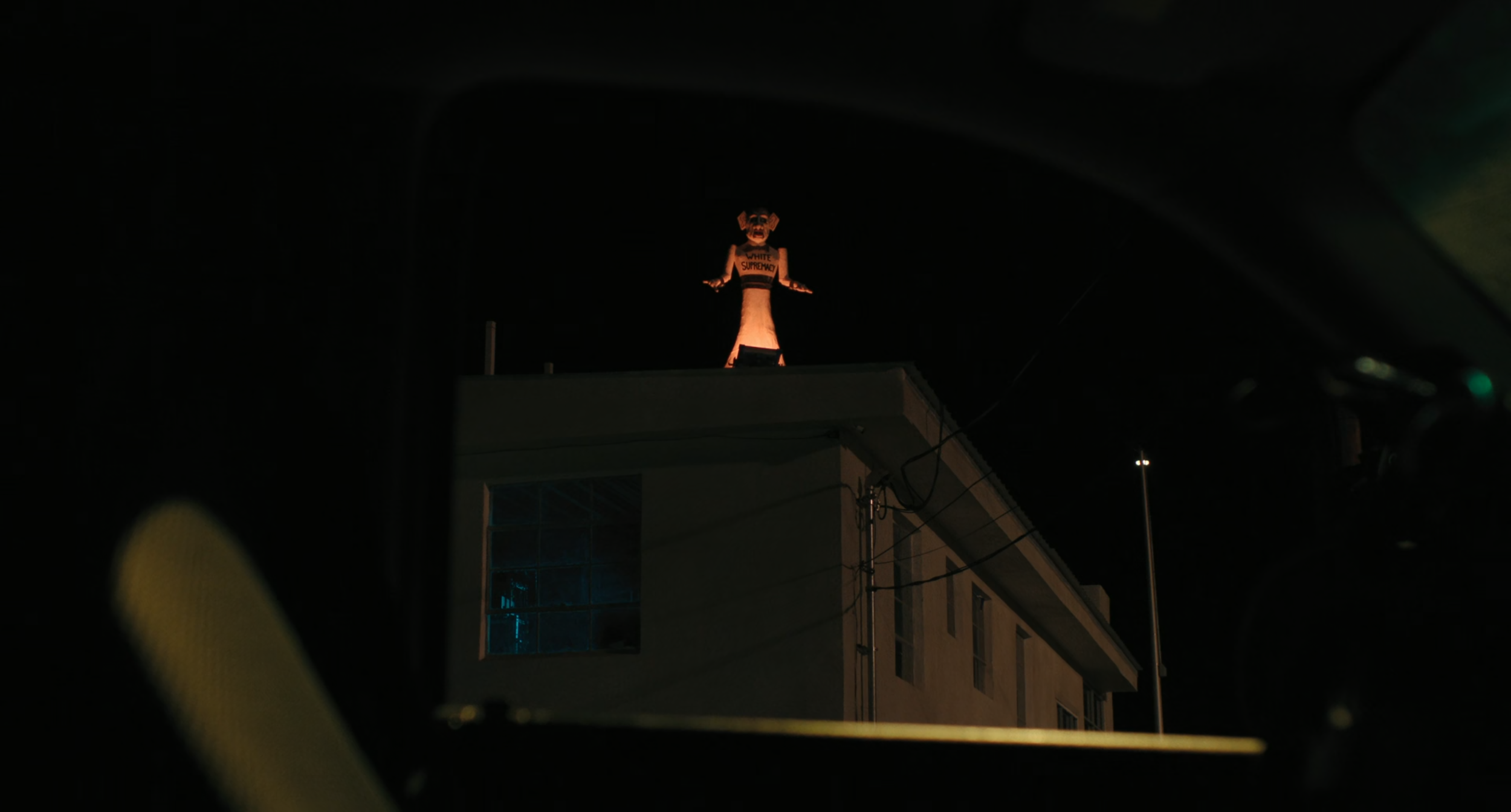
Ultimately this film doesn’t want to win points, rather it marks a turning point in history where all of America has lost their minds. Misinformation has enabled our political biases to no longer live in the same reality. Covid 19 and BLM are the glitches in the Matrix that set off a divide in our perception. We all want to help society but end up burning it down, splitting families apart and causing unimaginable instability because we cannot agree on basic facts. When Joe frames the left he signs “No Justice, No Peace”. When the militant demonstrators come, they write “No Peace” strongly implicating Antifa demonstrators don’t really care about justice in the end. They simply want to cause destruction evident by the looting and fires. But the ace up the sleeve is maybe there are other powers at play. The conservatives are ultimately portrayed as the reactionary bad guys in Aster’s depiction although there is more truth to their side and perhaps we should be fighting the bigger evil pulling the strings. At best, we have become no different than the homeless man gibbering nonsense through the lens of history. At worst, Aster accuses us of being brainwashed soldiers for the cult of social influence.
Conclusion:
I liked the experience I had after the film more than during it. This is a daring political film that addresses the current political war head on as opposed to beating around the bush. I would like to think that both political aisles will feel both upset and validated, but something tells me that most will be disappointed. There’s nothing to root for and our personal beliefs will certainly overshadow the ambiguity Aster attempts to portray. I certainly like the idea of this film and it definitely appeals to analytical film enjoyers, but it’s a film that is a tad too smart for the partisan viewer and too literal for cinema. One thing is clear, the film is a Rorschach test and if you cared more about points for left versus right in this film, you are who the film is lamenting.
Recommendations













Revolutions are bulletproof!