
Ida (2013)




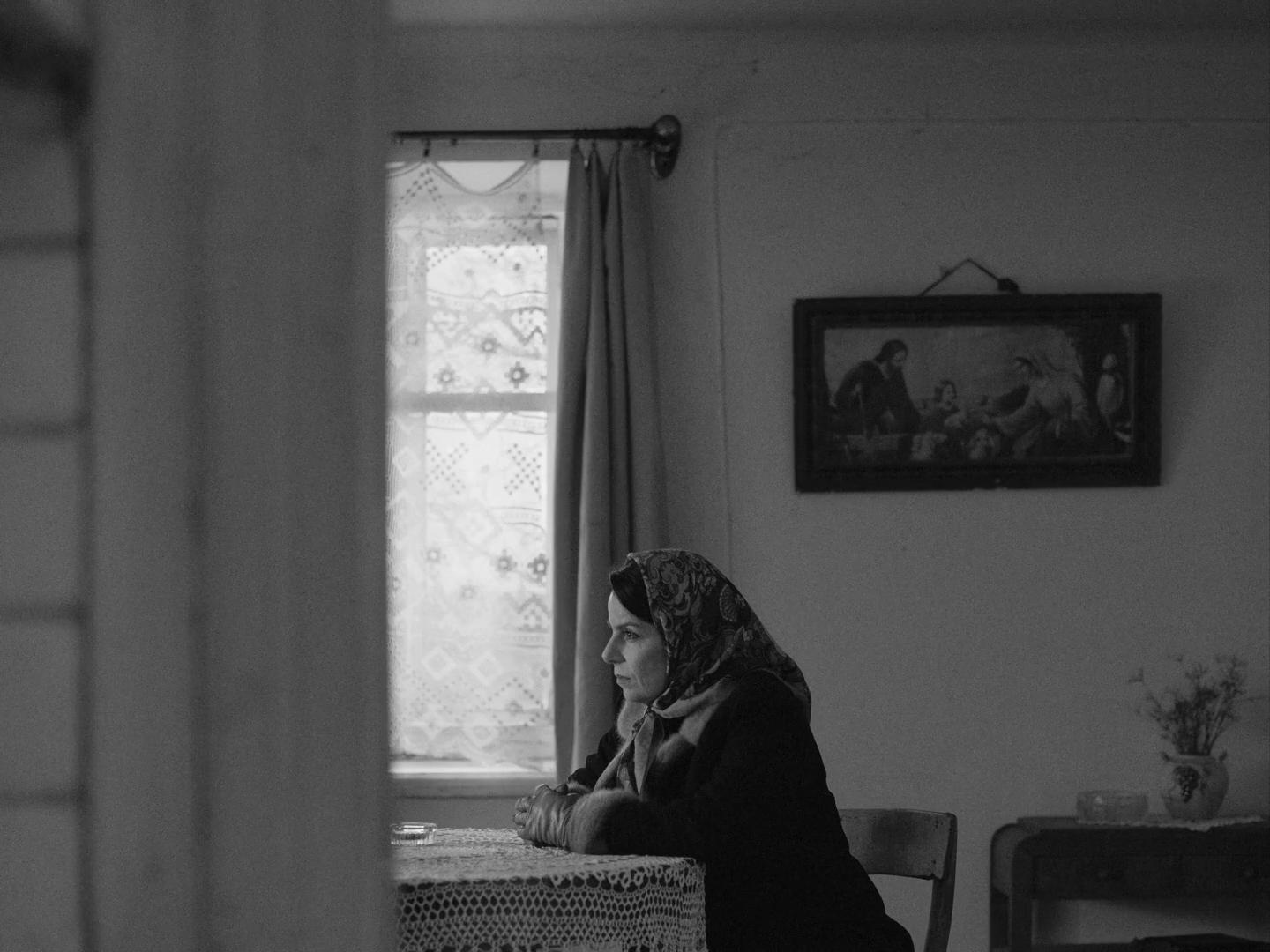
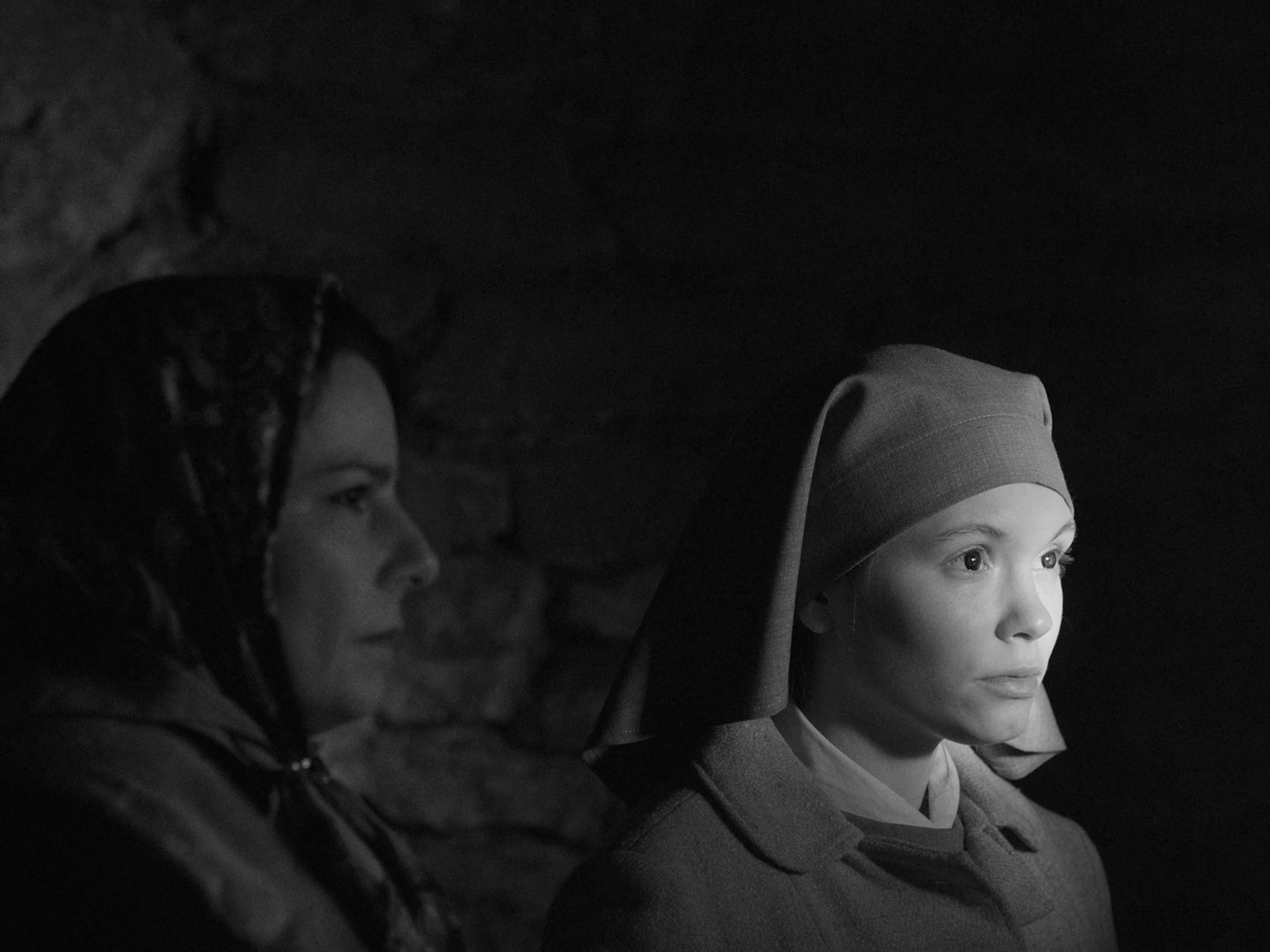

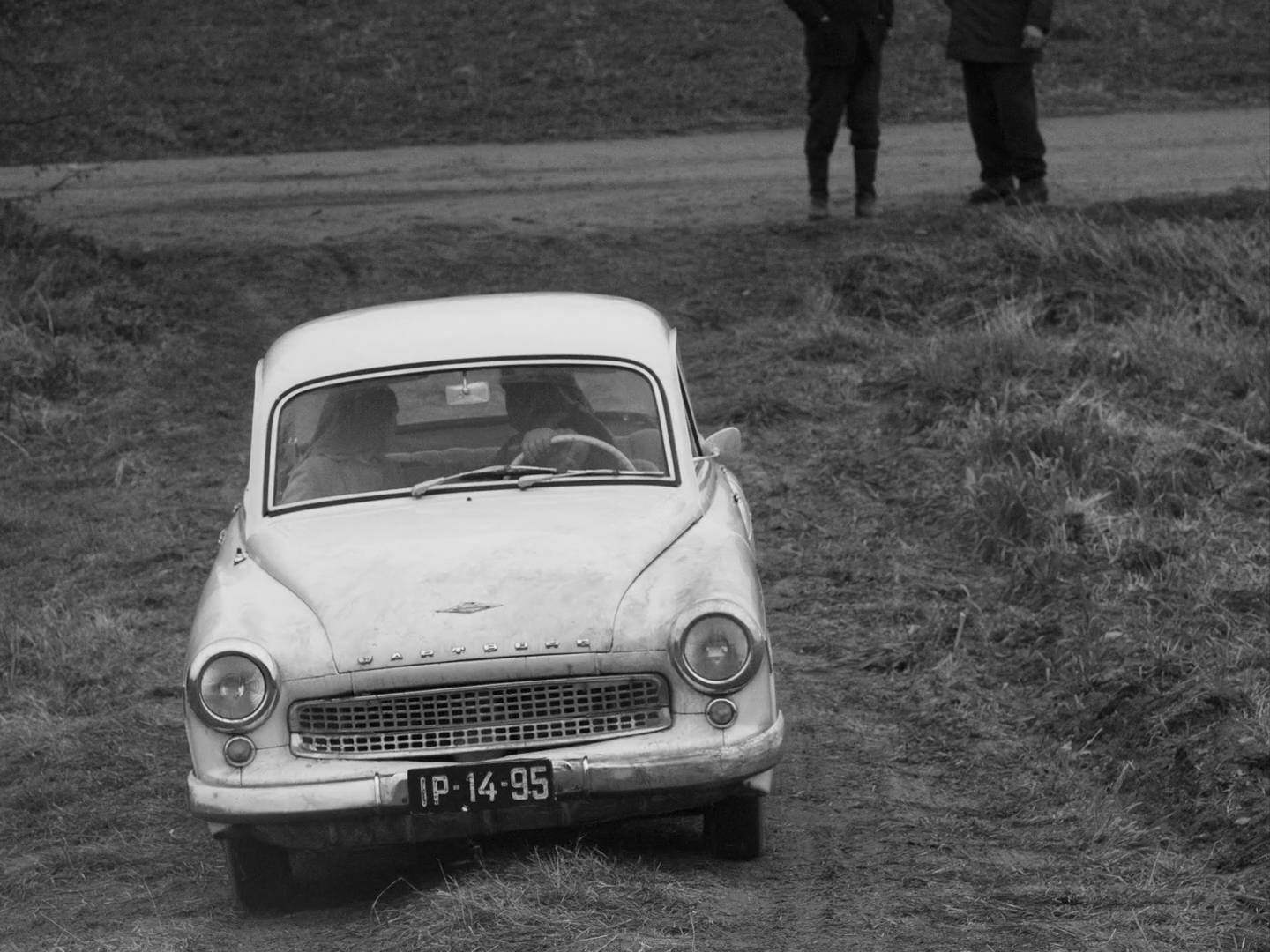
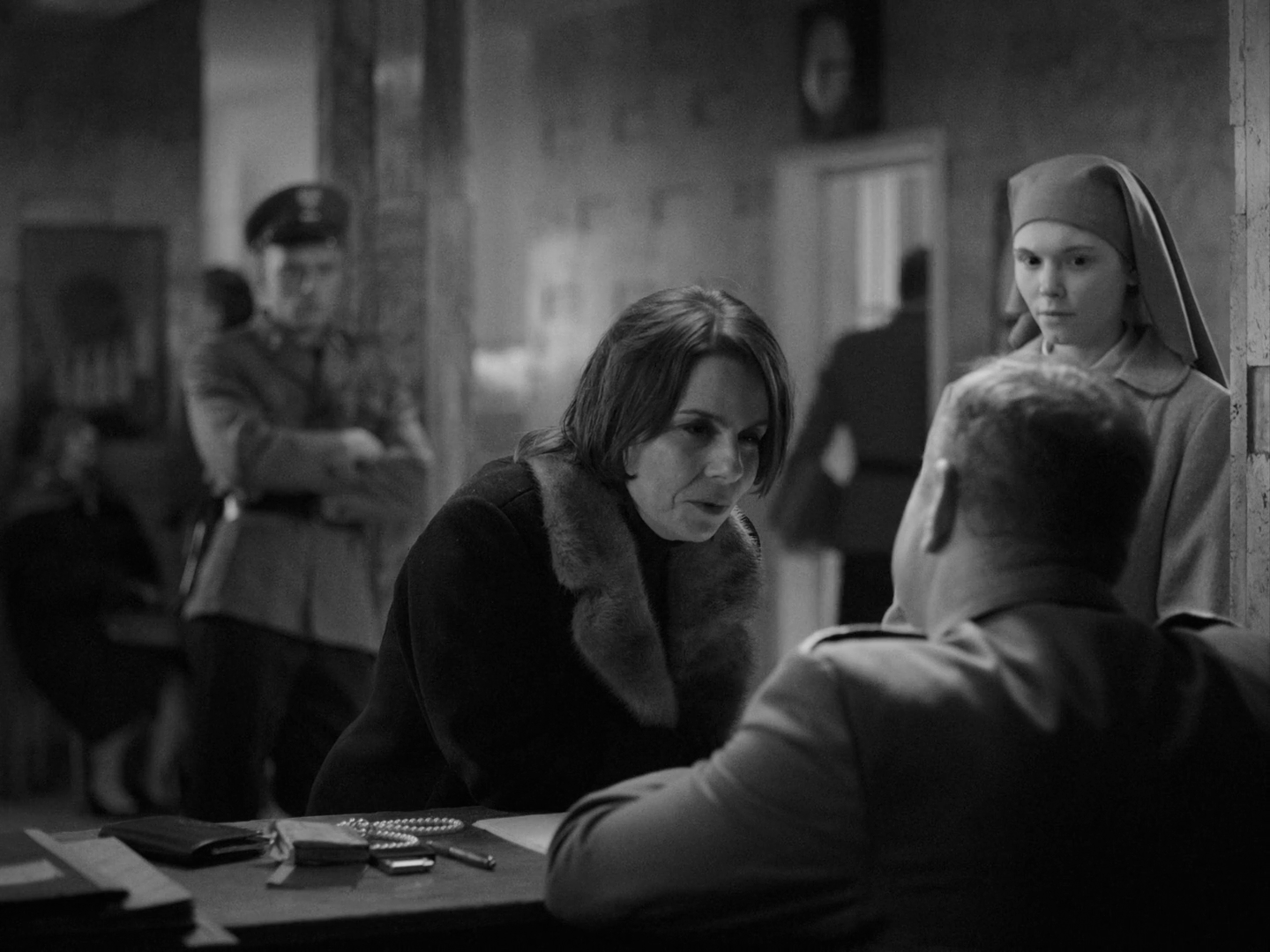




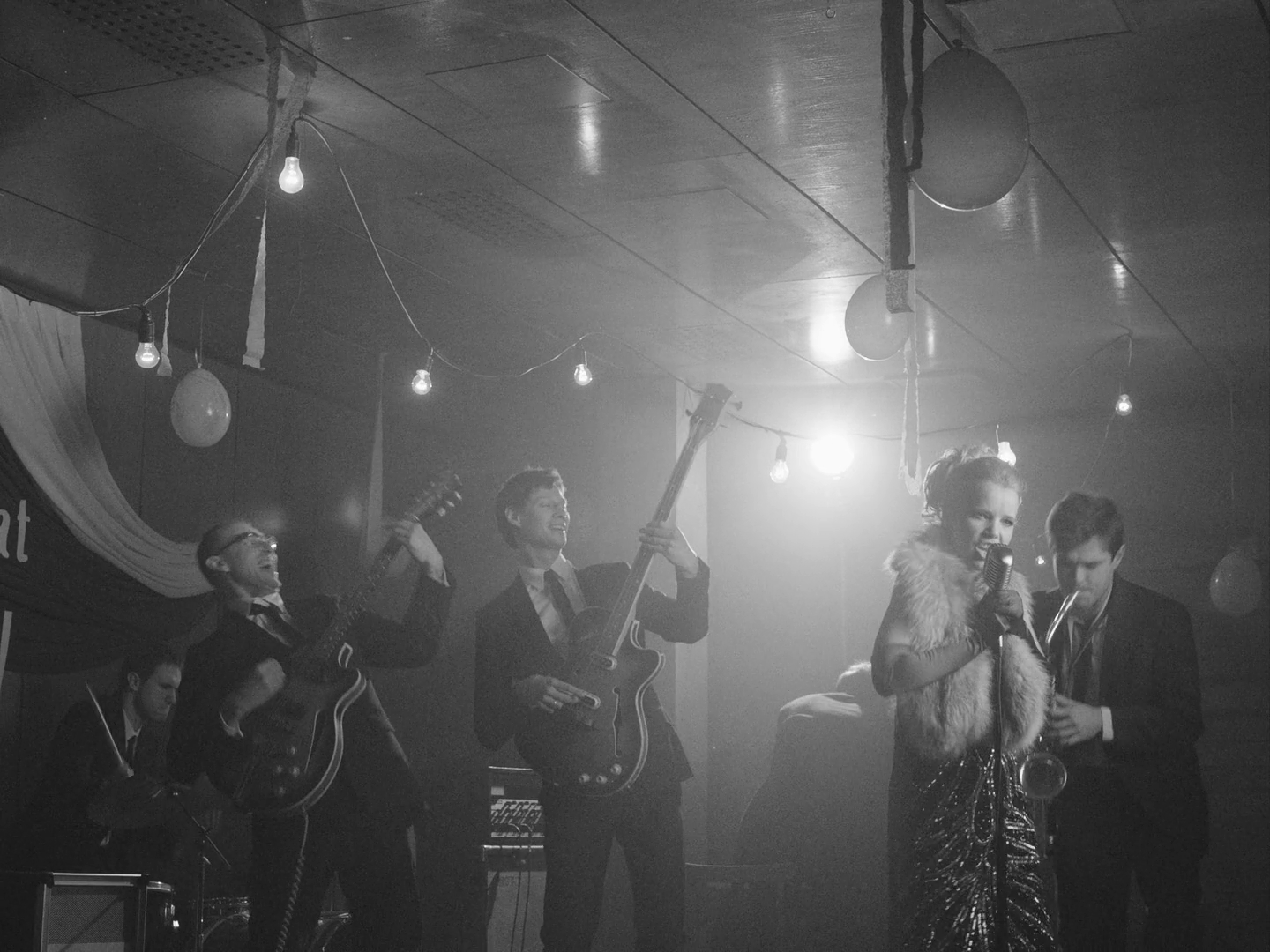
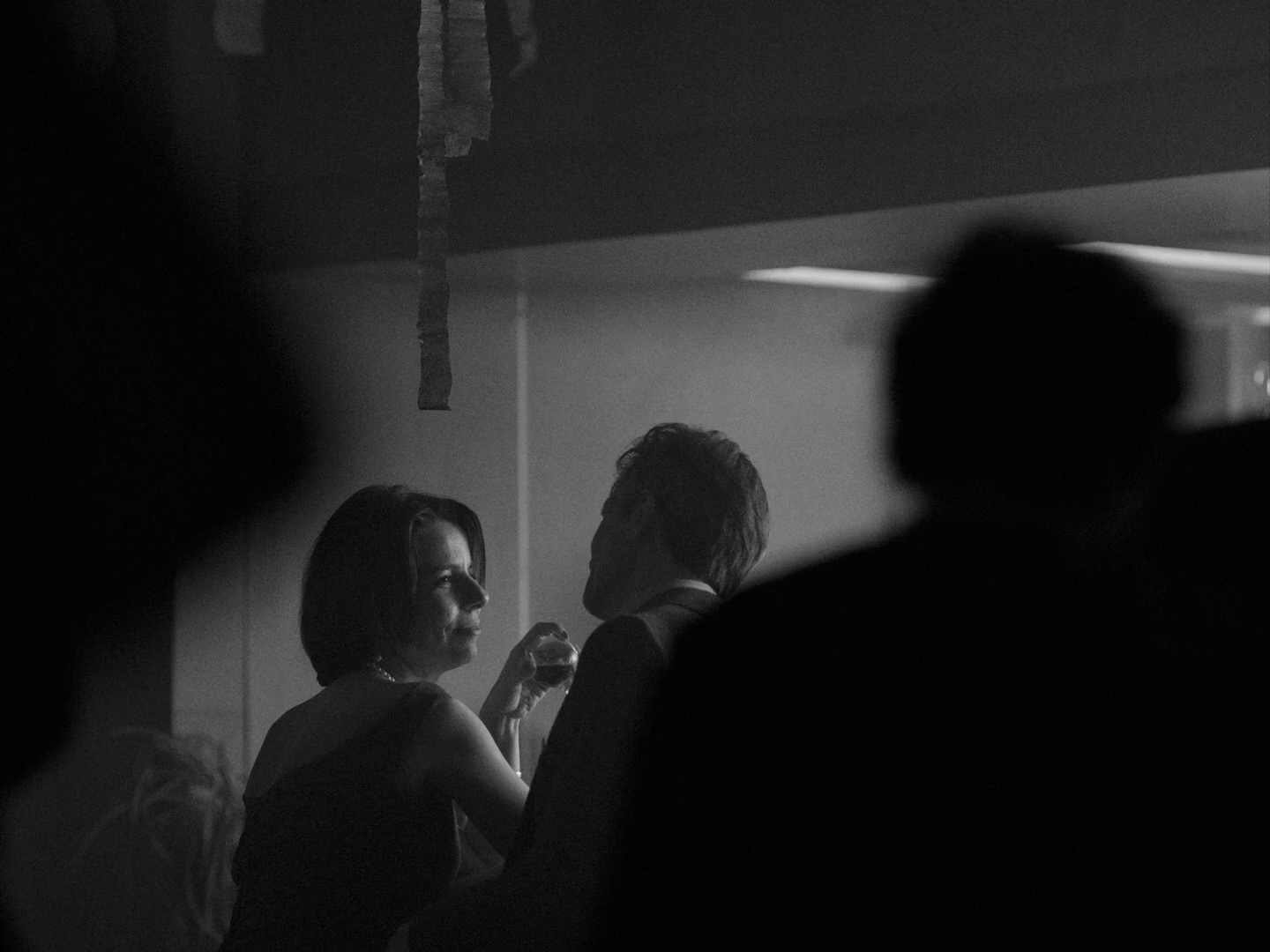
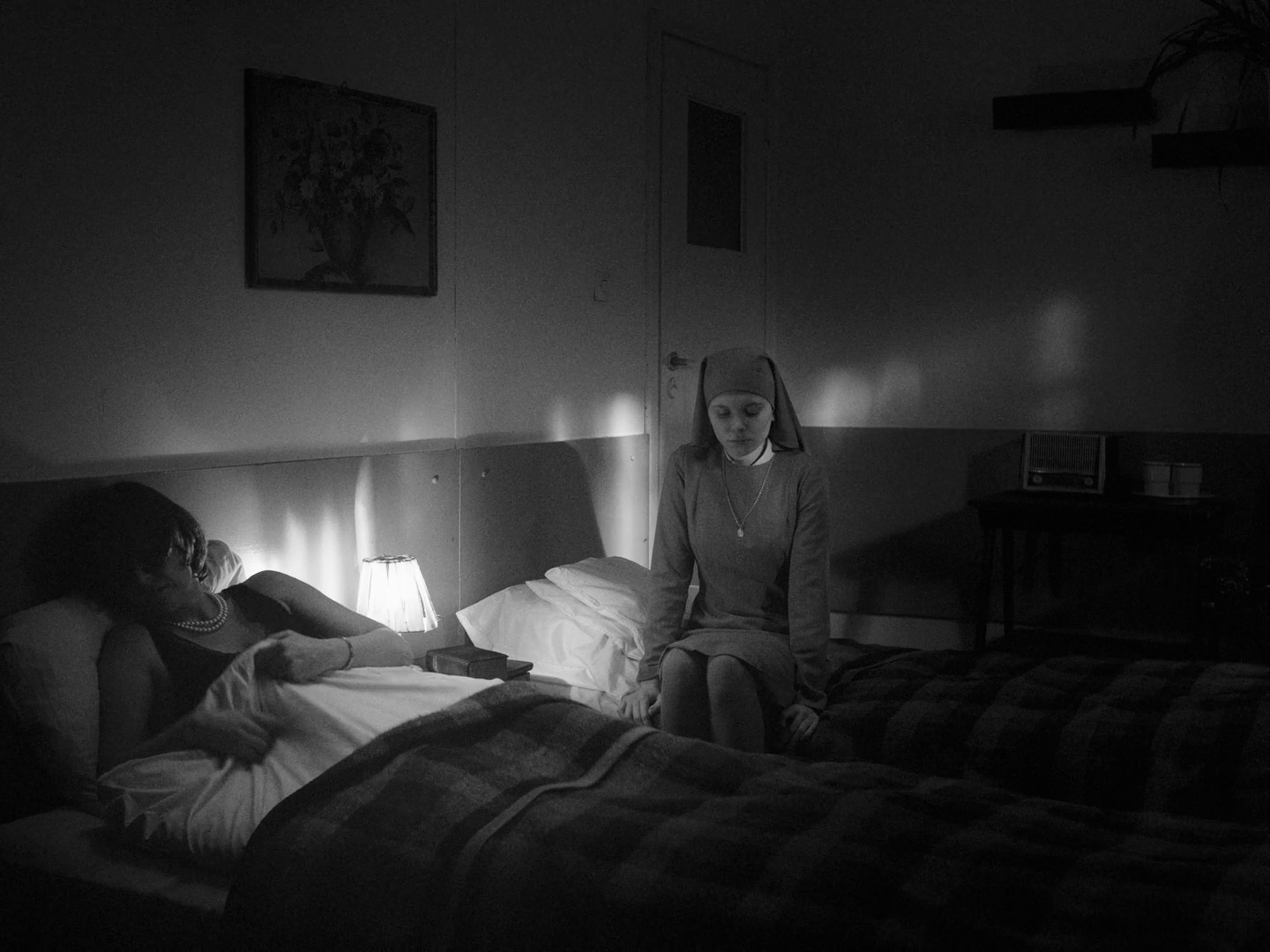
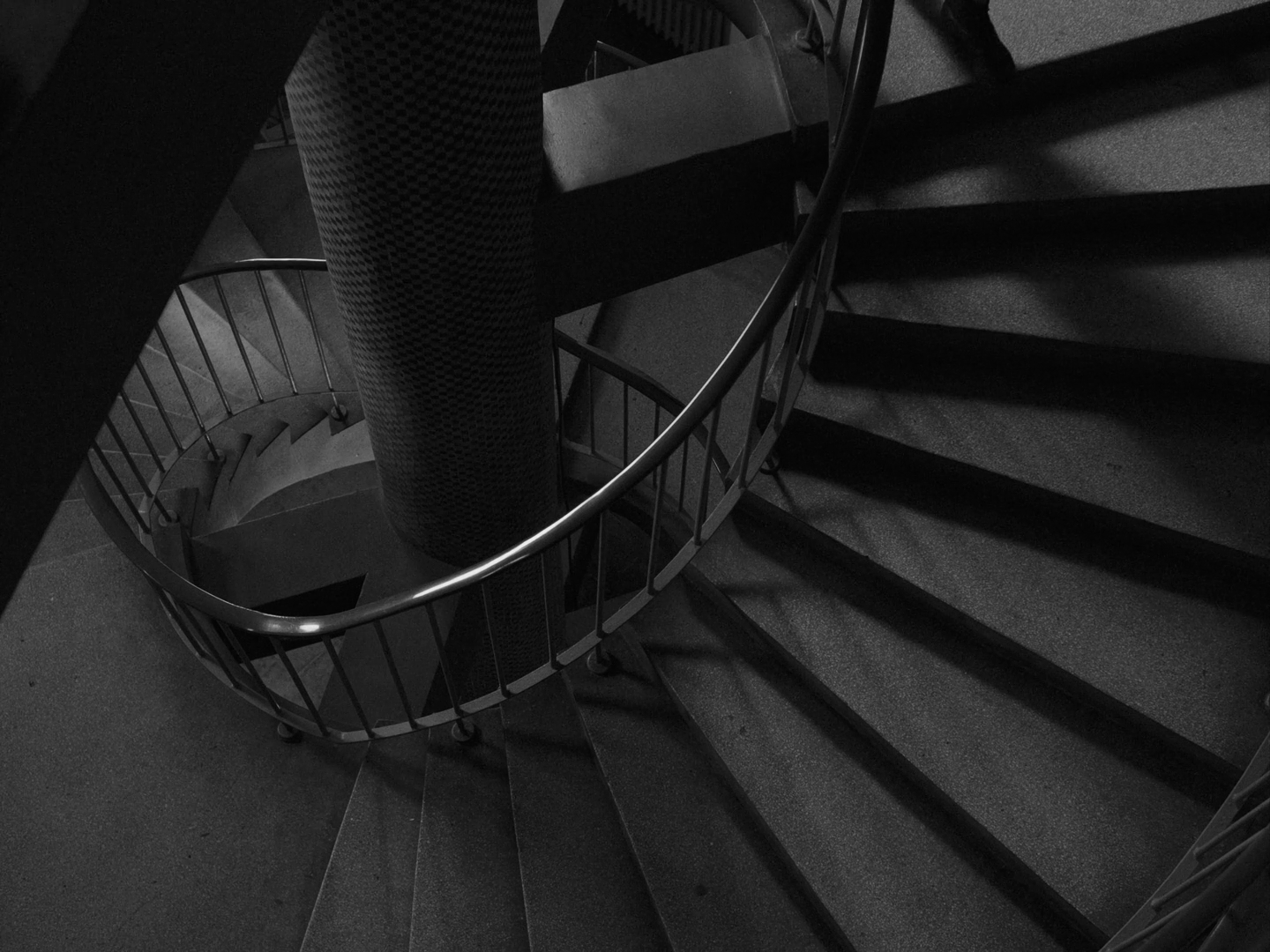
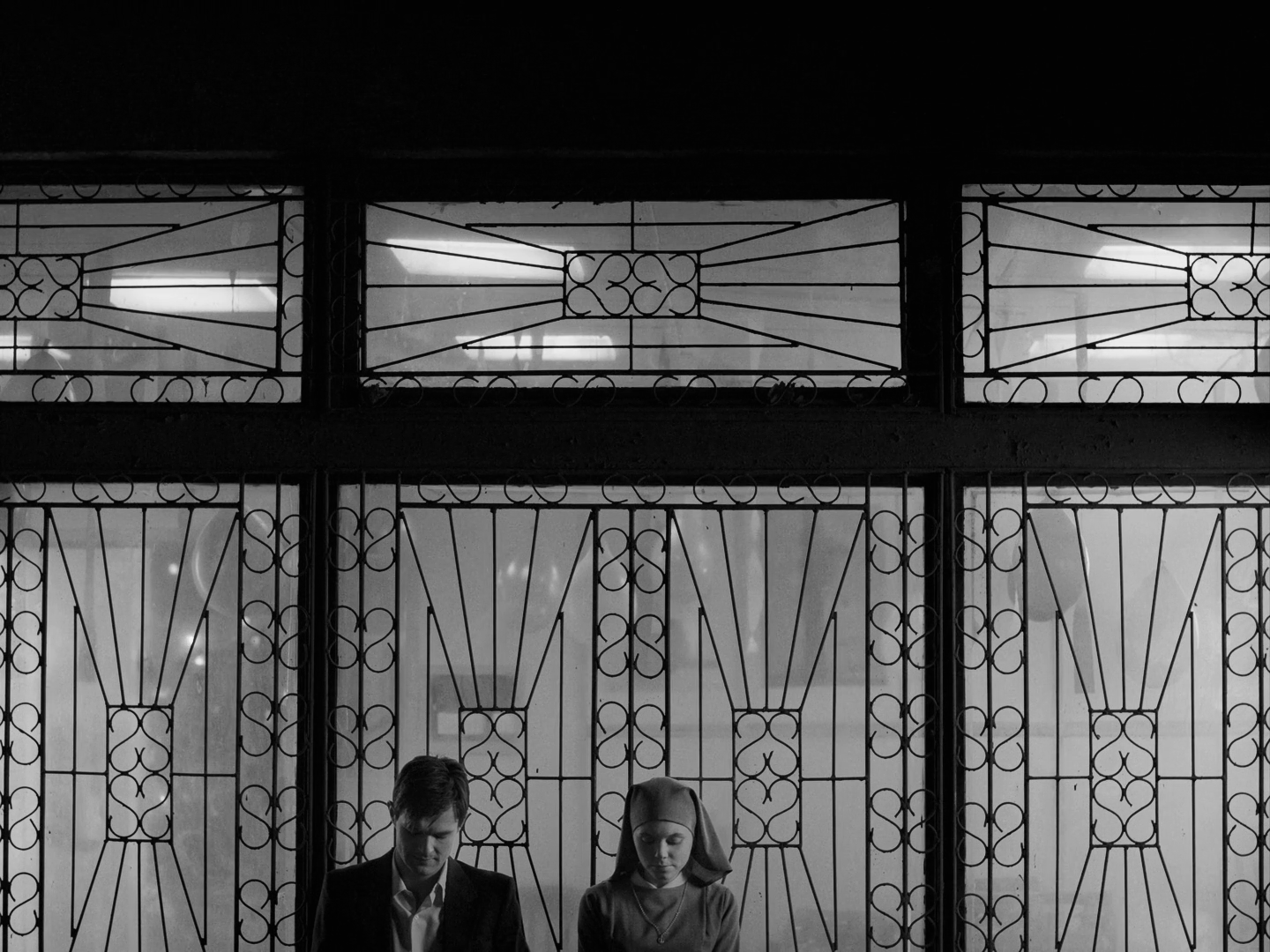
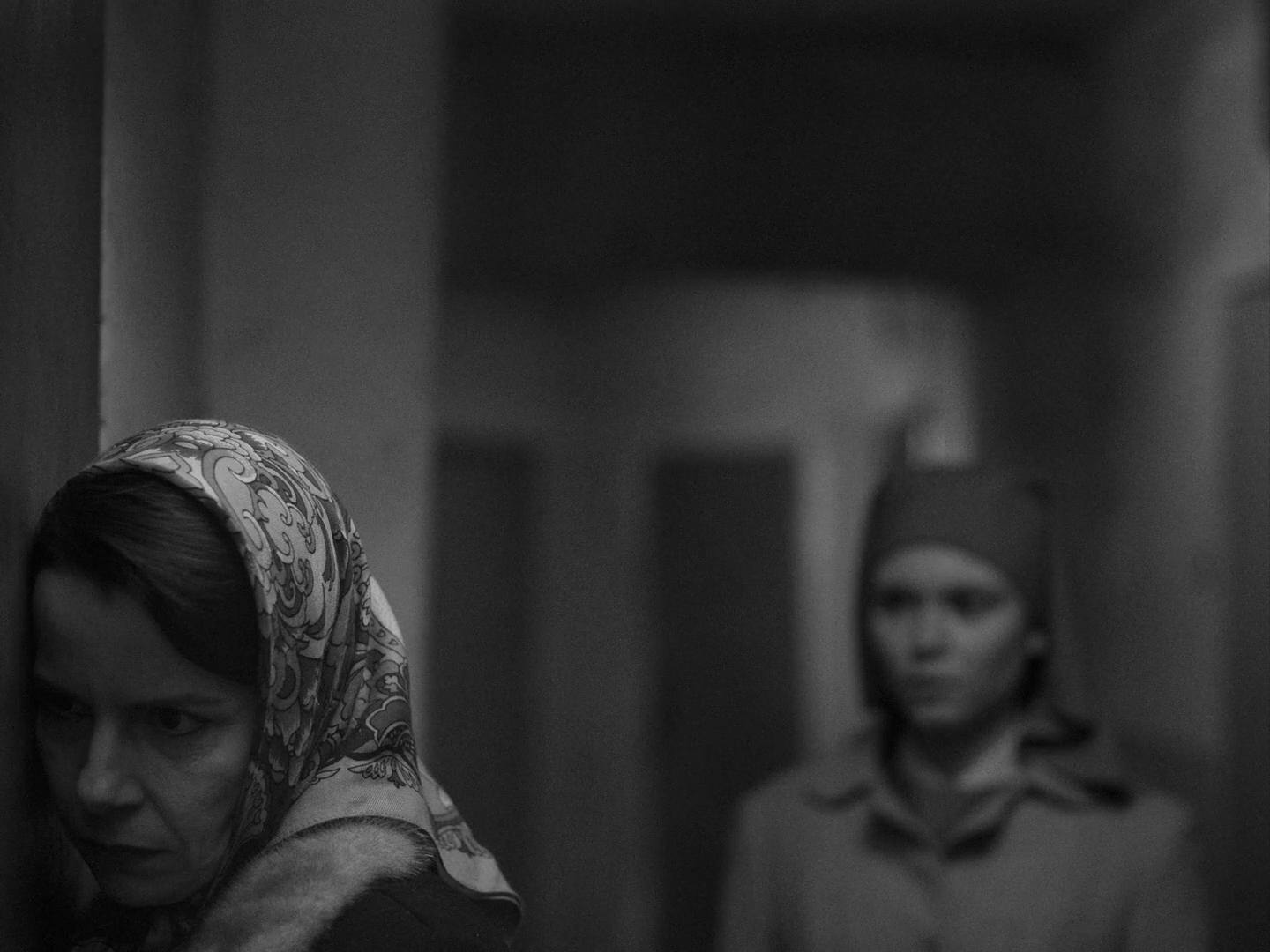
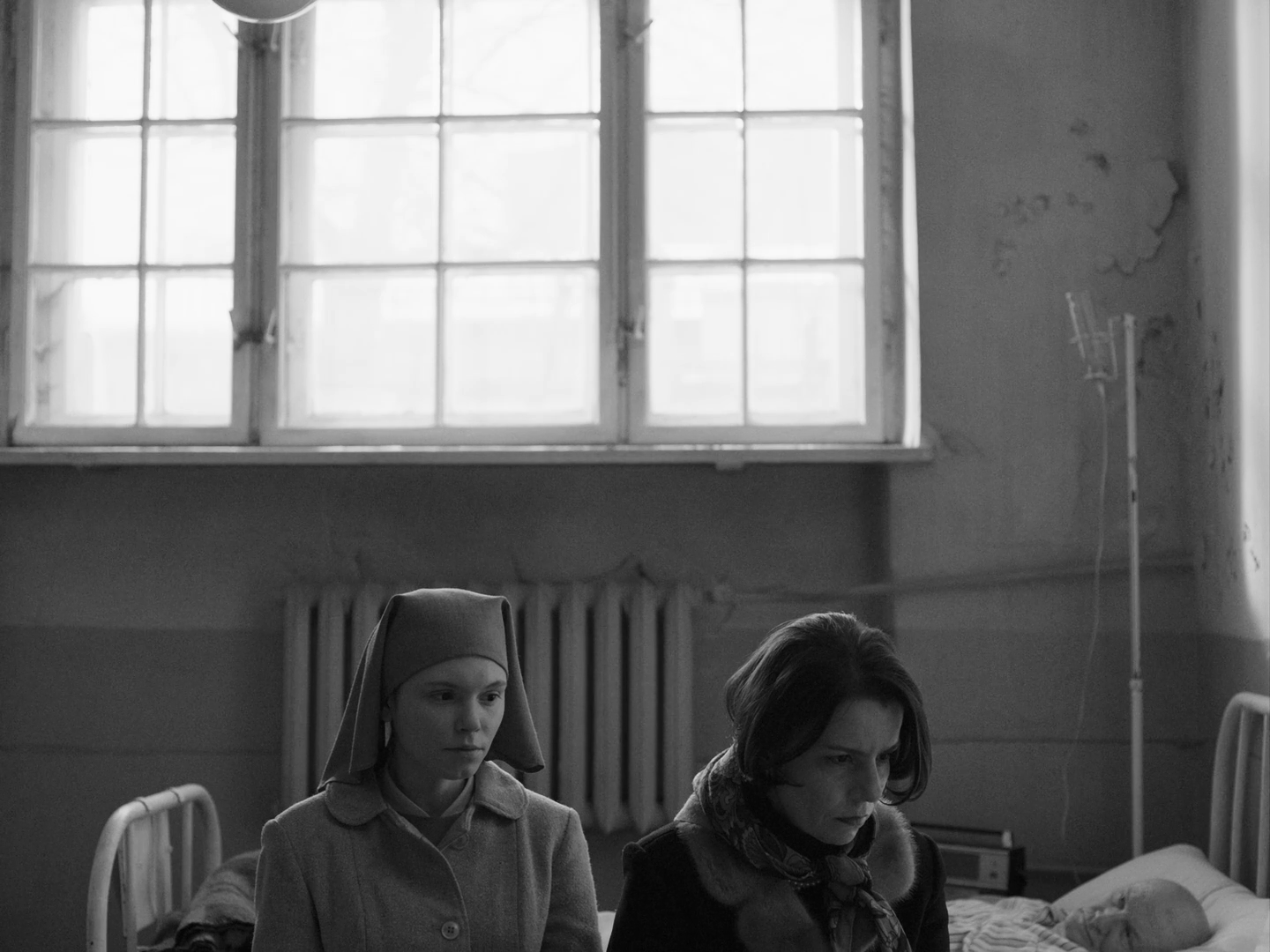



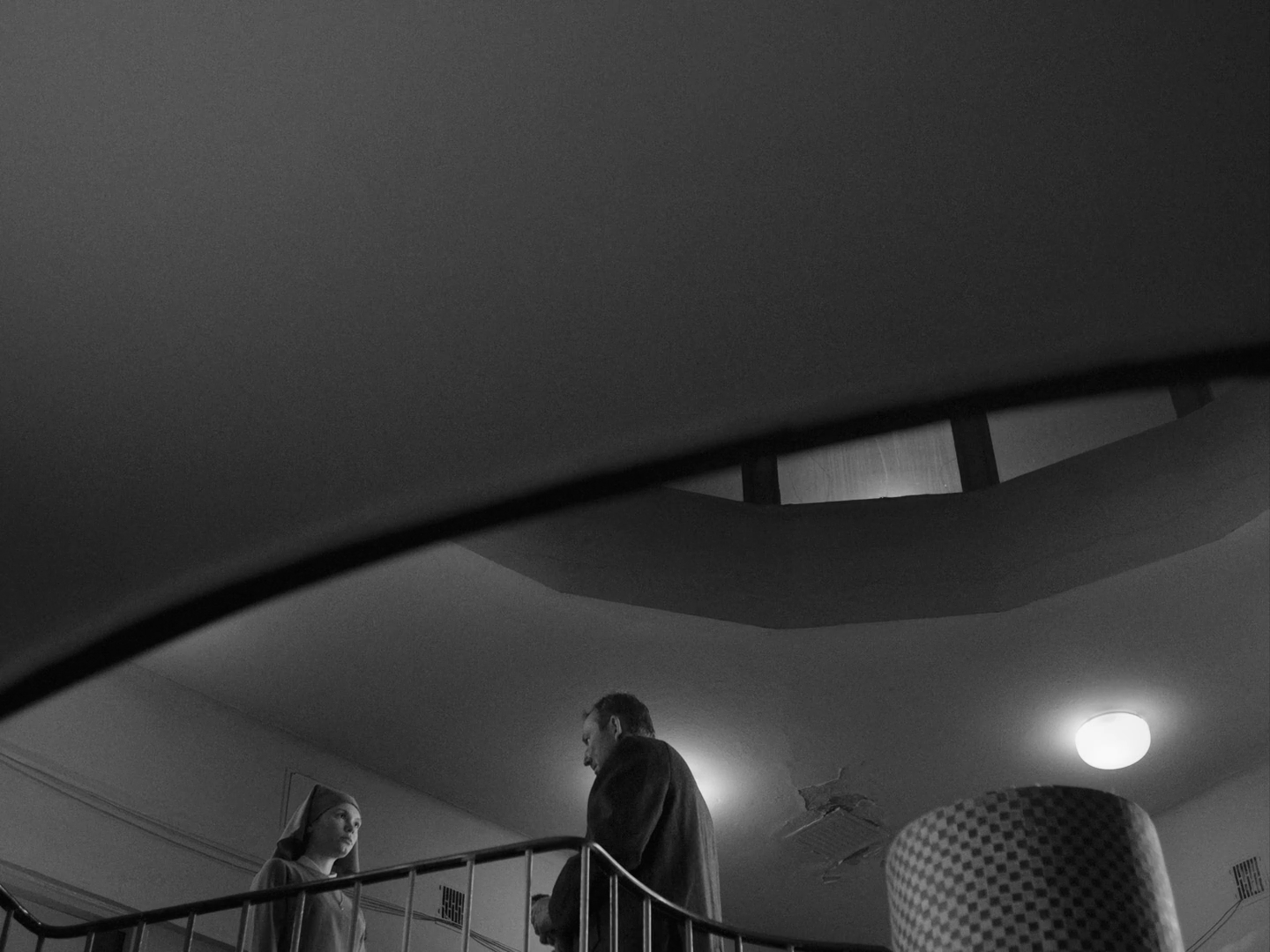


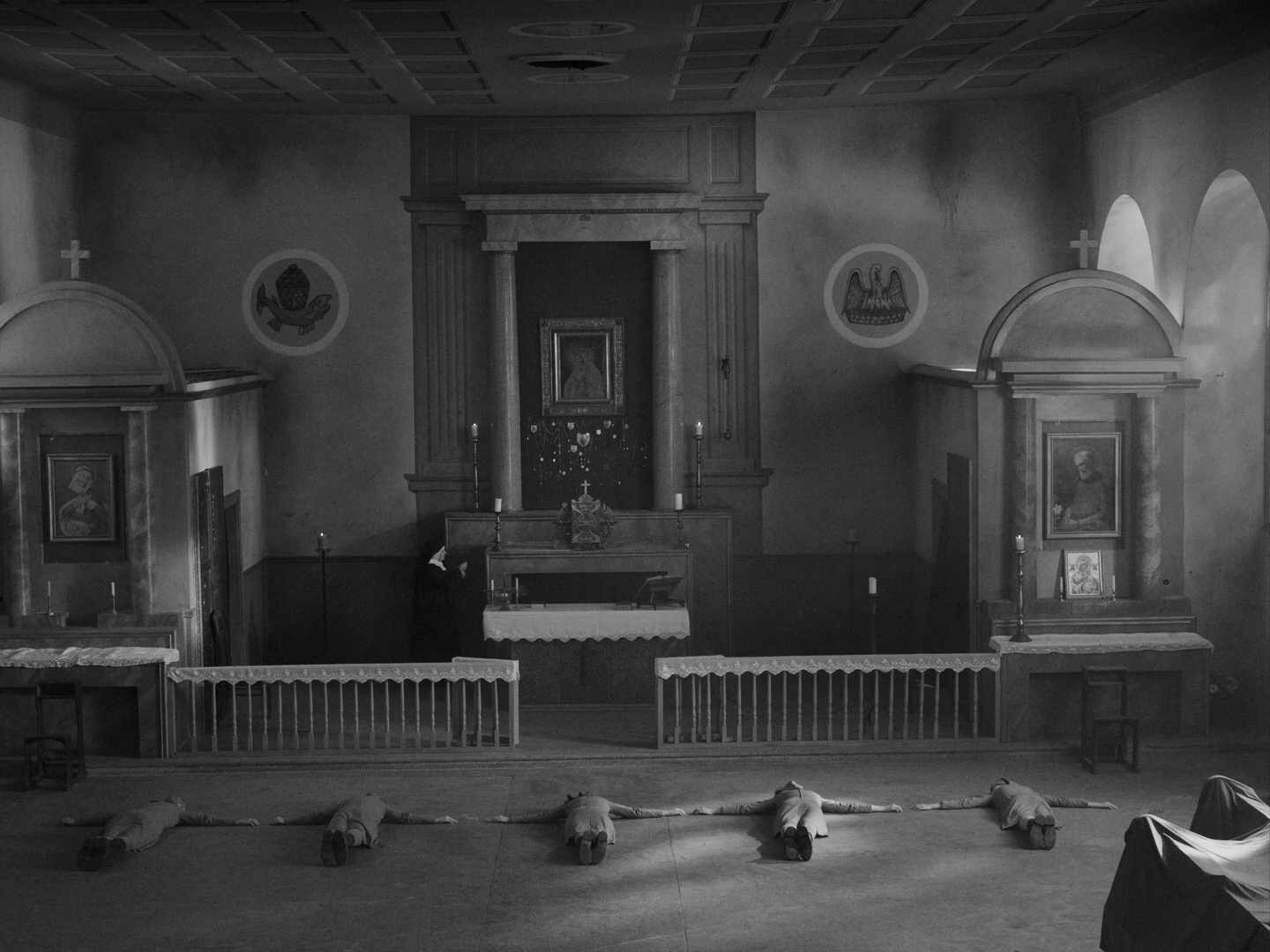
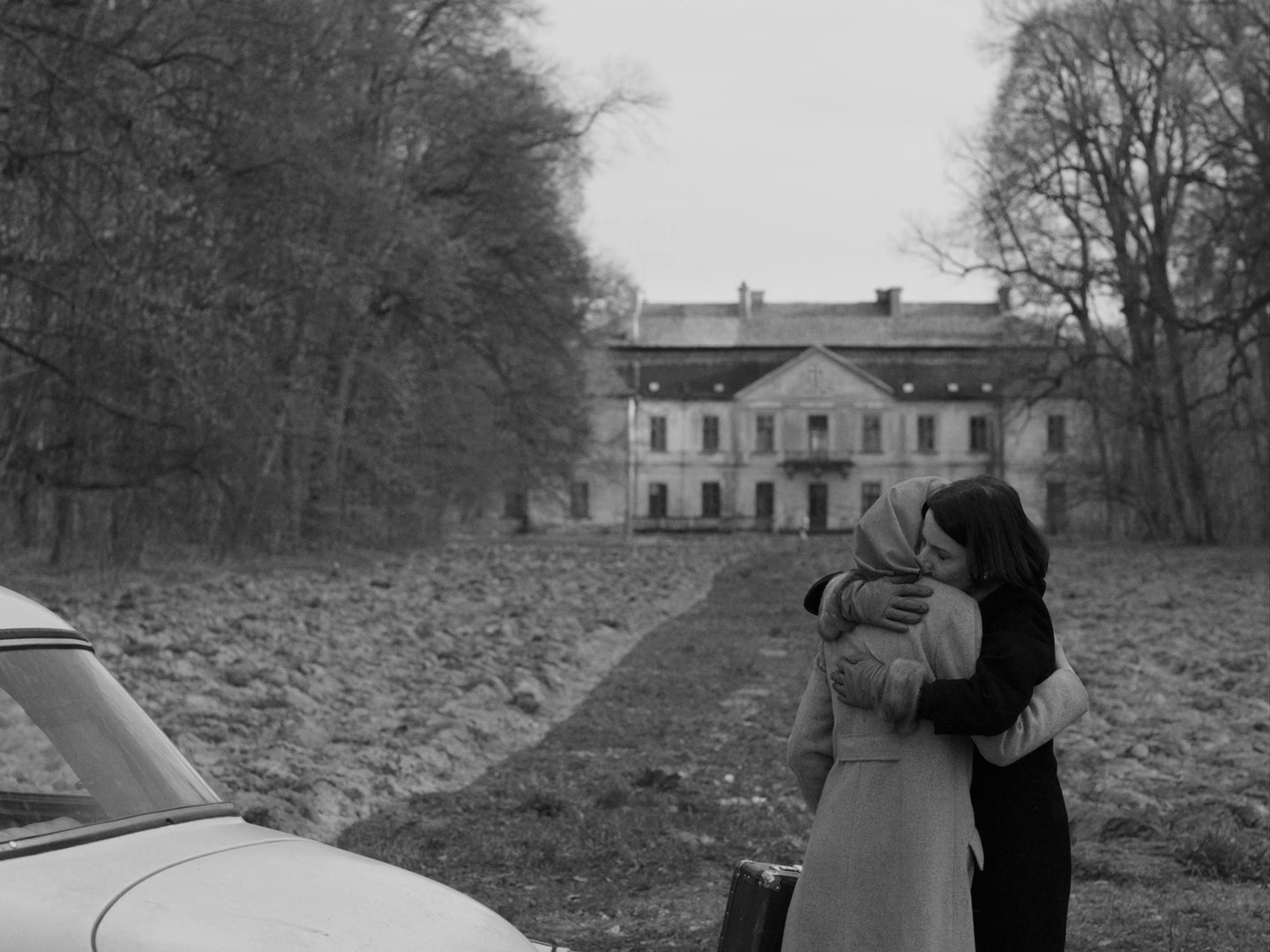
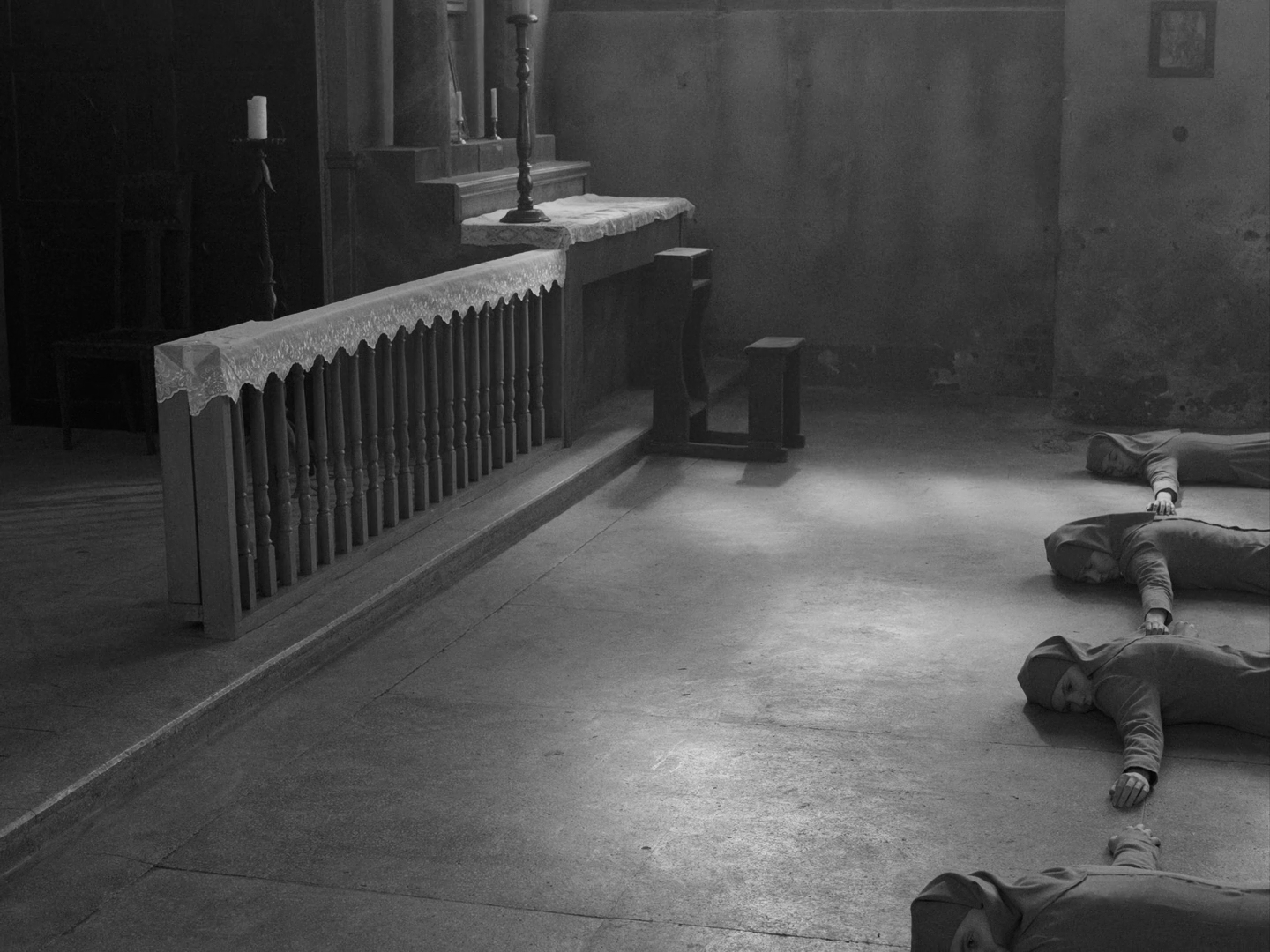
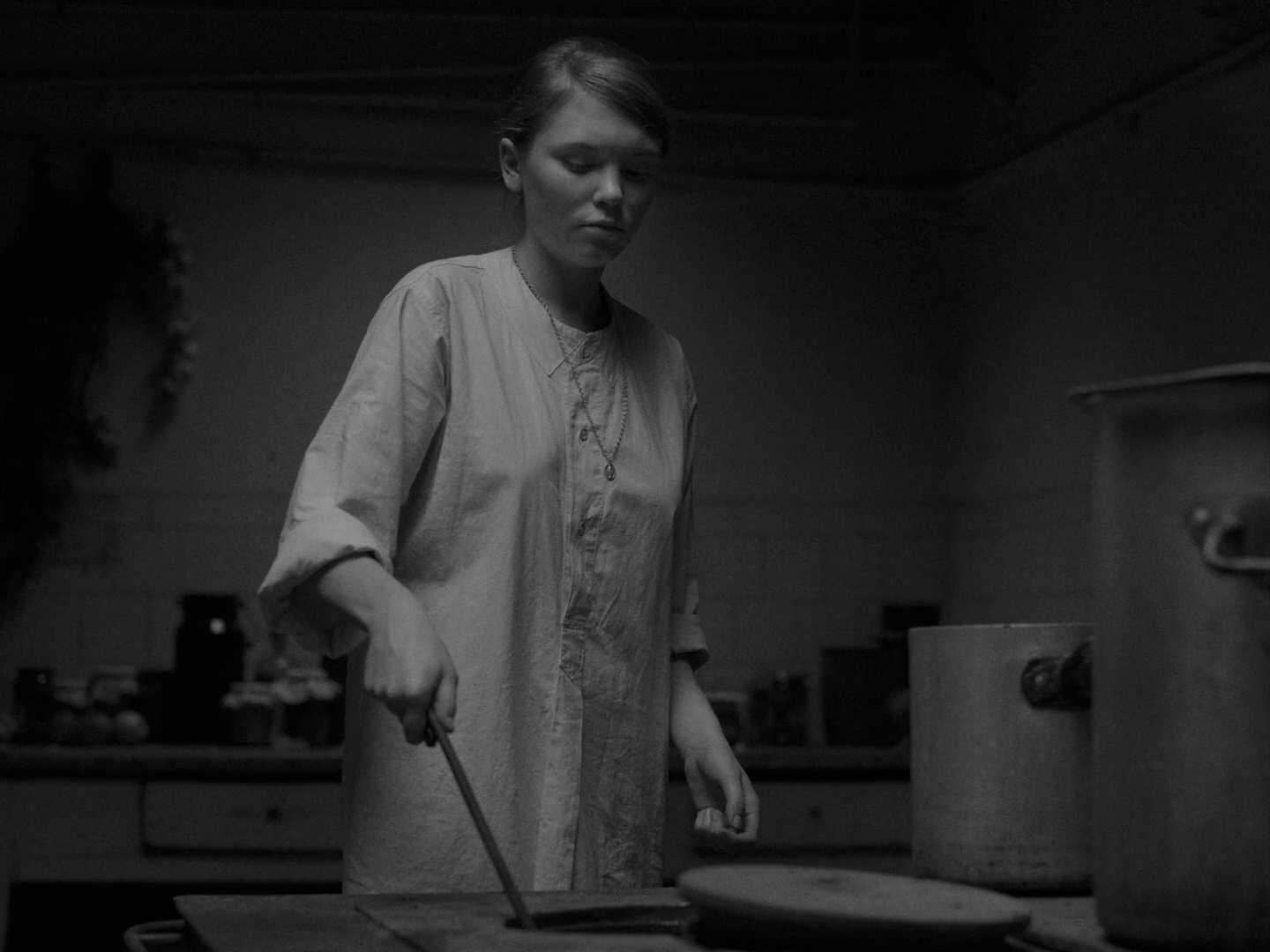






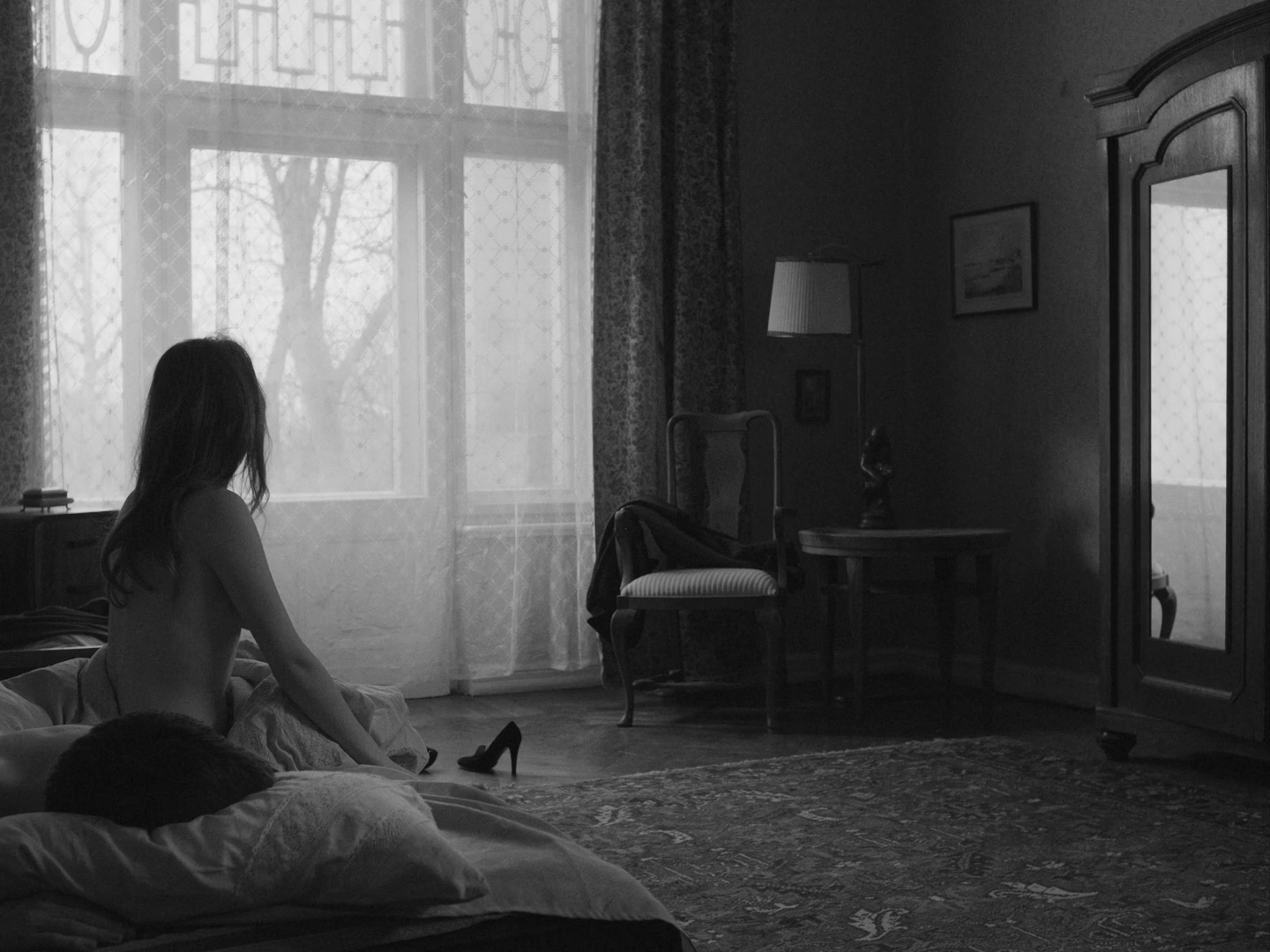
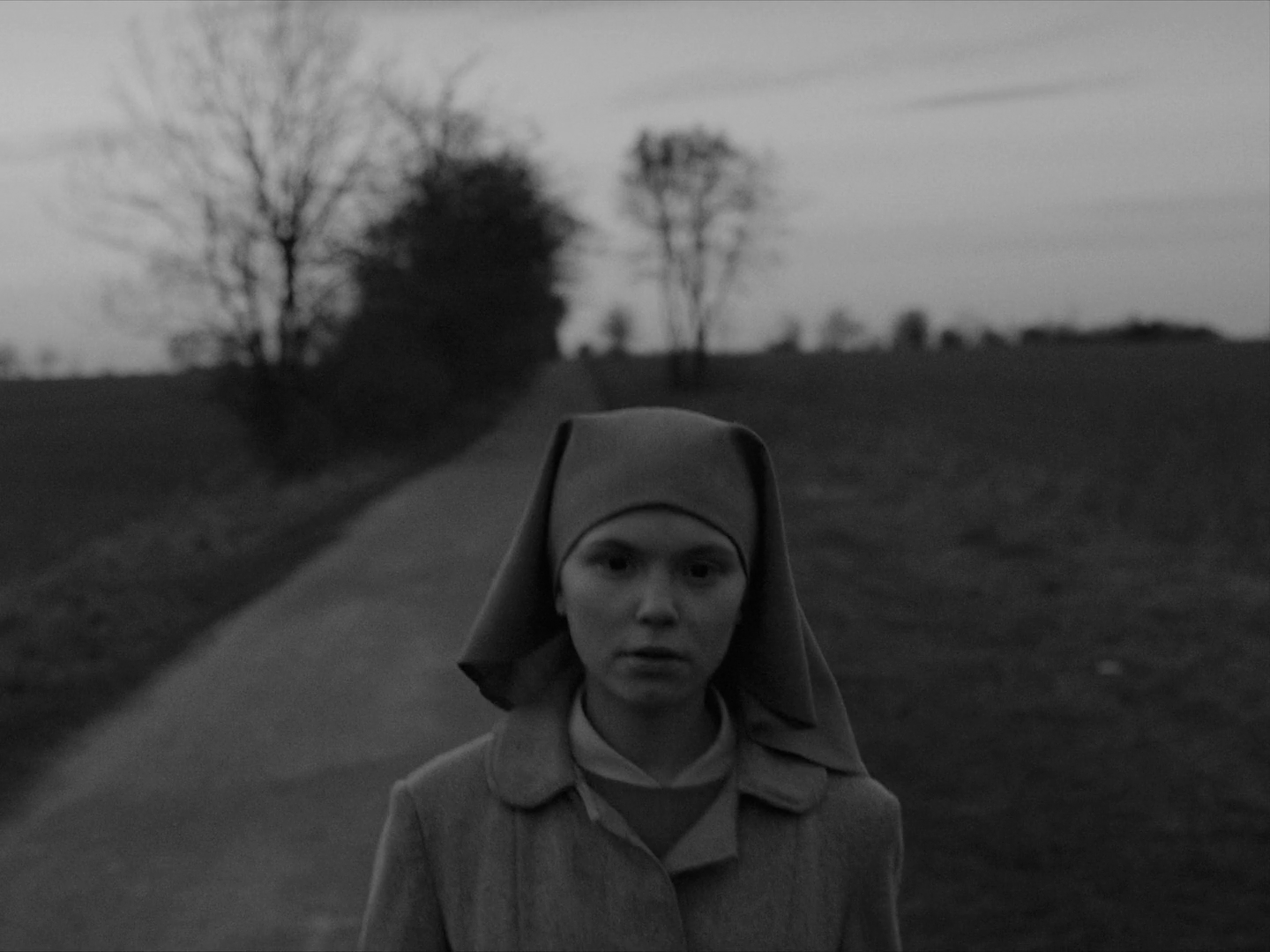
How did black and white ever fall out of fashion?
Presentation:
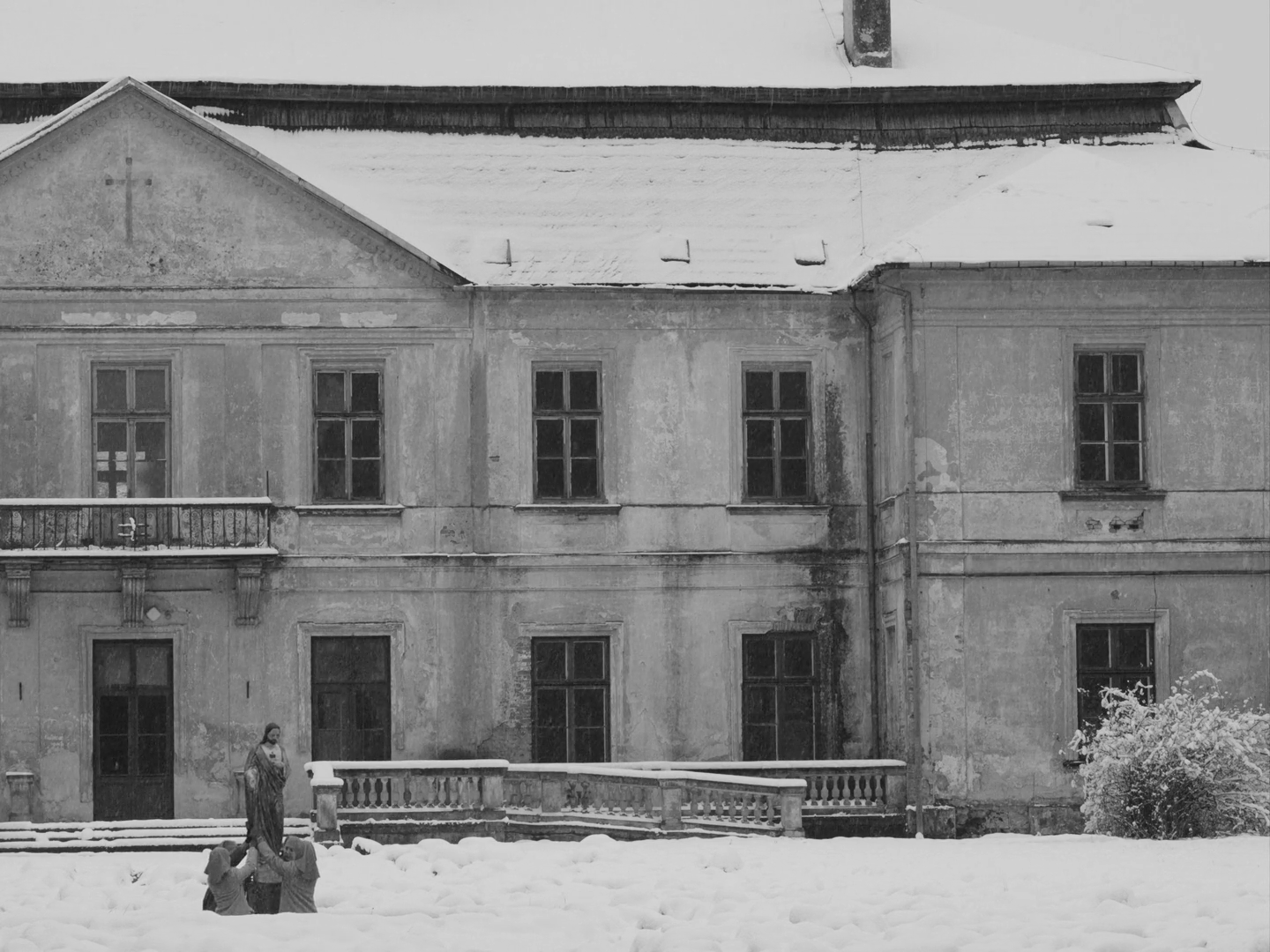
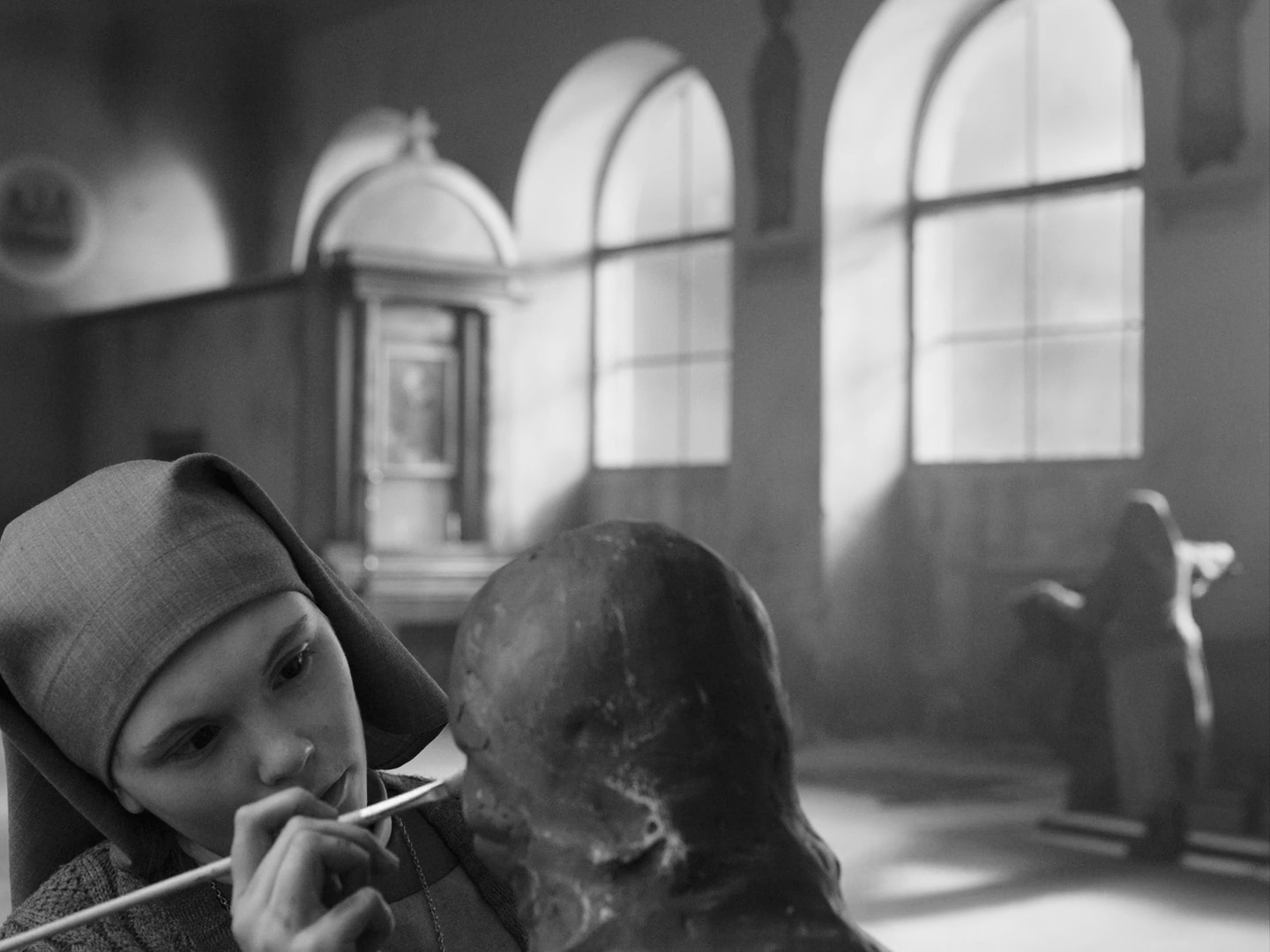
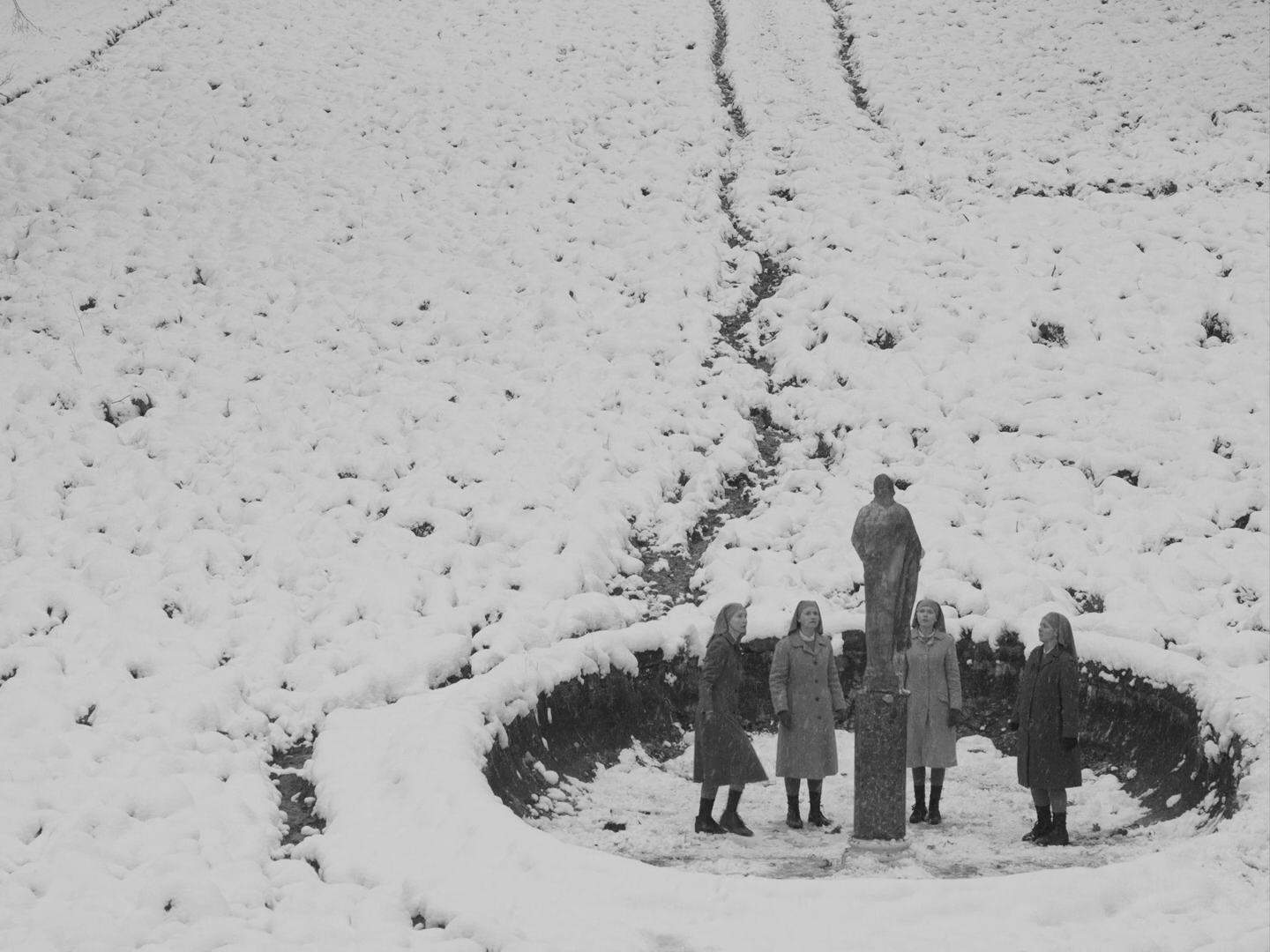
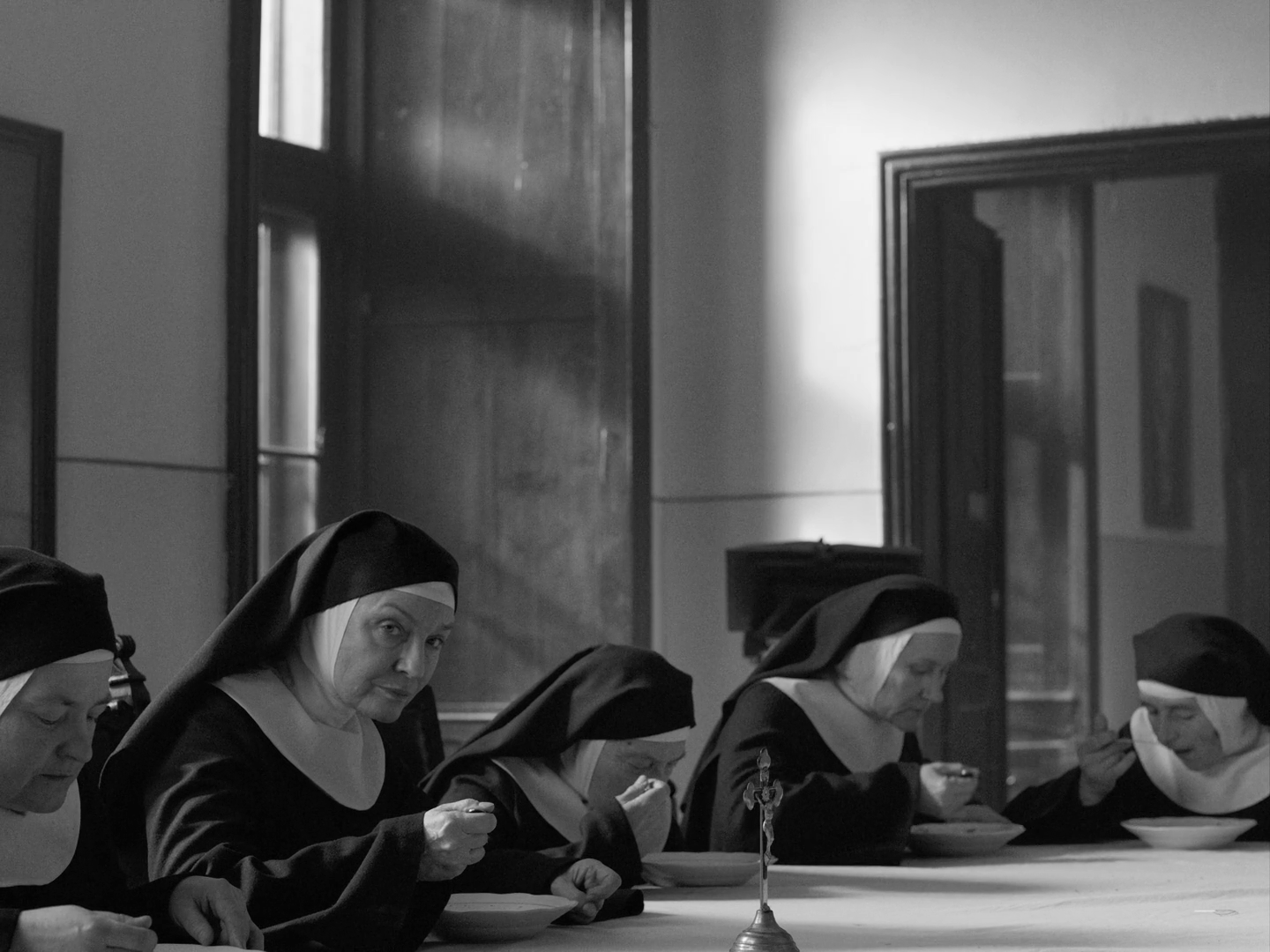
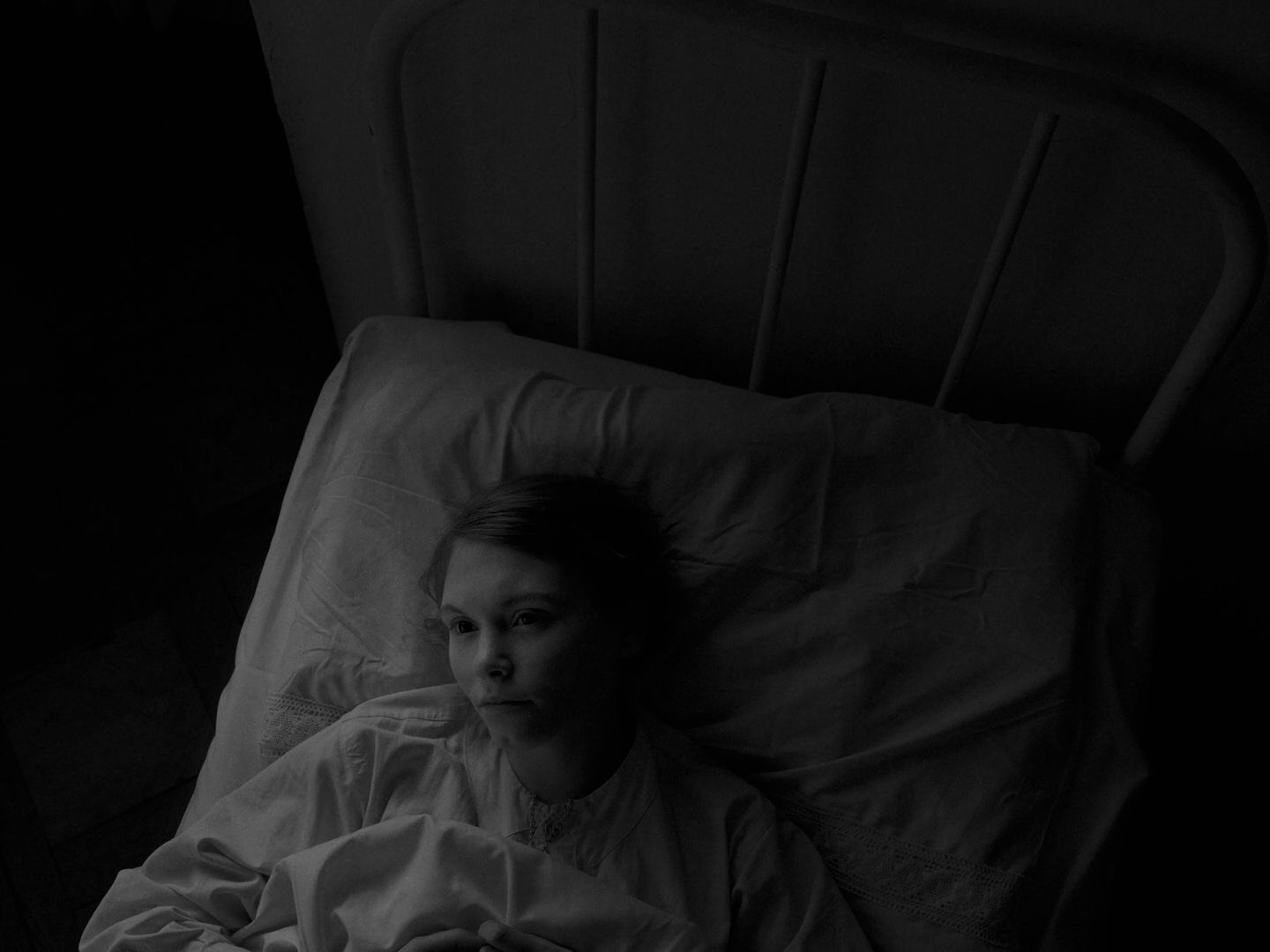
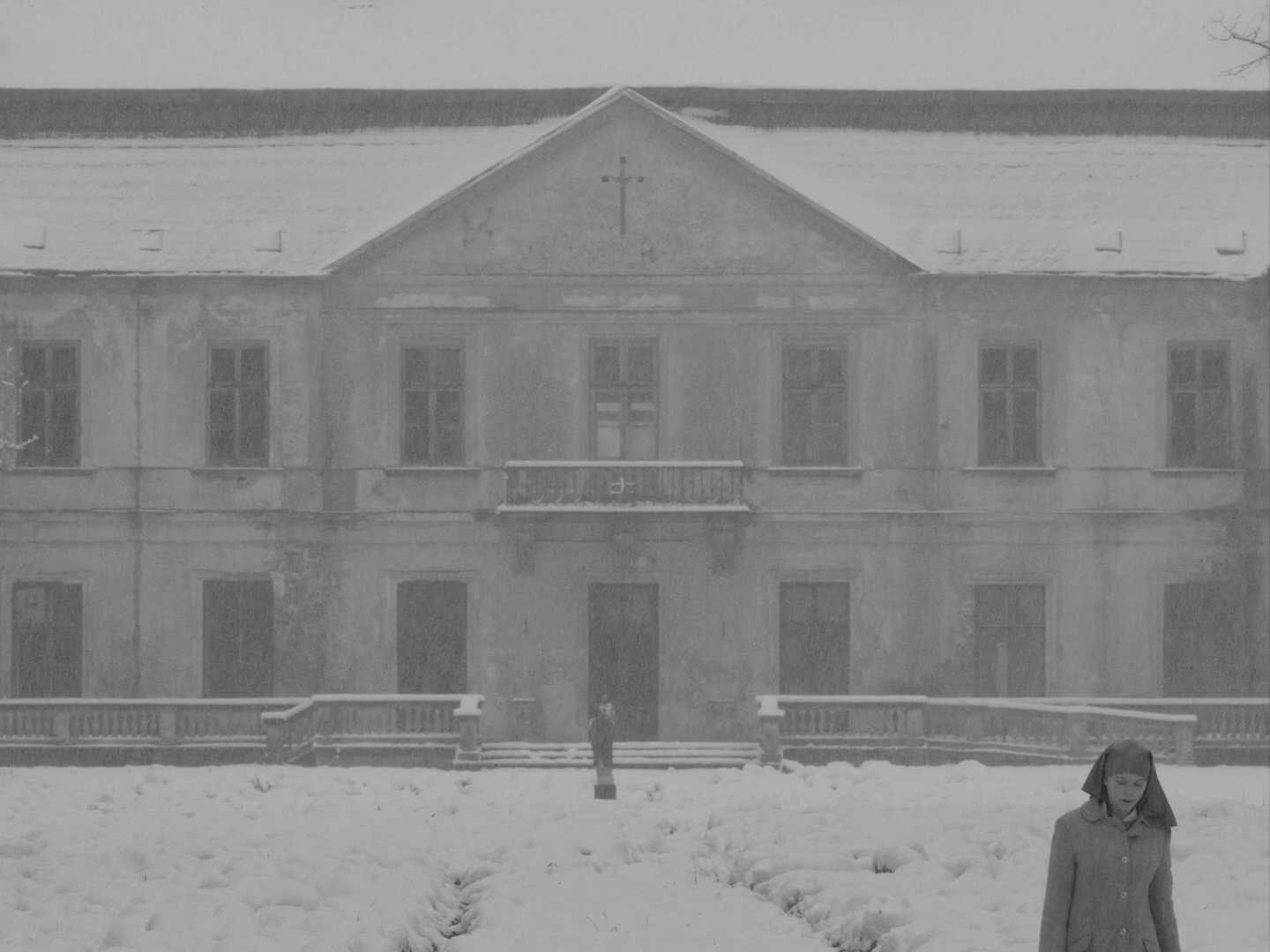
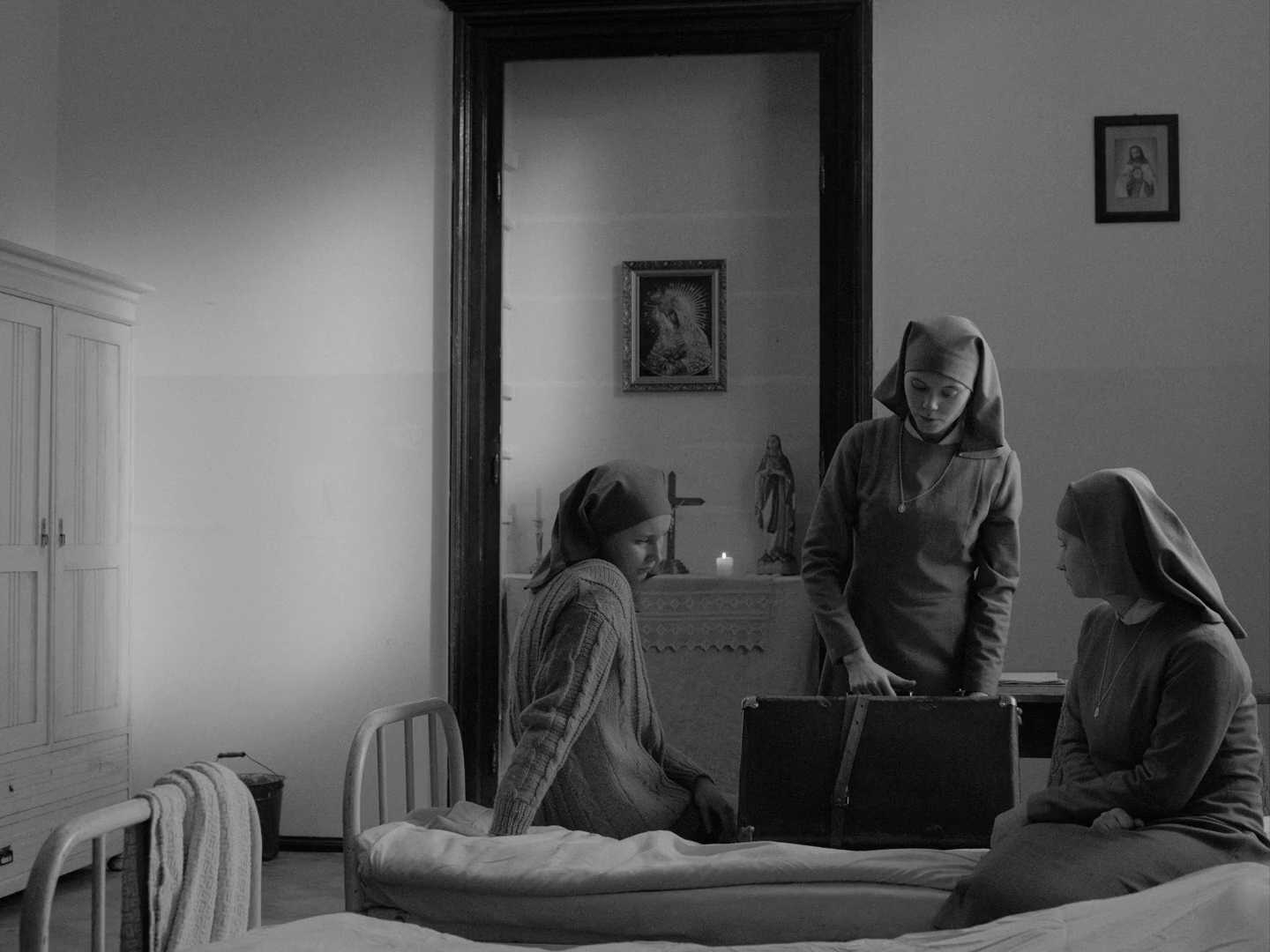
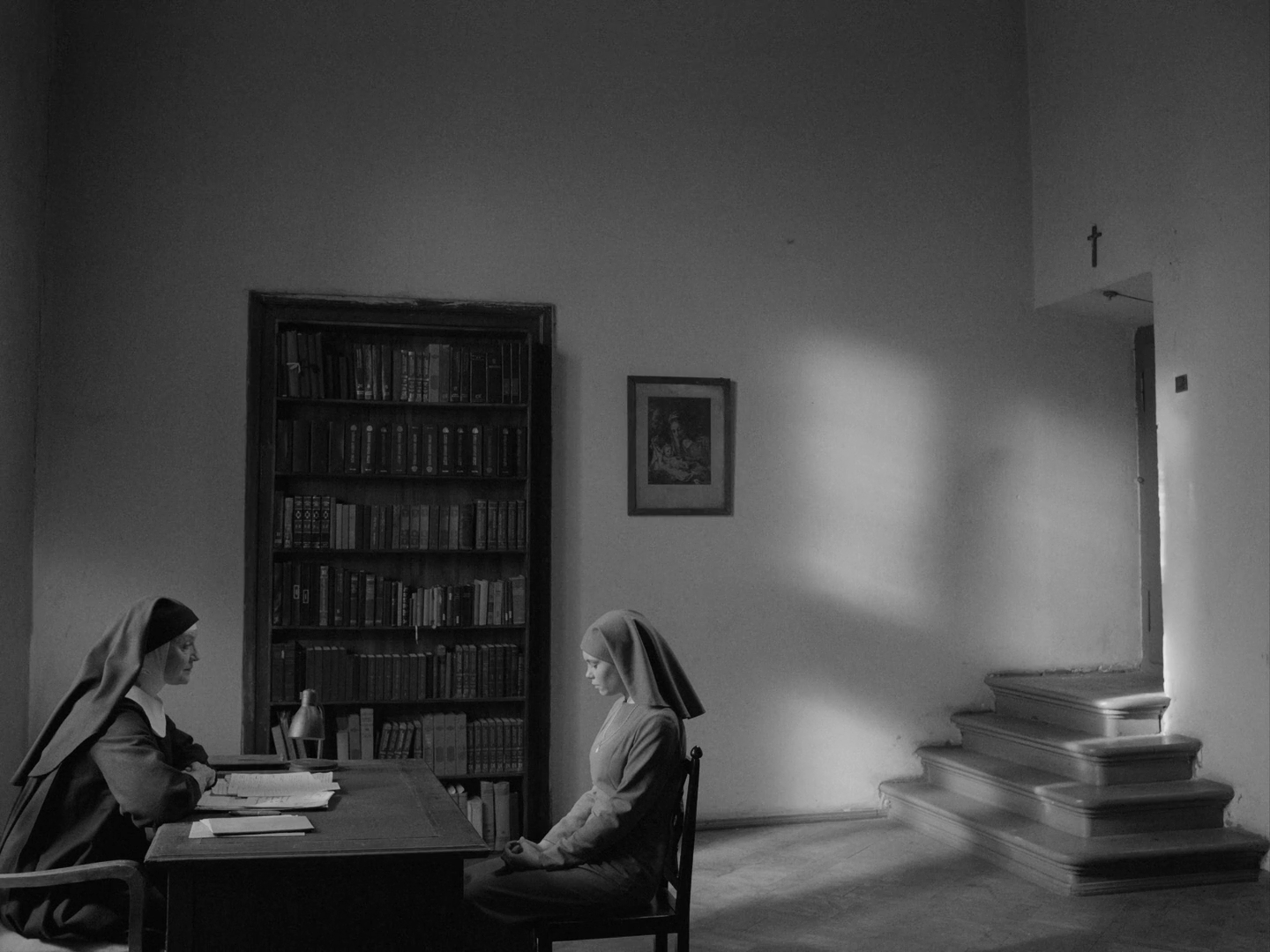
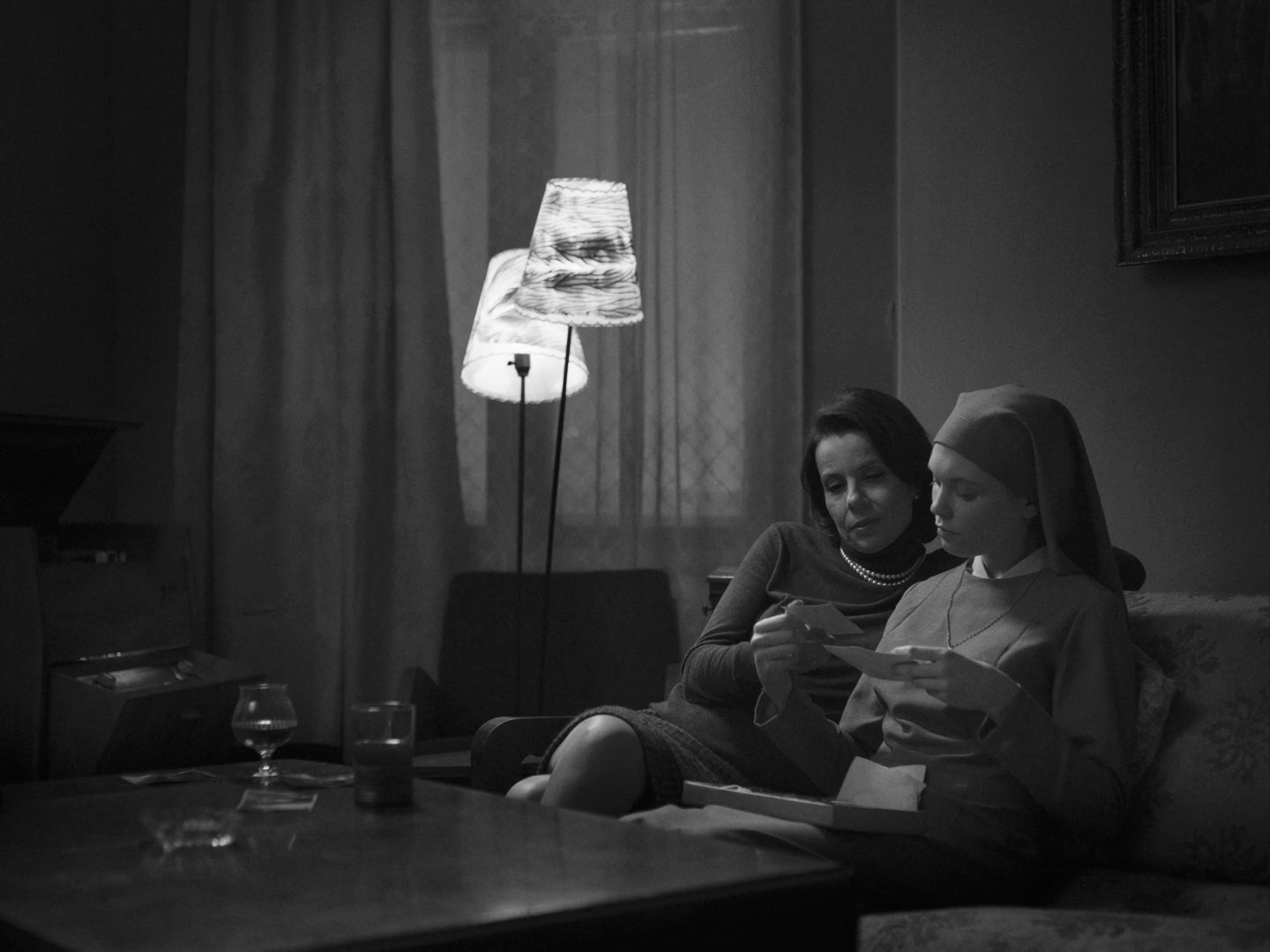
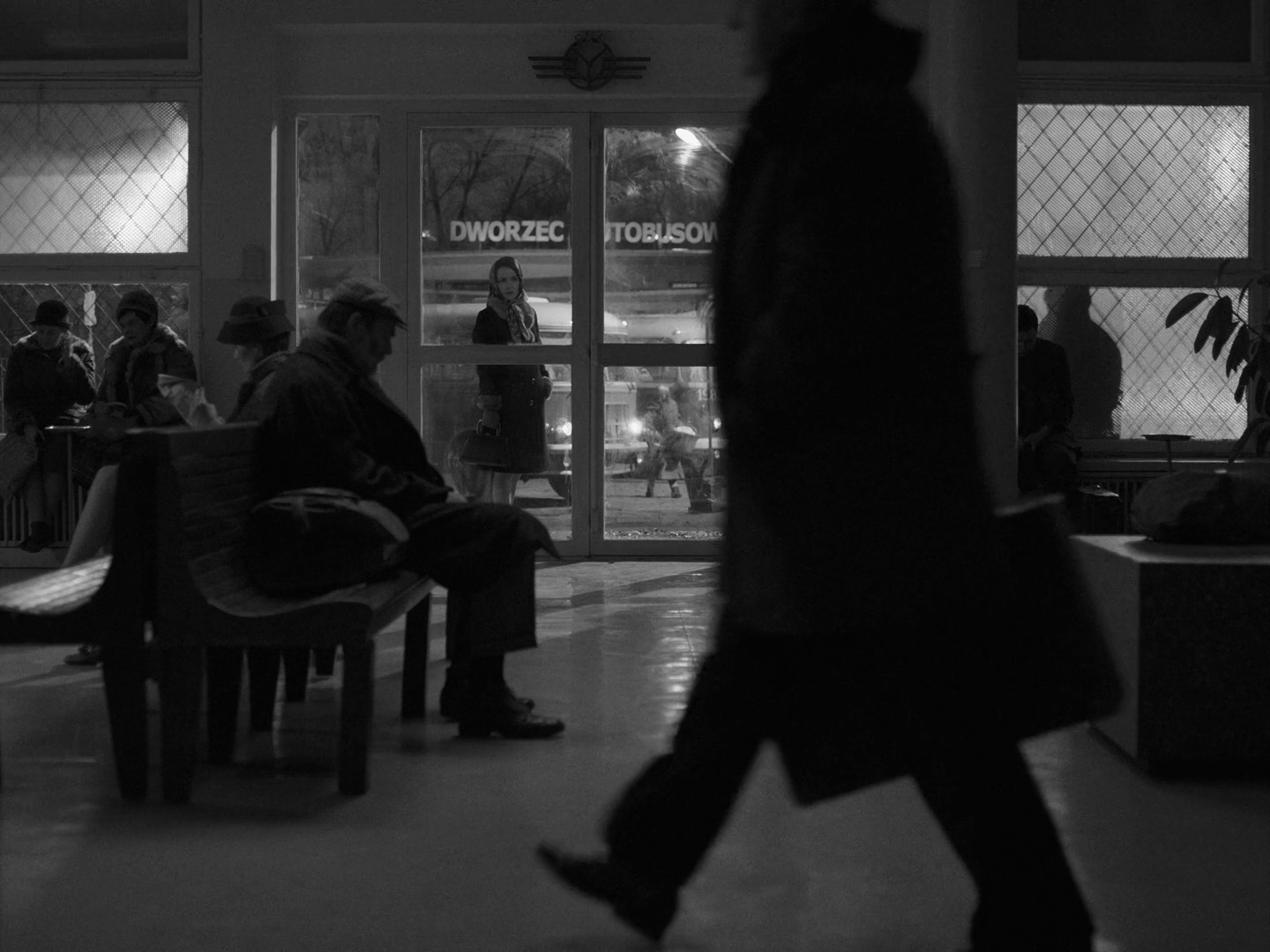
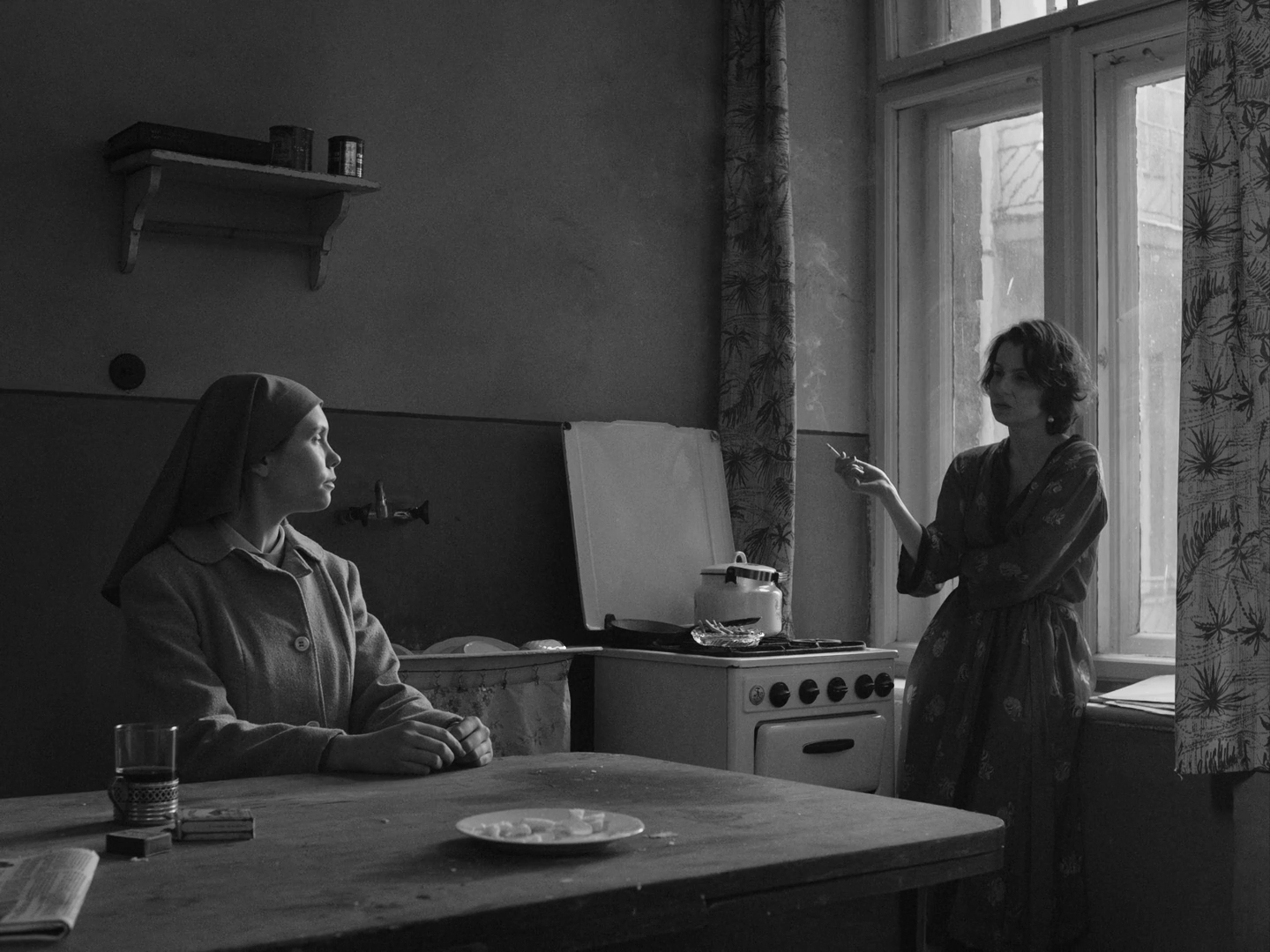
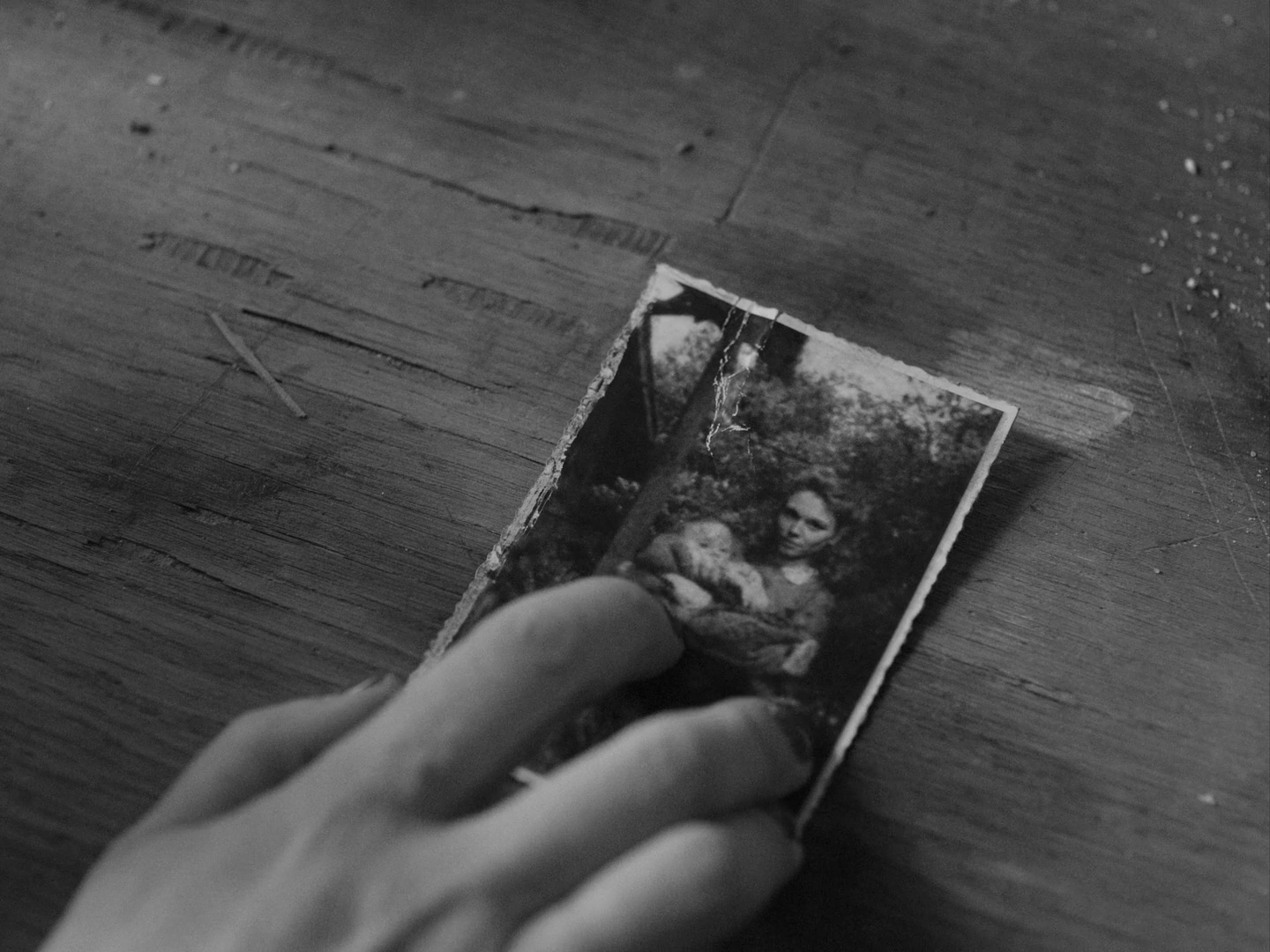
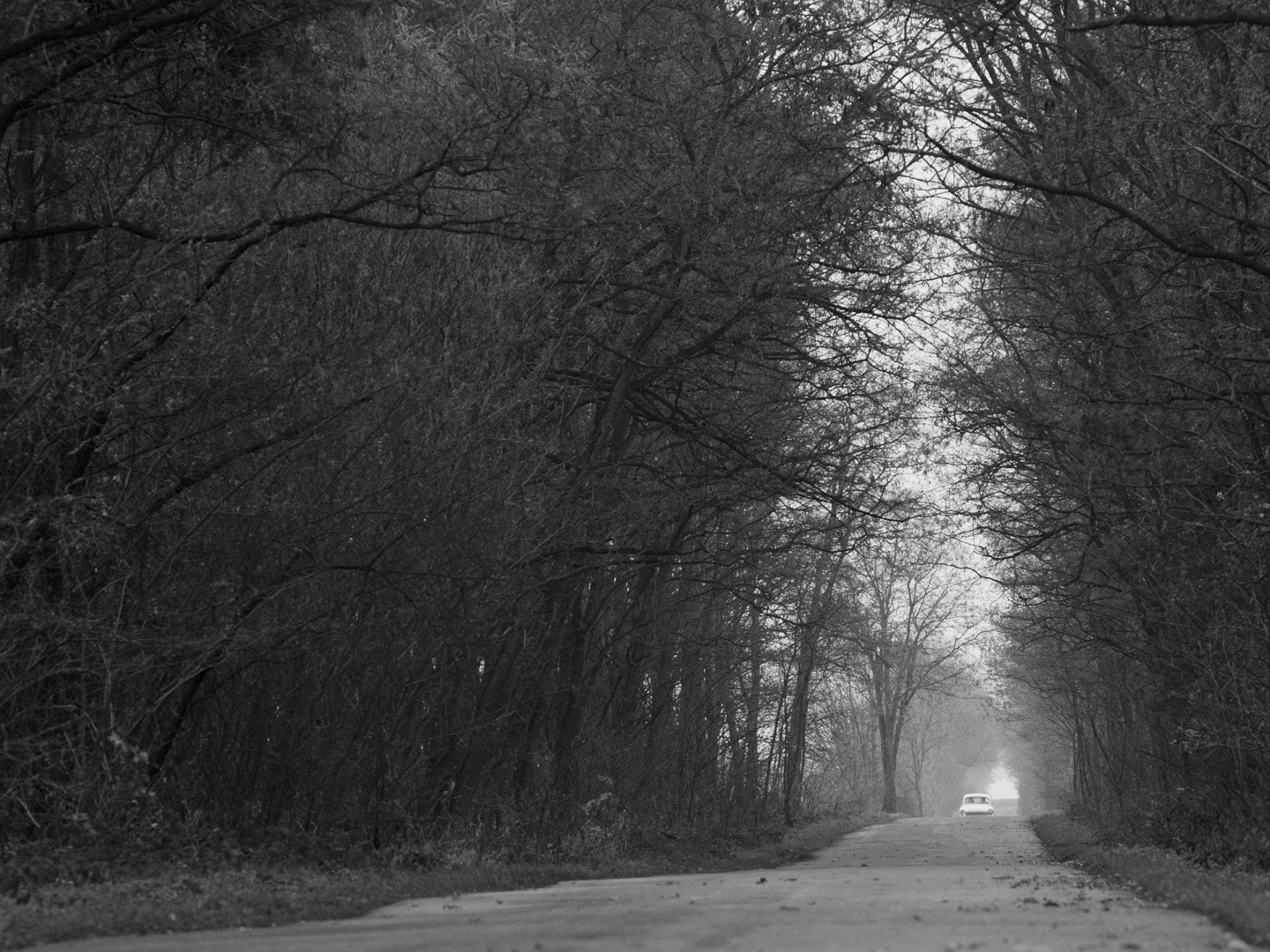
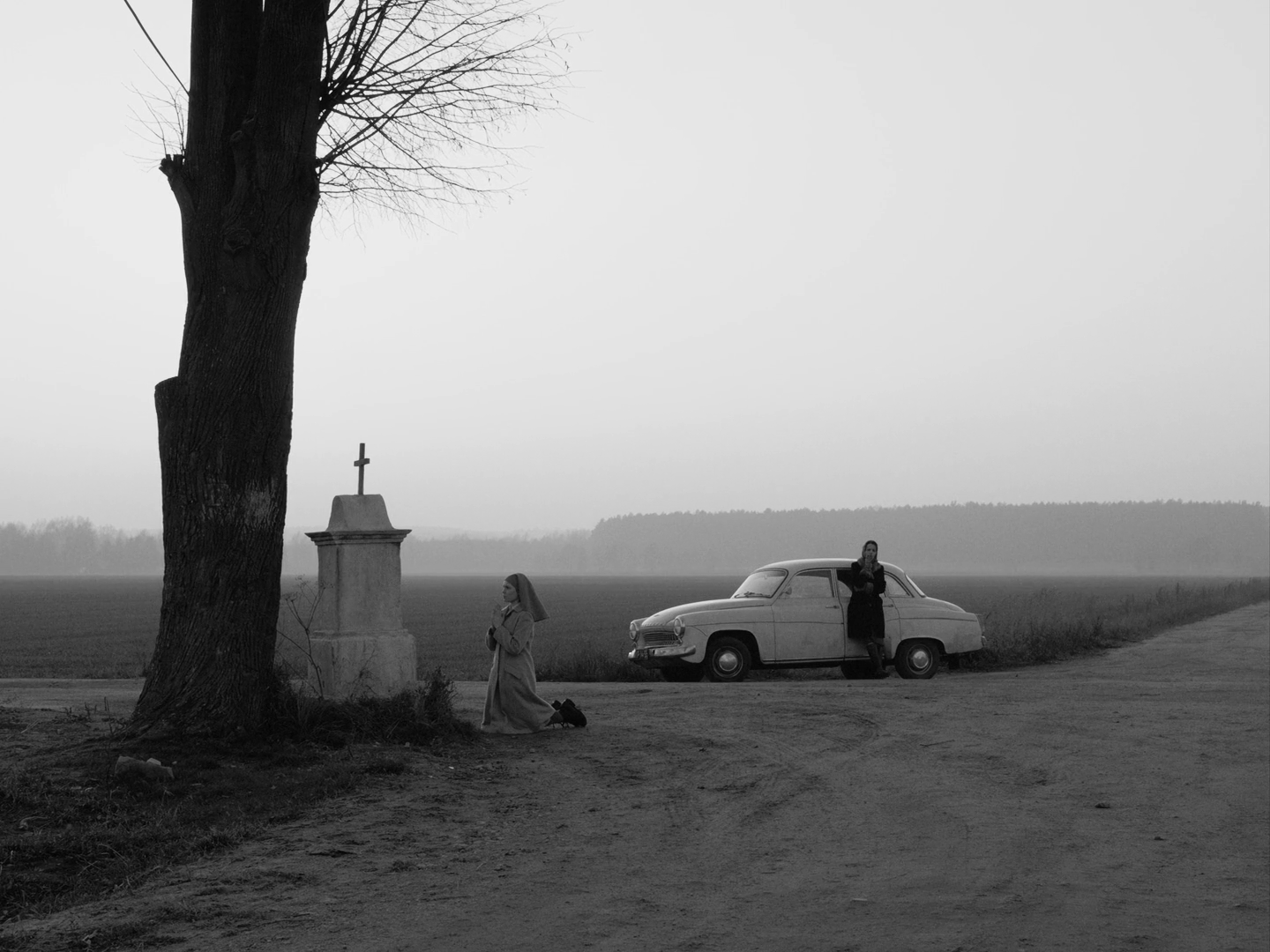
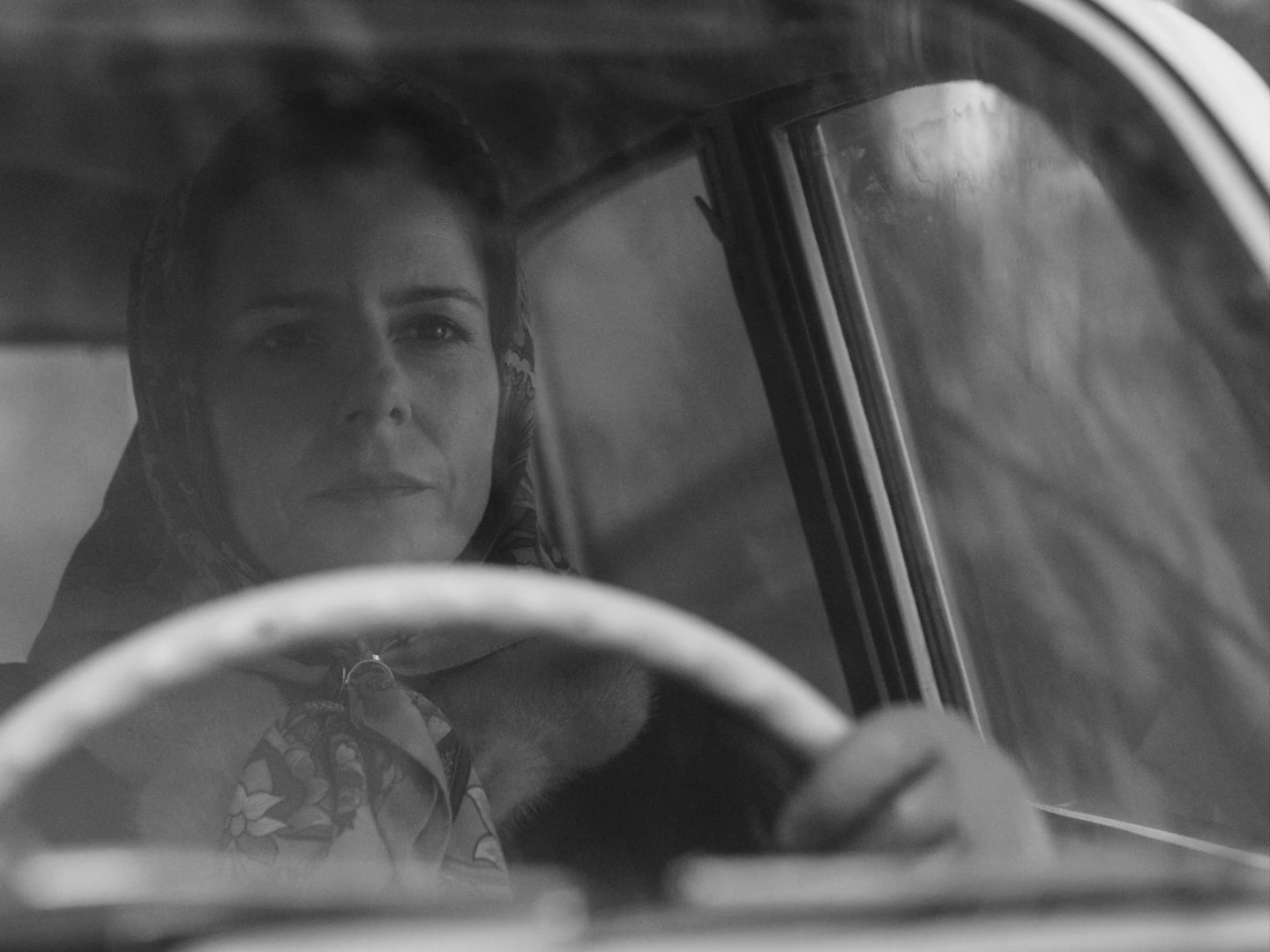
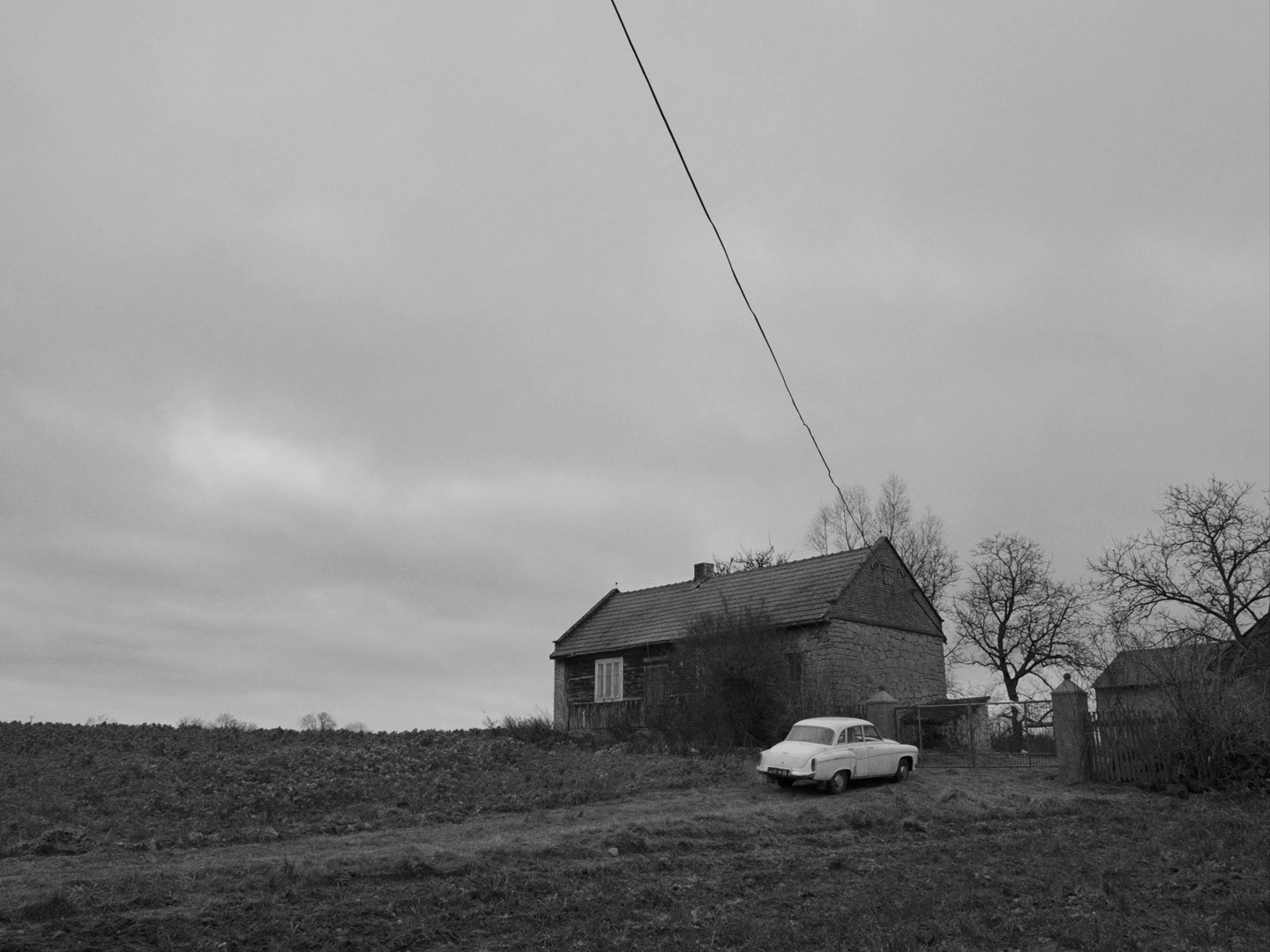
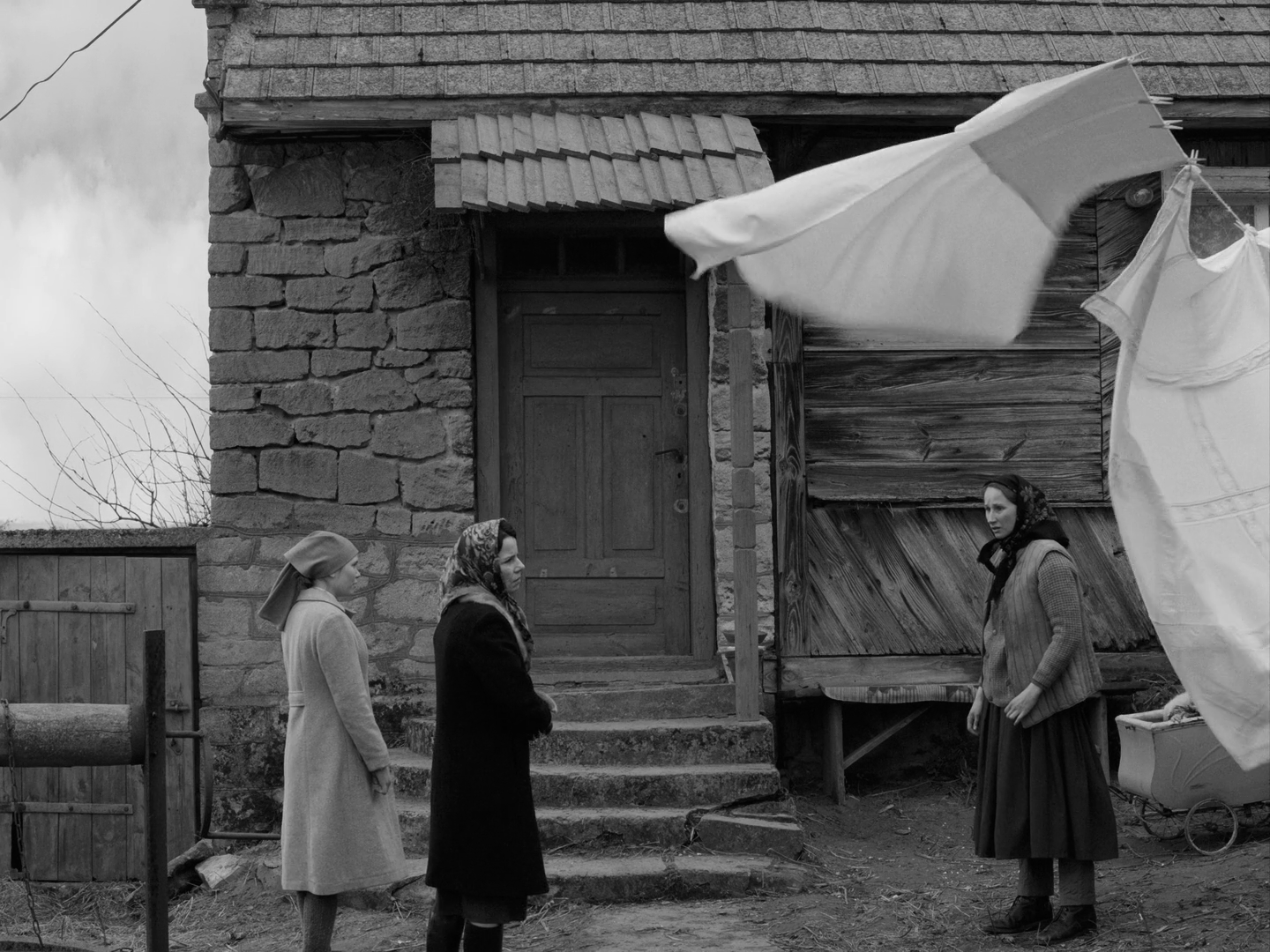
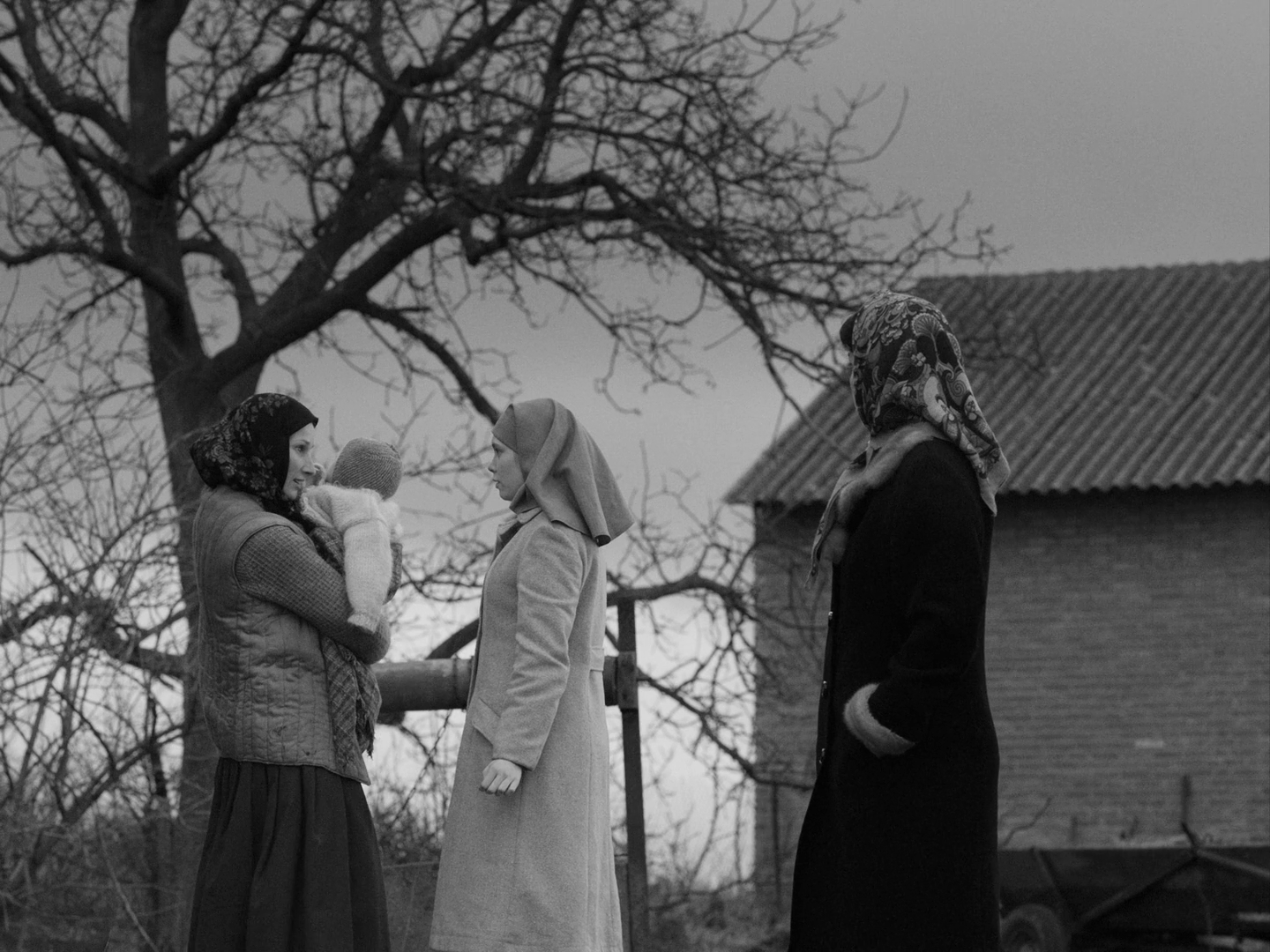
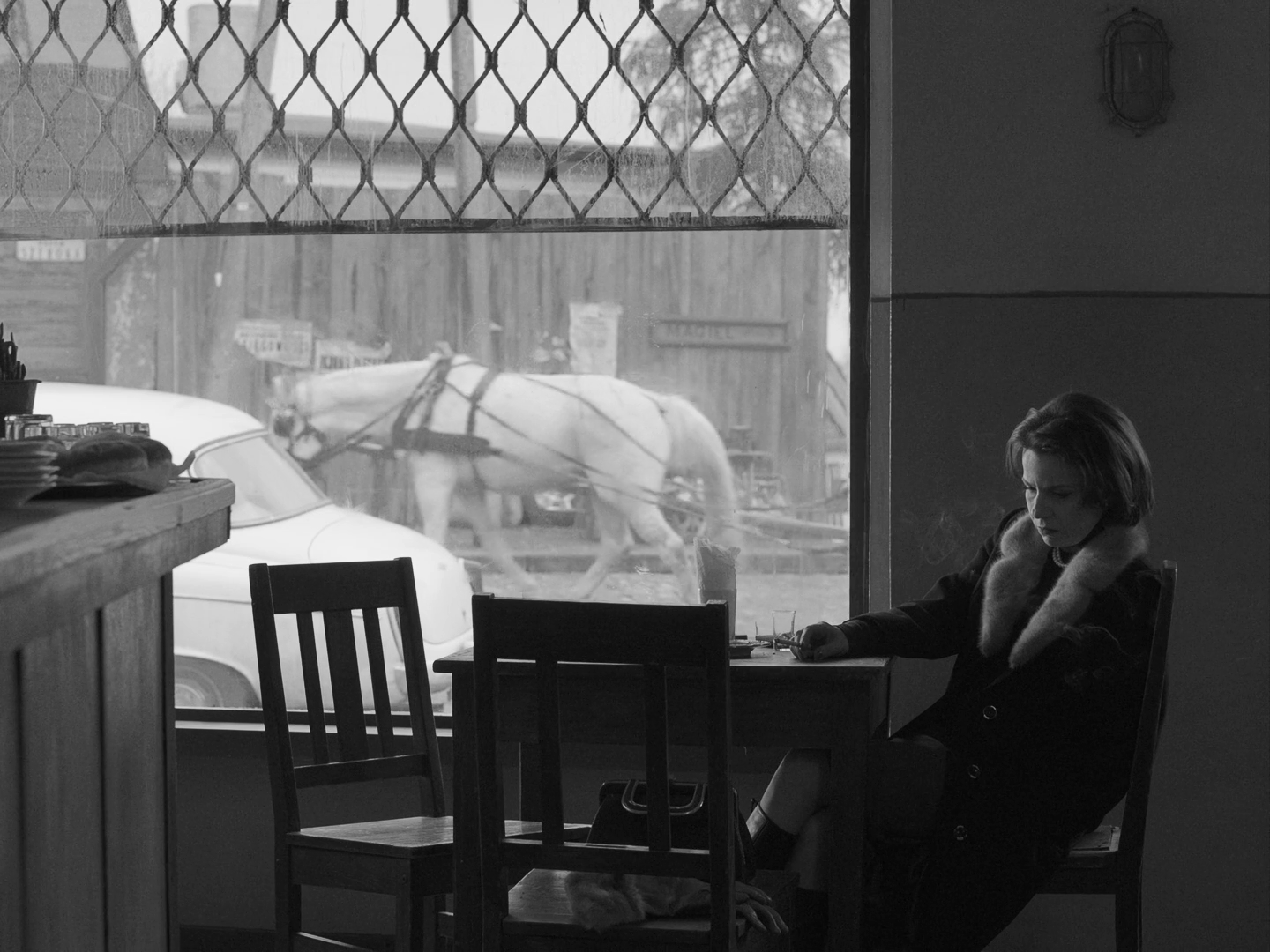
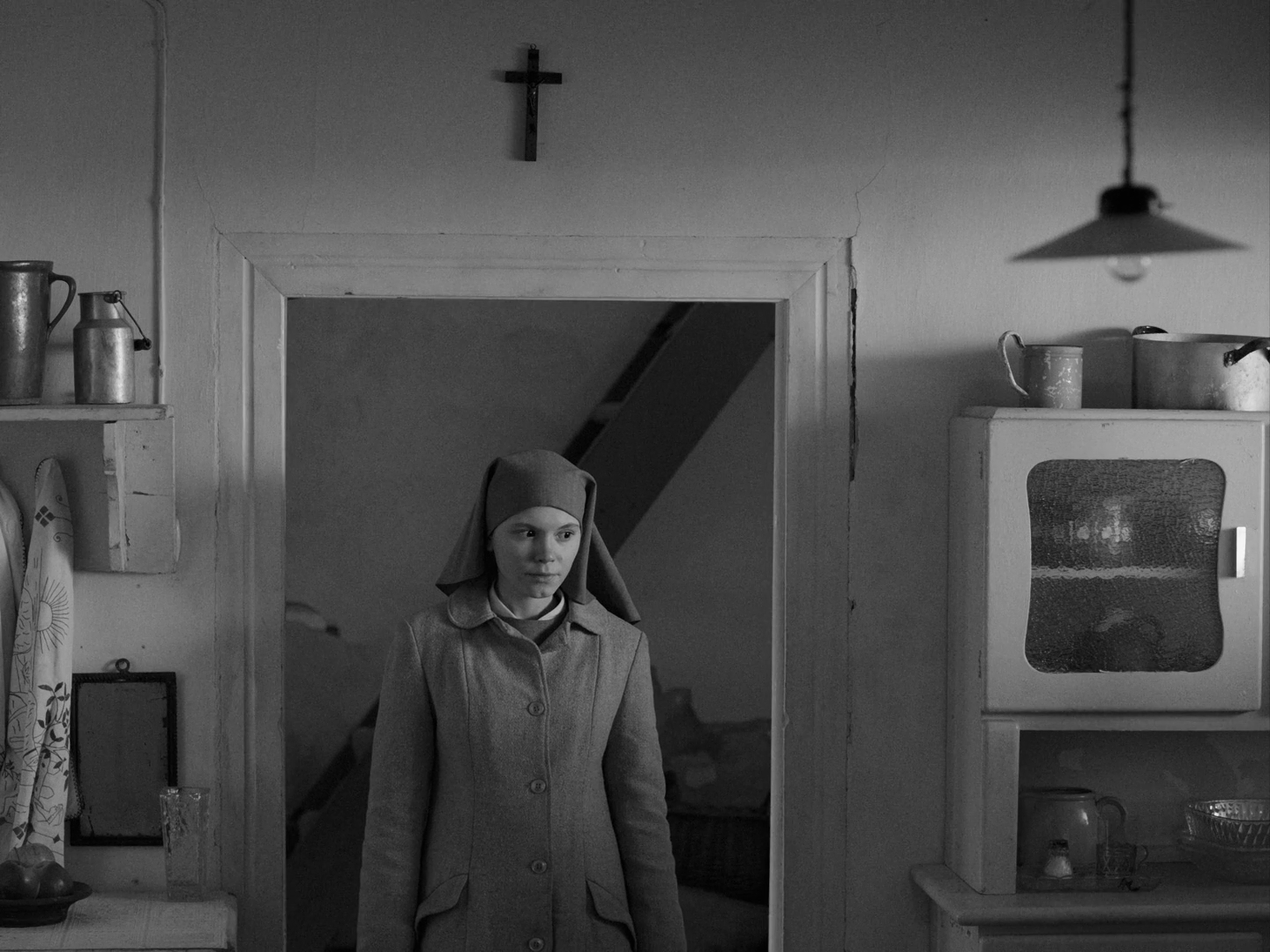
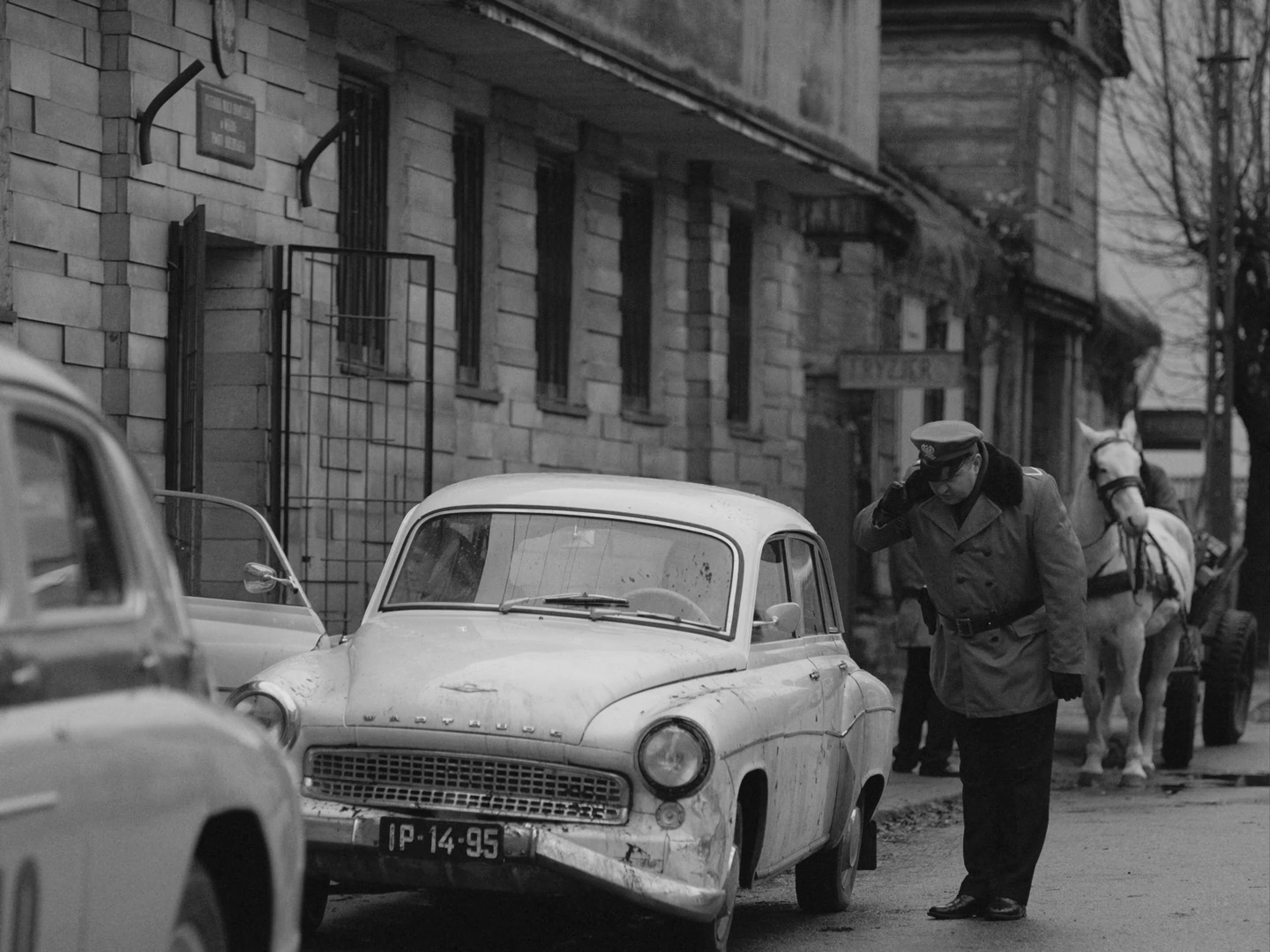
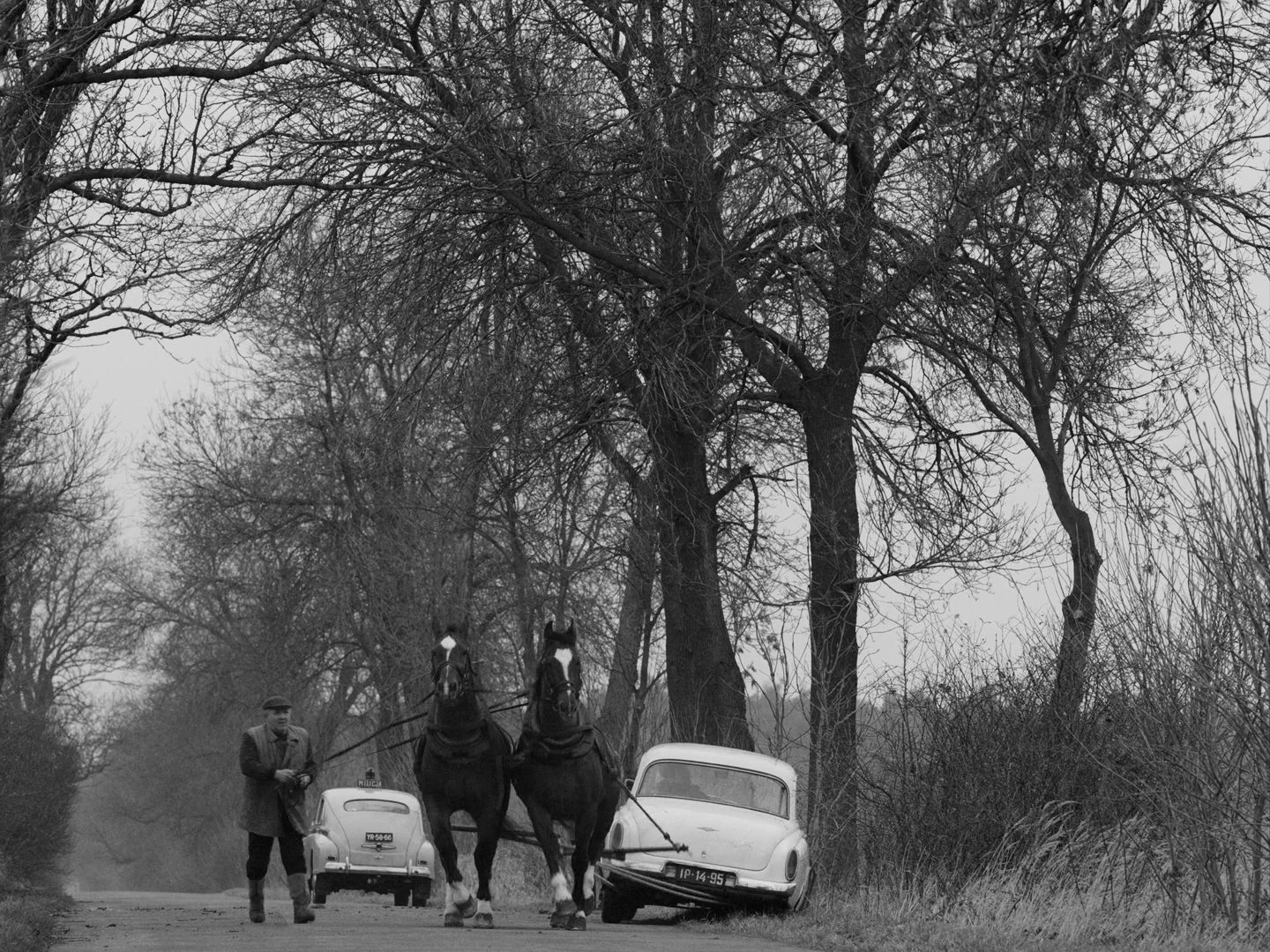
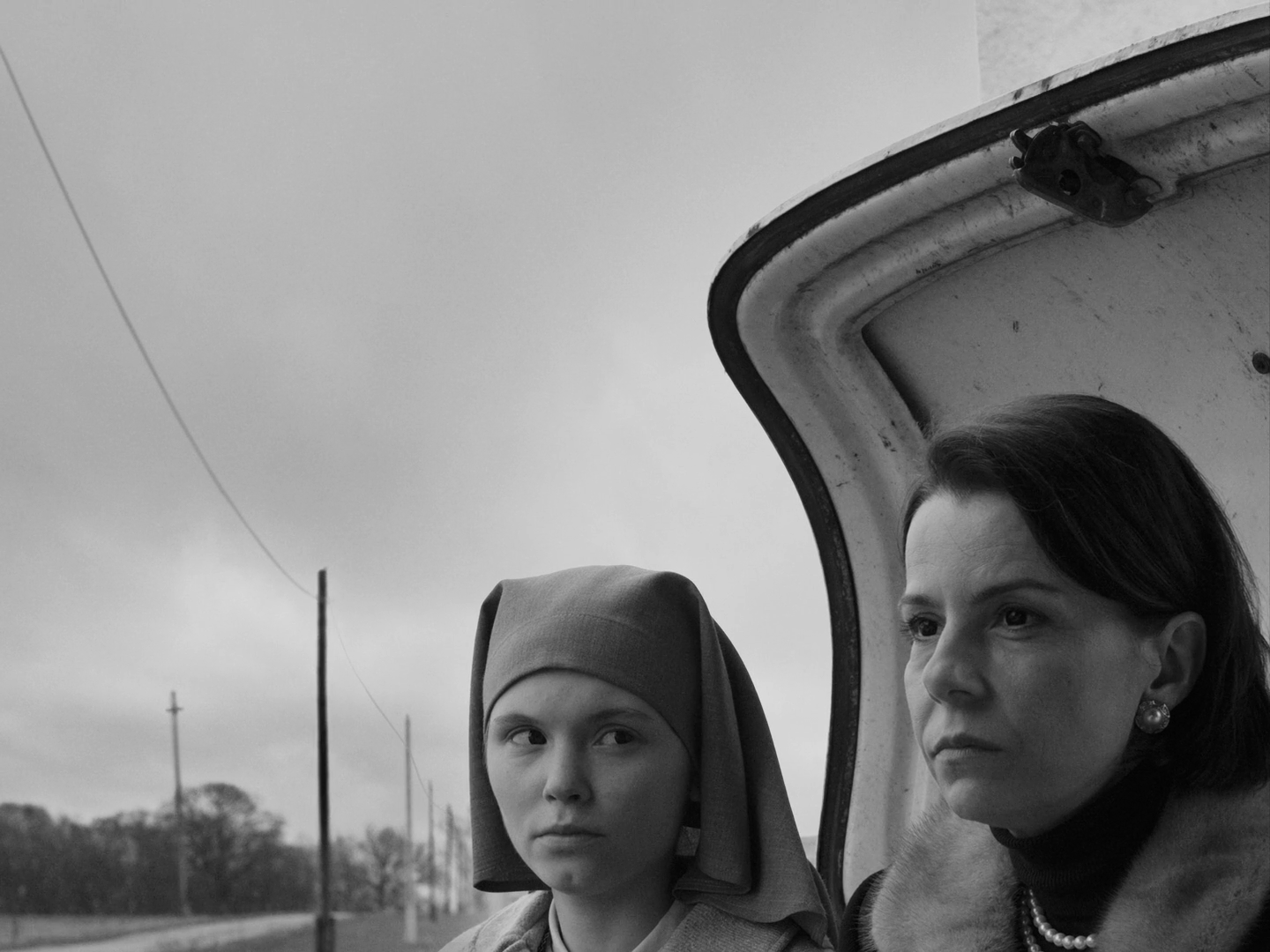
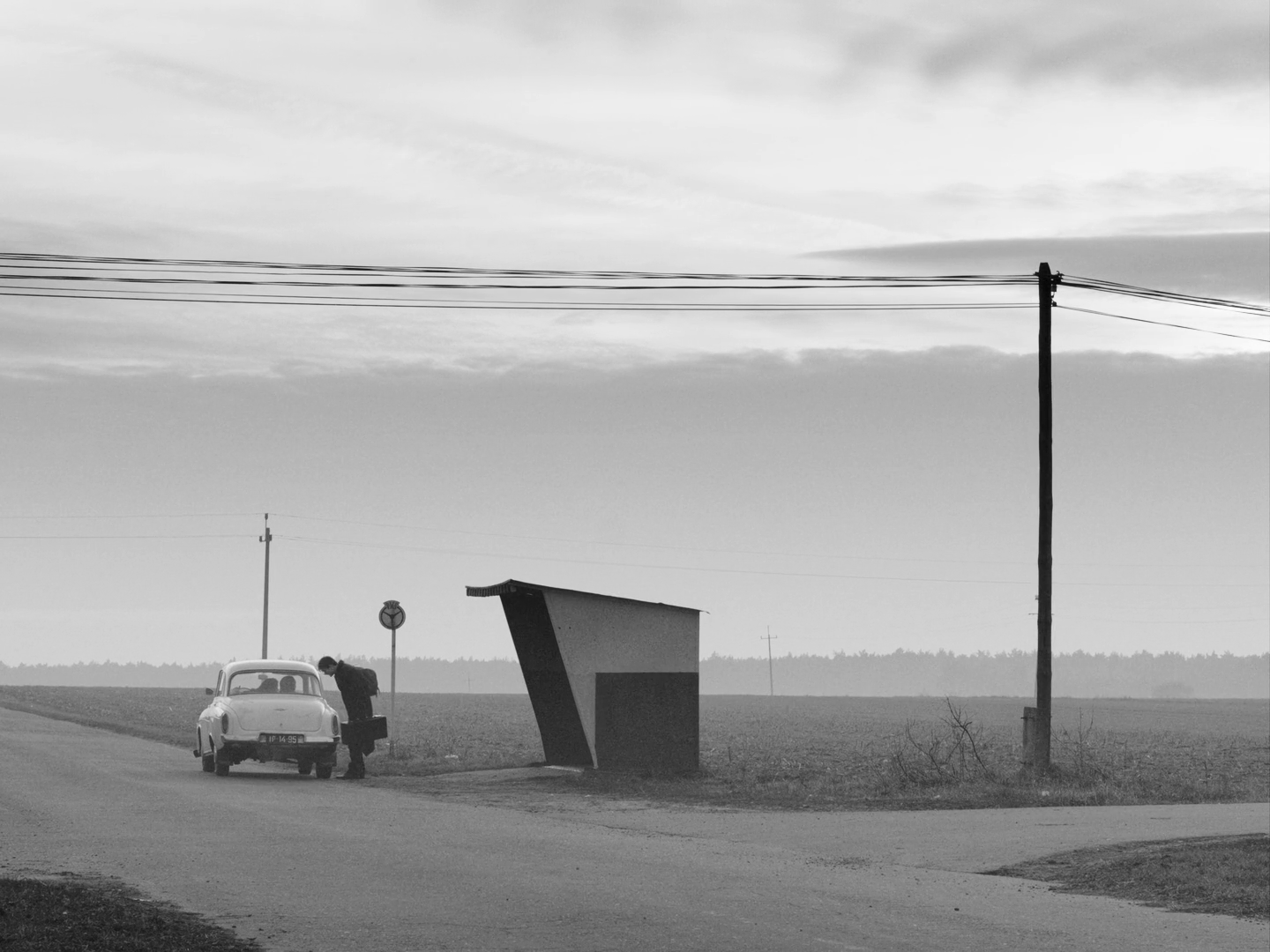
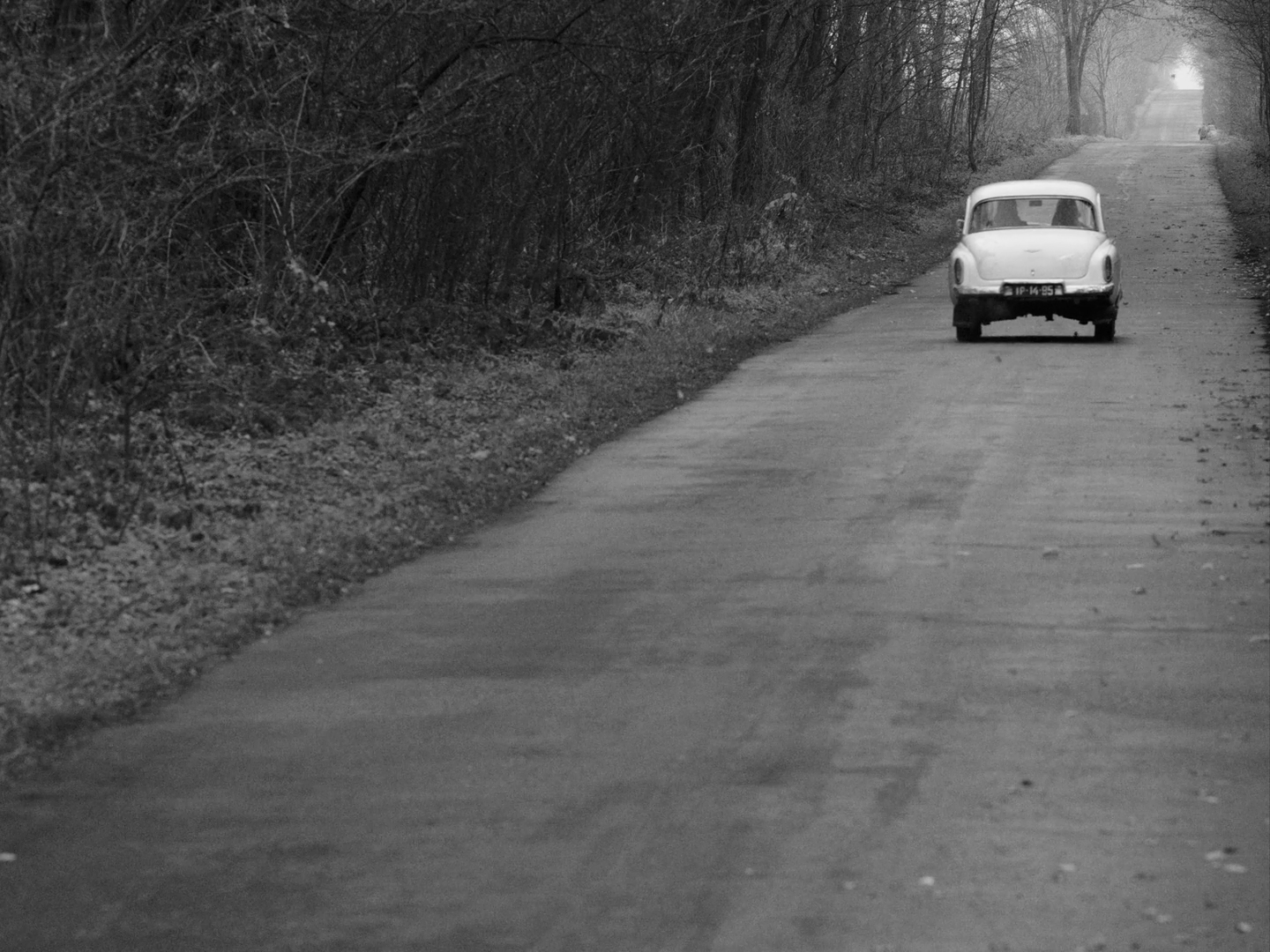
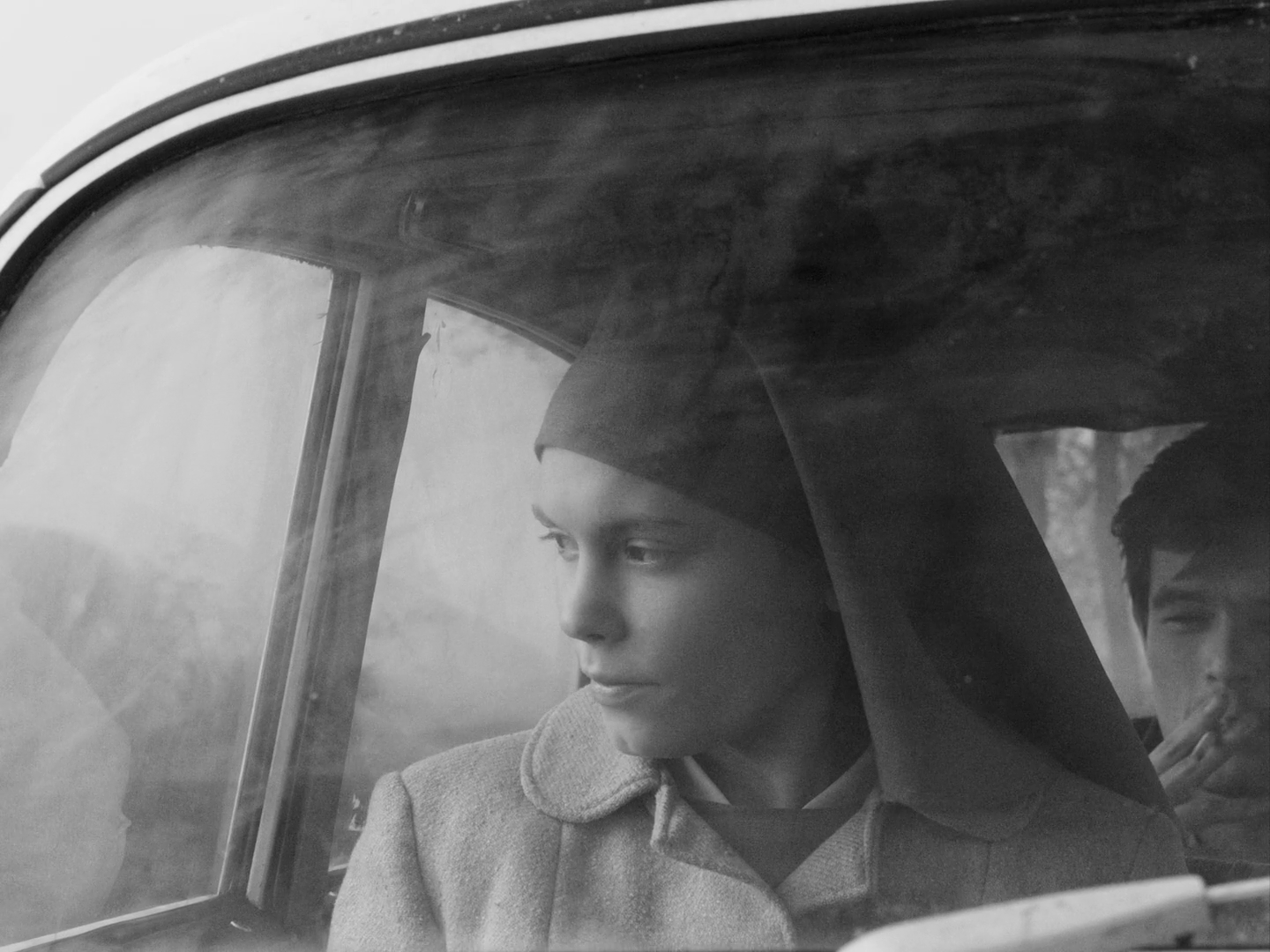
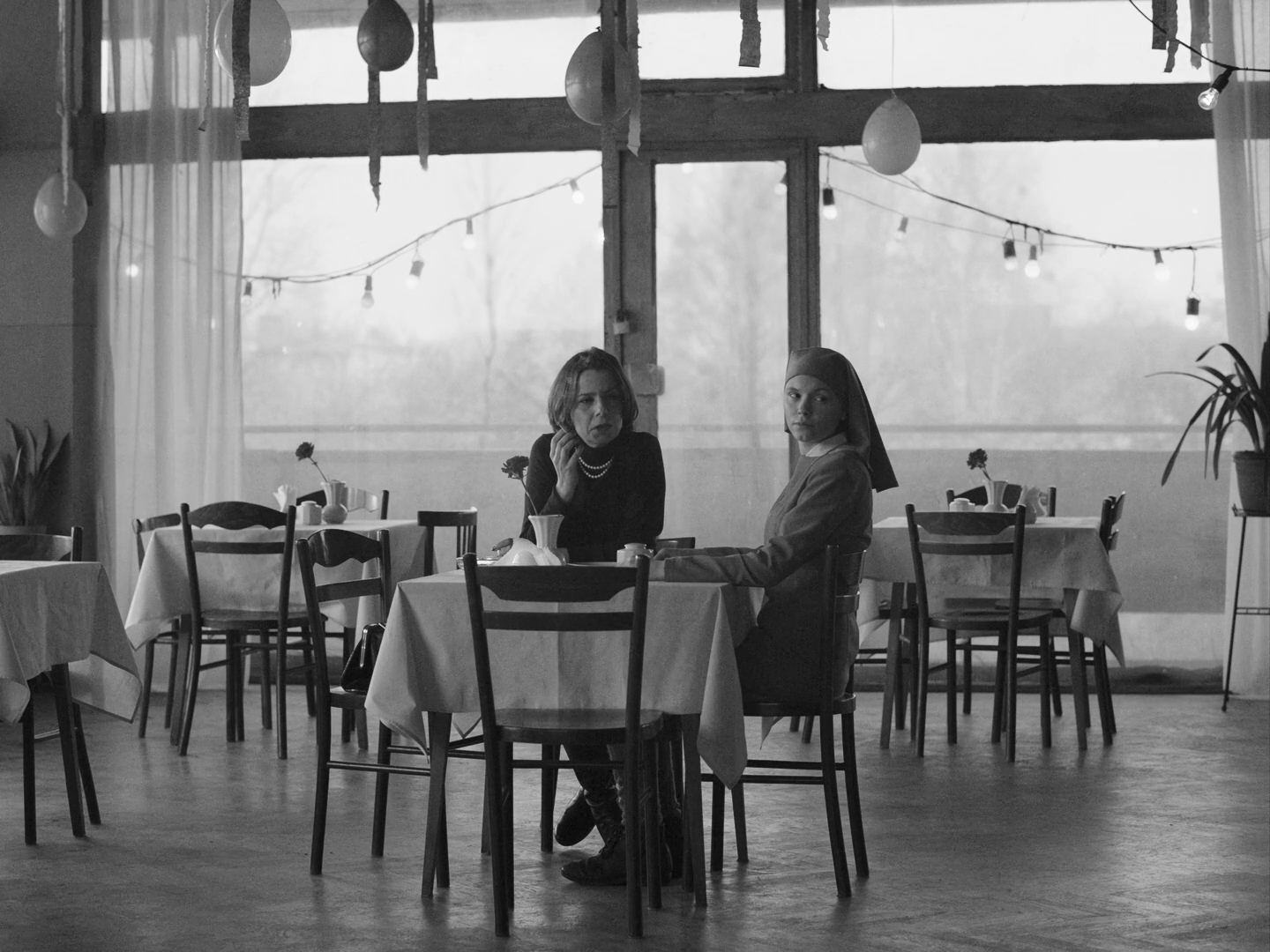
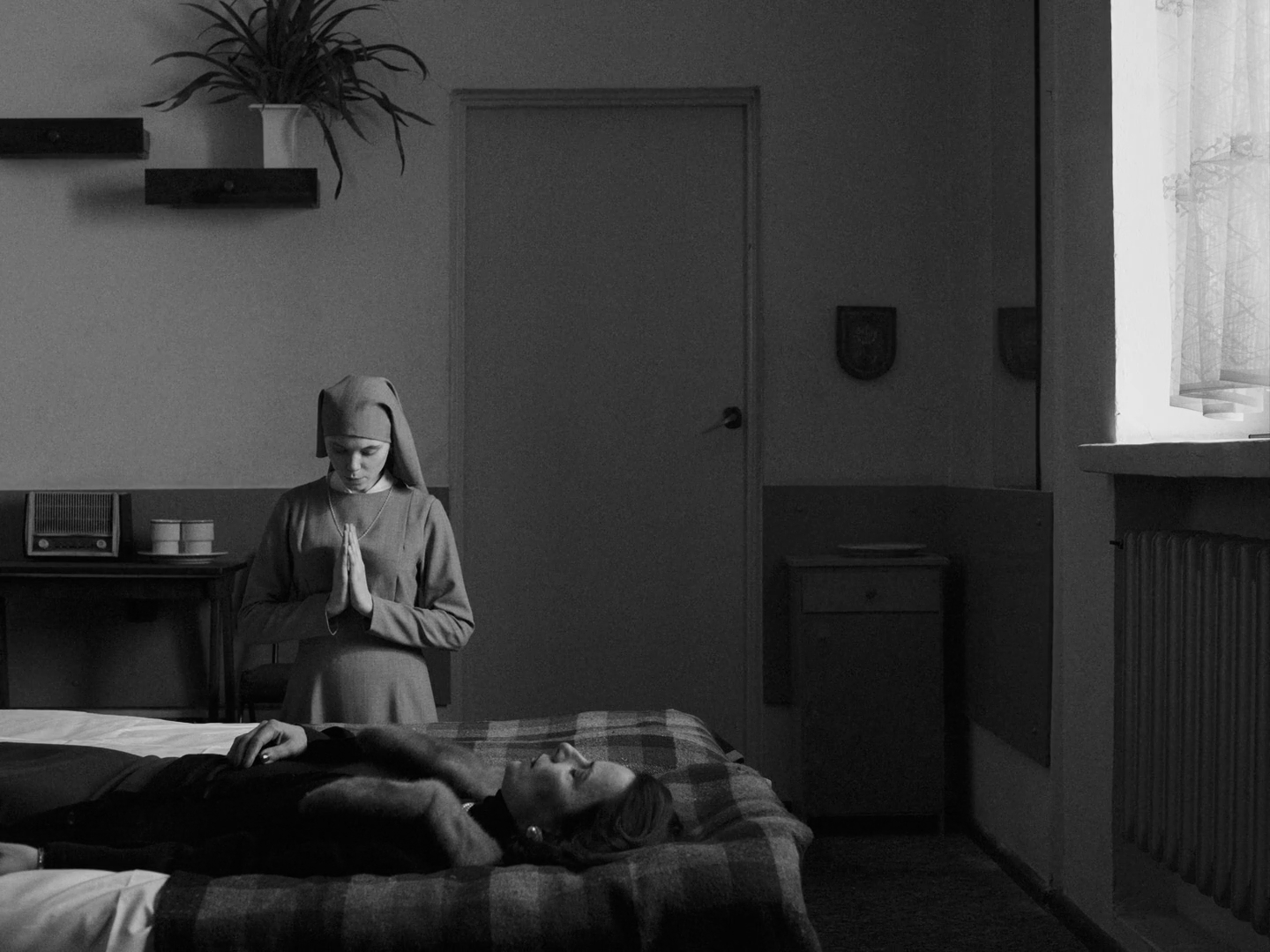
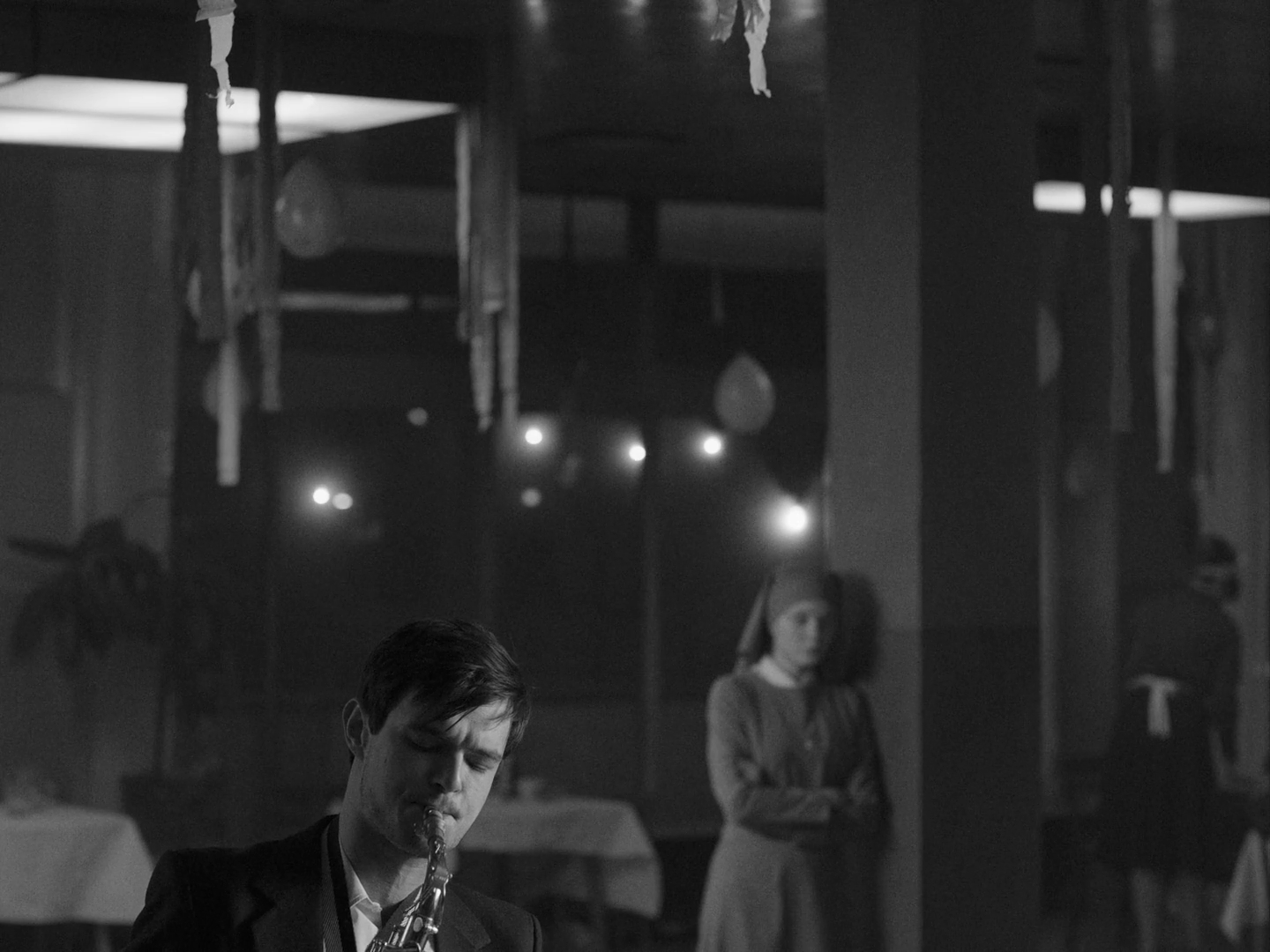
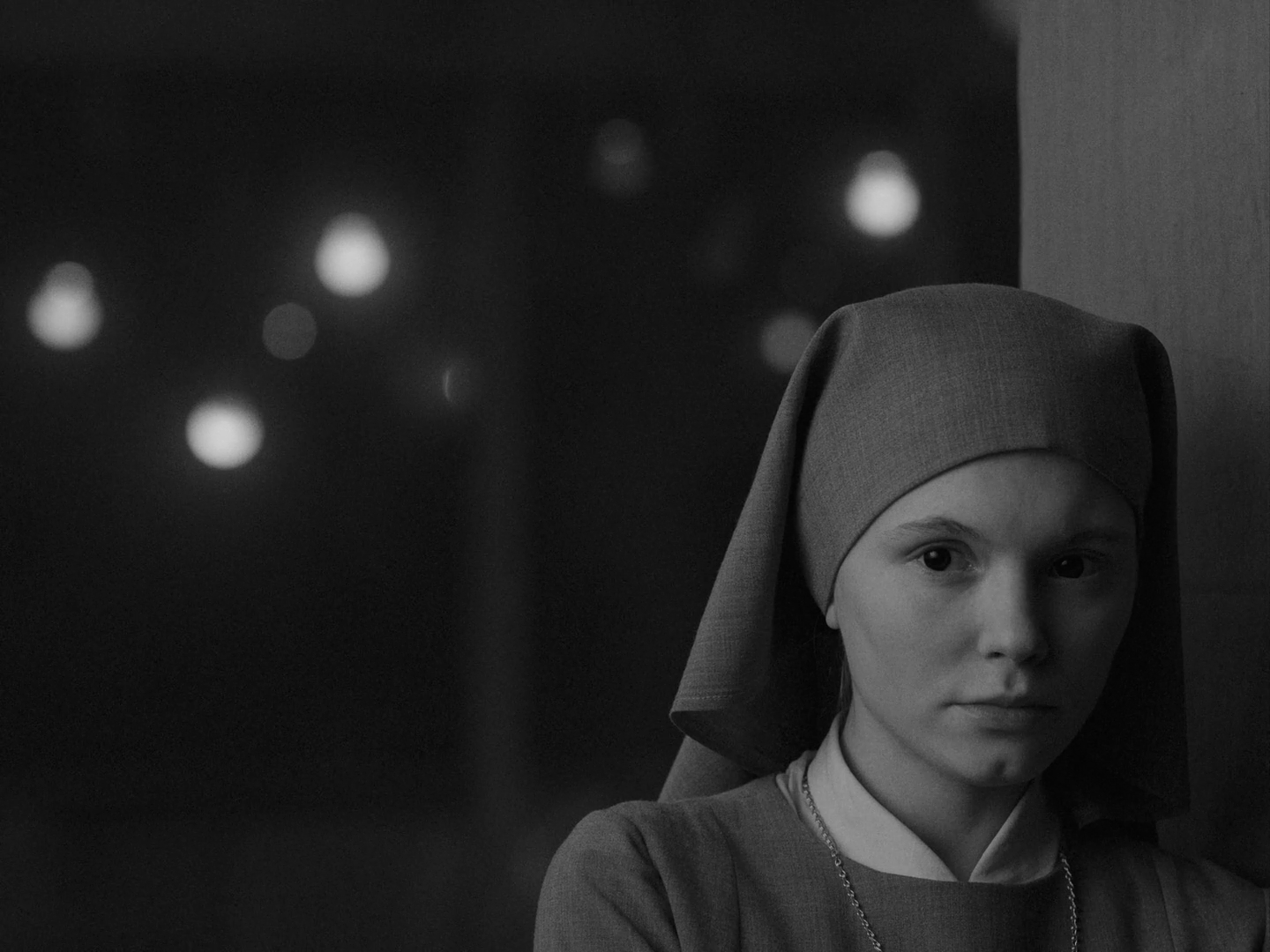
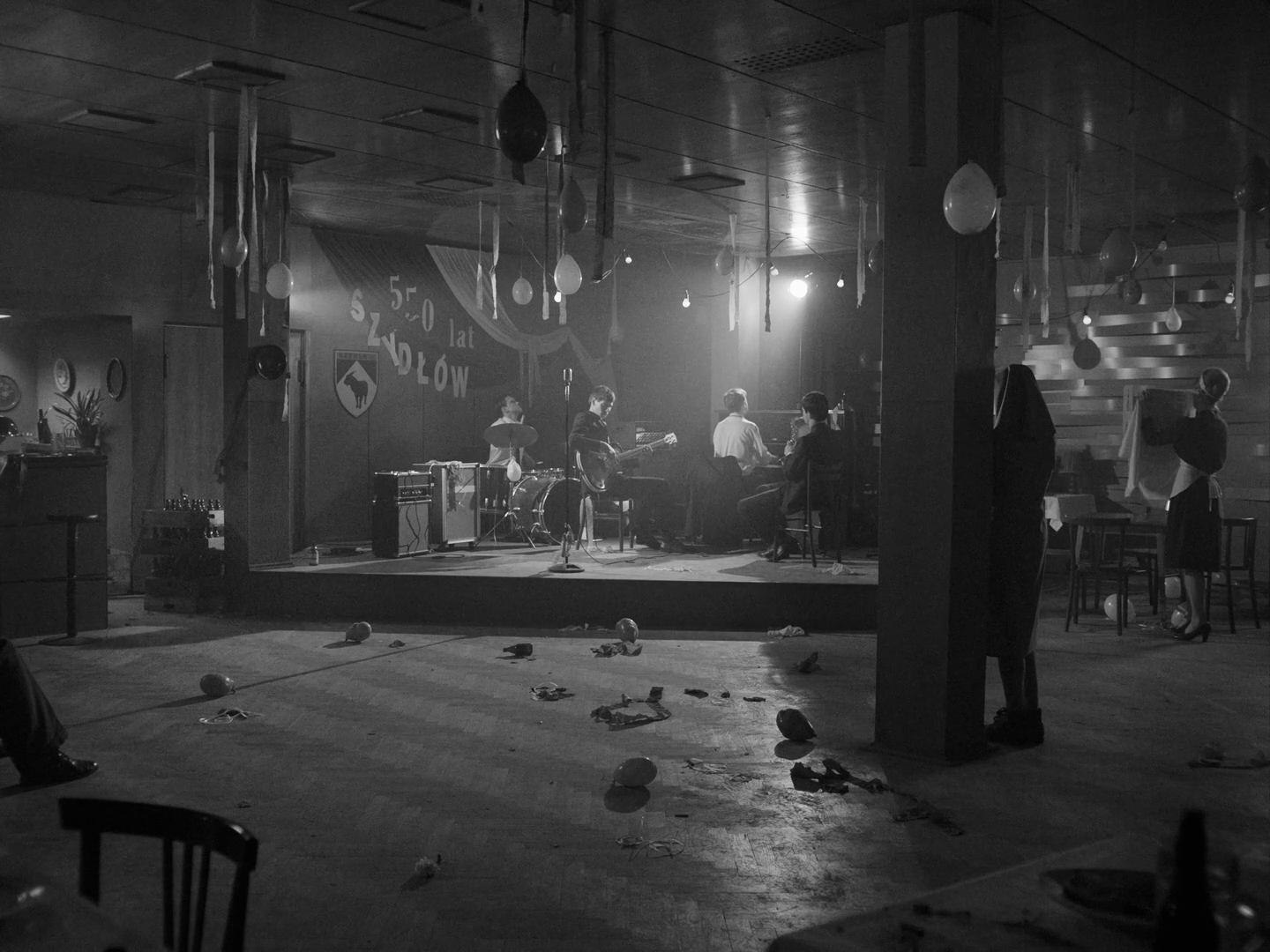
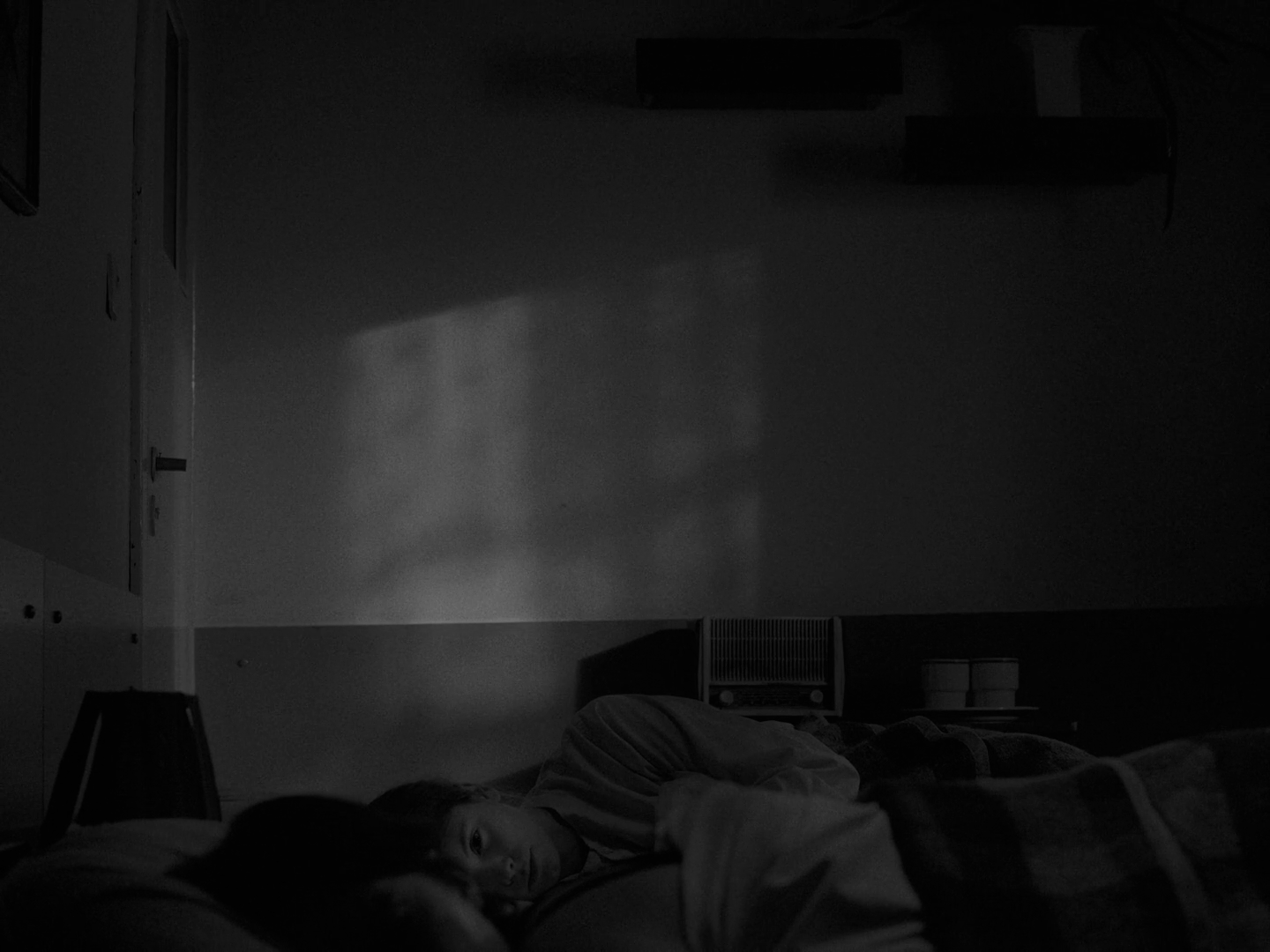
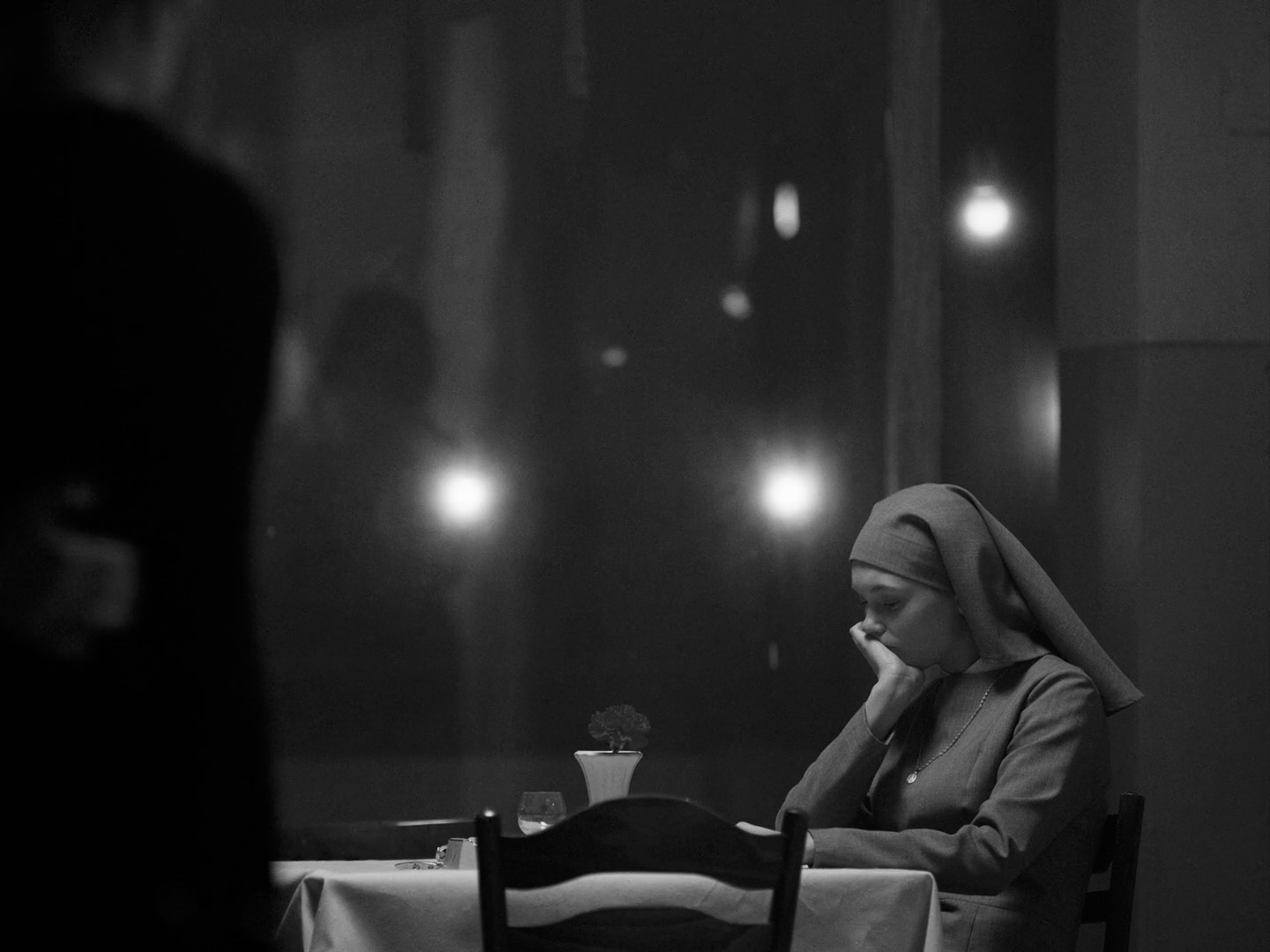
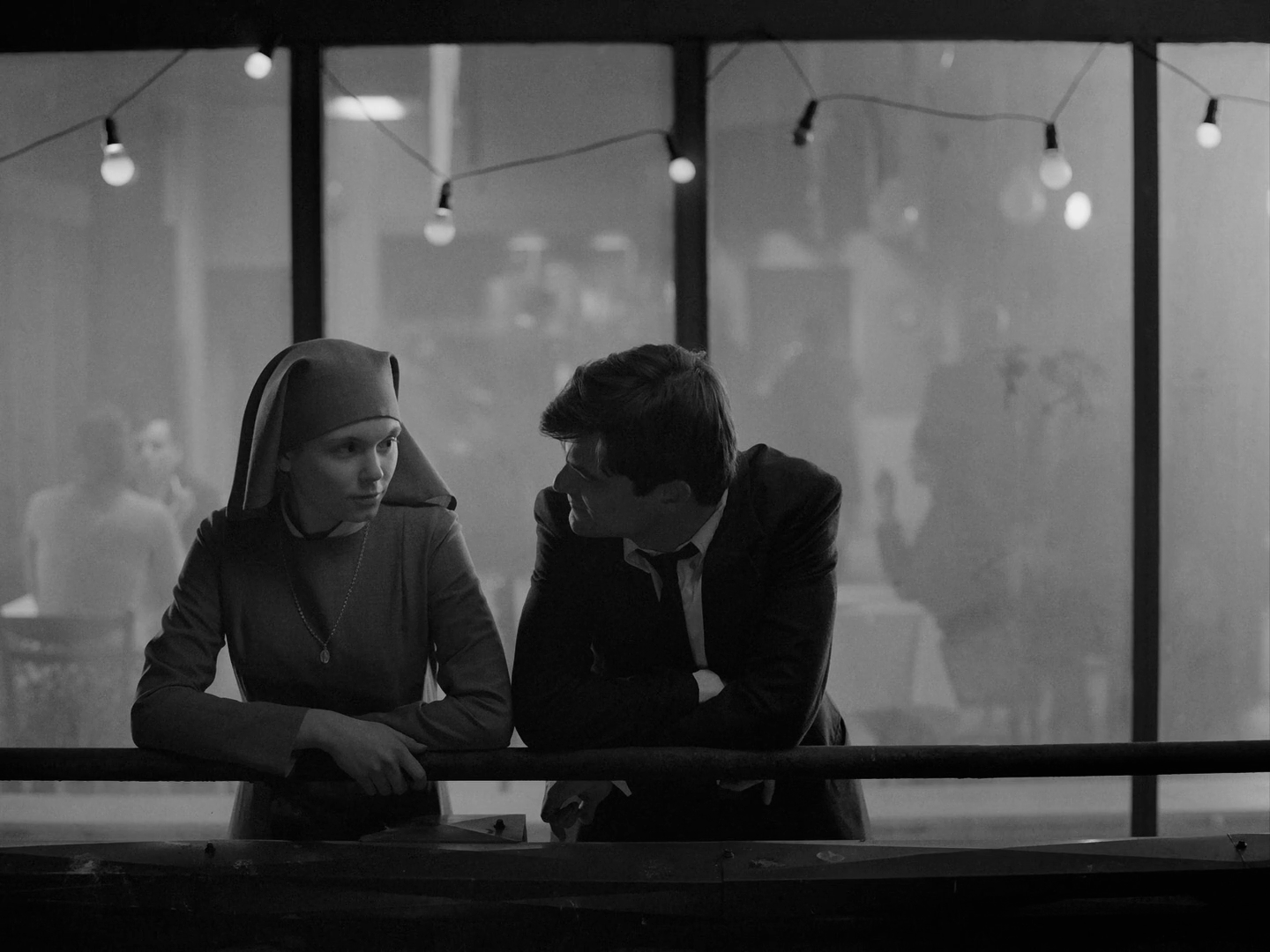
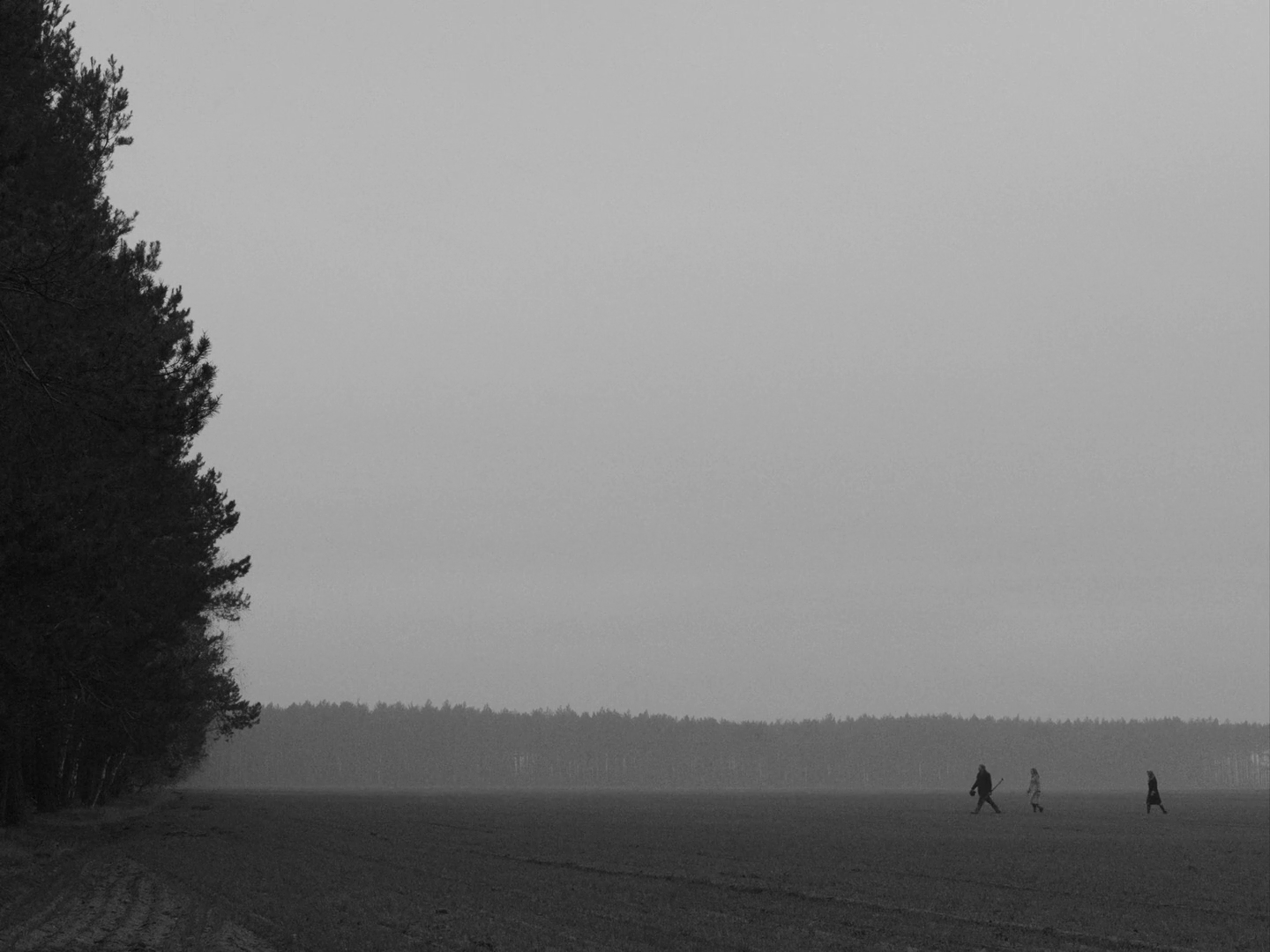
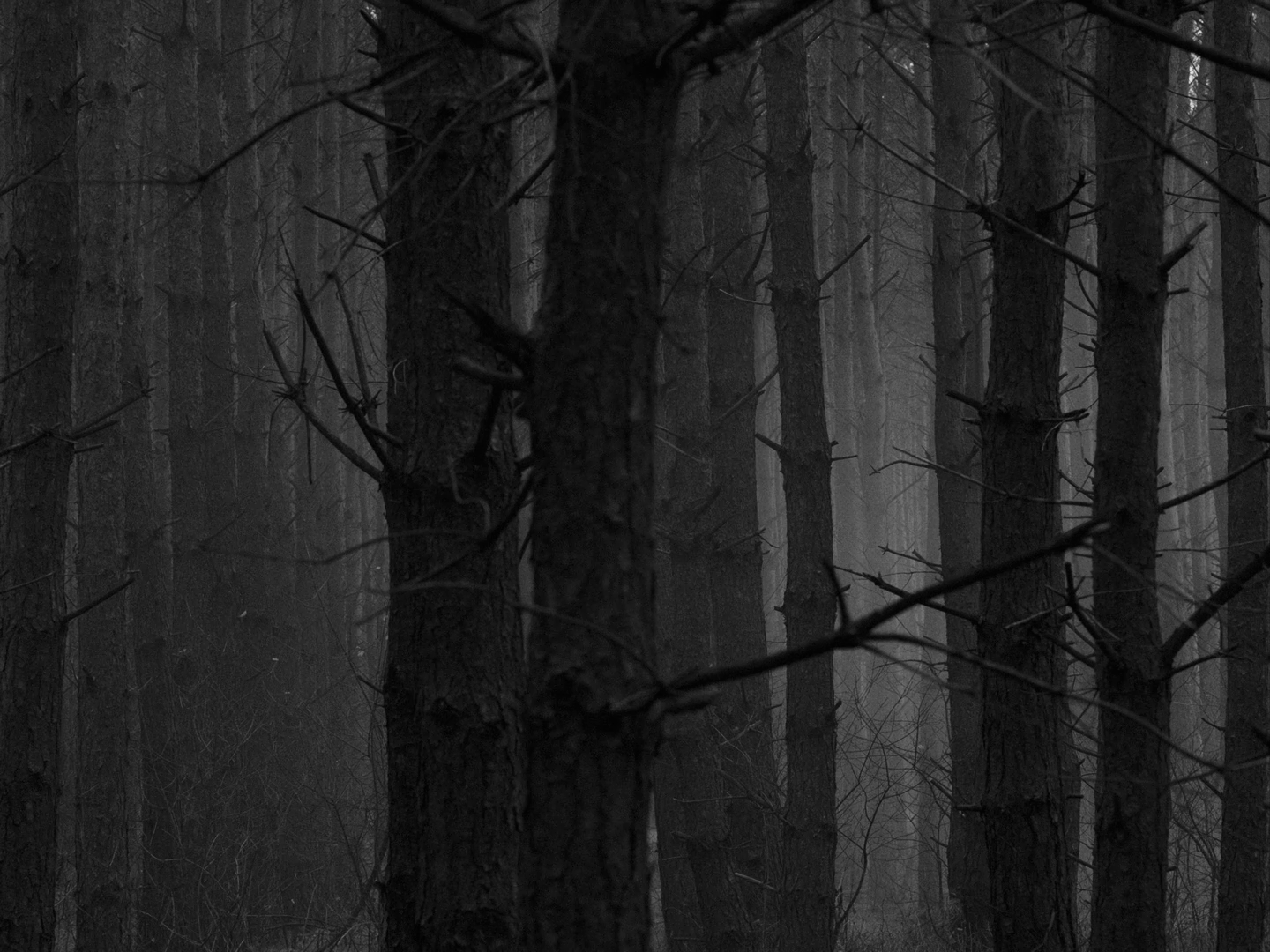
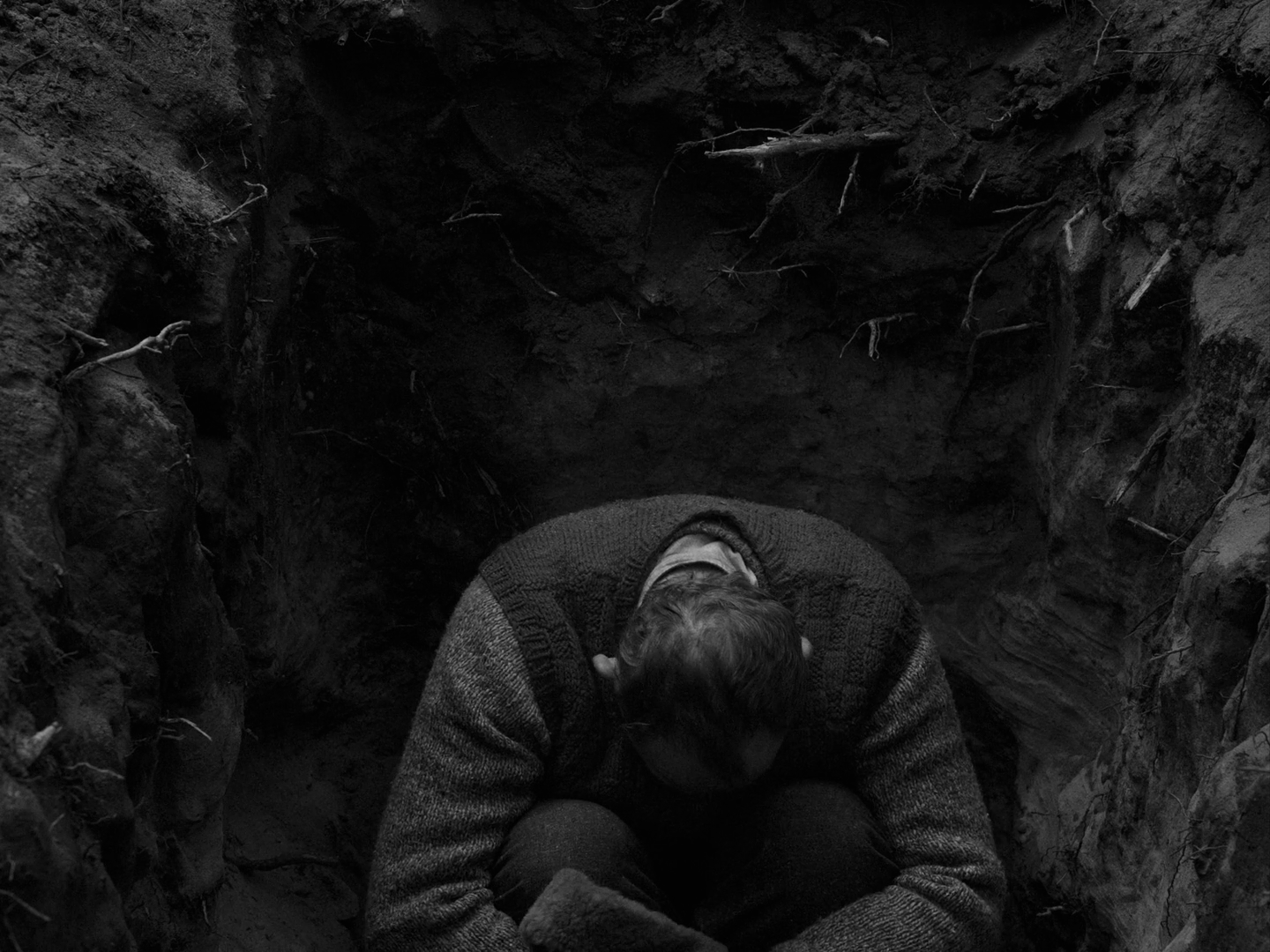
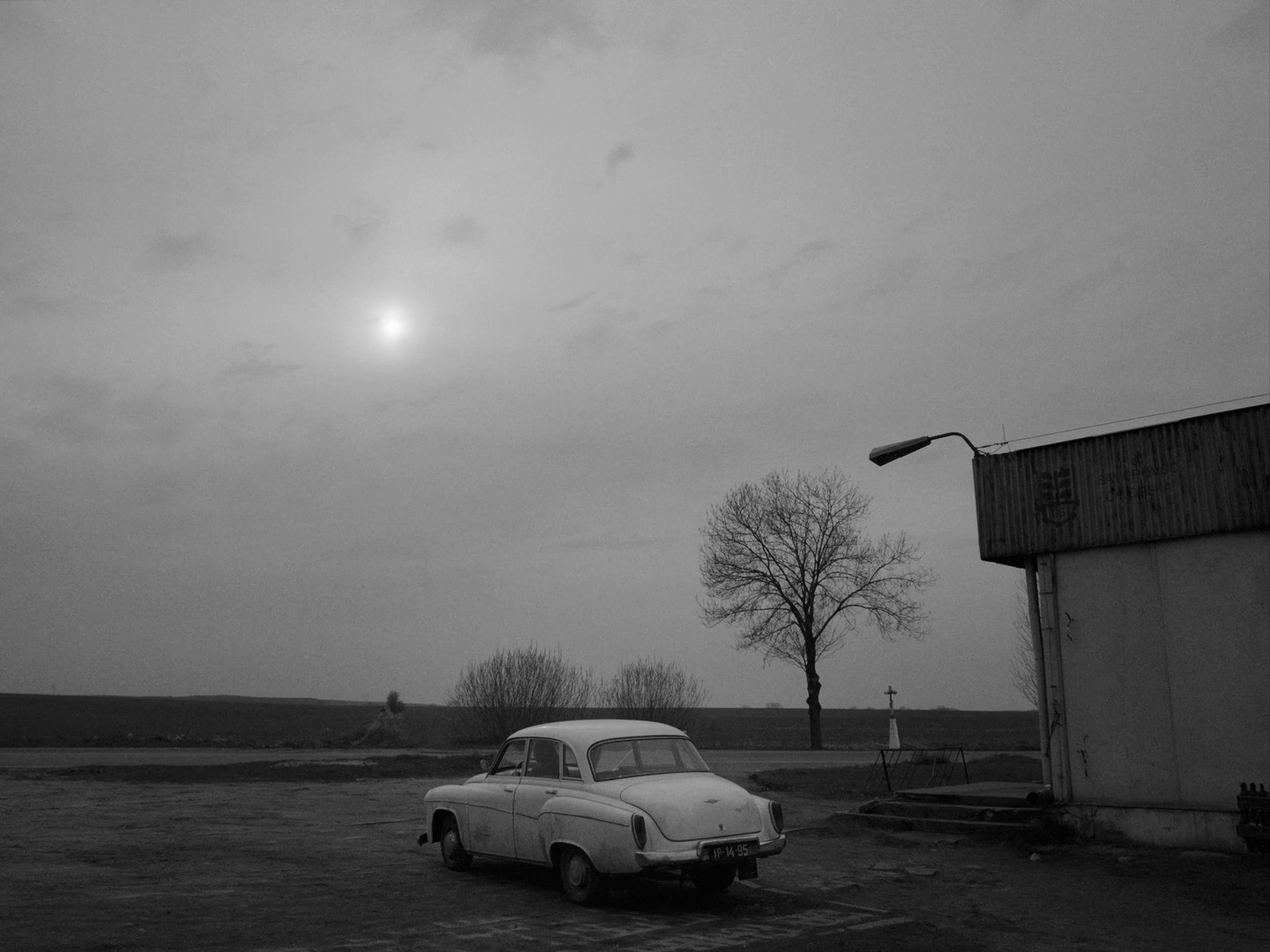
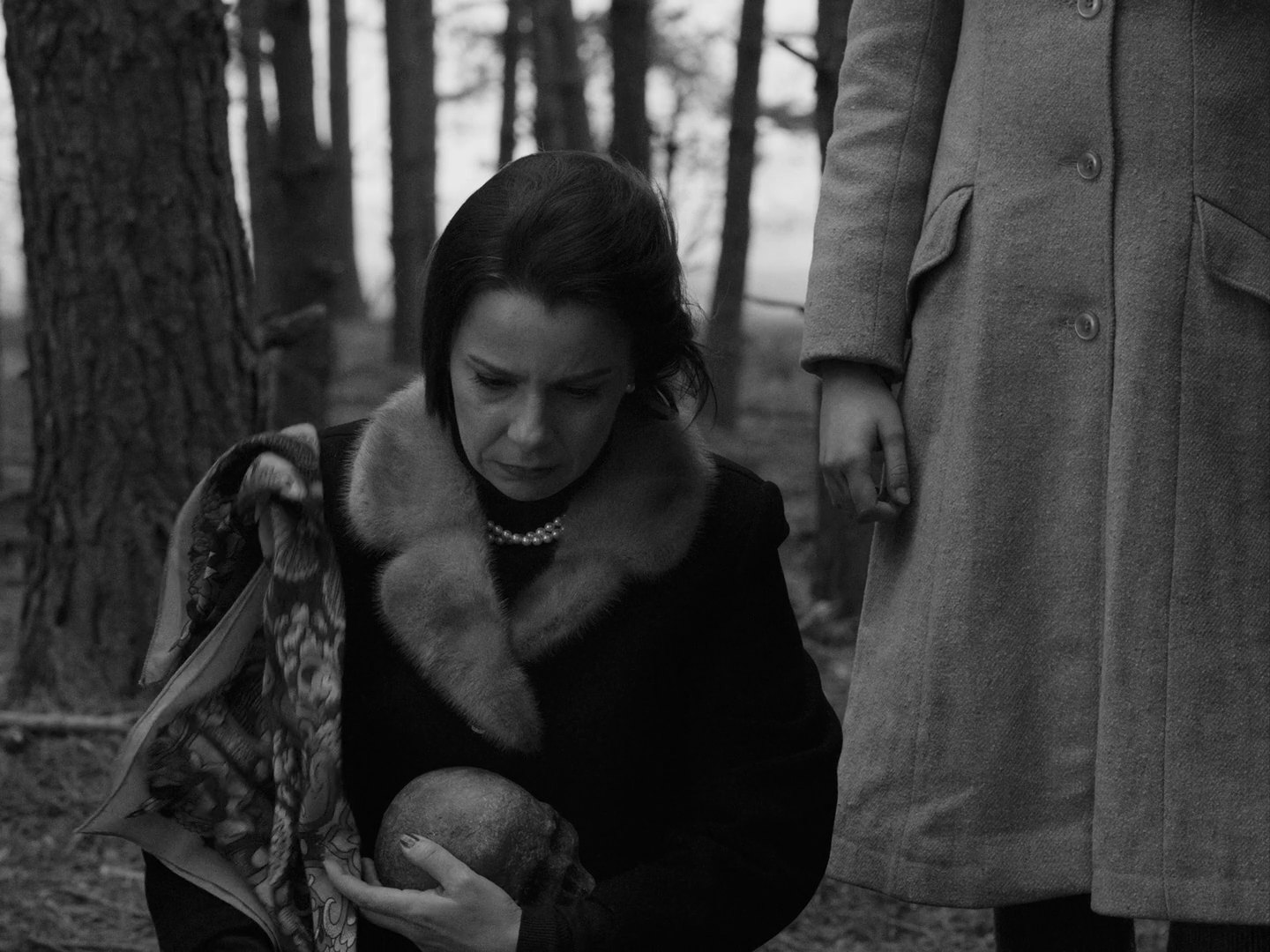
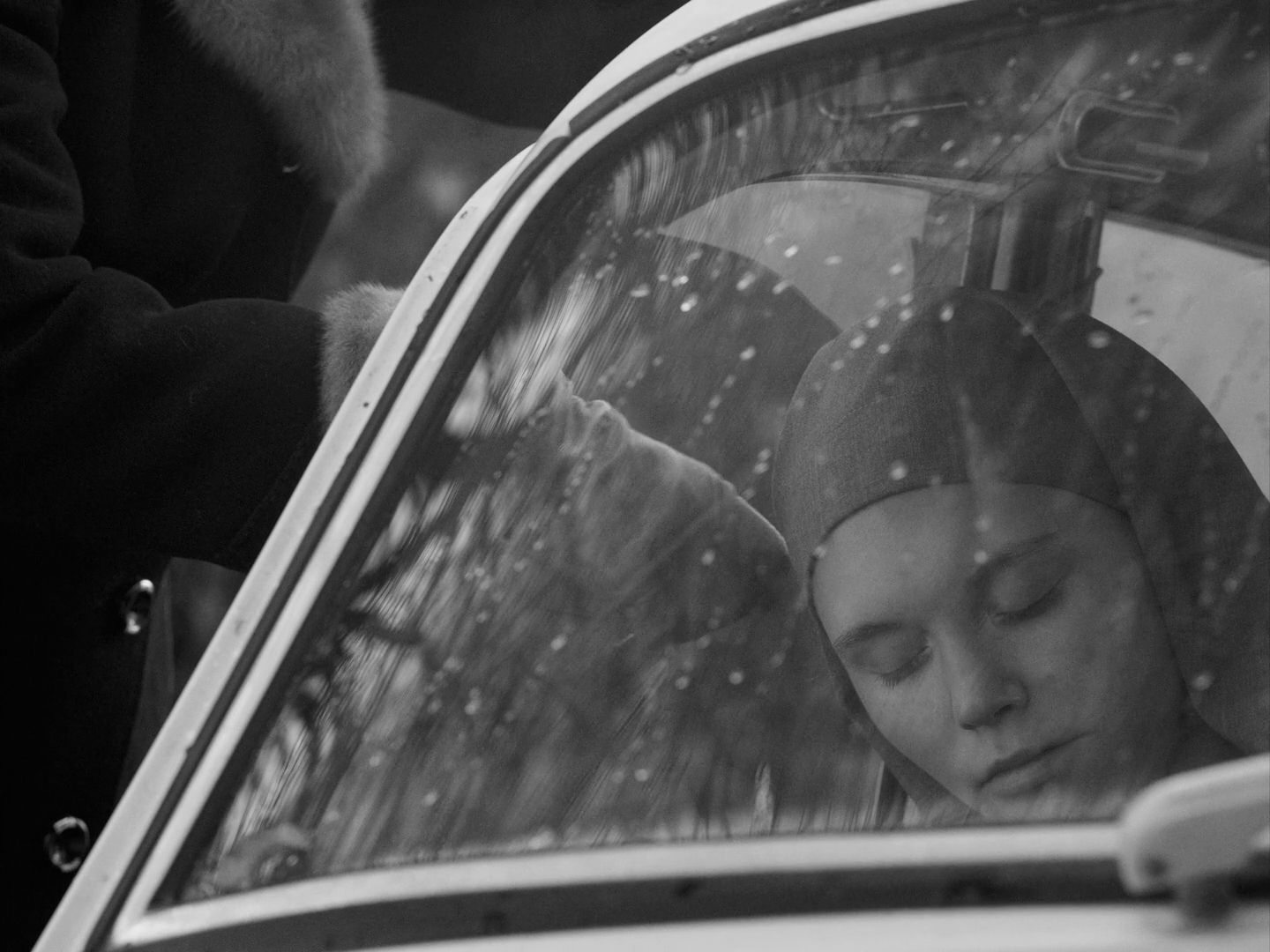
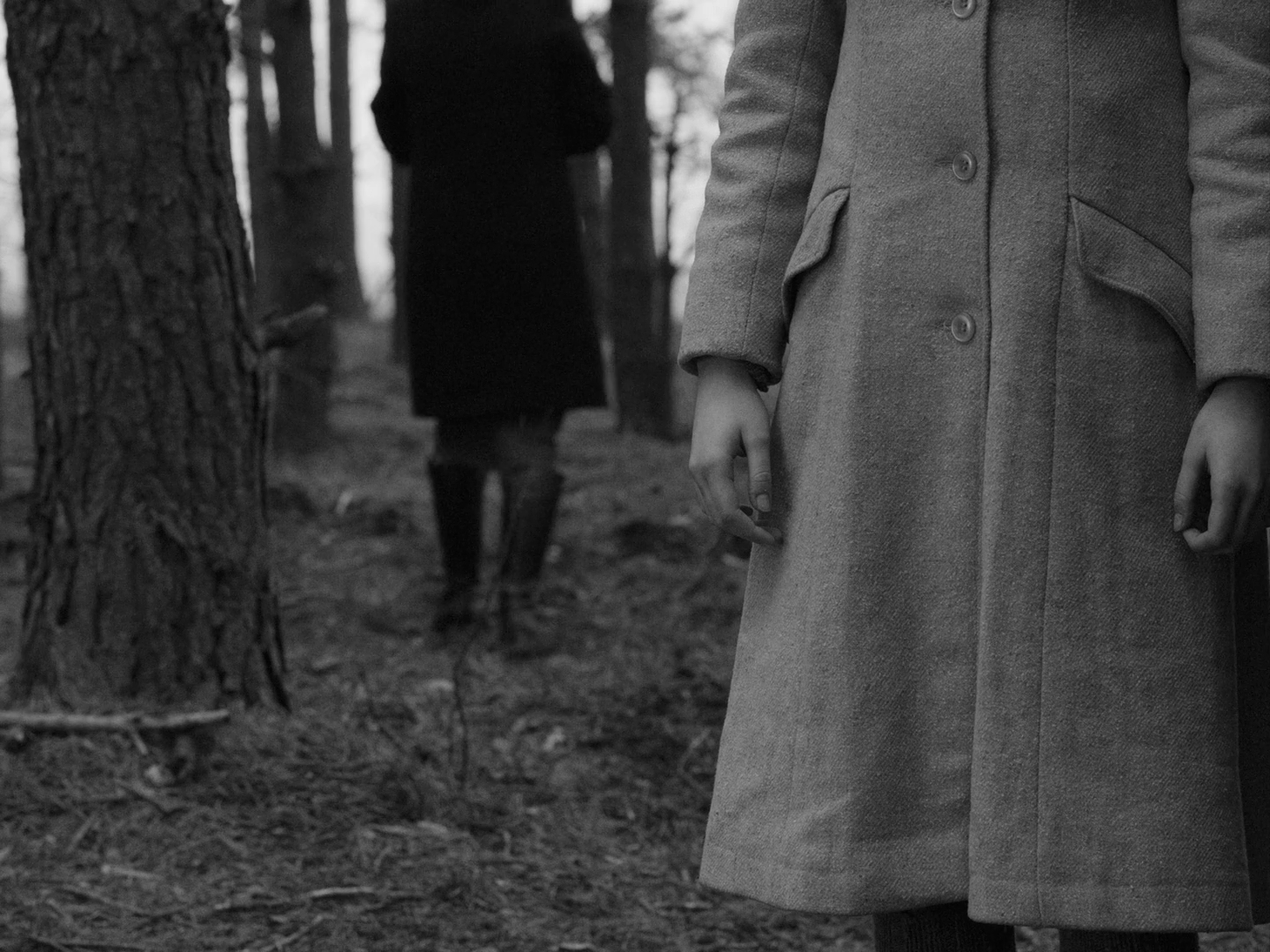
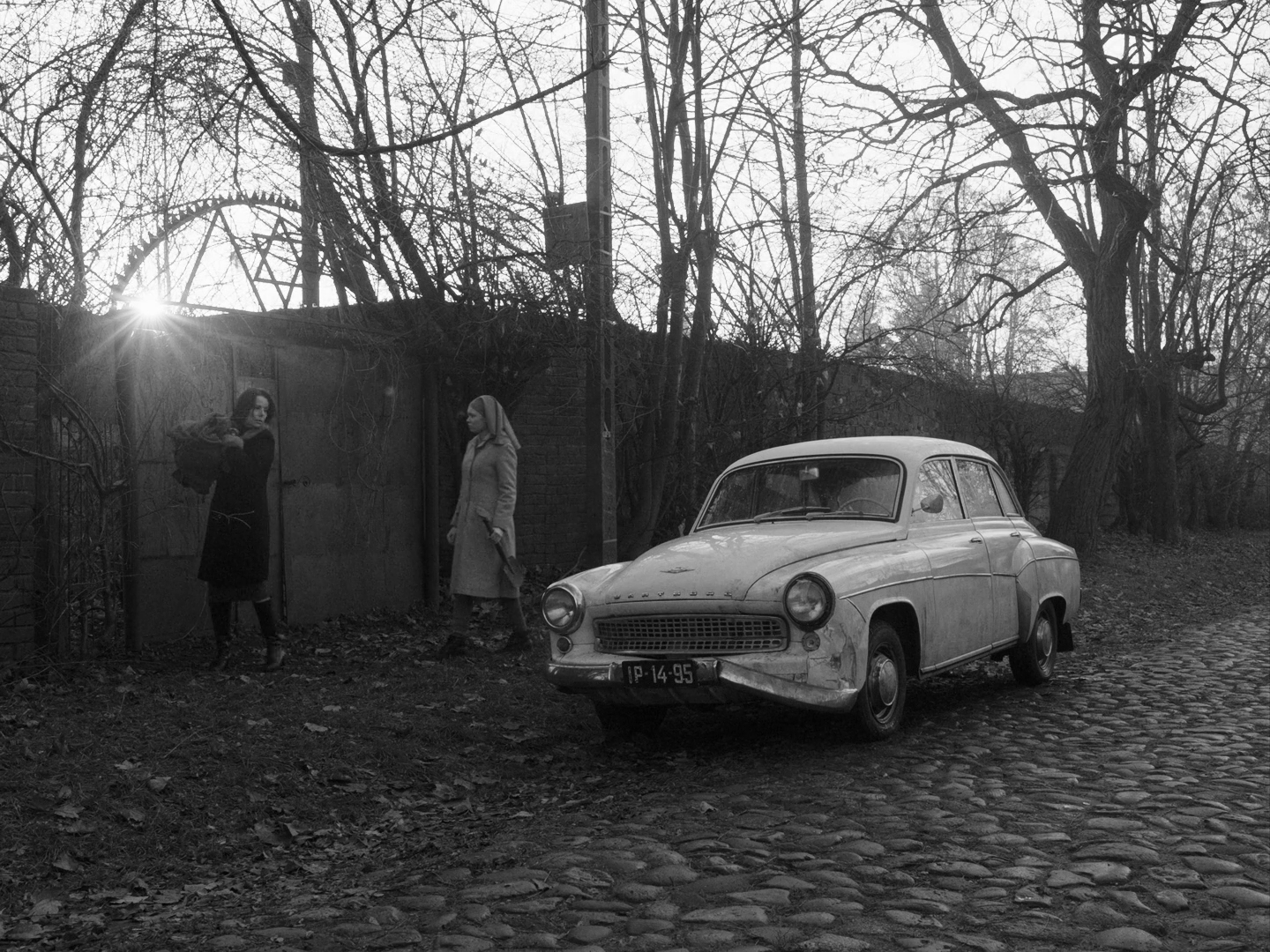
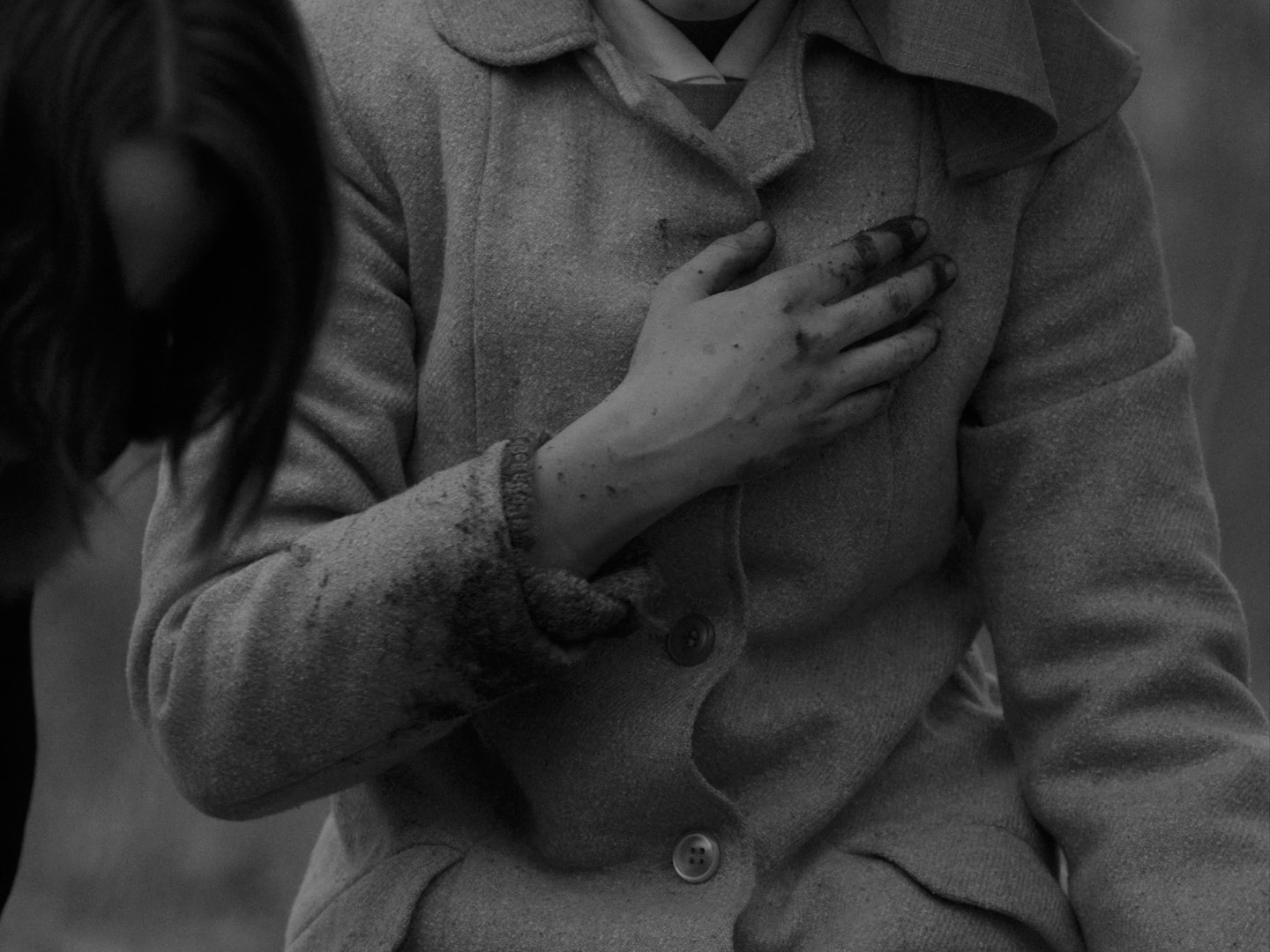
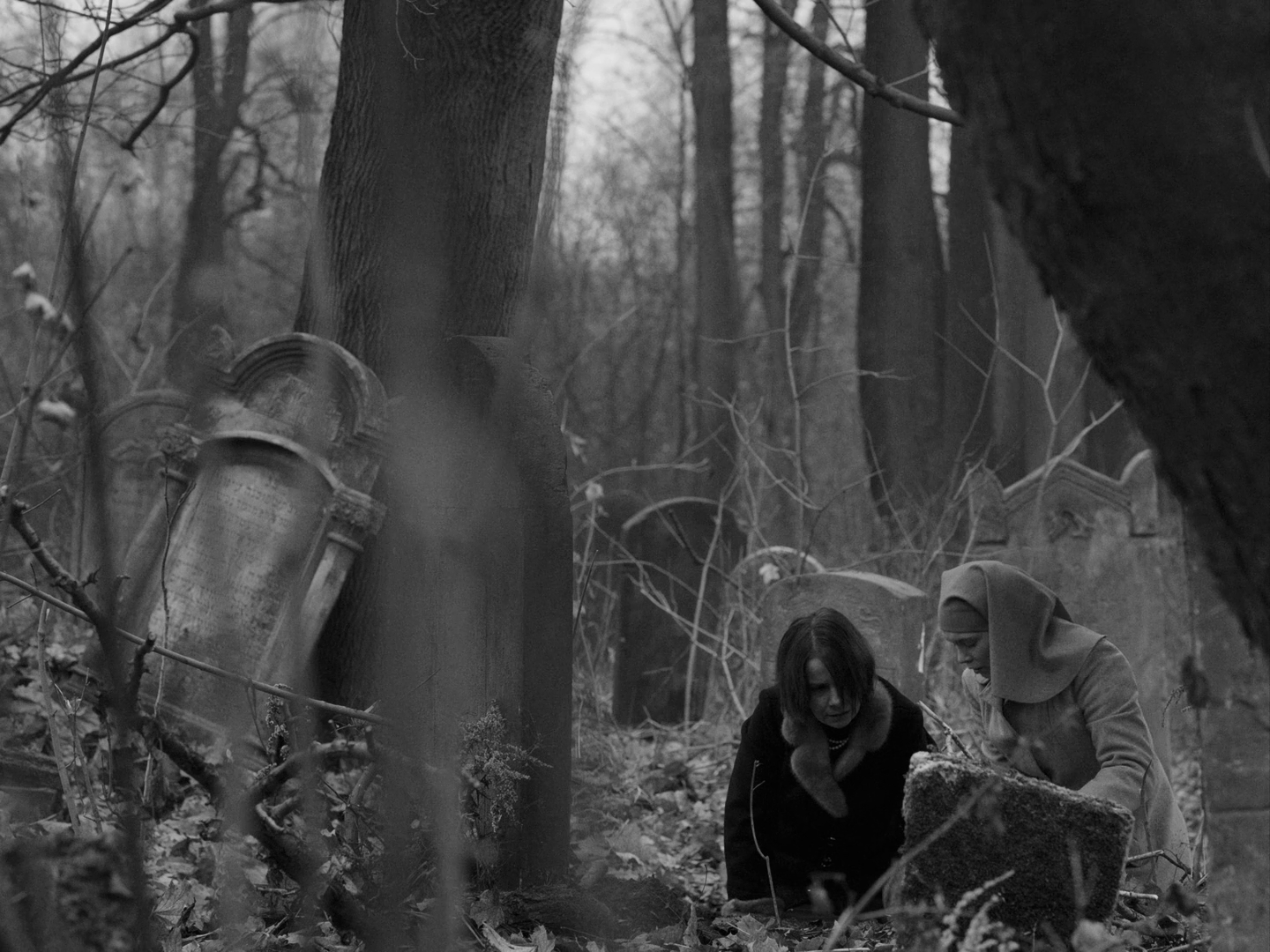
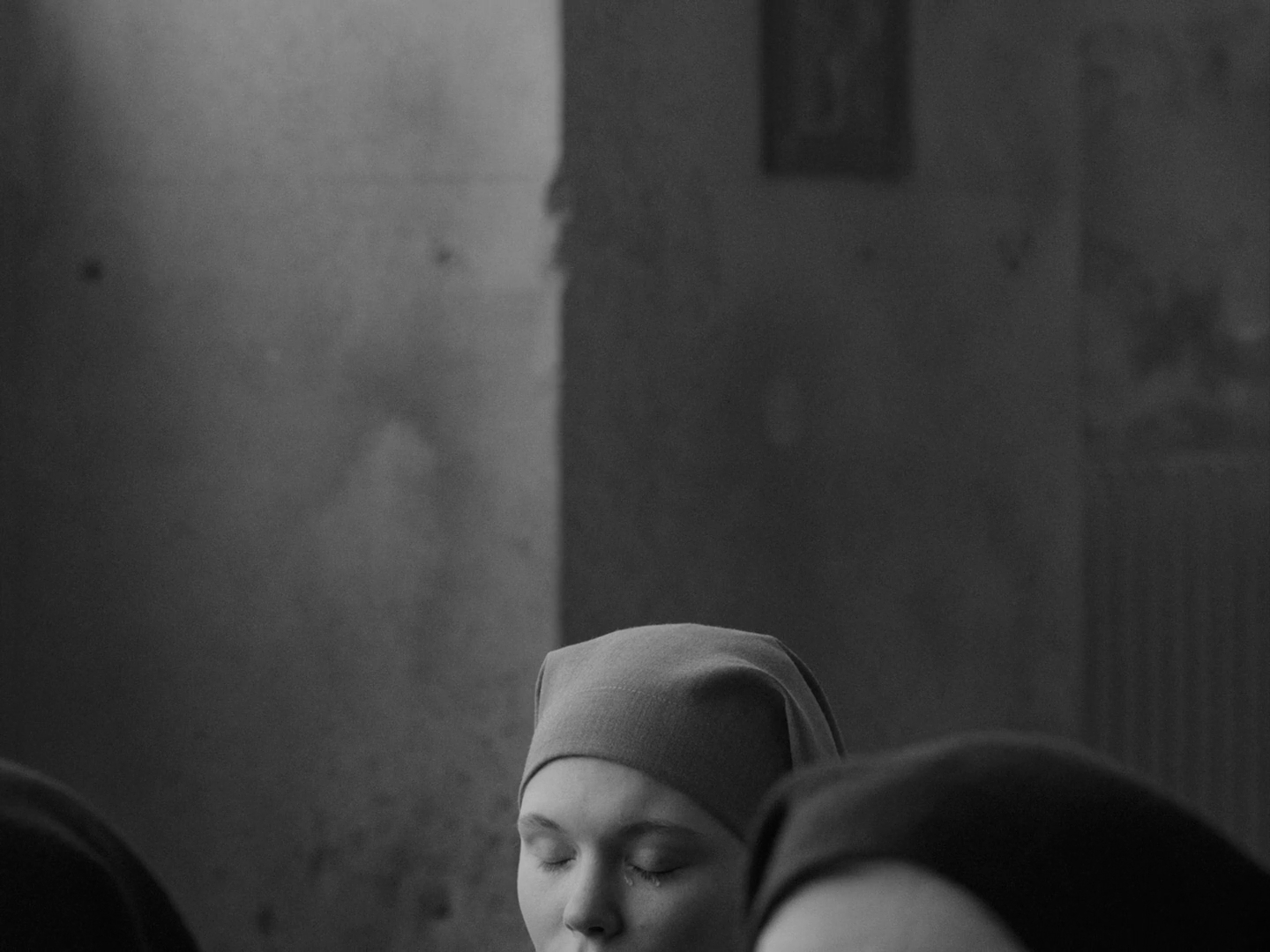
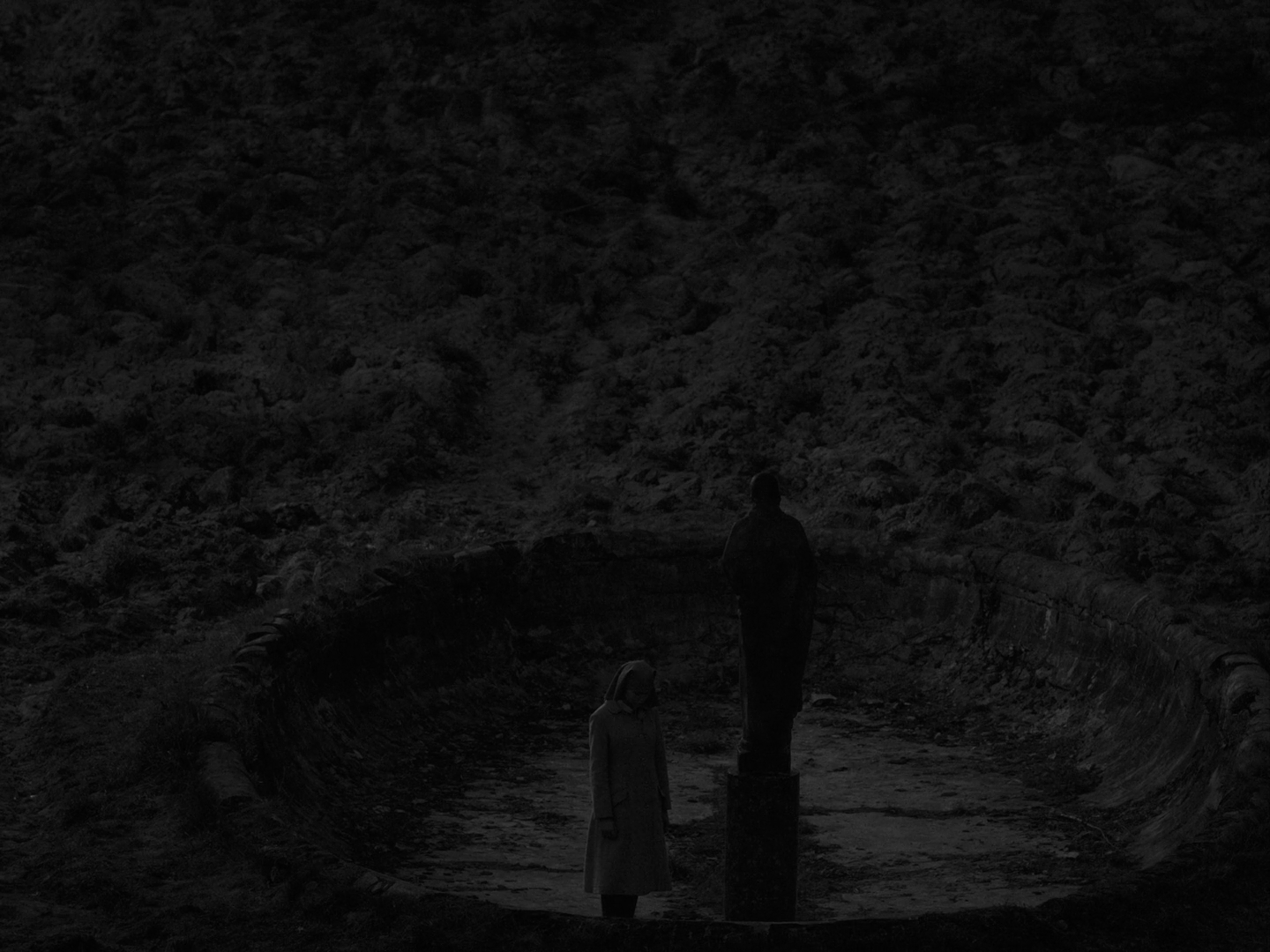
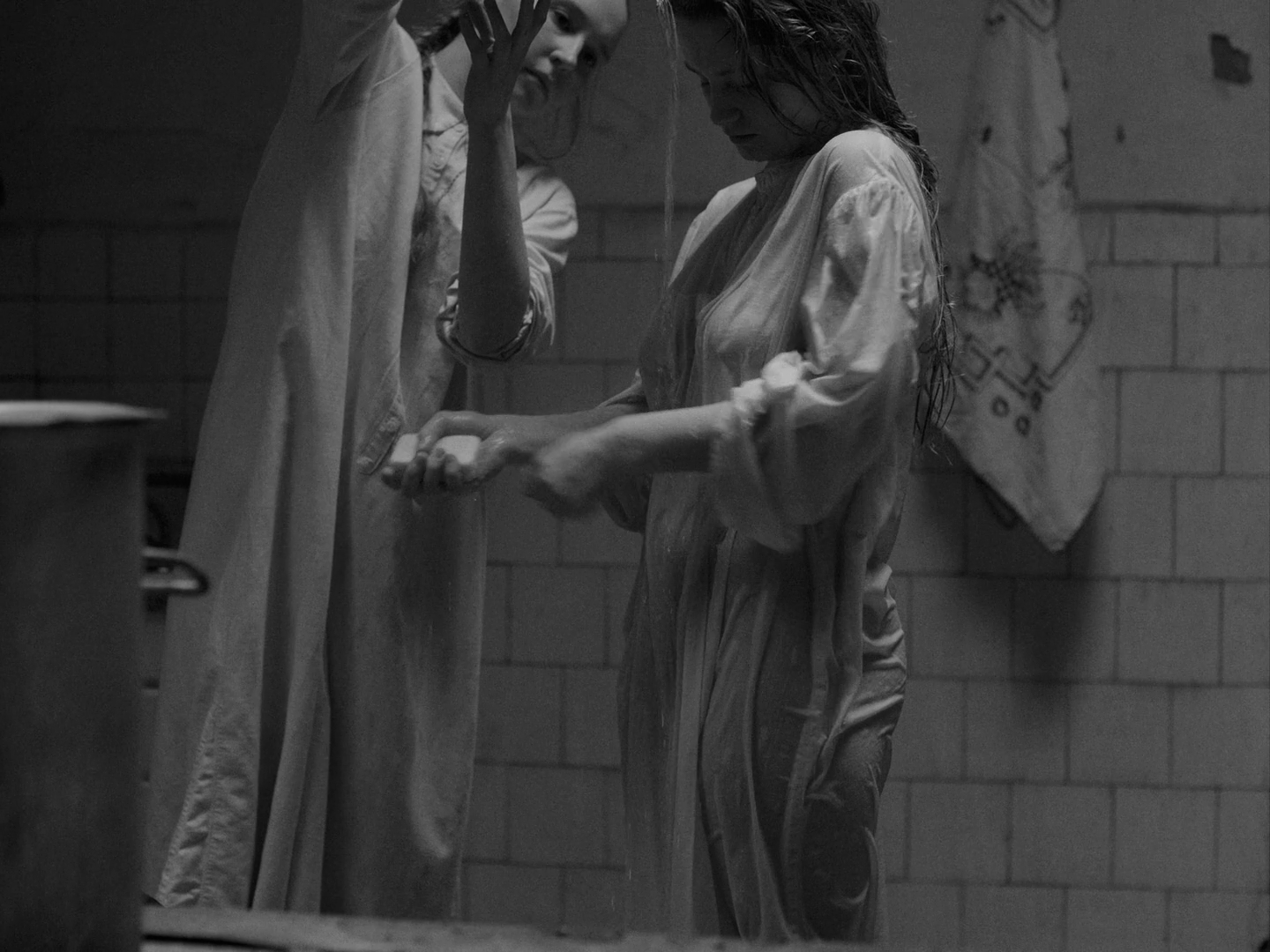
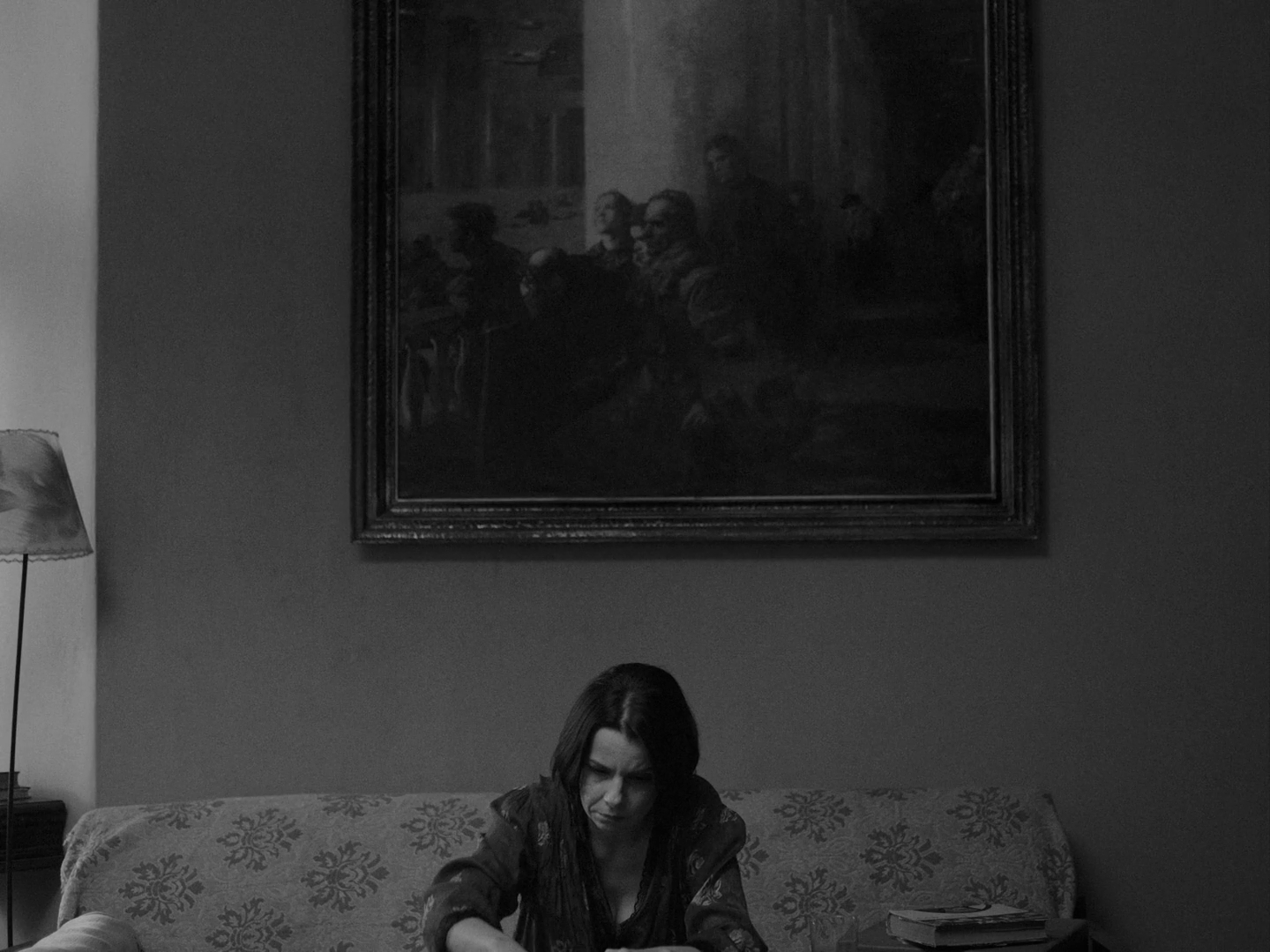
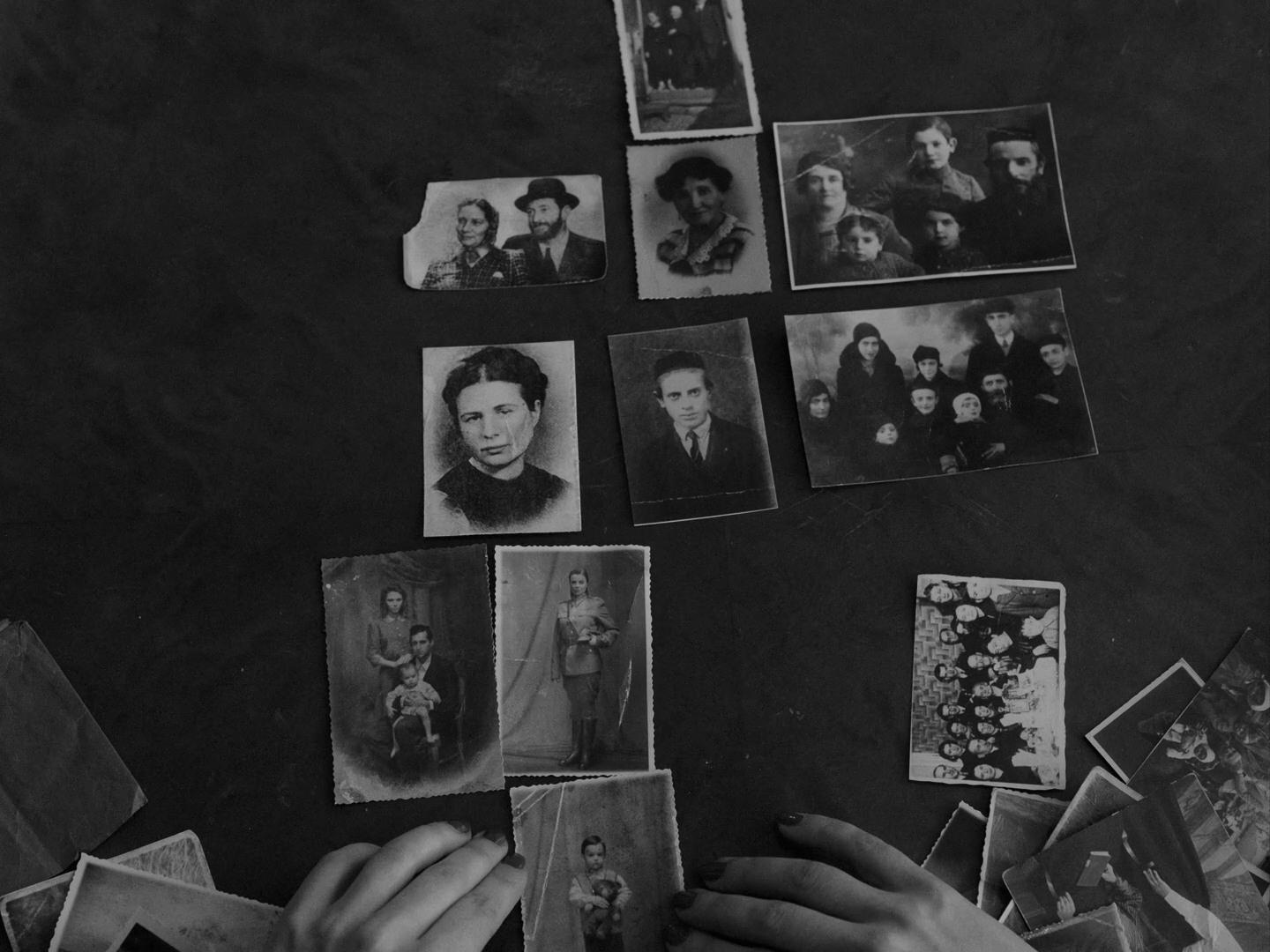
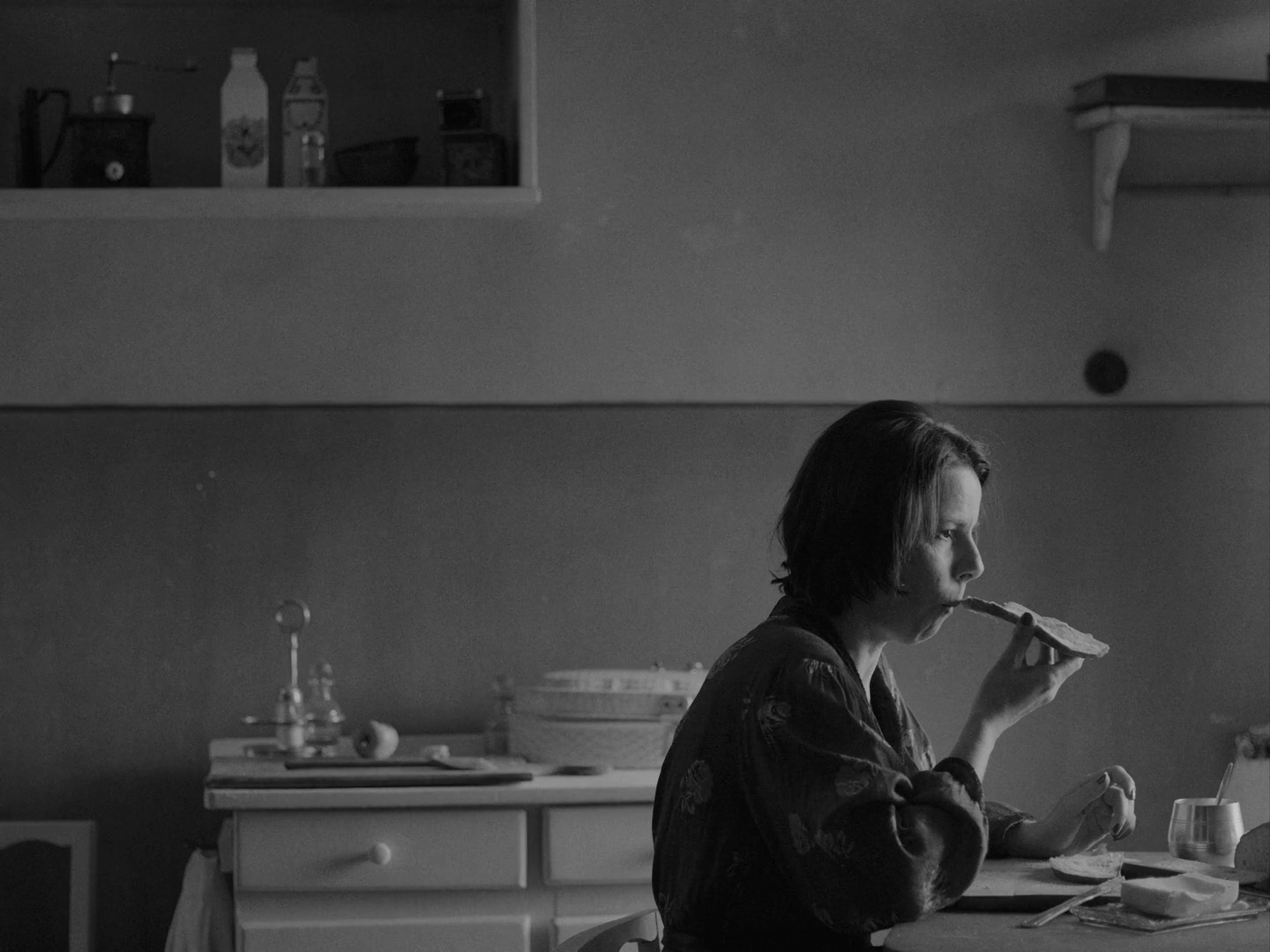
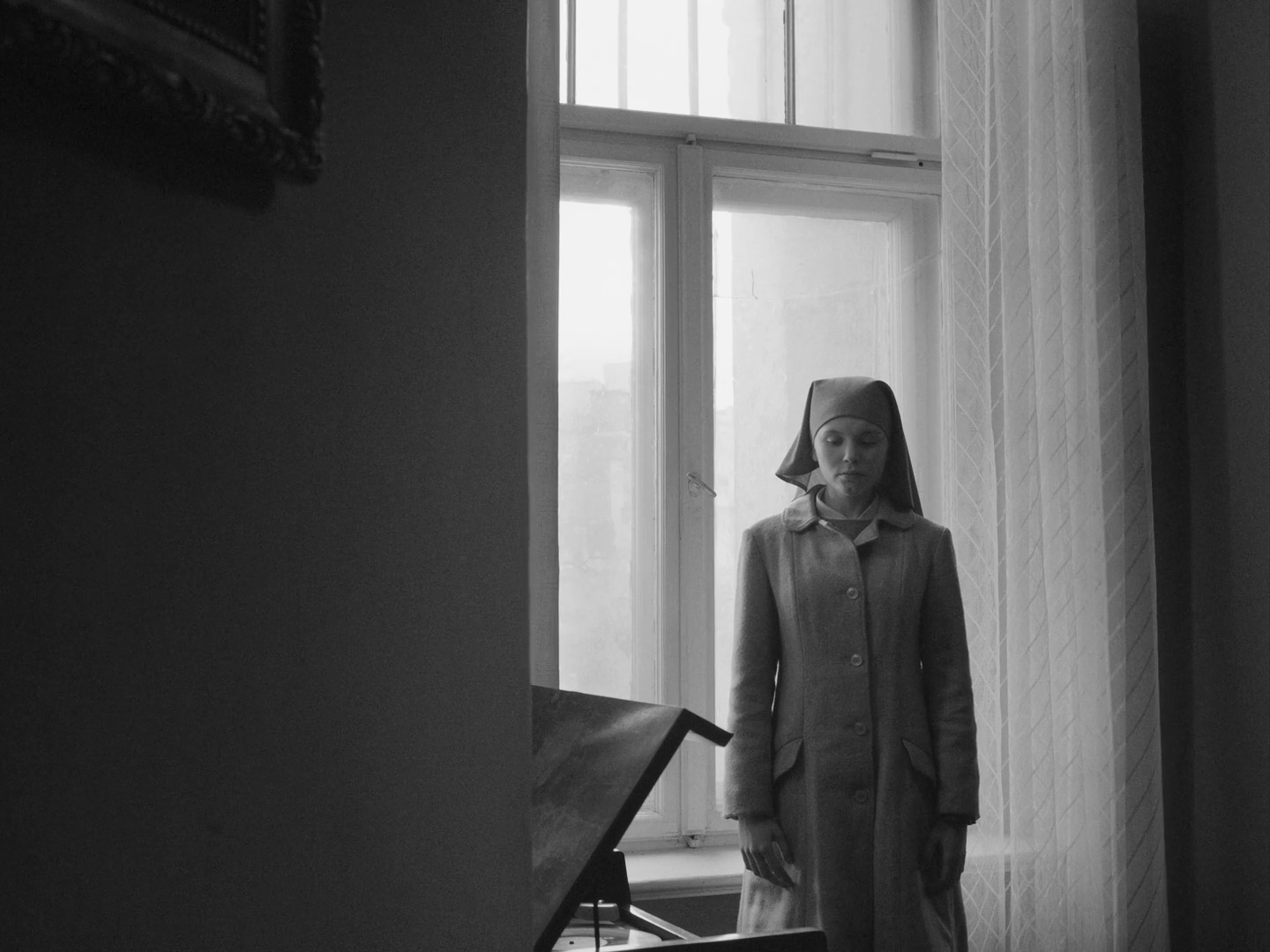
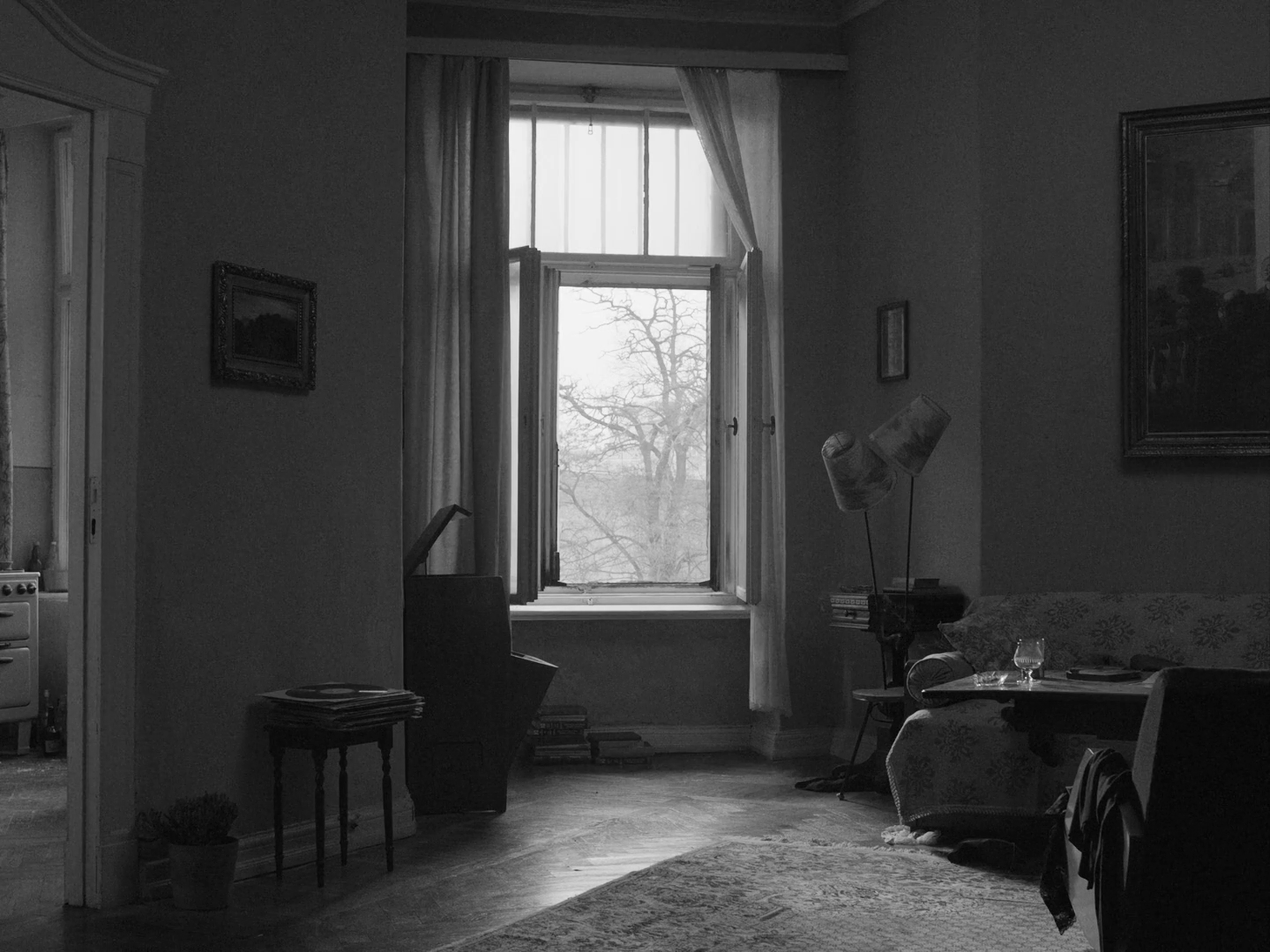
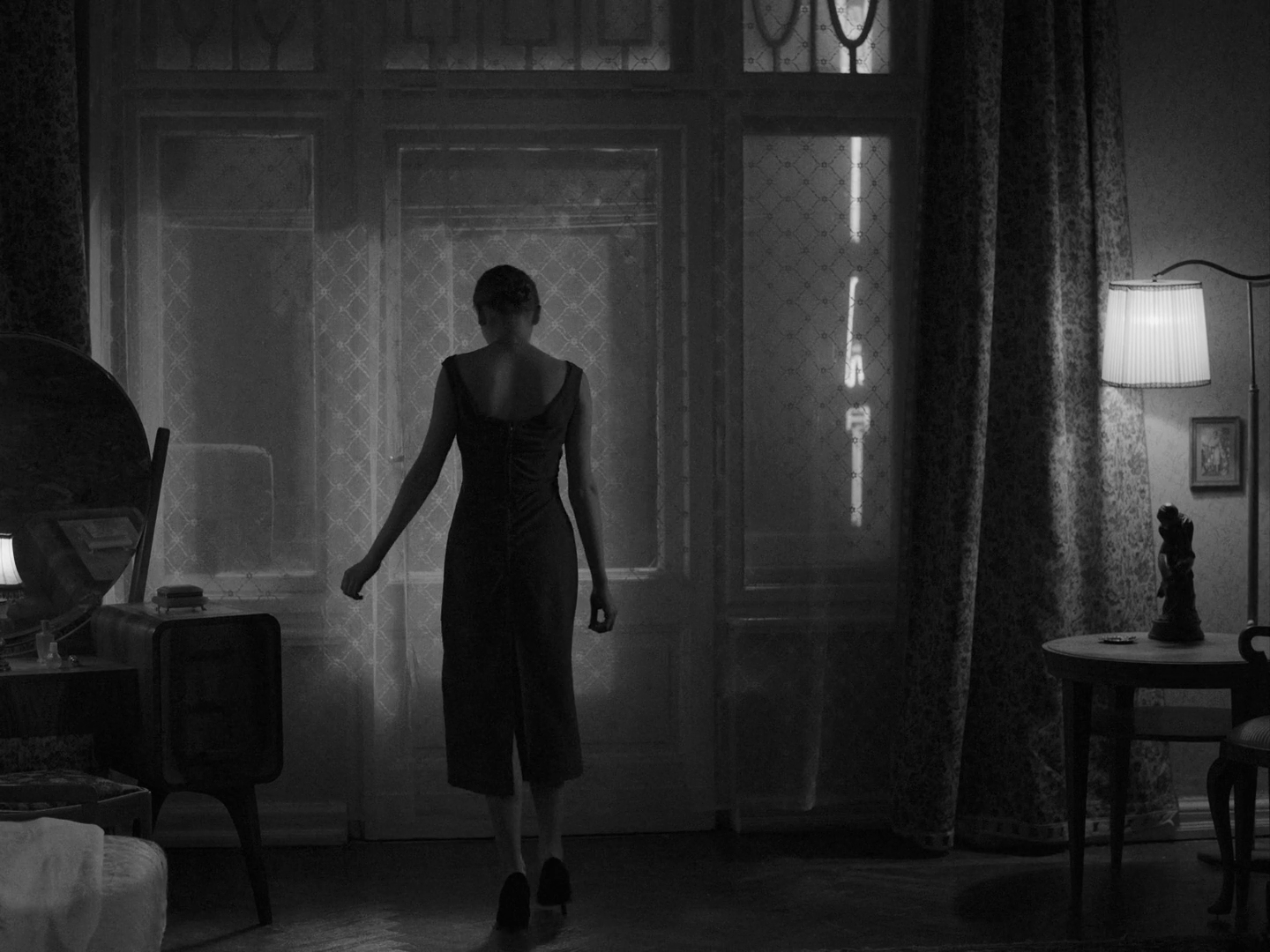
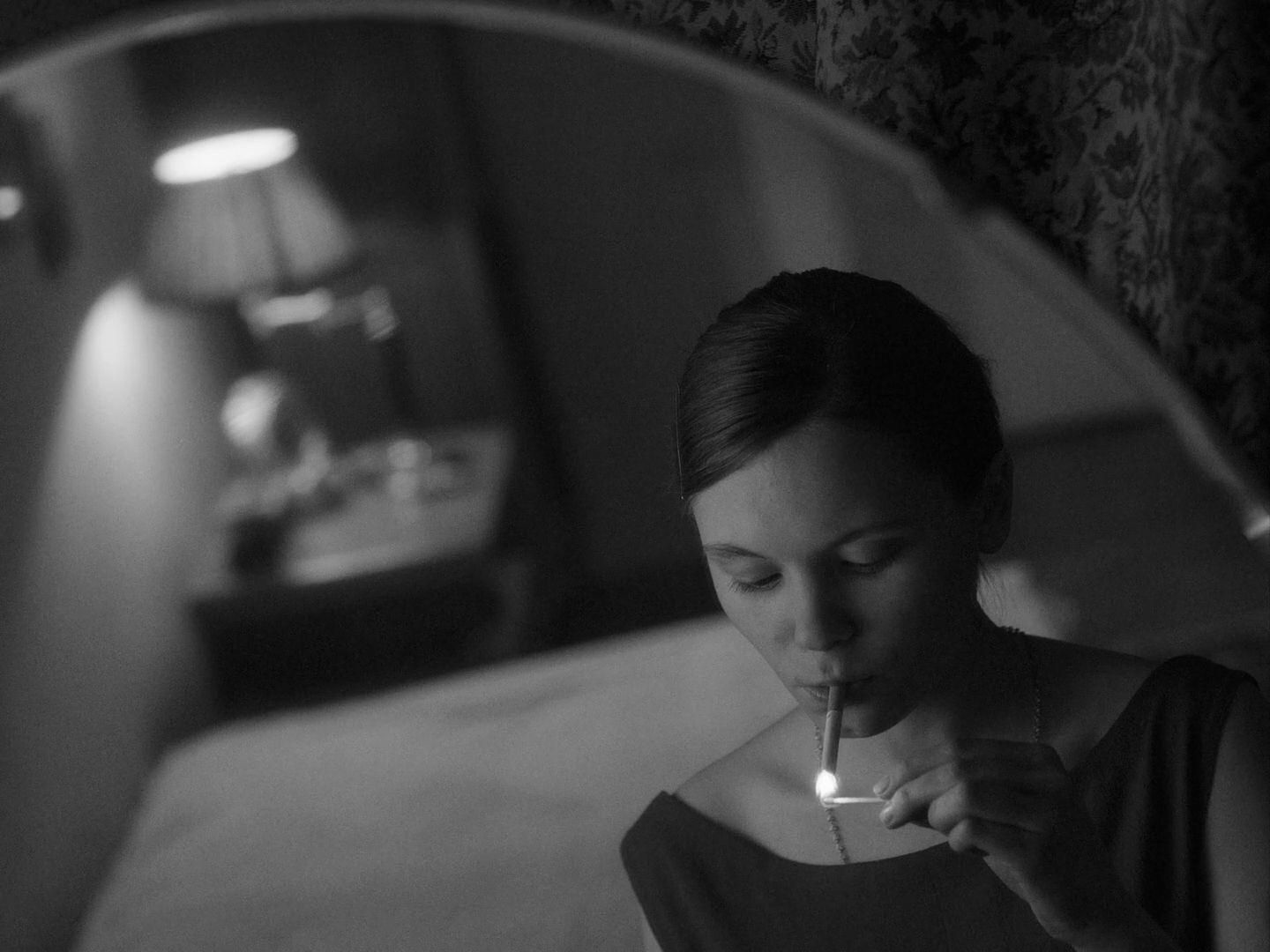
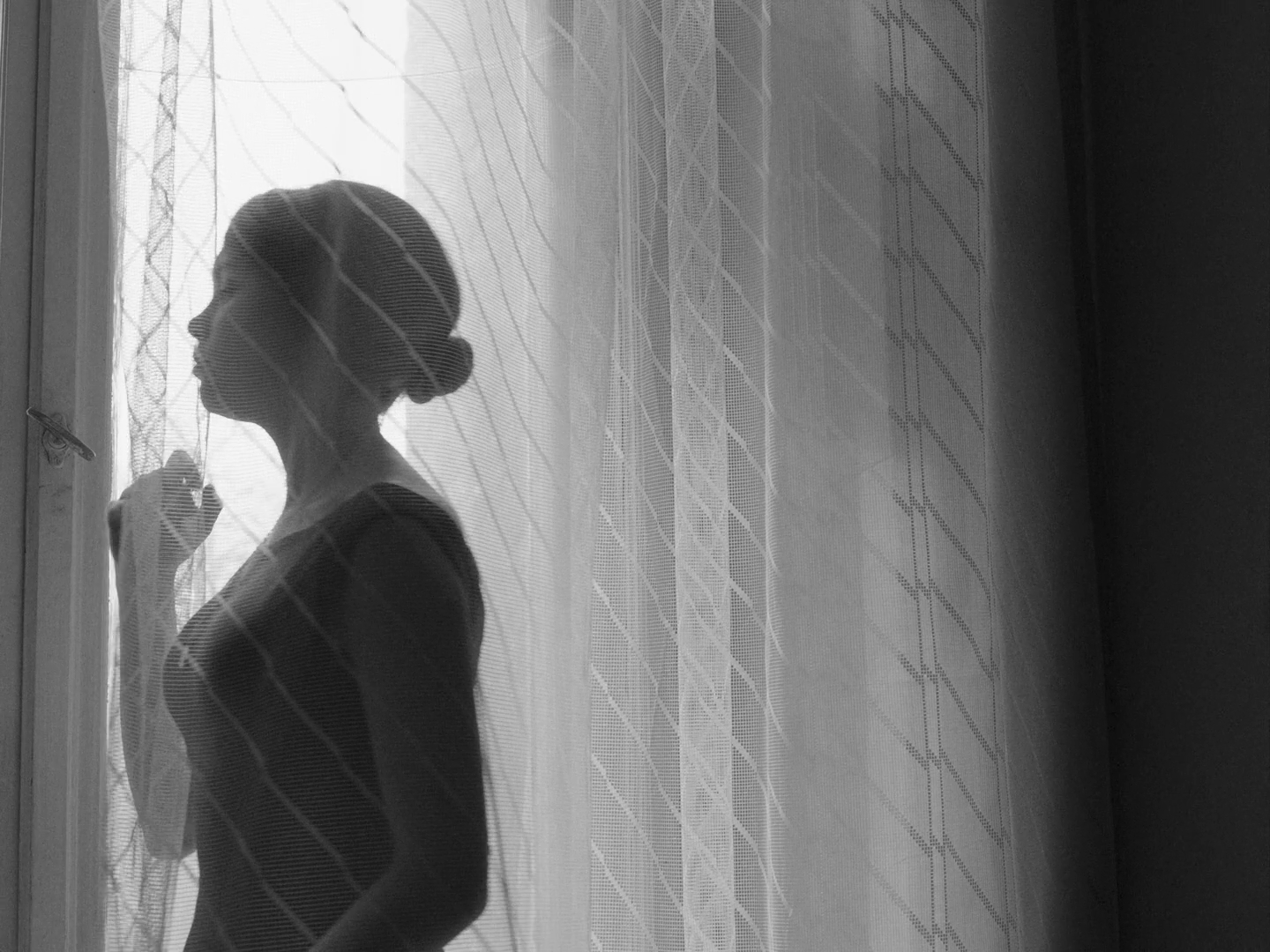
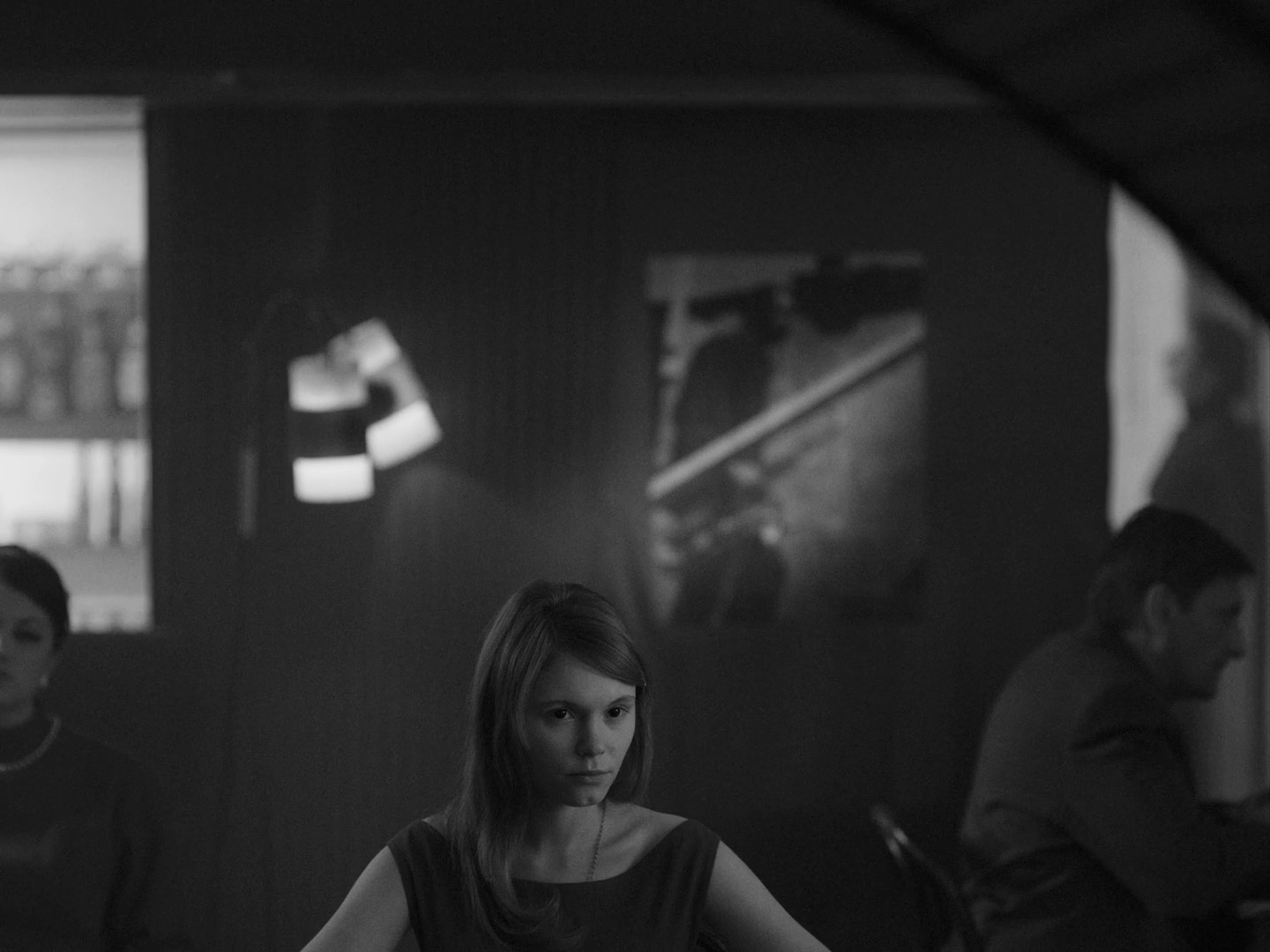
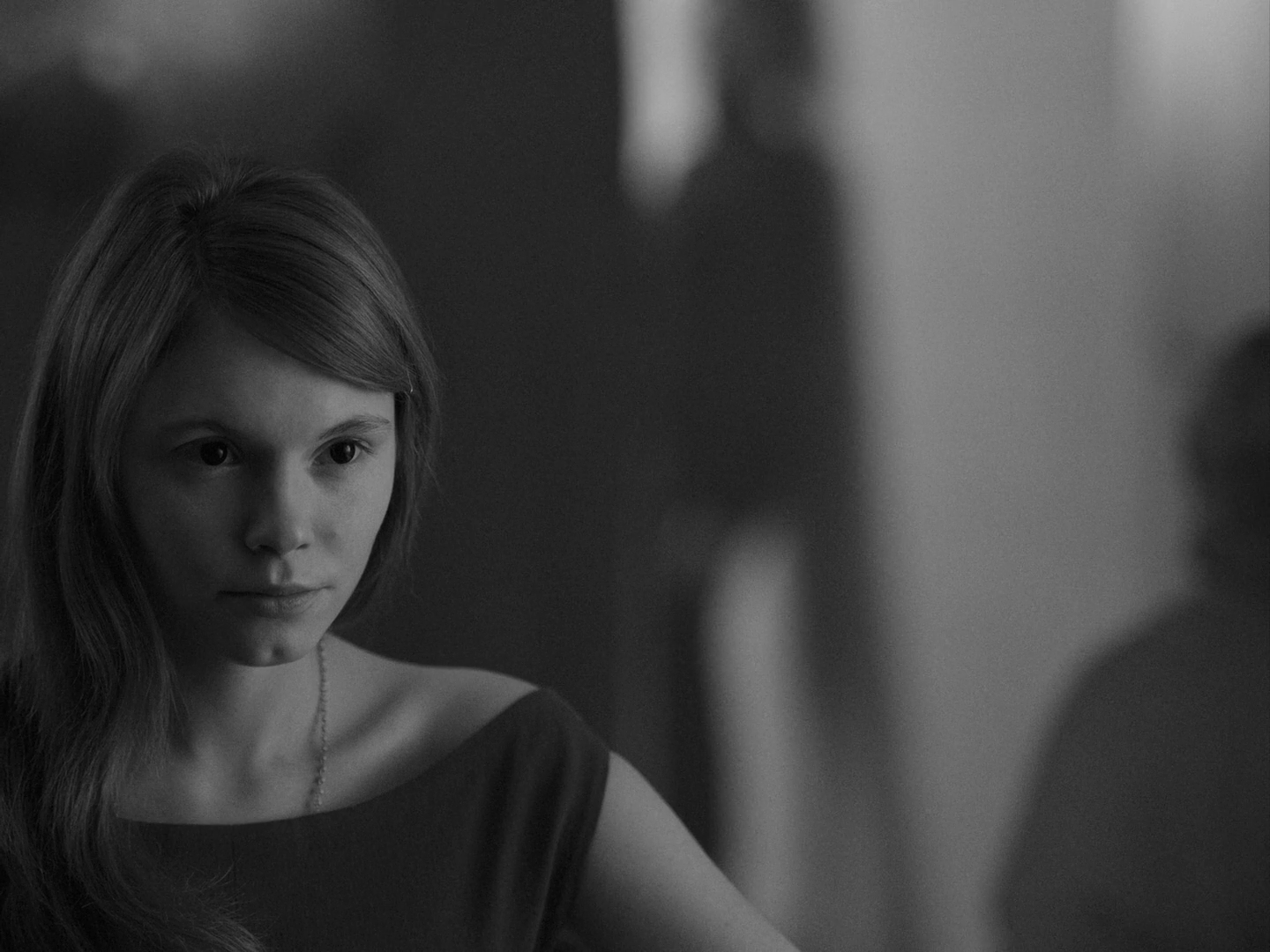
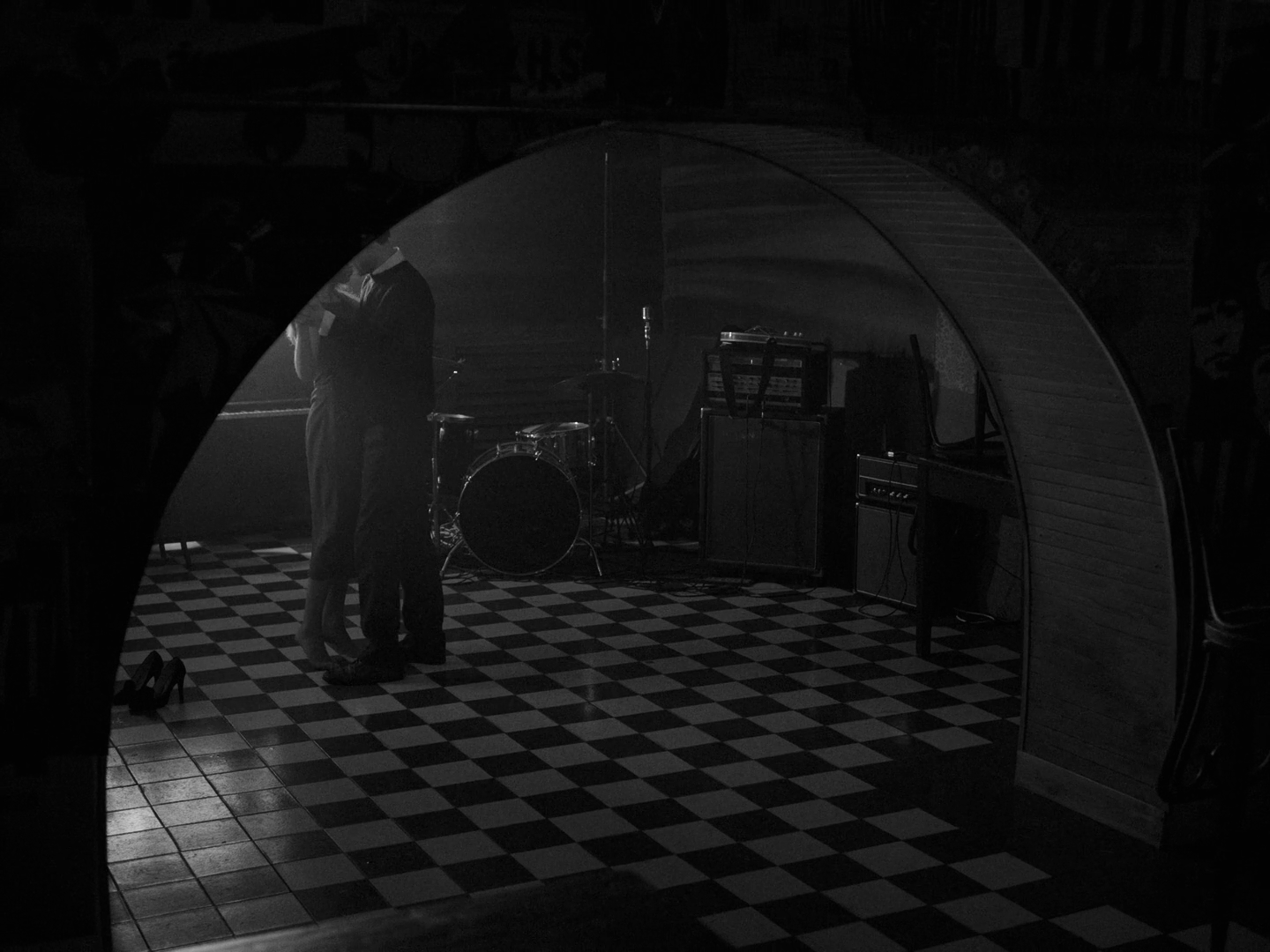
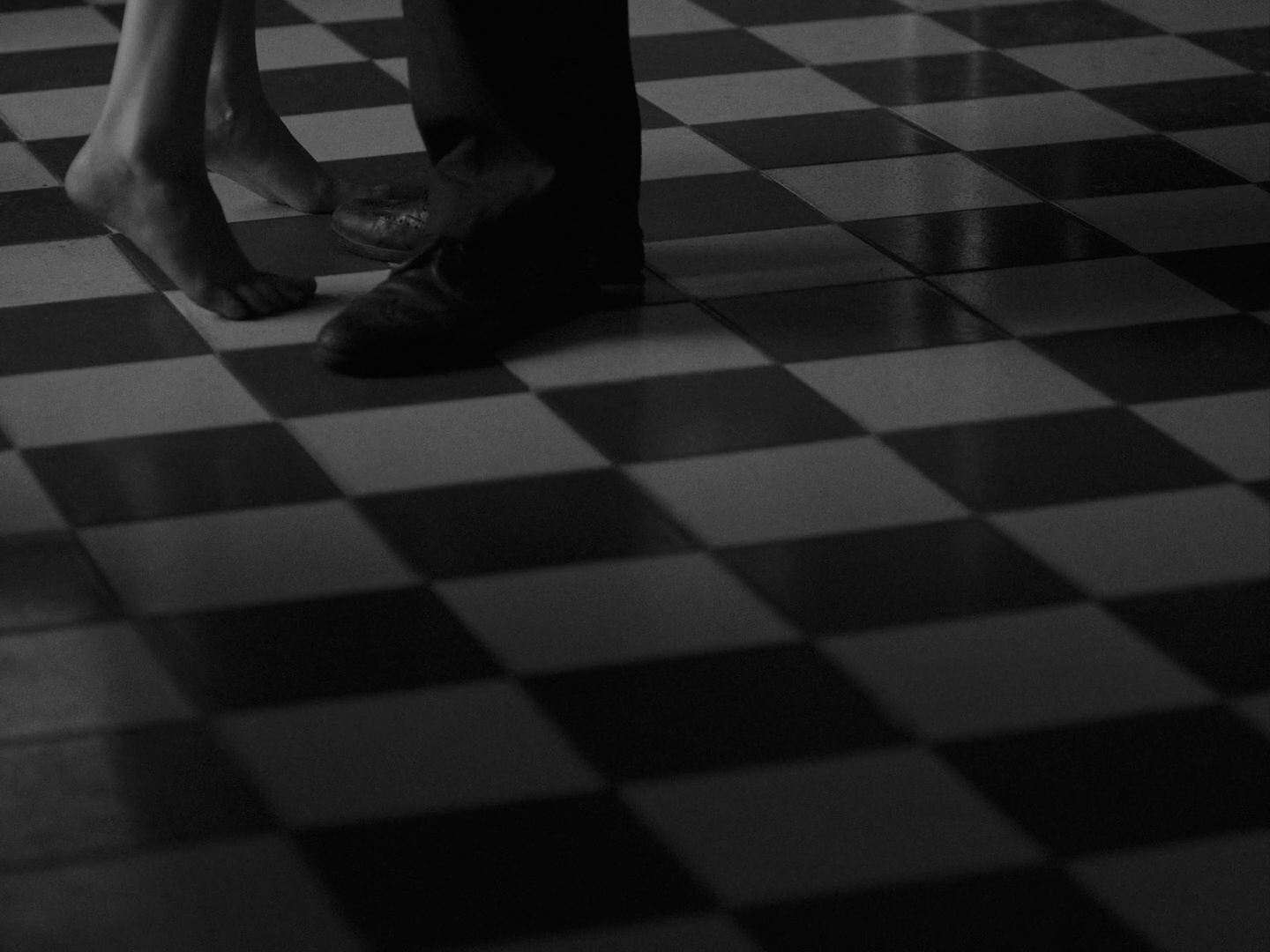
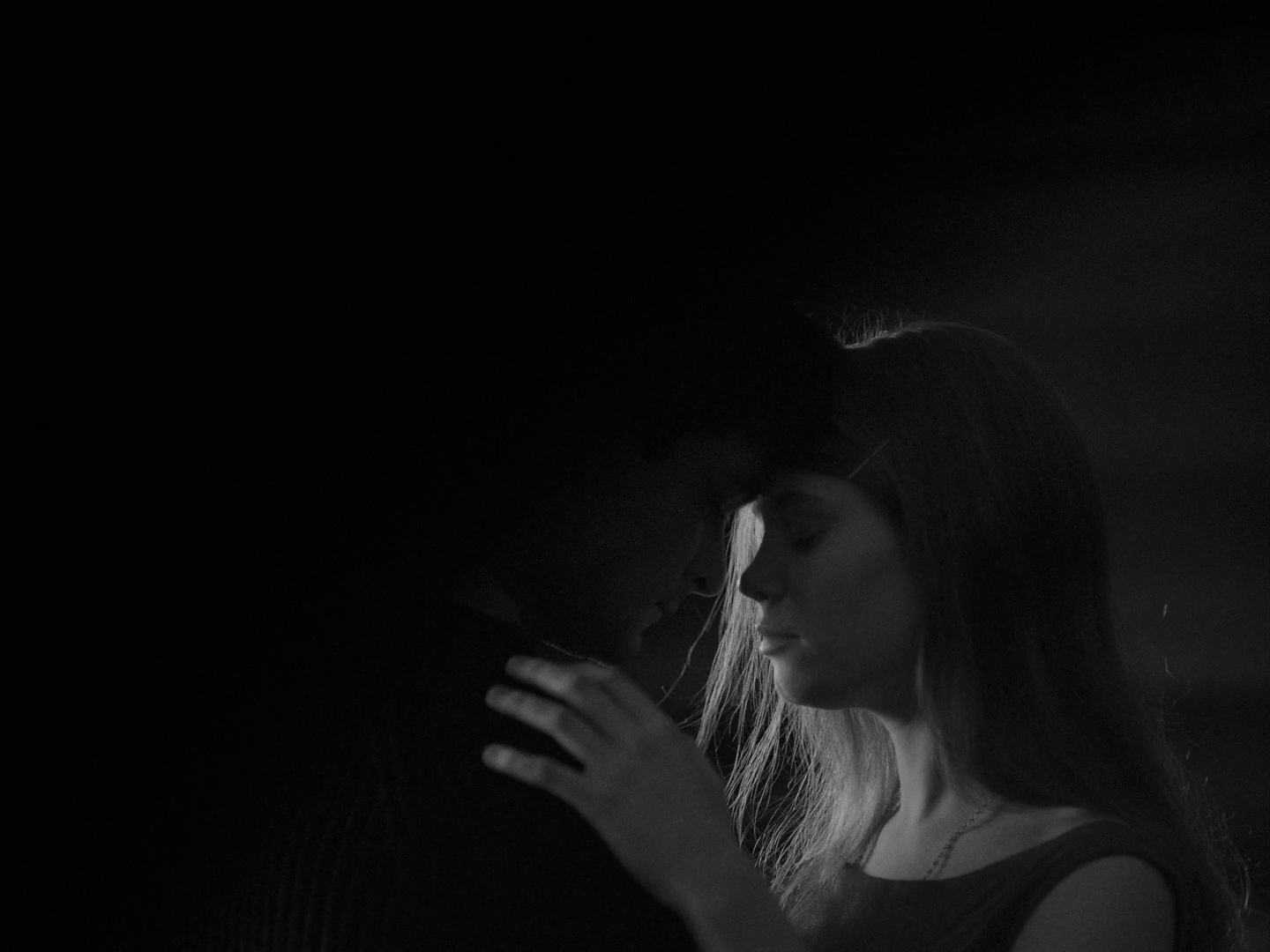
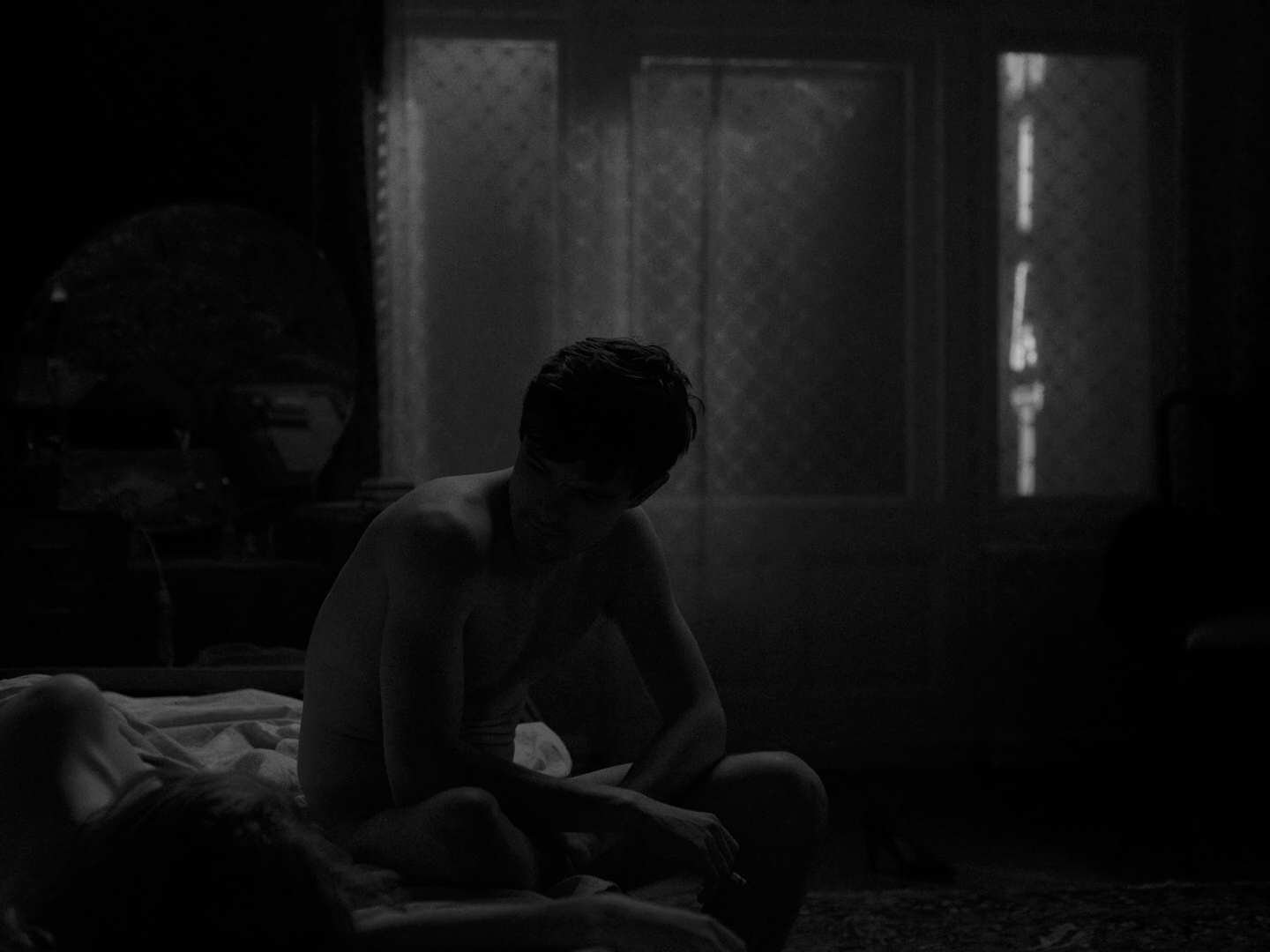
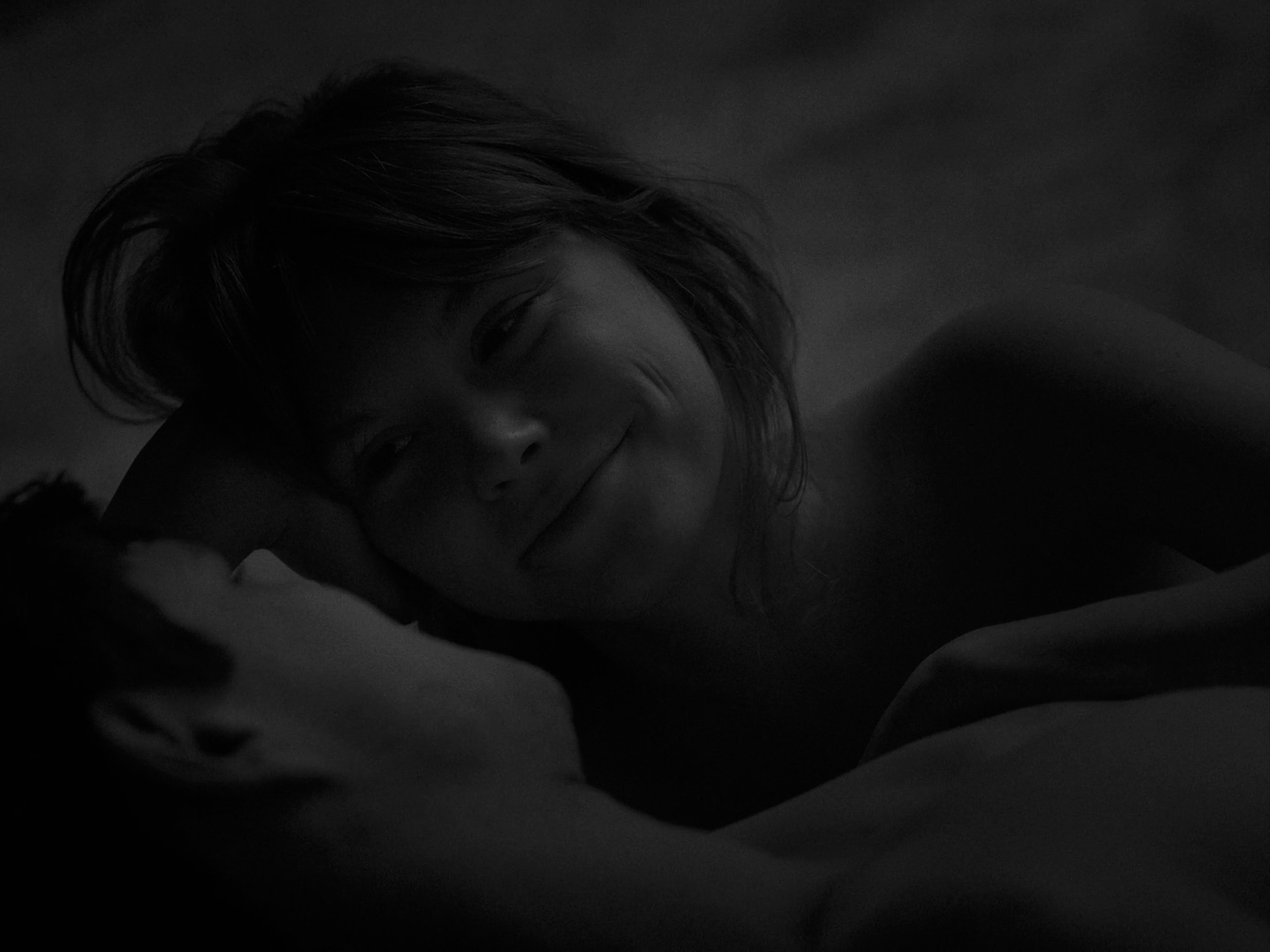
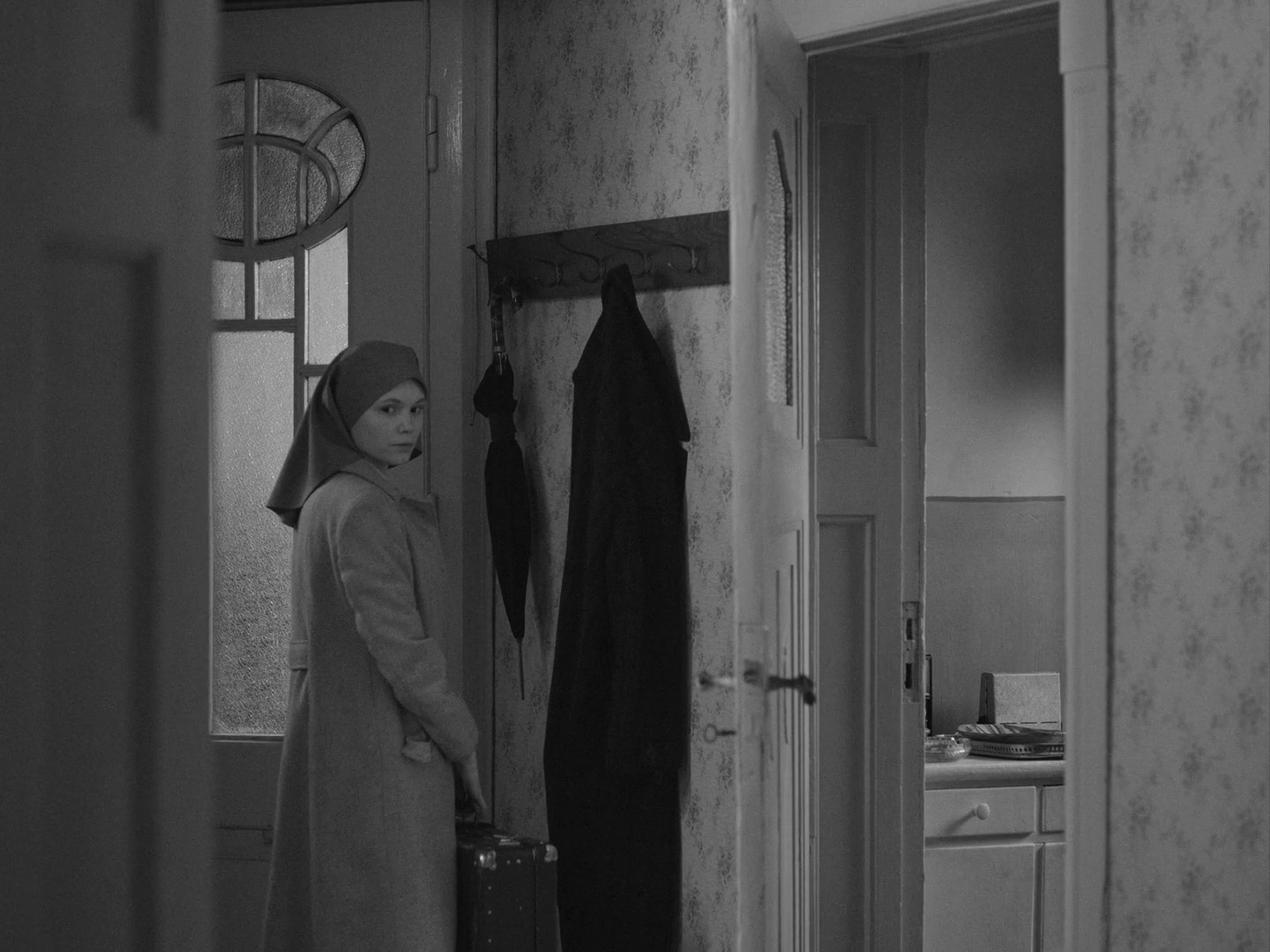
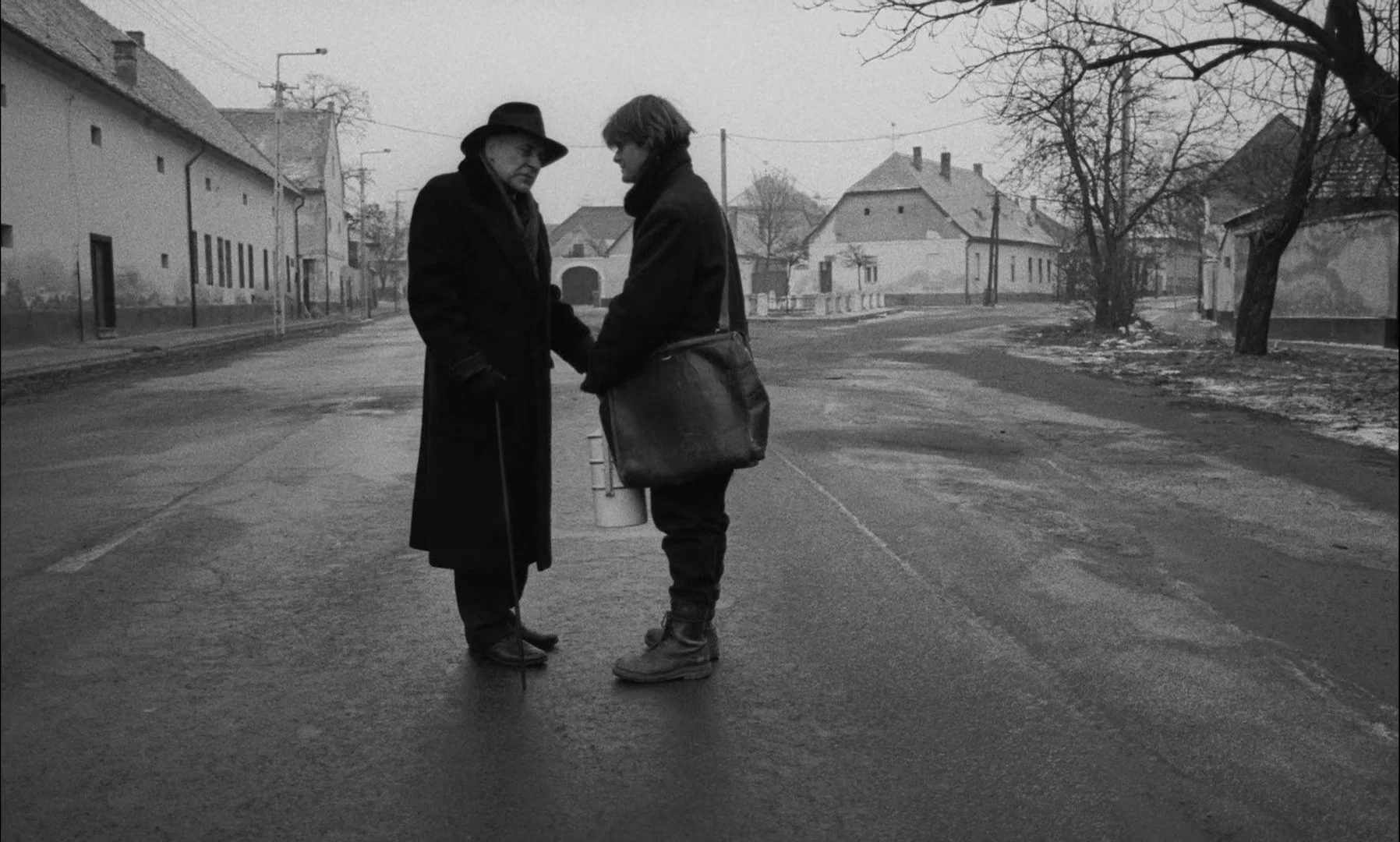
How many Polish films can you think of at the top of your head? Probably not many, but it’s time to change that because Ida is one the most beautiful black and white films. When a black and white film is made after 2010, it’s likely for a significant reason. Sometimes it’s just to complement the theme in The White Ribbon. Sometimes it’s to flex cinematography in Roma, which I am guessing is directly influenced by this film. Ida is both, breathtakingly beautiful with it’s 4:3 aspect ratio, perfectly complemented by long lensing. The refreshing corner compositional framing takes the best from classical cinematography and mixes it with modern lighting and Arri digital cameras to create a silky soft monochrome to visually get lost in. This is pretty necessary as the film is slow, only to appreciated by cinephiles and image quality enthusiasts. It’s a quiet and somber story designed for introspection, making snowy Polish landscapes feel even more characteristically cold. Tonally, one should immediately draw comparisons with Werckmeister Harmonies.
Conclusion:
Although people will likely think of Roma as the best looking black and white film, this one goes toe to toe, contrasted by tighter lensing. I can’t get over how brilliant the cinematography is and will be a film that I revisit in the future. The story is so understated you might think this to be a mood piece, but I nevertheless felt connected due to the profound humanness of the director’s cinematic language, not to mention the protagonist’s stark gaze. And with the way the film is framed, you might think it to be the life of The Girl With the Pearl Earring. I can’t say I’m literate in Central European cinema, but this is one of the best films I’ve seen from that region. For those that like contemplative and philosophical cinema, it’s time to visit Poland.
Recommendations










How did black and white ever fall out of fashion?