
Antichrist (2009)
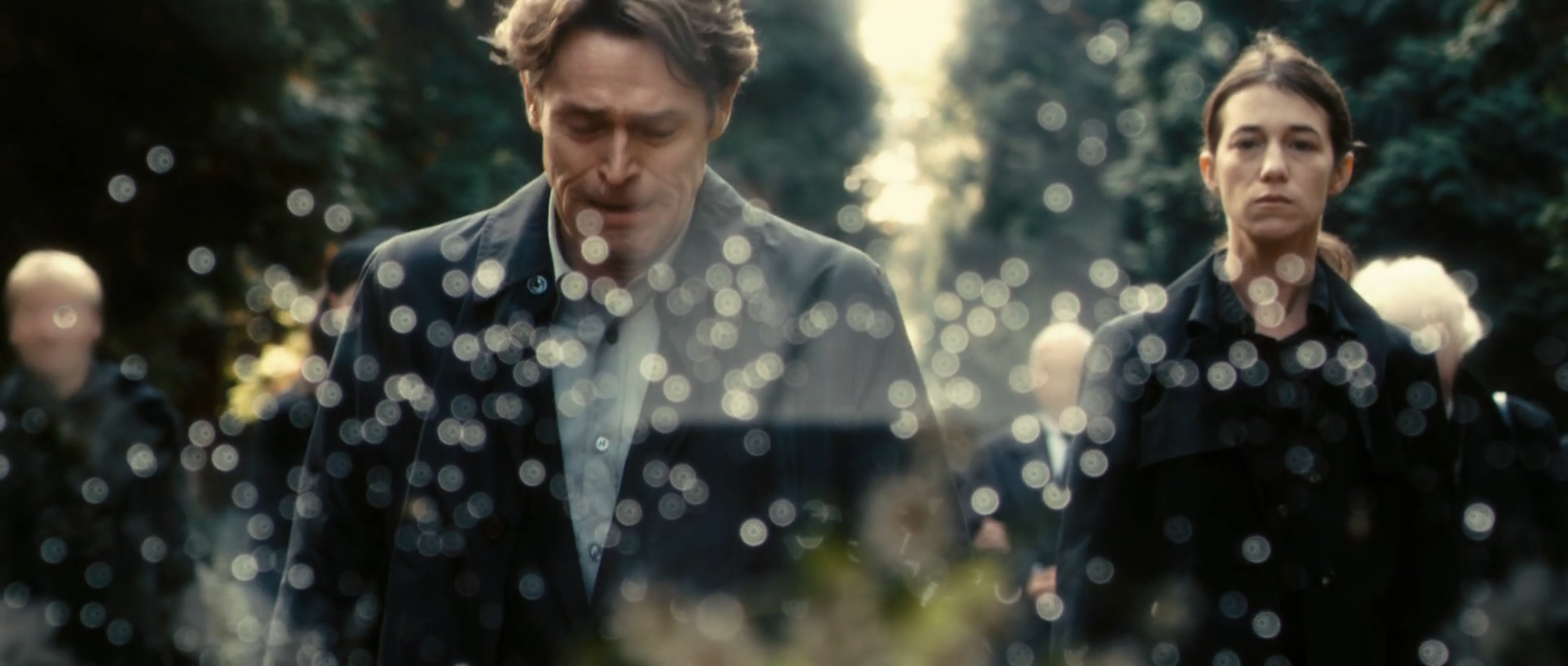
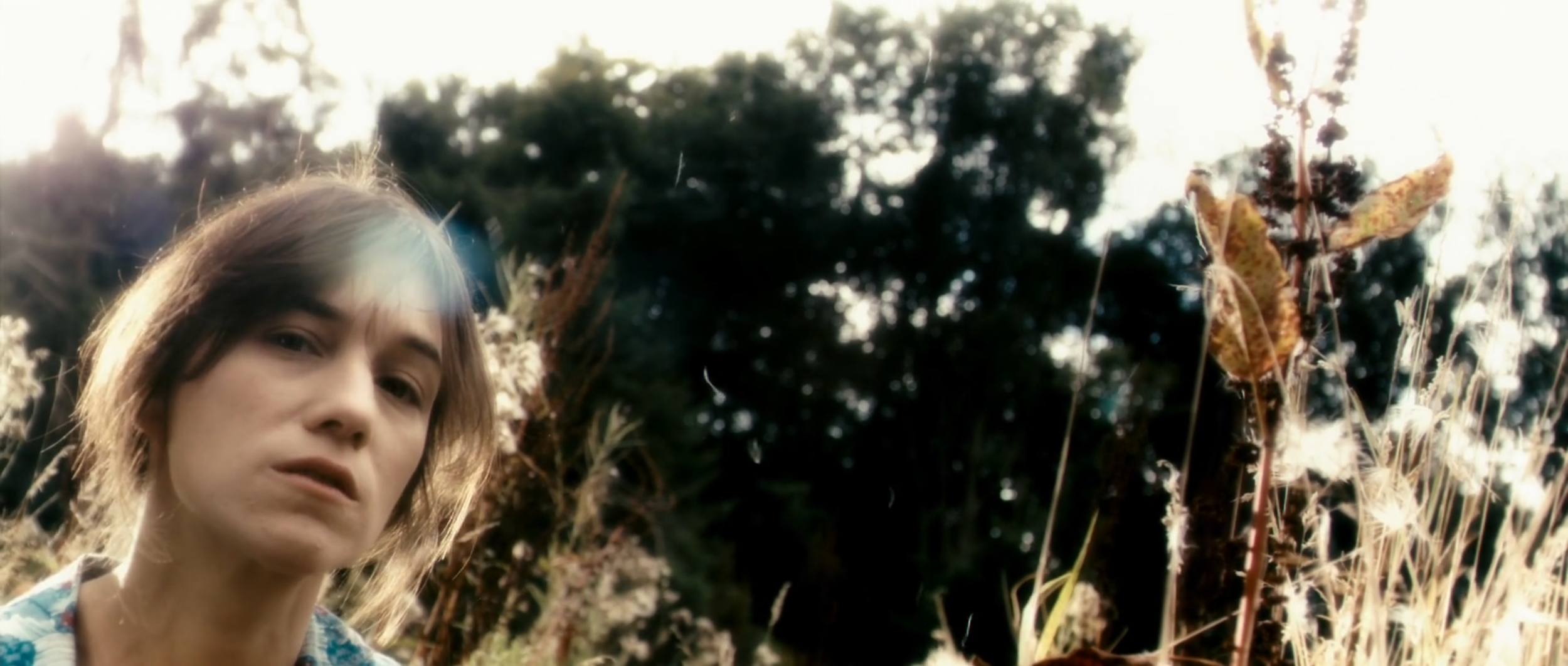
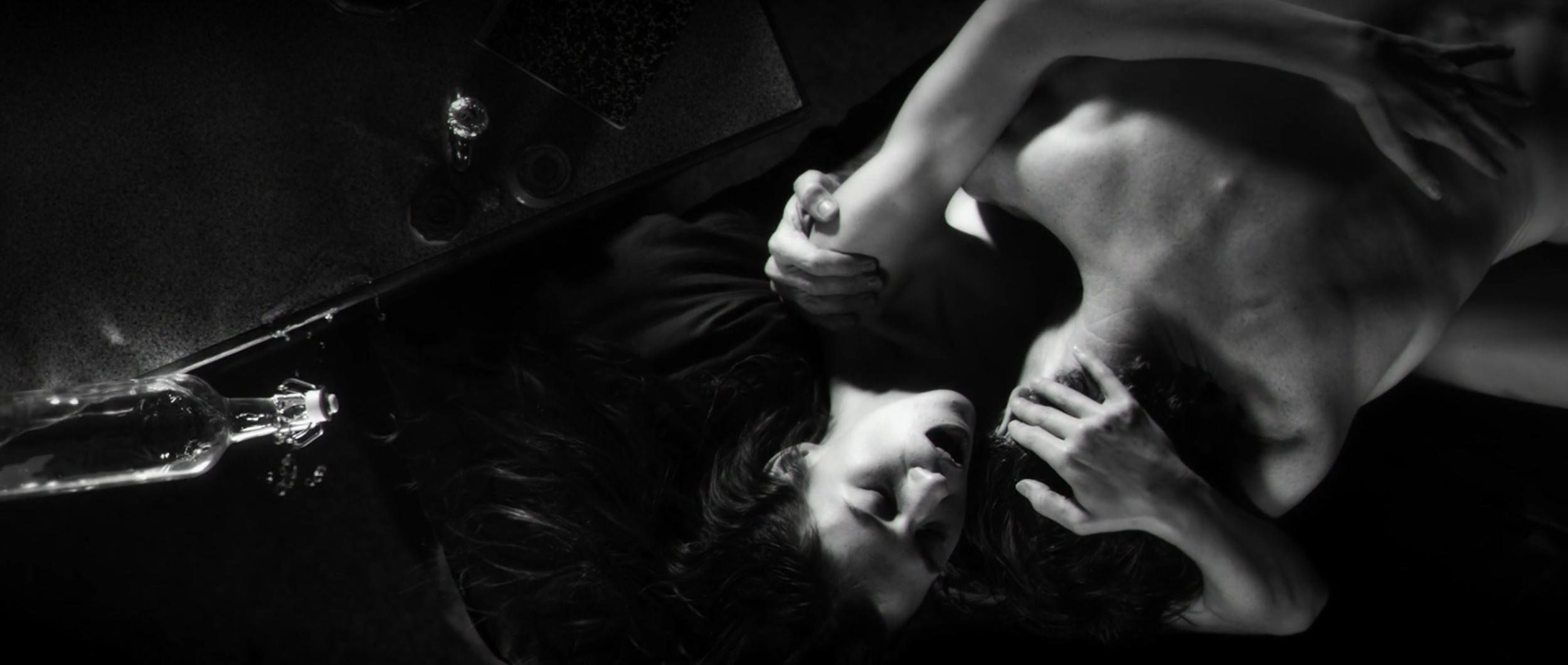
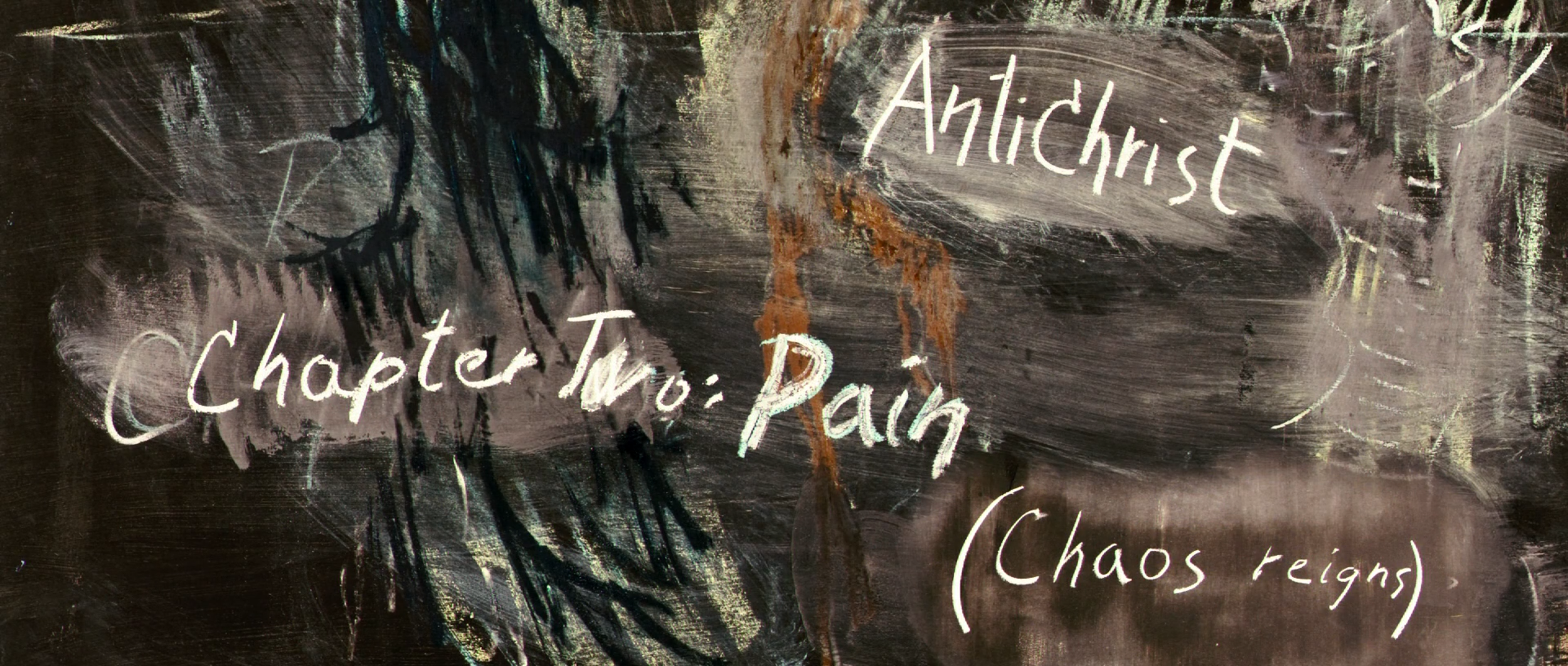
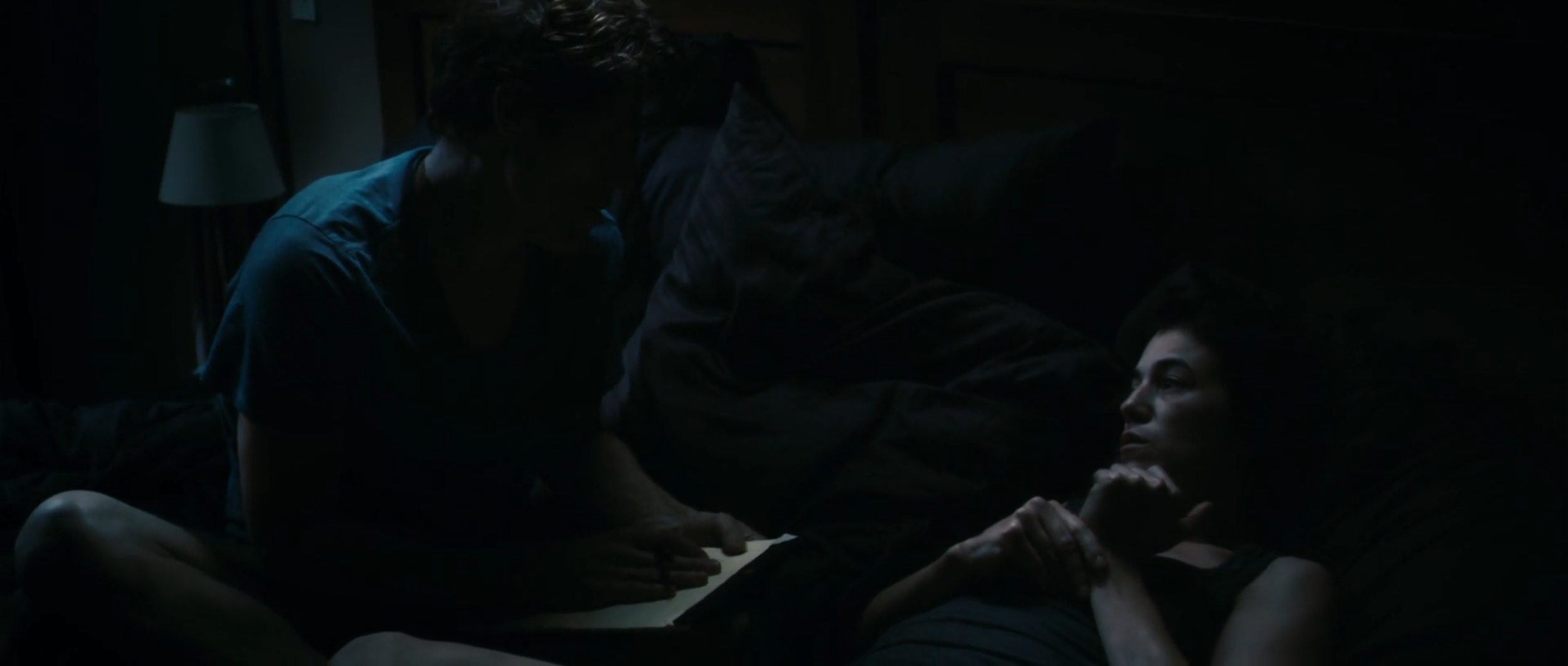
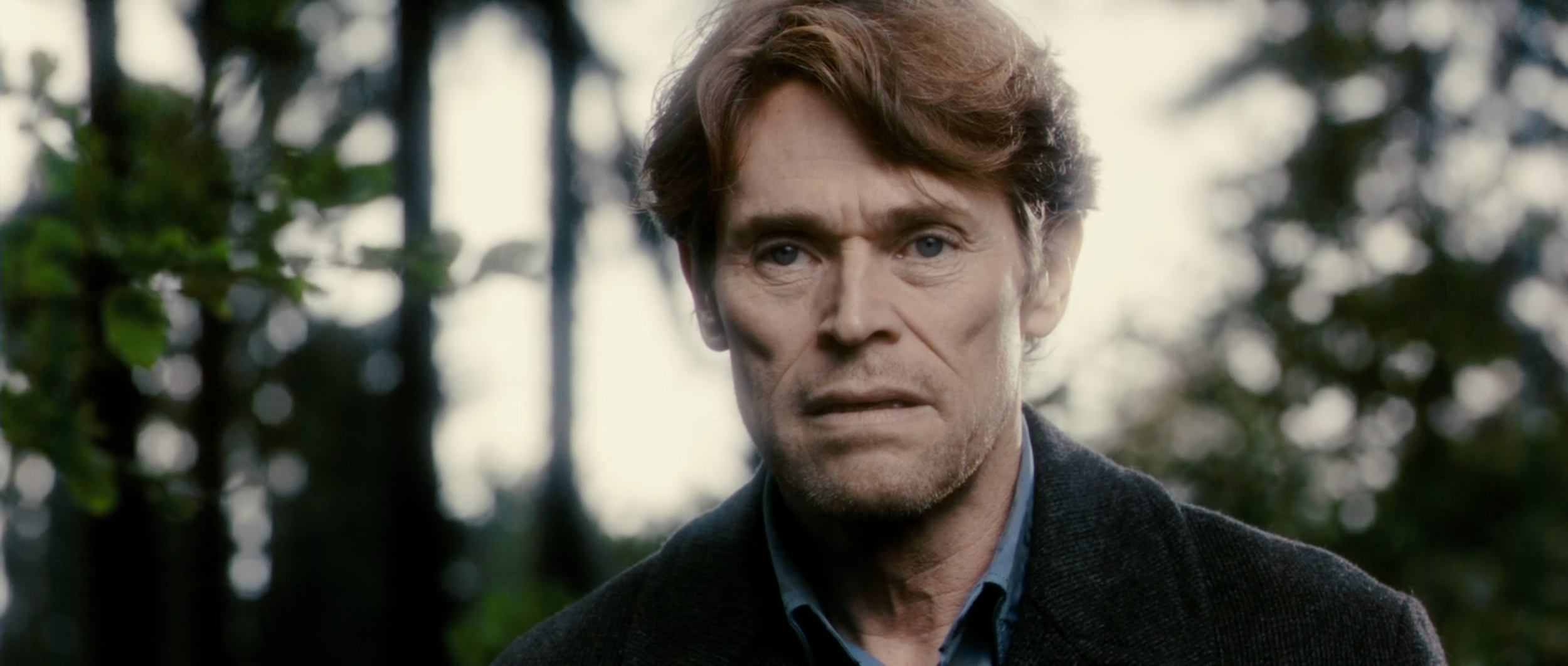
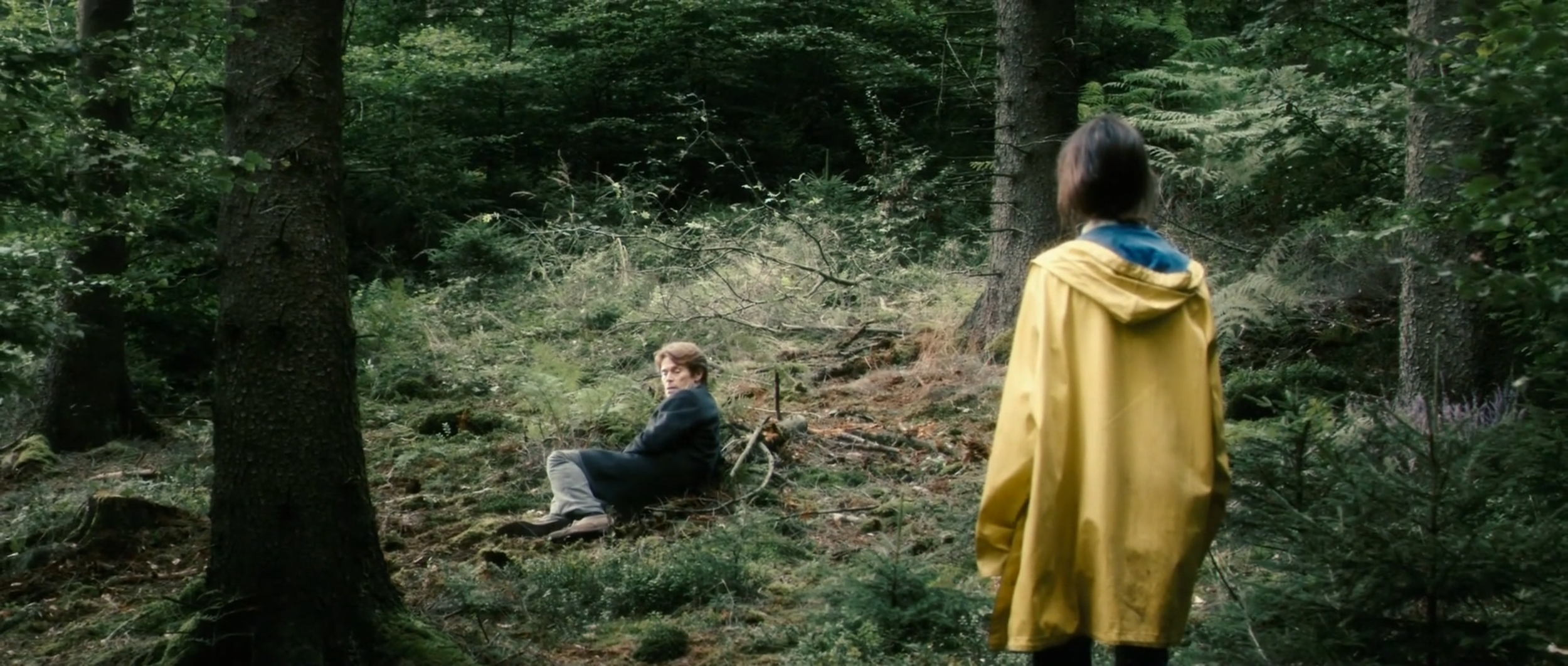
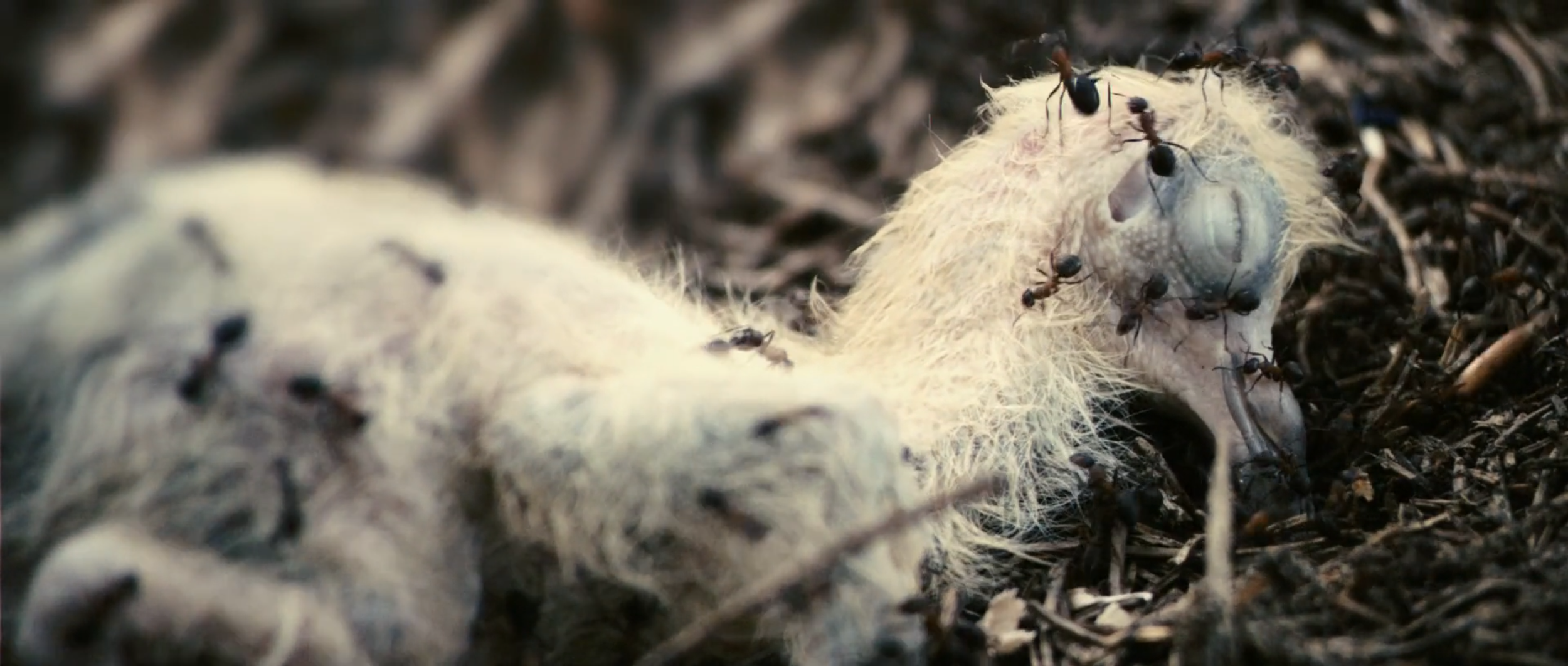
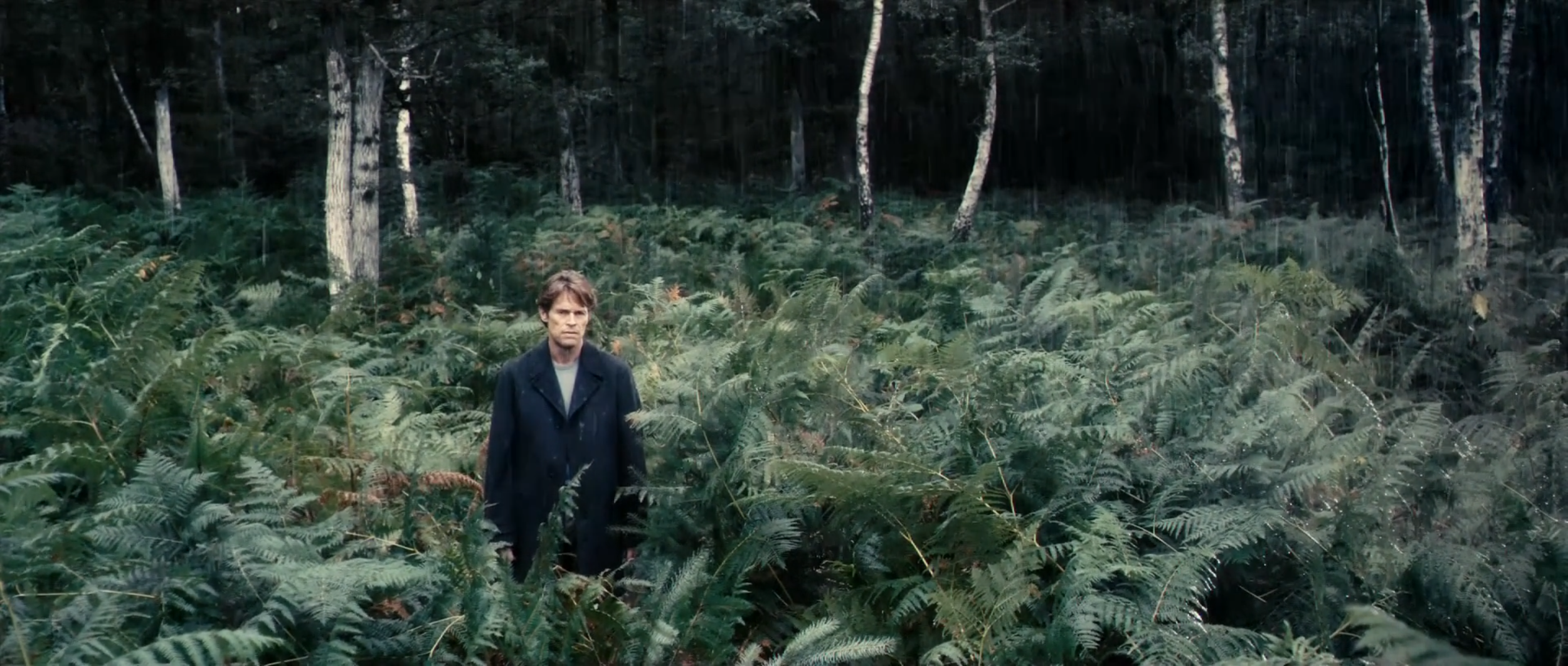
Human nature is Satan’s church.
Presentation:
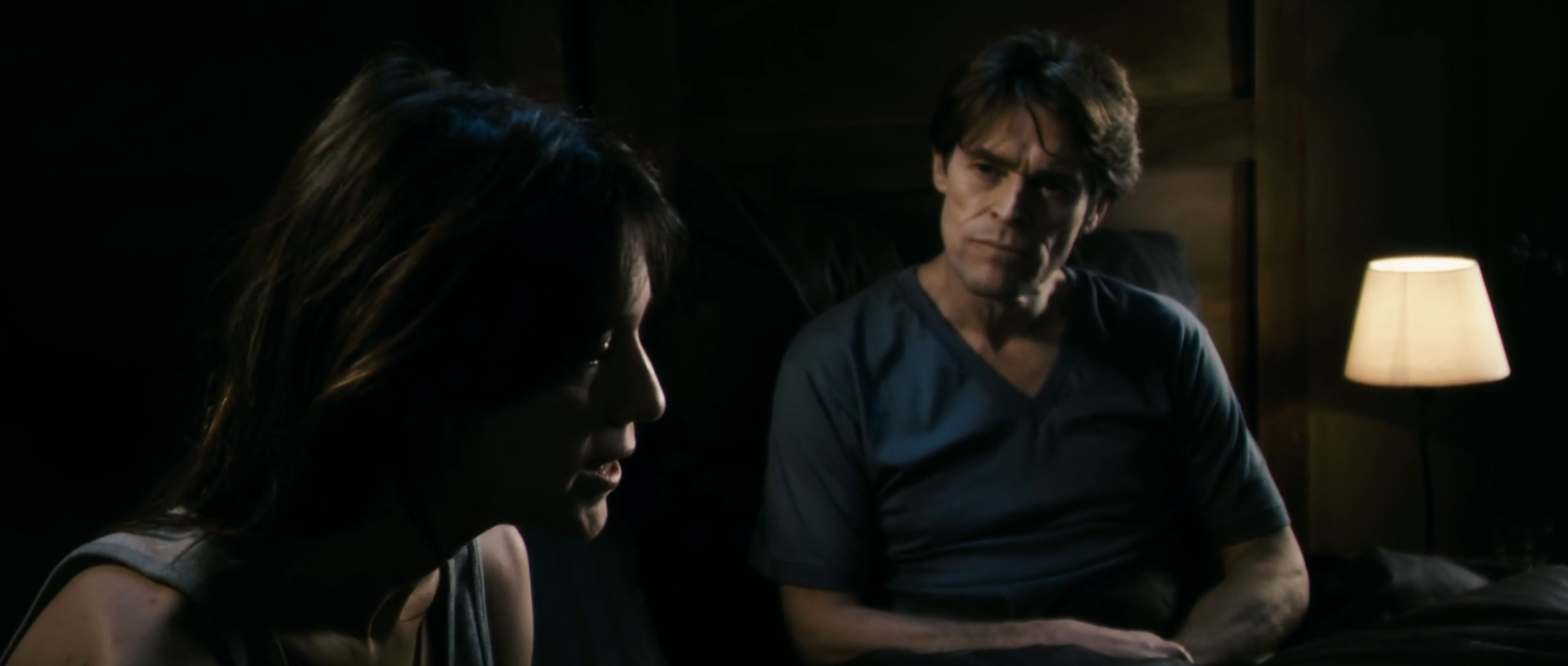
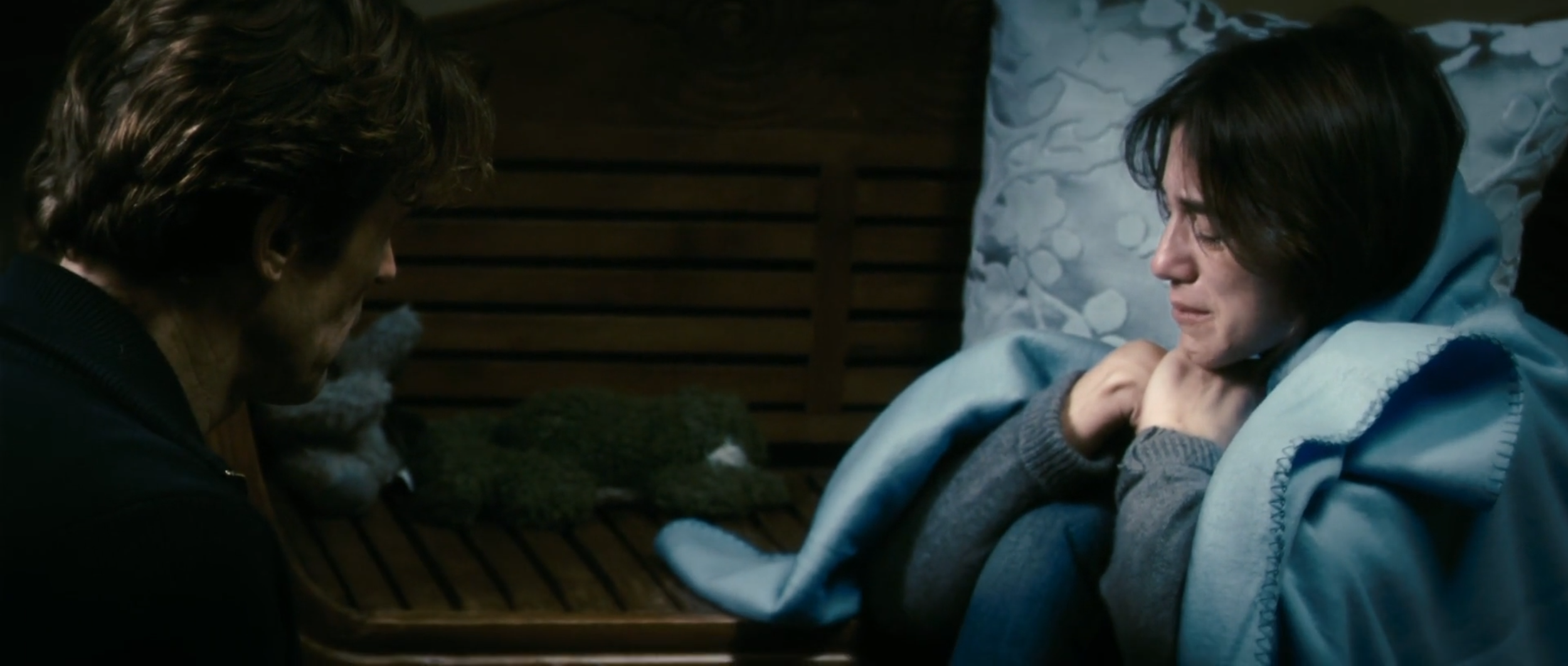
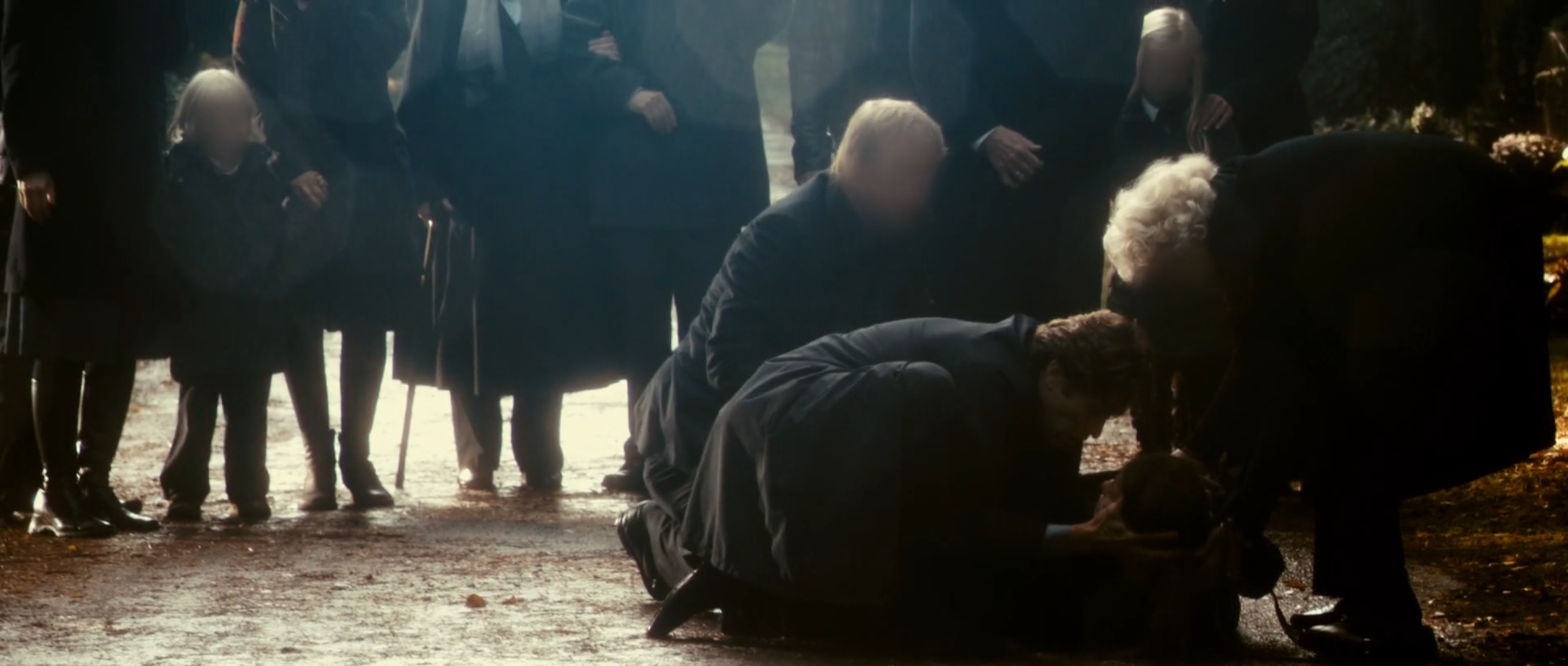
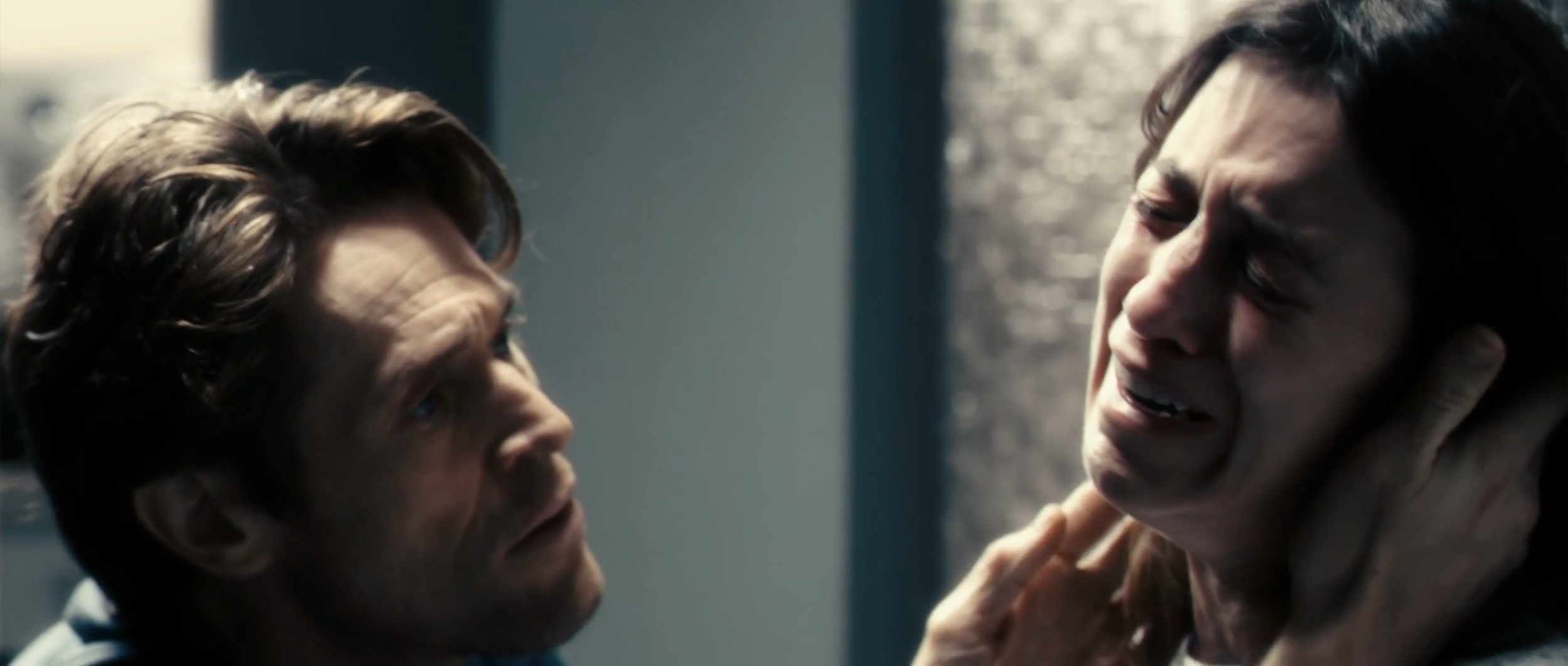
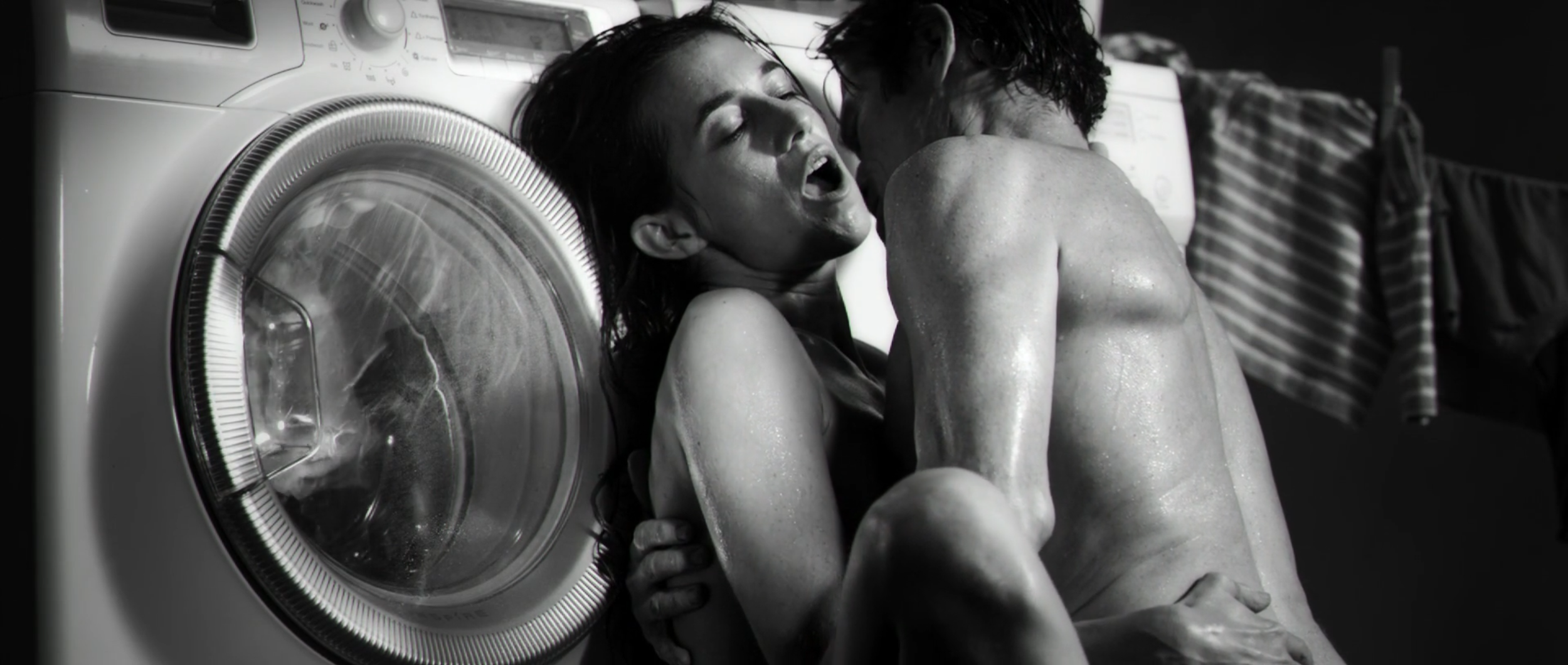
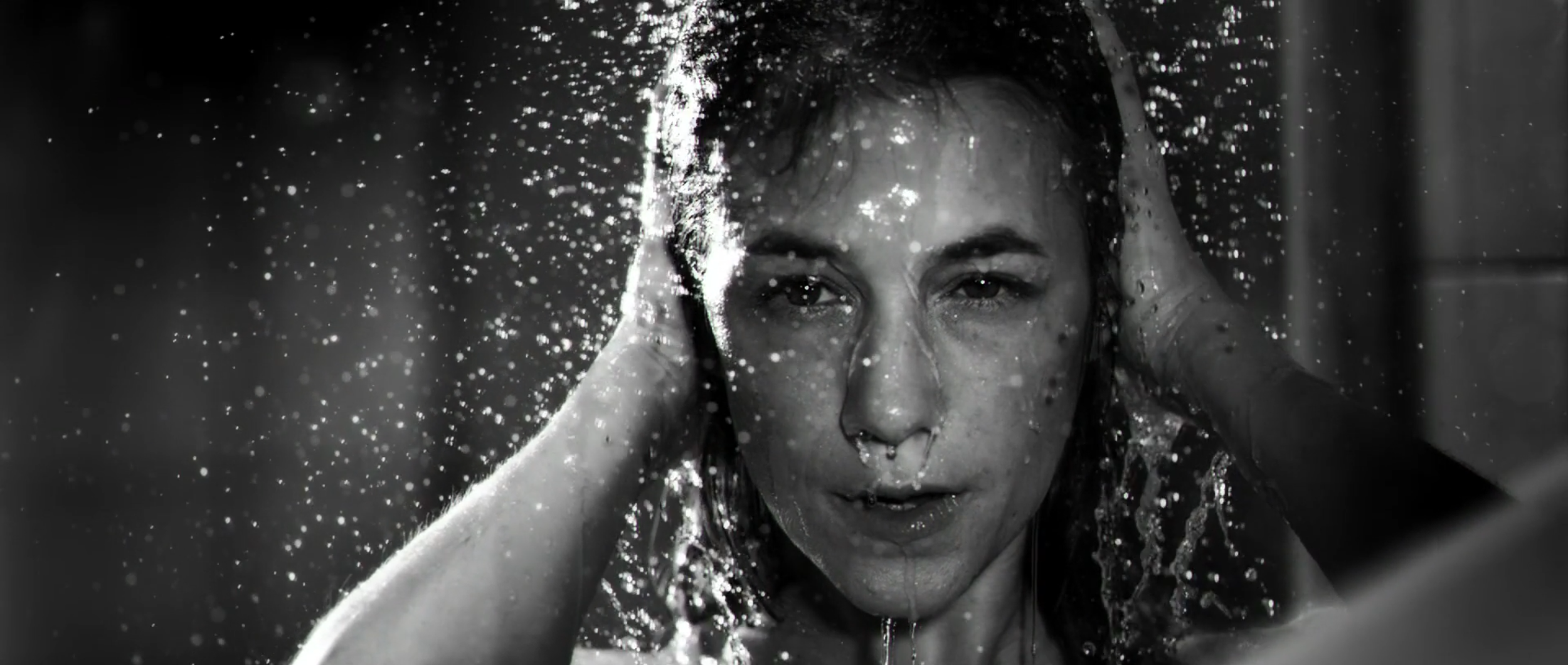
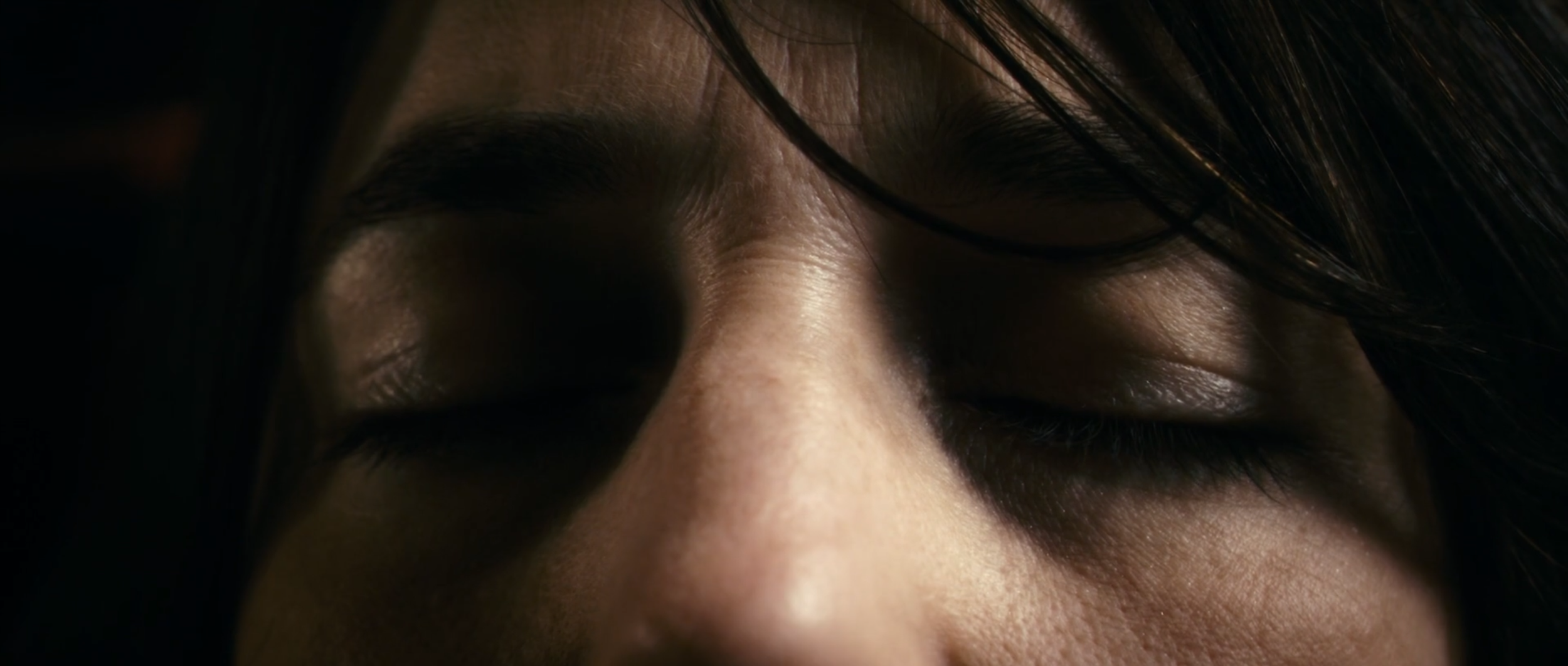
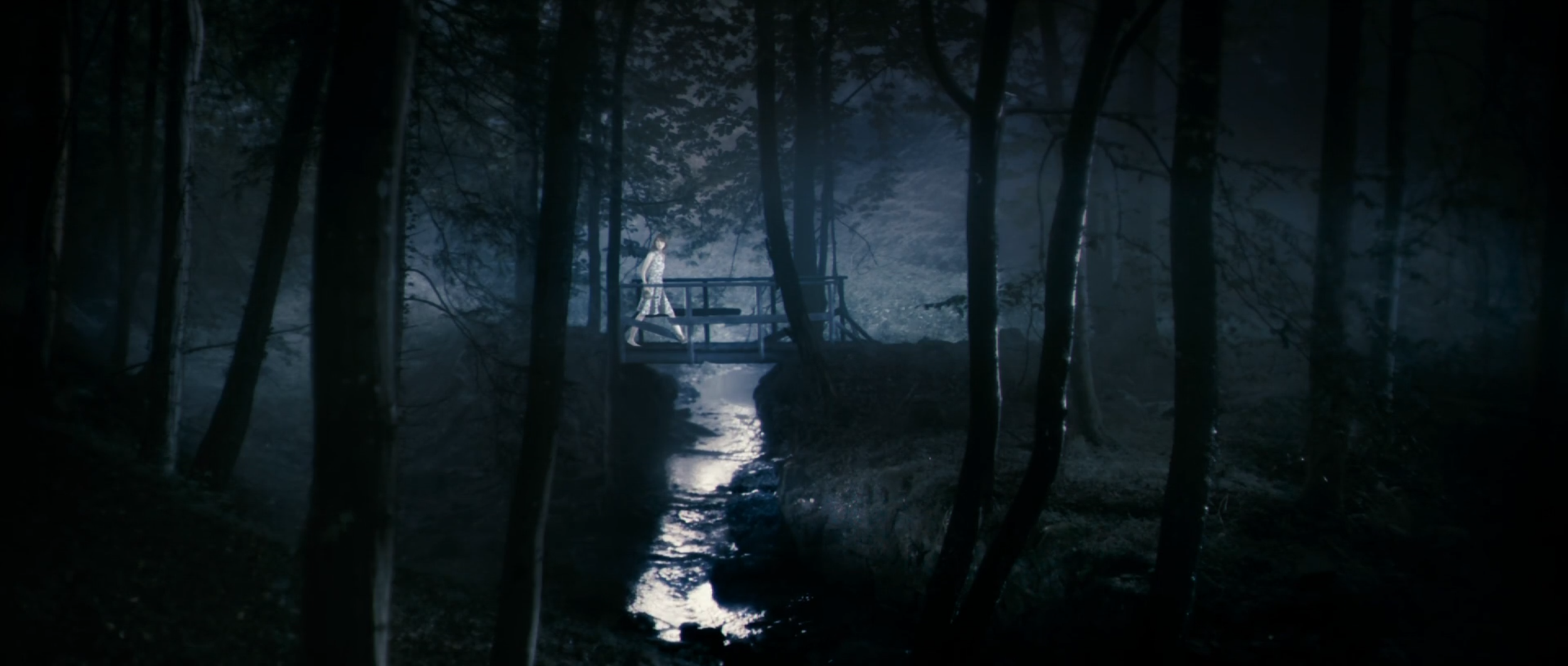
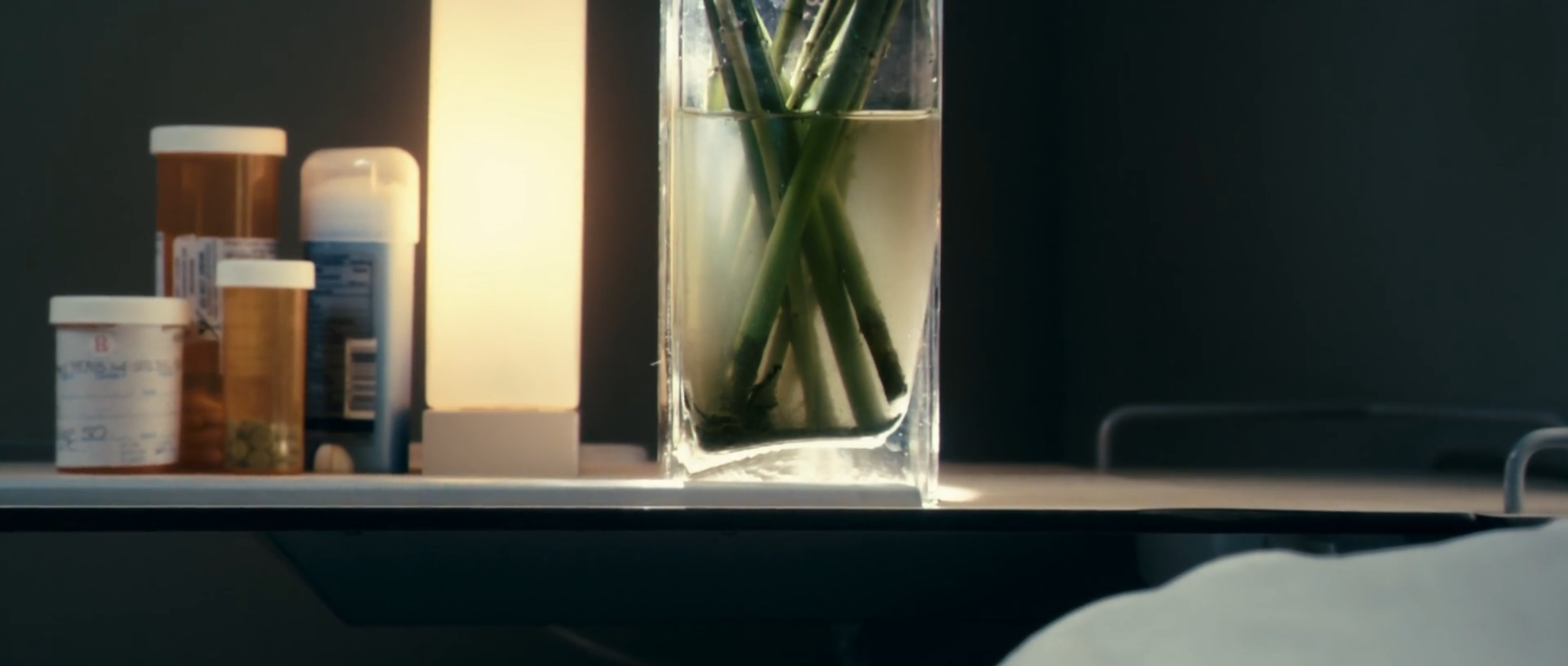
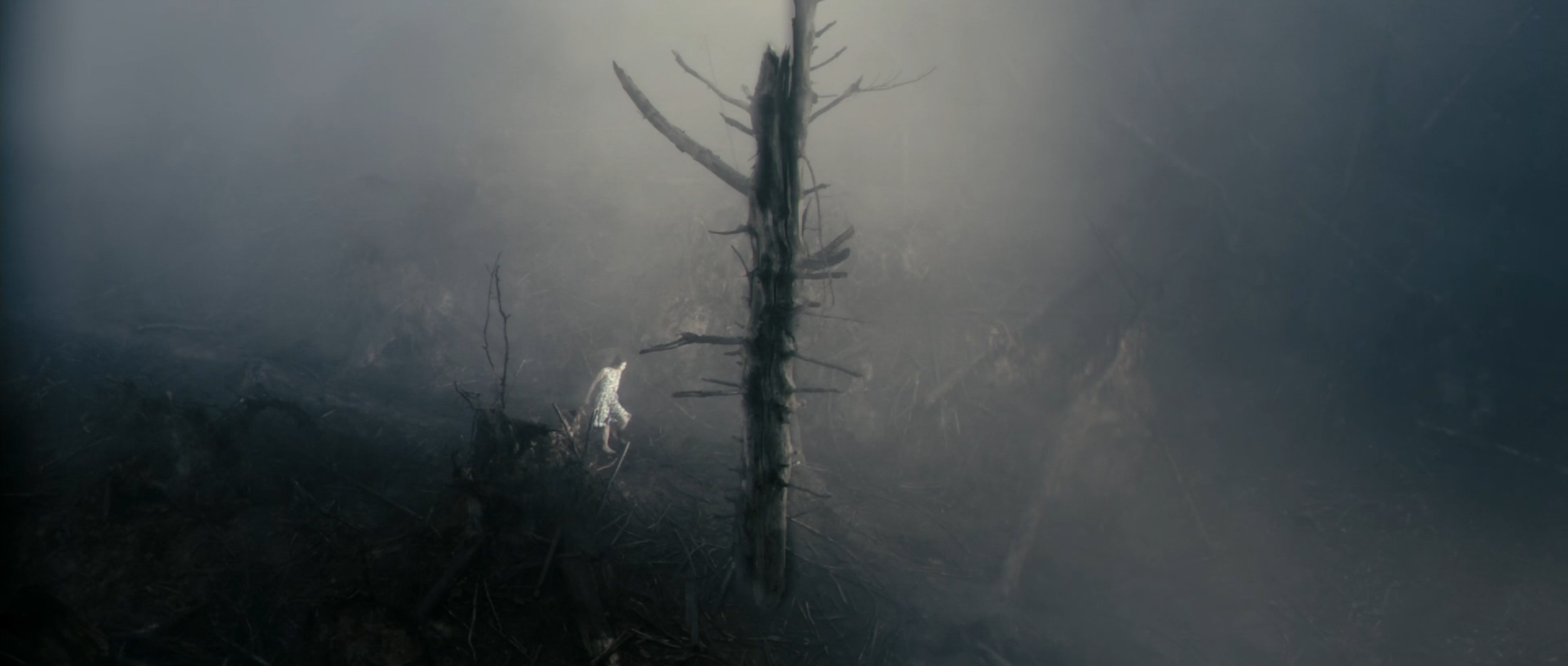
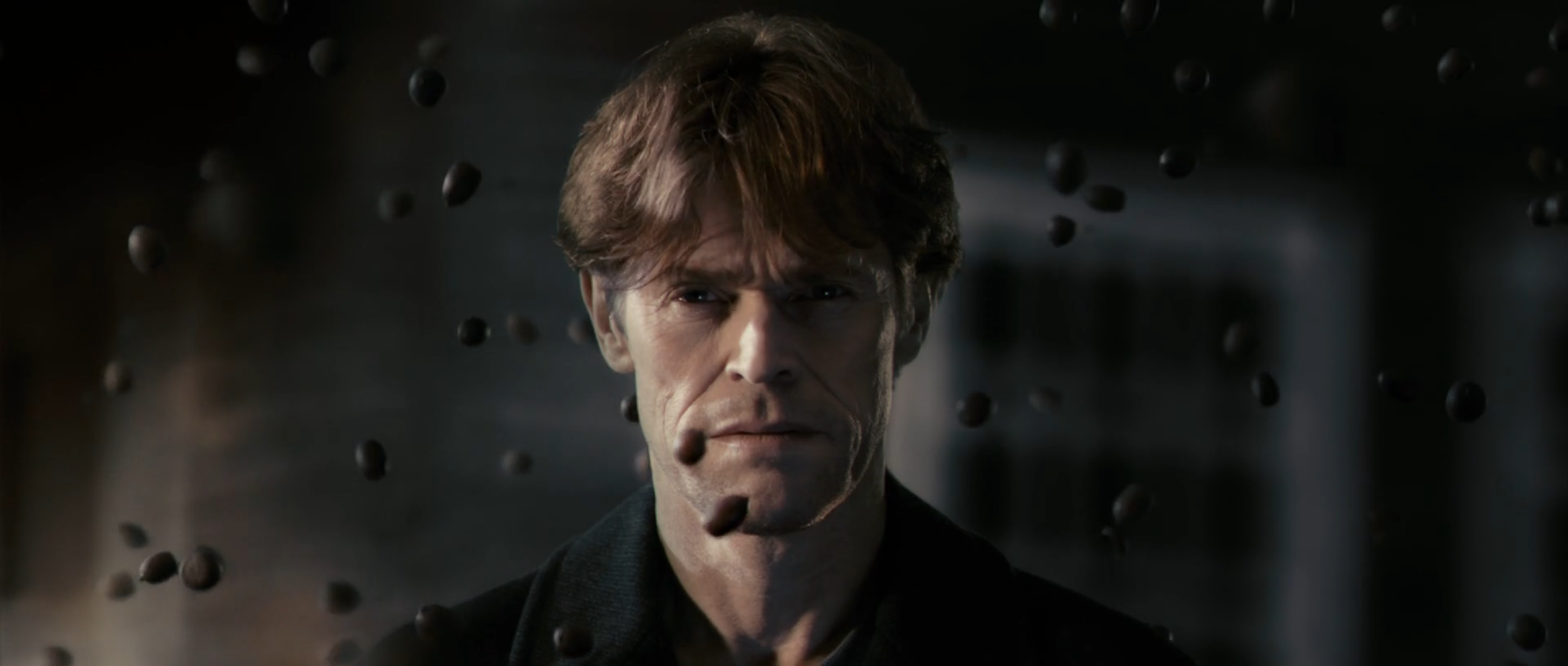
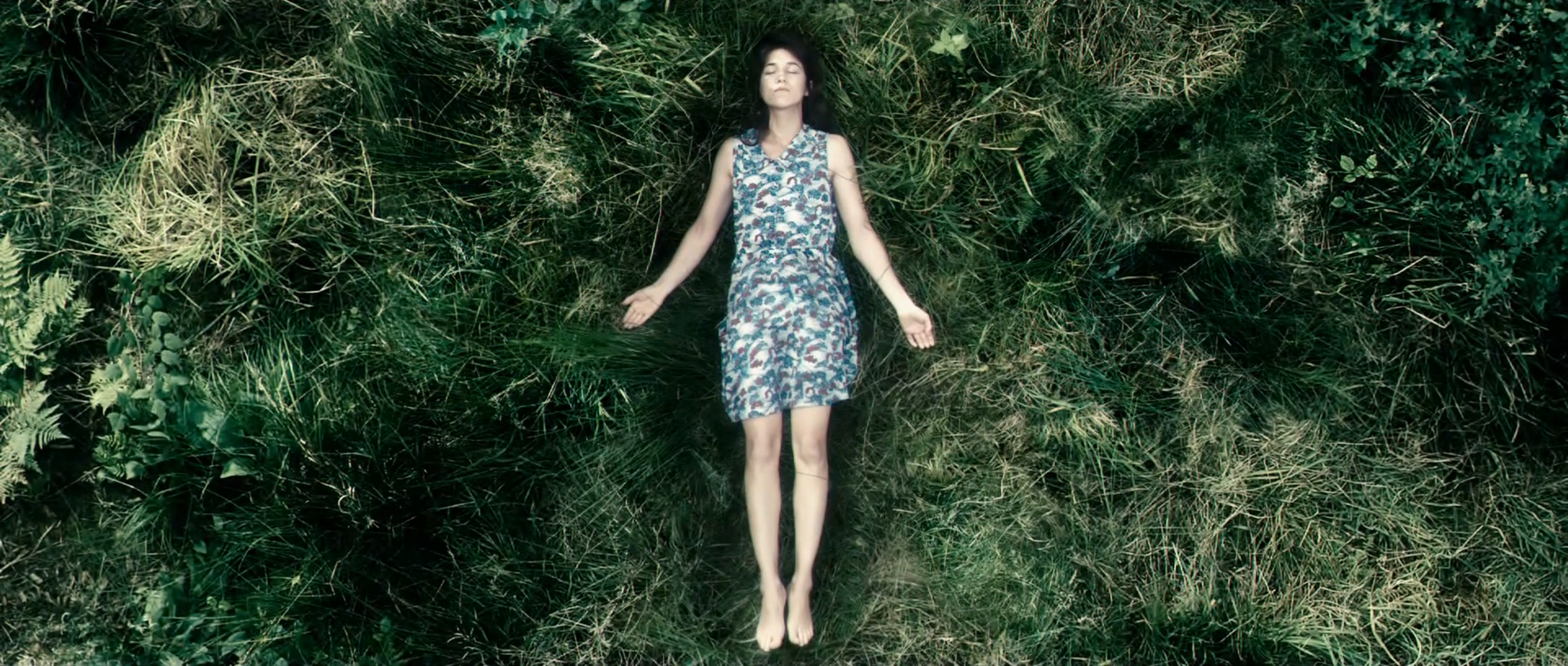
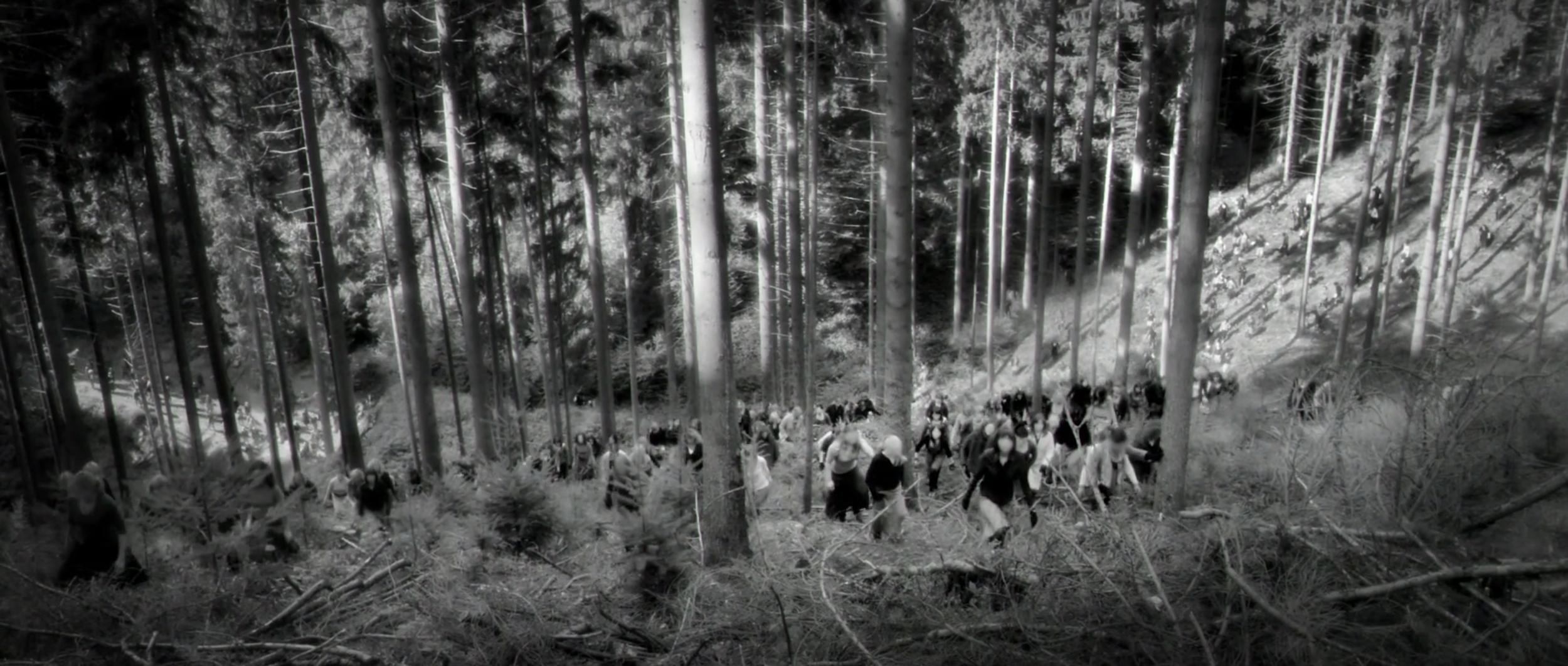
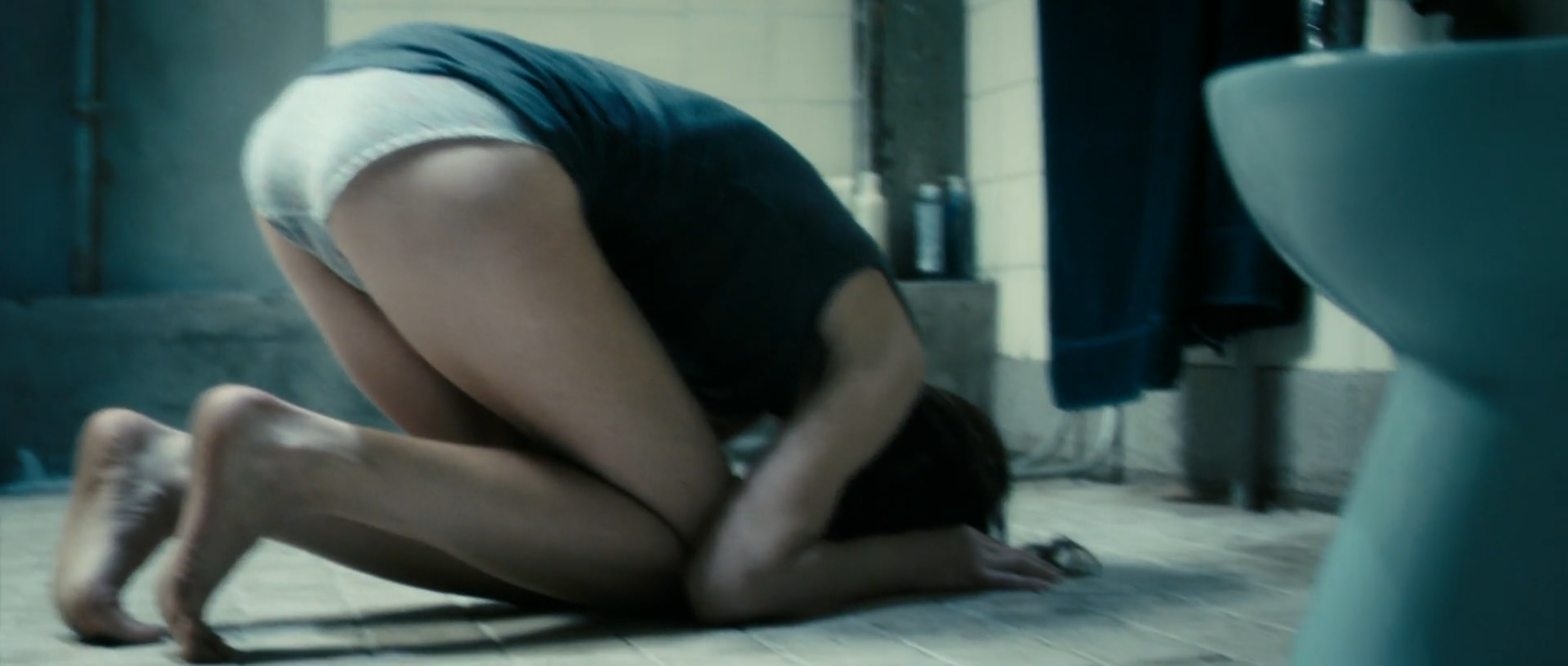
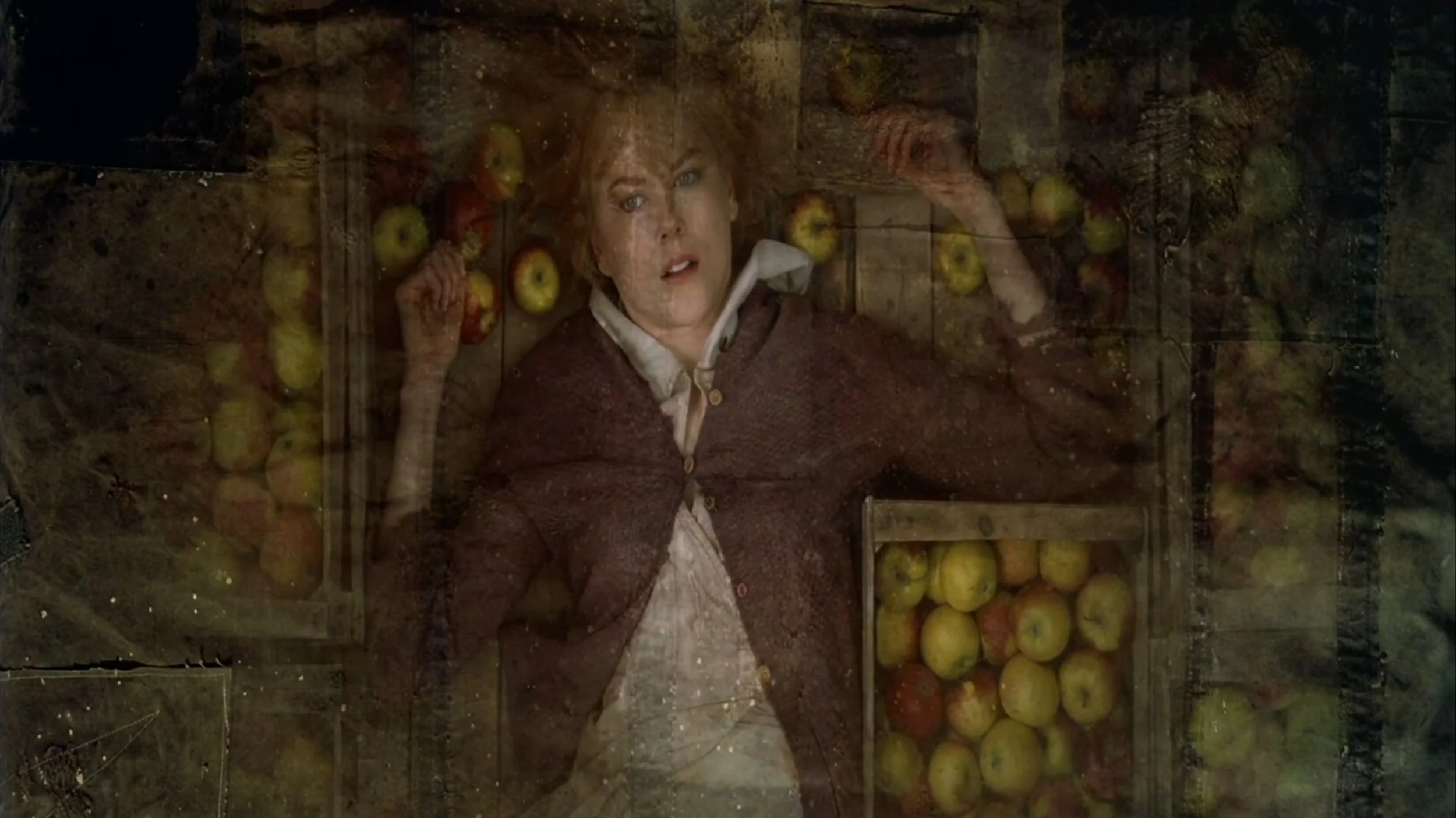
Perhaps Lars von Trier’s most offensive film and the one that officially made him a social pariah, Antichrist is a polarizing art exhibition about the stages of grief and loss. This is visually his darkest film what can be described as having bleachy contrast of the early 2000s. Be warned, this is one of the most vulgar body horrors and will not be for people inexperienced to the genre. It’s for desensitized viewers that have seen it all and want to feel something through provocative bloody/sexual imagery. However, thematically this film is actually quite strong aided by artistic slow motion surreal sequences.
Analysis:
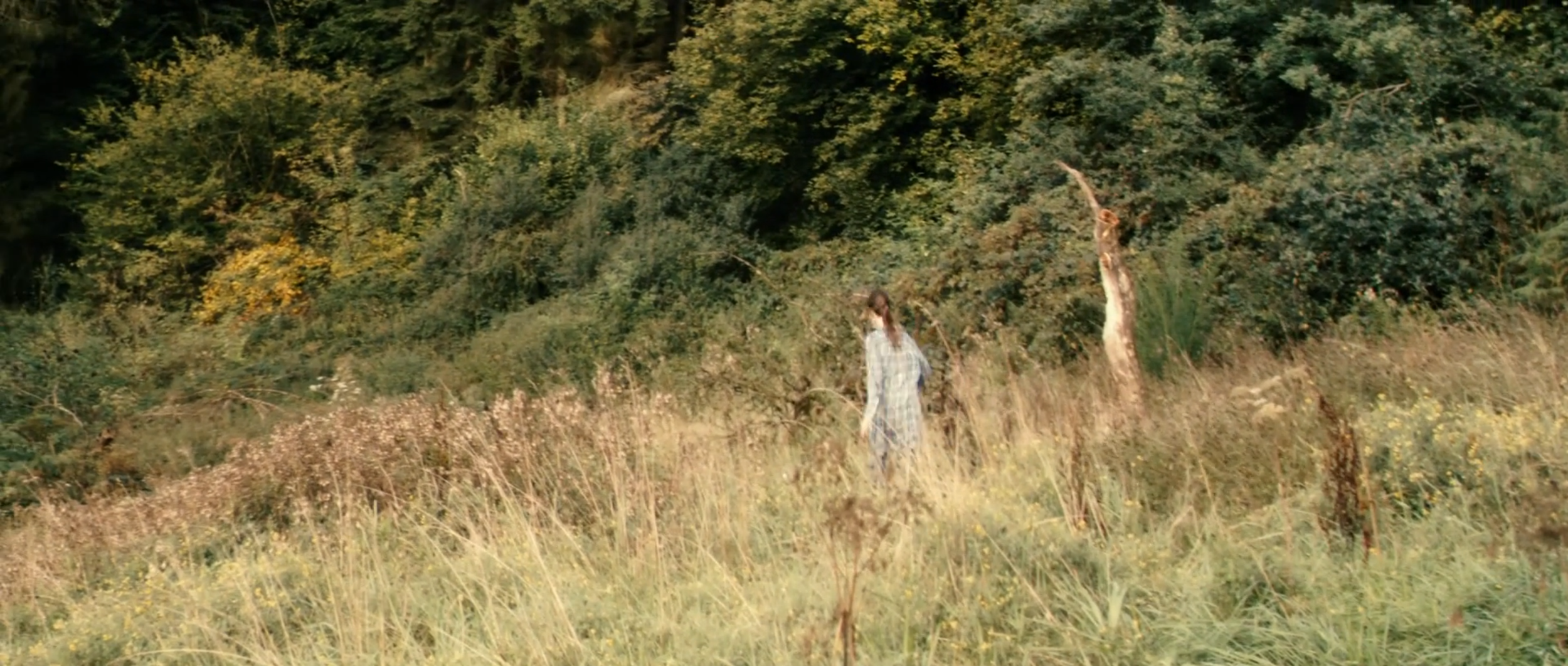
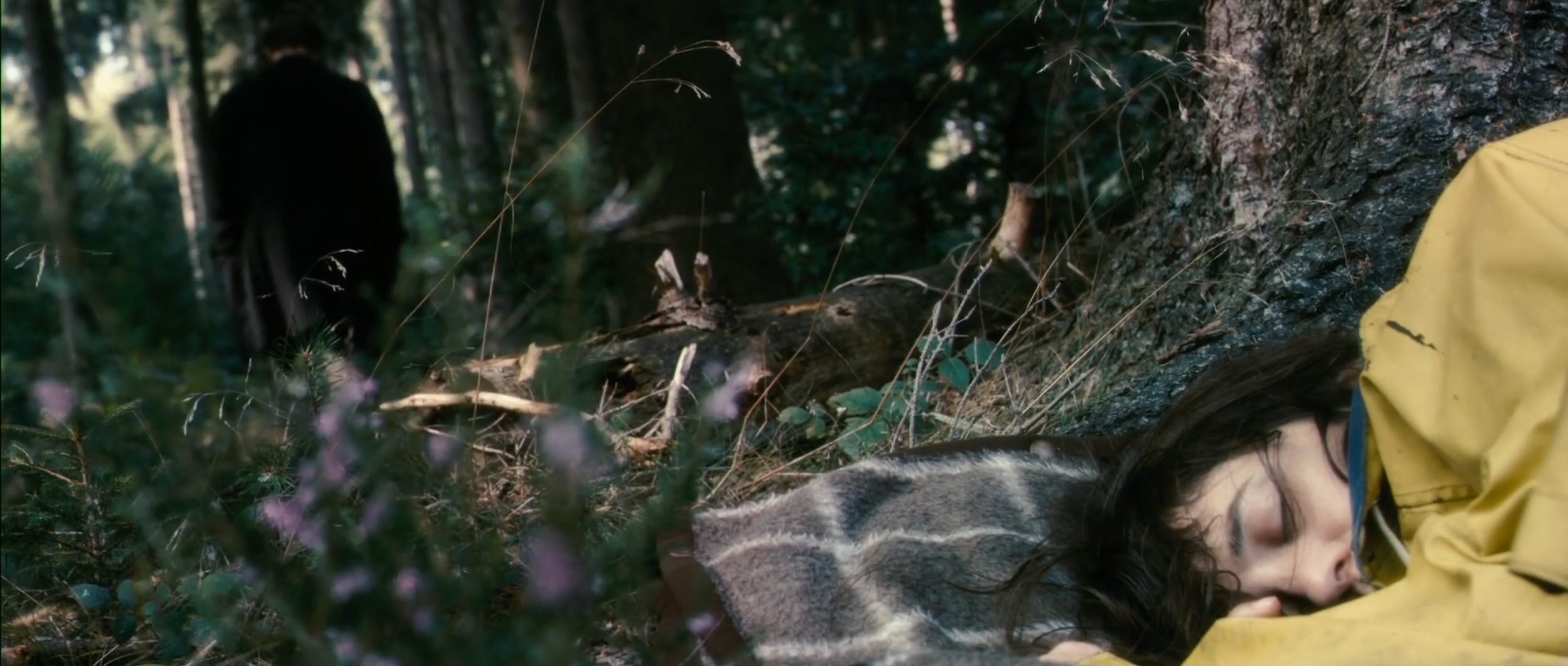
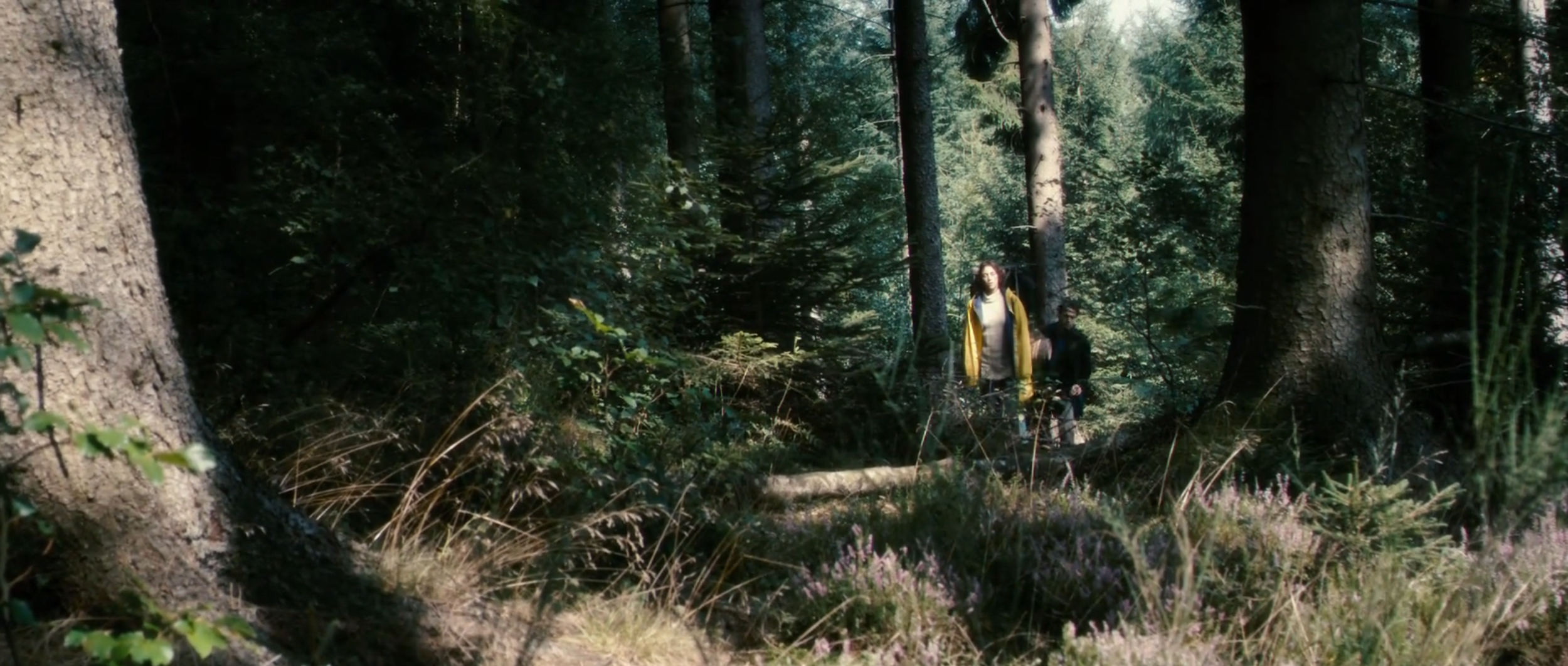
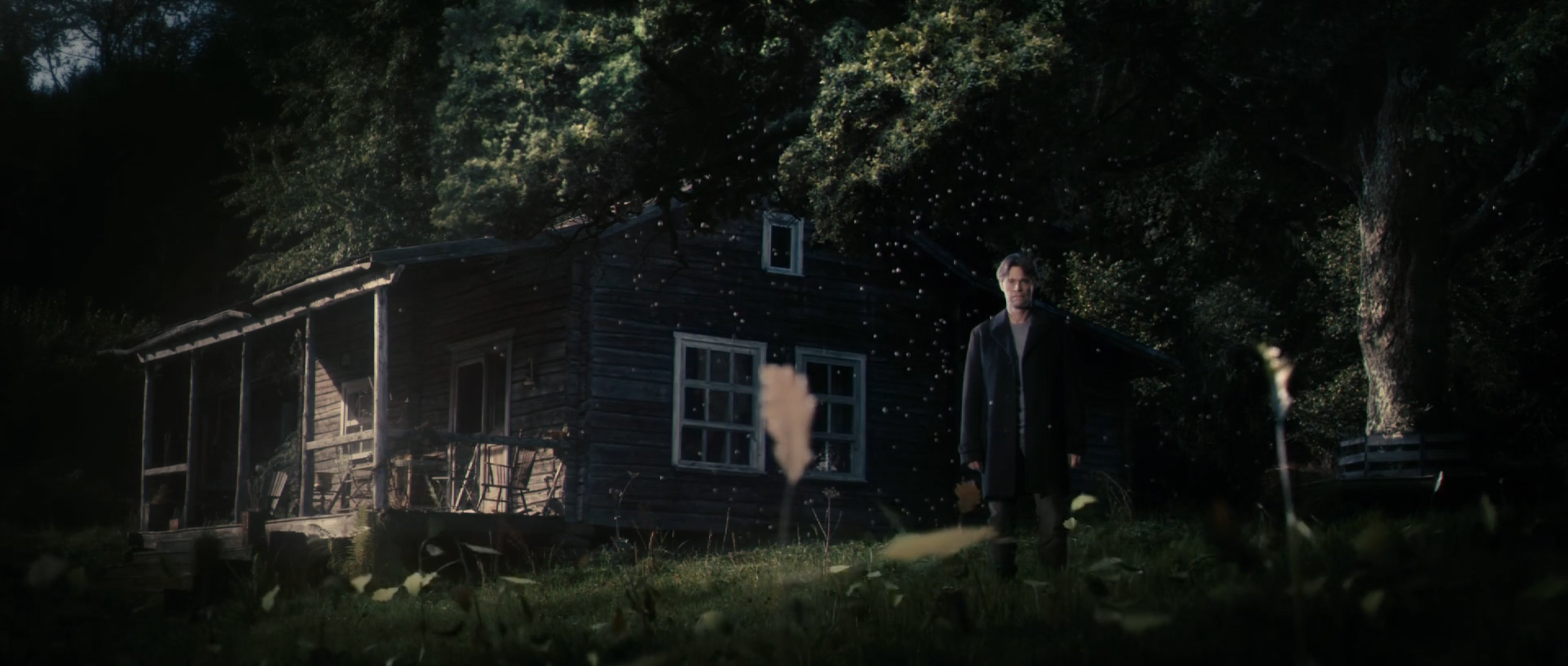
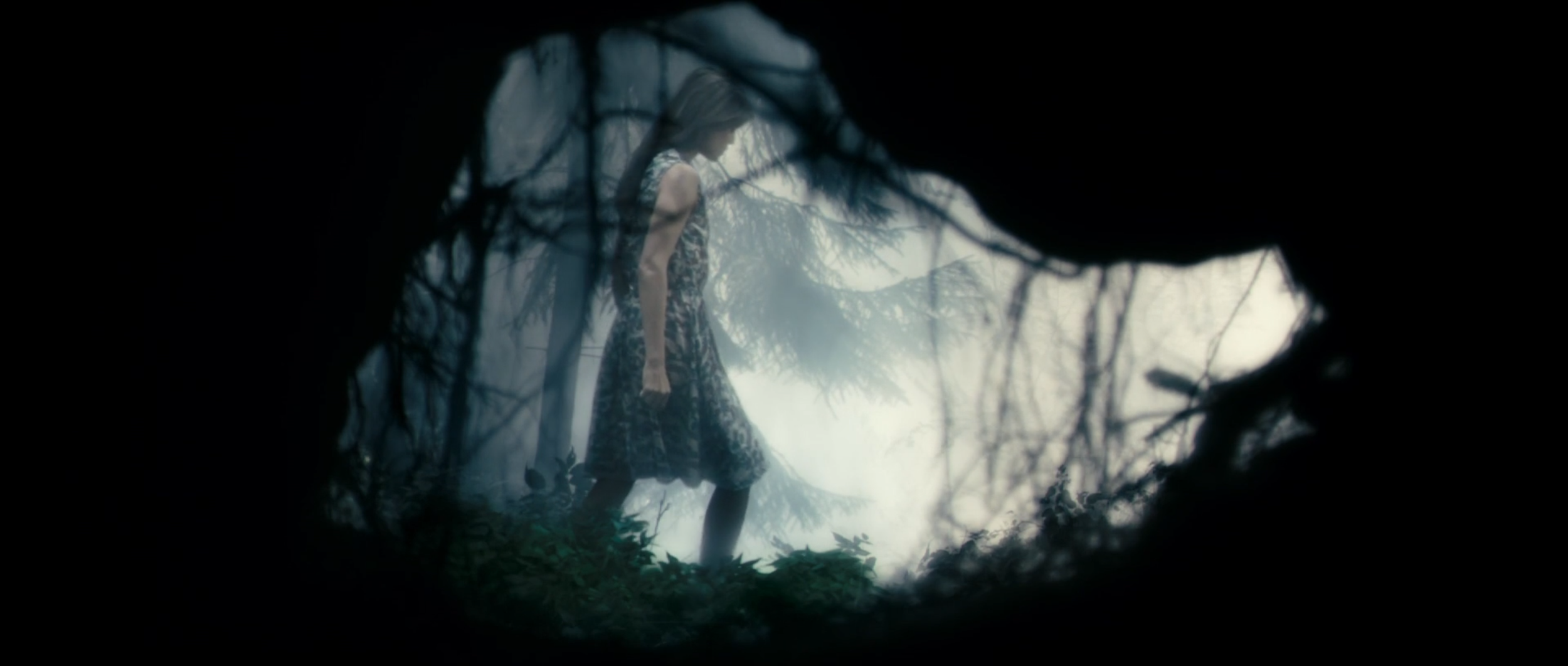
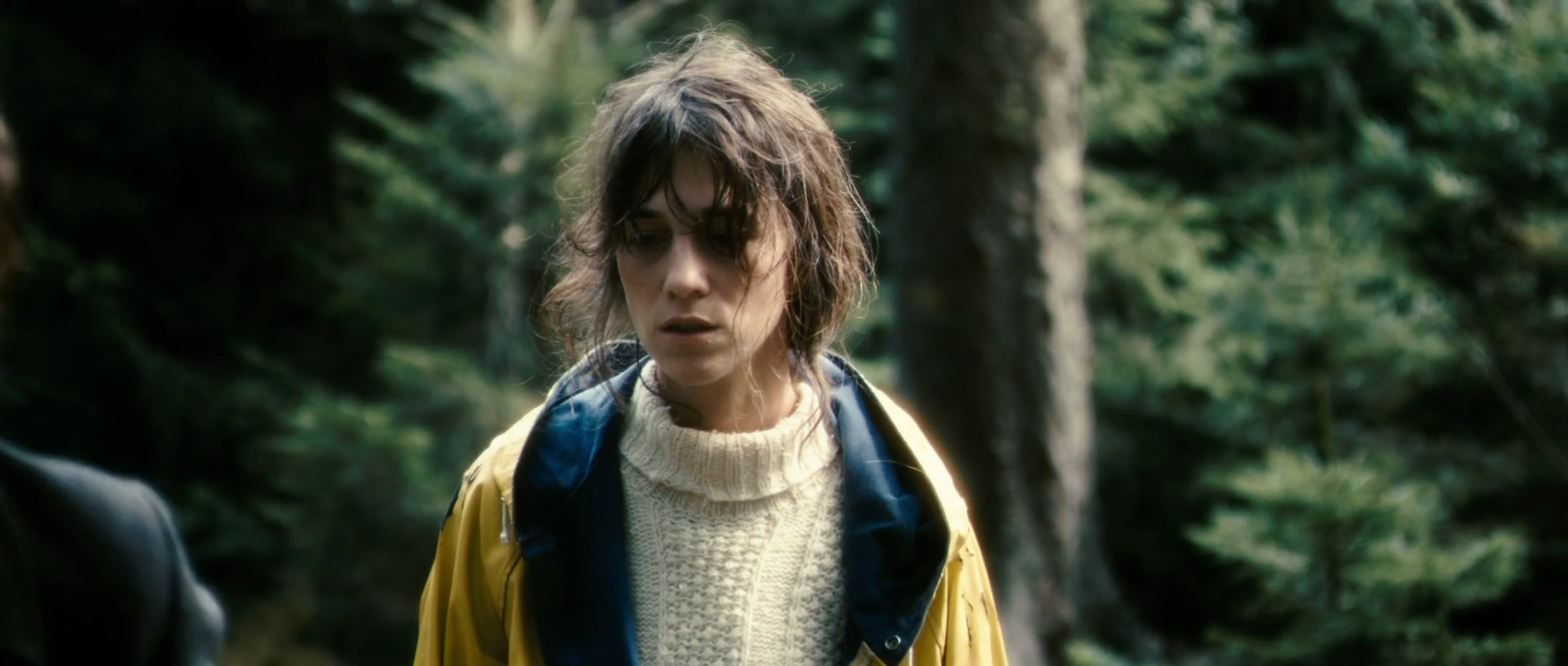
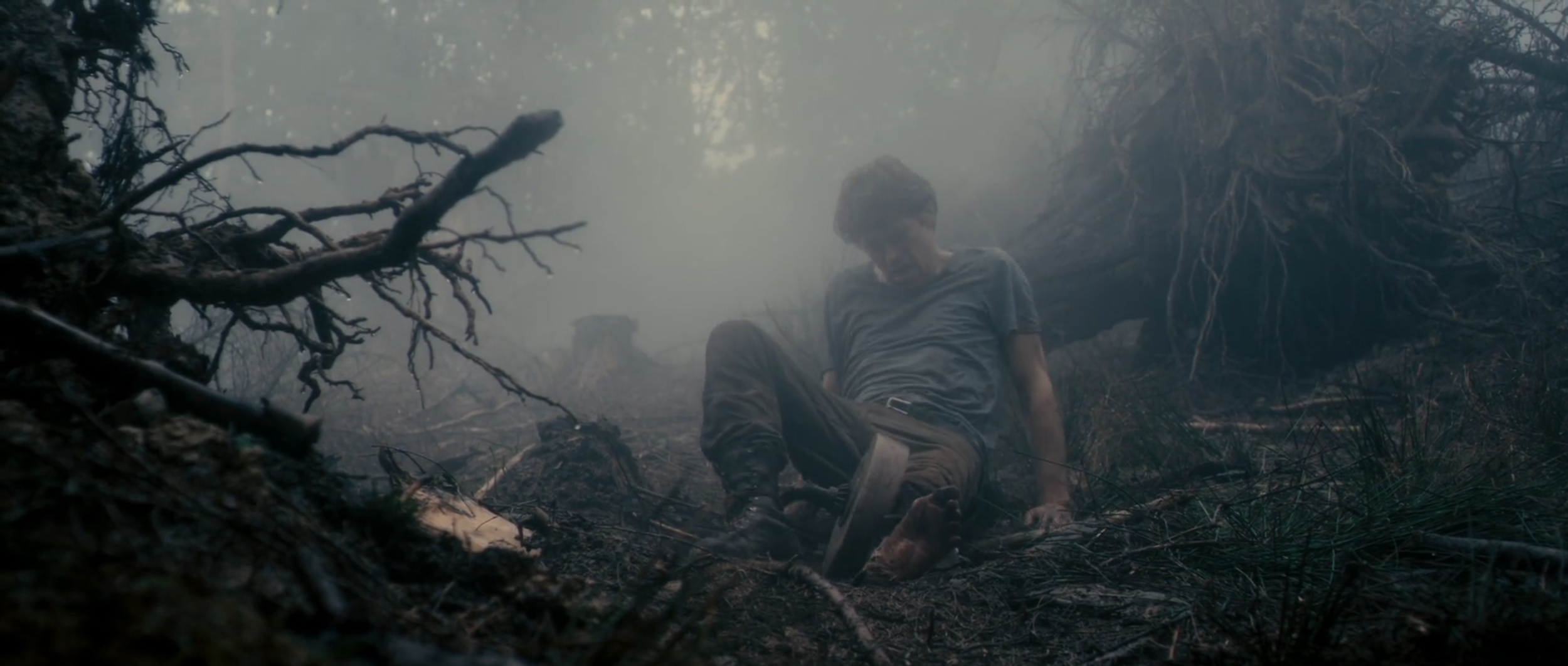
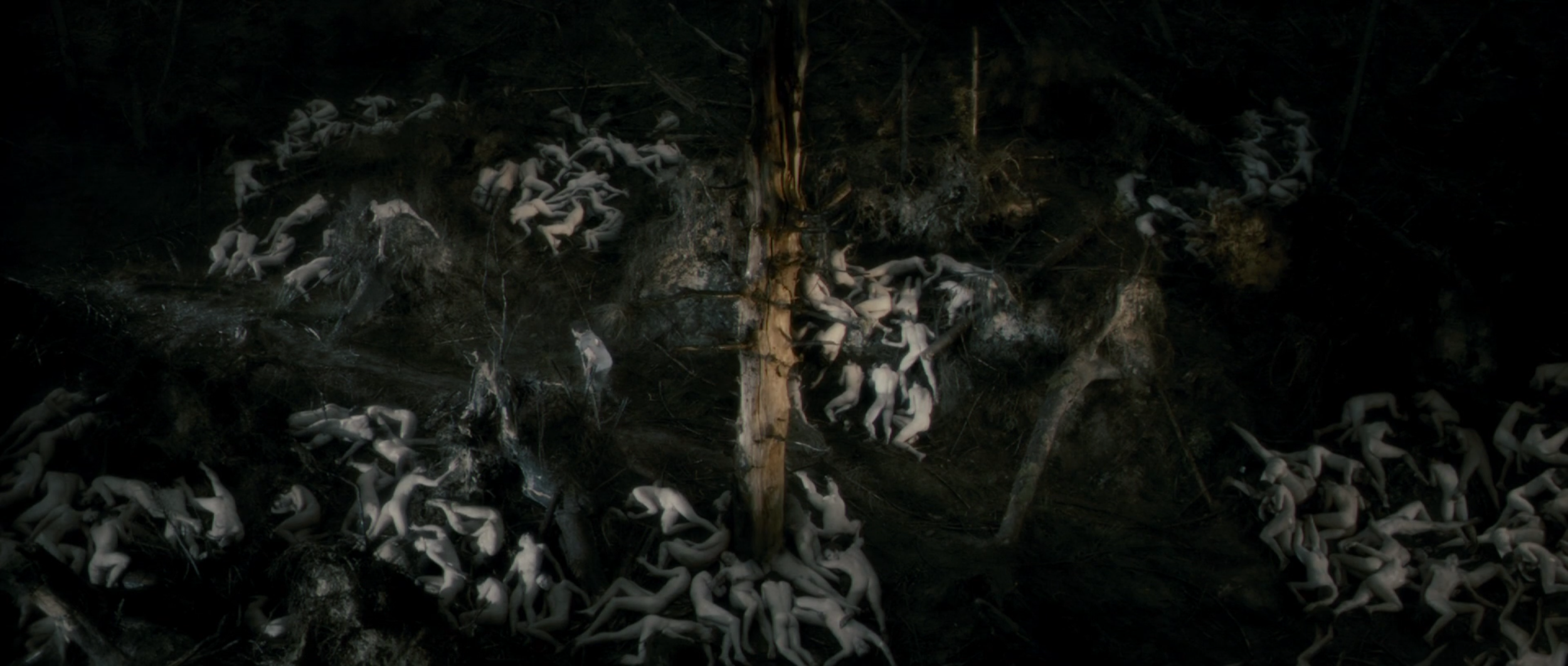
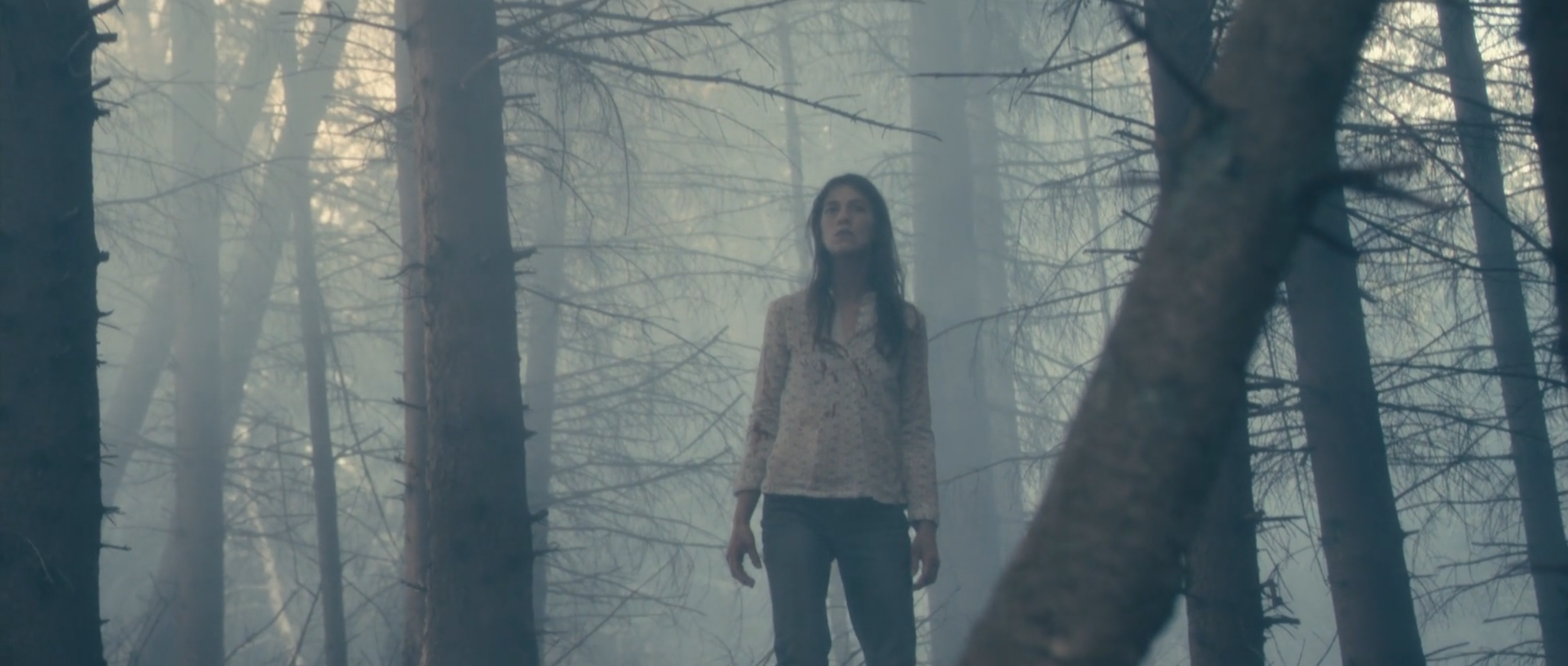
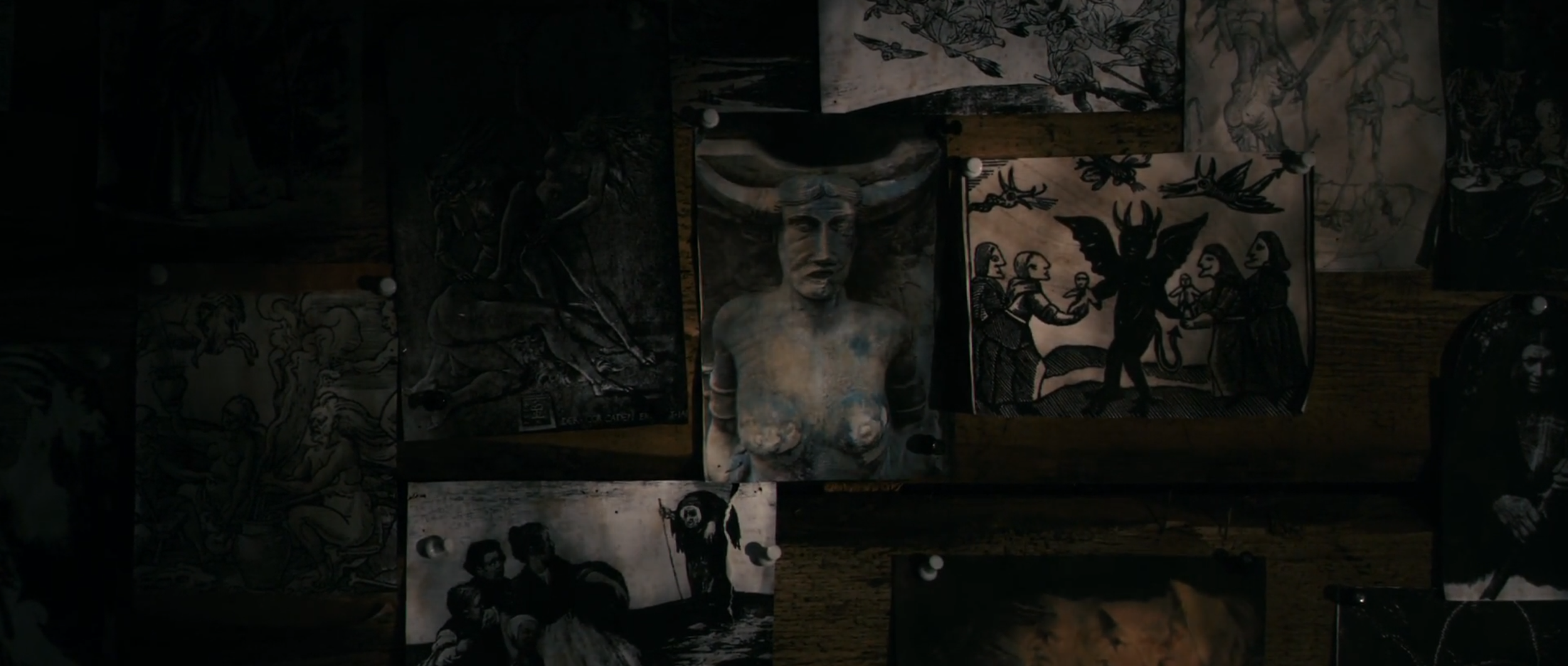
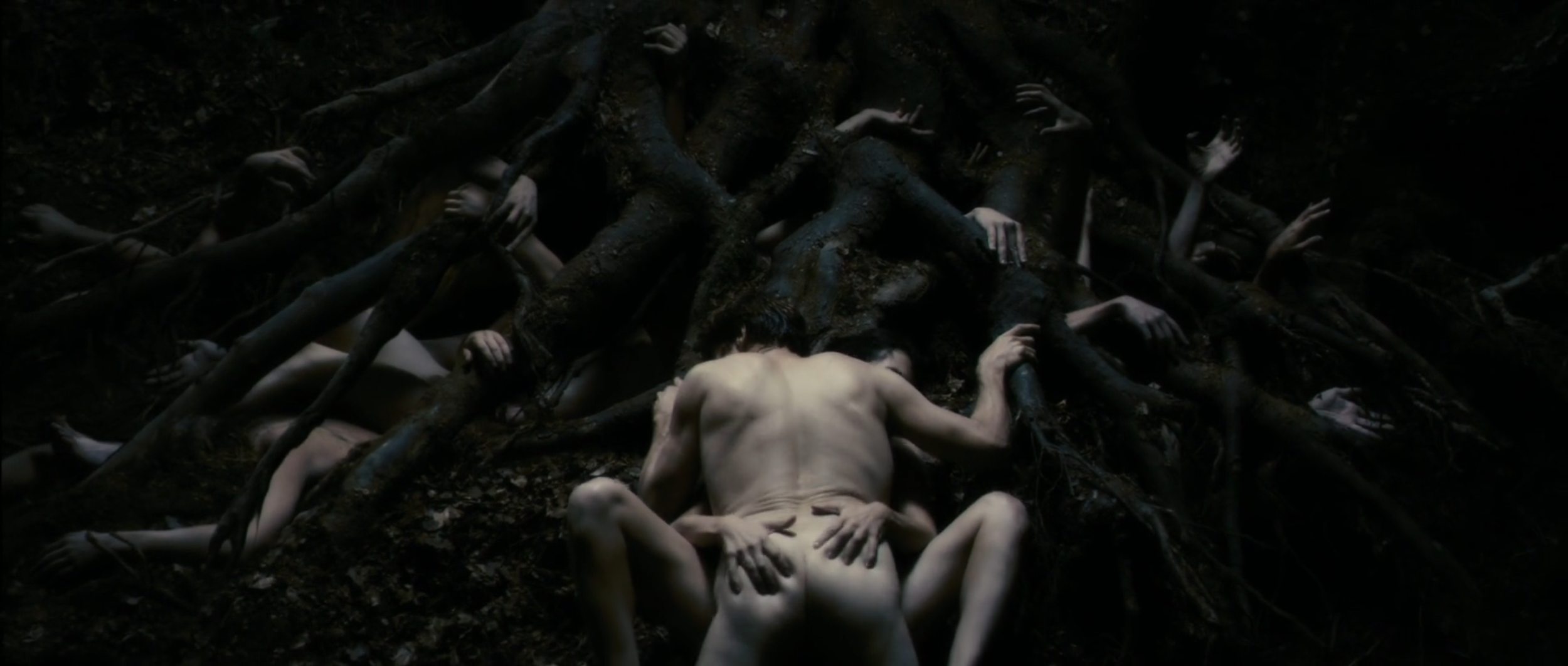
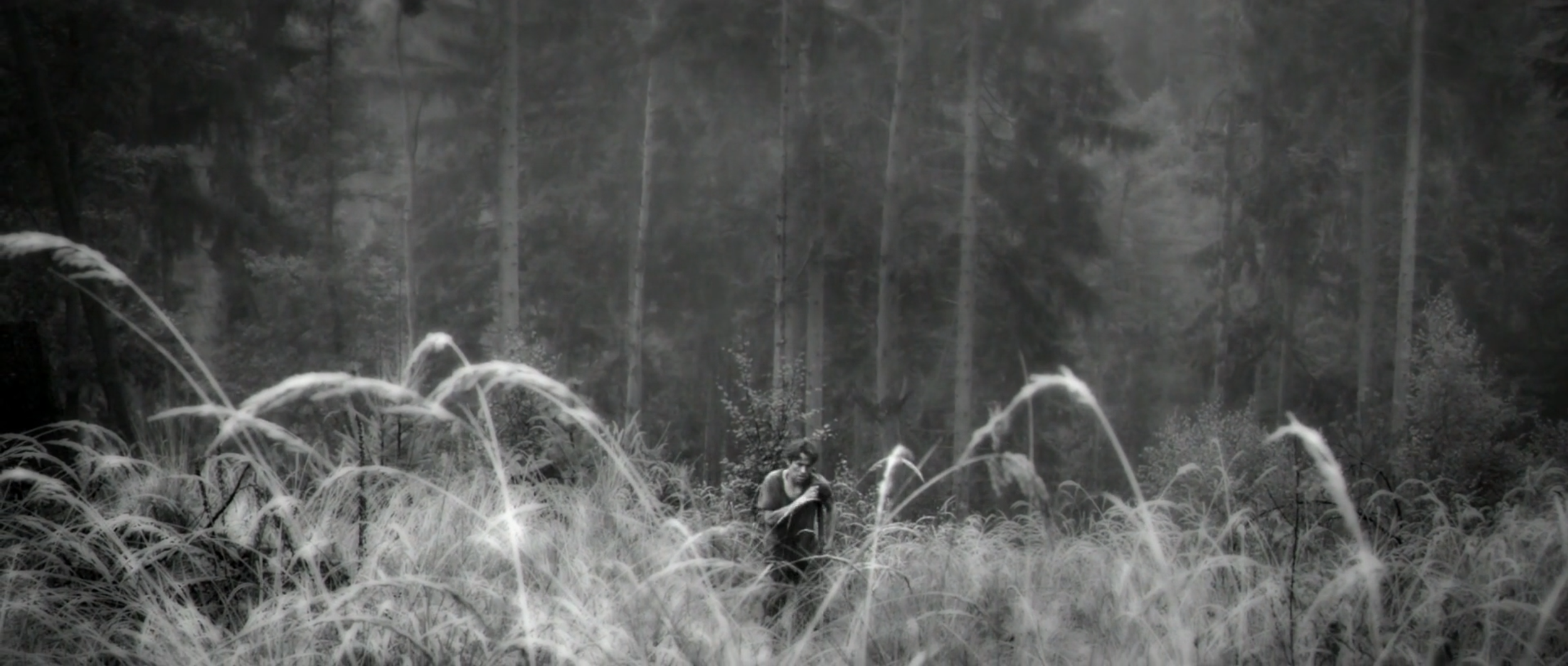
As this is a thematic film, there are many ways to interpret the themes on guilt and evil. Trier was dealing with severe depression at the time of writing and he projects much of his own philosophical quandaries including the nature of humanity. Per usual, he explores why human nature is evil. This time he addresses the evil of women, namely the guilt of neglect for one’s child. One can compare this to post partum depression, but I interpret it to be even more primordial. With a key dialogue being, “Nature is Satan’s church”, Trier suggests that human nature in itself is the source or playground of evil and the greatest threat to the body. This is depicted in the drawings and how the elements constantly threaten their safety in the woods. As she is most afraid of the woods, she is symbolically afraid of human nature, with evil ranging from external violence to internal abuse.
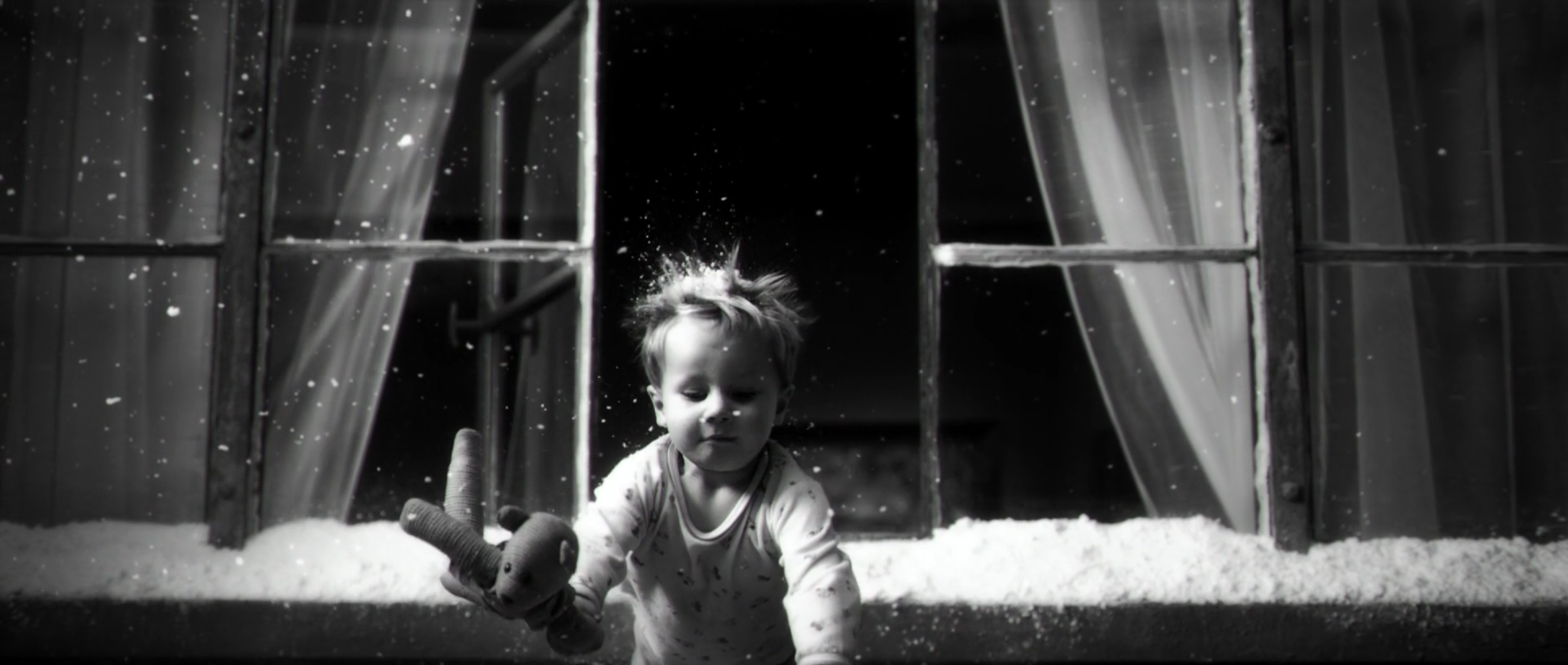
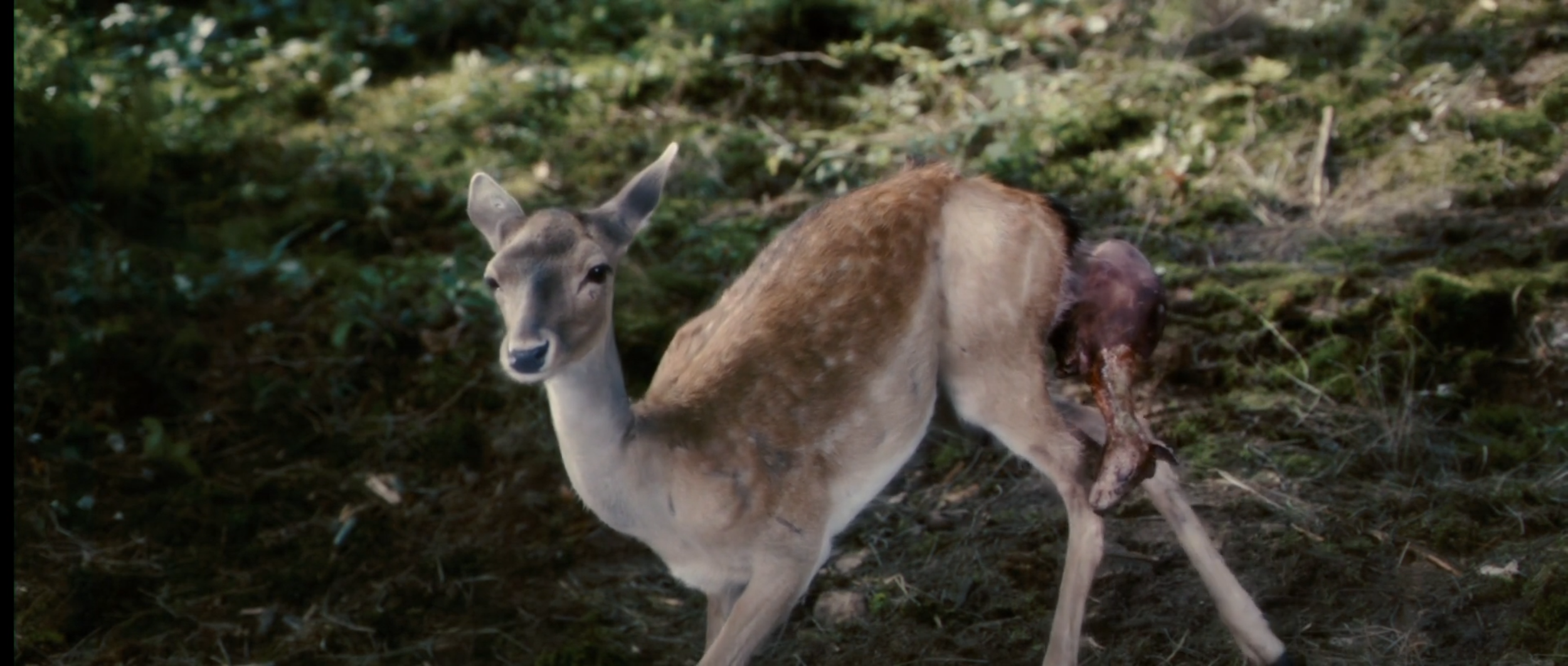
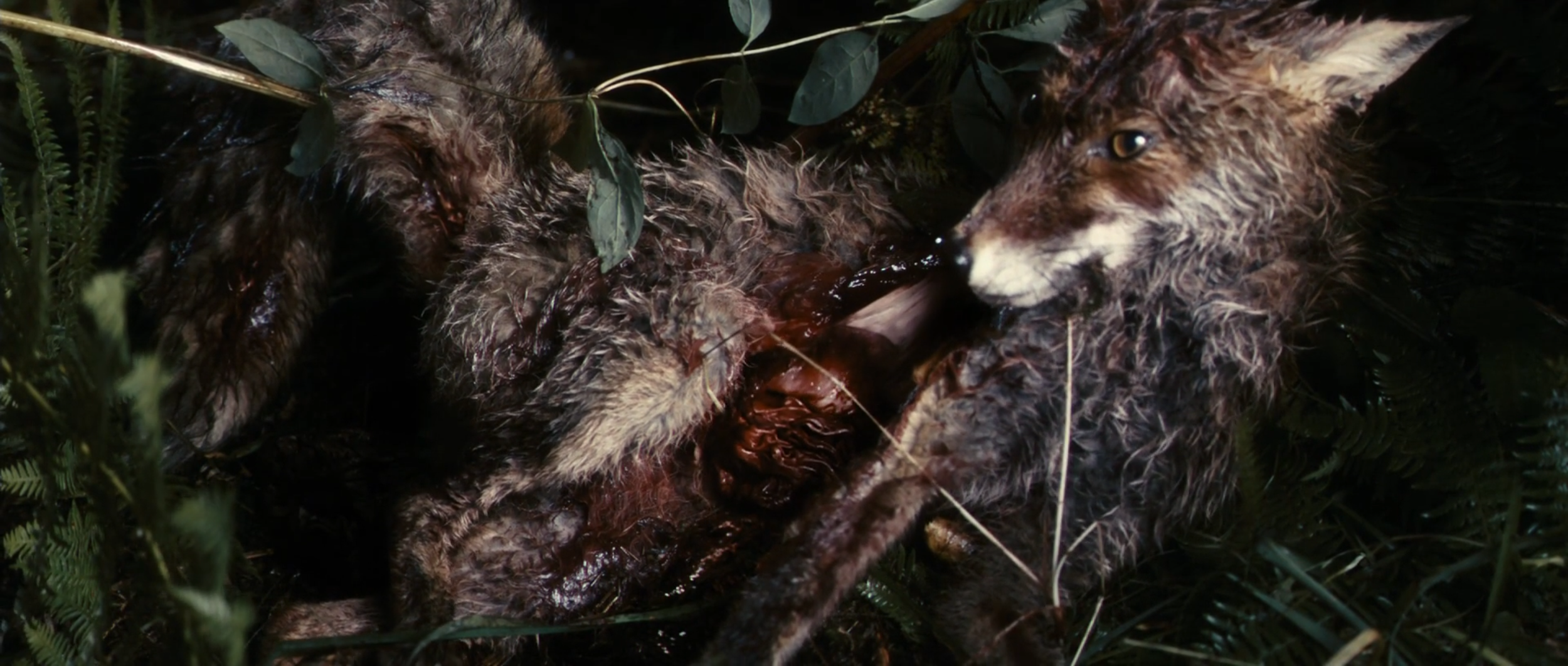
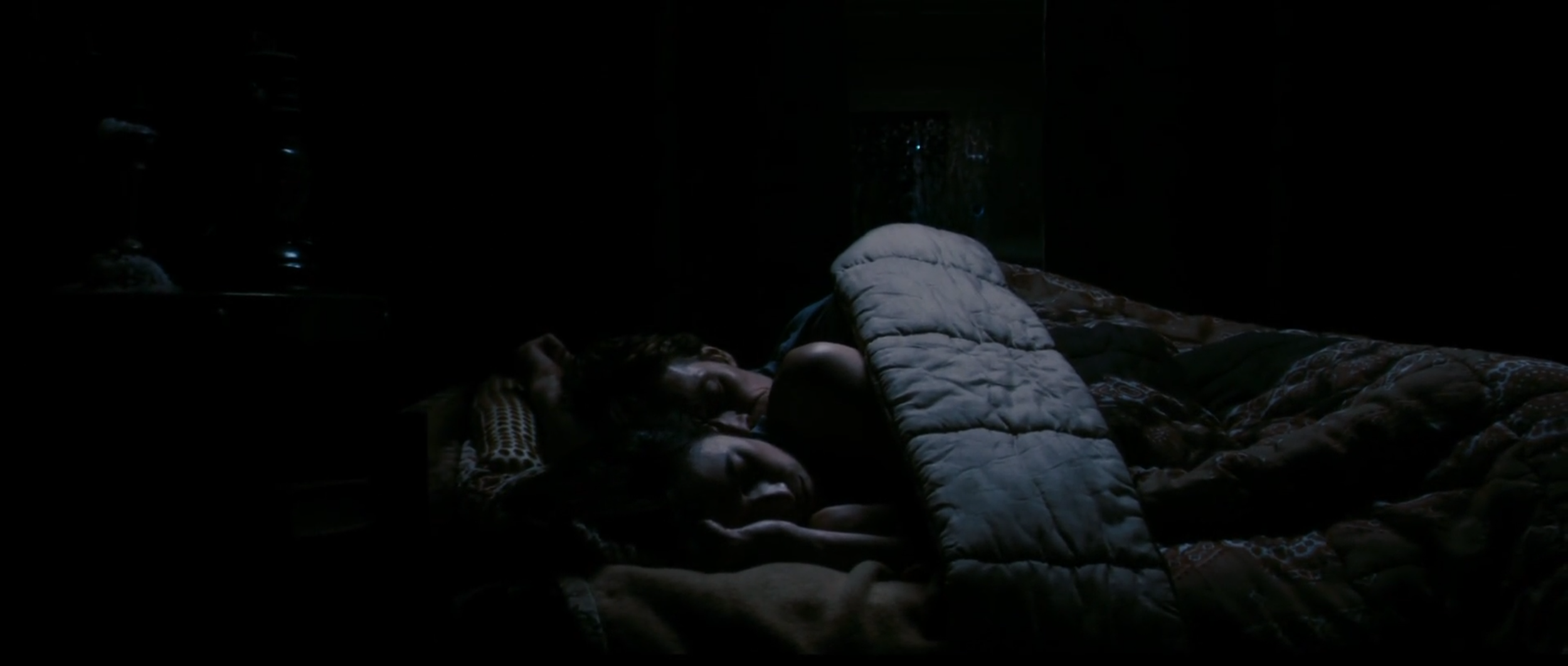
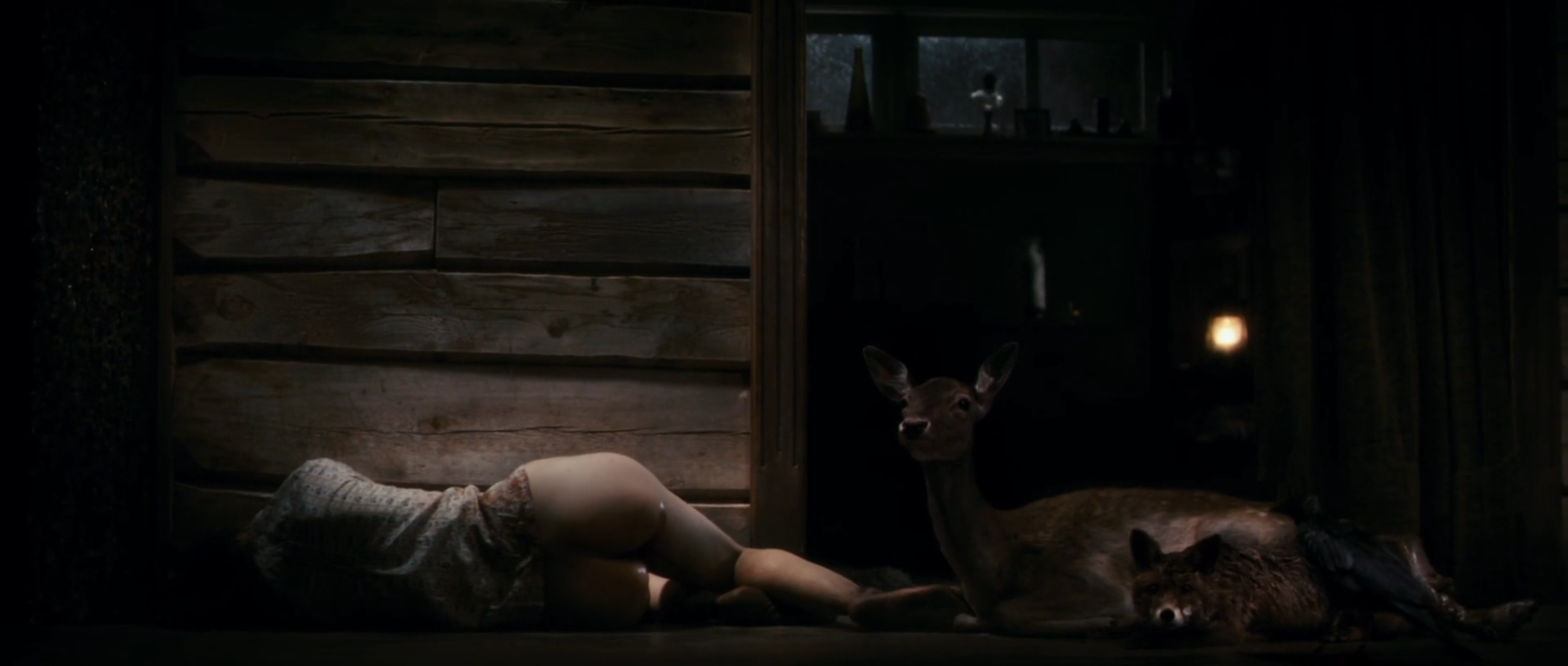
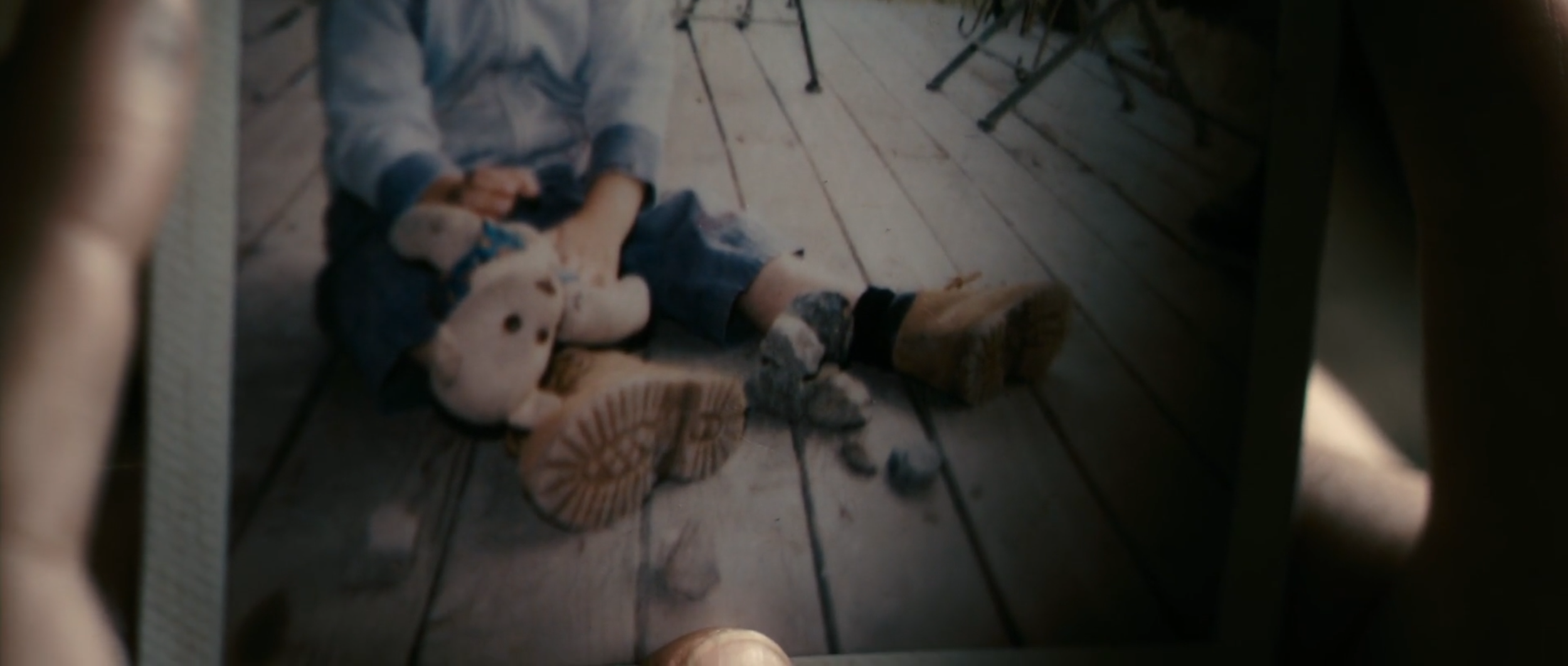
It is revealed that she puts the wrong shoes on causing the child to suffer. If one views the evil through the lens of post partum depression, which is a natural response to giving birth, it suggest that there is something intrinsically malicious in at least women’s DNA to harm/reject one’s own offspring. Similar to the fox consuming itself, there is self-sabotage/harm coded in human nature. But in my opinion, this is all an excuse for the clinically depressed director to artistically vent his own demons in order to reach some solace or catharsis for his personal suffering.
Conclusion:
It will be quite the feat if you can get past the shocking visuals in the 3rd act, let alone first 30 minutes. This would be self-indulgent garbage were it not for the fact that it accomplishes what it sets out to do. The value of this film will be to confront depressed audiences, to provide something even lower than rock bottom to make current suffering pale in comparison. Disturbing as it may be, it oddly made me feel better. I’m not sure whether it’s the strangely soothing trance sequences influenced by Tarkovsky or evoking revelation through violence, but I felt at peace watching the otherwise vulgar imagery. This is, I suppose, the gift of Triers, able to tackle the worst taboos in thematically cohesive language while also providing philosophical questions on the darkest human conditions.
Recommendations

One can only hope to never find serial killers funny.