
The Double Life of Véronique (1991)
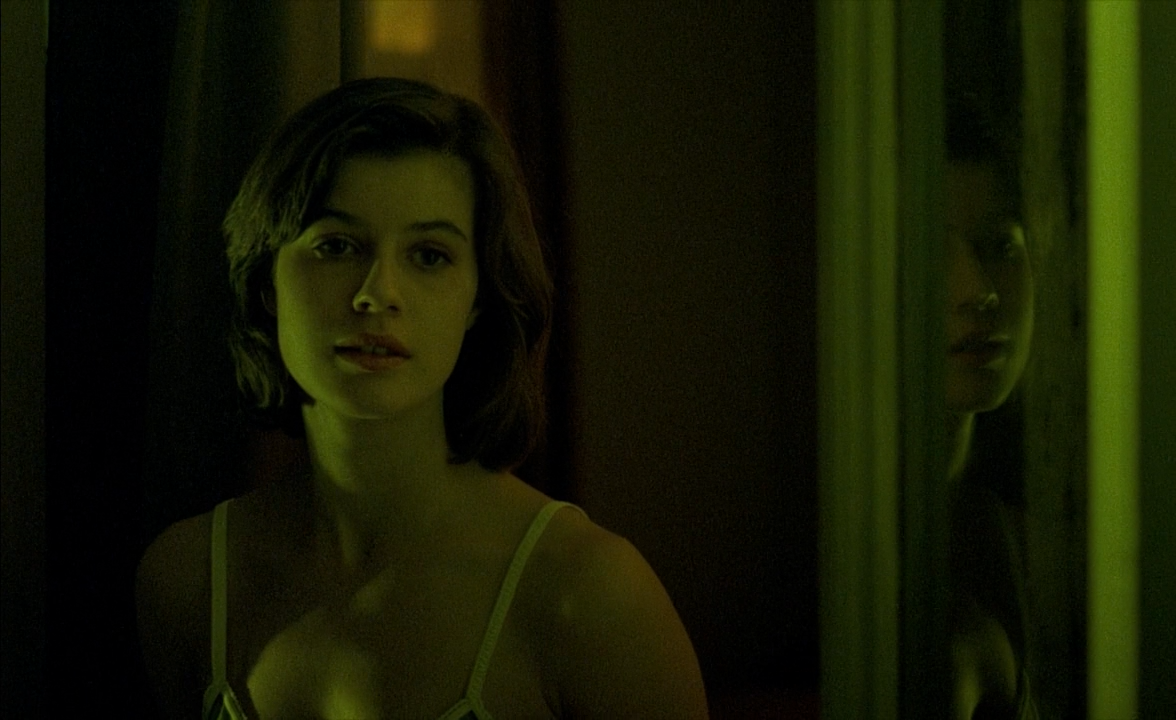
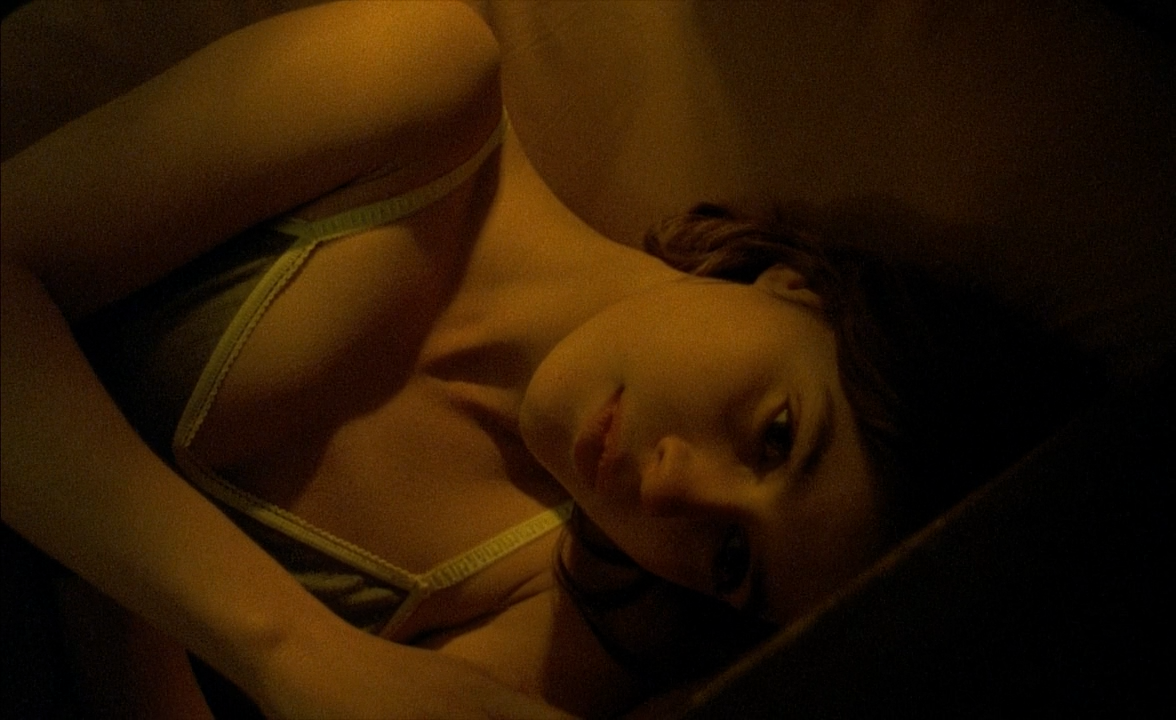
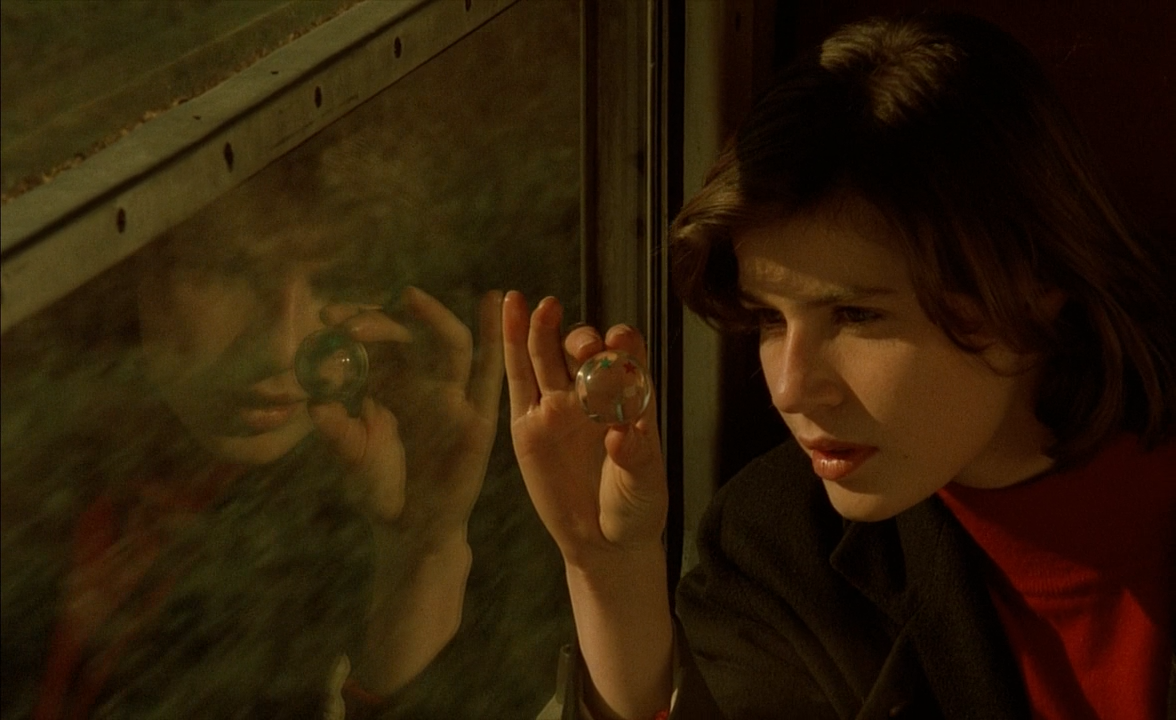
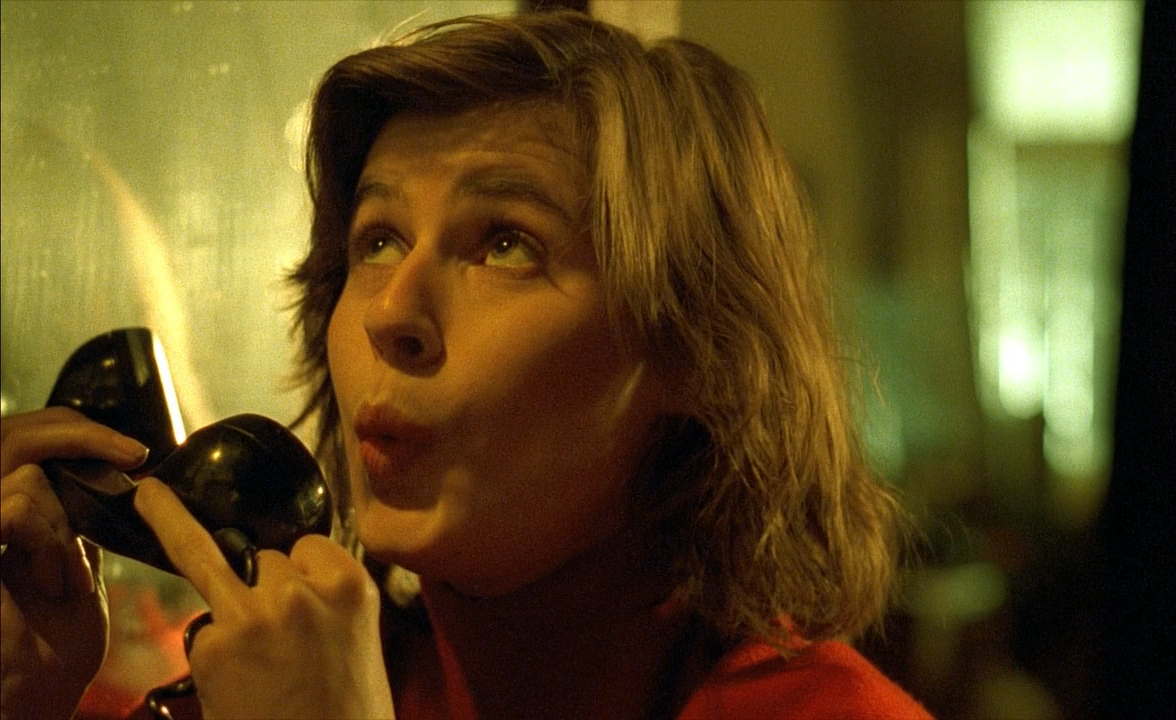
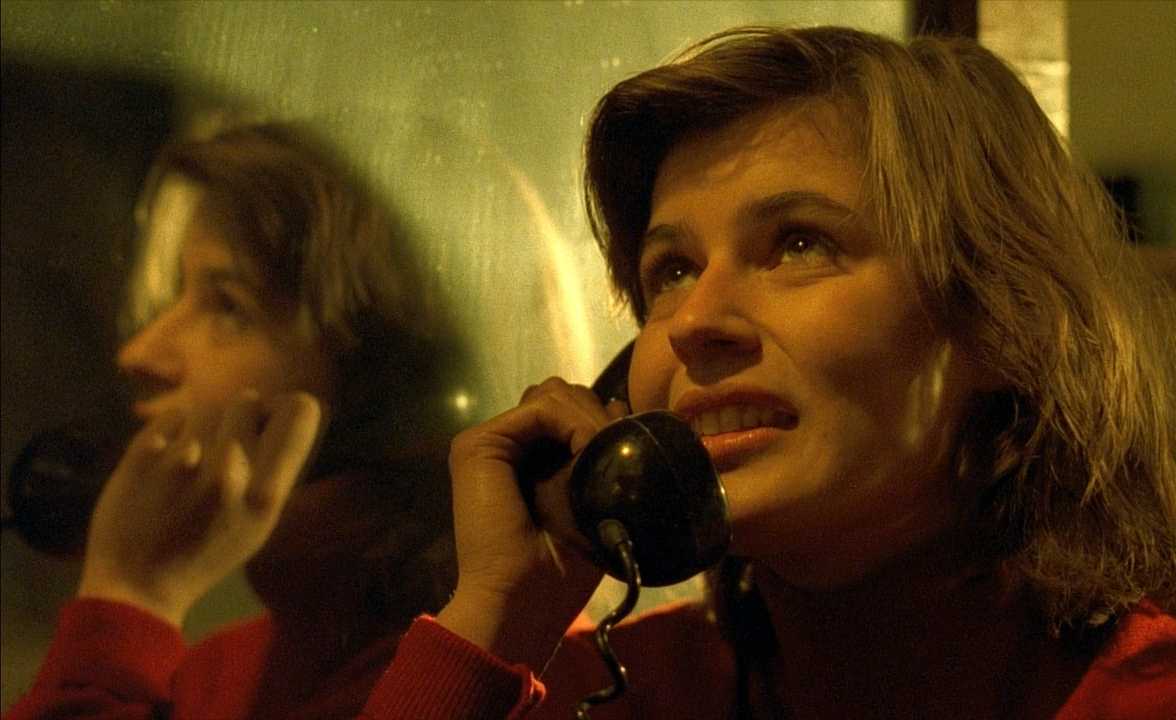
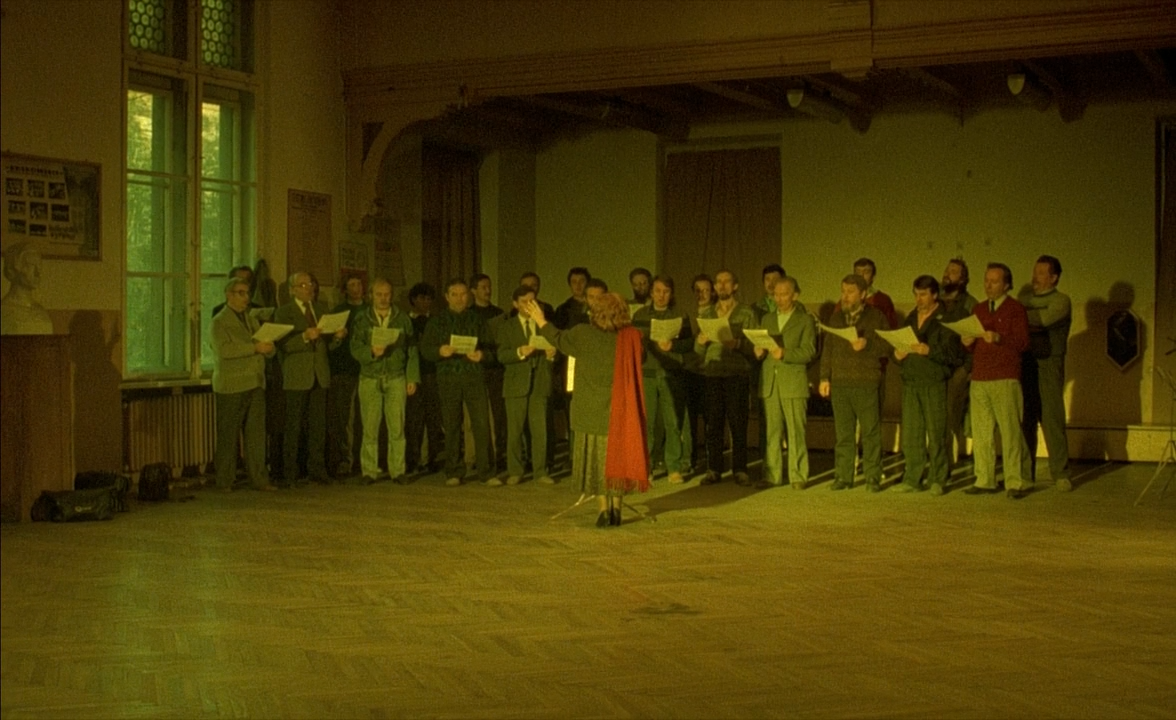
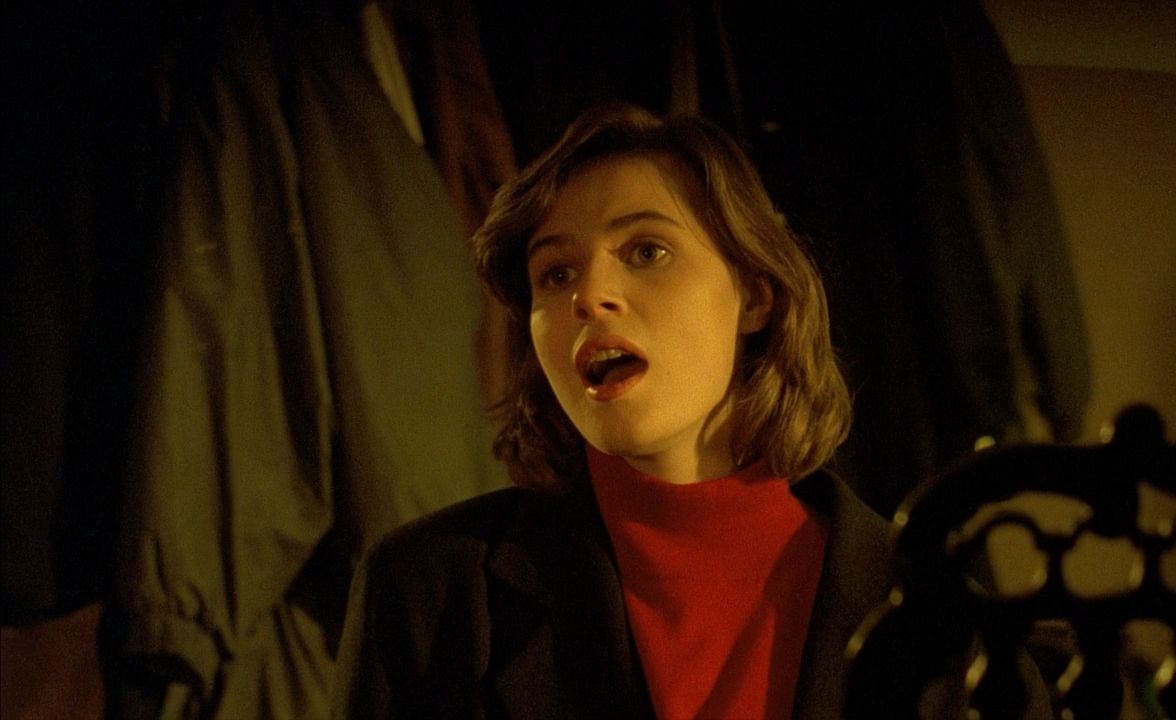
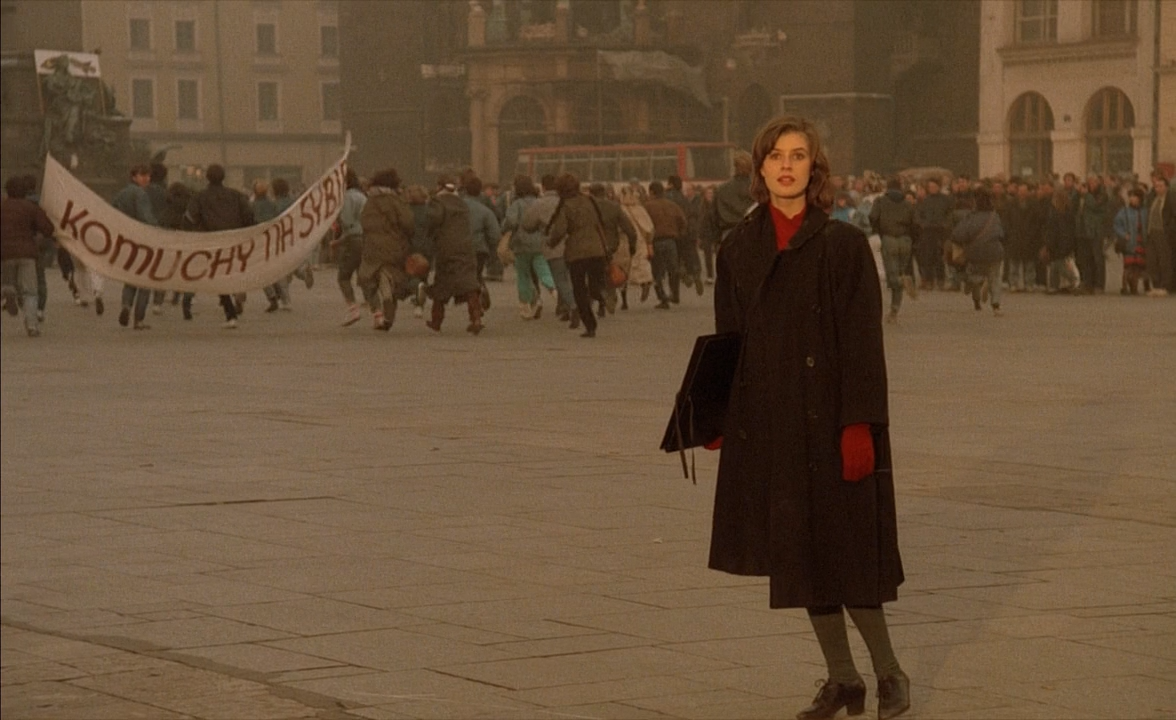
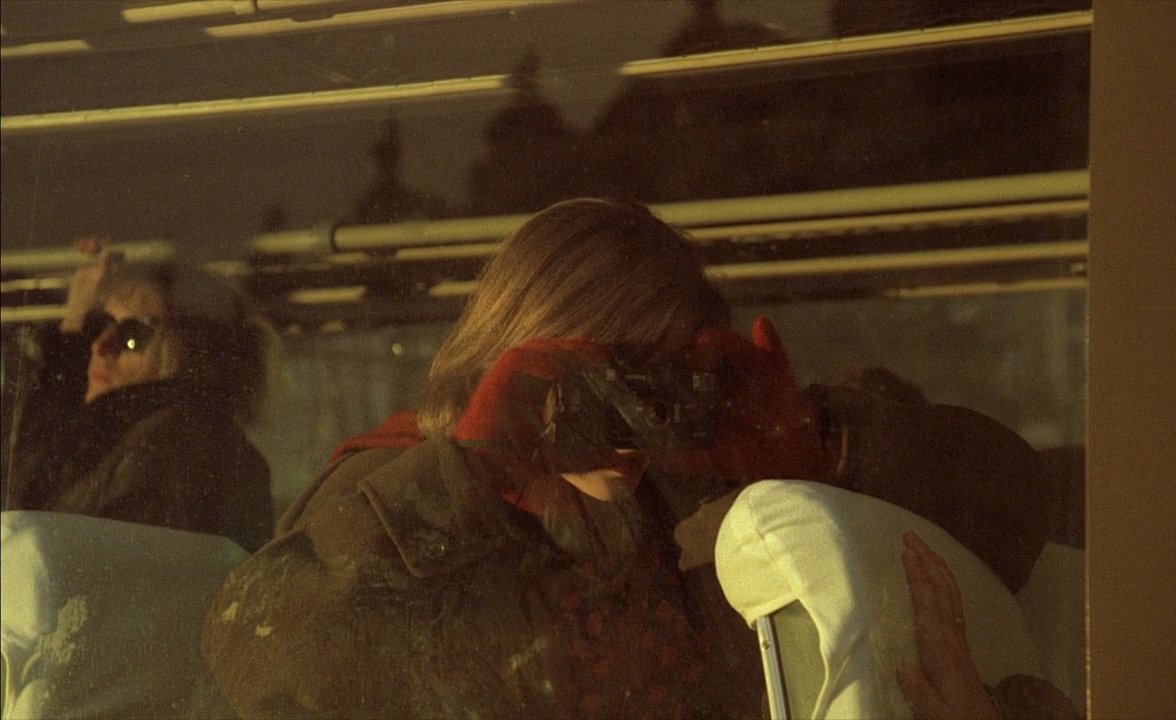
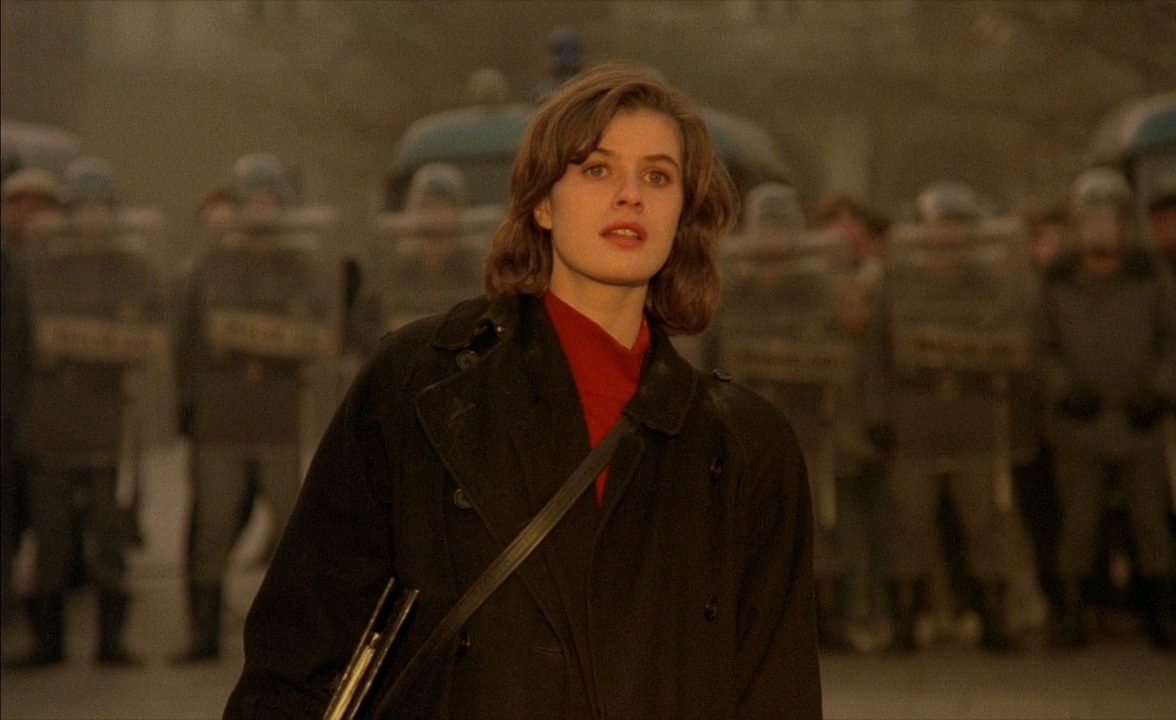
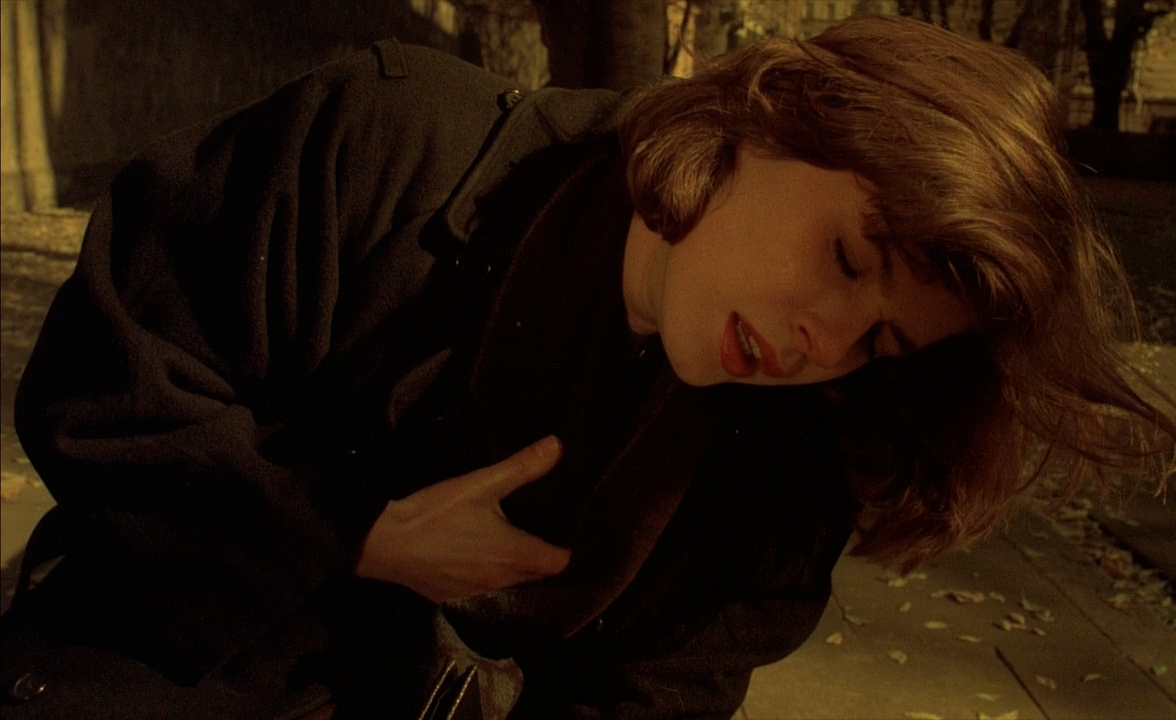
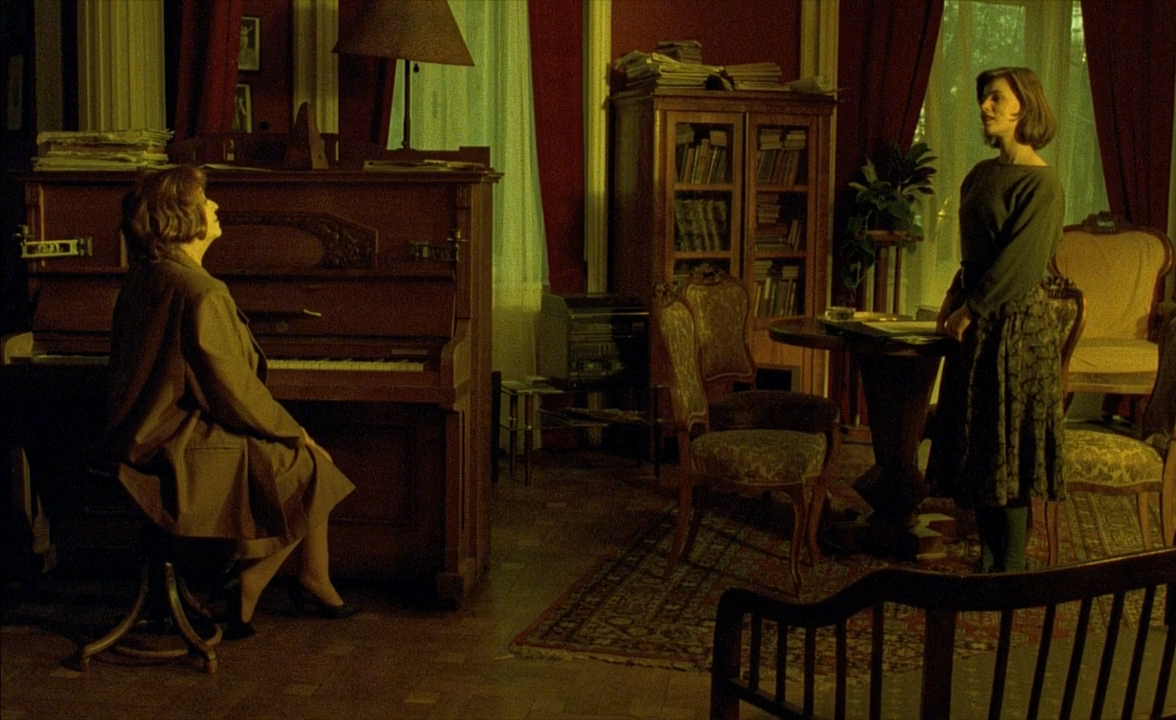
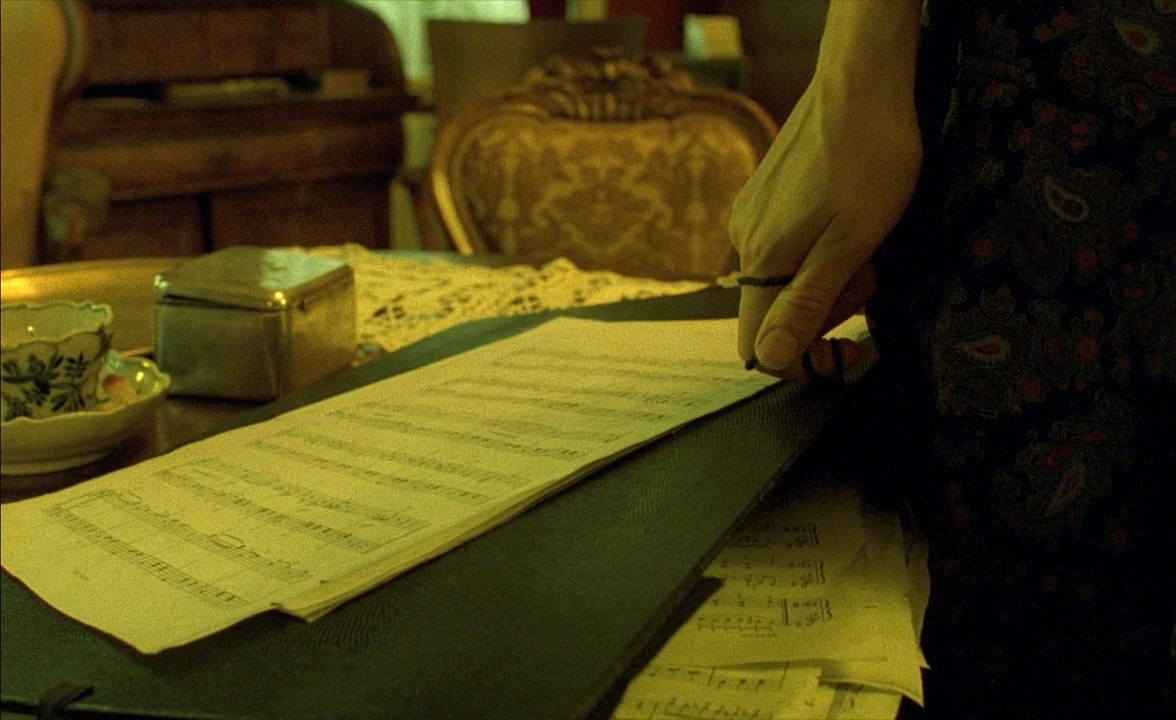
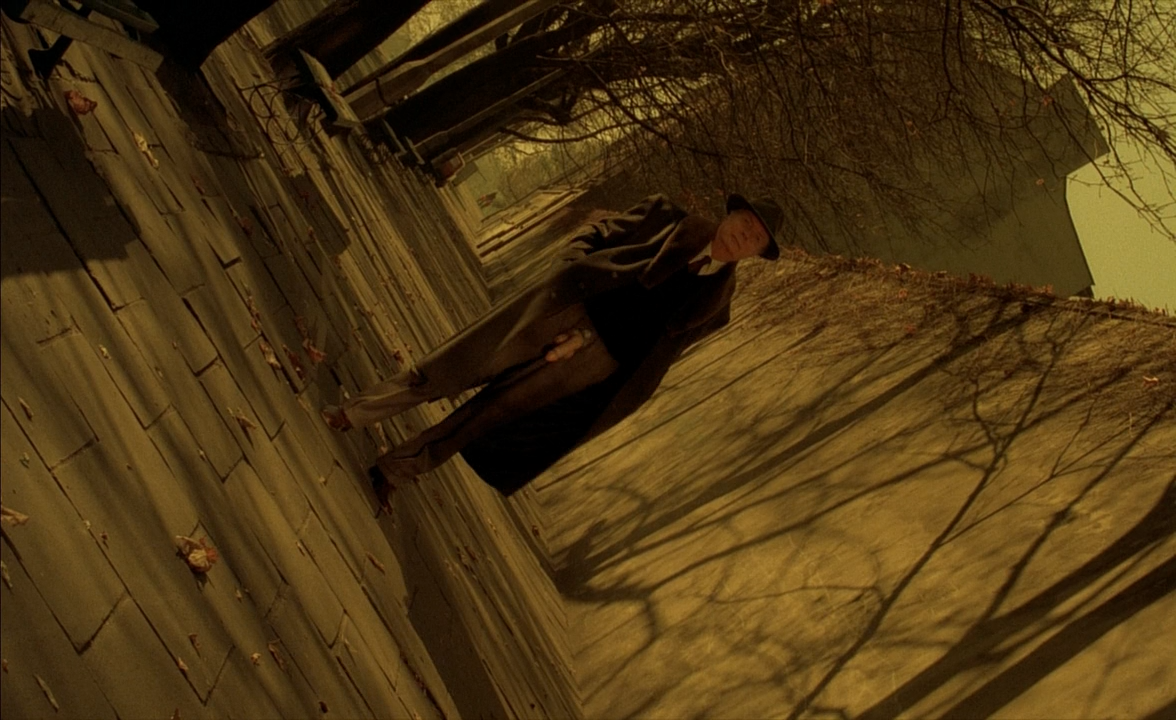
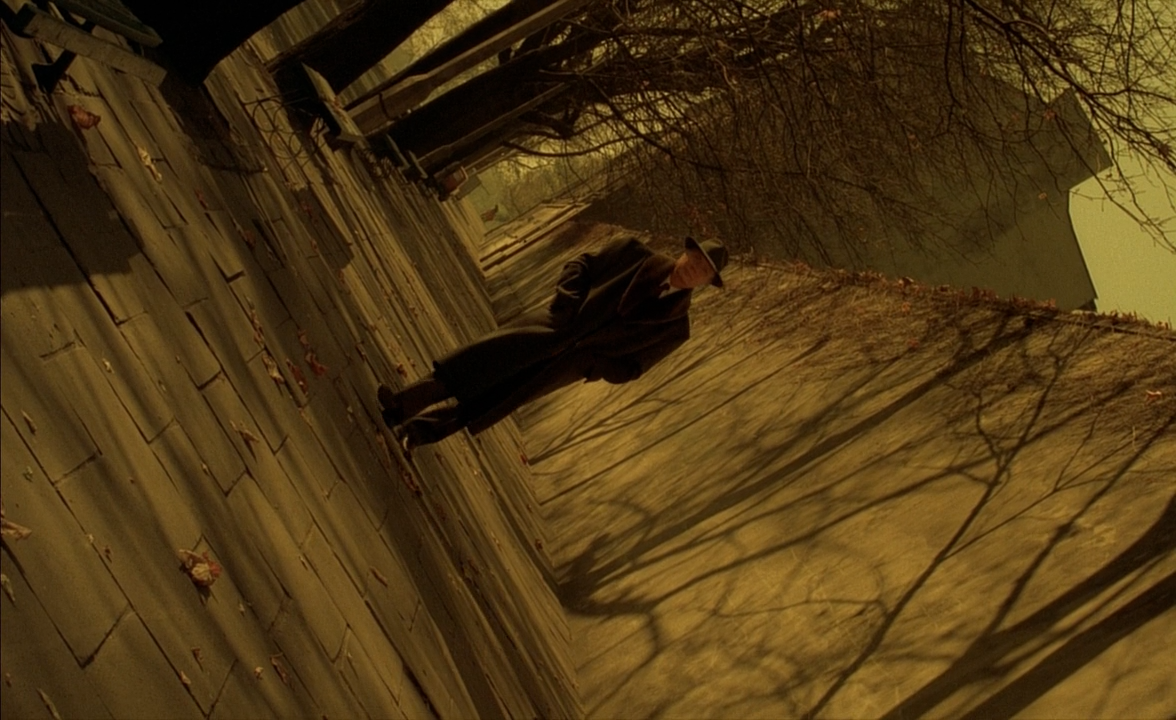
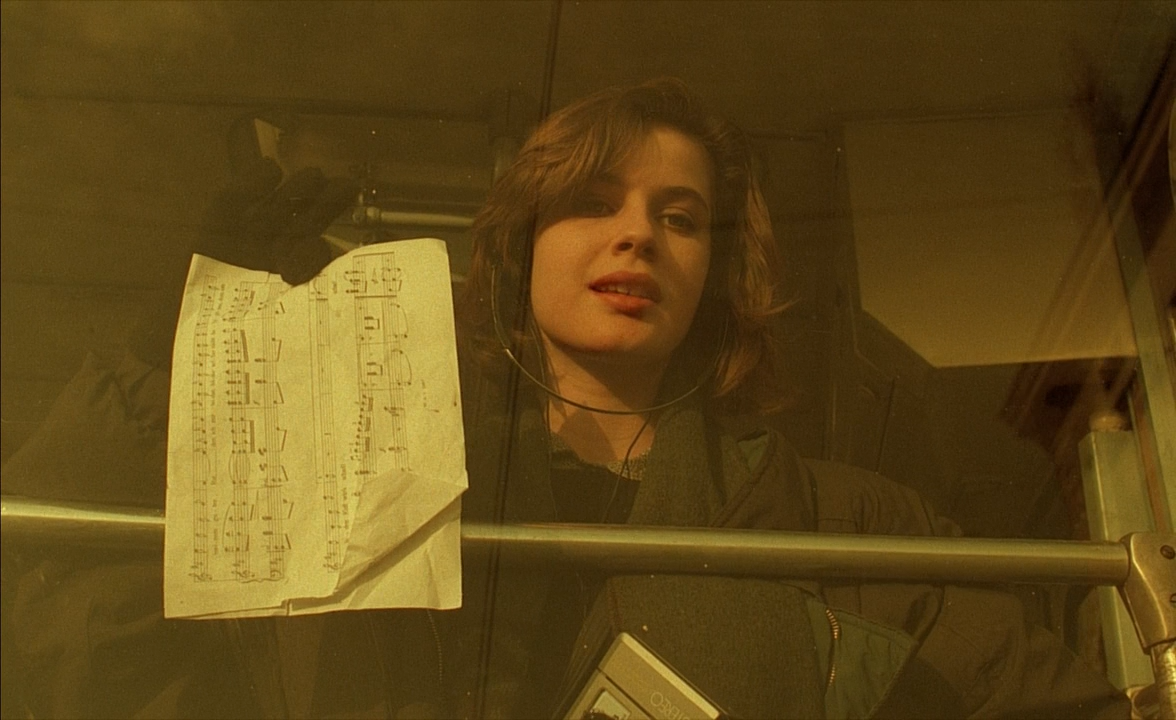
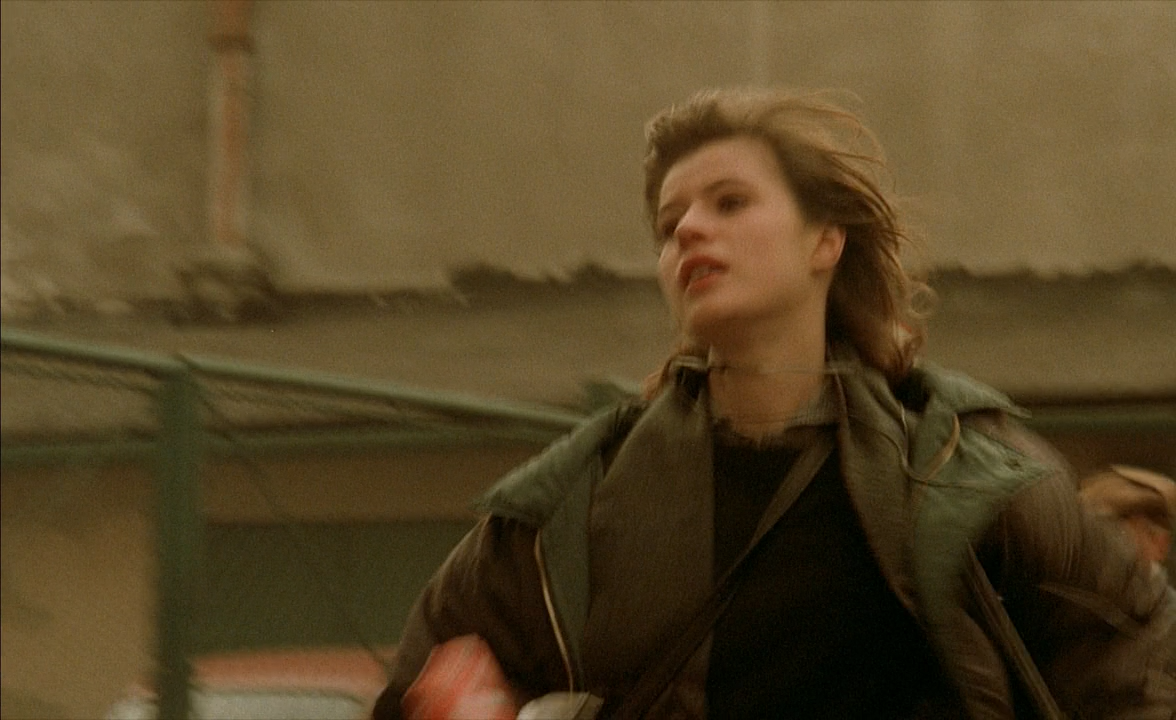
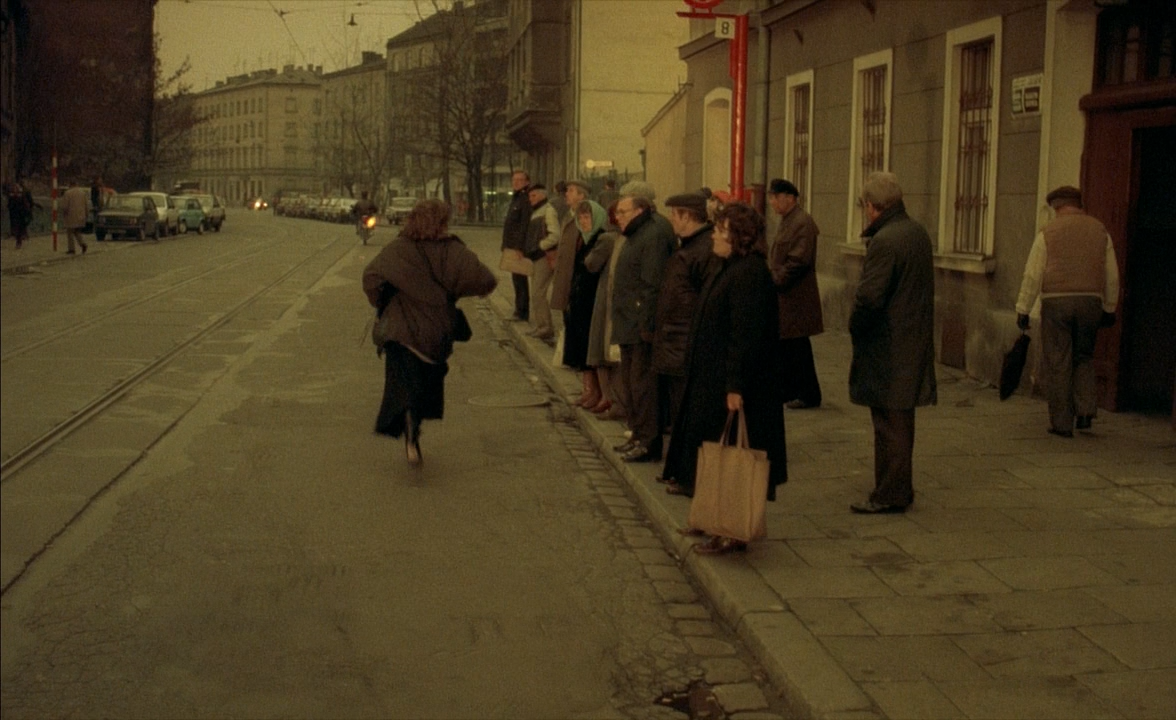
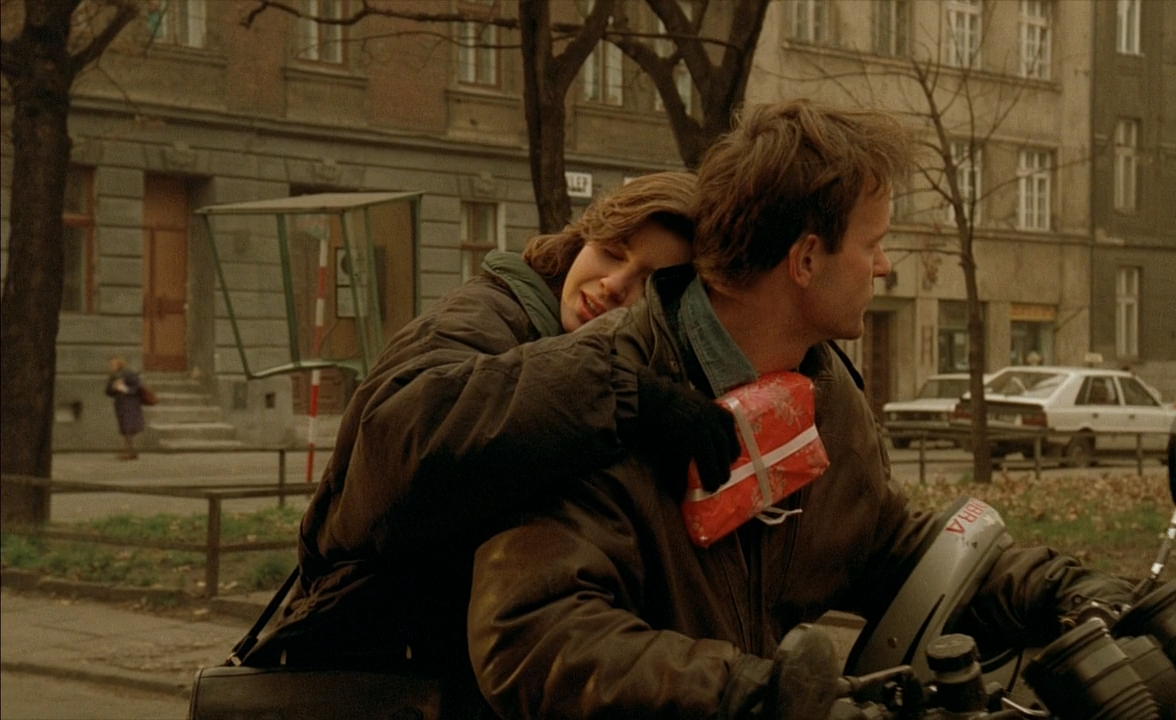
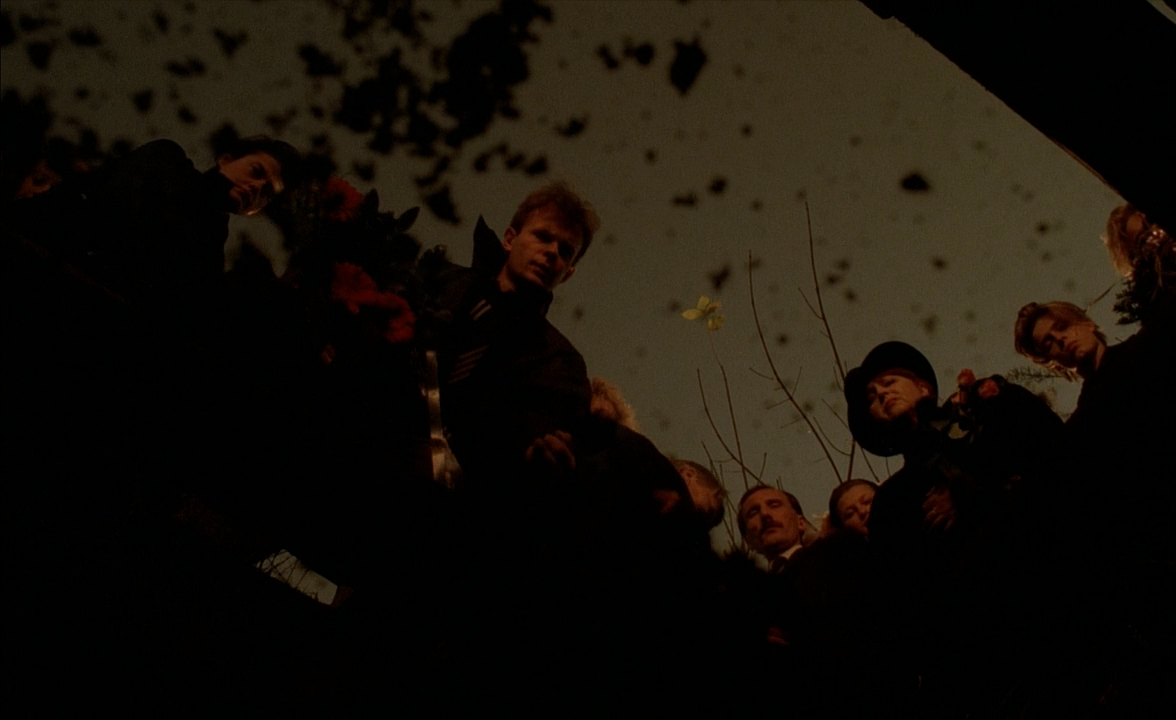
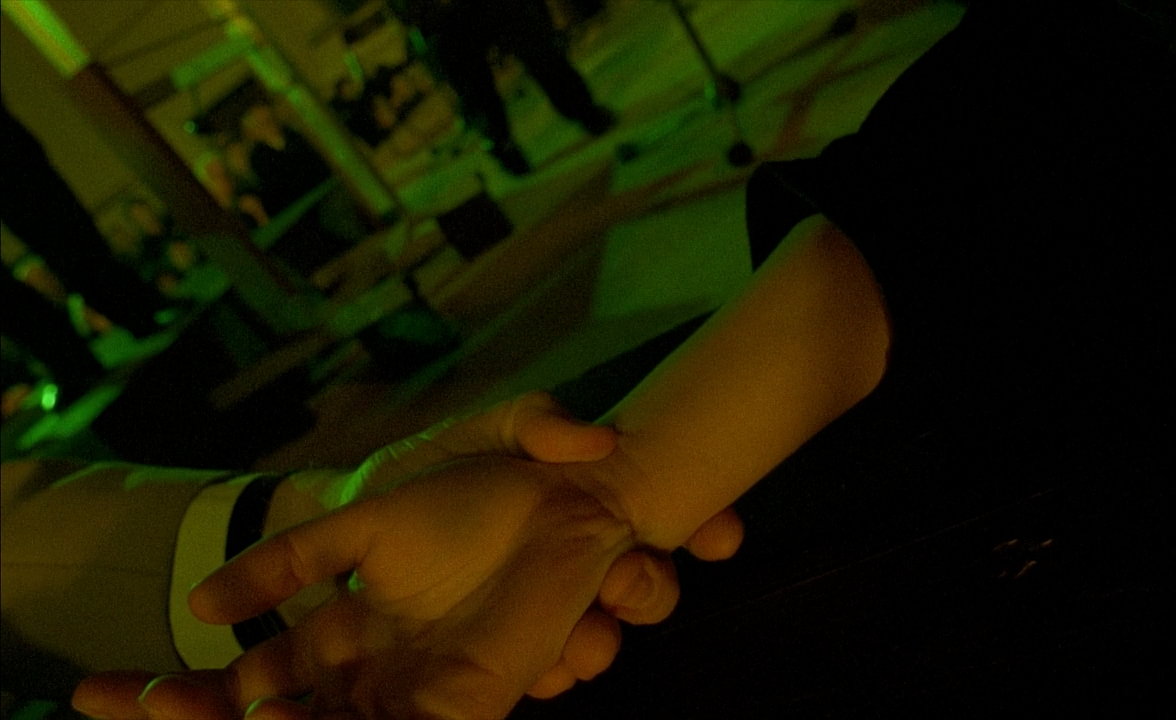
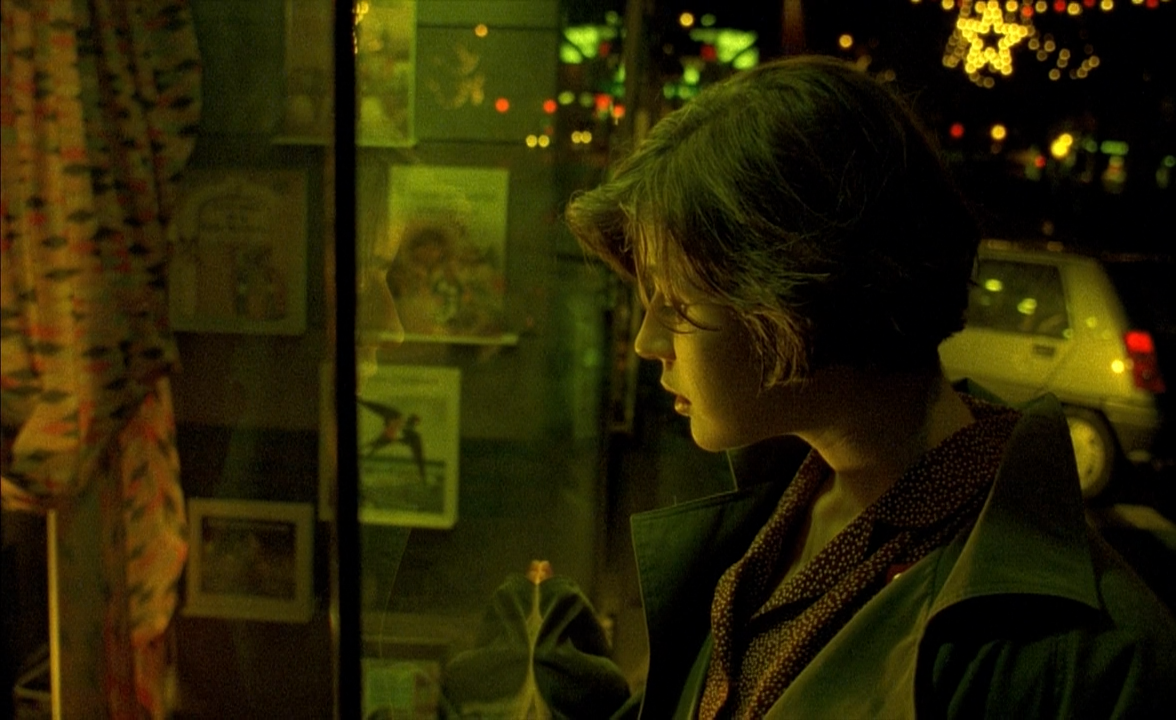
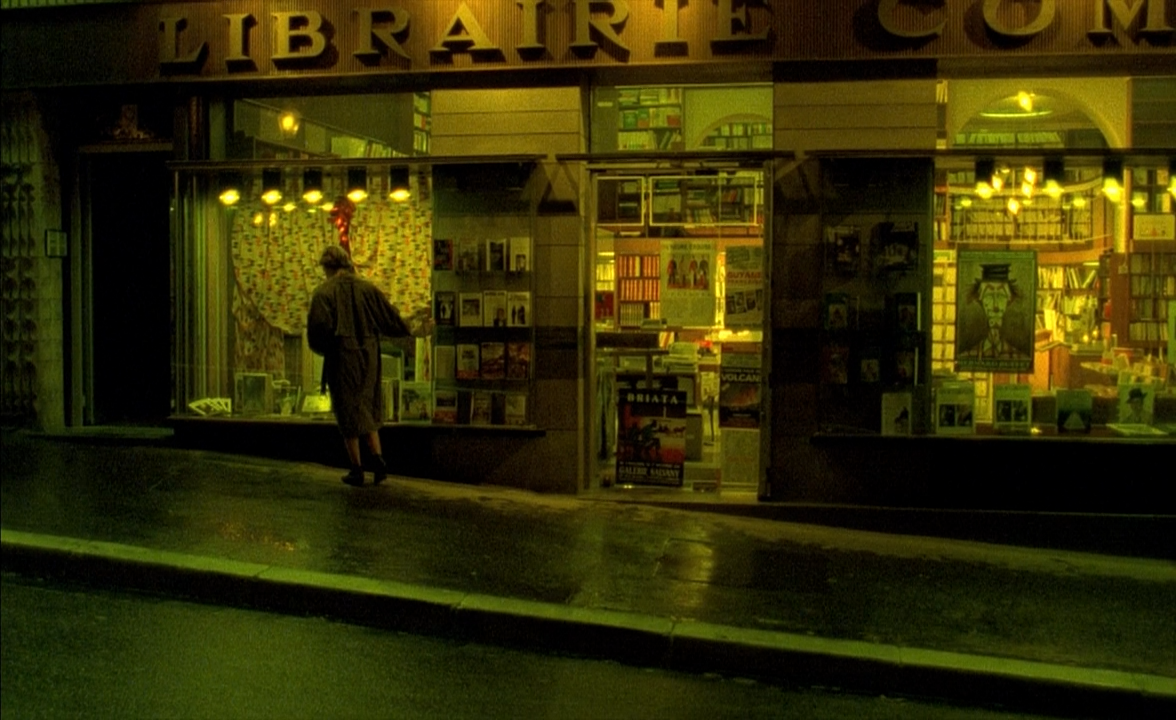
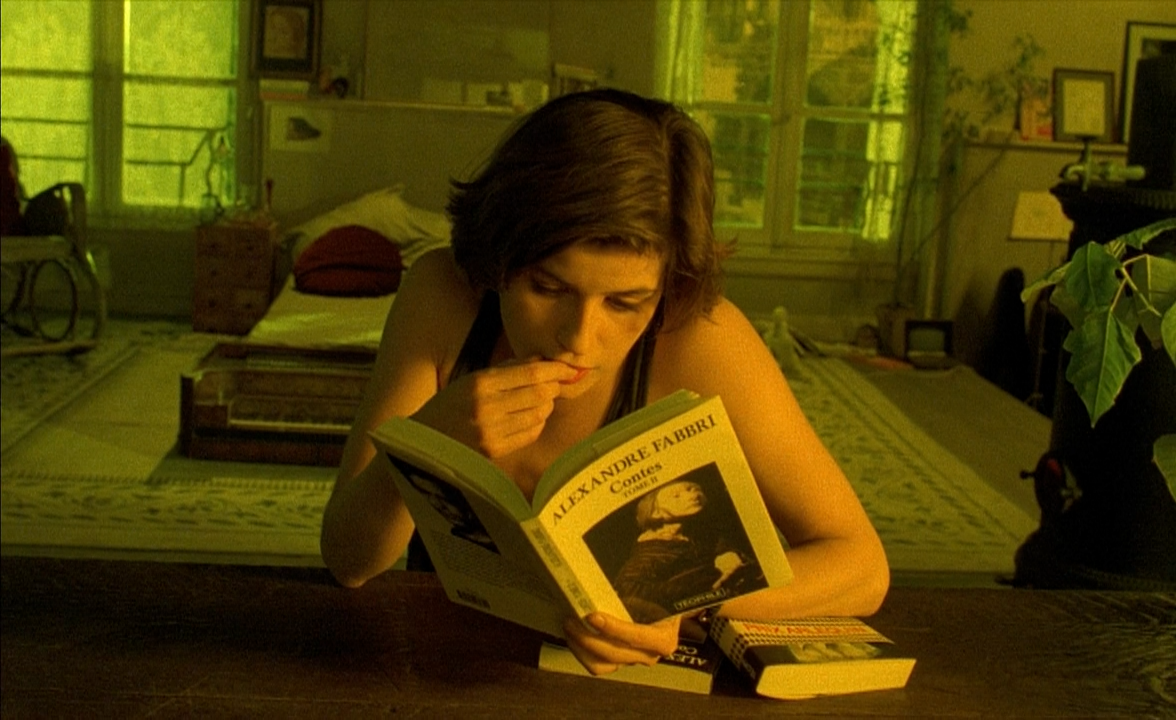
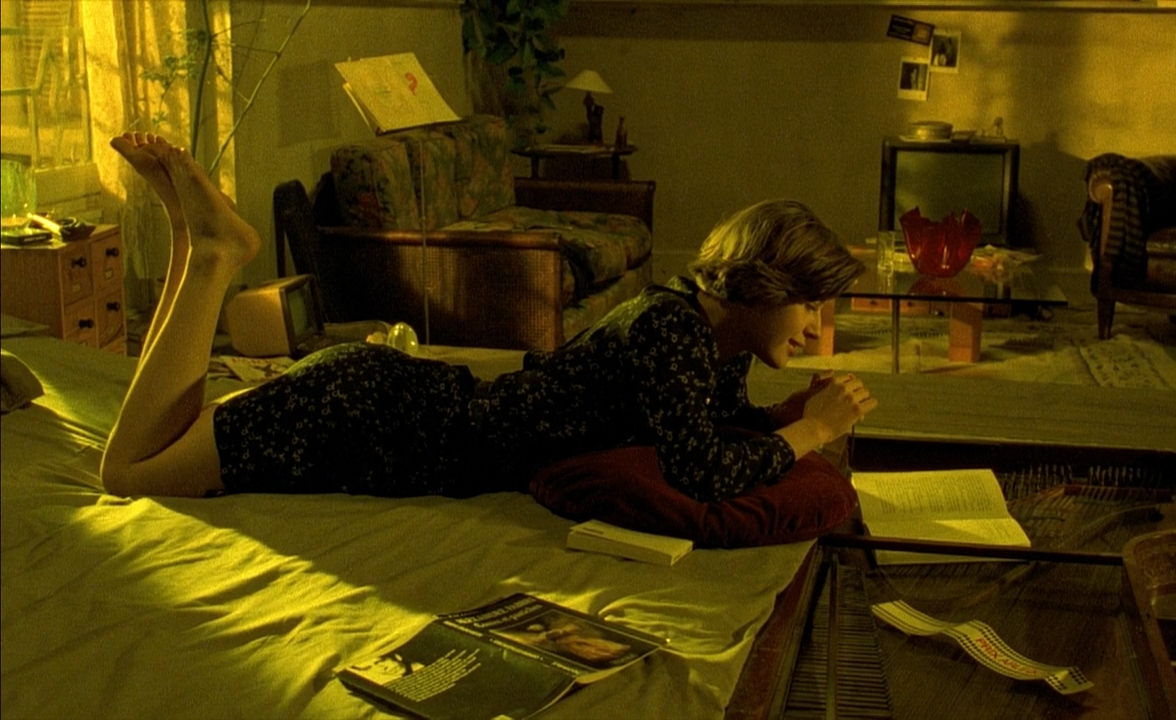
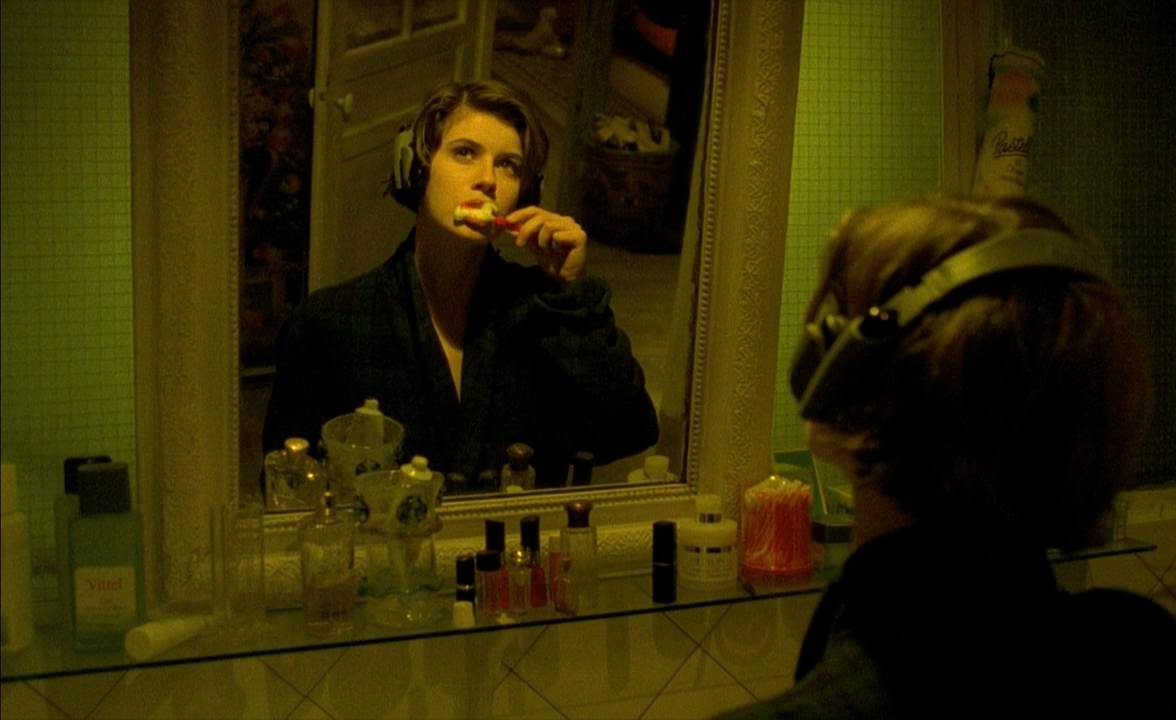
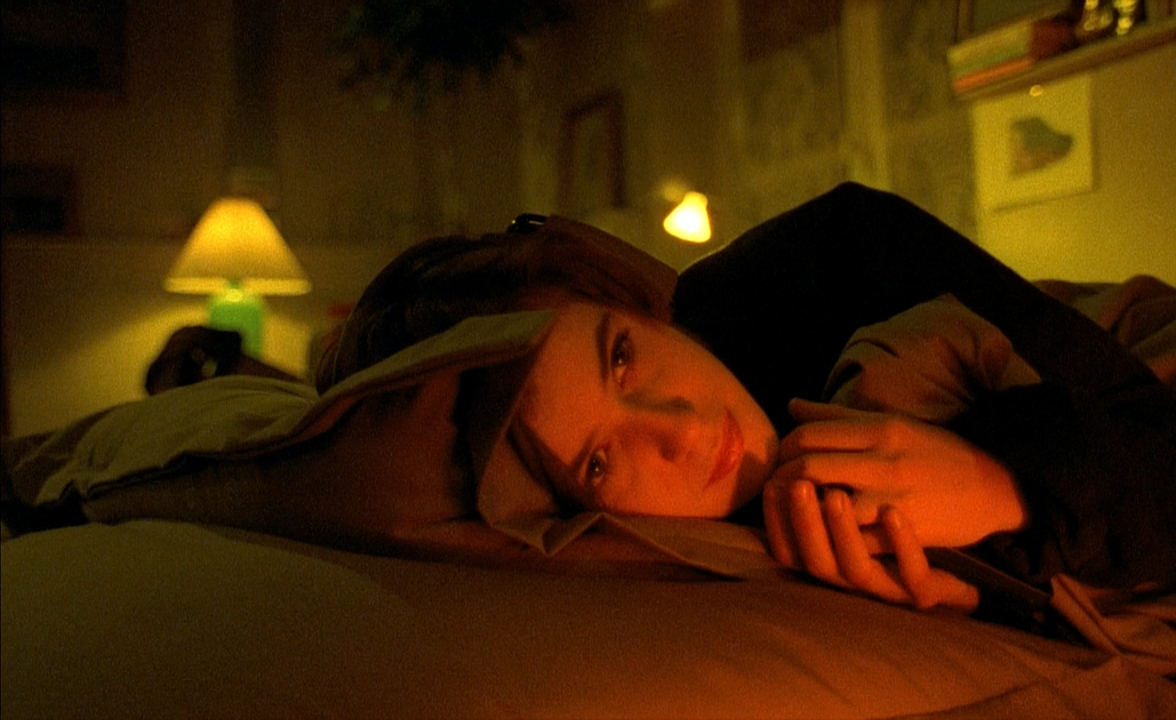
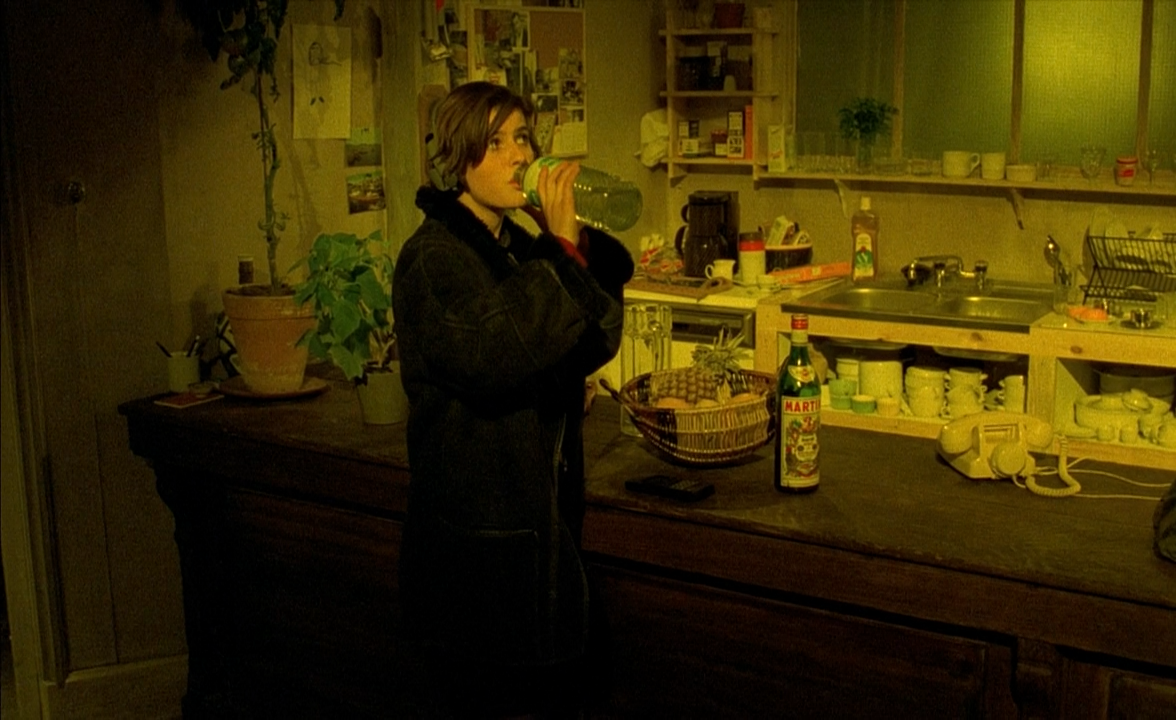
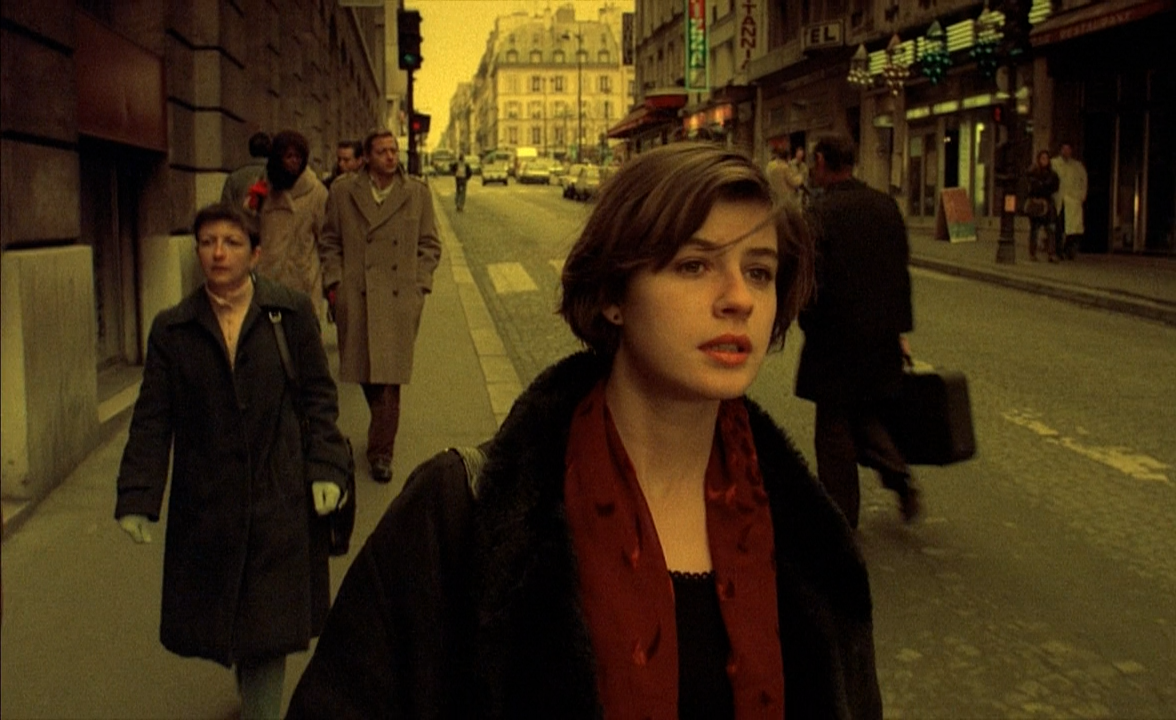
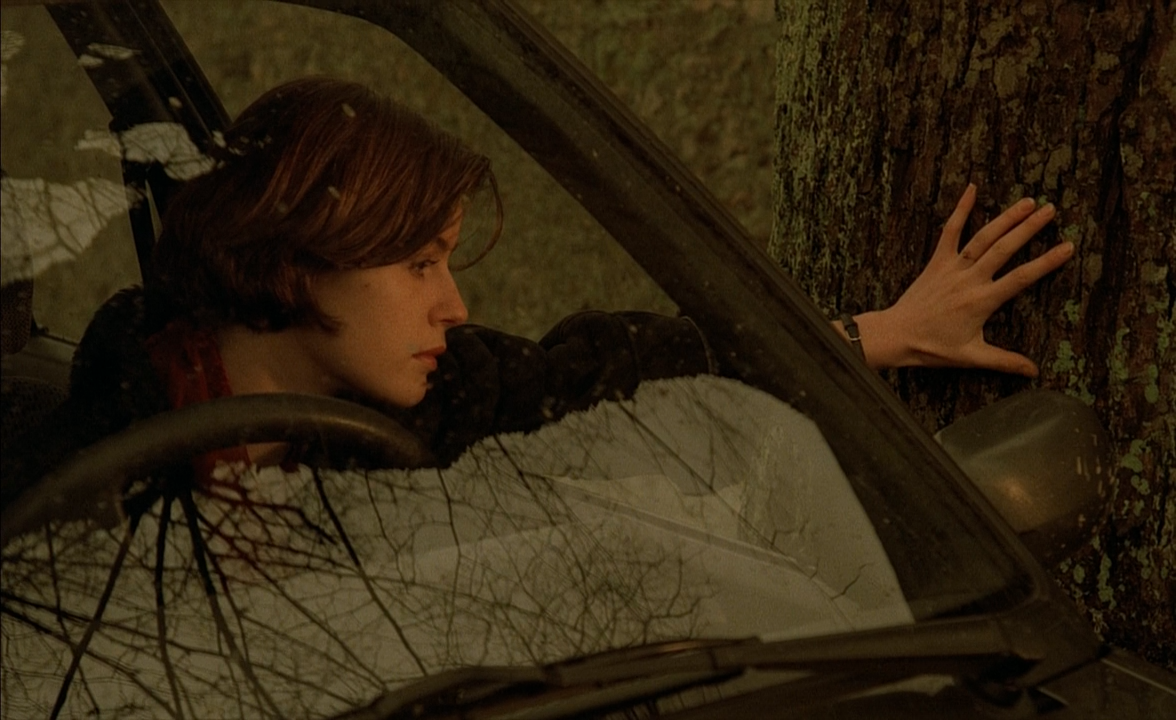
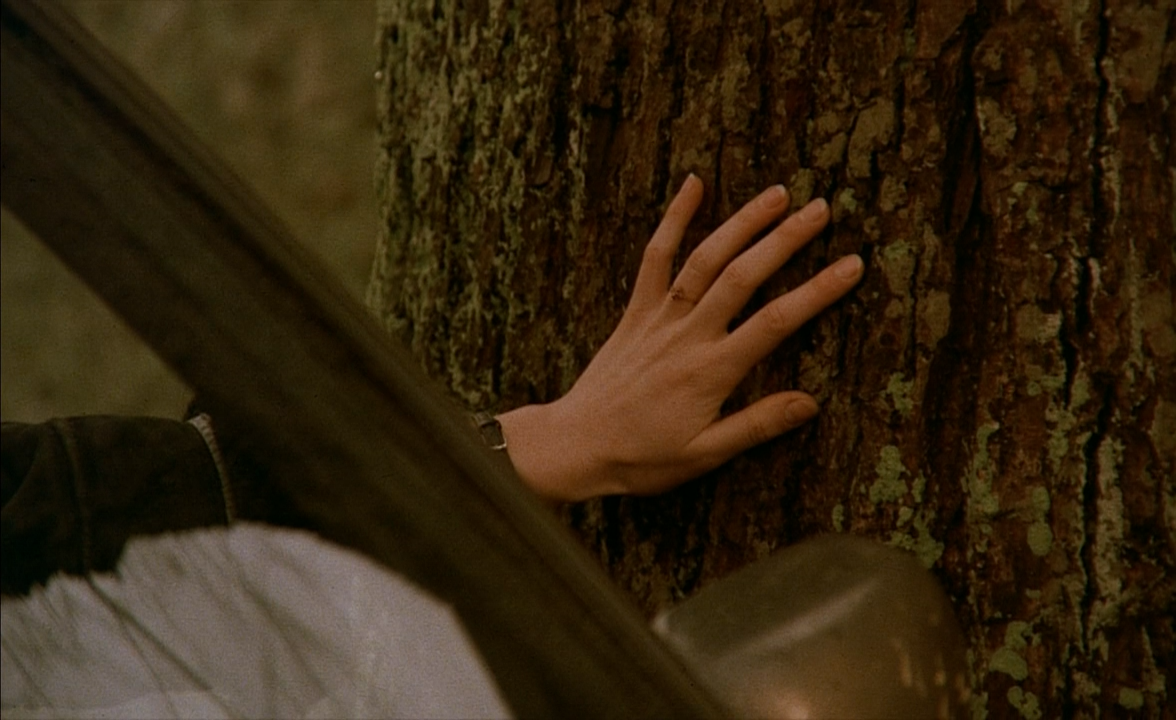
Mirrors of a double life.
Presentation:
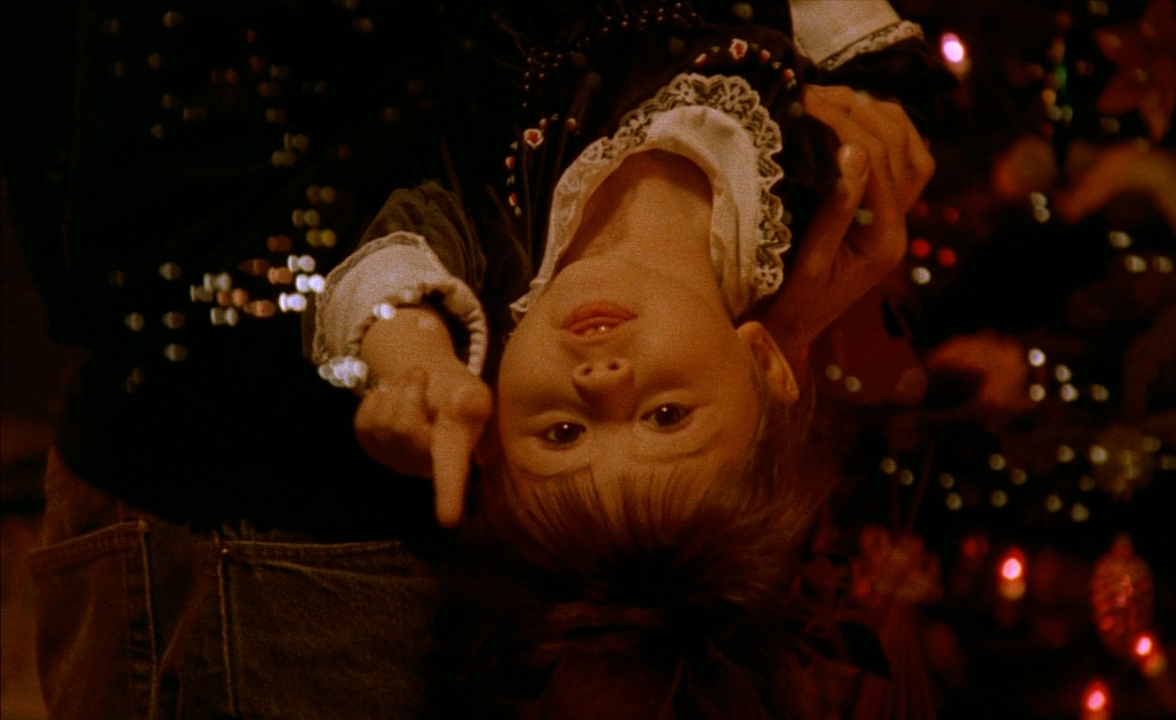
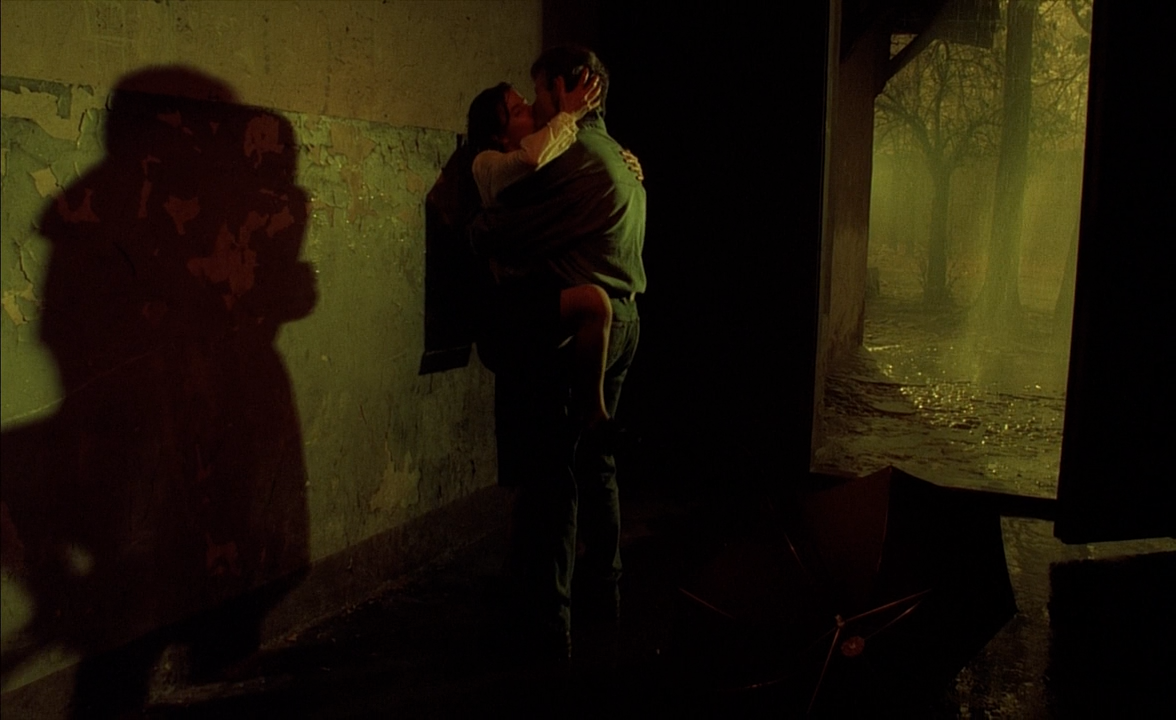
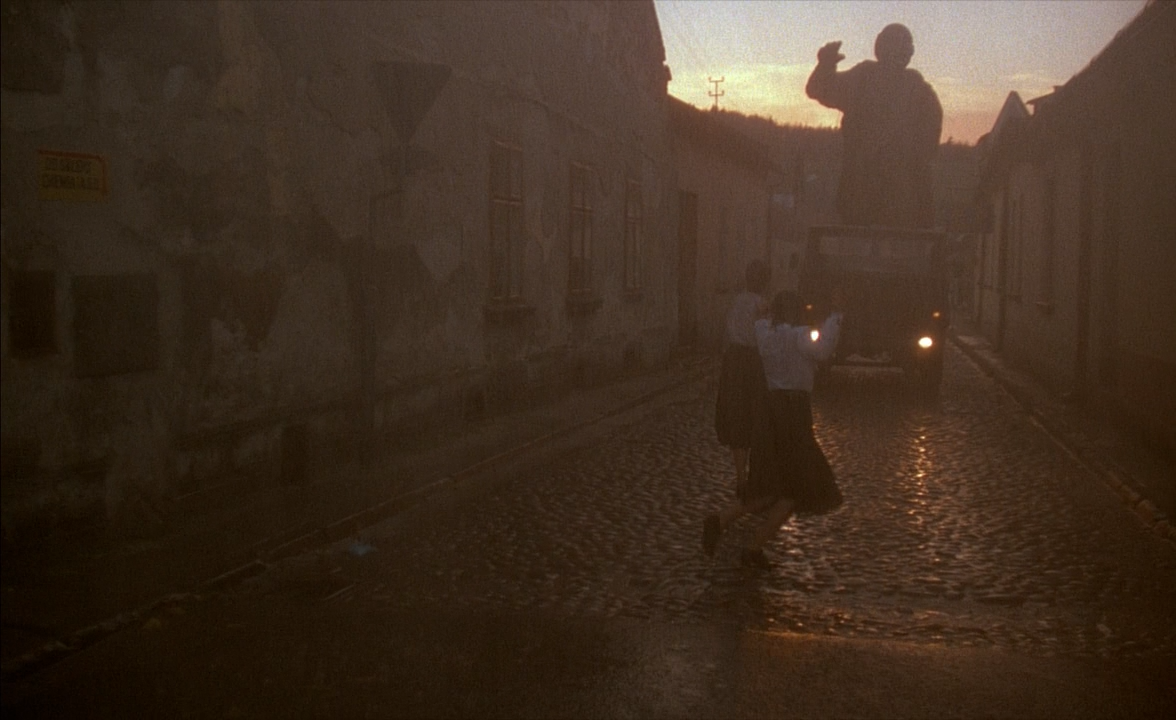
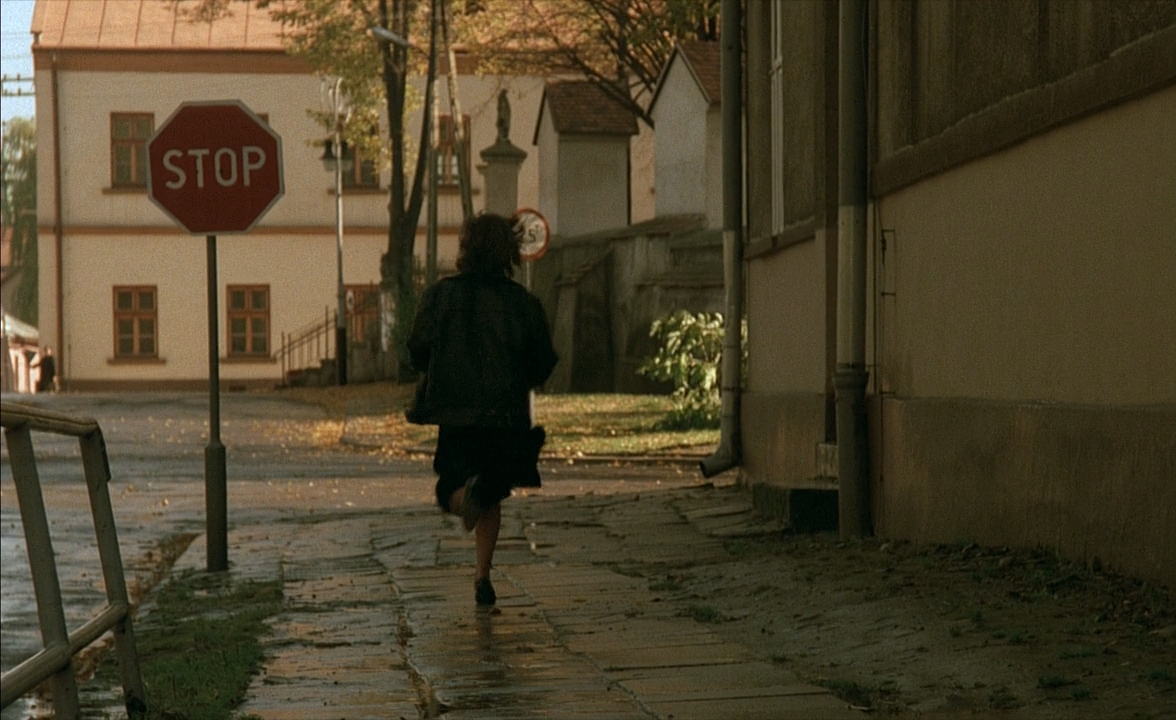
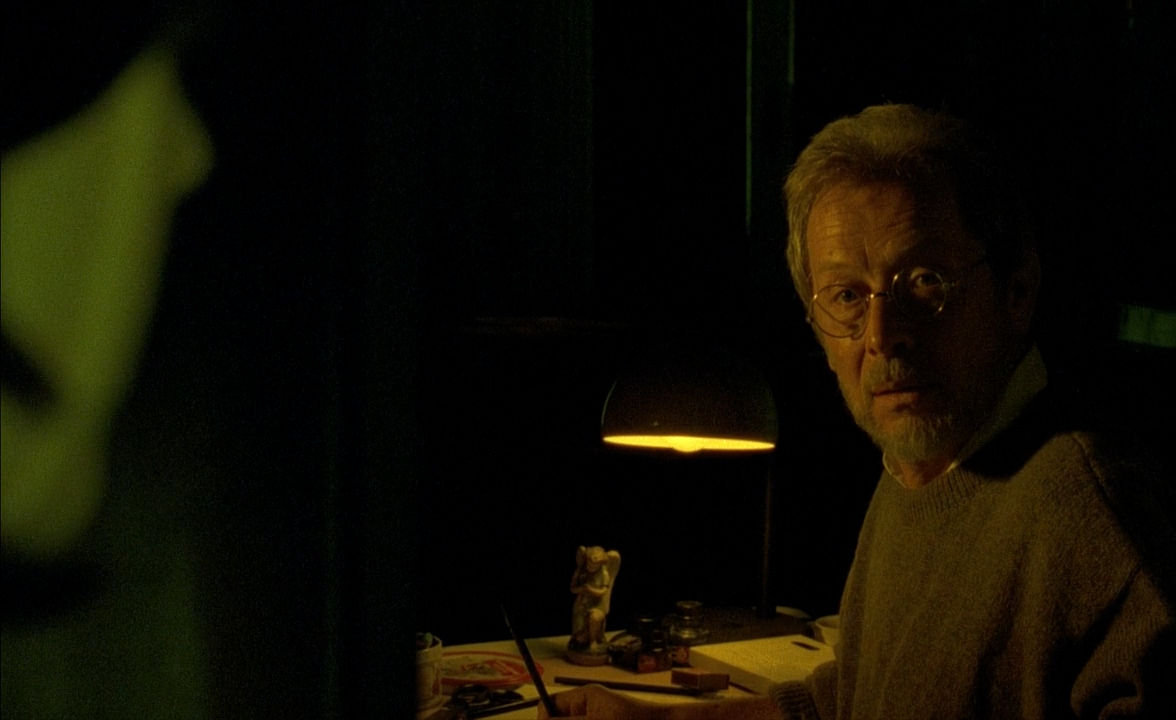
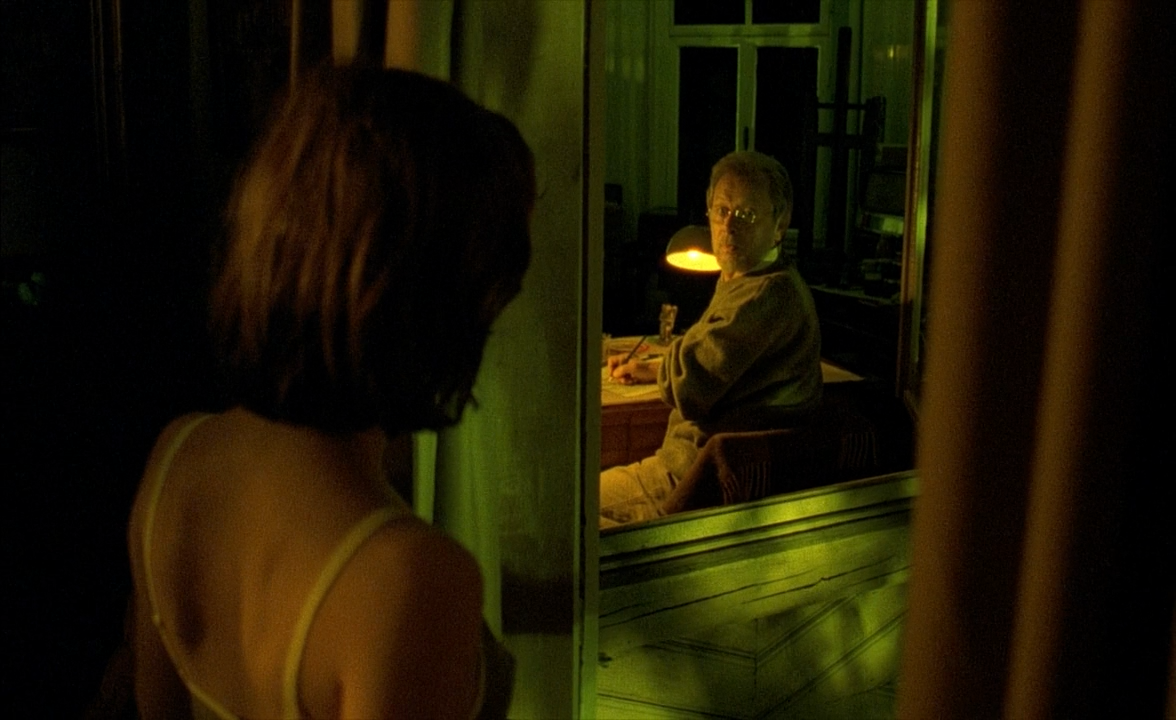
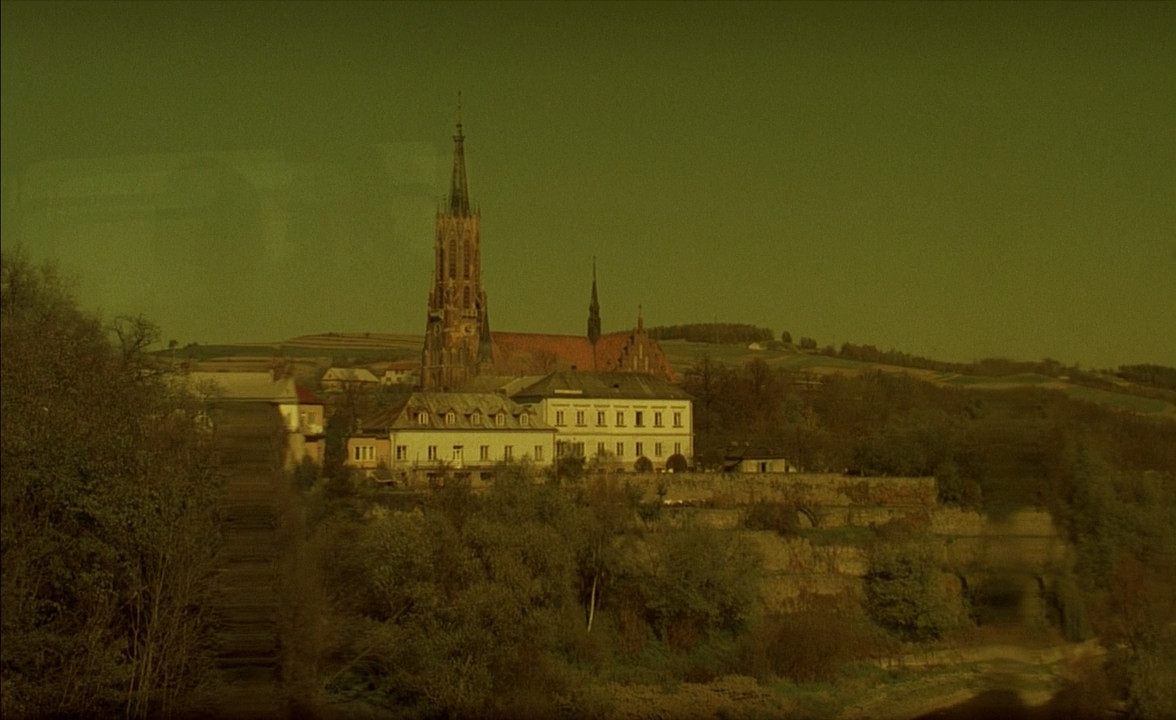
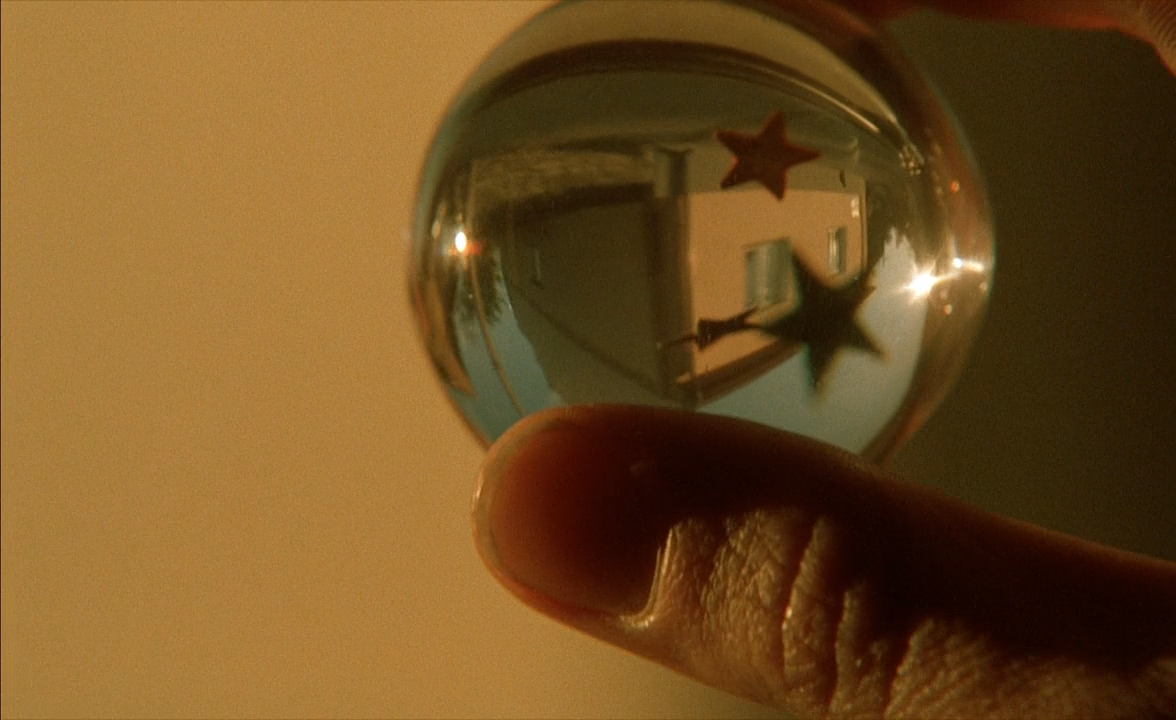
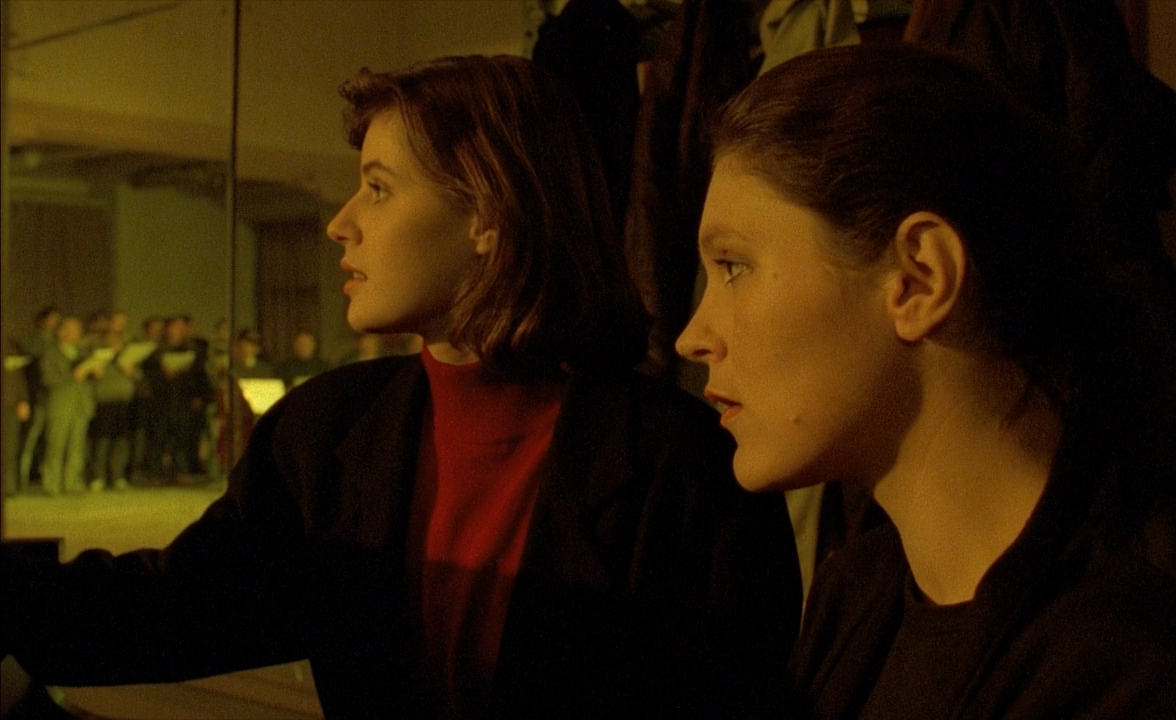
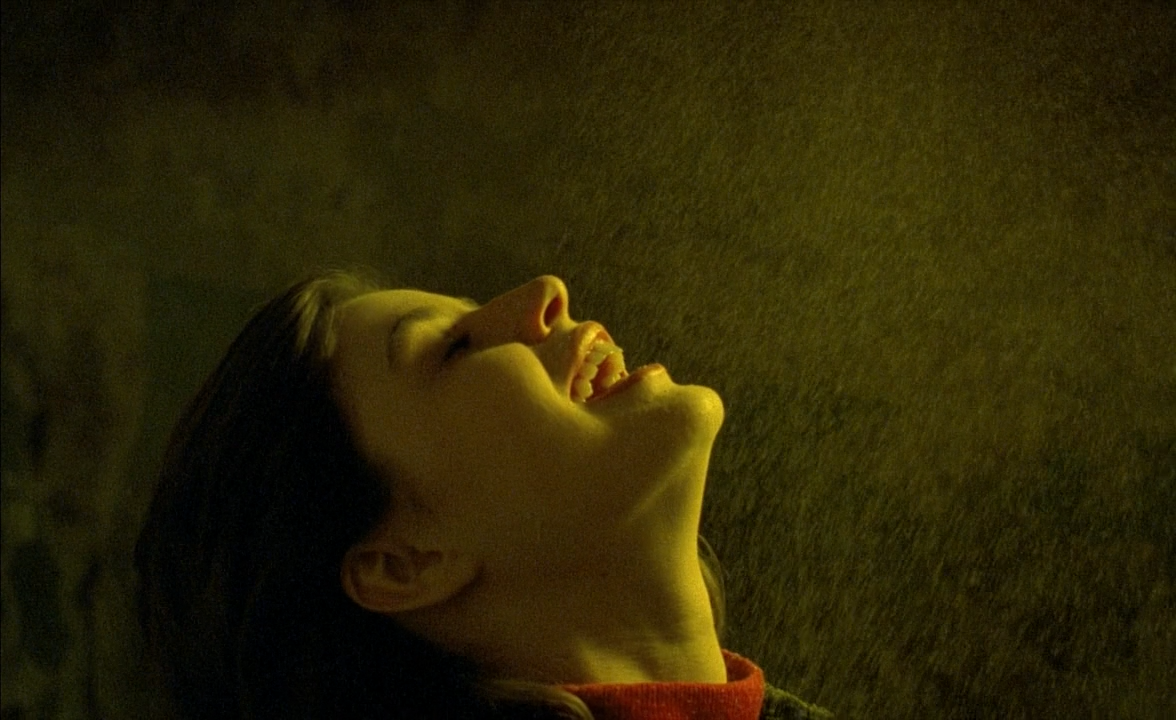
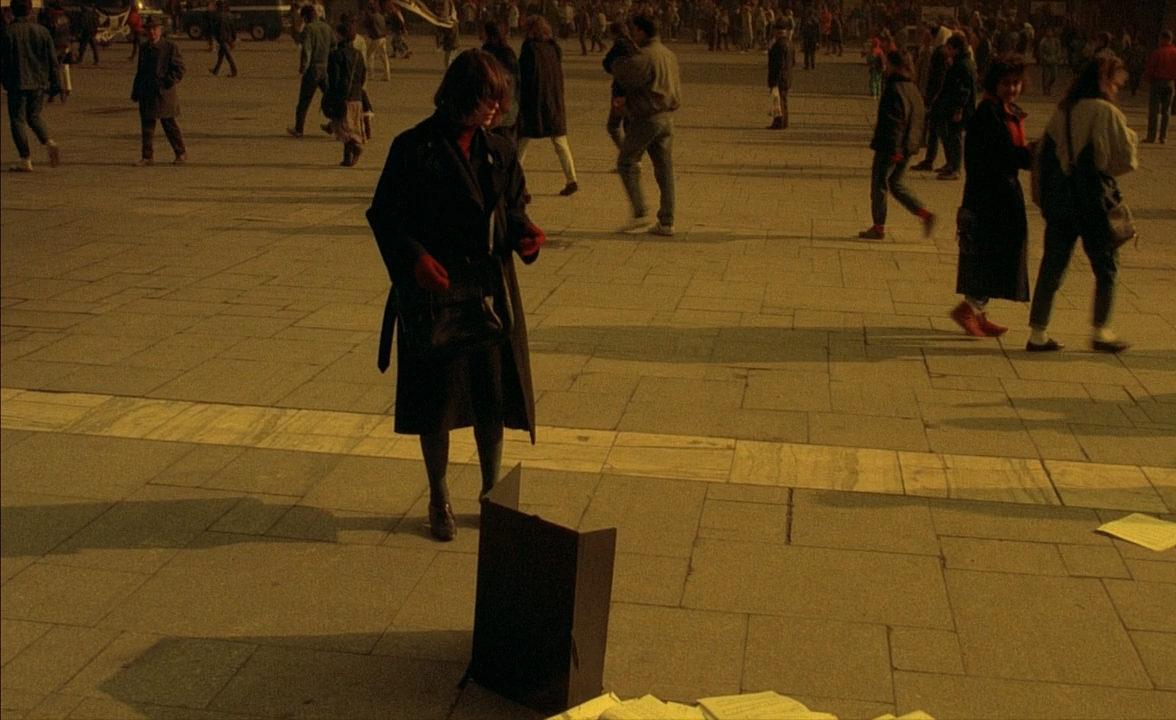
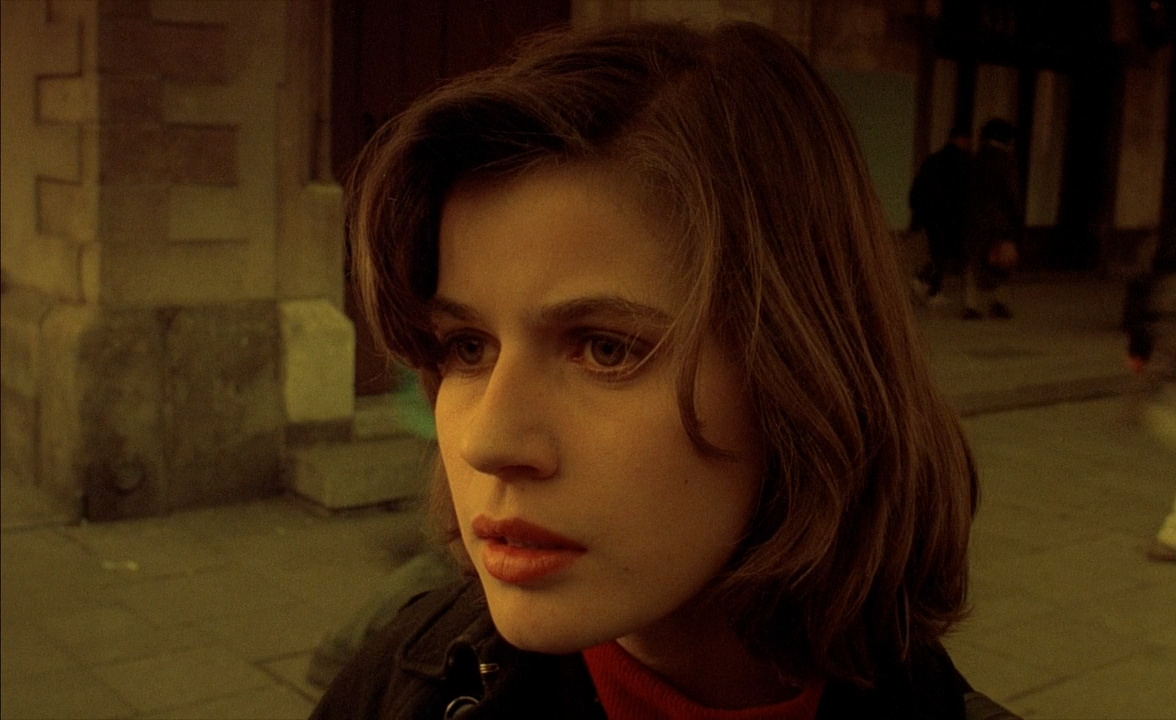
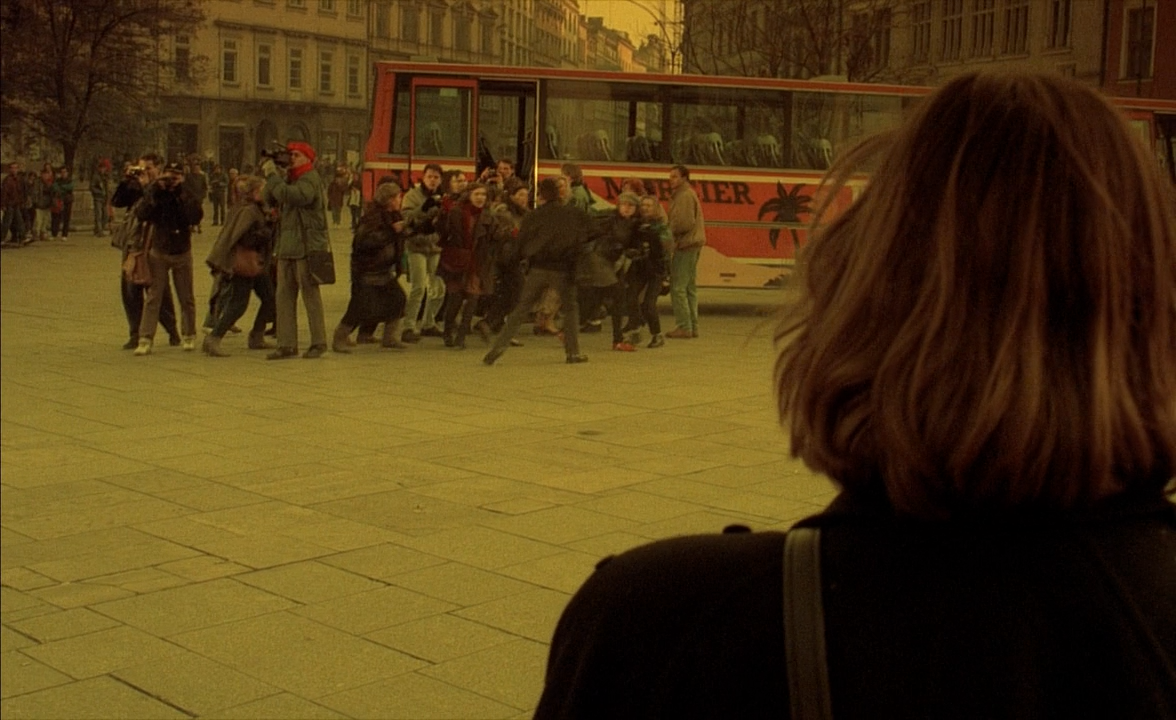
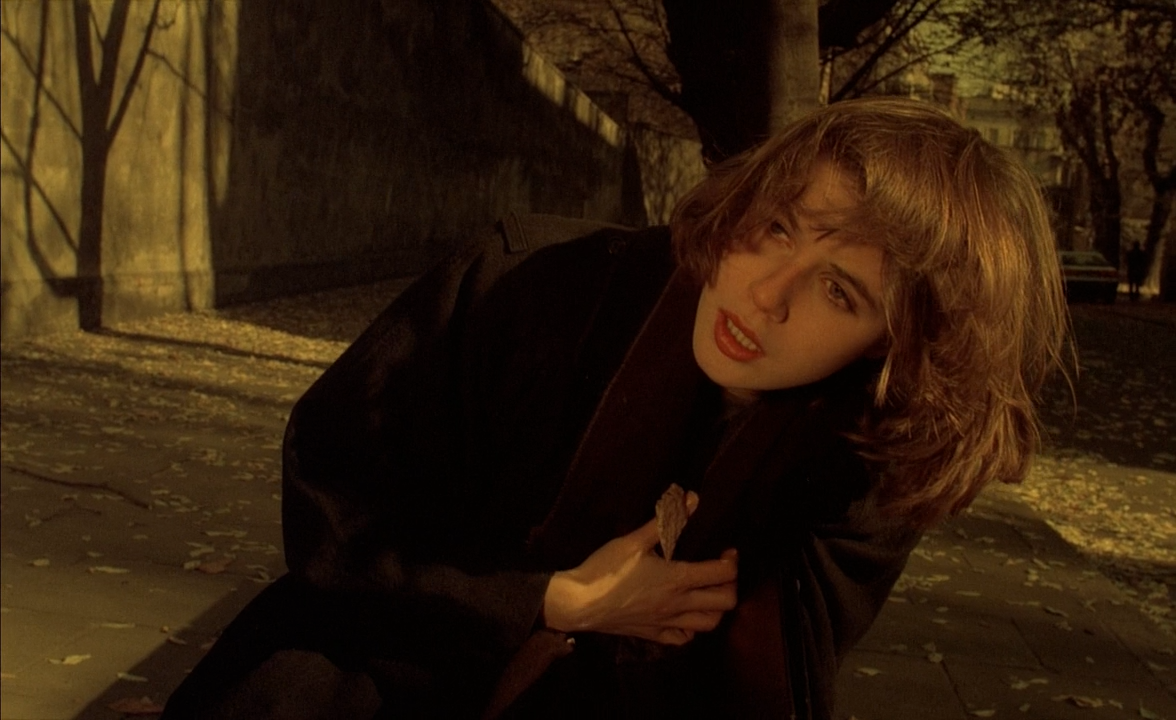
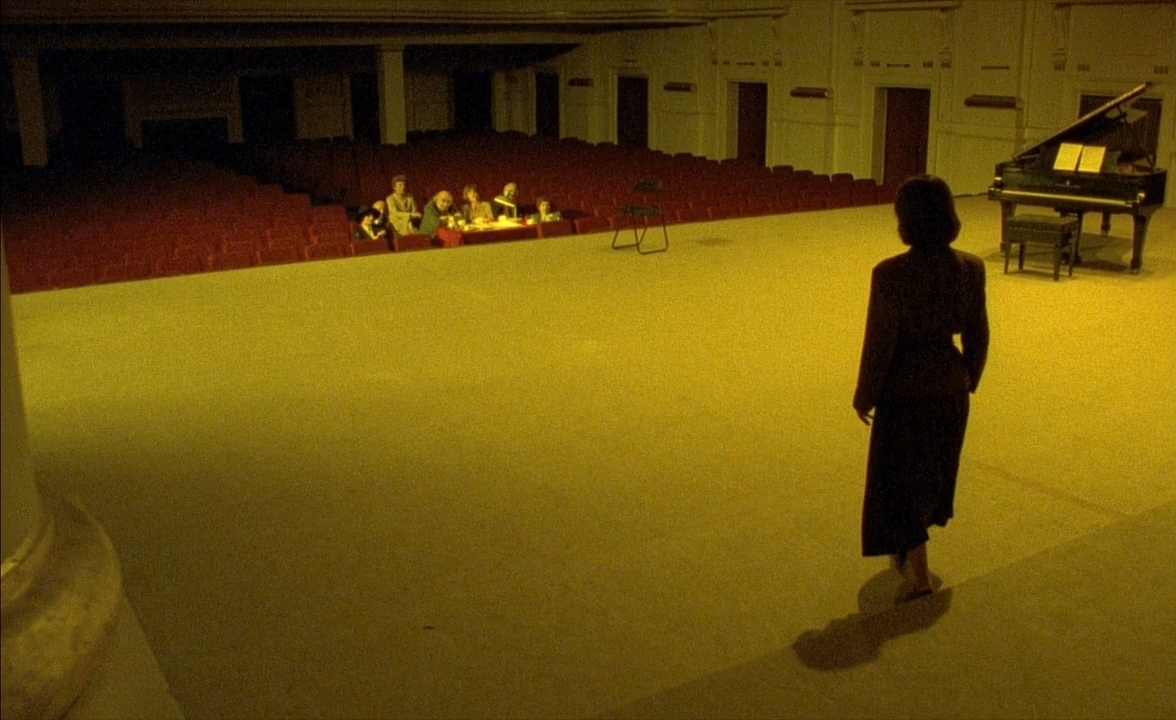
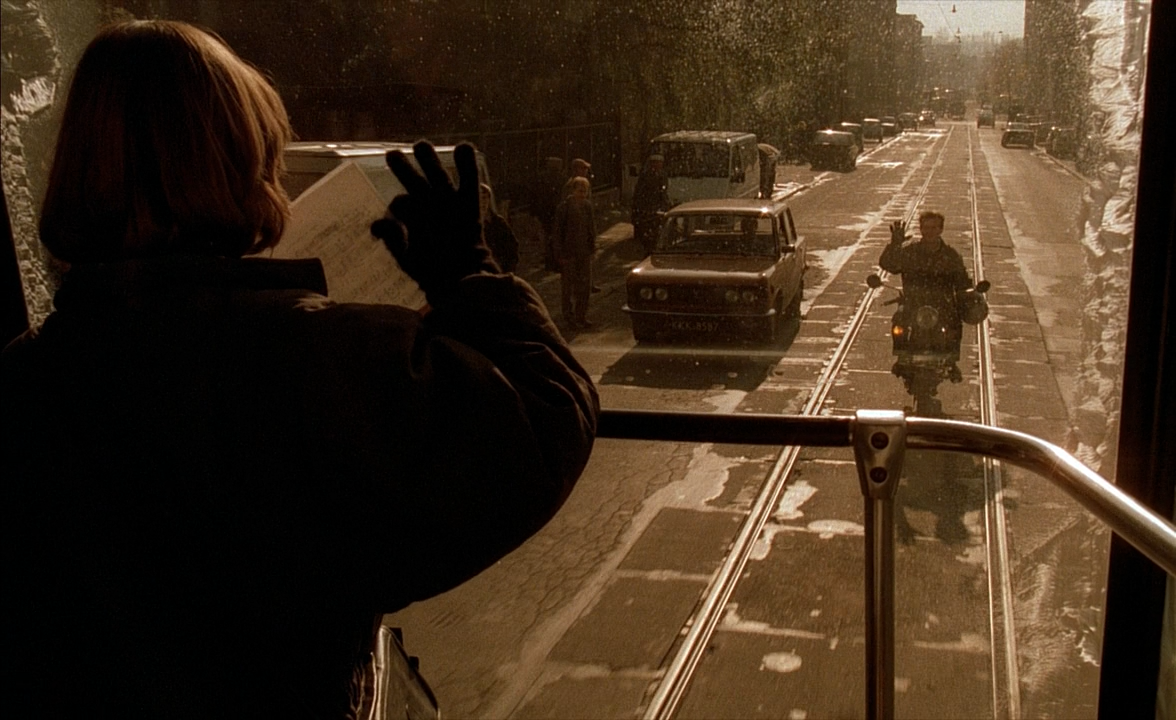
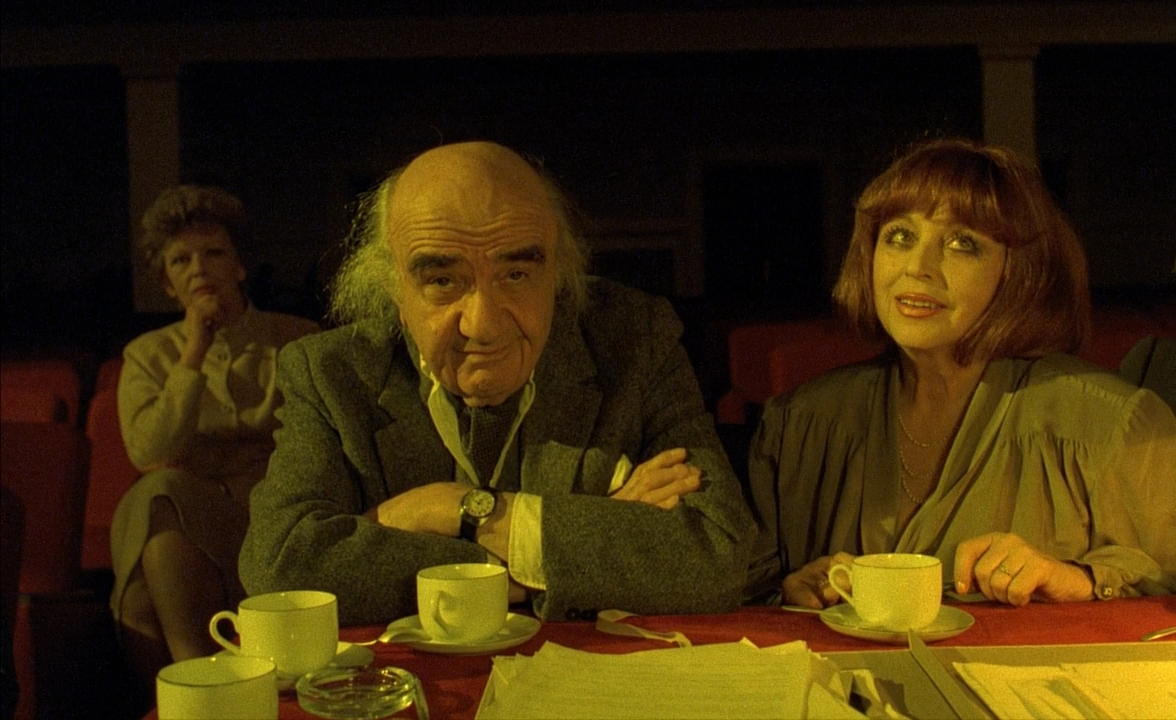
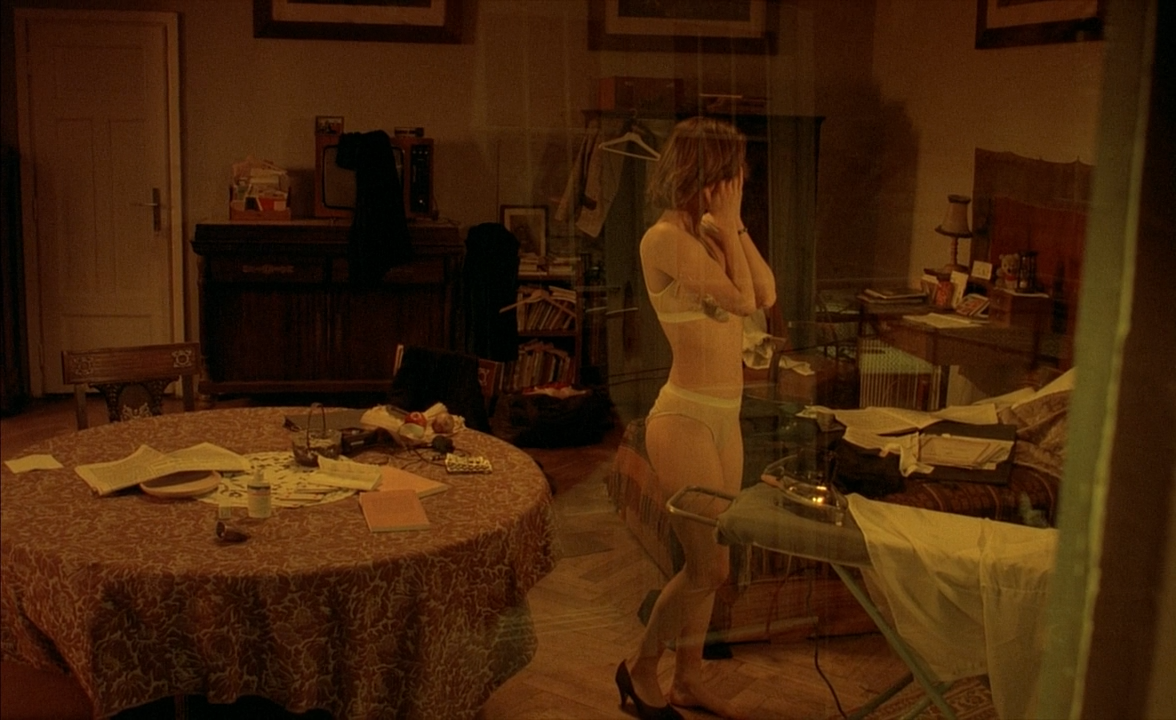
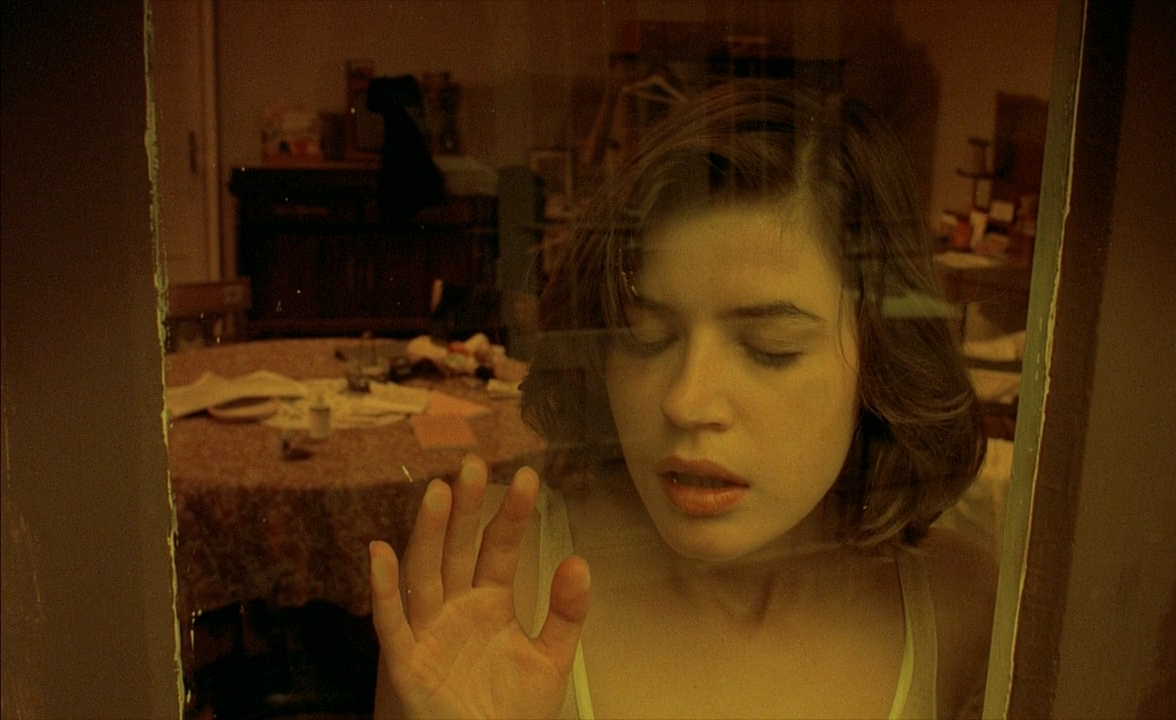
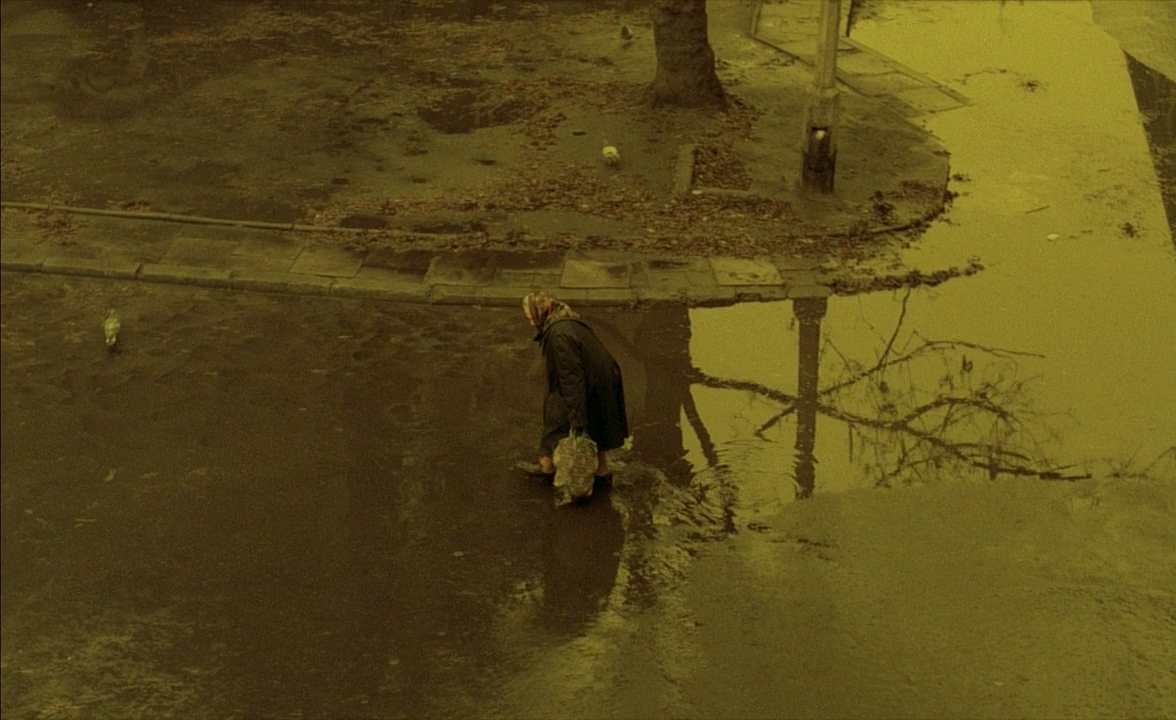
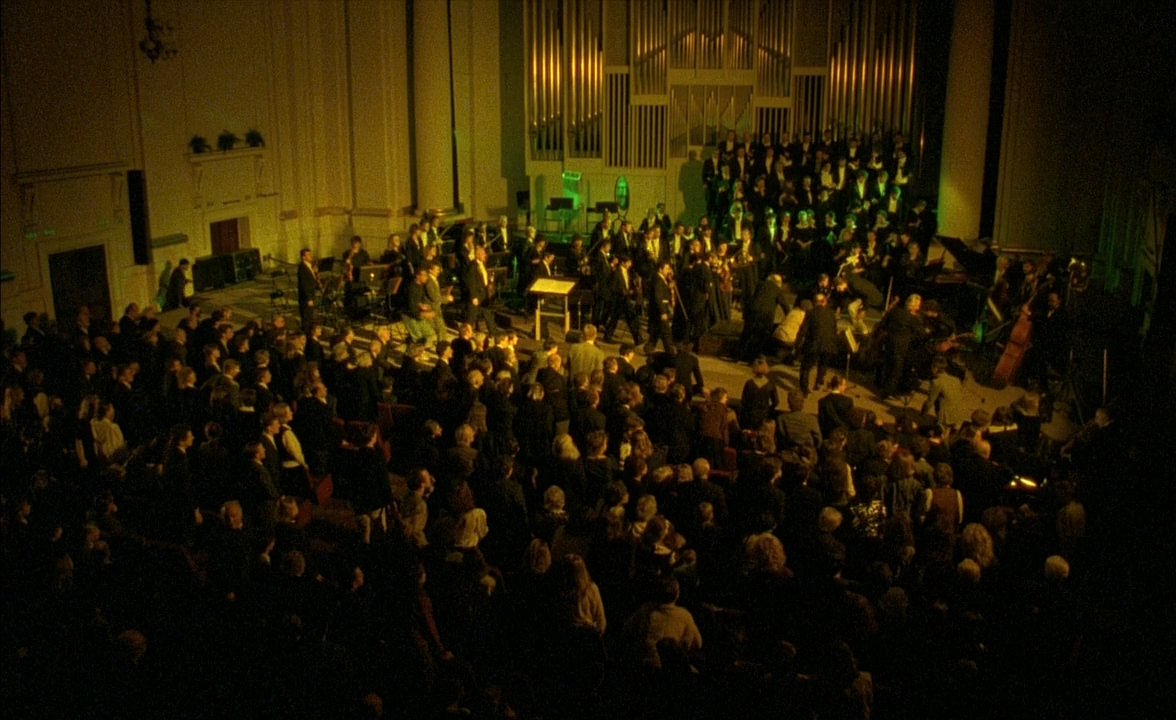
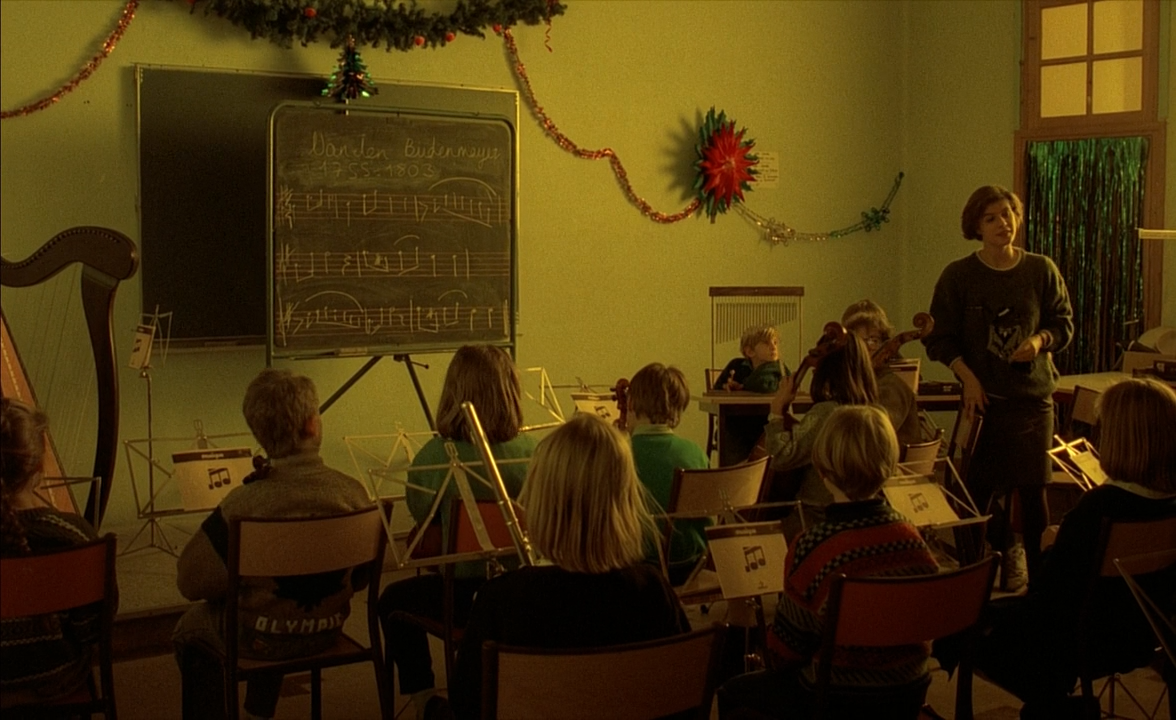
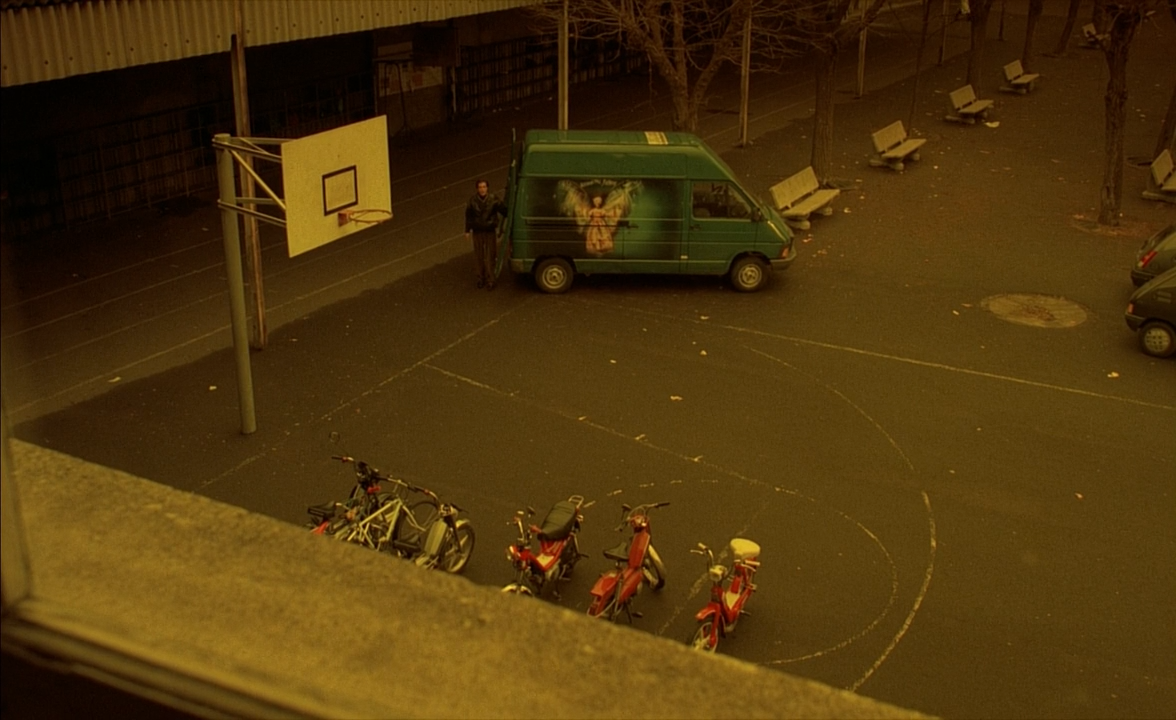
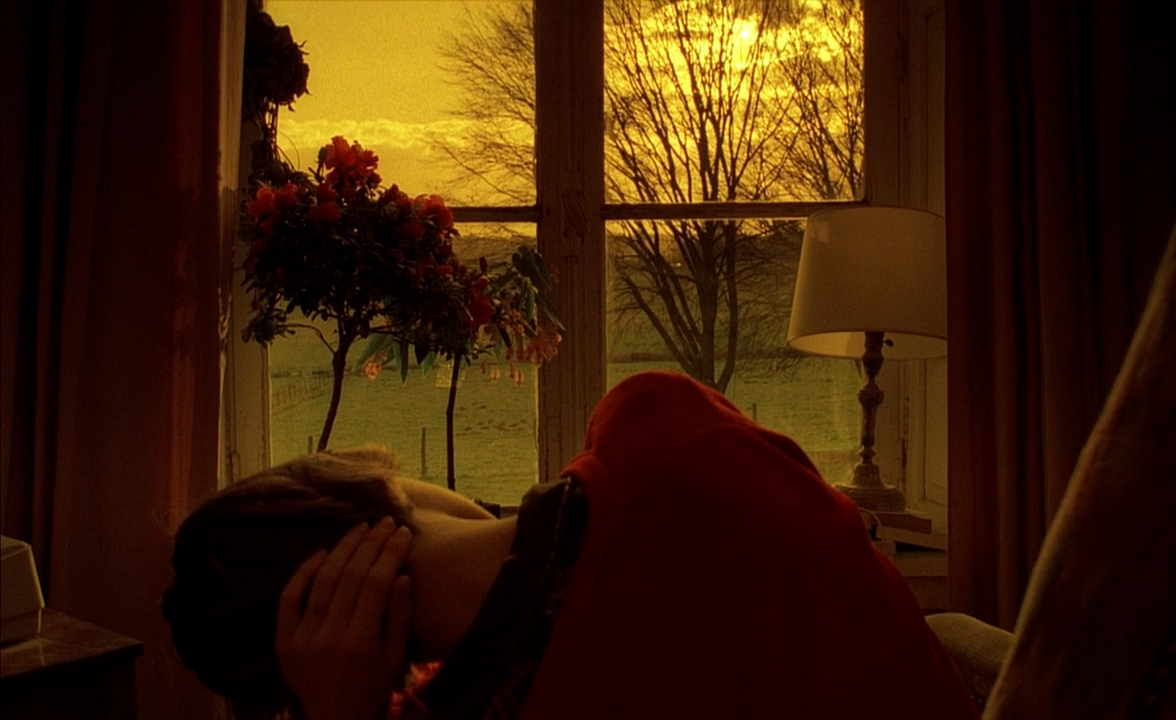
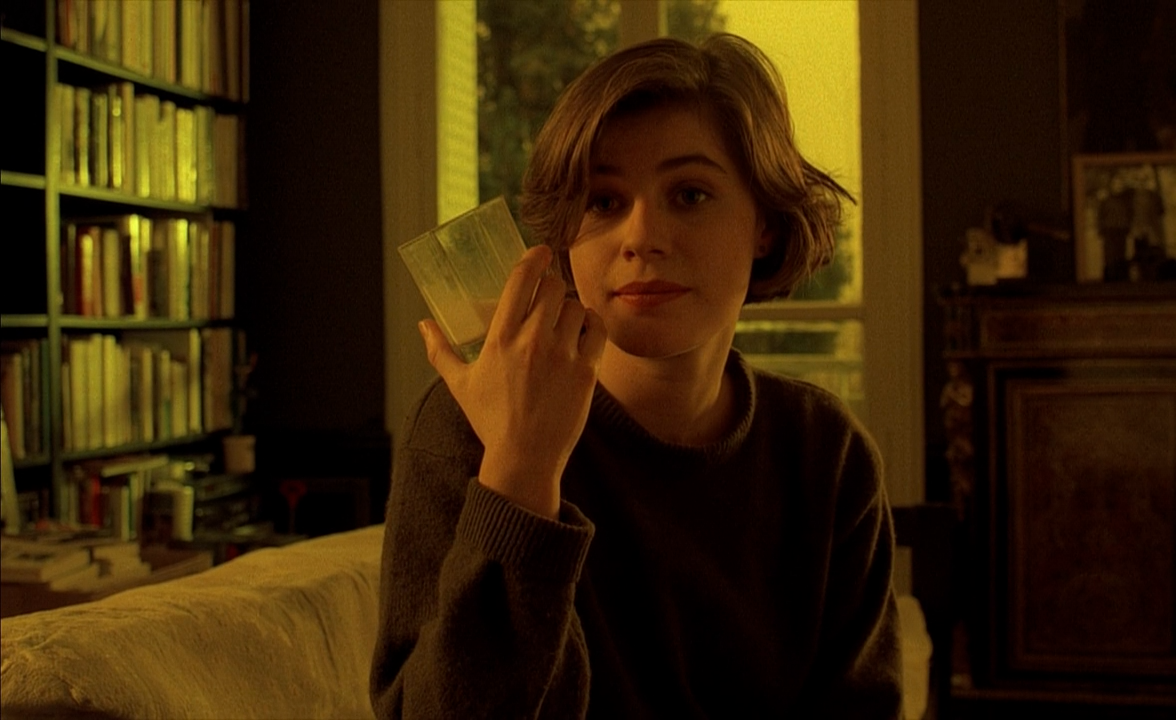
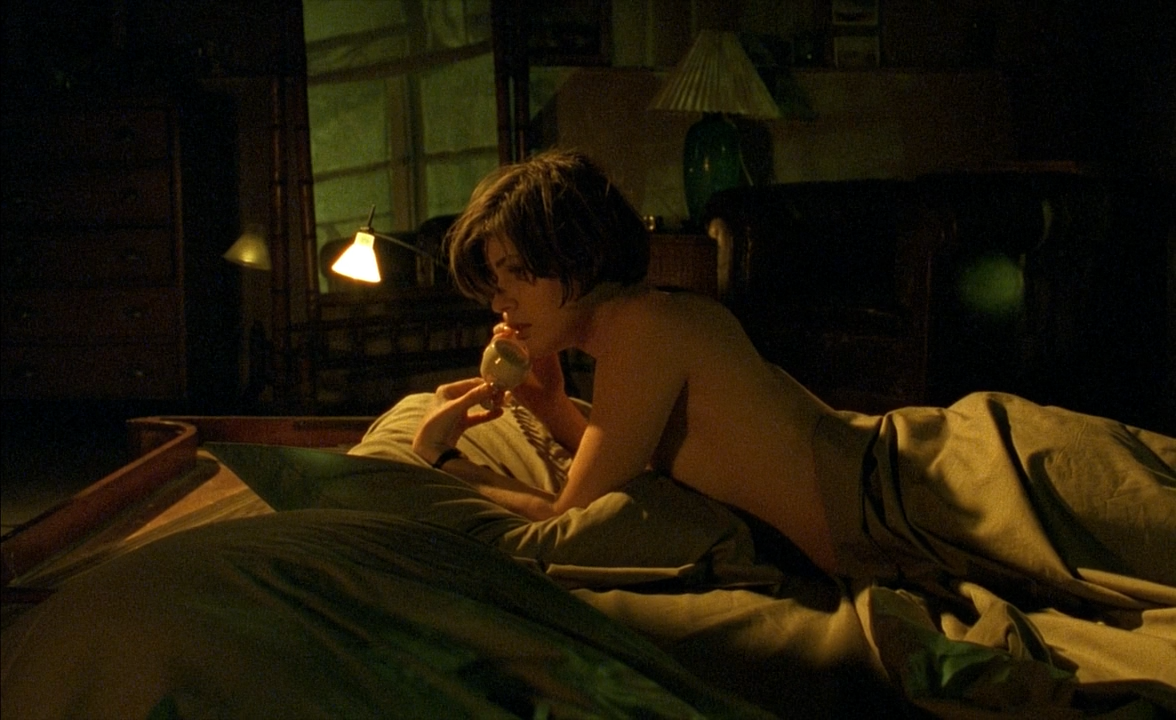
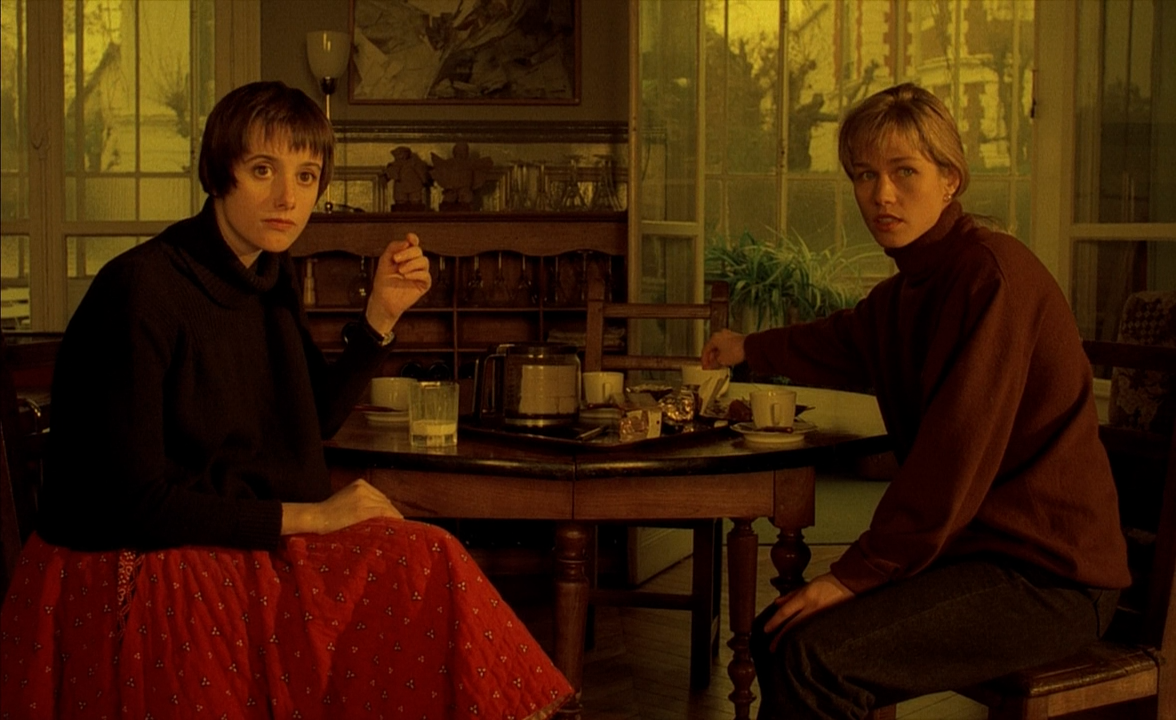
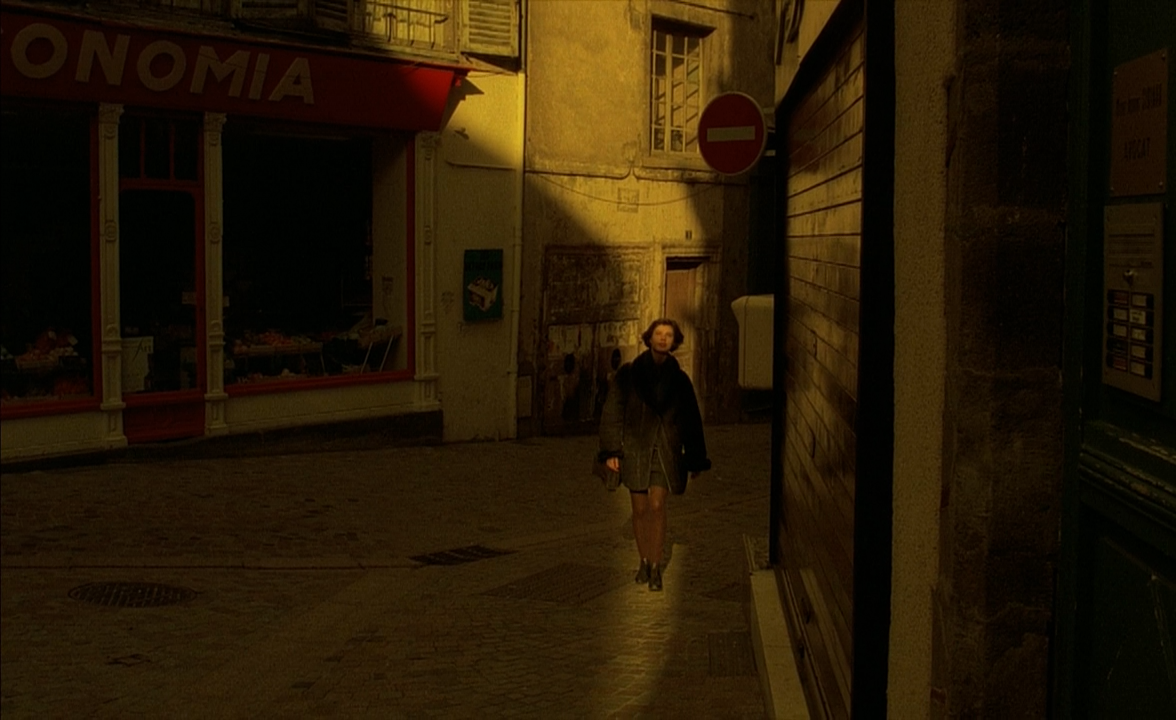
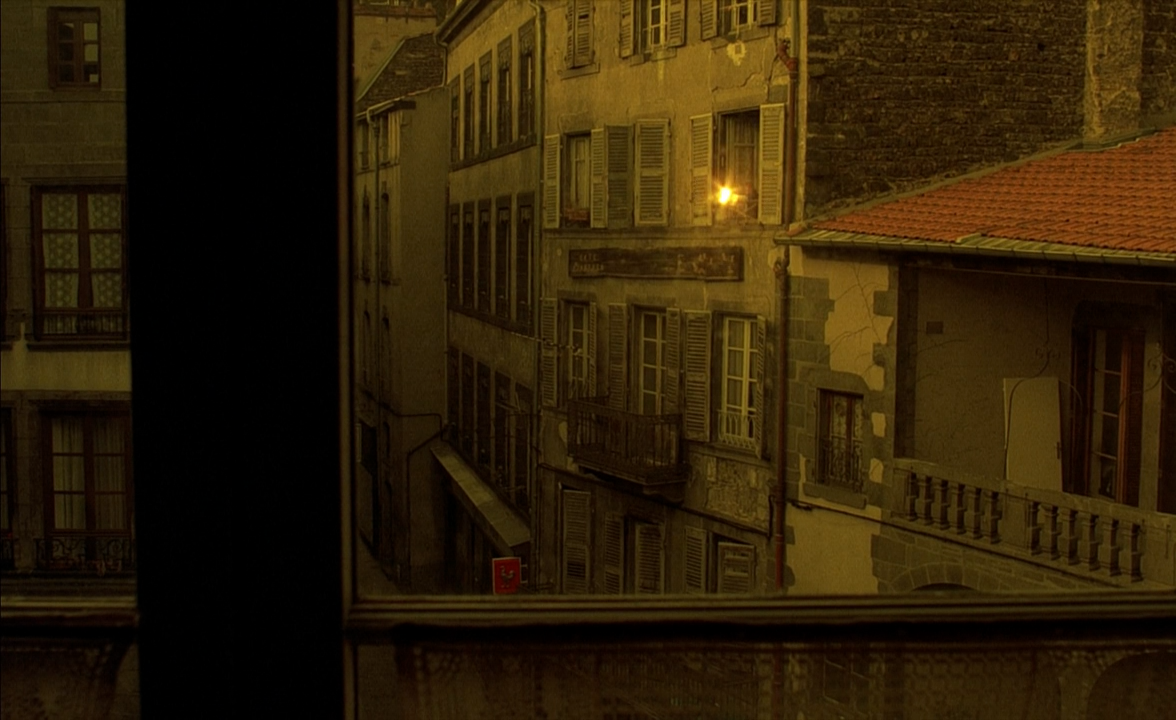
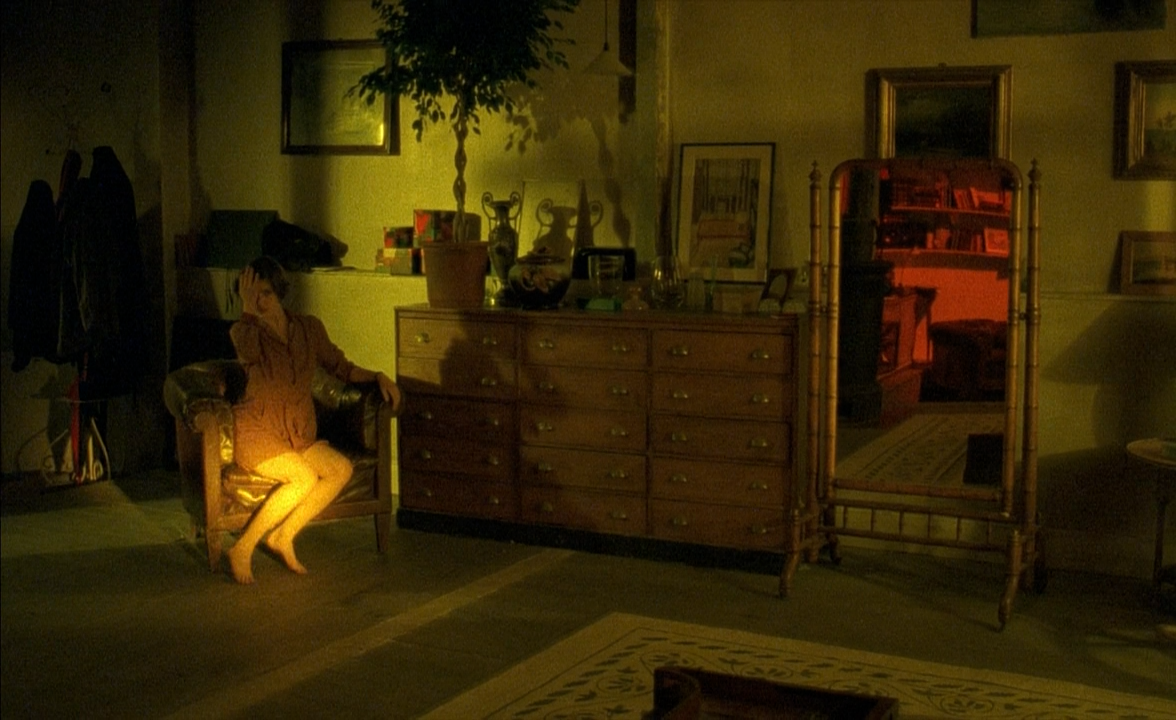
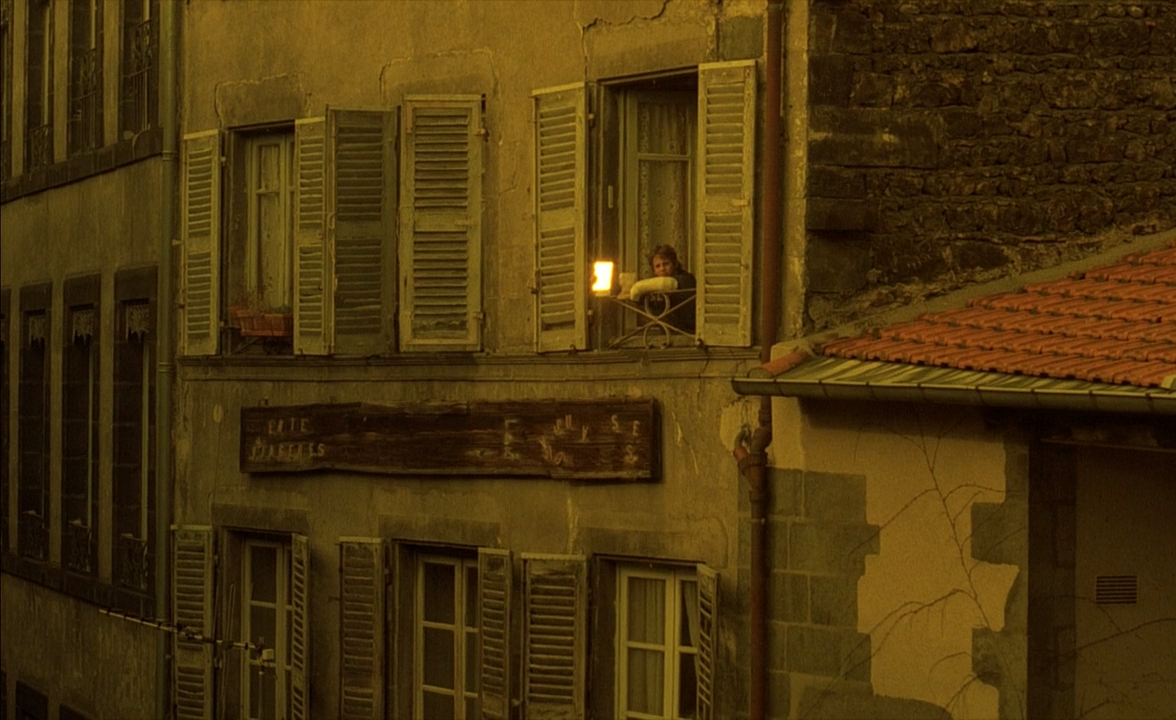
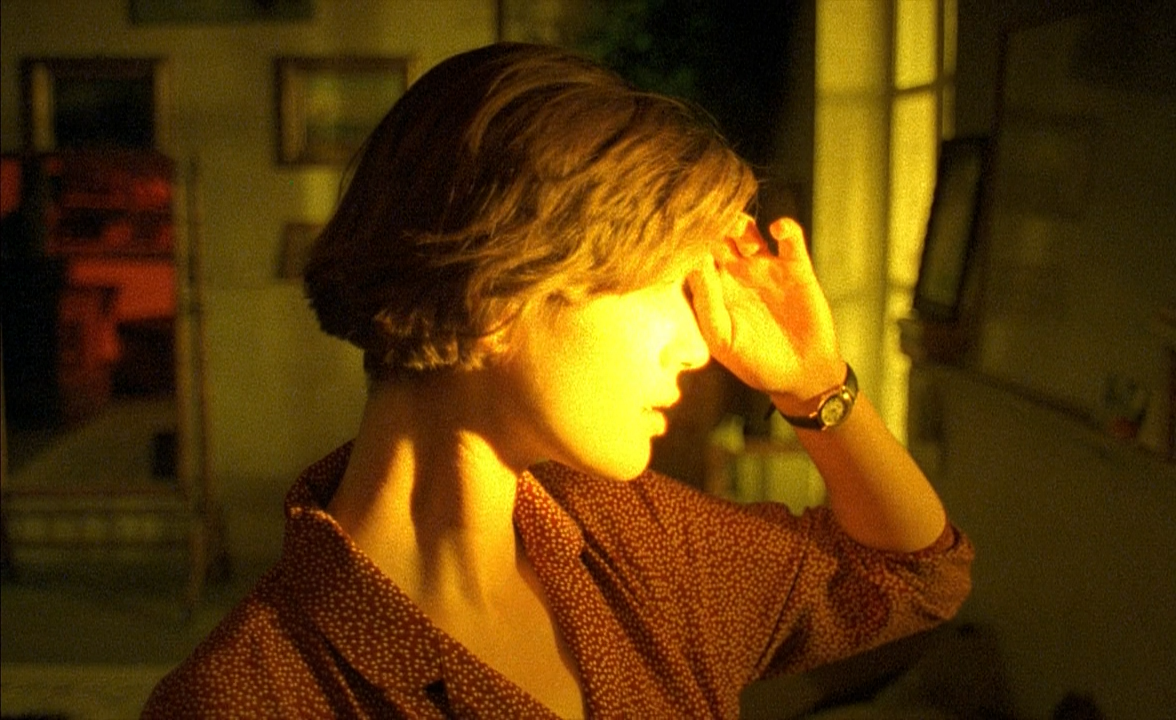
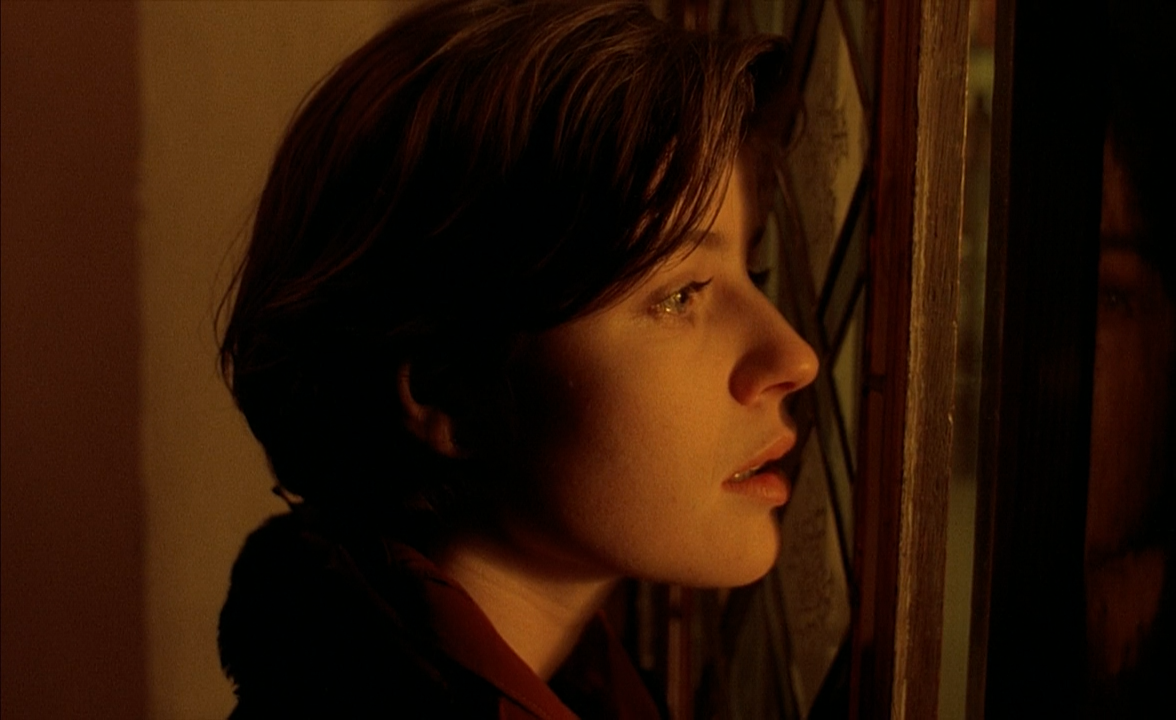
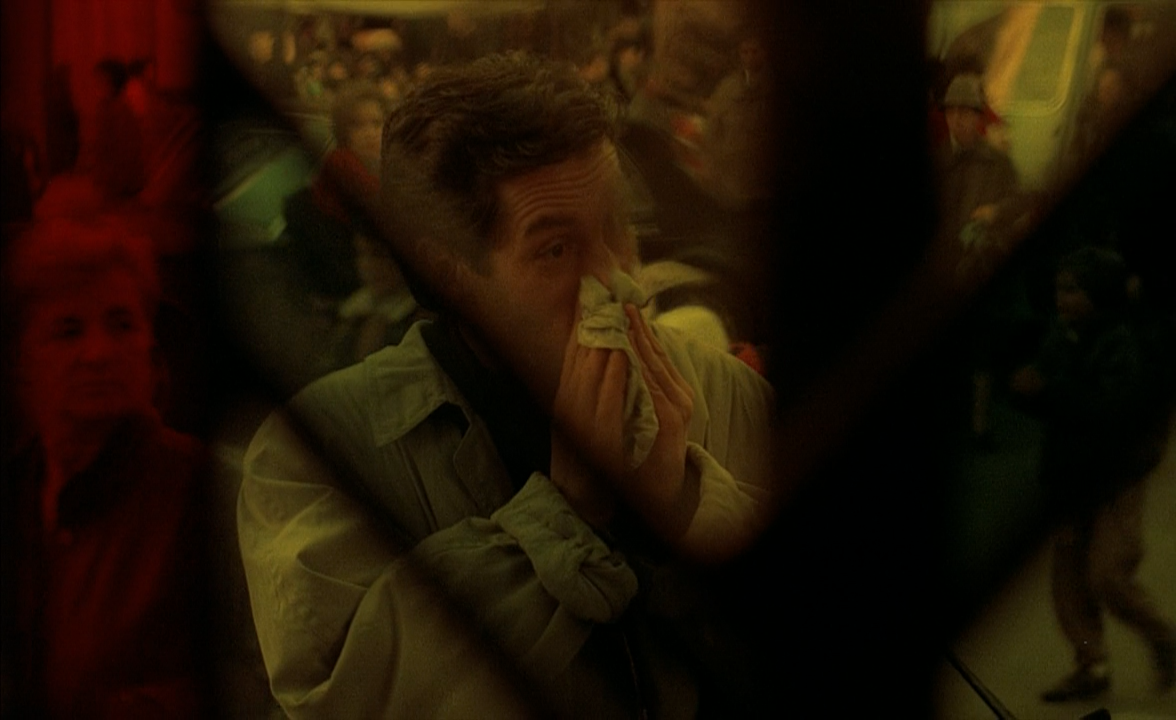
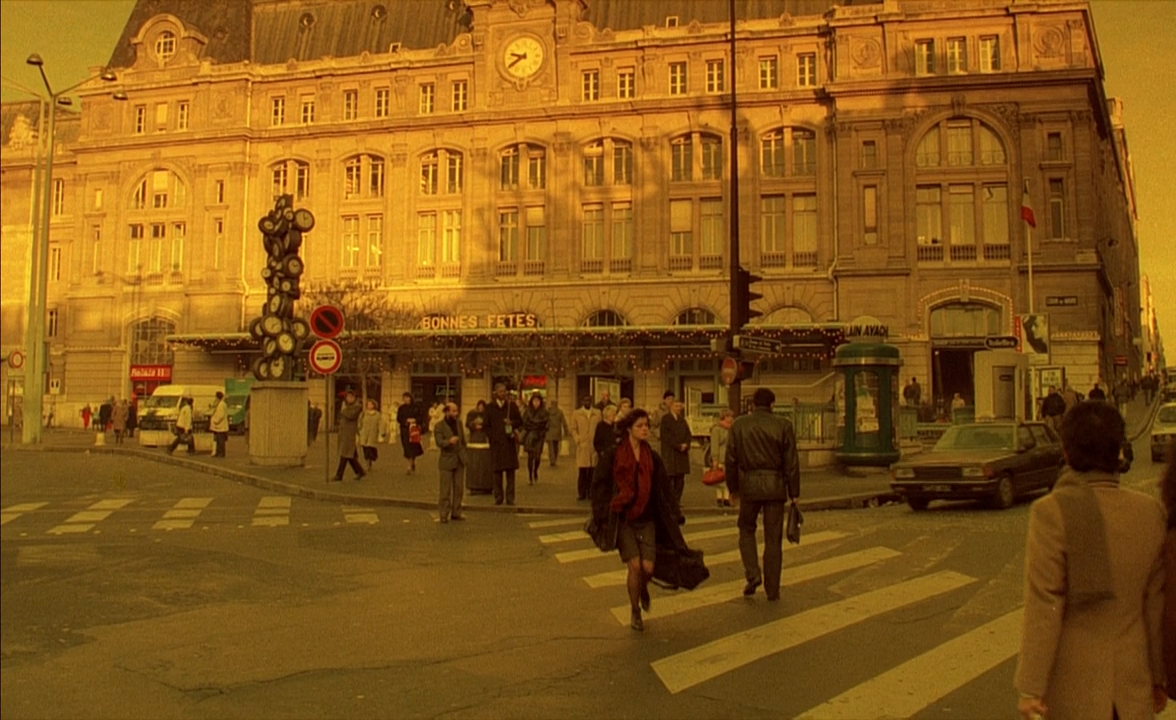
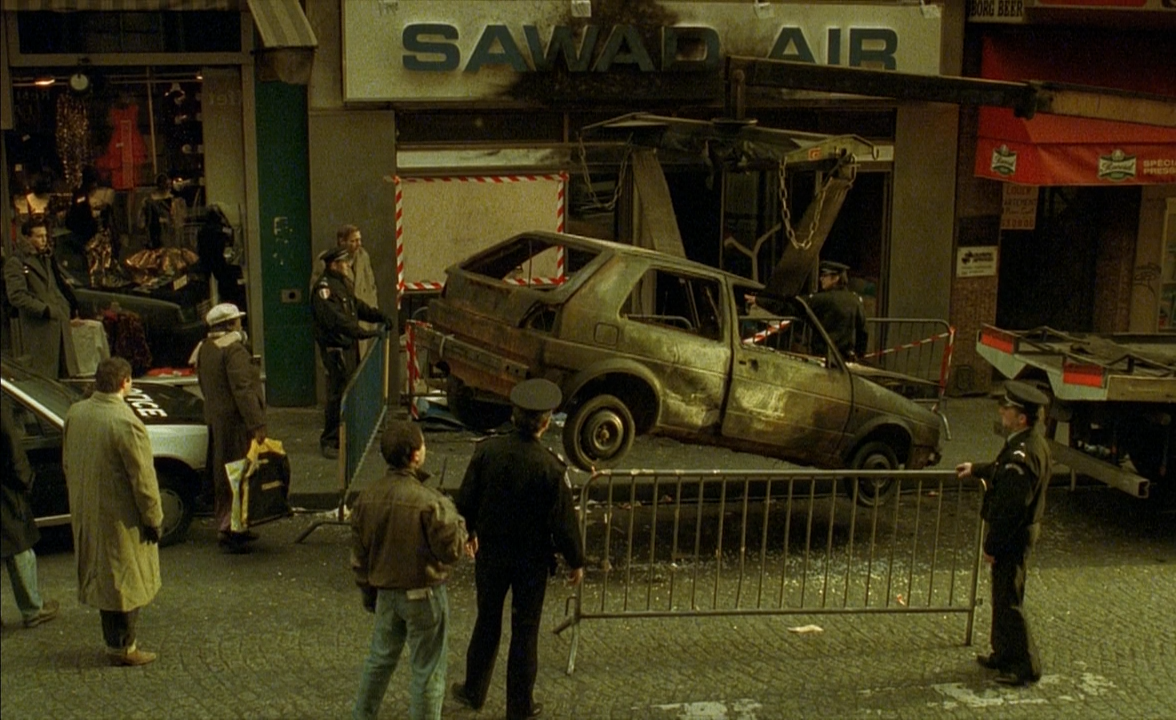
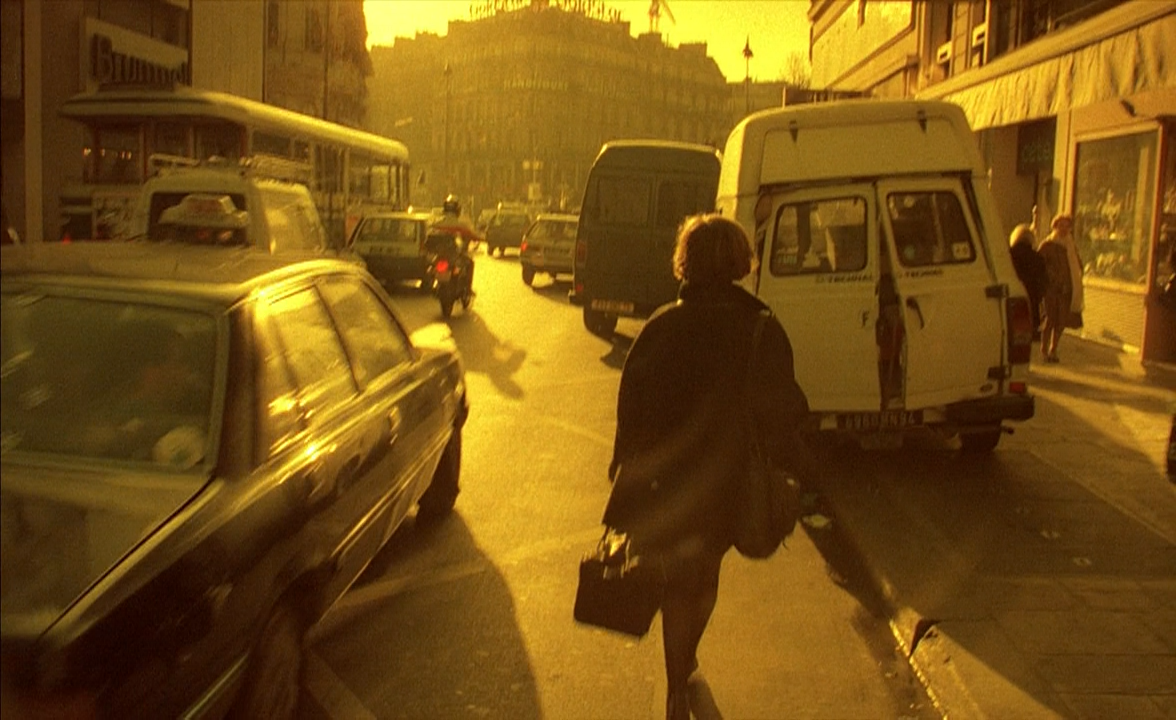
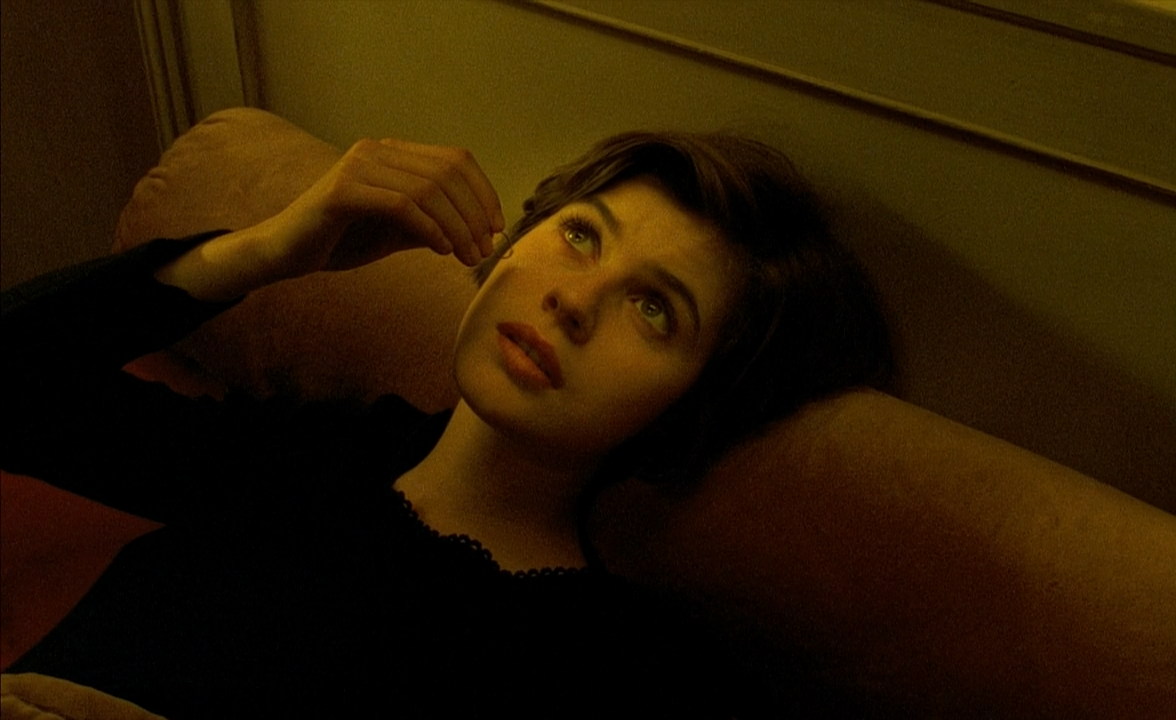
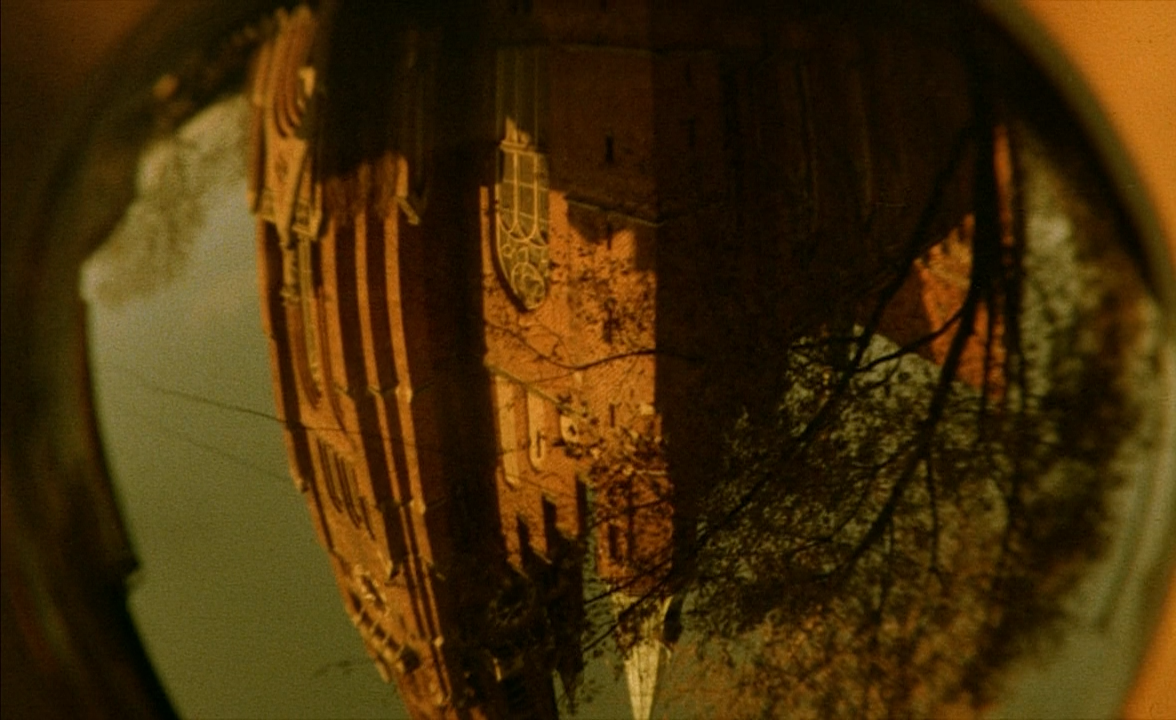
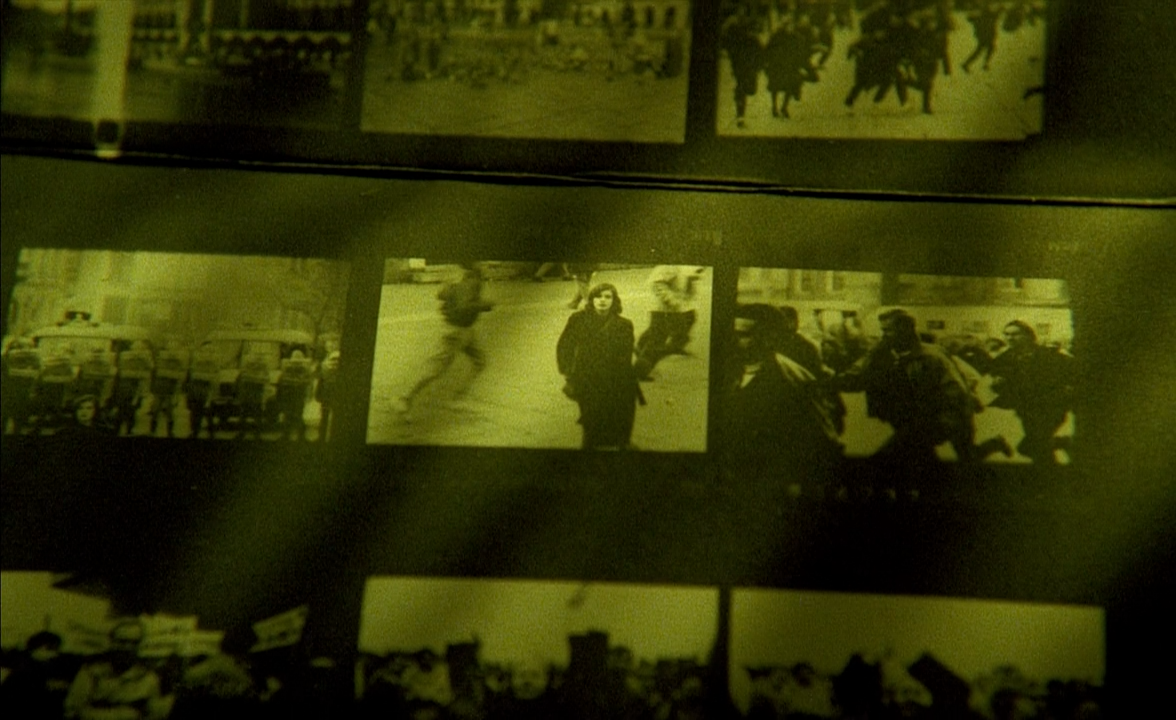
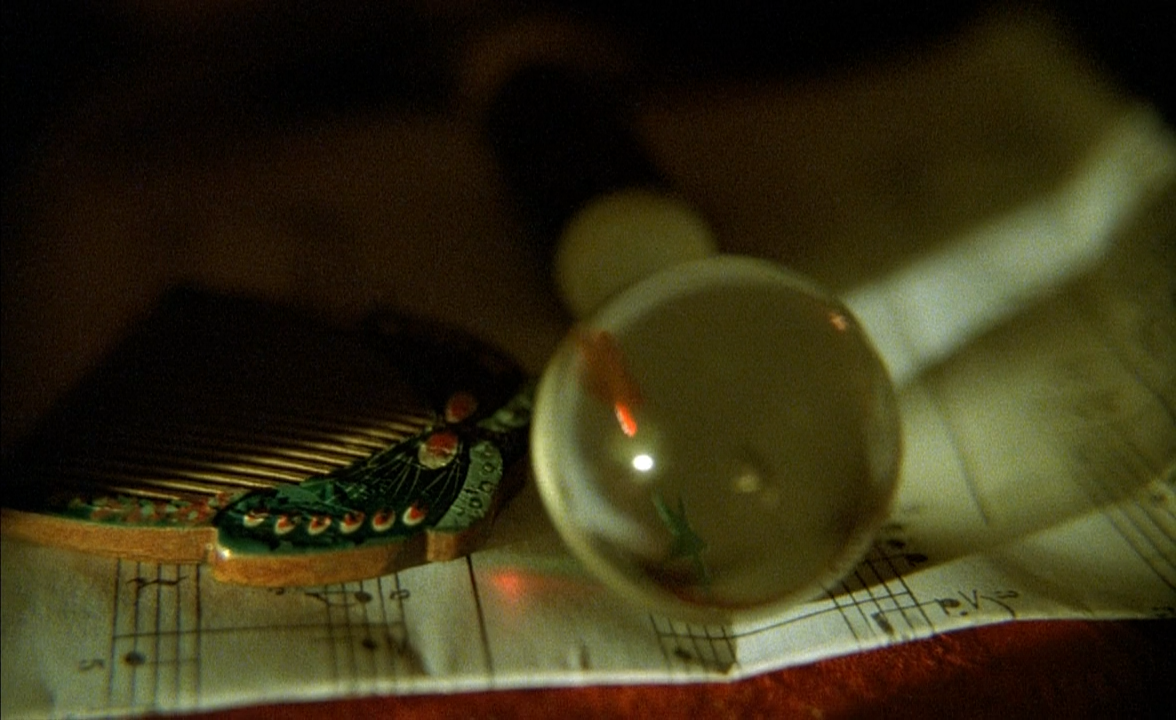
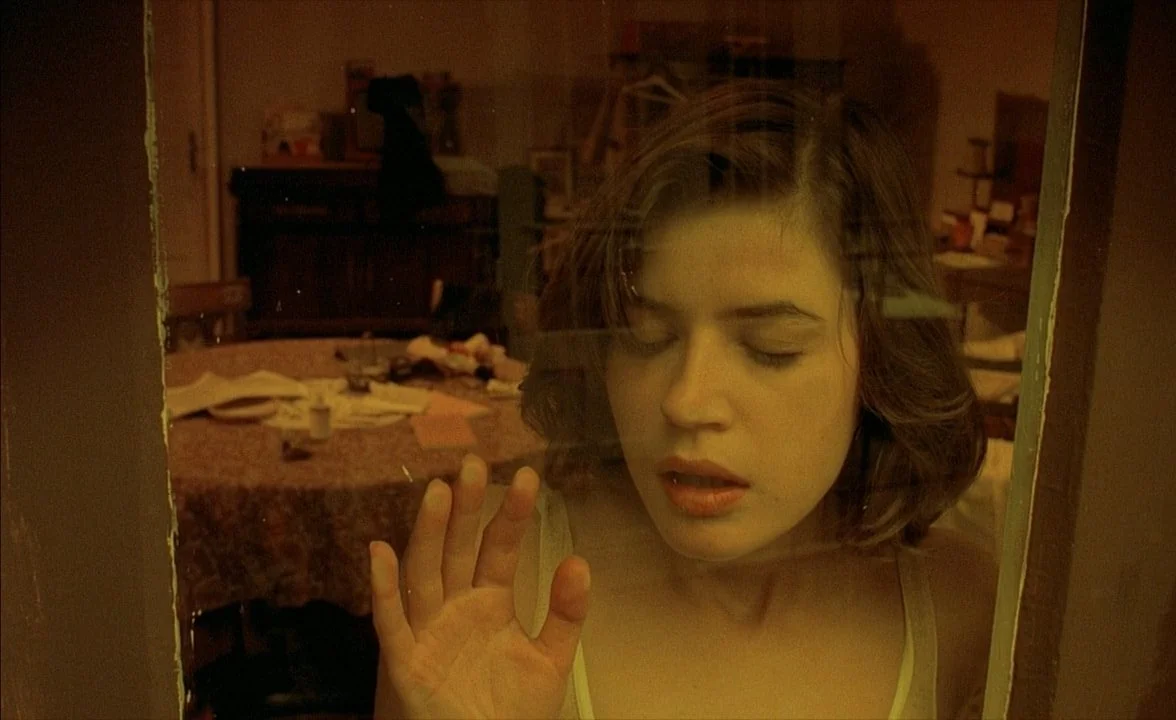
If you vibed with the Three Colors Trilogy, Kieslowski’s other thematic classic has even more symbolism, this time with more cinematography to ponder over. There’s something intriguing about the cinematography from Idziak where even basic handheld camera movement takes on a life of its own. But what makes this a masterpiece for some will be the metaphorical utilization of mirrors. The story is about two identical looking doppelgängers whom share a connection where mirrors, diopters and crystal ball shots could not be more appropriate. Like Kieslowski’s other films, the narrative is less of a focus than the integration of themes, meaning this will appeal more to classic cinephiles than modern moviegoers. The visuals have a sepia, yellow and green filmy grade, which evokes French nostalgia. Add some classical music and this borderline turns into a mood piece.
Analysis:
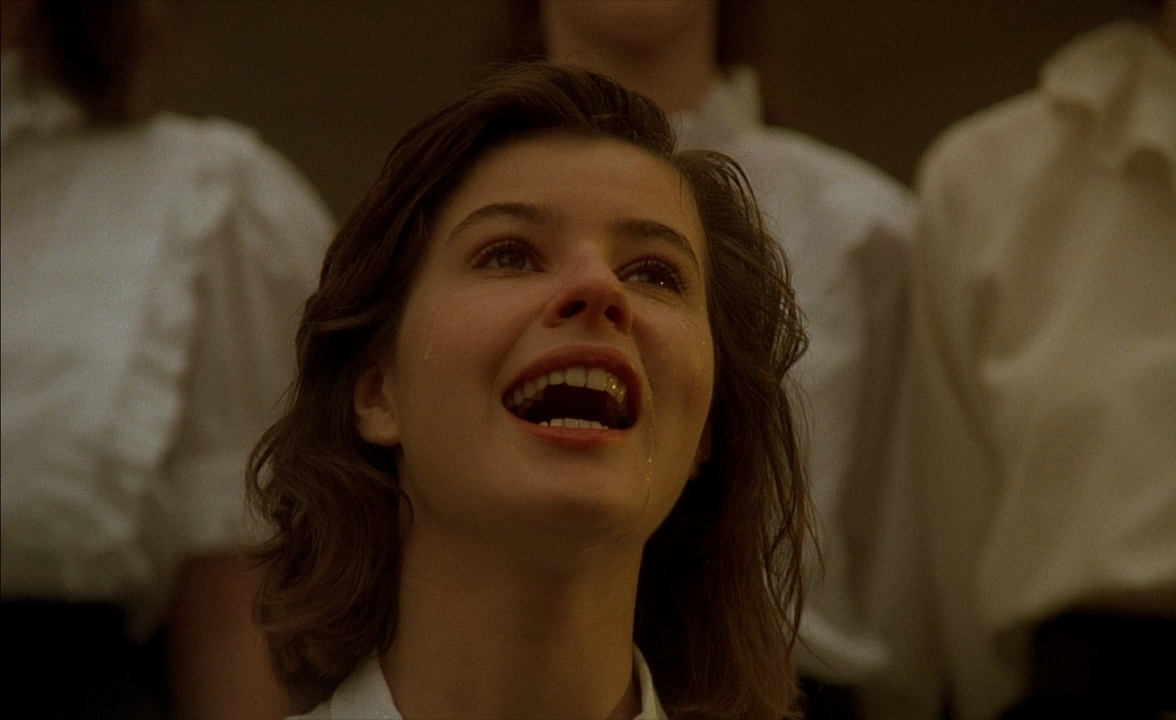
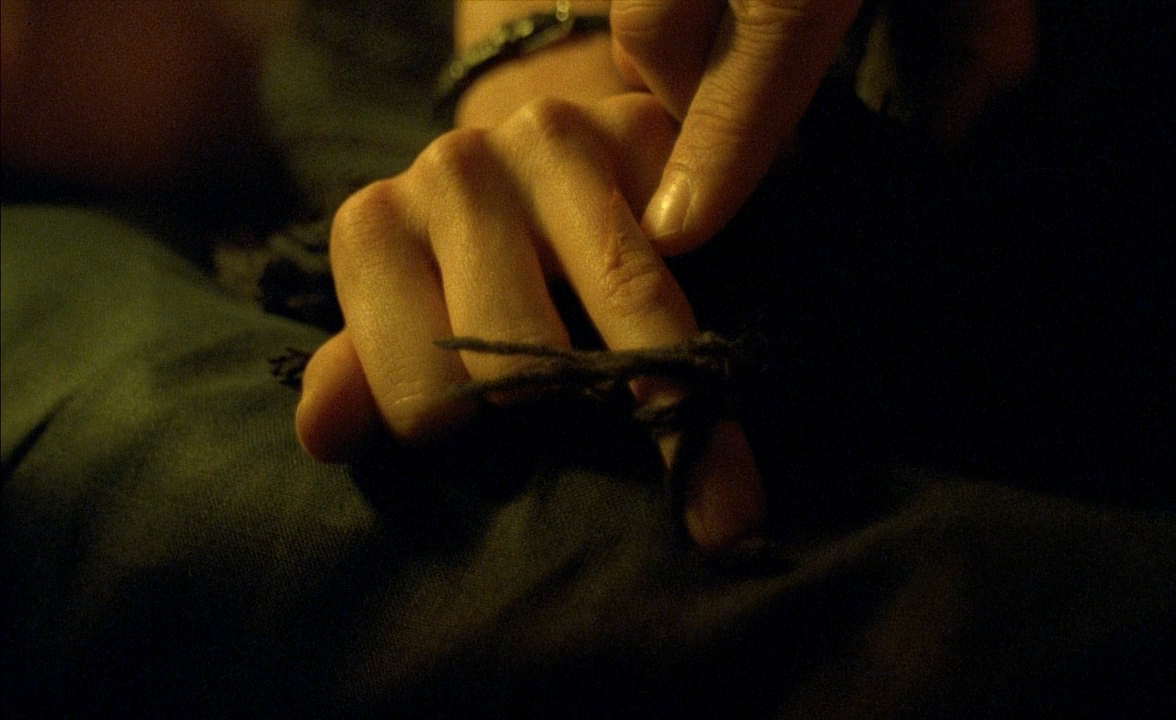
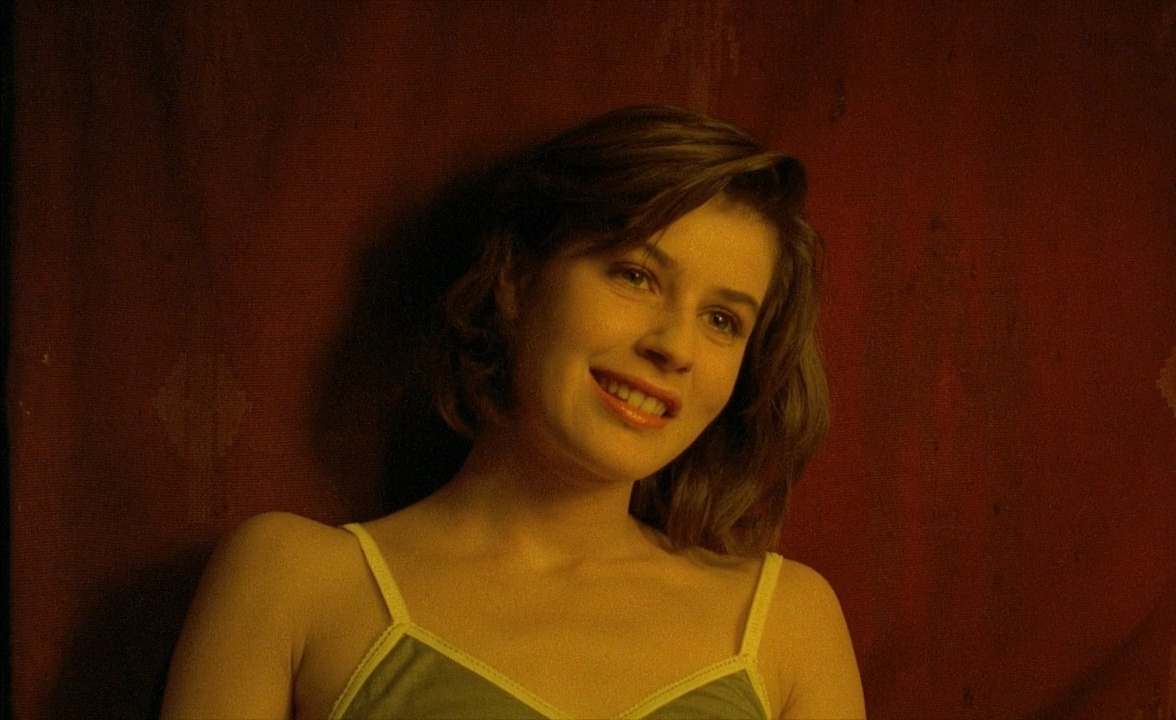
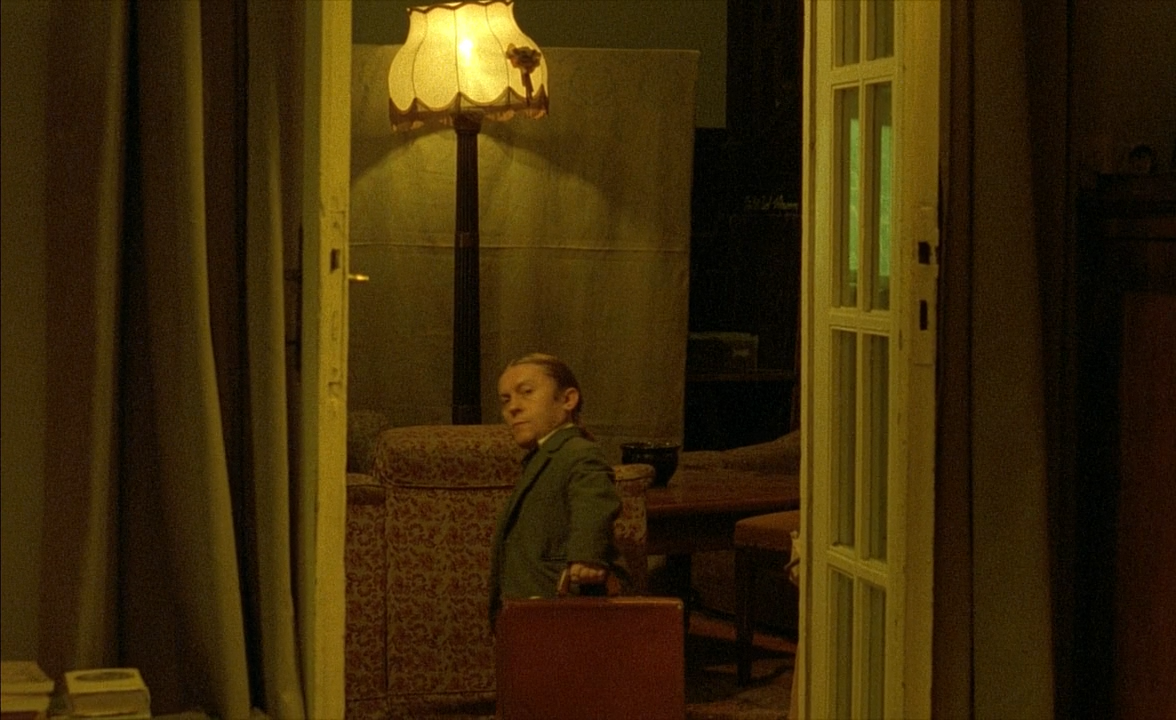
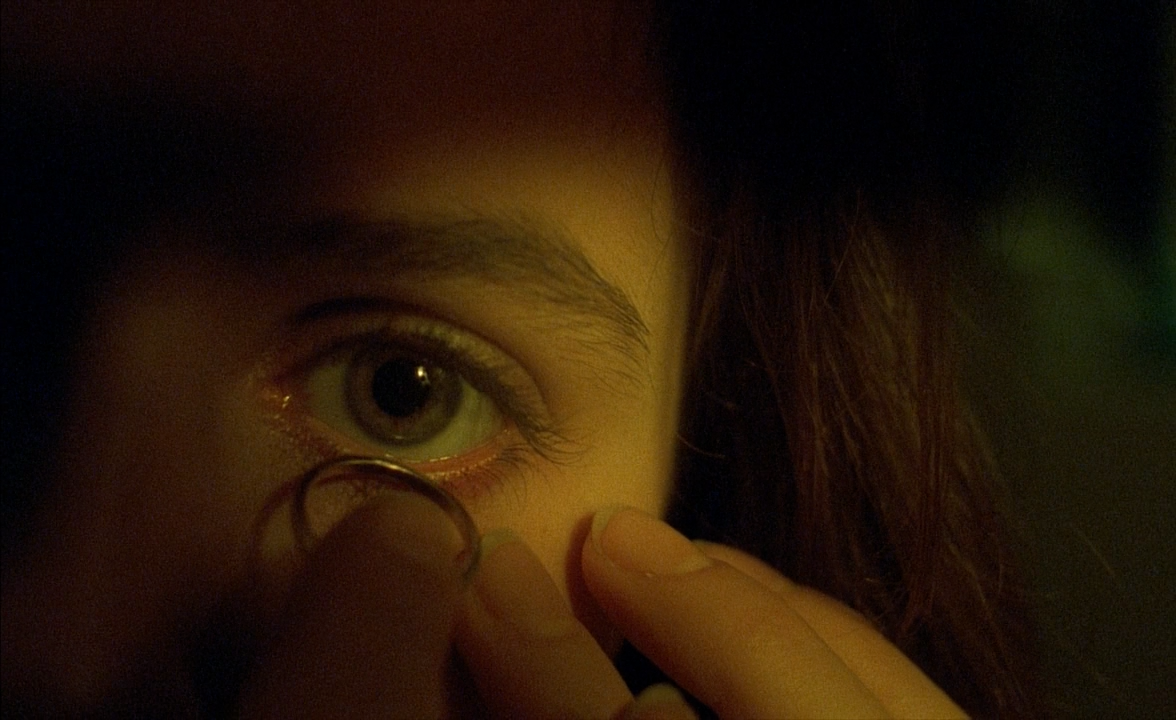
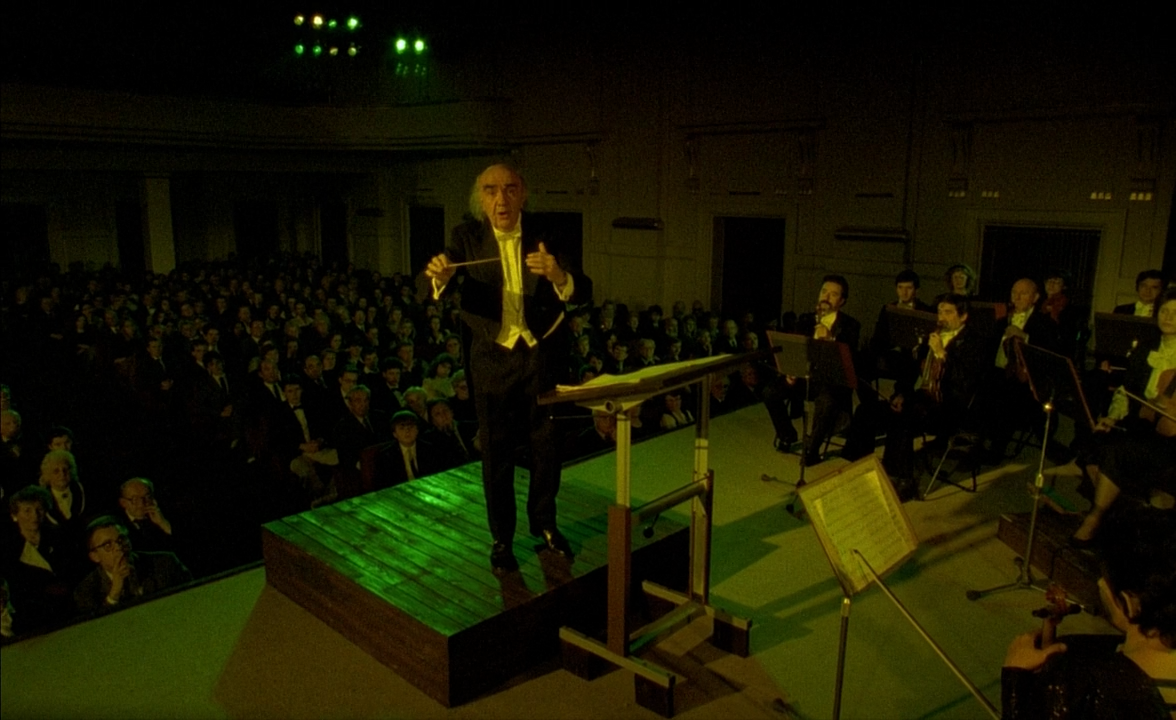
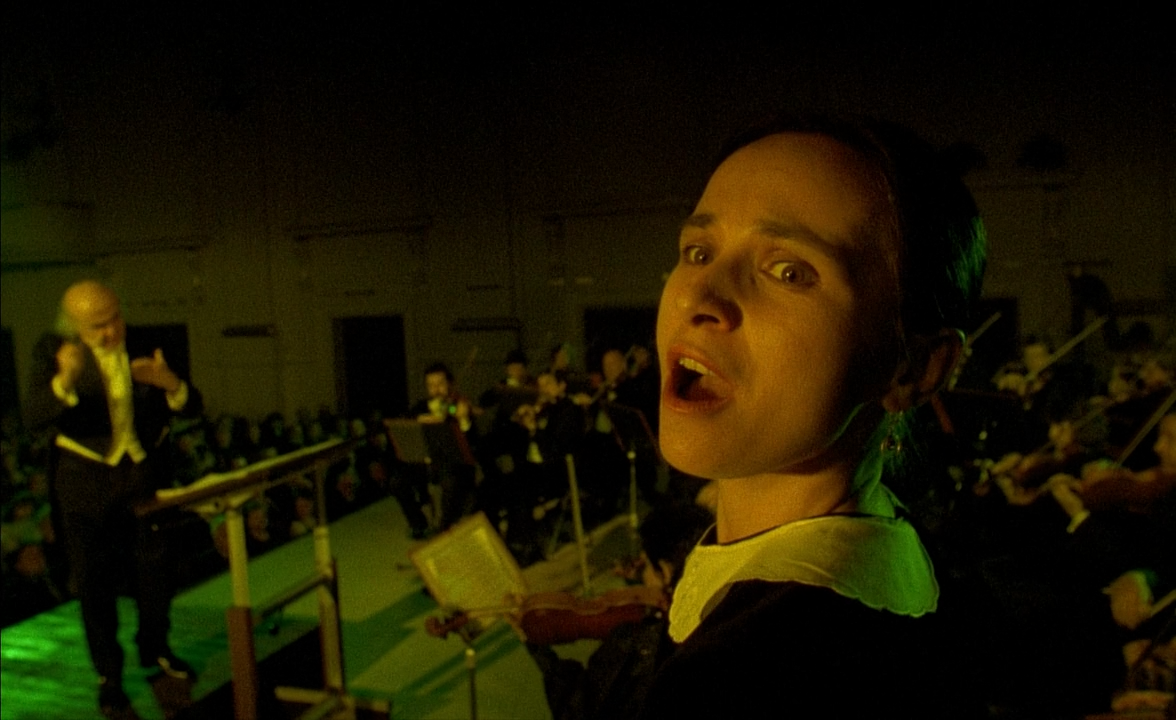
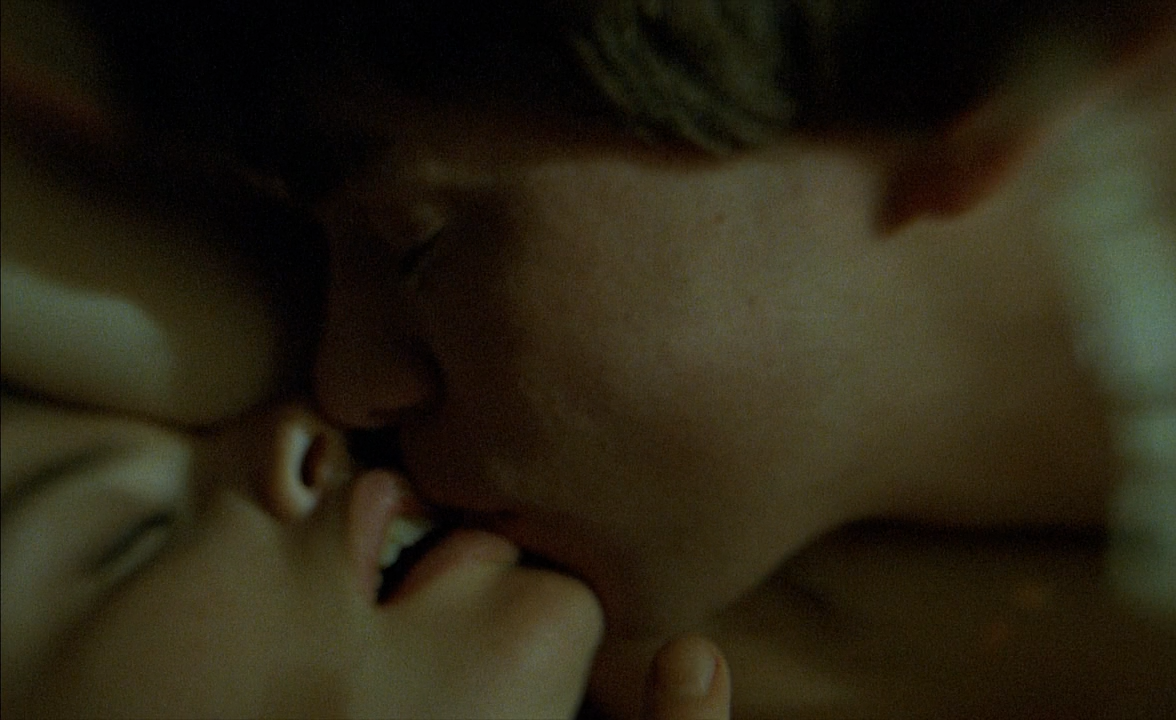
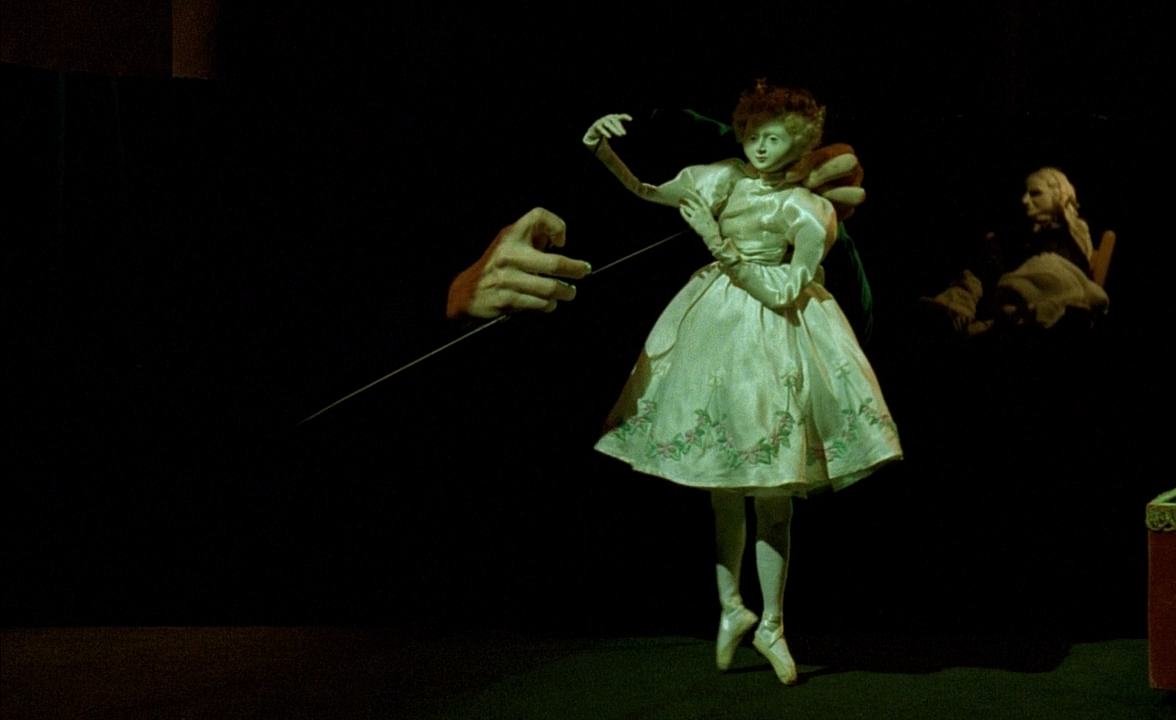
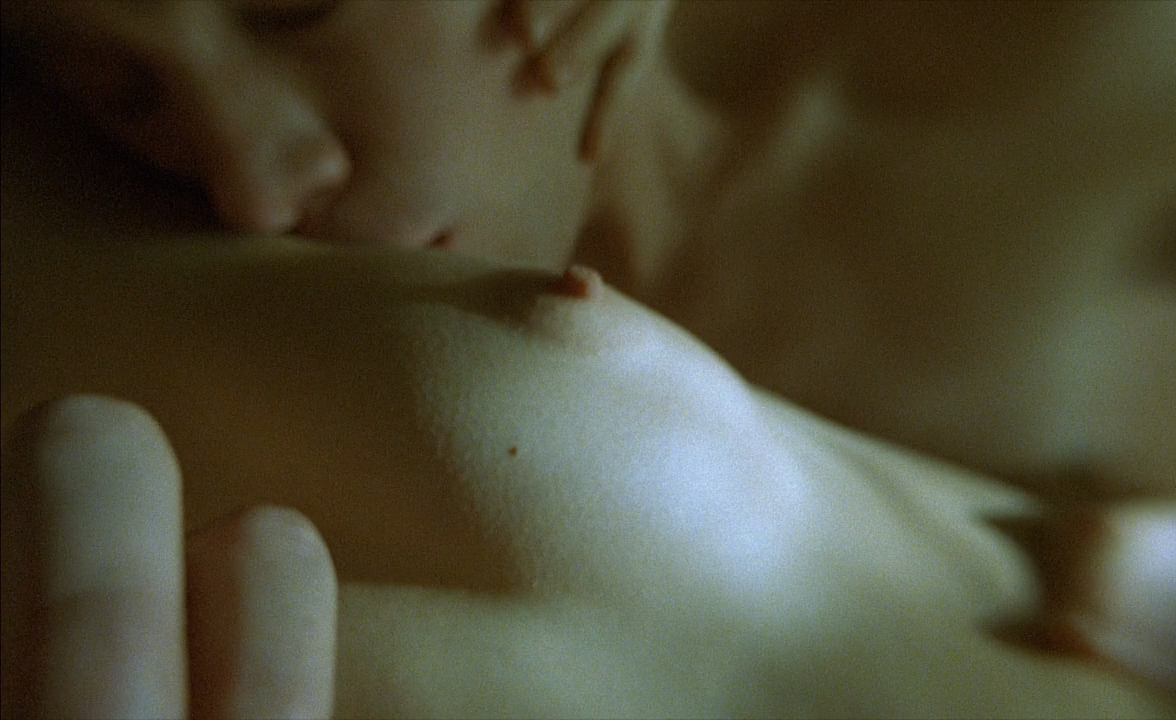
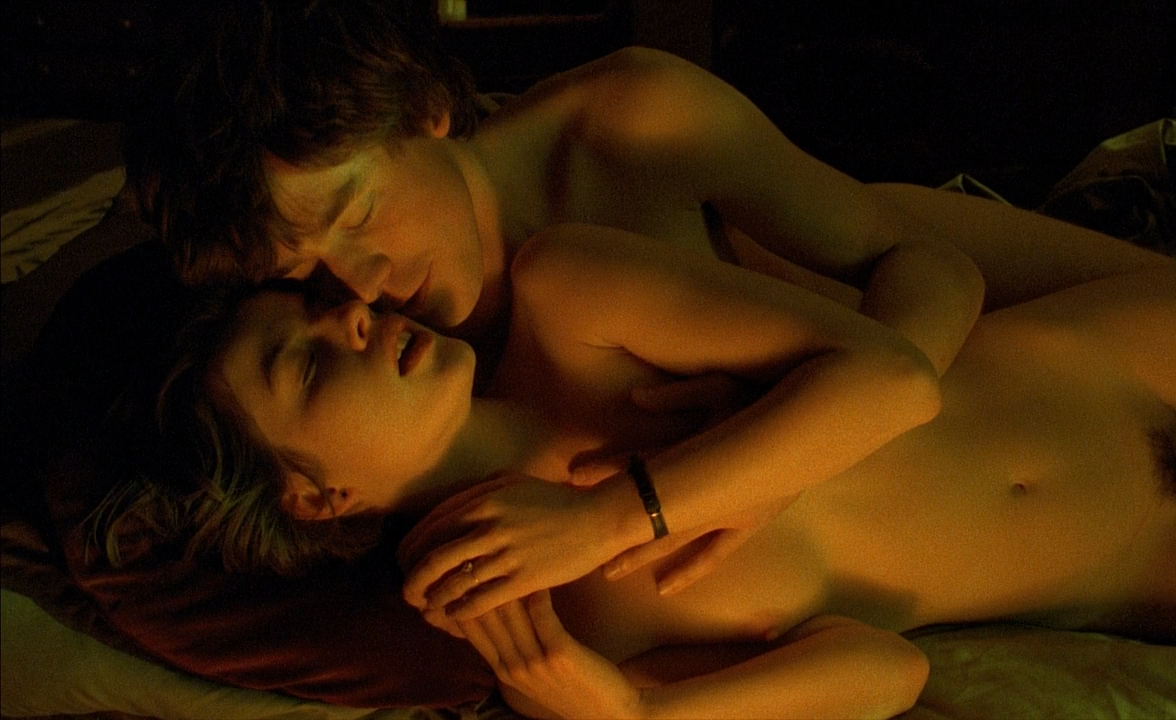
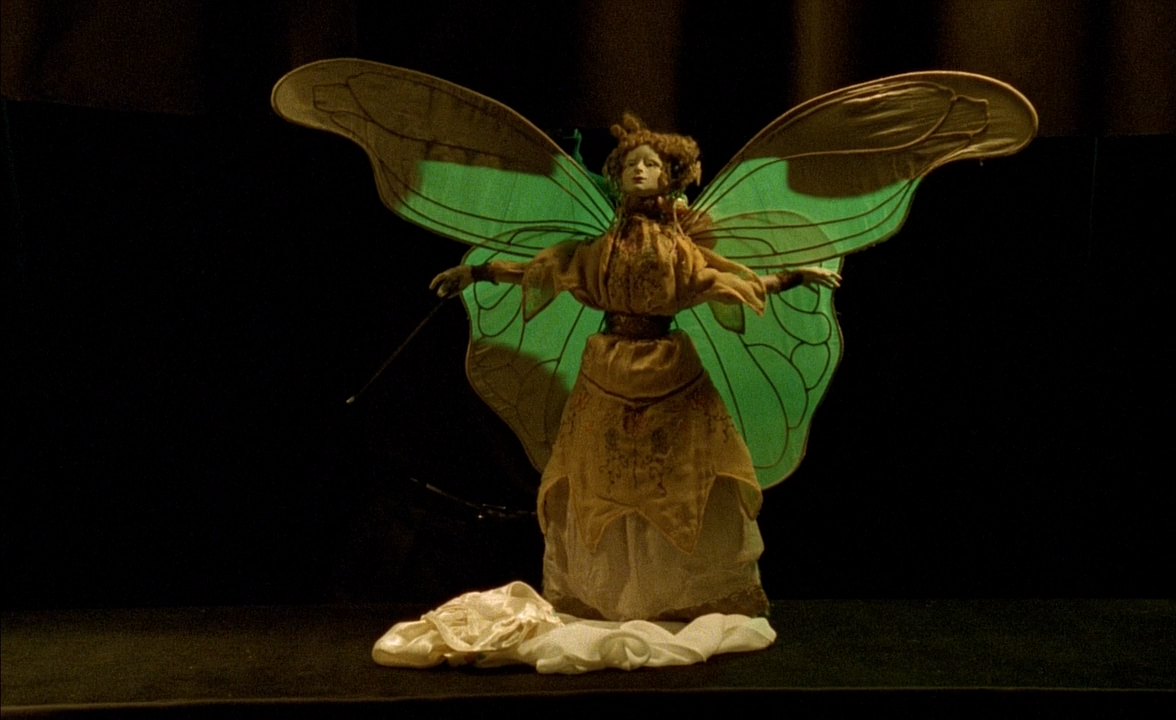
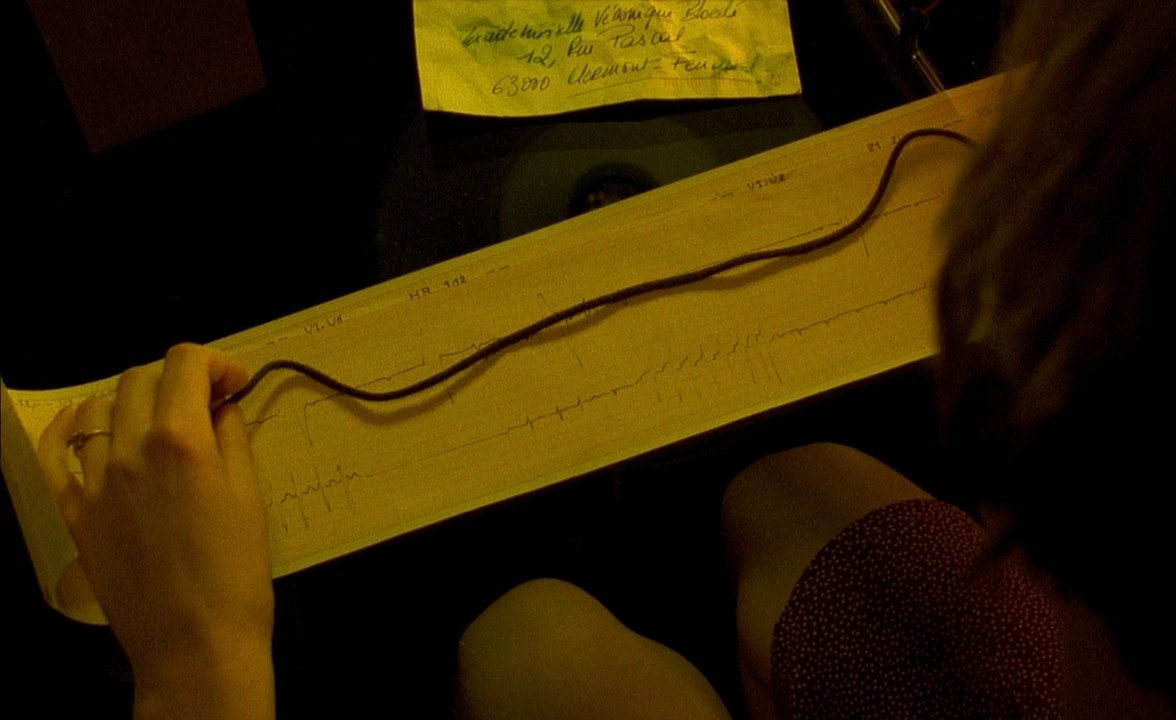
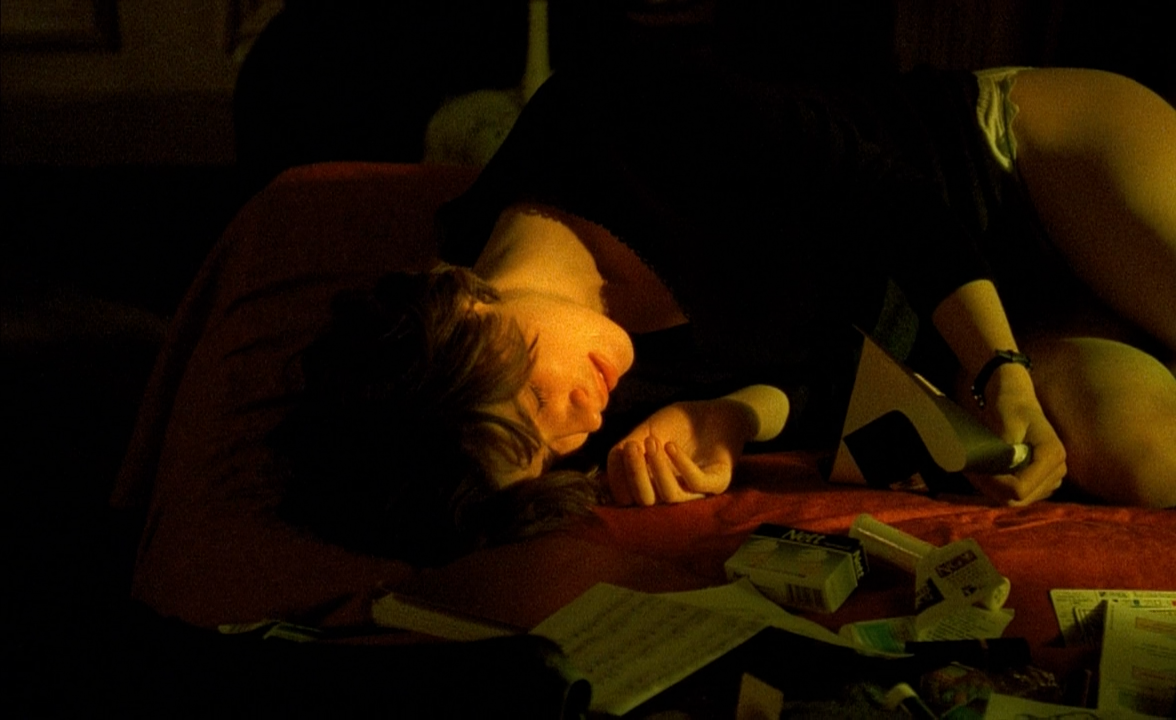
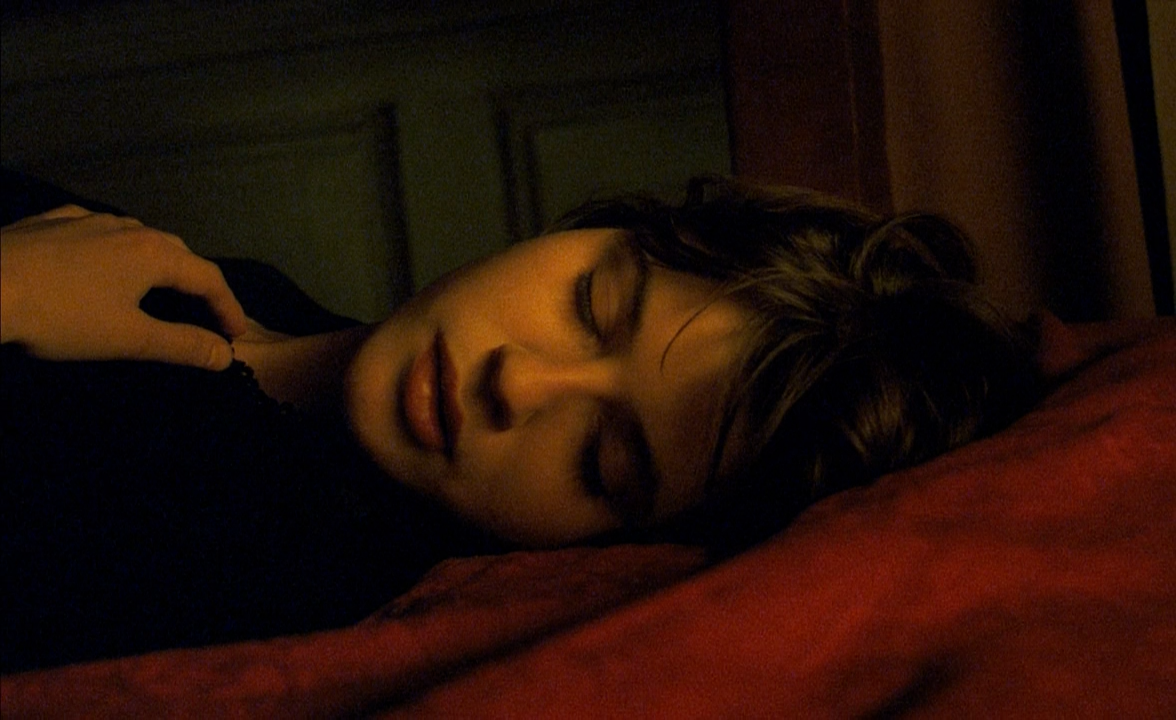
One thing you can count on in Krieslowski’s films is the well thought out execution of symbolism. The film is about doppelgängers and thus our connection with people and ourselves. The main connection explored is Veronica and her potential futures as a talented singer. Due to her condition and despite warnings, pursuing her art leads to a heart attack and she dies. This eliminates the obvious metaphor that one should pursue their artistic dreams, lest die in regret. There are visual motifs to reinforce this connection - The mirrors, light reflections, crystal ball, puppets, eye ring, music, and the shoelace. The shoelace on the pulse graph makes Krieslowski’s intention even more clear, implying that the connection is through music and sex. Music is the connecting thread, which is the fence between life and death in this case. Immediately after Weronica dies, the scene shifts to the other Veronica having sex and a subsequent marionette show where the puppet is reincarnated with wings. This suggests the duality and alternate choices we make in our life. Music is a common theme in Krieslowski’s films, which he has associated with grief in Three Colors: Blue.
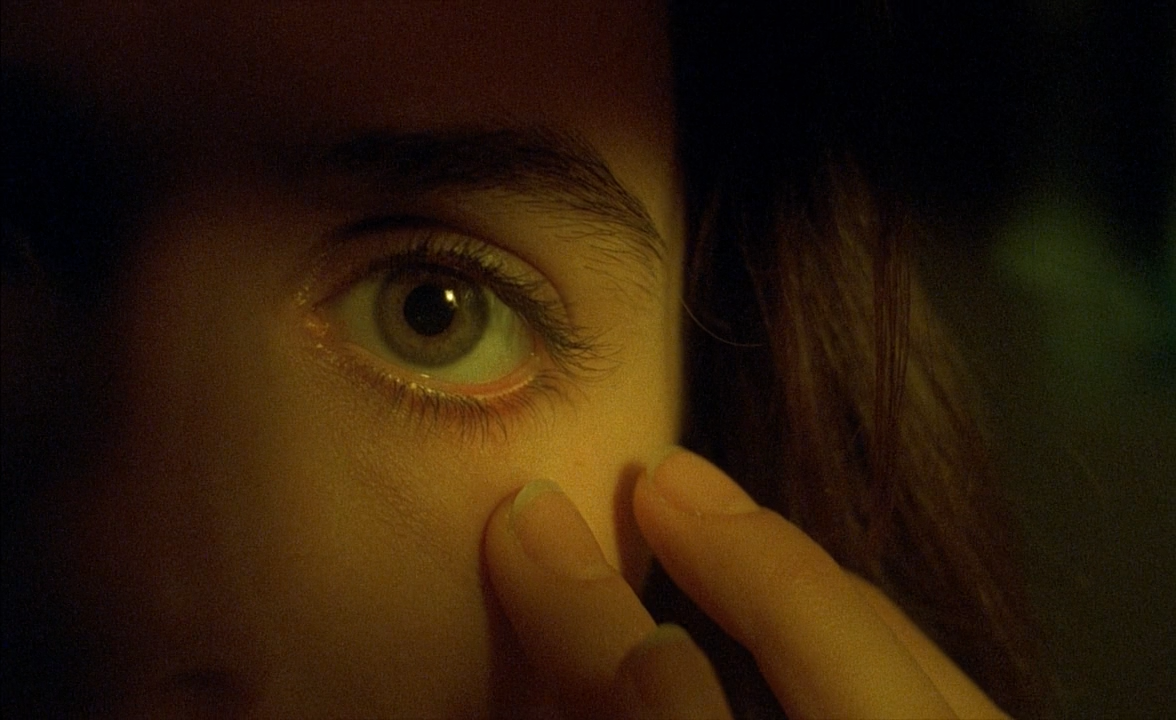
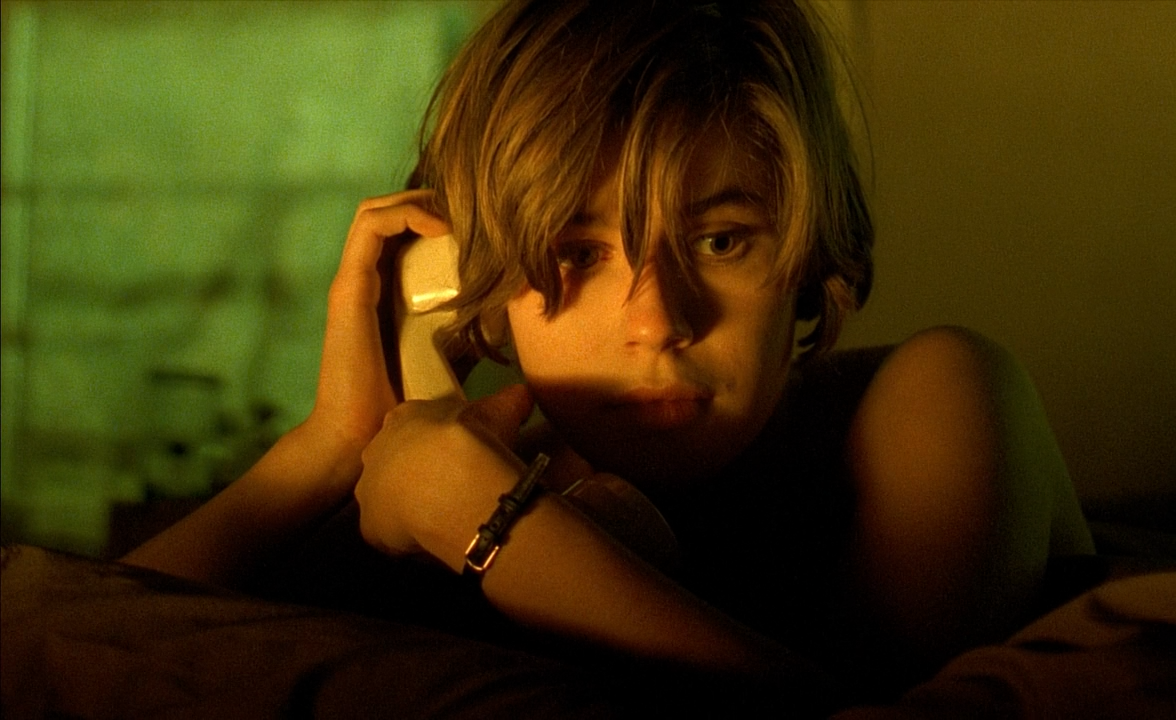
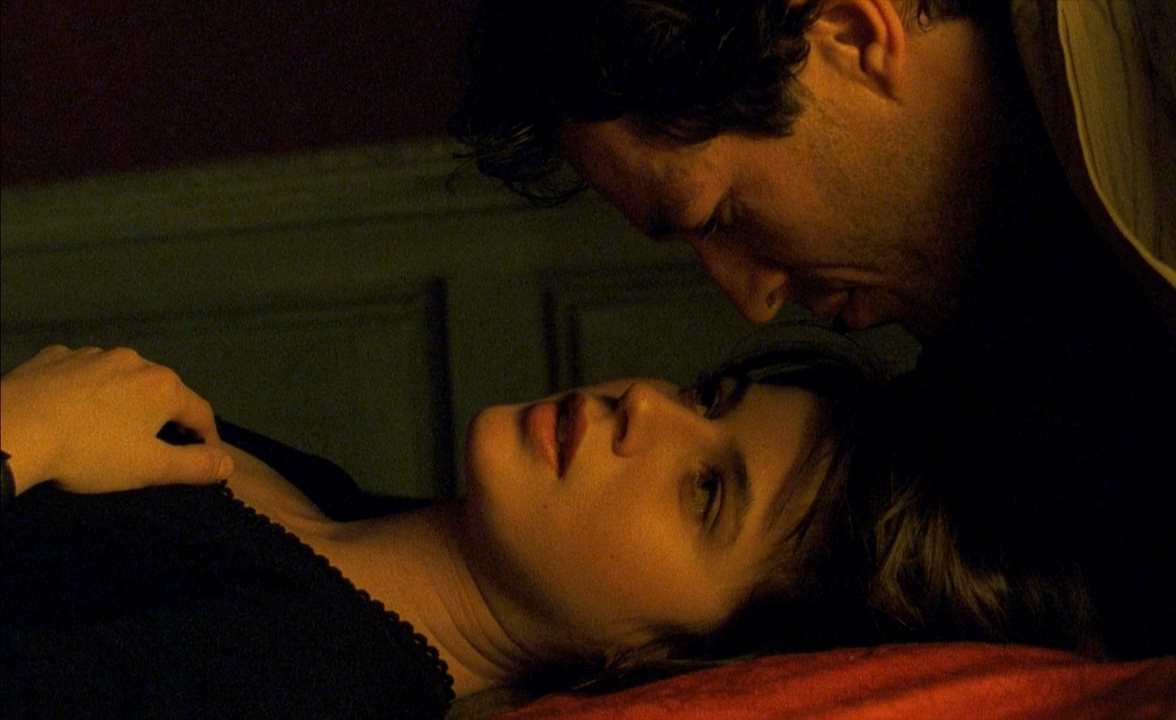
There’s undoubtedly ambiguity in the execution of these themes meaning one will have to extrapolate in order to get a clearer picture of what the director intends. I believe the film is ultimately about humanity’s connection, possibly through the medium of film/writing. This is the plan the writer (note Krieslowski also writes his screenplays) uses in order meet Veronica and ultimately have sex, and also why I think the director often uses telephone calls to visually highlight the physical link in communication. Considering the caliber of the director, the prominence of nudity and the male gaze in this film is no accident. Its usage is to strip people to their essentials, something most films would privately guard. But in this film nudity is casually explored, even flashed by a man in the street, similar to the flashing of light through the windows. These themes are all loosely connected, but in the final scene where Veronica touches the tree, we can truly understand that the mood piece is about searching for connection. Whether that is through audiences or between people and passions in our life is free for each individual to interpret. For the director, the connection is with us, hence the abundant POV eye shots breaking the fourth wall.
Conclusion:
It will be difficult to dispute the greatness and cinematic literacy of this film, and if I tried I would probably lose. Simply put, I didn't feel anything compared to his Three Colors Trilogy masterpiece. As great as the beginning is, I couldn’t connect with the main character. This is often the fault of extremely intelligent filmmakers like Angelopoulos and Krieslowski where it’s clear you’re watching a master at work but they are so deep and in love with their own creation they forget to connect with the audience. Despite how yellow the film is, there’s a lack of much needed warmth to win us over despite its theme of connection. I appreciate everything this film attempts, but this reads more like a novel than a film.
Recommendations







How a coin toss changed cinema.