
Dogville (2003)



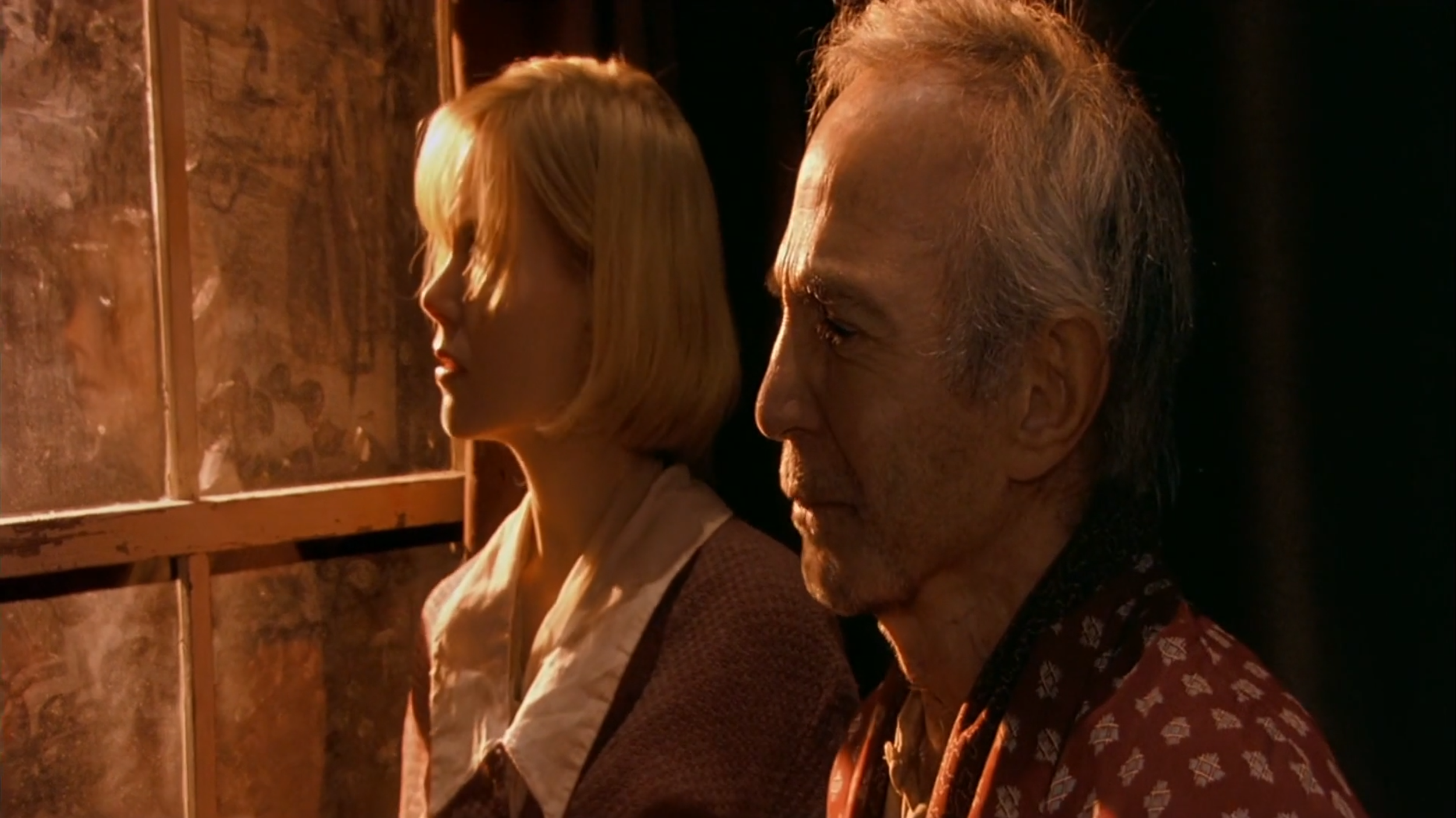
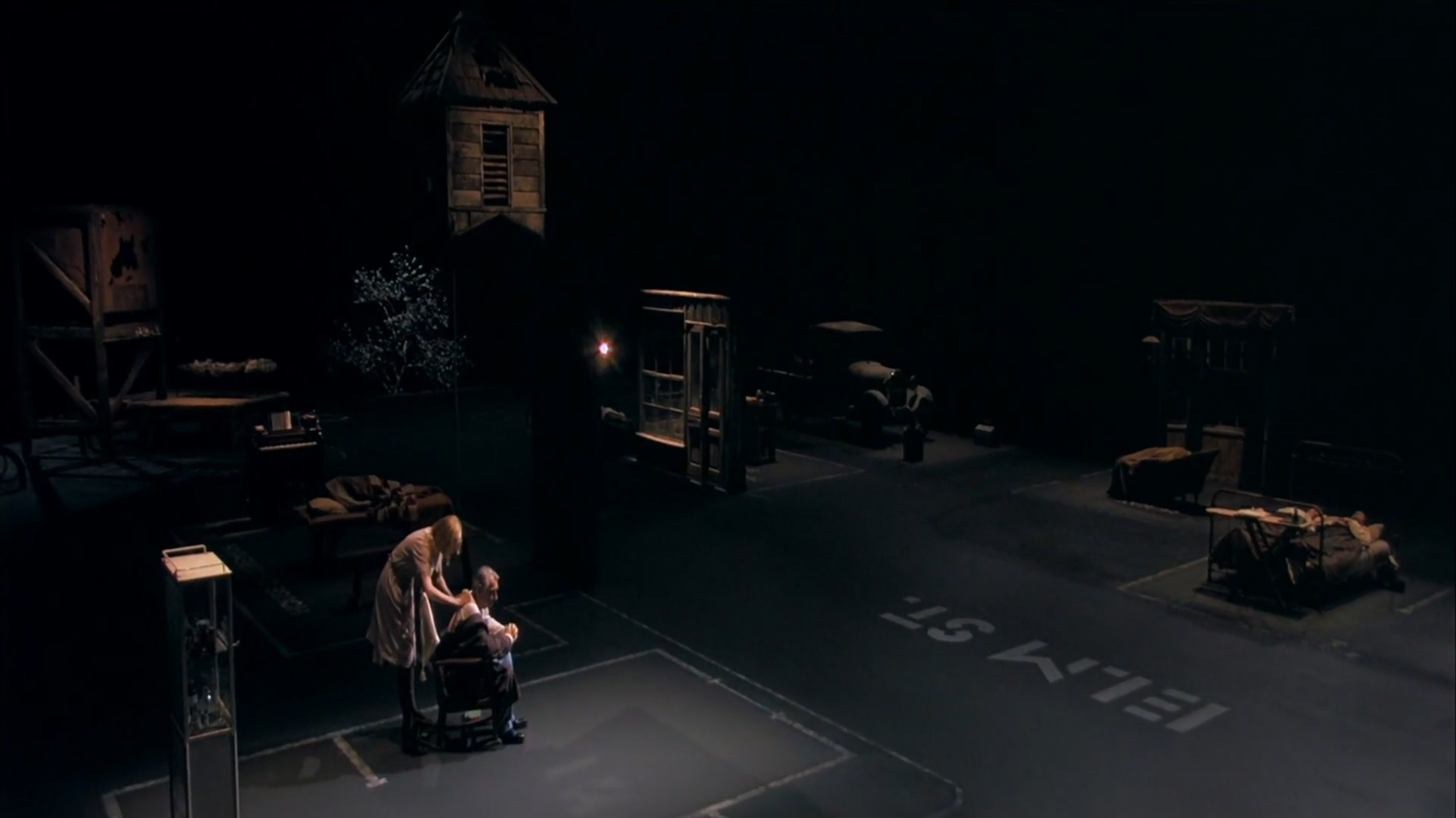
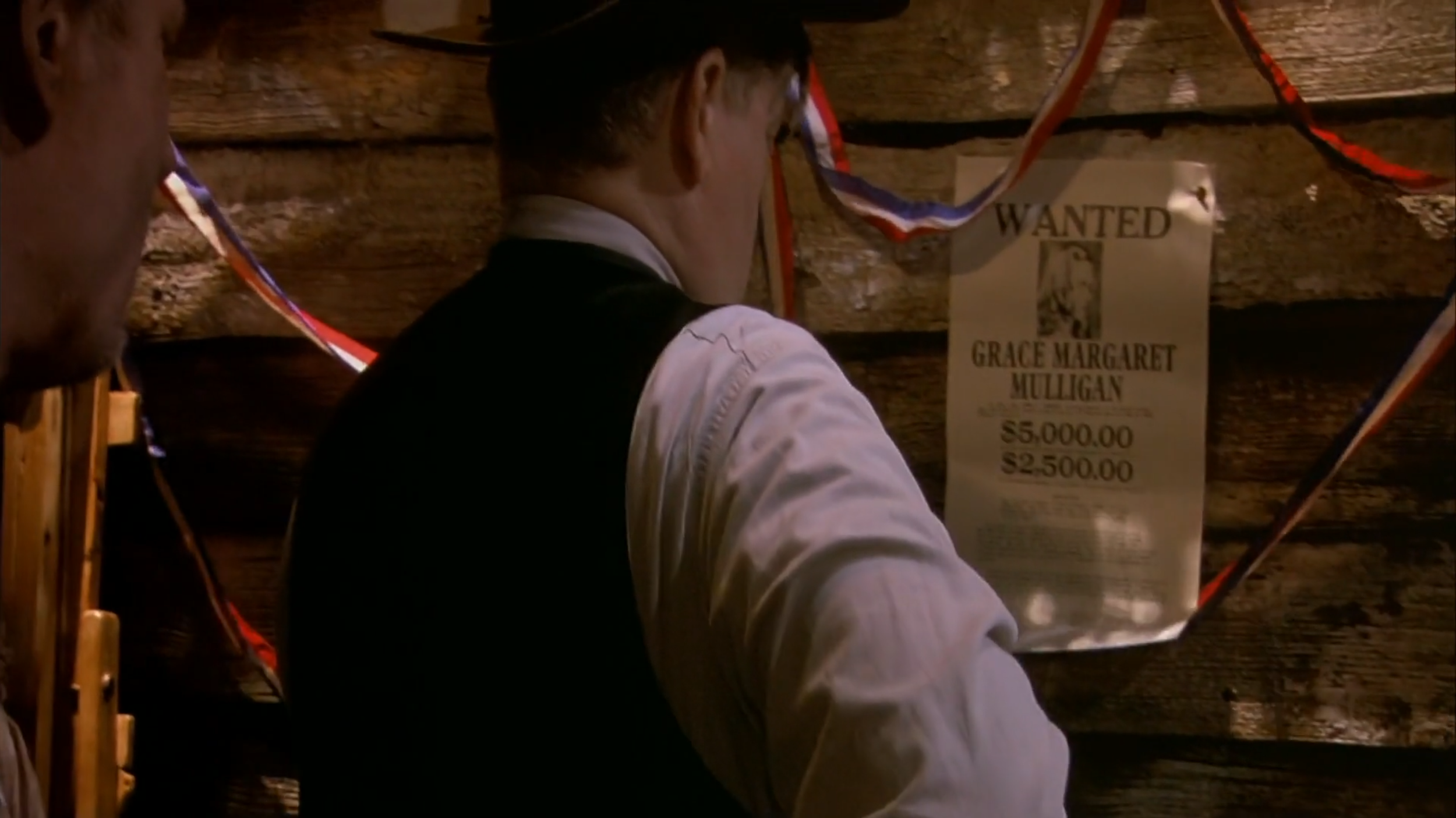
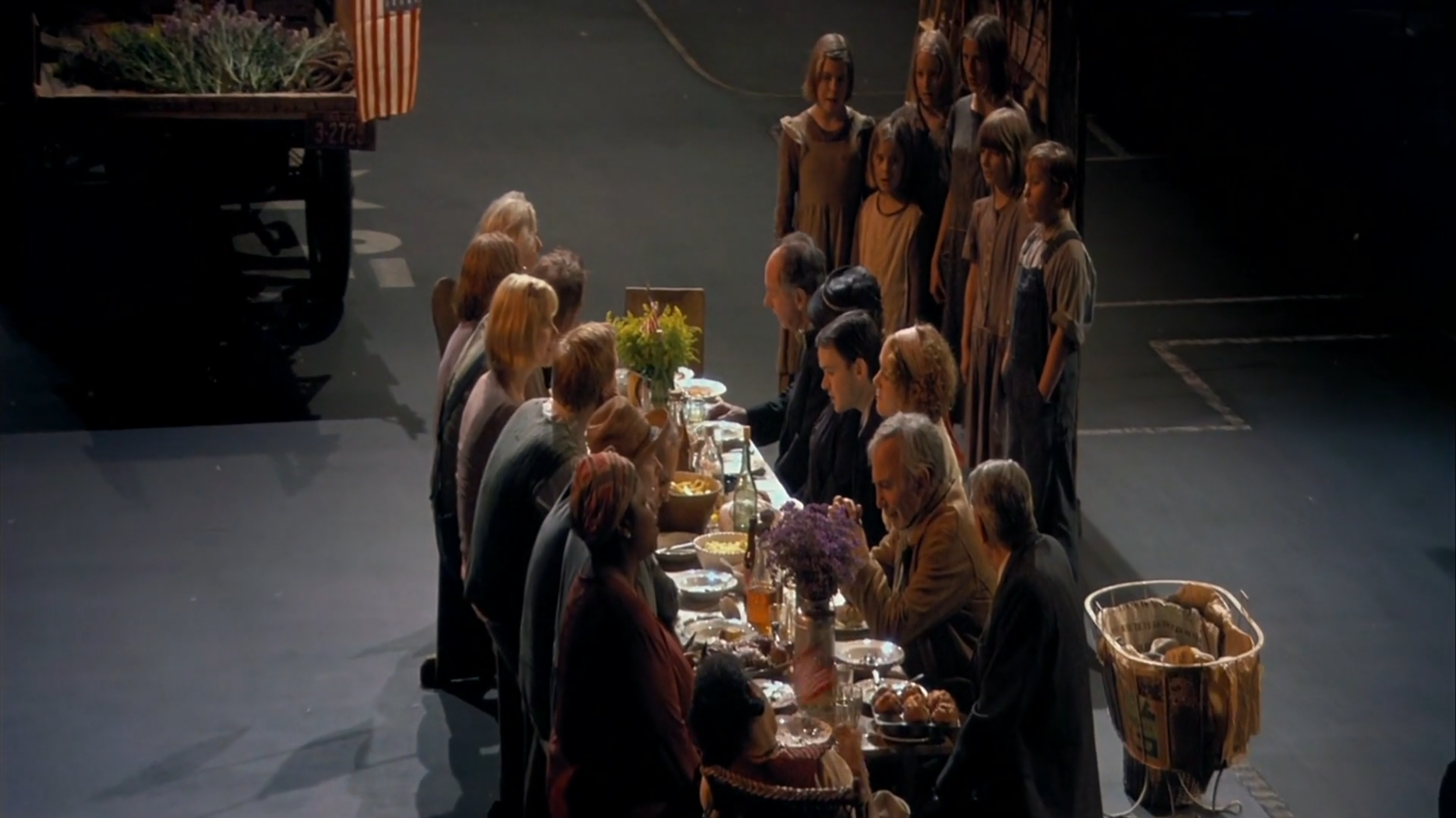

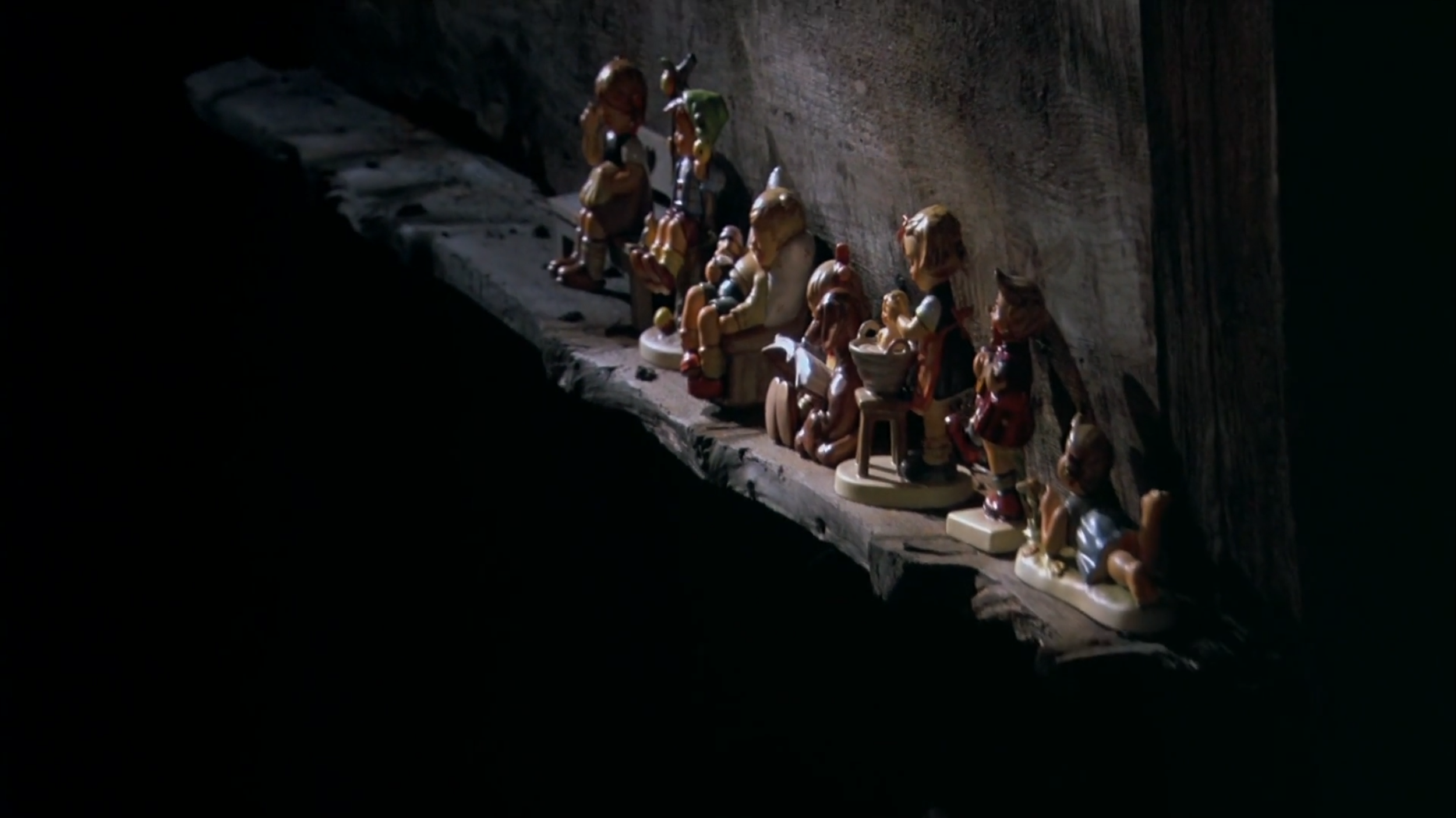

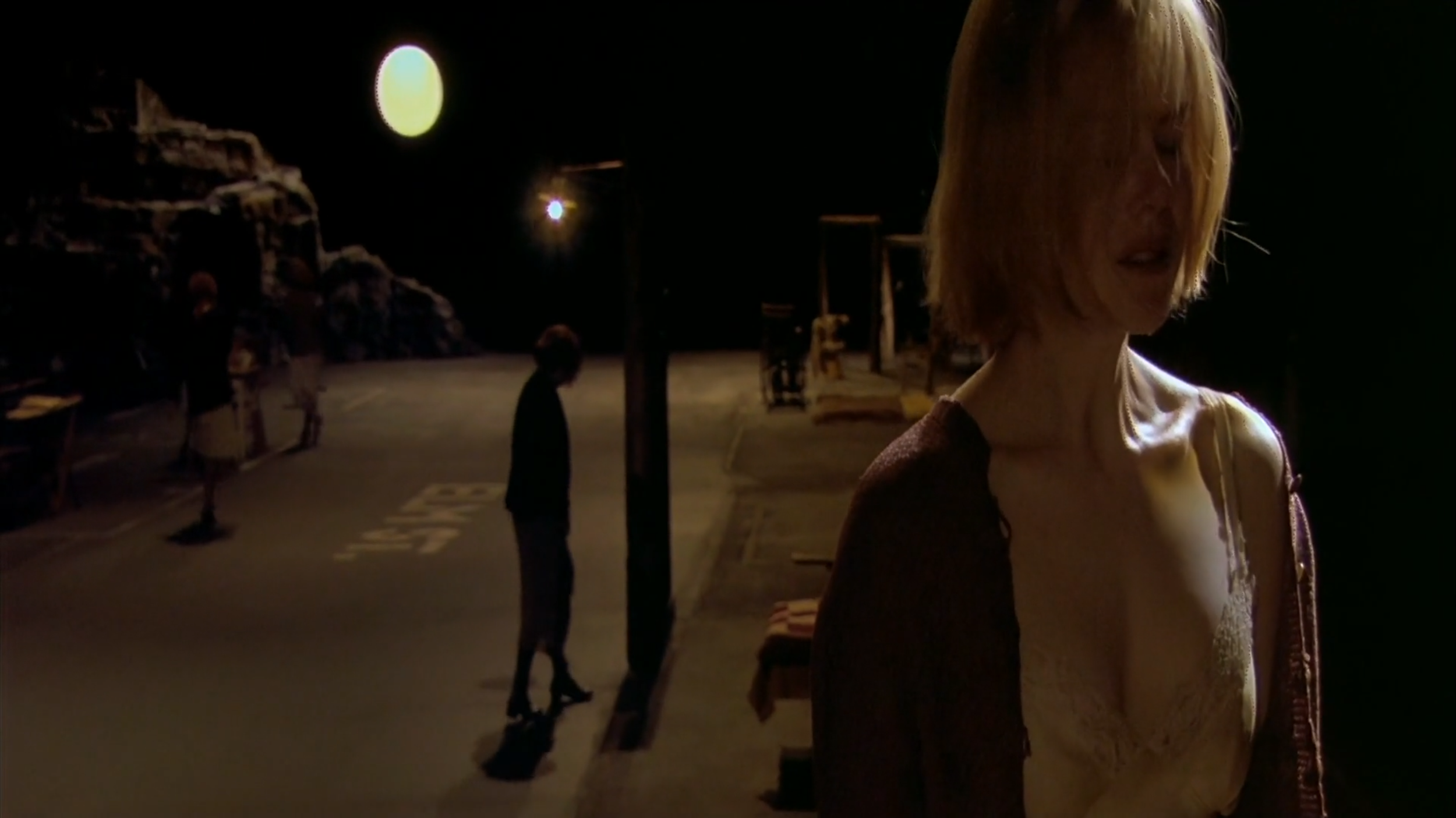
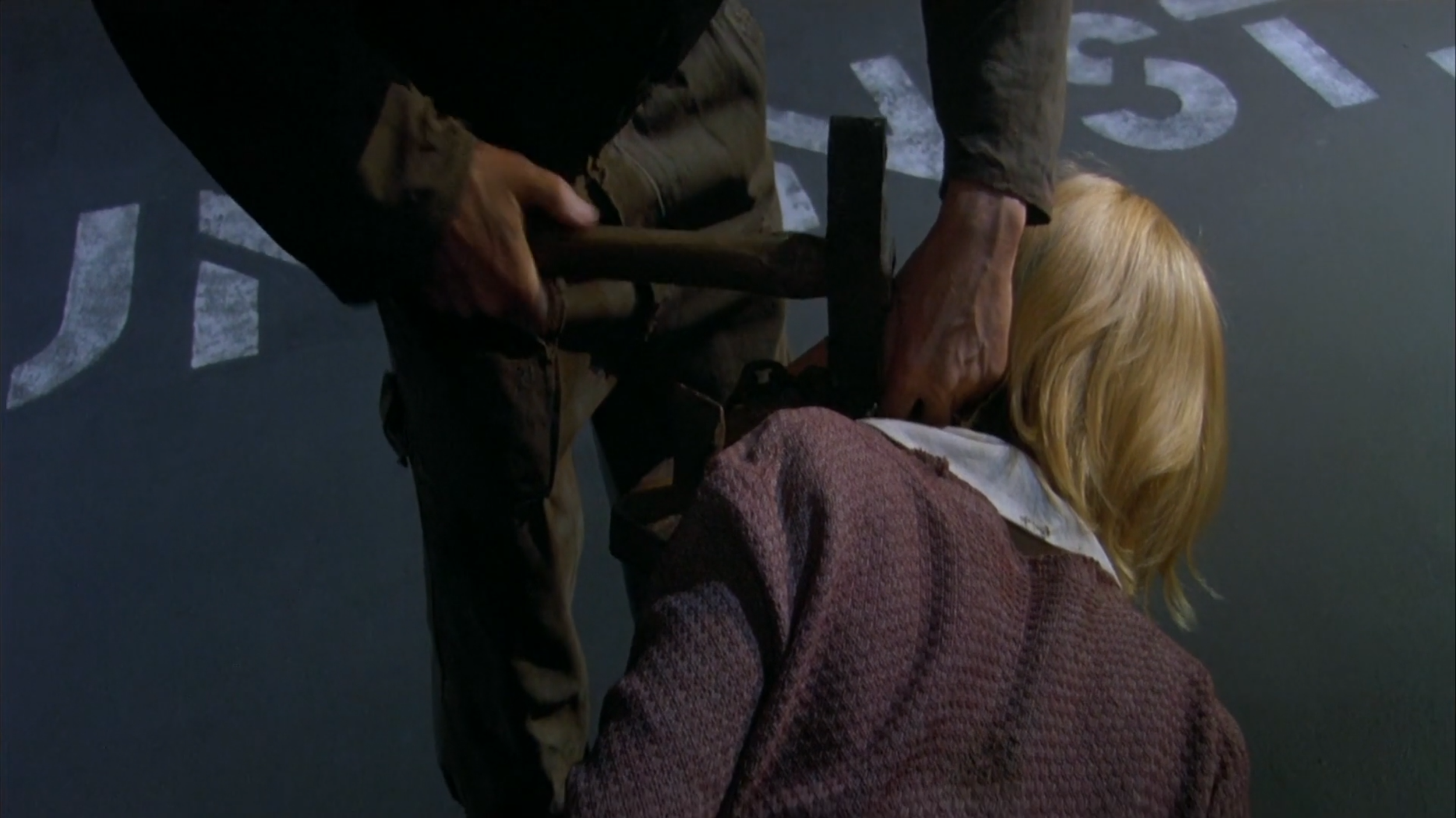
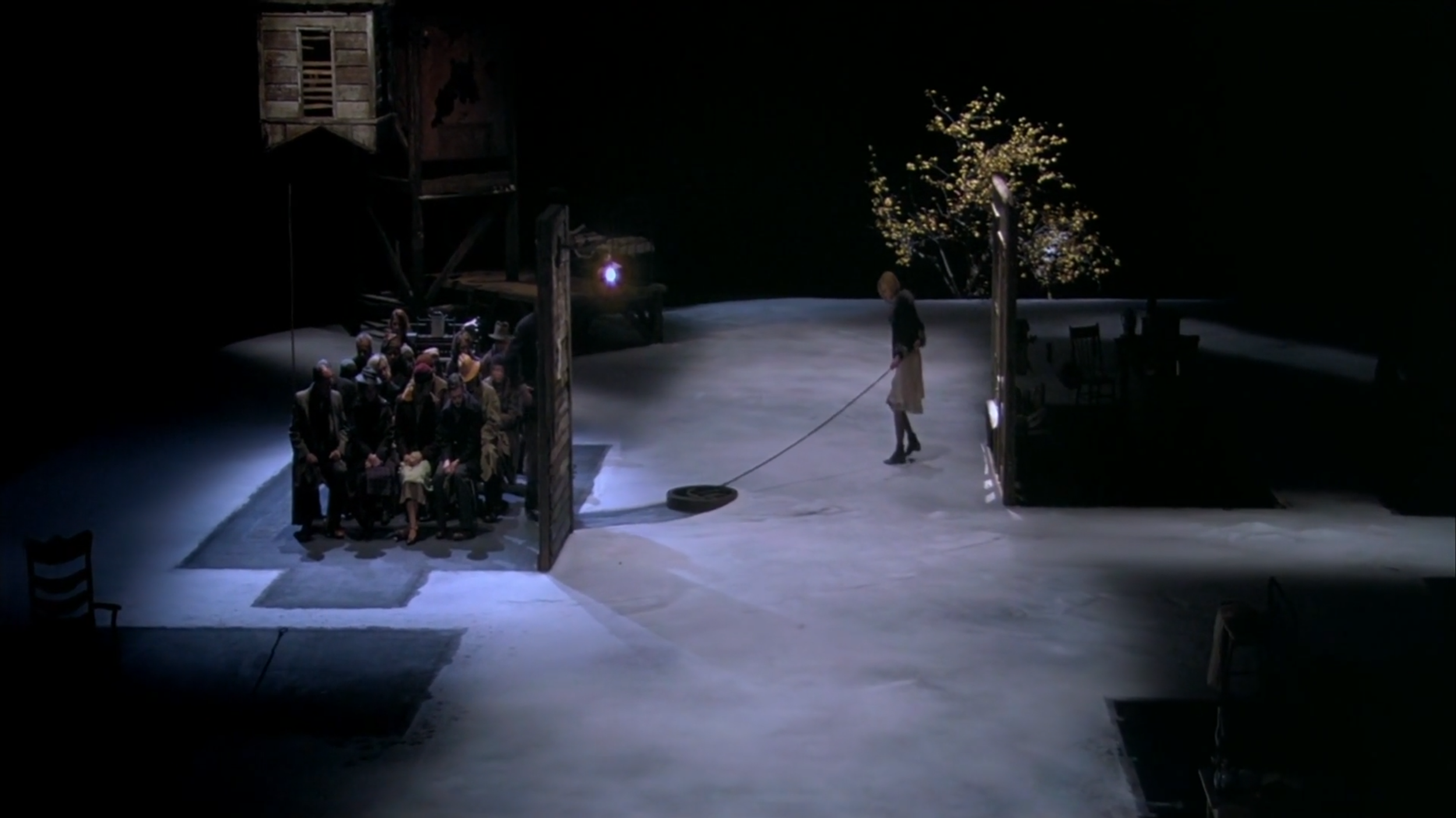


A cinephile’s journey is categorized as pre-Dogville, and post-Dogville.
Presentation:
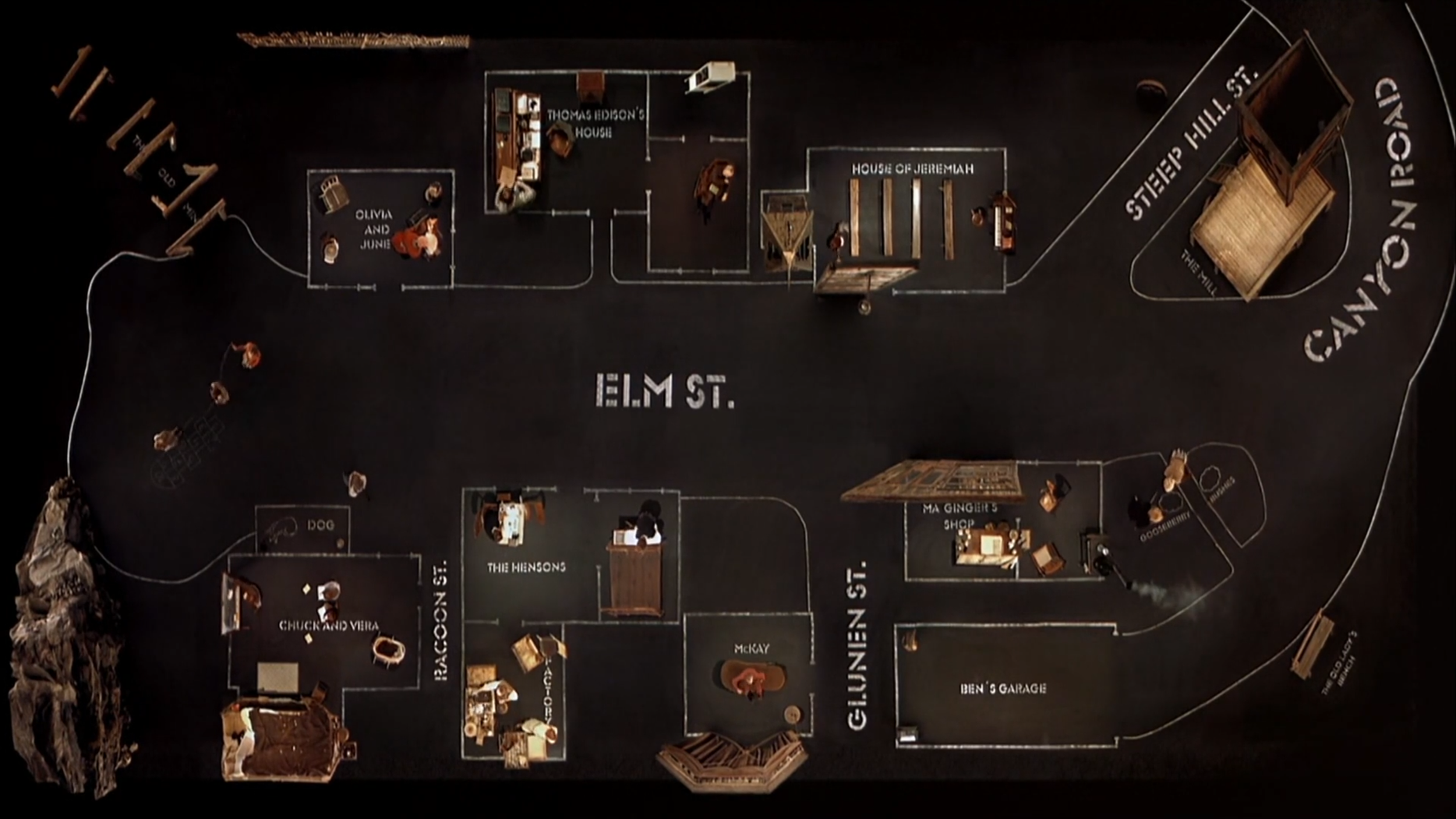
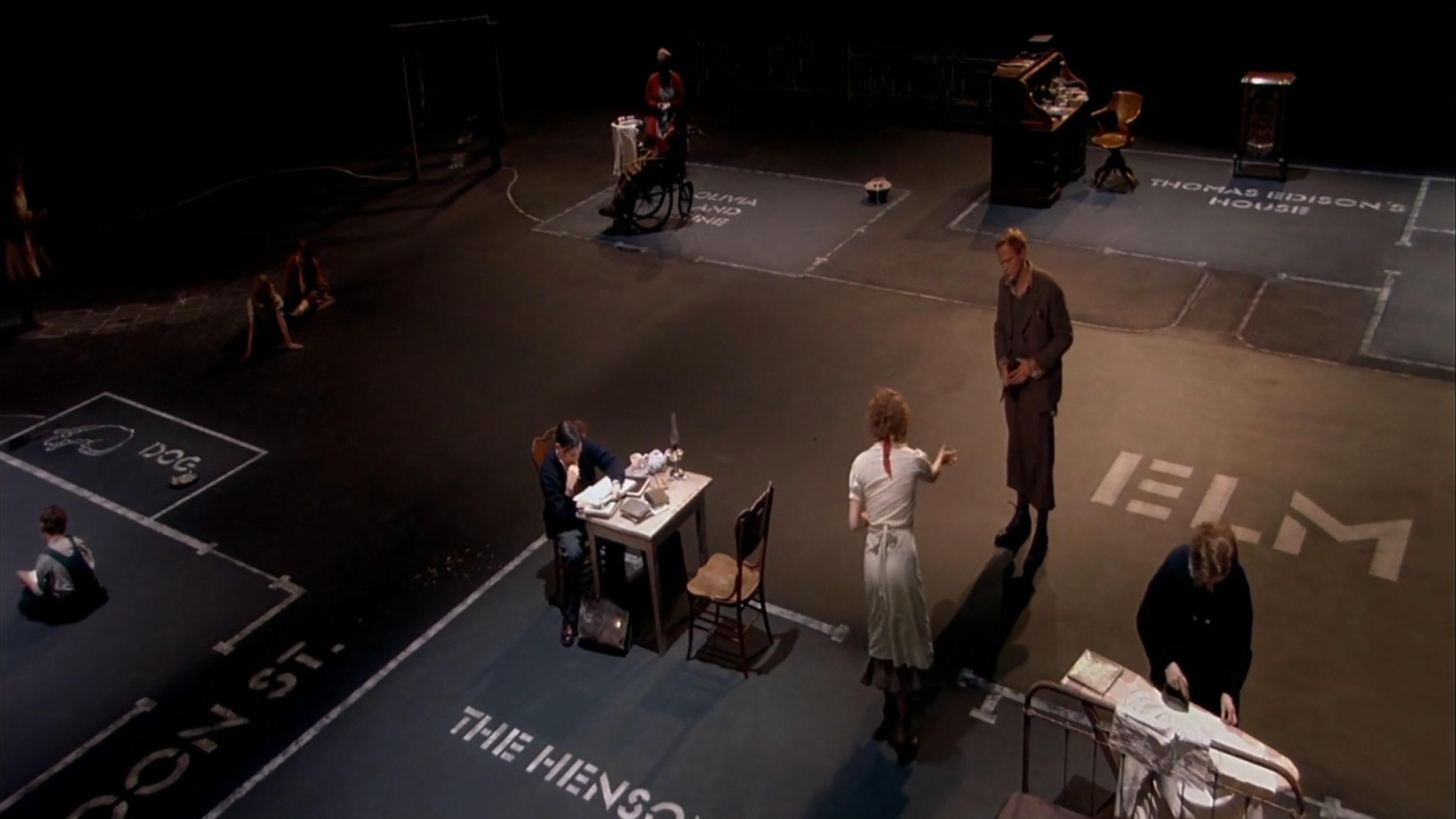
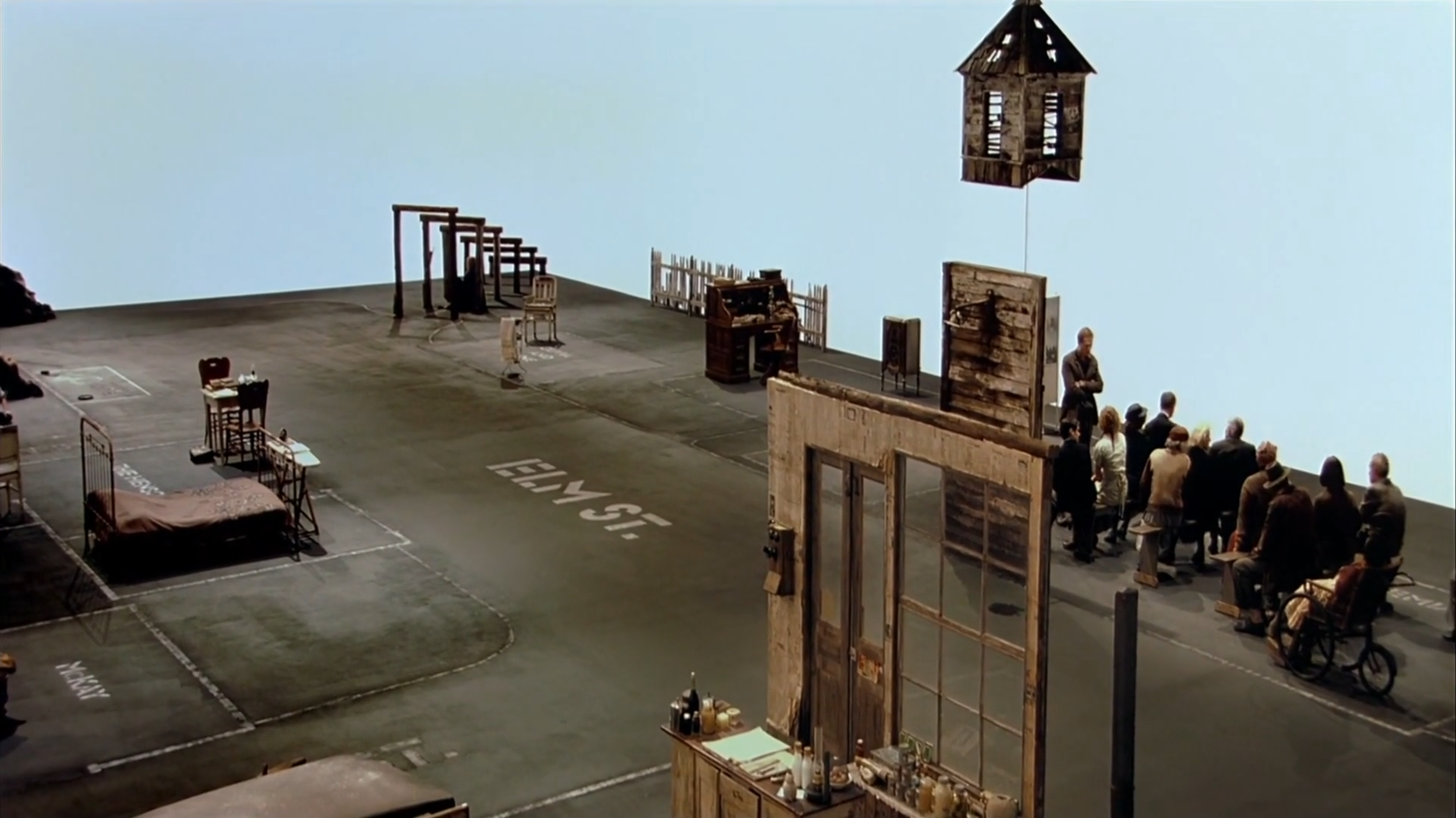
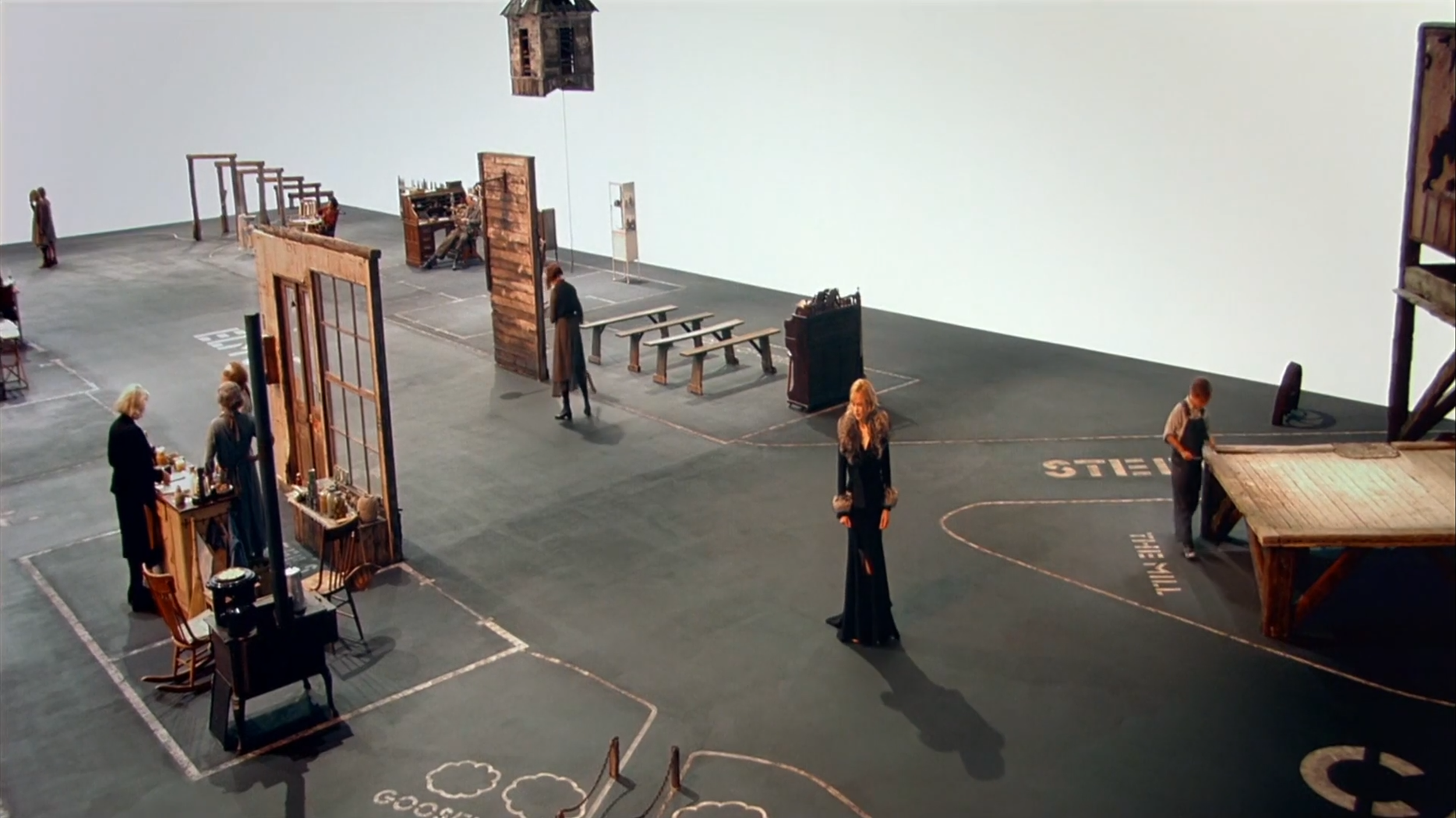
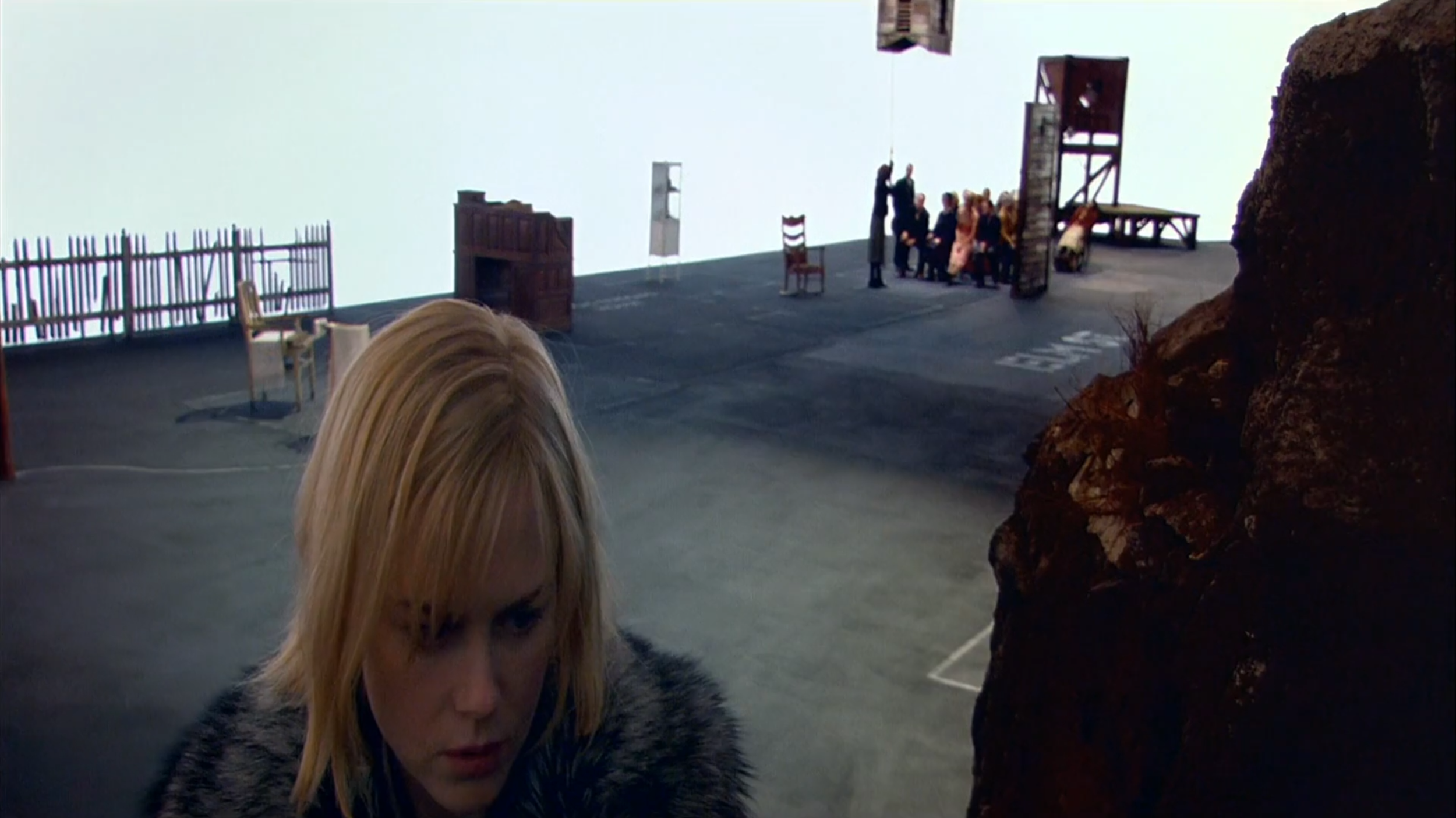
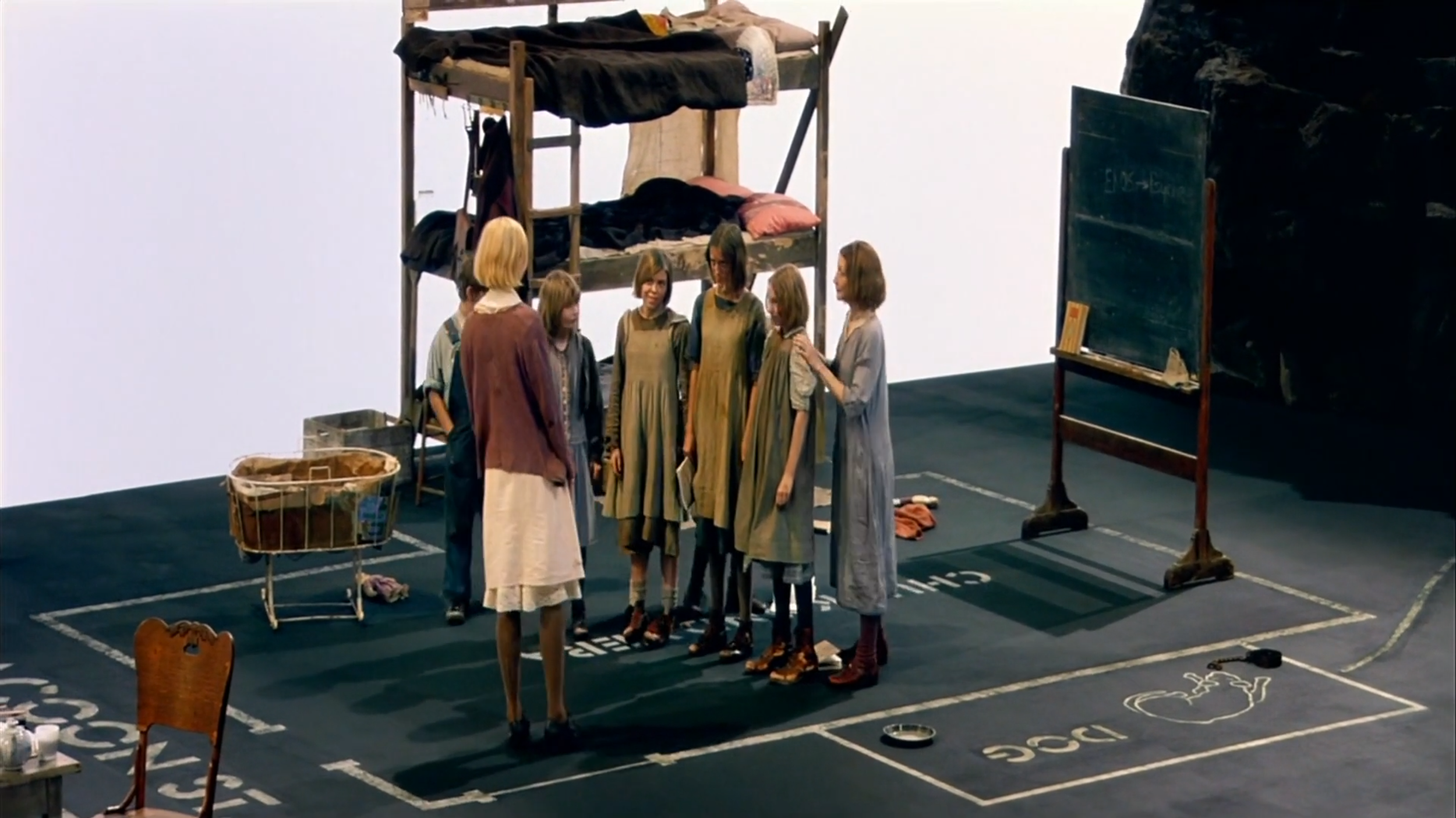
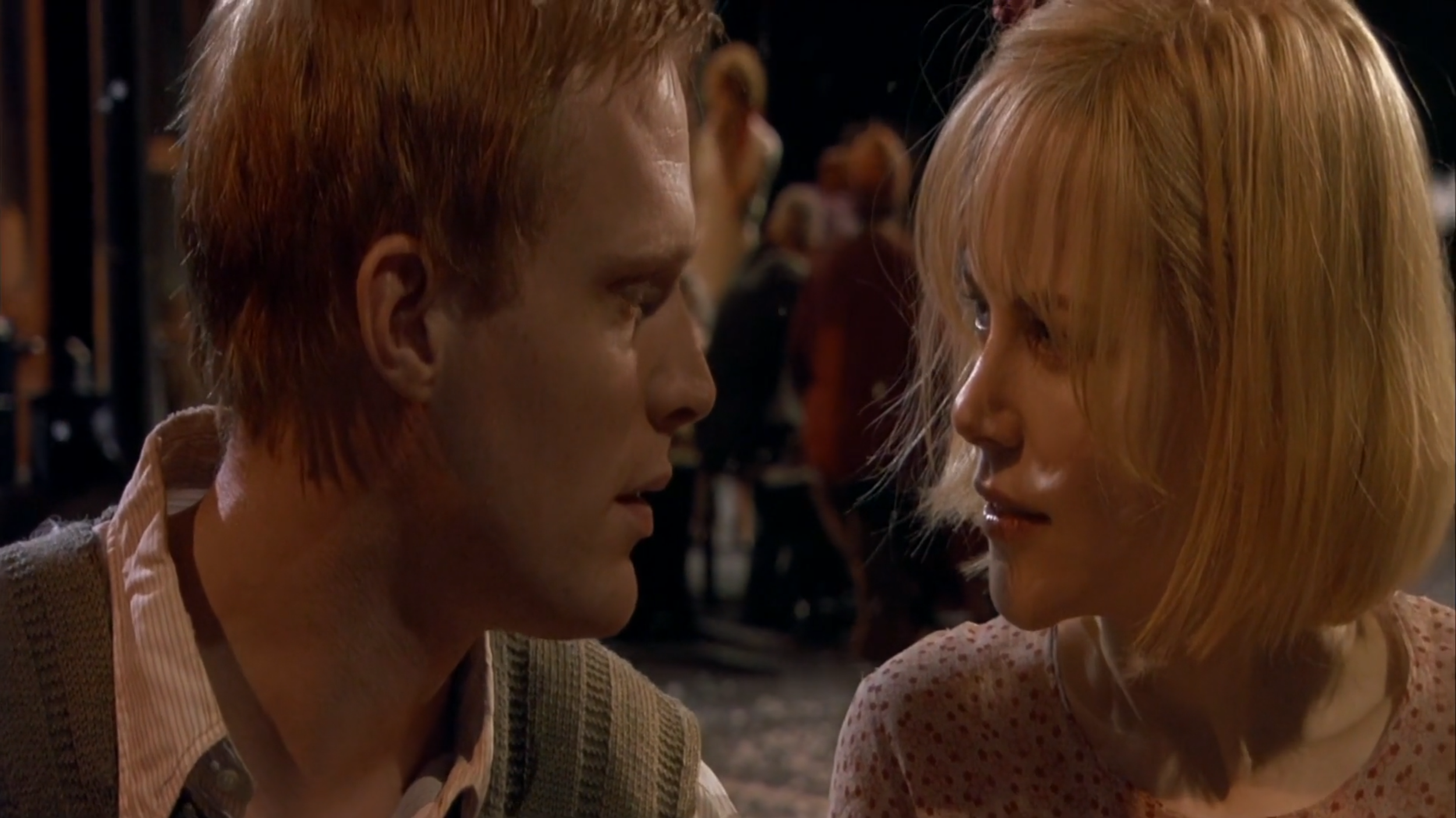
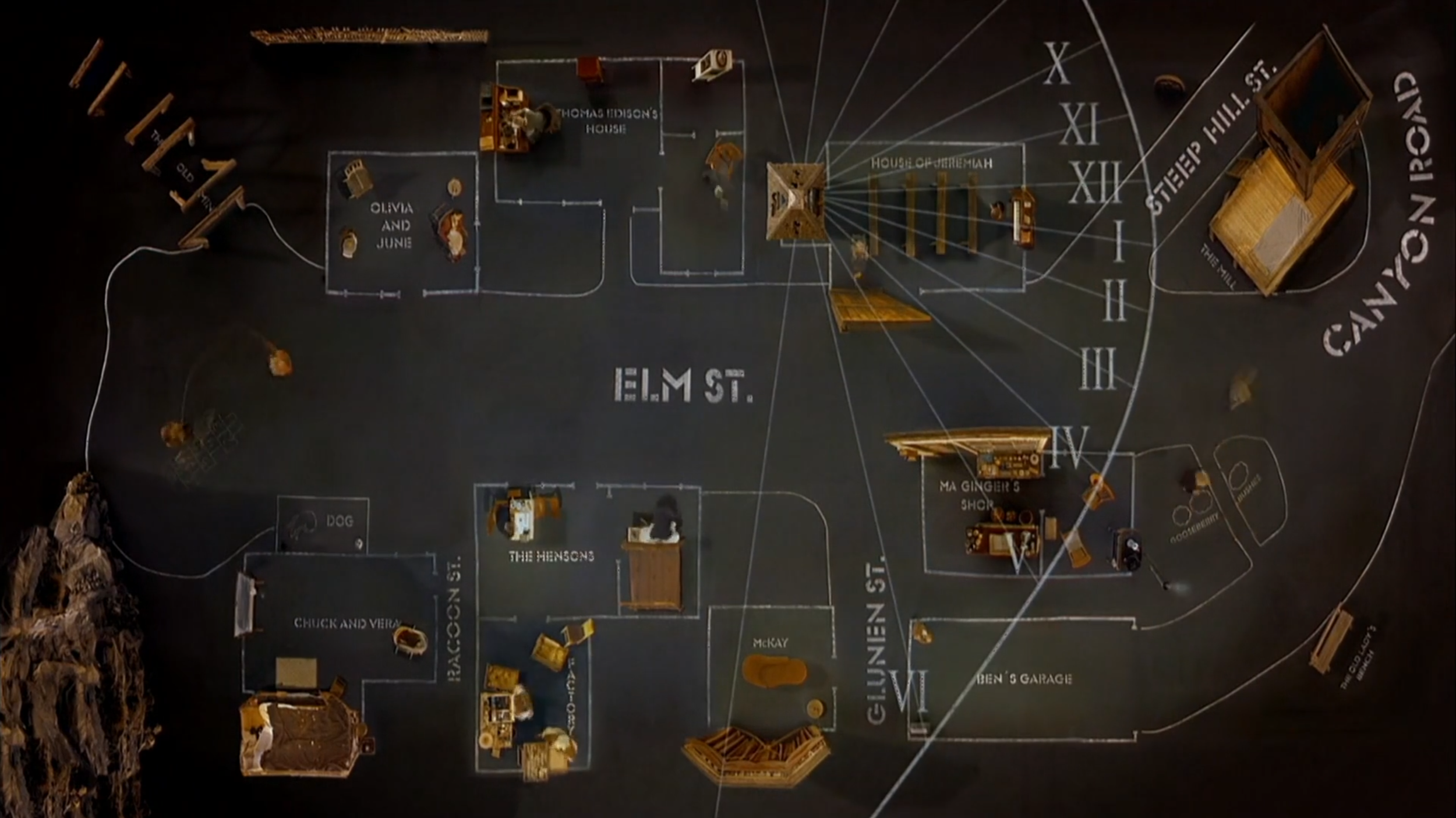
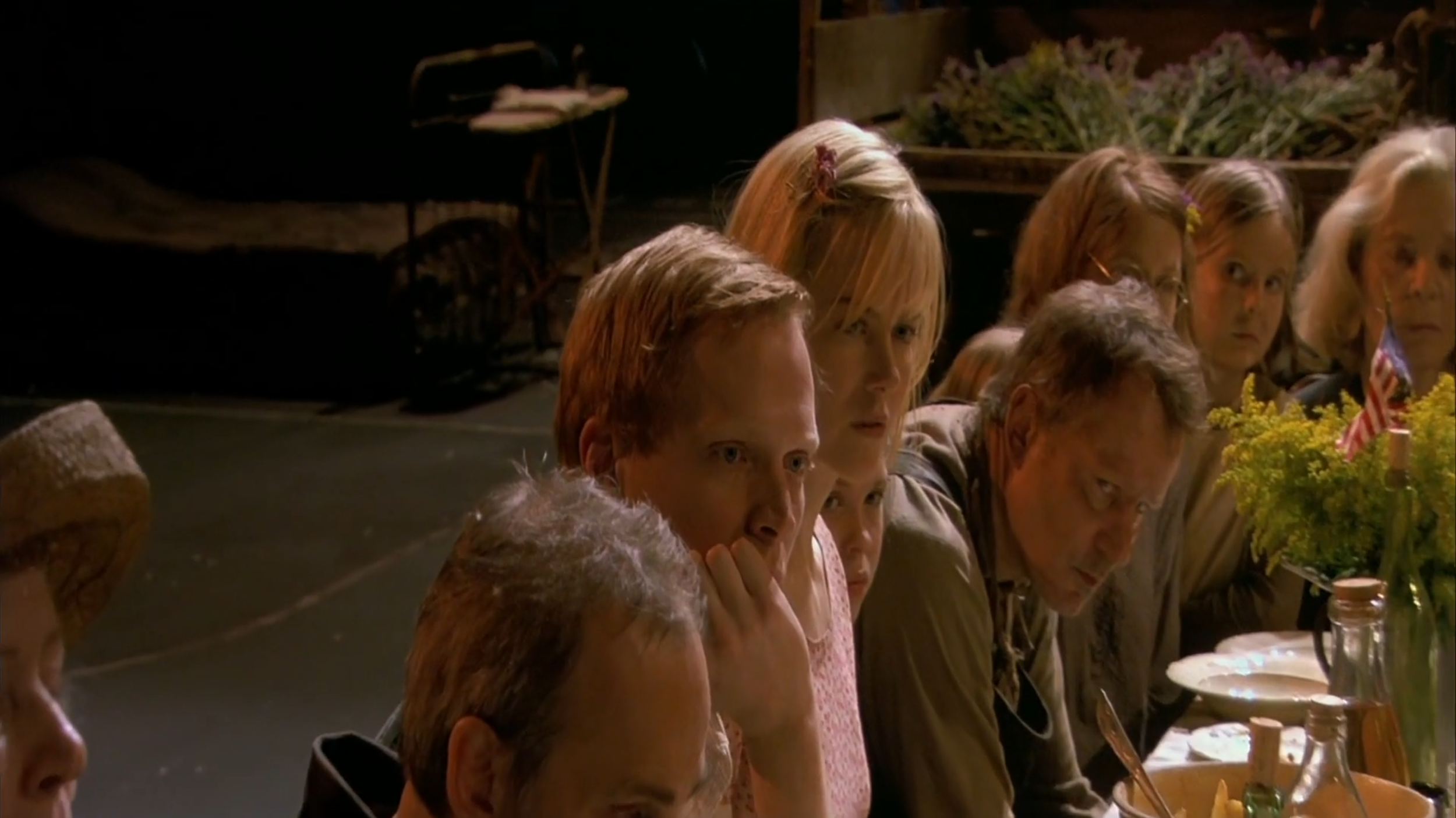
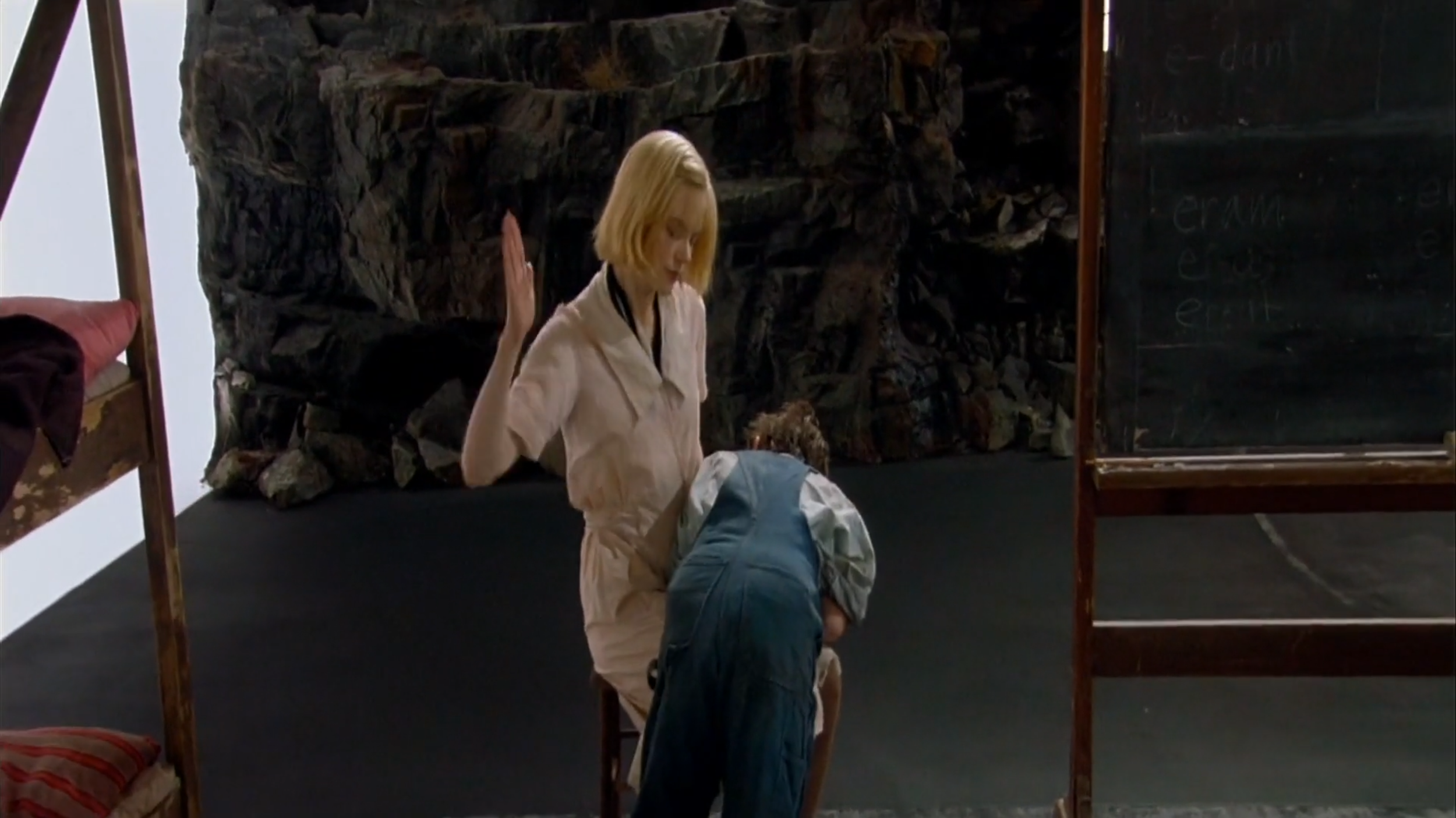
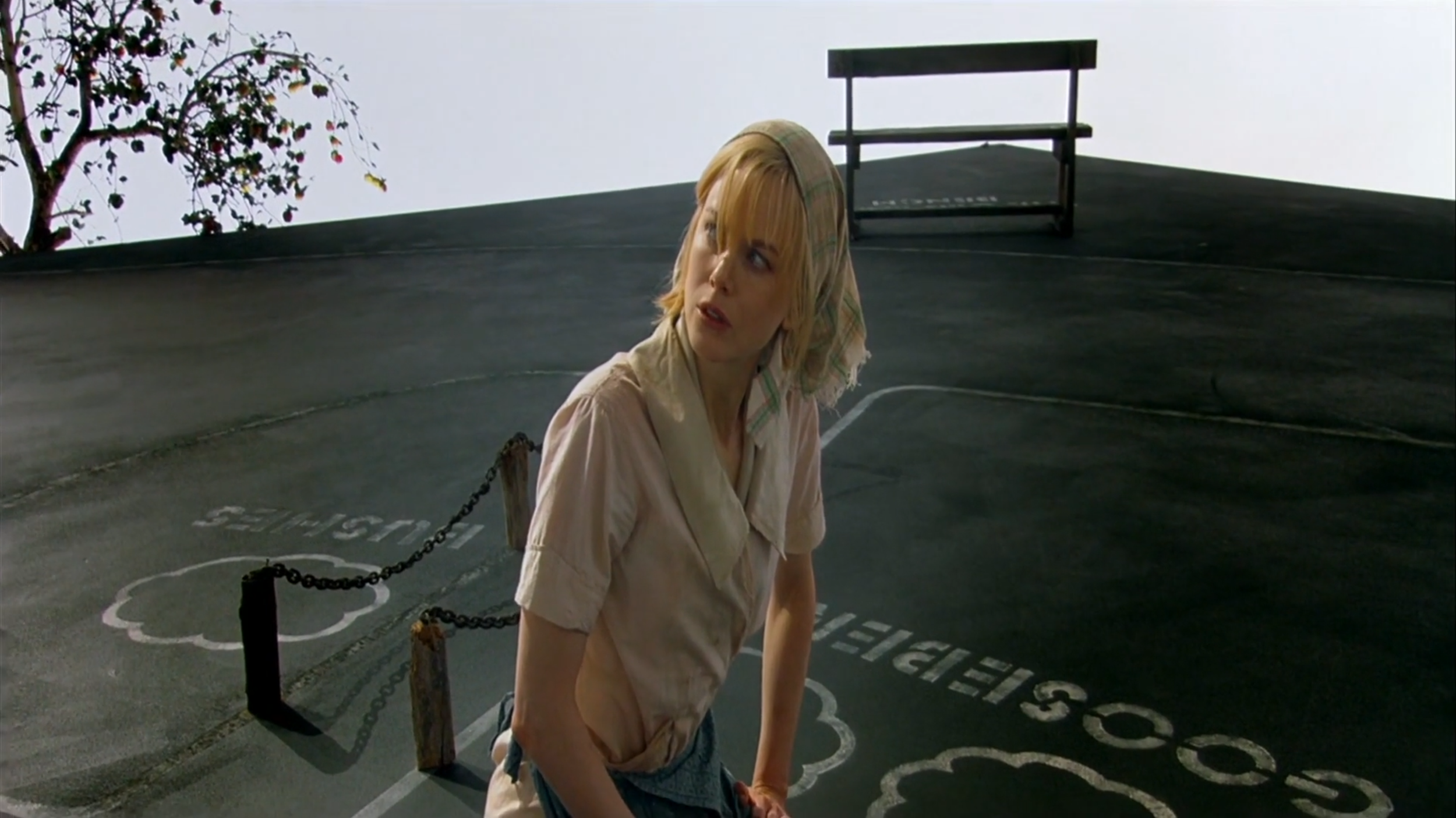
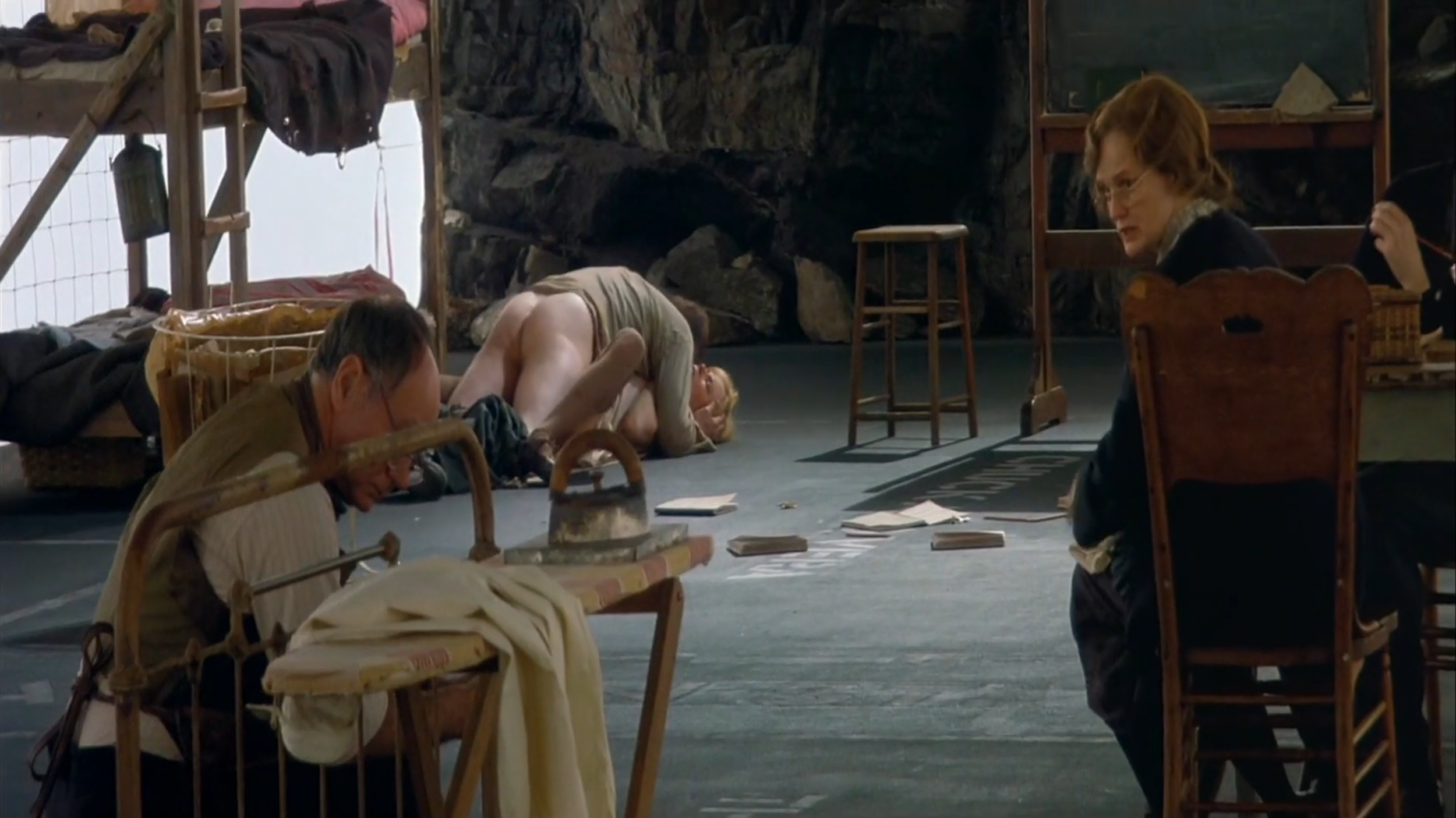
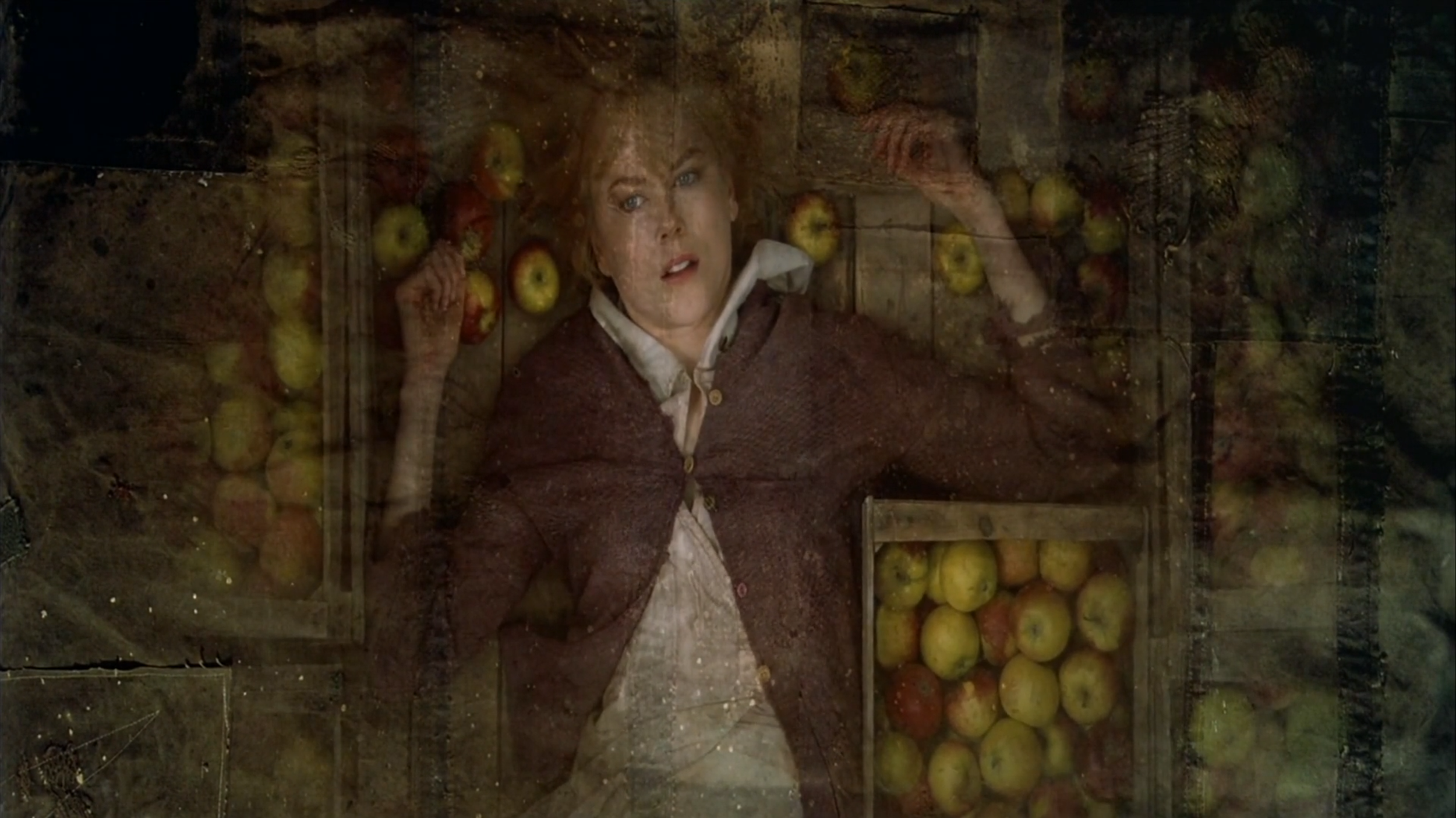
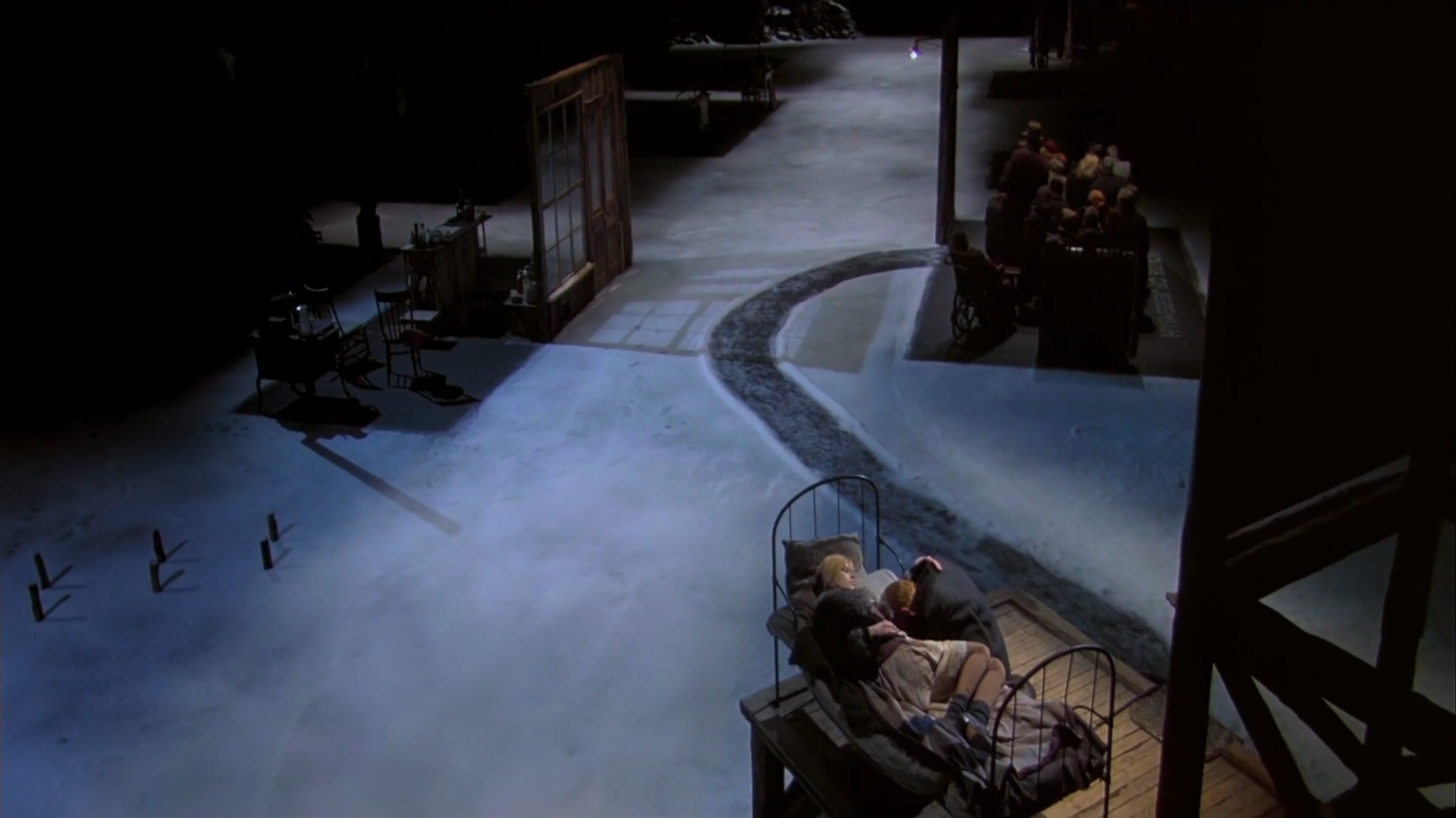
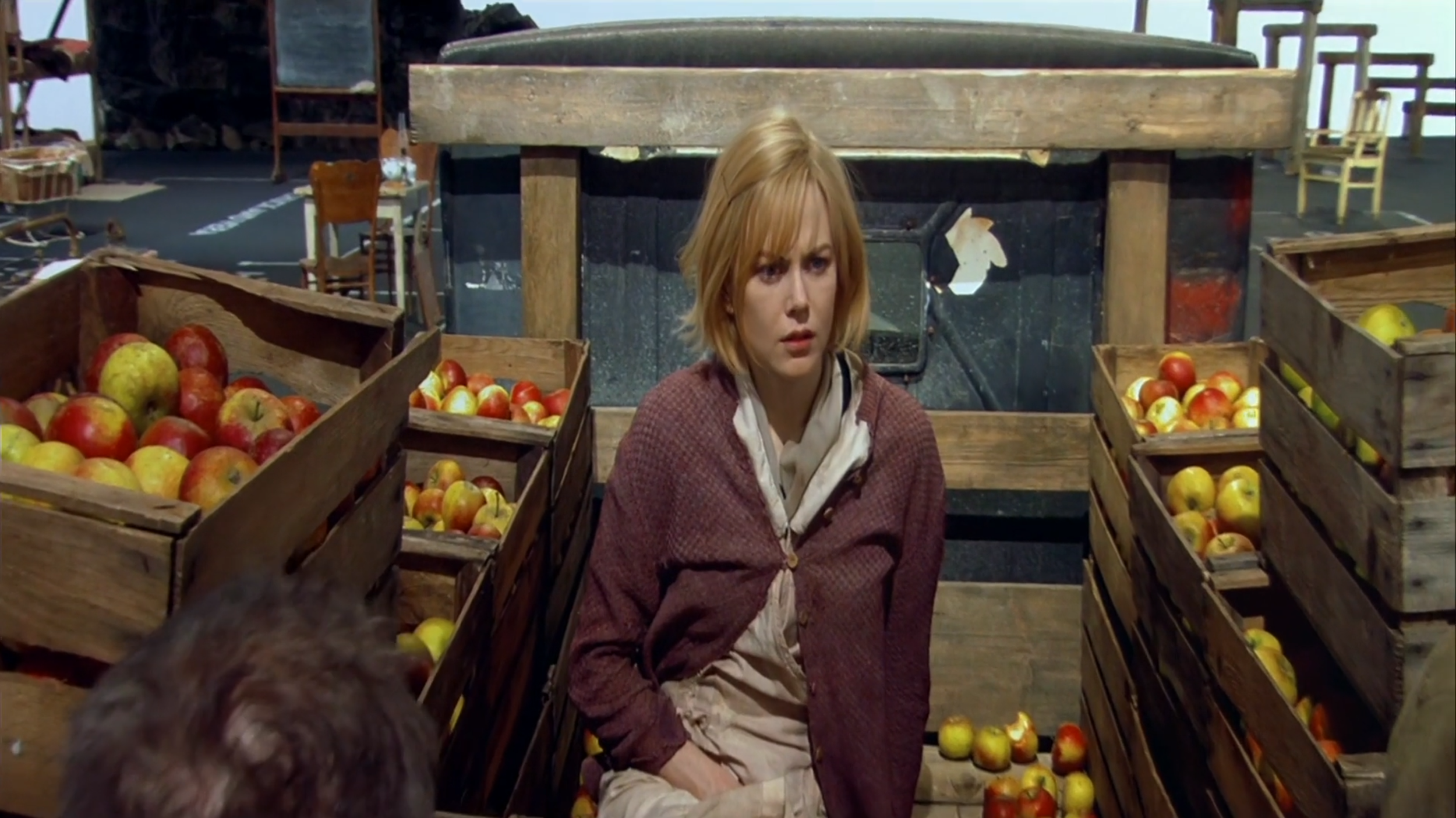
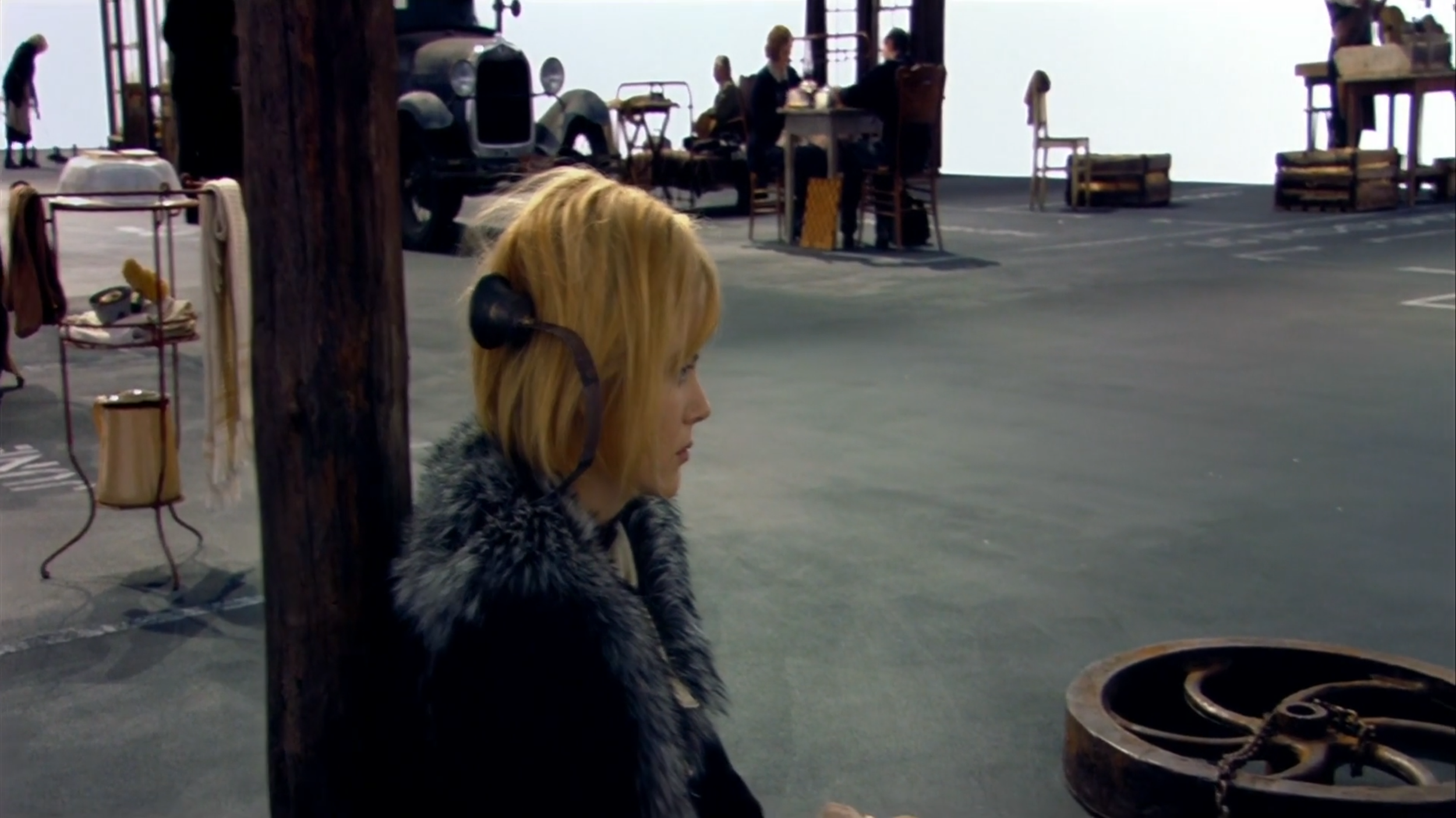
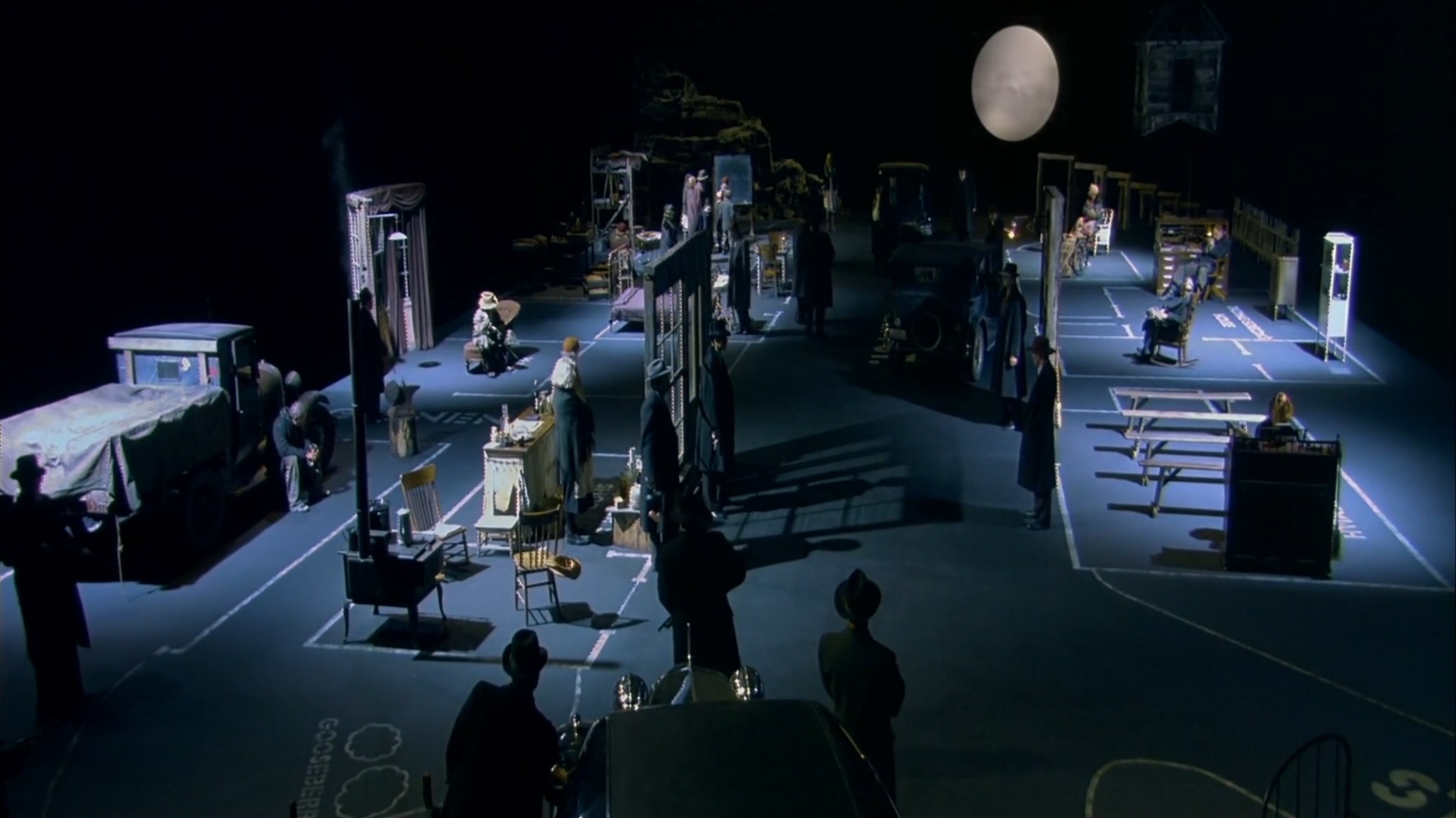
Nothing you do can prepare you for Dogville. Optimists may think they are on team humanity until they watch this film. This is one of those profound experiences in a cinephile’s journey, marking the point as pre-Dogville and post-Dogville. Lars von Triers presents an interactive art film in 9 chapters in a most peculiar style. Dogville is presented during The Great Depression on an imaginary set with chalk out-linings of buildings and overhead studio lighting. It feels like a play especially with Trier’s signature use of handheld zooms that make it feel they borrowed the cinematographer from The Office. If you can get past the first 20 minutes of the camcorder image quality, you will slowly adapt to the weird presentation and find that it enhances the film’s unfiltered moral themes. Kidman is a great casting choice as she draws gentle sympathy in contrast with one of the most despicable scenarios imaginable. This is a slow burn and pretty long at 3 hours, but at the end of it is a rewarding thought experiment that will provoke and challenge your entire ethical philosophy.
Story:
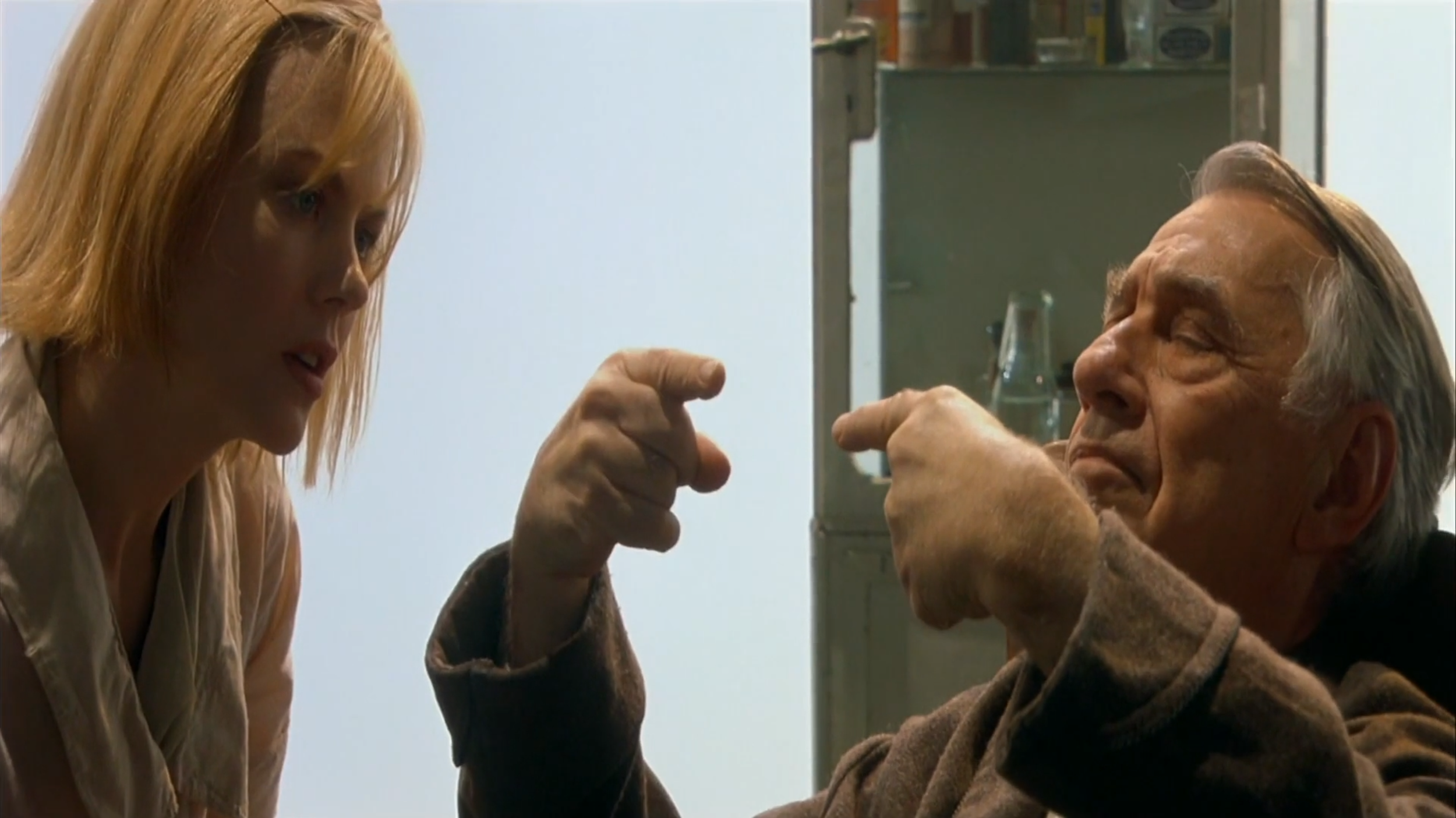
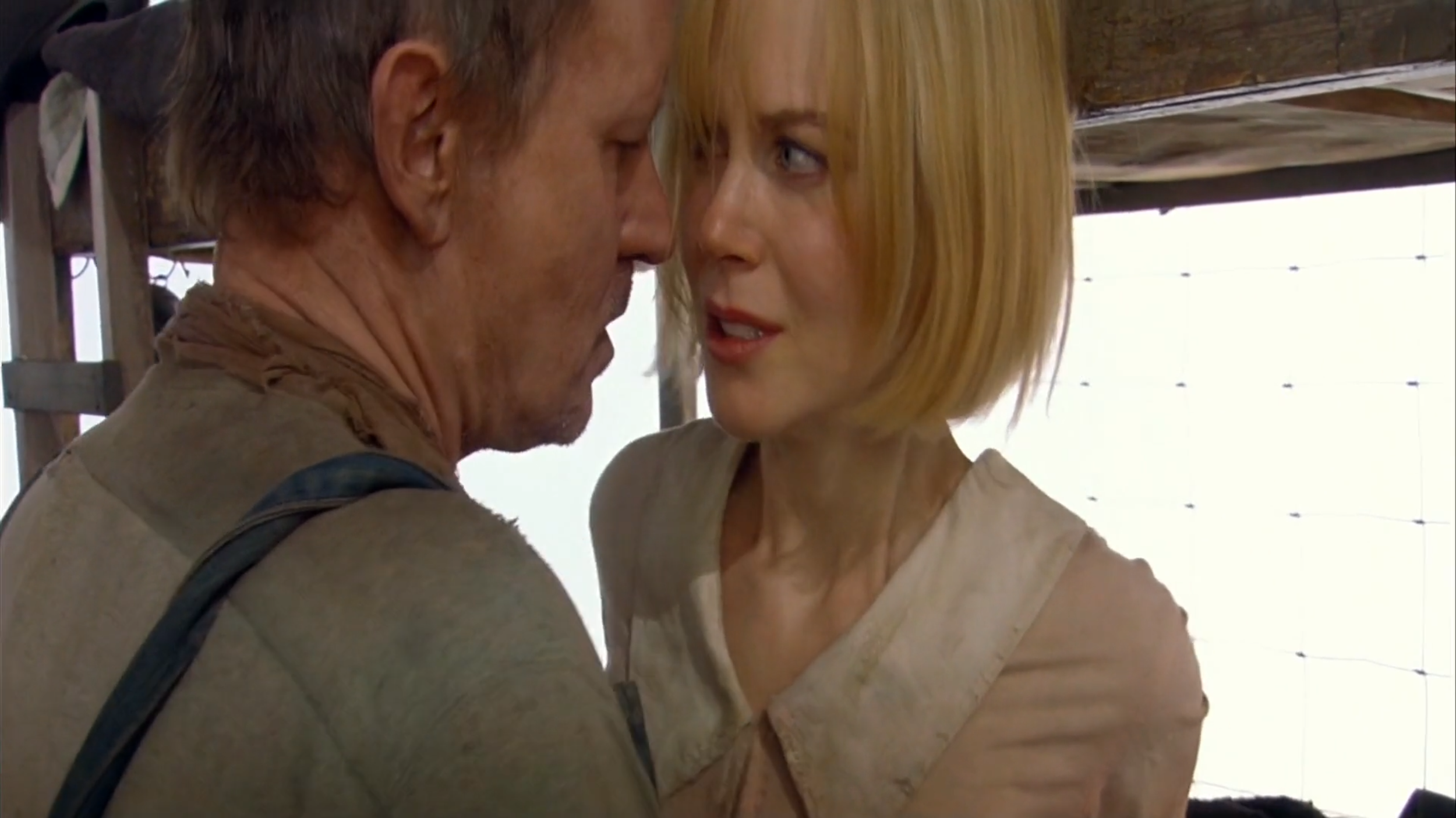
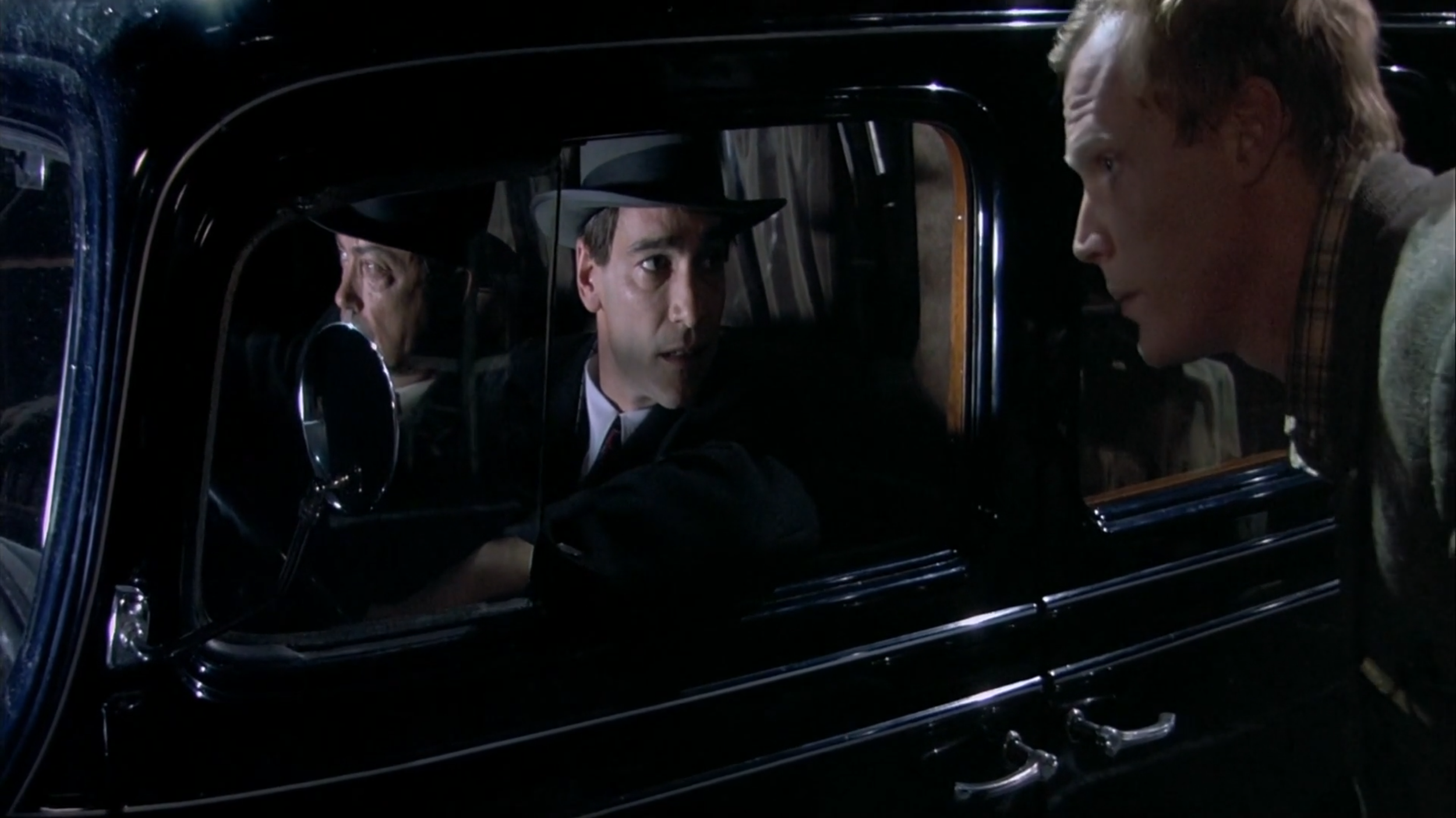
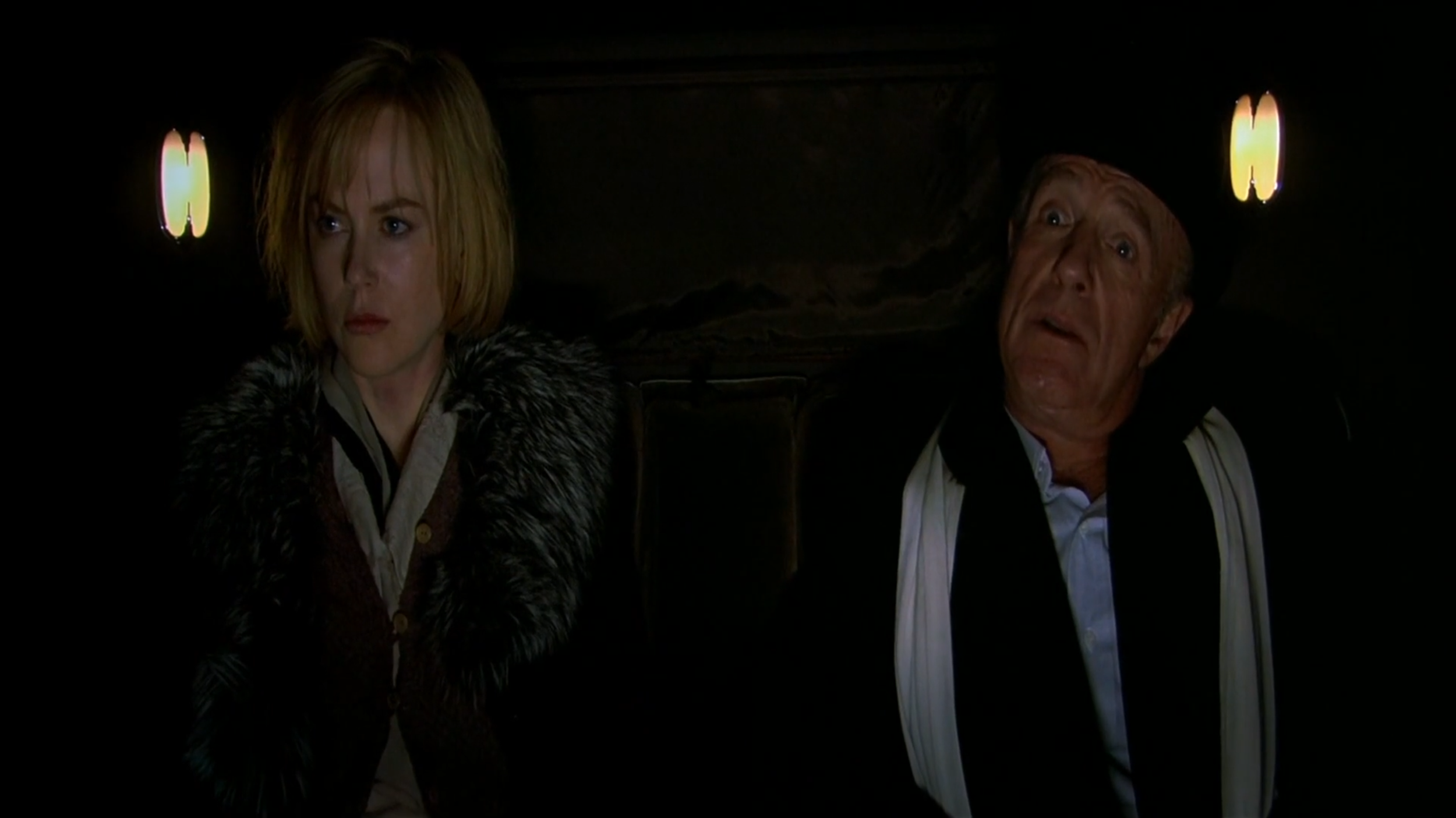
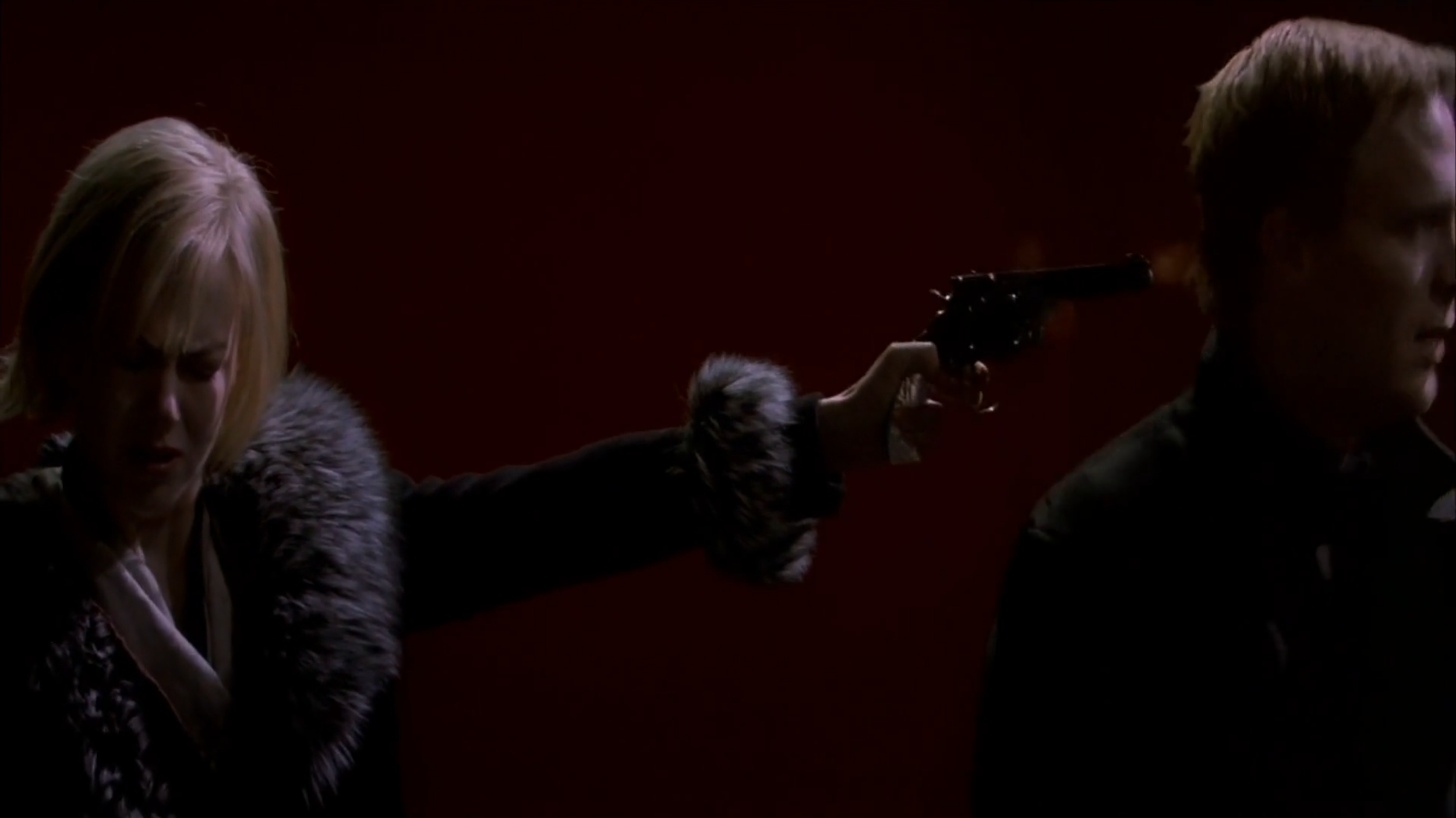
The film is designed to provoke the audience by confronting us with a subversive experiment. As we follow Grace (Kidman), we naturally share her perspective and are sympathetic to her suffering. Trier does a very good job at this through abusing her unfairly as he does in Dancer in the Dark. The genius of the experiment happens in the car when it is revealed that she has the power to exact revenge on those that did her wrong. At that subversive moment, we the viewer are also forced to pass judgment and deliberate what we would do in her shoes. Kidman initially takes a sort of Saint or Jesus role, suffering the sins of Dogville and sparing their liver as mercy since they don’t know better. Trier is reconciling humanity’s flawed evil to the innocent nature of a dog. The story challenges whether humanity is worth saving despite its selfishly cruel nature or to wipe such evil from existence. What follows is a meta conversation between the father and daughter weighing both sides, arguing which belief is more arrogant. At first, I admittedly passed judgement on the deplorable take and wanted justice for Grace. Trier made this decision easier by making everyone pervasively evil in this film, but does prove that those that pass judgment are not much better than the citizens of Dogville. However, once I saw the bloodshed on screen, I immediately realized the consequences and regretted my subconscious choice. Regardless of which choice you make in your mind, Trier masterfully engineered our moral bankruptcy by inserting guilt and shame in a most invasive manner.
Analysis:
Ultimately Kidman not only chooses to destroy the town, but also exacts personal revenge by killing the children in an equally cruel manner. Not only that, she succumbs to the temptation of power and the corruption from forgiveness to evil is disturbing. The final message is that some people are incorrigibly monstrous and past redemption. It’s quite clear from Trier’s history that he doesn’t intend on making this moral judgment ambiguous. Given the choice (of trolling or actually belief), he would likely destroy all of humanity. What’s more disturbing is he presents photos of The Great Depression and black people during the credits to extrapolate that delinquency is the individual’s or group’s fault rather than any circumstances. An uncompassionate viewpoint no doubt, designed to frustrate and bait you into anger. I don’t know if audiences should condemn Trier personally. In terms of art film, his role is to serve as a scapegoat for evil, which is why he intentionally uses abundant German score and fakes German heritage so he can praise Nazis. A really bad person or rage baiter, probably both. In any case, this is still an irrefutably exceptional art film, forcing us to come to terms with our sinful natures.
Conclusion:
Prepare to be trigged because this is an intellectual experience that will make you uncomfortable with your own soul. Although it is in the Hall of Spice, it will distress sensitive viewers that don’t wish for their naive illusions to be shattered. I think in someways this films represents the worst of mankind, even more-so than films like Schindler’s List. You are forced to participate in a moral dilemma whether you want to or not, confronting your preconceived notions of right and wrong. Are we really as virtuous as we claim to be? Or is it all just a play? The walls are torn down and there is nowhere to hide even behind your own denial. A potentially life-changing moment.
Recommendations











Do androids dream of electric sheep?