
The Return (2003)

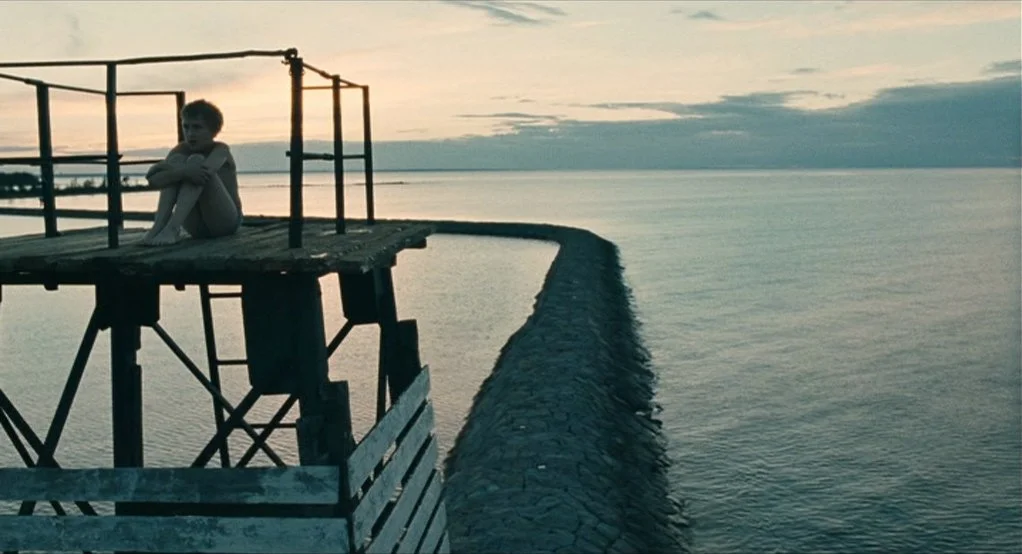

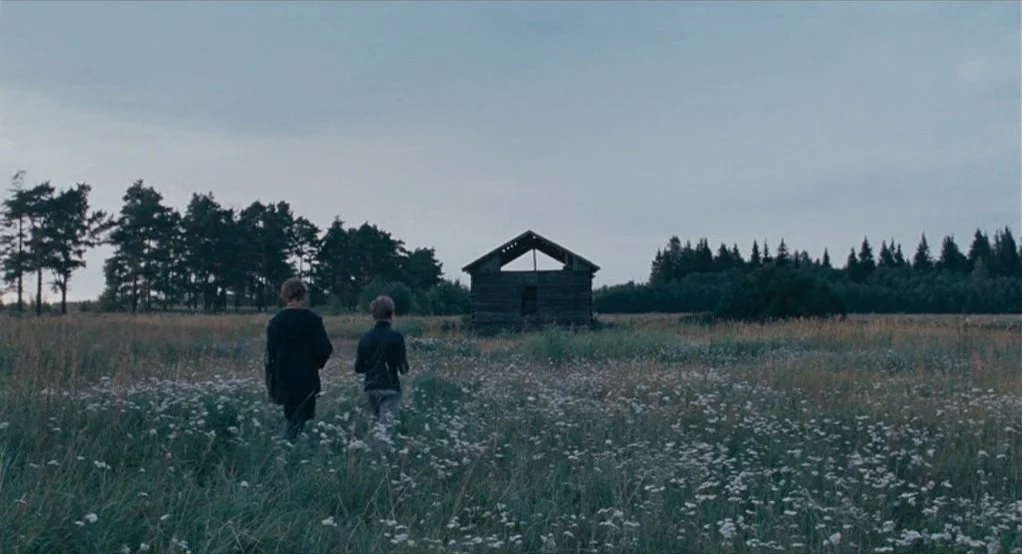
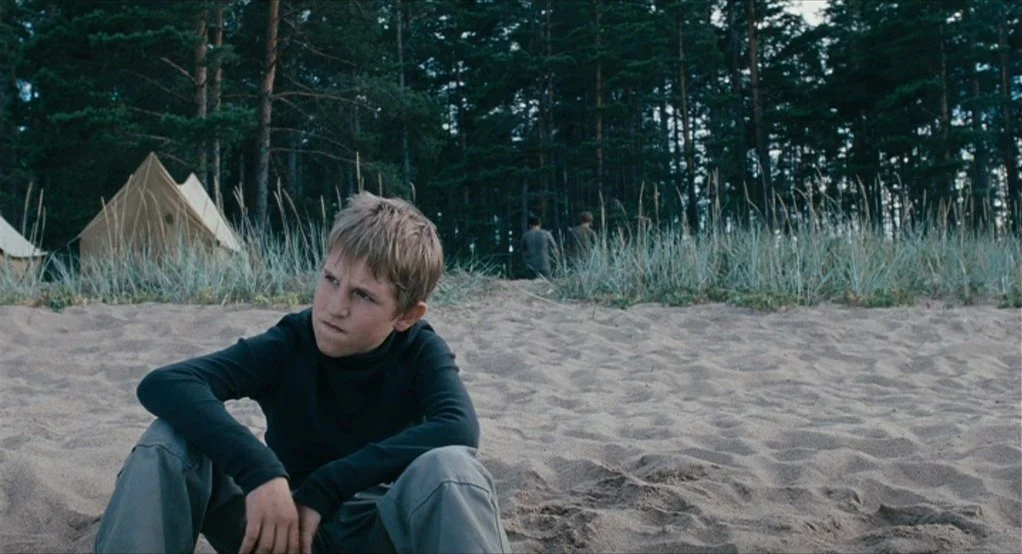
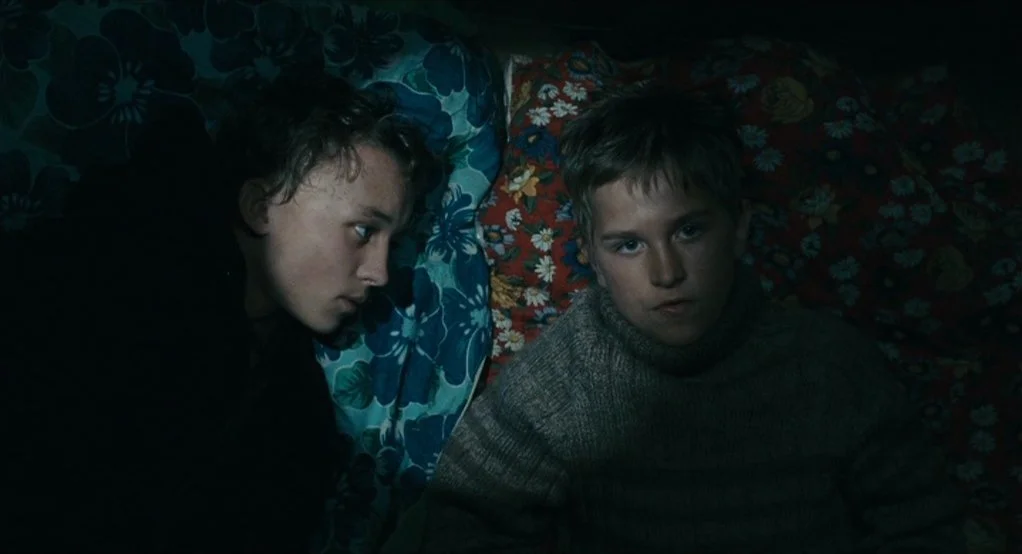



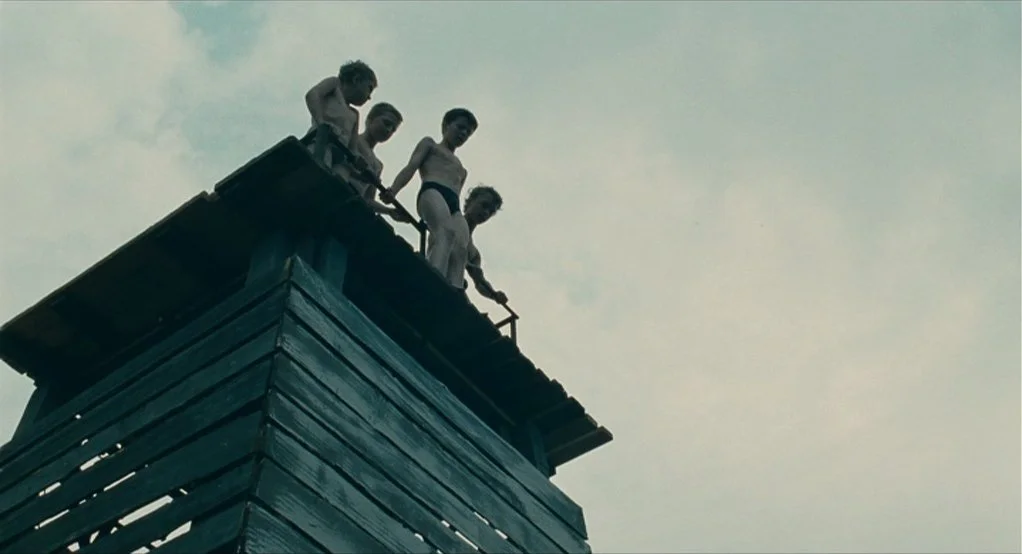
Can Russian filmmaking make a return?
Presentation:
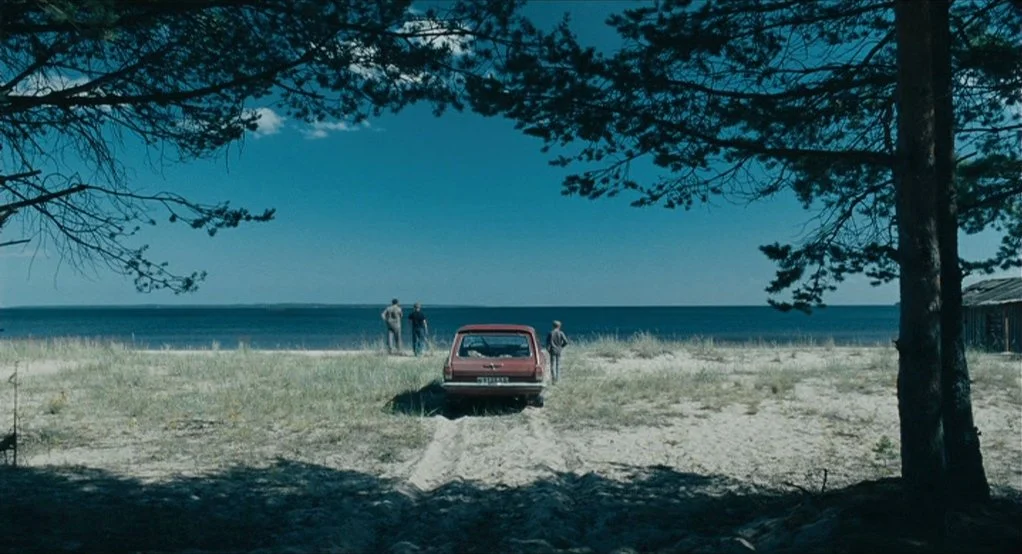
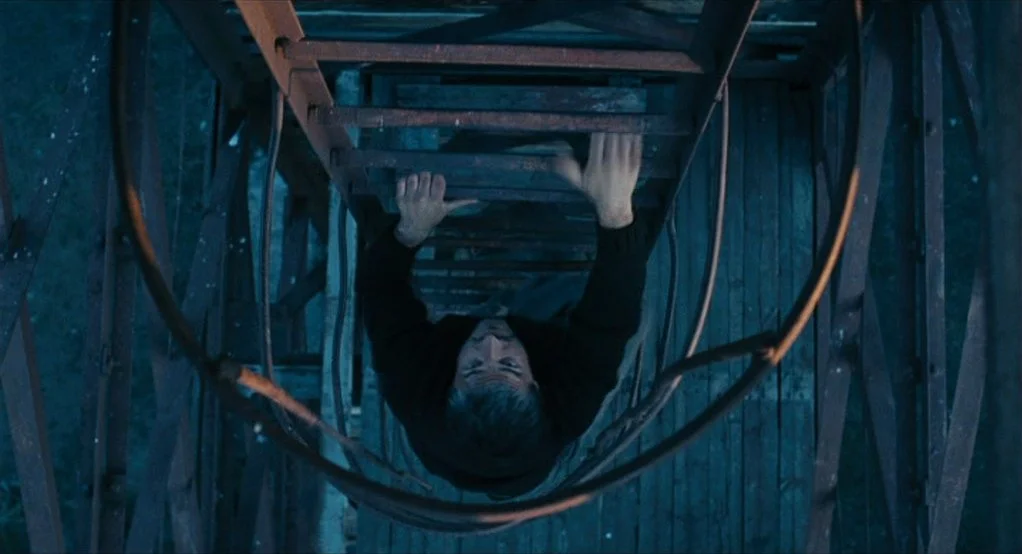
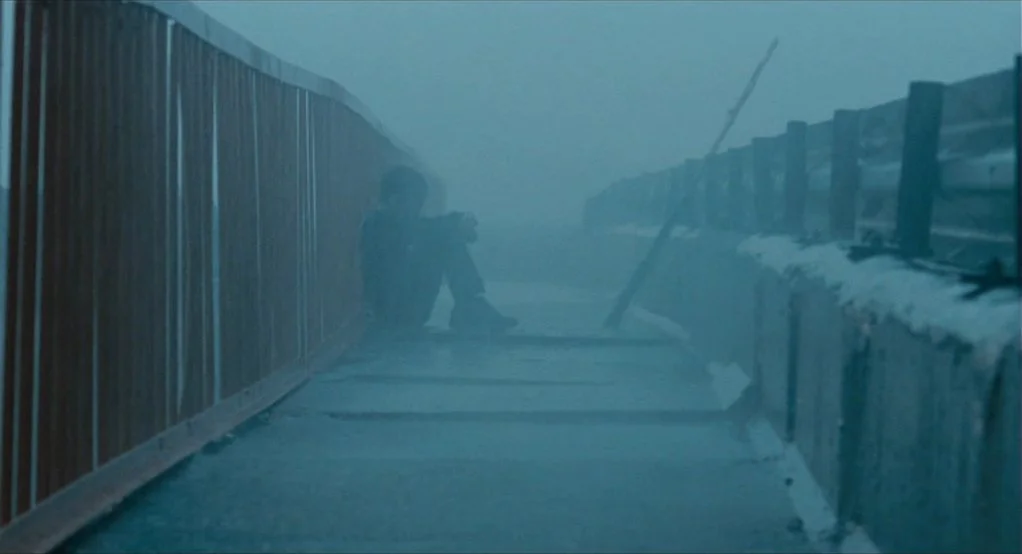
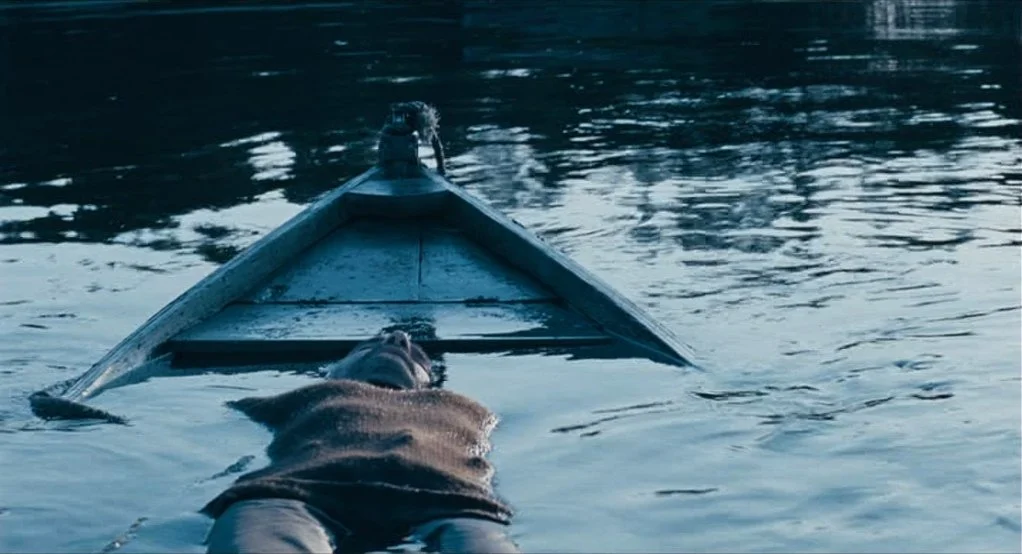
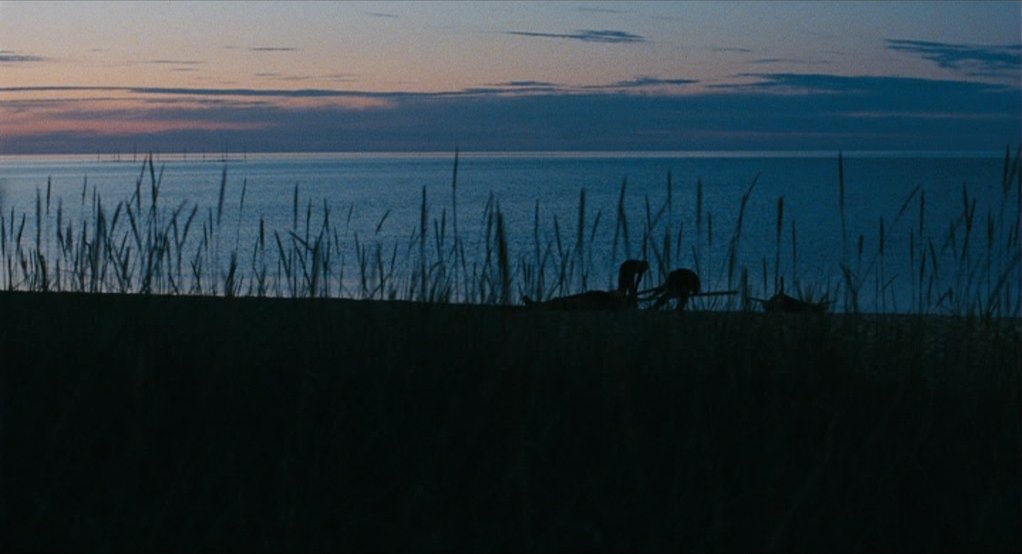
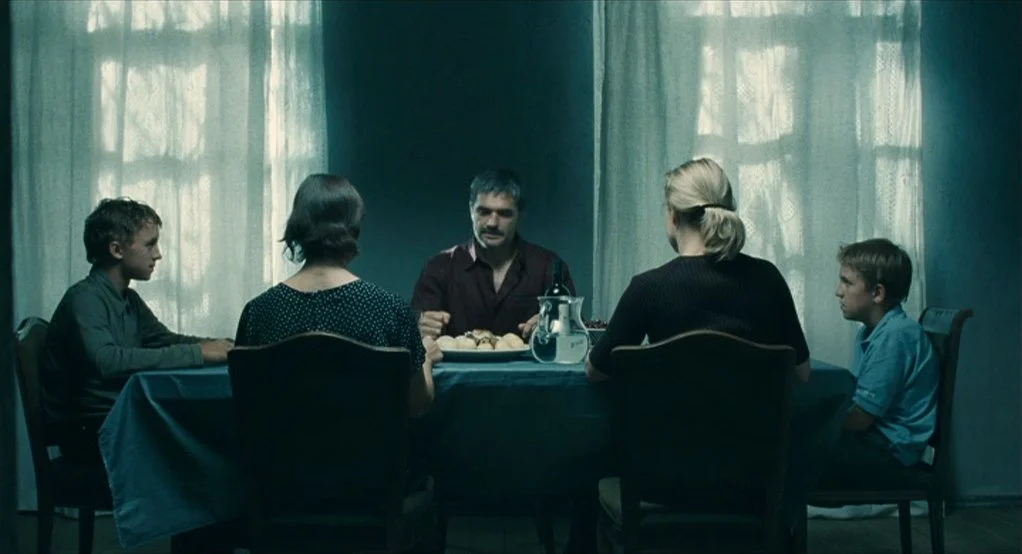
Russian filmmaking is not particularly popular in the west, partly due to political stigmas. But if you’ve read Russian literature or listened to their classical music, you would know the Russians create work with profound psychological depth. This is film is no different, the directorial debut from Andrey Zvyagintsev, whom will likely be considered a master within his lifetime. The Return is a film with strong literary sensibilities about two brothers meeting their father whom has been away for 12 years. What ensues is a genuine experience most men should be able to relate with and haunting symbolism leaving you with questions that you probably never wanted answers to. The focus is on the story and relationships as opposed to the cinematography. In some ways the performances are restrained and in some way they are realistically naive. It strikes a good balance and the experience is very believable. Tonally it’s not exactly sad, but rather a muted indifference that forces you to contemplate what you experienced.
Analysis:
There are 2 main questions that are ambiguous. The first is what was inside the box? As it is never revealed, I suppose it is a litmus test for the audience’s cynicism. If you’re optimistic like I am, you might think it was some treasured heirloom for the father or son, to allow them to reconnect in someway or explain his long departure. So the elder brother. If you’re pessimistic like the youngest, you might think it’s some kind of material treasure out of the father’s self interest. This is perhaps more likely considering the father originally wanted the kids to take a bus back home once he was called about it on the phone. But just like life, many sons never know what our distant fathers are really thinking and they will take this secret to their grave.
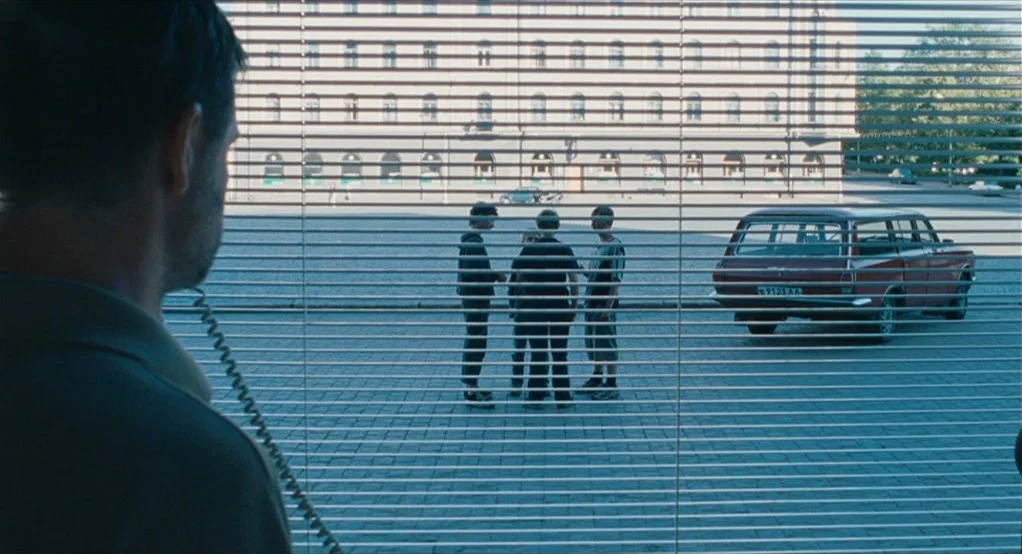
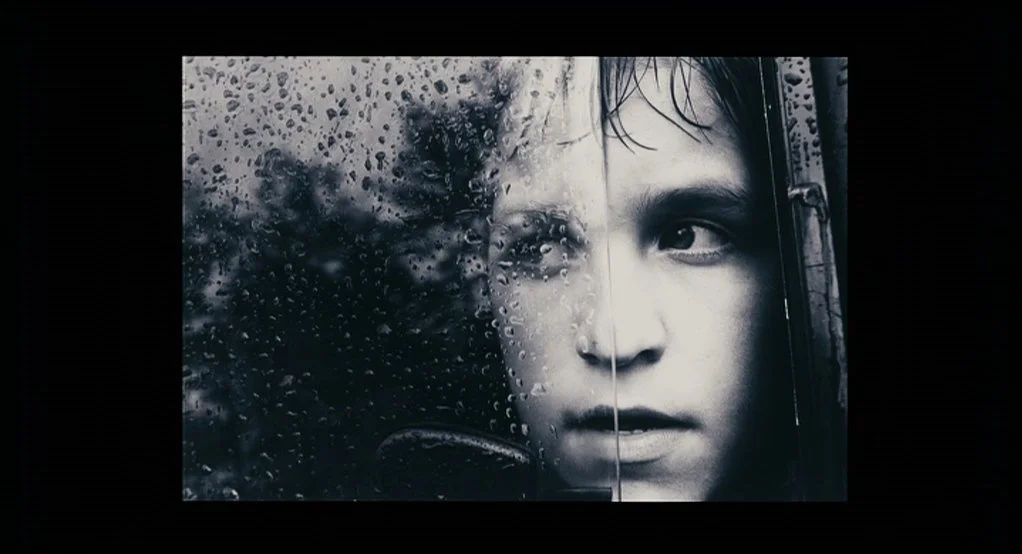
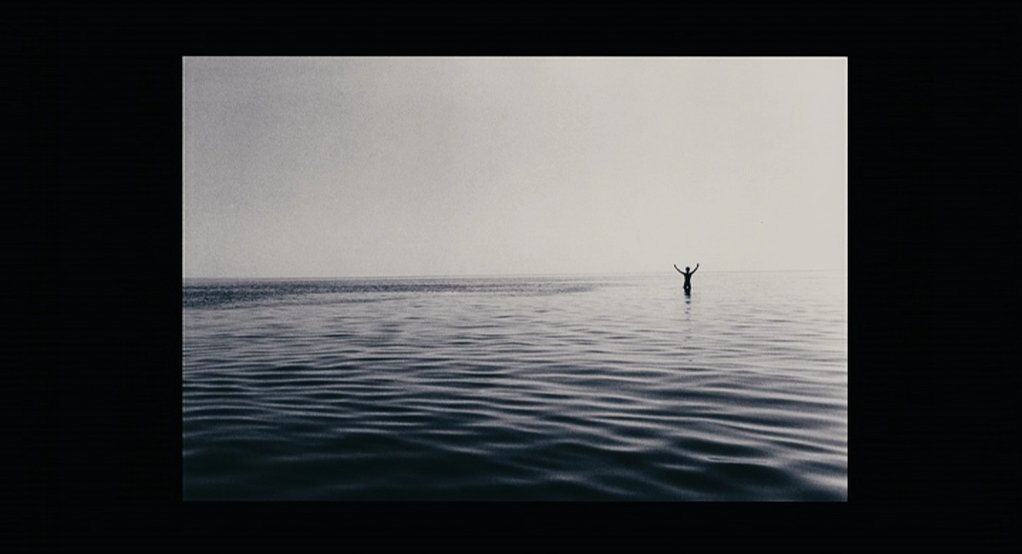
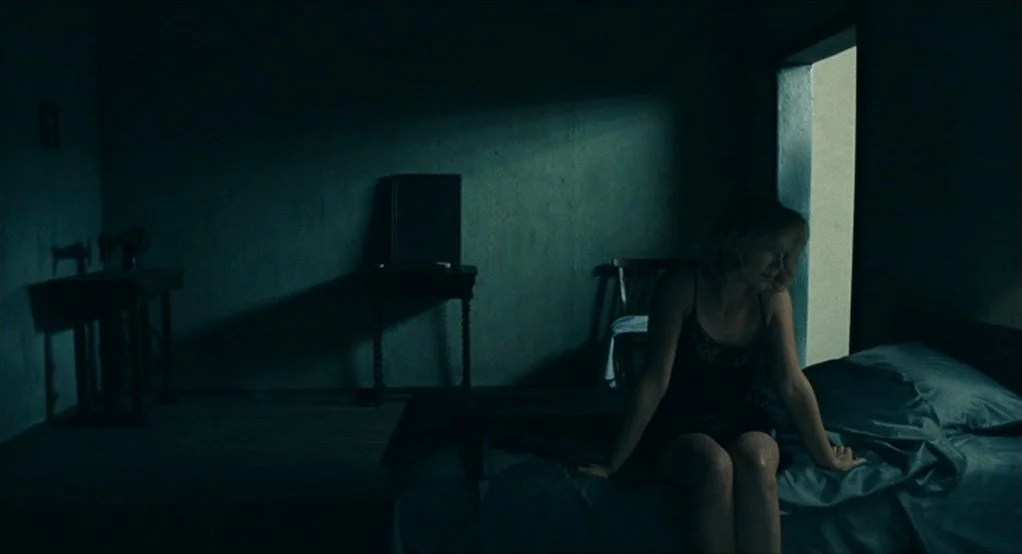
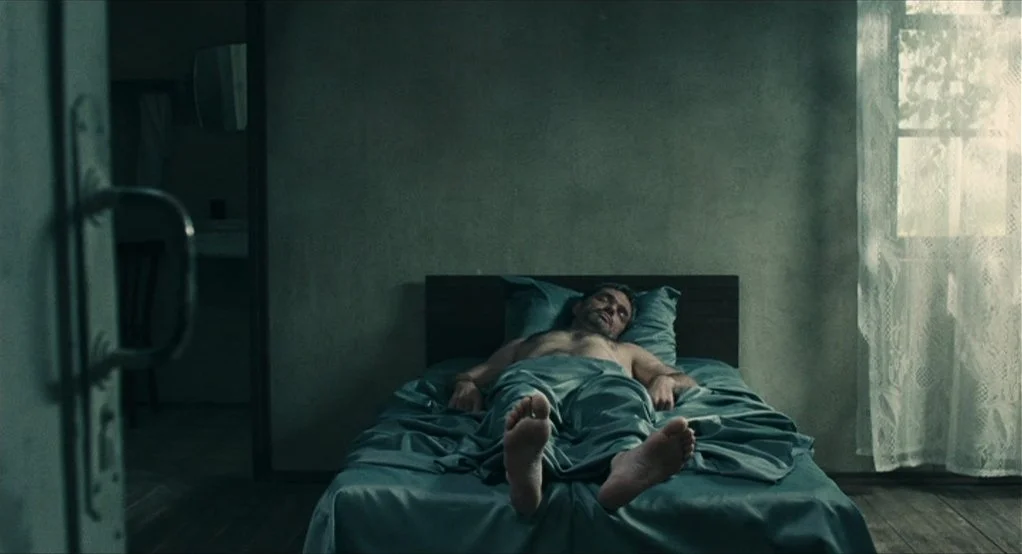
This metaphor is improved upon by the second question. Was the father actually real? There are several things to suggest that the boys went on a trip without him. The father always makes the kids interact with others, making them pay or asking for directions. The night before they leave on their trip, the mother goes to bed and the father is never revealed from the shadows. The pictures at the end of the film never show the father either, which is strange since the older brother is often seen carrying the camera. It’s as if there is no proof he ever existed. However there is some inconsistency here. The father does end up physically catching the teenage thief, someone had to take a picture of the boy from outside the window, and who was driving? But if you view this from a literary perspective, this does not fall outside of the boundaries of ambiguity. Ultimately, the film is ambiguous because it symbolizes our feelings toward emotionally distant fathers, a hallmark of Russian literature. It is of note that the distrusting Ivan ends up calling Papa at the end, illustrating that no matter the negative animosity, the father figure is too symbolic in their lives. The climax chicken jump scene is also a very tasteful recurring motif.
Conclusion:
Some films focus on plots, some on visuals. This one feels like Zvyagintsev is pulling your emotional strings. Everything is background noise to the longing for connection and it’s presented so well with no fluff that it keeps you invested and intrigued the entire time. It’s quite something to have your heart and mind tickled without you knowing.
Recommendations






The great beauty behind the blah blah blah.