
Ran (1985)

War never changes.
Presentation:
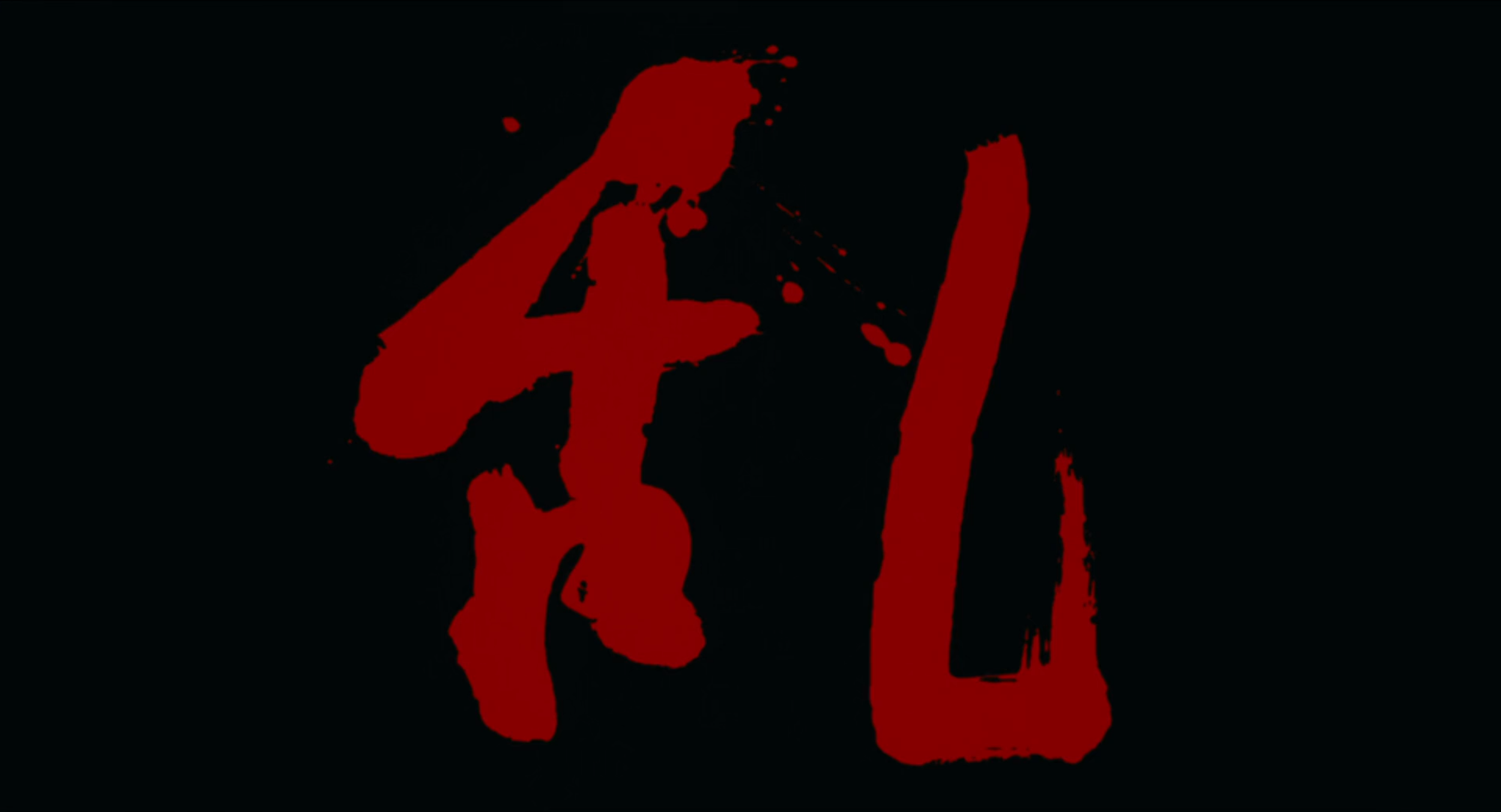
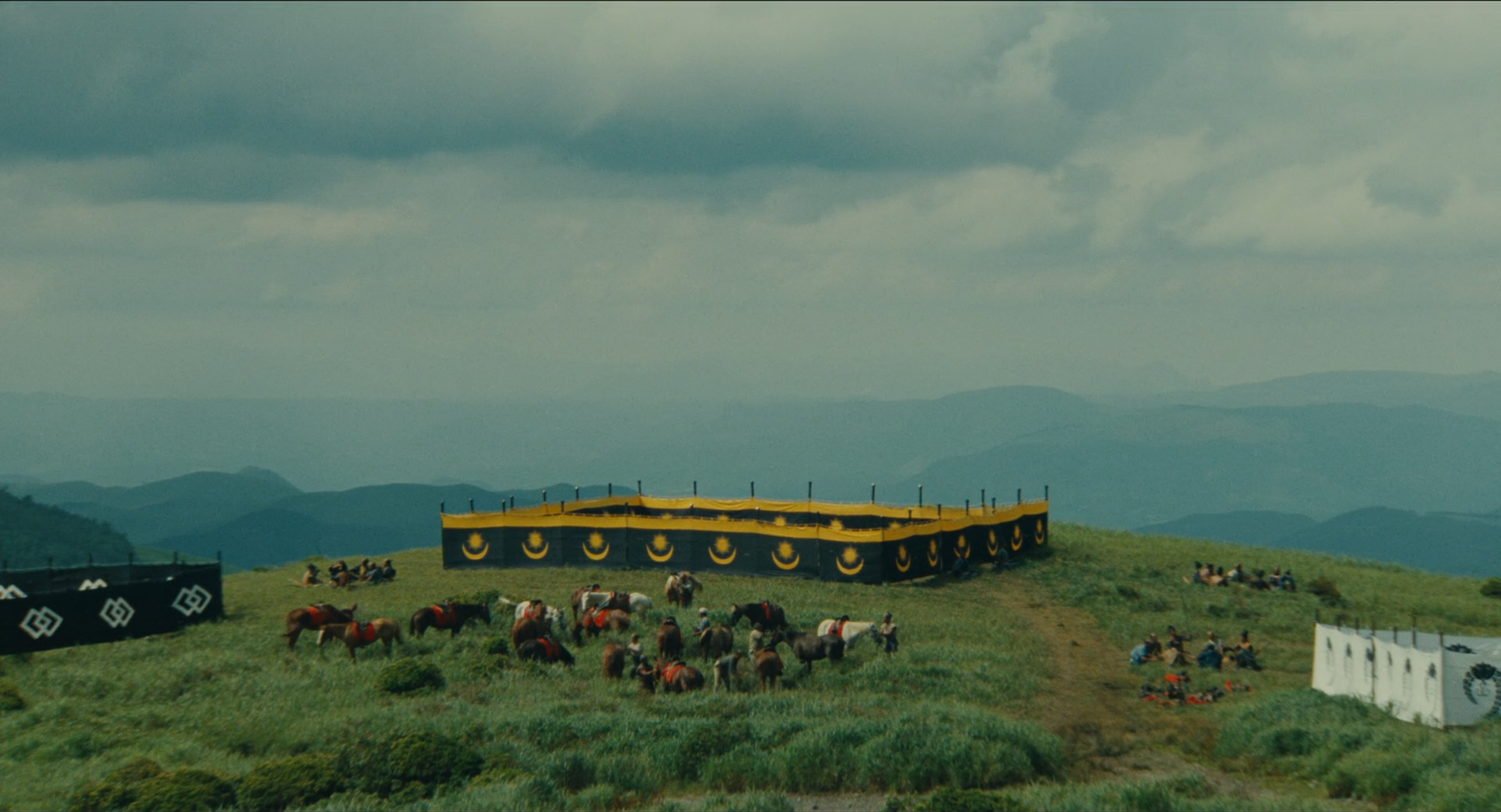
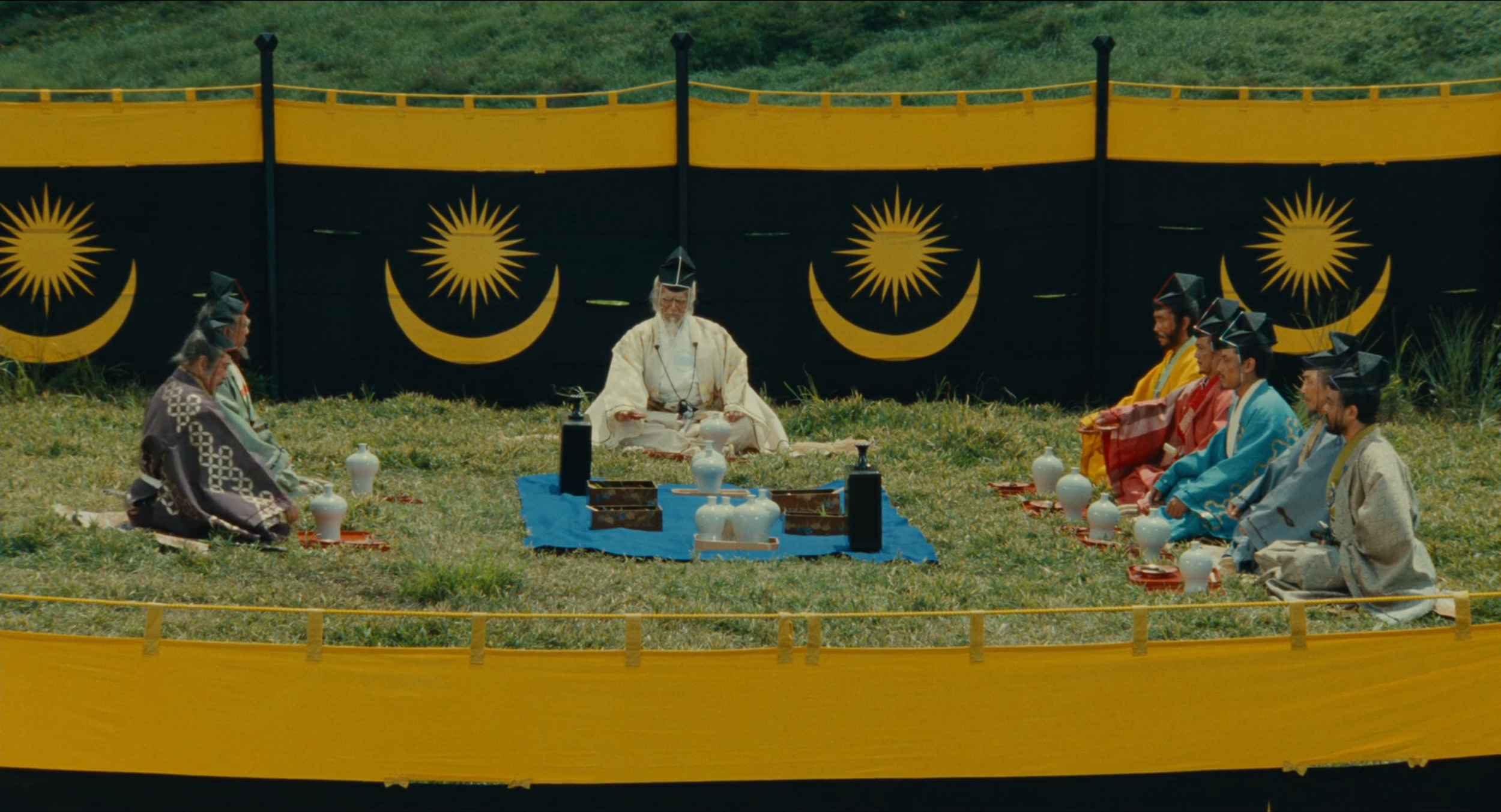
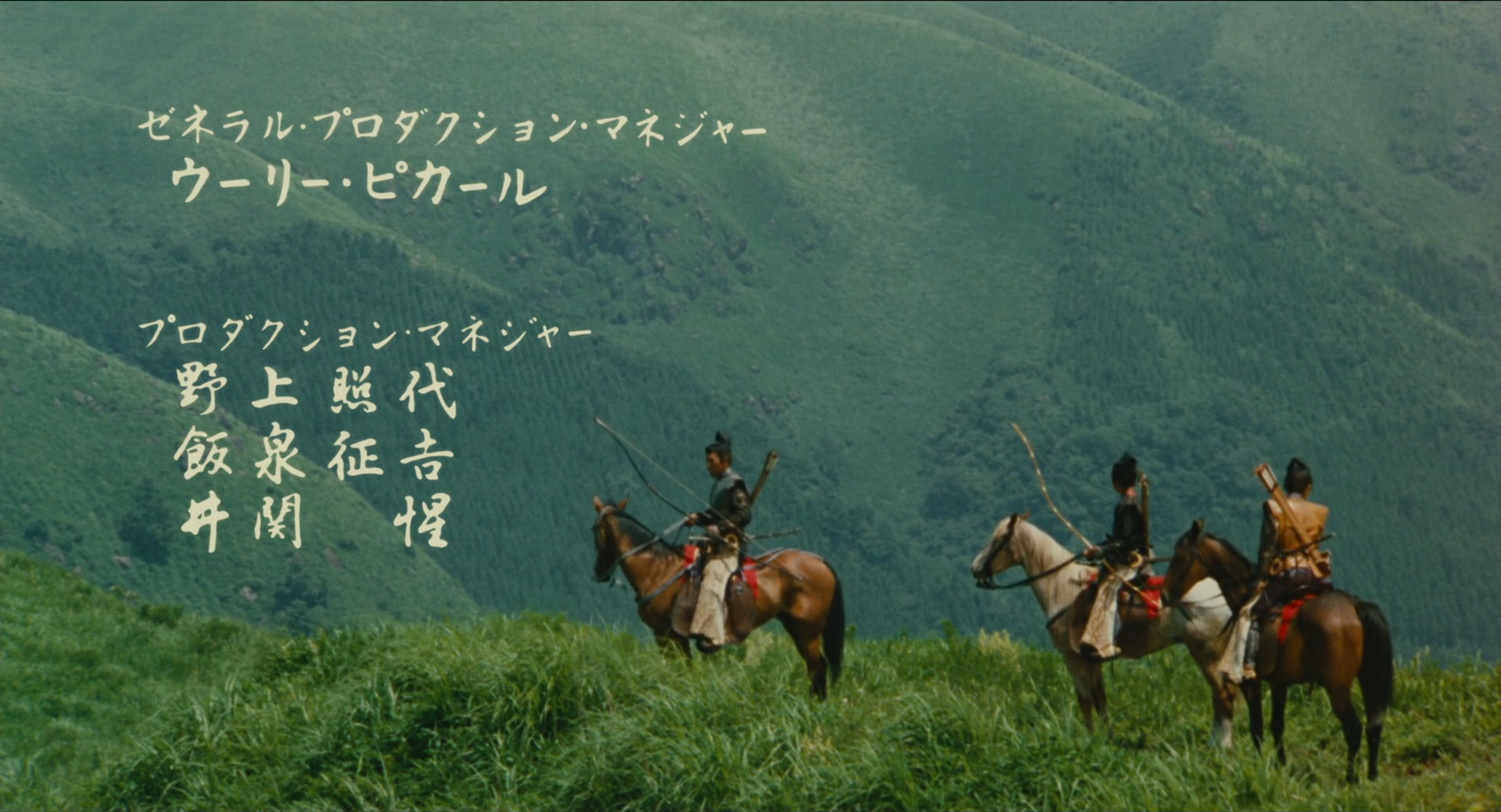
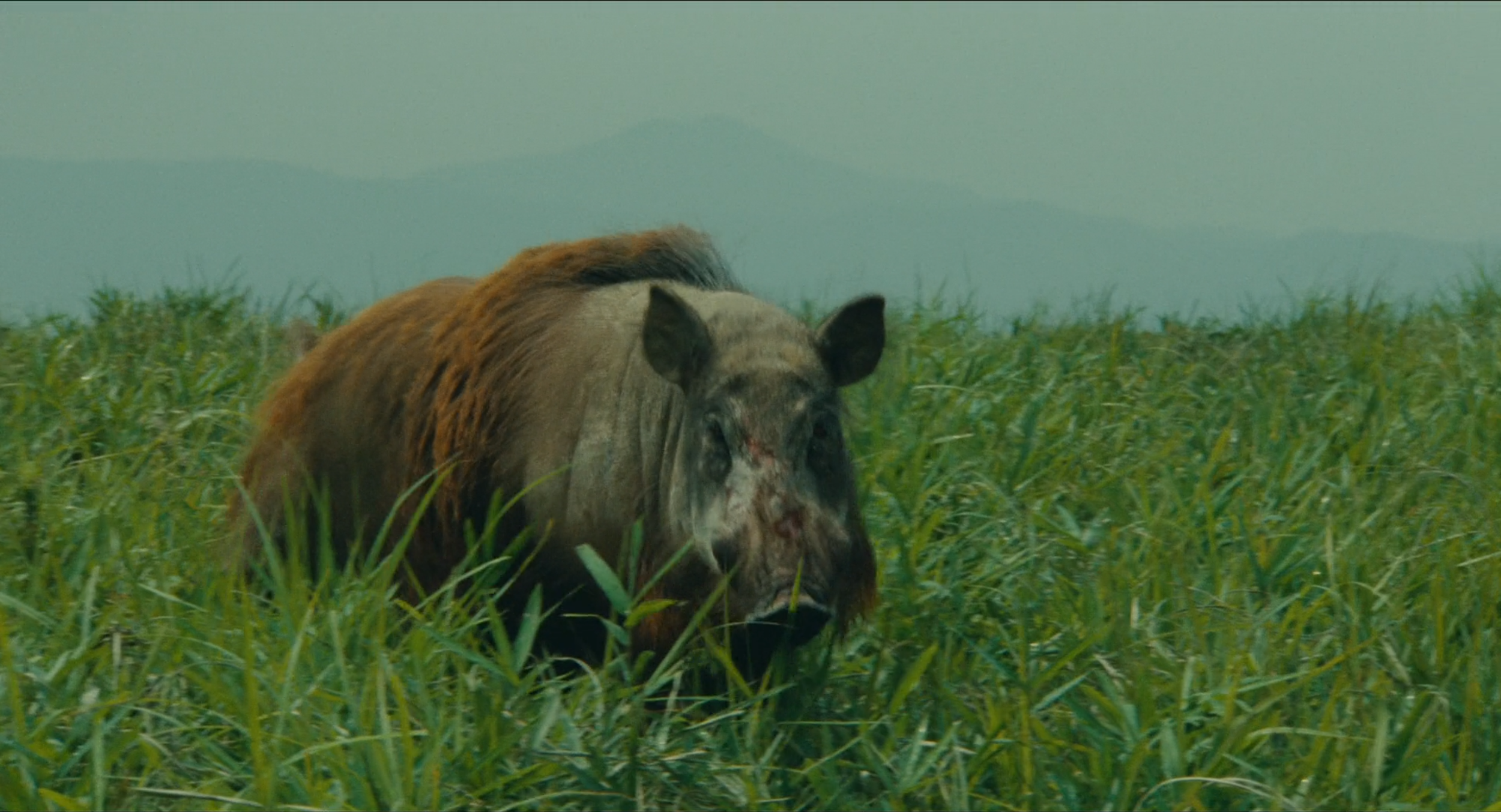
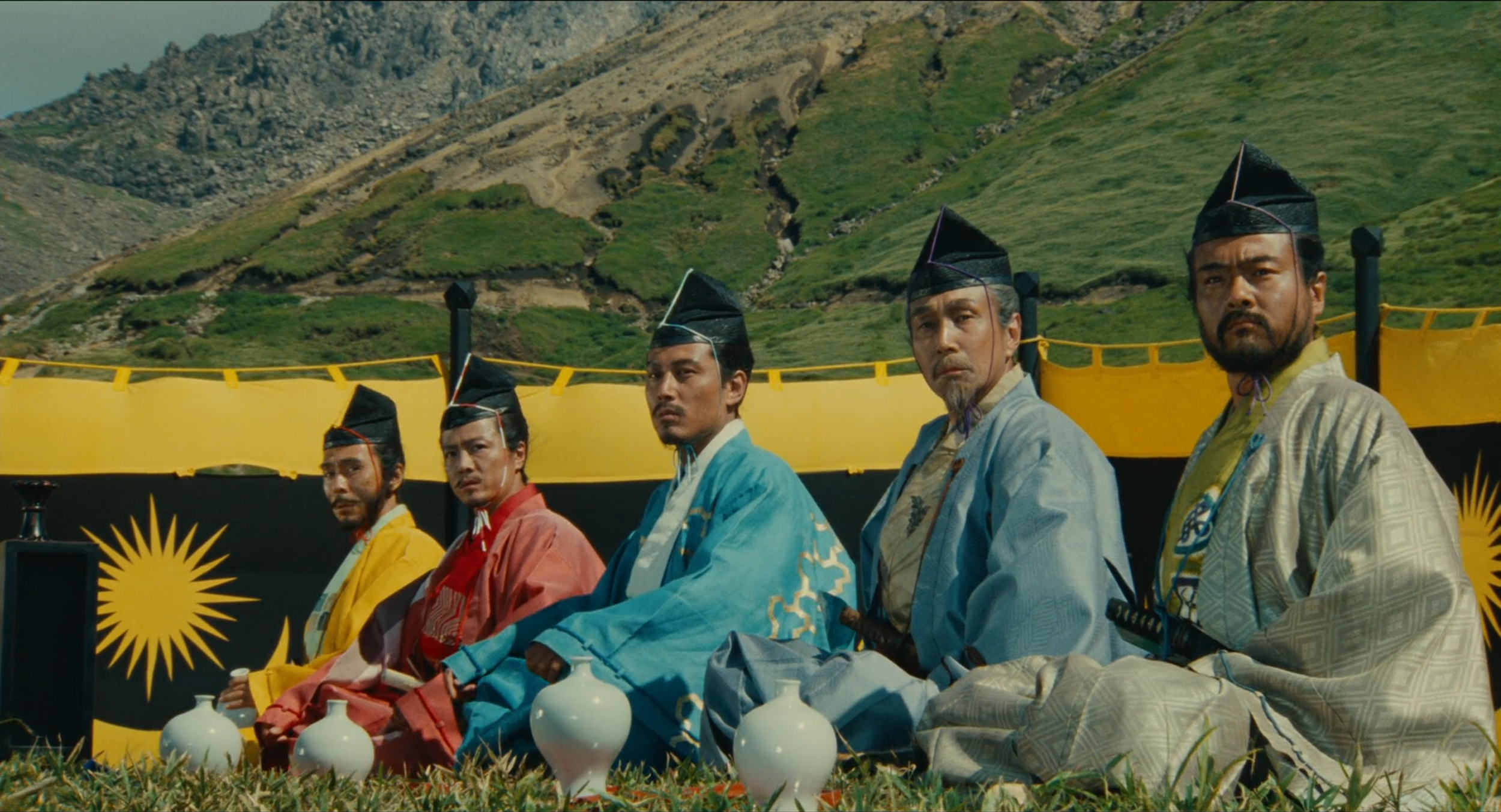
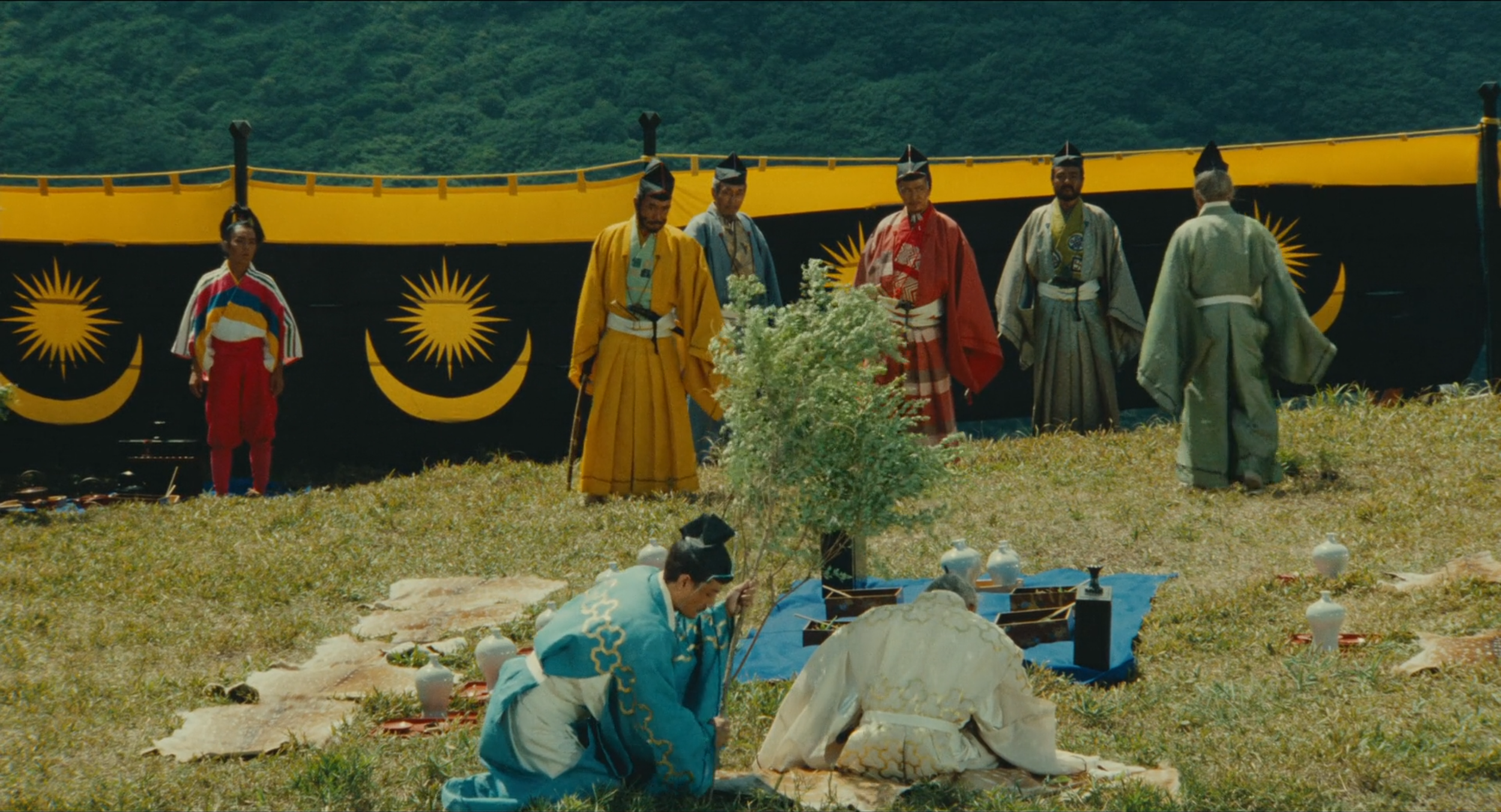
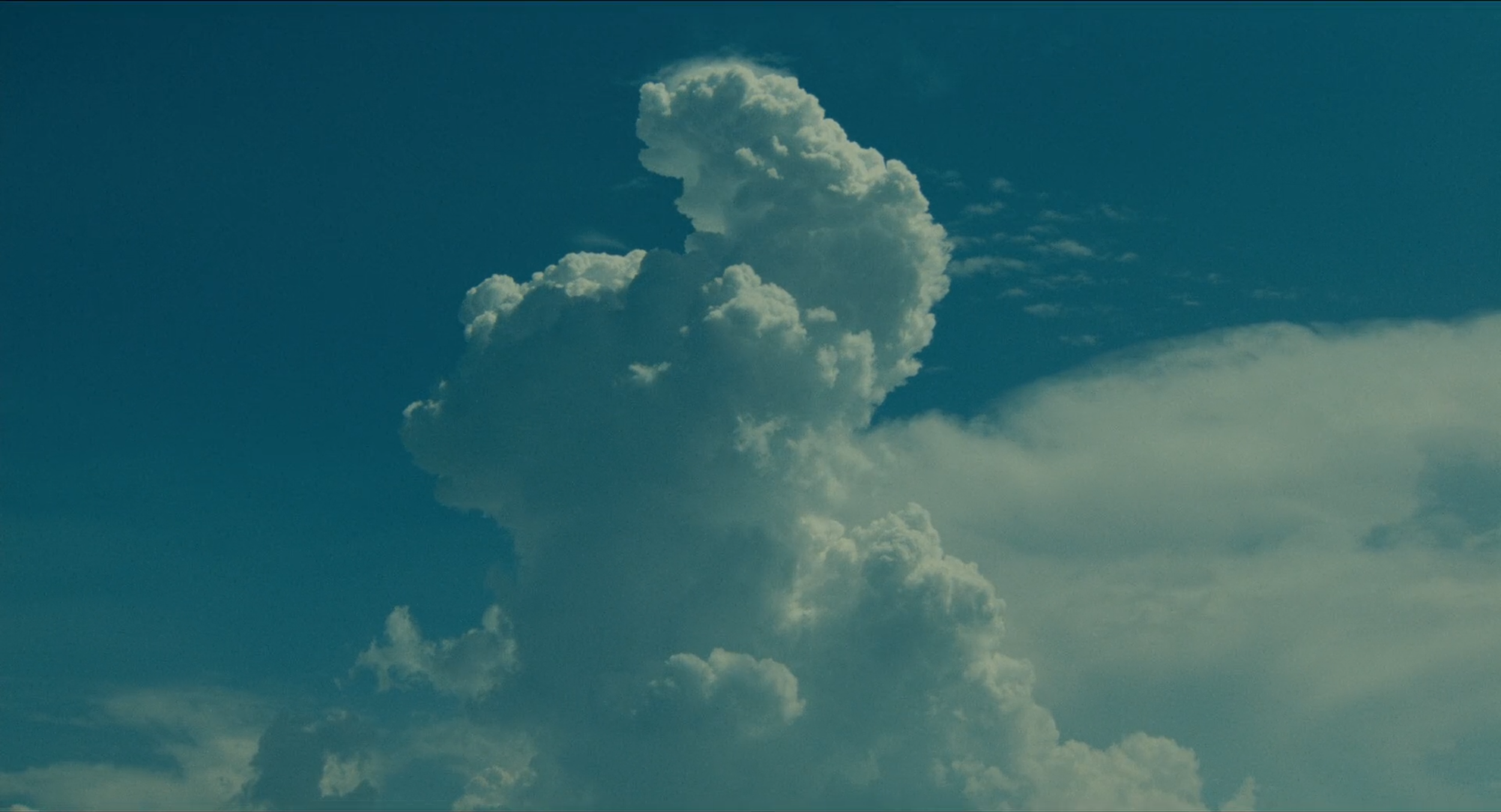
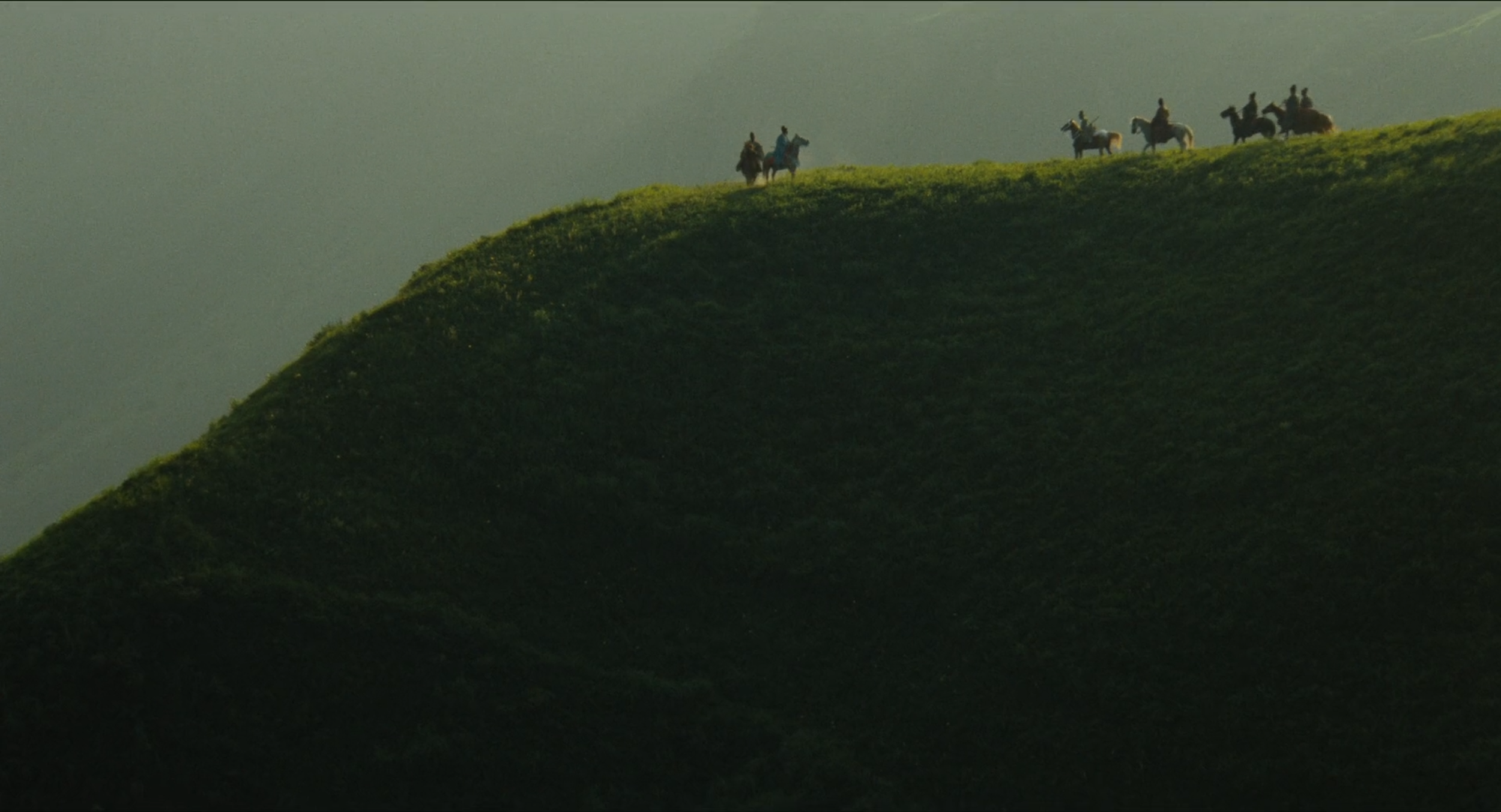
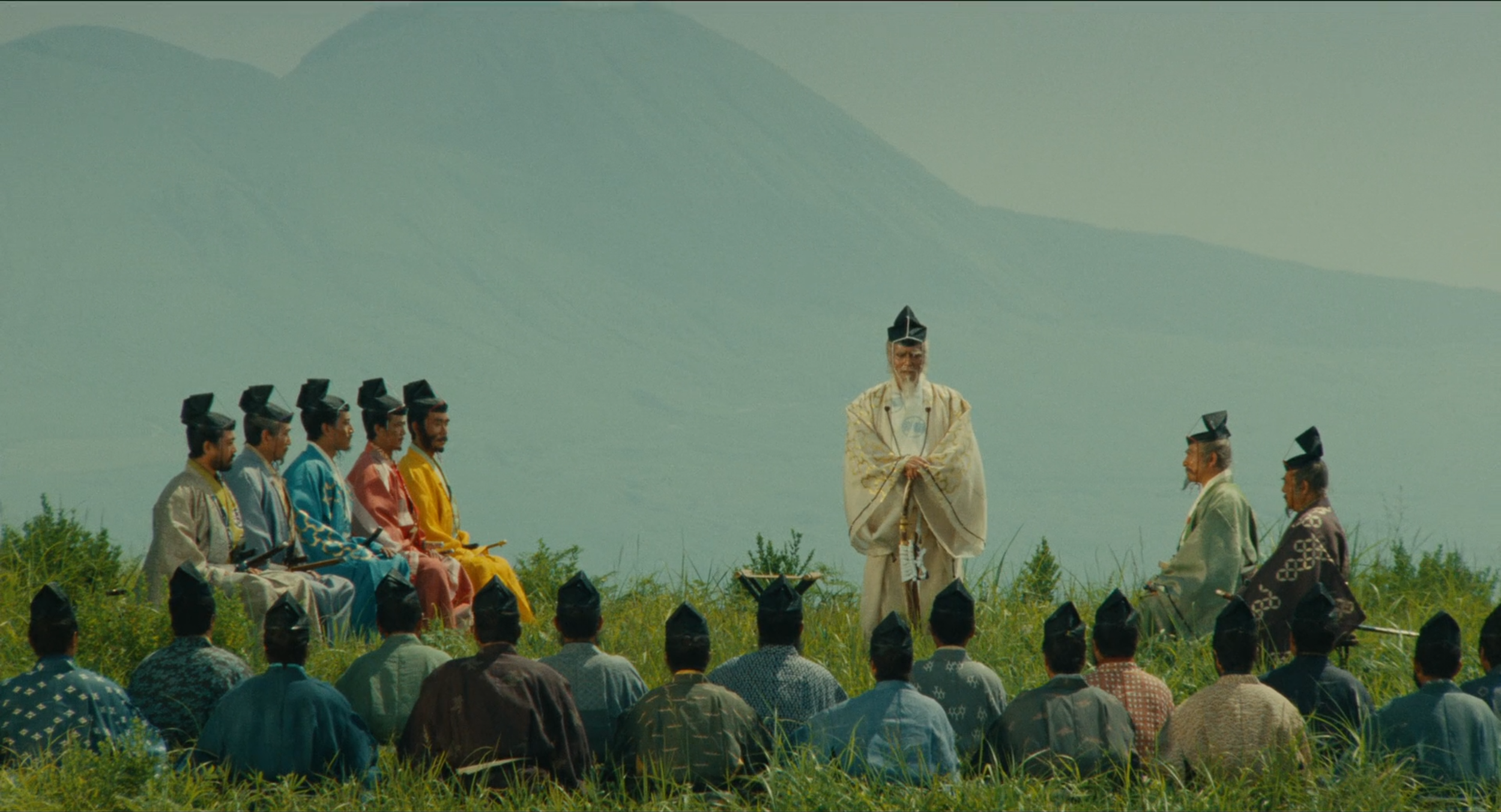
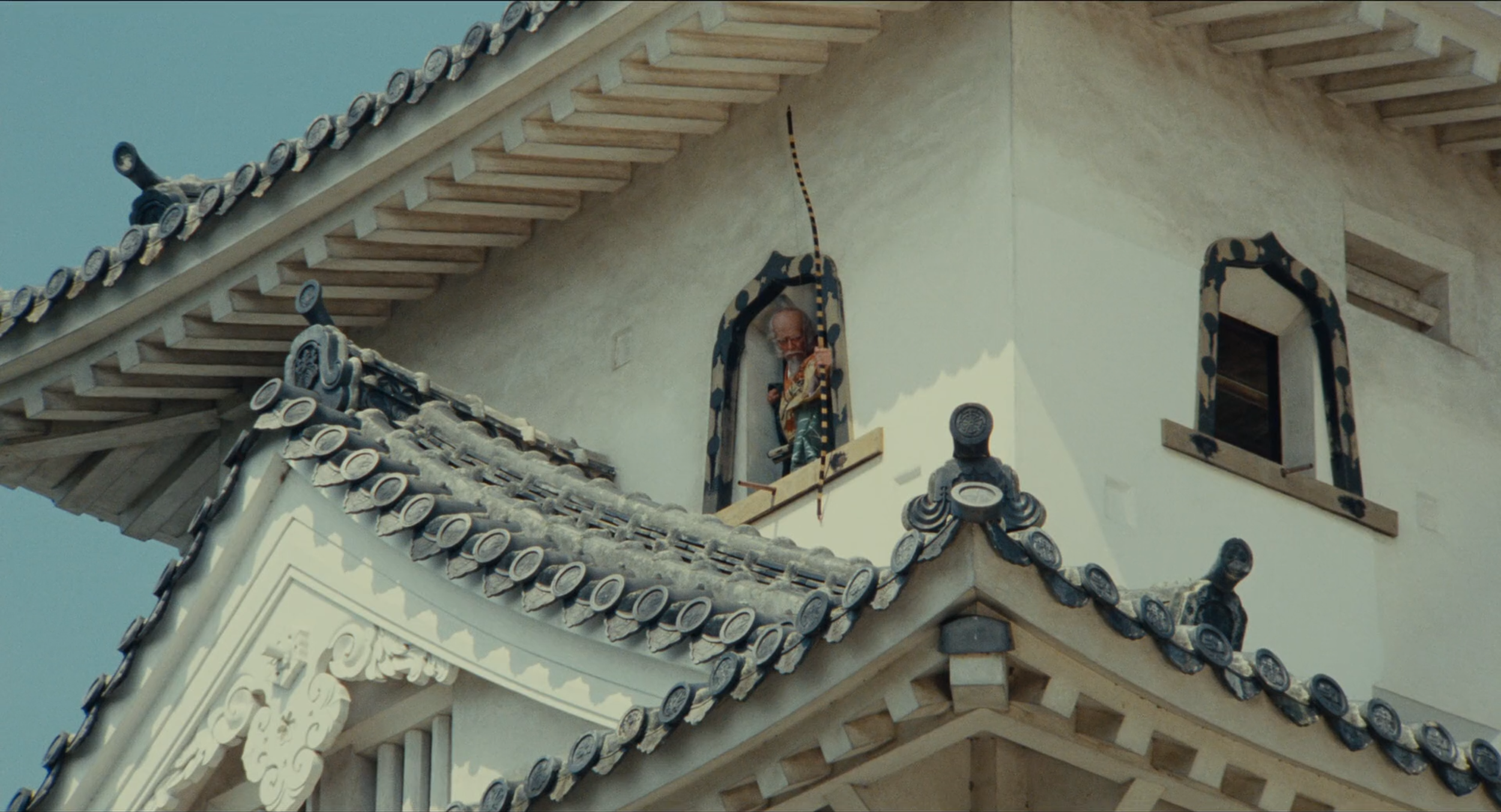
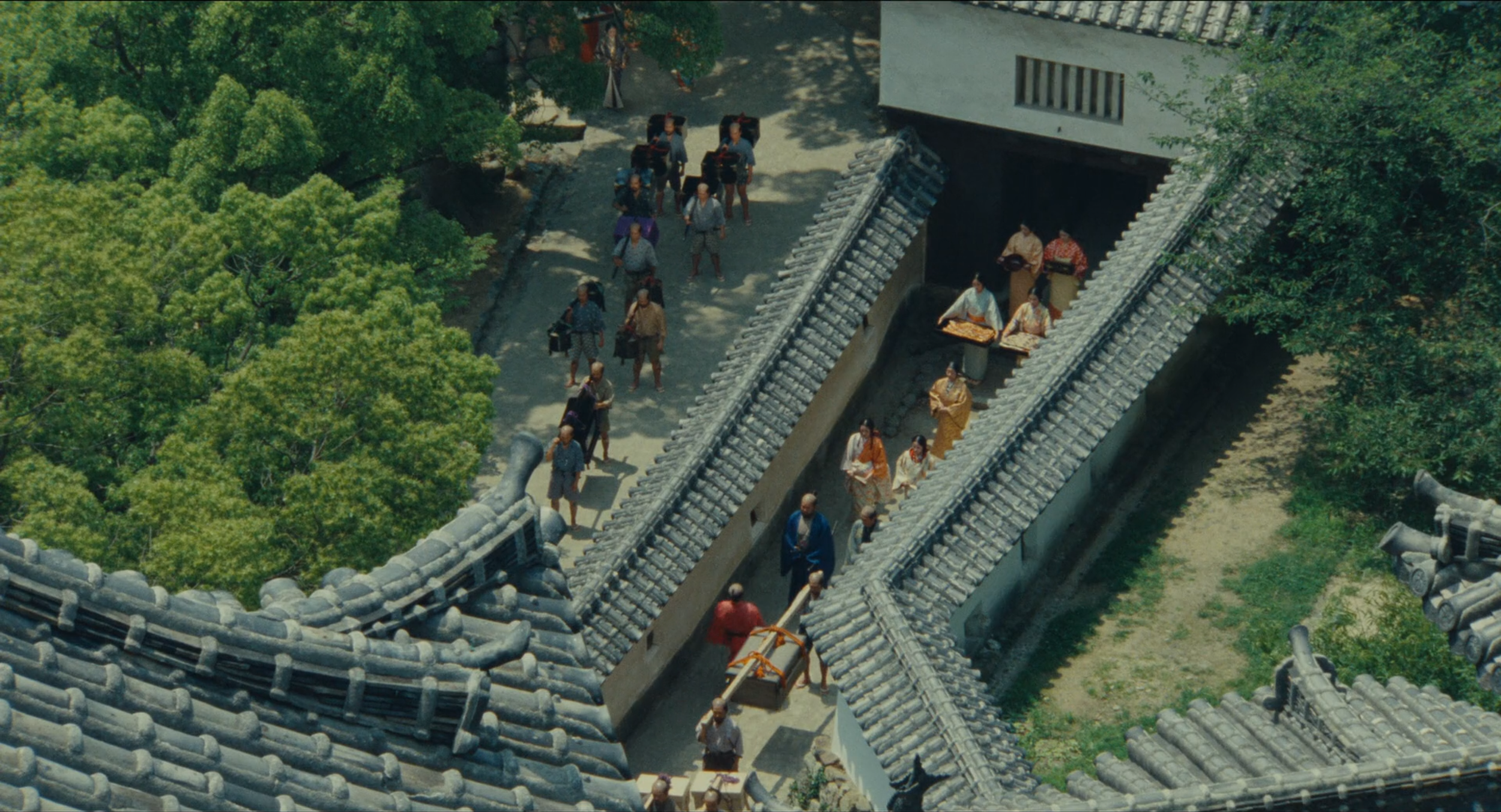
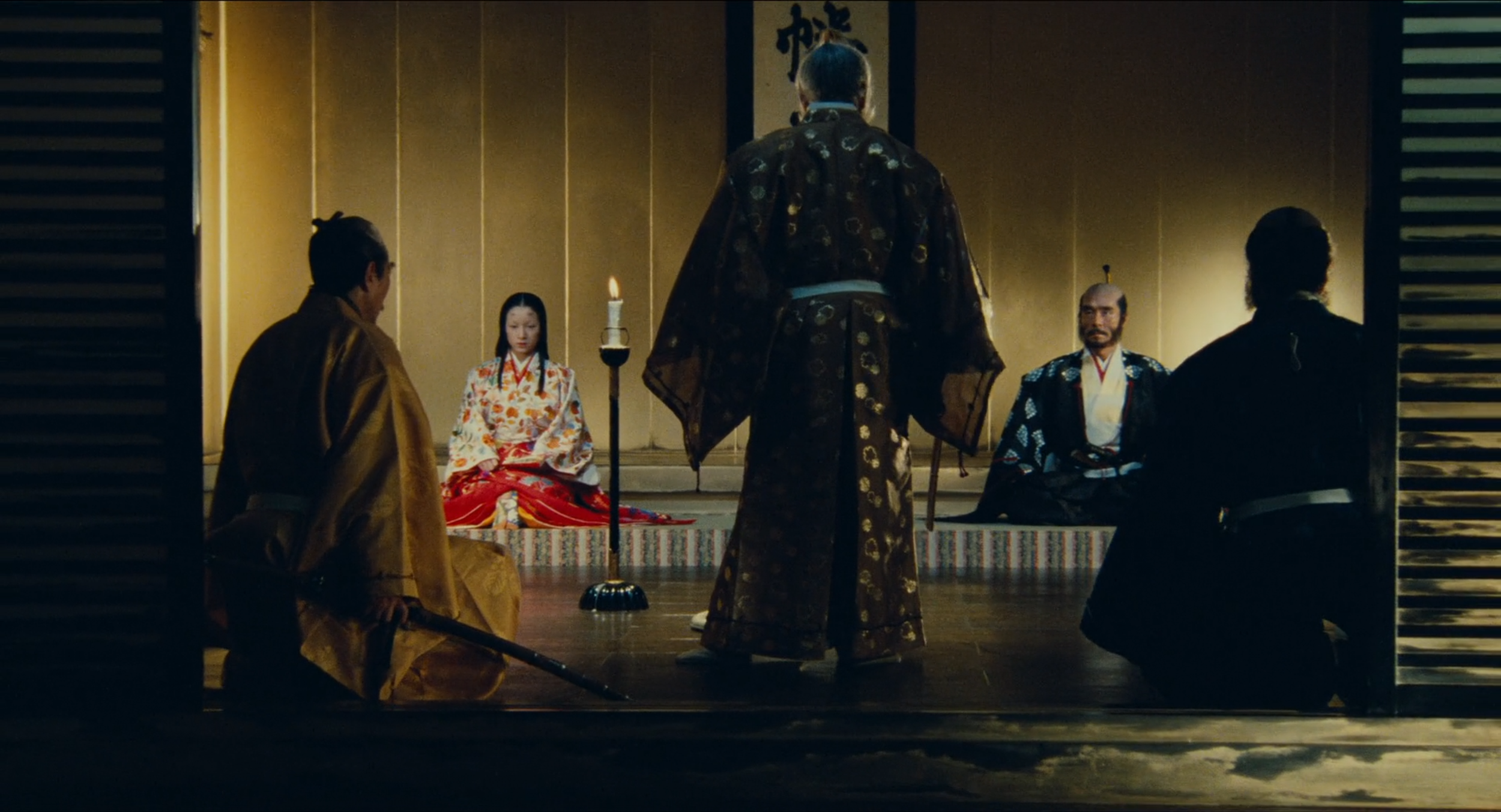
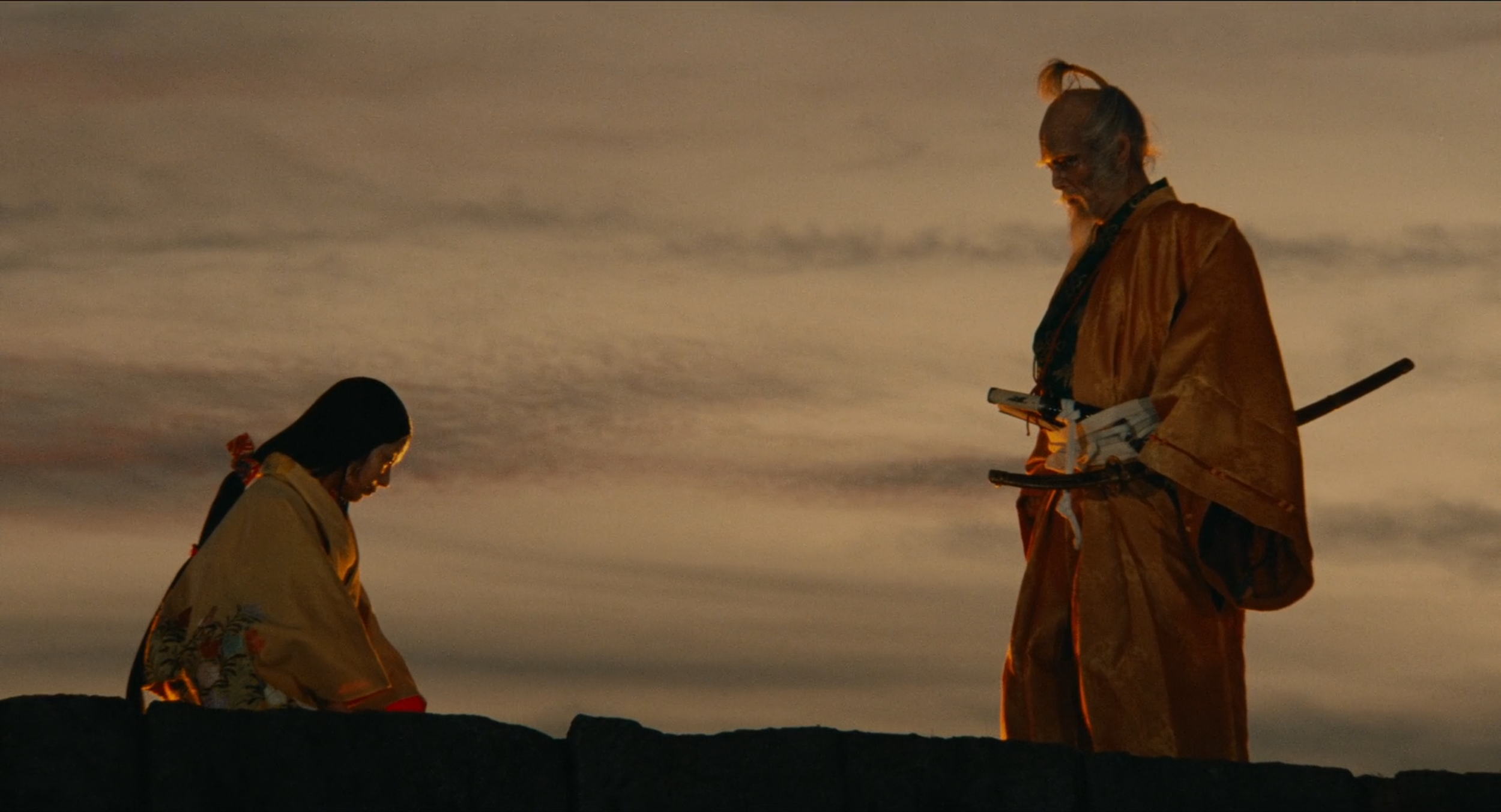
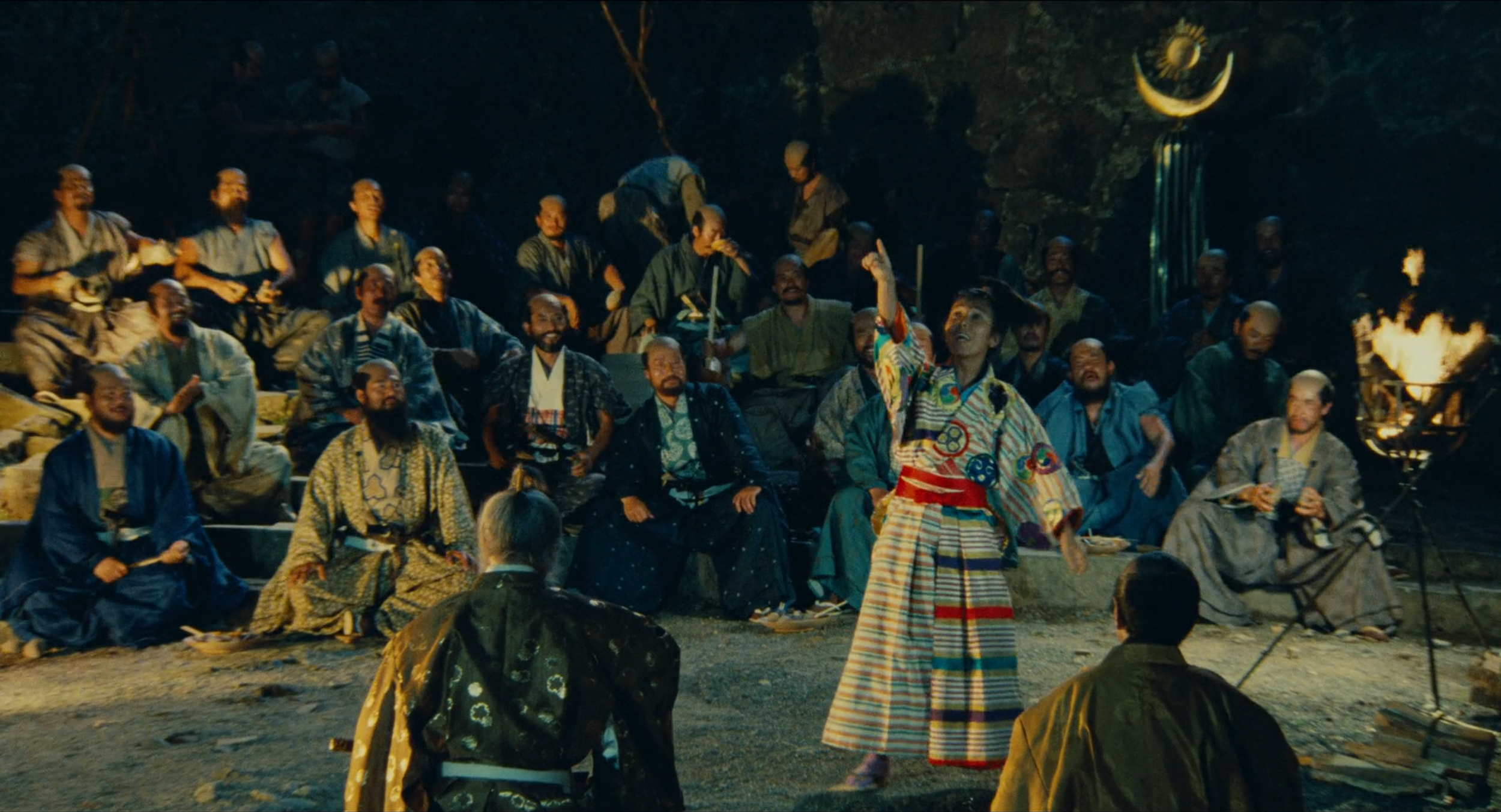
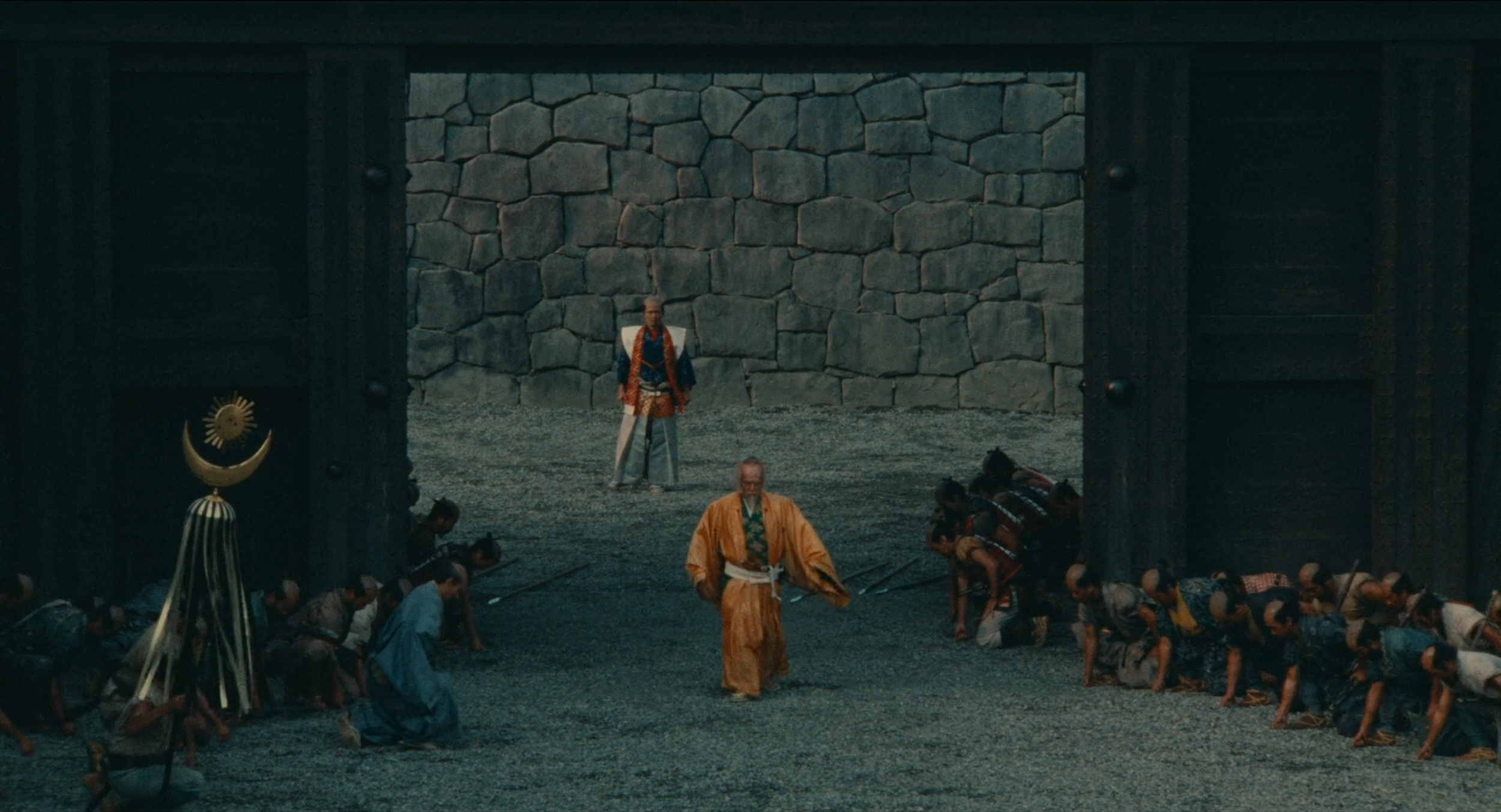
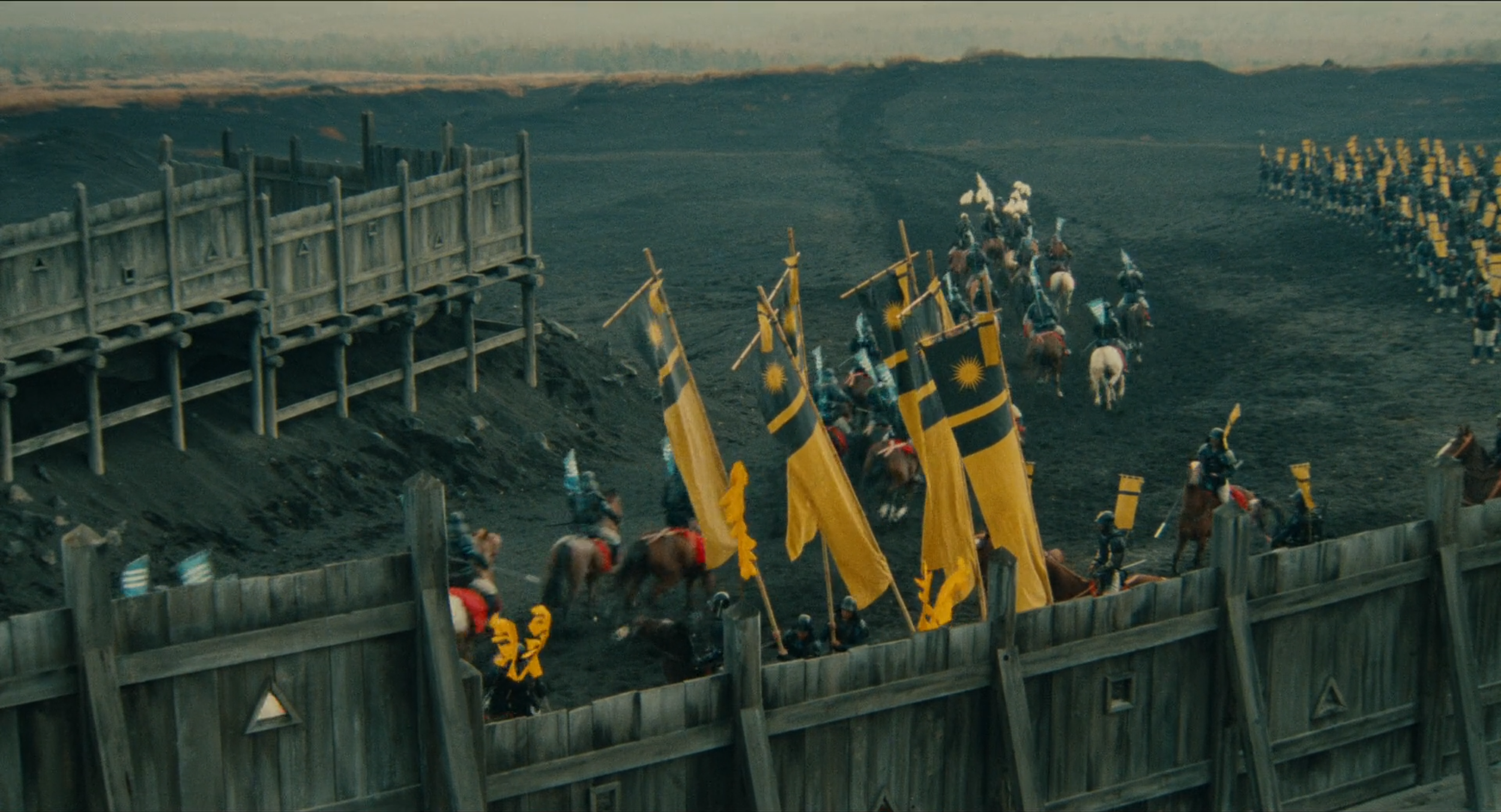
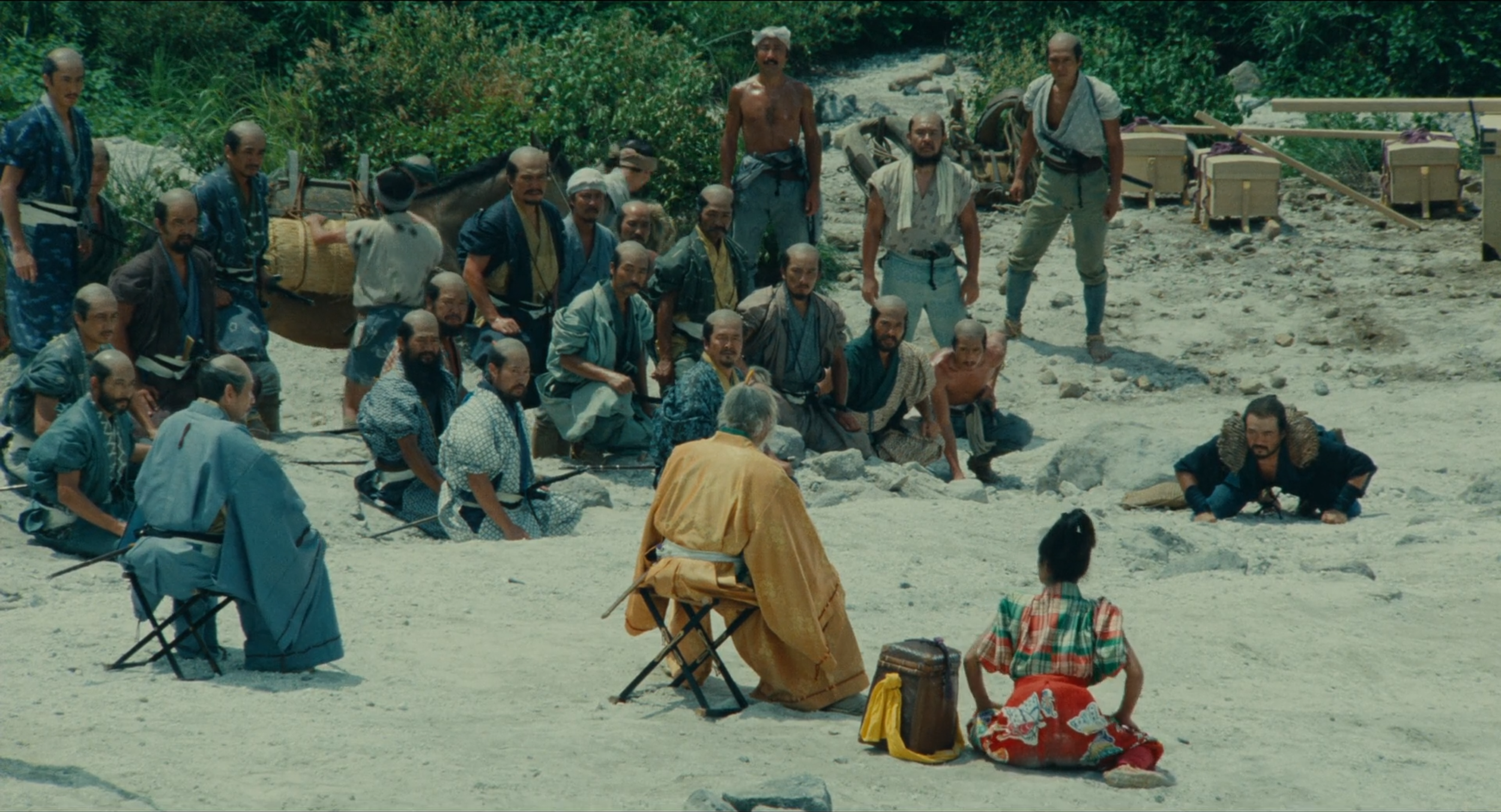
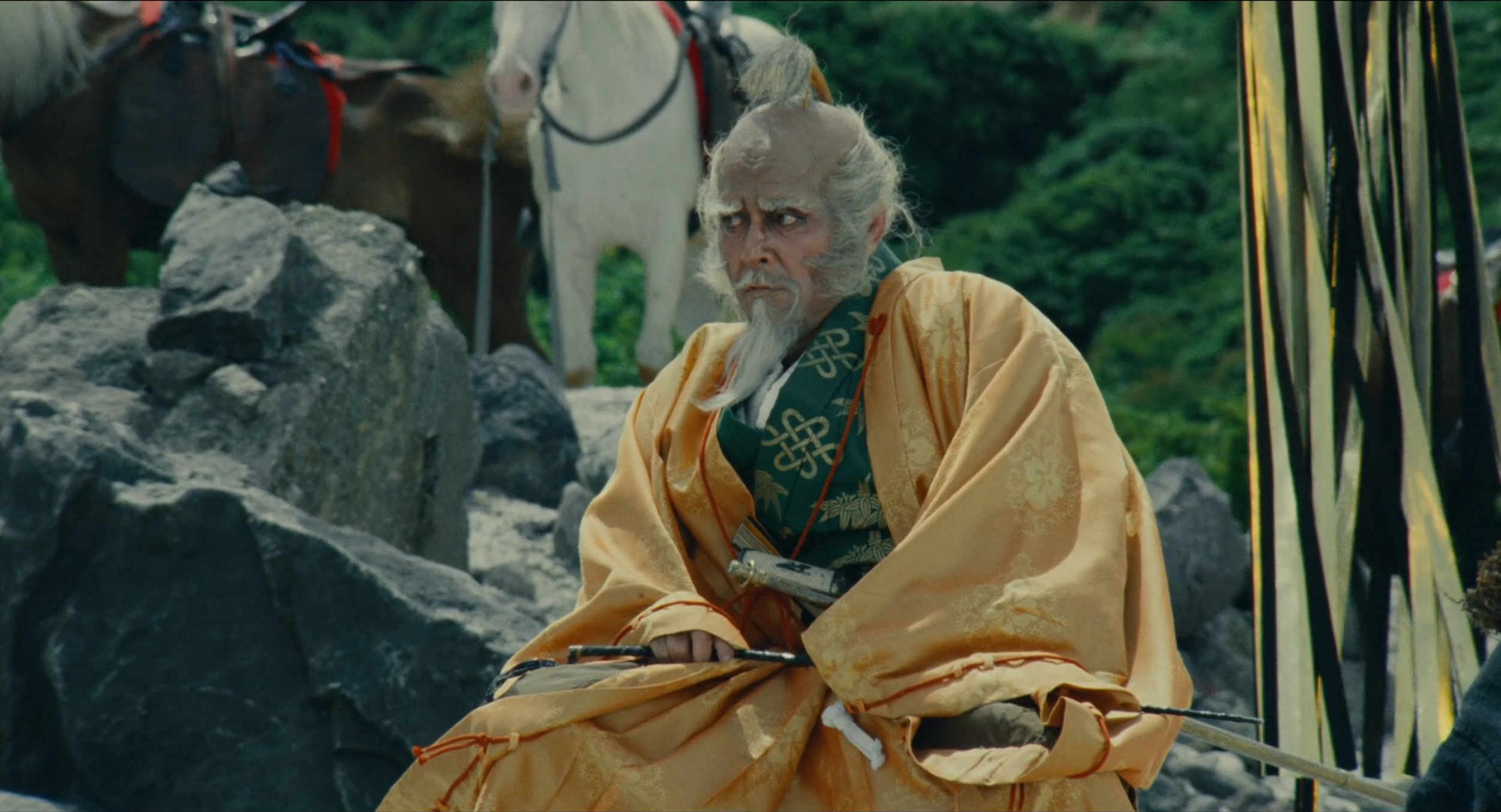
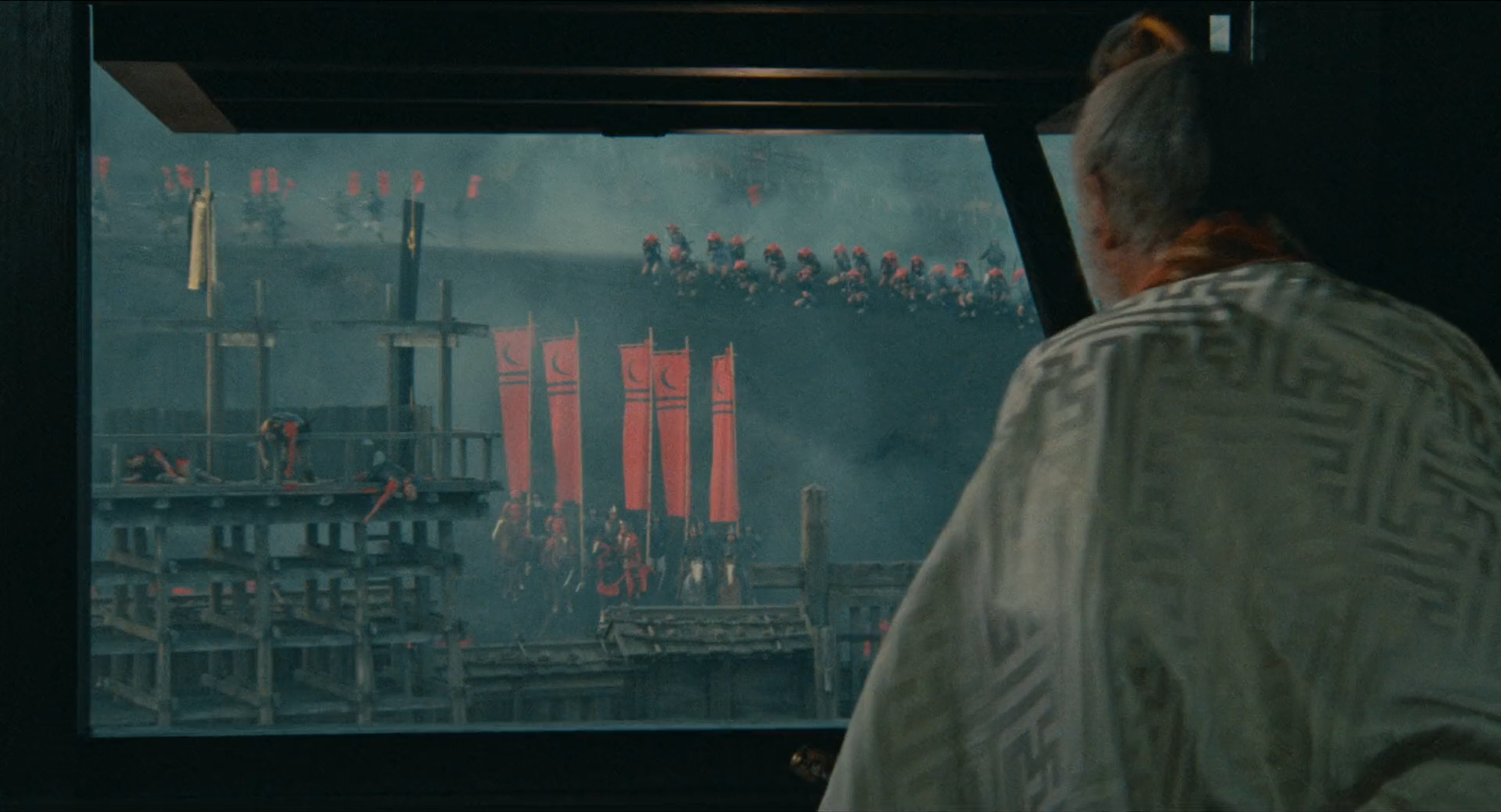
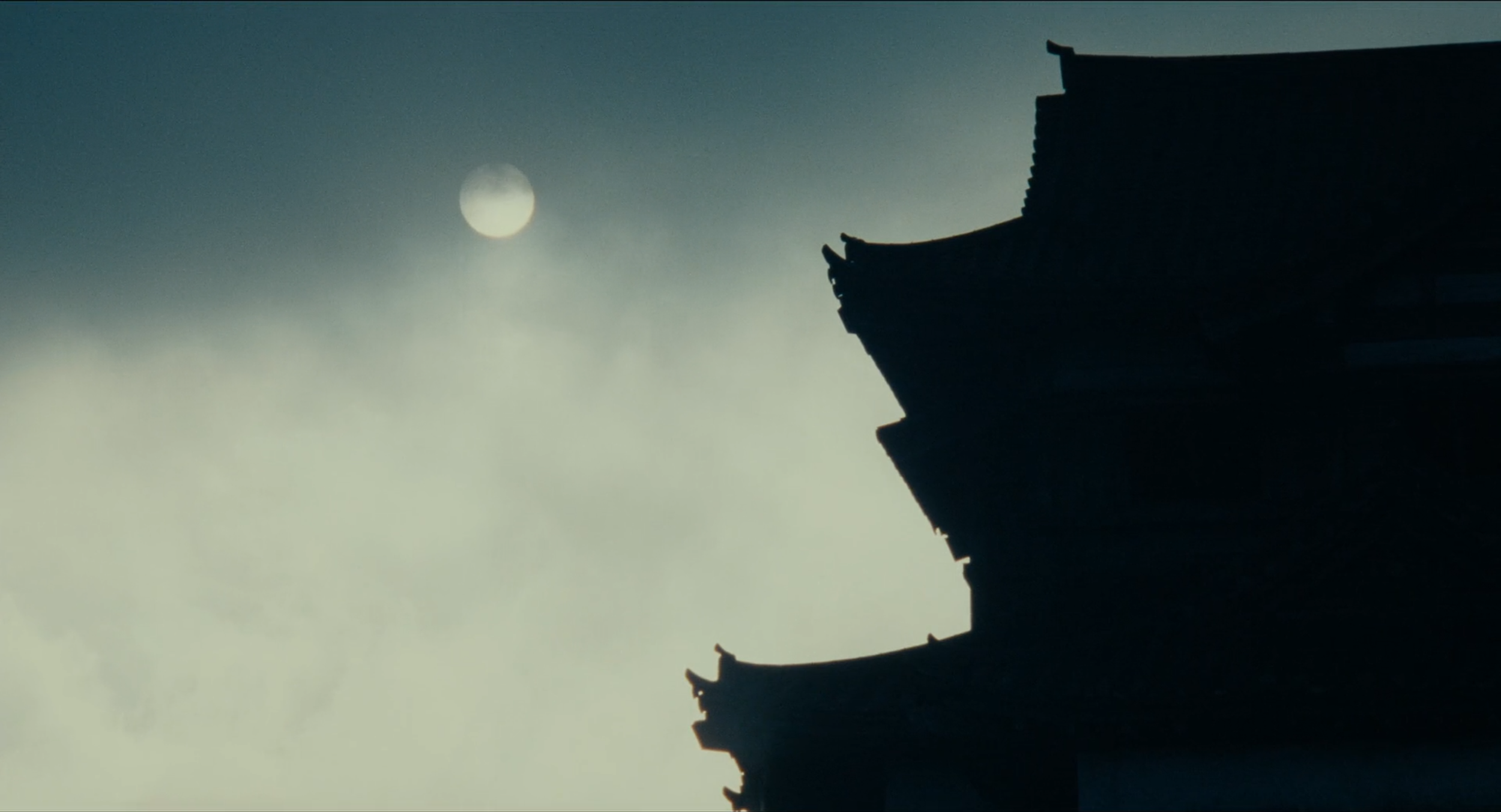
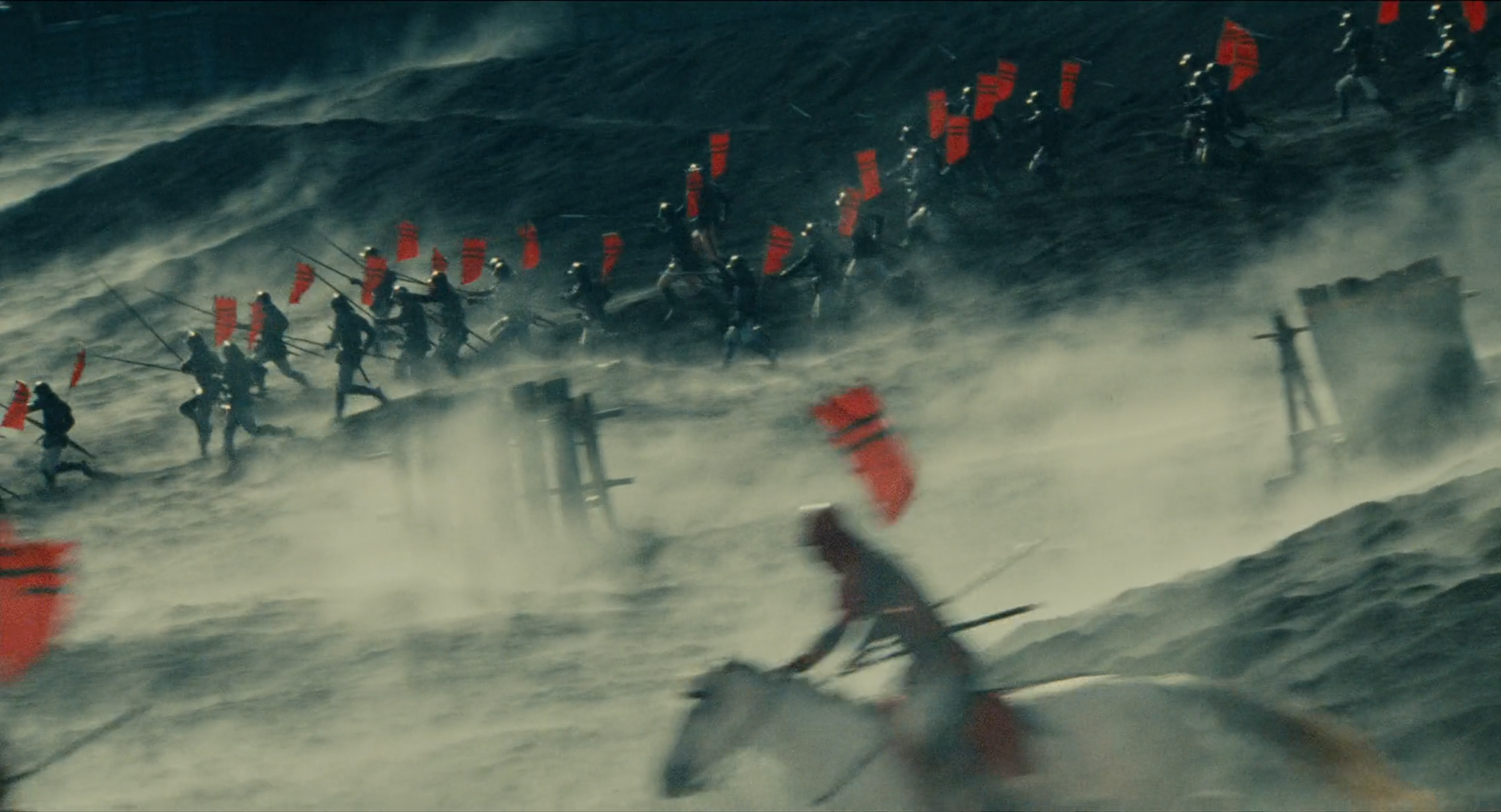
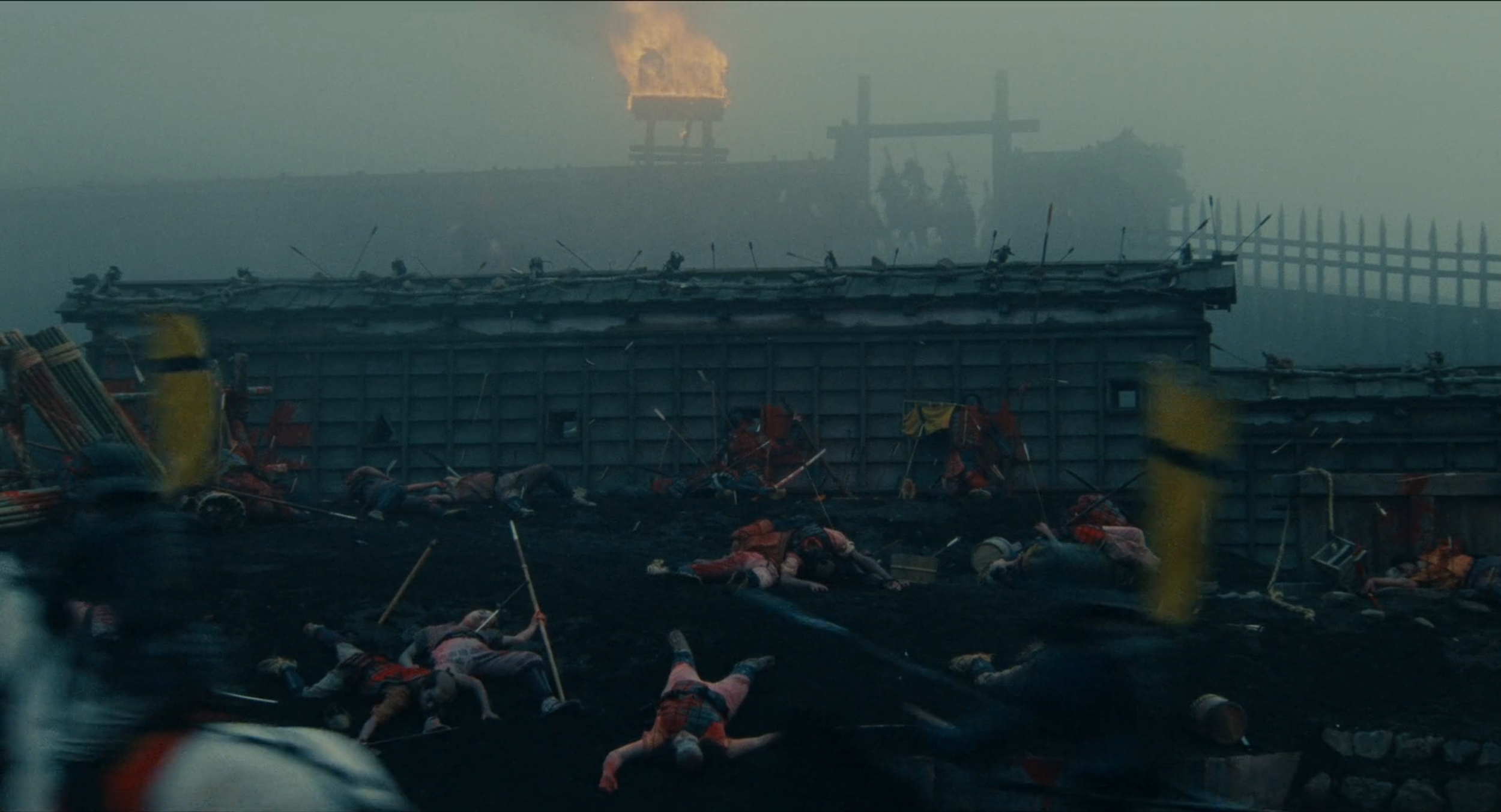
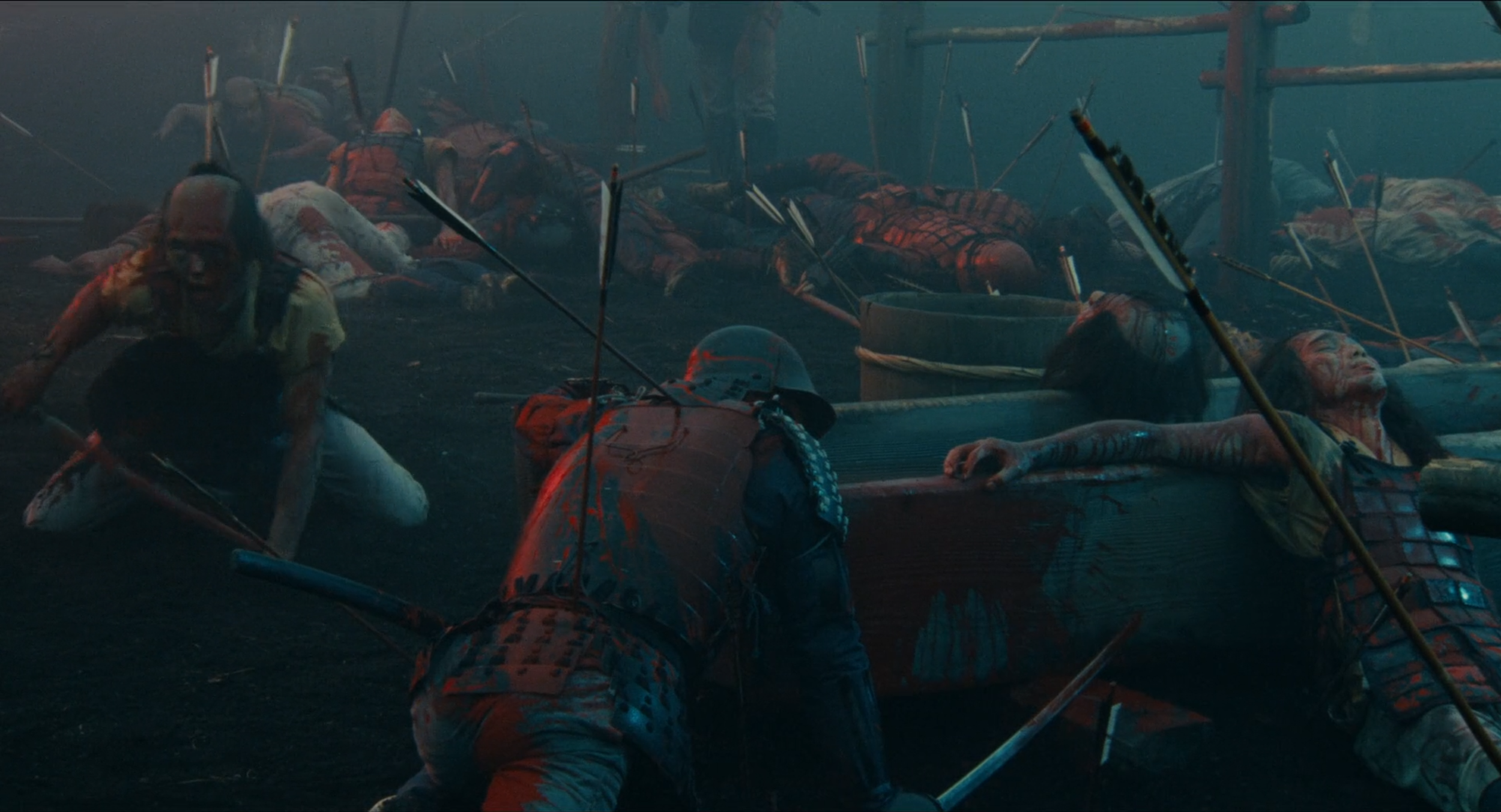
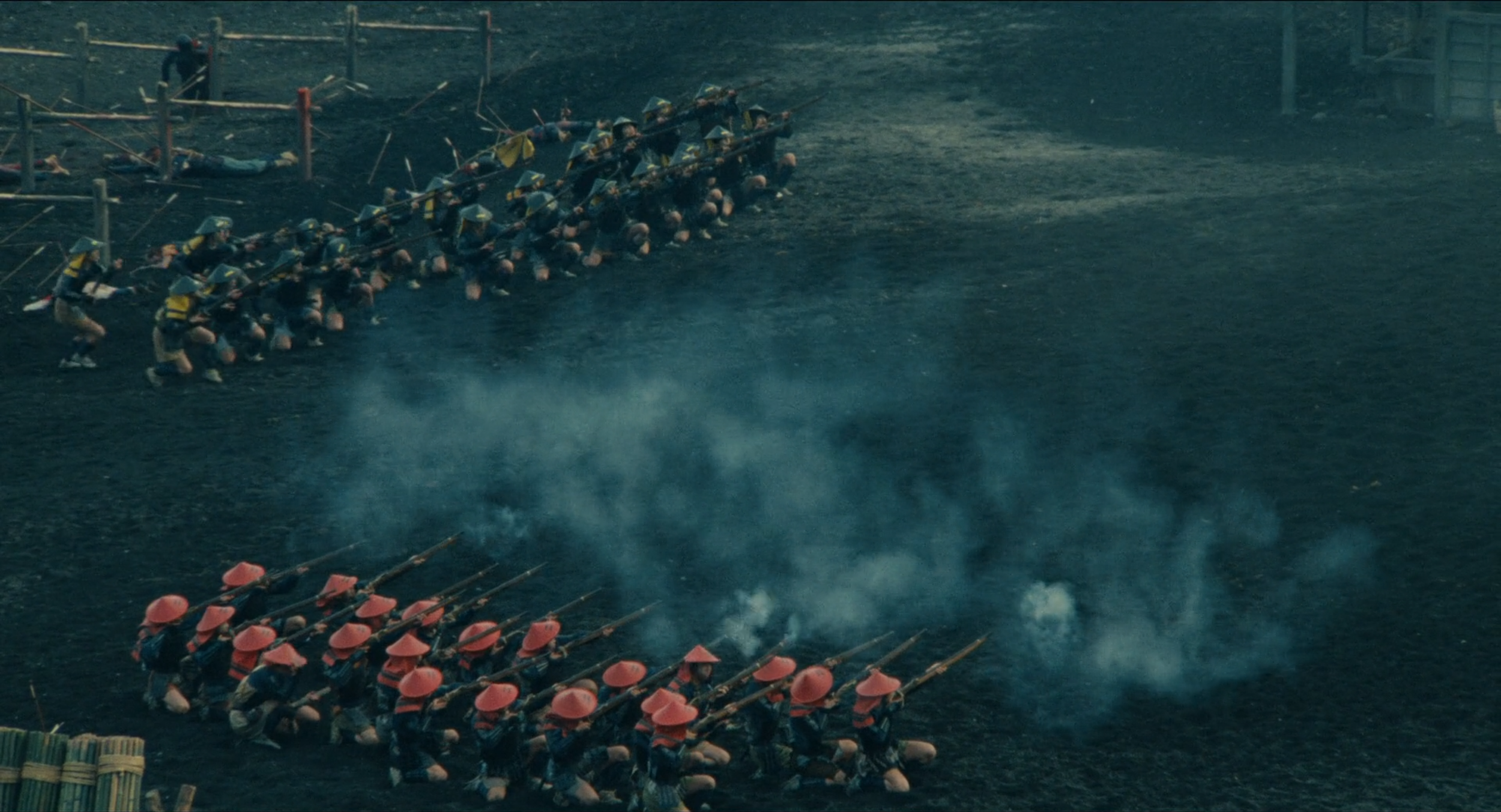
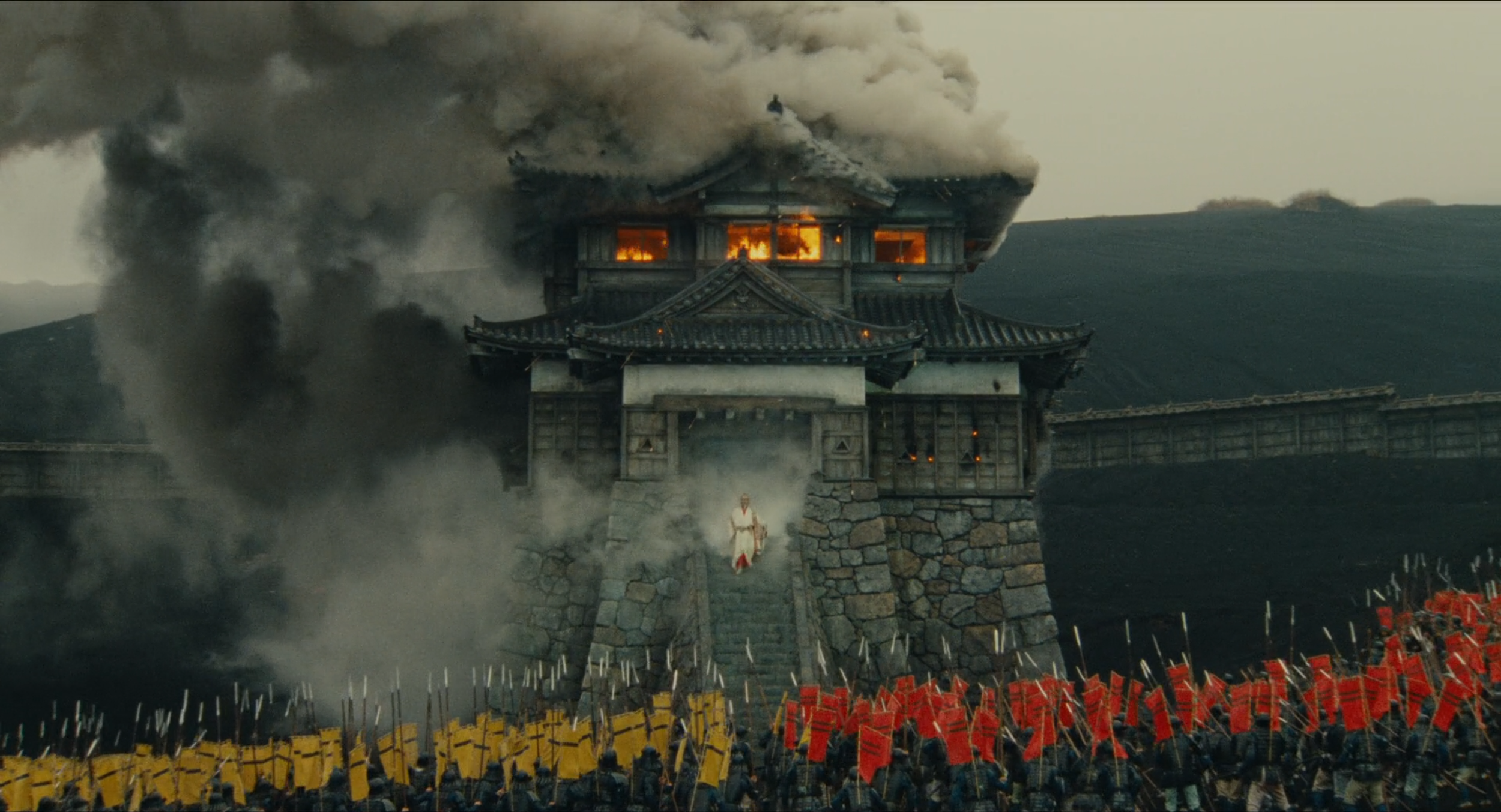
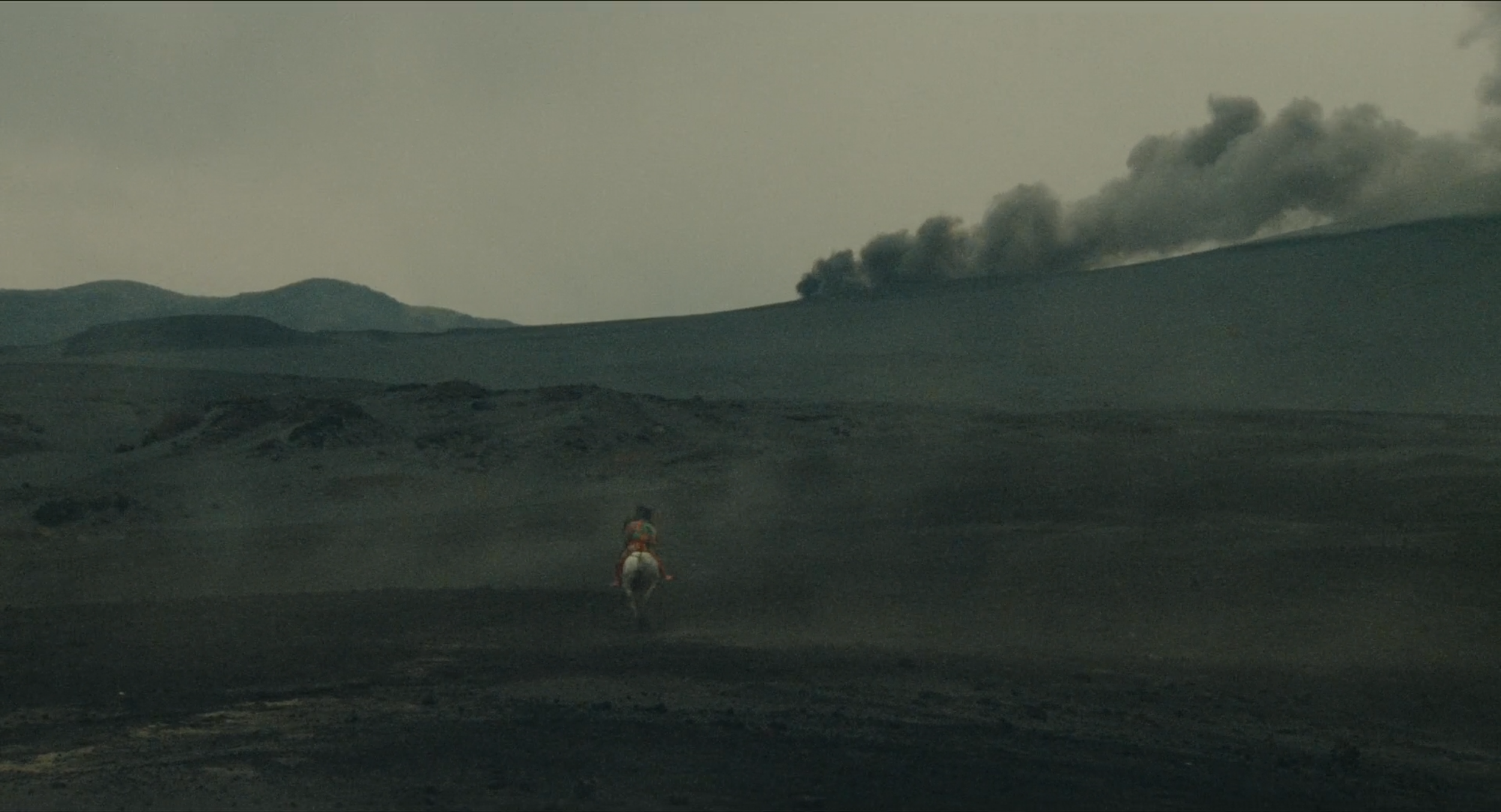
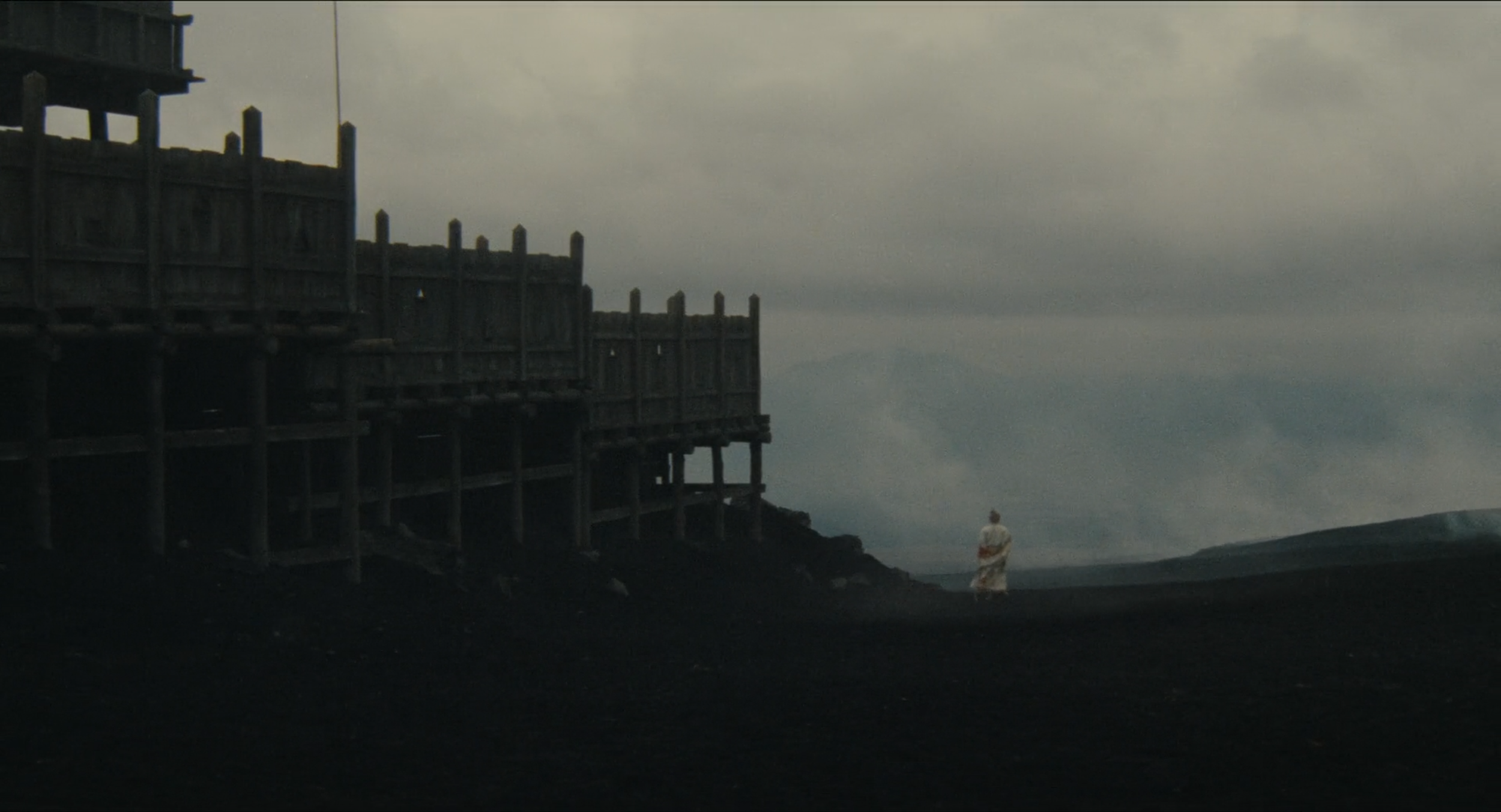
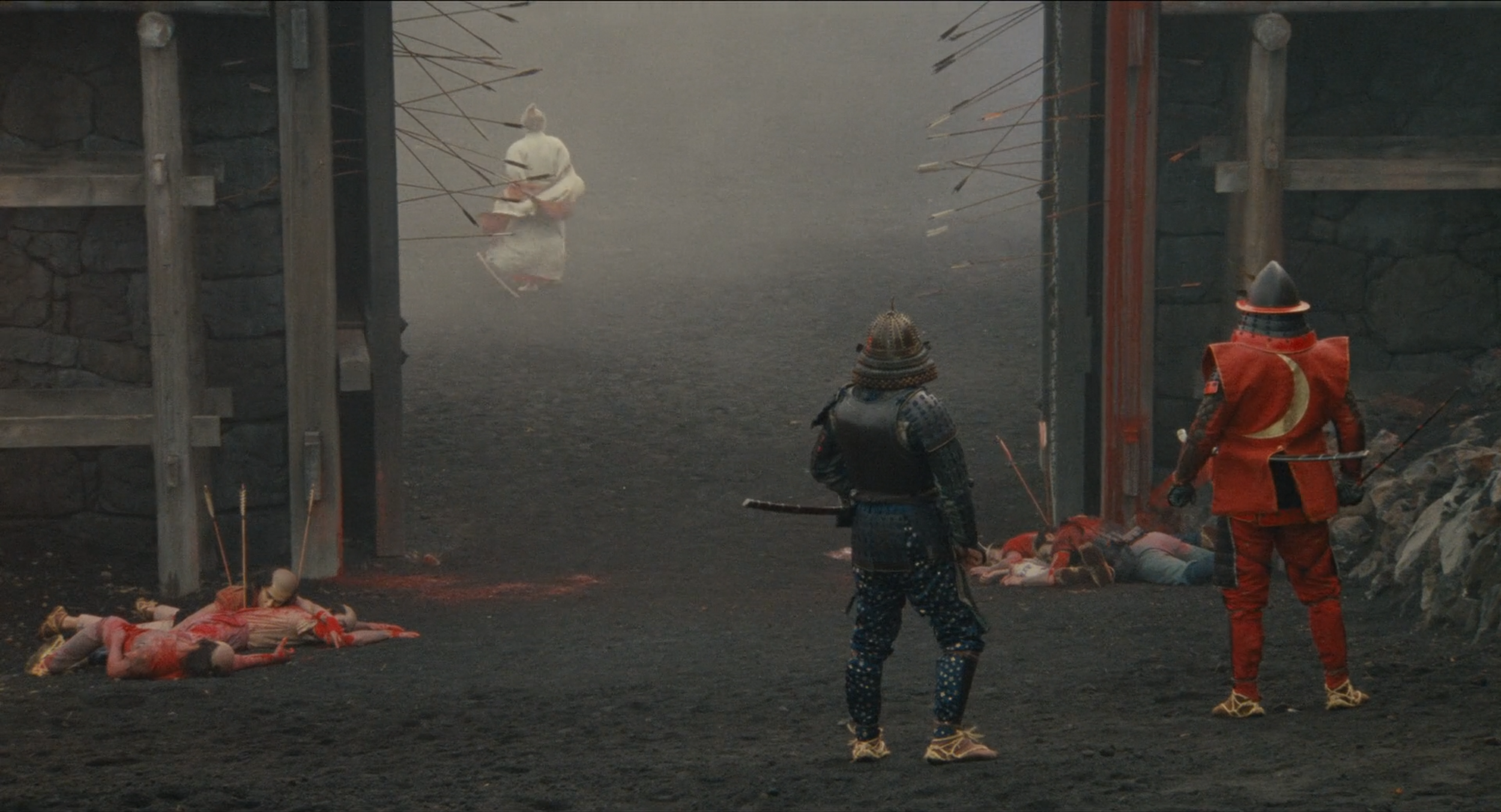
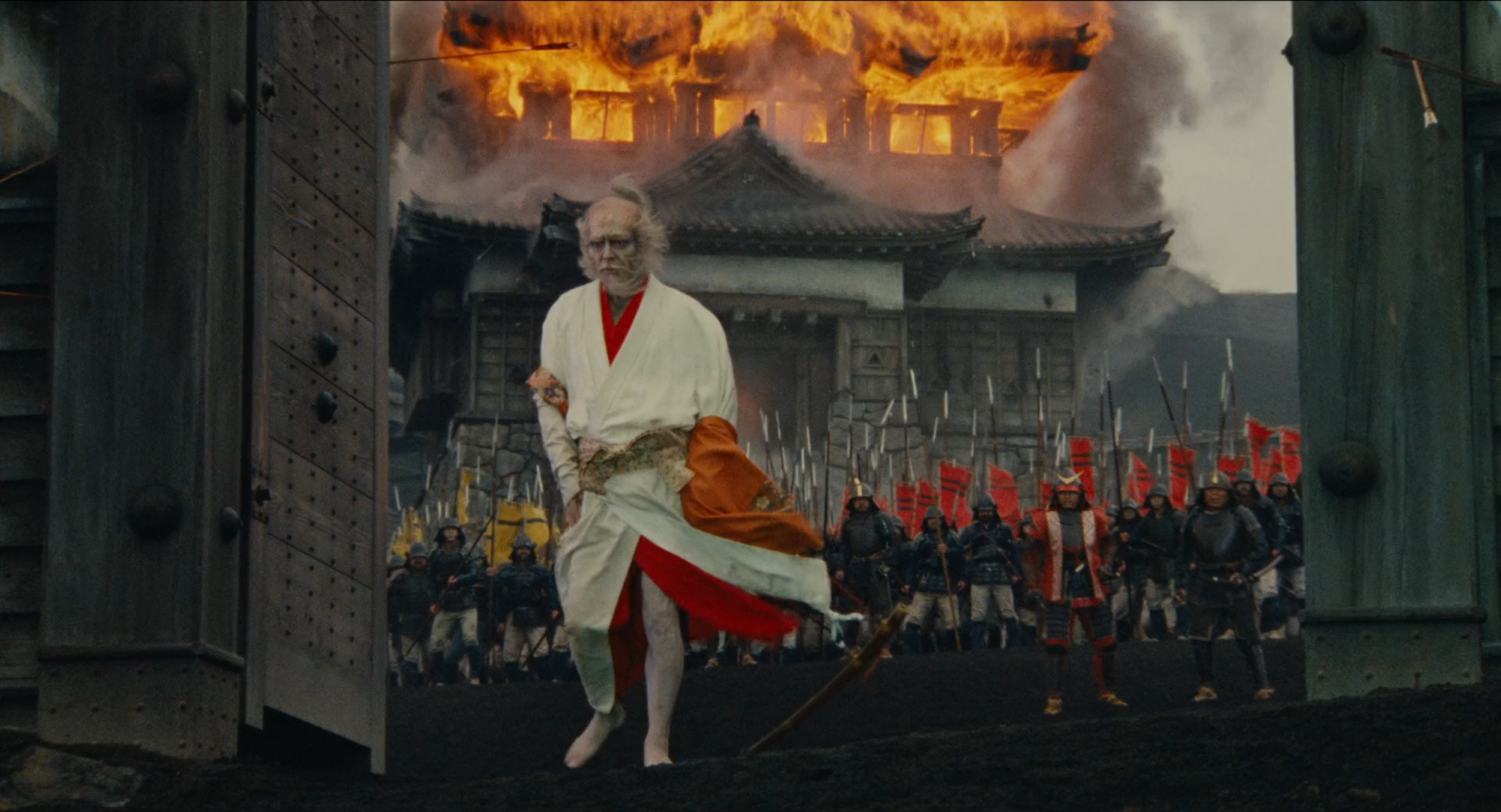
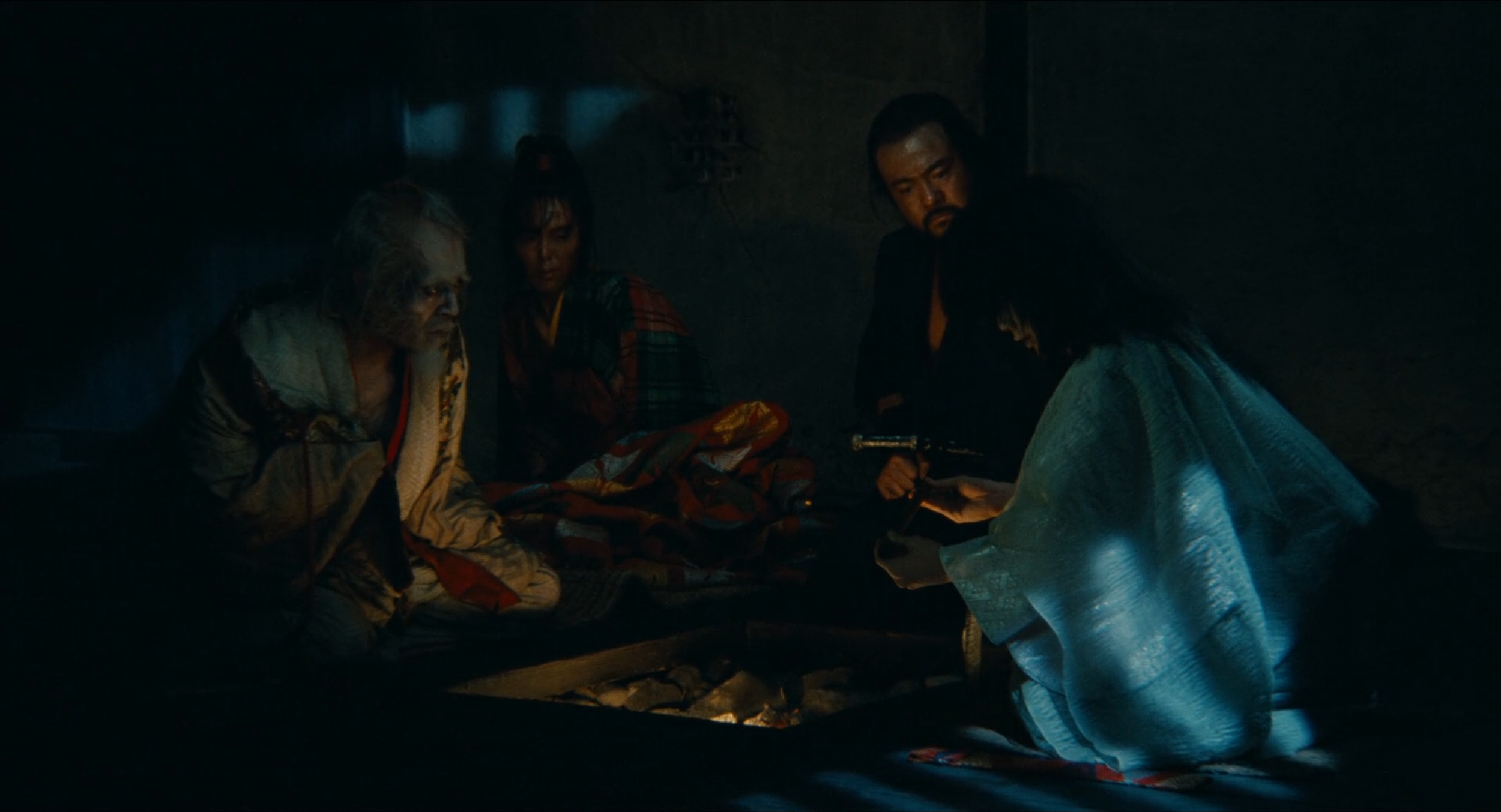
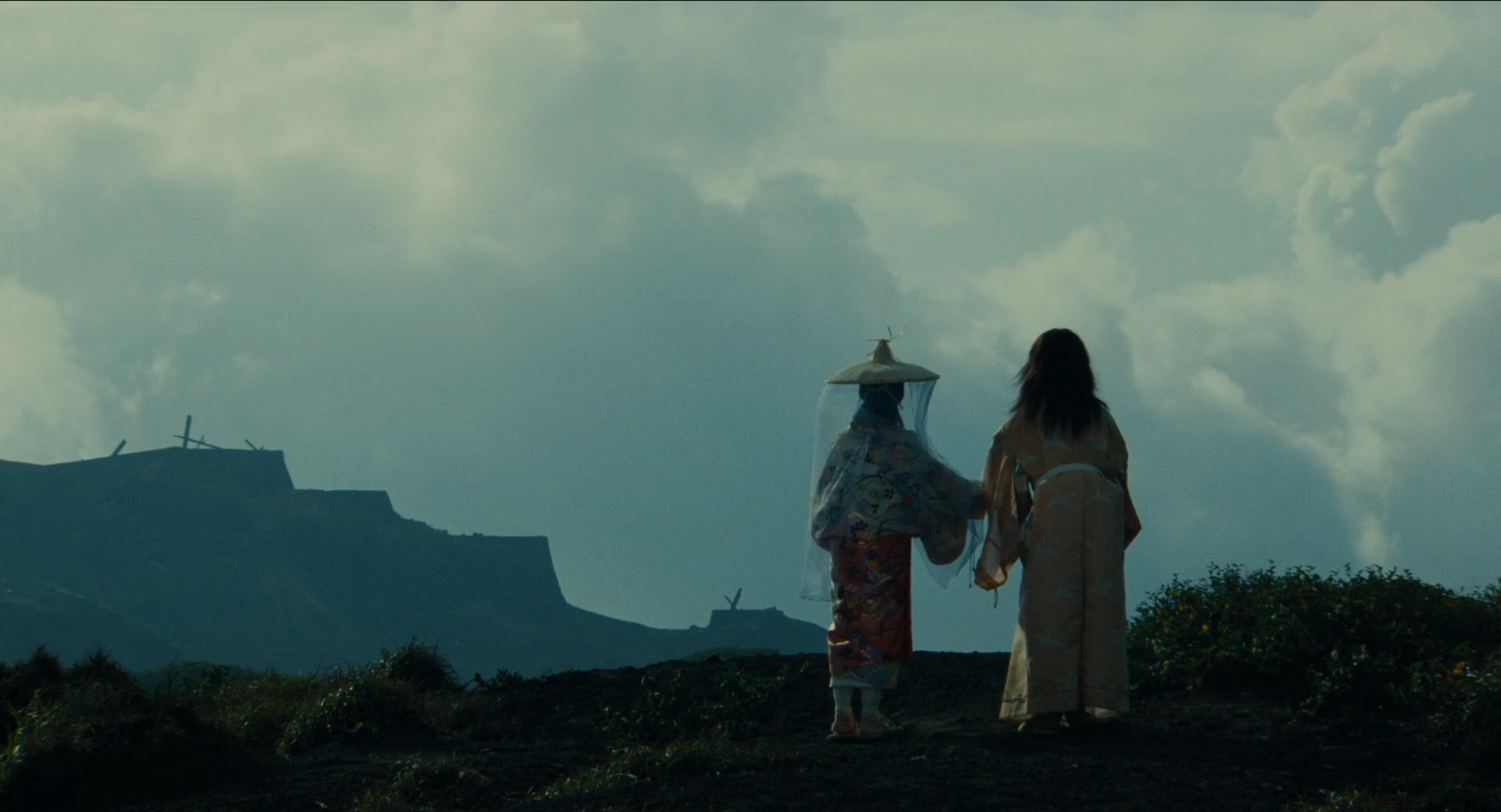
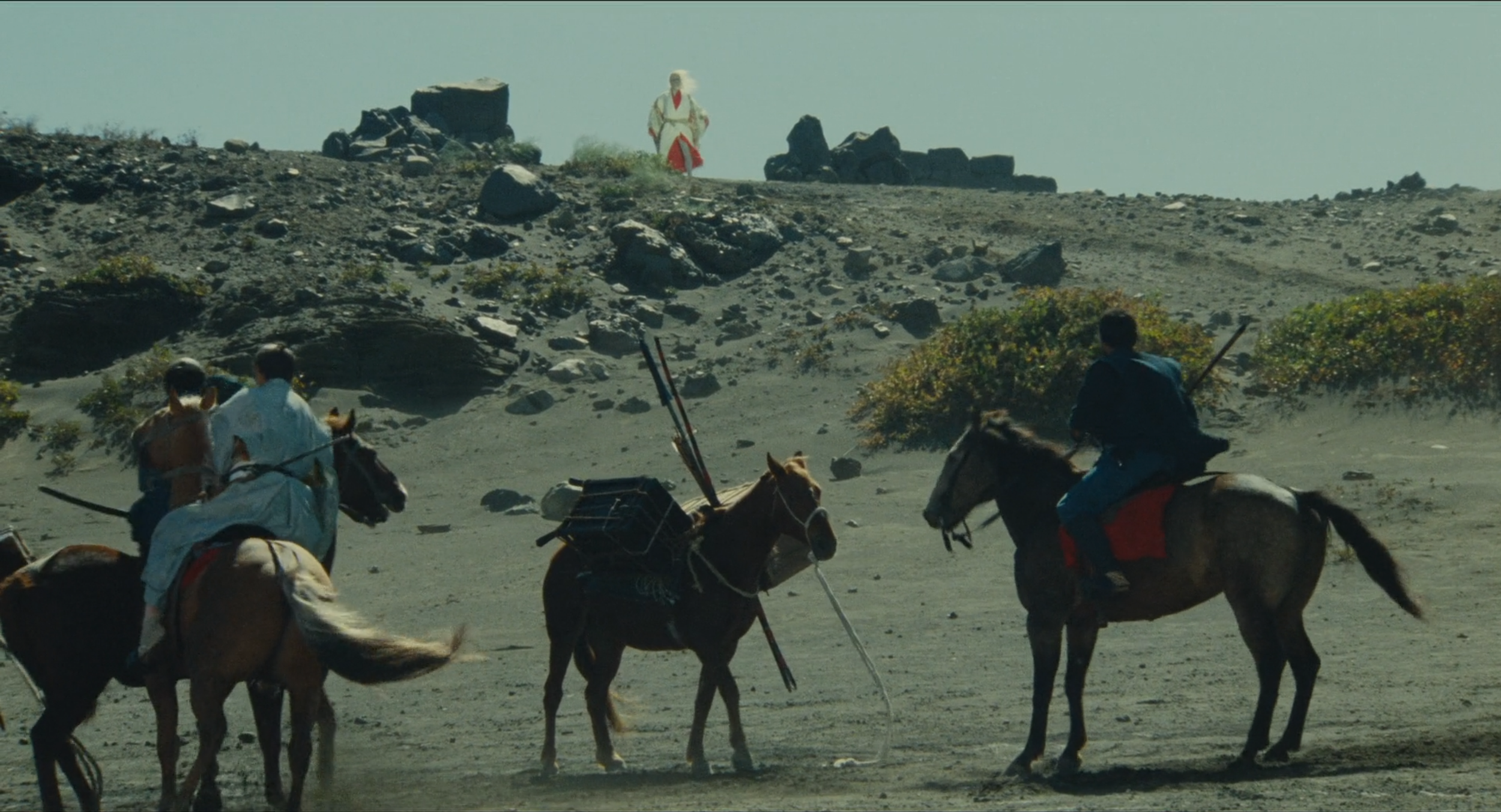
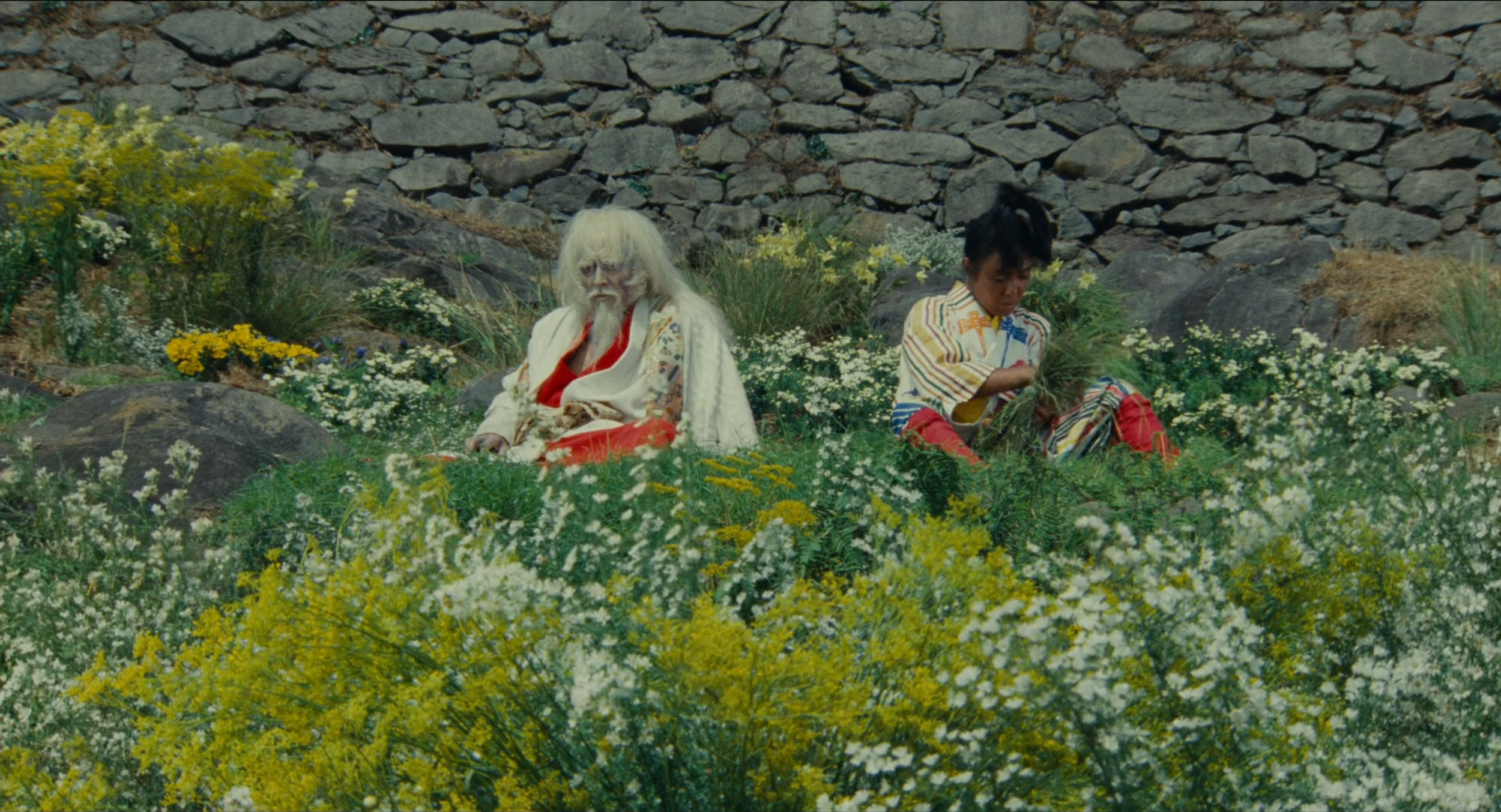
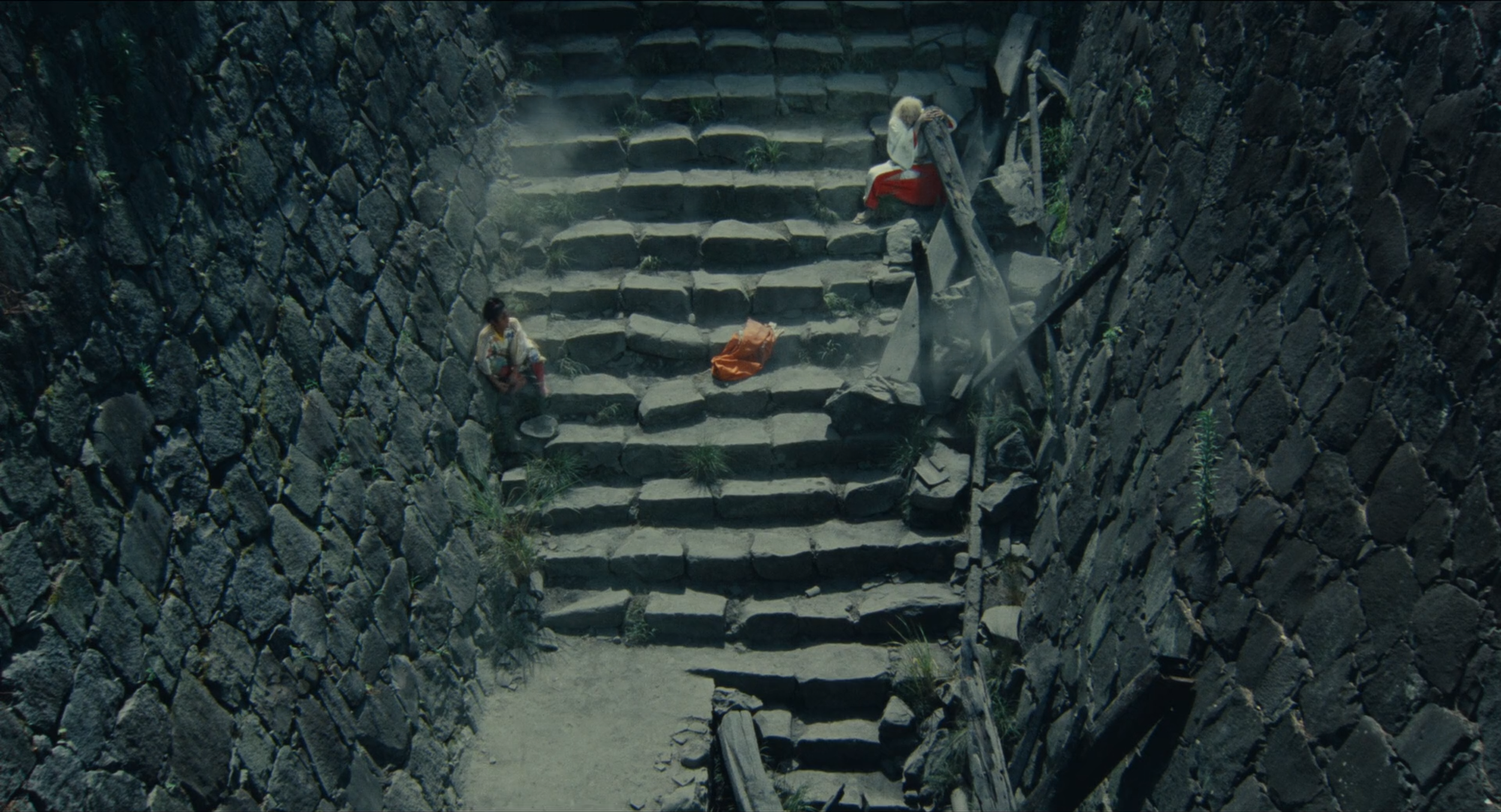
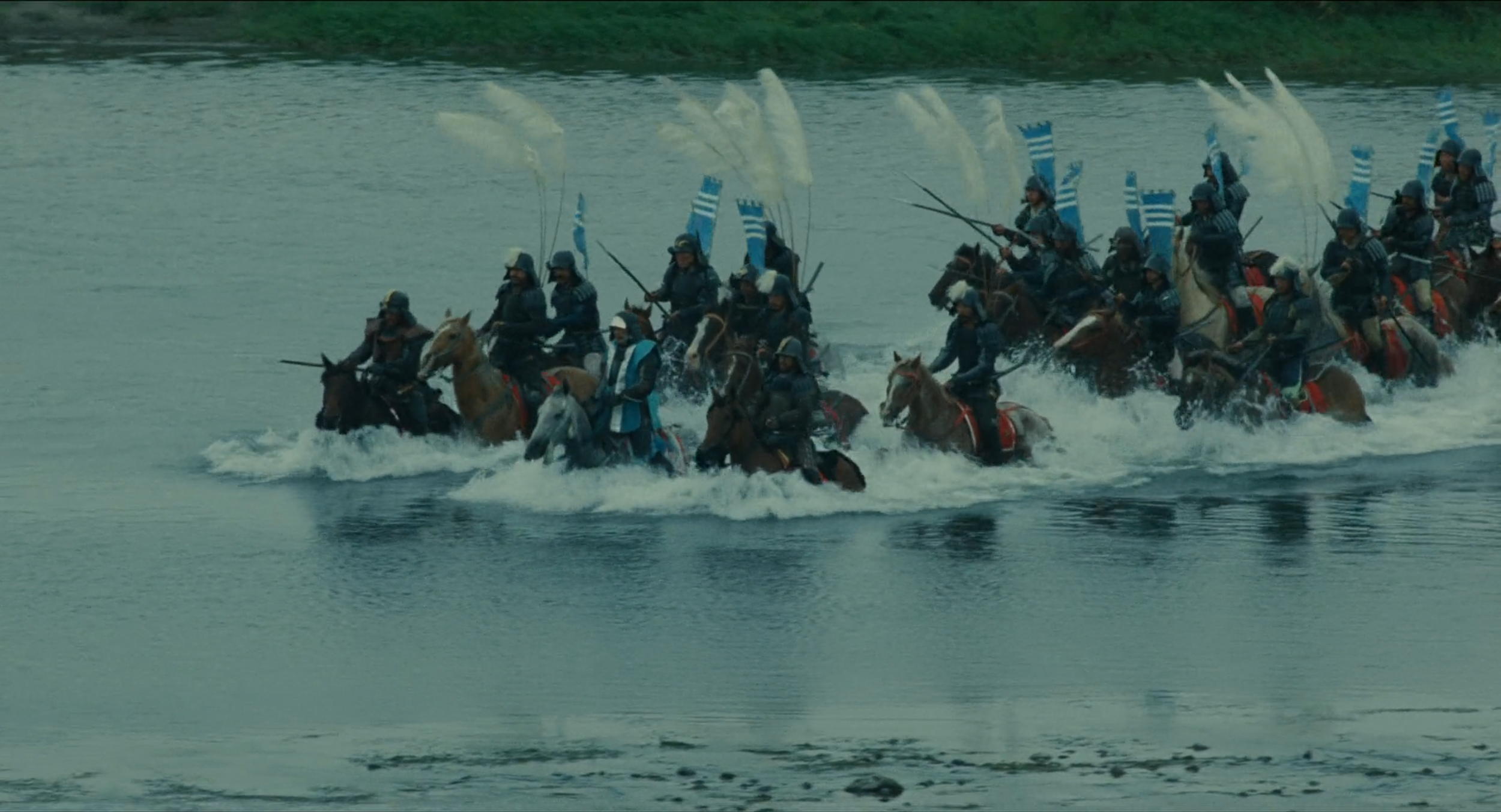
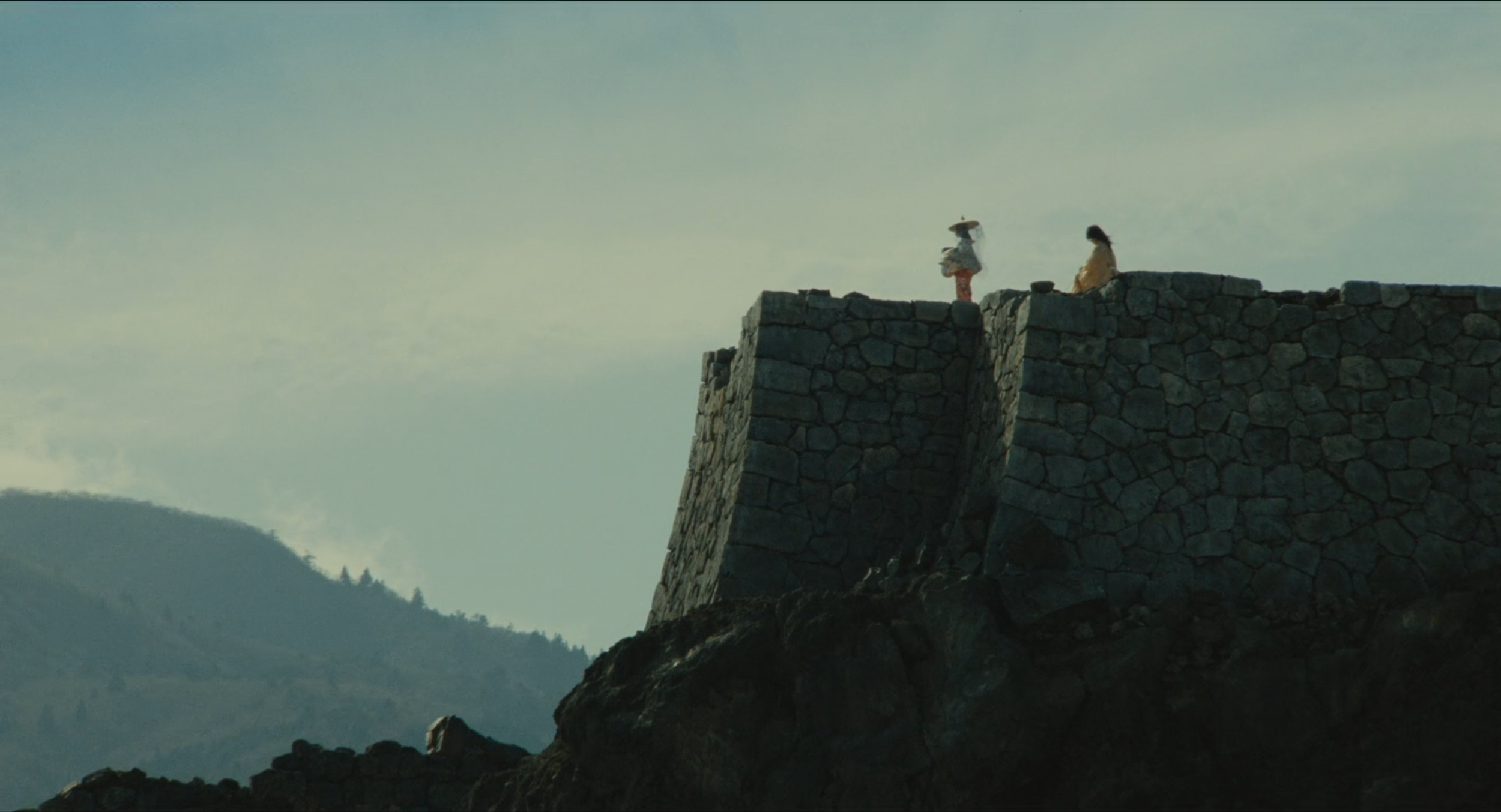
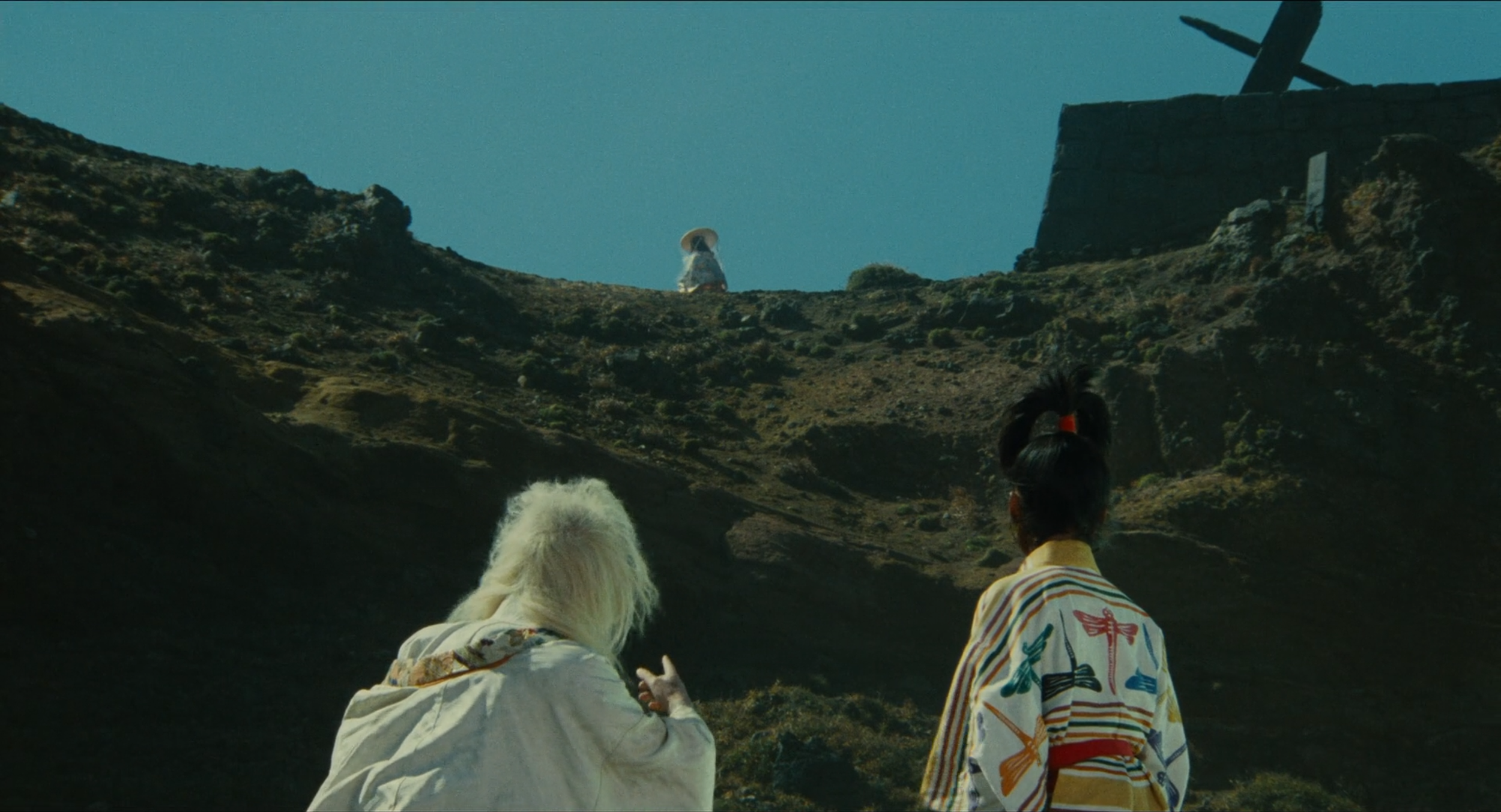
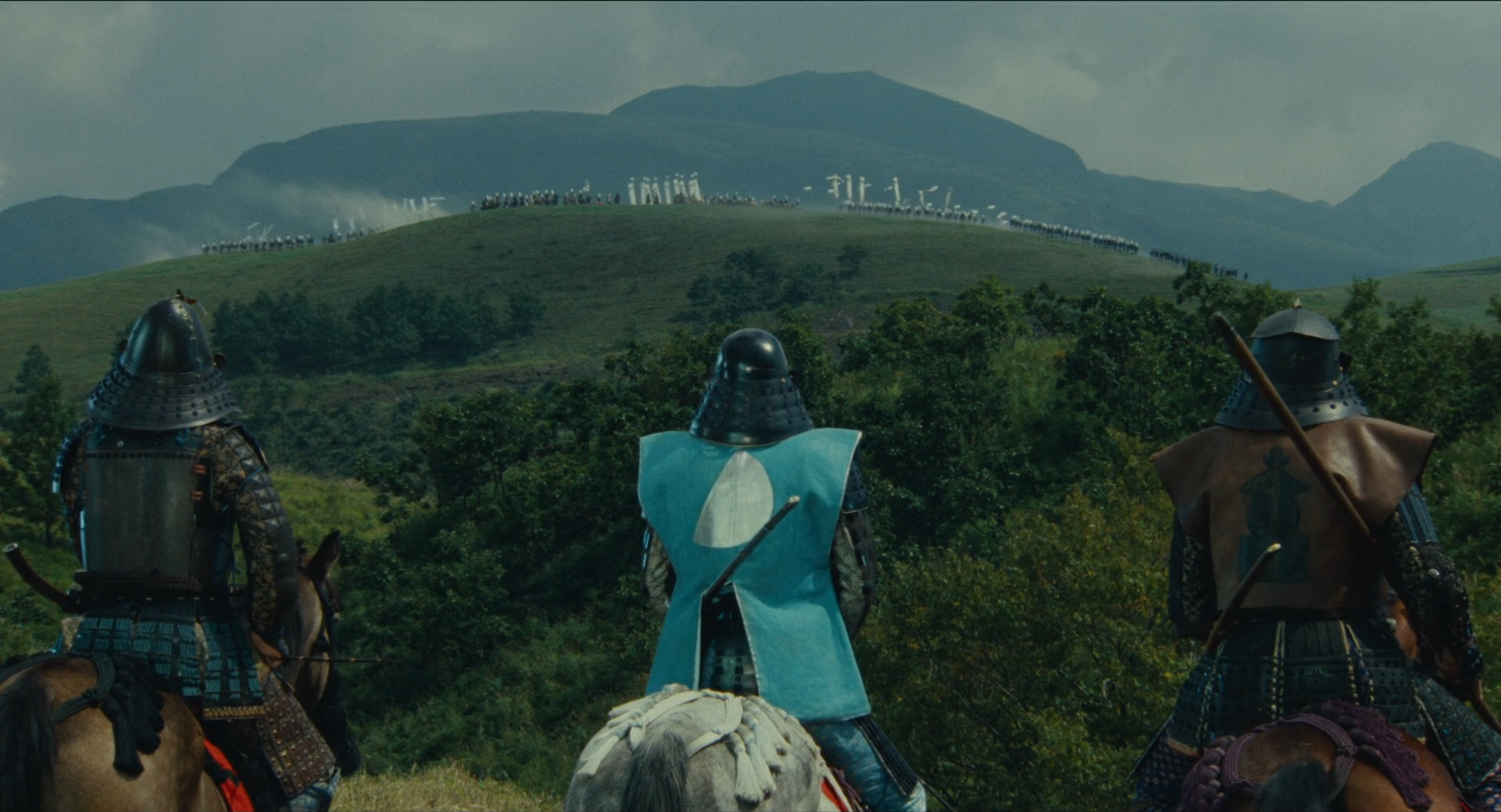
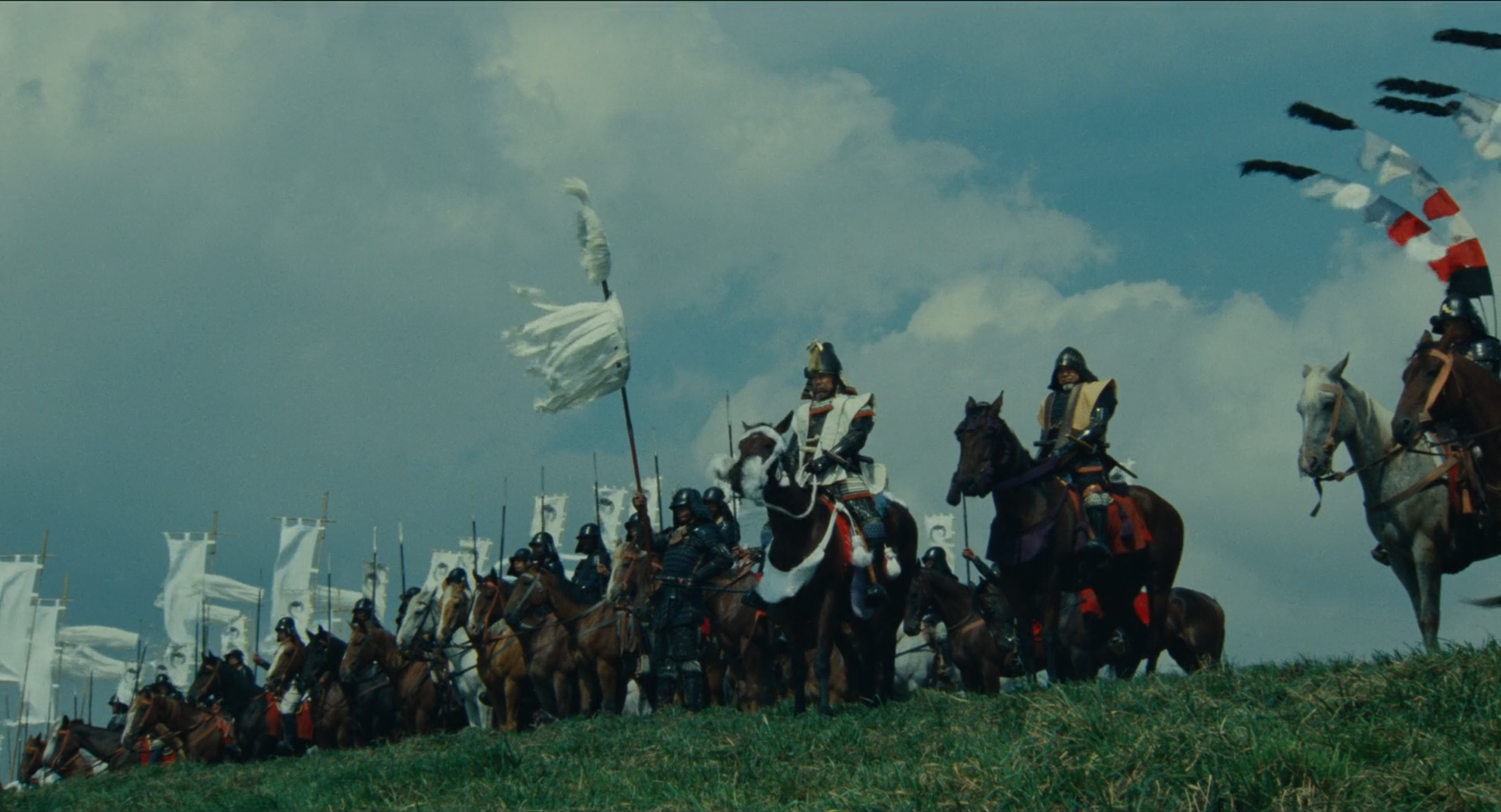
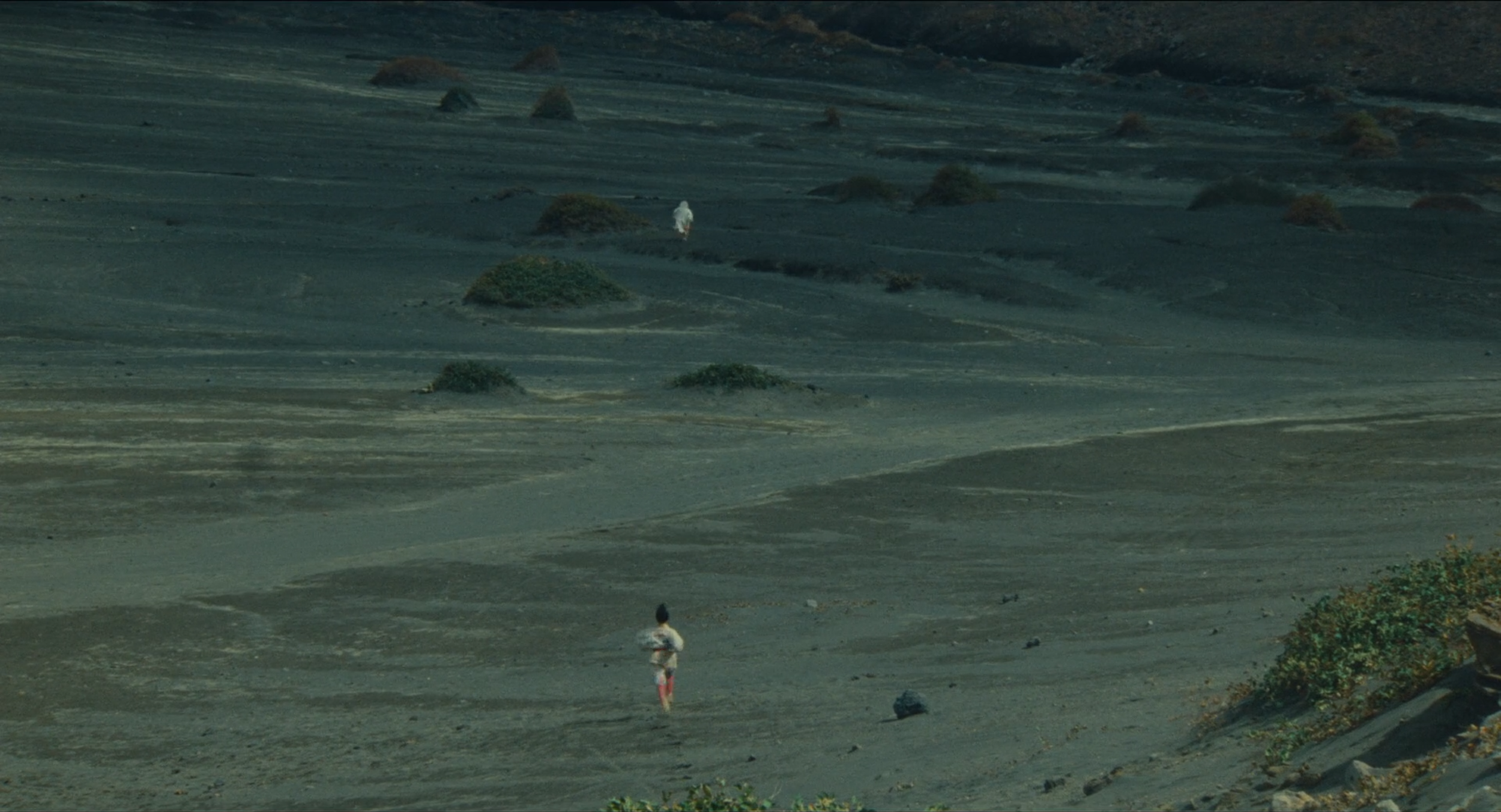
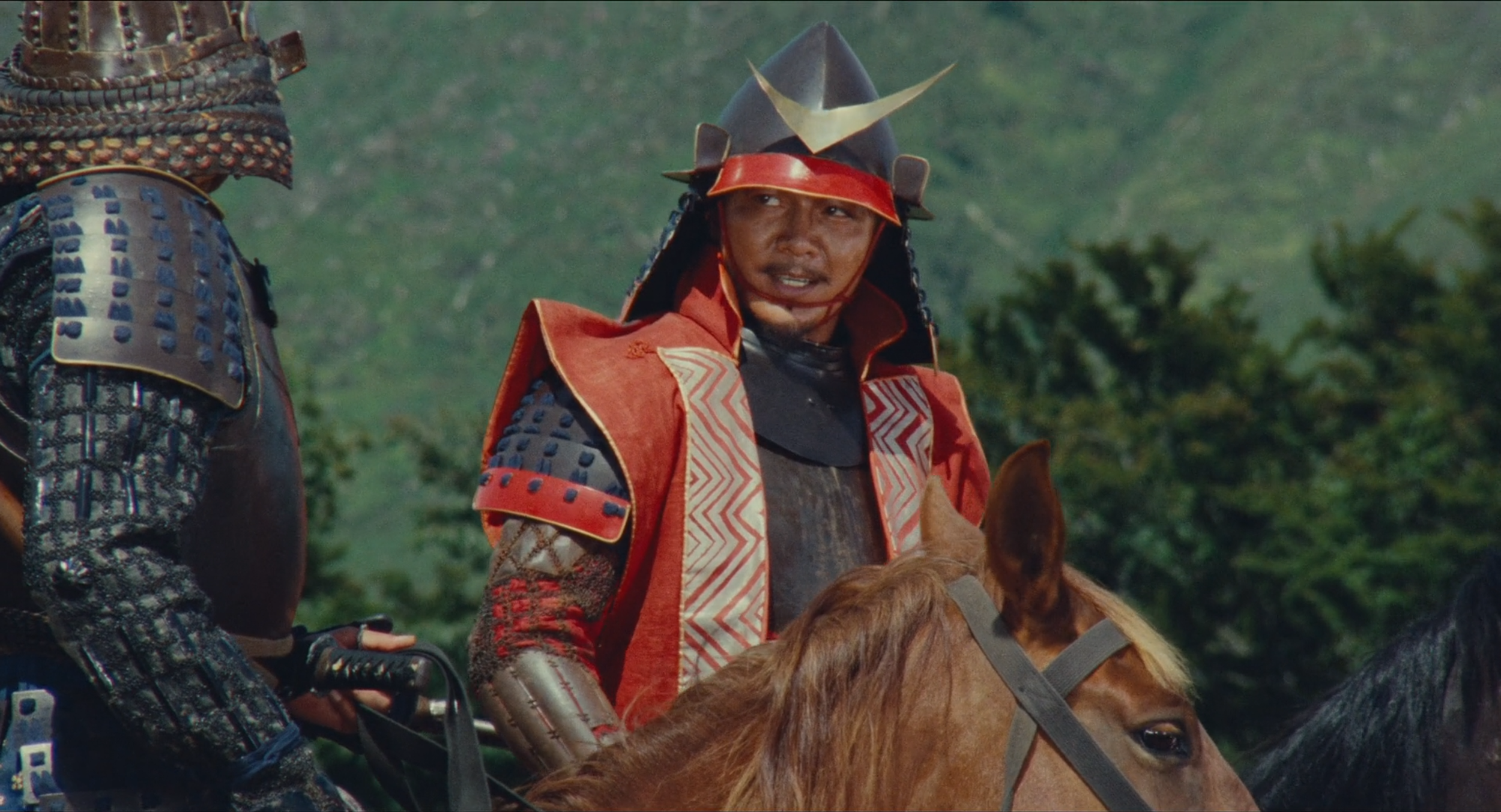
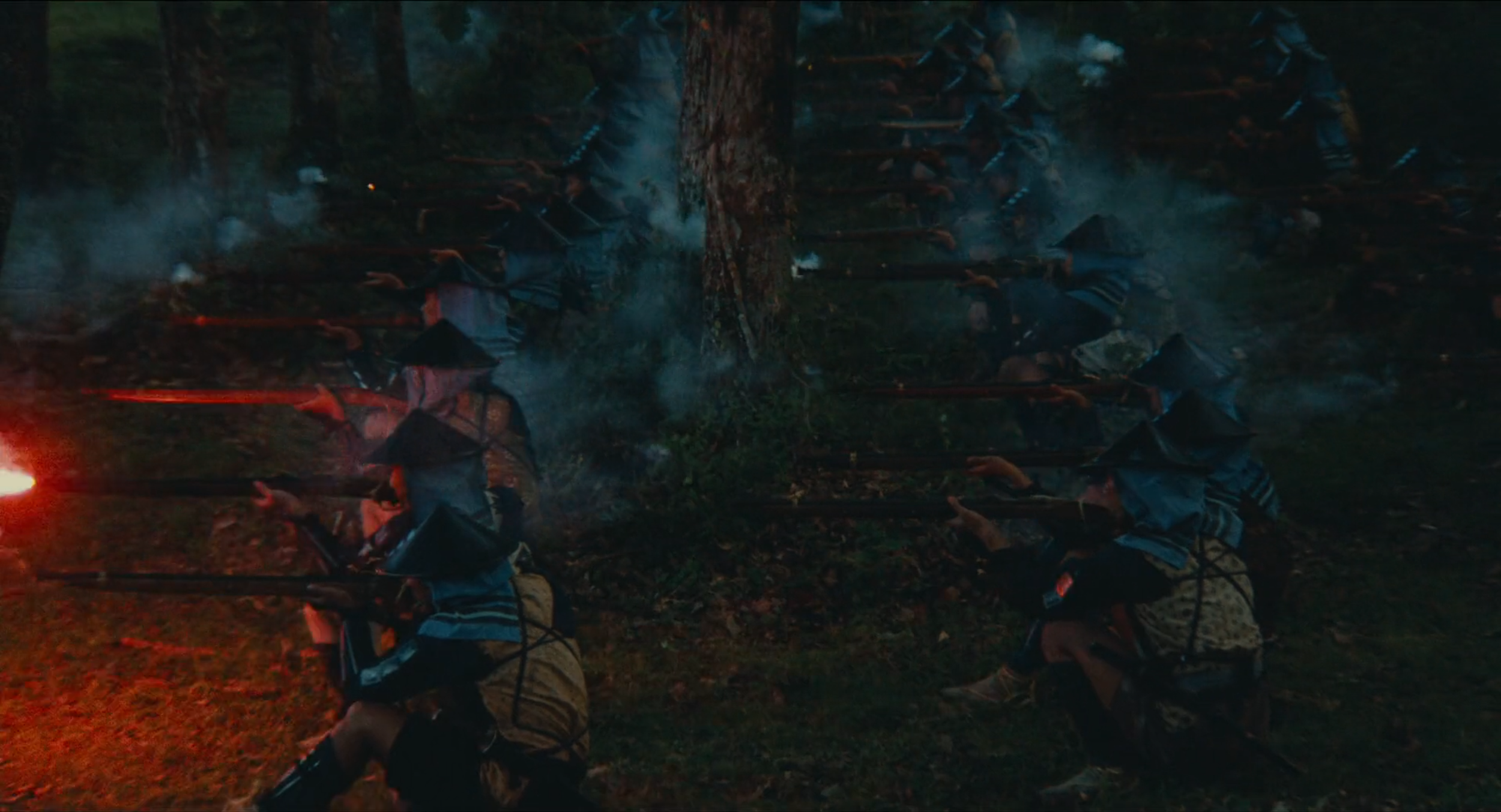
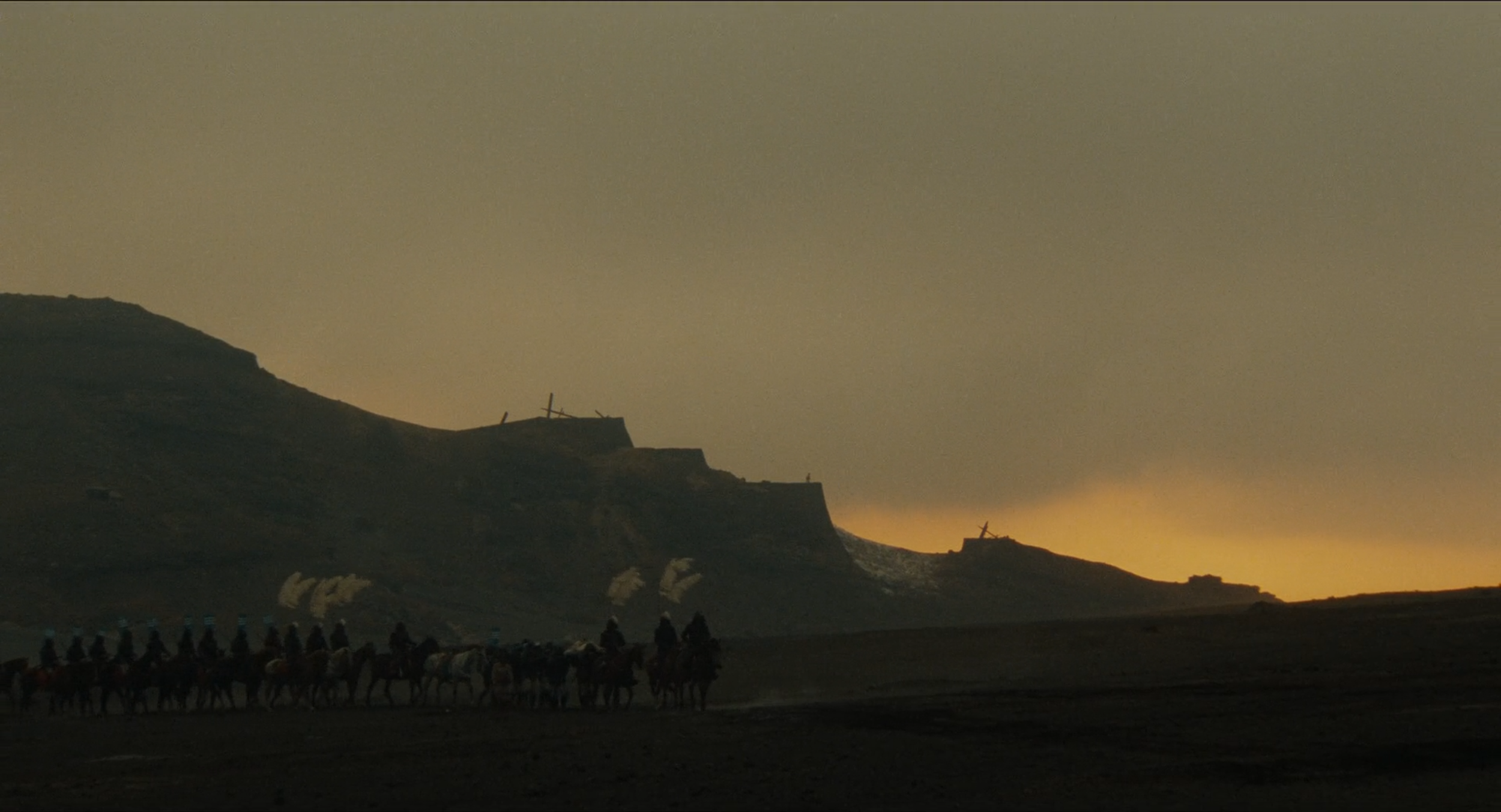
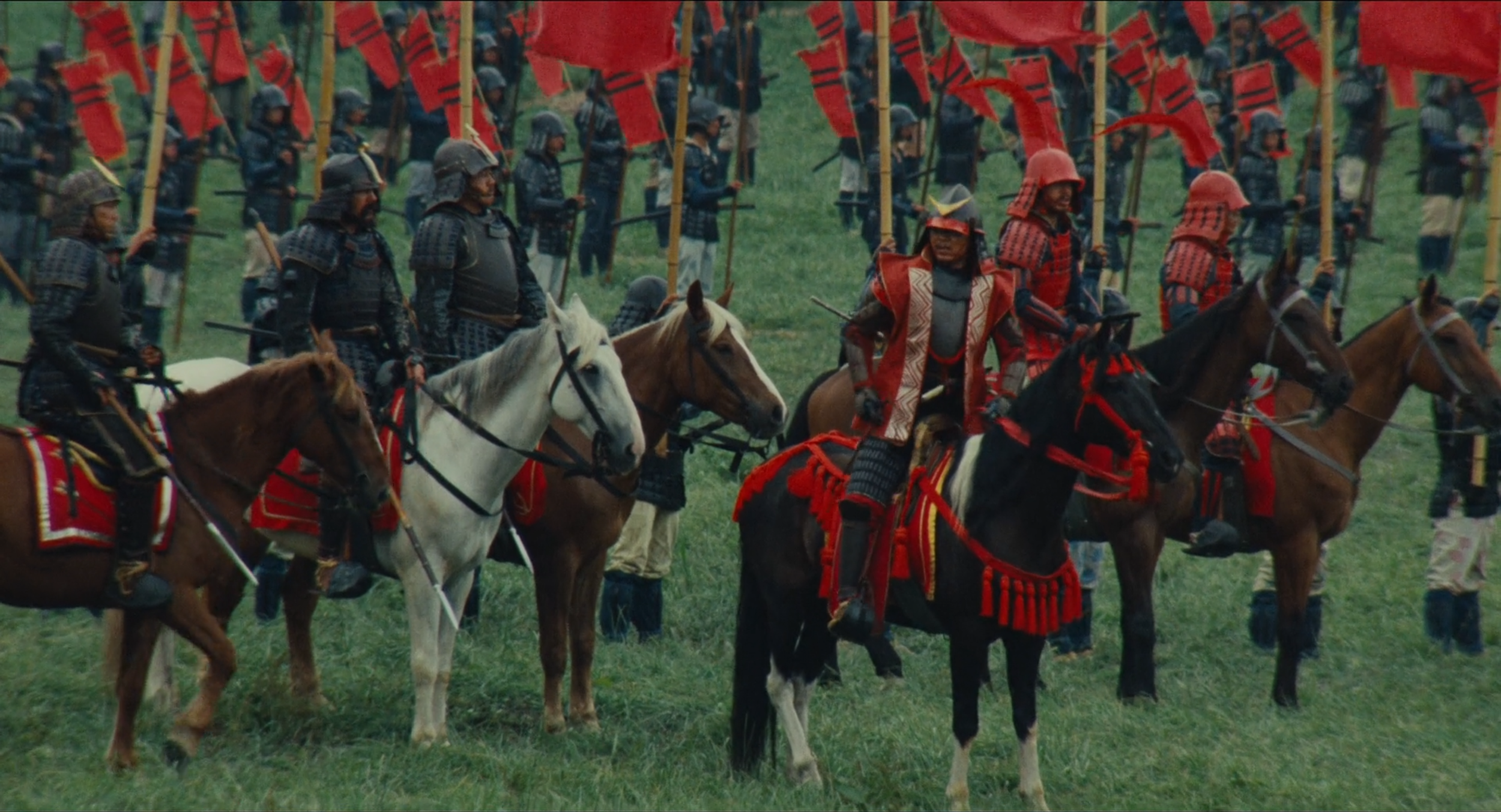
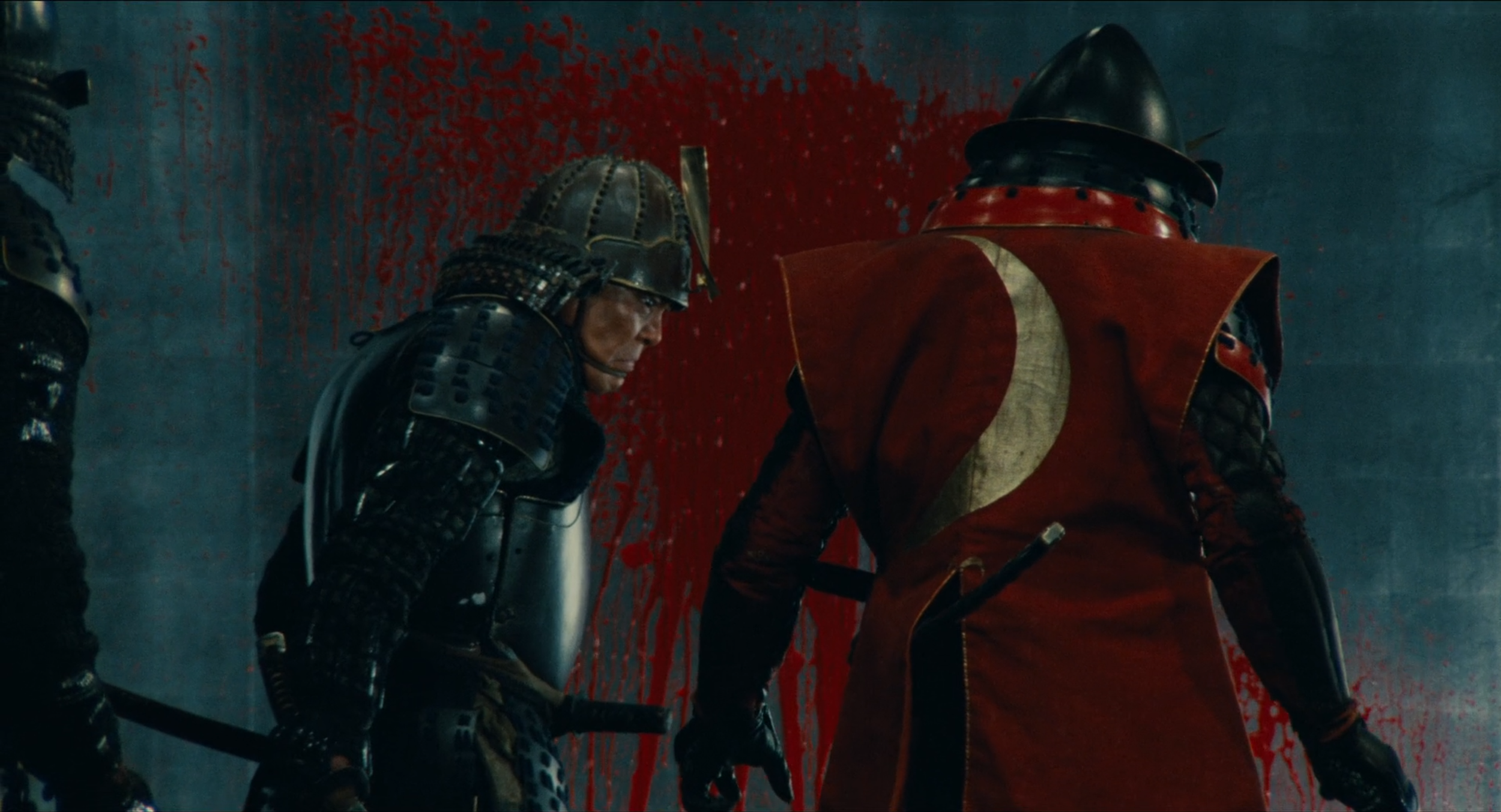
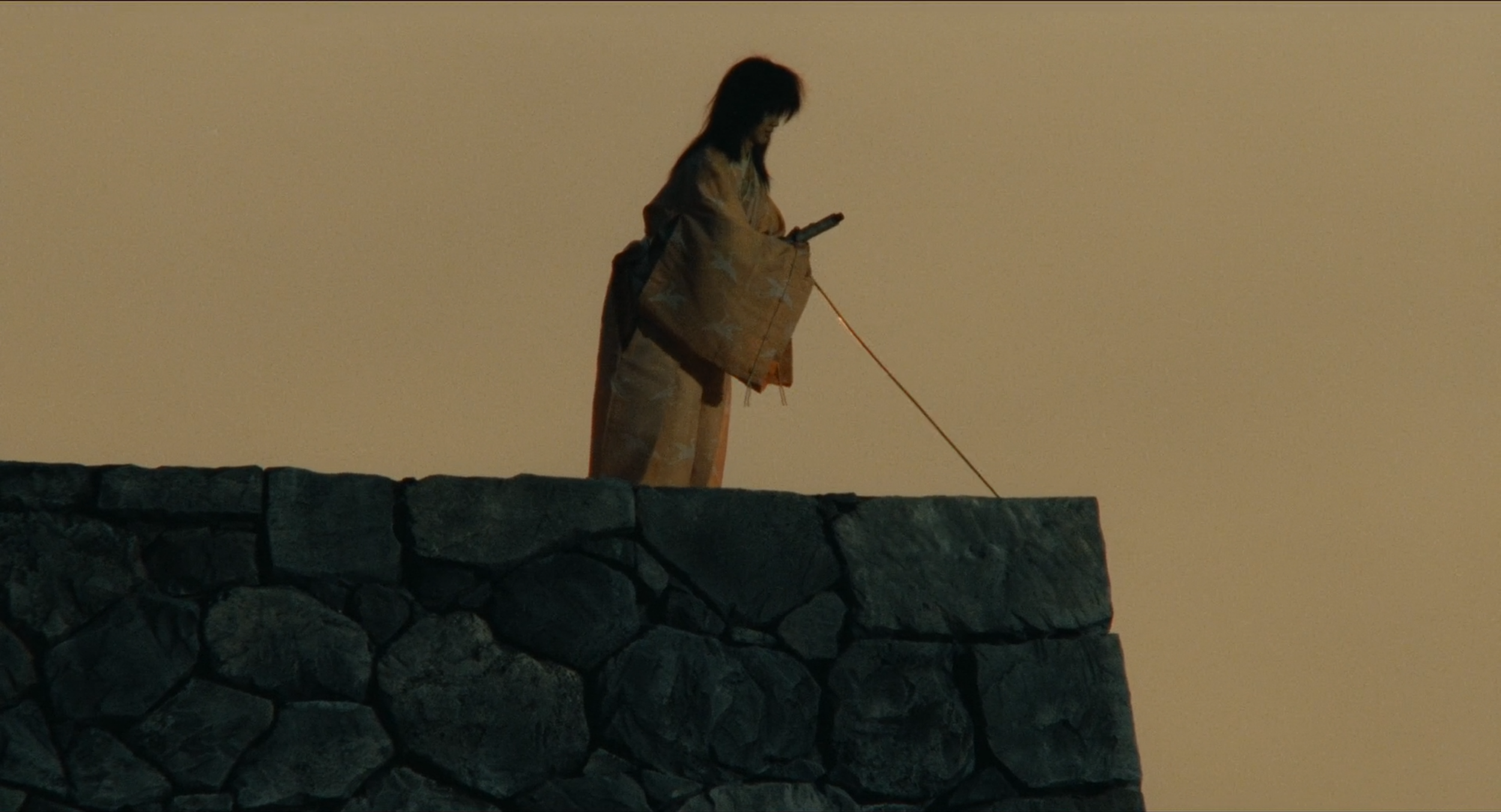
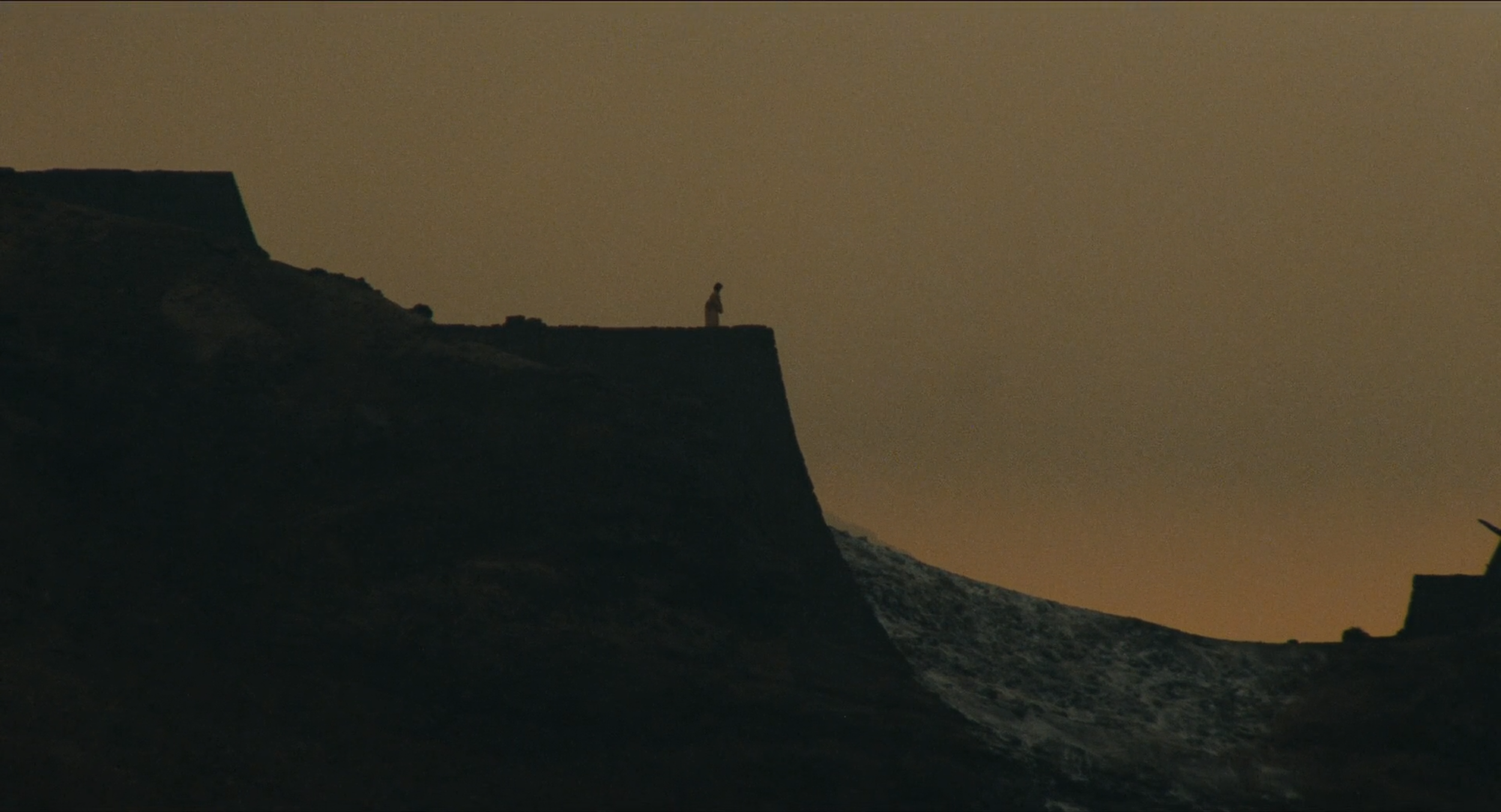
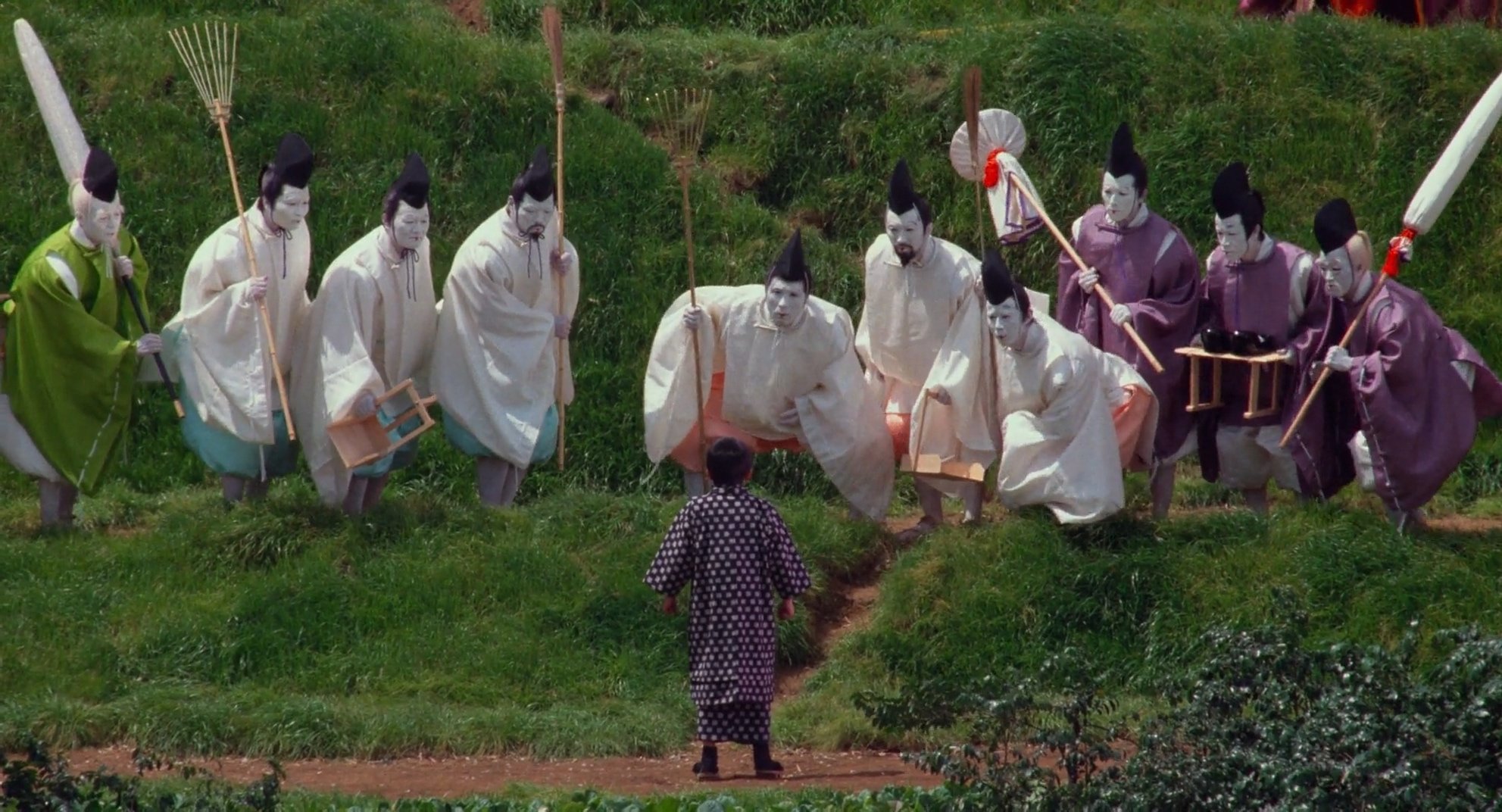
Akira Kurosawa’s masterpiece, this samurai war epic stands out from his other work through sheer scale, production and color. The amount of people on screen at one moment impresses upon a tangible scale where you can still individually count each person. The costumes are colorful and the production benefits from modern technology. The film is mostly shot on long lenses but the world still feels expansive with the varied locations. What makes this film go above and beyond its visual splendor is the script. It starts off comparable to a political thriller today like Game of Thrones or Shogun and should stand the test of time for its relevant topic. War never changes, but cinematic greatness does and Kurosawa takes full advantage of the new tools at his disposal to give us an unforgettable epic. It’s shot with super deep focus like some f22 the entire time allowing us to fully take in the scenery and action.
Story:
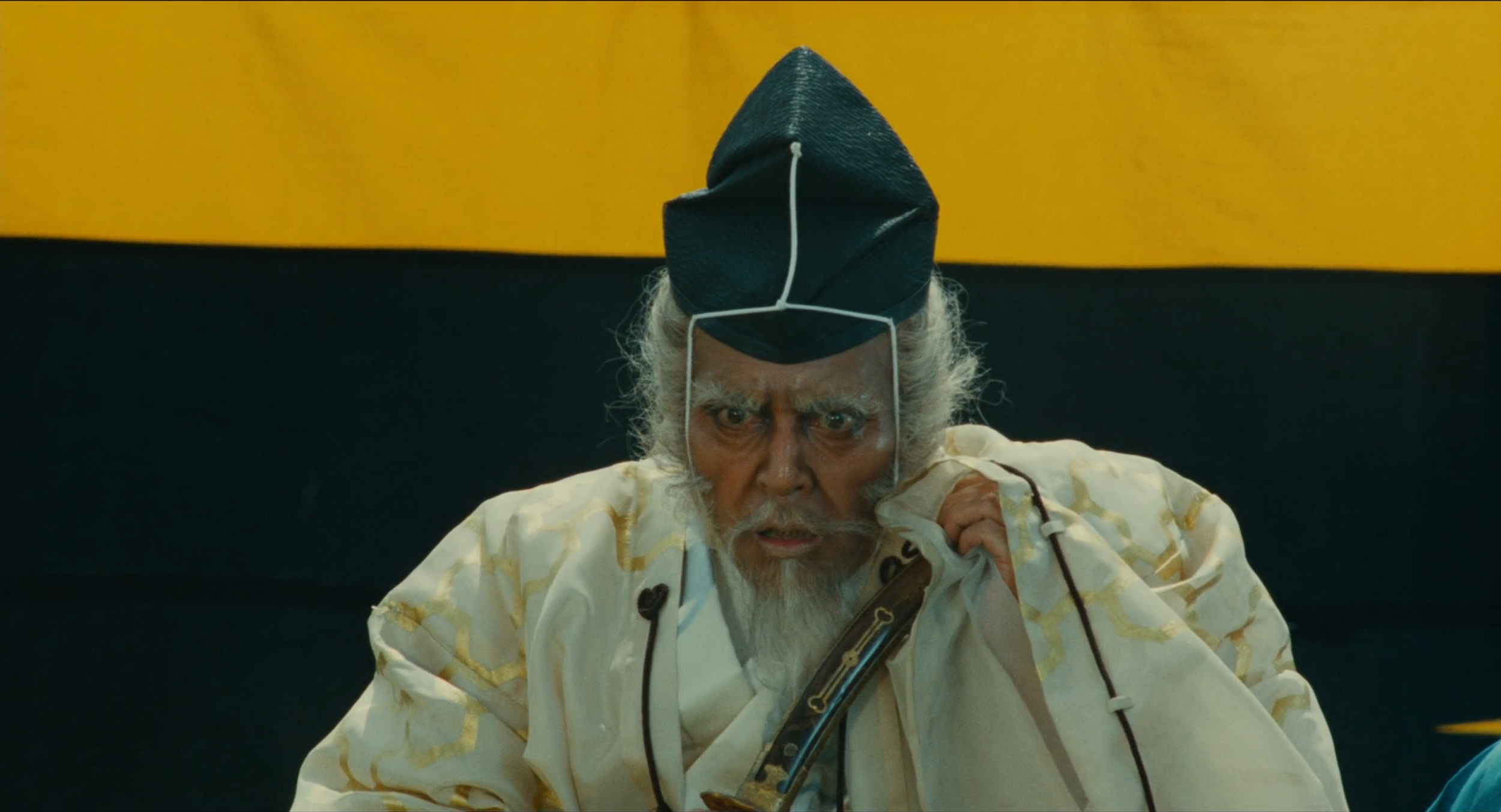
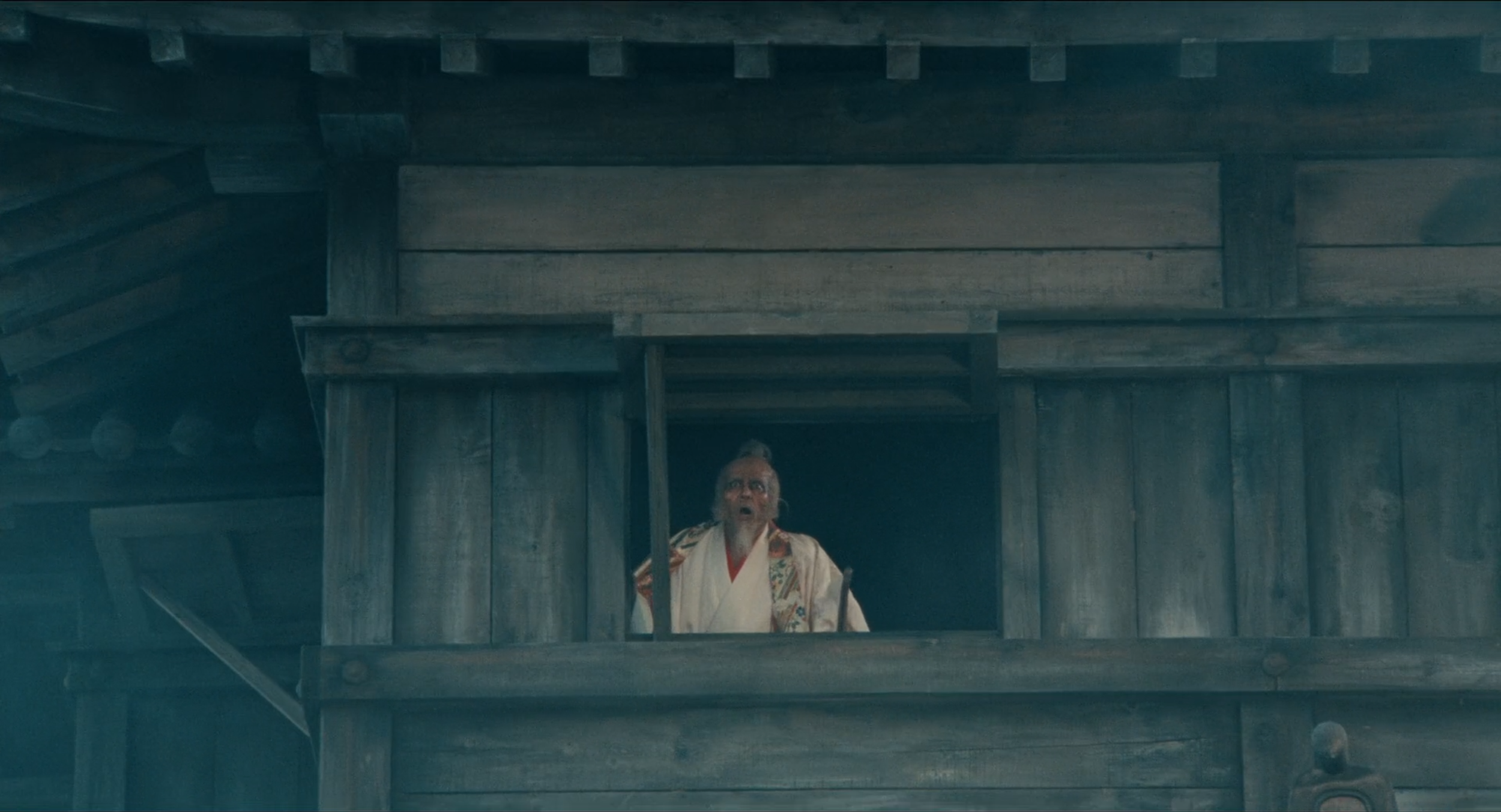
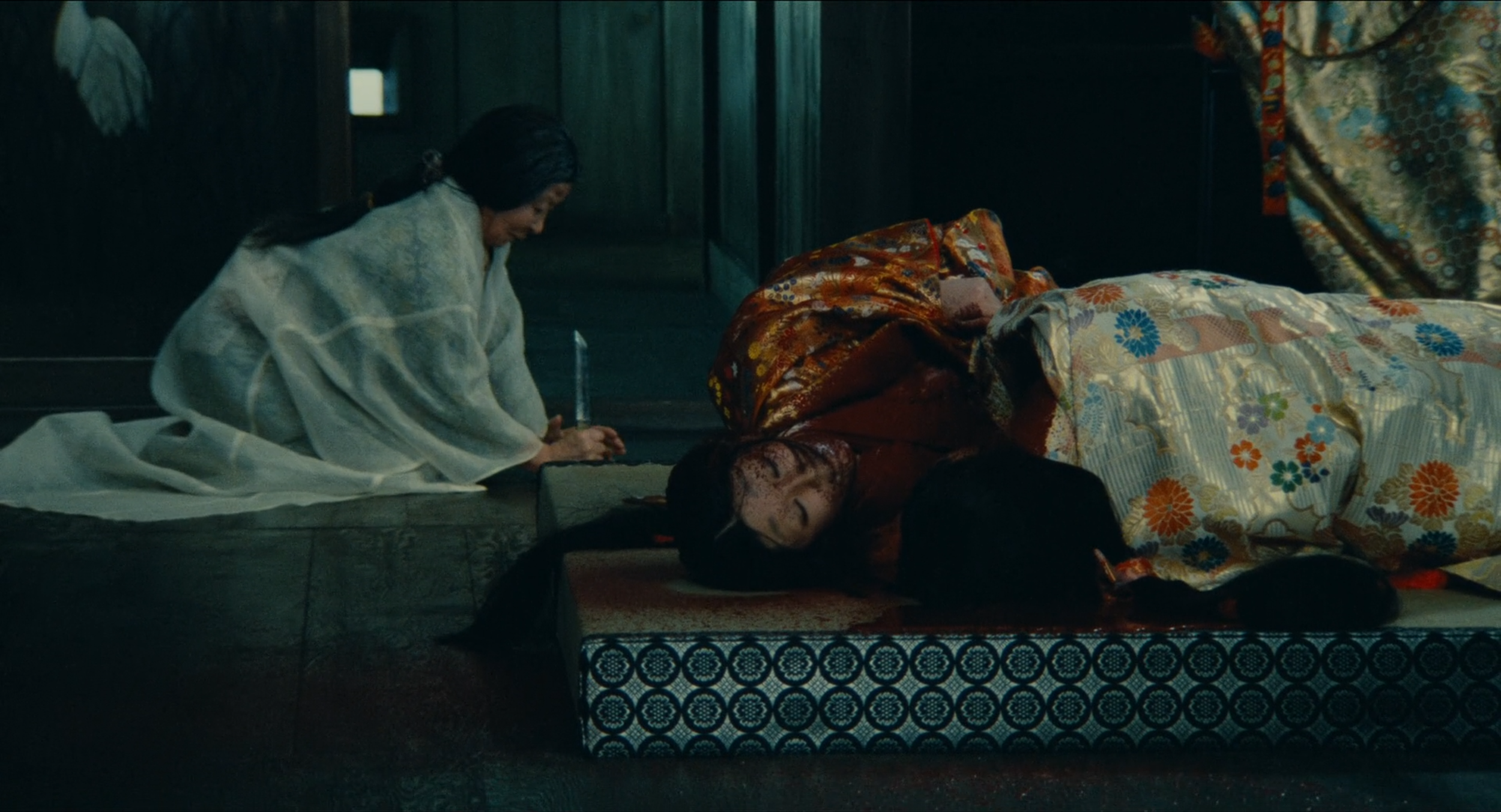
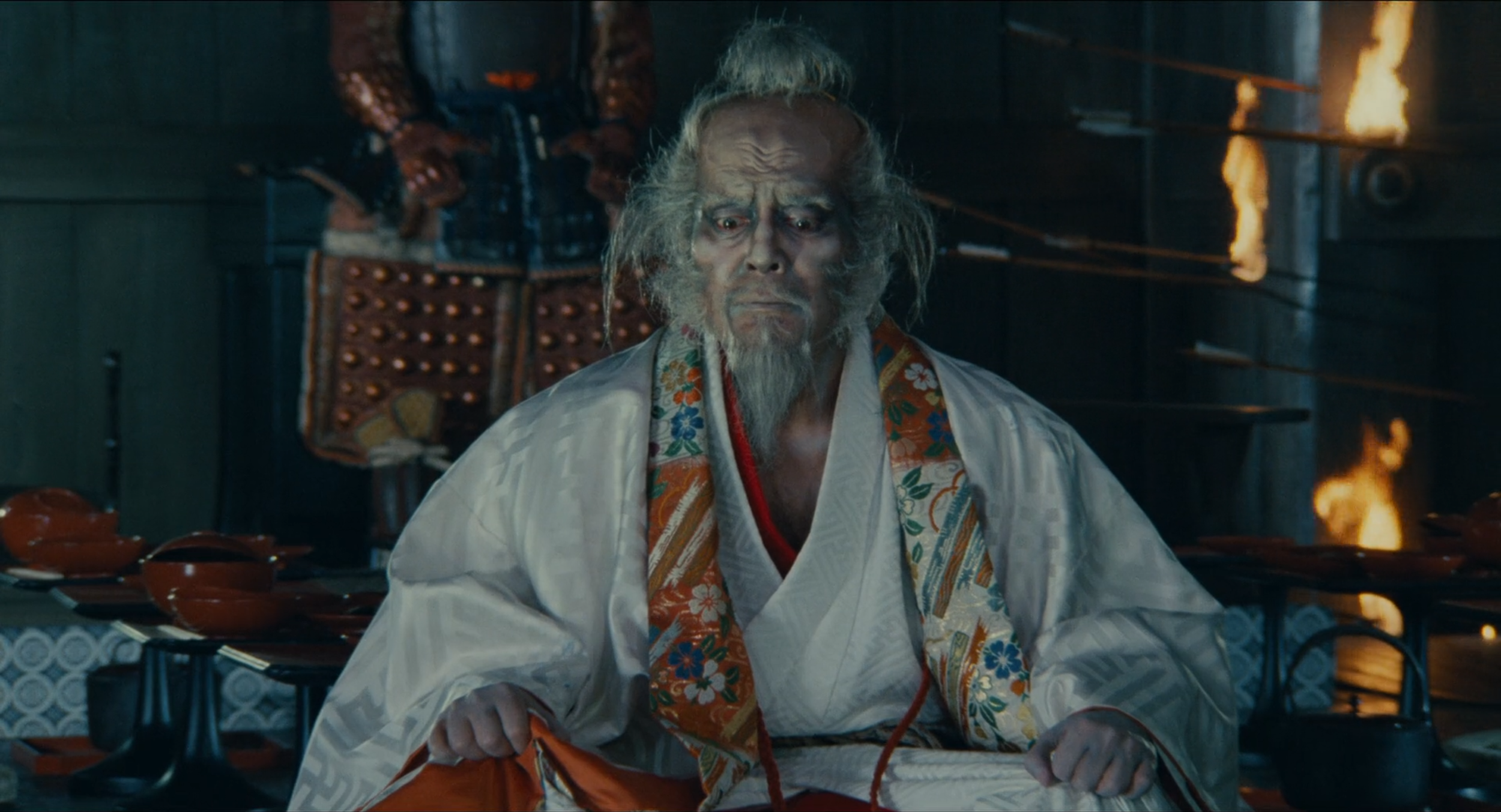
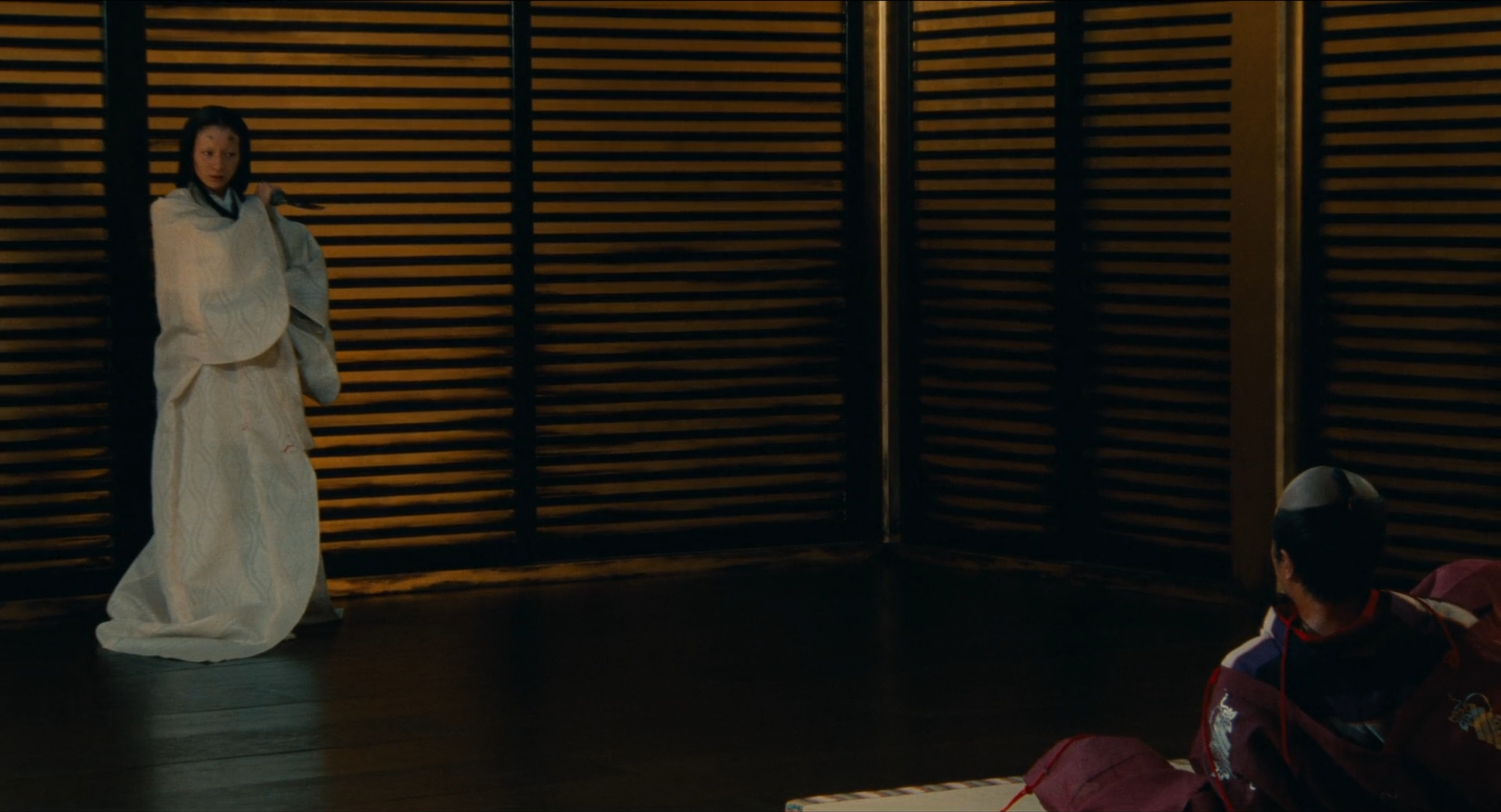
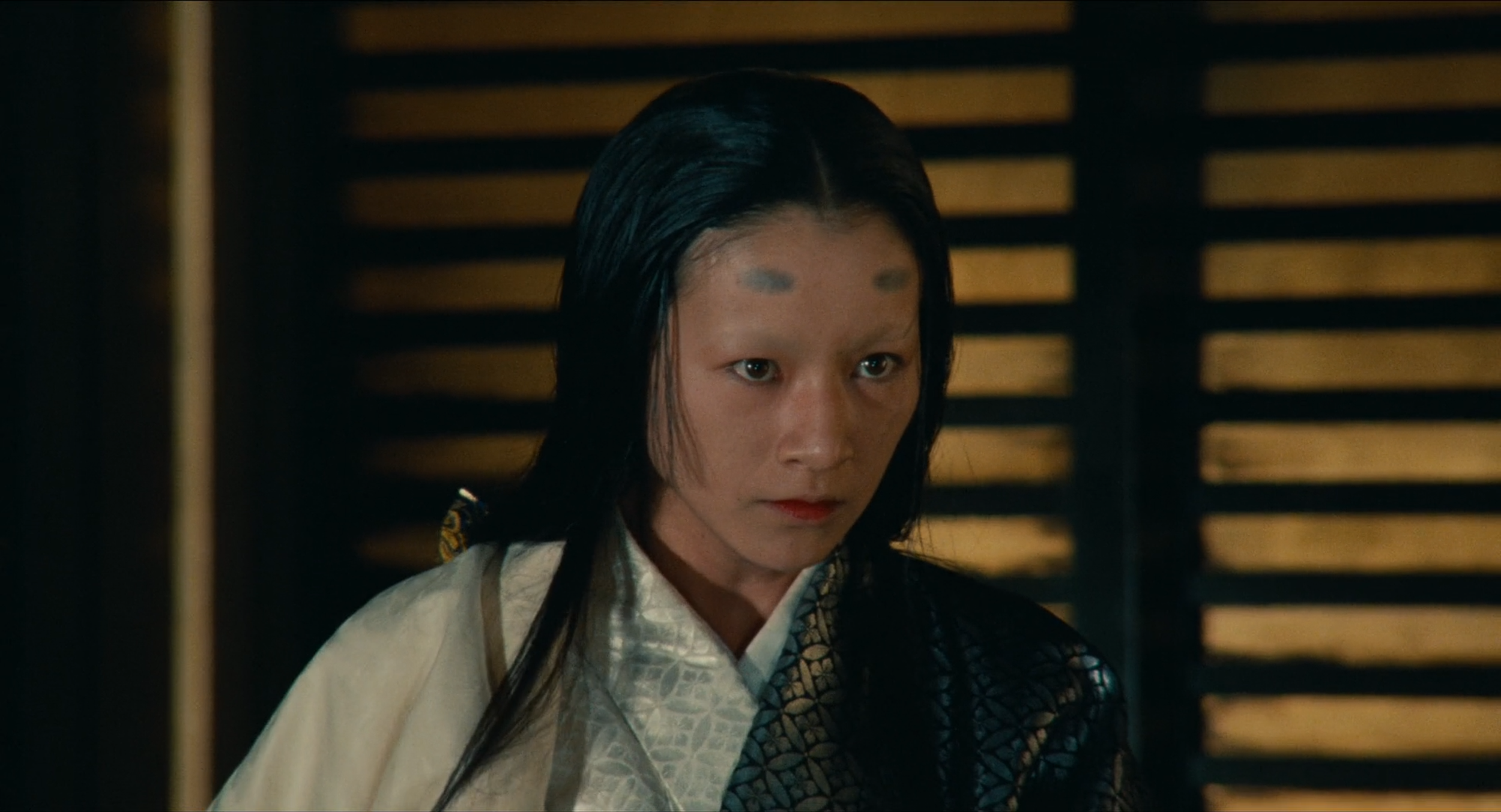
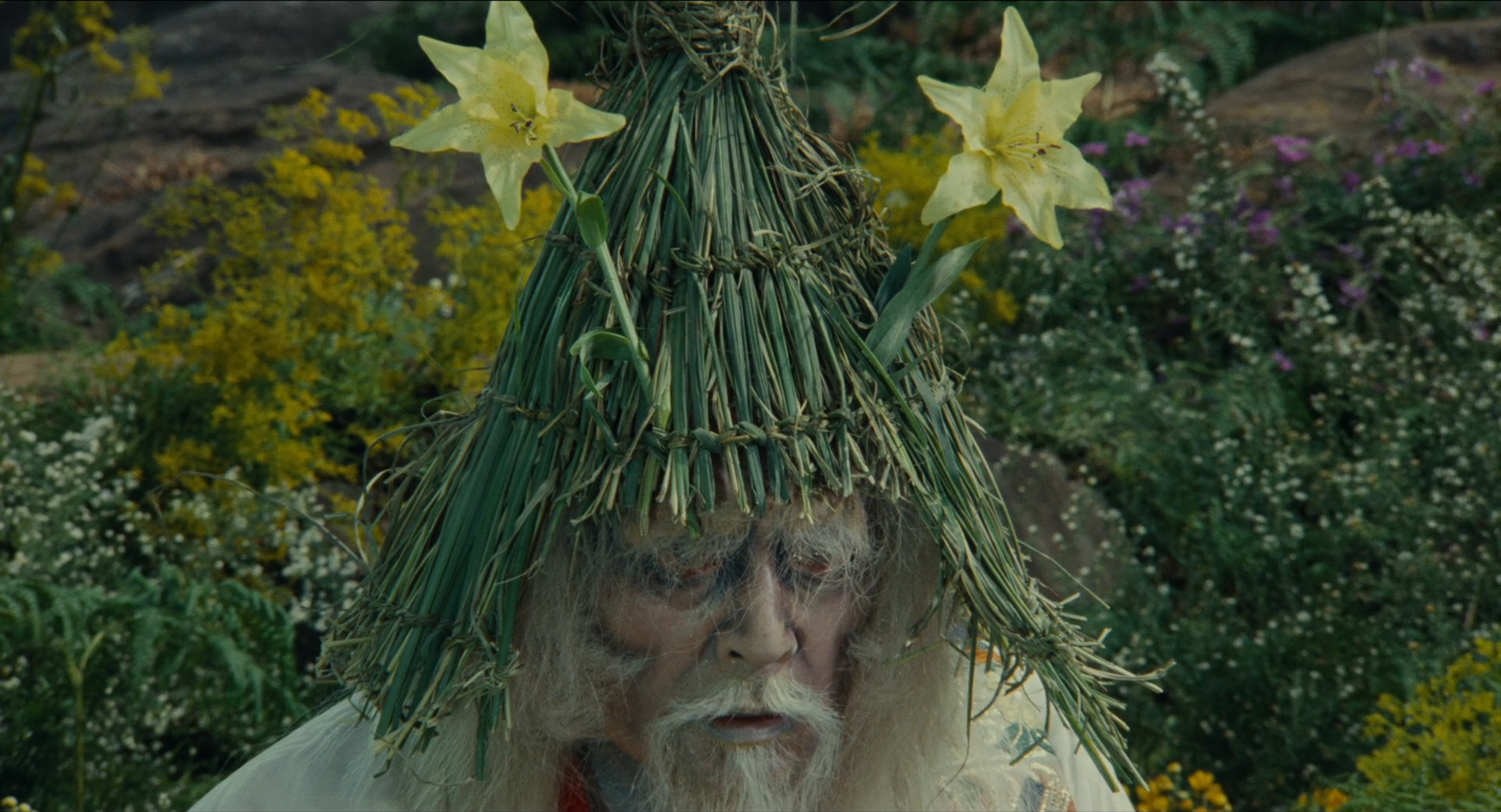
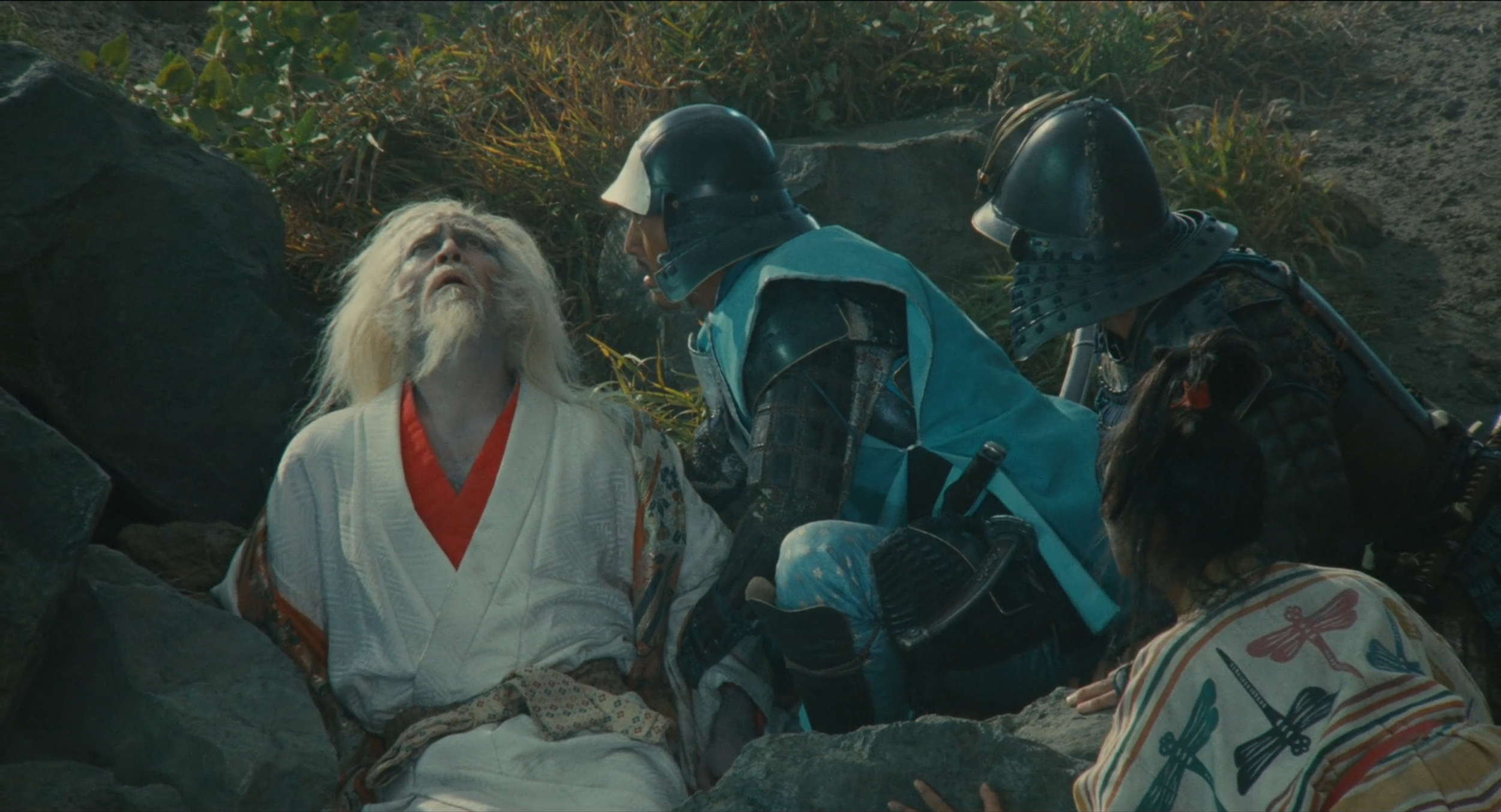
There are some nice touches like how Saburo shows he is the most loyal son by provide shade to his father while he sleeps. Kaede is such an awesome character, she is one of the most hated villains I've seen in cinema, but by the end you somewhat side with her, truly devlish character writing and performance. Still can't get over how silly Hidetora's character is.
Conclusion:
While maintaining that this is a masterpiece, it is not a perfect film. The operatic performances range from dramatic to frustratingly drawn out. Kaede’s character was masterfully done where you hate yet understand her completely. Otherwise the dialogue is what you should expect from Japanese cinema - melodramatic and over-acted by western standards. It’s just frustrating because the film starts out so strong with a tight and devious plot and then for nearly the entire second half of the film we are forced to watch incompetence and whiny men show the worst of humanity. I think there’s really one hour straight of us just watching a mad man cry and be useless. This lead to a disappointing ending, but when you consider the film’s message, it’s quite brilliantly effective. Although I think Shogun told these themes of war better, this is still a must watch masterpiece.
Recommendations




Samurais can be gangsta too.