
Baraka (1992)





See the world through God’s eyes.
Presentation:
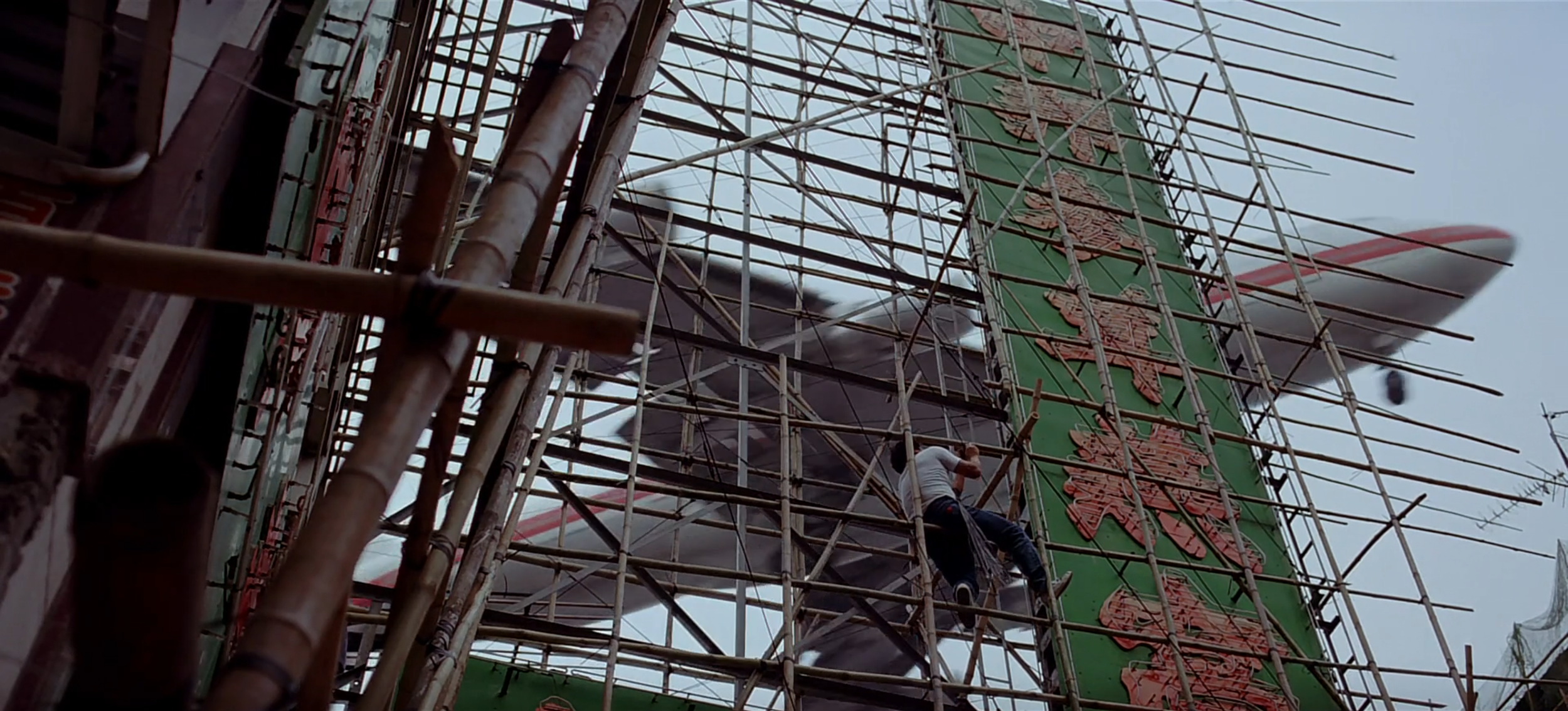
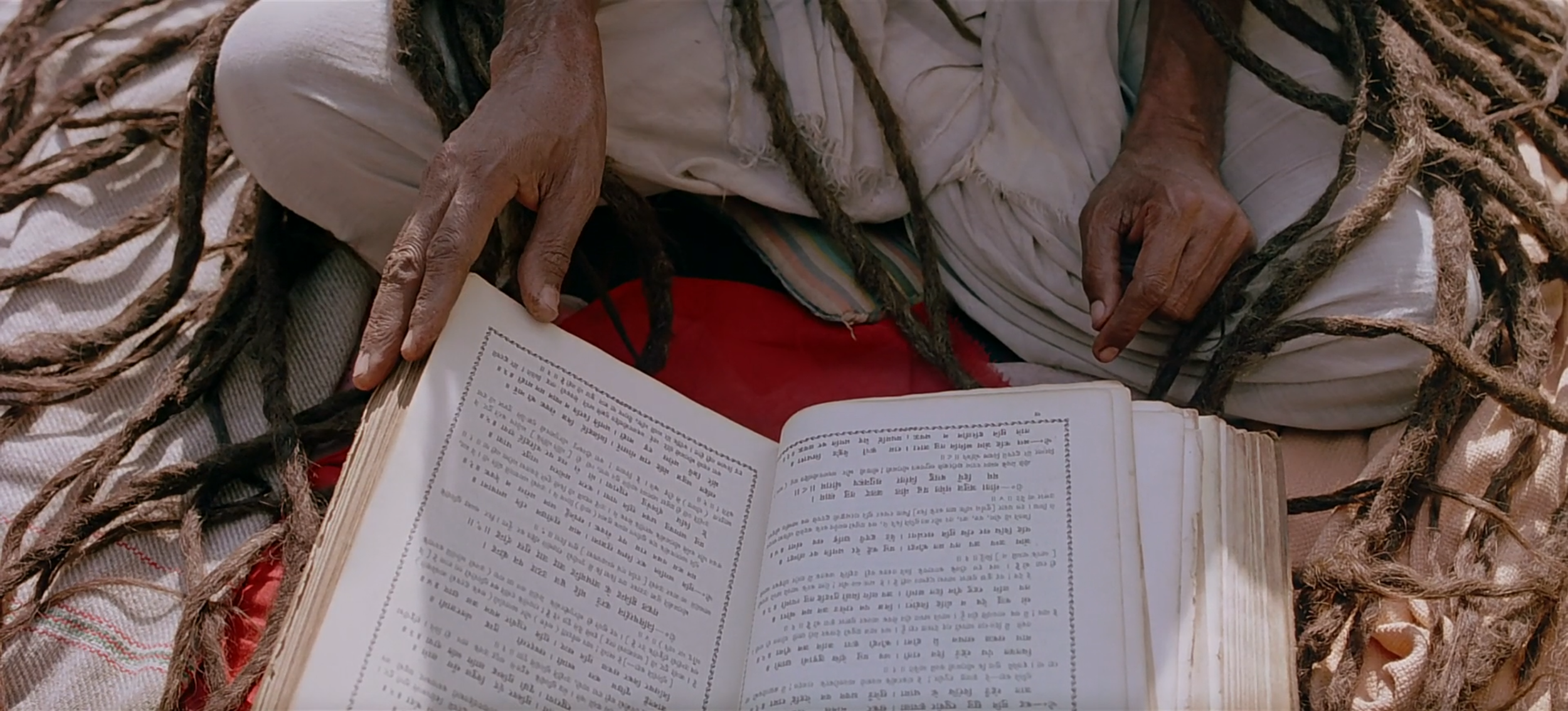
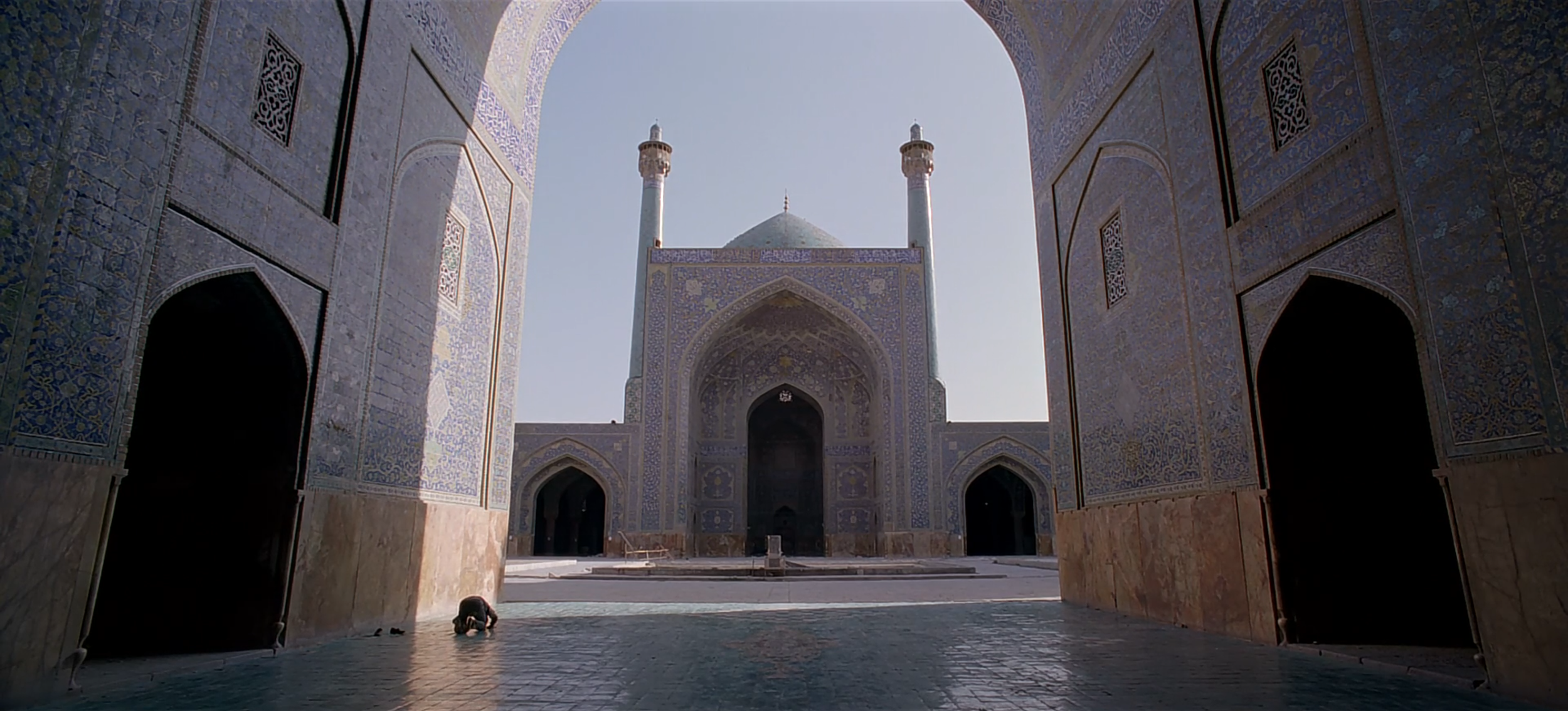
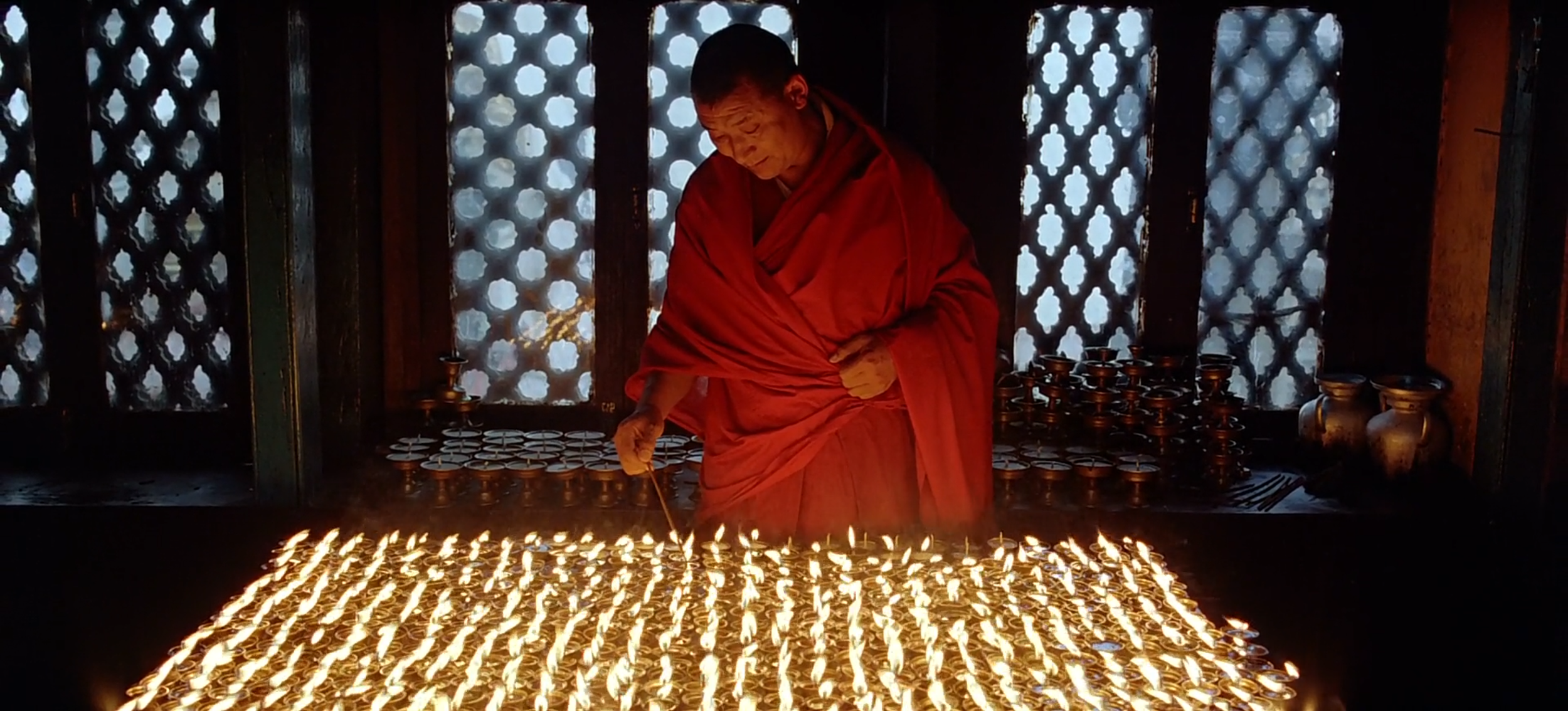
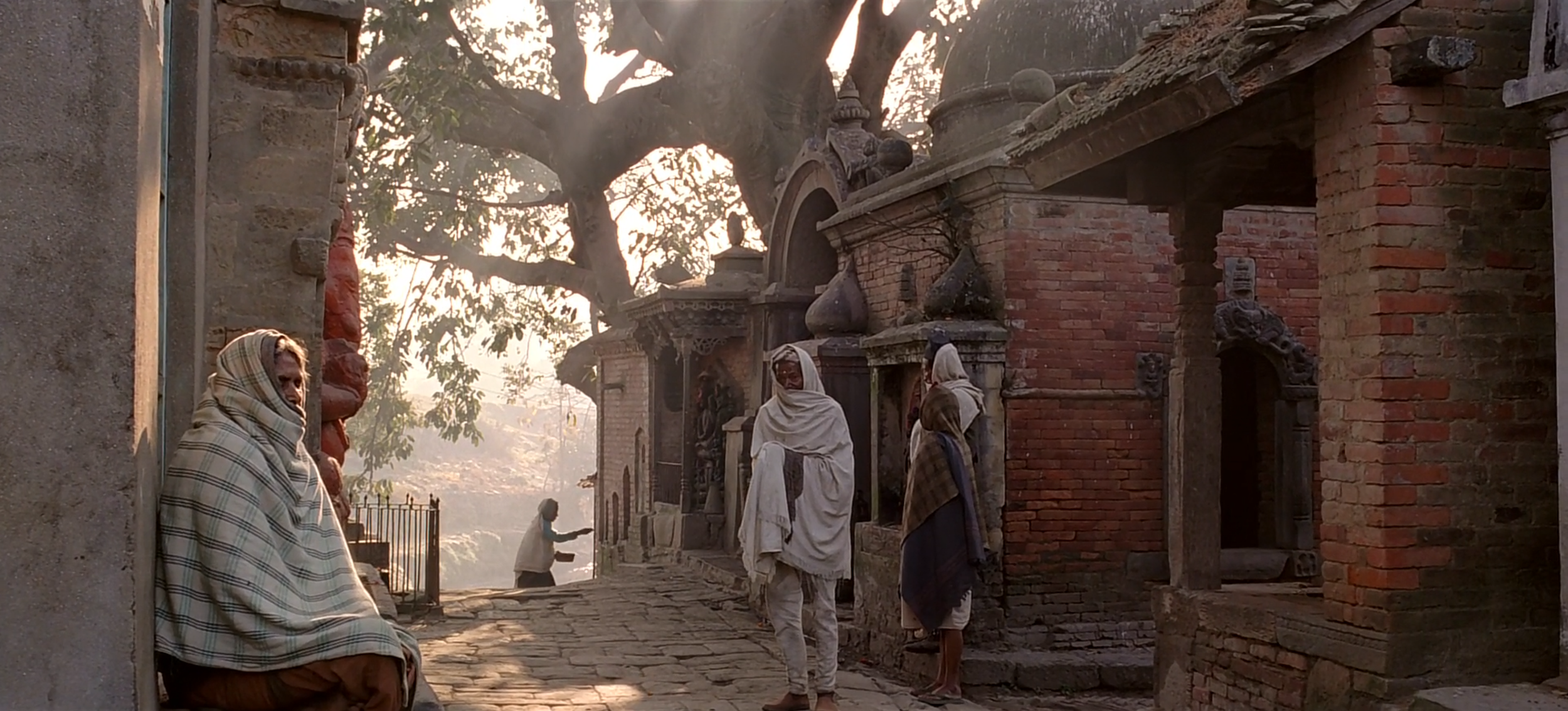
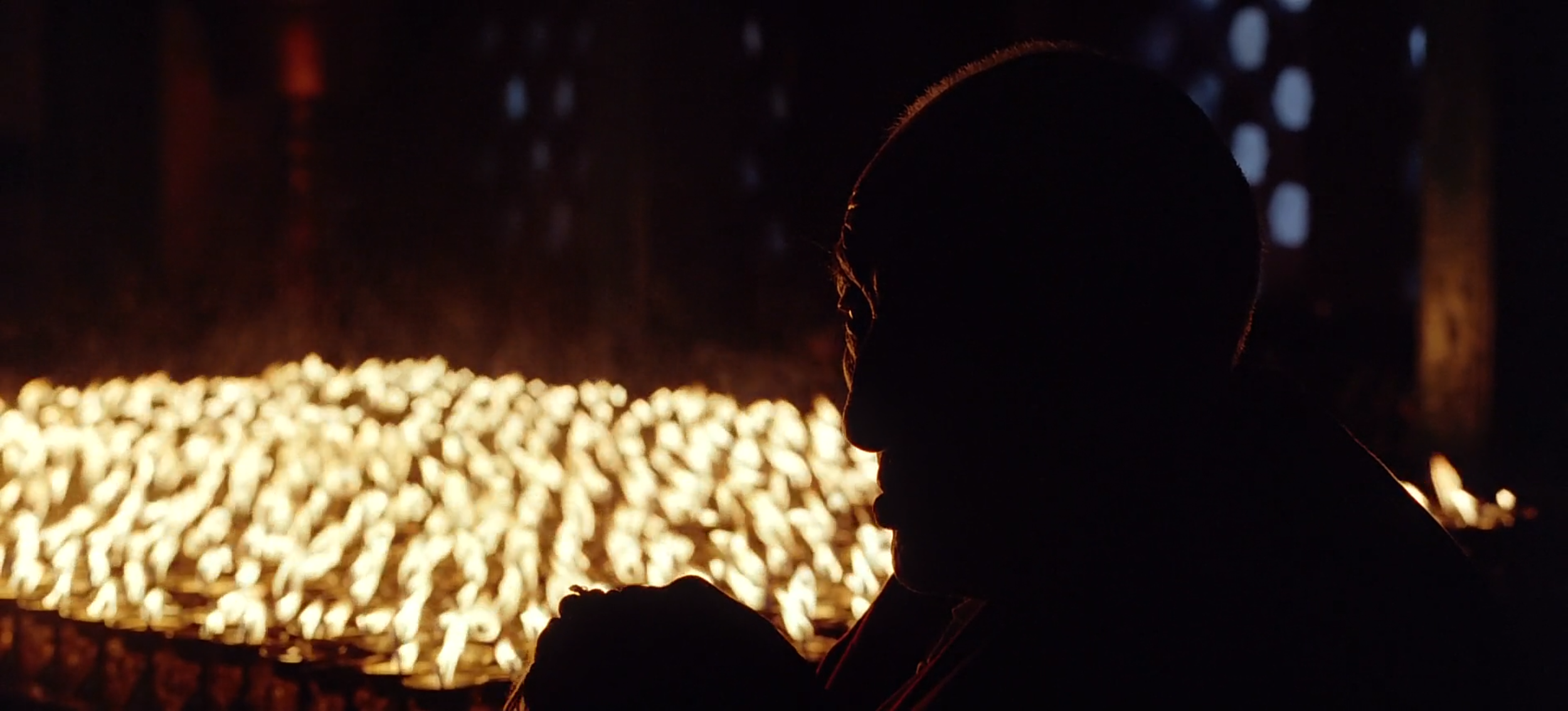
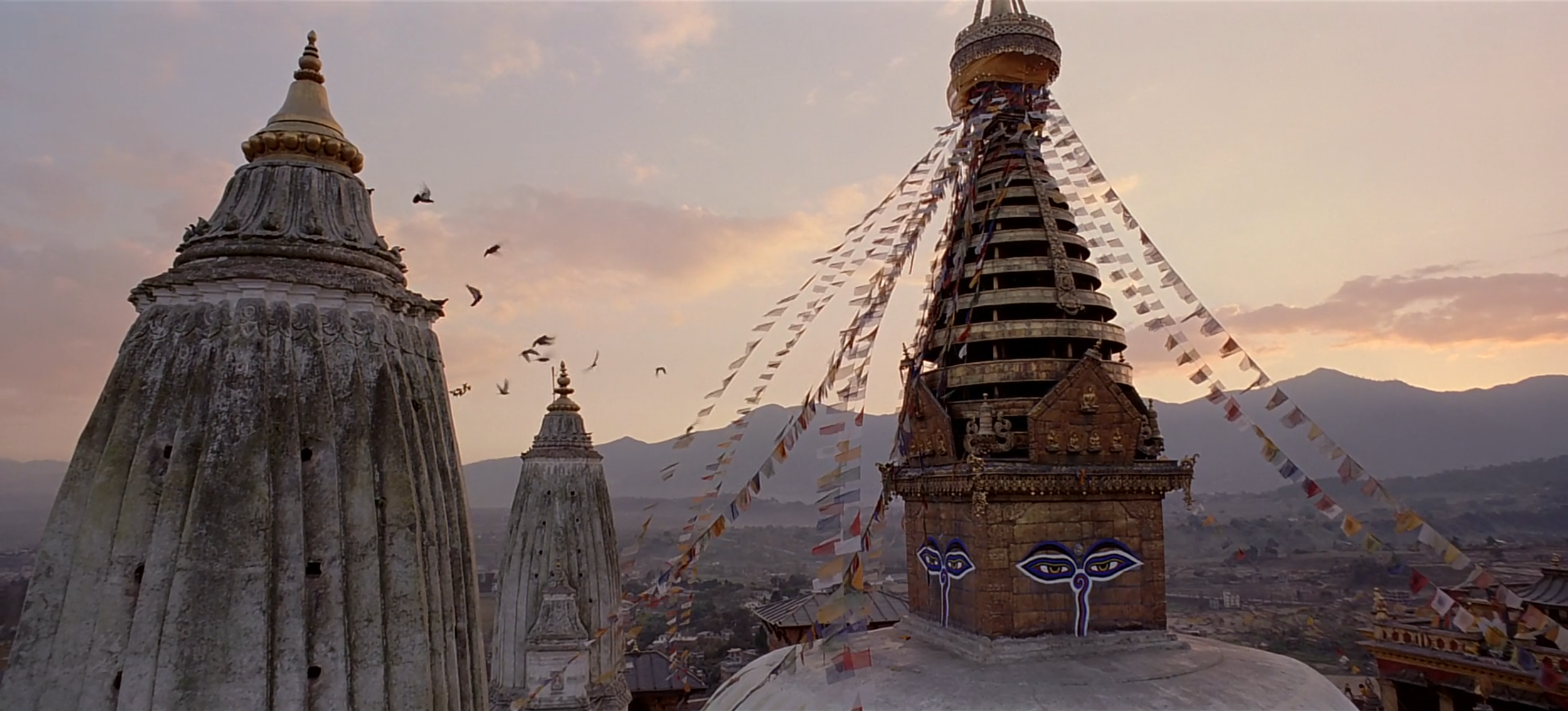
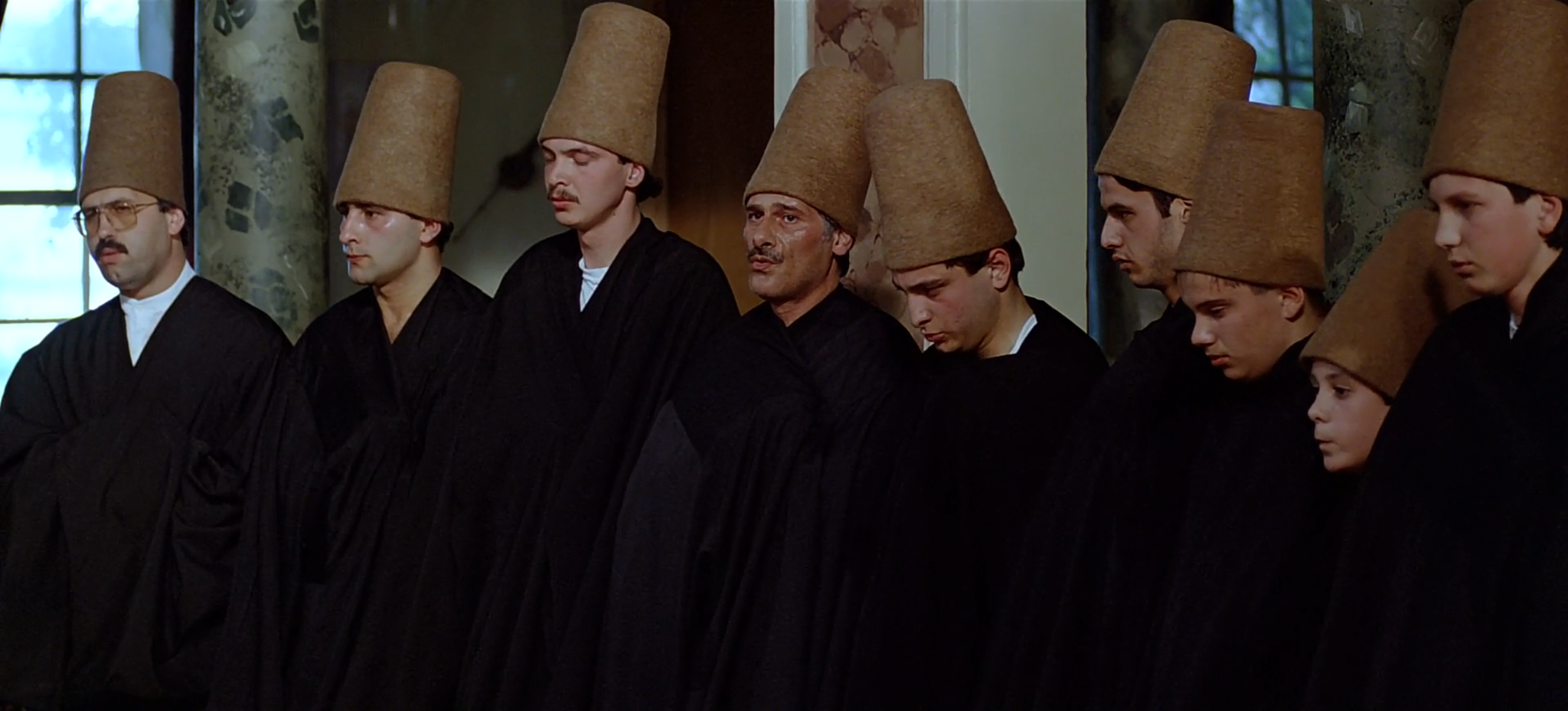
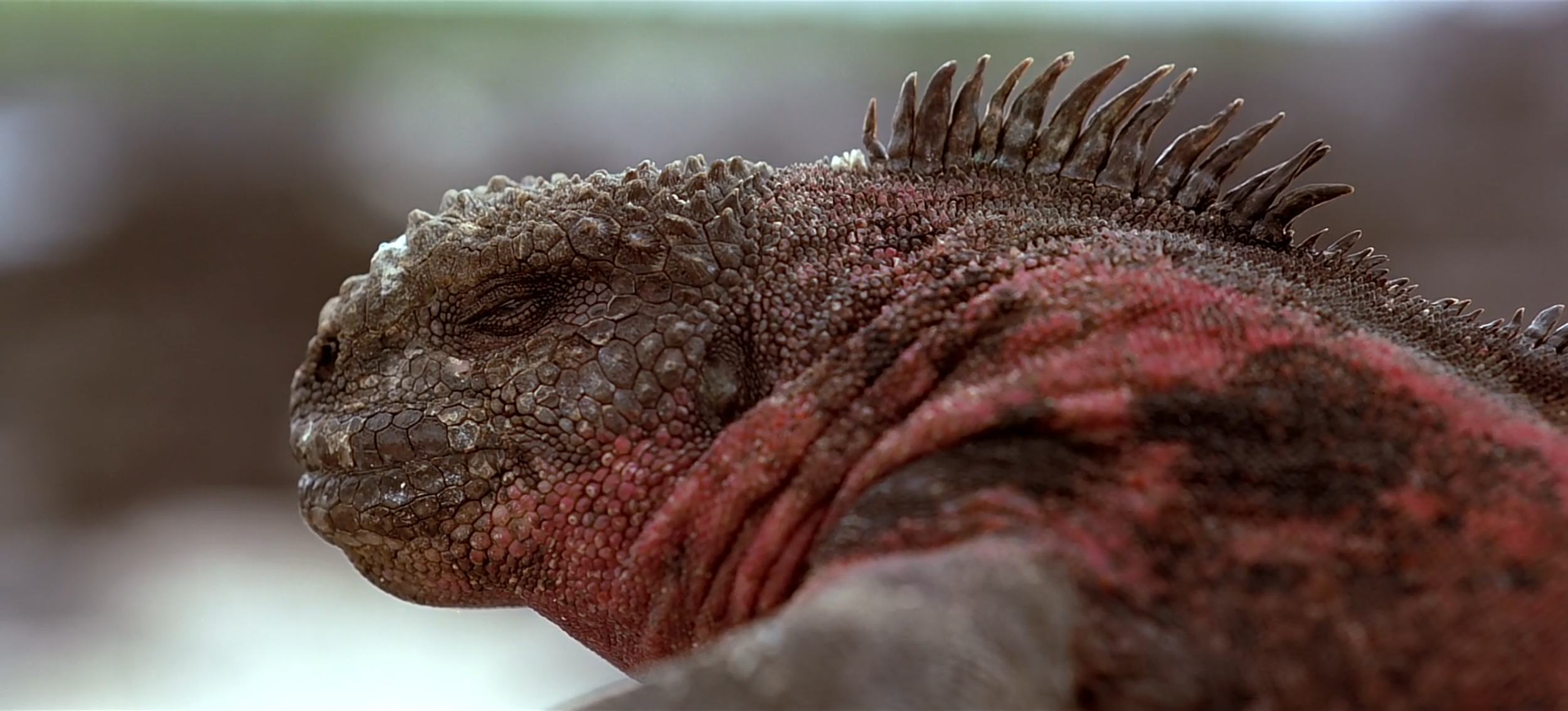
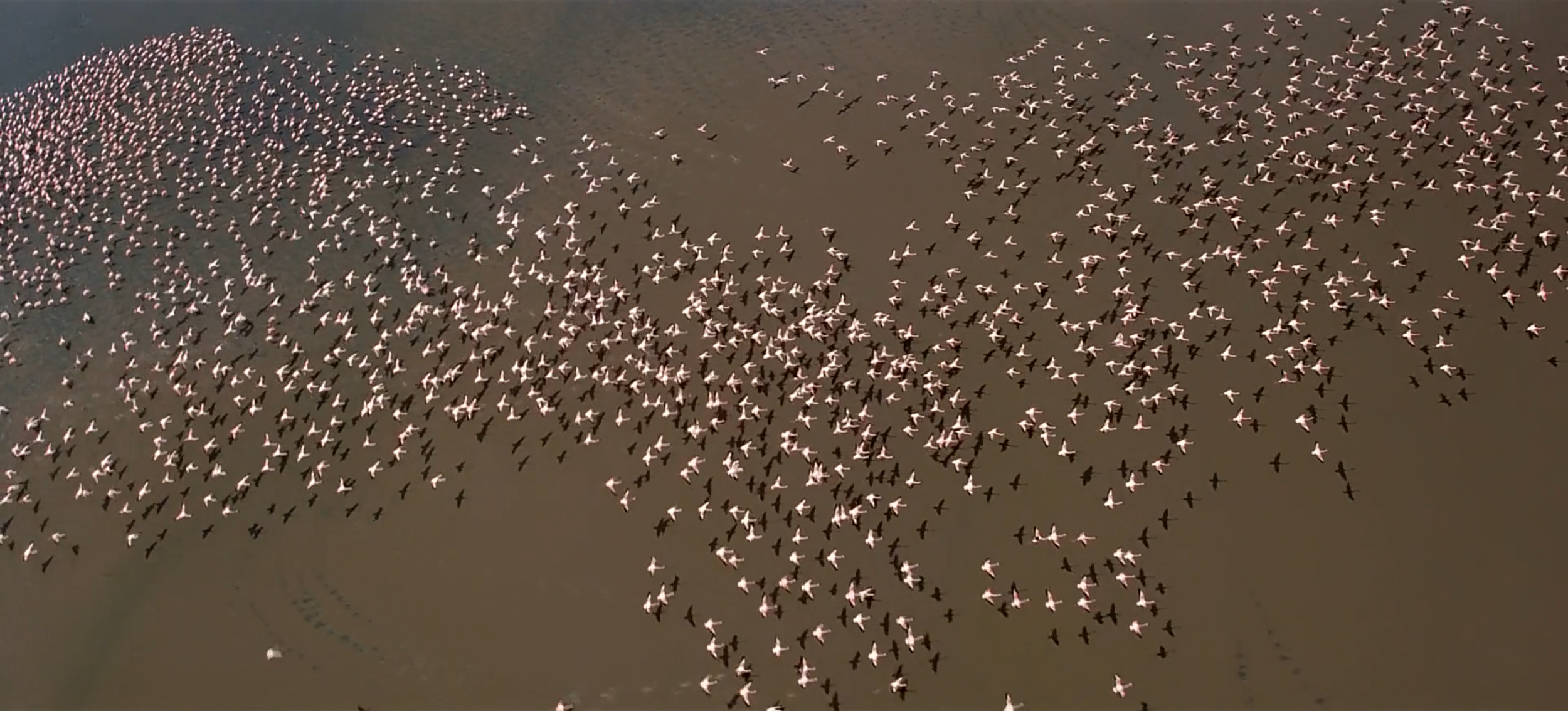
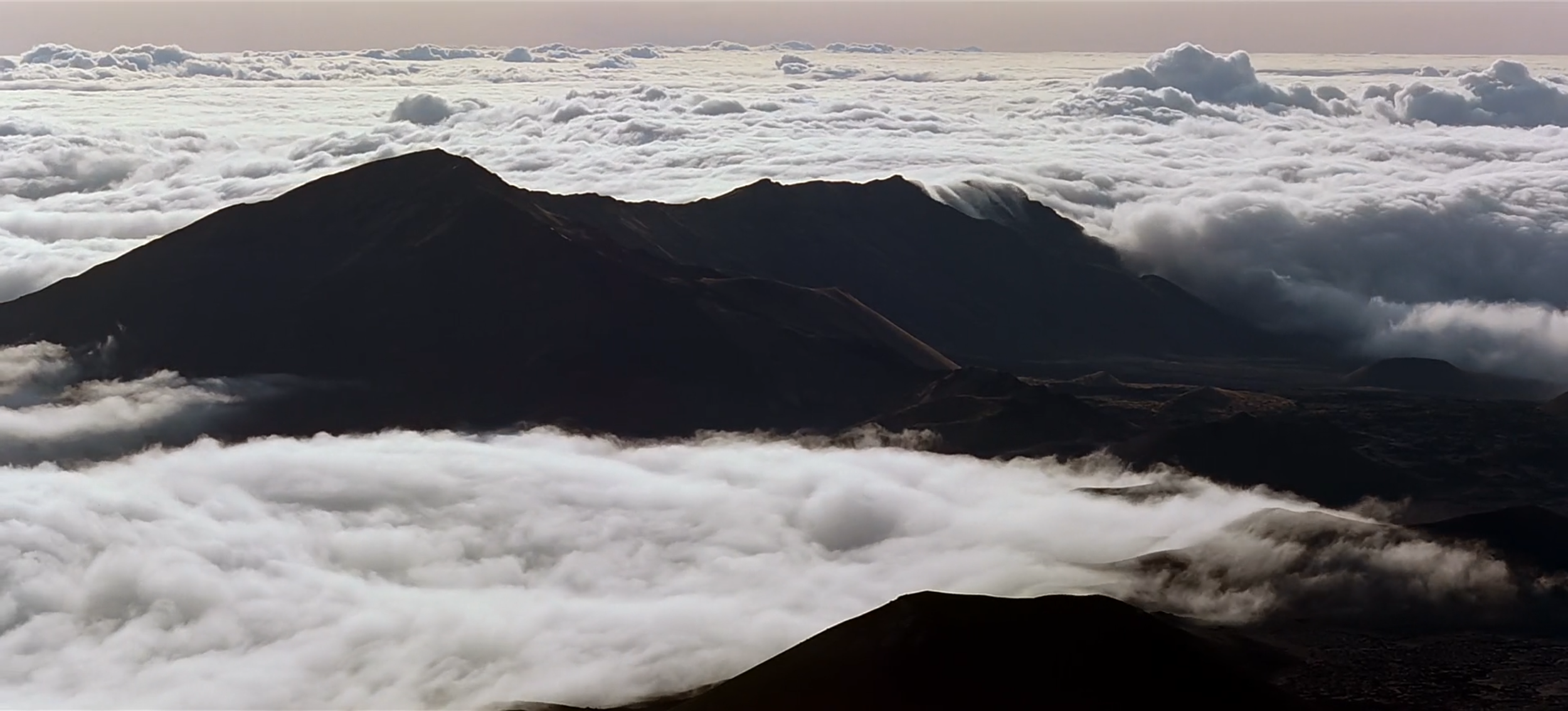
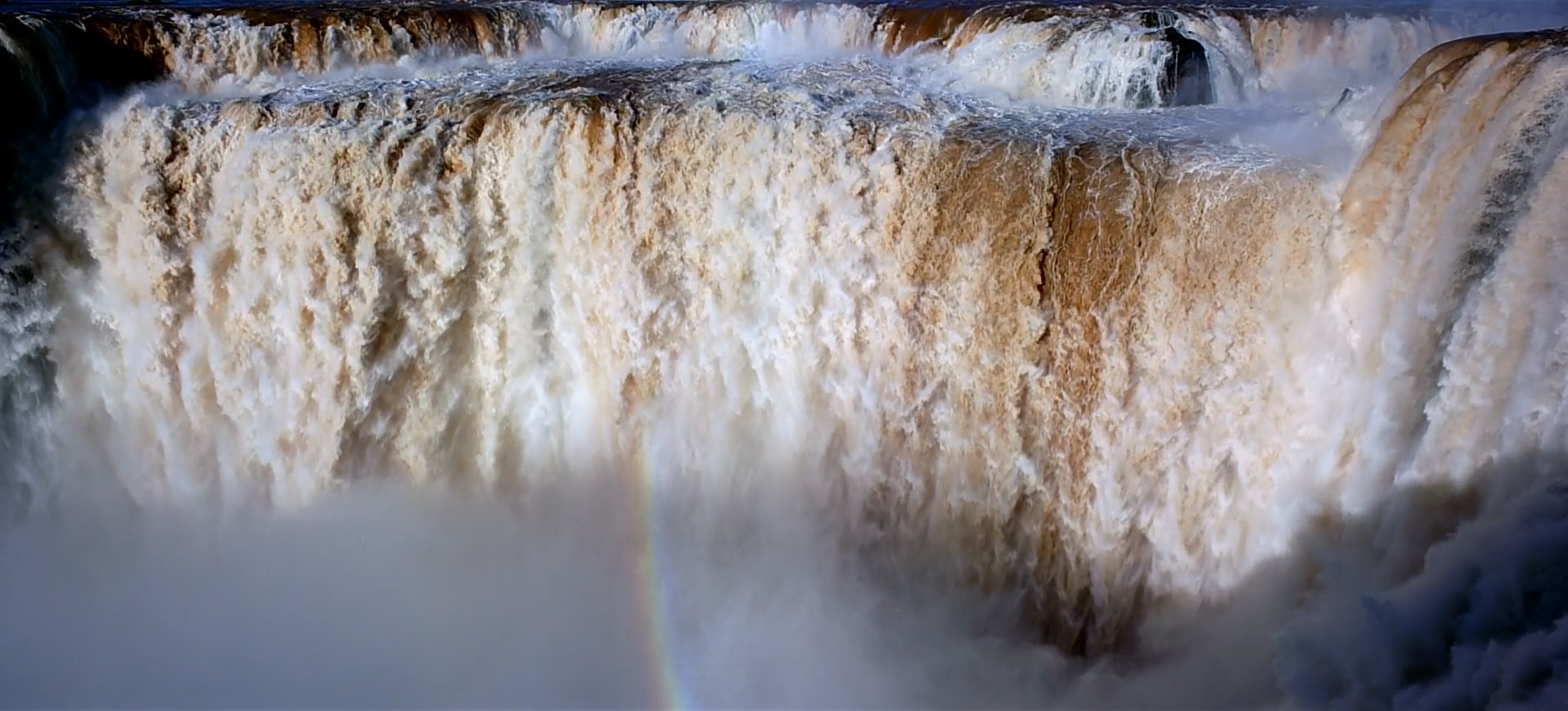
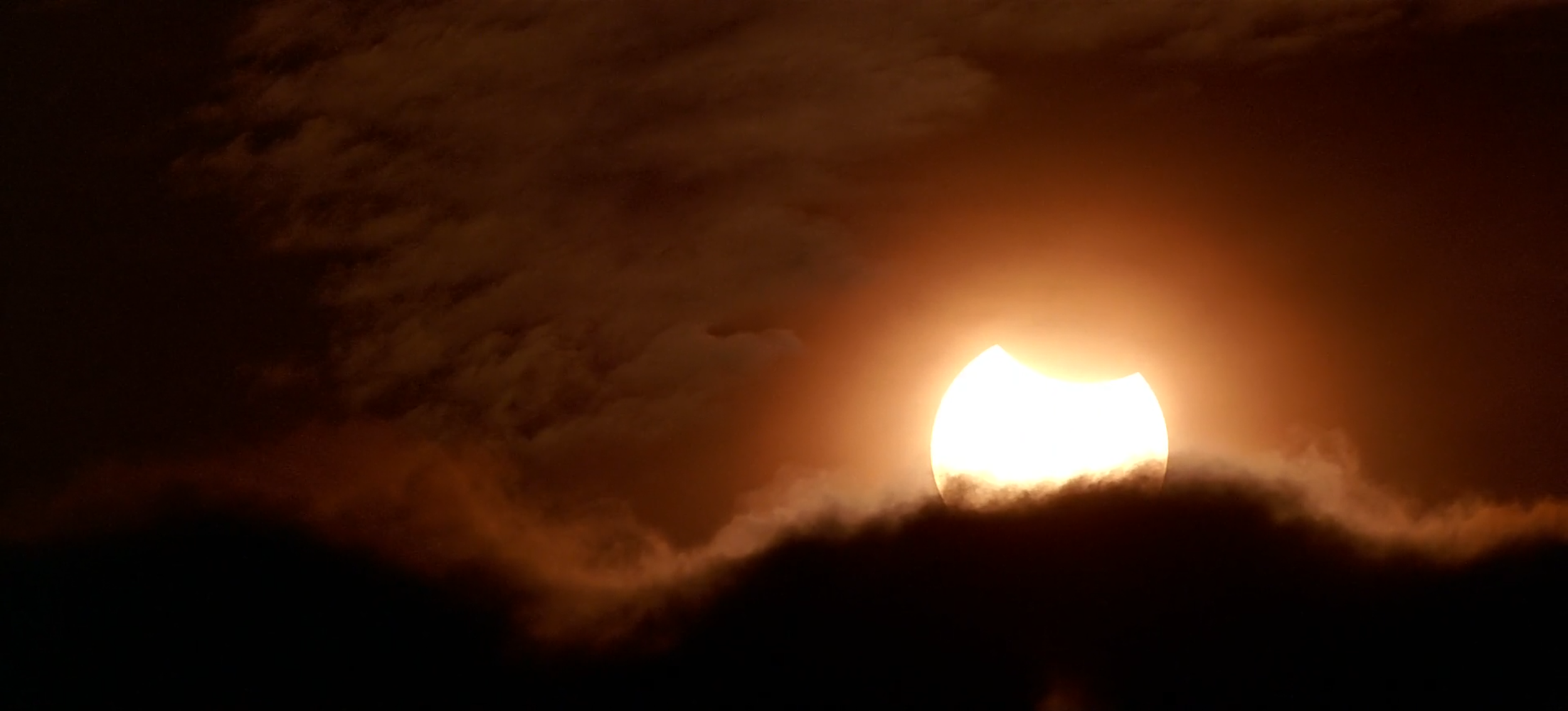
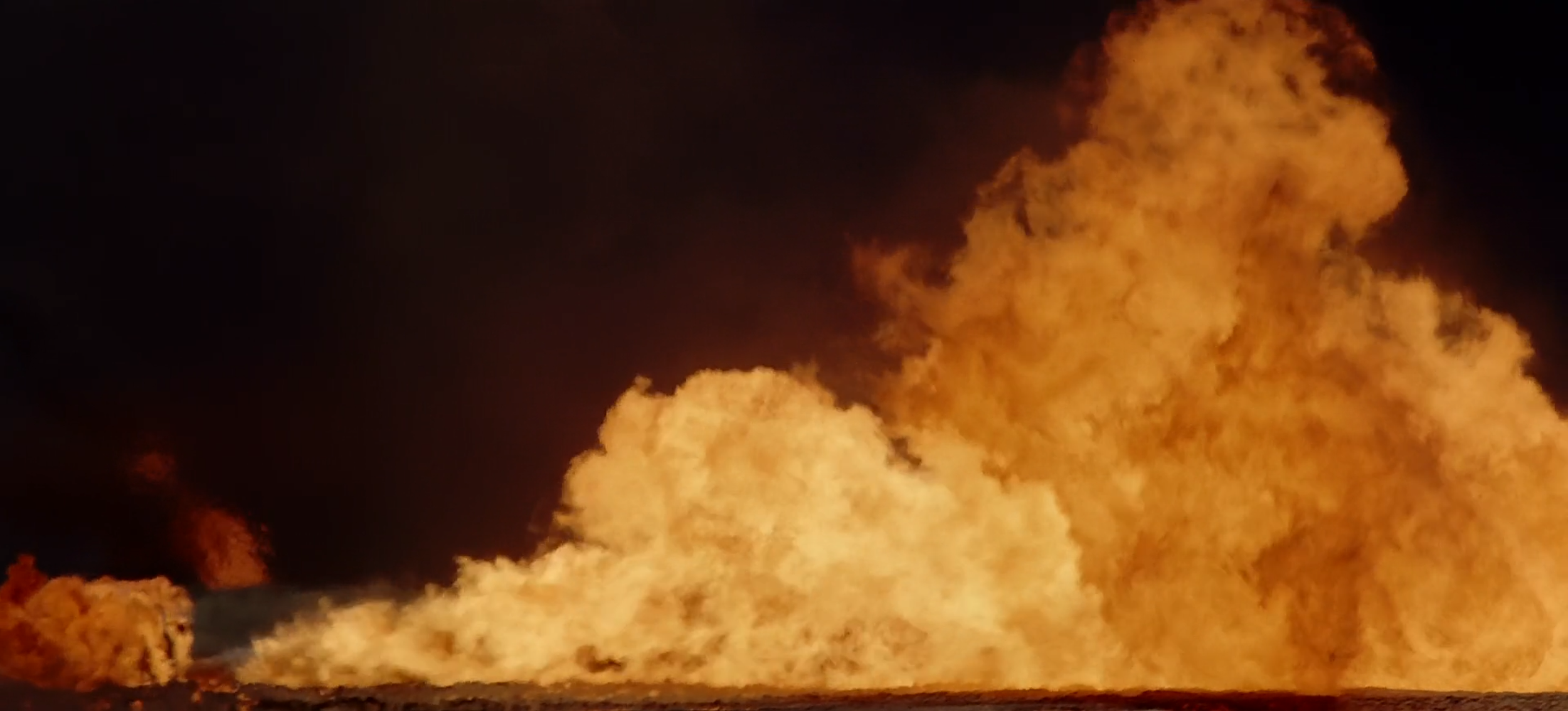
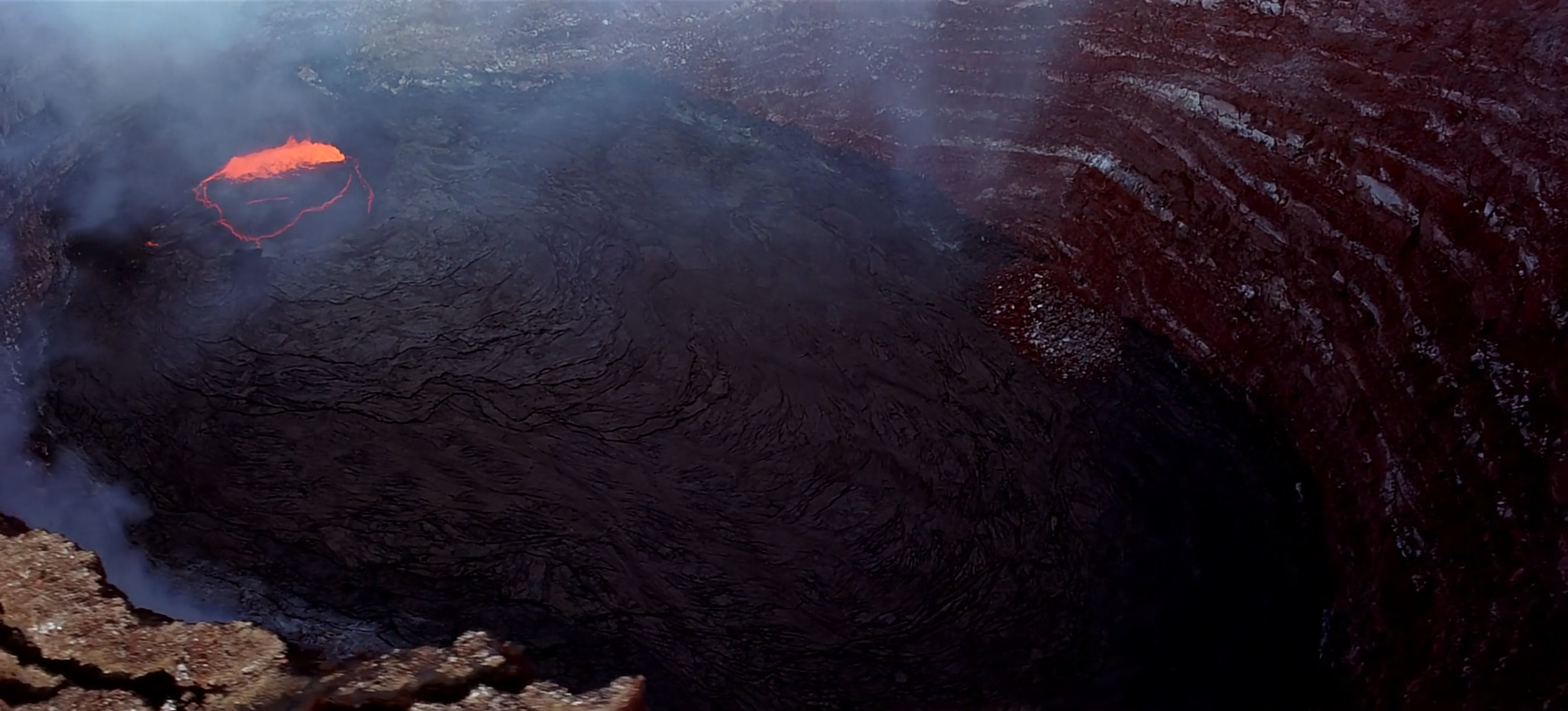
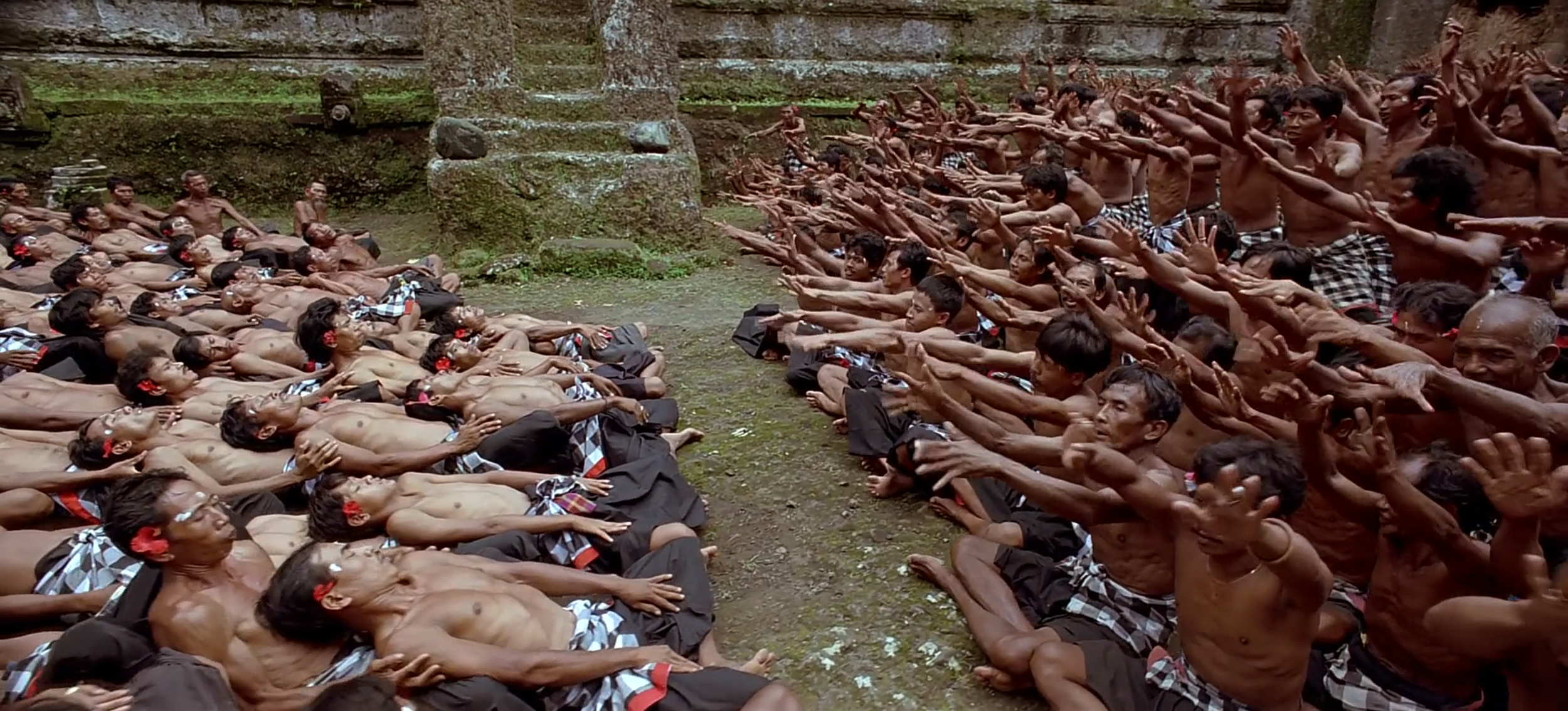
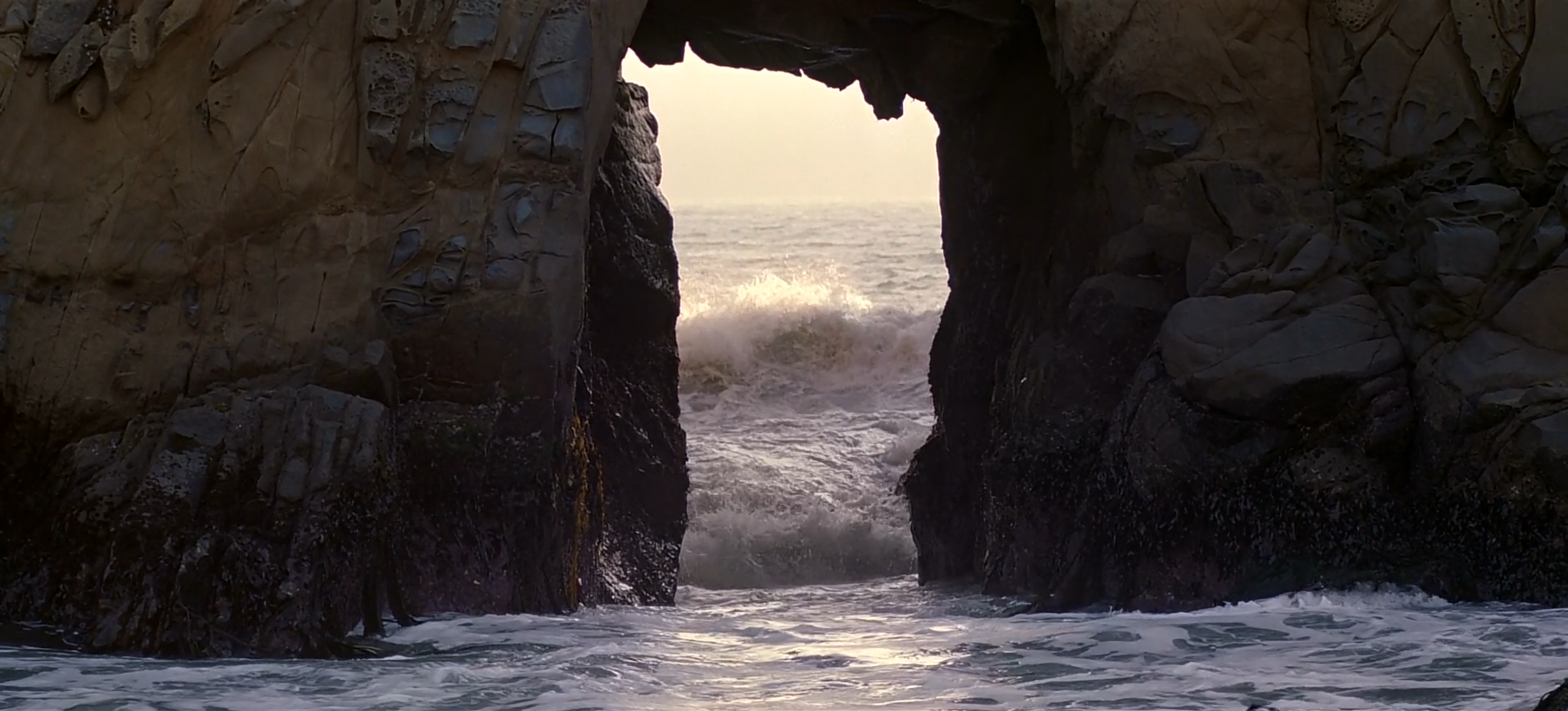
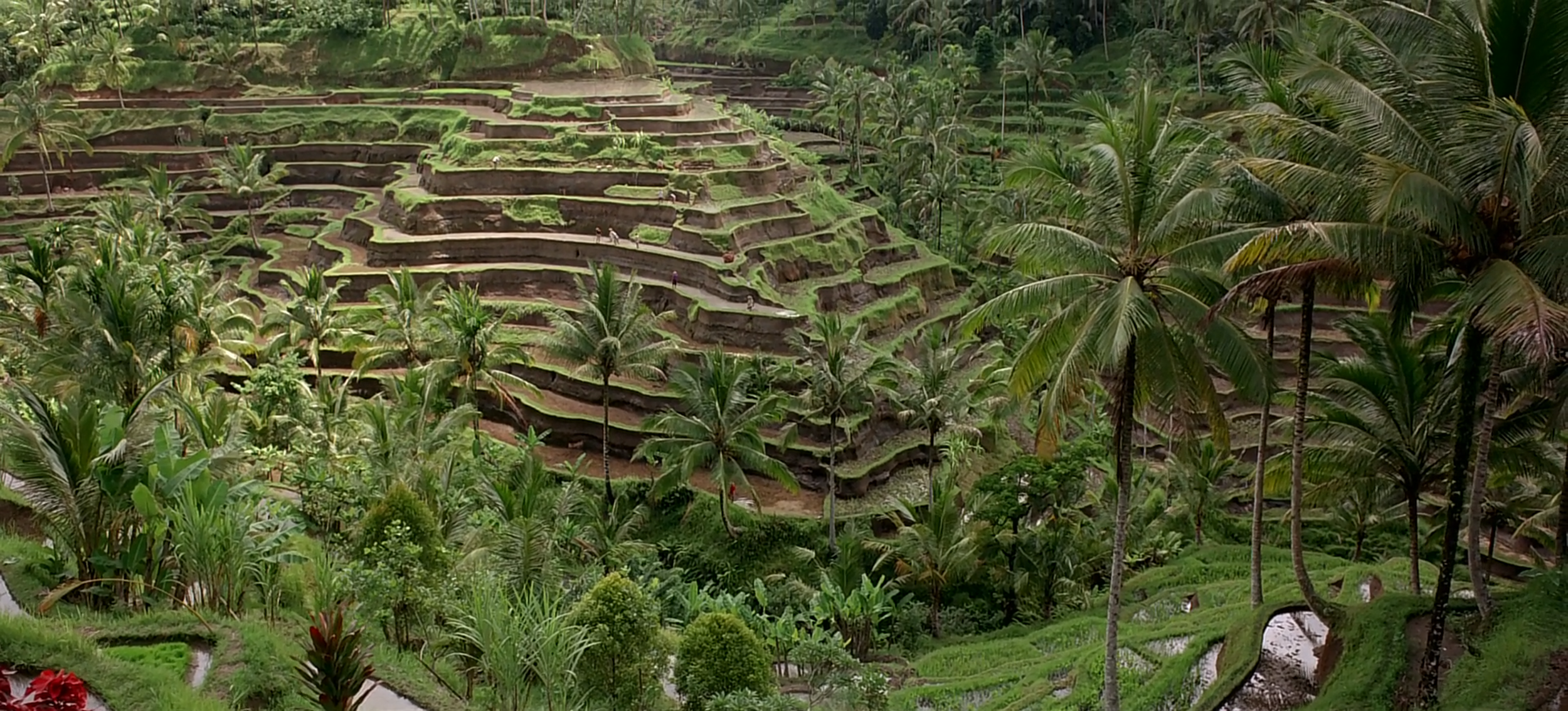
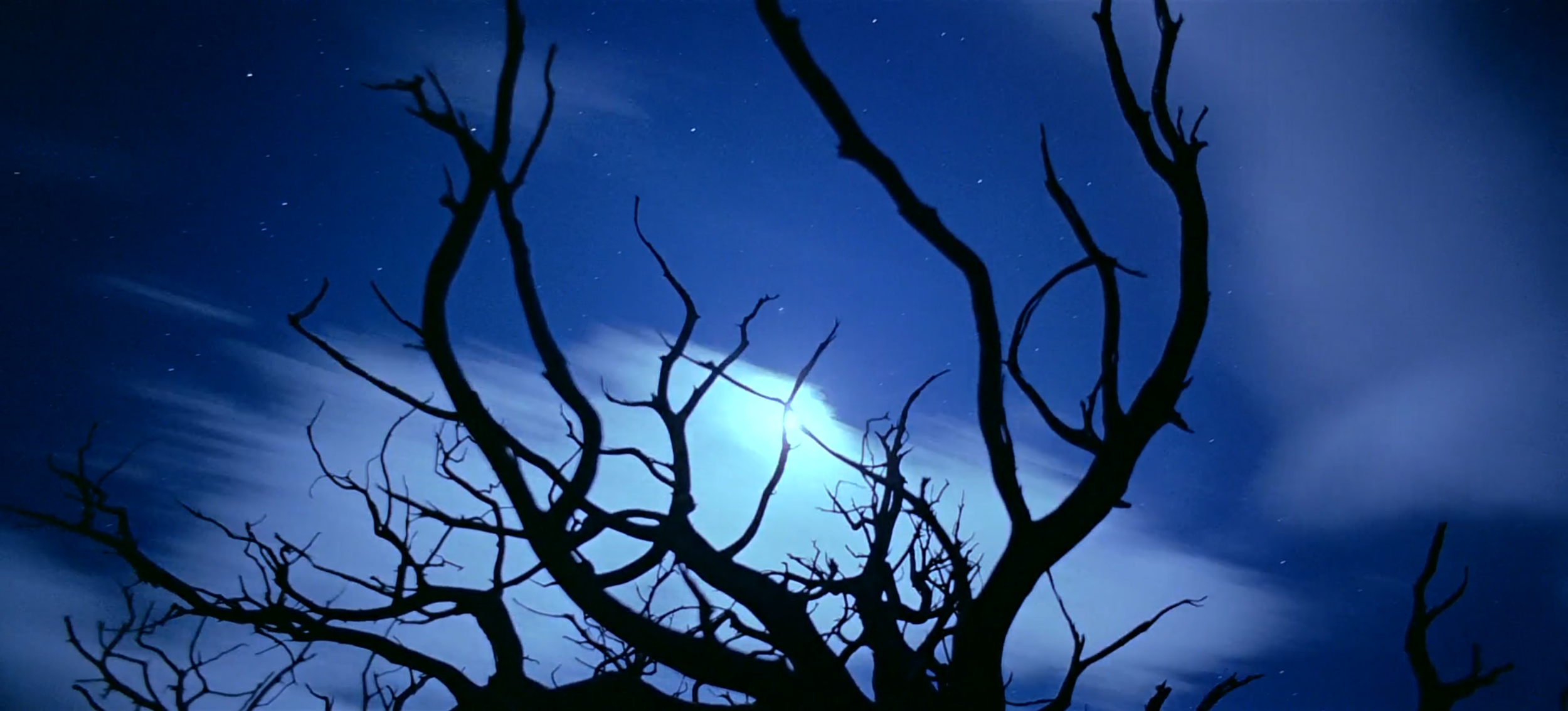
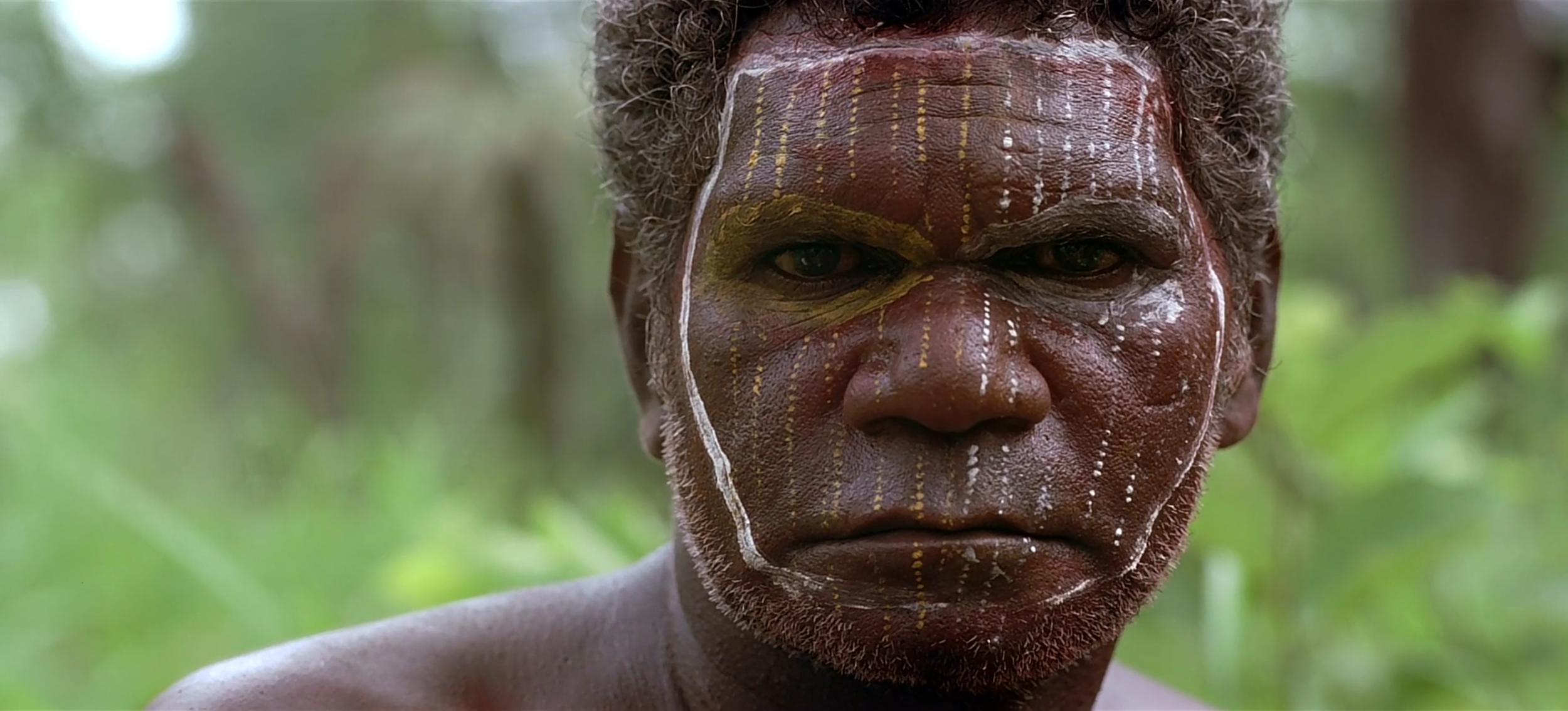
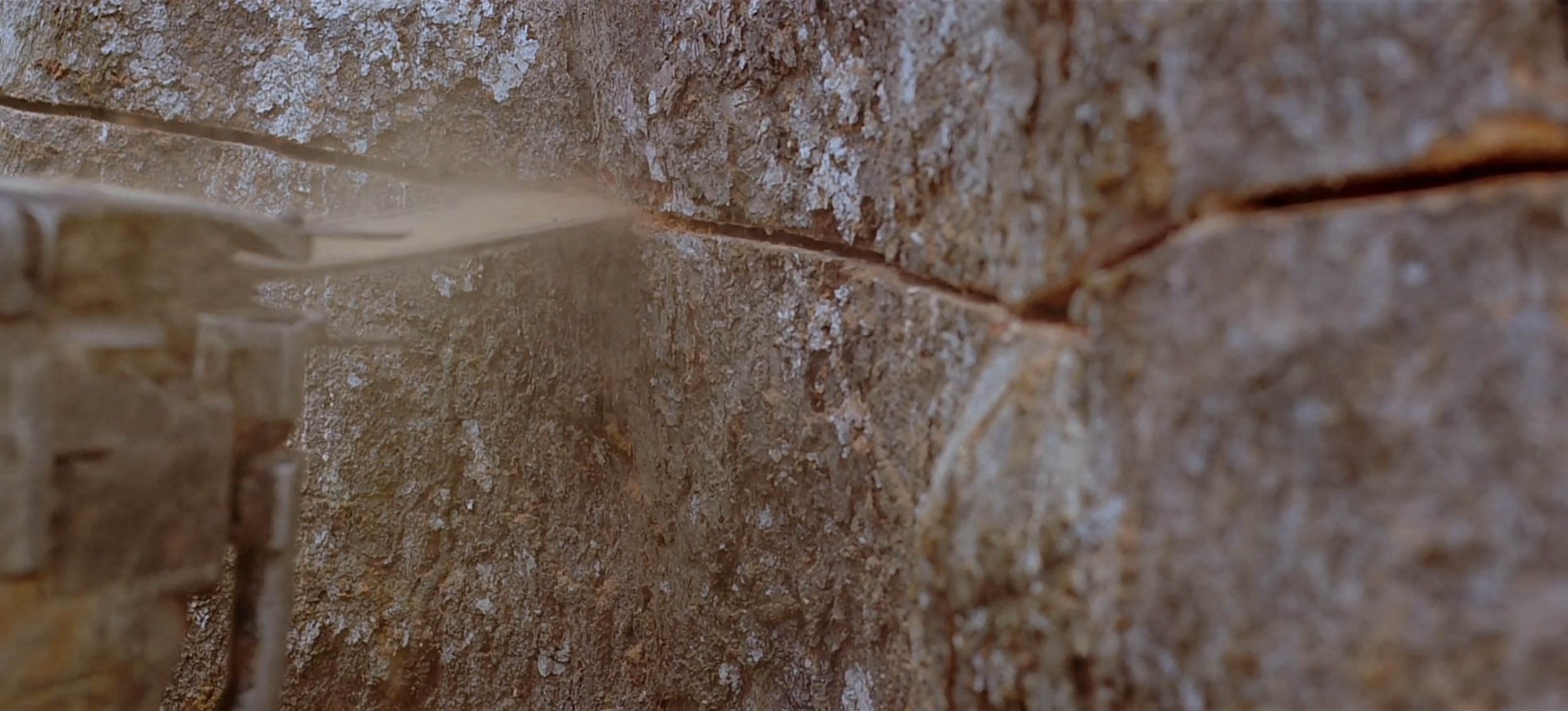
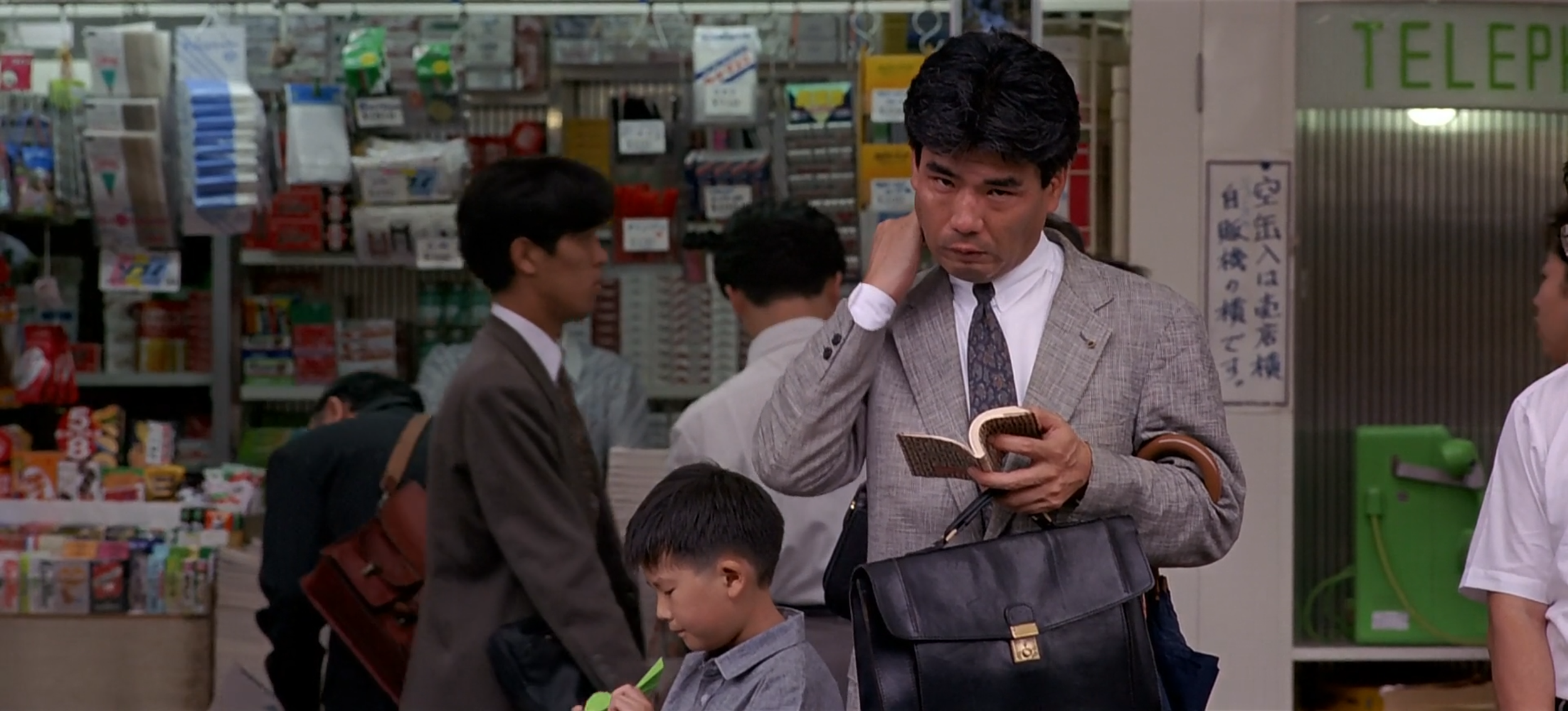
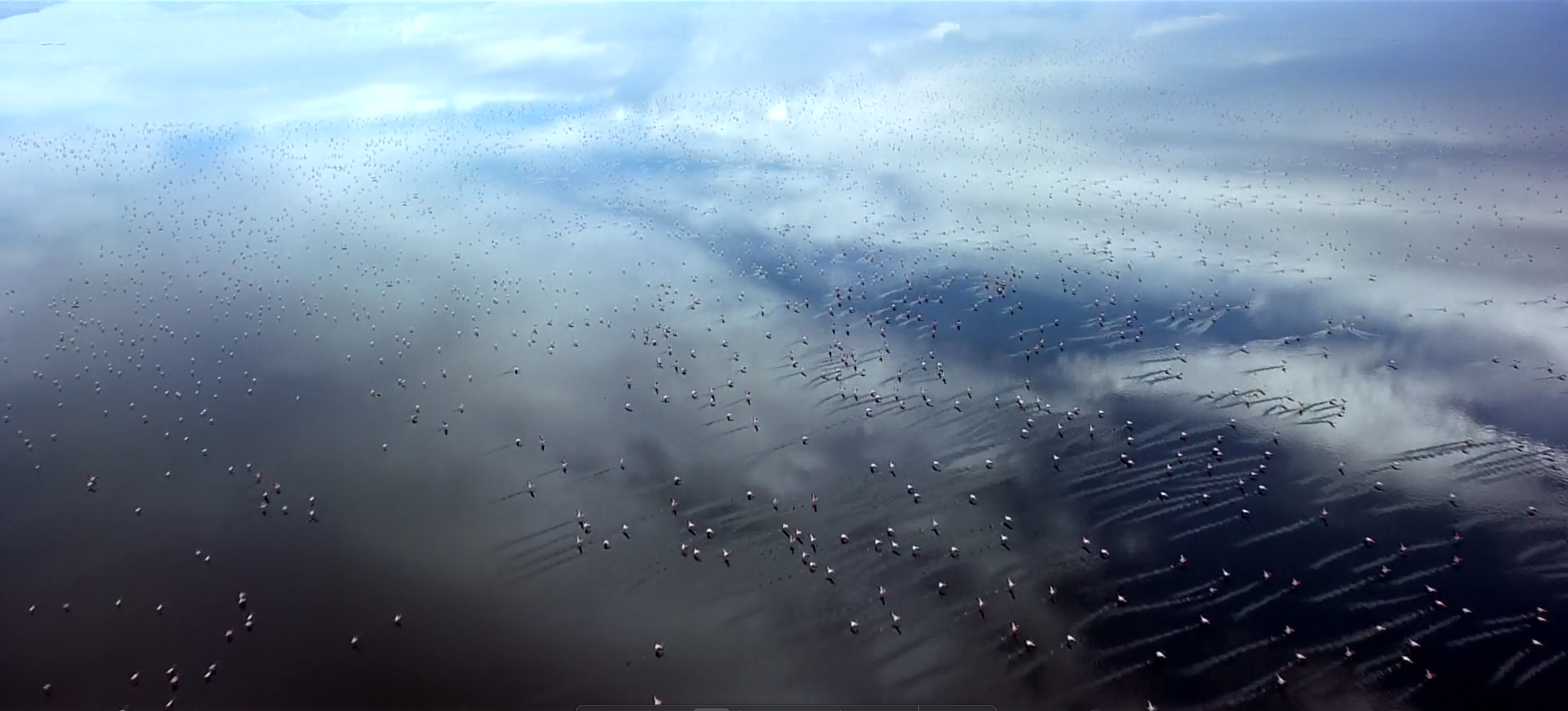
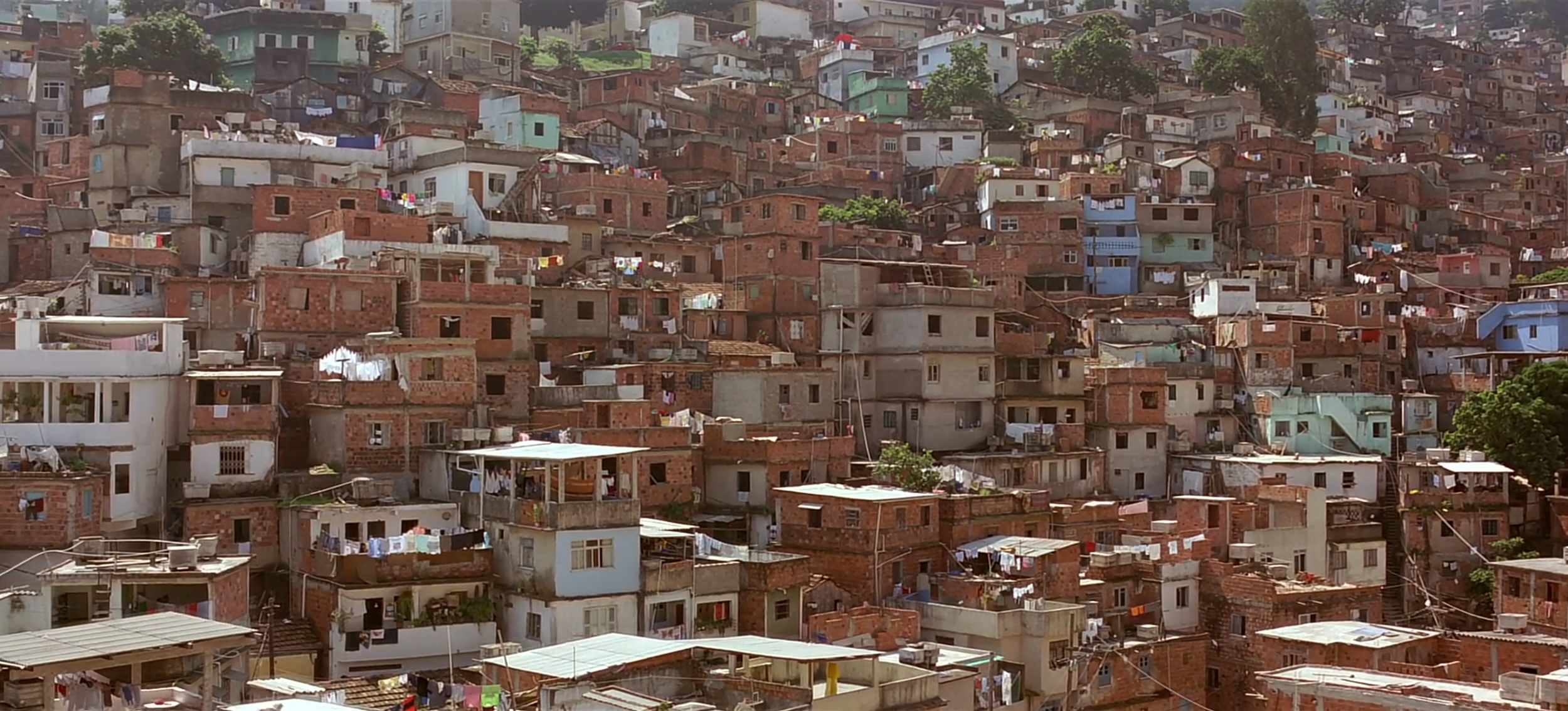
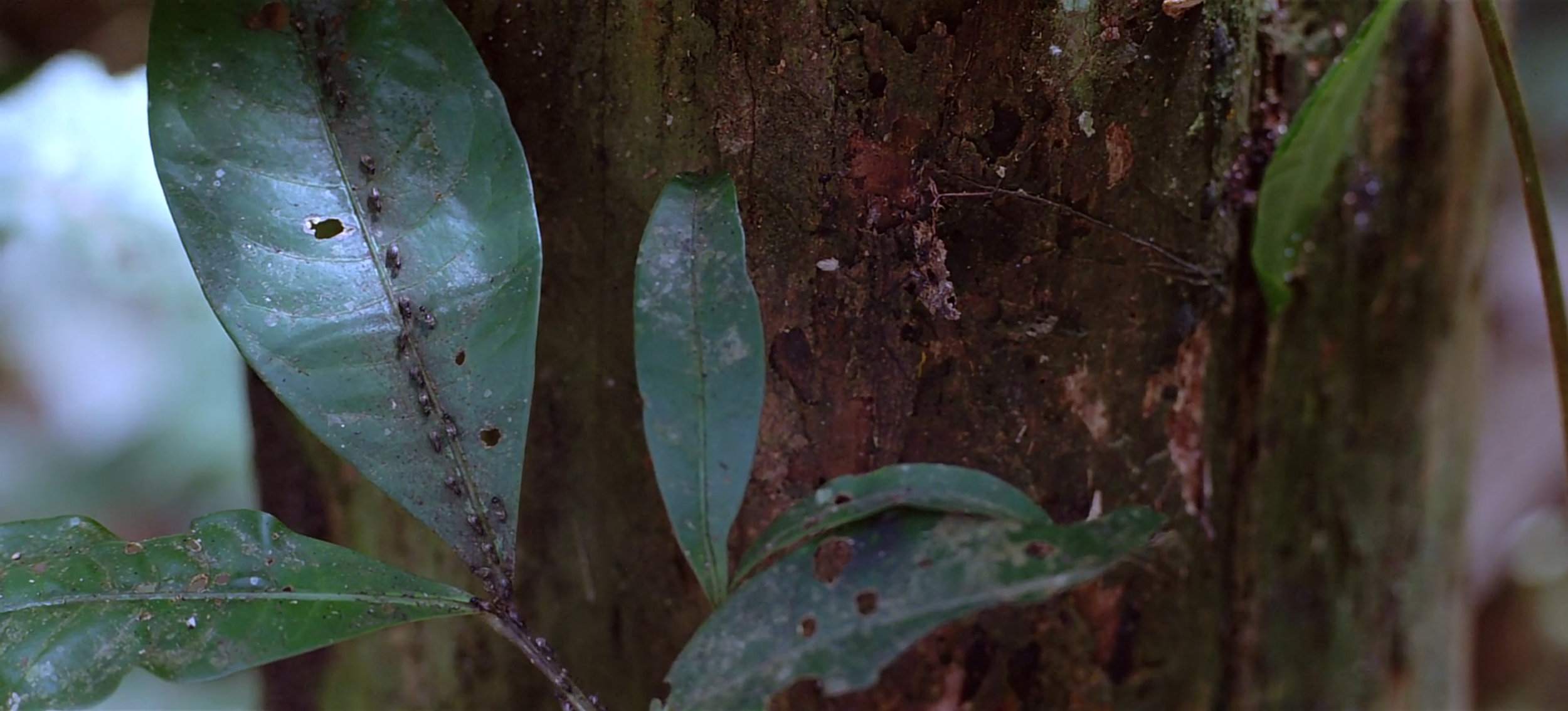
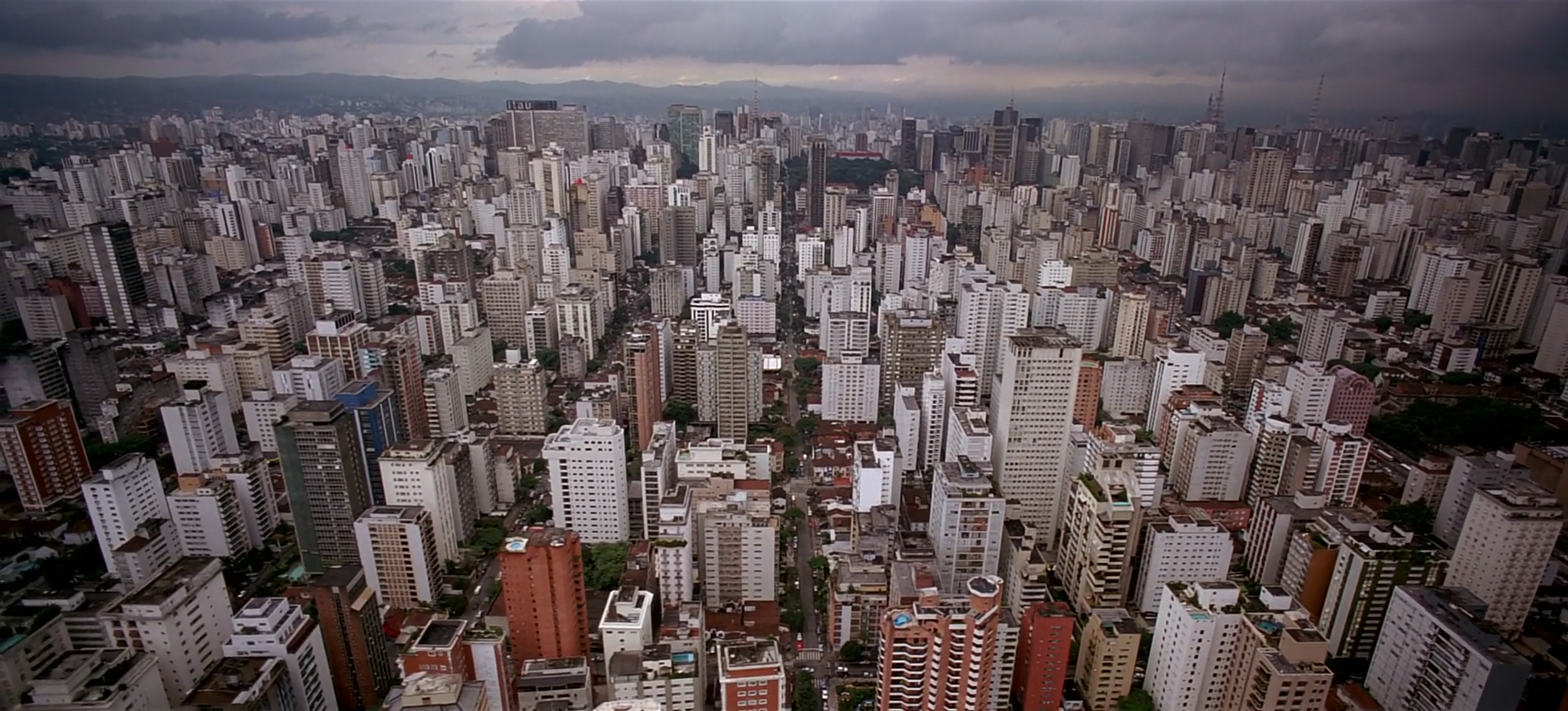
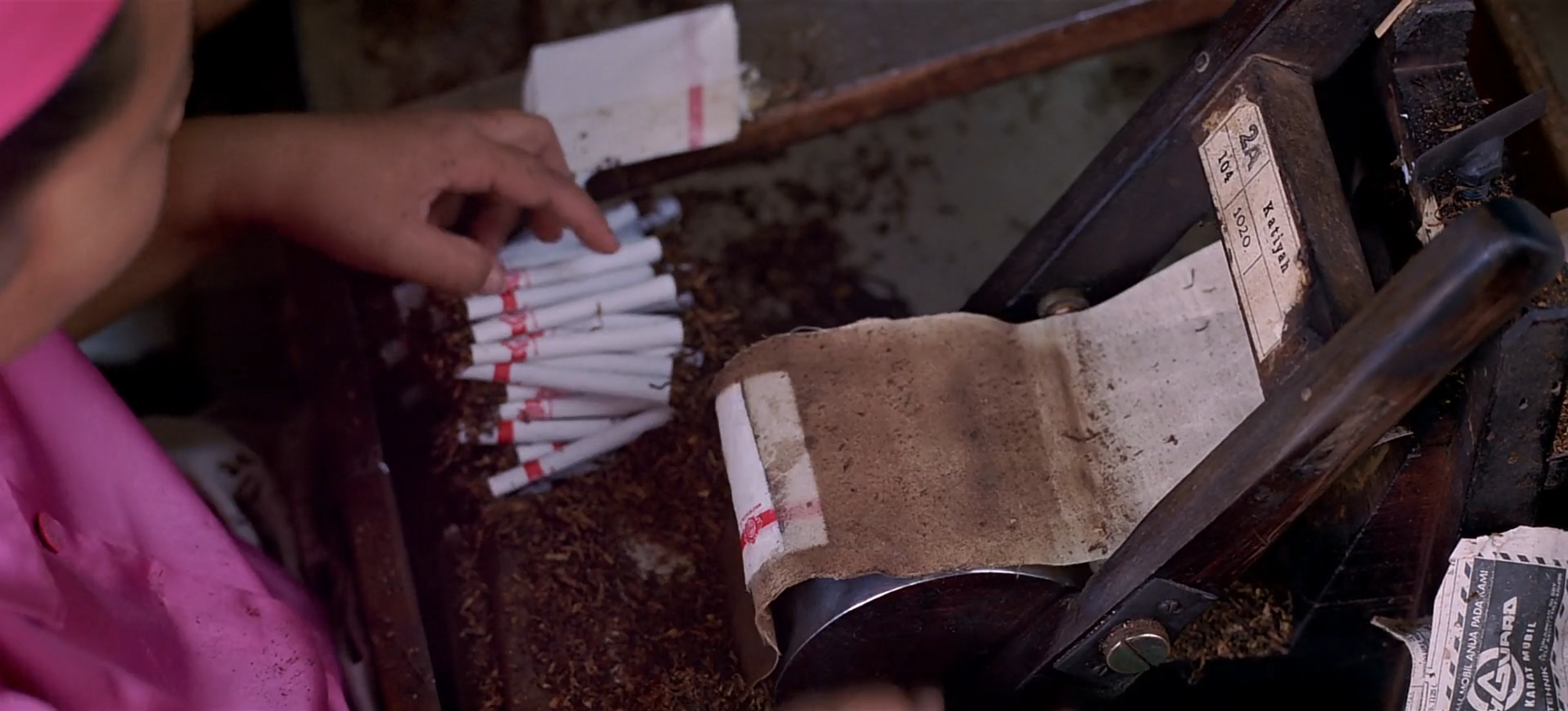
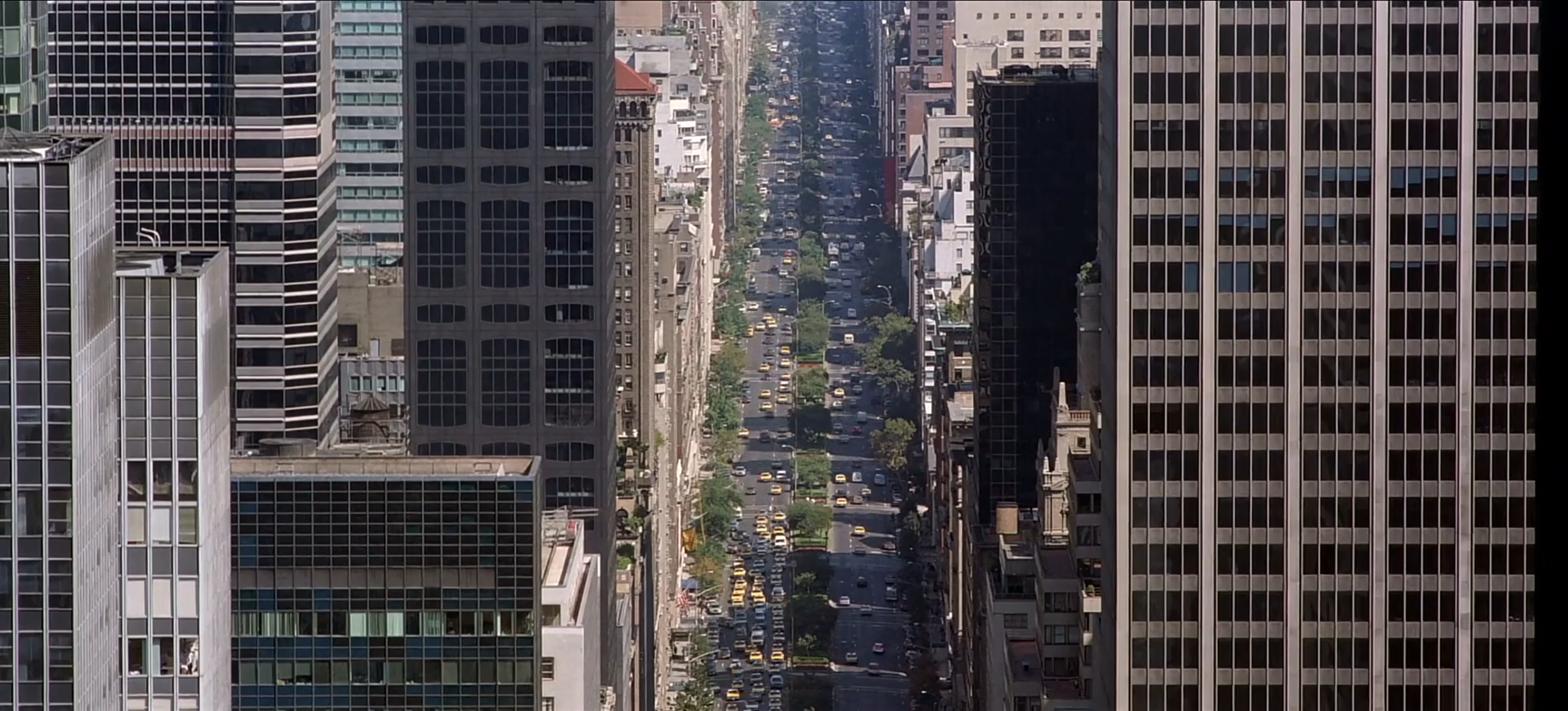
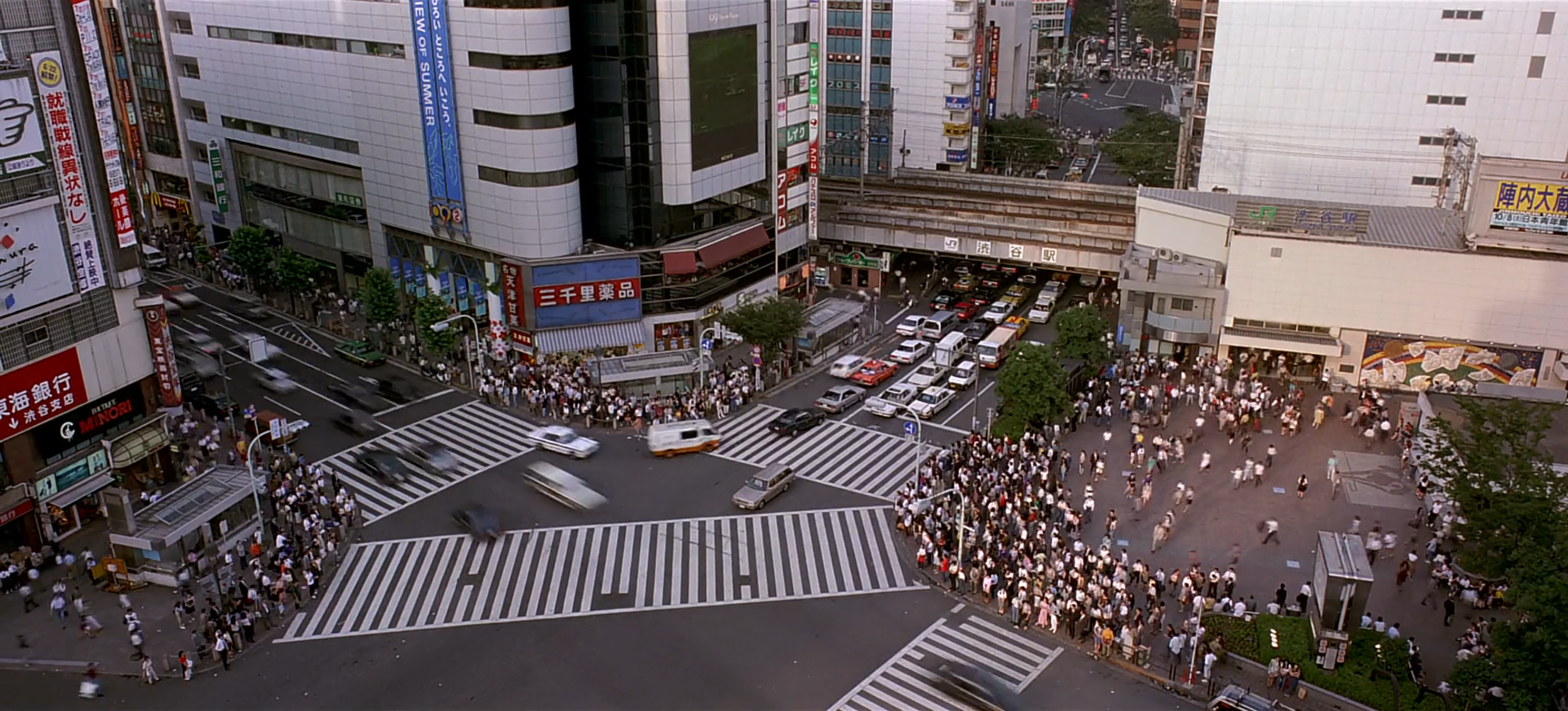
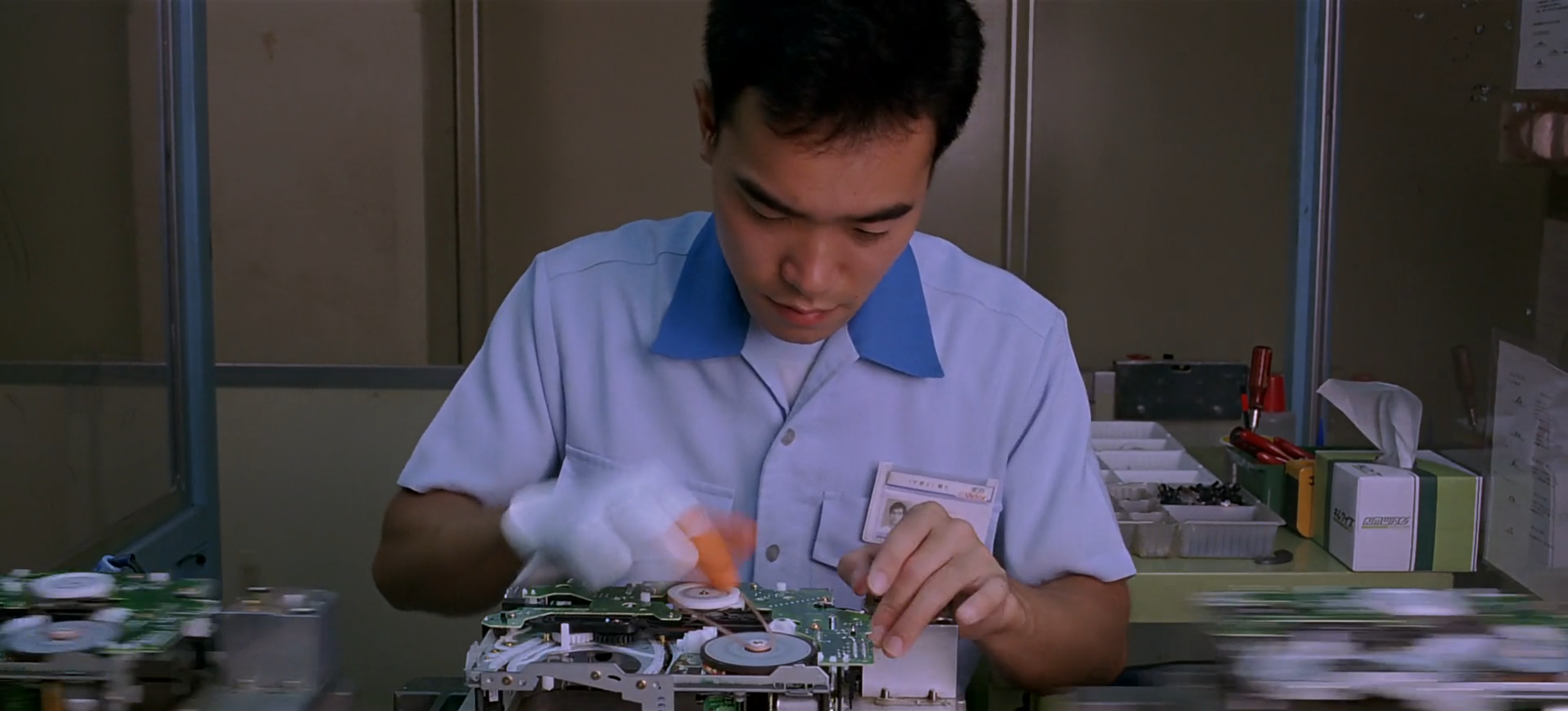
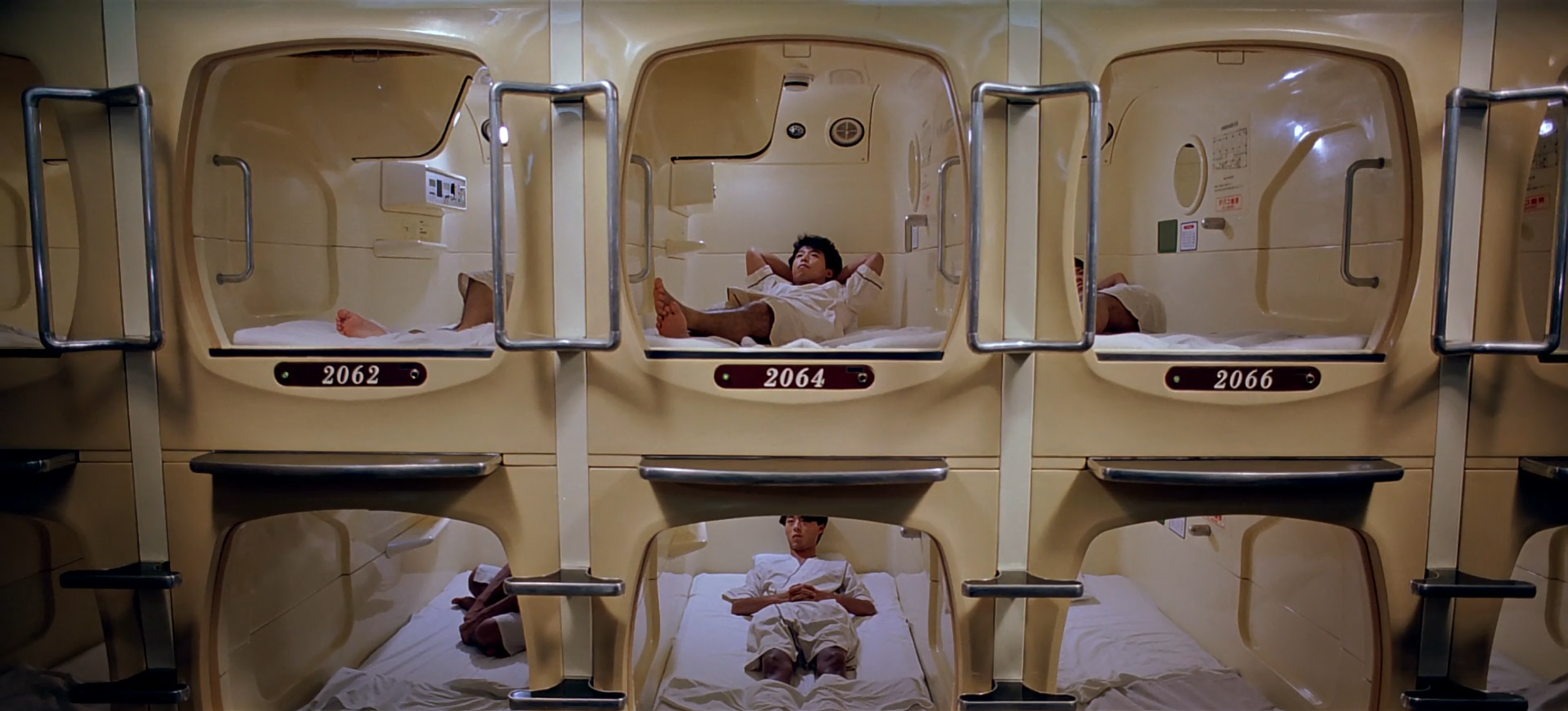
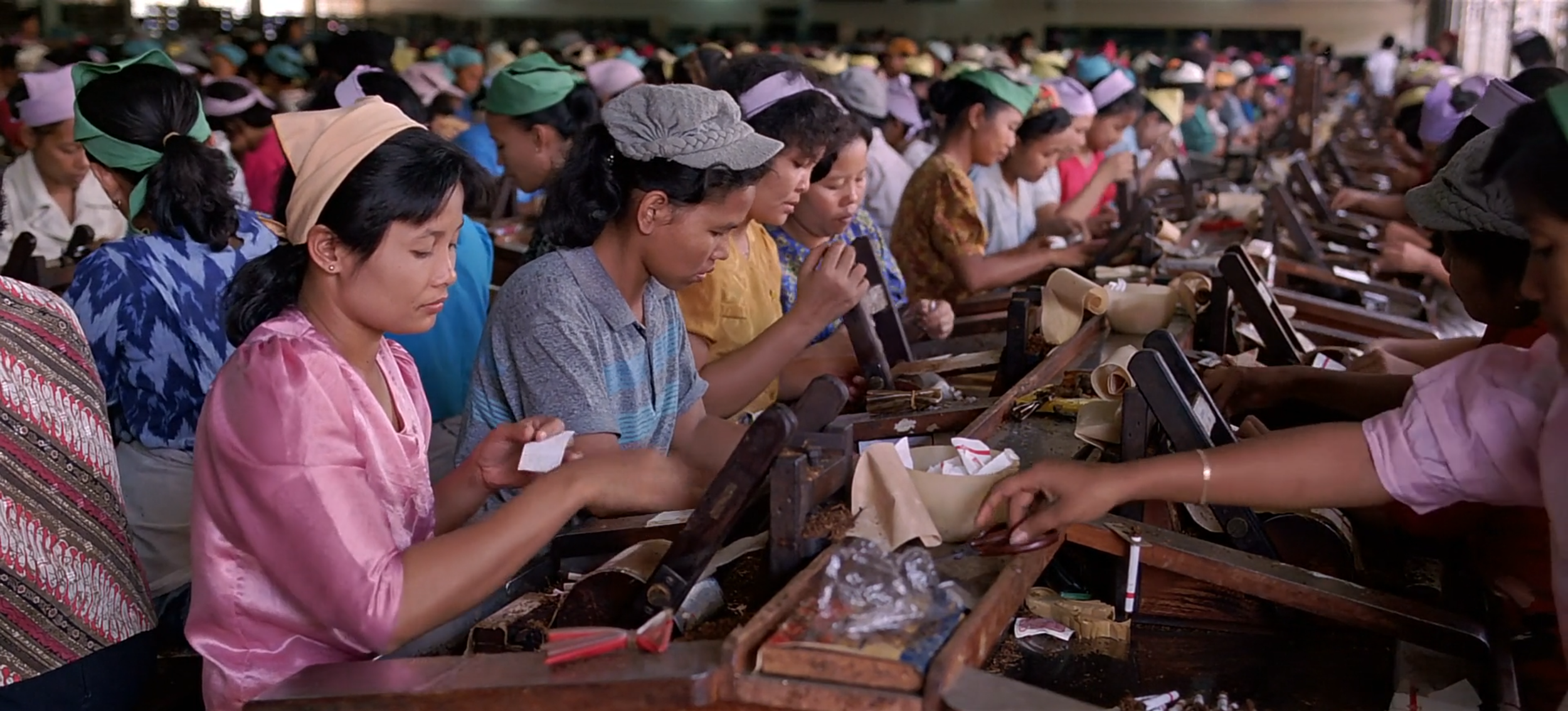
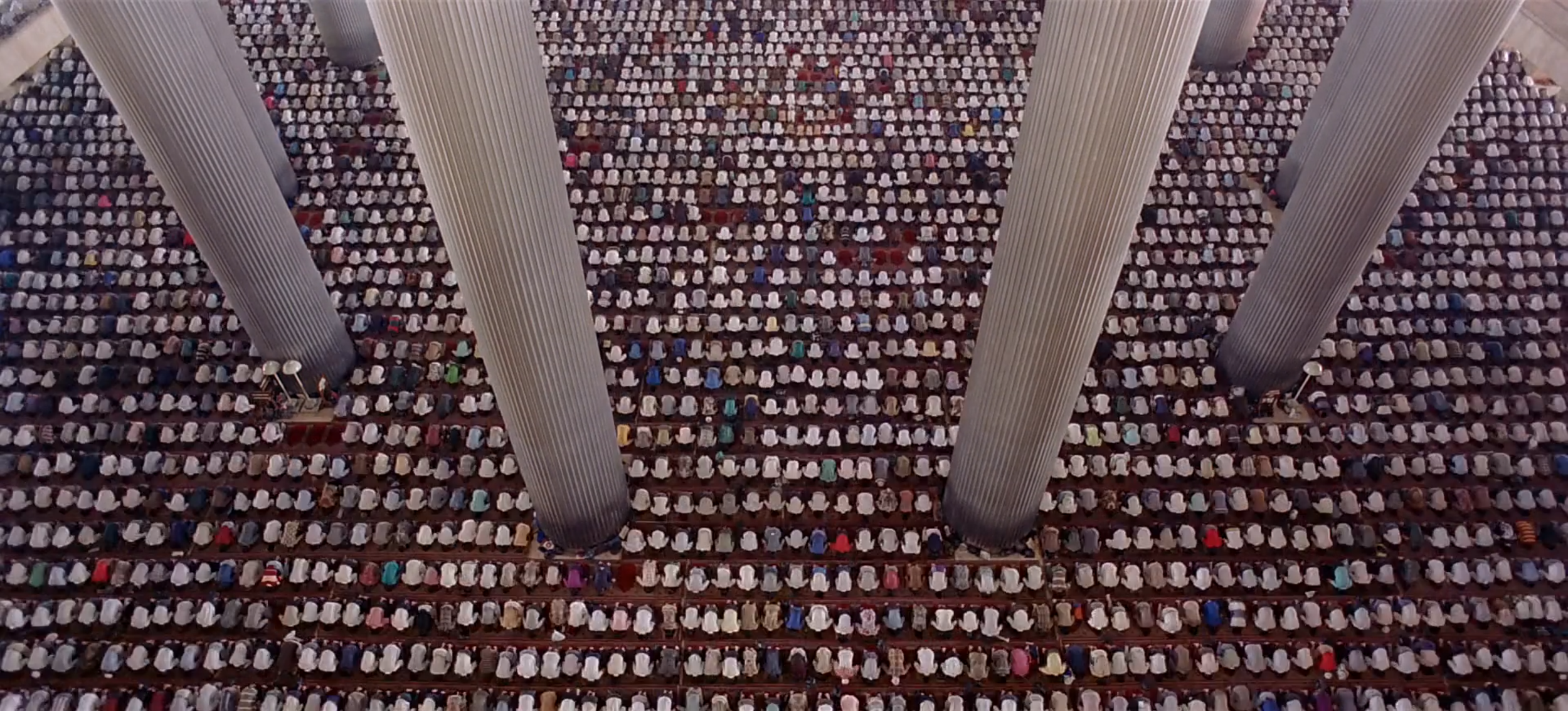
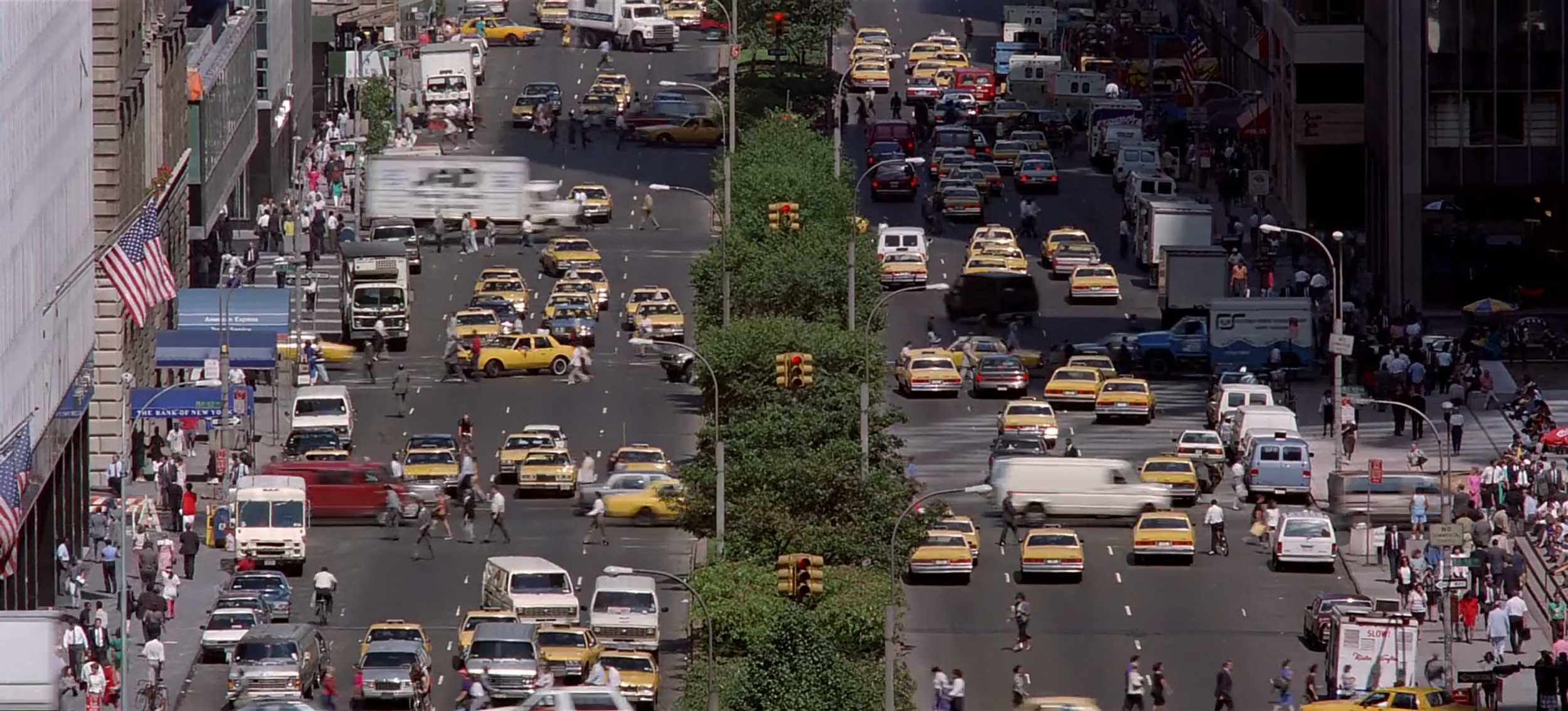
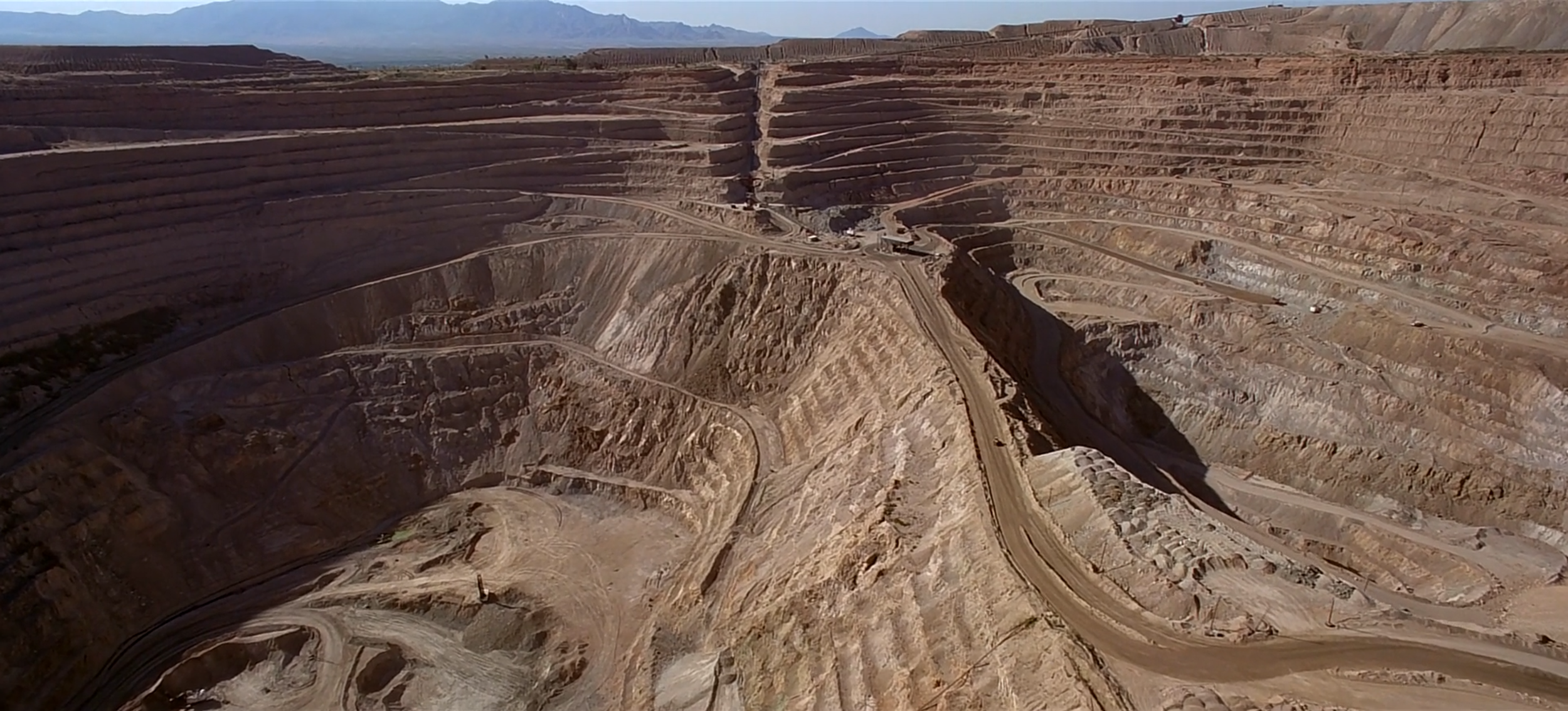
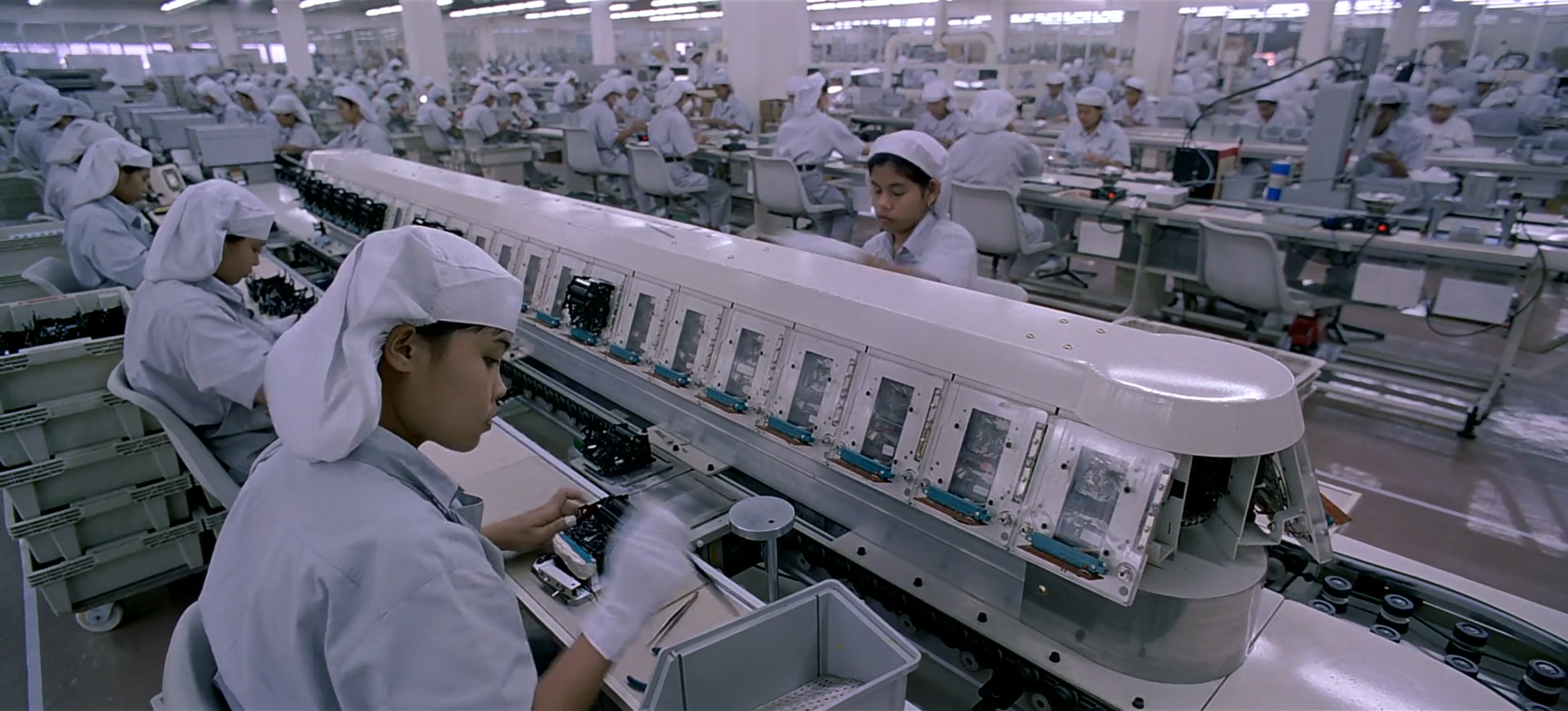
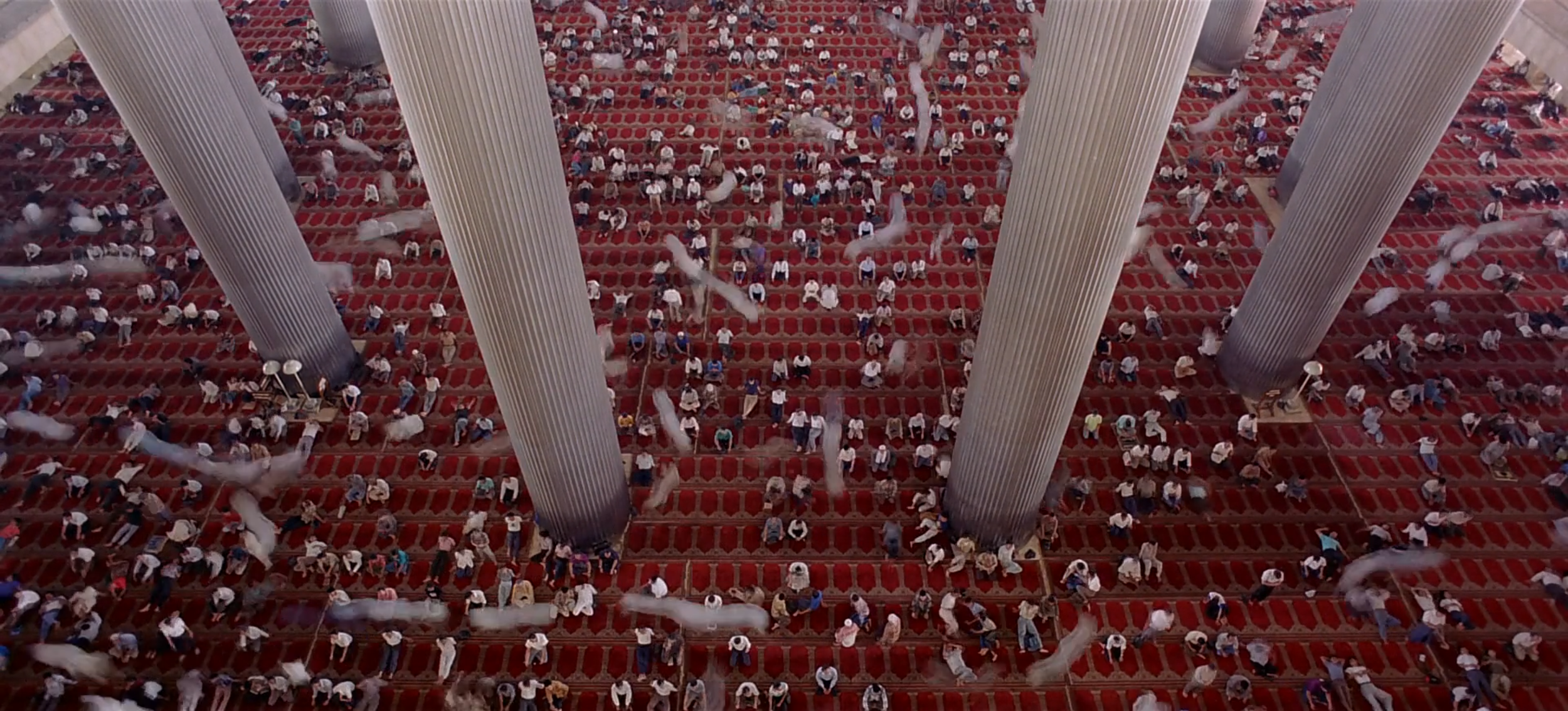
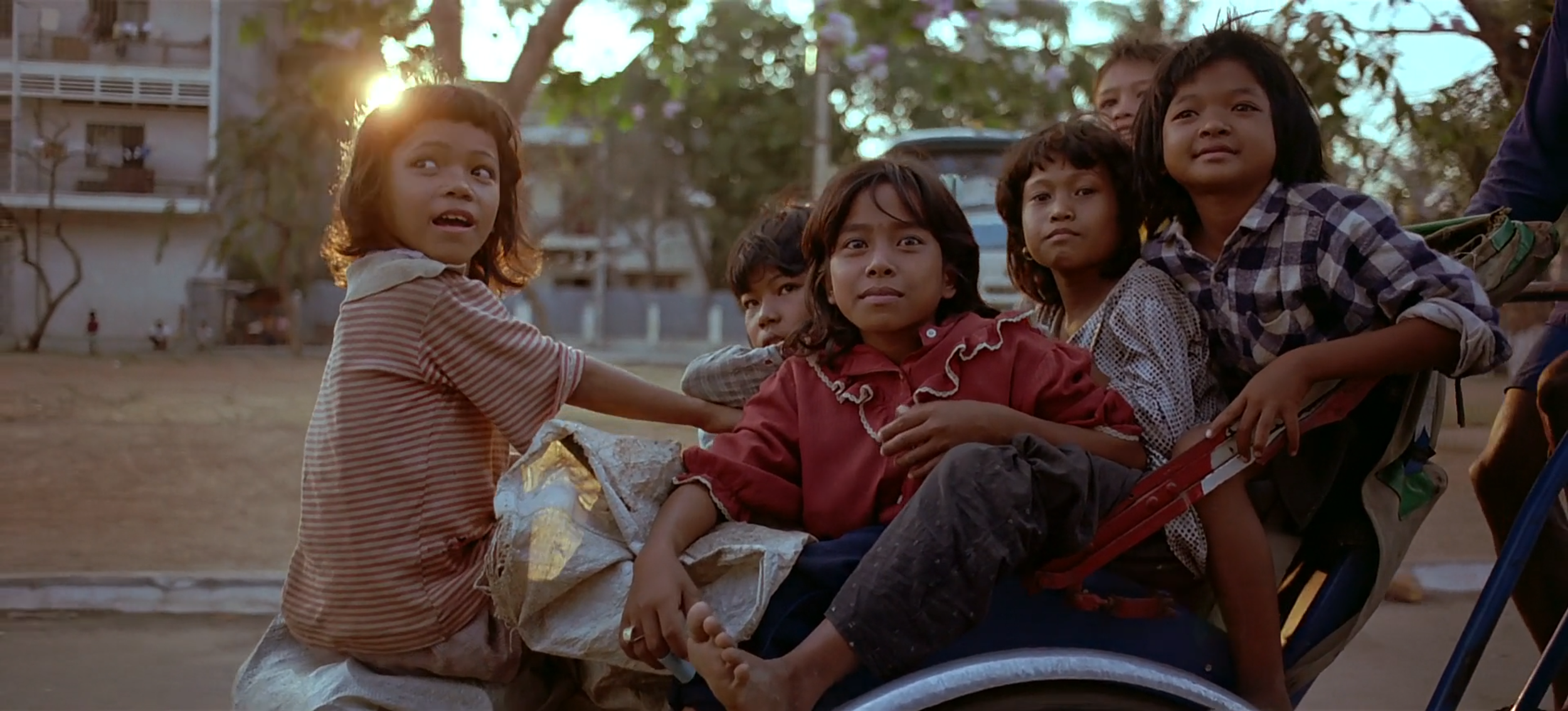
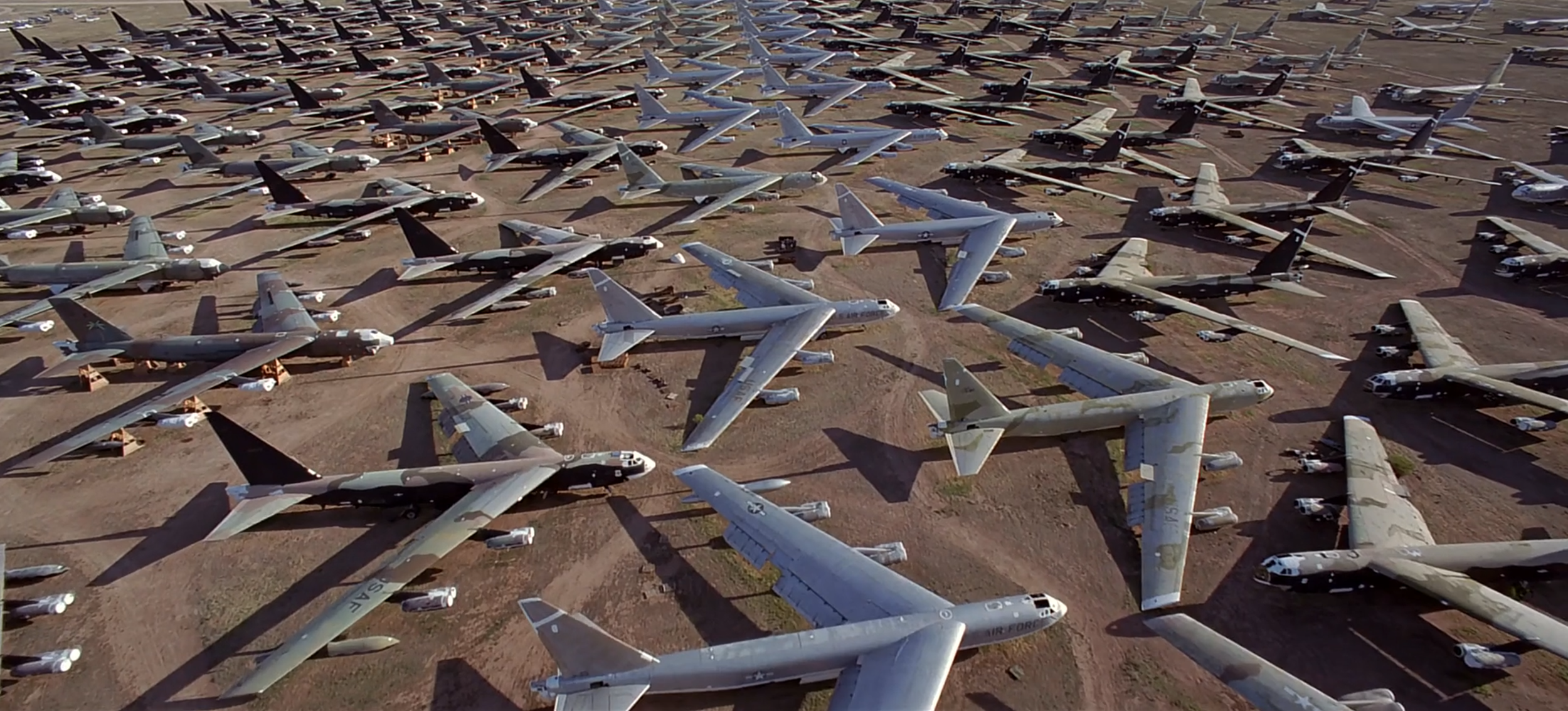
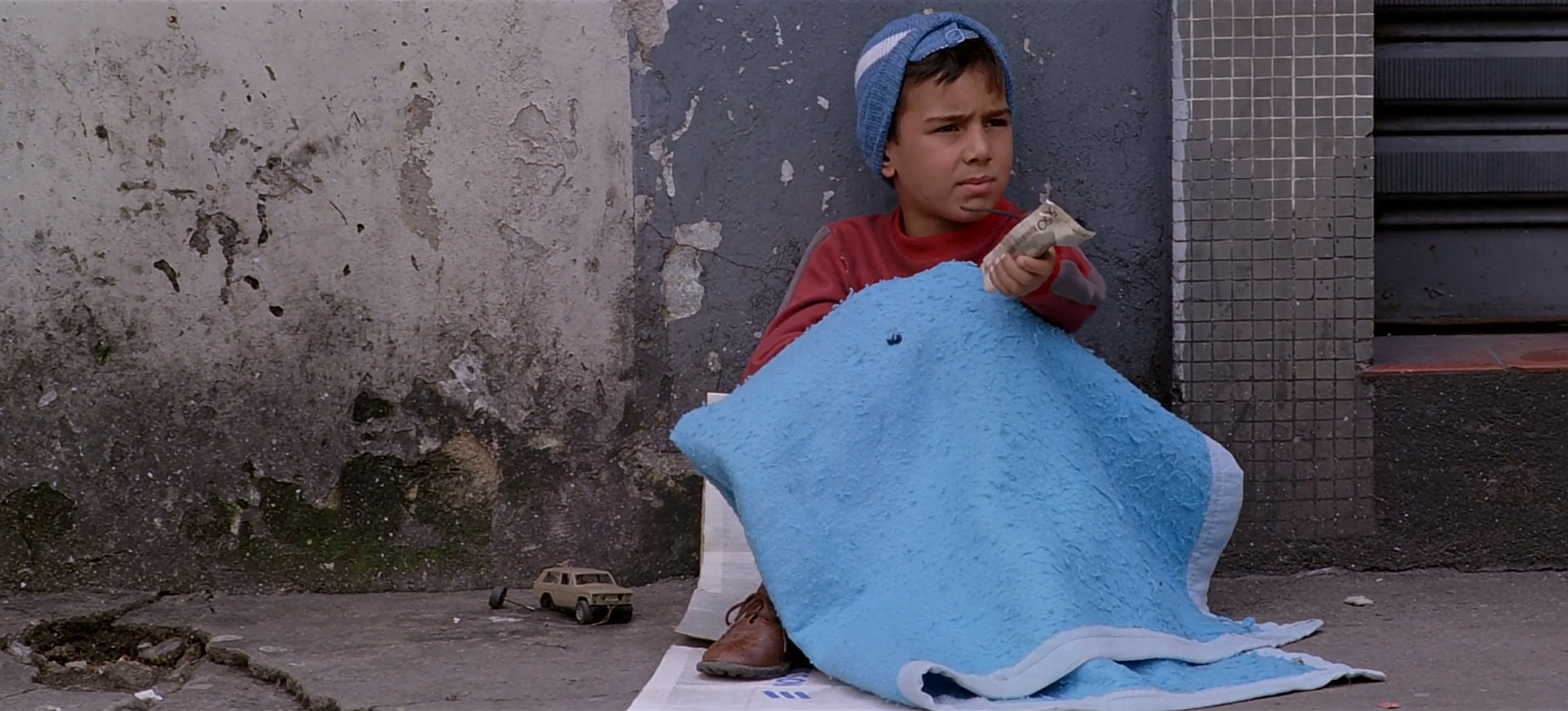
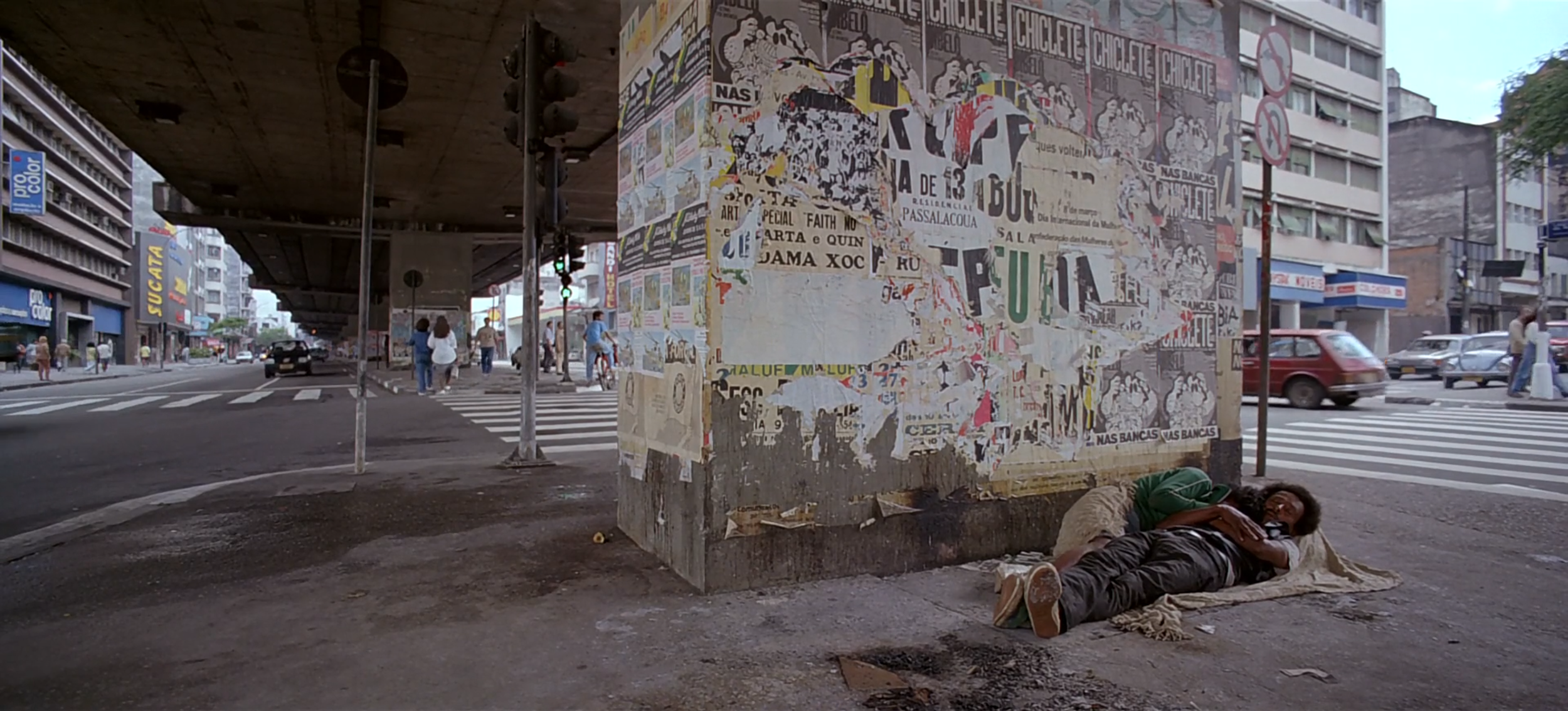
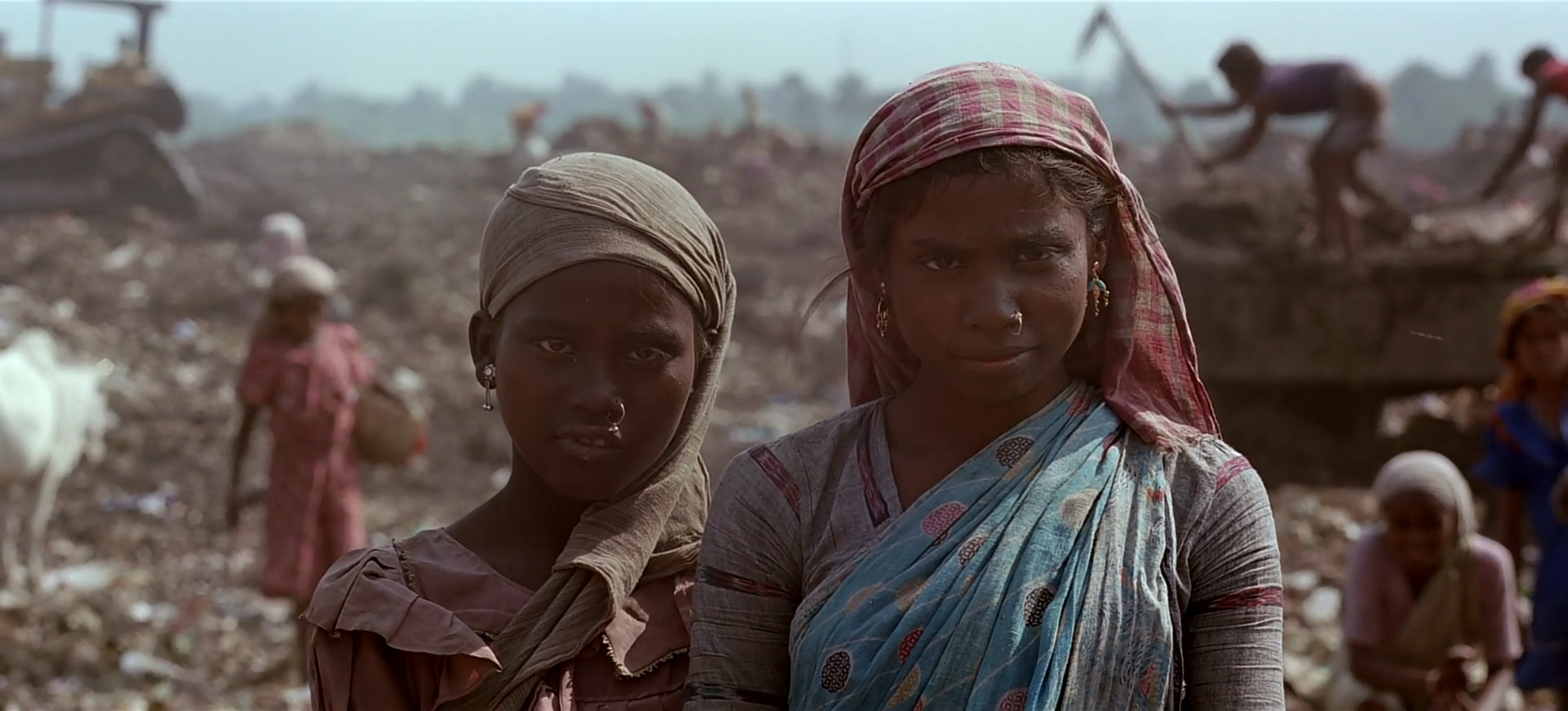
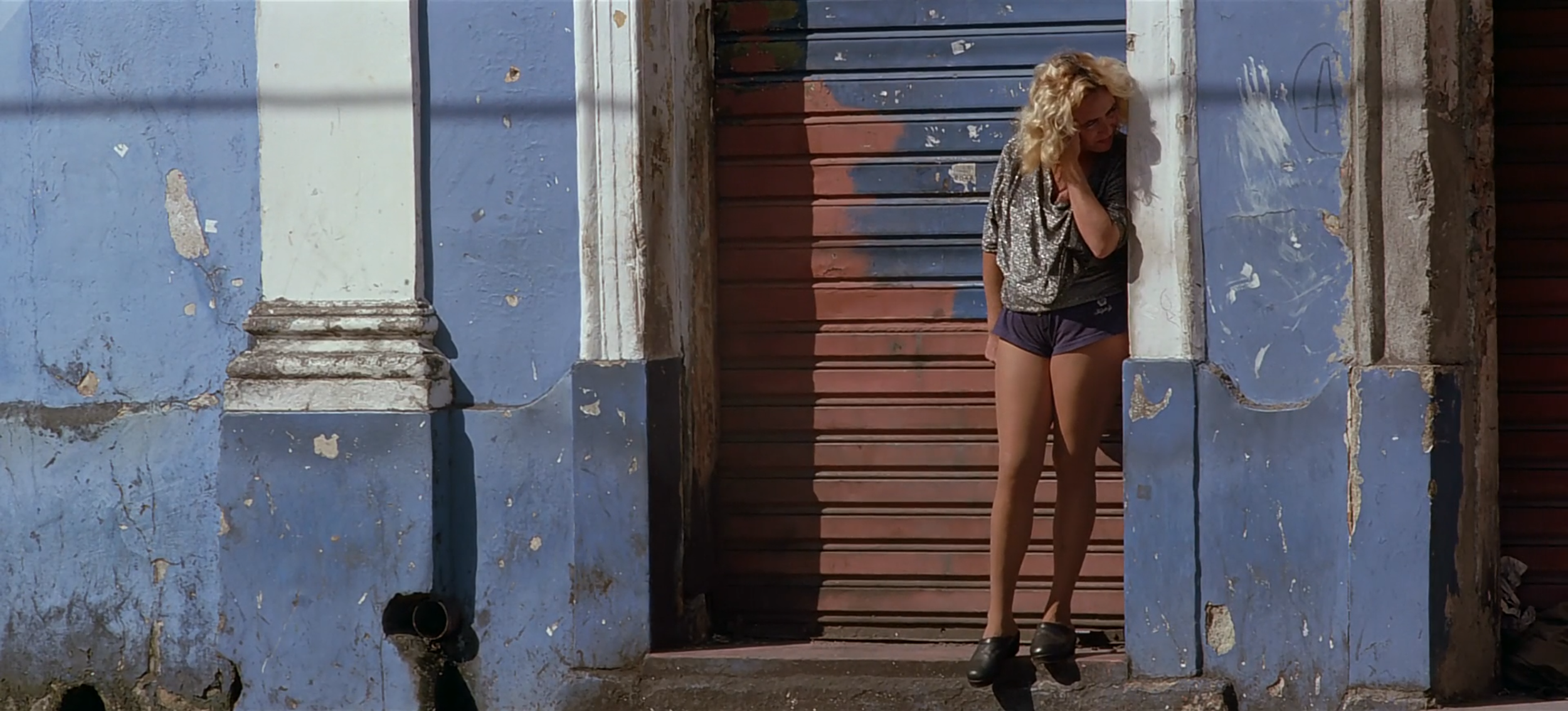
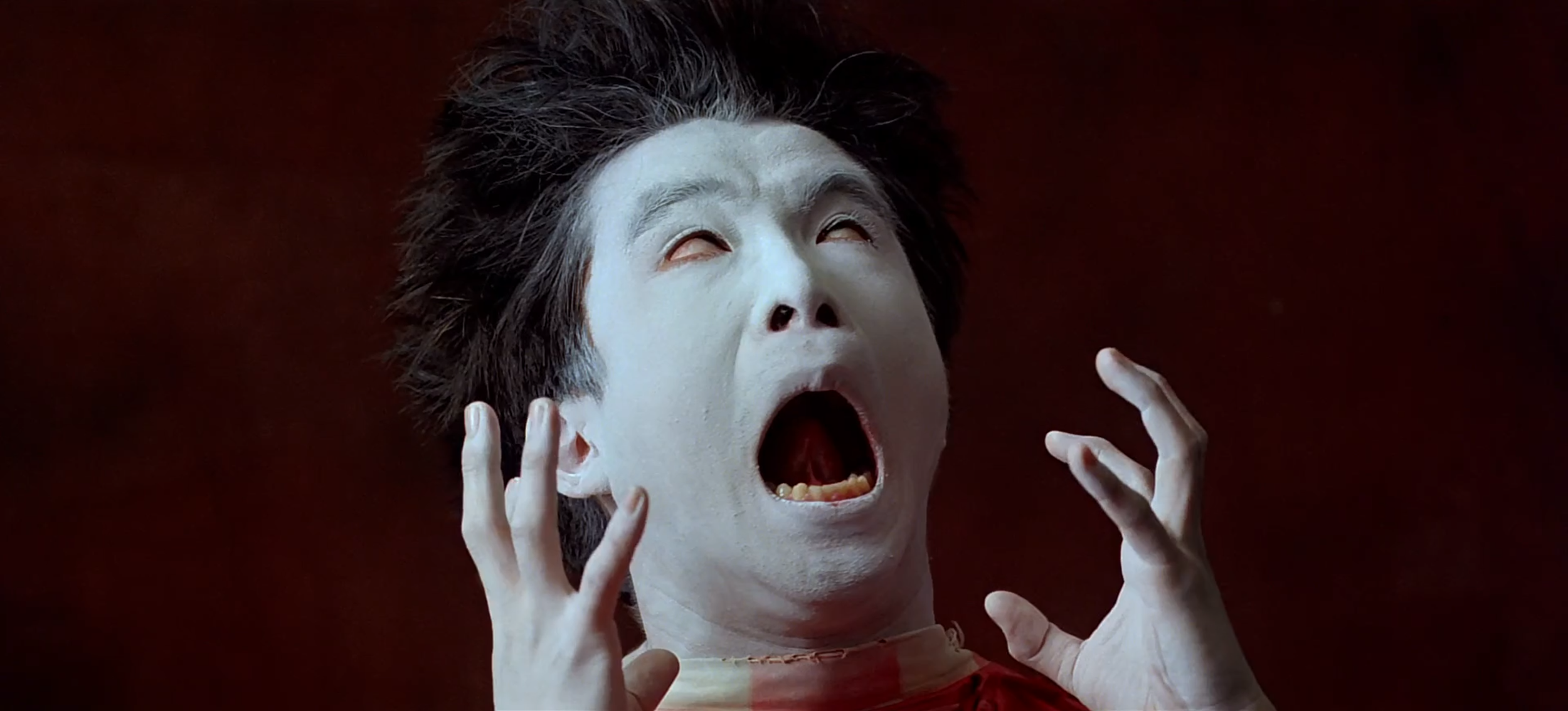
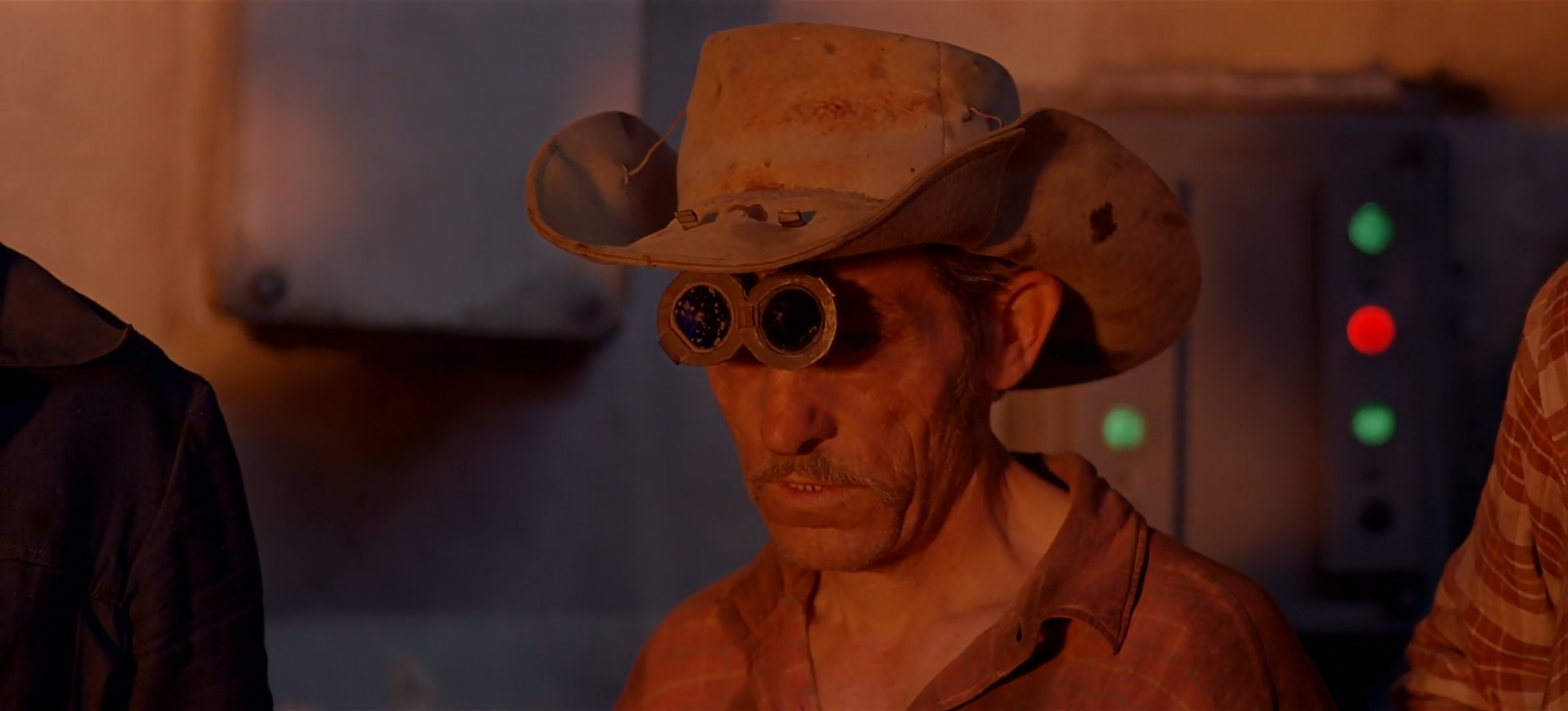
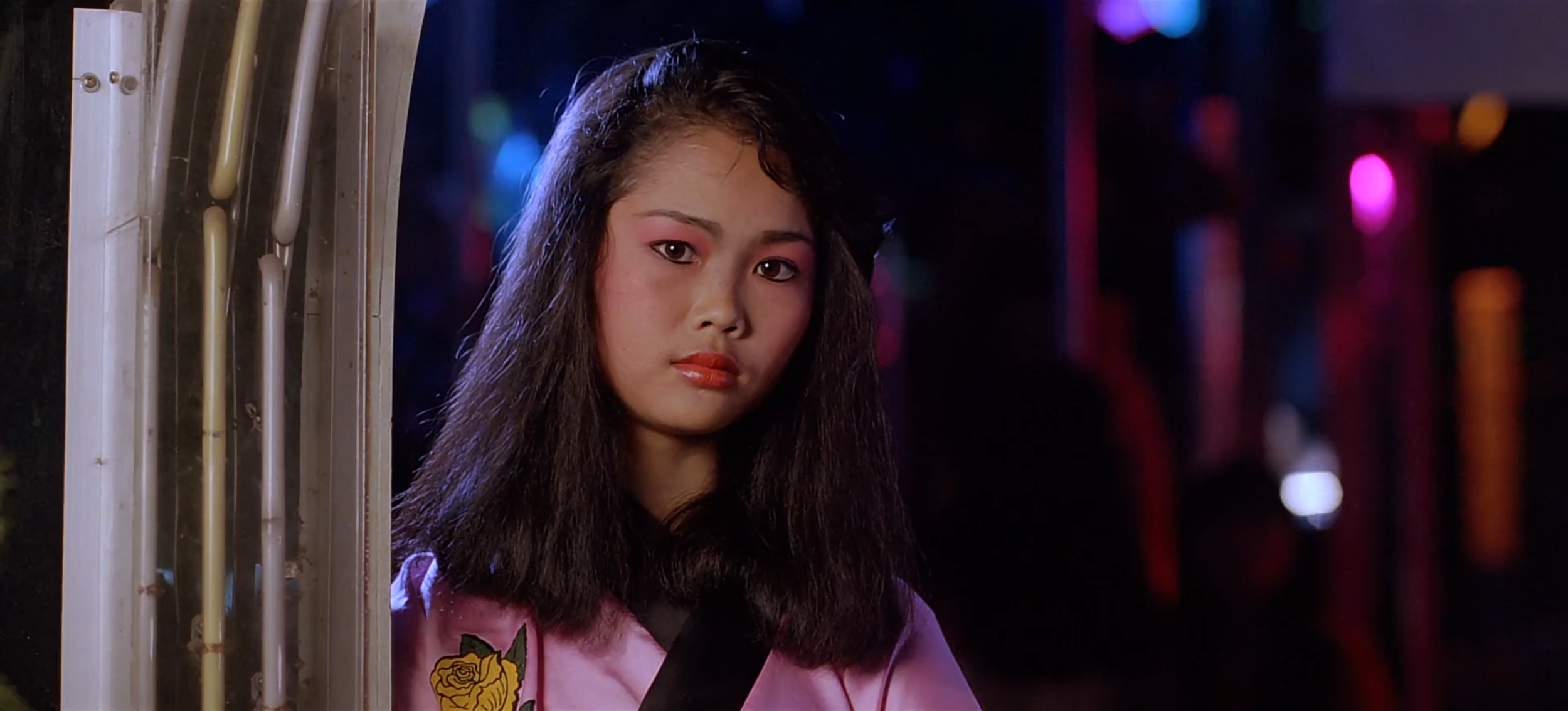
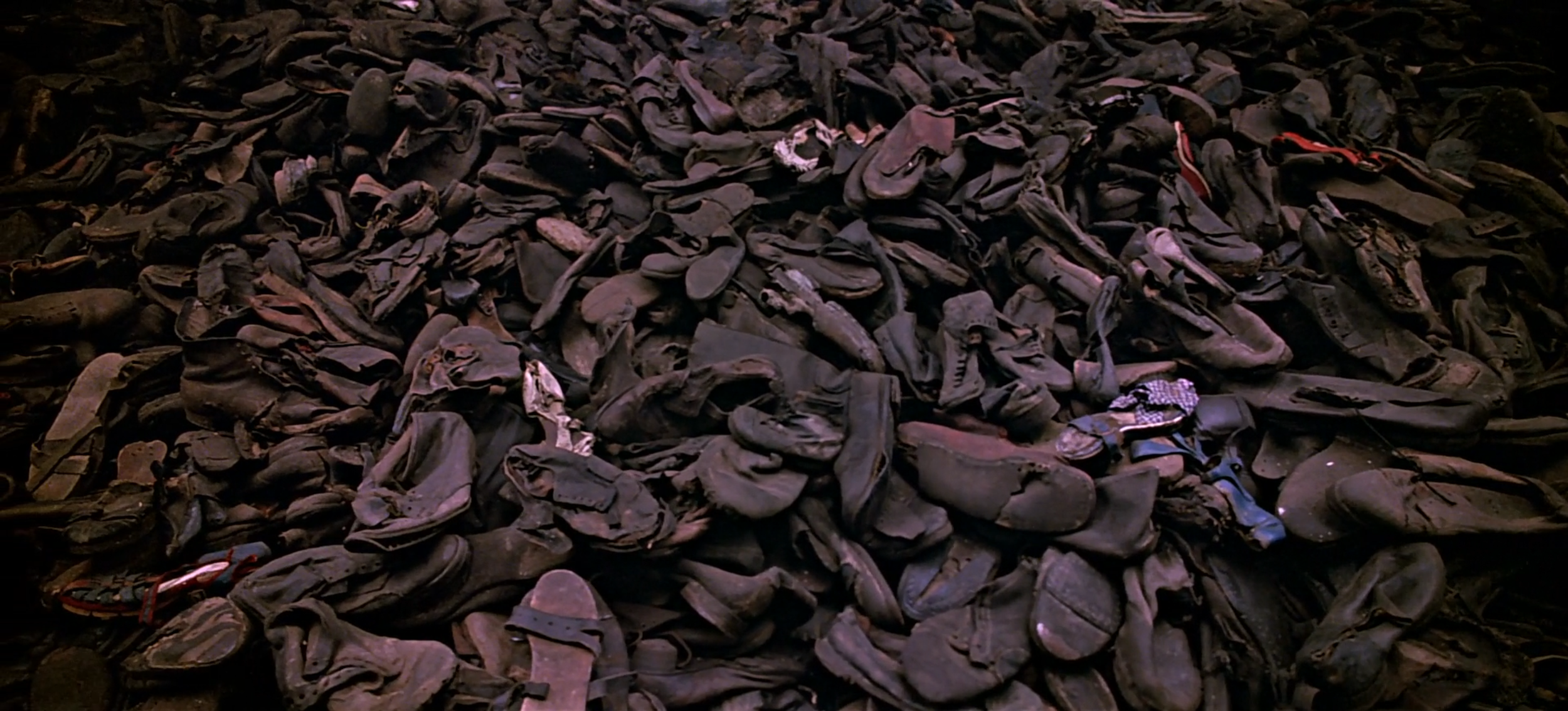
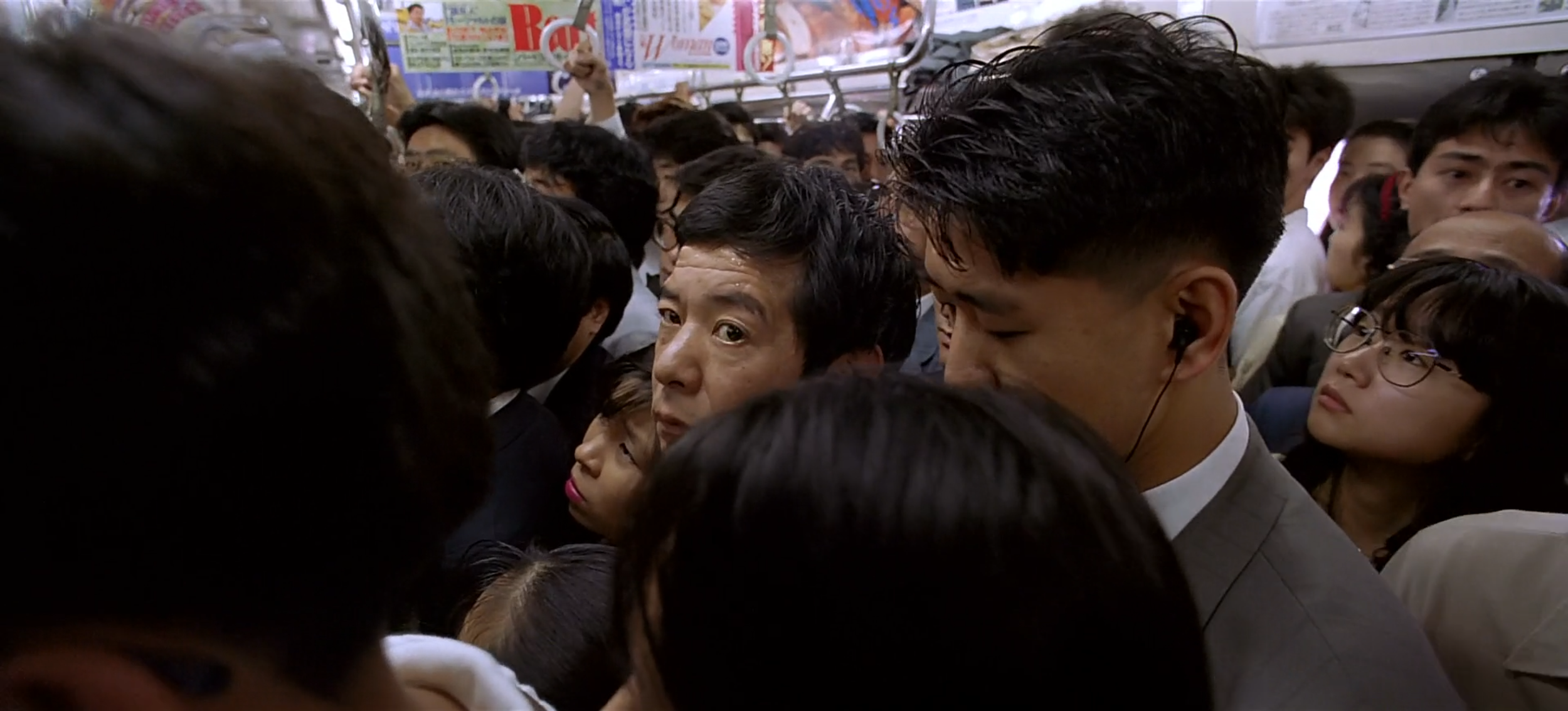
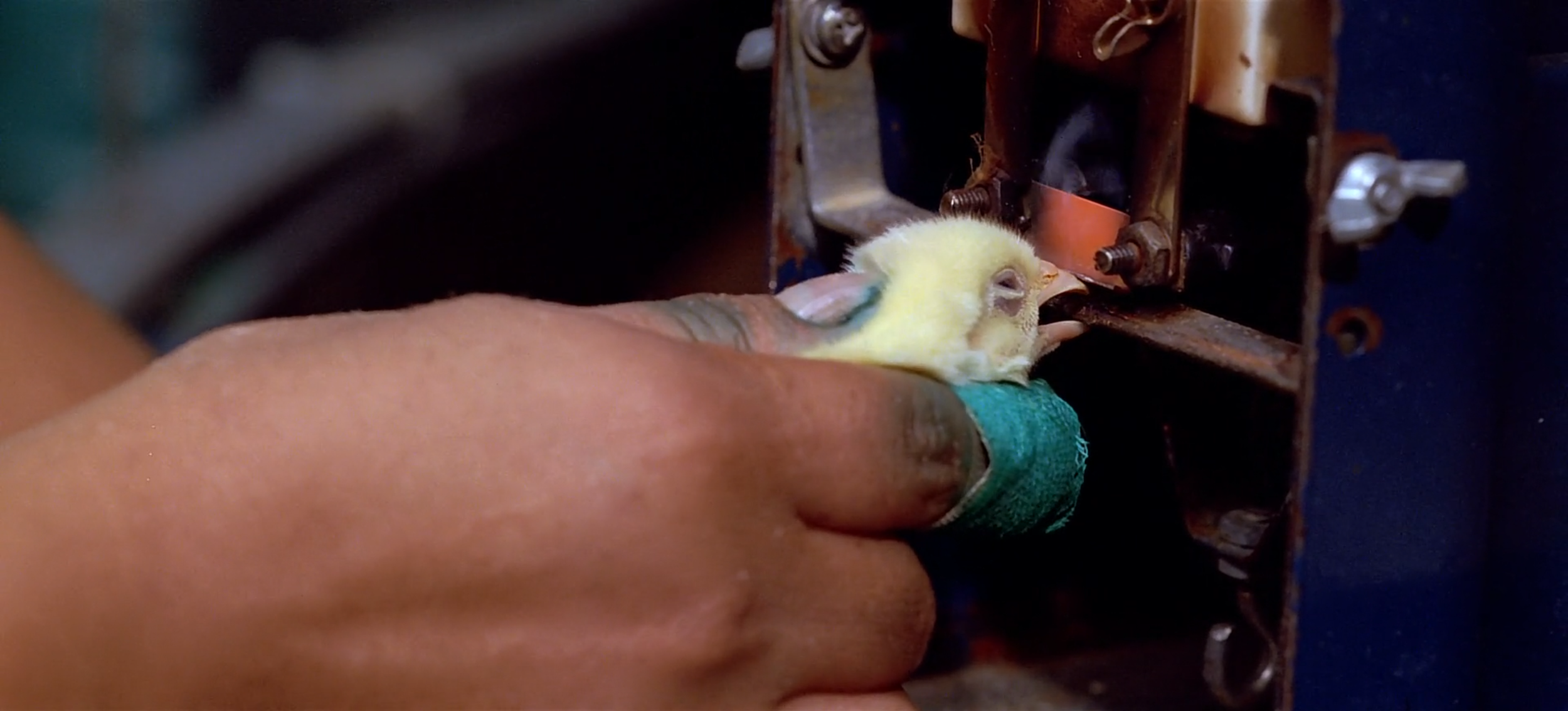
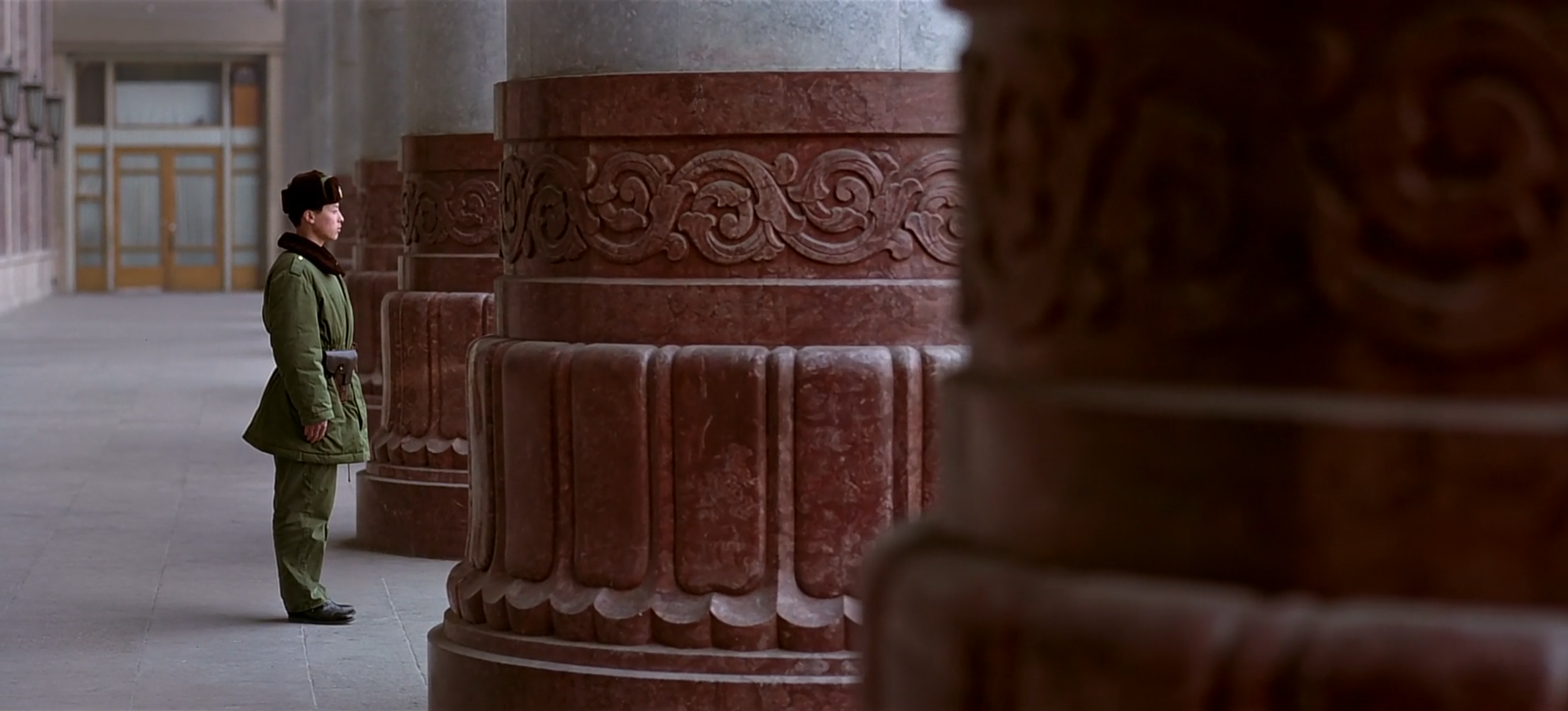
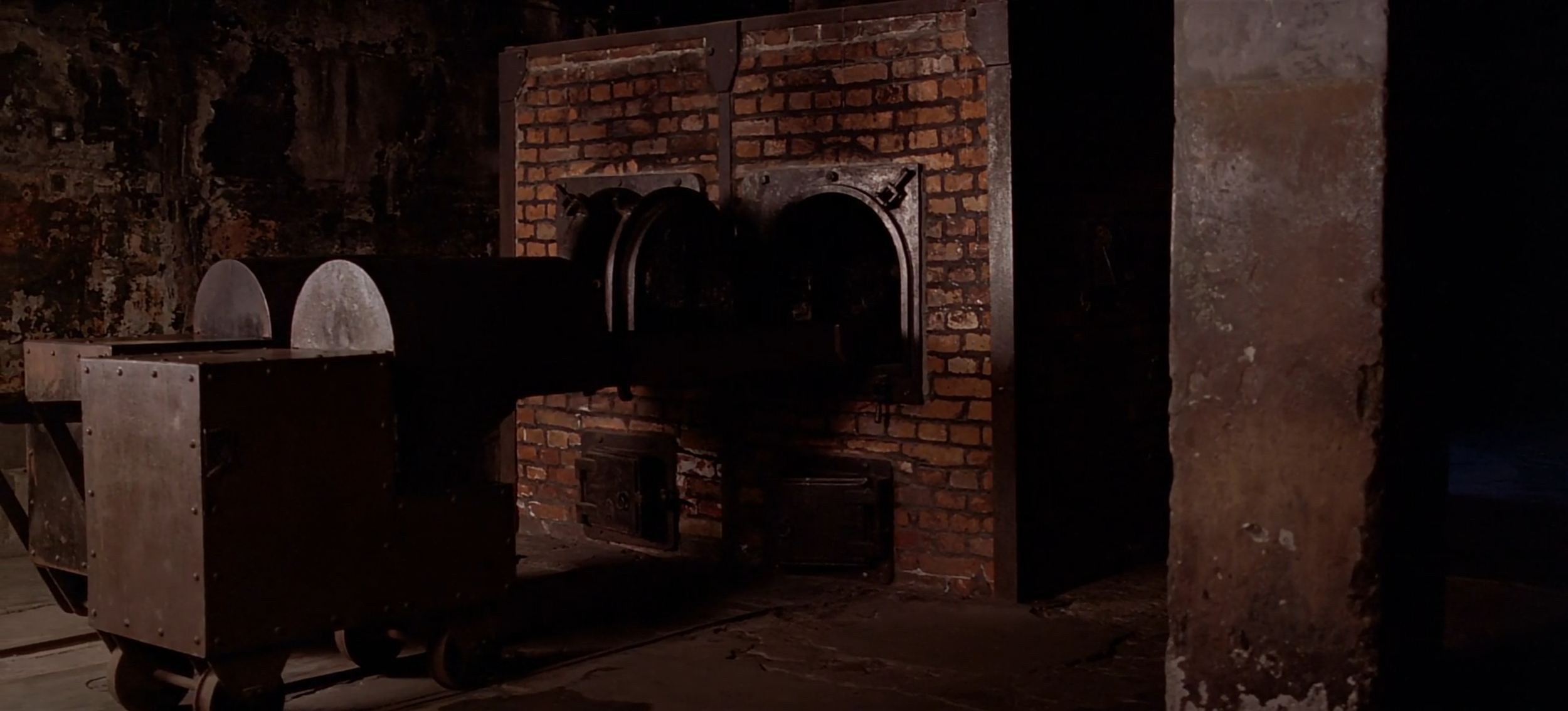
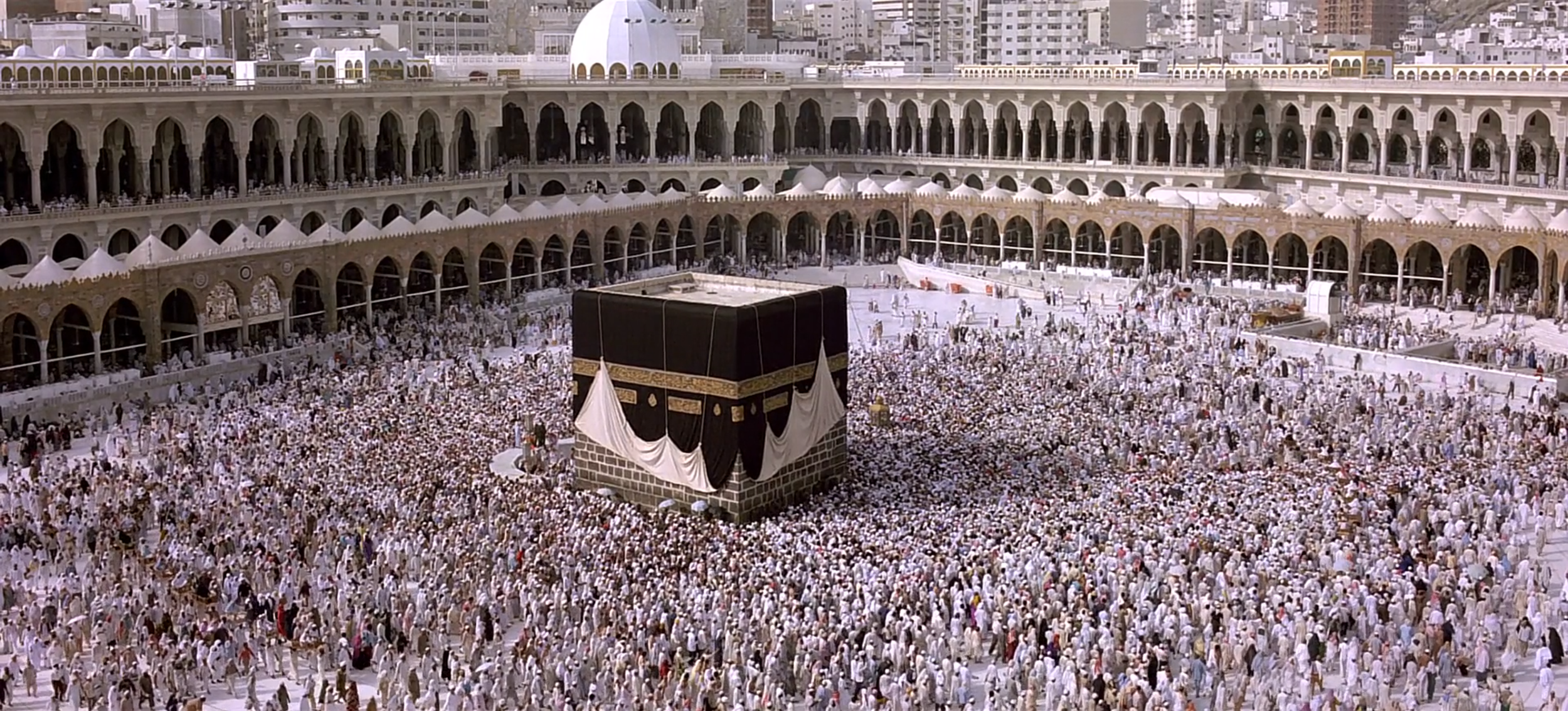
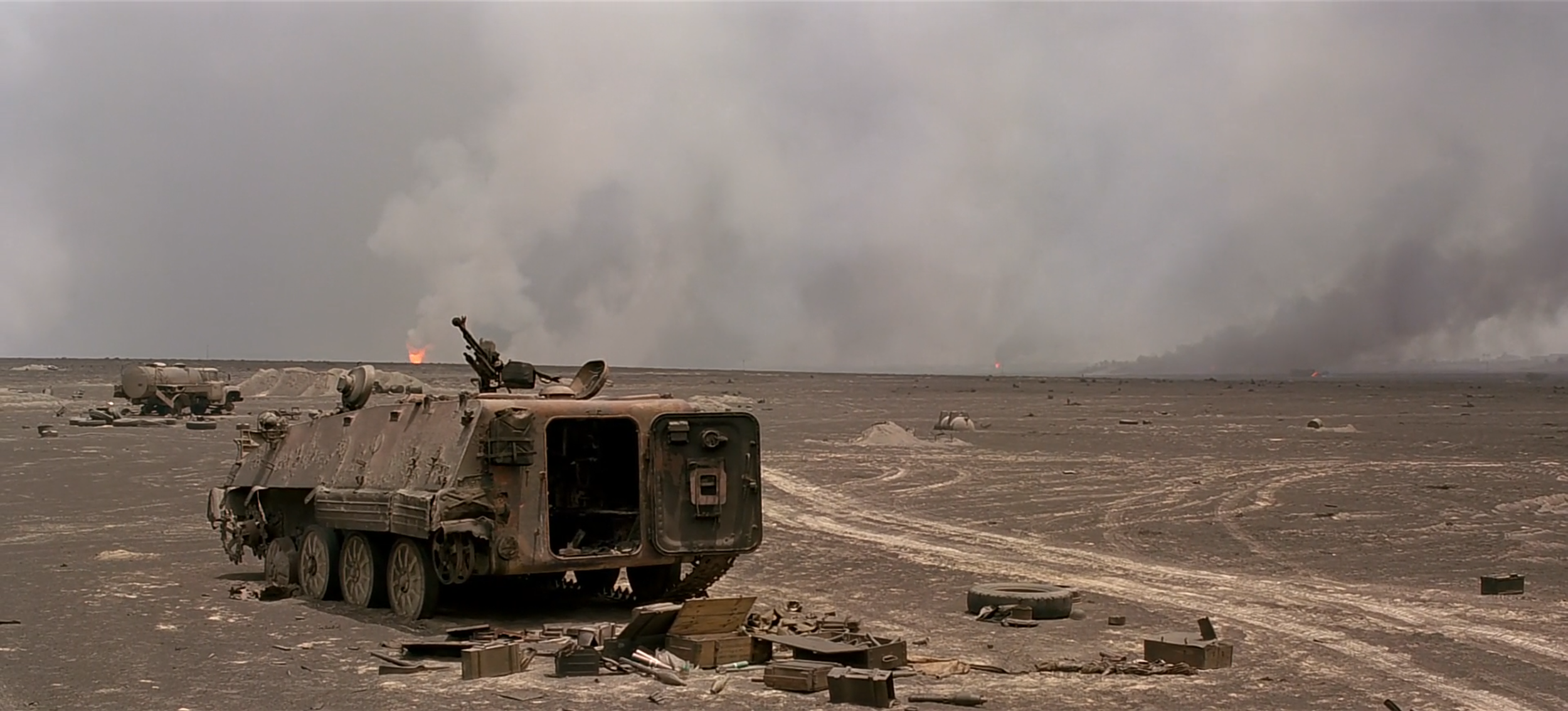
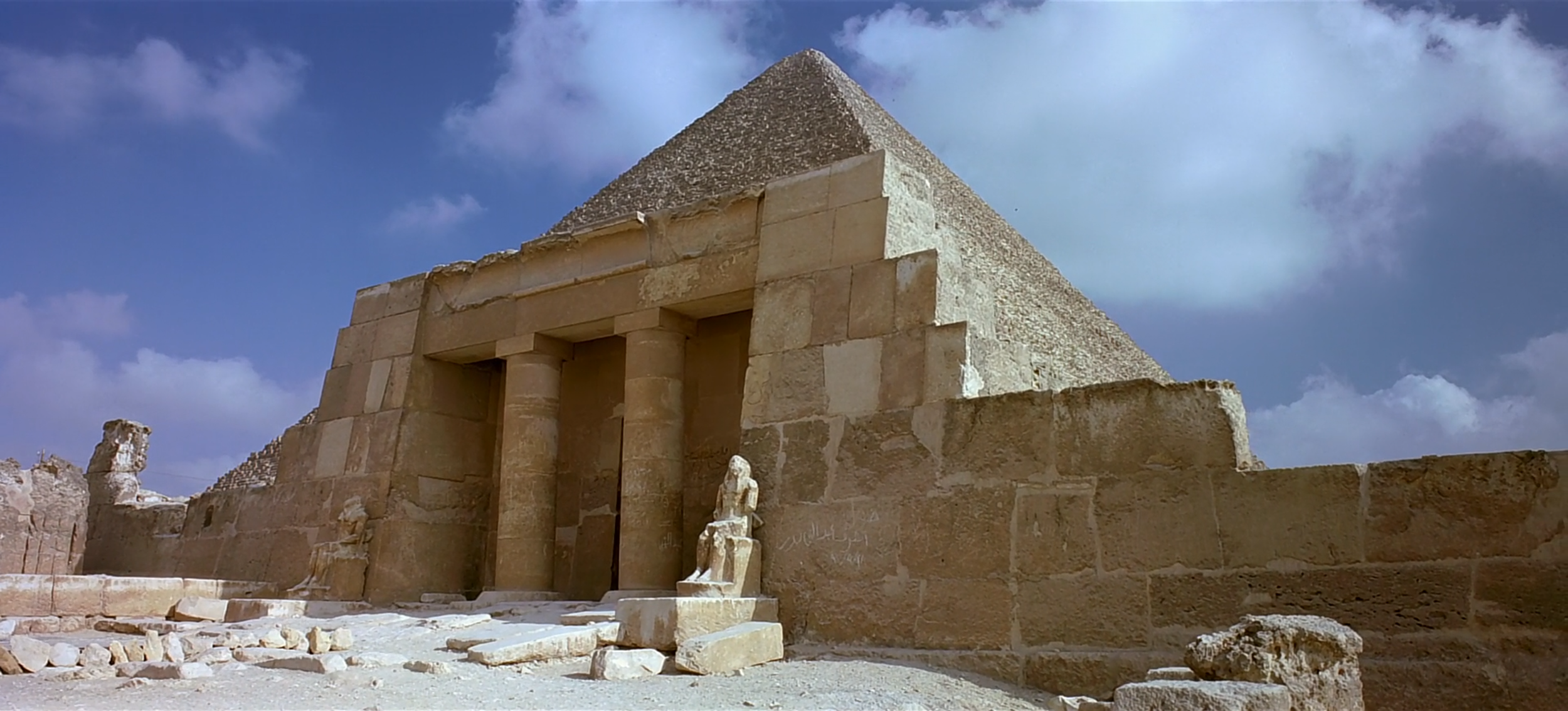
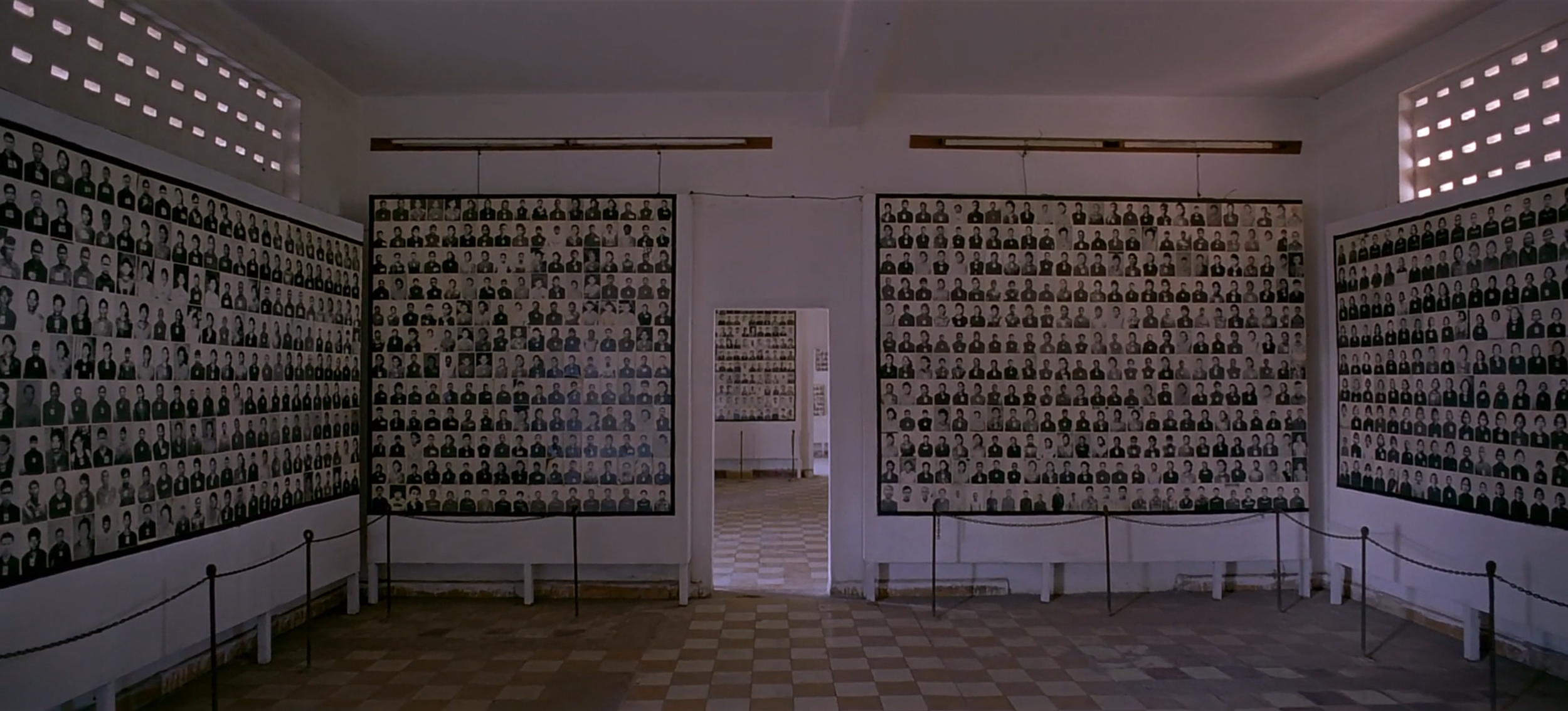
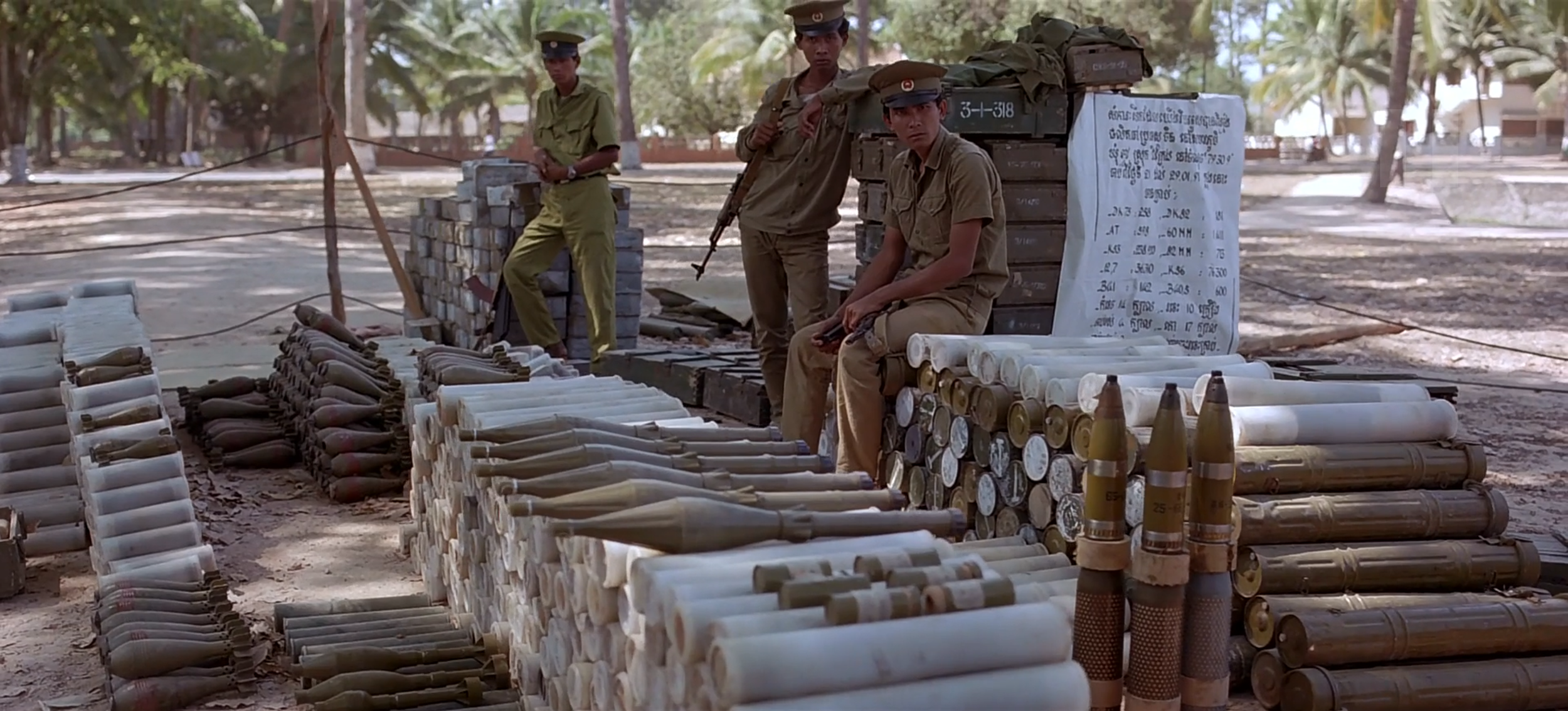
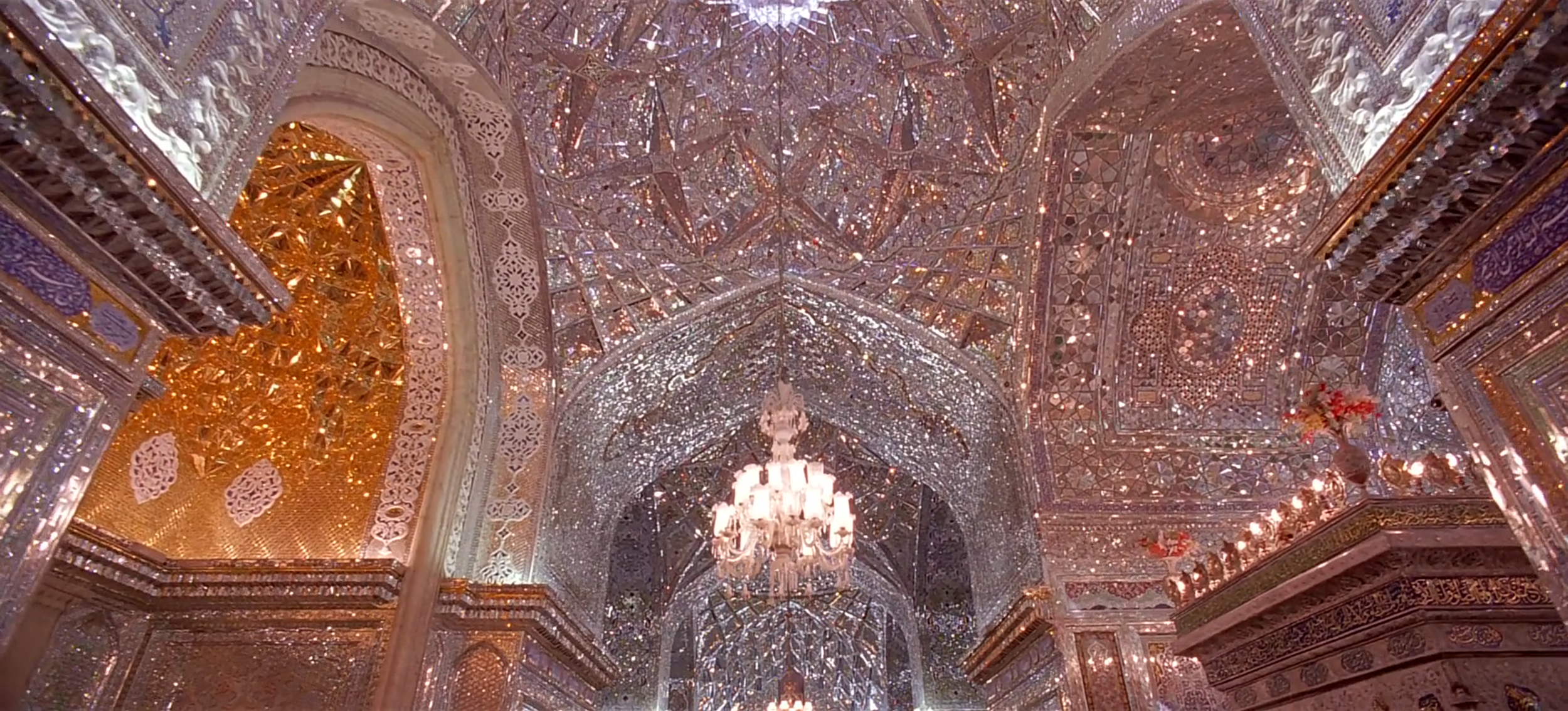
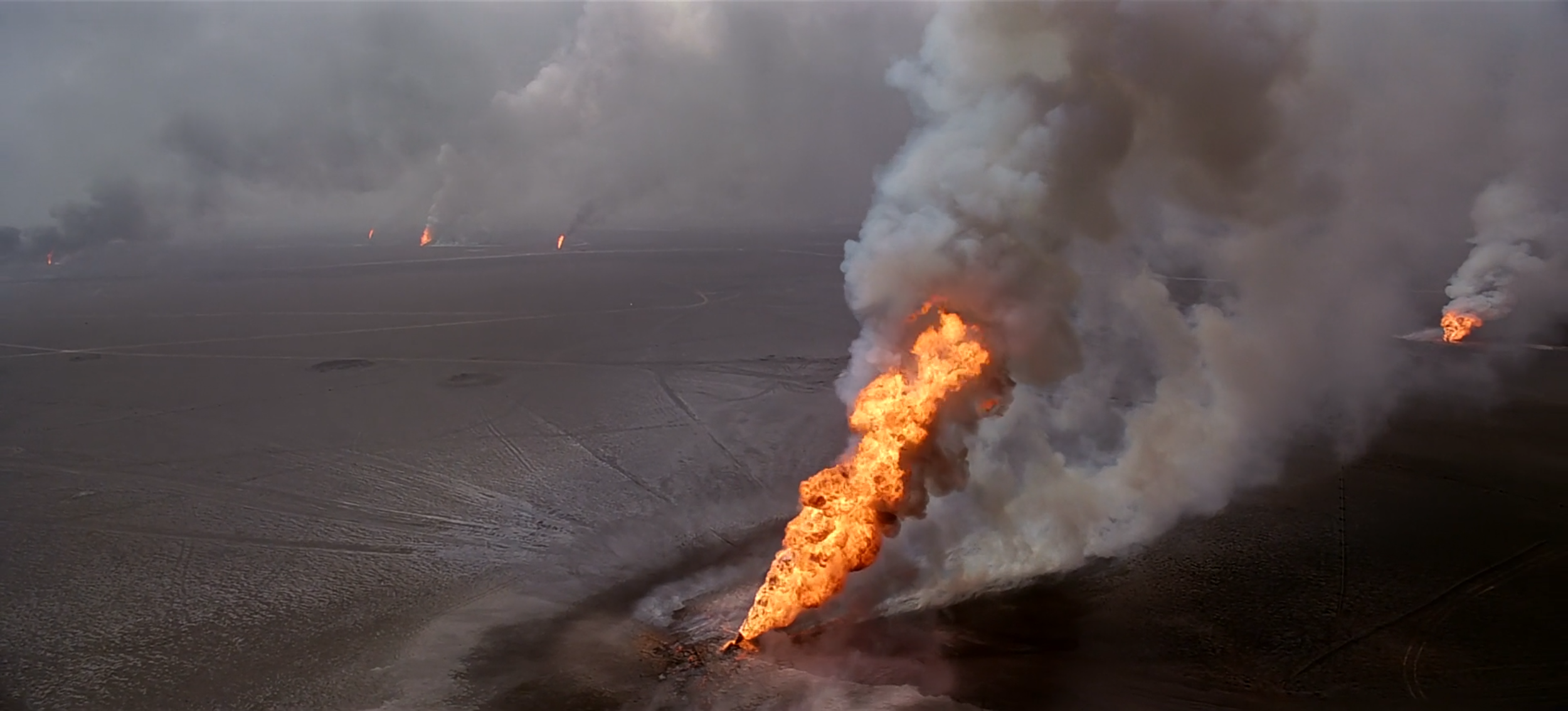
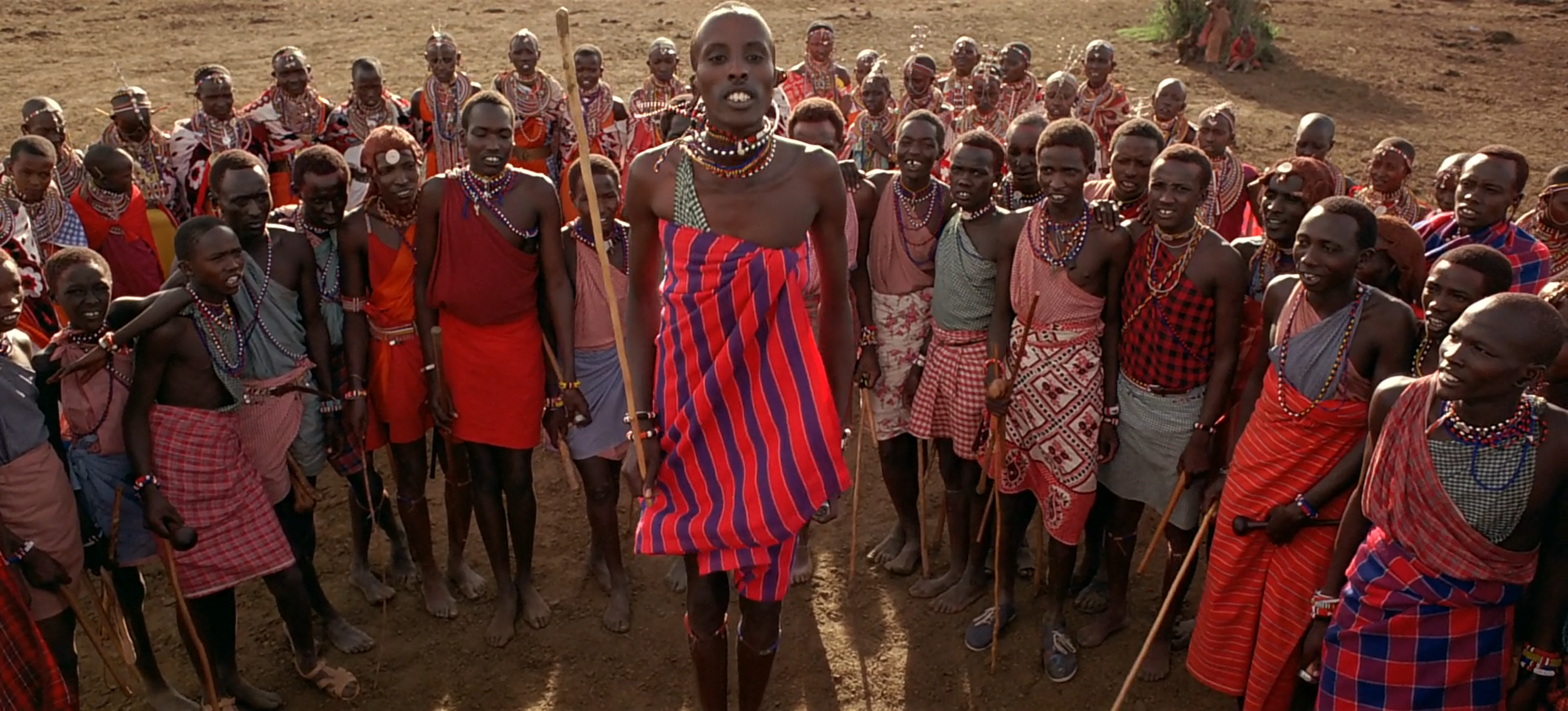
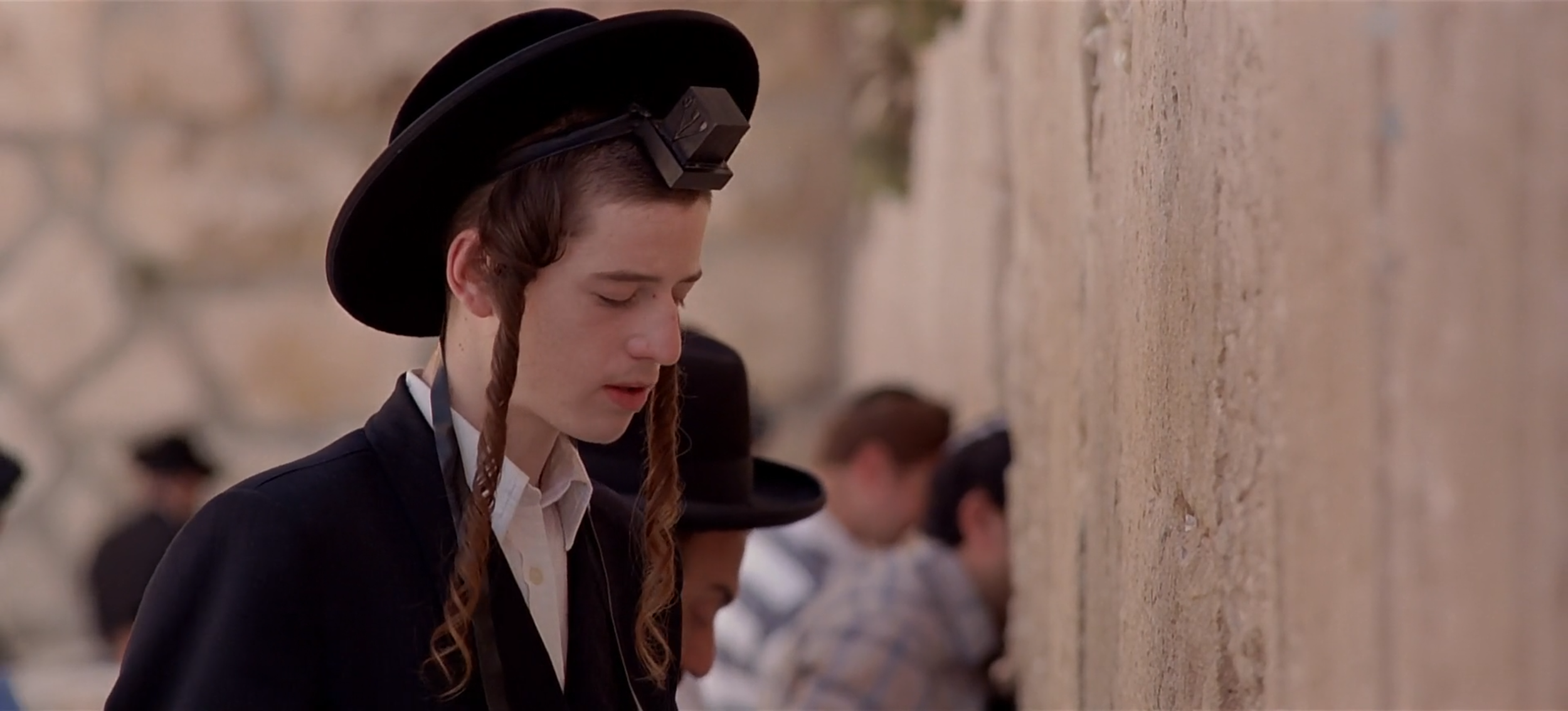
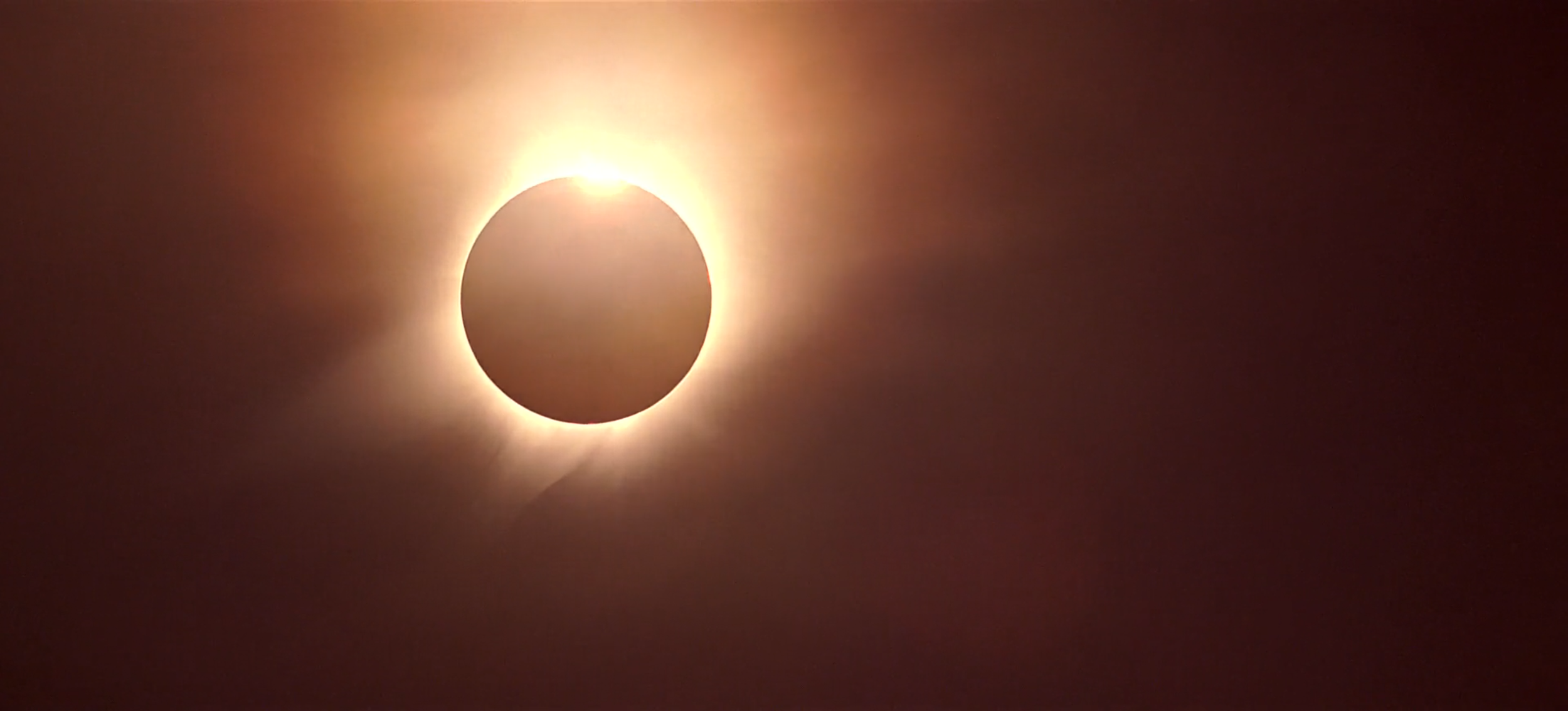
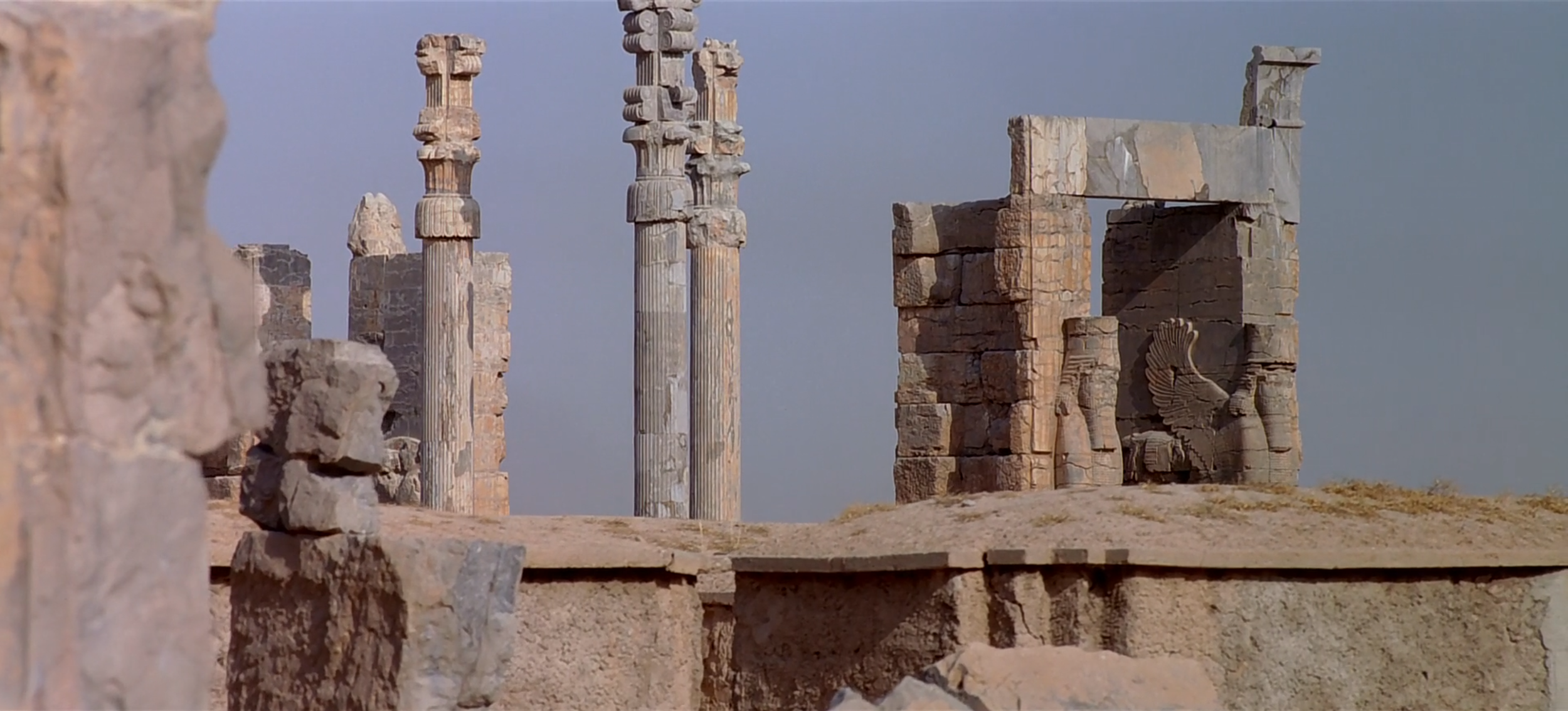
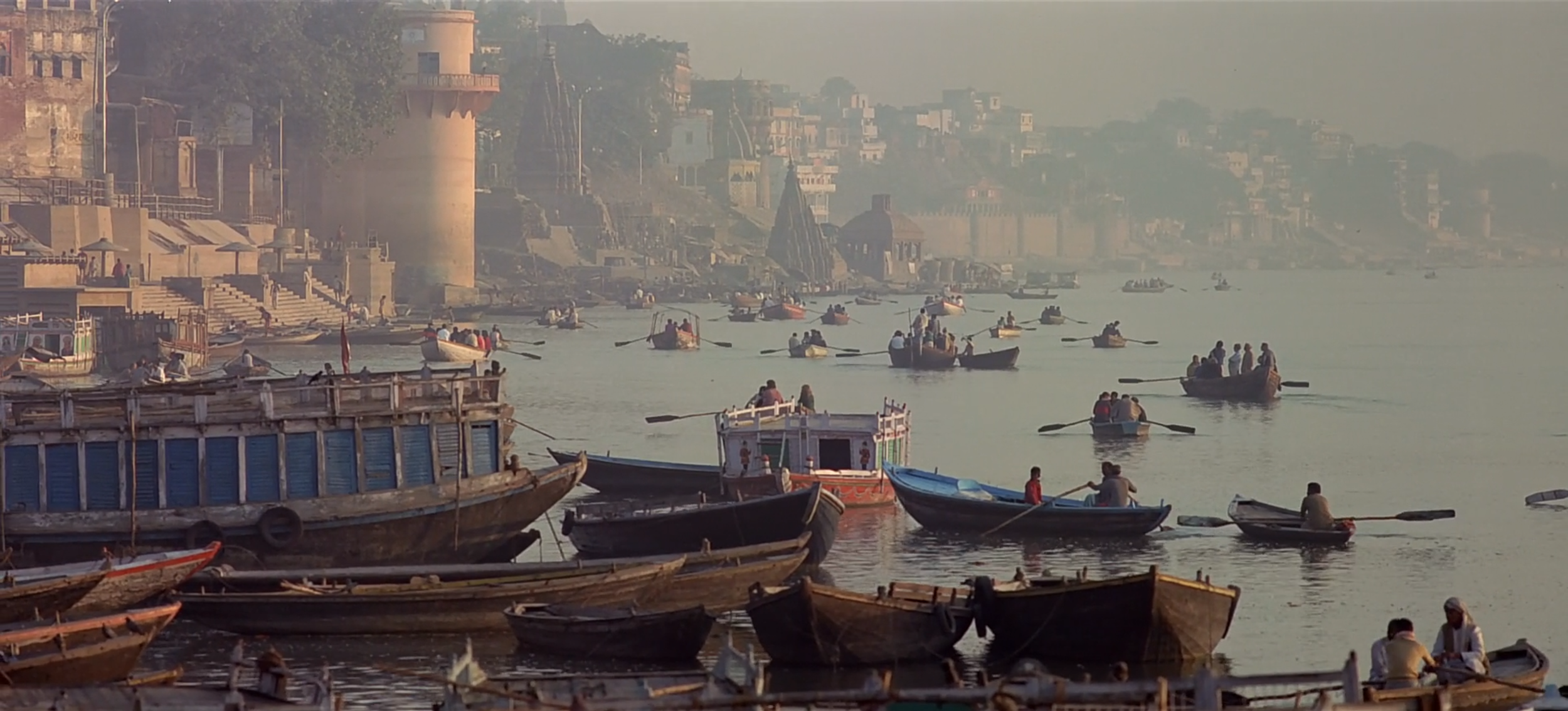
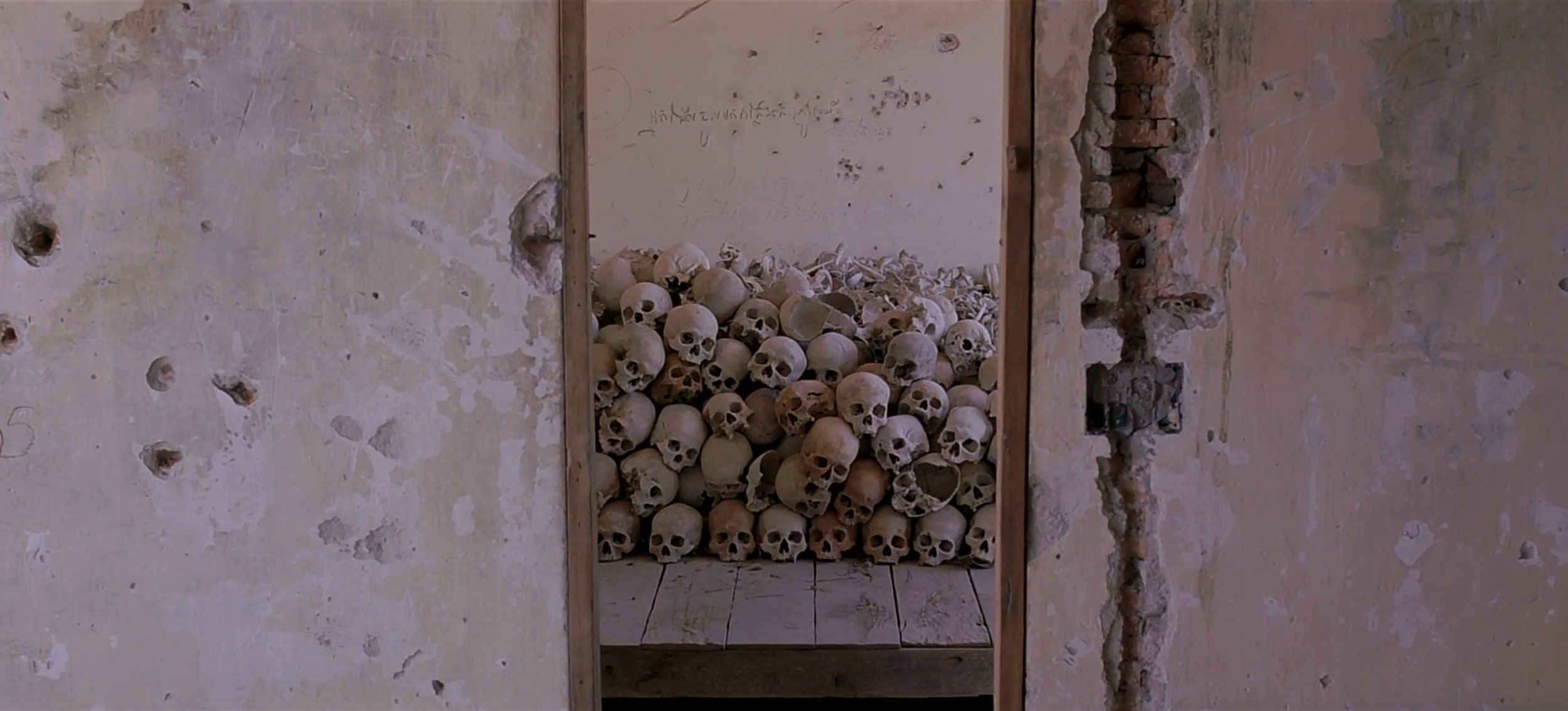
If you enjoyed Koyaanisqatsi, Ron Fricke attempts to capture the same magic through more exotic and tribal lenses. The no-dialogue visual documentary attempts to differentiate from Reggio’s masterpiece with higher image fidelity, exotic music, a wider aspect ratio, immersive camera movement and a more diverse range of imagery. Unfortunately this doesn’t improve upon the film and ends up feeling more like an exercise of photographing the world rather than telling a profound story. The first act feels like National Geographic, motivated to depict exotic corners of the world. This is emphasized by the film’s subtitles labeling the locations, which is quite nice, but I think distracts from the experience and I would recommend turning them off for the first watch. Fricke includes more explicit commentary on consumerism, inequality and religion, but is still weaker than Koyaanisqatsi. However, there are one or two moments that are shockingly profound.
Conclusion:
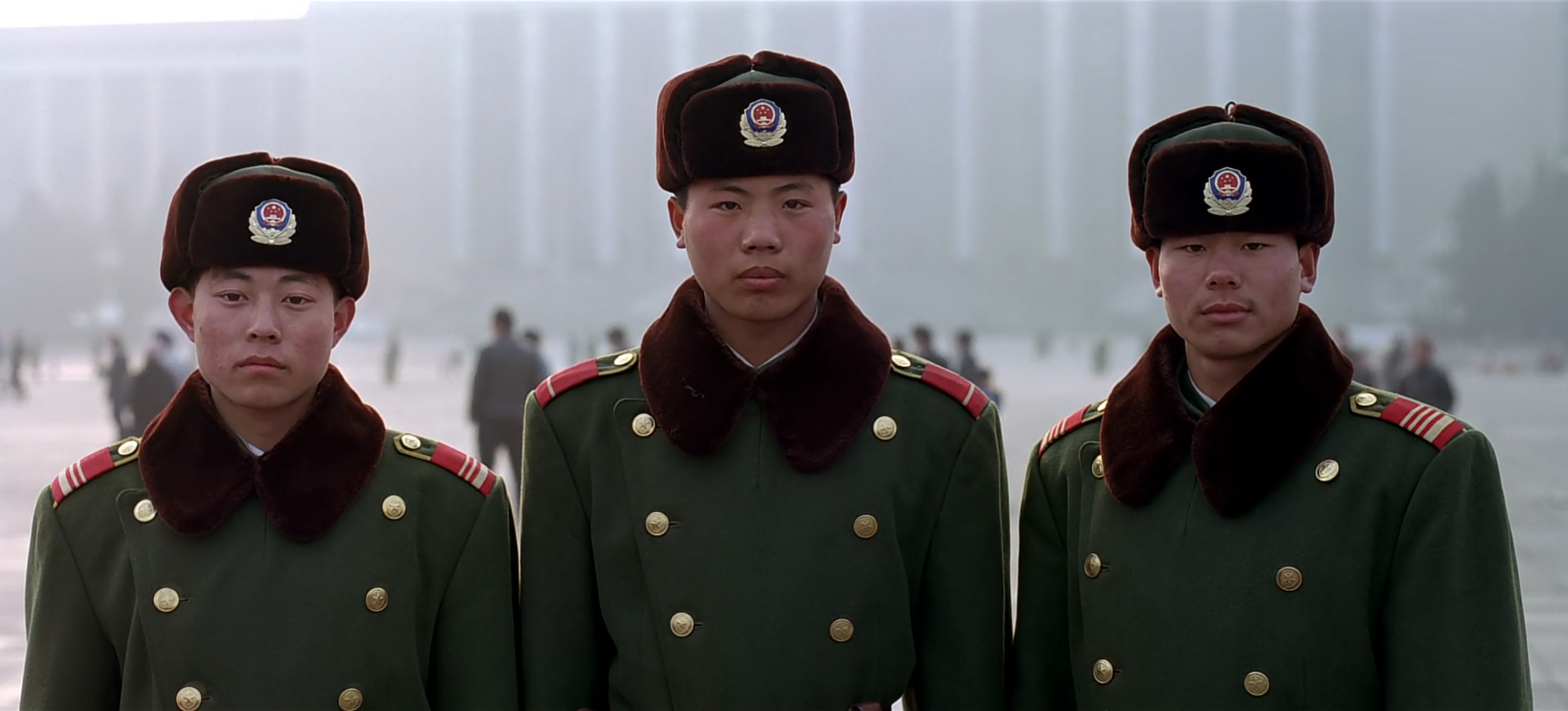
If you wanted to see the world and cleanse your cinematic palate, this omniscient showcase of the world will clear your mind. It’s more overt and dynamic for mass audiences, but I think Koyaanisqatsi is a more cohesive film especially with Phillip Glass’ mesmerizing soundtrack. I feel like Ron Fricke is piggybacking off of Reggio’s work and I know he ends up reiterating the same thing in Samsara. I’m also very disappointed by how some countries are represented like China, which felt like an afterthought. Although there were many missed opportunities, this is still a compelling experience.
Recommendations



See the world through God’s eyes.