
The Brutalist (2024)
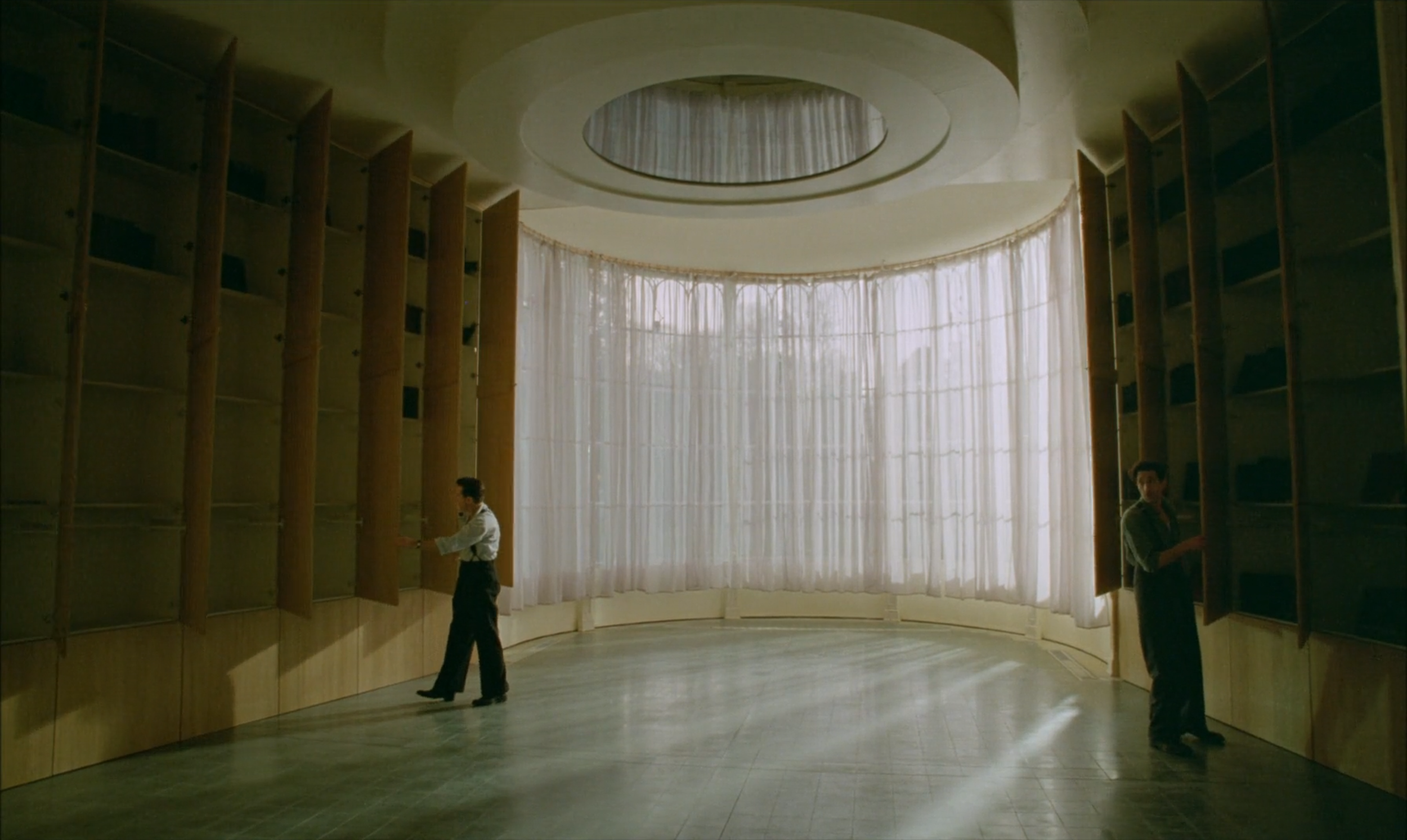
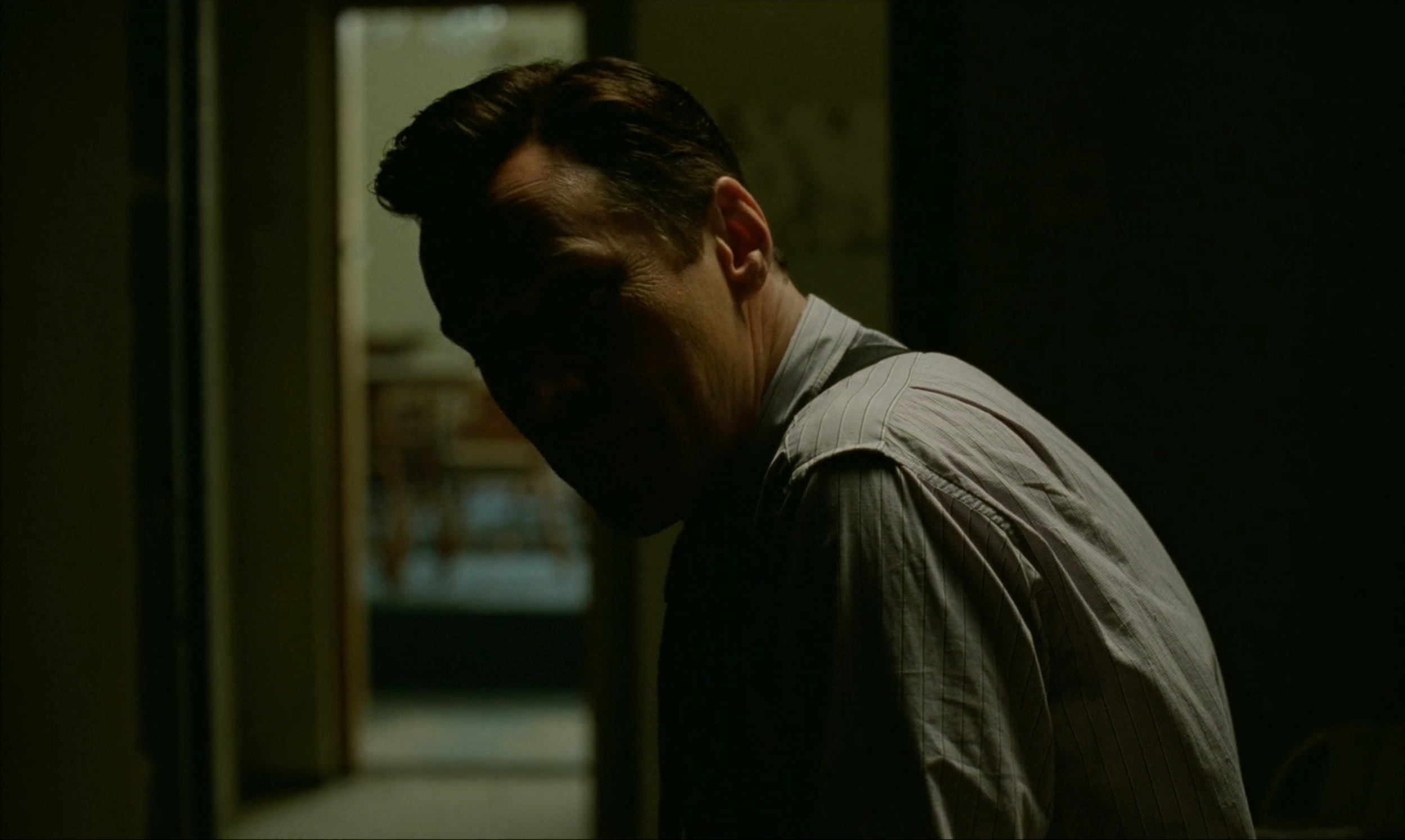
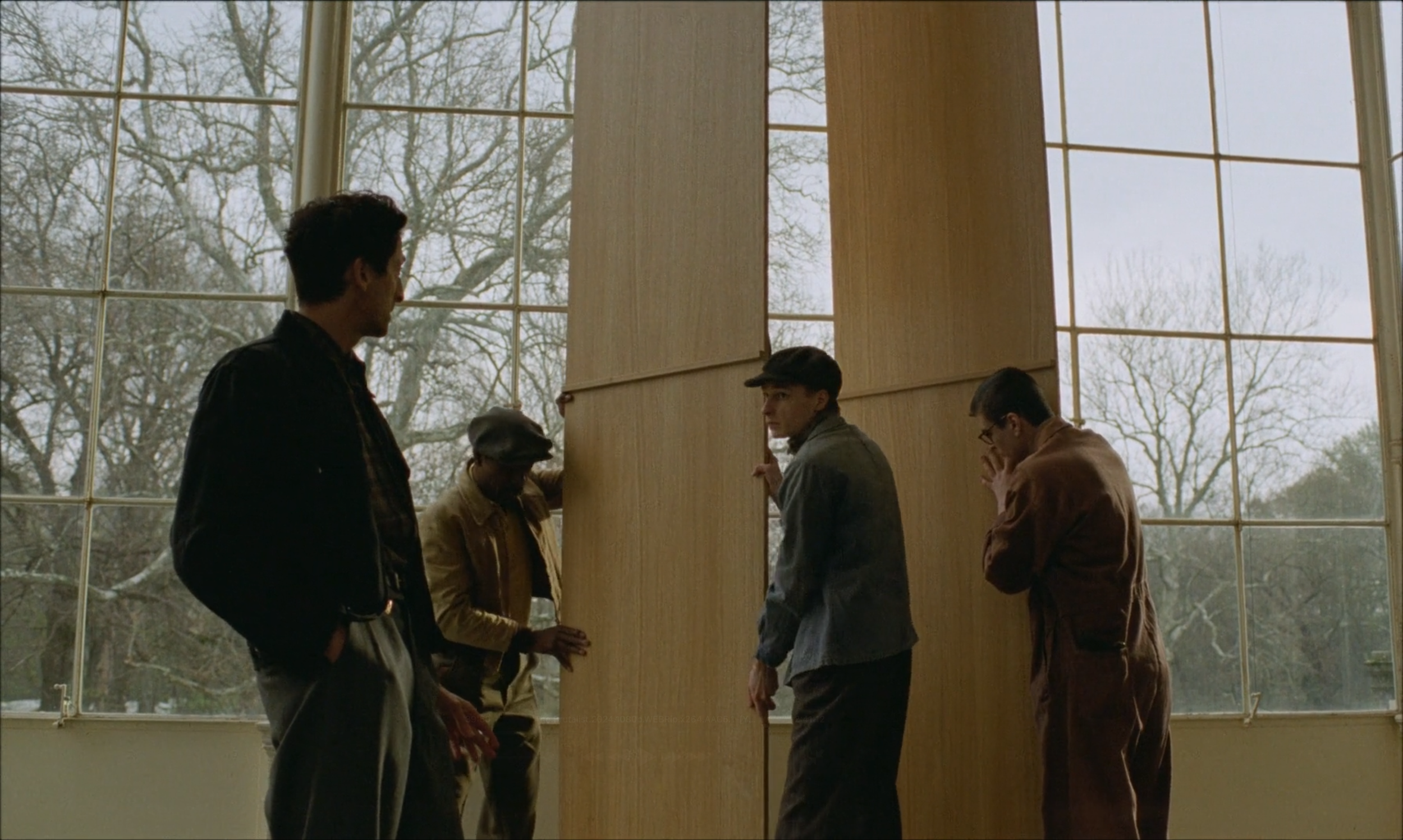
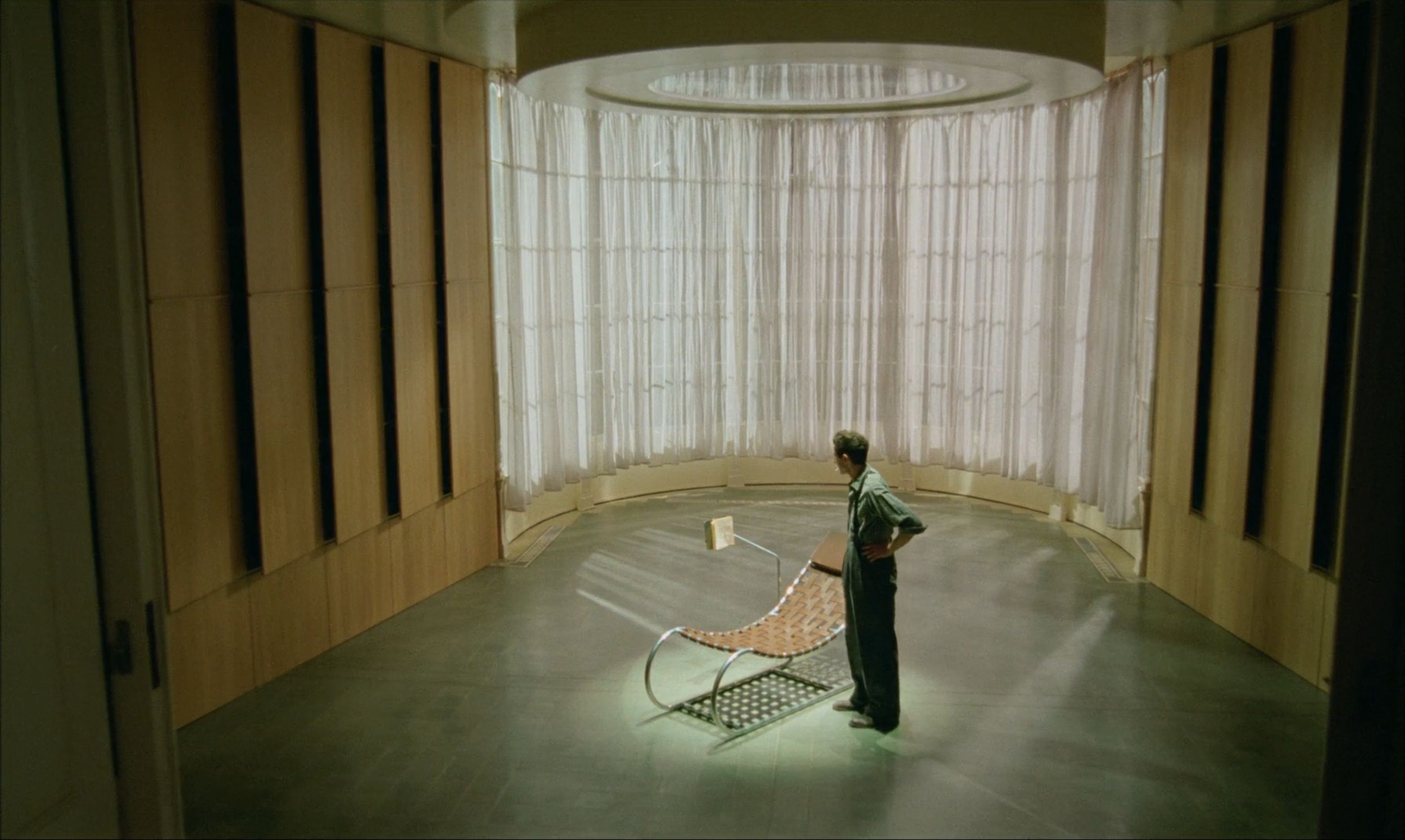


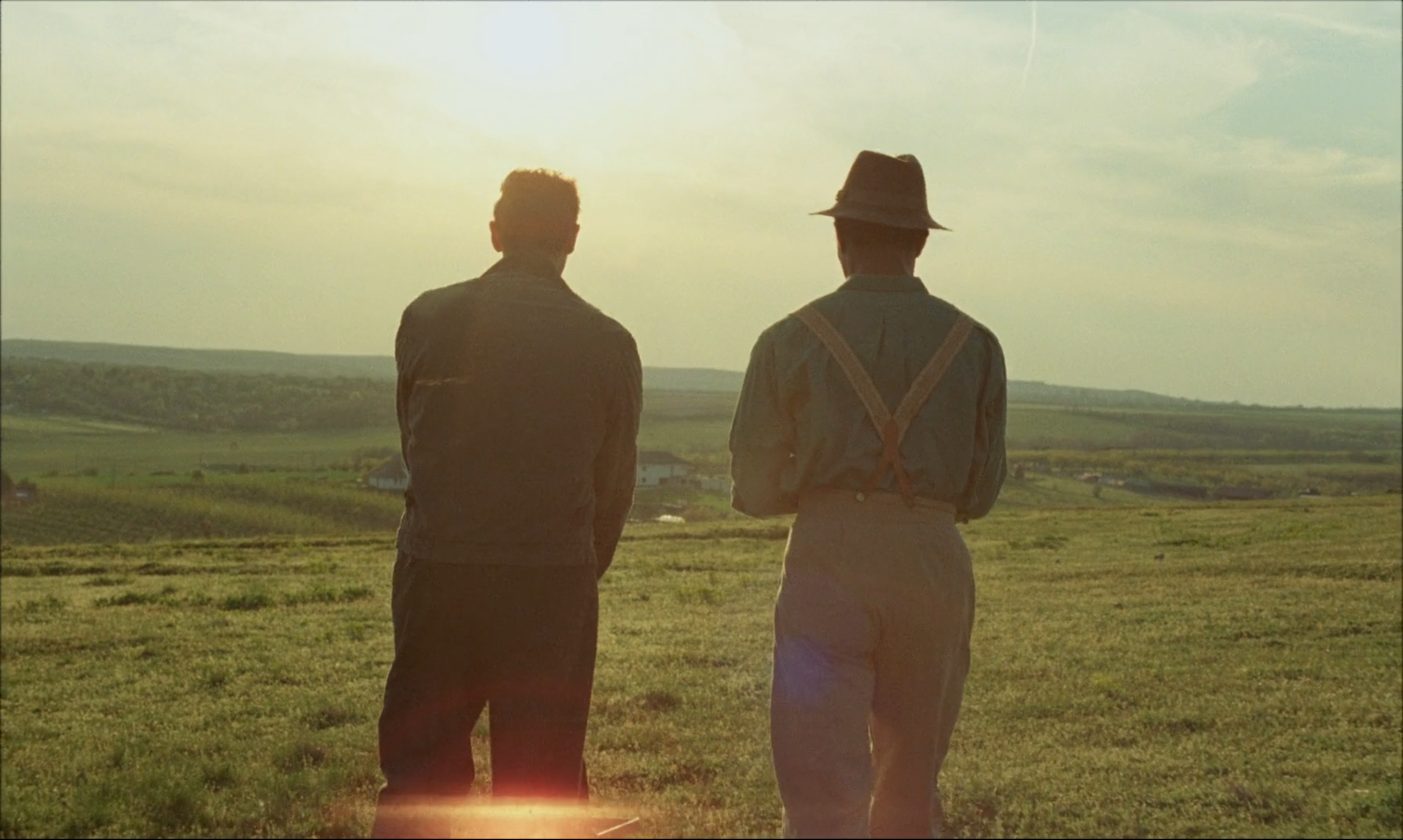
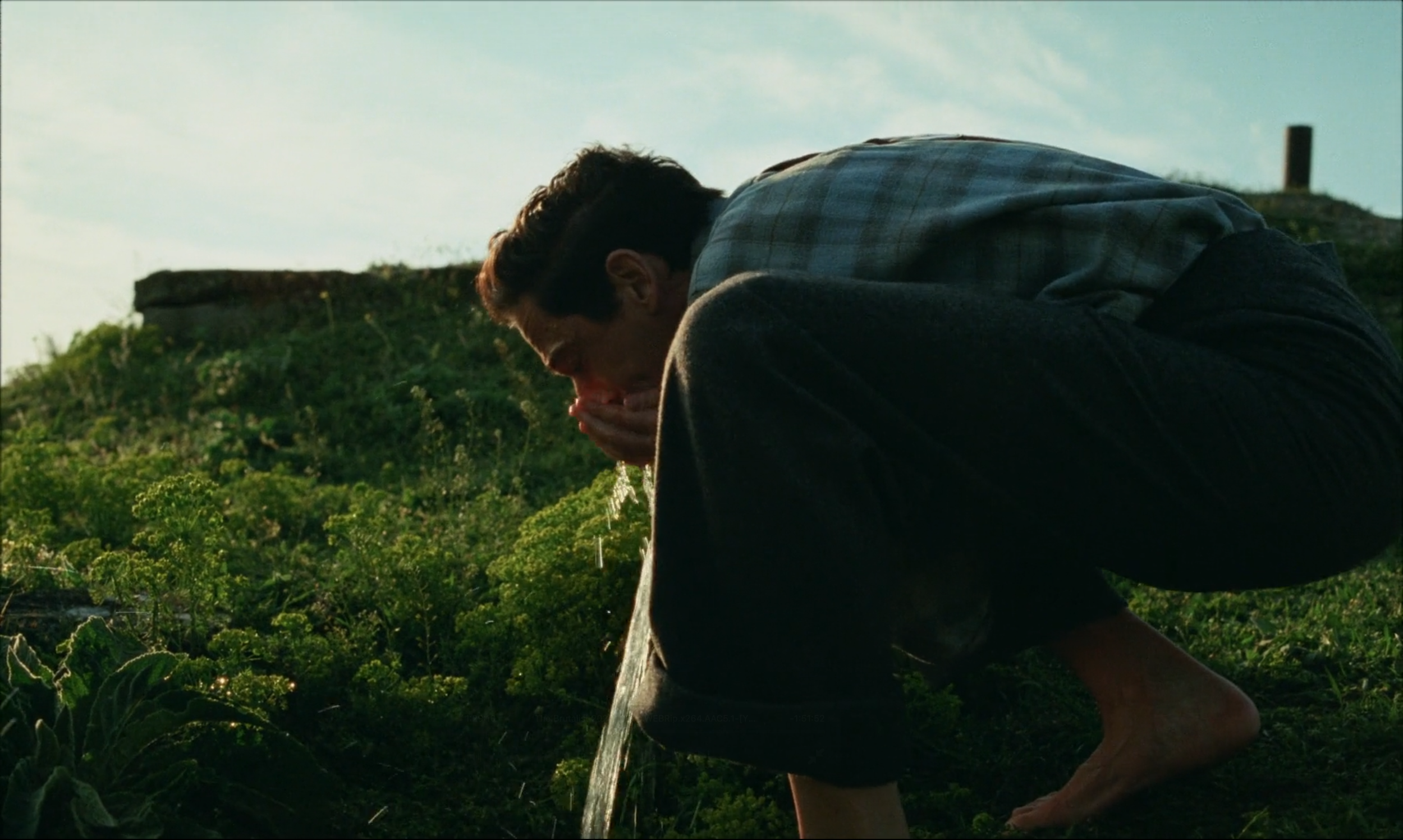
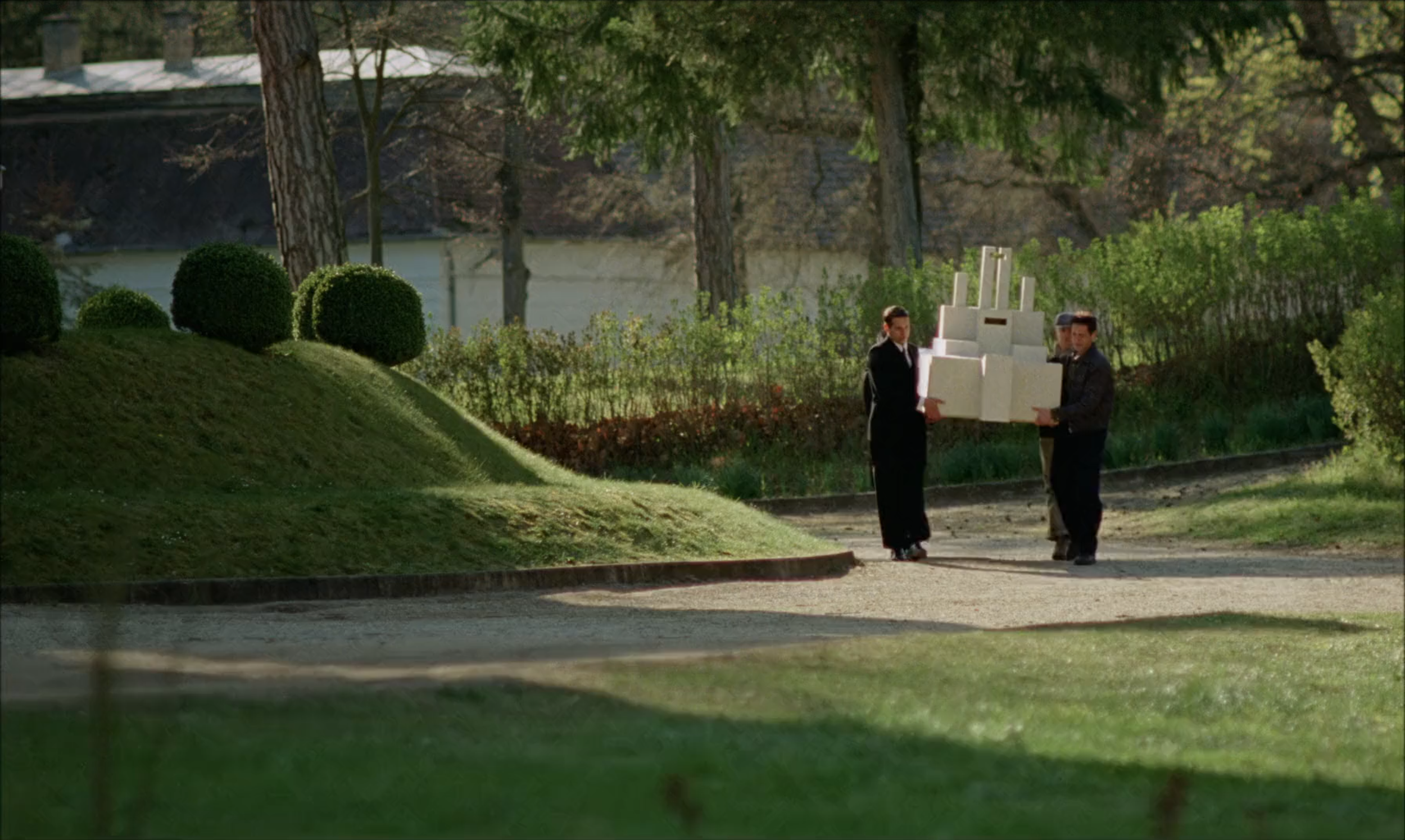
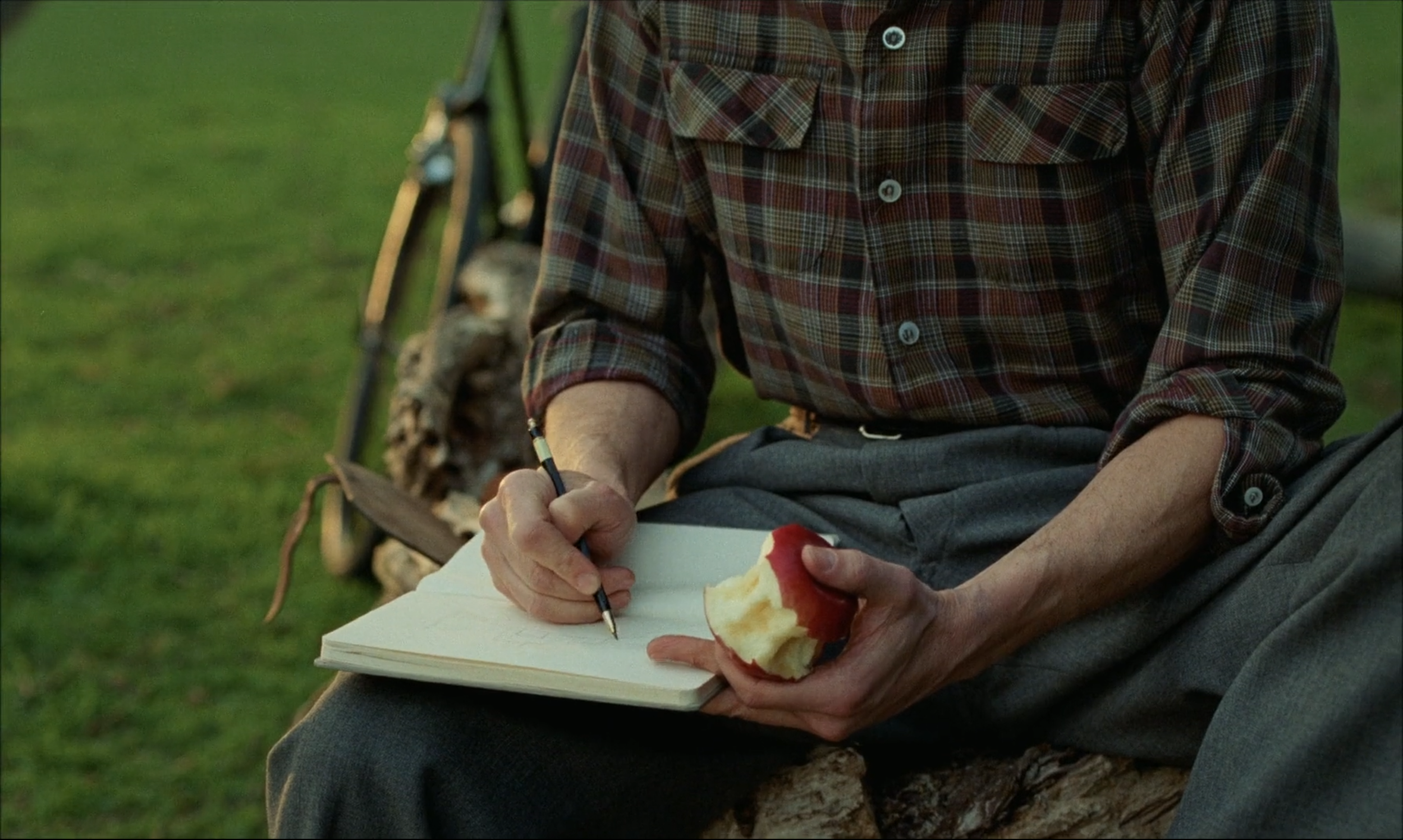
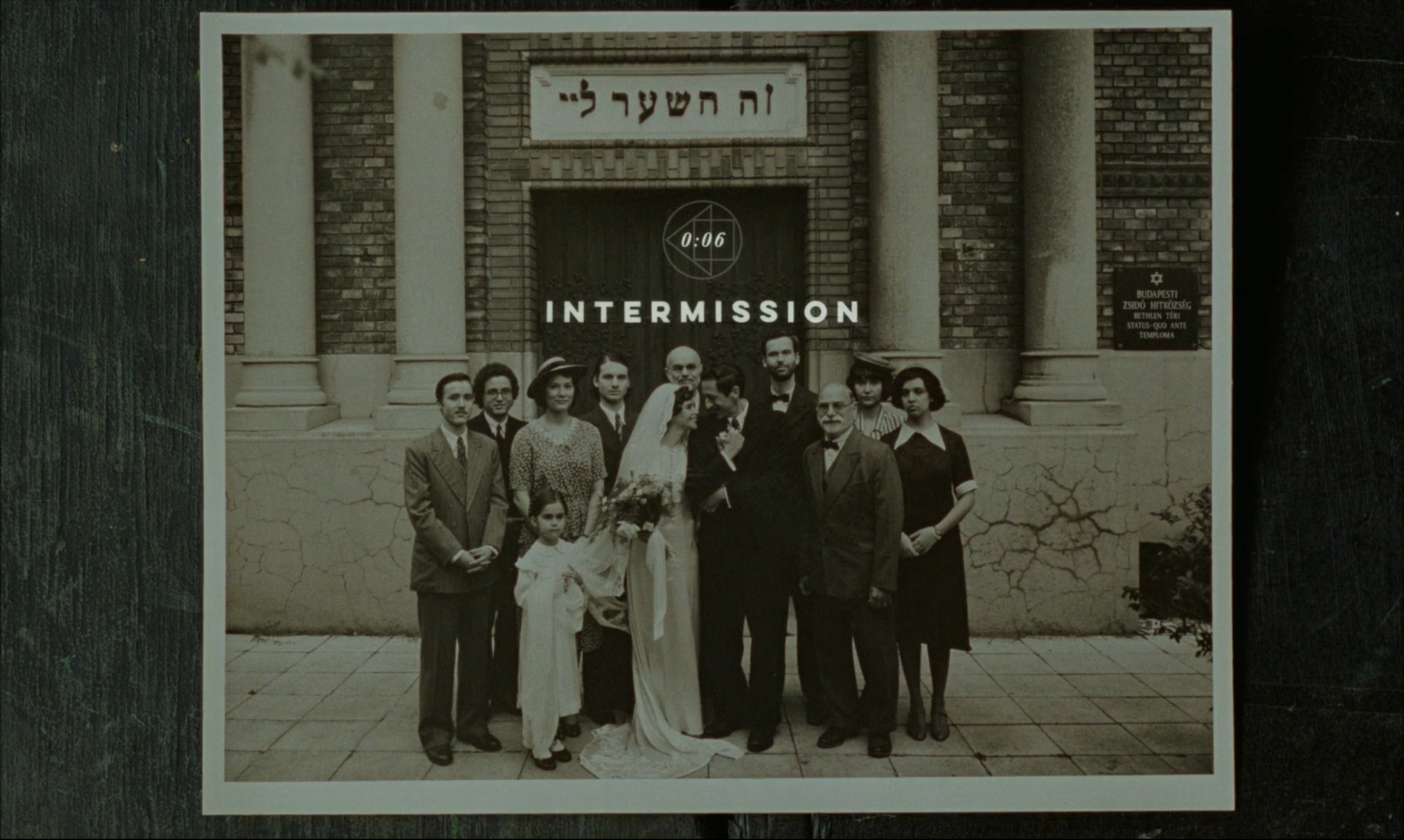

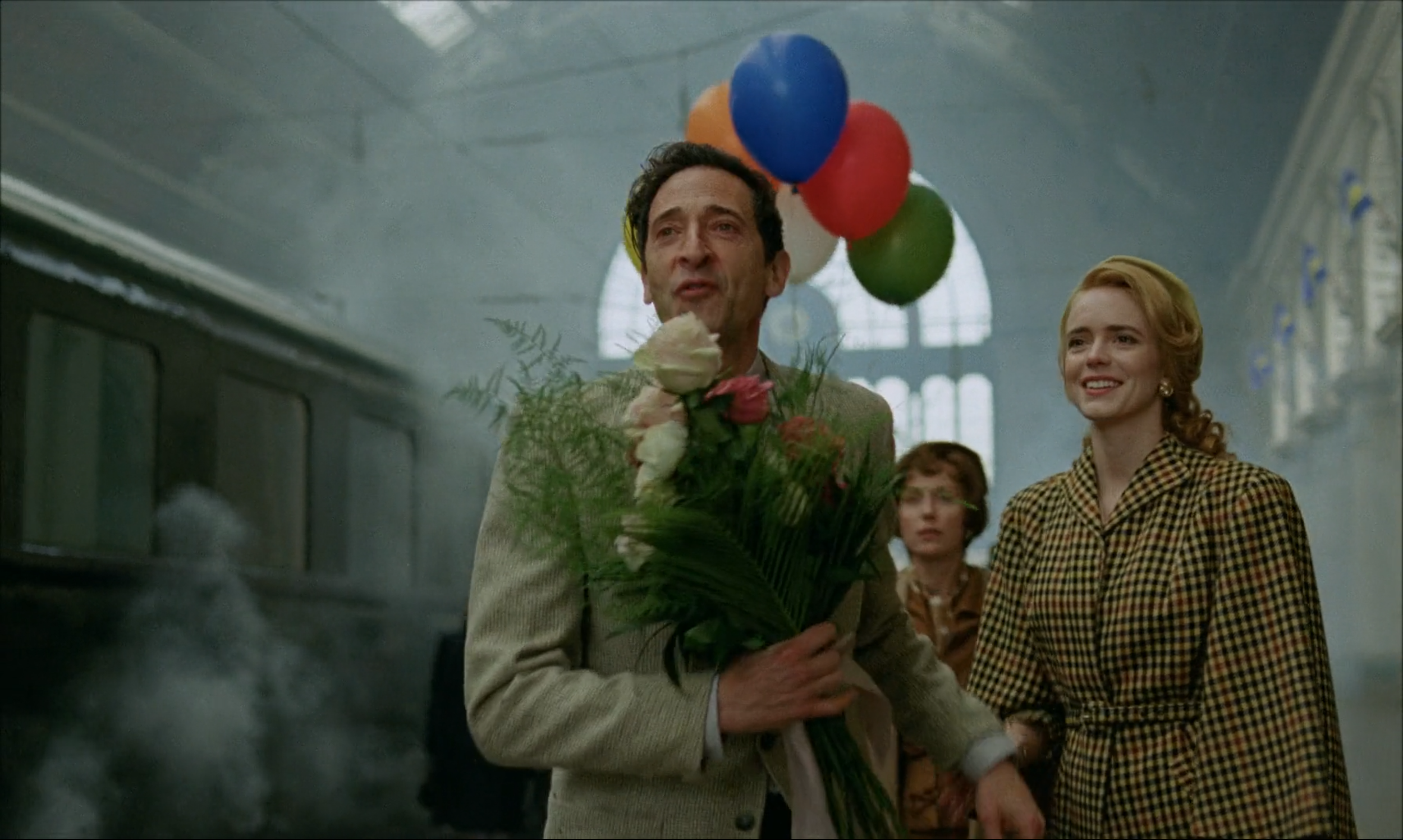
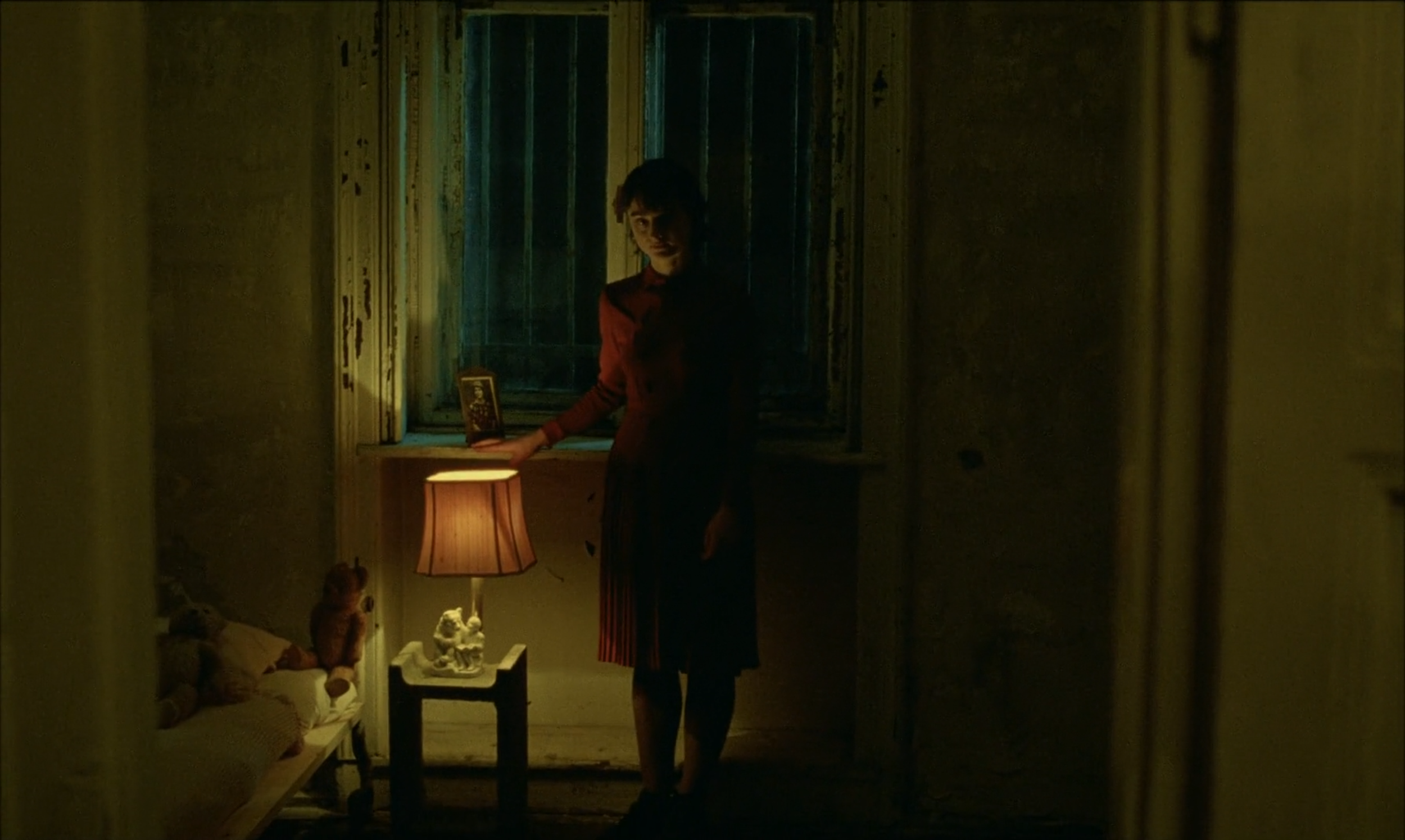
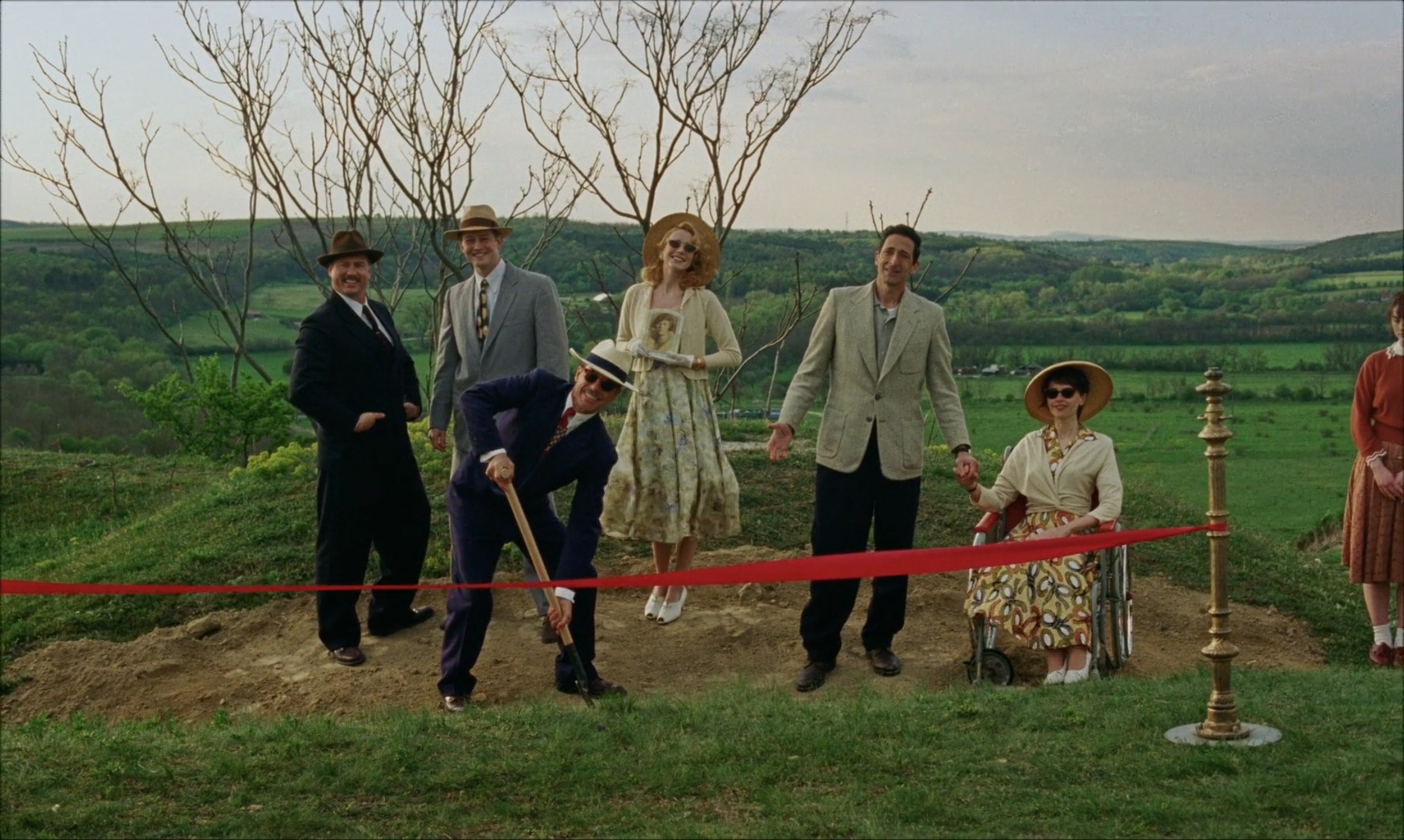


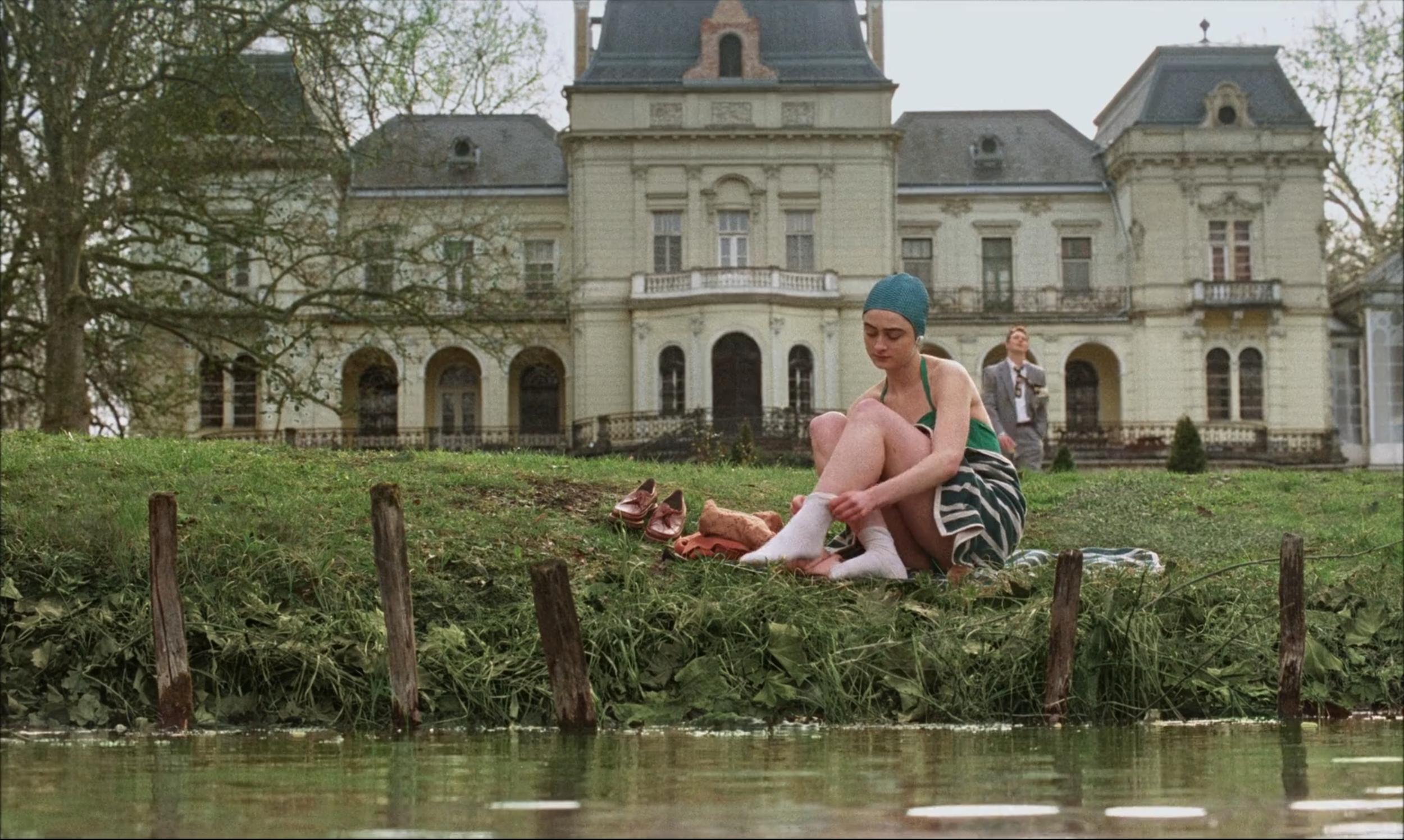
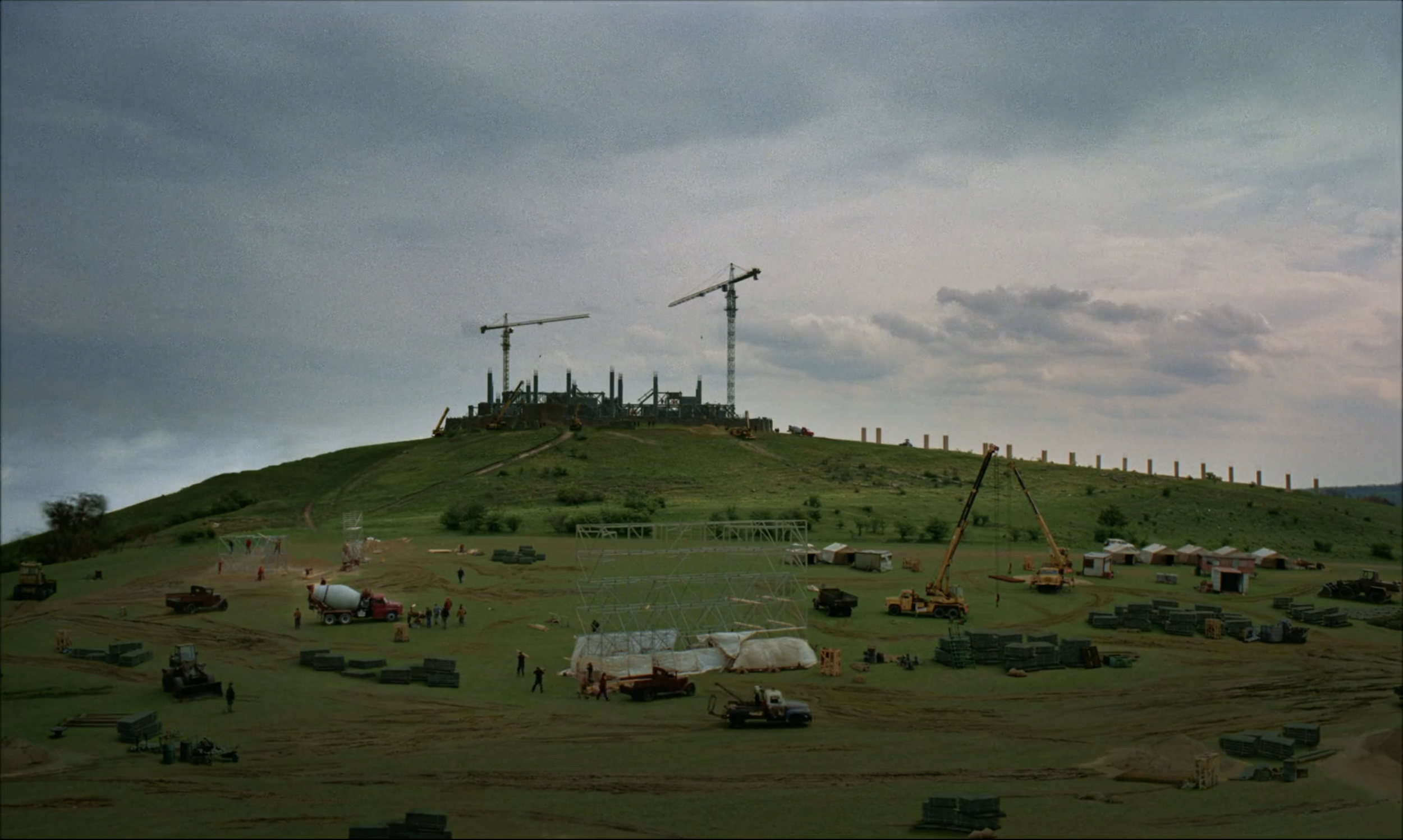
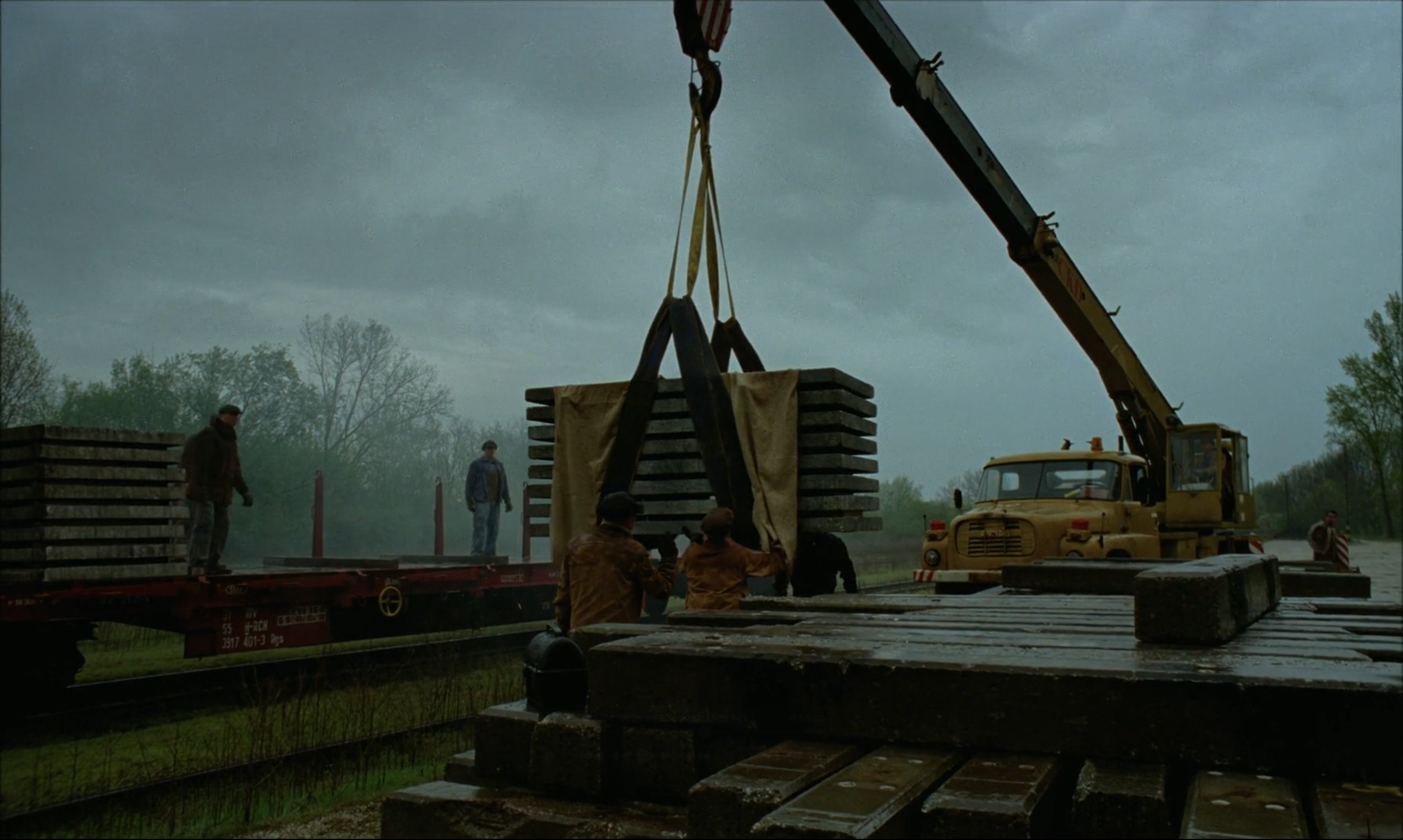
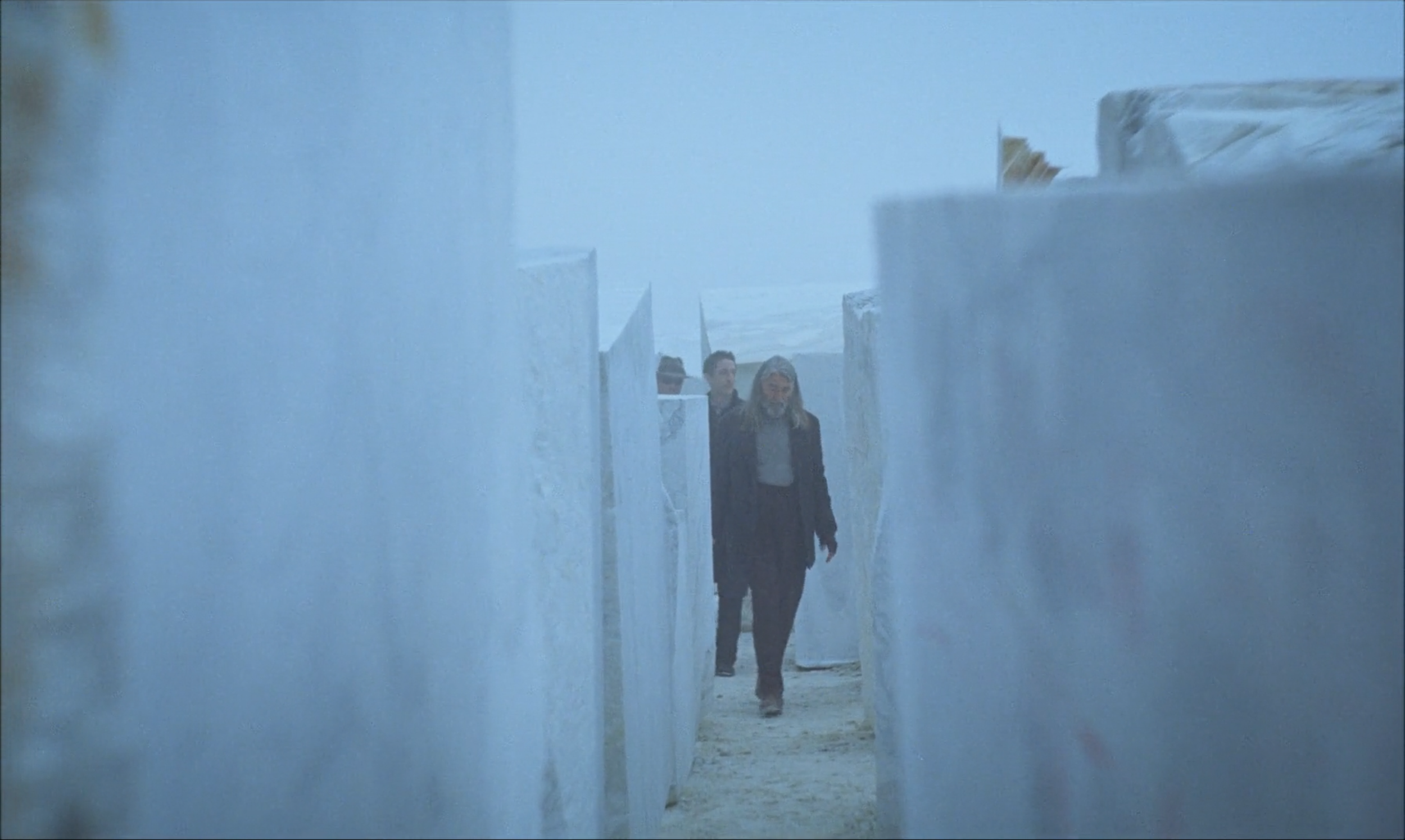
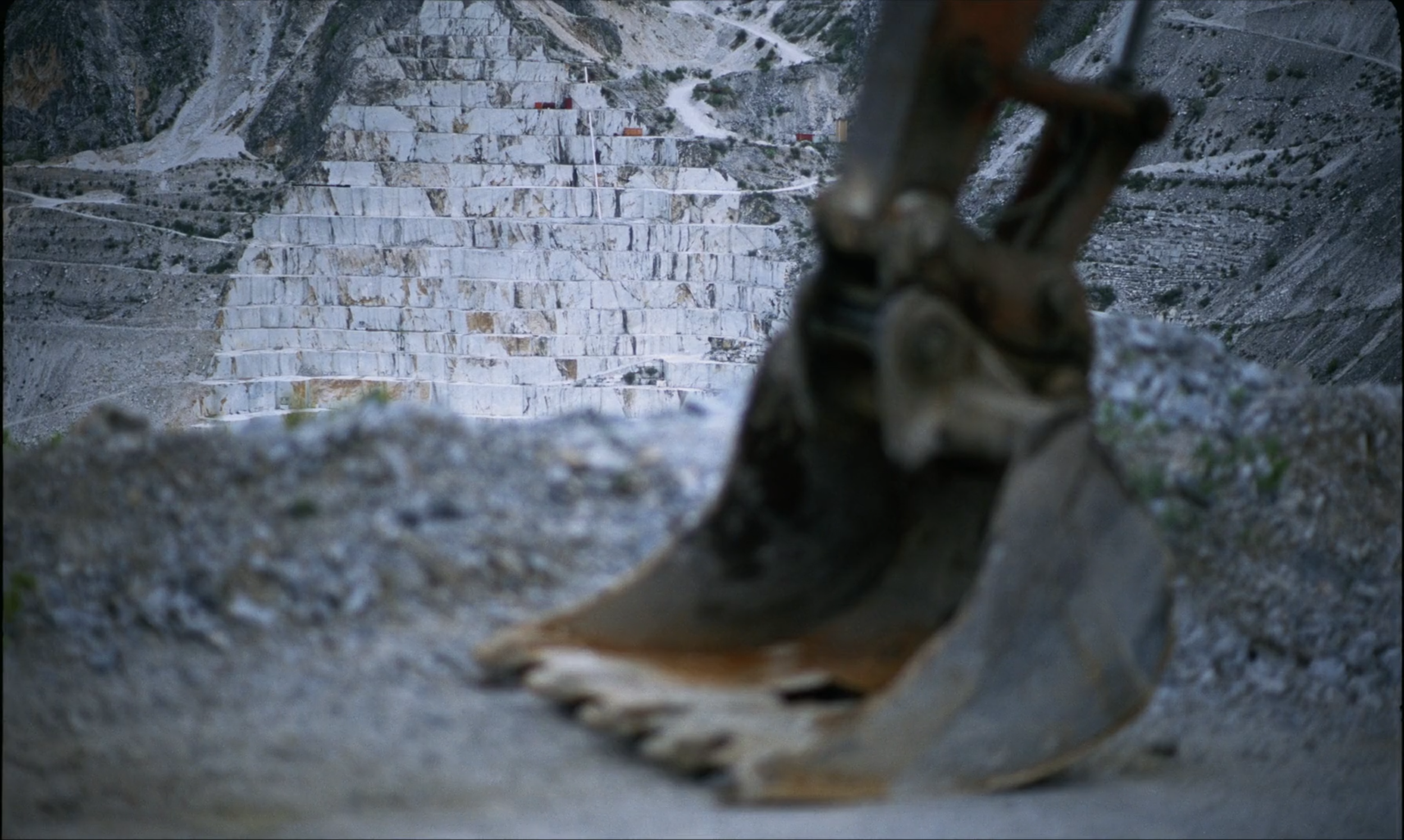
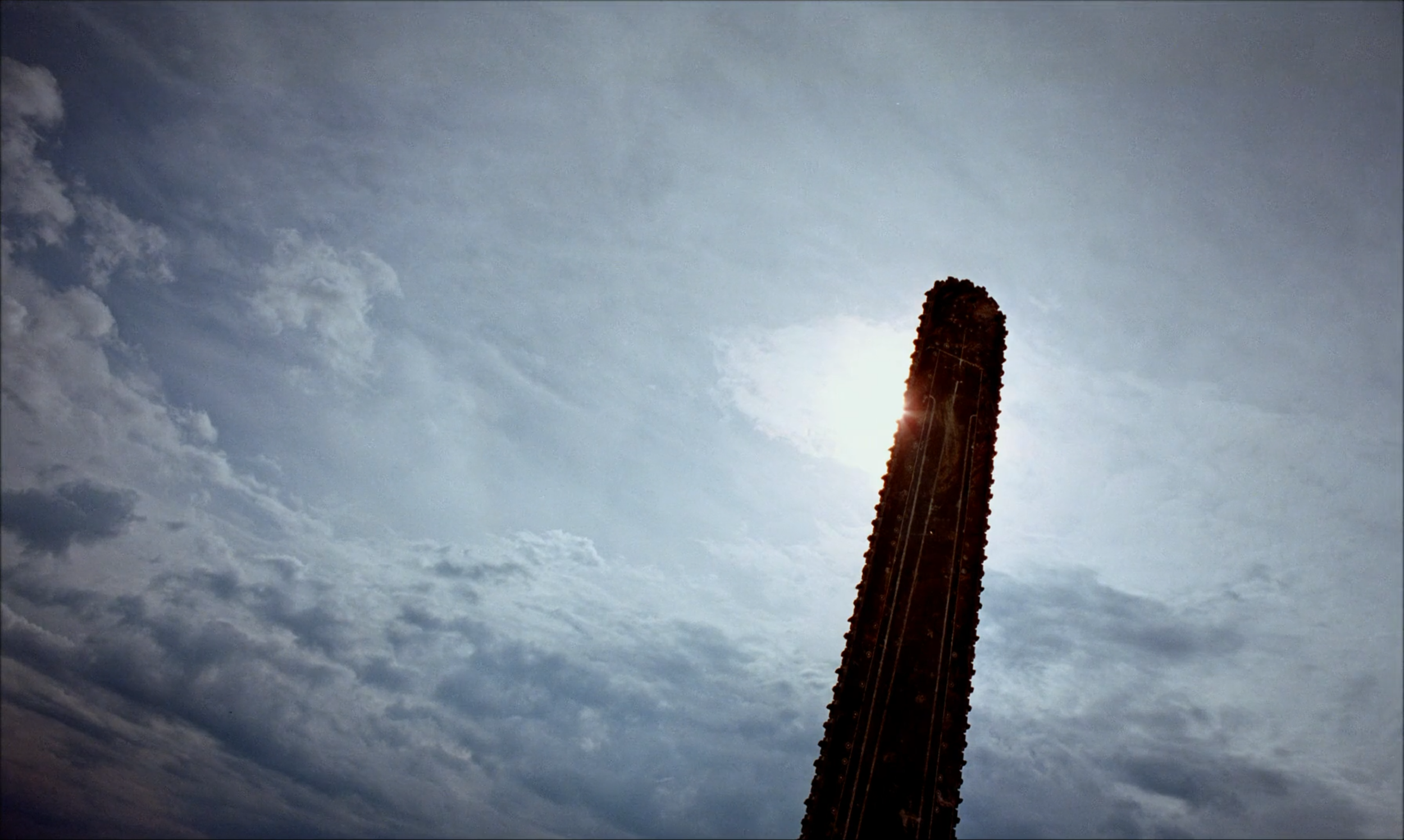
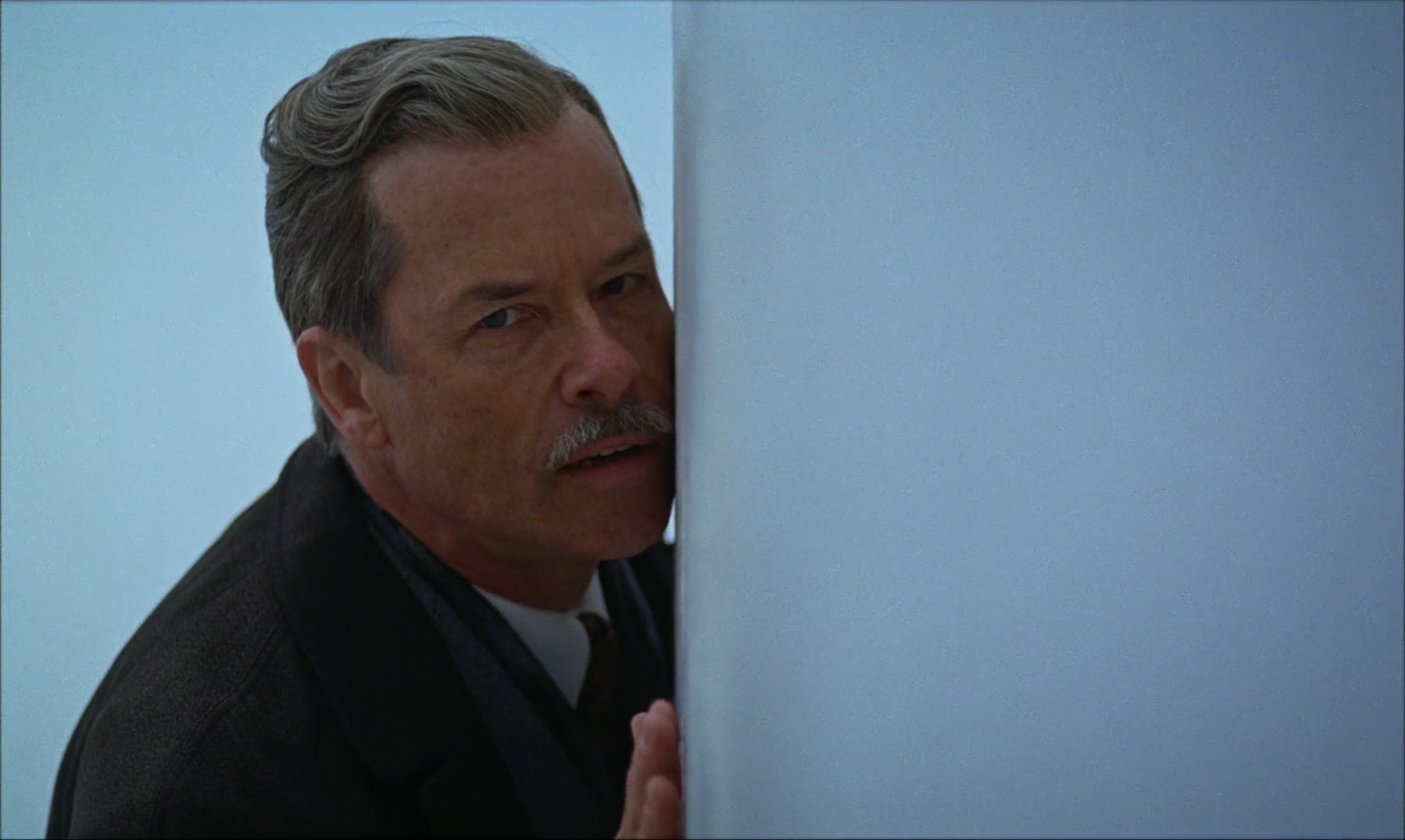
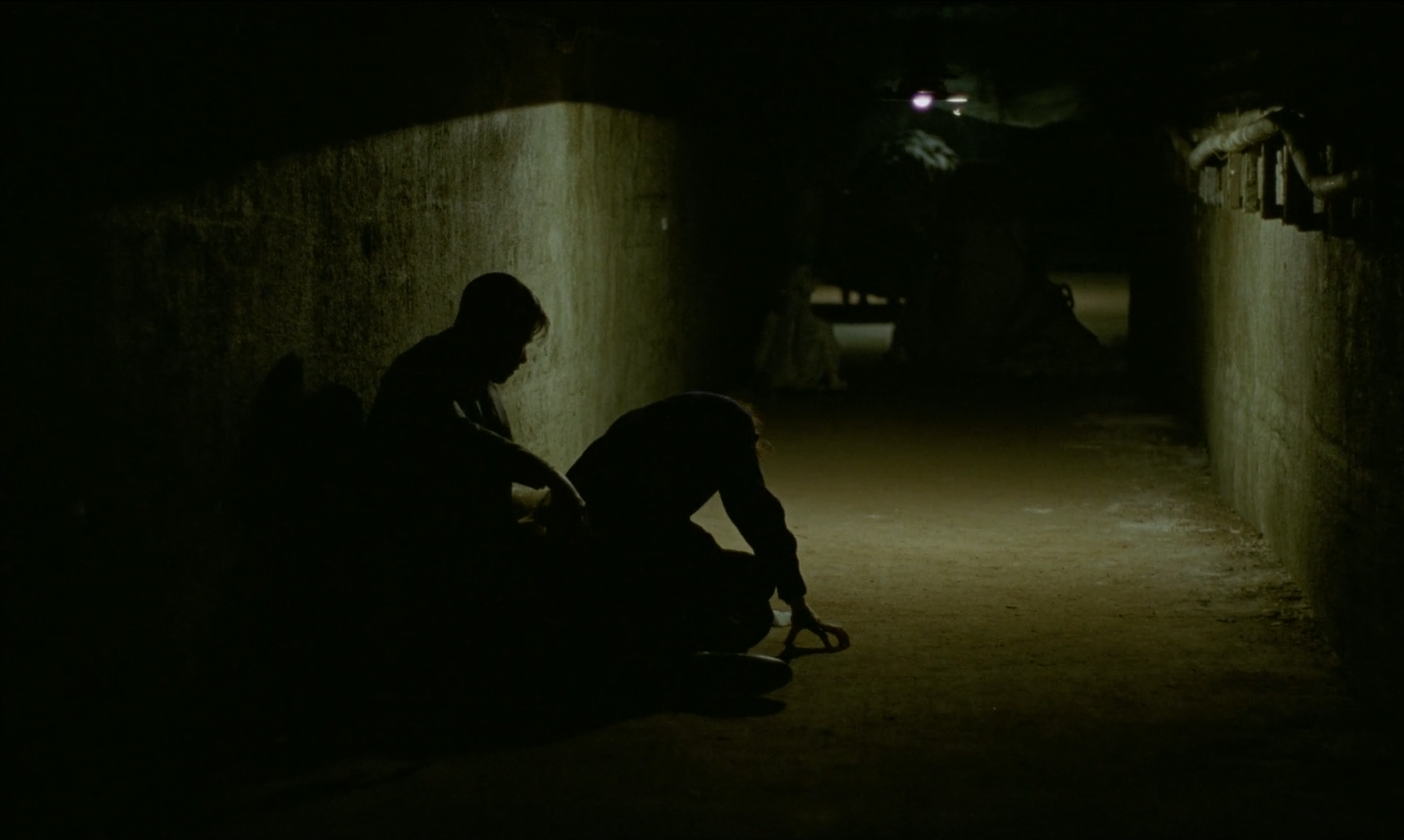
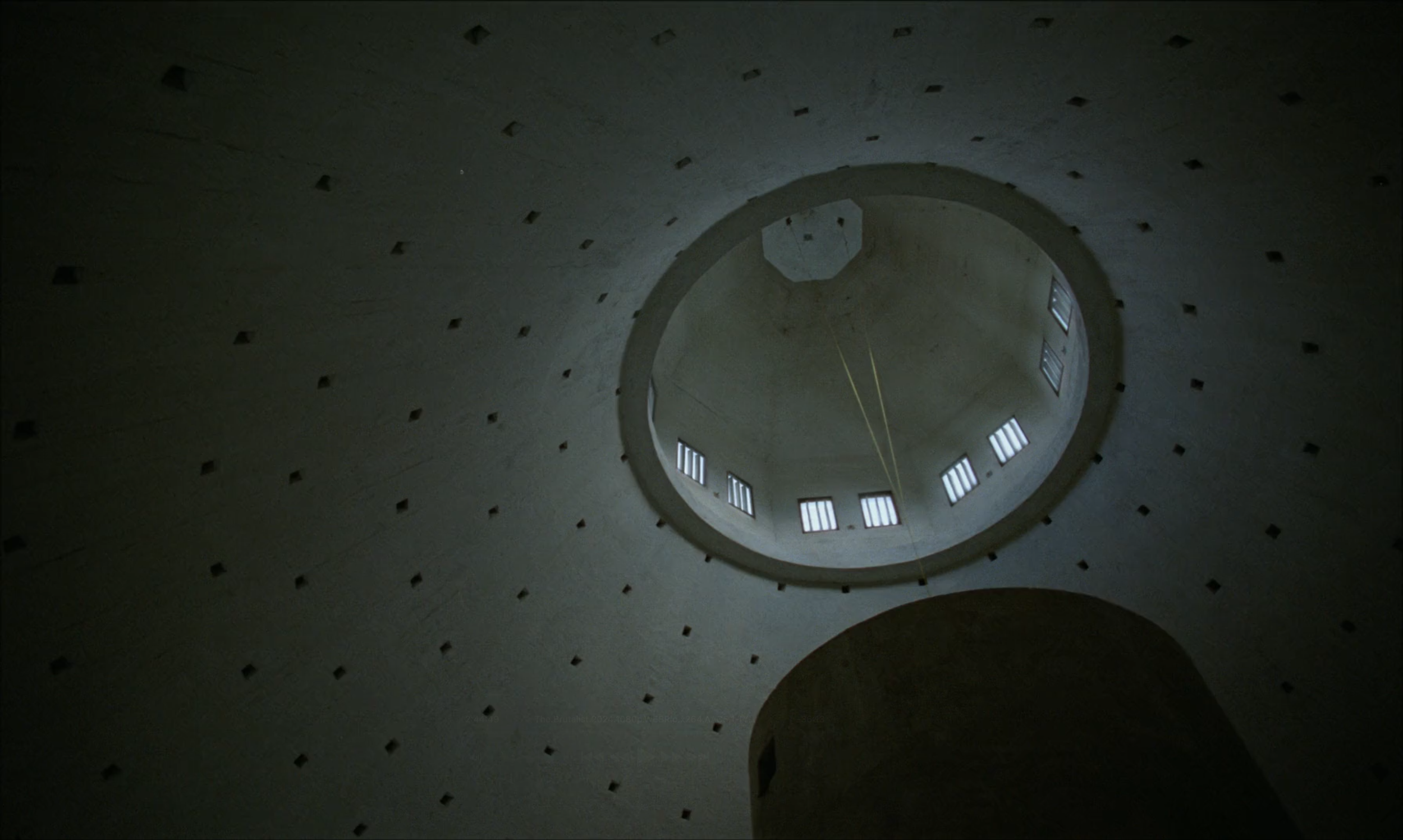


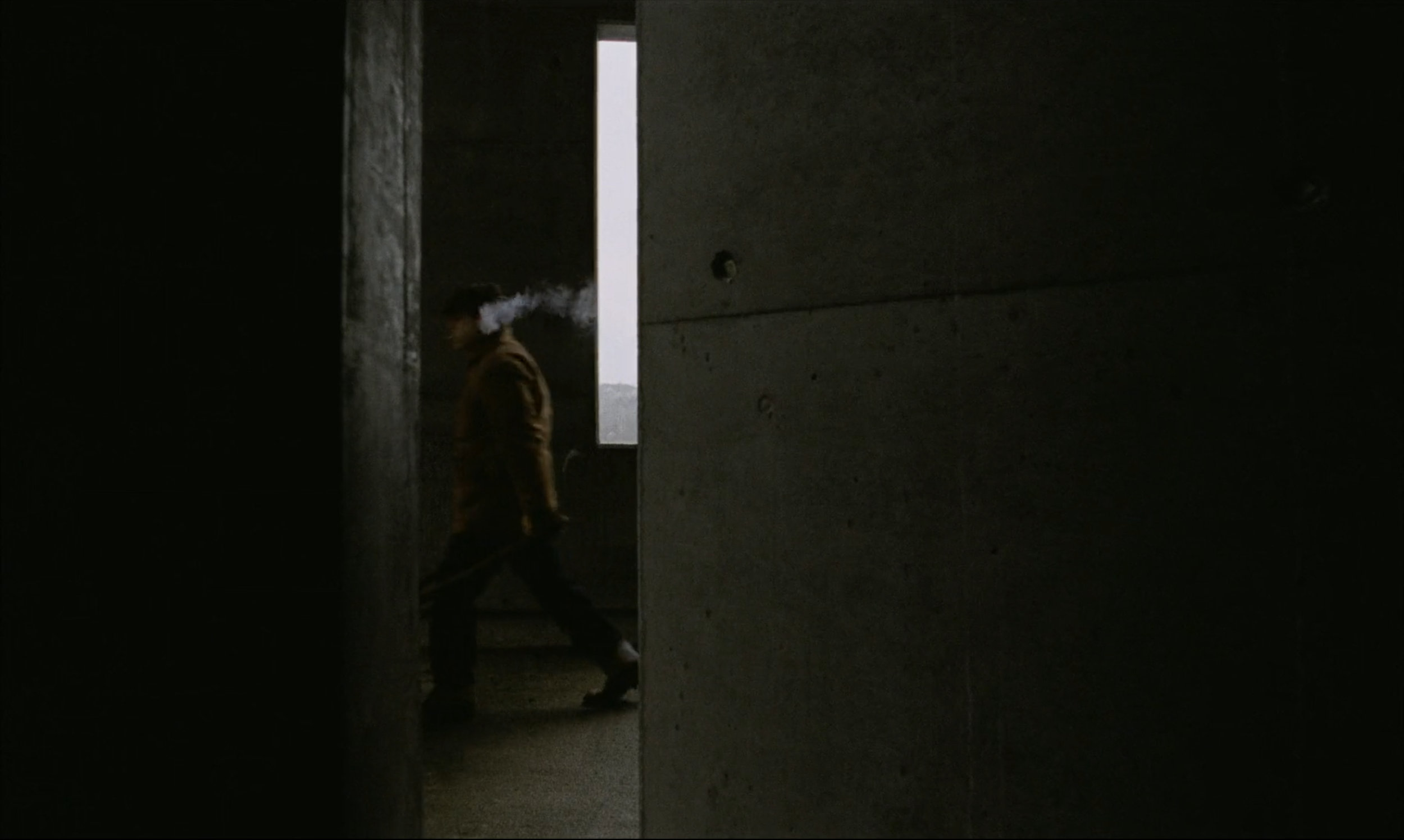
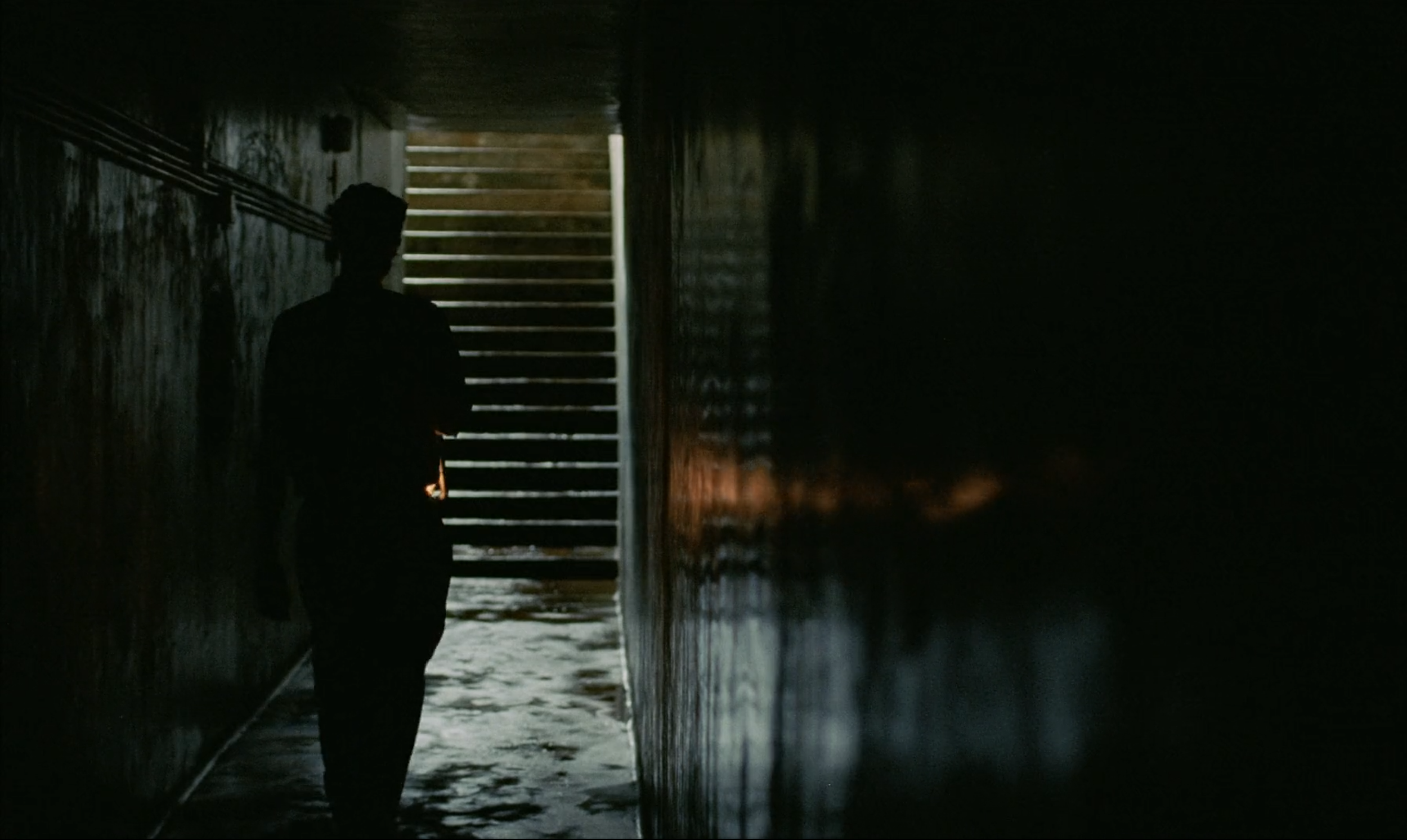
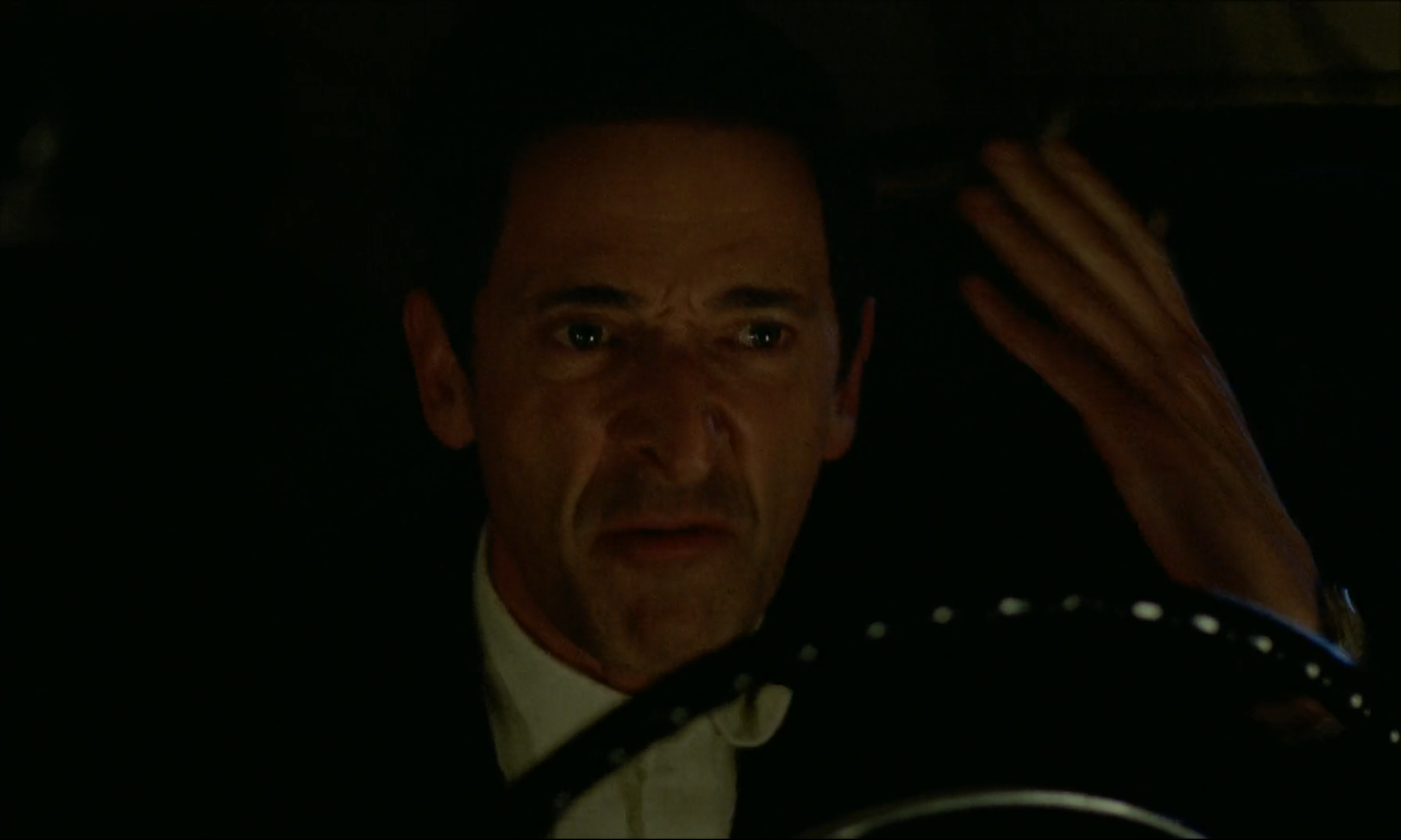
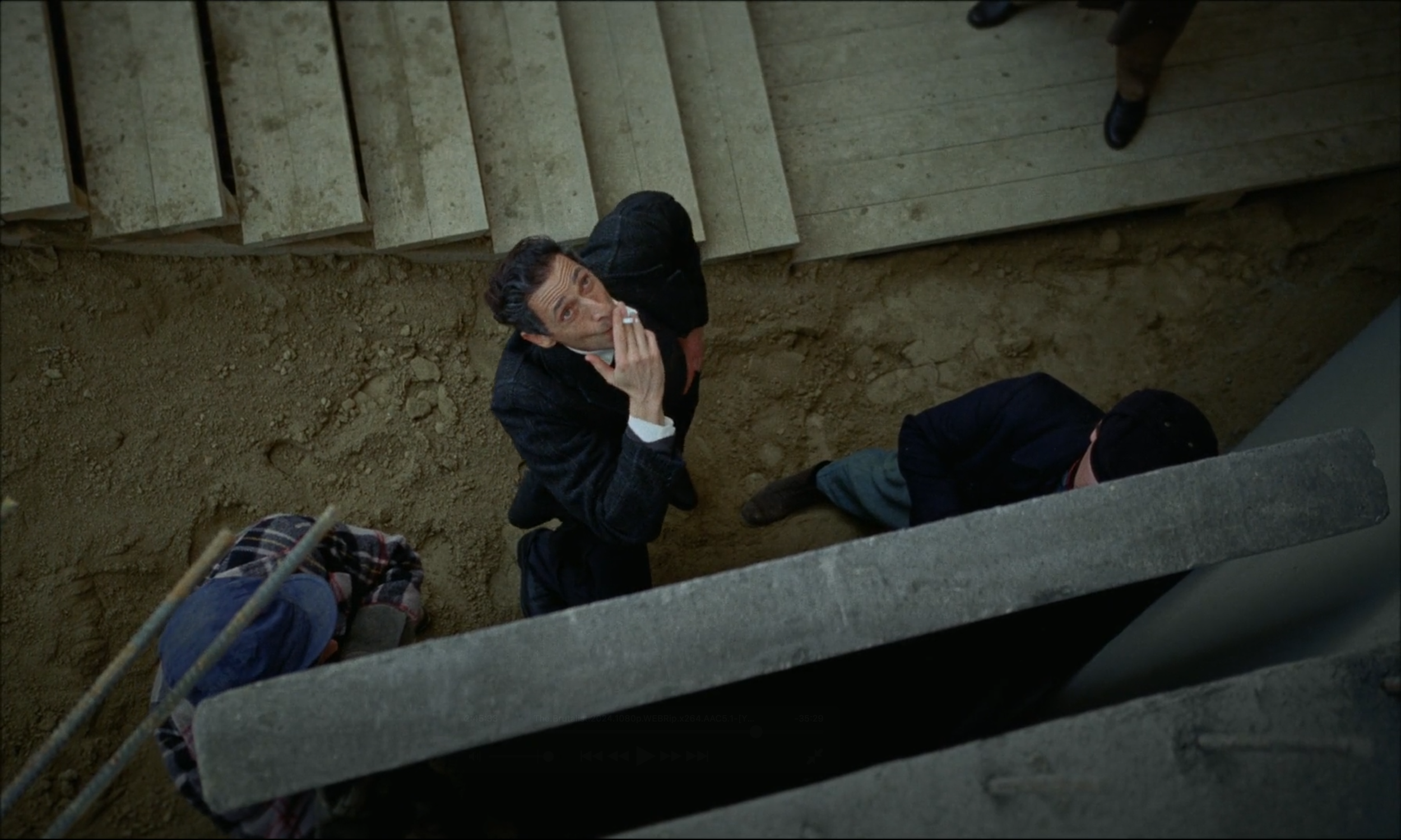
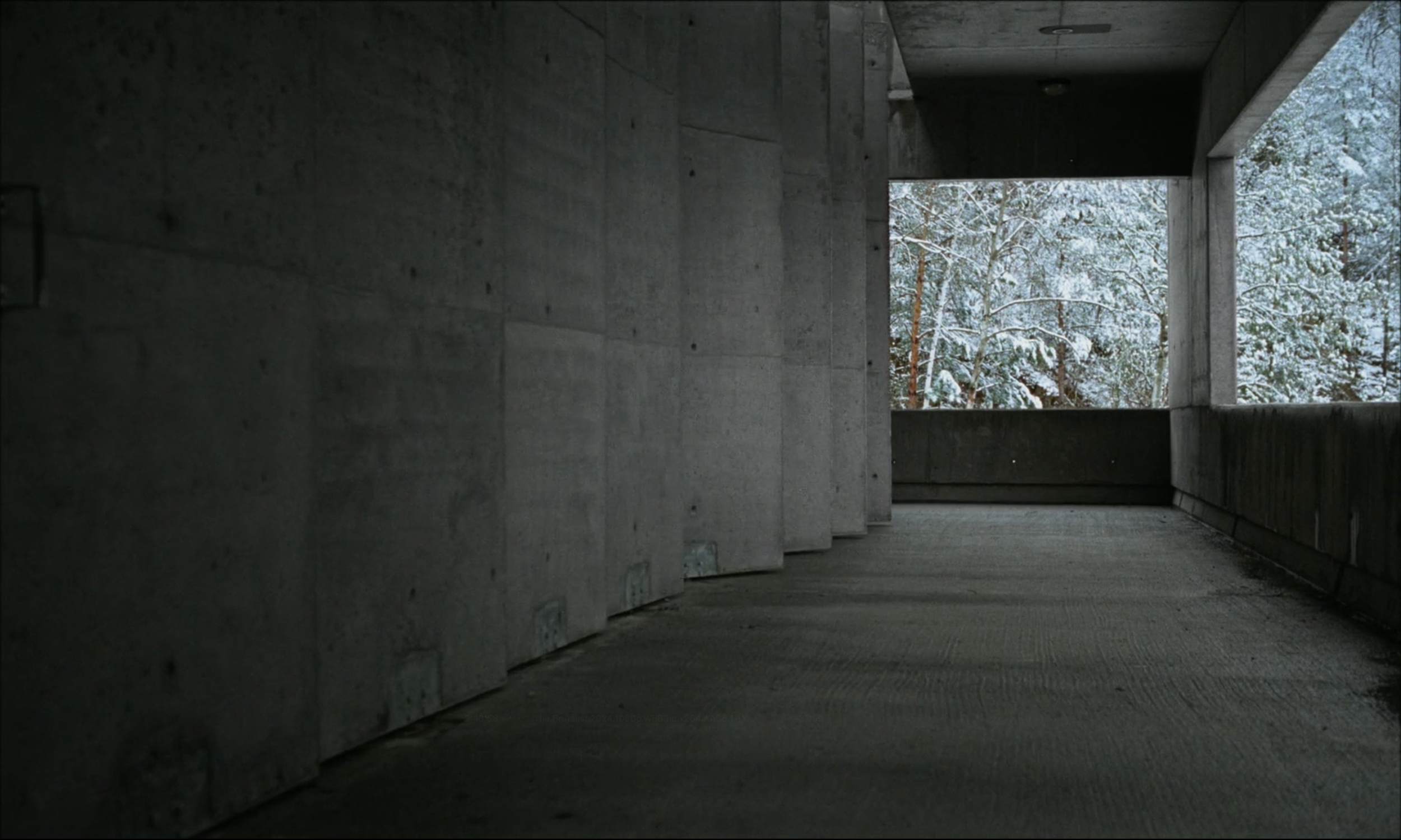
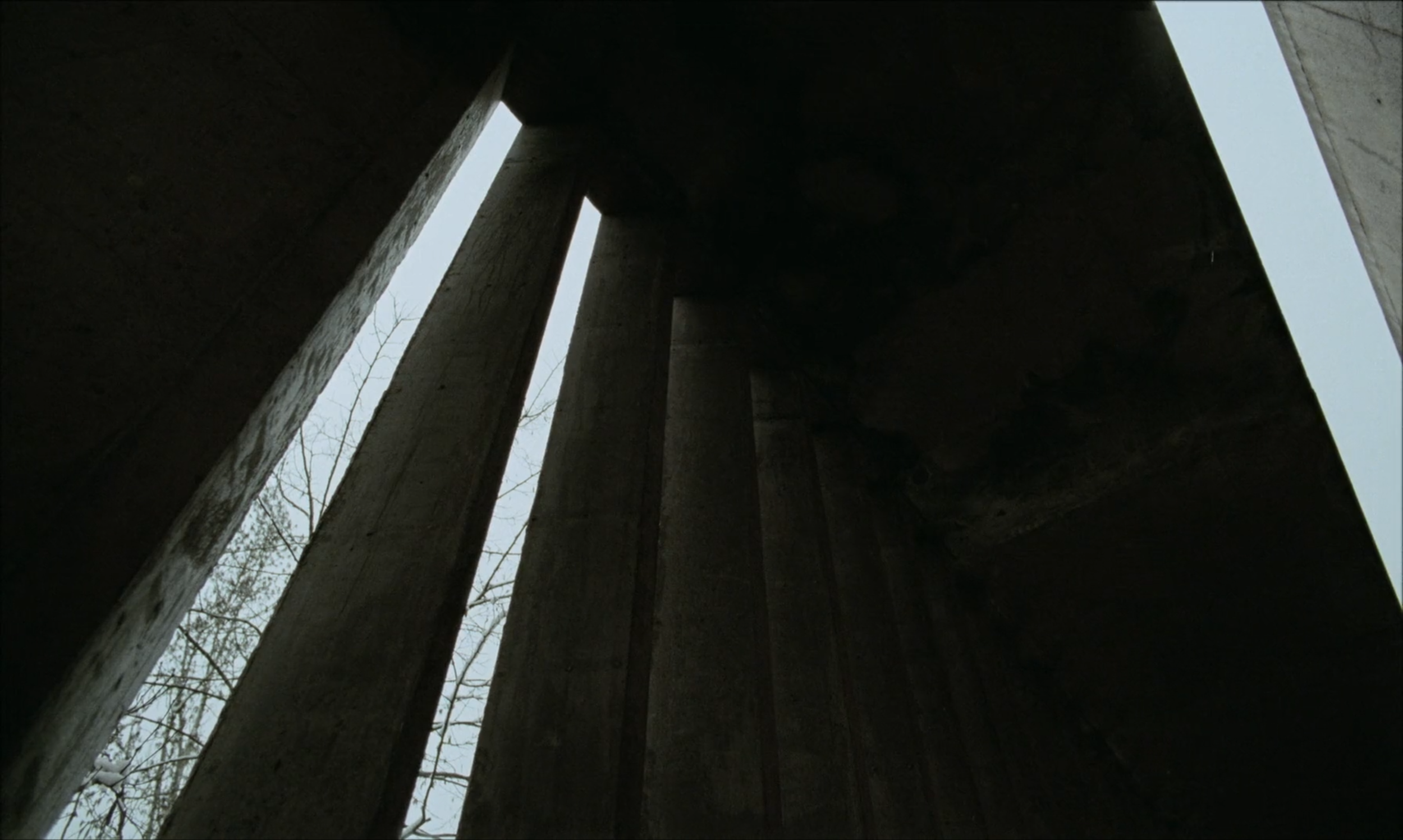
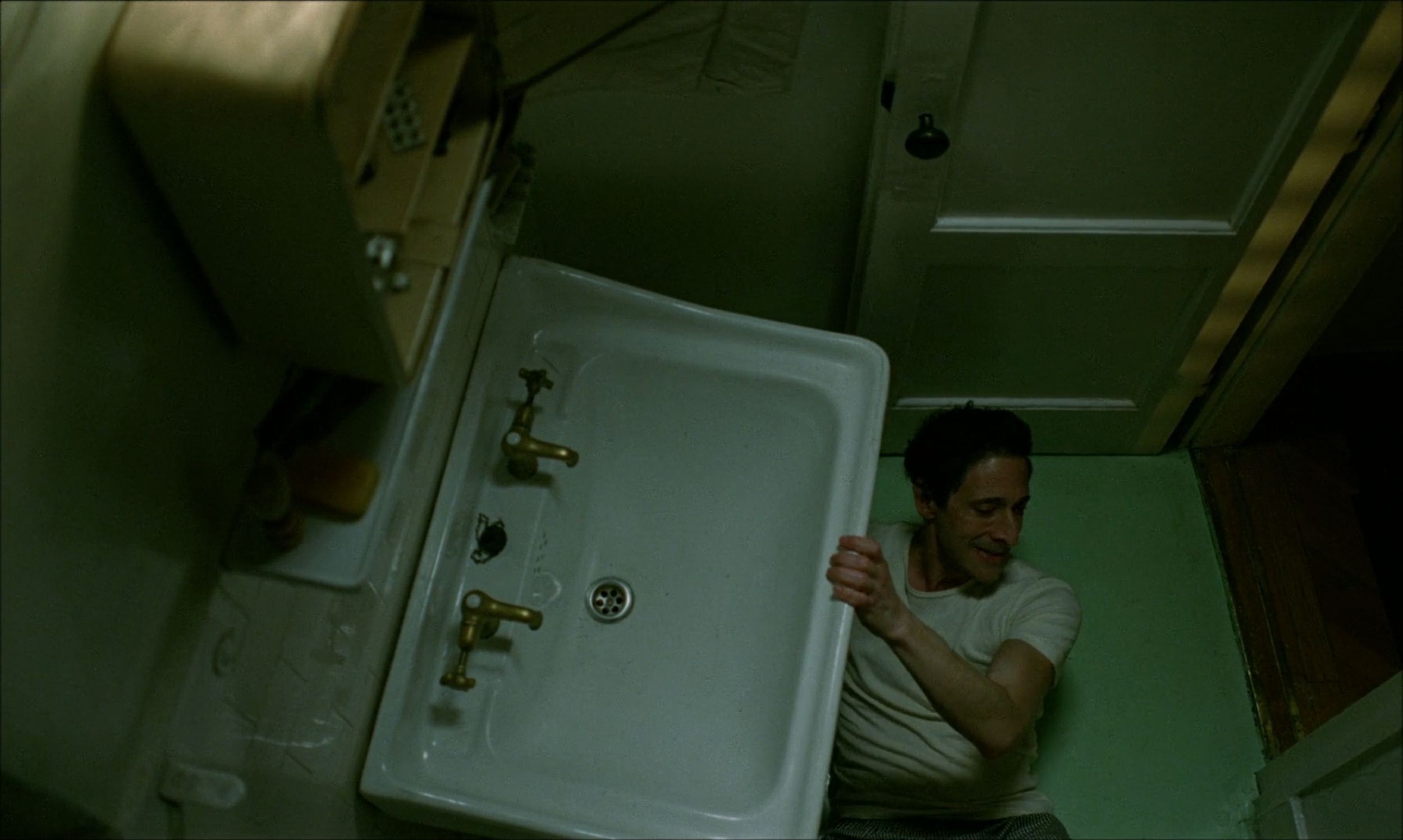
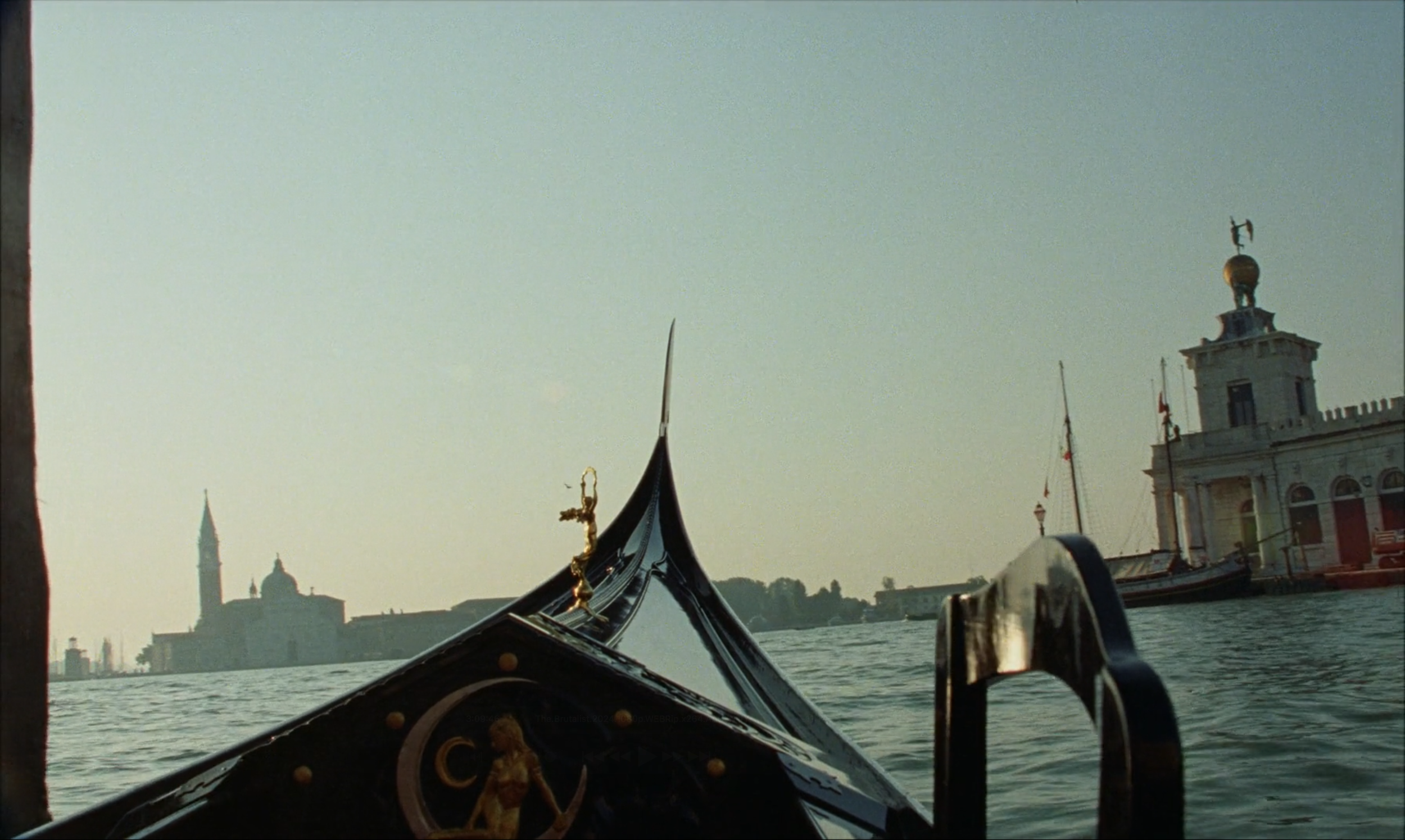
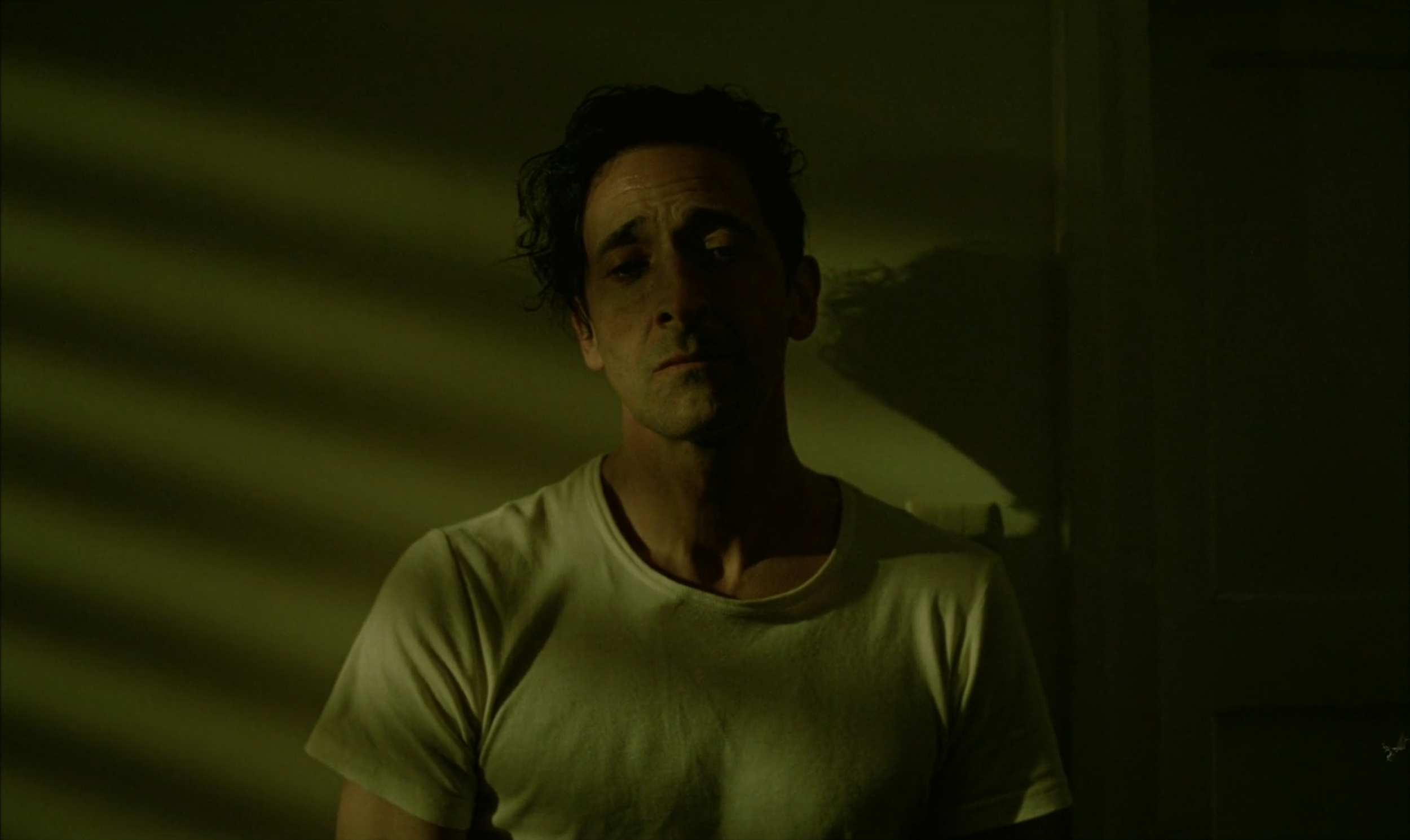
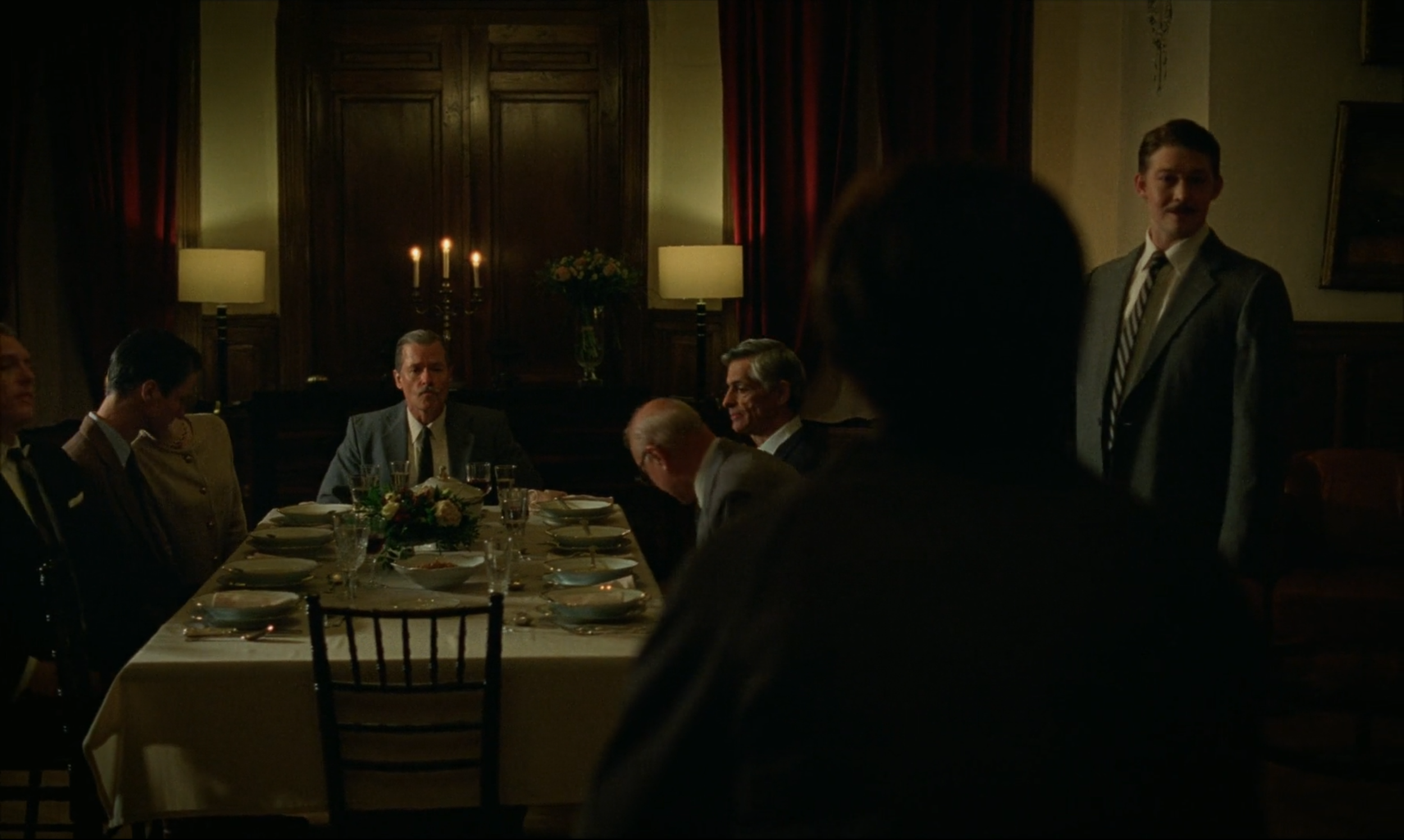
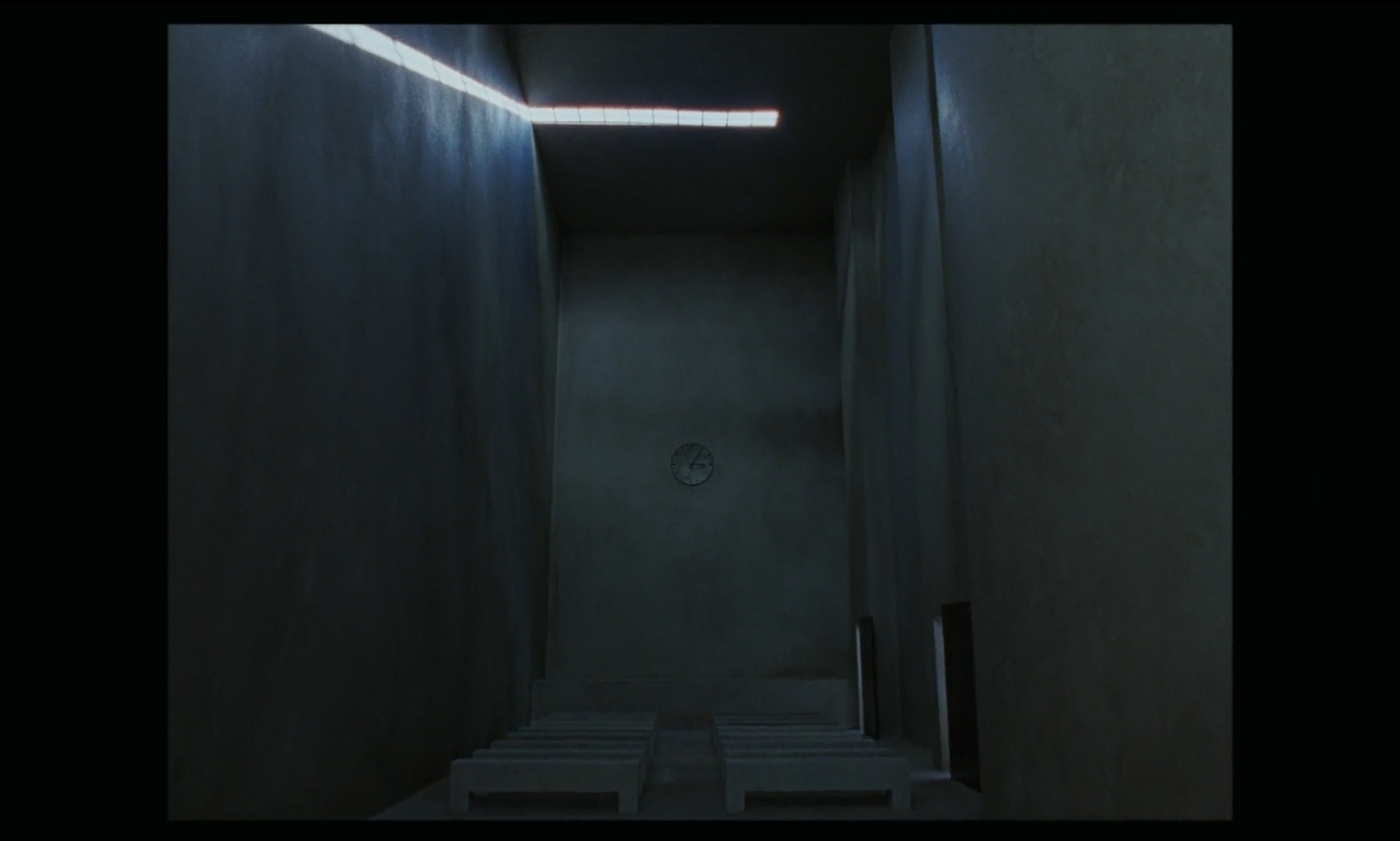
Film architecture also needs to be concrete.
Presentation:
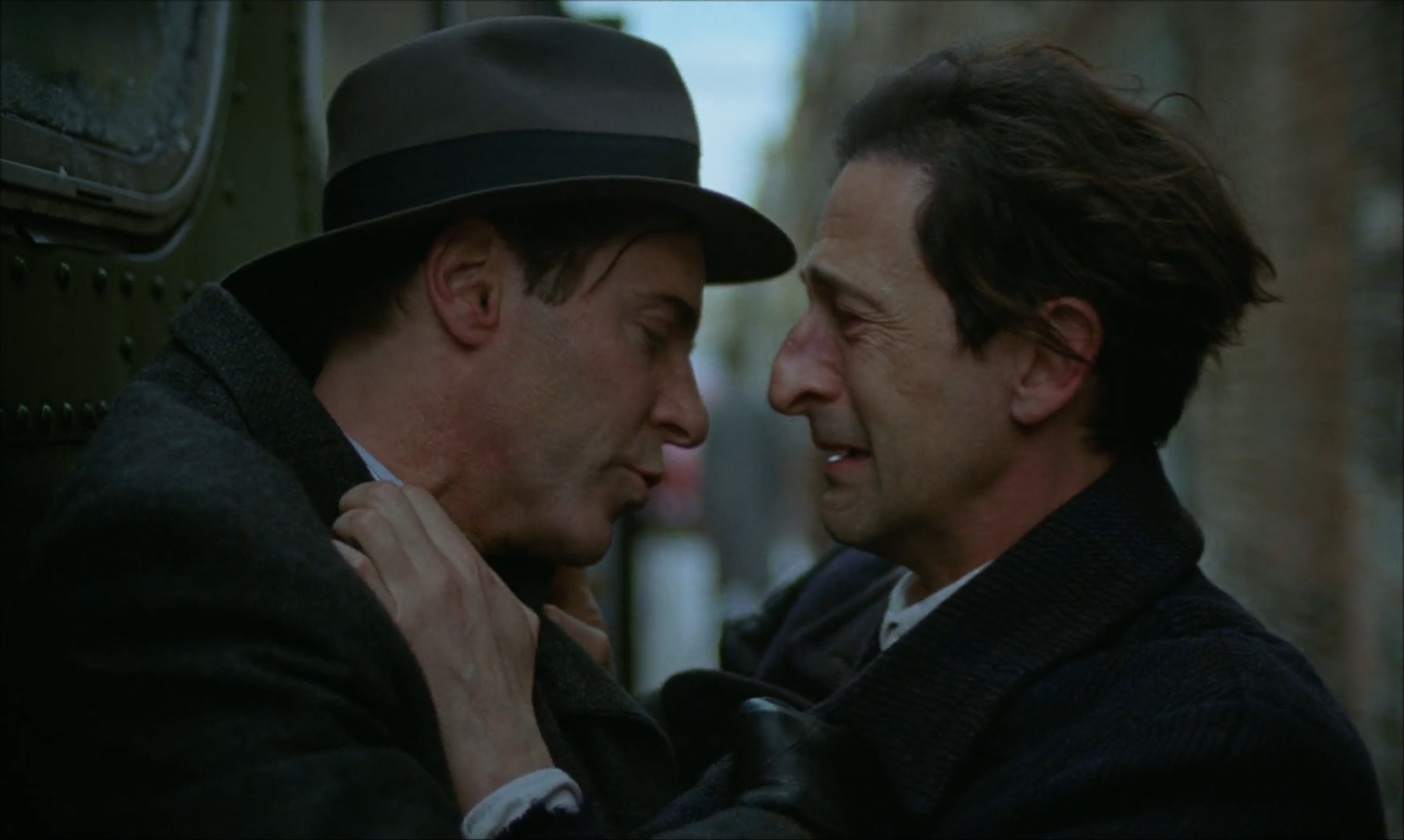
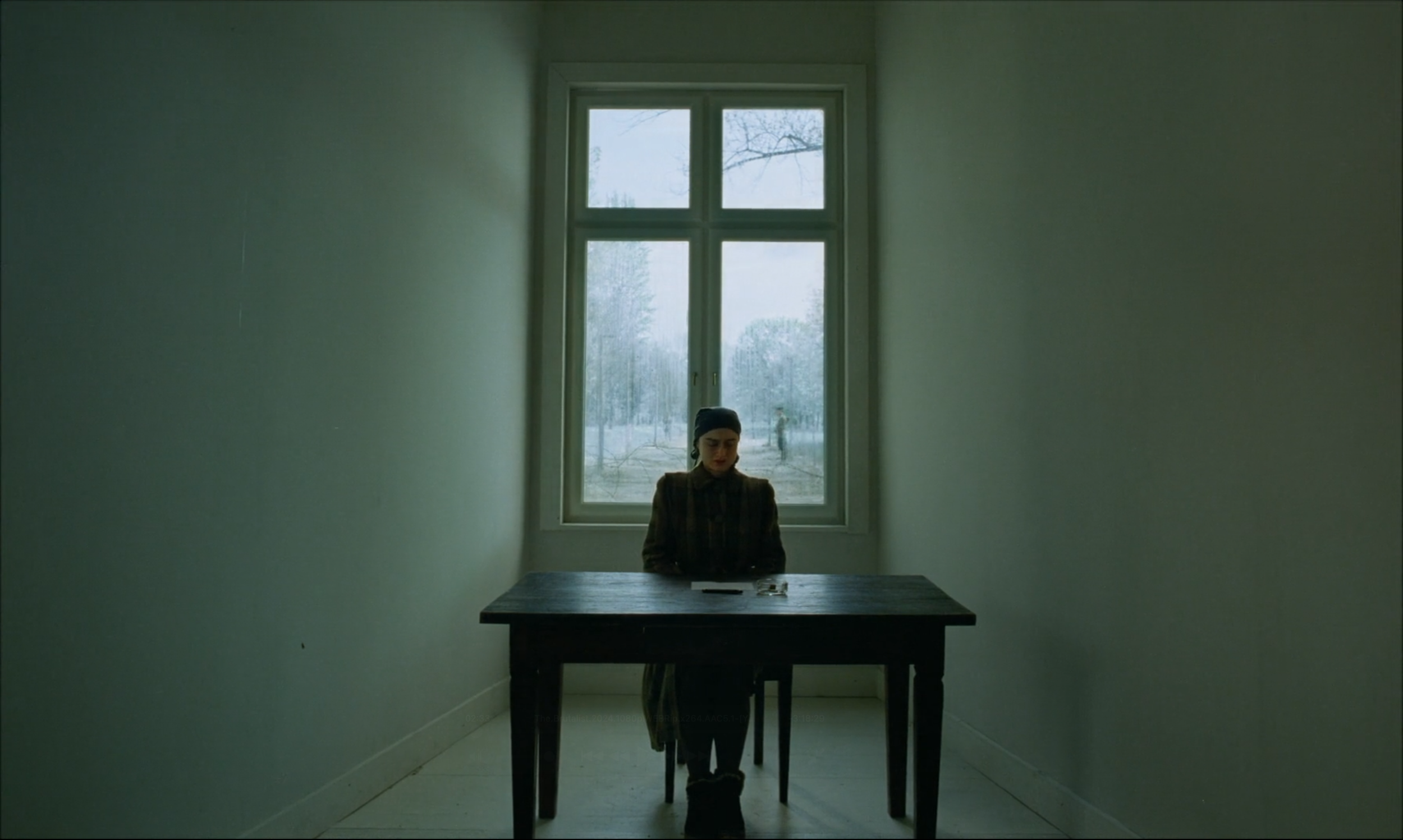
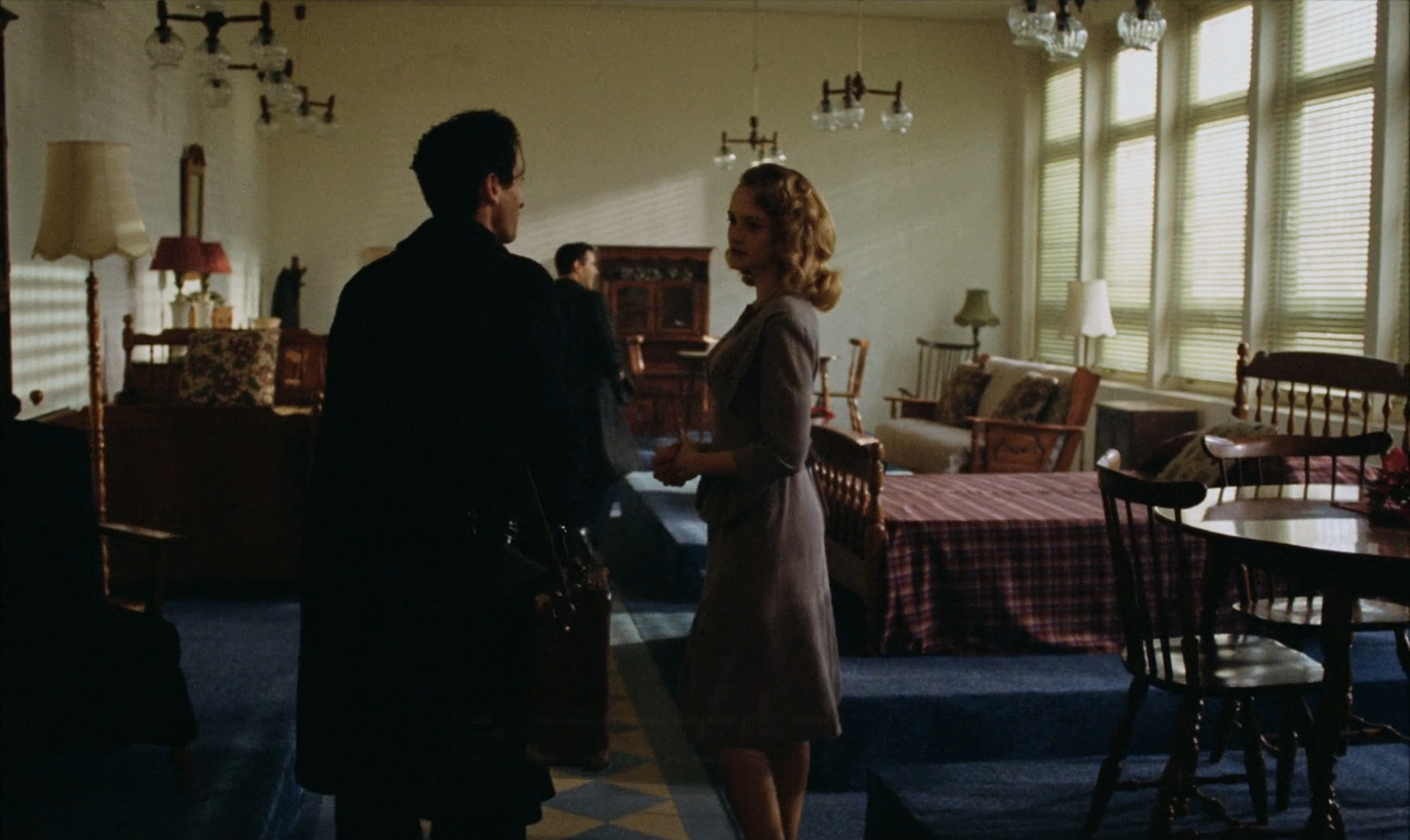
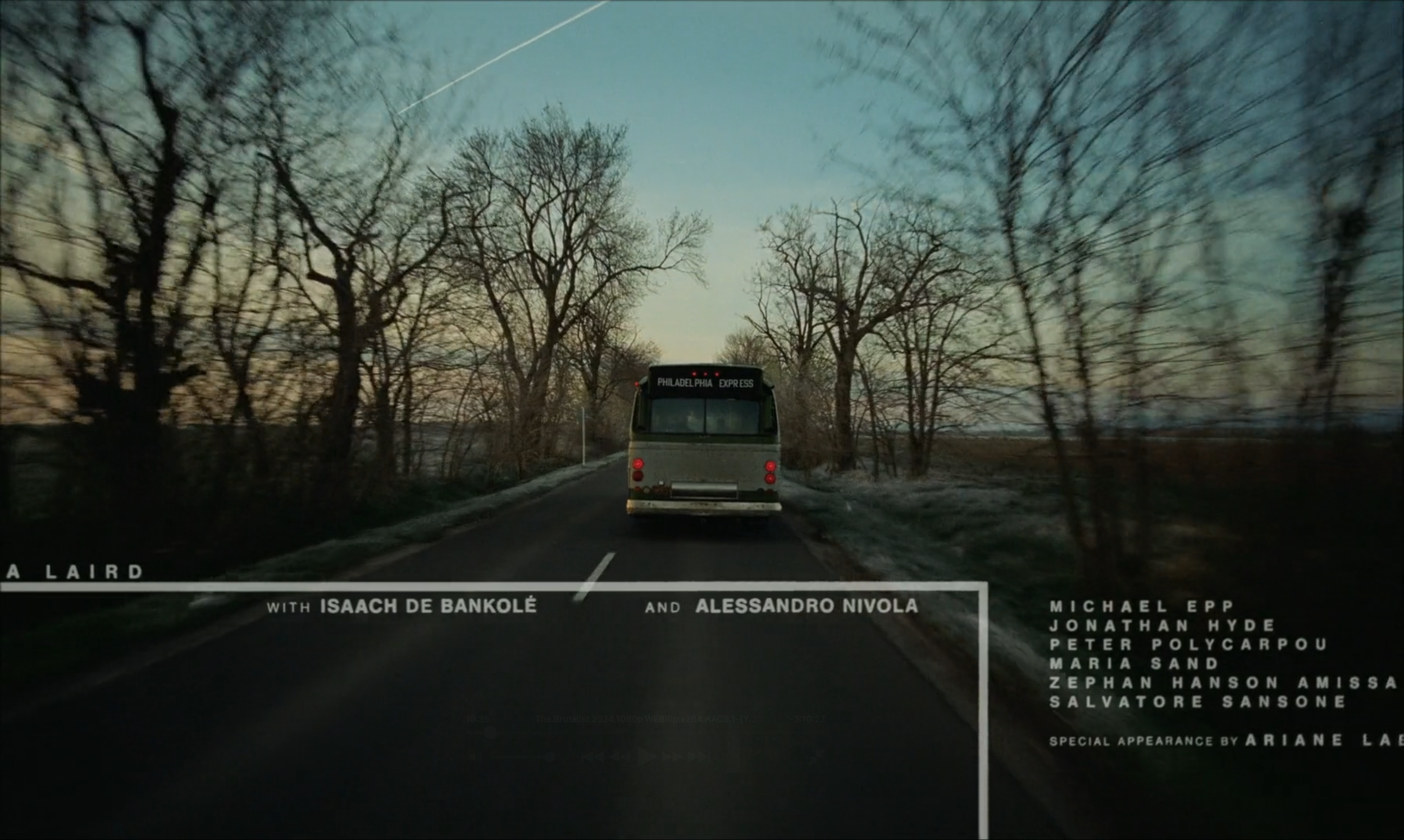
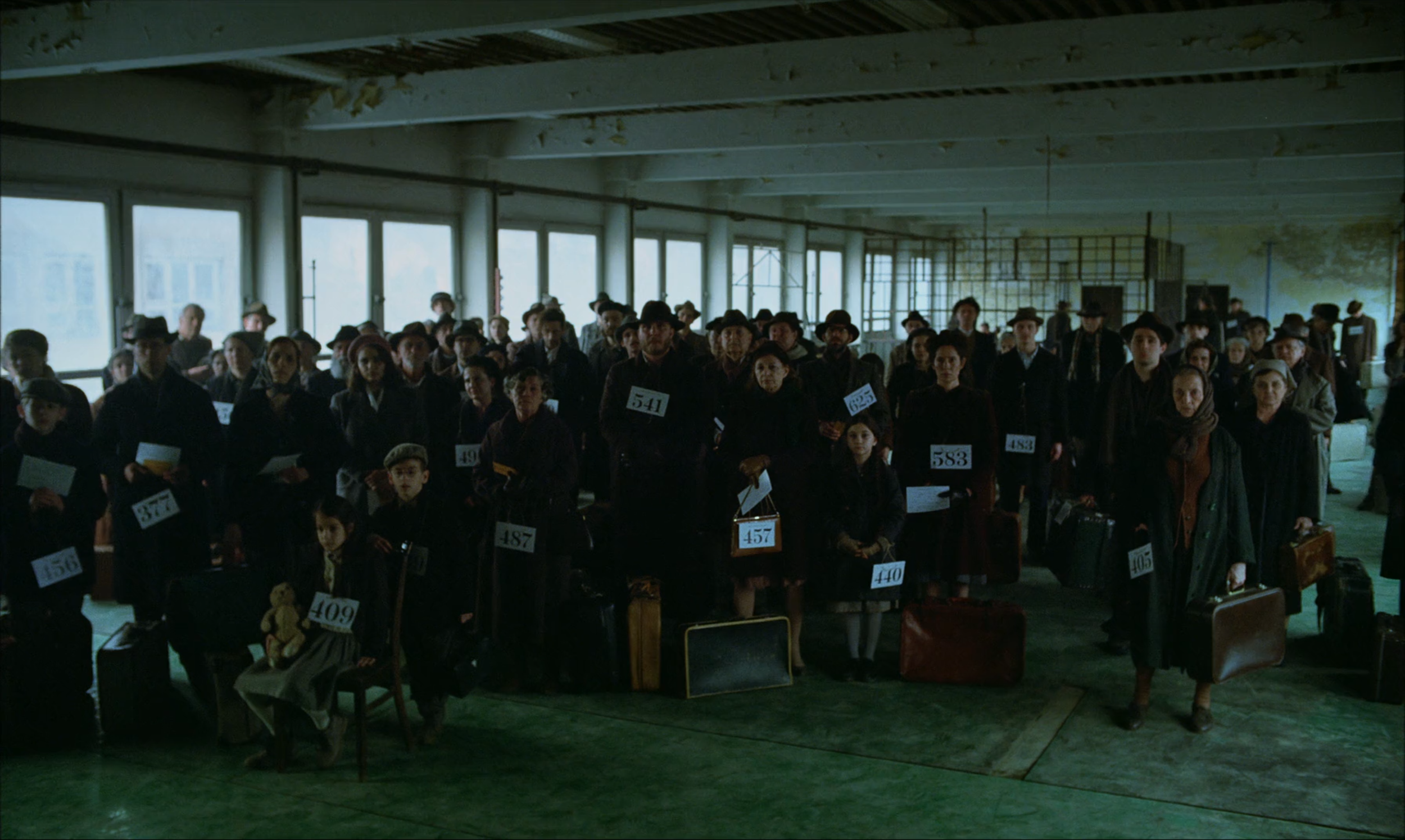
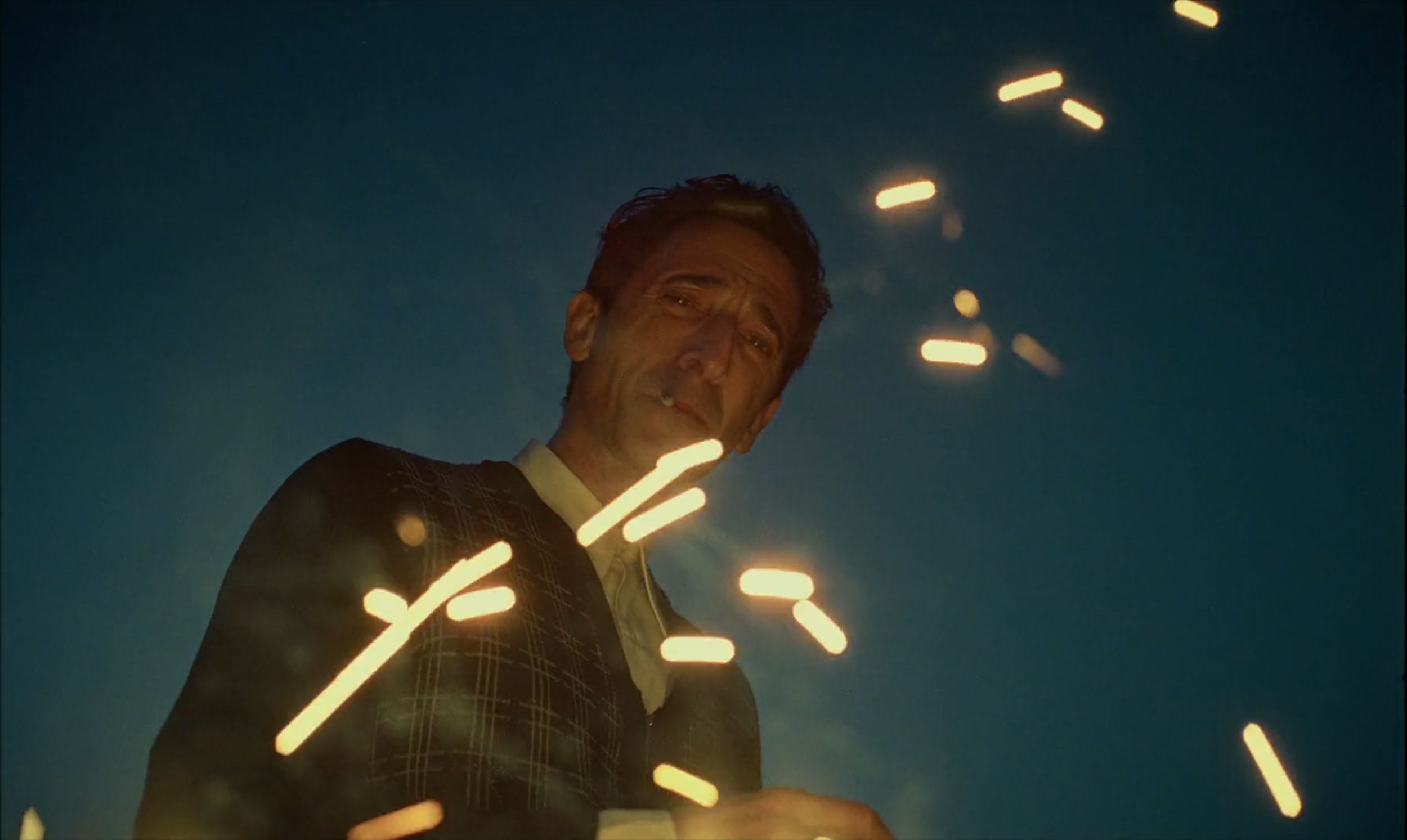
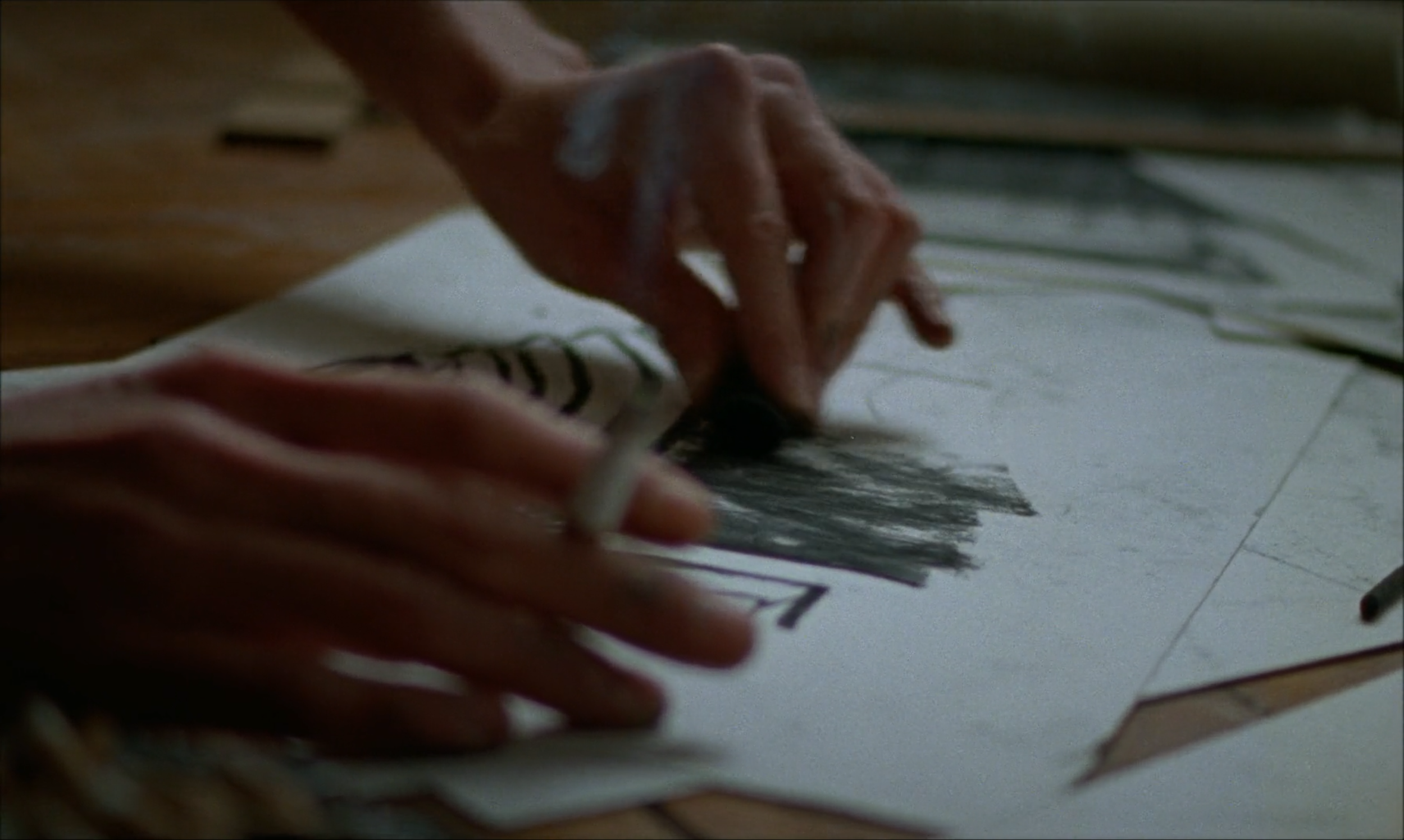
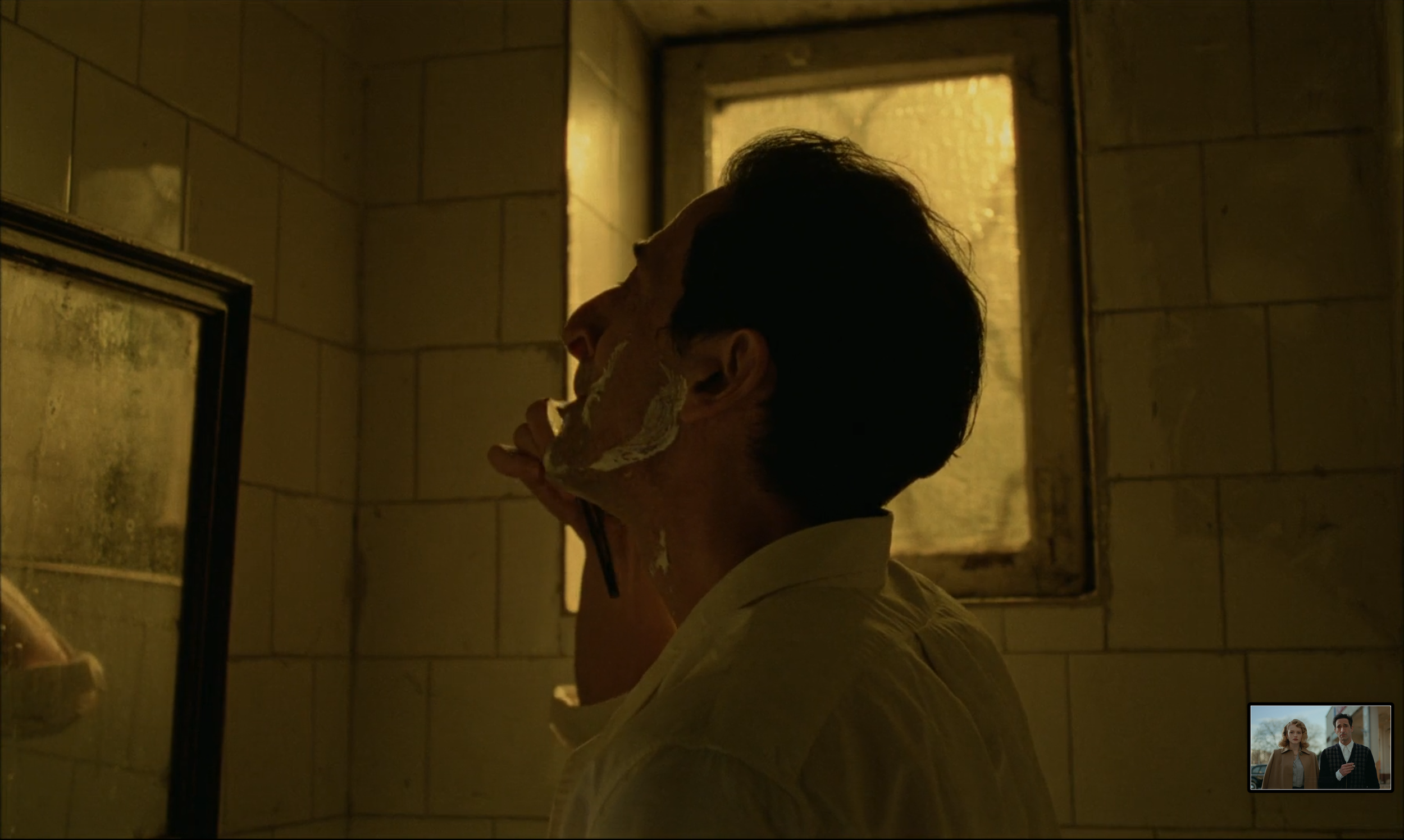
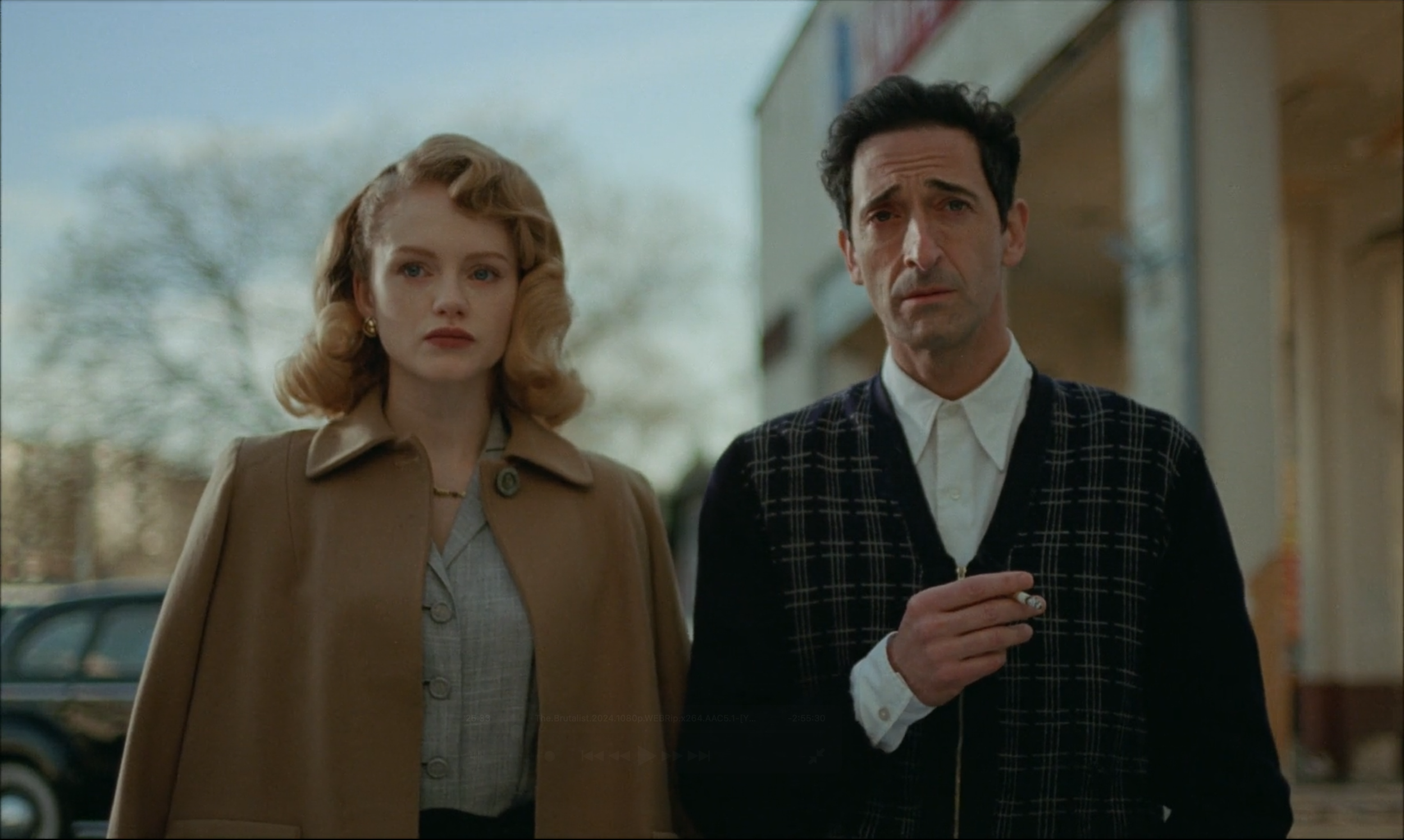
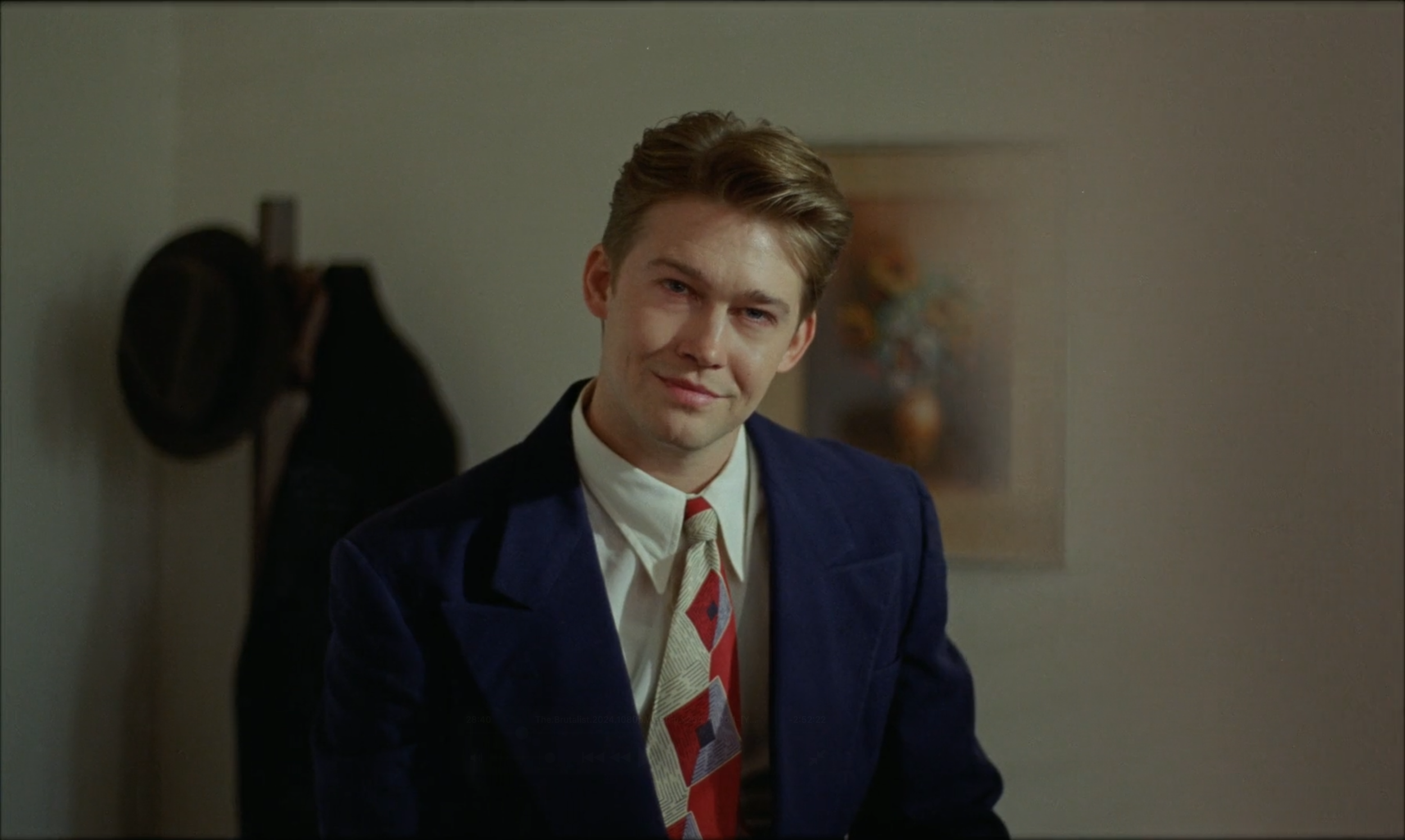
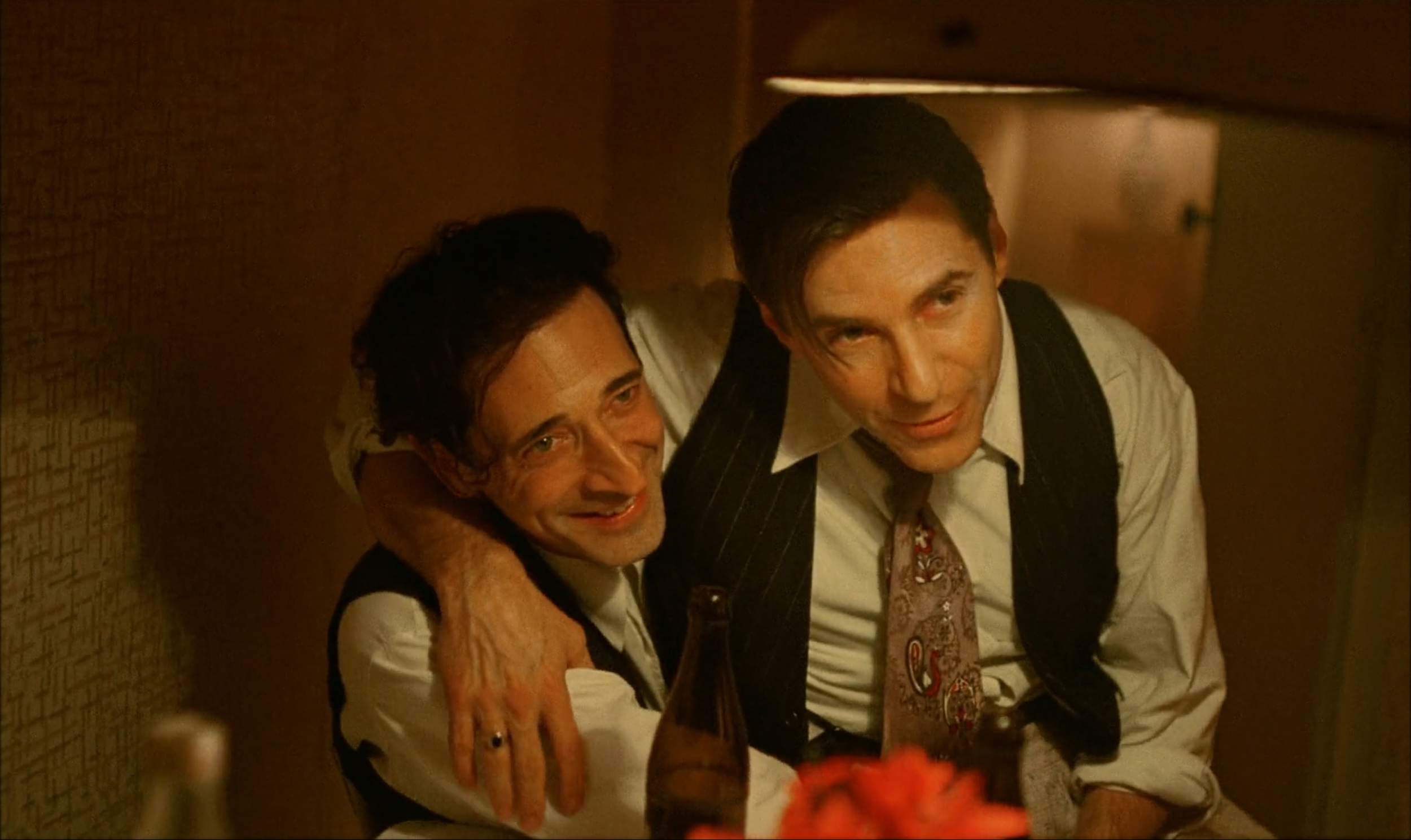
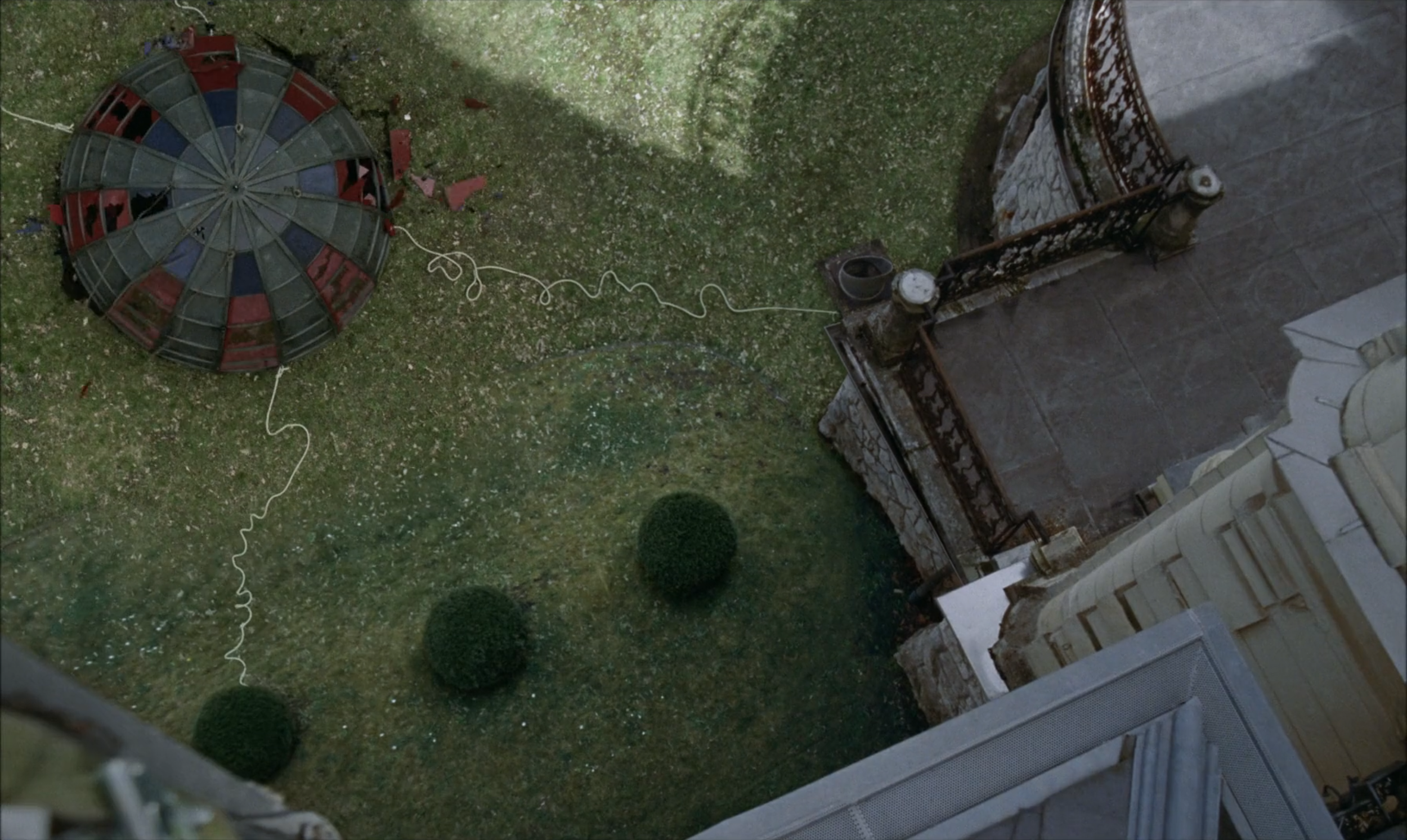
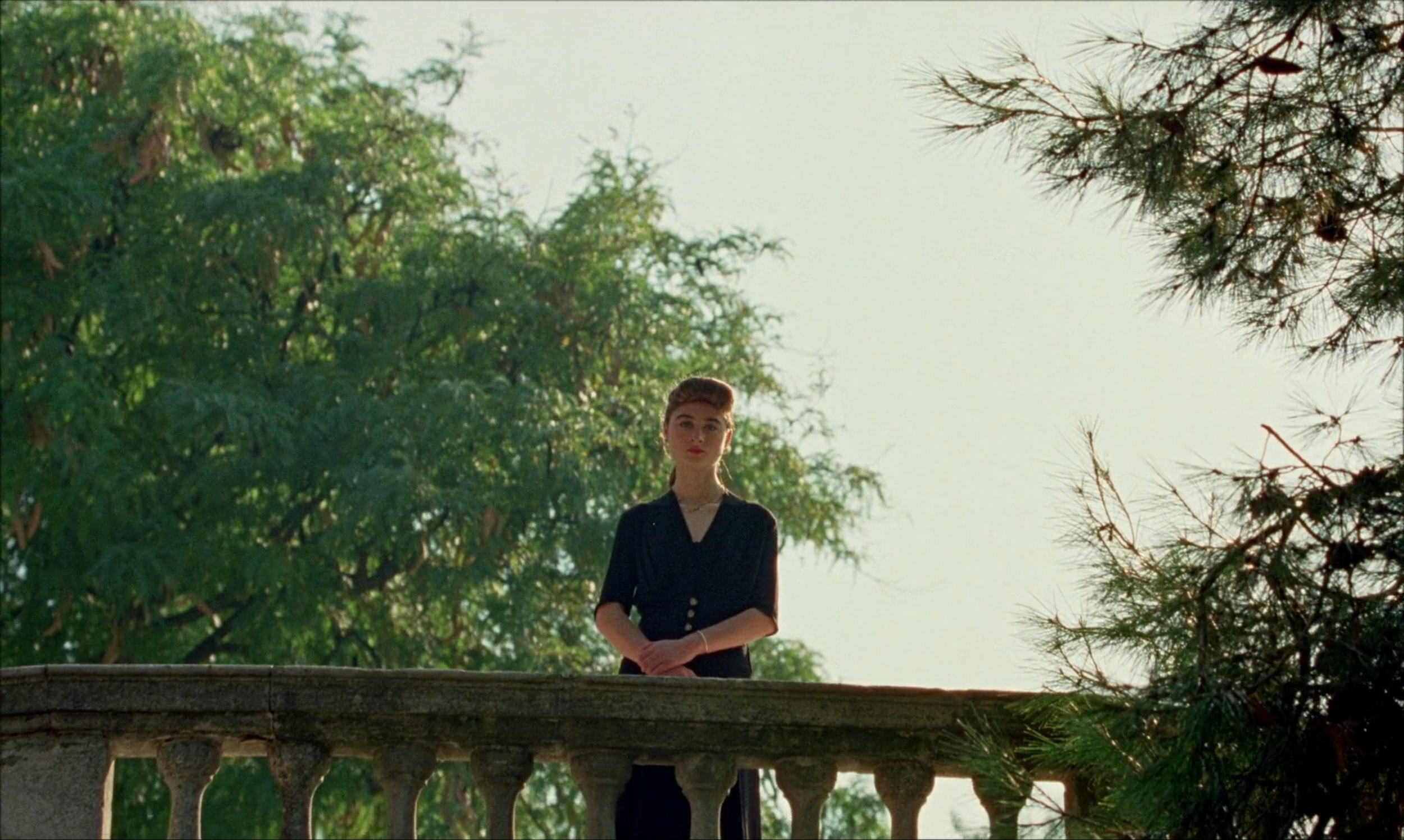
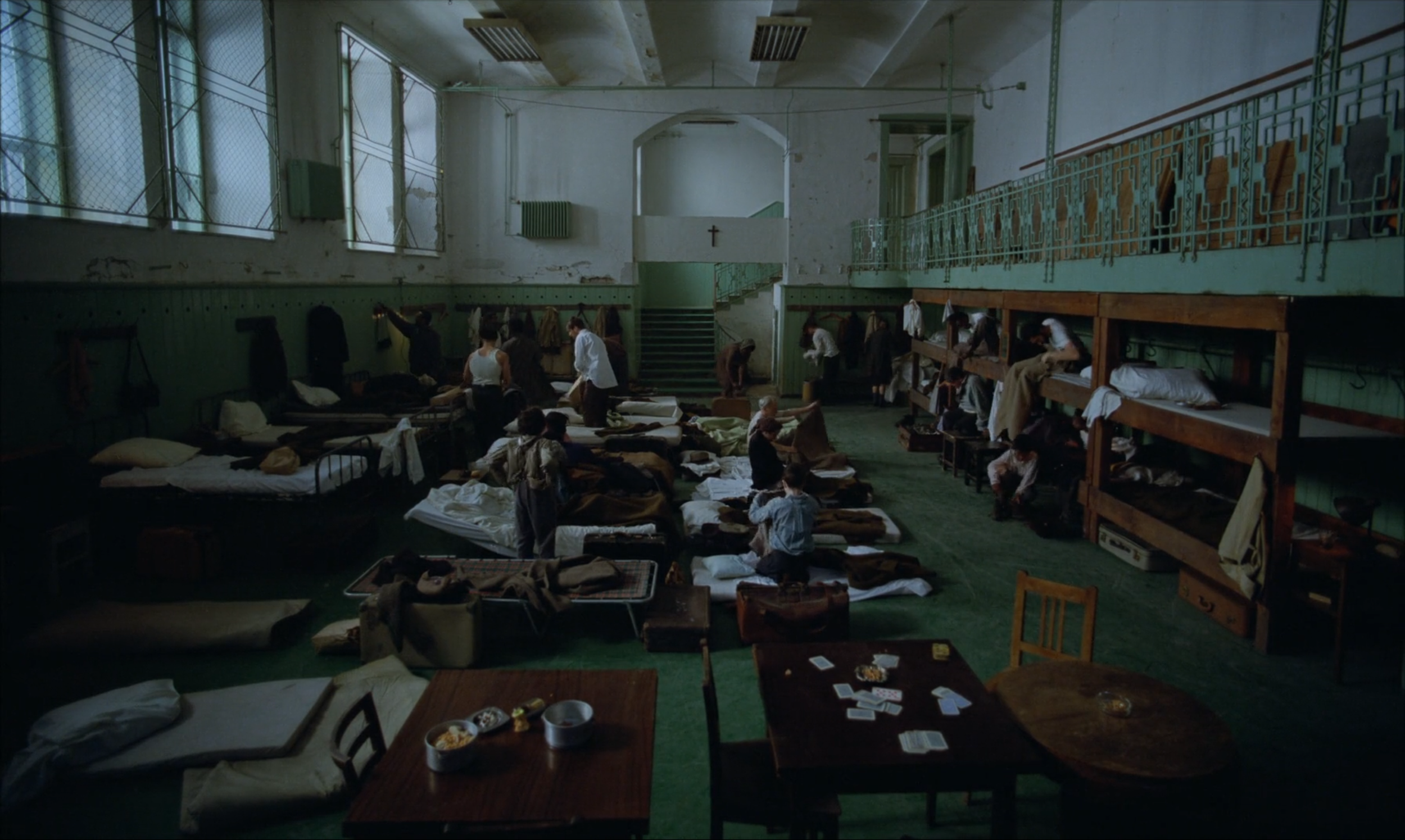
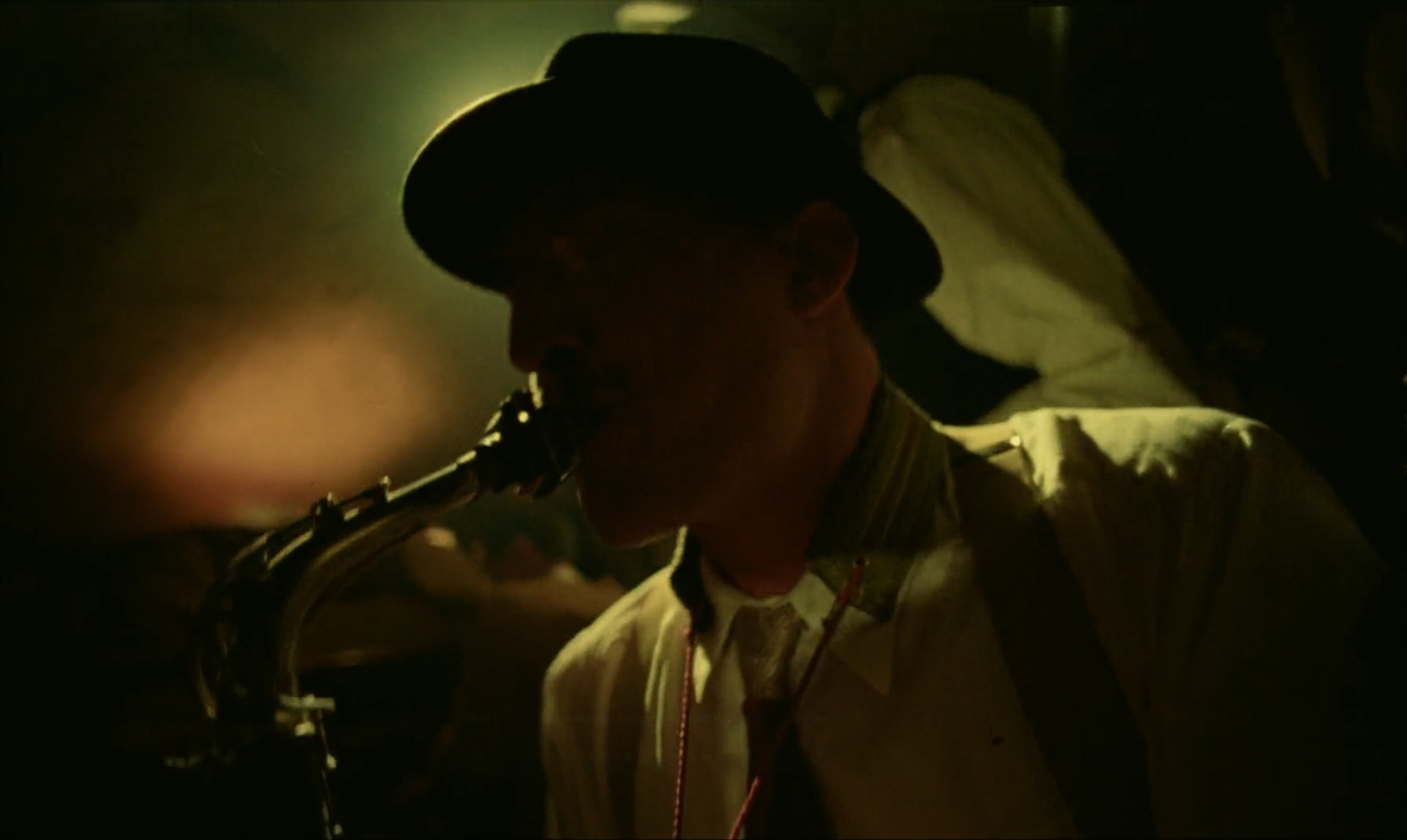
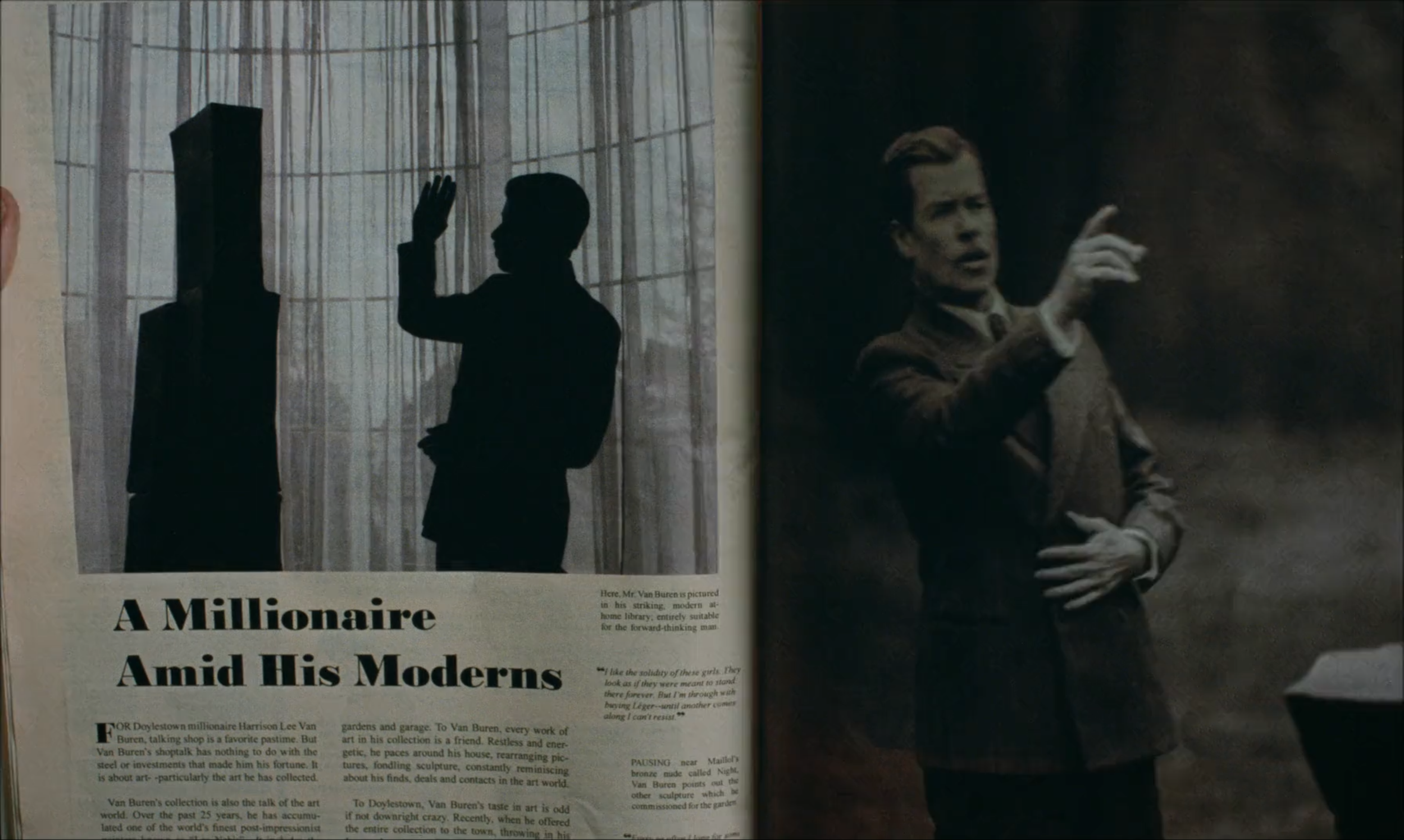
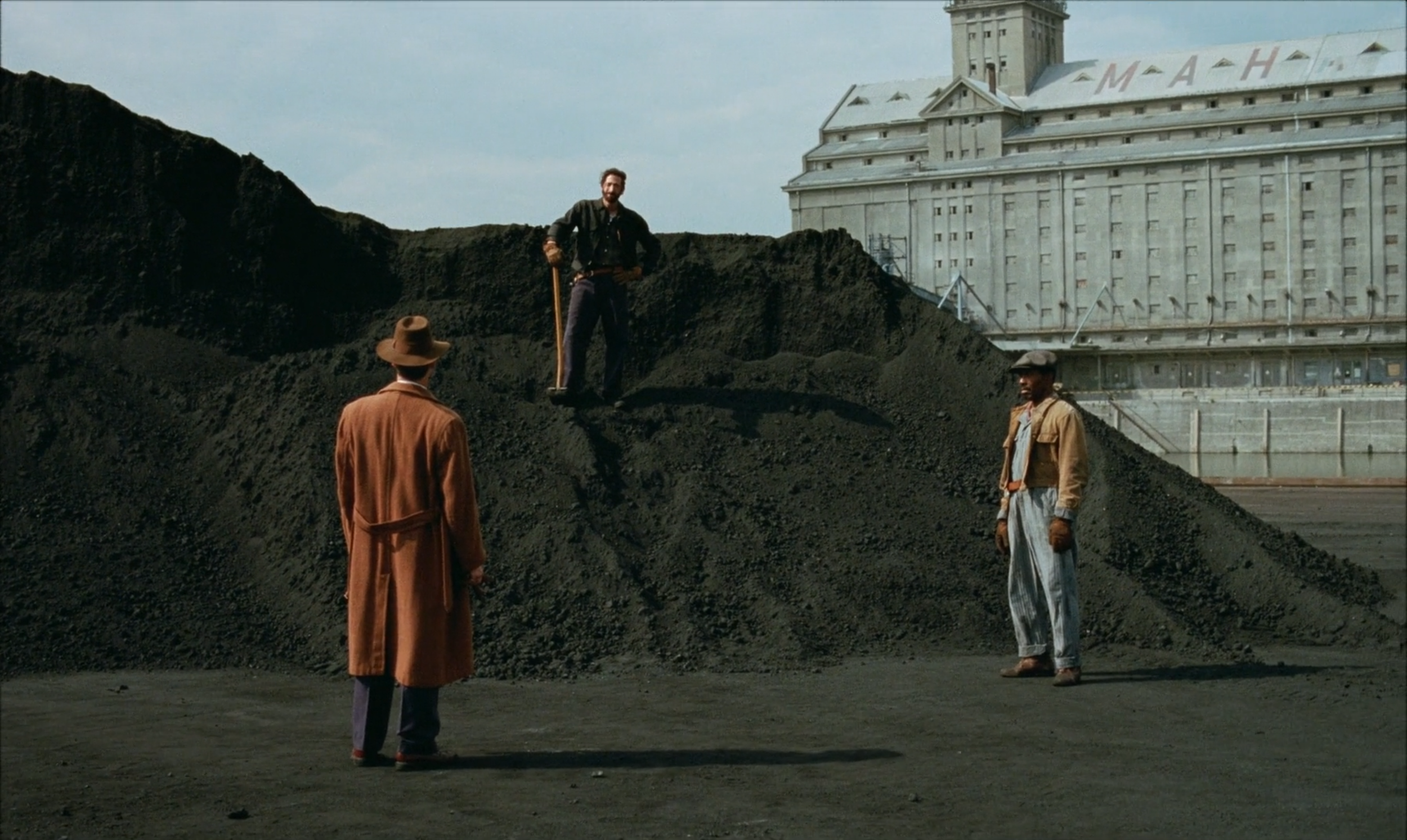
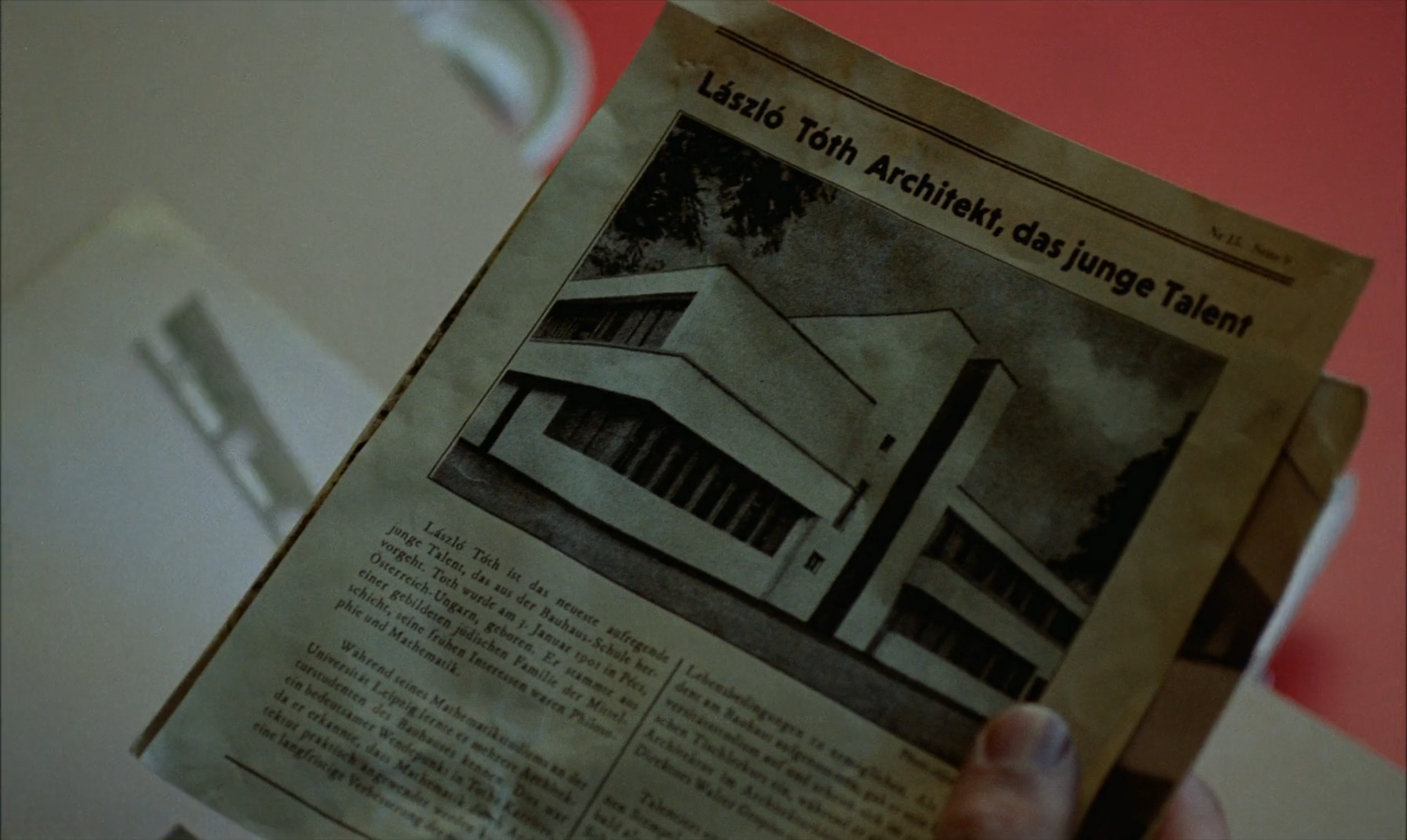
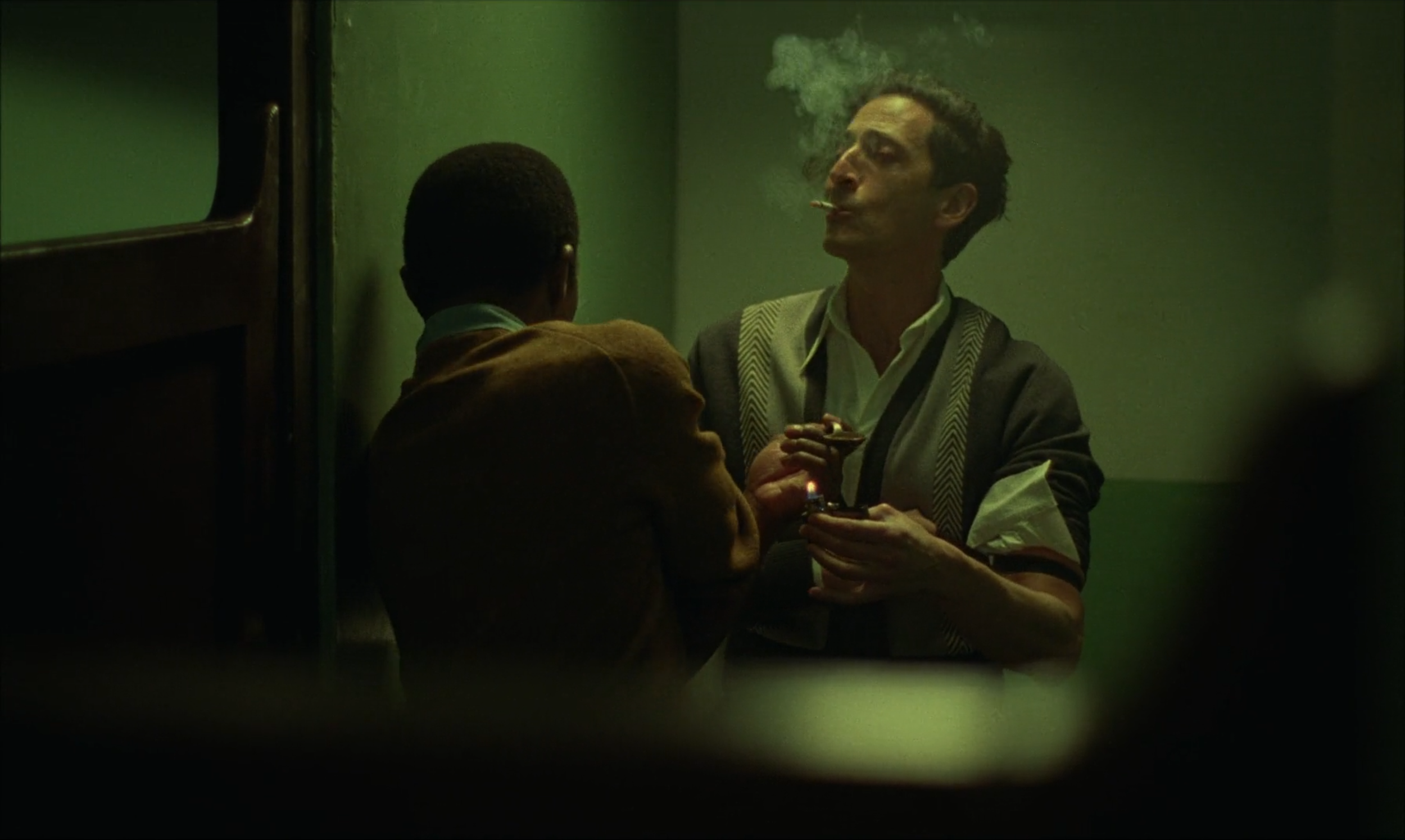
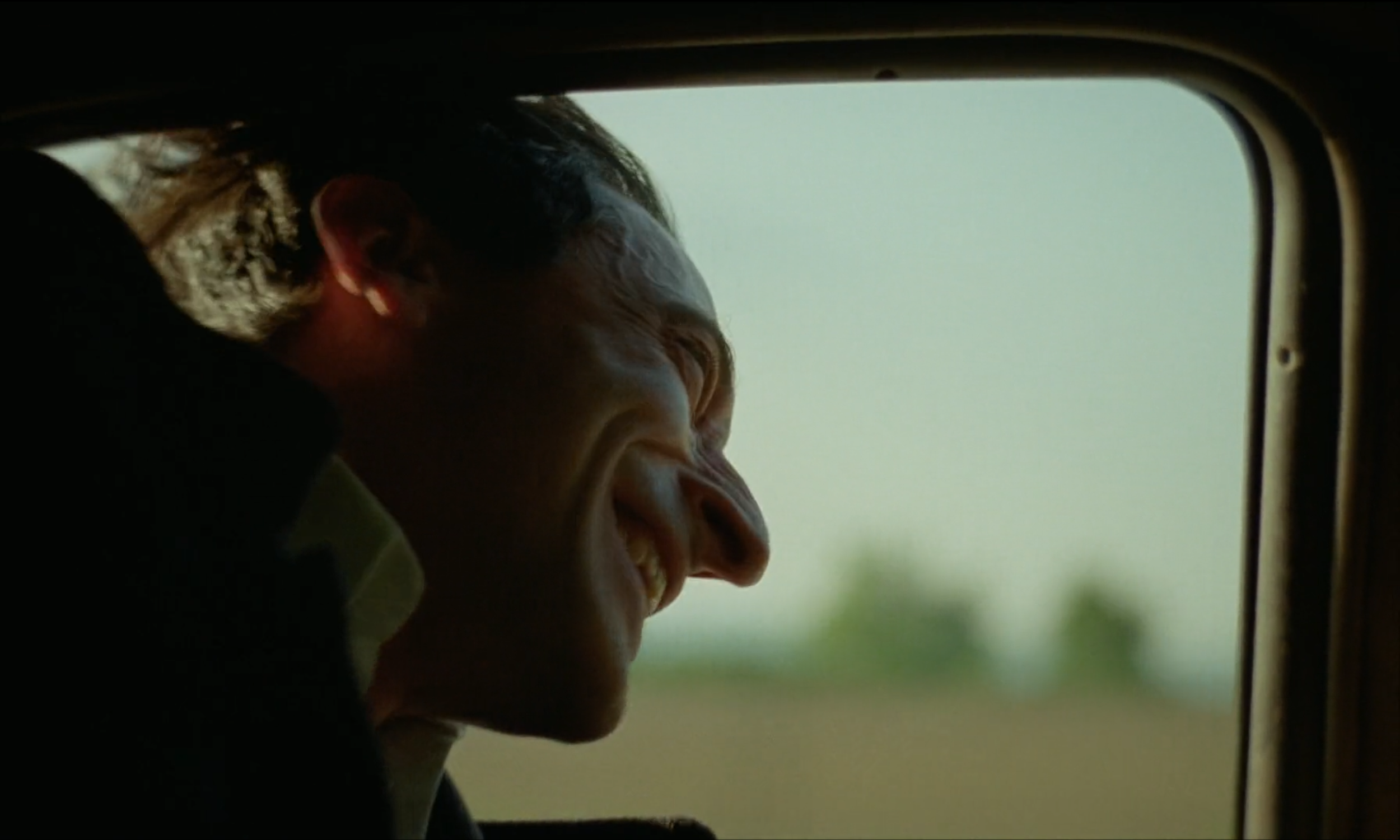
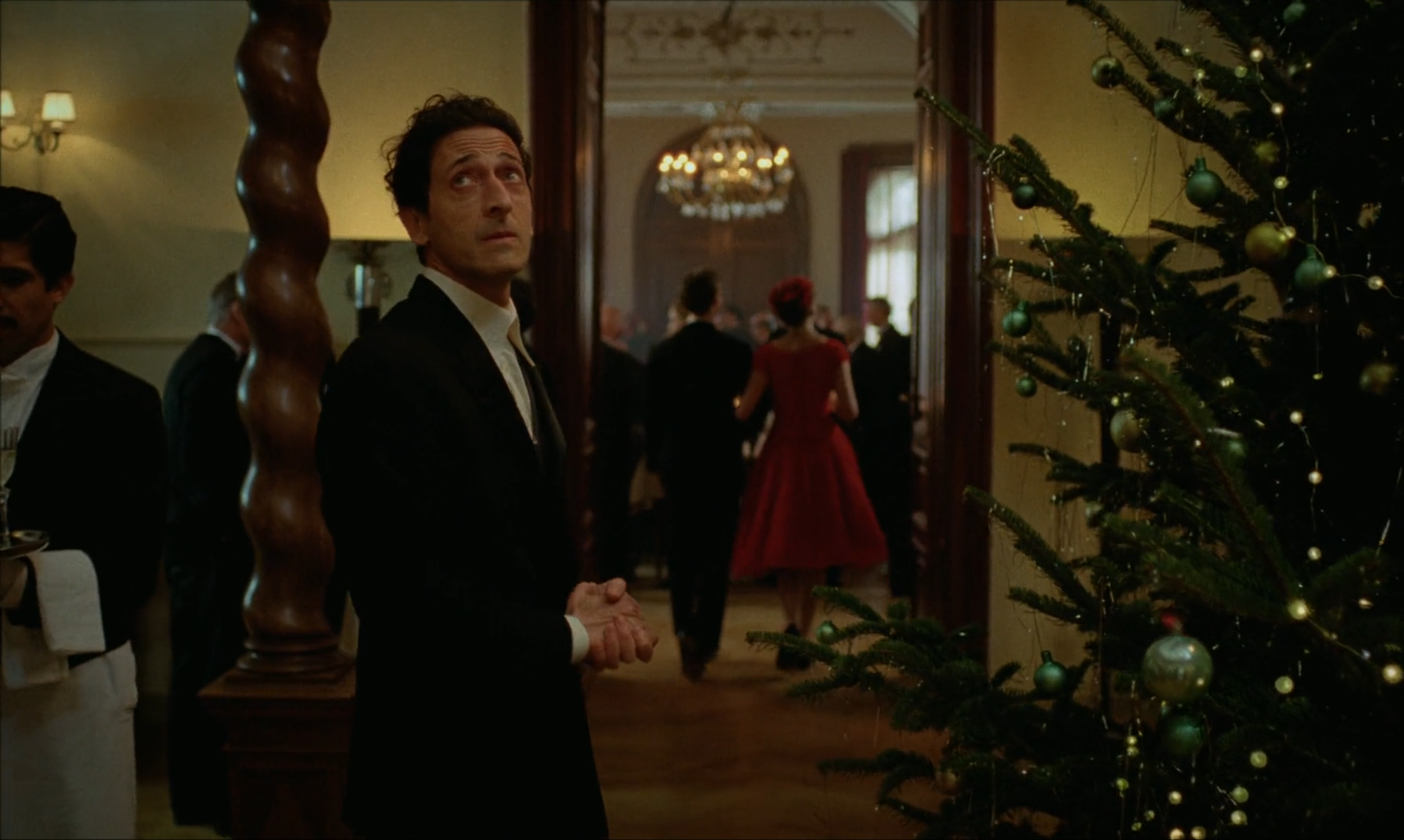
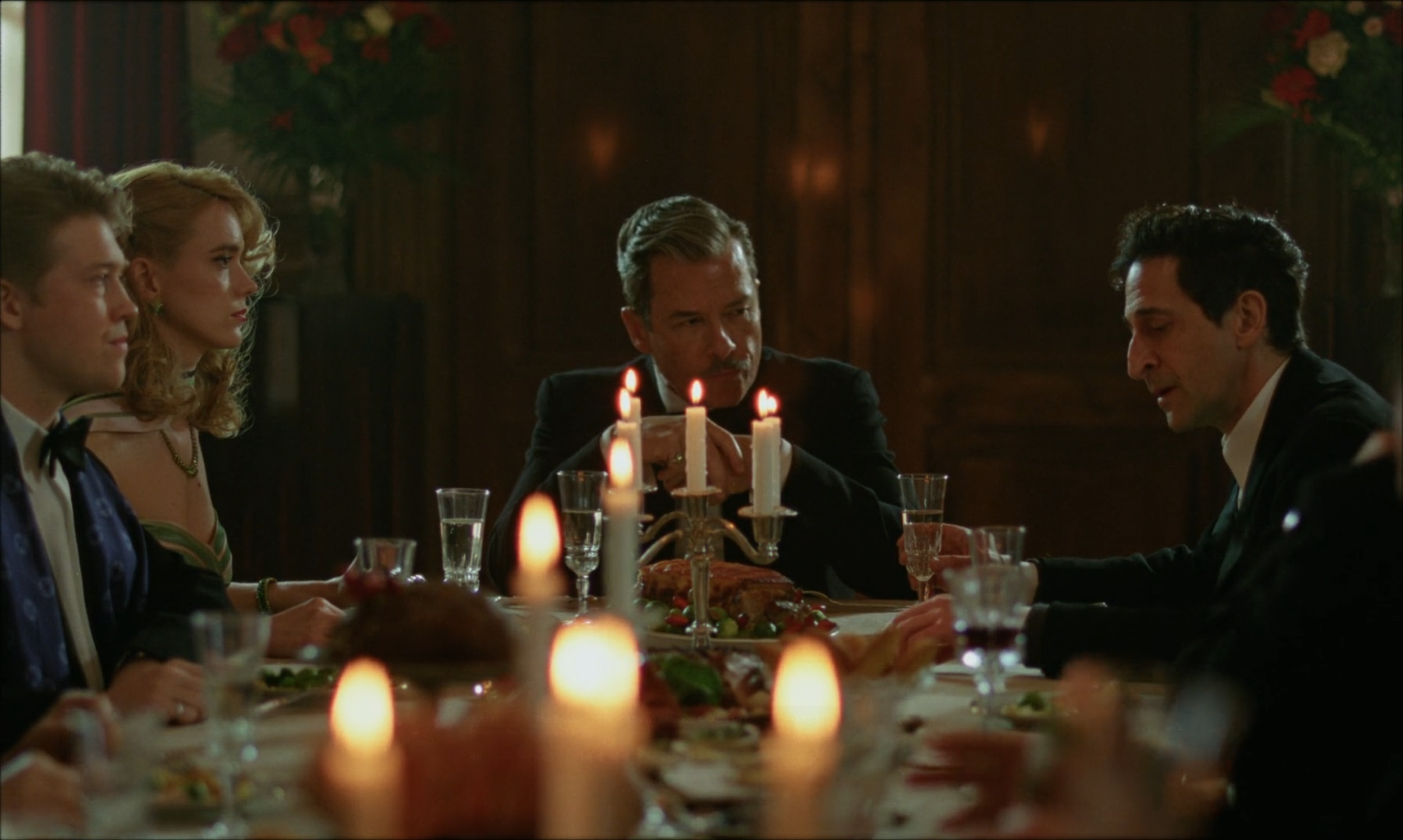
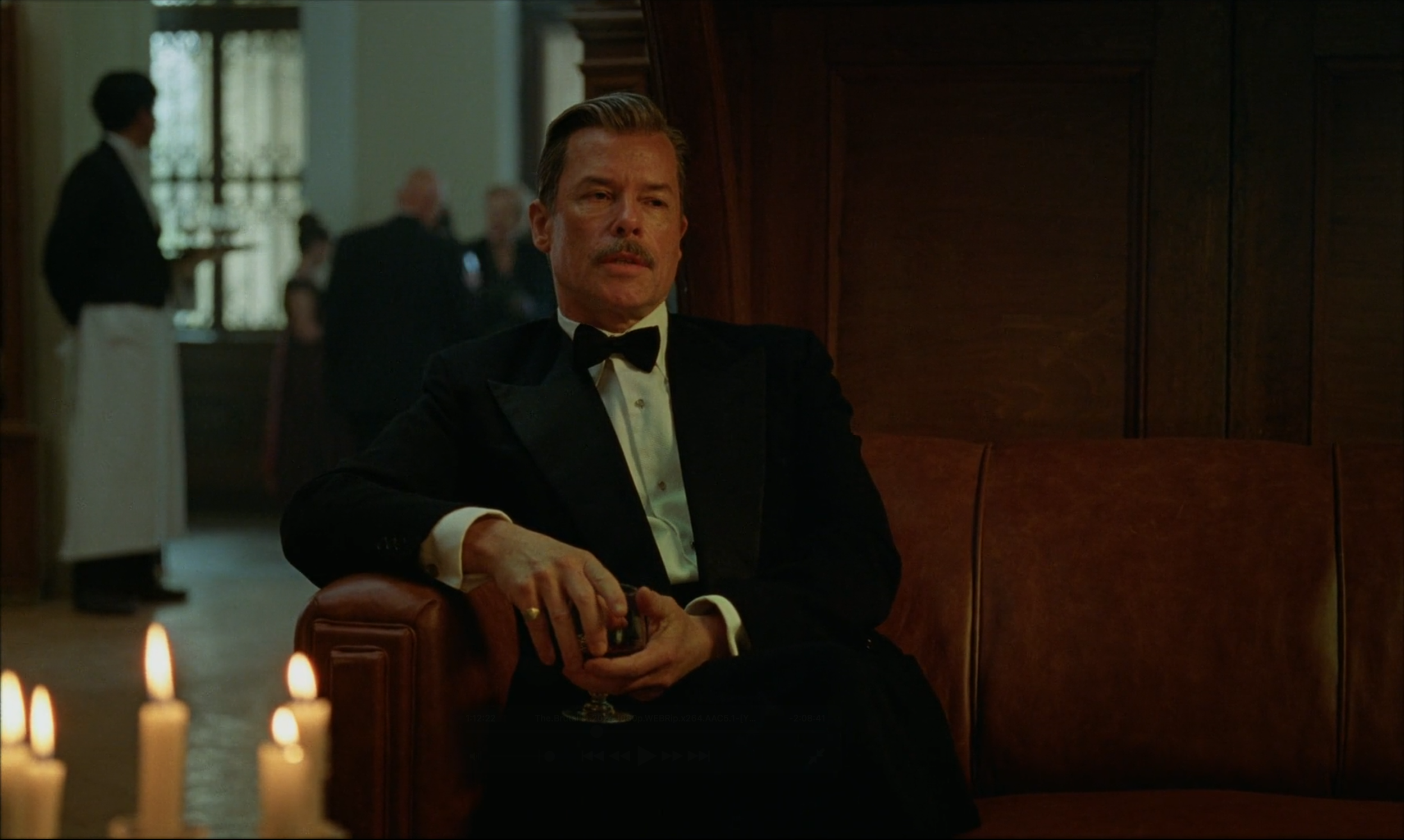
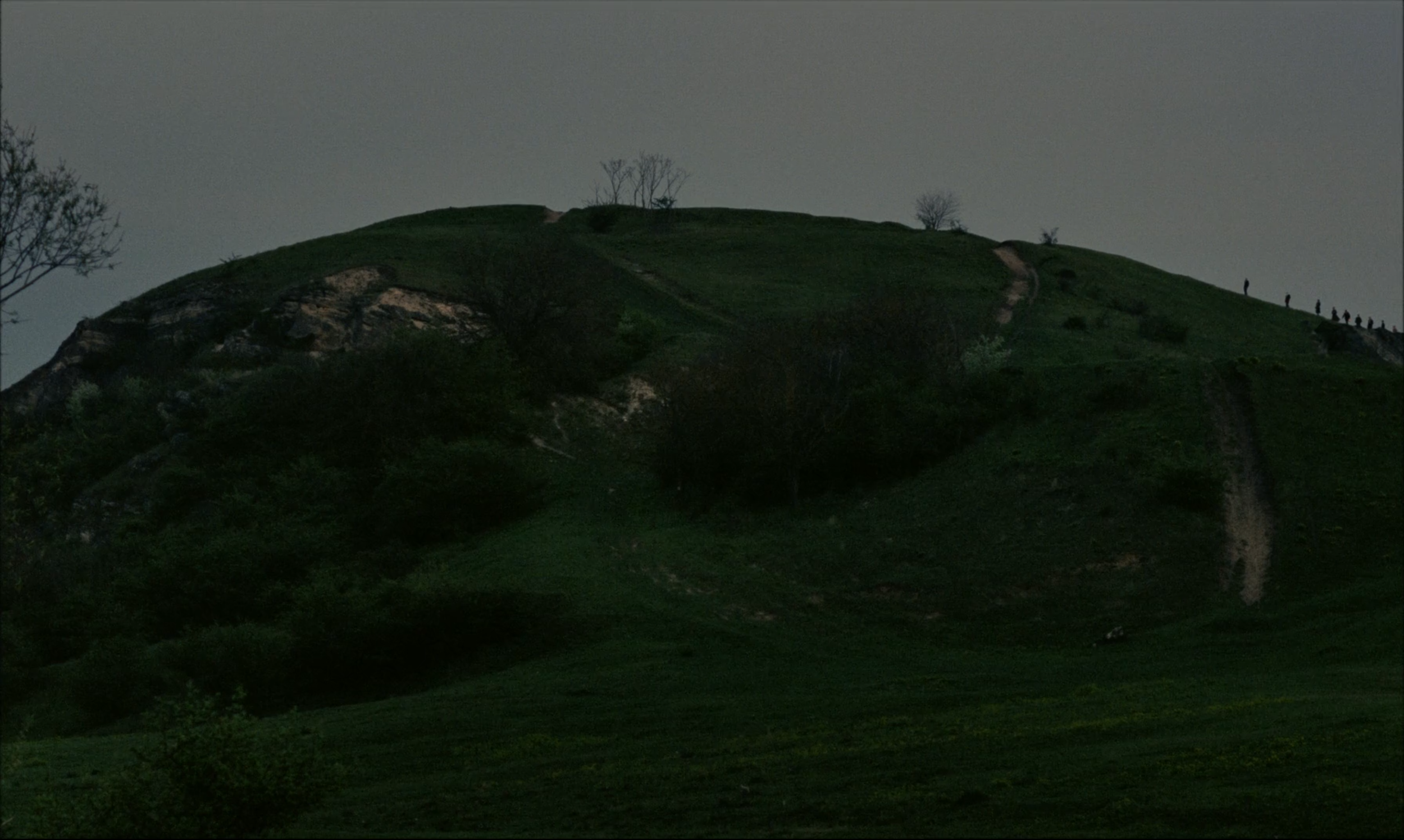
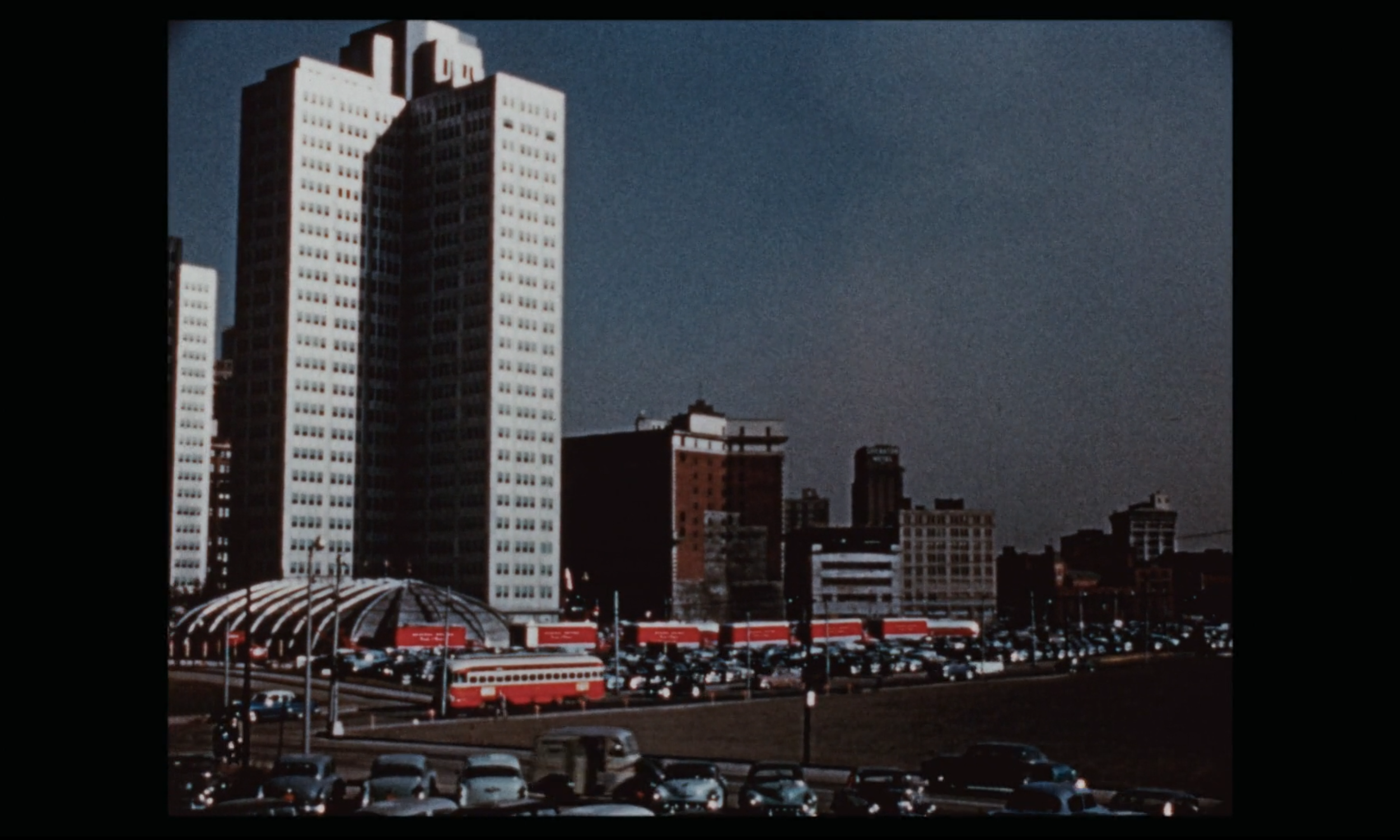
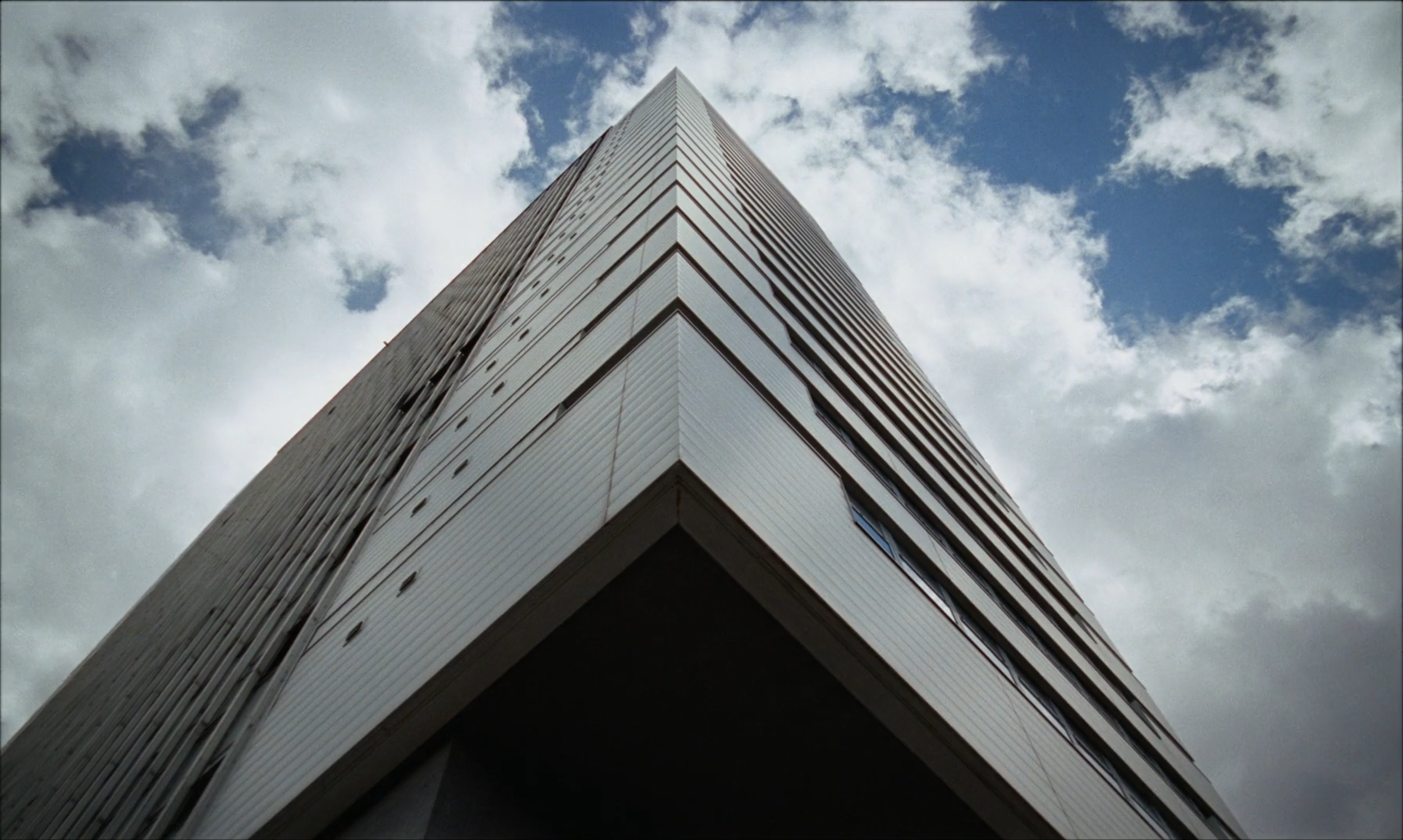
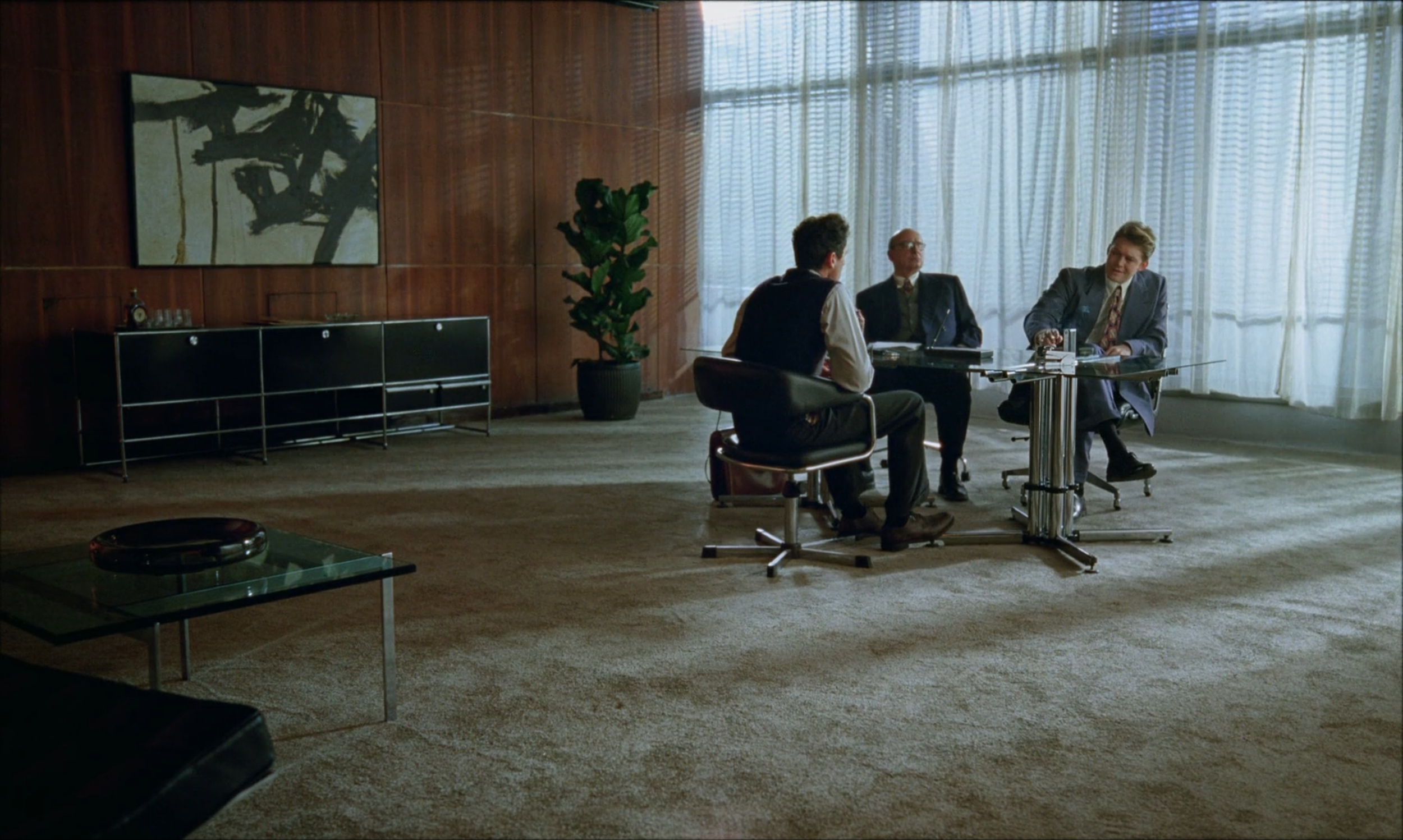
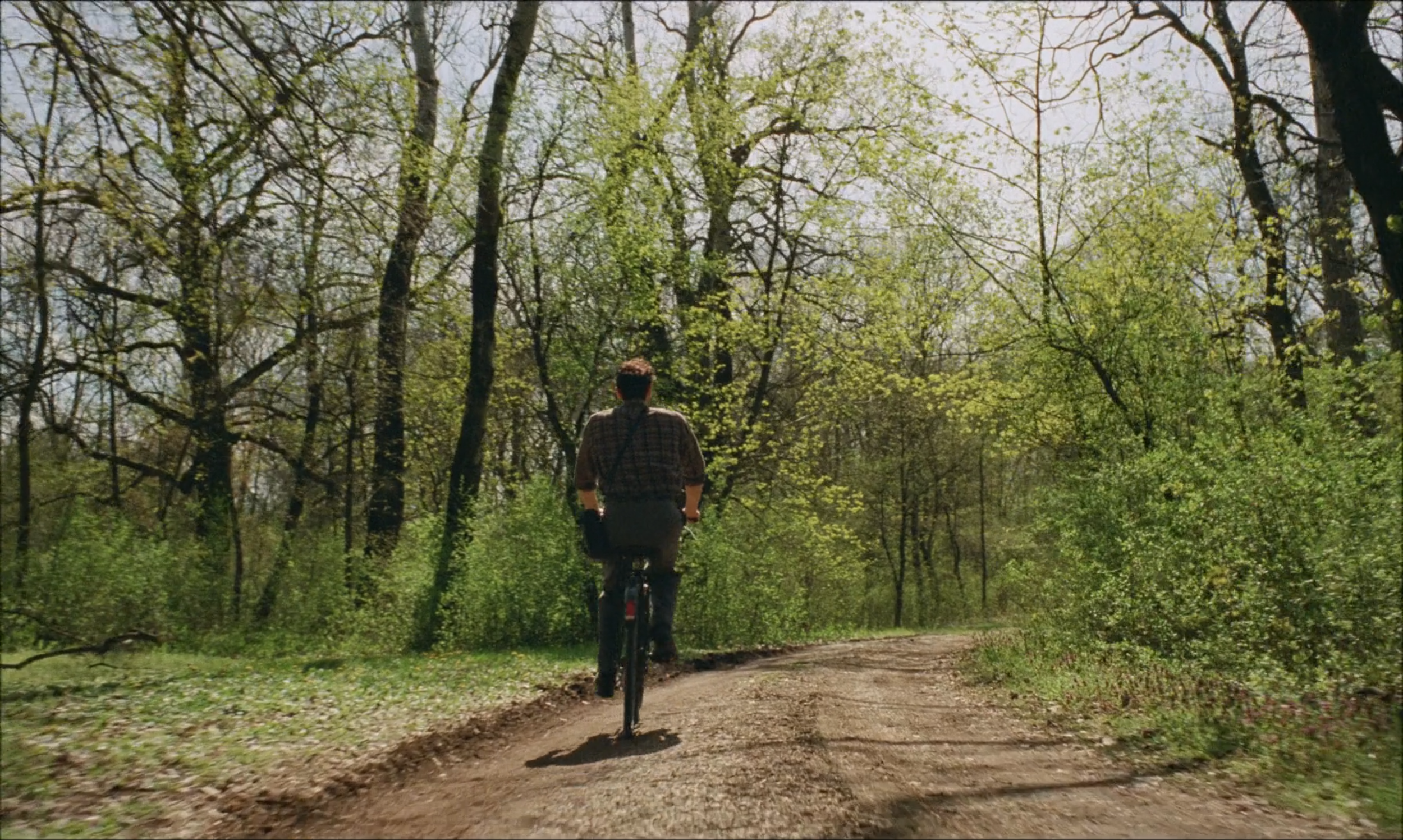
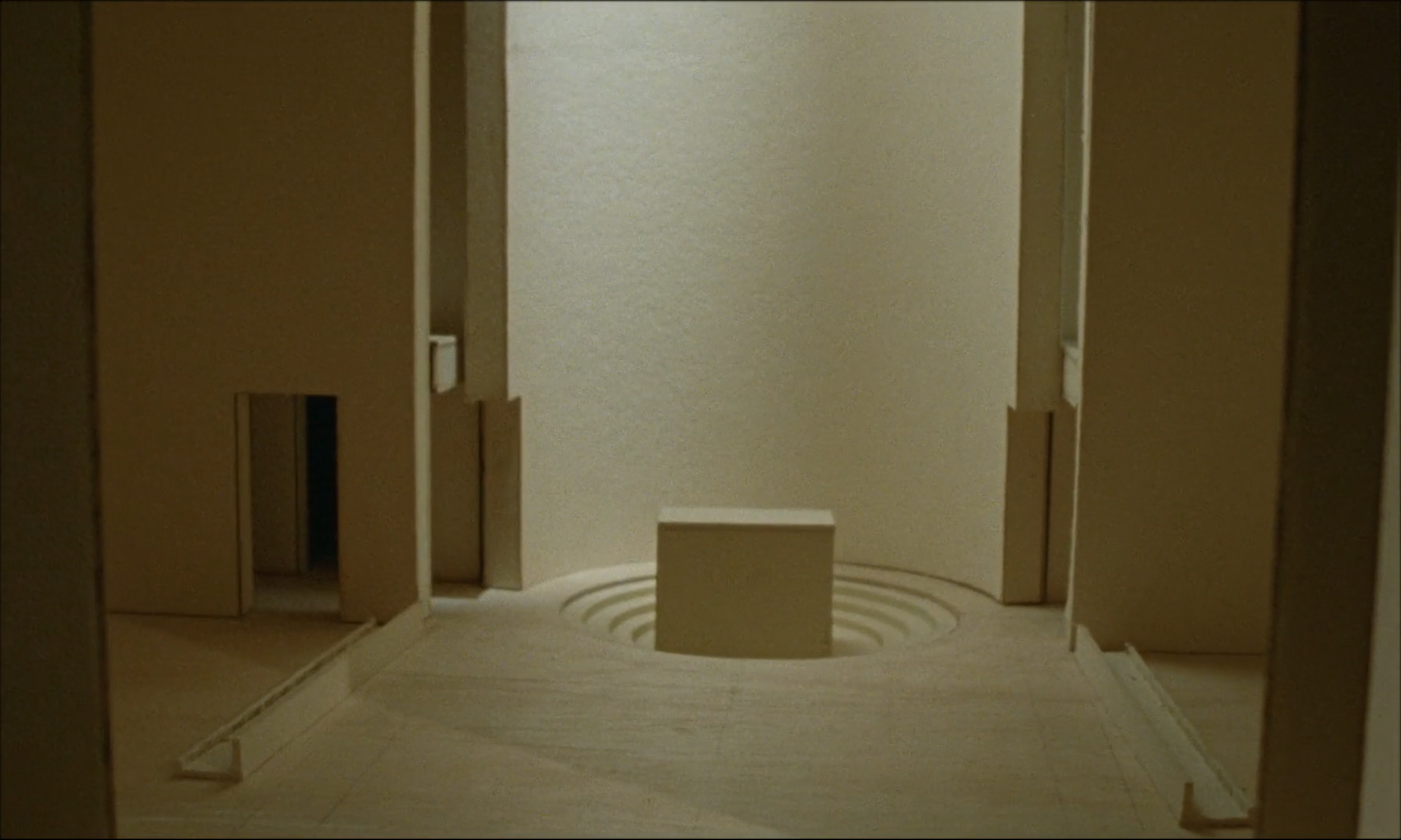
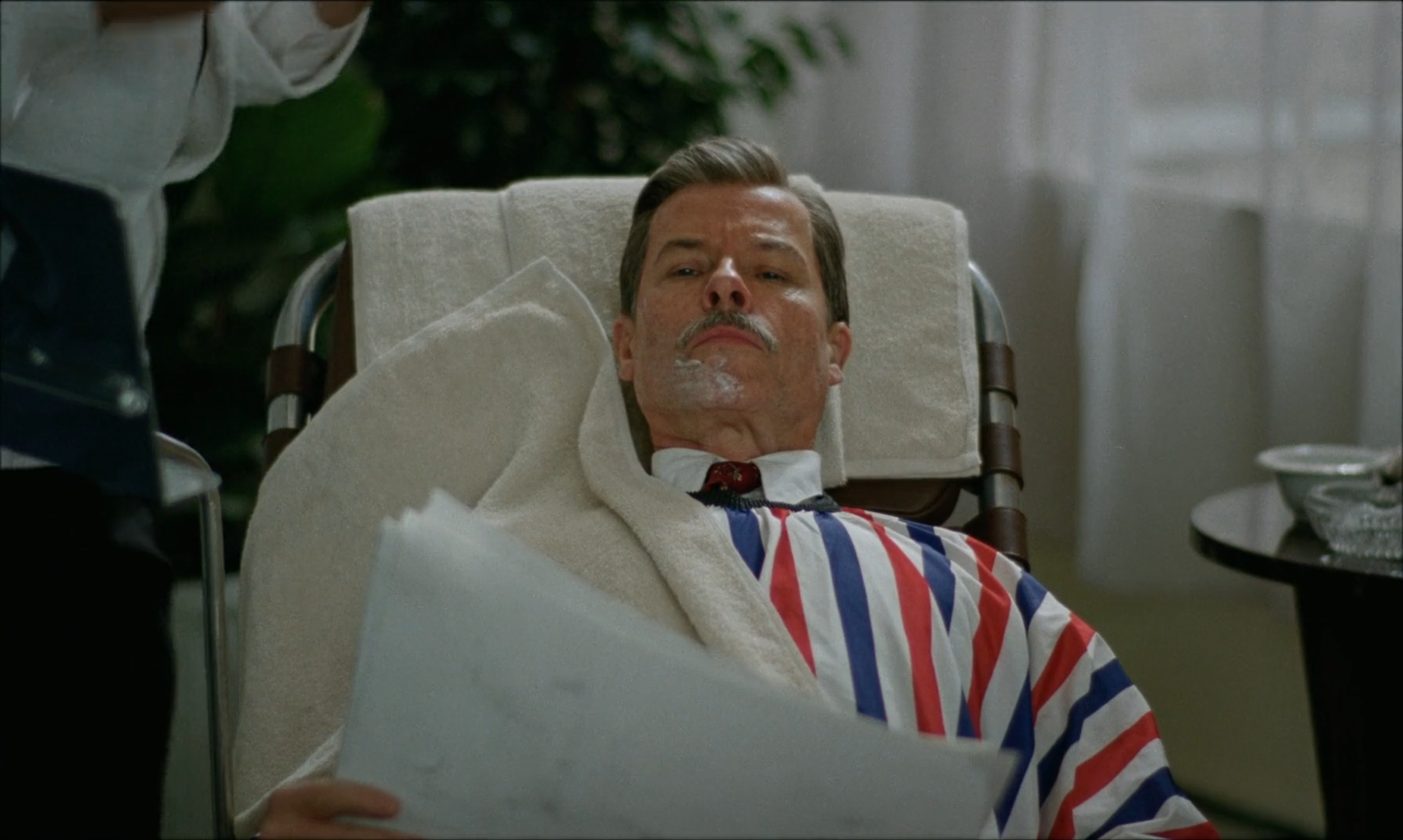
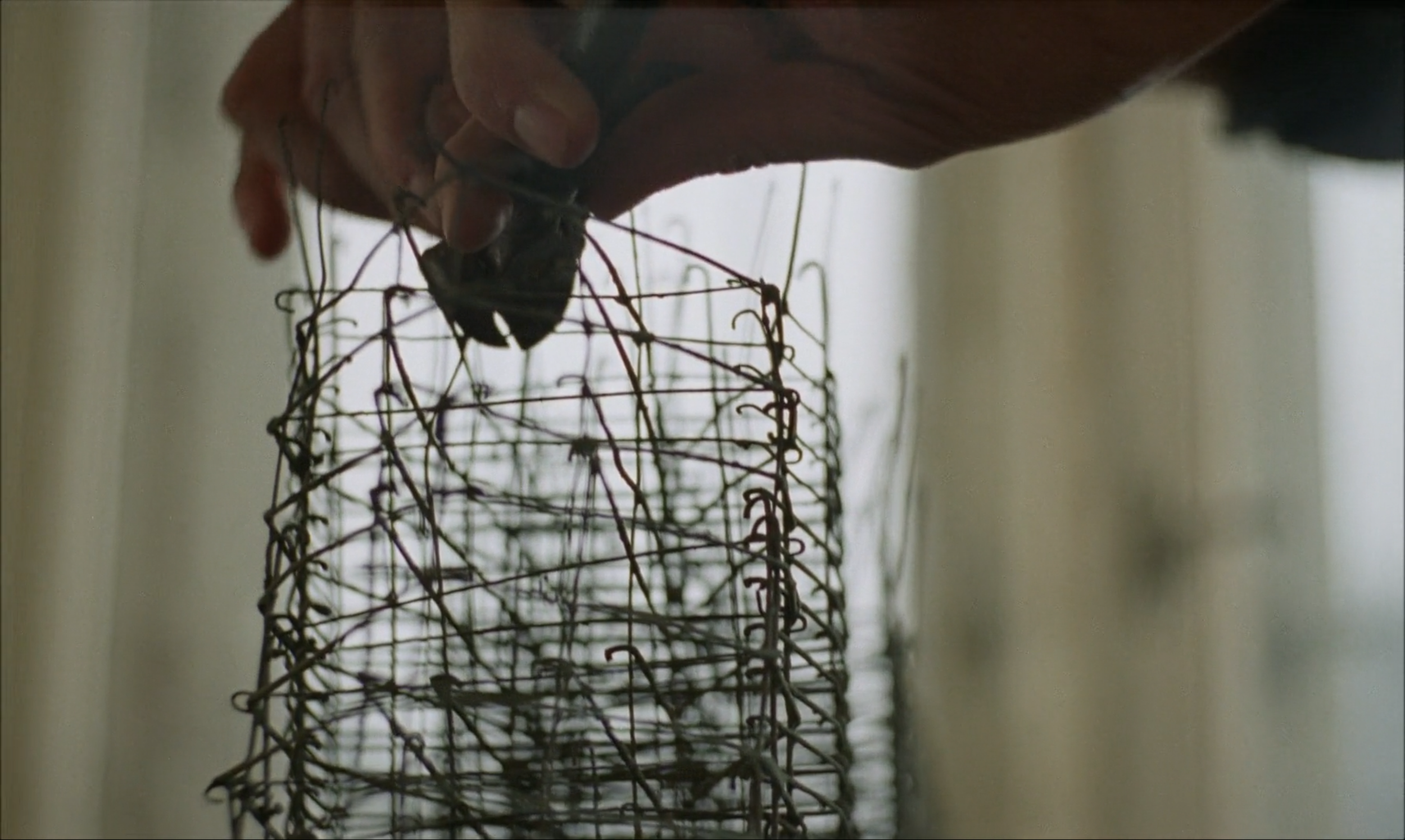
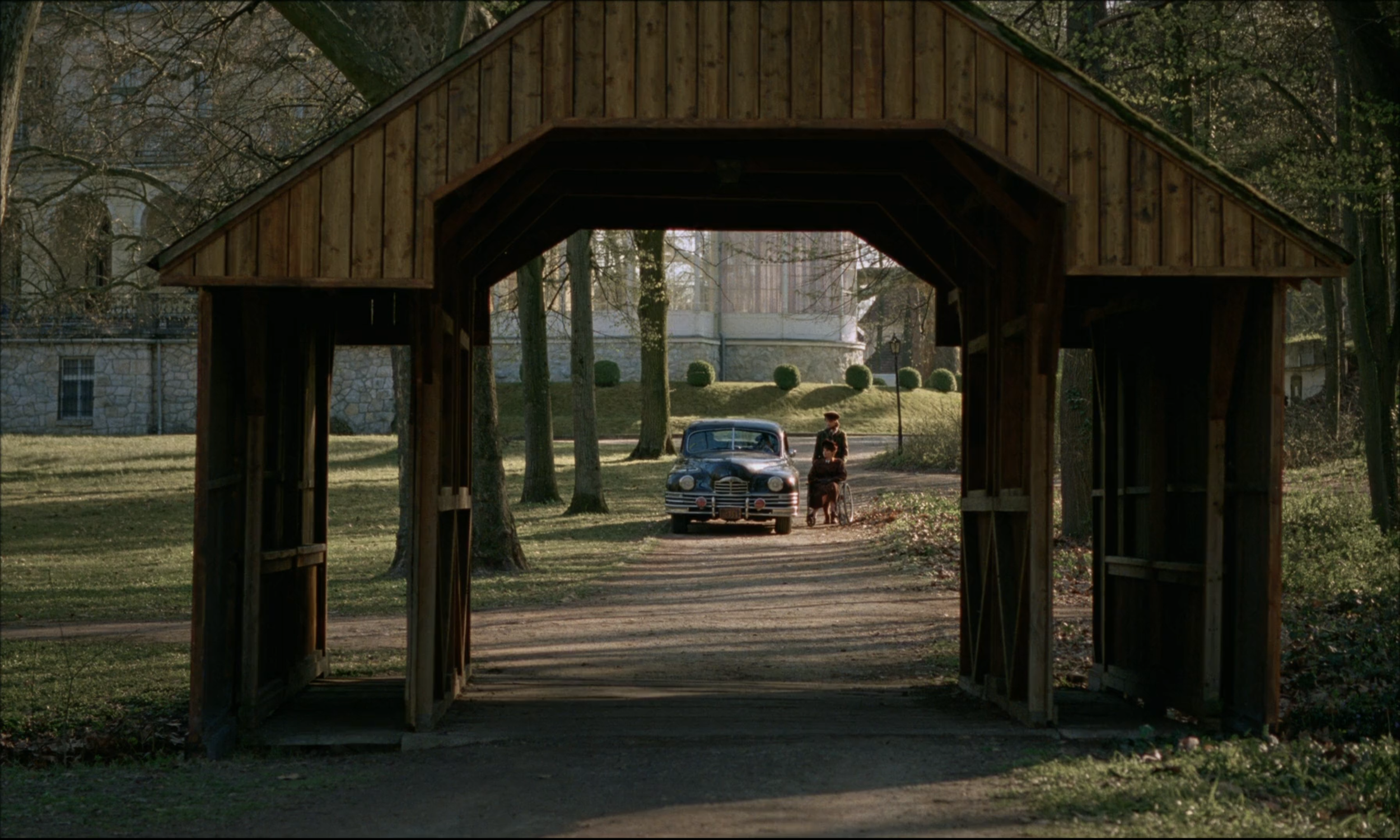
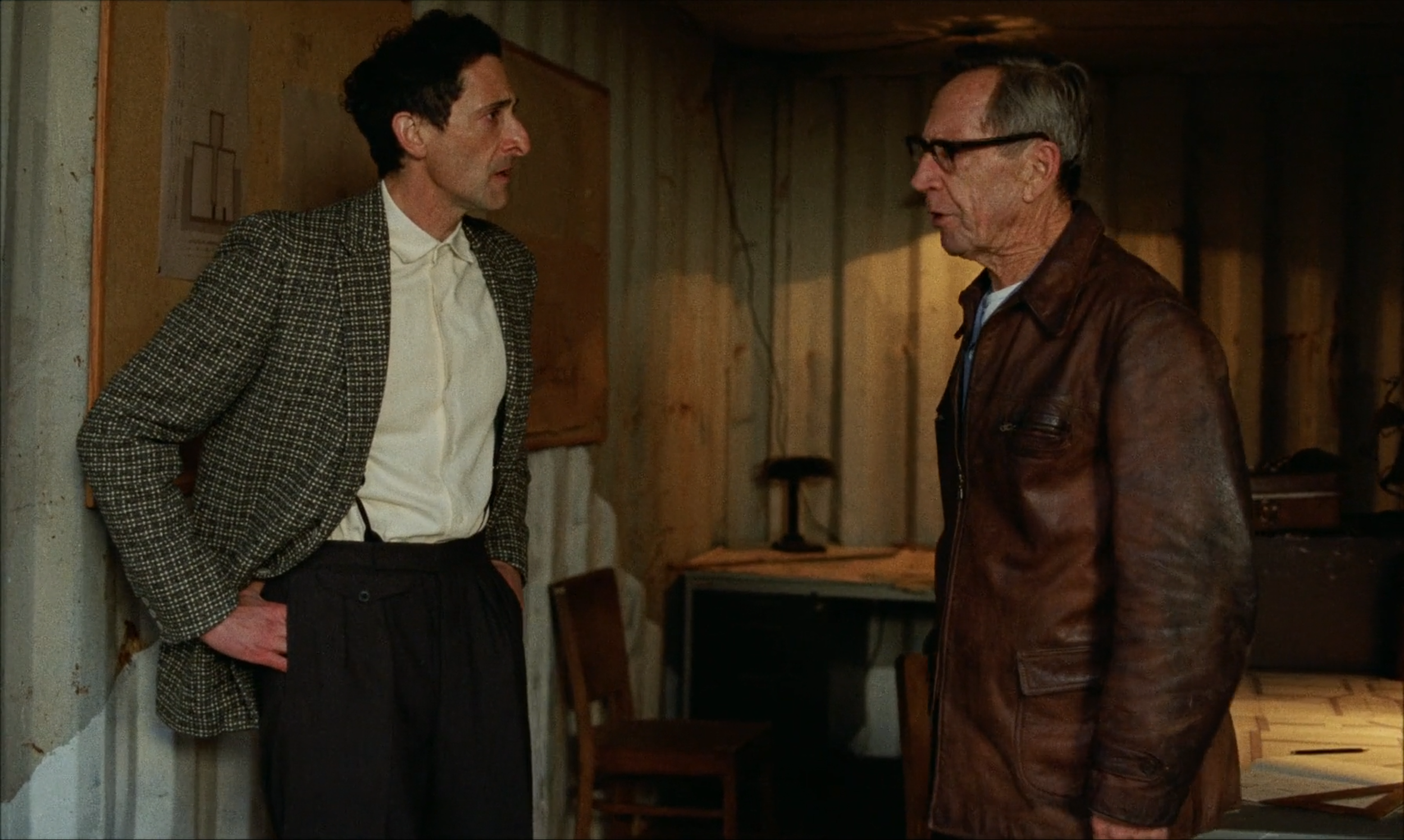
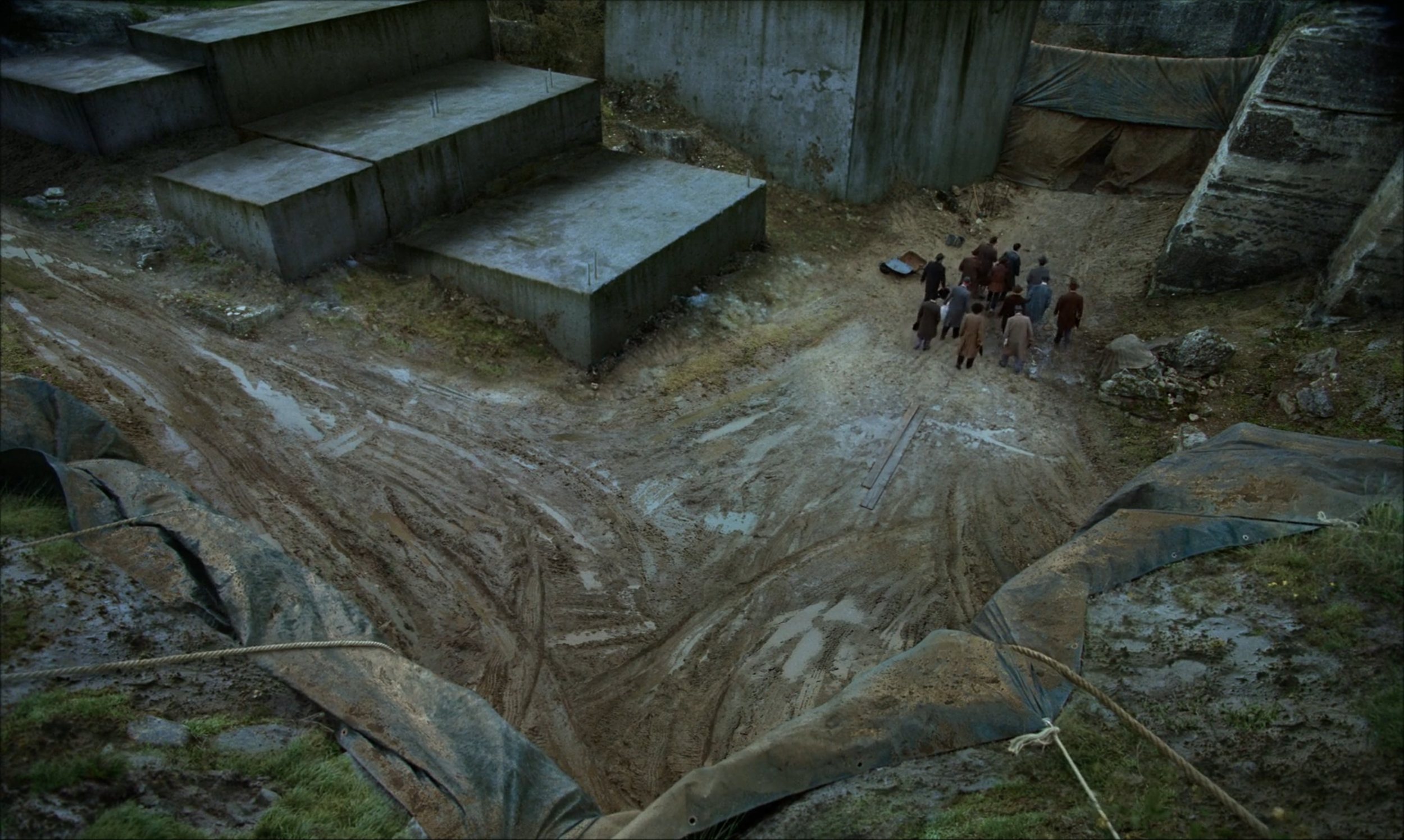
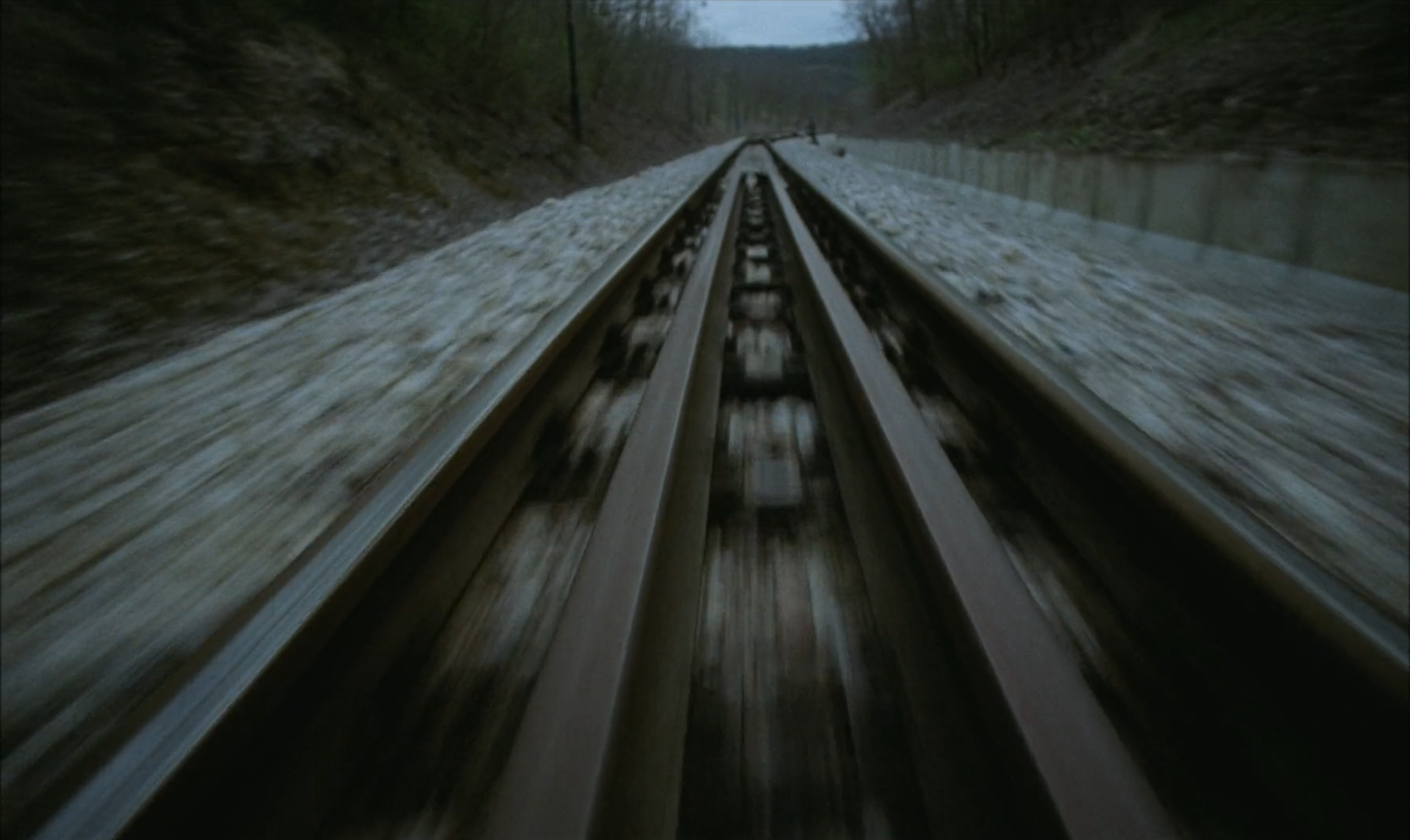
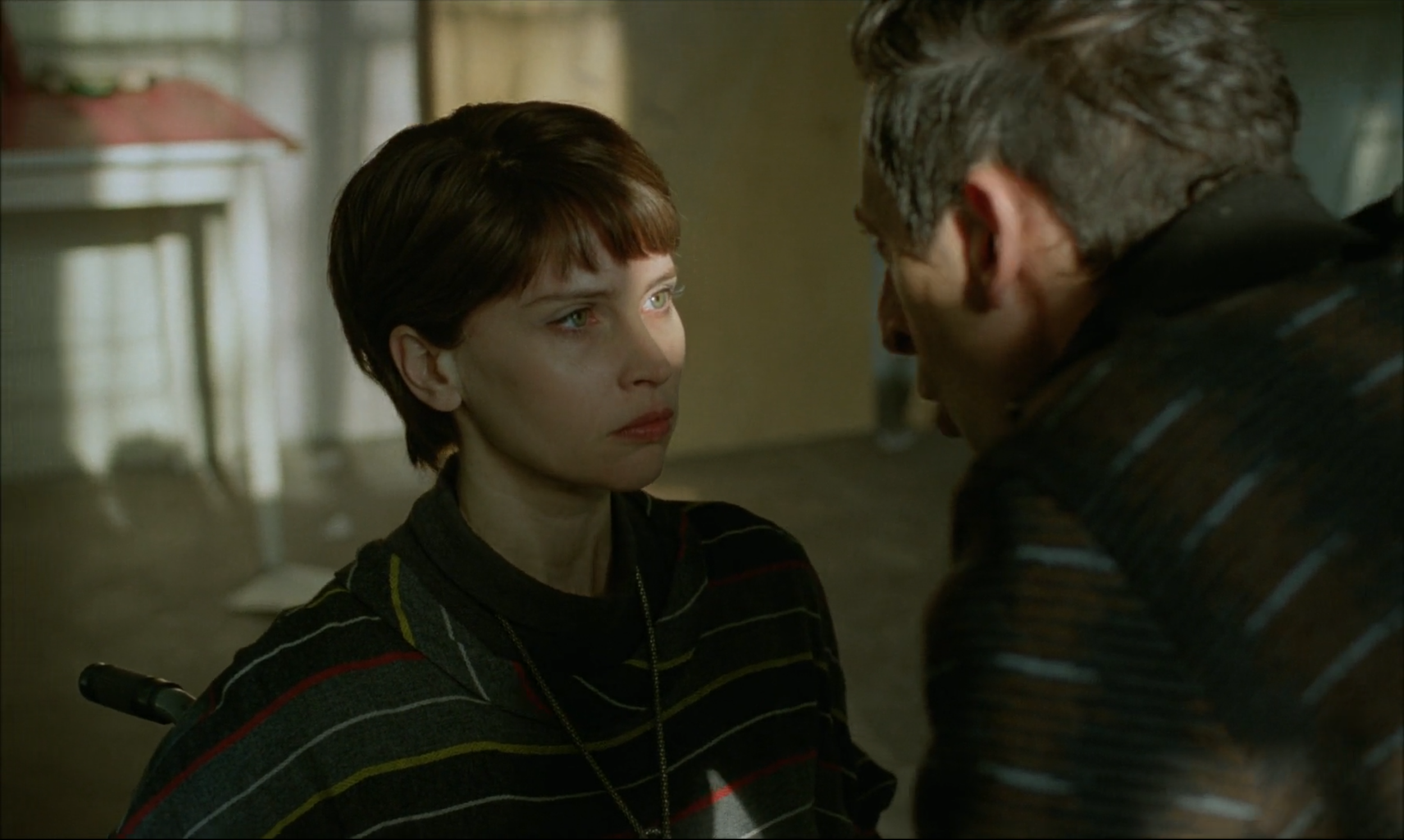
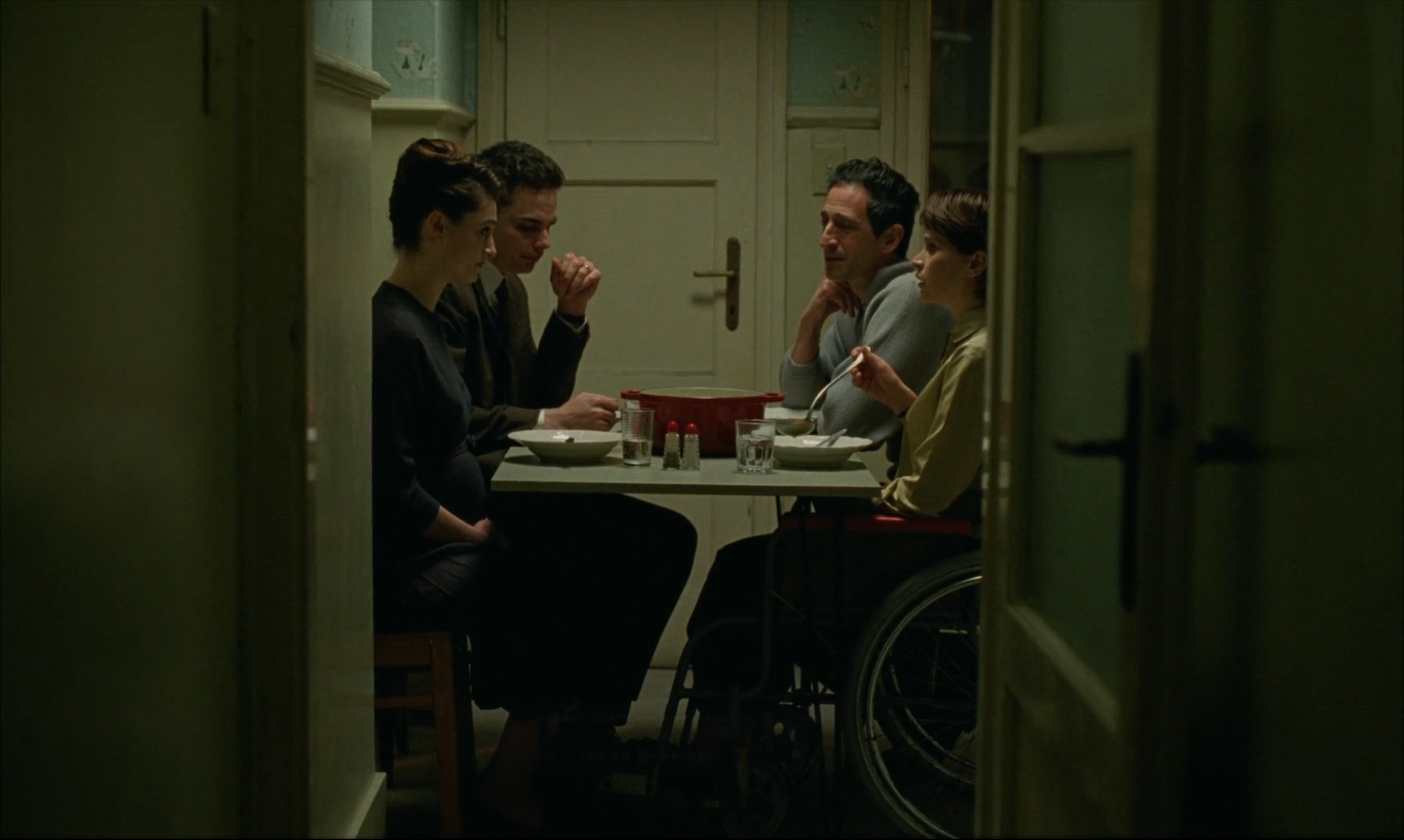
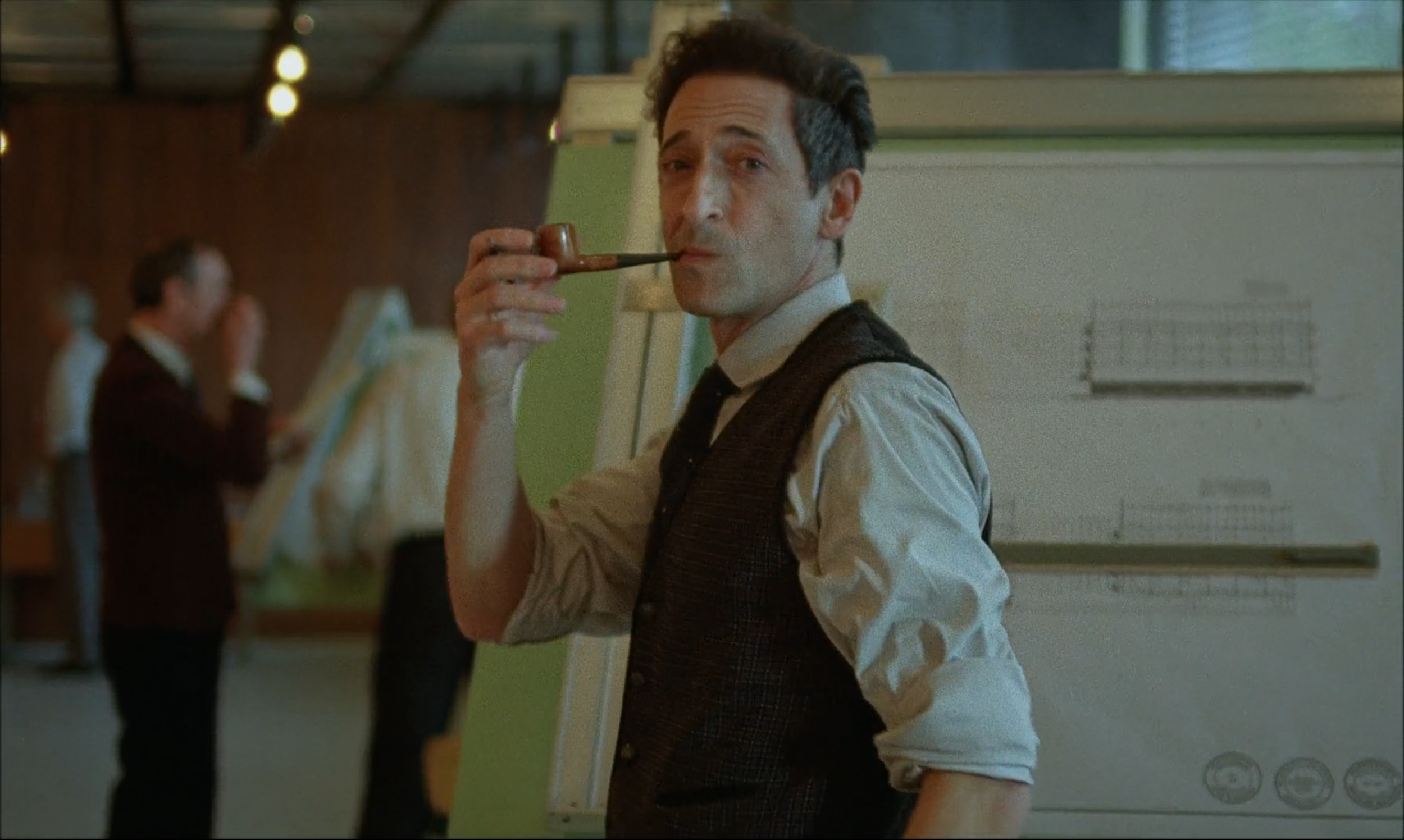
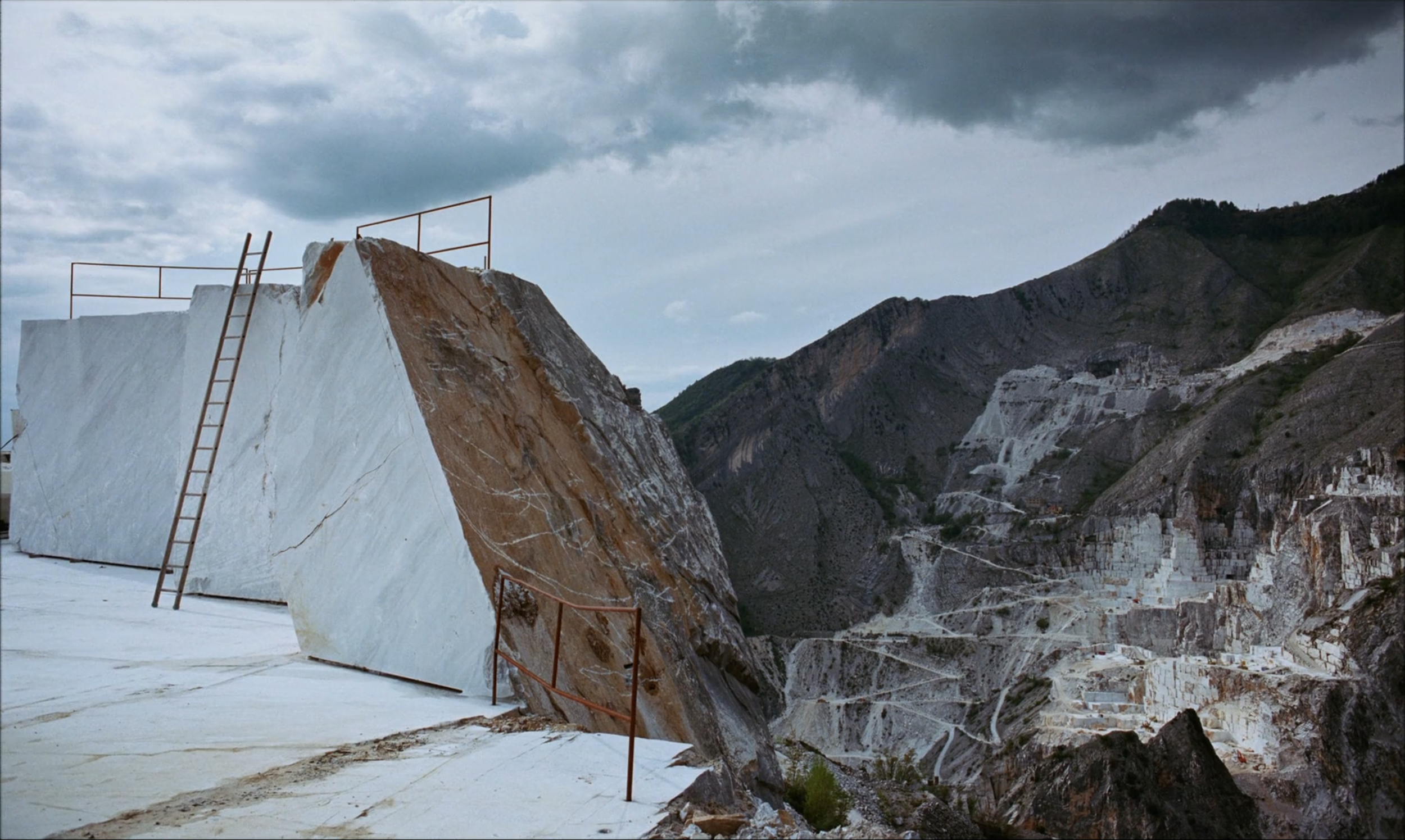
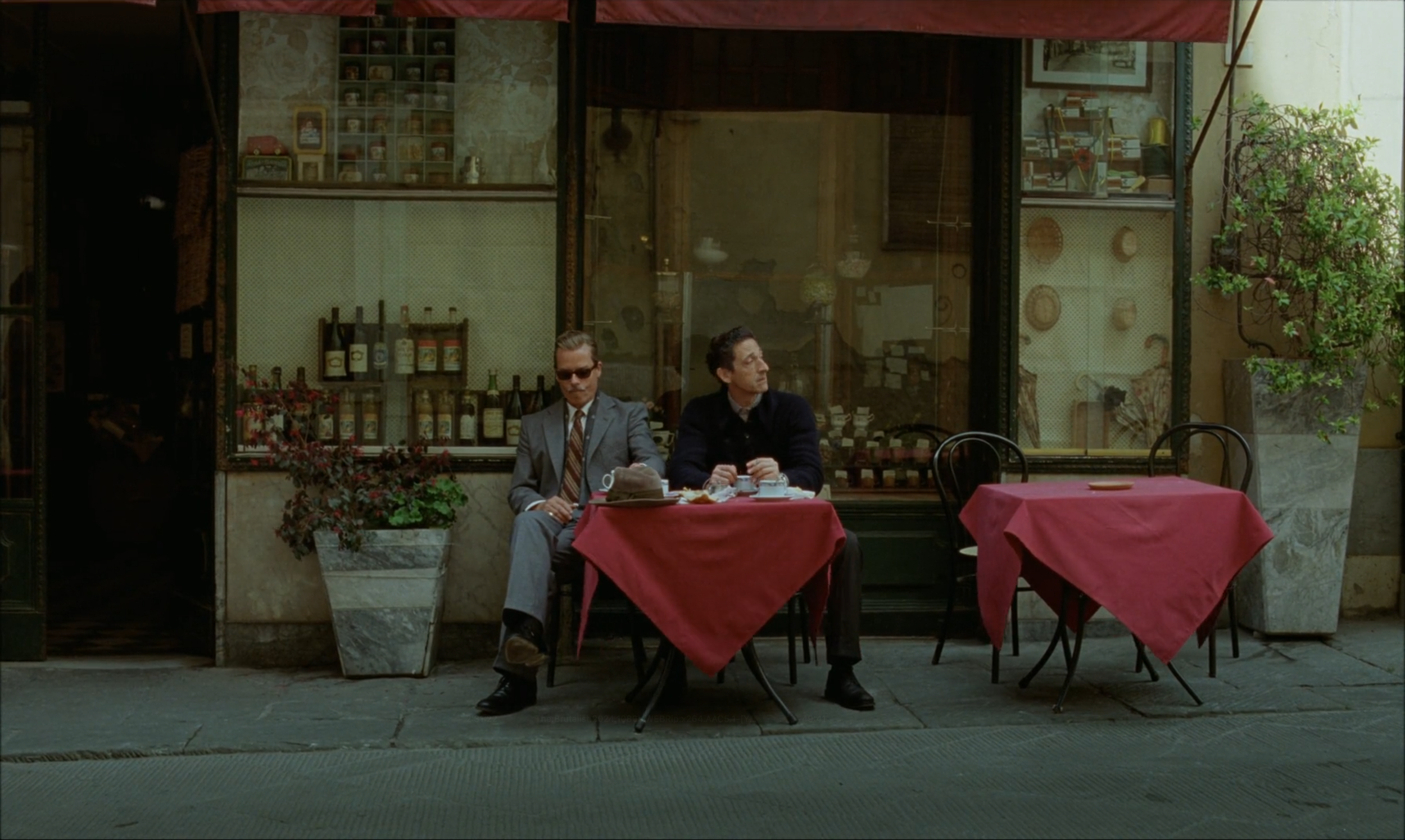
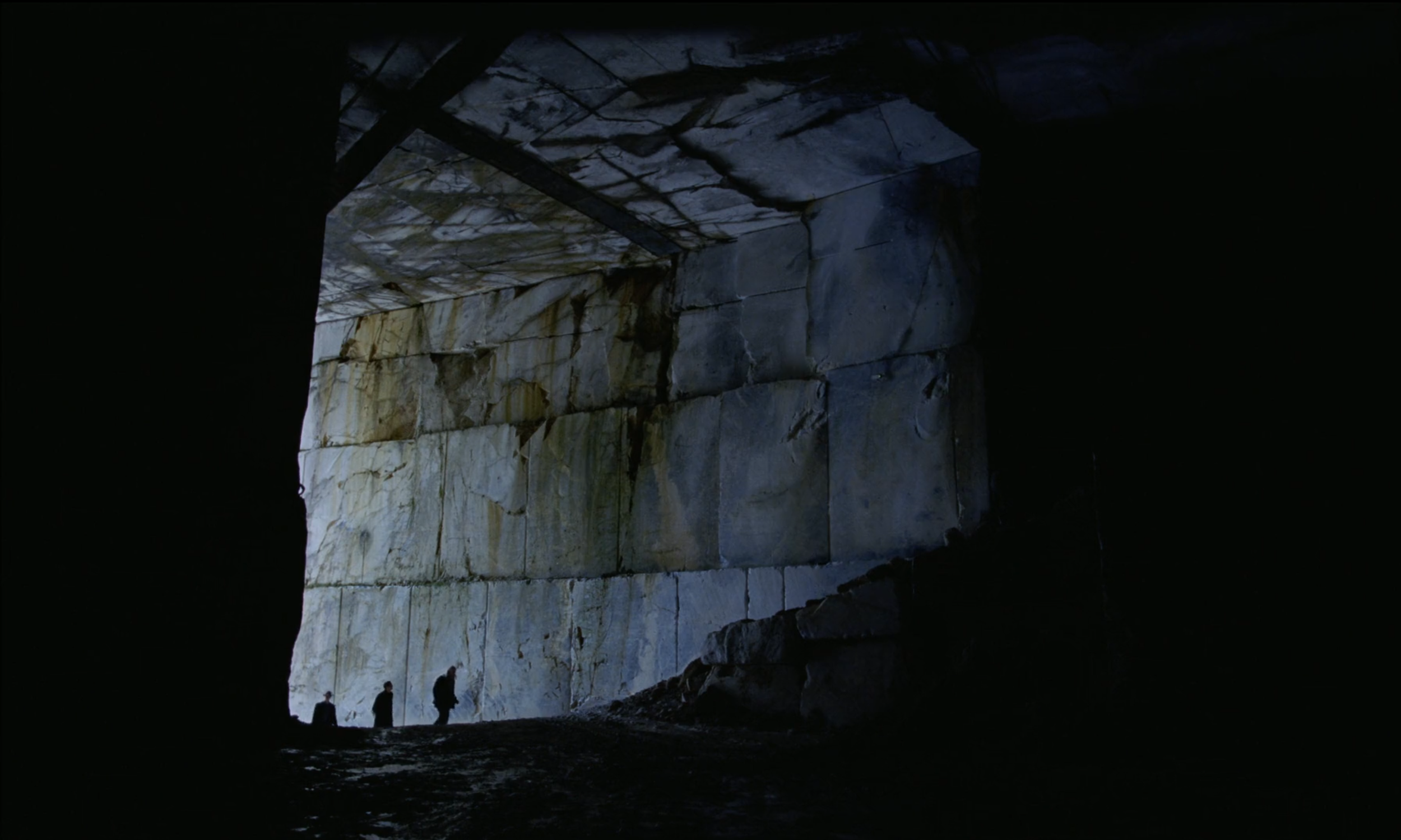
The bigger they are, they harder they fall. Well this film doesn’t fall or lean over like the Tower of Pisa; It merely cracks and leaks. This could have been my favorite film of 2024 and might be for you if you love cinematography and architecture. The first act is incredibly immersive and lays an impeccable foundation through a well rounded reality of the immigrant experience delivered by the talented Adrien Brody. The 1.66 aspect ratio is perfect to maximize the grandiose brutalist architecture, truly a wonder to behold even on your computer monitor. The cinematography is just all around fantastic and never distracting in the slightest allowing the performances to shine above all else. Guy Pearce hits it out of the park embodying an Andrew Carnegie style captain of industry and Adrien Brody is nuanced full of emotional complexity anchoring the artistic passion of the story. The cinematography simply fades away to the point where you are just watching performances and beauty play out in real time. Evocative, beautiful, yet simple, perfectly encapsulating what architecture is all about. That is until we reach part 2. It’s a long film at 3 and a half hours with an intermission, but I found the story so compelling I didn’t find it long or want to check the time even in the slightest.
Story:
Just very disappointing that the the brutalist architecture ends up being in reference to Laszlo's trauma from his time in concentration camps. Brutalism is more an American consequence of efficiency over the originally intended art deco style. I would have loved more examination on the real history of it. It ends up being more expressionistic on a revisionist personal level, but that won't leave any long lasting relevance when you observe the concrete boxy buildings in America today.
Conclusion:
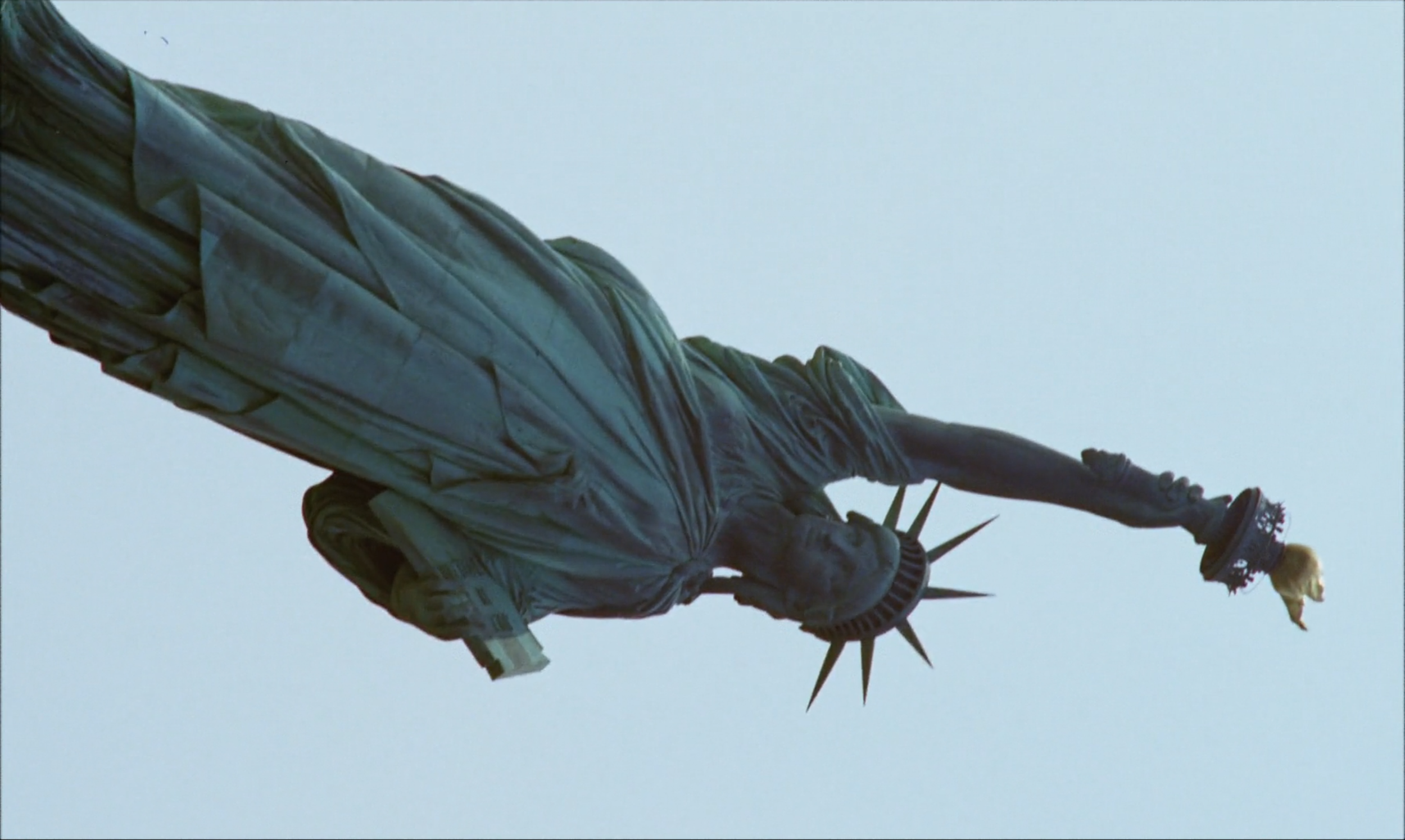
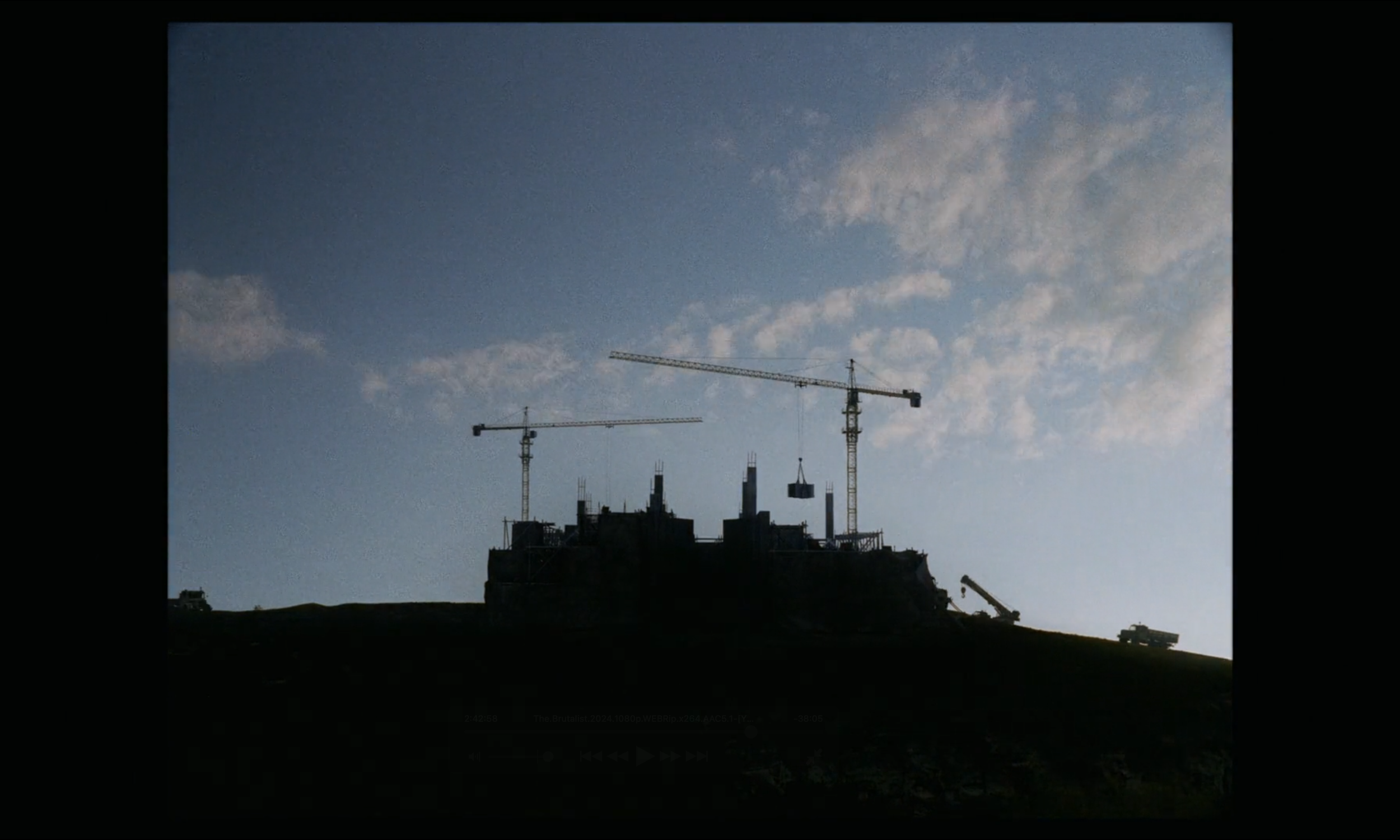
The only thing keeping this from being a masterpiece is the second act. At one point I was thinking this could be one of the best movies of the year, that is until the script takes a turn for the worse by implementing forced narratives. The strange decisions are not exactly out of character, but rather out of place with no cohesive reasoning or believable motivation other than to support the director’s social commentary. For the most part, it’s a subtle and tasteful critique on the American capitalist dream, only opting to discreetly zoom in on jewelry and material opulence, but to have such an overtly shocking turn was offensive and borderline disgusting. Sure that’s probably what the director intended but it was distasteful and made me reconsider my plans to rewatch this film midway through. There was a lot of promising commentary that would have been so much better to explore such as the metaphors of architecture and society, the American dream and eternal foundations, but it devolves into surface level “capitalism is bad and predatory”. This is only a minor disappointment with the ending resembling a pretty apt metaphor for the finished product. Architecturally a fantastically silhouetted foundation but with incomplete finishing. It’s still presented well enough that you’d be surprised that it’s not based on a real story. These 3 hours felt very short and I would have loved it to be longer if the conclusion could have been better developed.
Recommendations









Level 0 of the liminal basement.