
Roma (2018)
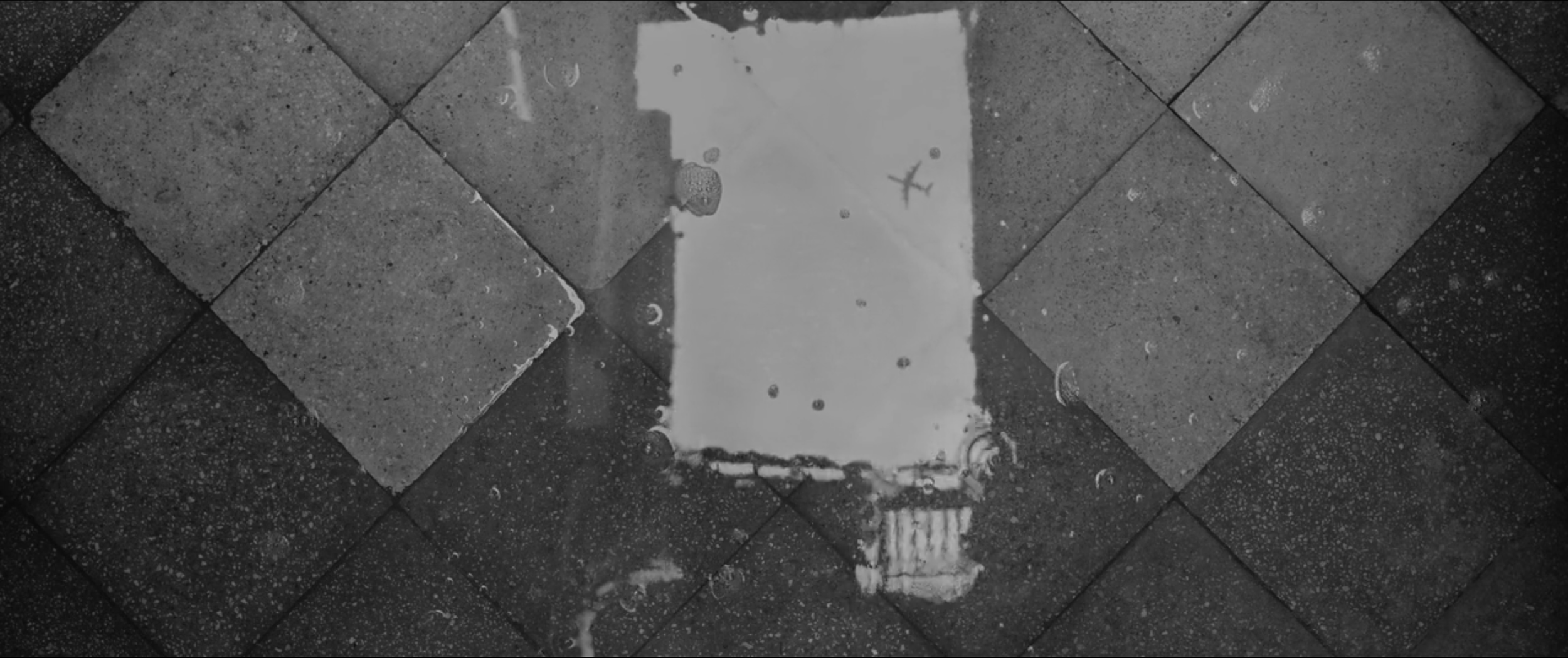

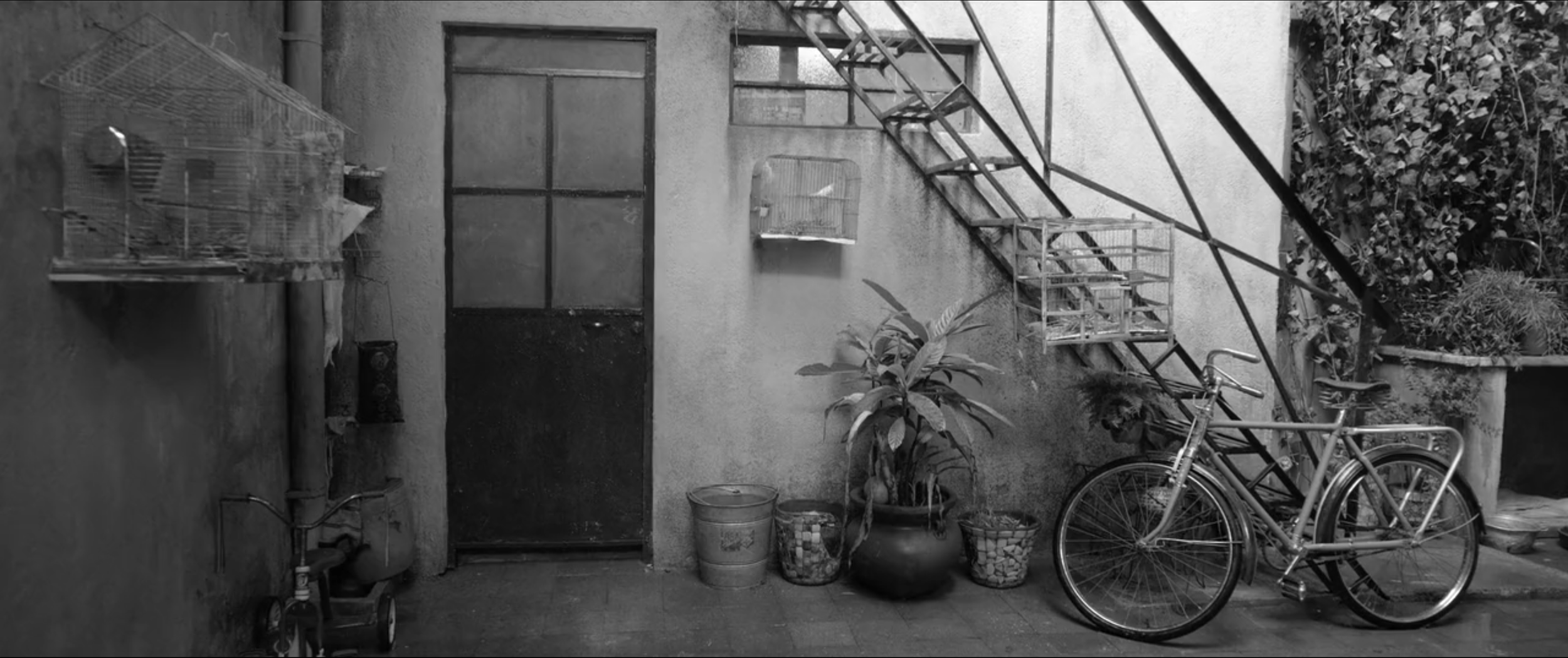
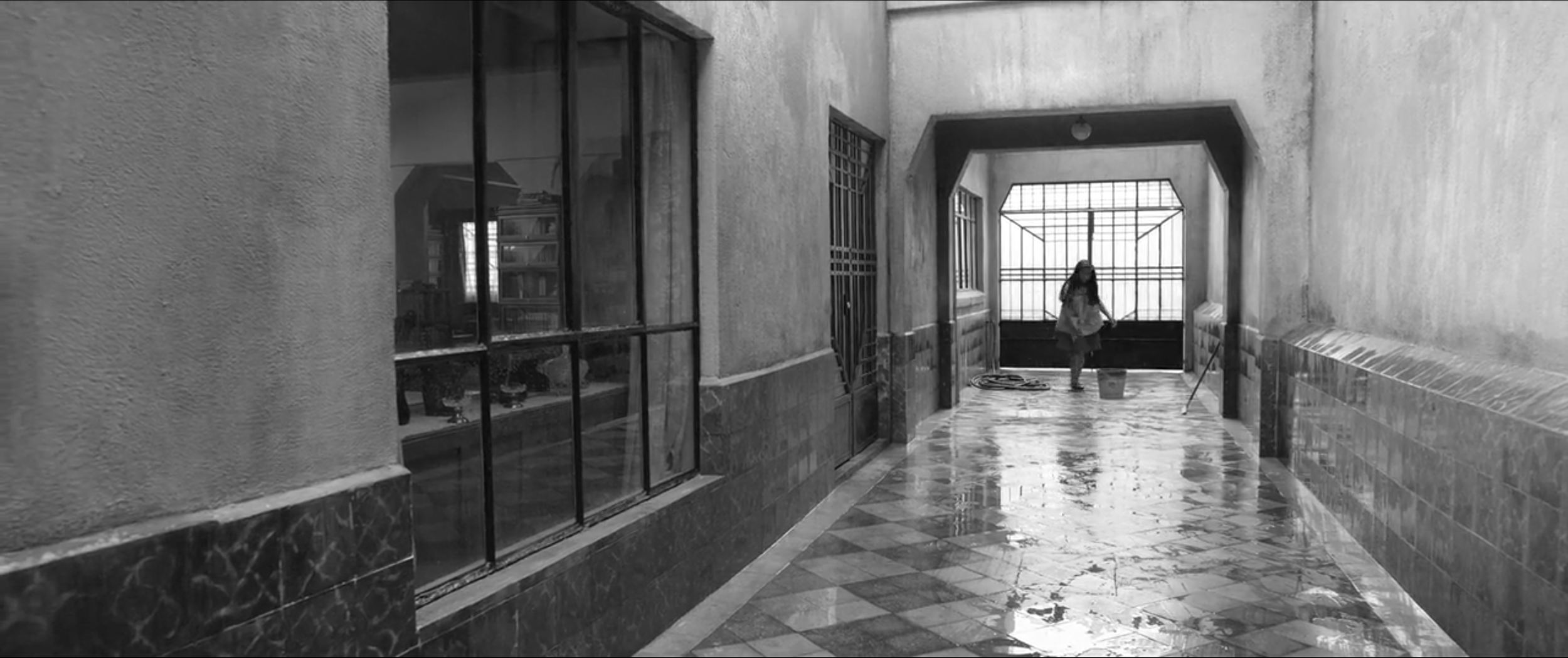
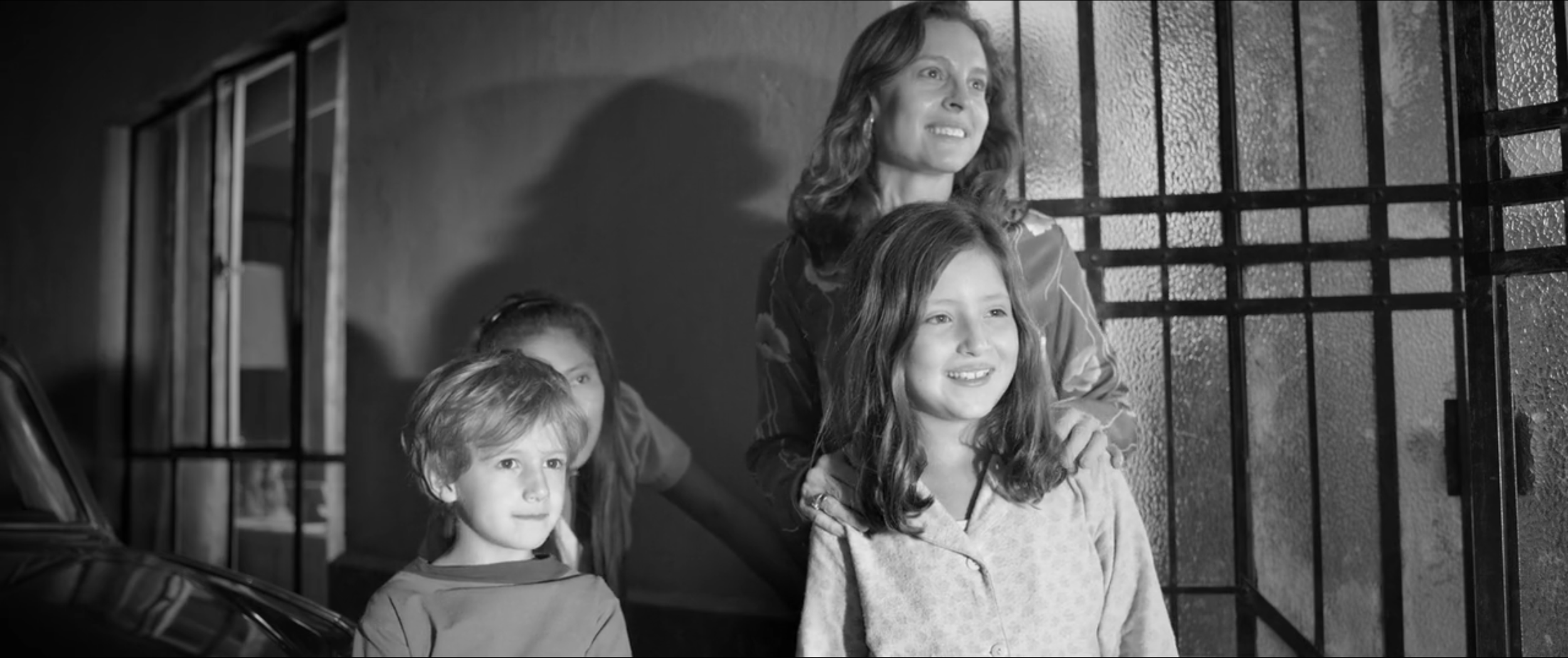
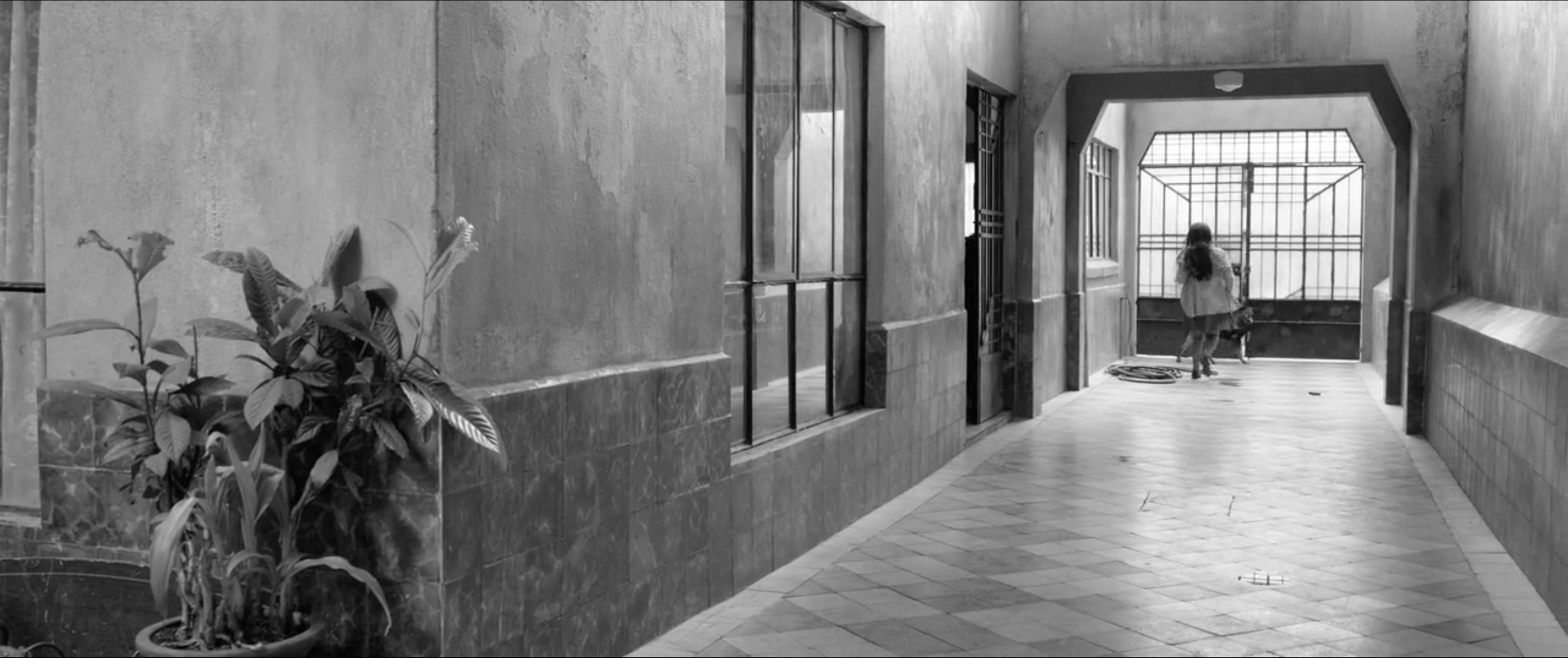
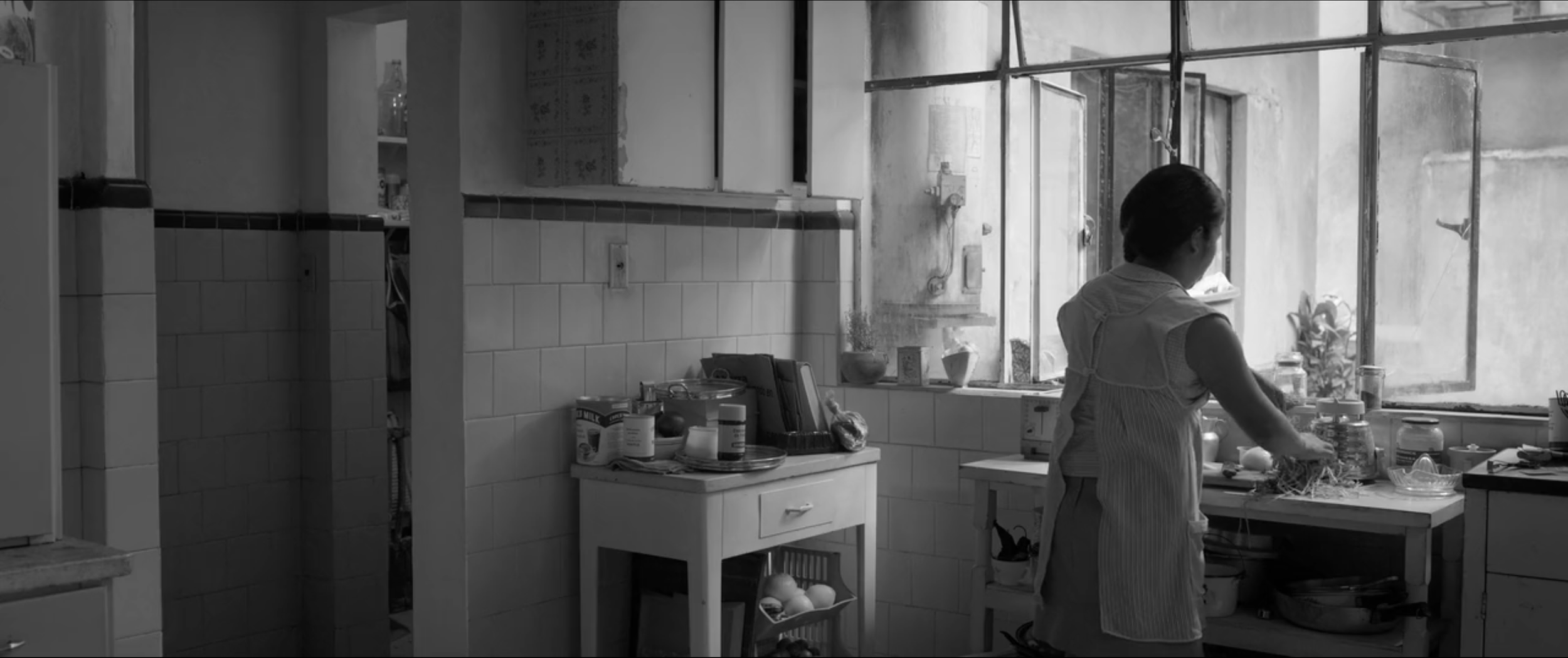
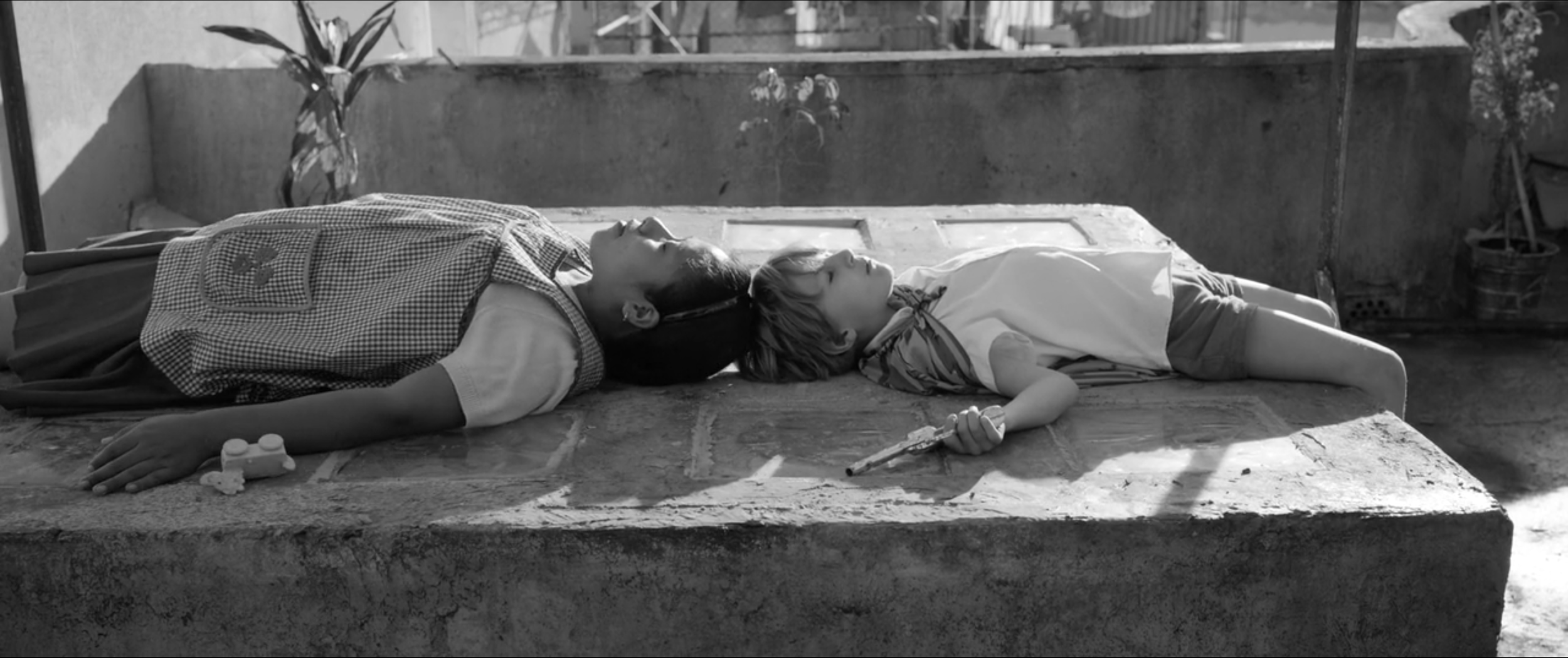
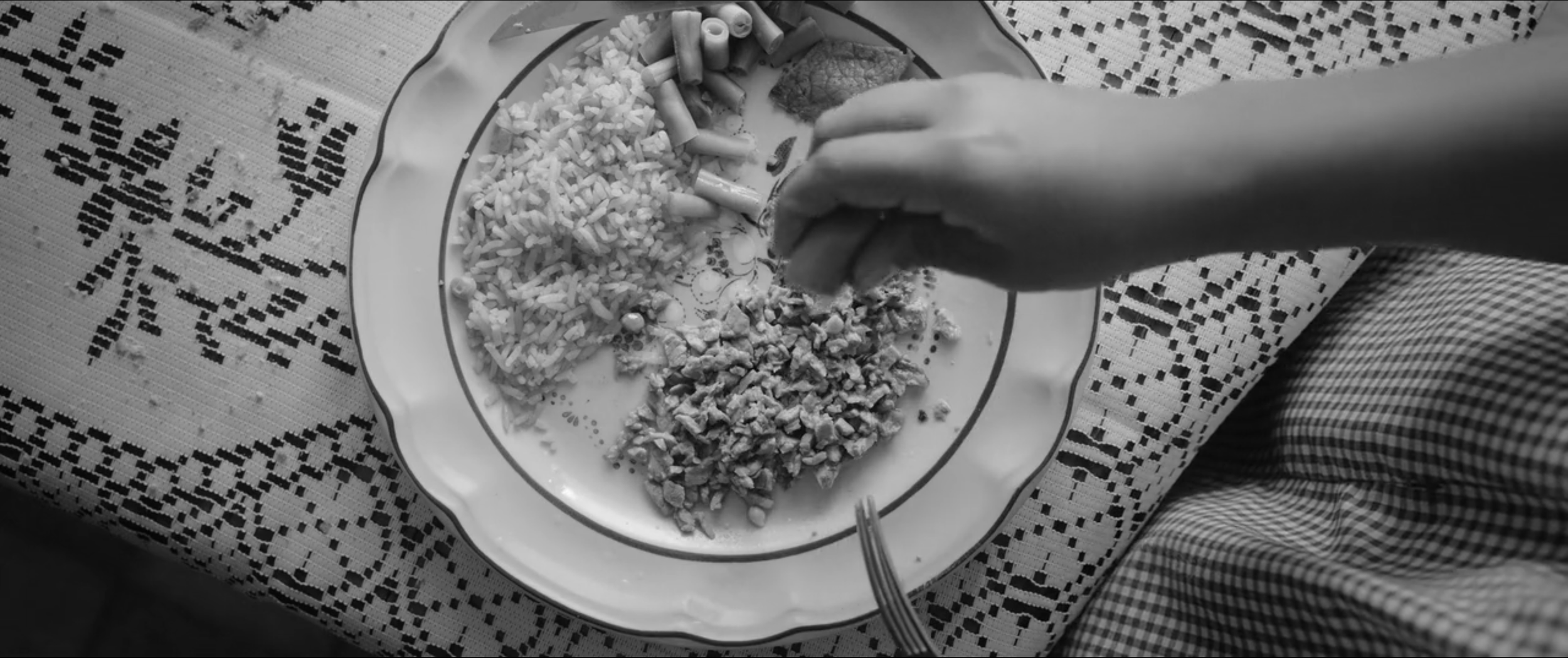
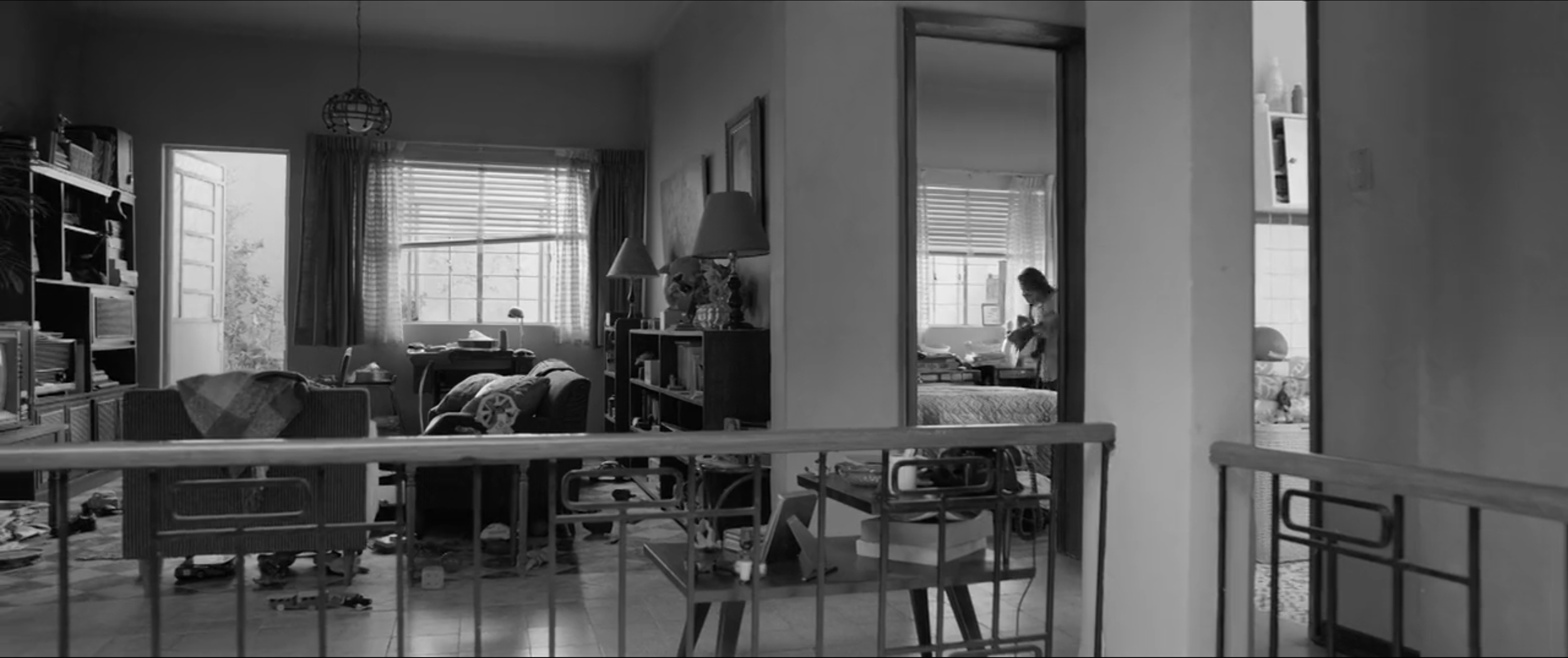
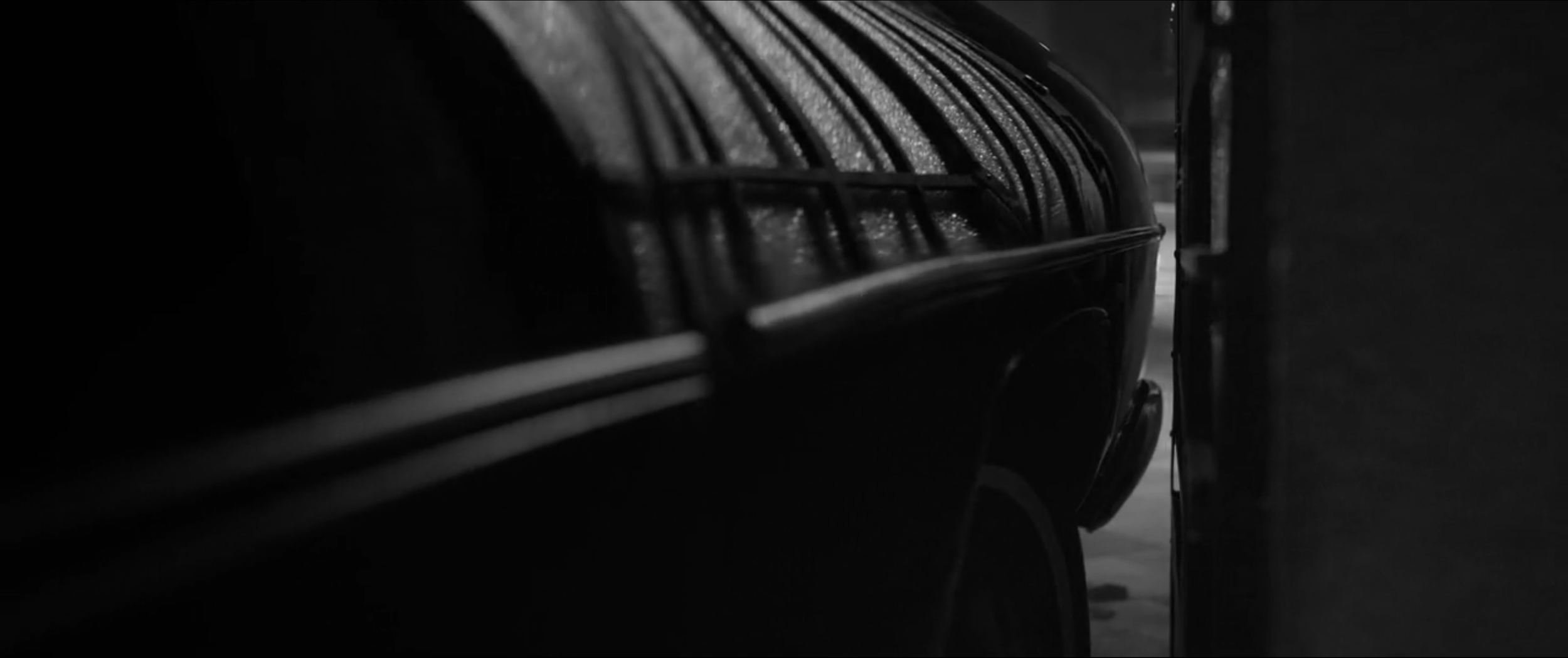
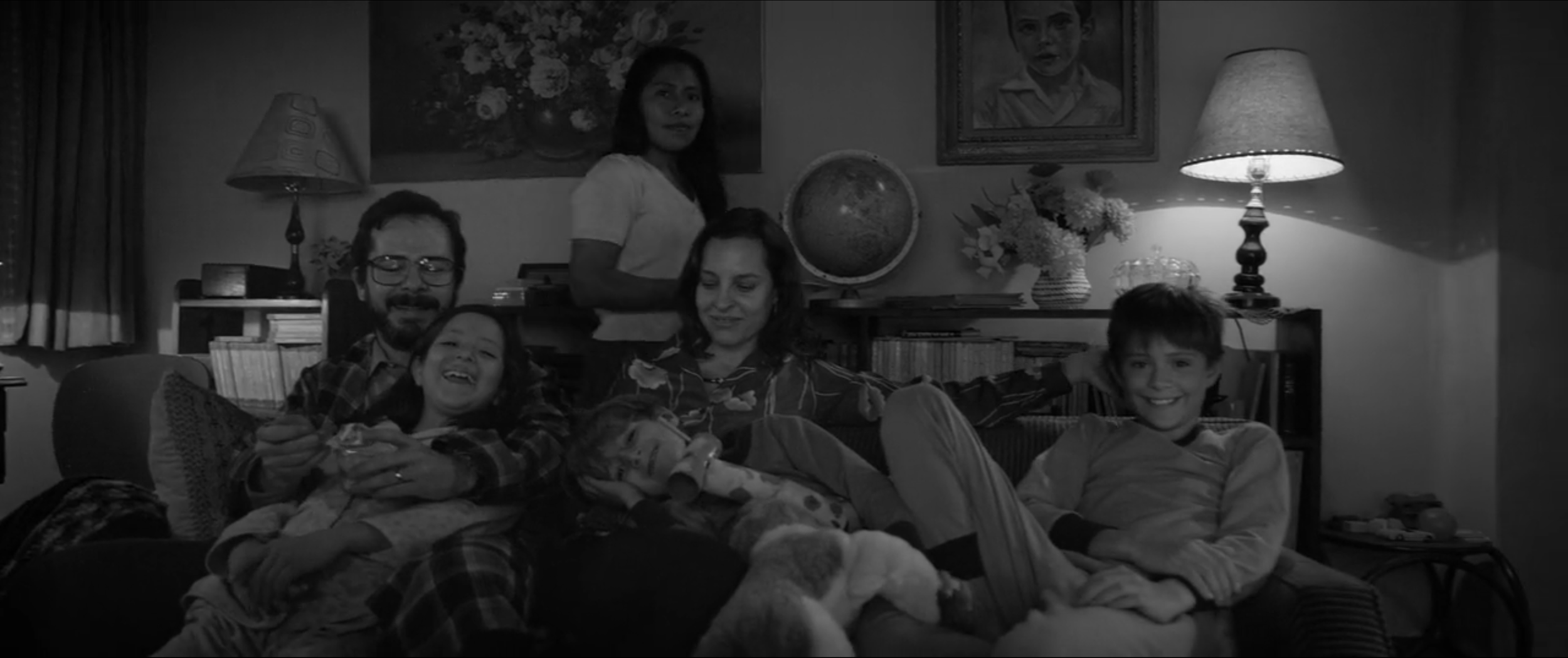
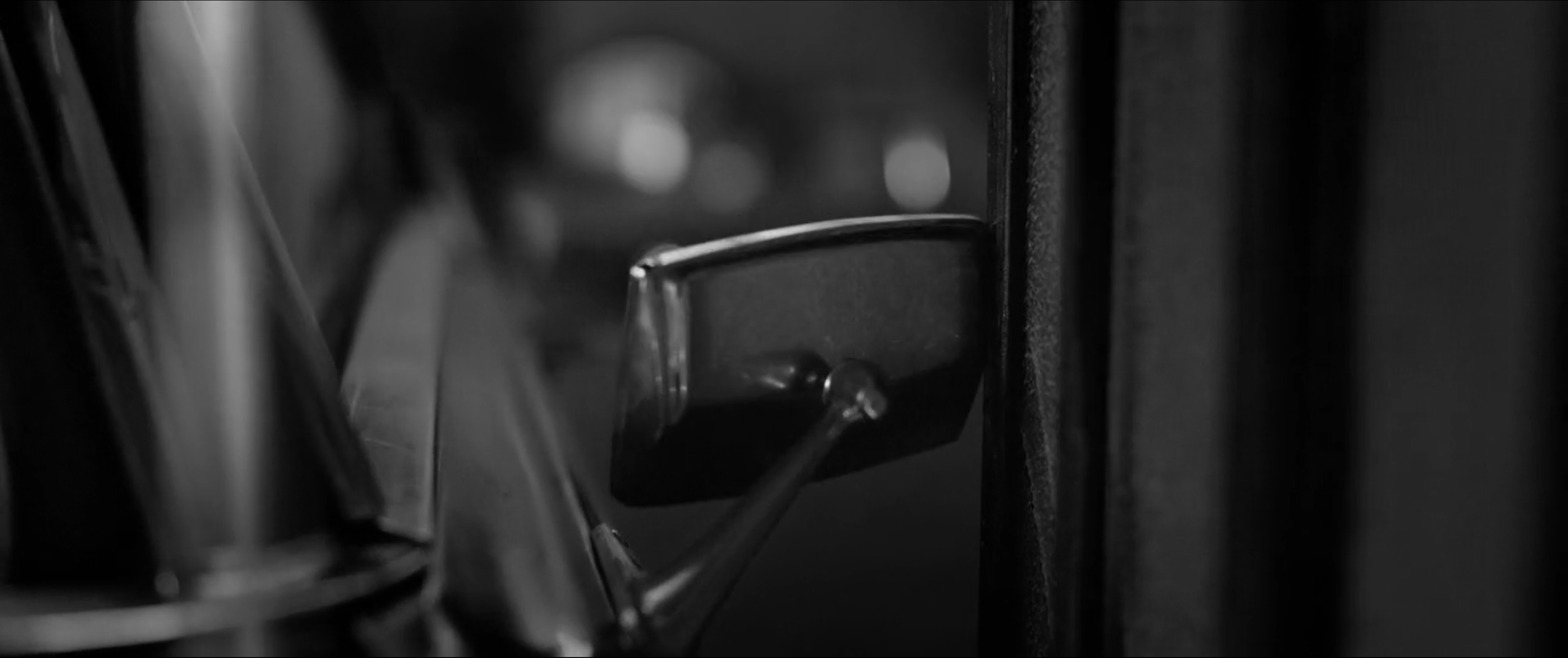
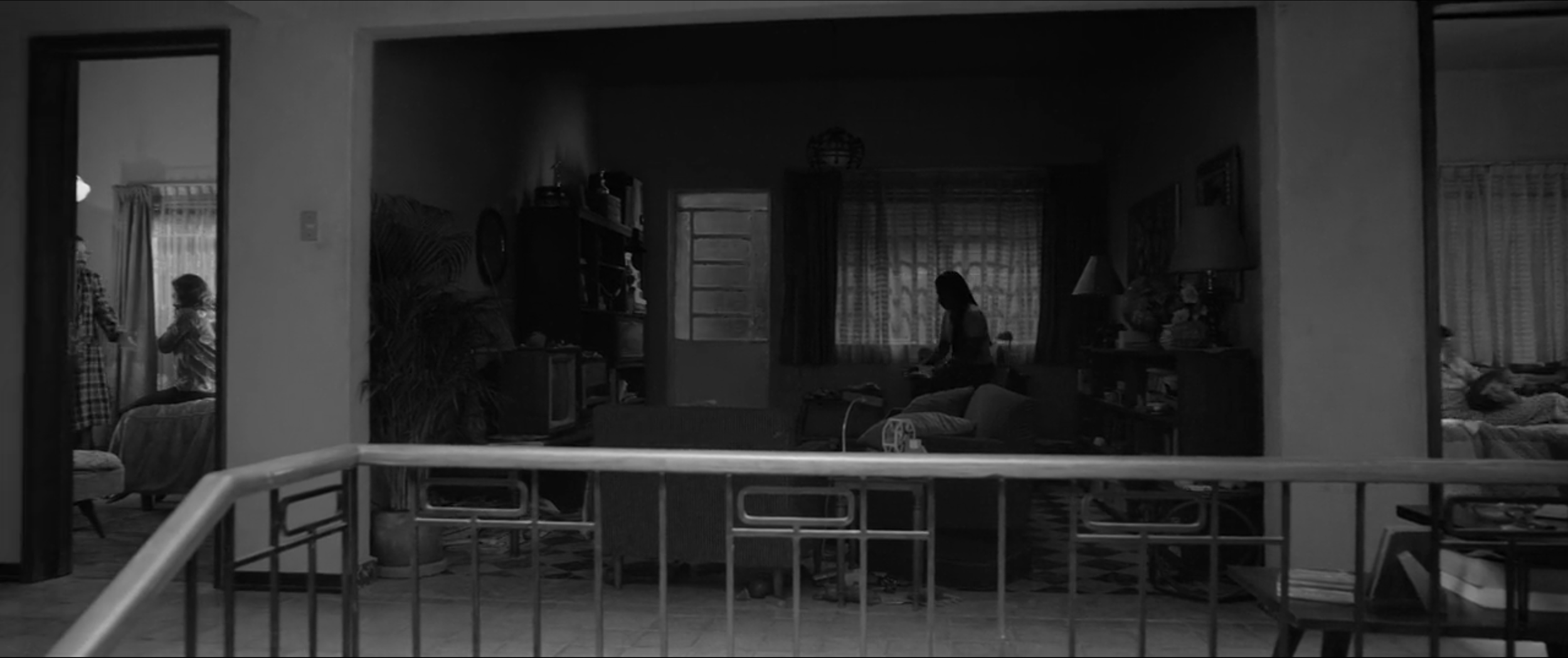
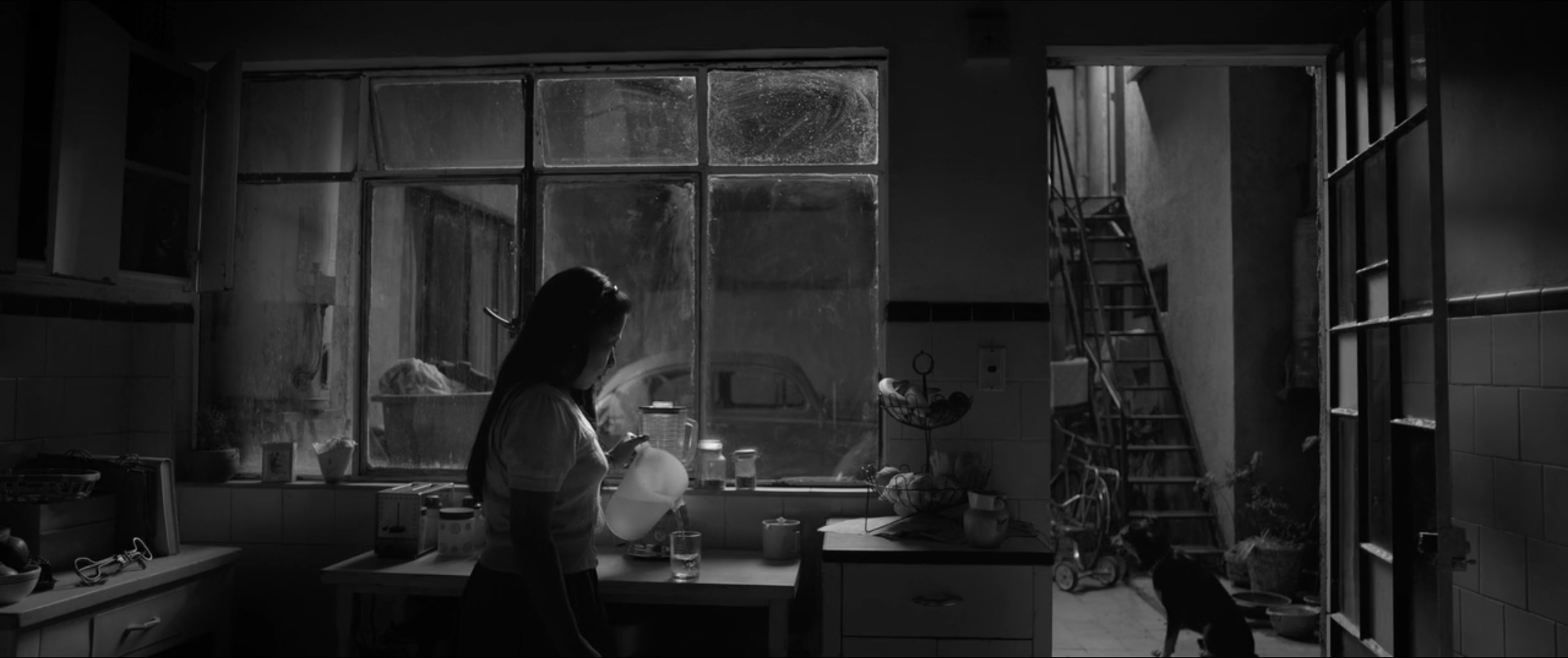
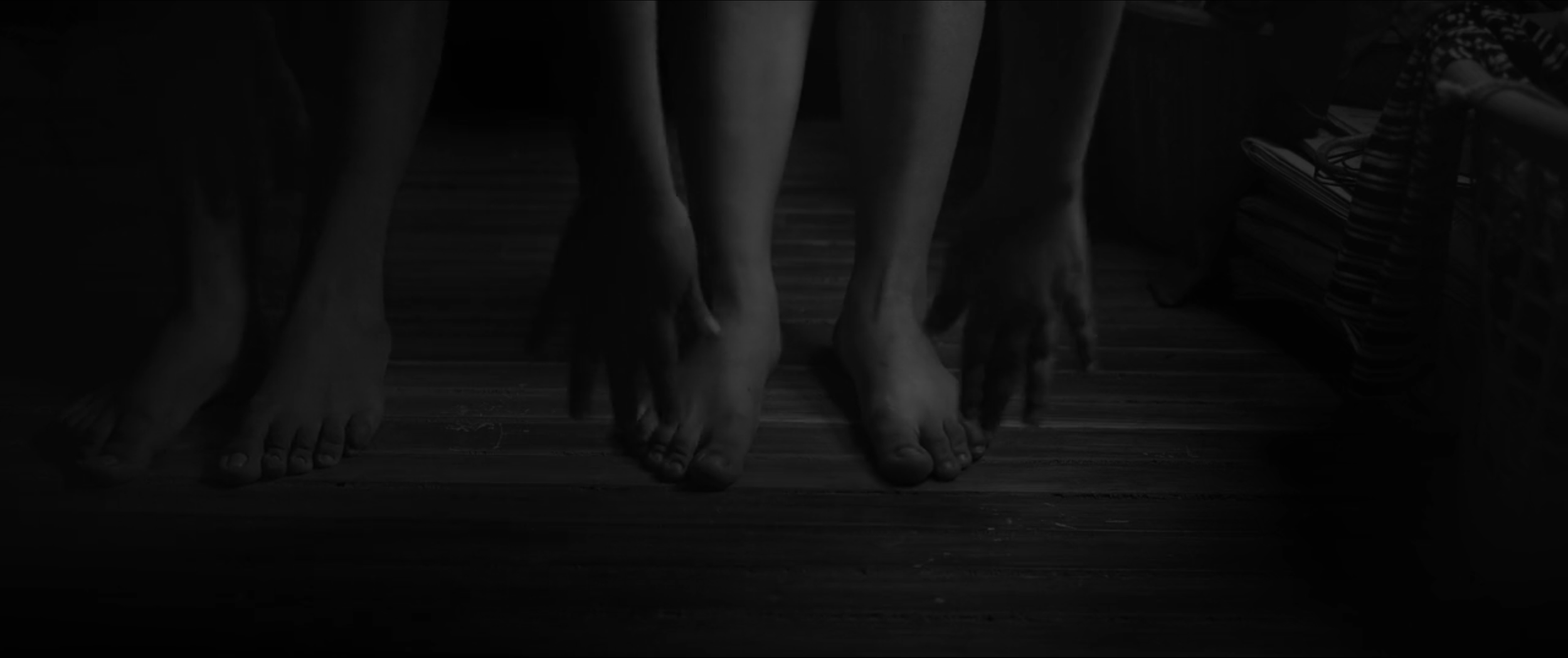

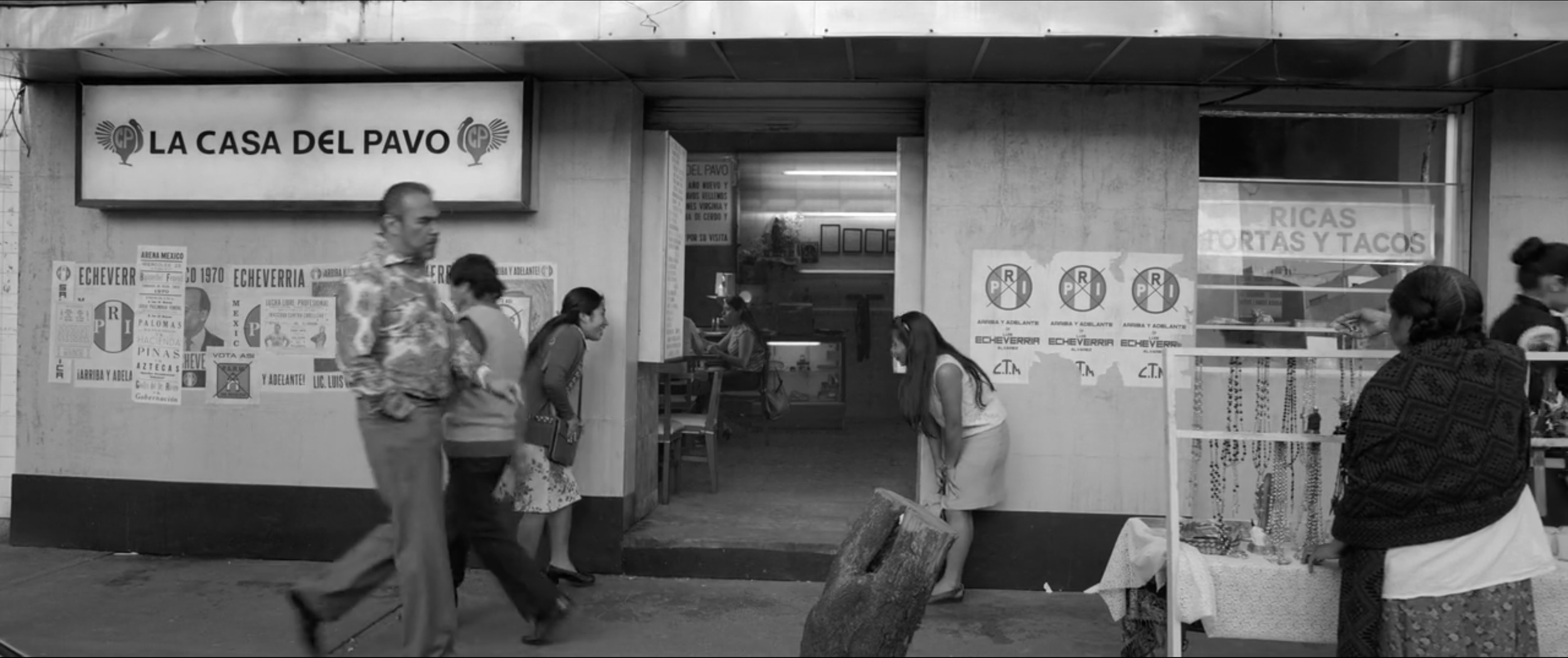
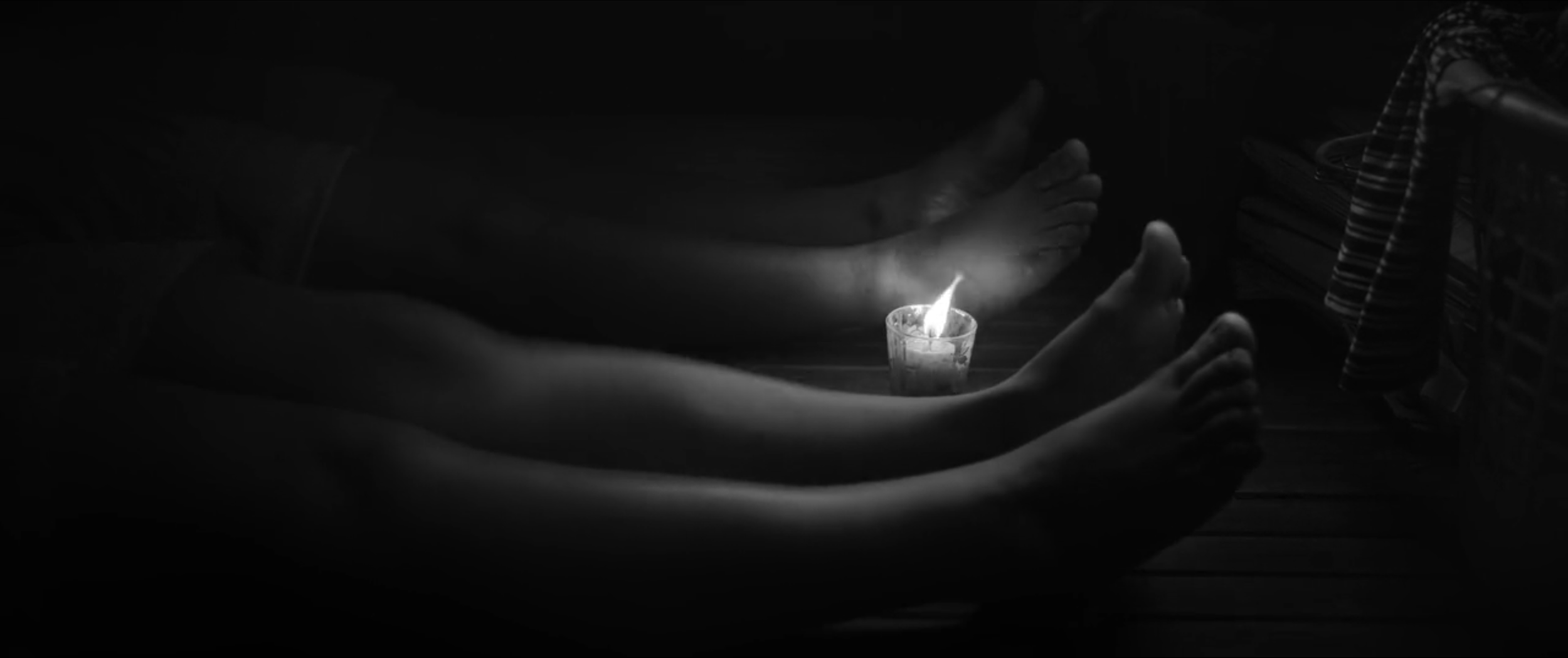
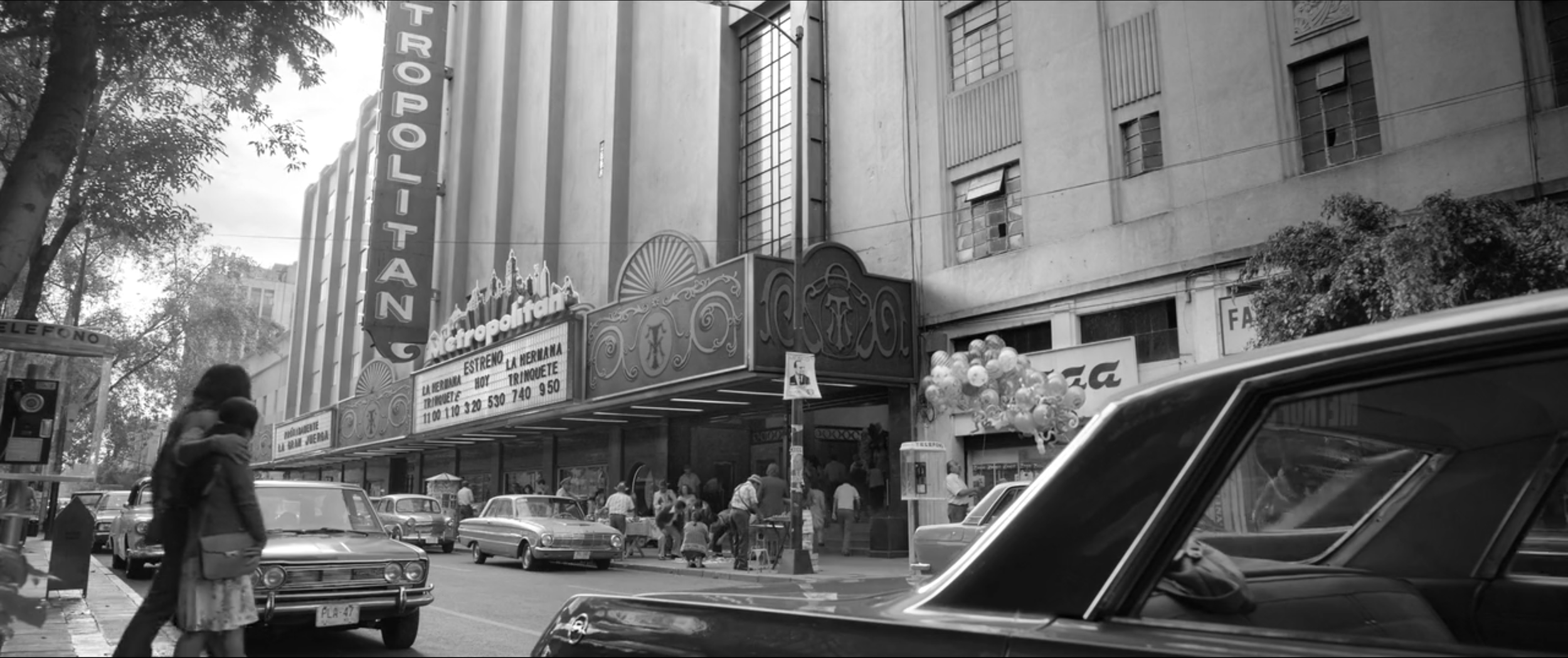
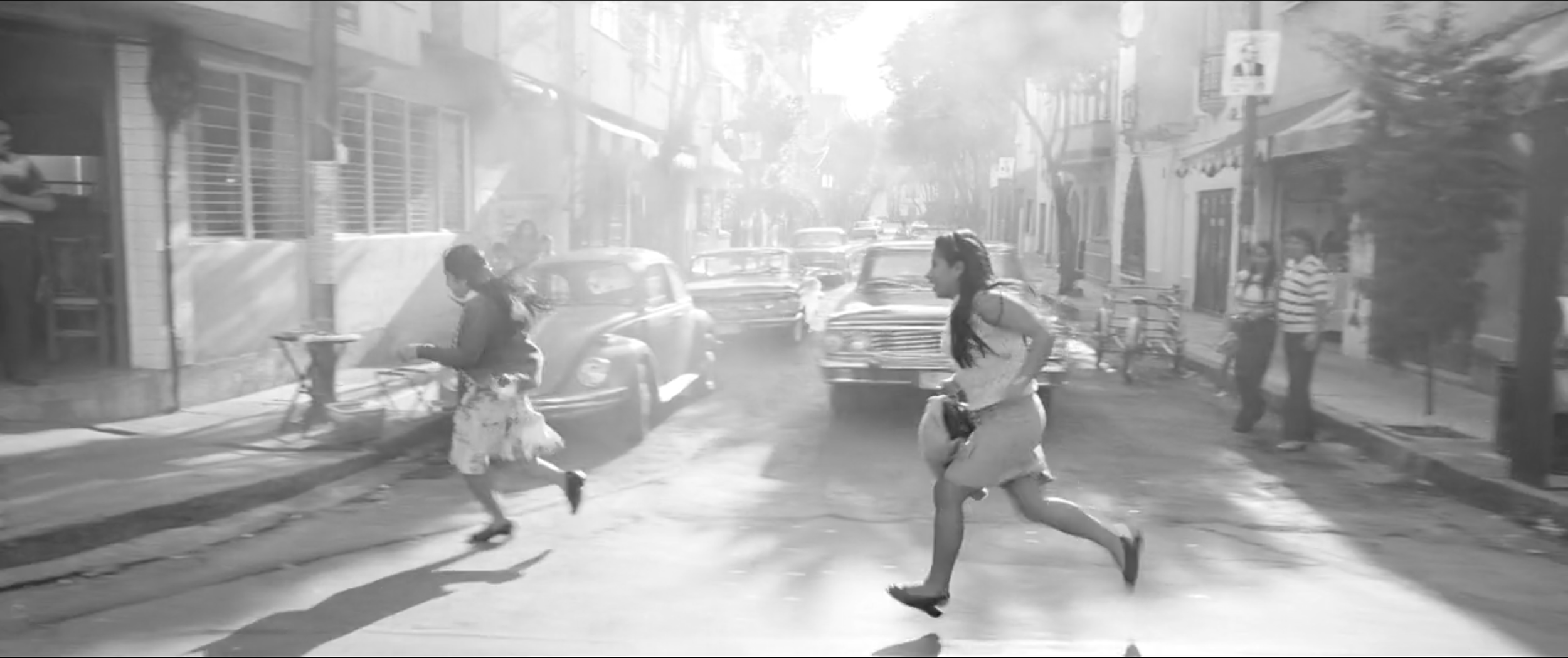
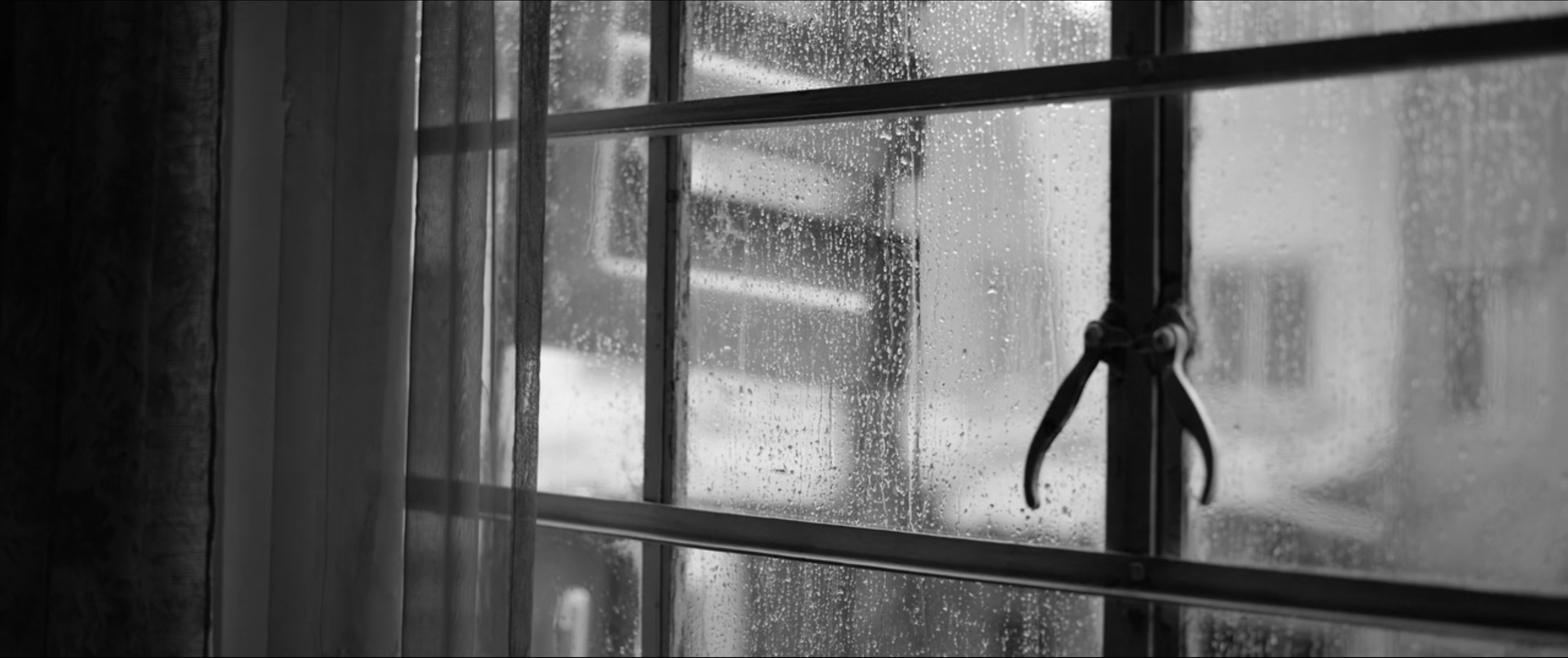
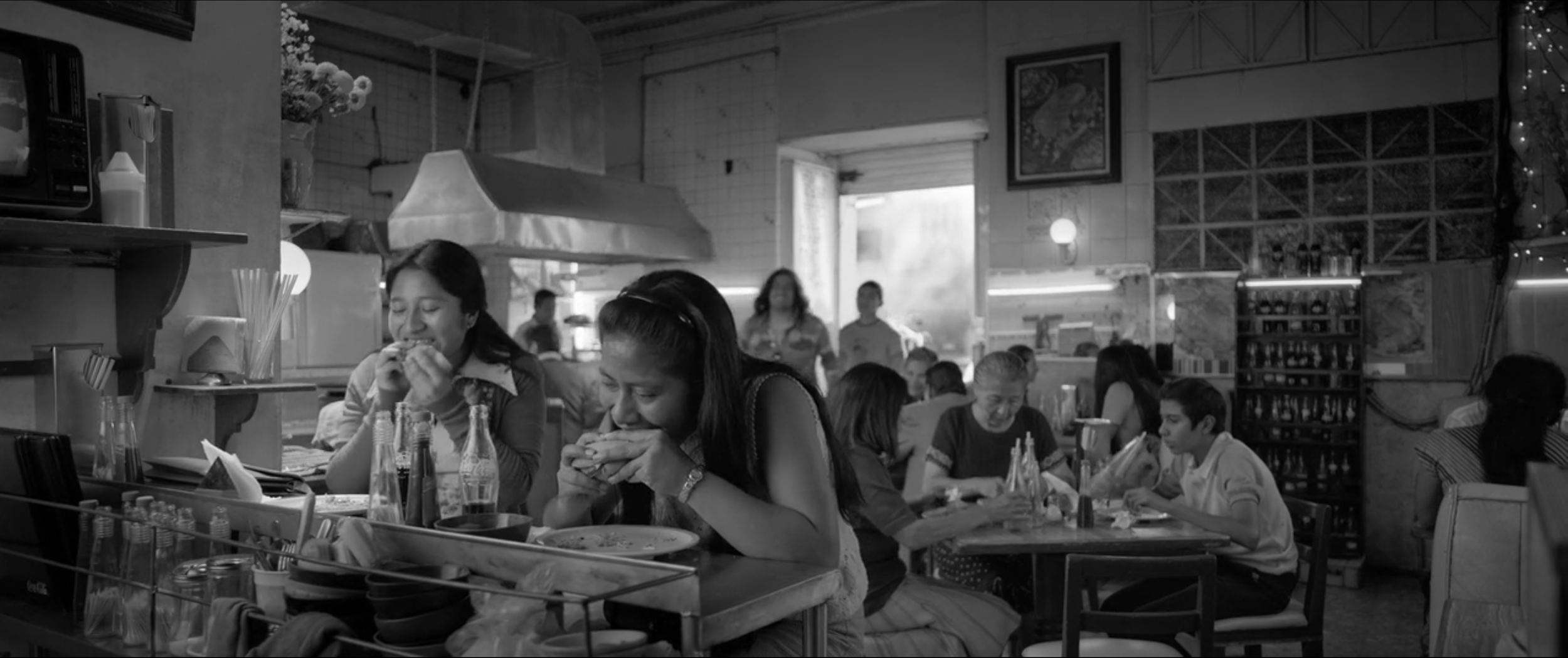
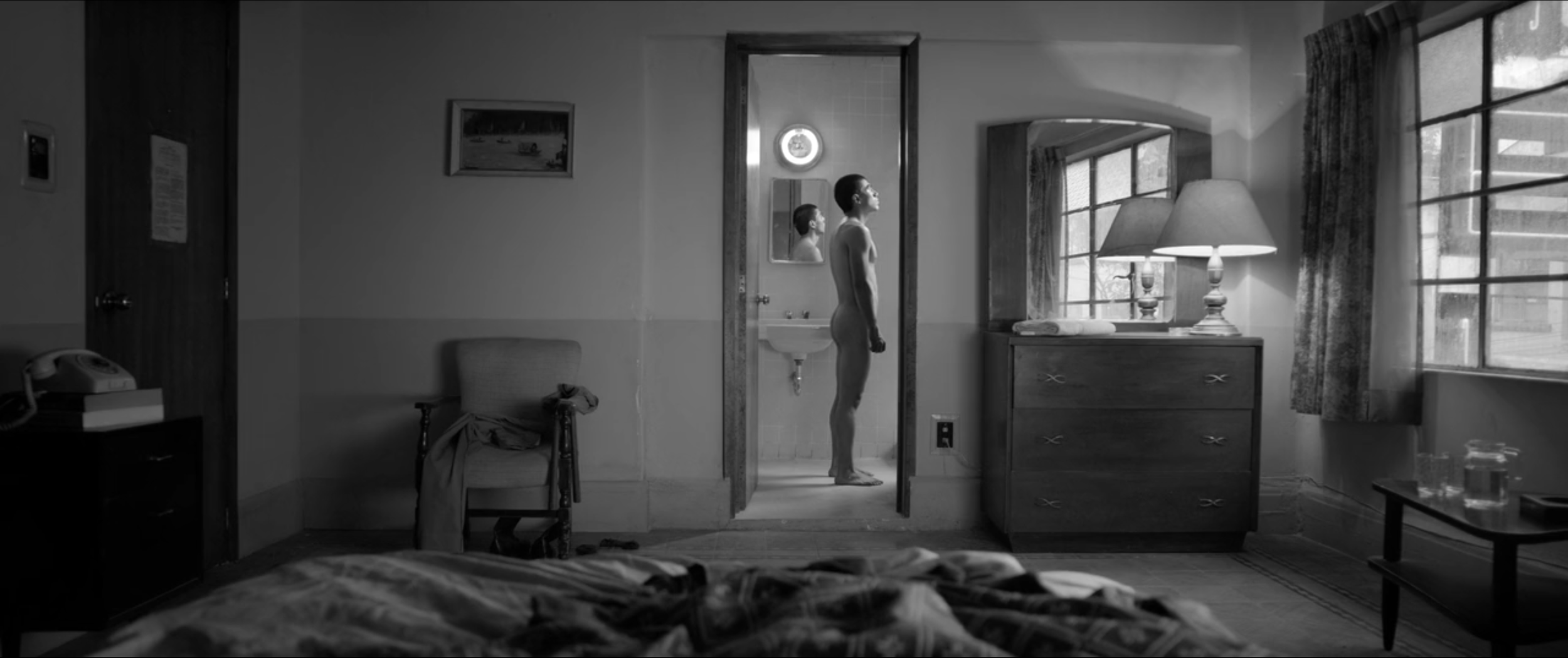
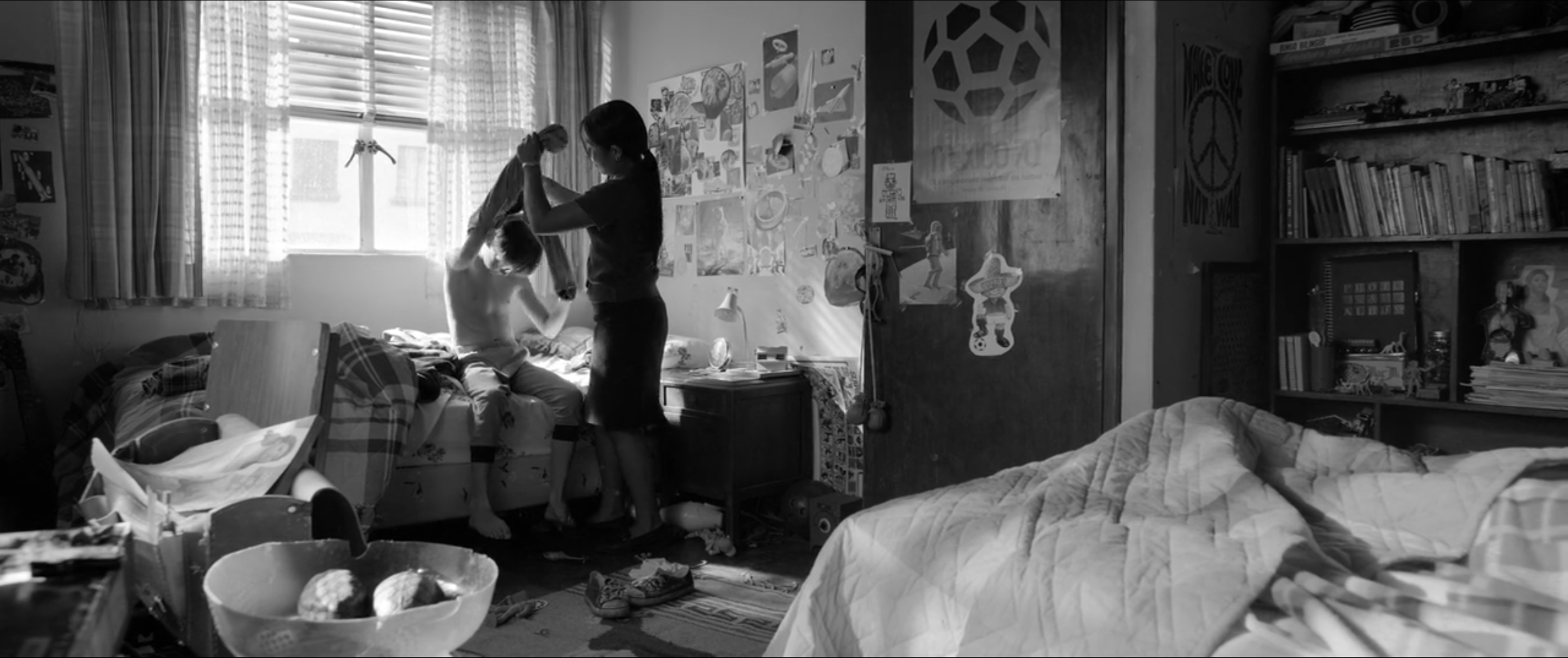
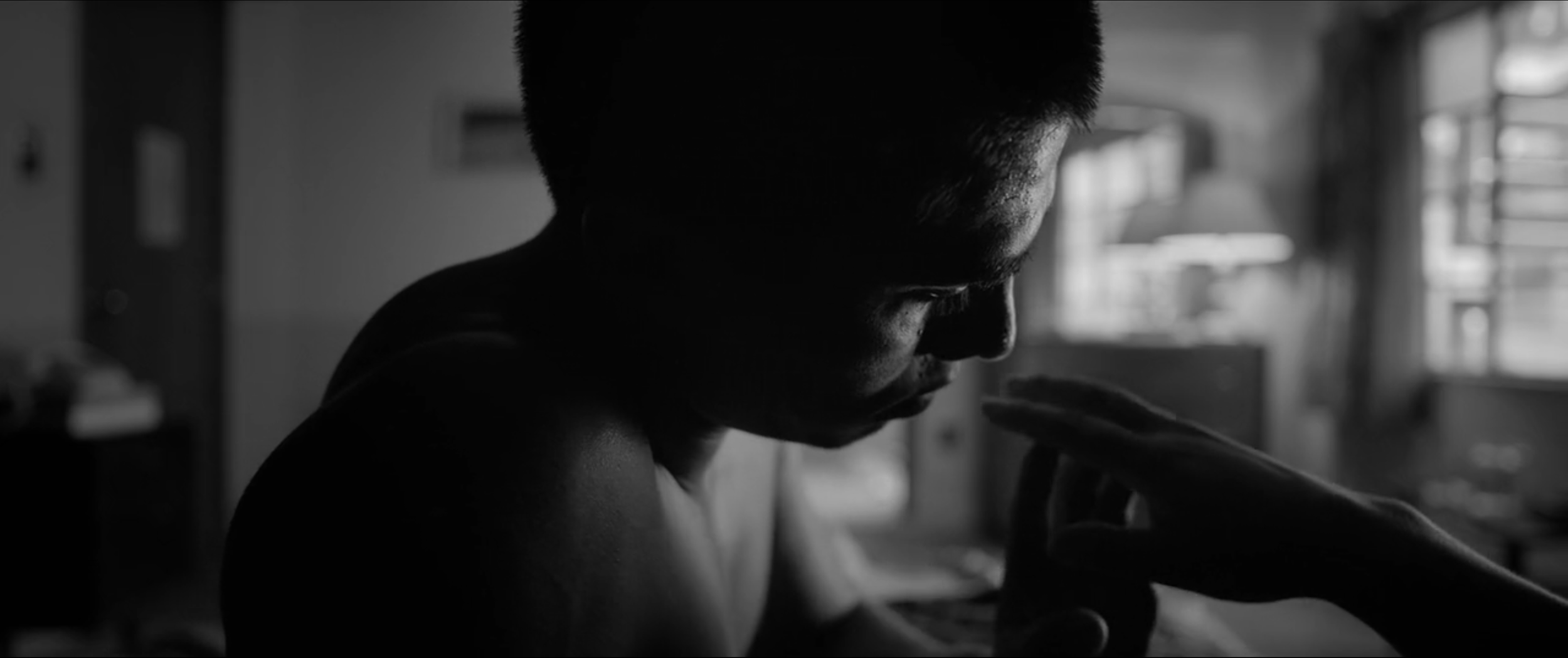
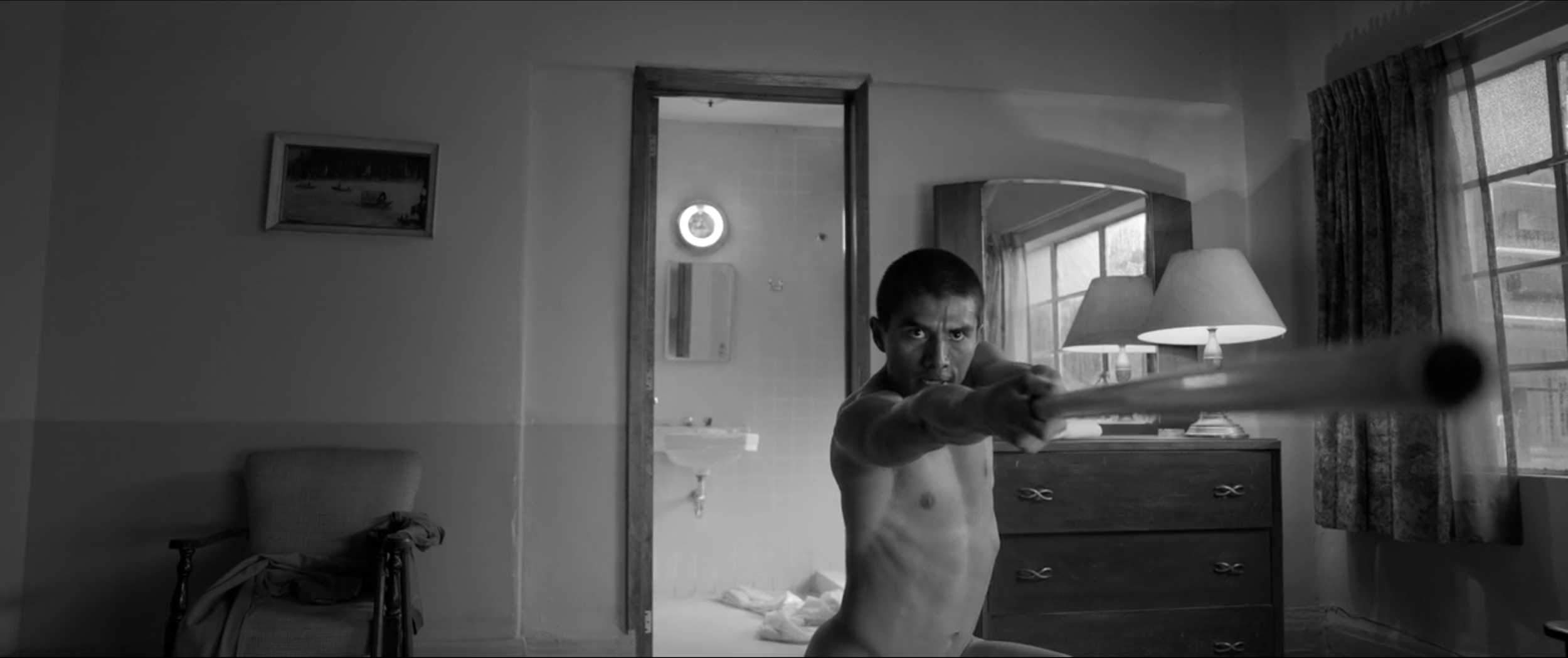
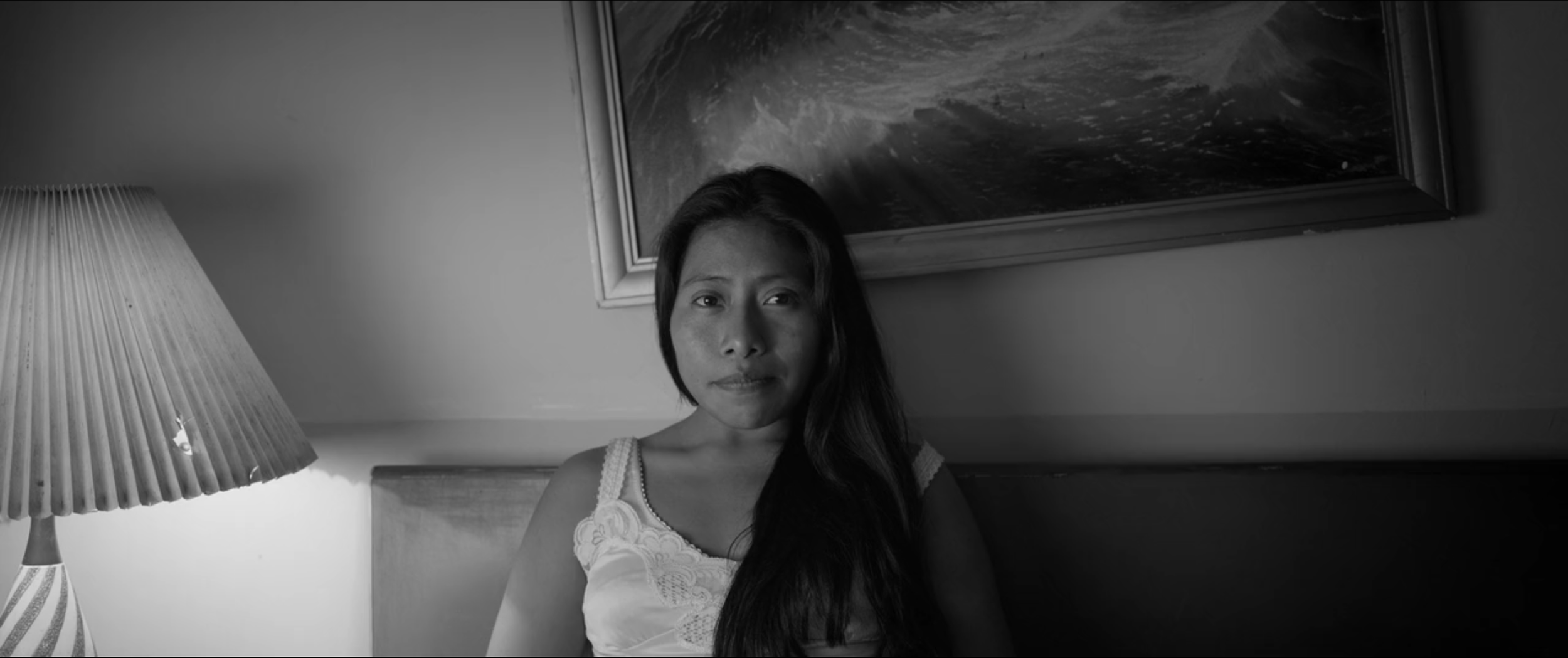
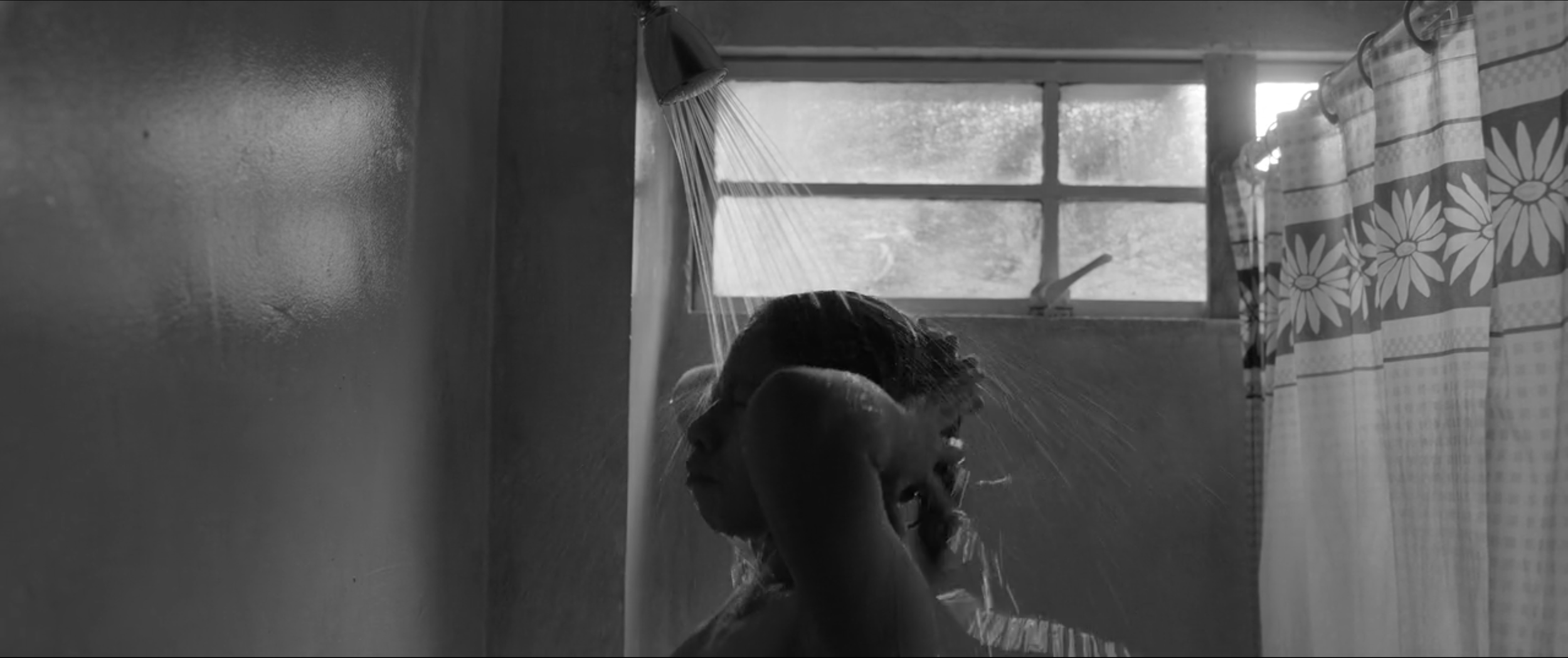
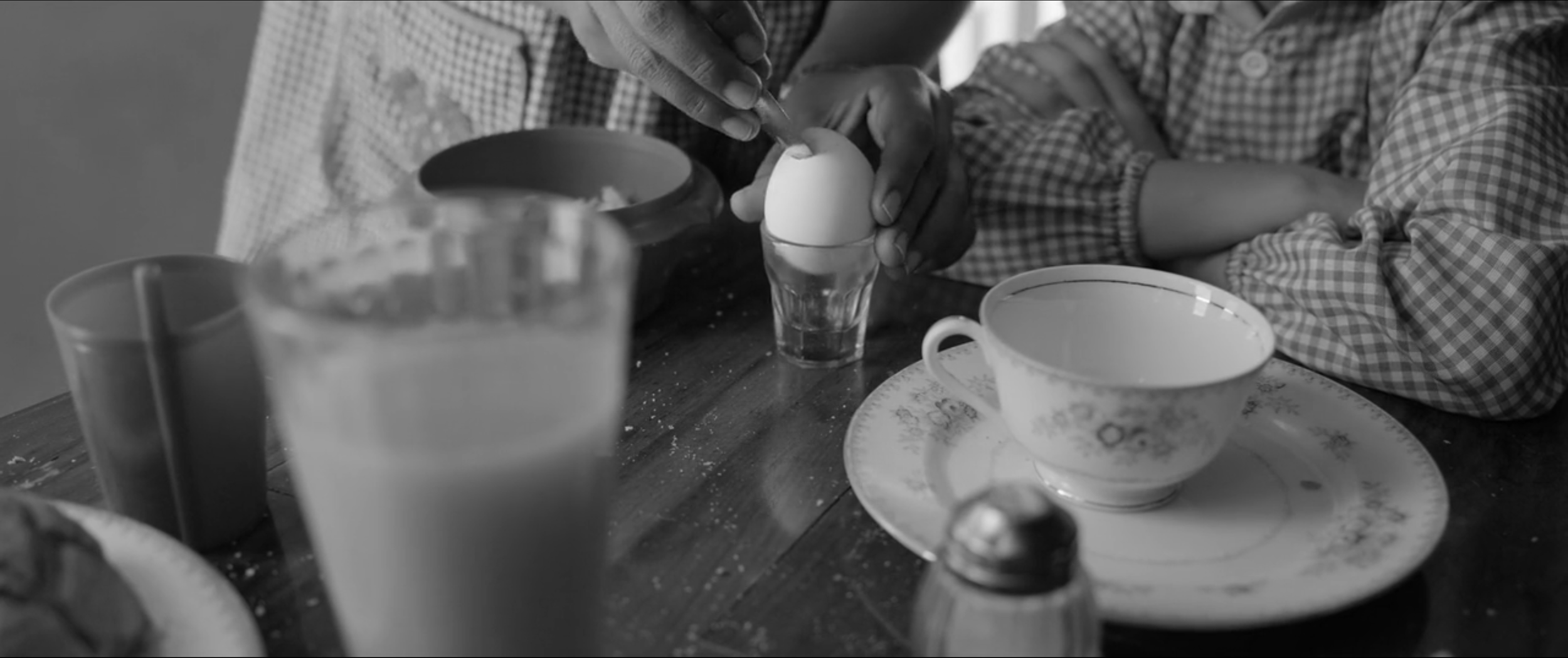

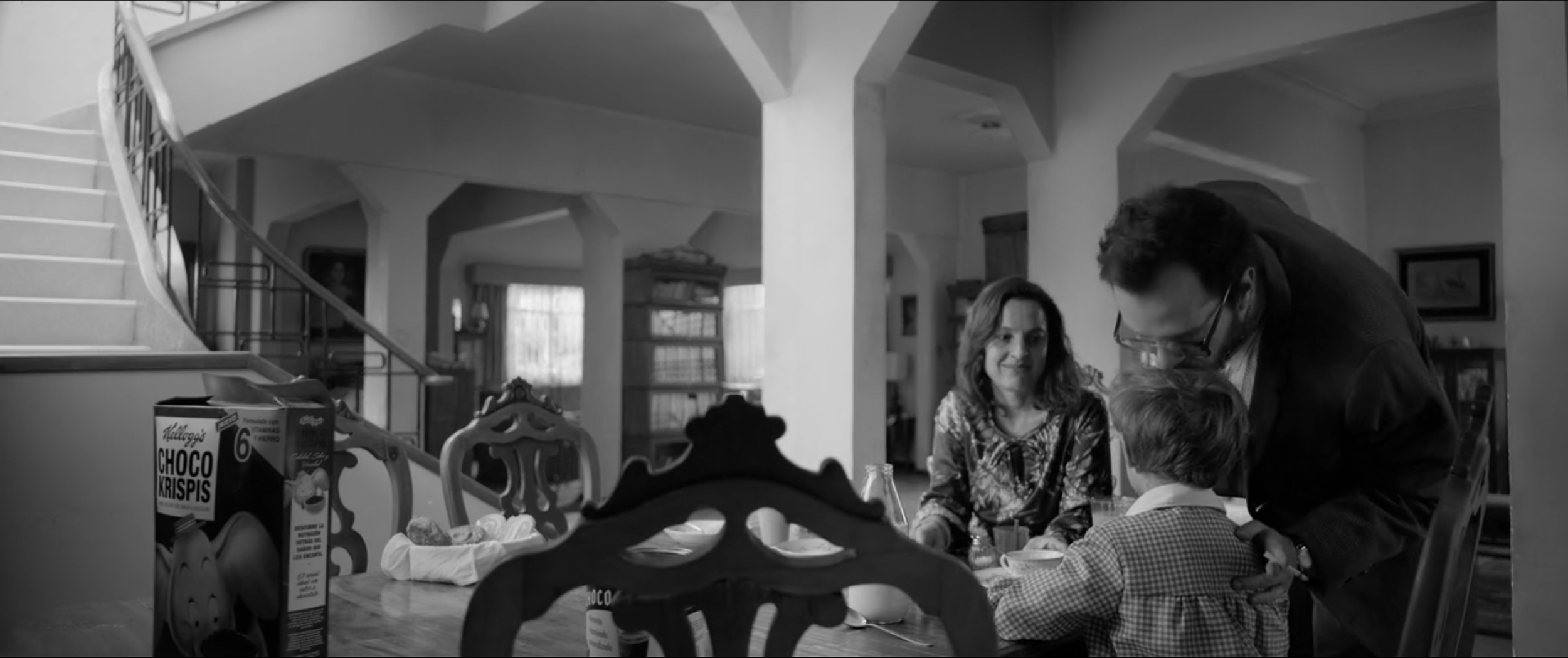
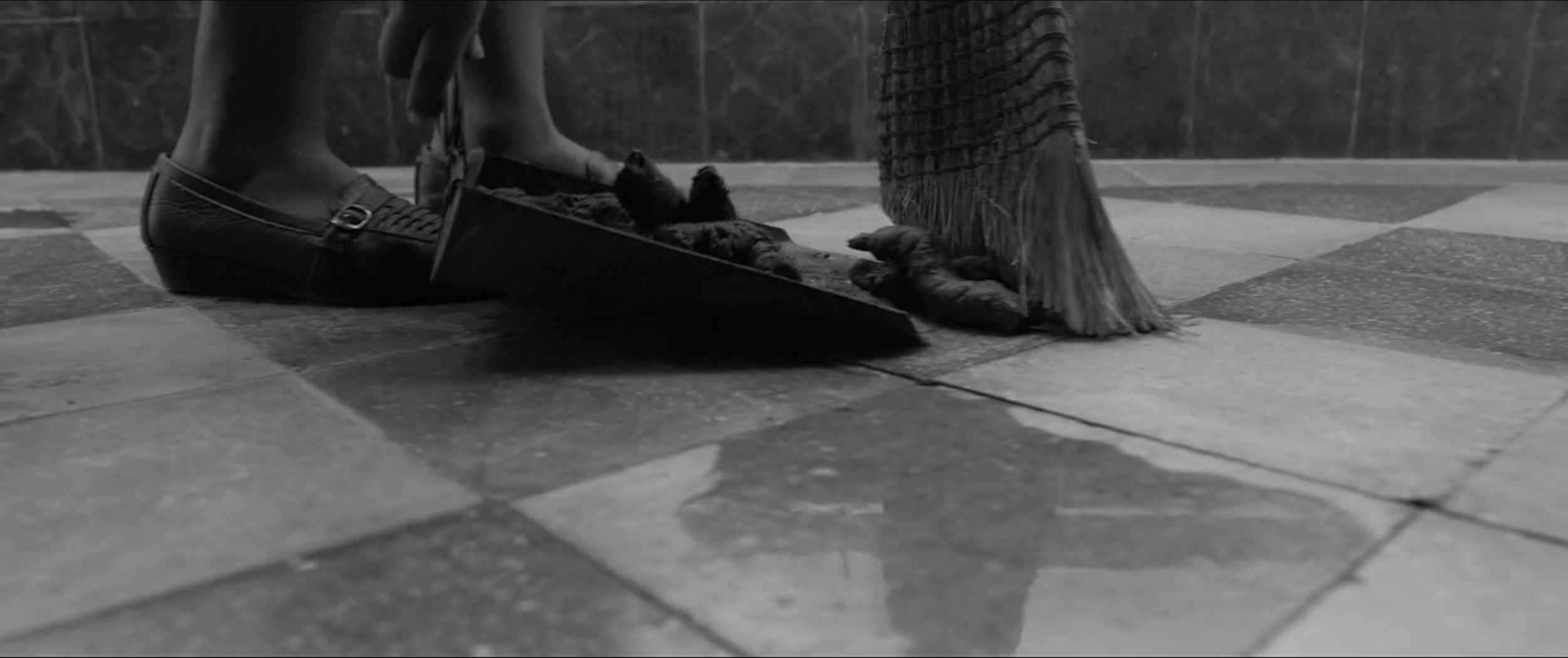
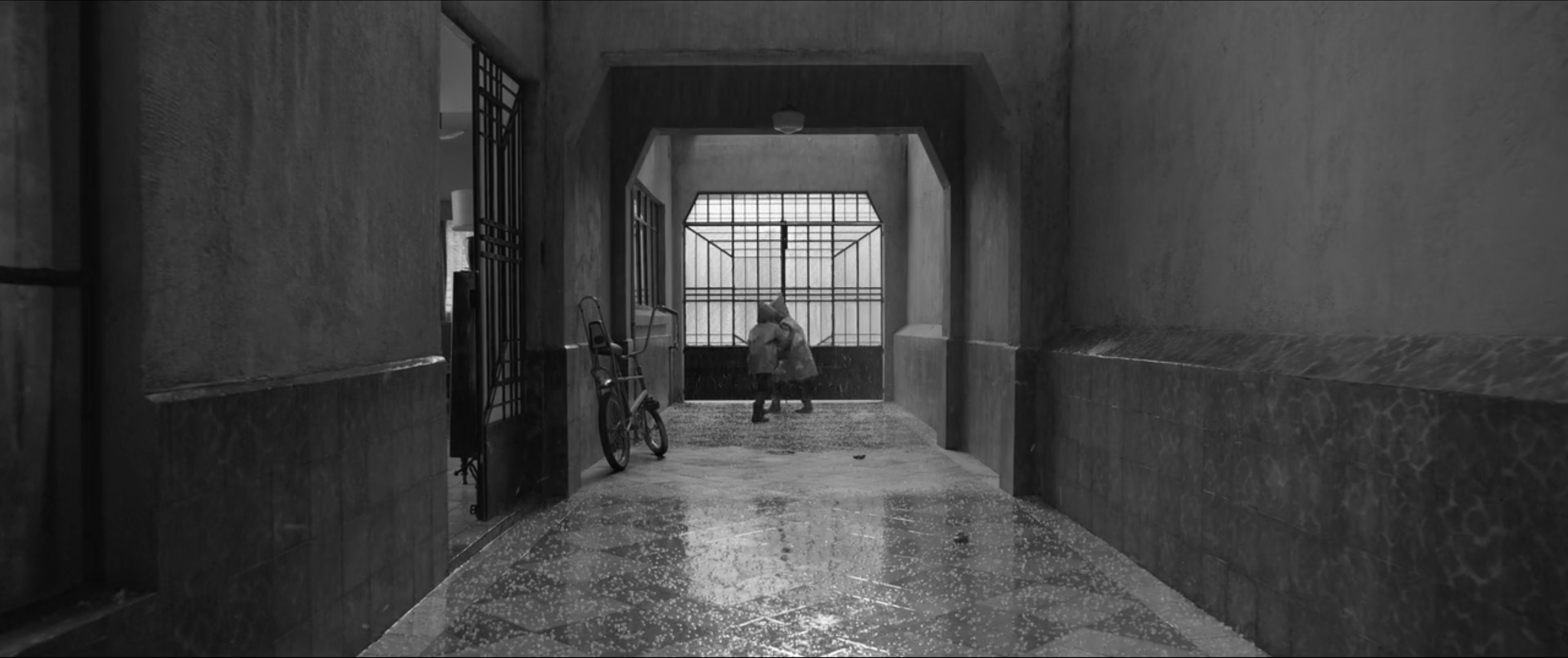
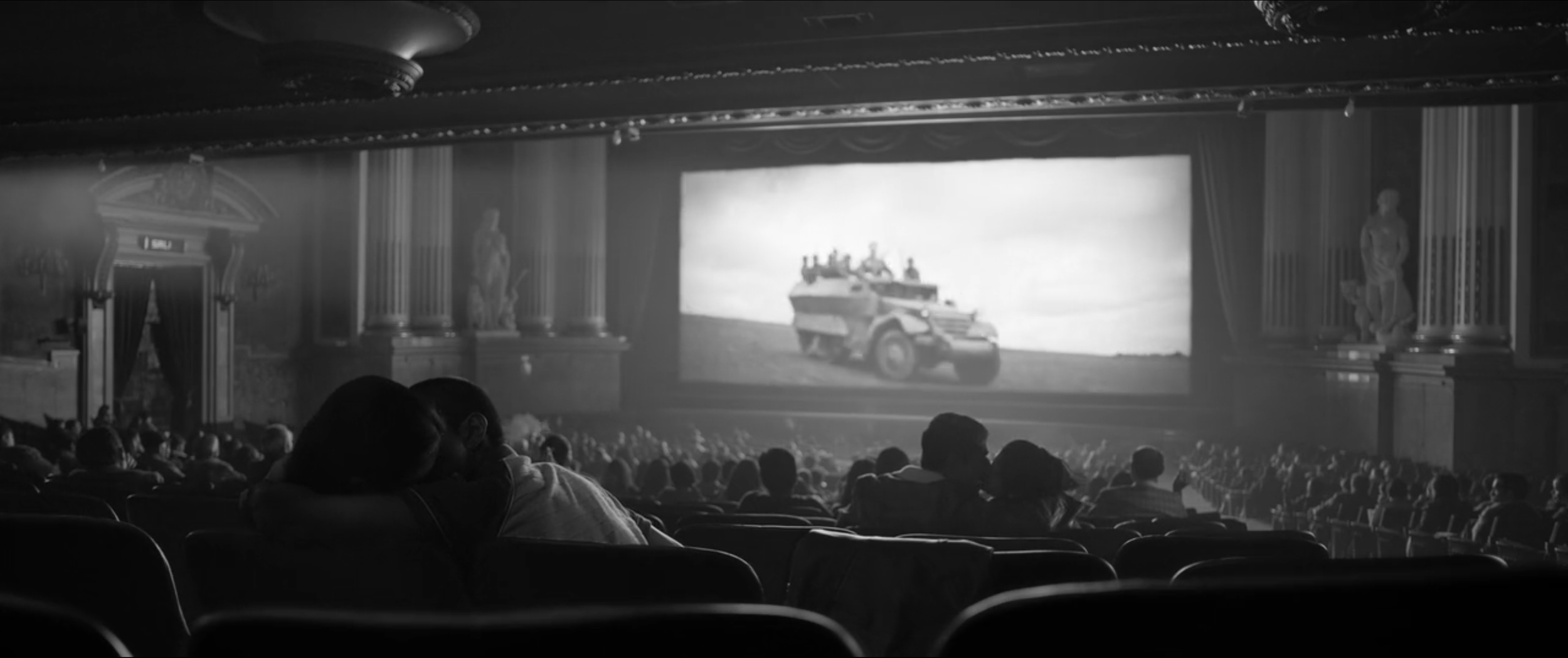
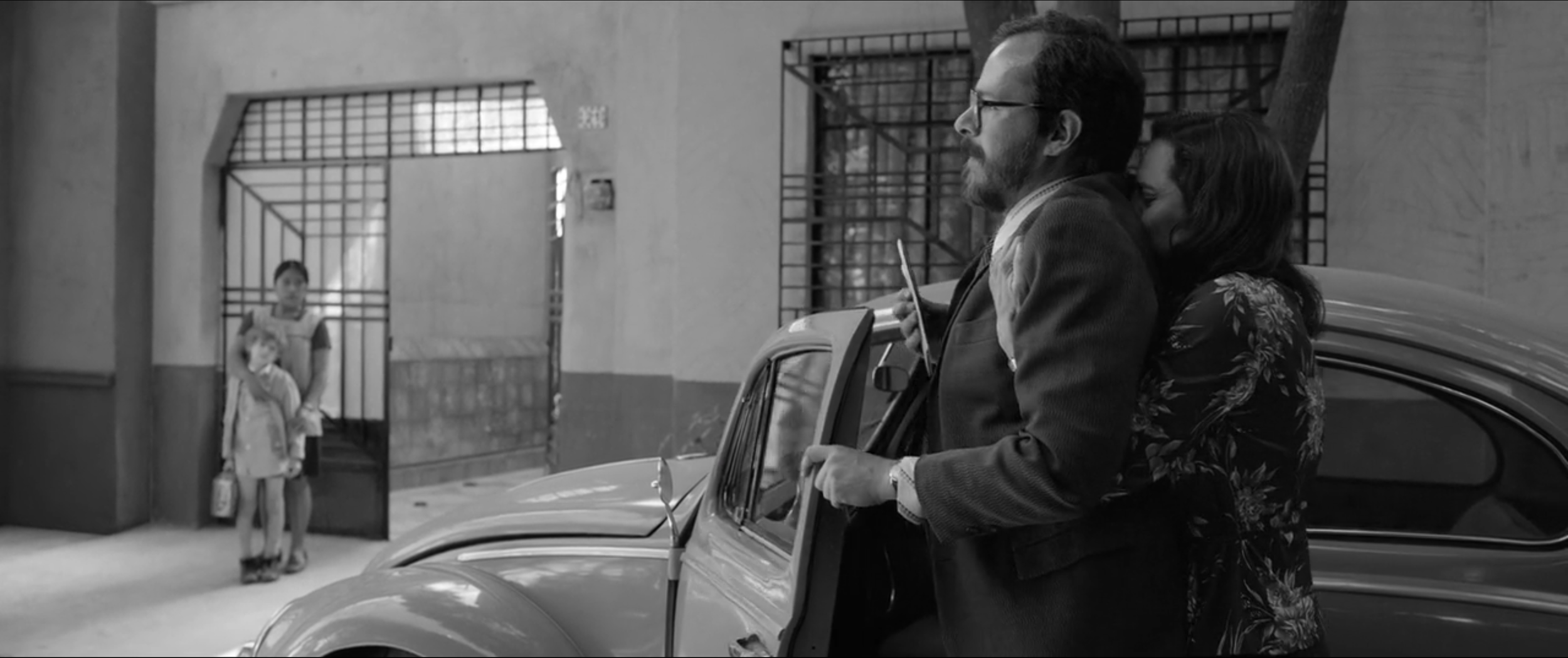
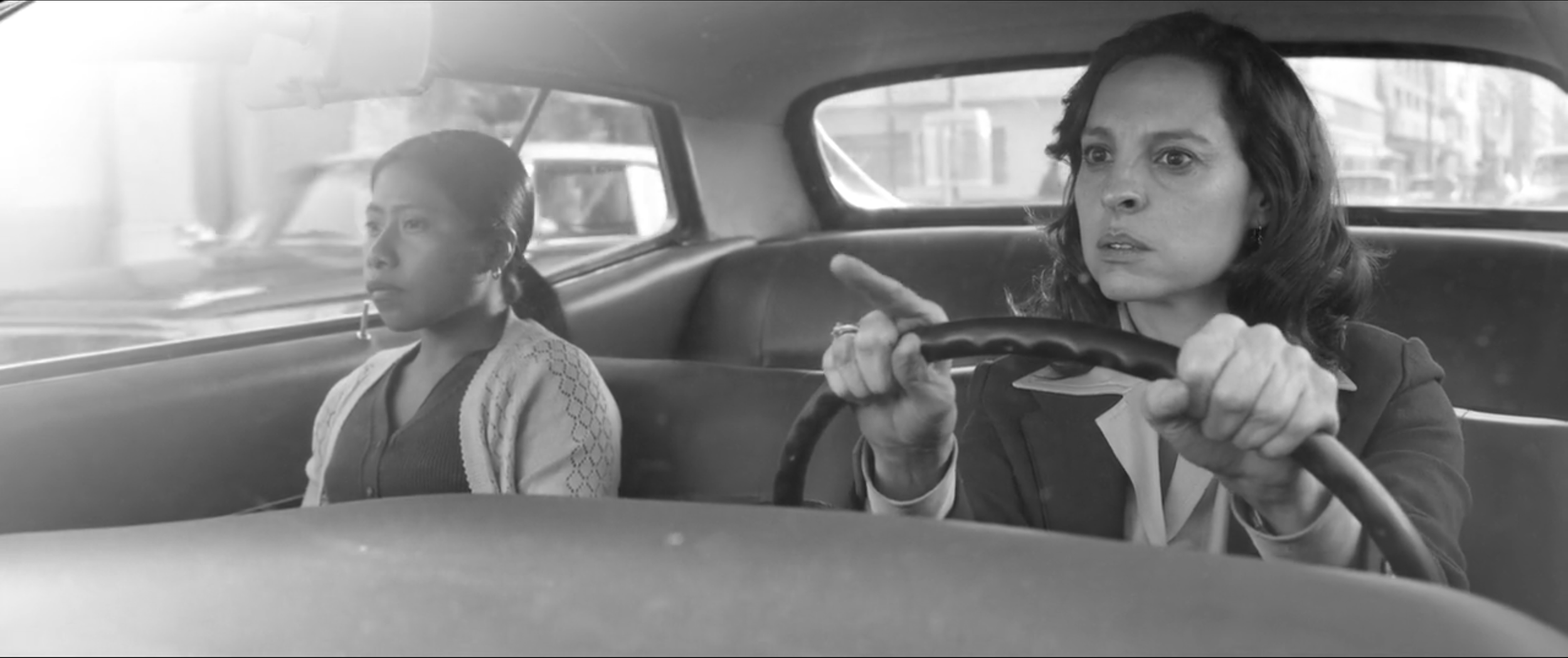
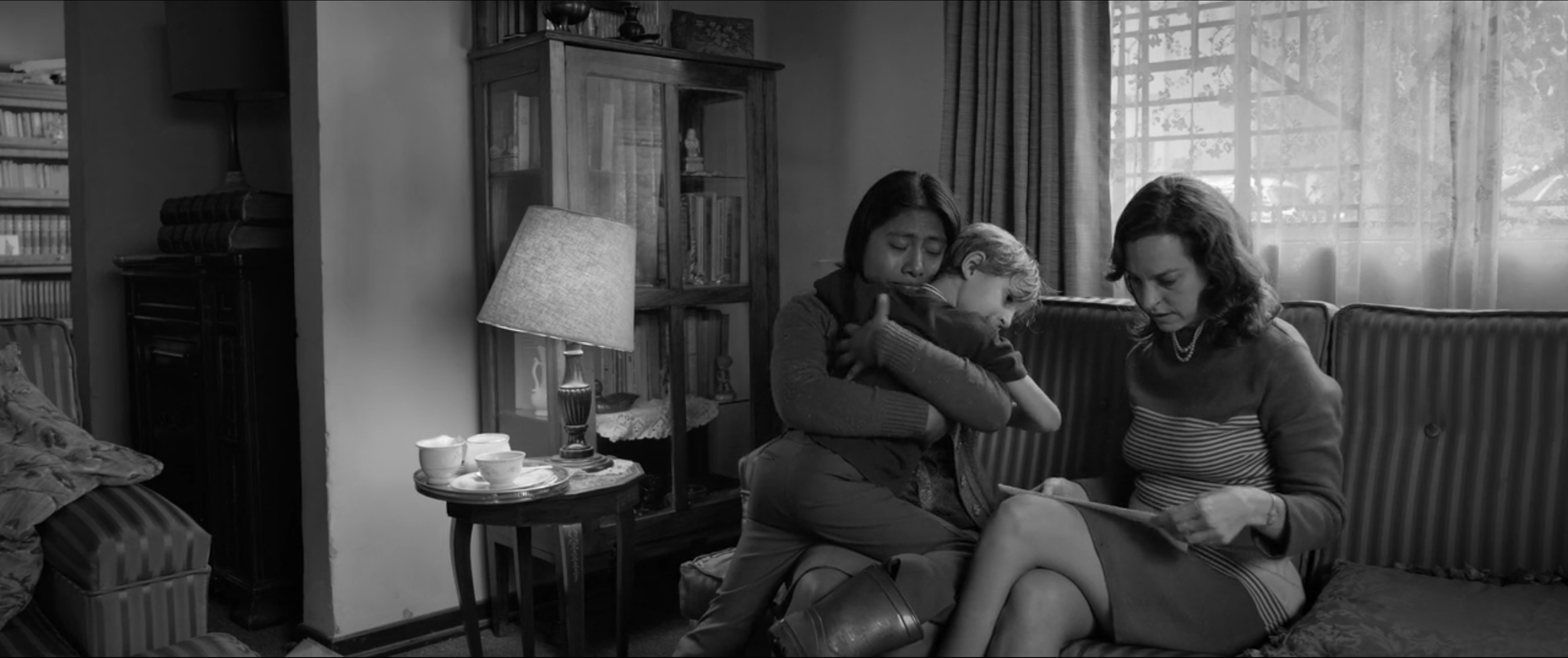
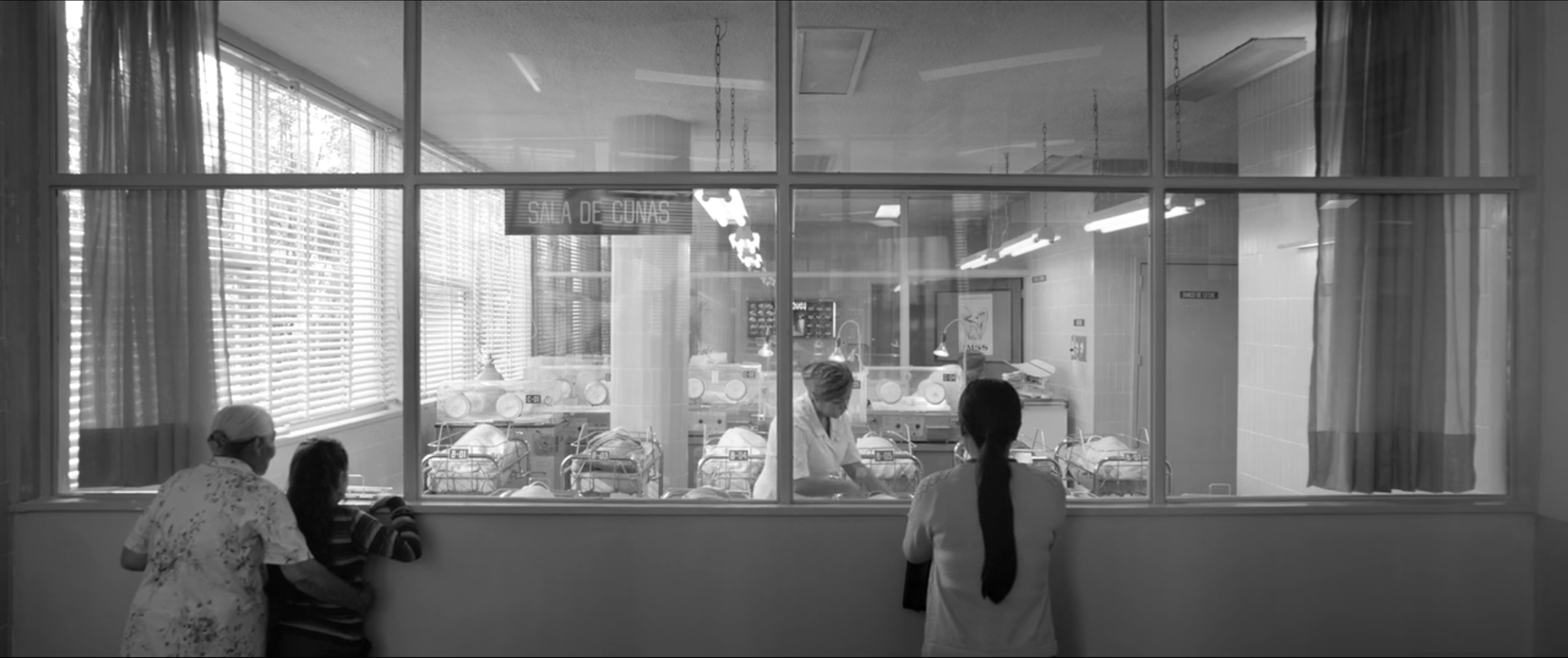

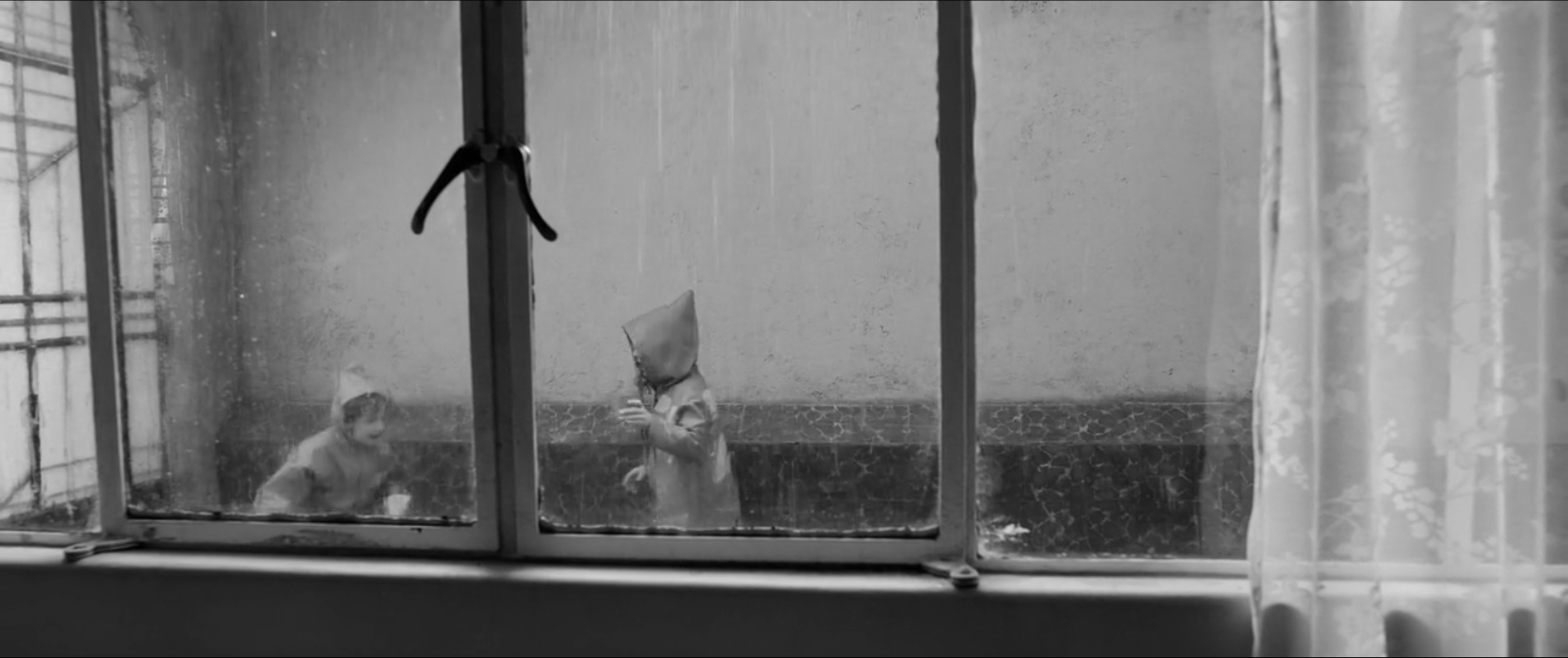
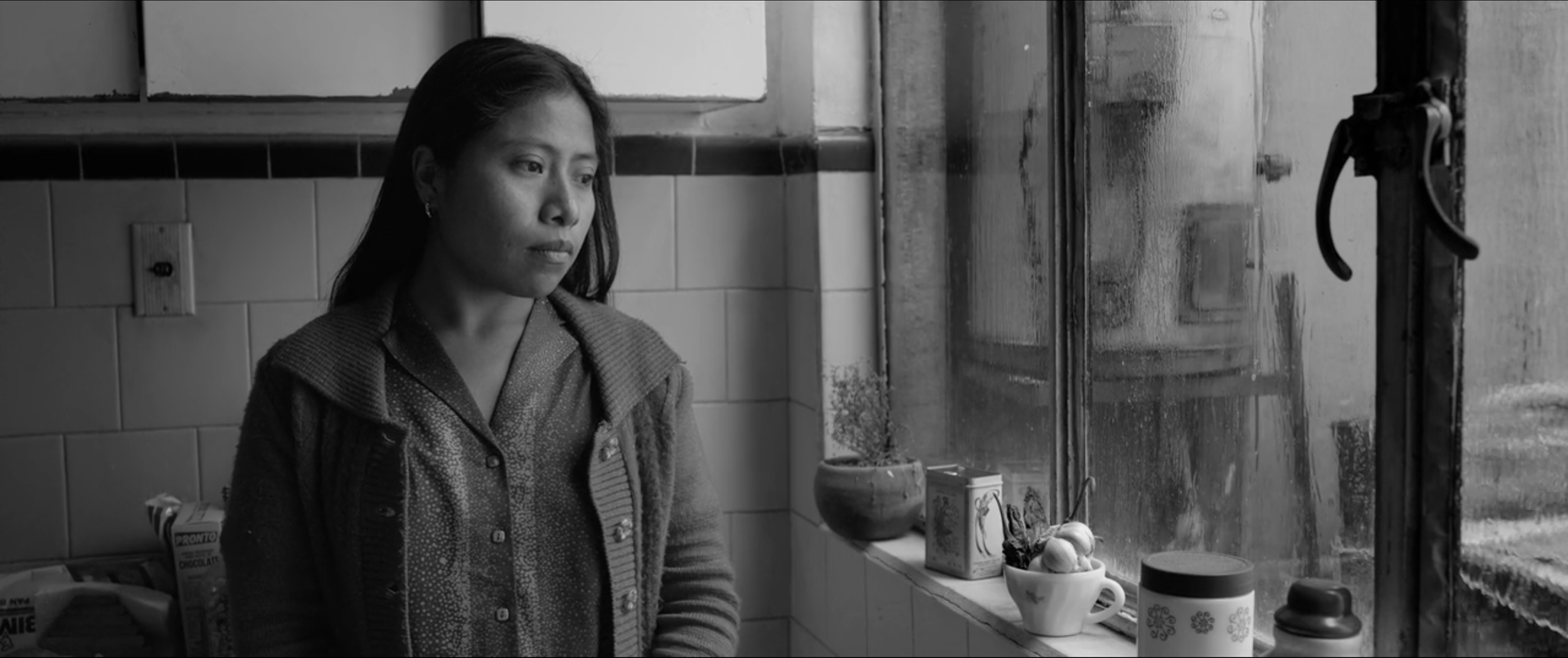
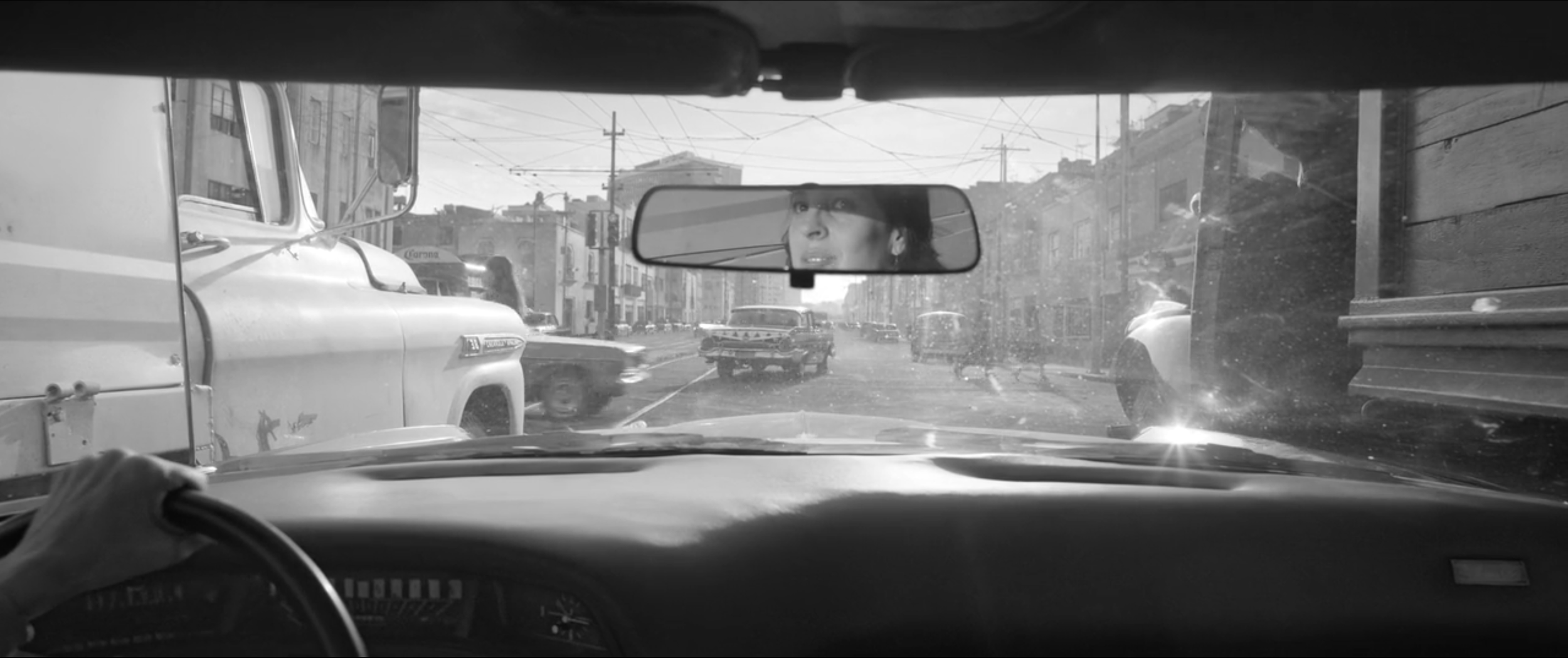
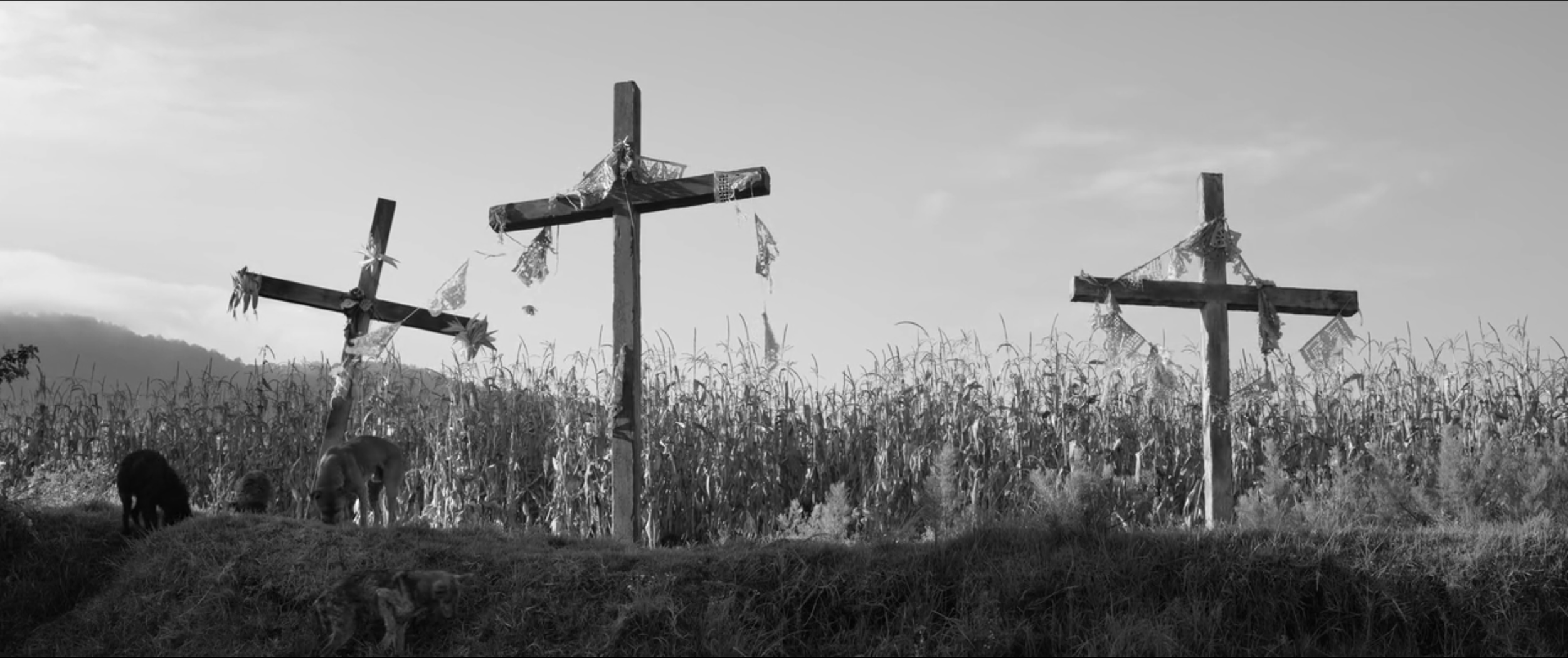
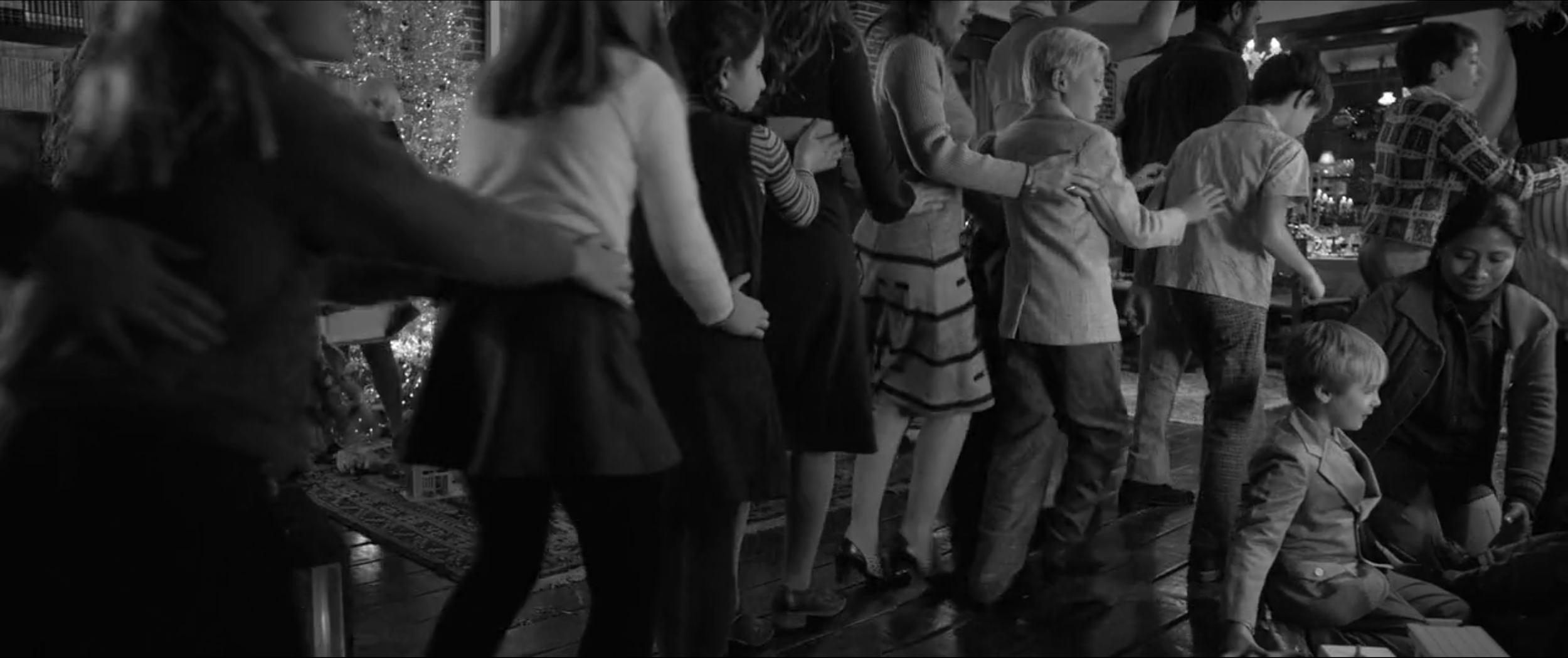
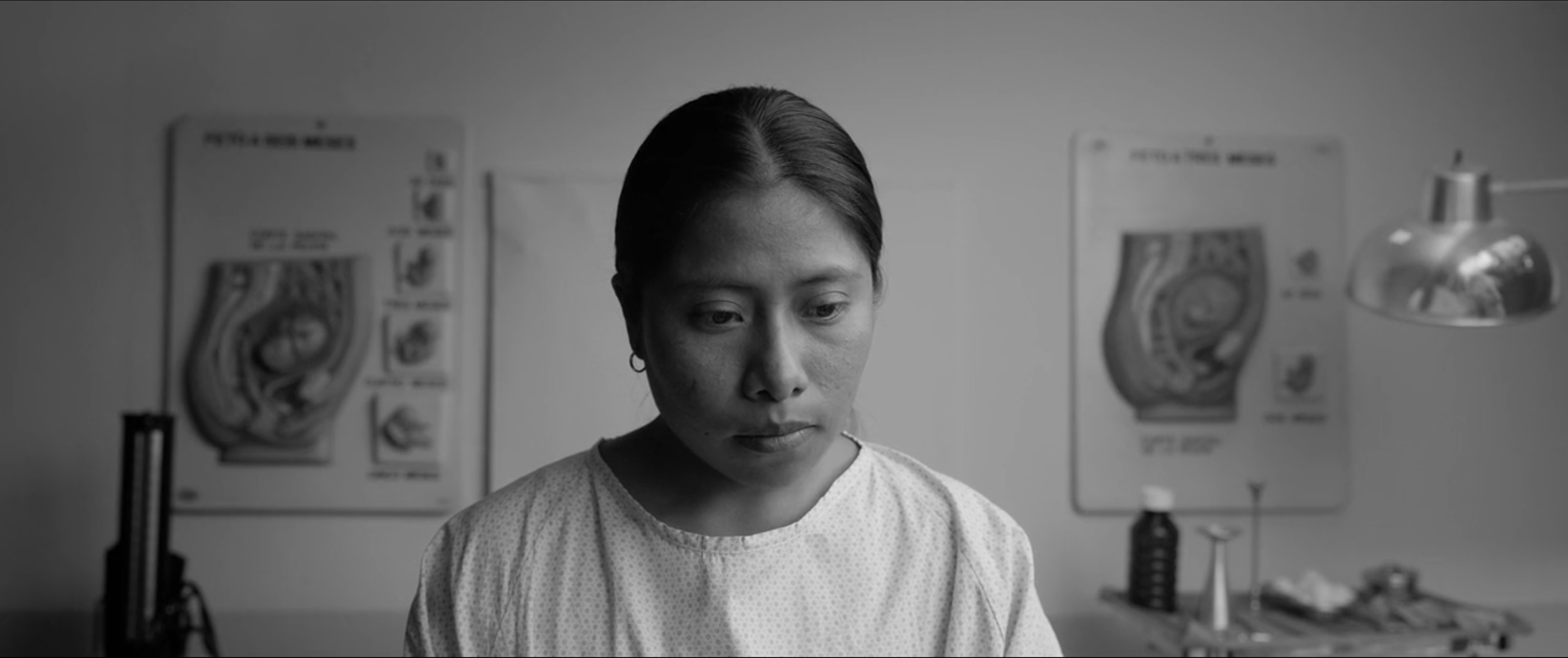
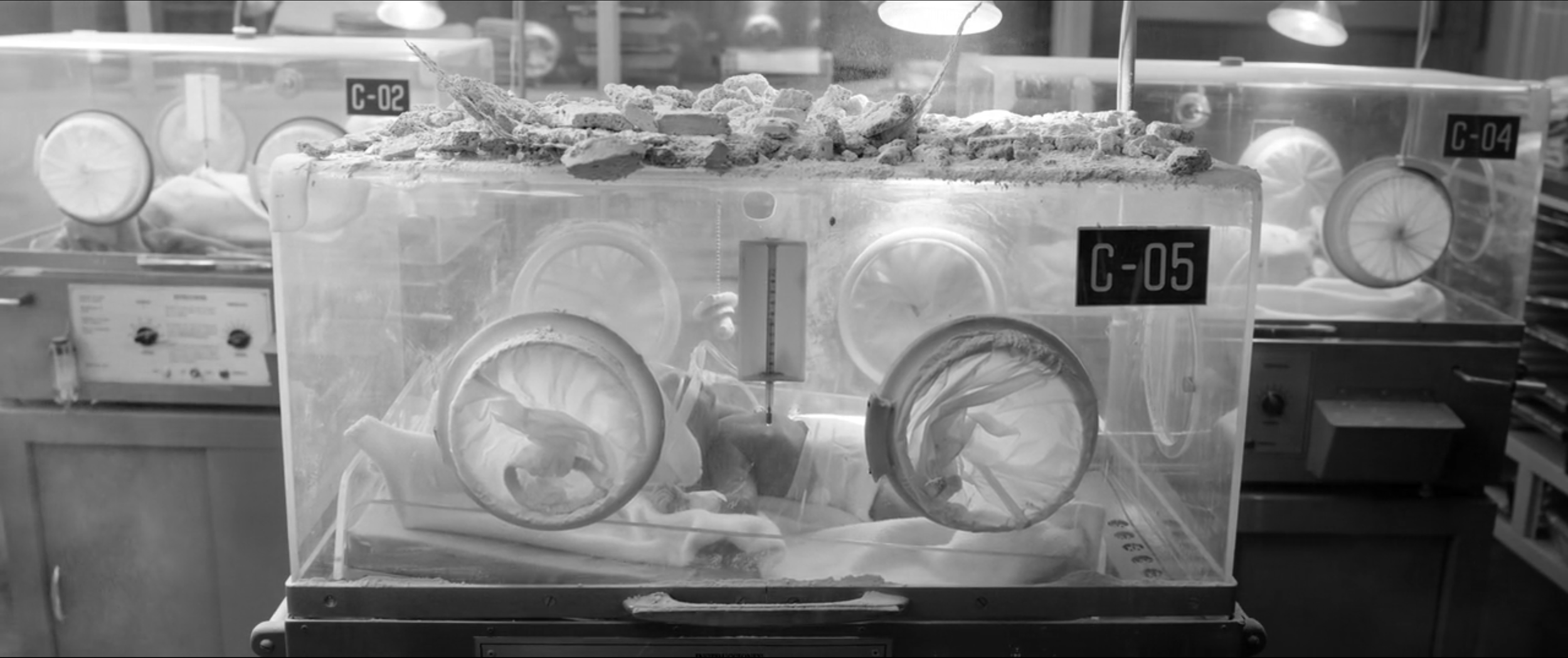
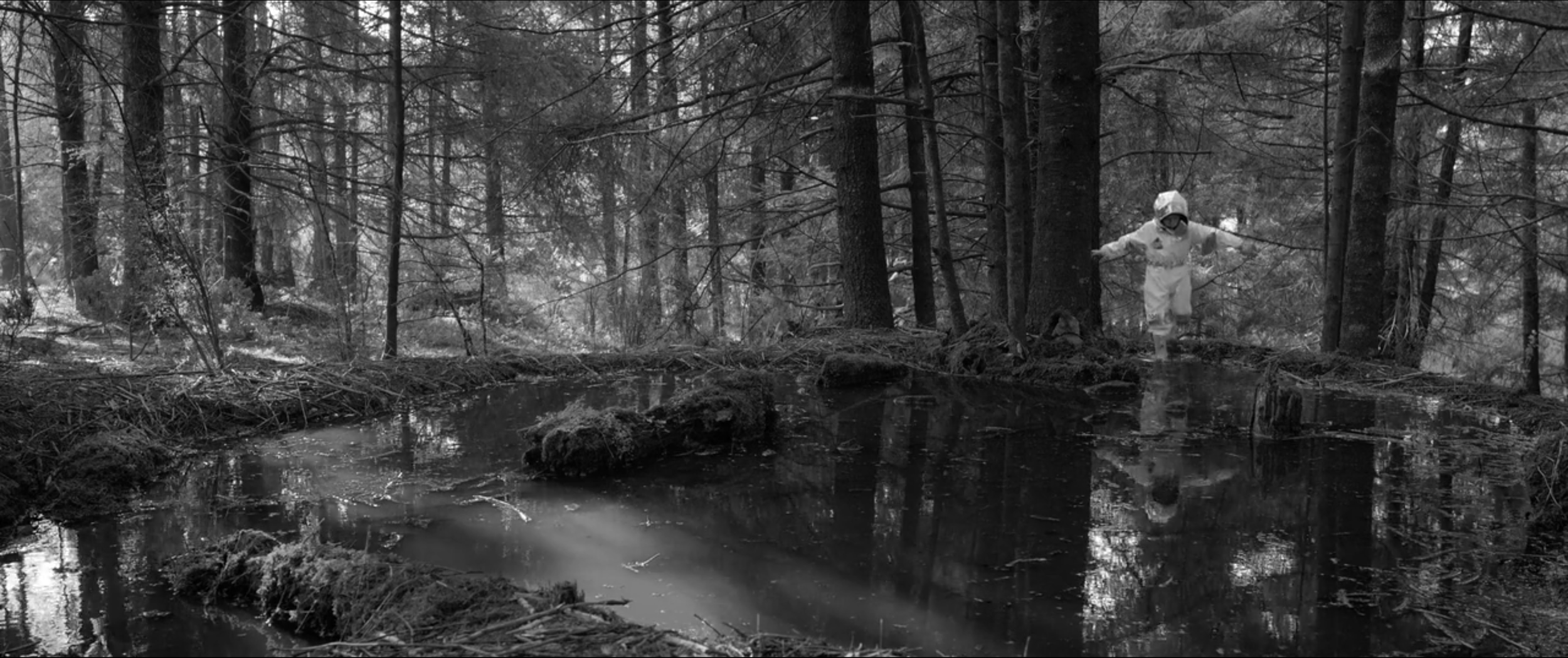
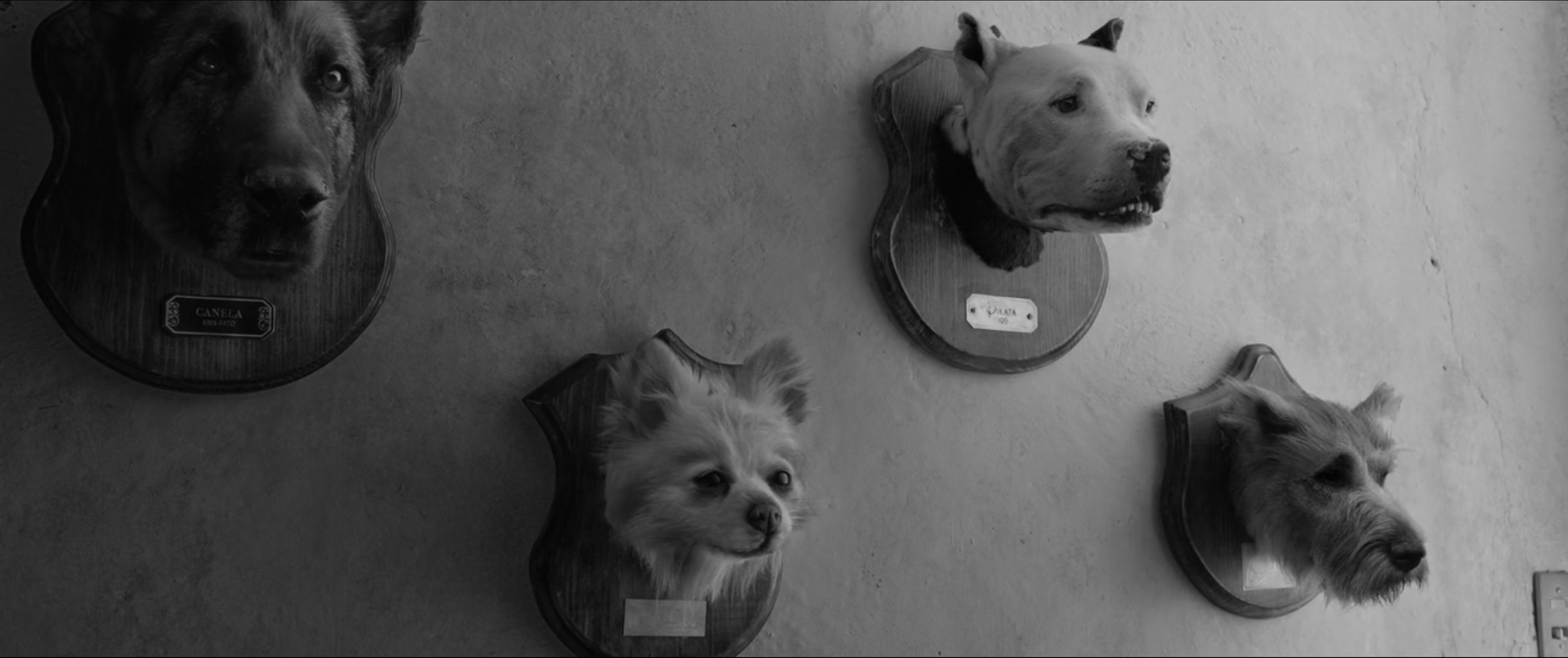


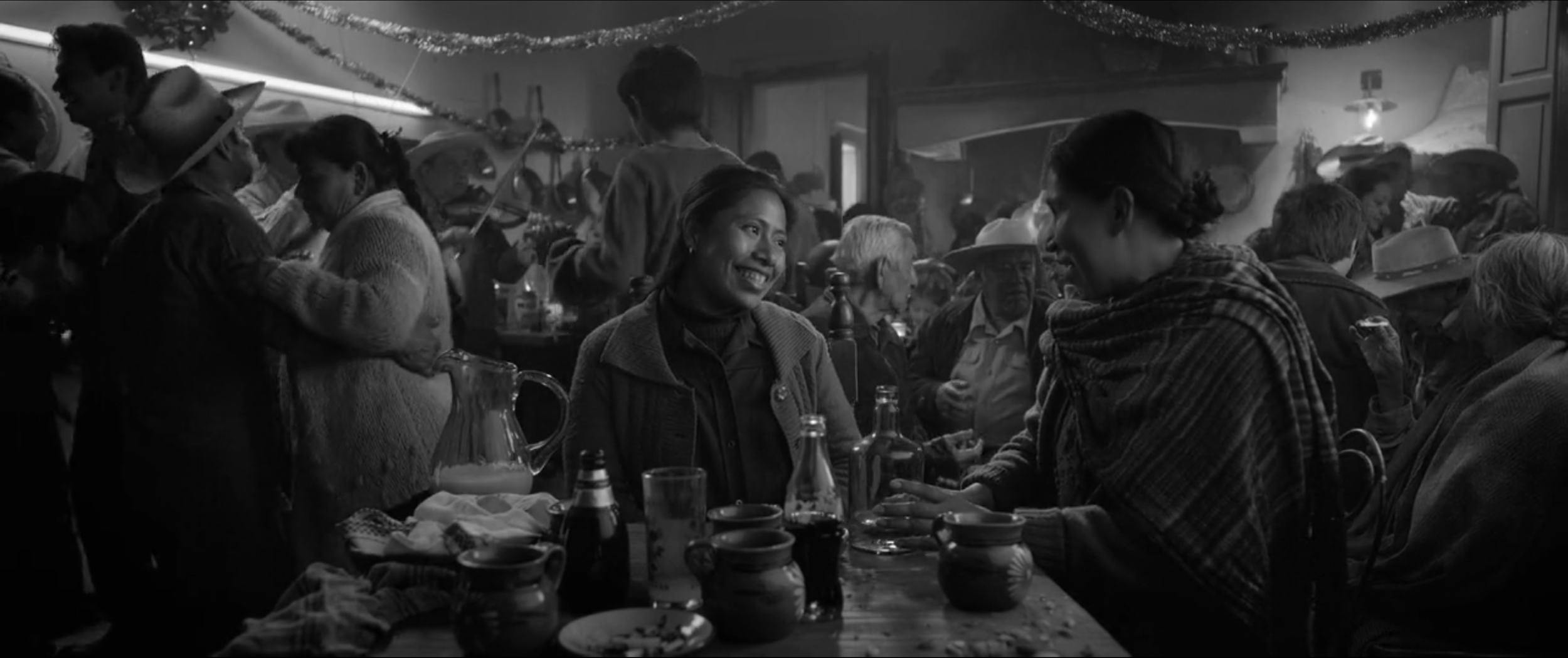
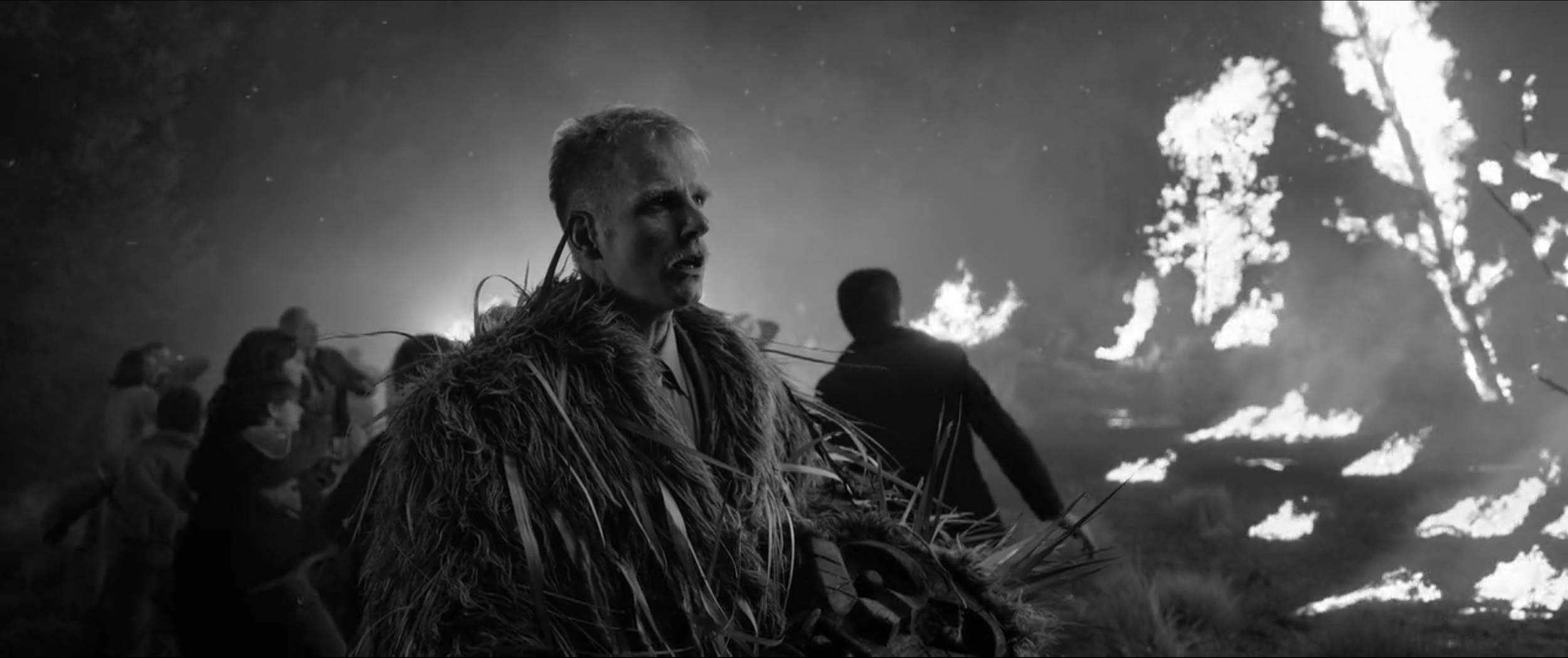
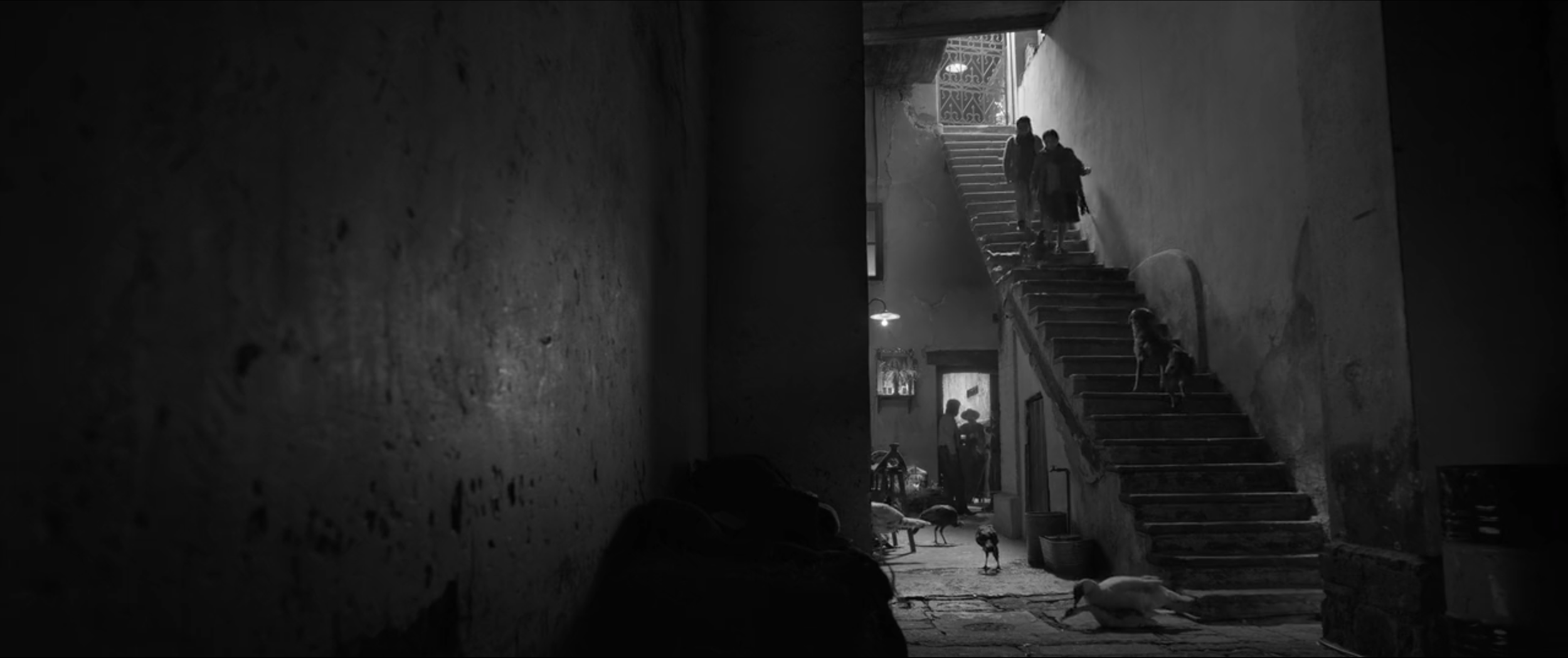
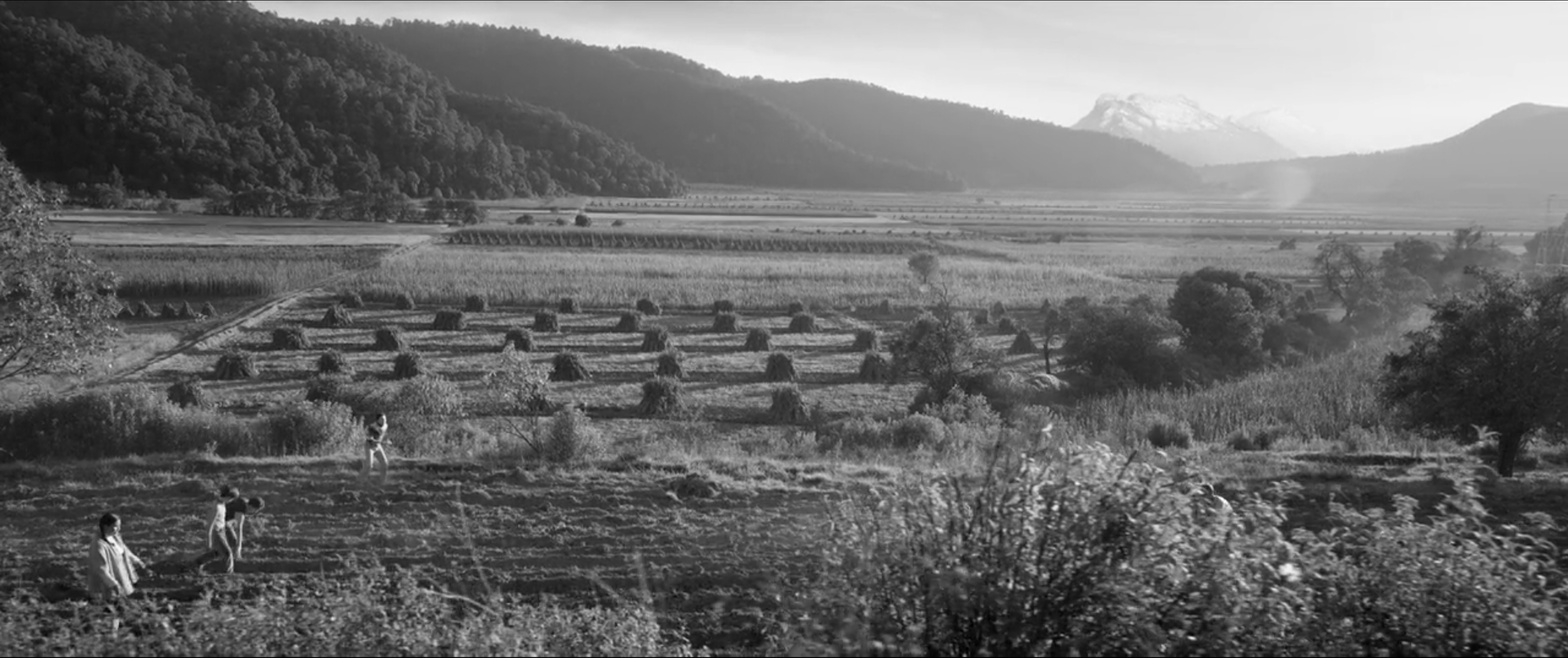
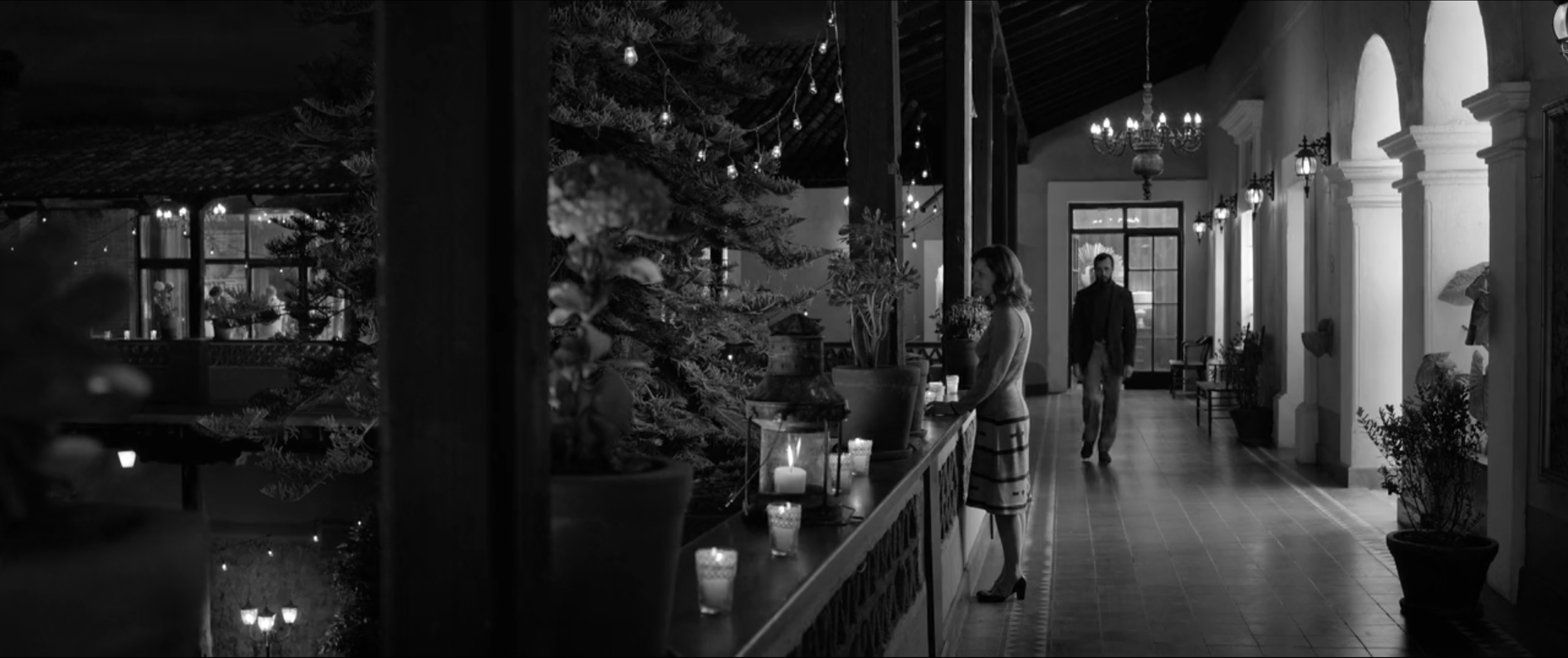
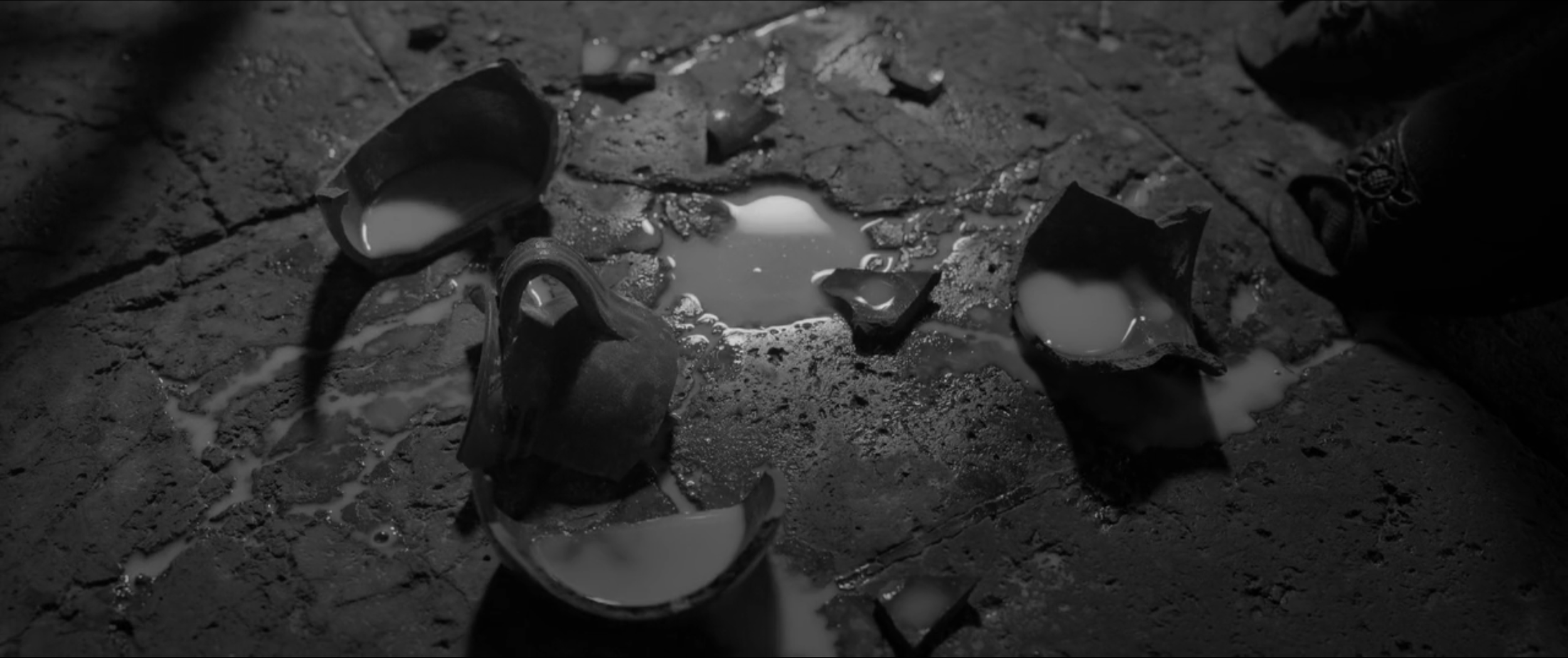
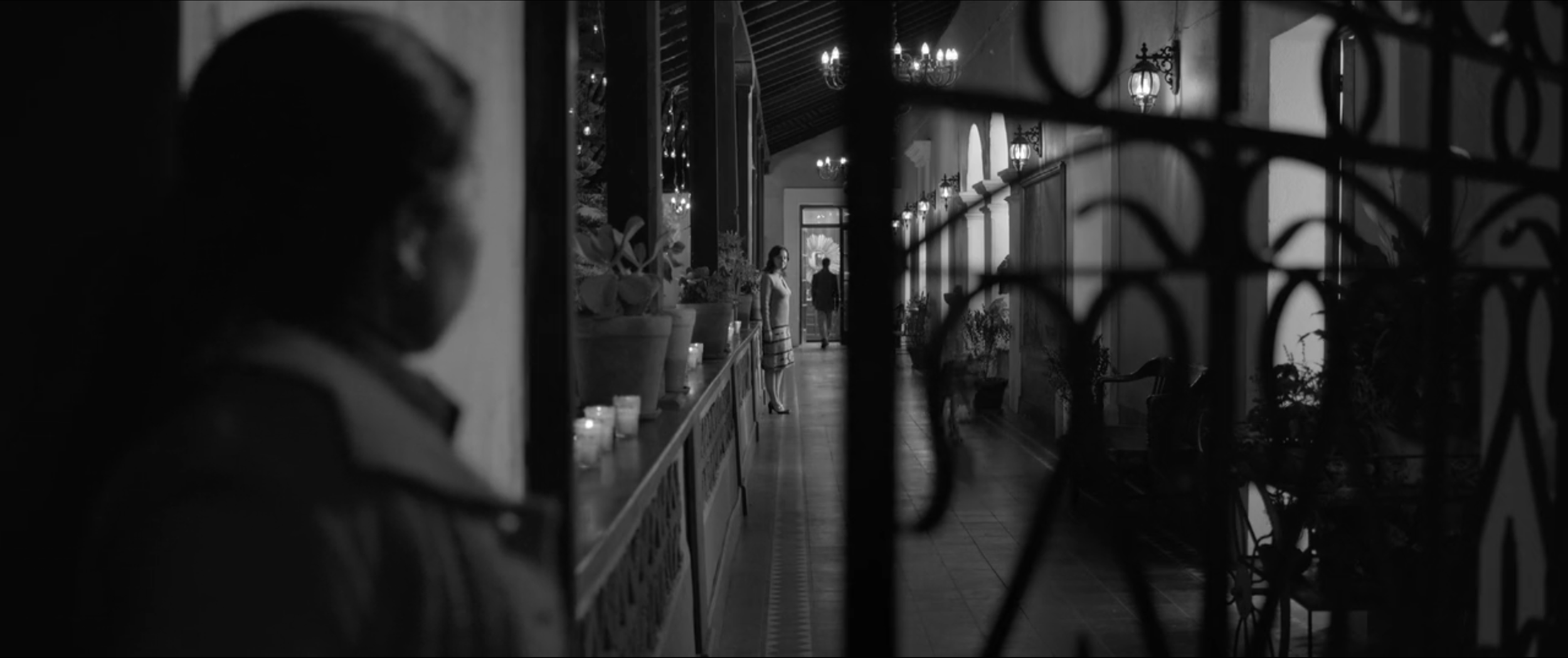
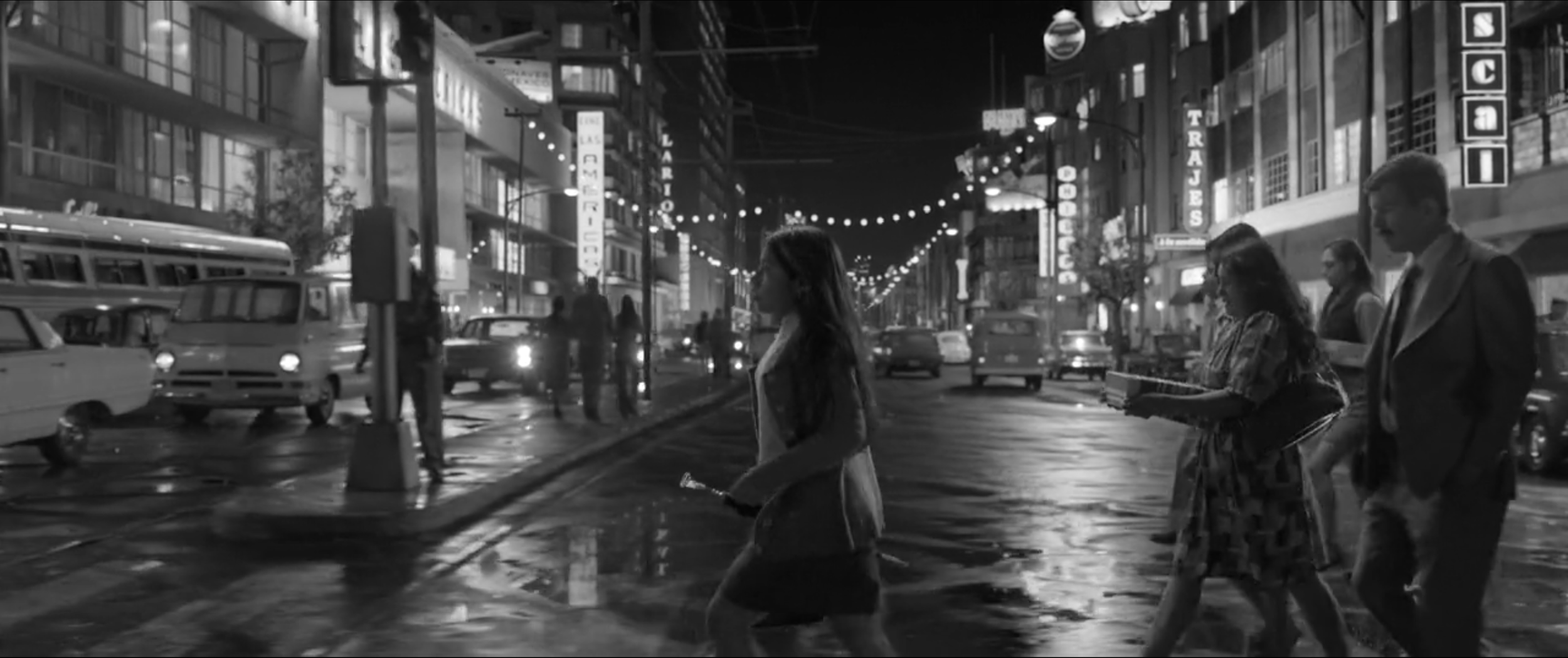
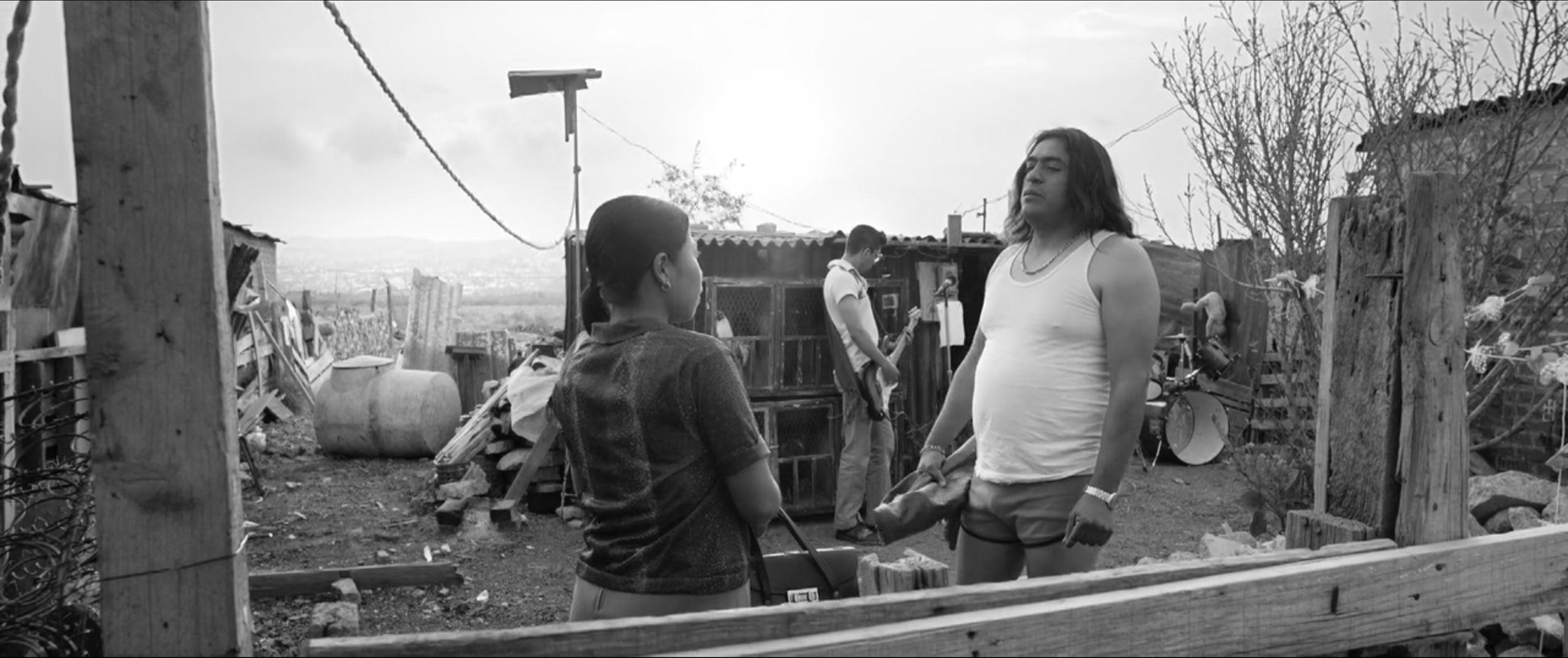
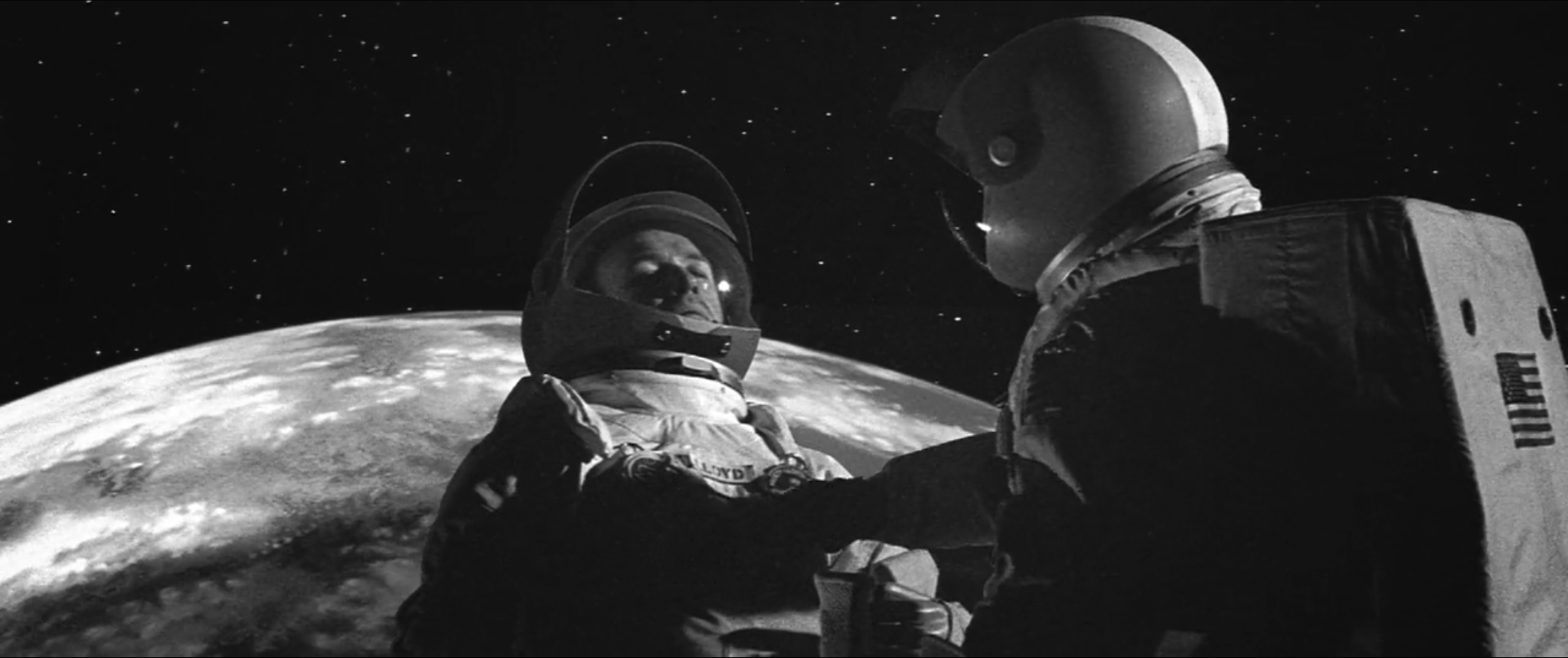
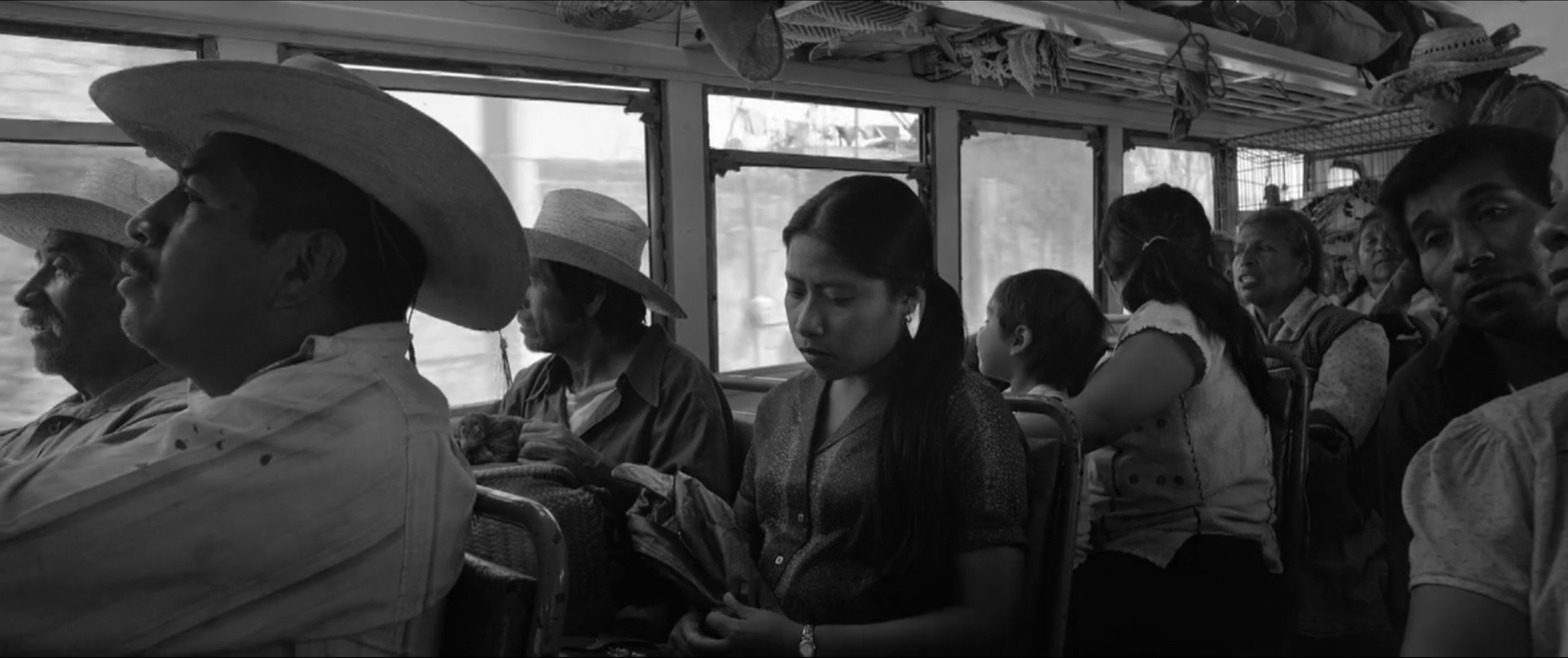
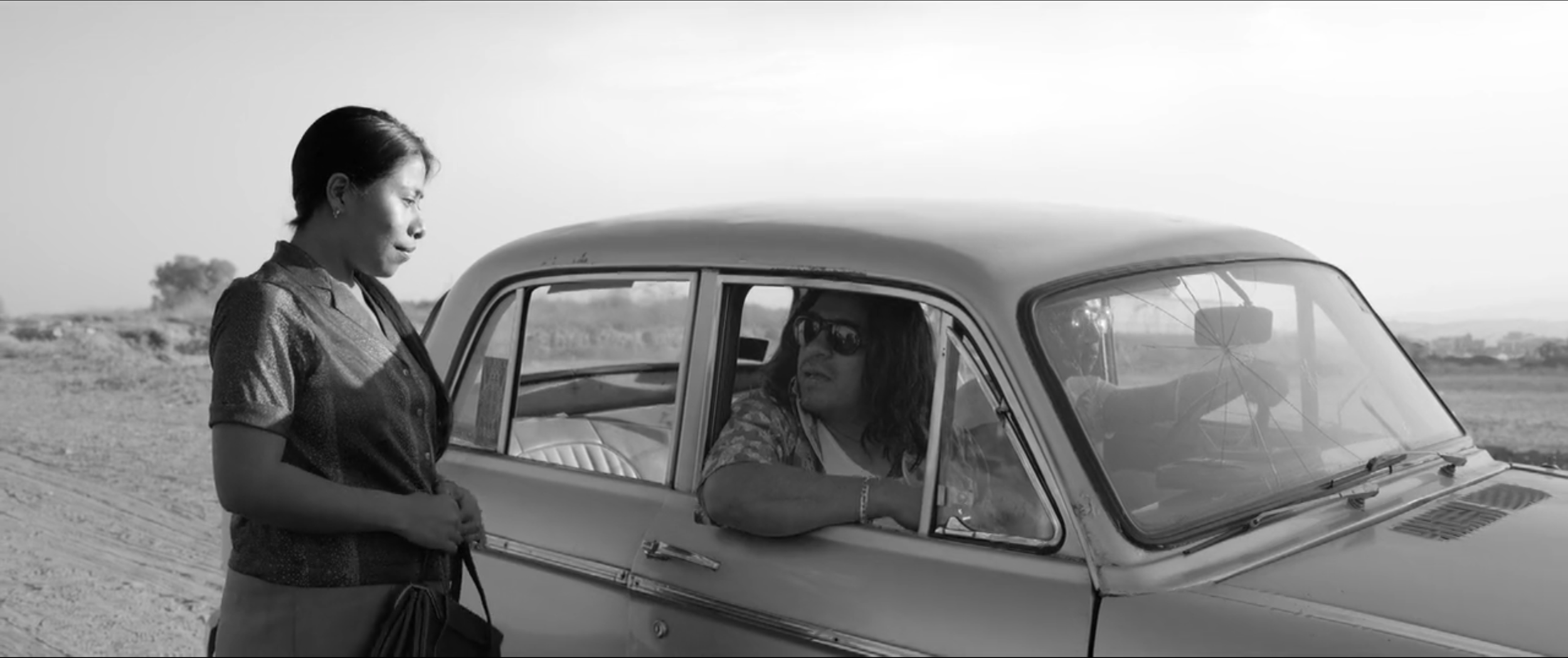
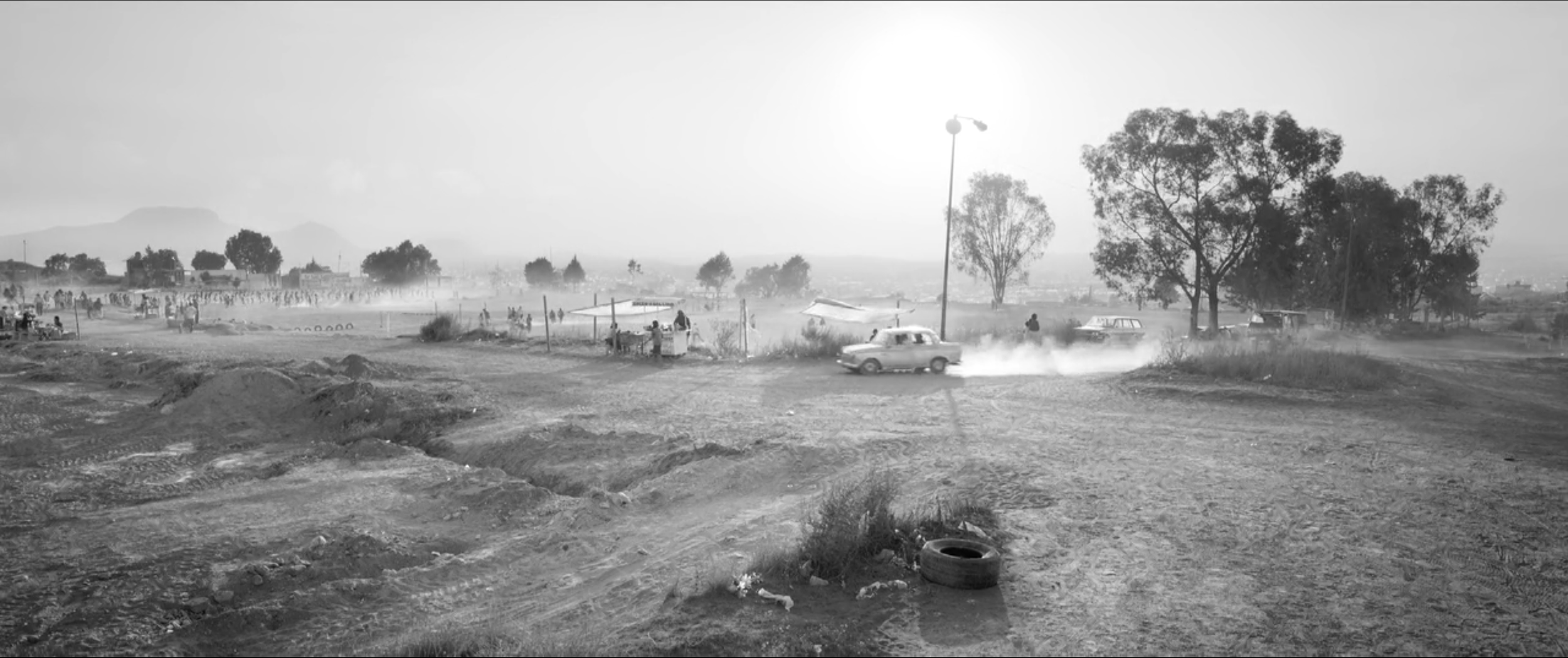
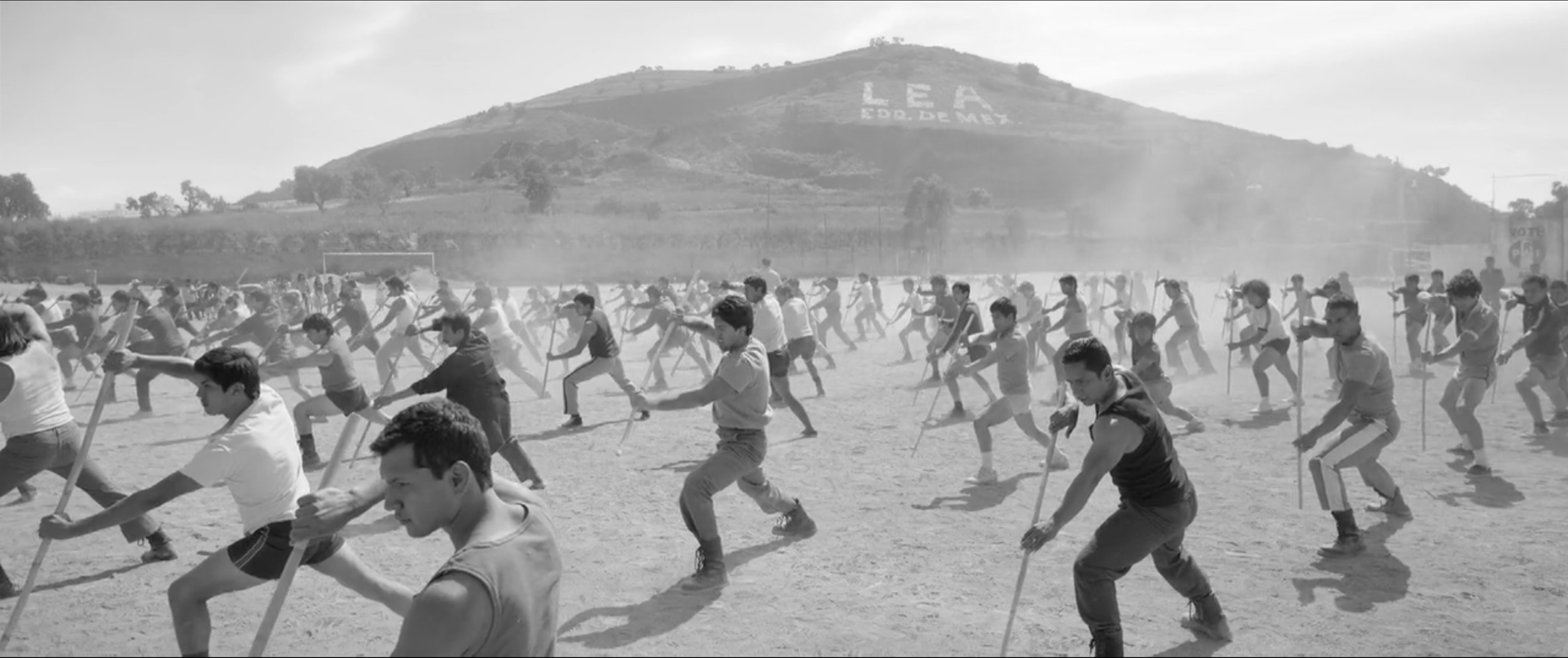

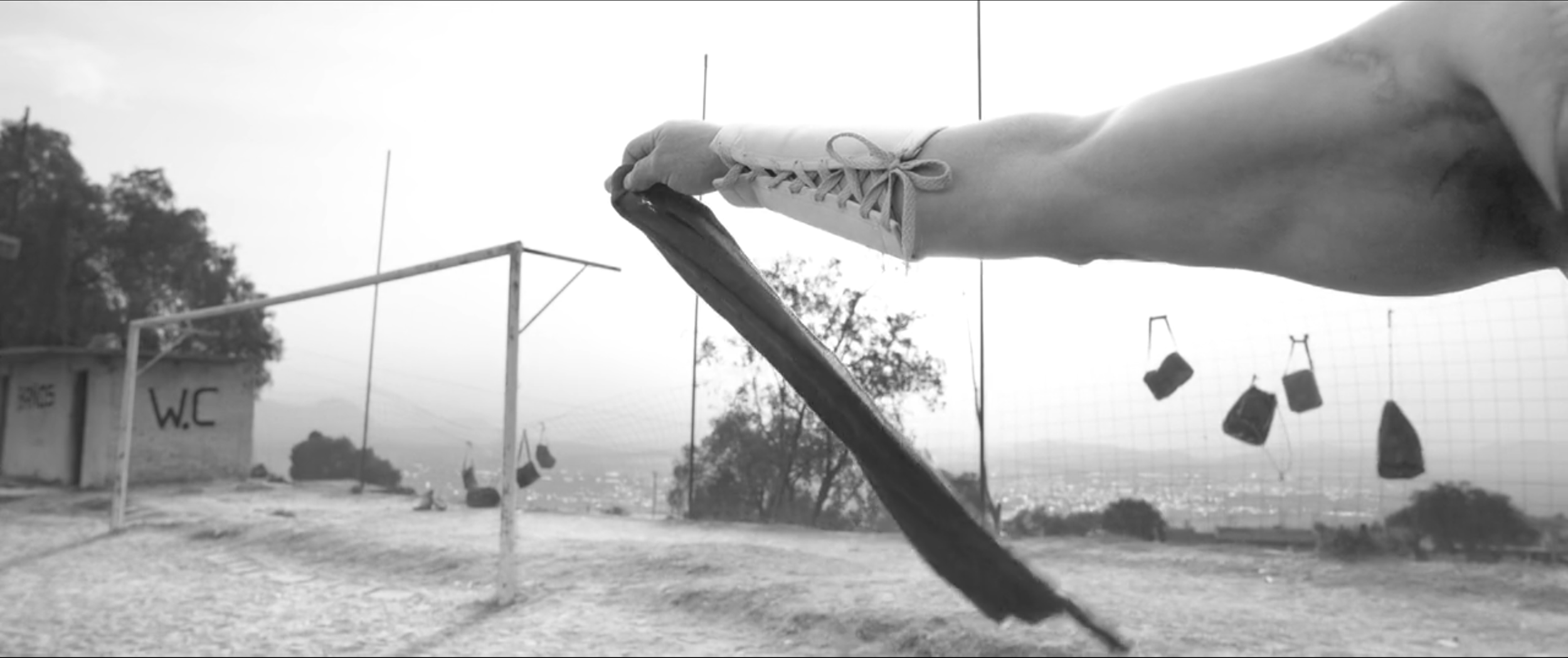
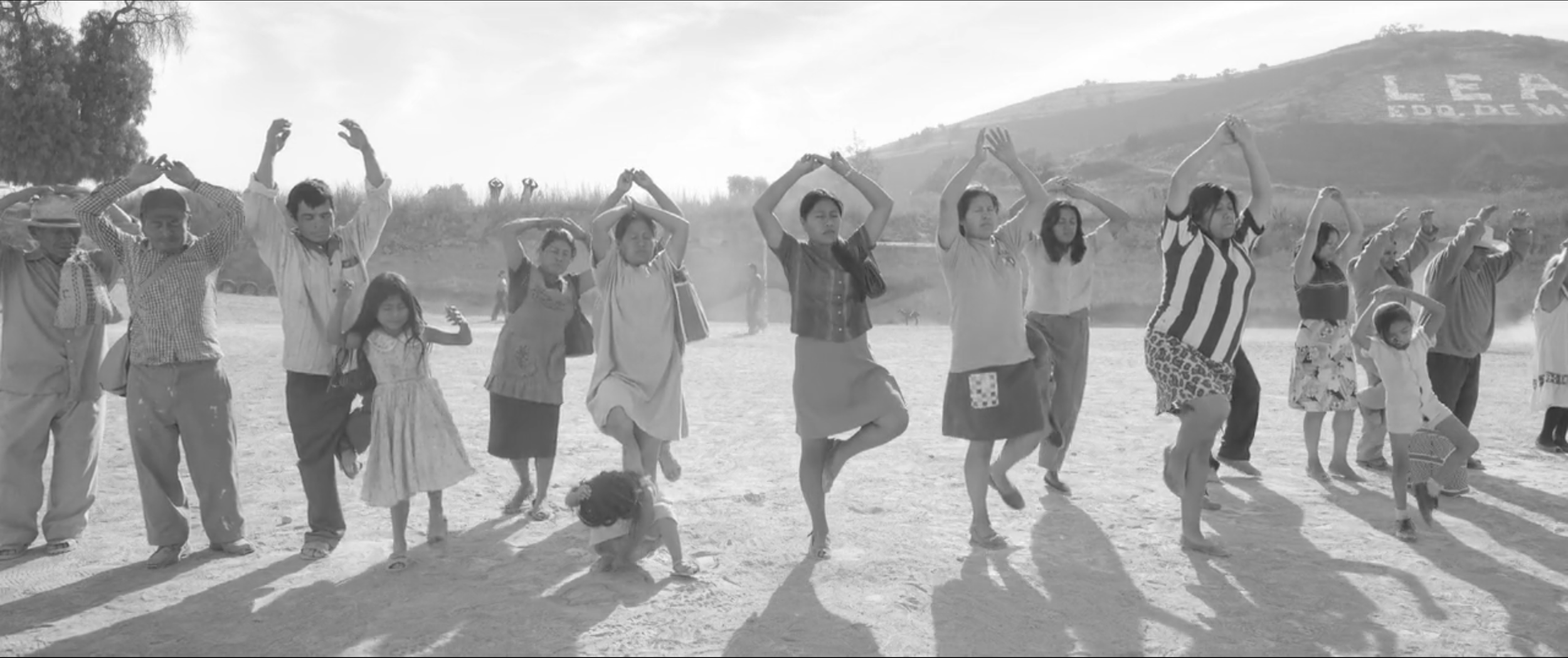
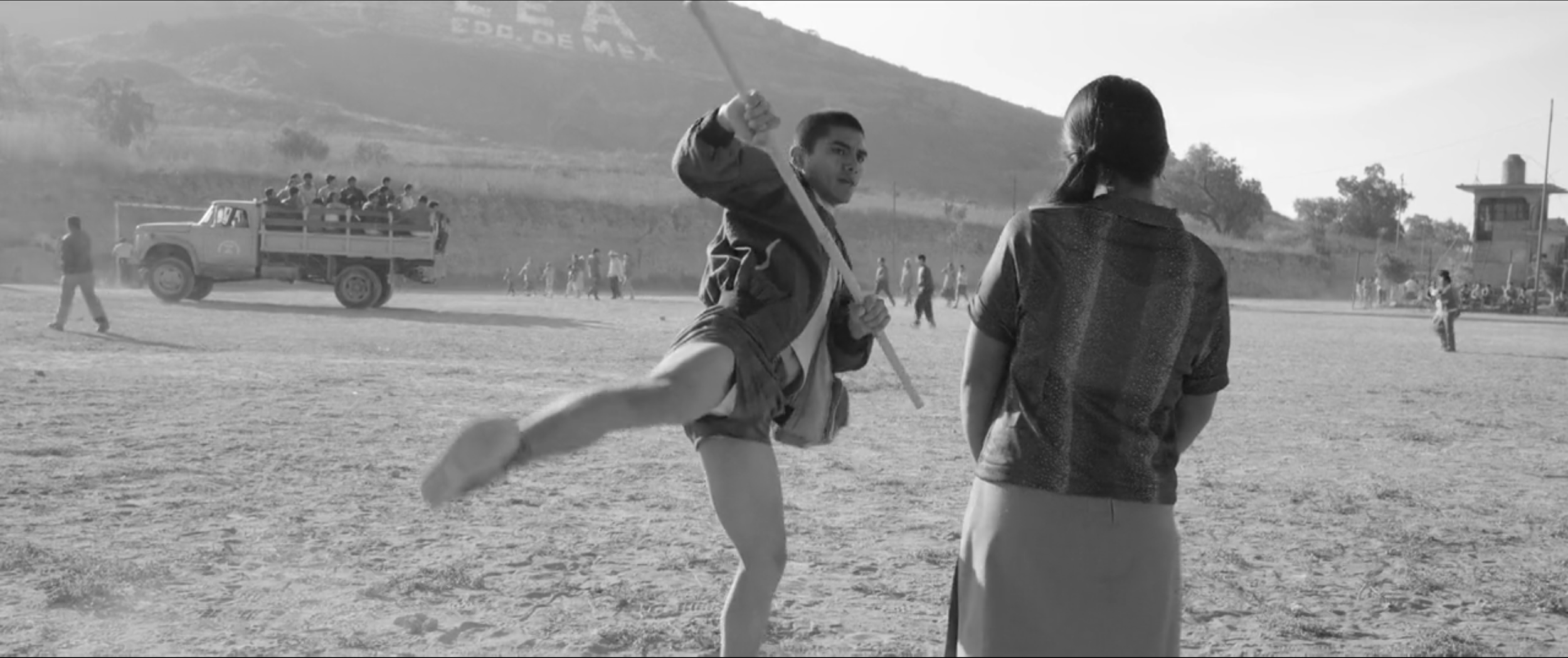
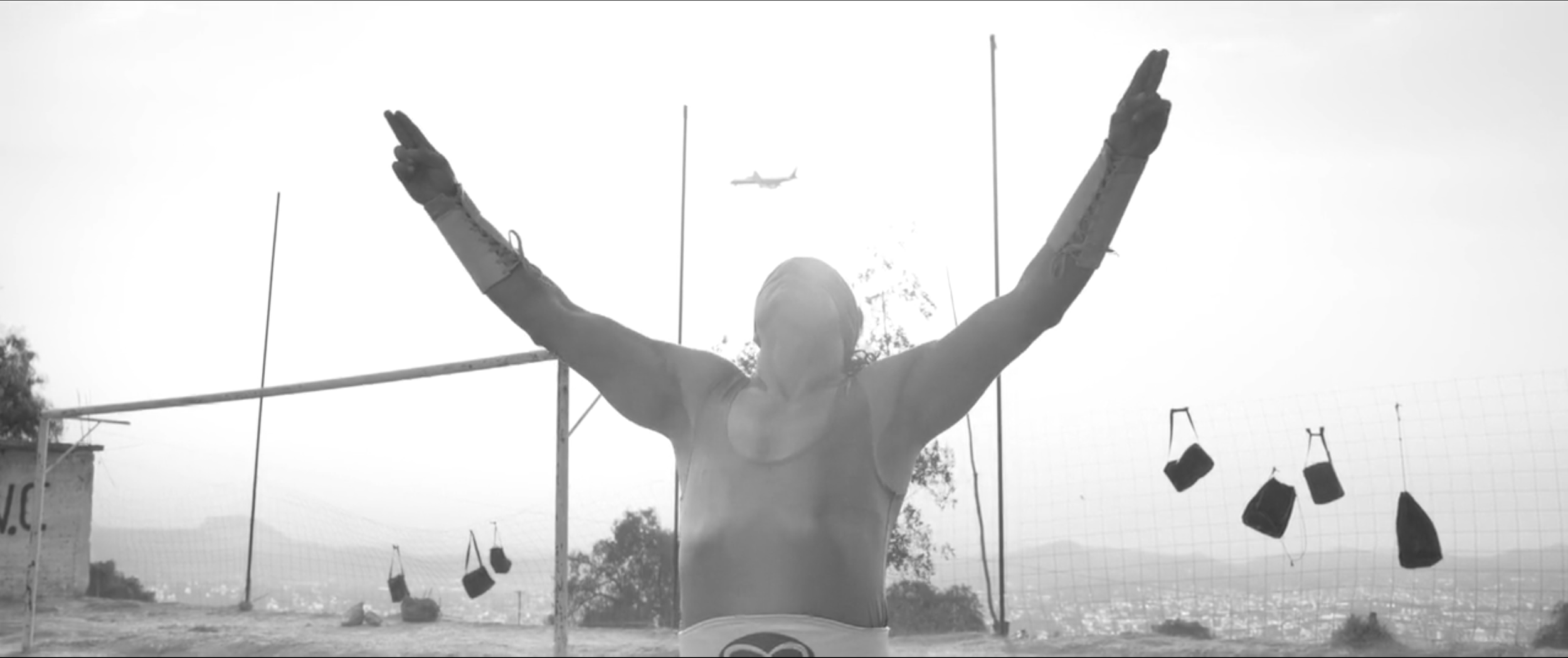
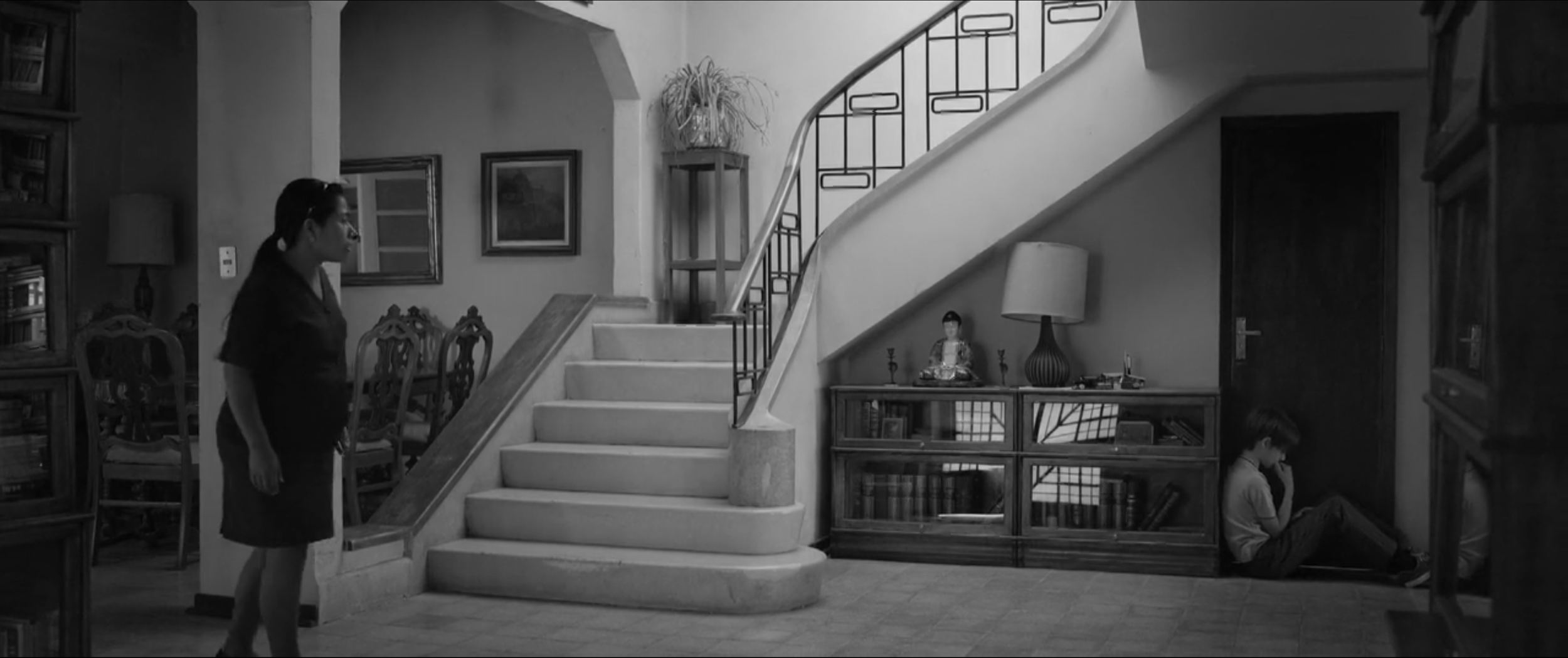
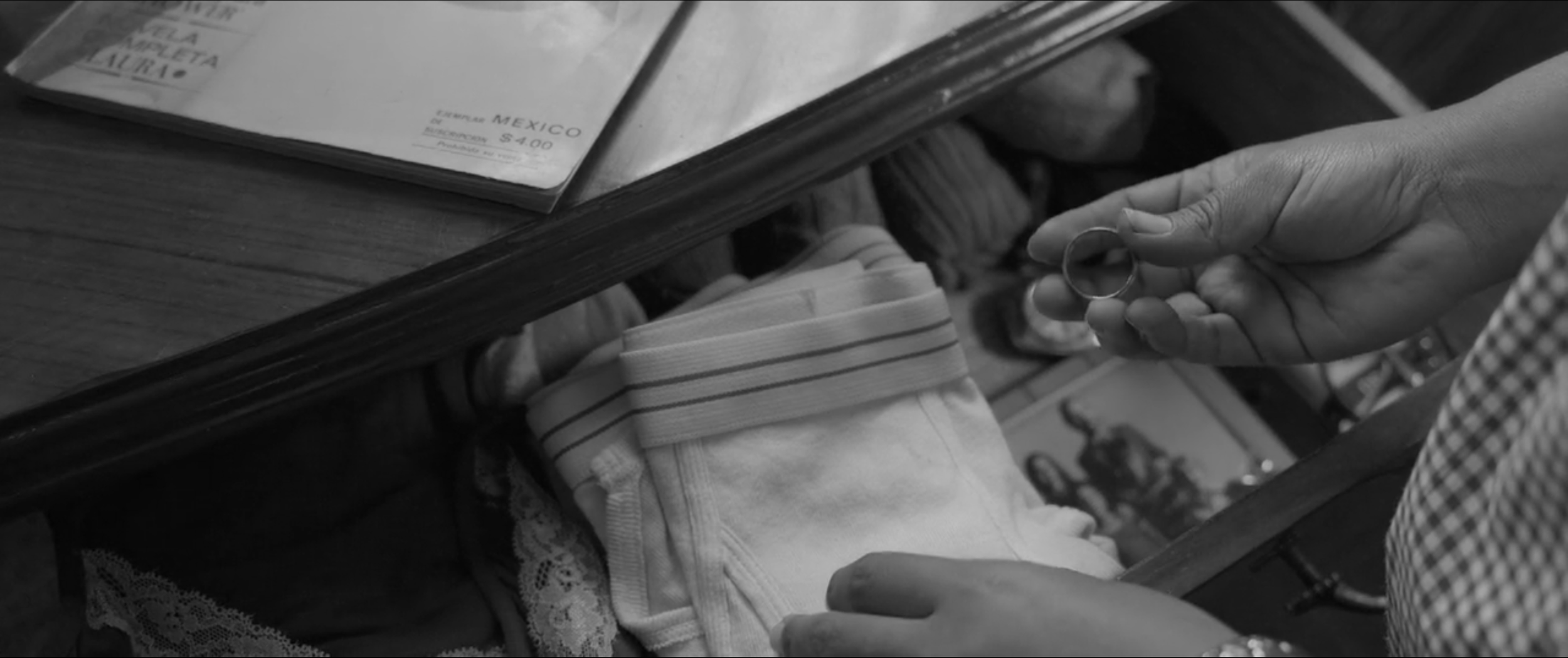

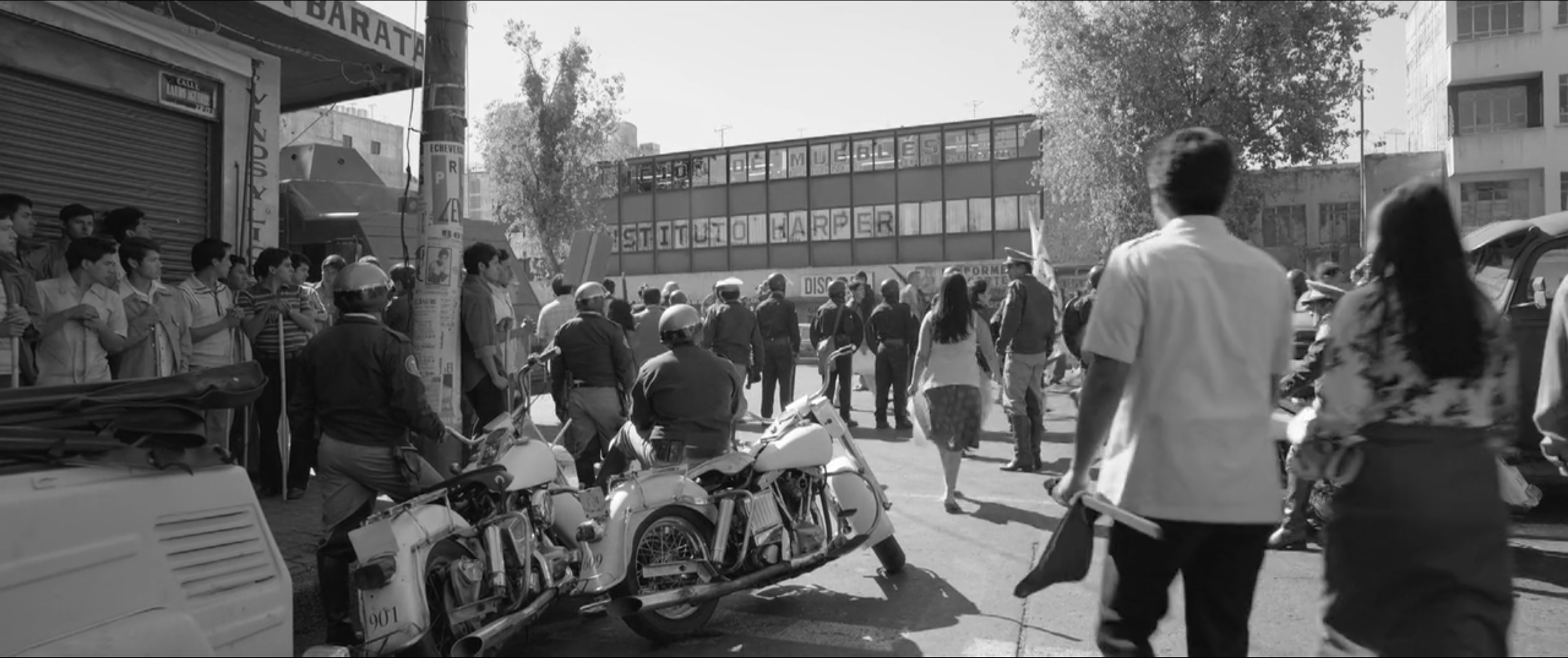
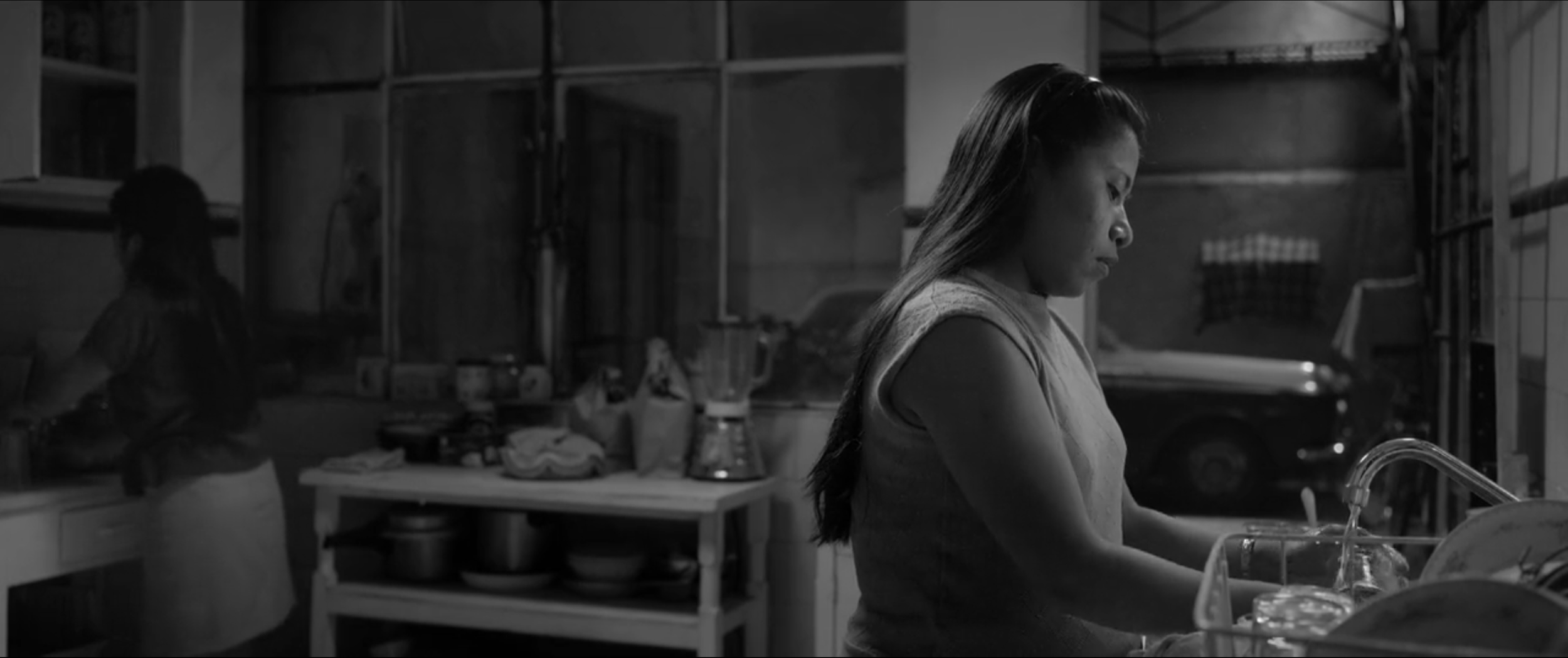
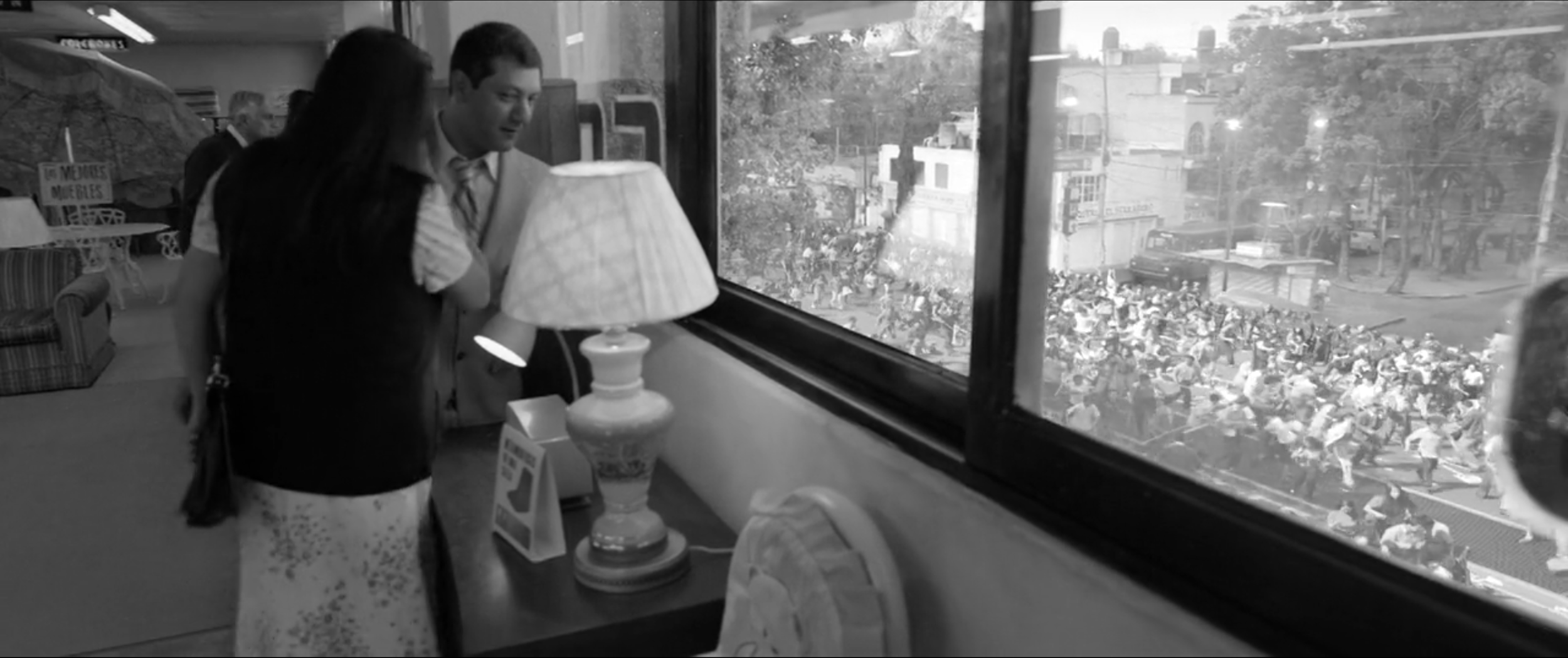
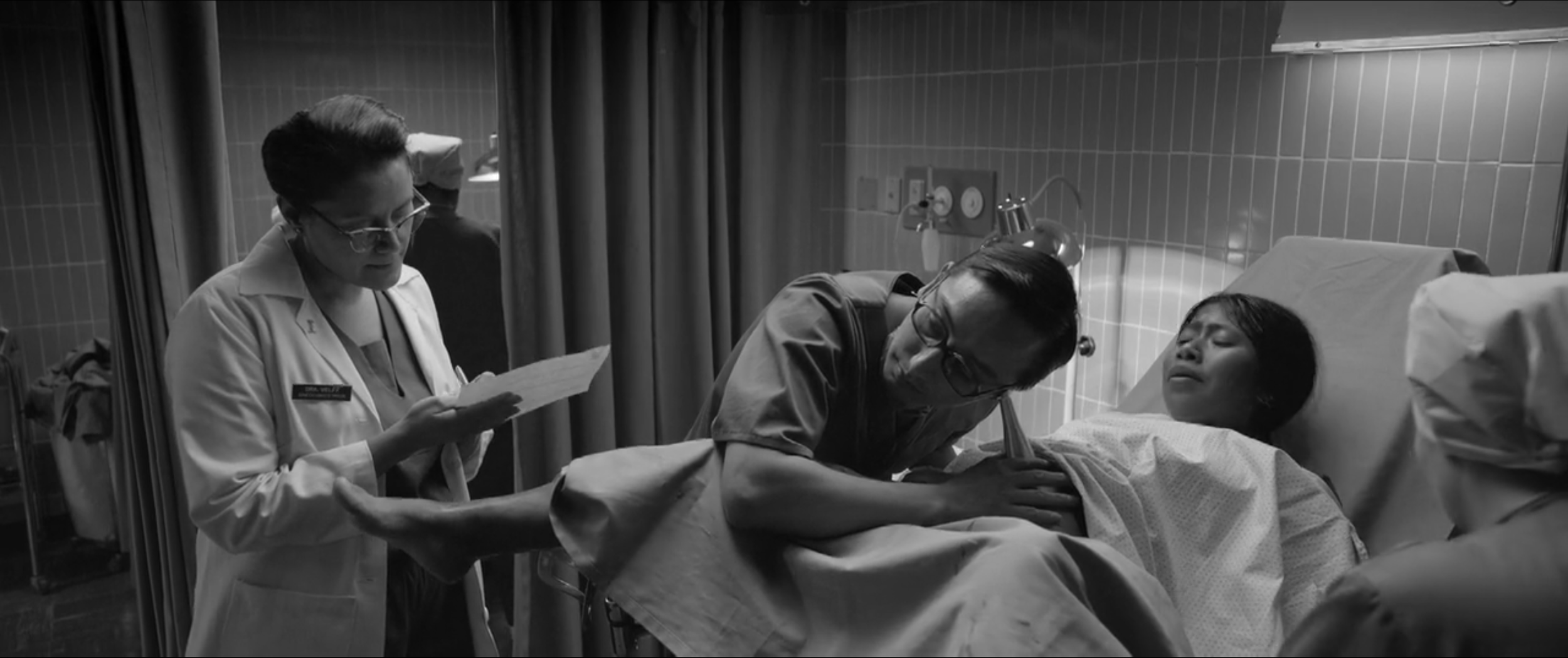
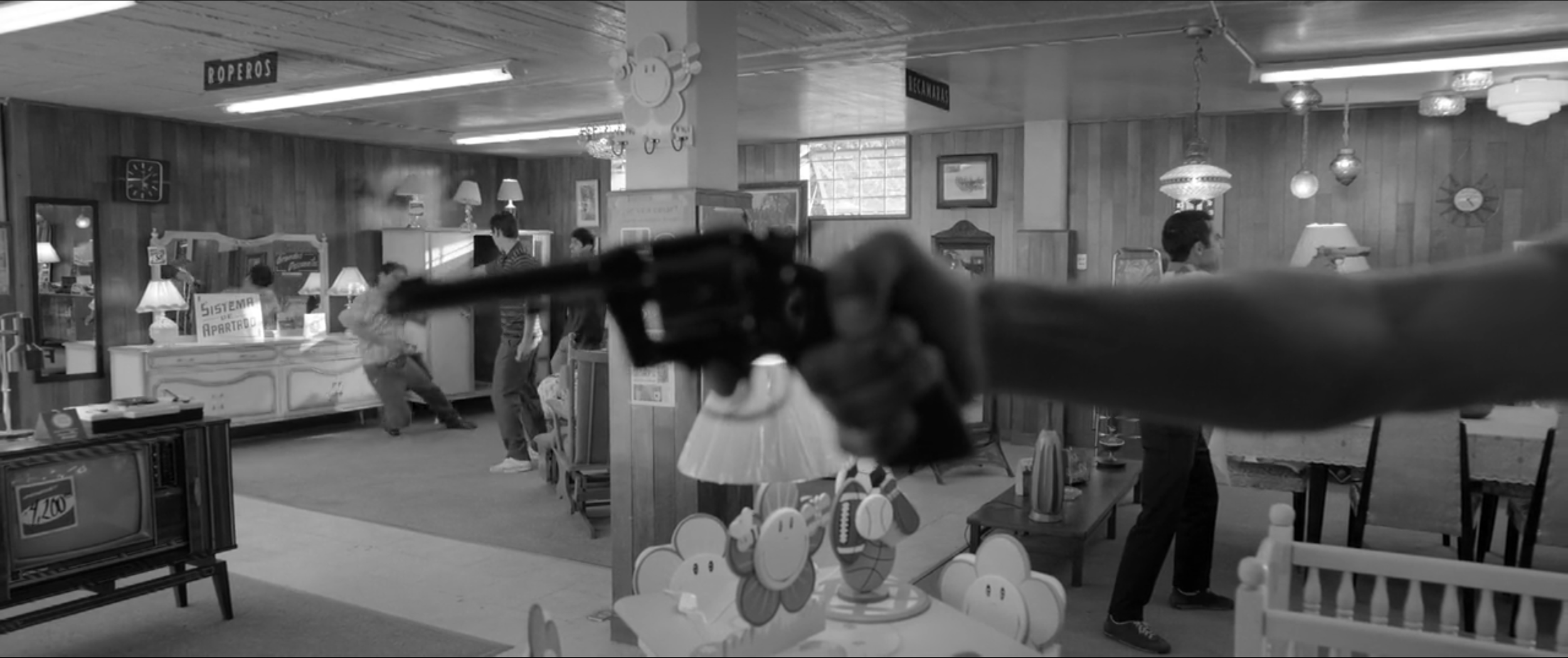
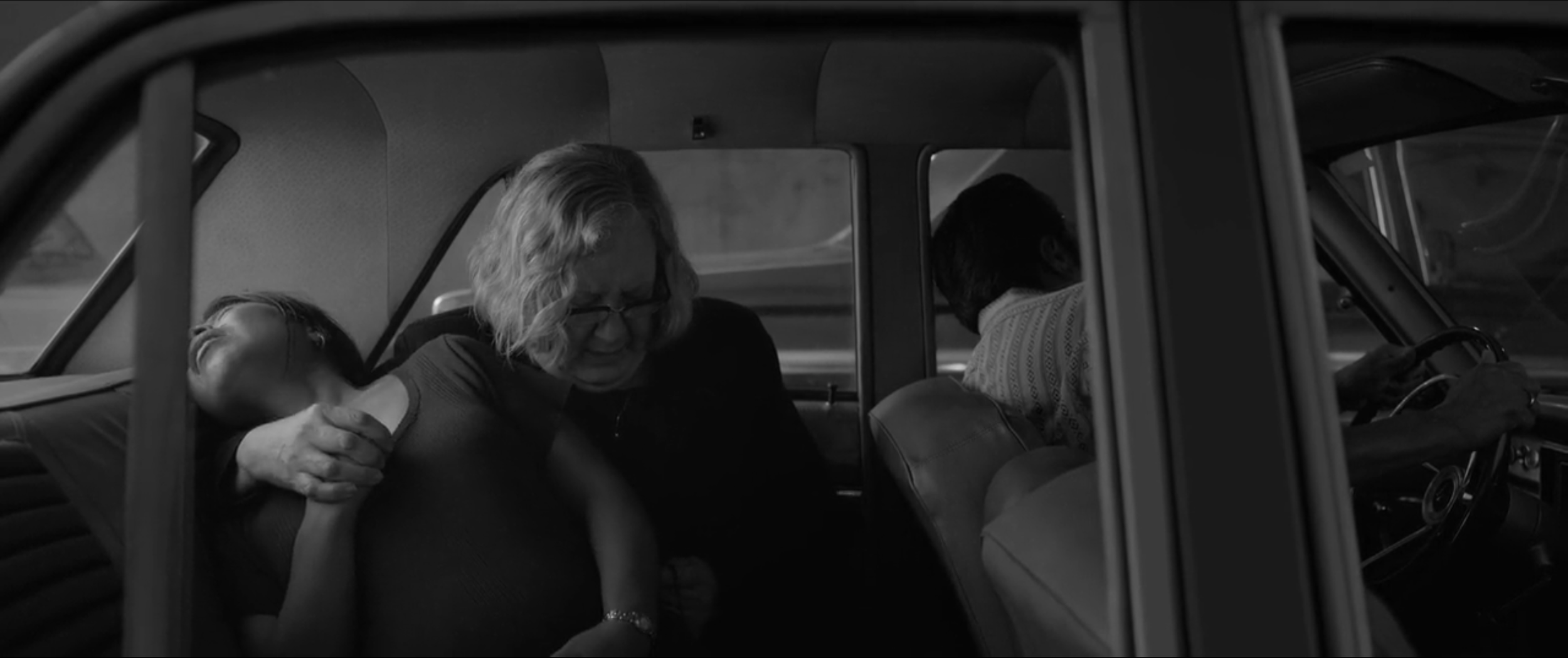
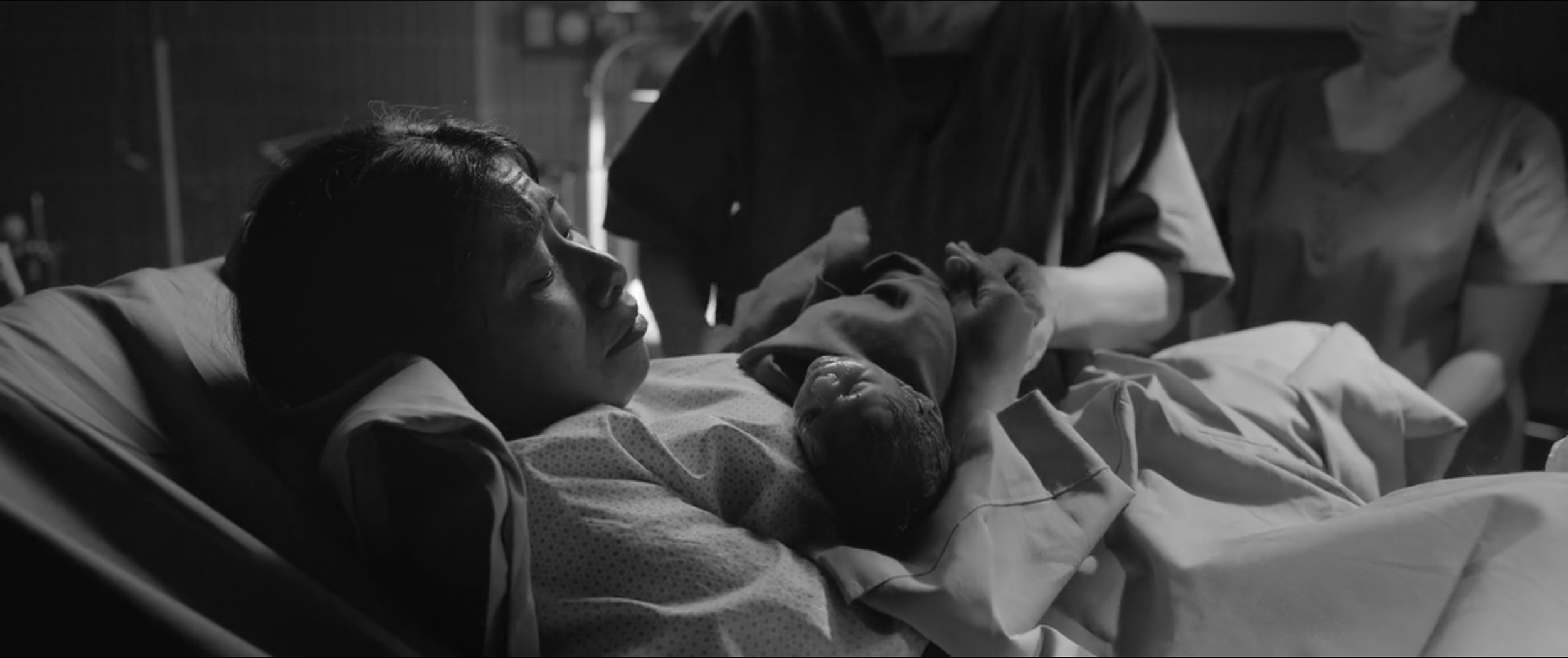
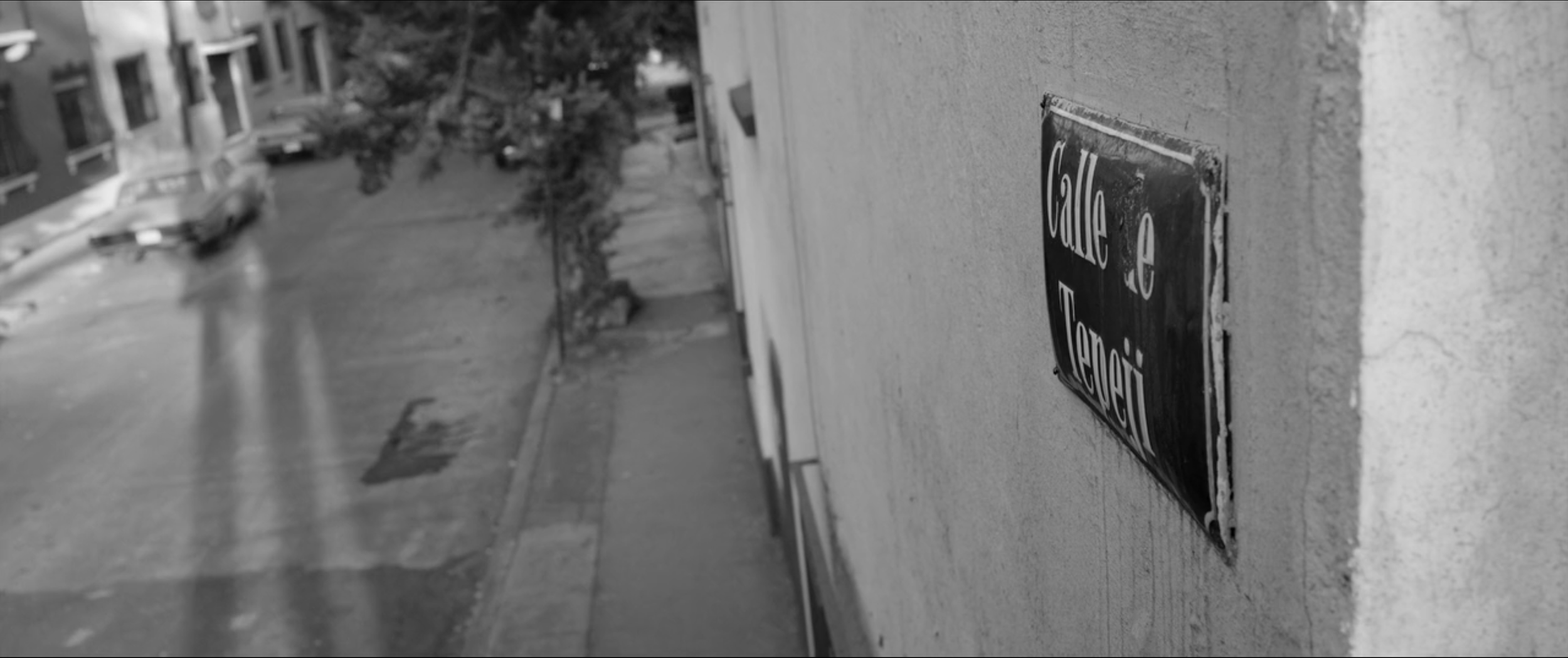
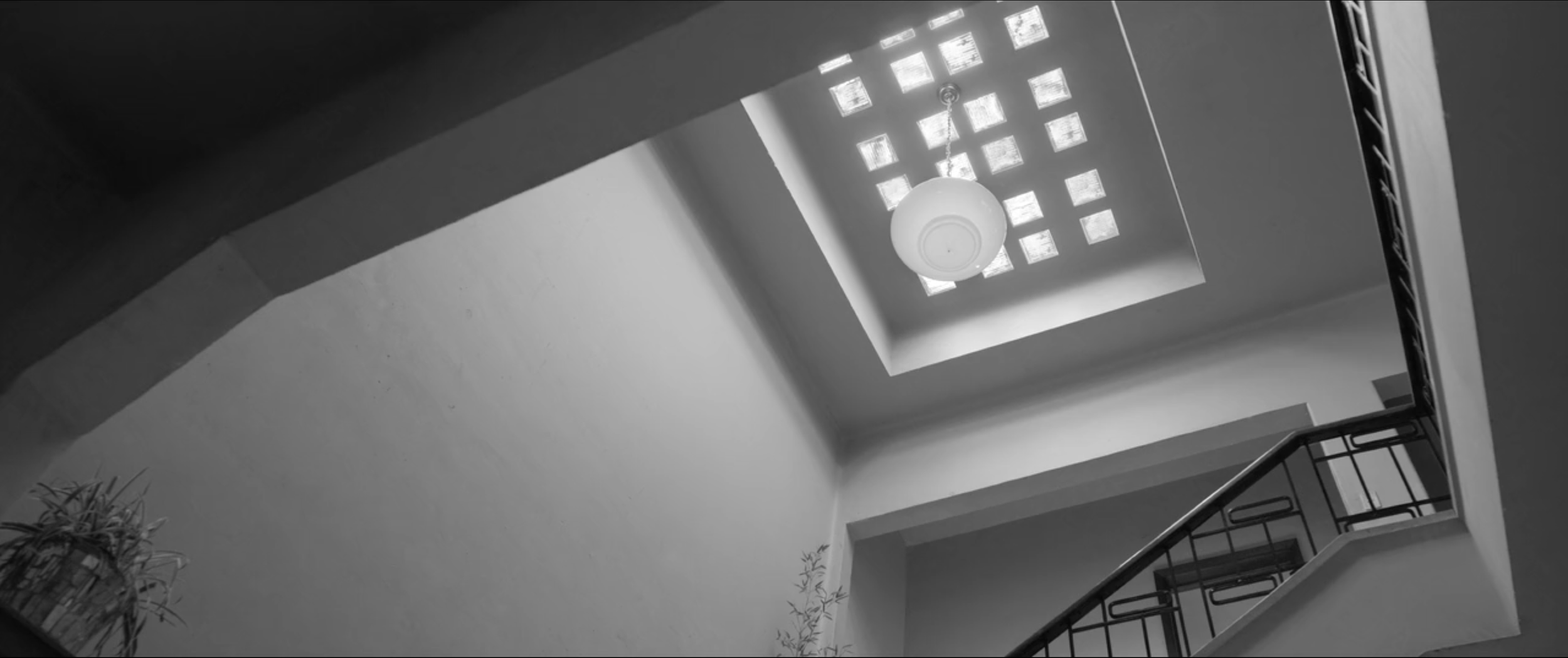
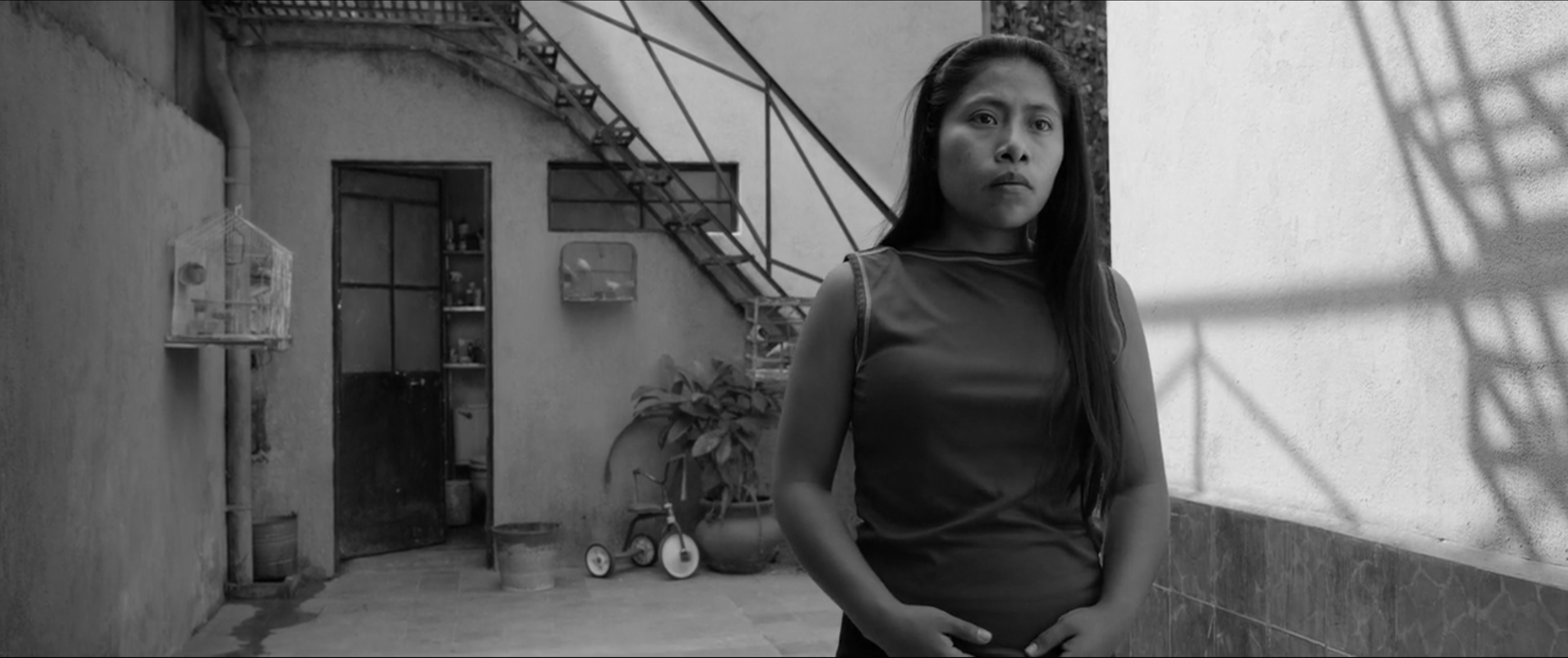
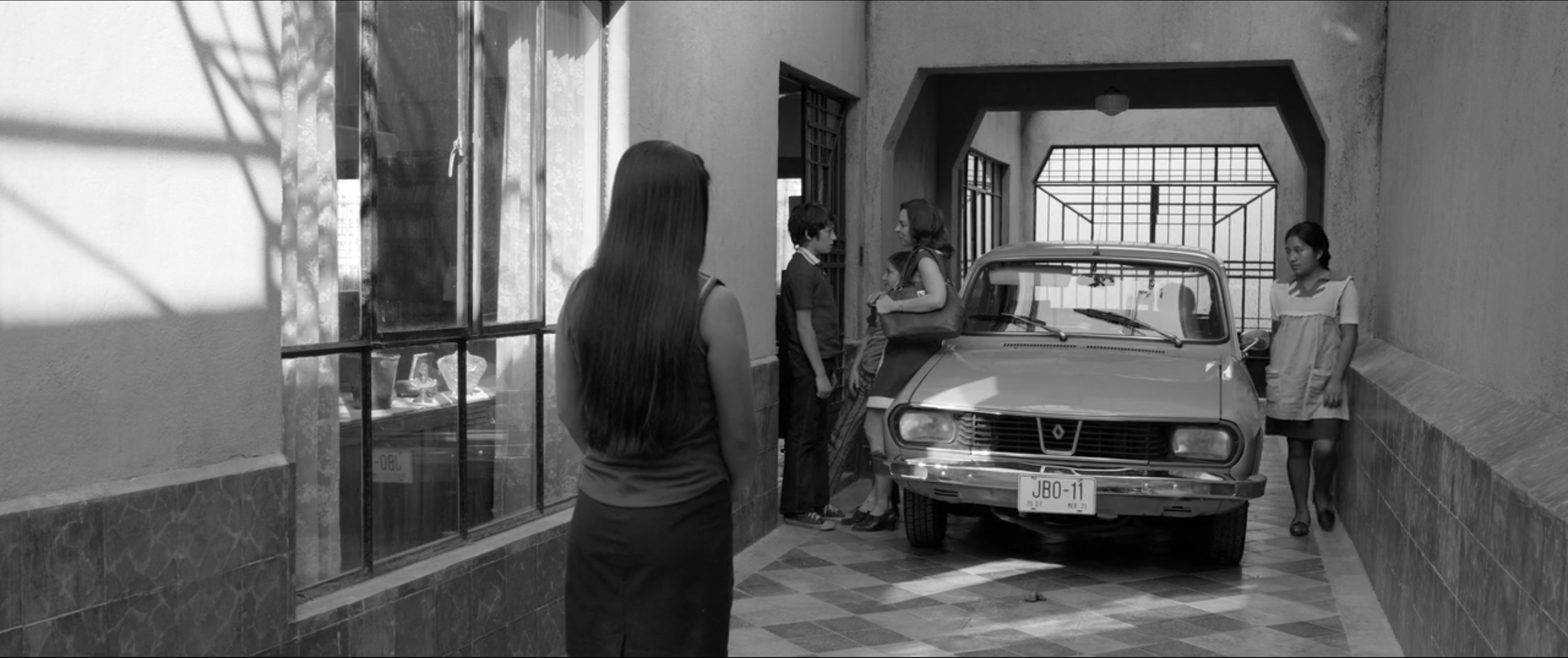
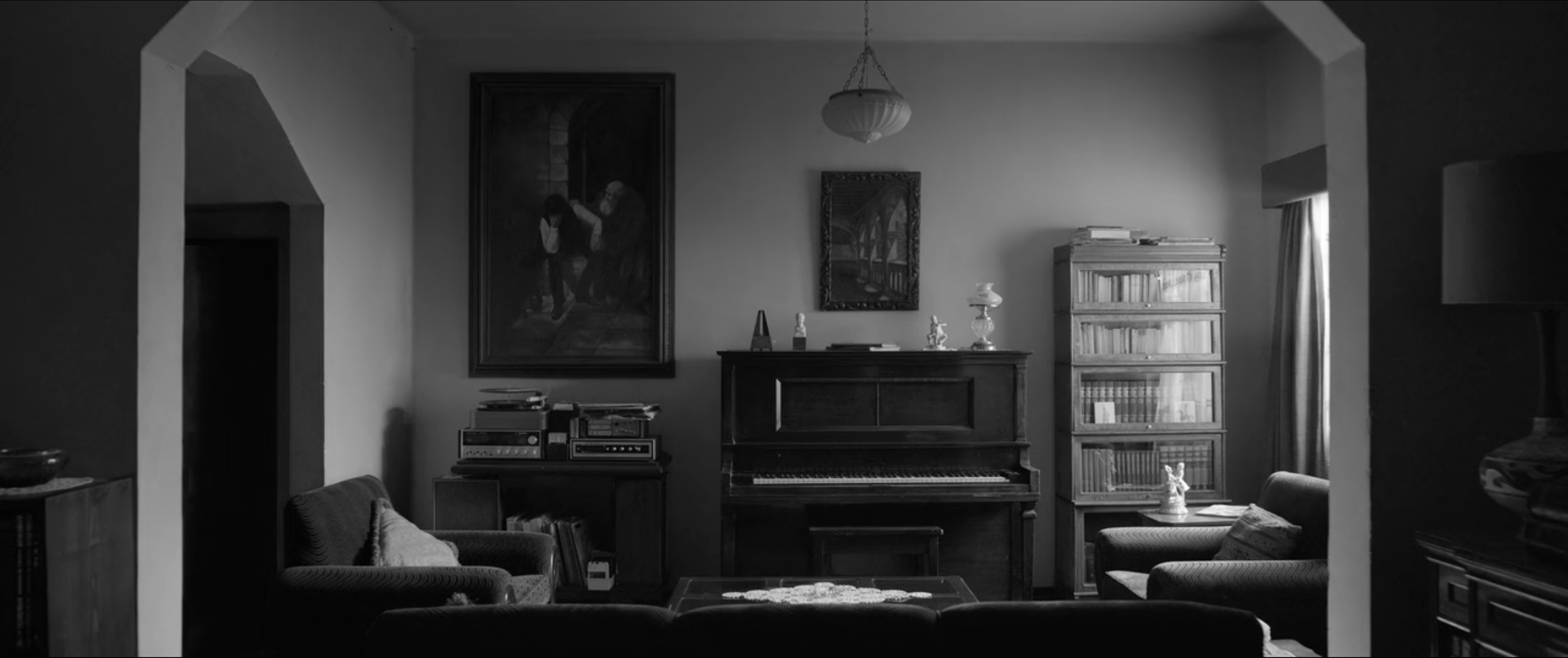
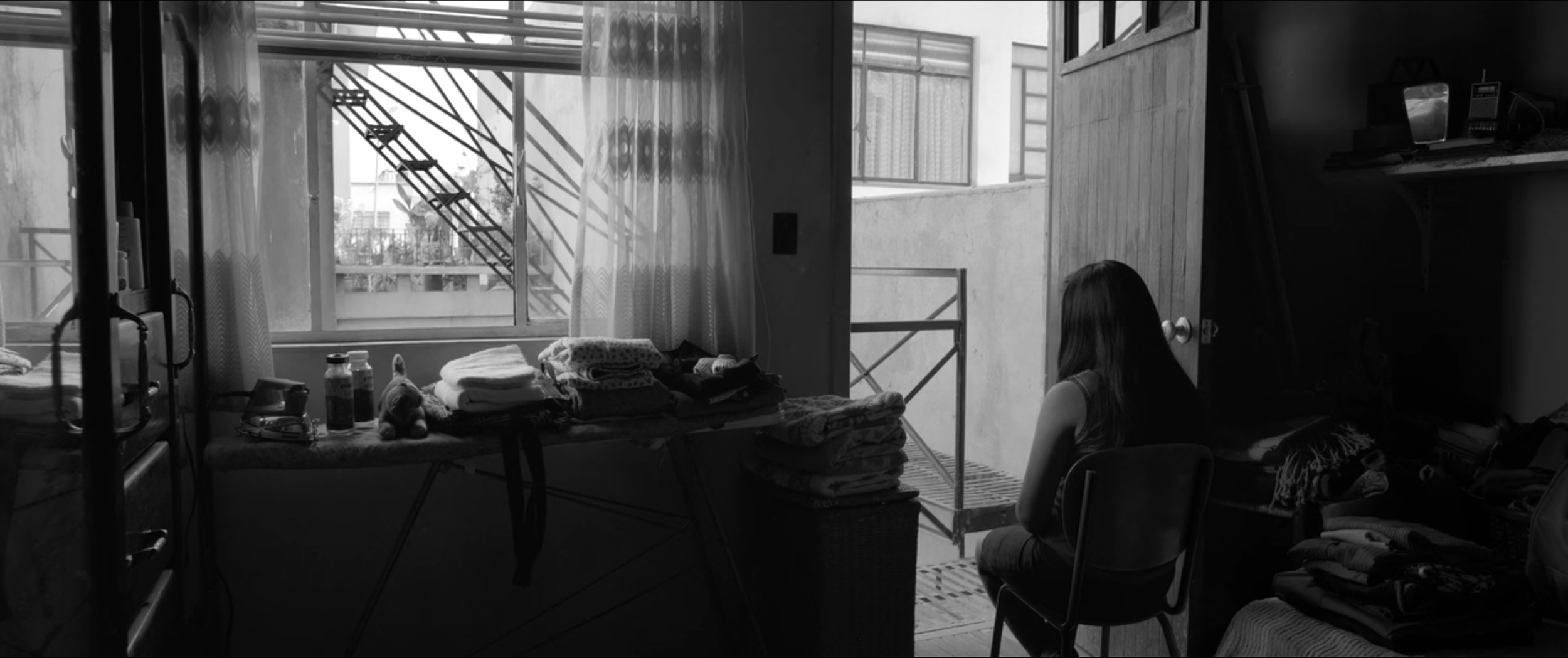
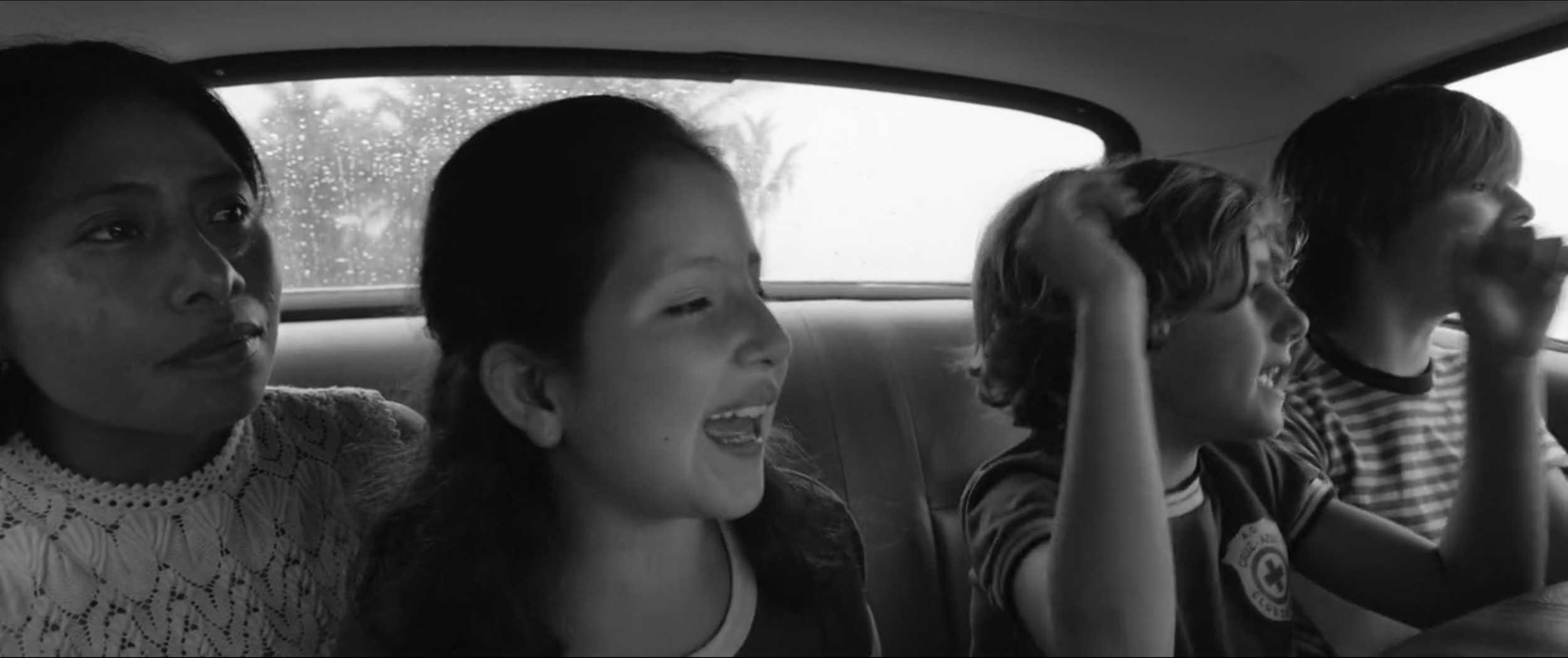
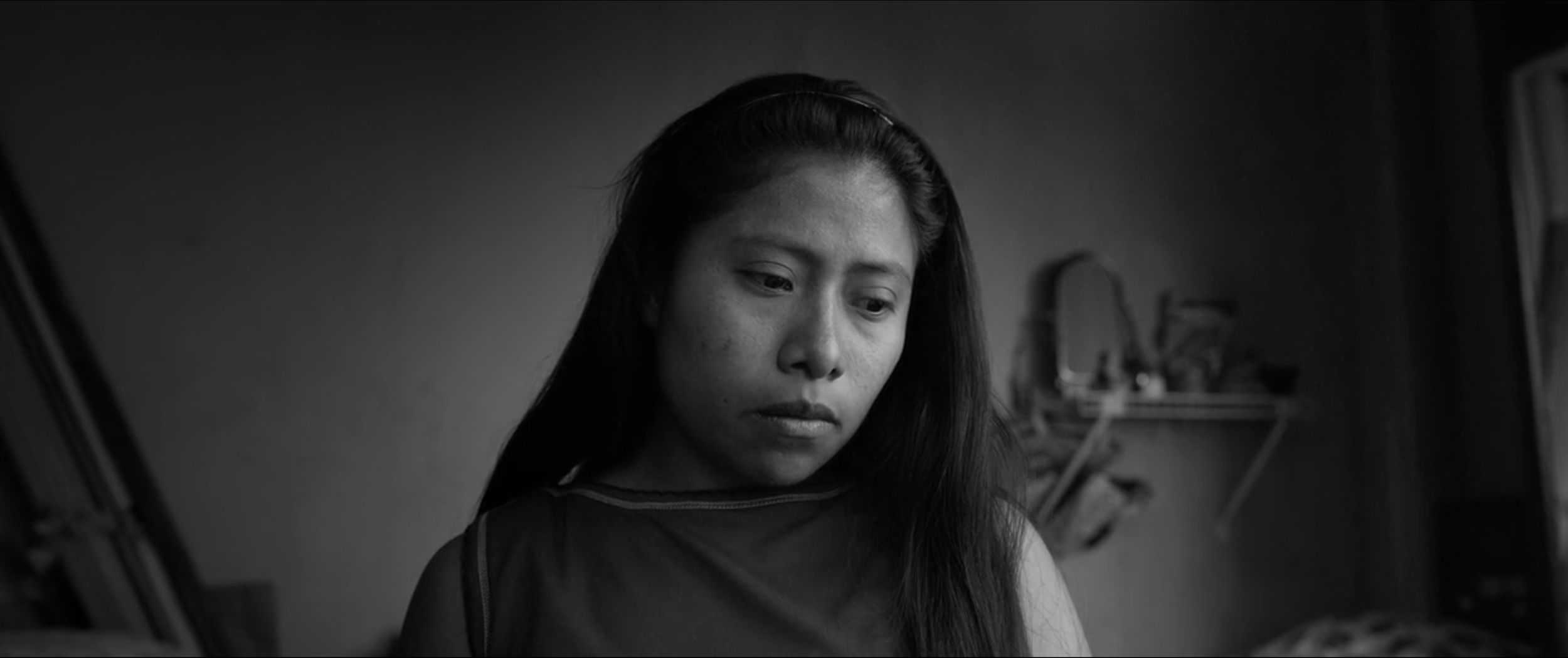
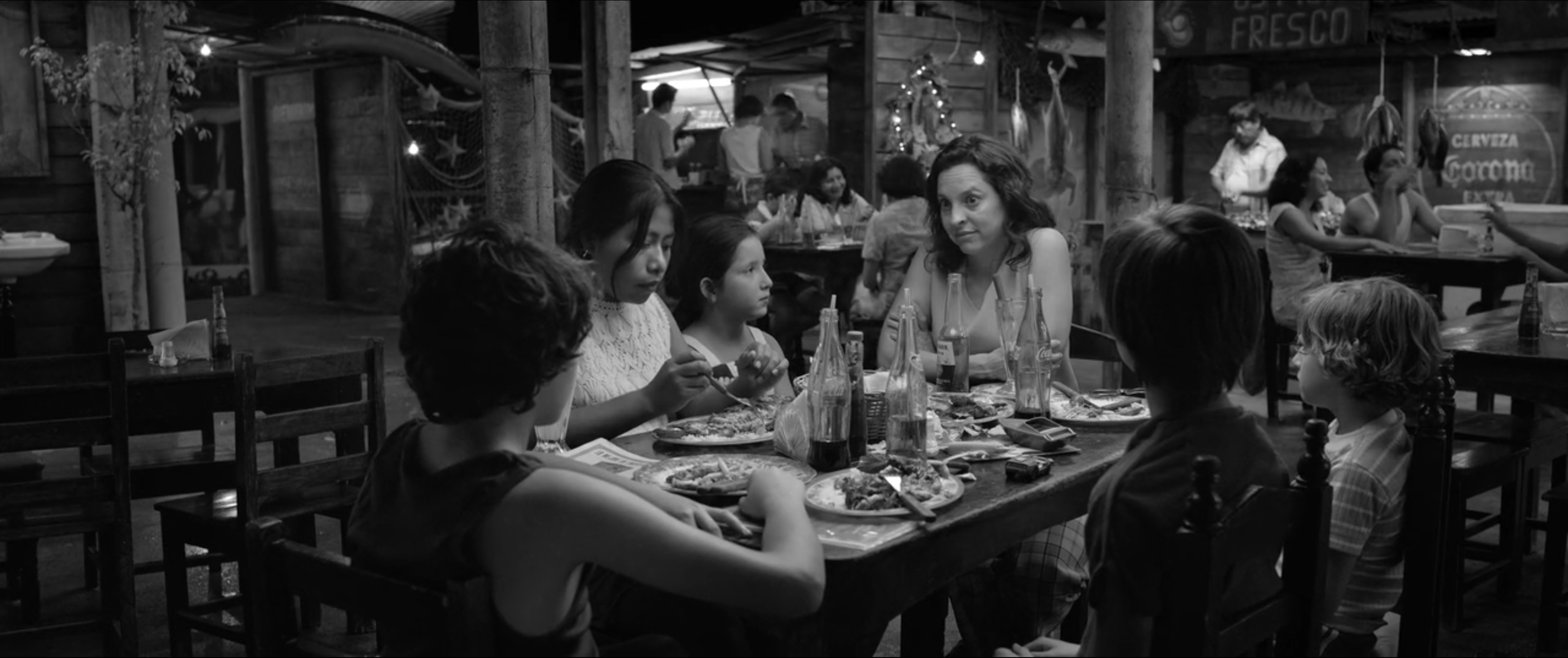
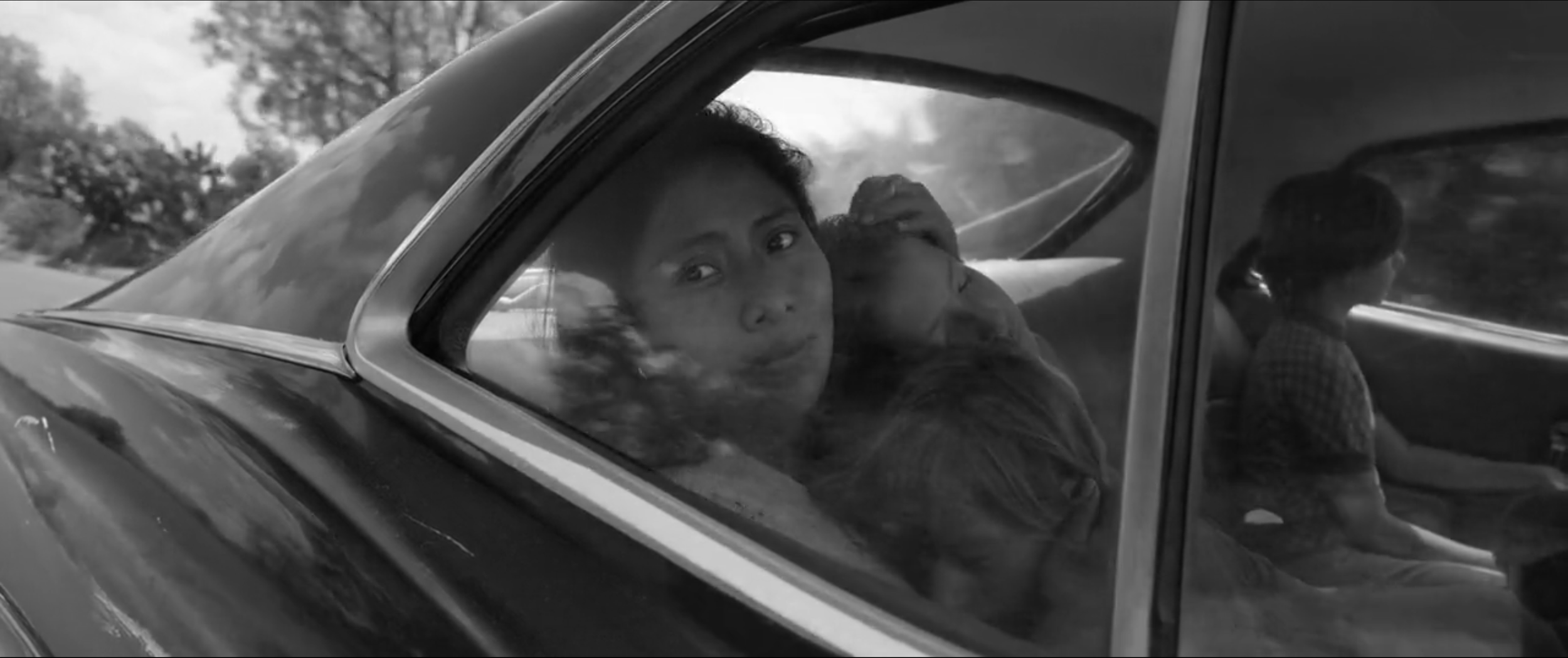
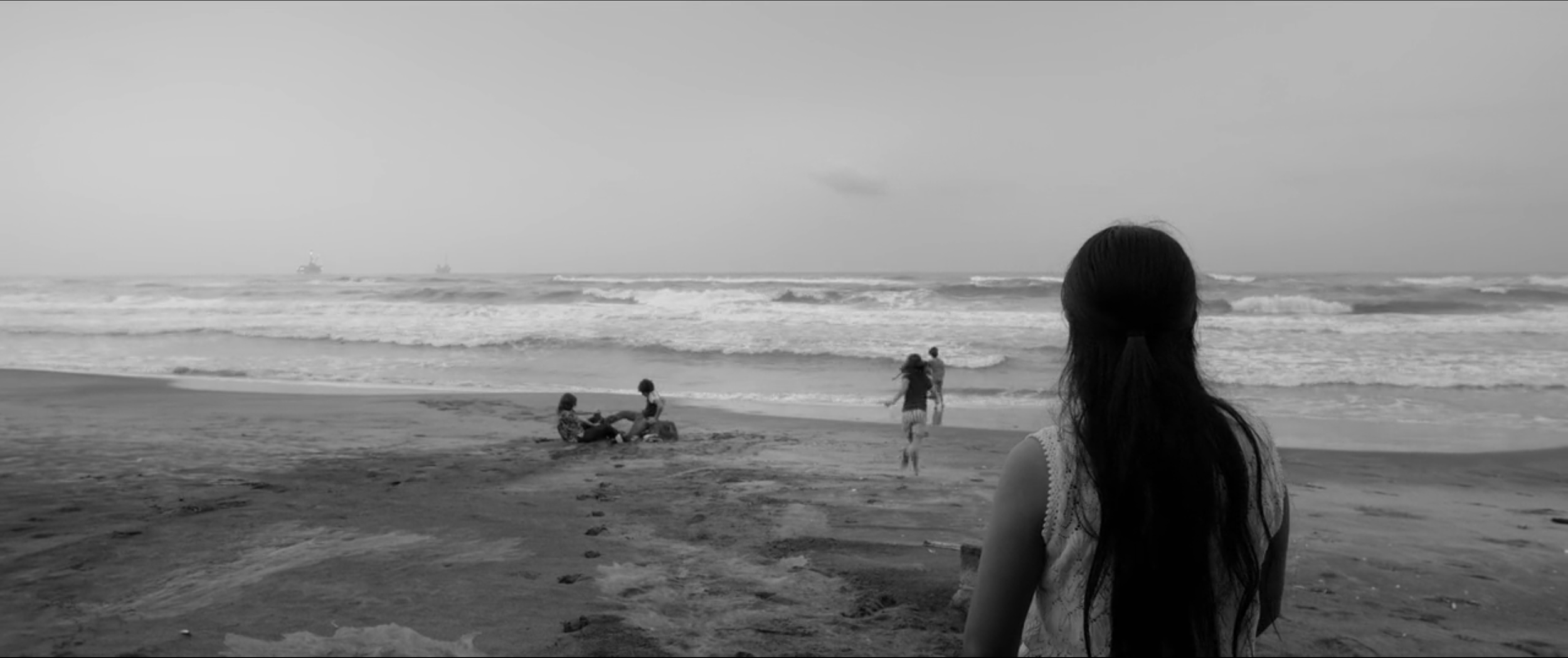
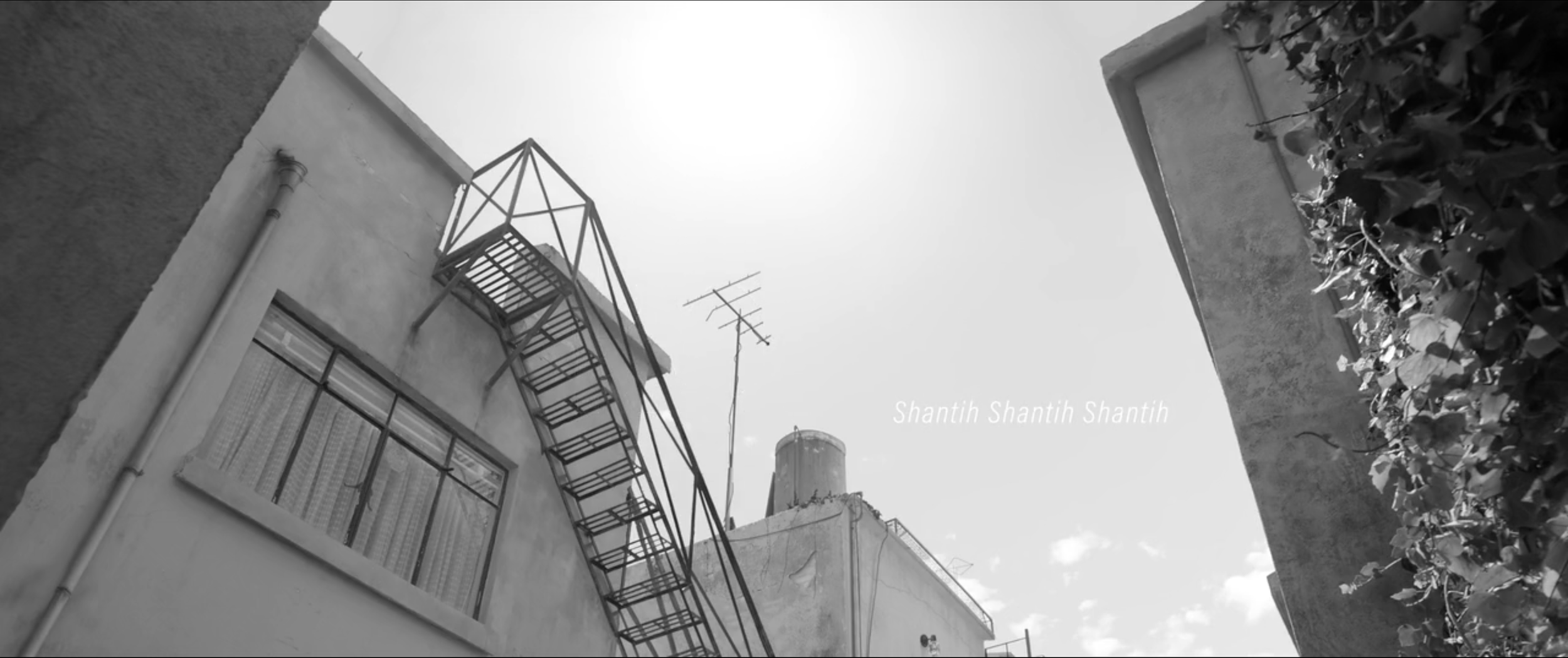
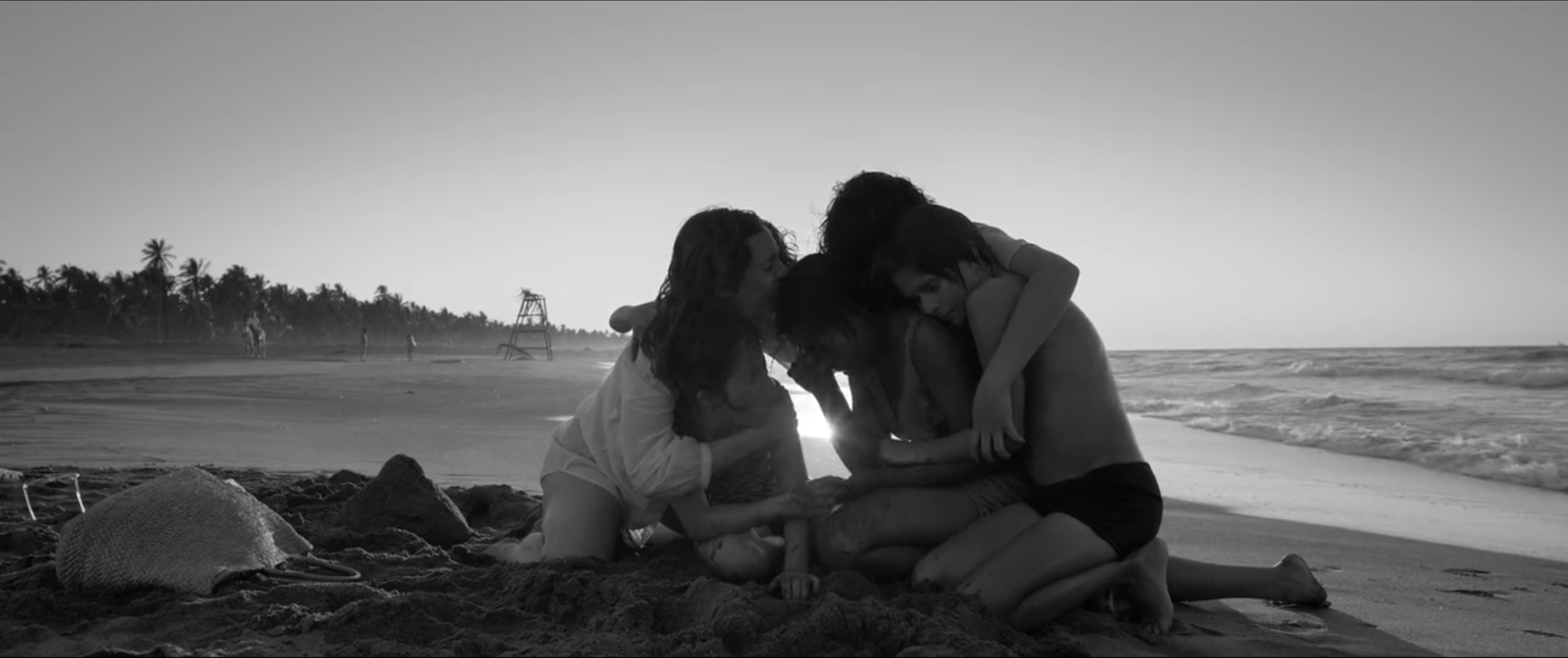
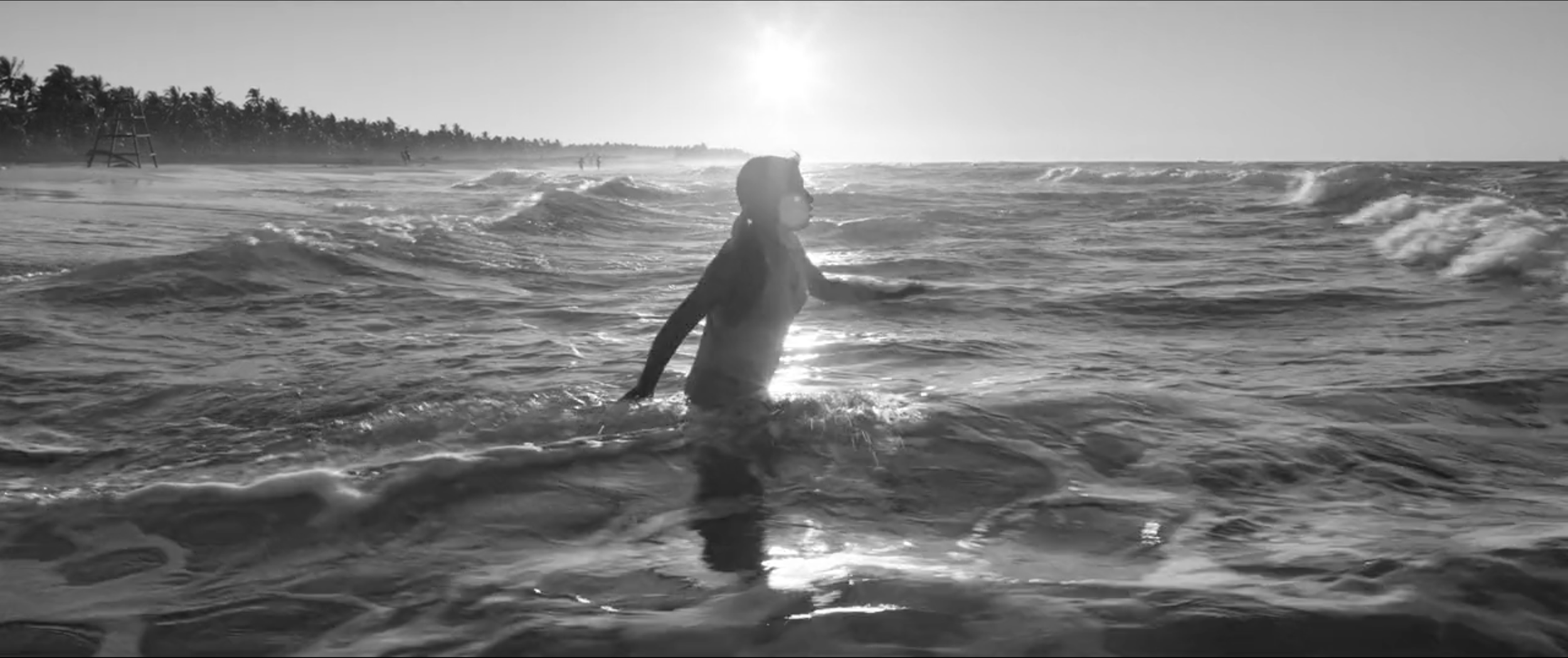
The best looking black and white film?
Presentation:
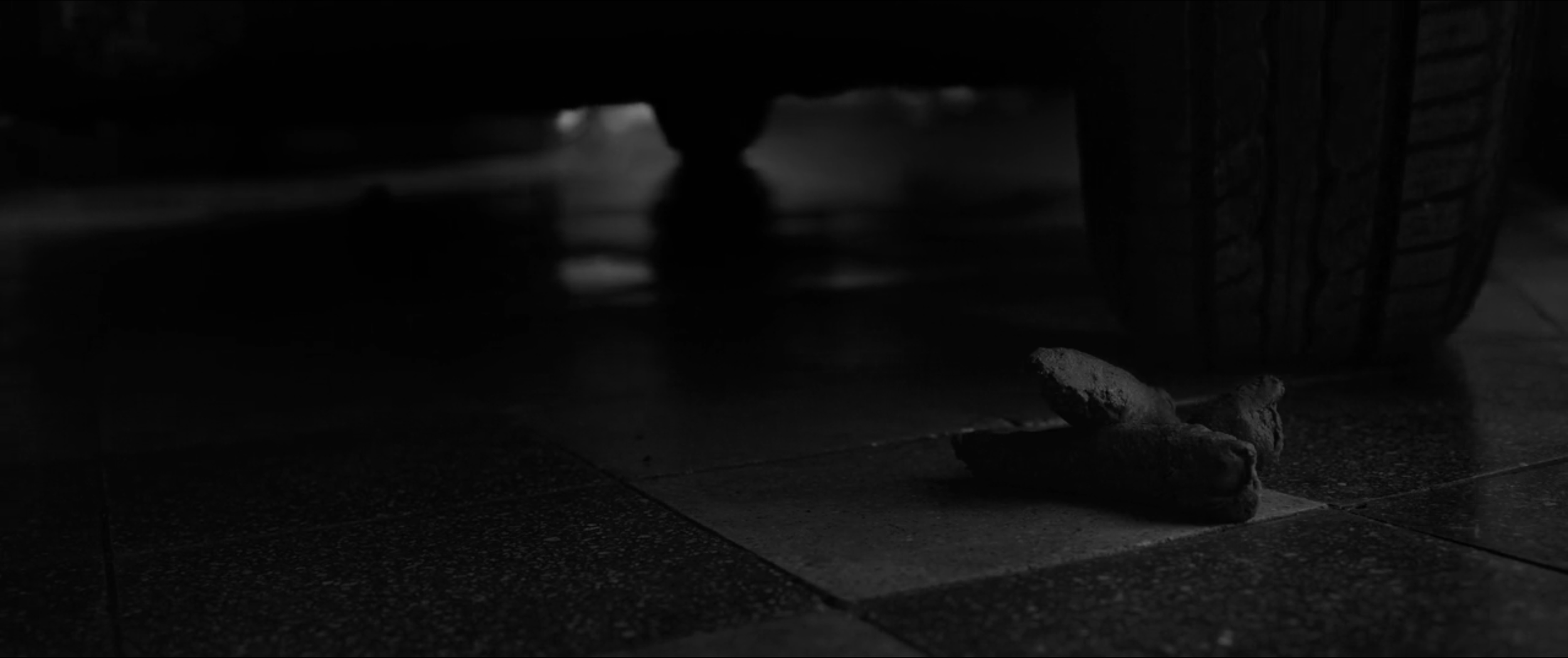
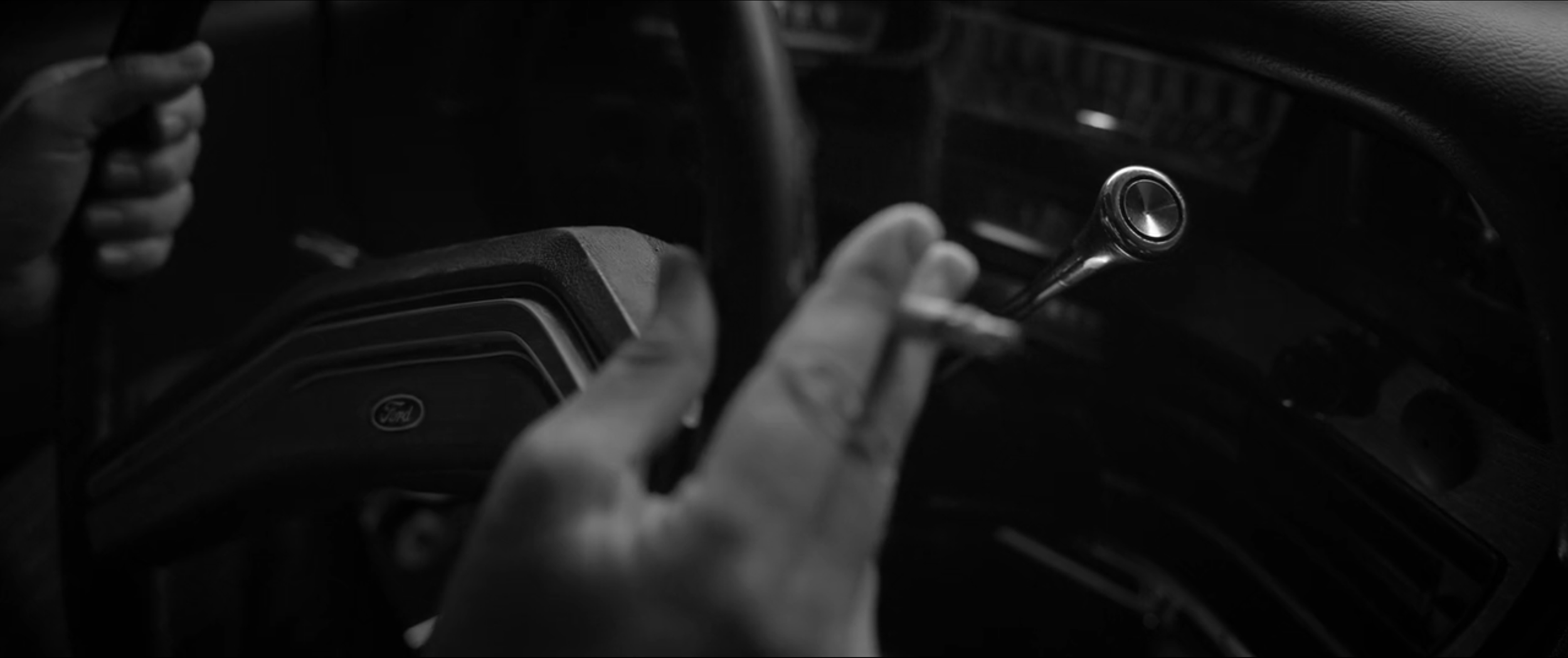
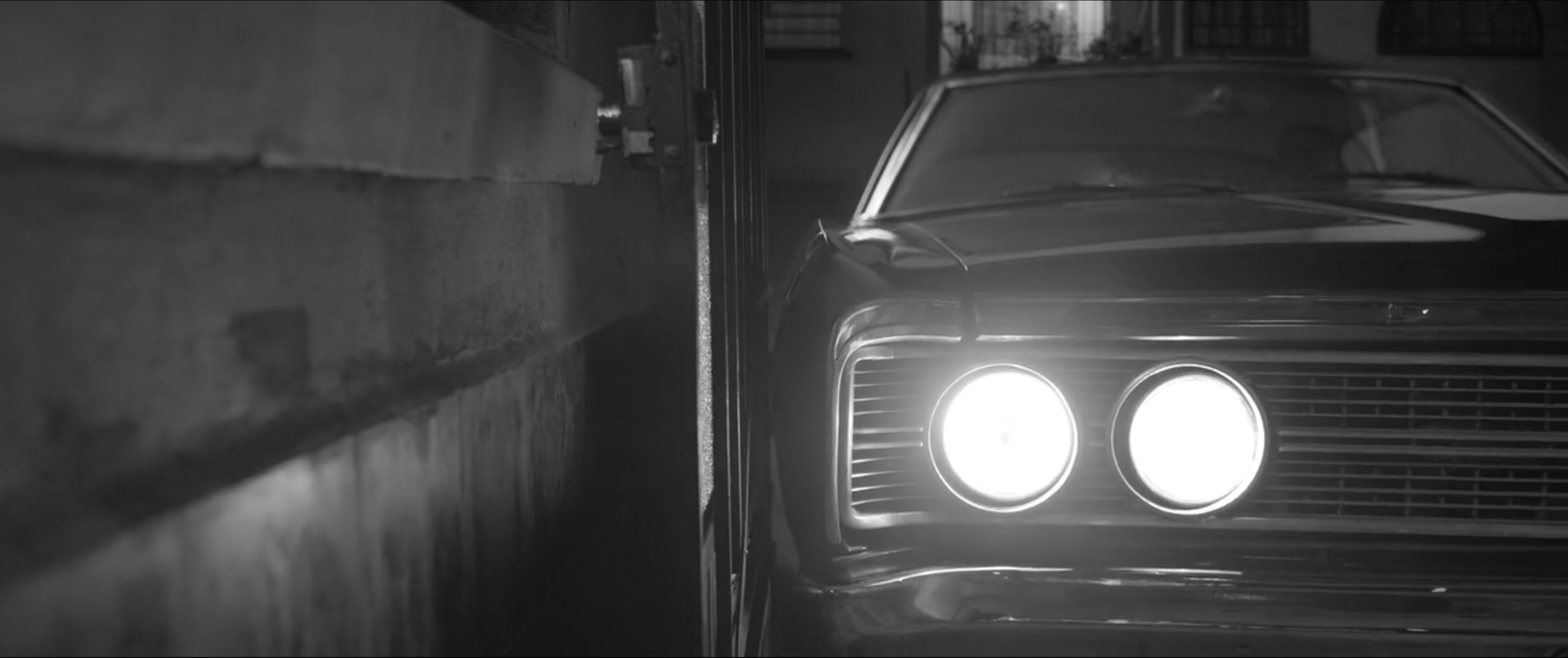
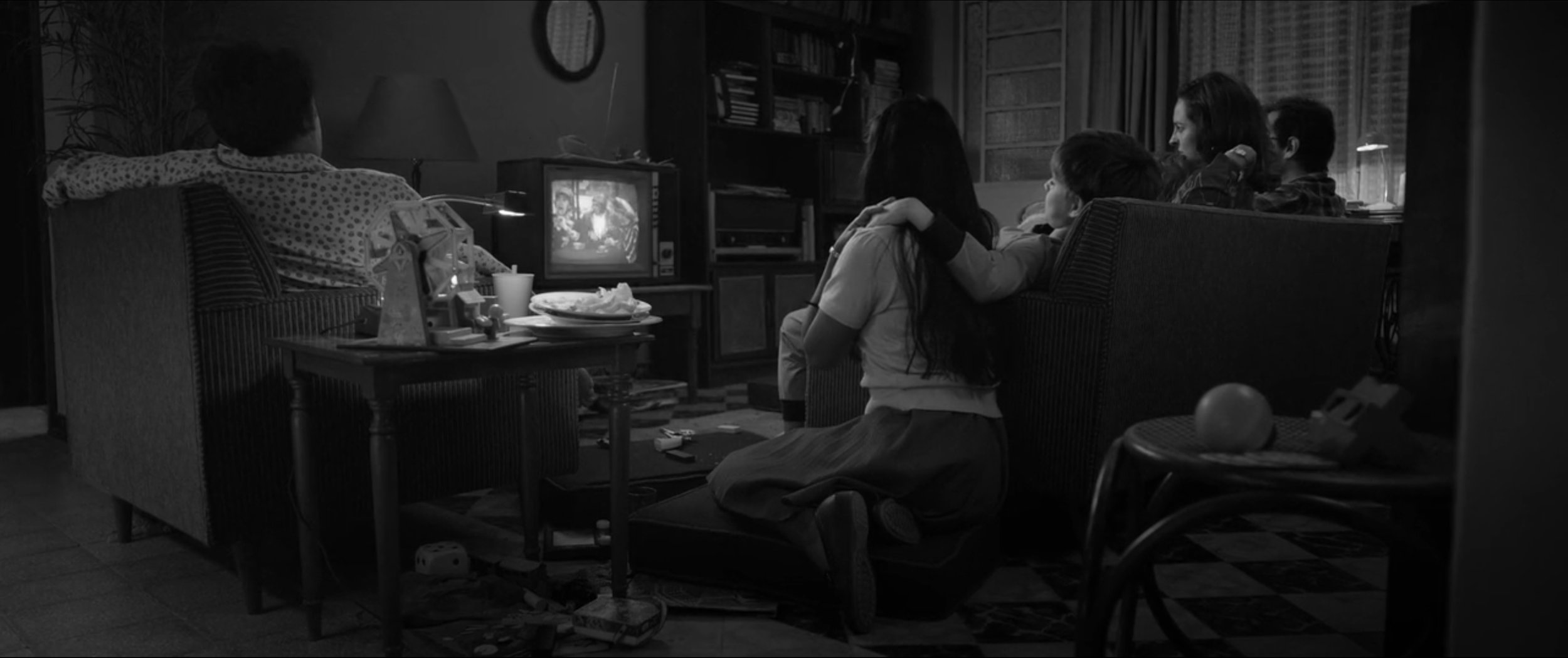
The are many incredible films from Alfonso Cuarón but this one is my favorite. This is a film that goes back to Cuarón’s filmmaking roots and although is produced by Netflix, feels independent in nature. At a glance, it would seem as though this film was conceived by a cinematographer rather than a director as there’s basically no plot and is foremost lead by its pristine visuals. The image quality is immaculate with a clear emphasis on cinematography in all details such as aesthetically putting a cereal box in awkward positions where it makes no sense. I believe it is one of the best looking black and white films, but that is completely subjective and I can completely understand why a purist would disagree. It utilizes an Arri 65 and ultra wide lenses often at low apertures to render a painterly image. In a sense, this is how I imagine what a Salvador Dali film should look like. The visual focus is because Cuarón, whom typically works with Lubezki, opted to work alone and DP’ed his own project. It’s such a shame that many of us will have to watch with subtitles because the text significantly interferes with the aesthetic composition of every frame. But if you know Spanish, then you should be able to enjoy the vast interior framing in its full glory. Although it is a period piece, the director chose to use modern digital sensors in black and white rather than a filmic medium to look back on the nostalgic past rather than be immersed in it. It’s an effective choice and ultimately makes for a vivid experience. There are a lot of close up macro shots to utilize the rending of modern glass as well as many tracking and panning shots. It must have taken a cue from the playbook of Millennium Mambo as the long and slow pans provide an observational tone to the interiors. This makes the film more objective in a sense, but it still retains the subjective perspective of our lead Cleo through its modern framing. The lighting is both natural and surreal at times, impossibly soft and artistic. There is some CGI with airplanes and water, though I assume it’ll be unnoticeable for the masses.
Story:
Dog poop. This is the most significant metaphor in the film. Animals, particularly dogs are an integral part to the environment. In the beginning of the film, the driveway to the home is sparkling clean. As the film progresses, we see more and more poop on the ground. It gets walked on, drove on, and one point the Matriarch Sofia even berates her for not cleaning it up. The poop is symbolically and literally shit, an accumulated burden over time.
Water. This is the most prevalent metaphor throughout the film. Being a servant, Cleo has to use water to clean everything from the dishes to the floors. In the beginning of the film, she washes the floor, sparkling clean, symbolizing a fresh start. No matter how much she washes the dishes or floors, they are perpetually doomed to be dirty again. In the climatic scene, Cleo dives into the ocean despite not knowing how to swim to save the 2 children. This is very symbolic as water represents a baptism or rebirth or sorts. Despite losing her child, she can save the other 2 and in doing so is reborn. Water is salvation from the fires of tragedy.
Car and Airplanes. The airplanes in this film are coincidentally synced to perfect timing what could only be explained by CGI. At first it may seem to be only to create aesthetic visuals until you realize the purpose of cars in the film. The director spends about 5 minutes for the first car scene trying to squeeze into the driveway and again through Sofia. The car absolutely represents a struggle. It can be compared to general obstacles of life trying to narrowly escape the confines and restrictions of our homes and lives, or also the narrow passageway of the birth canal. I believe the former is more plausible as it captures the essence of our character’s personal struggles. When her marital problems begin to unravel, she has more difficulty parking and driving. Airplanes on the other hand are free from all traffic. Vehicles could be seen as a metaphor for financial difficulty.
Guns. Class disparity is a common theme in Cuarón’s films. The rich use guns as some form of entertainment where the poor use it out of depravity. In the protest scene, Cleo’s ex boyfriend appears out of nowhere to comically be part of the killing. In any case, Cuarón definitely intends to juxtapose how the rich and poor utilize firearms differently.
Analysis:
For most art house films, we can normally look to the title to understand the primary intent. Unfortunately all we have is Roma, which I can only guess is Amor backwards, meaning love in Spanish. I barely know any Spanish and certain culturally cues are bound to be lost on me, but I believe the title suggests an optimistic tone. The film is tragic in that Cleo has a miscarriage, but she ultimately reveals that she never wanted it. It’s hard to say if it’s because of her cult-brainwashed boyfriend, it’s more likely that she didn’t want to support it herself. When she first asked Fermín what he thought, she said she was pregnant in a very unassured manner, wanting to receive his input for validation. She can be seen many times looking despondent in thought looking outside rainy windows as a result. It’s a modern pro feminist idea in a sense of not needing a man or children, but this somehow conflicts with the other children she serves. It’s just hard to say children are not the purest and most rewarding aspect of life, especially when Cuarón has depicted their importance in Children of Men. In any case, Cleo can be seen as an adoptive parent toward the end, but through the film she always looks on from afar suggesting she can never really belong. She is poor and will never be of the same class, always a "fucking servant". There’s a lot of random protesting in the background on trend with Cuarón’s other films and also a martial arts cult to fill in the backstory.
Conclusion:
This is one of my favorite films I’ve watched recently and despite having sparse story, the delicious cinematography kept me engaged. Were there an ounce more story this would be a masterpiece. It’s not so much that there isn’t any story, it’s just intended more as a symbolic mood piece as we’re simply watching someone live their life. The biggest critique of this film is the script and pacing. There are basically zero storytelling elements for the first 30 minutes until you understand the observational direction. For casual viewers, you might feel clickbaited into thinking this is some documentary of a random Spanish house maid and turn off before you can appreciate the artistic narrative. As a result, it can feel like an NYU film student’s project in execution, but I think it’s too polished and transcends above it. This is one of the more unique films and I held off watching simply because the film looked unimpressive at a glance. Hopefully the stills above can correct some of those misconceptions, however be aware that this is an art house film with no commercial elements. There are no promises of cinematic highlight reels, just life and all its blemishes. It’s slow, but there are profoundly rewarding scenes if you’re willing to persevere. Life is quite magical despite the suffering and Cuarón deserved all the accolades for capturing it in Roma.
Recommendations
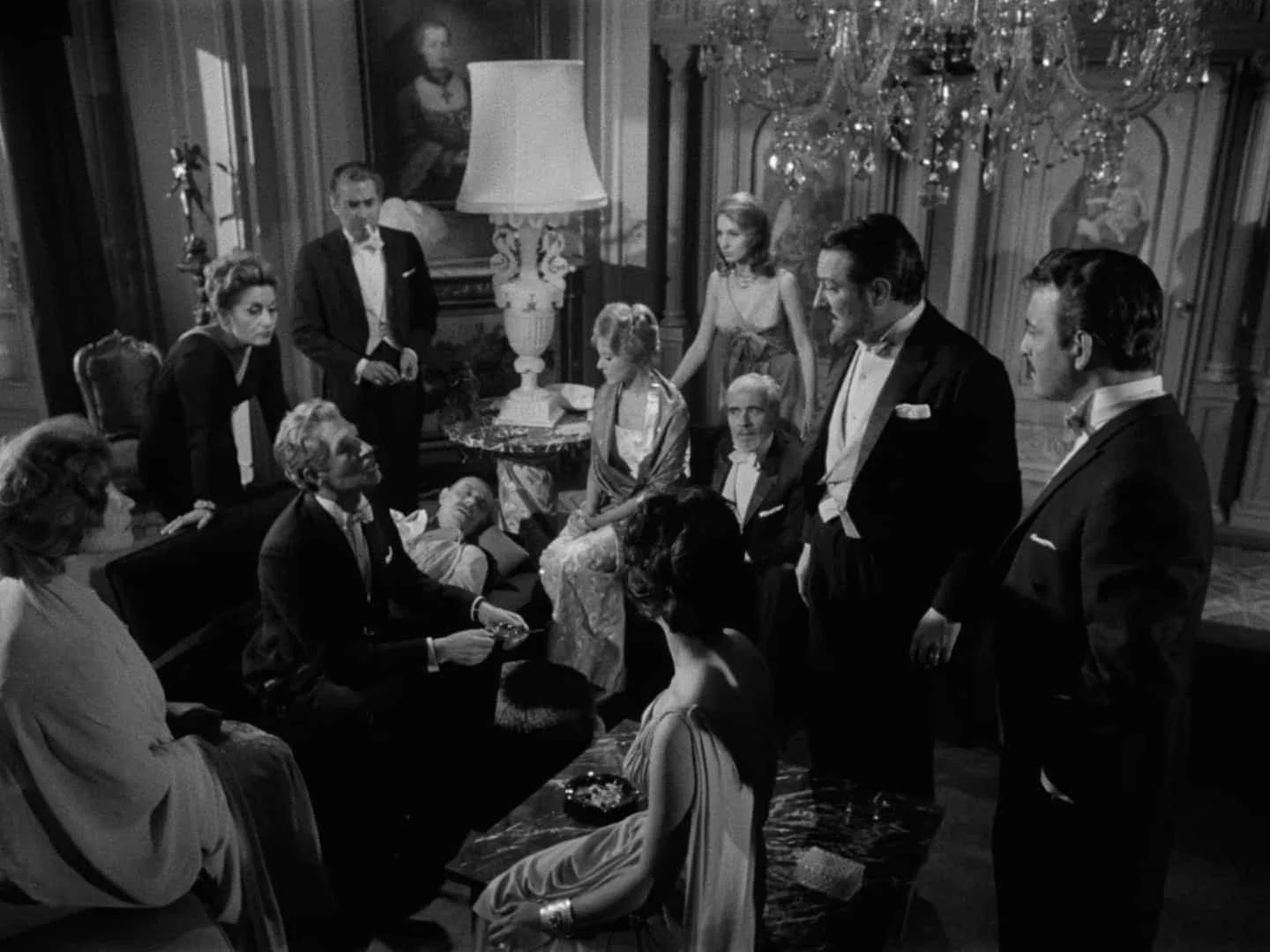
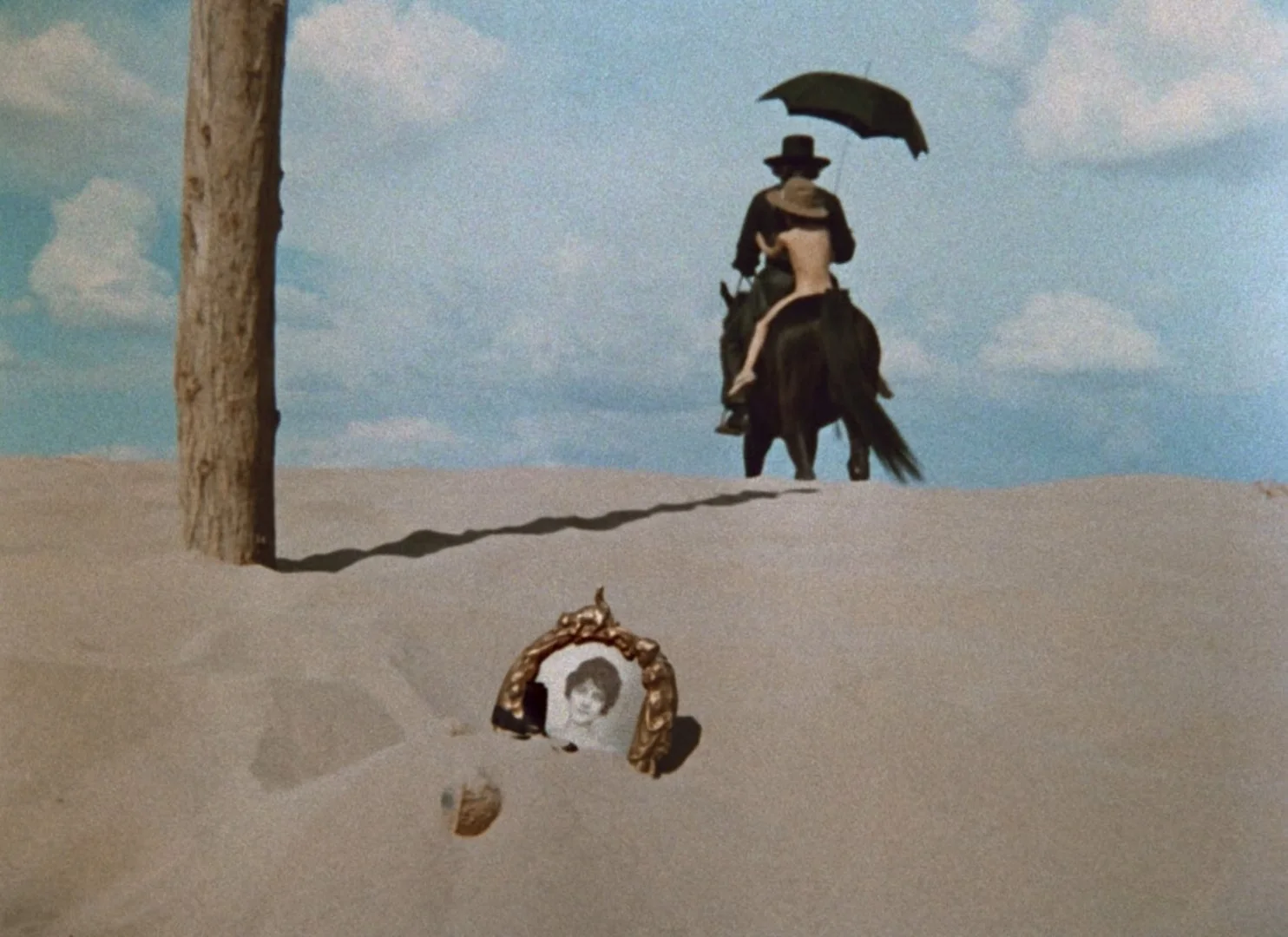
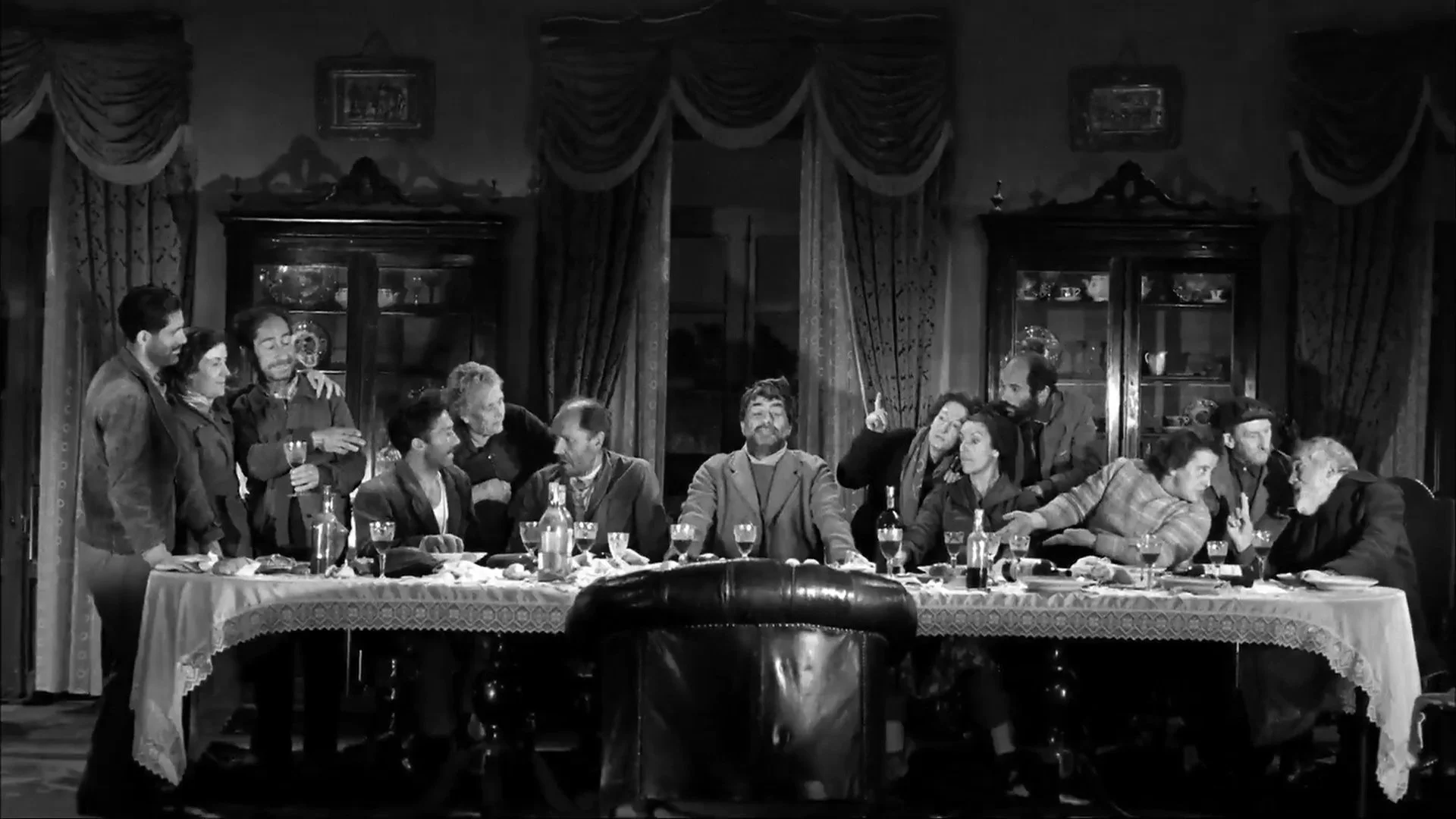
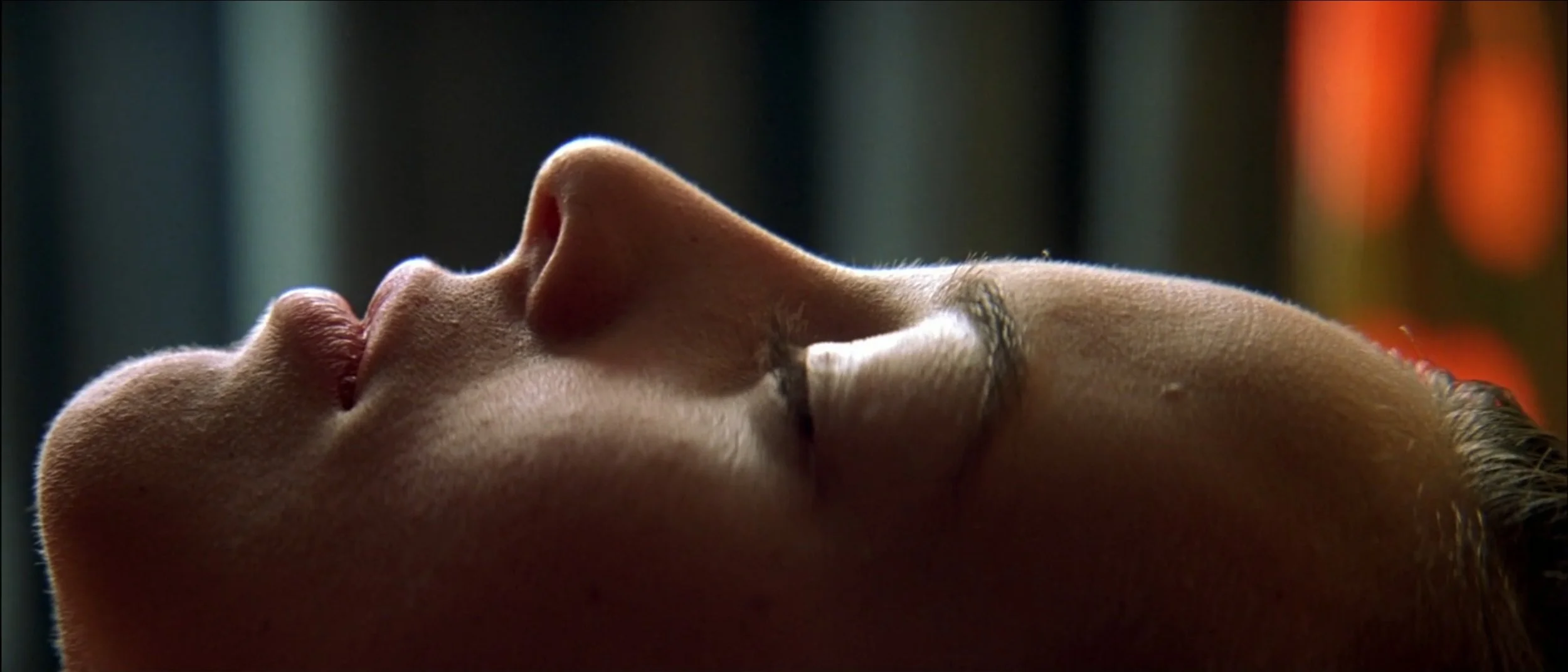
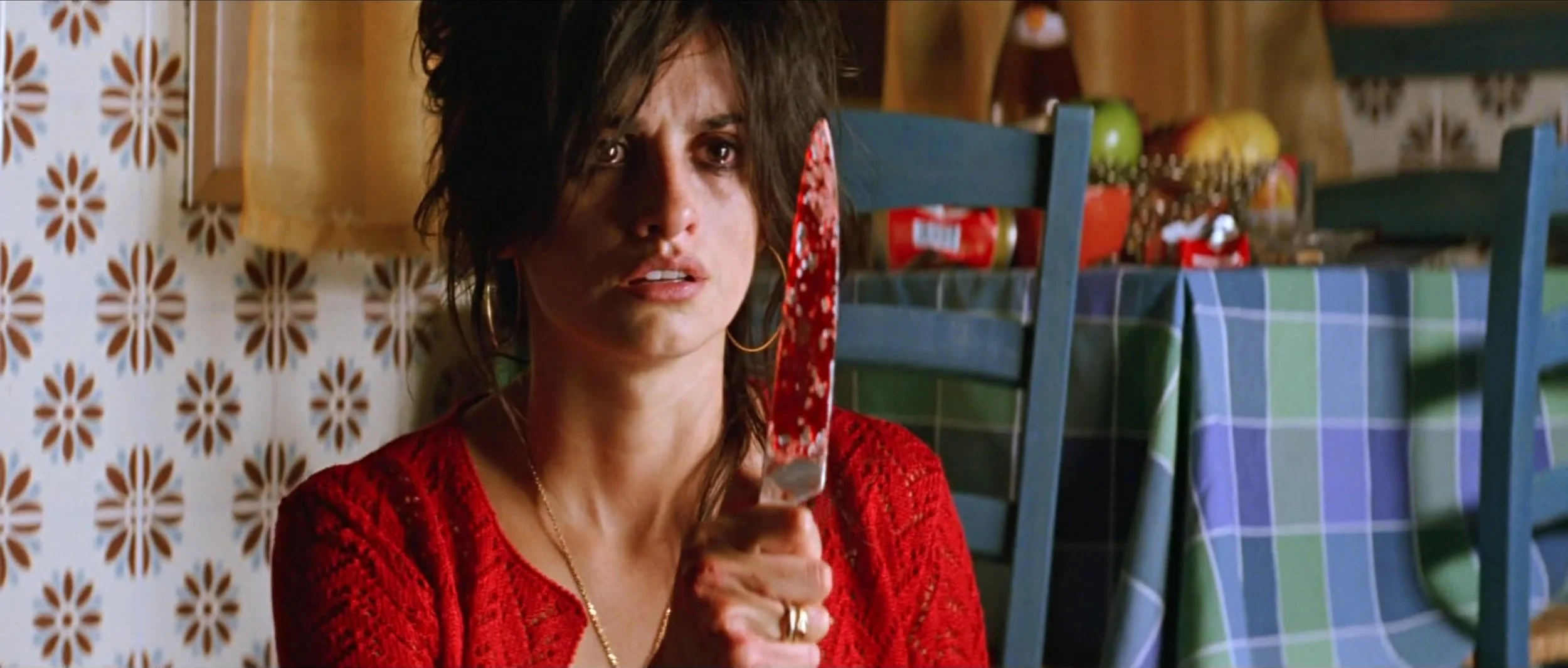
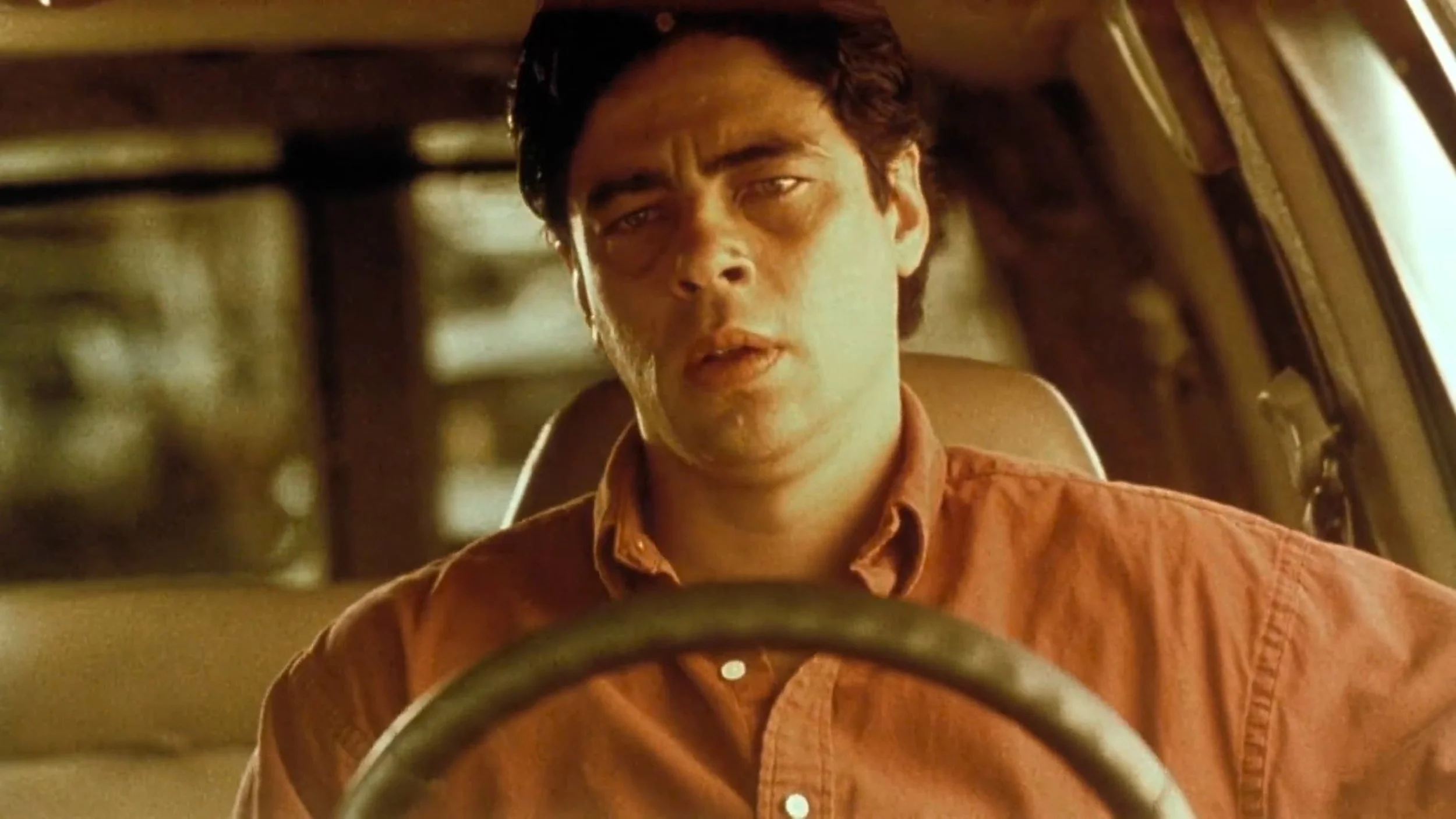


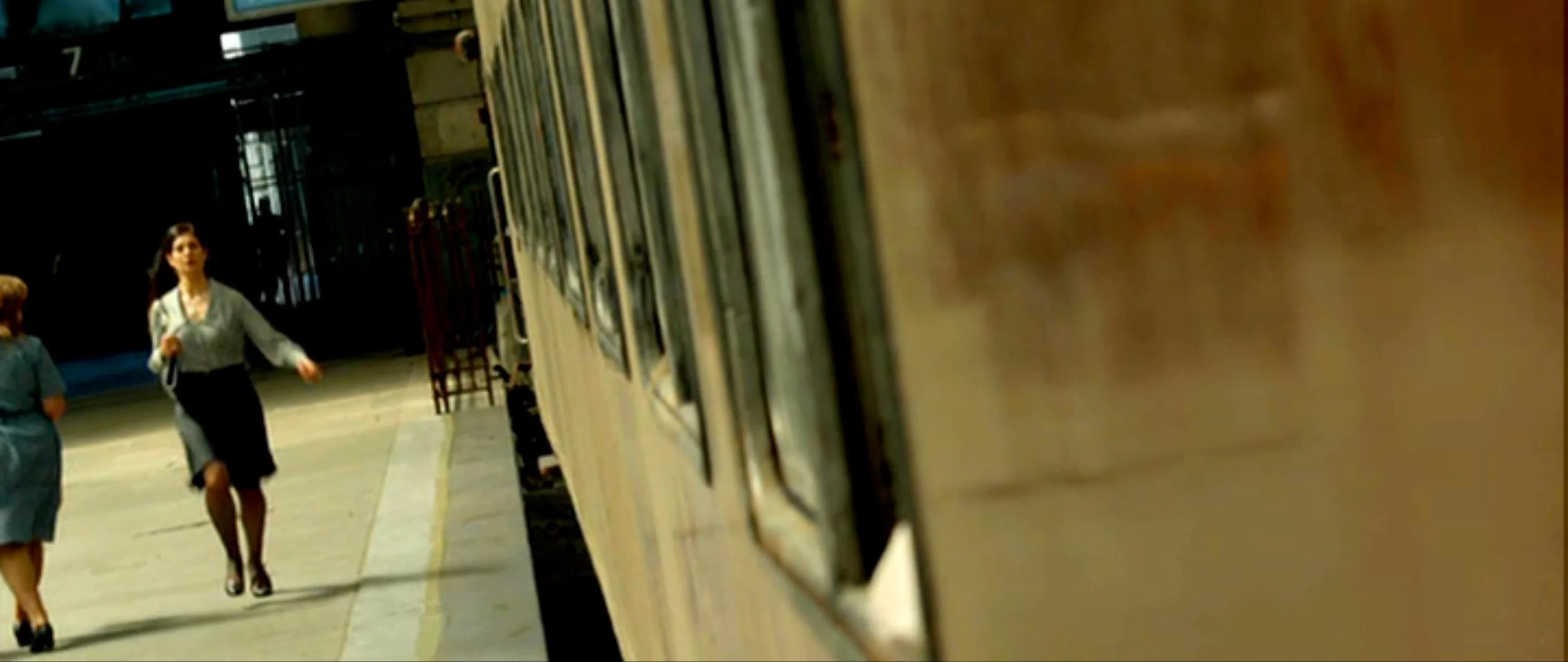
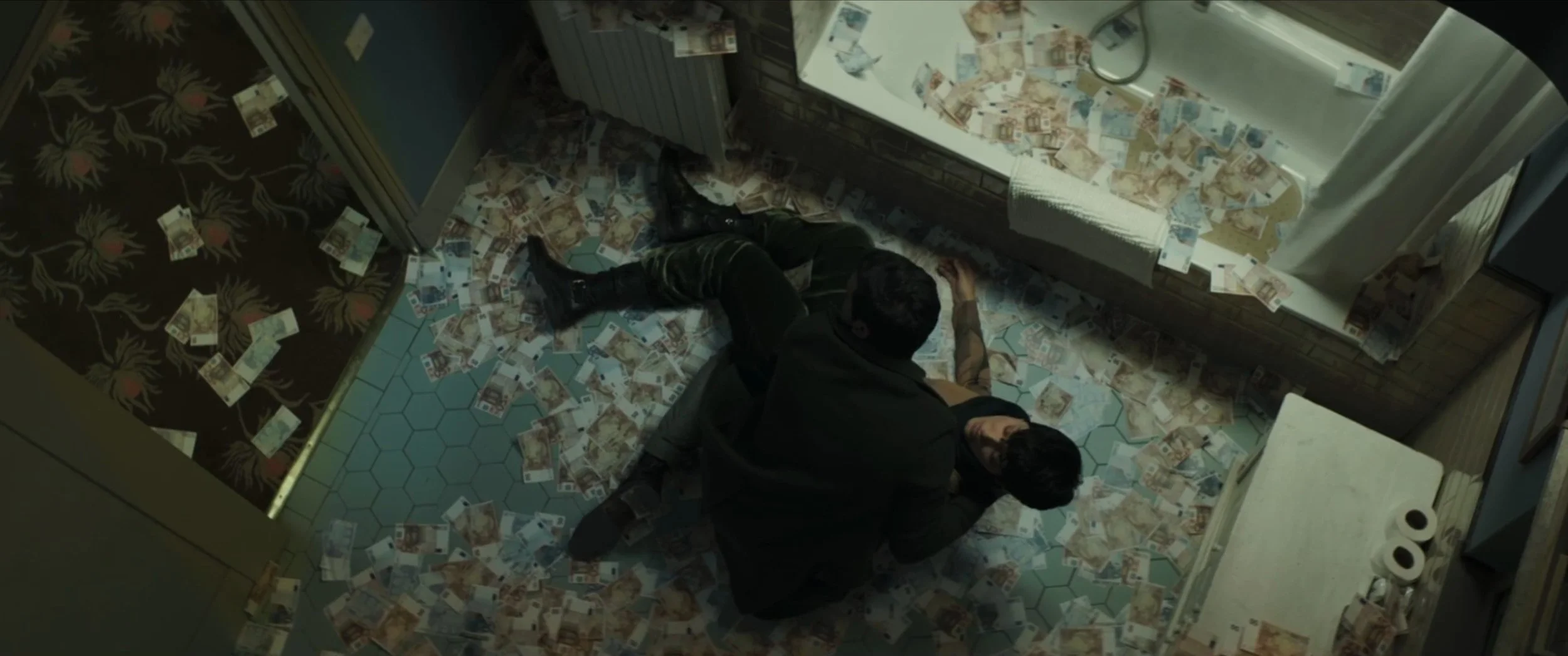


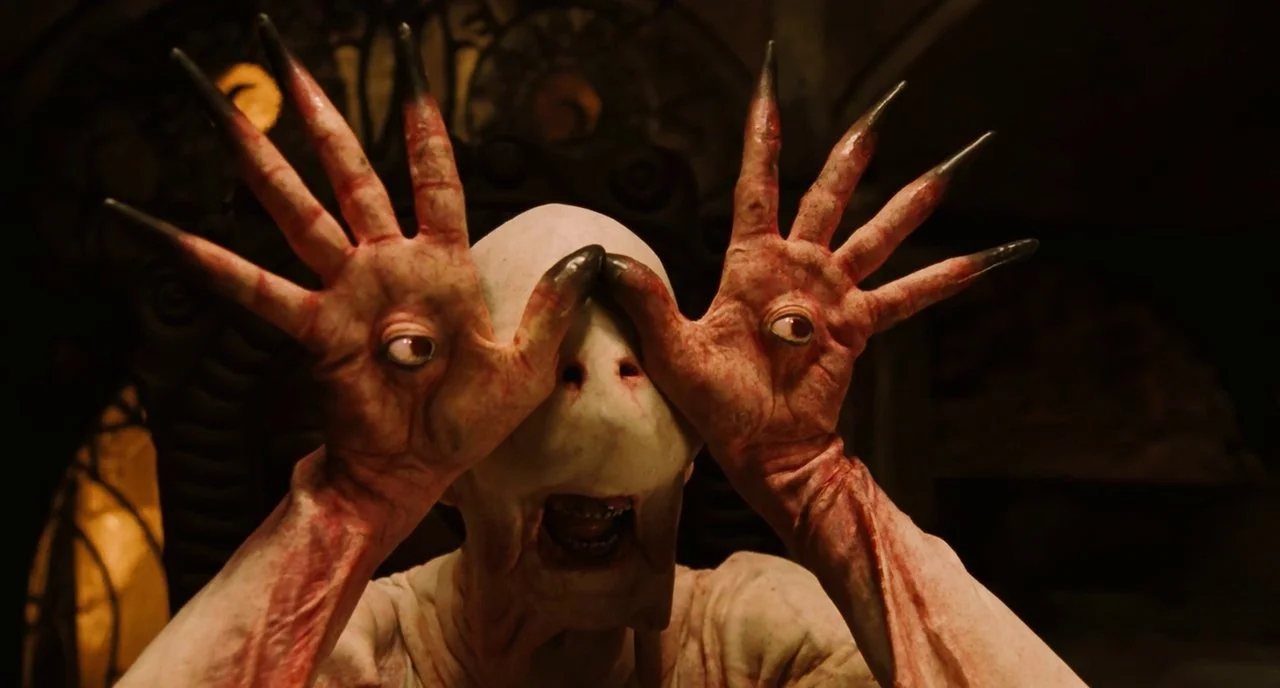


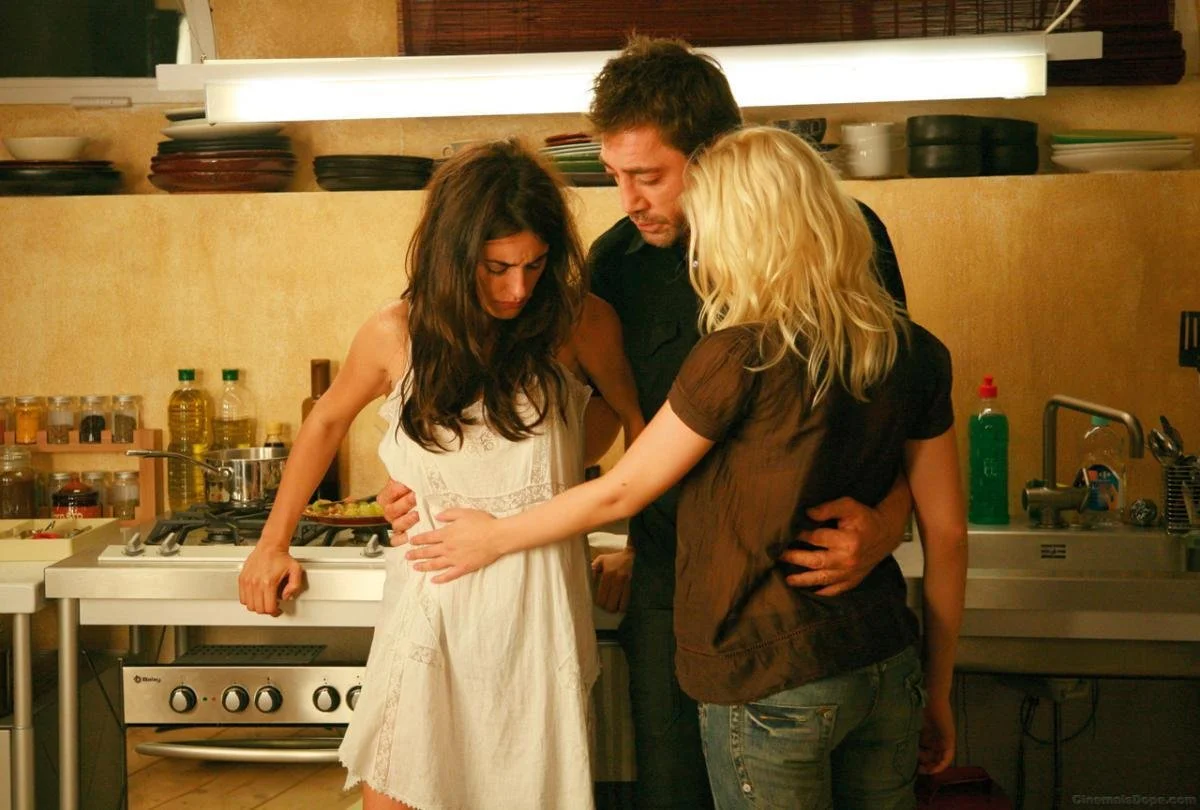



Love, depravity, and humanity.