
Le Samouraï (1967)
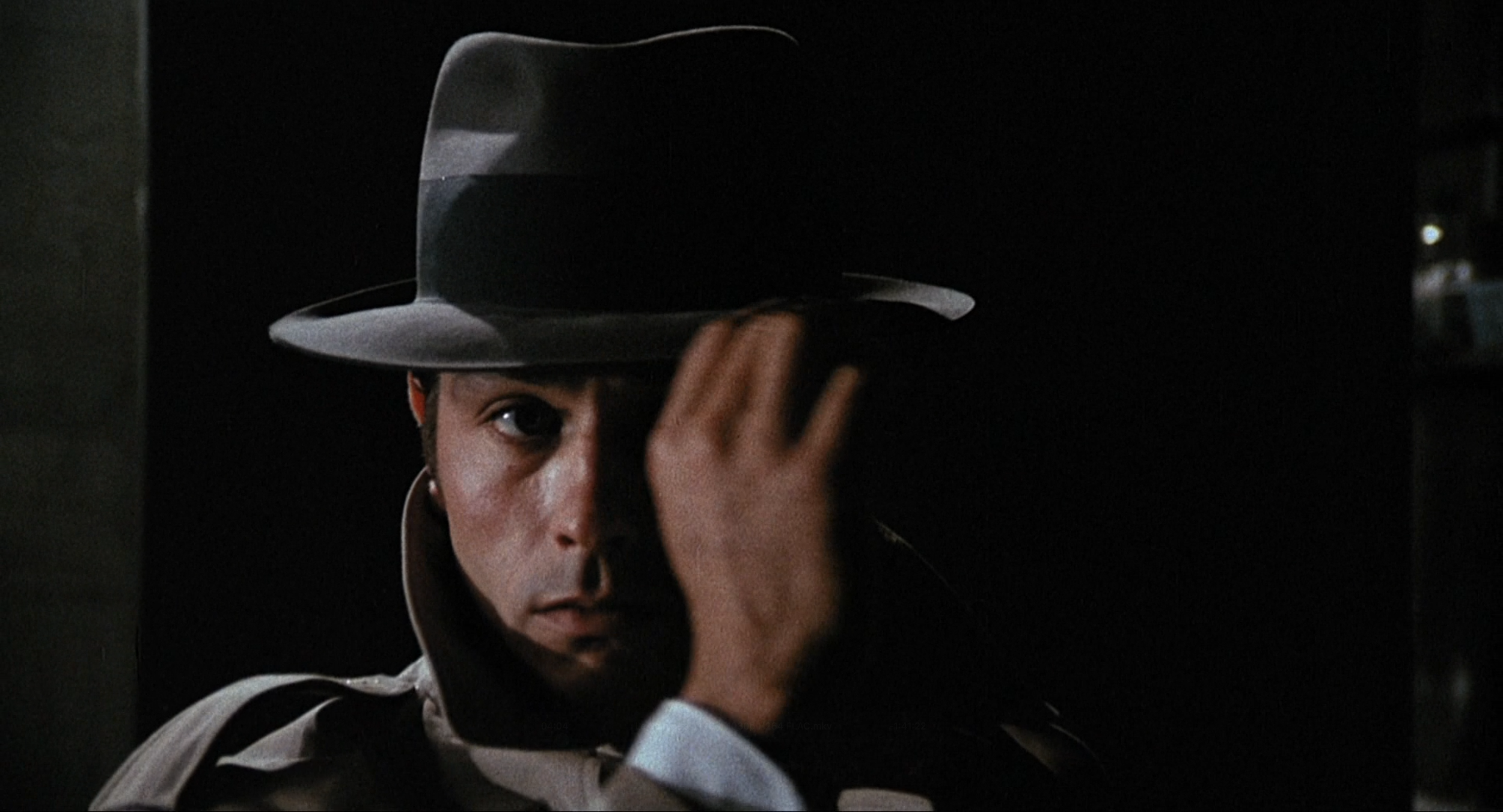
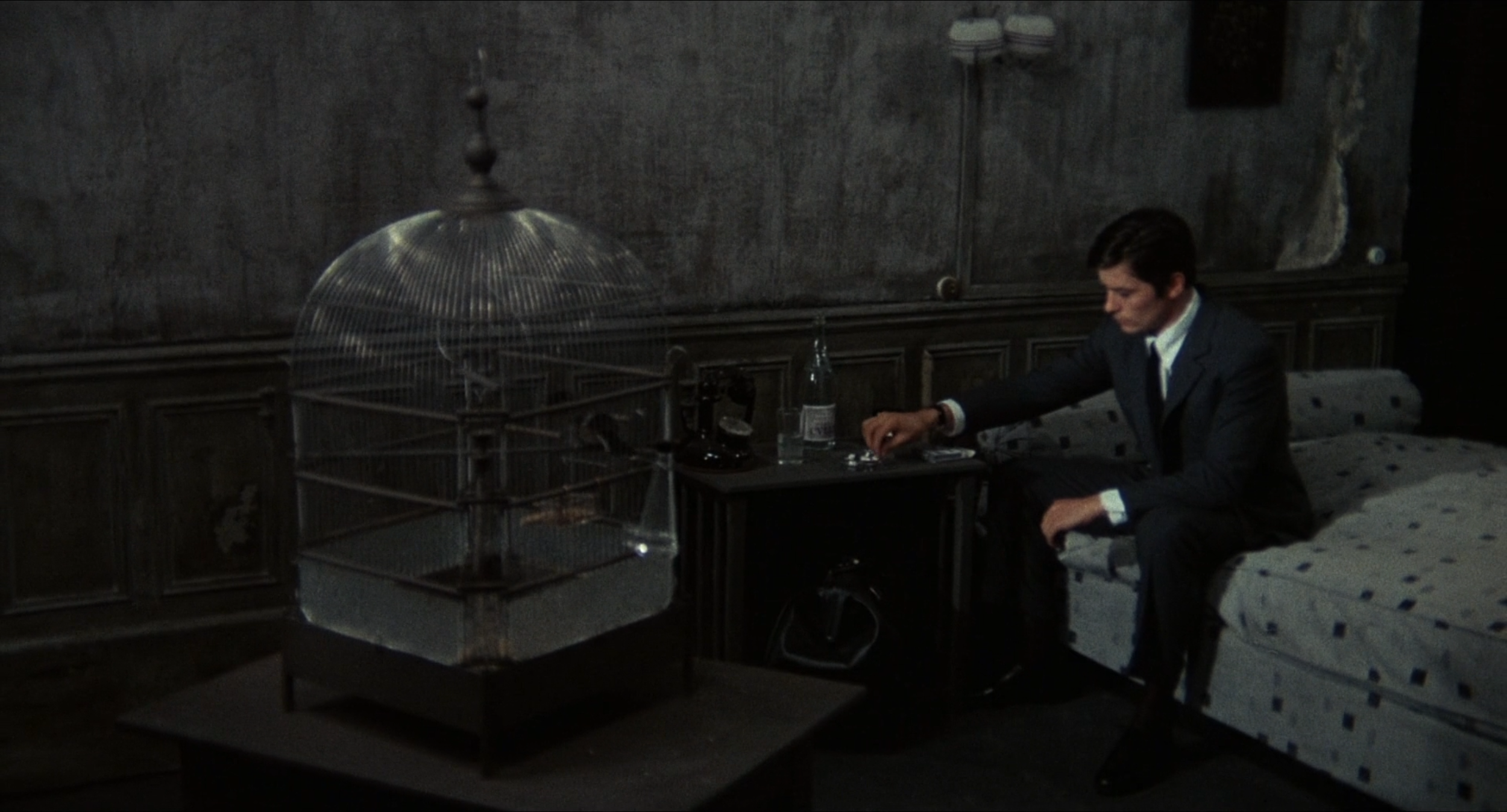
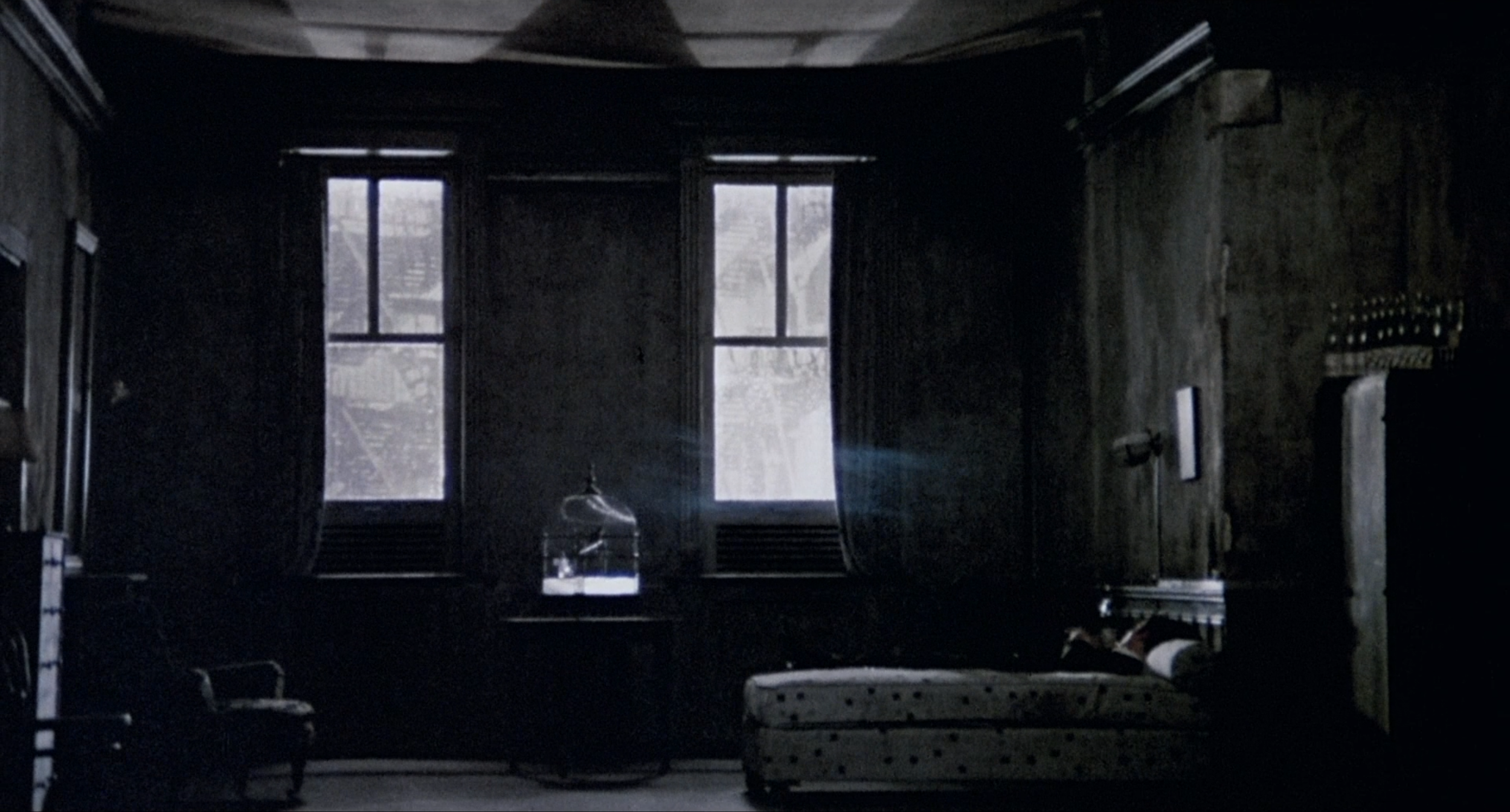
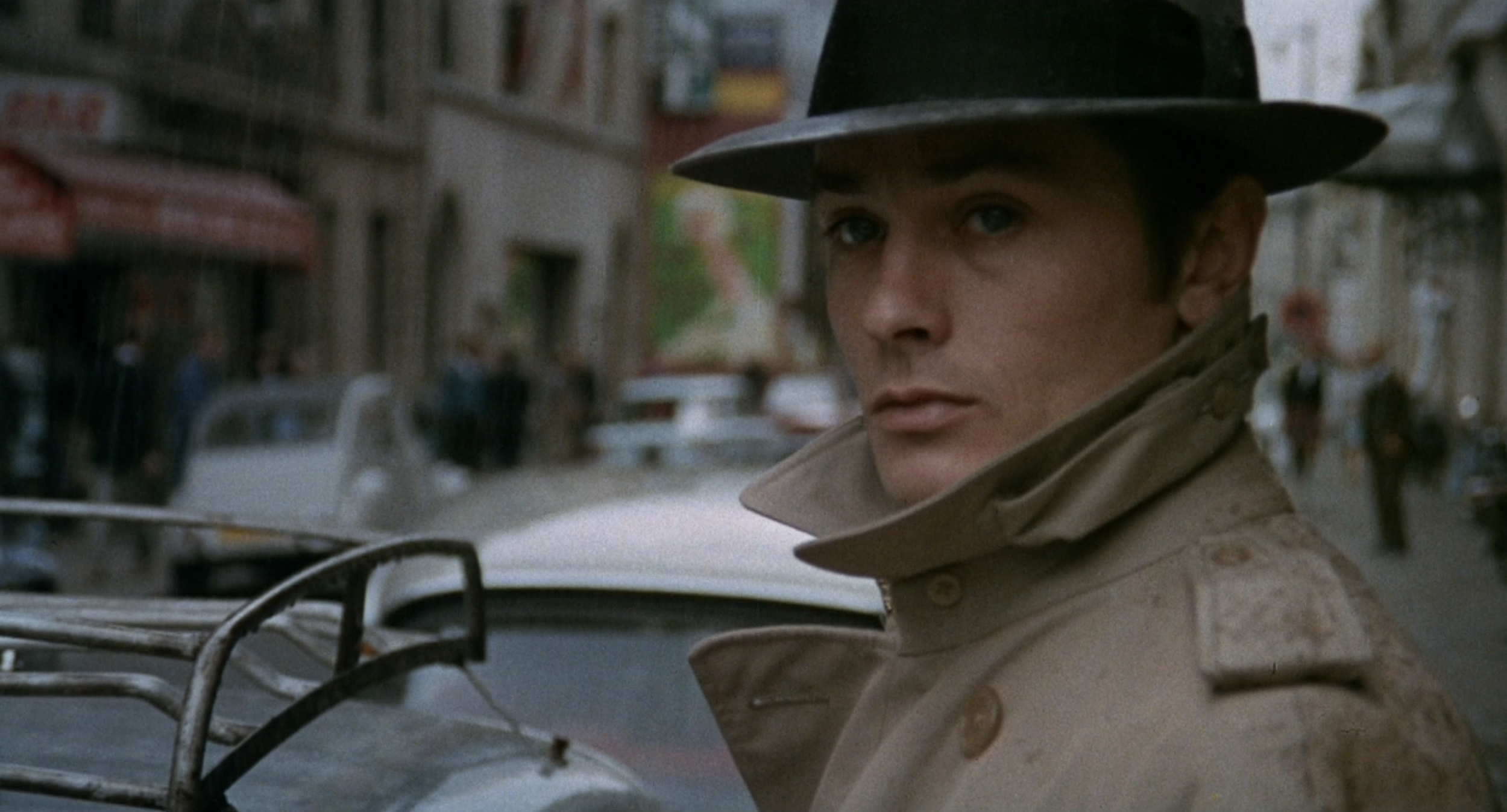
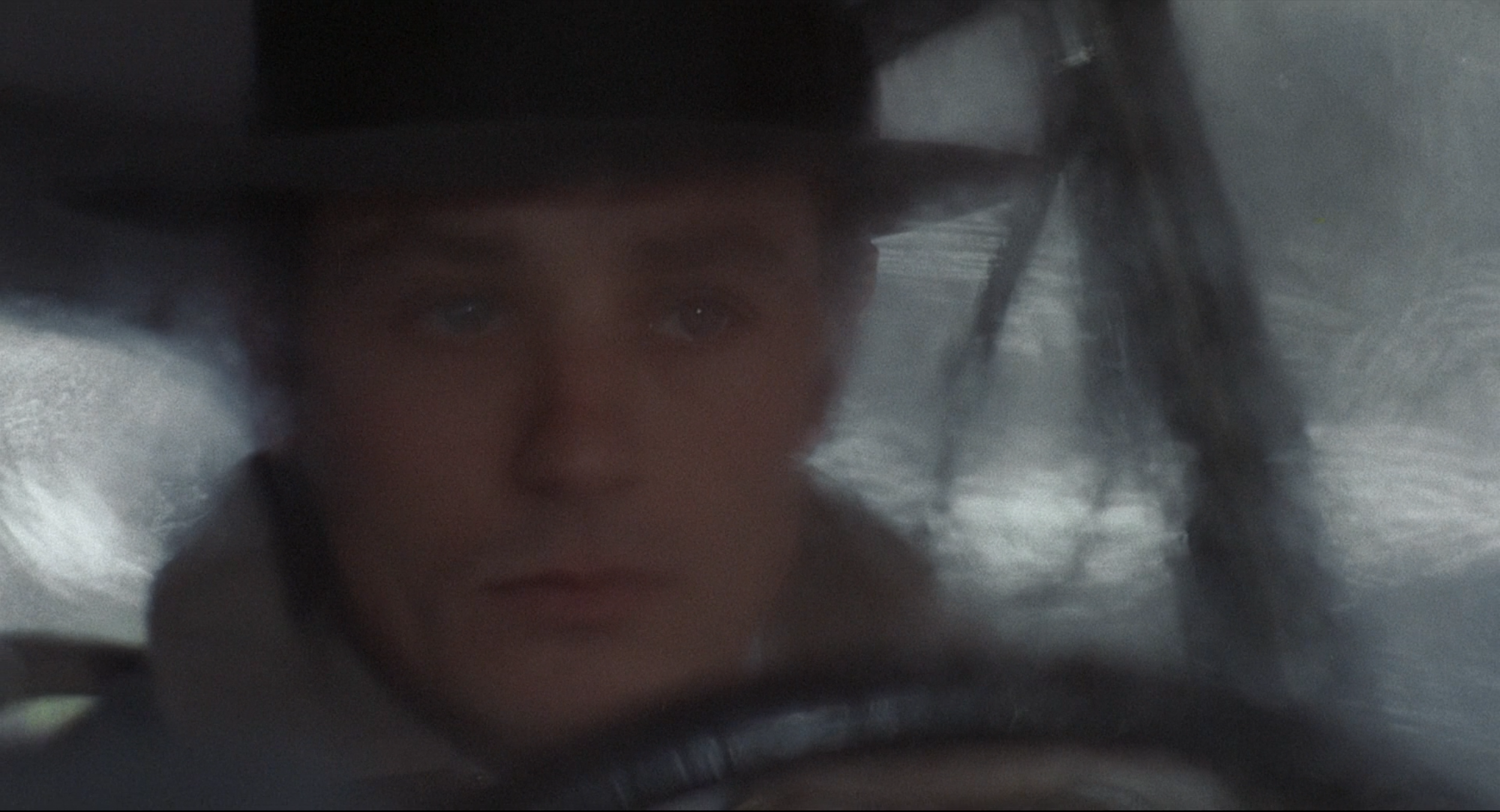
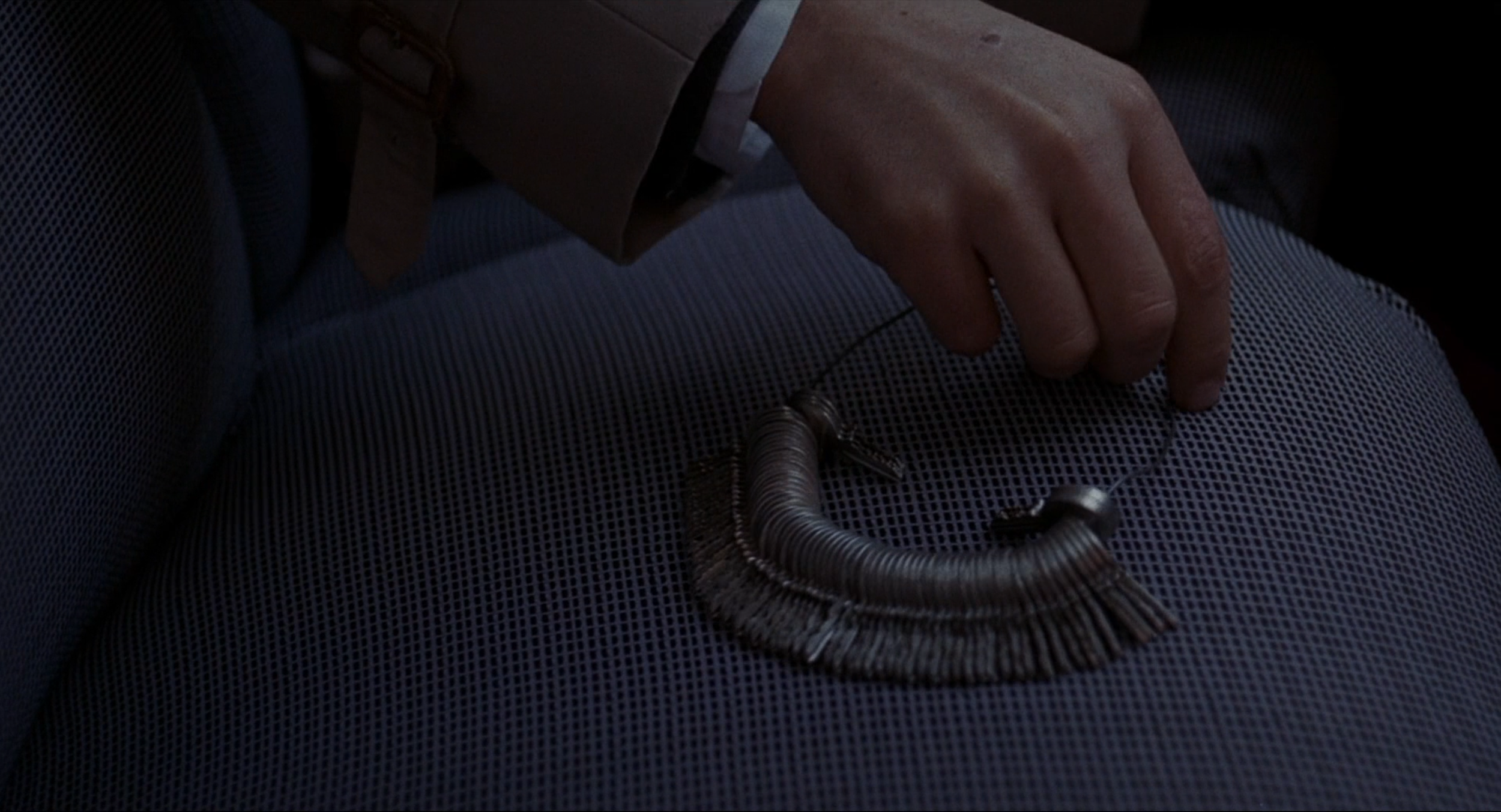
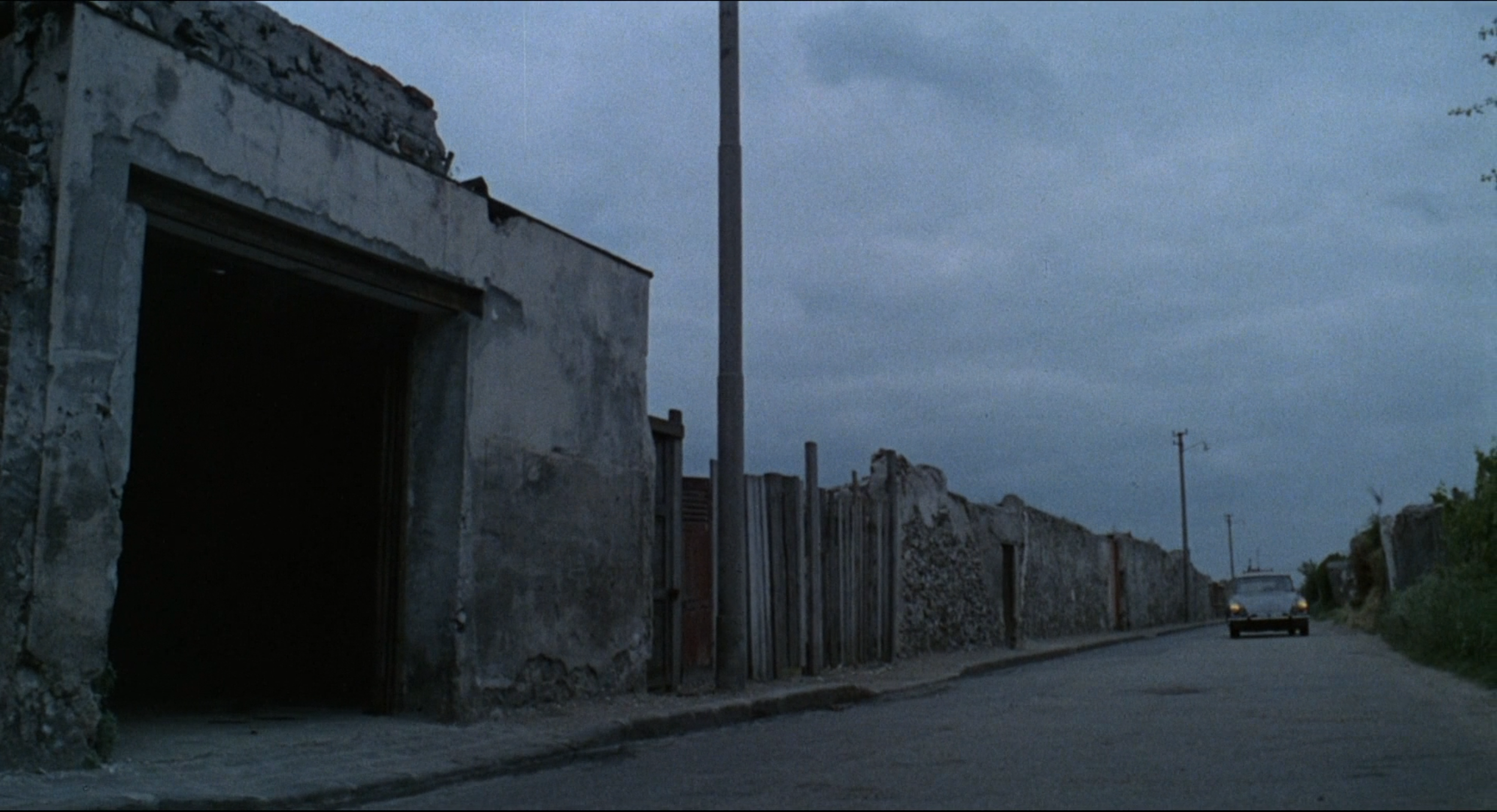
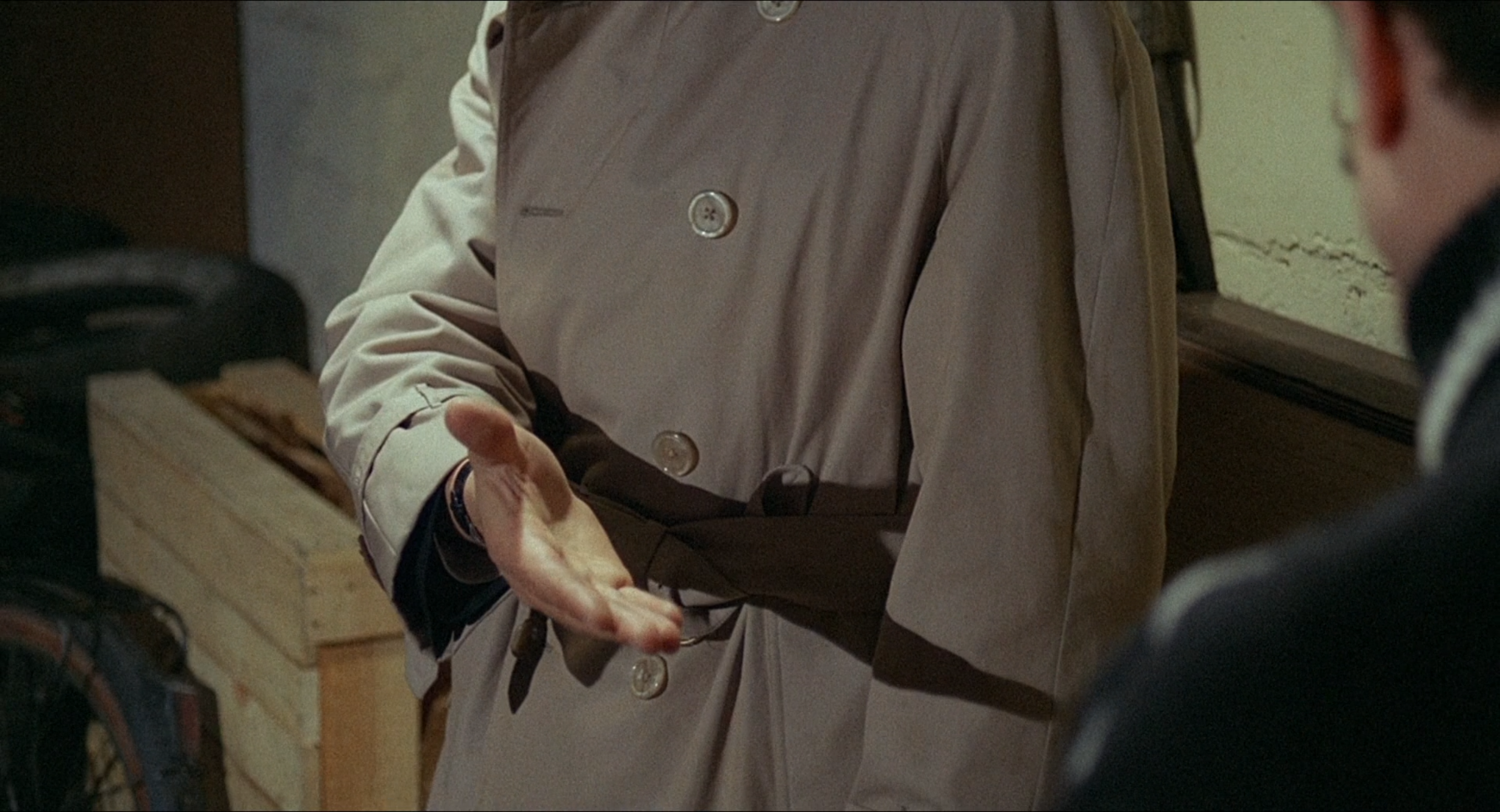
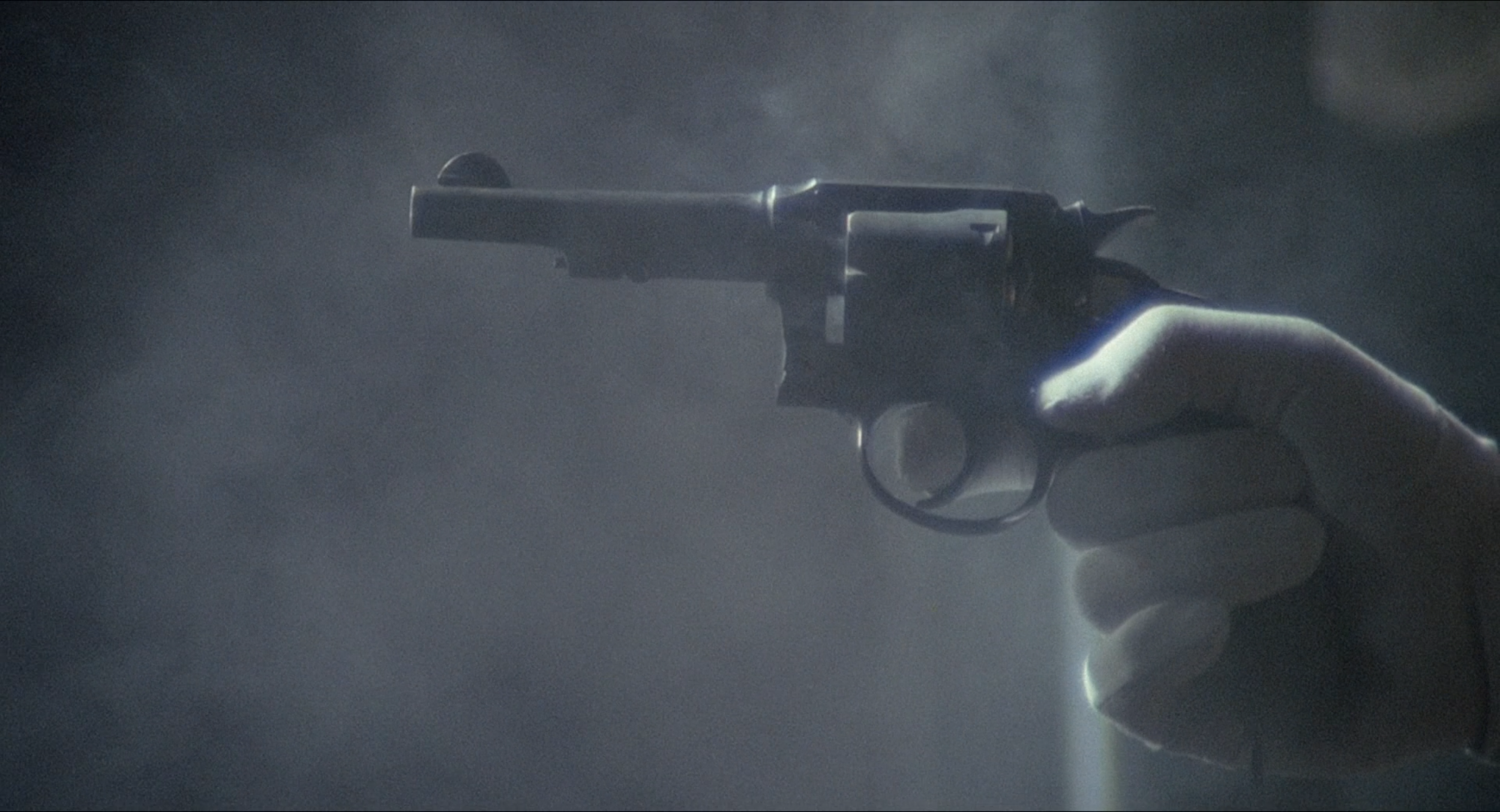
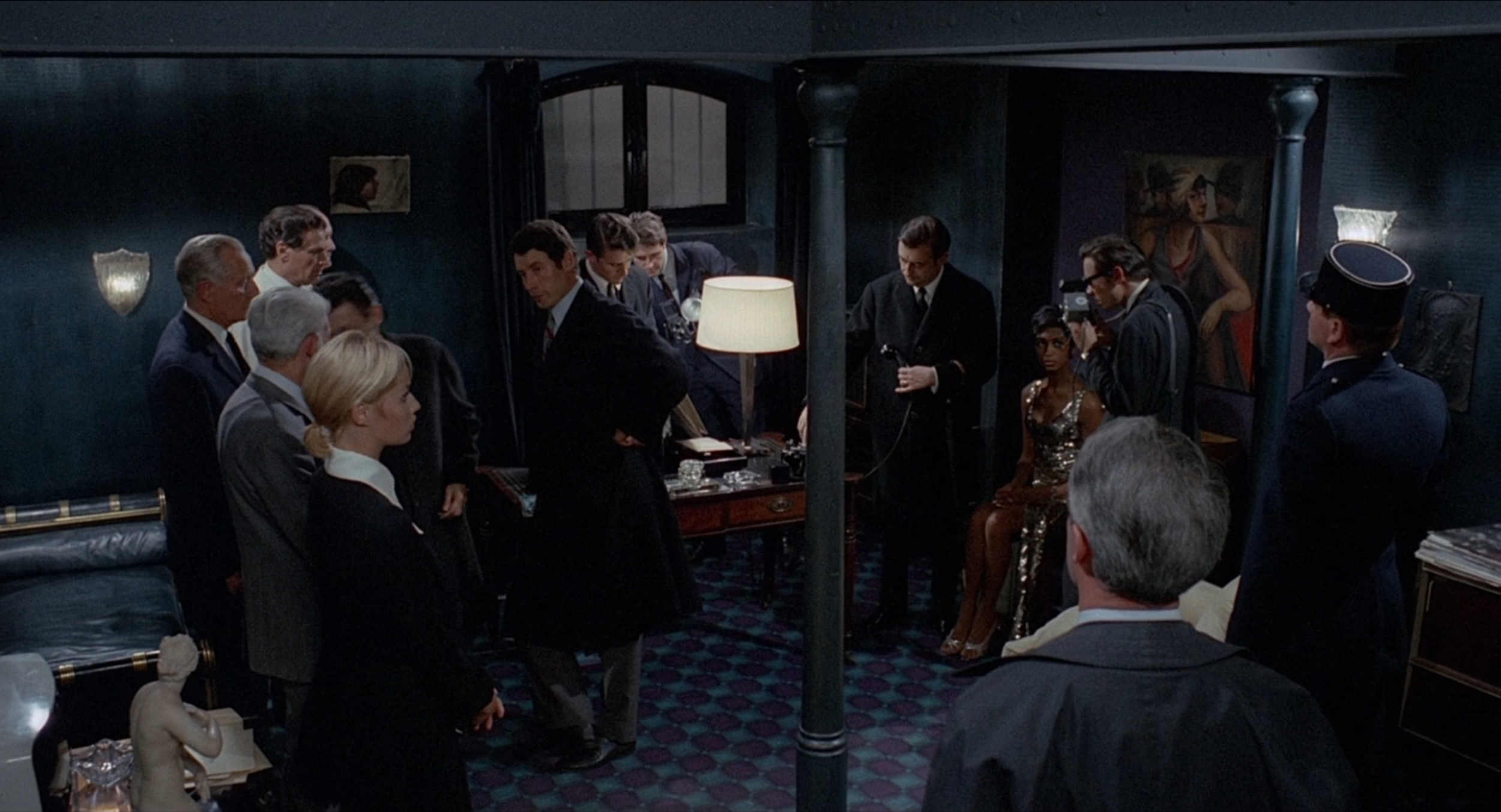
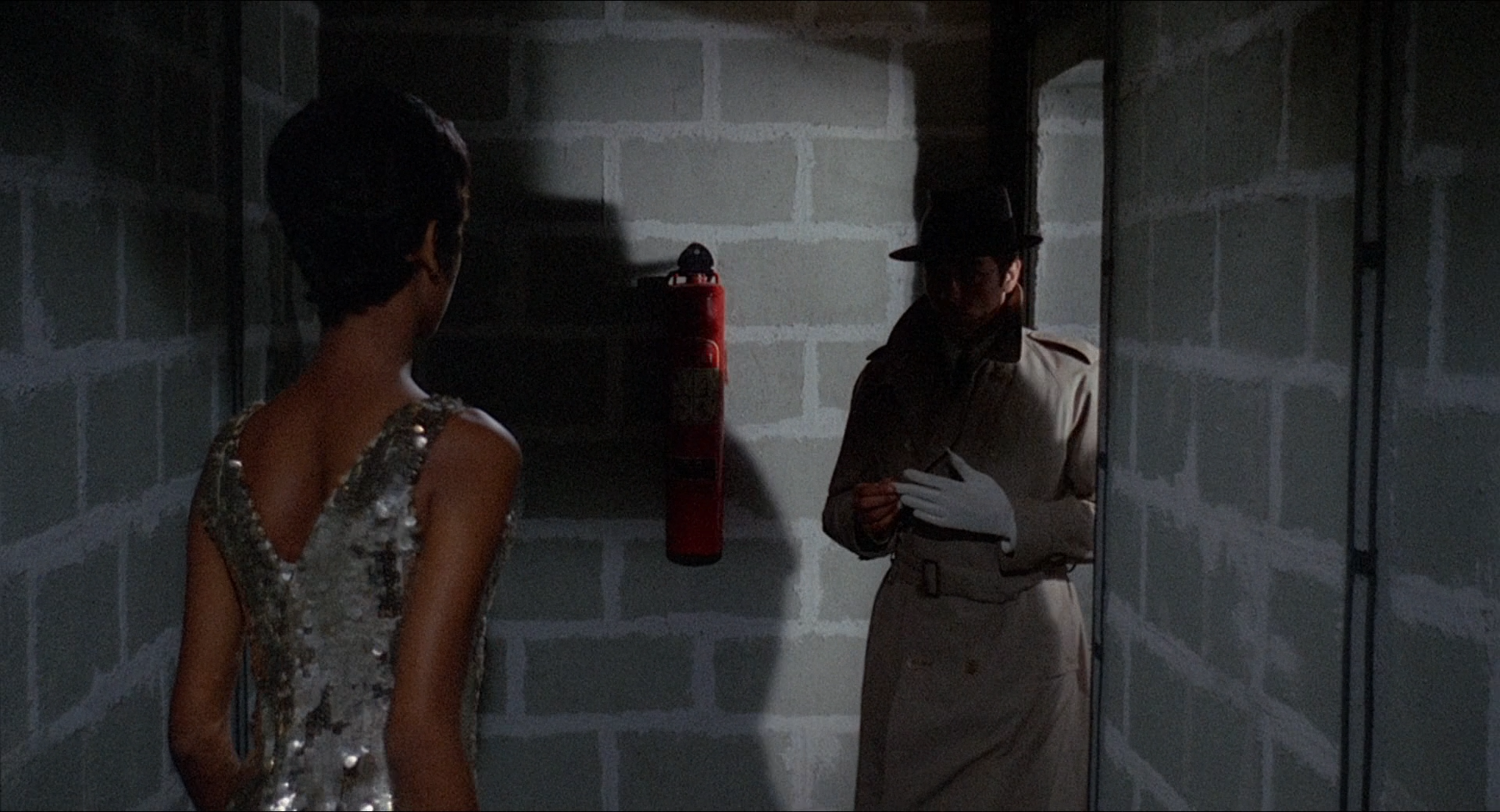
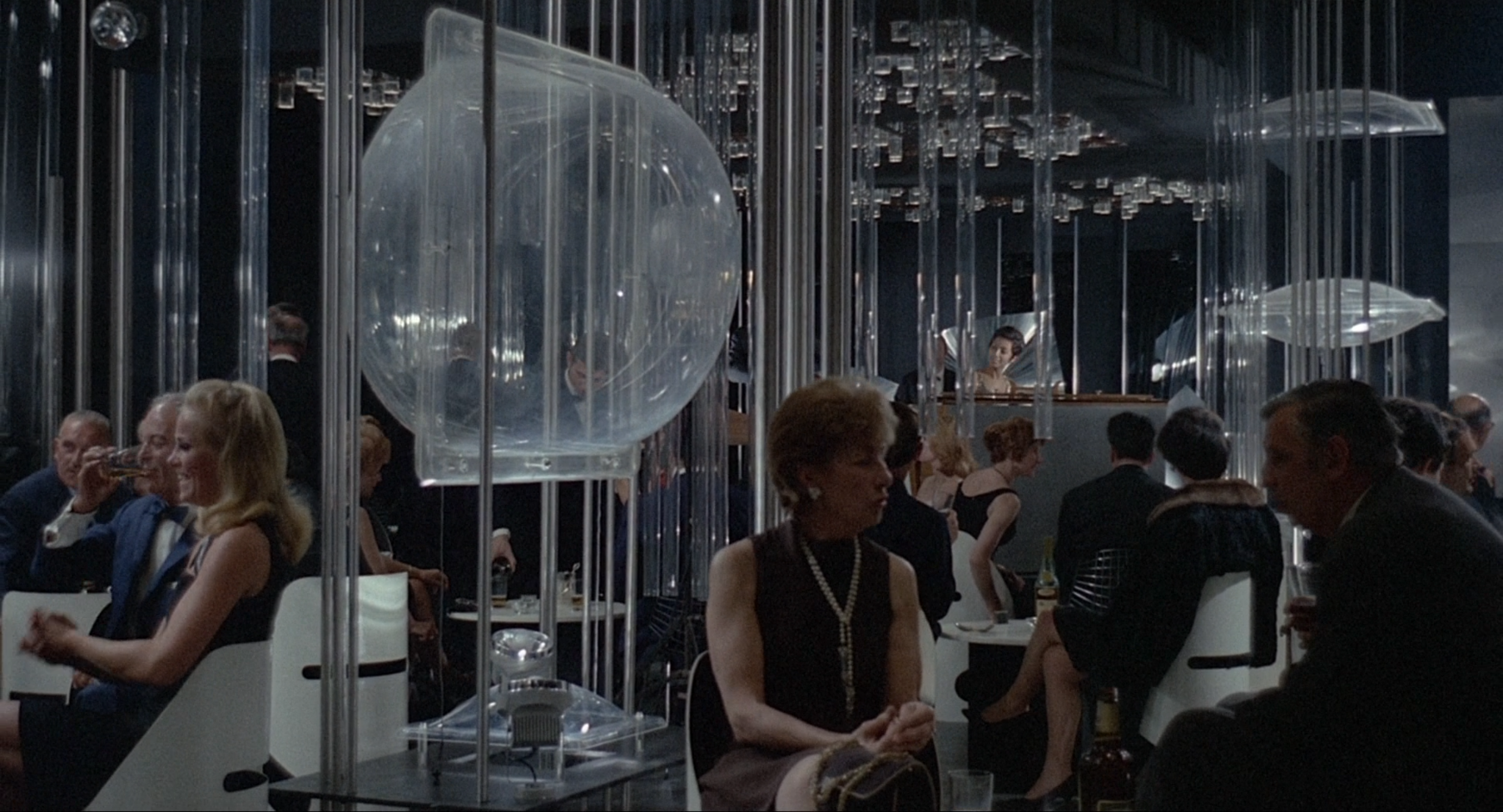

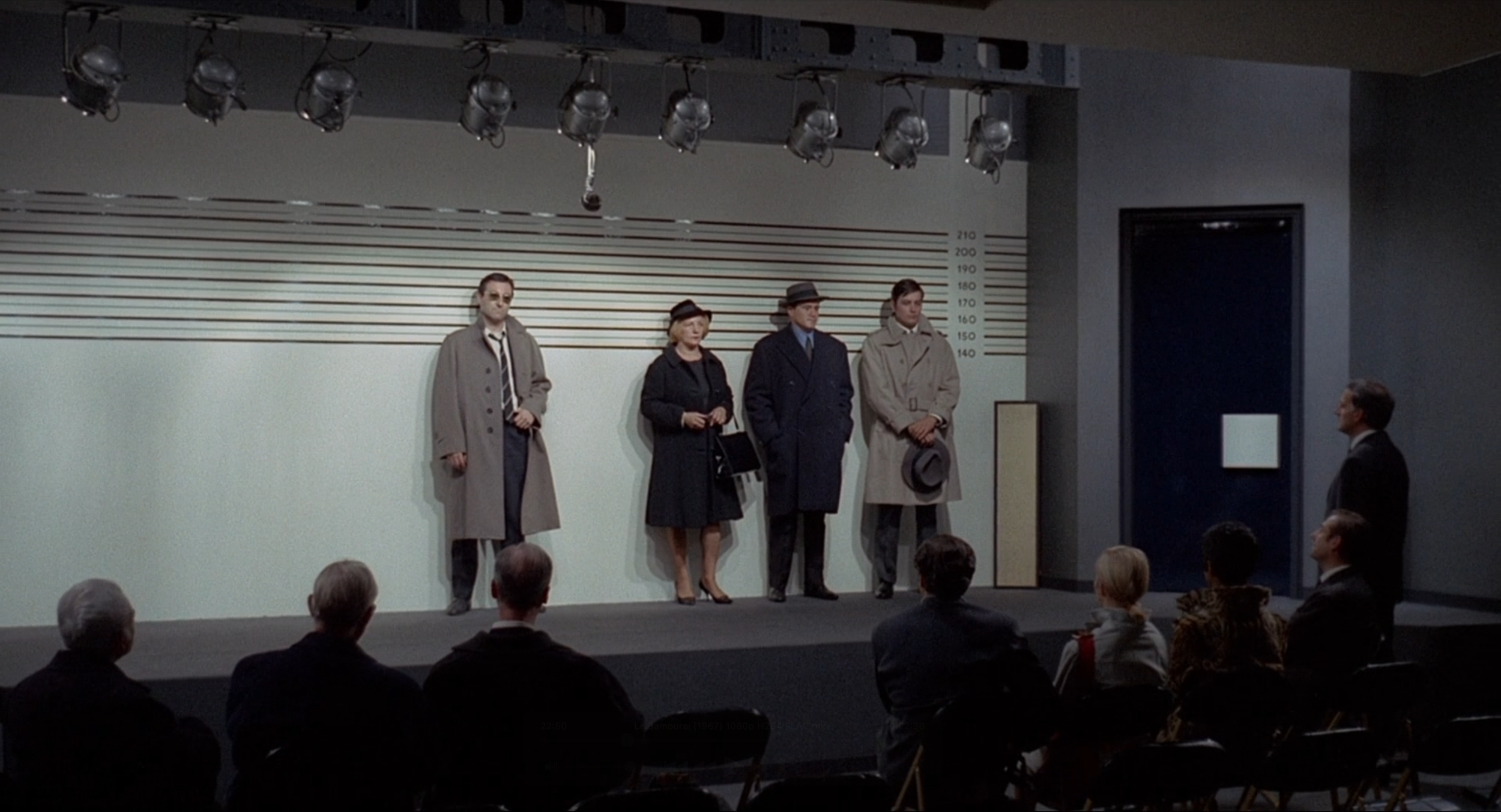
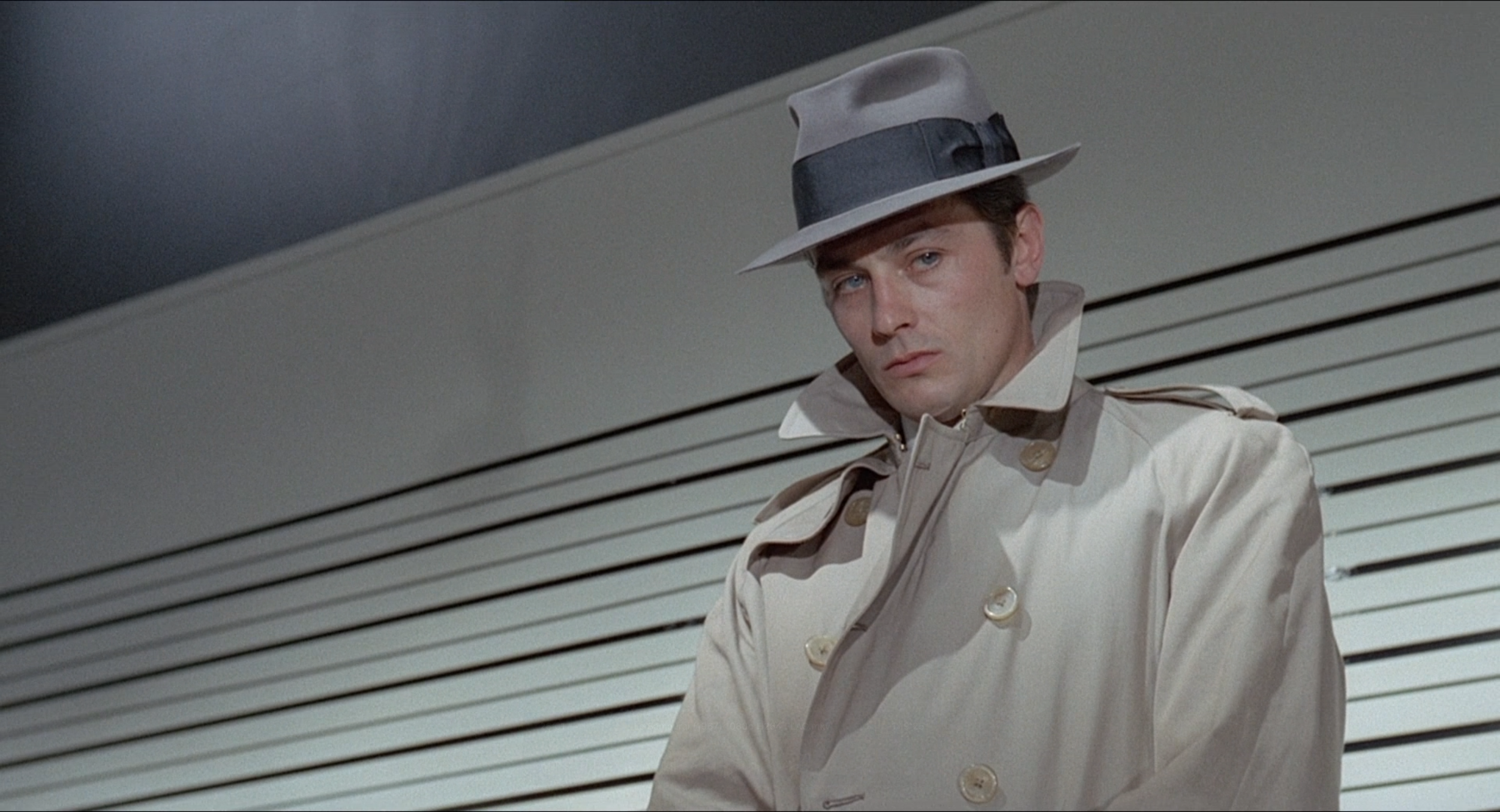
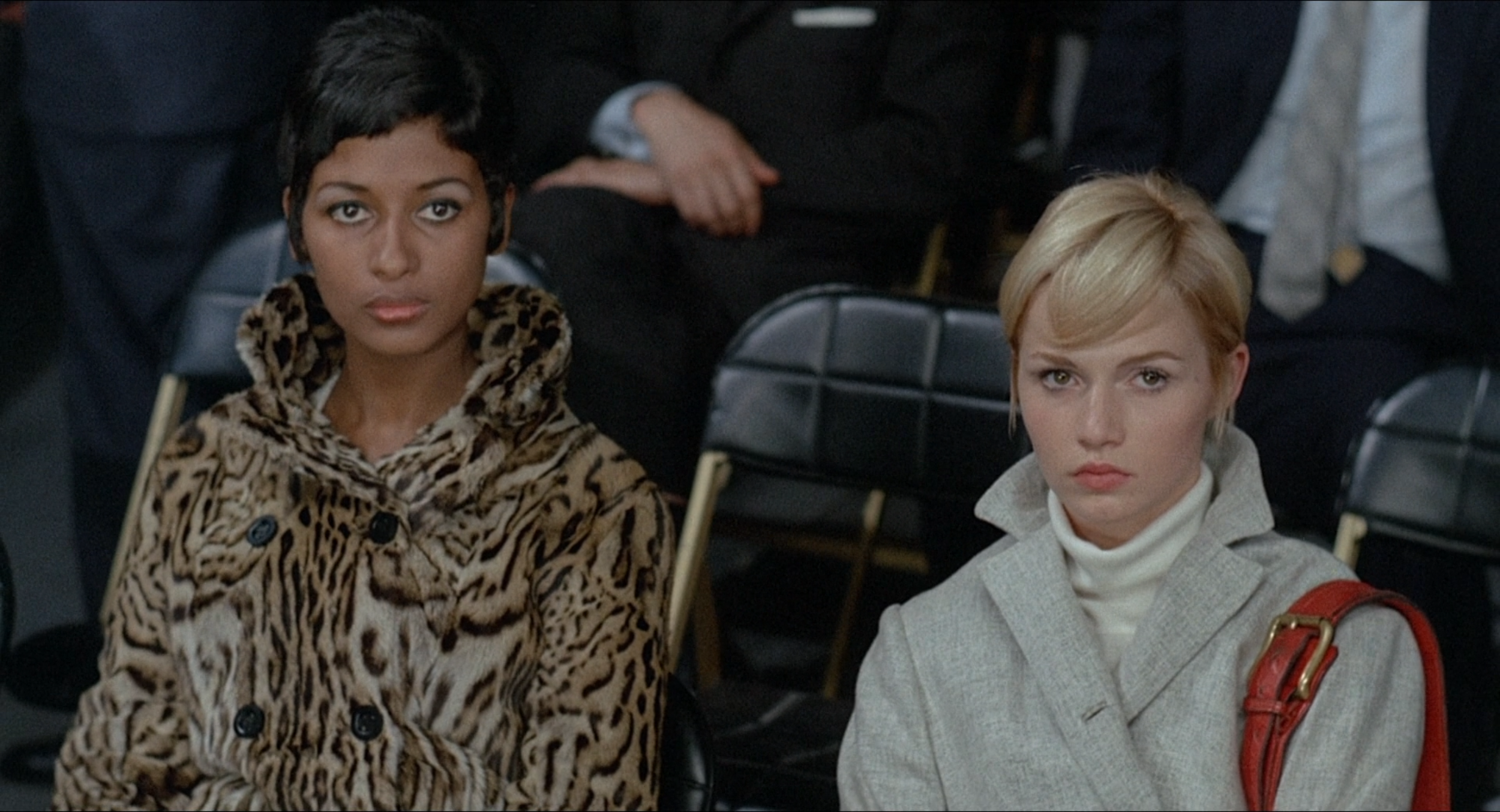
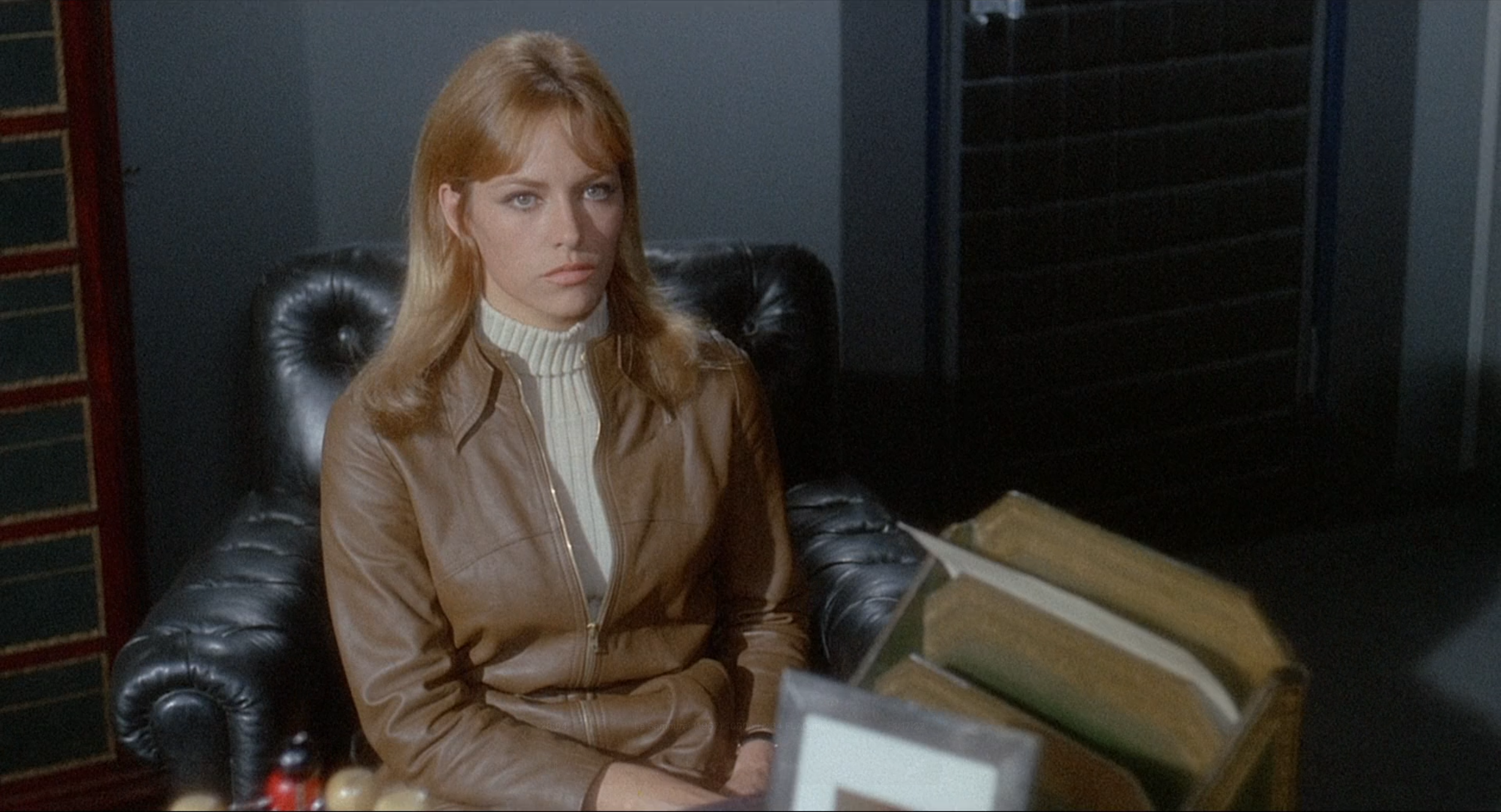
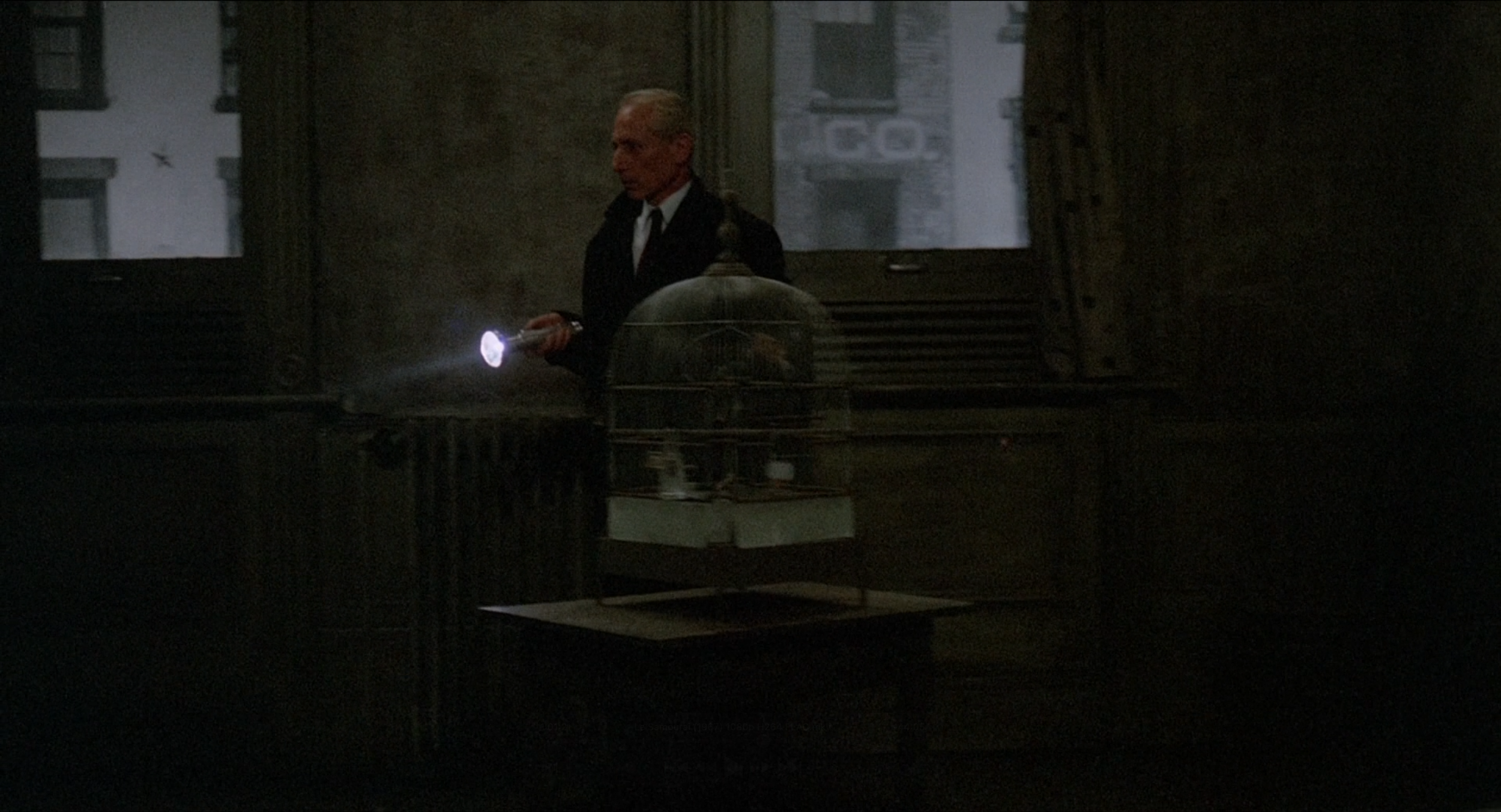
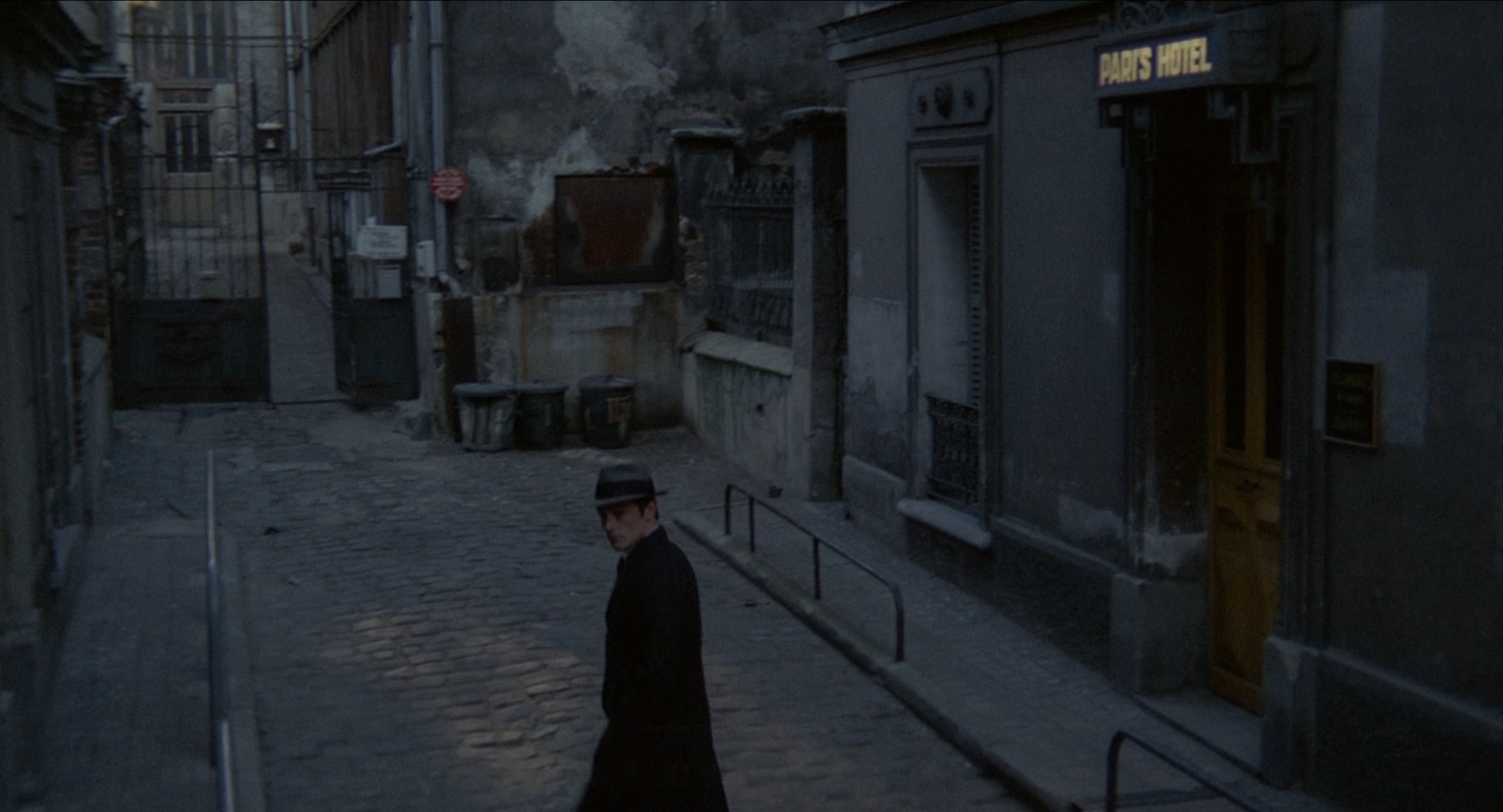
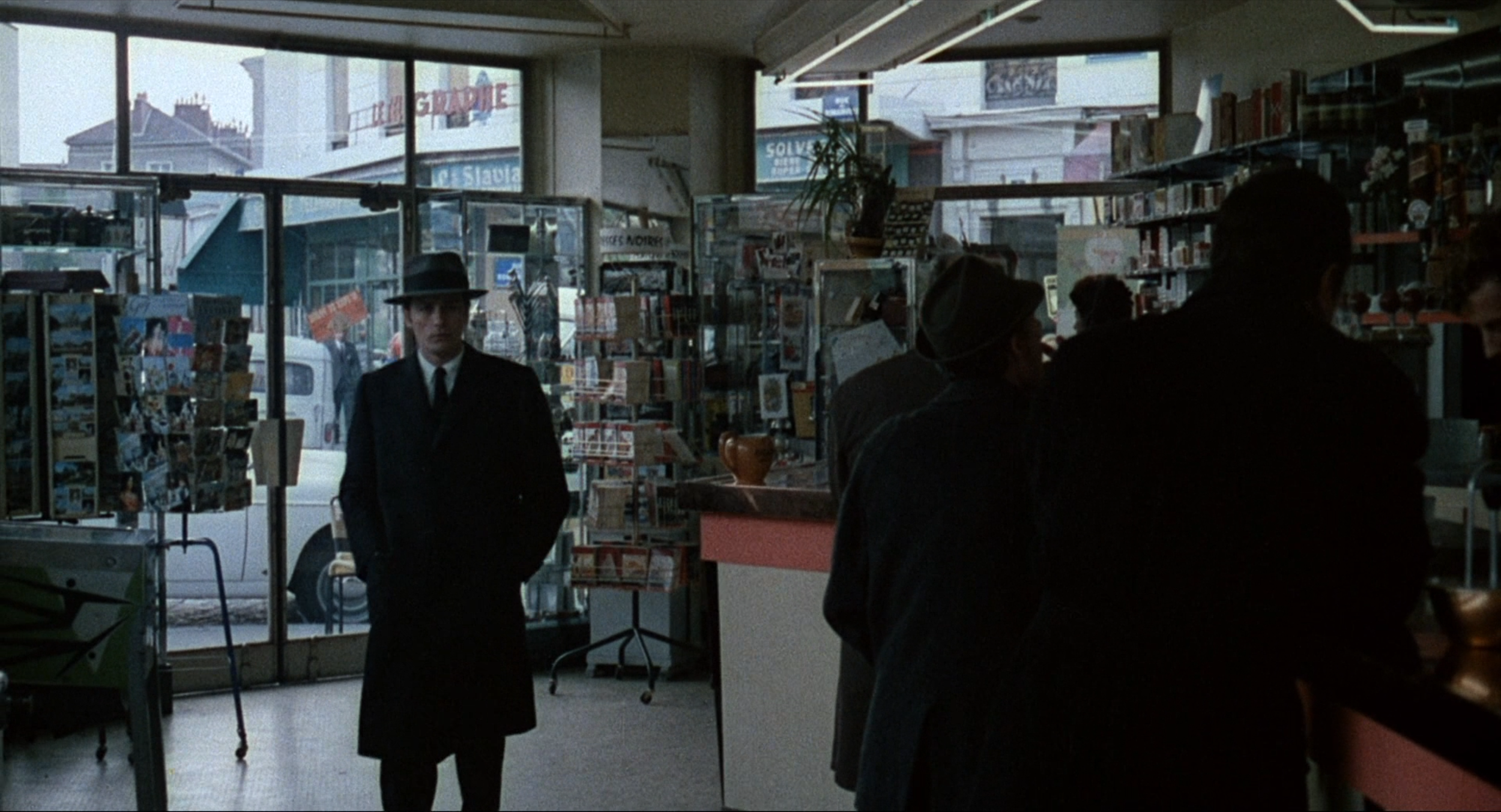
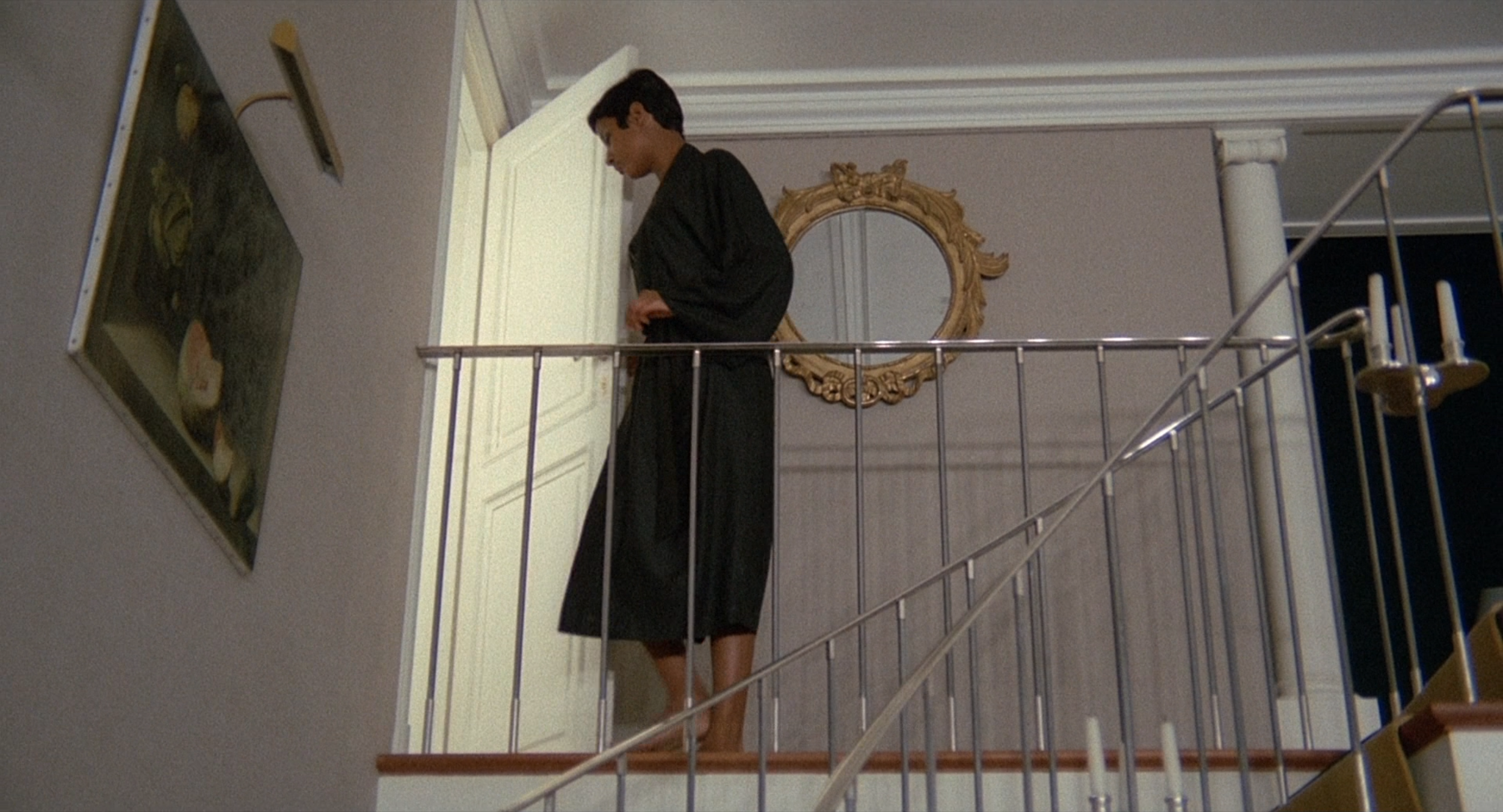

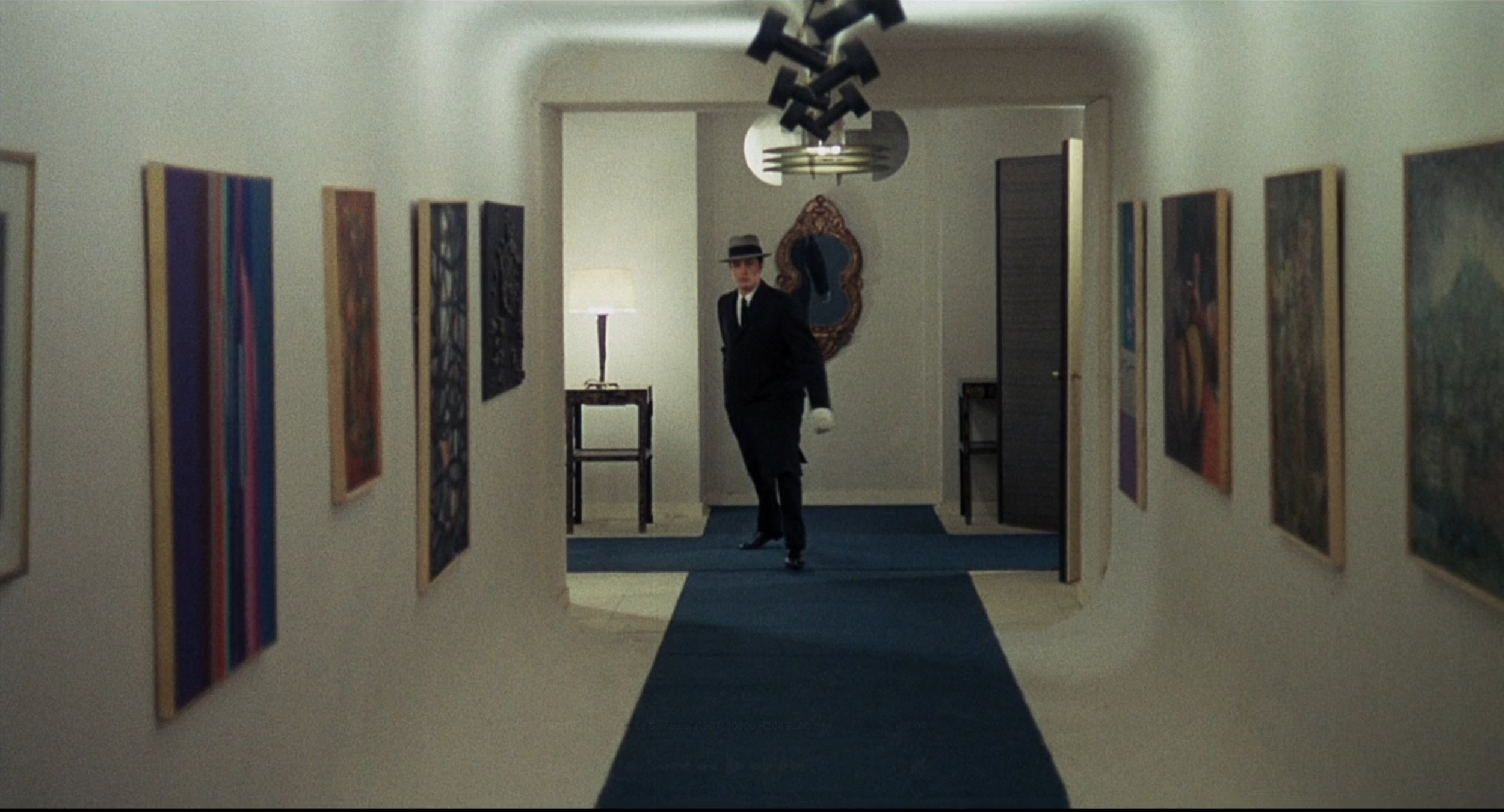
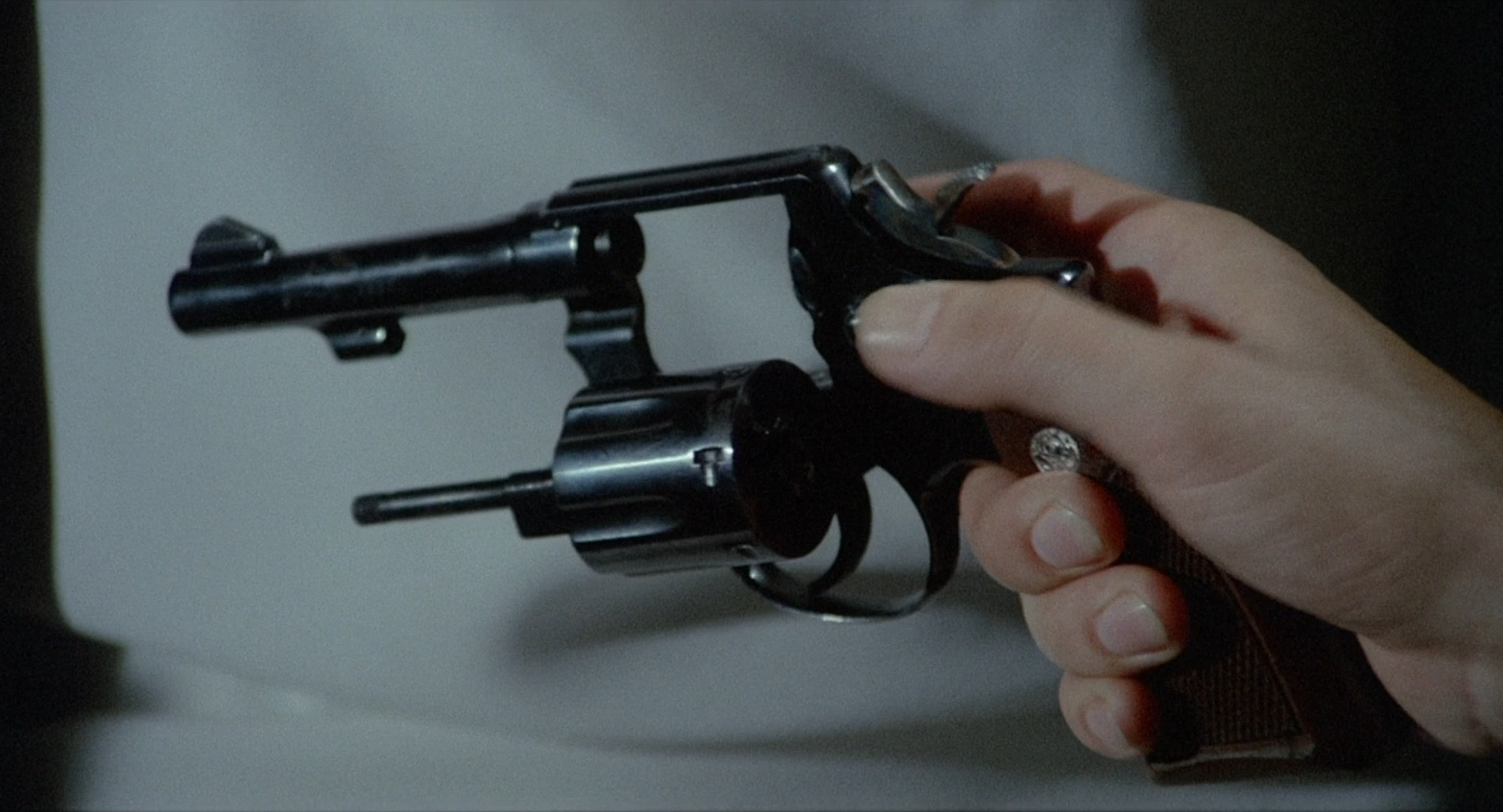
All hitmen have is their code of honor.
Presentation:
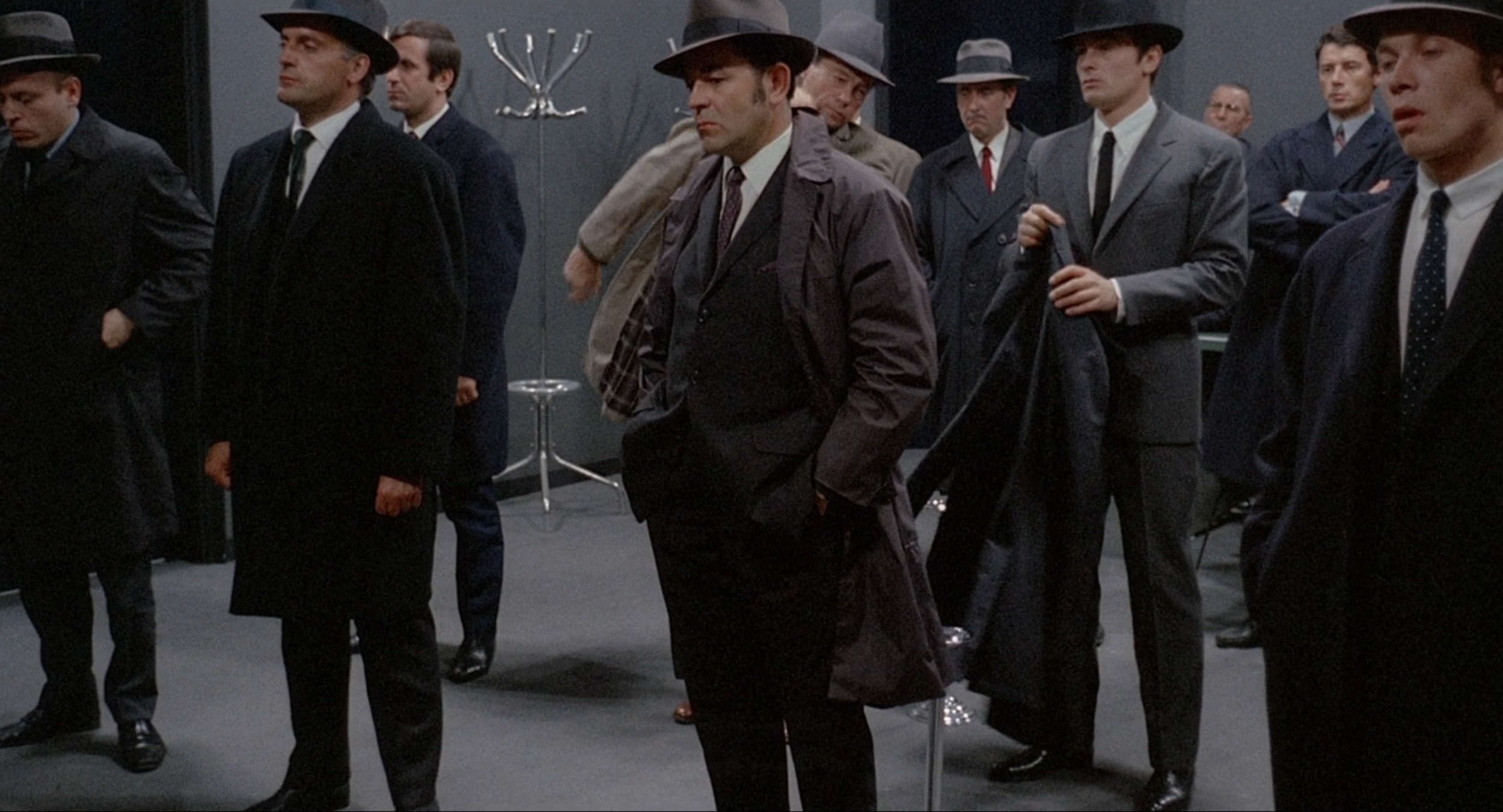
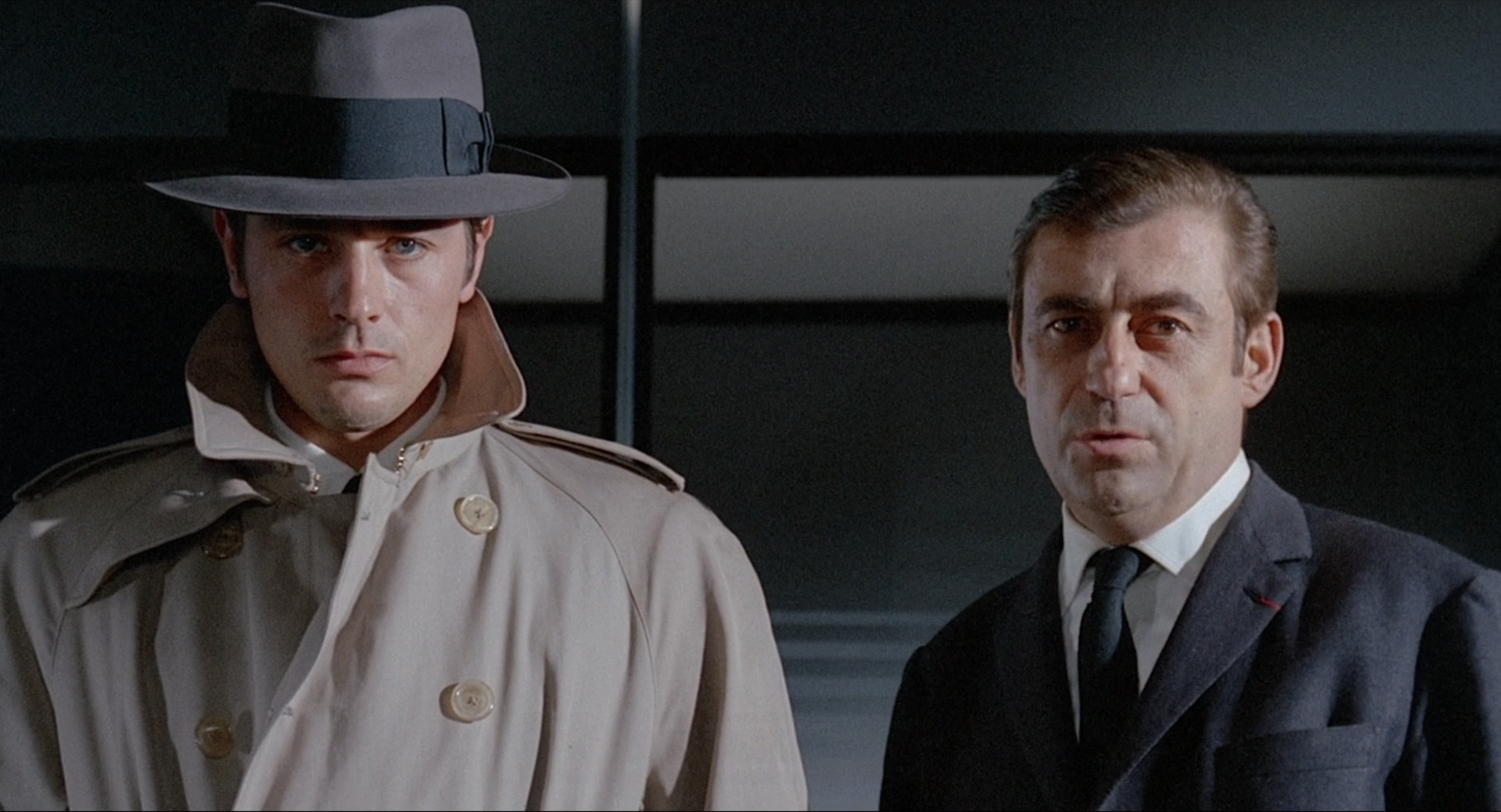
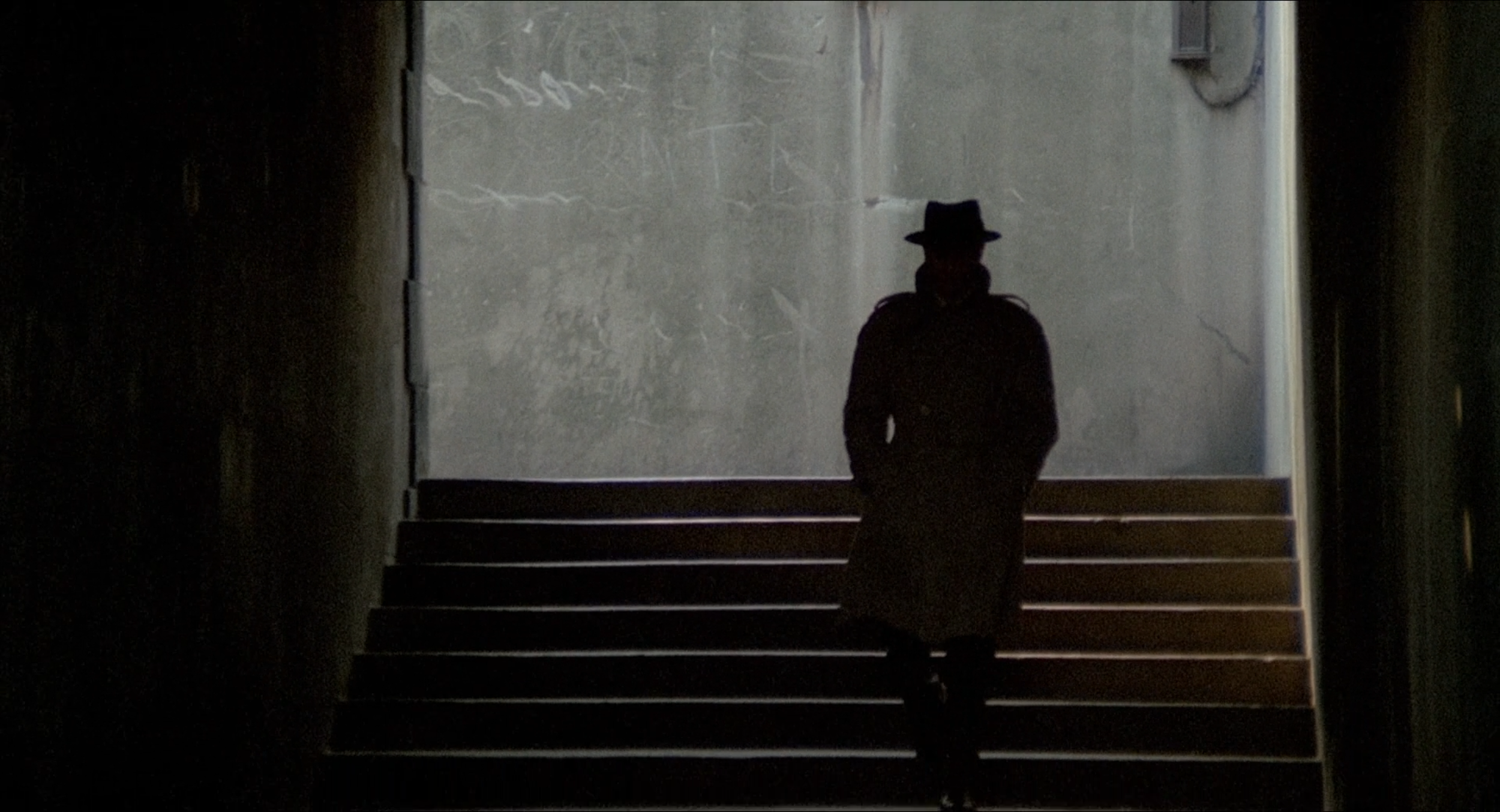
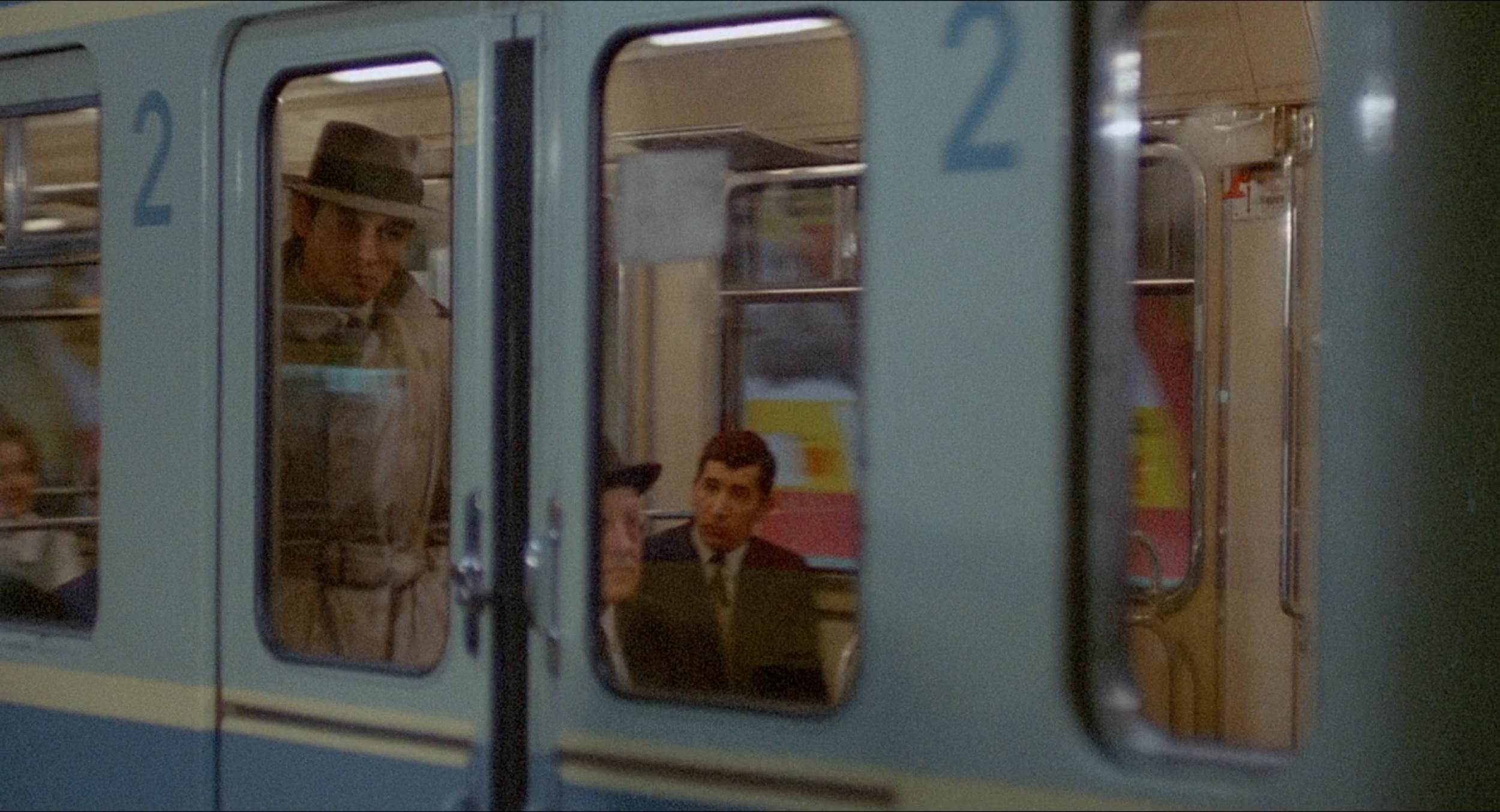
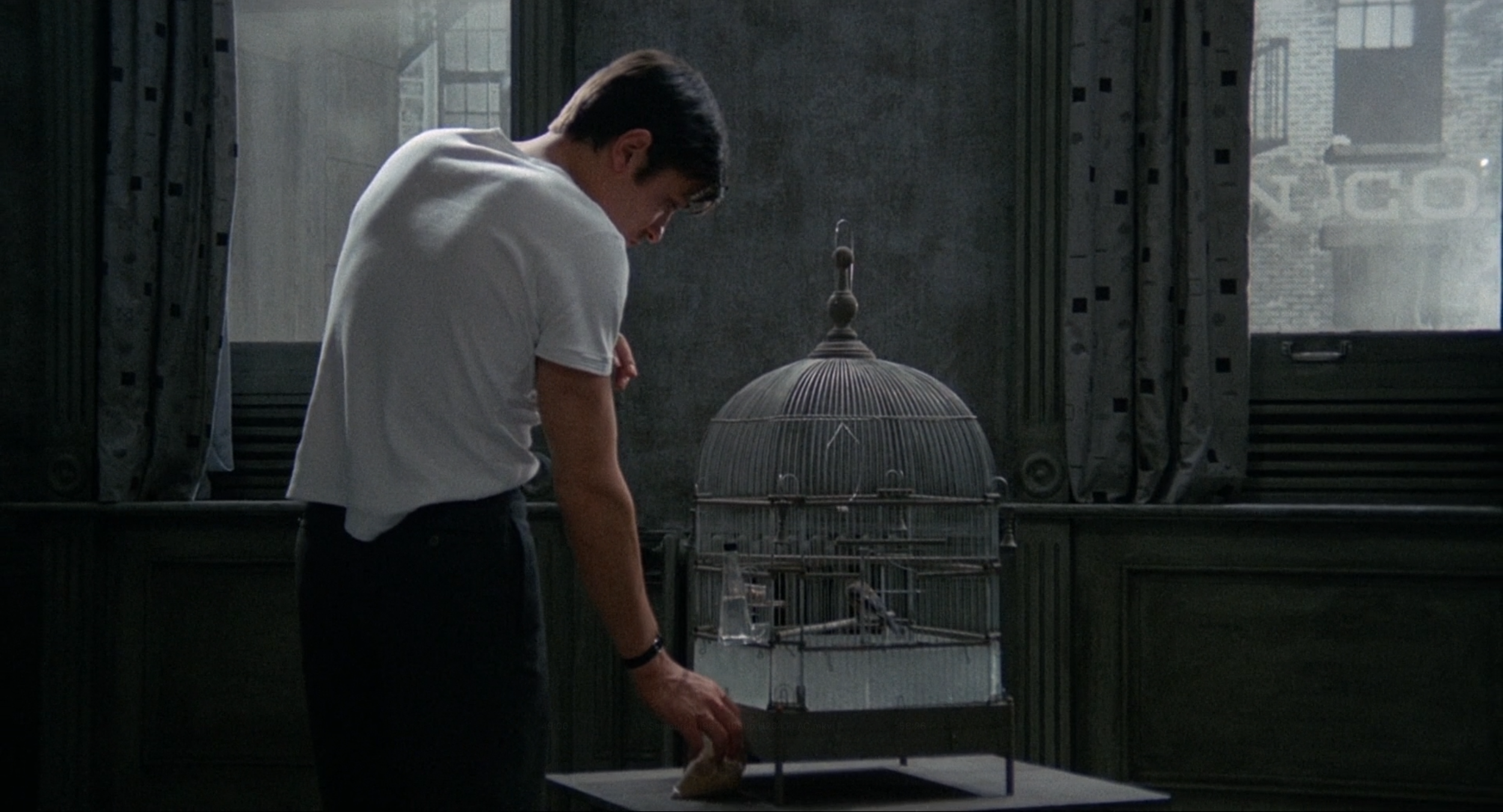
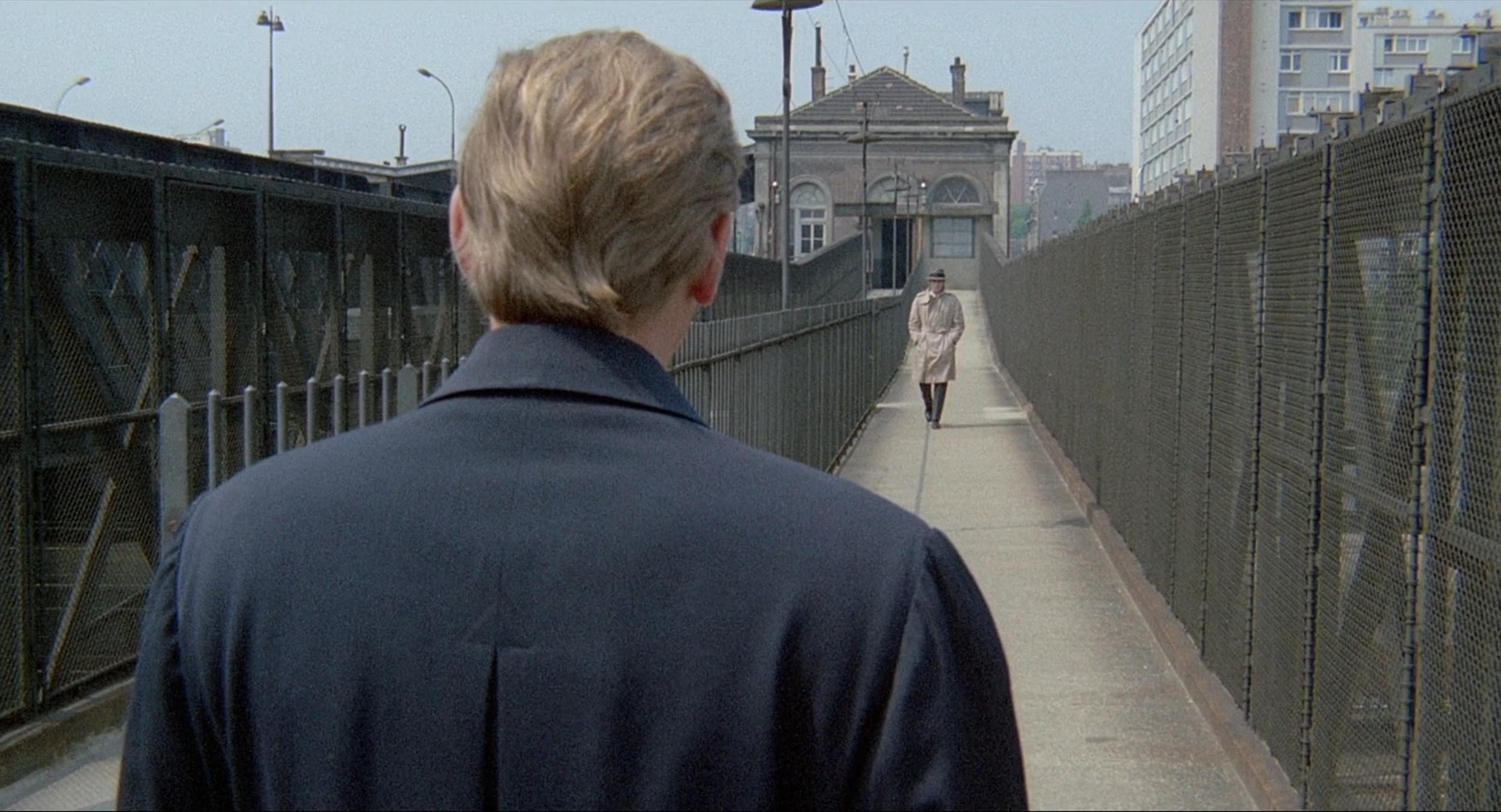
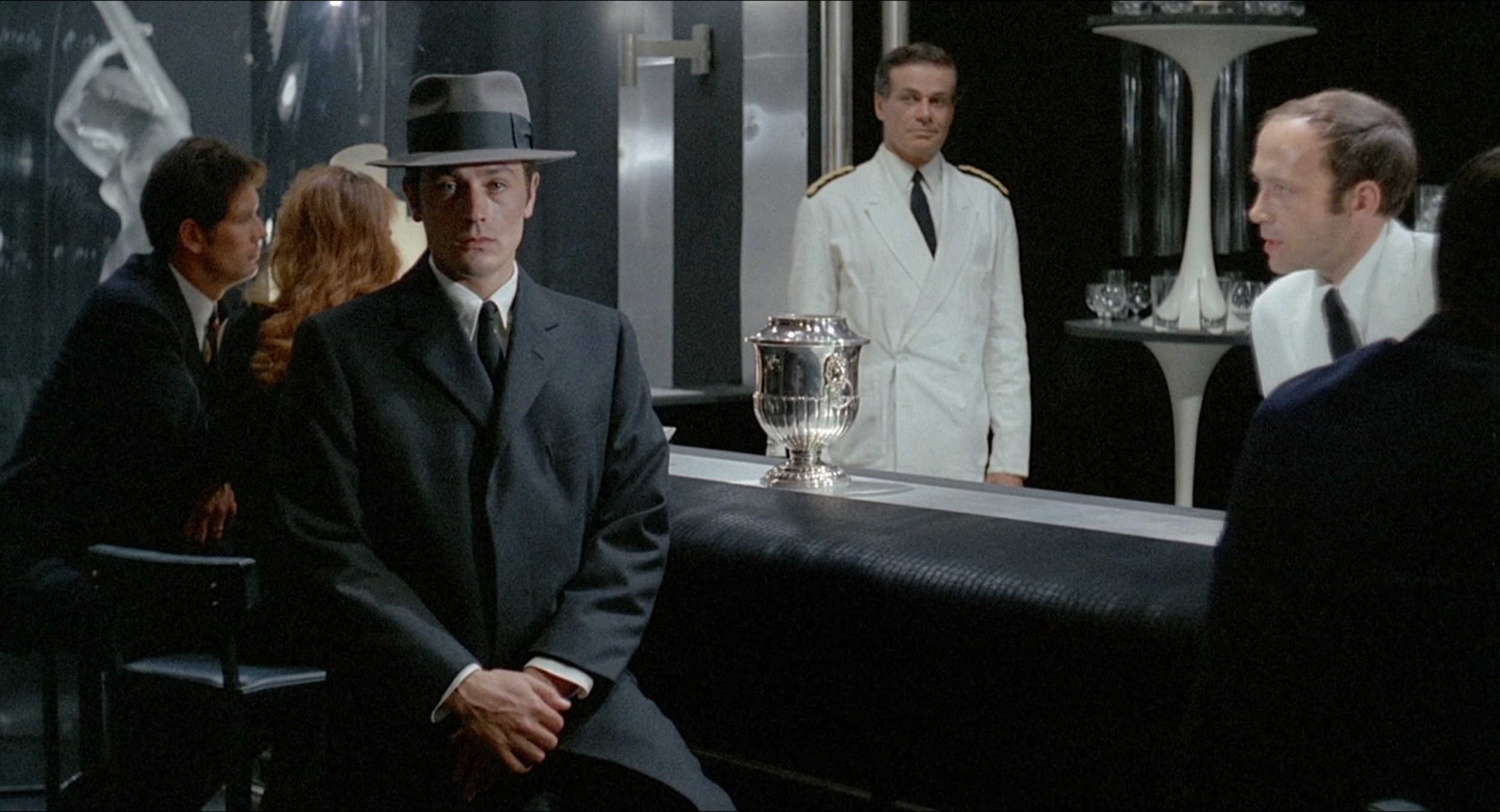
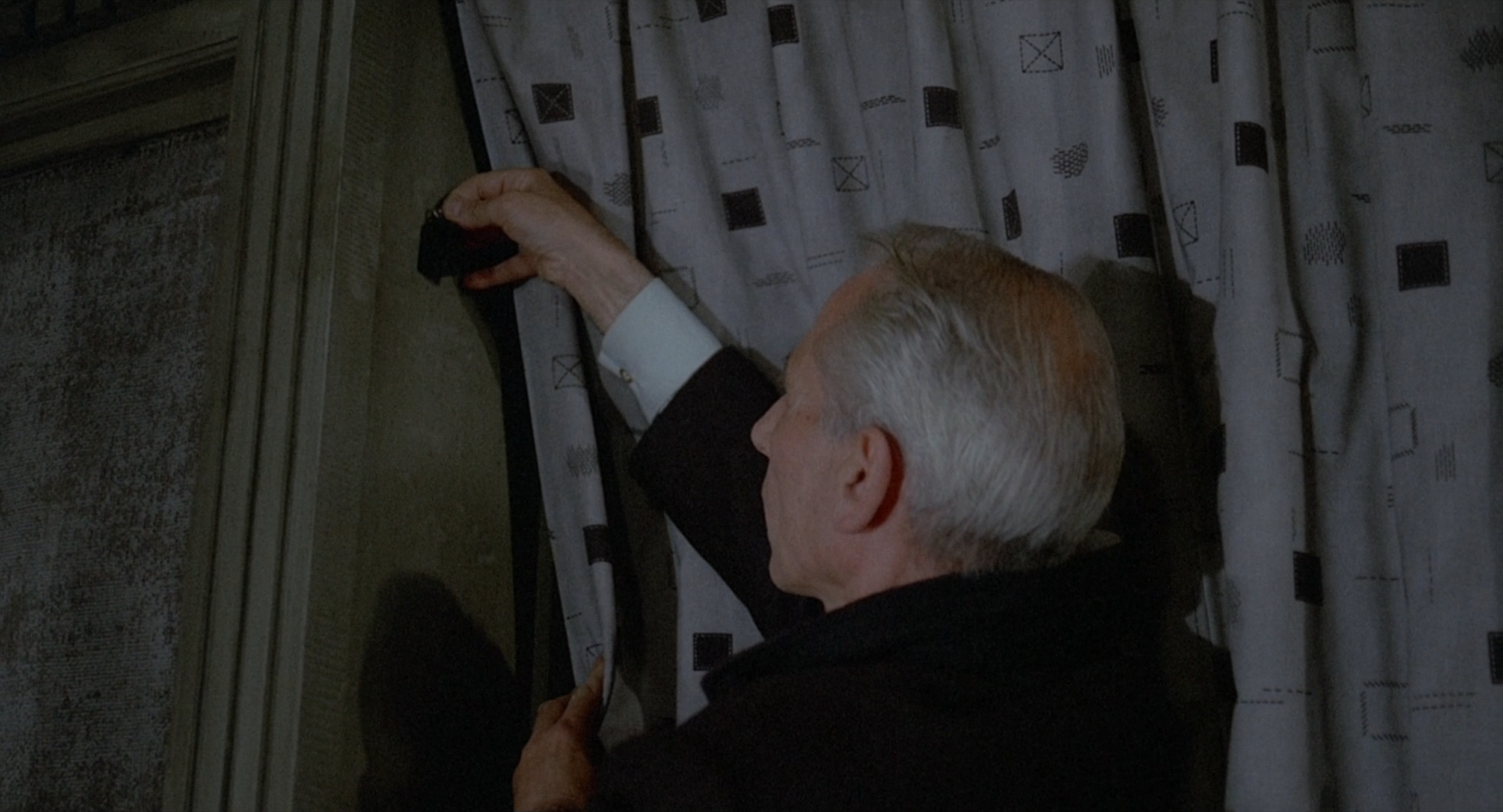
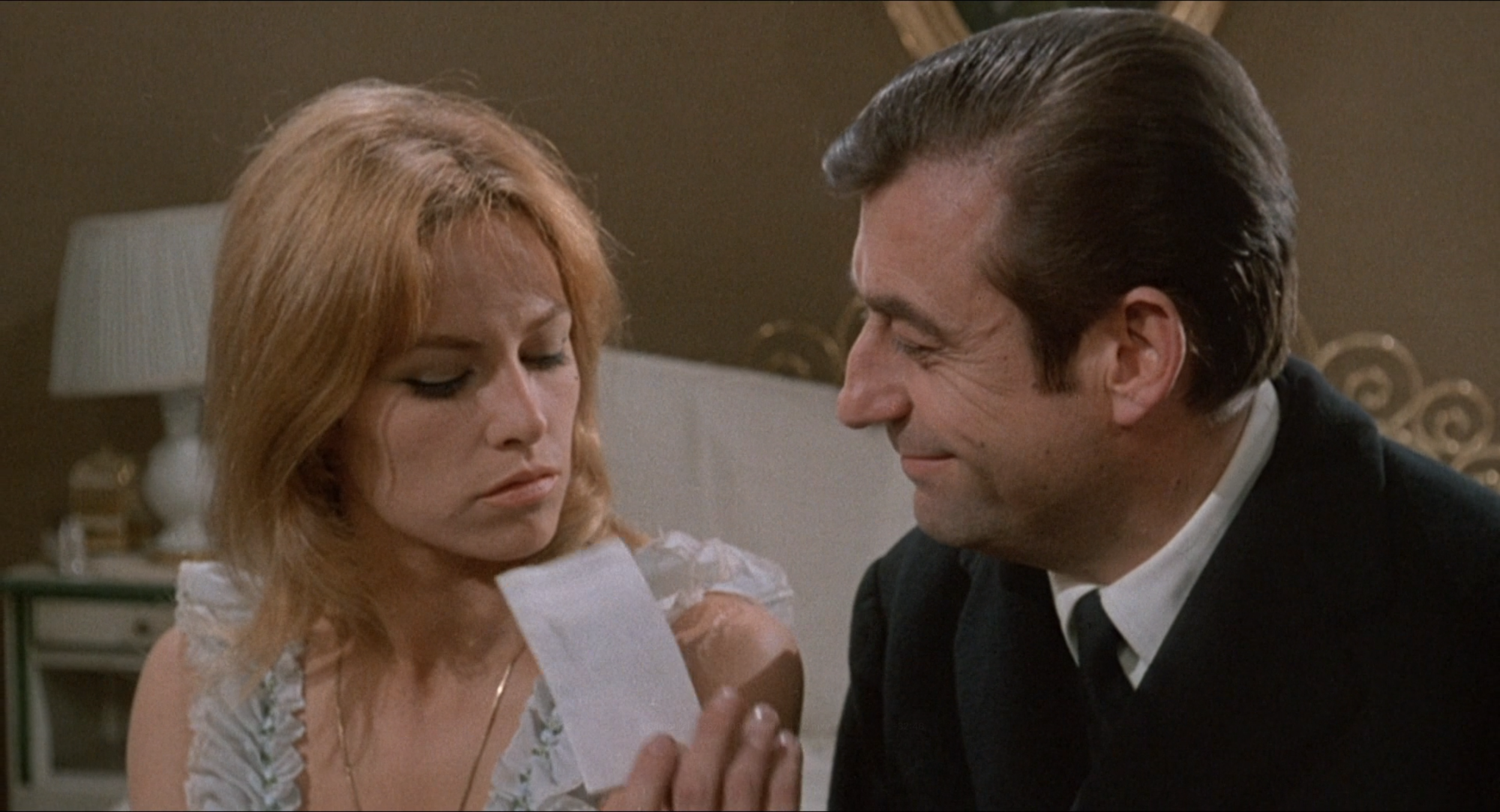
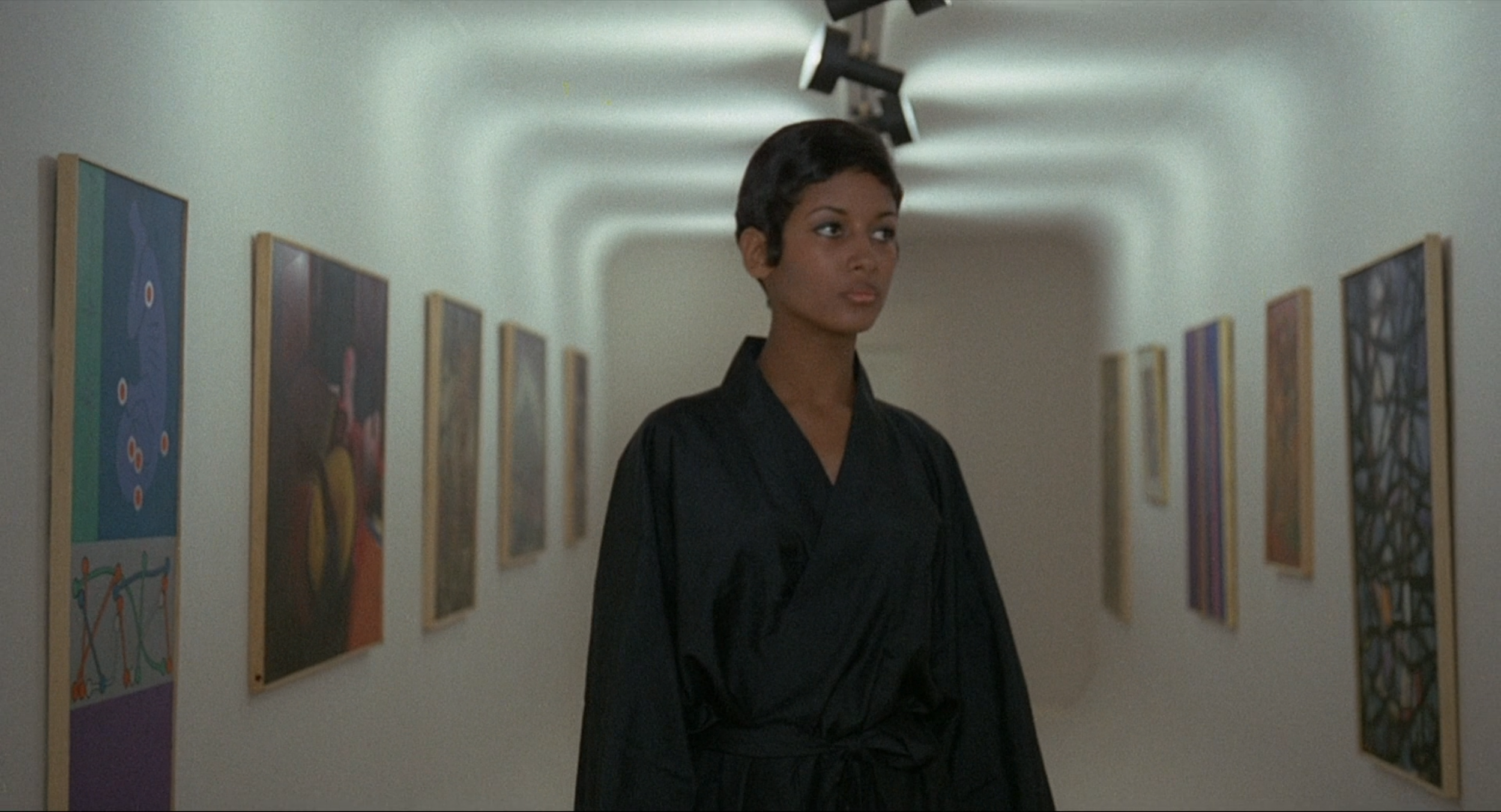
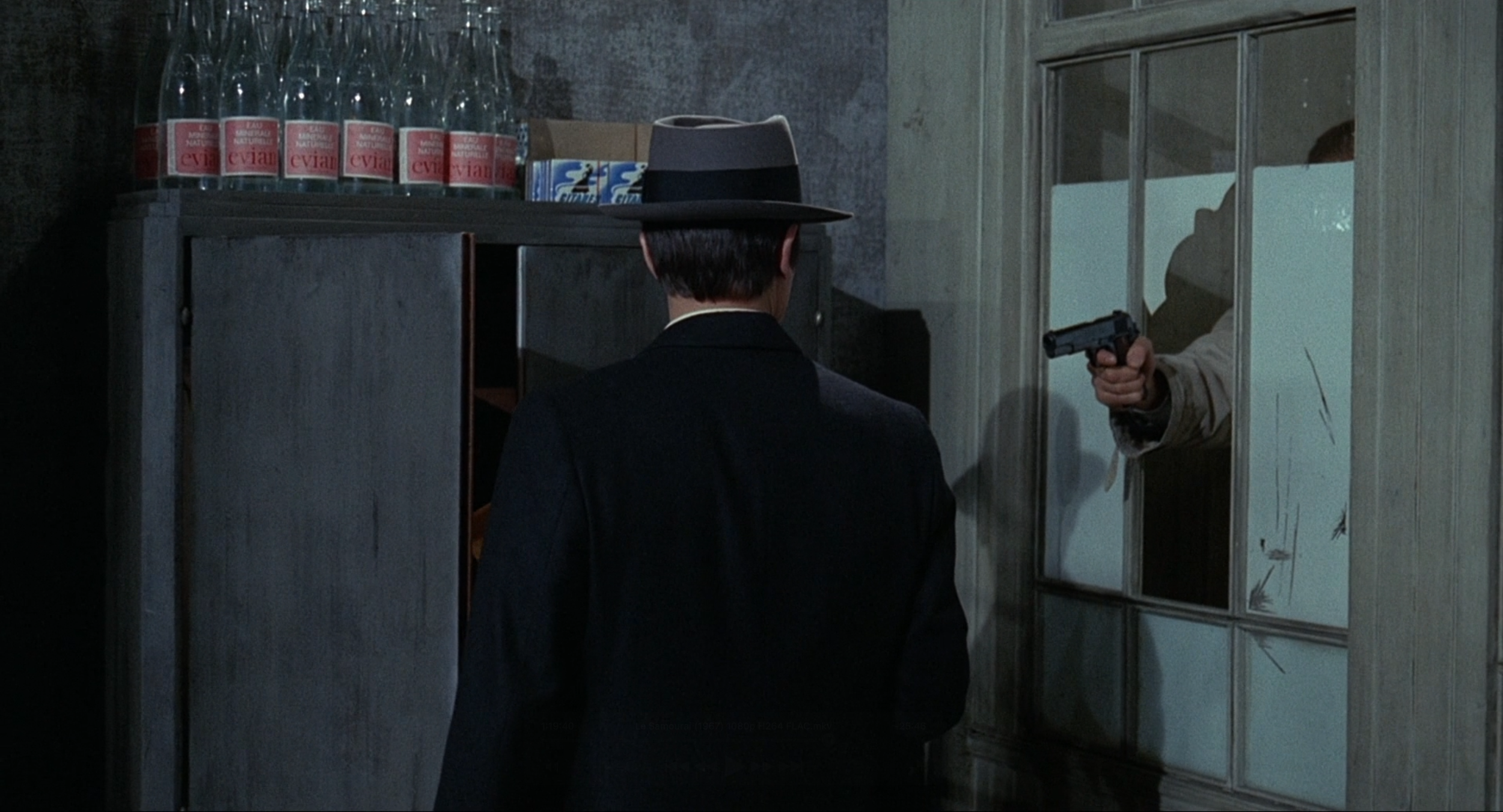
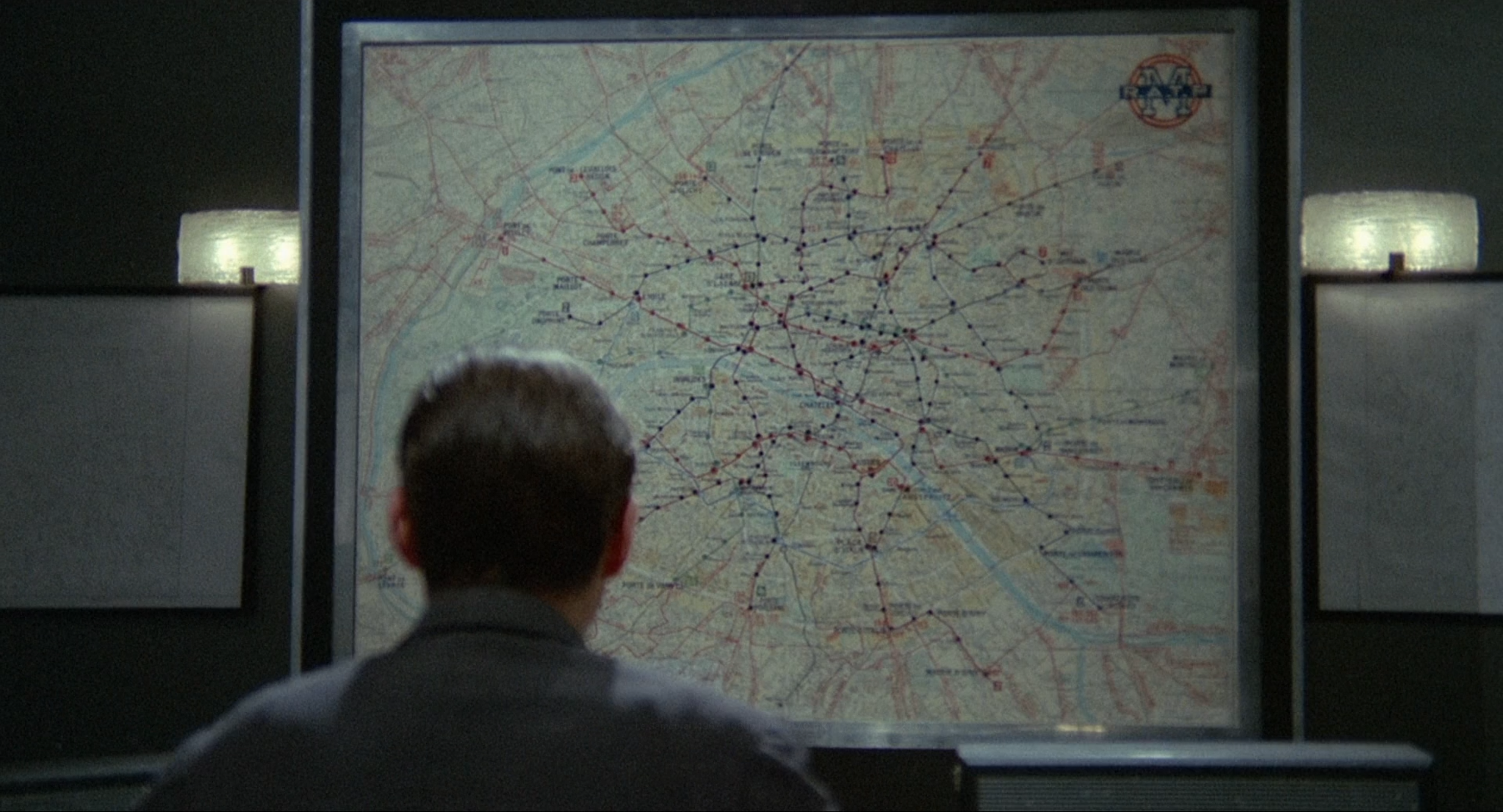
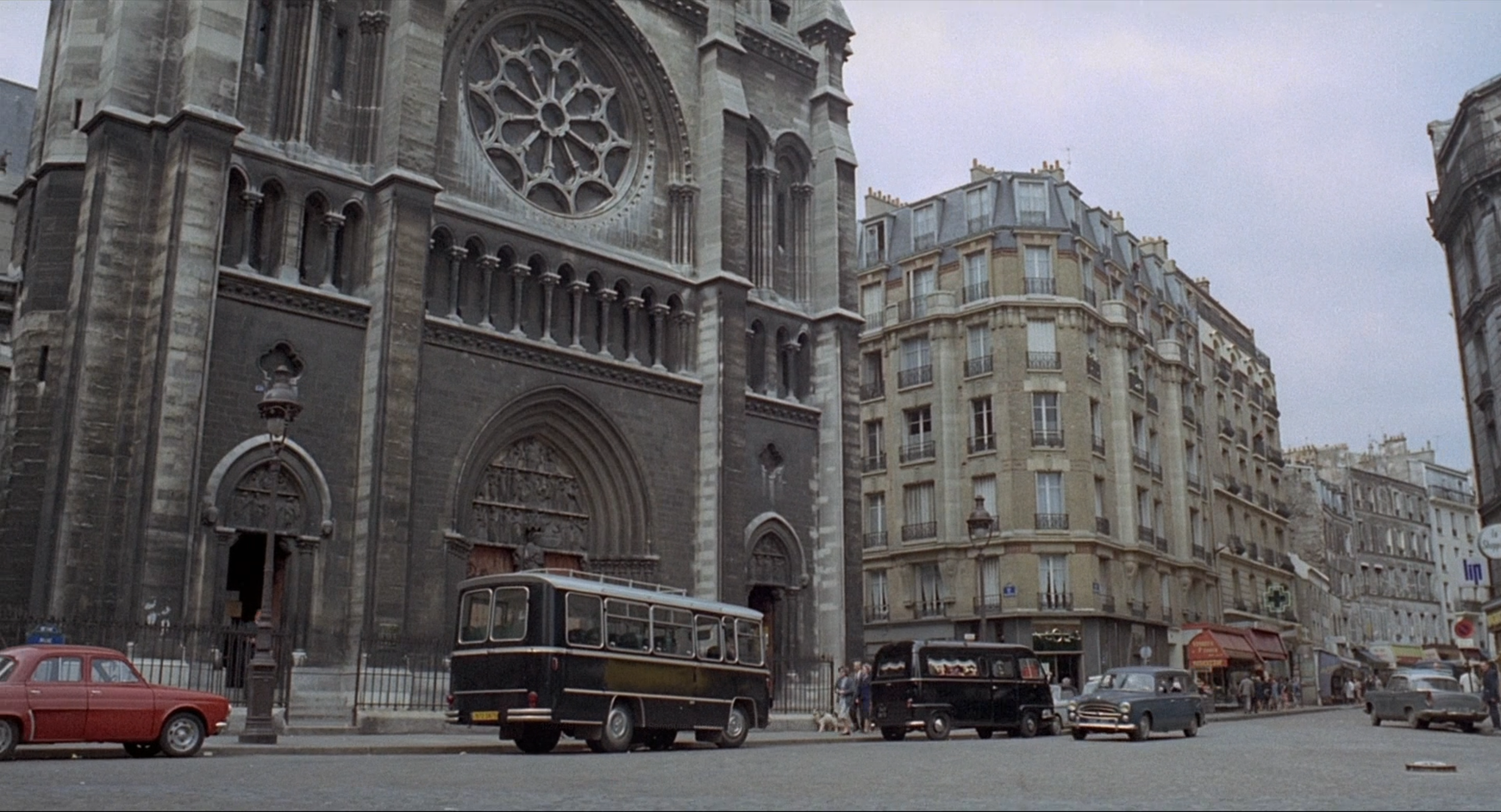
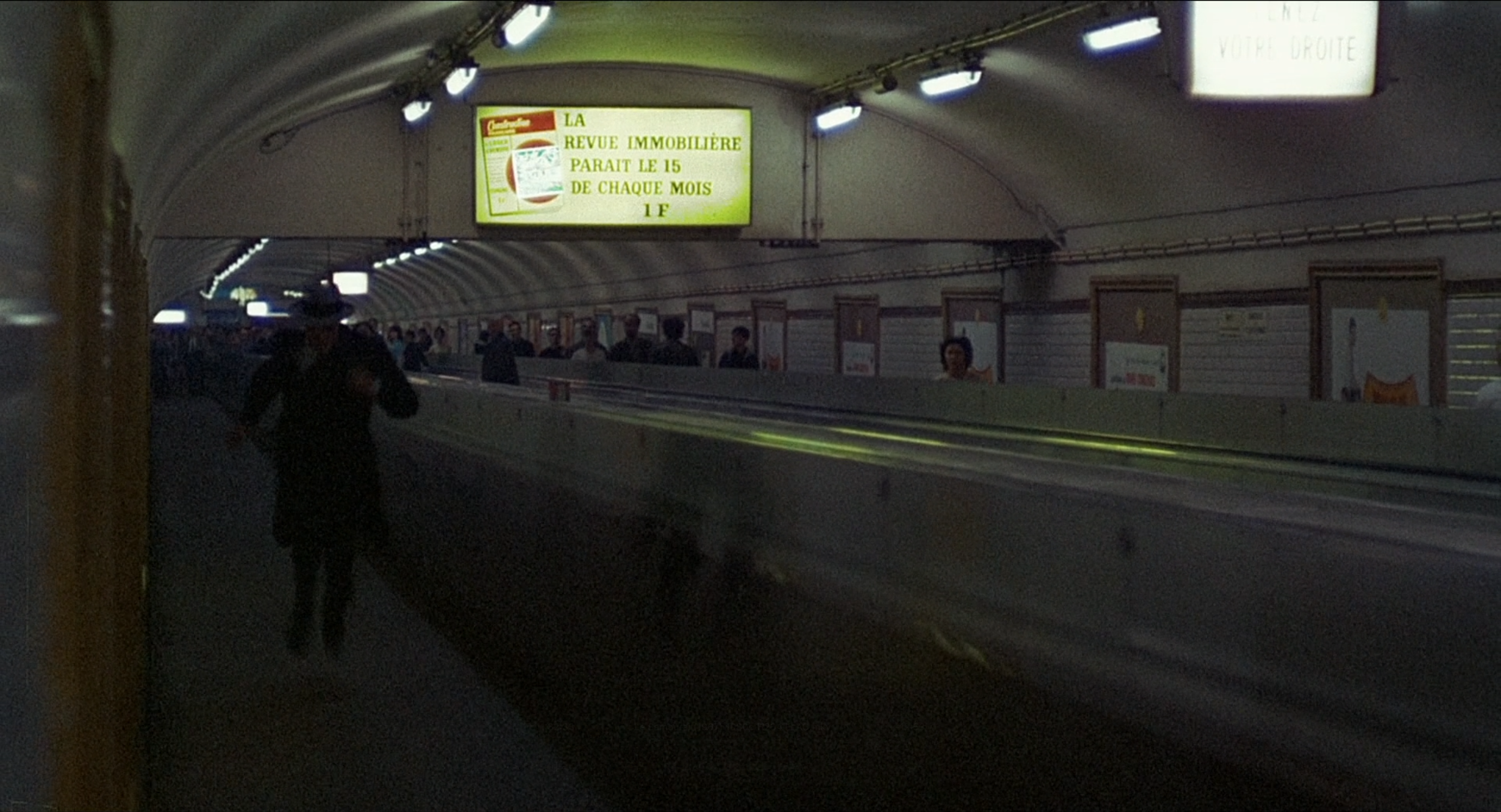
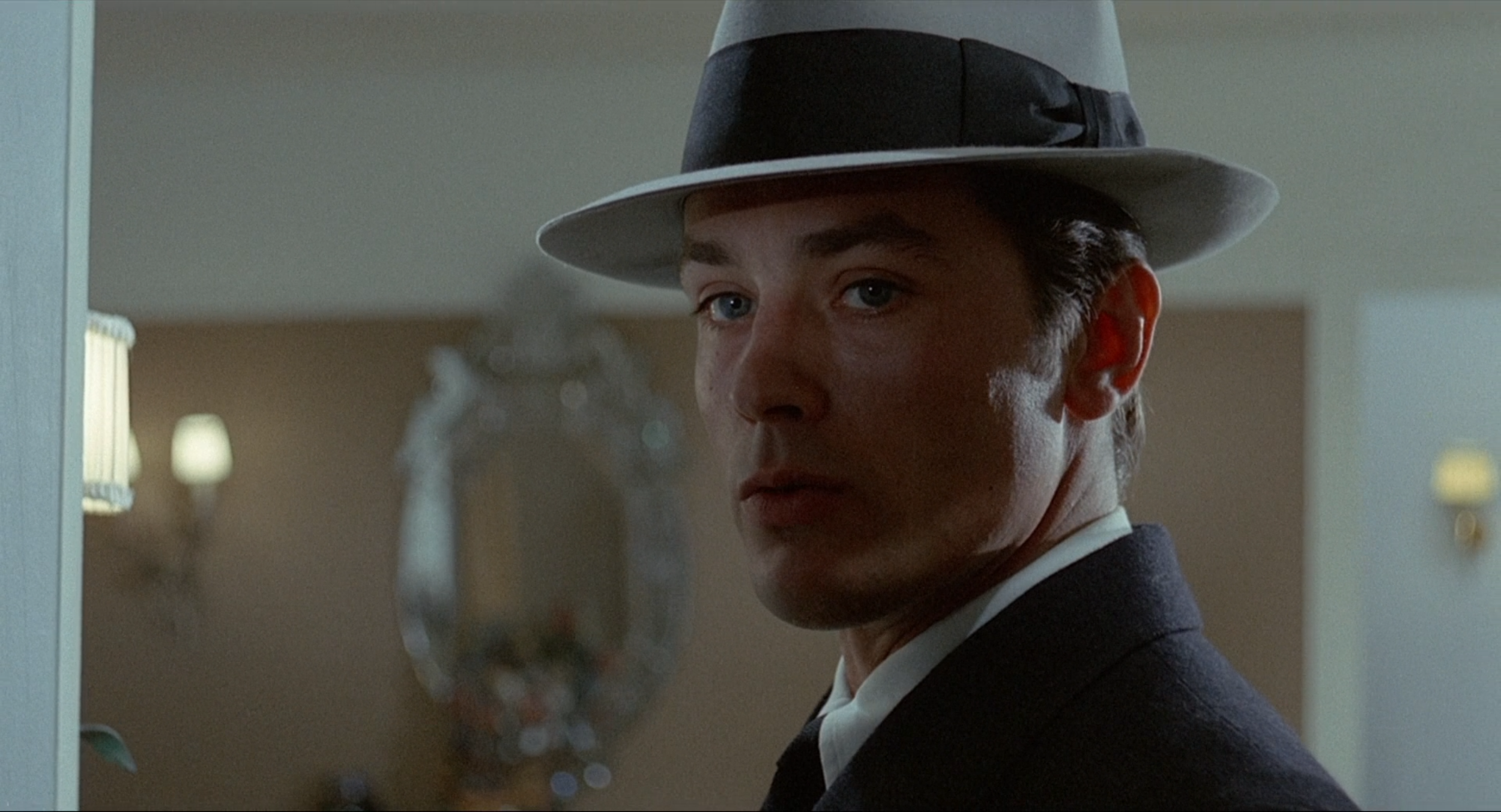
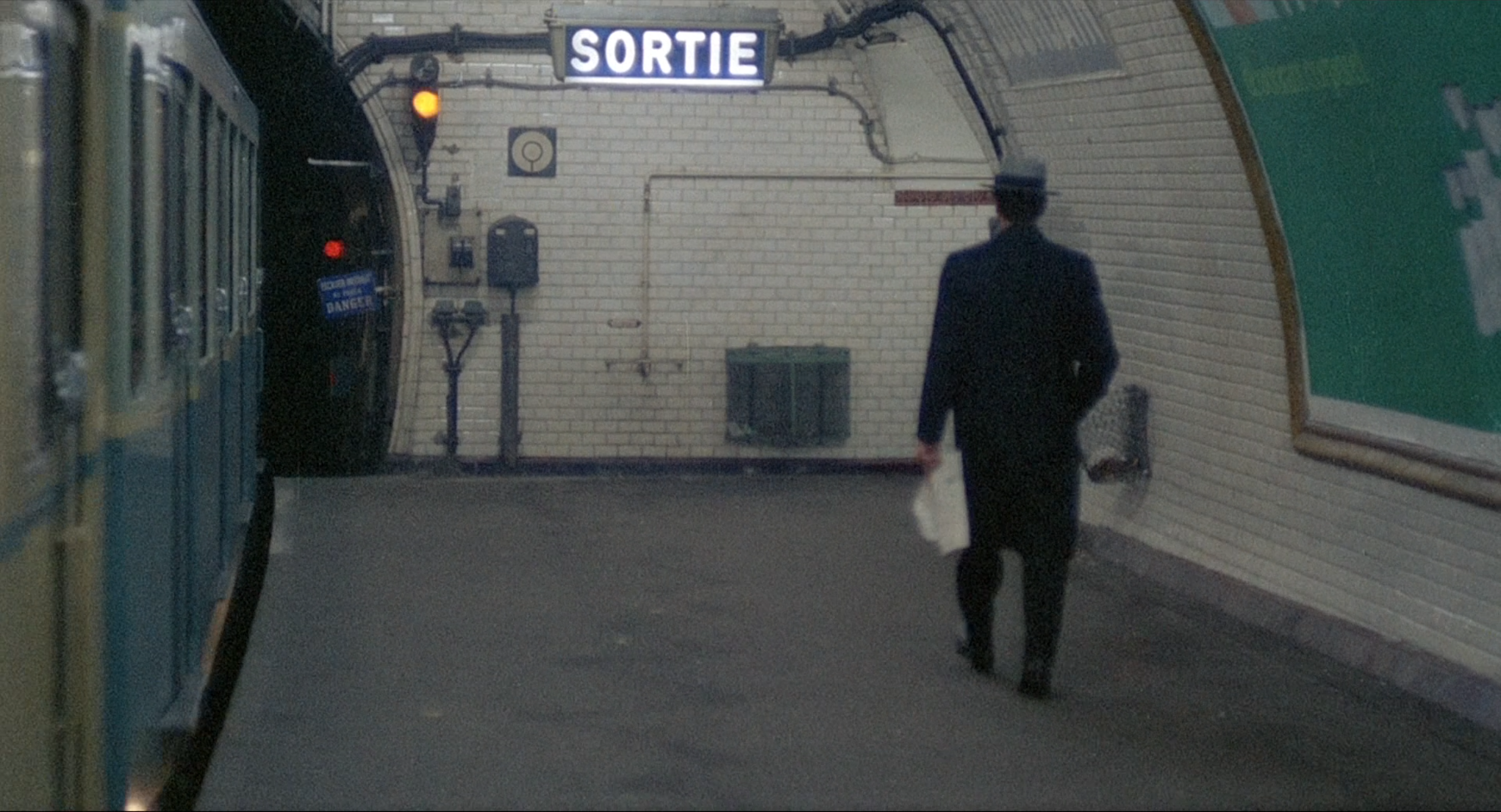
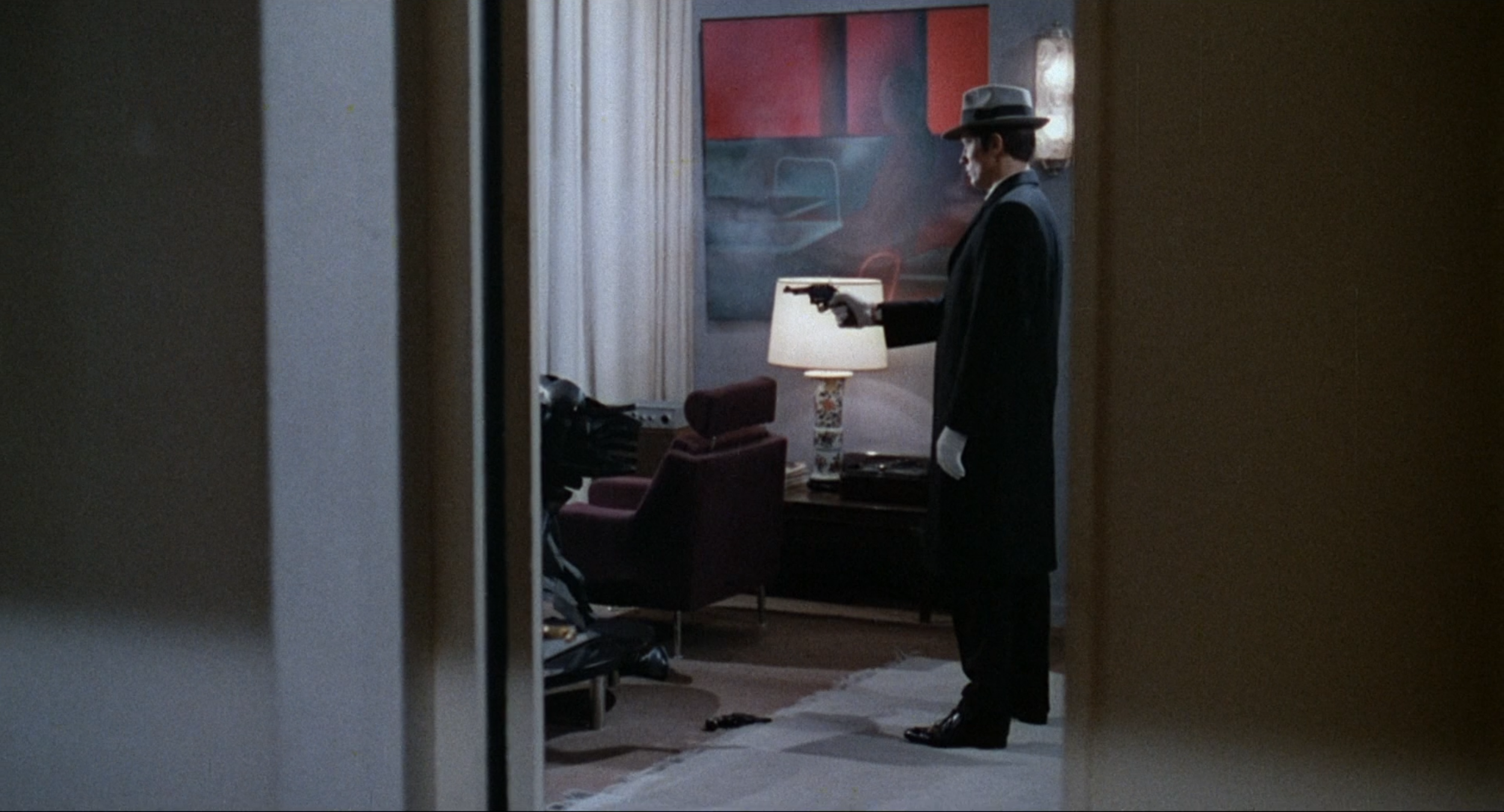
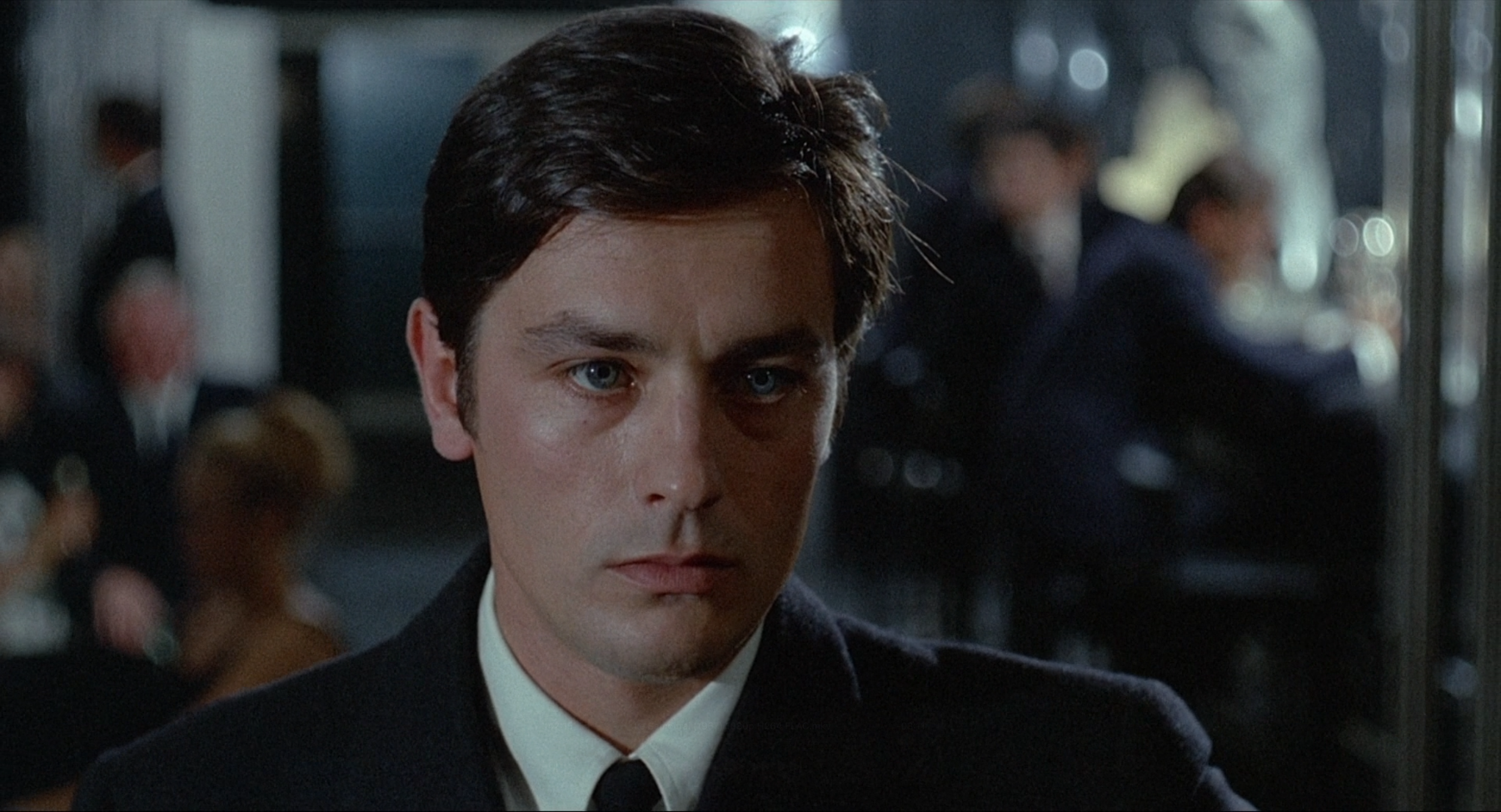
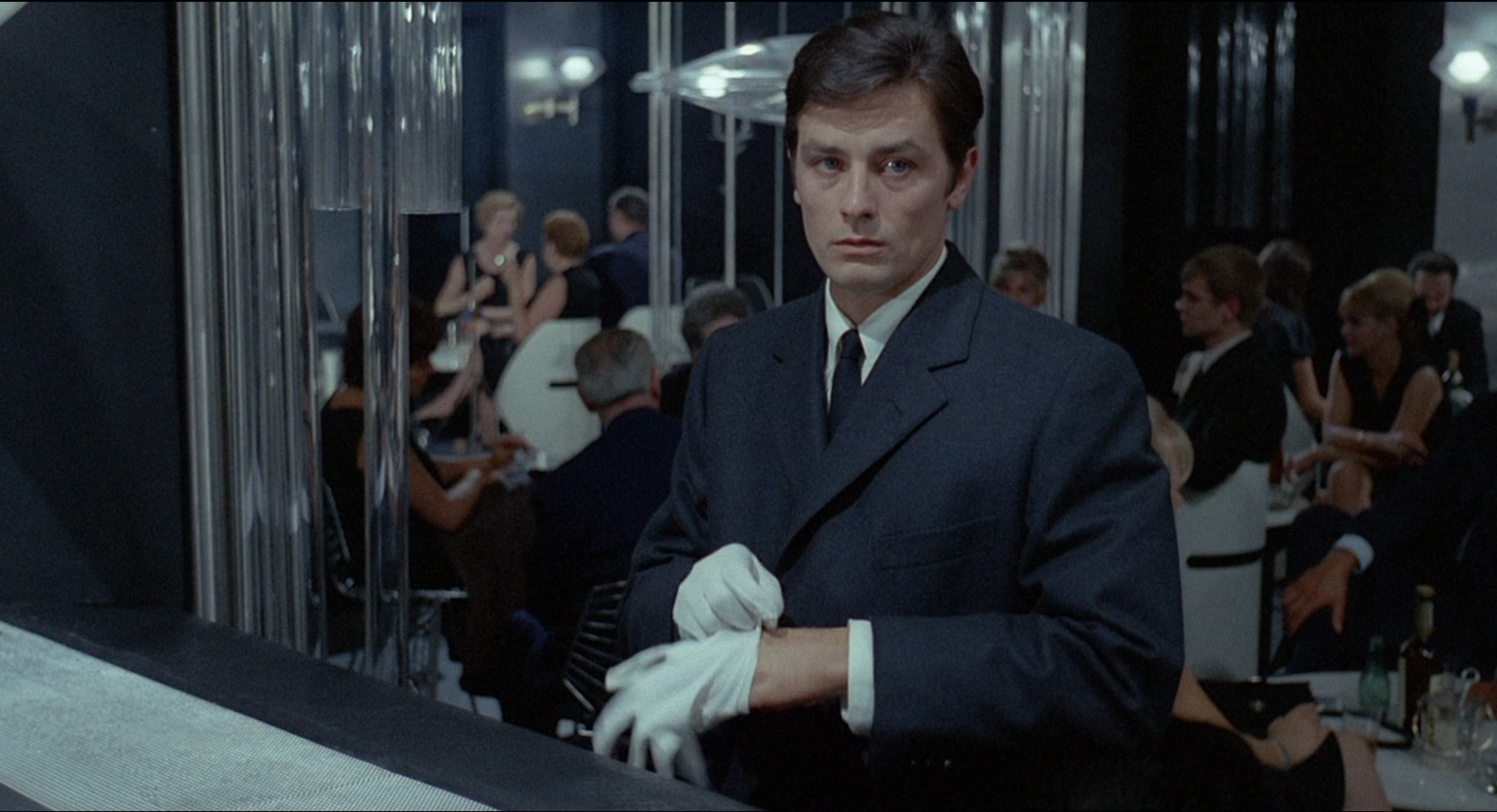
If you haven’t yet found the appeal in Hollywood film noir, films like this one should explain why. I’ve always found there to be too much dialogue in the detective spy noir genre, which typically have theater-esque performances at the cost of realistic authenticity. However the hitman in this one is cool, quiet, with piercing cold eyes. By not having as much dialogue, he remains a mystery and allows us the audience to stand in his shoes. I think this is one of Melville’s best films. He treats the audience with tremendous respect, allowing us to put clues together by never explaining anything. And yet it’s never confusing, it’s presented so precisely that we can deduce in real time as if we are doing the detective work ourselves. Despite being in color, it still has a certain grit. Paris is seen in a much darker tone here with consistent moodiness. The actors are all top notch, alluring and ace their roles.
Analysis:
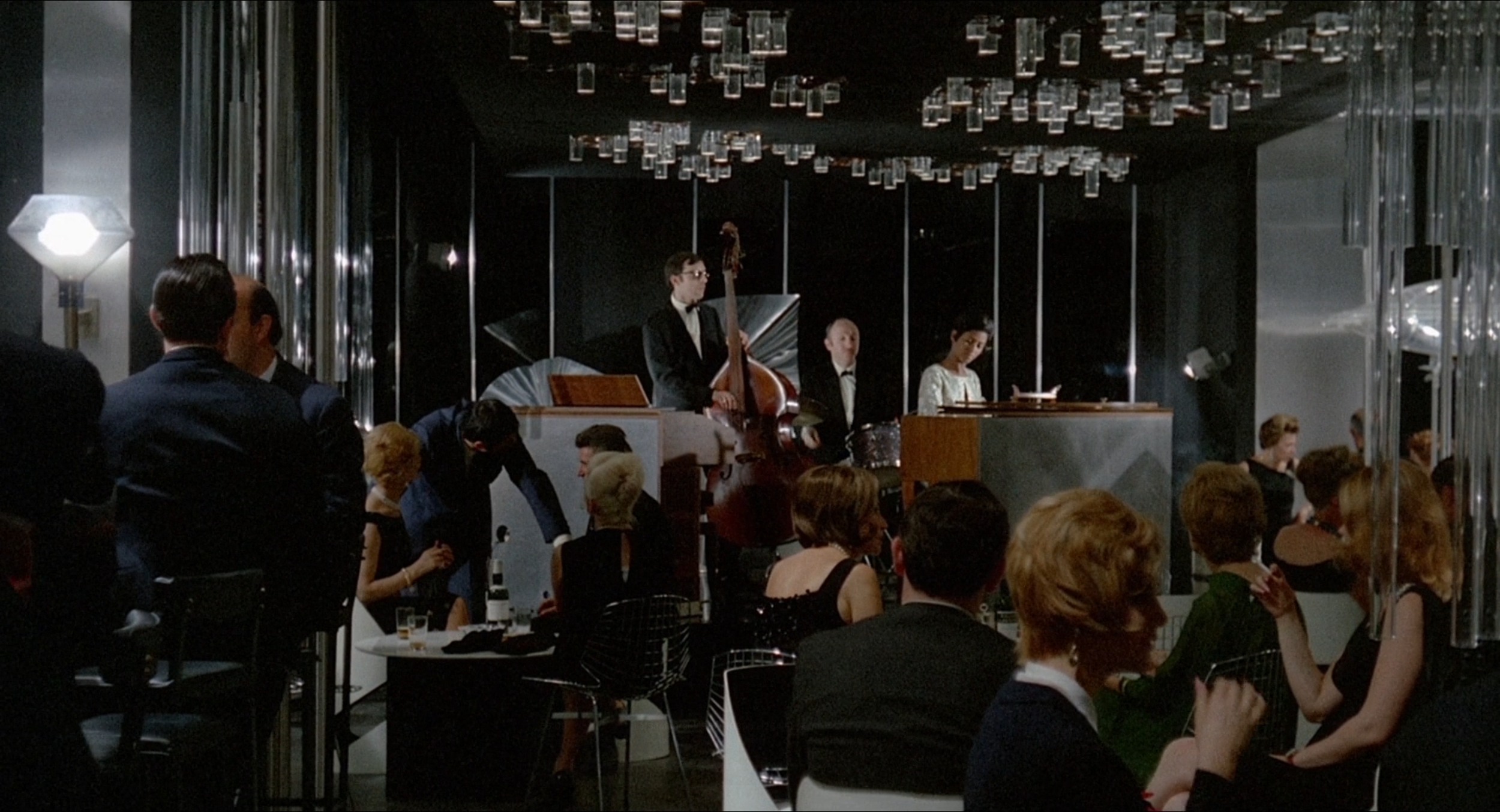
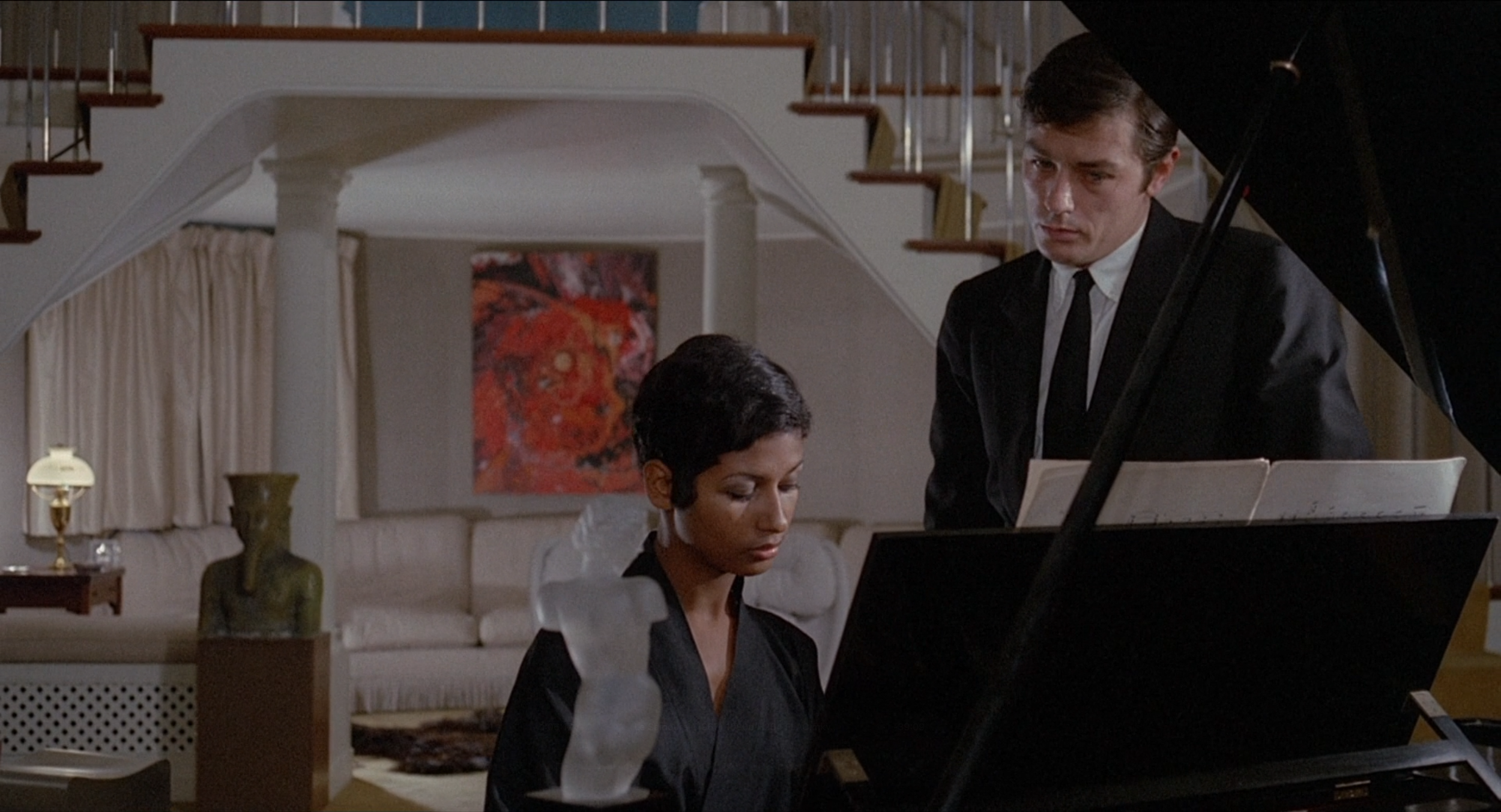
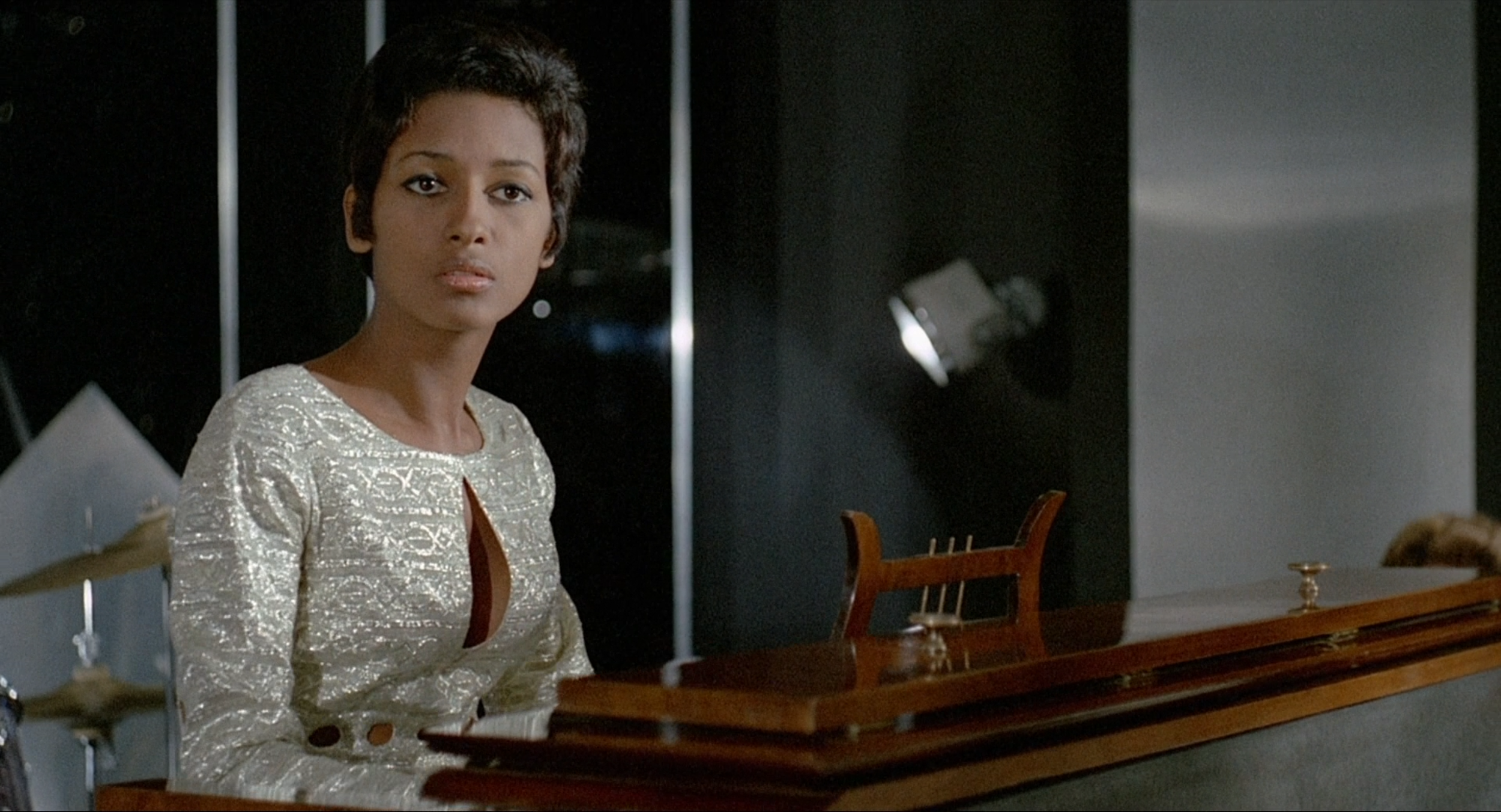
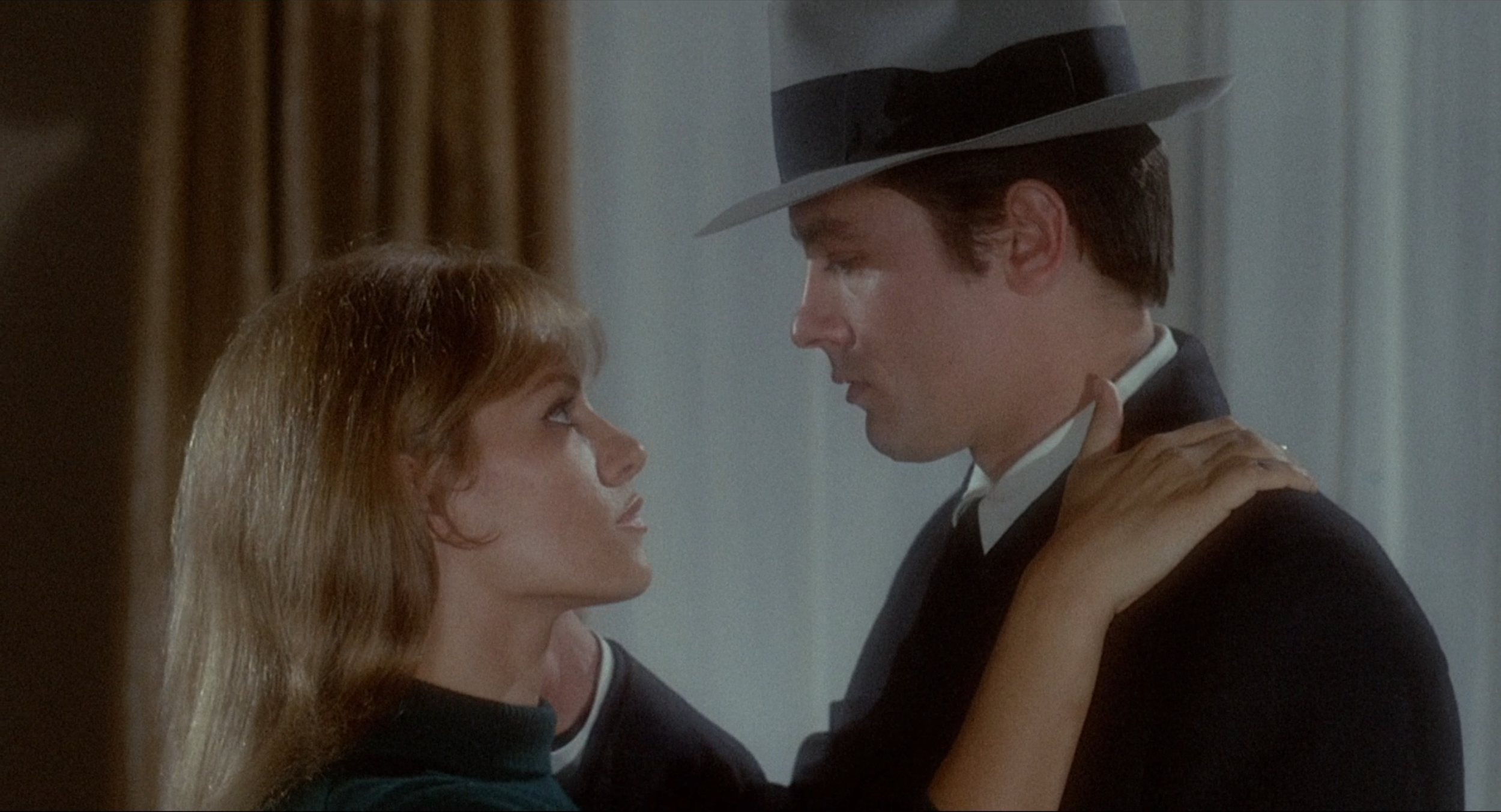
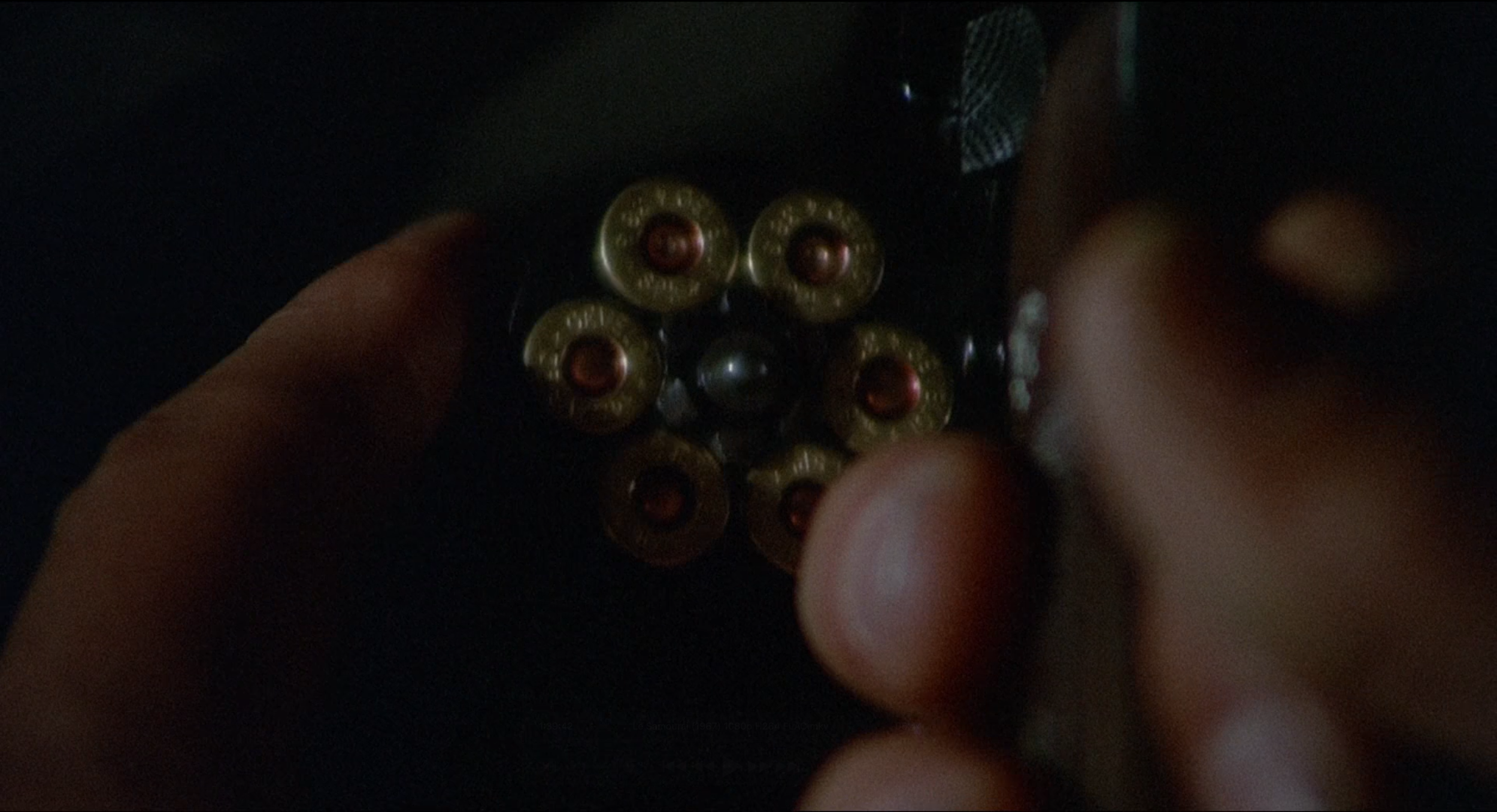
The film is pretty straight for the most part, only withholding crucial information toward the end. We can see that the pianist resides in the same building as the suits that ordered the hit. This has many possible implications. We assume that she only withheld her tongue at the police station because in the assassin’s words, it would compromise the boss. But it’s quite possible it’s more than this. Why doesn’t she pick up the phone? Why does he commit suicide by cop in front of her? One explanation for all of this is that the pianist and hitman are in love or at the very least operating under a code of honor. It should be of note that even before the first hit, the pianist gazes at the man, even following him to the backrooms where she can witness him at the scene of the crime. There isn’t much to go on here in terms of sexual tension rather than the two of them being extremely attractive. What makes more sense is the sense of honor as he explains to his devoted witness. While embracing, he says he will make things right. Of all the possible titles, Melville chose the word samurai, which has strong implications of codes of honor. He was saved by the pianist twice, first at the police station and the second time less obvious. When asked who her employer is, she says to call her back, and she never picks up the phone. She instead walks into the hallway toward the employers room, presumably to ask him the spare Jef’s life and hire him instead. Otherwise, what other reason could result in a 180 from the prior exchange to have him killed? So during the final standoff, Jef reveals that he has been paid to kill her instead. He obviously doesn’t out of his code, by why does he suicide instead? The mere fact that he knew police were waiting there for him suggests that he finds out a lot more information than the audience are given. He must know she is in some way compromised, perhaps she is under the hand of the employer’s nightclub organization. It’s probably too big to solve just by killing the employer as we know the bartender is also part of the meetings and there are many people in the backroom keeping their mouths shut. The first hit on Martey already suggests that they are betraying one of their own. So when Jef asks who the employer is, the pianist responds, “You must know them. They hired you” suggesting that she knew he was sentenced to die, but saved his life anyway. He frequents this club regularly and the poker games, which is a key piece of information easily missed. Jef must have some connection to nightclub outside of the hit job, so he likely knows that the only way to return the favor and protect the pianist is by failing a hit so the police will always have their eyes on her. After all, this organization really doesn’t want the police looking anywhere in their general direction. A strange way to absolve her by freeing her from this organization’s reach. This is pretty convoluted unless you force yourself to understand an assassin's line of work. This code is the only thing separating them from thugs with personal vendetta. In the car, he emphasizes that the only reason is that it’s a job, it’s the first and last time he meets the victim, in his reasoning abstaining responsibility. She asks what kind of man are you? And this film answers that question.
Conclusion:
A reason to love Melville’s films is that they are all very smart. Some audiences may find it too silent for what might be expected as a more exciting genre. I absolutely loved it and prefer this style of sleuthing. By not holding our hands, the whole experience feels much more convincing. Some films attempt to mimic ambiguous endings solely for the sake of signaling artistry, but this film doesn’t have to pretend. It’s masterfully unclear with purpose and intent rather than frustration, which is something many films fail at accomplishing. However the ending could be consider too obscure and unrewarding for those that want a more simple neo crime noir. One of the few classics that I would love to watch more than once.
Recommendations

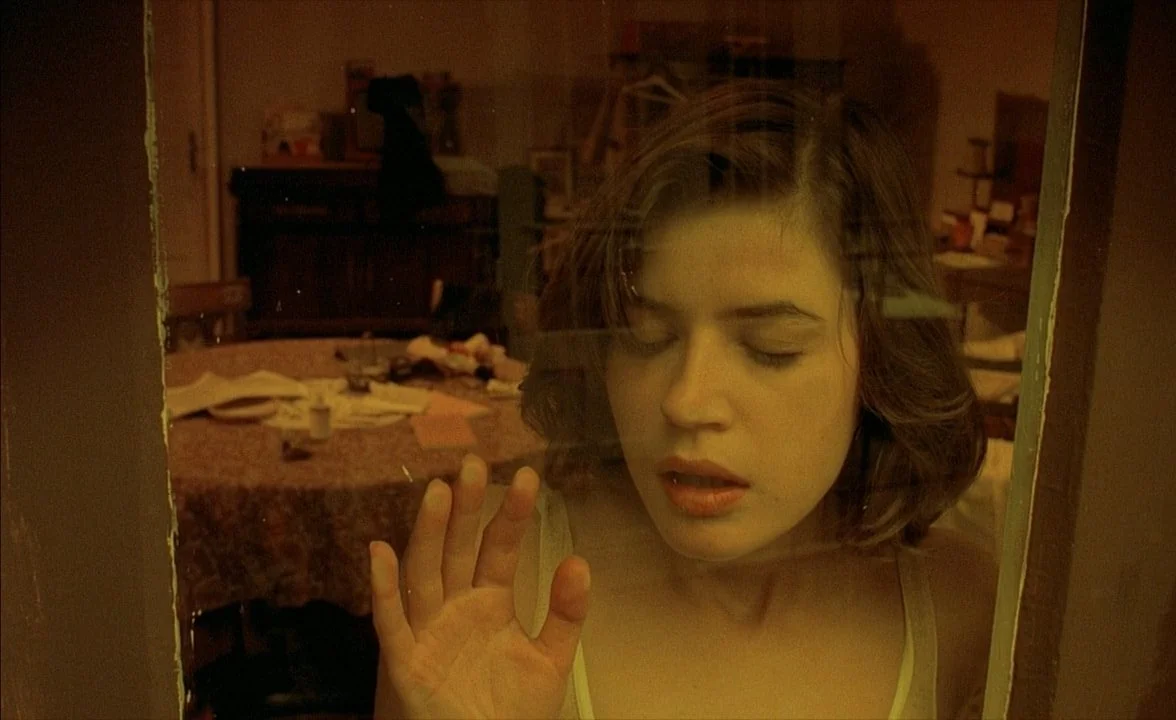
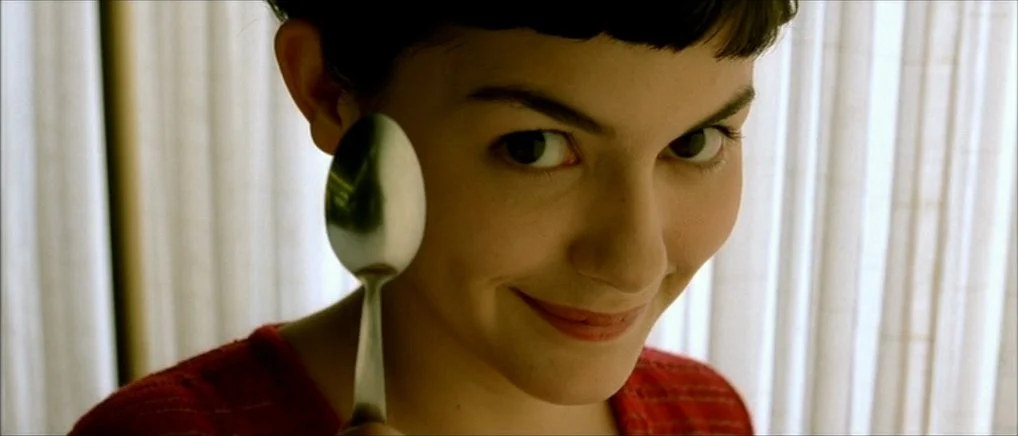








Gasper Noé climaxed a long time ago.