
Suzhou River (2000)

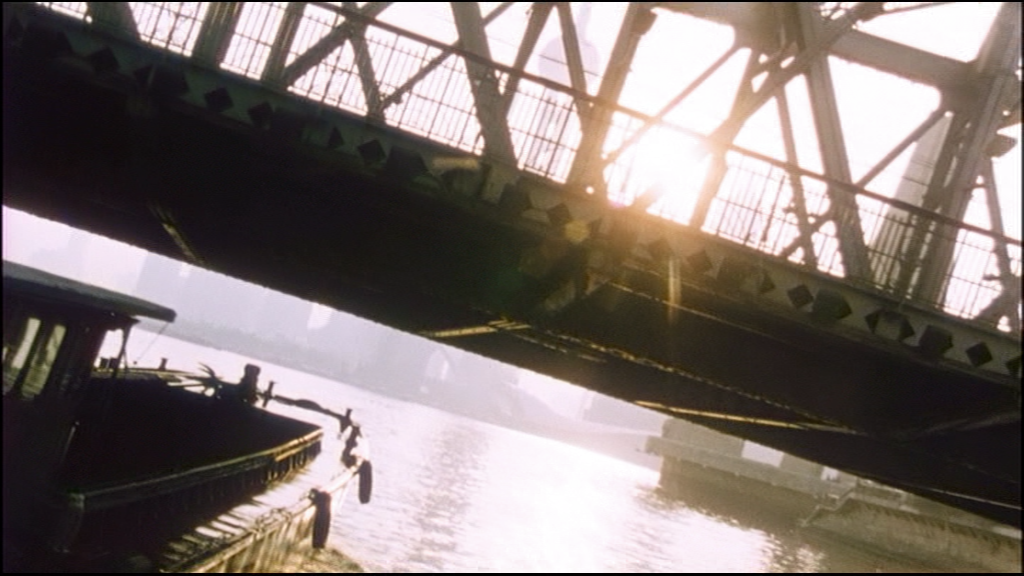
Love only exists when you hit play.
Presentation:
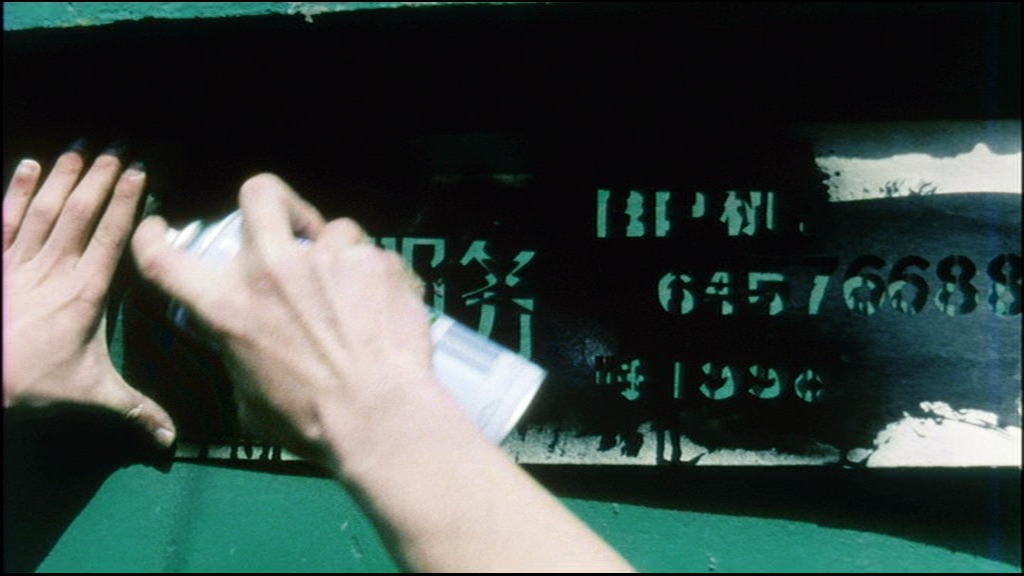
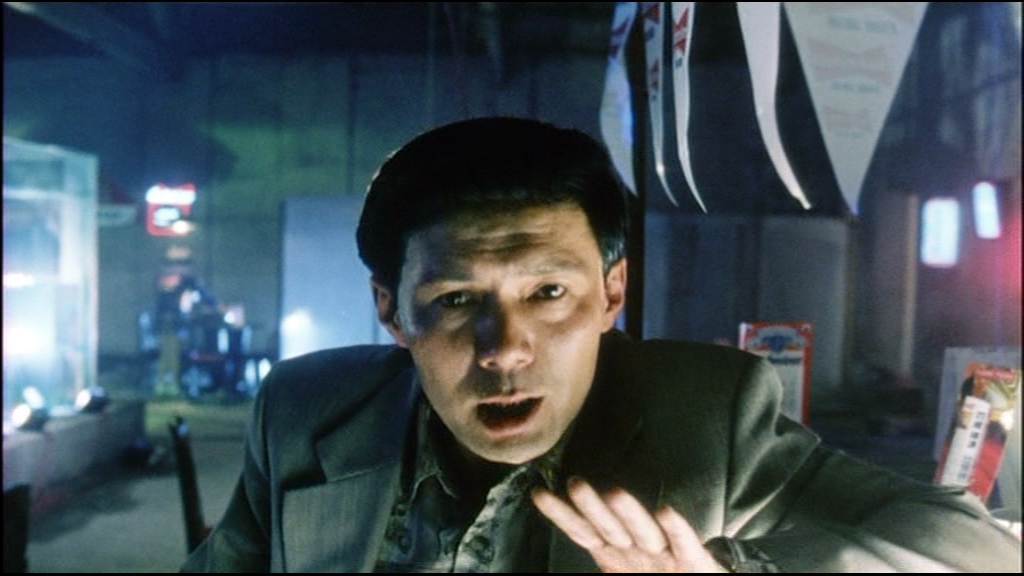
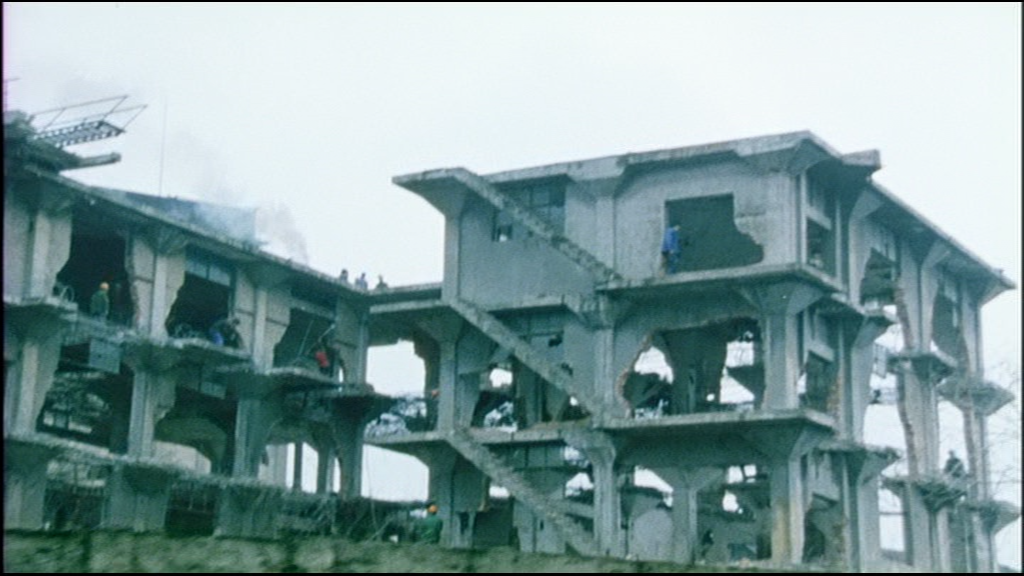
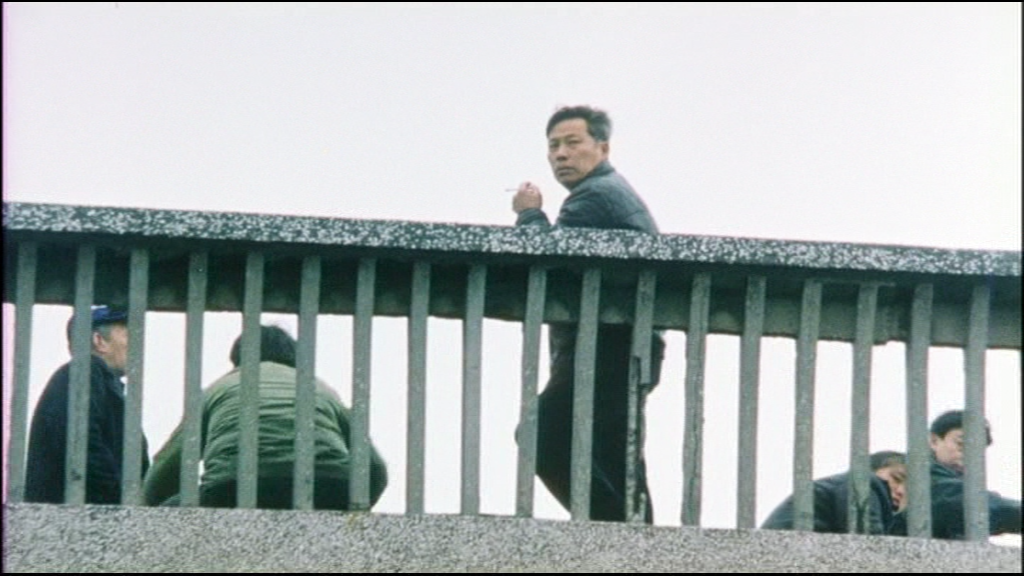
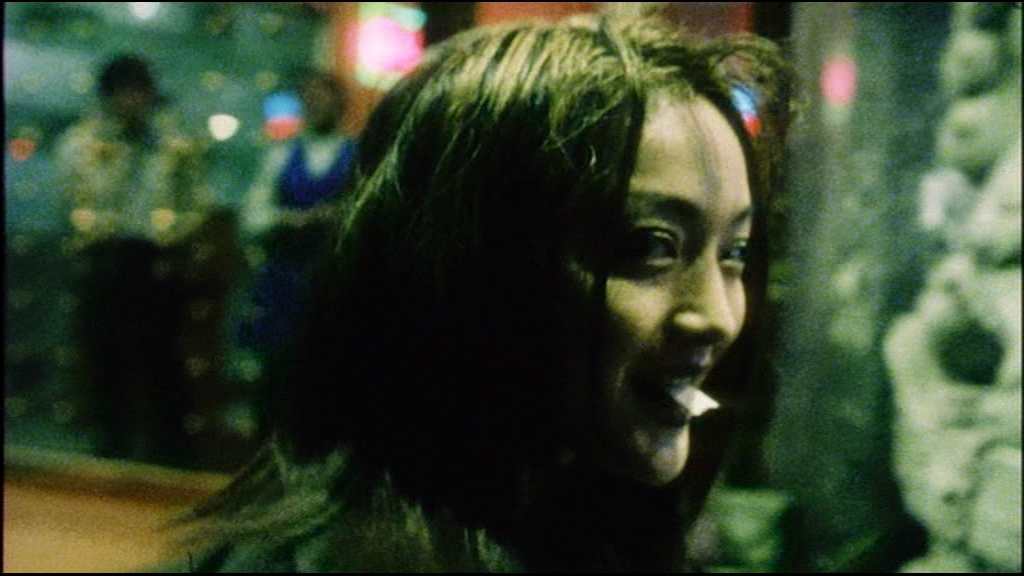
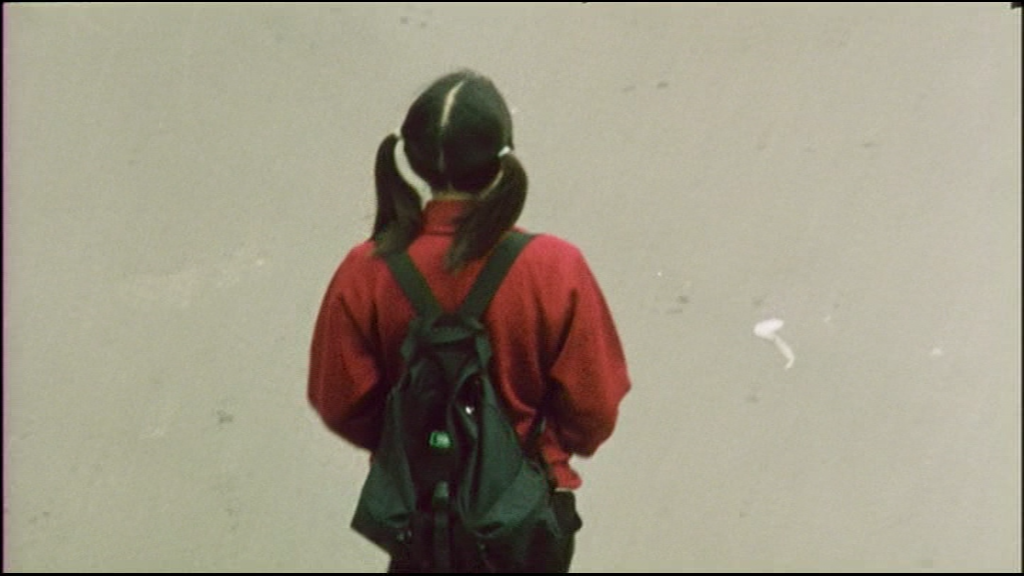
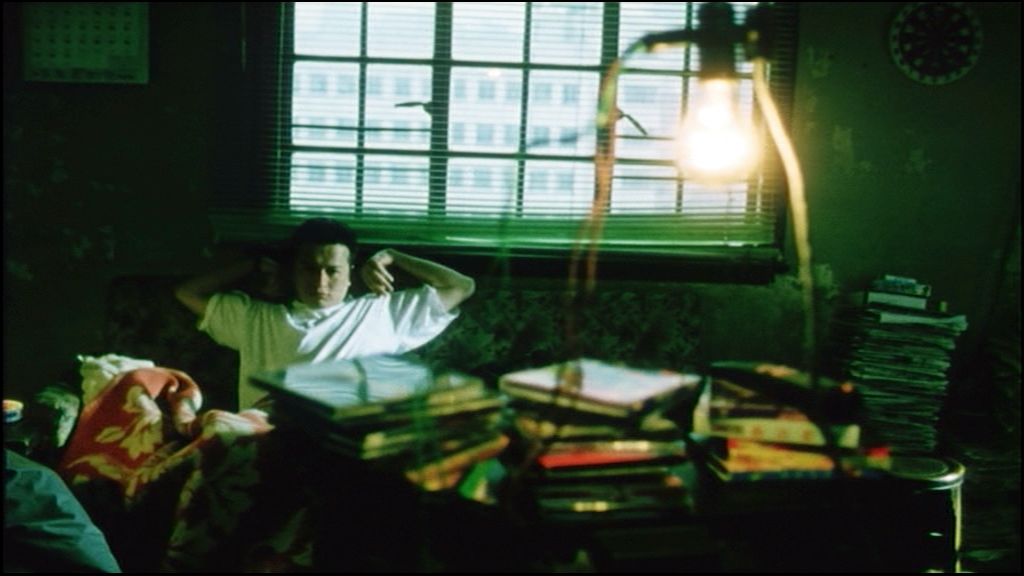
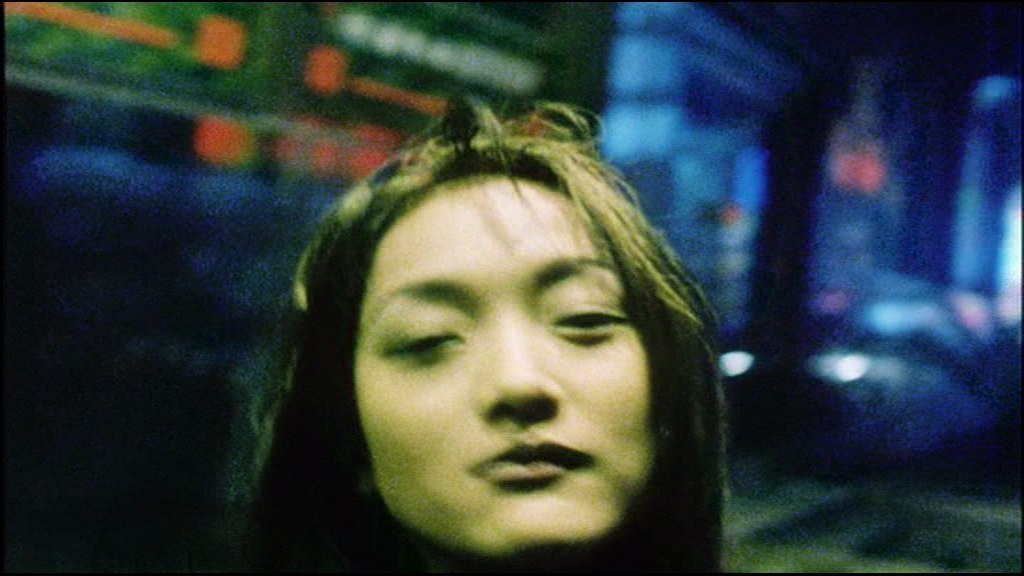
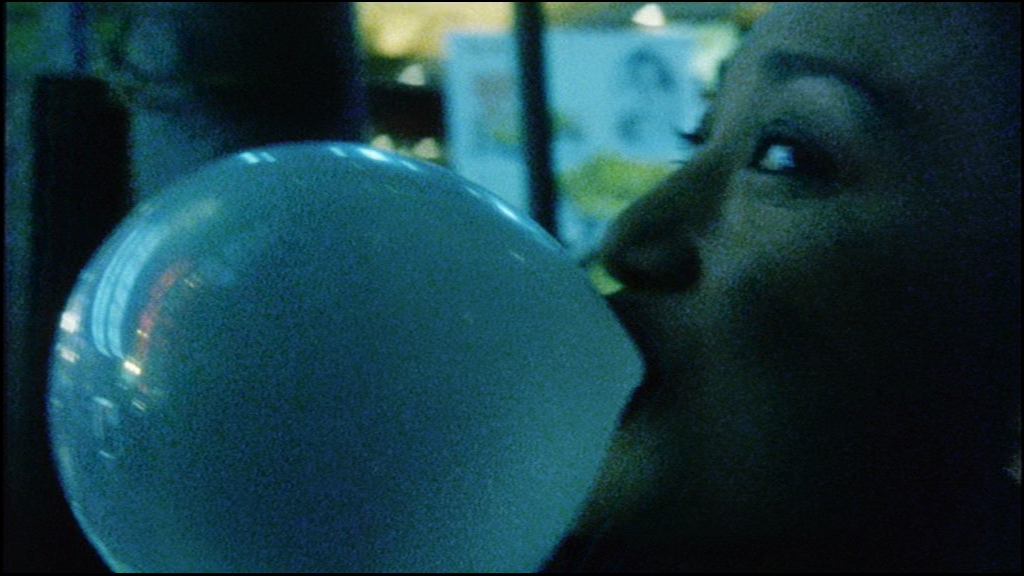
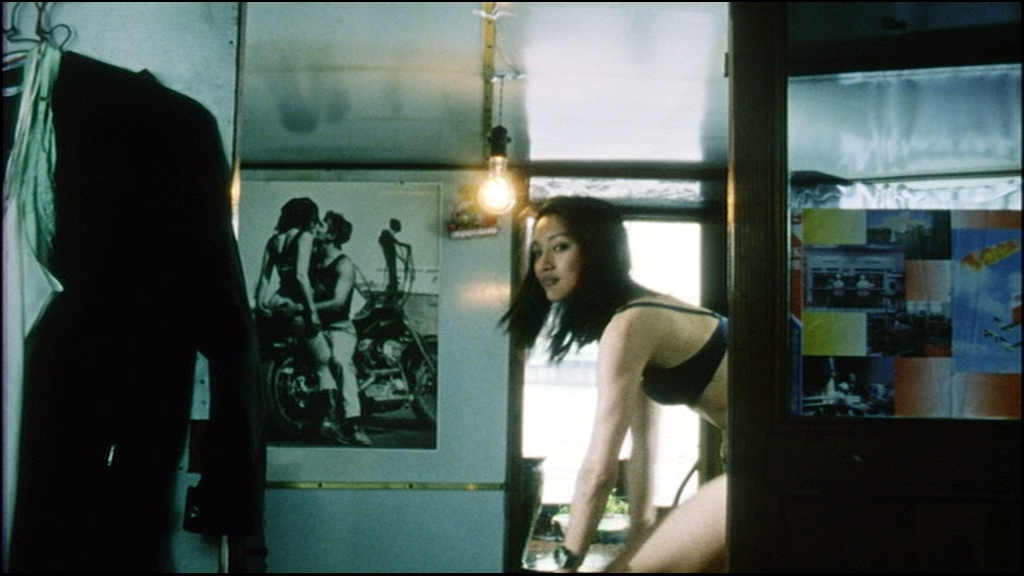
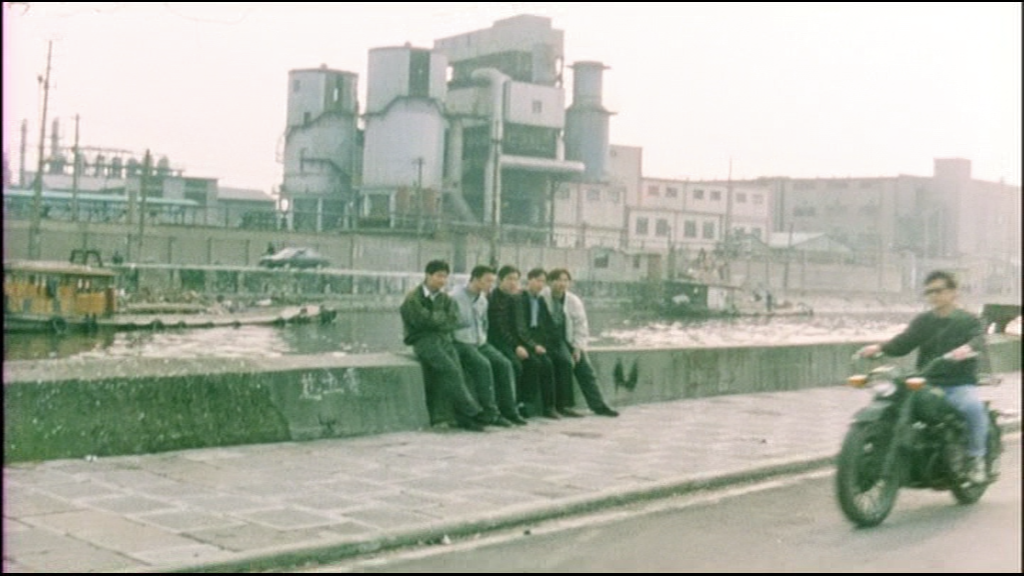
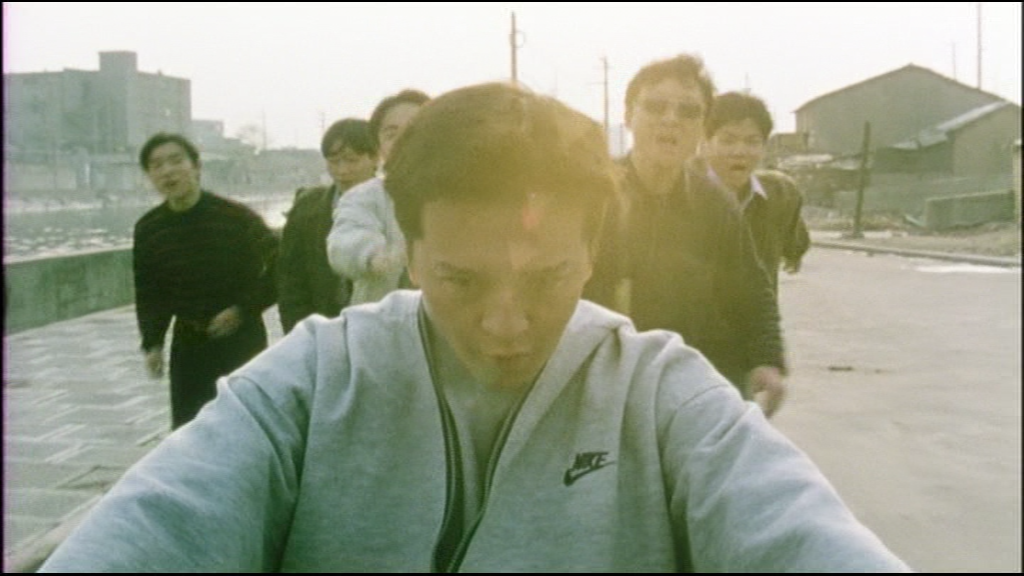
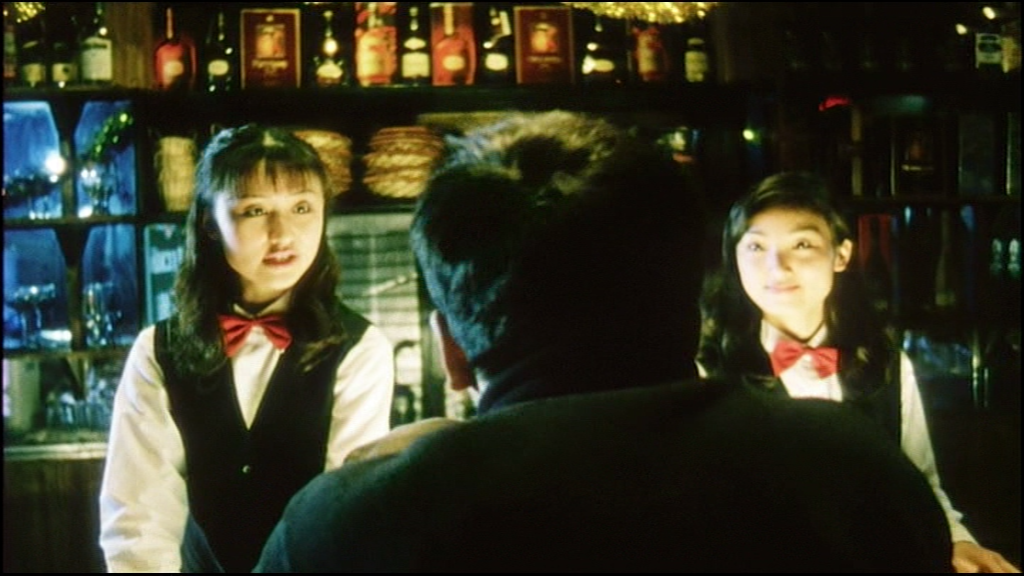
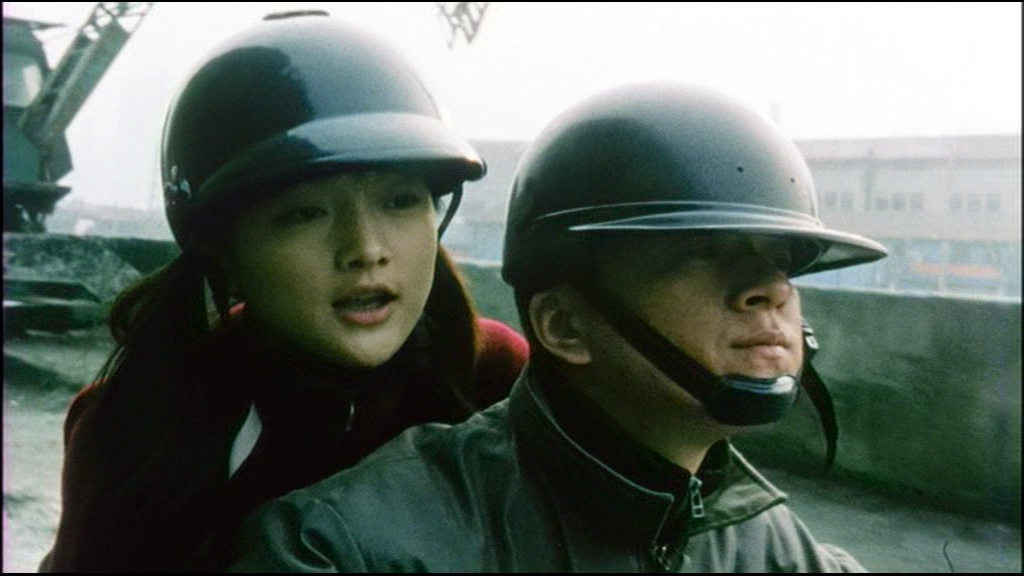
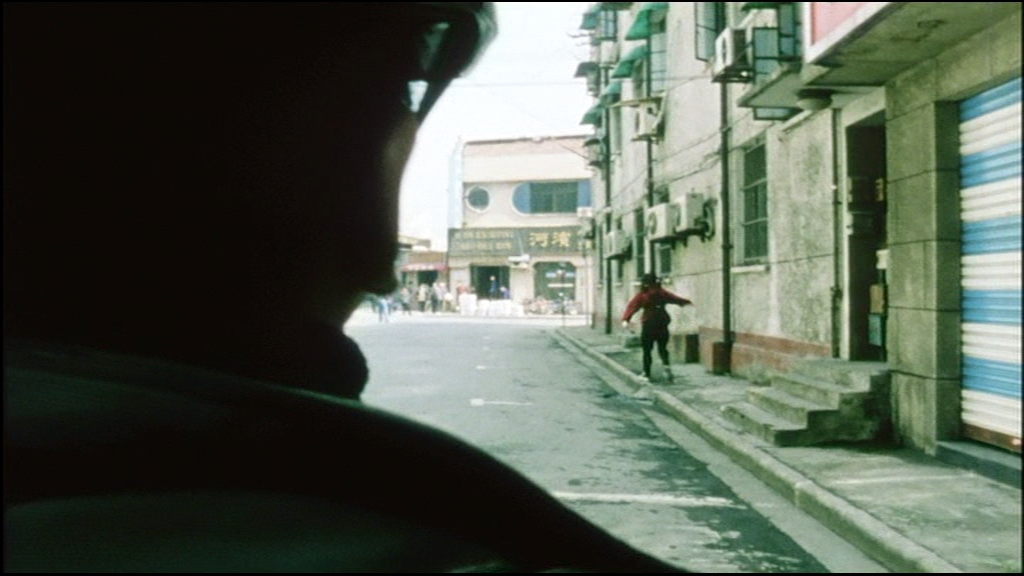
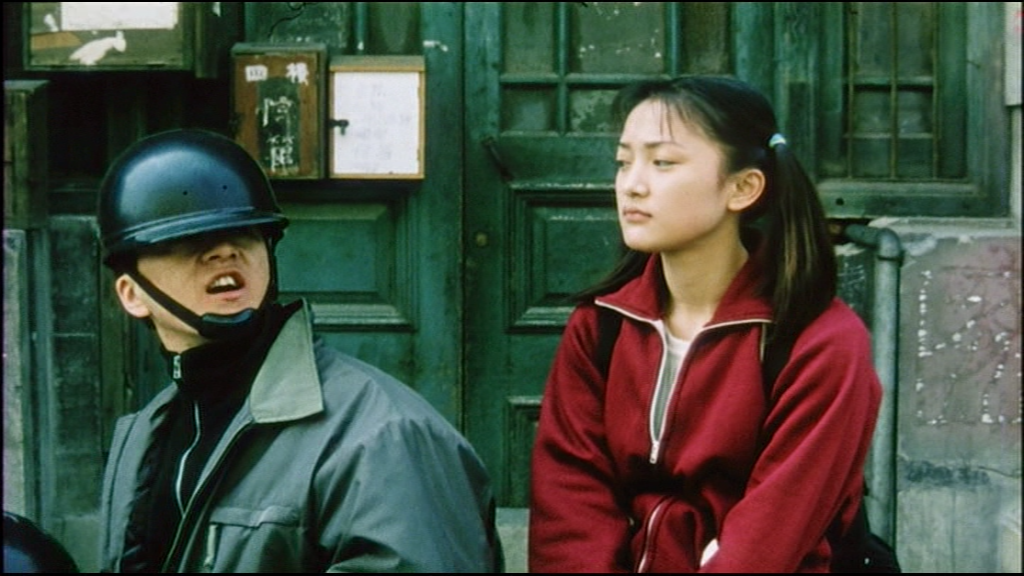
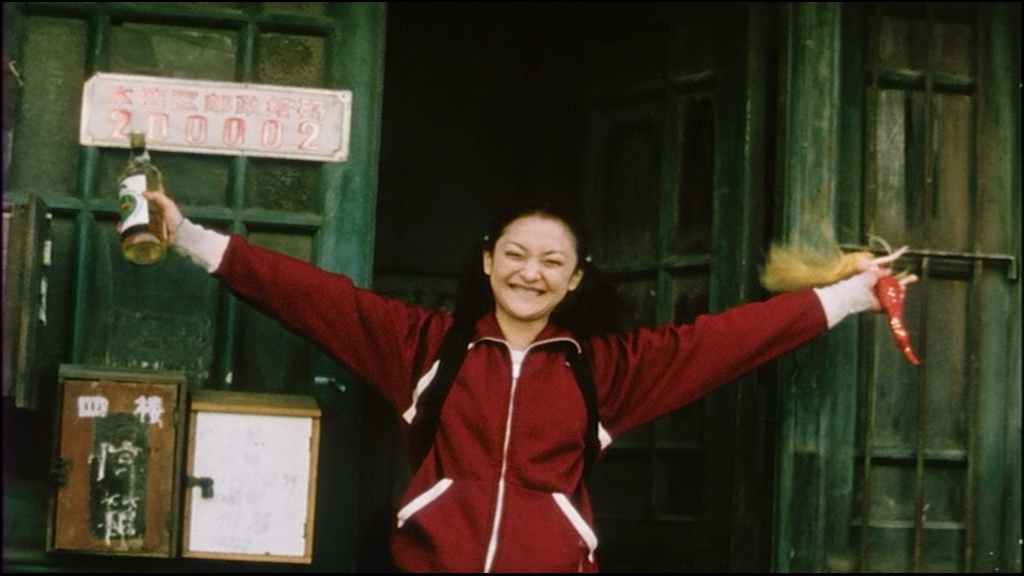
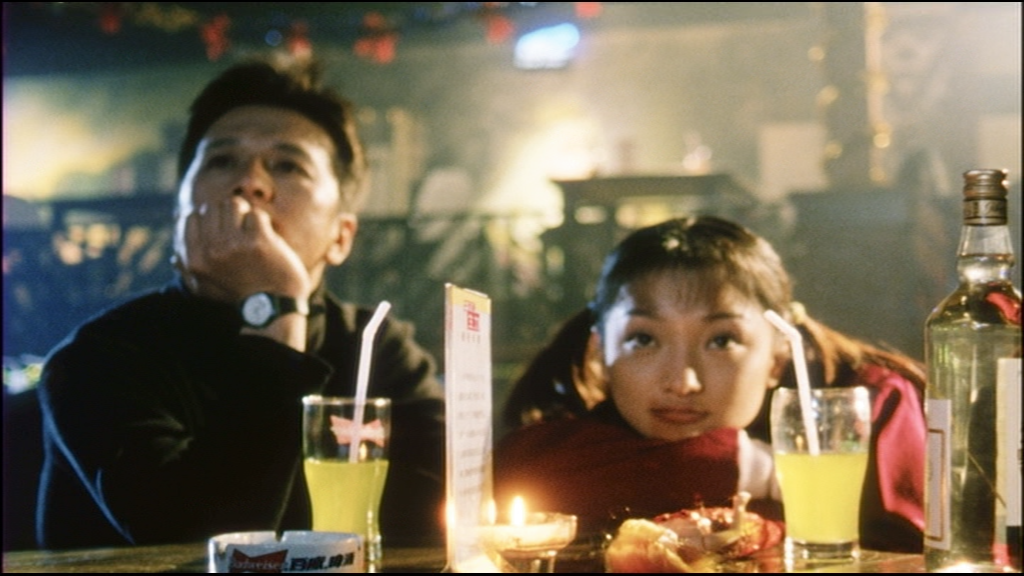
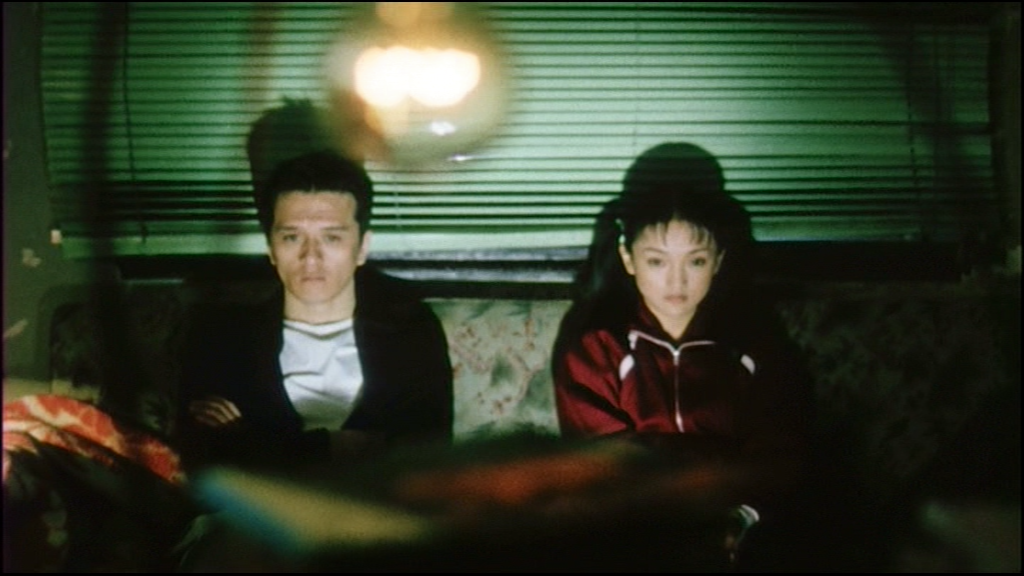
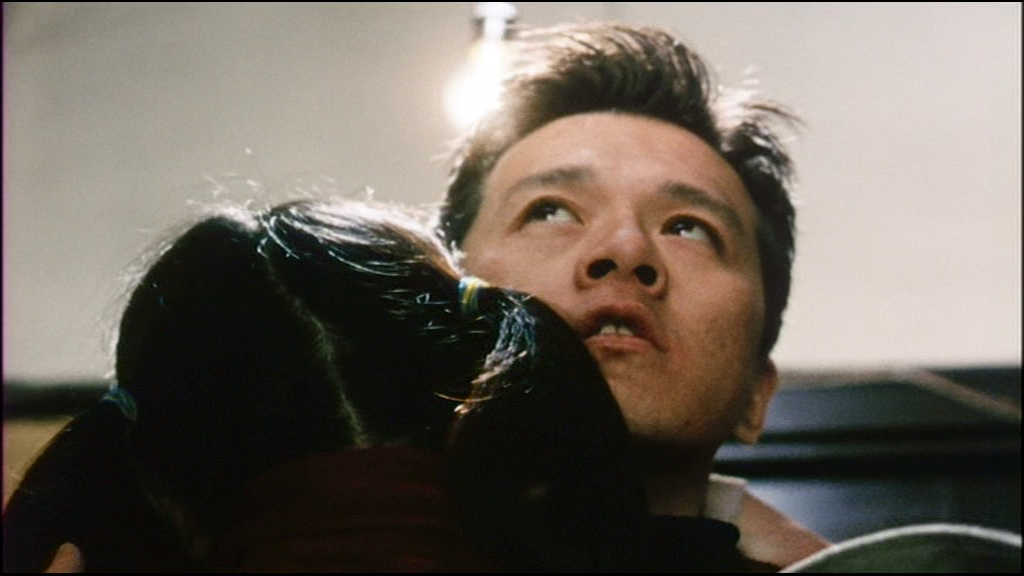
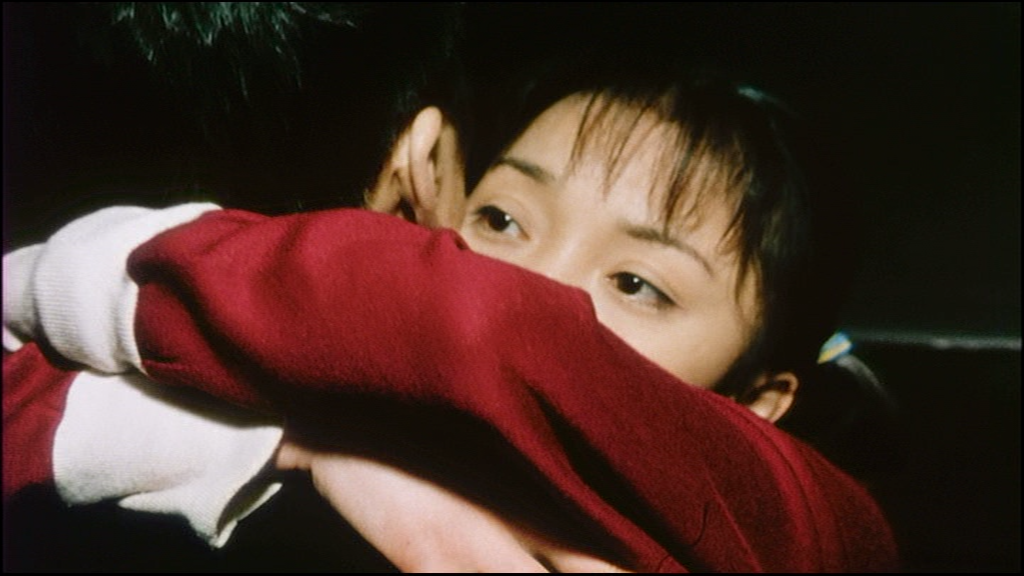
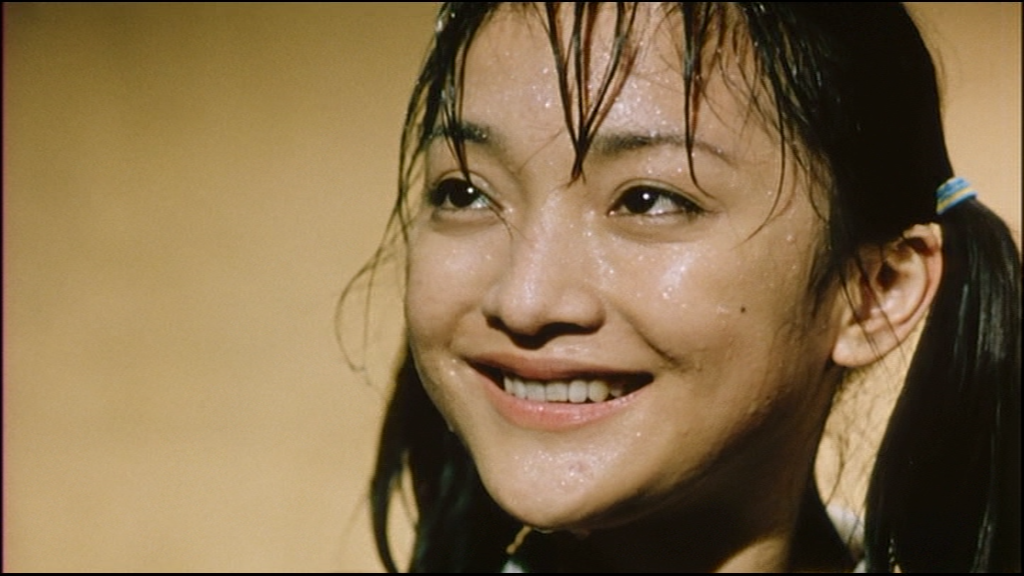
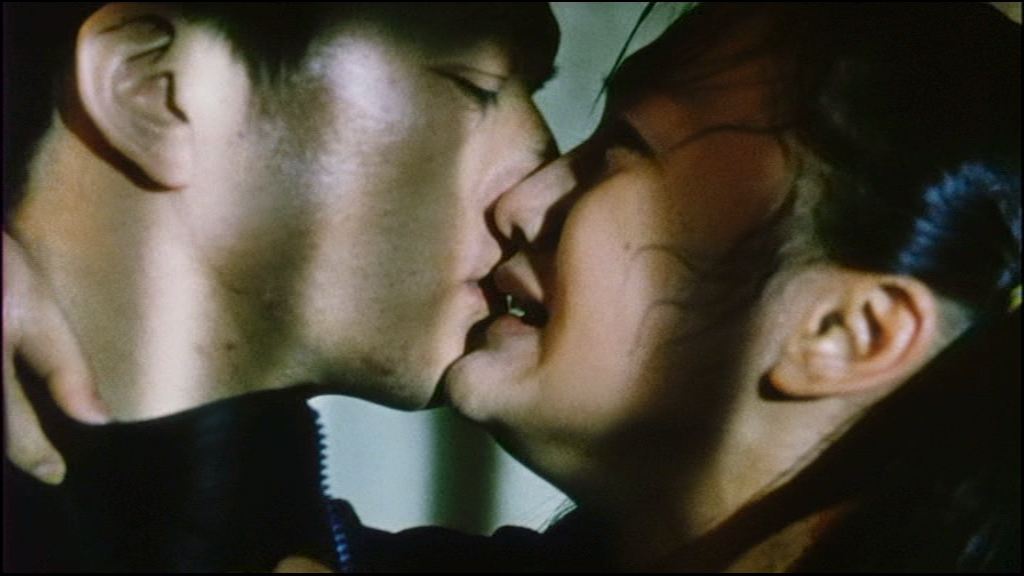
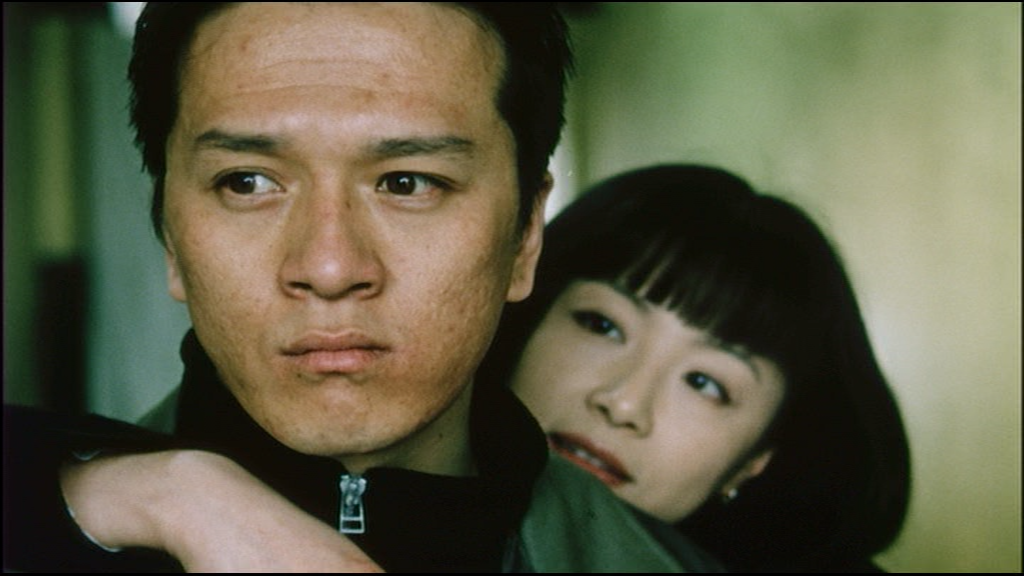
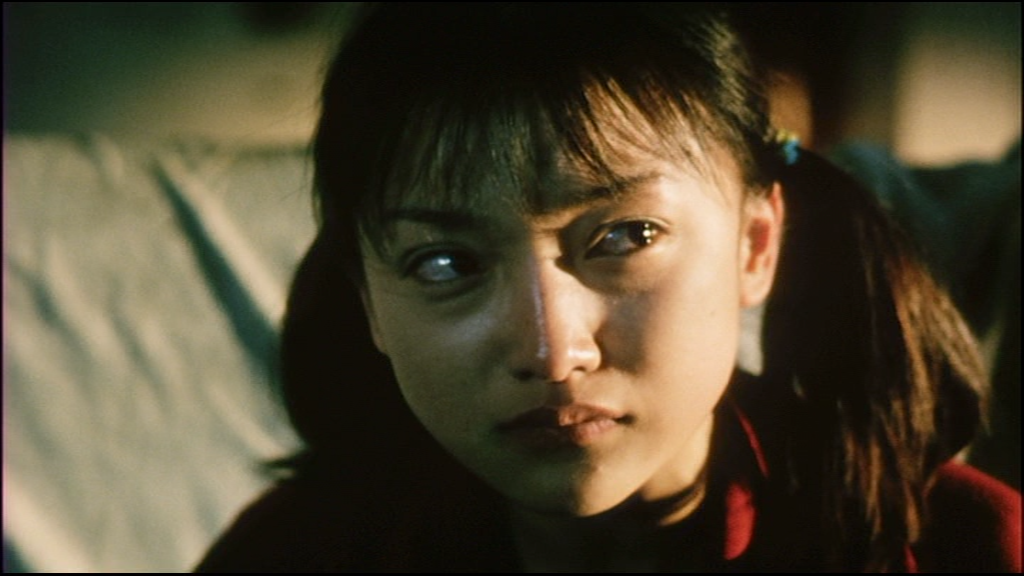
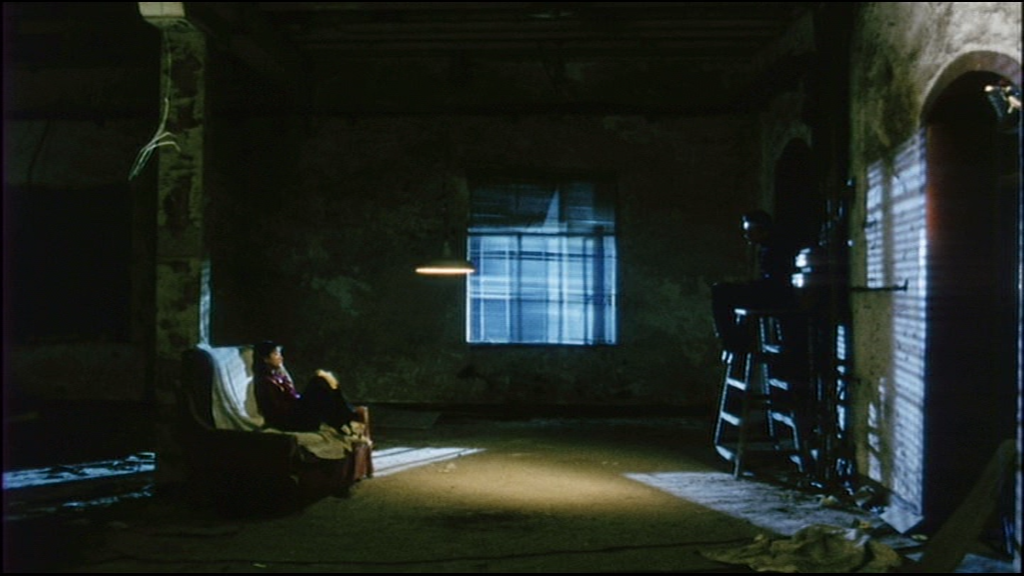
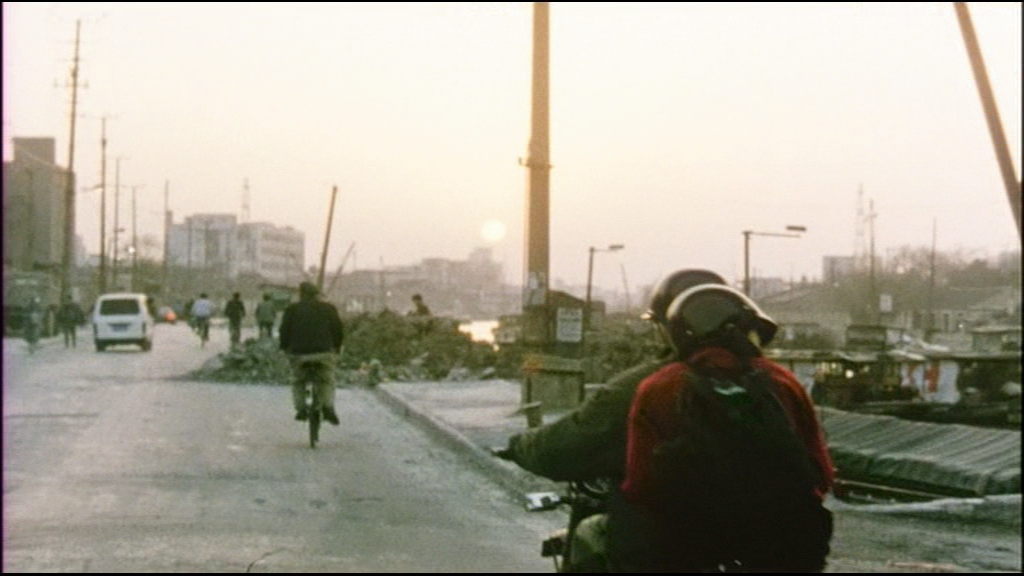
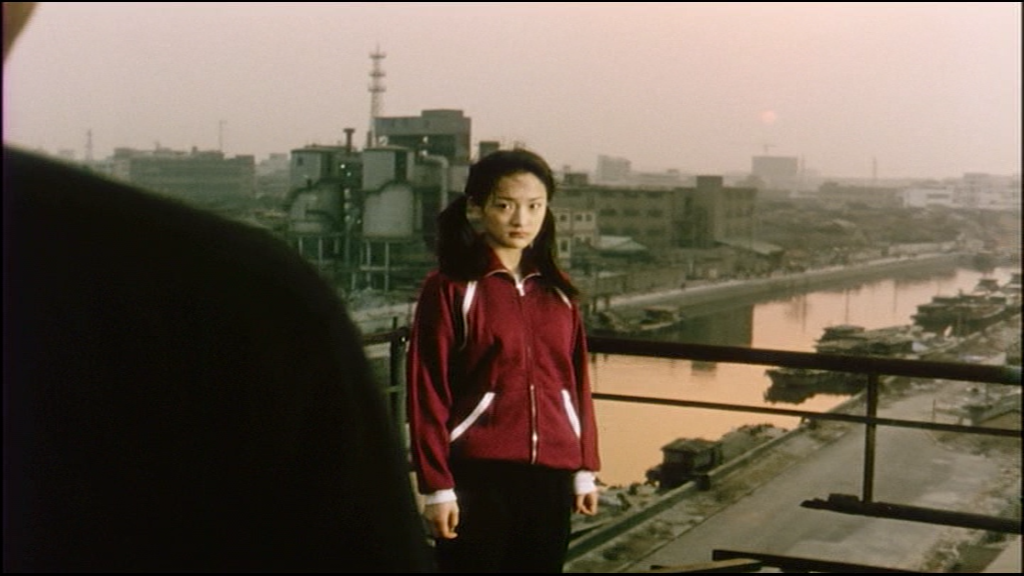
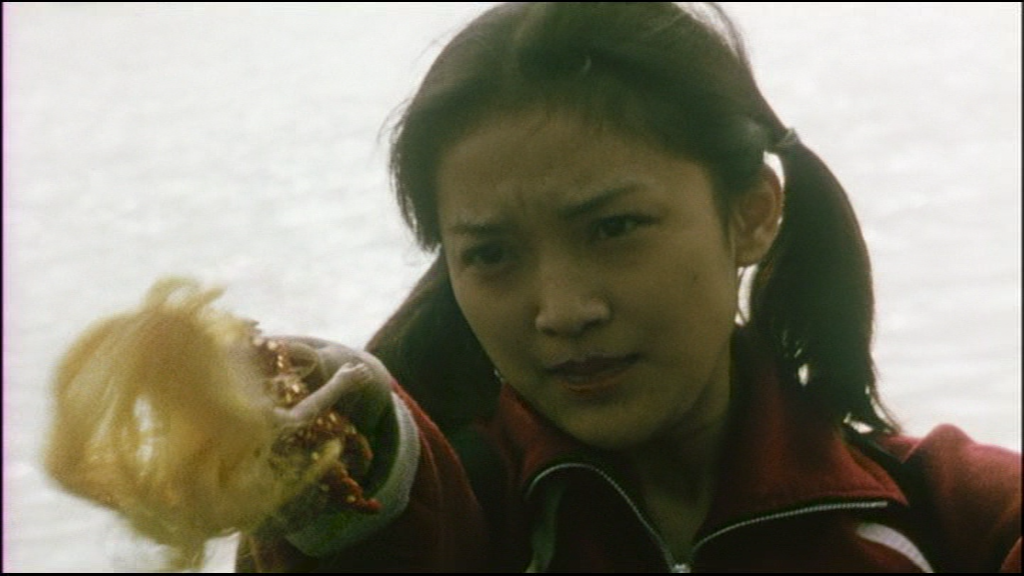
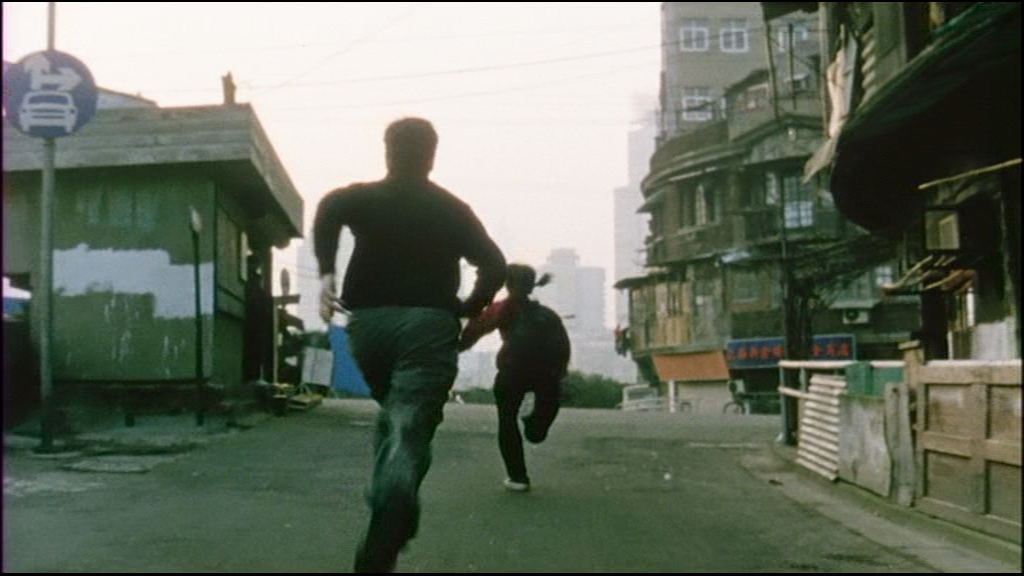
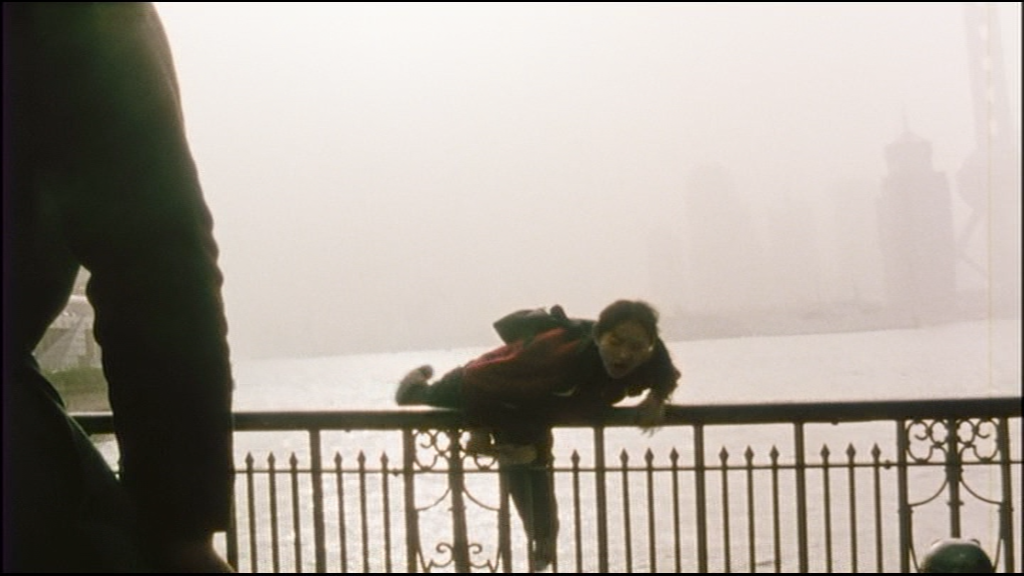
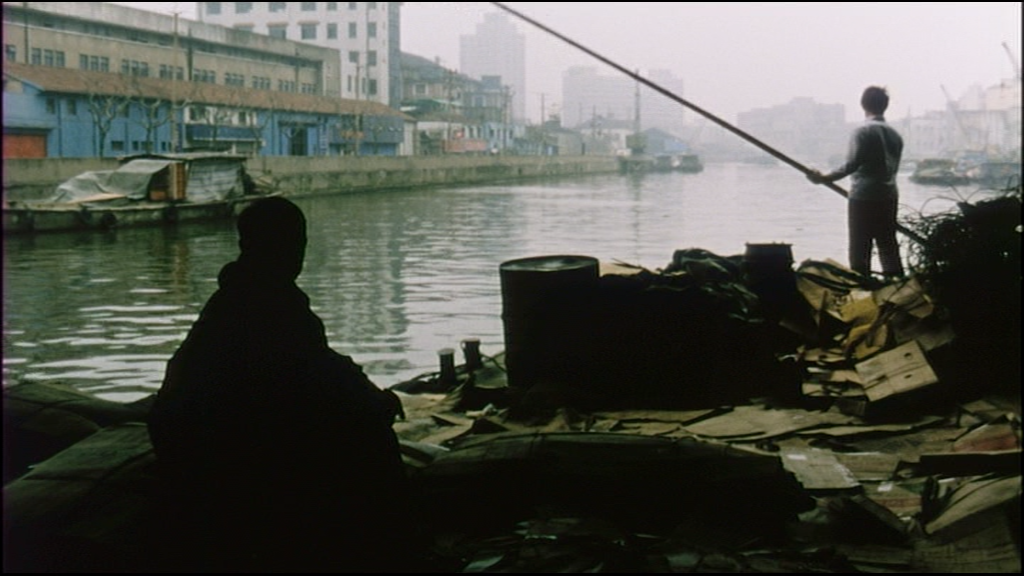
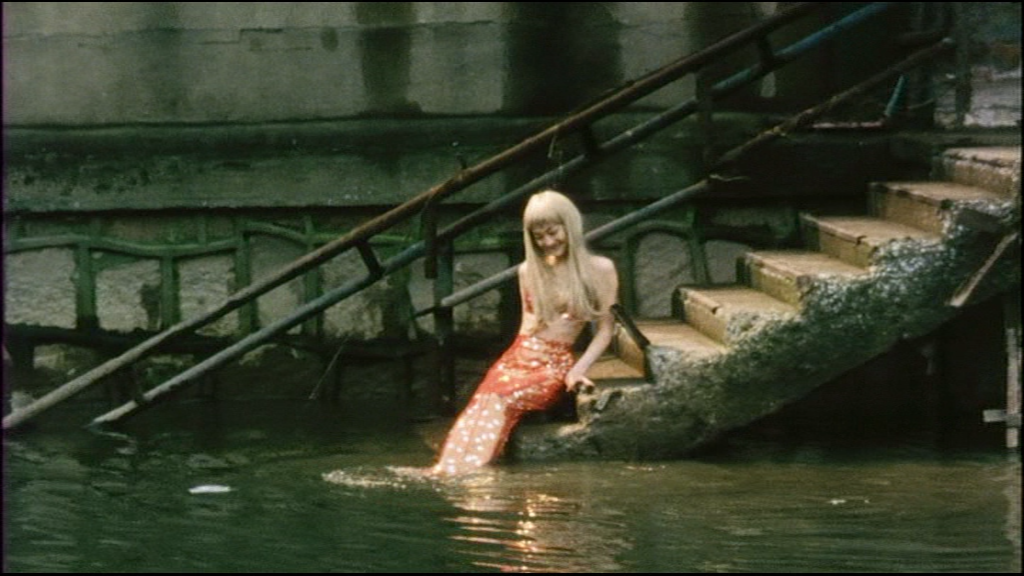
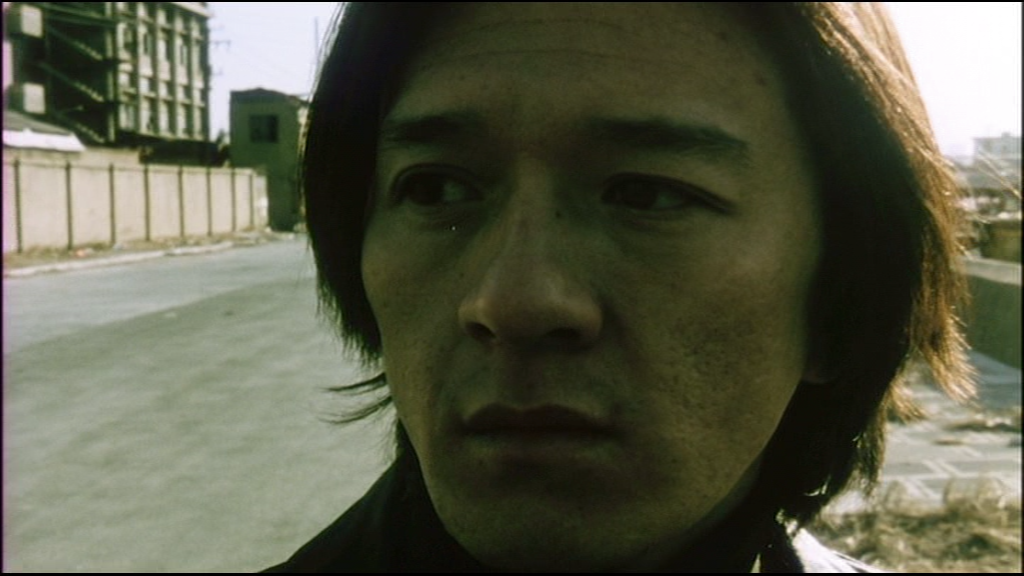
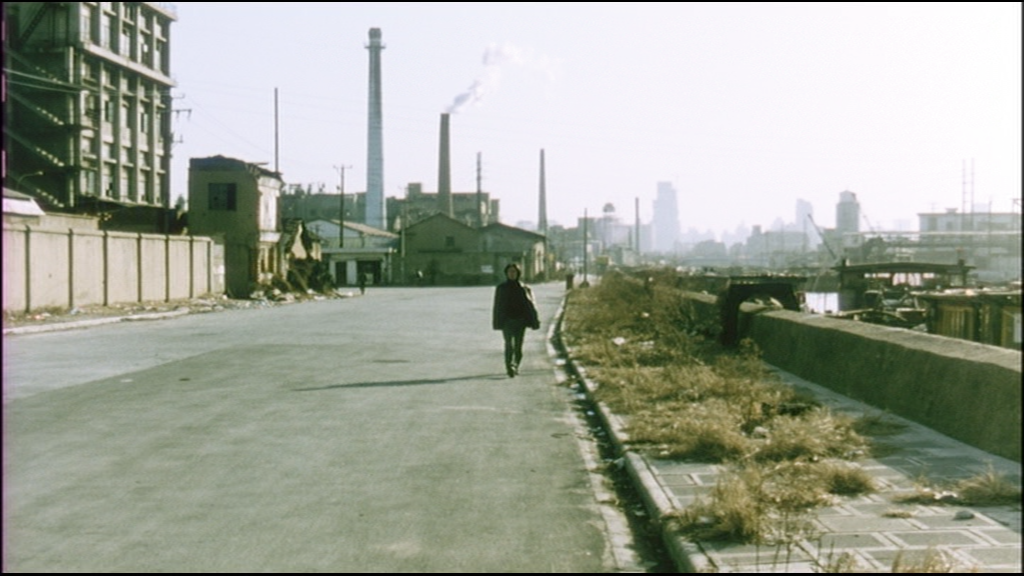
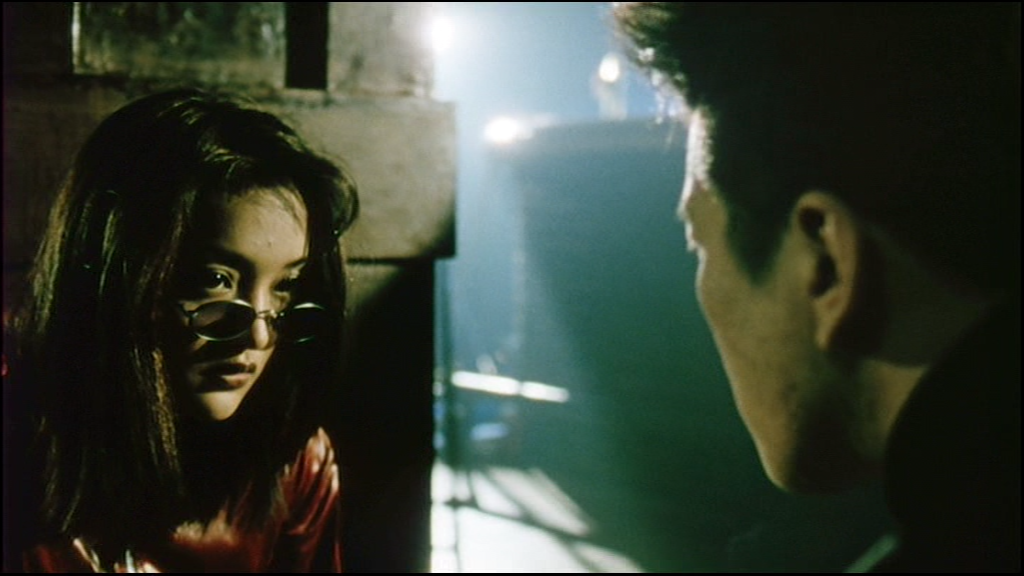
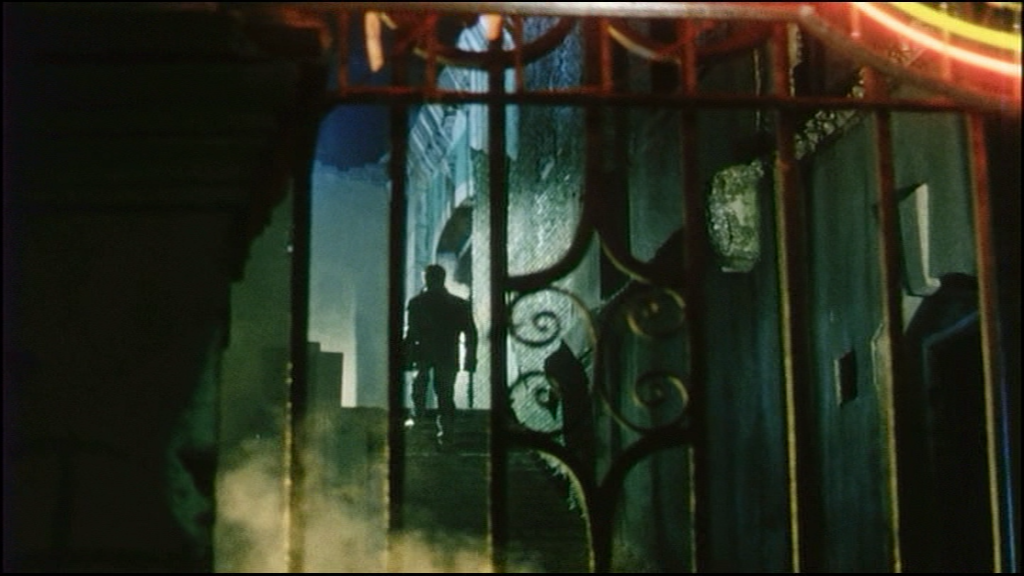
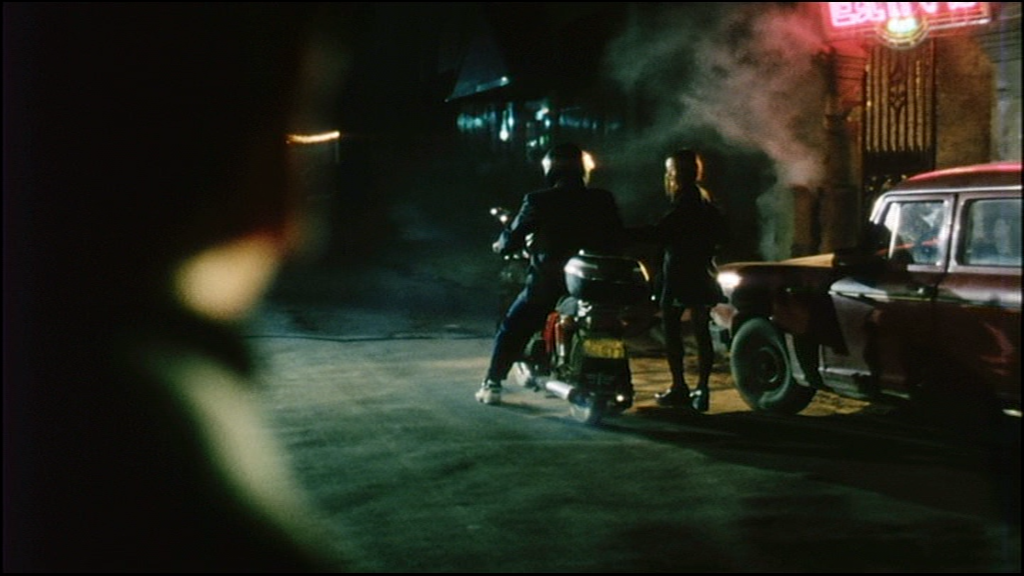
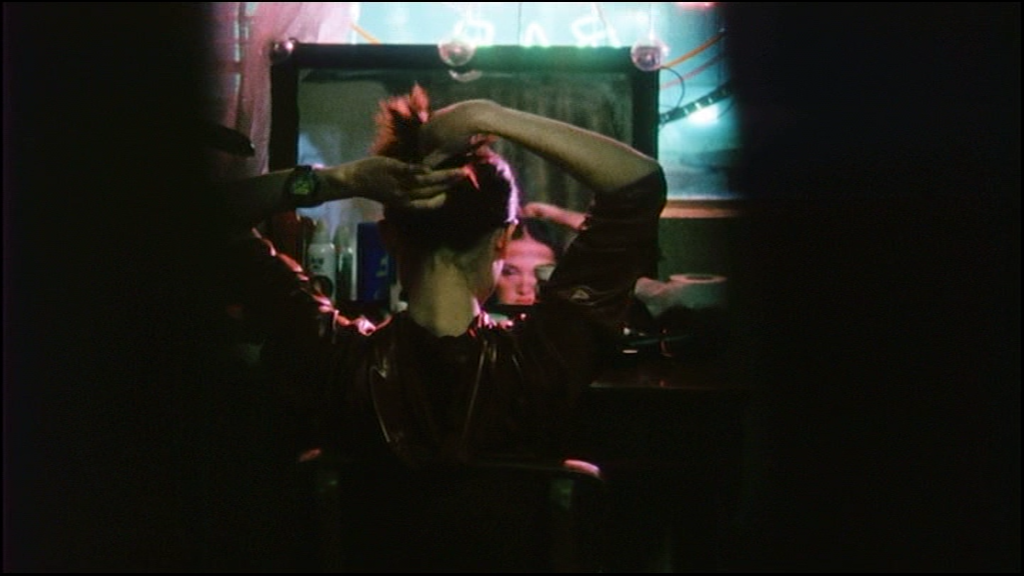
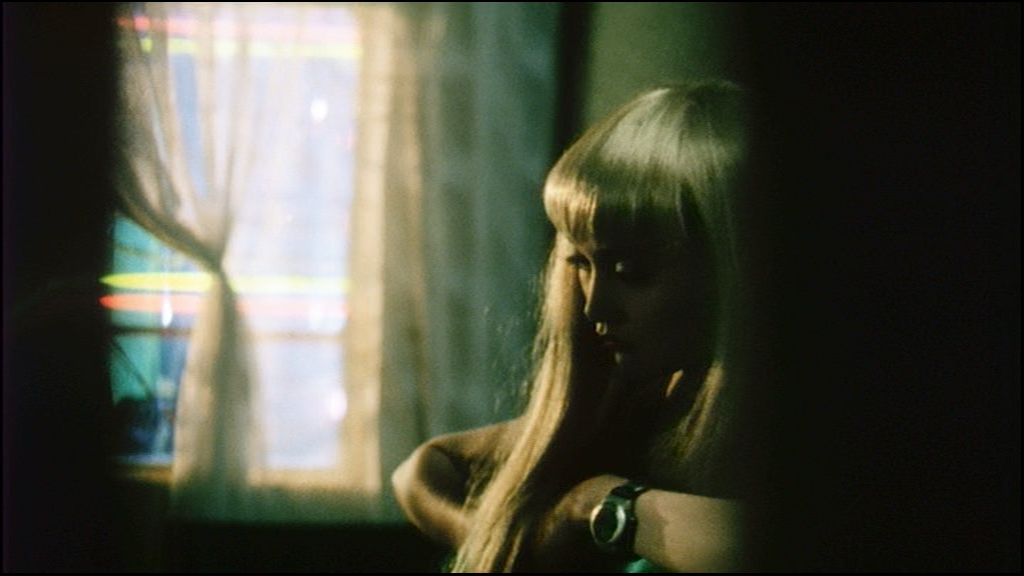
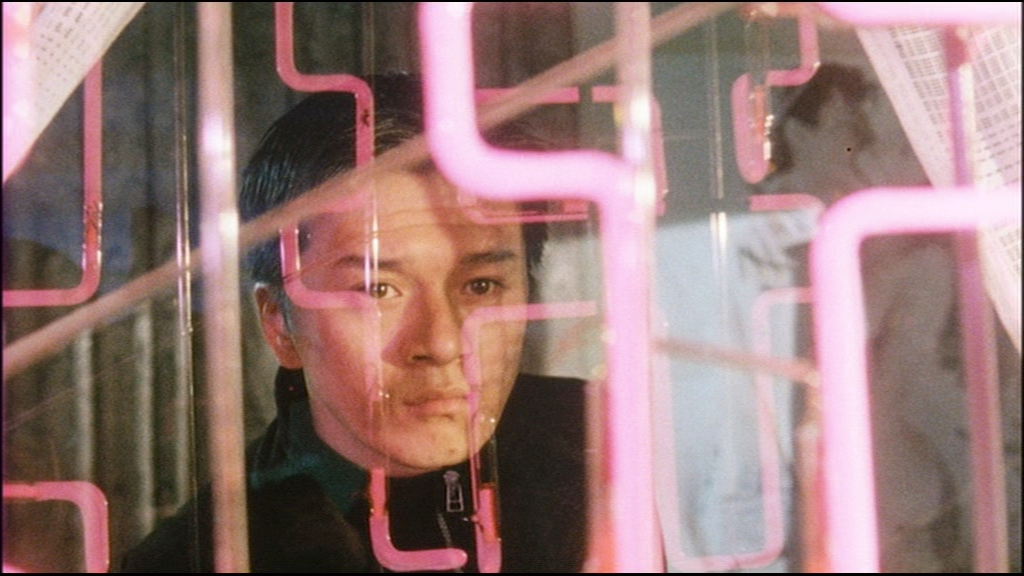
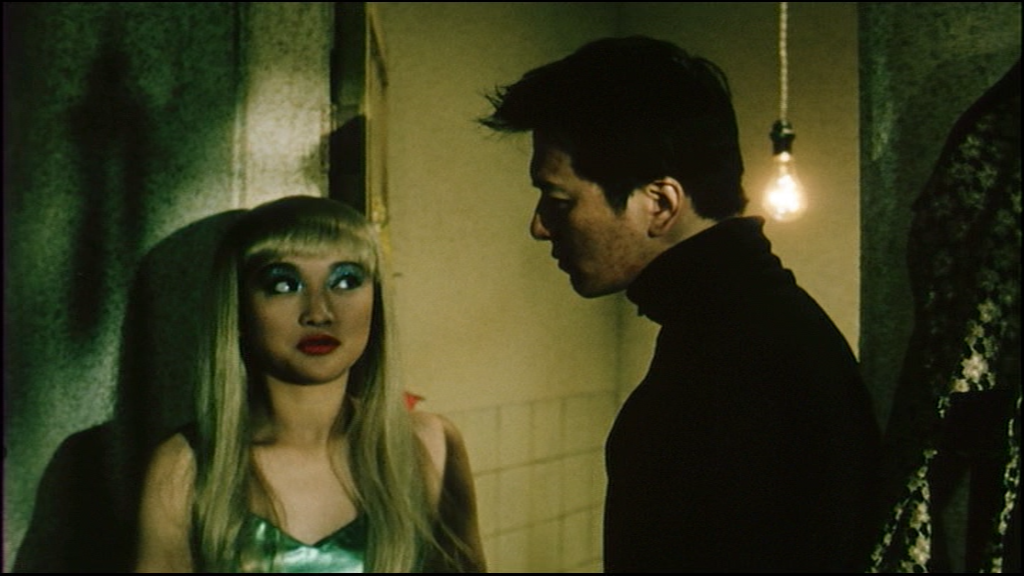
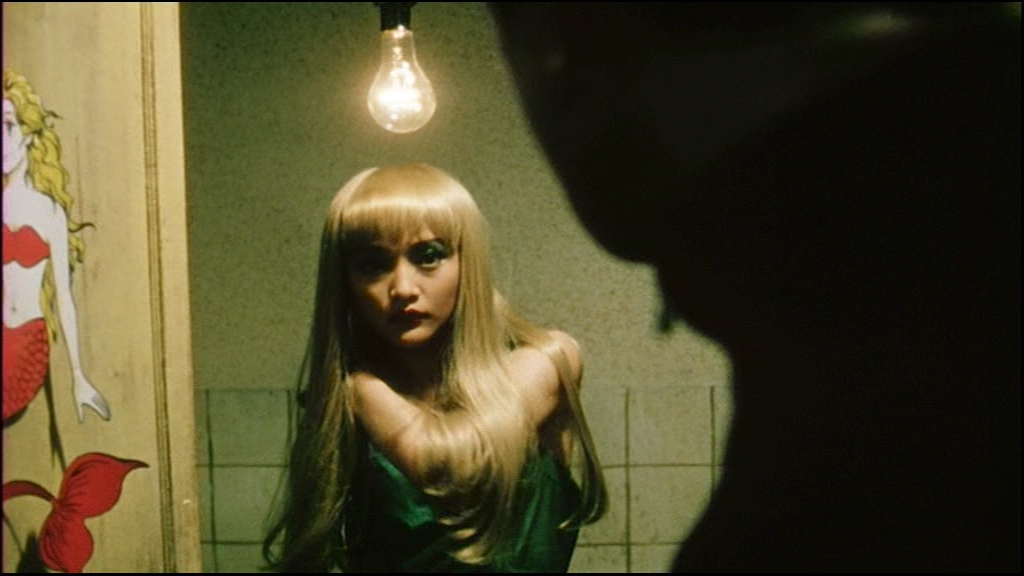
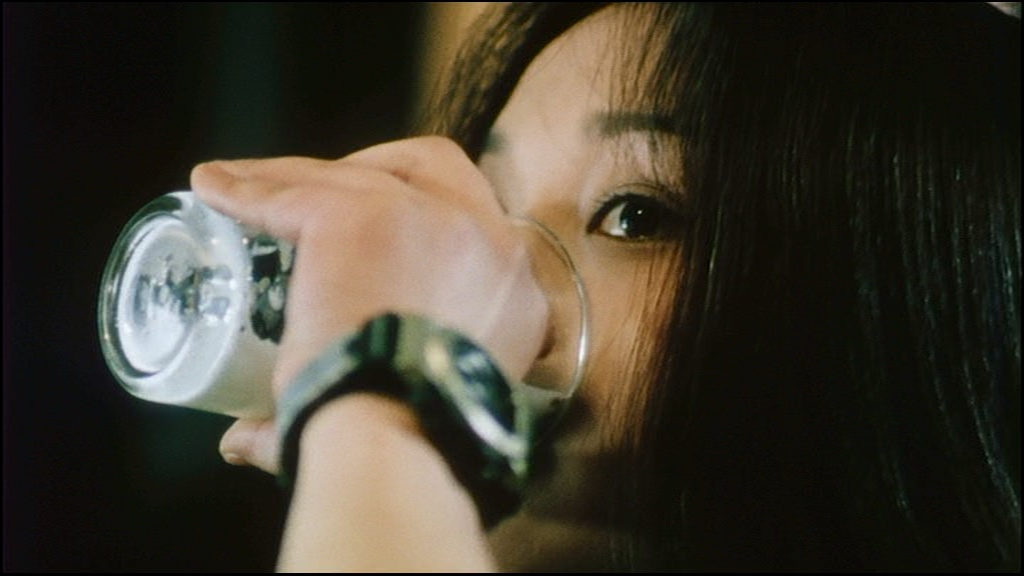
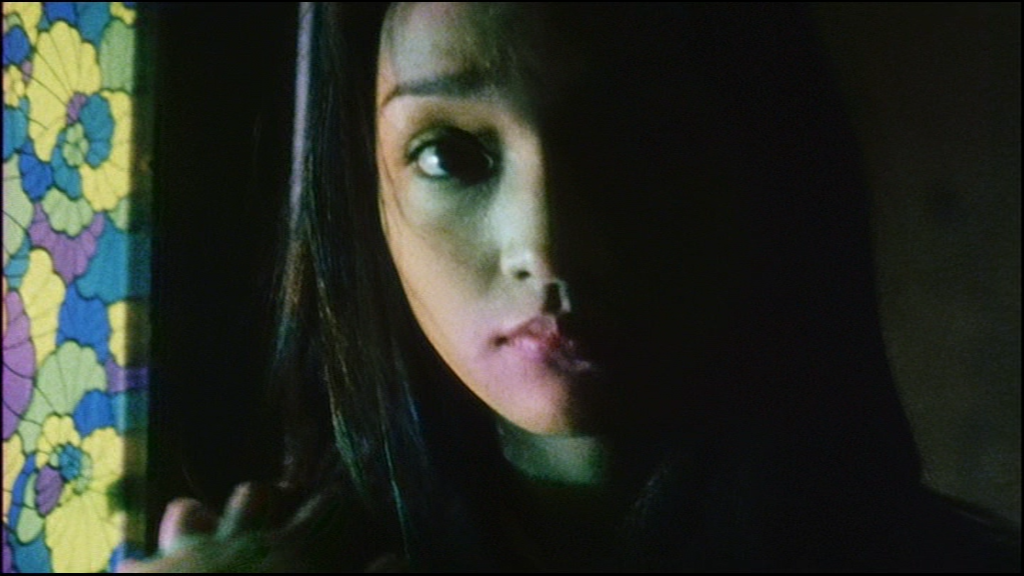
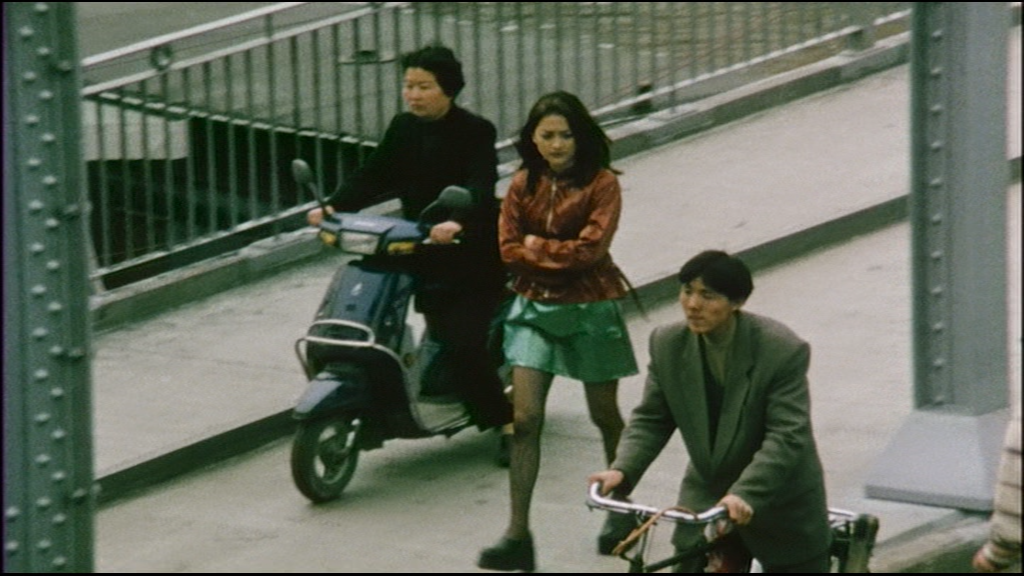
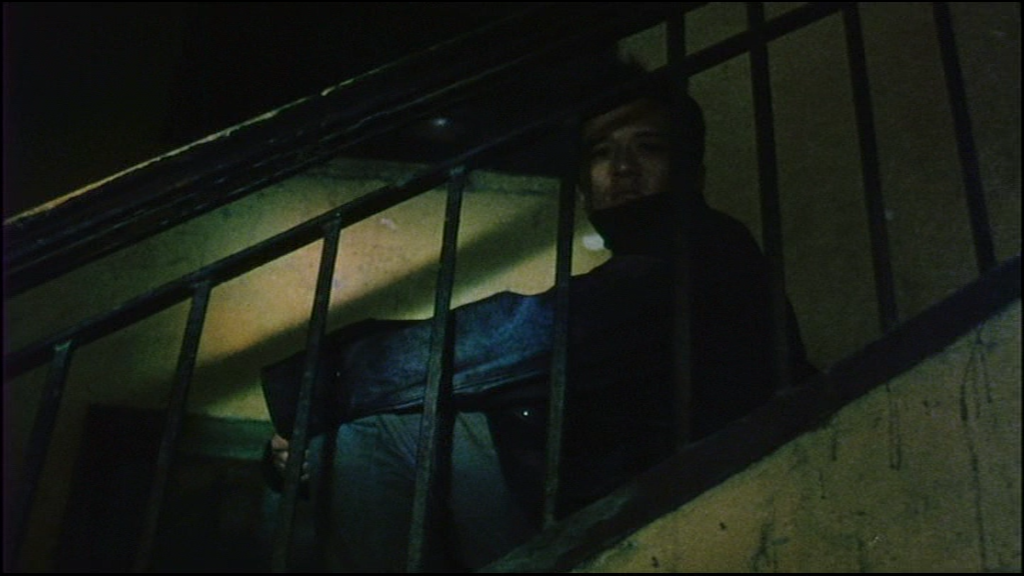
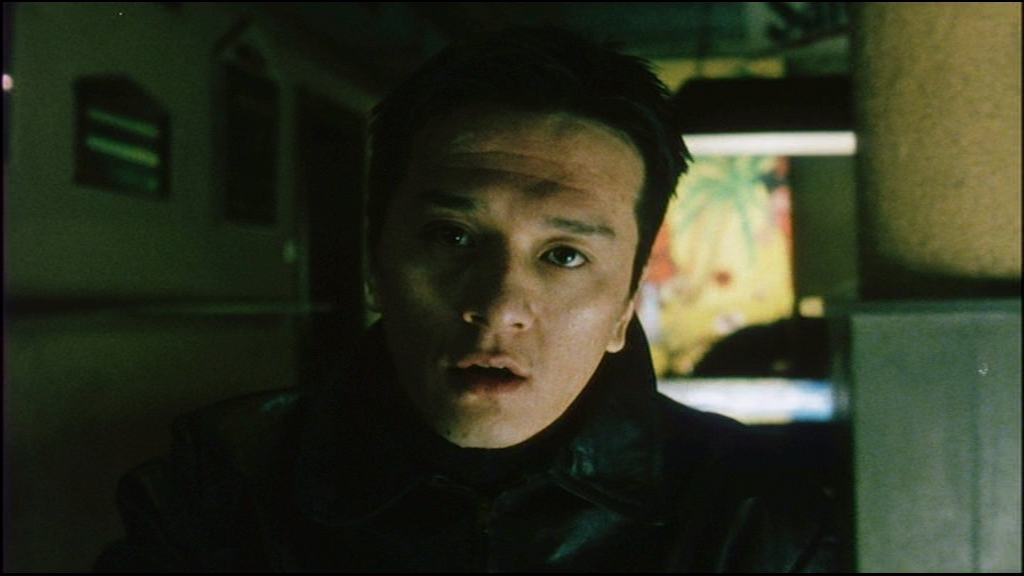
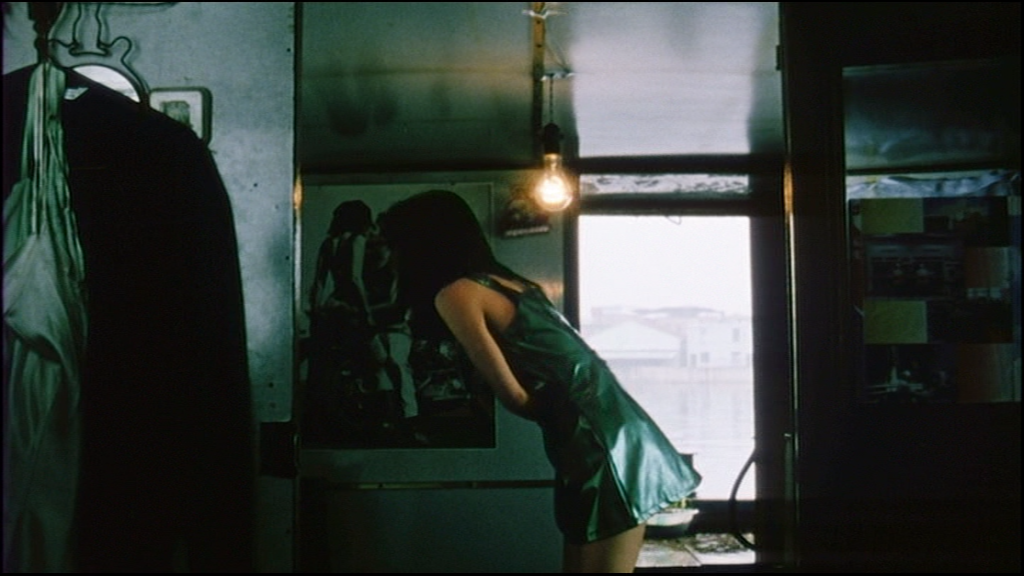
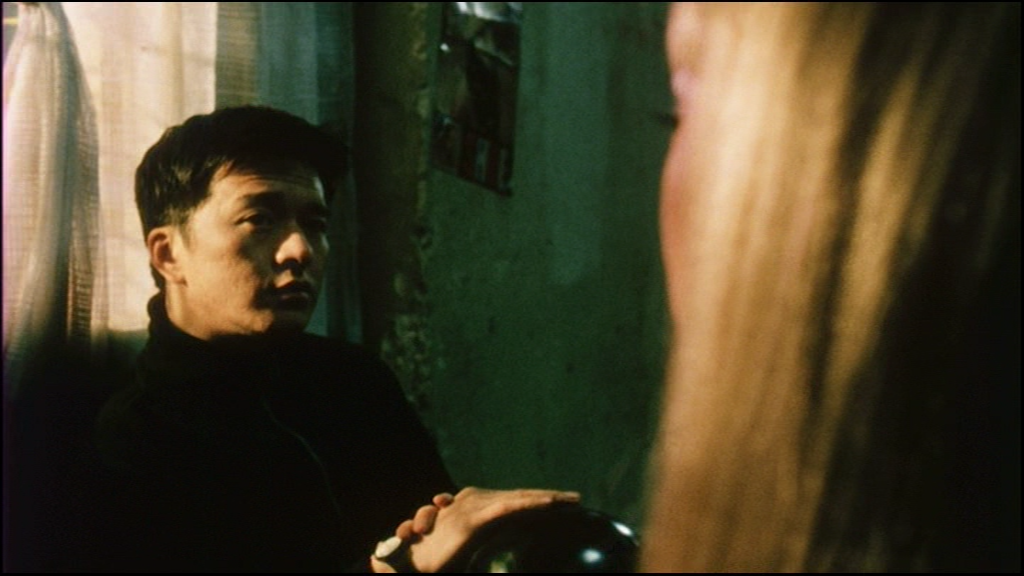
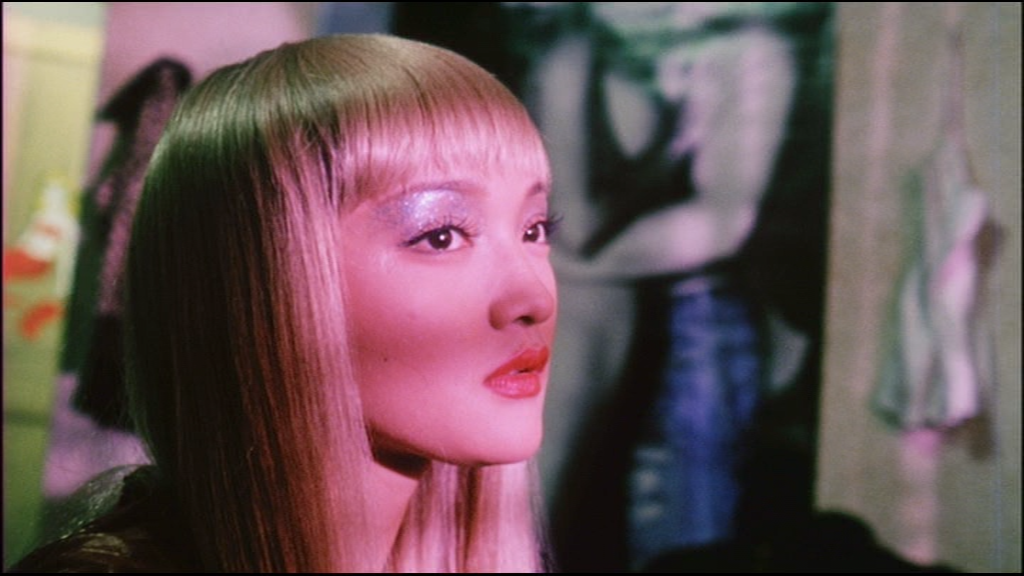
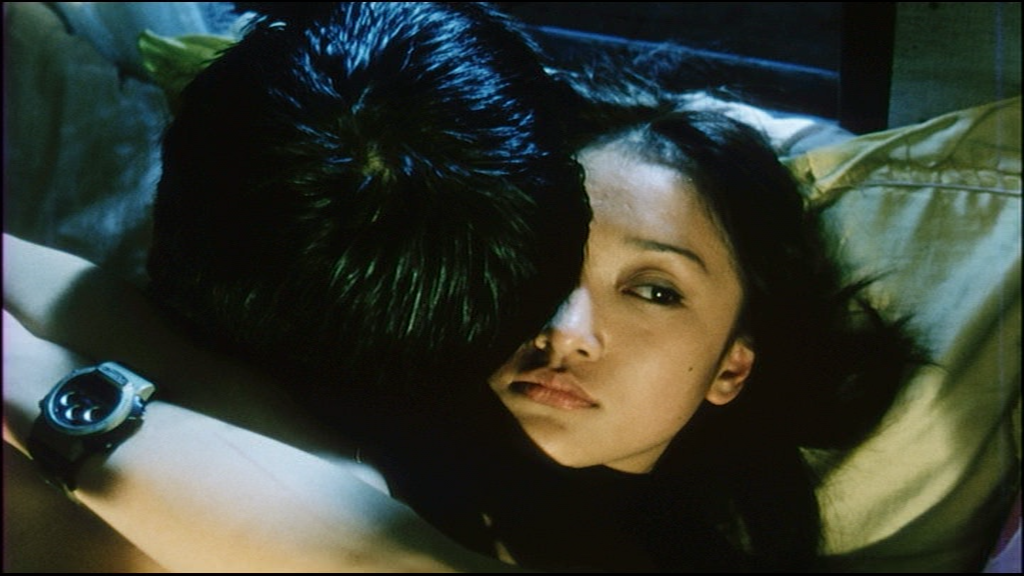
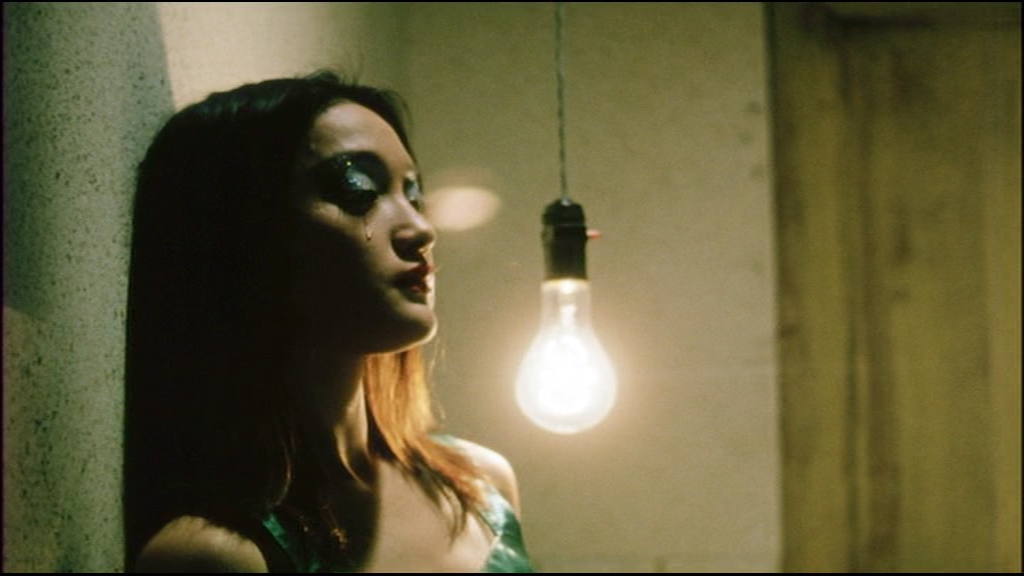
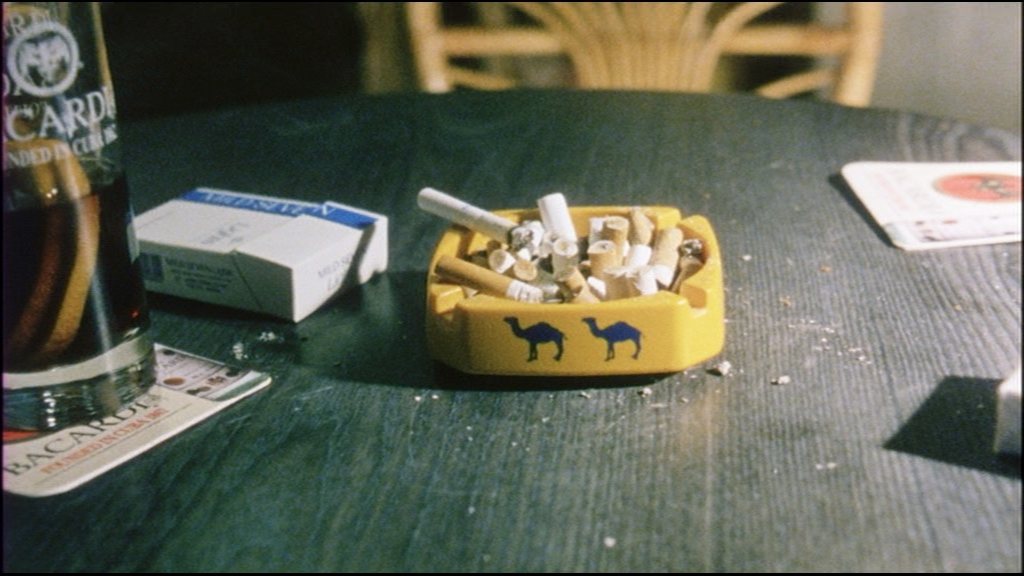
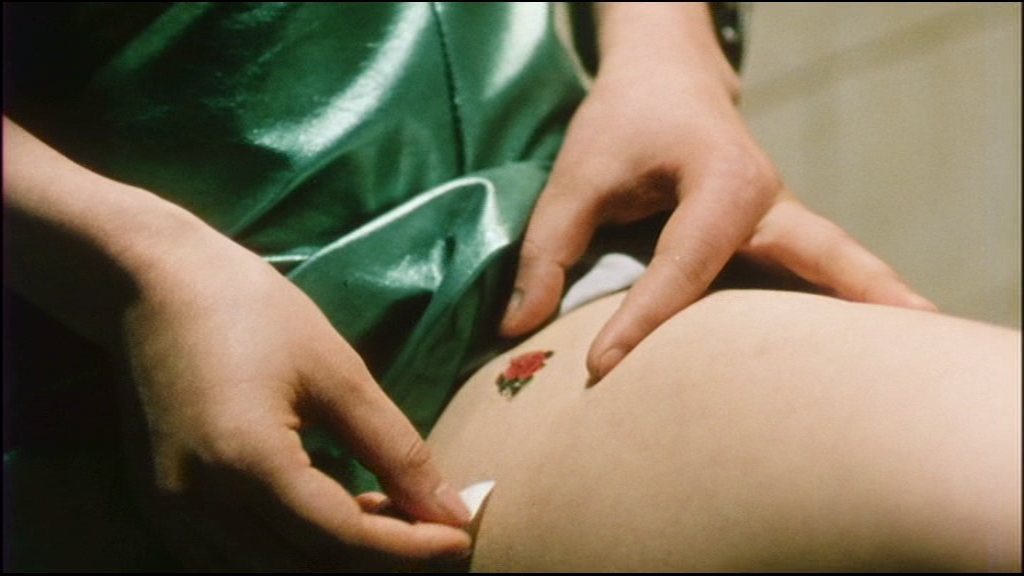
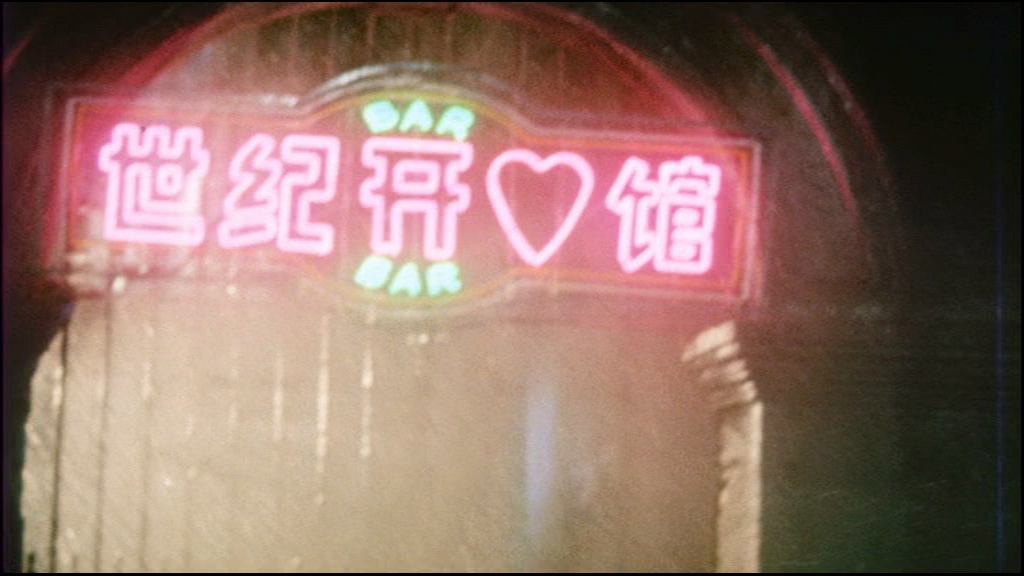
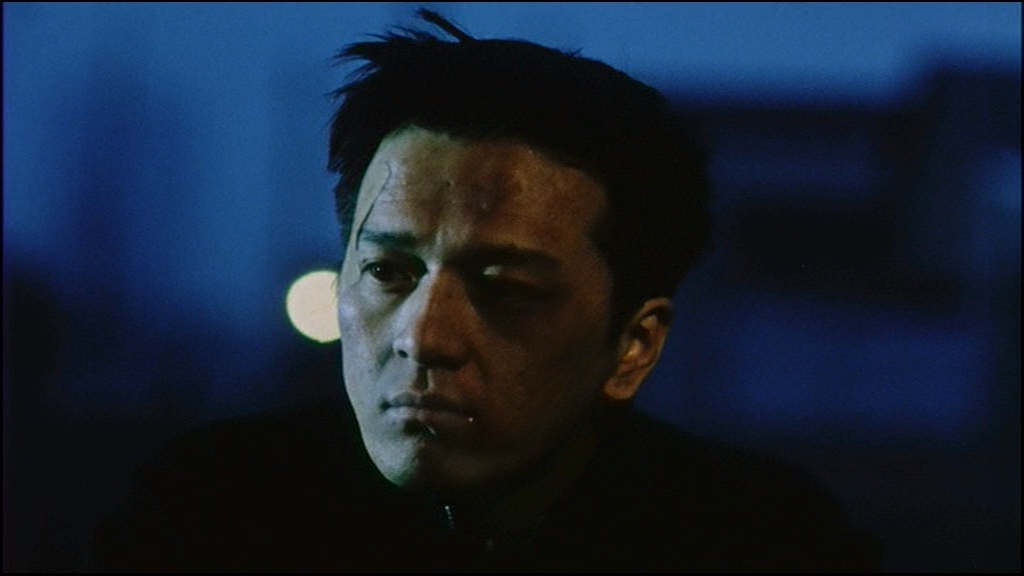
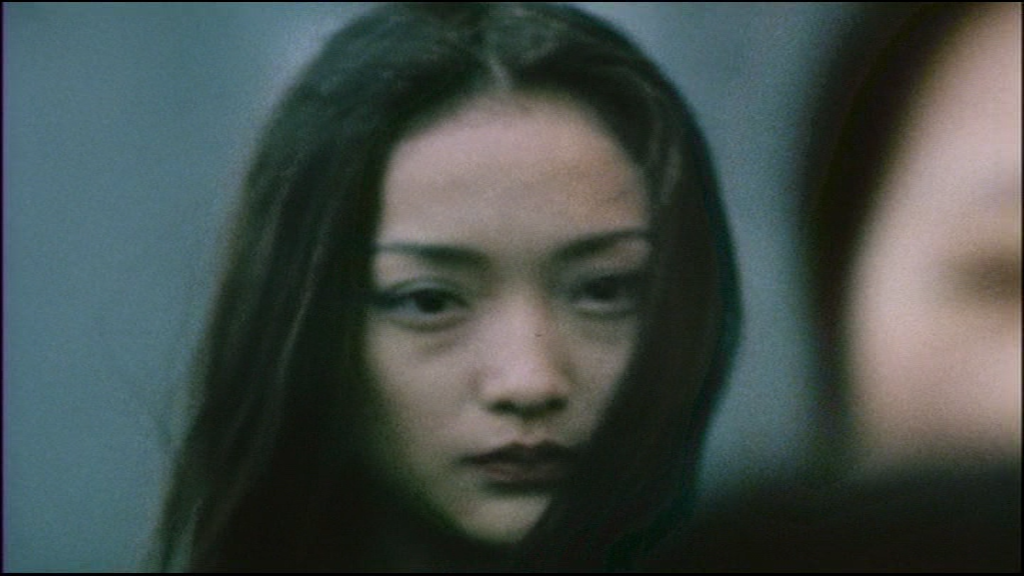
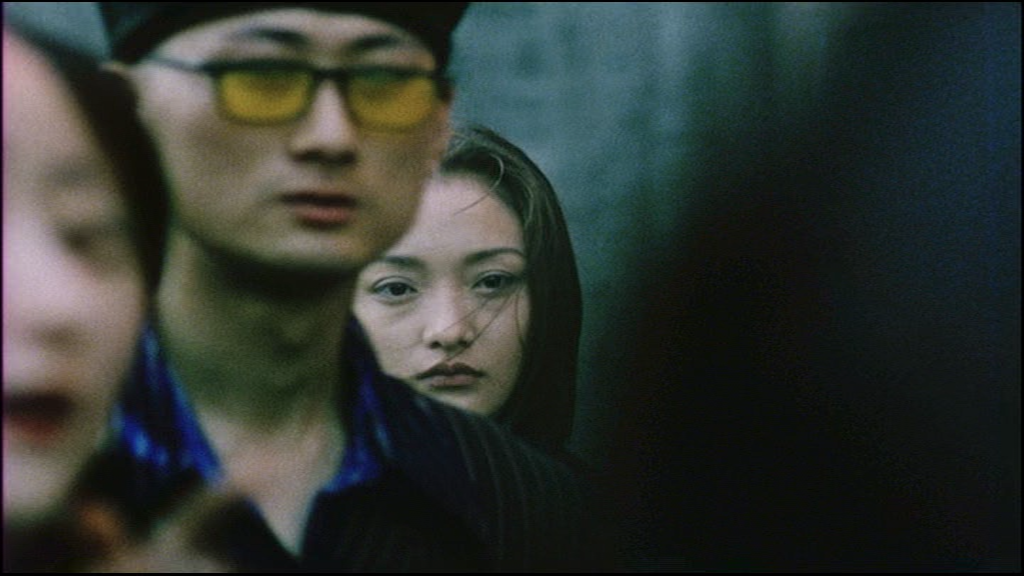
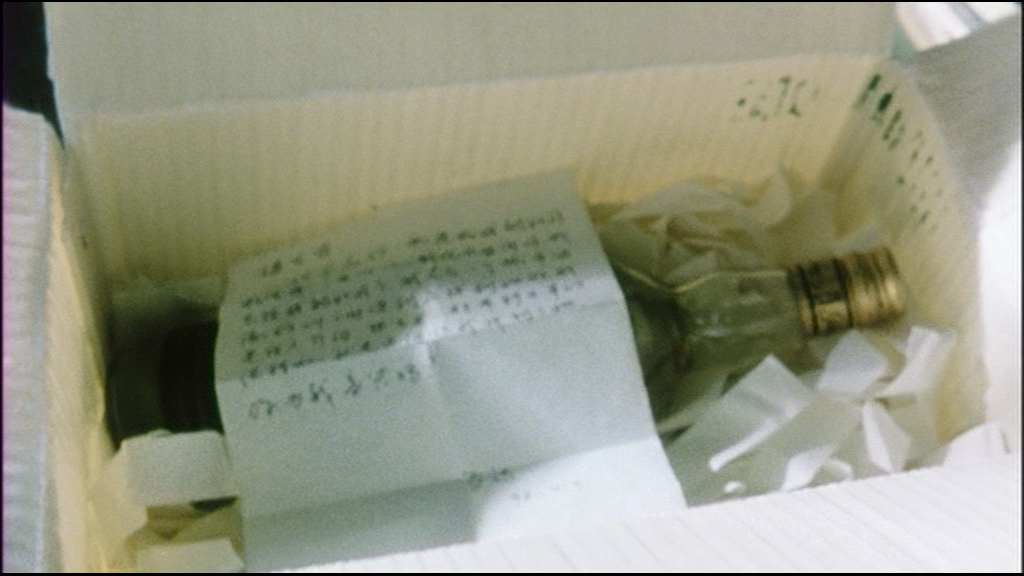
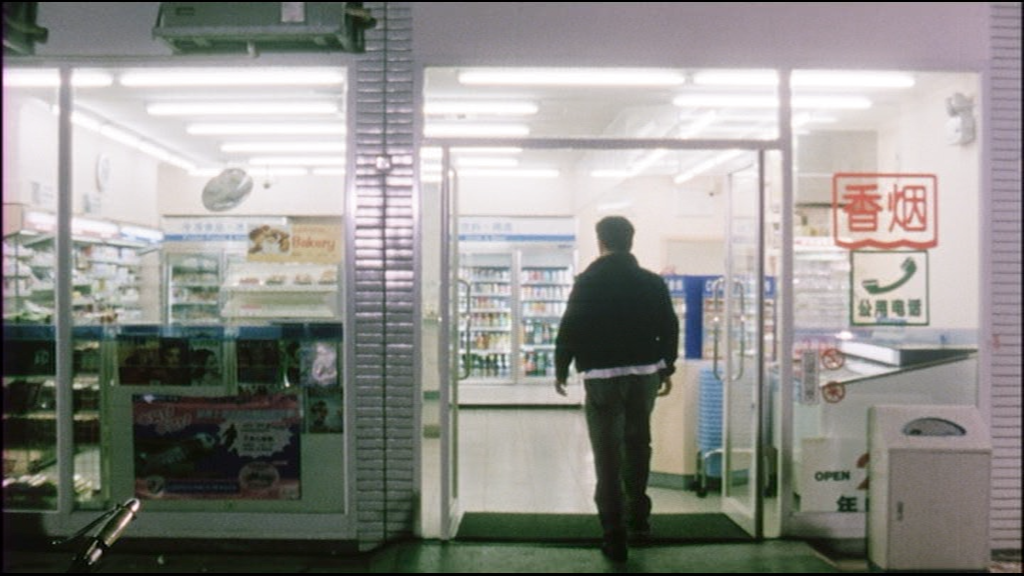
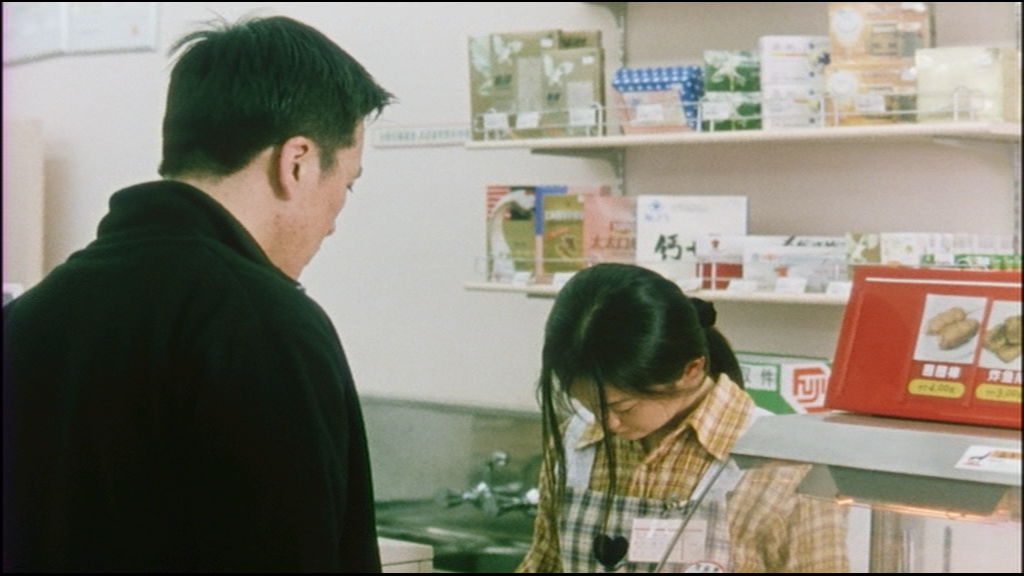
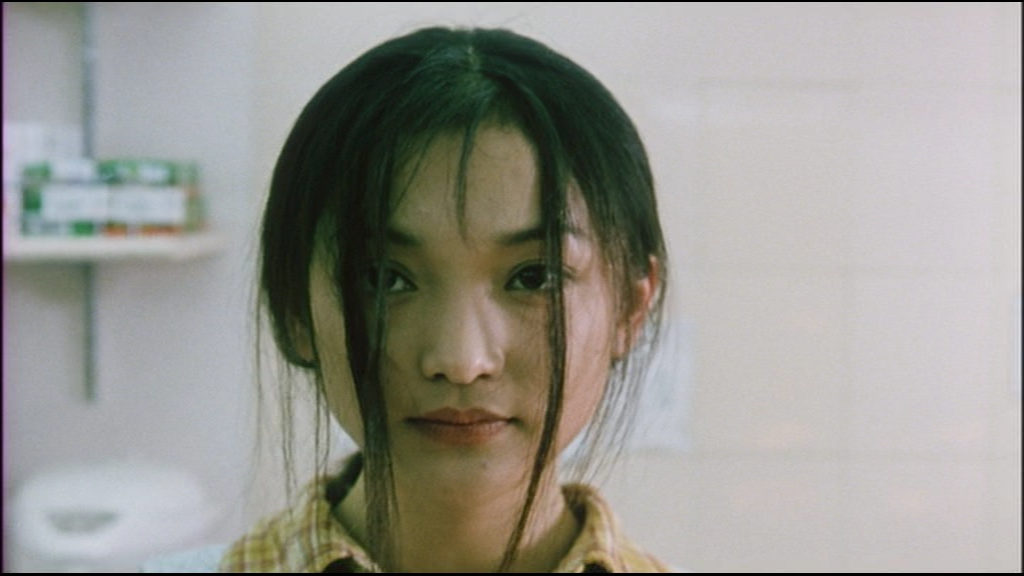
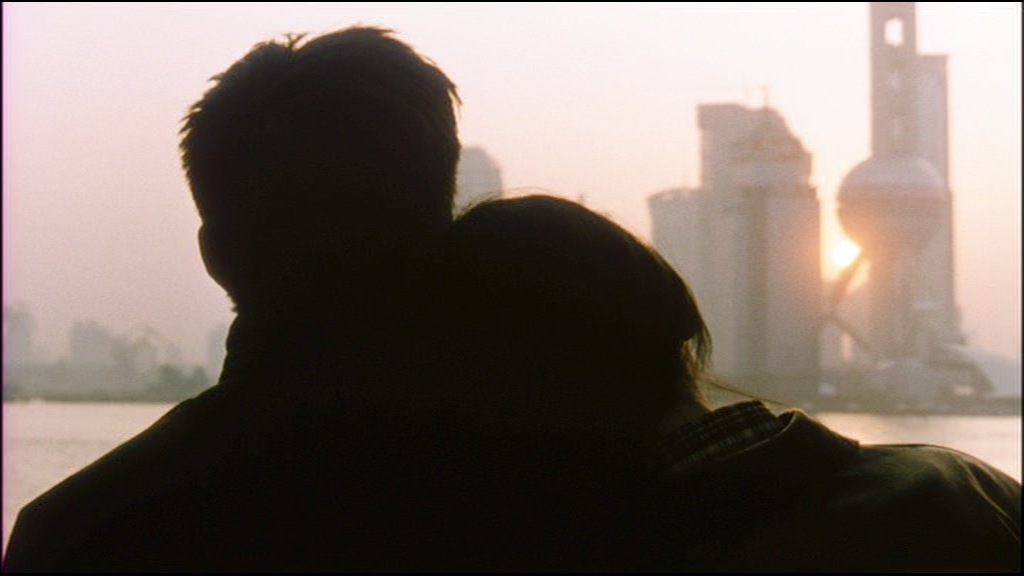
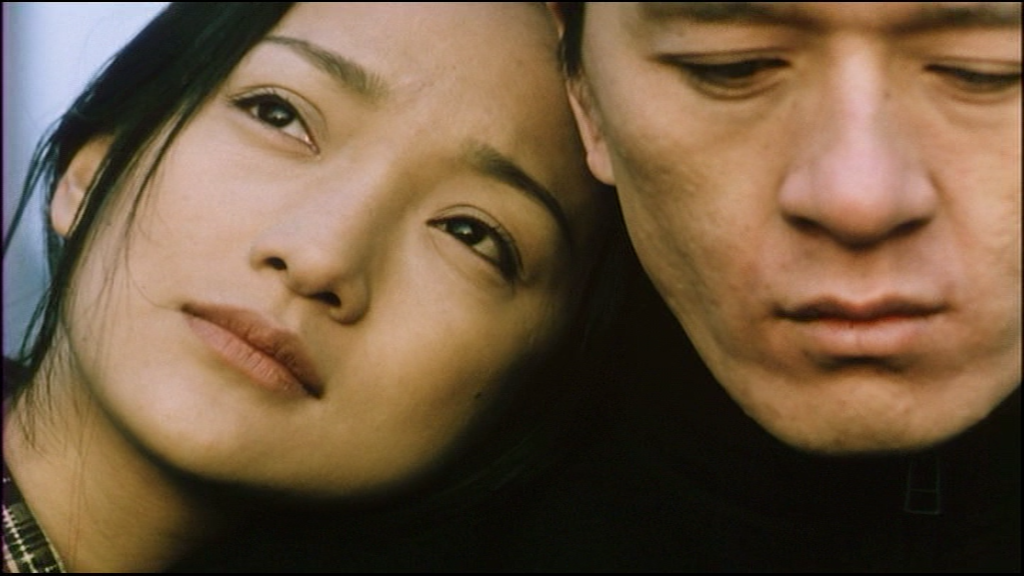
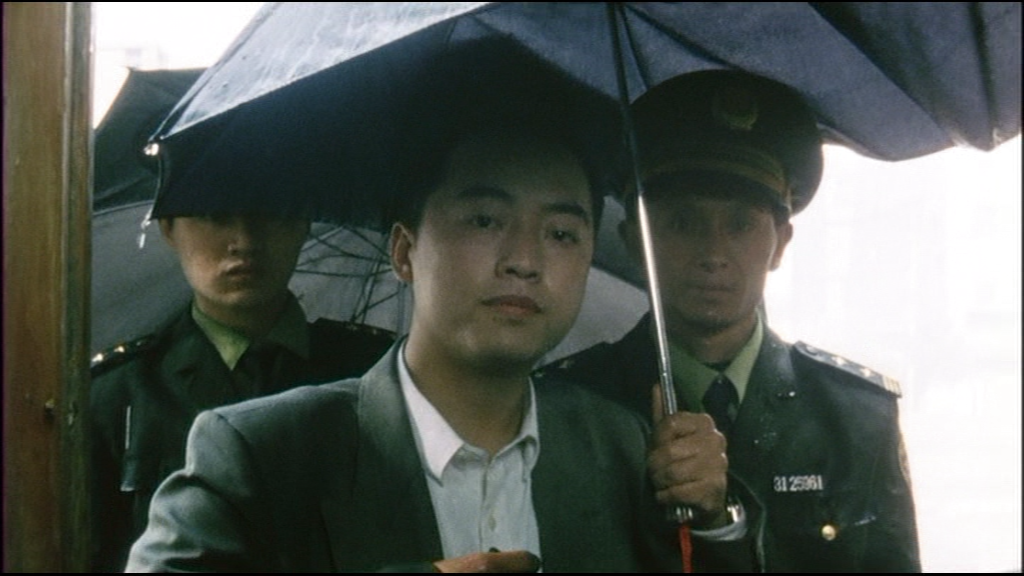
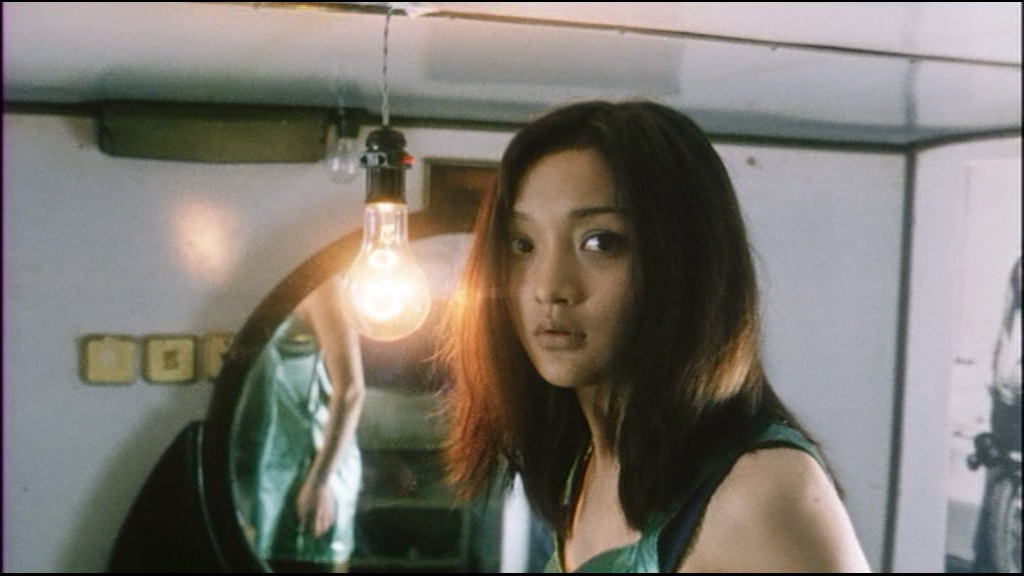
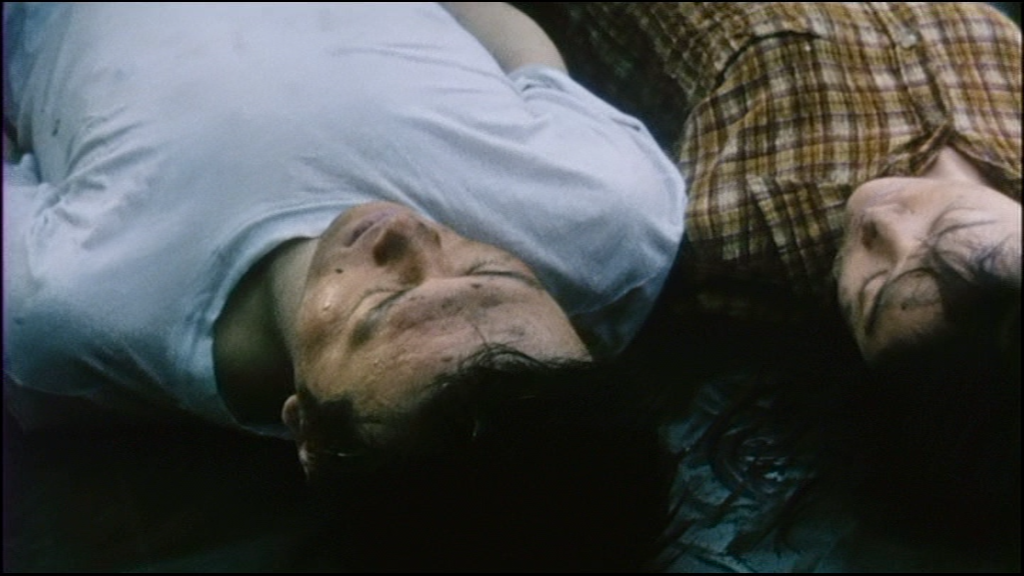
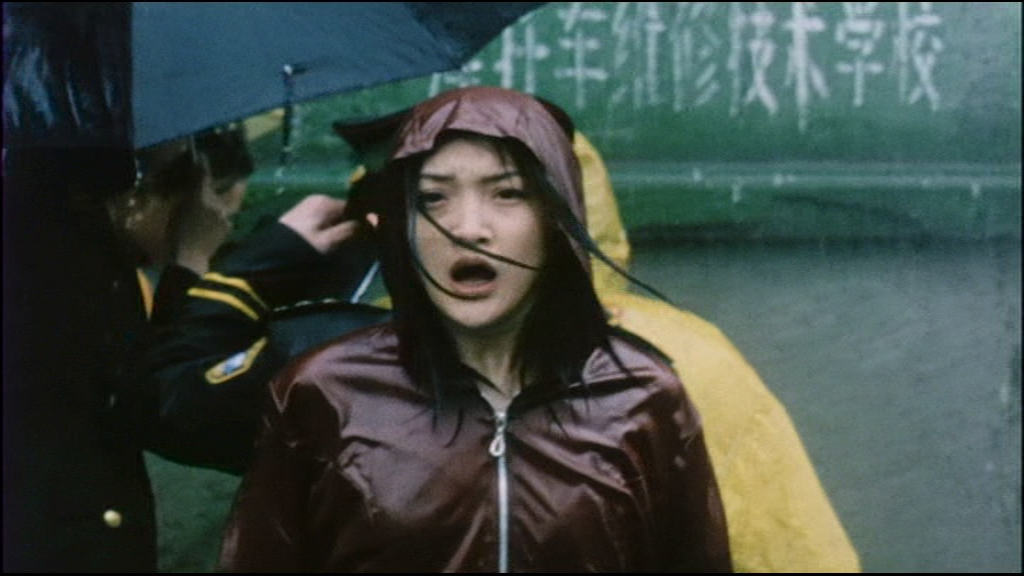
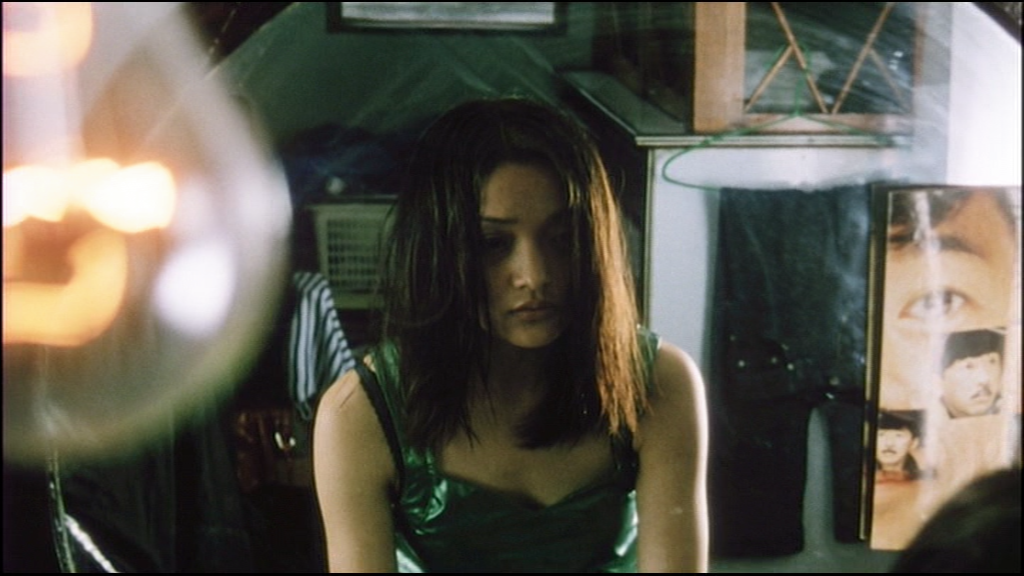
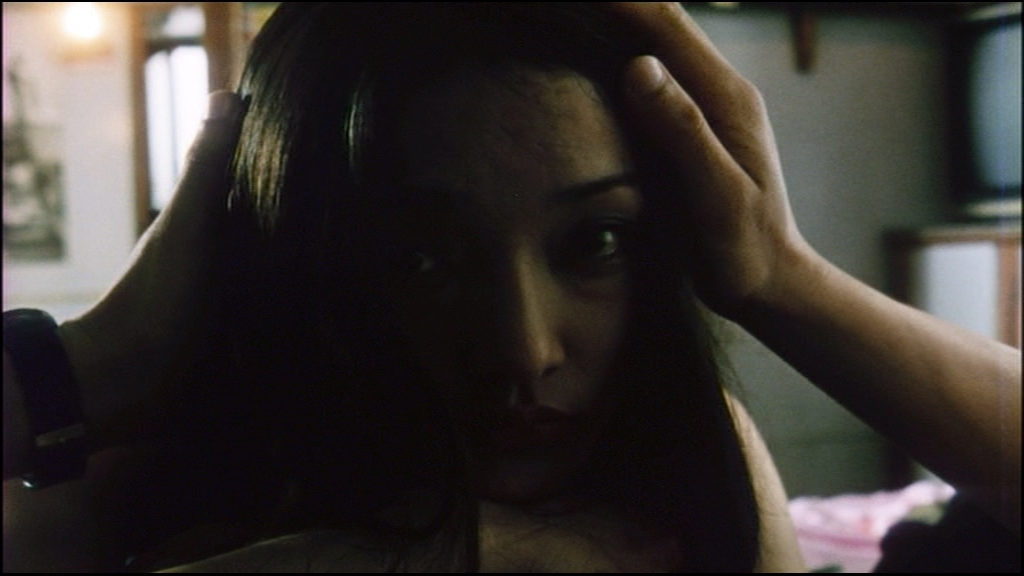
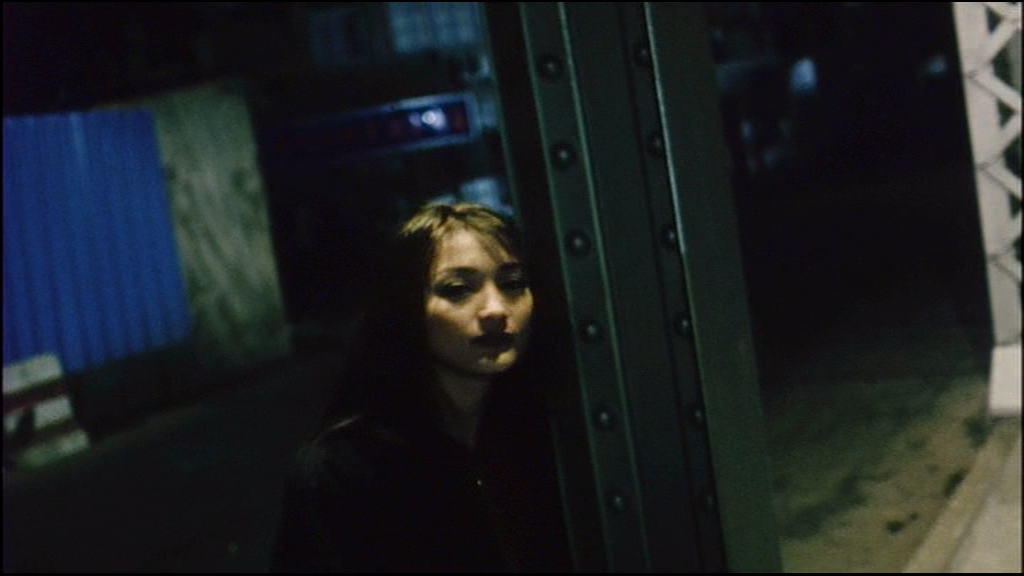
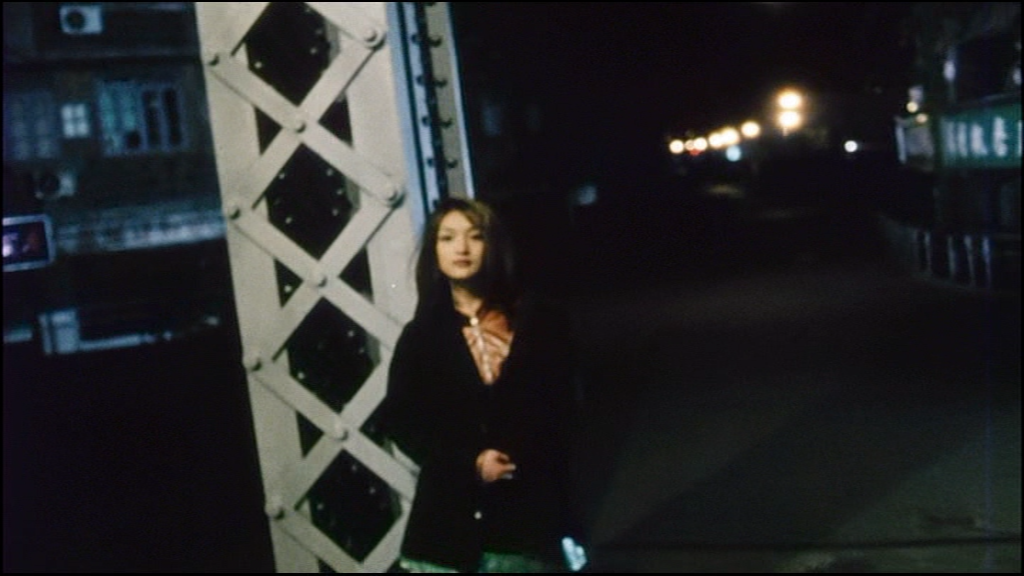
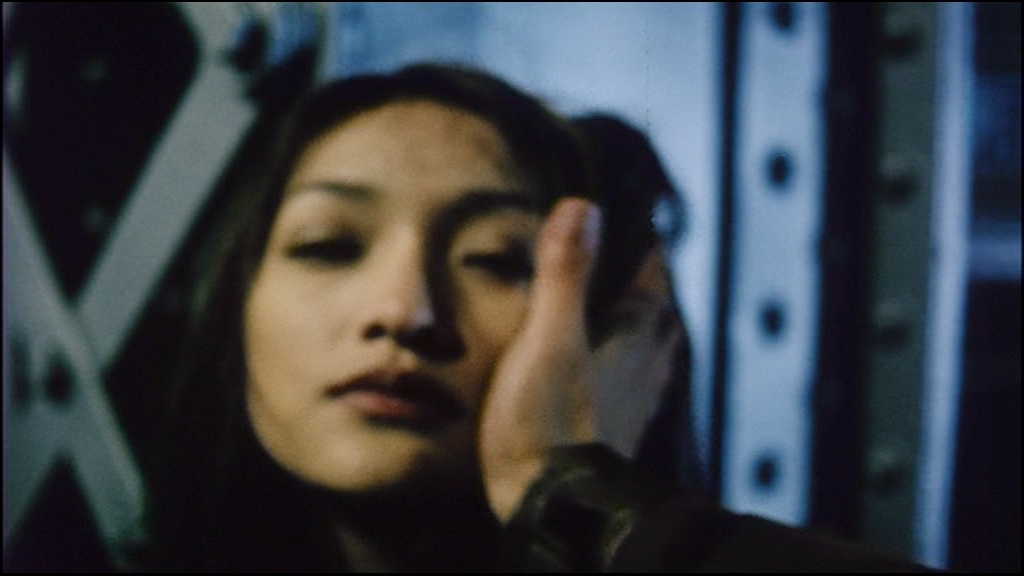
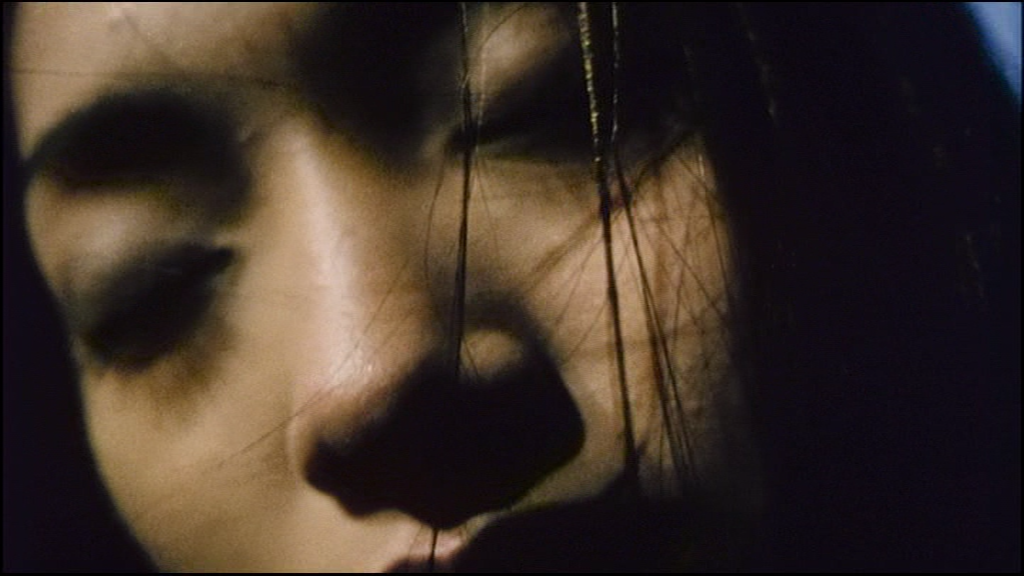
You know all those trendy nostalgic dreamcore reels on Instagram? Well this is basically the feature film where that style originates, revealing why that romantic style is so popular today. Chinese cinema is not really known for these type of indie art films so Lou Ye managed to capture lightning in the bottle. Suzhou River is a POV shot gritty love film in the perspective of an unreliable narrator, however it is more psychological drama than romance. What is romantic is its free flowing handheld cinematography and 16 mm texture, providing intimate closeups to generate voyeuristic memories. Lou Ye immersively transports you to 2000s Shanghai in the shoes of a videographer, regardless of what you think of the gimmick. There are dream sequences and surreal neon lights, but the film is rooted in a gritty realism, leaning into its filmic visuals. Although this film may look old, it has aged tremendously and might even be better made for 2026.
Analysis:
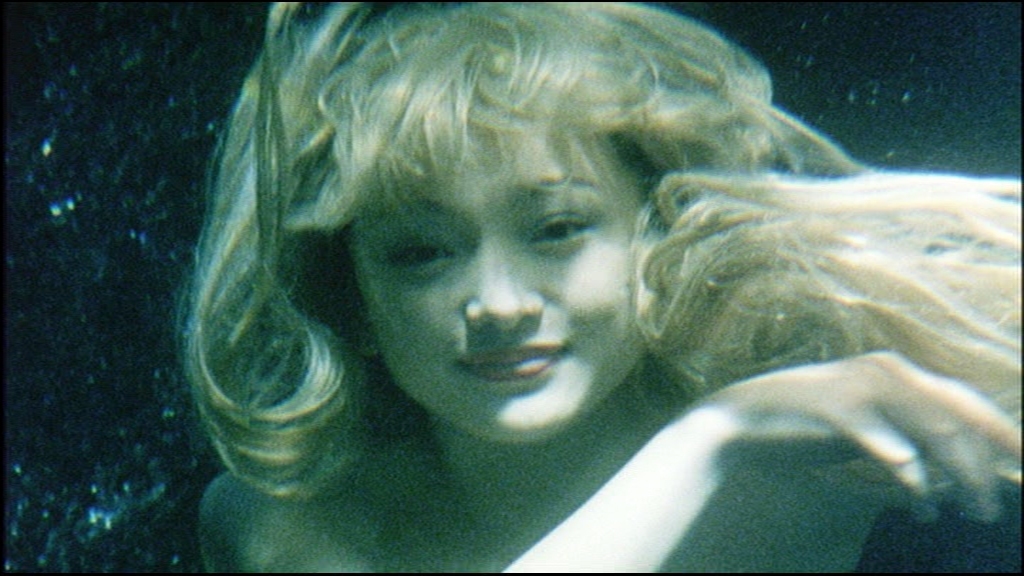
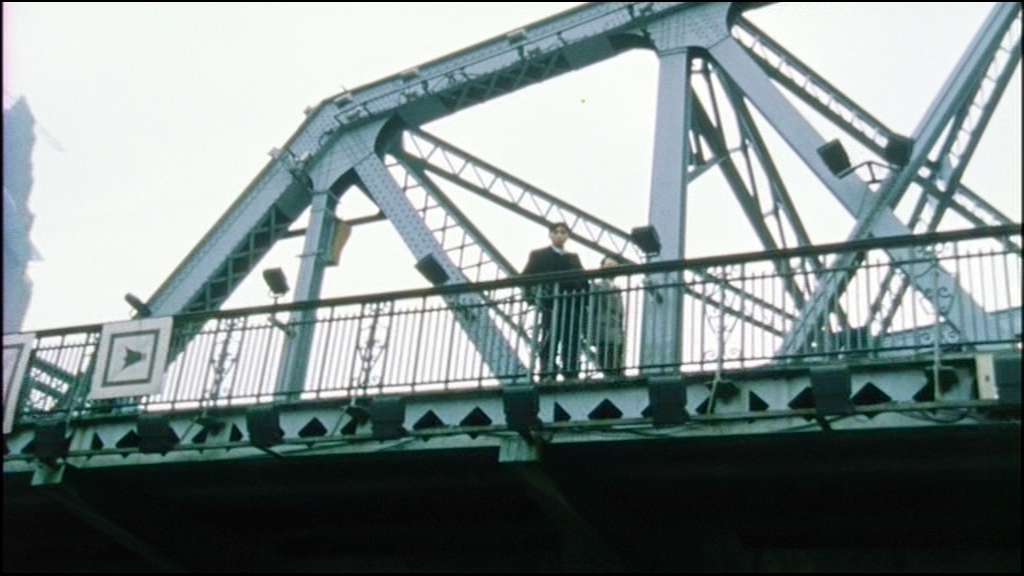
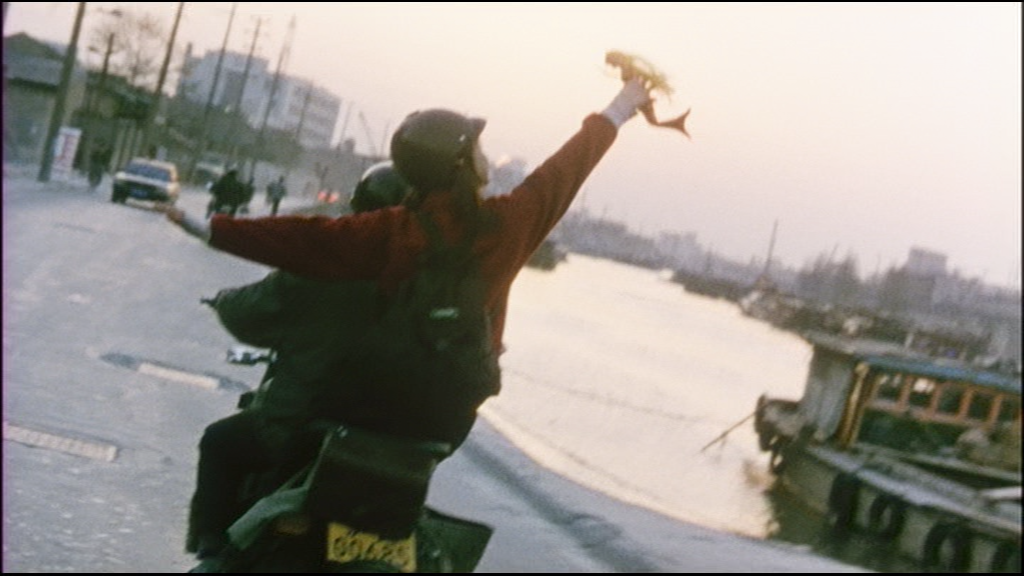
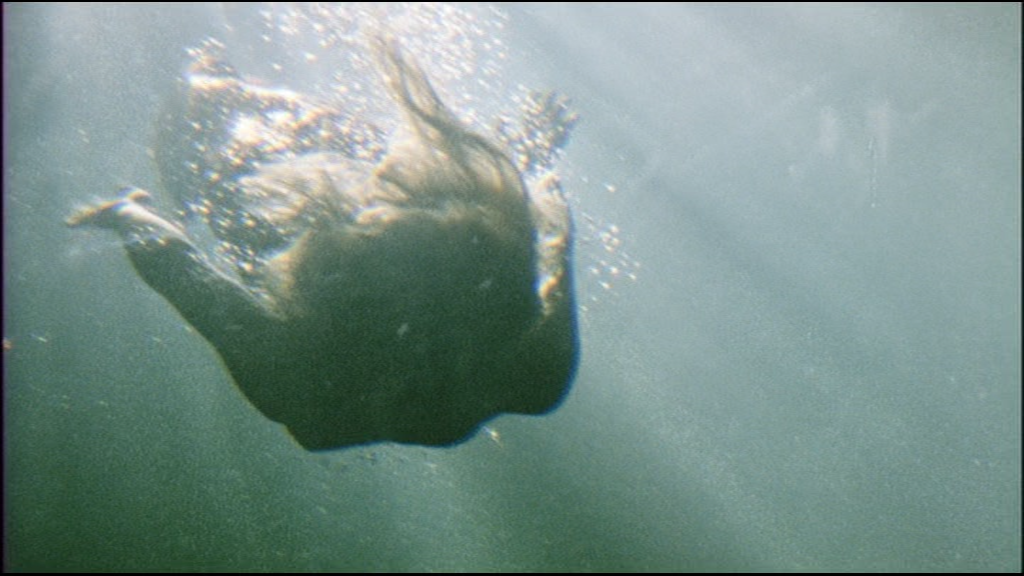
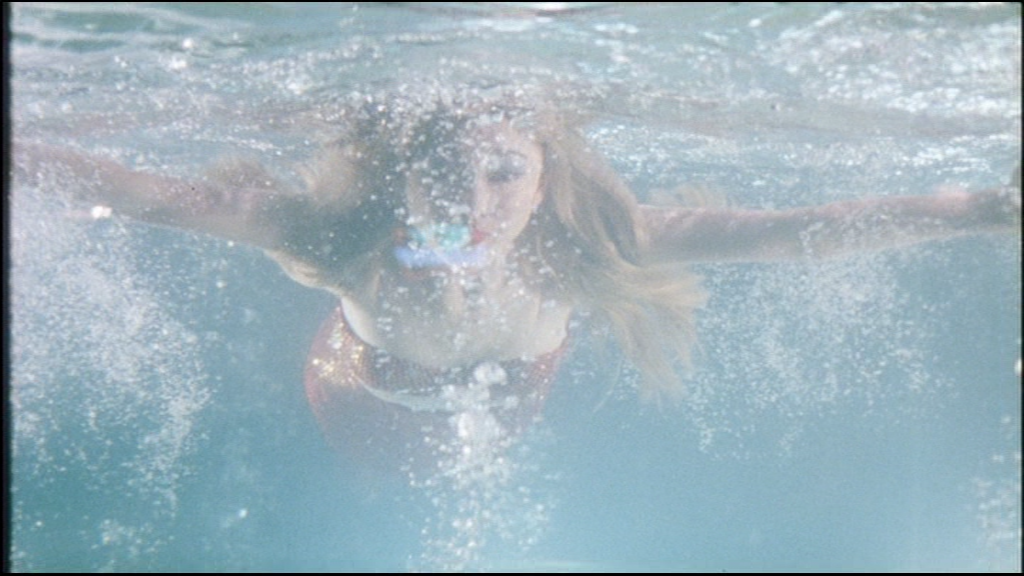
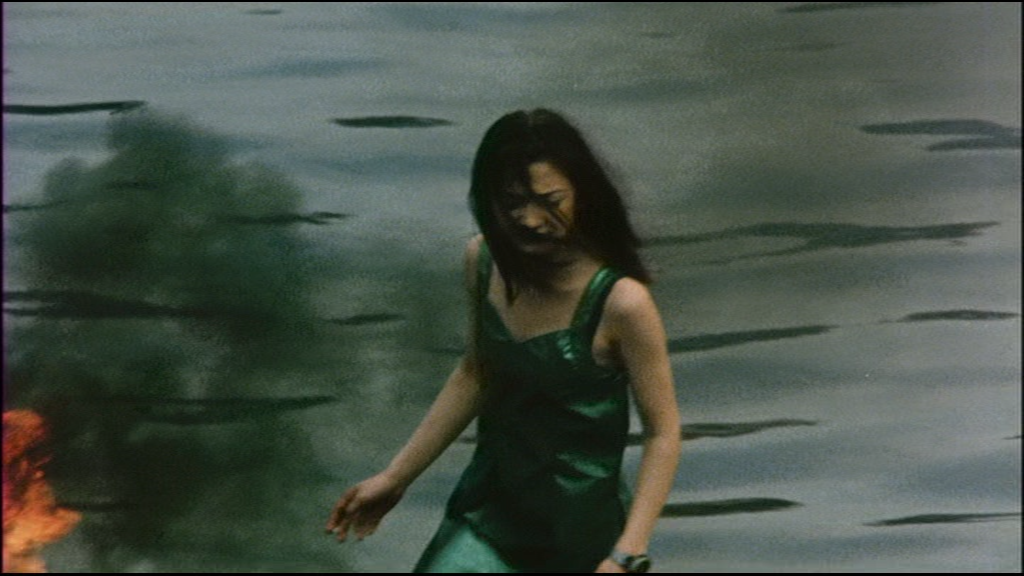
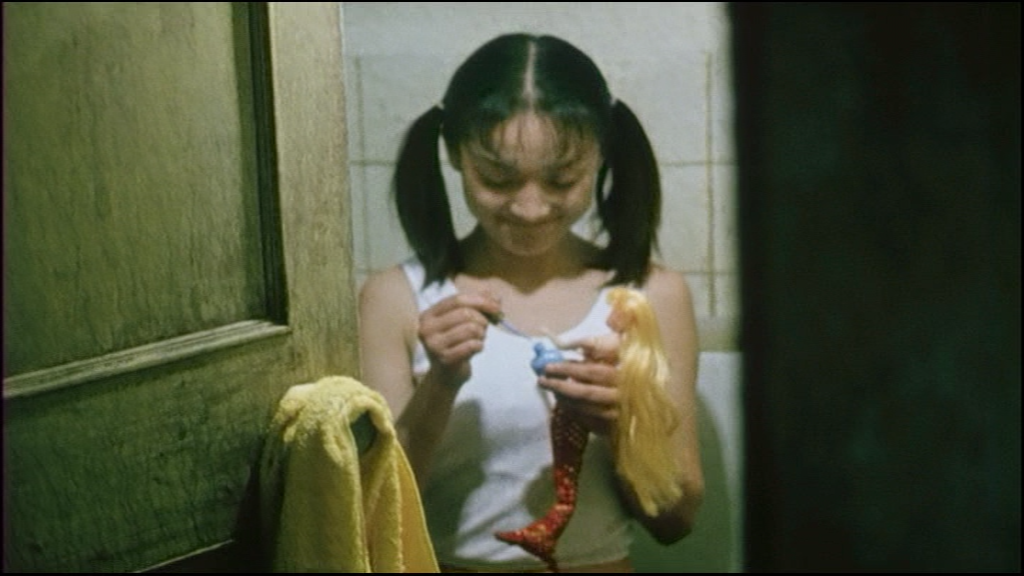
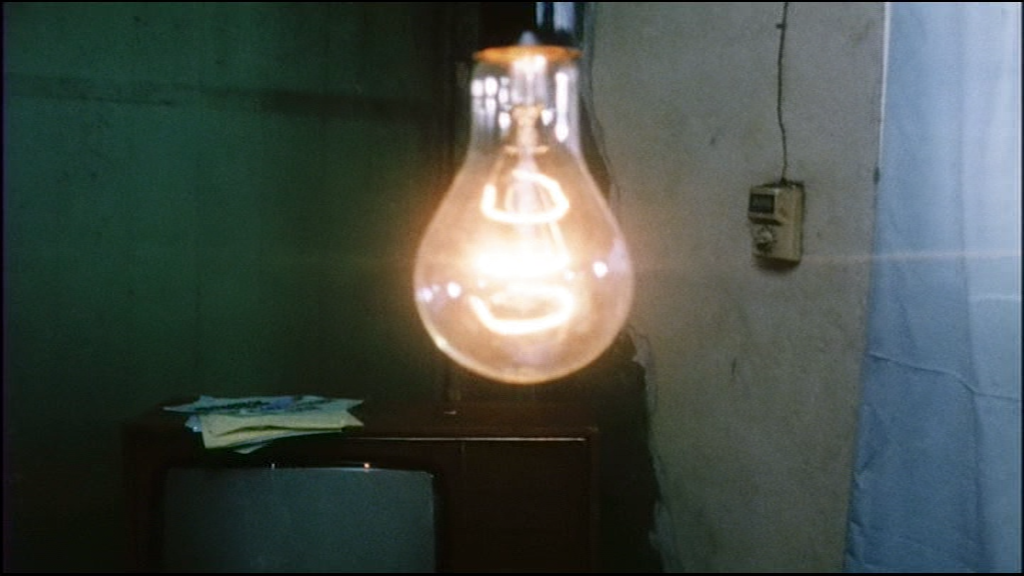
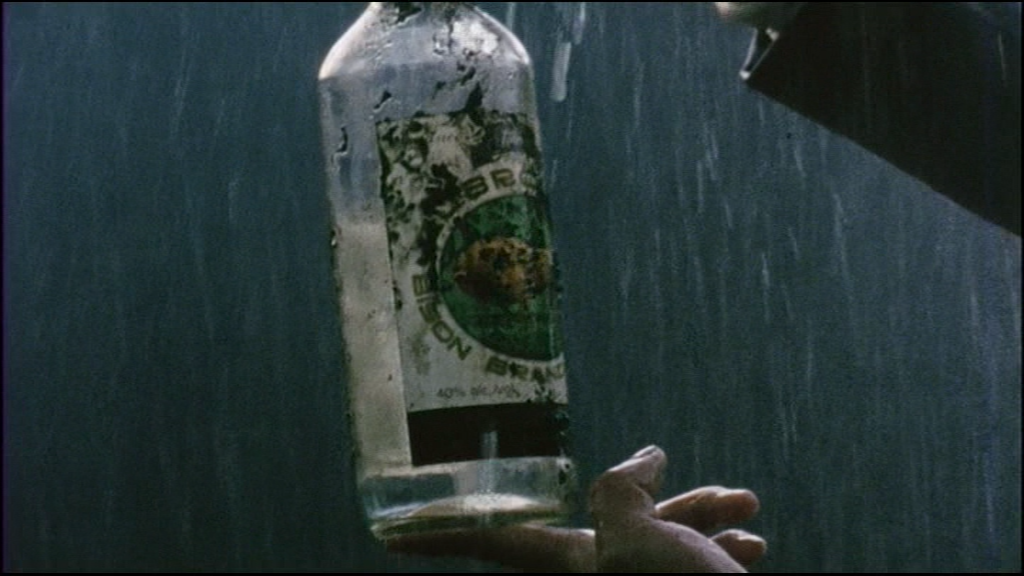
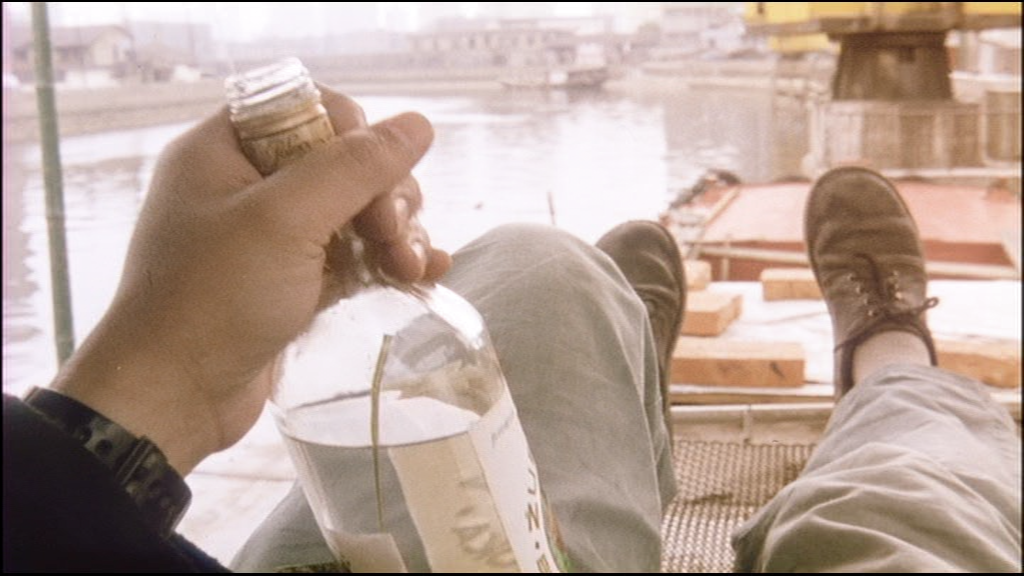
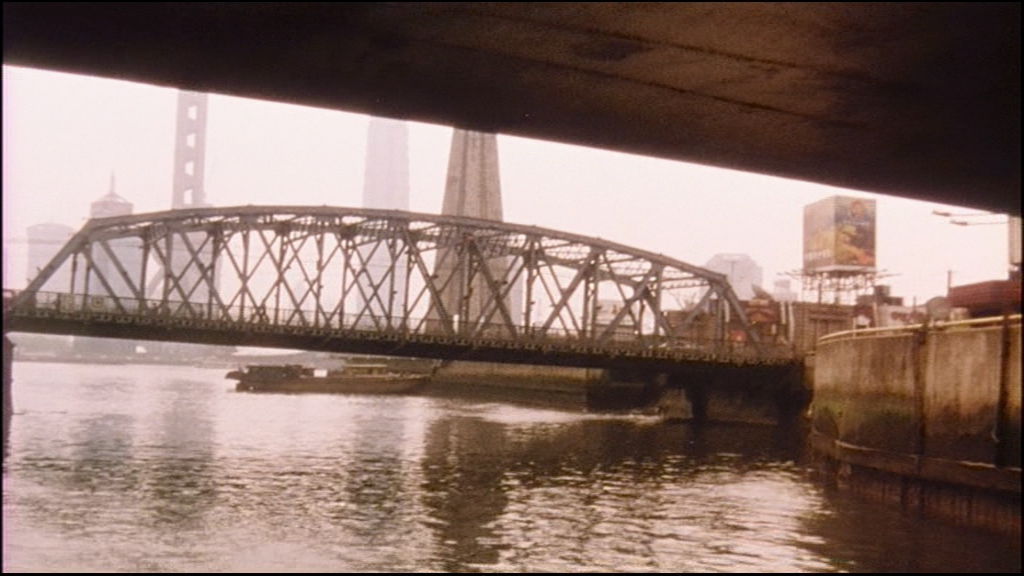
There are awkward plot points throughout the film if you take the narrative seriously, which is understandable because gritty realism permeates most of the film. However if you understand Chinese cinema and censorship, you’d be familiar that most Chinese art is abstract and poetically vague and this film is no different. Looking past the logic behind the doppelgänger, kidnapping, and unnecessary suicide, you’ll come to the conclusion that they all serve as thematic metaphors. The film is primarily about love through the lens of filmmaking. As the narrator states in the opening, he only intends to capture truth with his videography through voyeuristic memories, peeking through doors at an enigmatic beauty. We are in essence forced to watch the director’s point of view of how he views Shanghai, his love made even more evident with the supplementary short documentary film that comes with the film. In it, he narrates how Shanghai has changed (imagine what he would think of it now) and questions whether he even recognizes the modern skyline. The main character’s love for the woman is actually a metaphor for the director’s love of Shanghai. We can make this link due to the use of doppelgängers in the film, where Meimei and Moudan look identical. Moudan ends up drowning into the Suzhou River after getting drunk with Mardar, heavily suggesting reincarnation into Meimei and the narrator. Jumping off the bridge into a mermaid only to disappear makes this abstraction even more clear. The rest of the commentary then explains his passivity in observing the changing city he once knew from gangster kidnapping opportunists reincarnating into the modern Shanghai now. A lot of directors including Jia Zhangke with Ash is Purest White seem to be obsessed with this time period. Lou Ye has a neutral stance, claiming the change to be neither good nor bad, just matter of fact. Although Shanghai changes, the Suzhou River doesn’t. That’s why there are abundant scenes of bridges, skylines, and lightbulbs.
Conclusion:
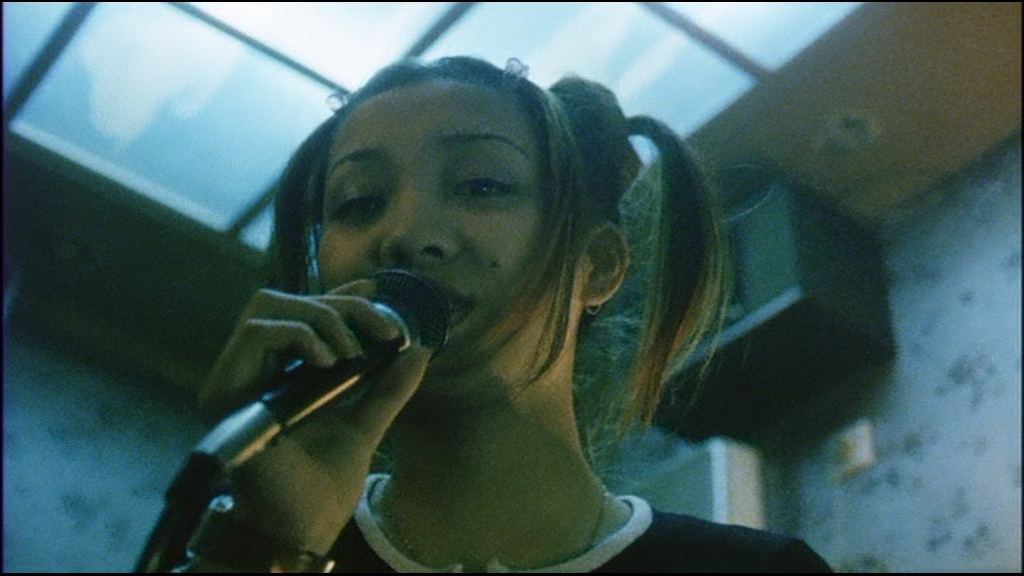
If you talk to any Chinese cinephile, they likely already love Suzhou River. This is a perfect storm of magic never to be replicated again by the director, a time capsule bringing you back to the age of Nokias, DVDs, Napster, and Karaoke in a foreign city. What was most impressionable to me was coincidentally watching this film in a modern Shanghai and seeing how different it has become. There is a growing fixation amongst Chinese yearning to go back to simpler Y2K times and this film perfectly encapsulates everything about the movement. I would strongly recommend to watch the short documentary film Lou Ye made to pair with this film, which may even be better than the main film due to its poetic realism. For romantics that love to dream or would at least like to be transported back to Shanghai, this may be one of the most honest love letters from mainland Chinese cinema. Unfortunately the film was banned for entering a festival without government approval, but Chinese and Western film lovers should enjoy it either way.
Recommendations






Love burns hotter the colder the war.