
Oasis (2002)
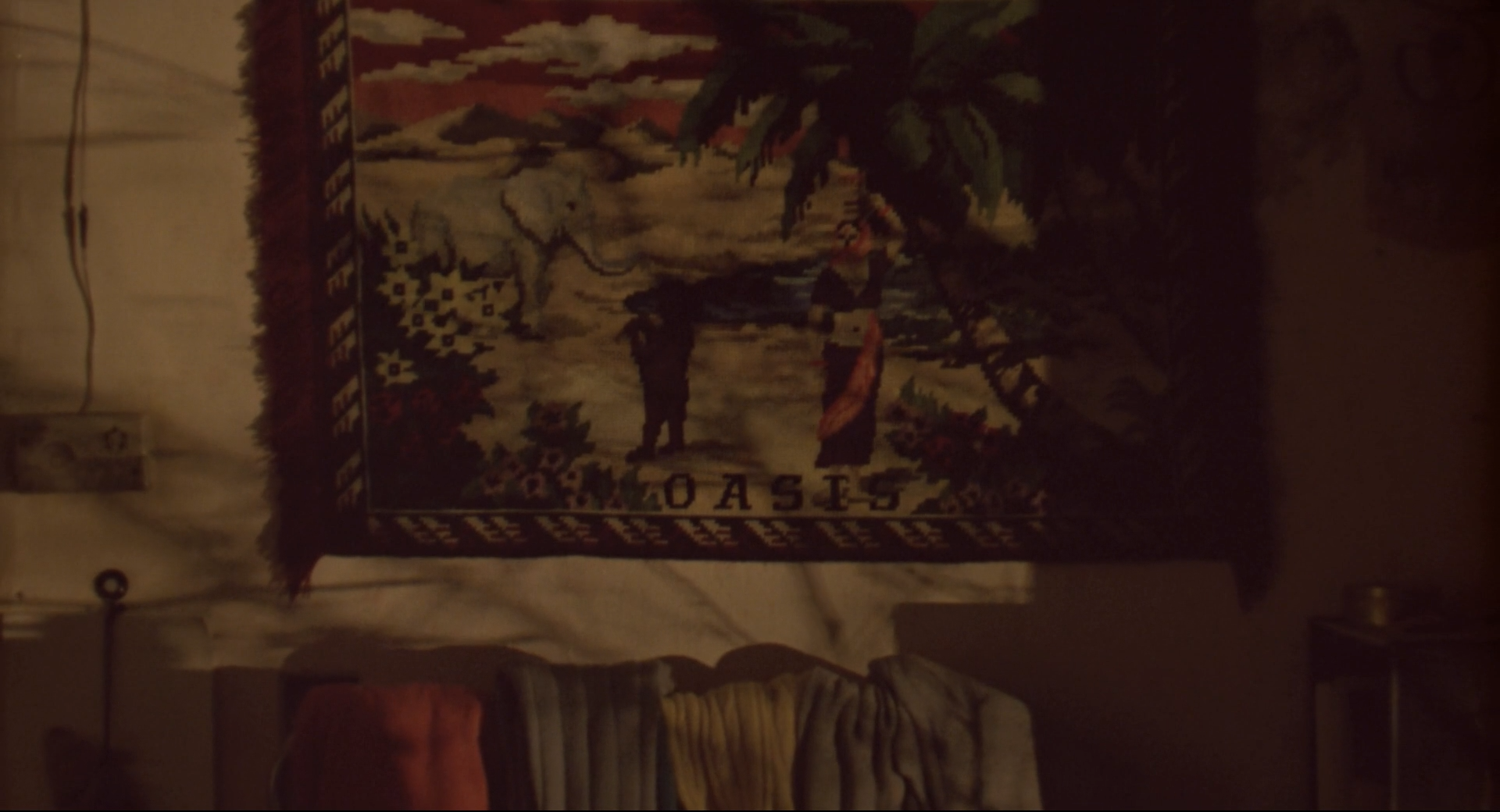
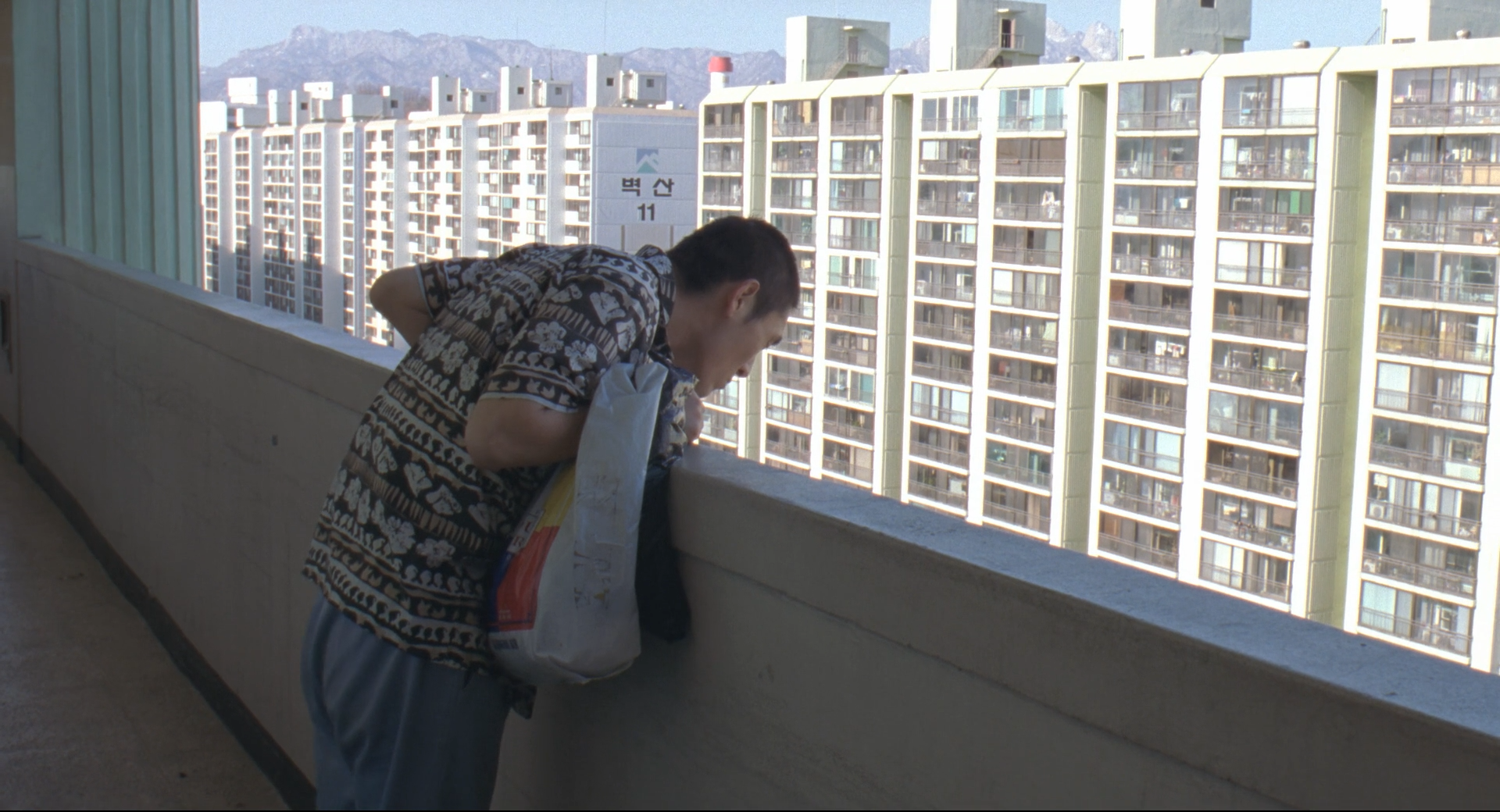

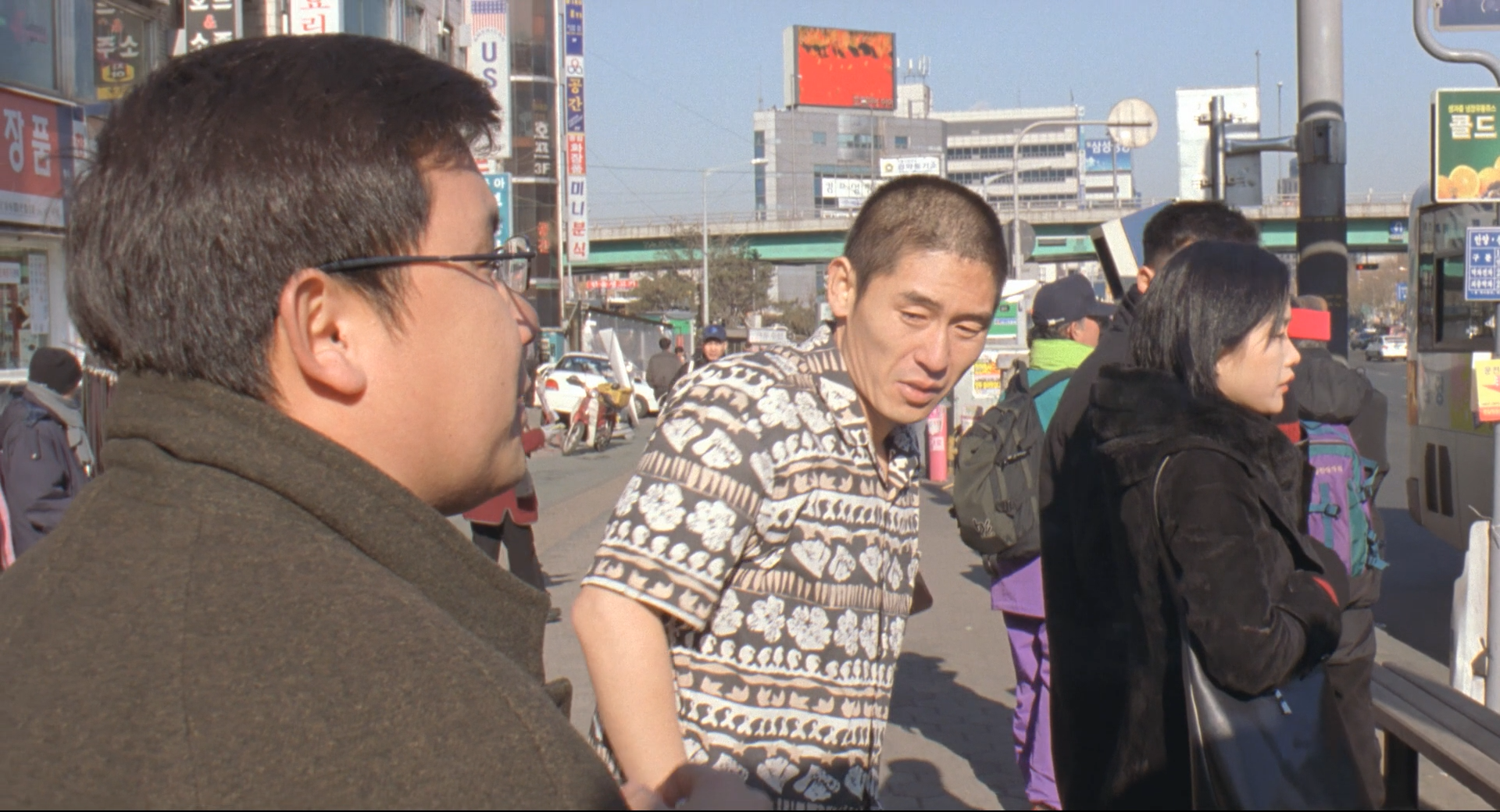
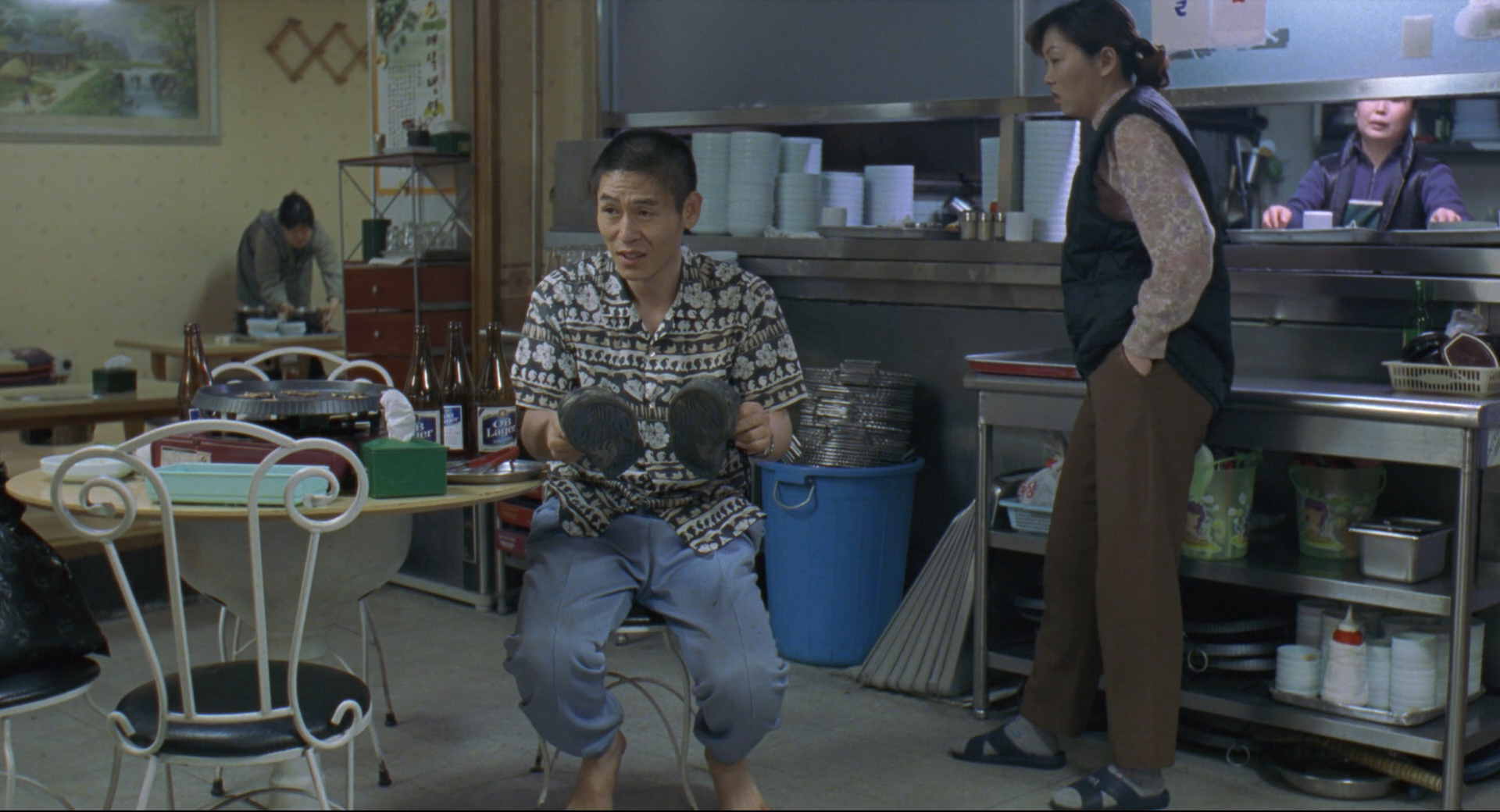


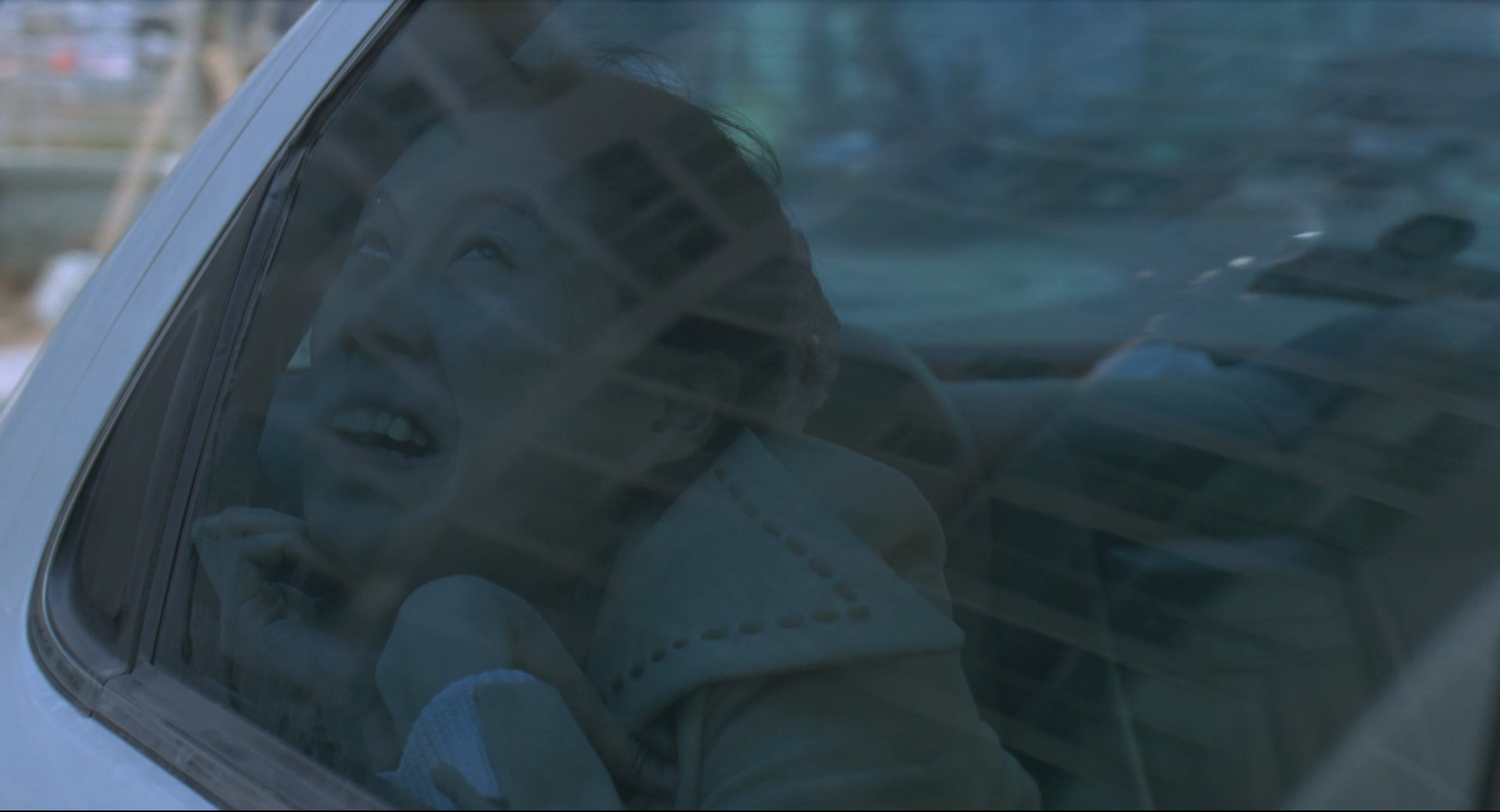
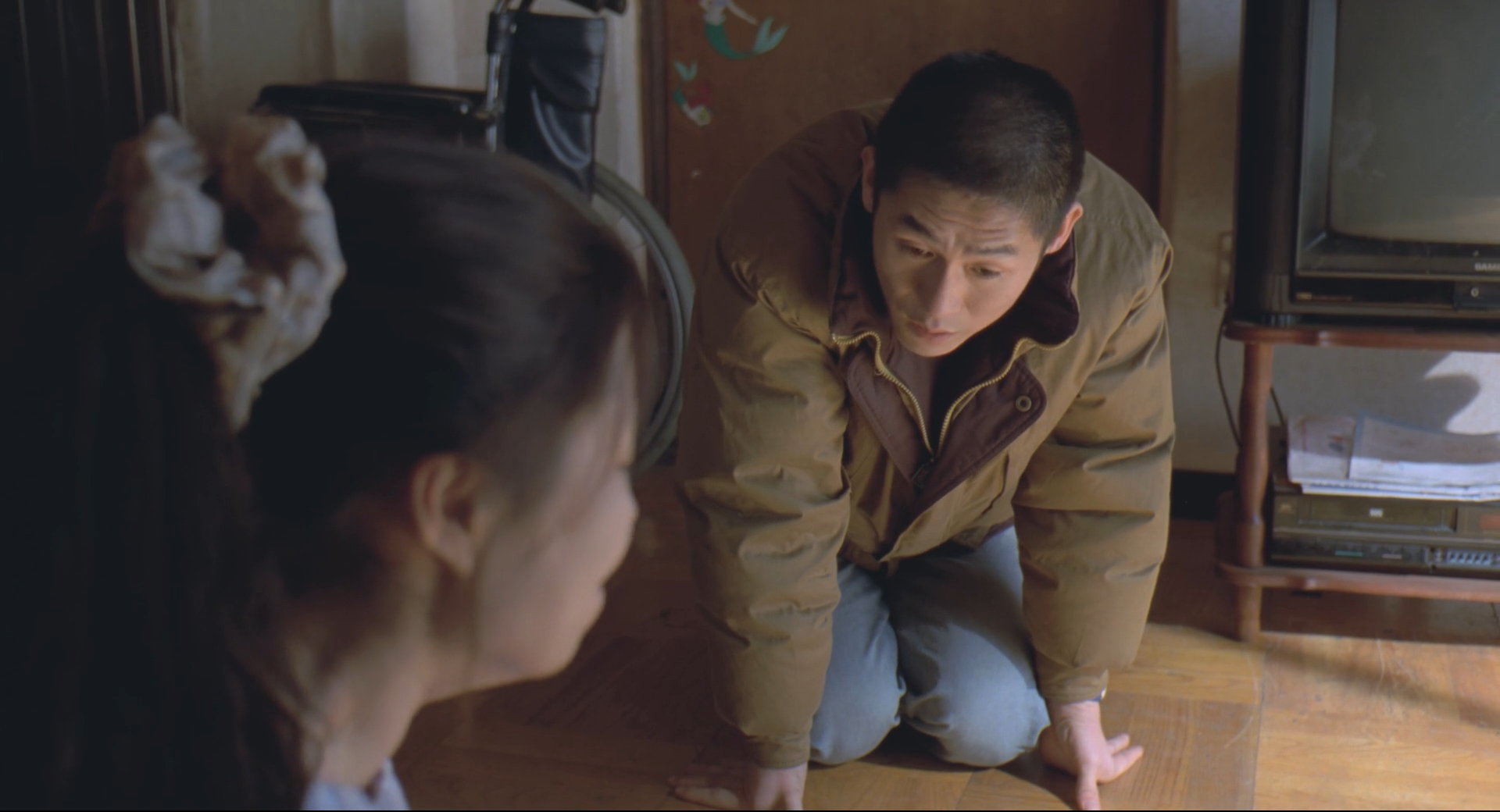
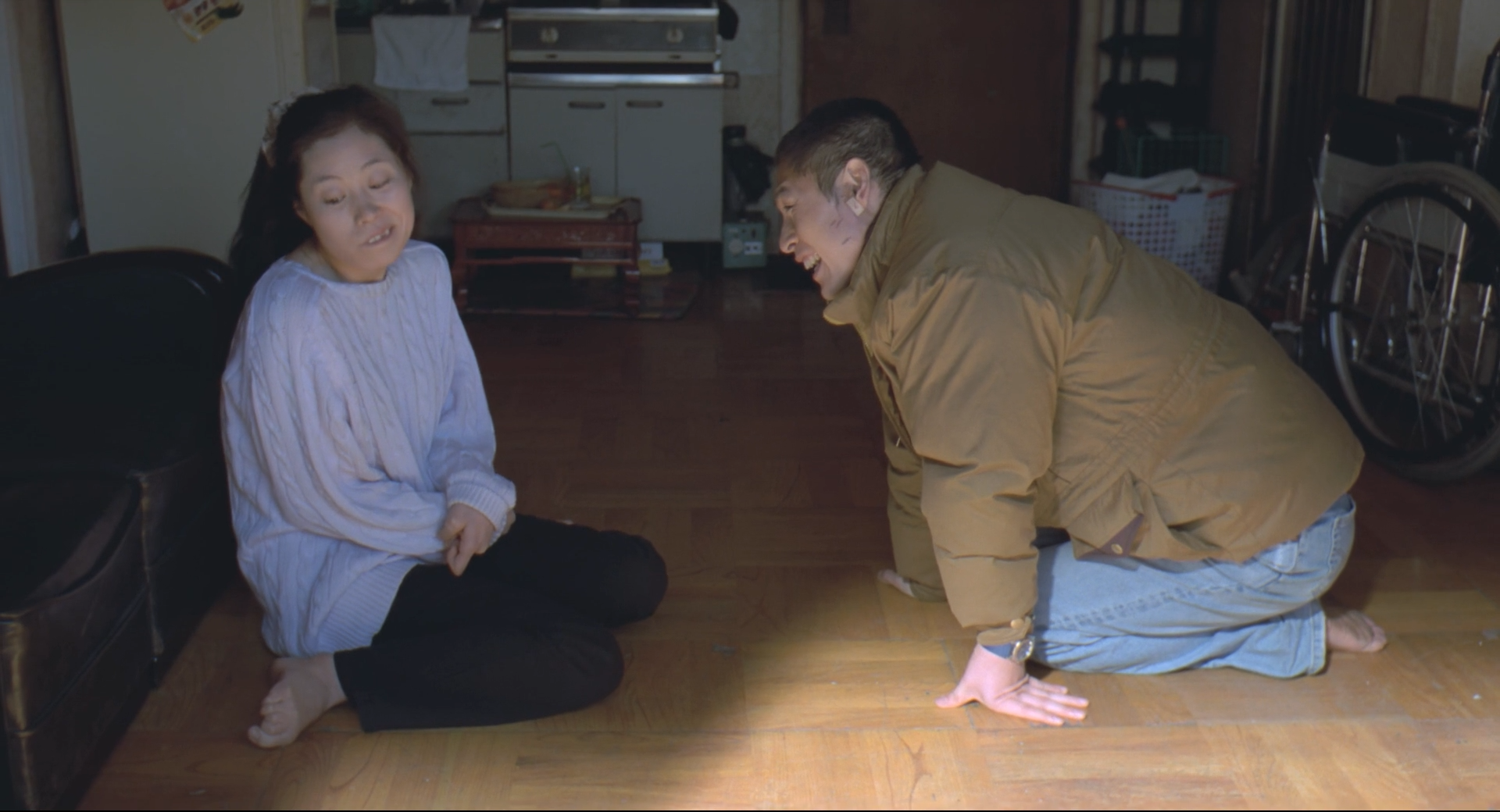
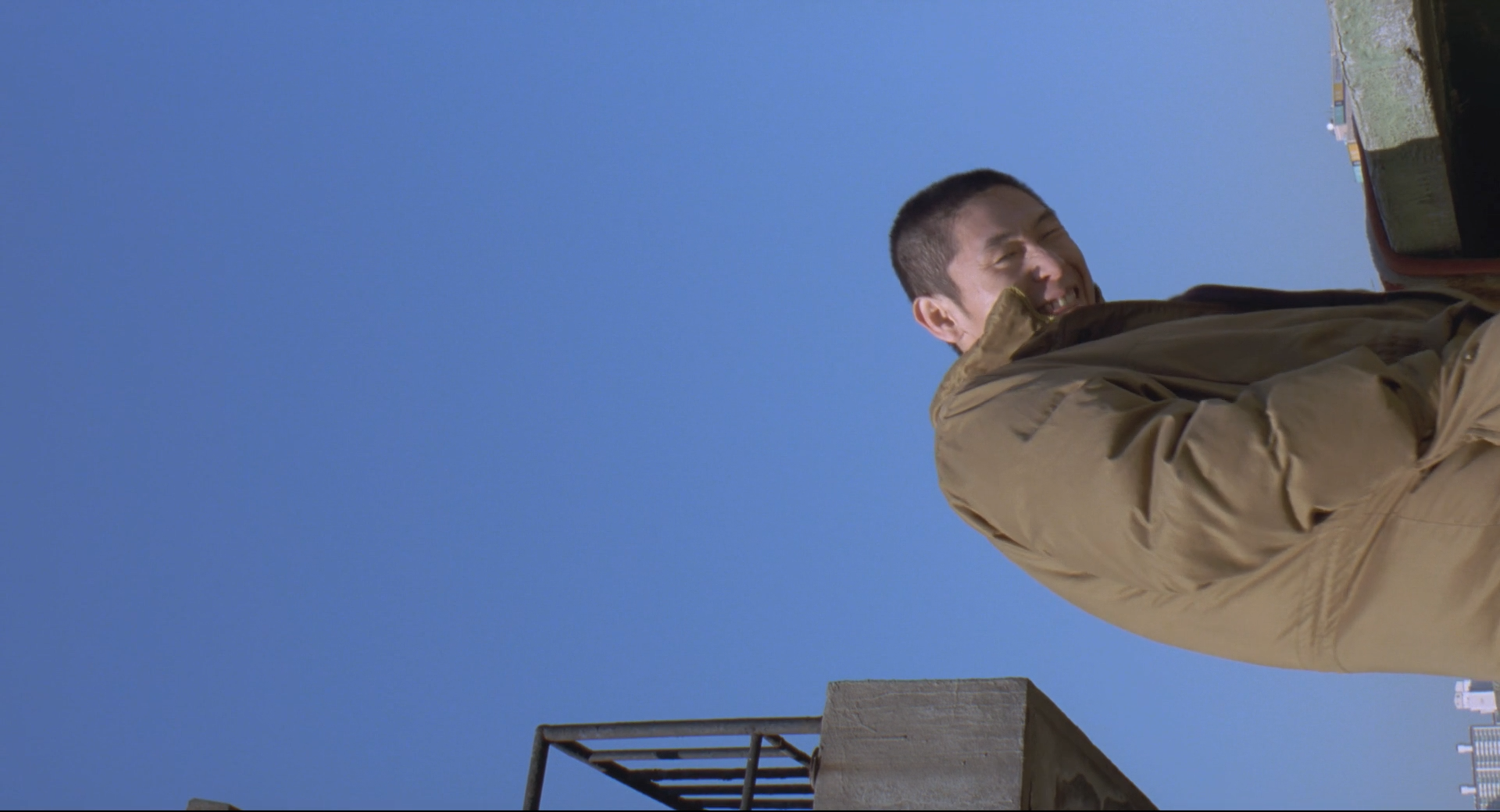

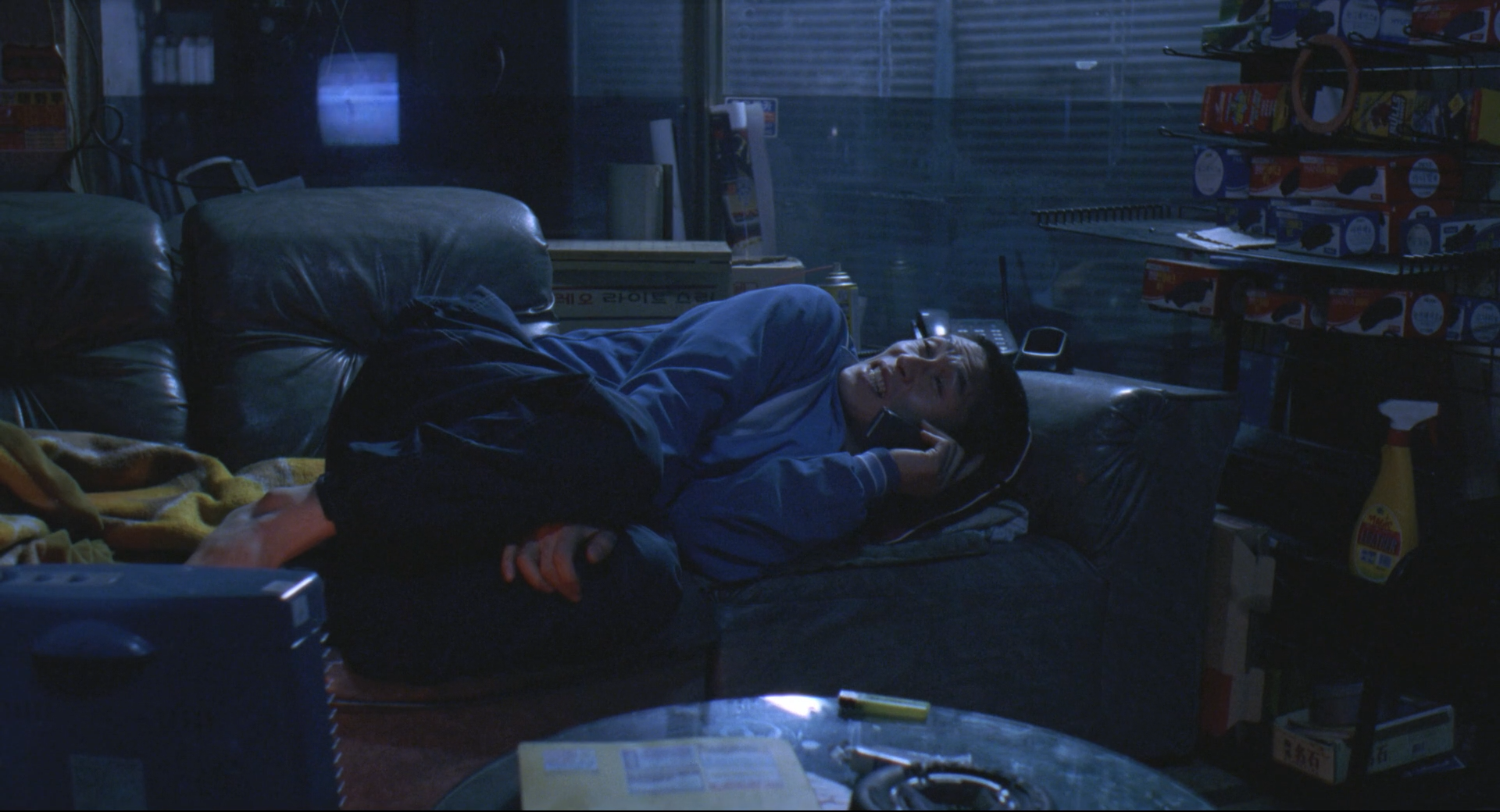
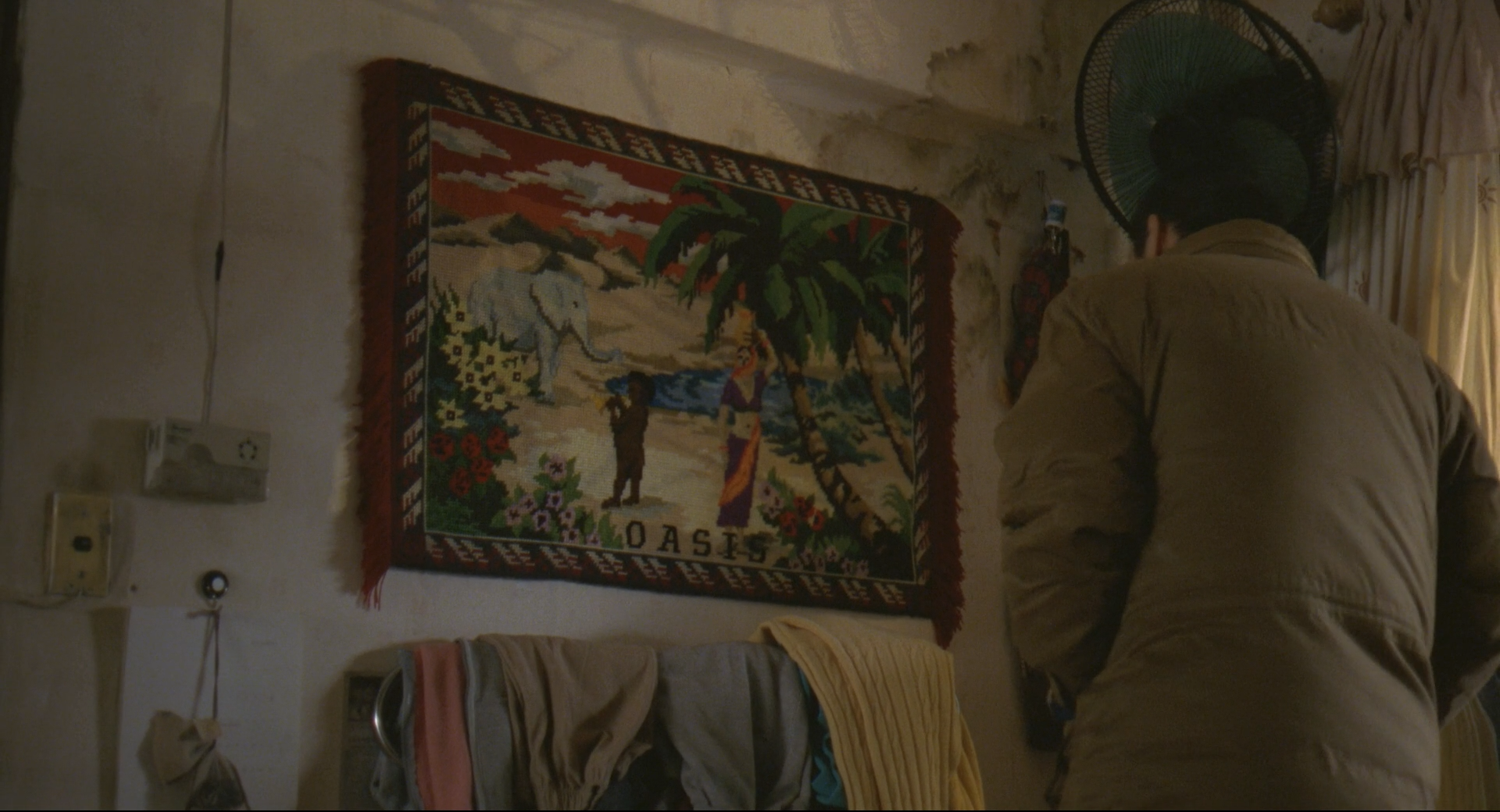
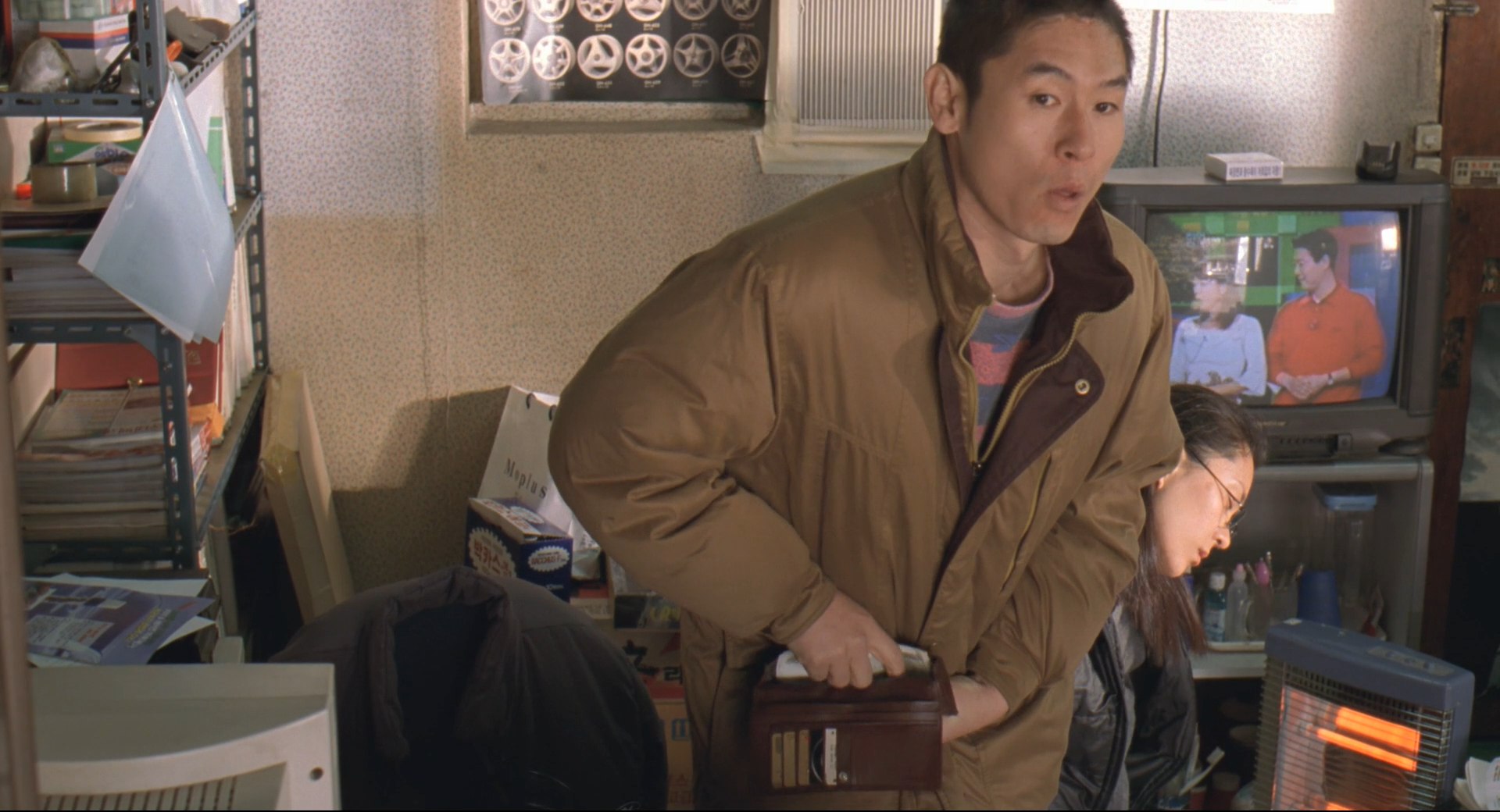
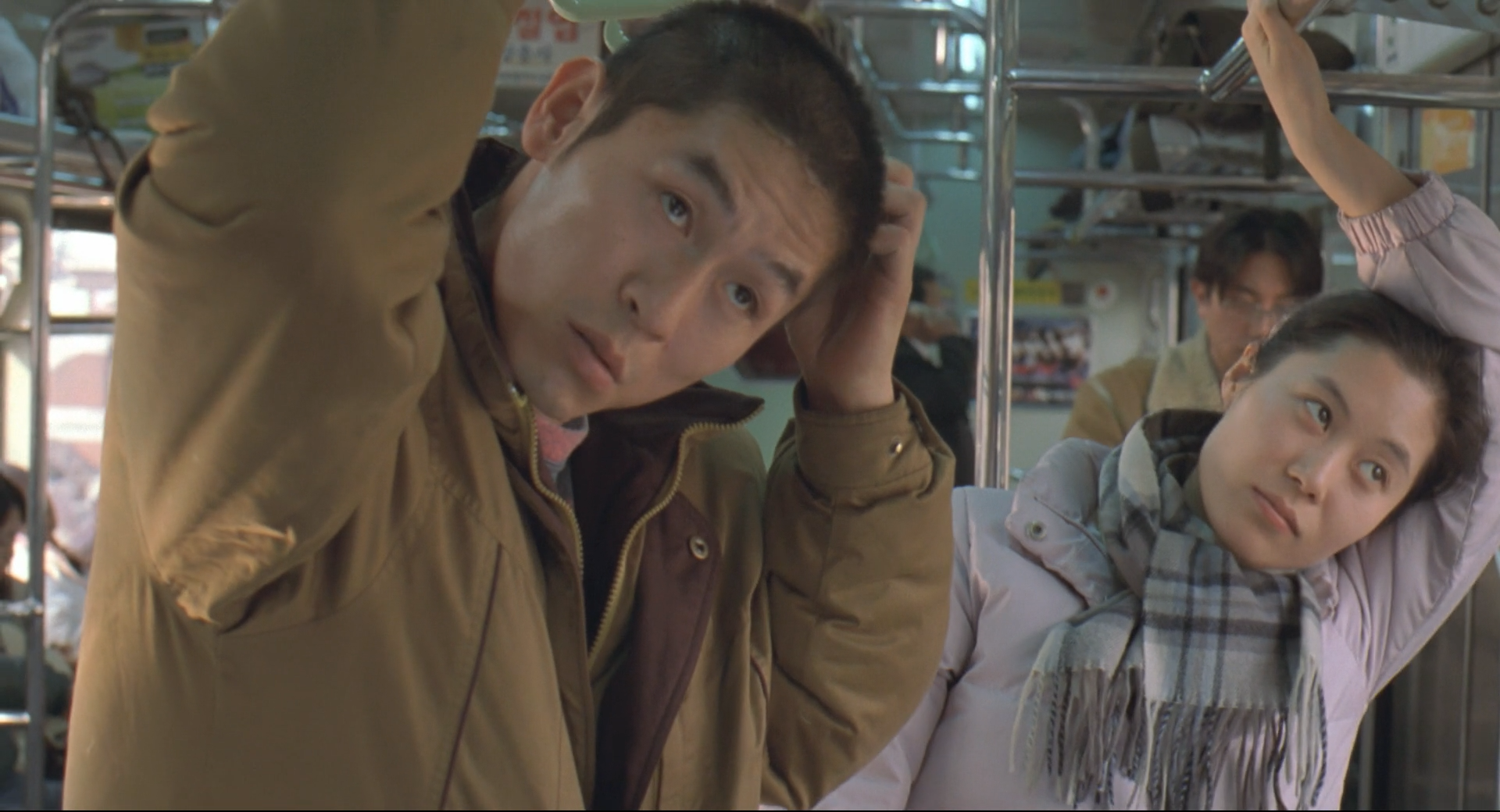
Lee Chang-dong finds humanity where no one else does.
Presentation:
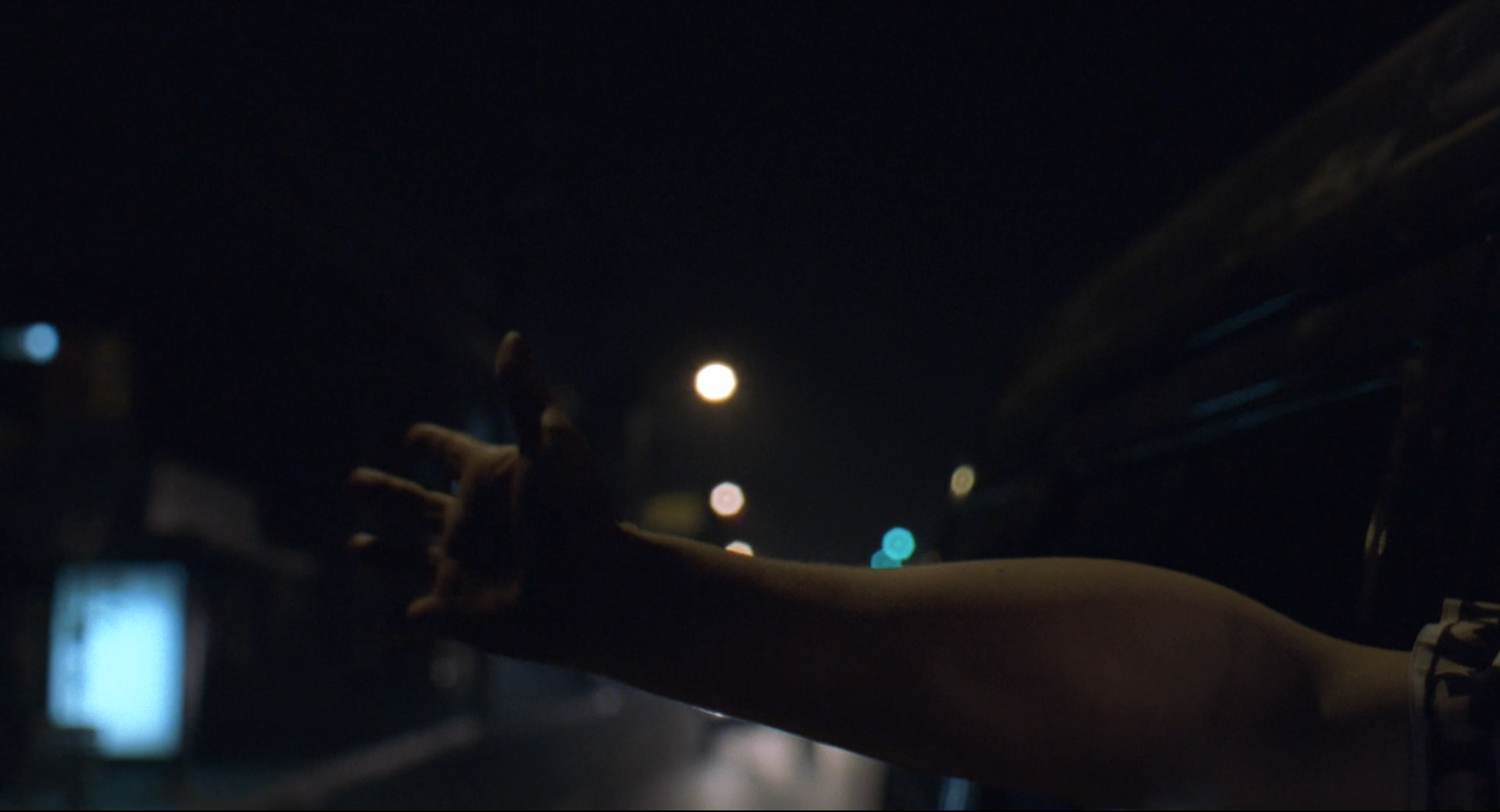
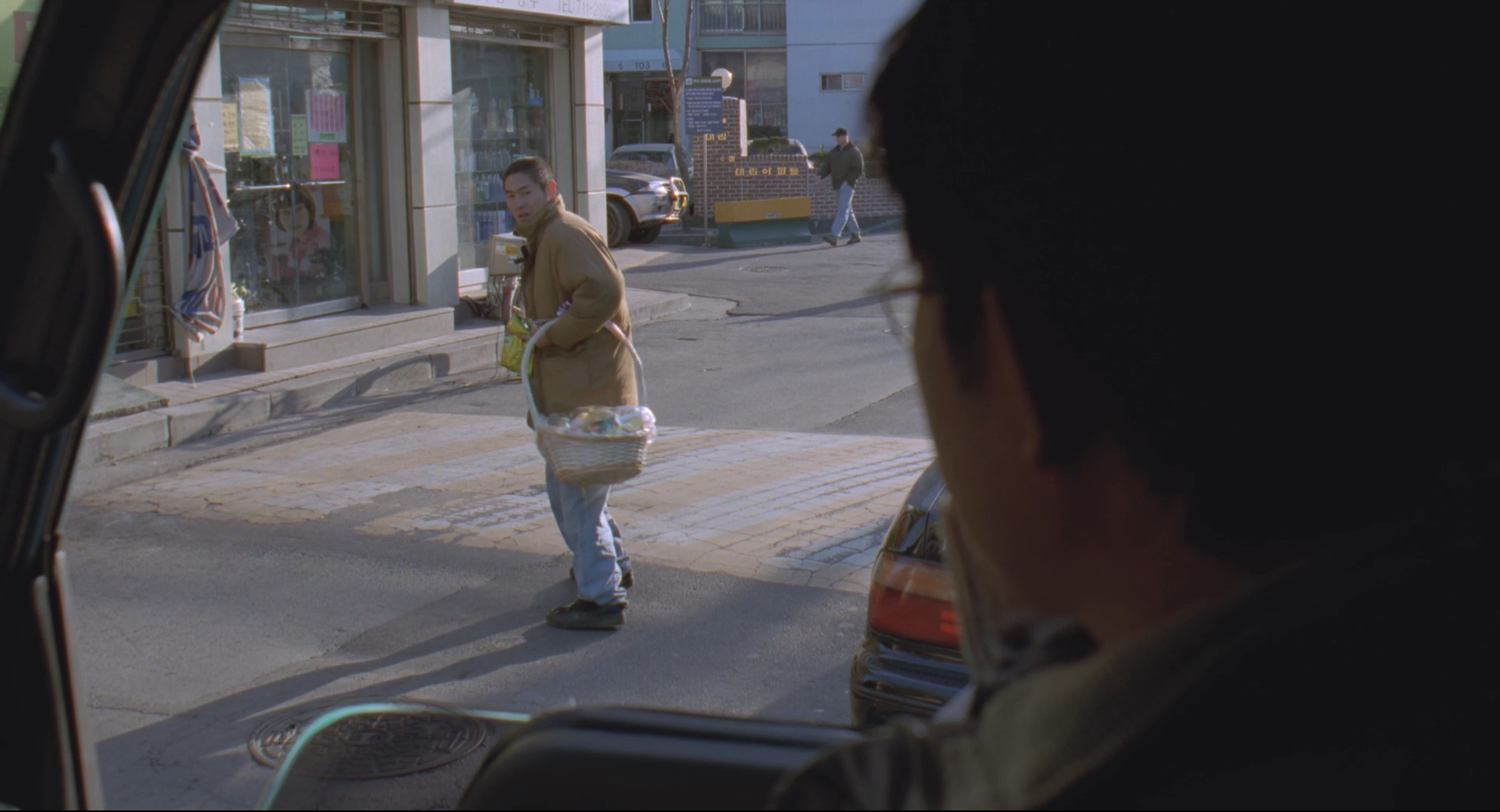
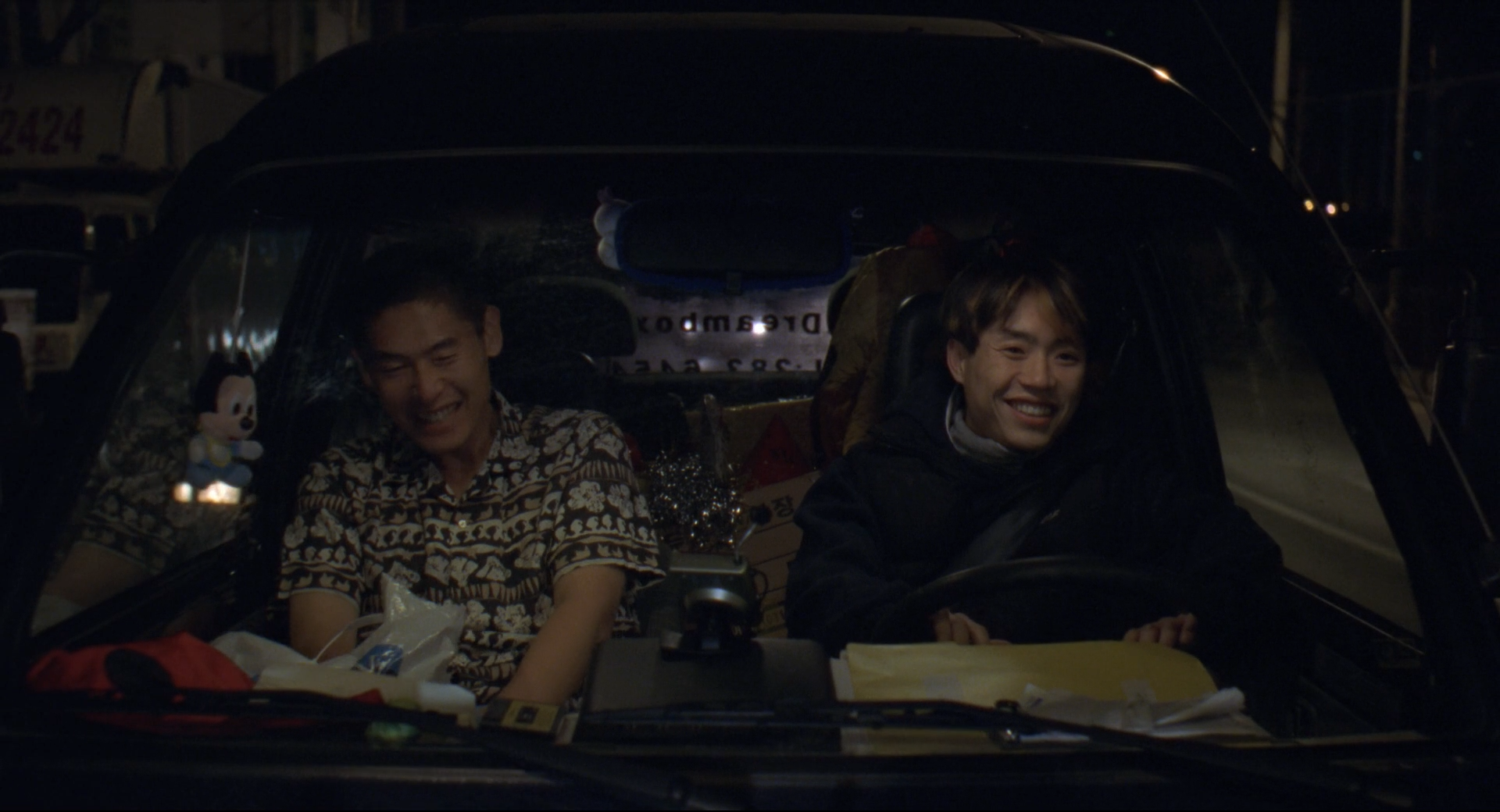
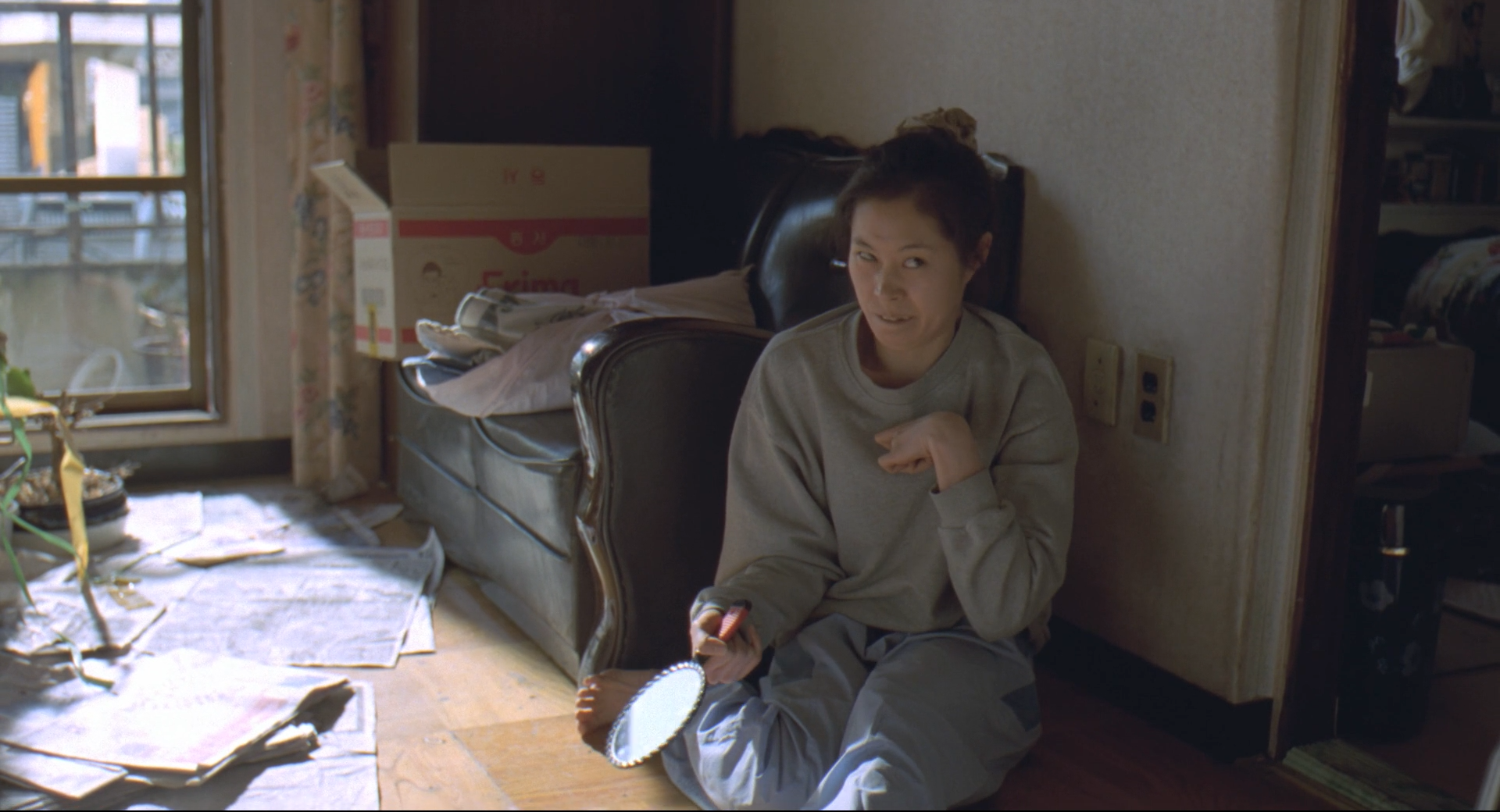
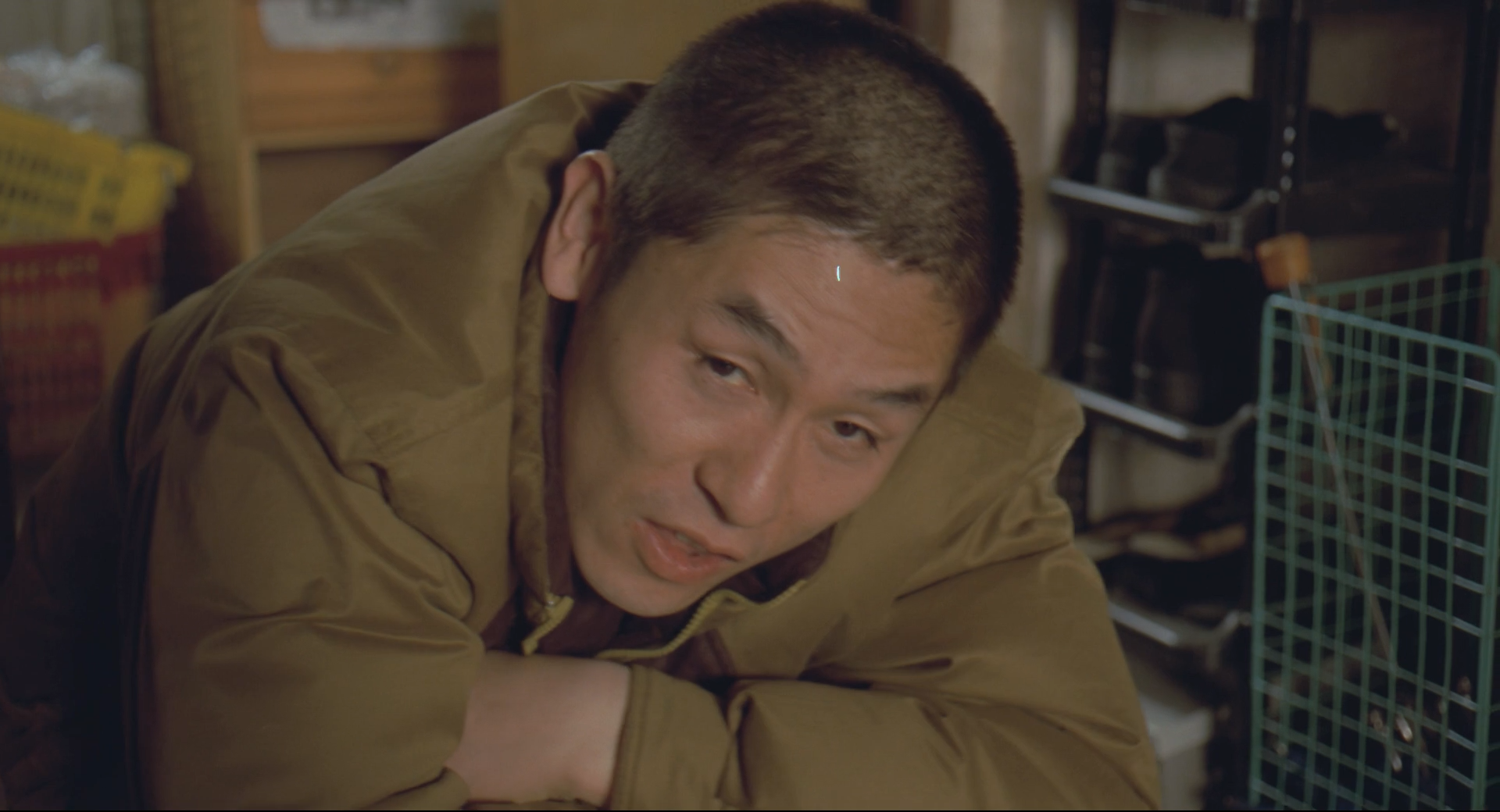
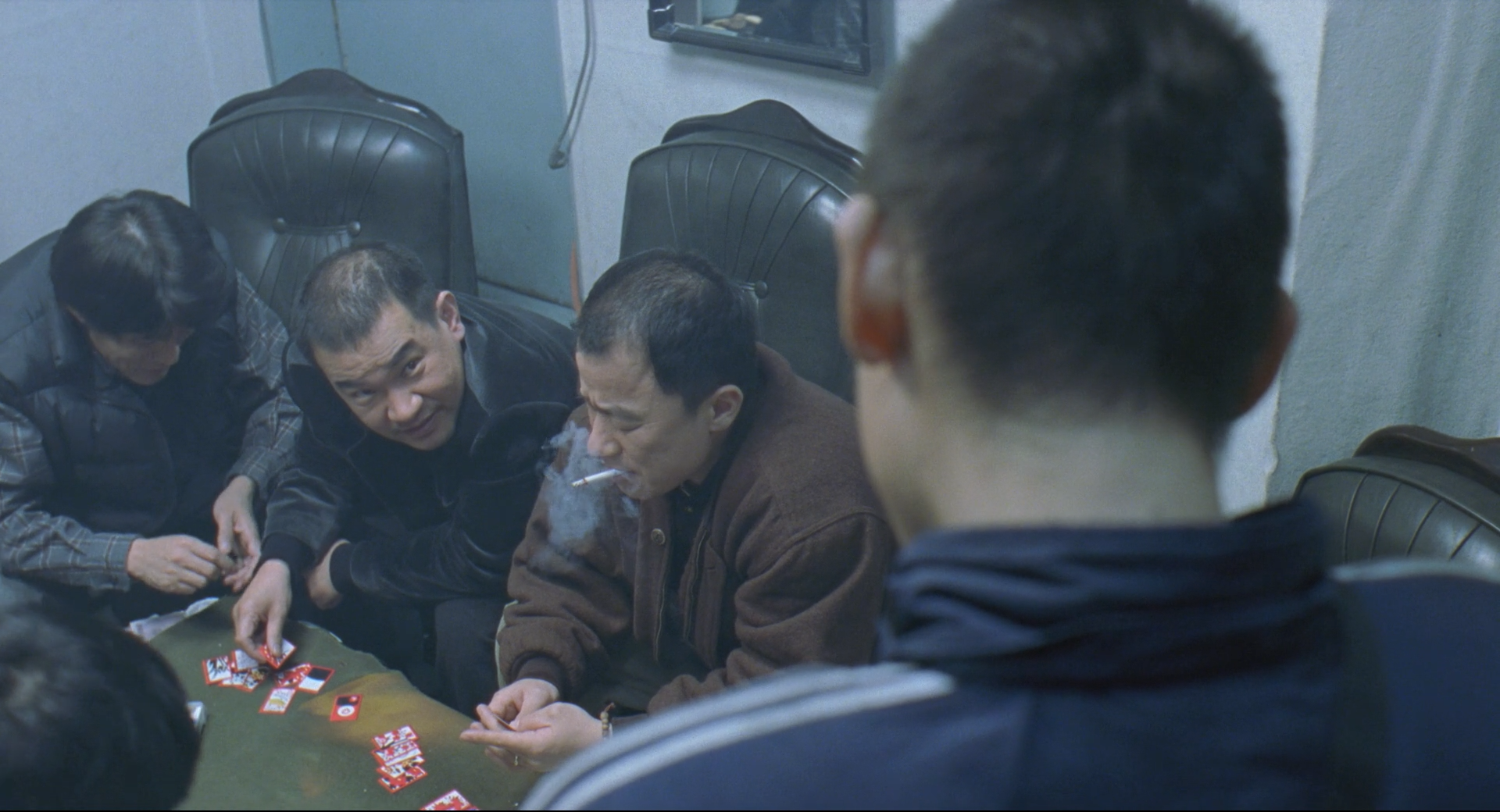
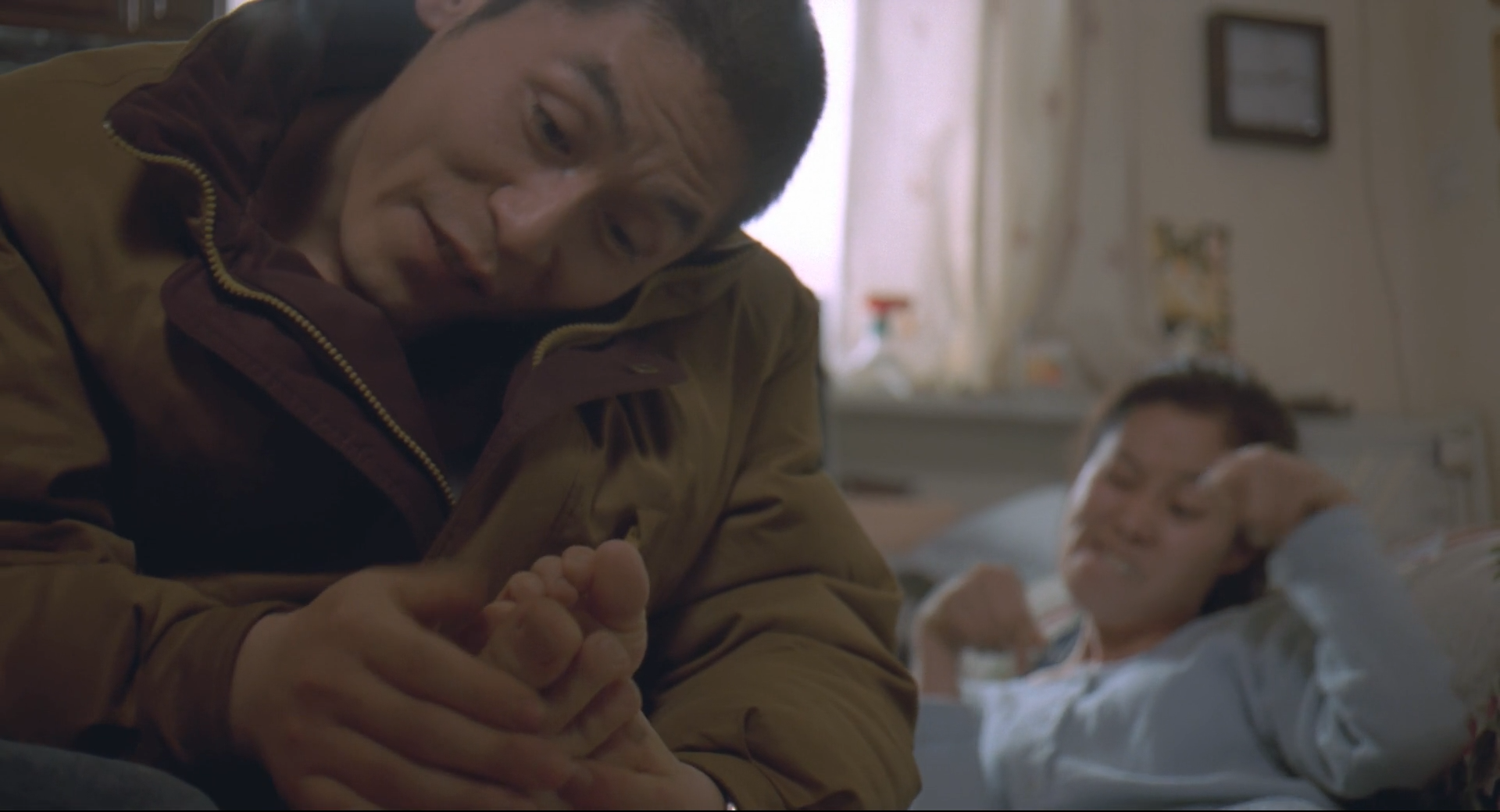
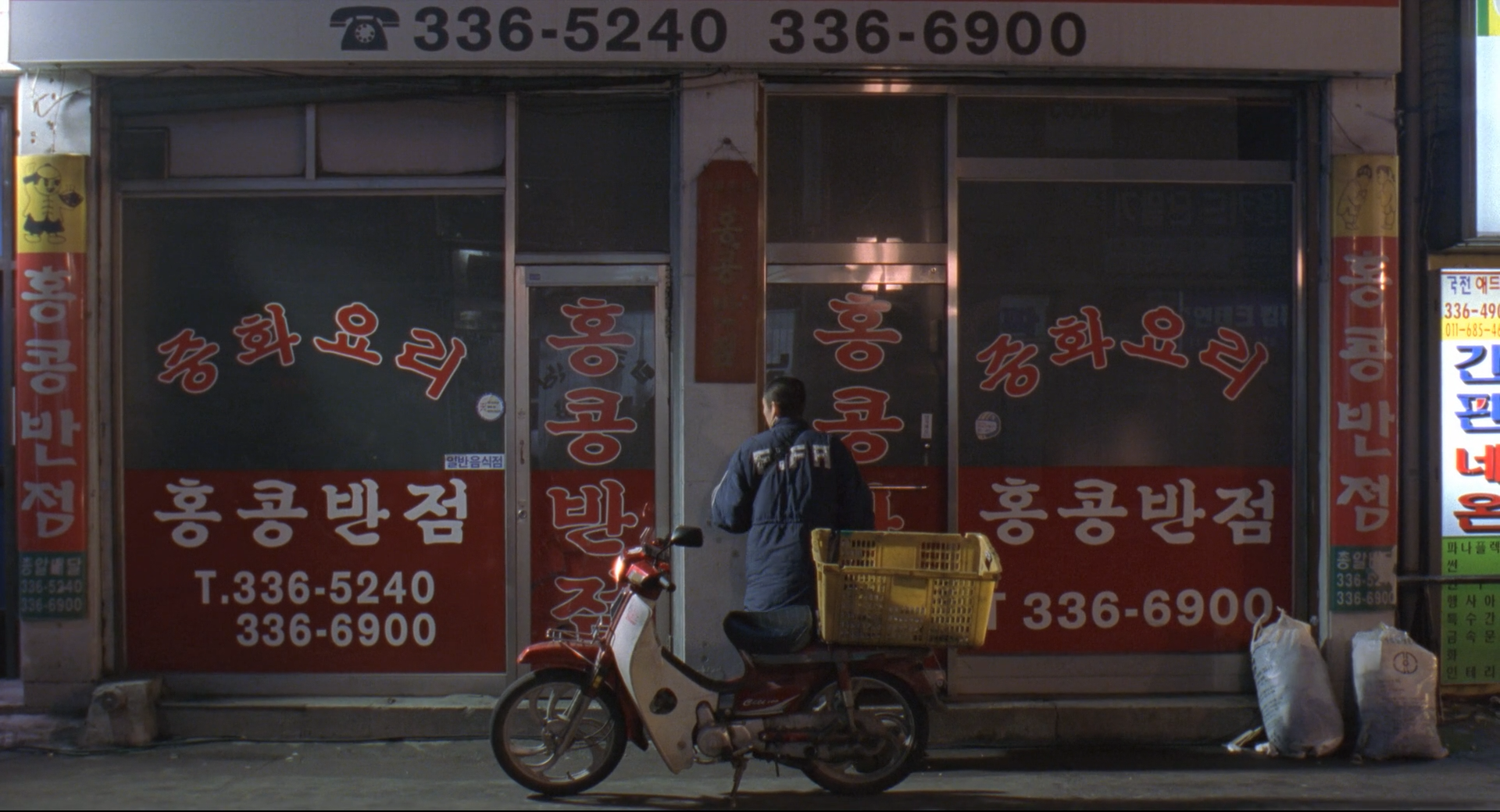
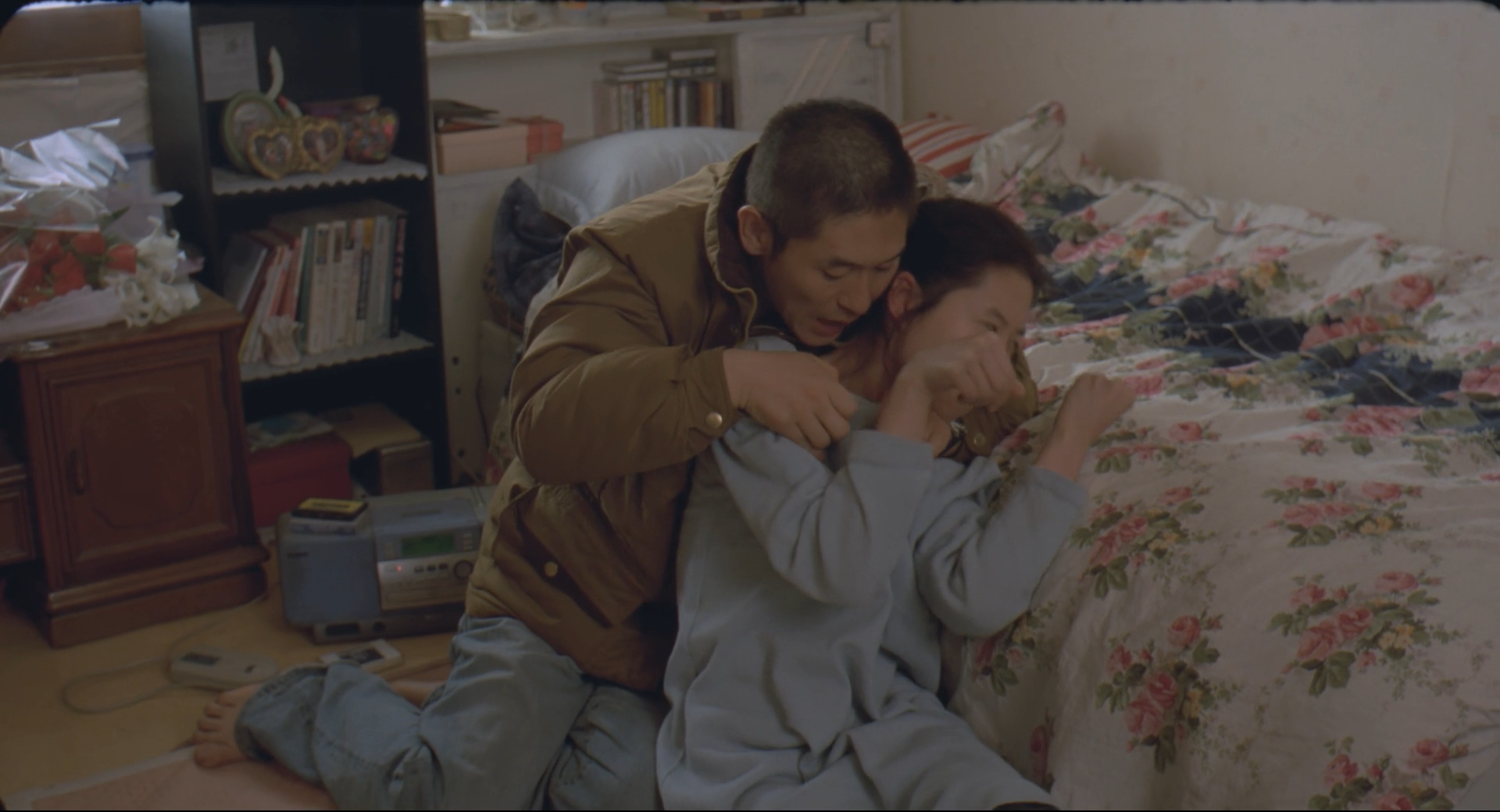
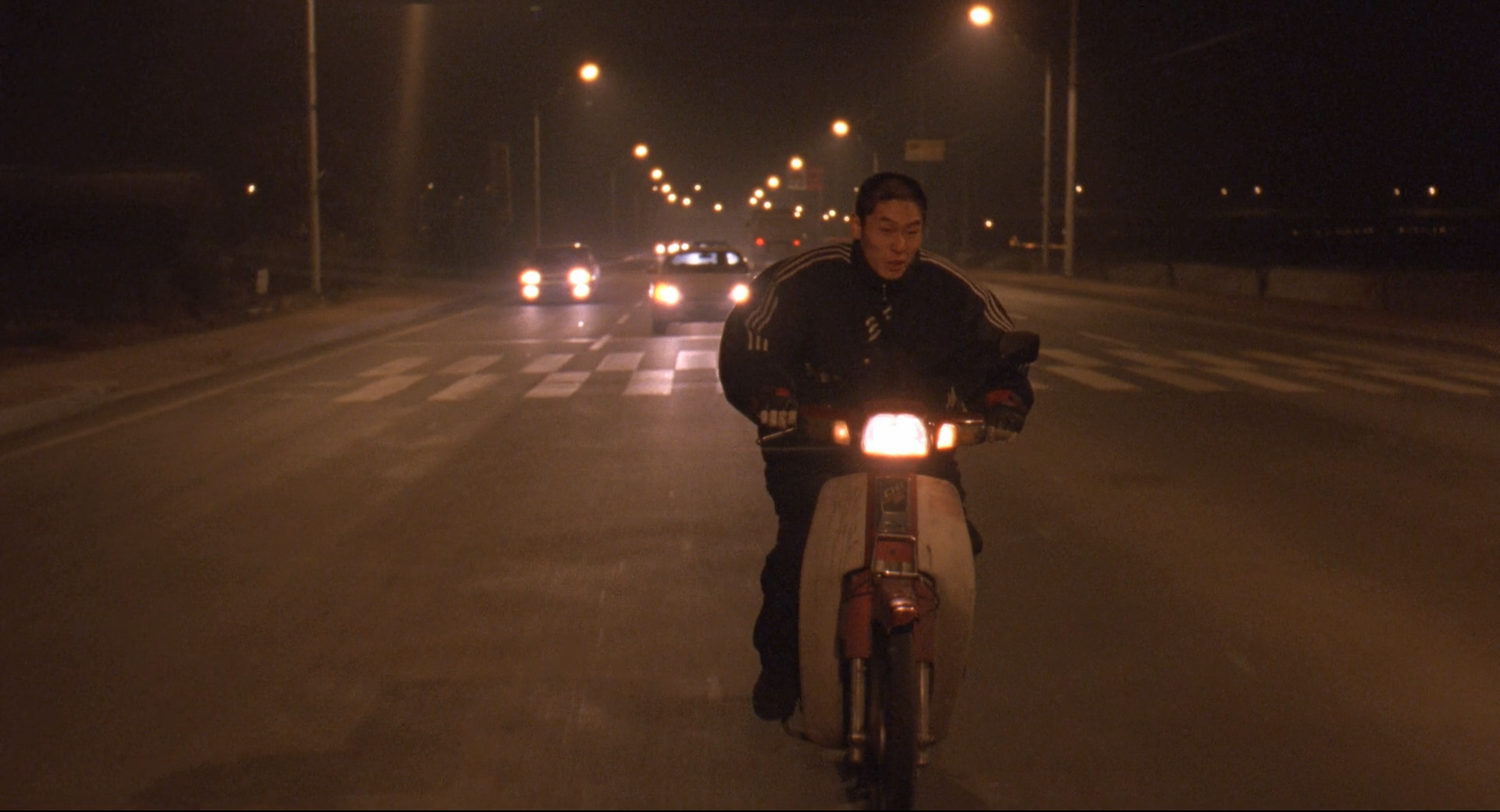
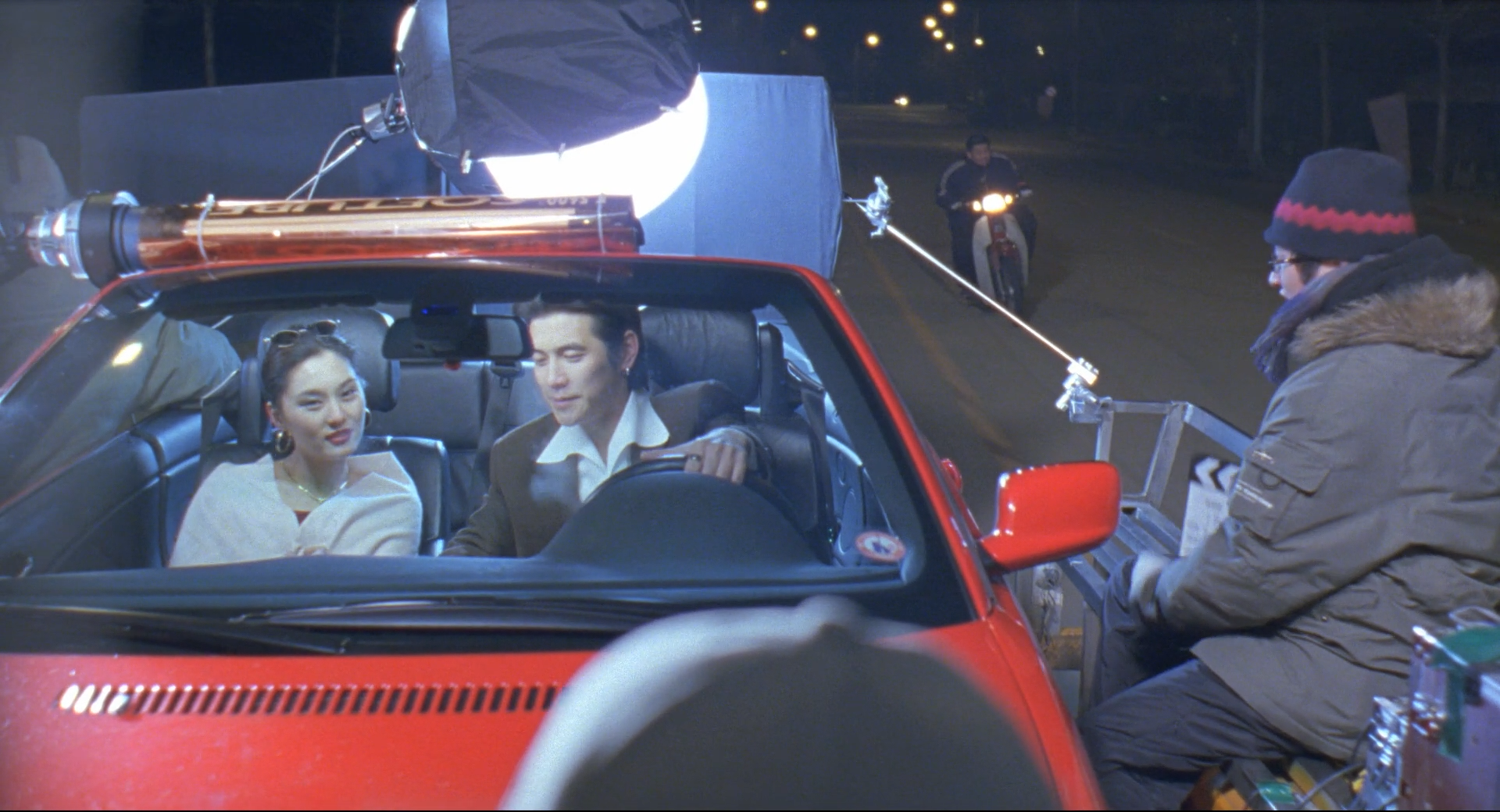
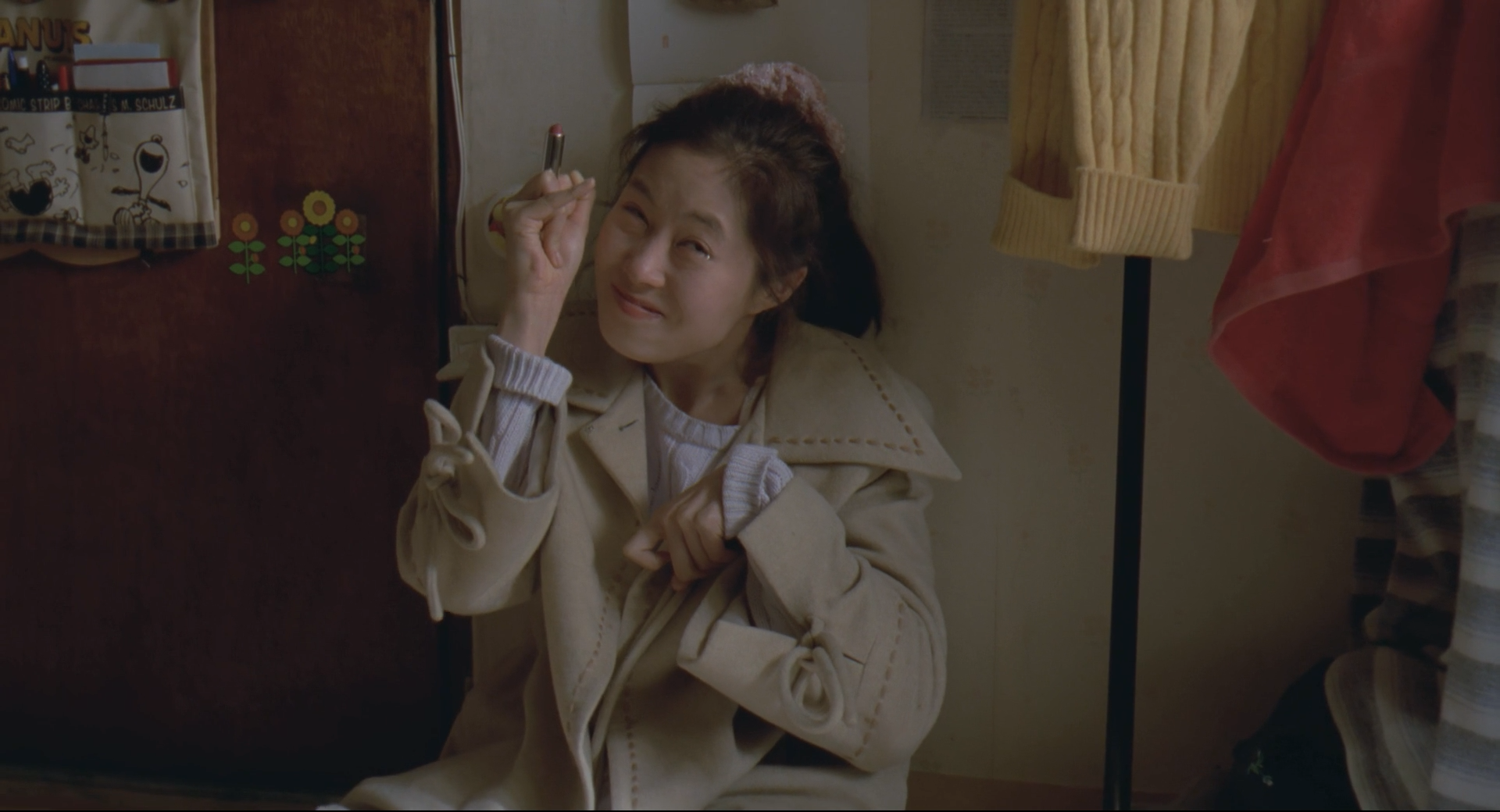
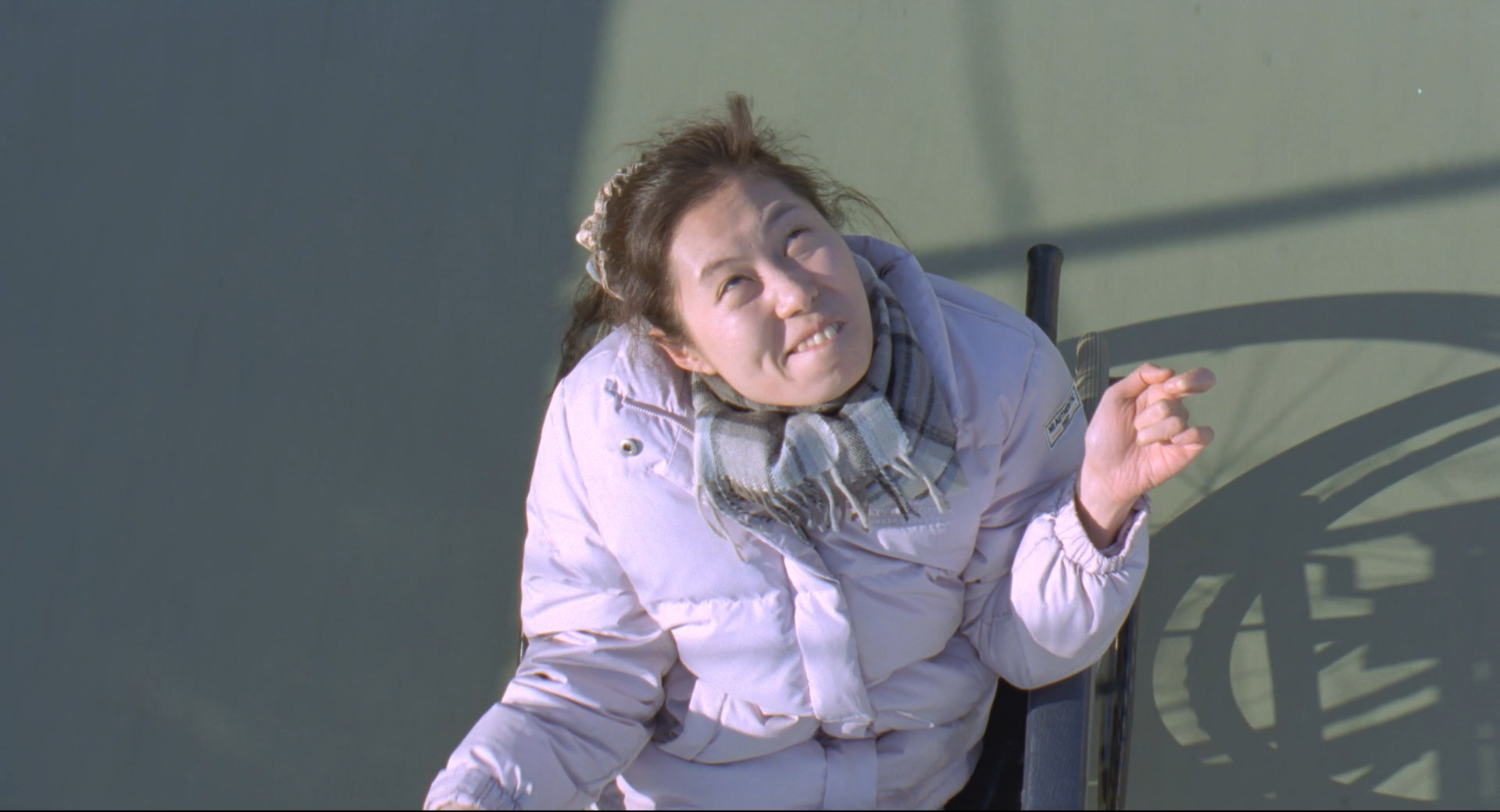
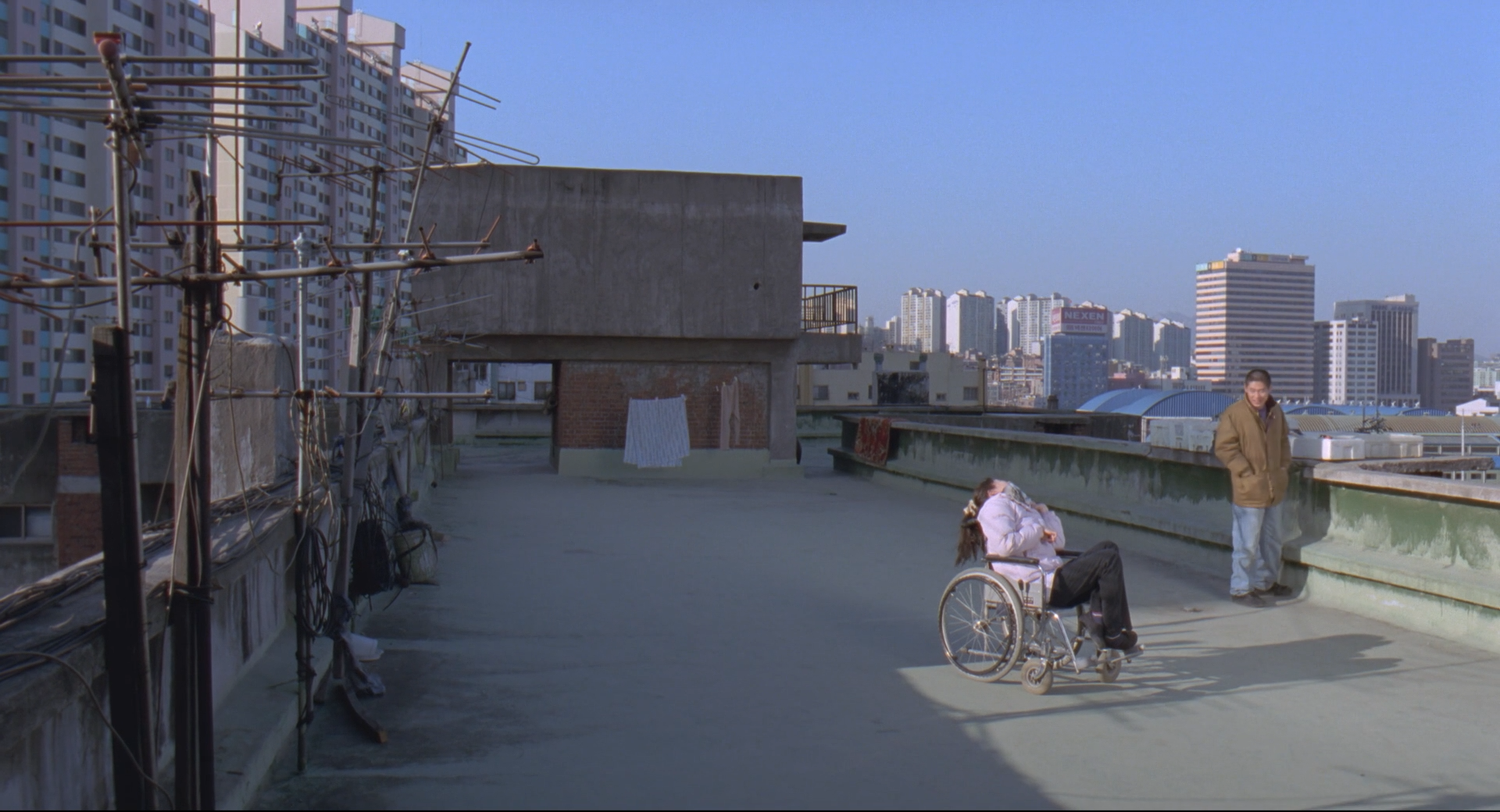
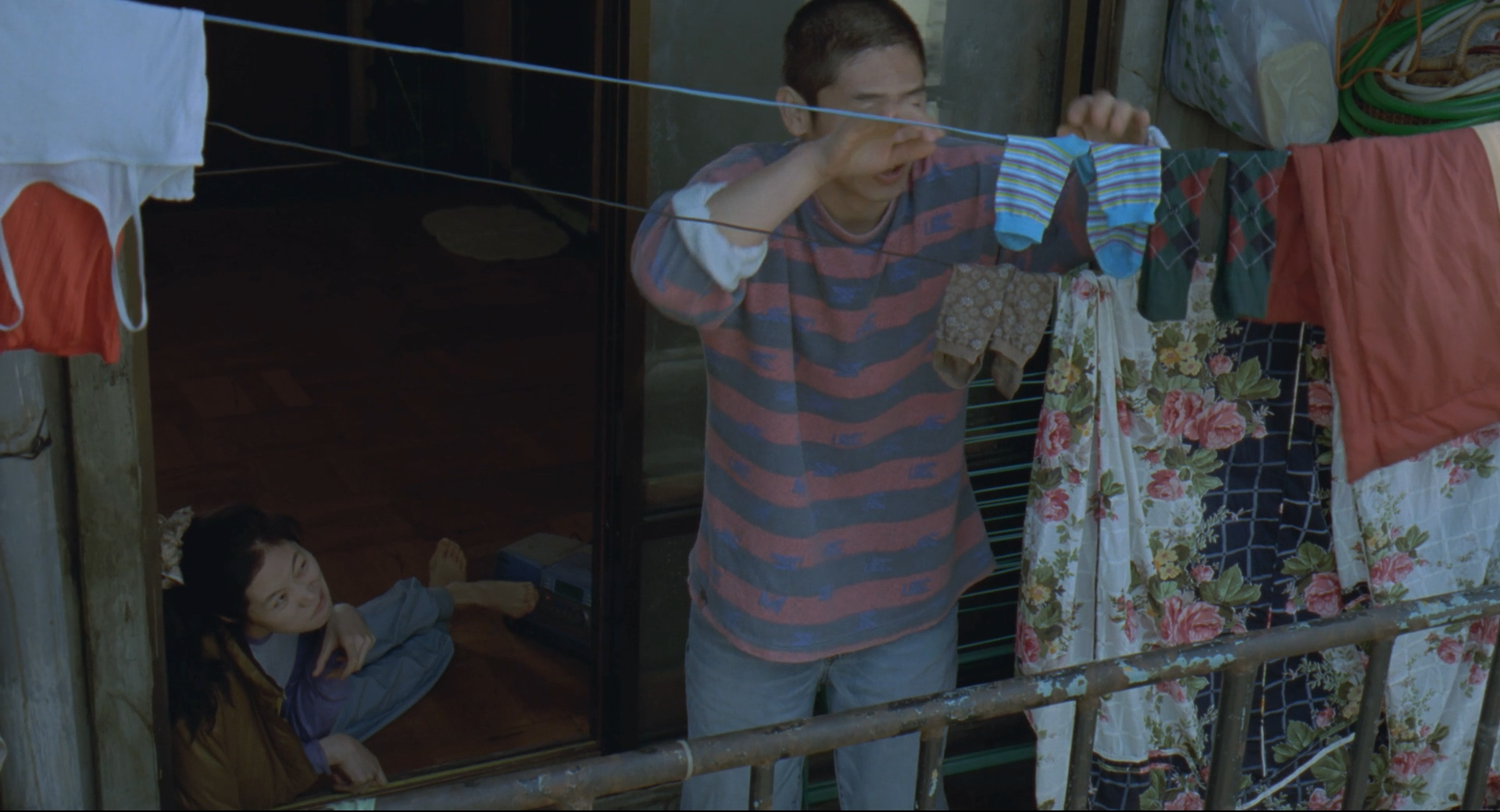
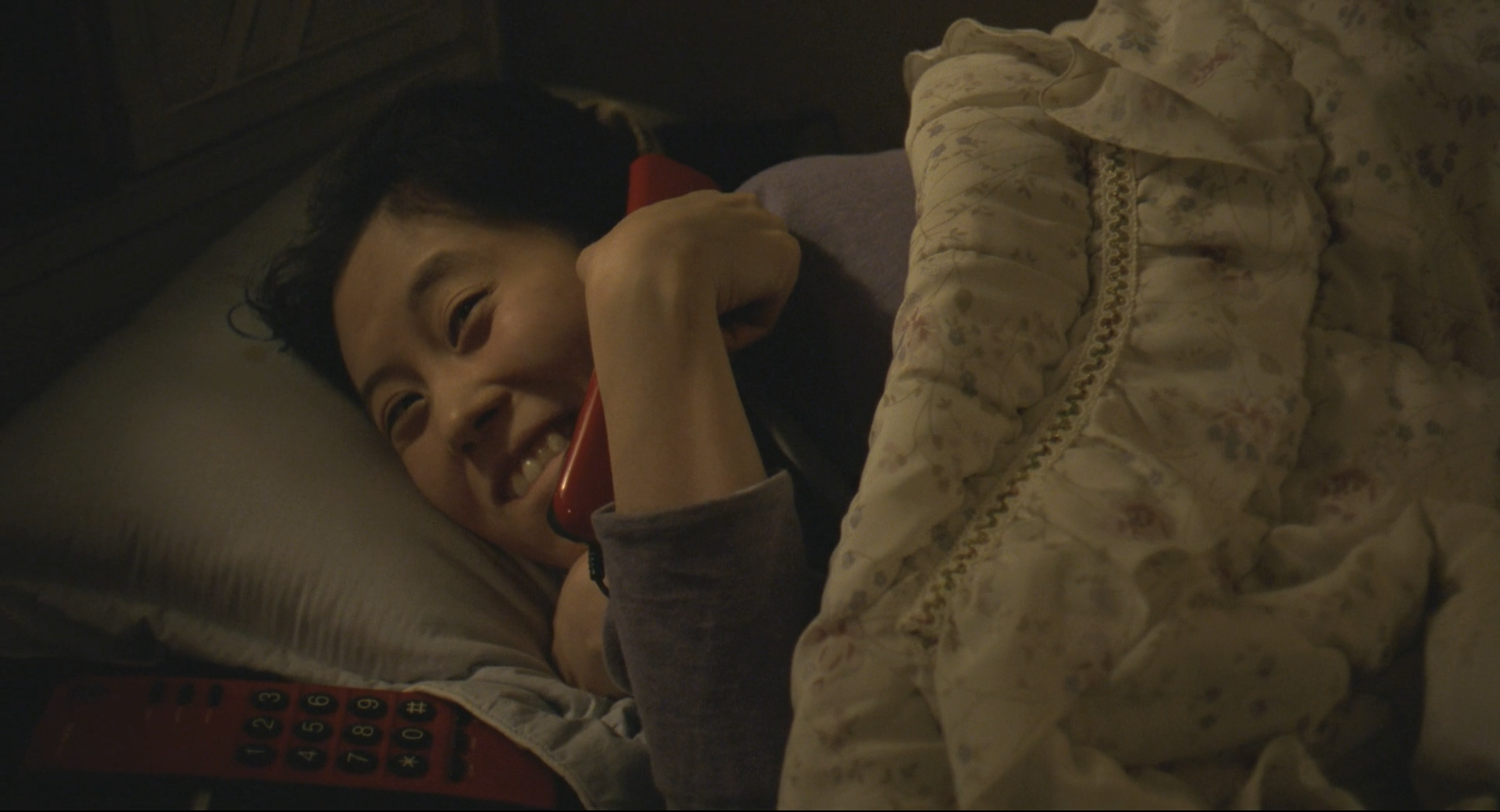
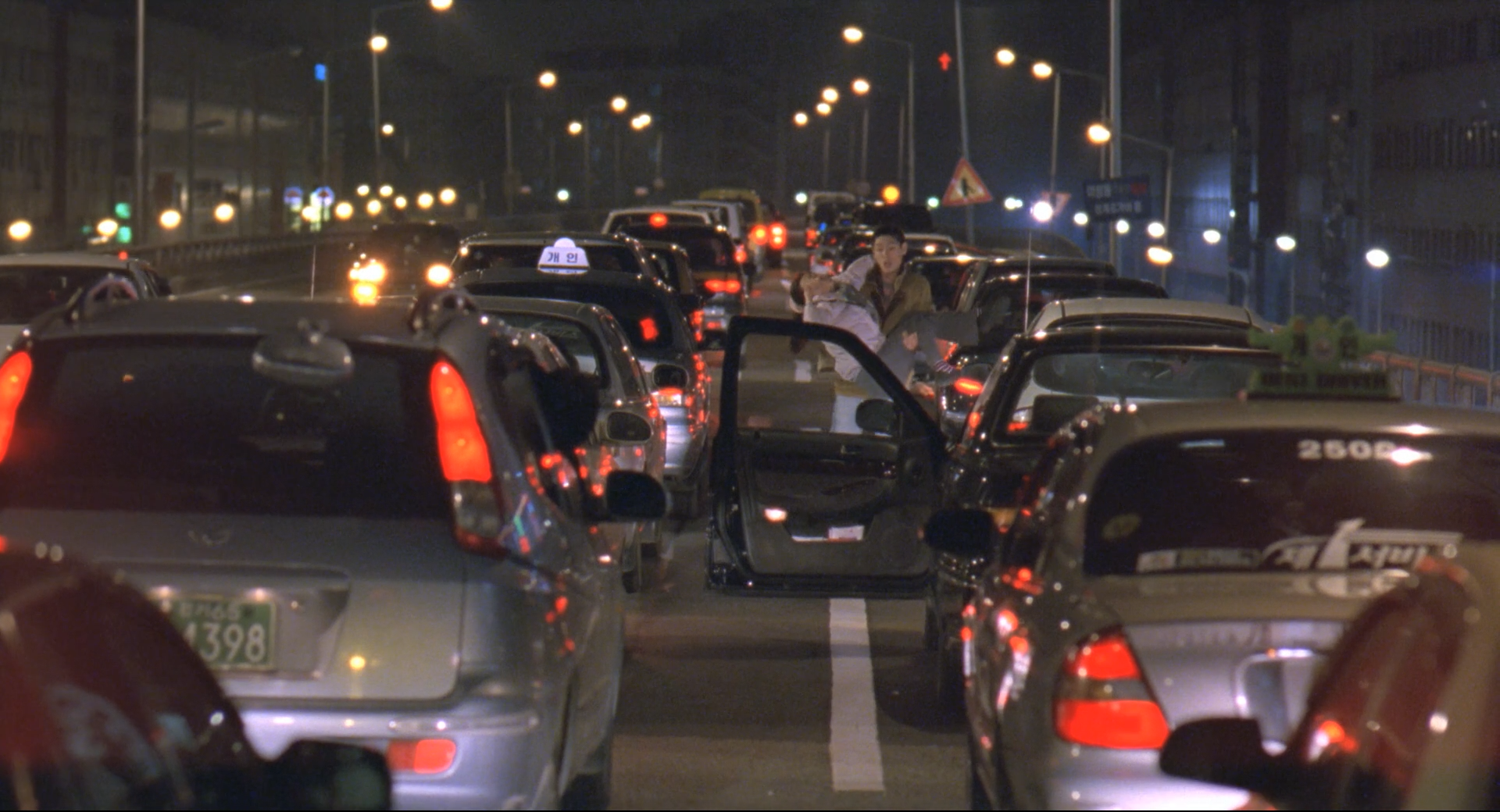
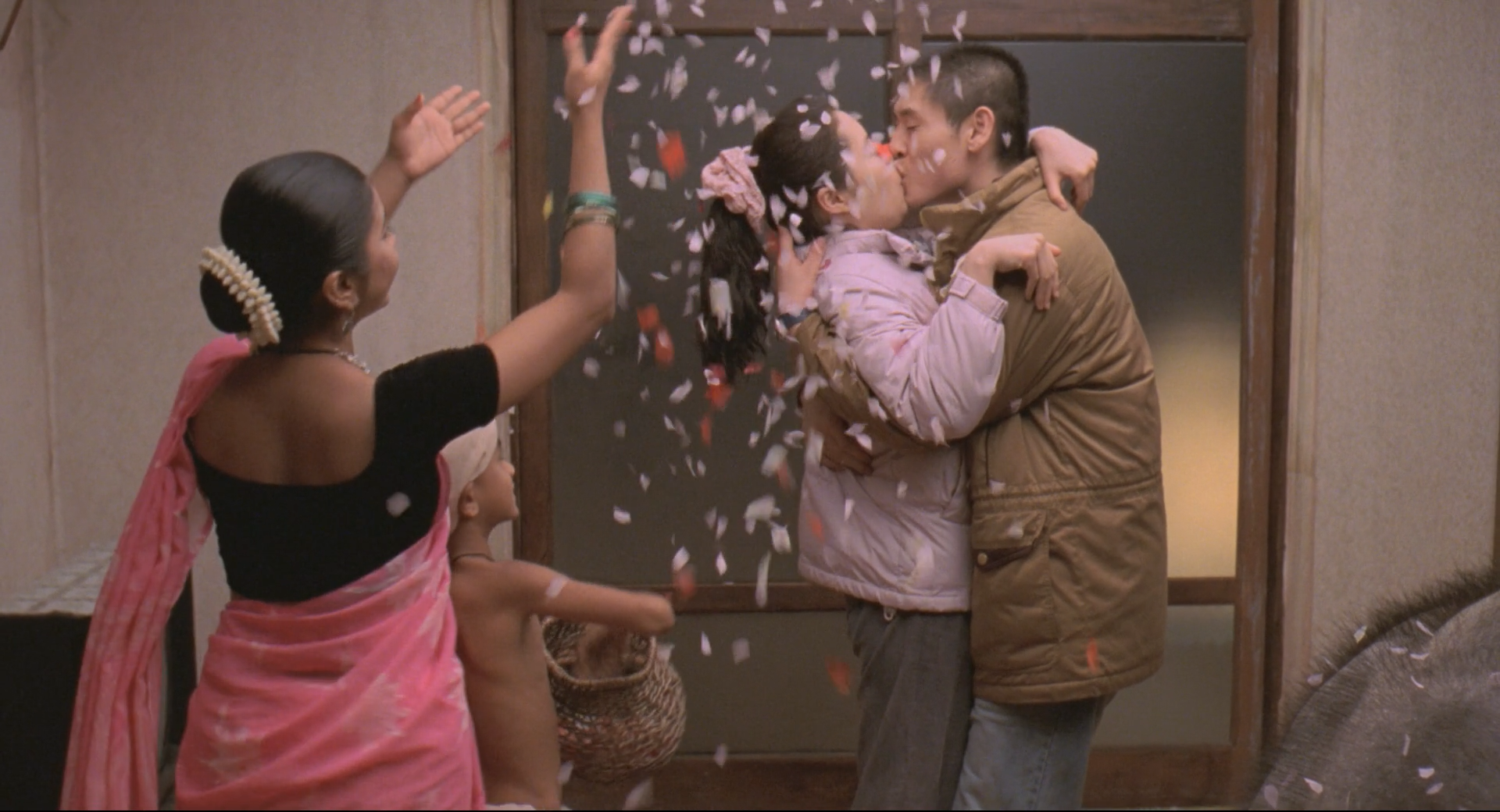
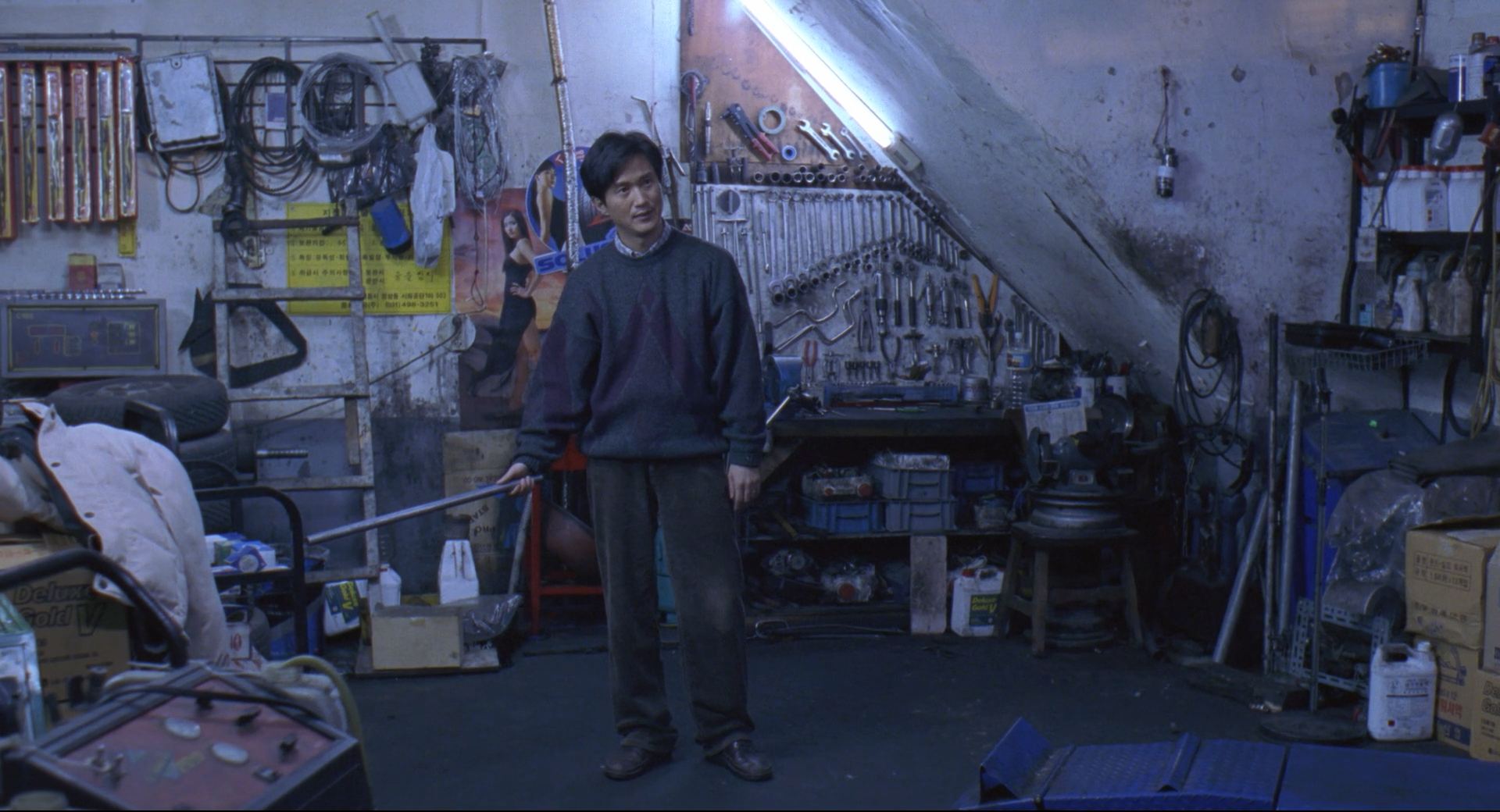
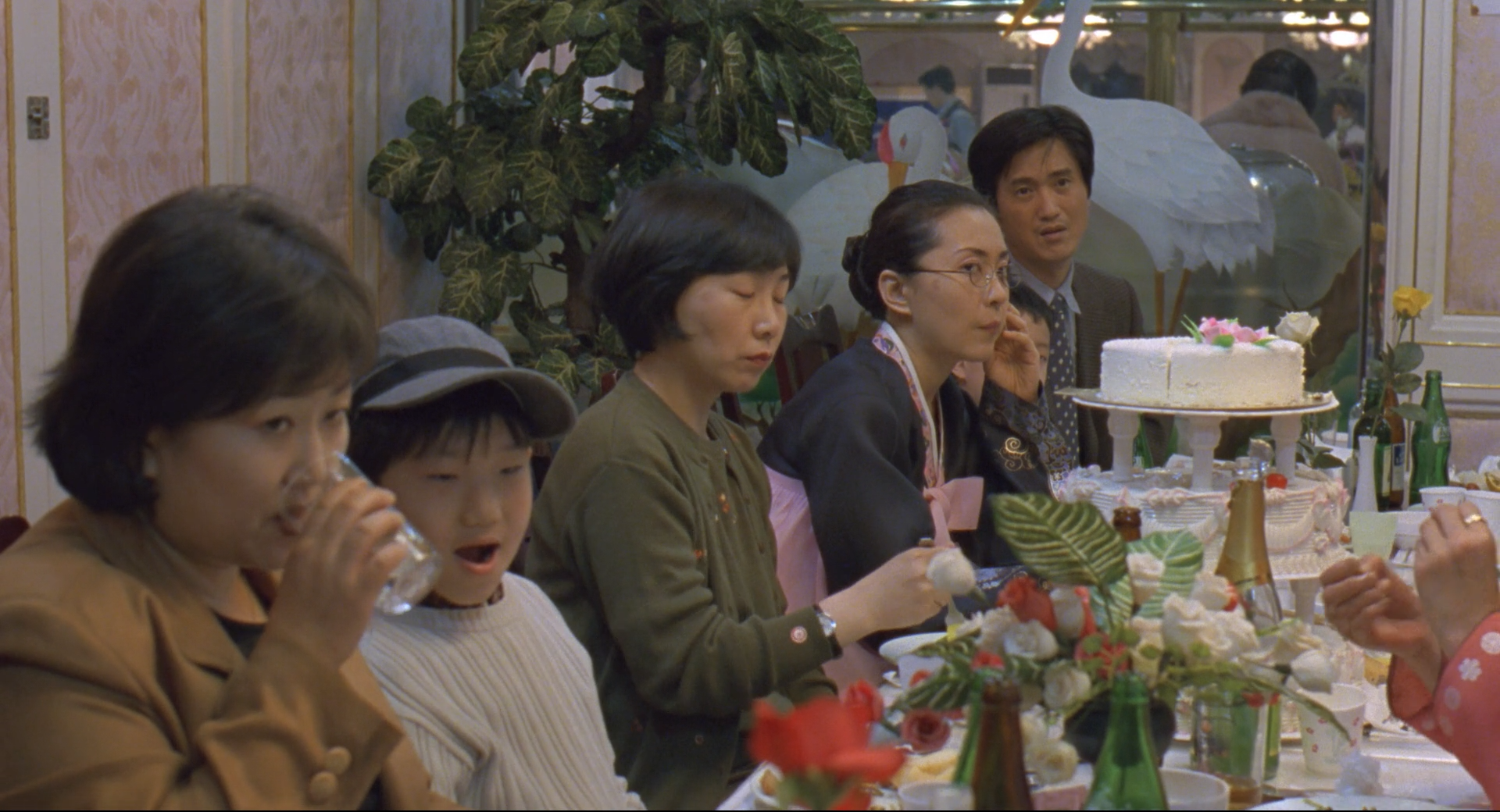
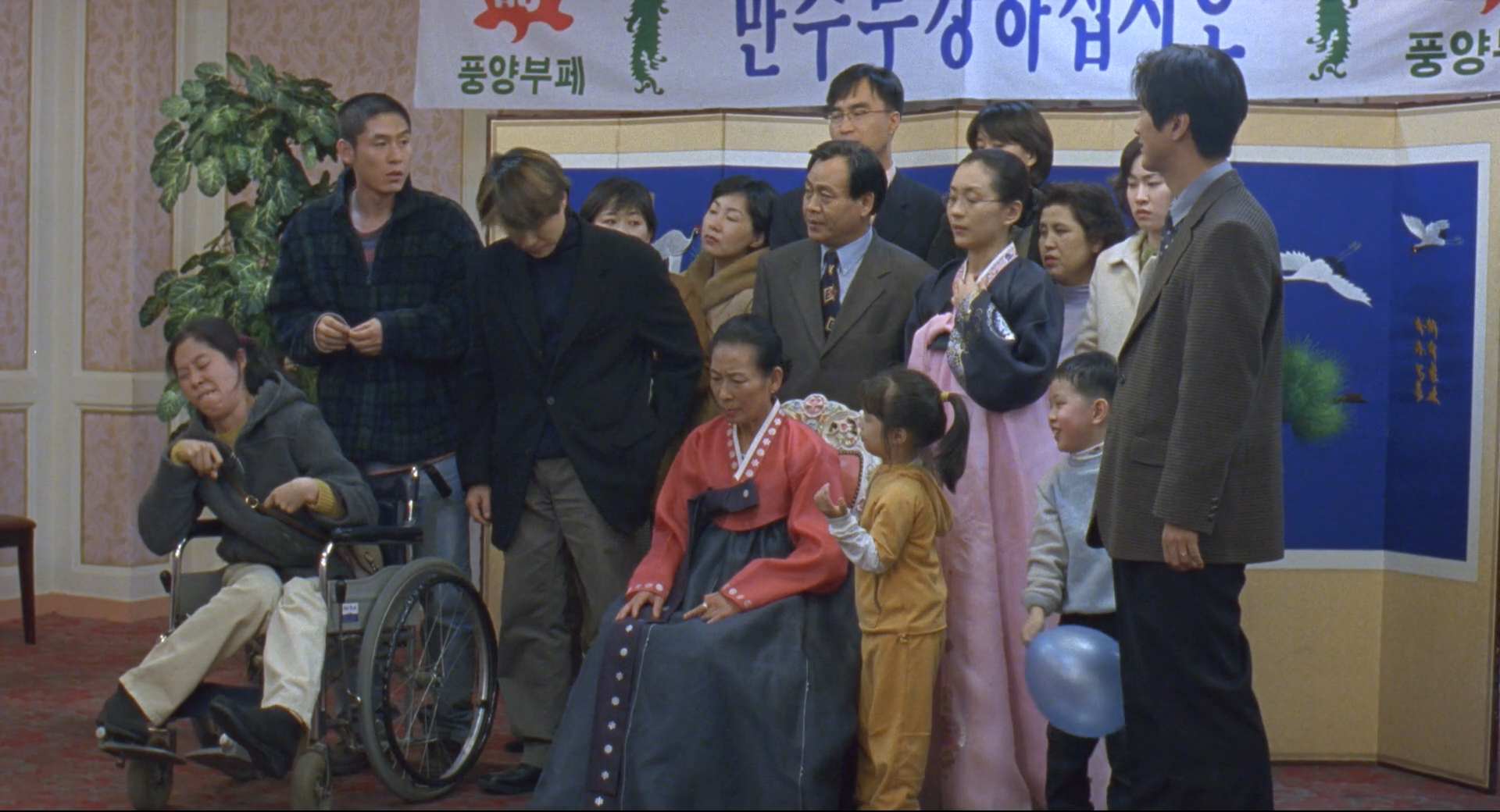
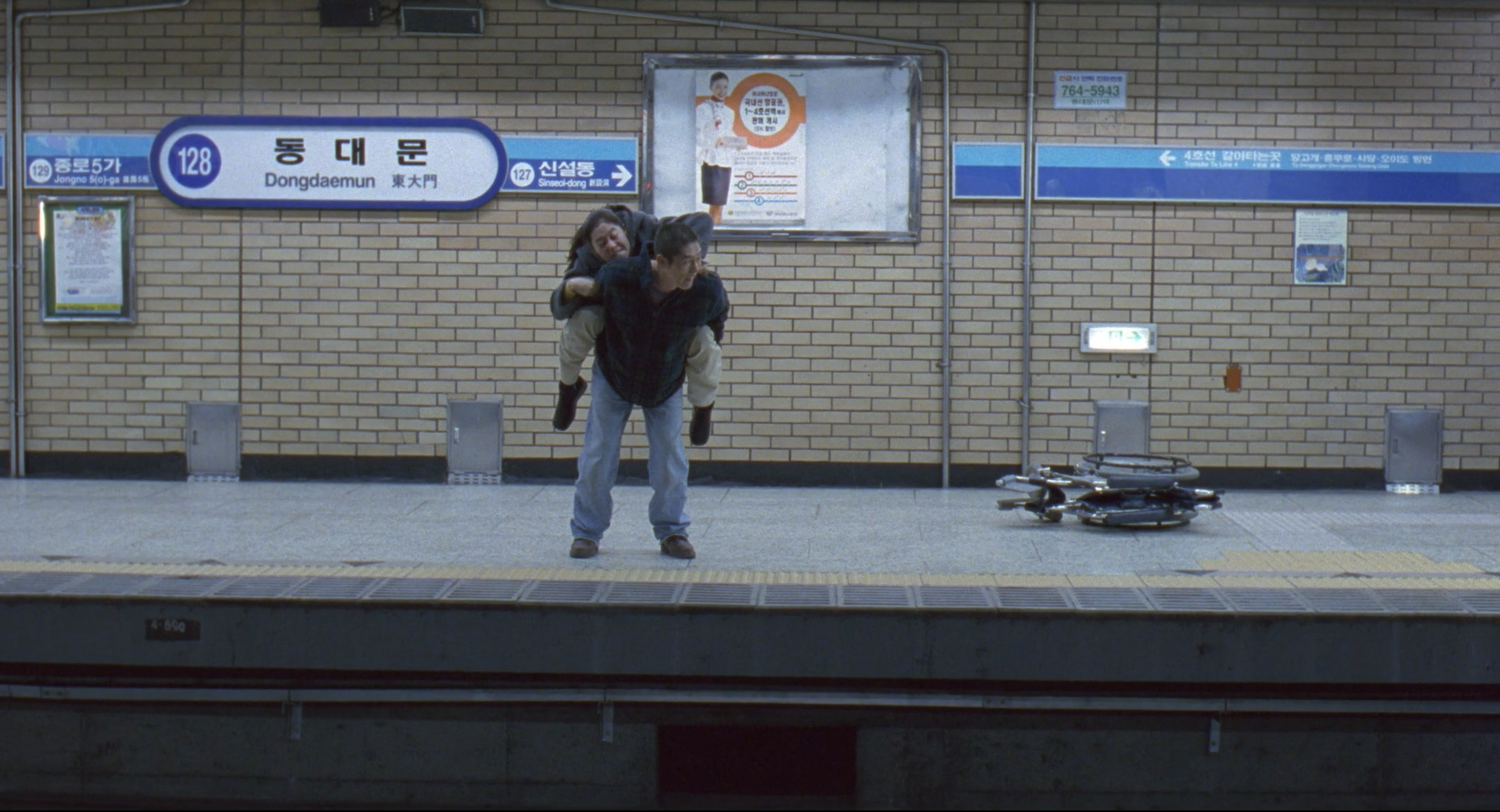
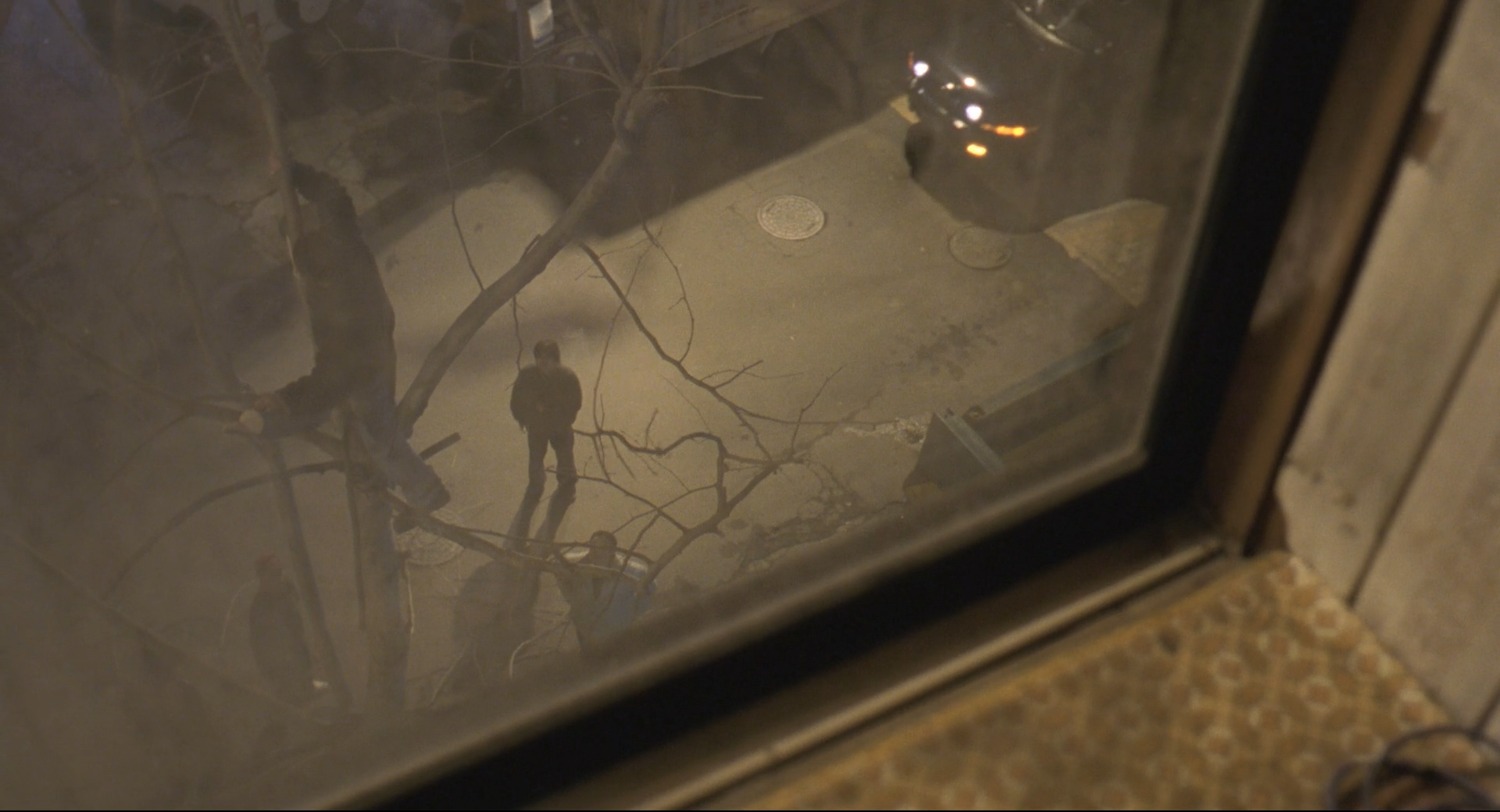
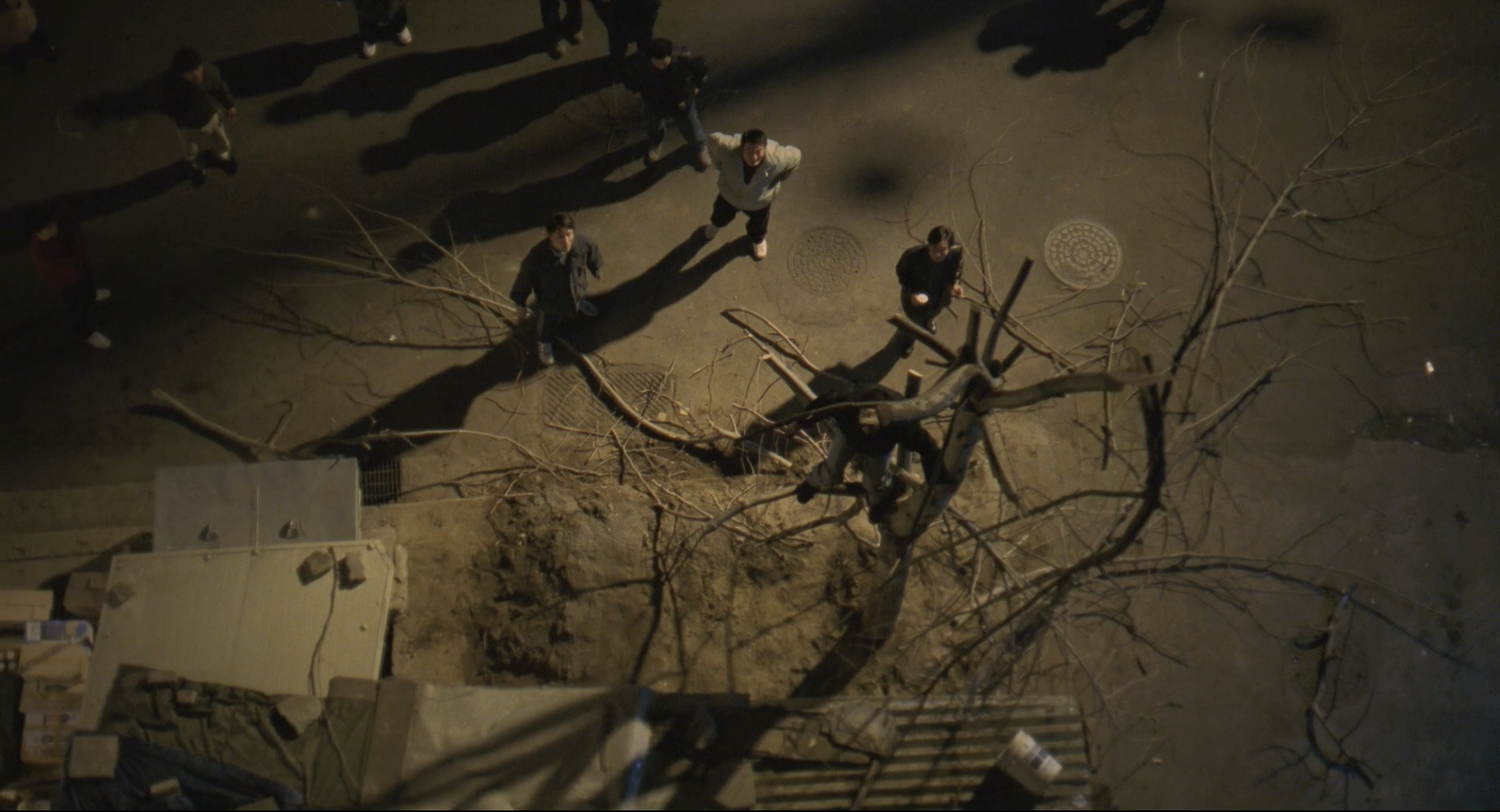
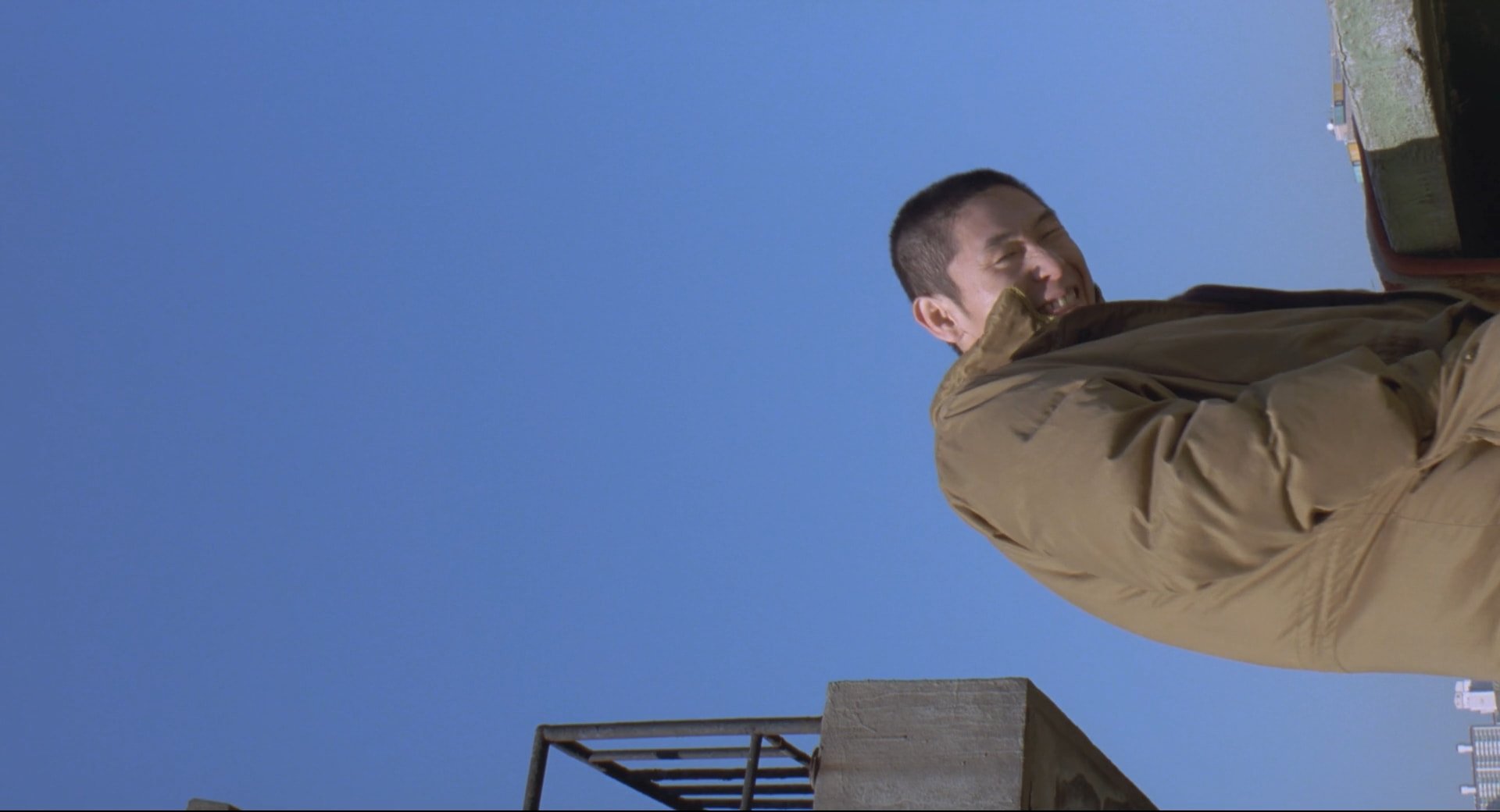
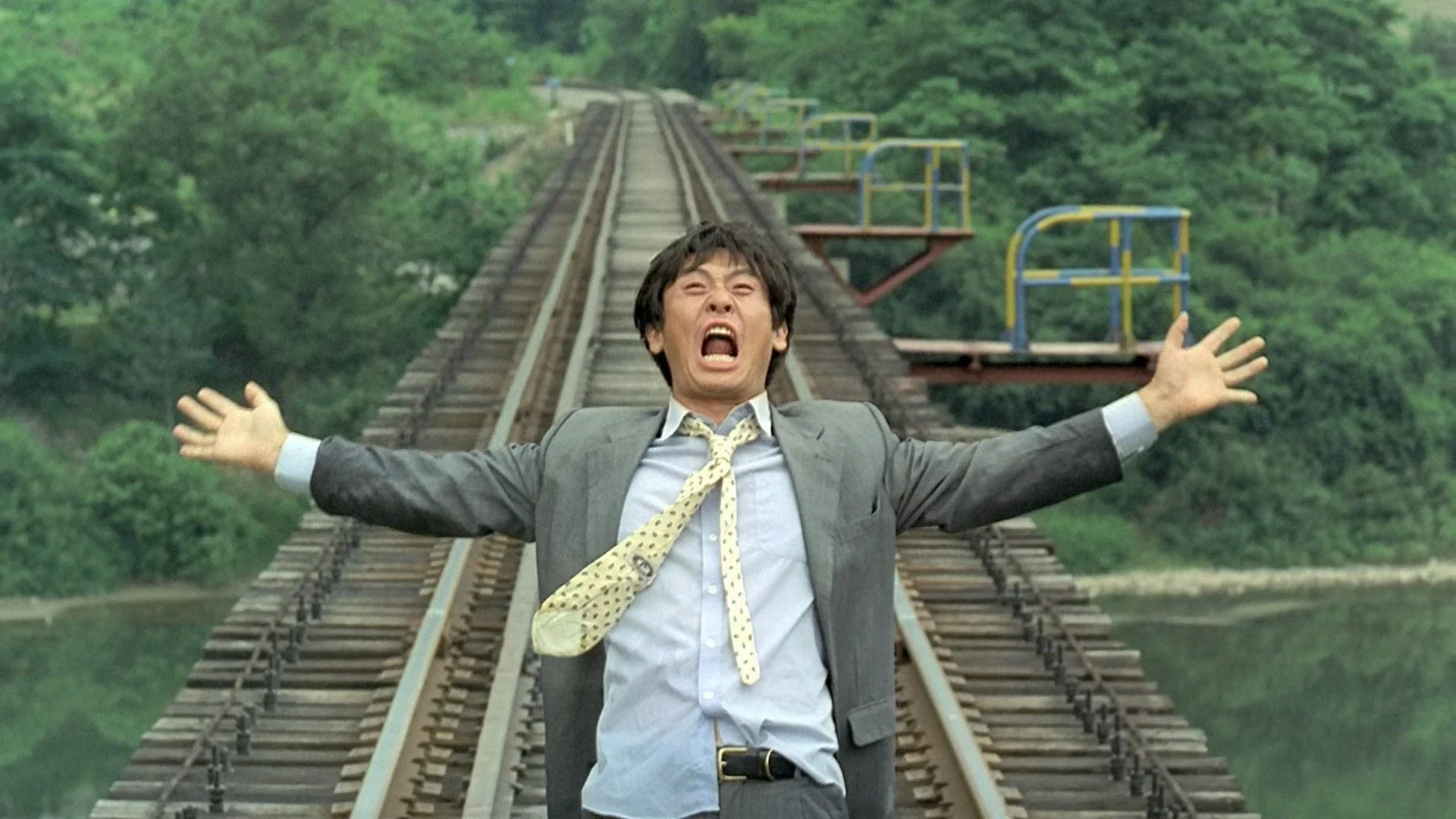
This was nearly a 5 spice film because I love Lee Chang Dong’s films. Being an author, his writing is noticeably strong due to his ability to consistently craft realistically flawed characters. Like Poetry, he uses handheld camera work and natural lighting to immerse you into Korean reality where you forget you’re watching fiction. Actually, I don’t wish to discuss the plot since I think it ends up being a spoiler no matter what you describe so it is best to go into this blind. The performances are incredibly engaging and flawed with one of the evilest characters imagined making Marty Supreme look like an innocent child. This has one of the better performances on disability, much better than the cerebral palsy of Jackson Yee in Big World.
Analysis:
What I really admire about this film is Dong’s subversive writing. We are first made to believe that our protagonist is one of the worst humans imaginable, then we realize nothing is black and white. He is never glorified, as even his heroic actions are done with violence and we certainly don’t forget he did initially try to rape her. As unjust as his situation may be, it never becomes a cliché thought experiment. For me, it was a powerful reversal and that's what I love about Dong's writing.
Conclusion:
An emotionally engaging film that confronts your humanity, it’s not possible to not be moved. It’s not perfect and I think the theatrical elements detracted from the immersive realism and some may find the emotional manipulation to just be rage-bait. As a fan of Burning and all of his other films, I think this solidifies to me that Lee Chang Dong is not only one of the greatest Korean filmmakers, but one of the greatest overall.
Recommendations


A metaphor you’ll be burning to discuss.