
L'Avventura (1960)

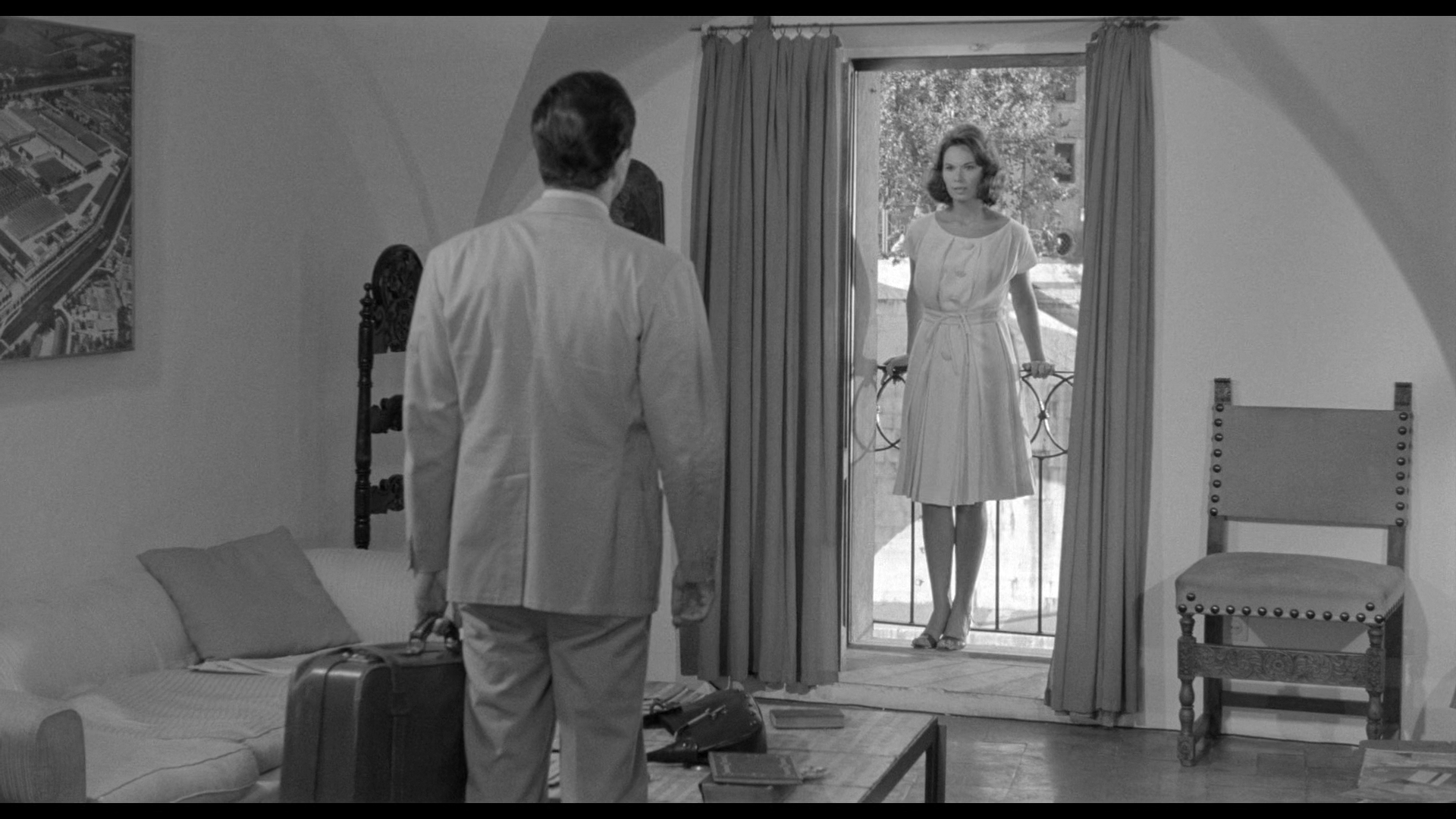
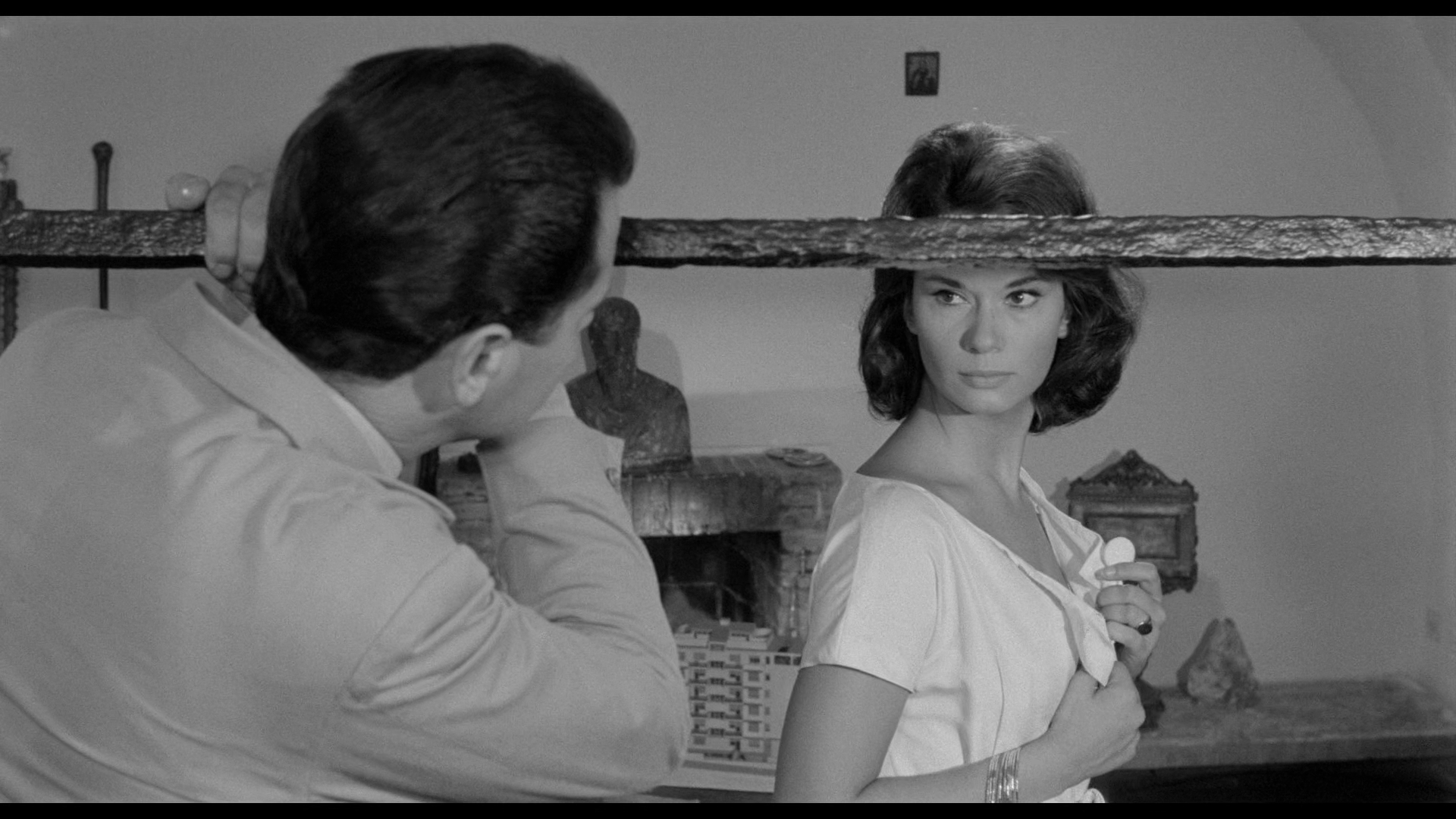
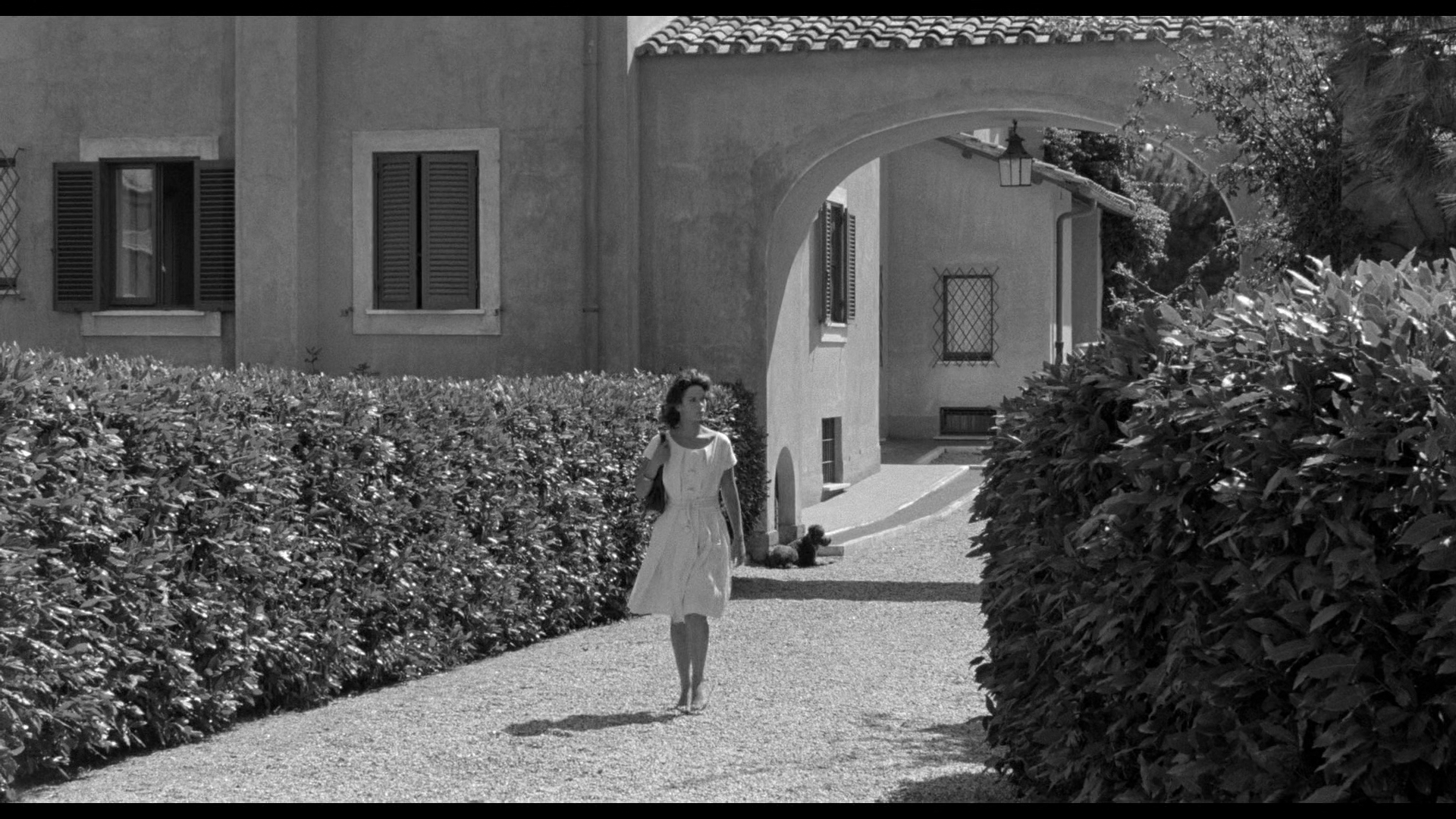
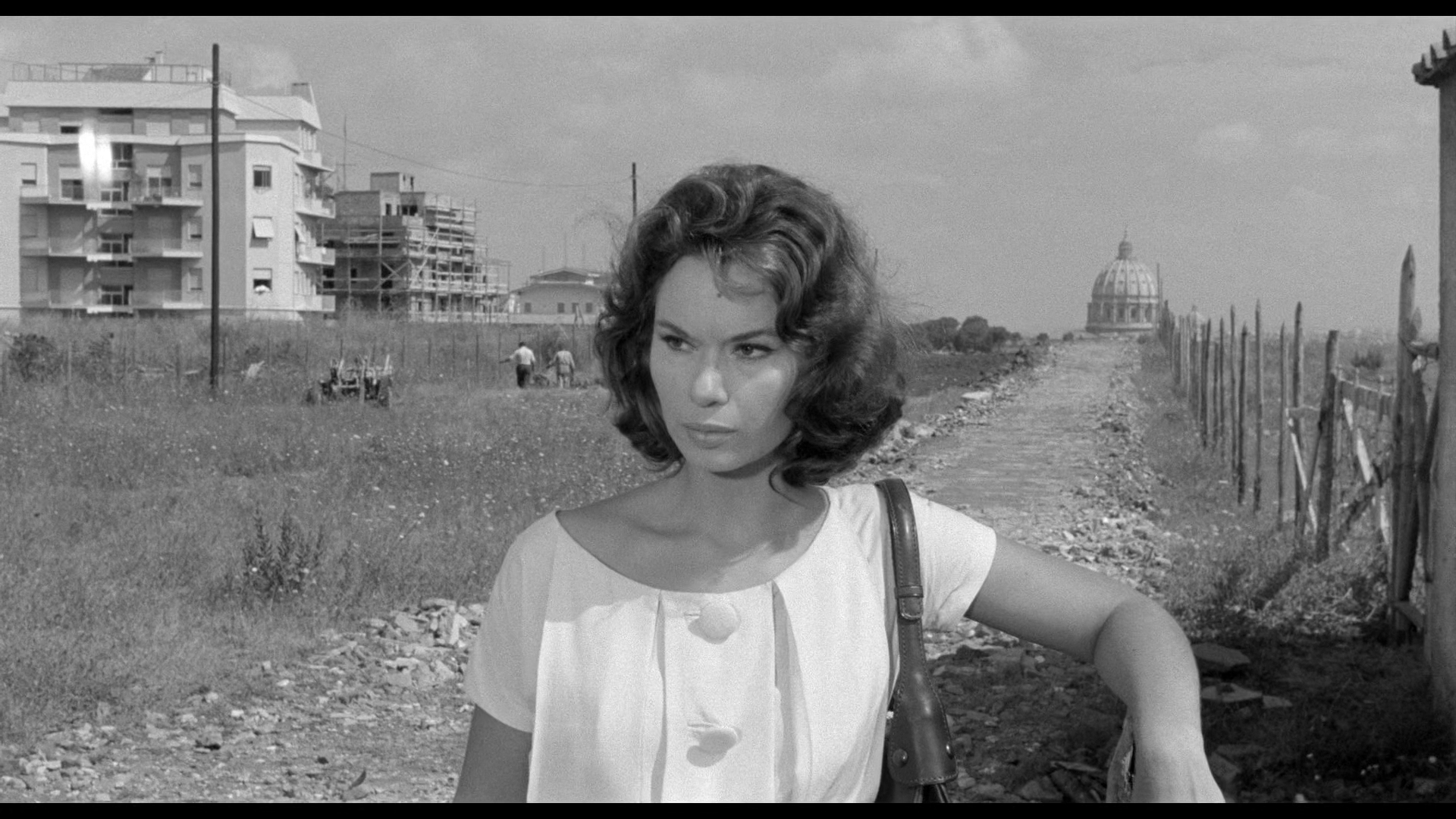
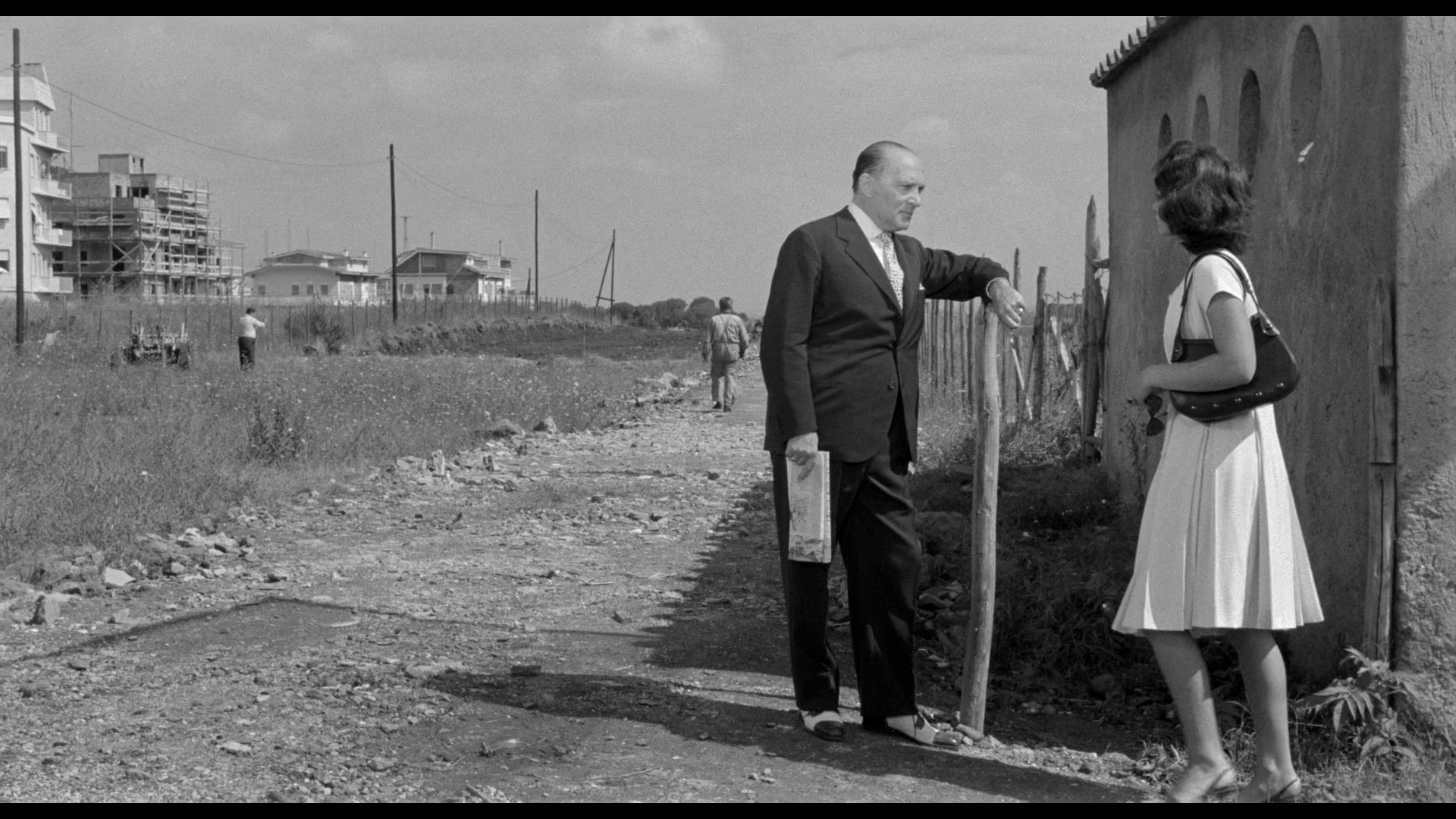
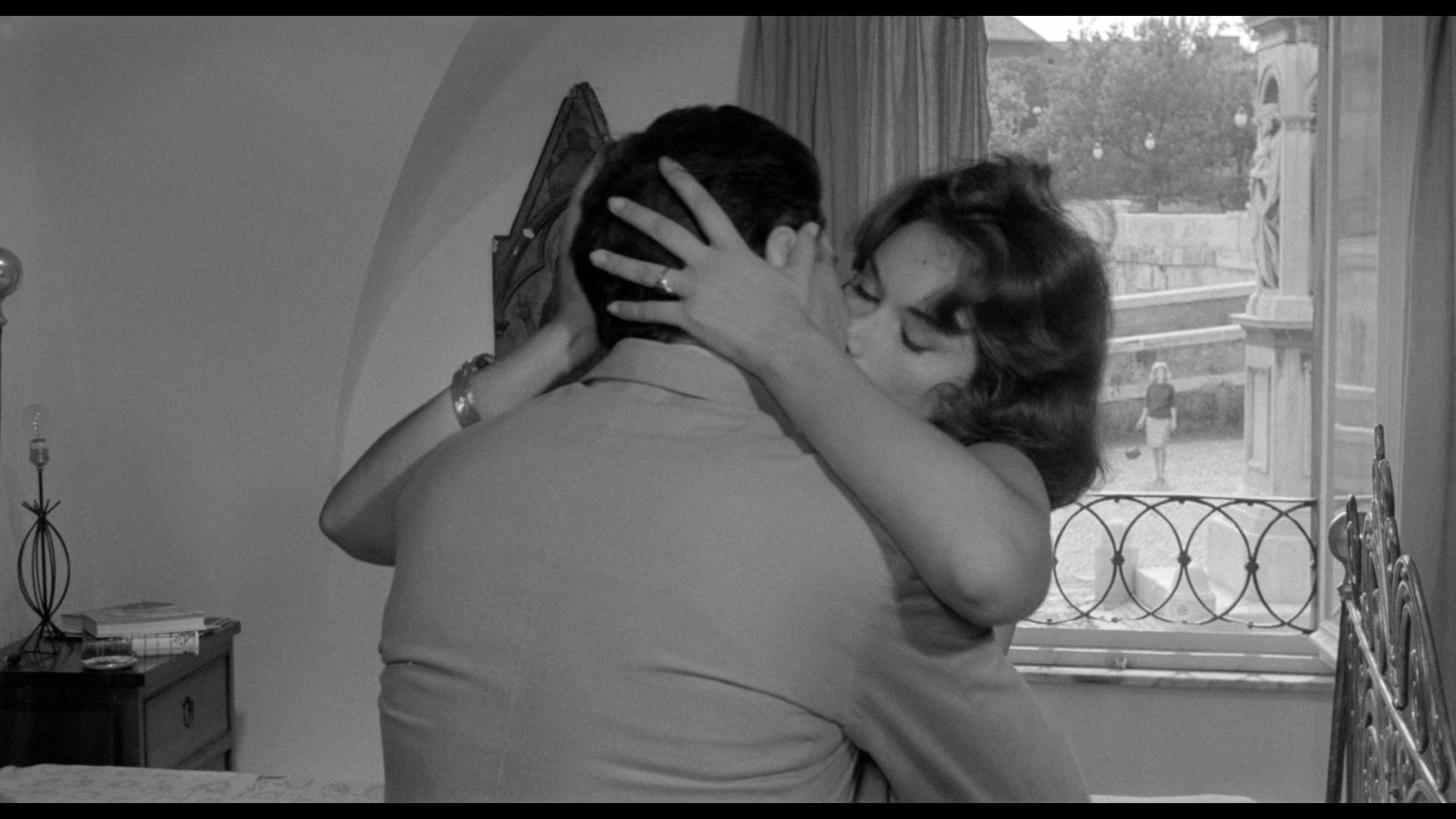
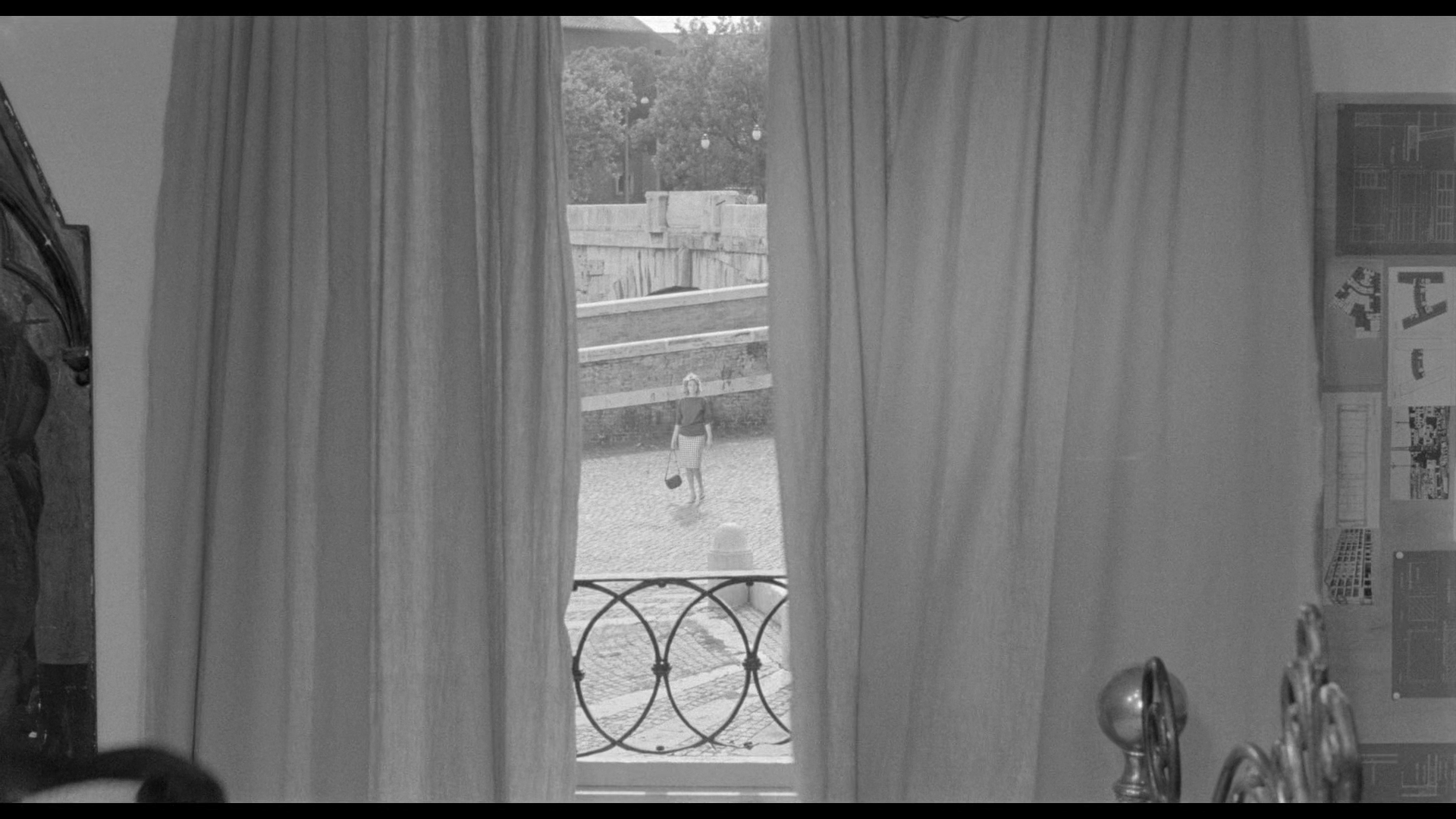
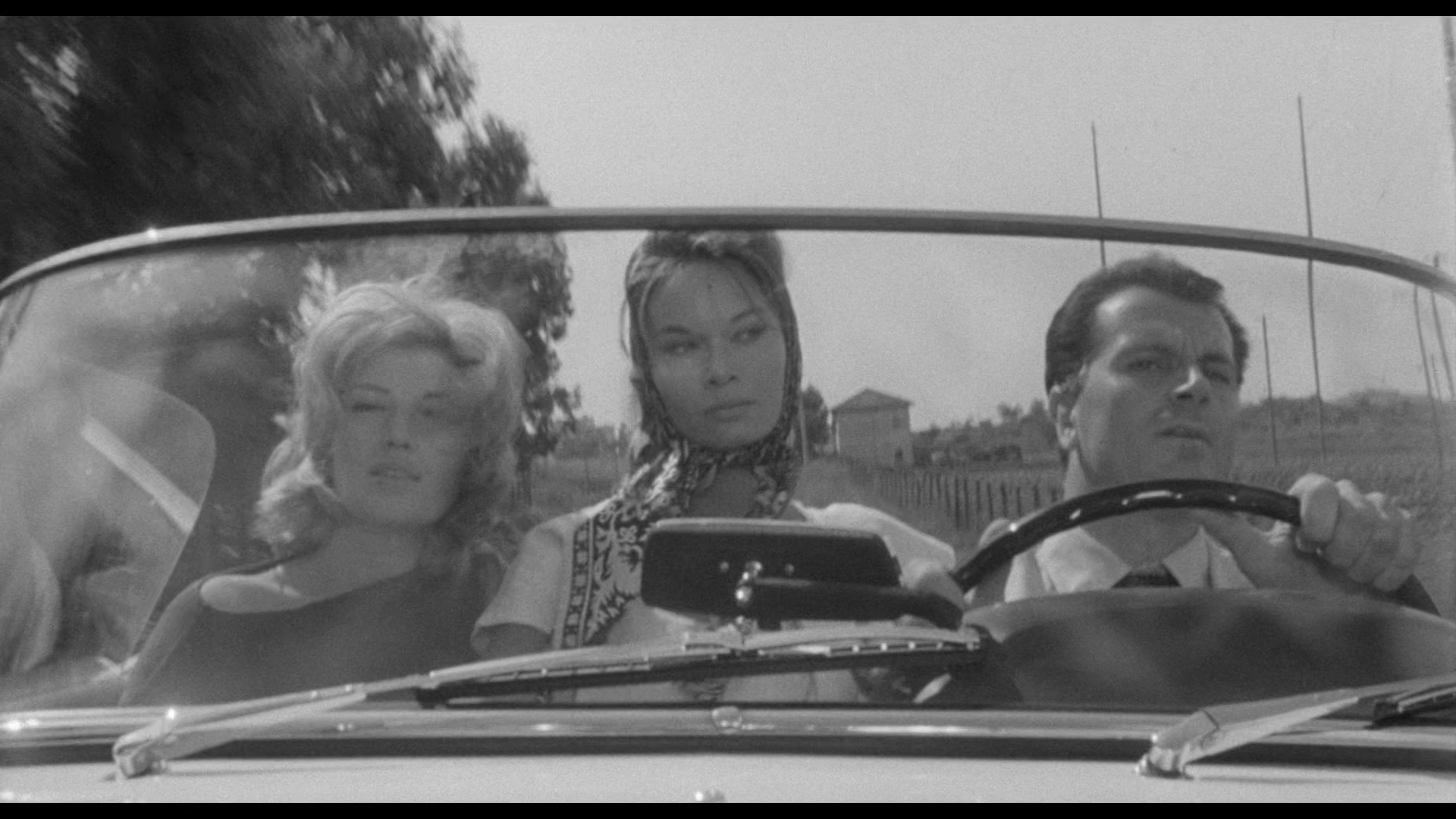
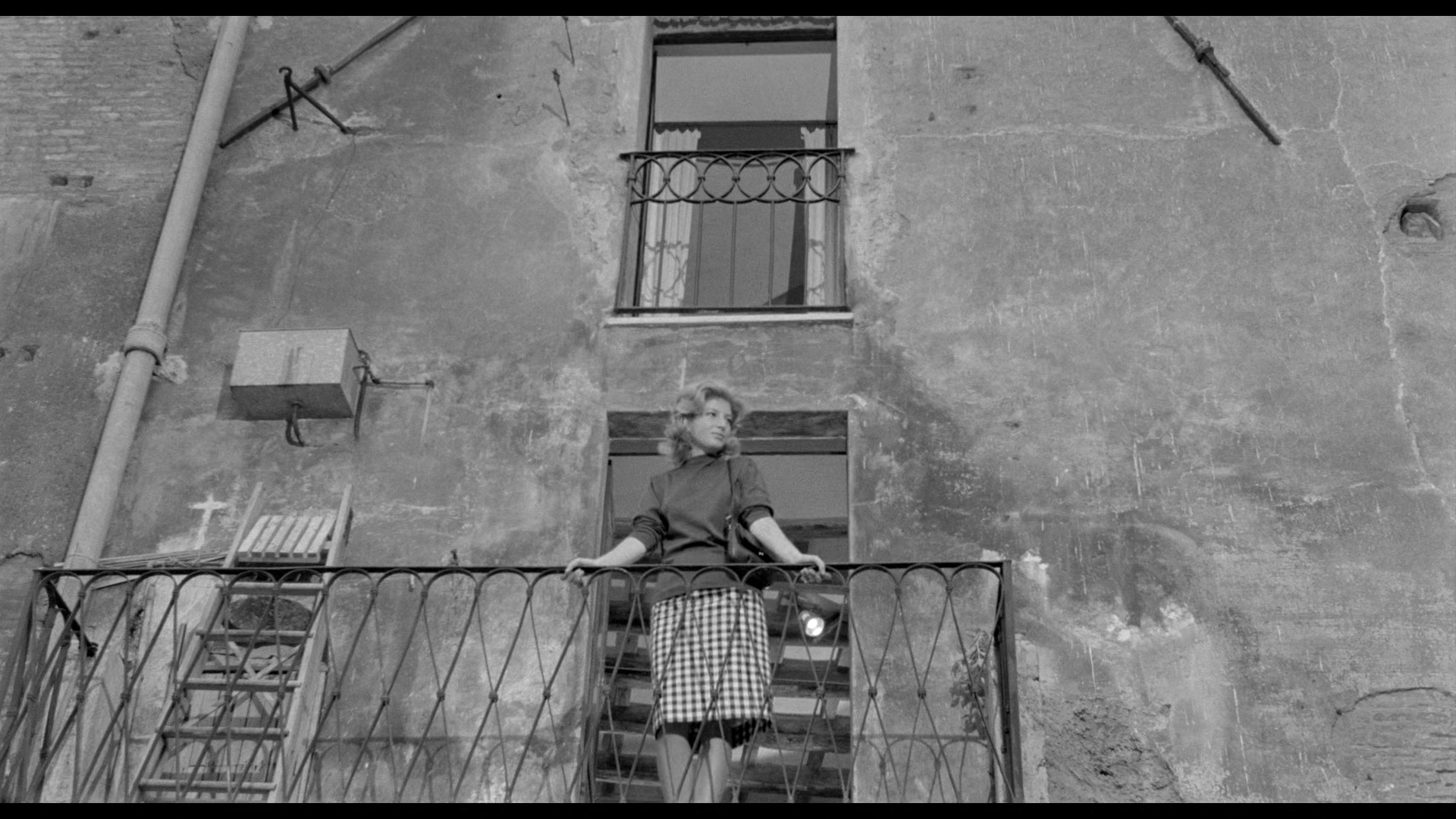


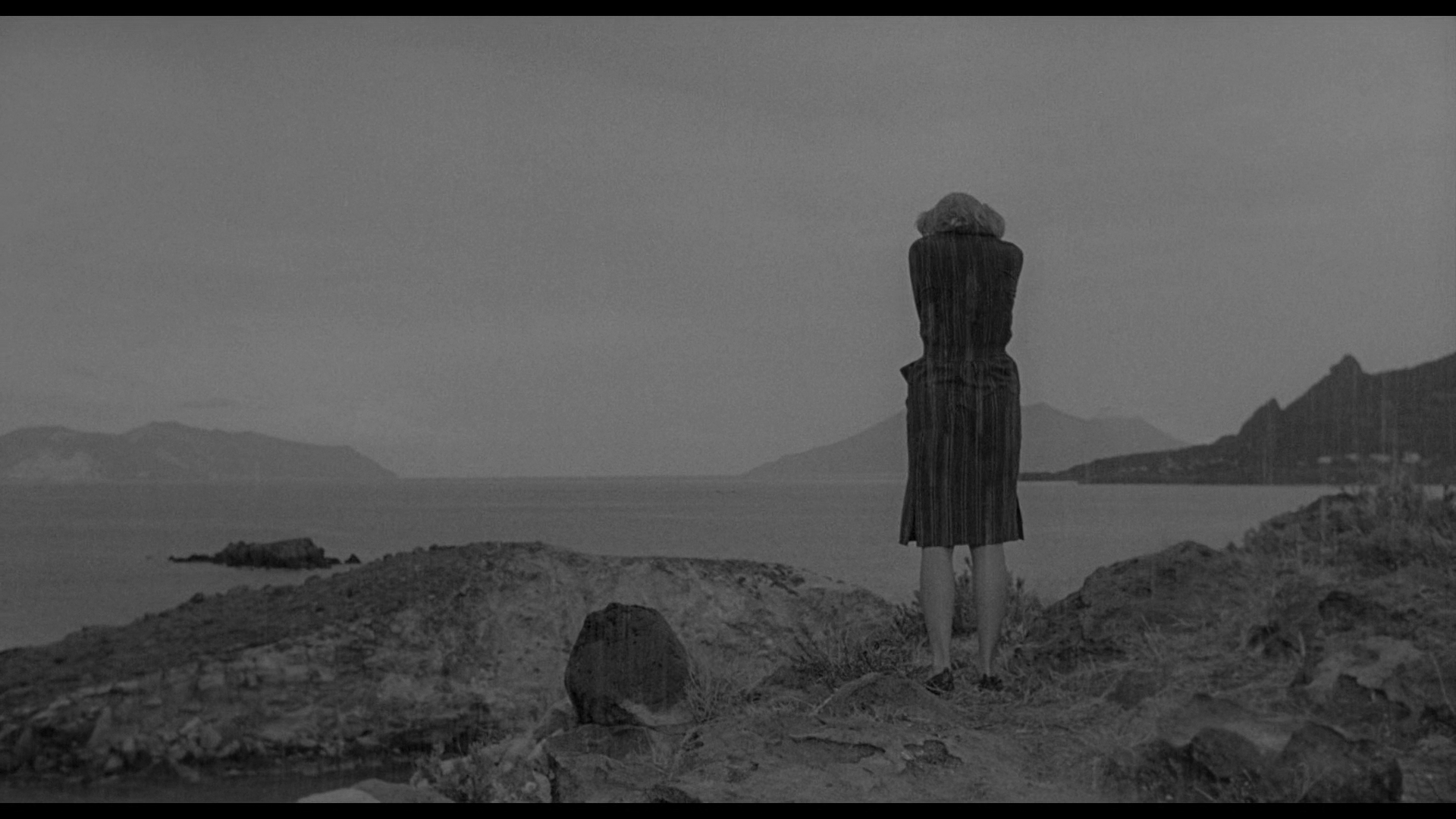
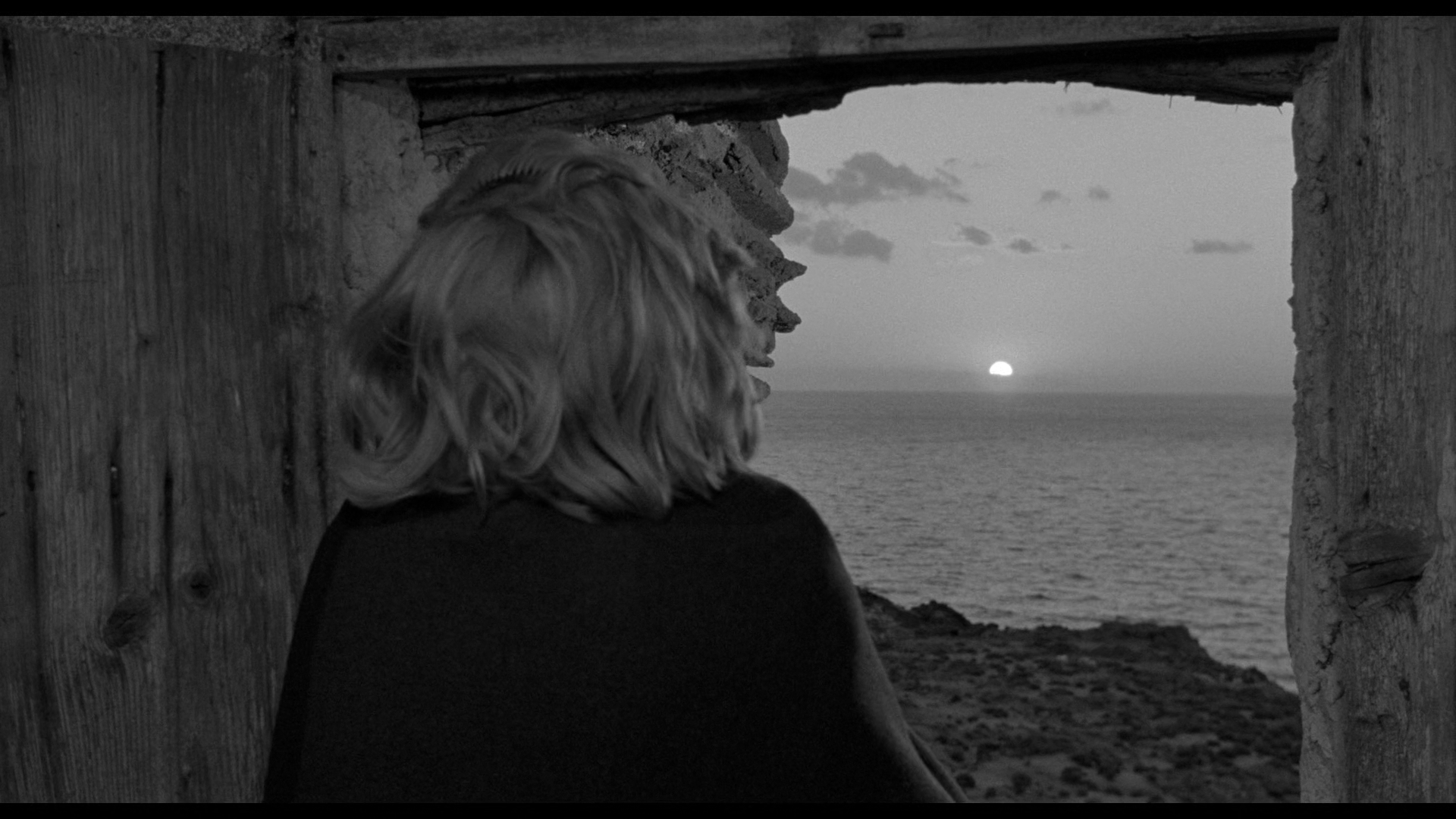

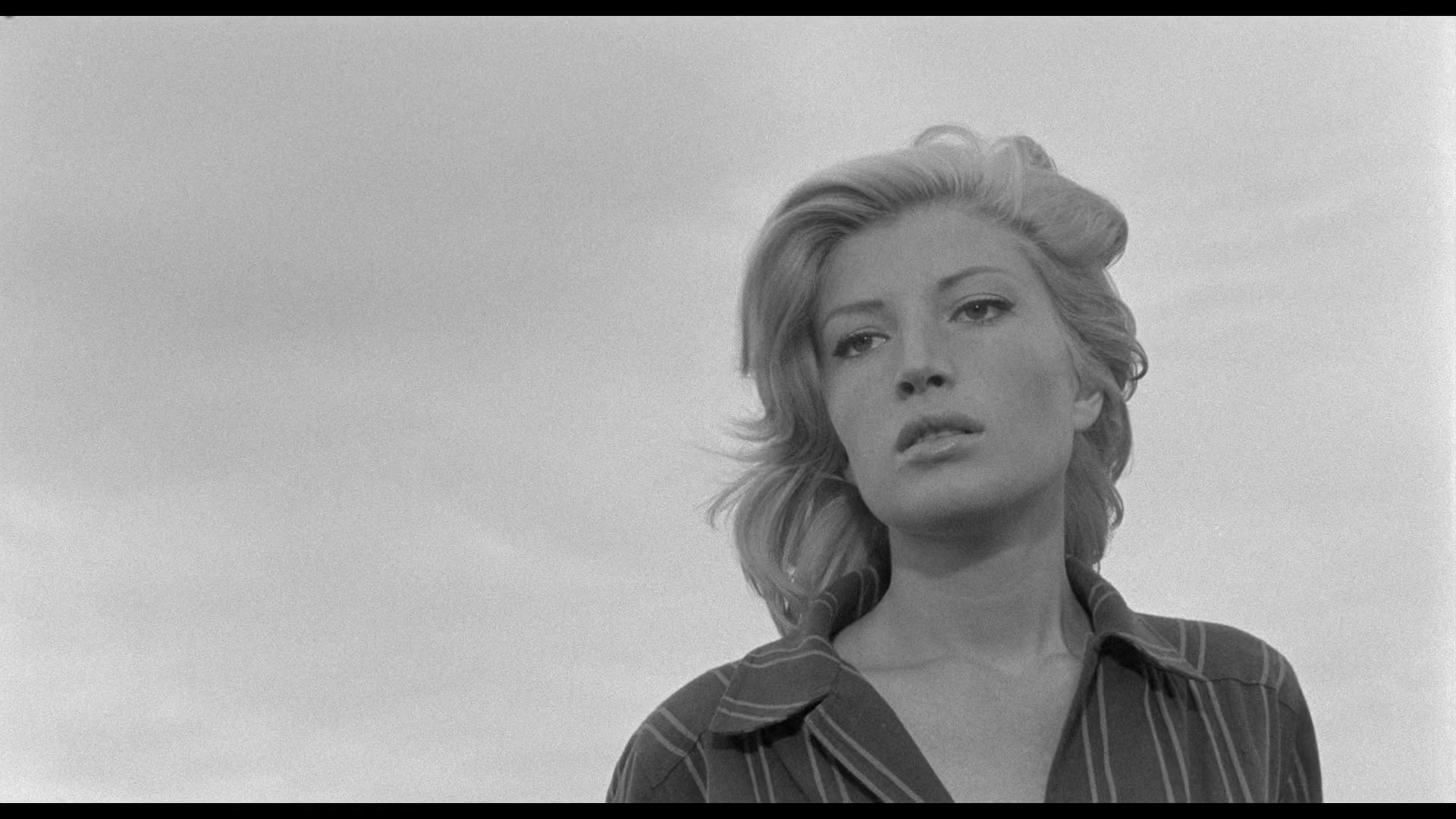
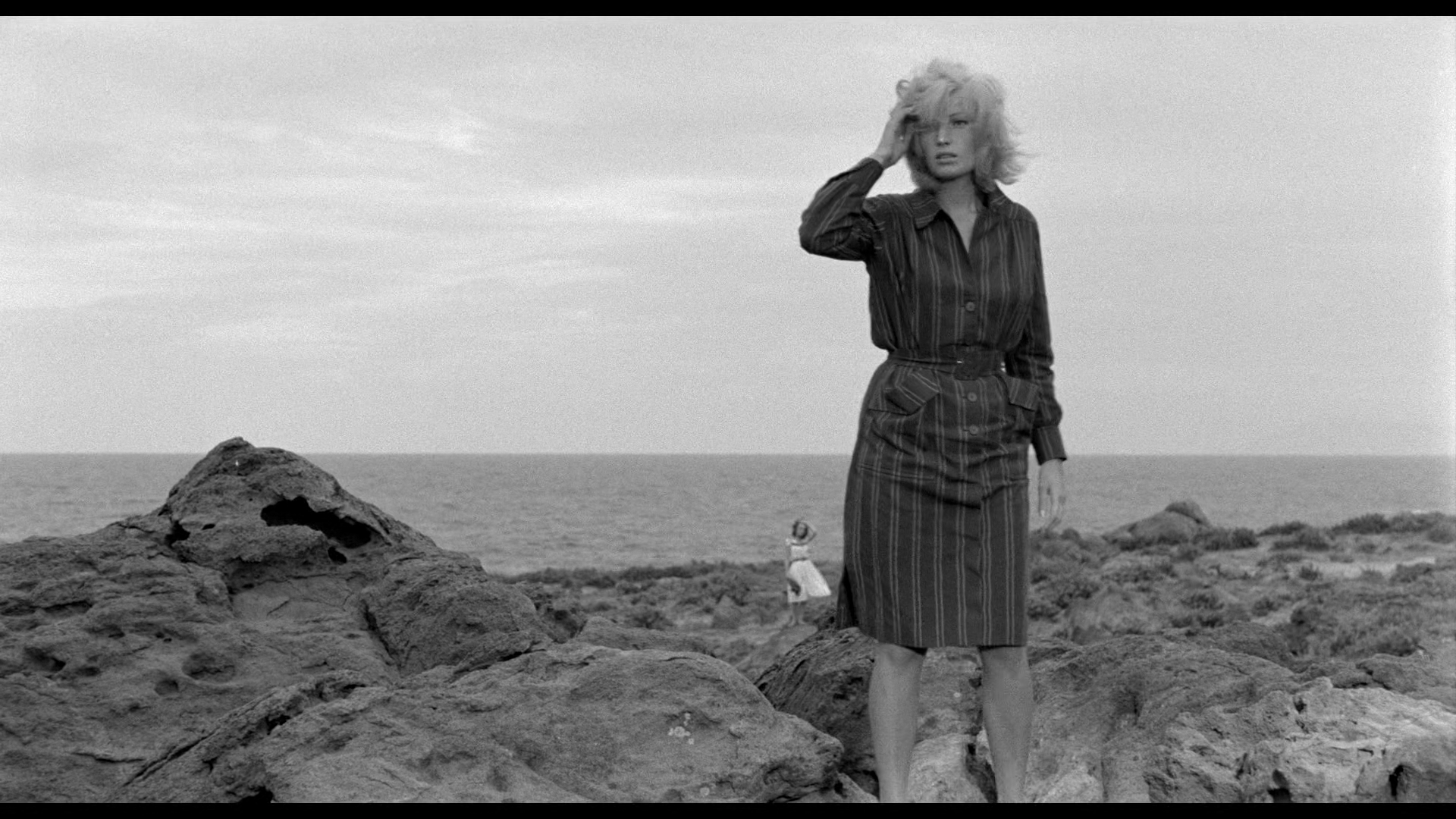
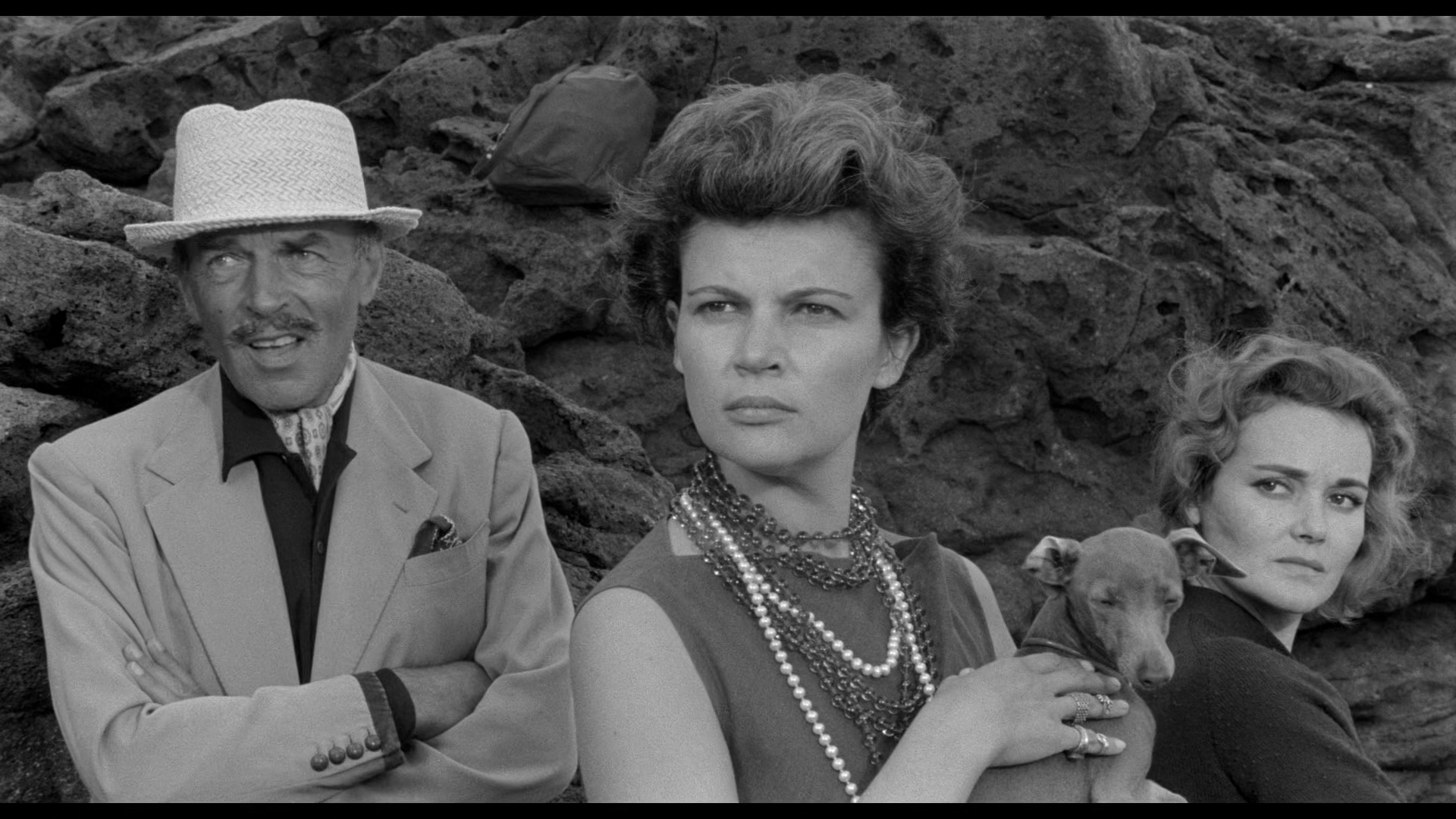
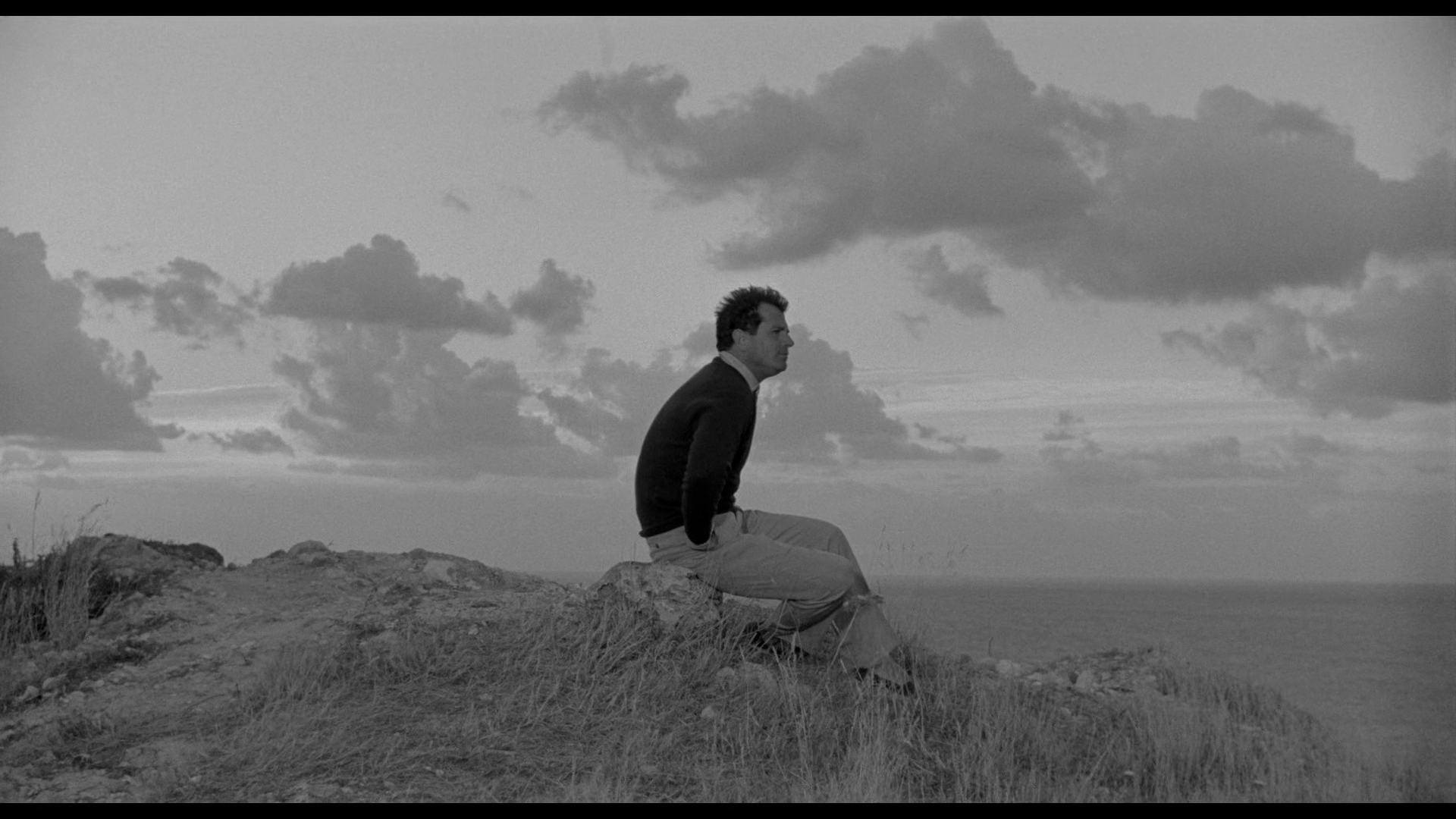

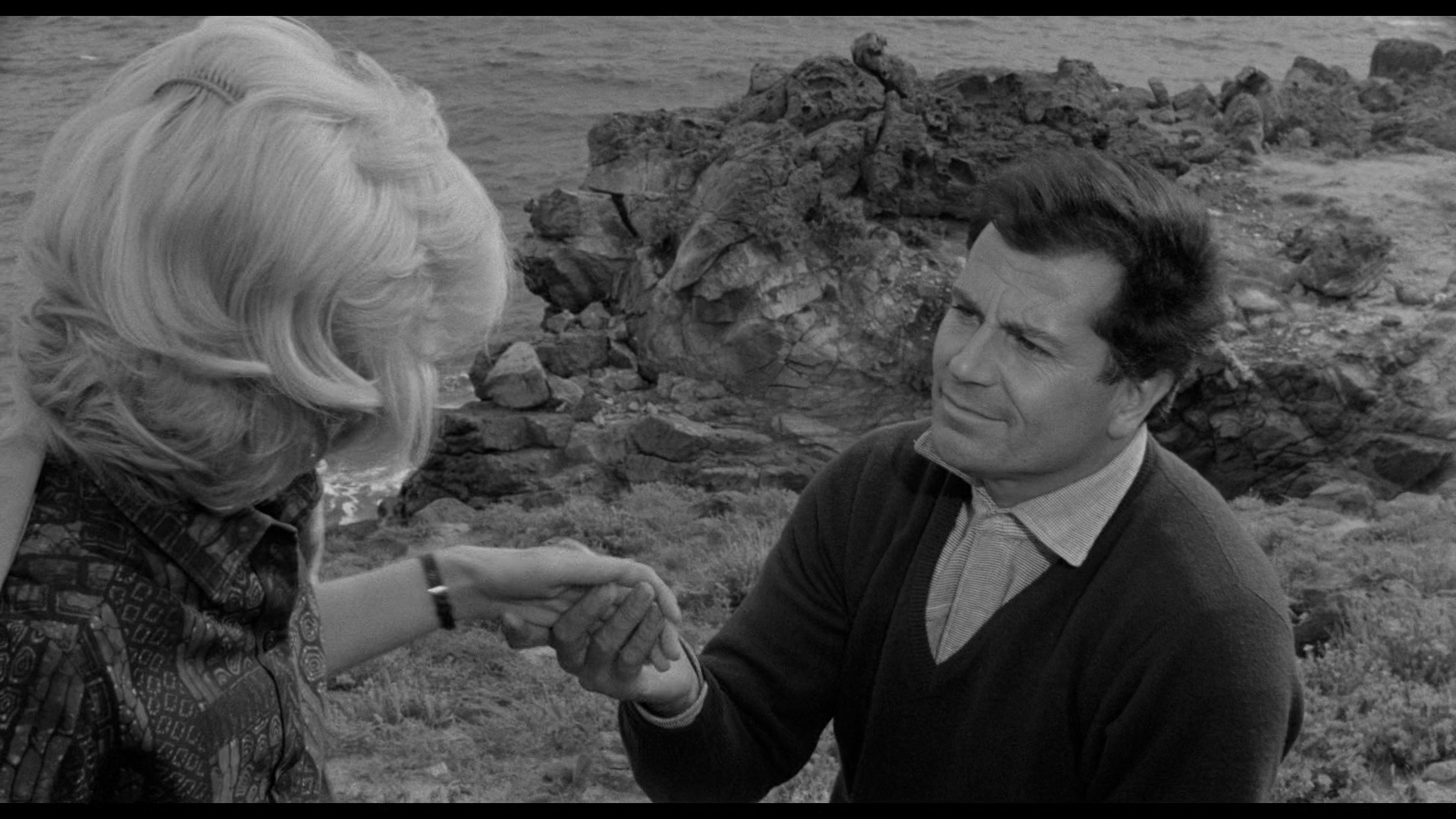
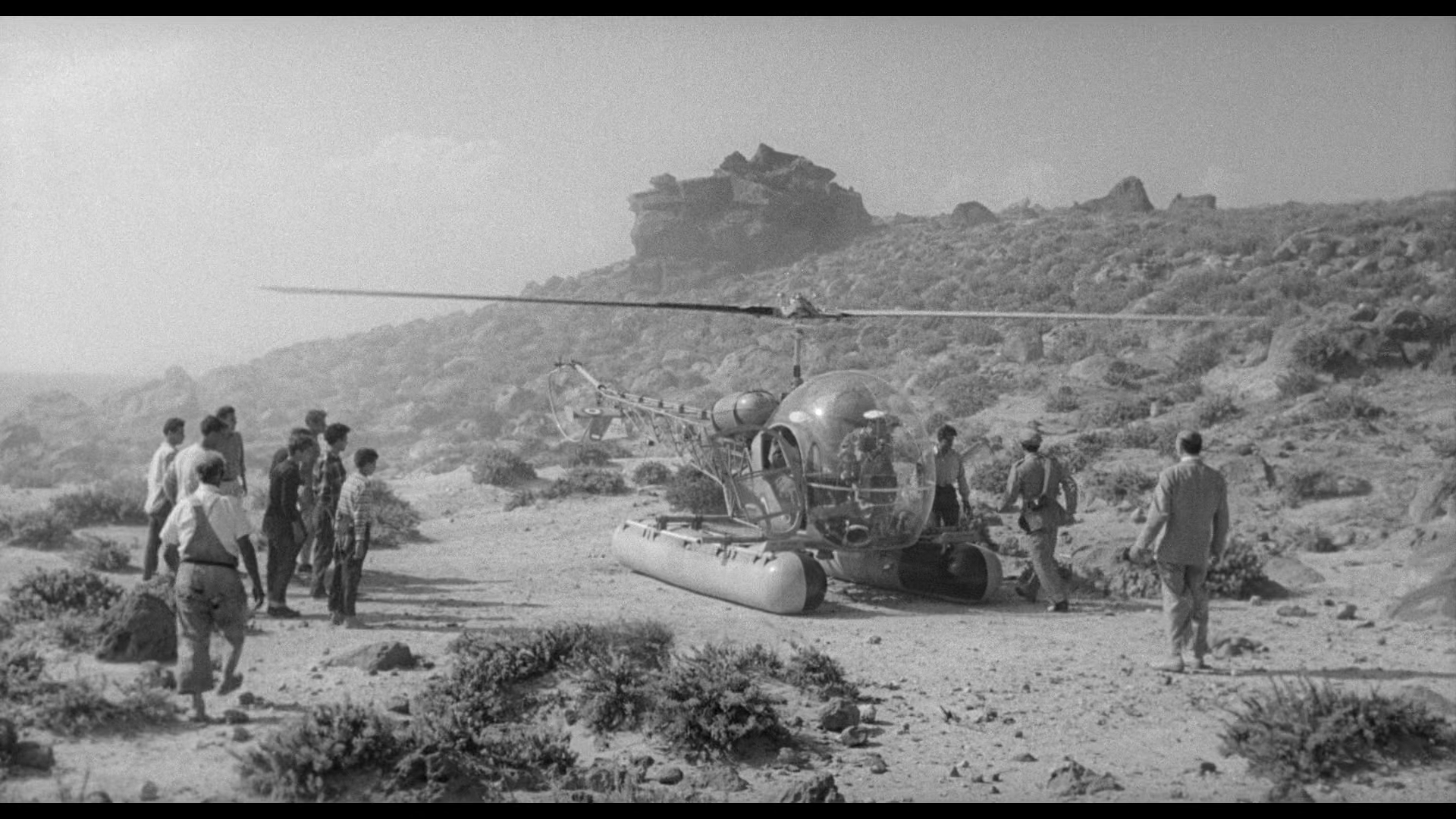
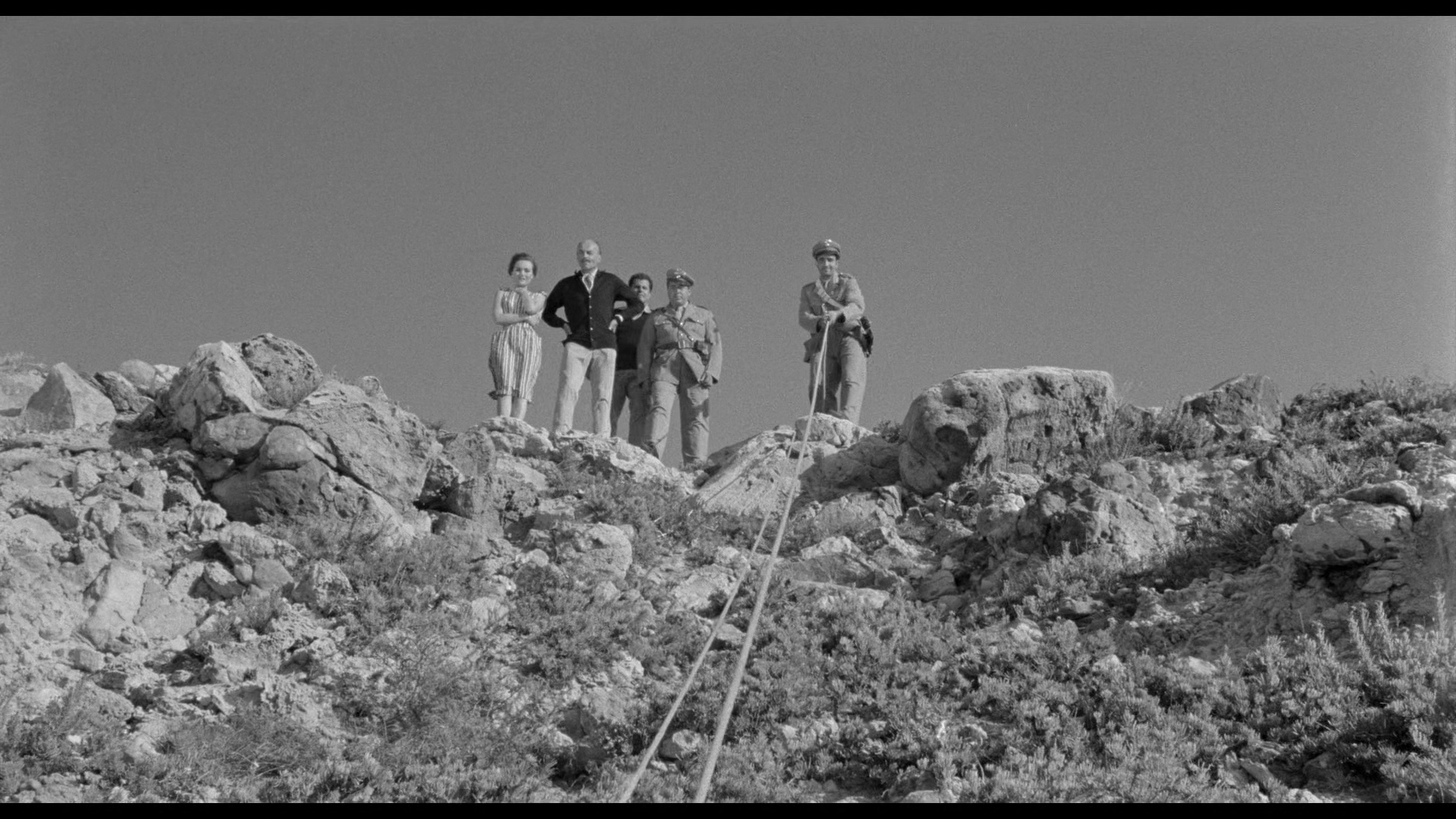
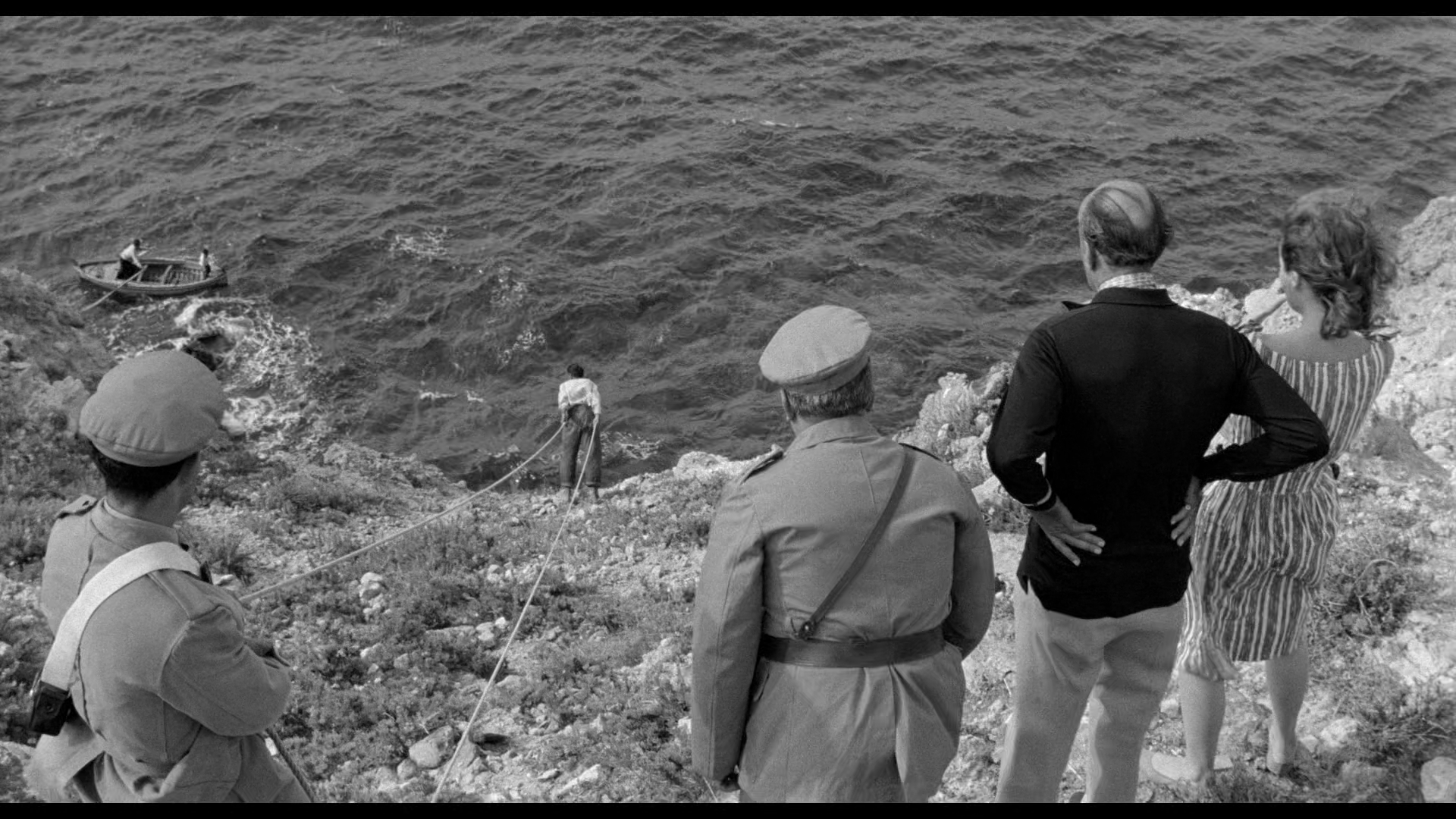
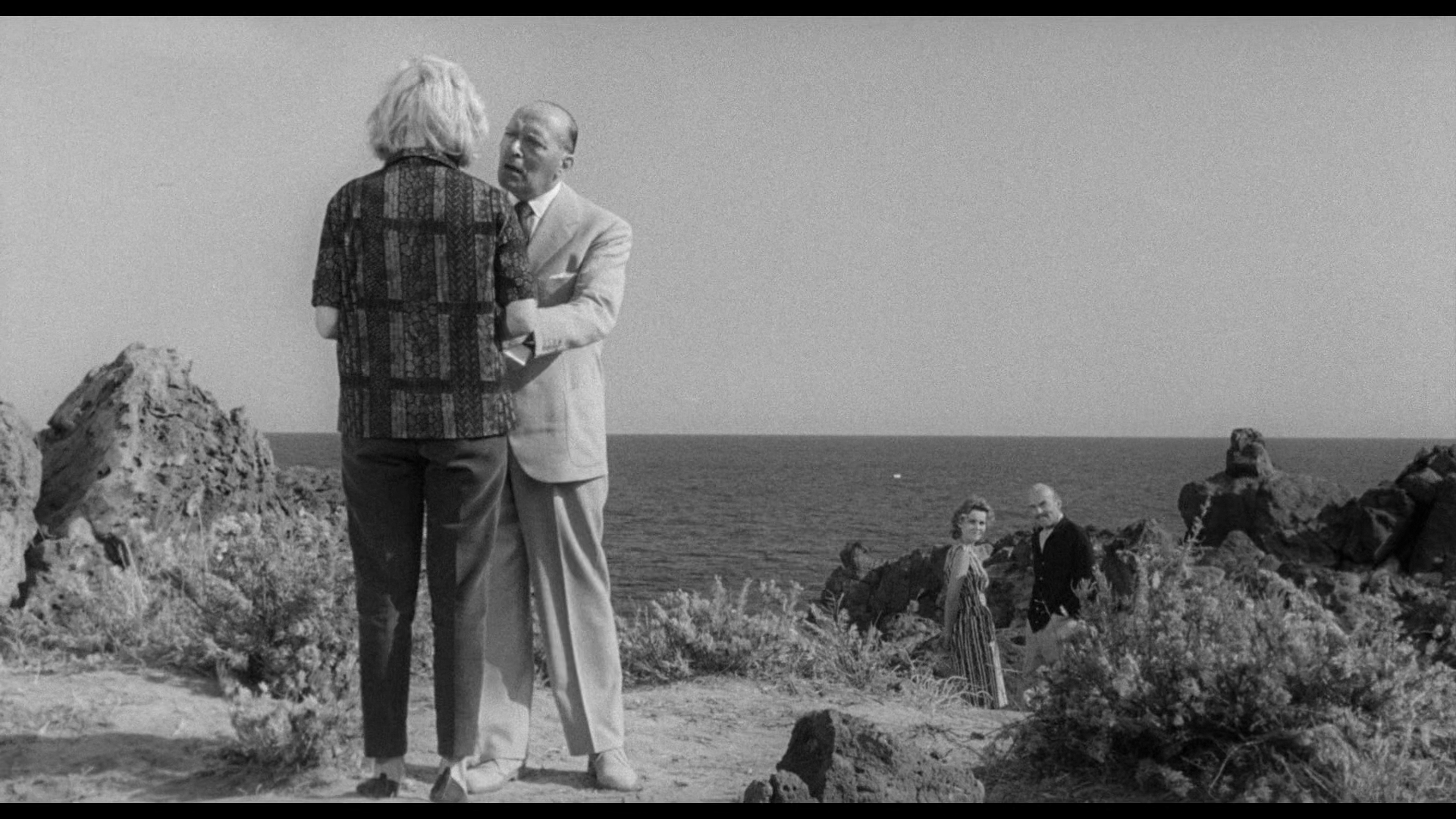



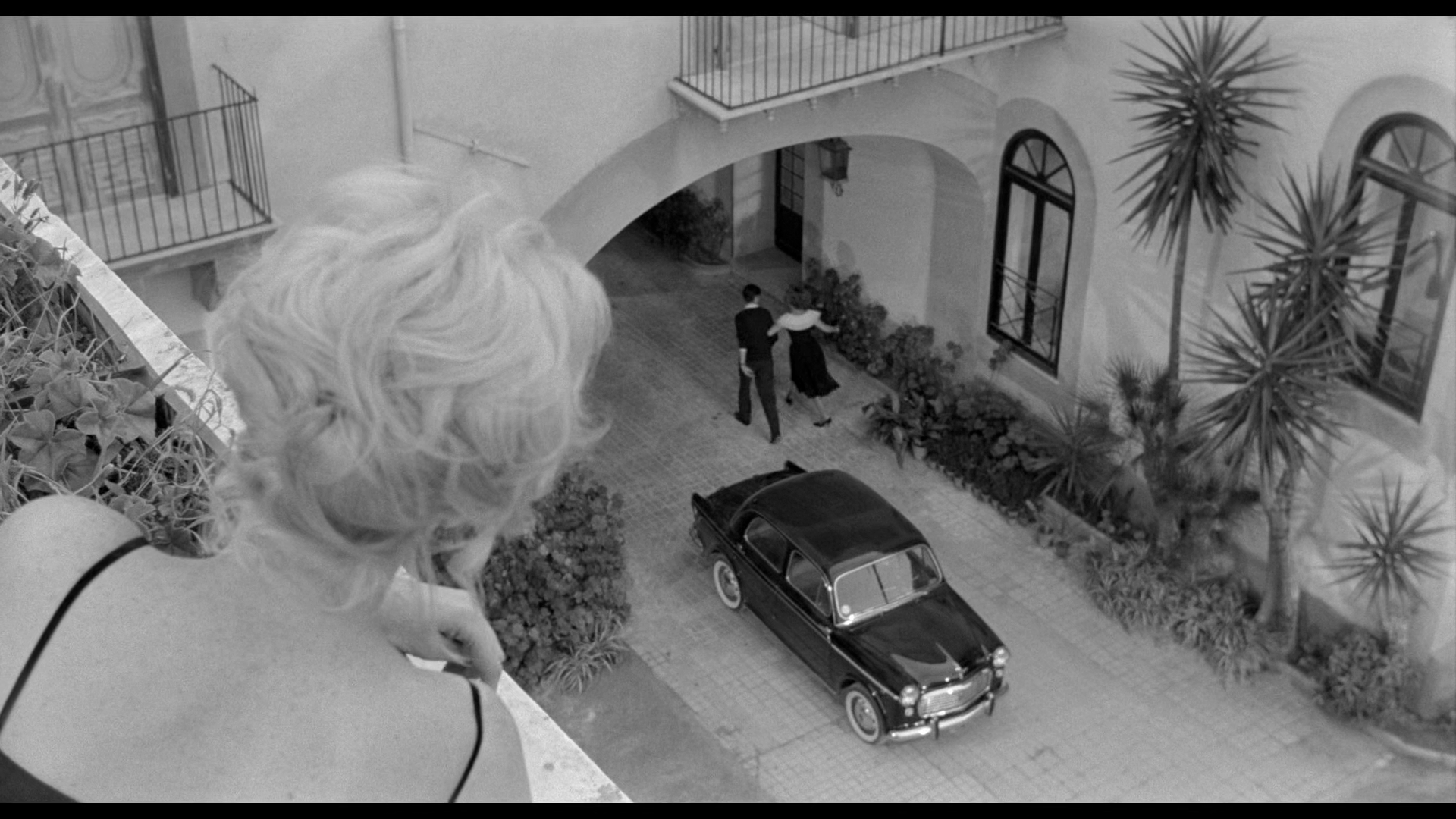
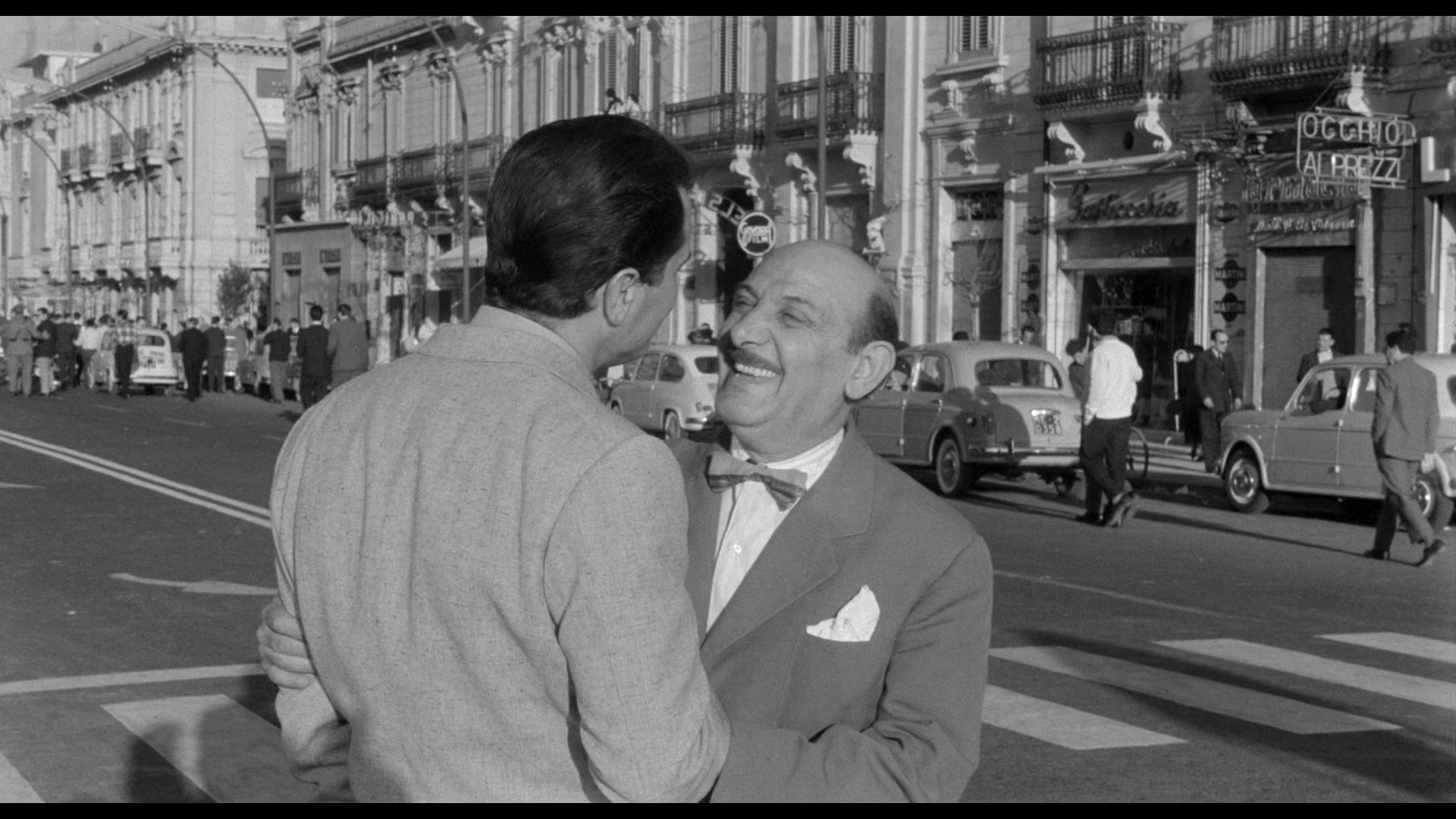

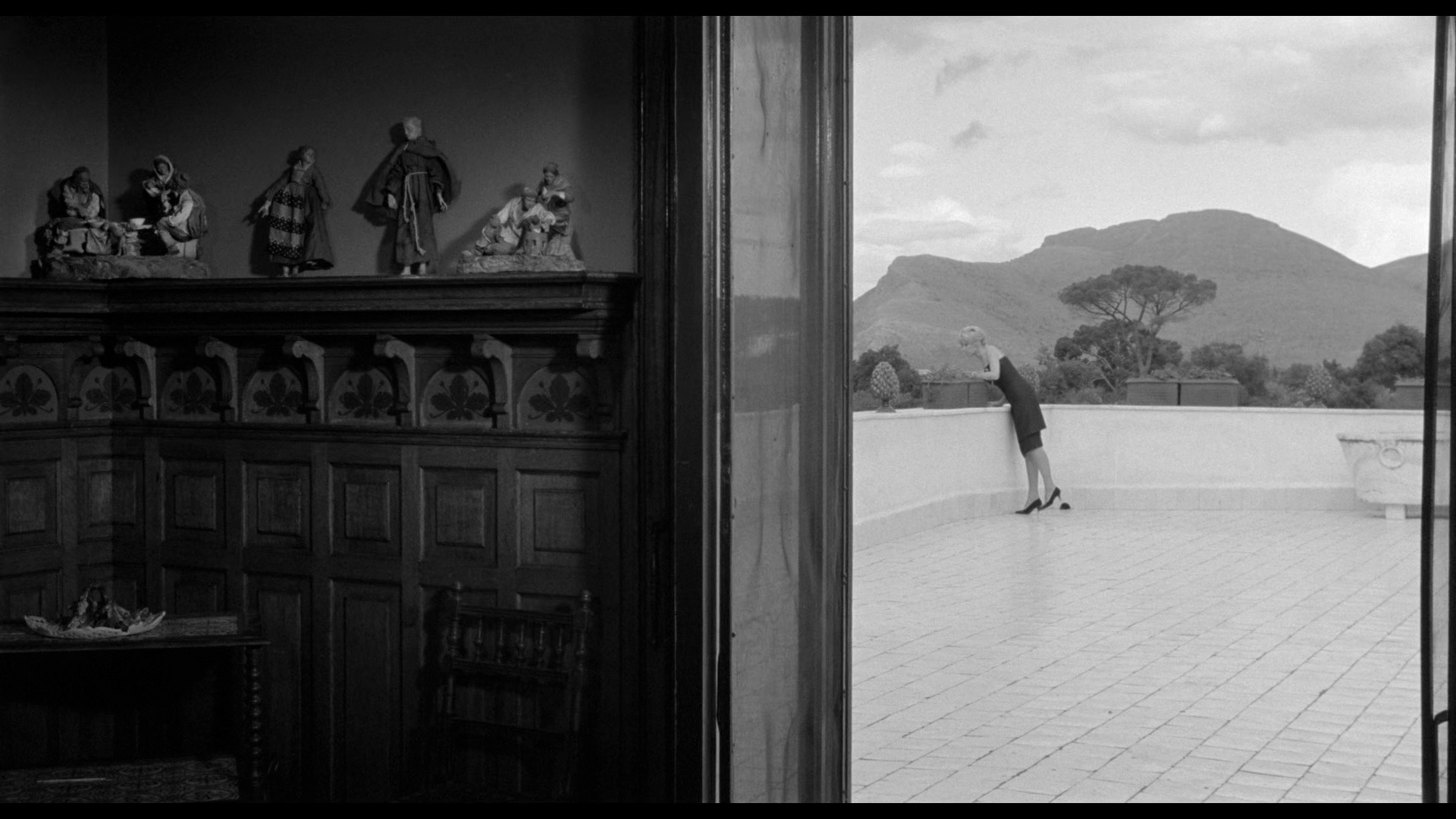
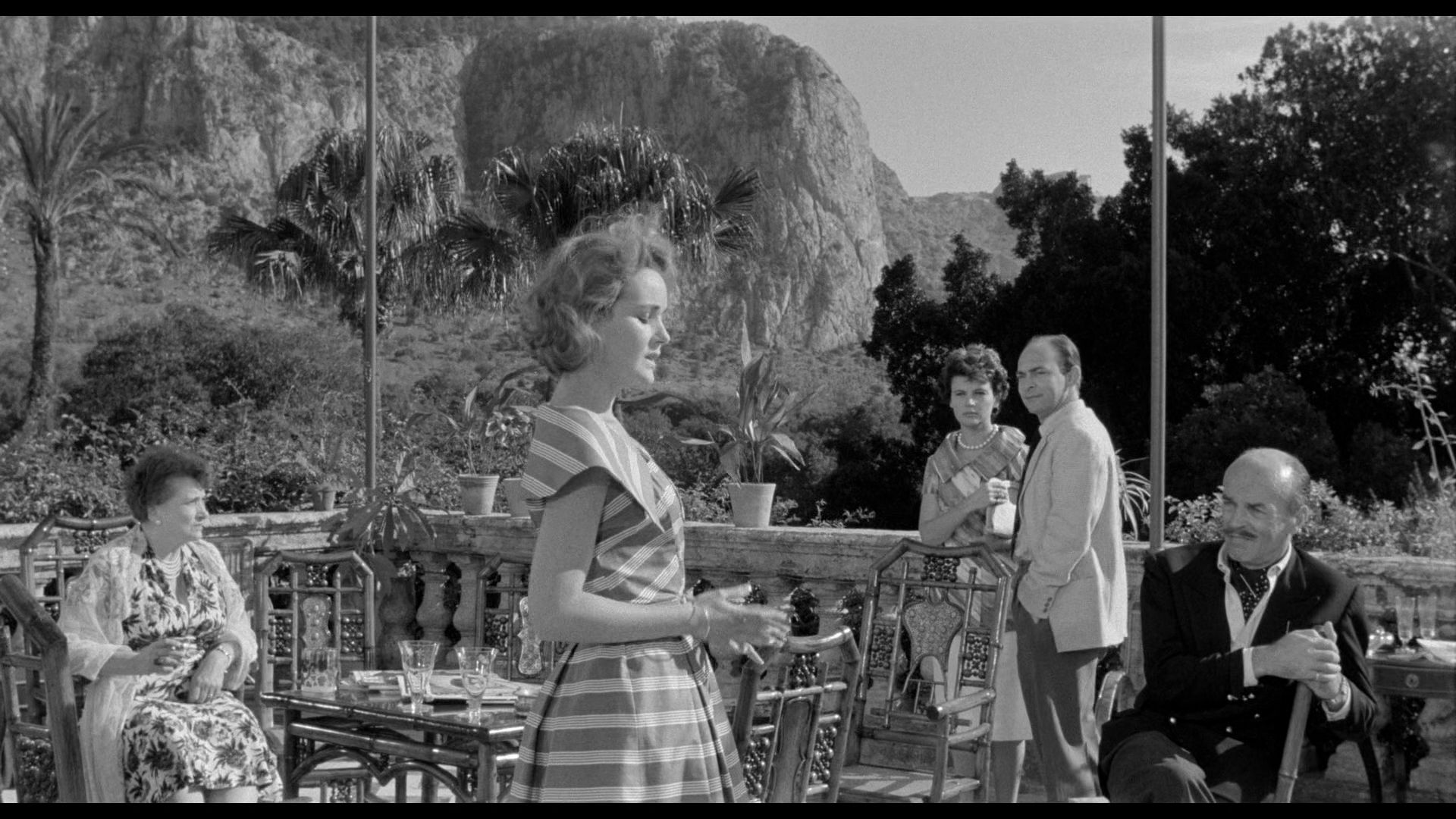
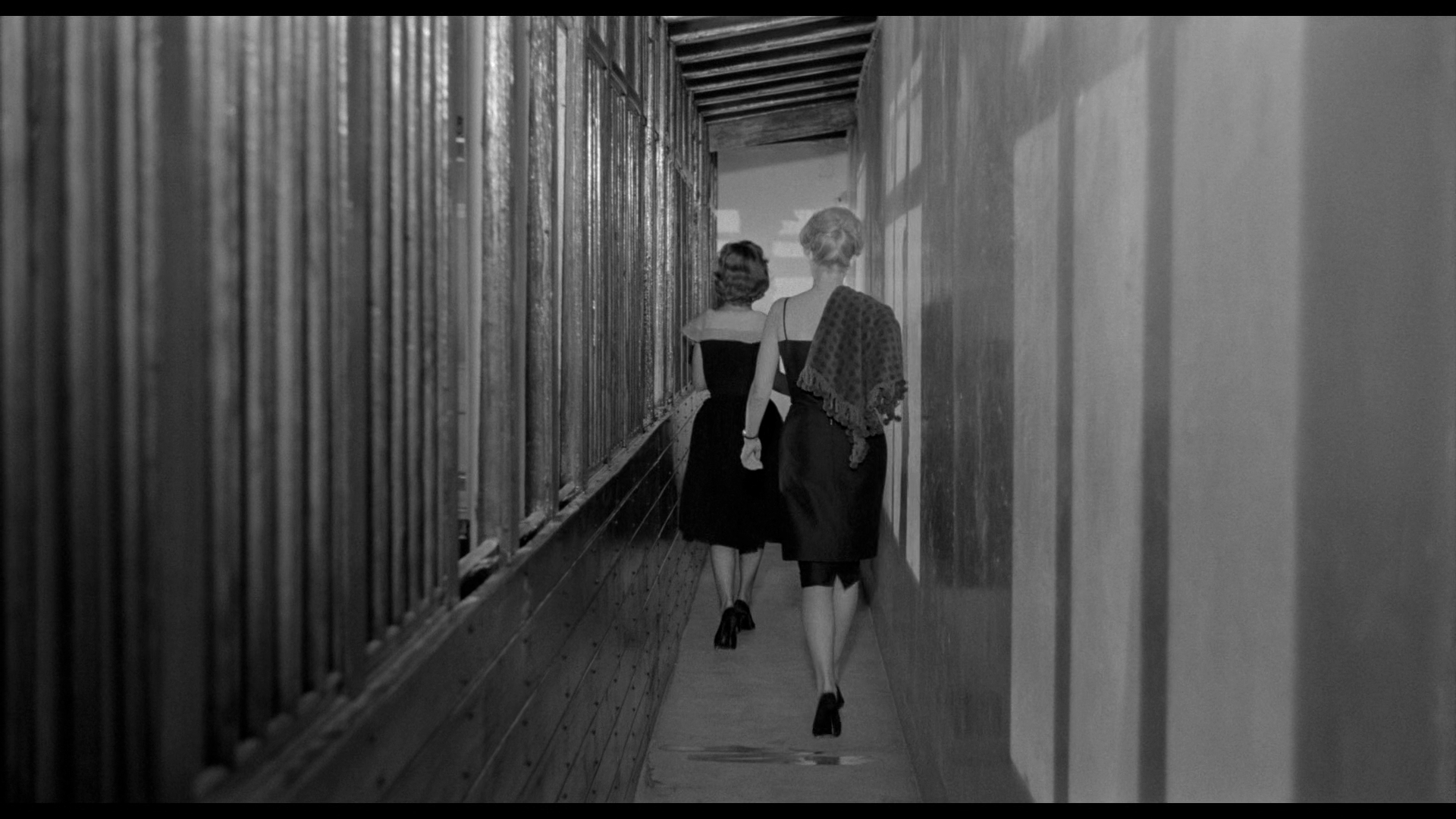
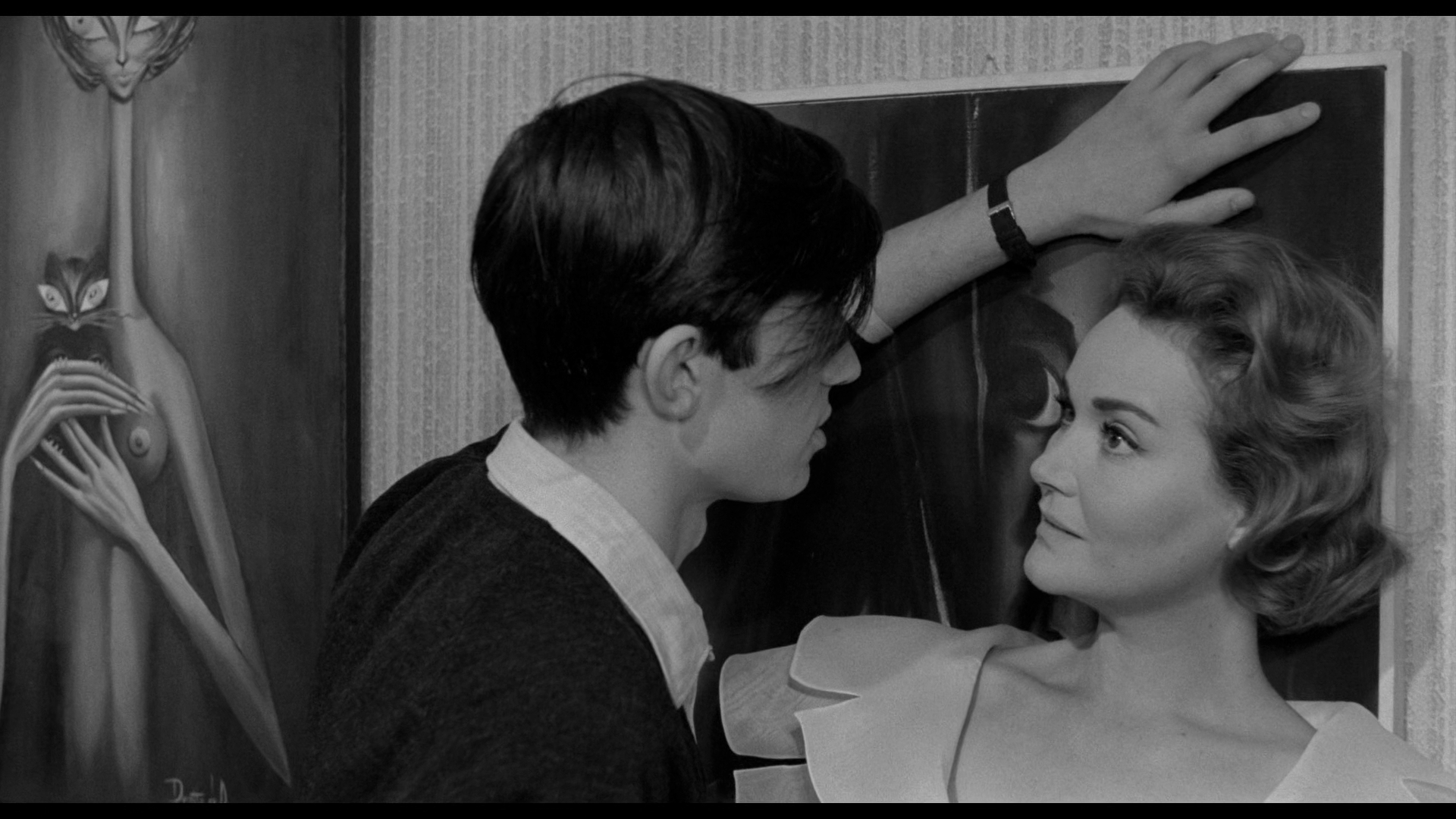
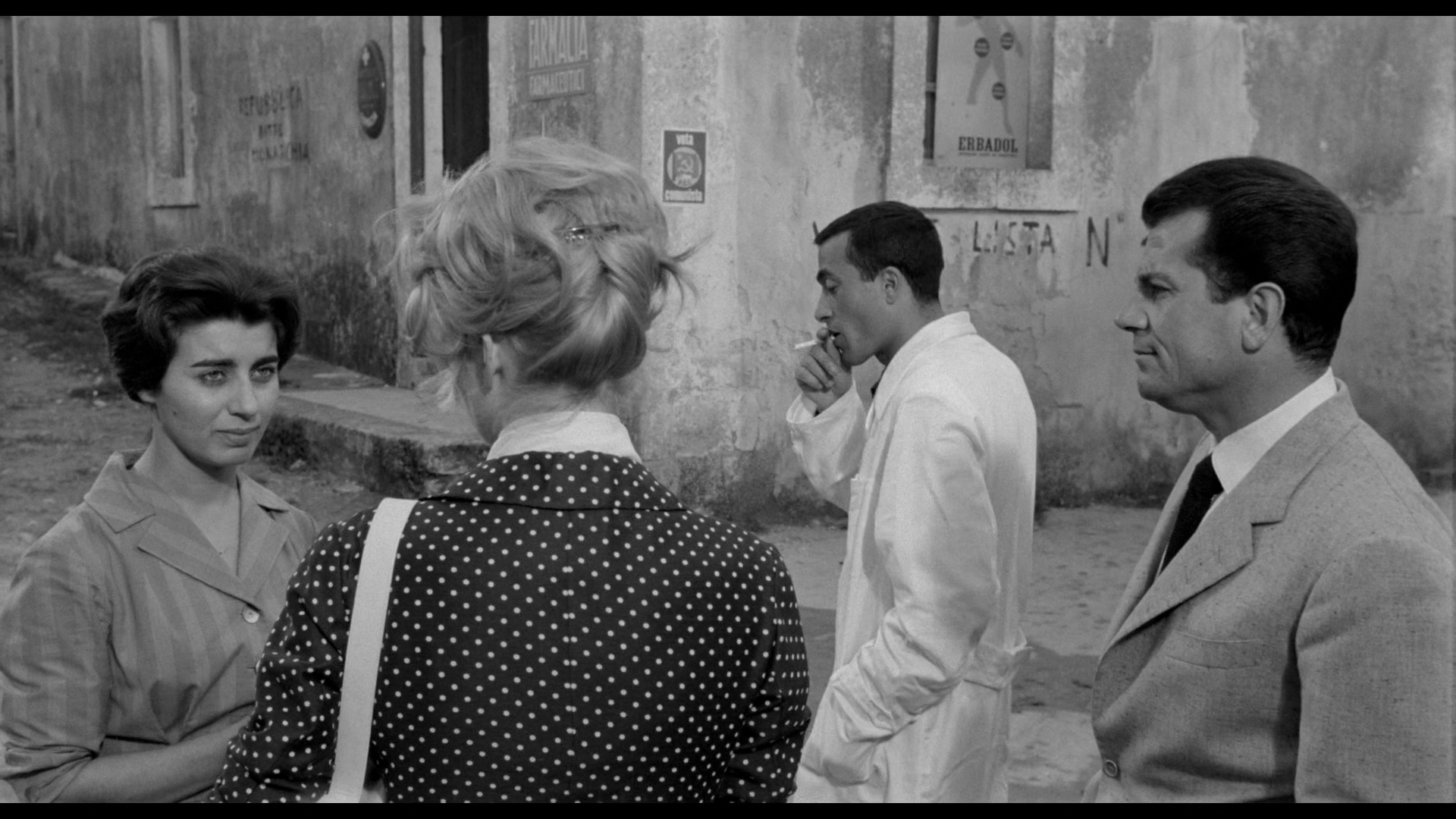
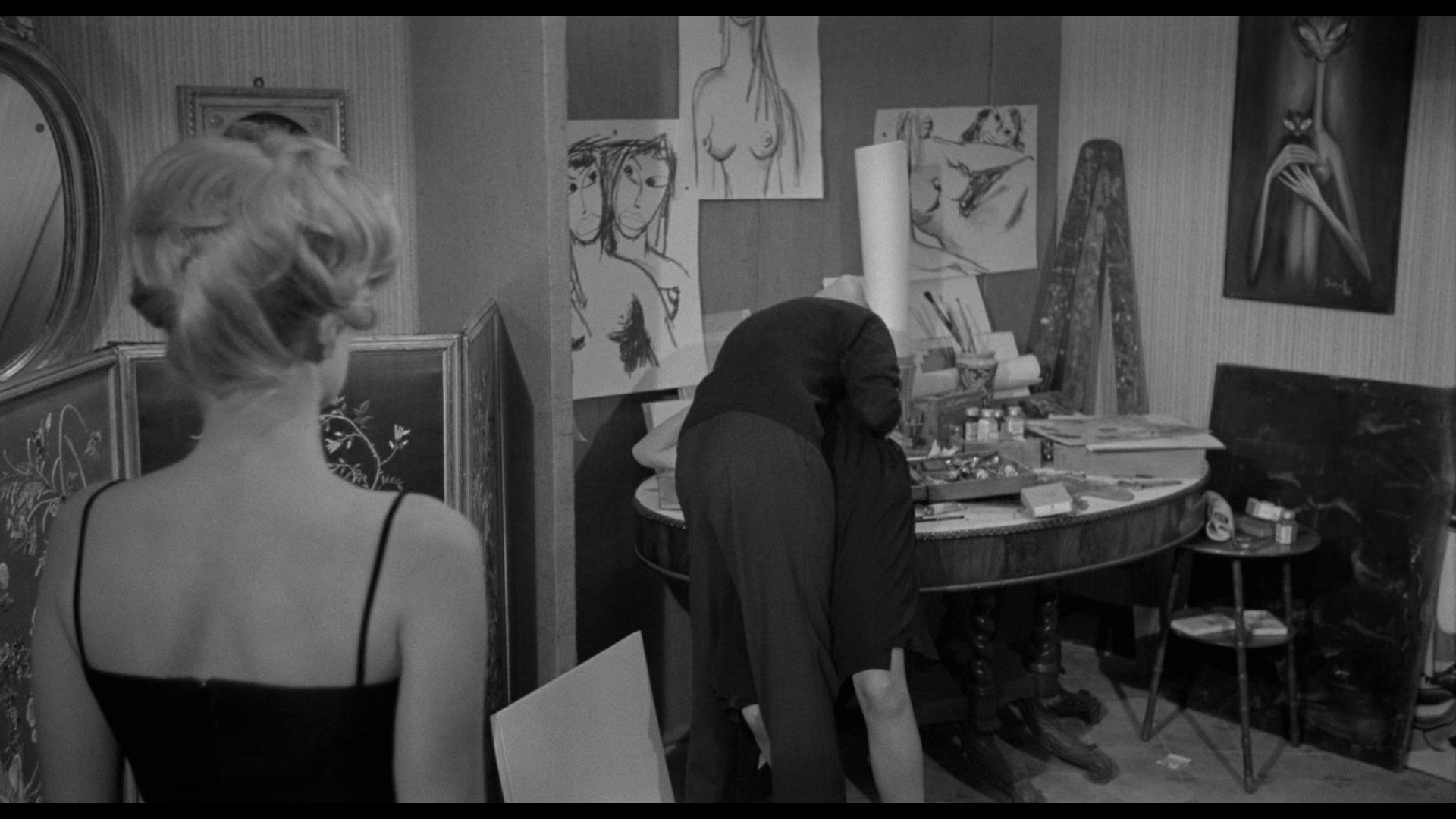

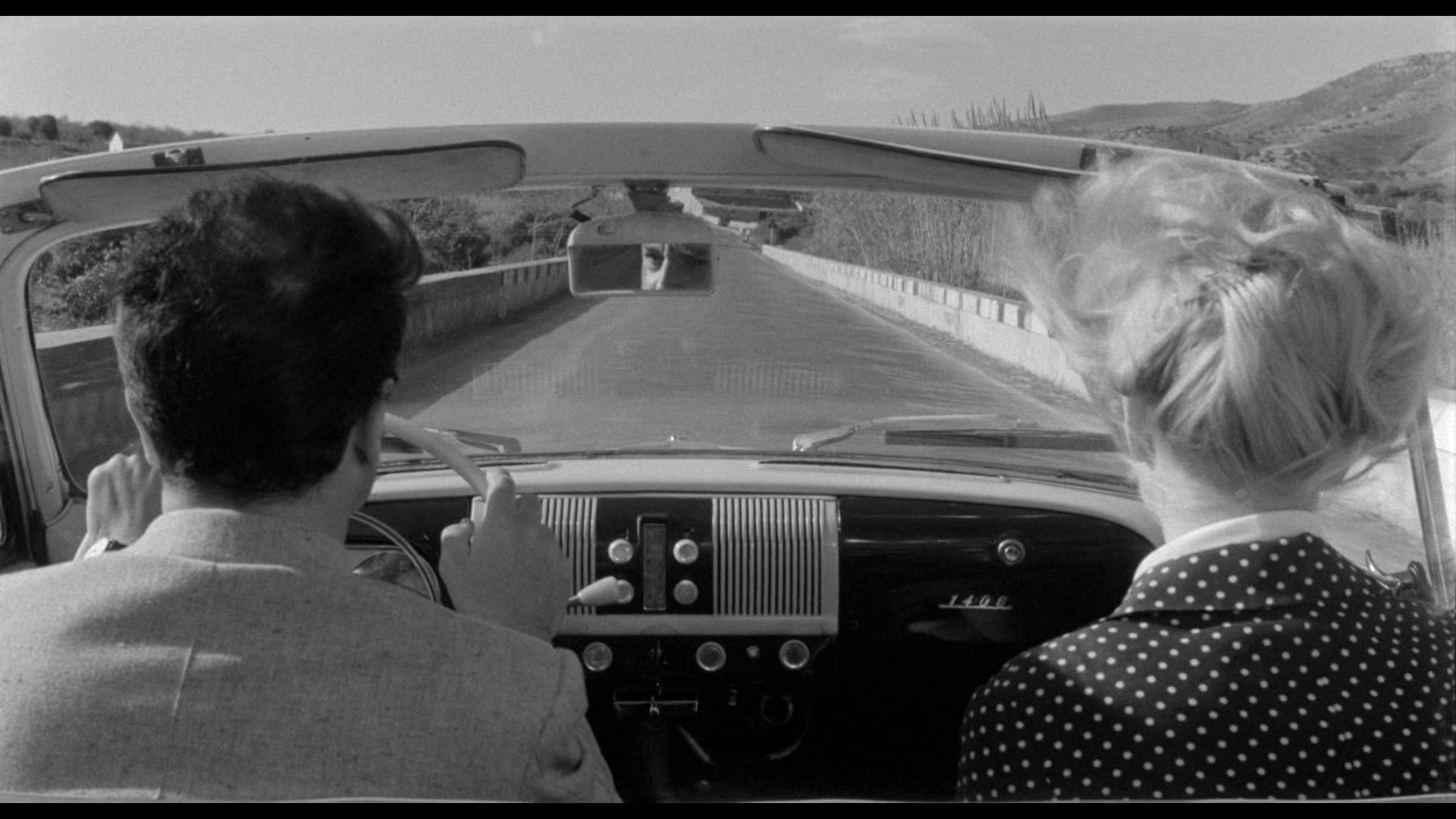
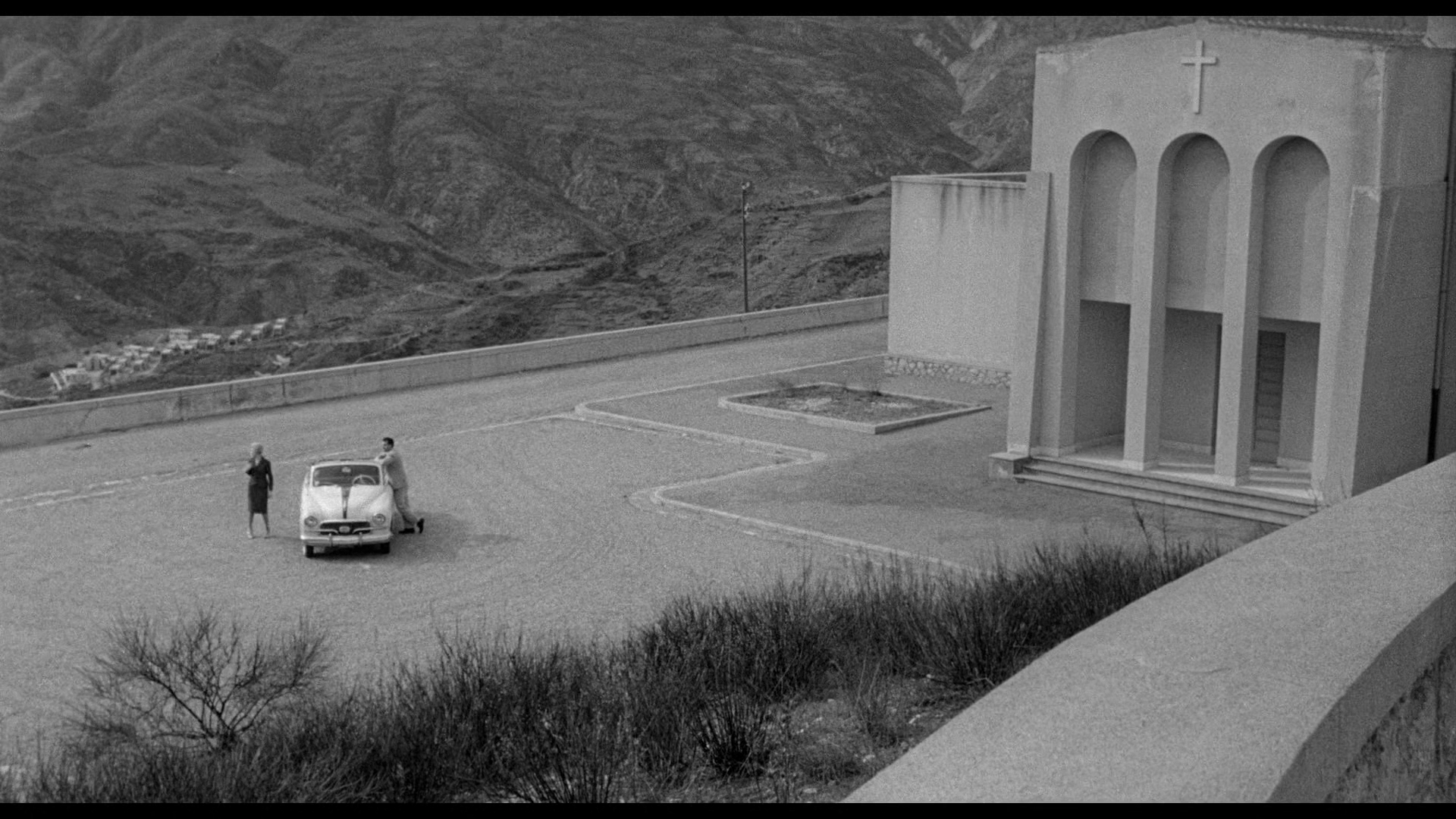
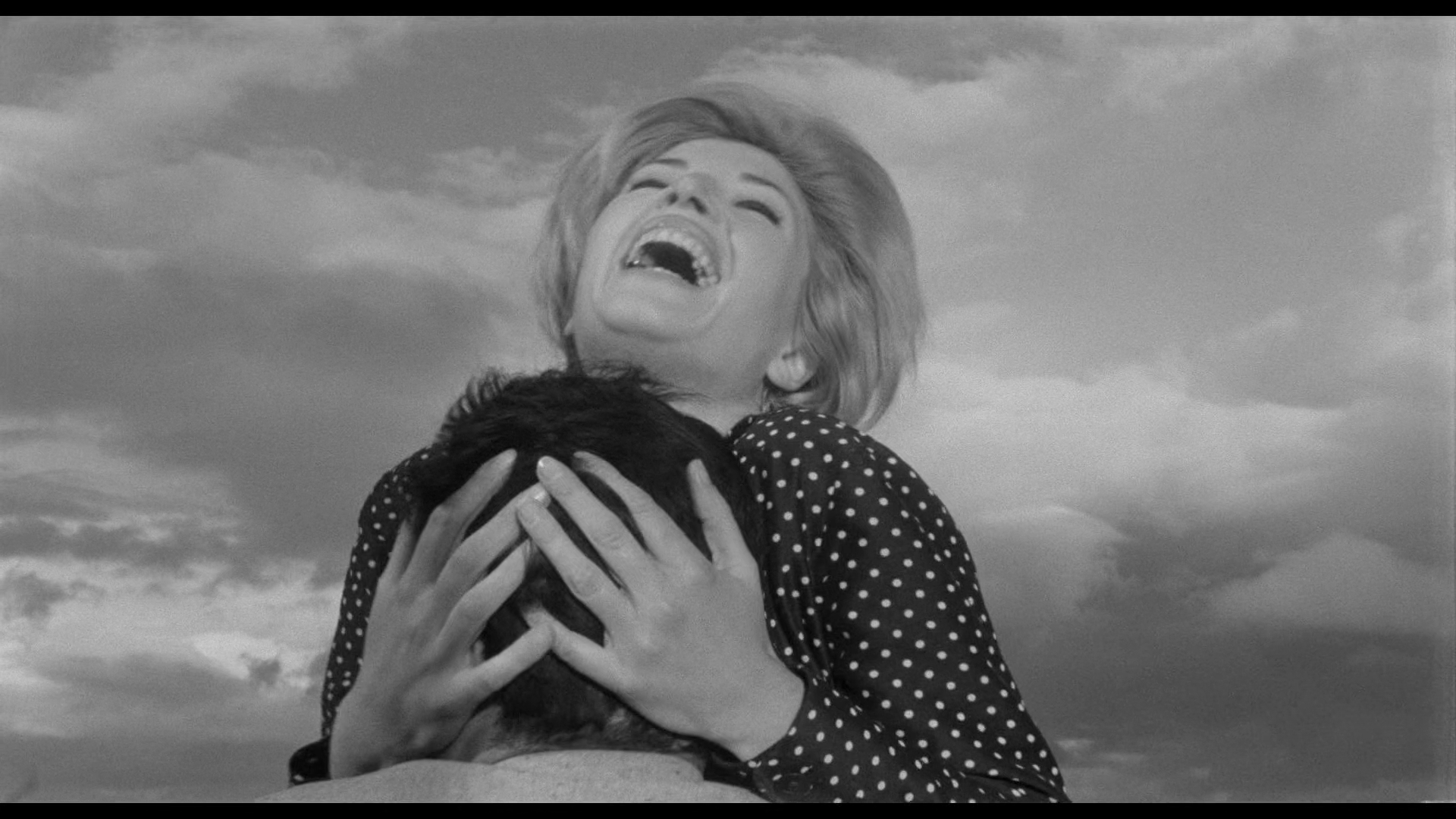
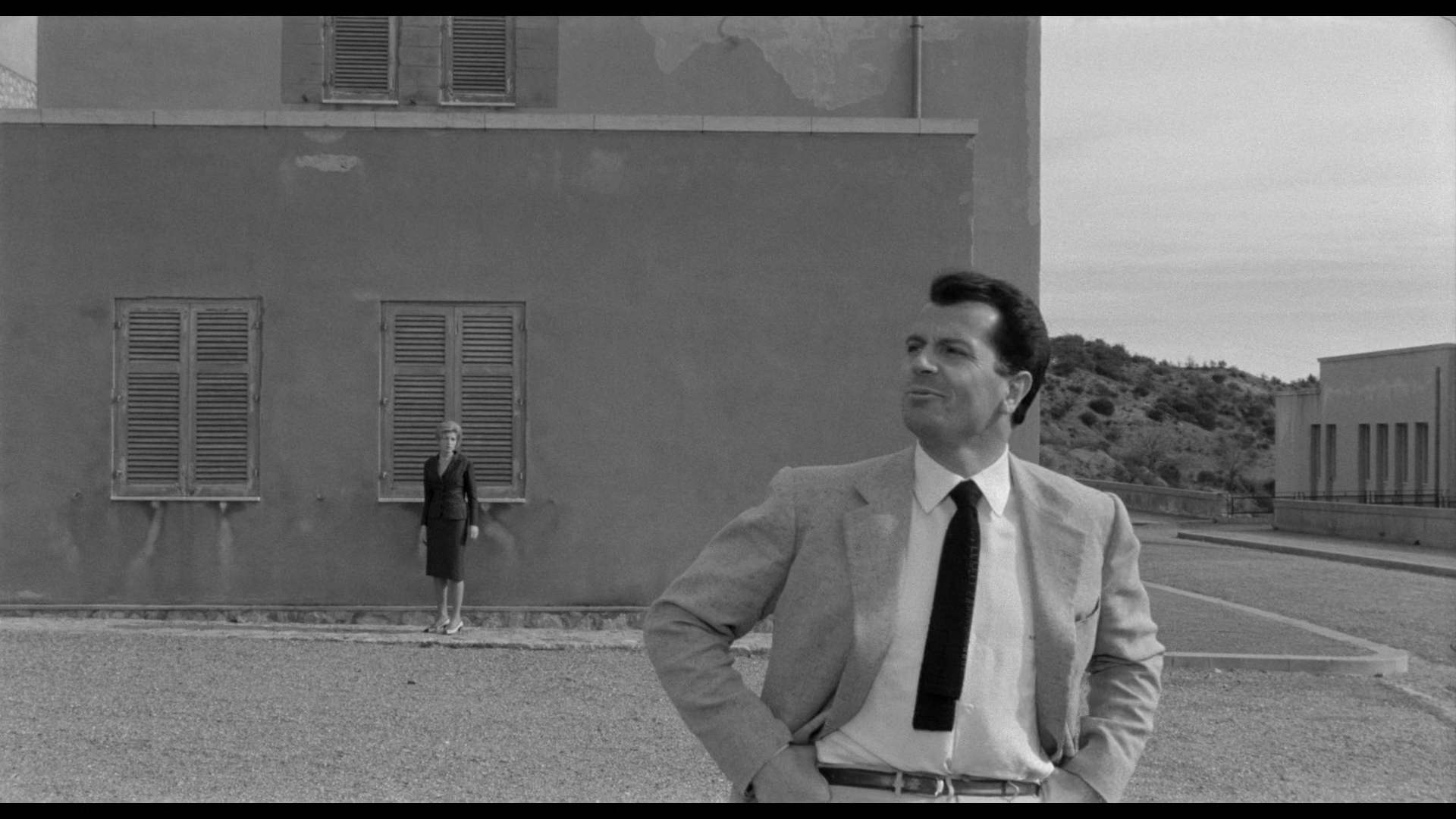



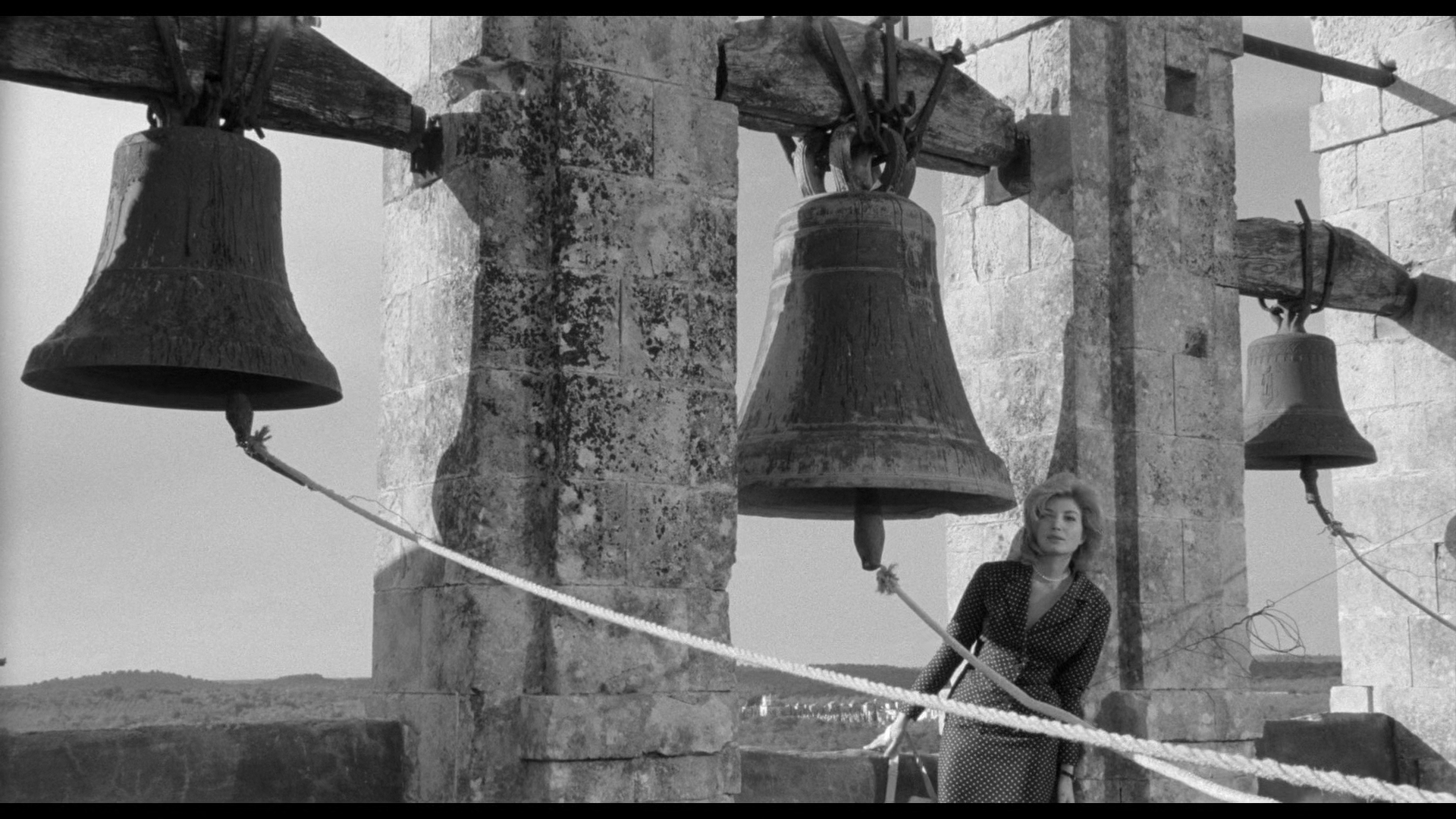

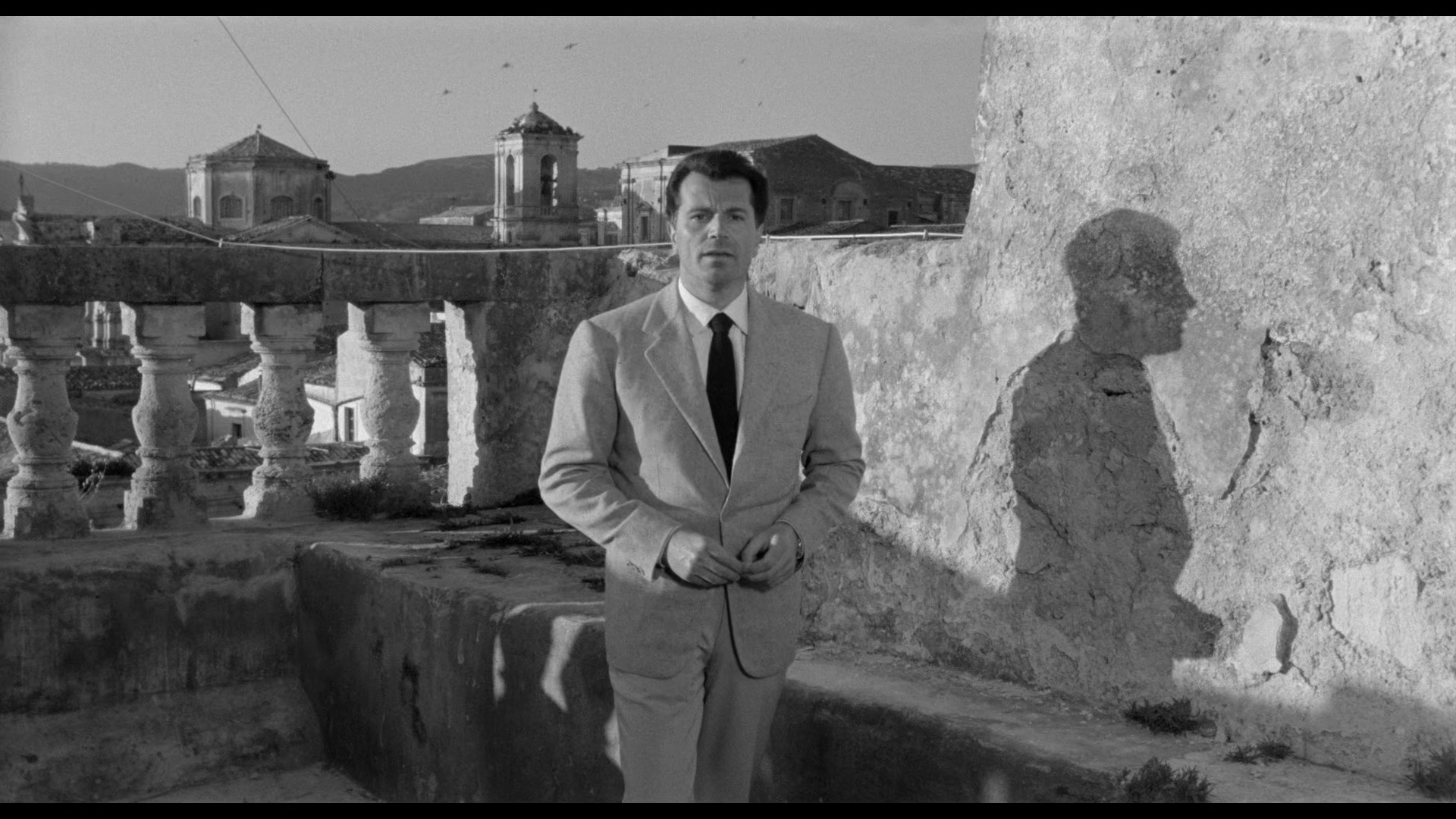
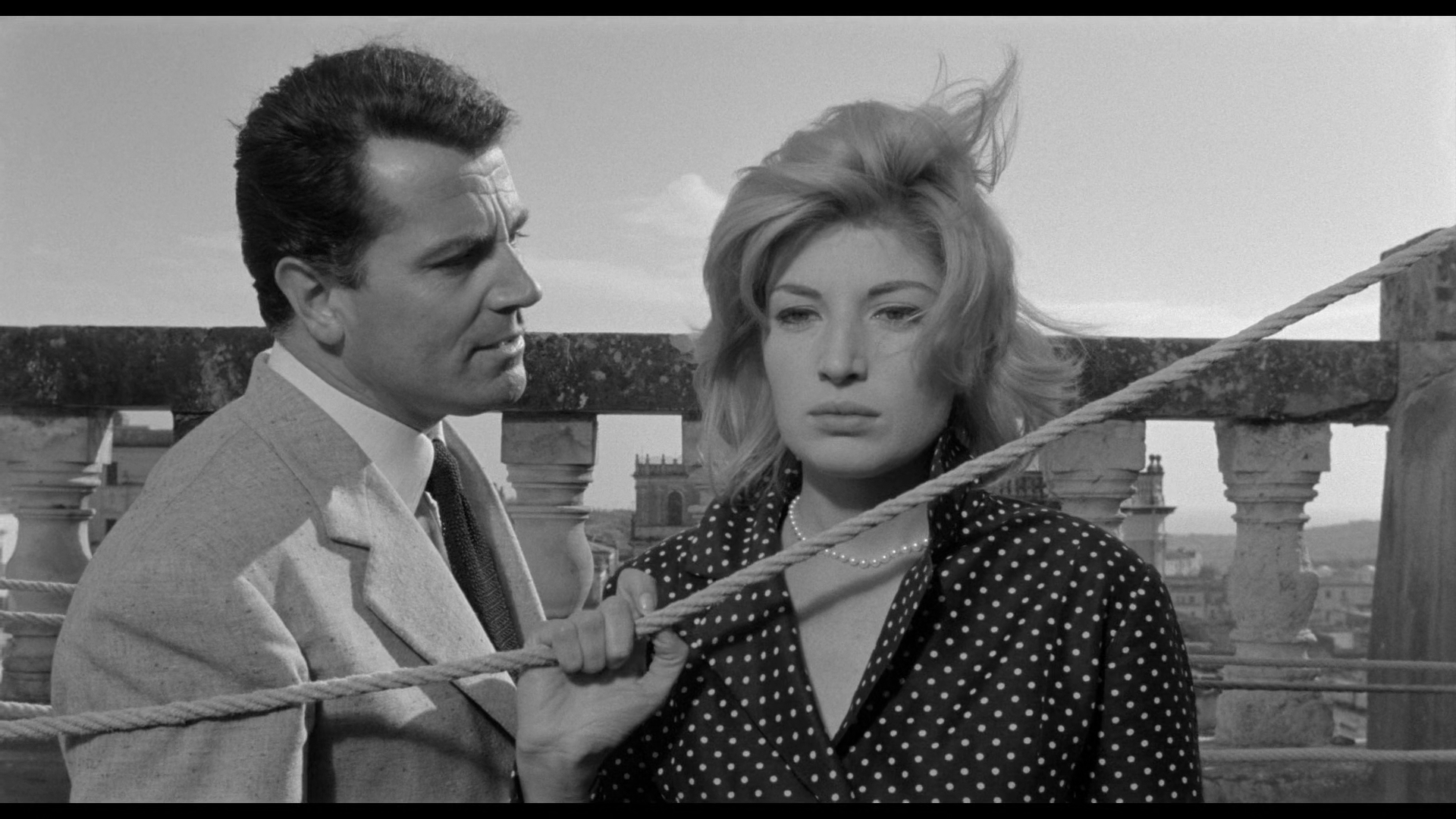
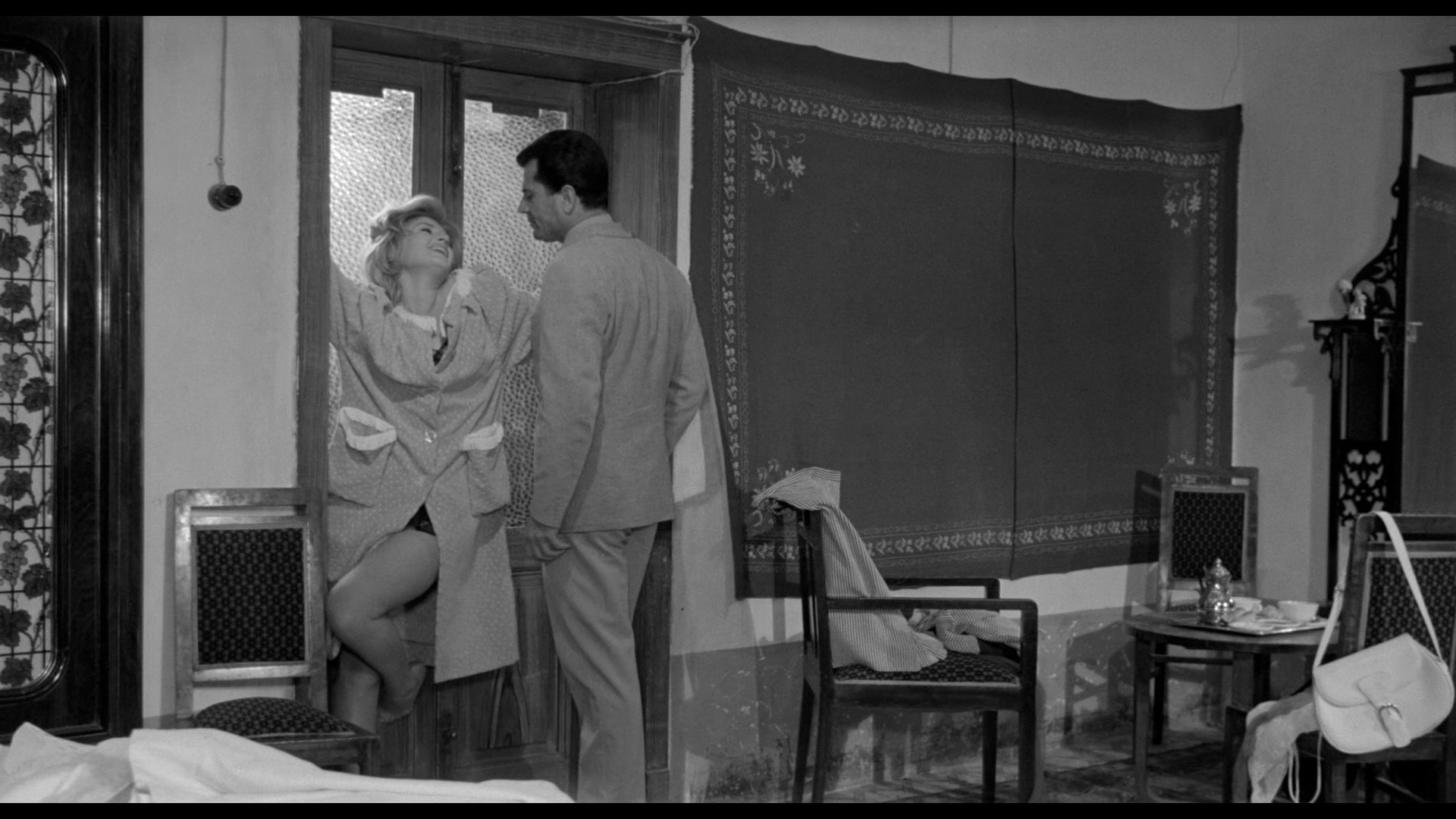
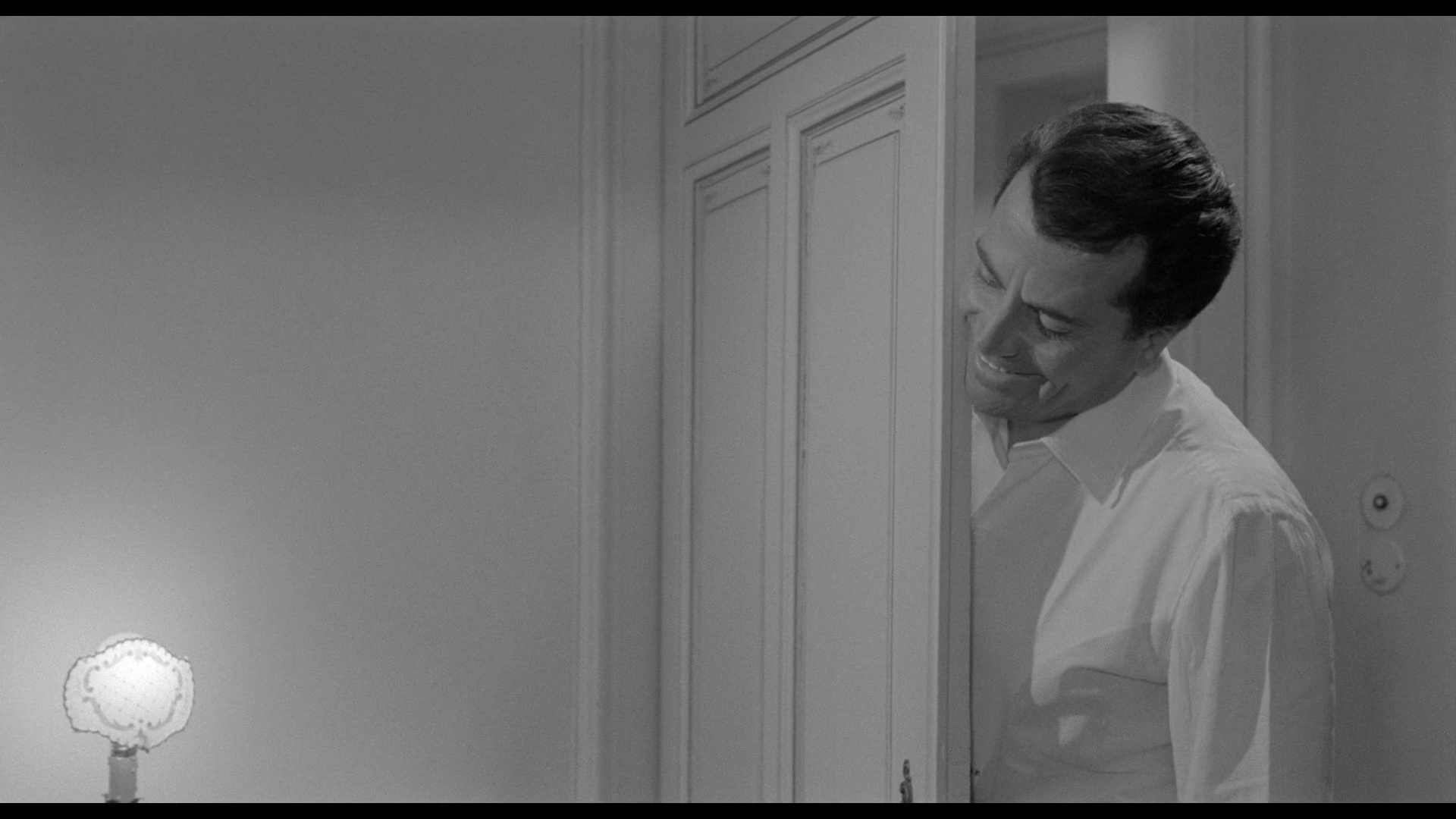
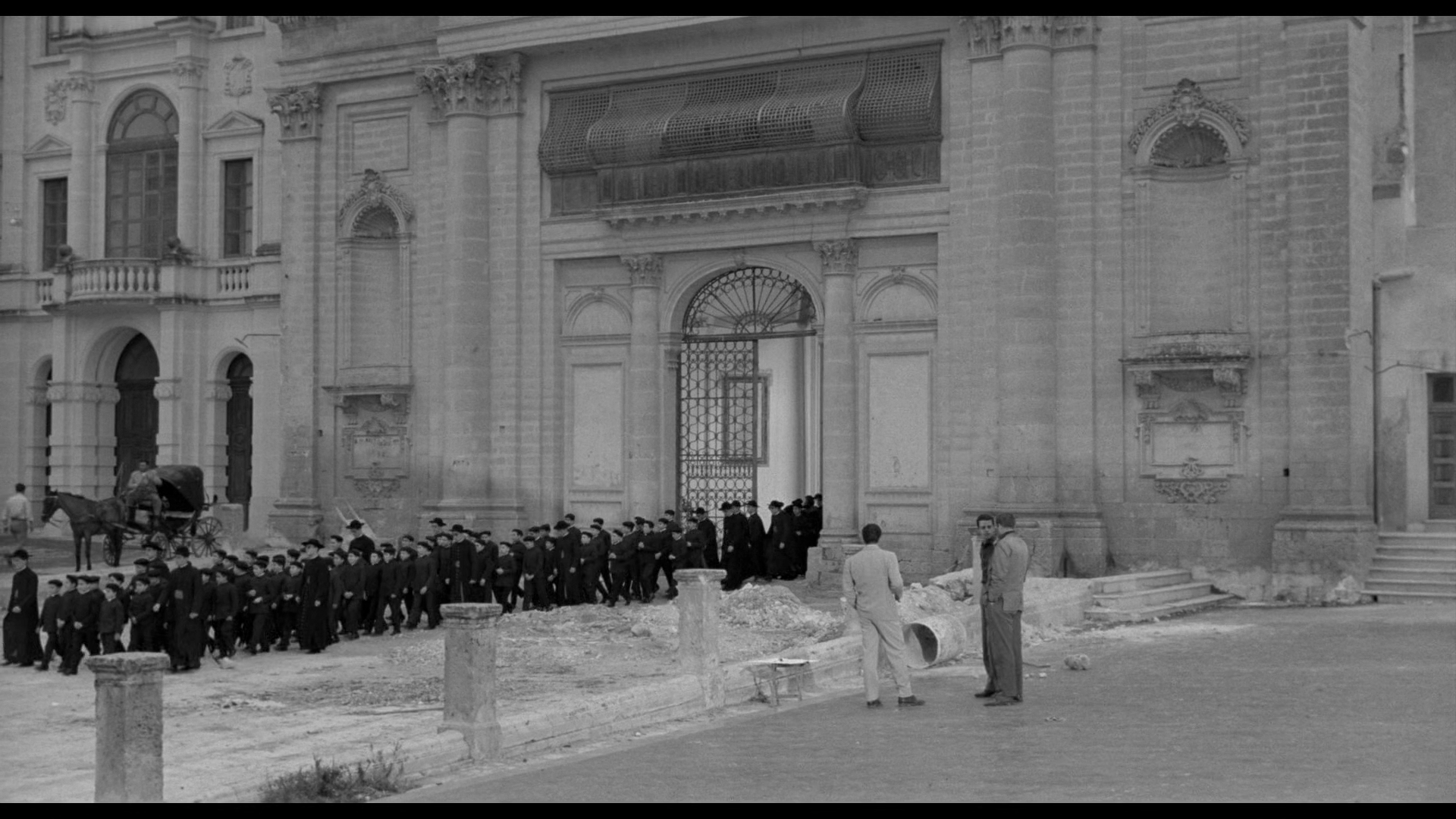
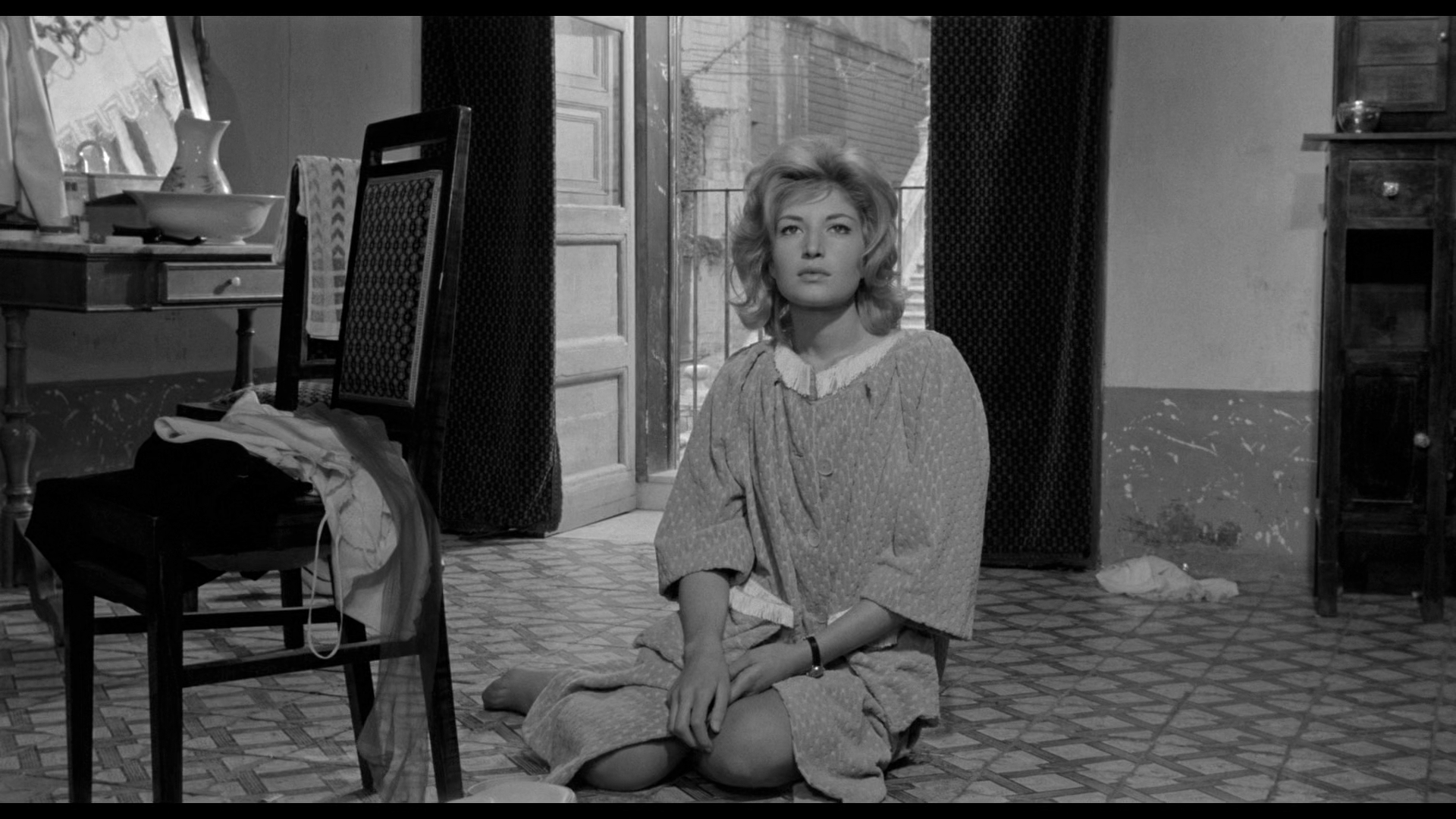


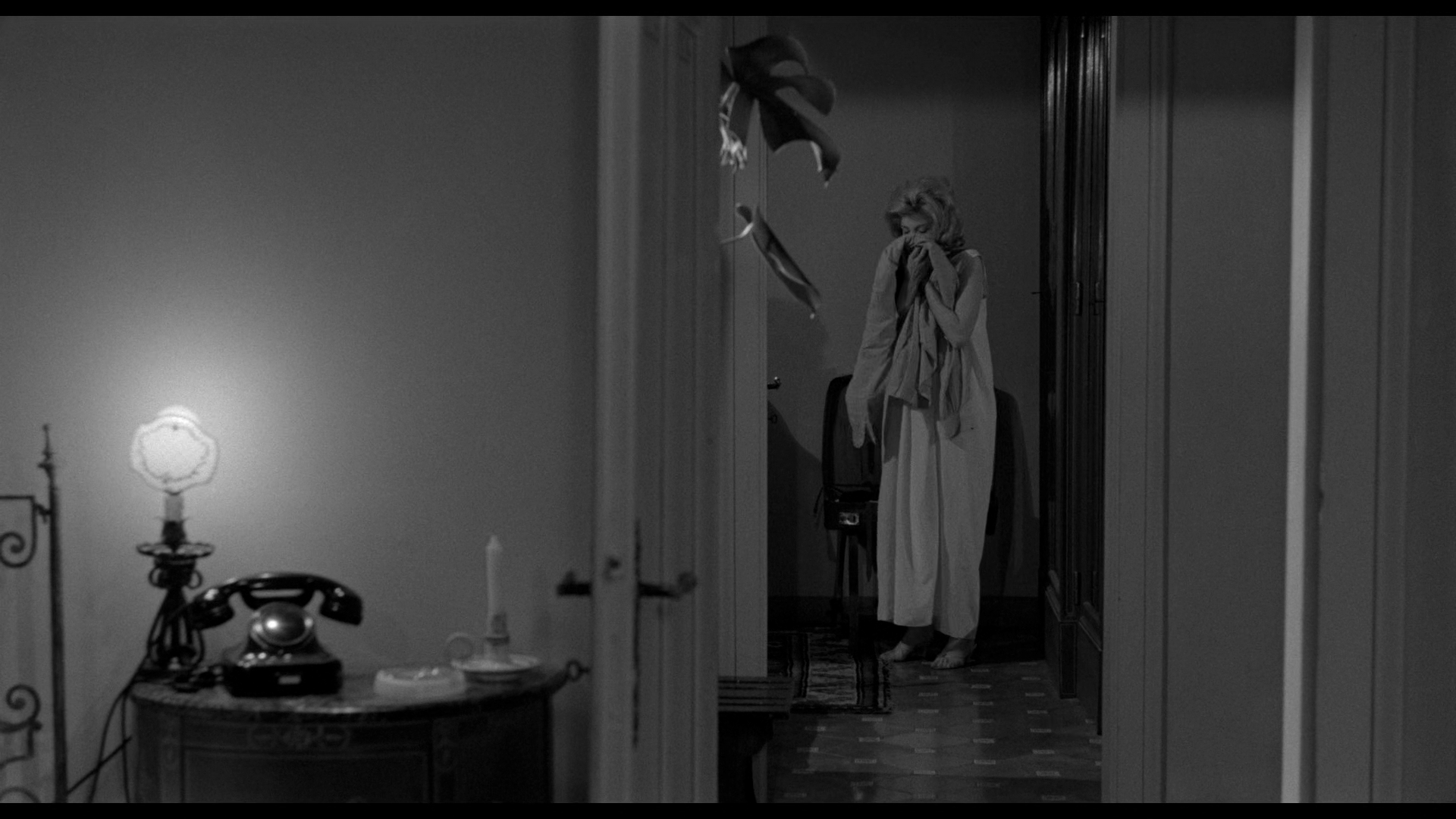

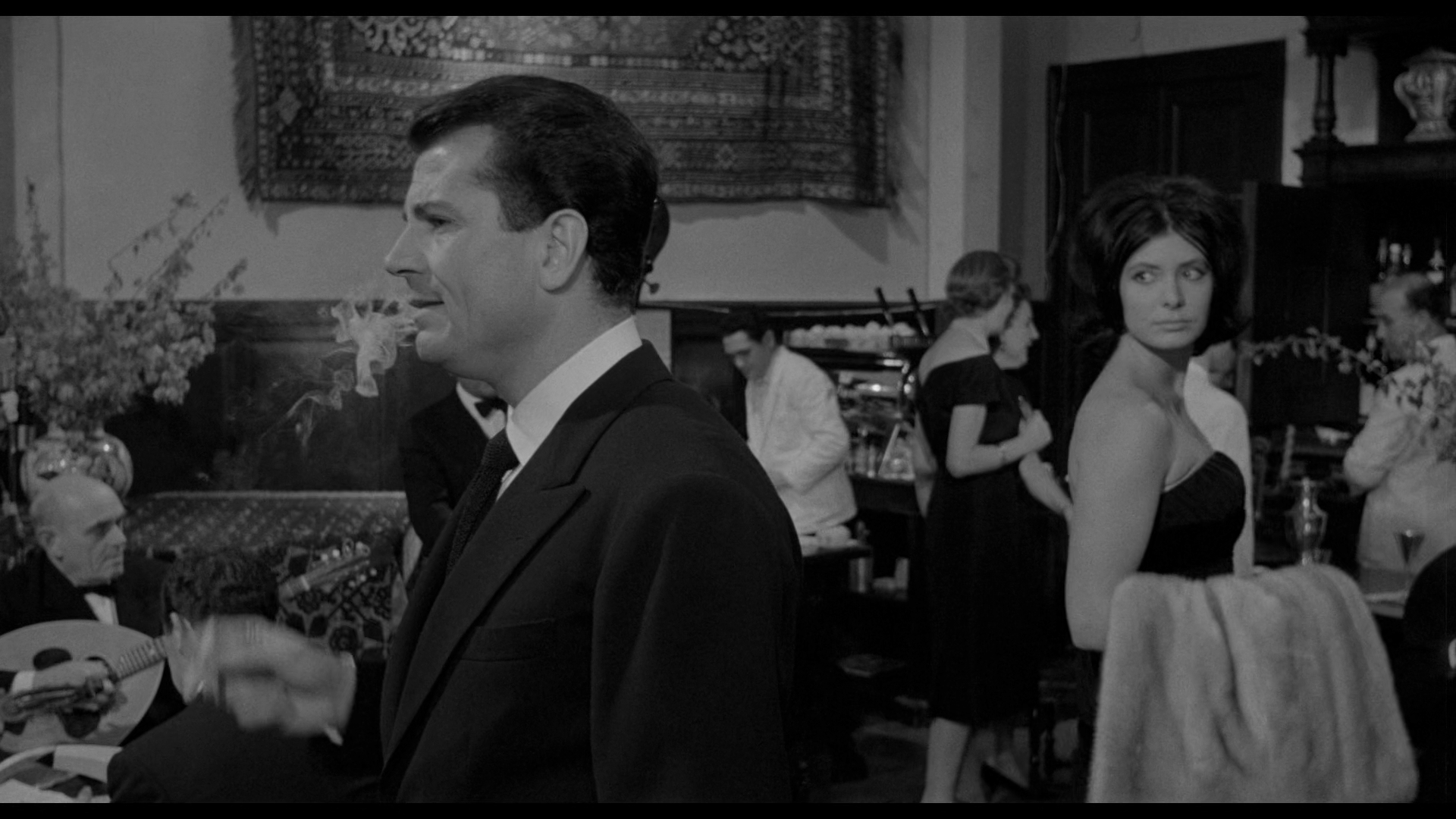
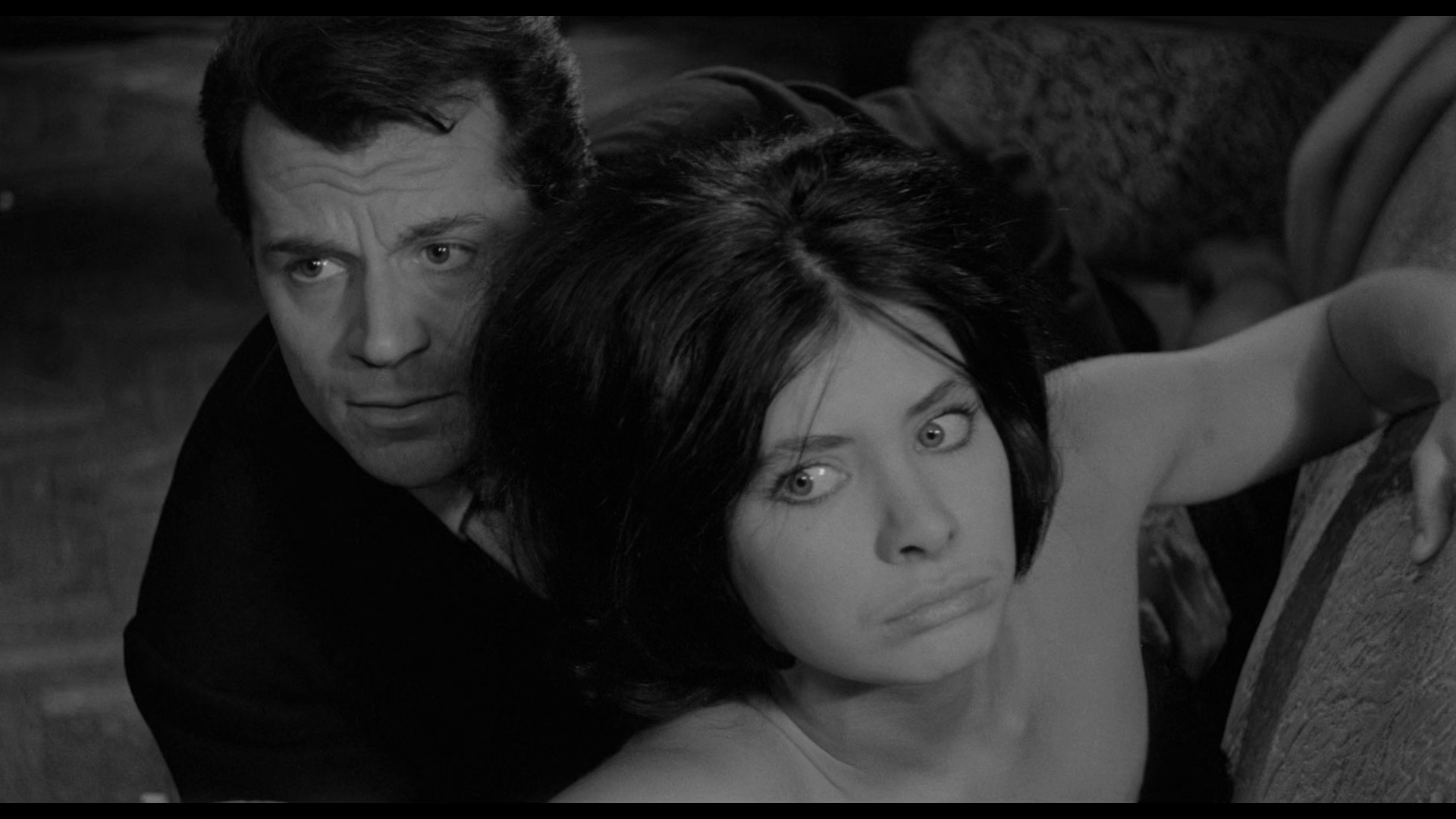
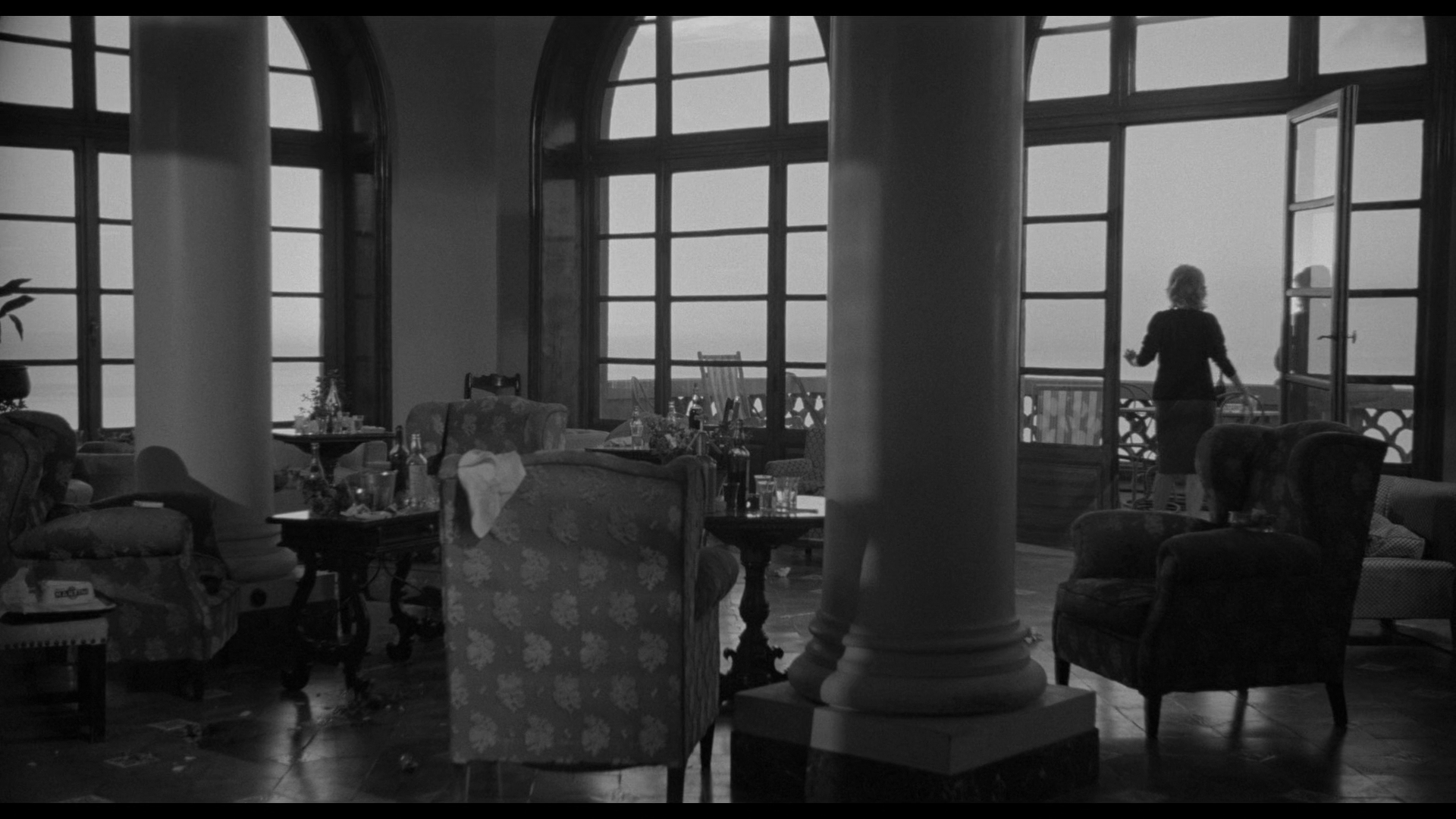
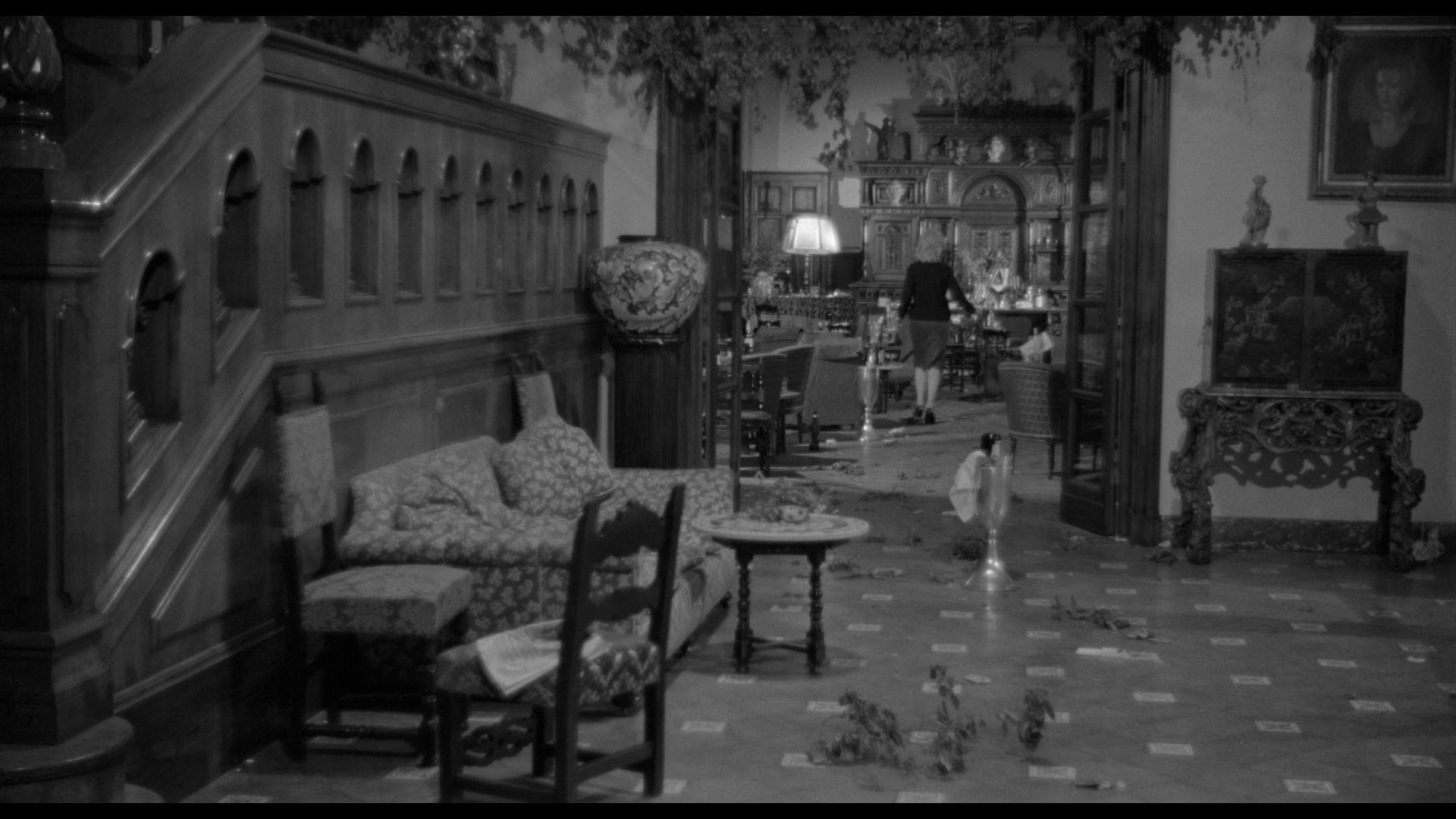
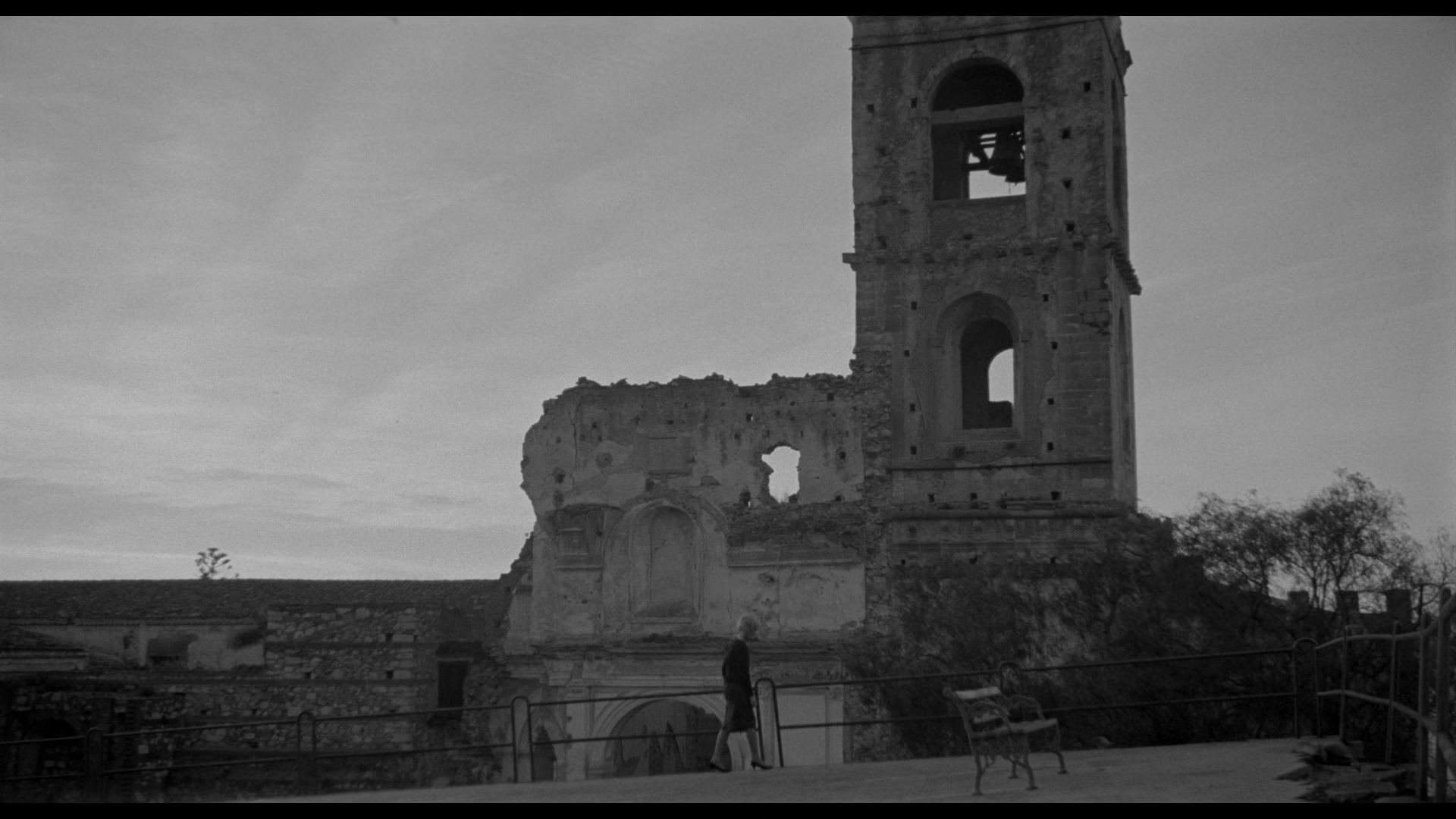
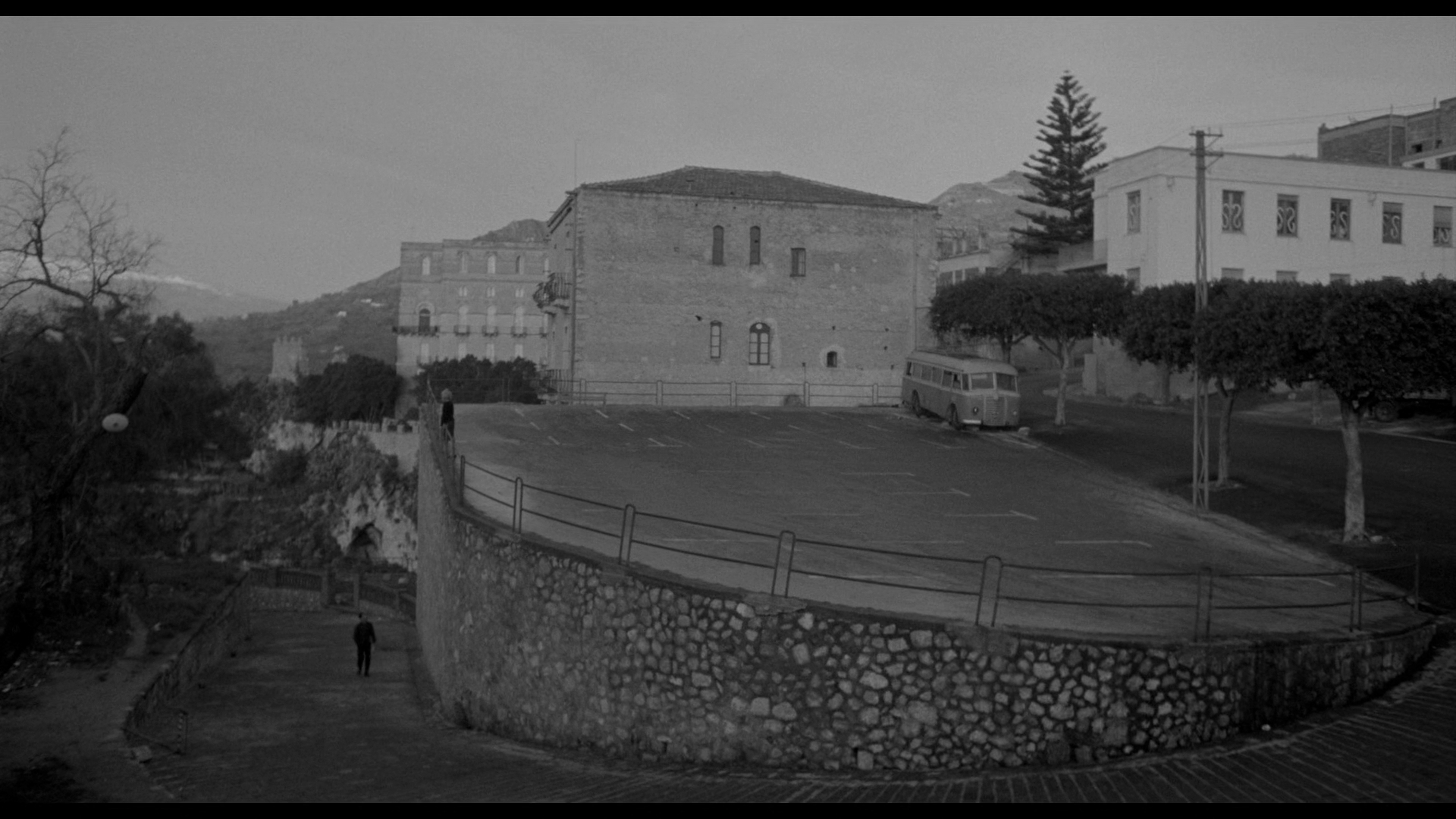
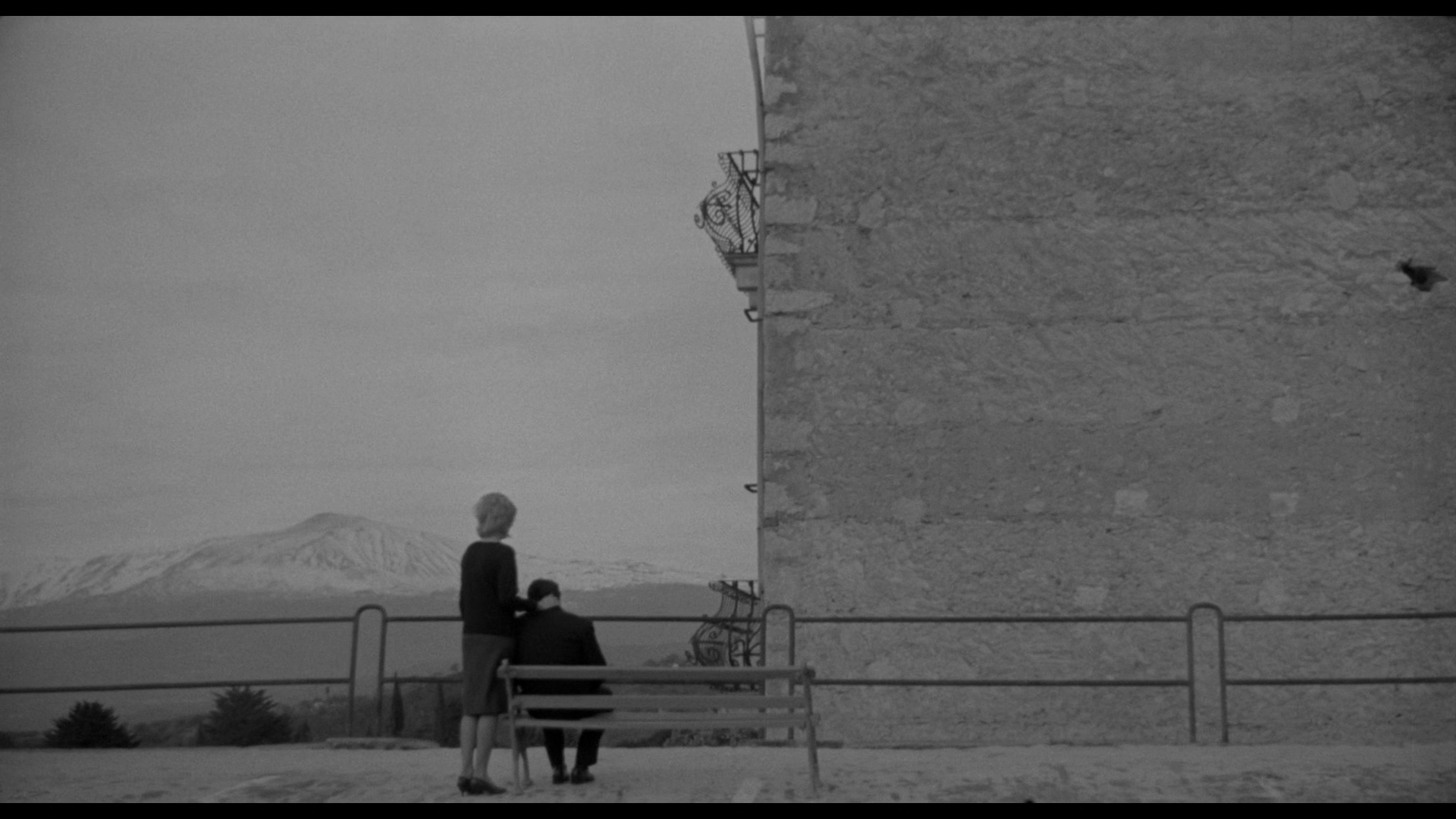
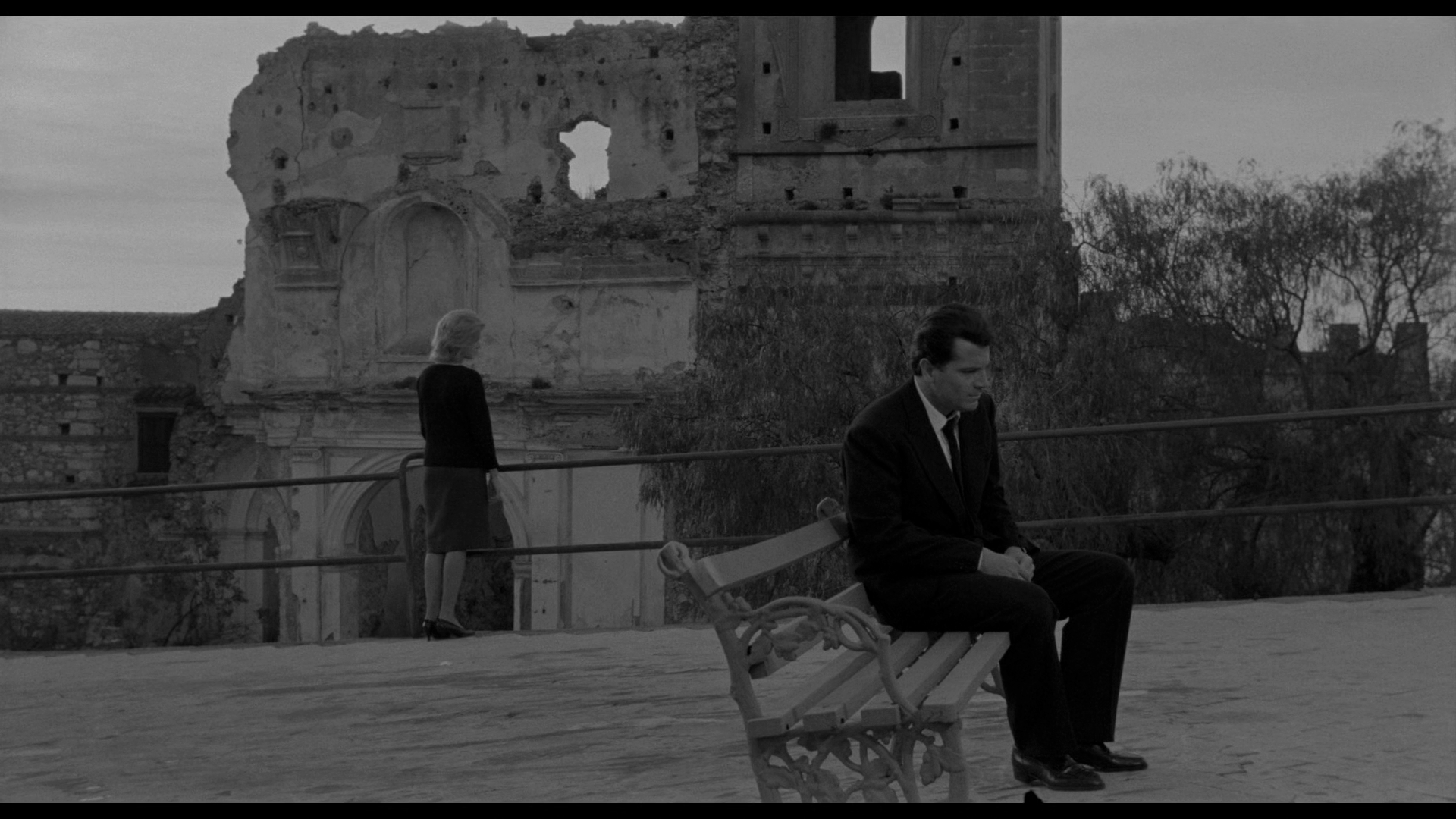
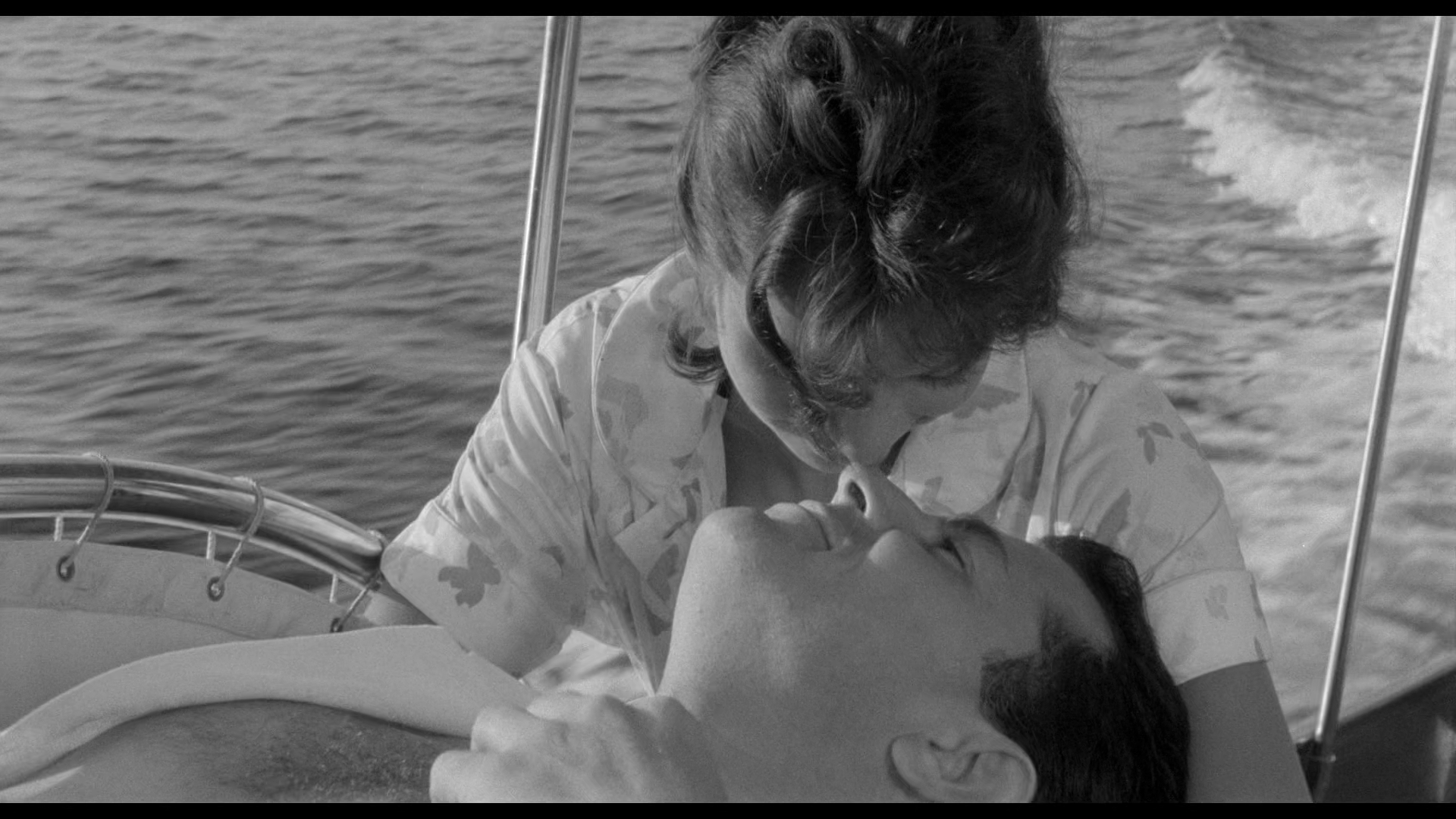
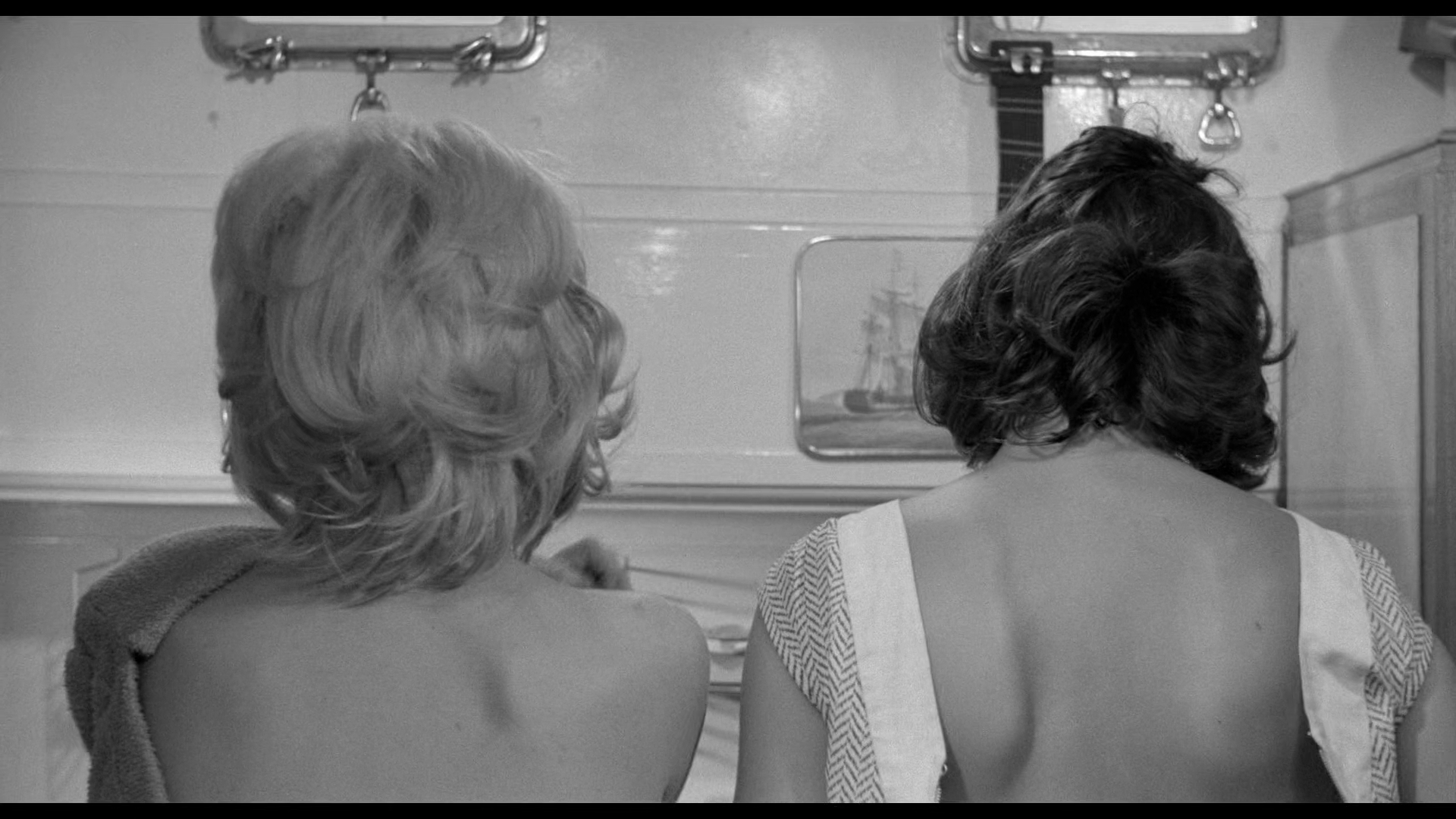
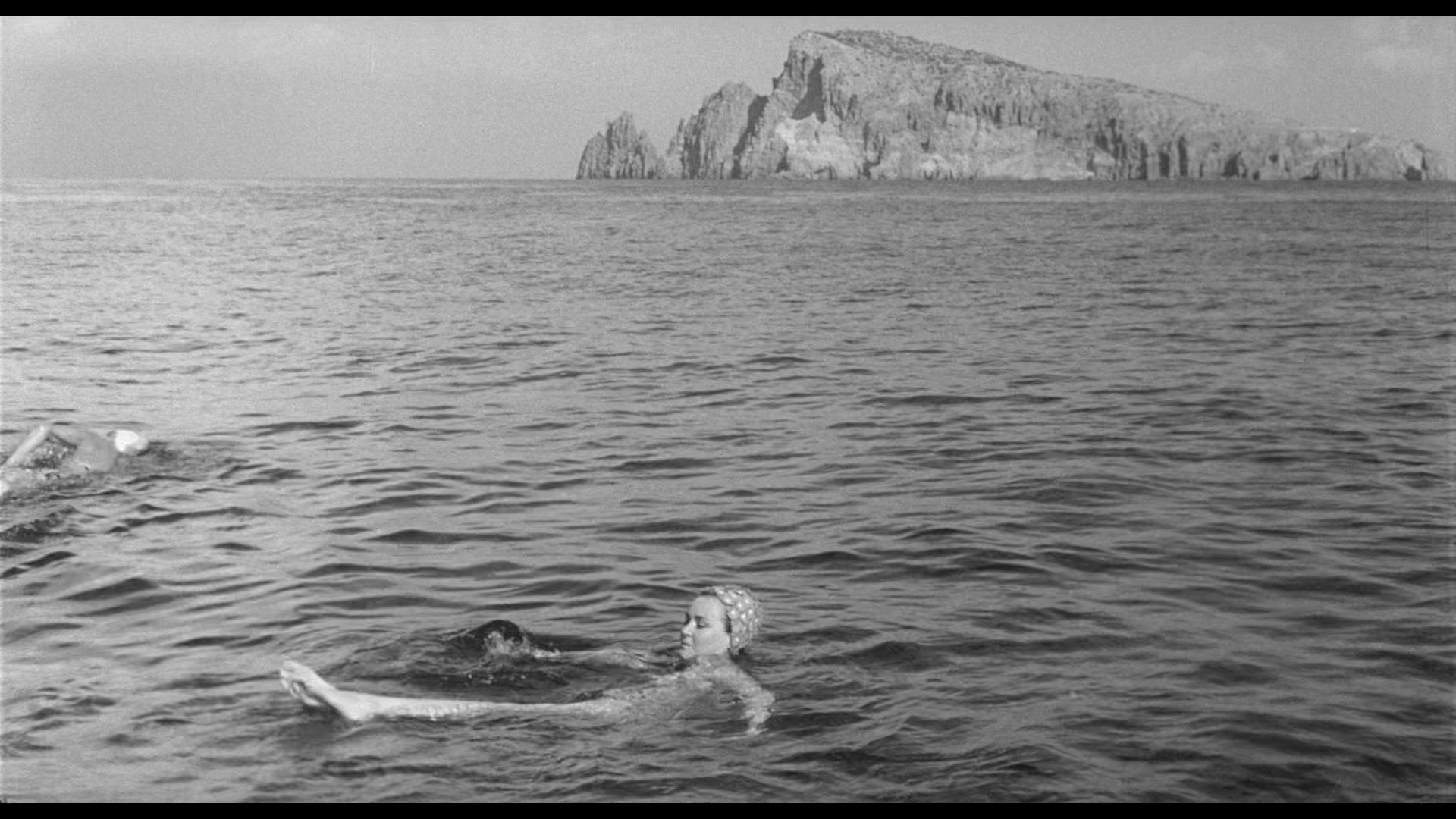
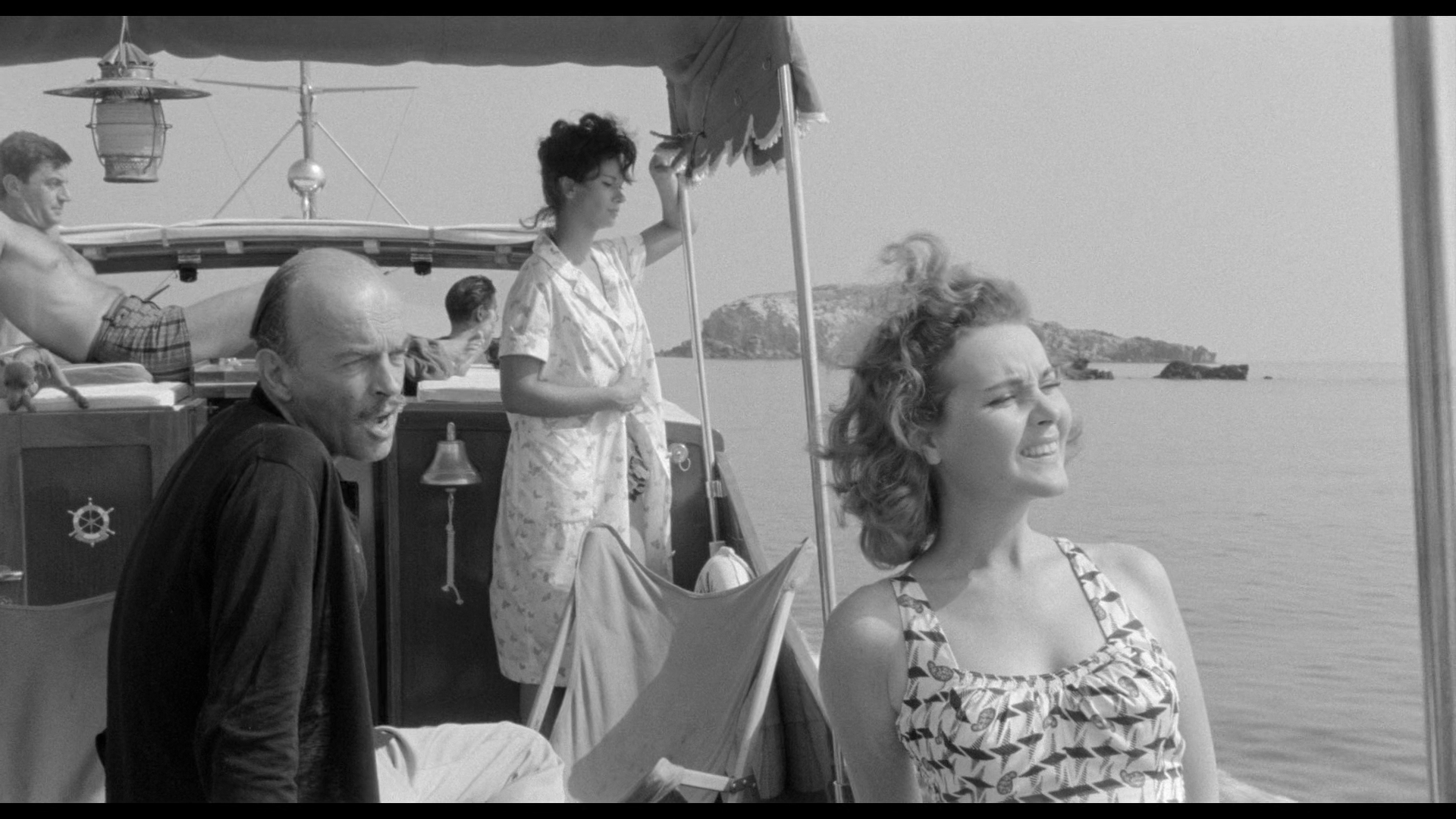
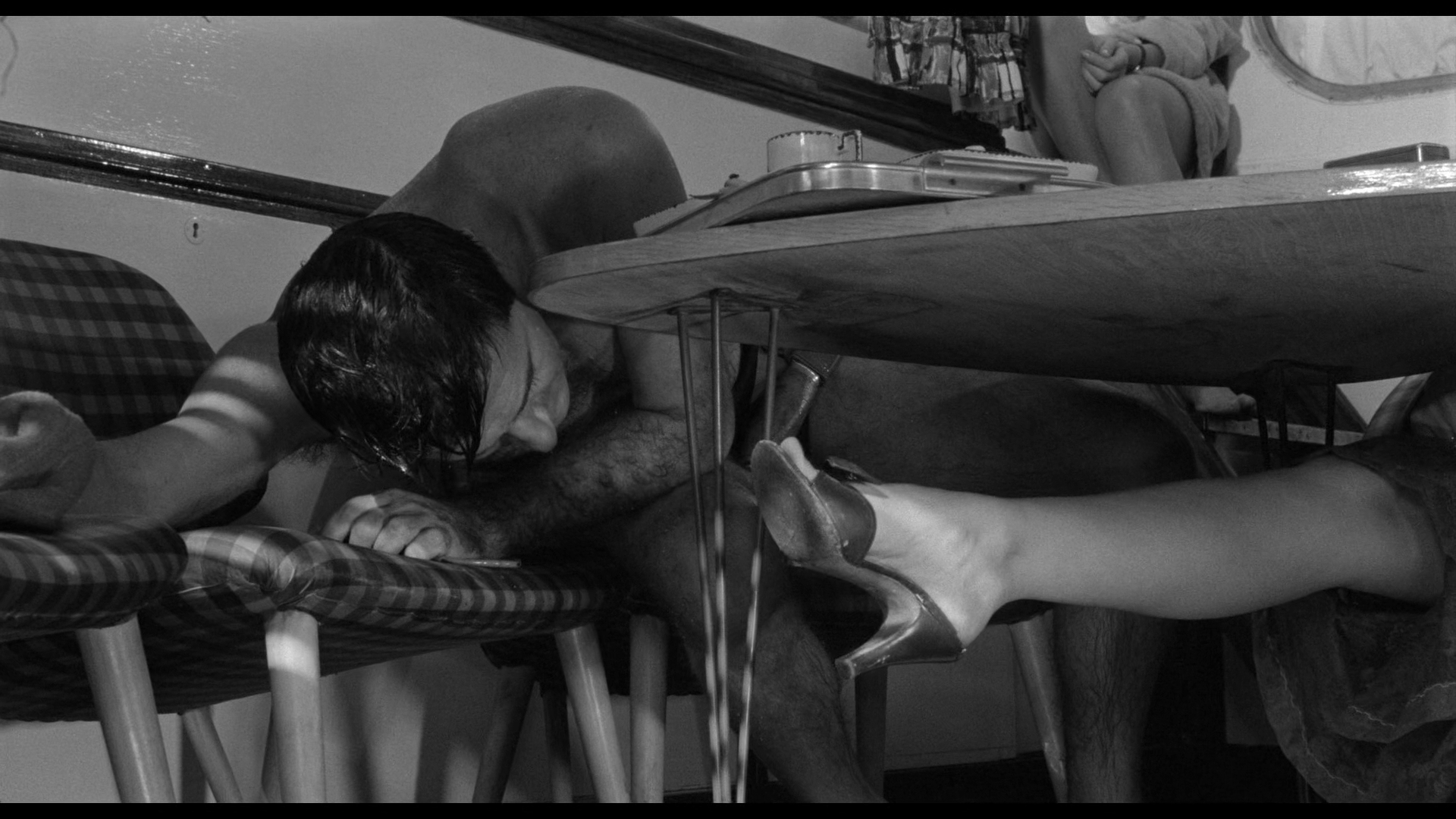
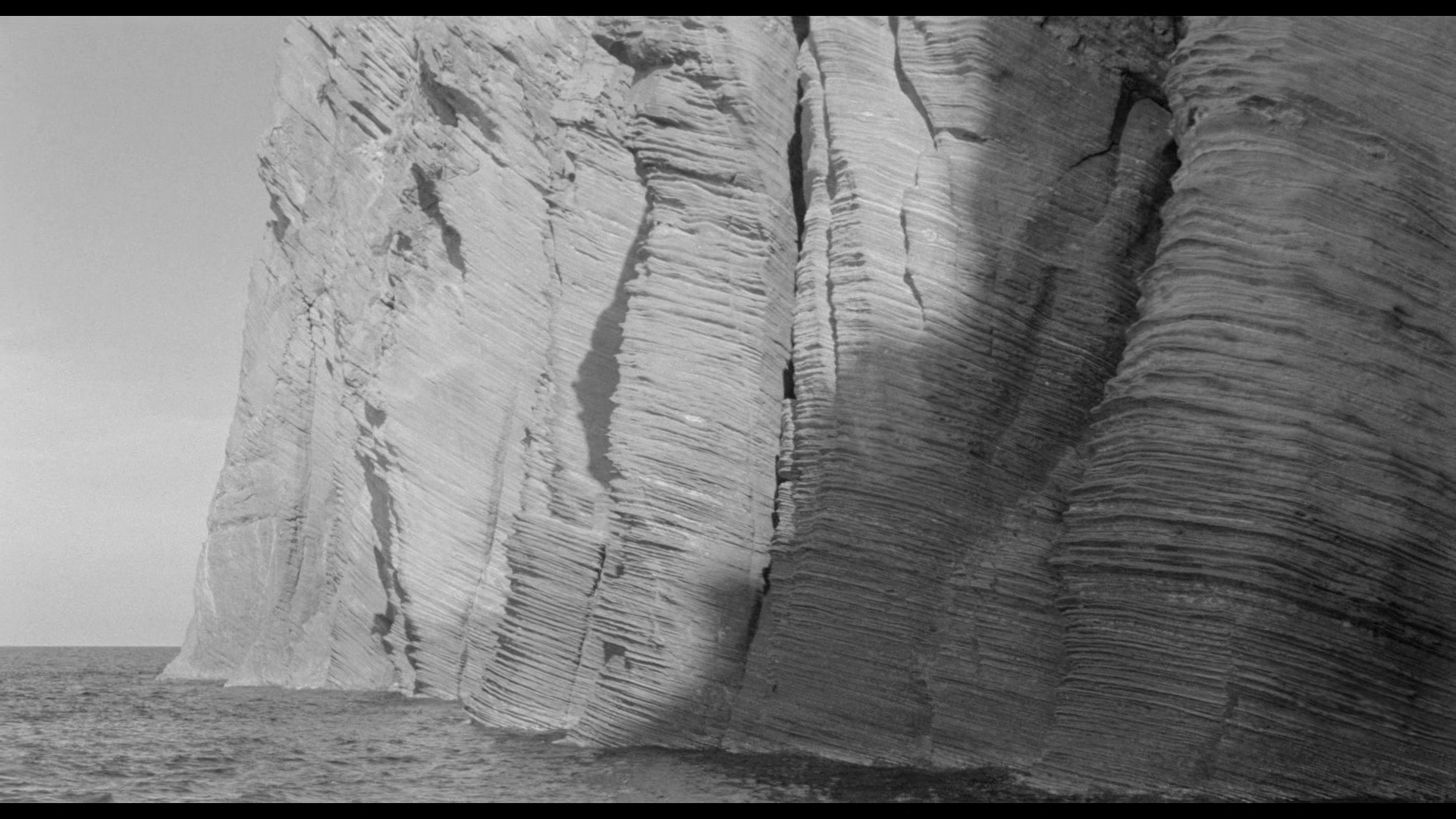
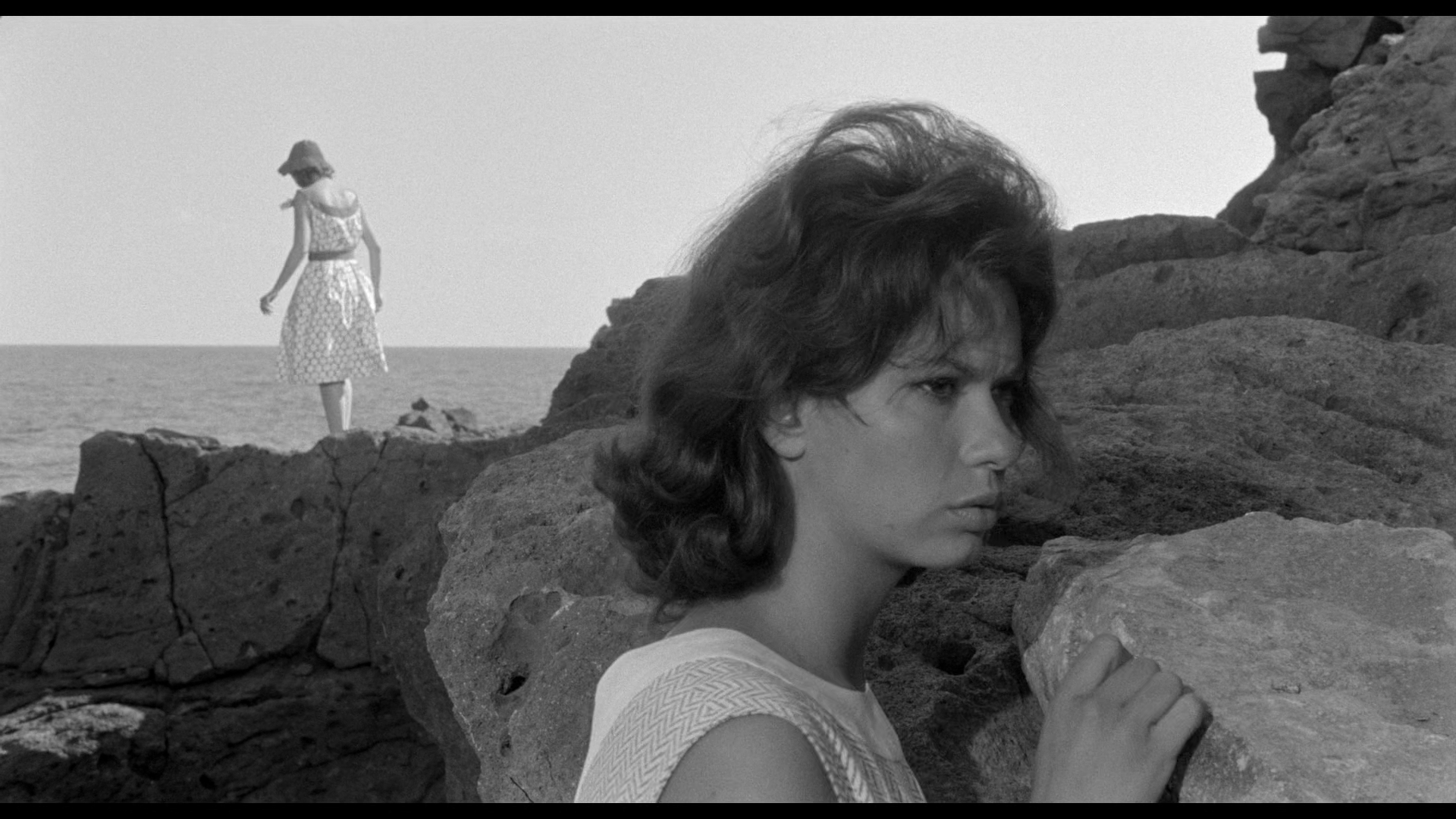
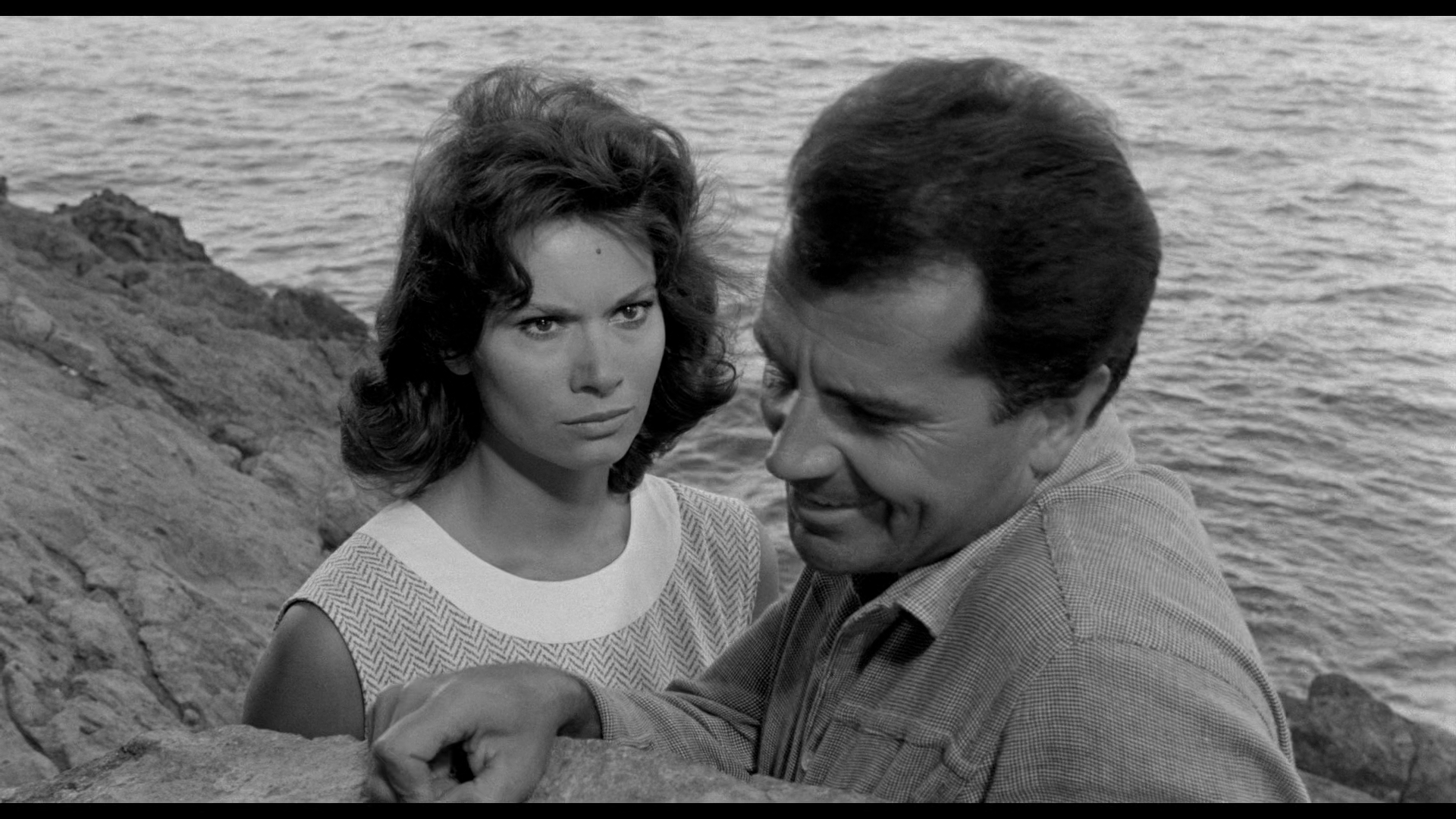
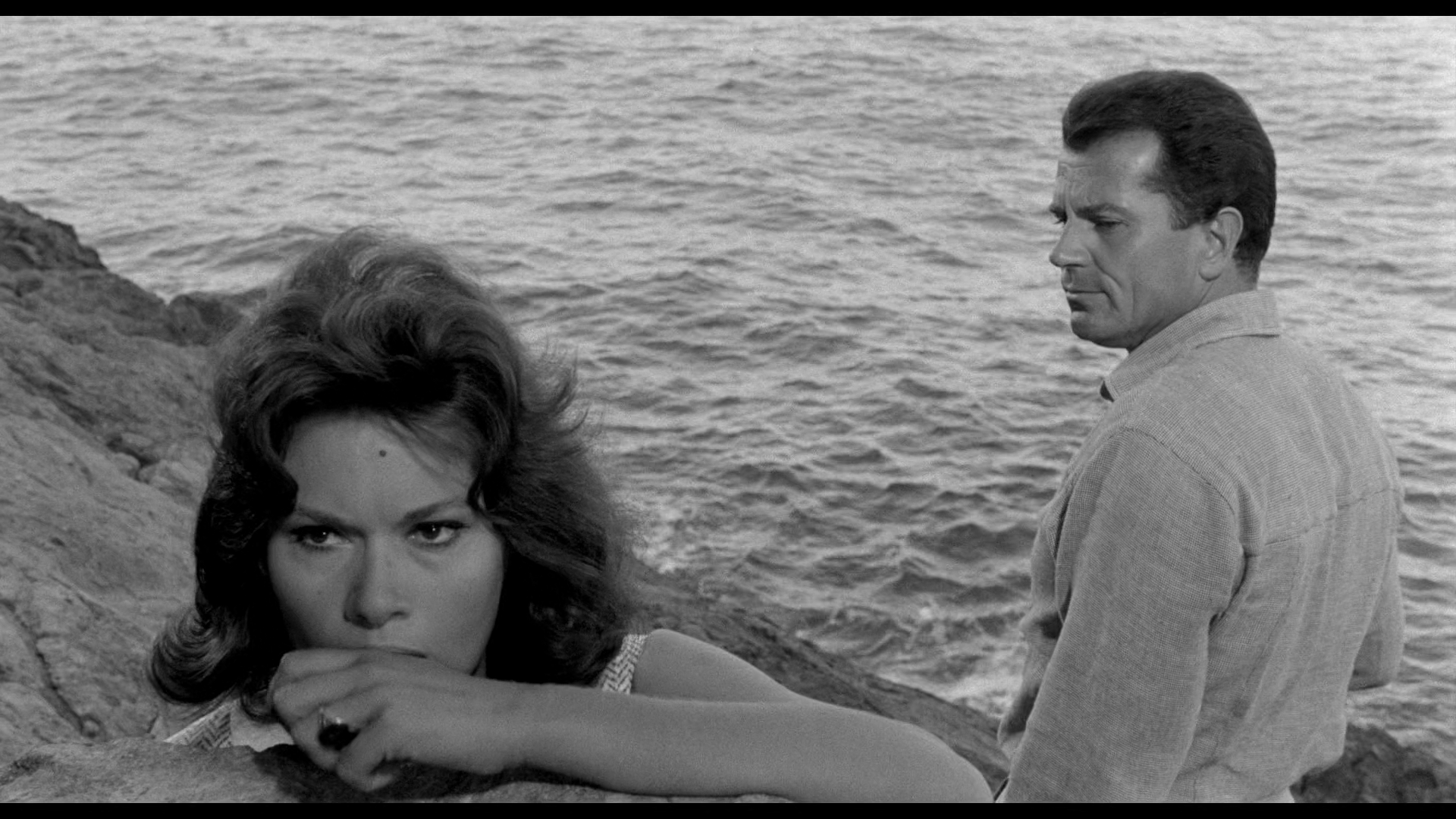
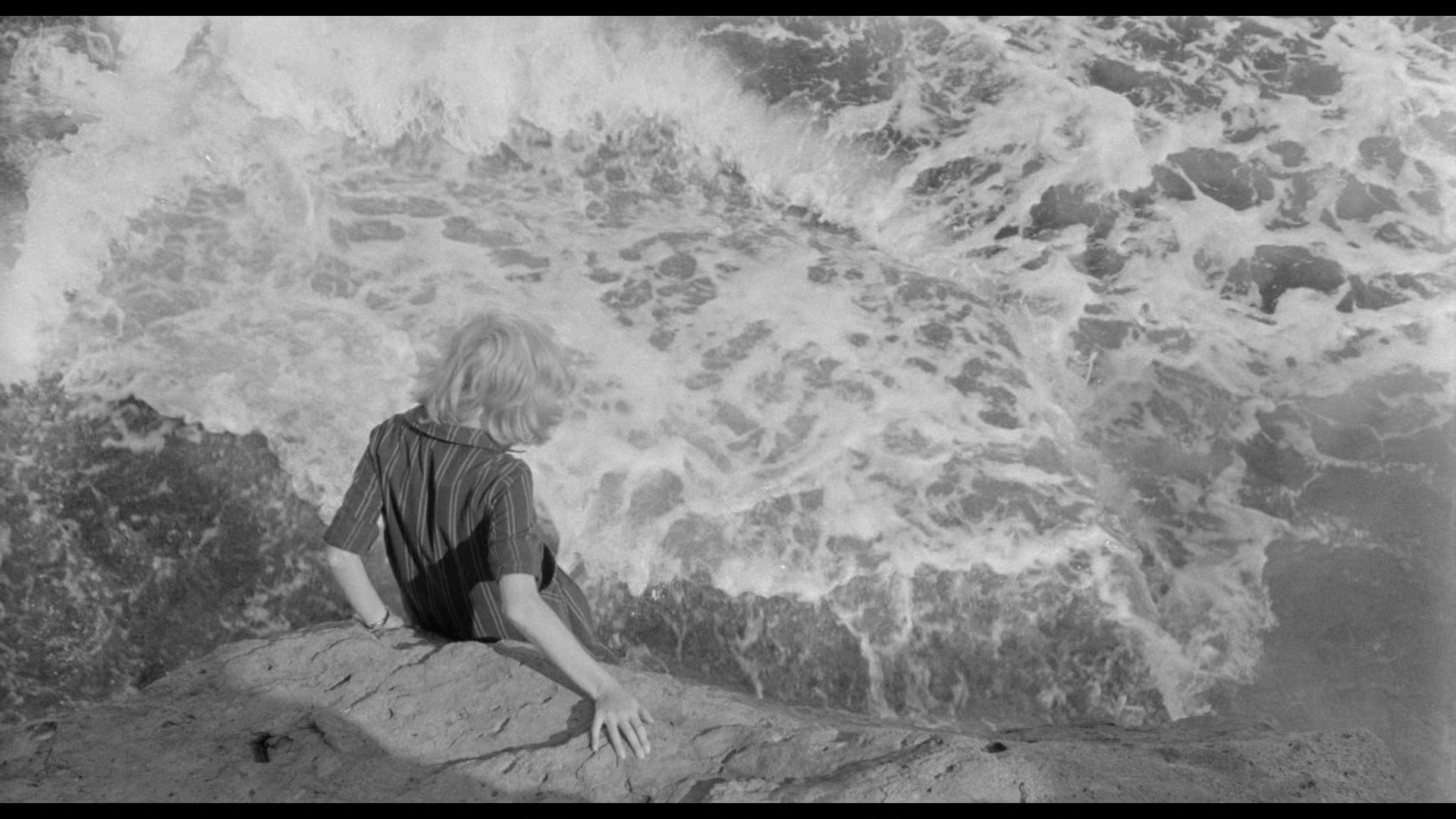
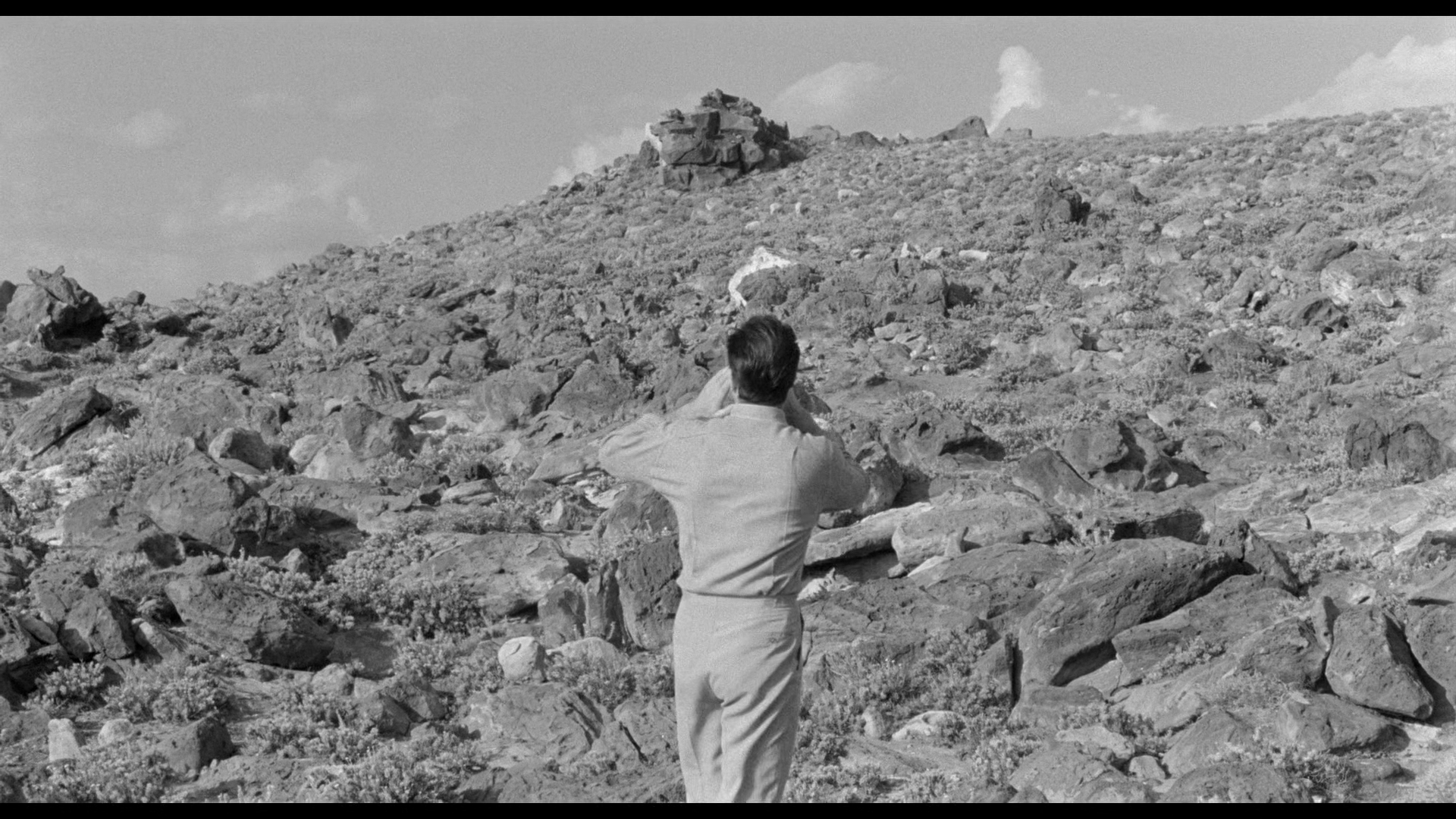
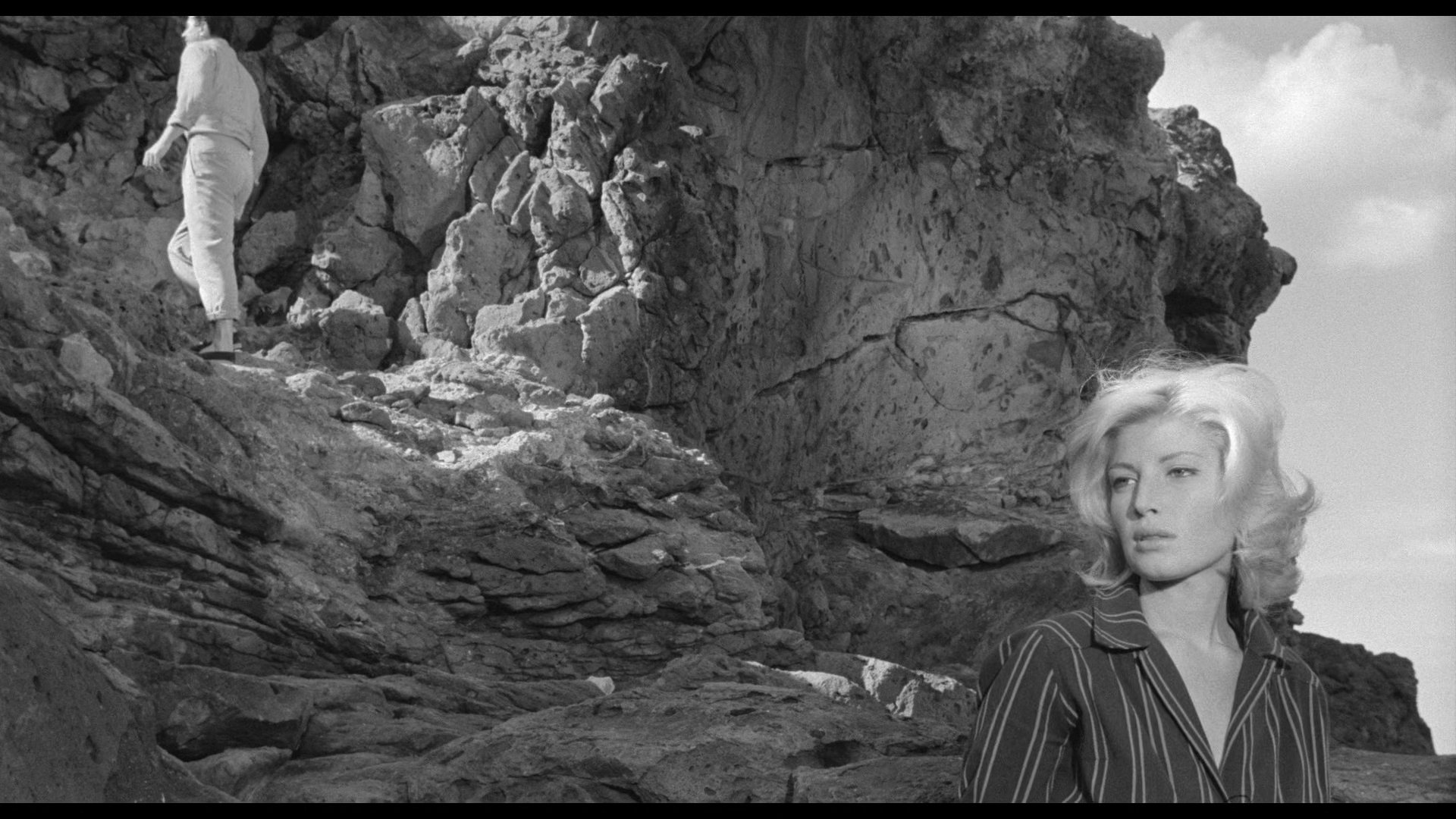
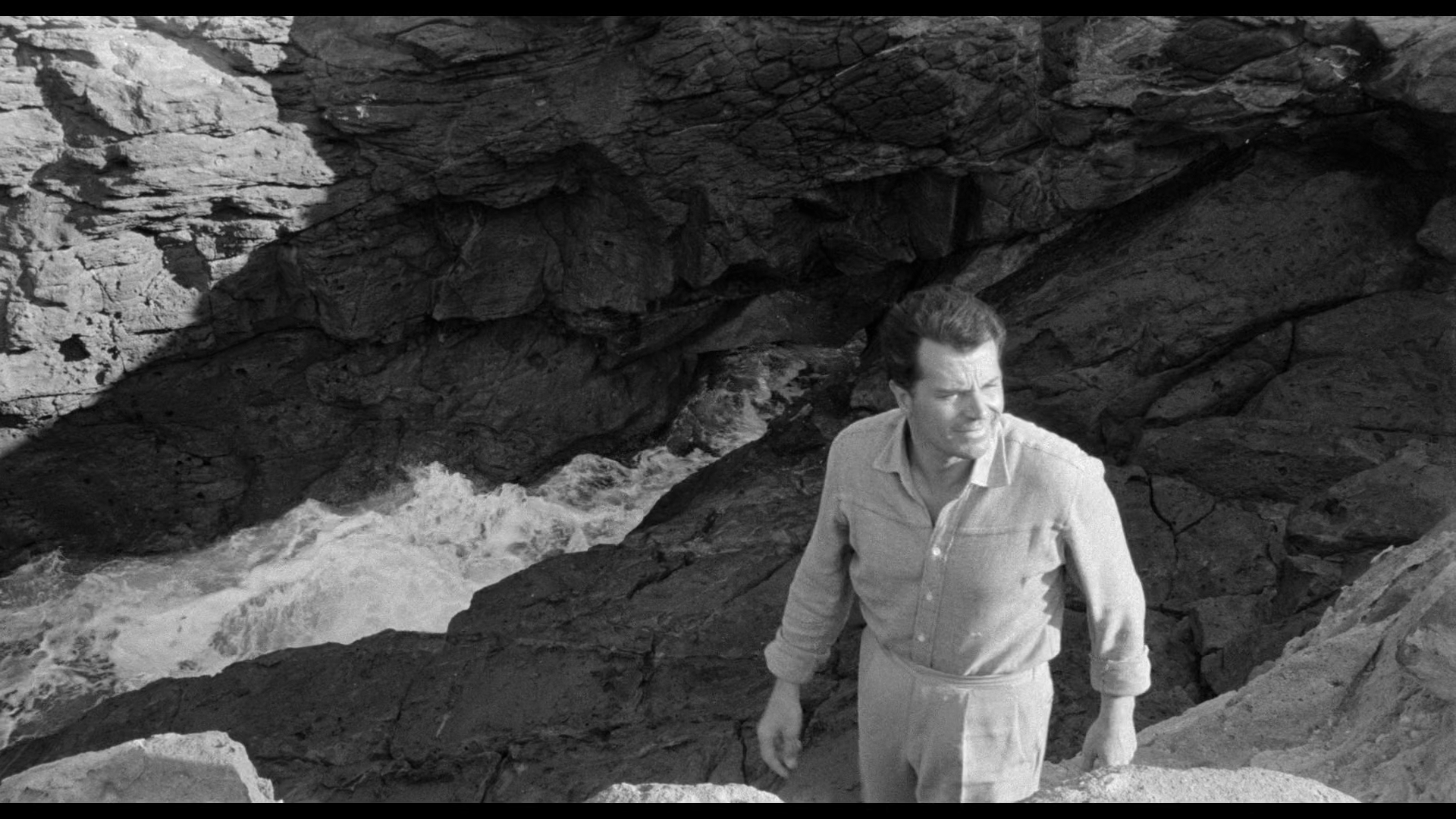
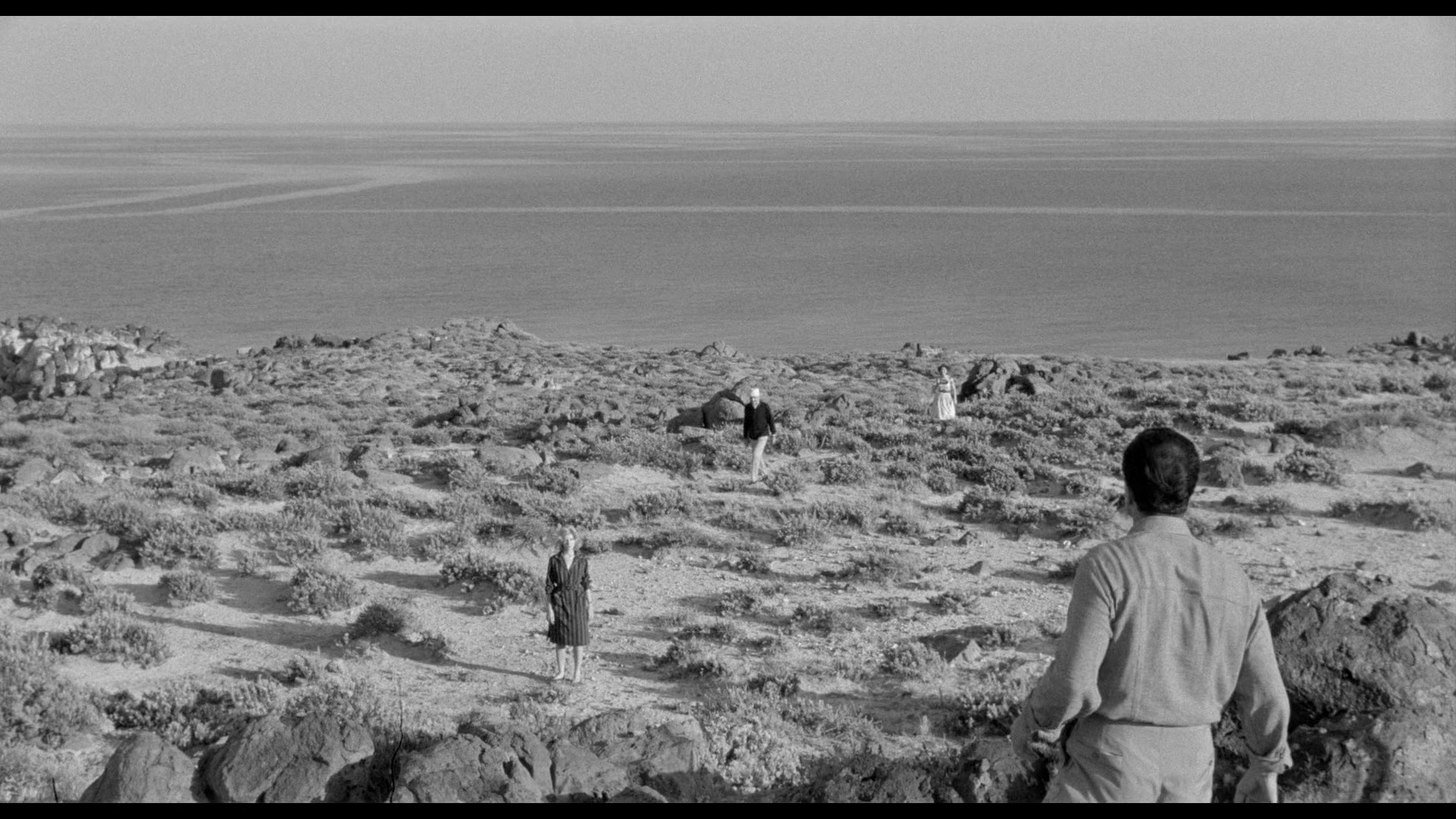
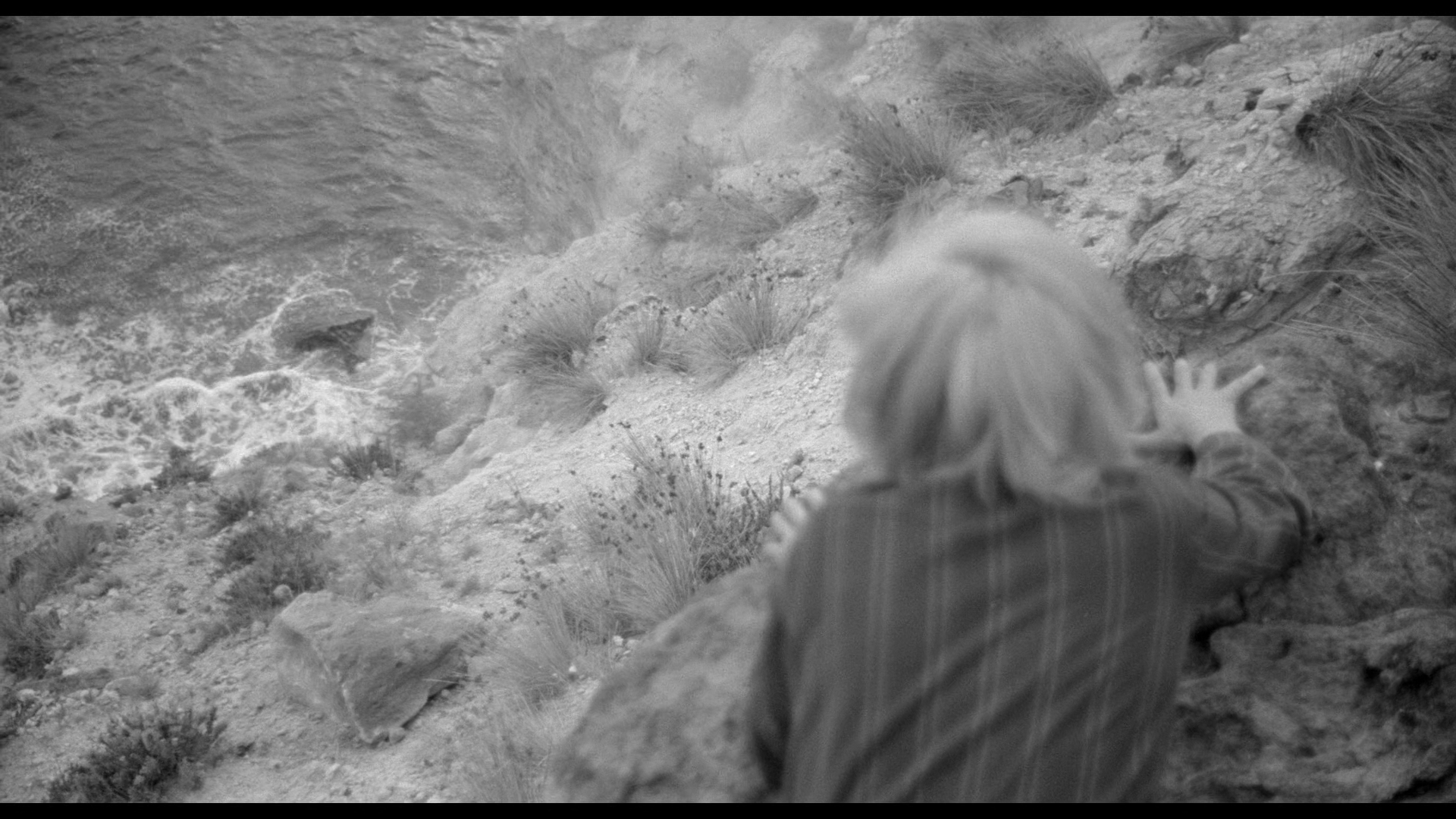
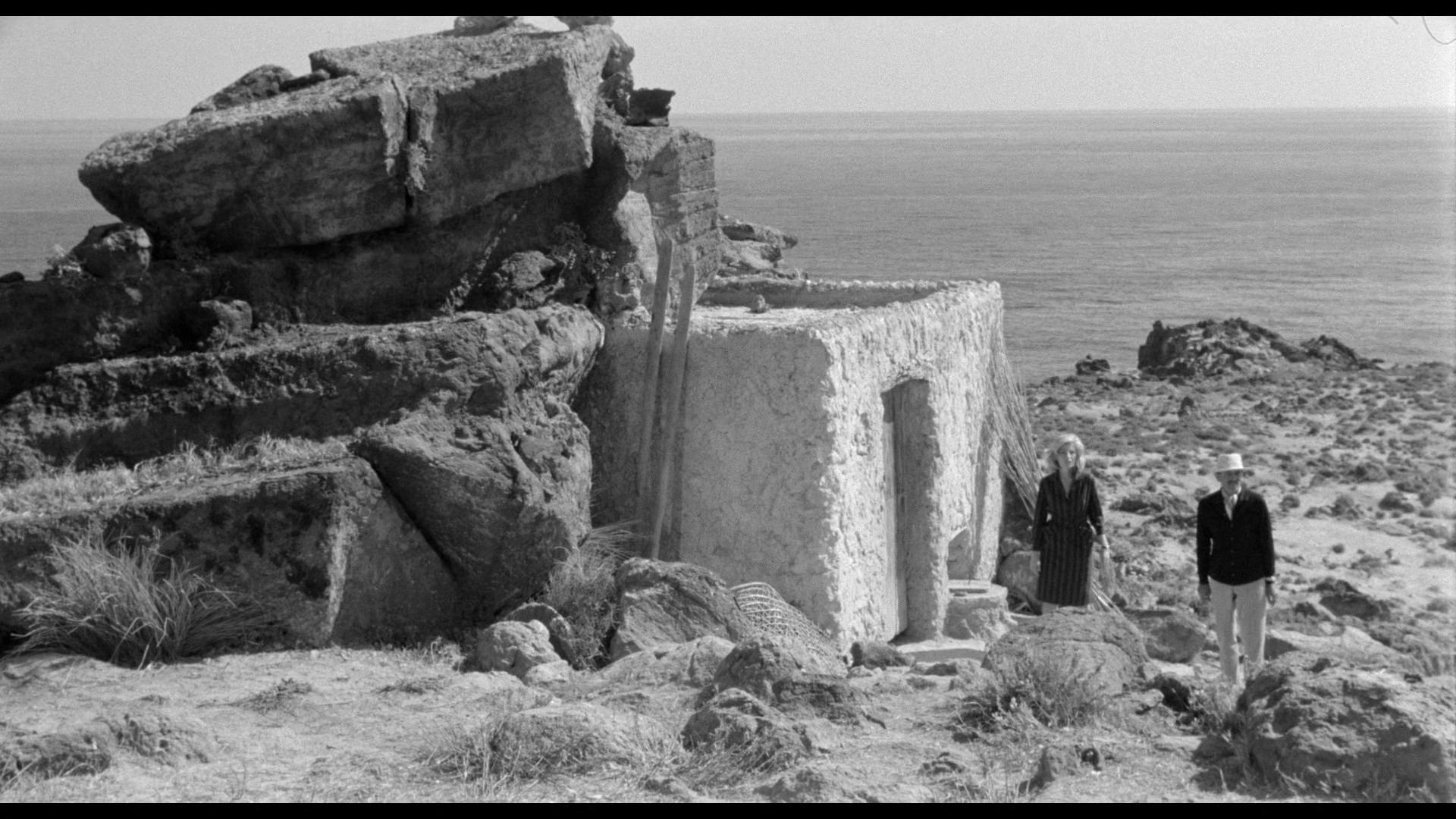
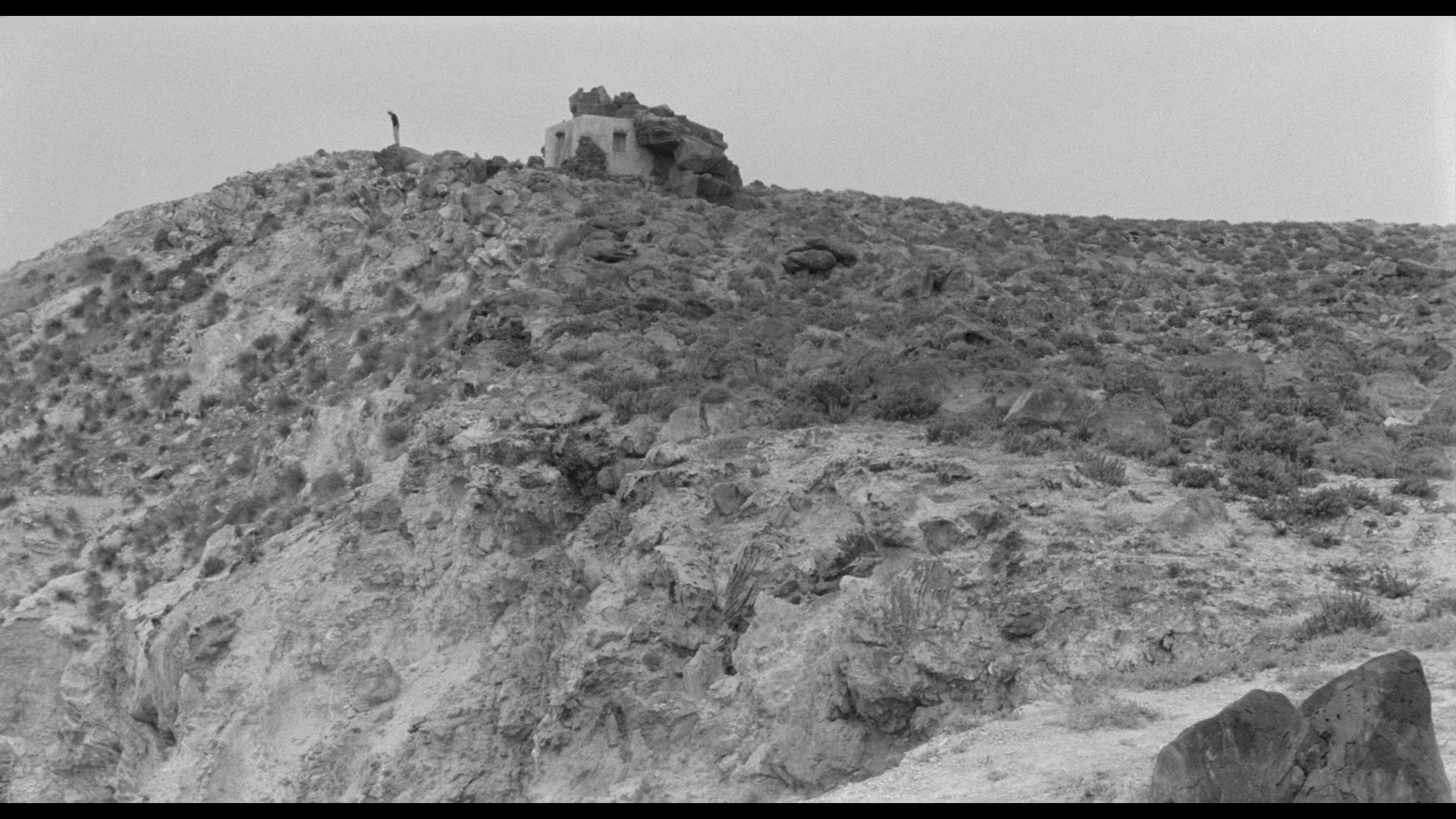
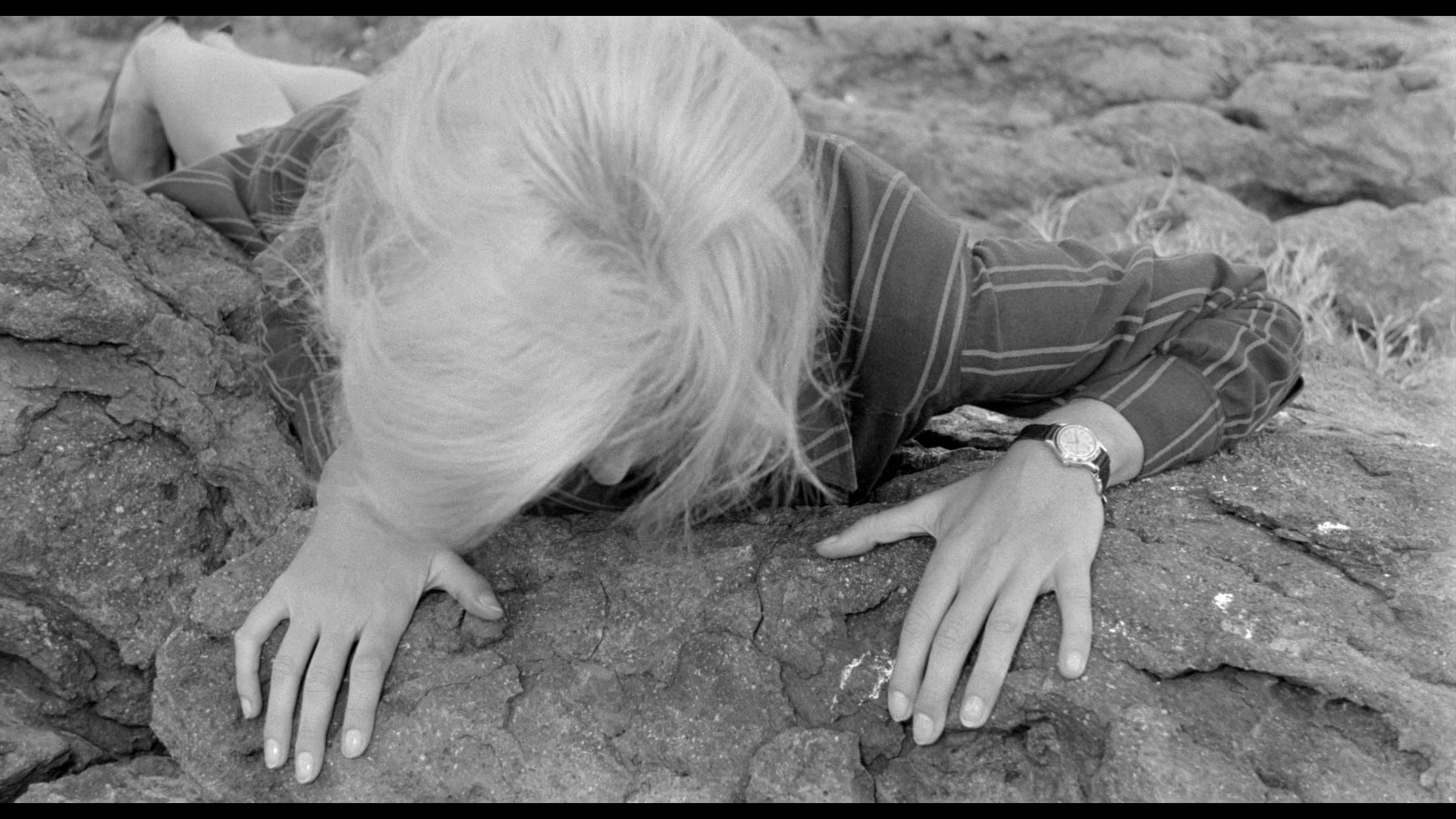
People vanish, but never their love.
Presentation:
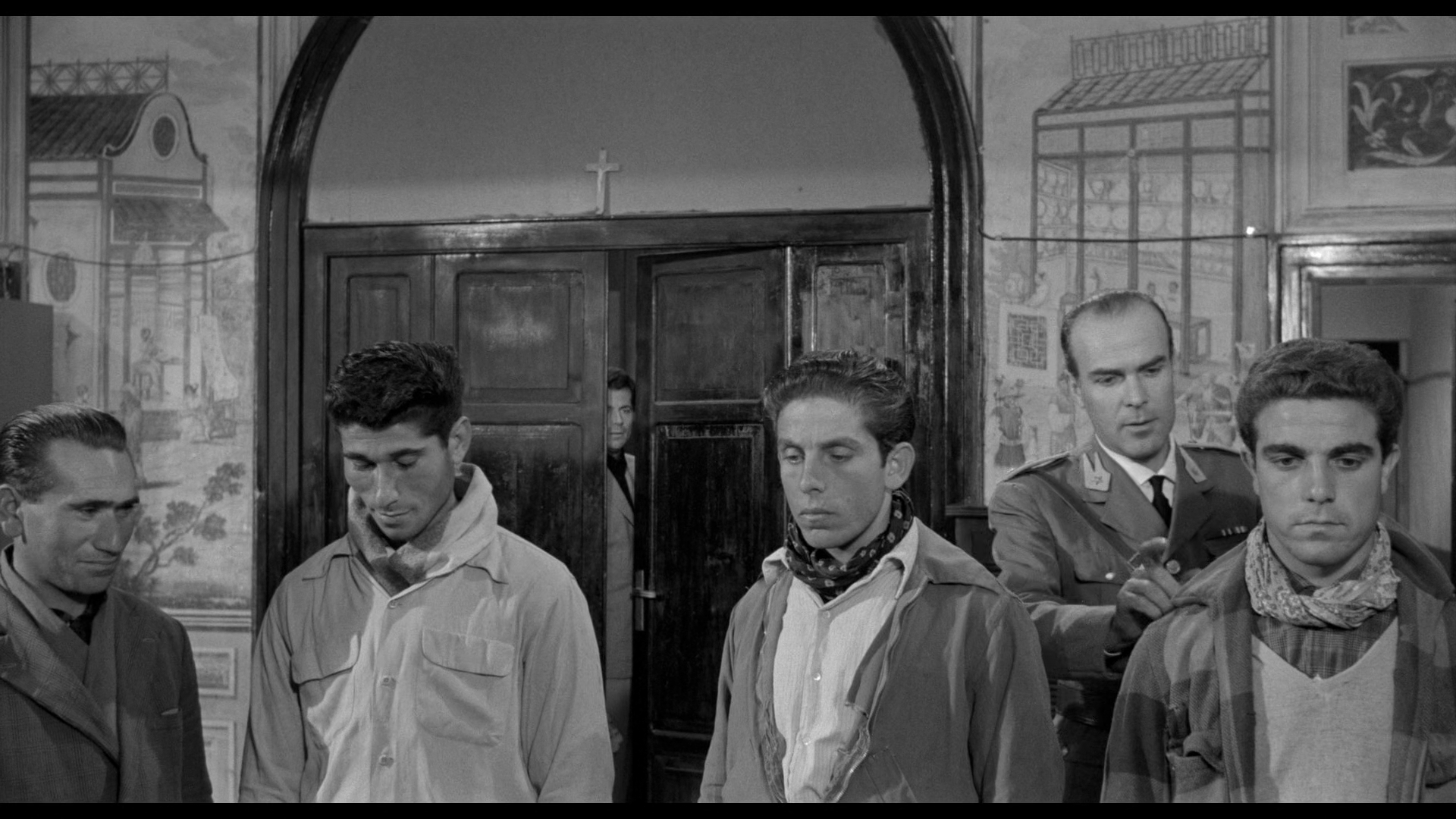
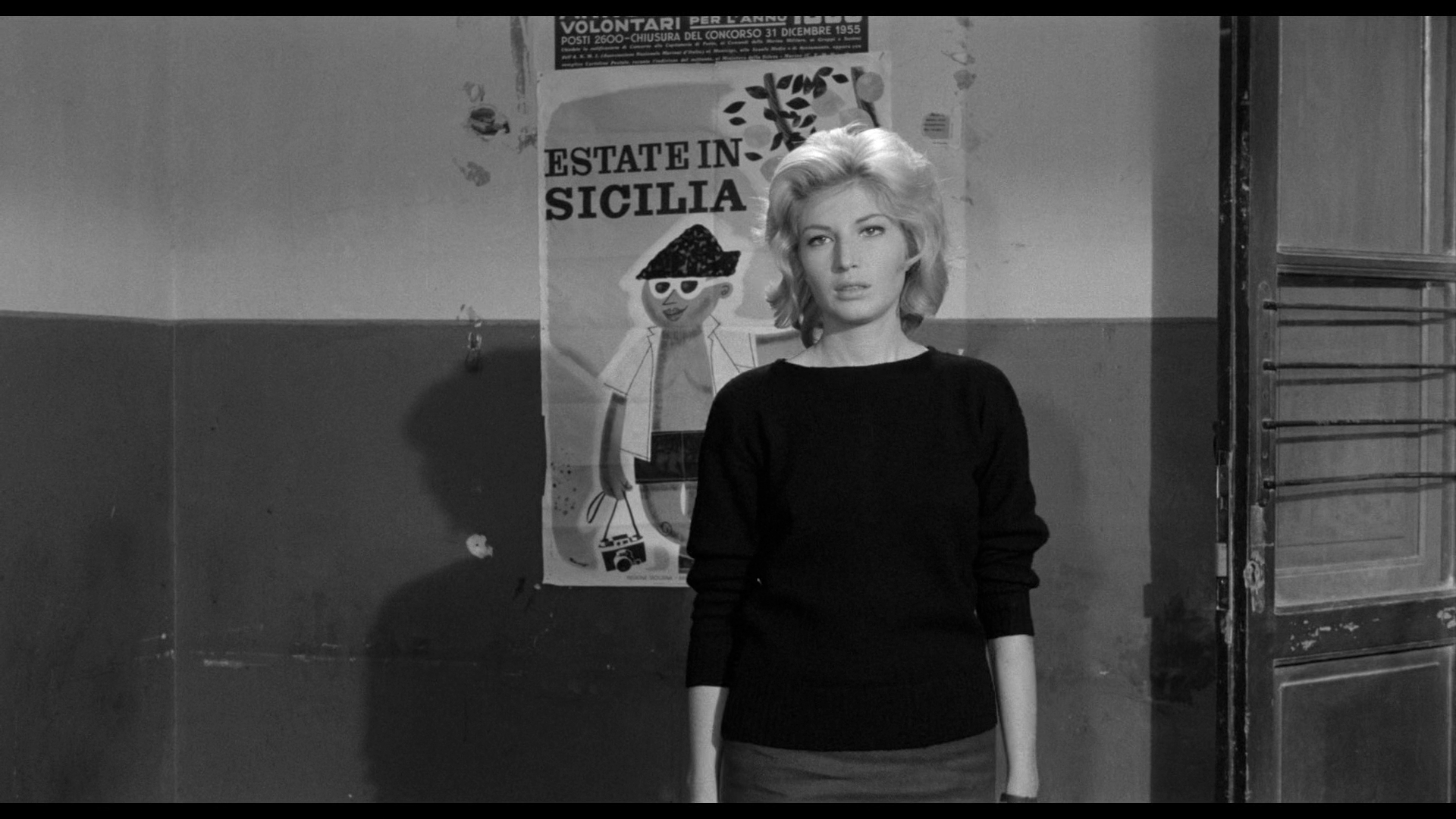
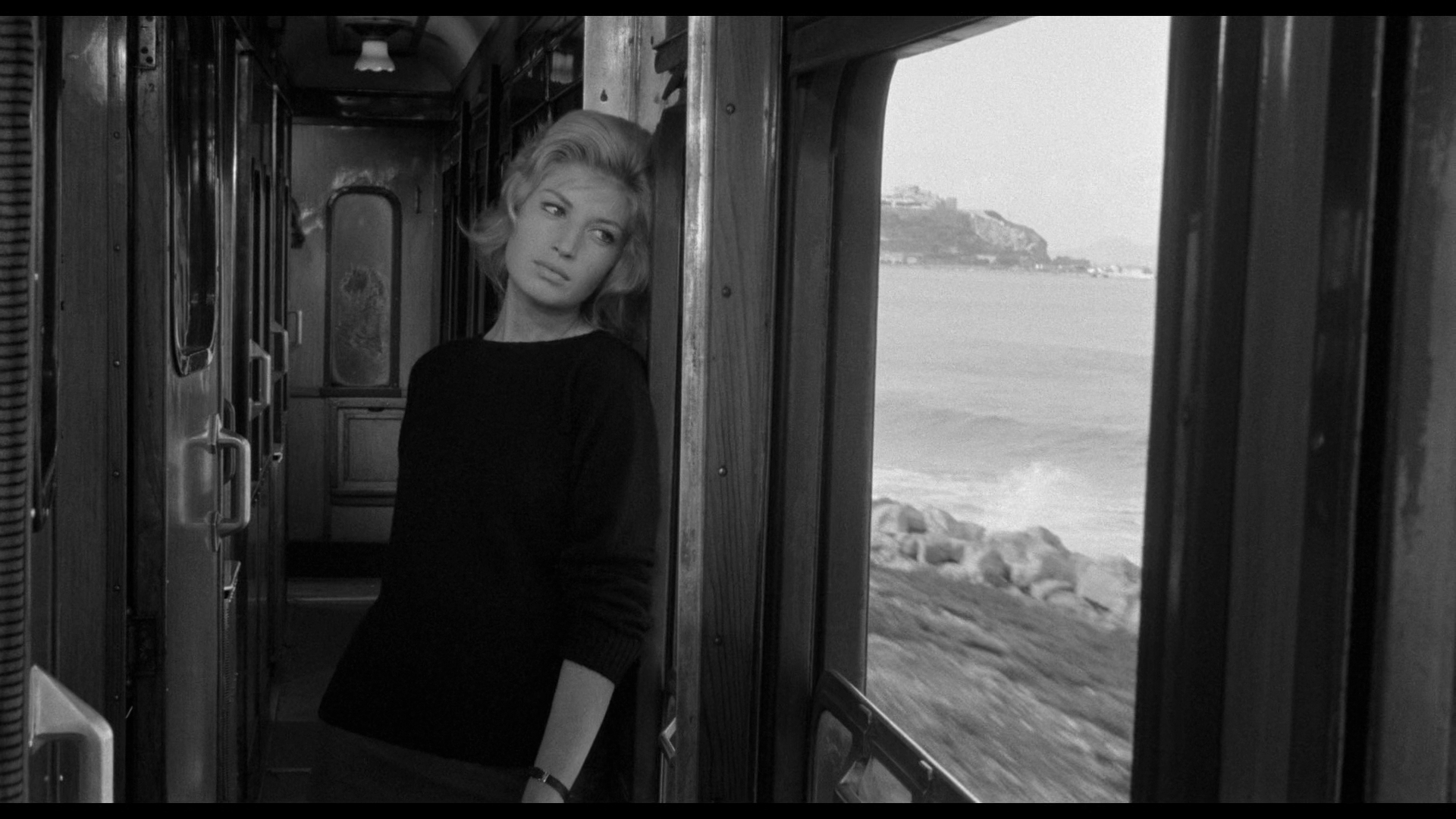
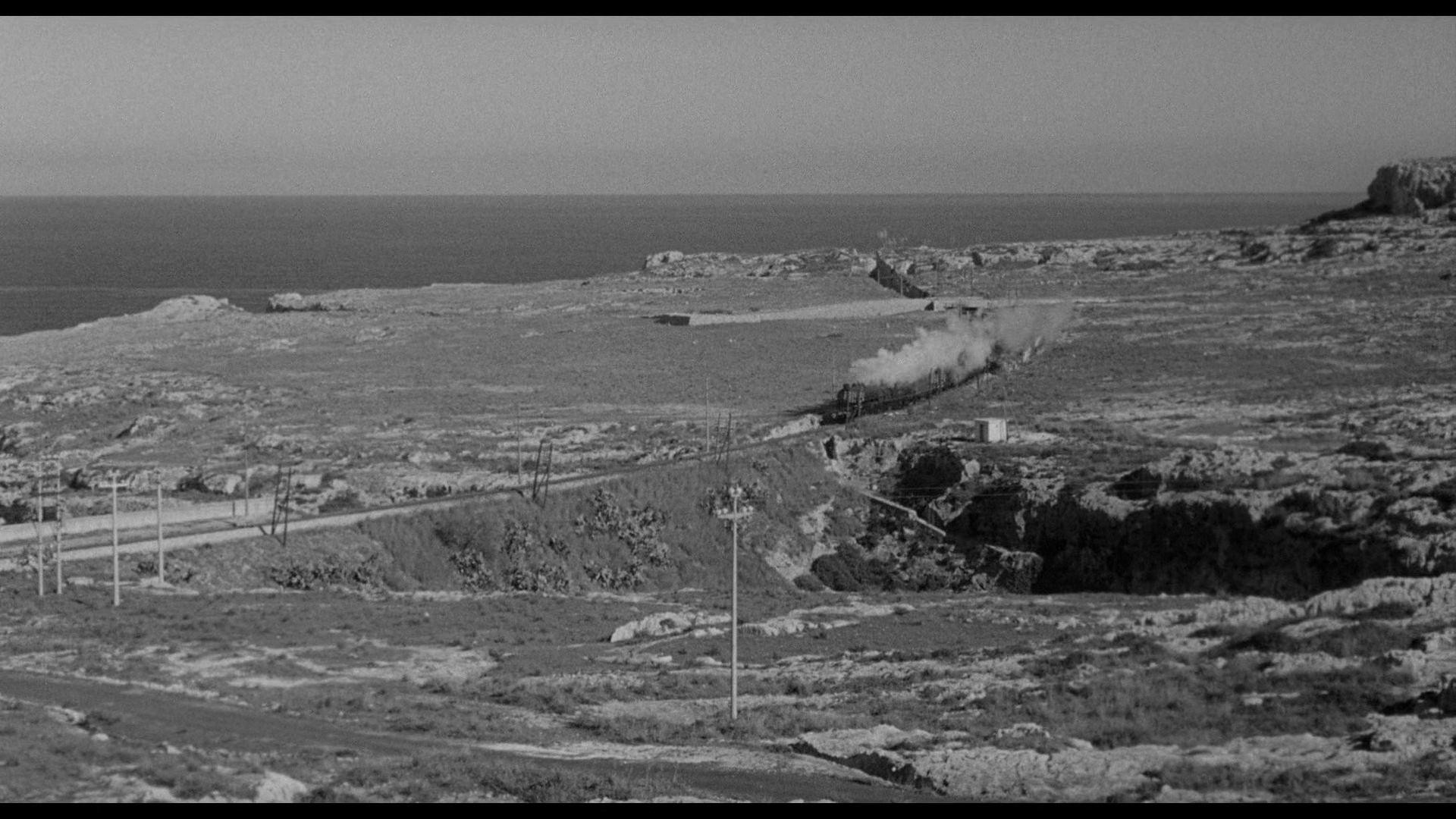
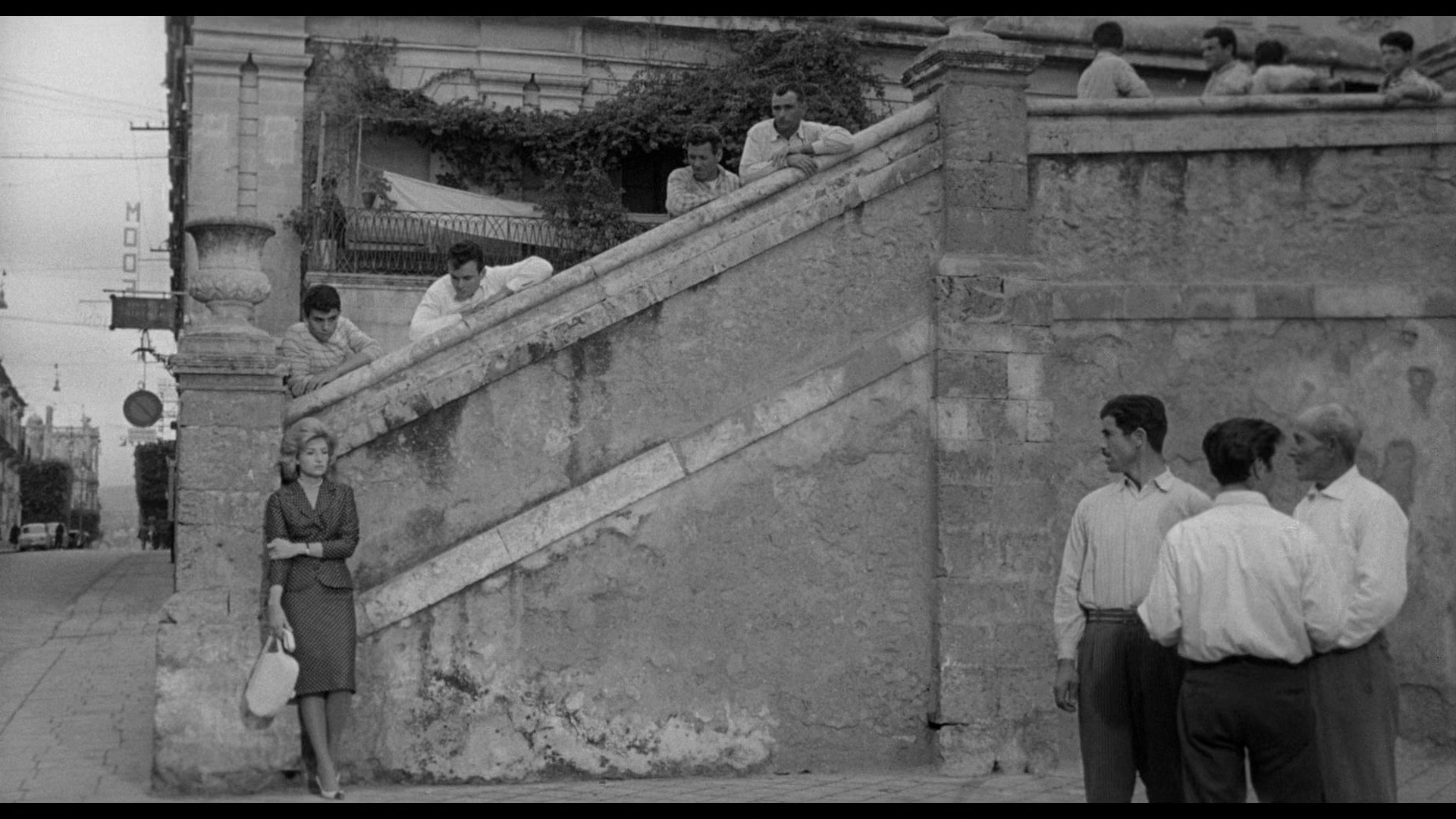
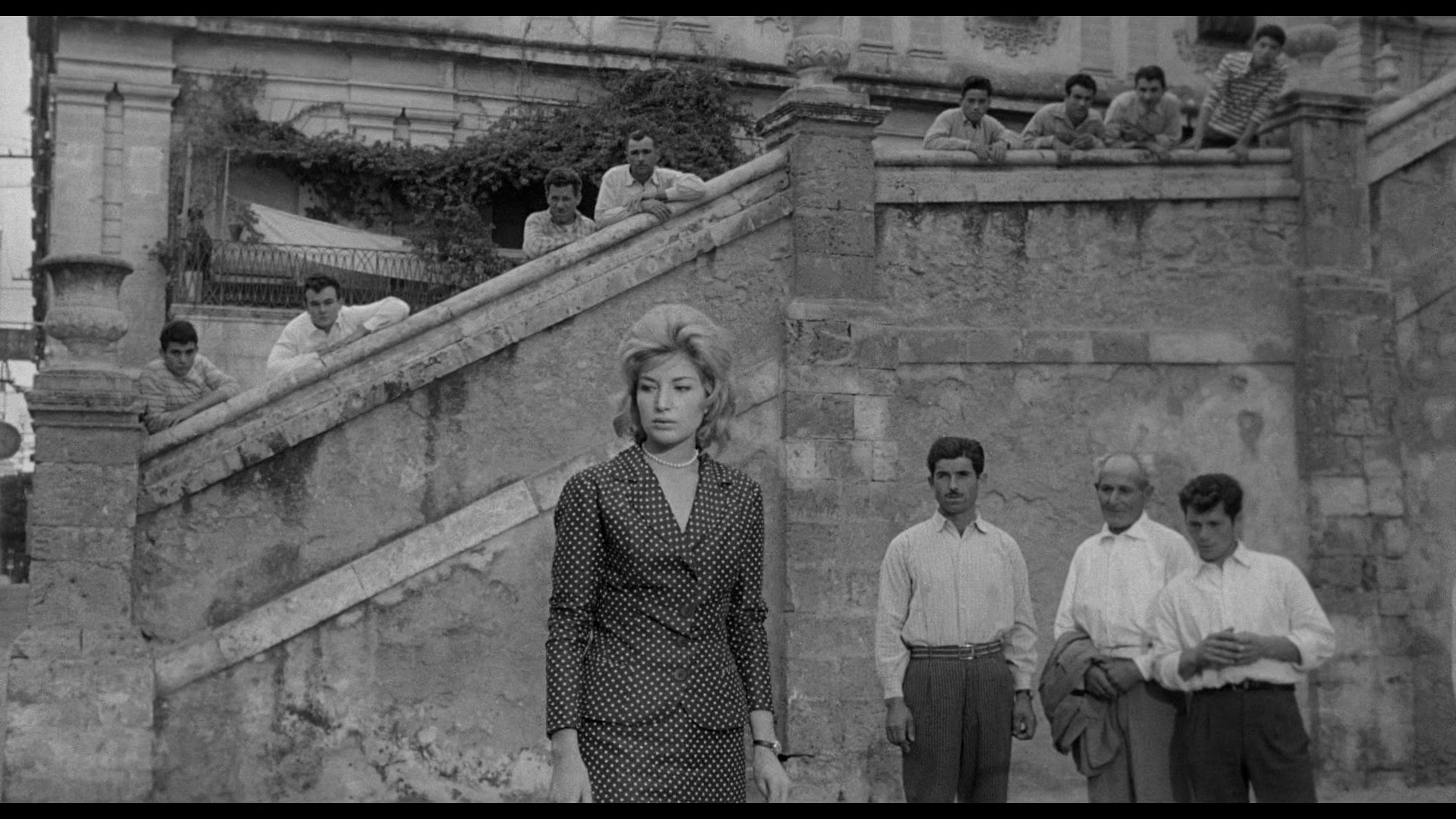
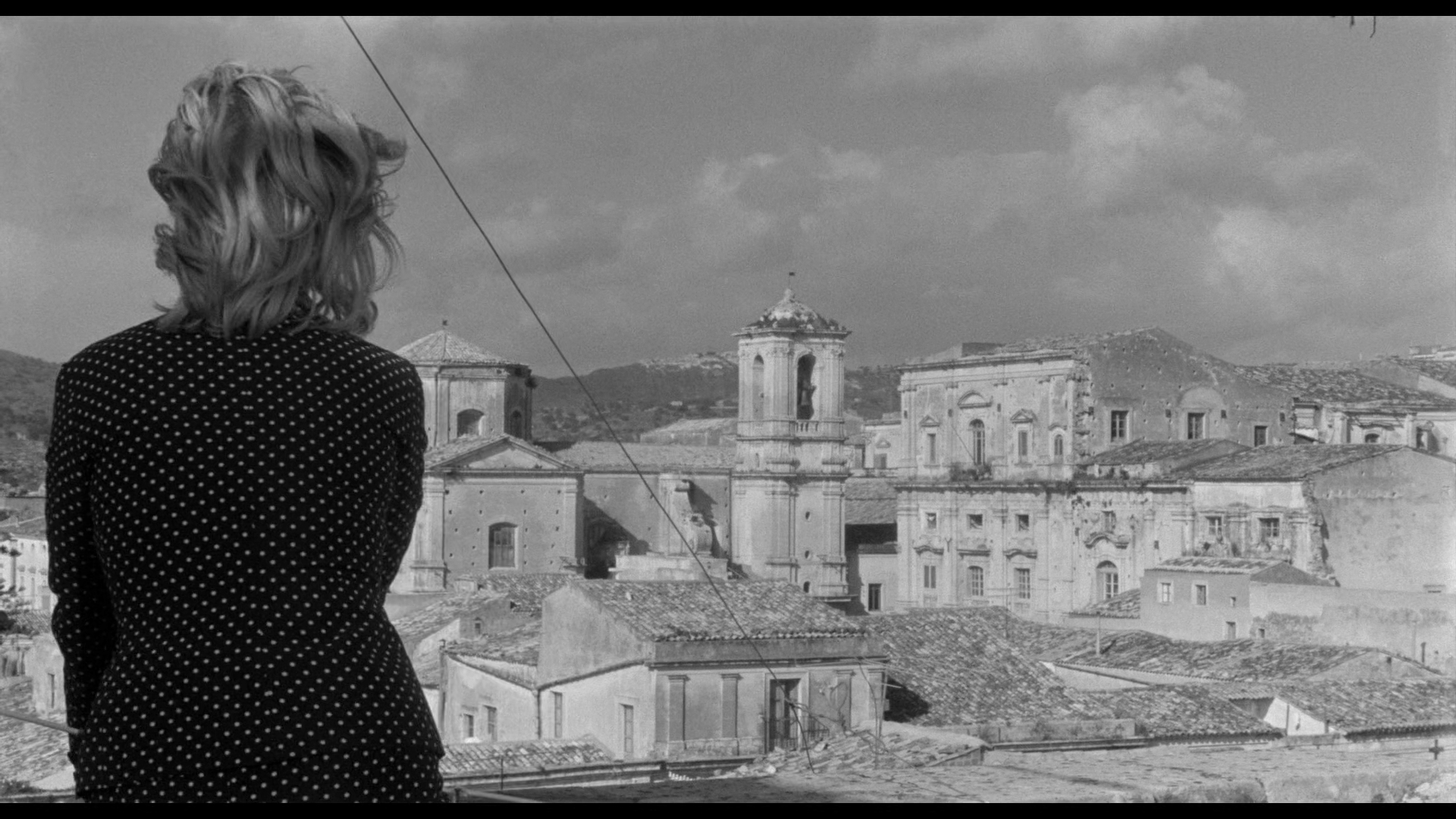
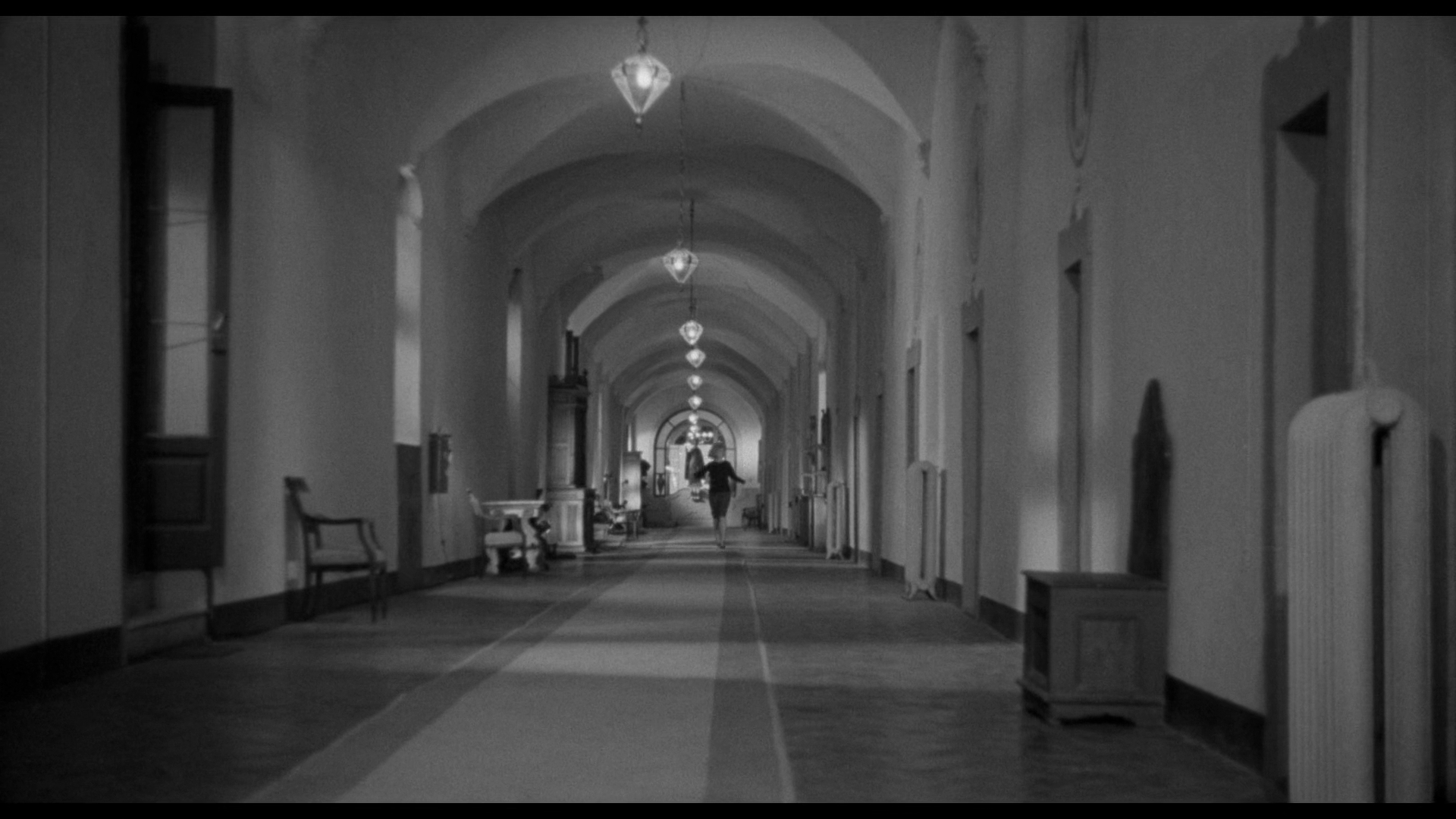
Italian cinema has no shortage of incredible cinematography and style, where a director from any other country would be internationally heralded as one of the all time greatest. Michelangelo Antonioni is one of those under-appreciated directors focusing on themes instead of flashy marketable images. That isn’t to say the film isn’t beautiful with its rocky shores and Italian architecture. L’Avventura is definitely one of Antonioni’s greatest films with an unconventional structure that is hard to categorize. What begins as a potential murder mystery unravels into something profound, where everything is forgotten and there is only the moment at hand. As this is the beginning of the trilogy of alienation, L’Avventura should be watched first before heading deeper into the existential love and loneliness of La Notte.
Analysis:
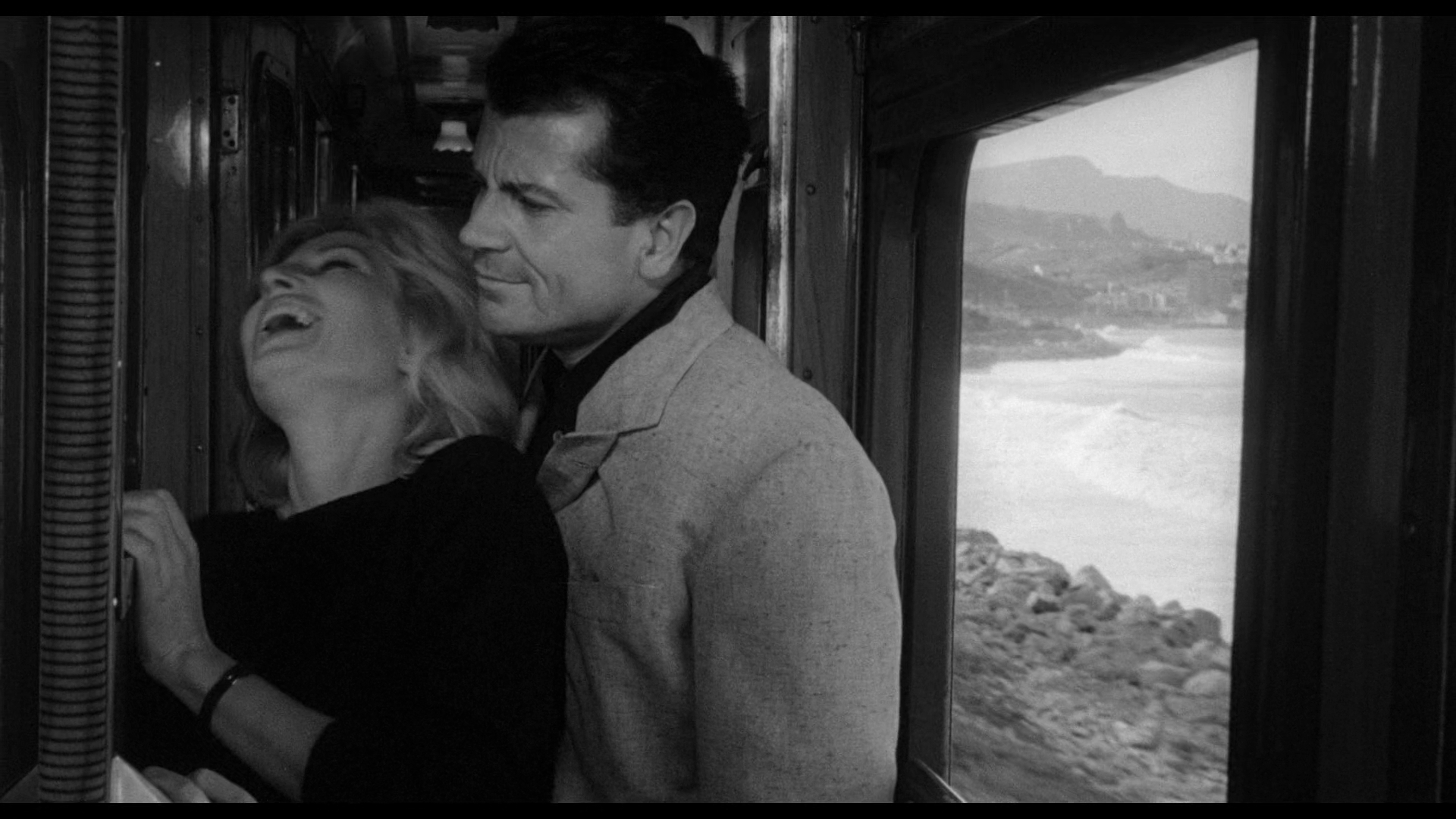
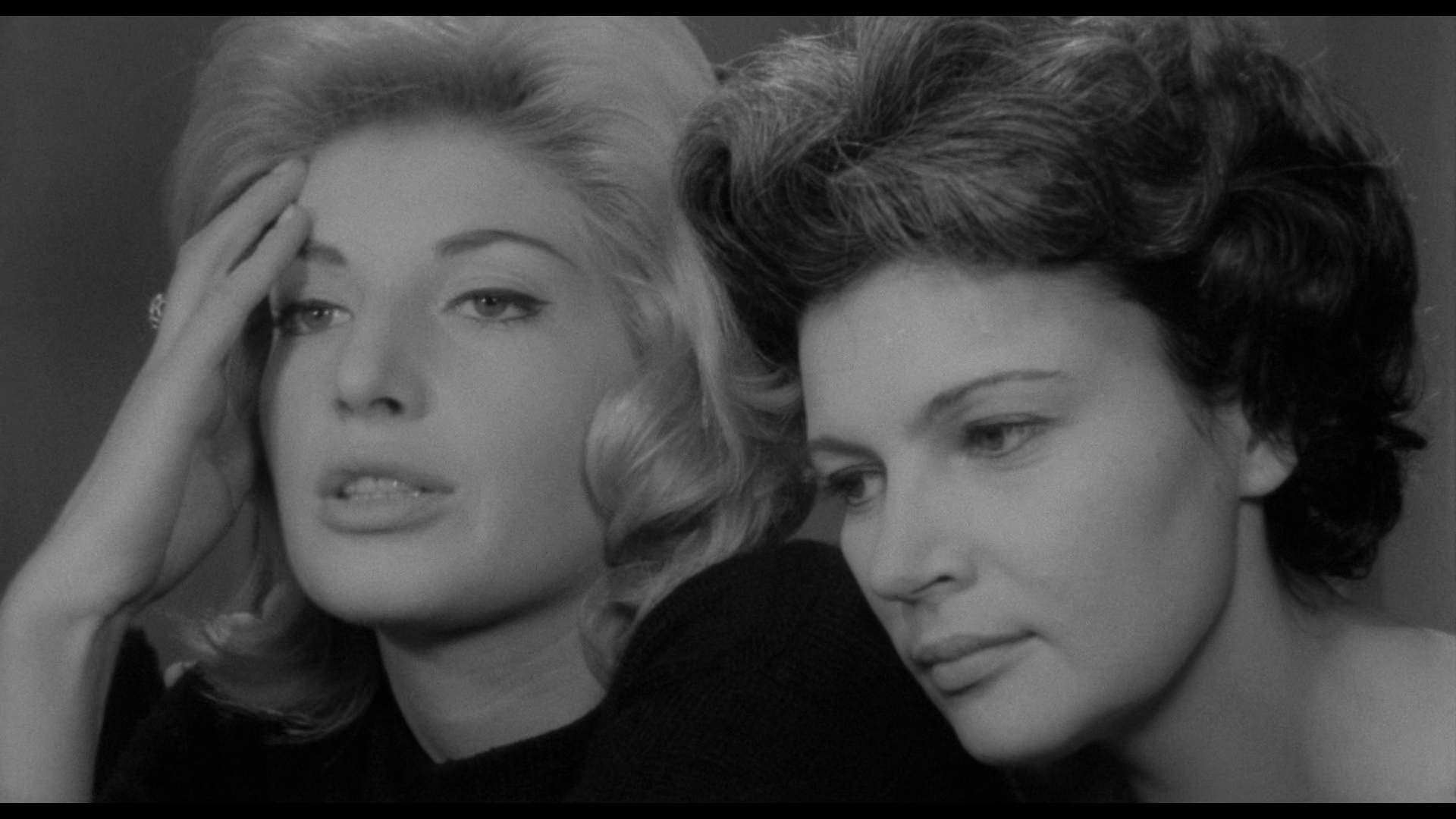
The disappearance of Anna is unsolved, and basically irrelevant to the core romance of this film. One can analyze the function of this narrative structure, but I find the themes of alienation and emptiness to be more profound. Love is messy, but it is perhaps the only thing holding our messy lives together.
Conclusion:
What makes this film genius is its complete disregard of genre. There’s no film quite like this because it deconstructs what we typically expect from tropes, remaining its novelty even in 2026. I love the cast, performances and locations, incorporating a bit to playful whimsically one might expect from a French Jean Luc Godard film. What makes Italian movies so special is they always manage to sweep you away despite their flaws, transformed into quirks. Though the pacing and everyday chatter can get mundane, that makes you connect with these characters even more. After this film you might end up watching all of Antonioni’s films, and what a great introduction to soften the blow of La Notte.
Recommendations
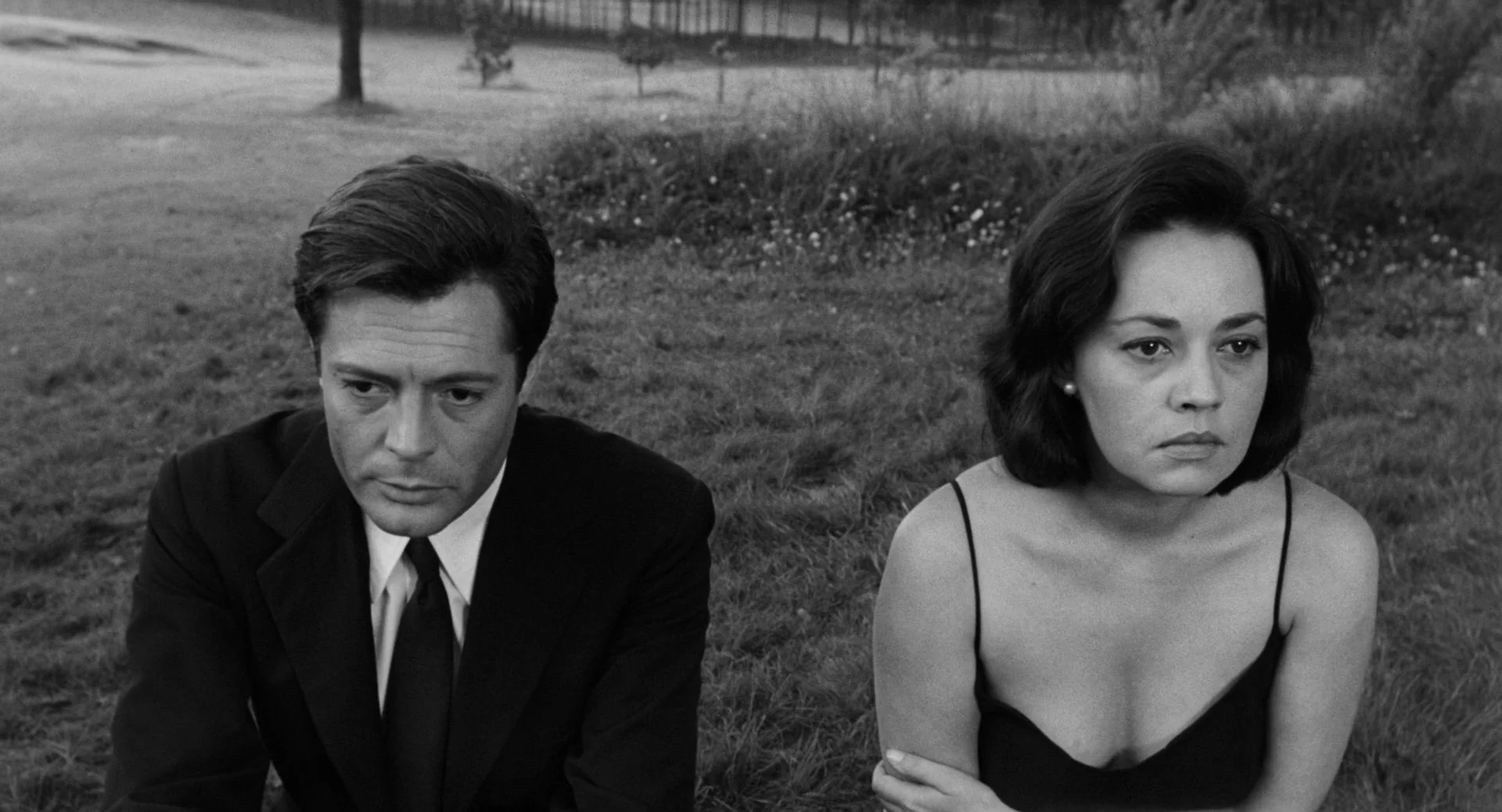











A hole where love almost begins.