
Cold War (2018)




Love burns hotter the colder the war.
Presentation:
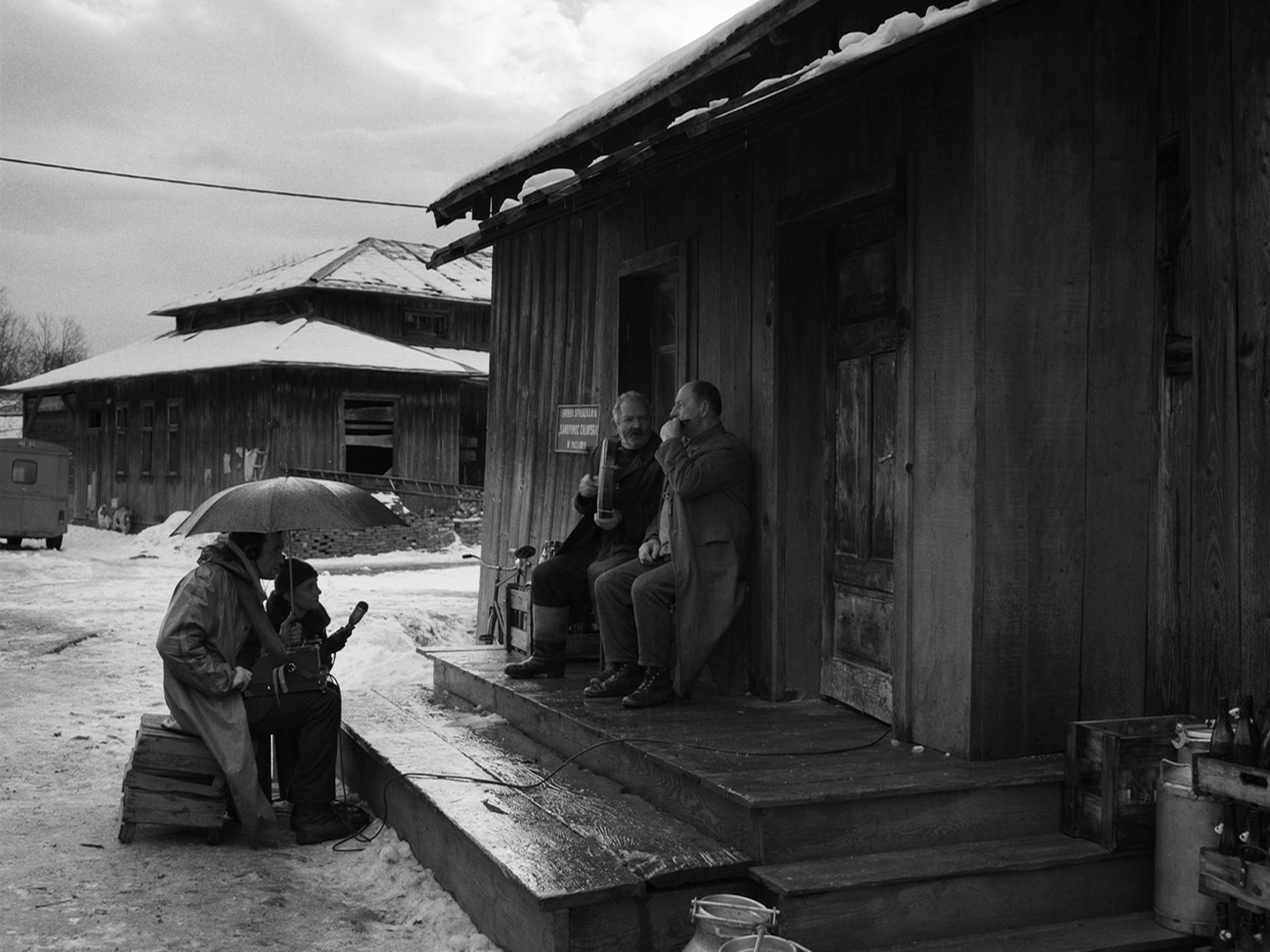
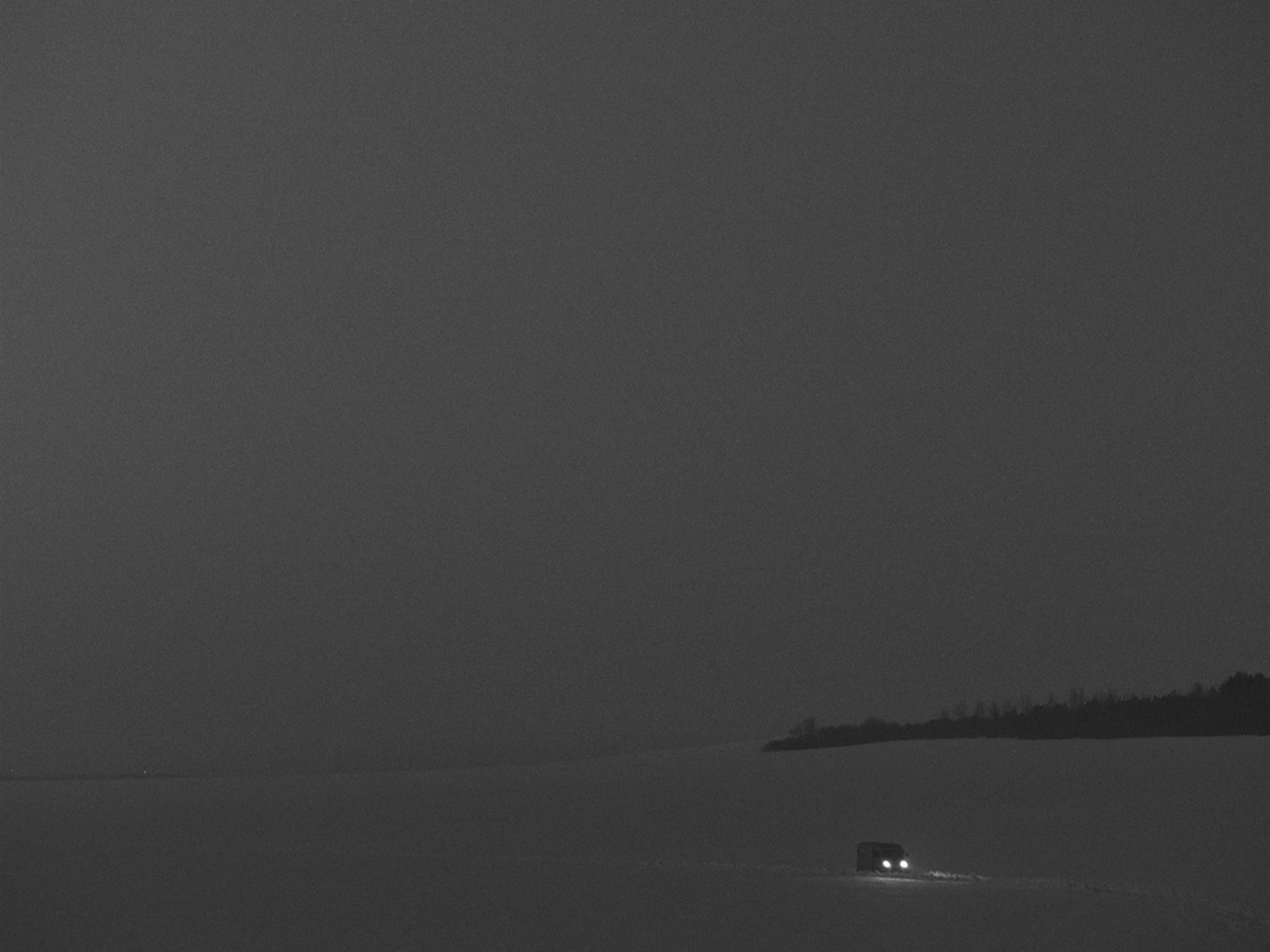
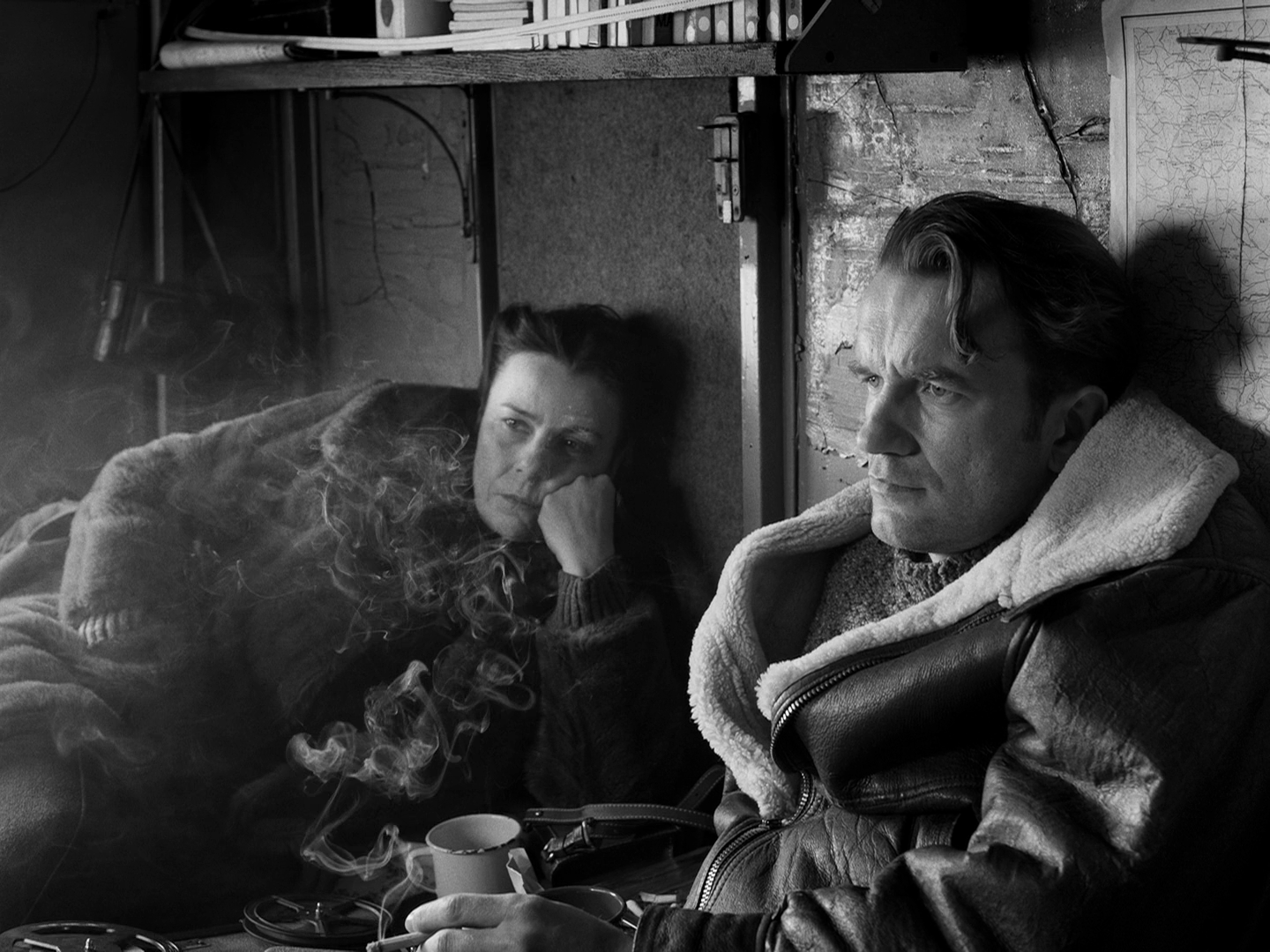
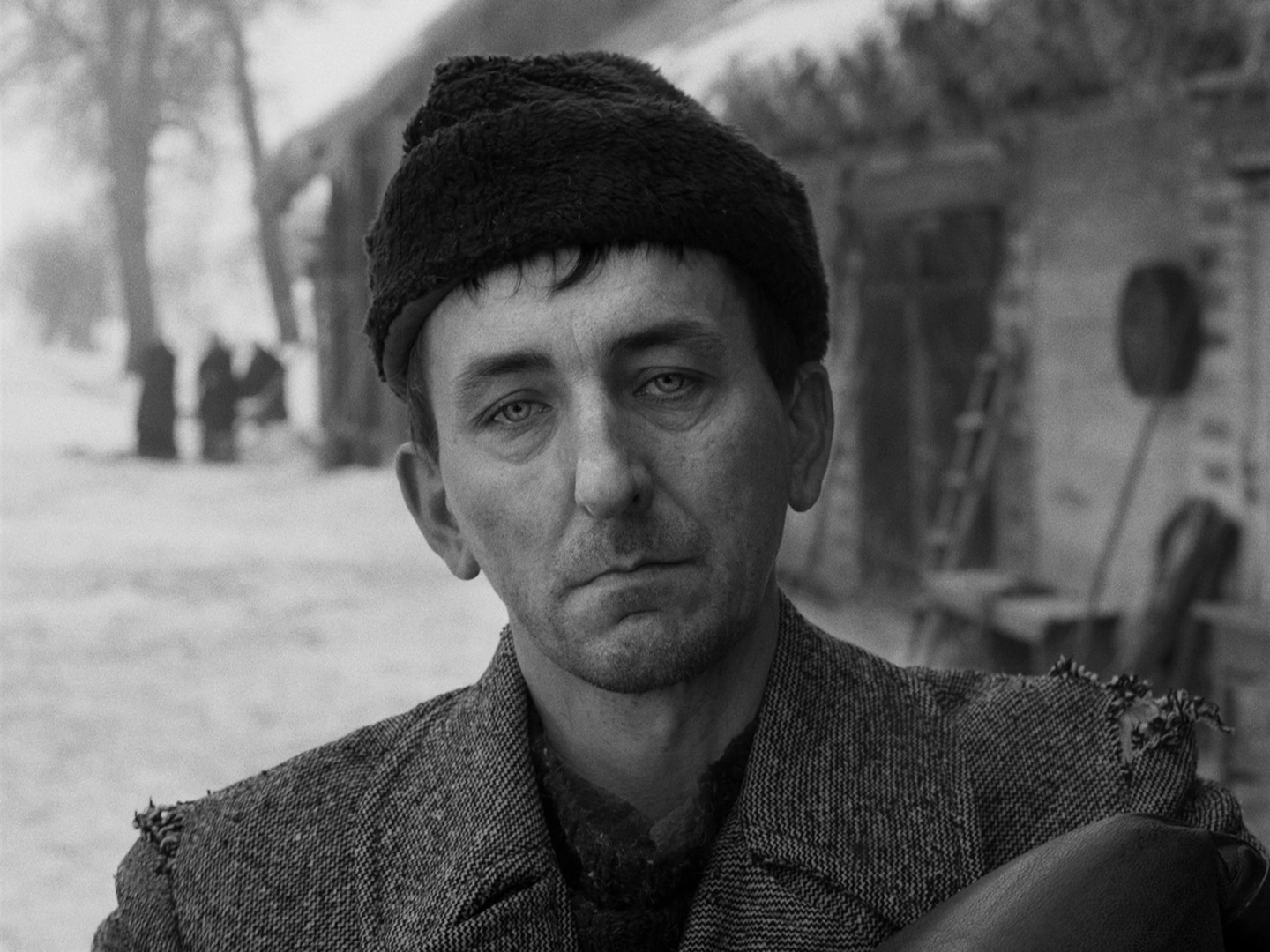
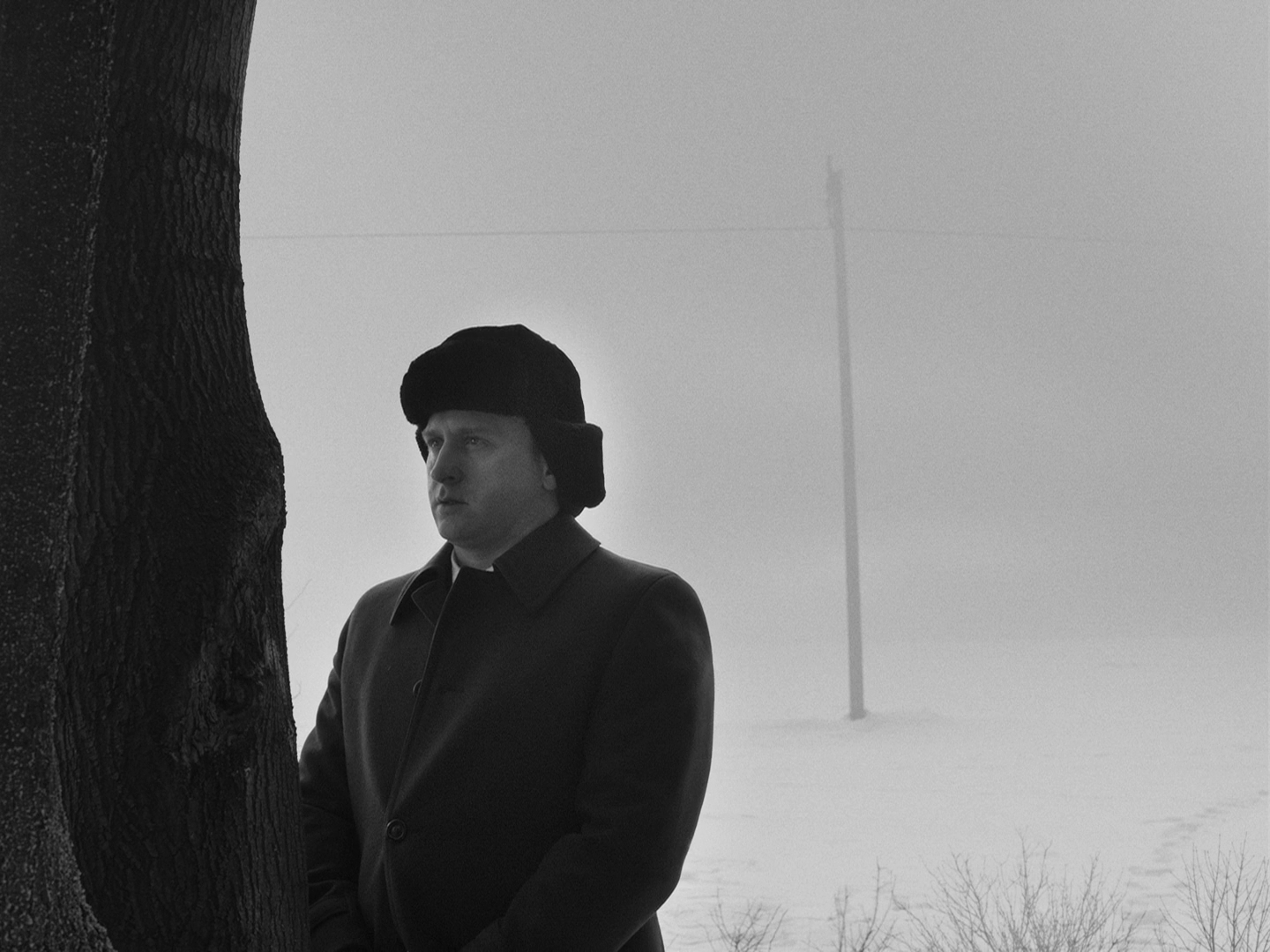
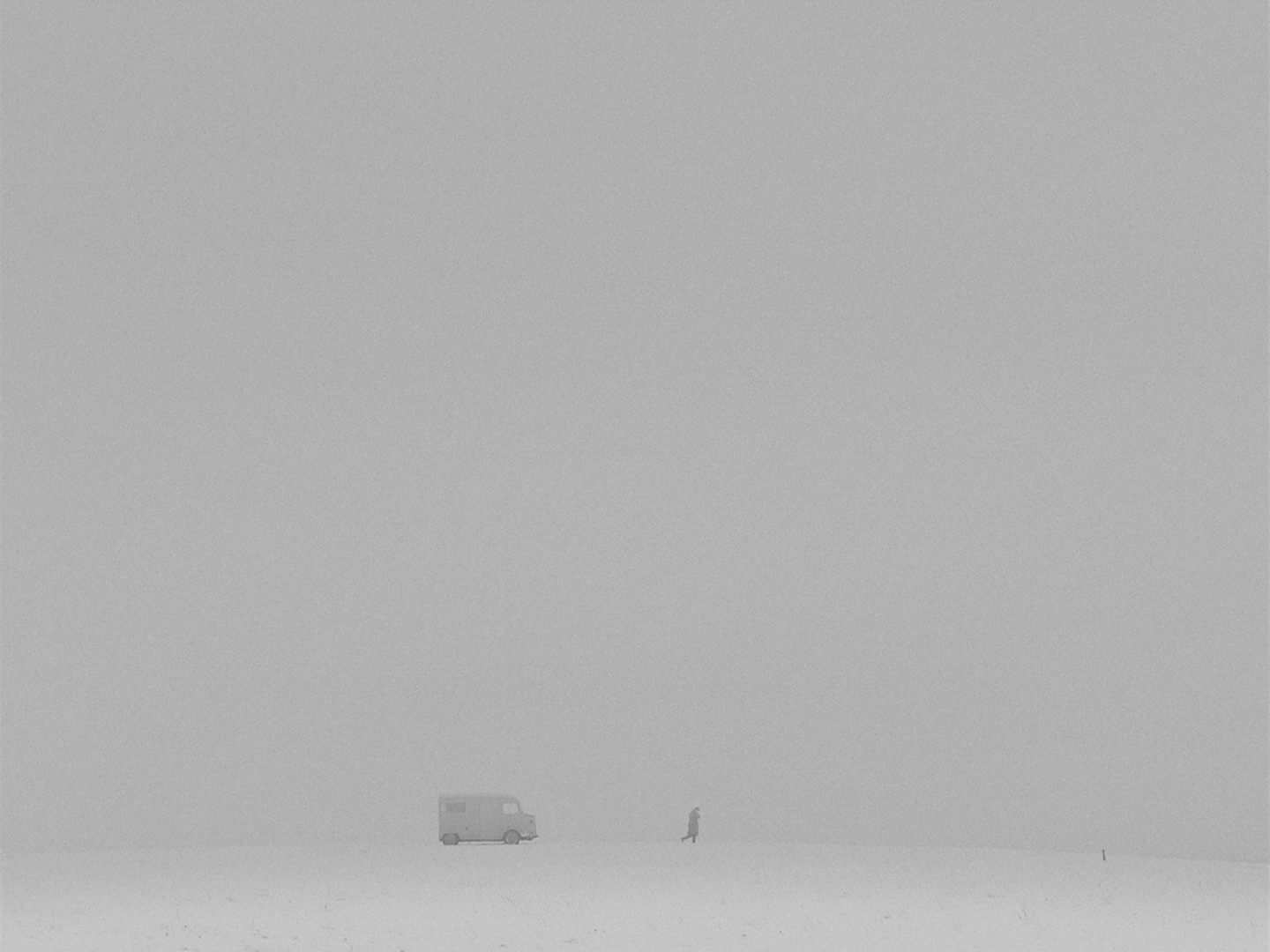
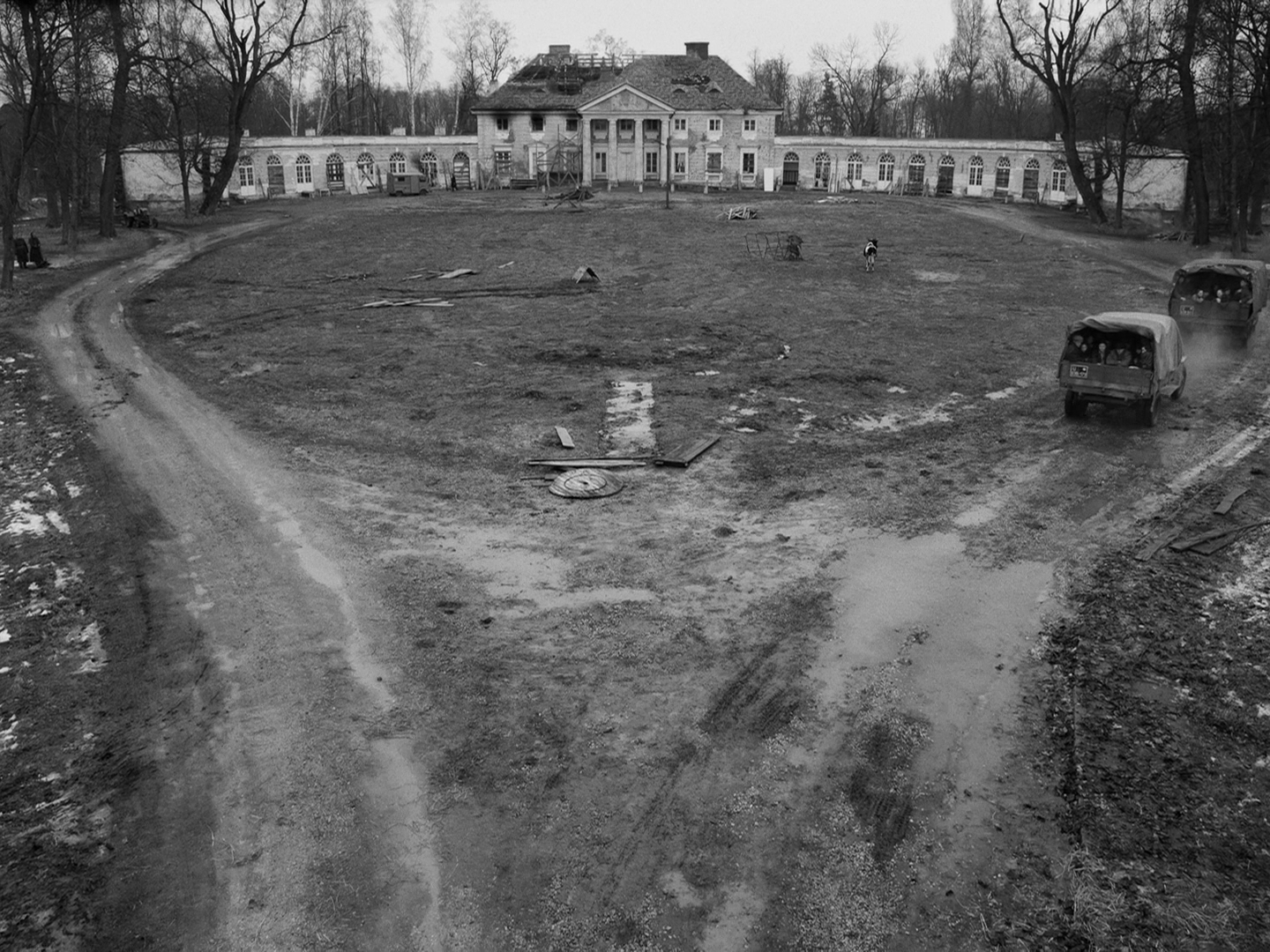
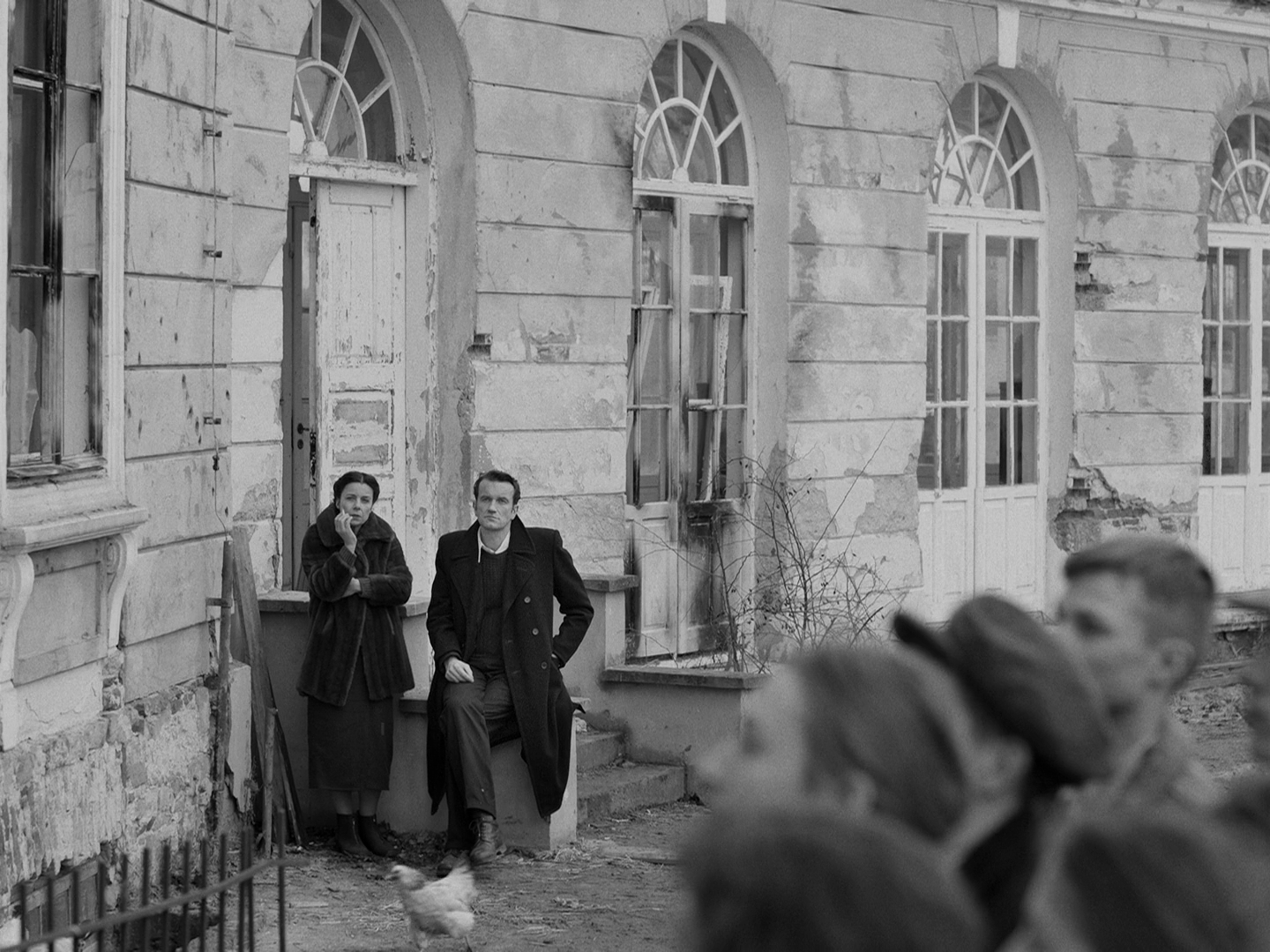
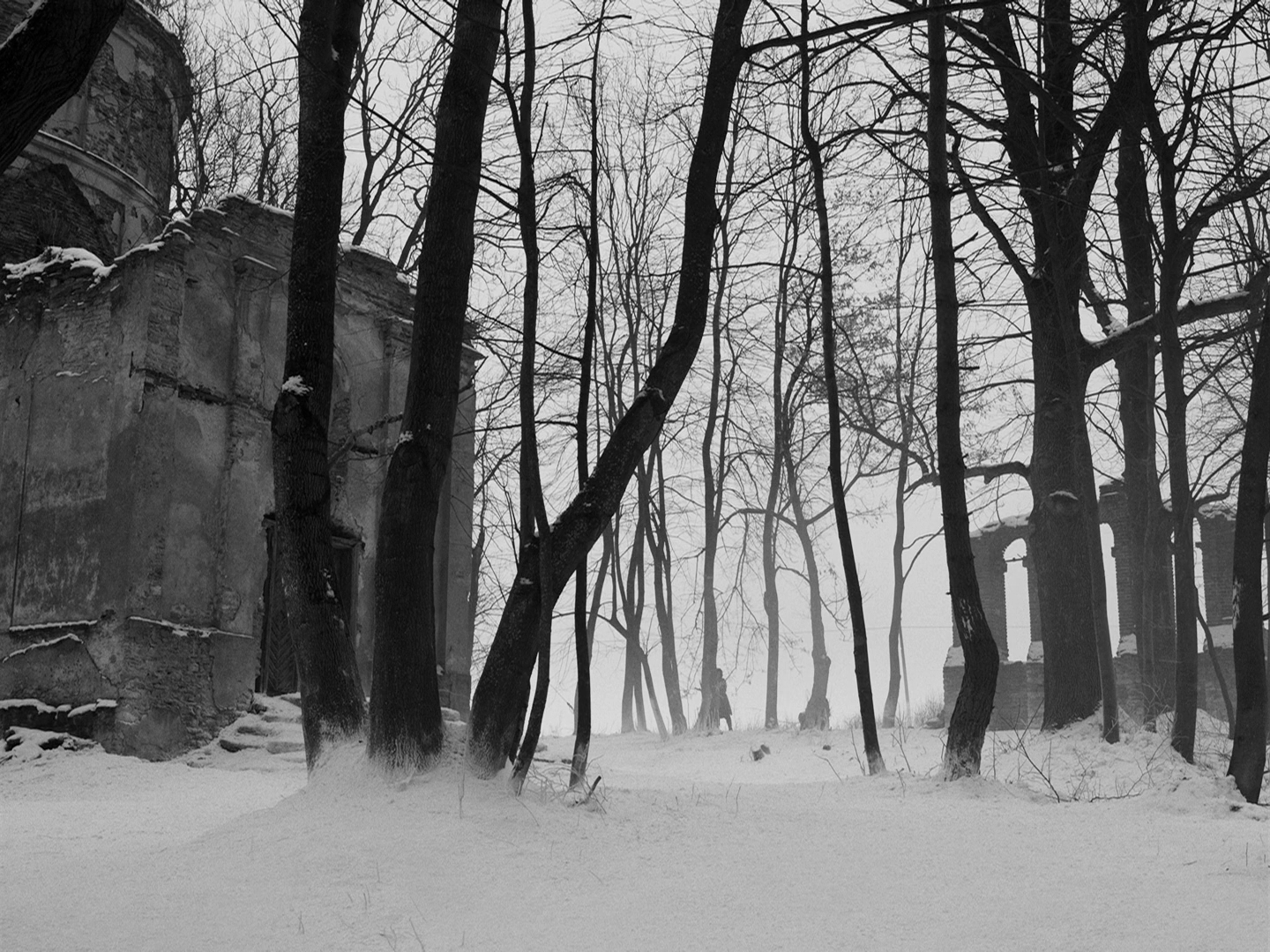
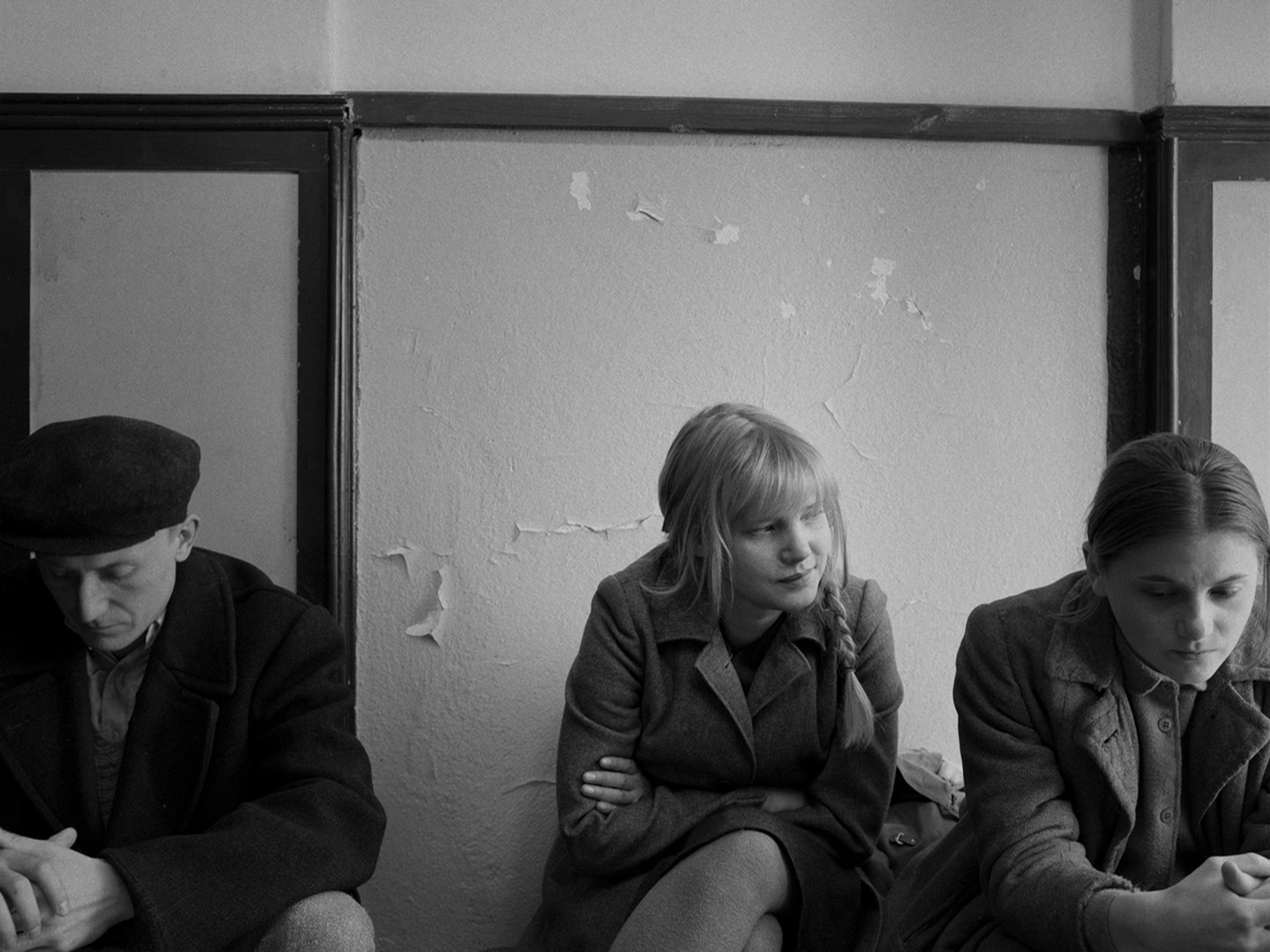
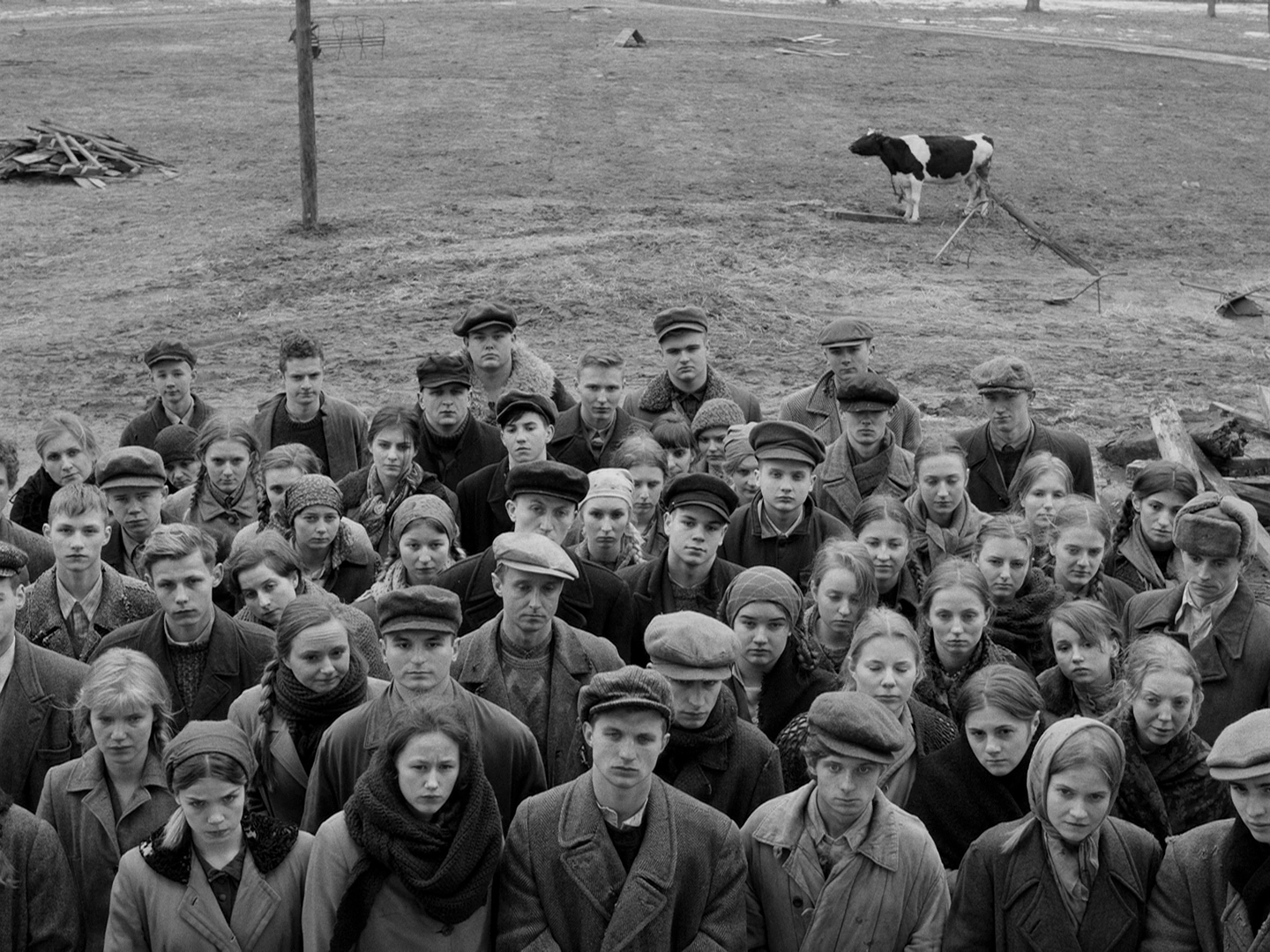
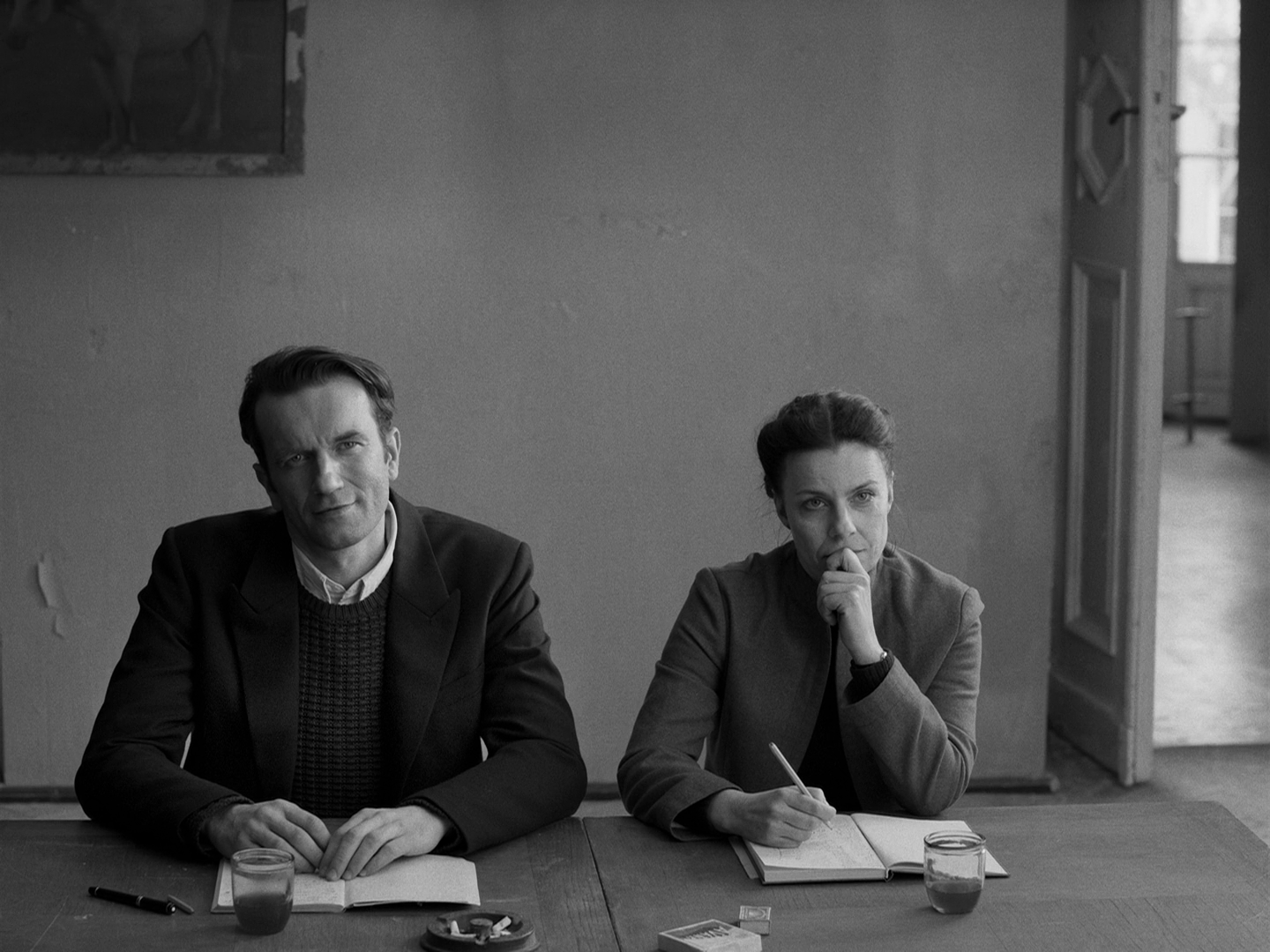
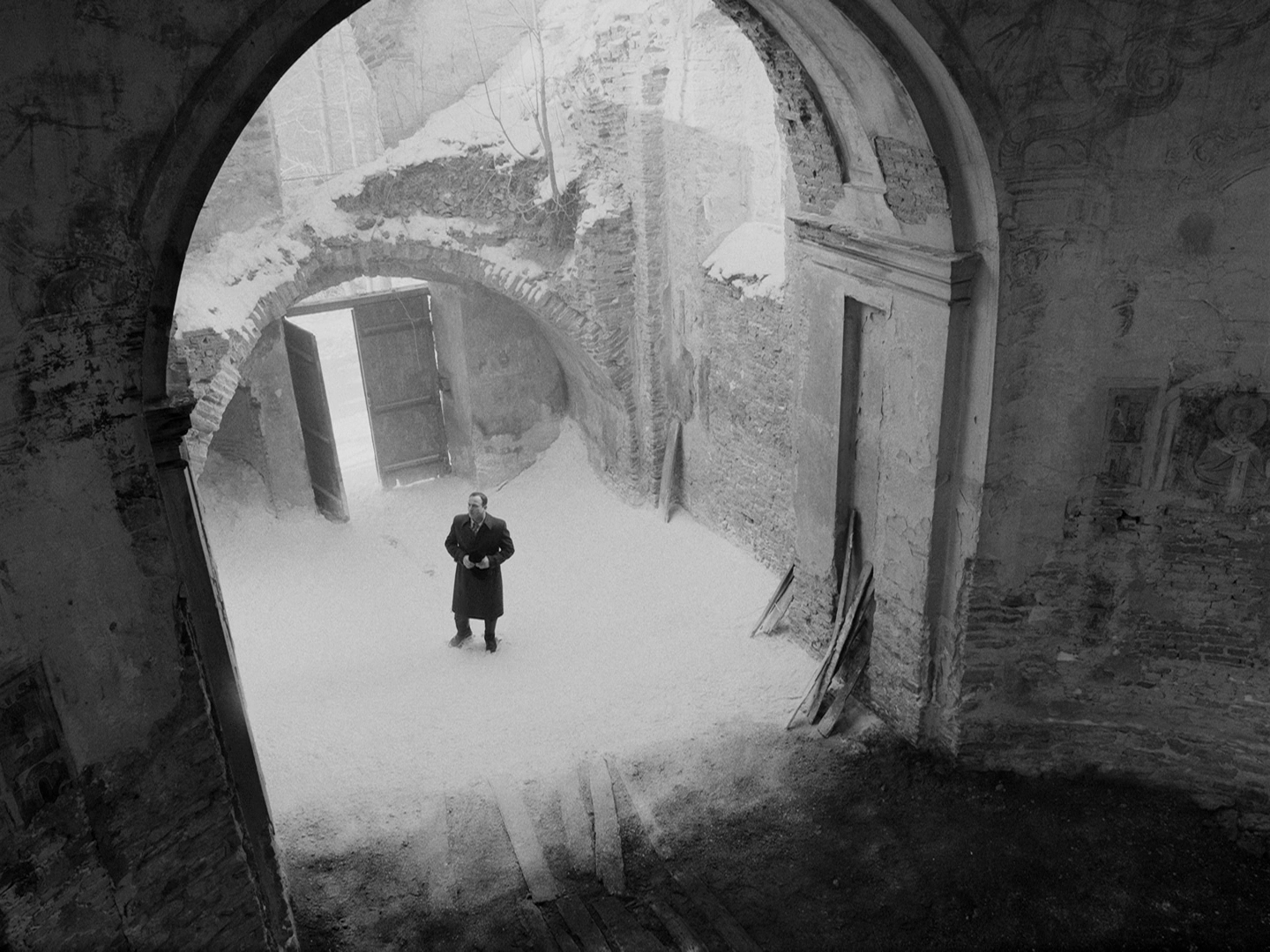
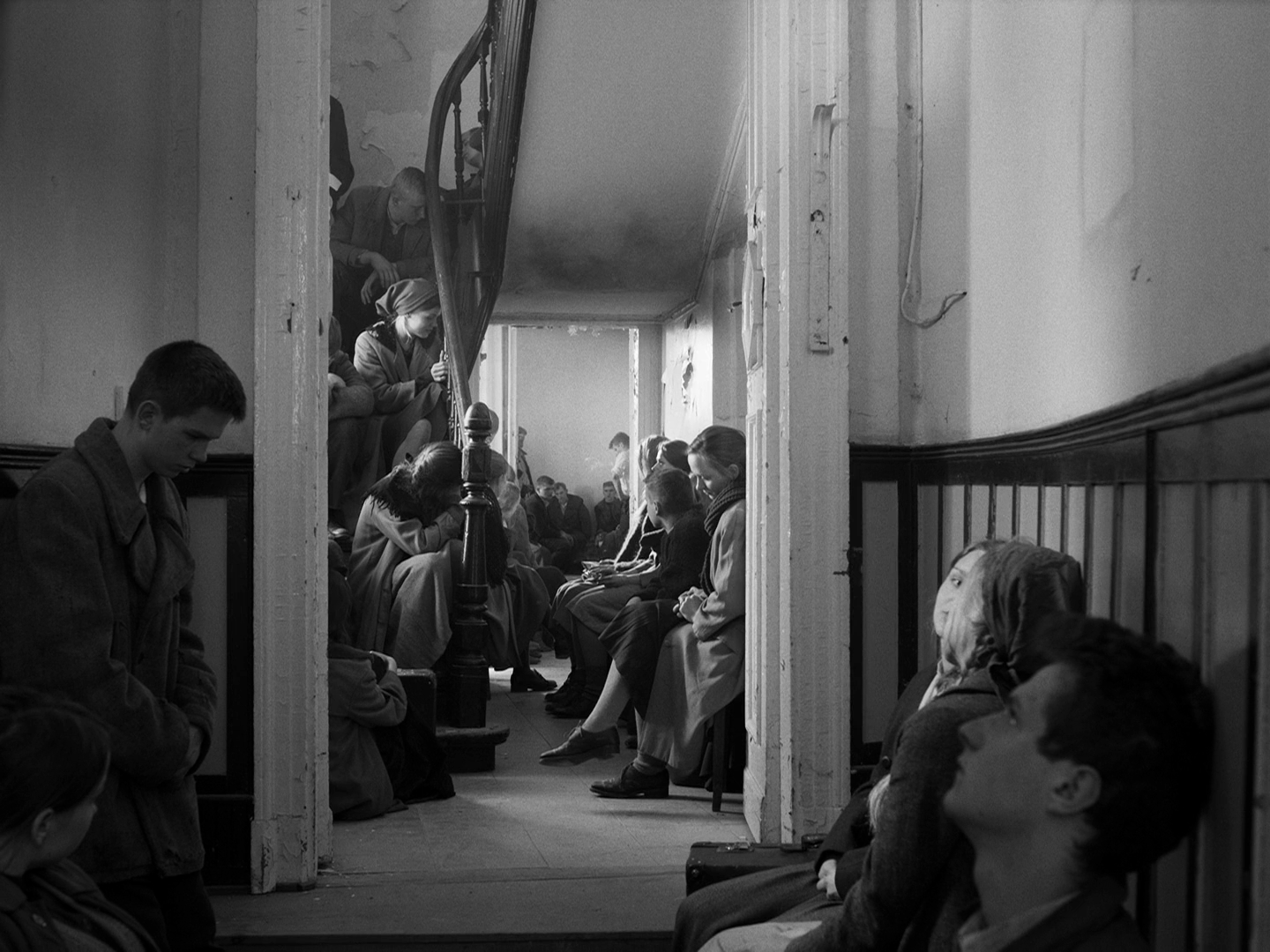
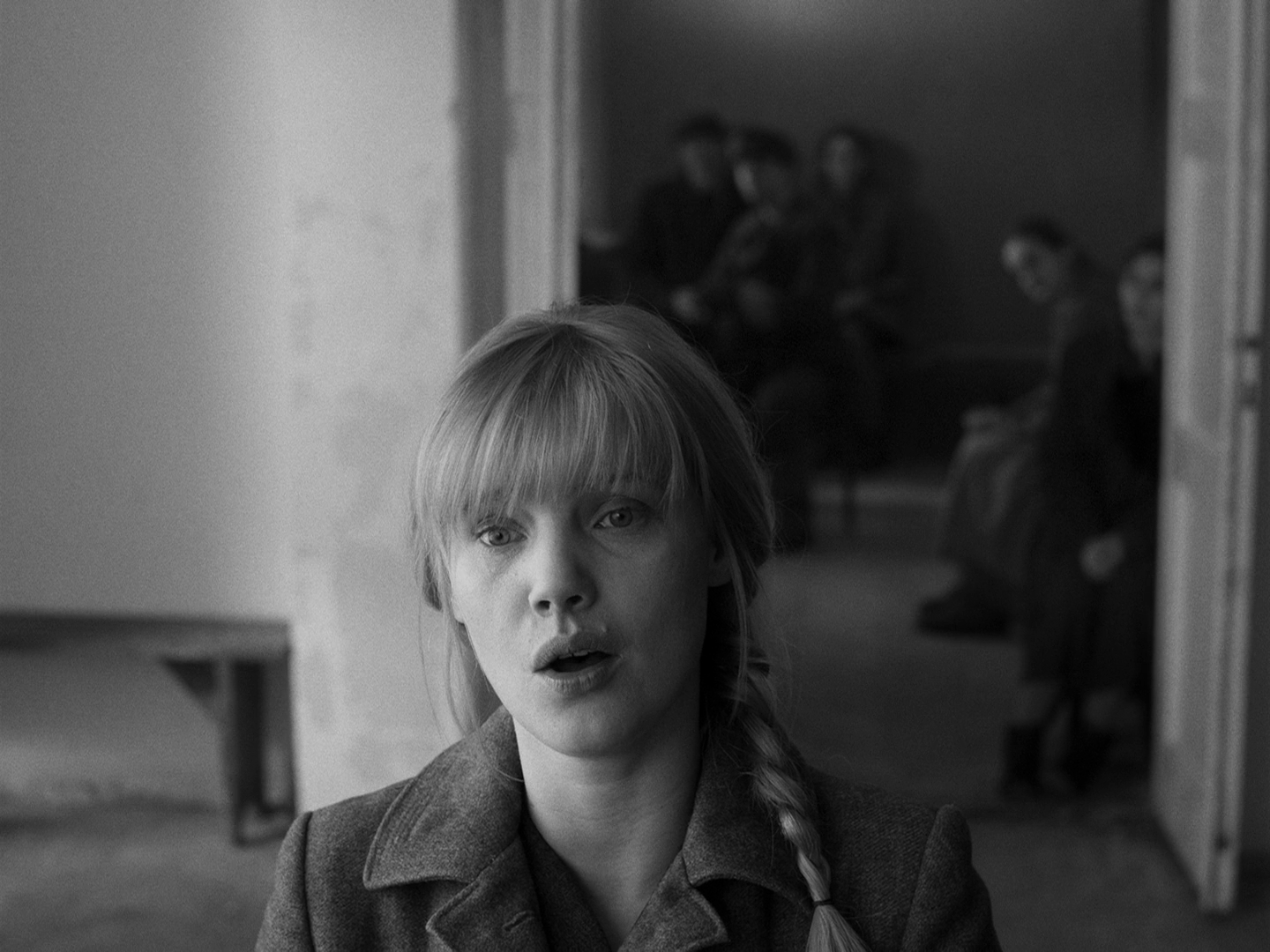
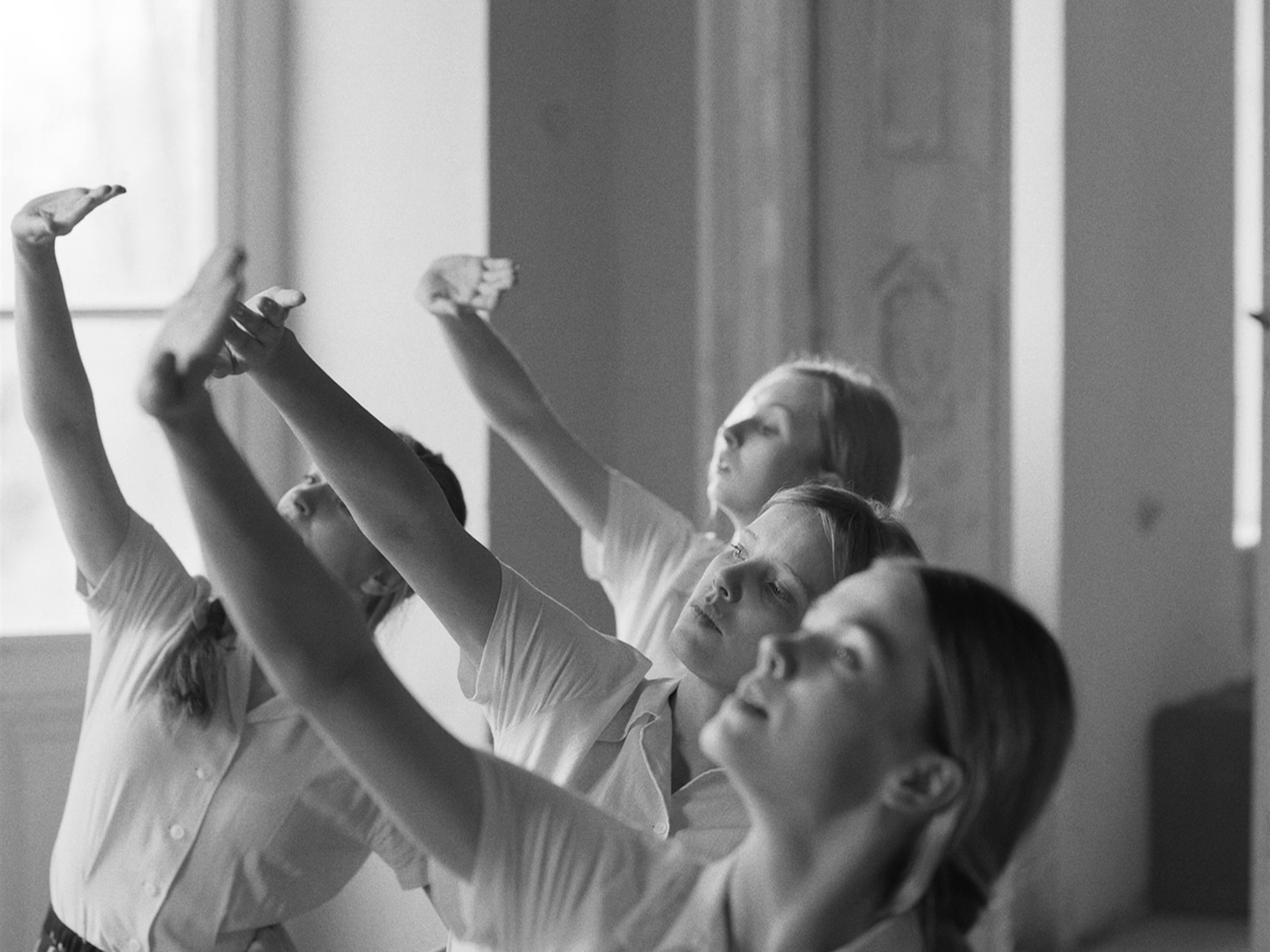
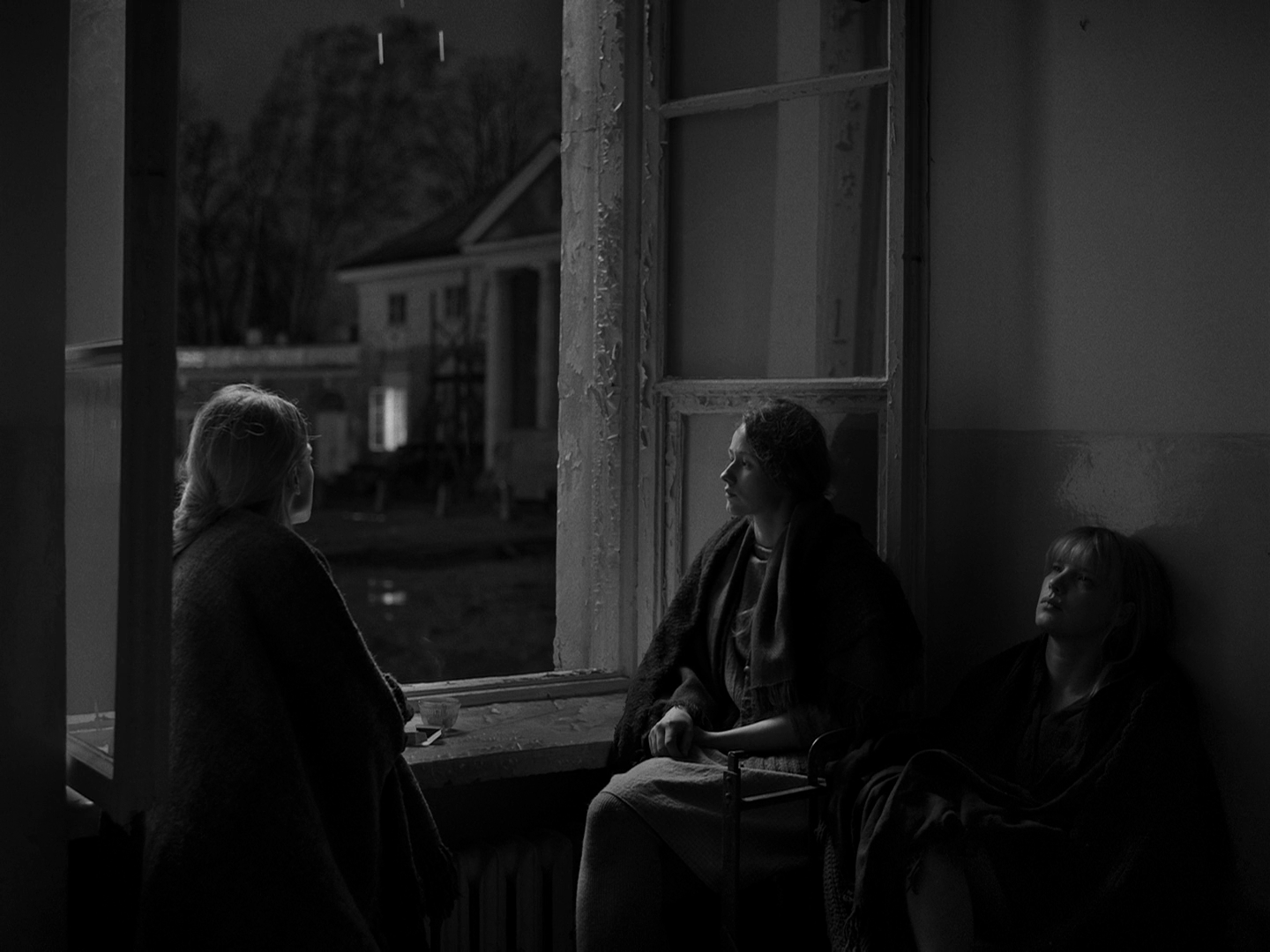
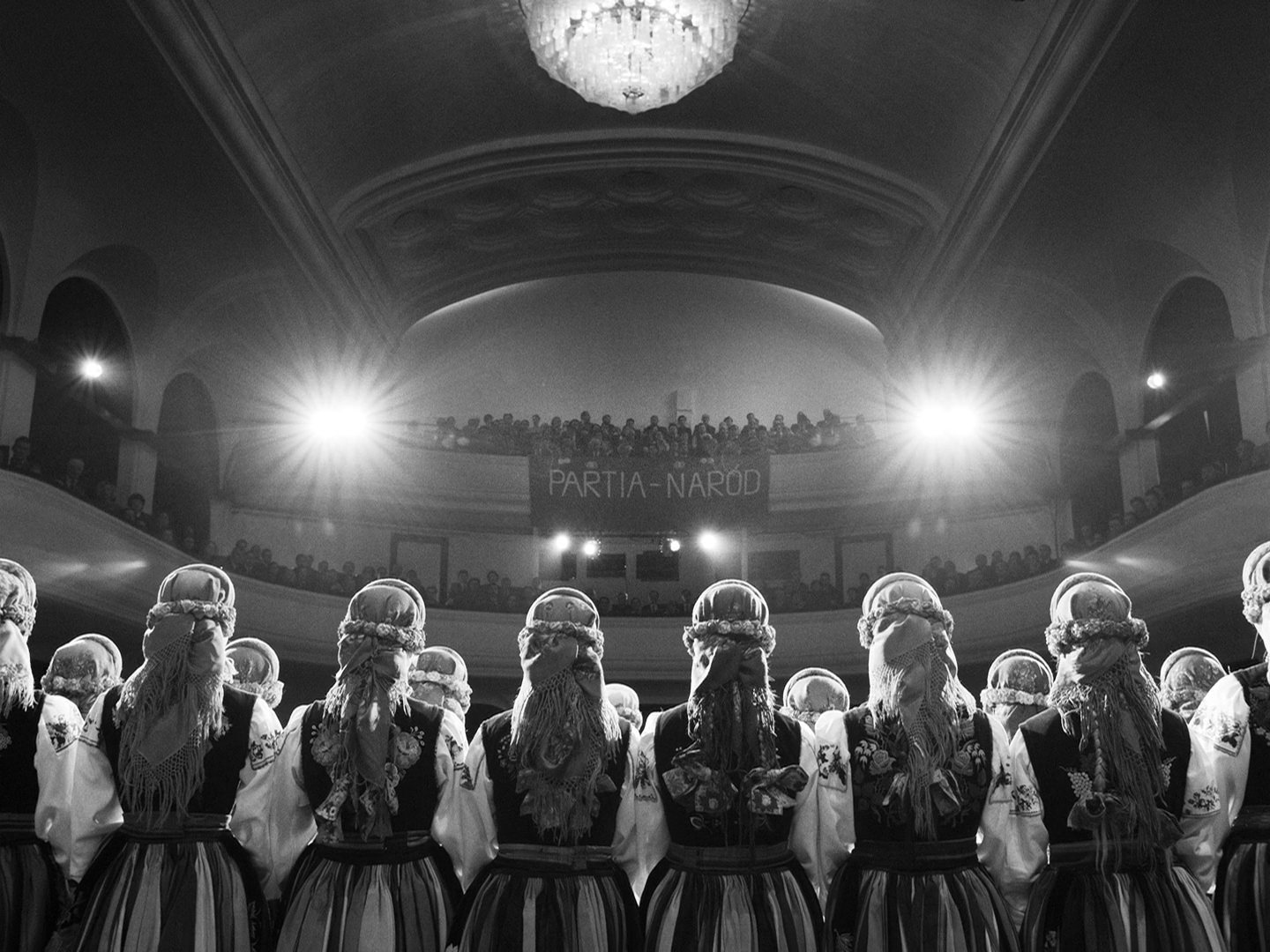
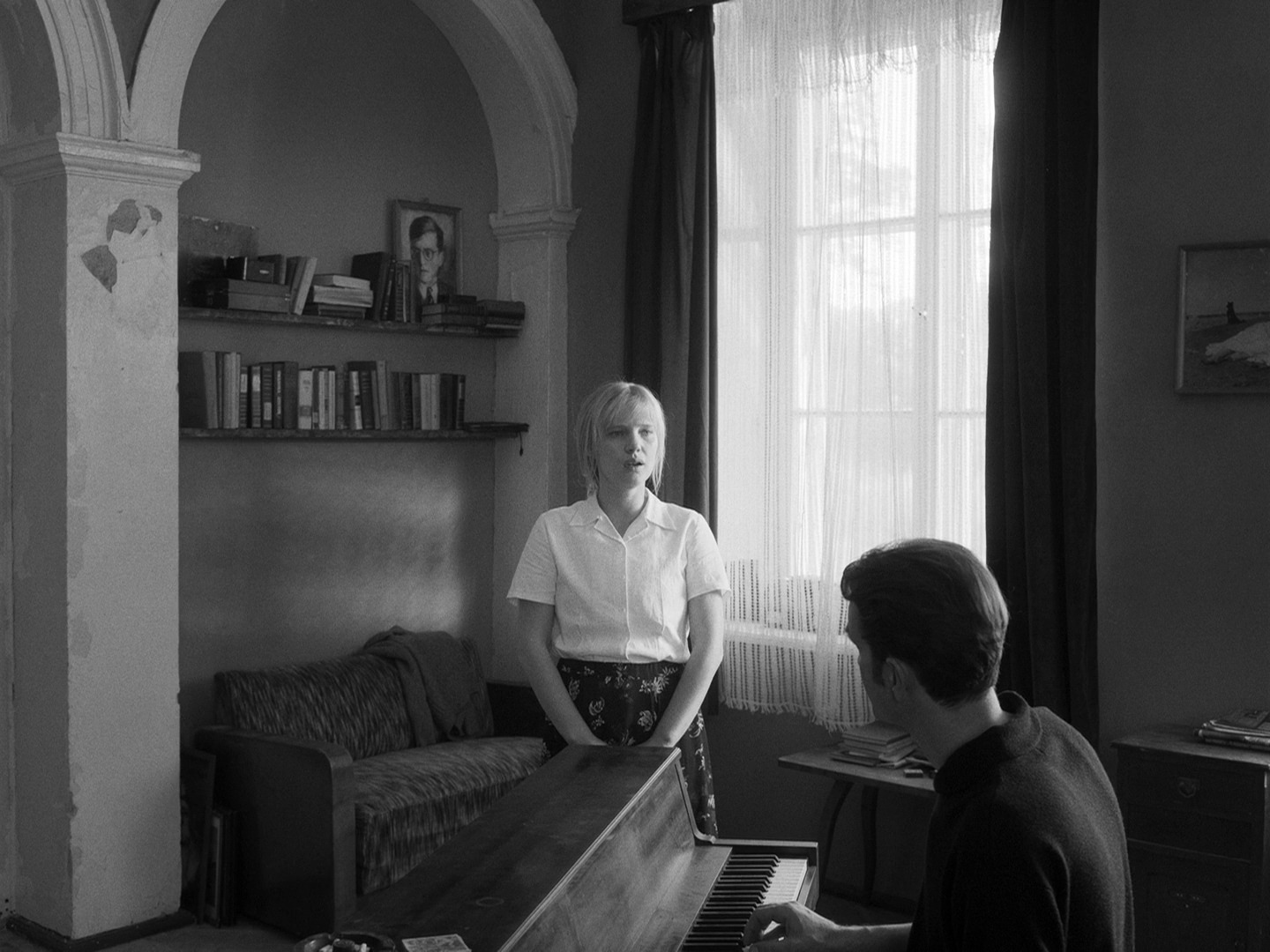
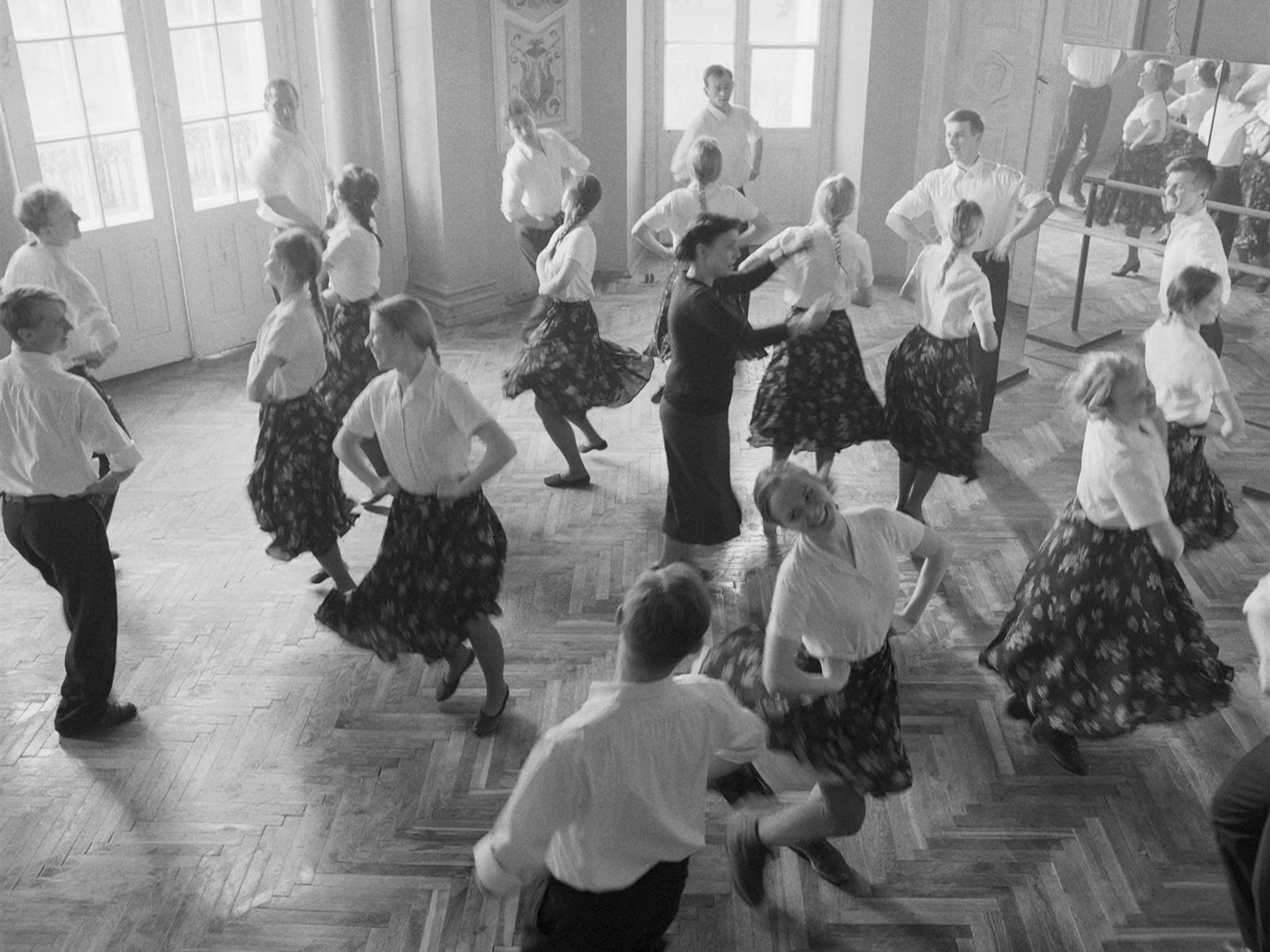
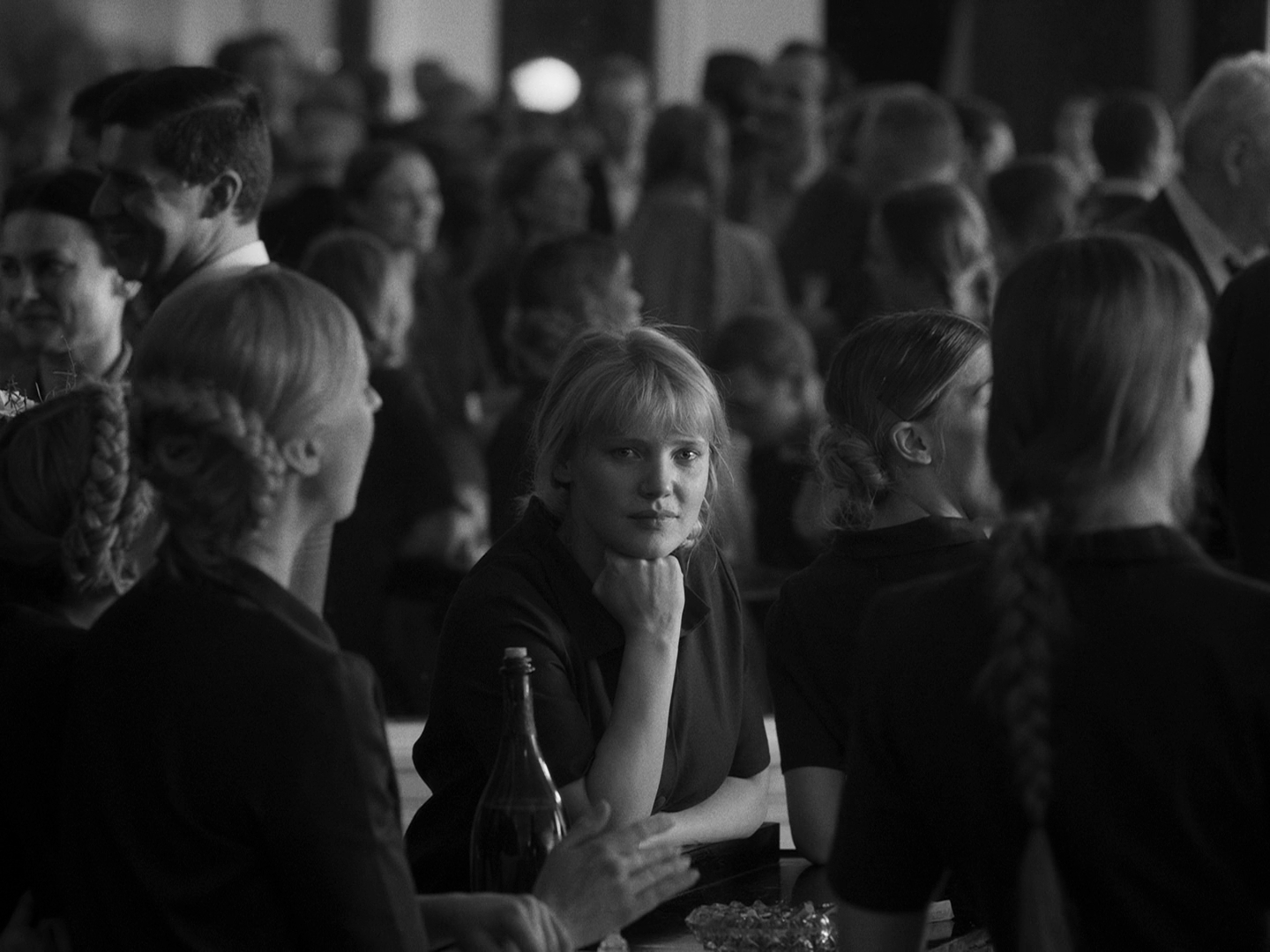
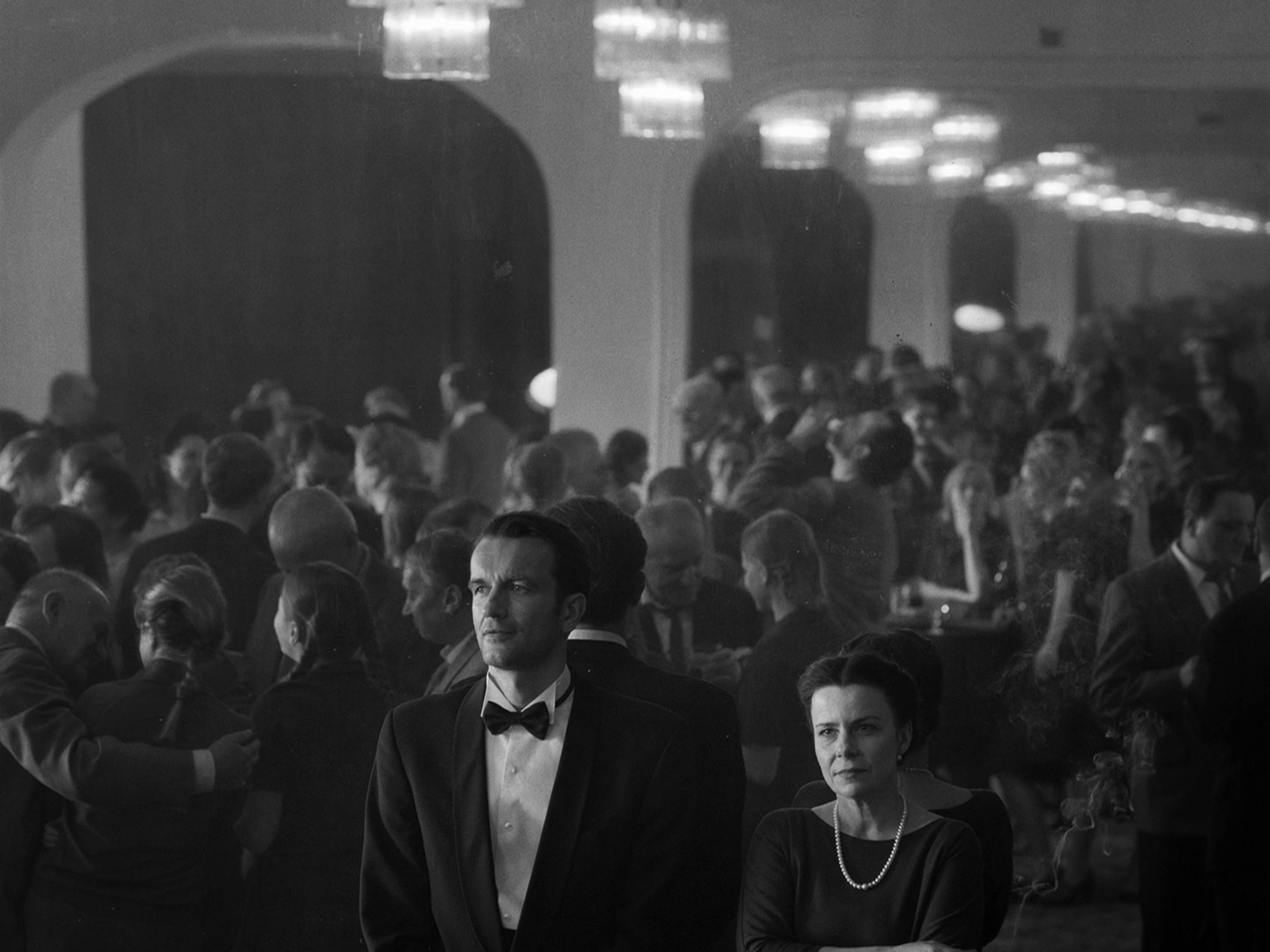
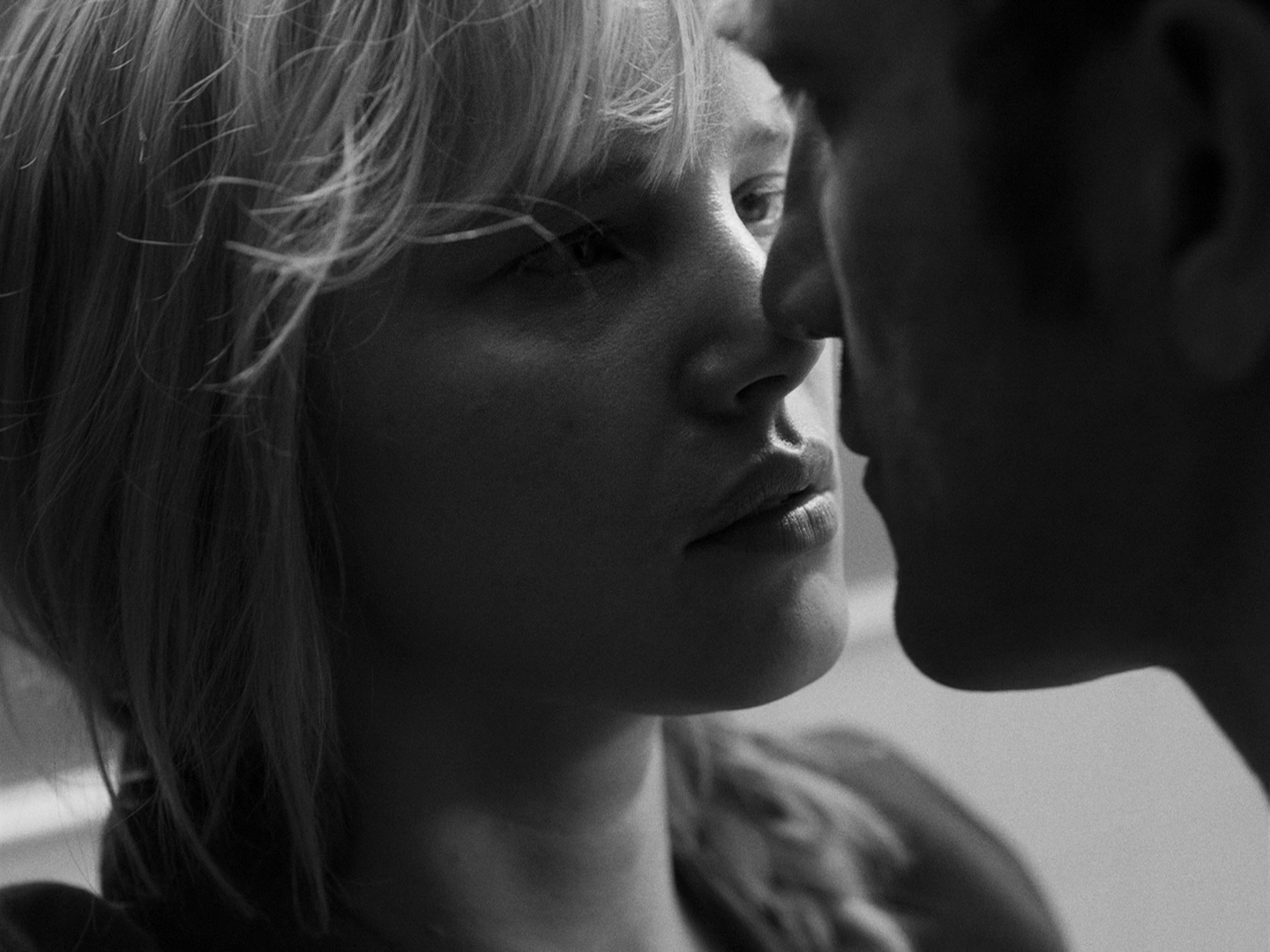
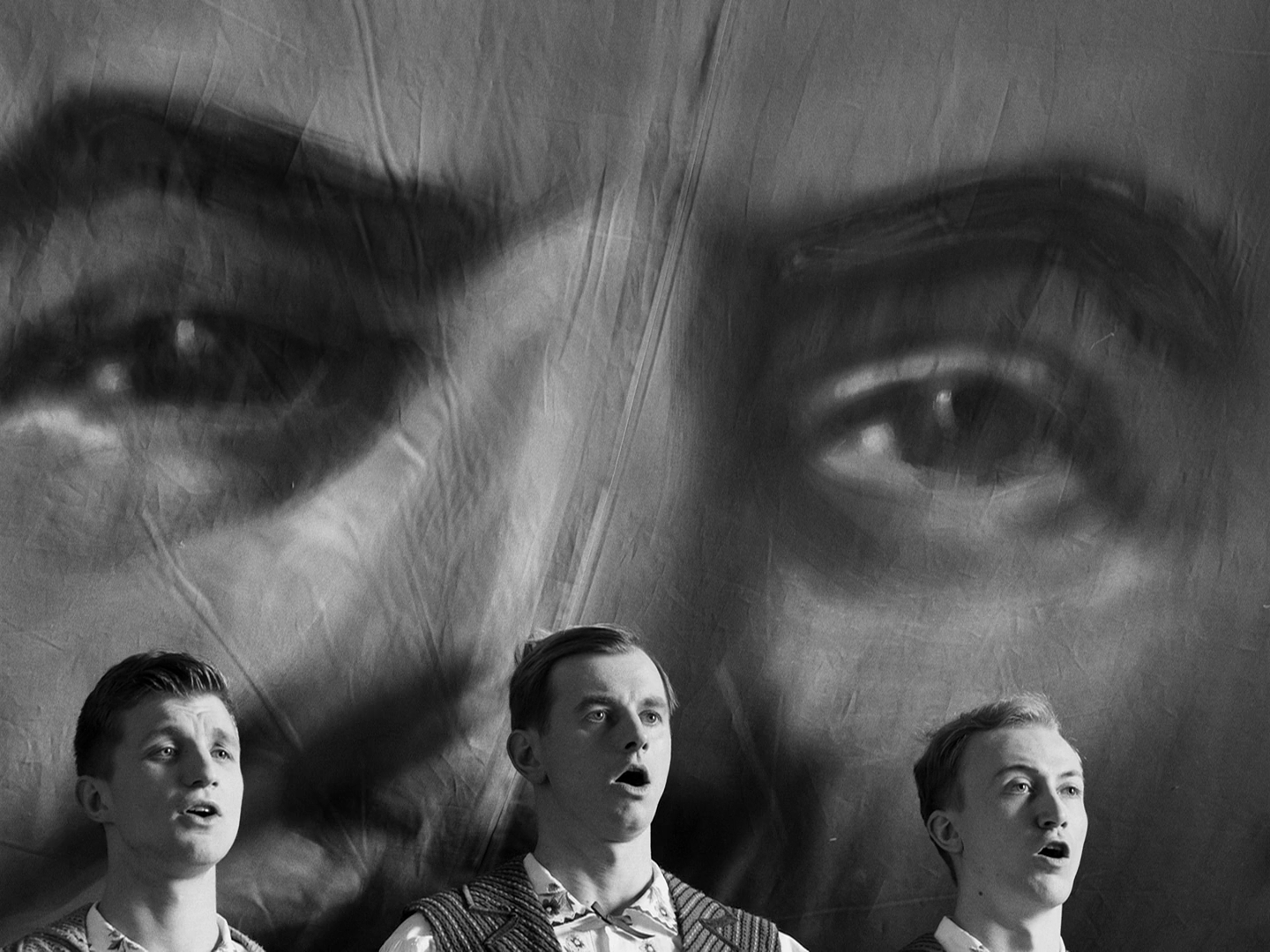
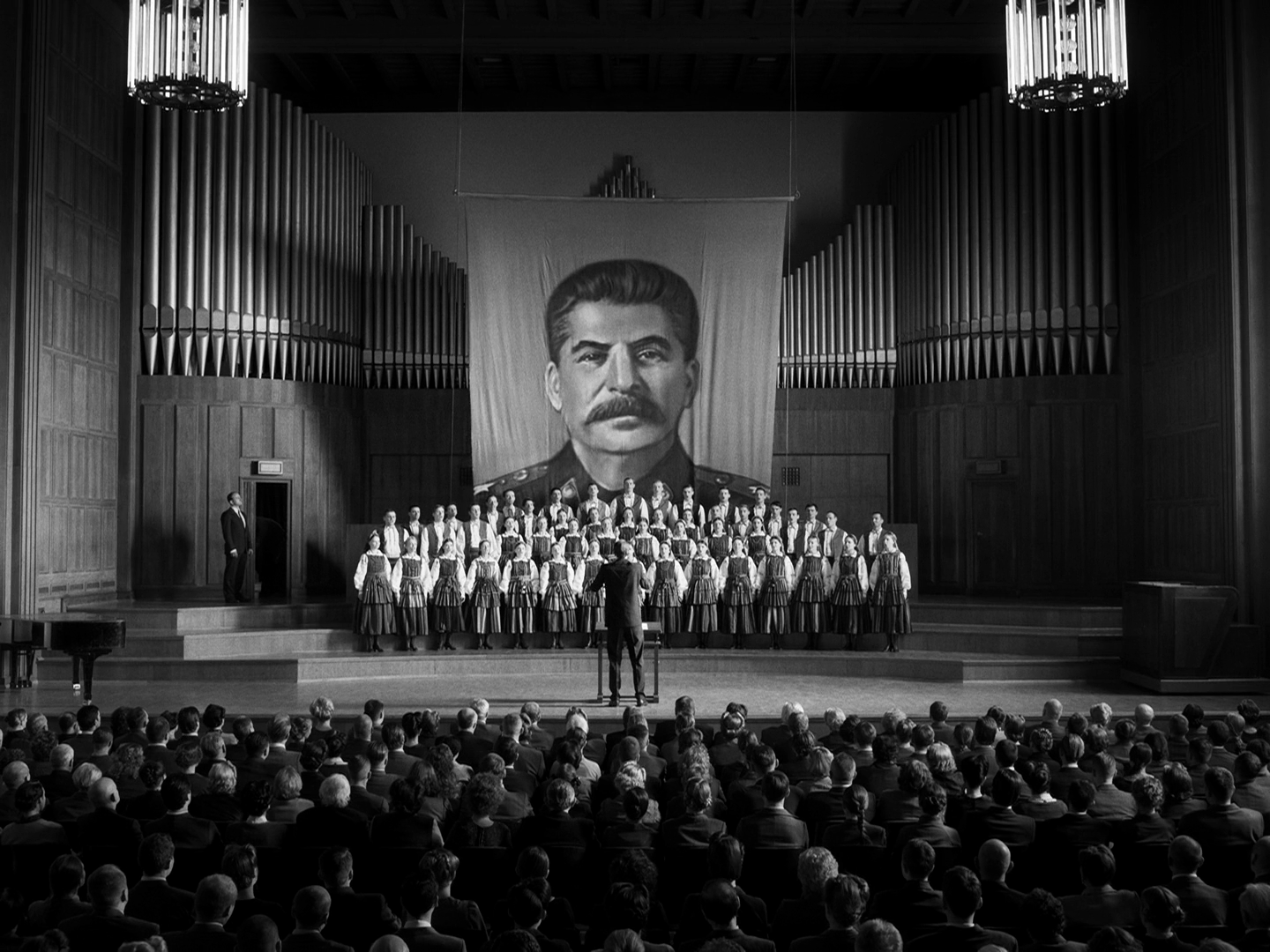
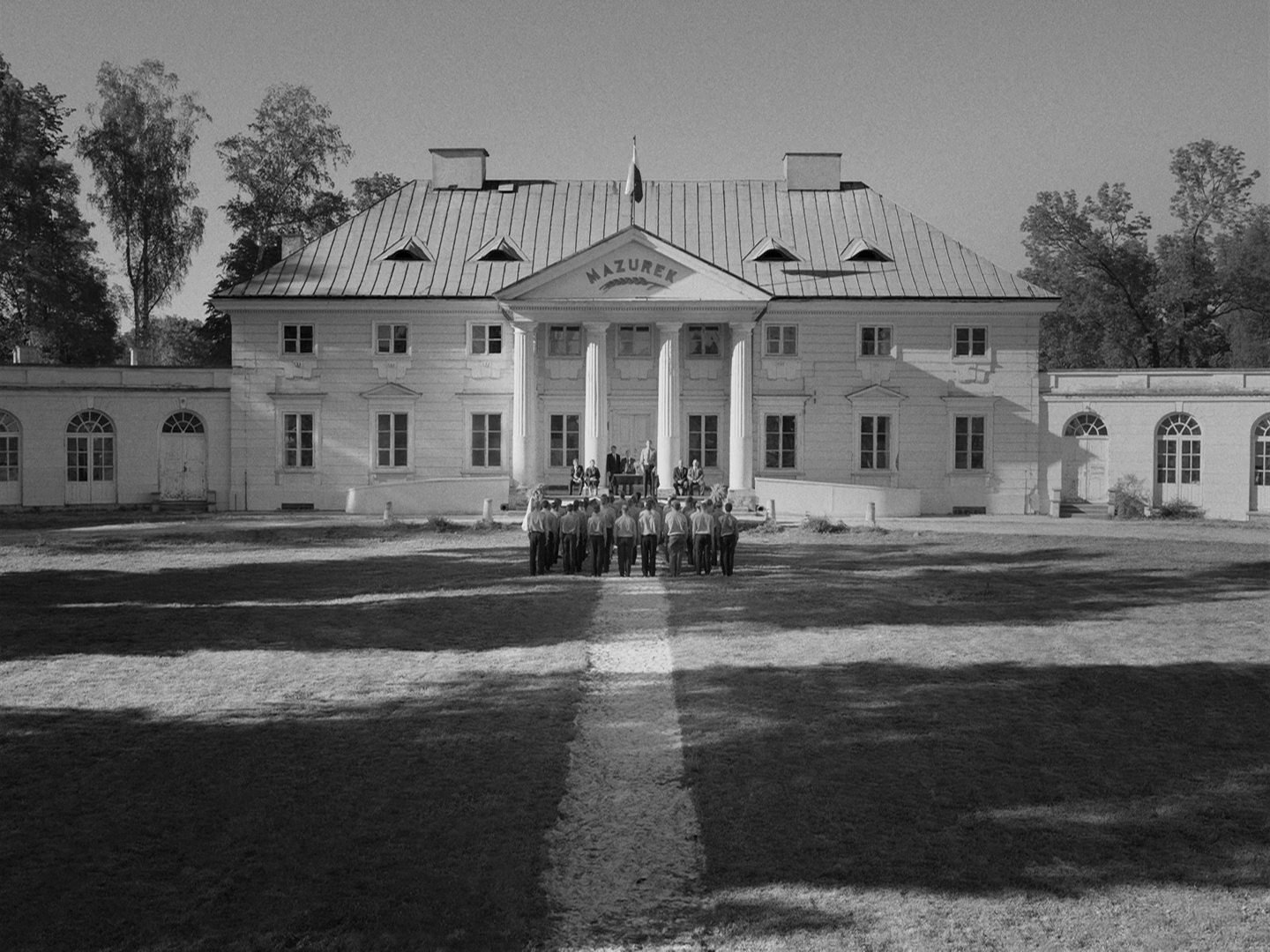
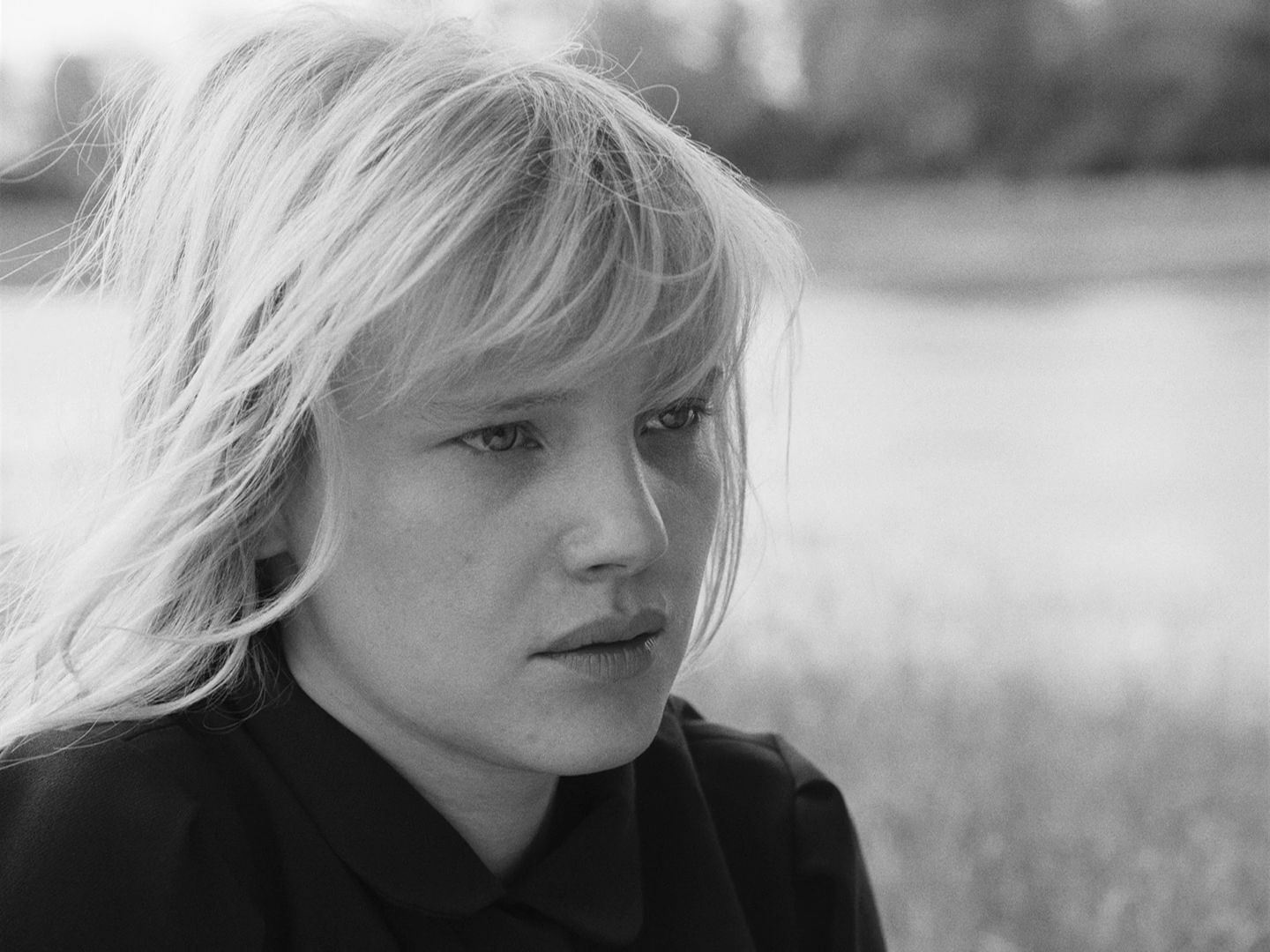
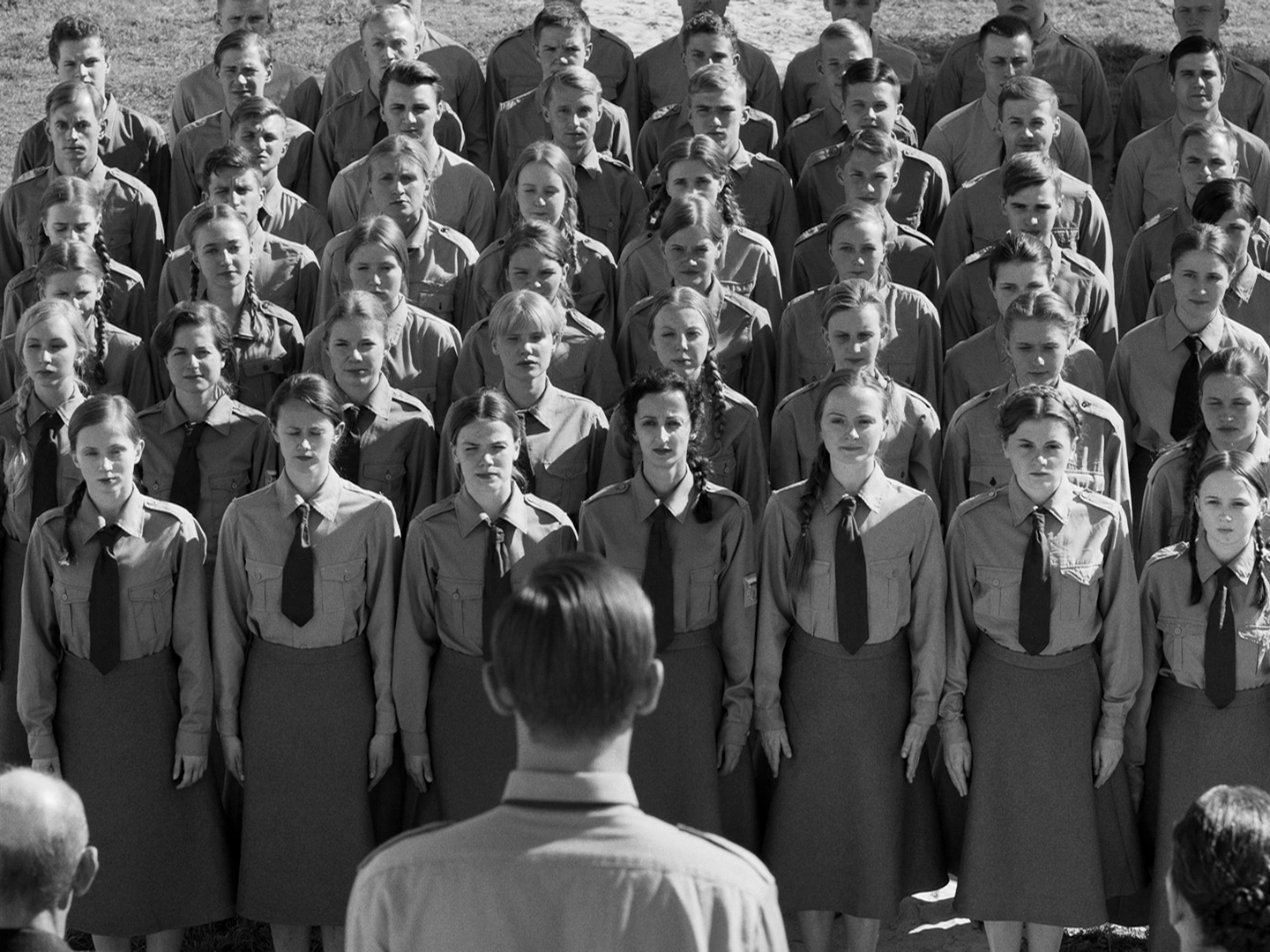
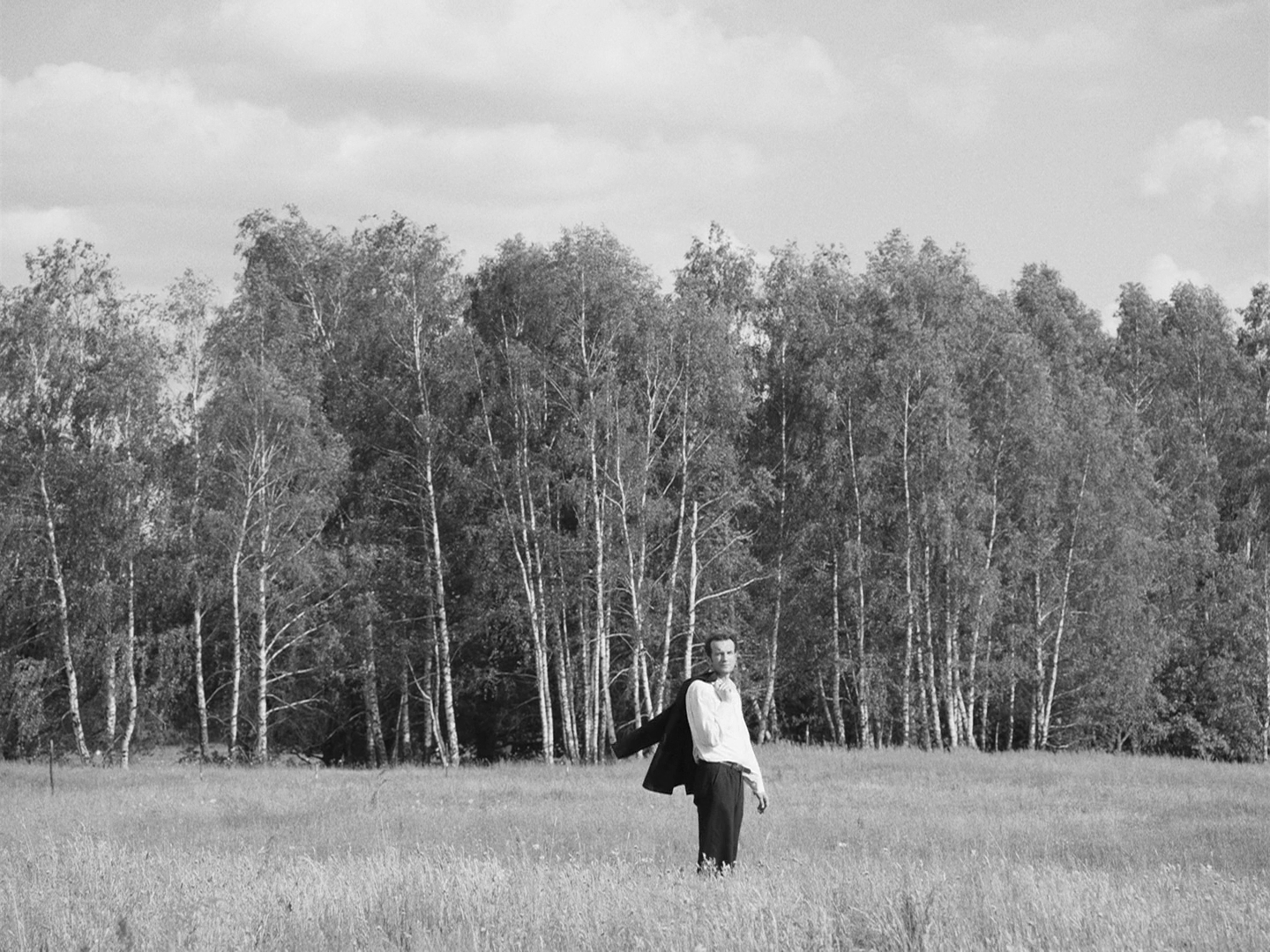
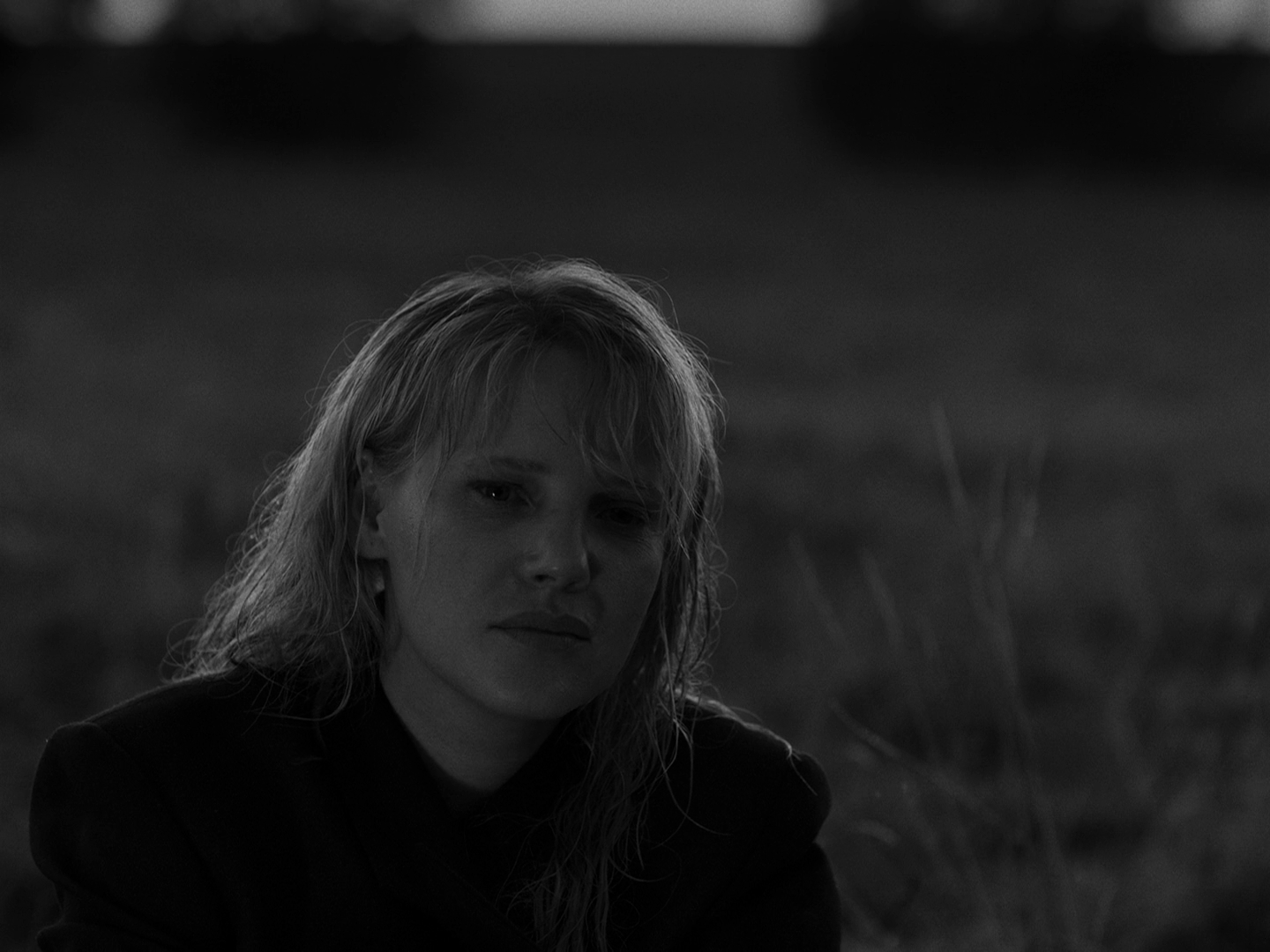
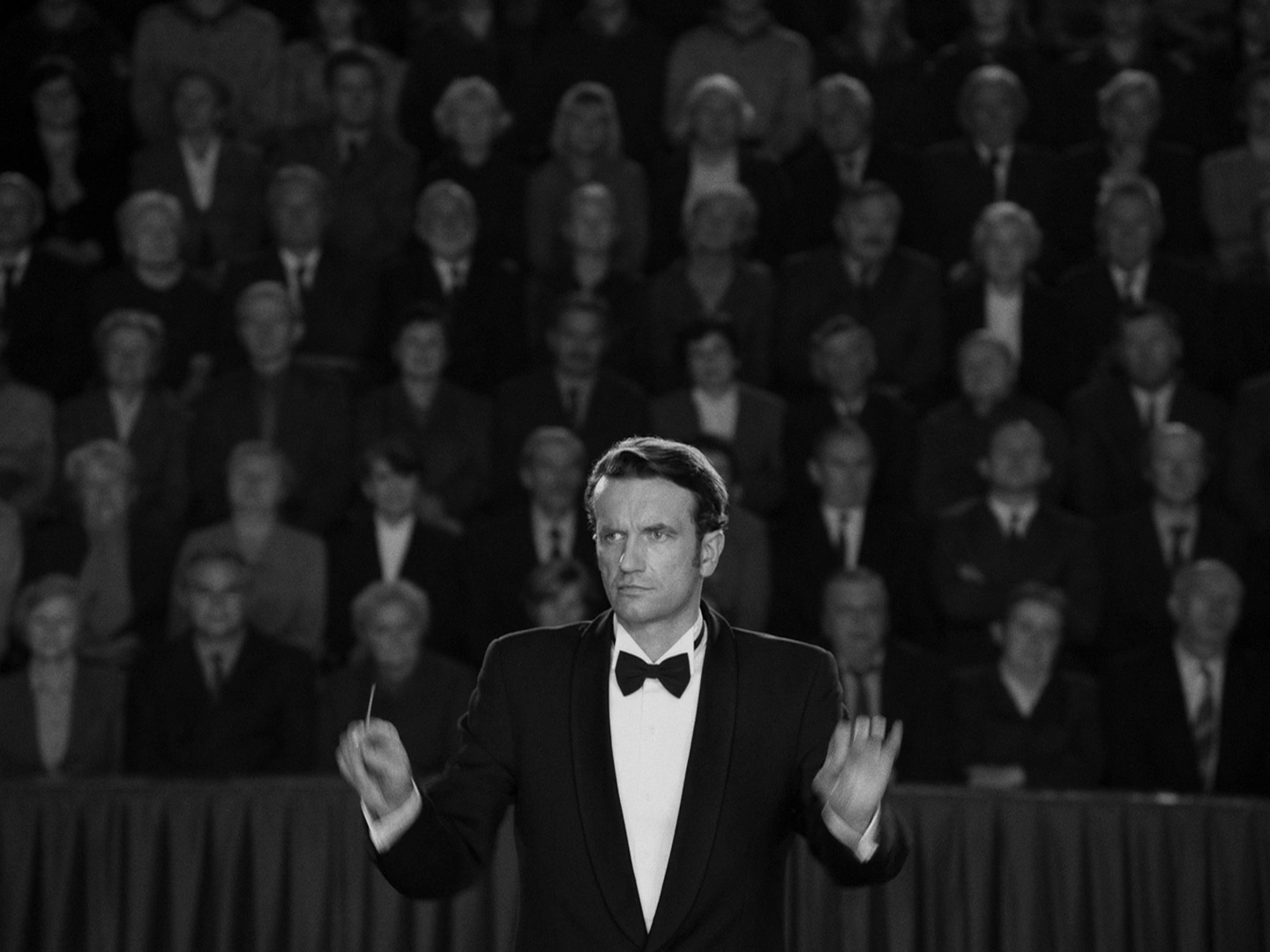
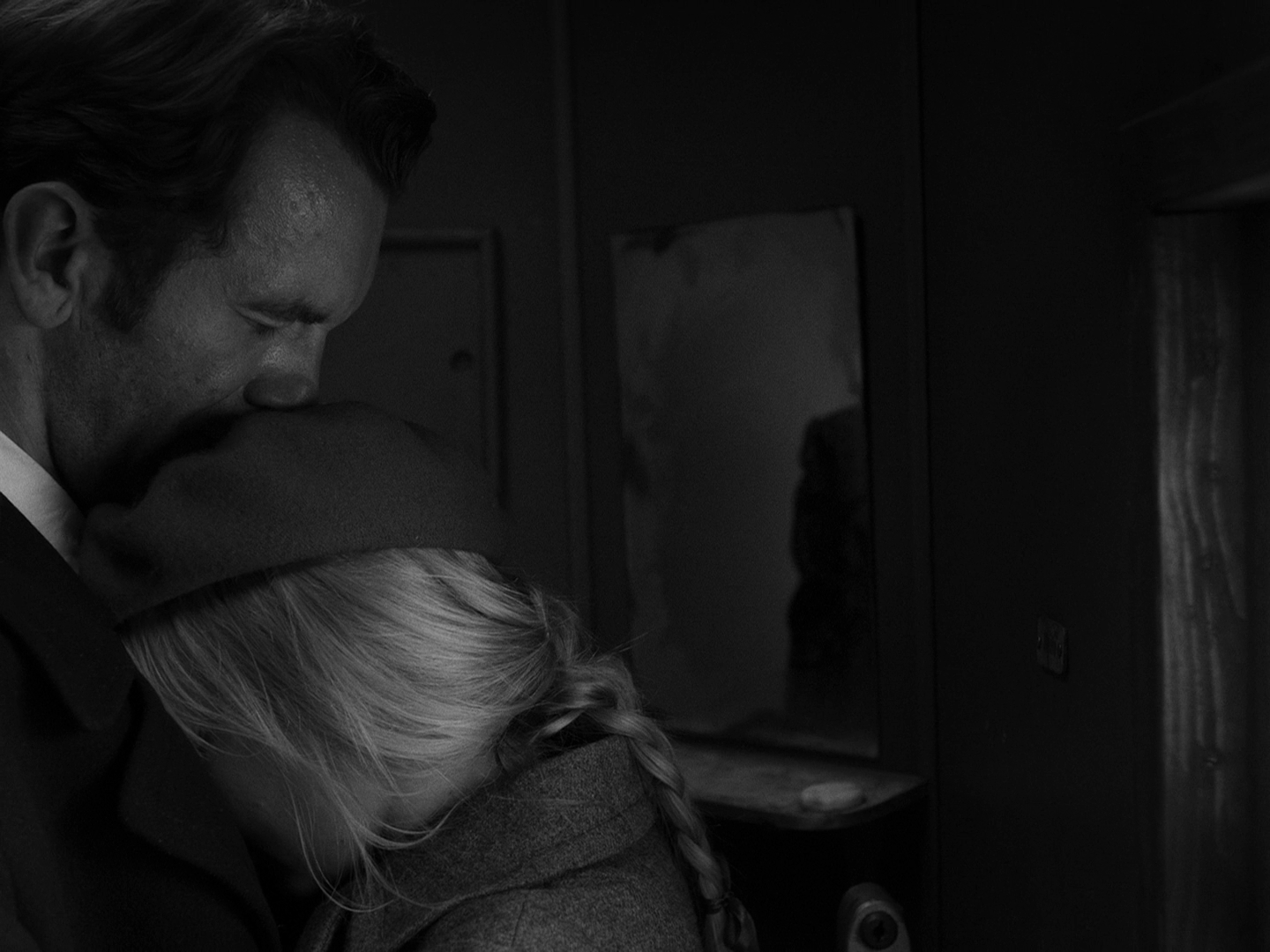
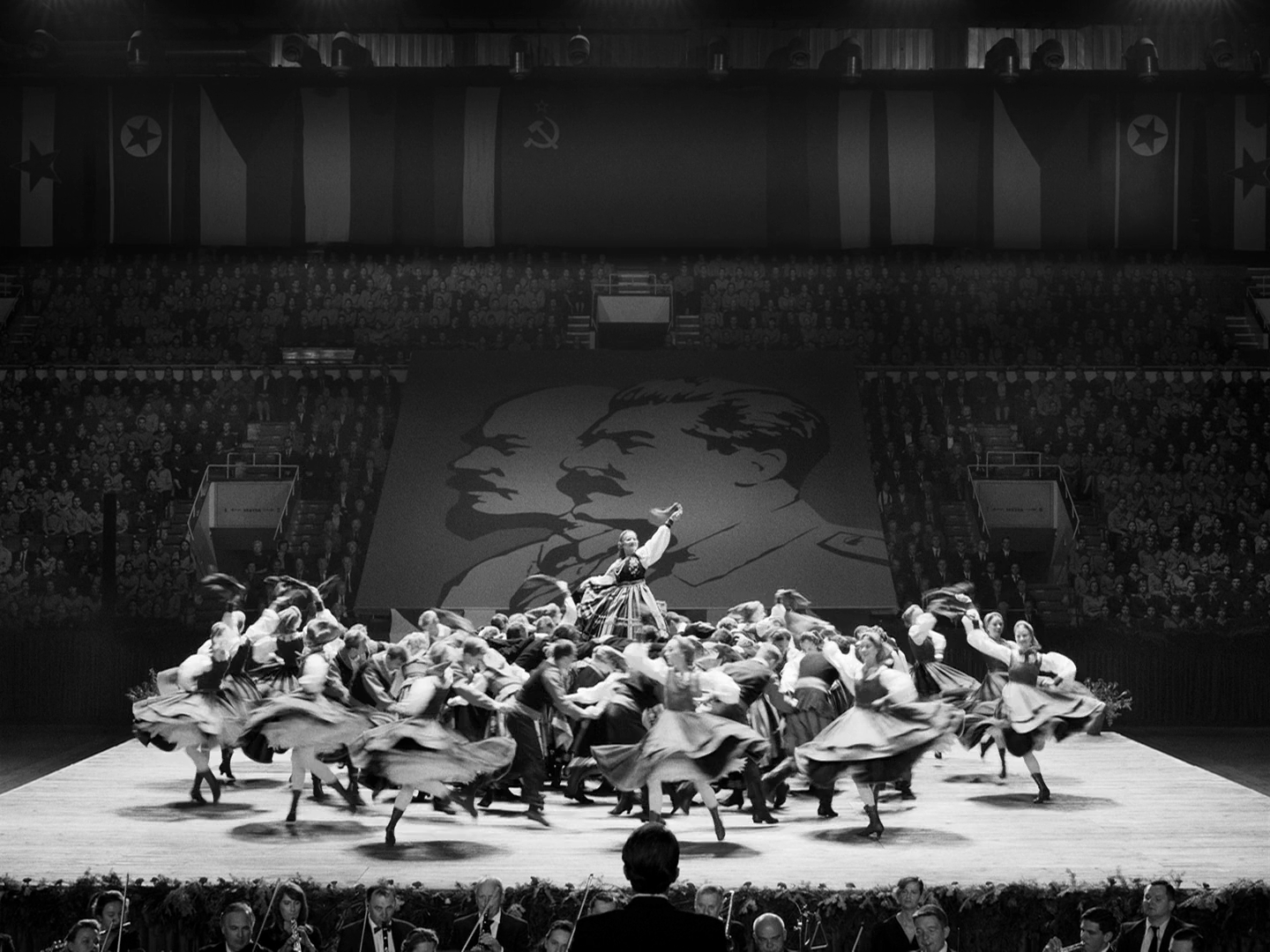
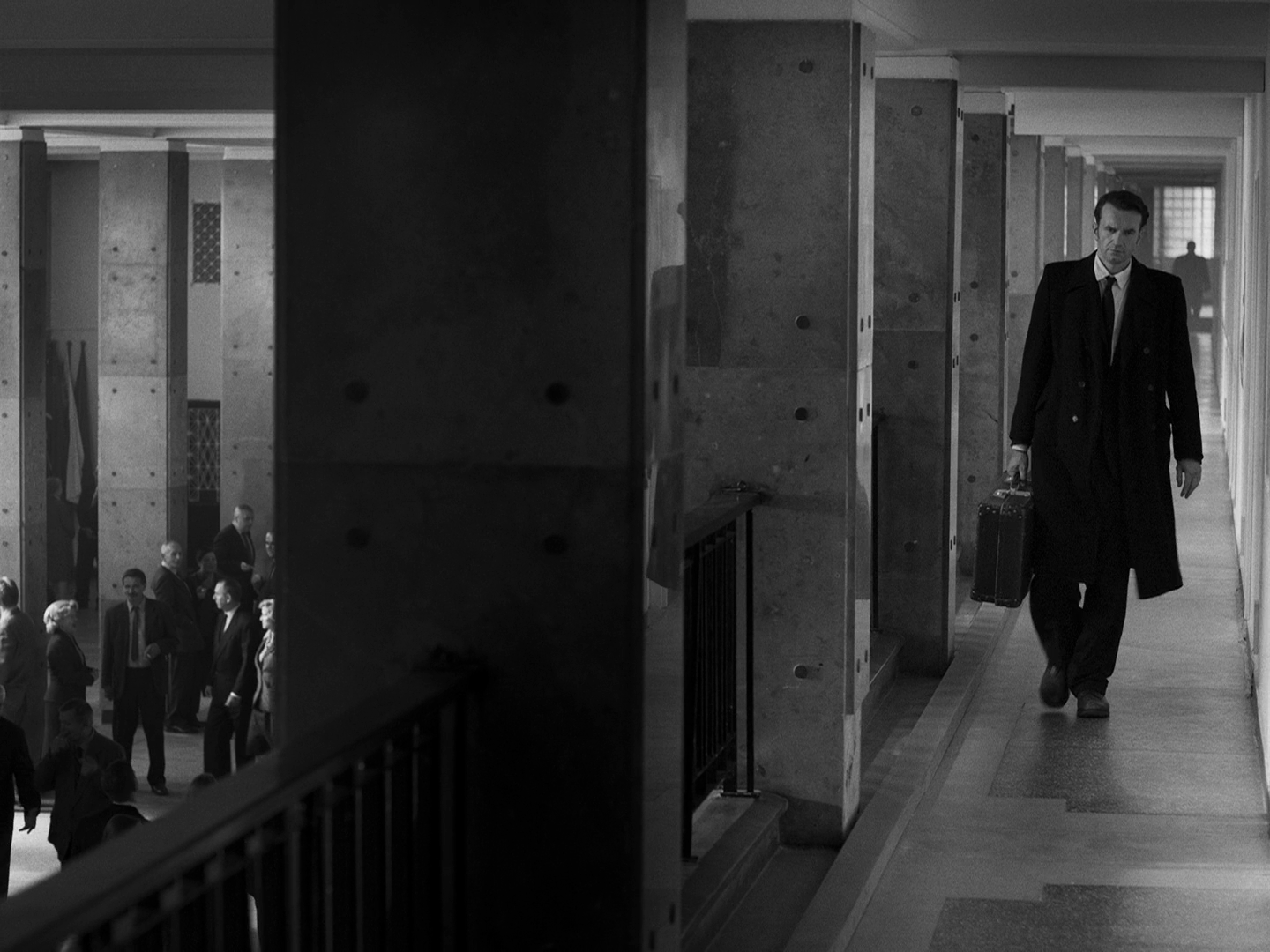
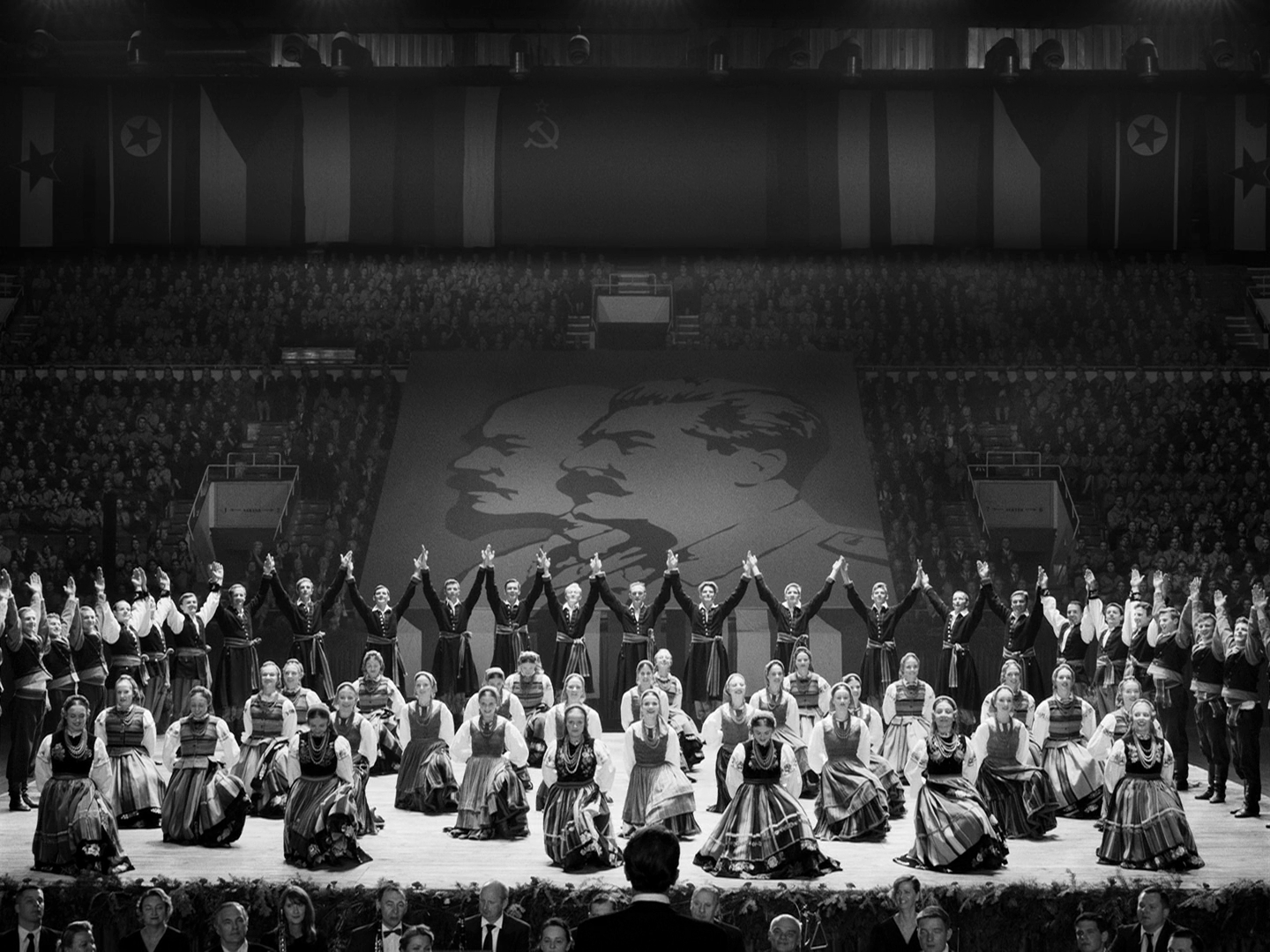
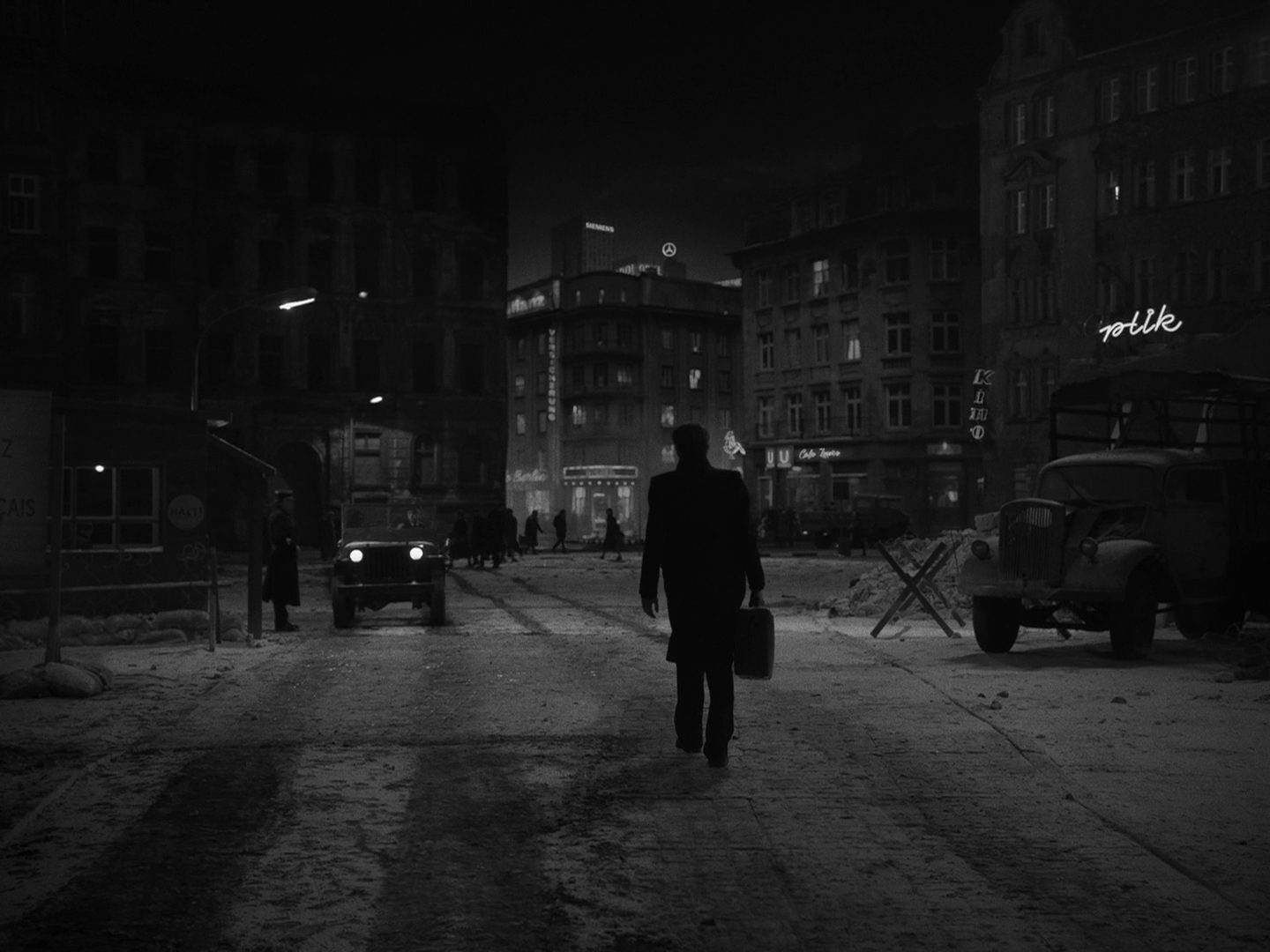
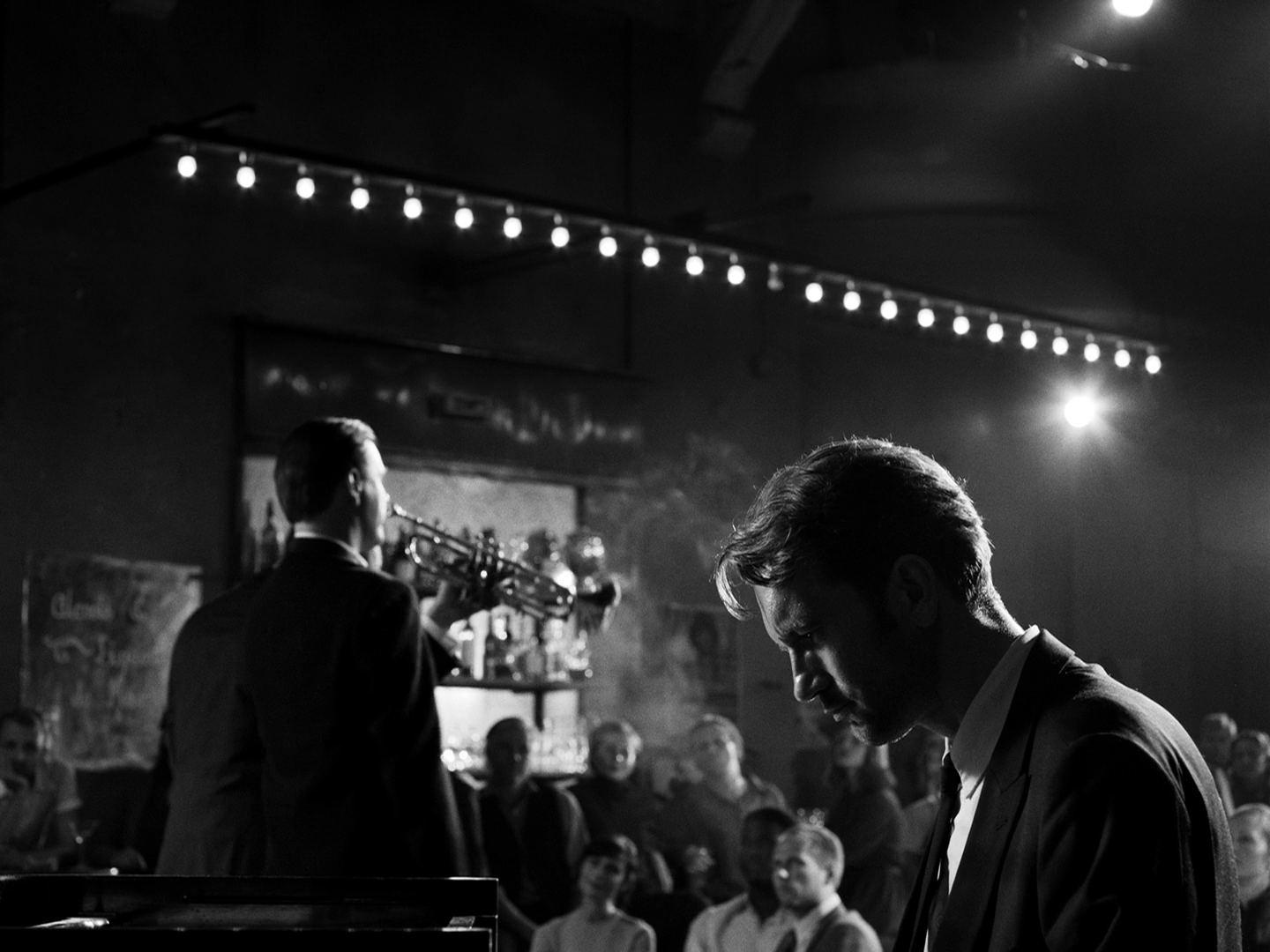
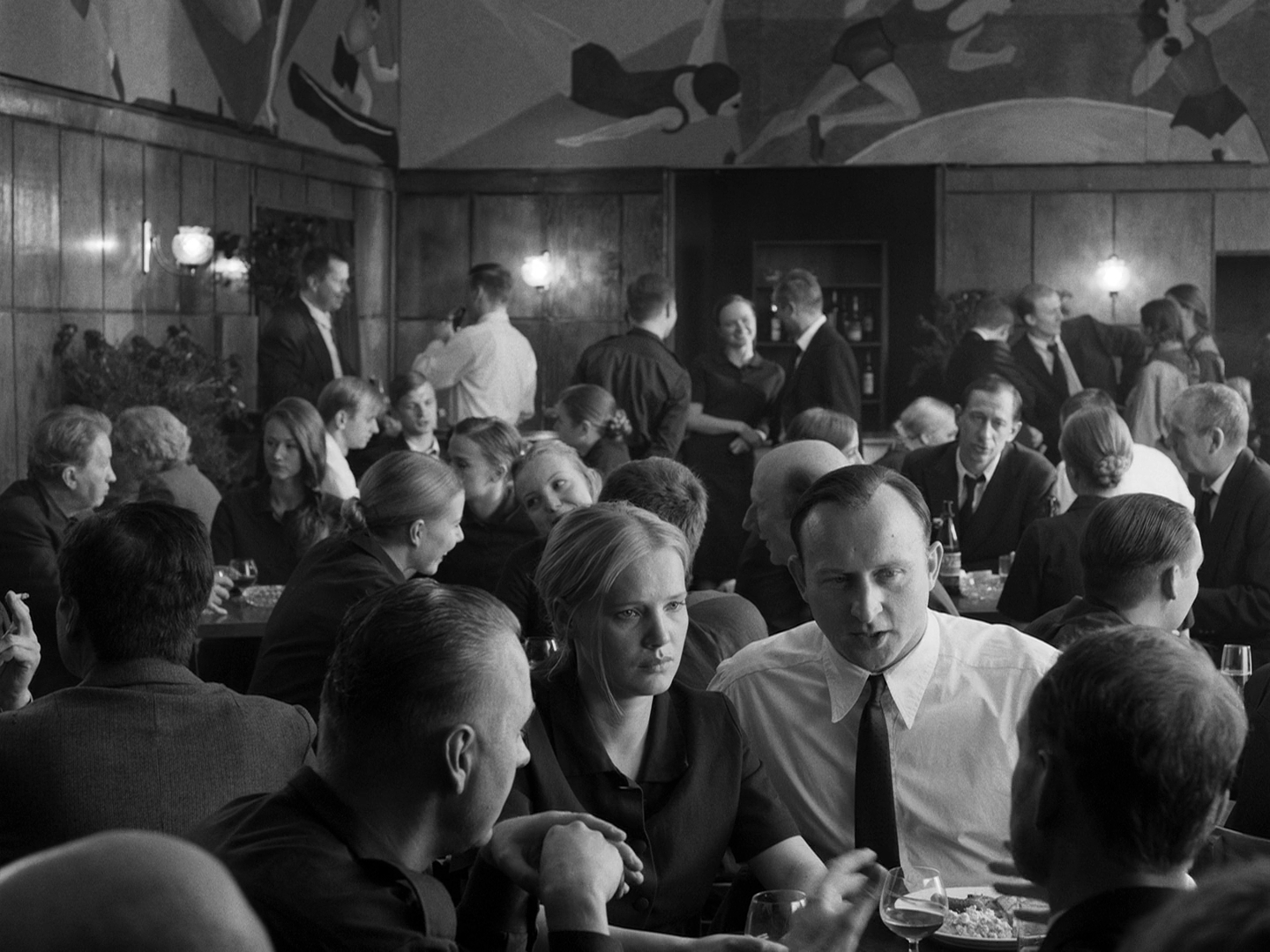
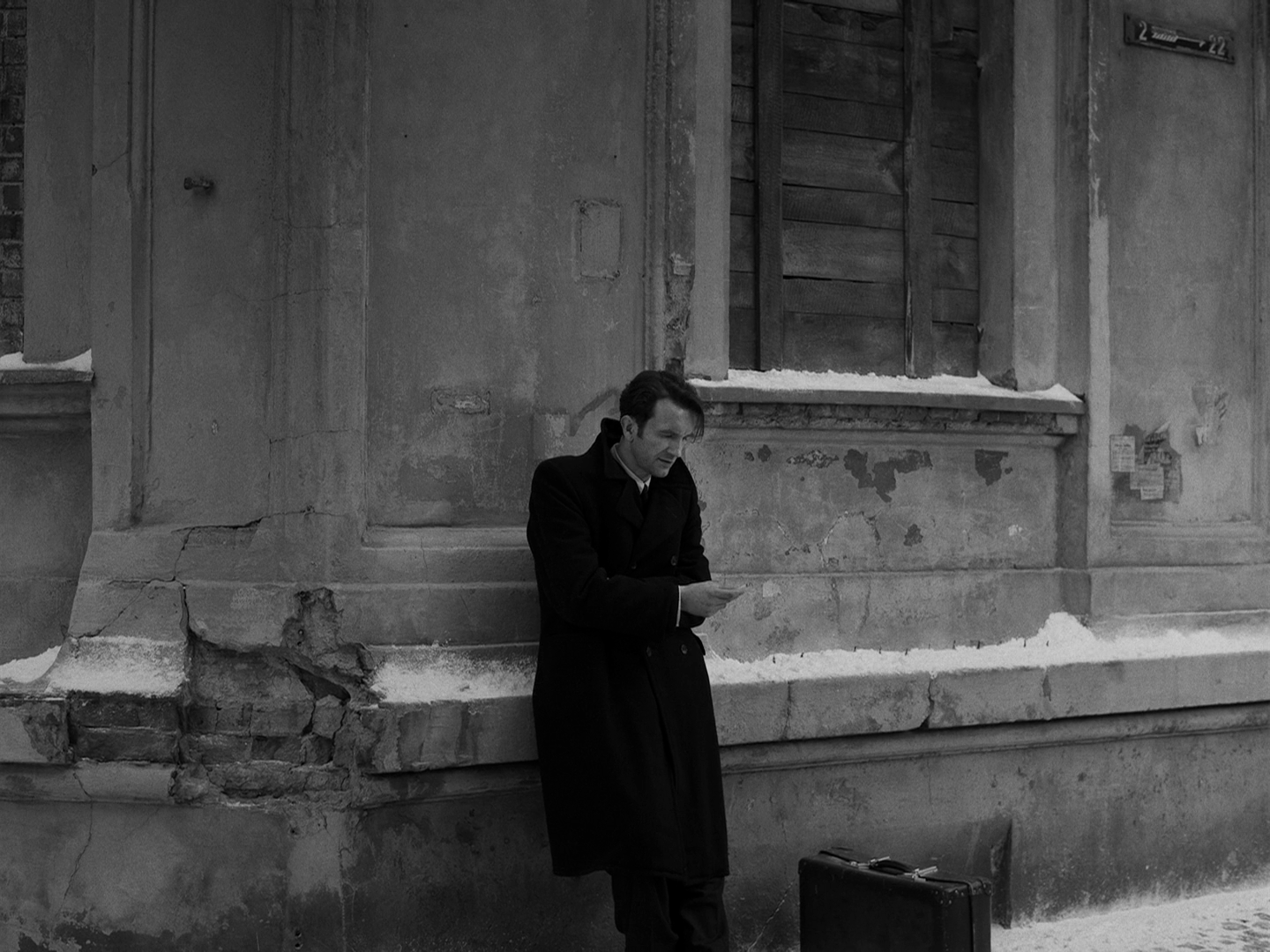
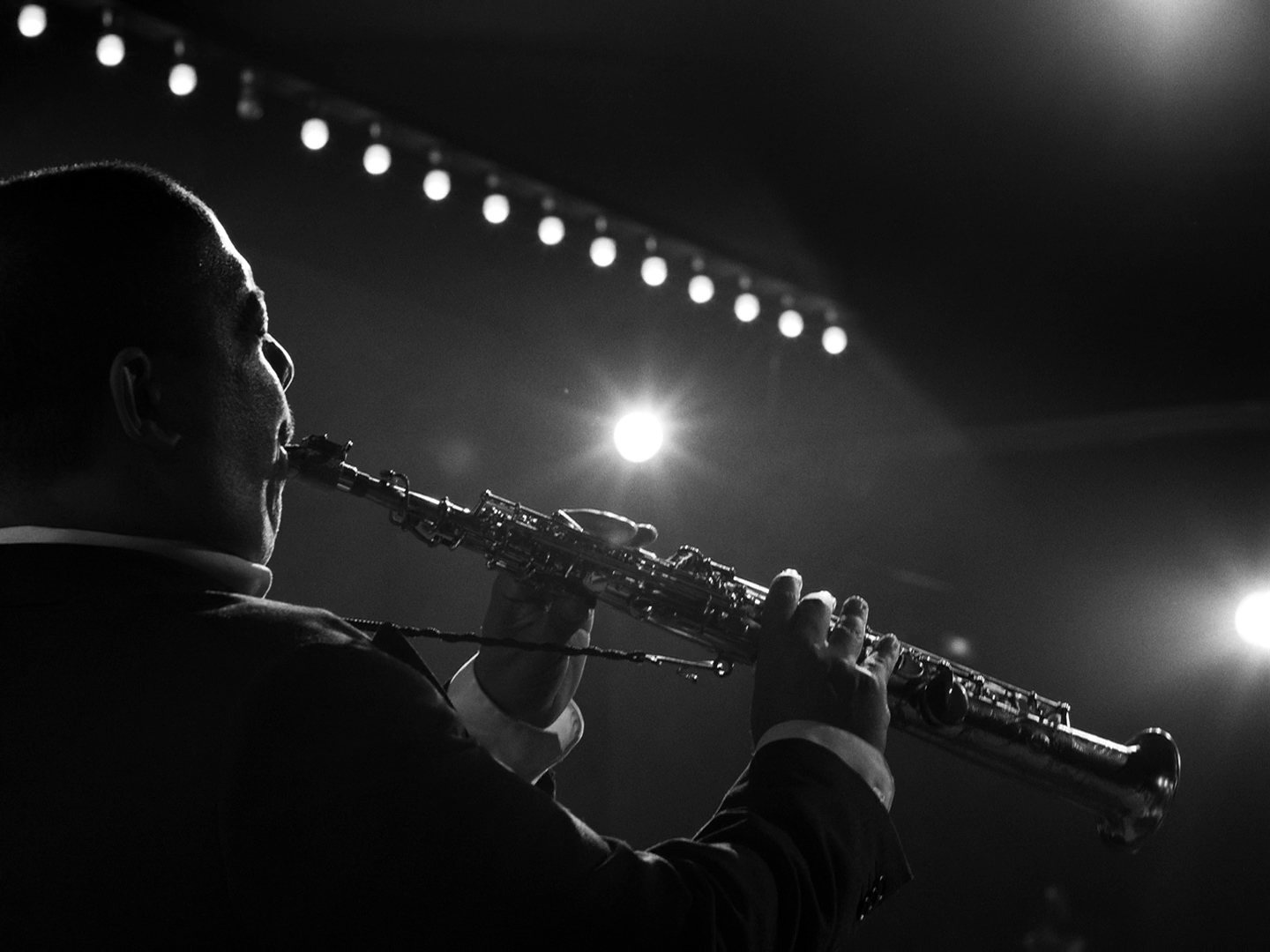
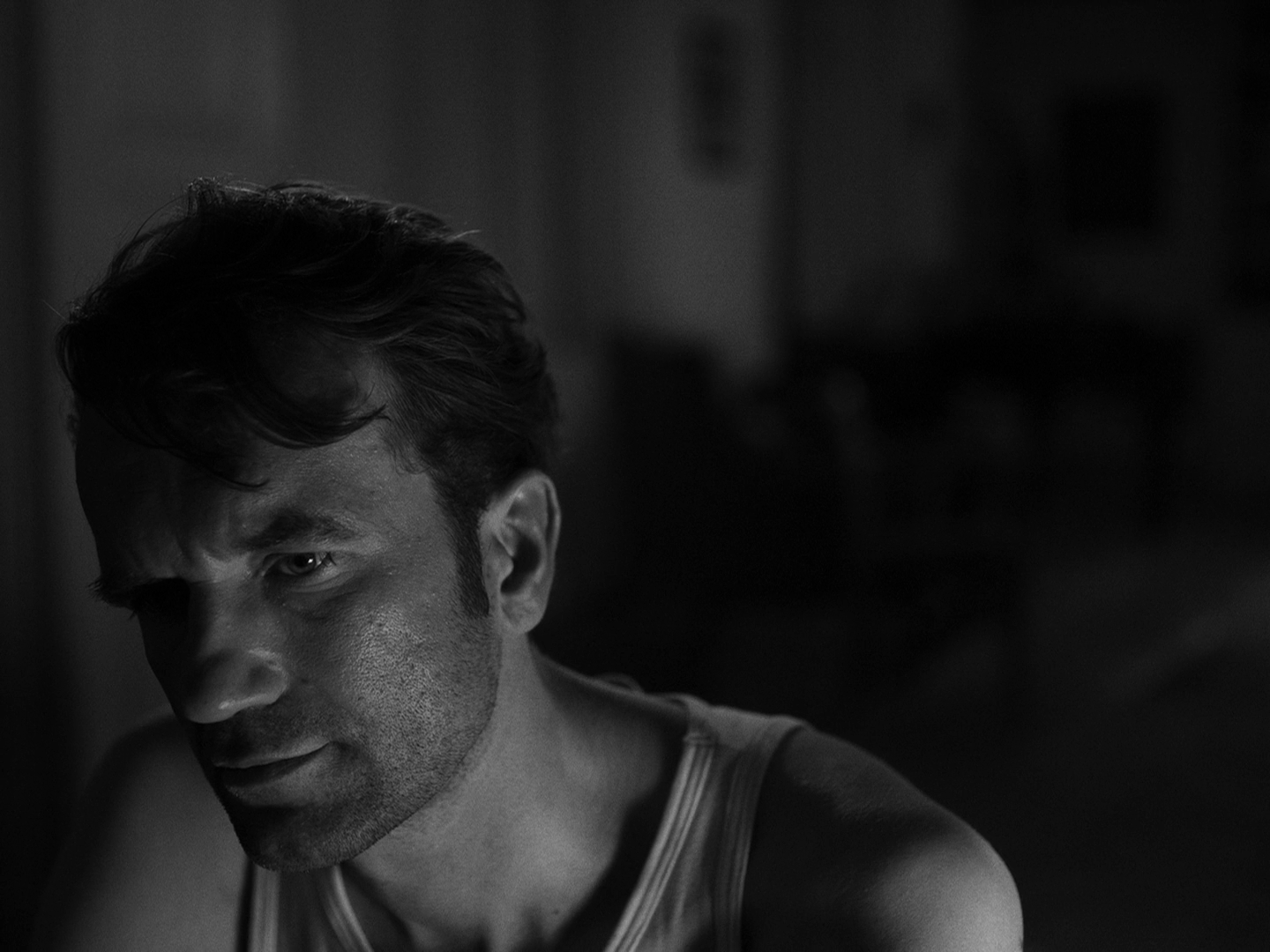
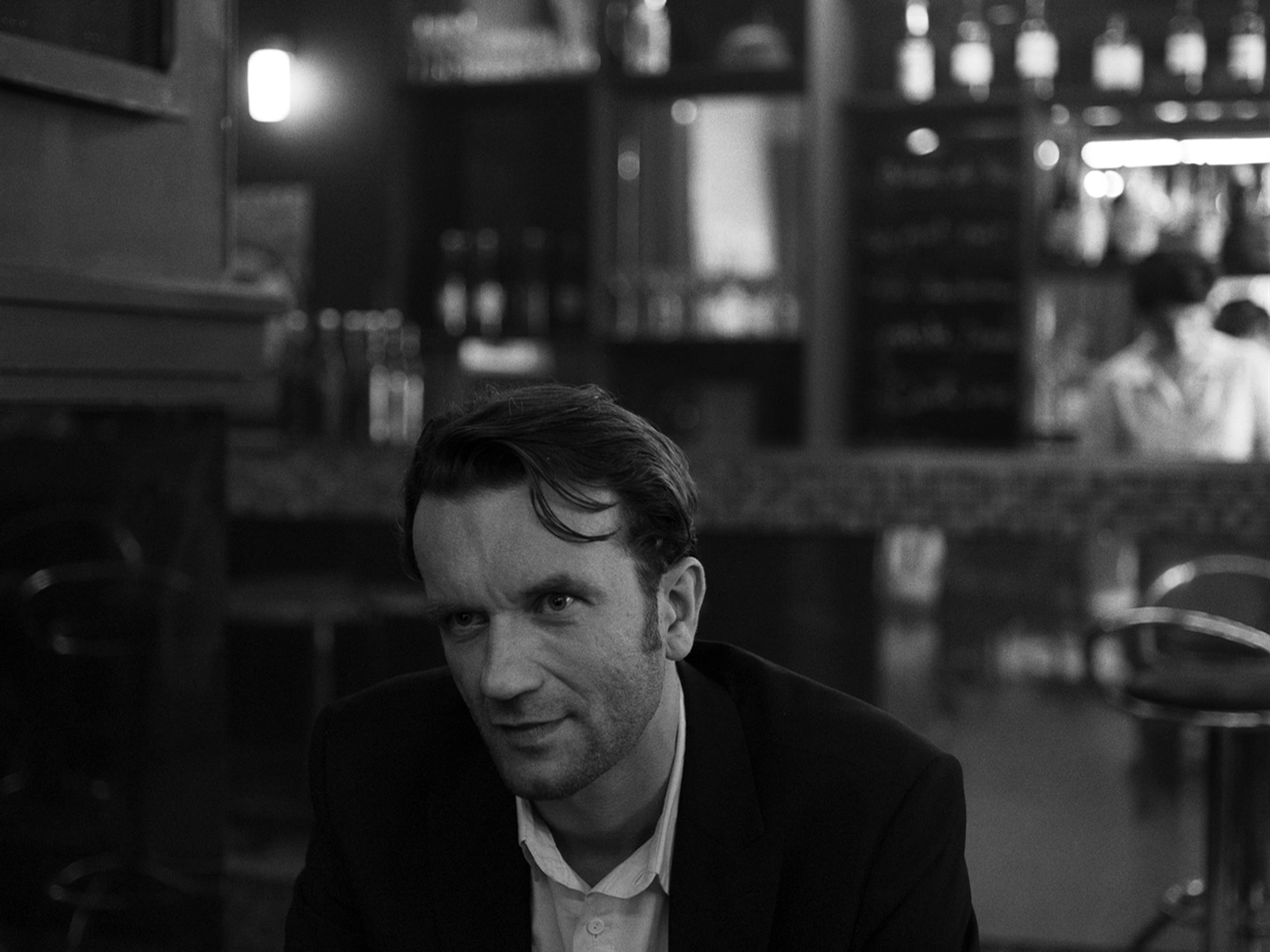
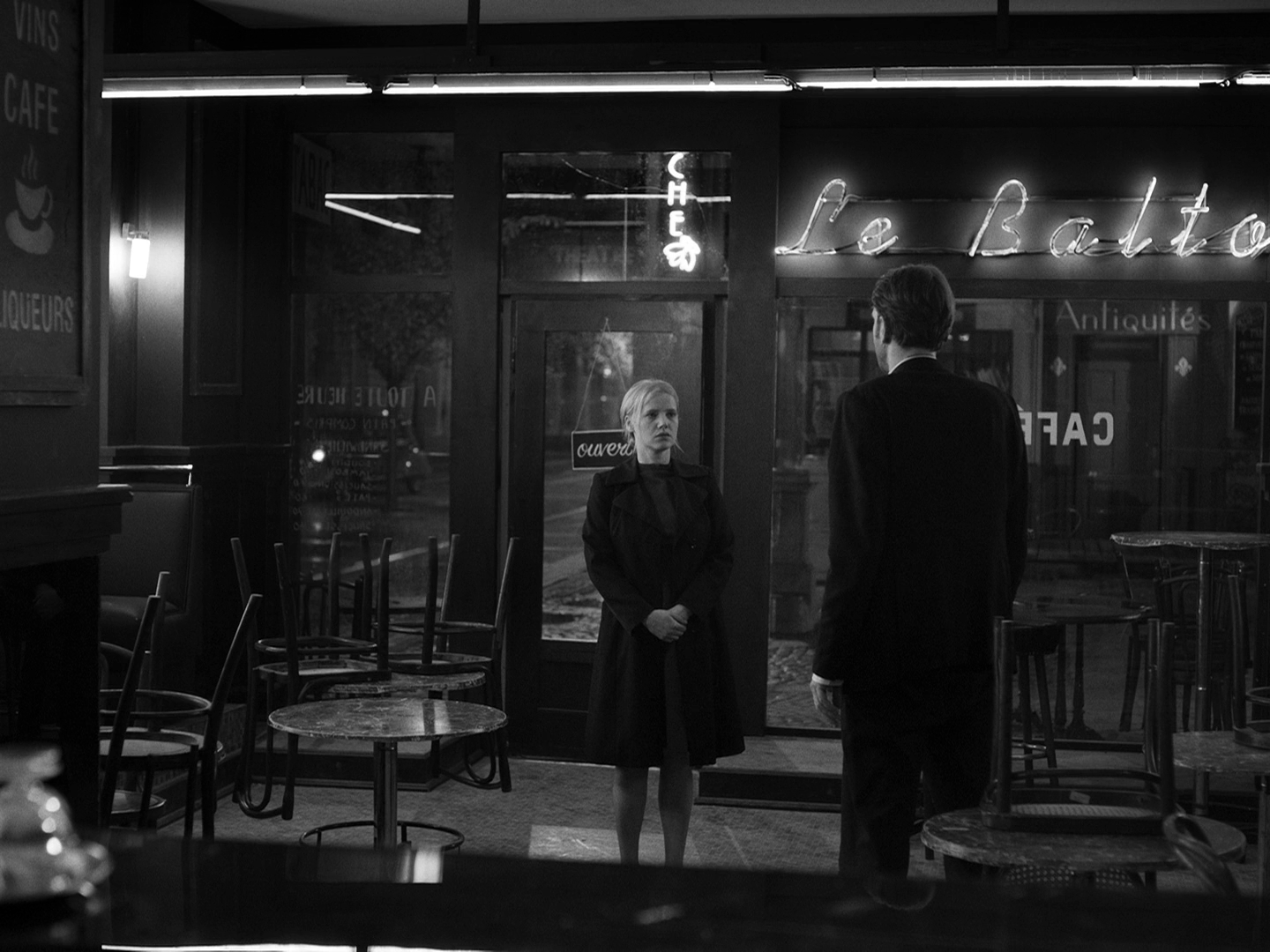
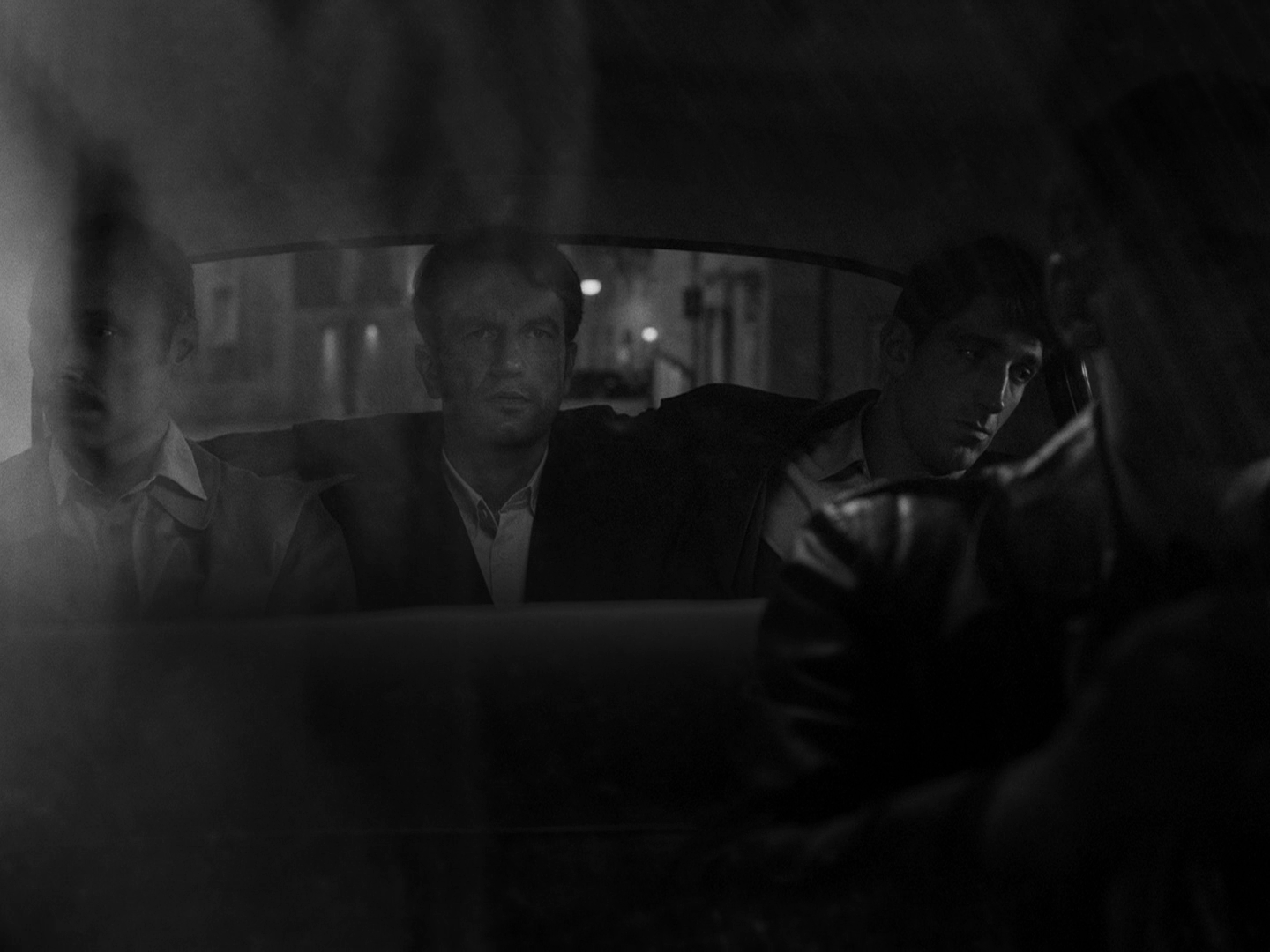
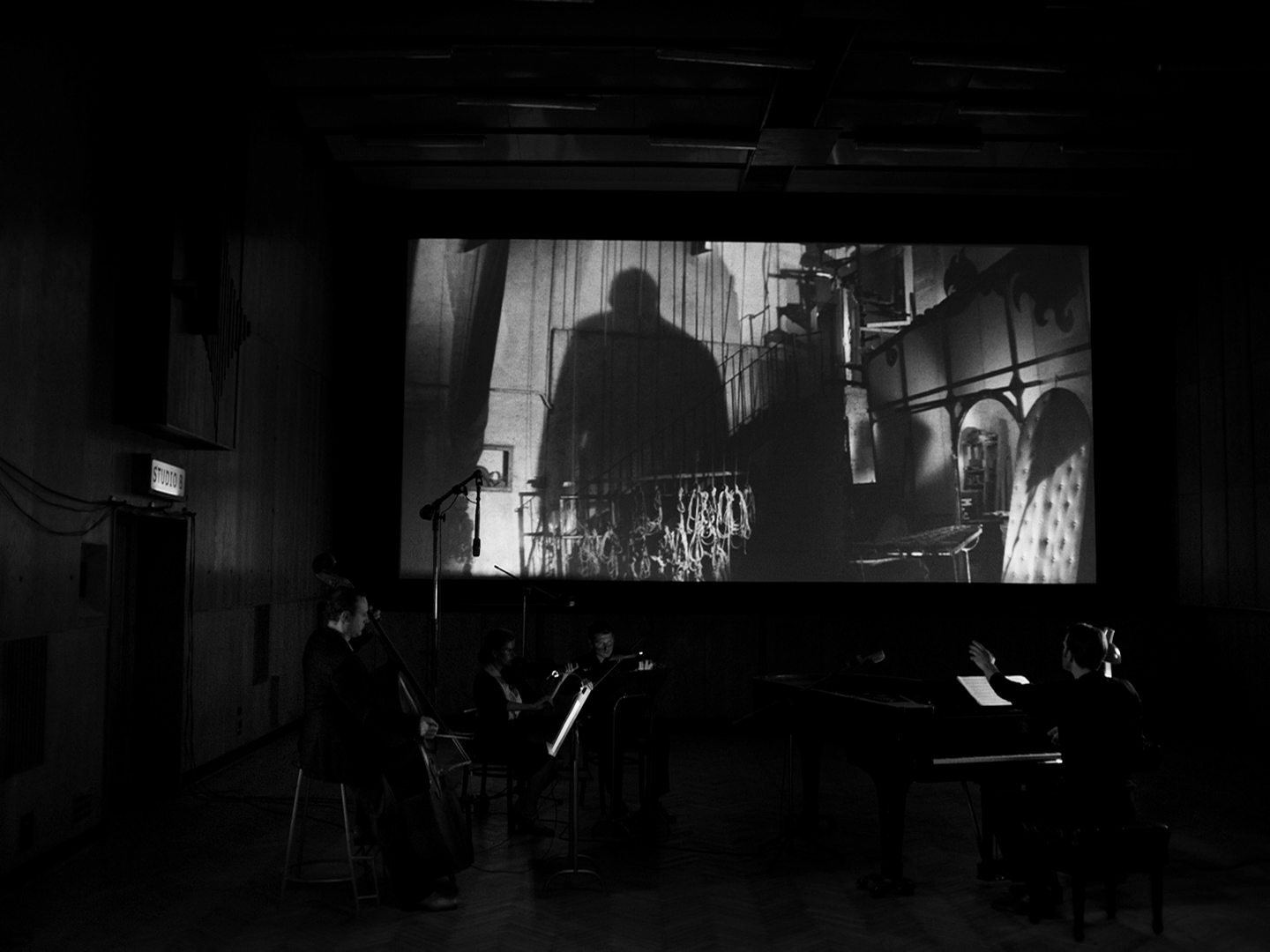
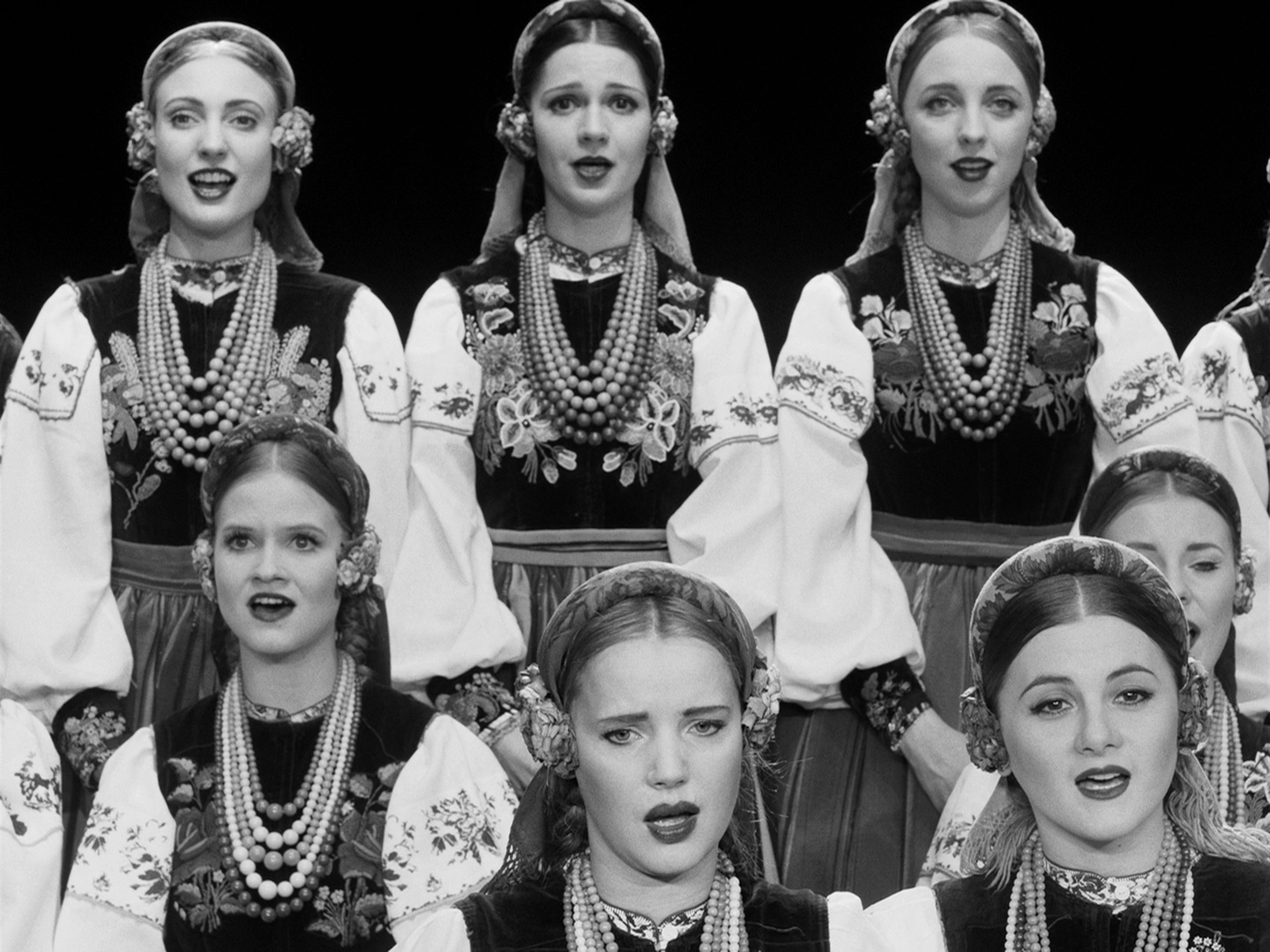
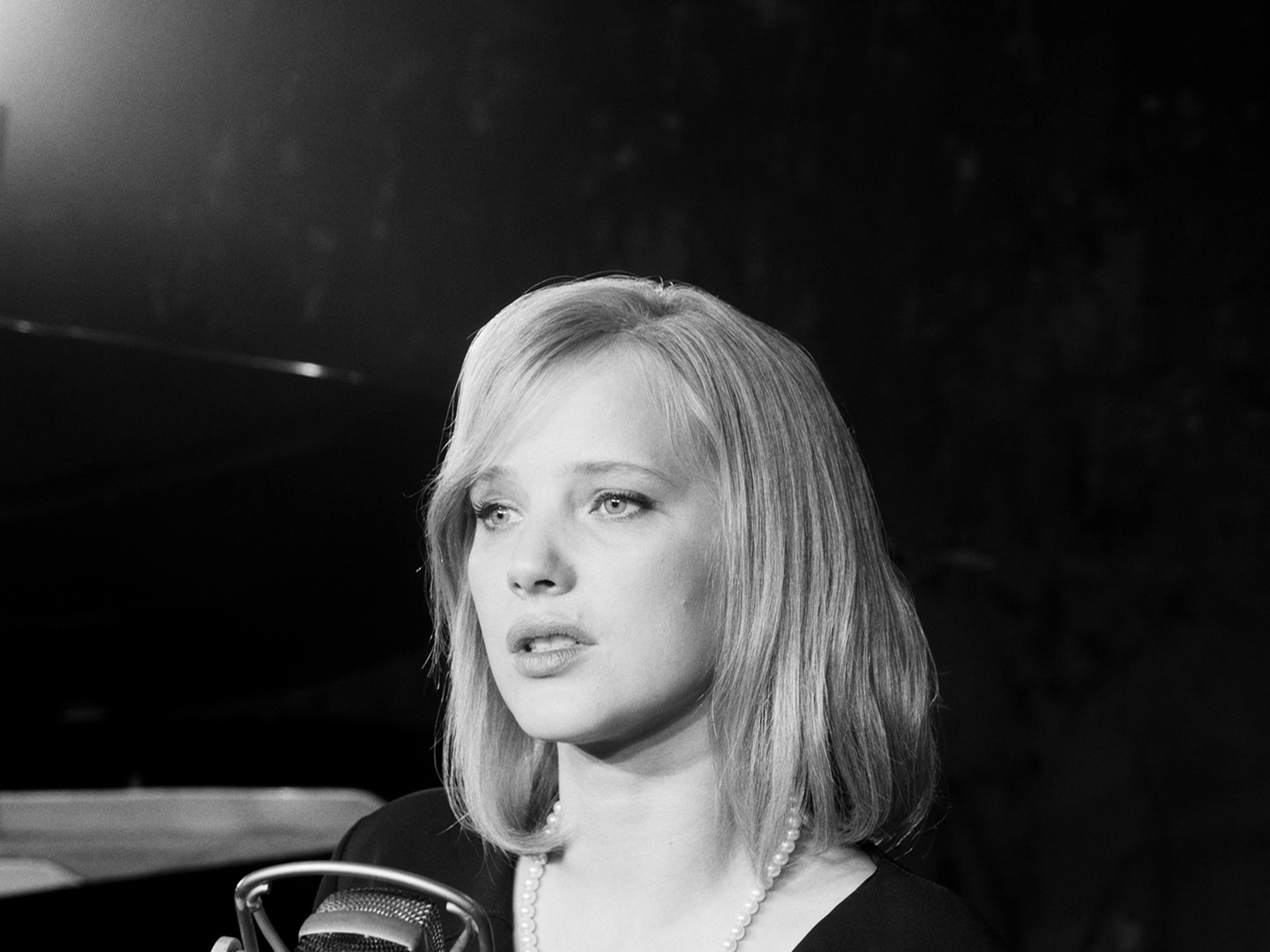
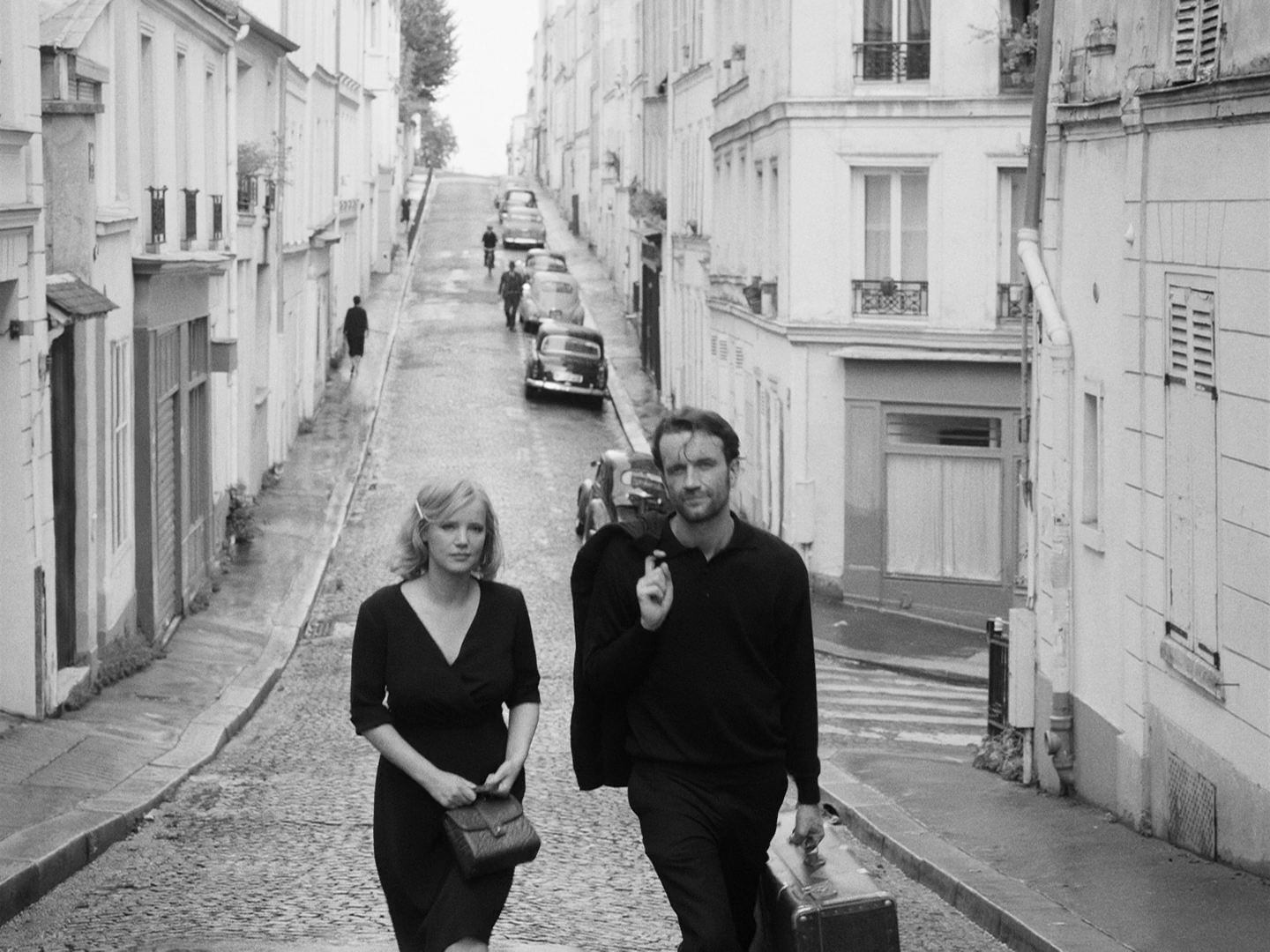
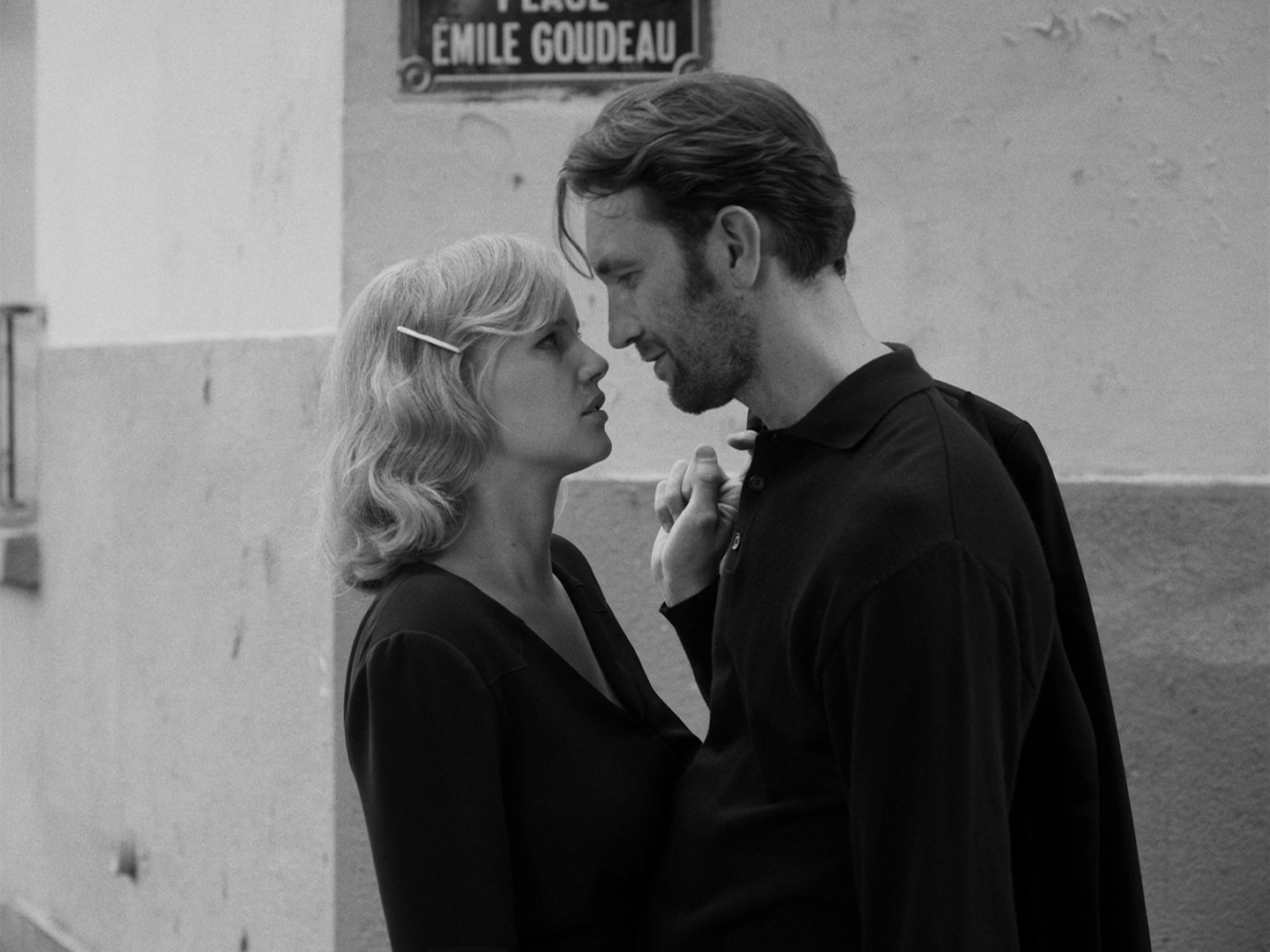
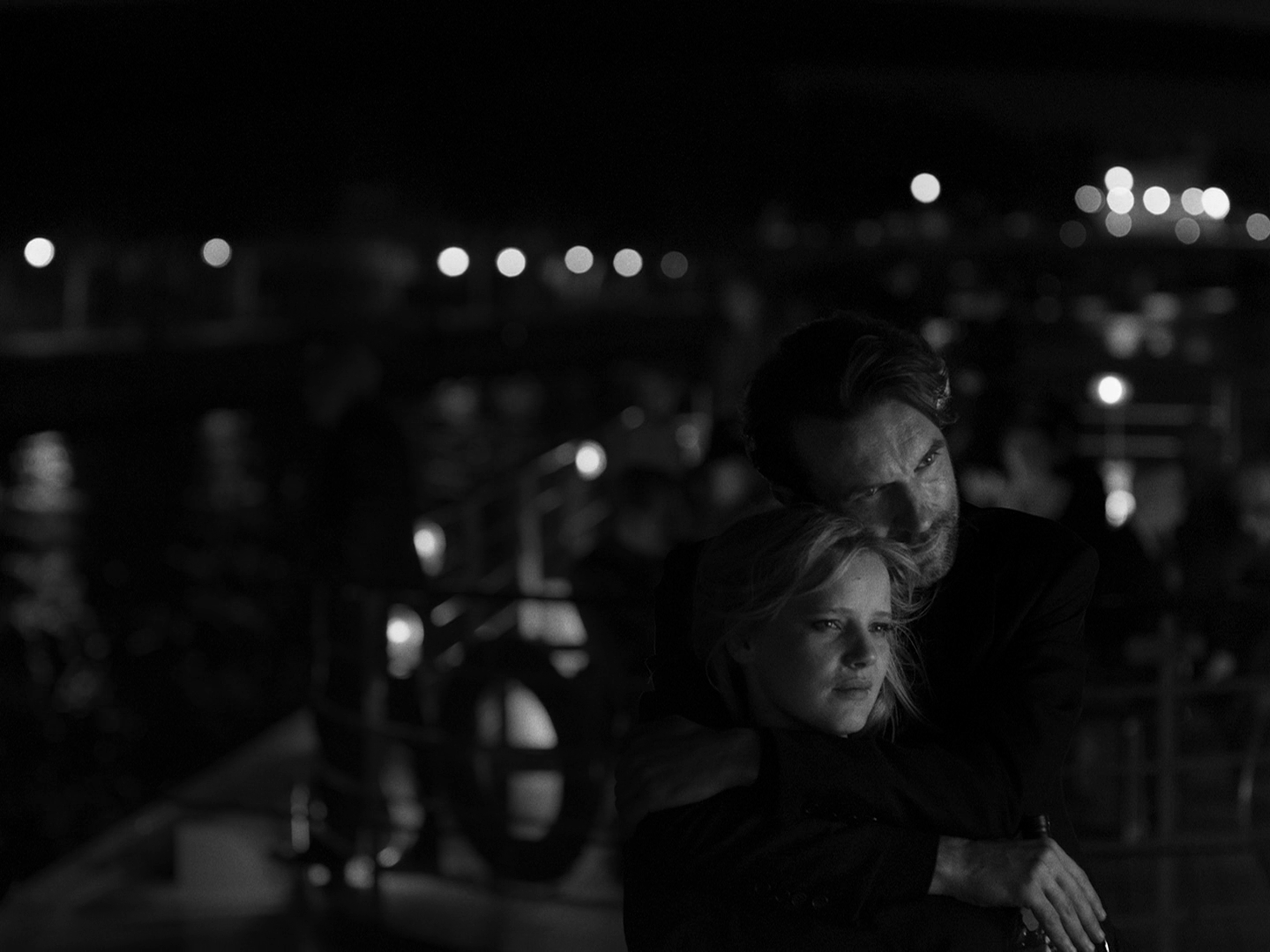
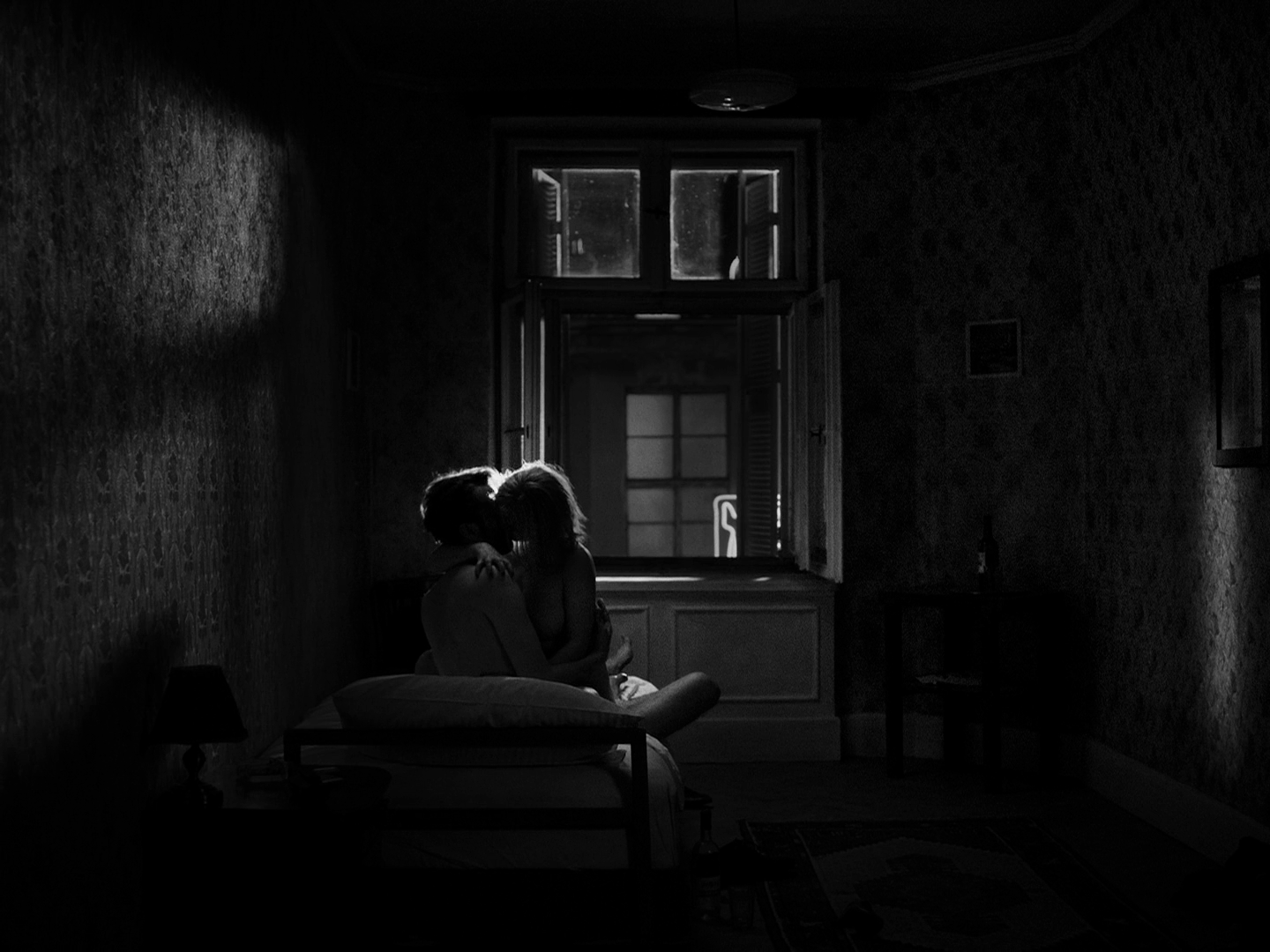
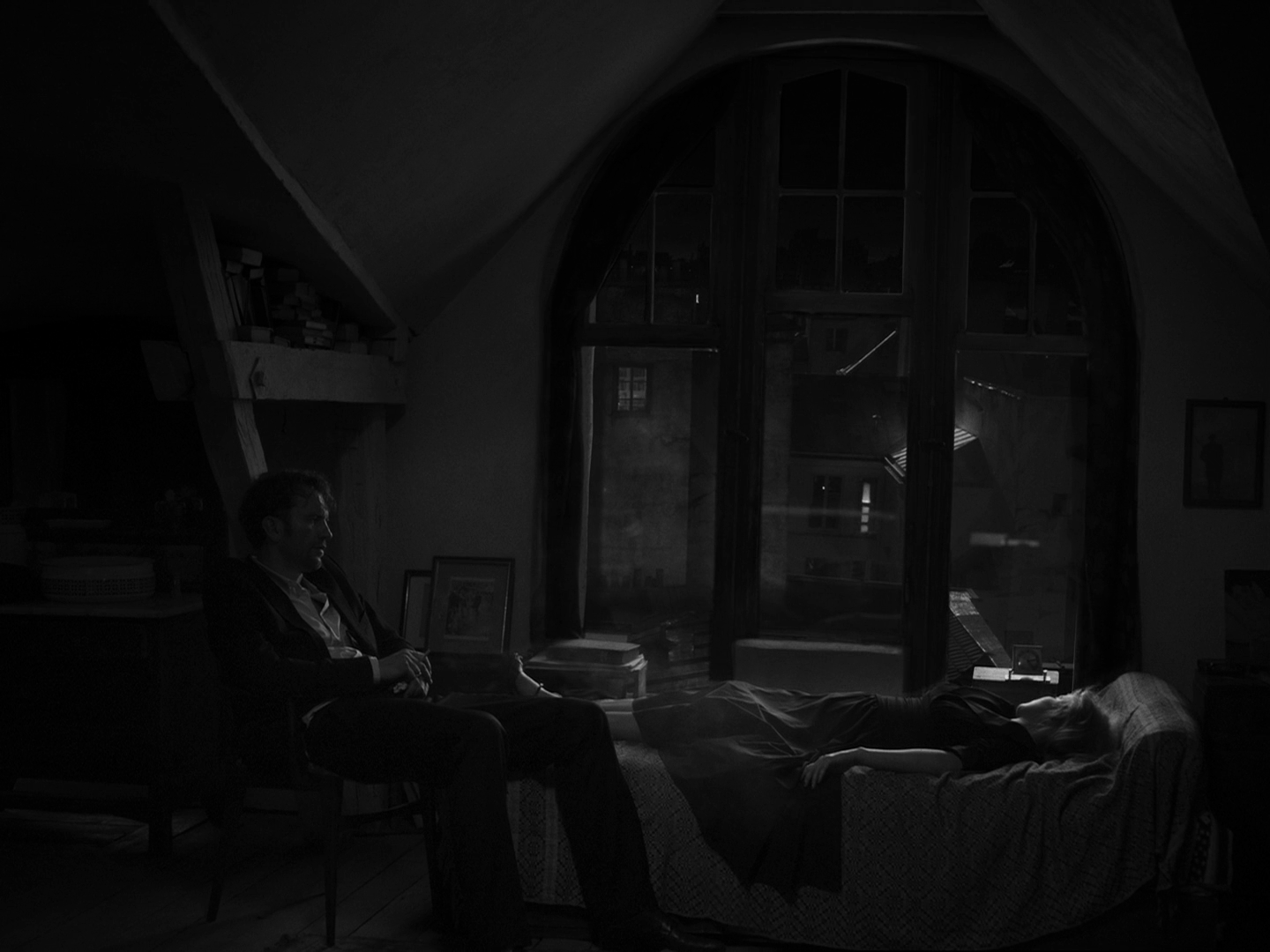
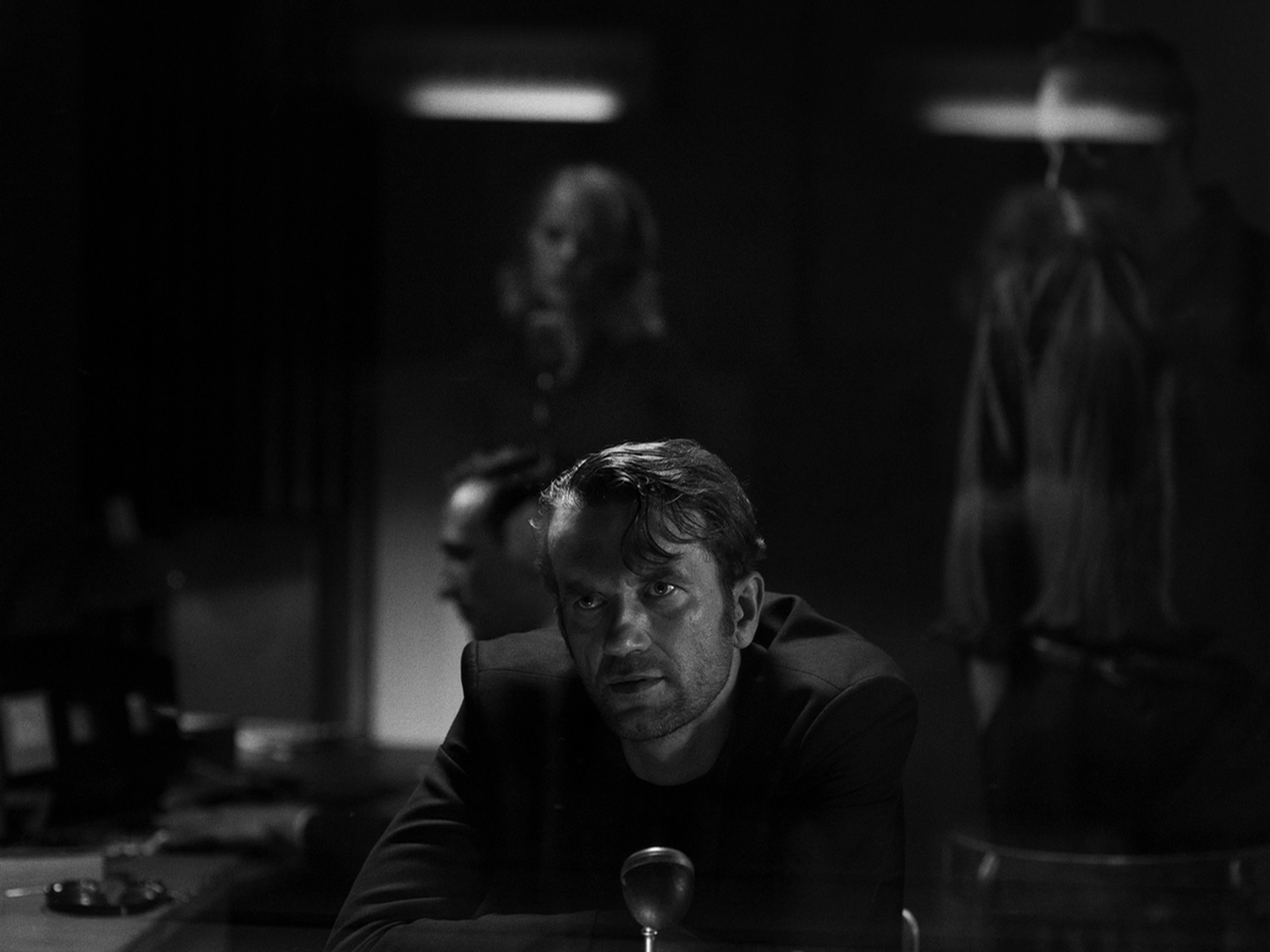
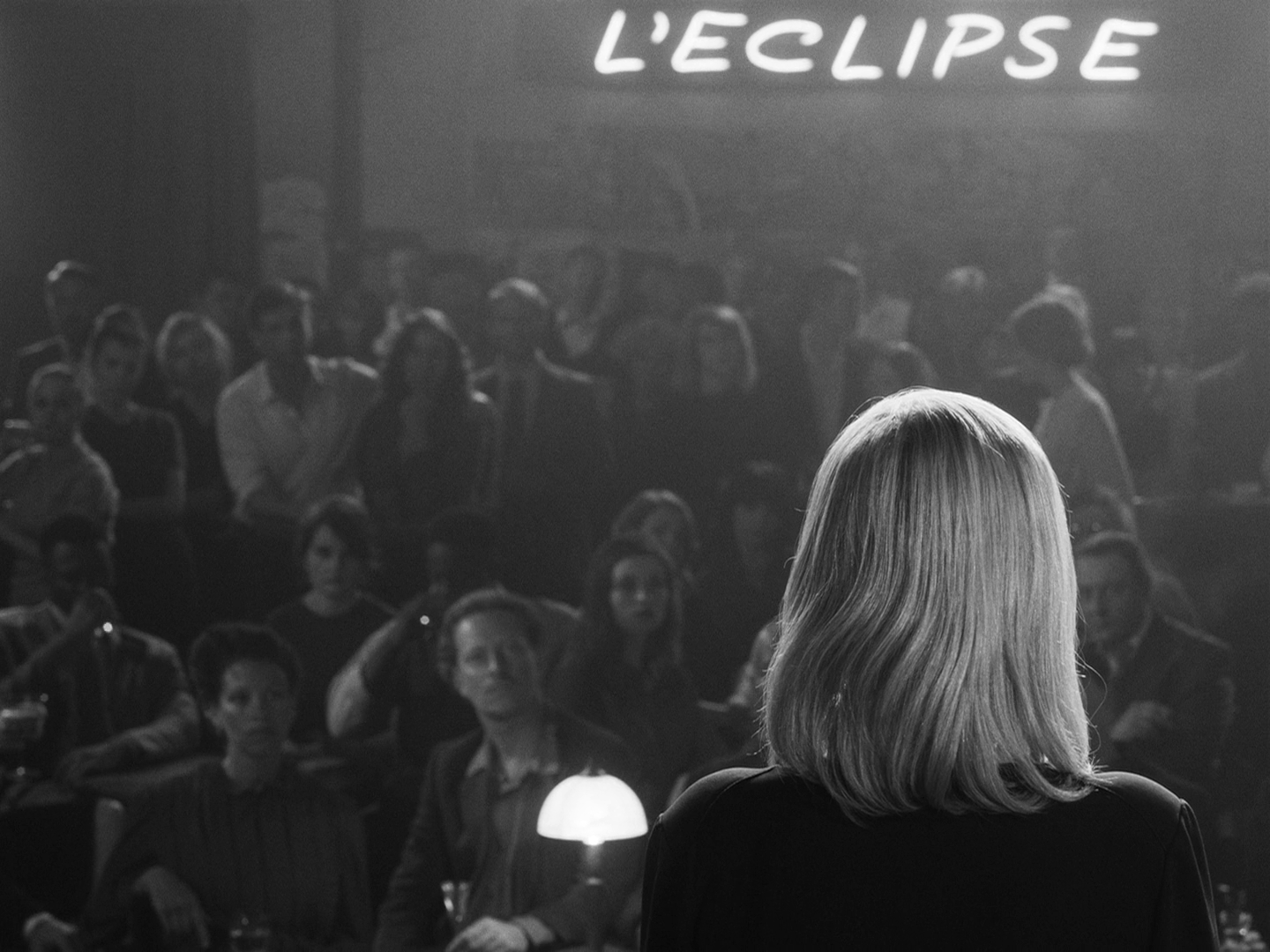
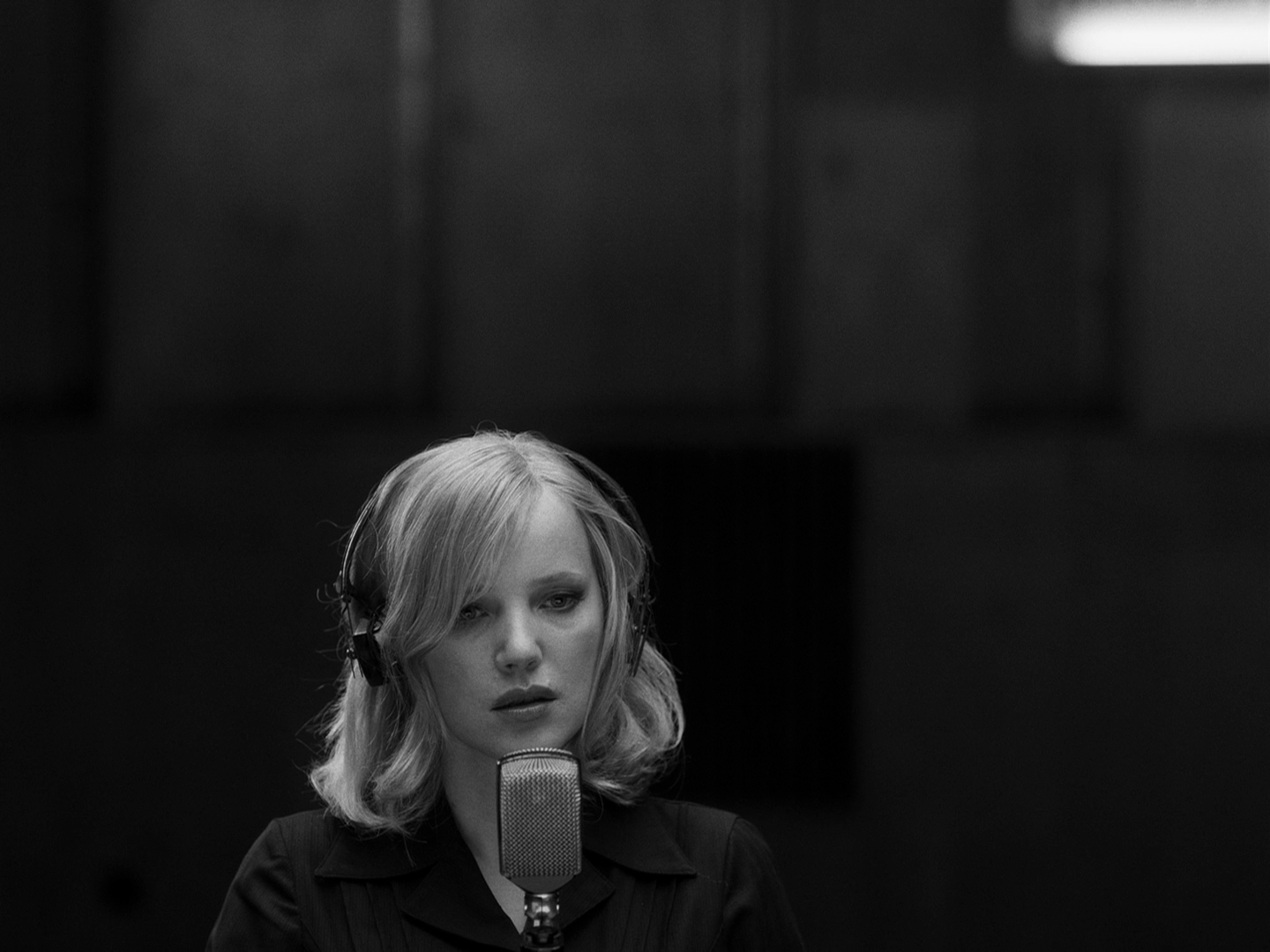
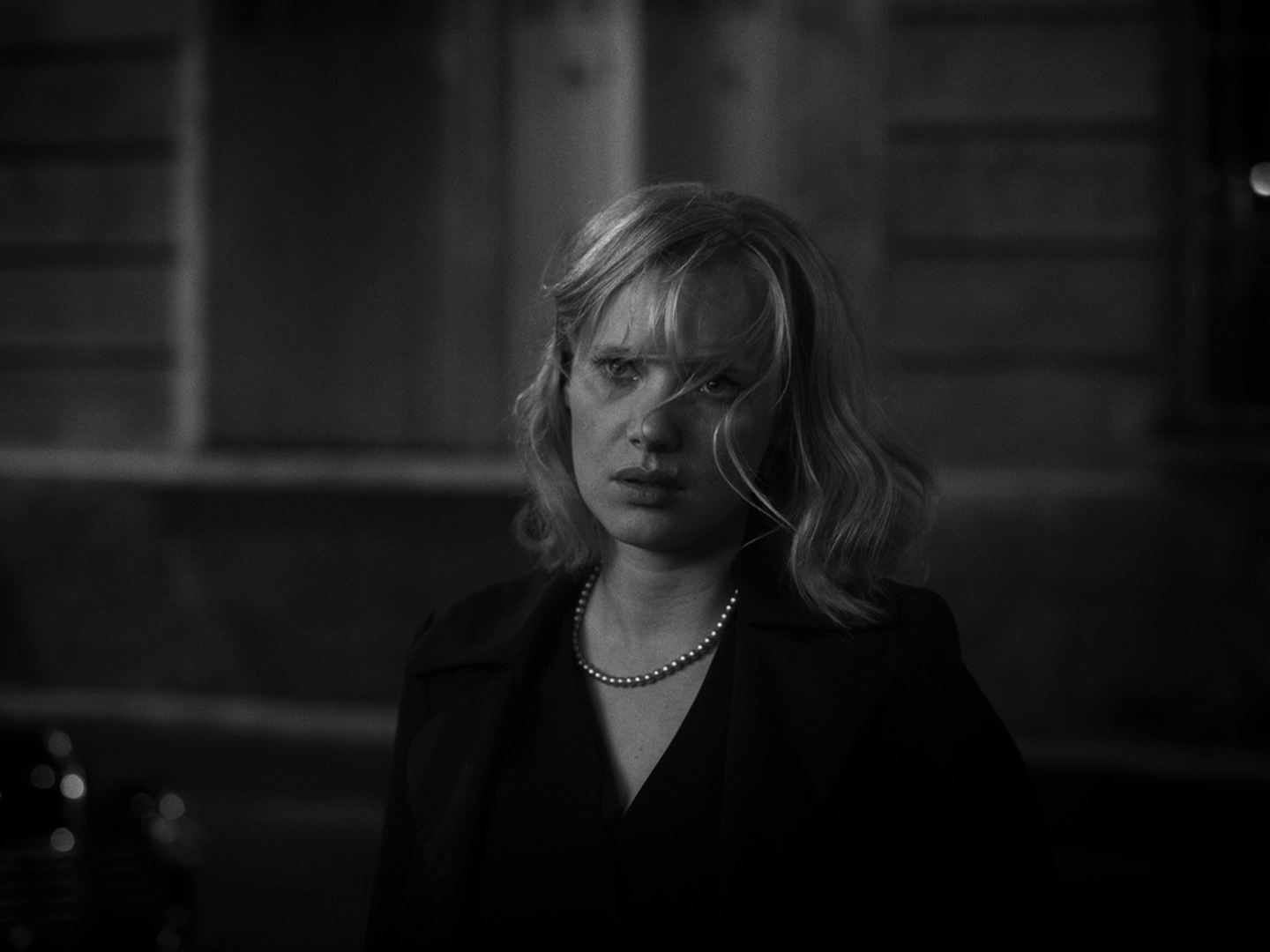
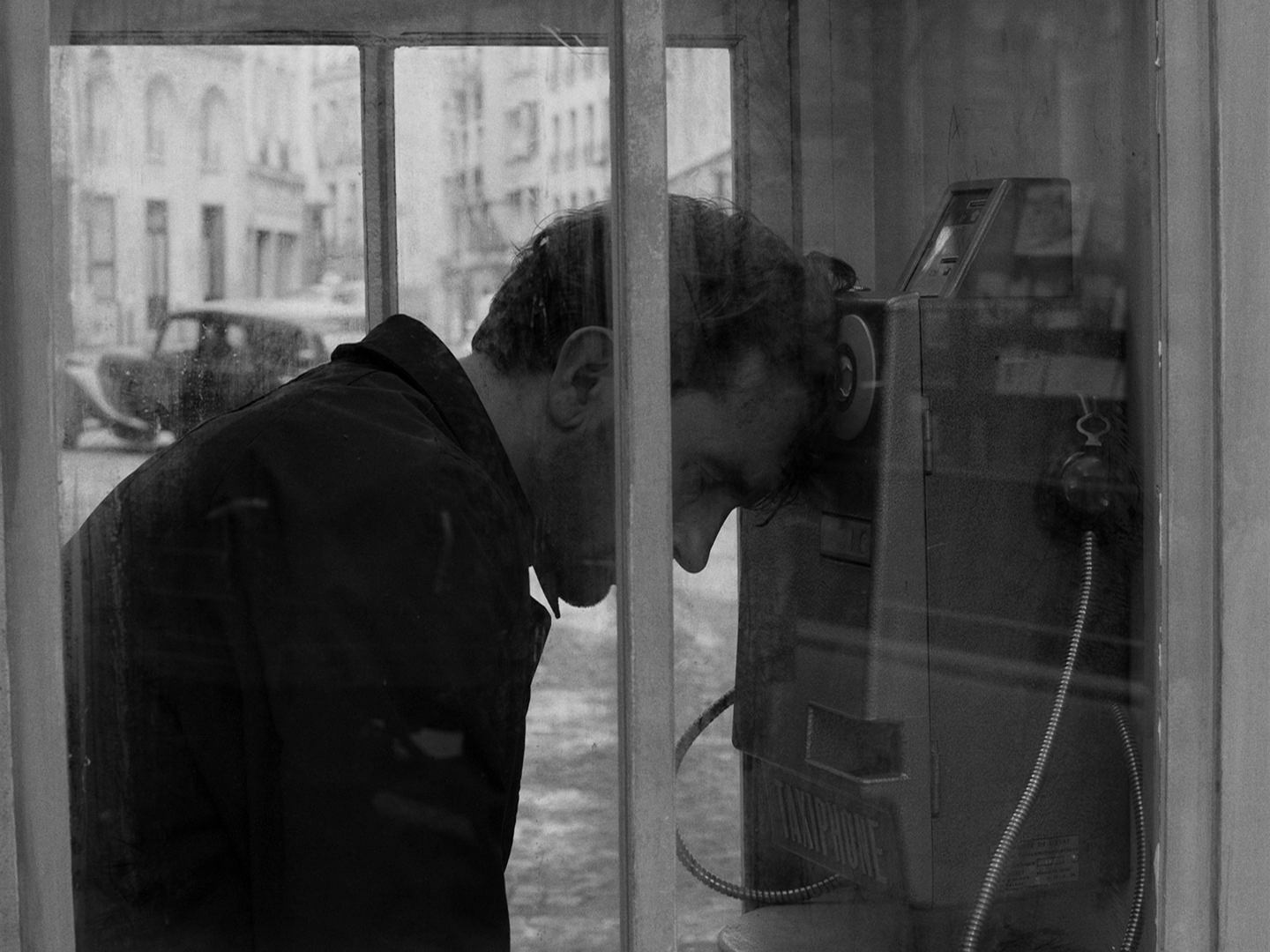
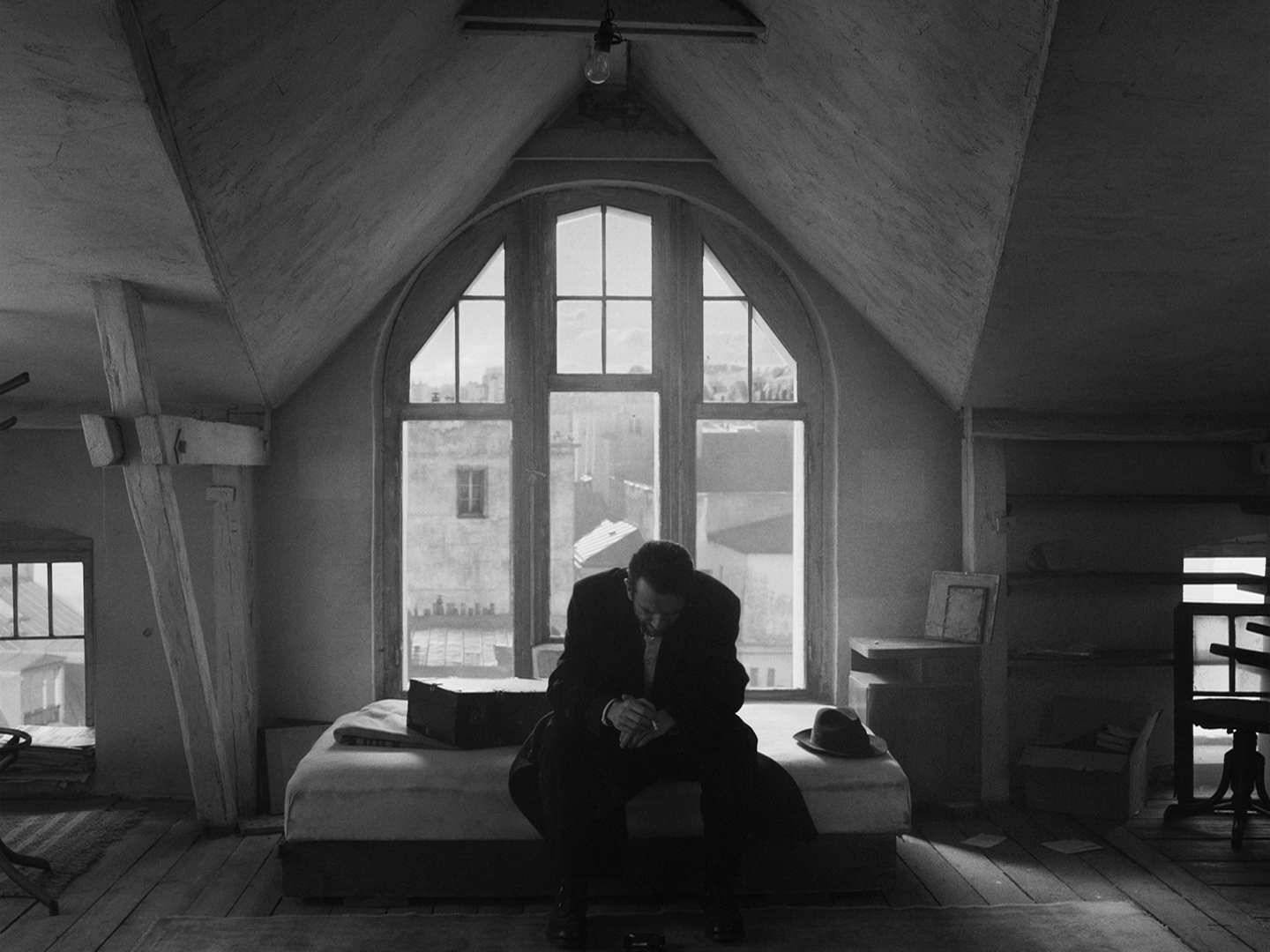
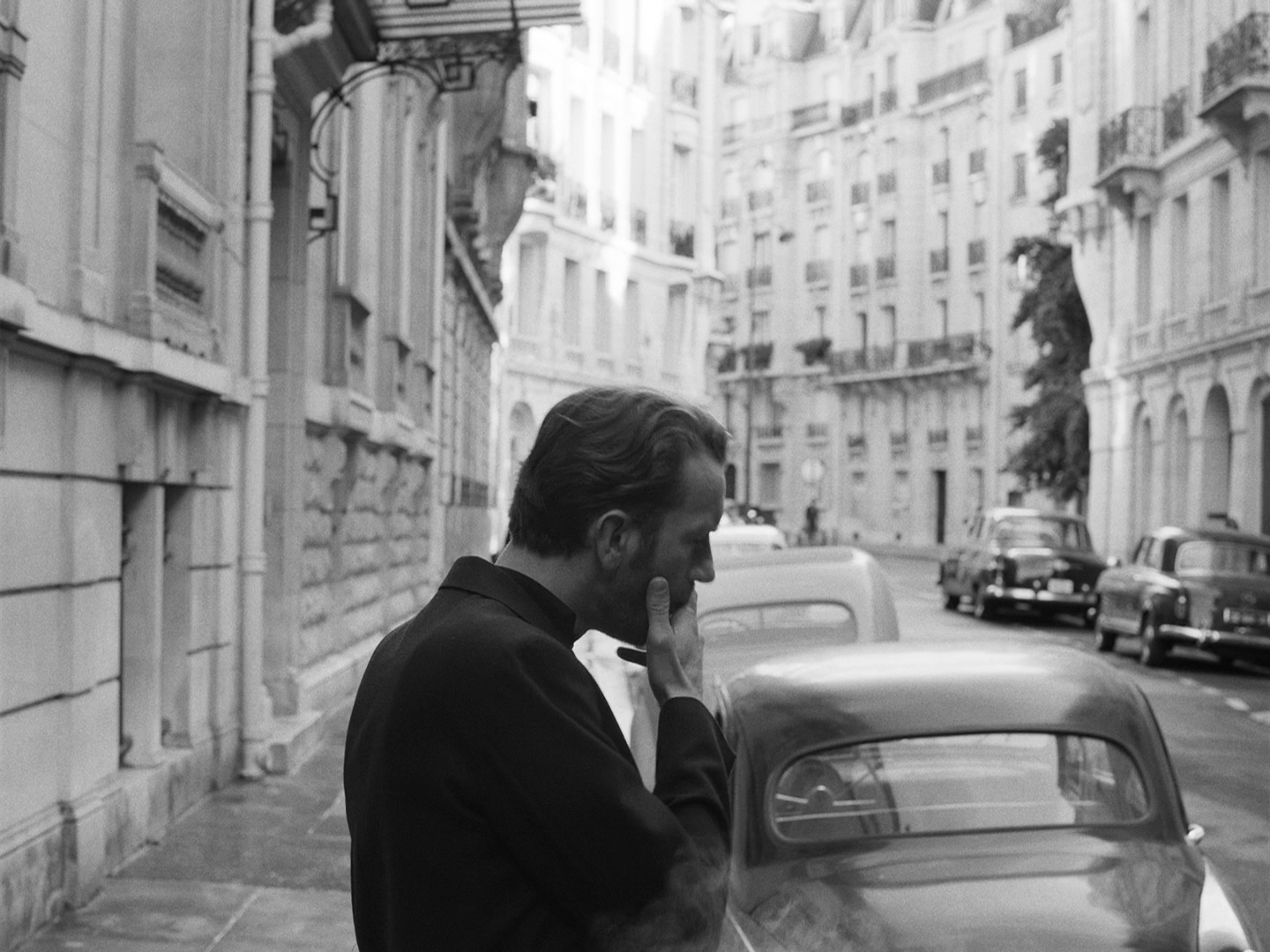
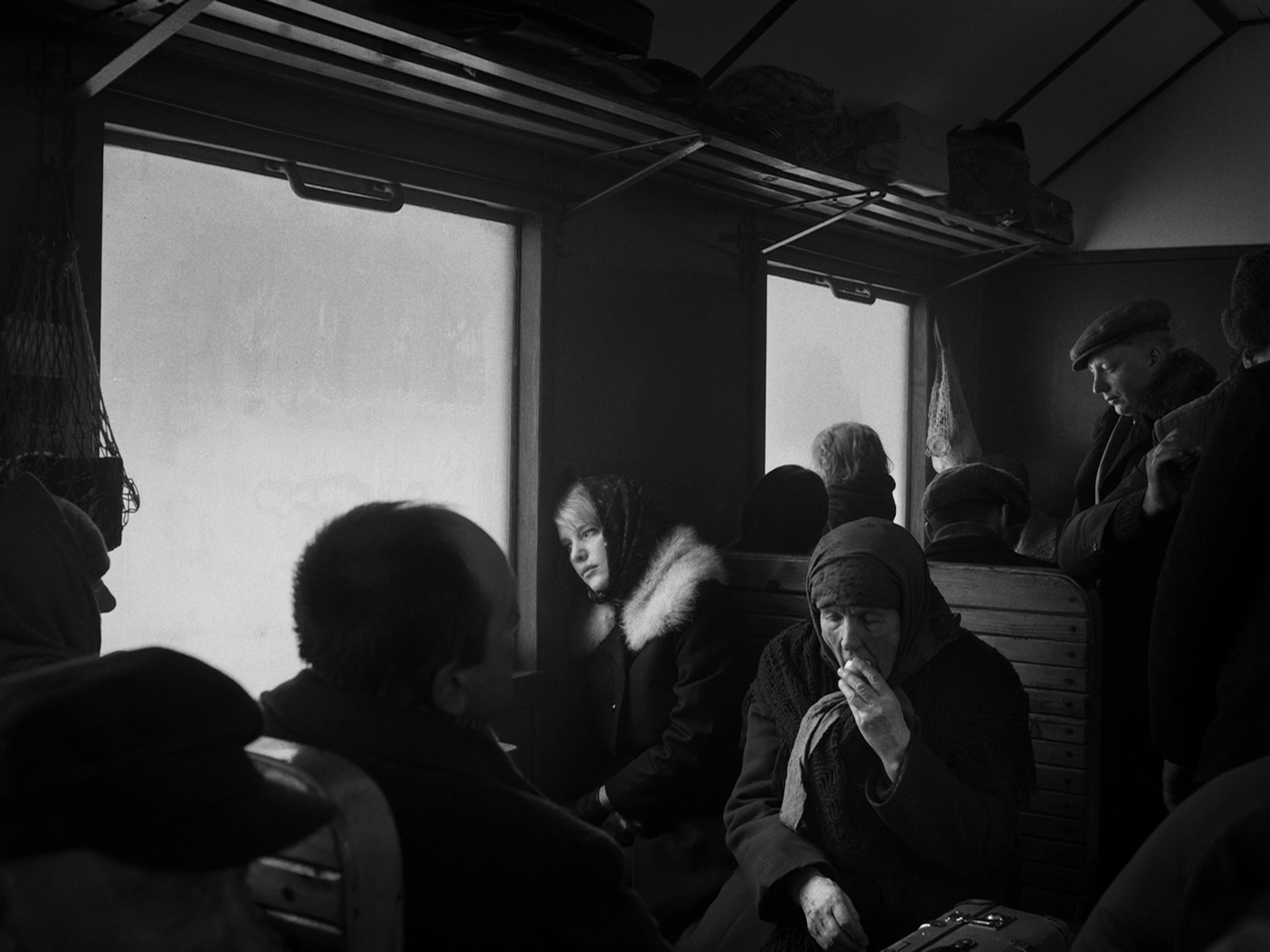
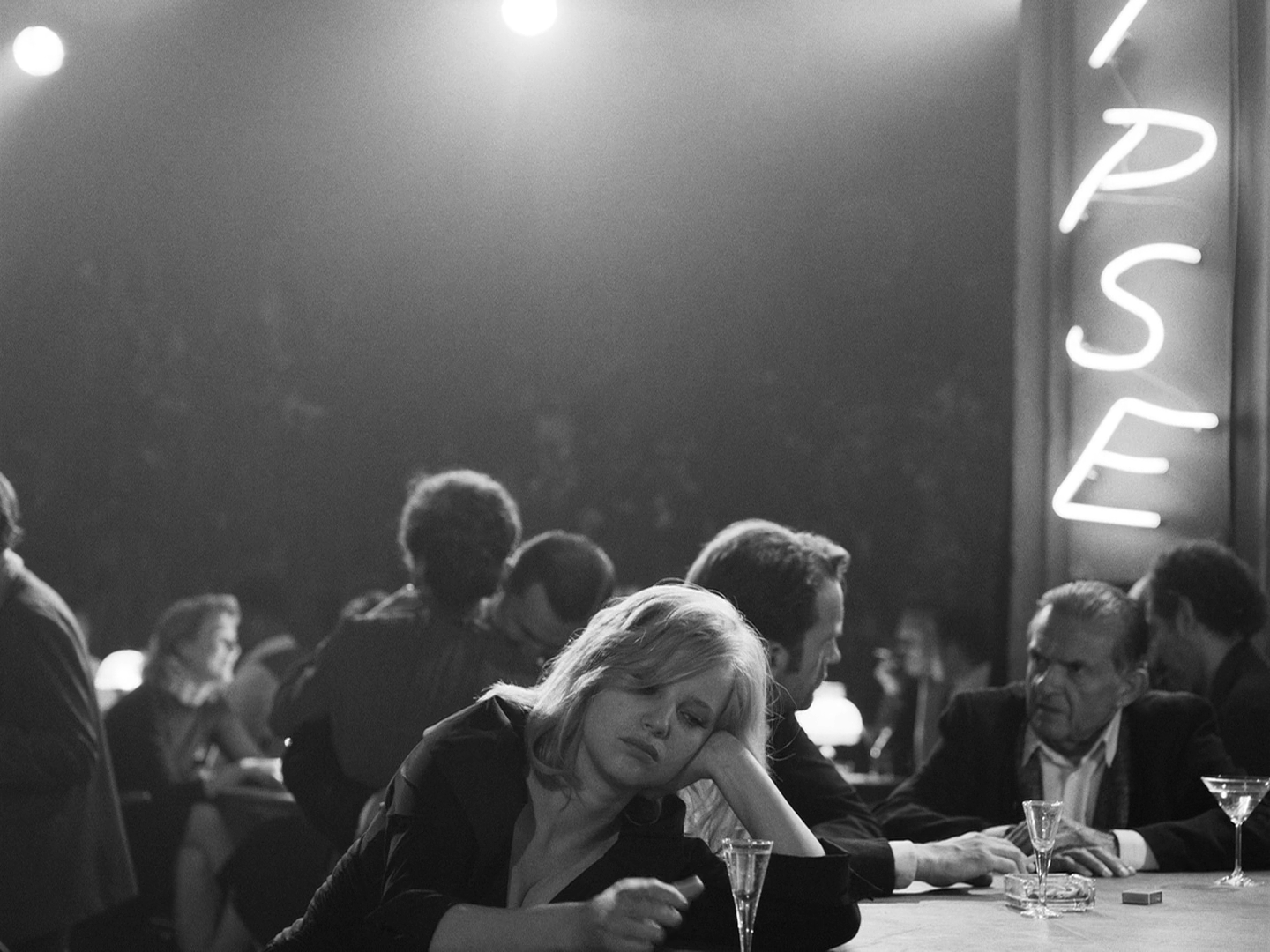
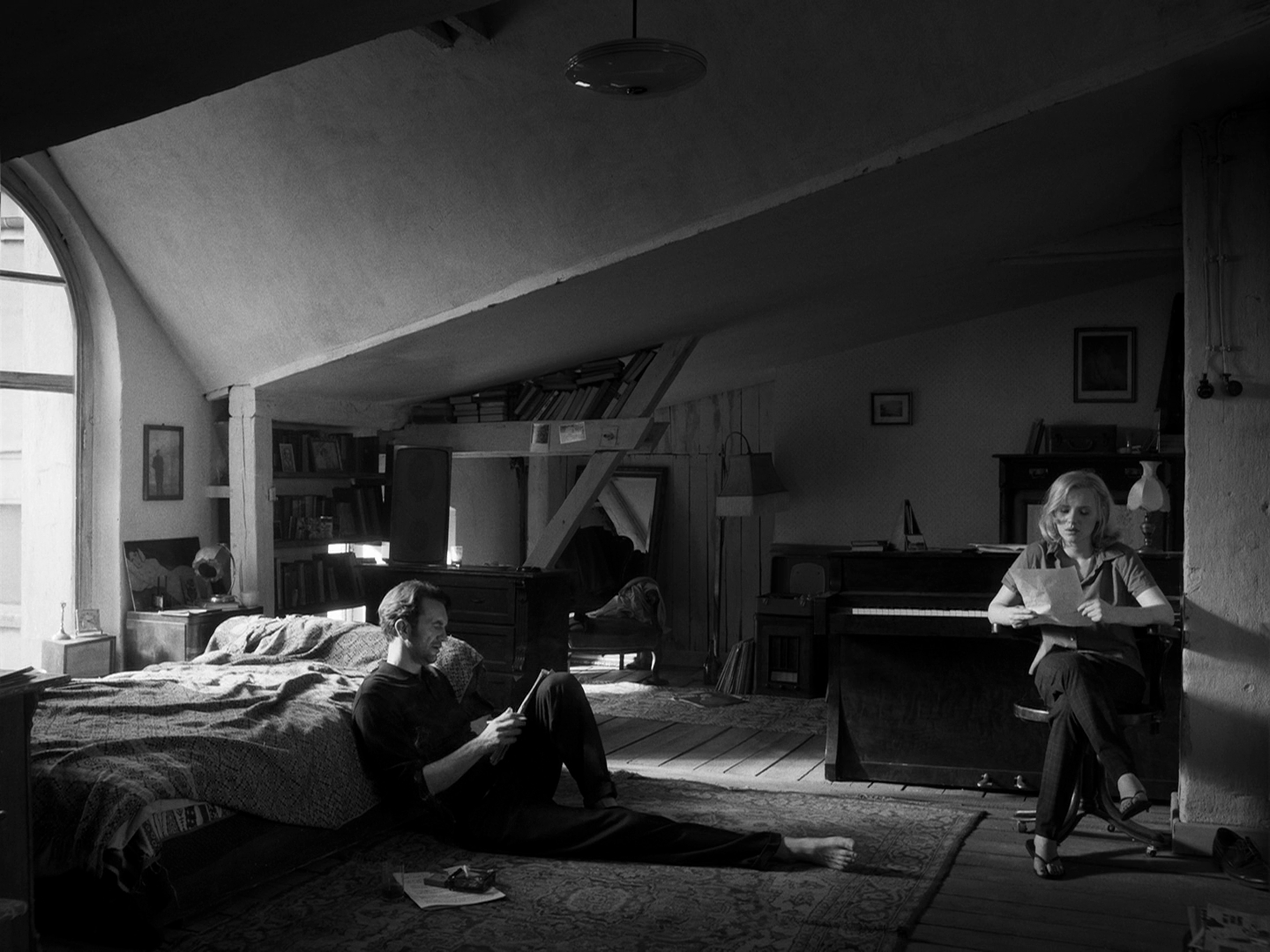
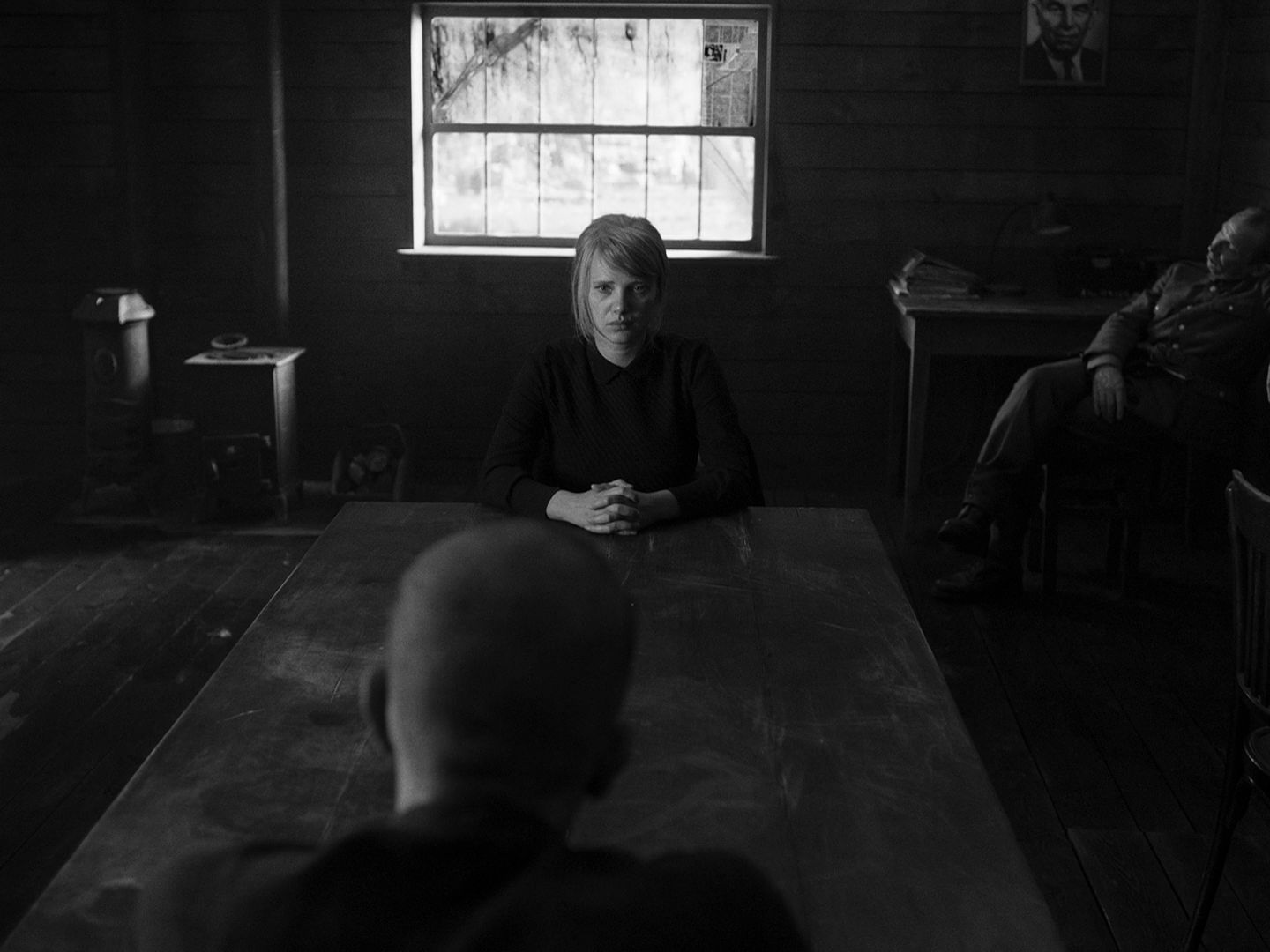
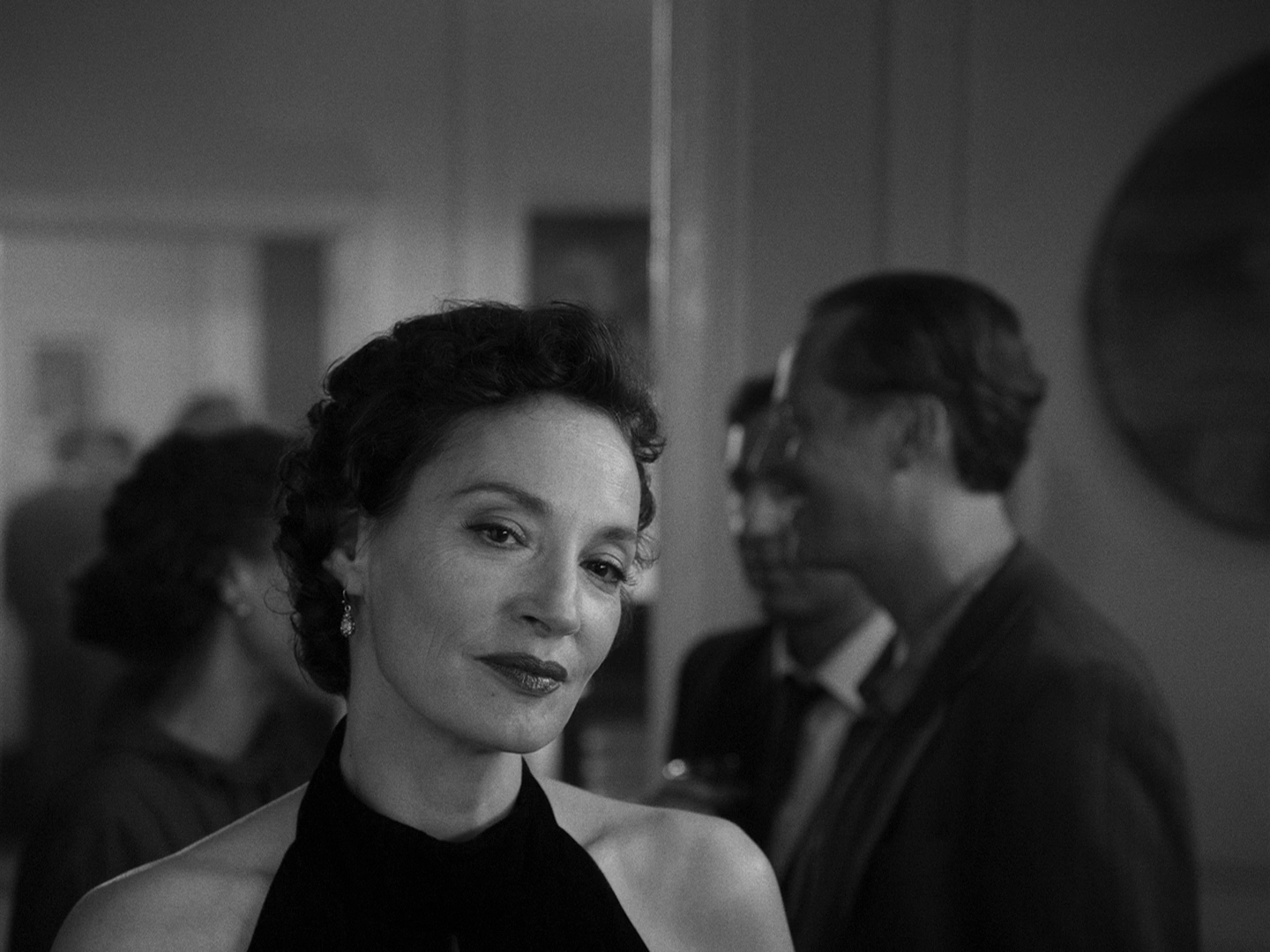
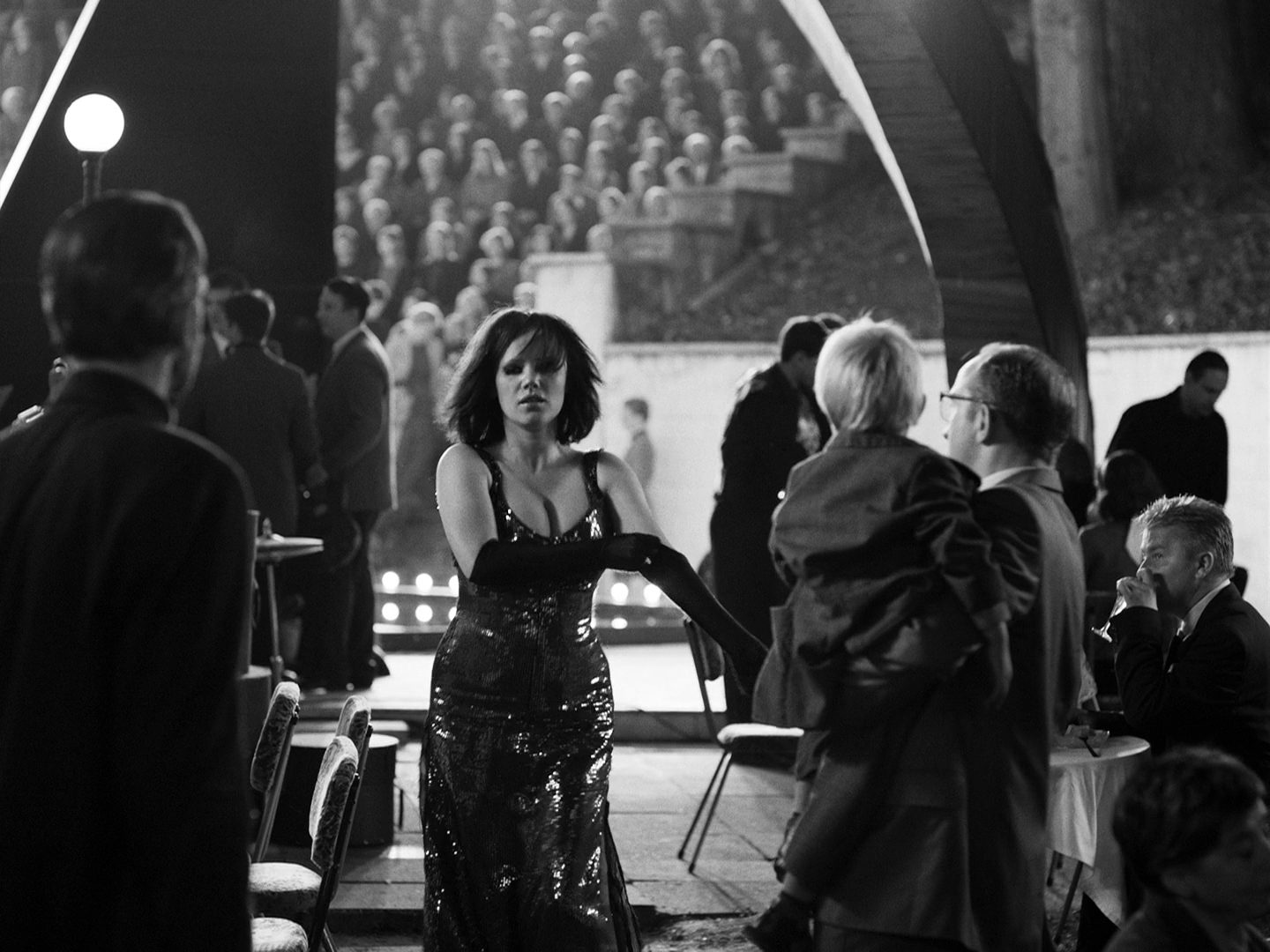
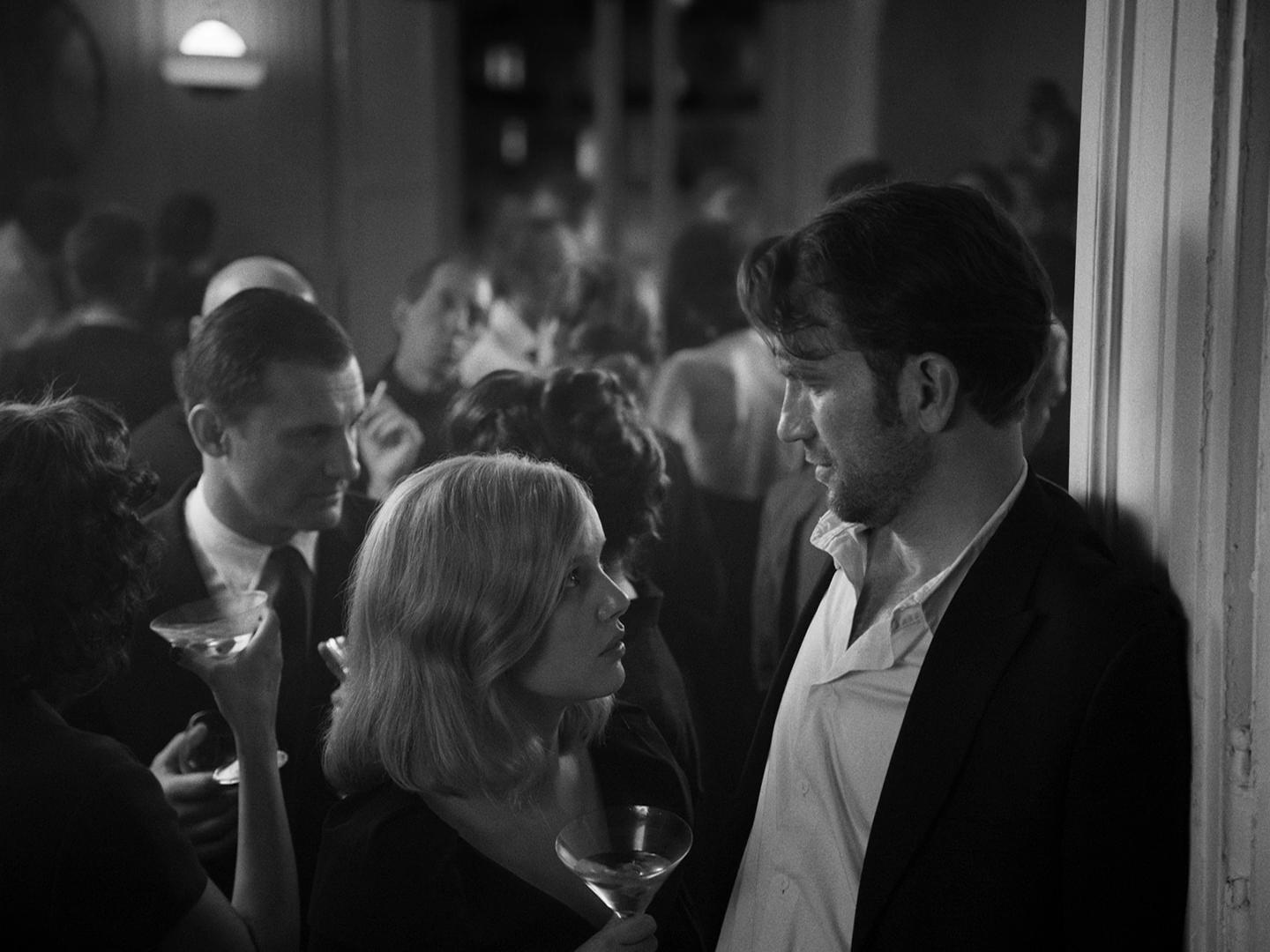
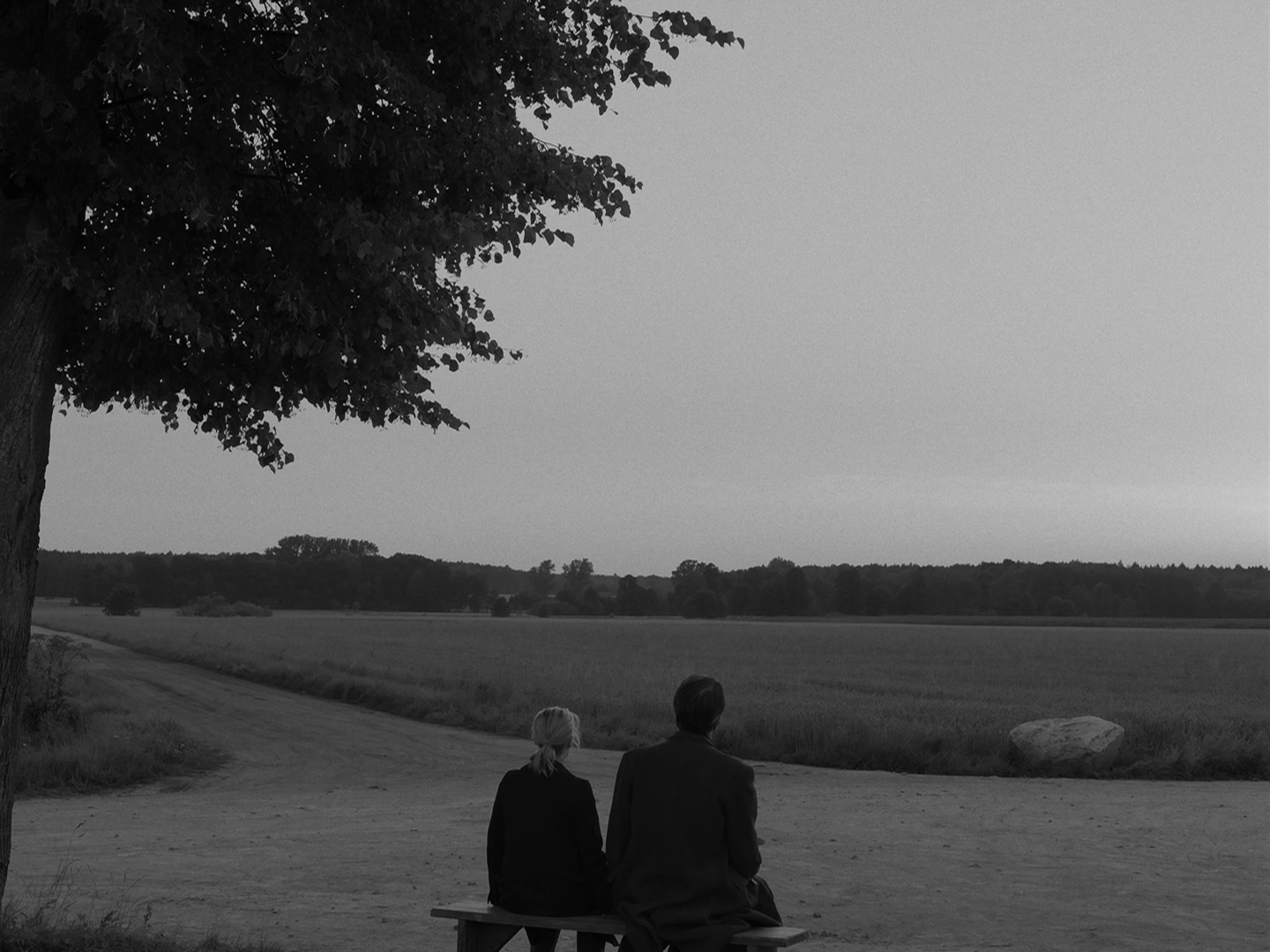
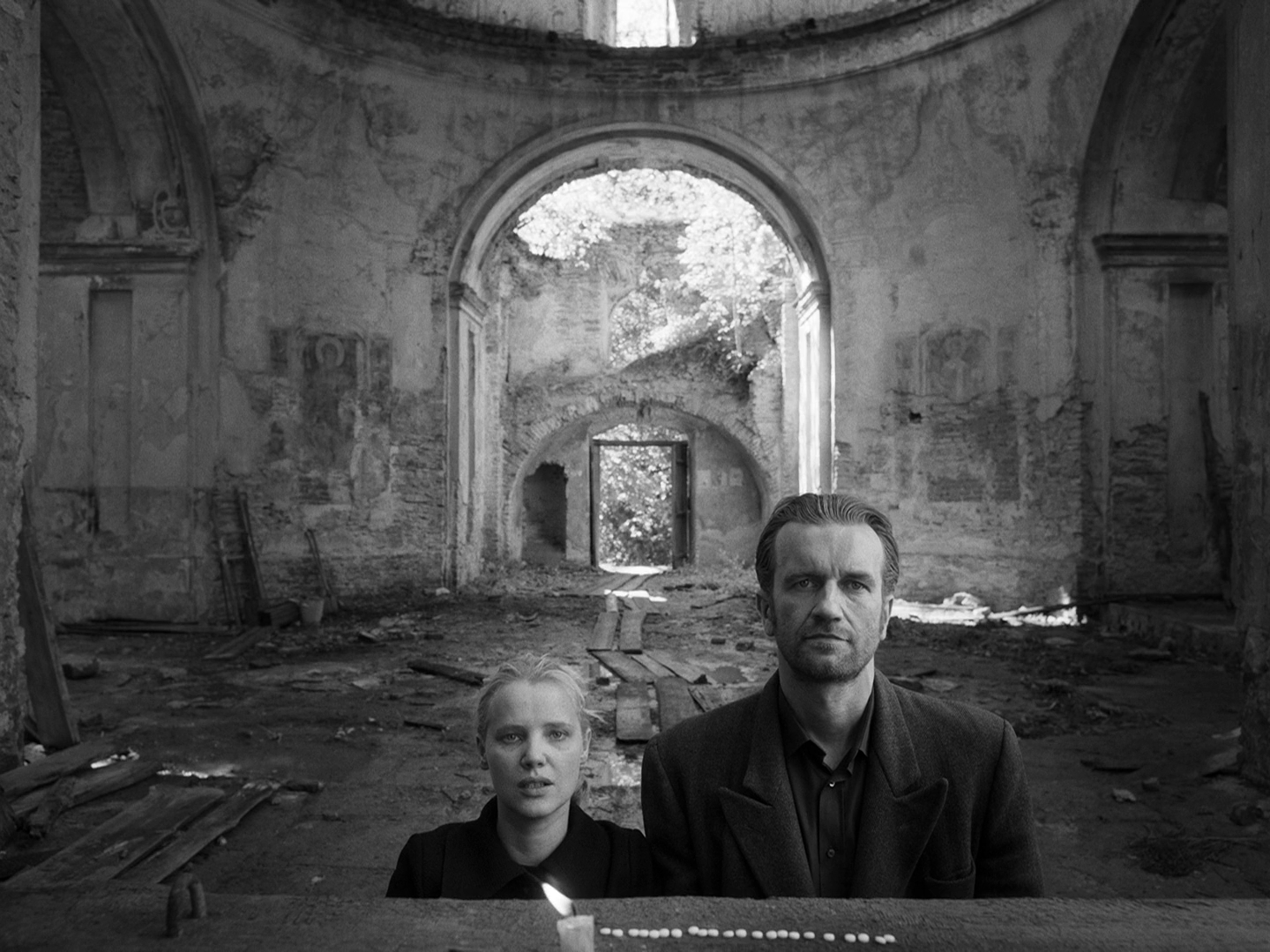
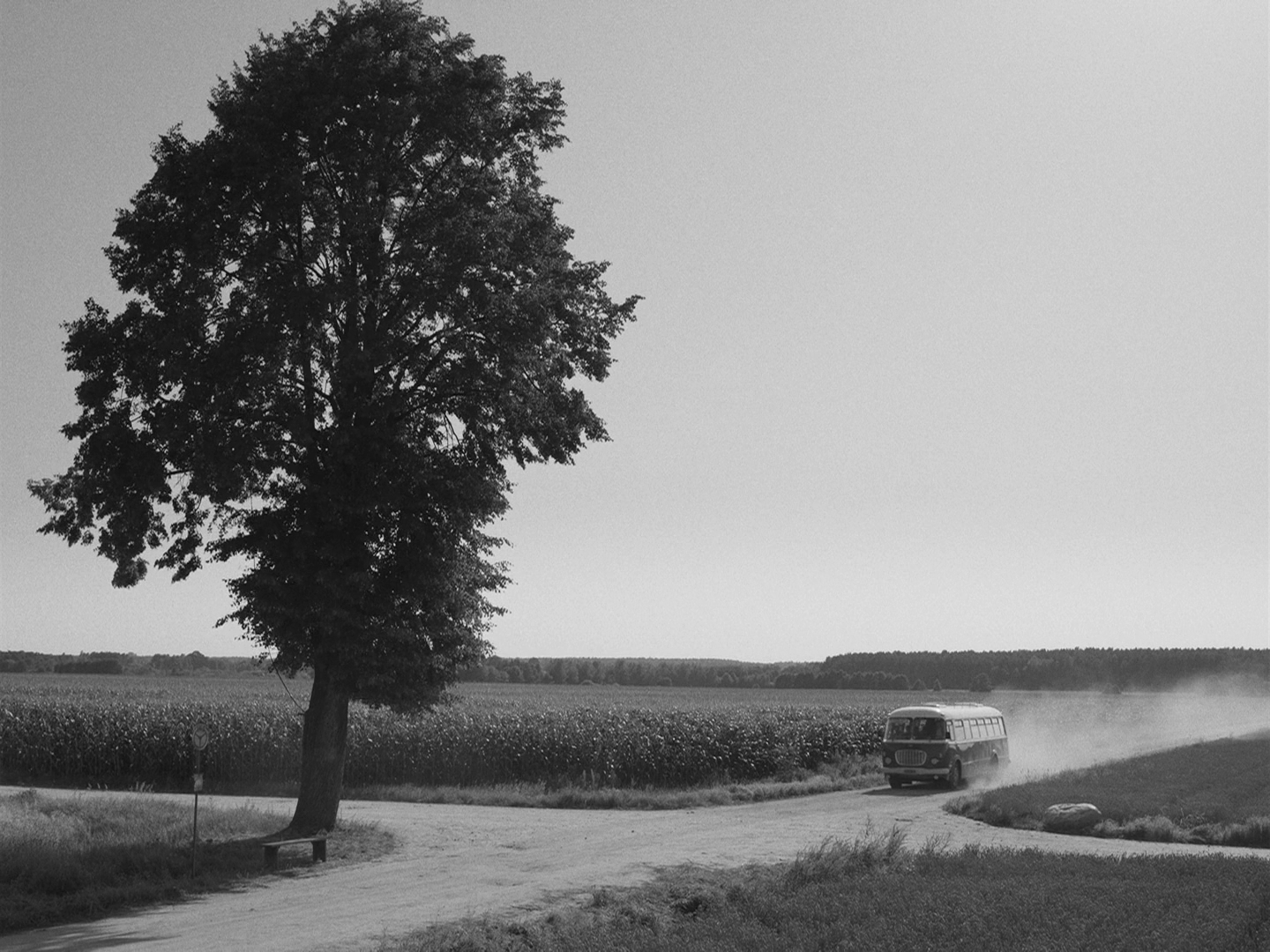
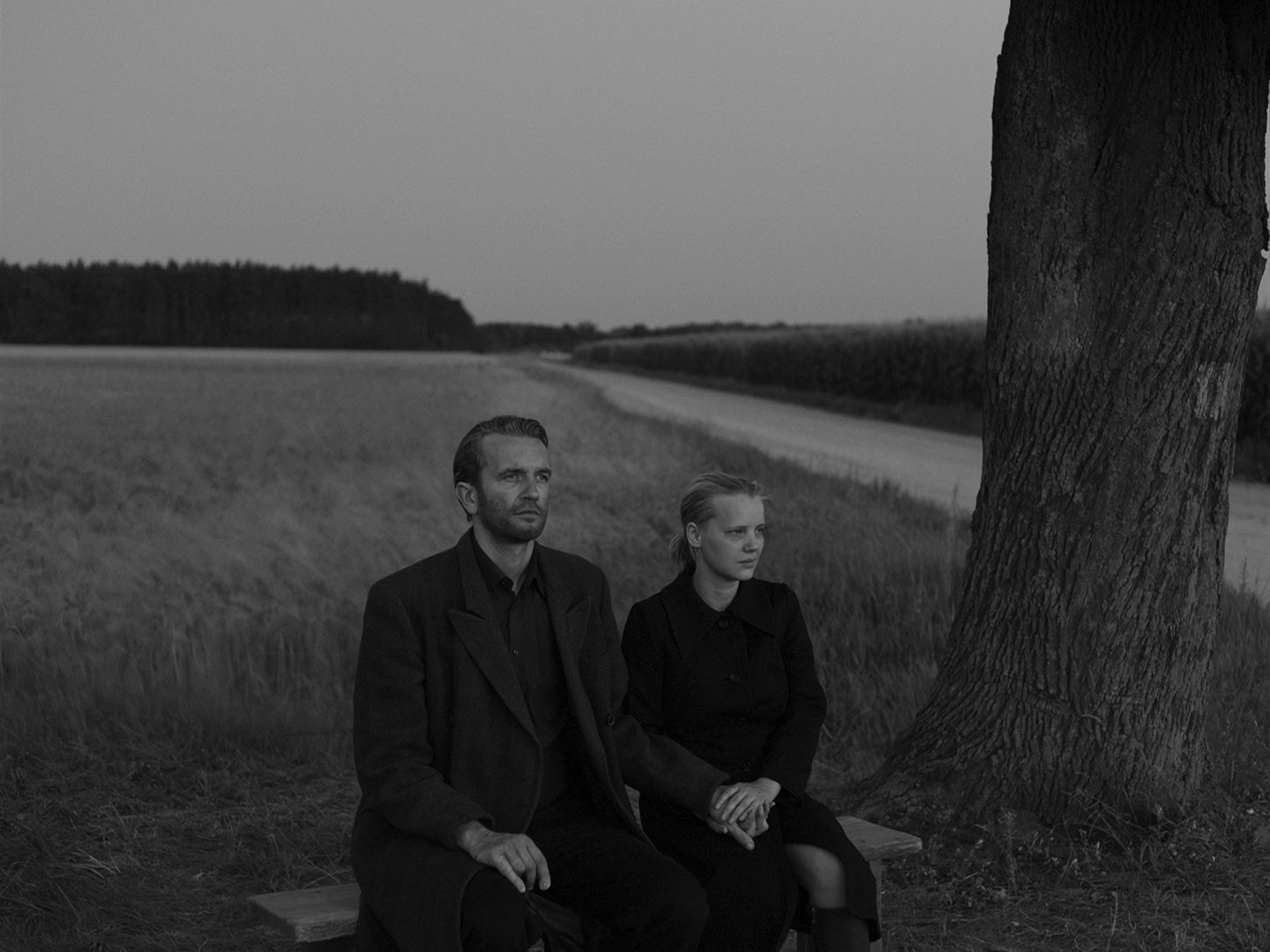
Pawel Kuczynski may very well be one of the highest attuned filmmakers to cinematography, creating black and white masterpiece after masterpiece even in 2018. Cold War is distinctly Polish, telling the World War period piece we all know but from a different perspective. And how pleasantly different it is. As usual, he uses modern digital Arri cameras and poetic lighting to capture the desolate snowy landscapes of Poland. And what beautifully tall portraits in 1.37:1! The way he ever-so slightly positions his subjects at the lower center of the frame builds a subtle yet heavy burden for each subject, swallowing them in an ocean of negative space. The performance from the Joanna Kulig overpowers you with her commitment to every scene. The snow, personalities, they even got Chopin music and an actor that can actually play him right! Perhaps one of the best to represent Polish filmmaking, and one of the better war romance epics to sweep you off your feet.
Analysis:
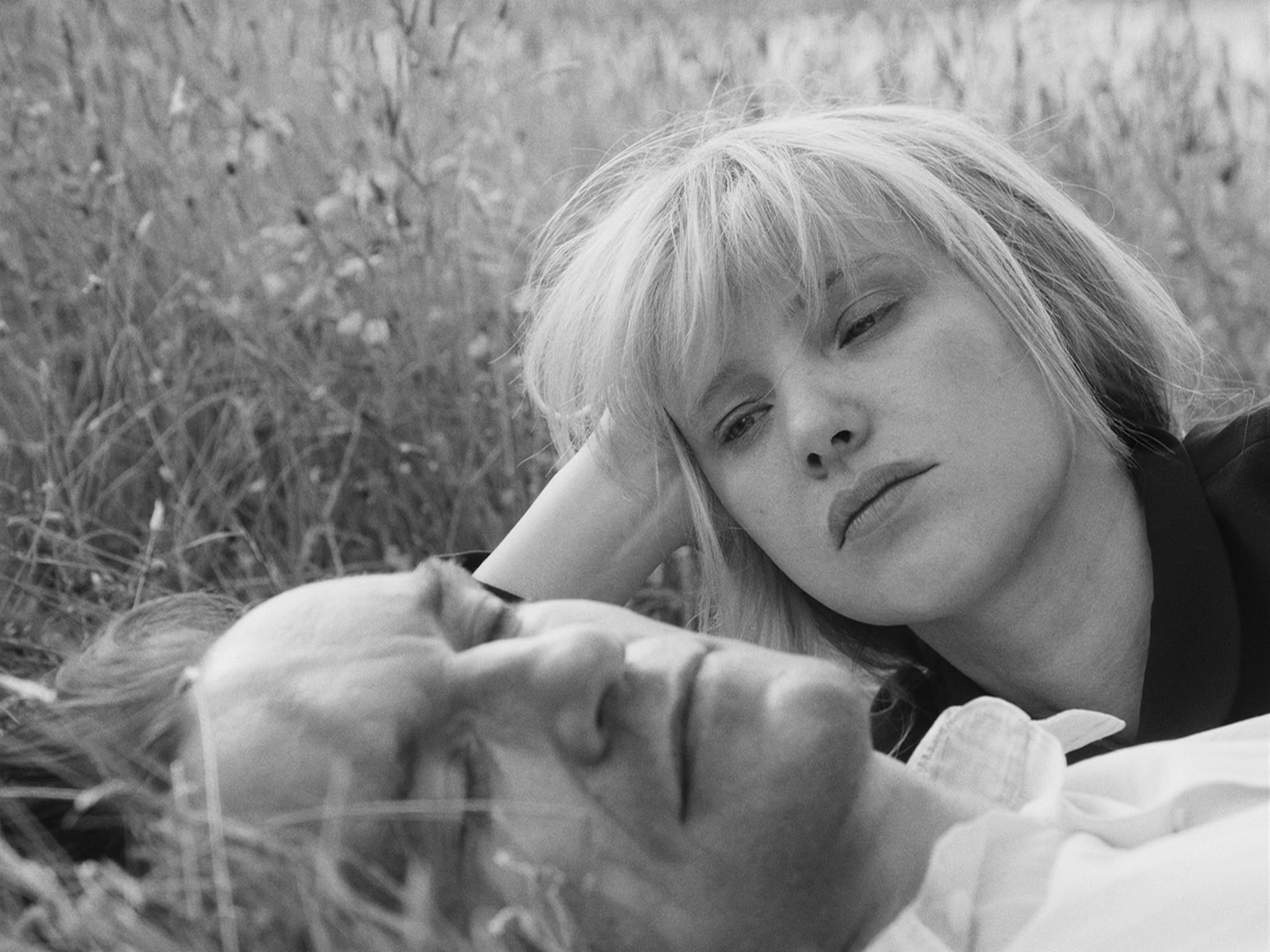
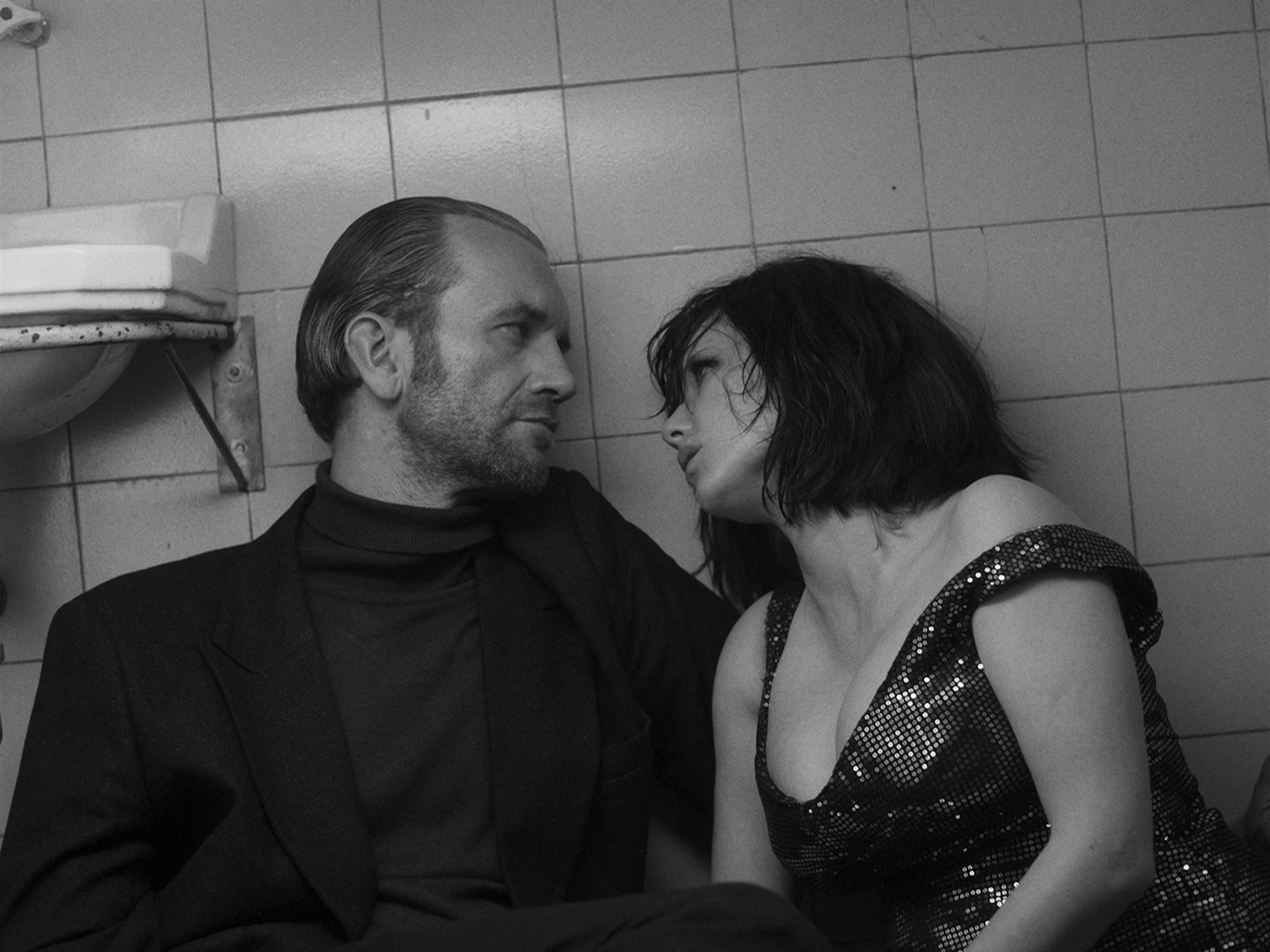
Although this film is somewhat tragic, it can be interpreted as bittersweet. At the end of the film, the two reunite after a frustrating split, made all the more pitiful because they could have enjoyed a happy life together if they could just appreciate what they had. In order to free each other, they had to escape, sacrificing everything they had and refused to give up in the beginning. At that point, they decide to go out on their own terms instead of by firing squad or Polish police. They go back to the original church and get married, because as Zula states, it's not a real marriage unless you're in a church, and then they presuambly suicide after consuming pills. It would normally be tragic except for one crucial line made by Zula earlier in the film. In the grass, she asks Wiktor whether he believed in God, because she does. He doesn't answer, but it can be assumed he does as he ends up imprisoned. Although suicide rules out heaven, it suggests beautiful naivety that they intend to be together for the rest of their remaining lives and whatever remains after. If that's not romantic, I don't know what is.
Conclusion:
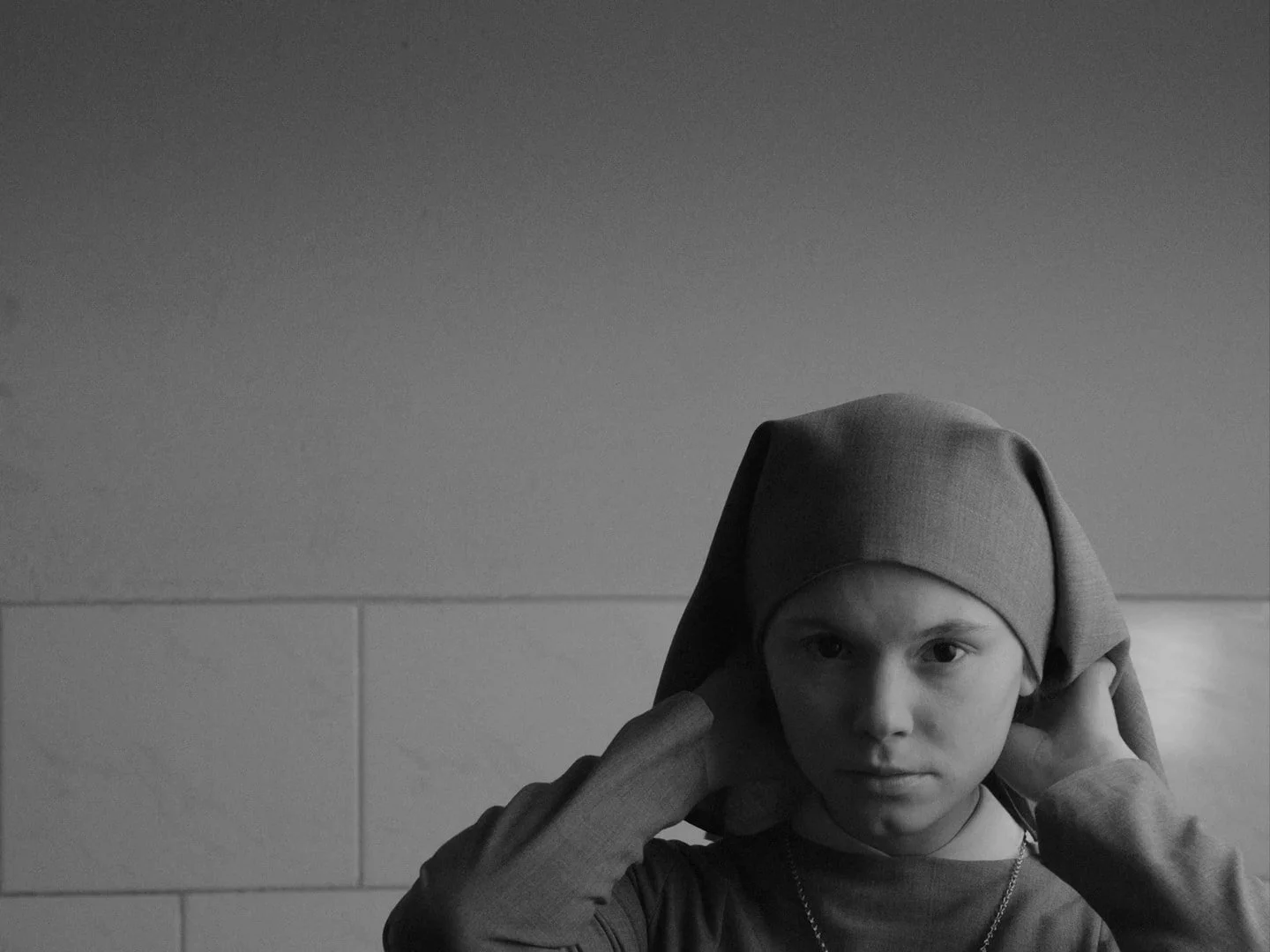
This film is artistically beautiful, but not without fault. The leading man didn’t convince me, which is in part due to the imbalance with his explosive co-star. The beginning is also slow, but what left me feeling the most cold was the manufactured drama. Like his other film Ida, writing is not the director’s forté. He crafts impeccably painterly images, but his narratives ruin belief every time he introduces a frustrating crisis. On one hand, it’s a necessary drama to pull us in, on the other hand, the way he executes conflict lacks motivation to keep us from feeling cheated. But we only pull out our hair frustrated because the director made us care about them to begin with. At the end of the day, this is a dreamy romance rooted in real suffering - something Polish history has no shortage of. Like Chopin, it is all his people has ever known. And it’s to a cinephile’s delight that we can experience it as well in the most cinematic fashion.
Recommendations

Love burns hotter the colder the war.