
Rashomon (1950)
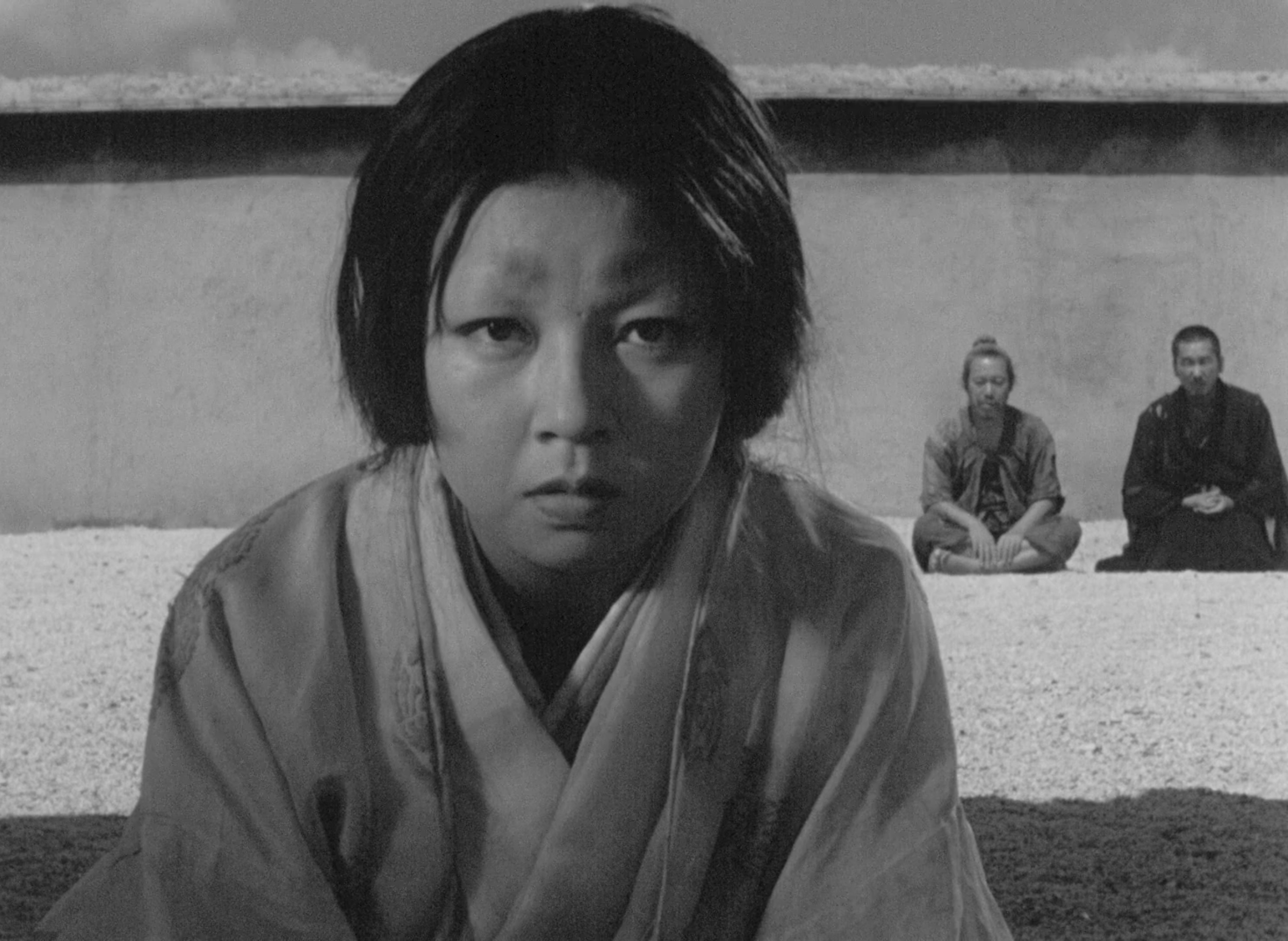
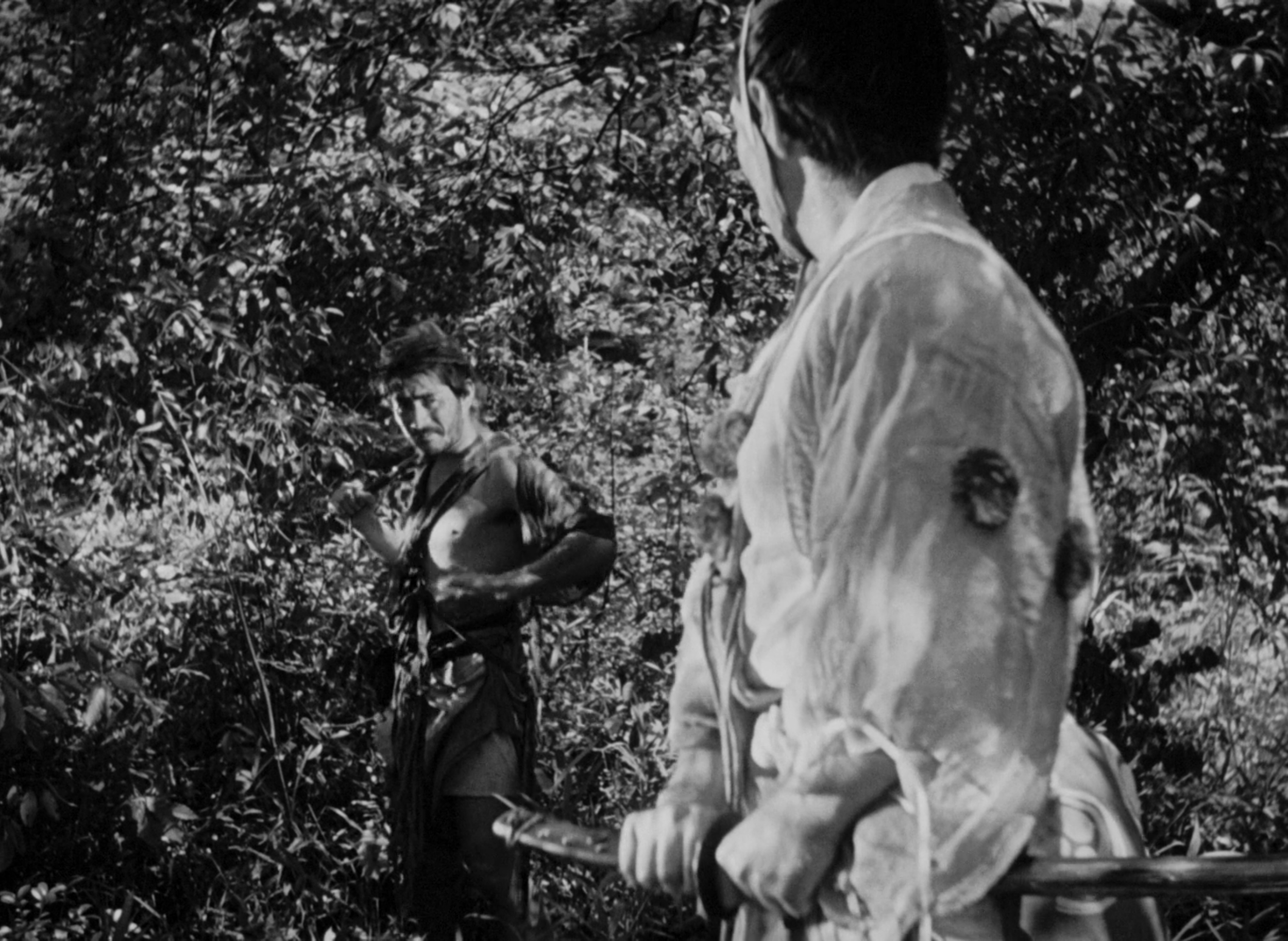


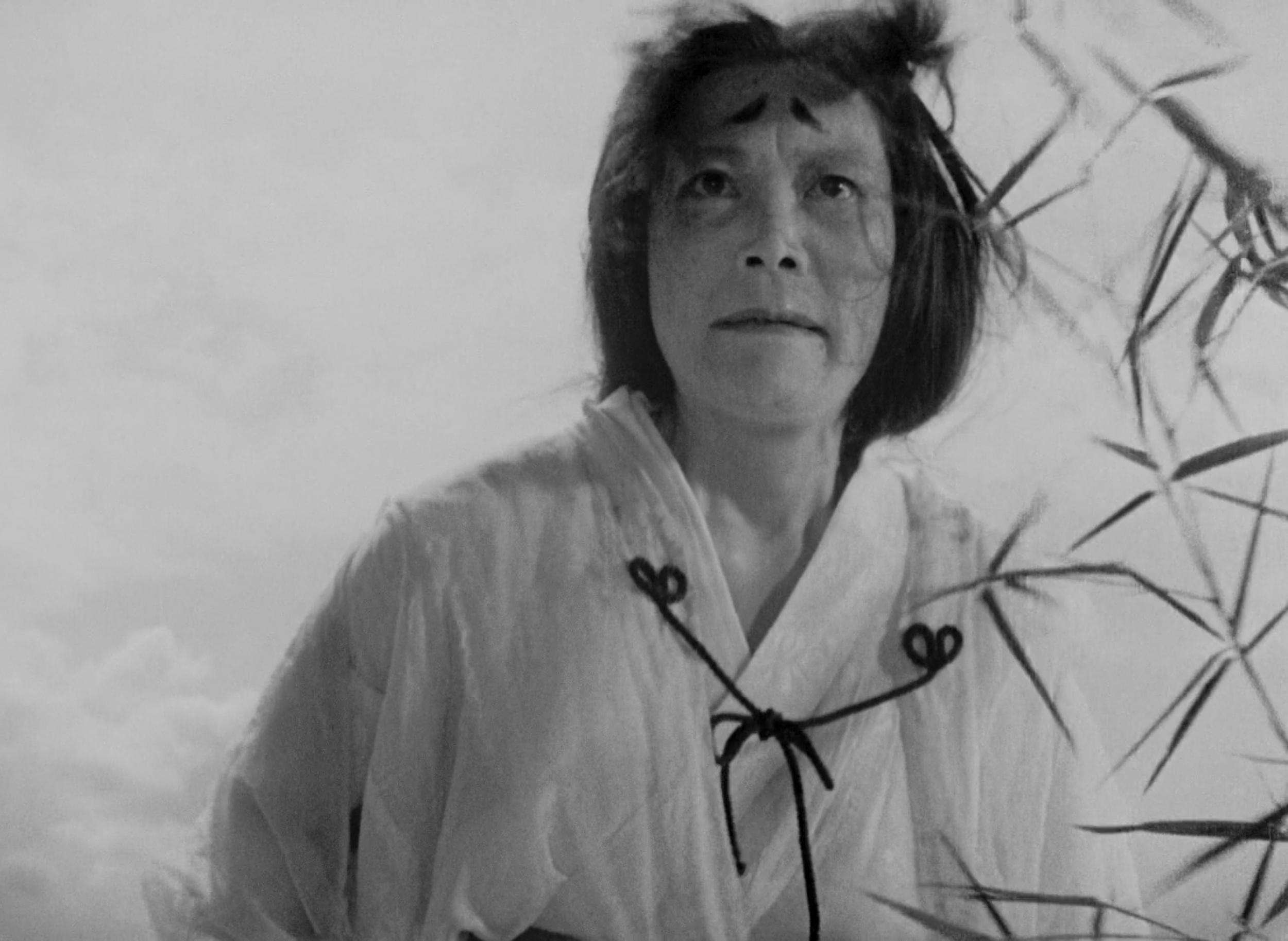
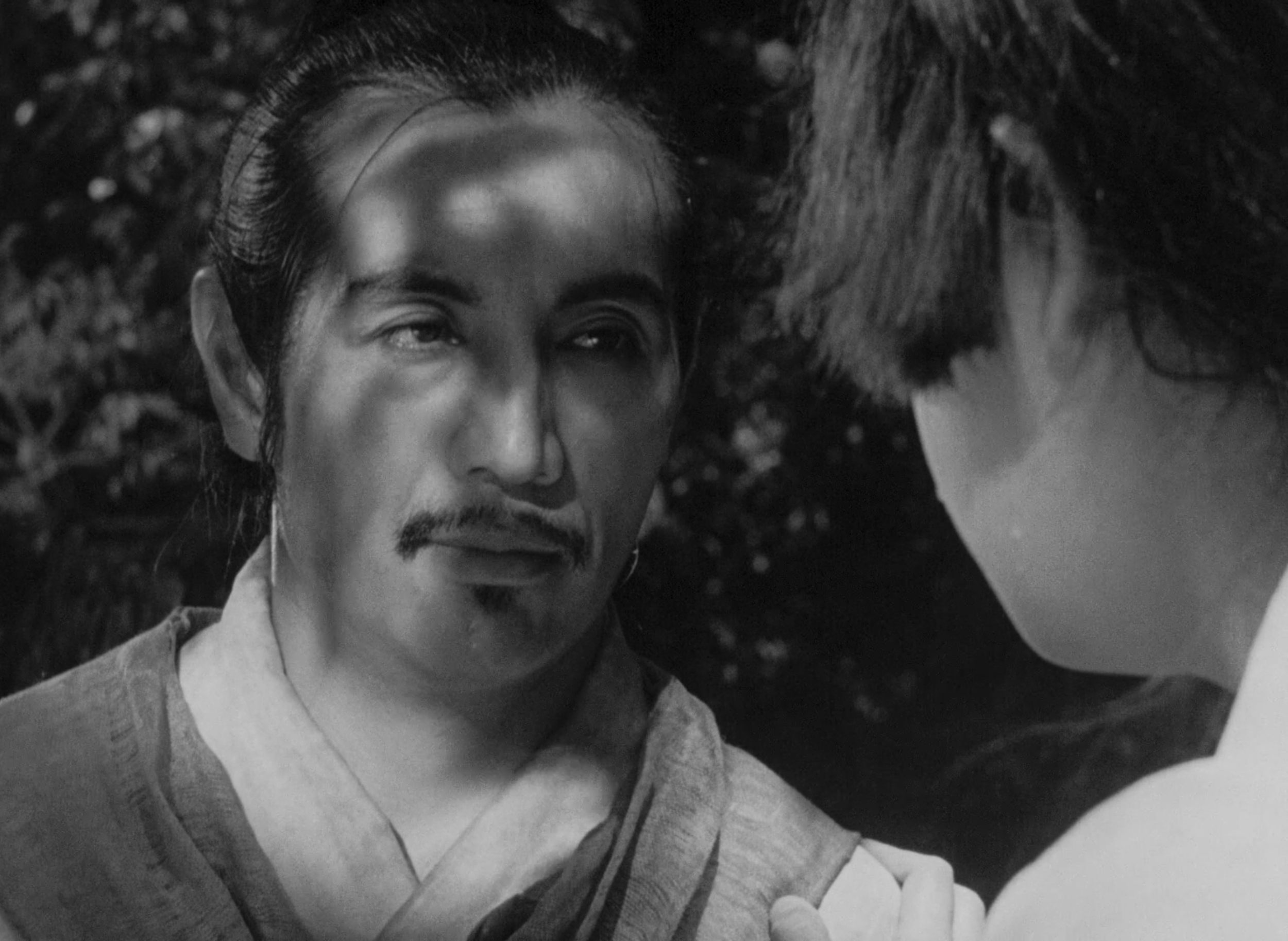

Recounting the flaws of human bias.
Presentation:
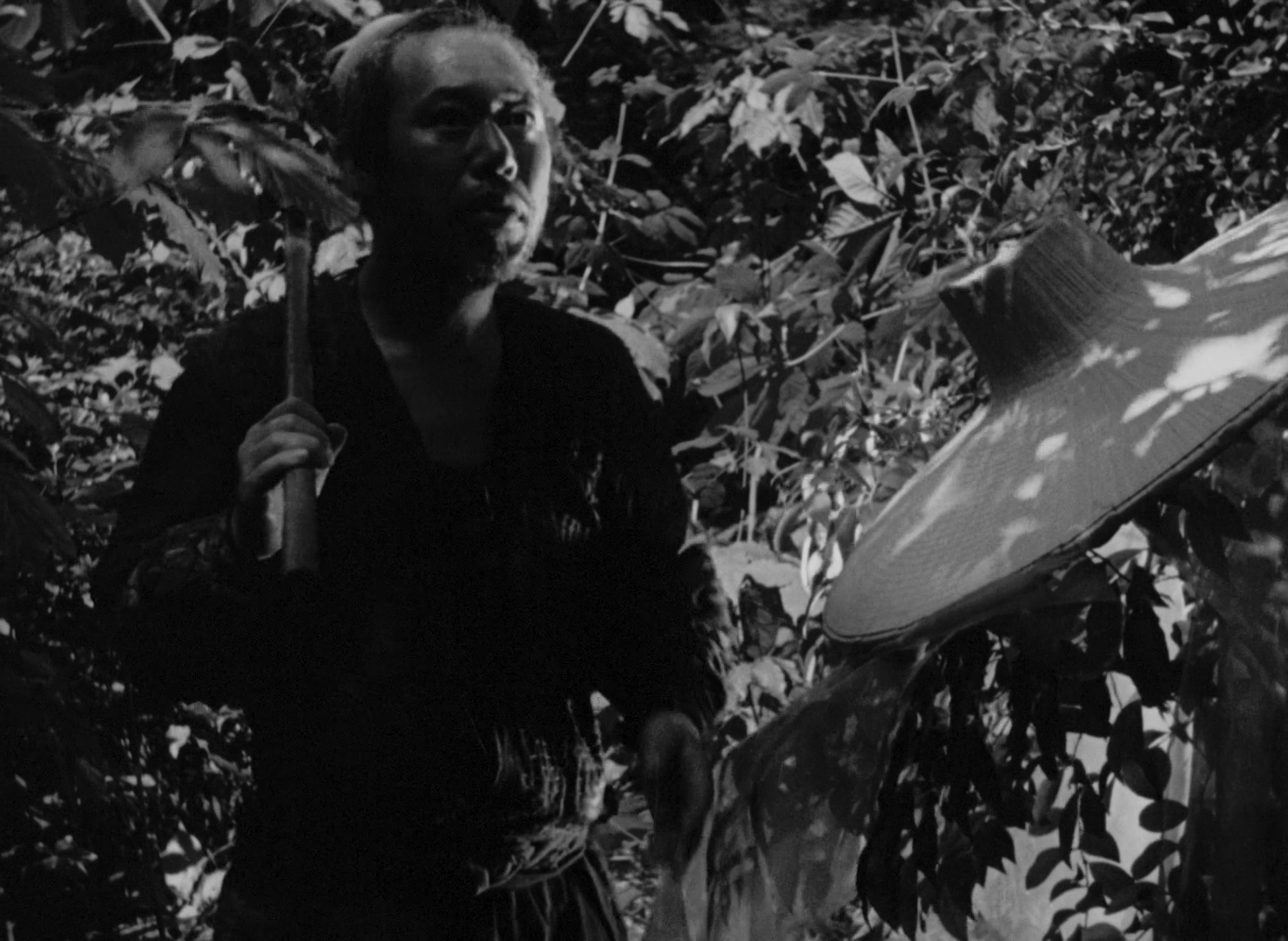
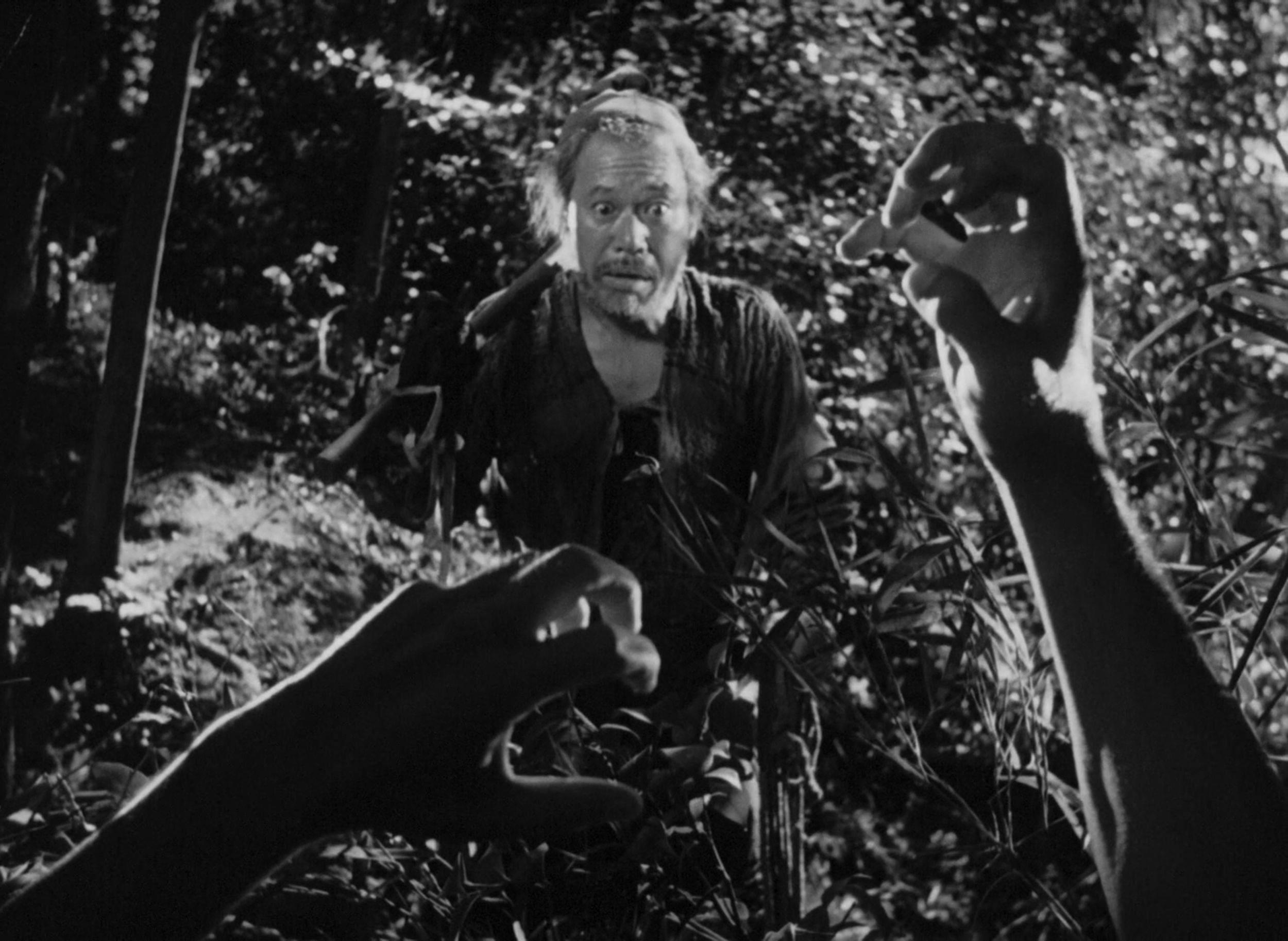
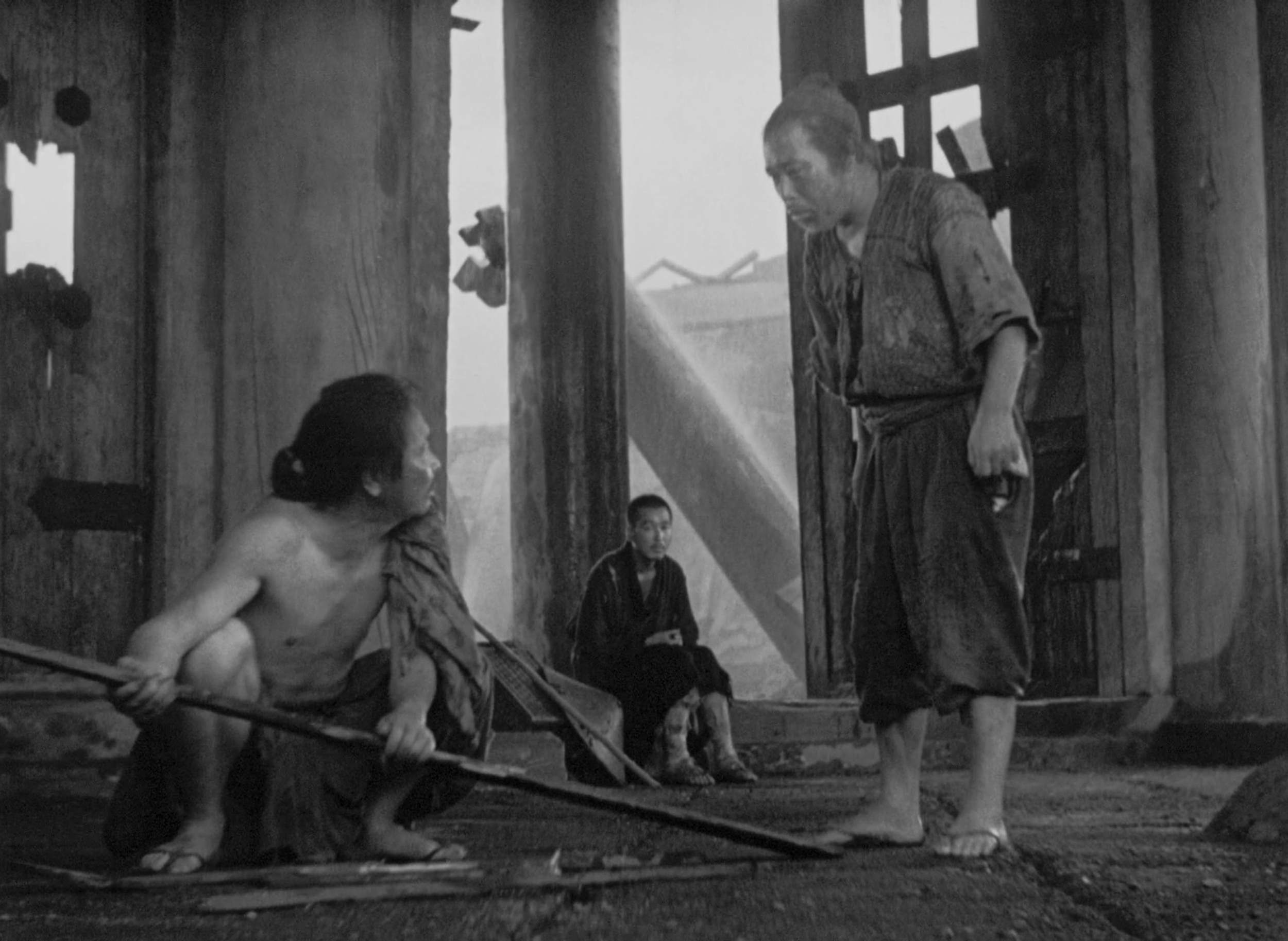
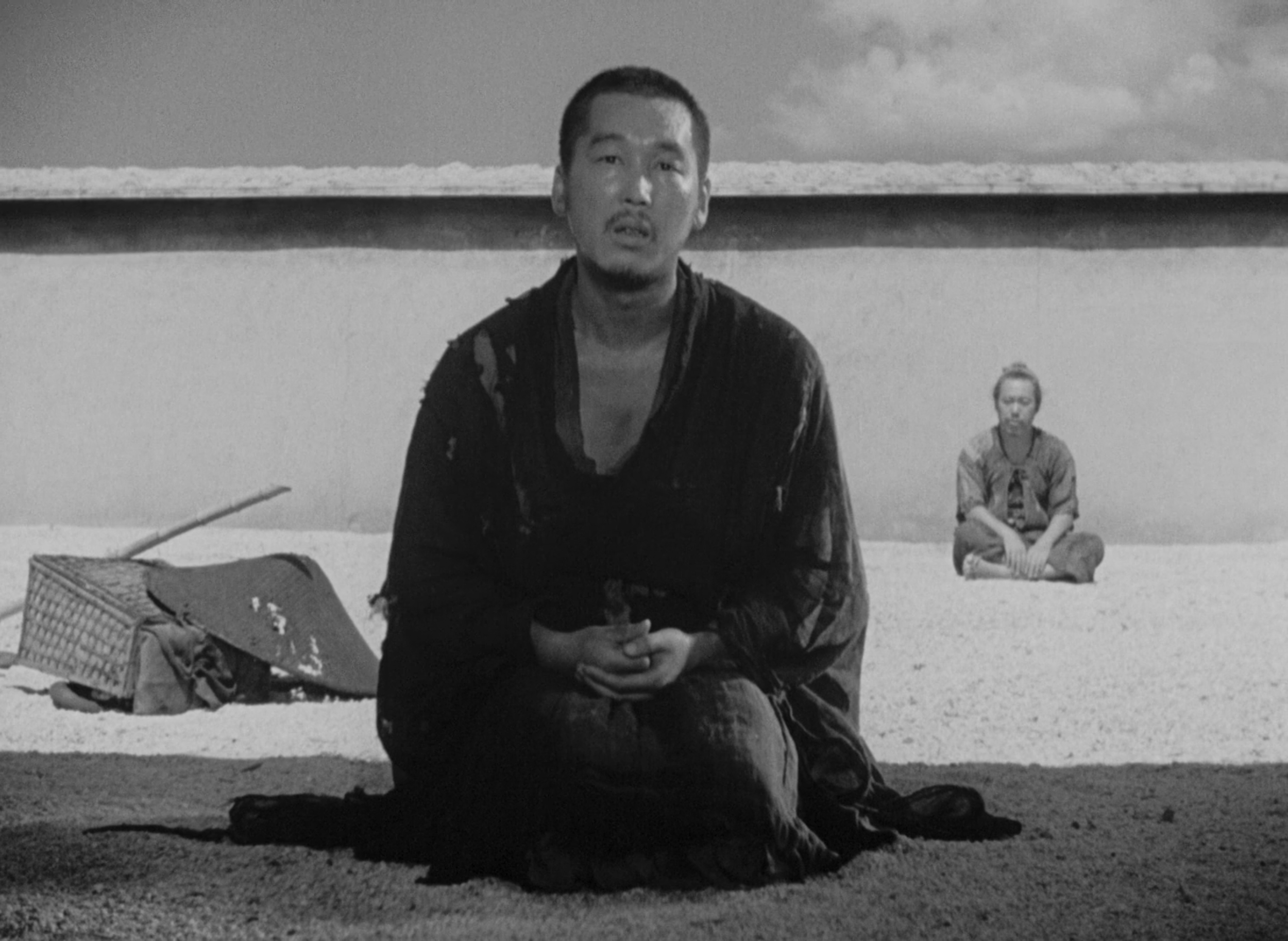
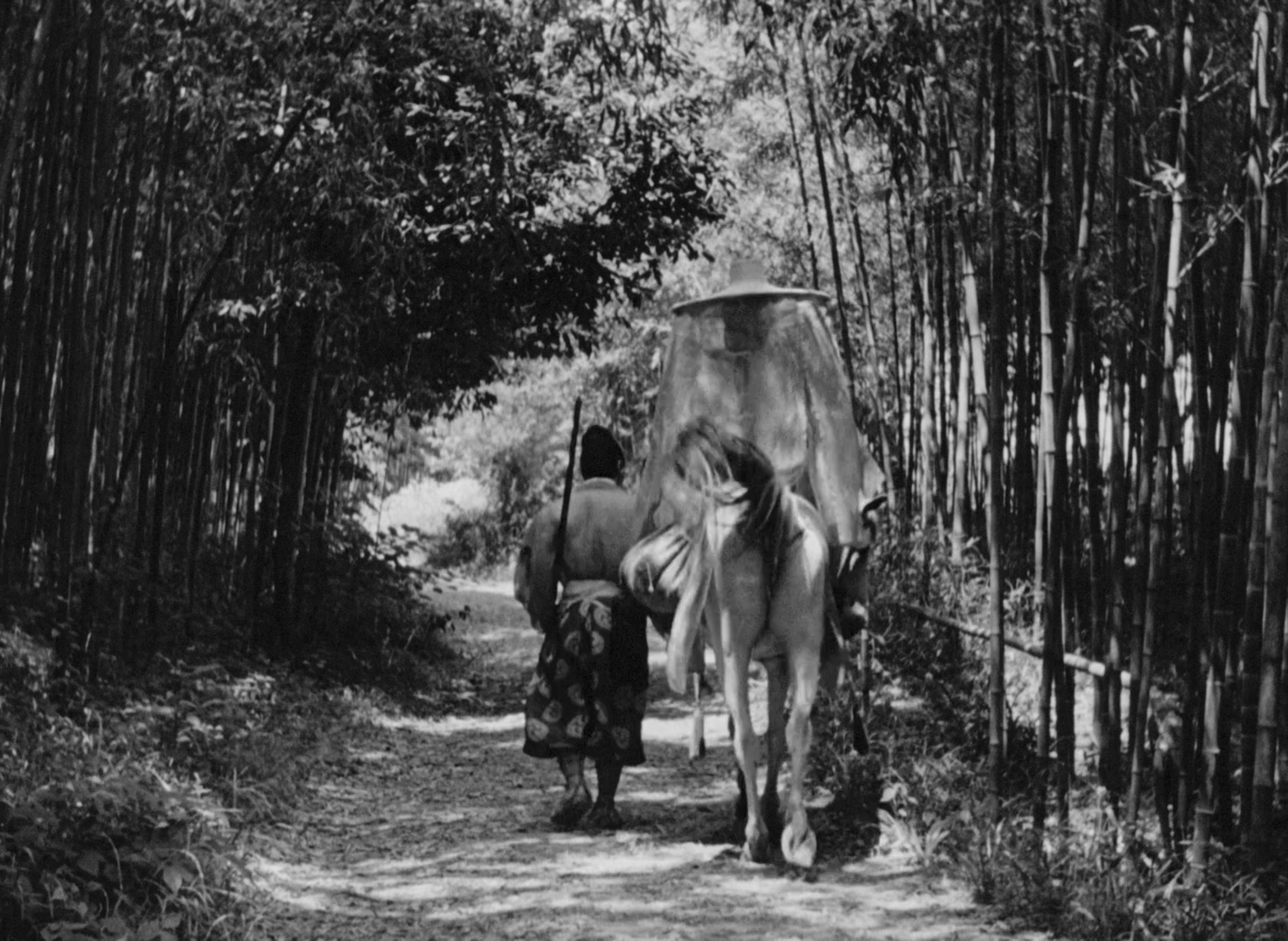
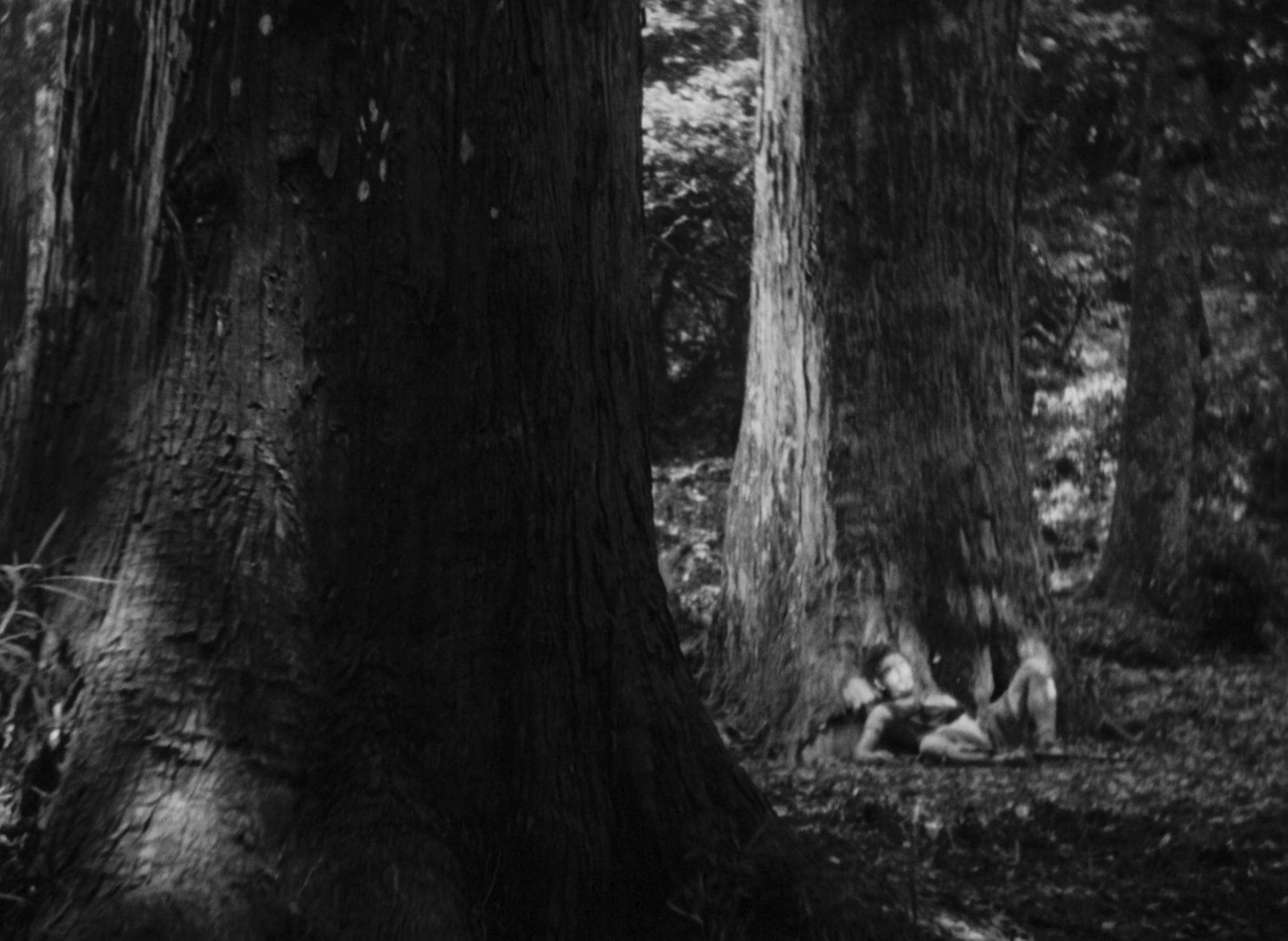
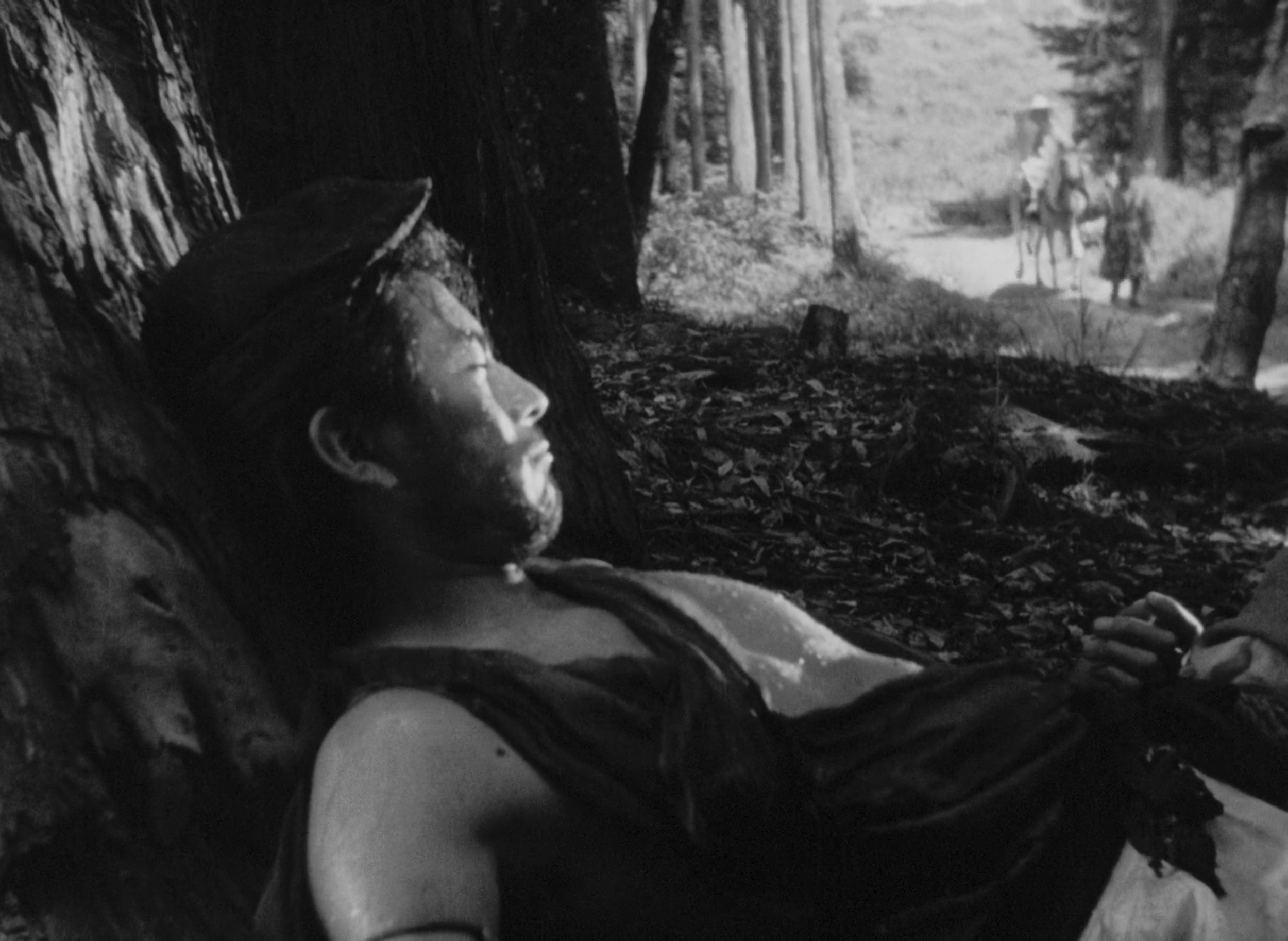
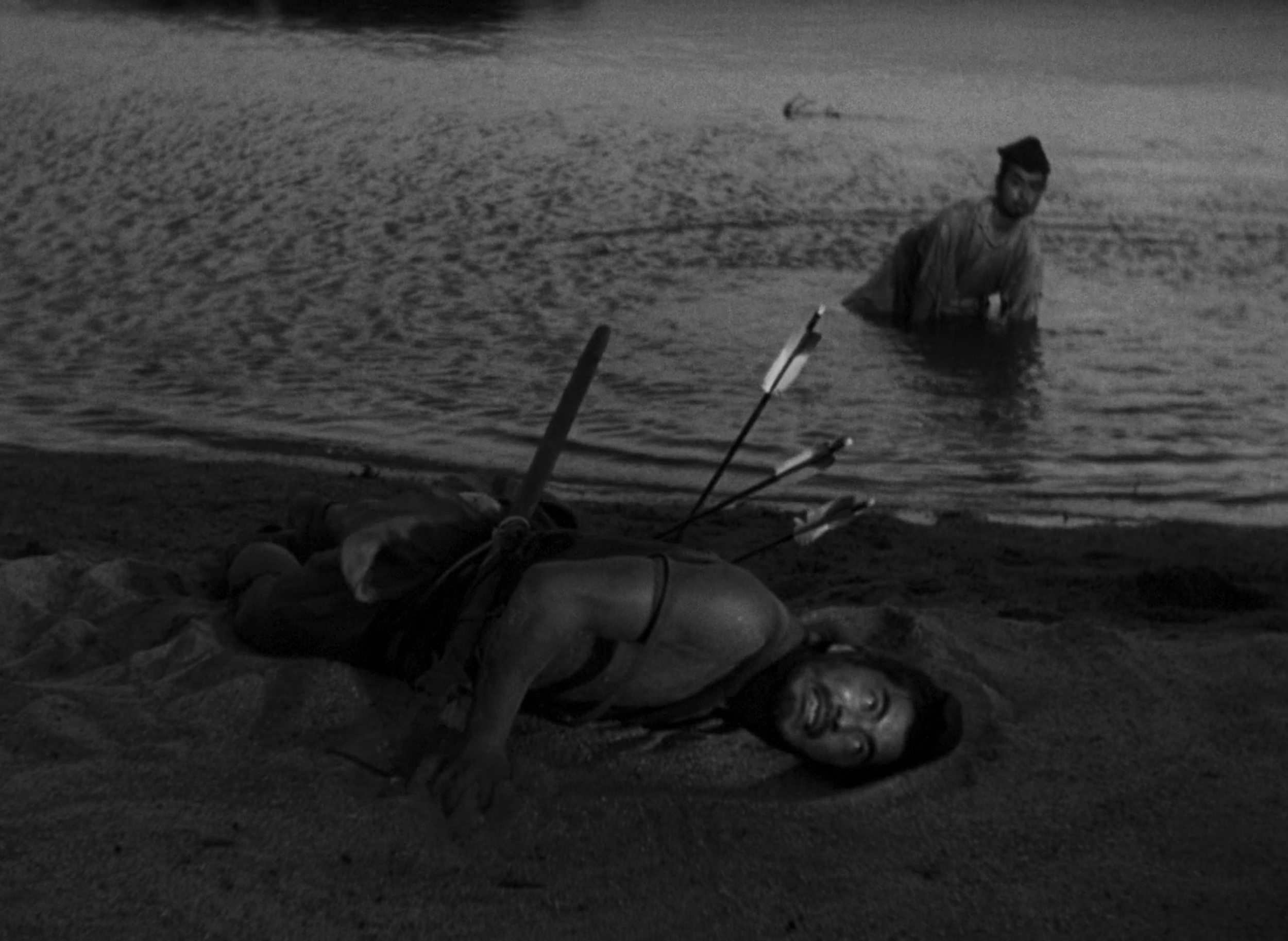
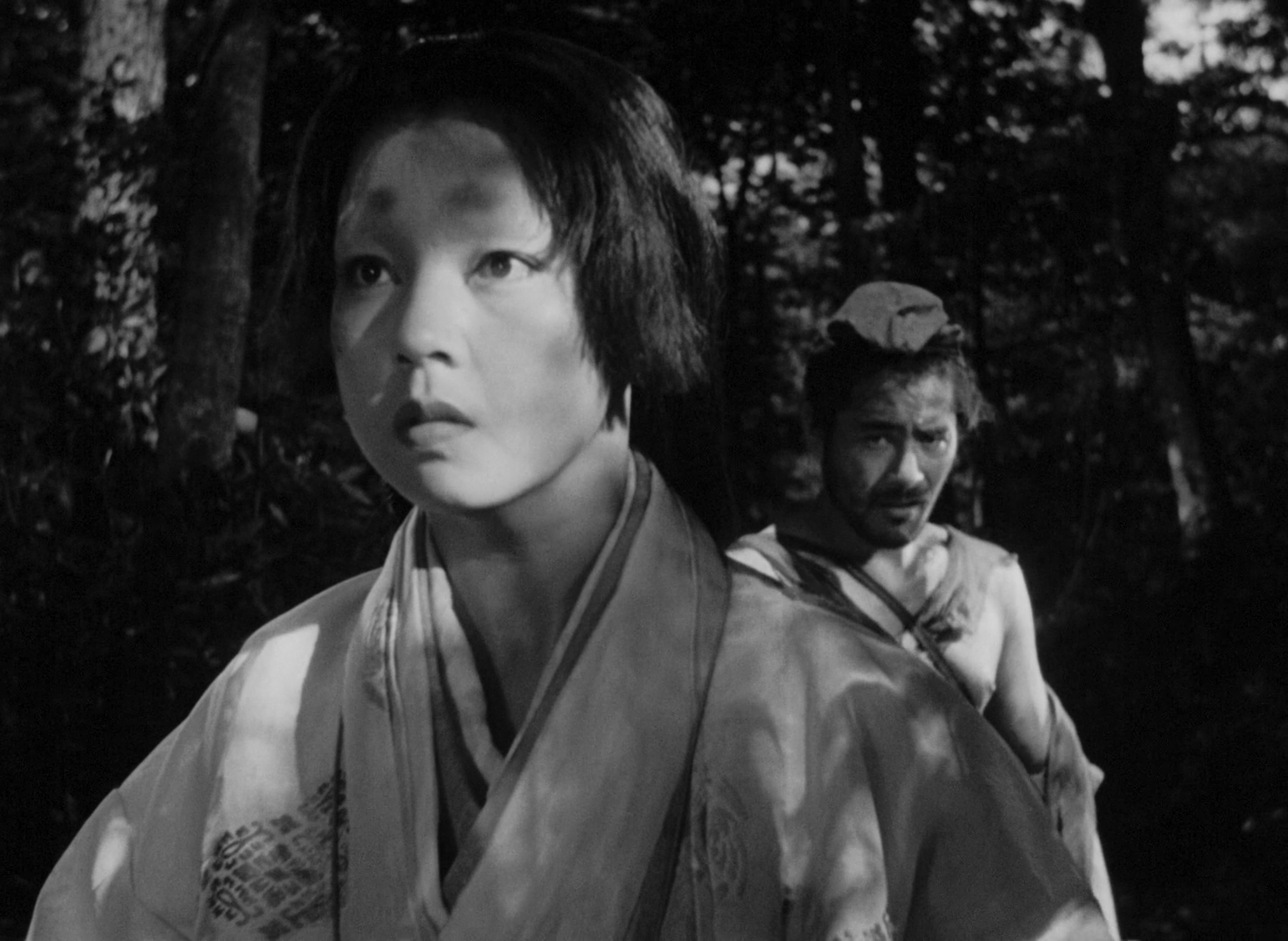
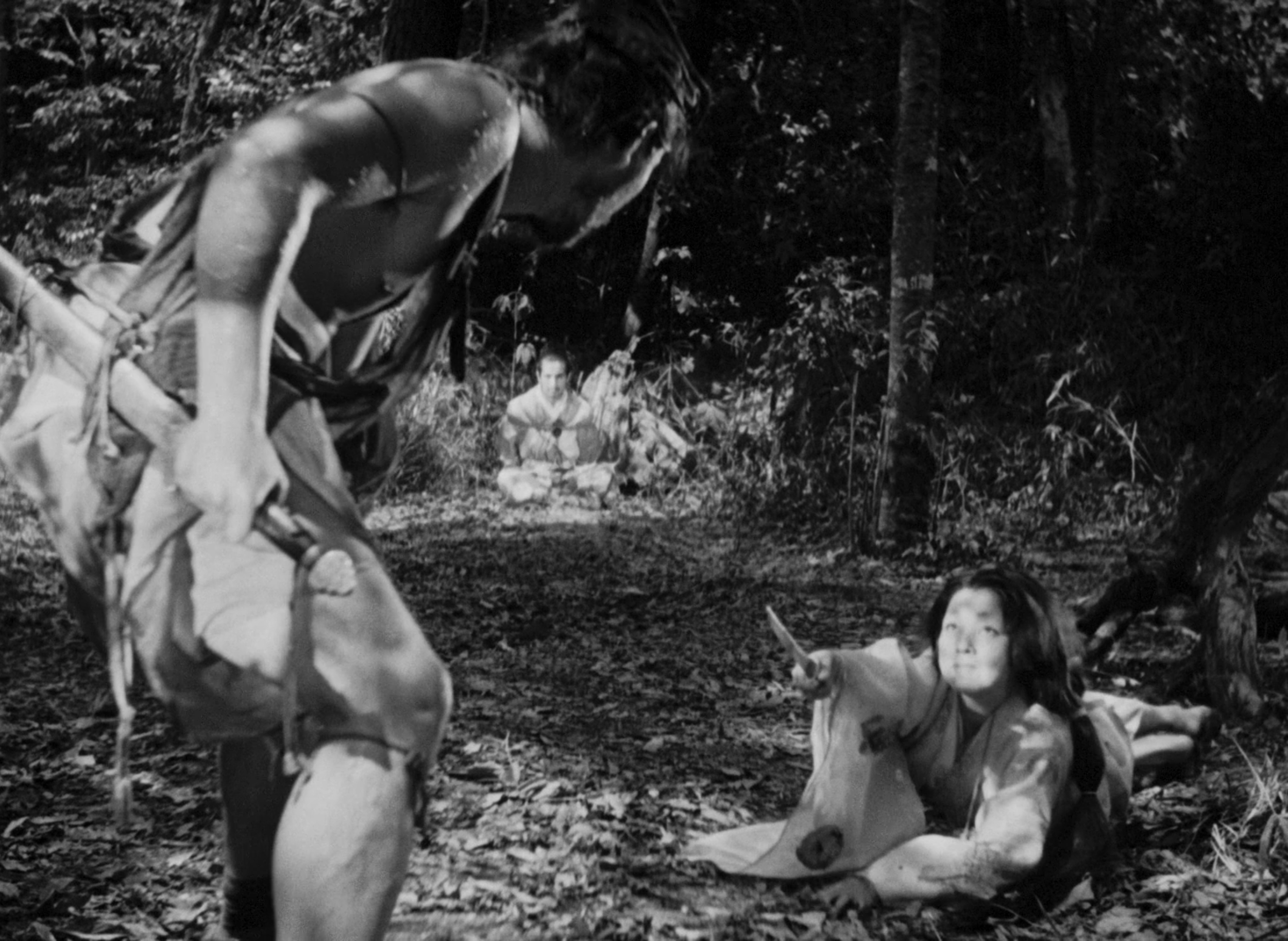
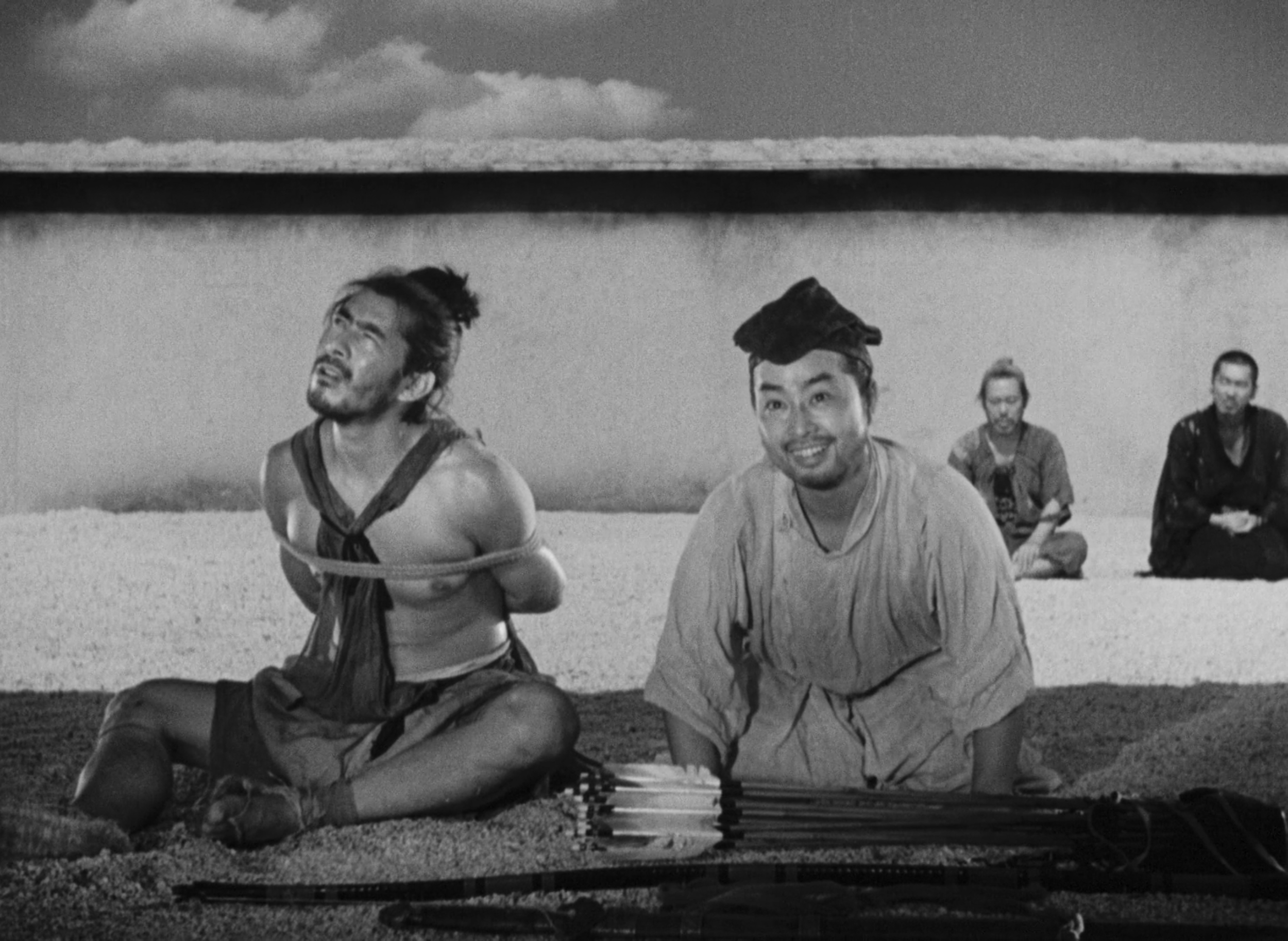
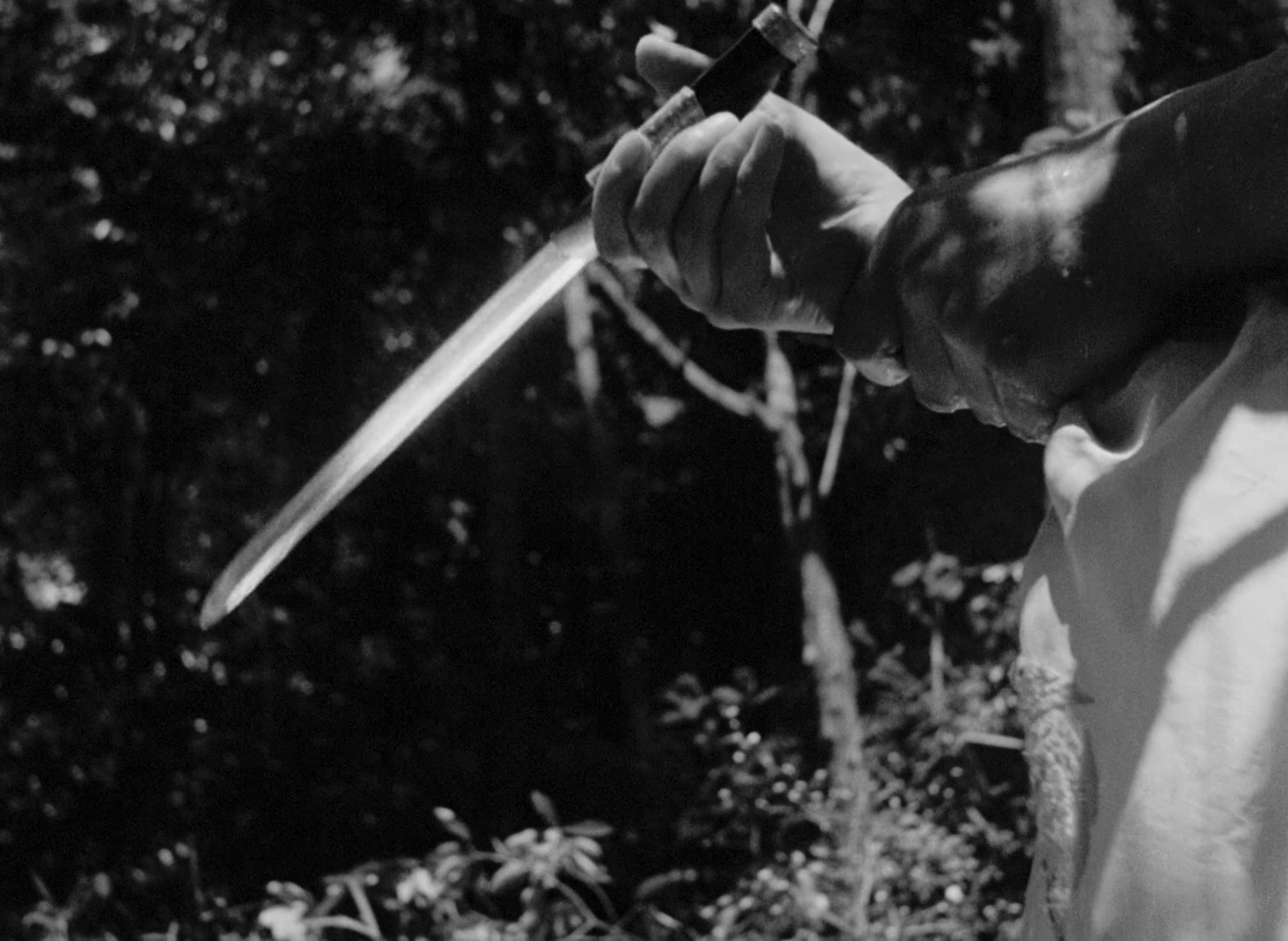
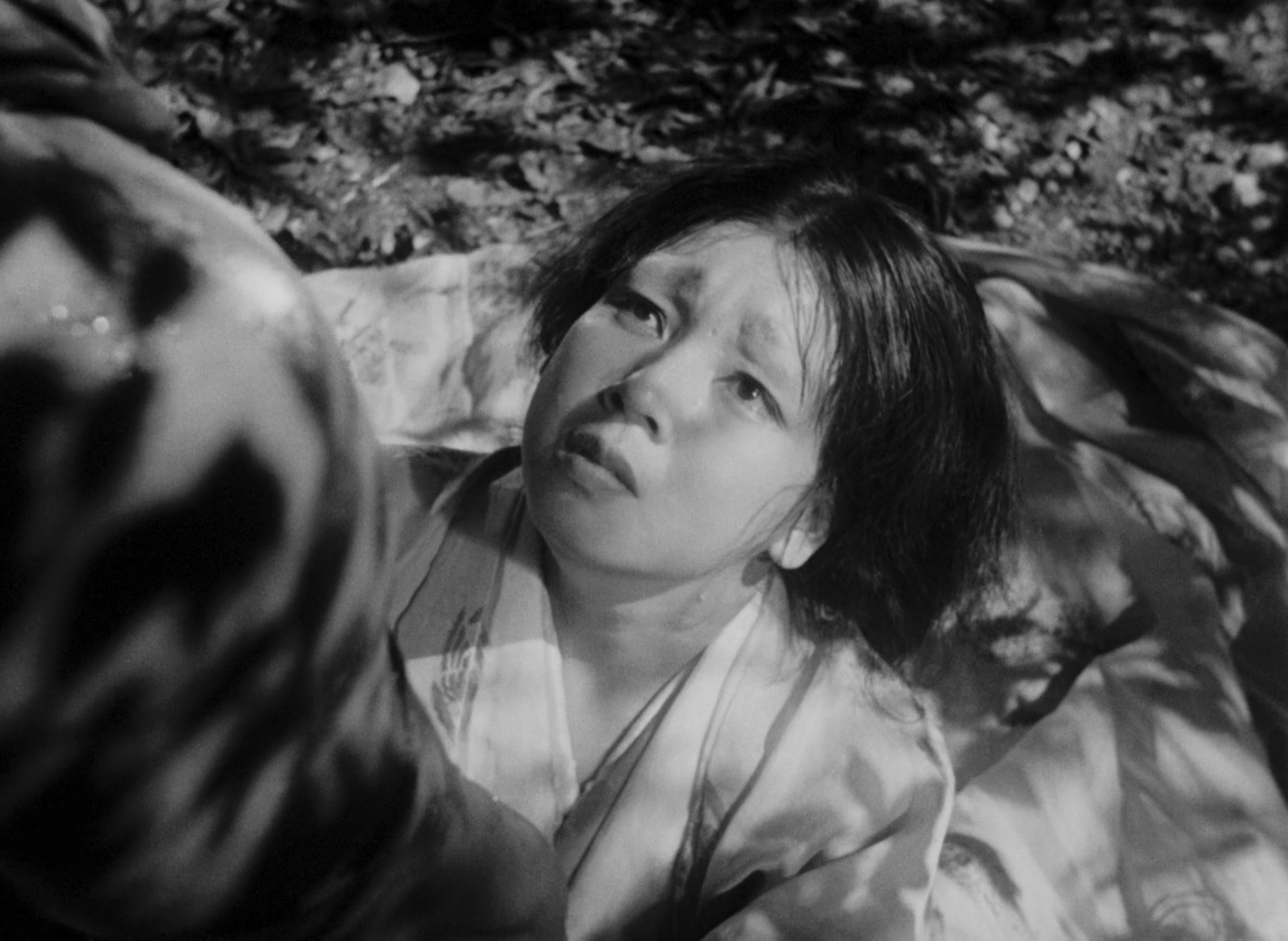
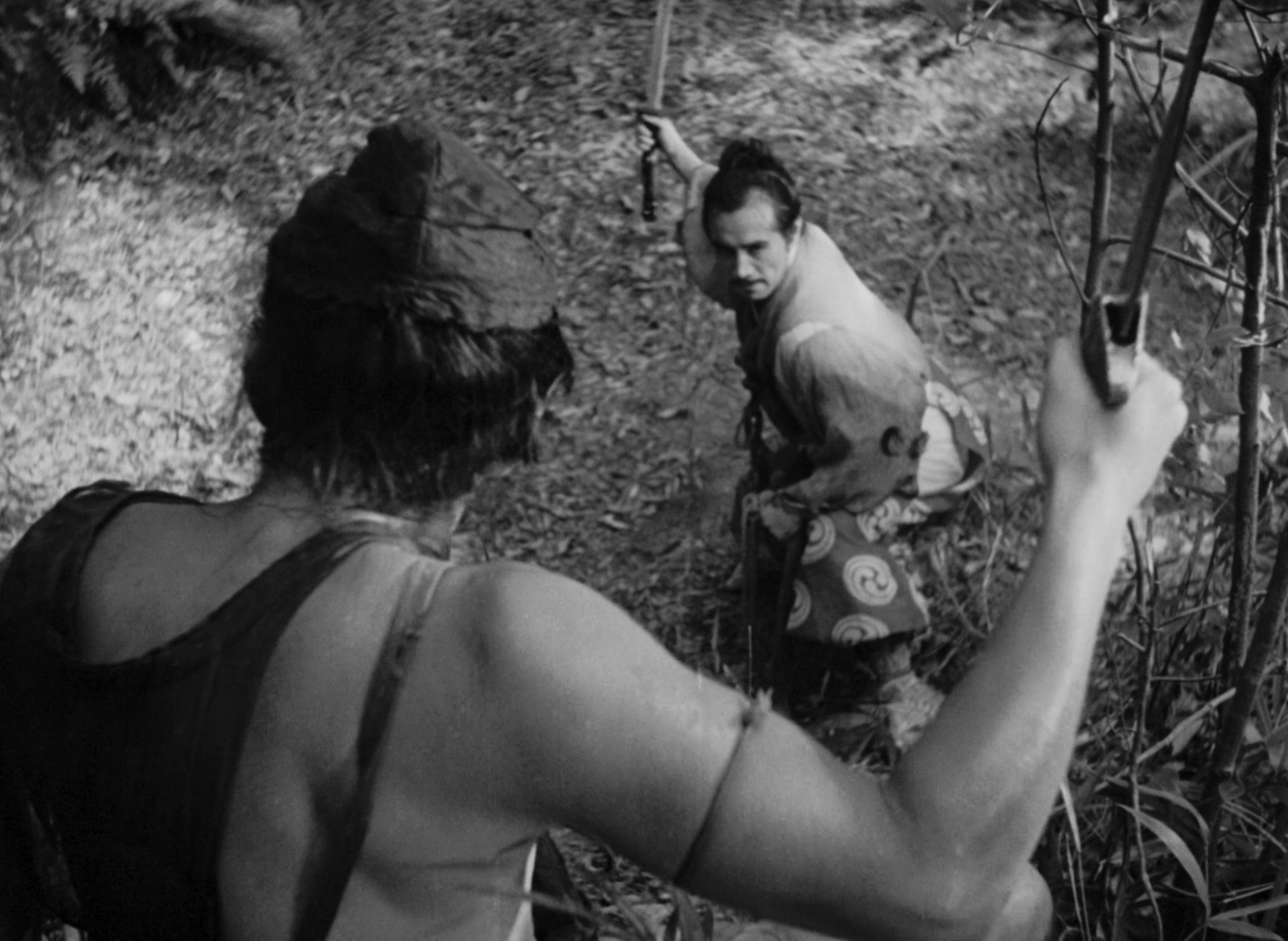
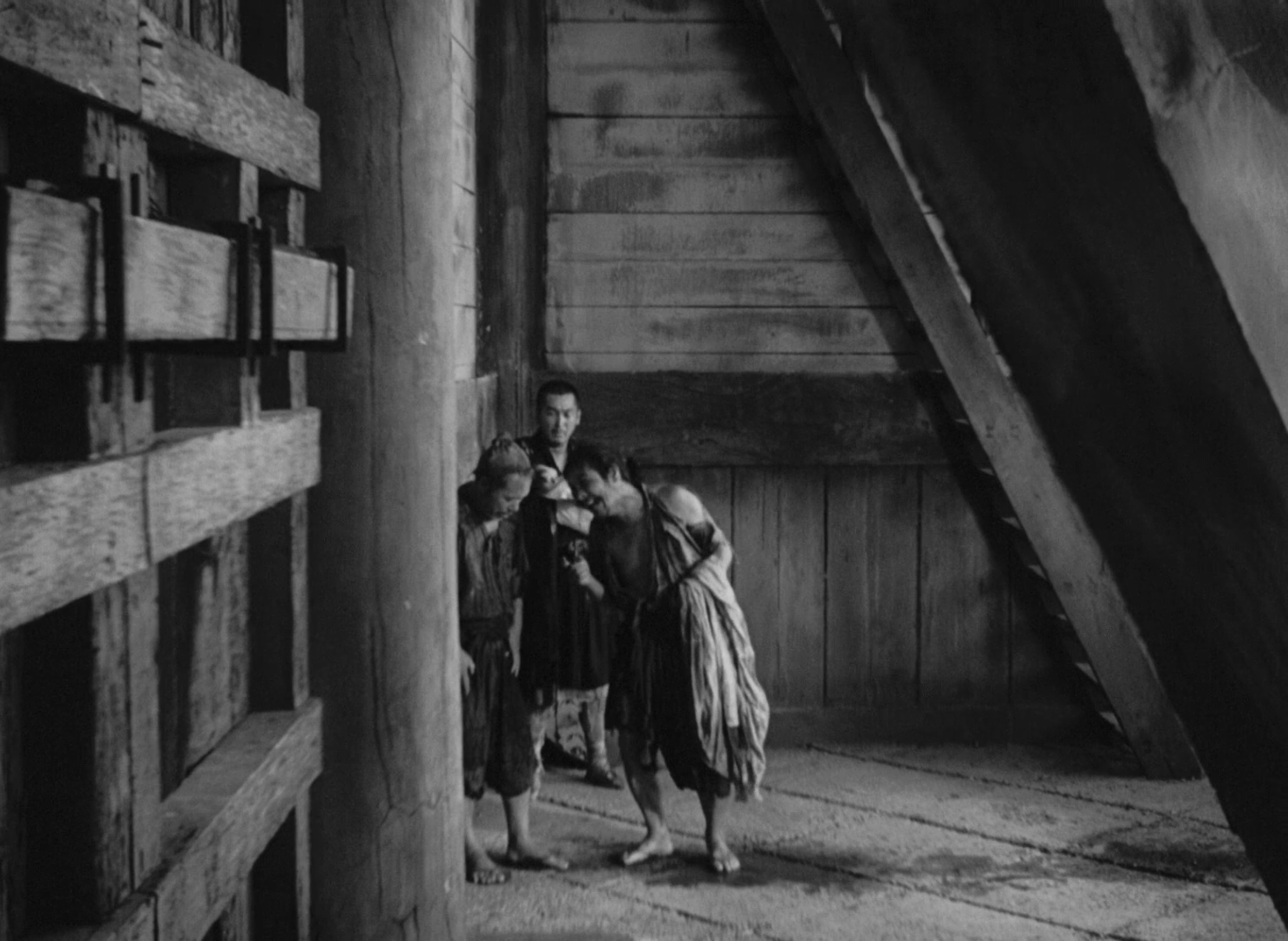
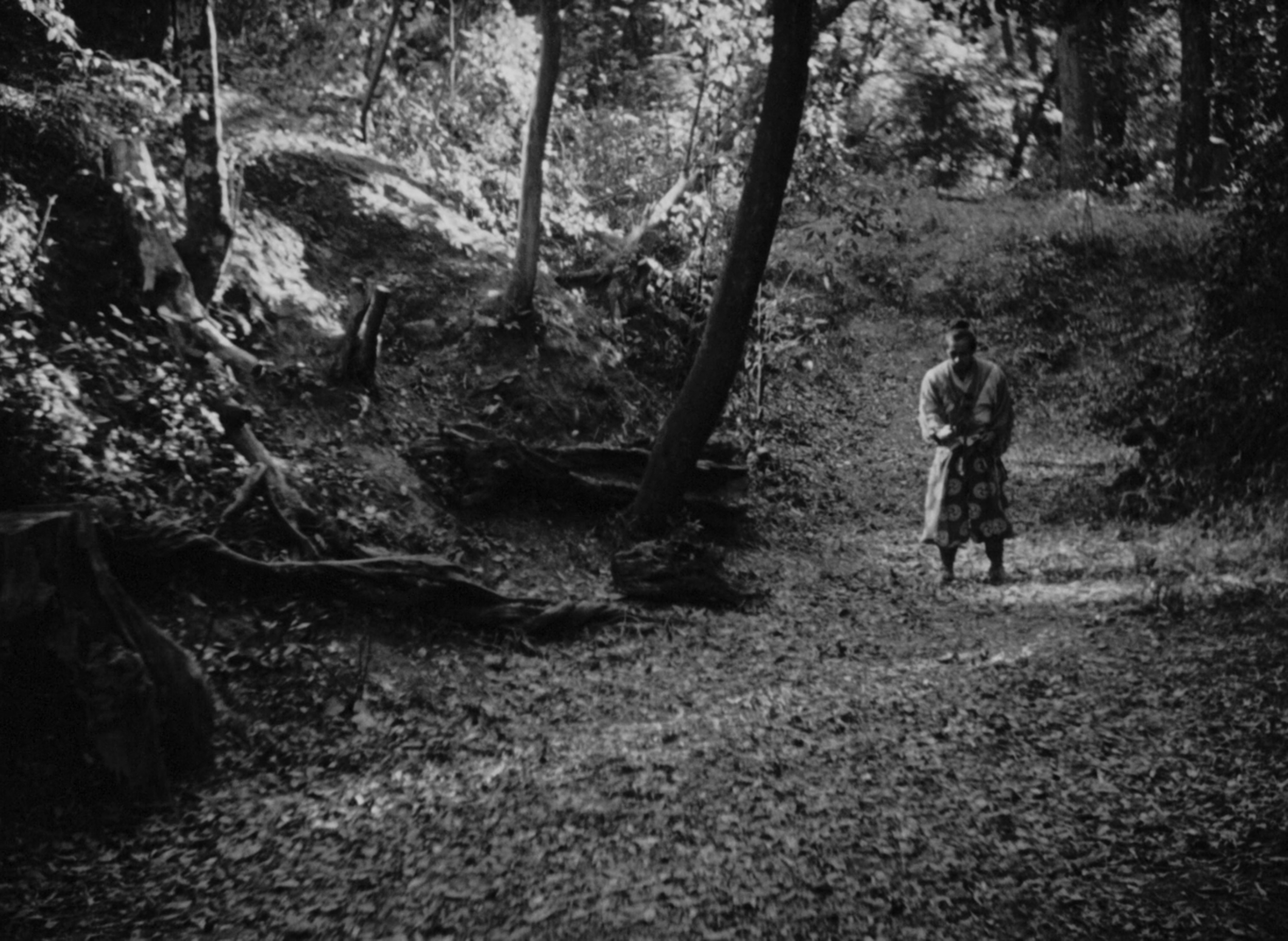
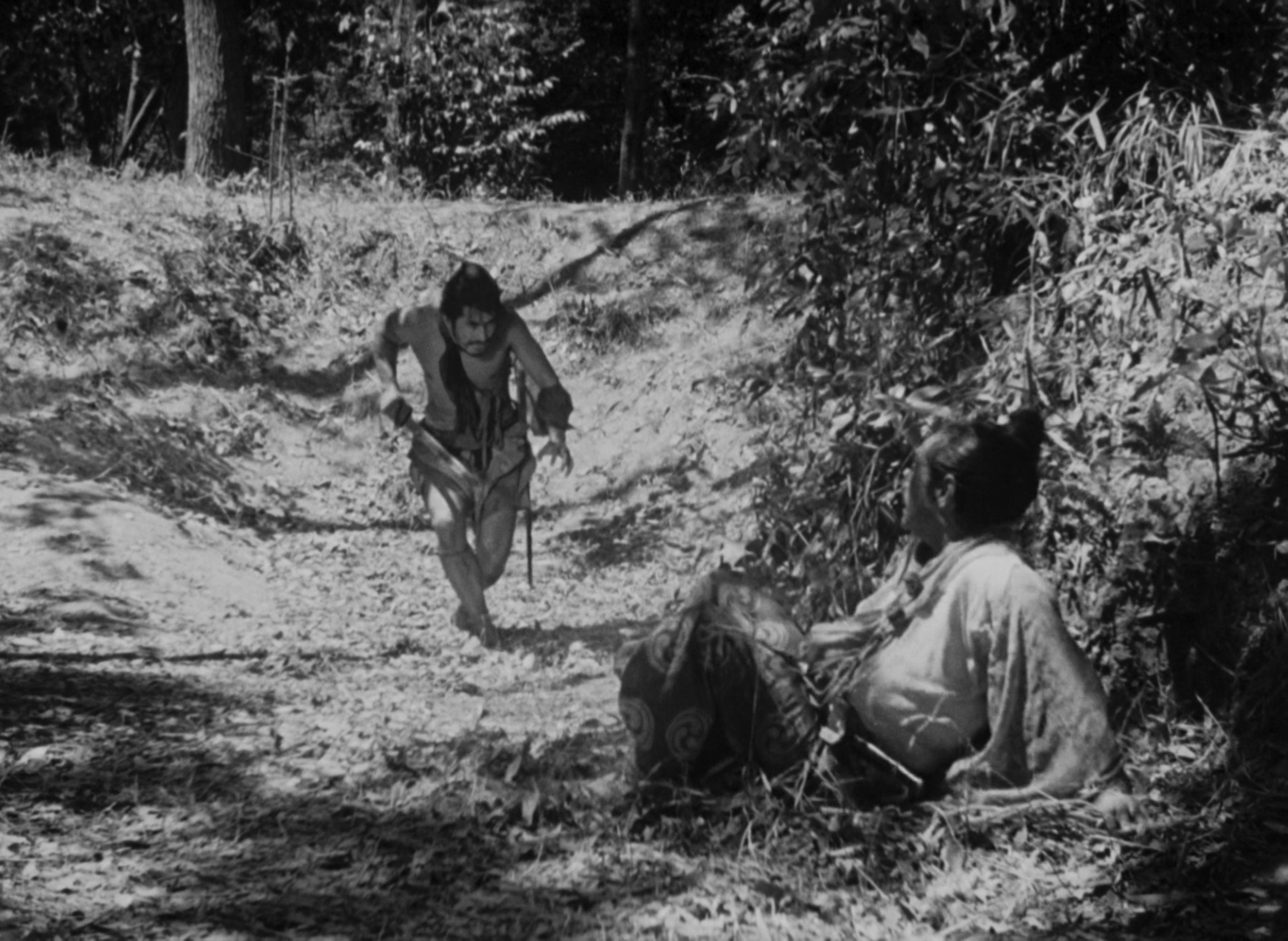
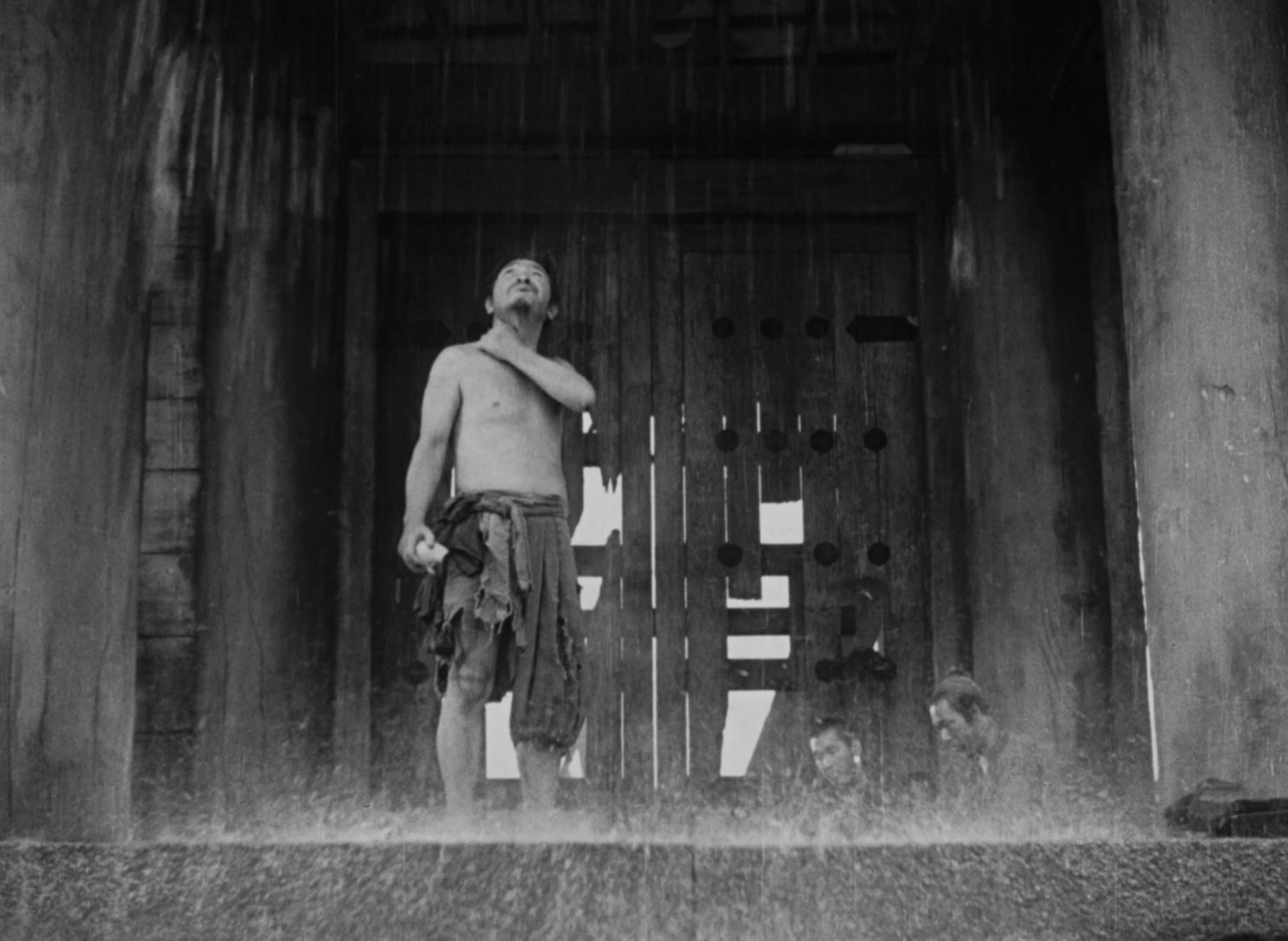
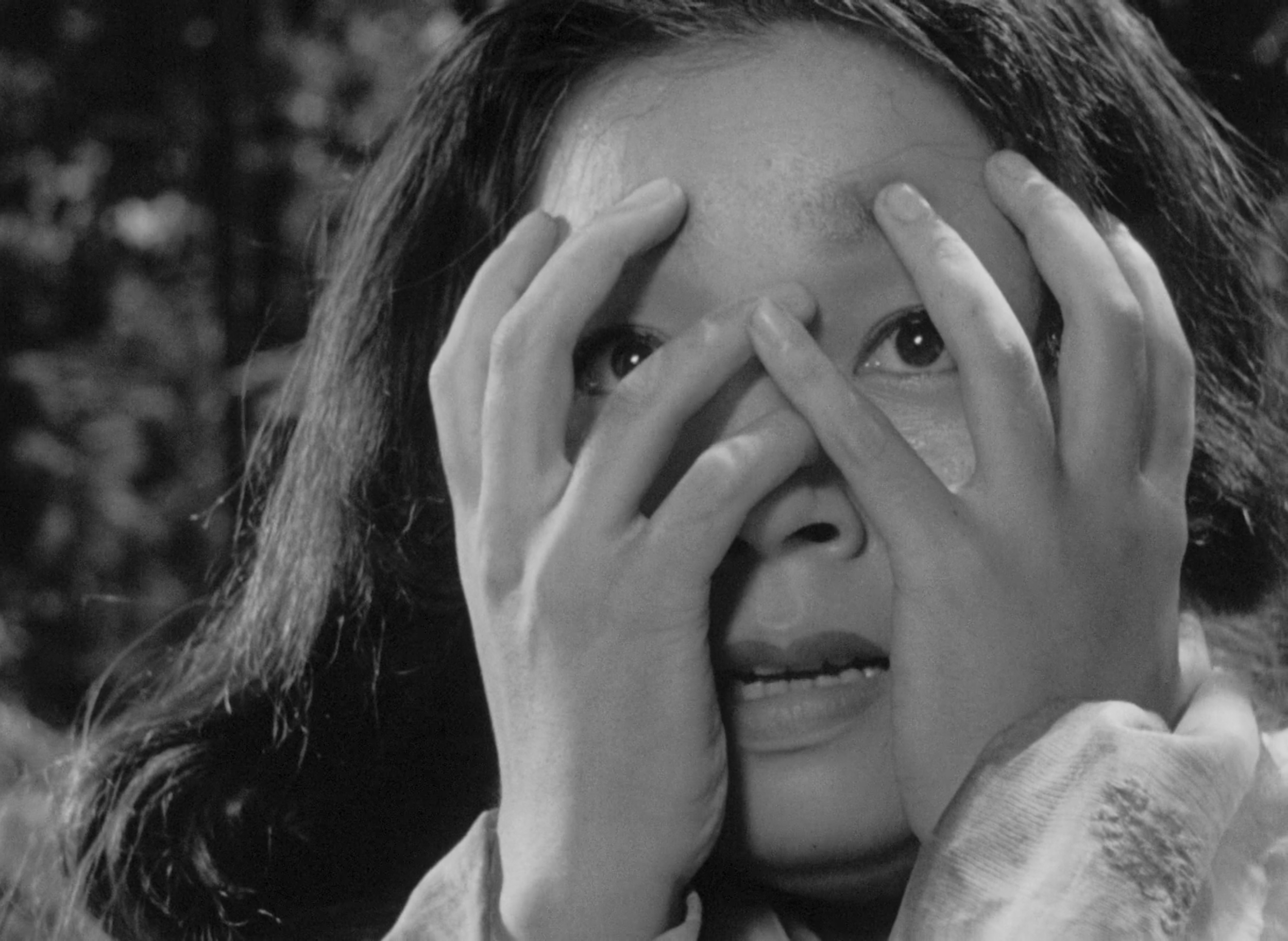
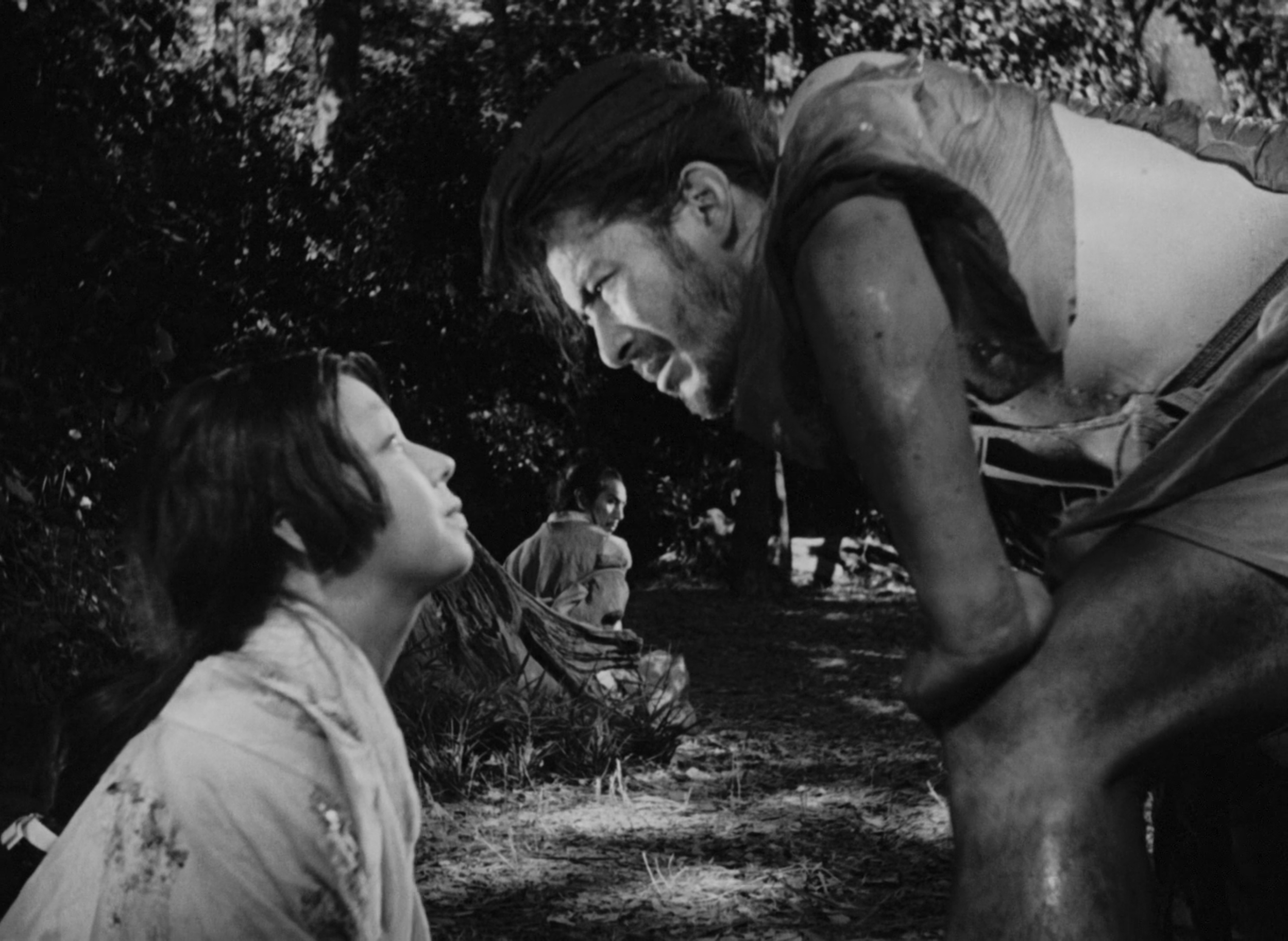
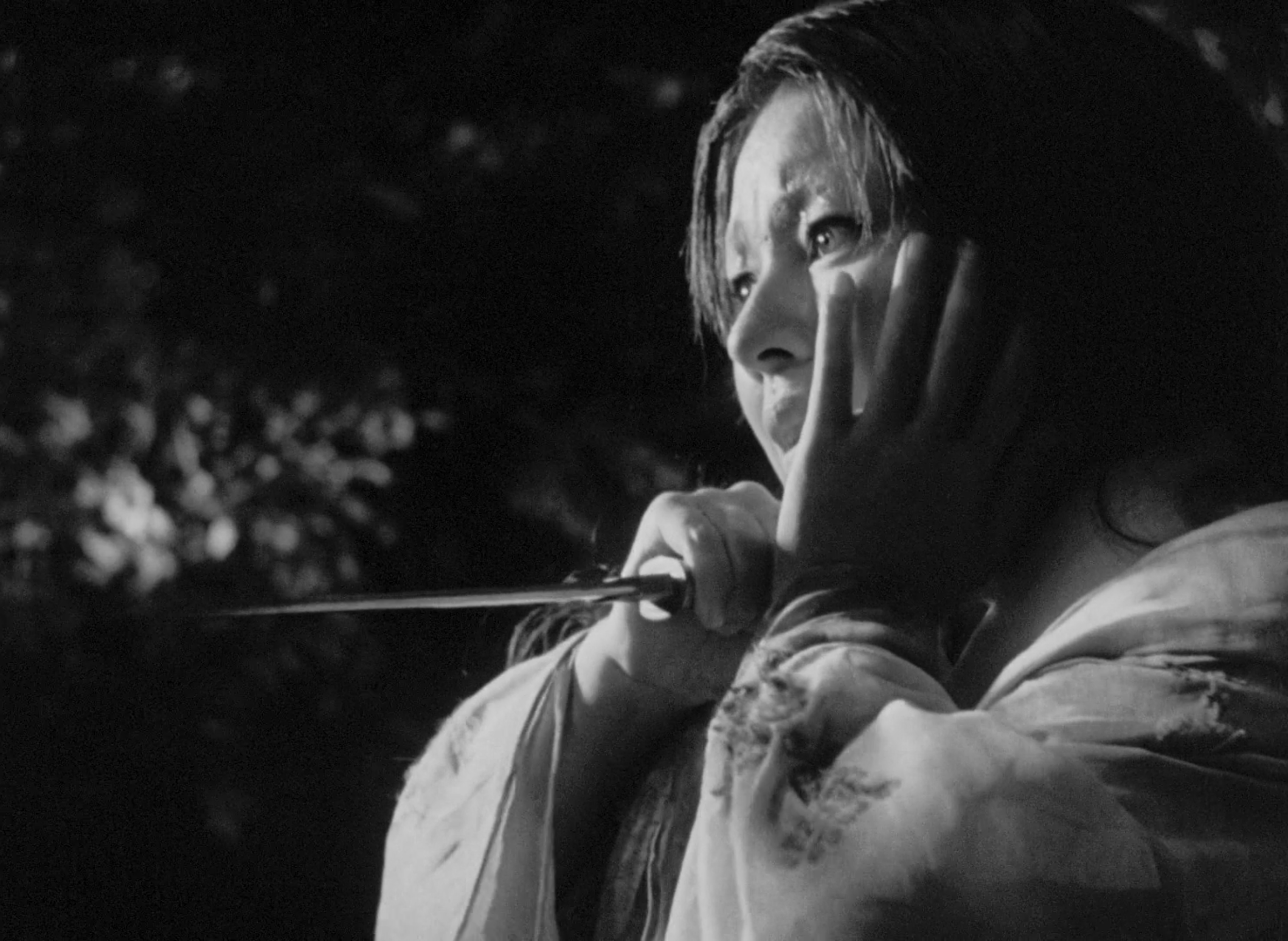
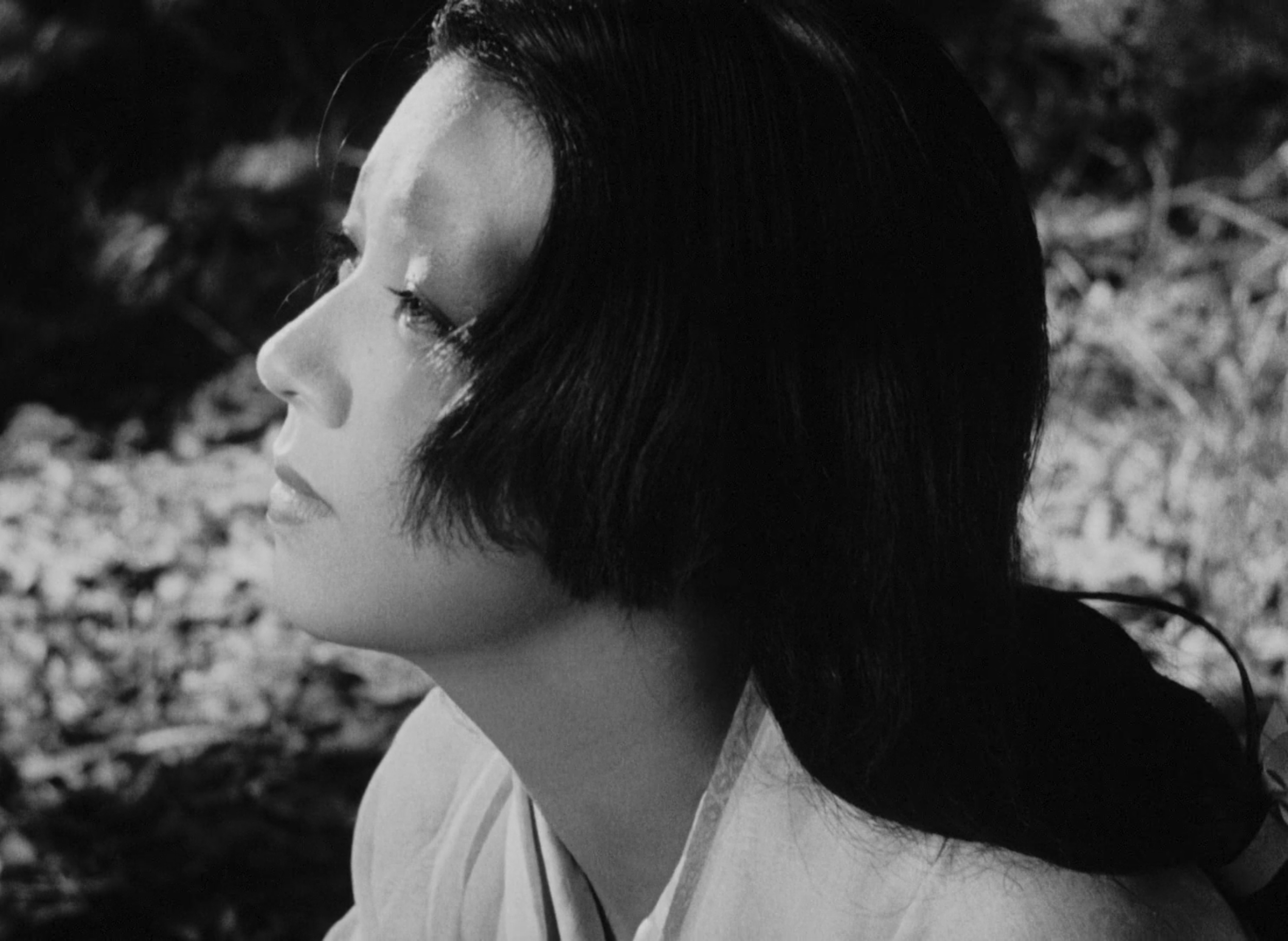
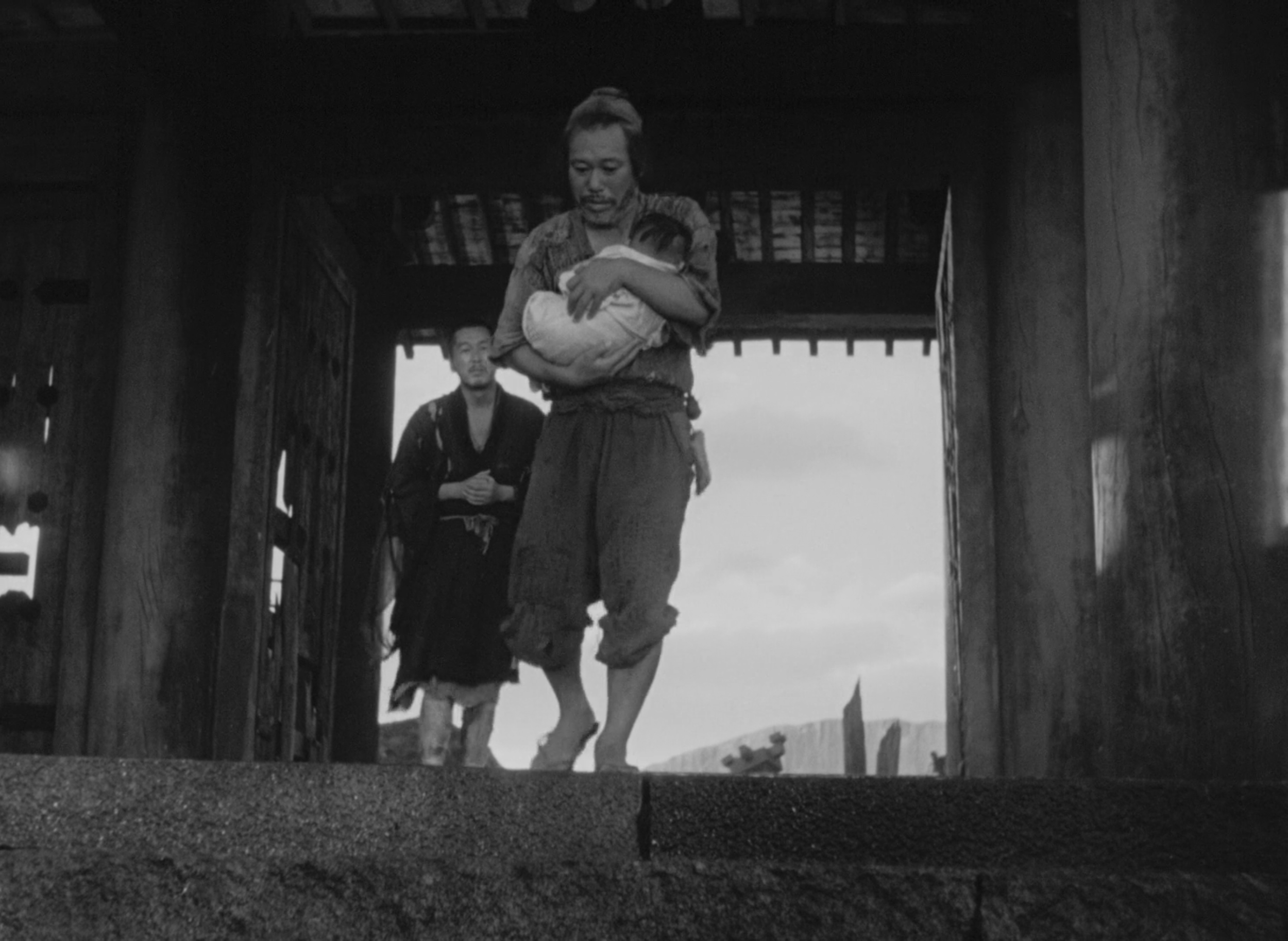
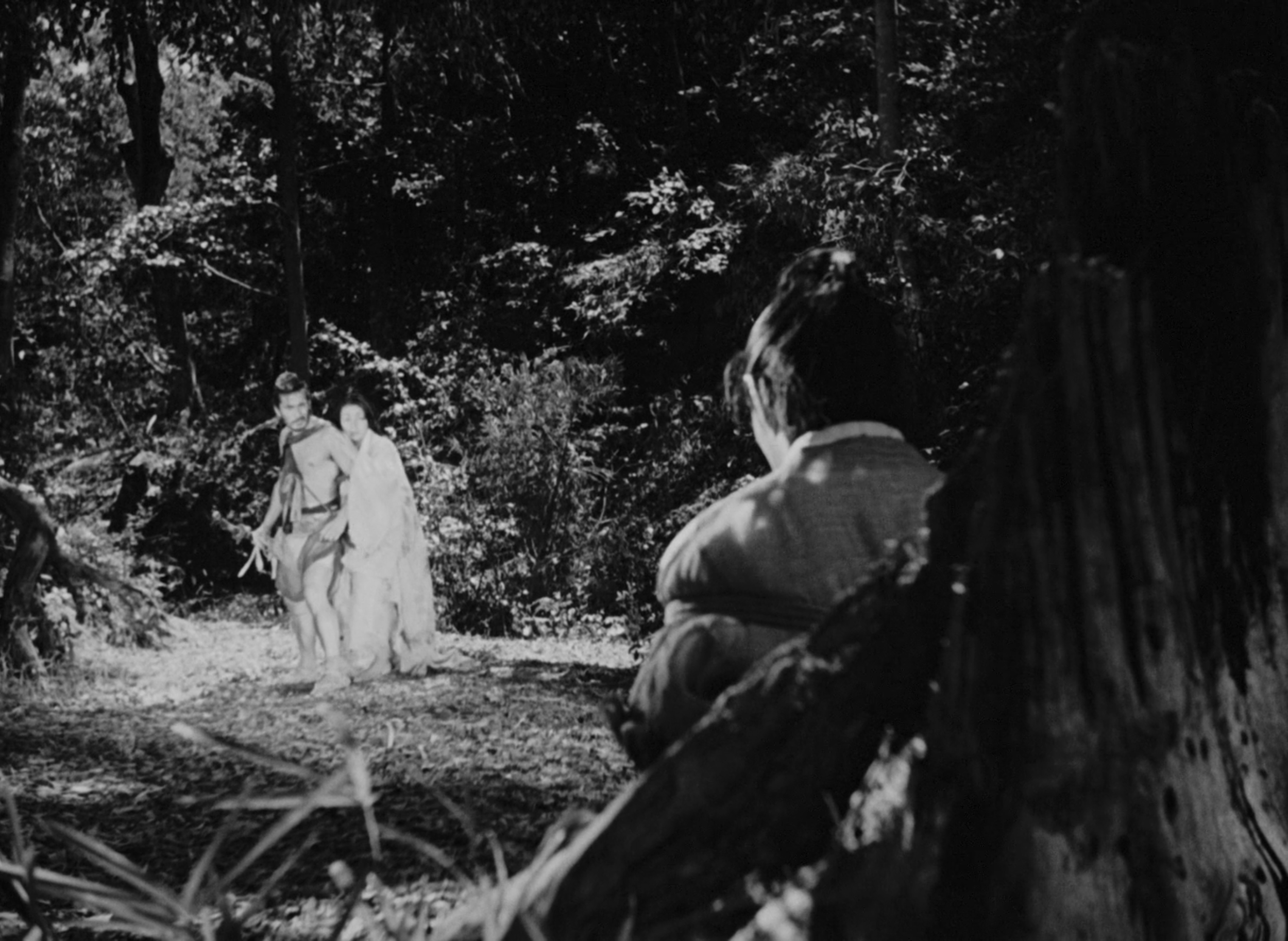
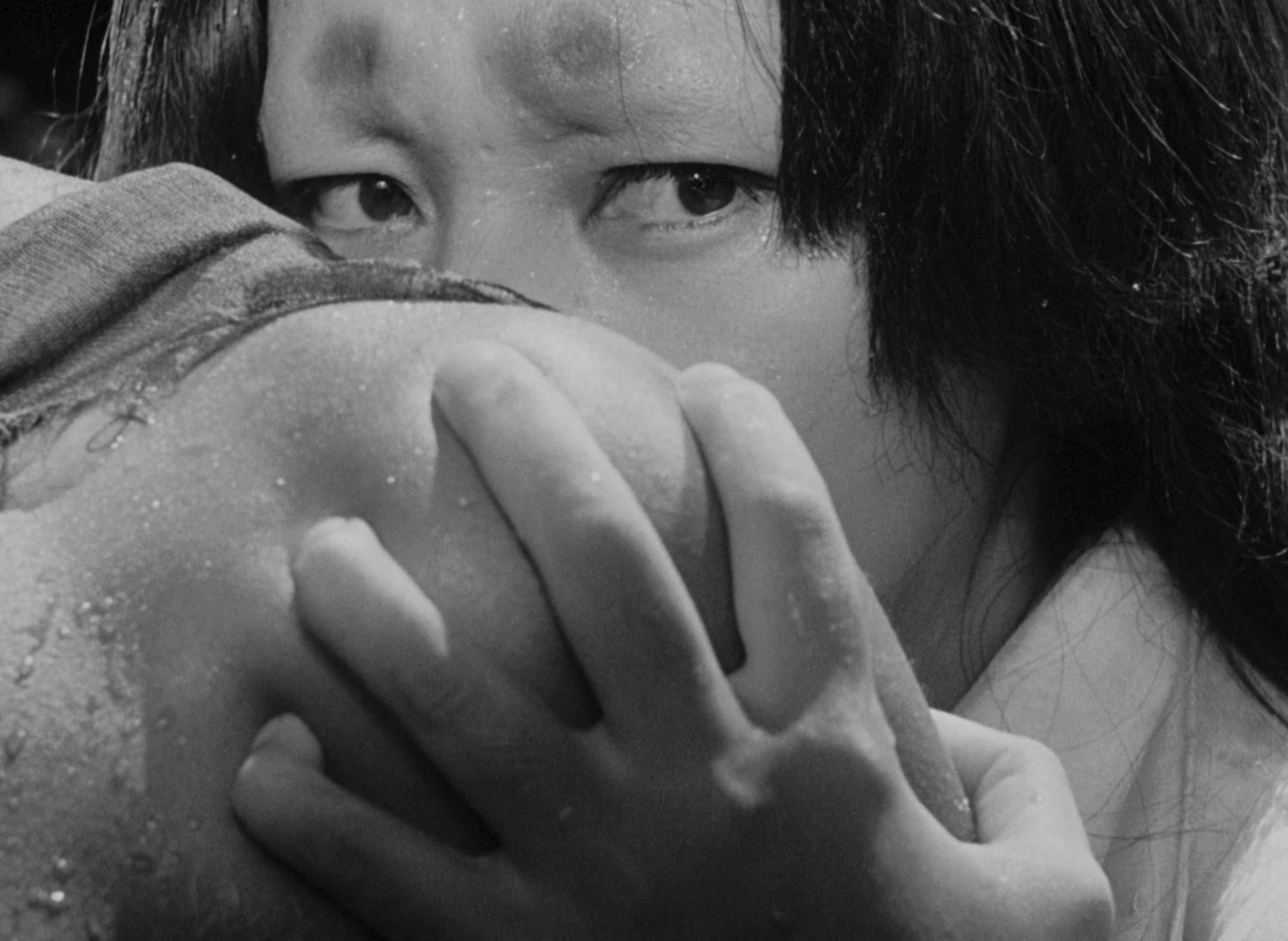
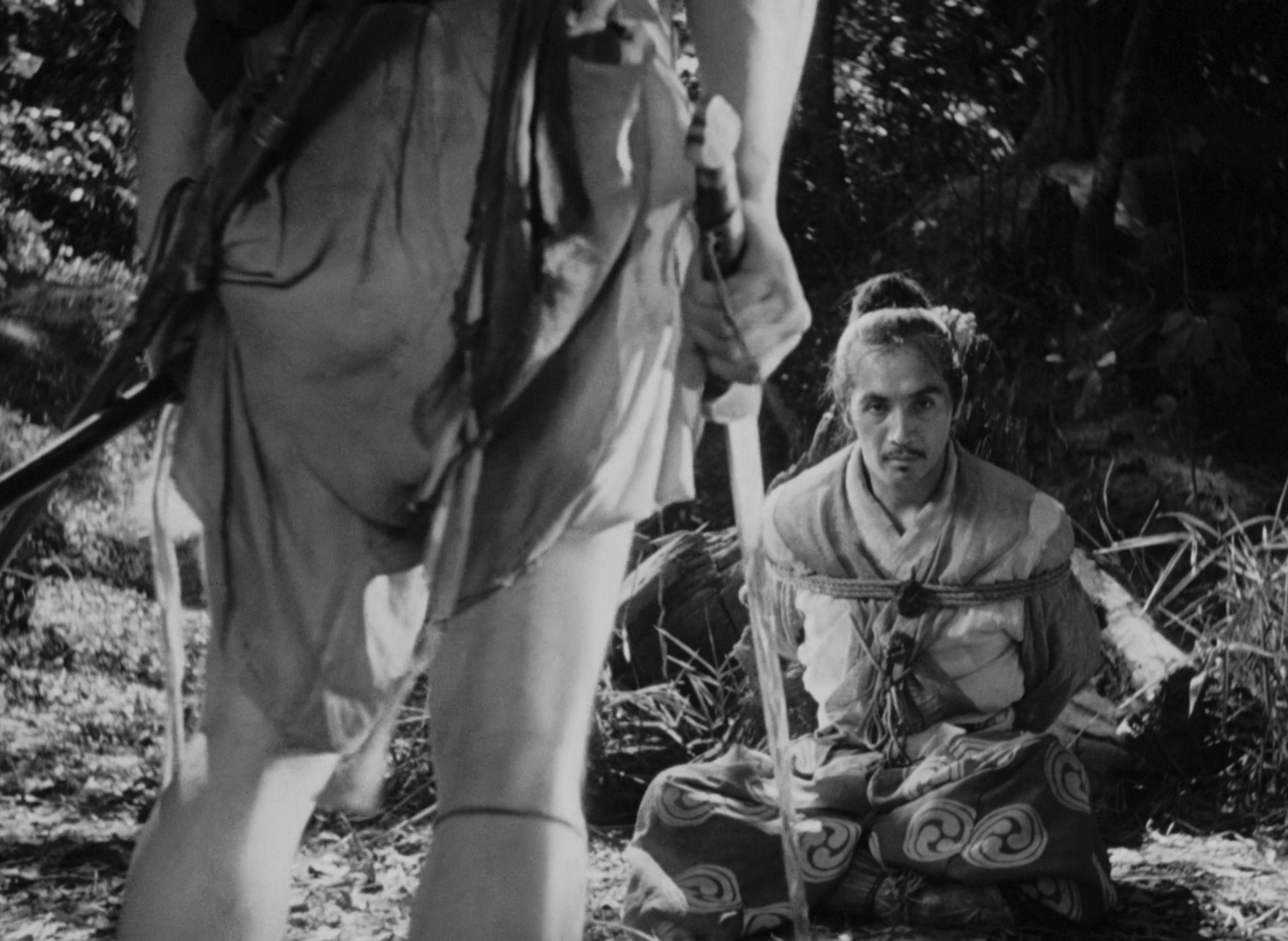
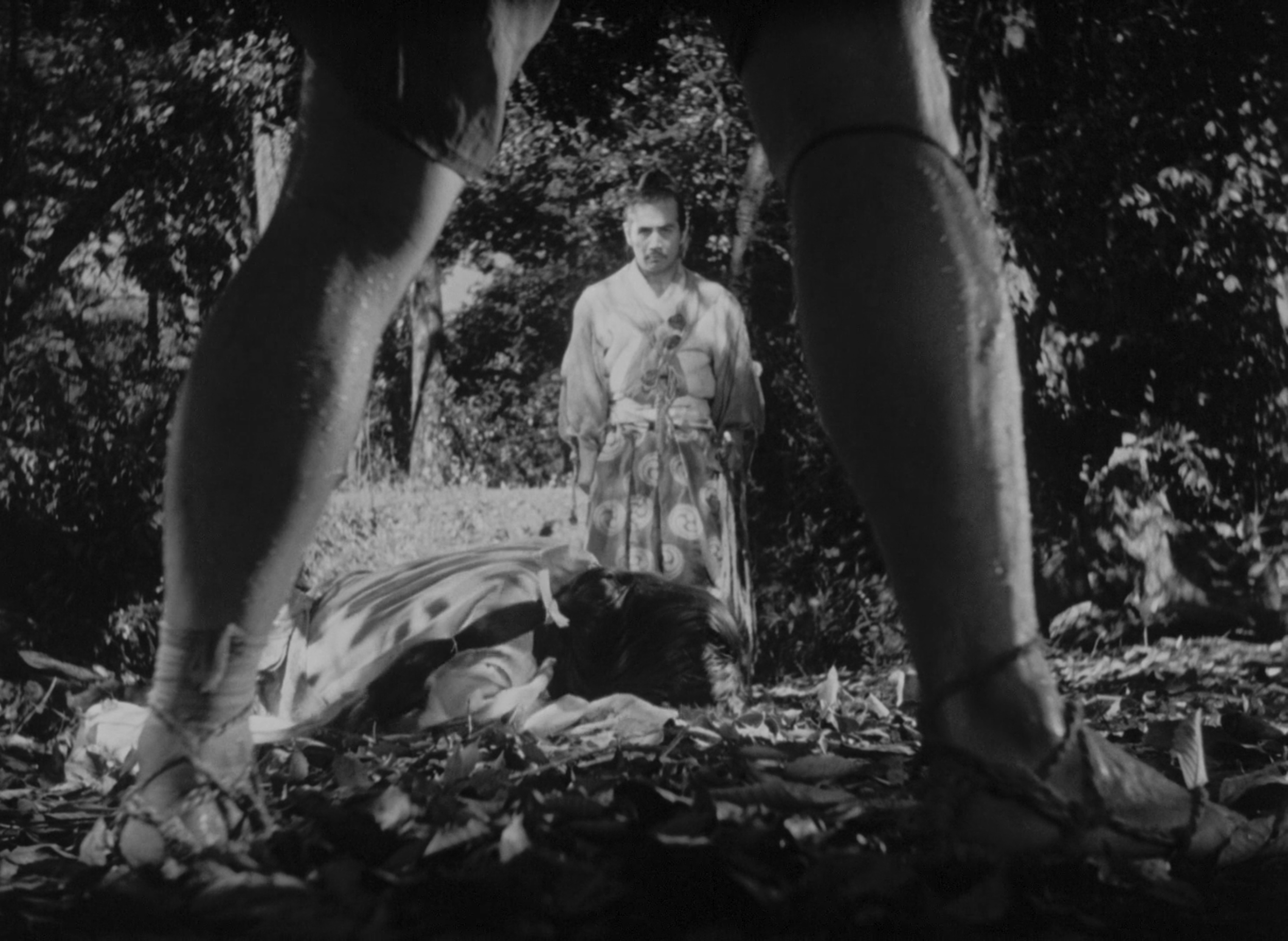
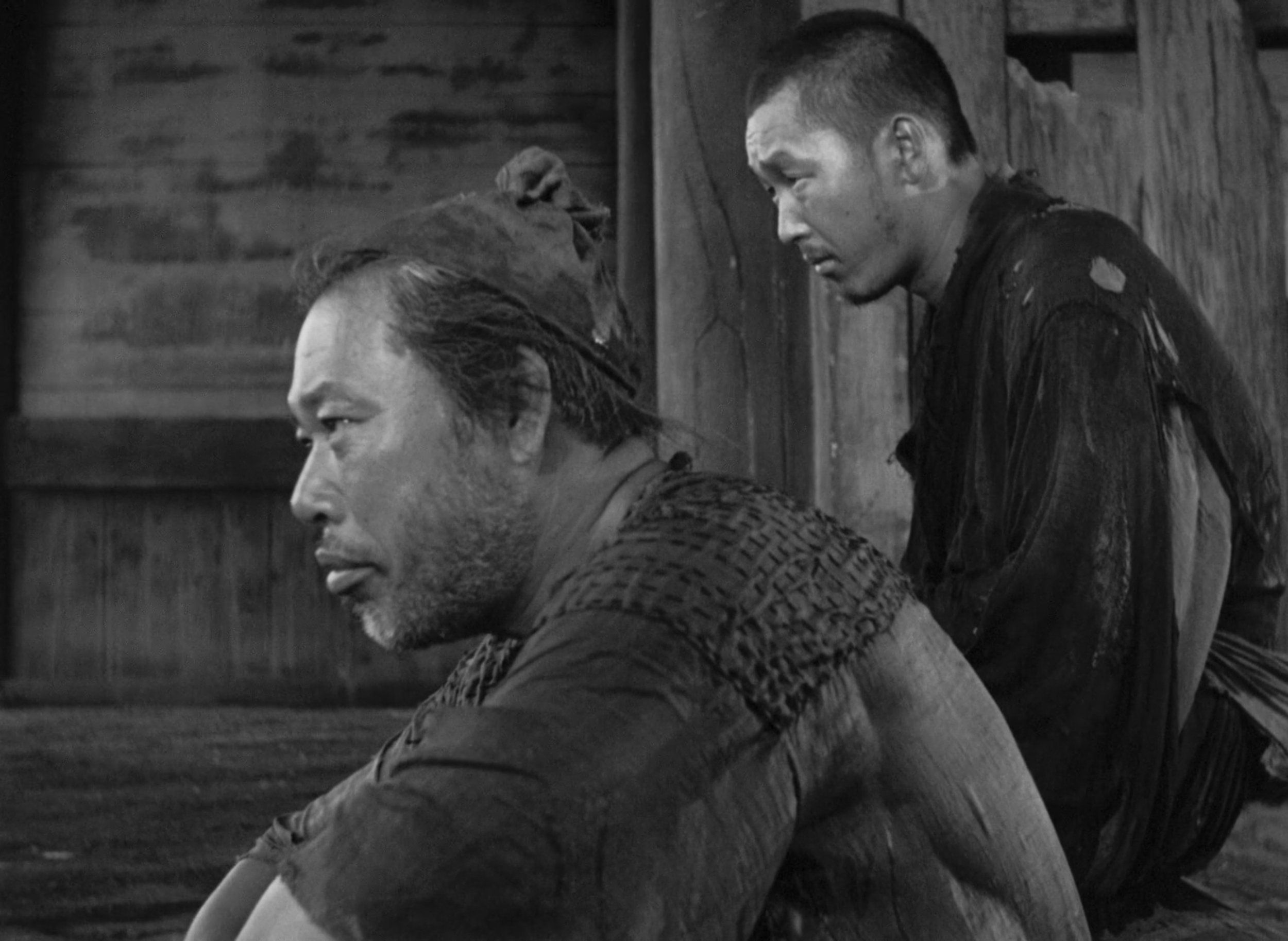
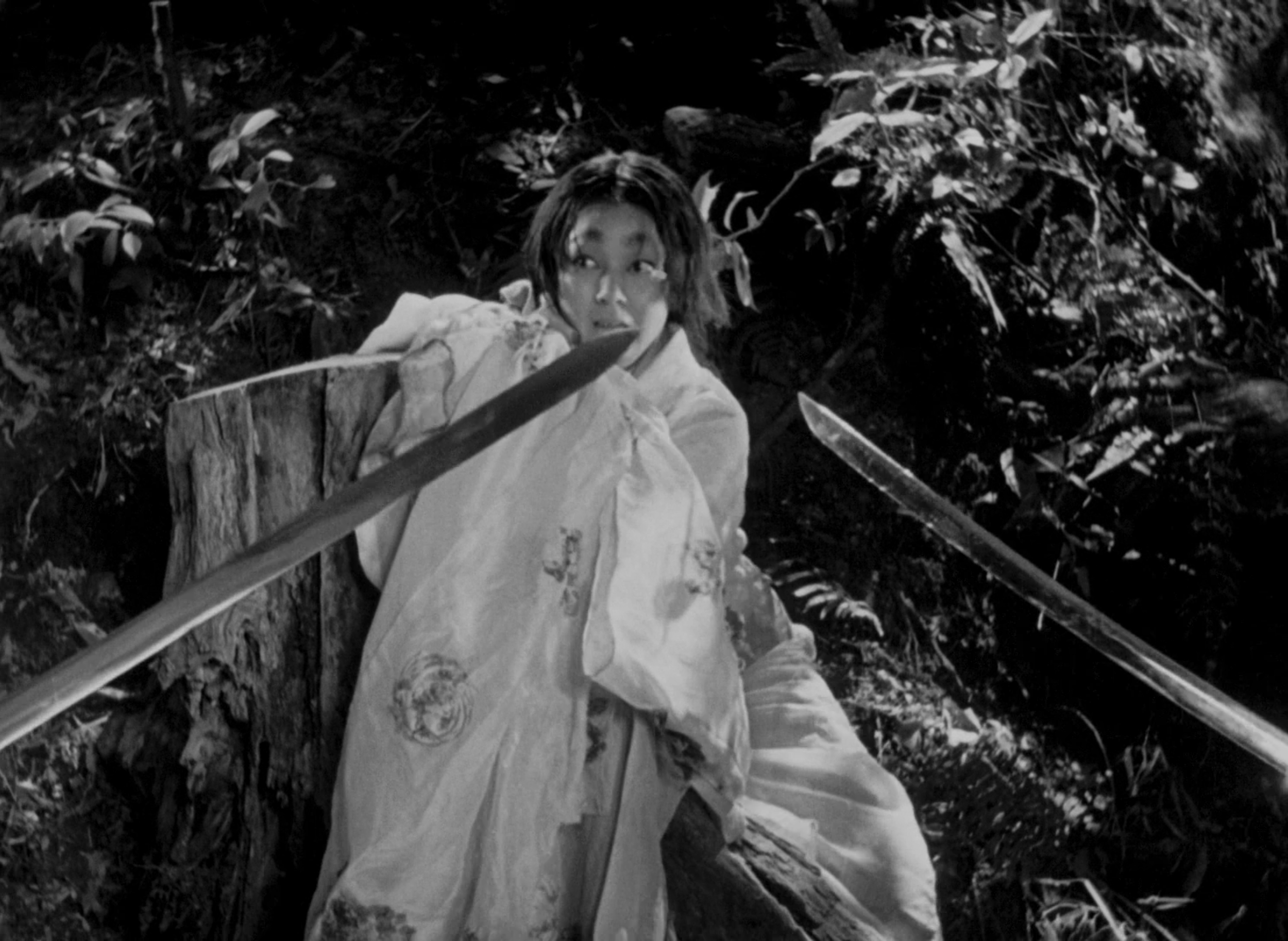
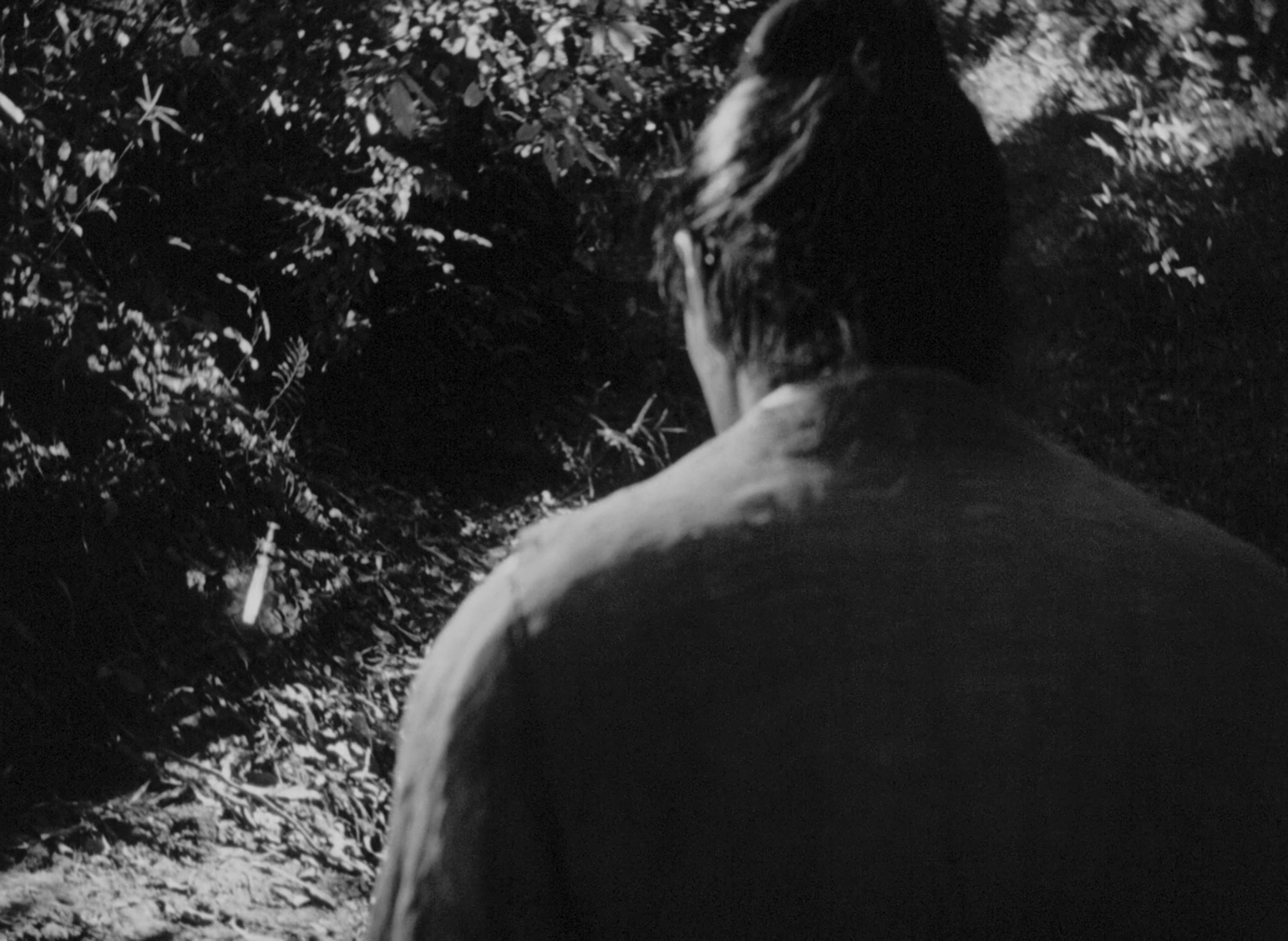
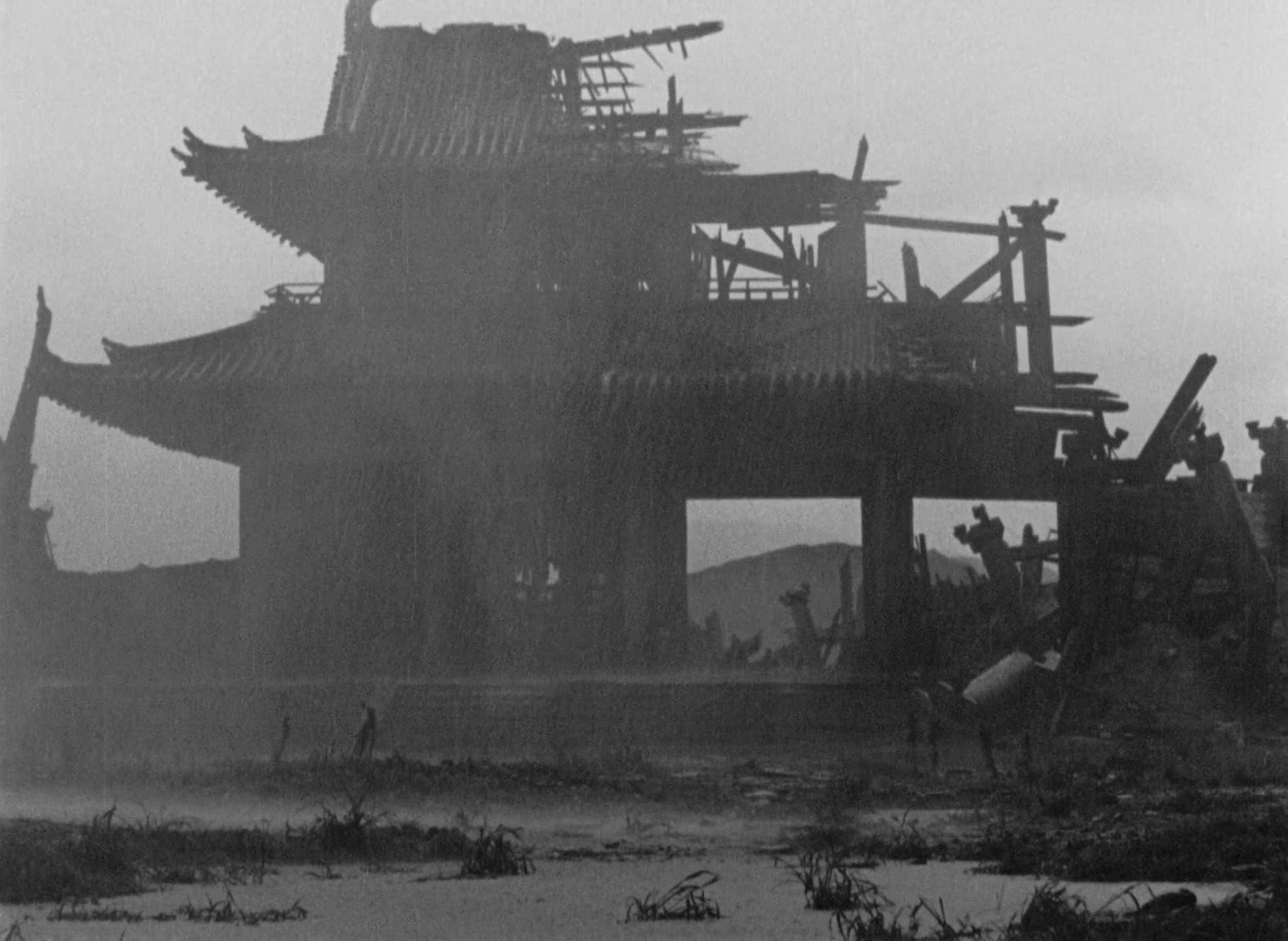
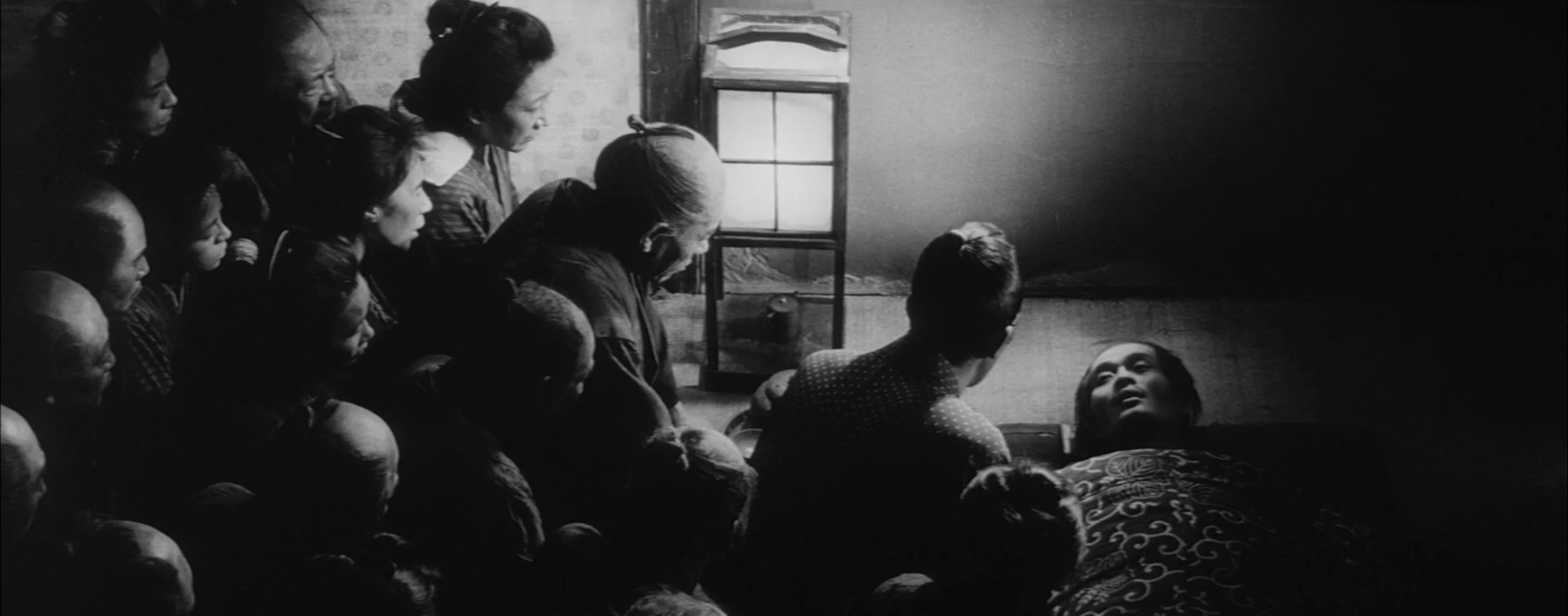
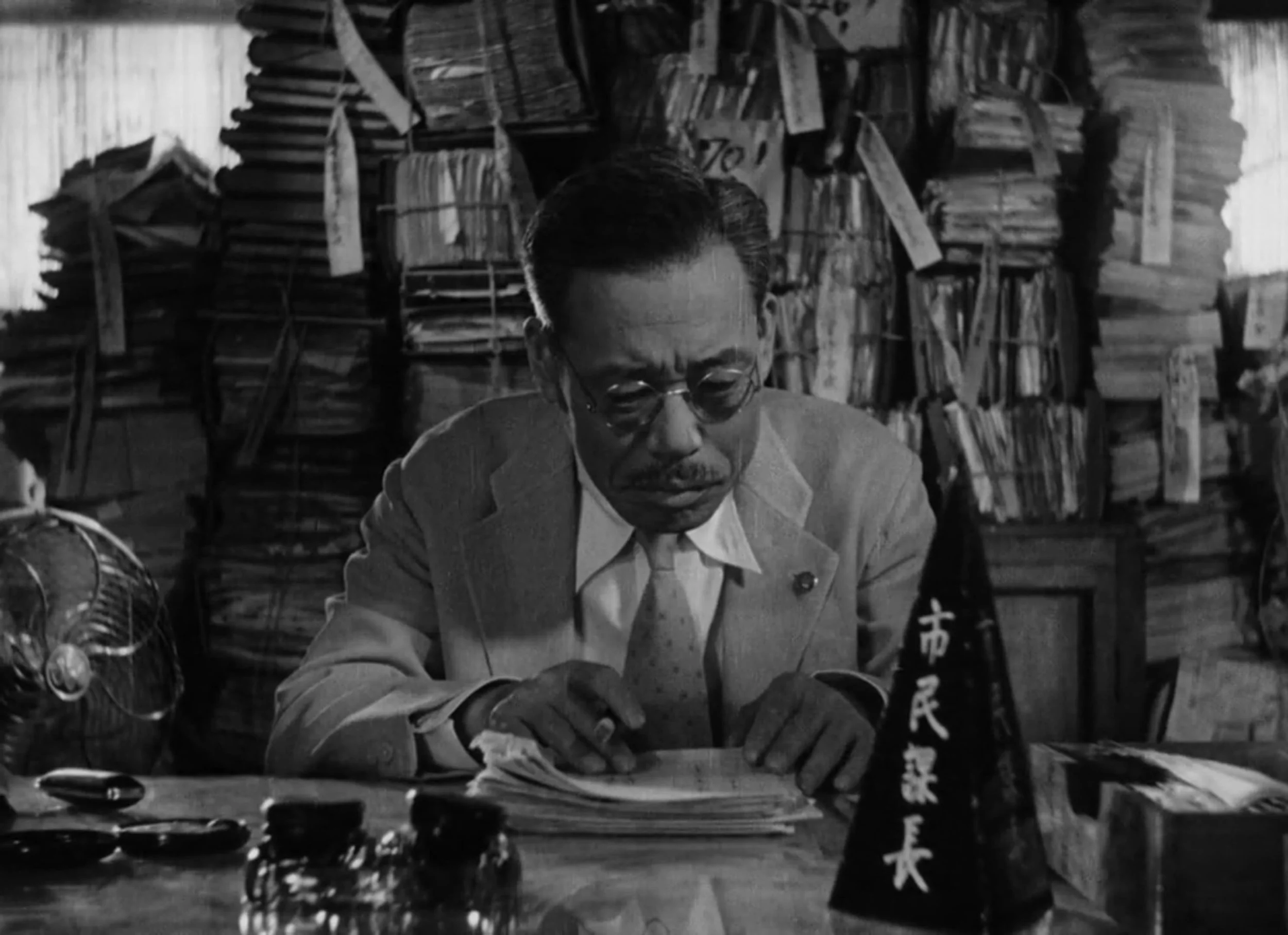
It’s pretty incredible the type of timeless stories Akira Kurosawa was able to create in 1950 and perhaps Rashomon is his most impressive on par with 12 Angry Men. The film is about a single event retold in 3 or 4 different perspectives to illustrate the futile subjectivity of perception. The contrast is a bit low for this film and it can be hard to see what’s going on at times, even in the remastered version. The fight combat is actually decent and maybe even more convincing than his other samurai epics, which isn’t saying much. It’s typical Kurosawa and Japanese cinema with over-animated acting, but the star of the film is the story.
Story:
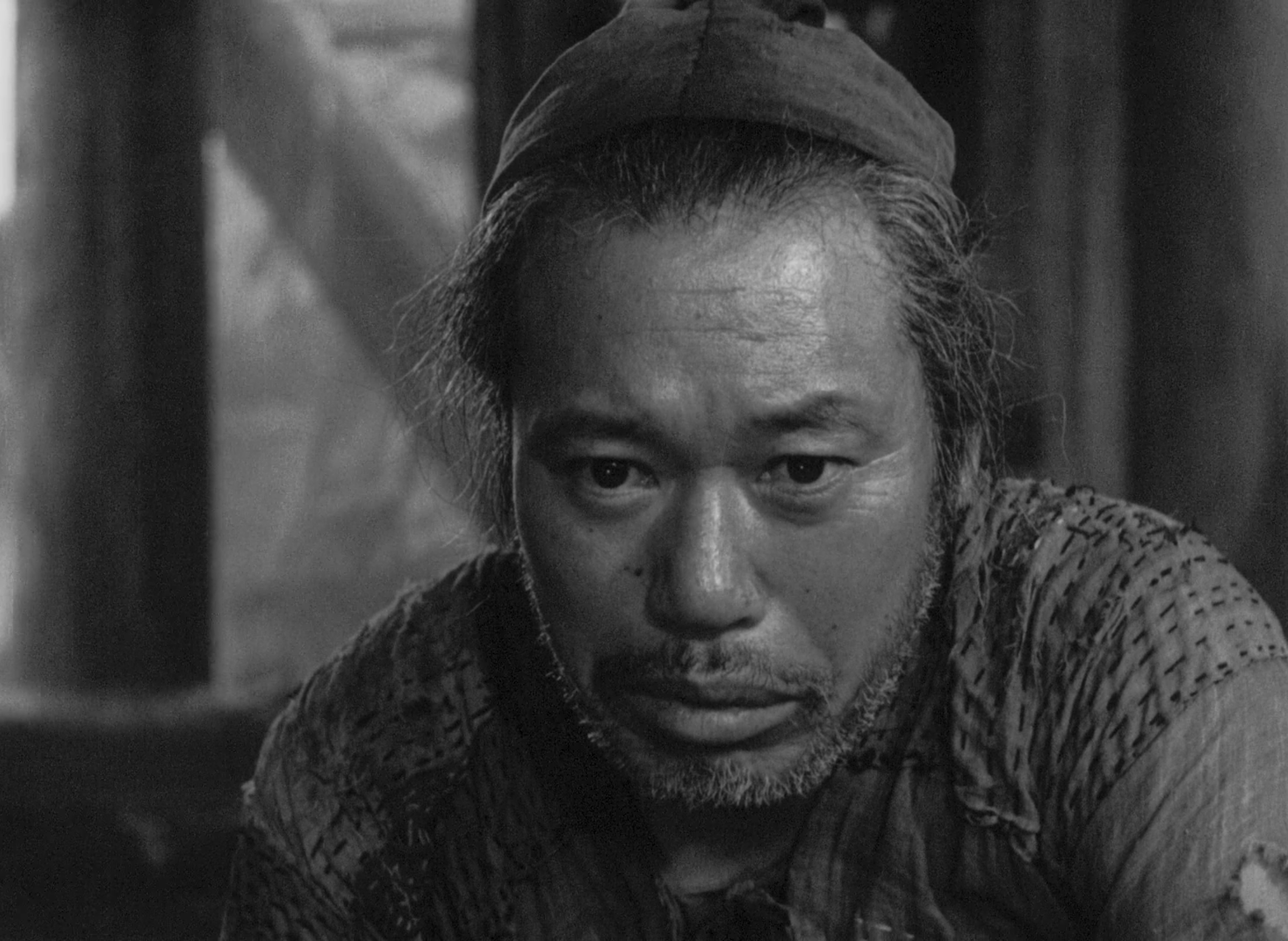
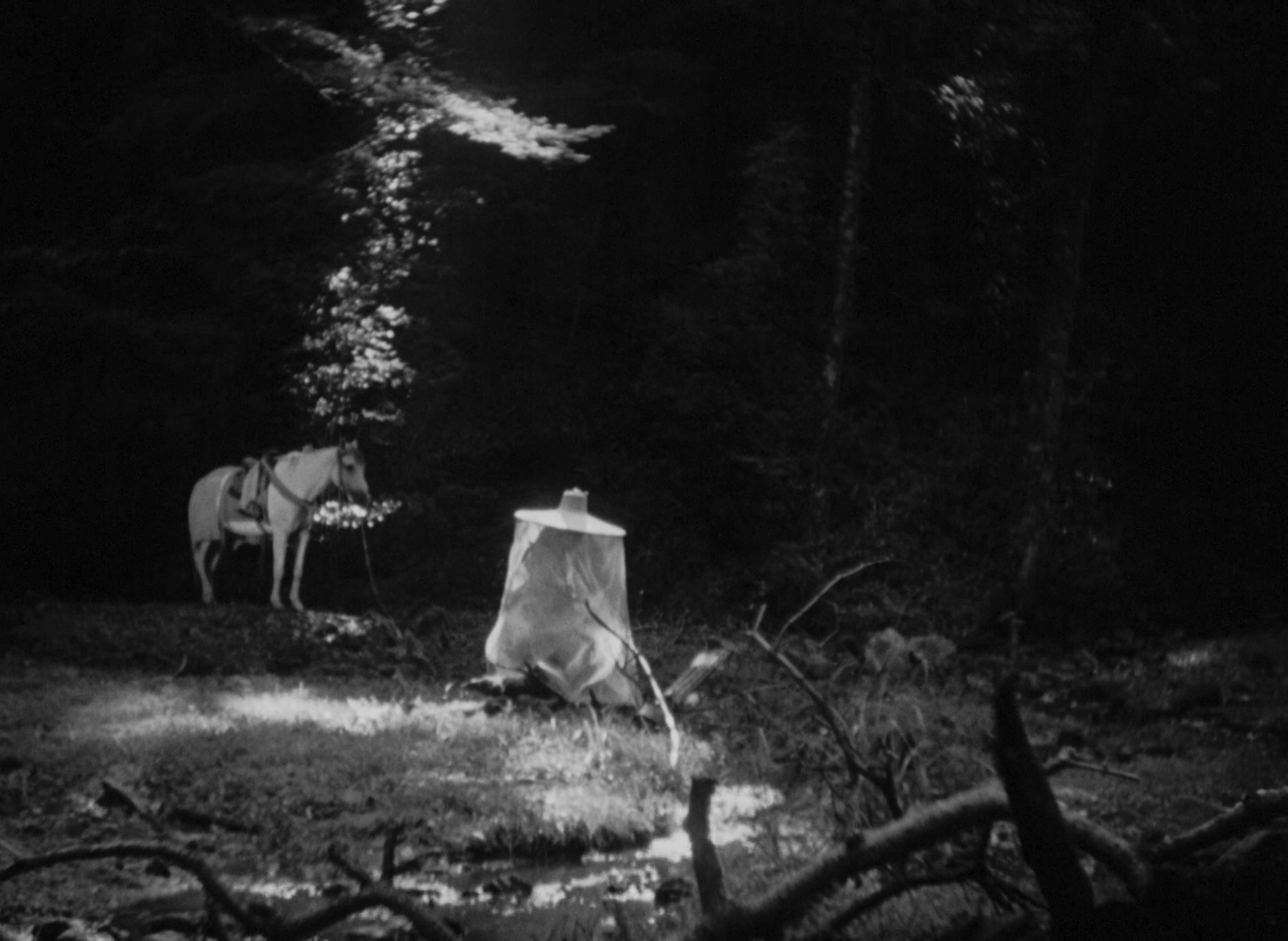
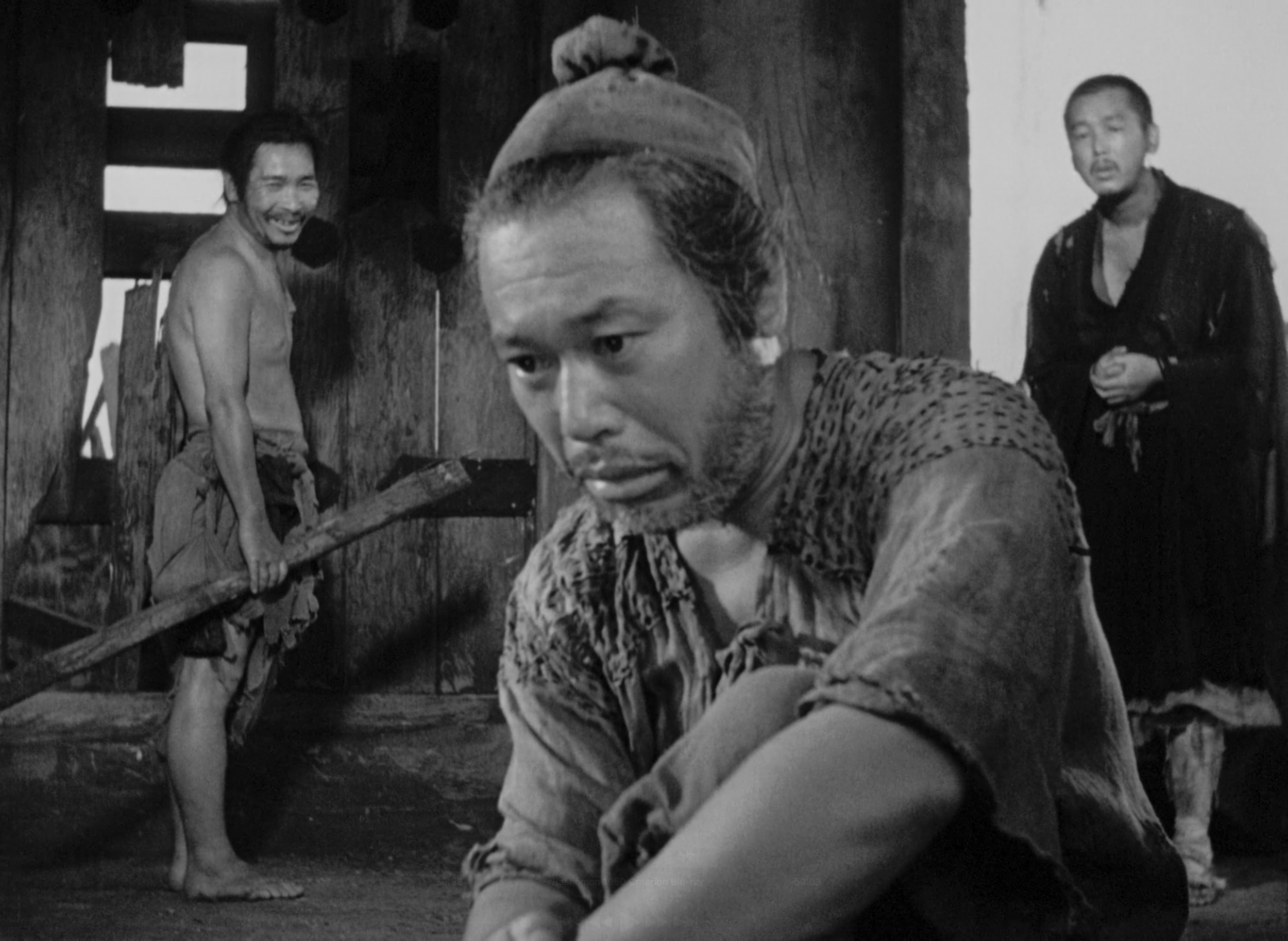
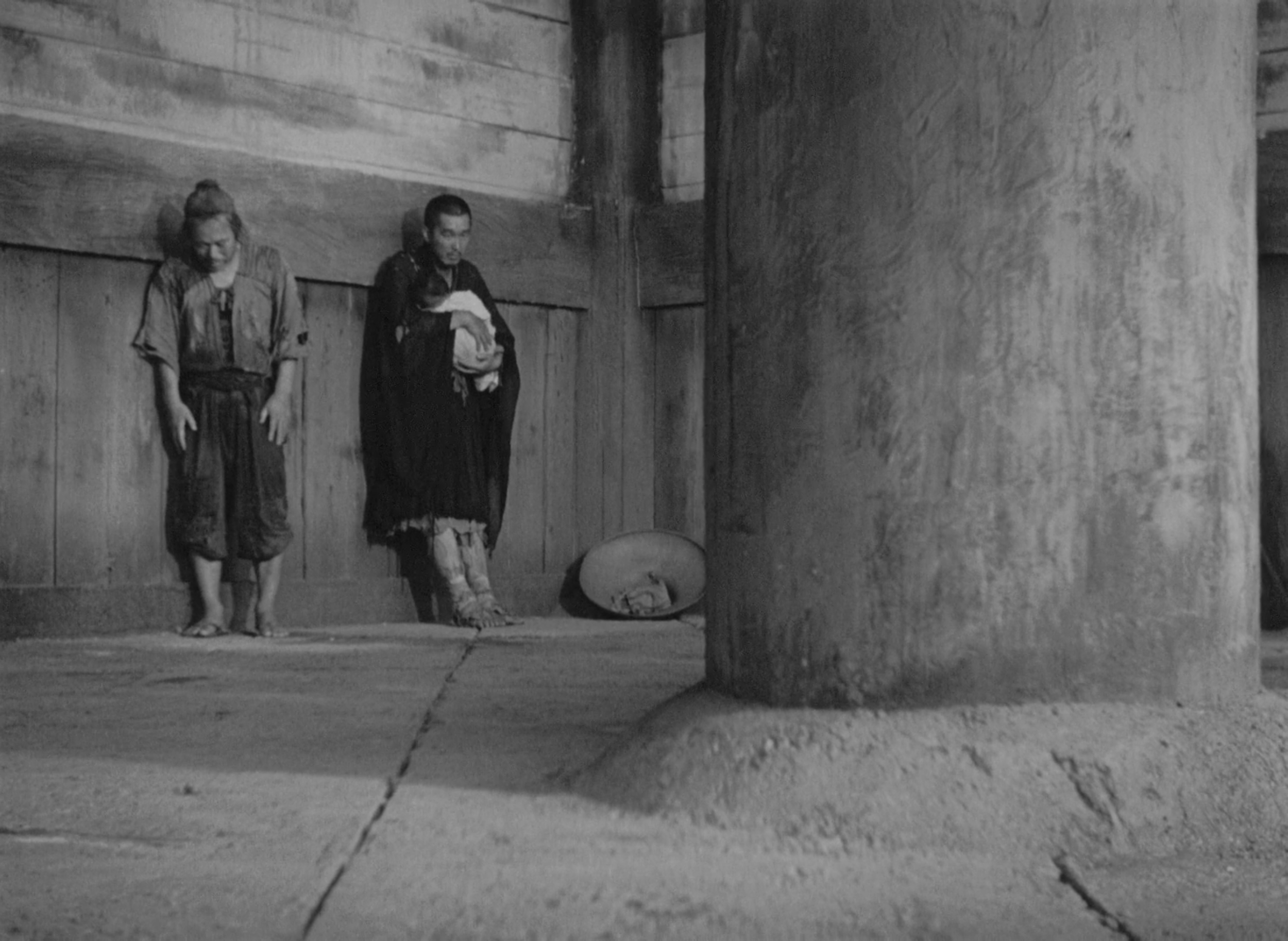
The logistics of this film don’t make sense. Assuming that the woodcutter is the true retelling of events, why would he question the other people’s stories and with others? If he knows the truth but is hiding his guilt of stealing a dagger, there’s no need to muse publicly for validation. The third perspective of the medium was silly practically, but was a cinematic tool to complete the triangle of witnesses and contradicting recollections. And then the baby and the end is so random. The sole purpose is to provide a positive final message, but it ends up being a footnote, or even stickey note of a conclusion. You show the thief randomly taking care of an abandoned baby, so all of sudden the film is inspirational to humanity? I don’t think so. This film is an exploration on human bias, adding on morality was not necessary, especially if it’s implemented so sporadically.
Conclusion:
Although I have a few grievances with the story, it doesn’t detract from its final essence. A great script, but without a solid ending the details will feel like water under the bridge.
Recommendations








Love only exists when you hit play.