
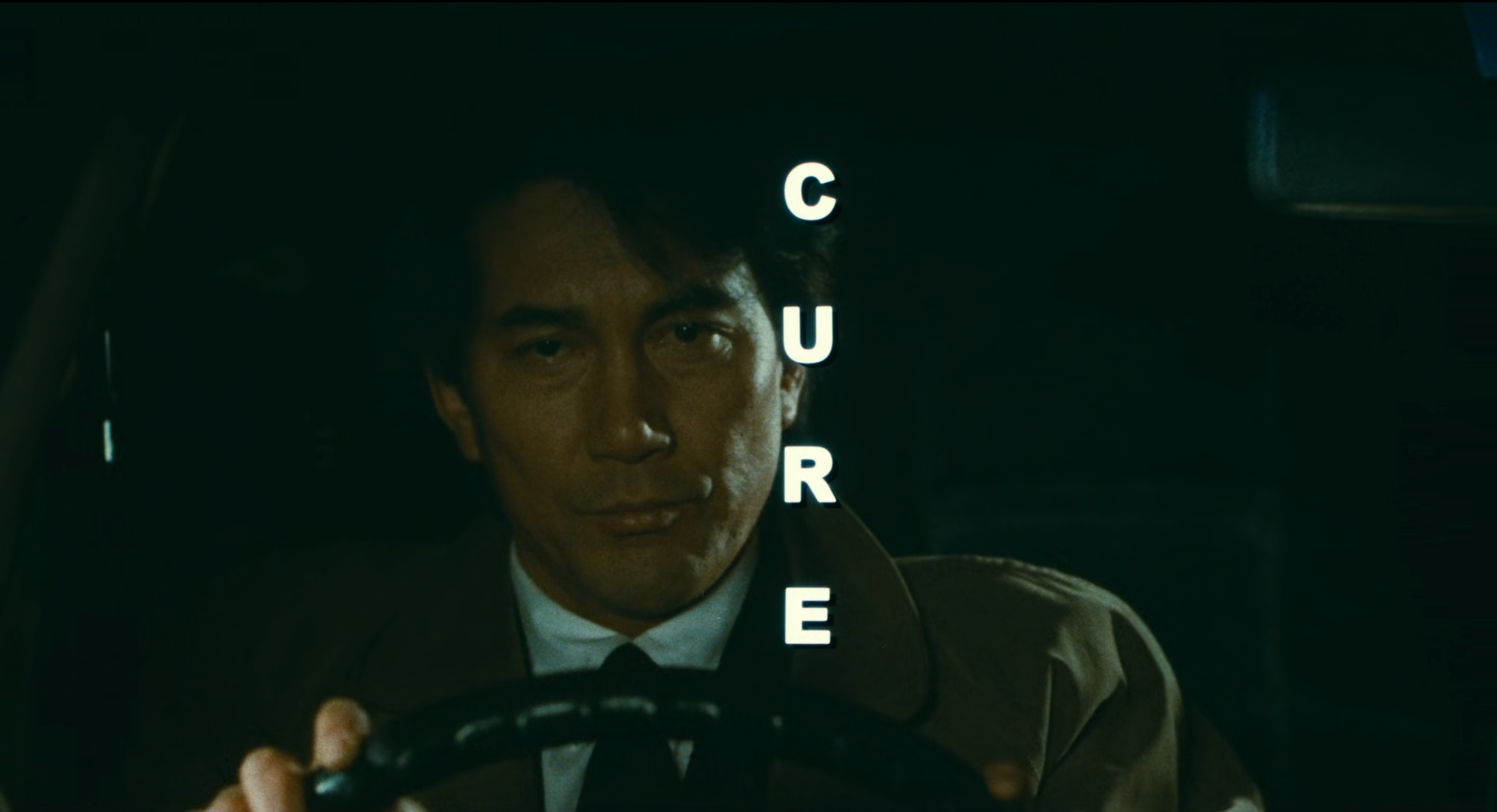
Cure (1997)







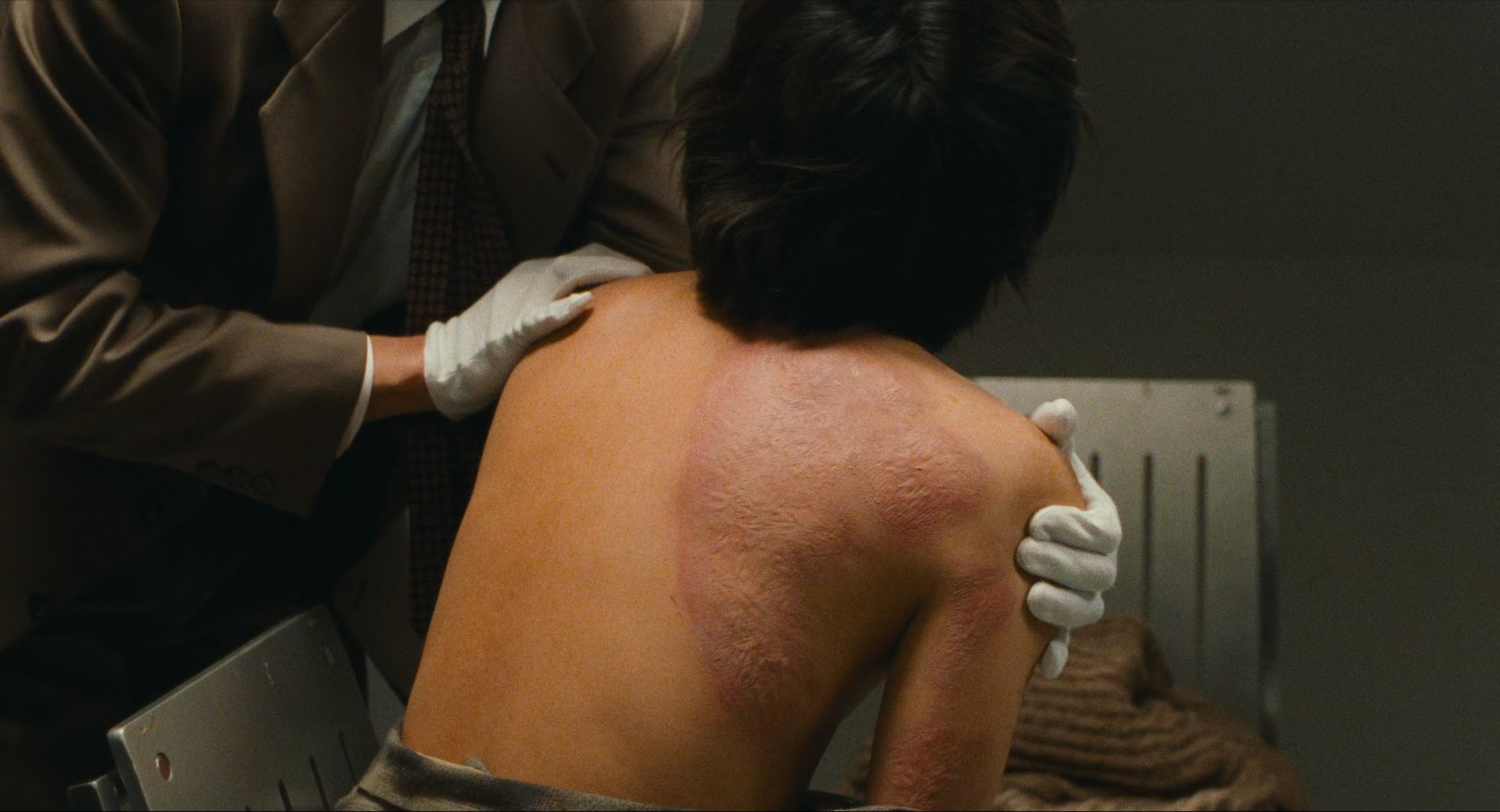
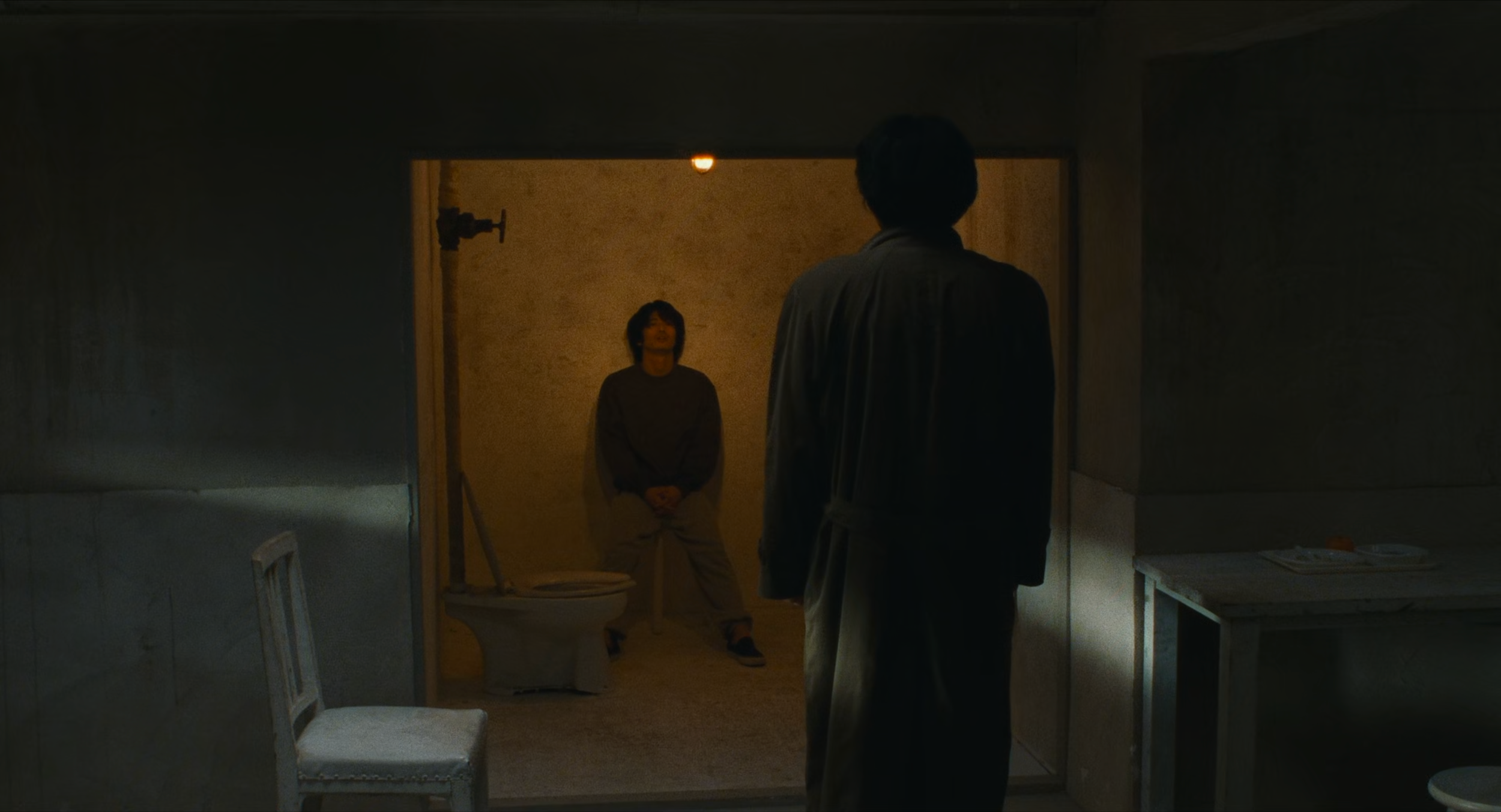


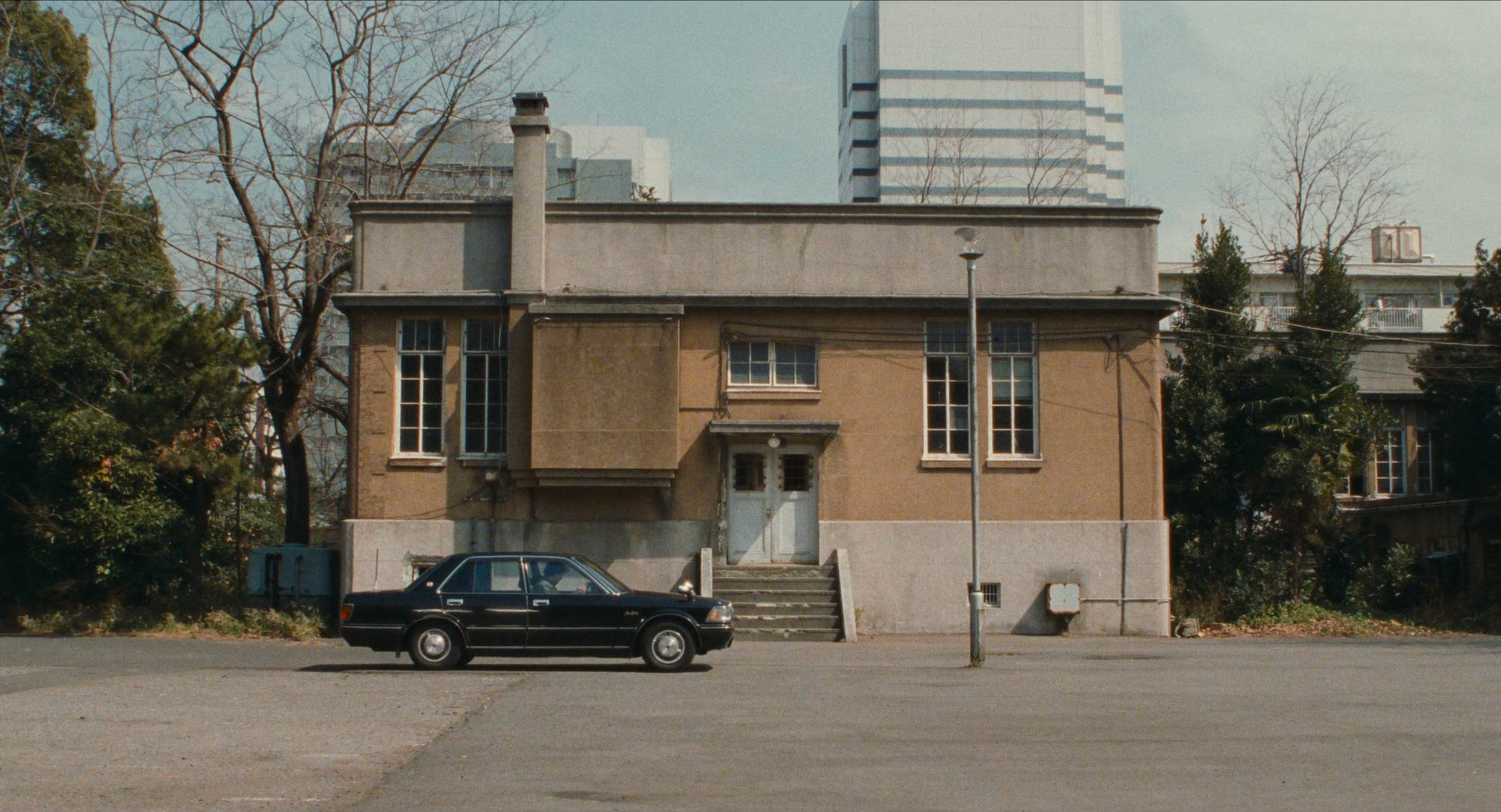
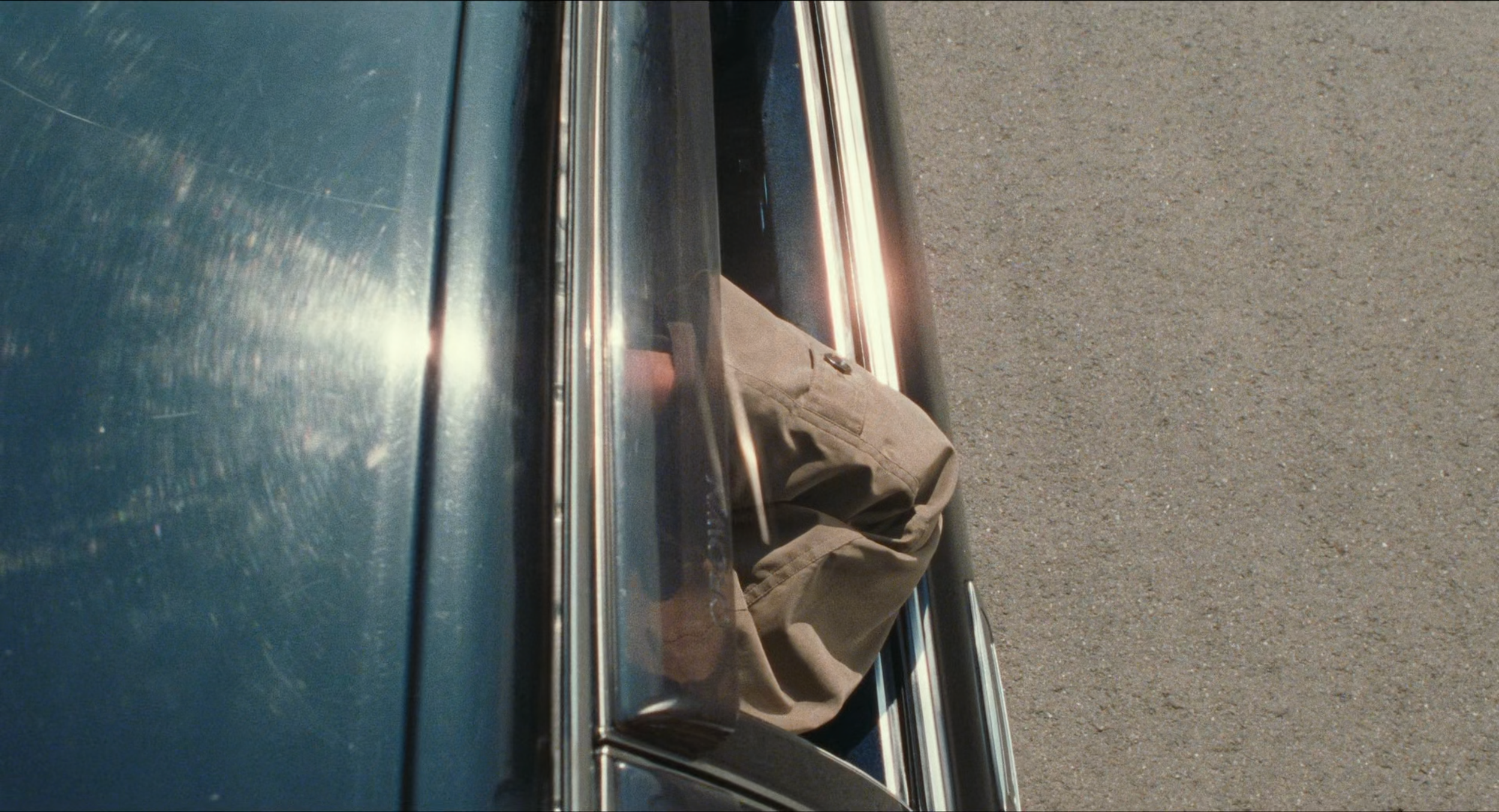

Who are you, really?
Presentation:
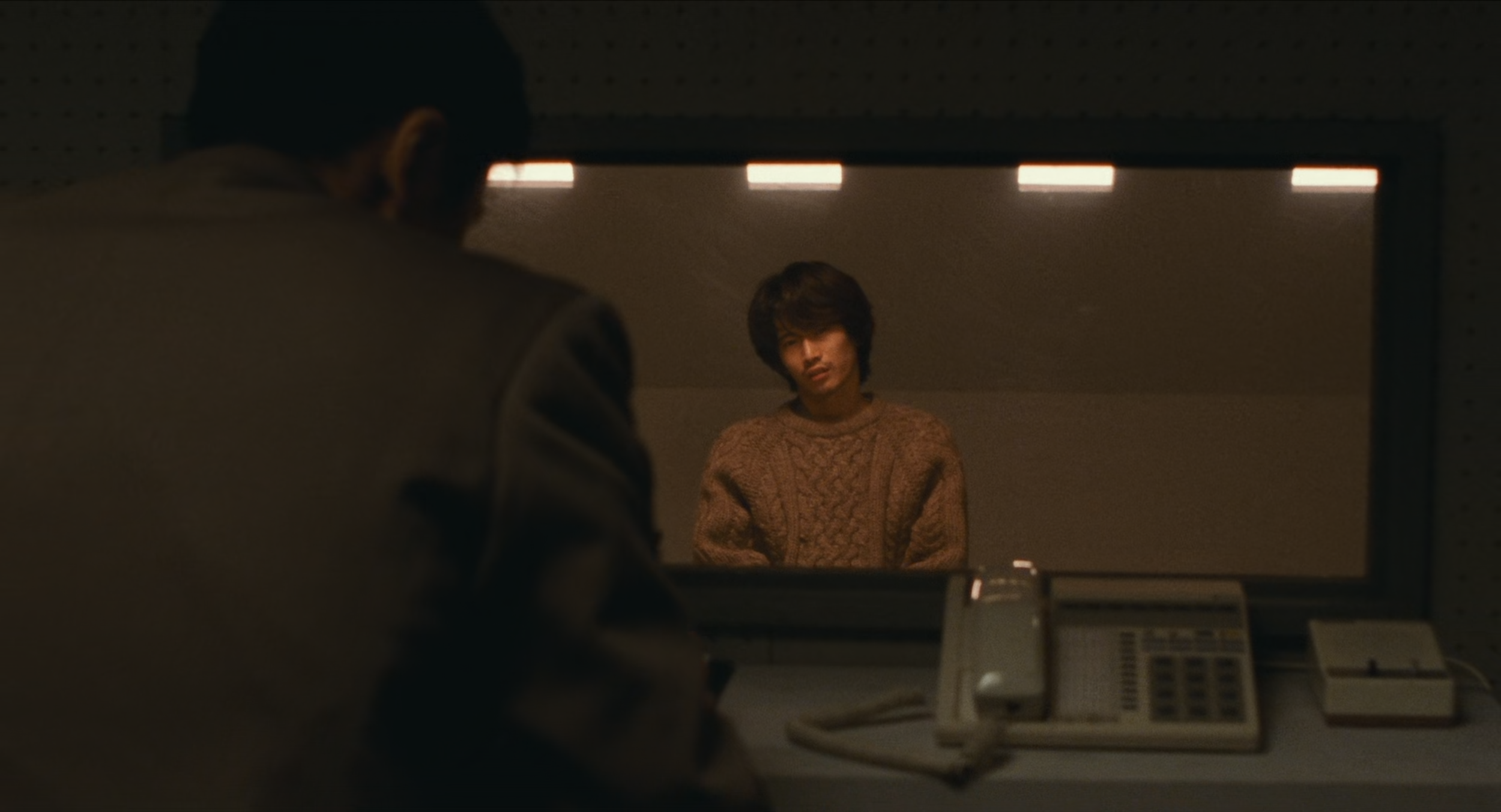
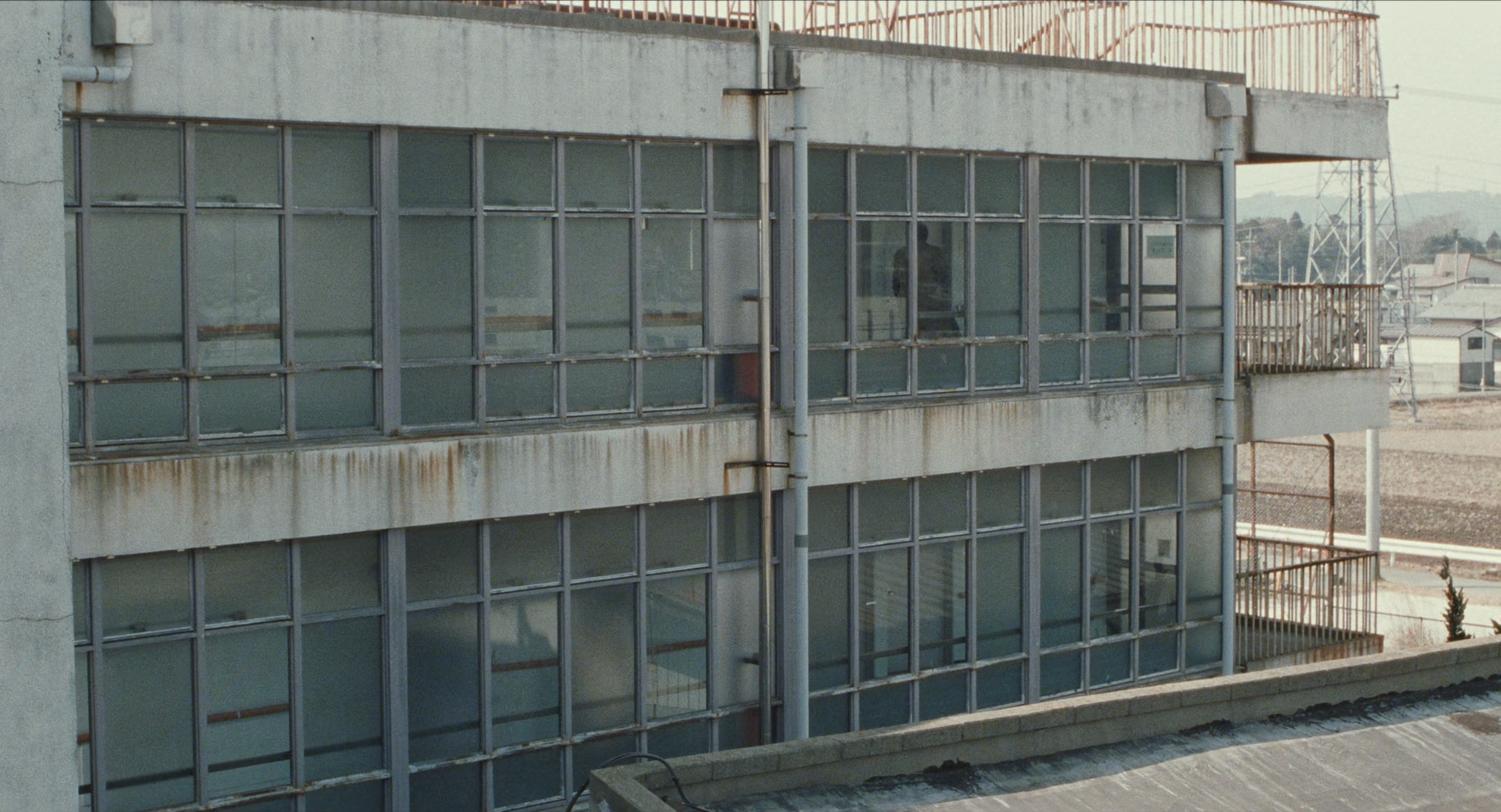
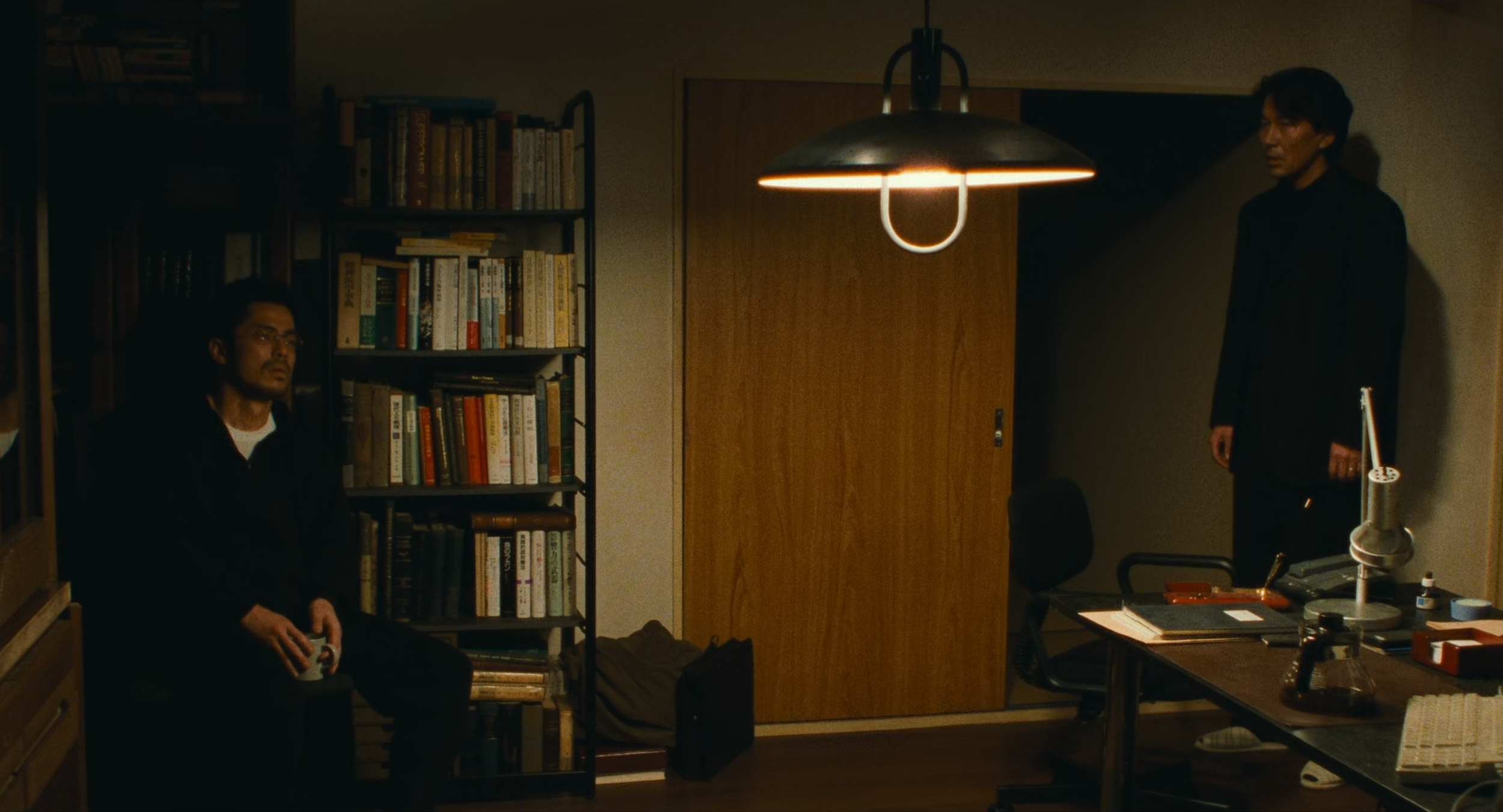
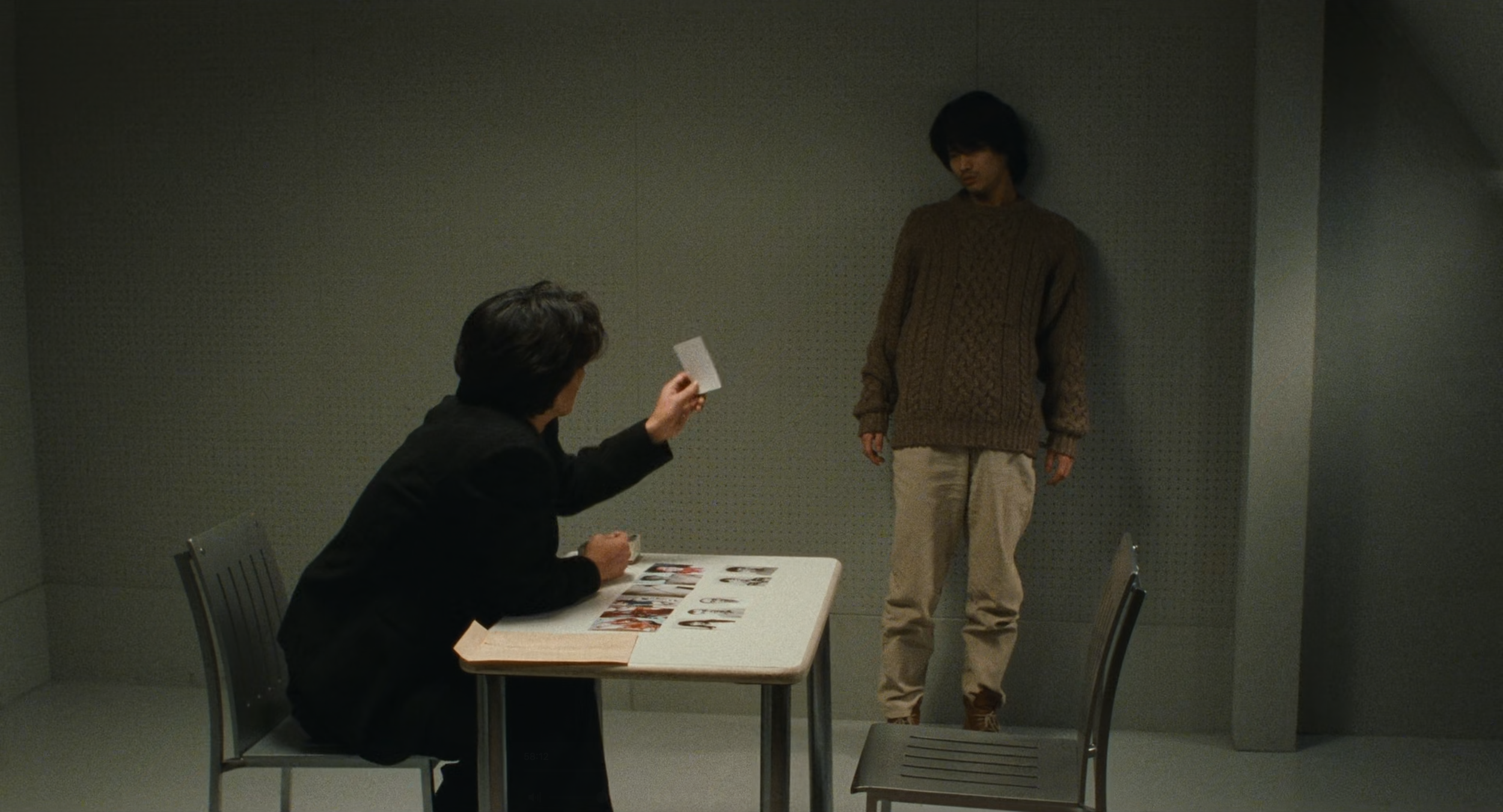
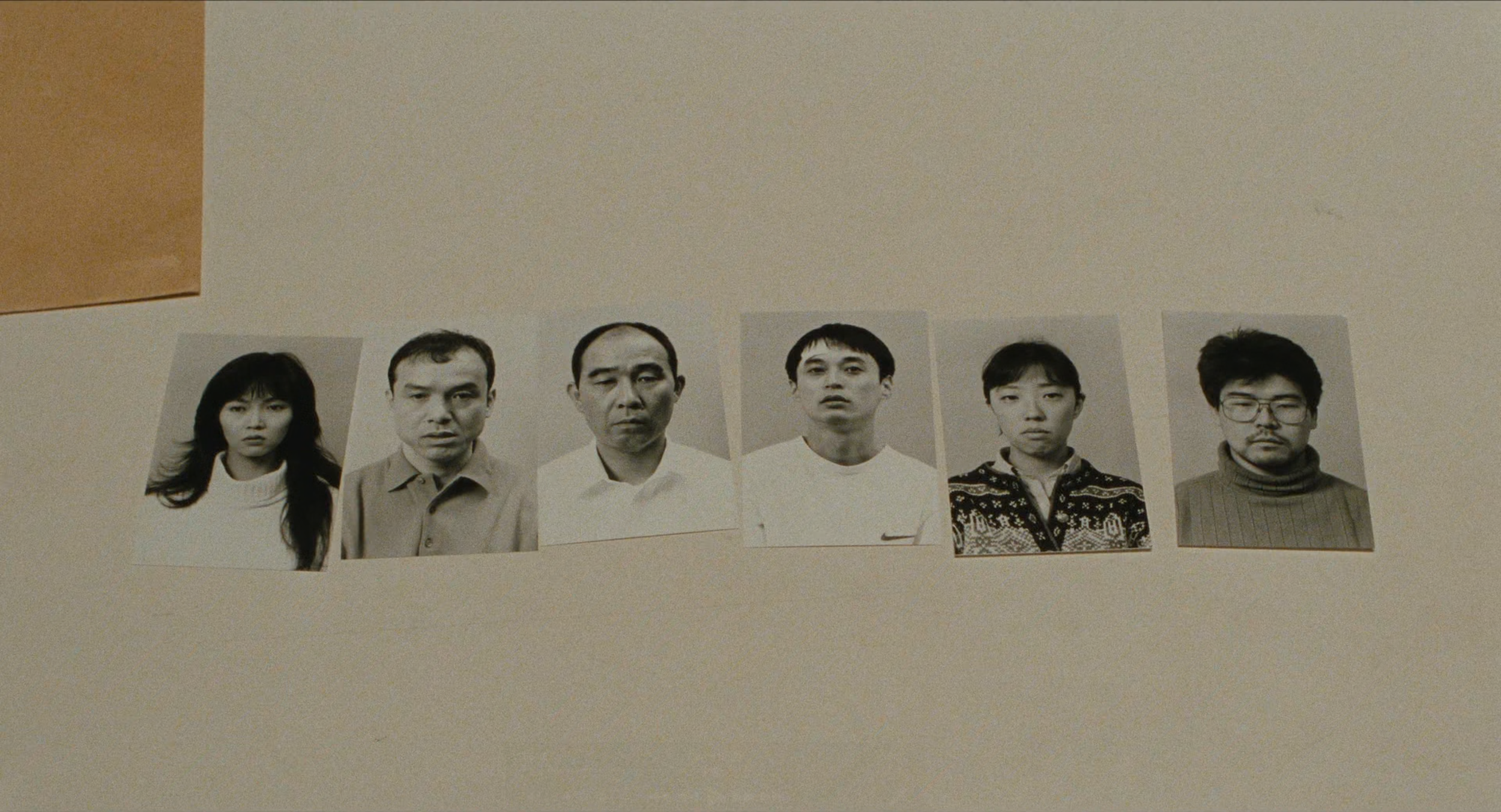
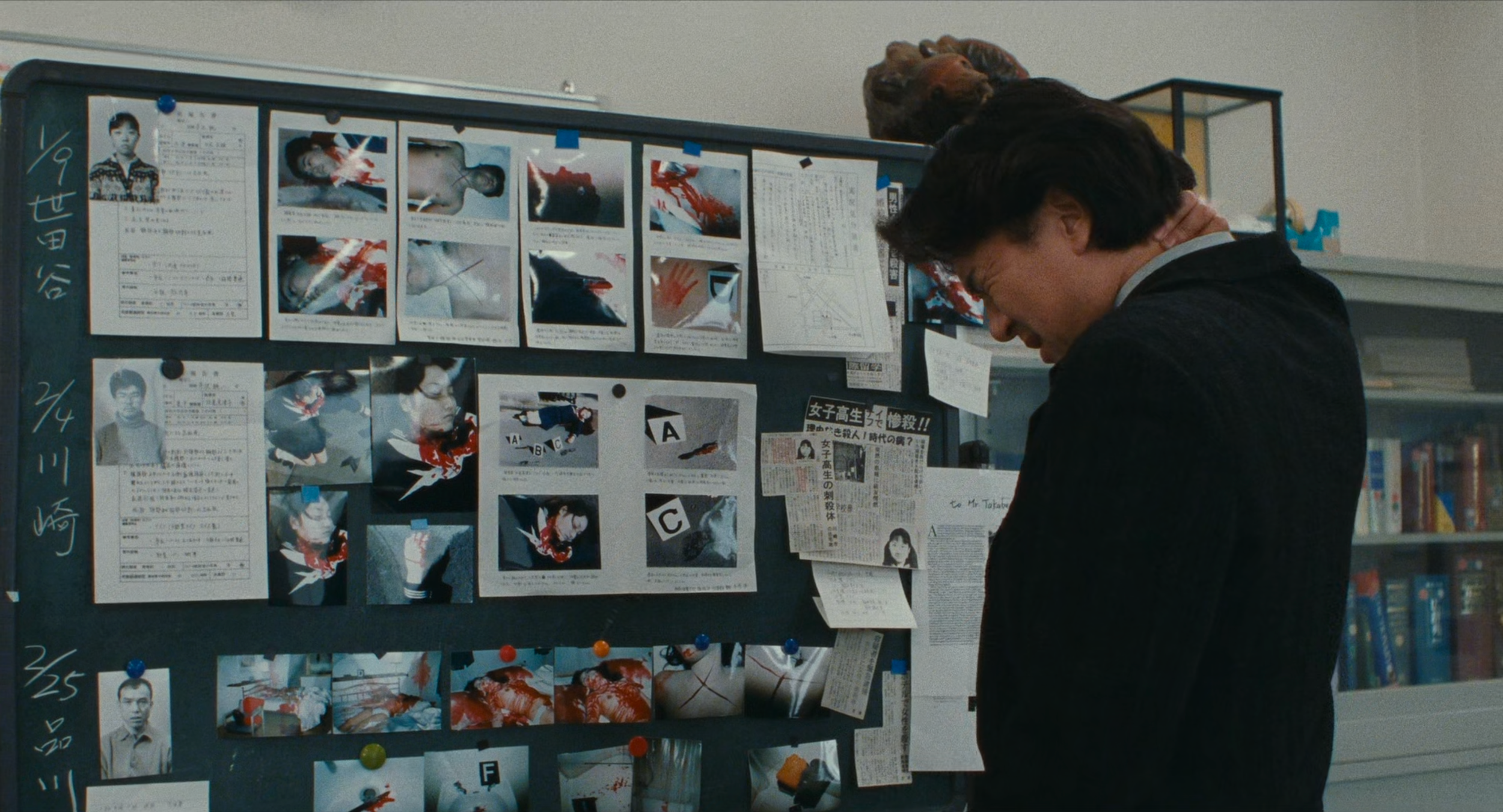
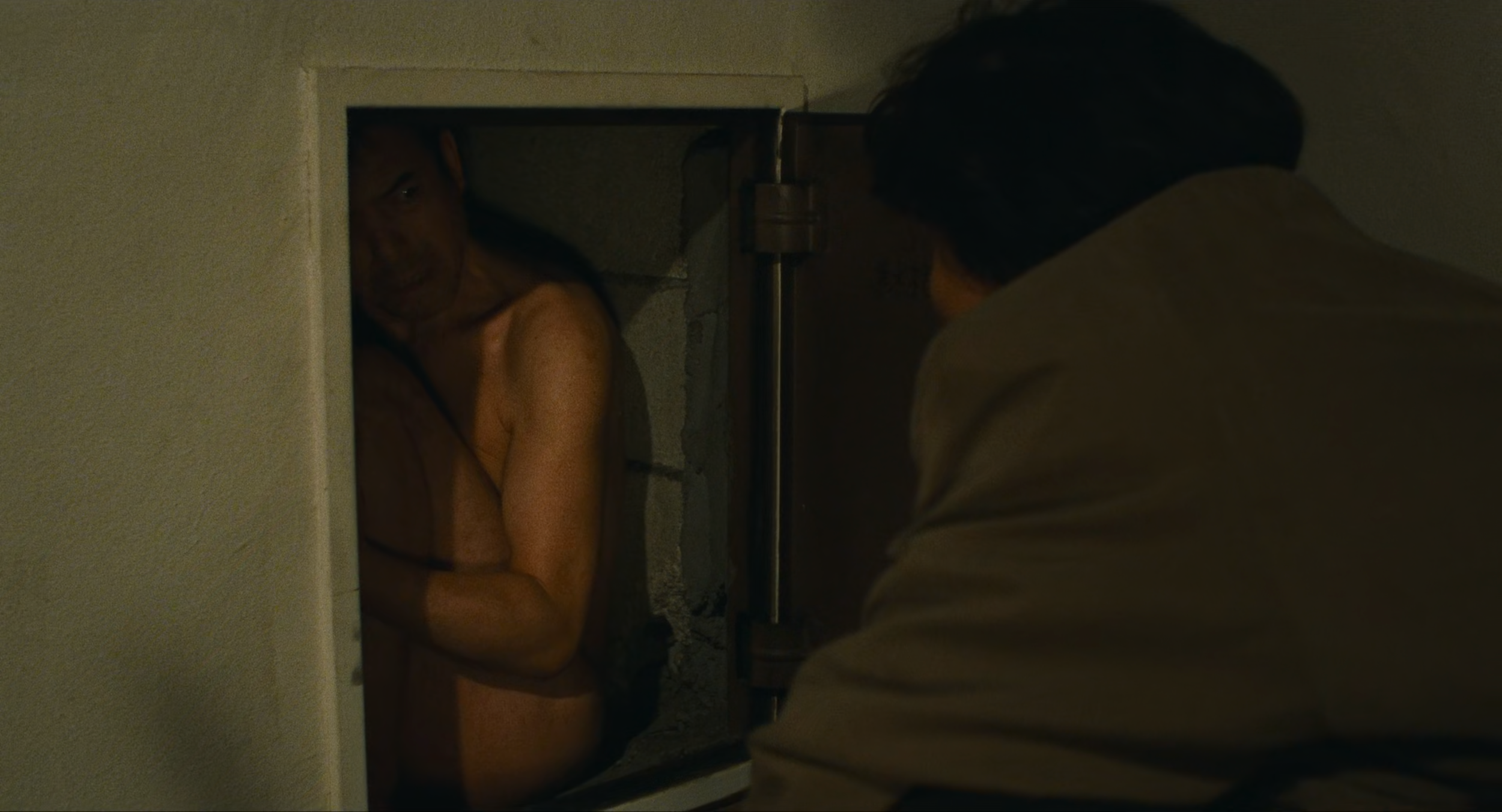
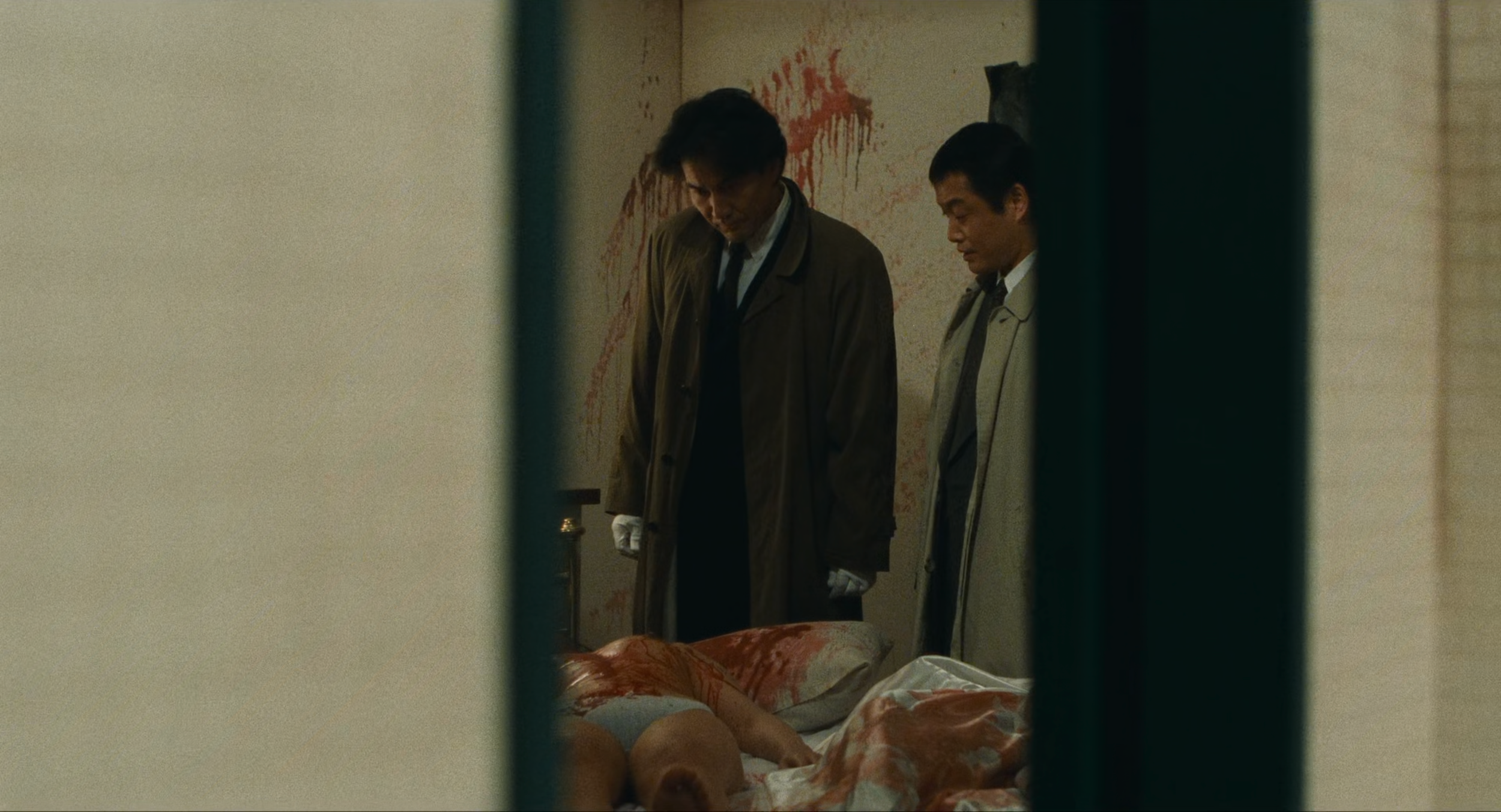
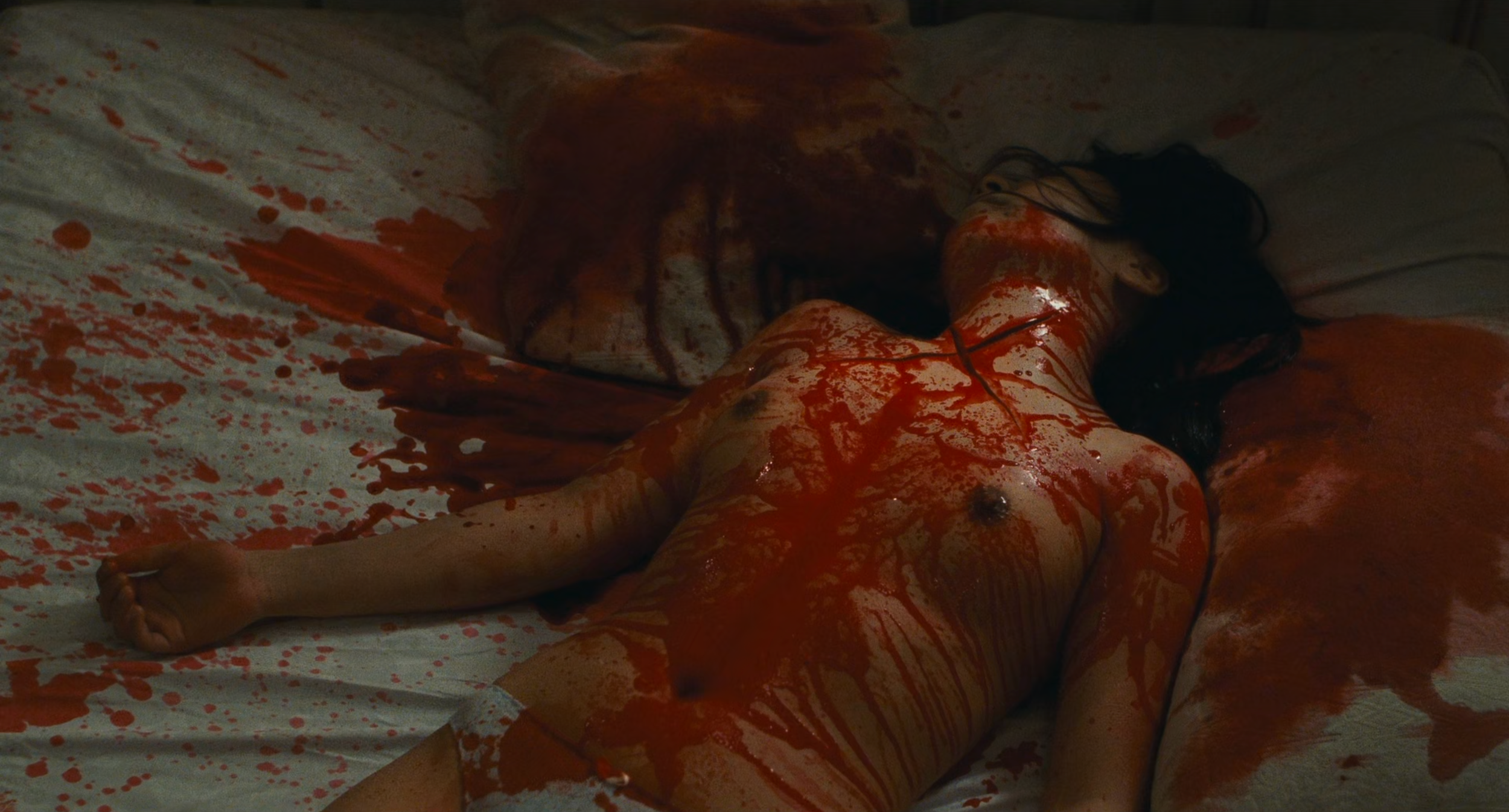
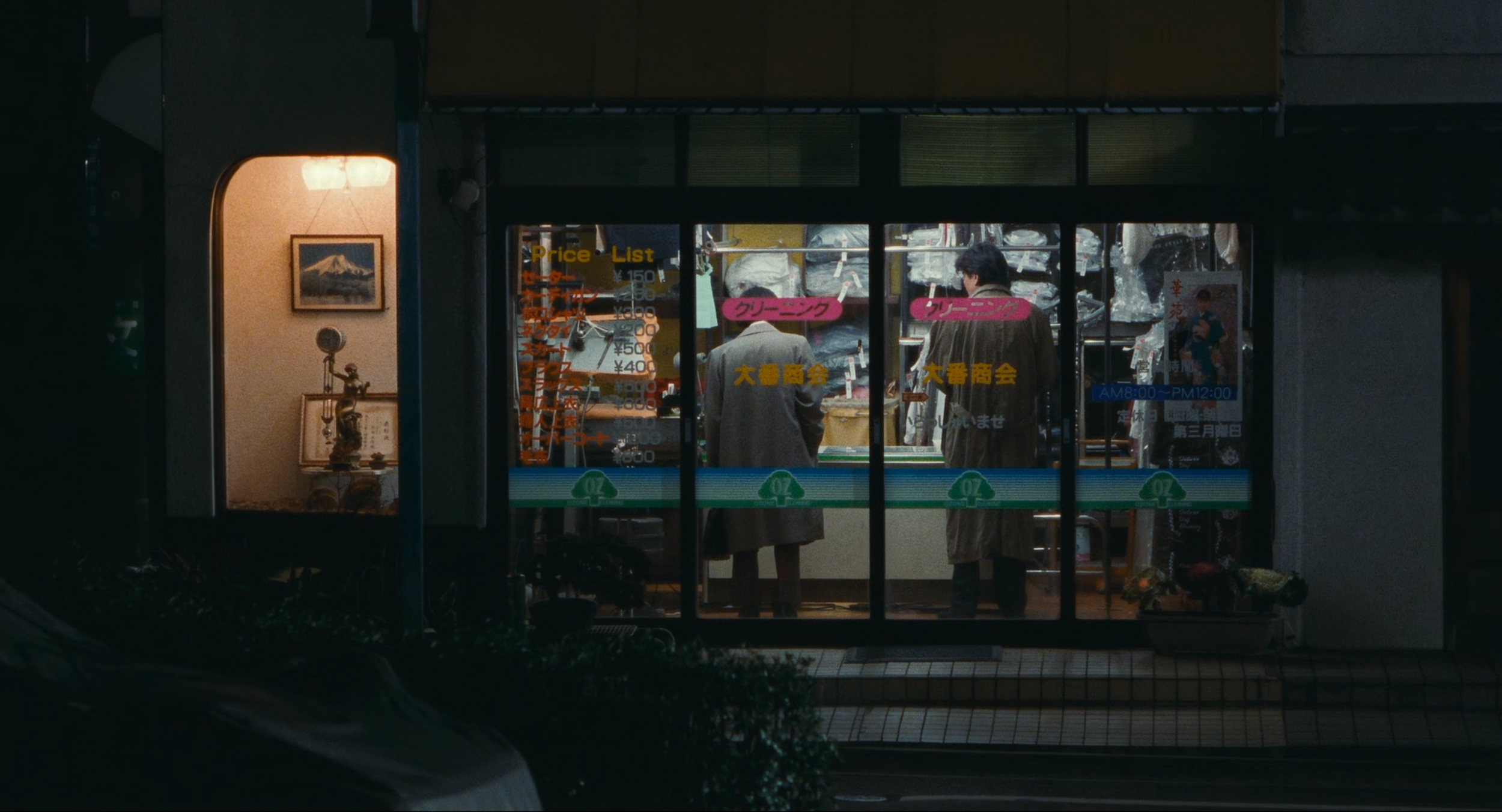
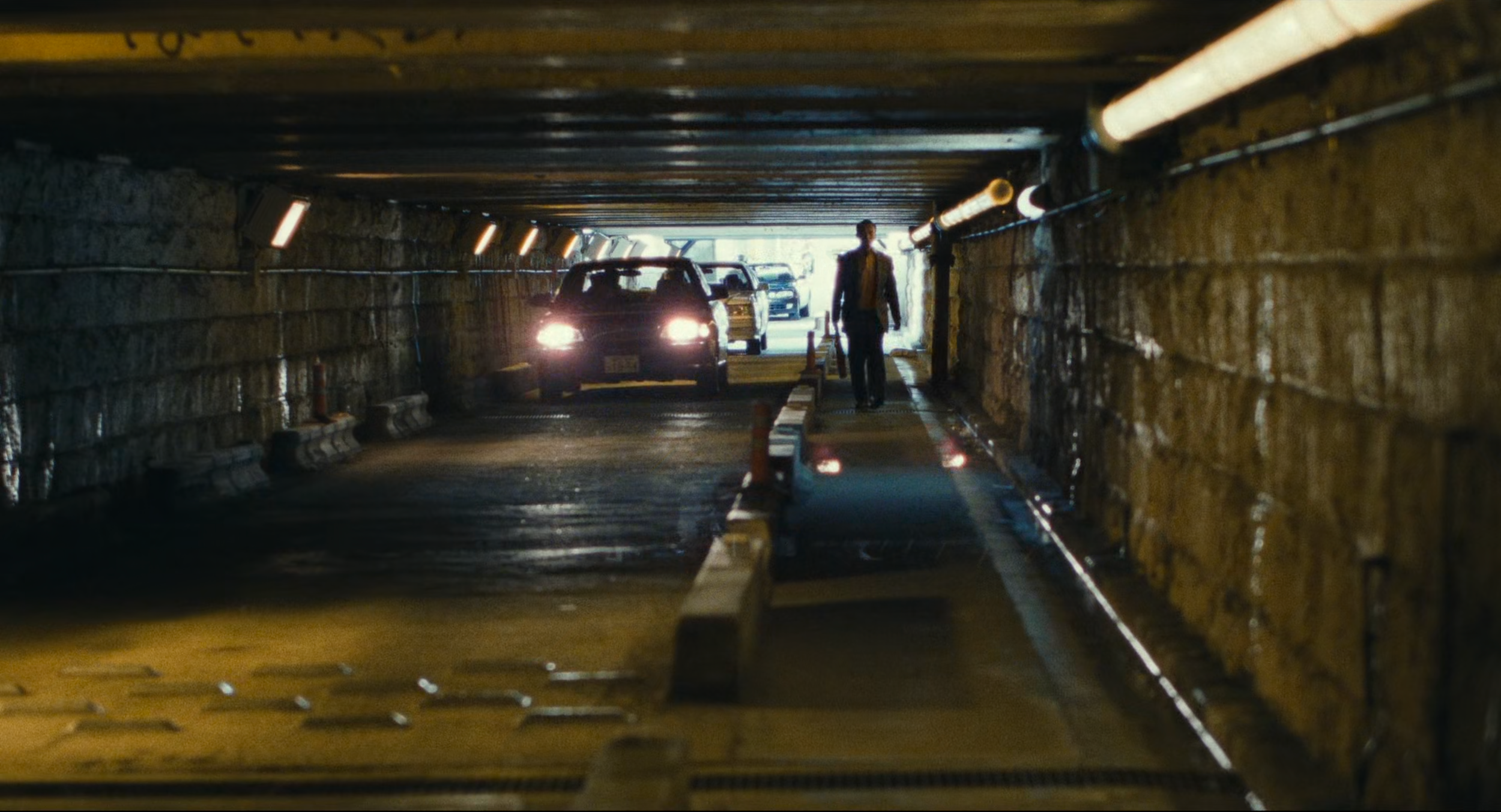
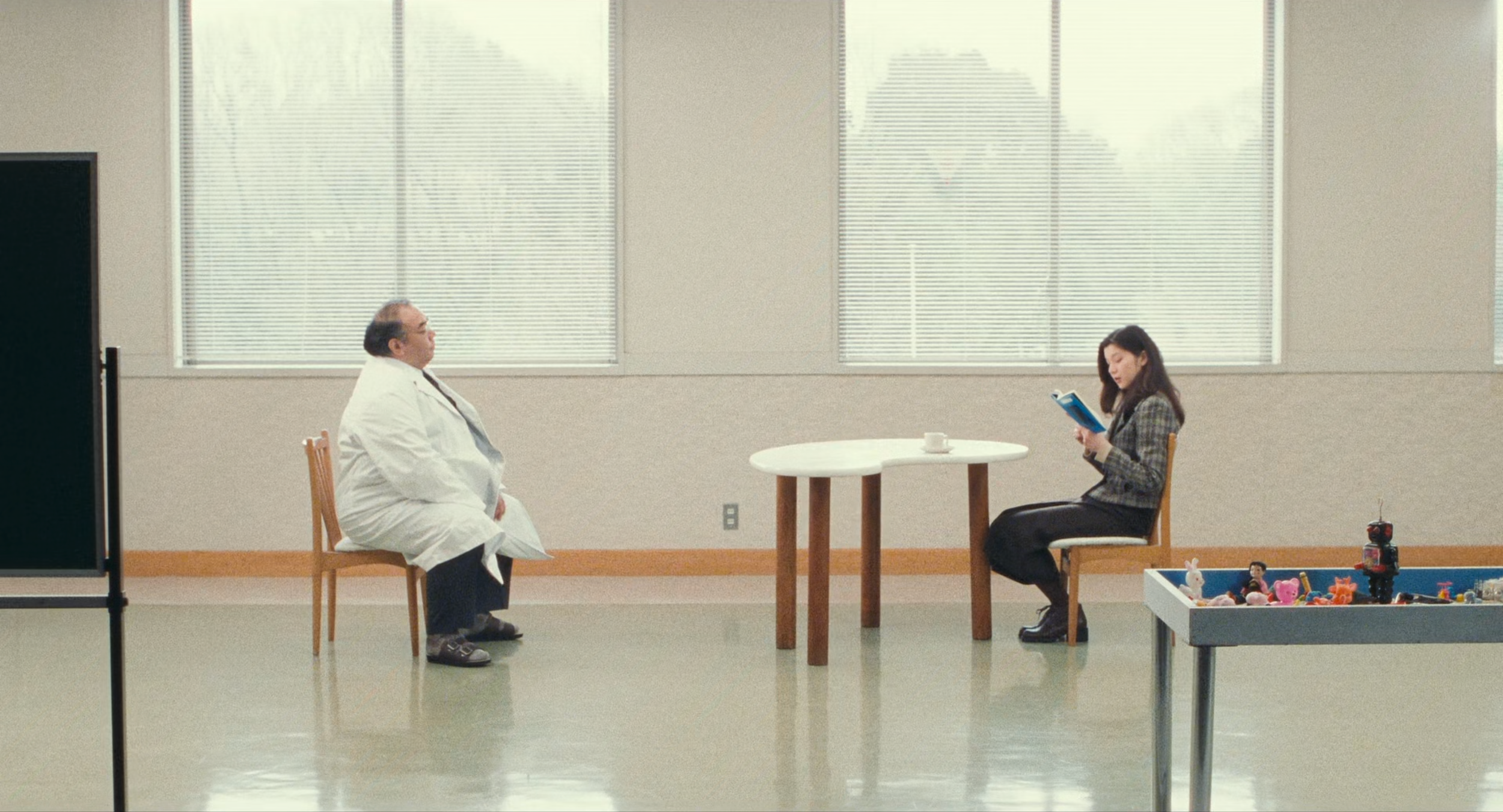
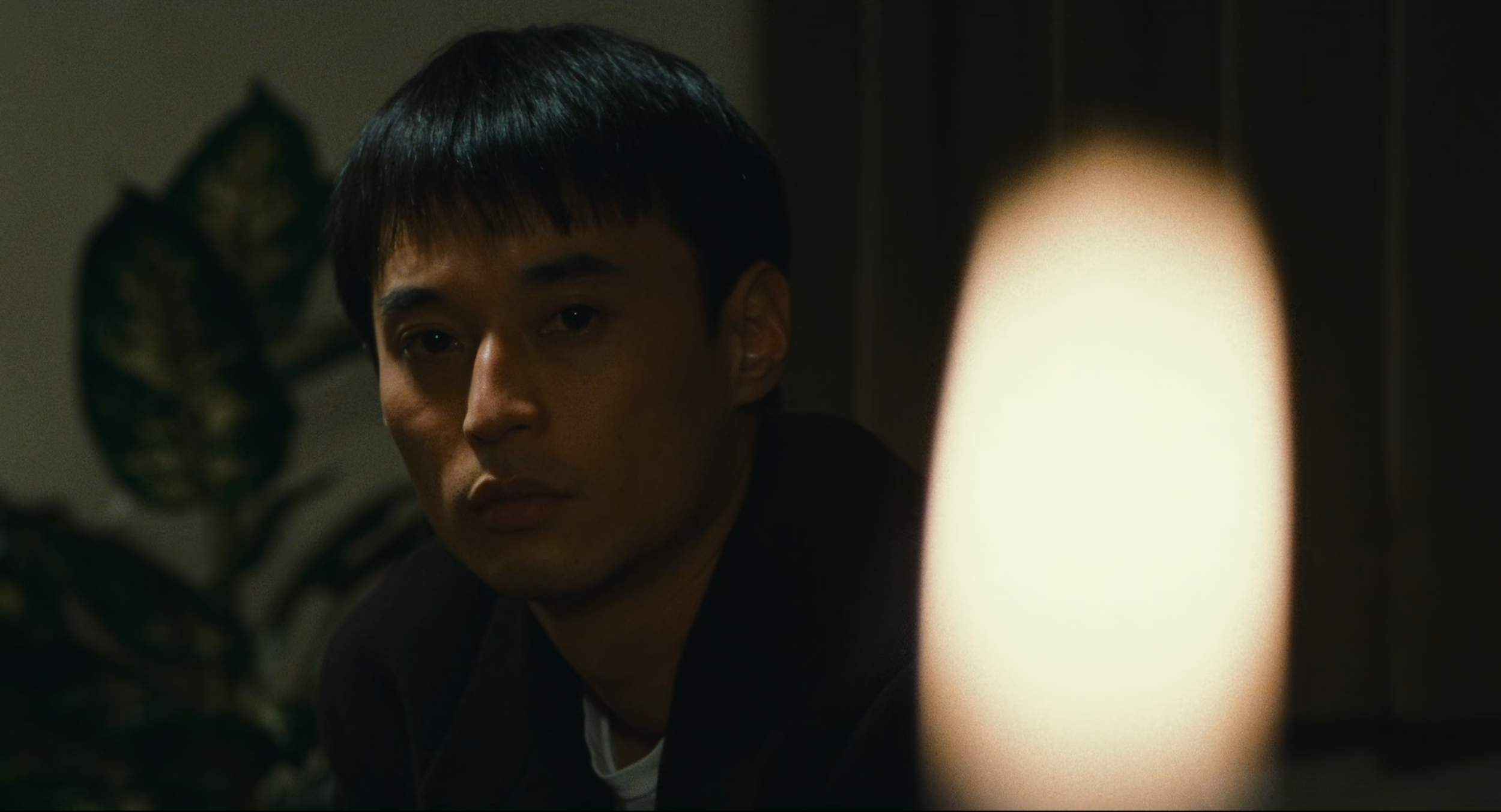
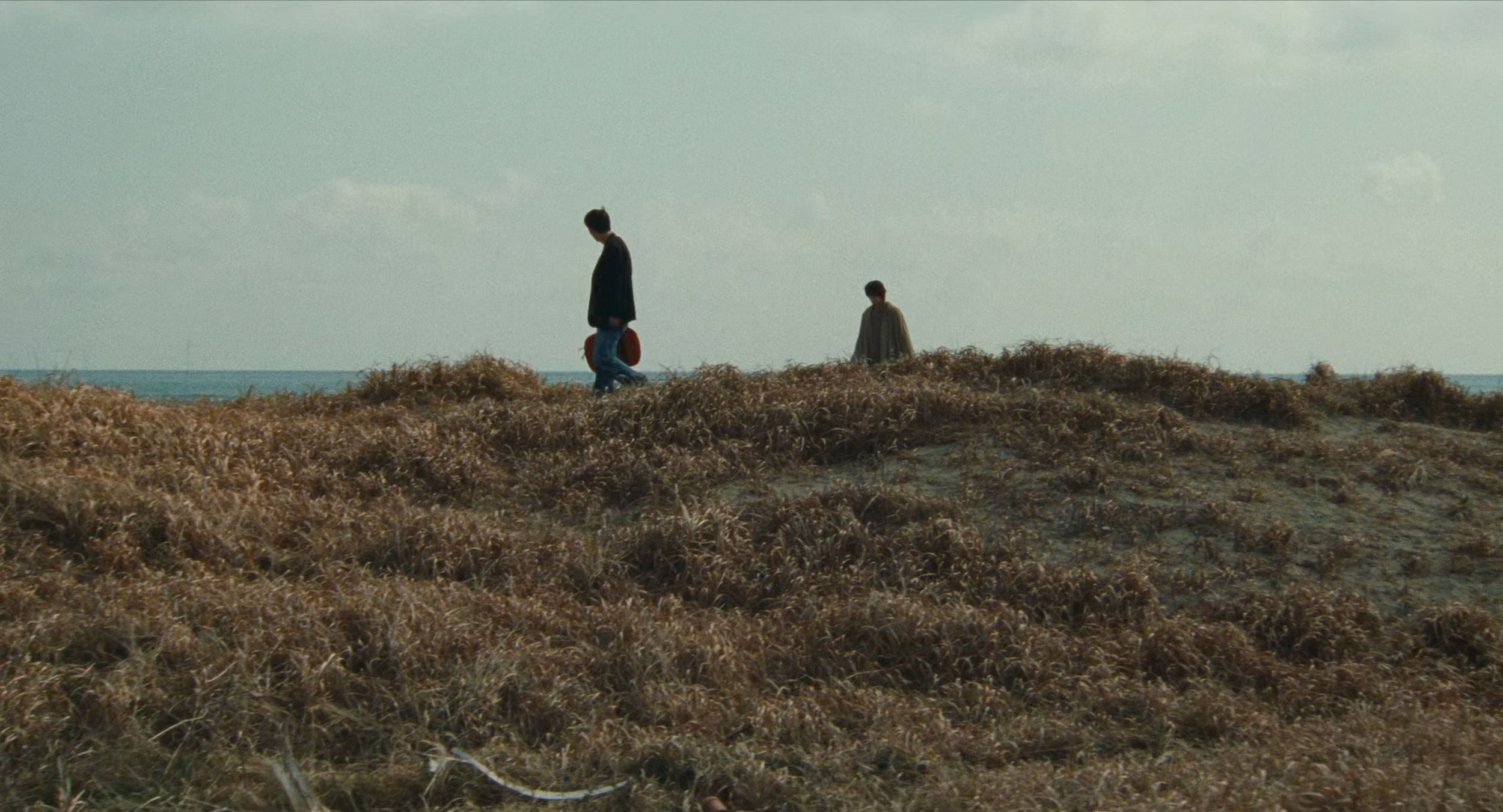
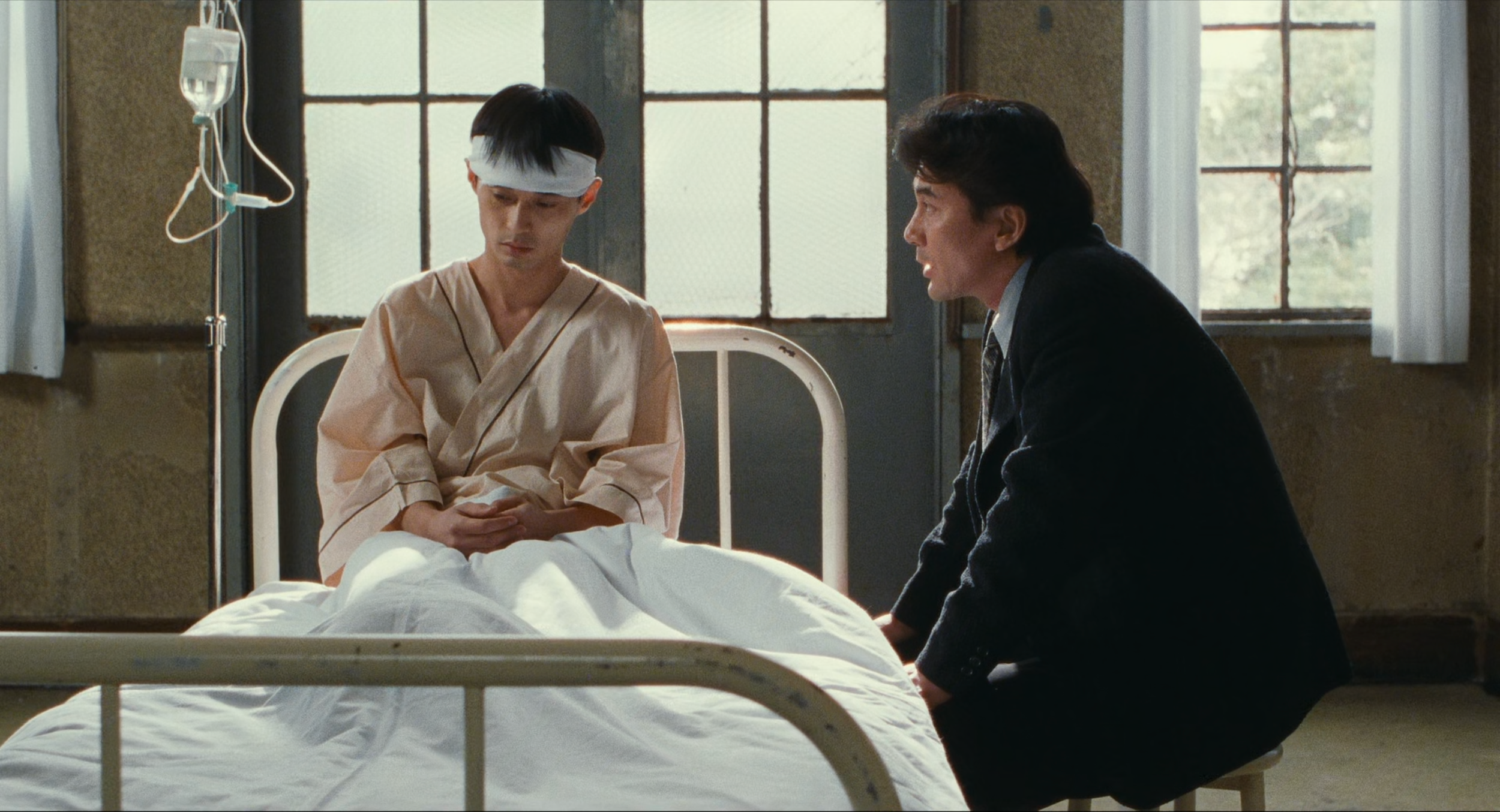
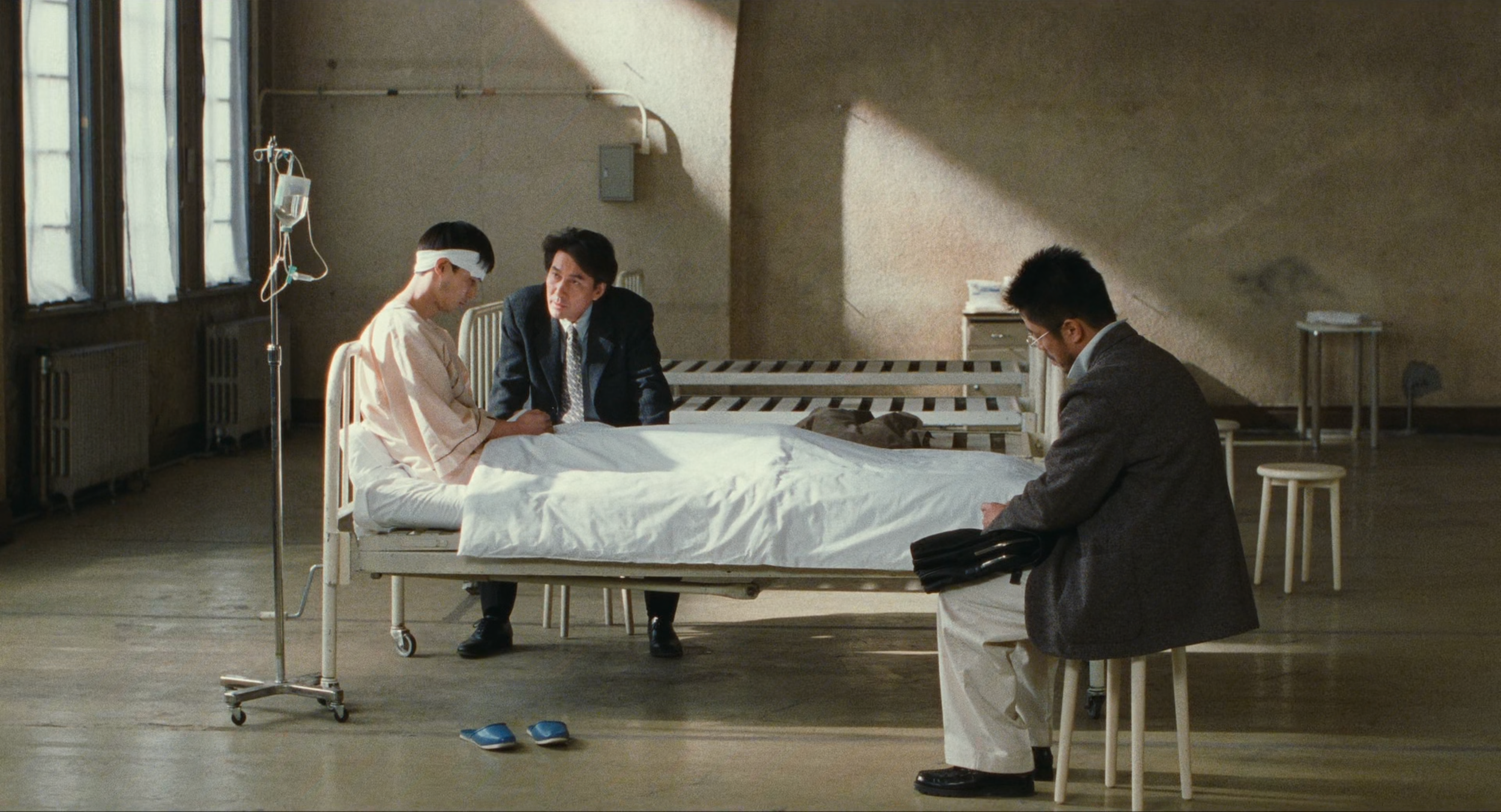
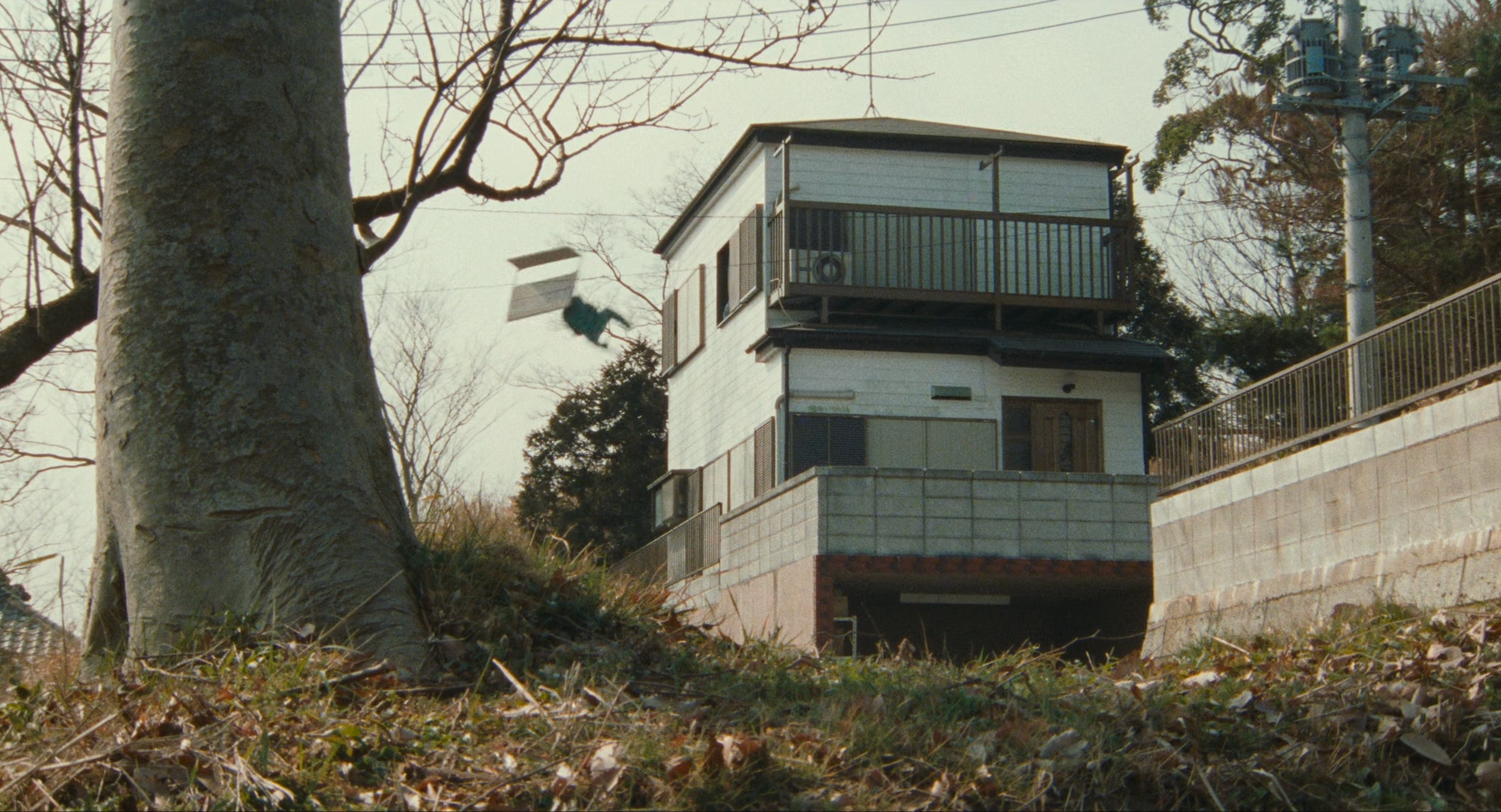
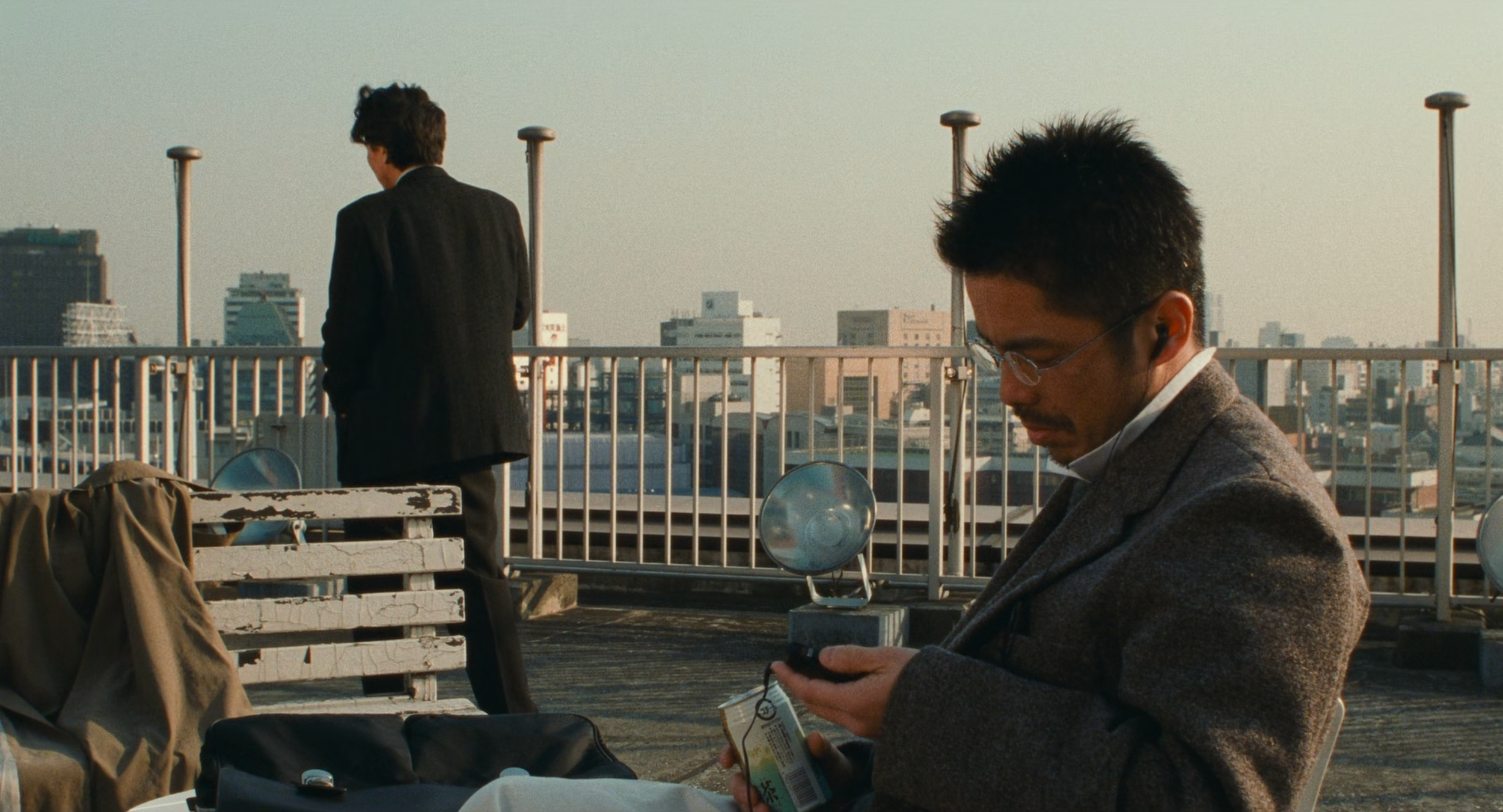
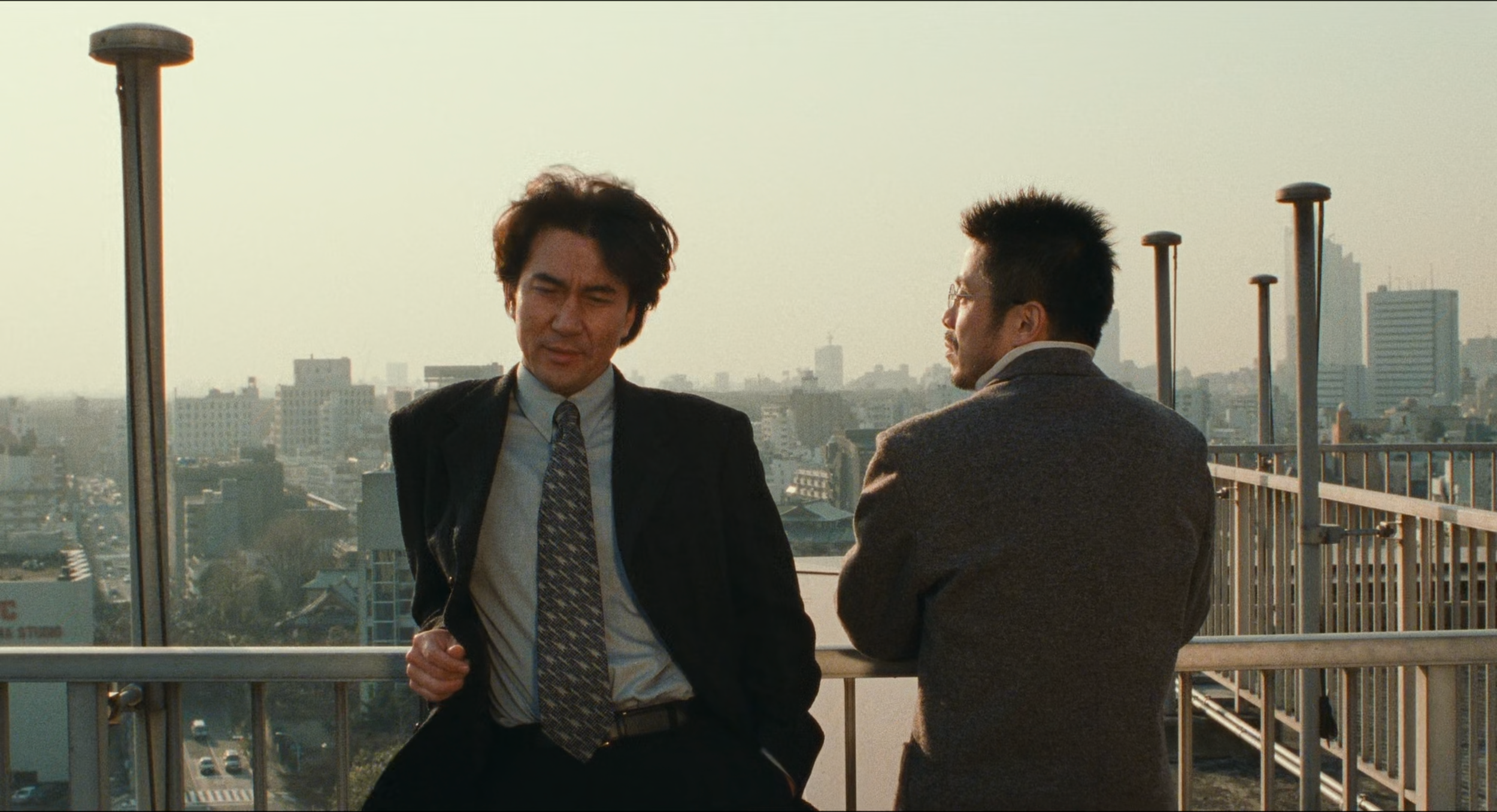
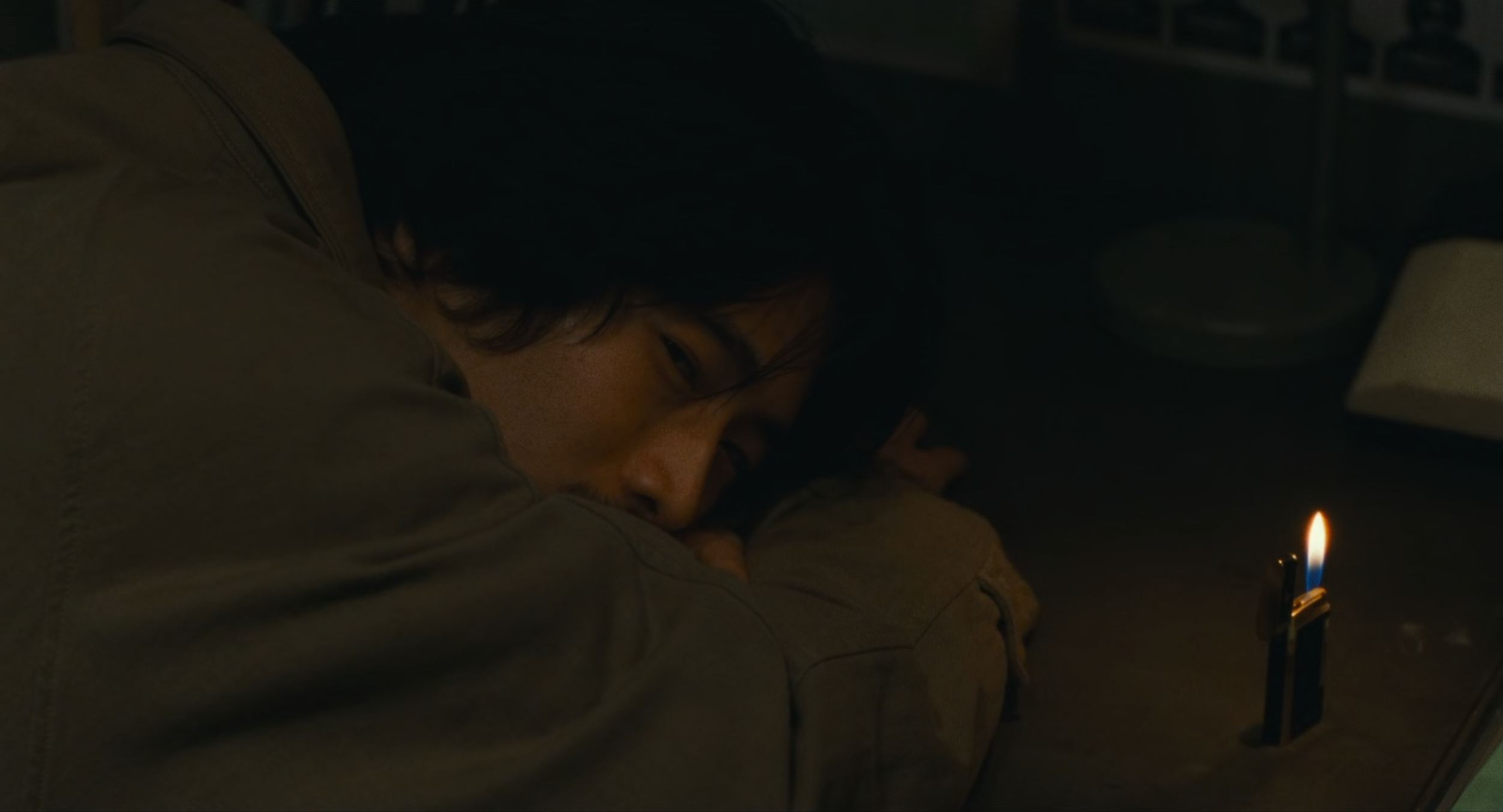
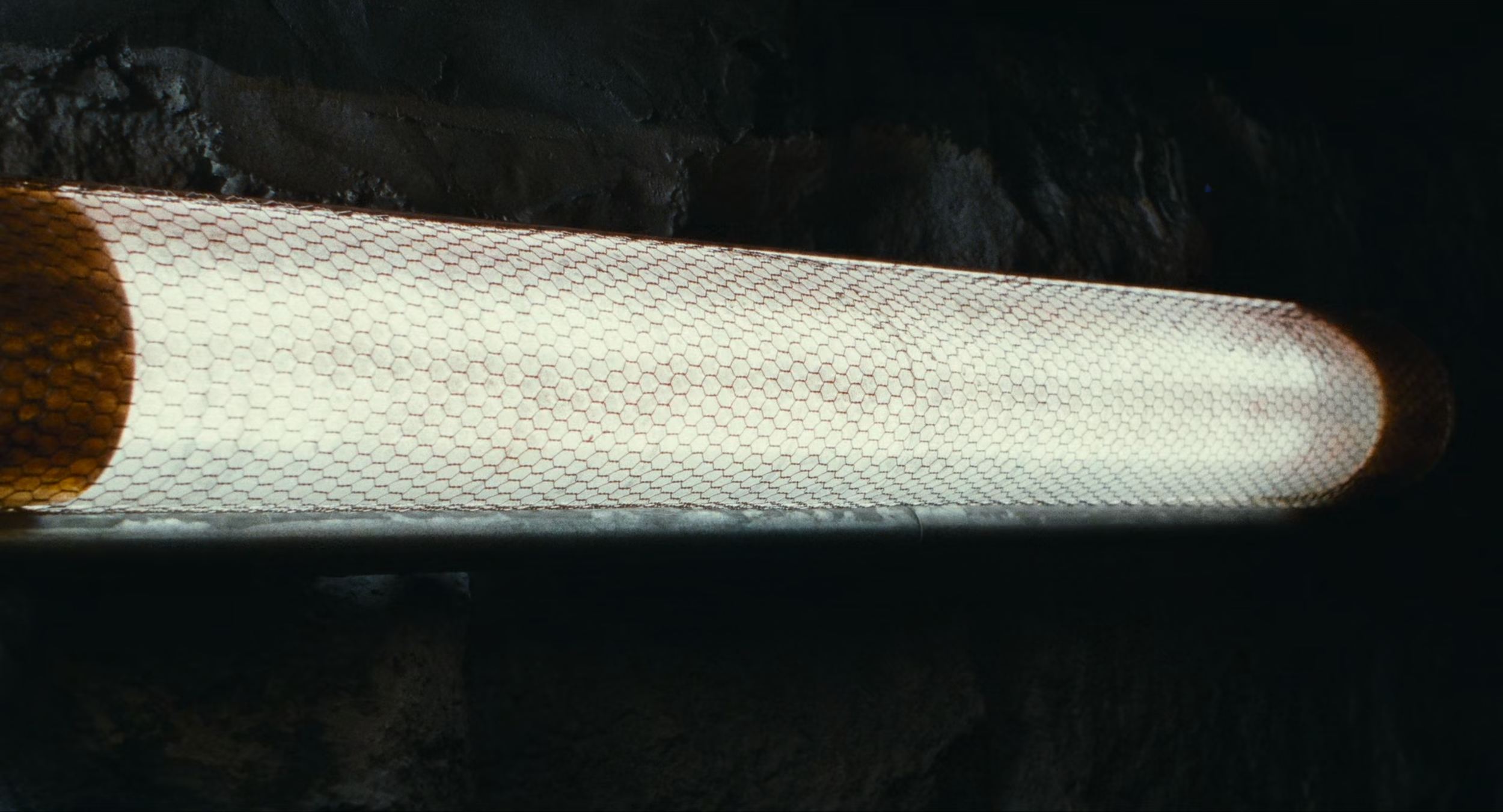
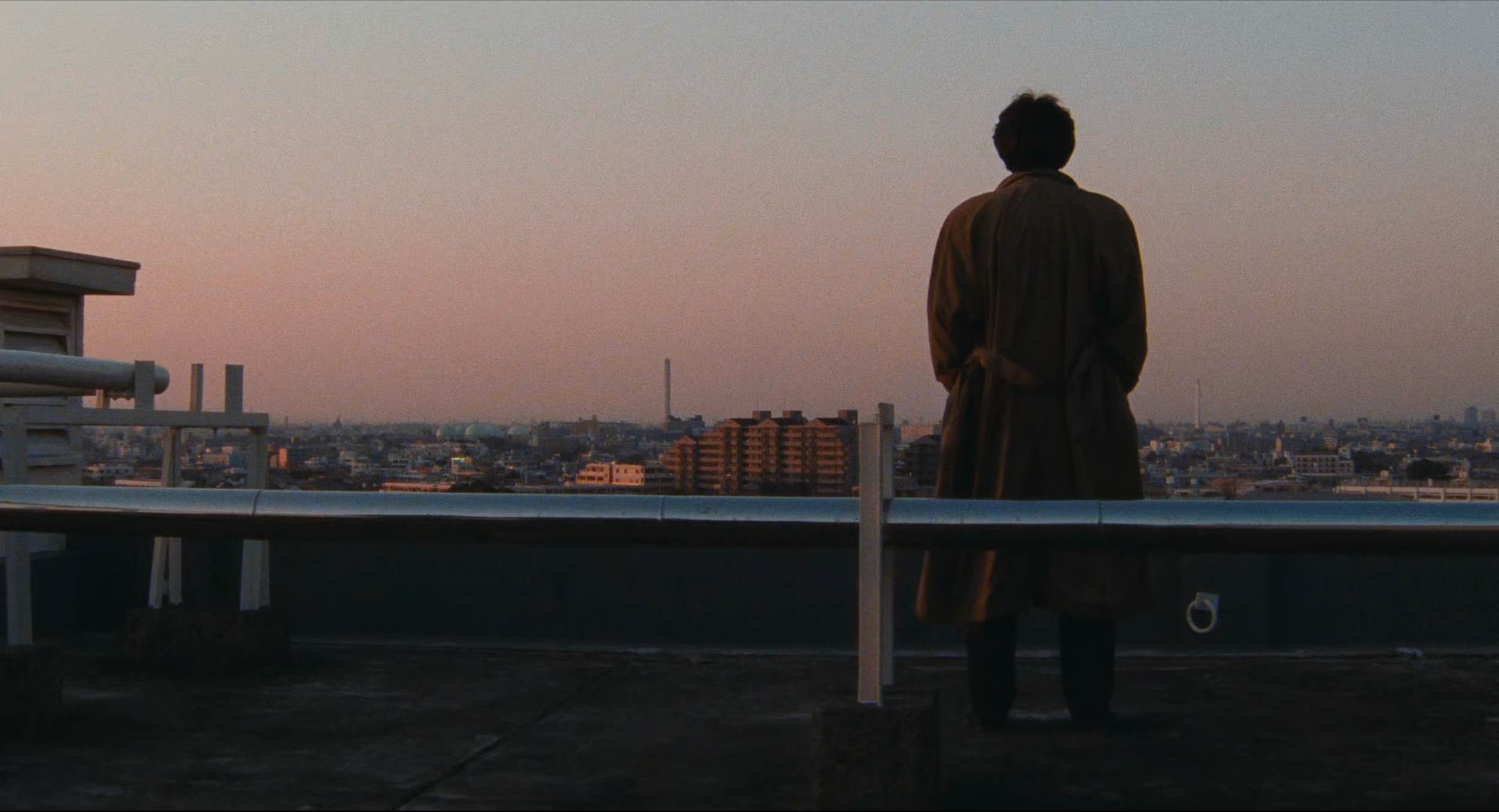
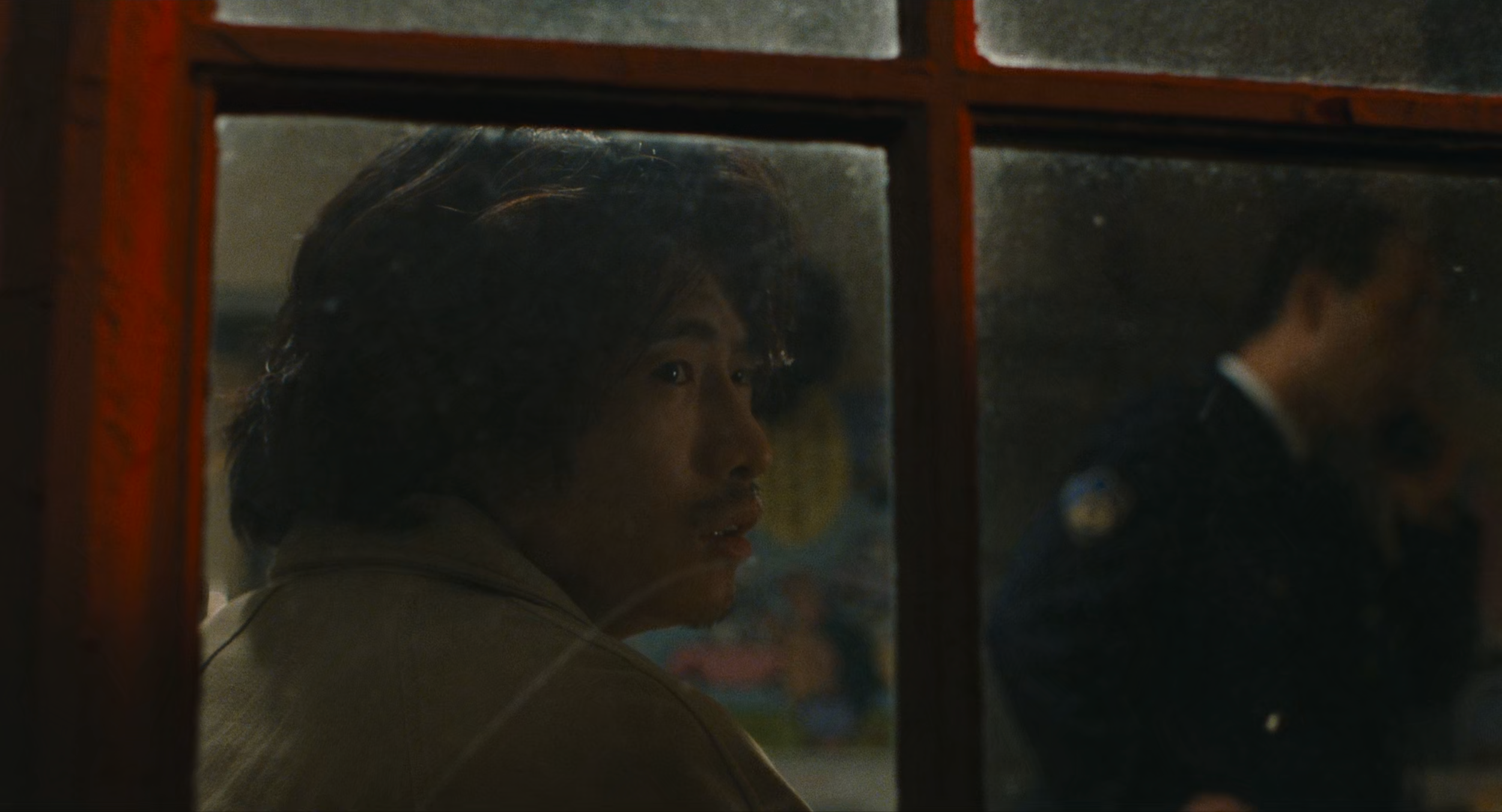
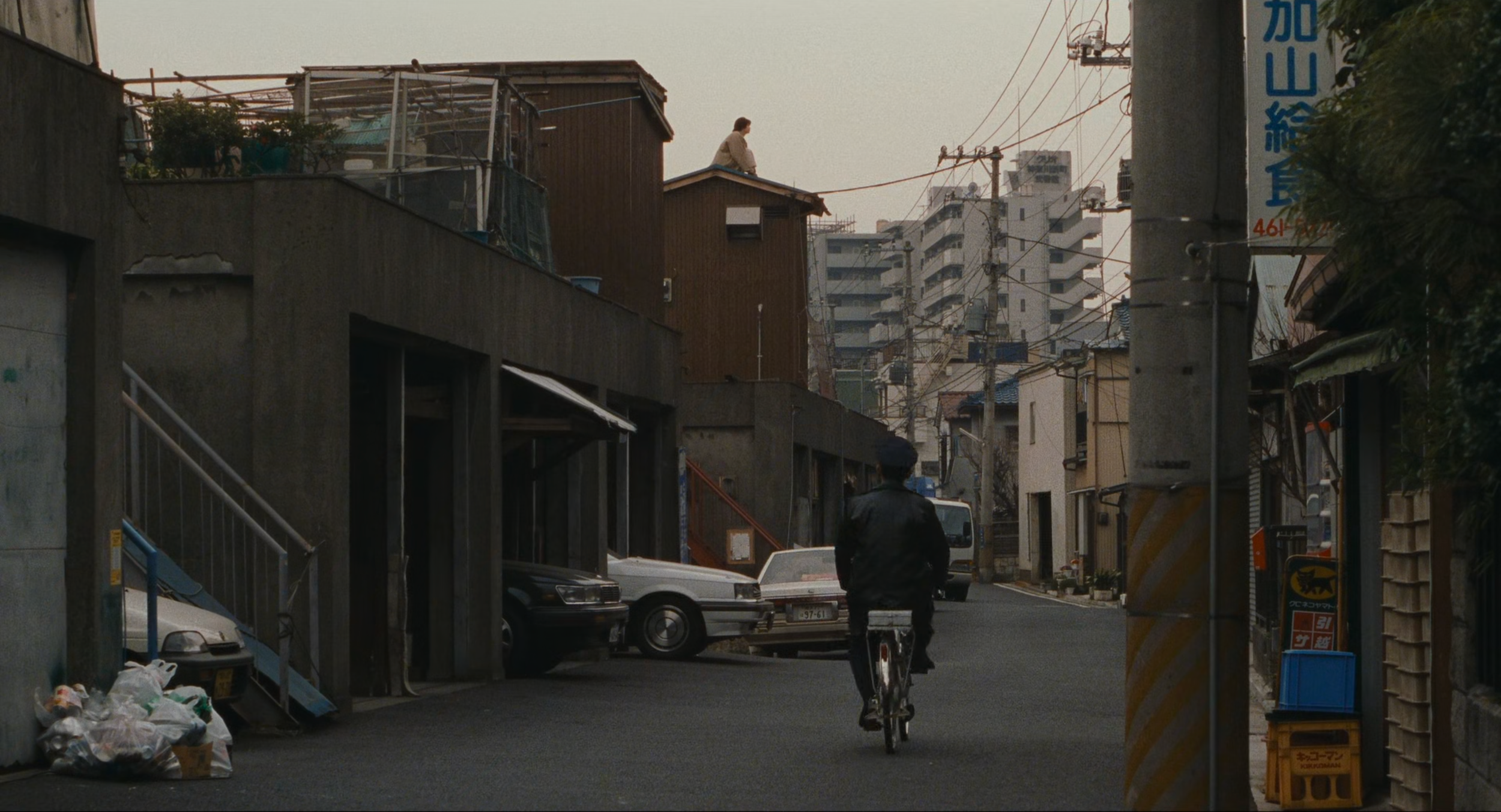
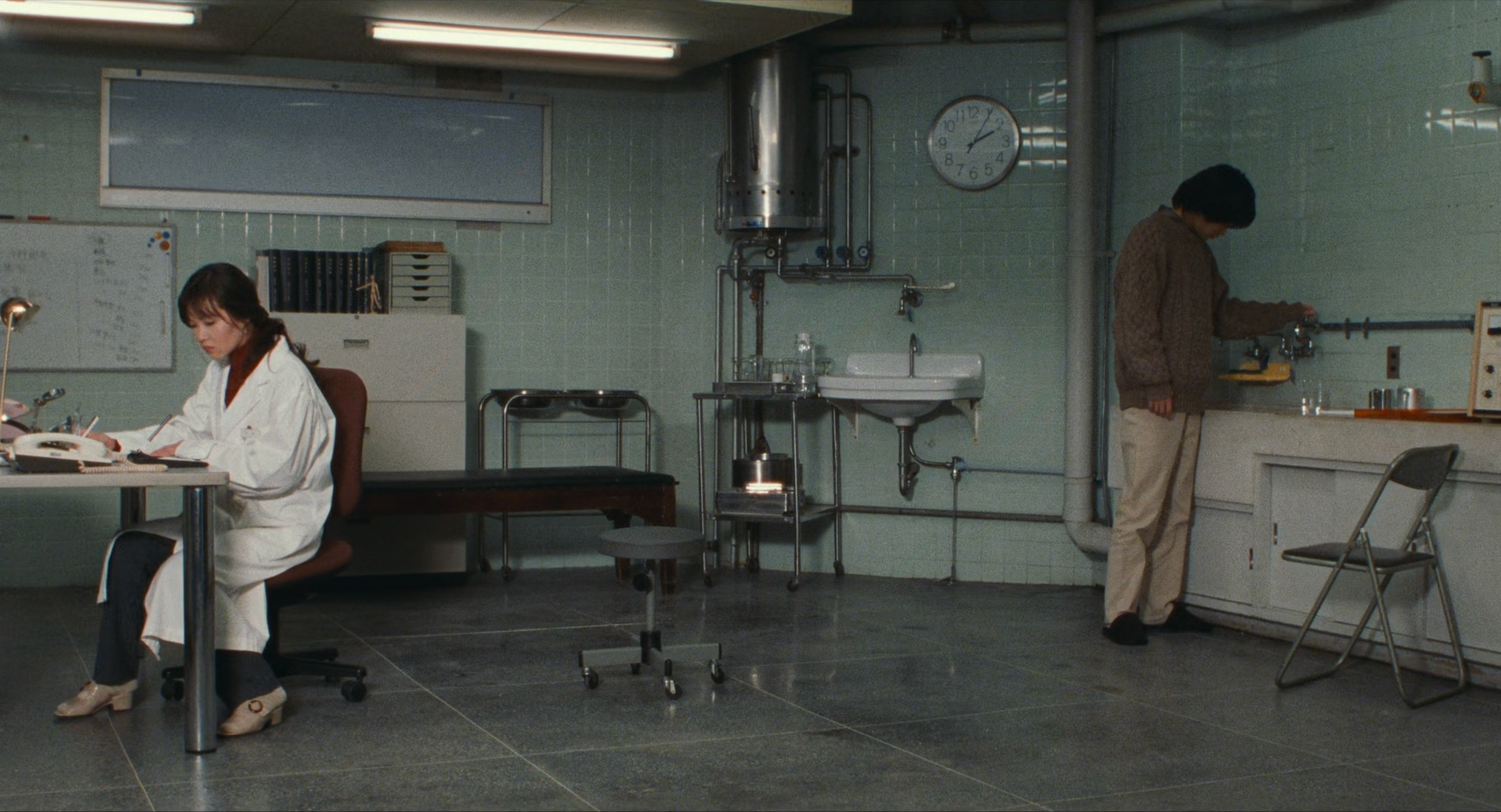
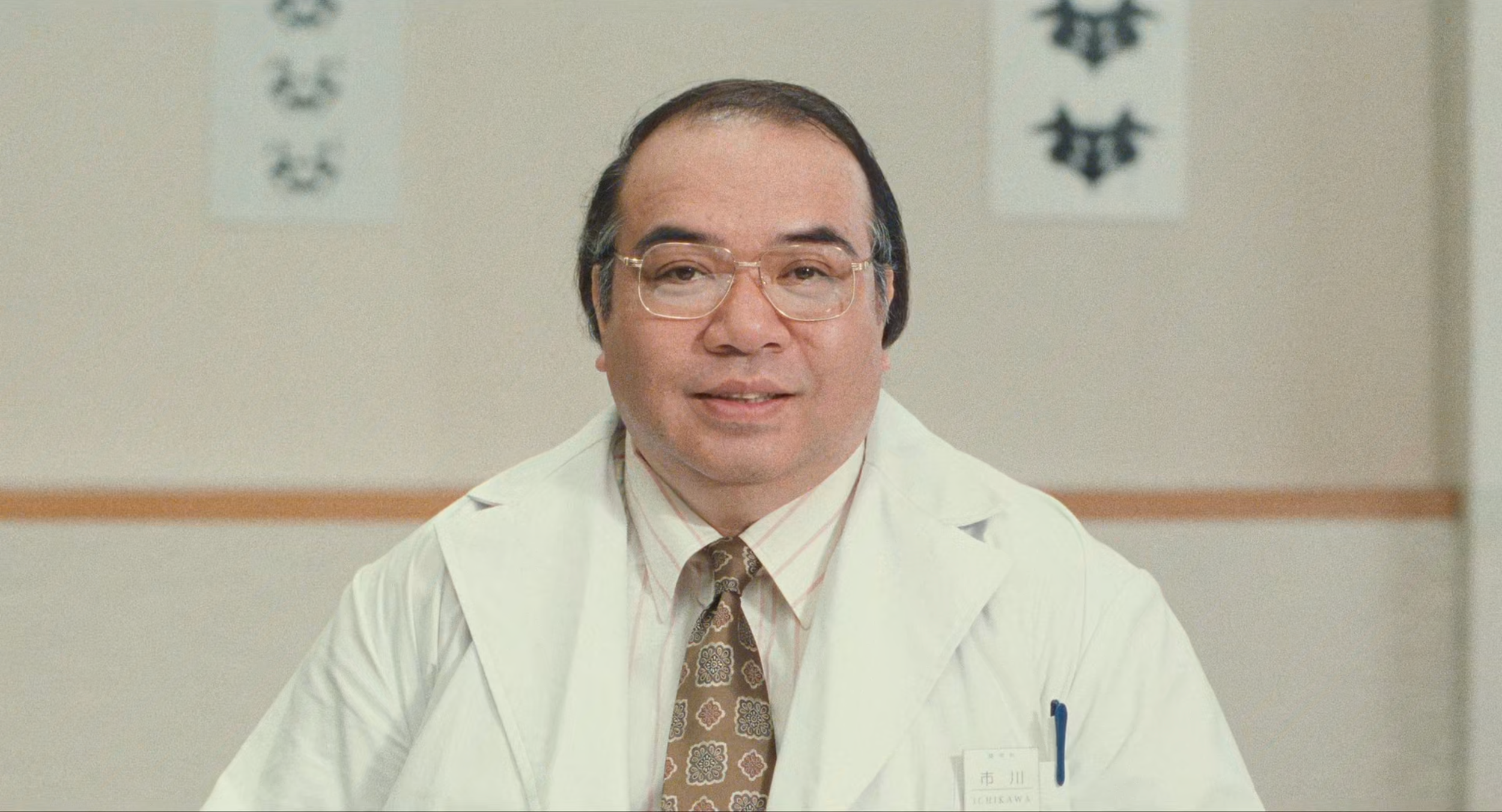
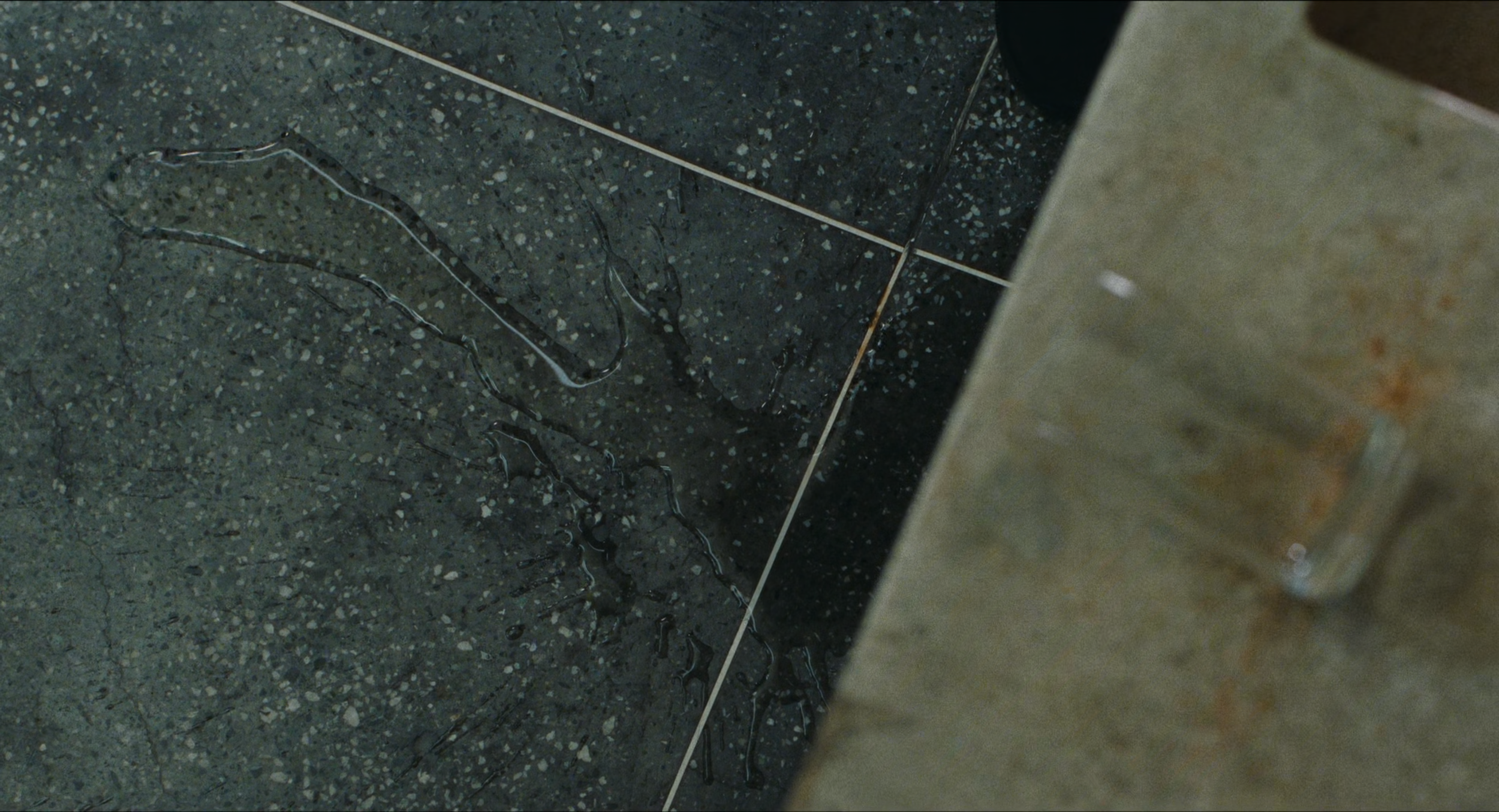
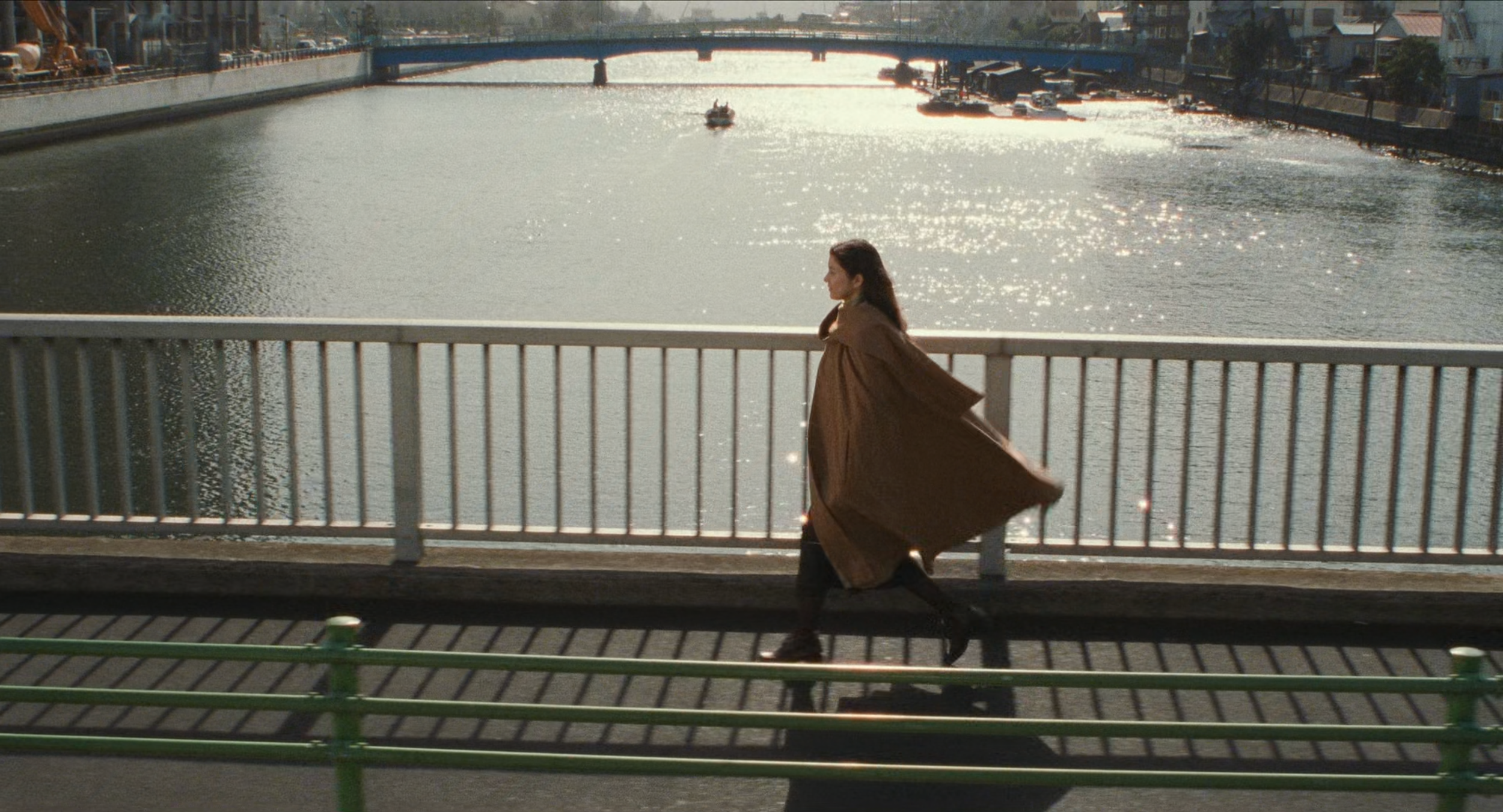
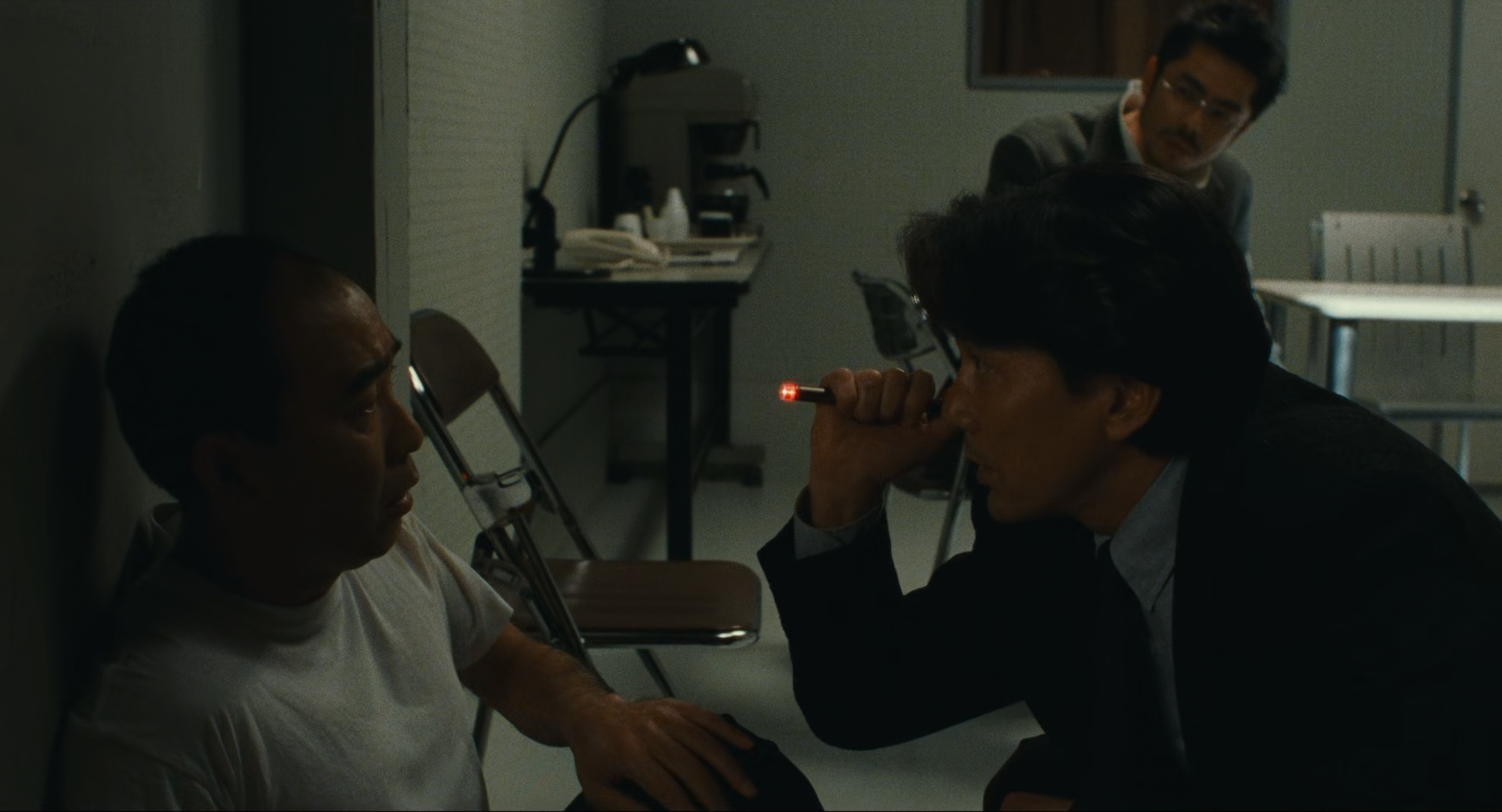
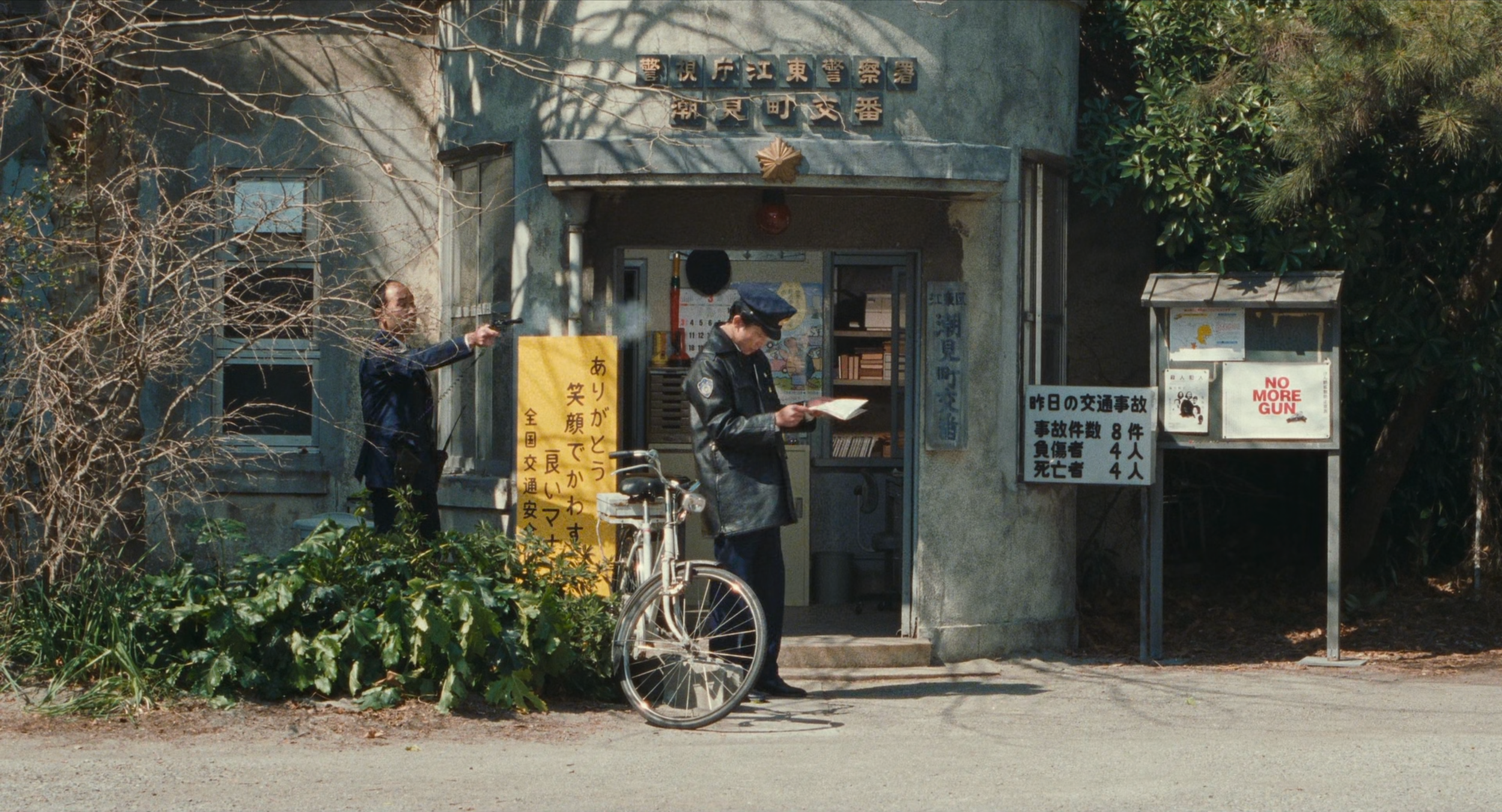
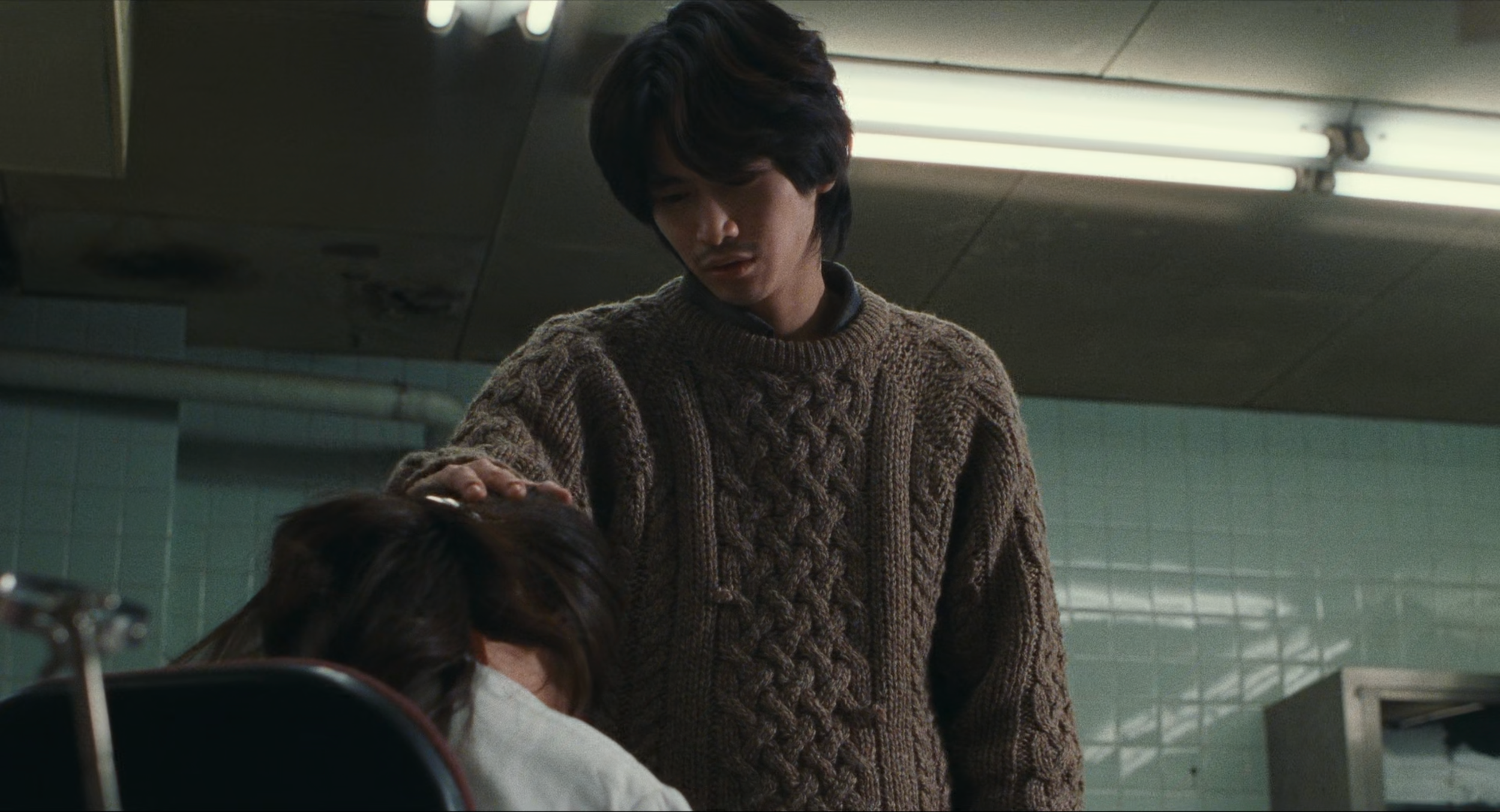
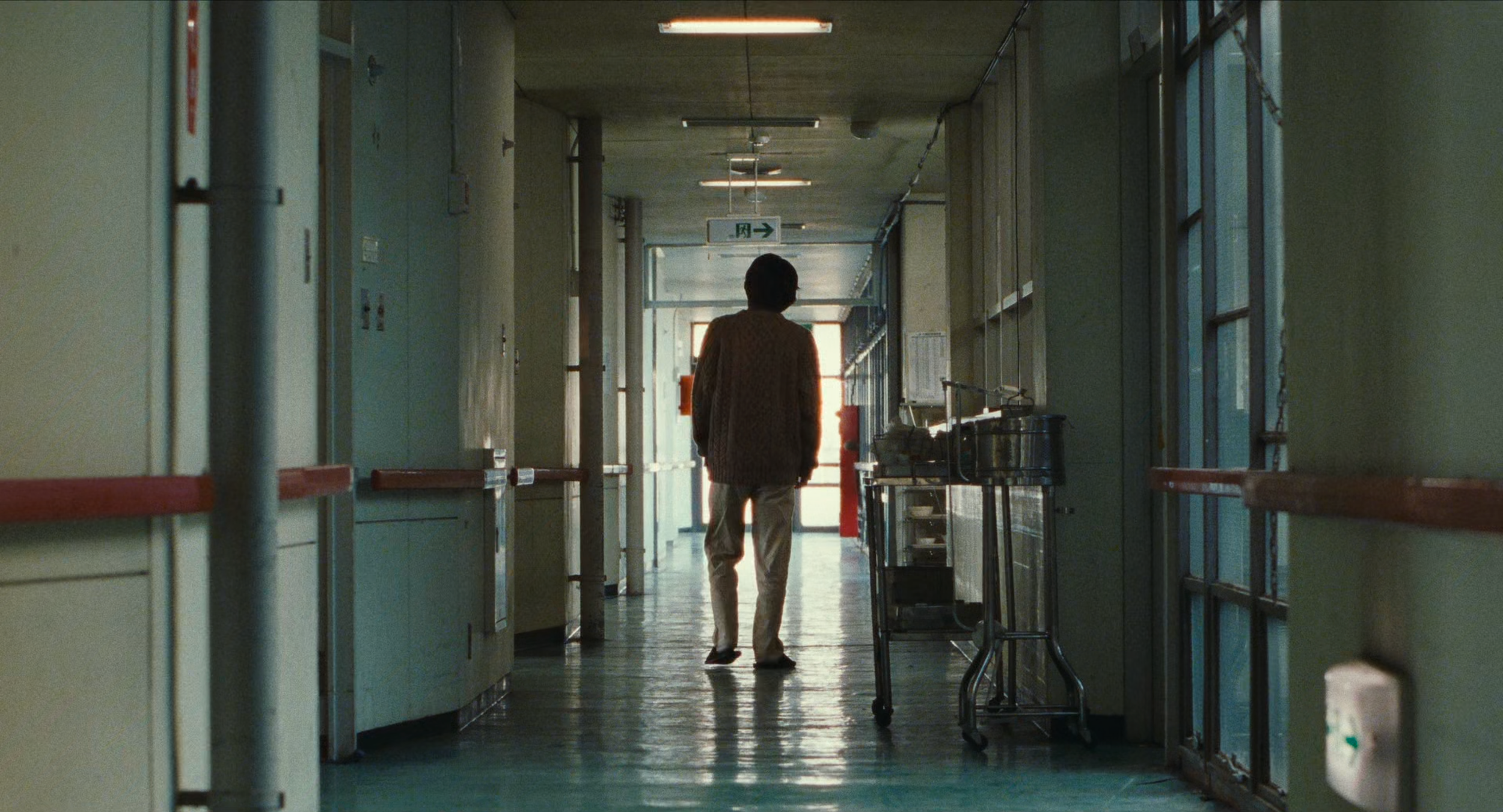
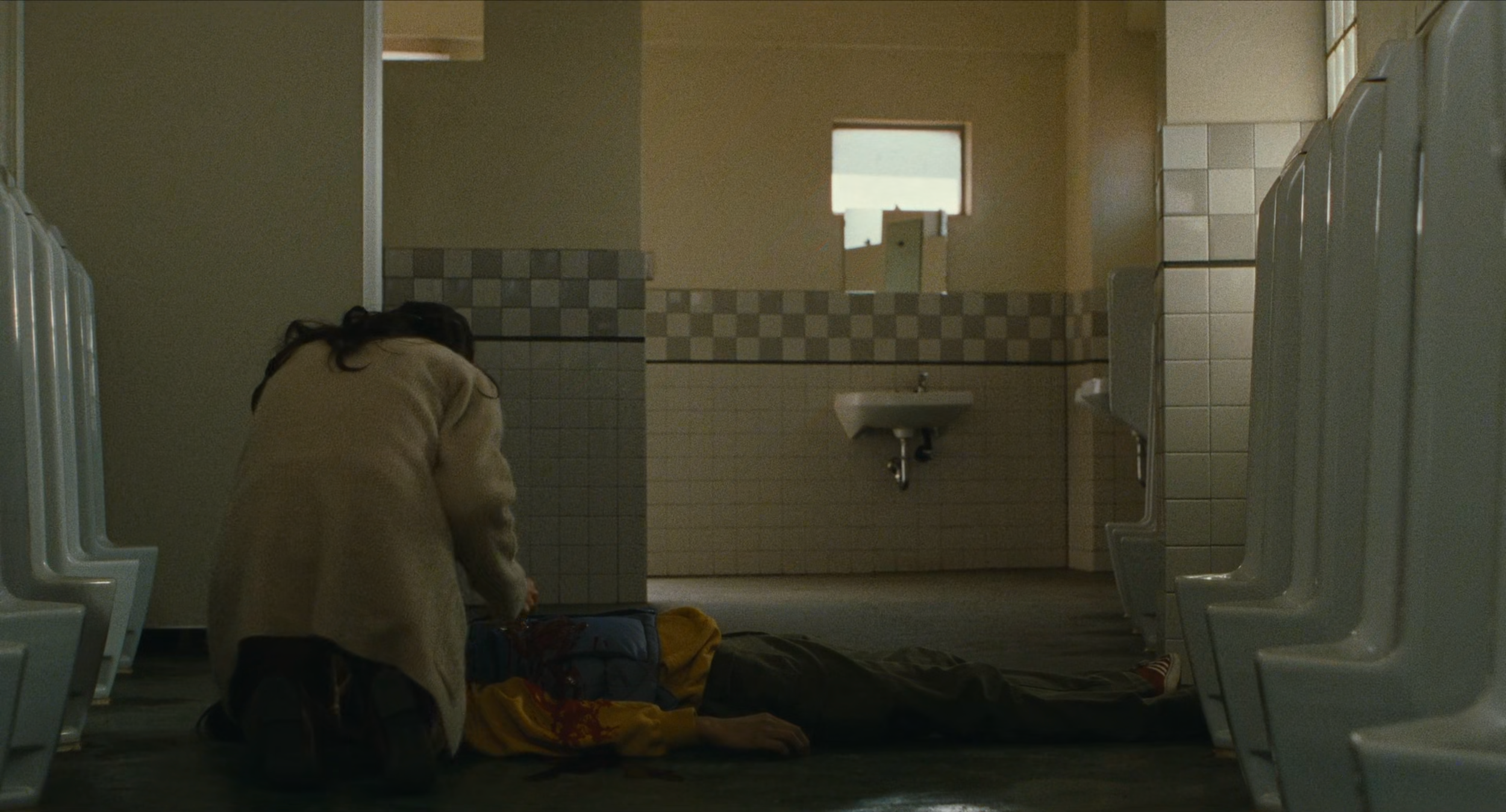
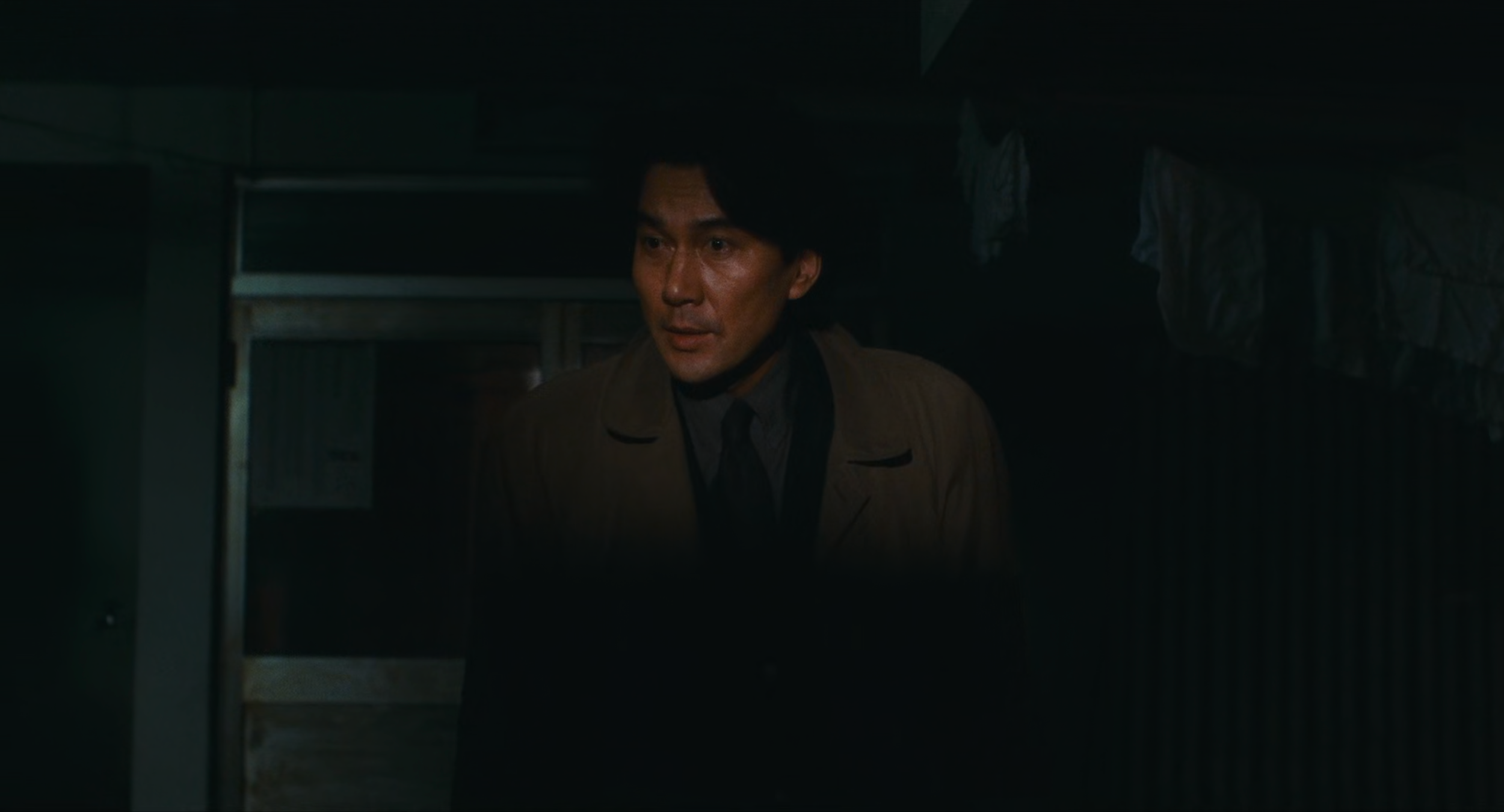
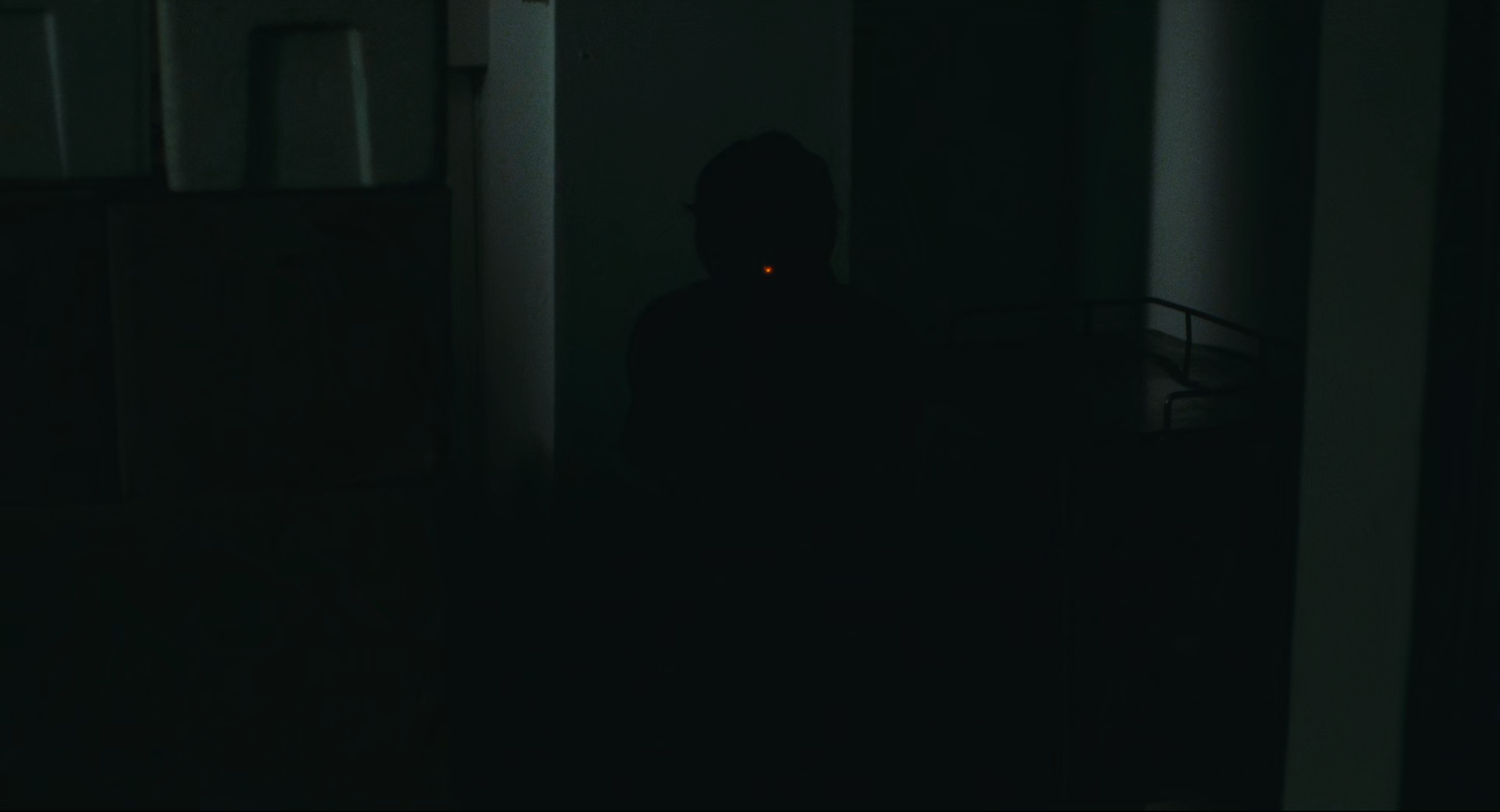
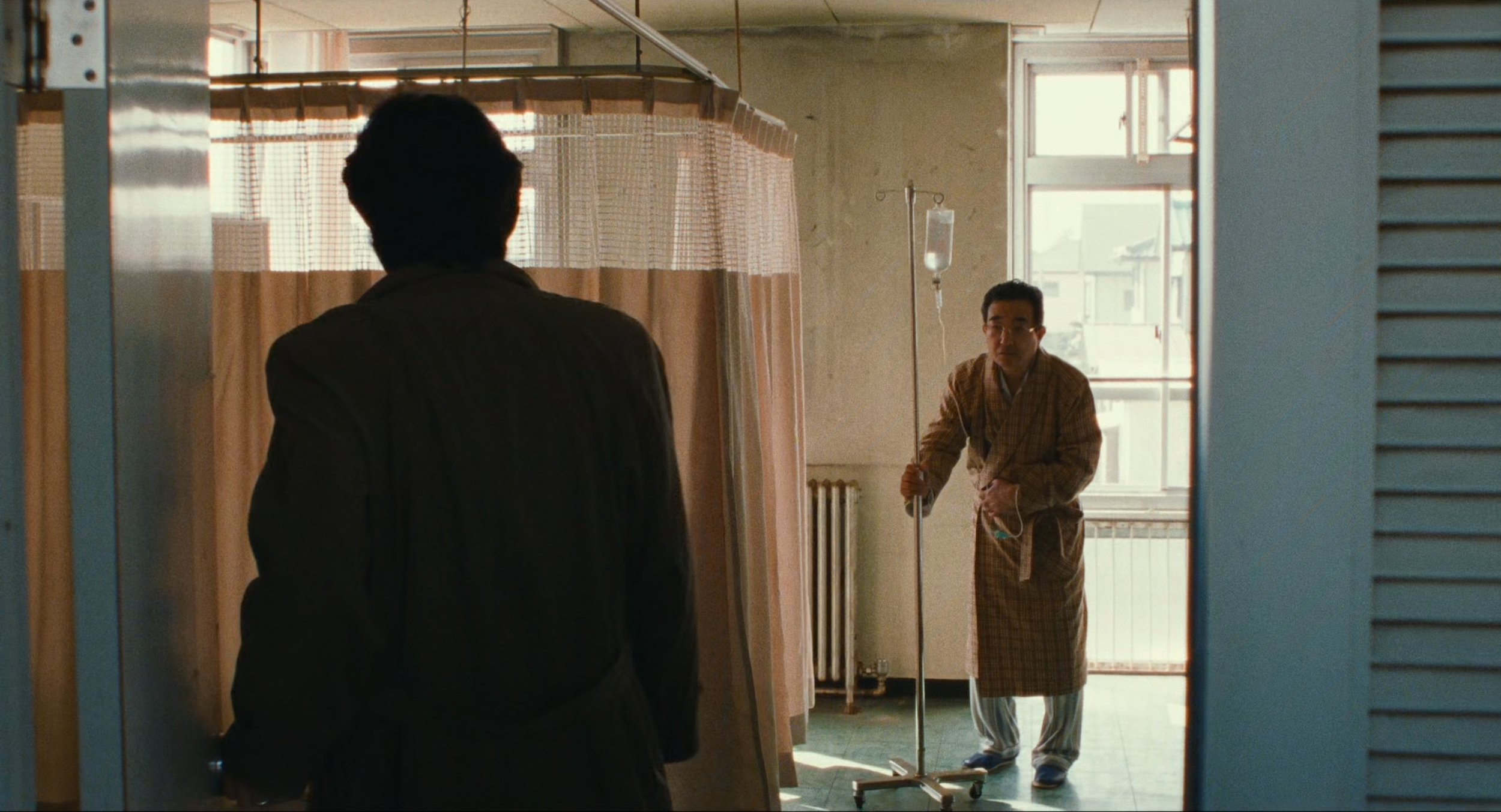
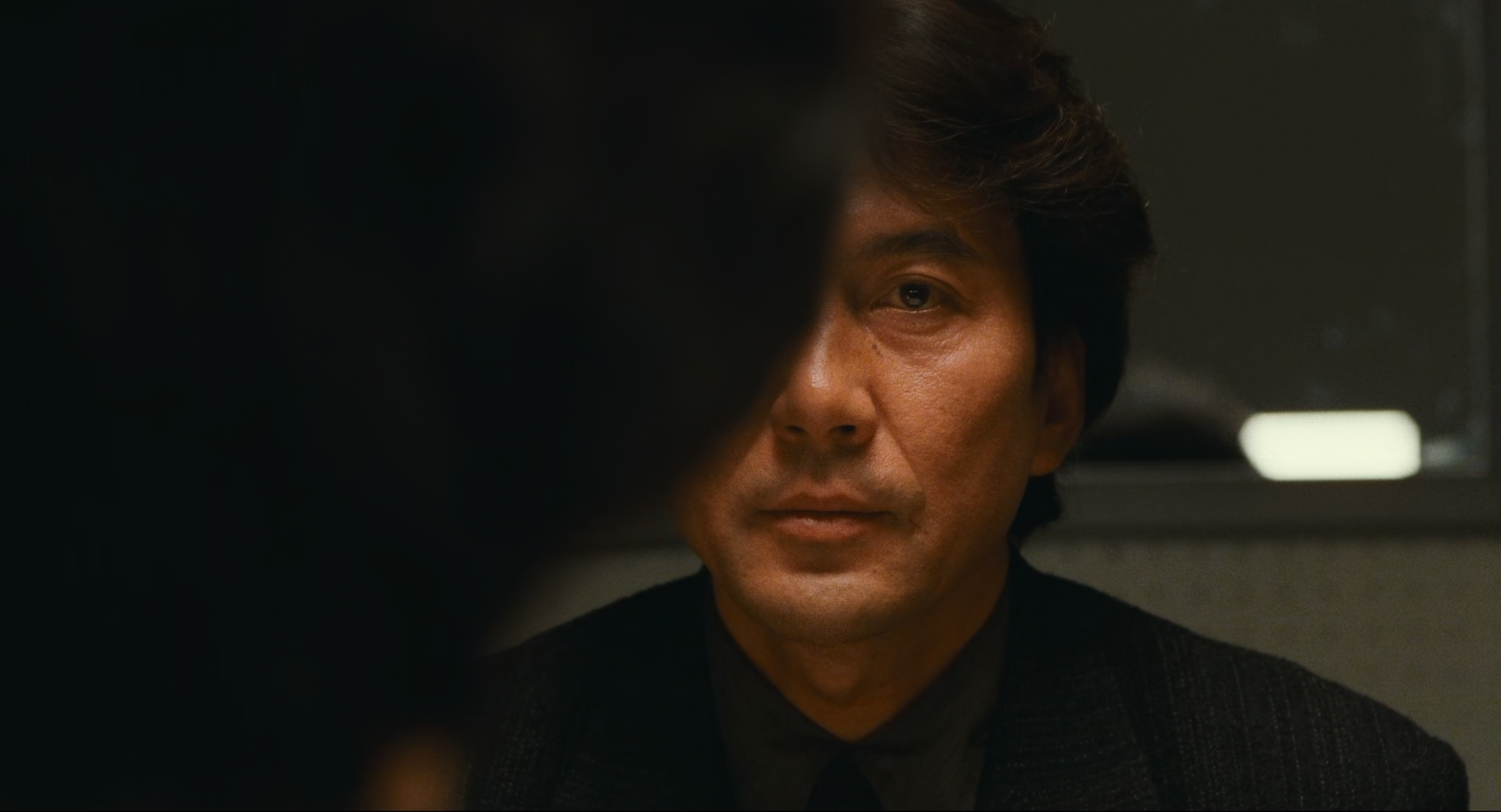
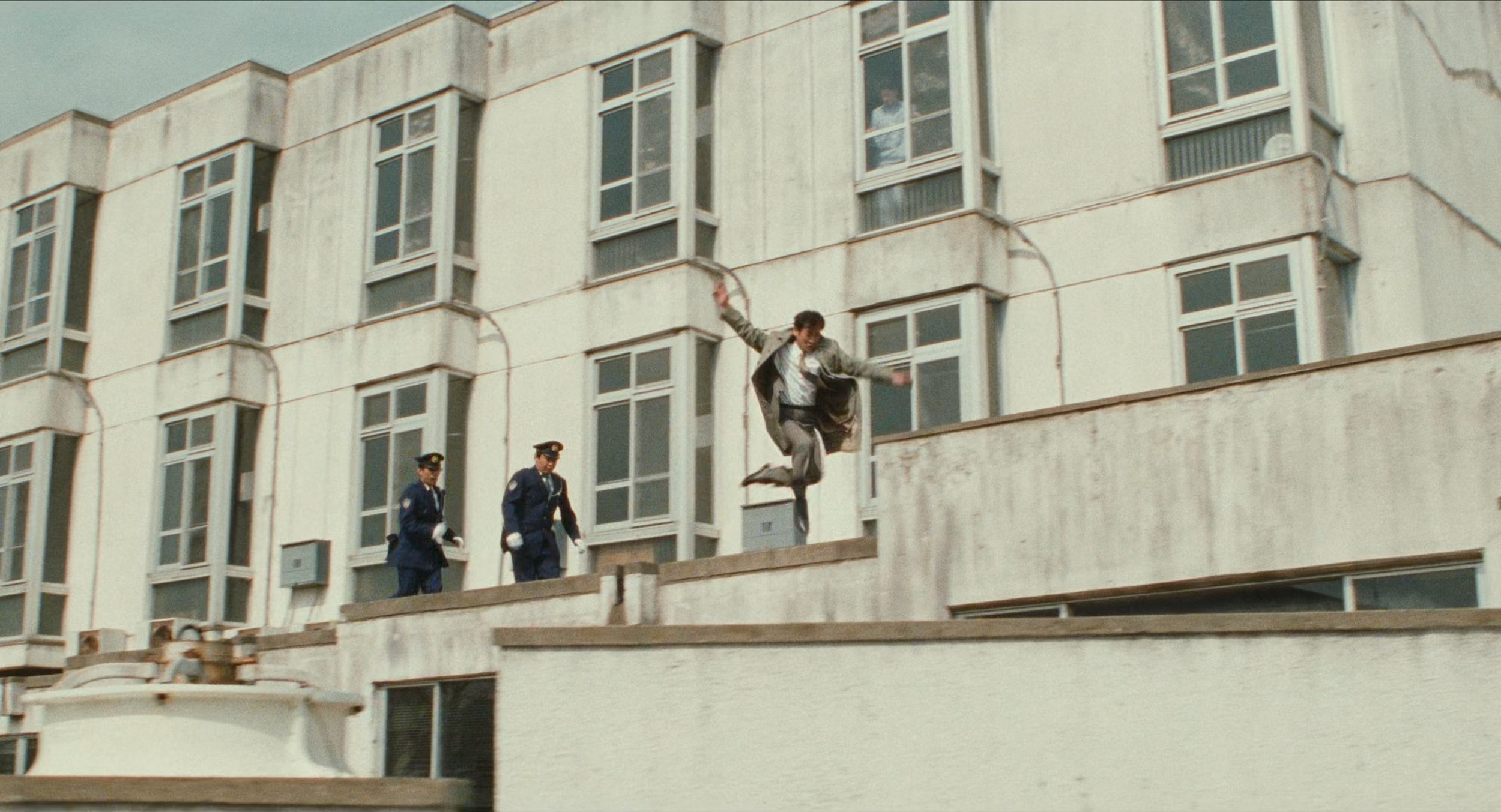
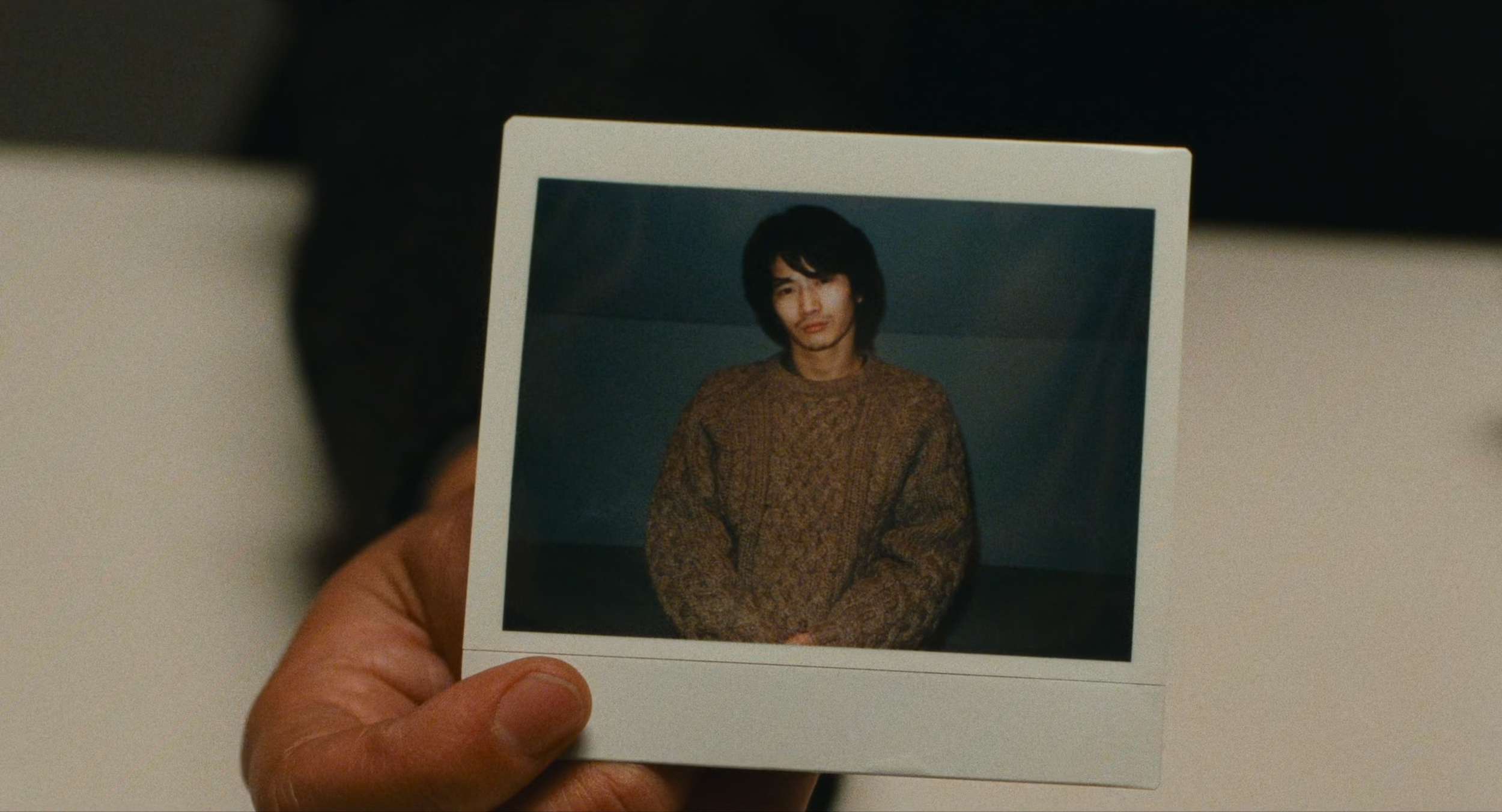
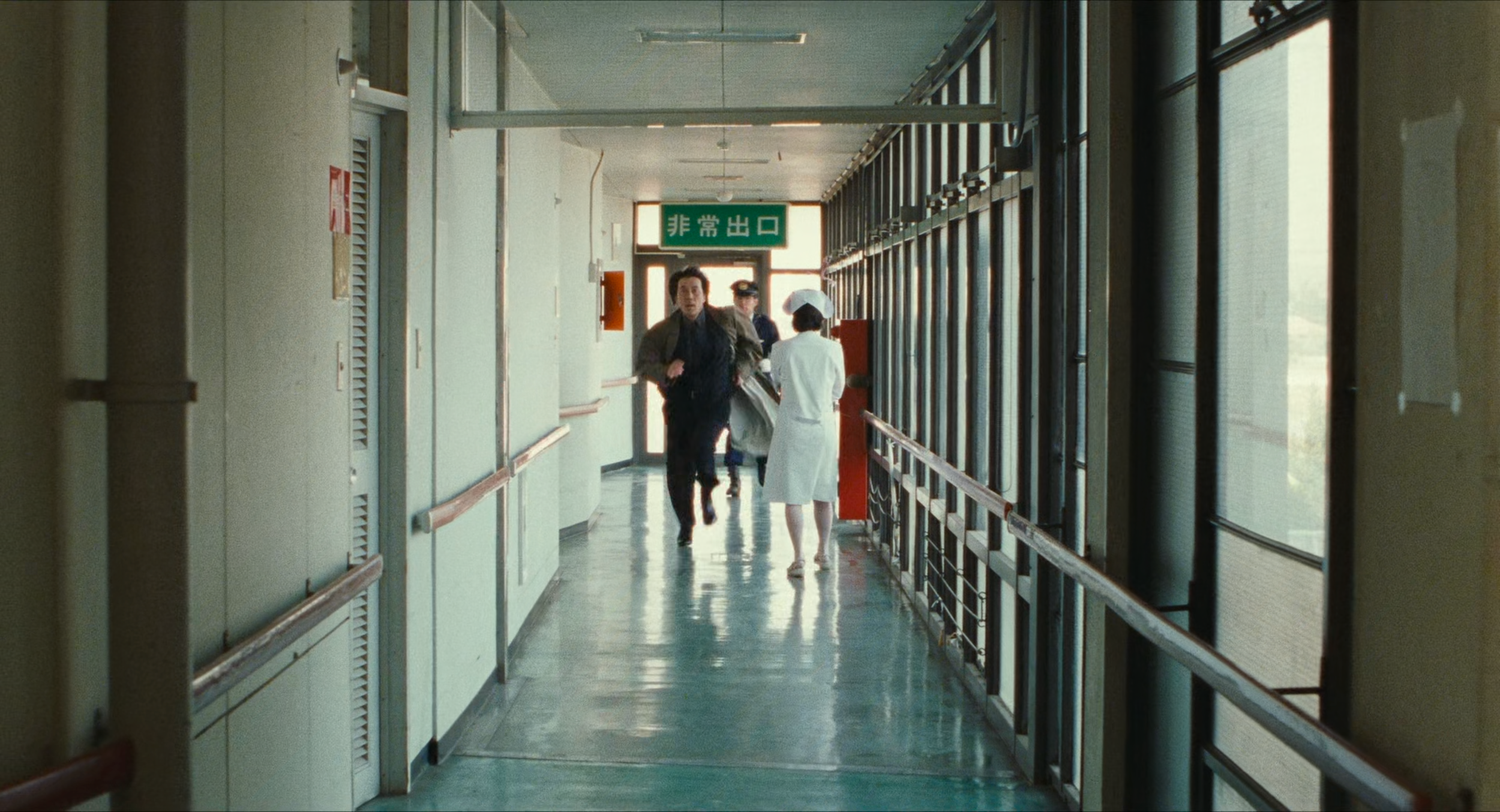
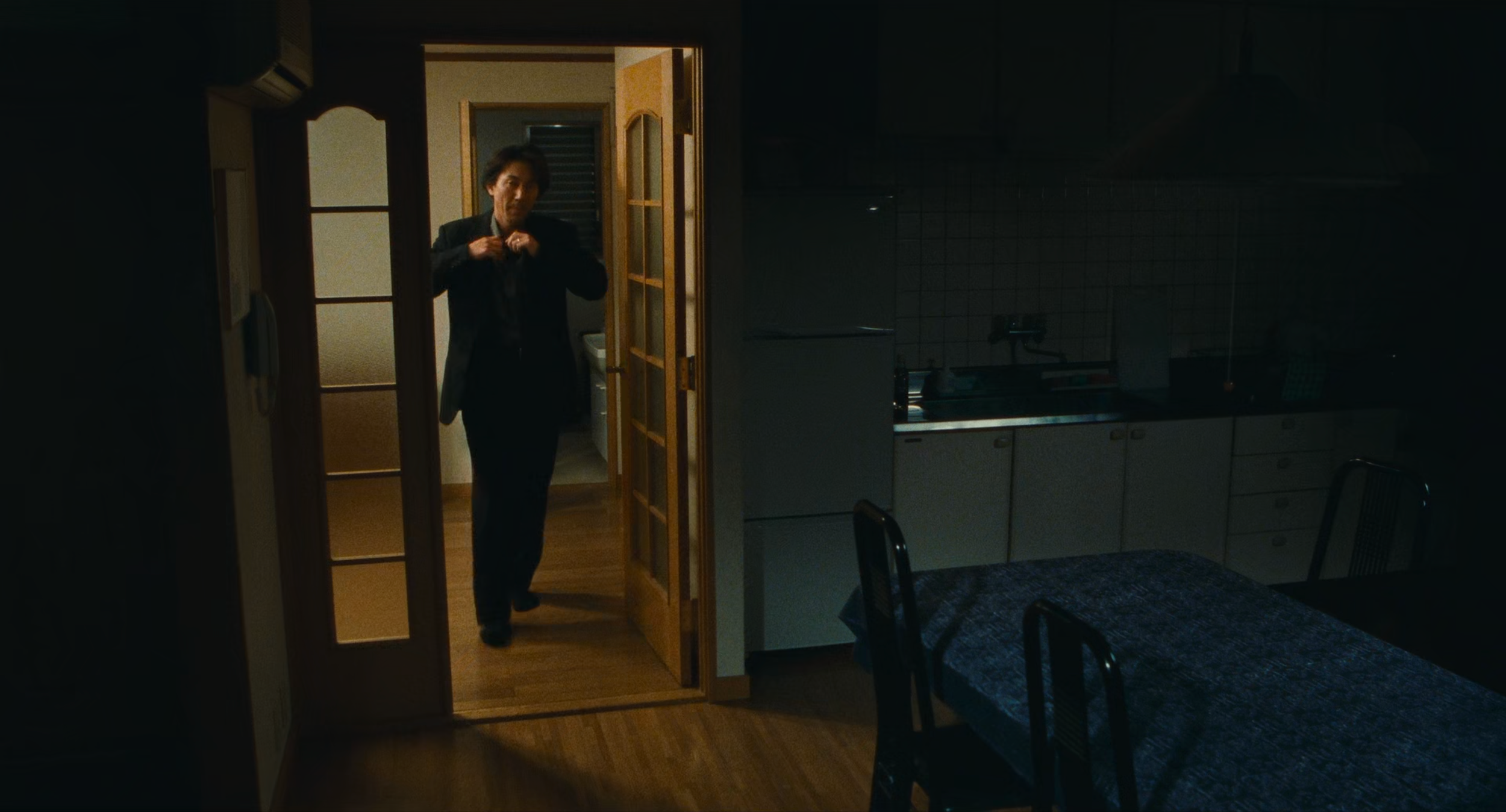
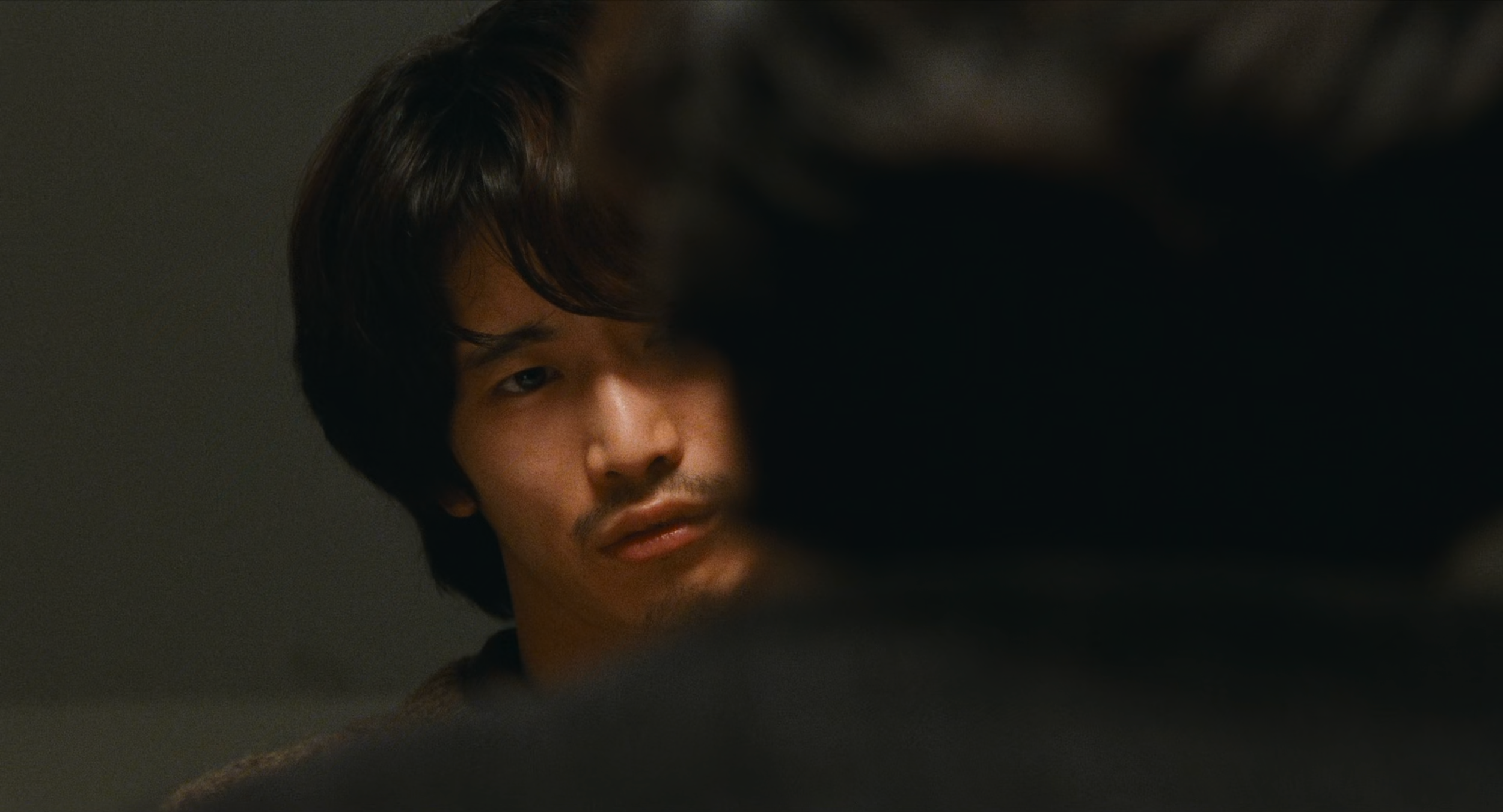
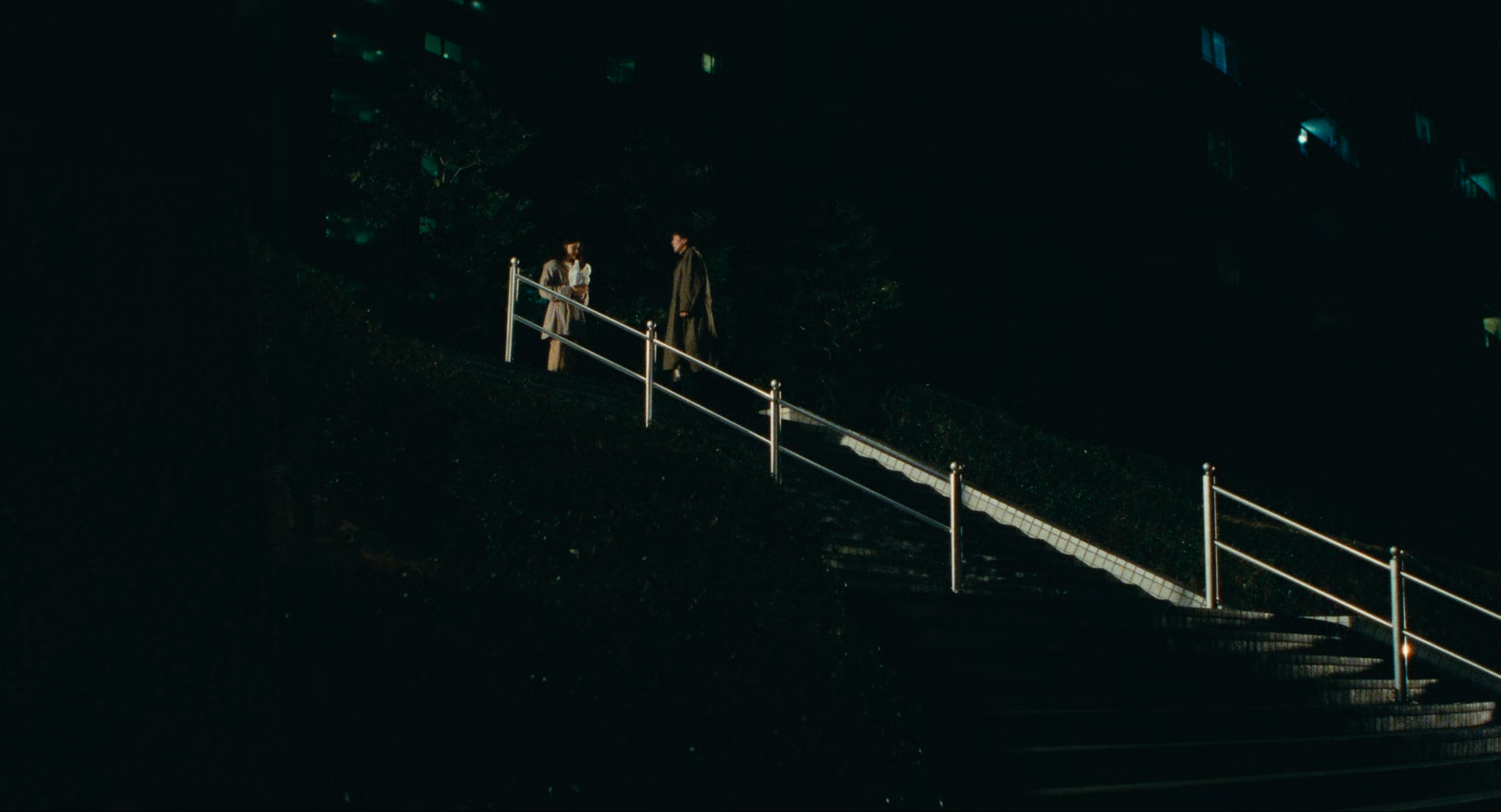
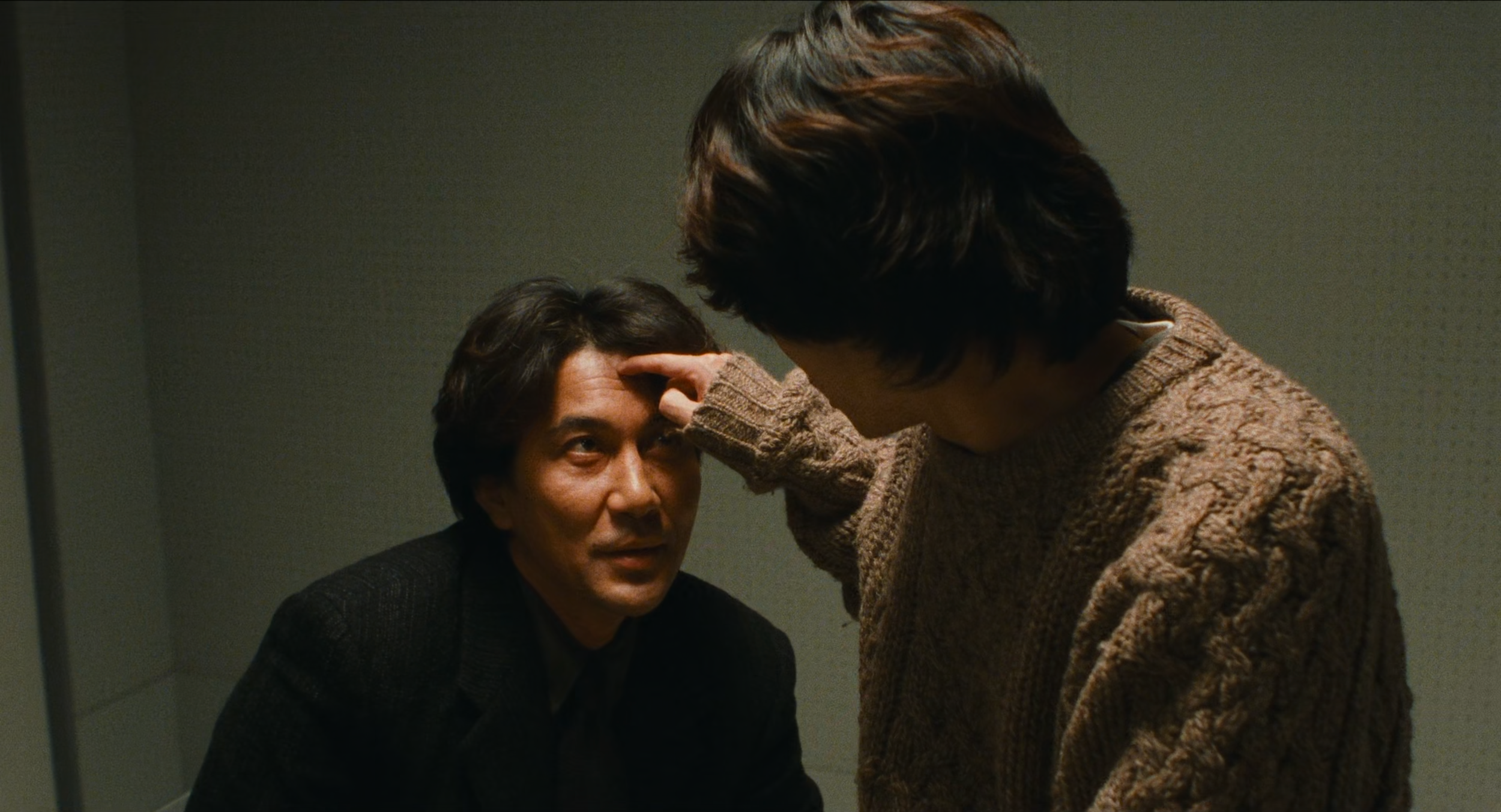
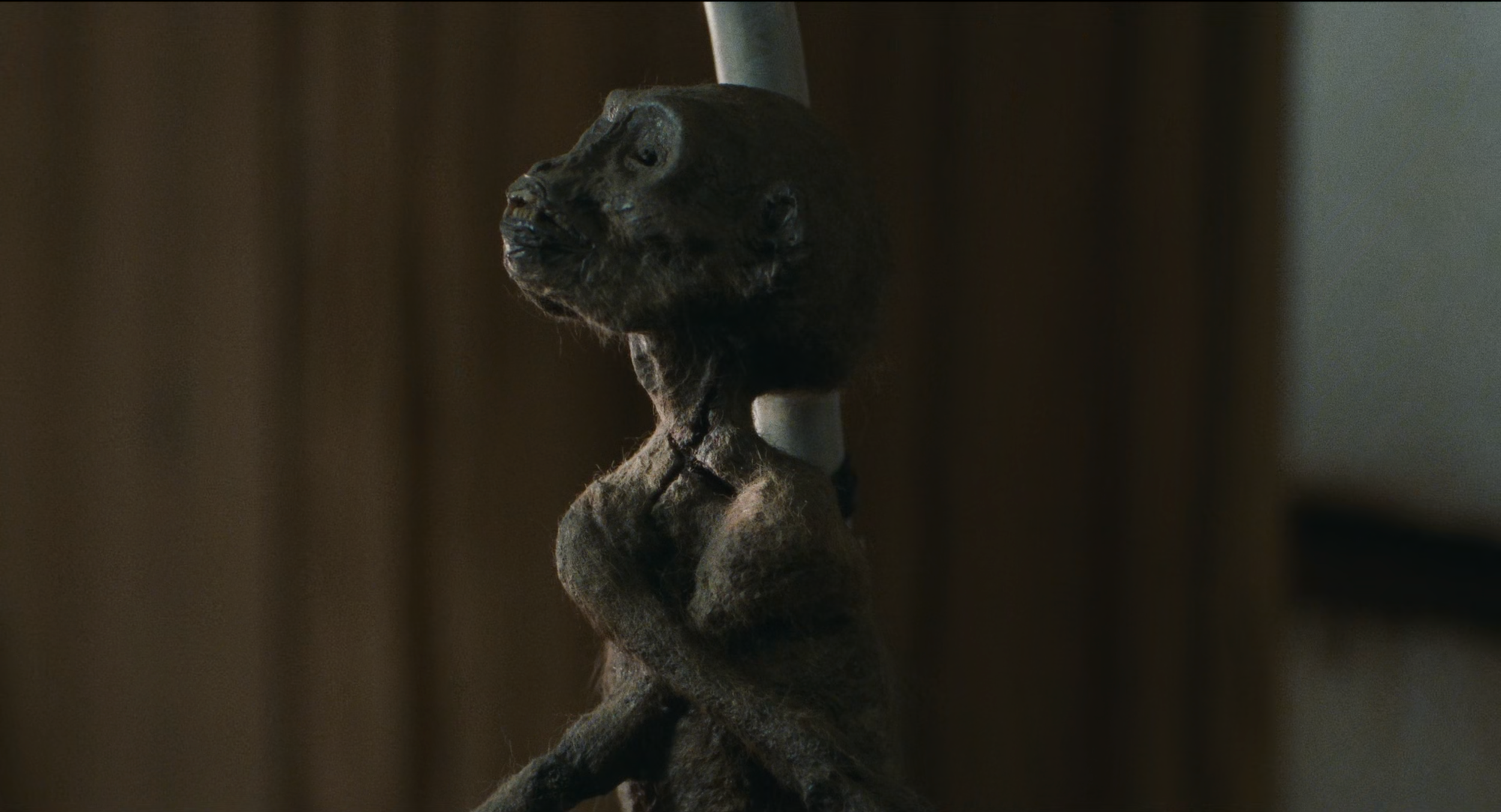
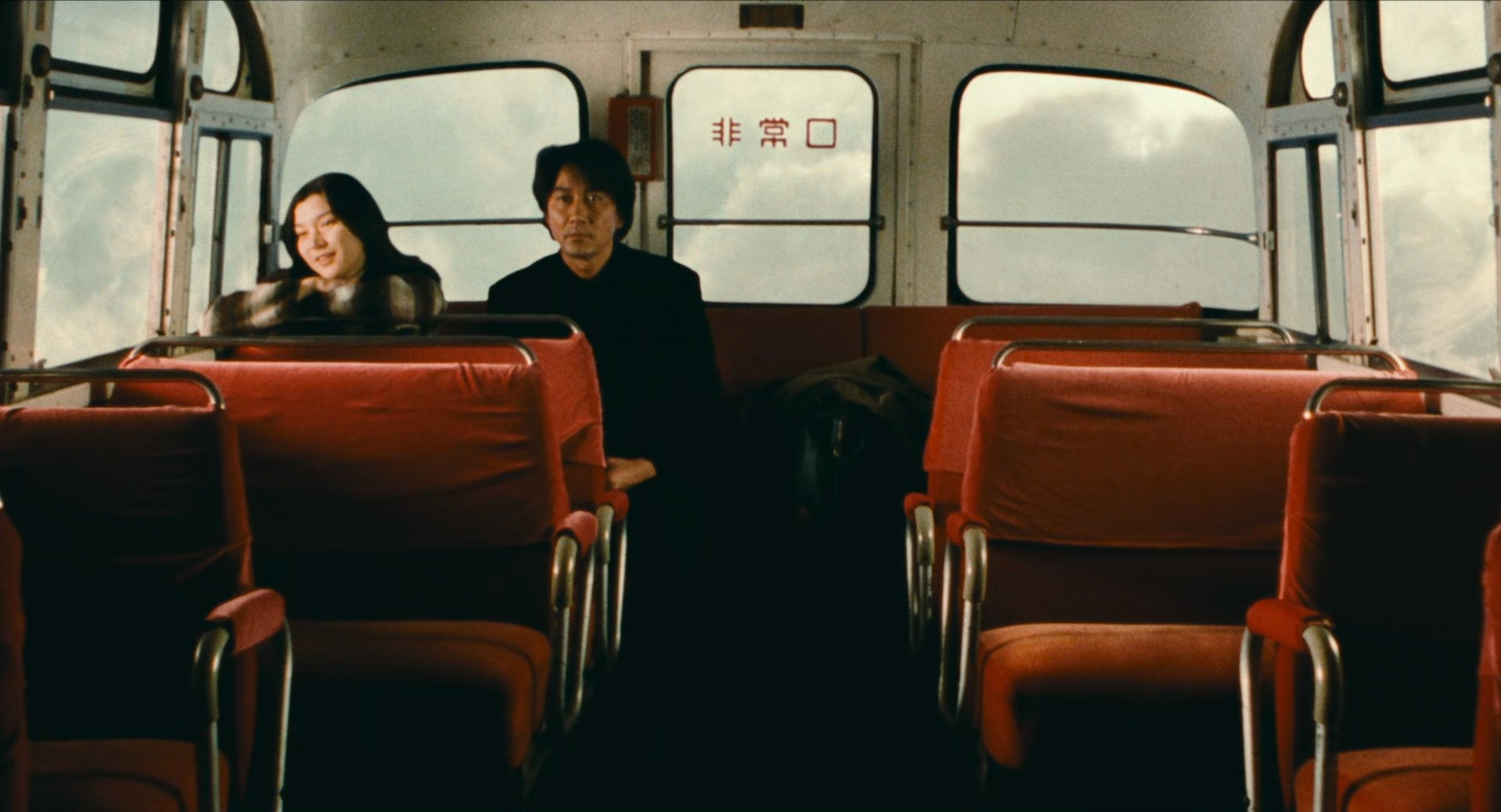
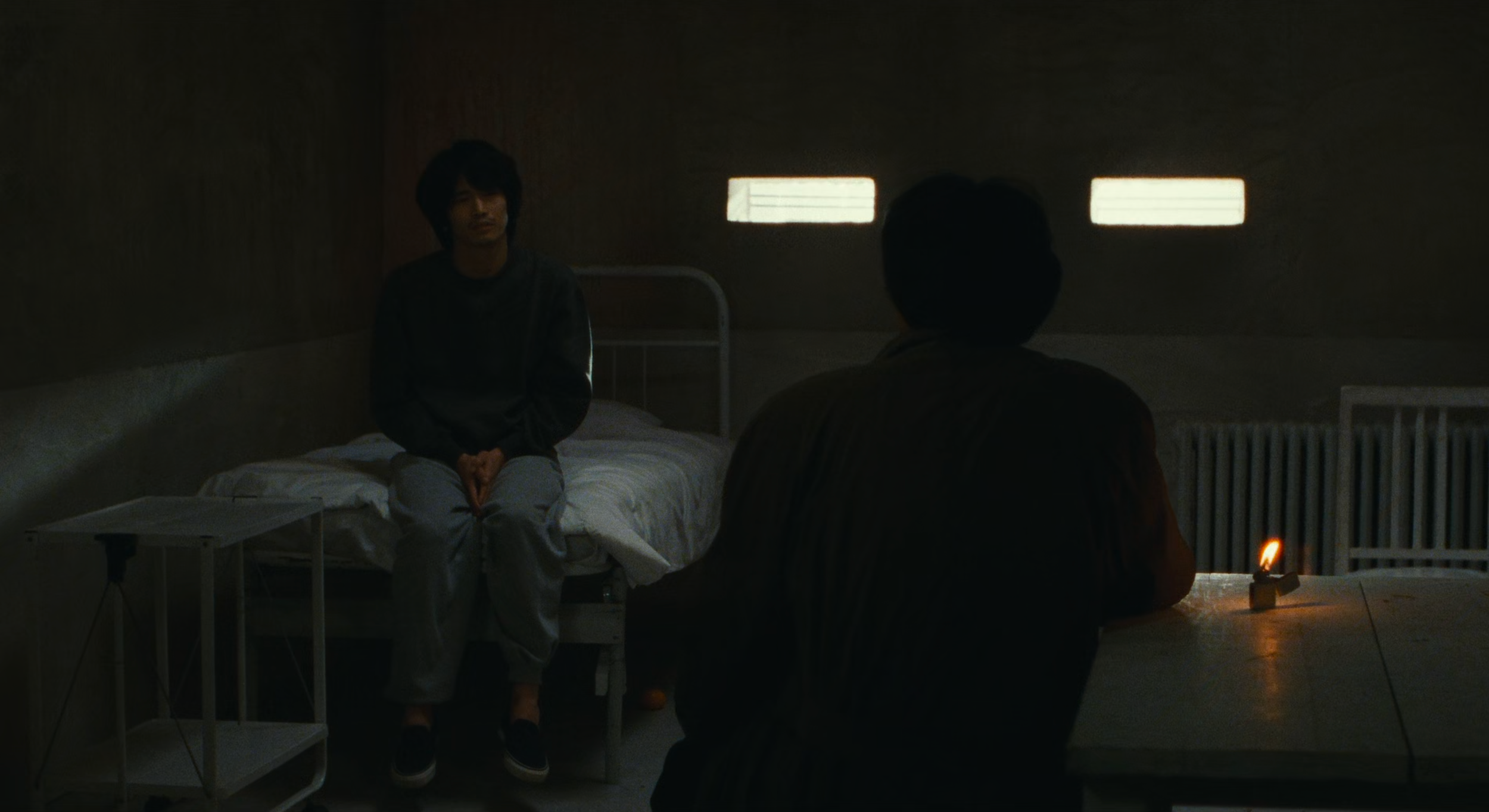
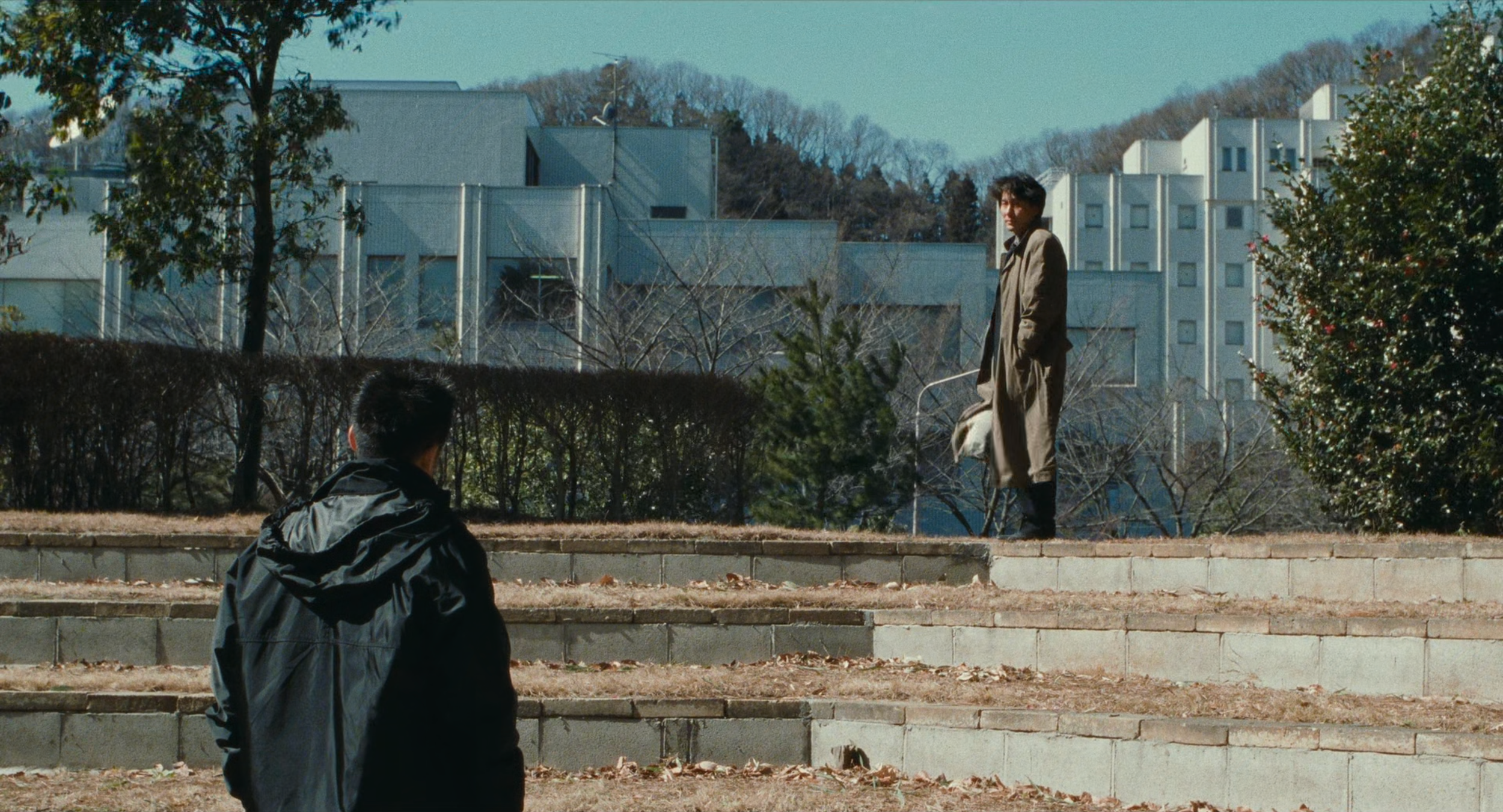
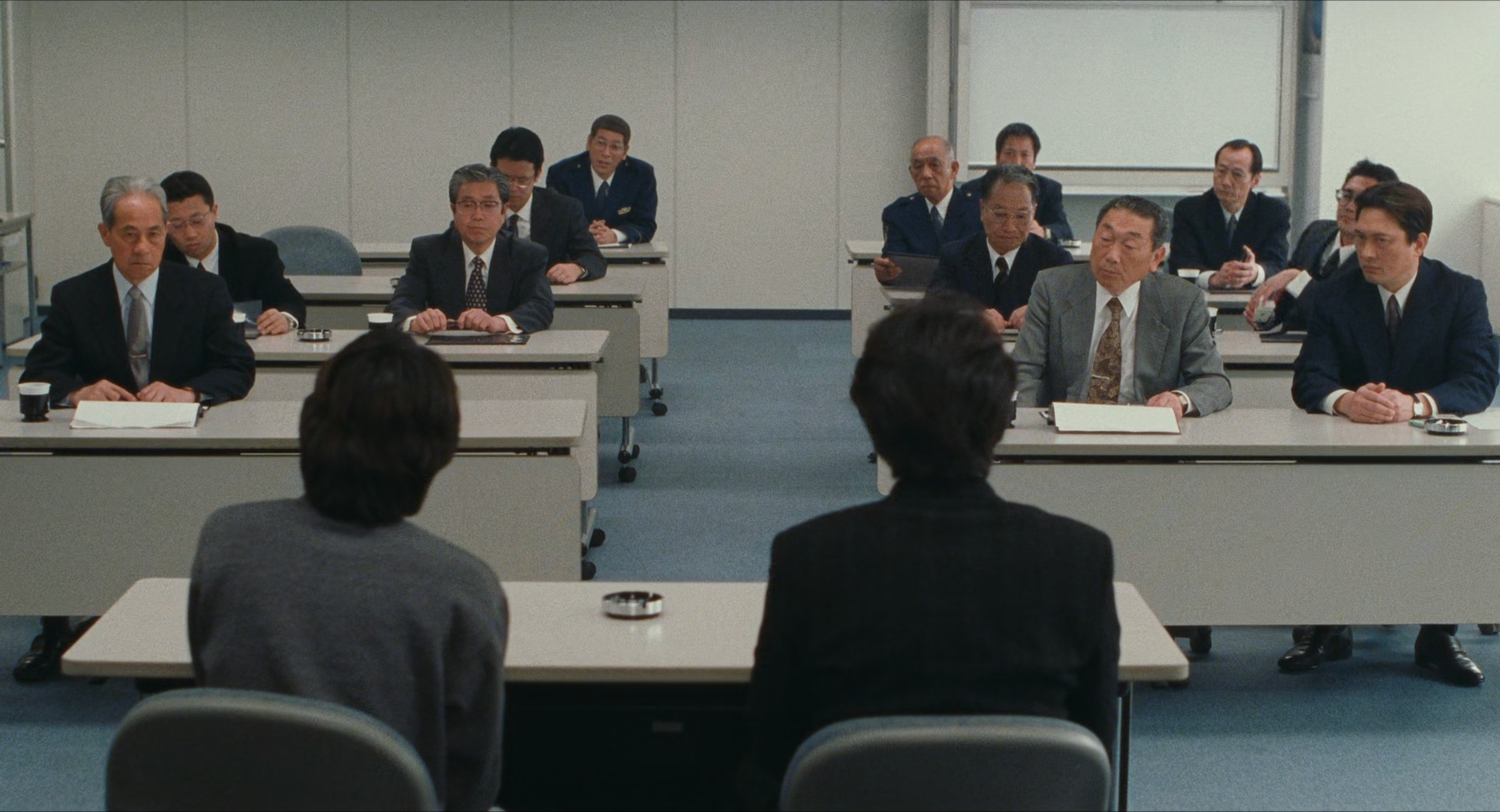
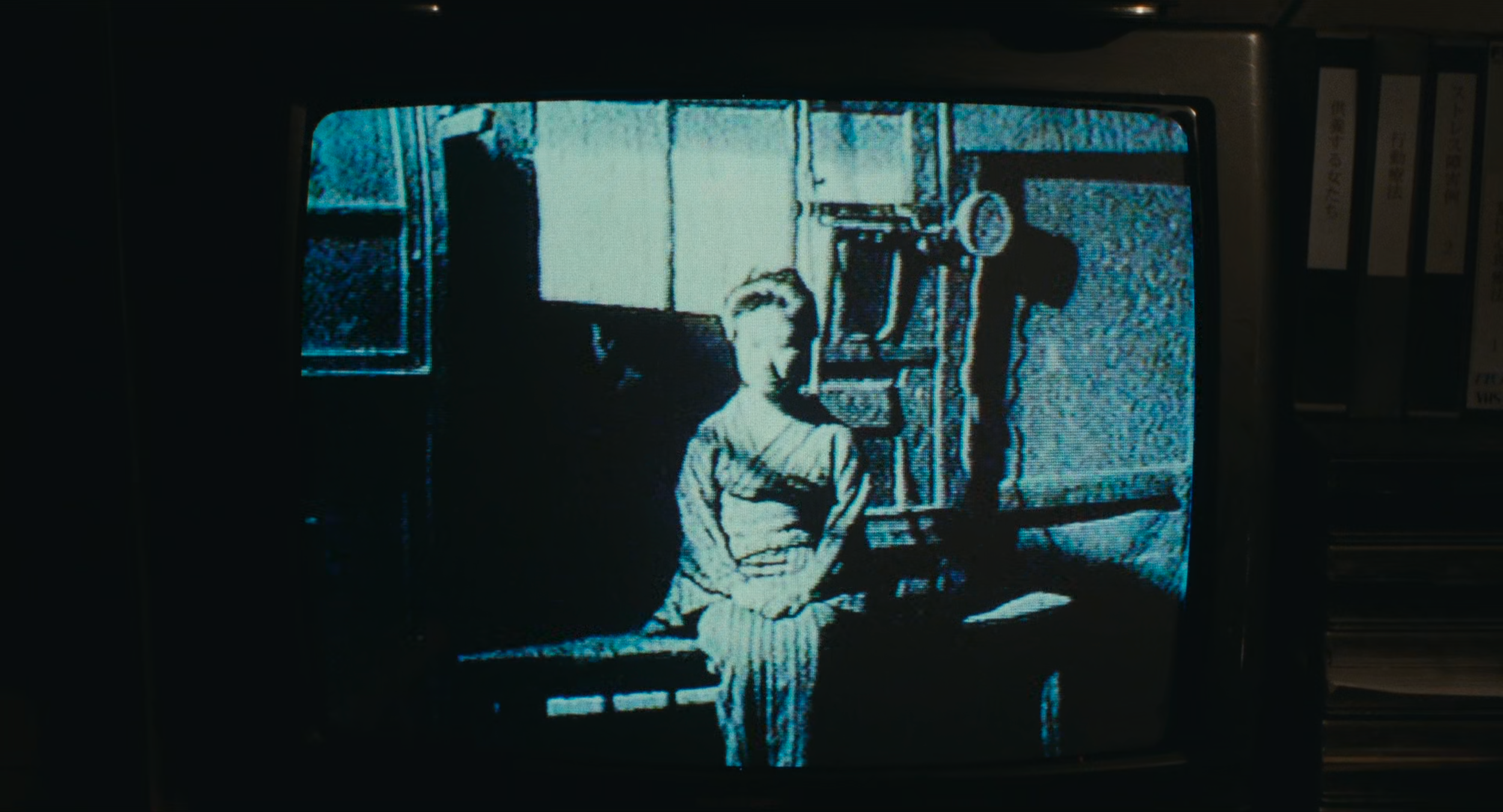
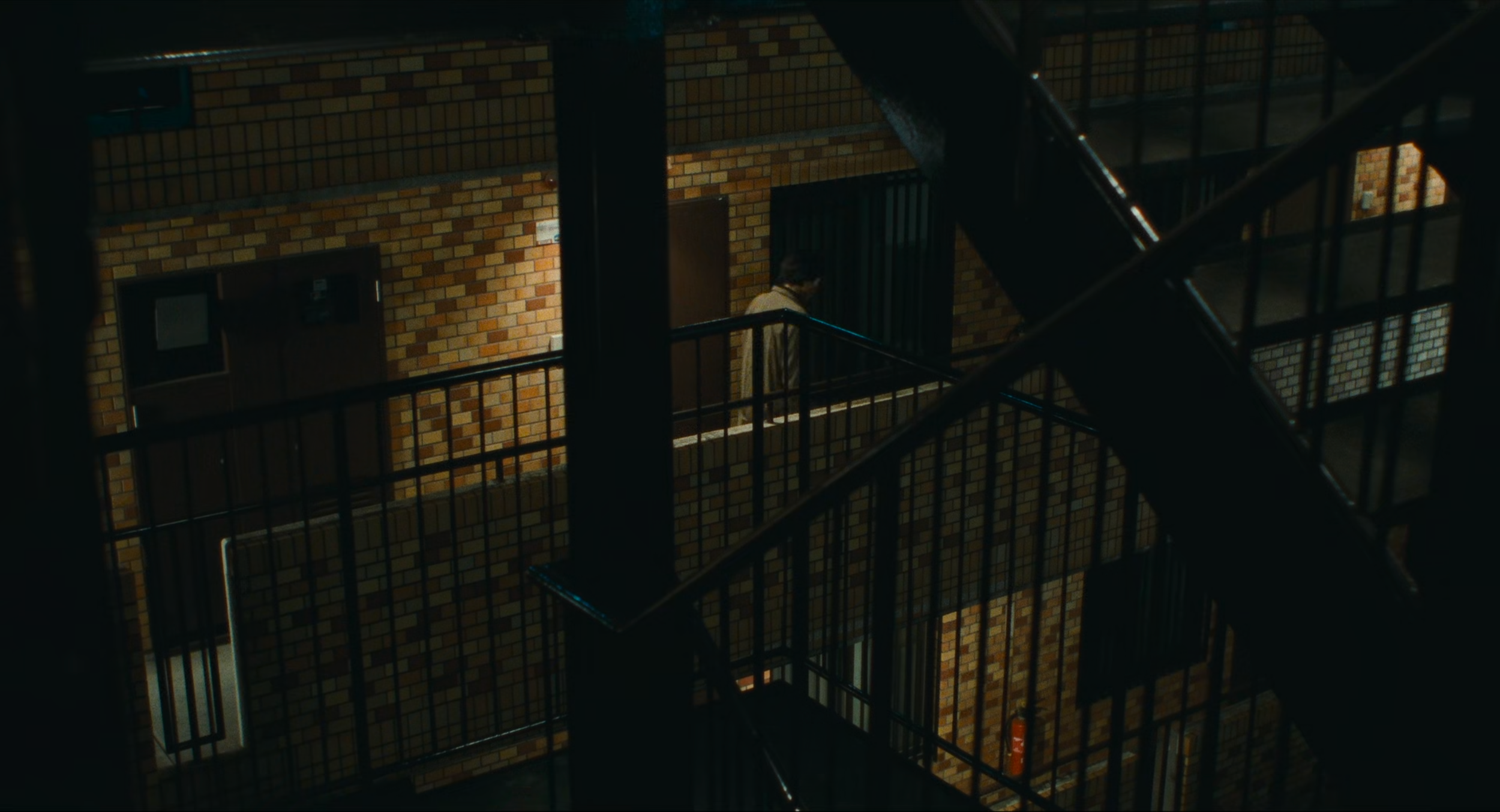
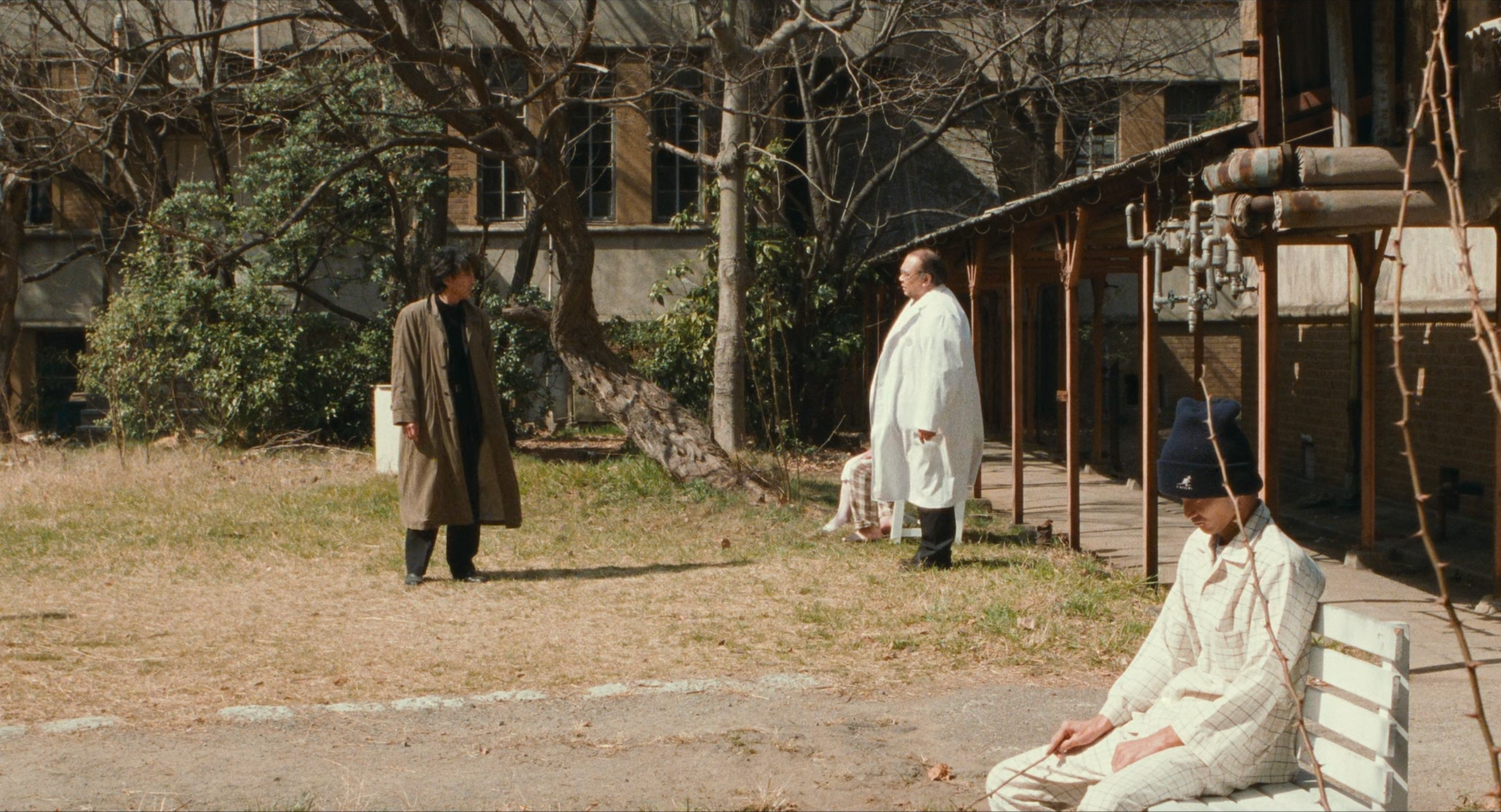
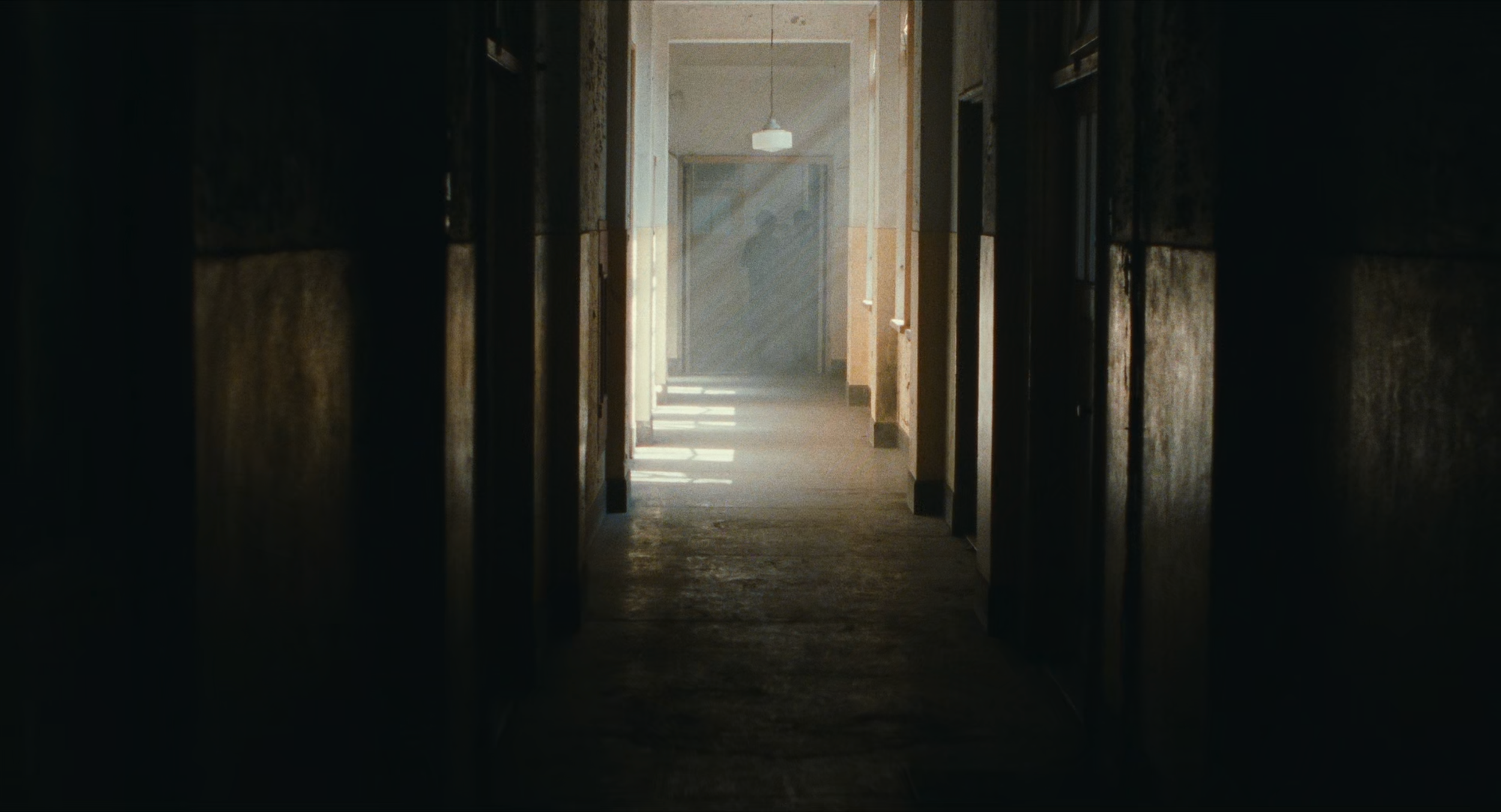
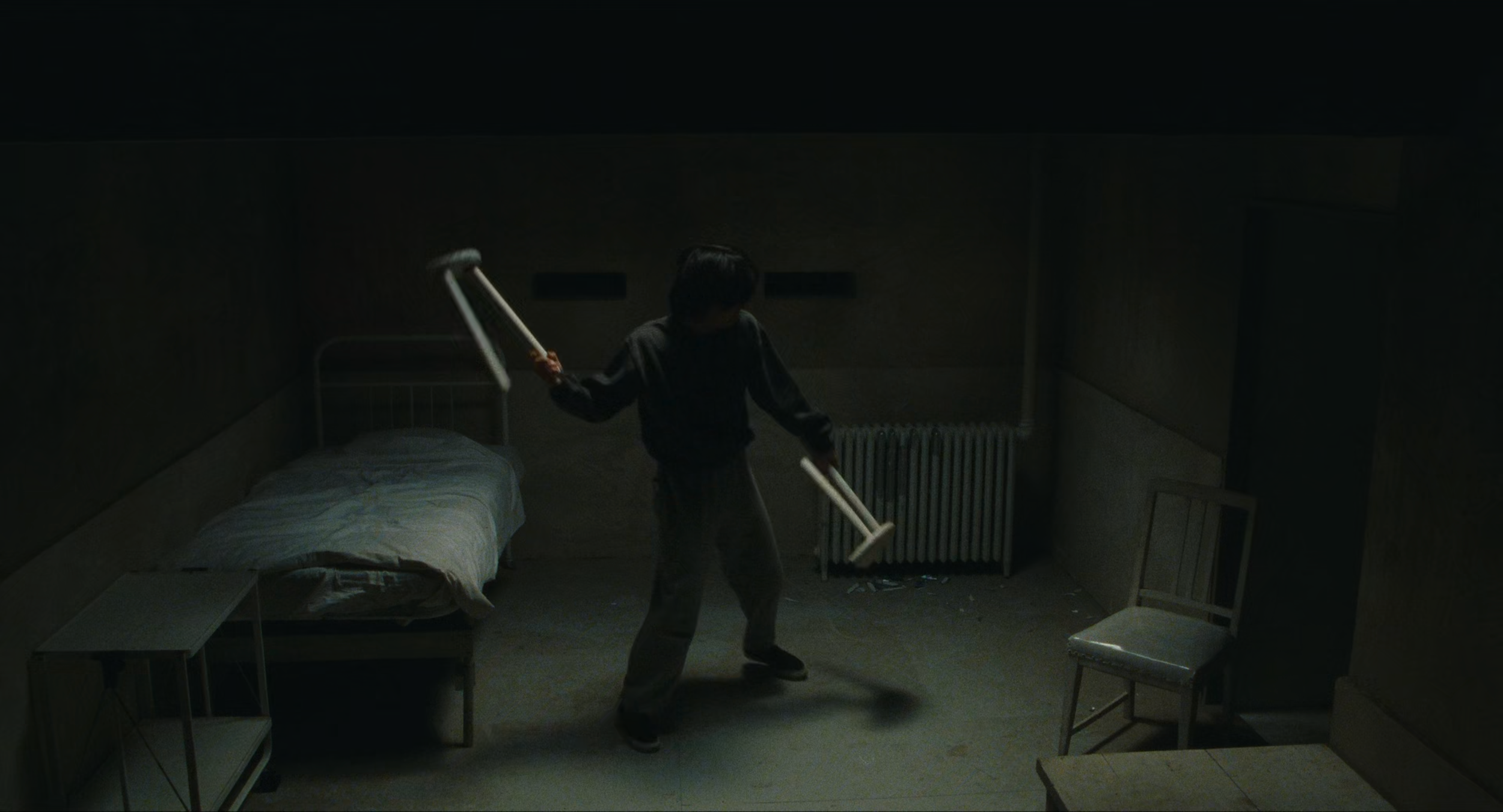
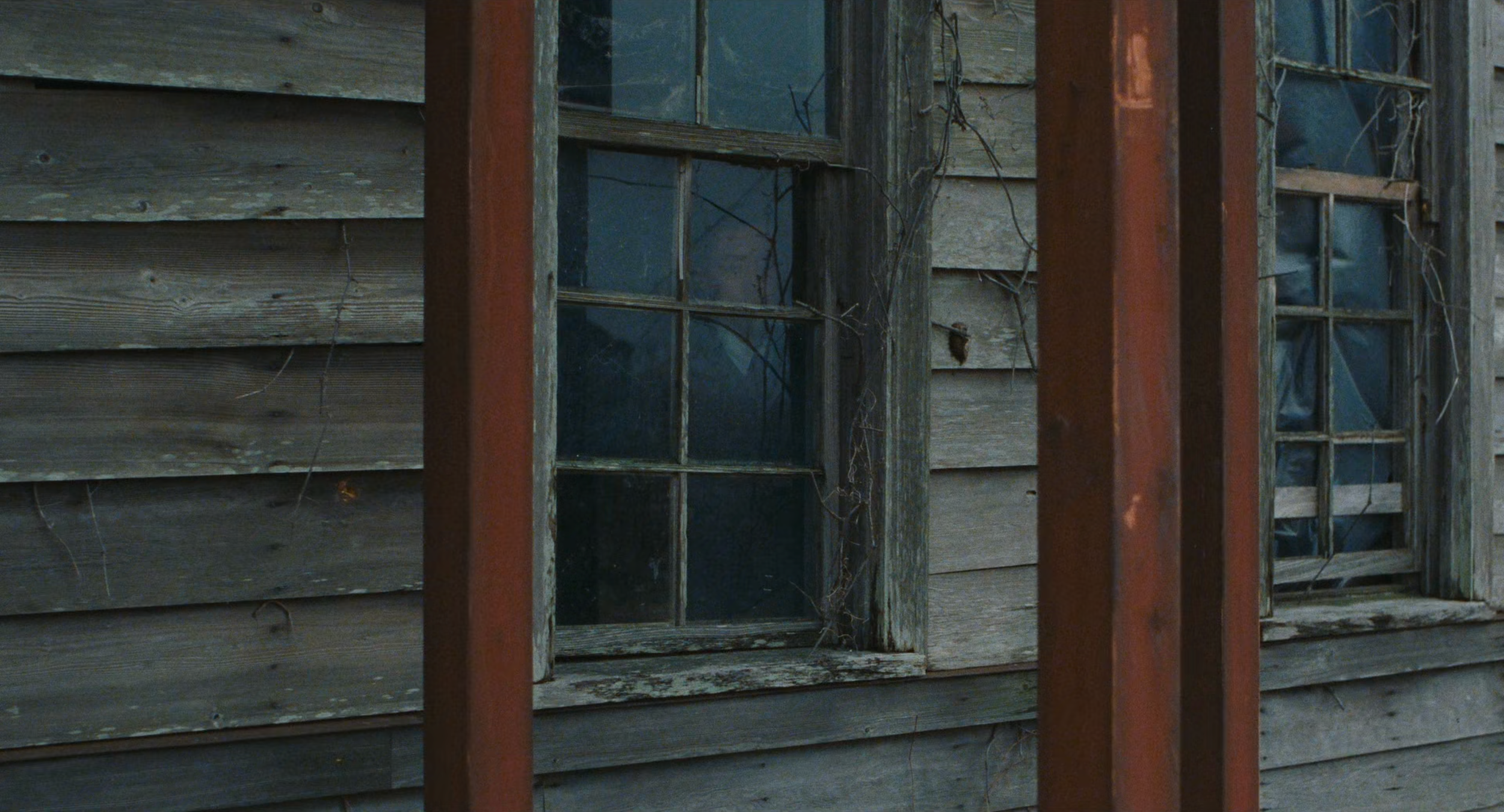
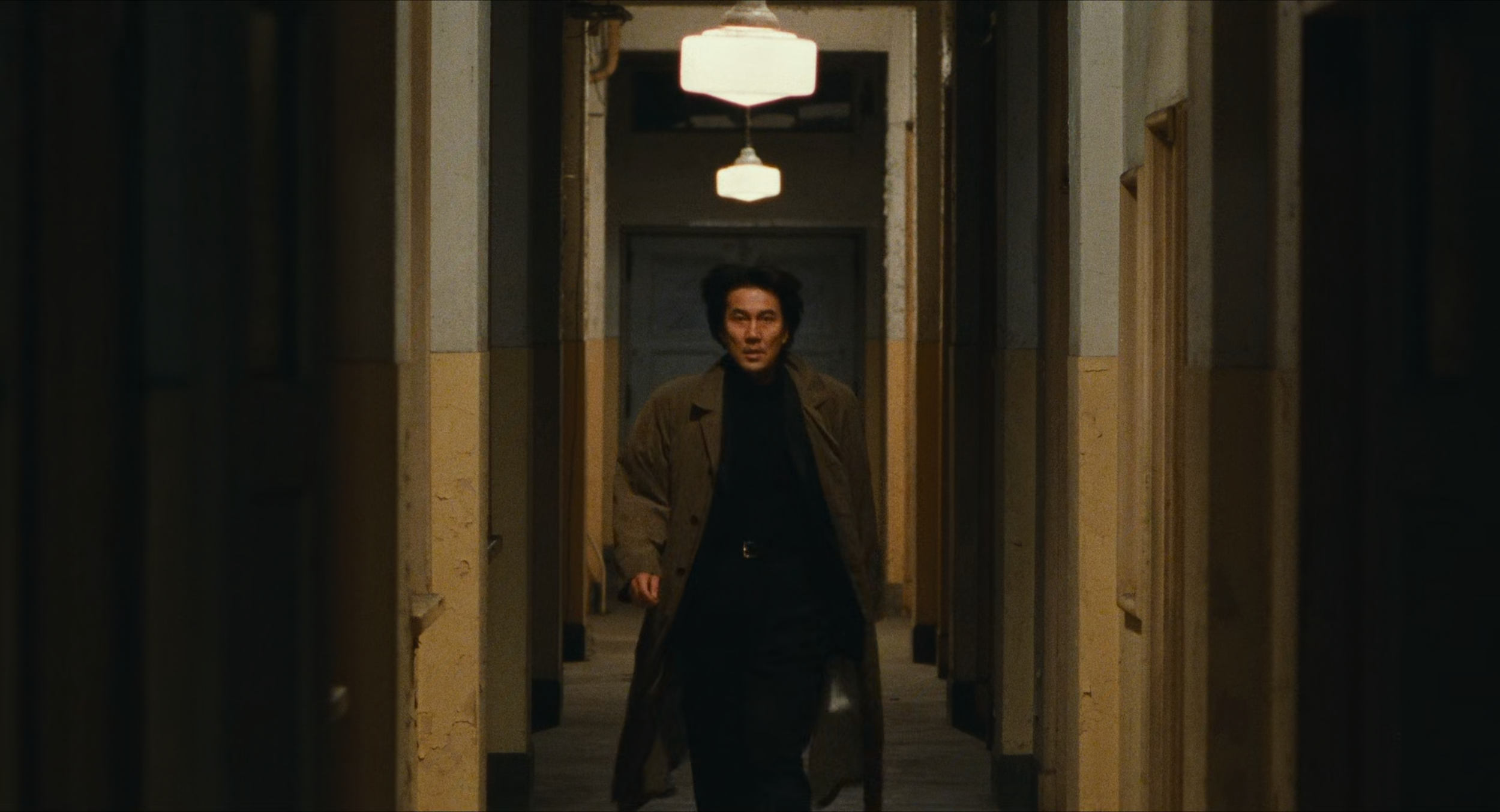
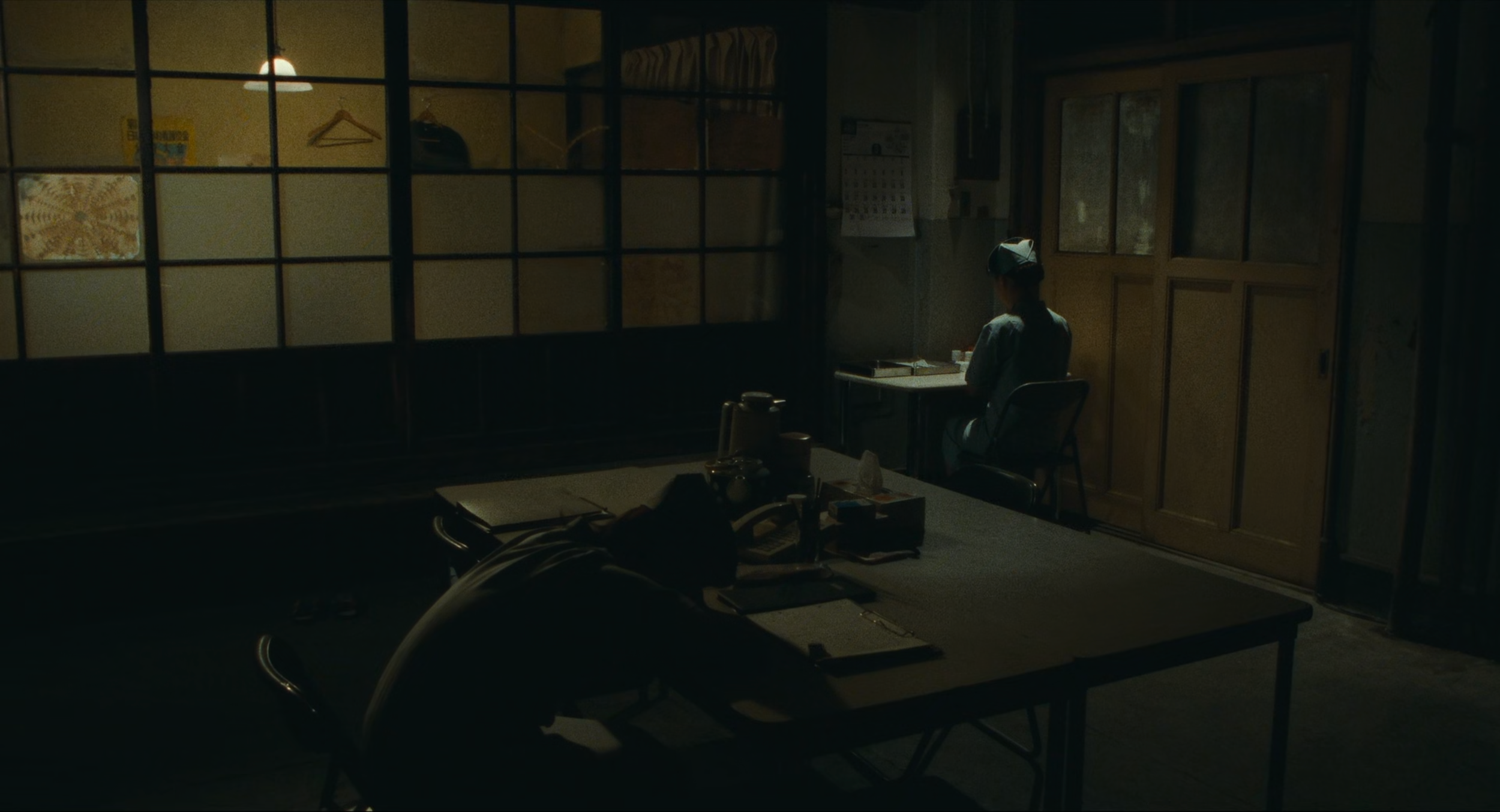
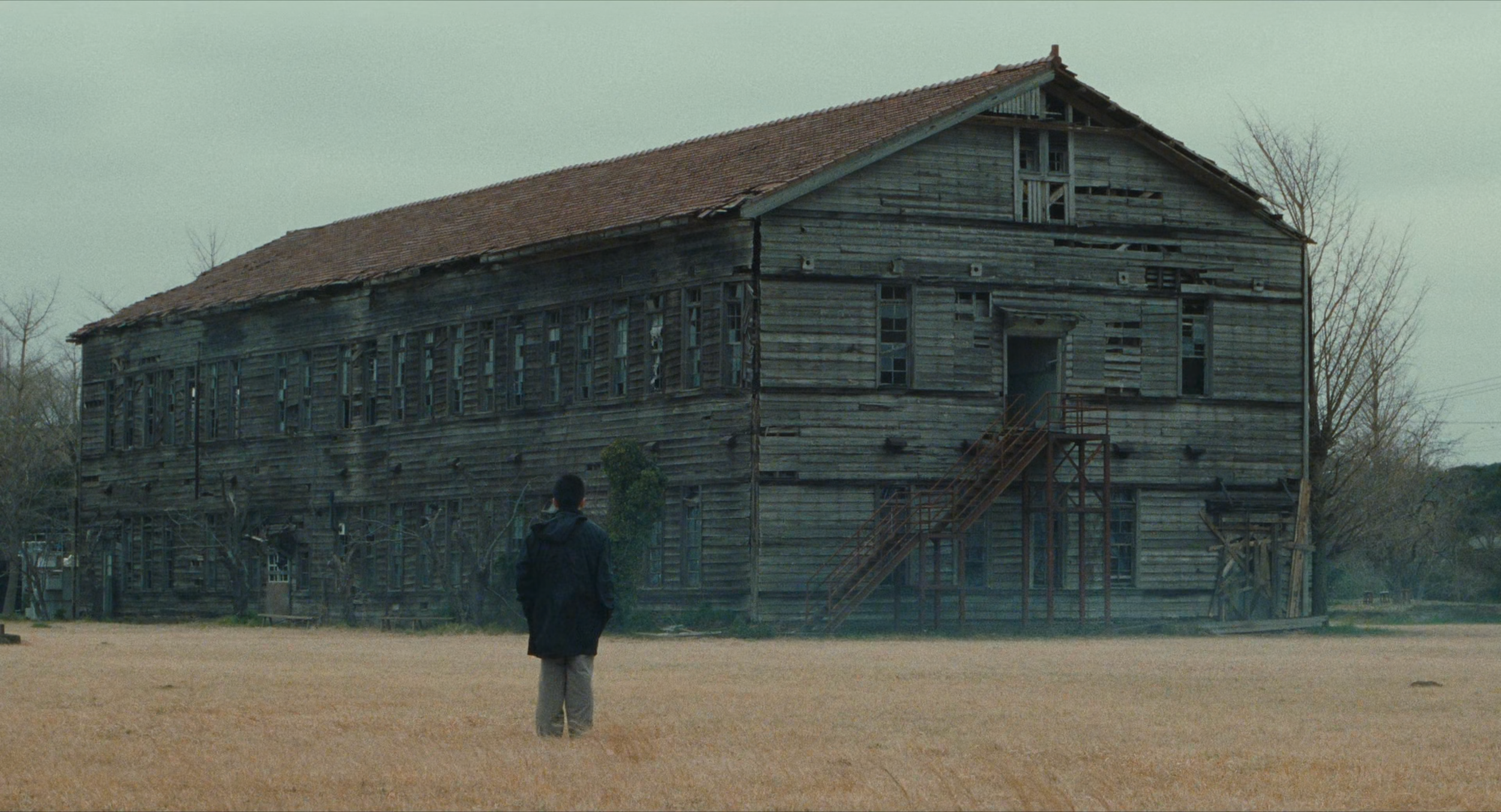
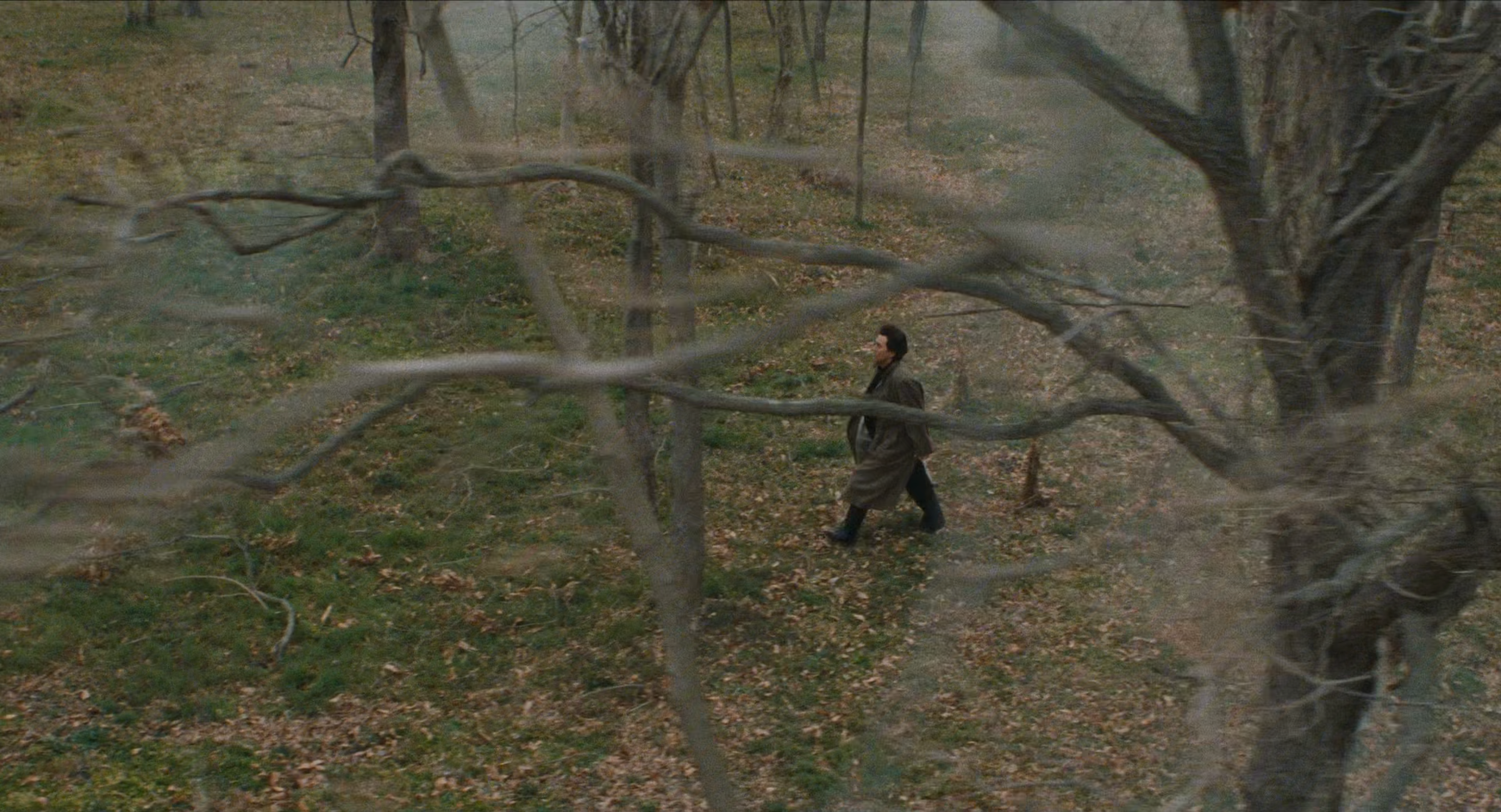
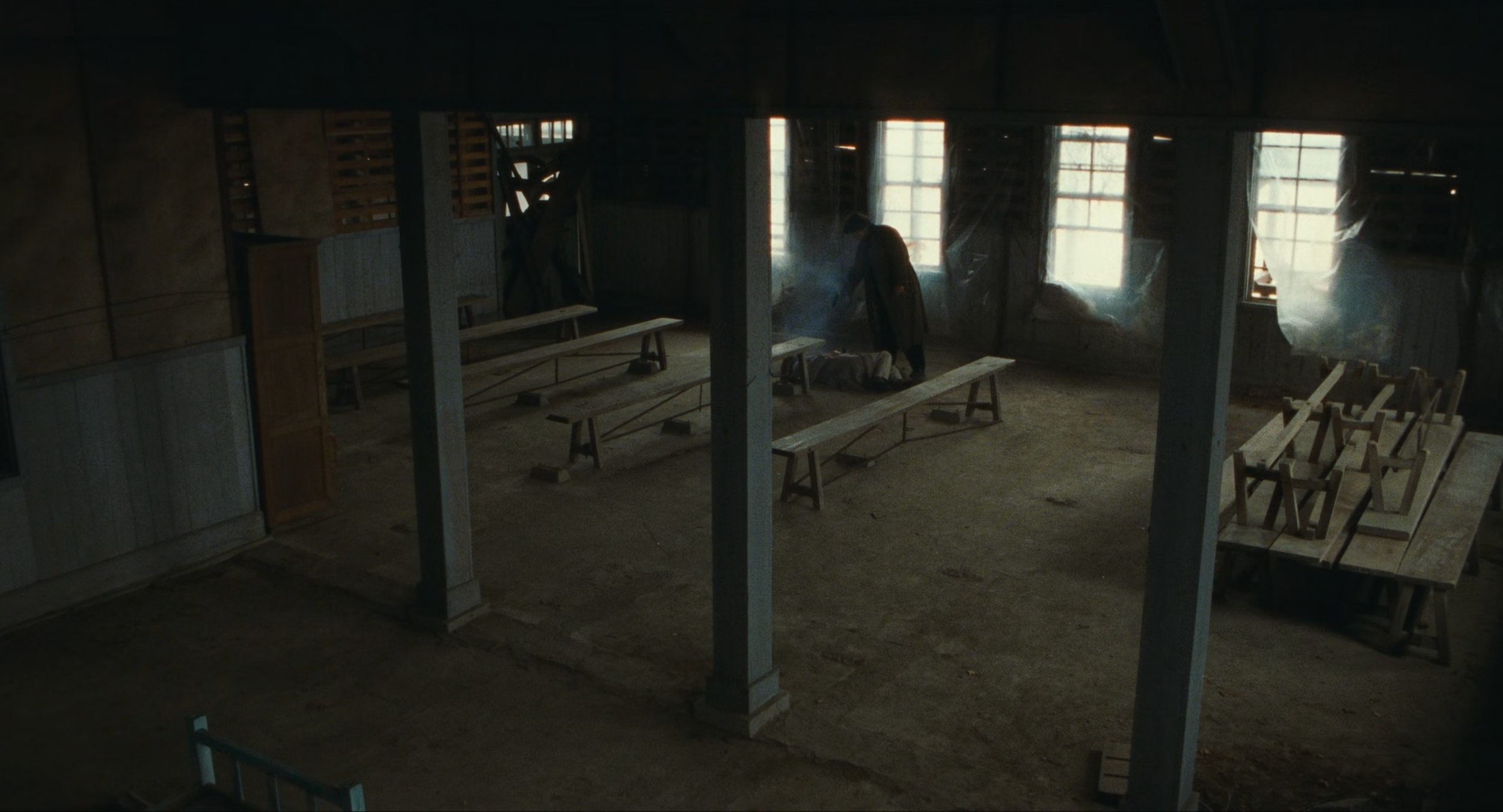
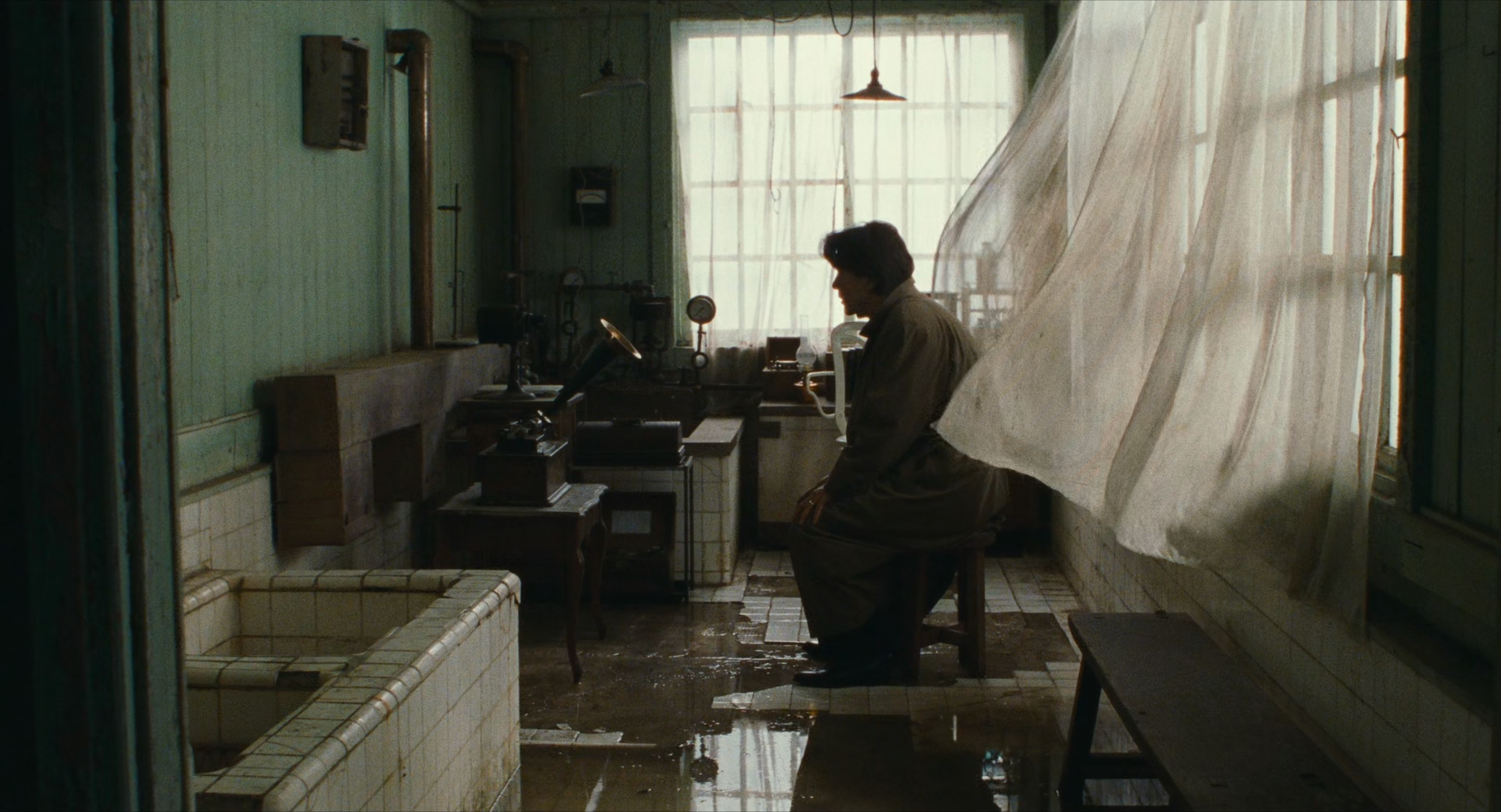
Absolute masterpiece of a film. If you like thrillers, horrors or serial killer detective films, this is one of the greatest. And I make this statement confidently even with films like Se7en in mind. It’s like Killing of a Sacred Deer and Long Legs combined and I’m almost positive this film inspired both. What makes this serial killer film incredible is the cinematography and psychological story. A series of seemingly unconnected murders occurs and a detective goes to great lengths to uncover the truth. The cast is charismatic, the villain uniquely memorable and the presentation way ahead of its time. The cinematography astoundingingly blending tense handheld with masterful framing, presenting the killer as a God-like in every frame. The sound design is also an unforgettable experience - you must watch with headphones. It’s quite something when a horror film has scarce music and still manages to send shivers down your spine. When there is sound, it’s more like ambient droning designed to hypnotize you. And it successfully does so subconsciously so that you don’t realize when the subliminal whispering begins. Simply put, this is a cinematic experience with the three horsemen of visual, sound and story.
Story:
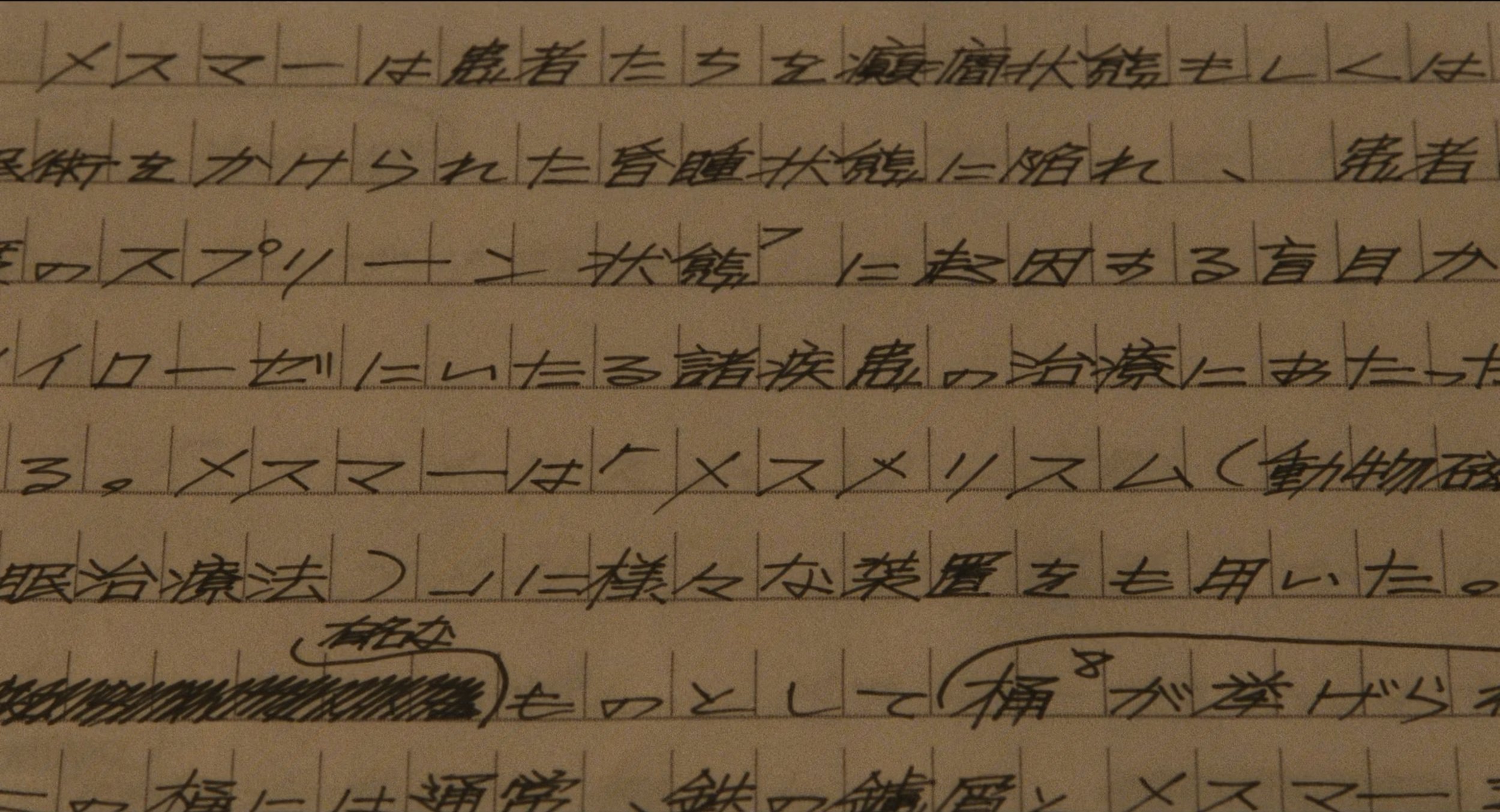
There are surely many interpretations of this film by design as it’s intended to be ambiguous. There a few clues that reveal the intent. I believe the film is thematically about cults. Premiering in 1997, this means it was likely conceived at the same time as the 1995 Tokyo’s sarin terrorist attacks. If you don’t know anything about the Aum Shinrikyo cult, it is definitely worth the YouTube watch. Just like a cult leader, an hypnotist is capable of mesmerizing or indoctrinating average people into committing unspeakable atrocities. The director seems to rationalize that cult followers are able to corrupt their moral code by means of hypnotic influence. In the film the psychiatrist denies this is possible unless through some genius manipulation.
Analysis:
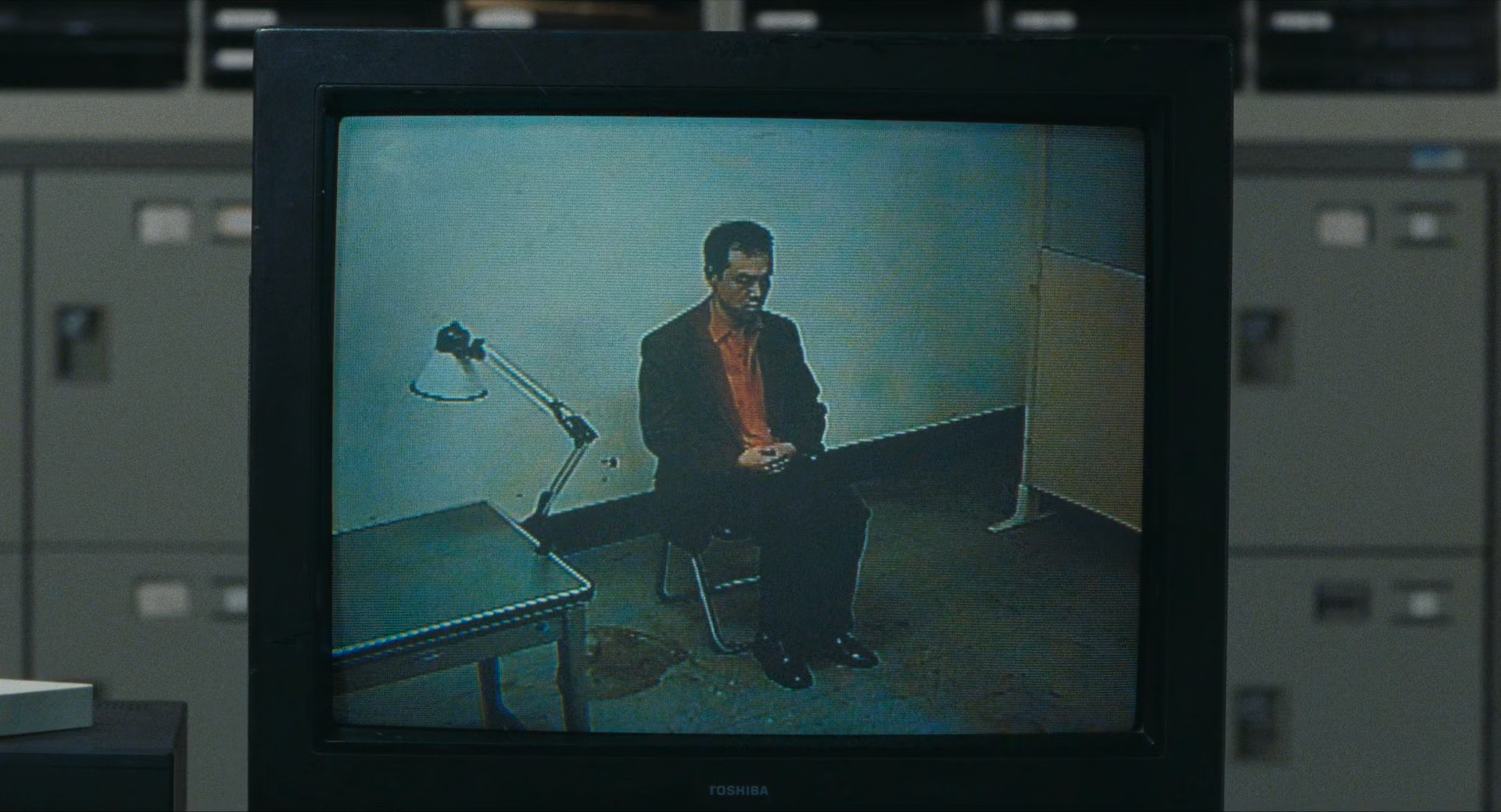
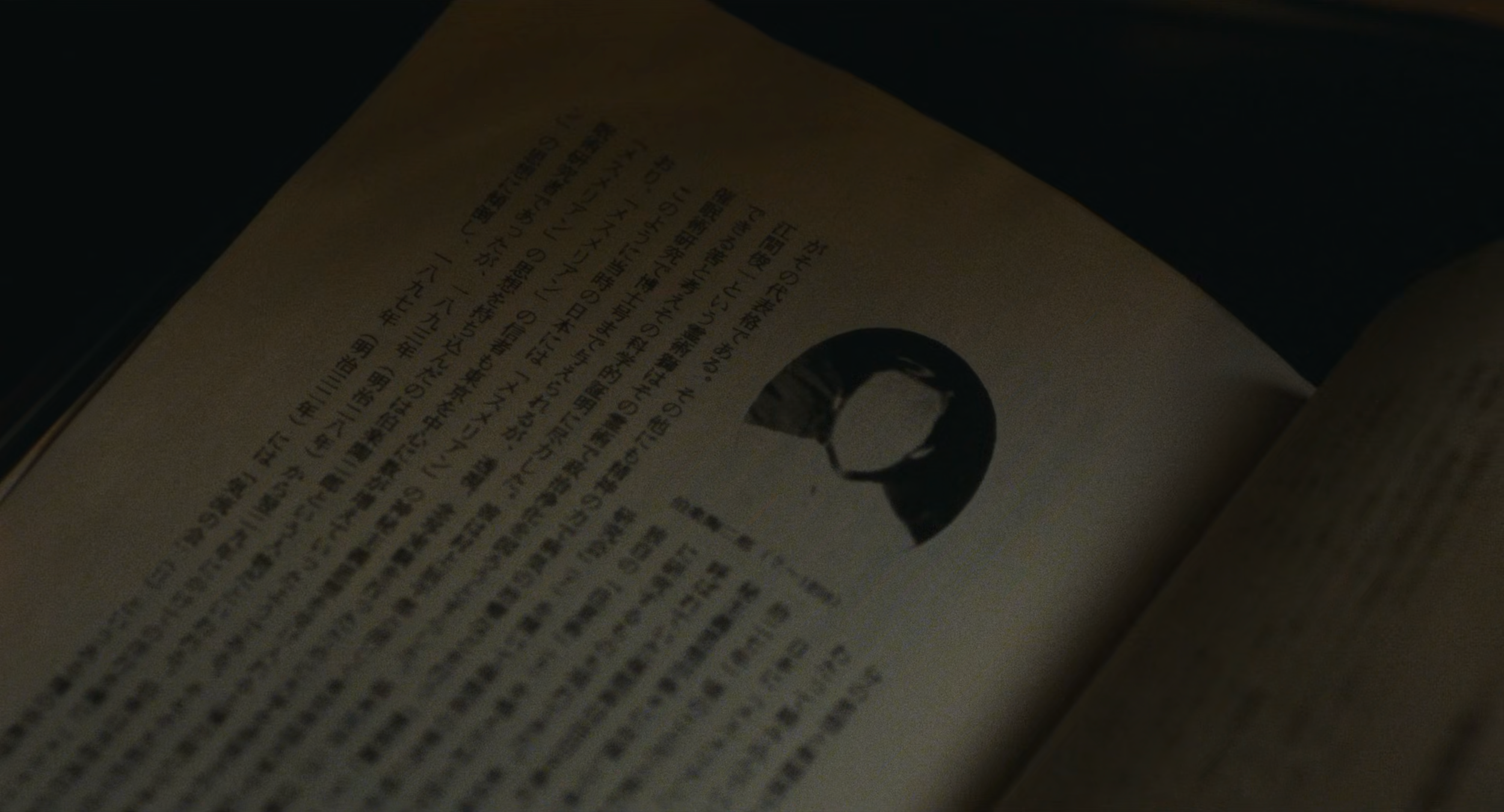
For these subjective films, the title reveals the true intent. It was initially titled something along the lines of Missionaries, but ended up as Cure. ‘Cure’ could imply that damaged people are most susceptible to the cure promised by cults. In the film, it’s quite clear that the detective ends up learning the secret and becomes the new Mesmer. The nail in the coffin is him listening of the original recording and subsequent diner scene where he influences her to pick up the knife. What’s most debatable is the wife with dementia. Throughout the film there are hallucinations and dream states that make some events unreliable, though her dementia is likely caused by the hypnosis. The beginning of the film has her wife experiencing a table shake just like when Mamiya is able to shake the foundations in his cell. The line of questioning from Mamiya also resembles to cult tactics, invading the personal lives of its victims.
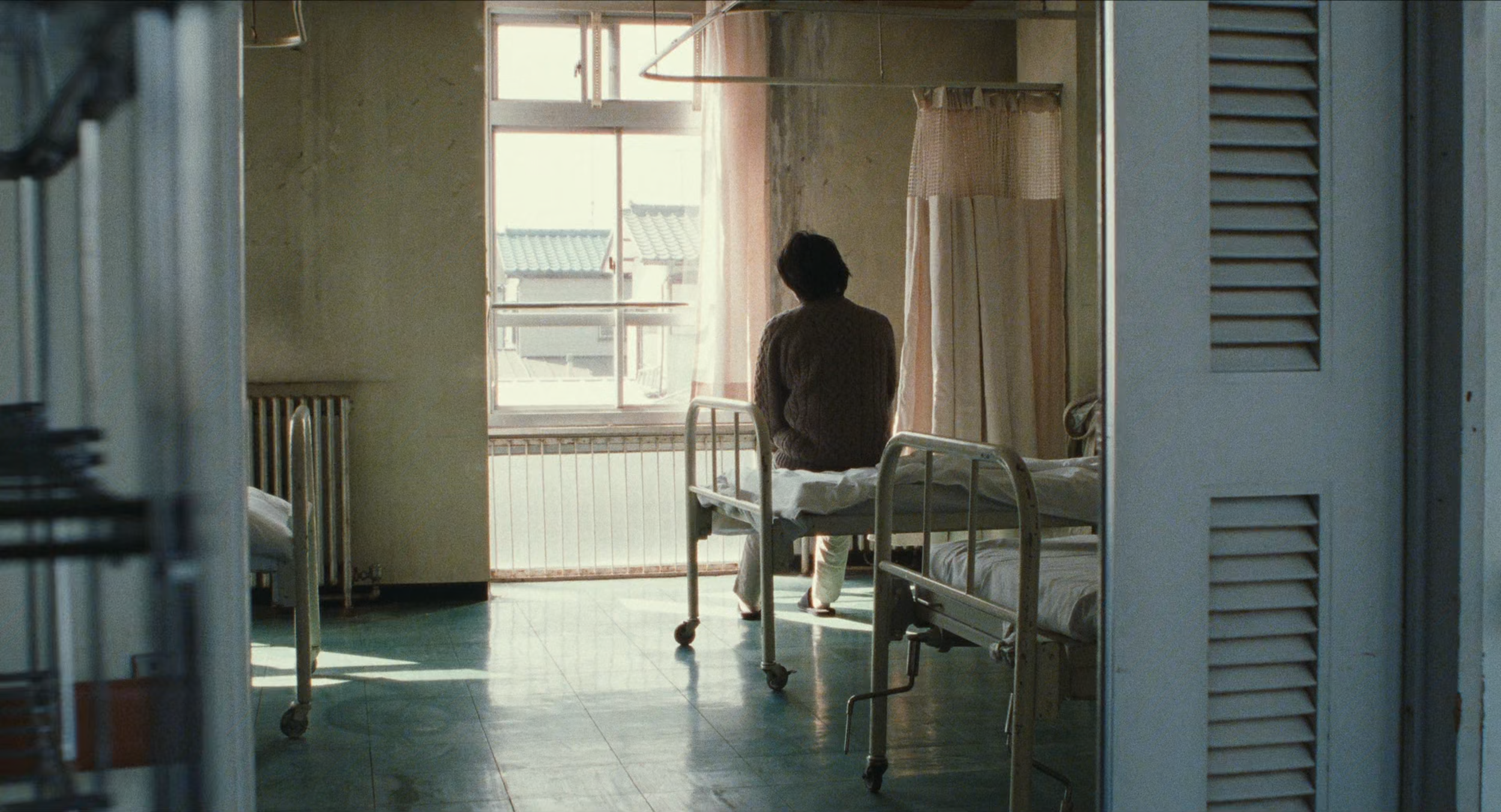
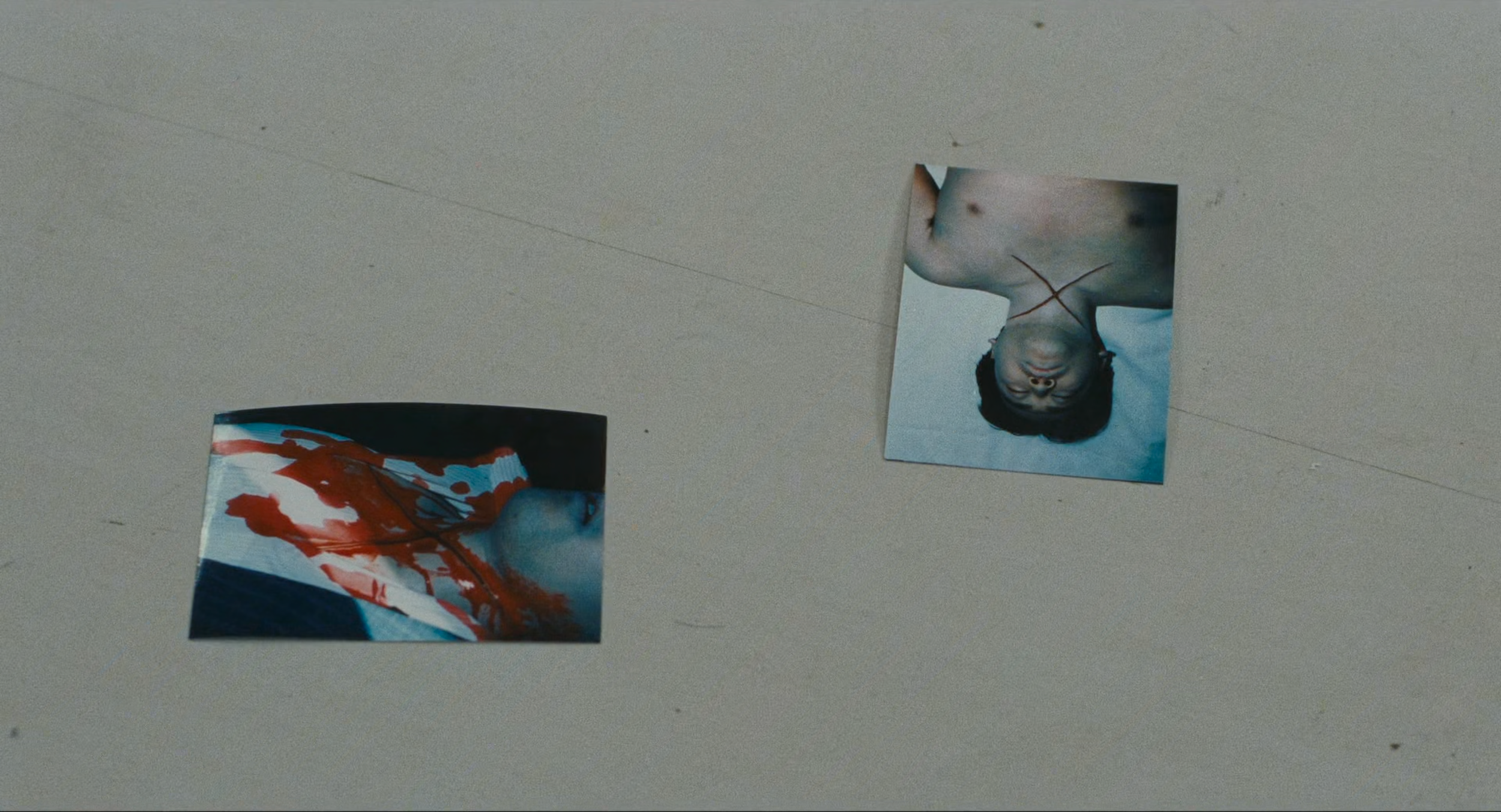
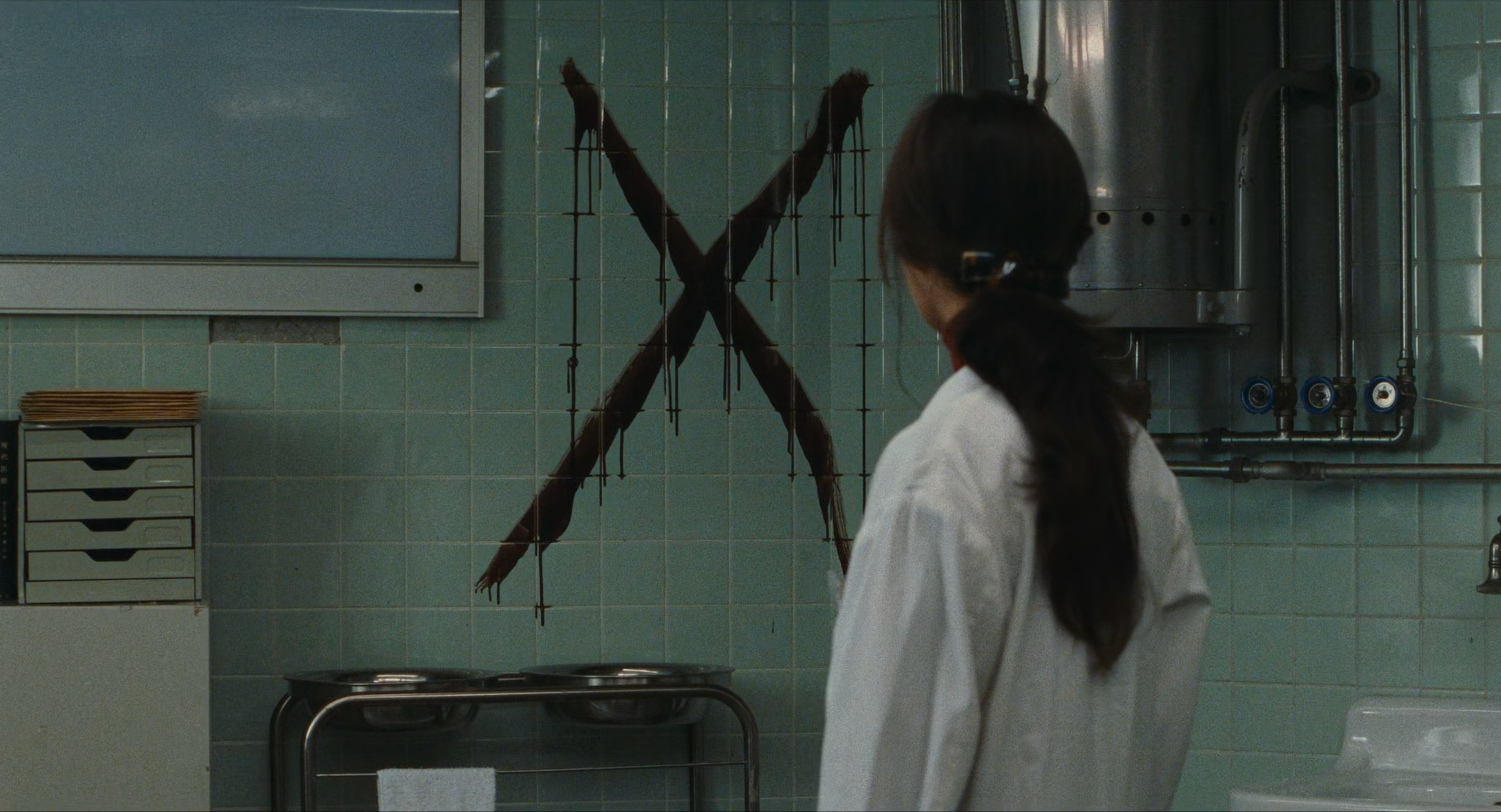
There are also references to other societal problems lumped in such as suicide and mental health. This could explain the driving force and motivation behind the cyclical death machine. At the end Fumie has an X on her throat, solidifying her as a victim of Mesmer. But how much is metaphorical or literal since the detective husband was the one to commit her into the hospital? The whole idea of hypnosis is you can’t suggest someone to do something they don’t already want to do. This is what makes the film even darker as perhaps people have a subconscious hateful violence to be exploited. Hence why the detective admits he resents her wife’s disease, the GP hates men, the officer hates his employee, and the husband pretends he always gets along with his wife. We don’t really know our own identity and are unrecognizable in our denial and capability for resentment. In essence, this film ask the question and suggests how ordinary citizens were able to carry out Tokyo’s cult sarin attacks. It just takes a little push to teeter into insanity.
Conclusion:
It’s quite rare when a film excites me to the point where I want to watch it a second time immediately. You probably do need more than one viewing as it’s very subjective, which might be the downfall of this film for simpler cinema tastes. But if you like deep psychological films, look no further. Japanese filmmakers at their best feel untouchable in this genre with films like this and Audition. This might be one of Japan’s greatest films and deserves its criterion status. It might even be one of my favorite films of all time. And even if it’s not your cup of tea, the budding filmmaker should learn a semester of technique and subjective storytelling watching this film if you aren’t too busy being blown away. A genre turned on its head and pushed beyond its limit, this is a cinephile’s wet dream.
Recommendations













So slow, you’ll be begging this assassin to kill you…