
Possession (1981)

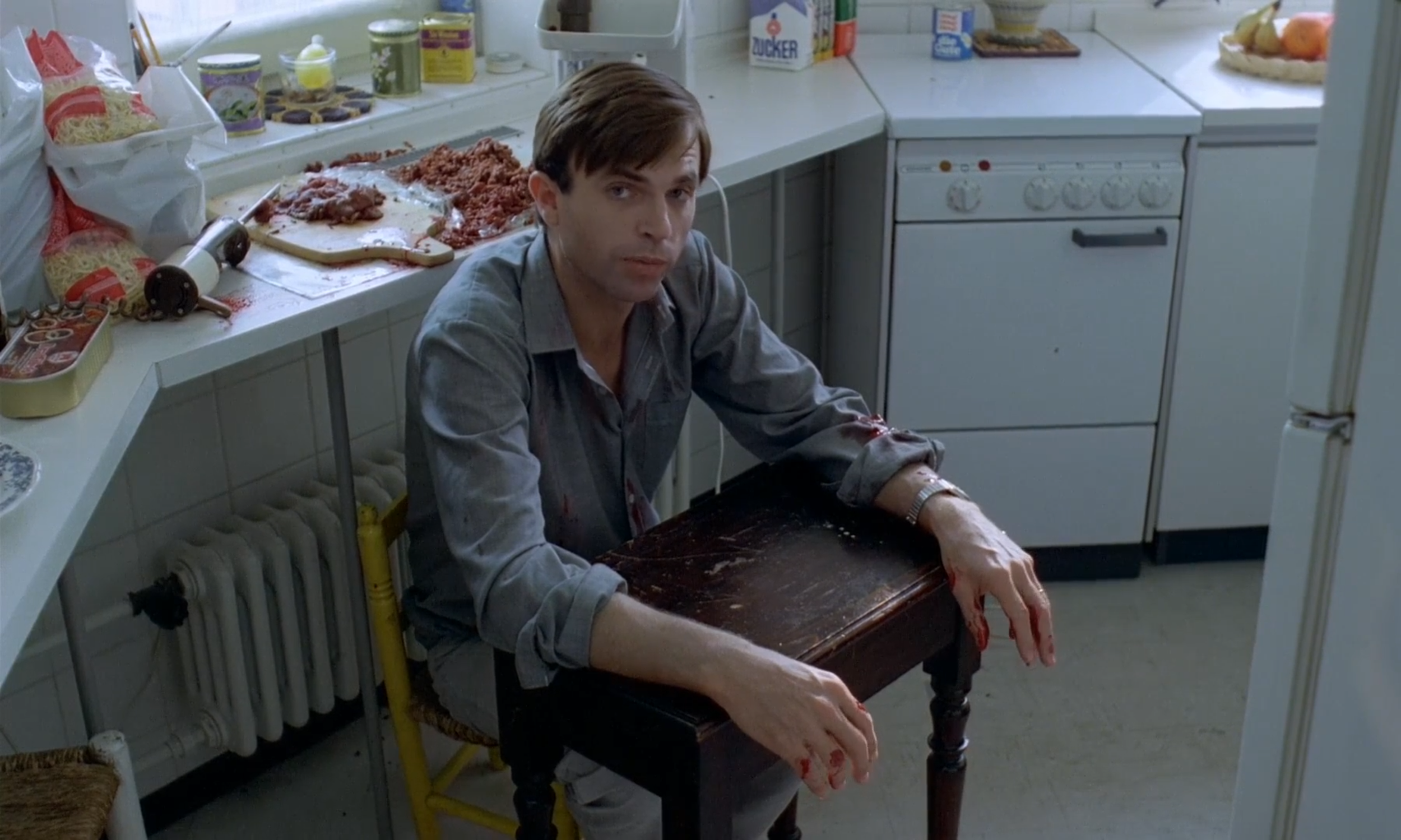
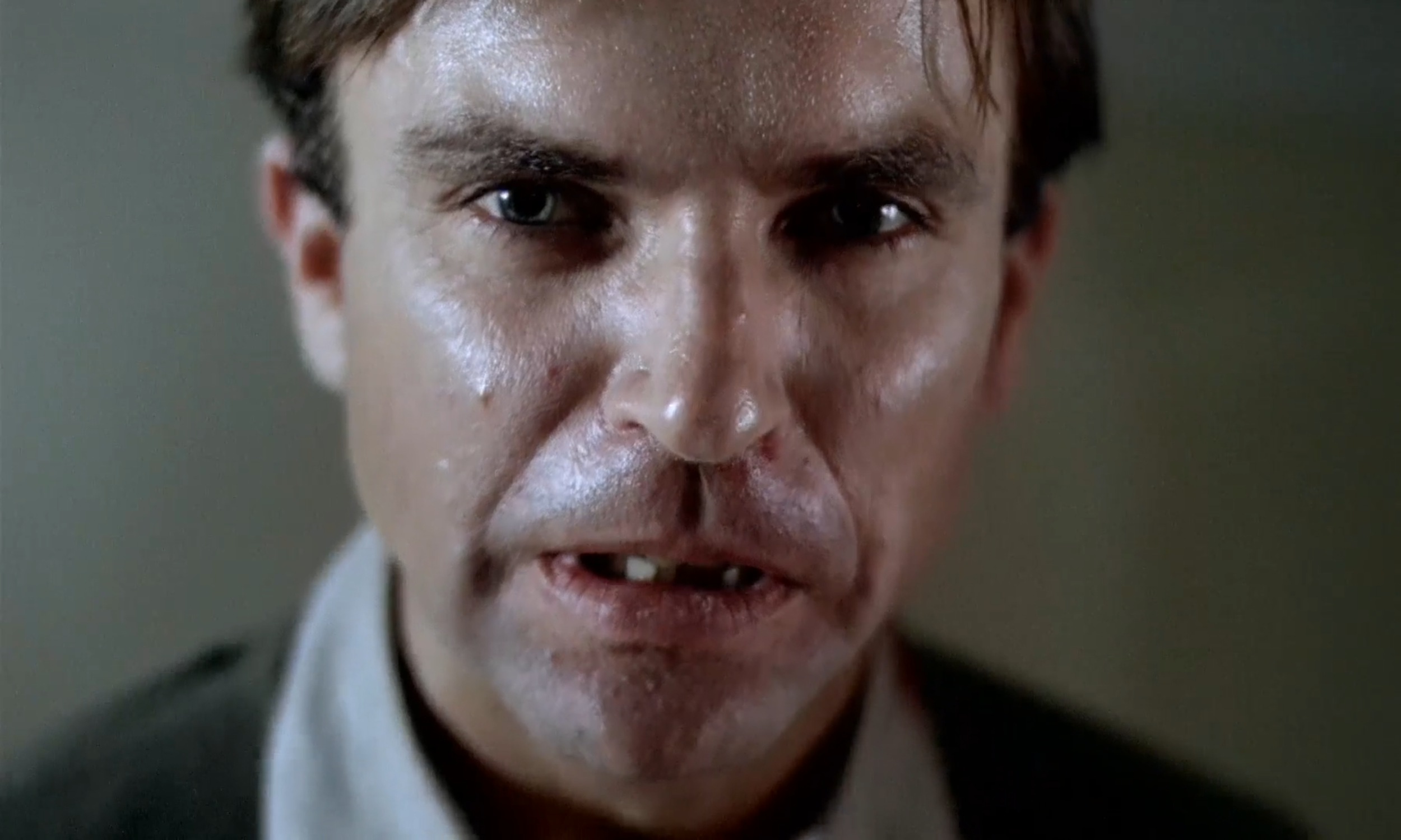
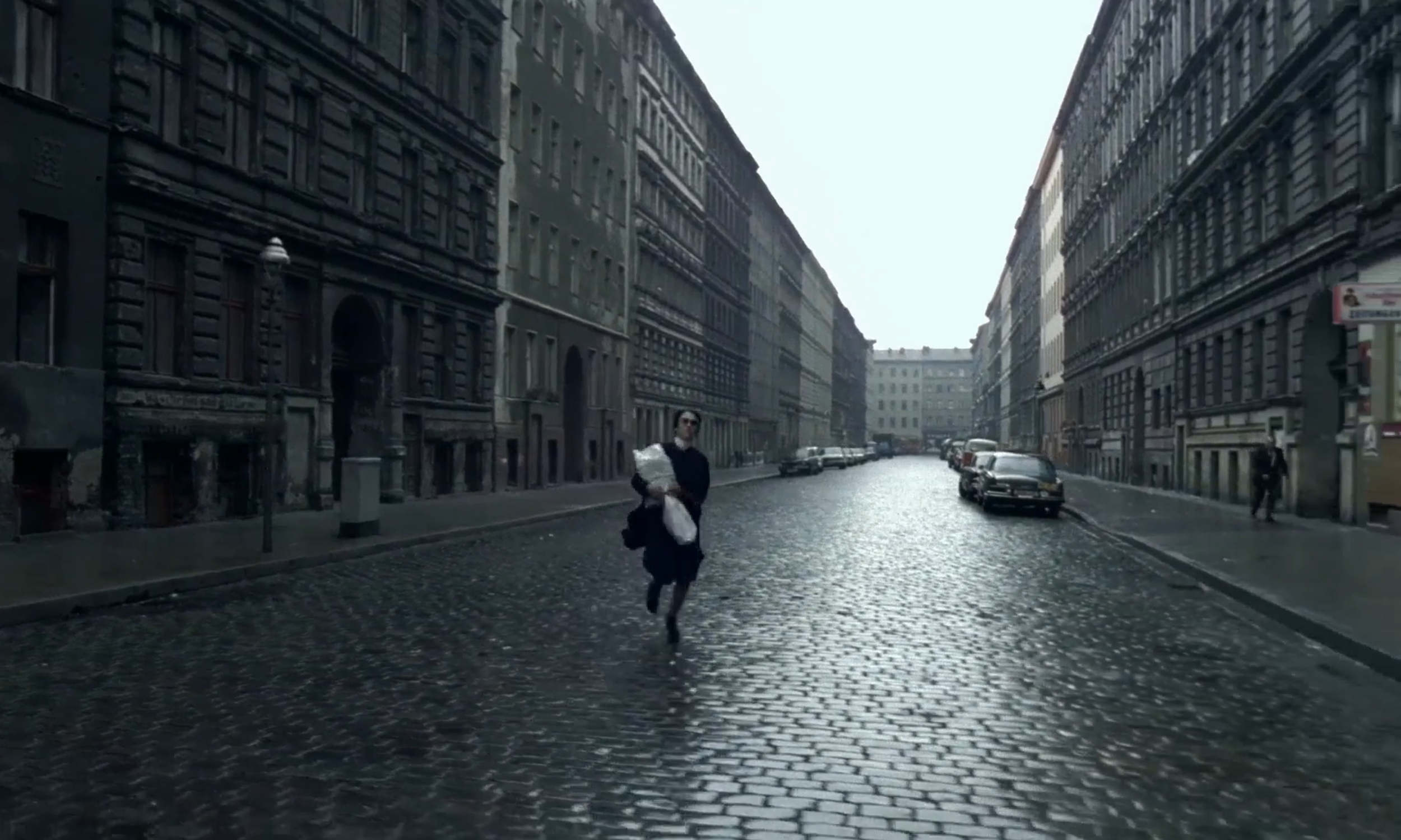
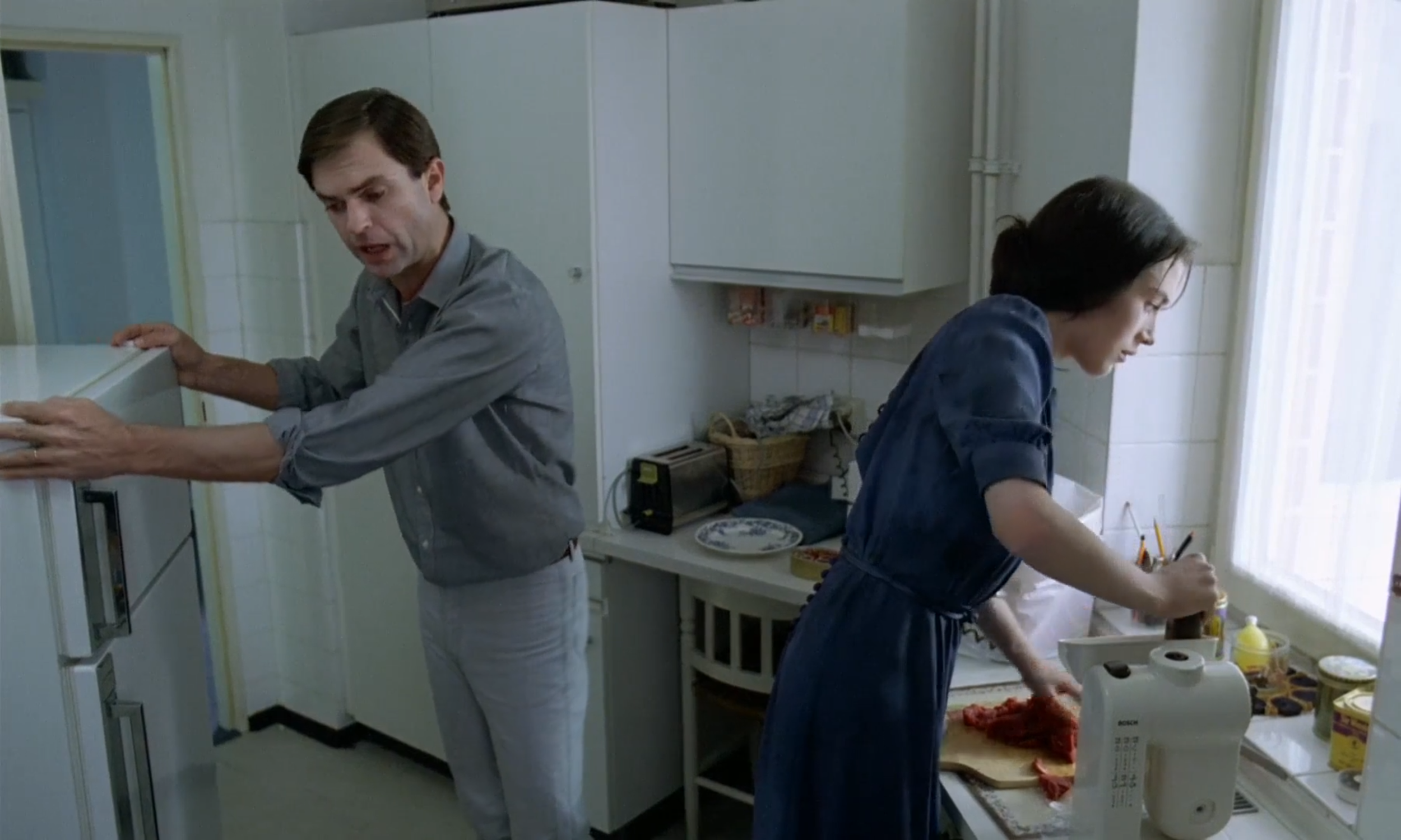



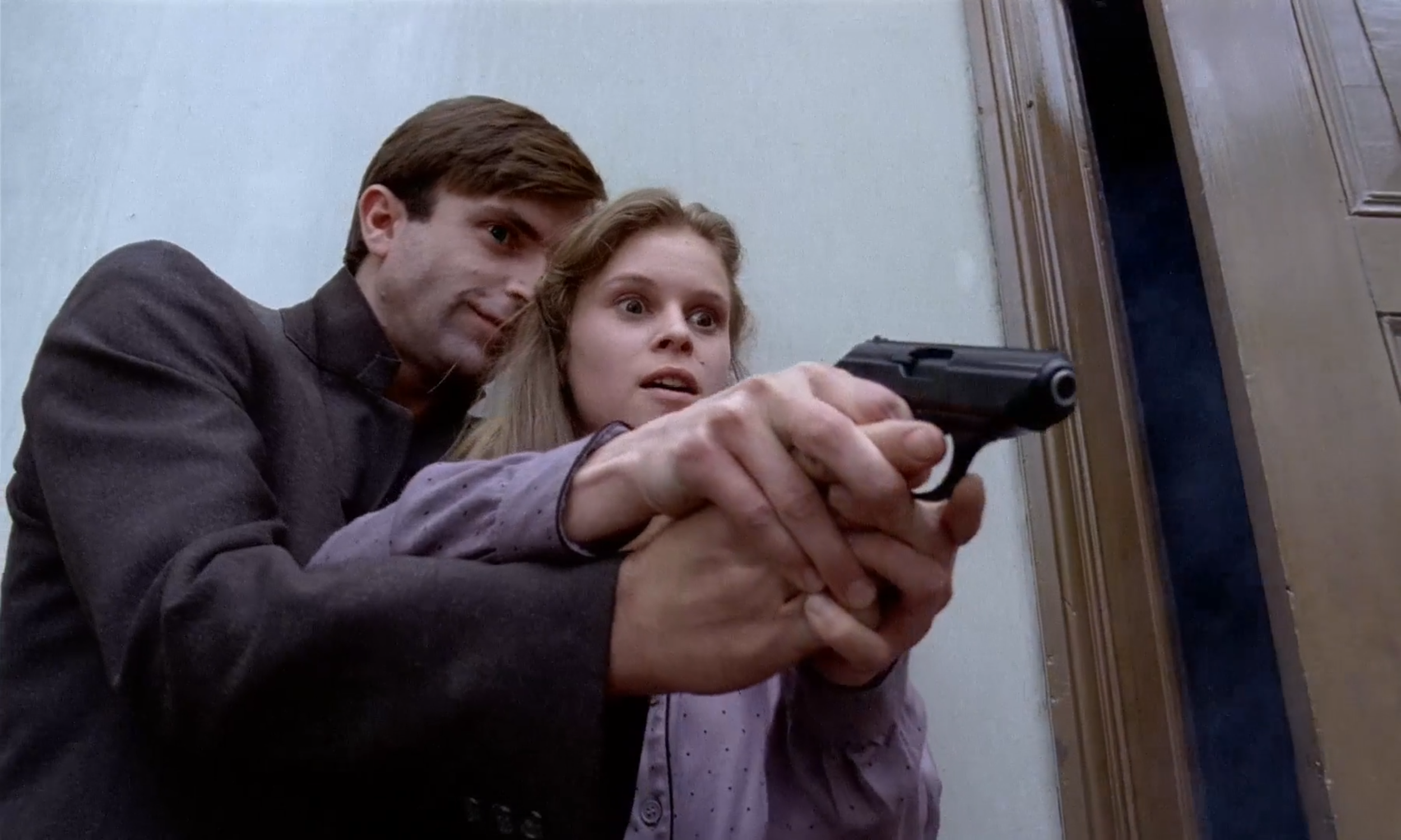
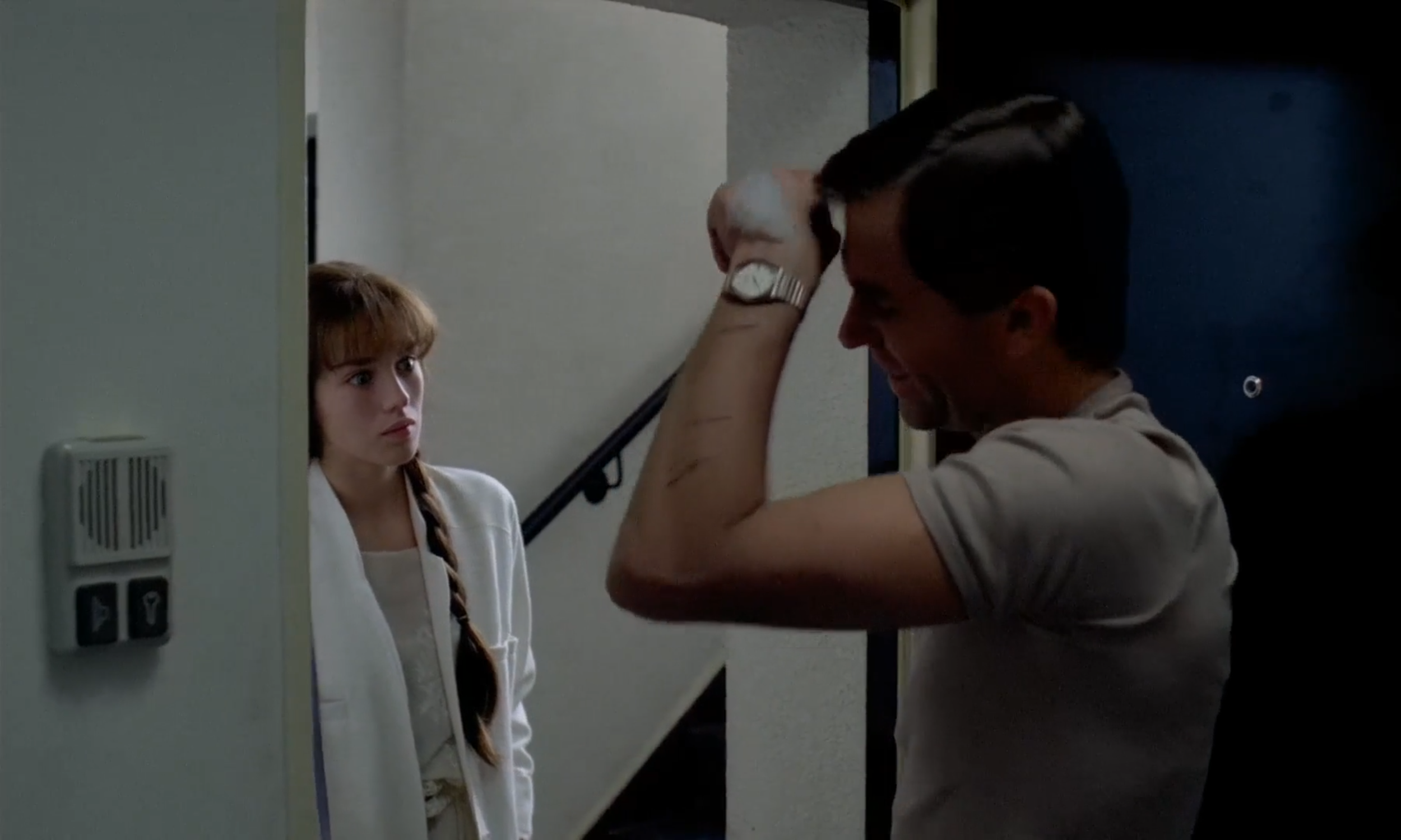
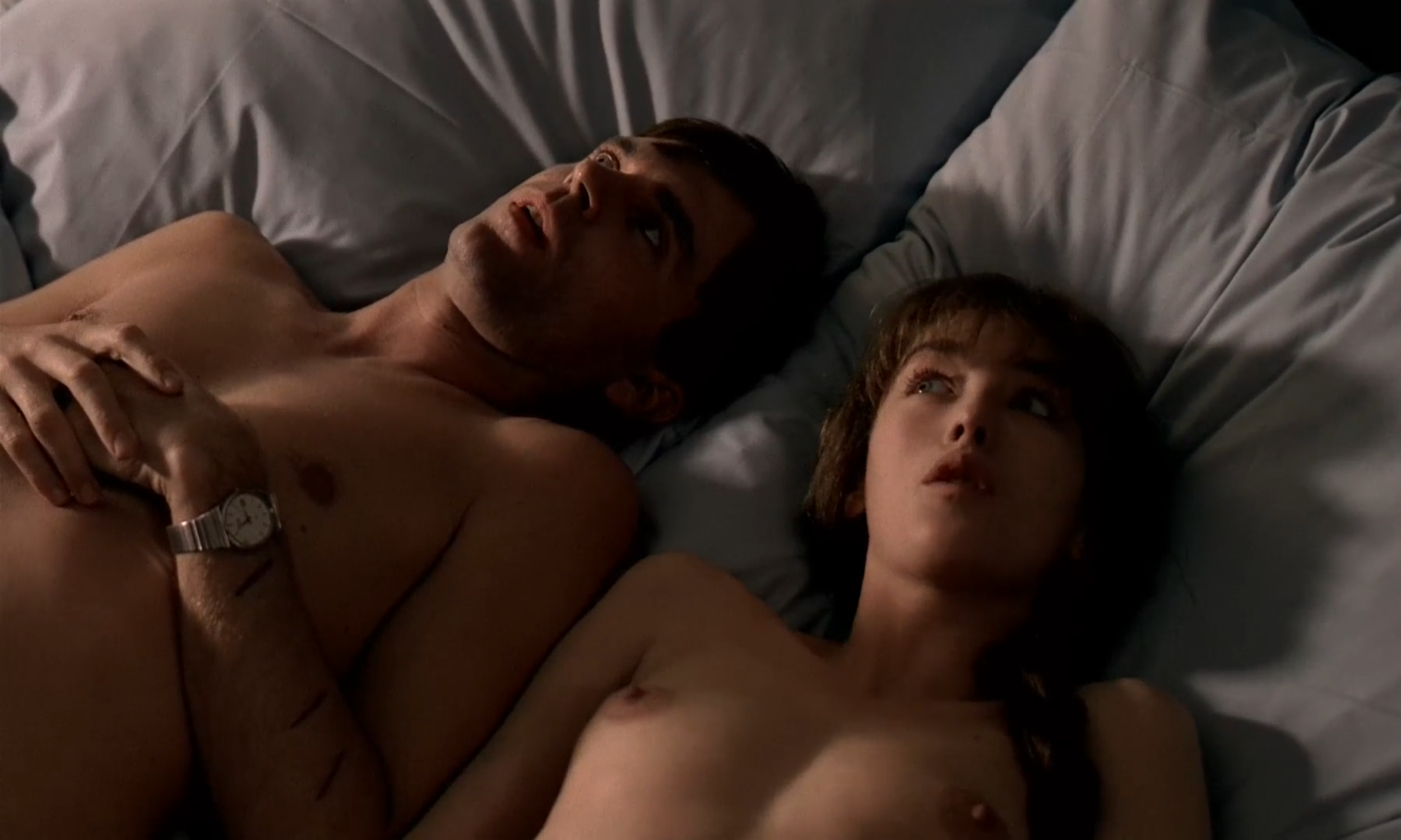
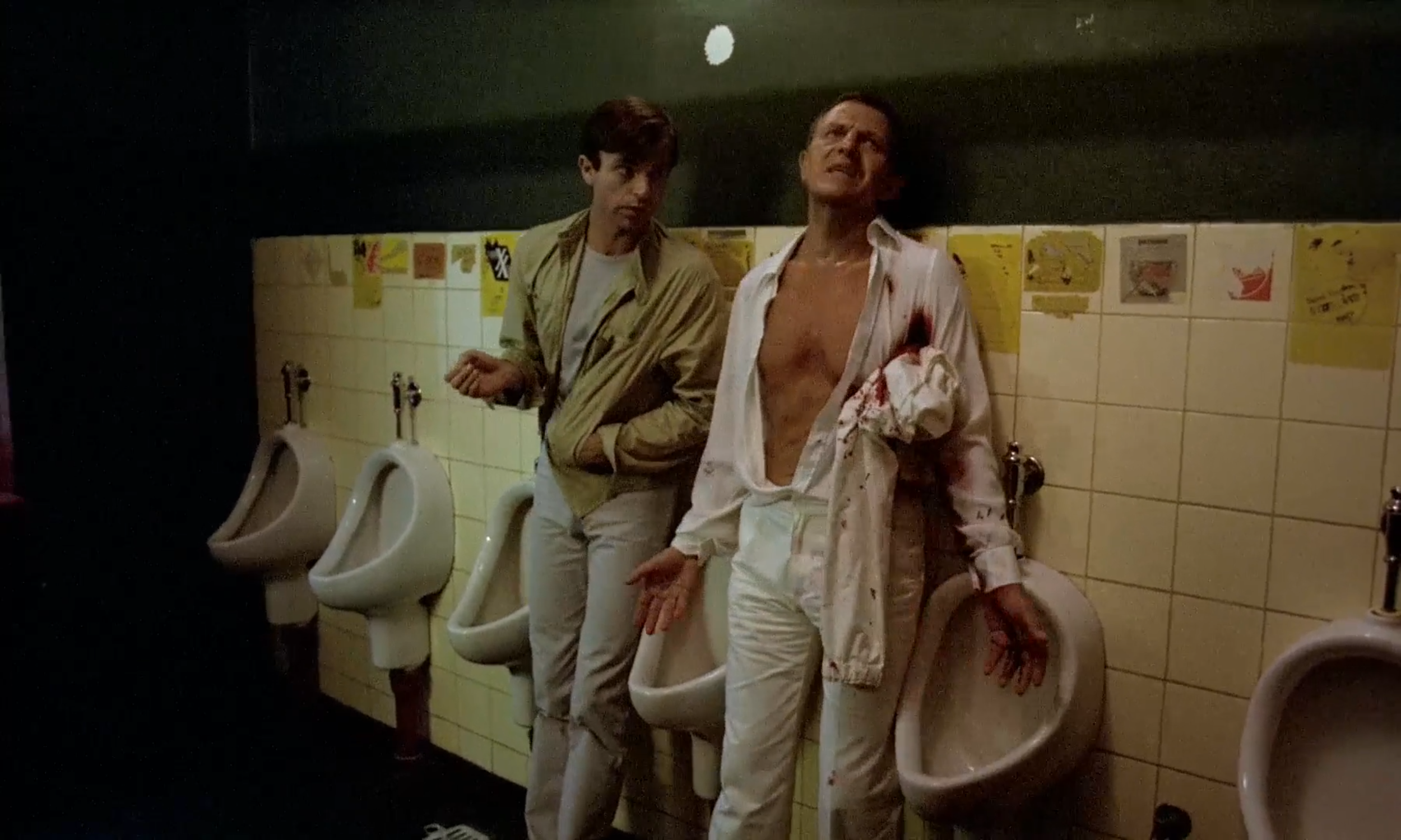




The spiciest body horror of all time?
Presentation:
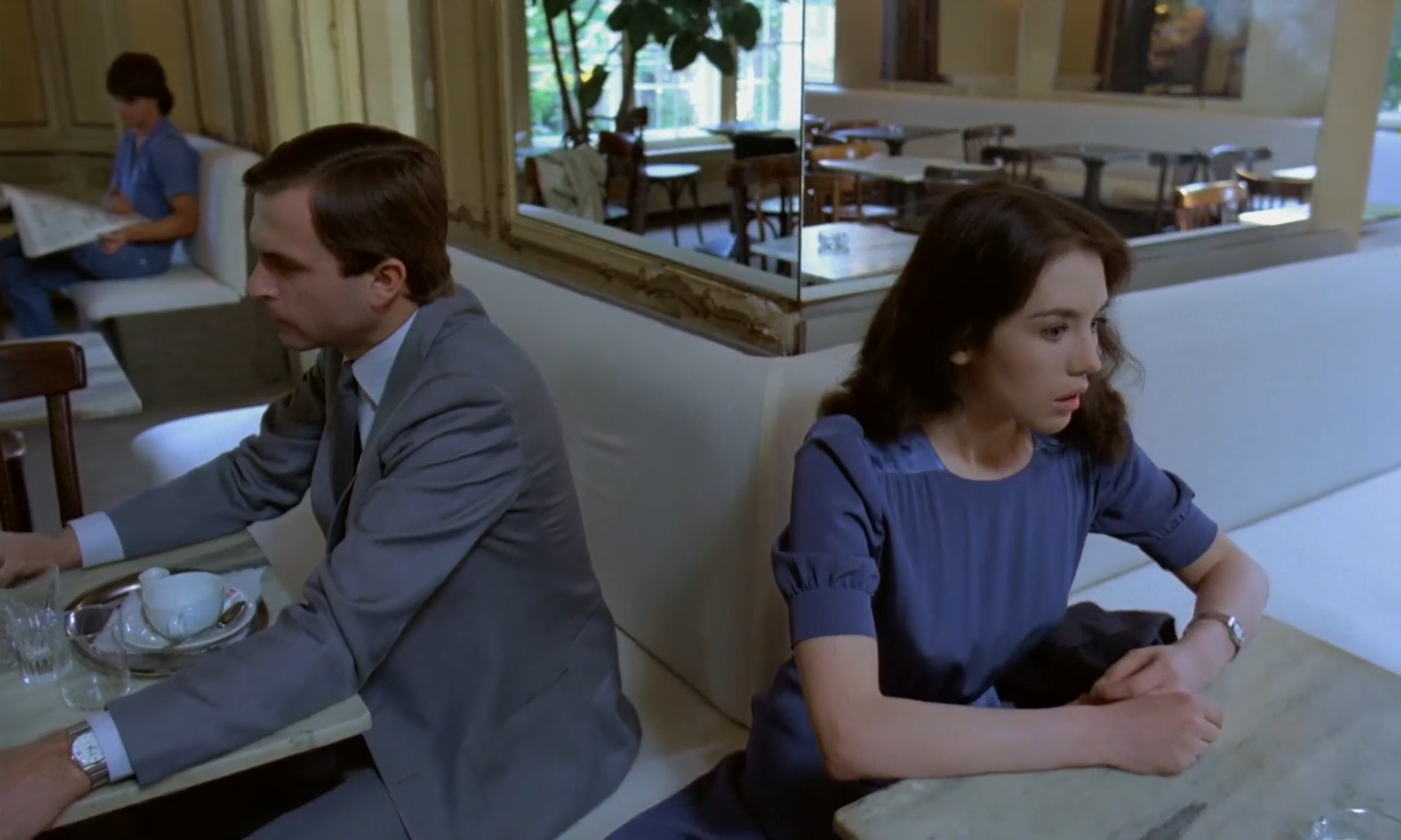
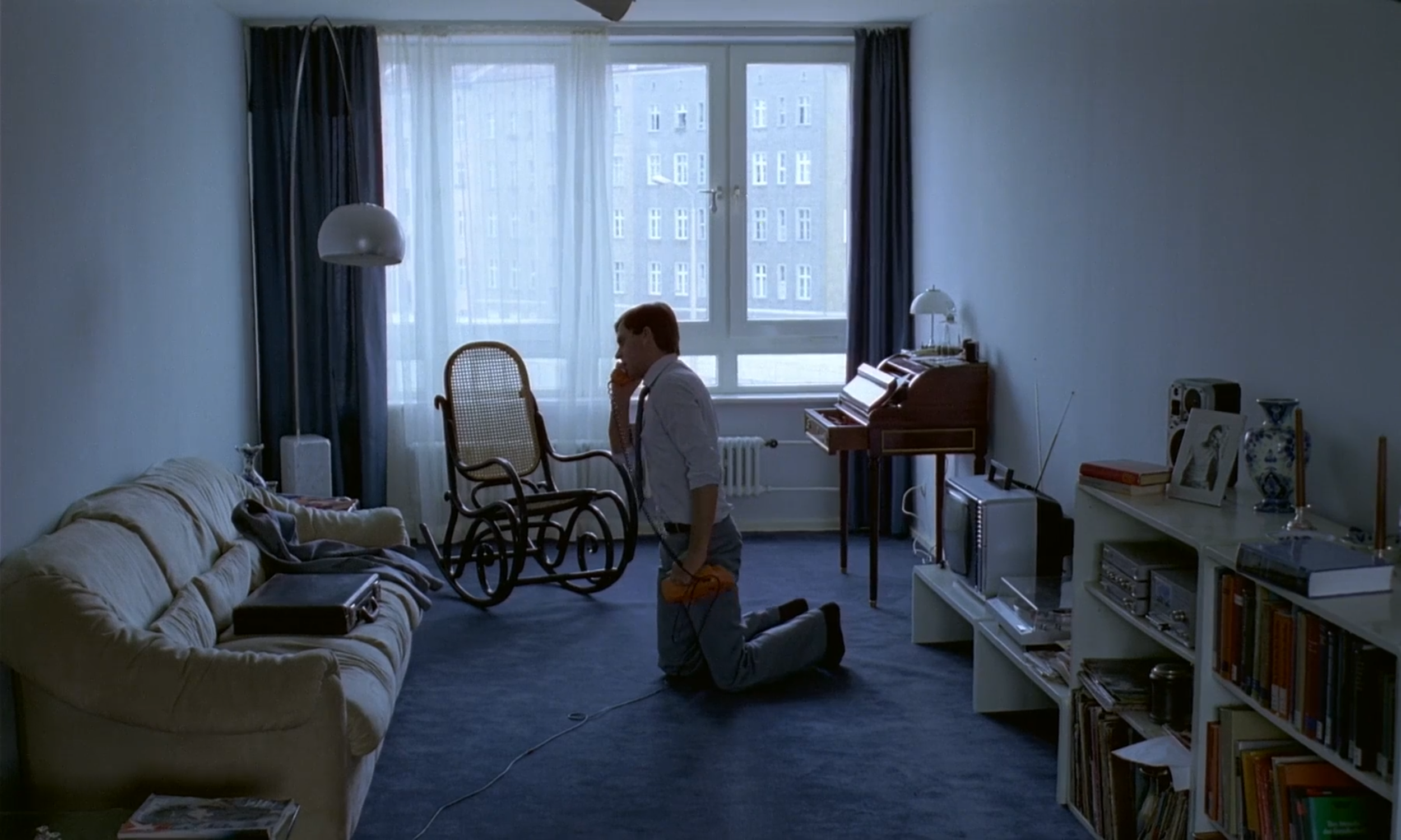
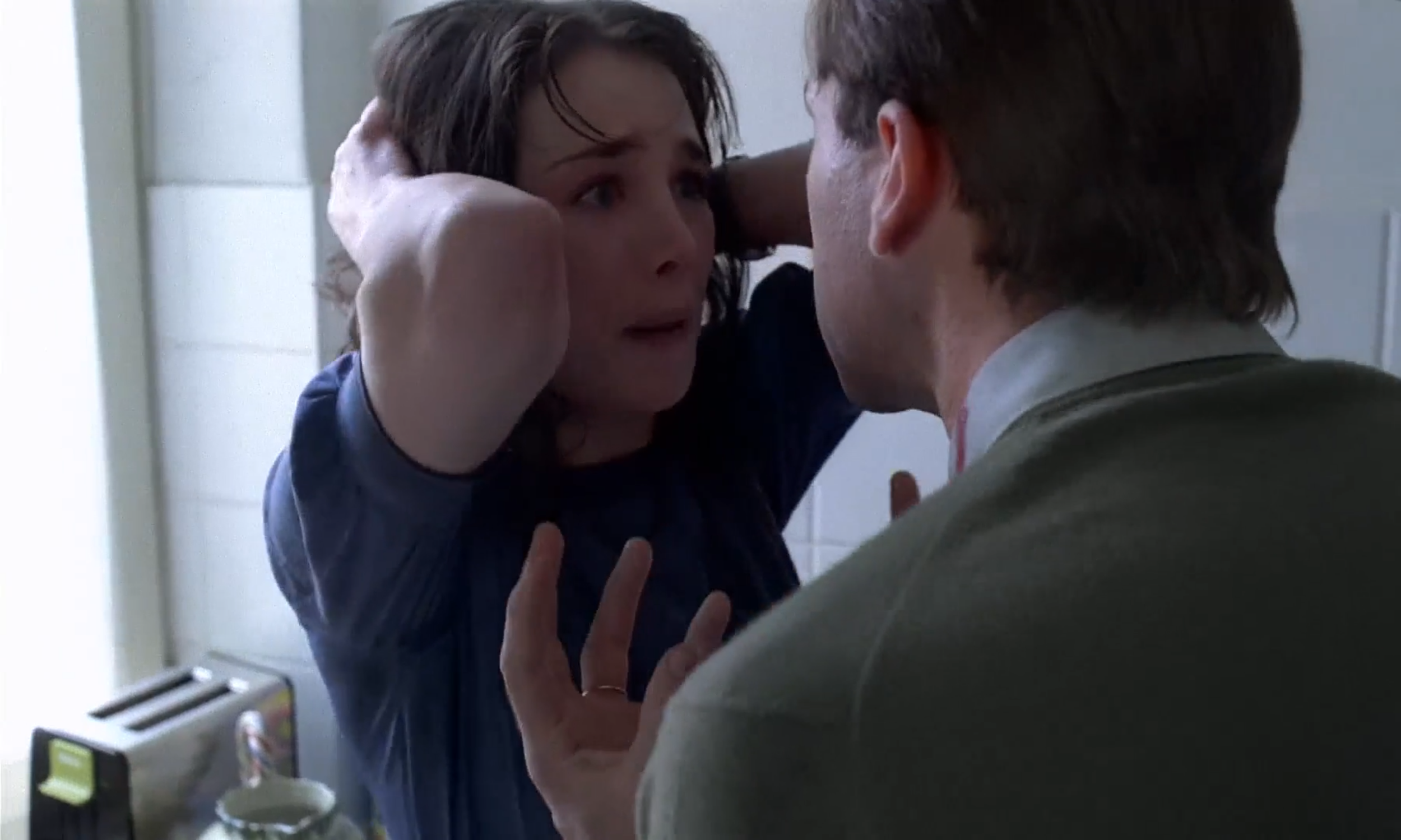
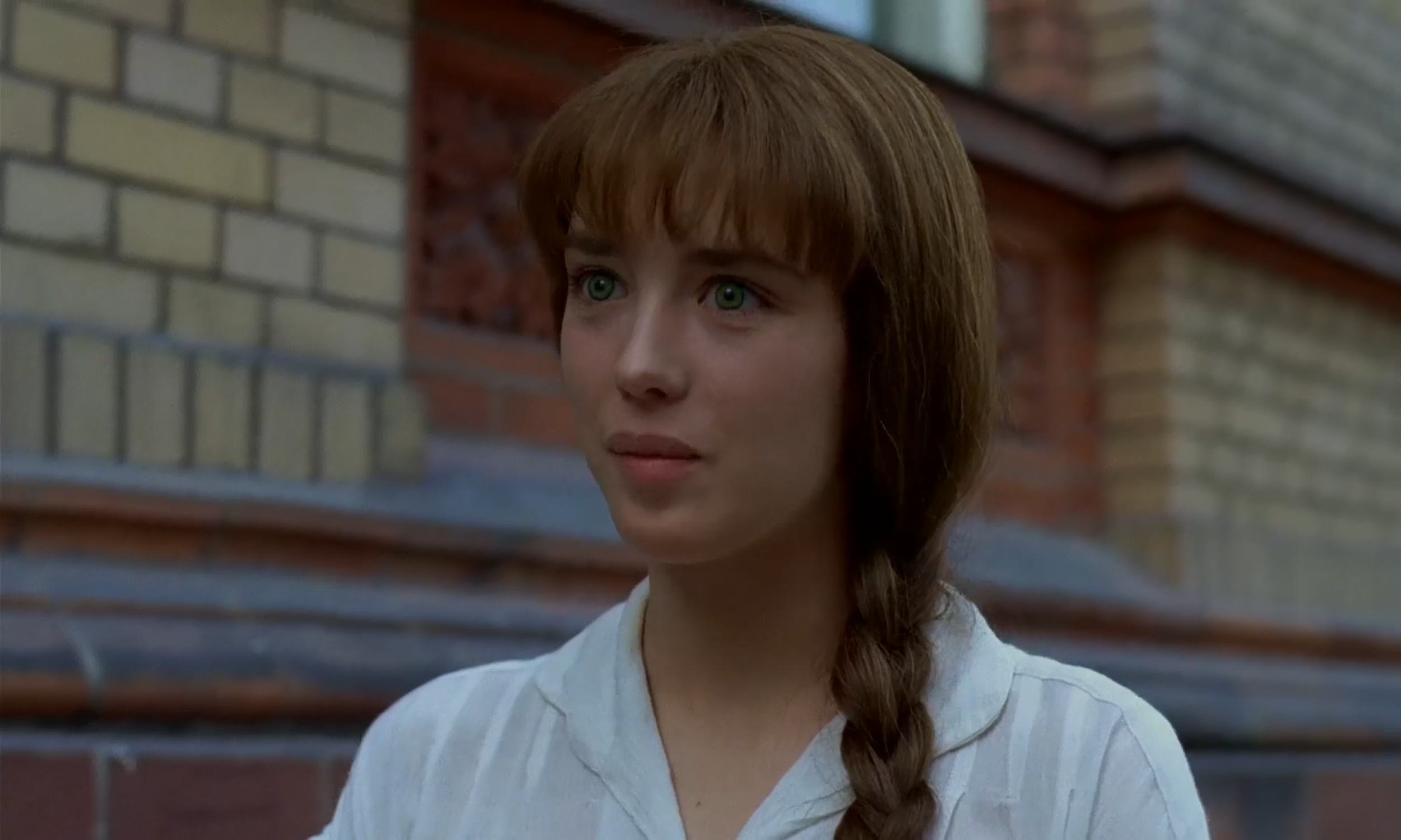
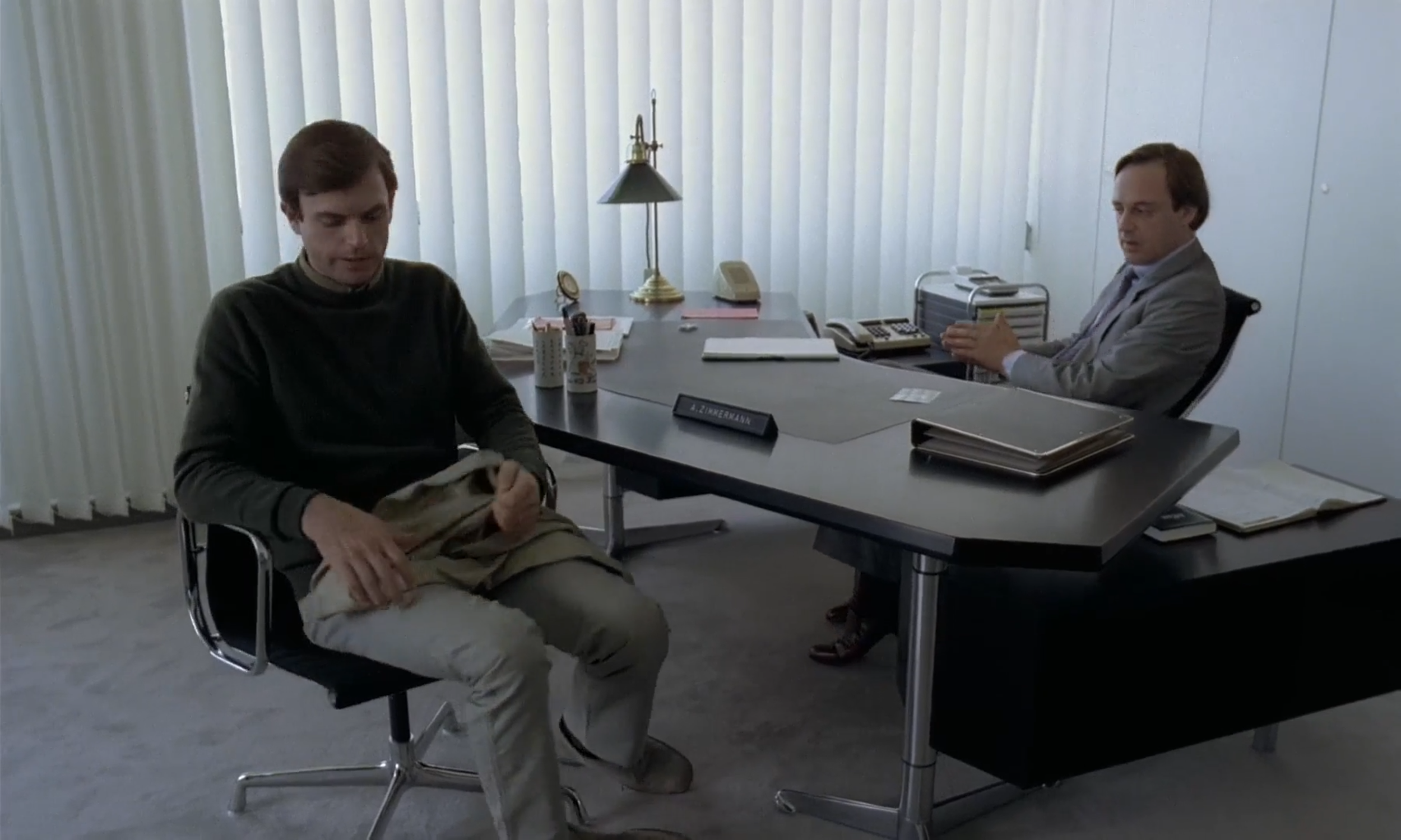
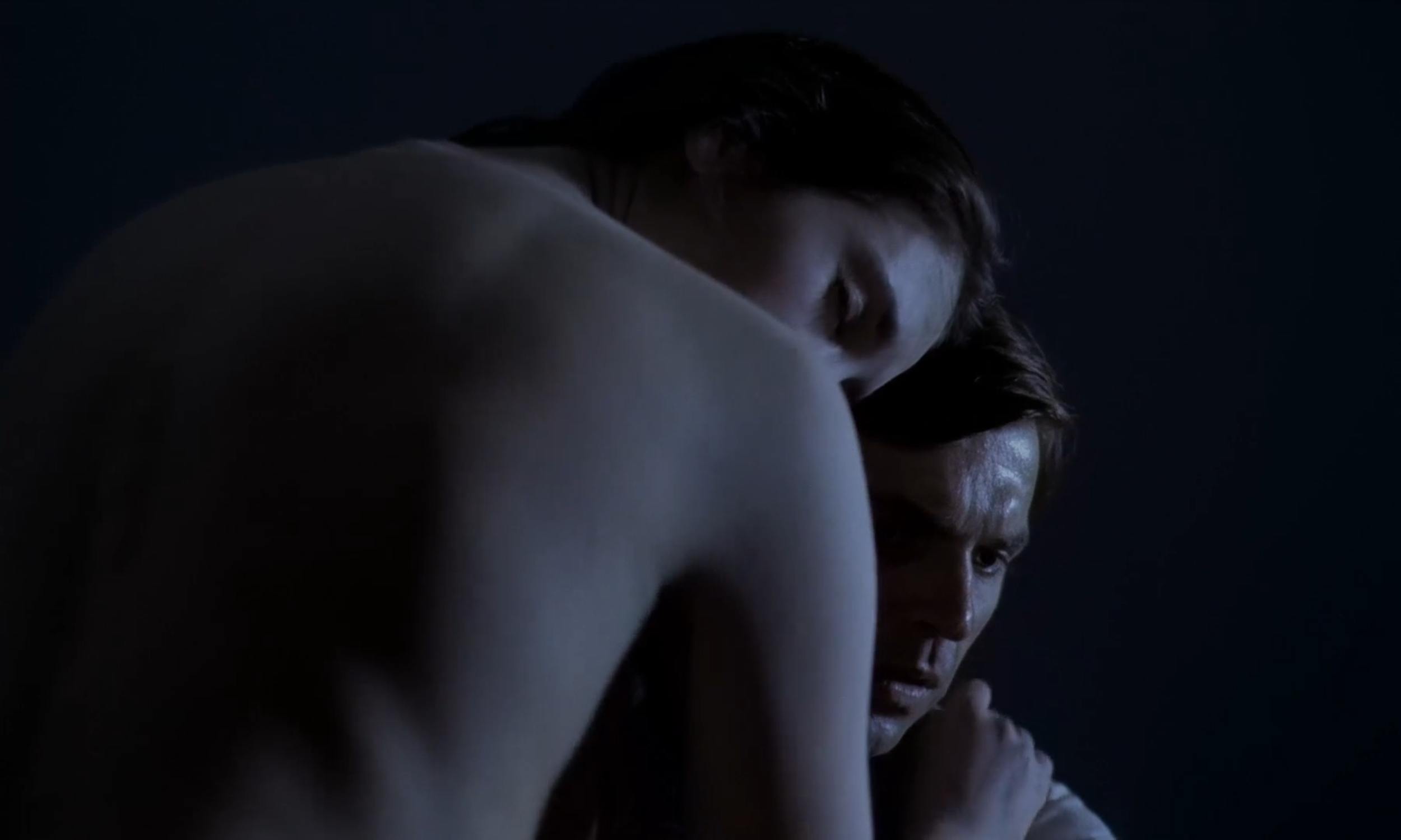
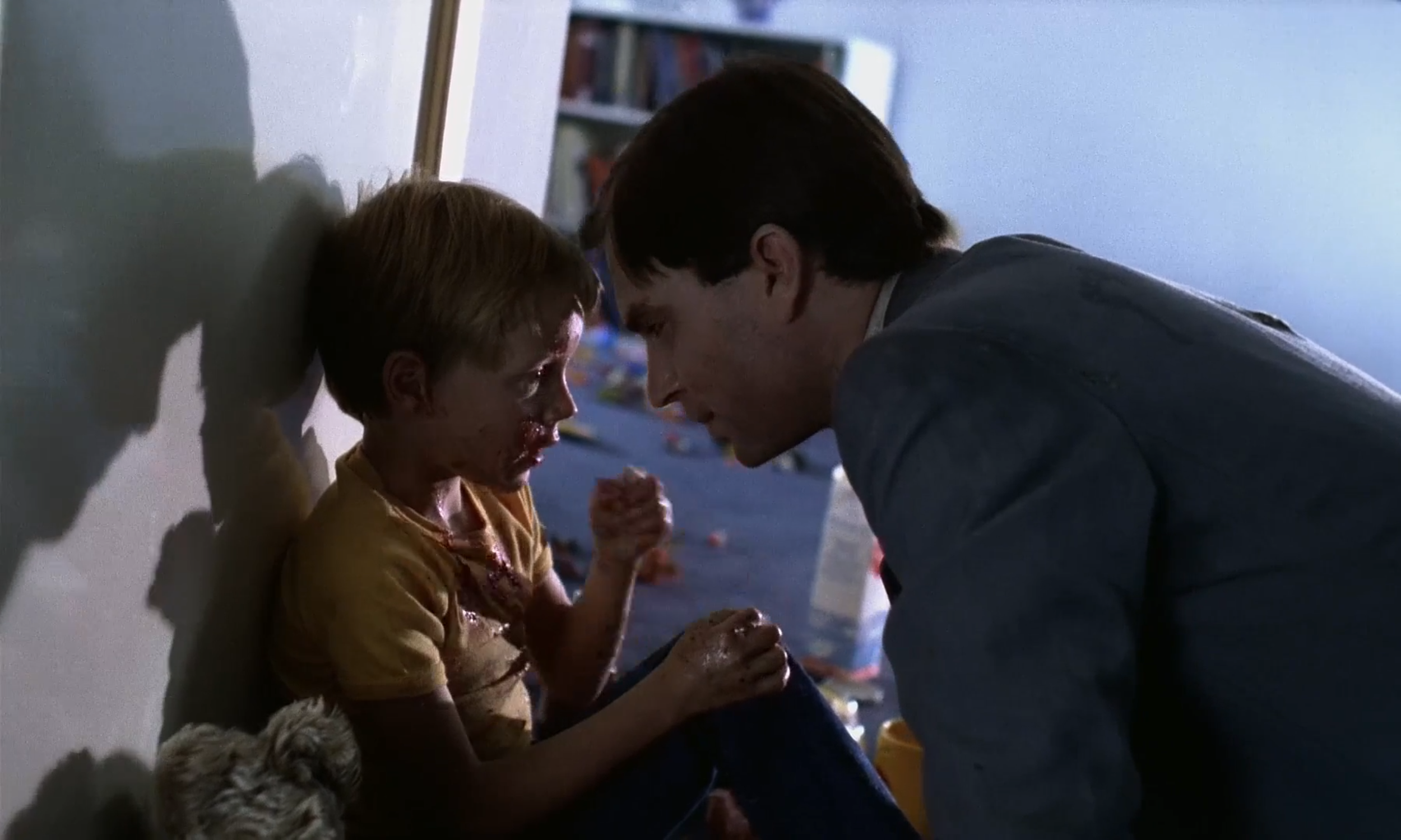
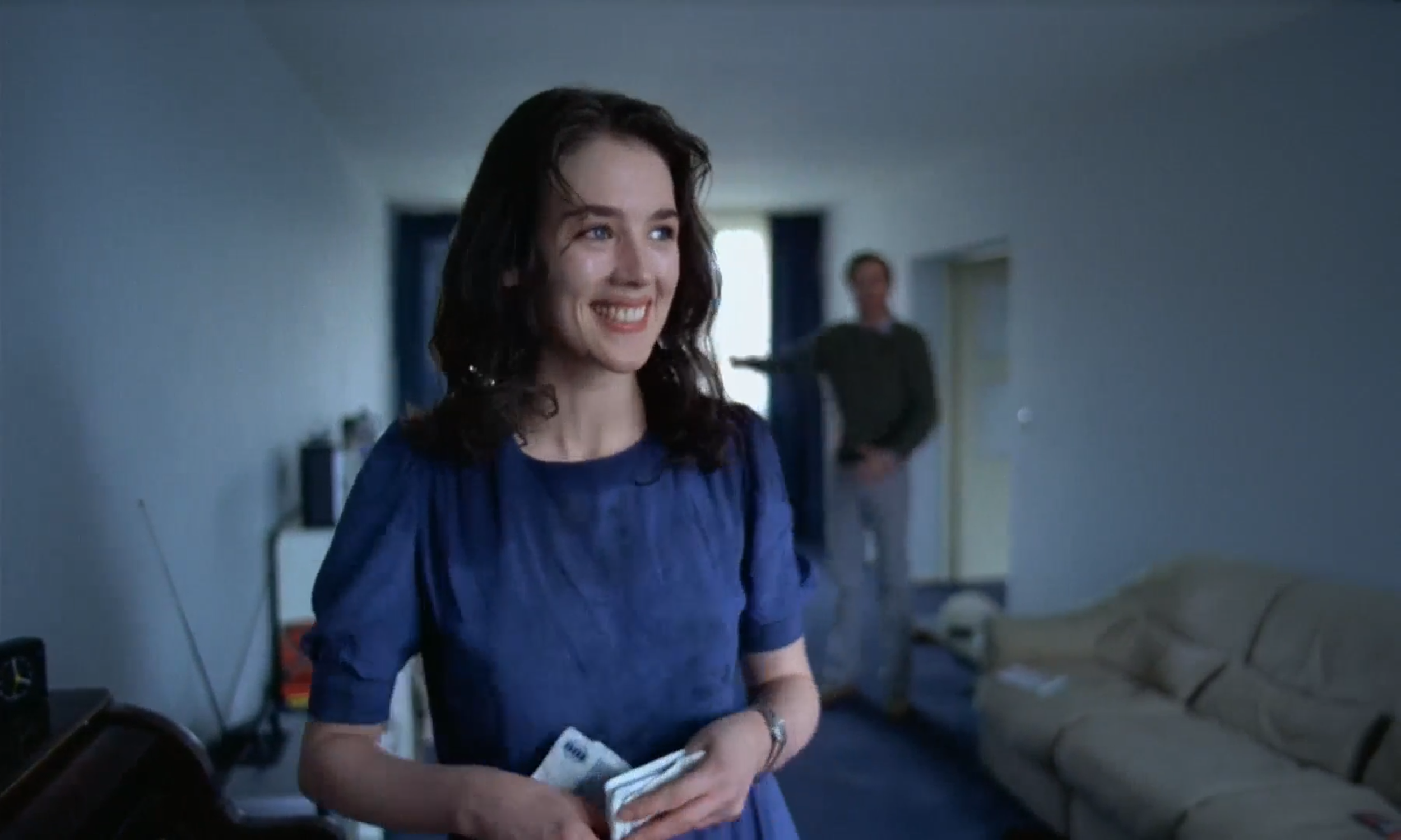
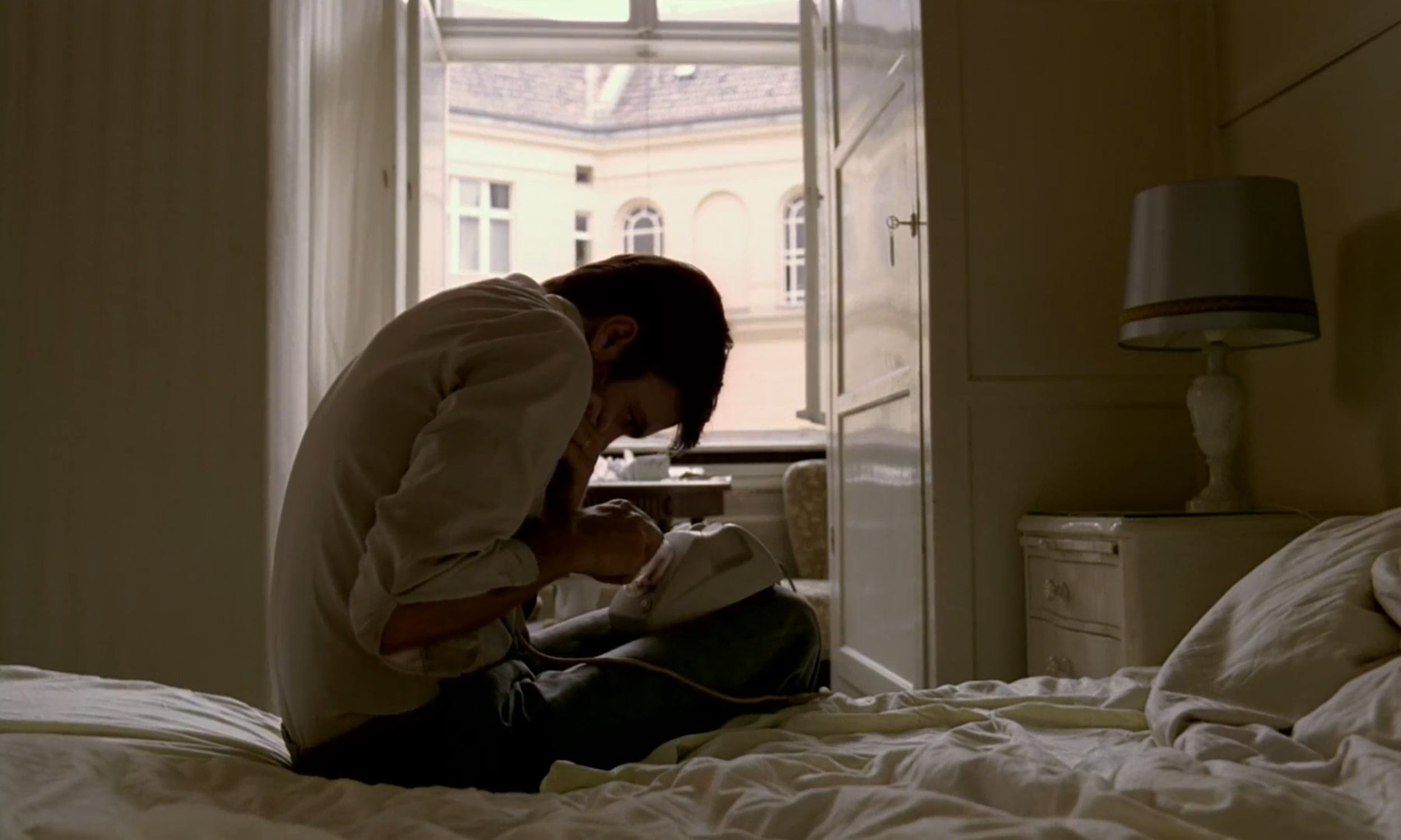
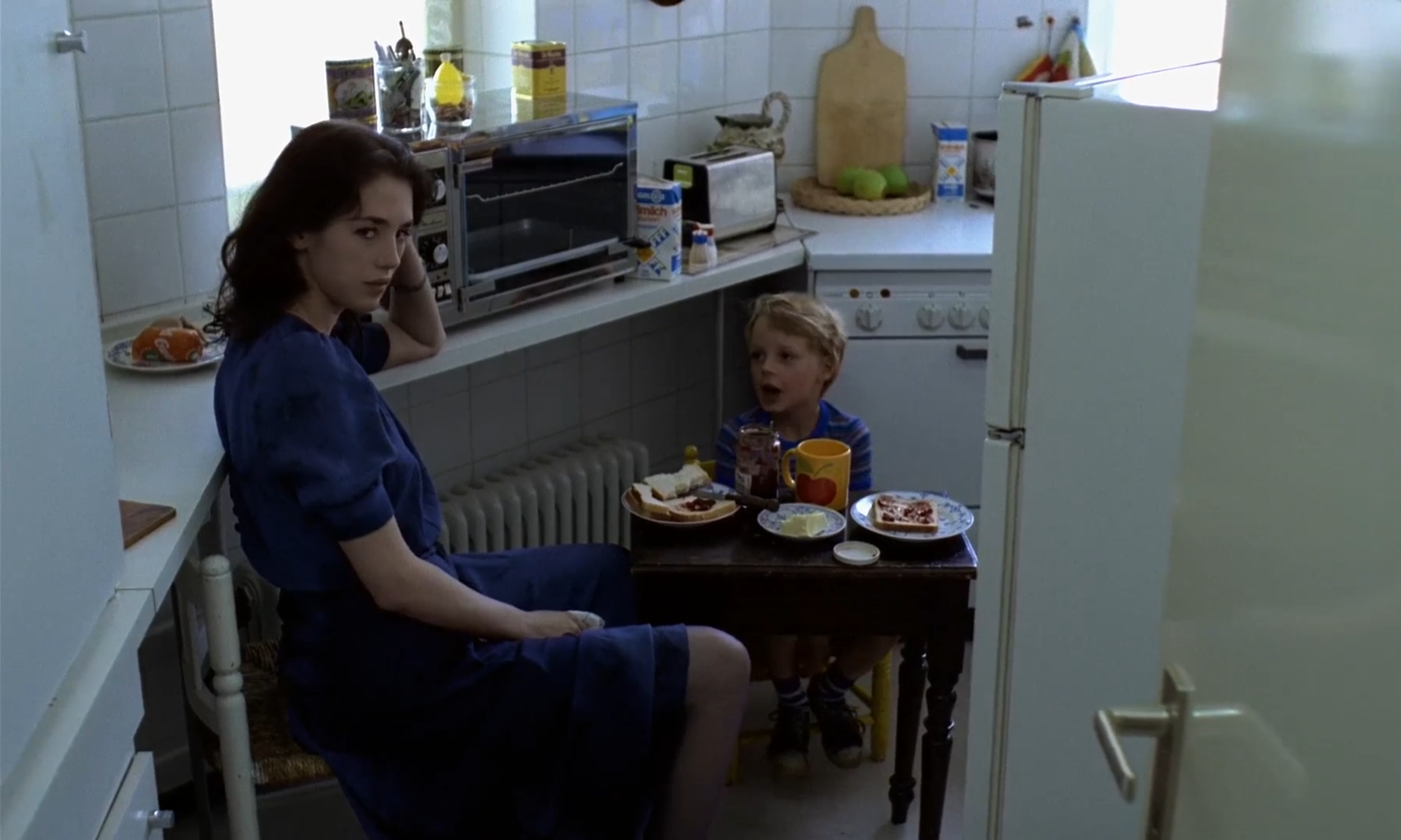
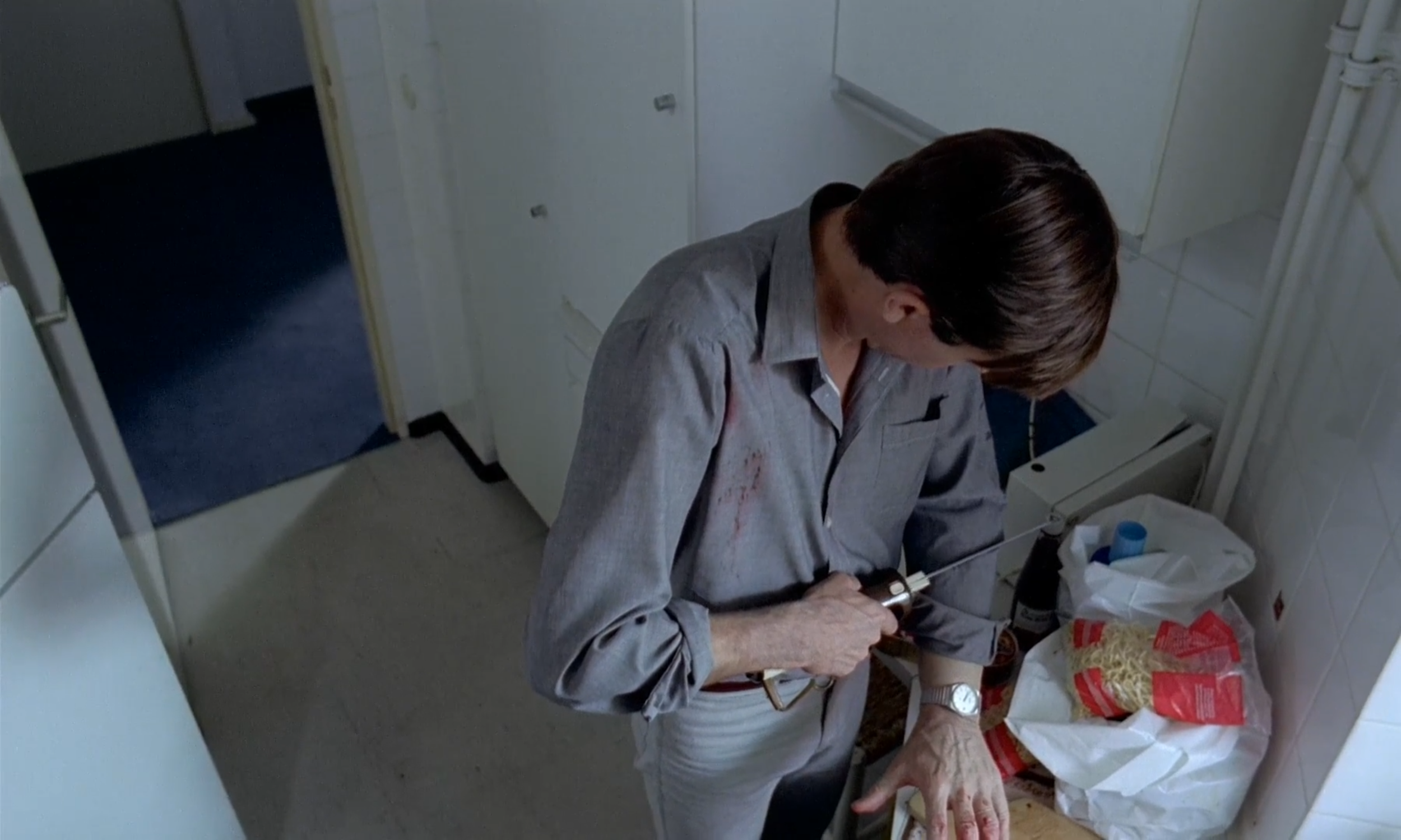
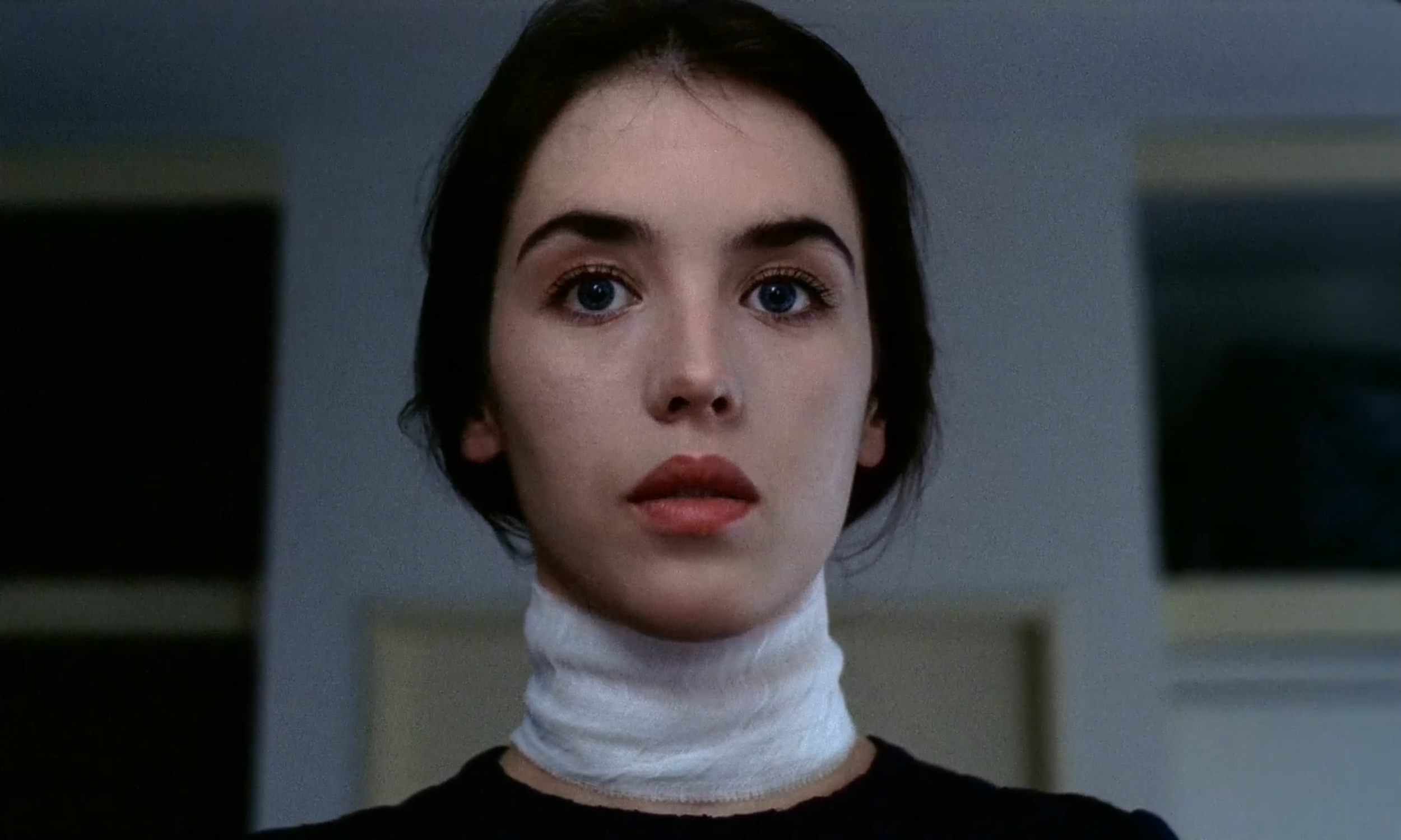
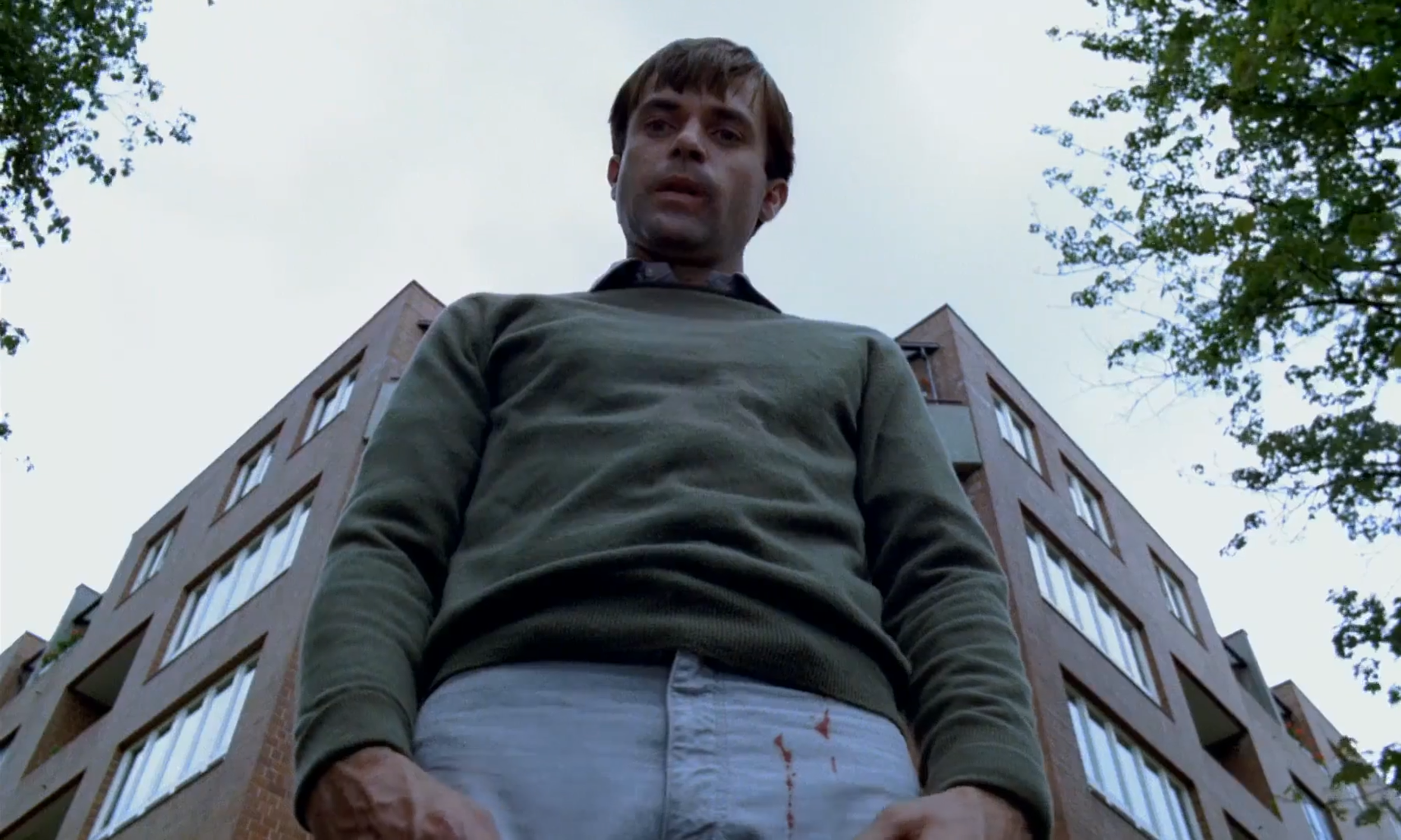
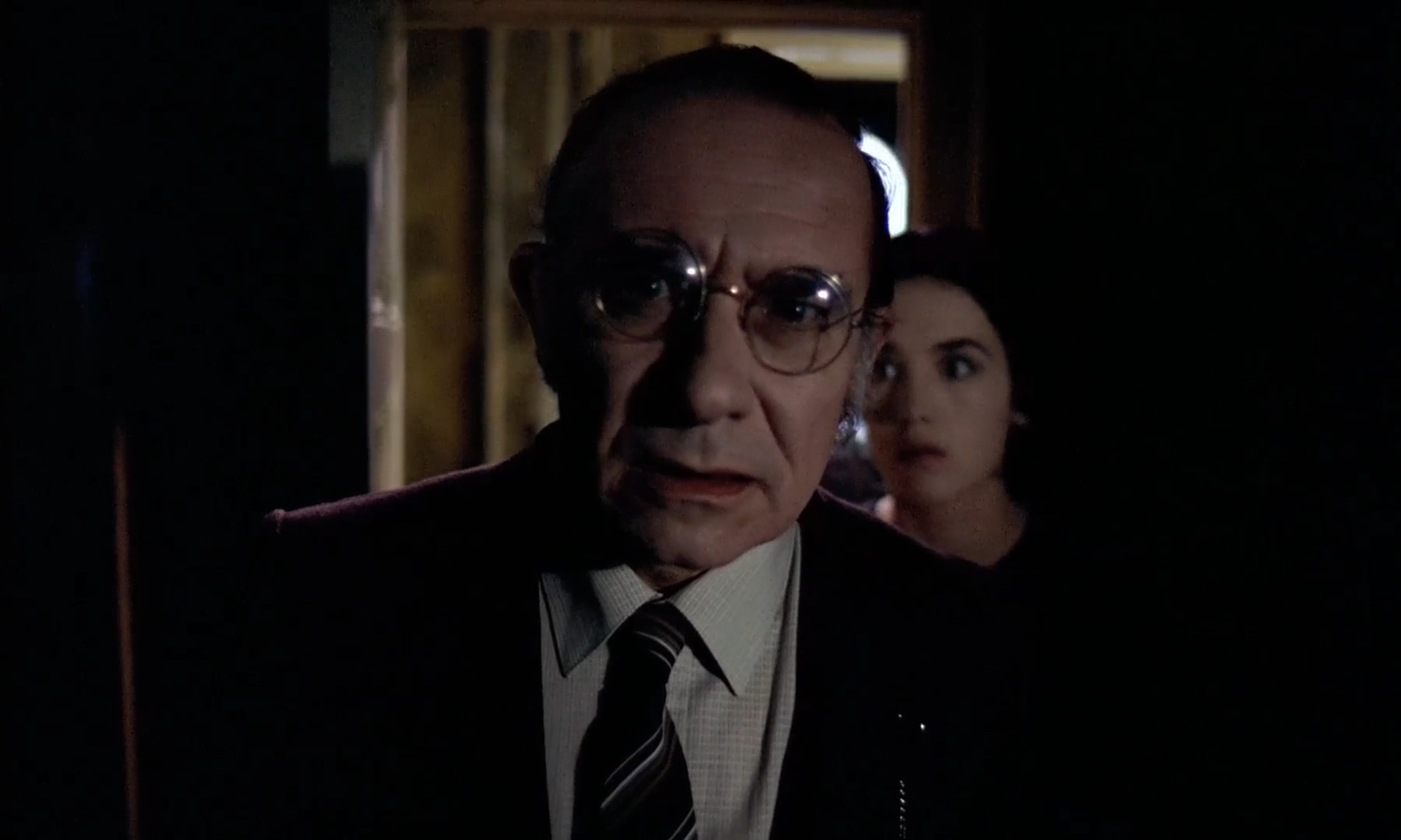
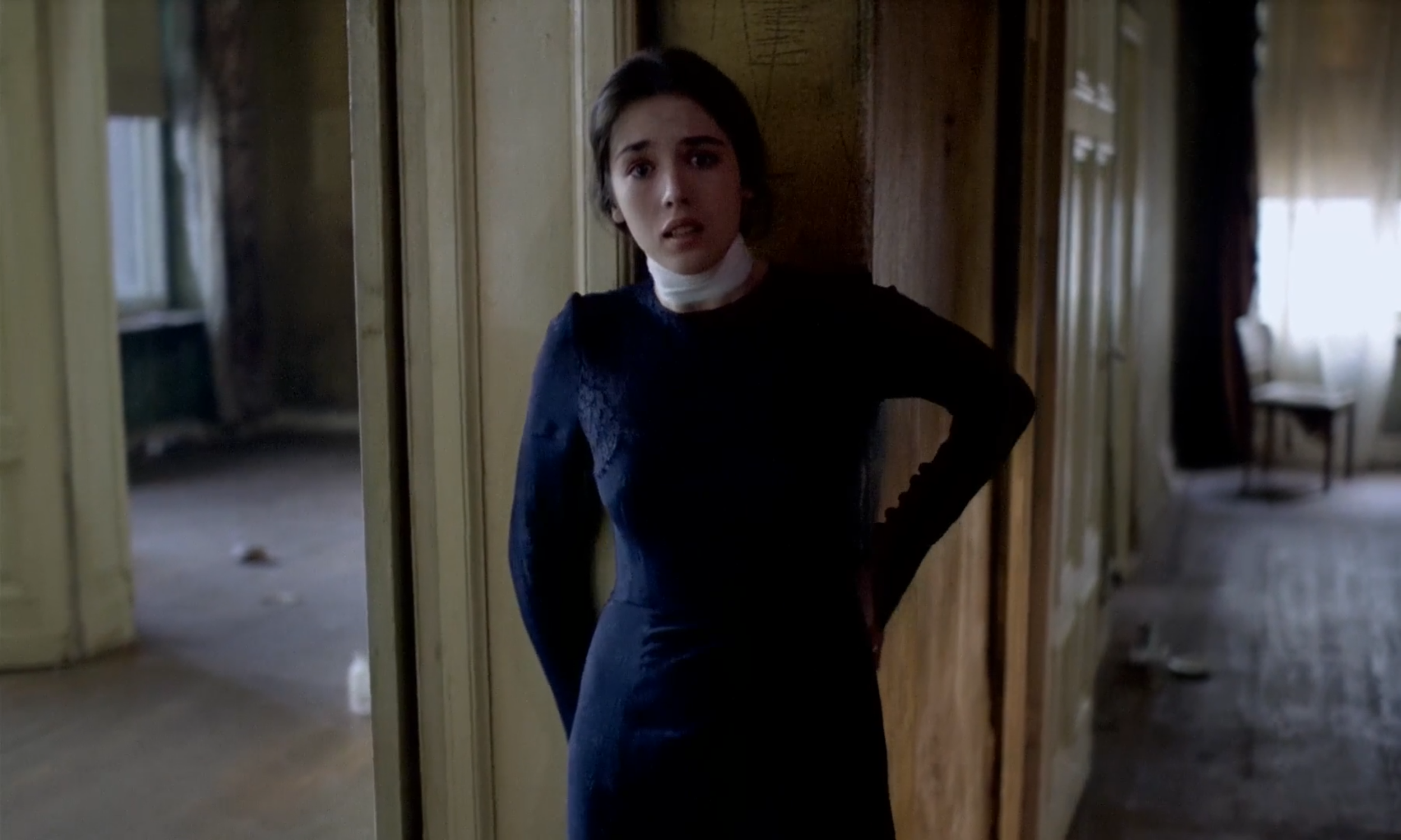
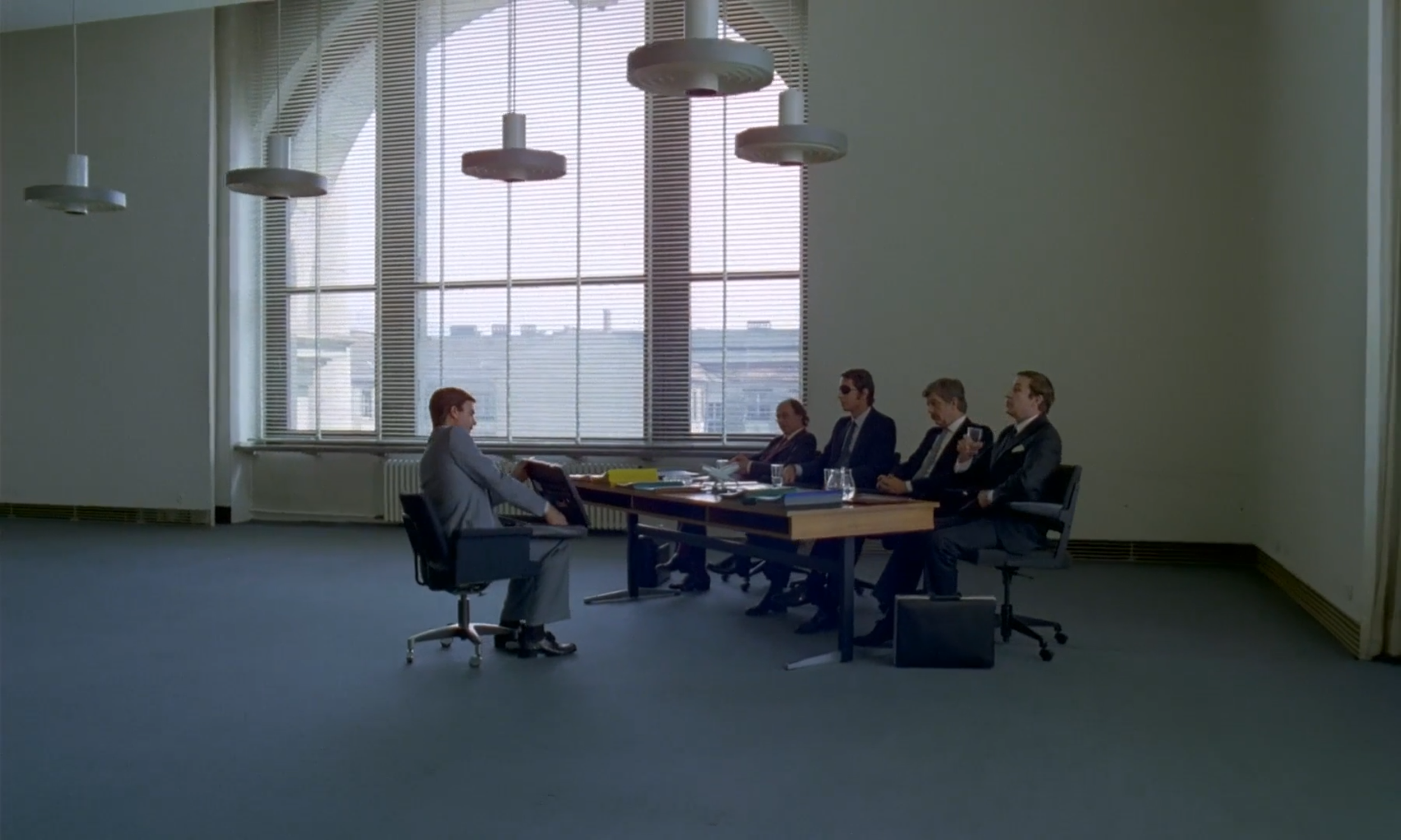
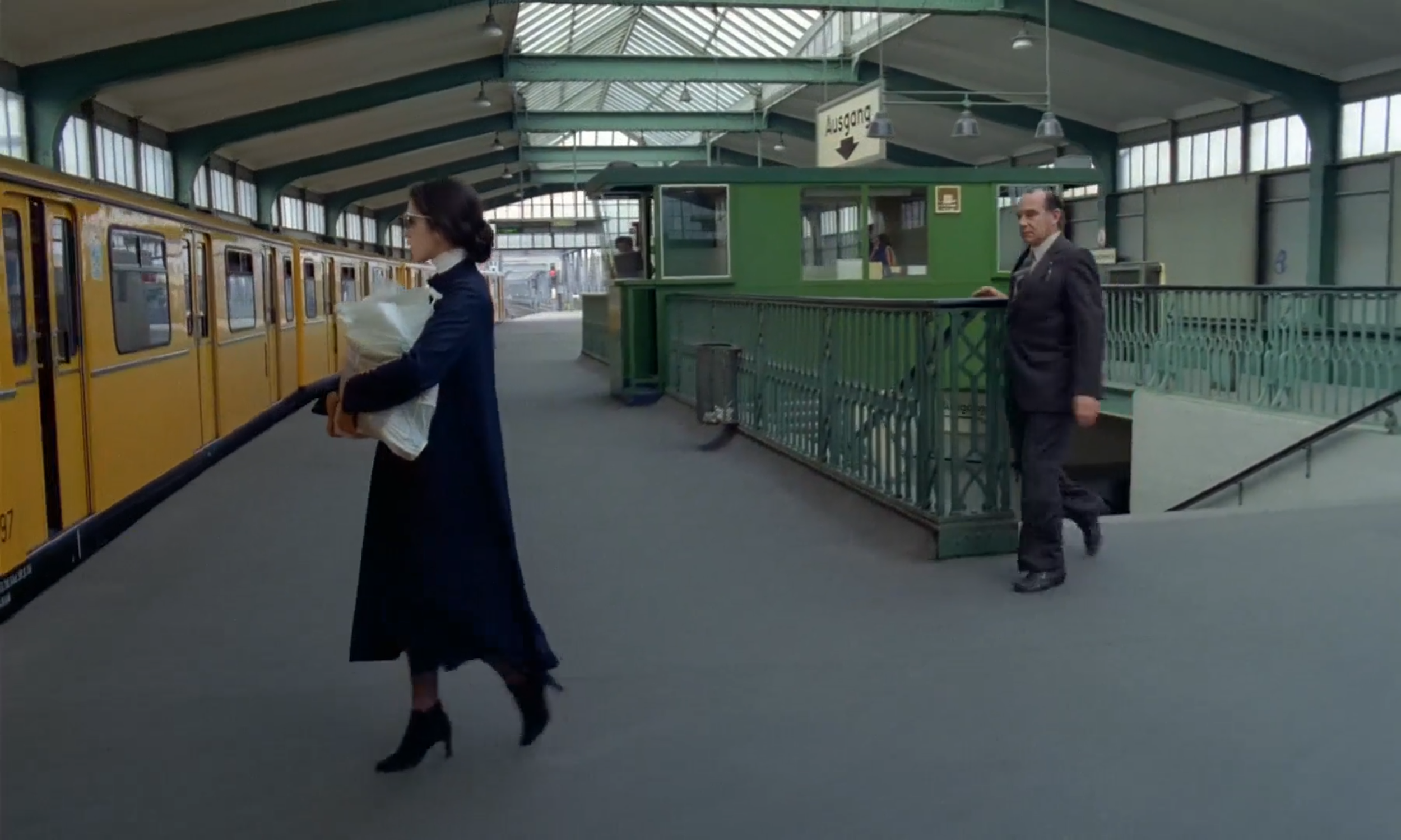
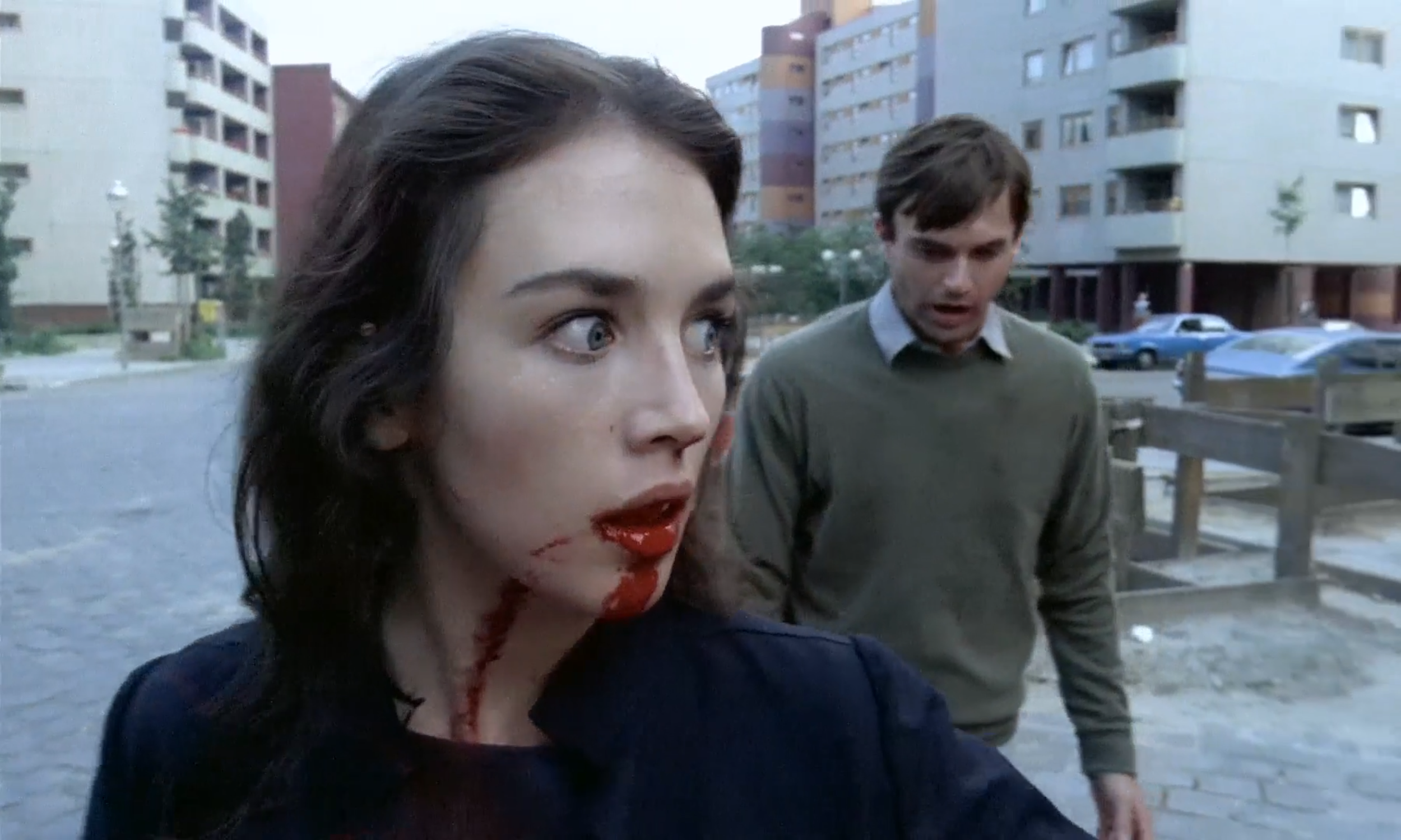
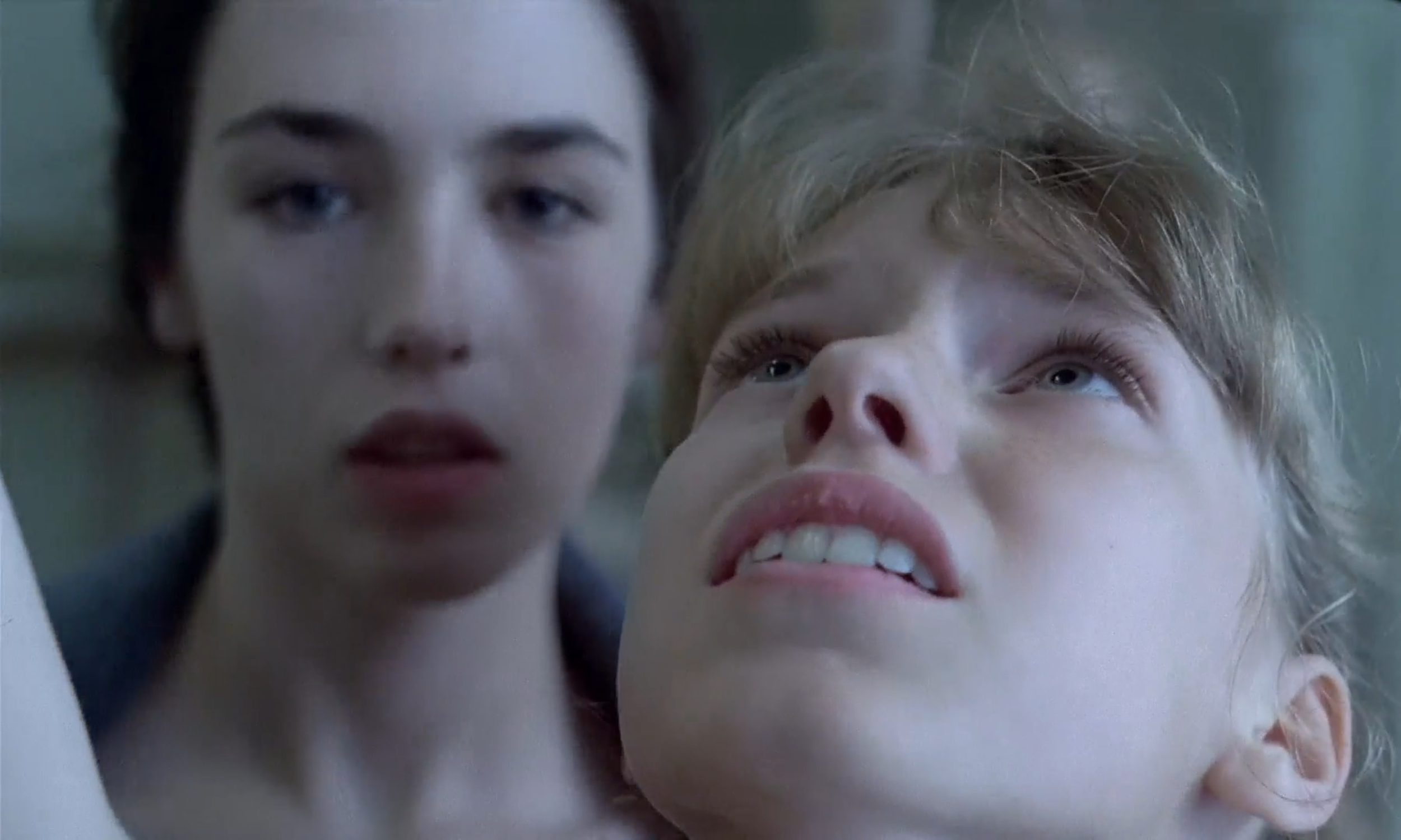
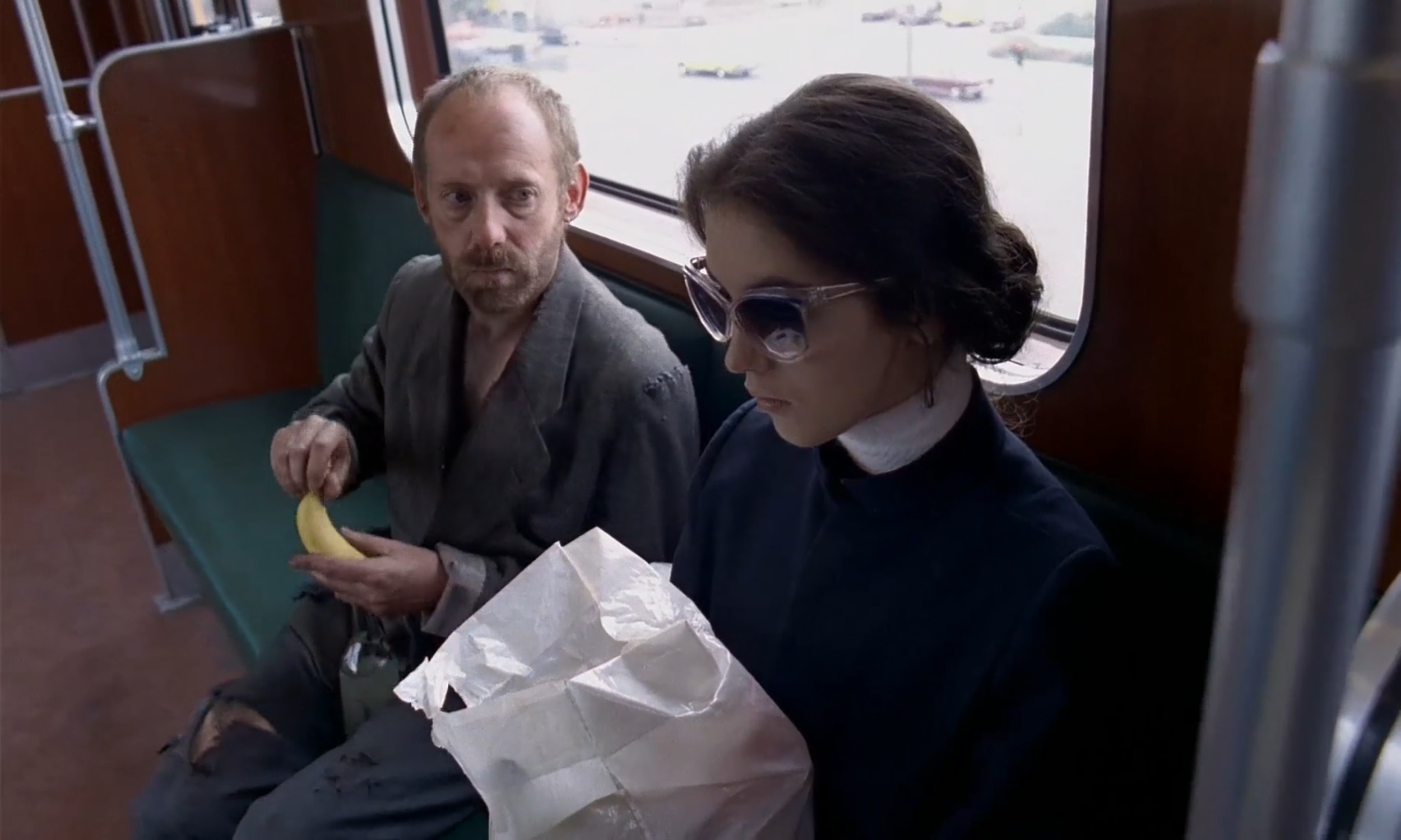
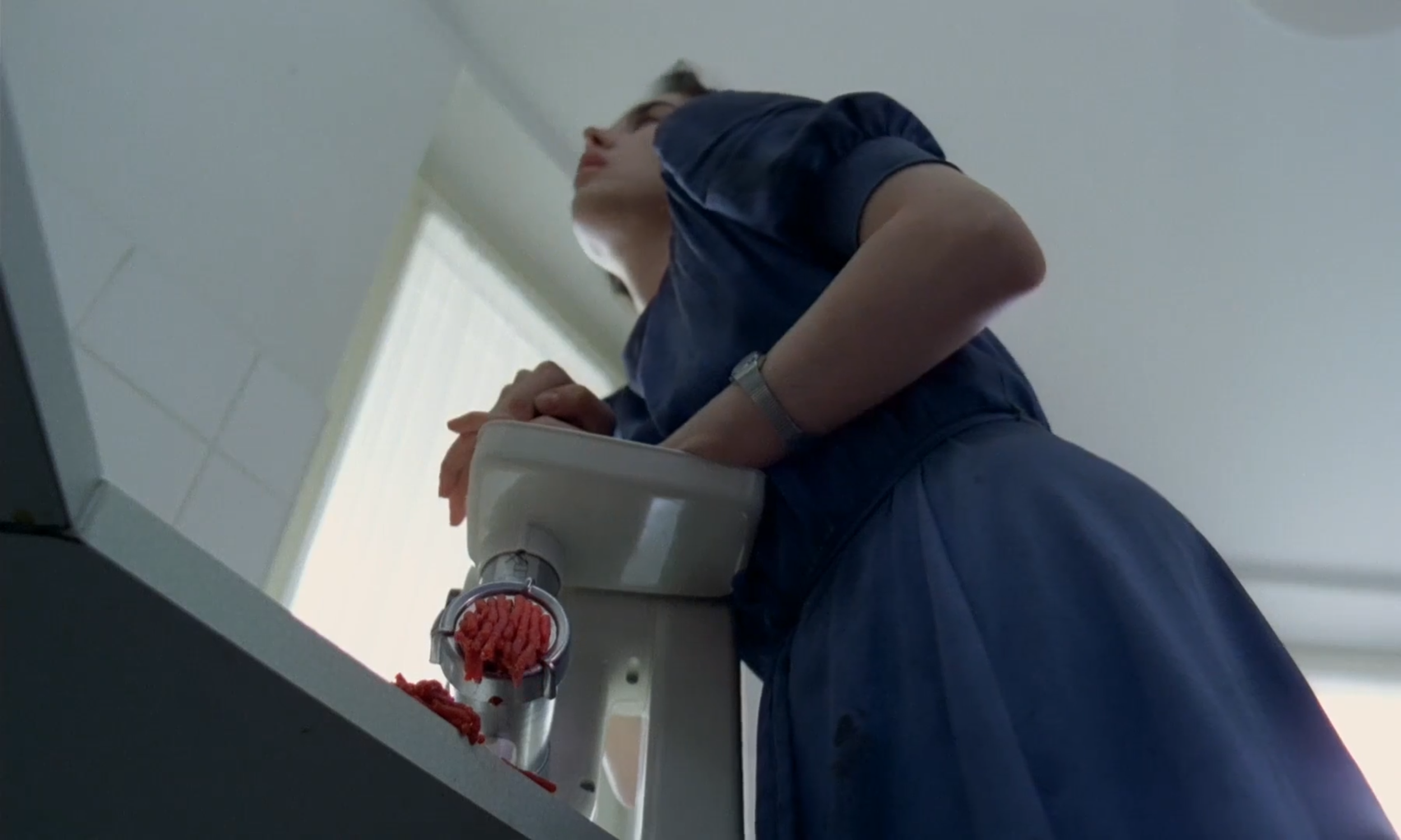
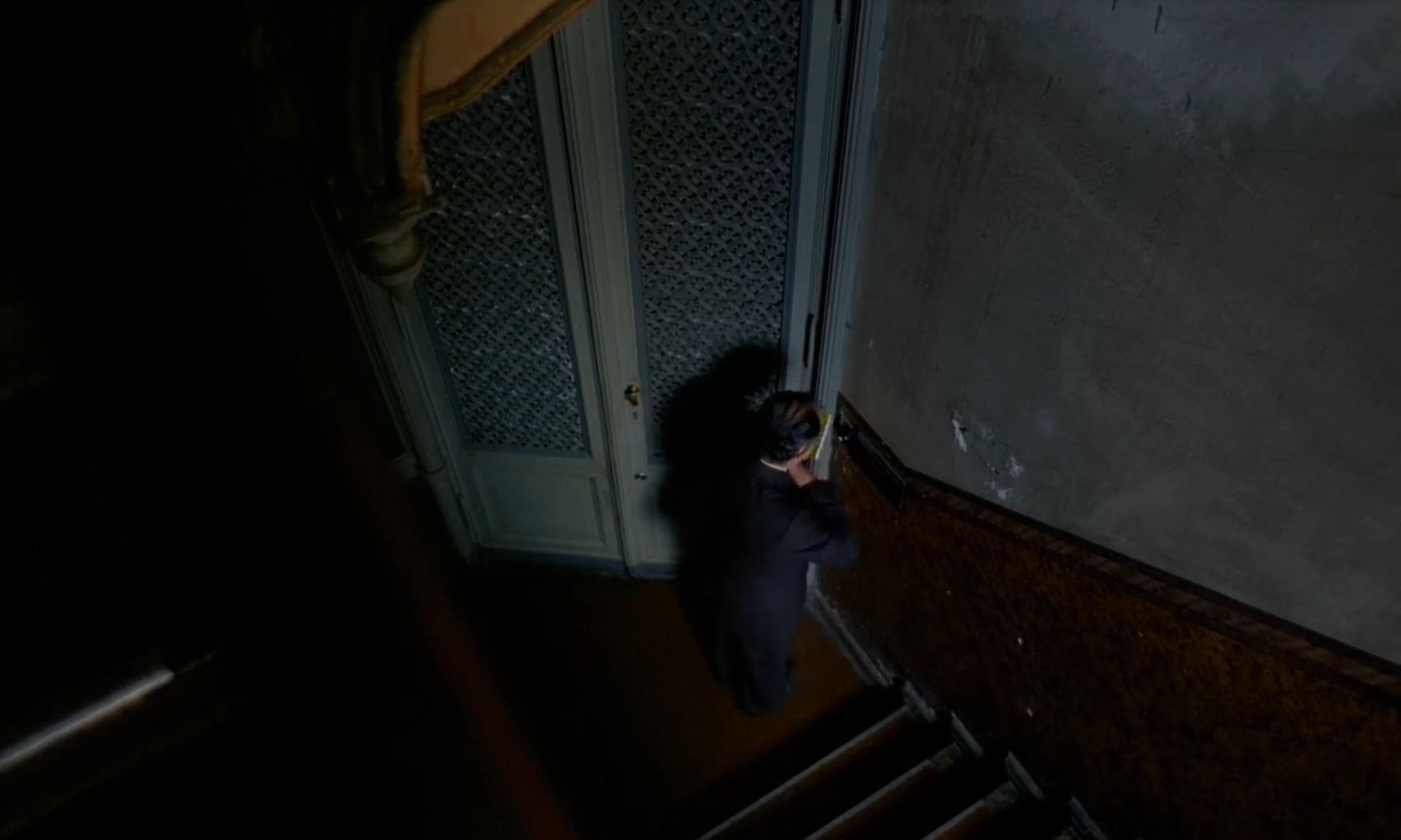
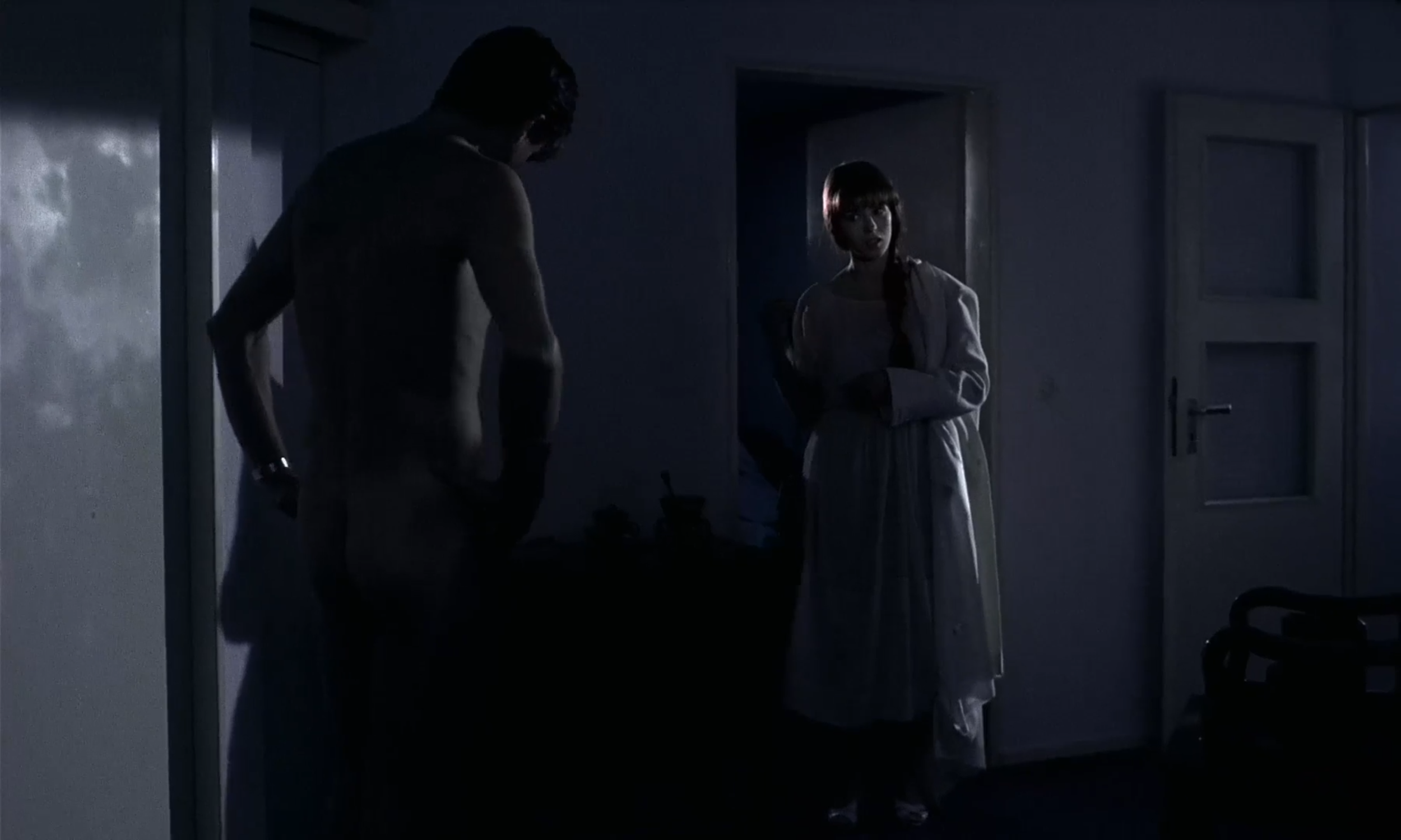
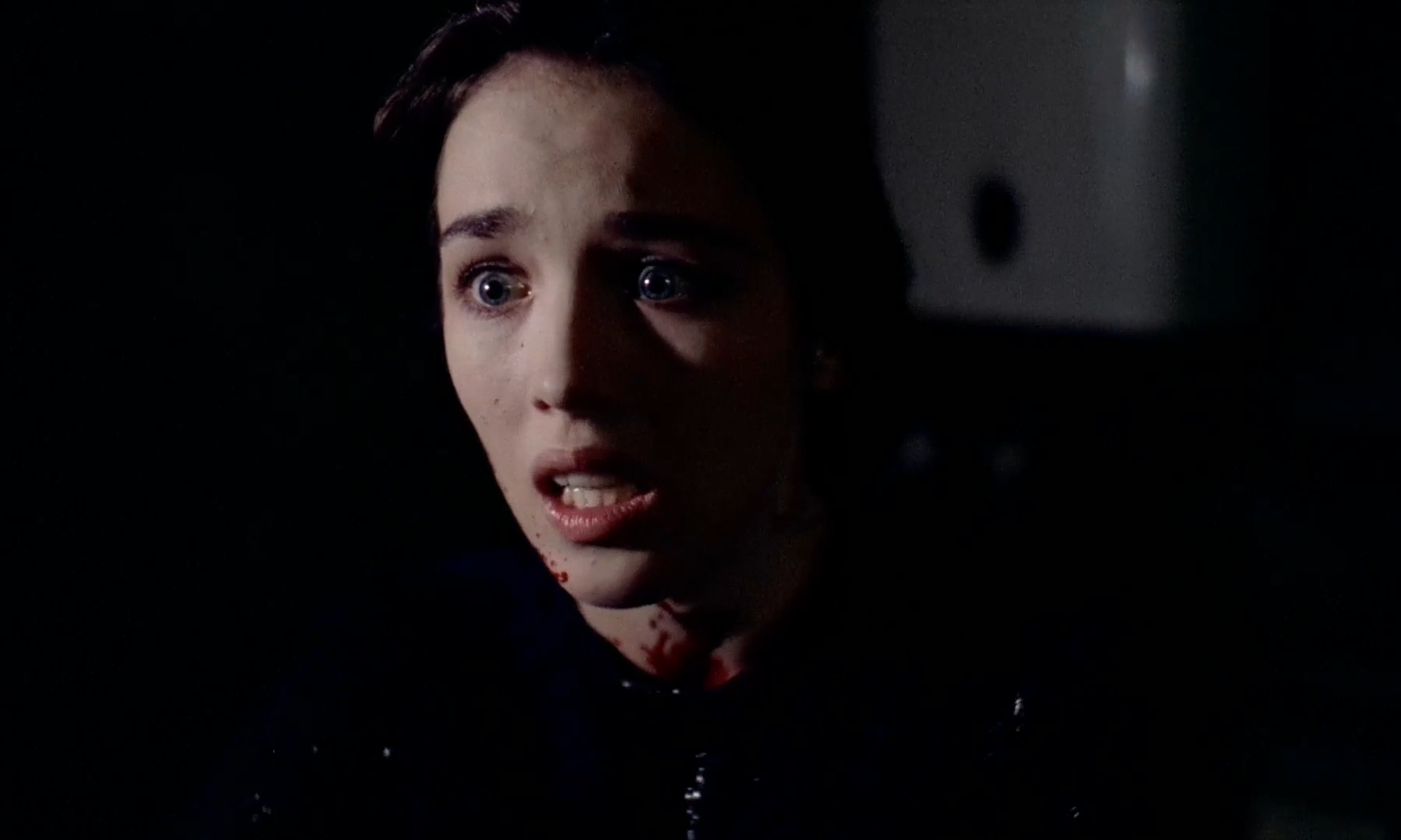
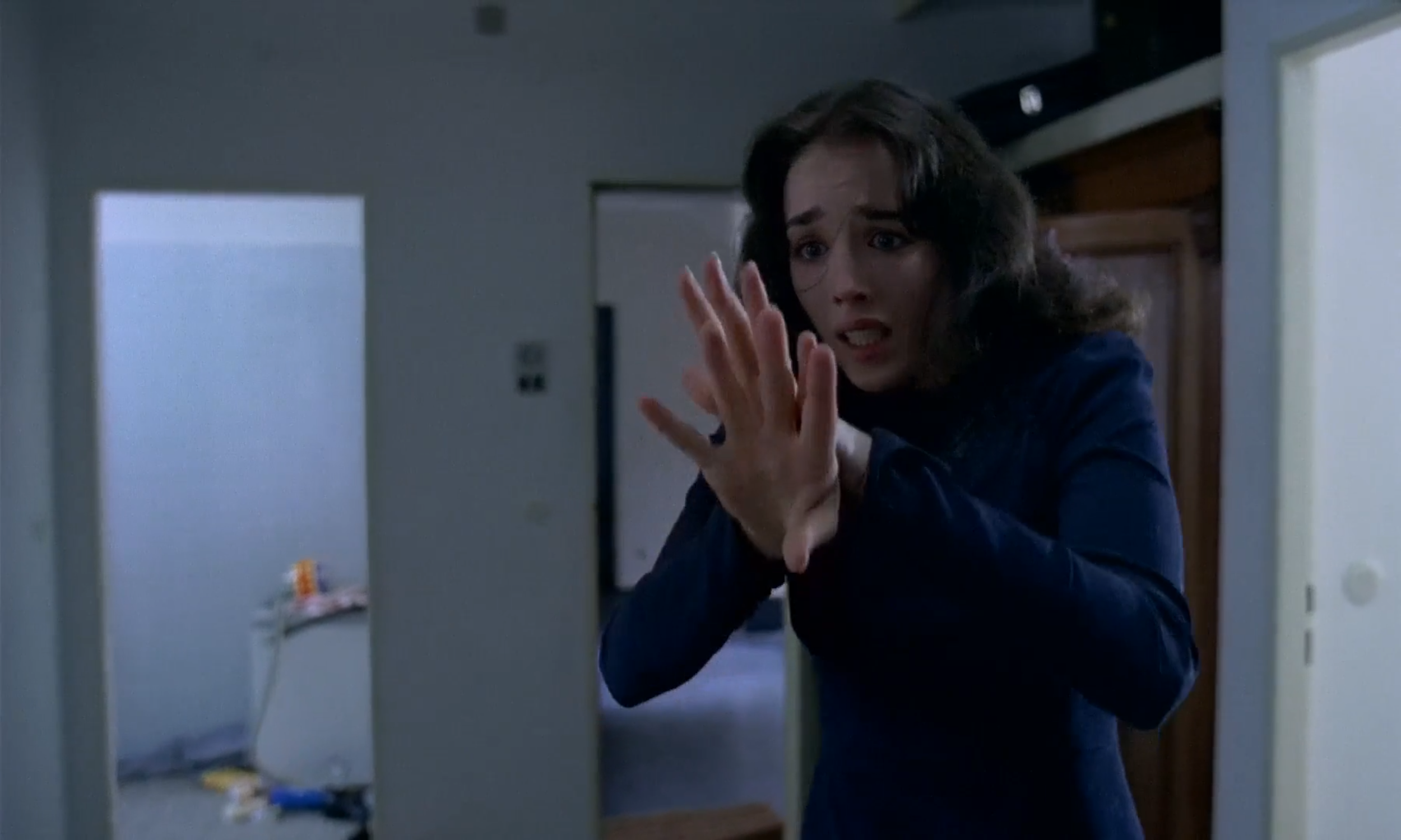
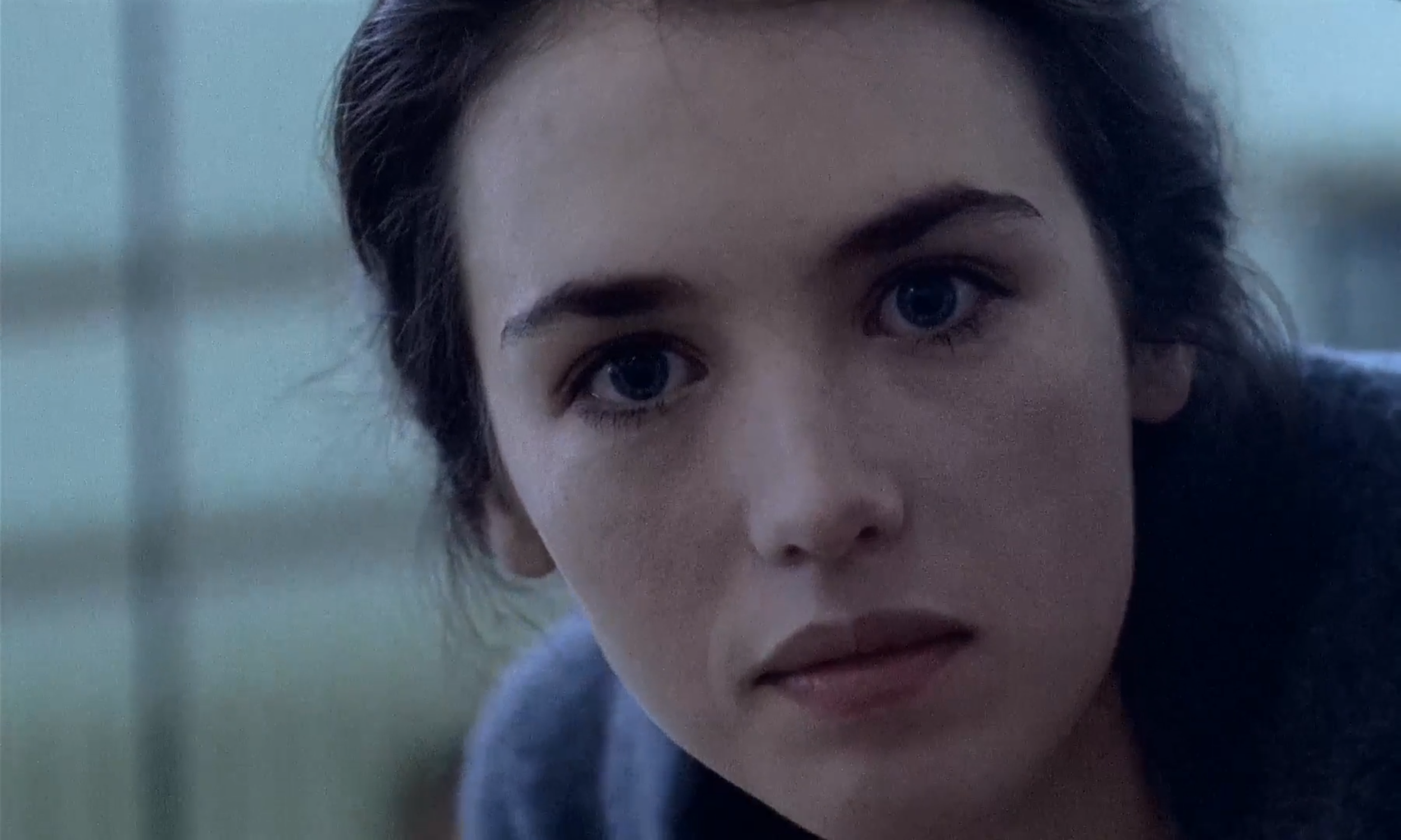
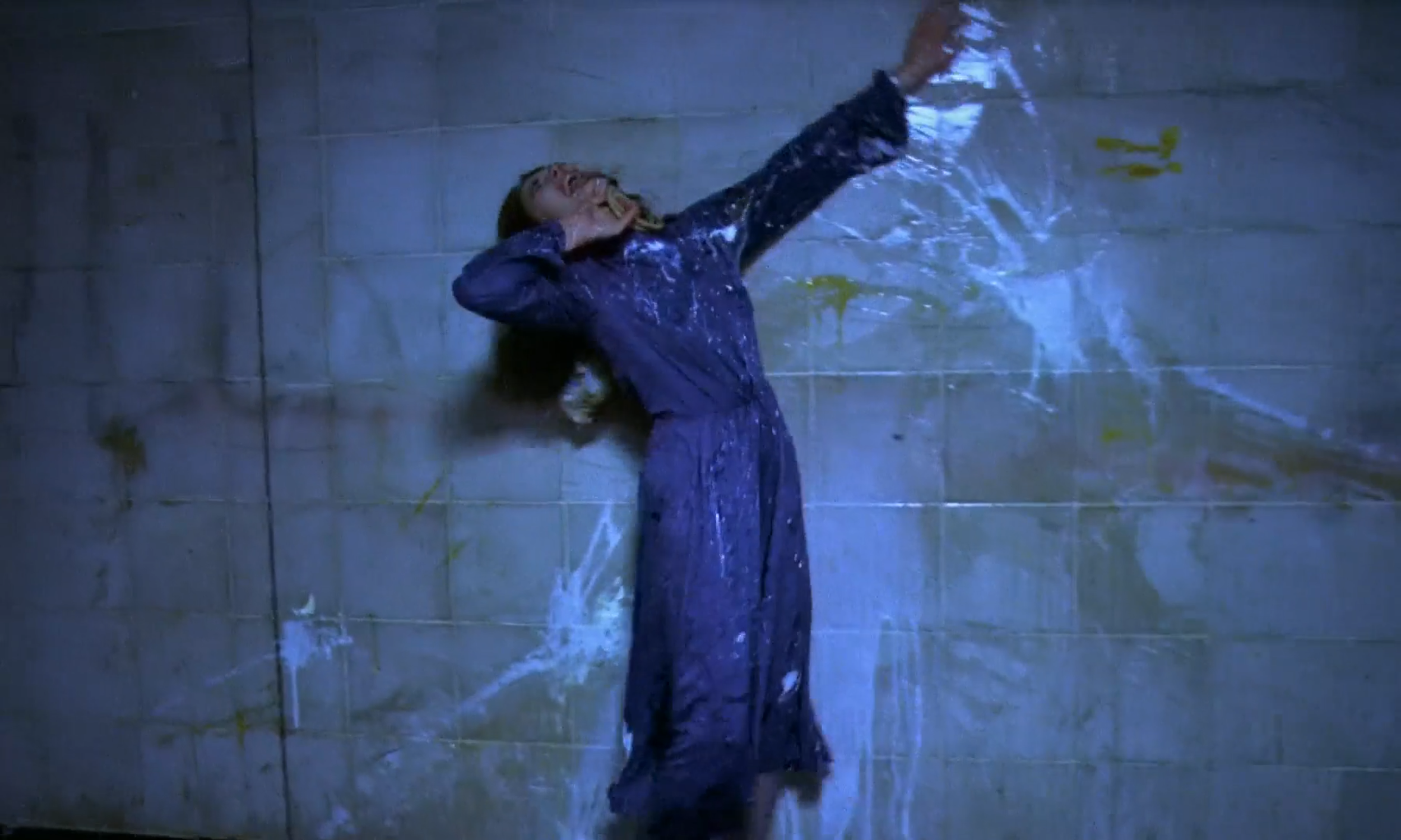
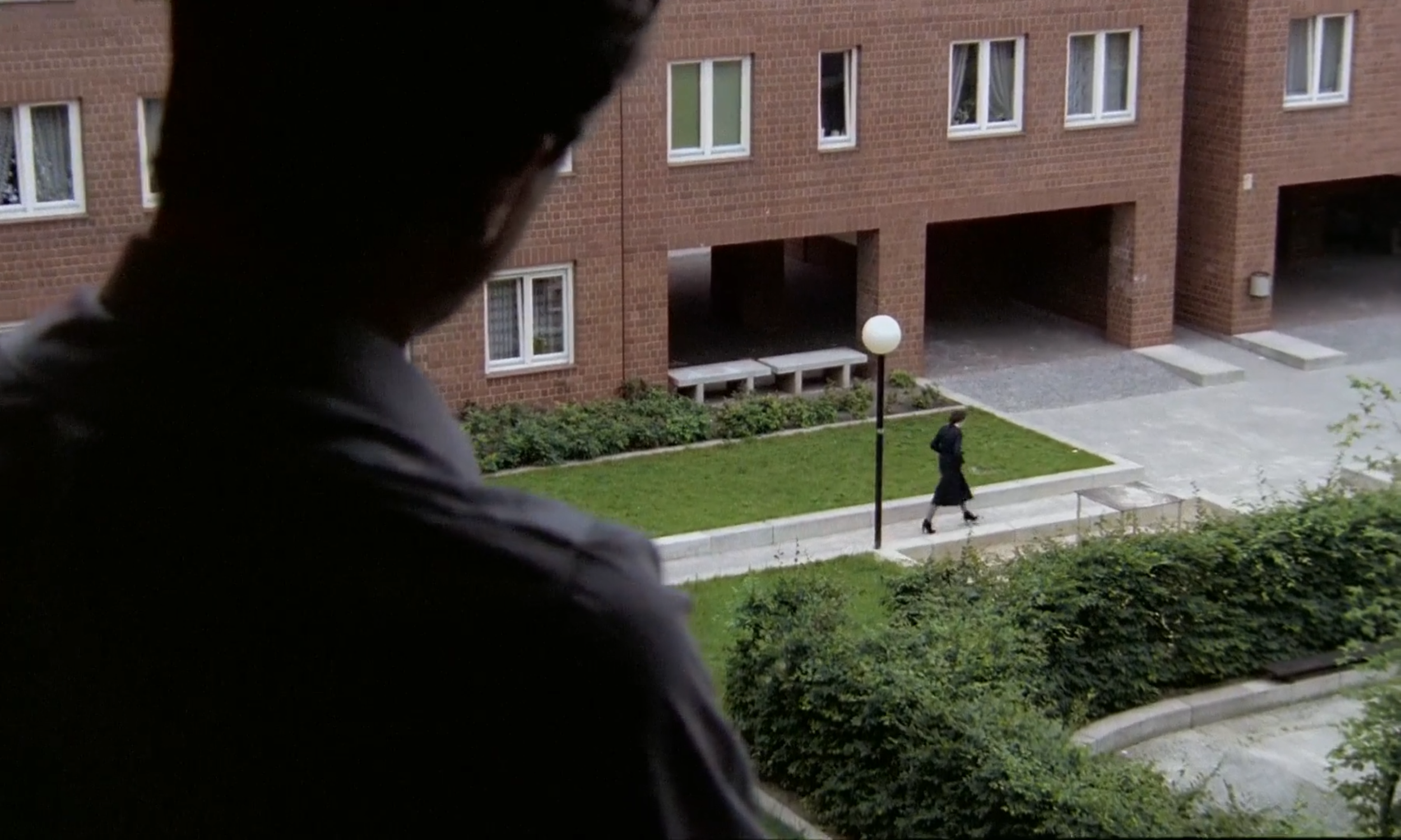
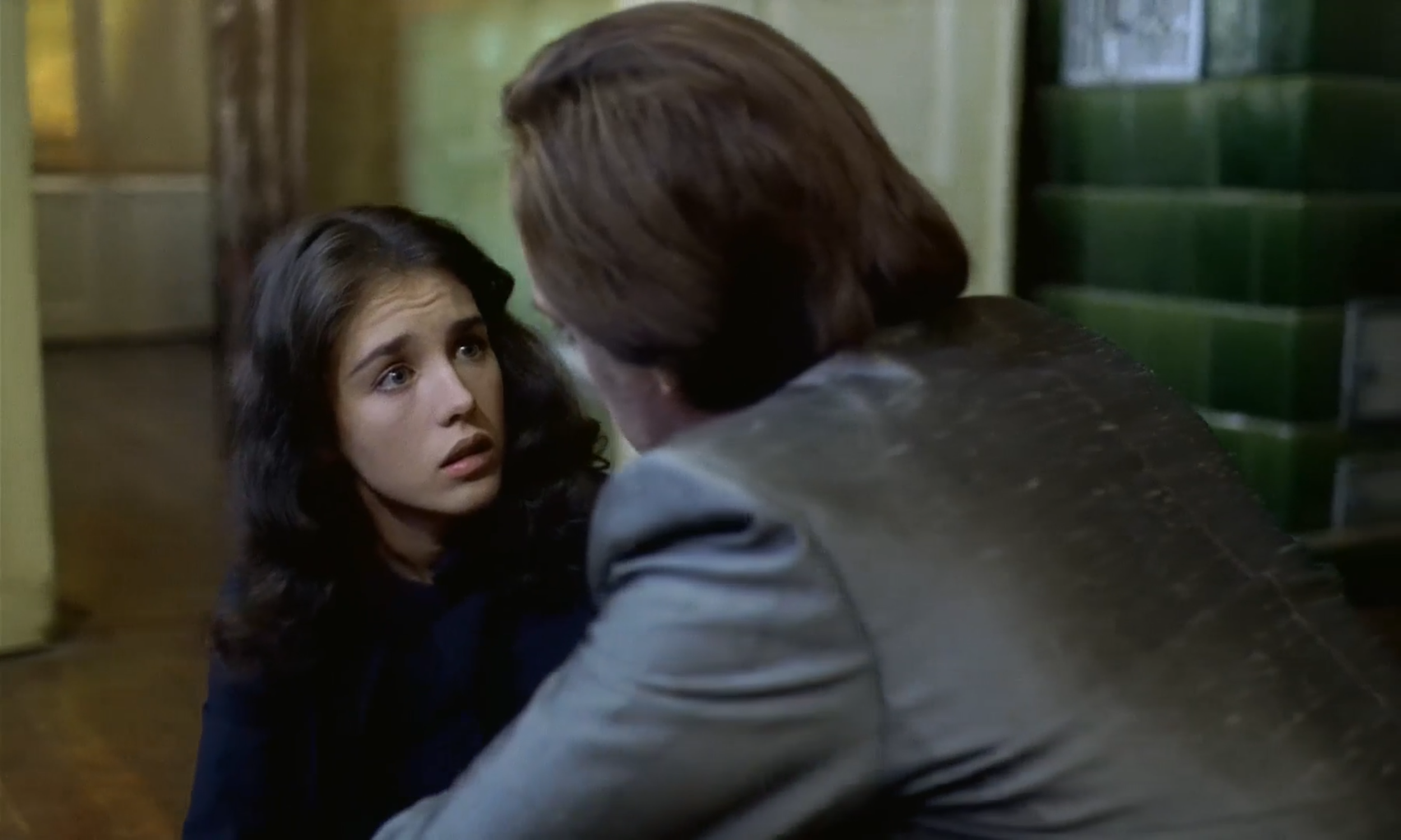
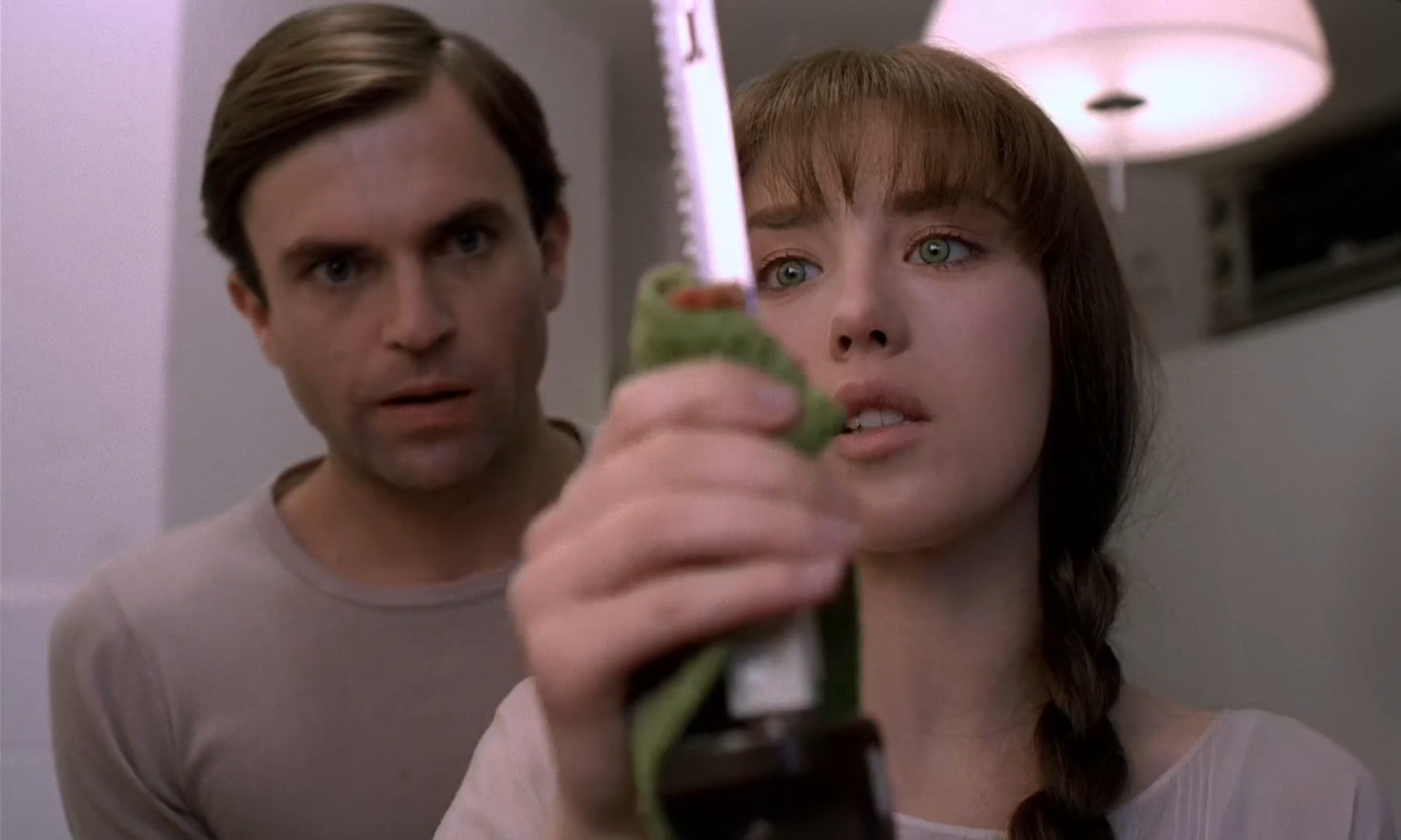
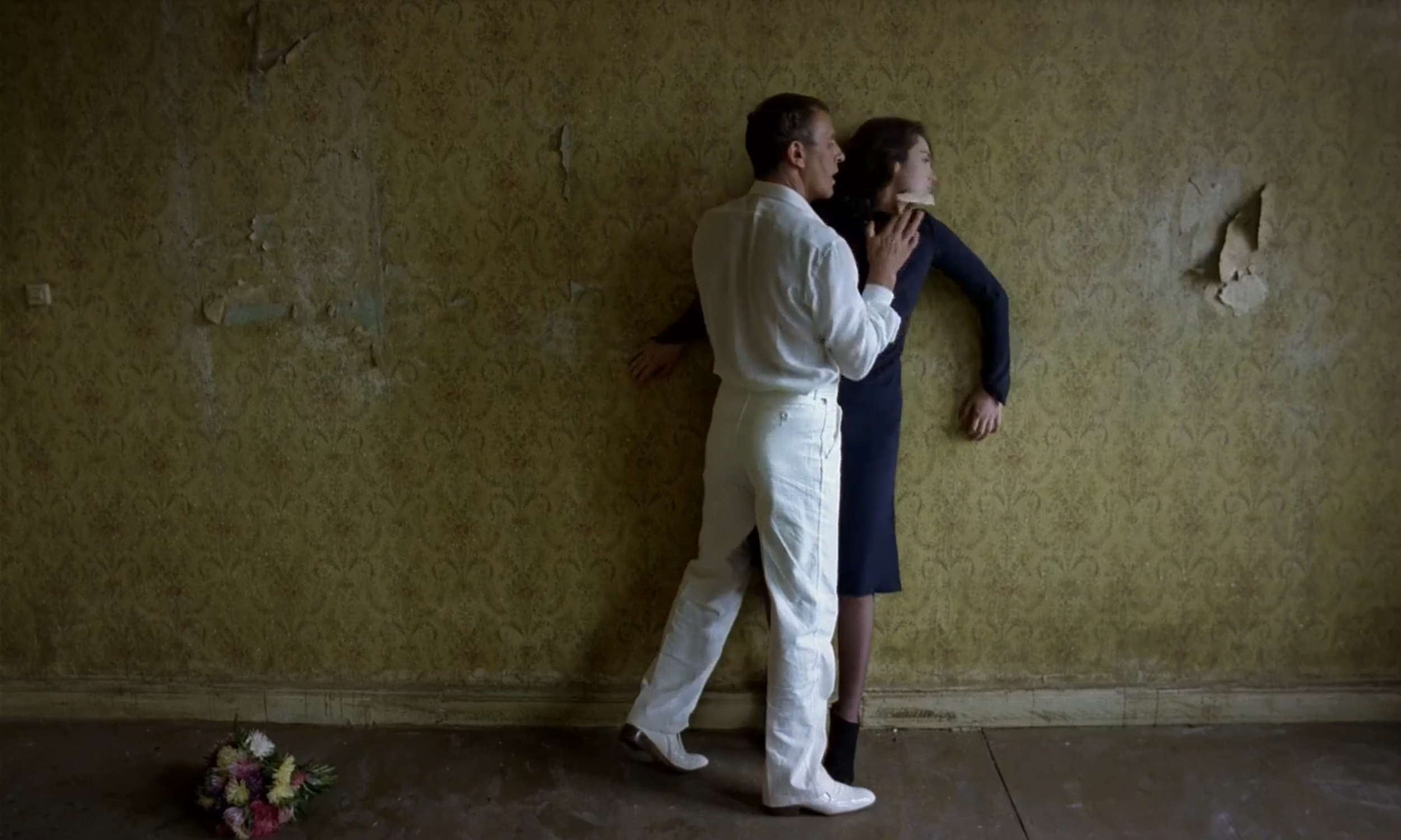
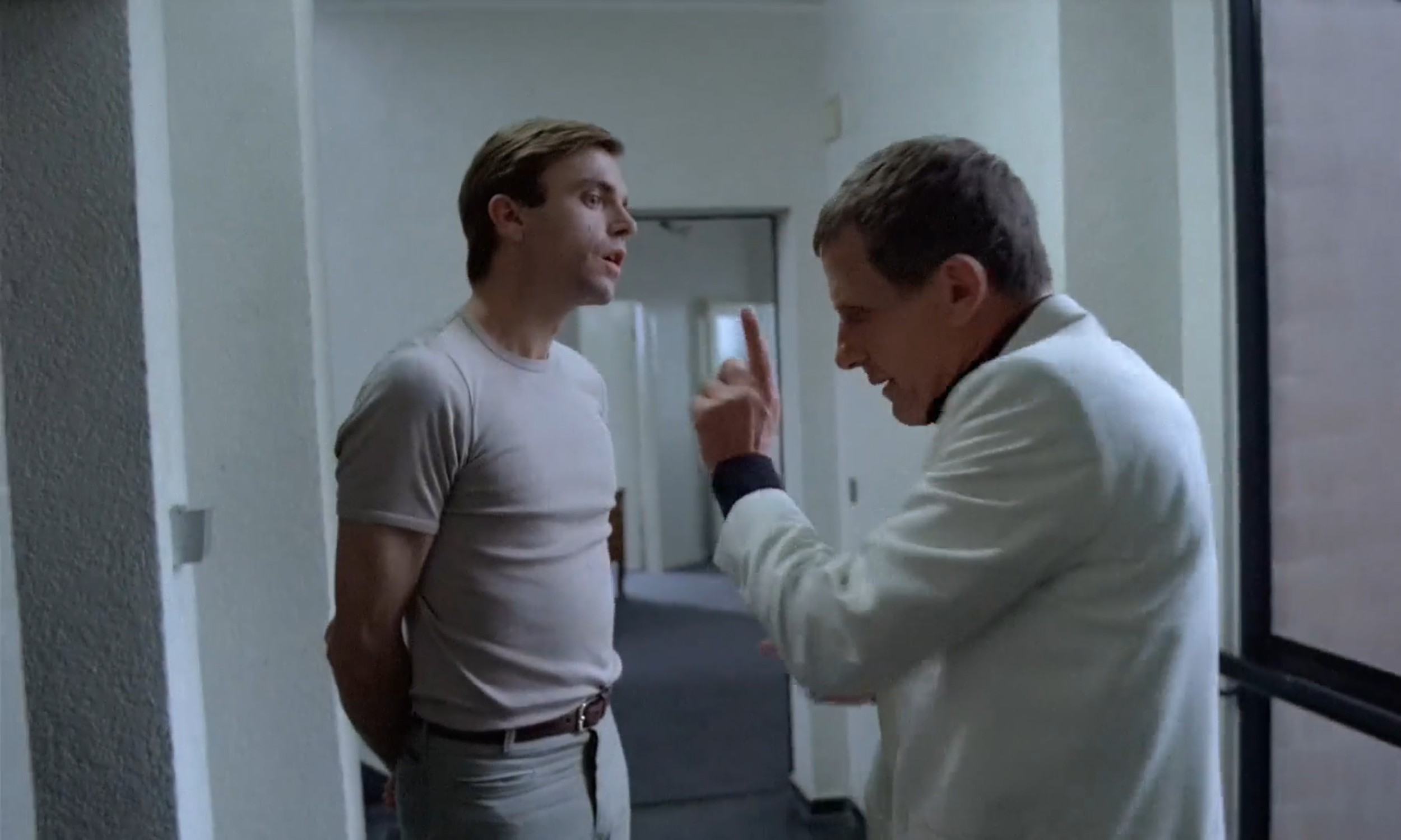
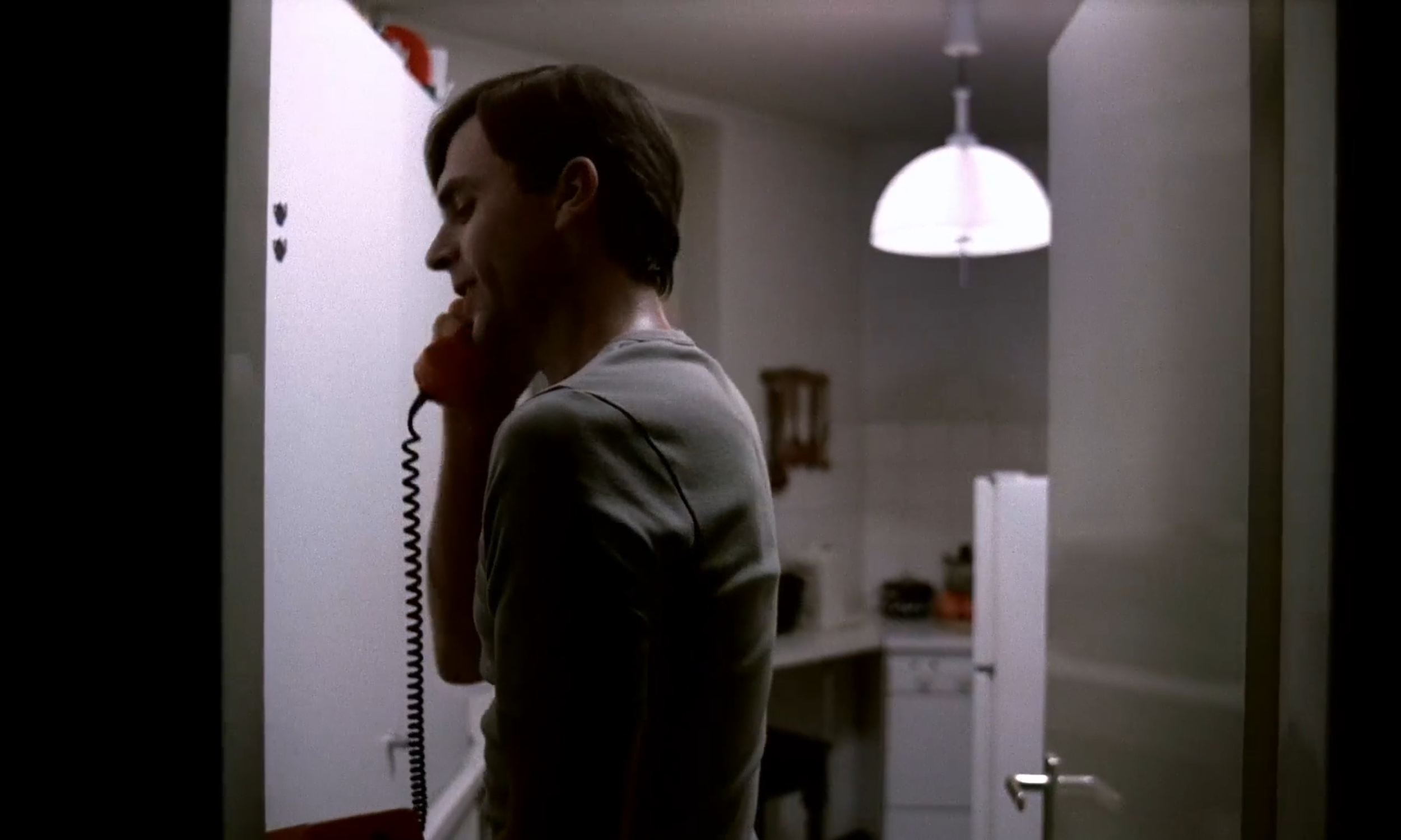
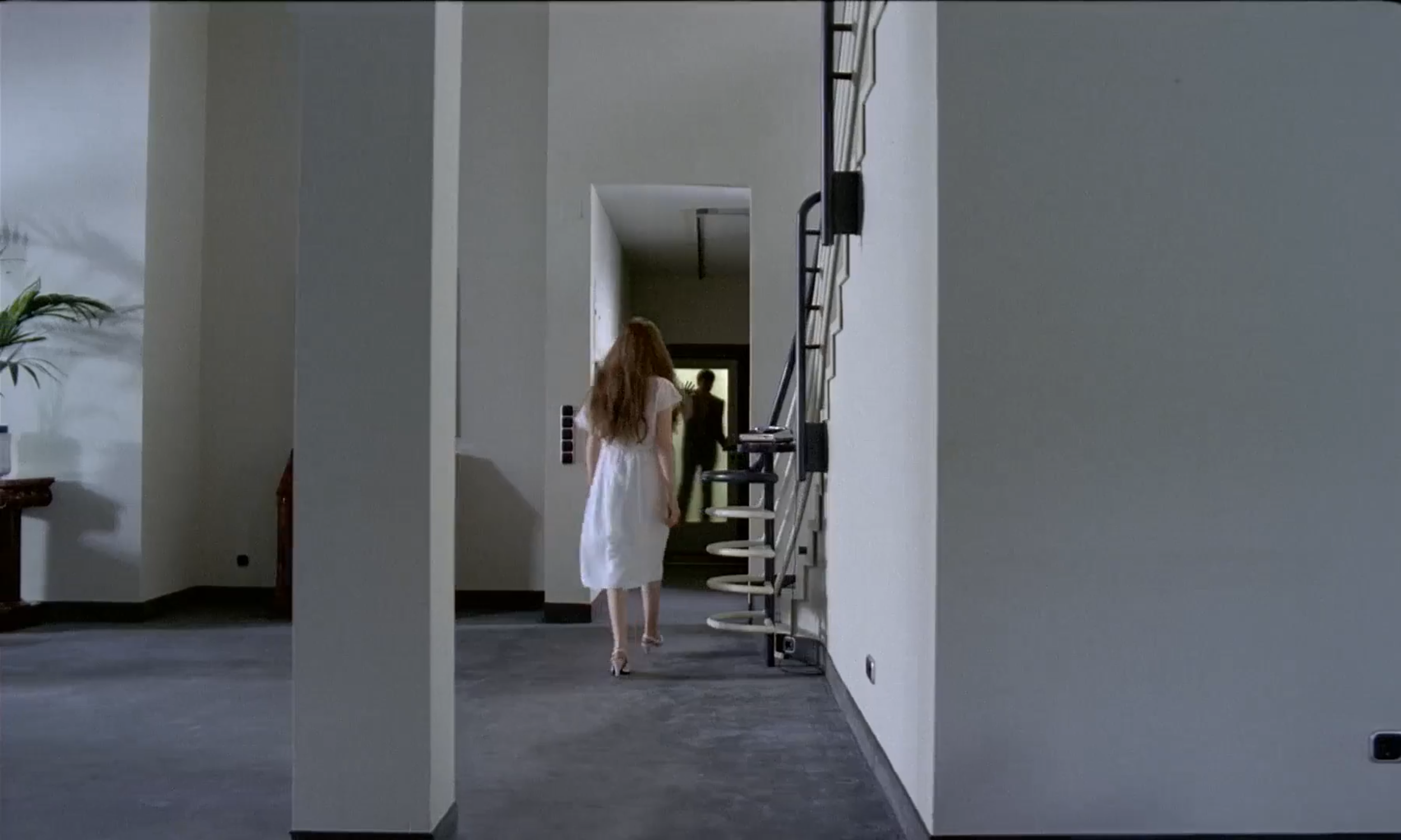
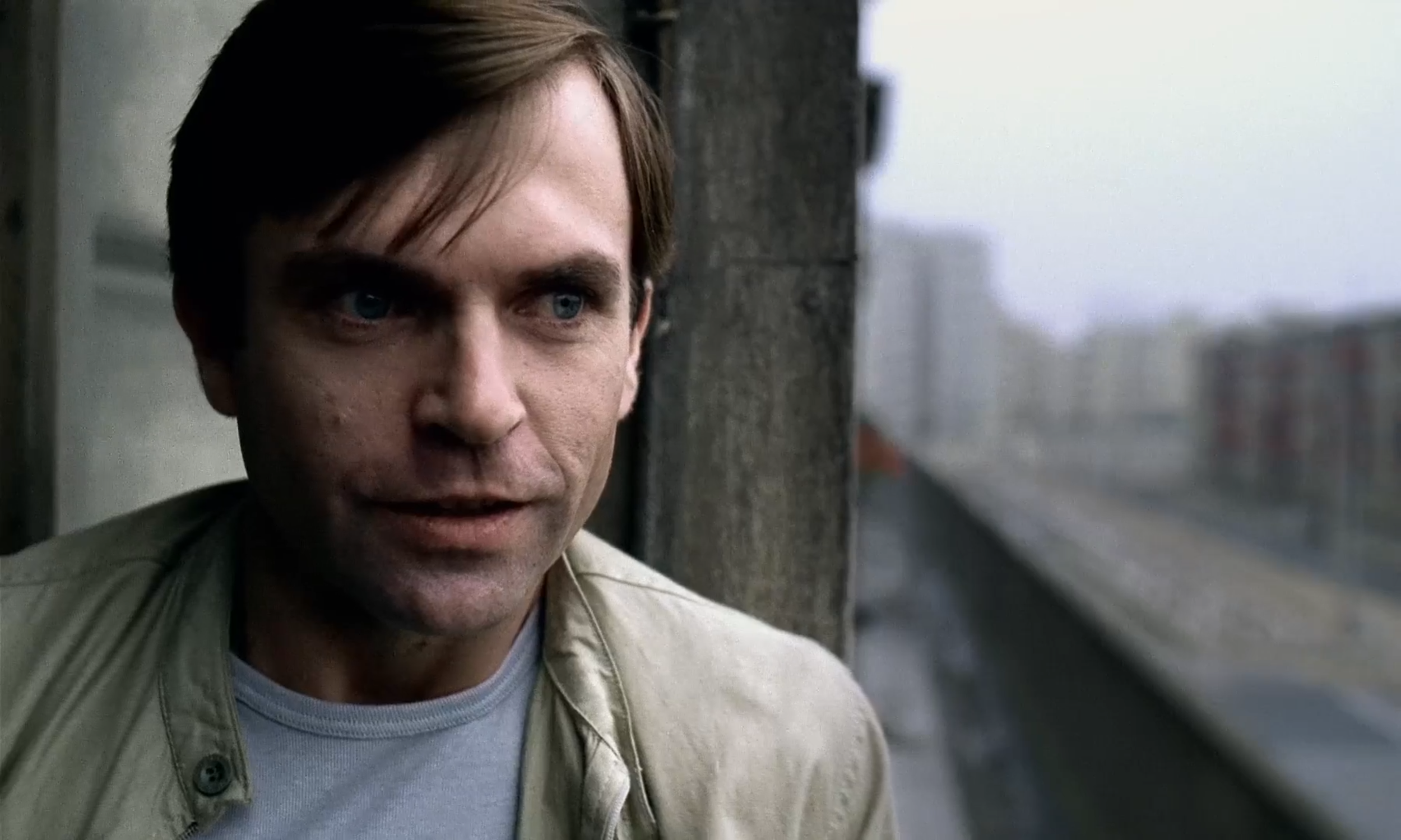
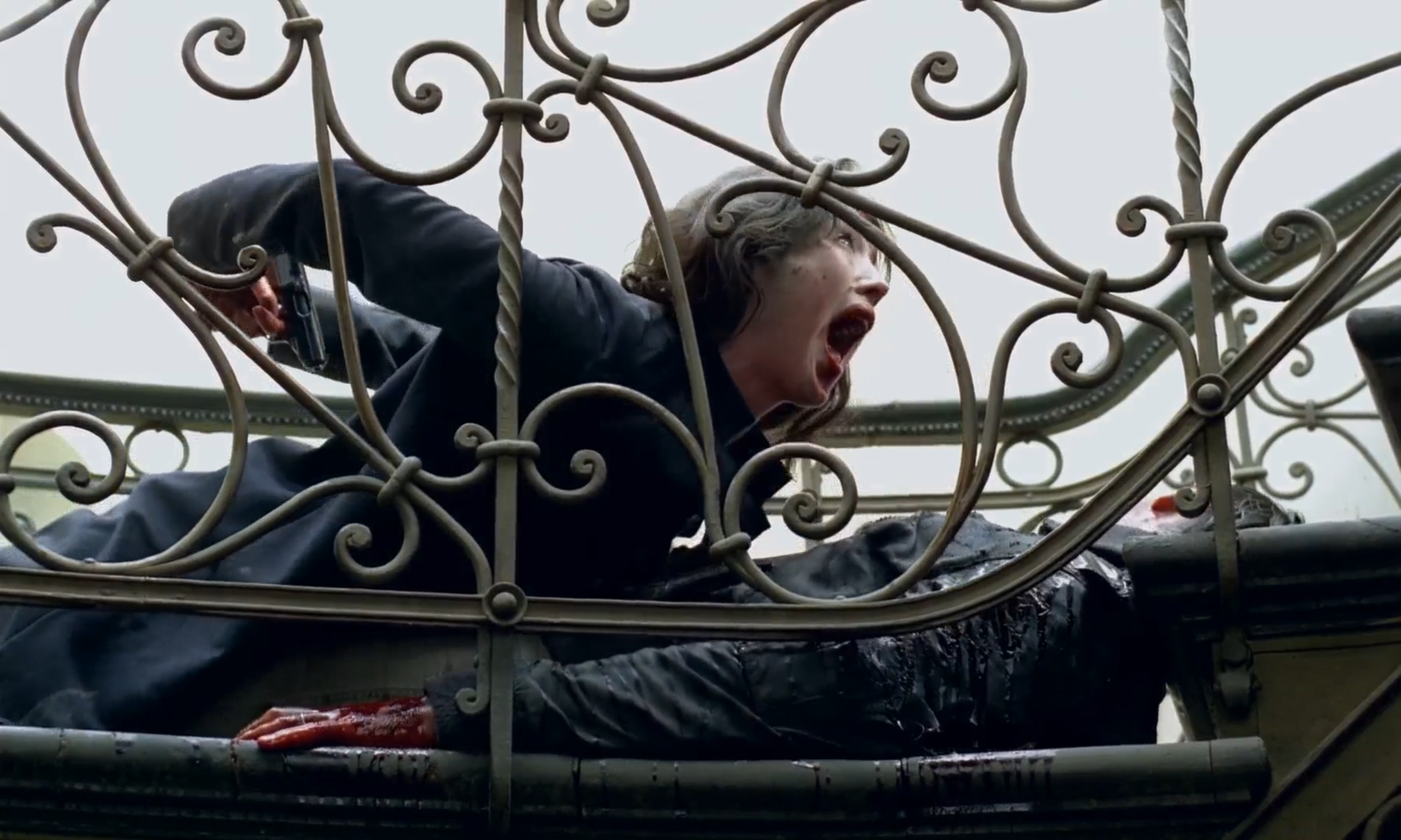
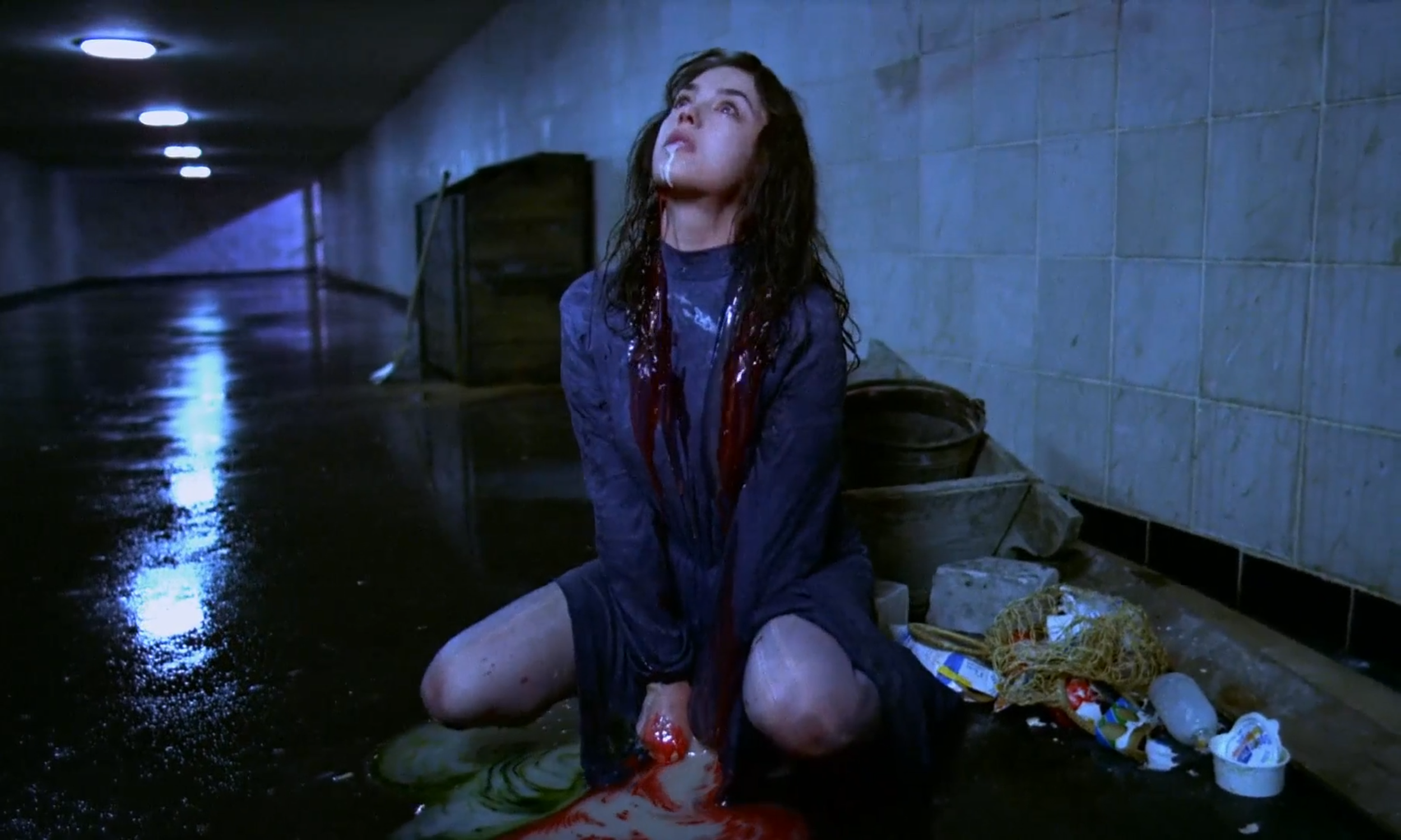
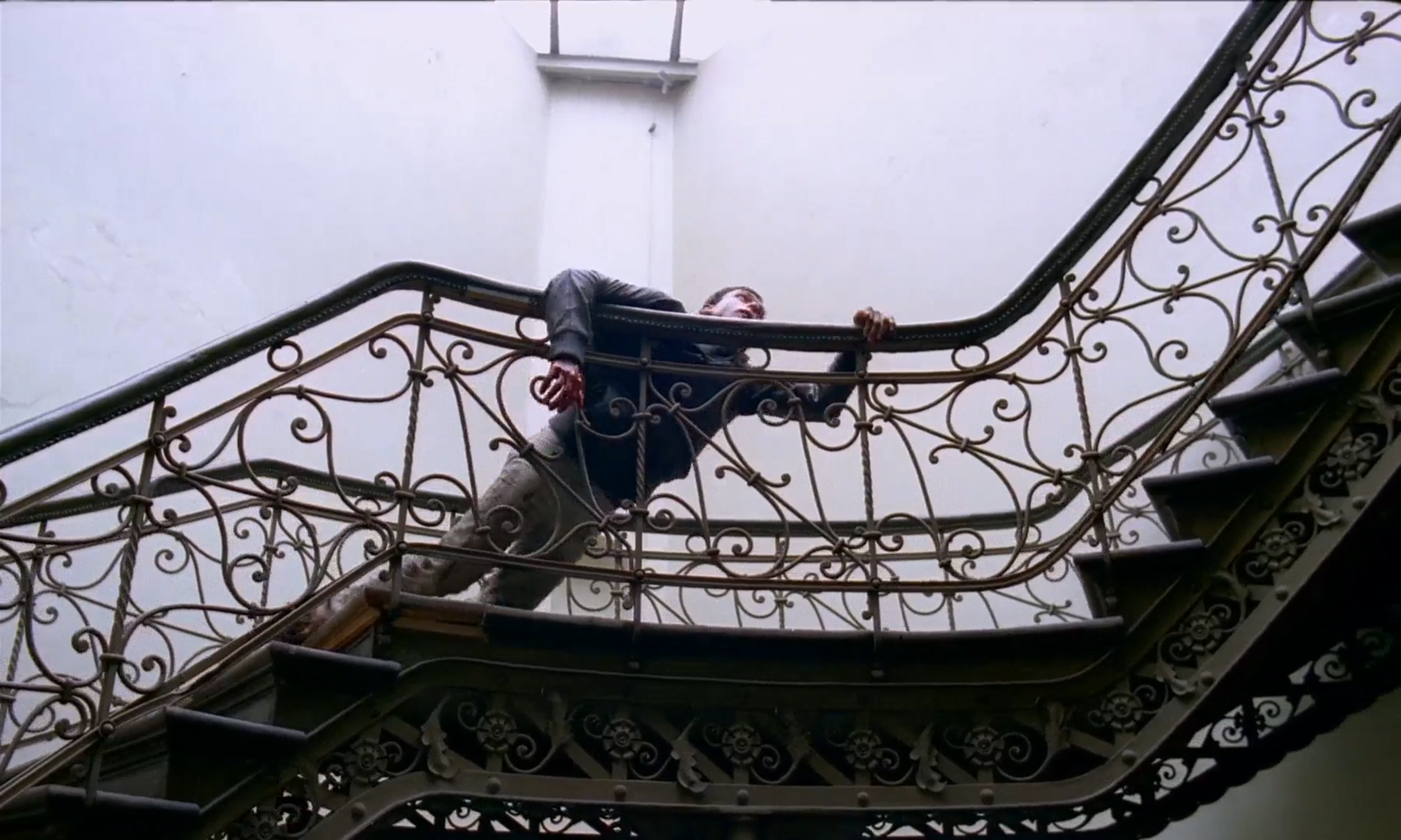
This is either one of the best or worst horror films you can watch with nothing in between. The cinematography is actually quite visceral with intimate handheld and dance-like choreography. The obsessive character movement has fidgeting, spinning, rocking back and forth, turning lights on and off to provide a Safdiesque intensity and stress. The color blue is also strikingly used to highlight one of the greatest horror performances in cinema. It’s over-the-top performance art involving lots of screaming and convulsing. It may be too much for some, but it’s quite respectable how far she went, indicated by the psychological trauma it ultimately inflicted on the actress. The story won’t be making much sense because it is a thematic metaphor art house film at its core, but you may enjoy it solely for the strange mood piece on divorce.
Analysis:
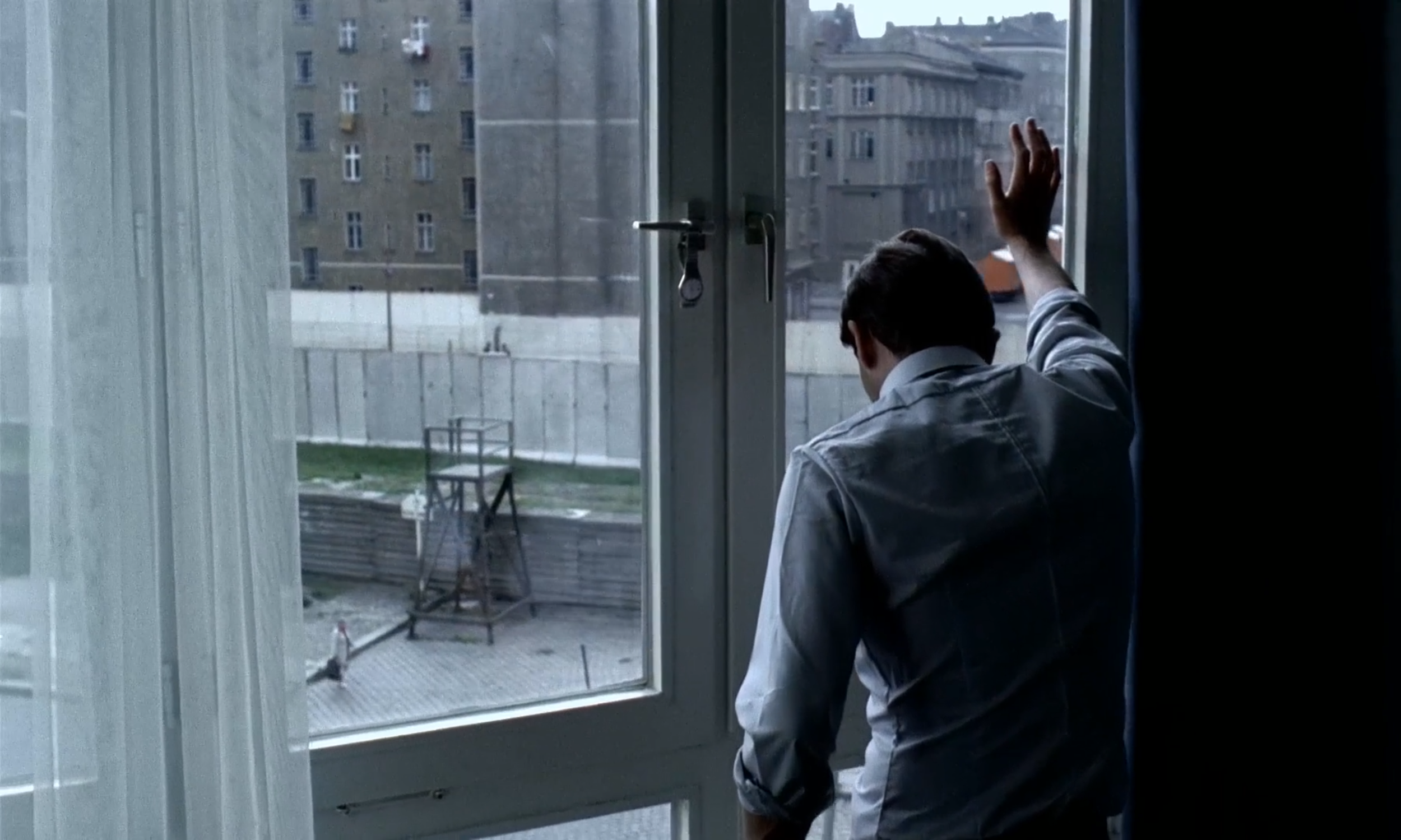
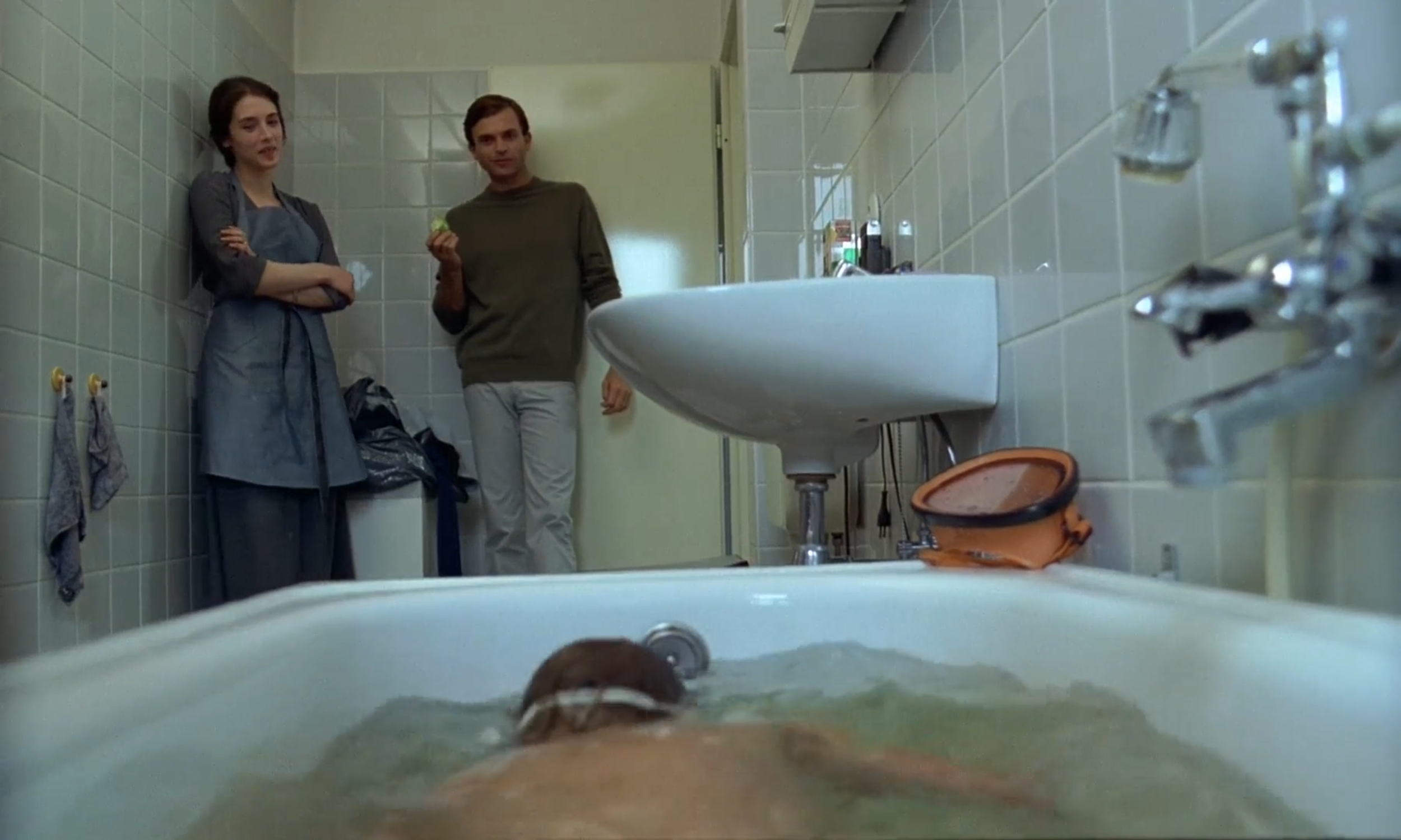
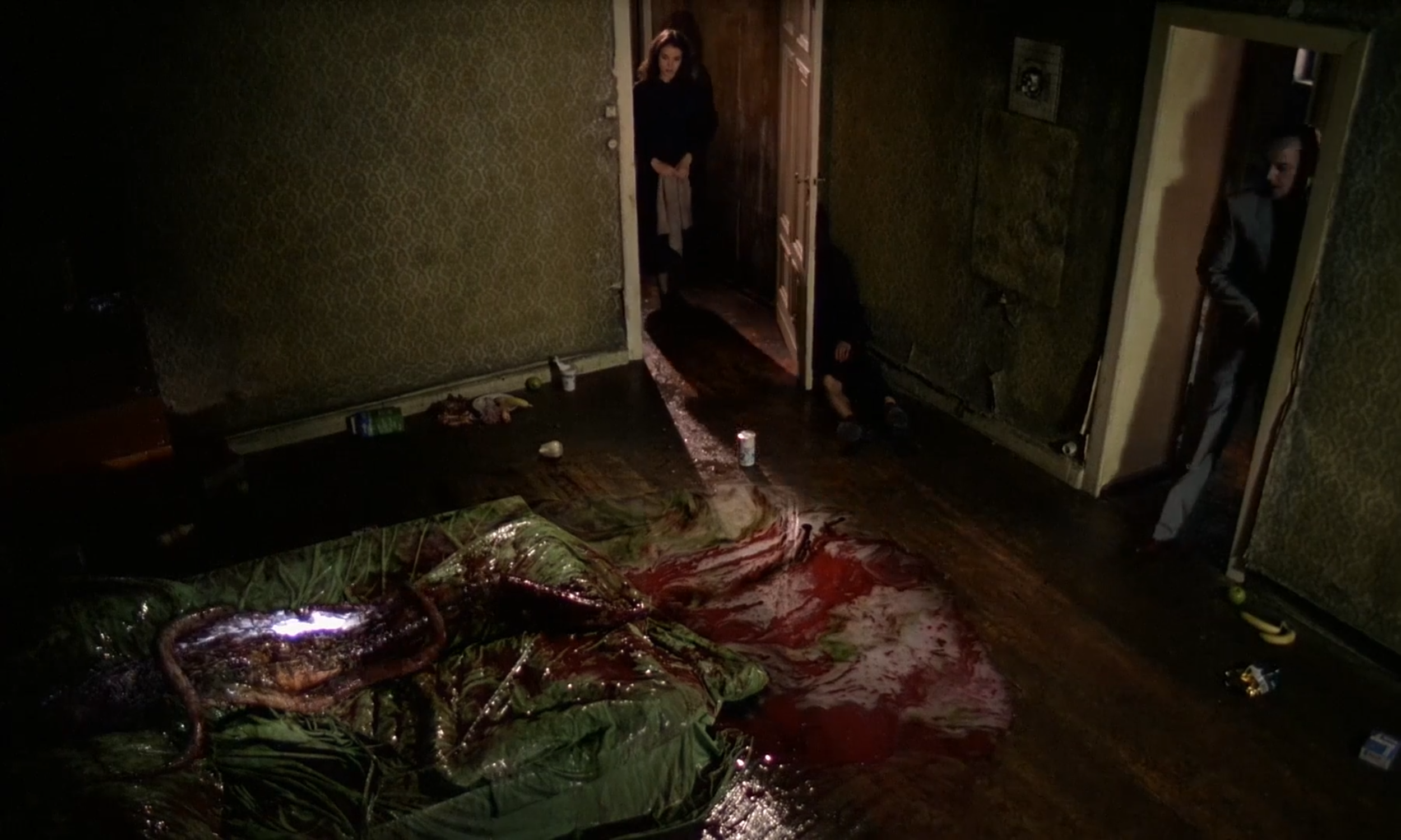
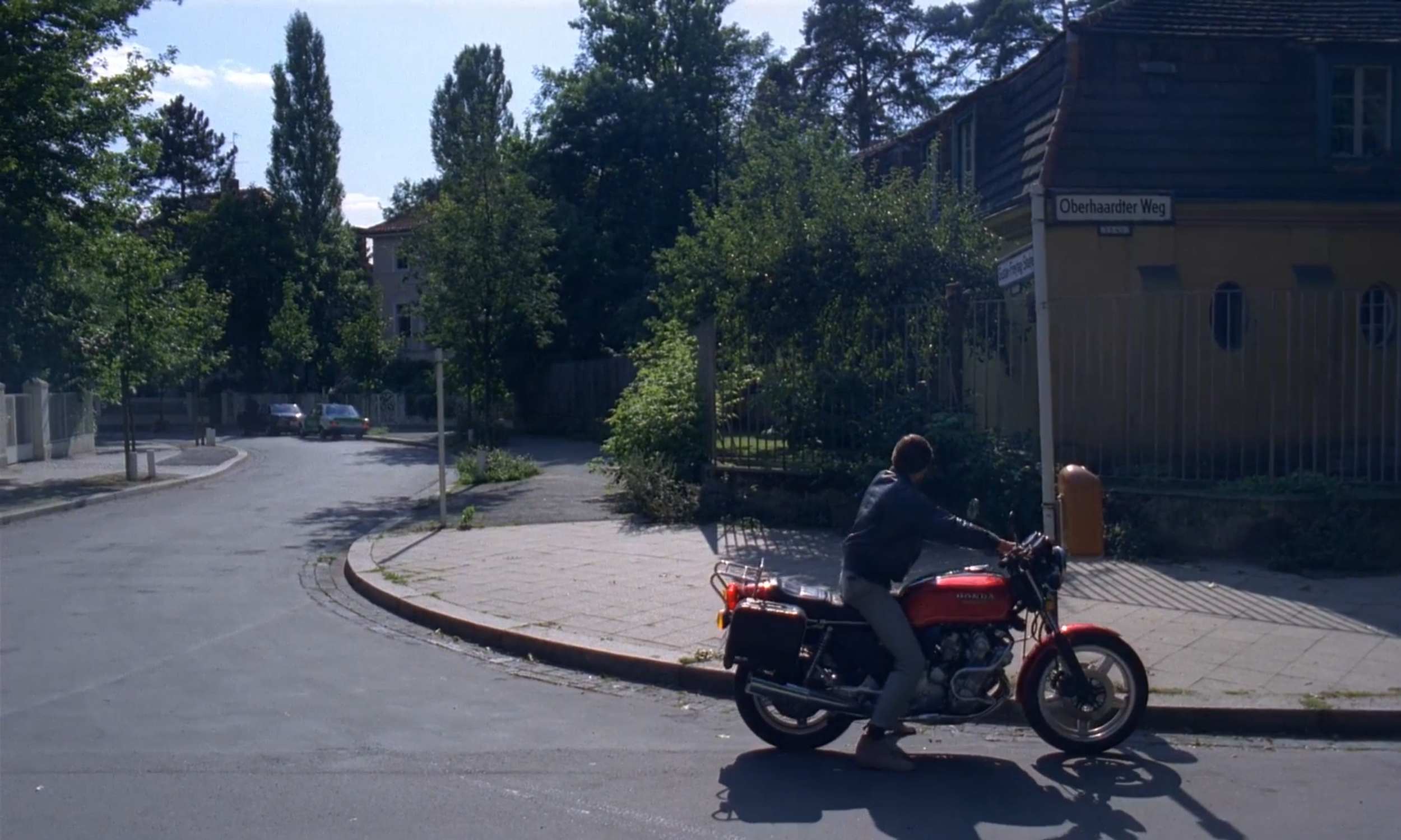
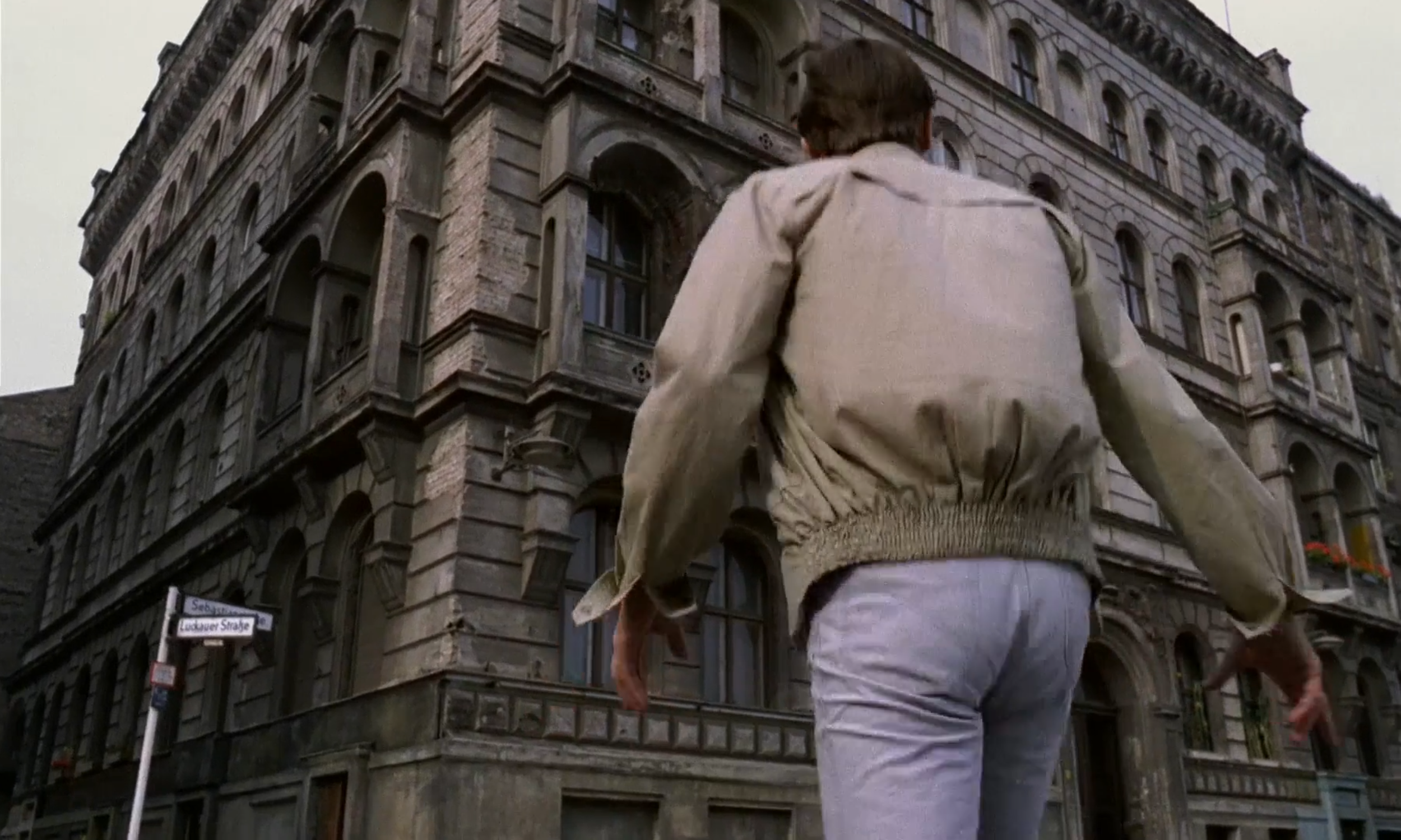
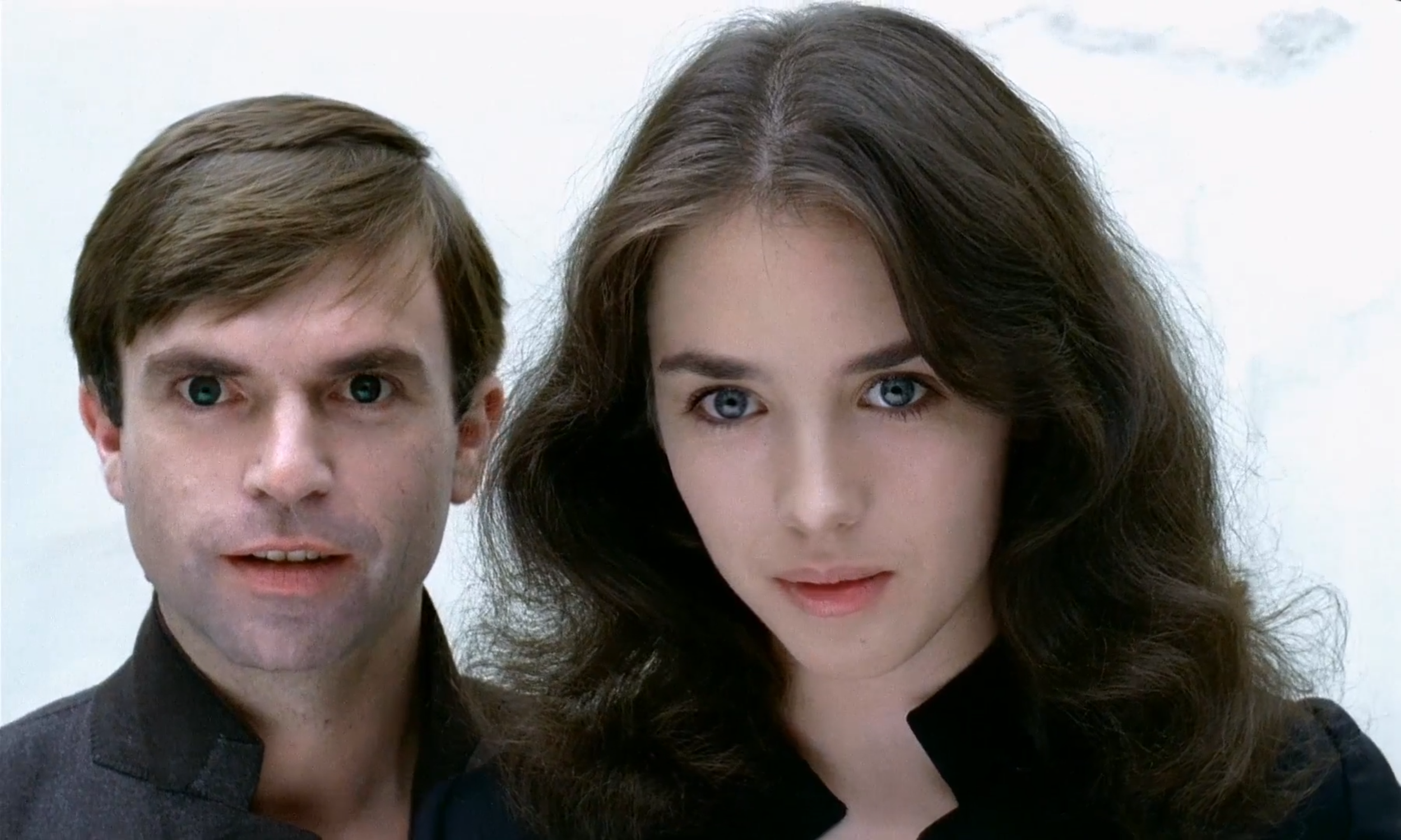
This film is primarily about marriage/divorce with other thematic elements connecting to religion and the fall of the Berlin Wall. For context, the director was dealing with divorce at the time and projecting his experiences into this film. You can see this as both the husband and wife injure themselves, a common motif in divorce. The creature represents the monster and trauma of a divorce (infidelity), ultimately spawning doppelgängers, which represent the ideal versions one fantasizes about during divorce. For the husband, the female doppelgänger is obedient, gentle, attentive, everything the man wants. The male doppelgänger is the other side of this coin, also an allegory to the divorce of East and West Berlin, also compared to this abusive marriage. Although the relationship is toxic, the two inevitably come back to each other for the sake of the child, both seeing how far their willpower goes to keep the marriage alive. This ends up being compared to religion’s test of faith, though minimally referenced in the film.
The final message is likely at the end of a divorce, two people change with the child drowning in the process. It’s a dark turn and overly symbolic, focusing on capturing the emotional feel of toxic divorce rather than the logic of it.
Conclusion:
Faith, willpower, marriage. This cult film is likely pivotal for horror filmmakers as you can see its DNA in other cinema. If you thought Rosemary’s Baby was intense, this film makes that look like a PG movie. It resembles a bit of Come and See, Clockwork Orange, Marriage Story, and I’m pretty sure Makima from Chainsaw Man is modeled after her. But there’s no other experience like this one I’ve watched in all my time and it does it better than the rest. But very few will get it as it’s too niche and reliant on themes with the execution of plot essentially nonexistent. My favorite body horror film and one that would be more known if body horror was more accessible. Only time will tell.
Recommendations















Phil Tippett’s nightmare fuel.