
The Passion of Joan of Arc (1928)
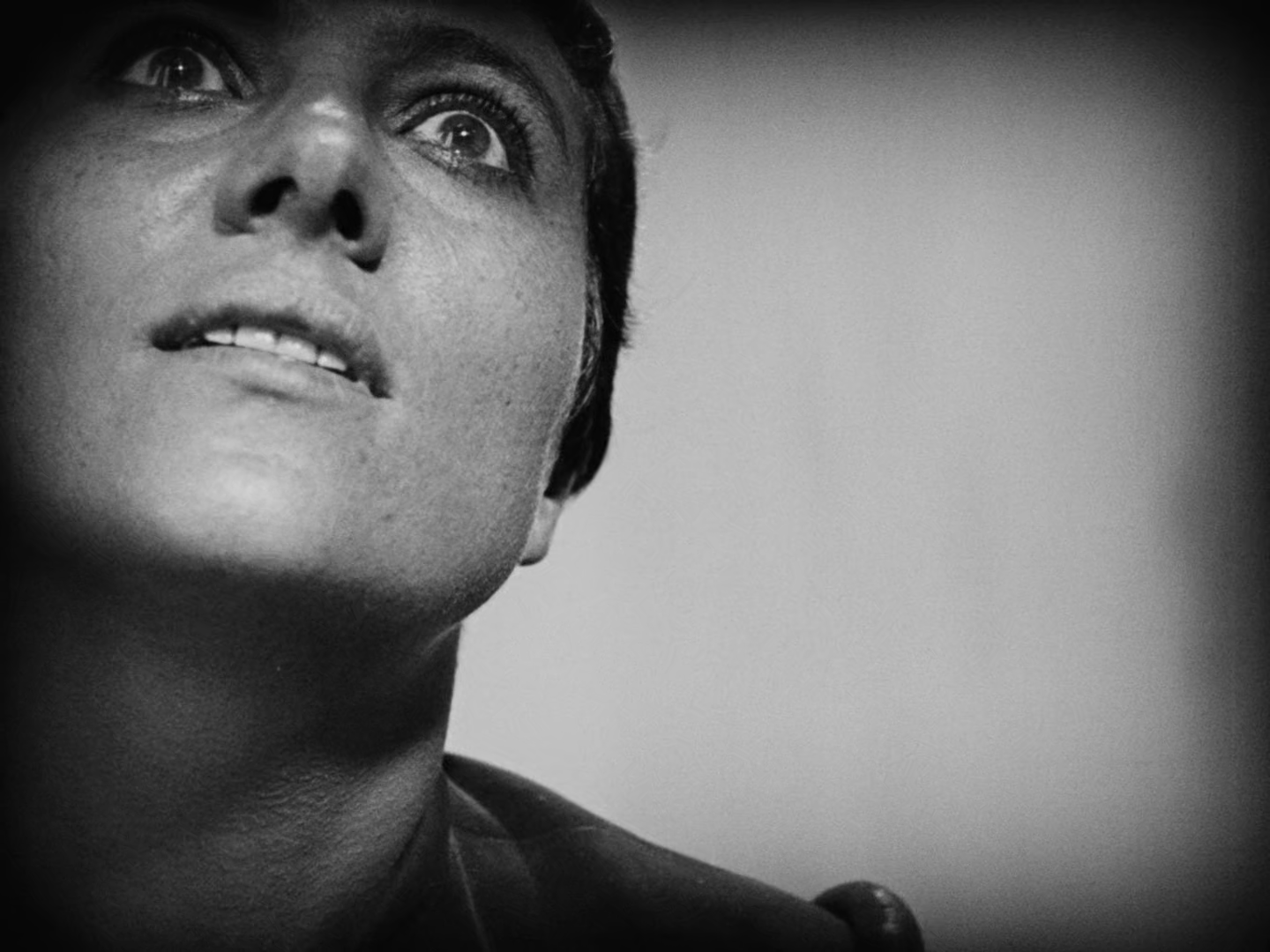
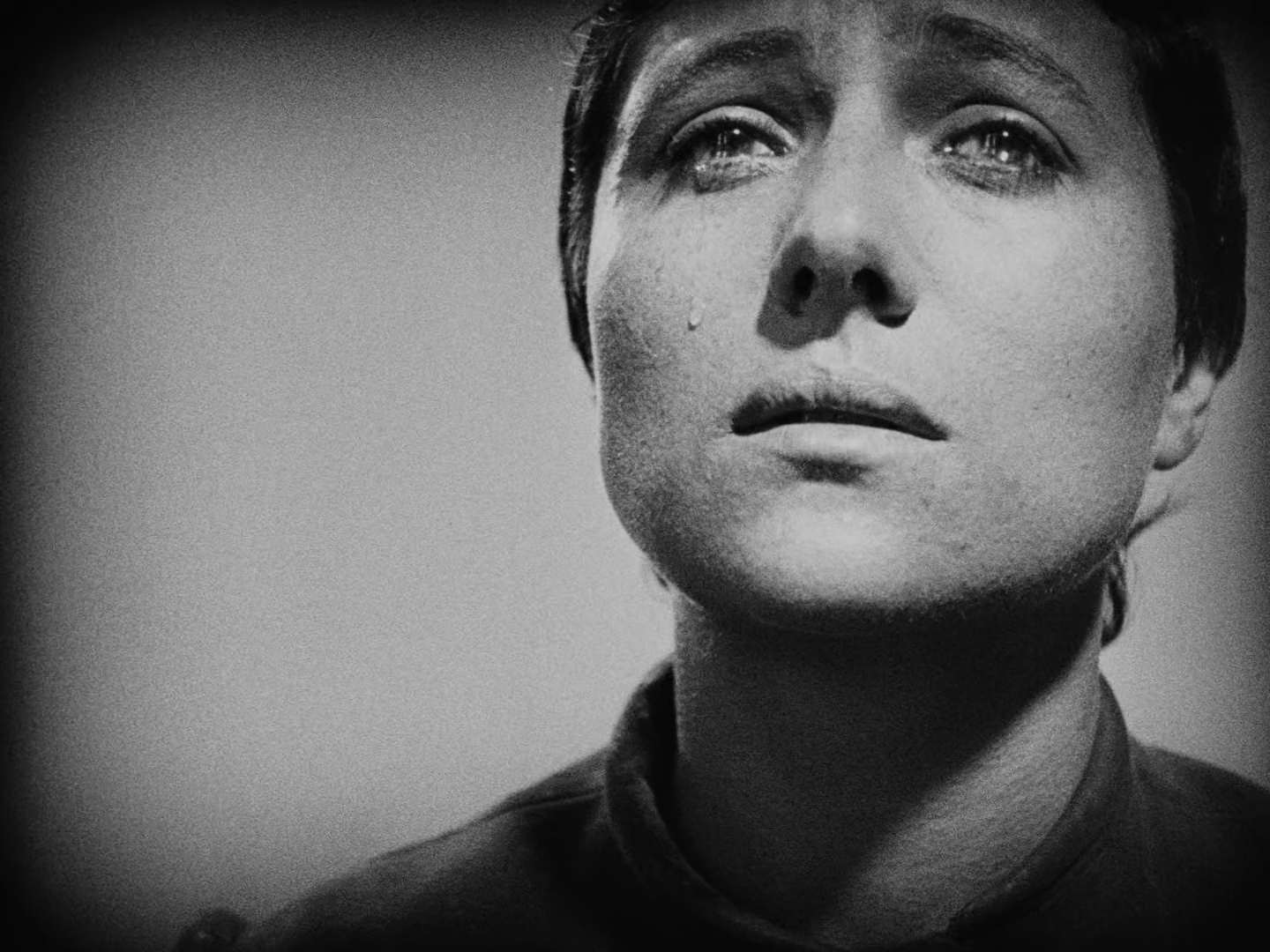
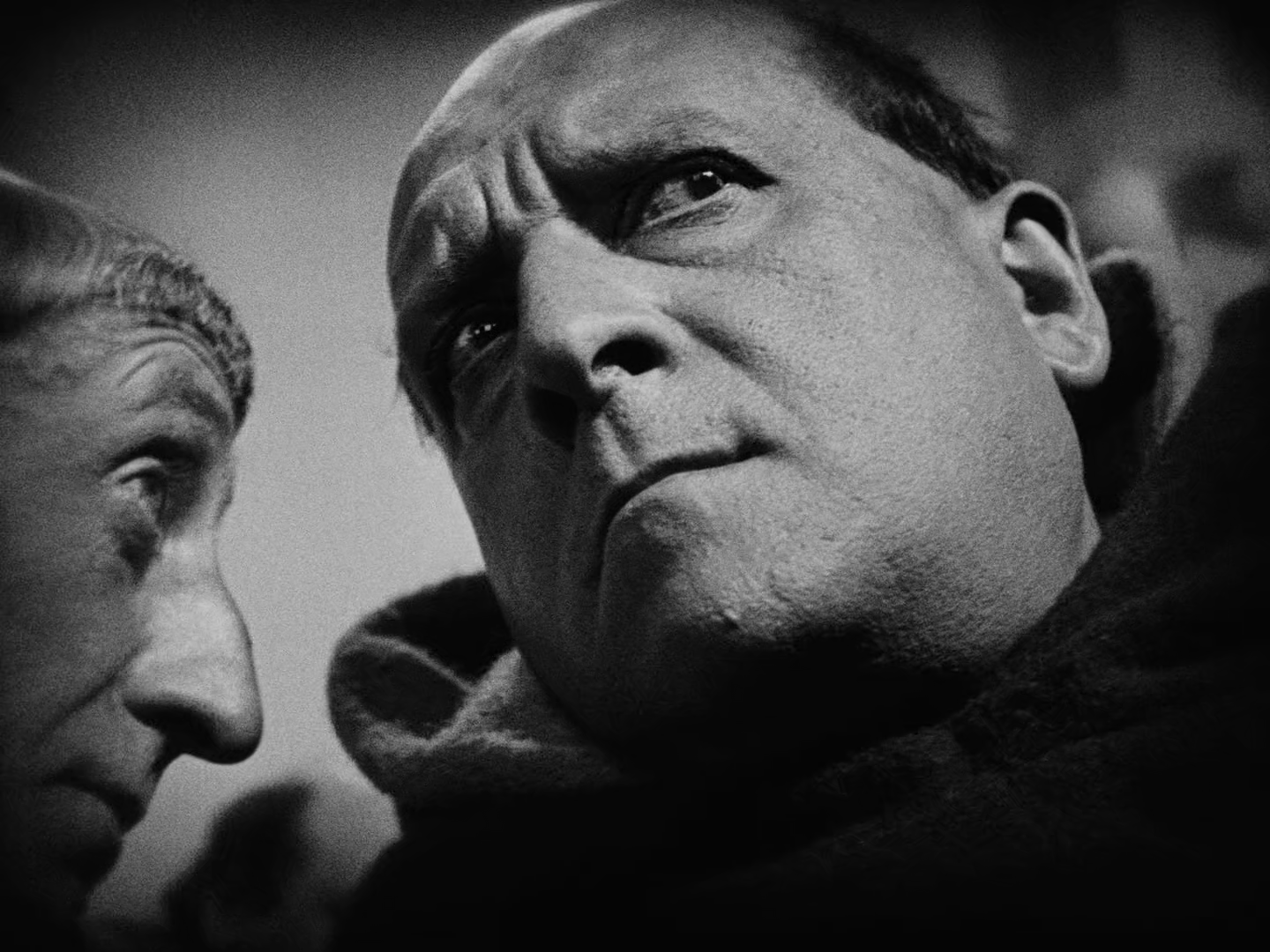
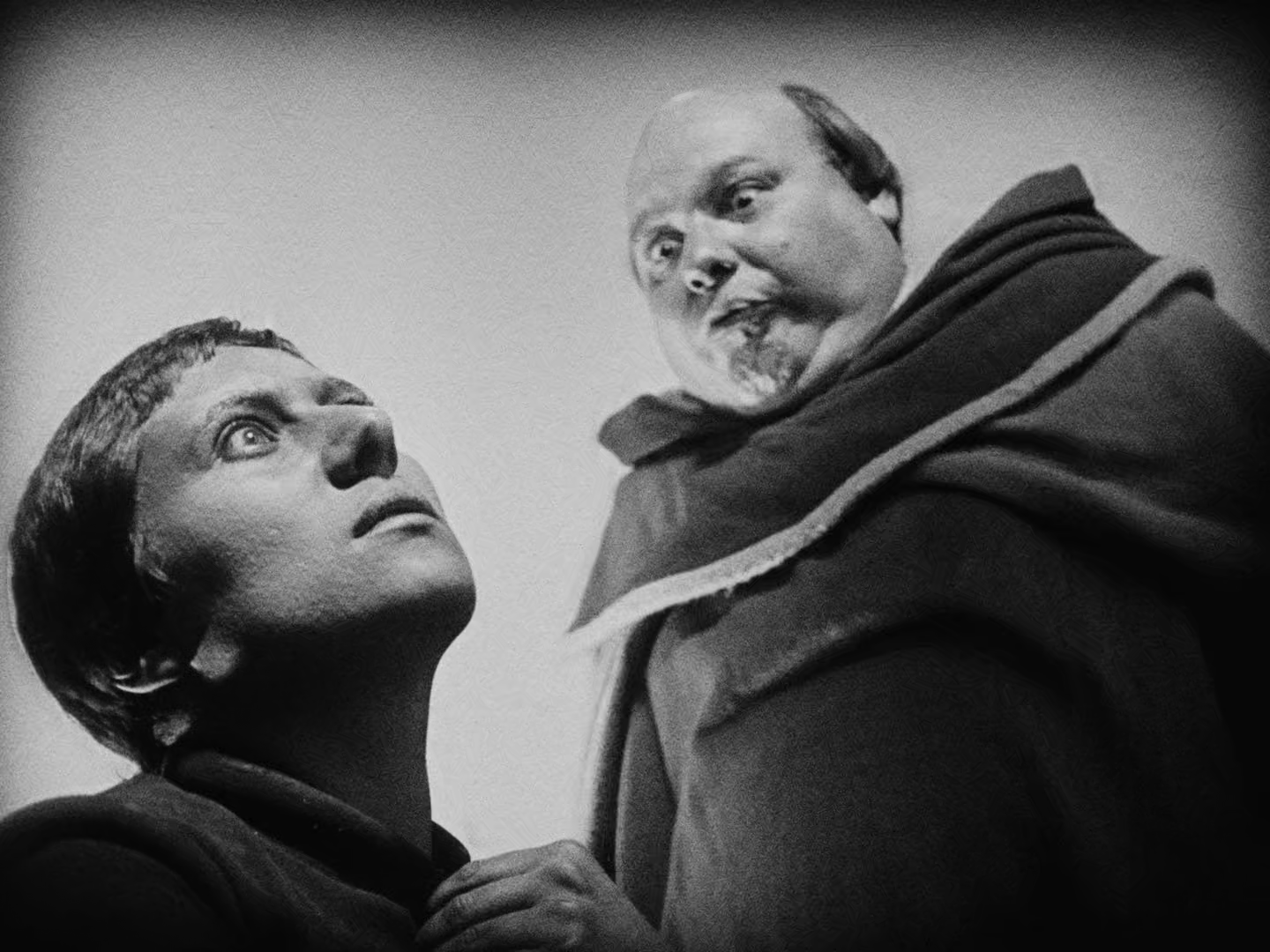
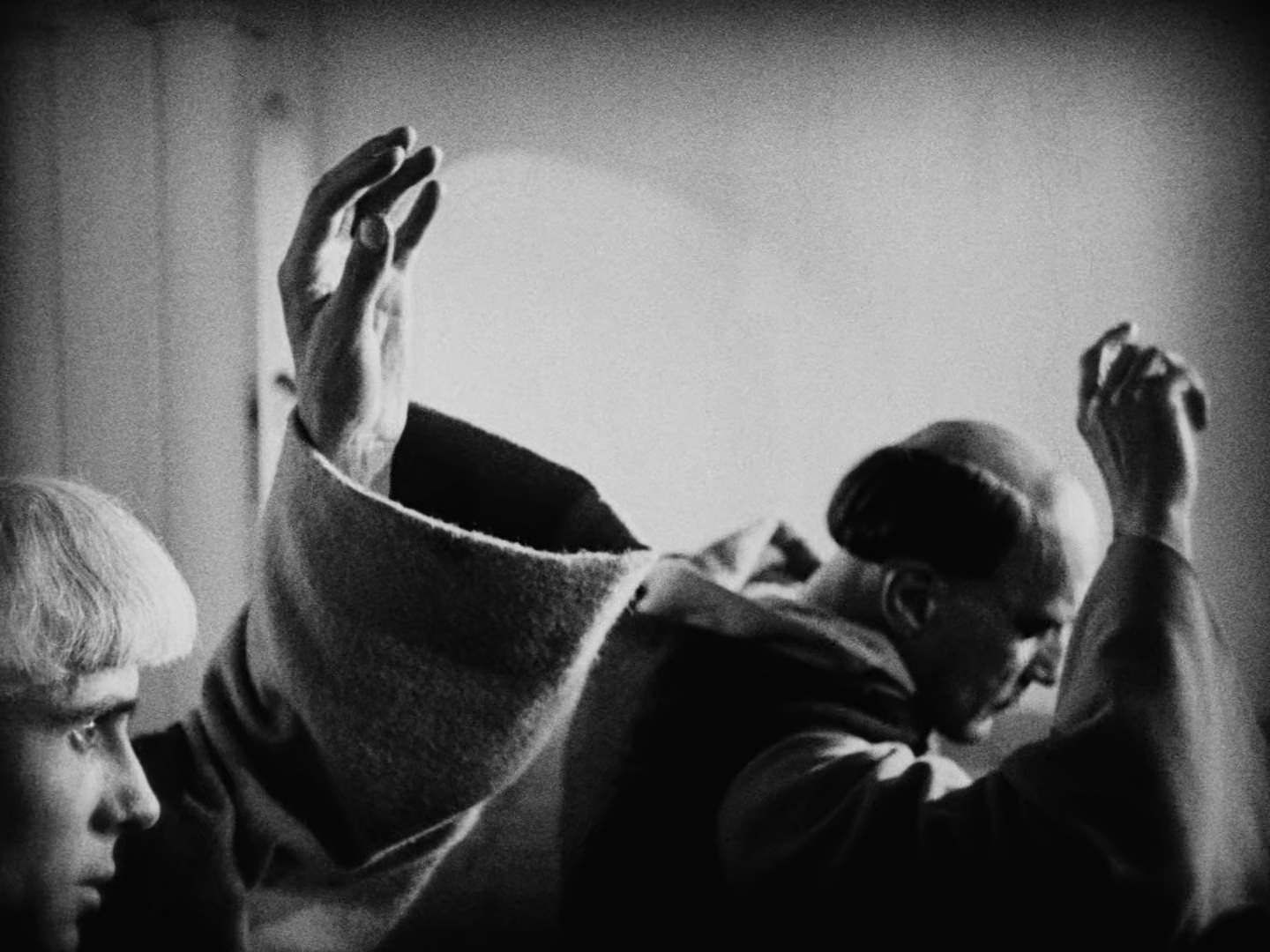
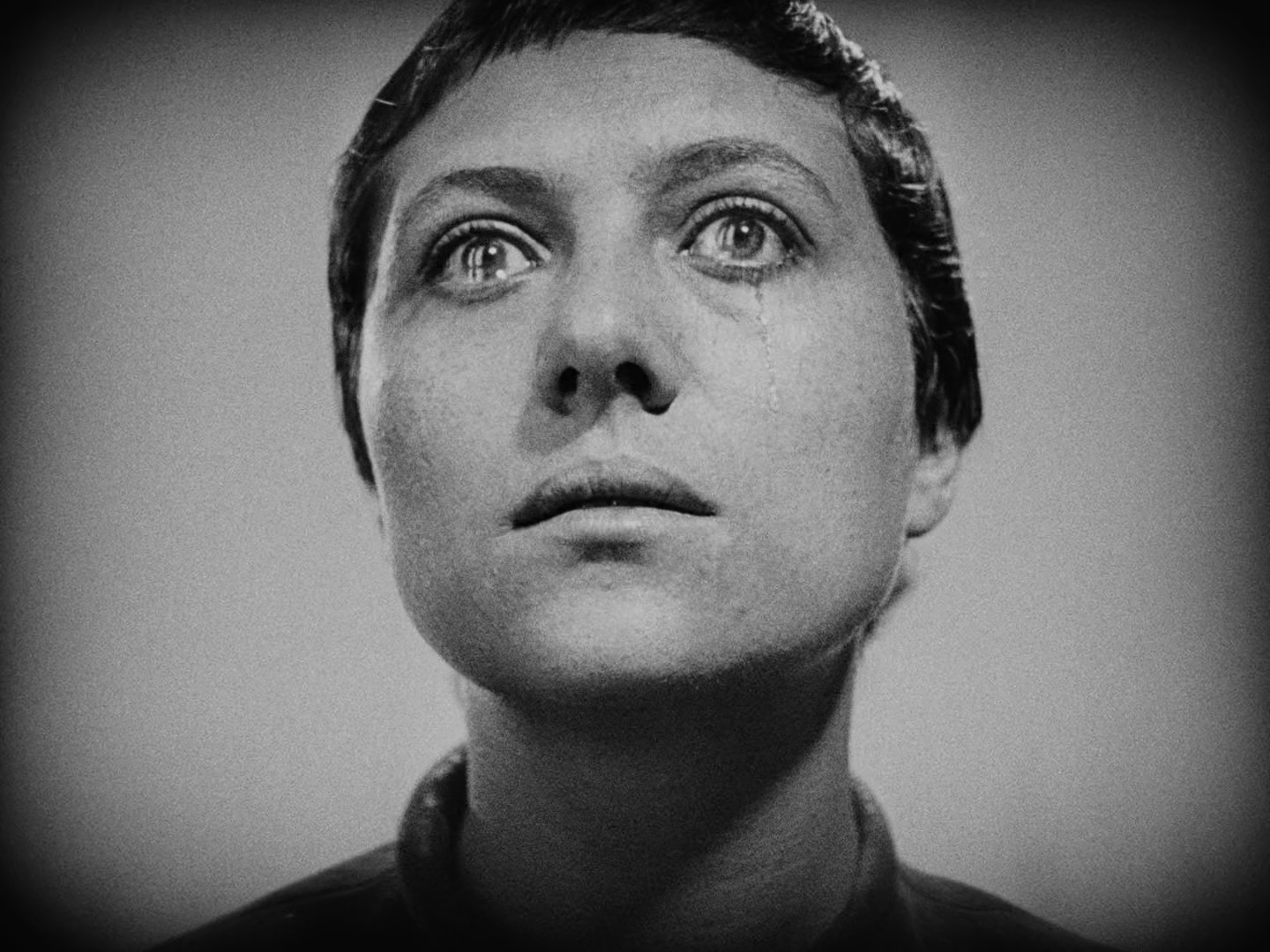
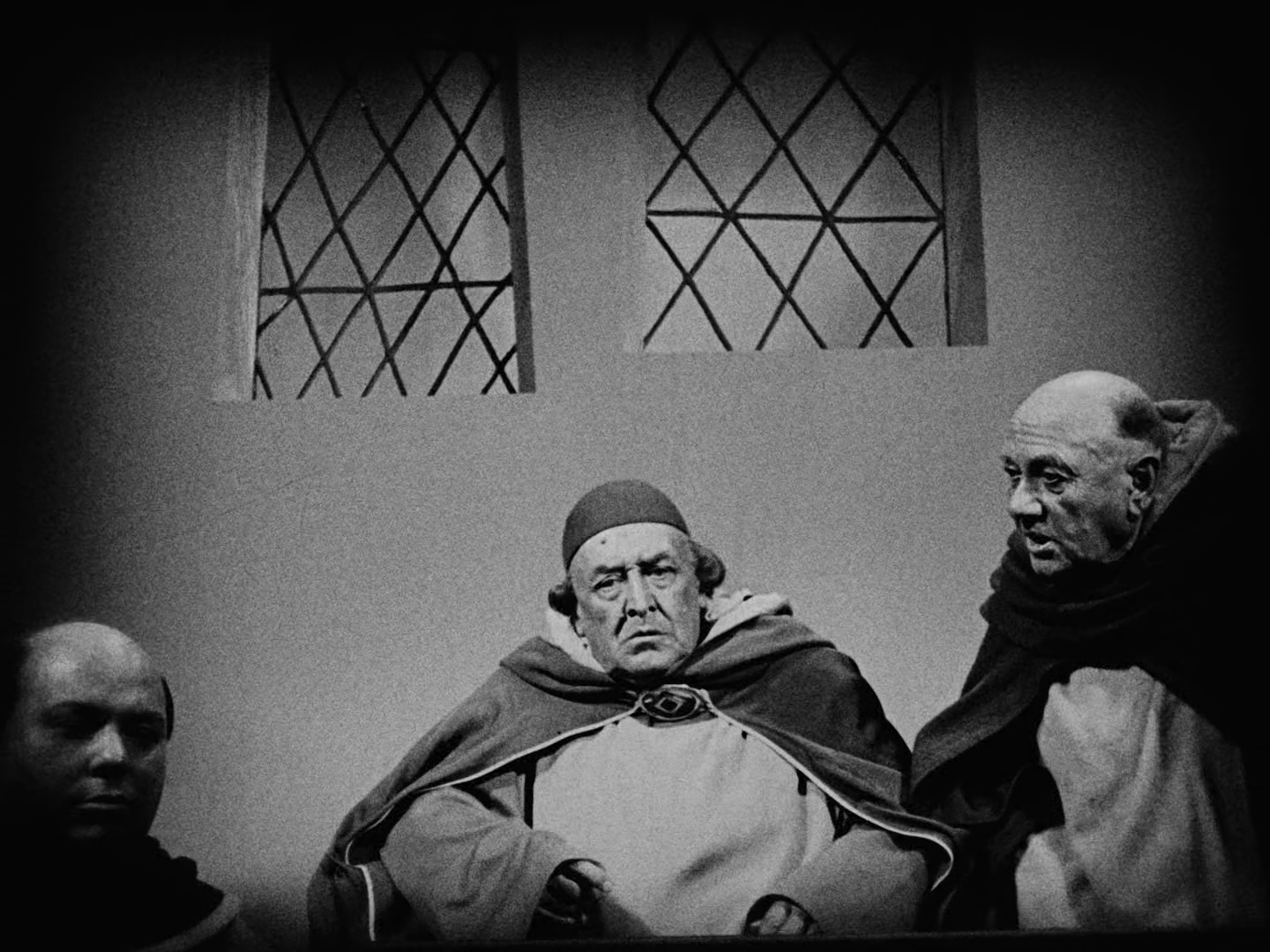
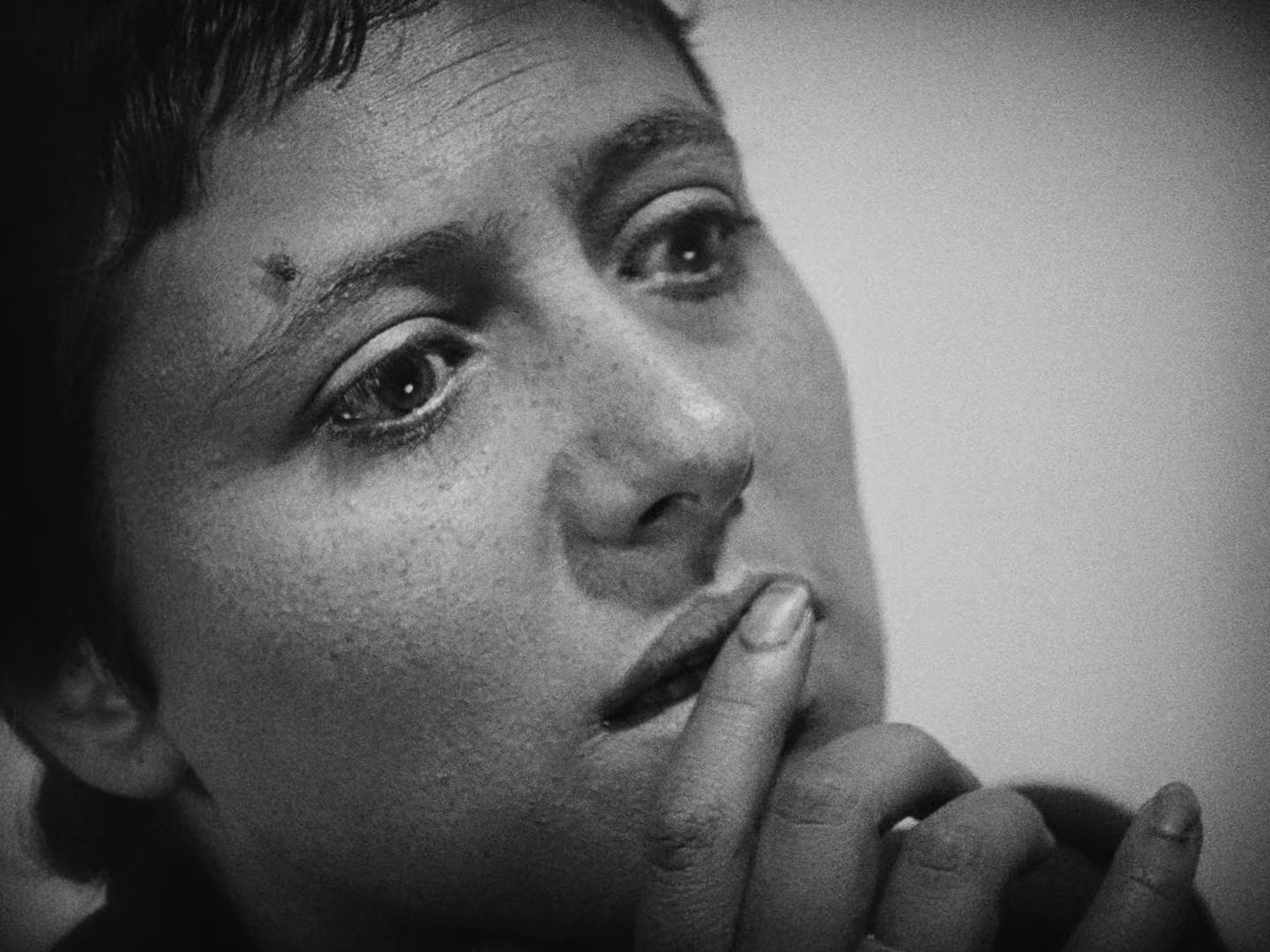
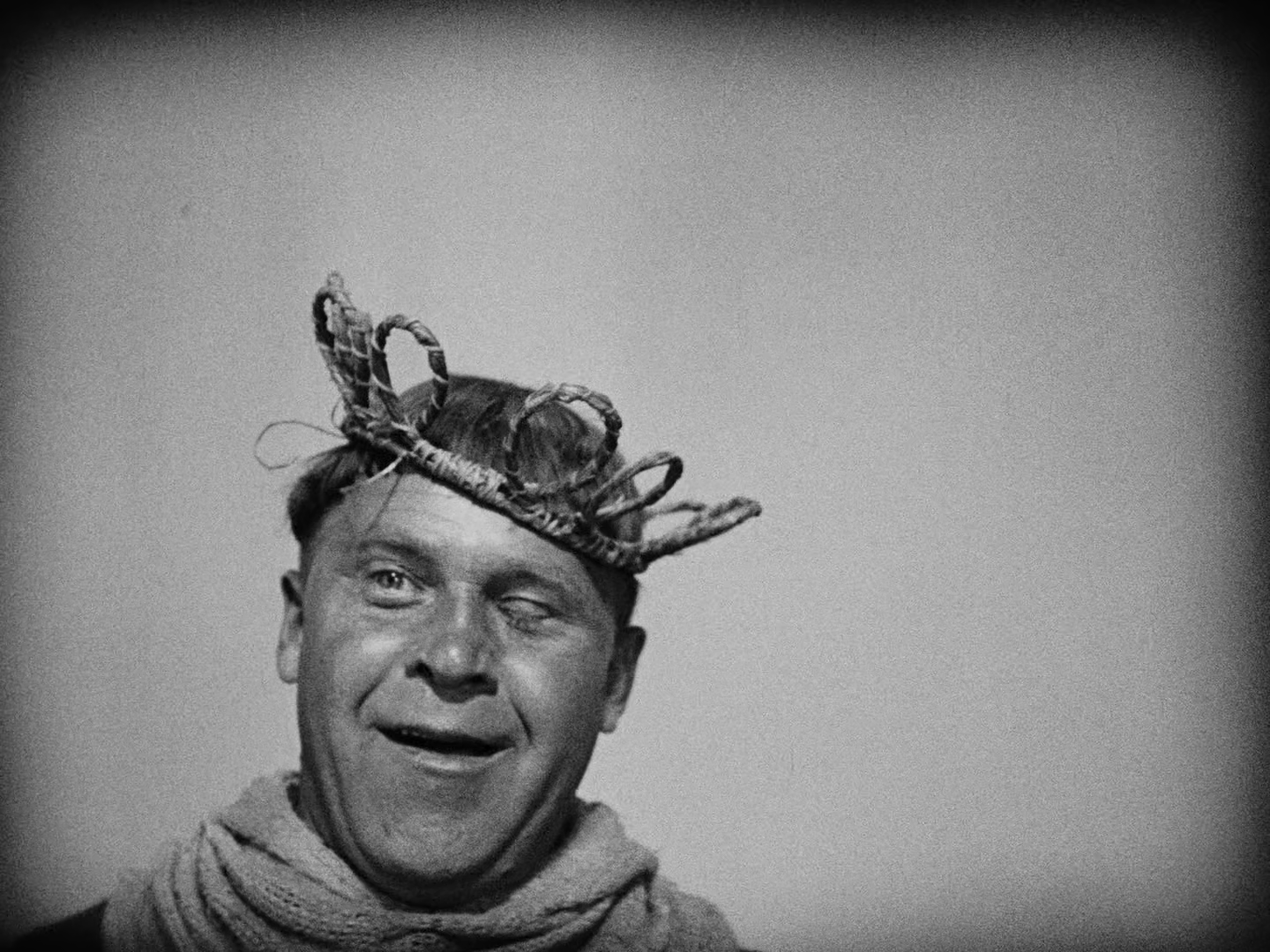
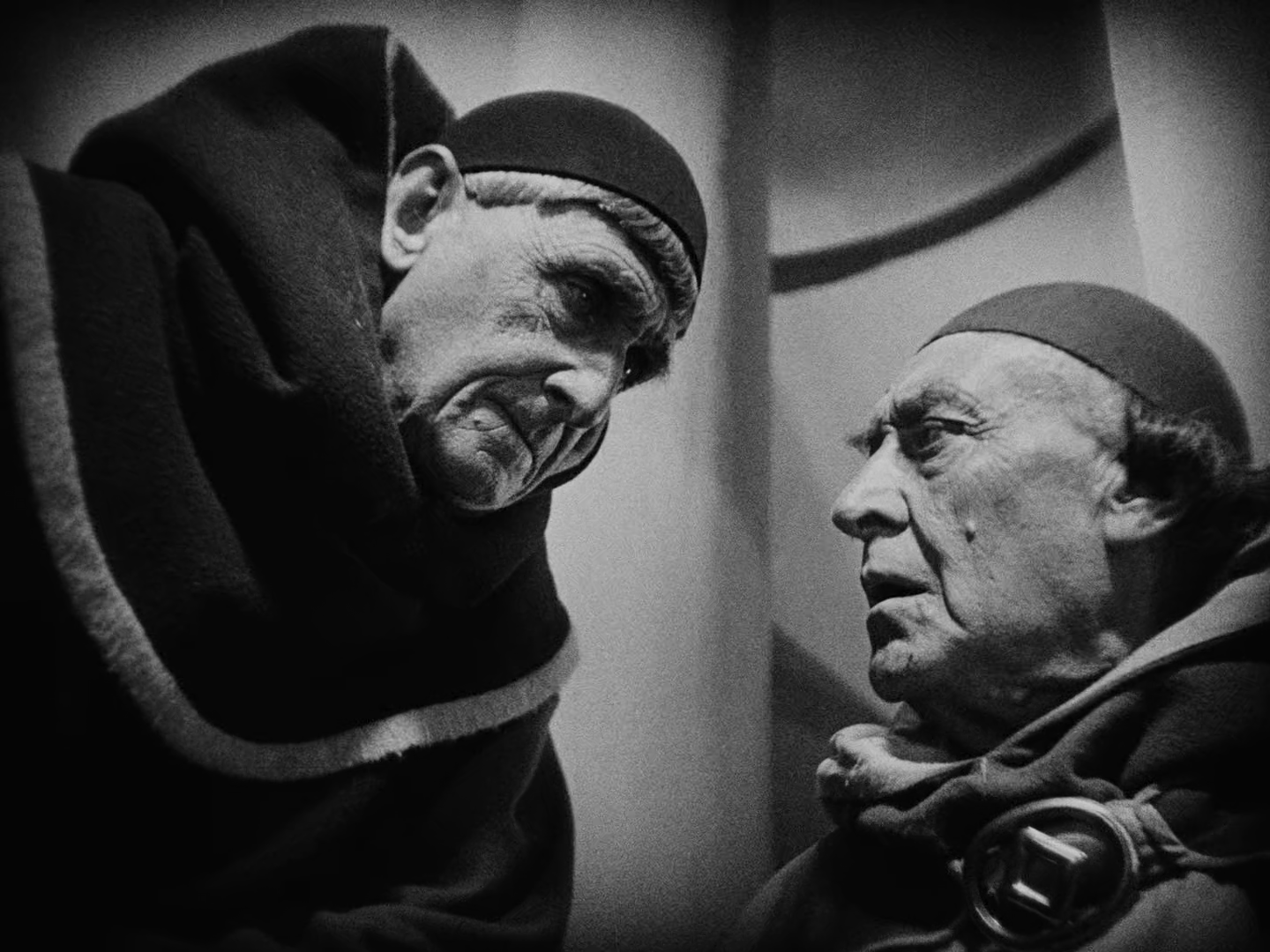
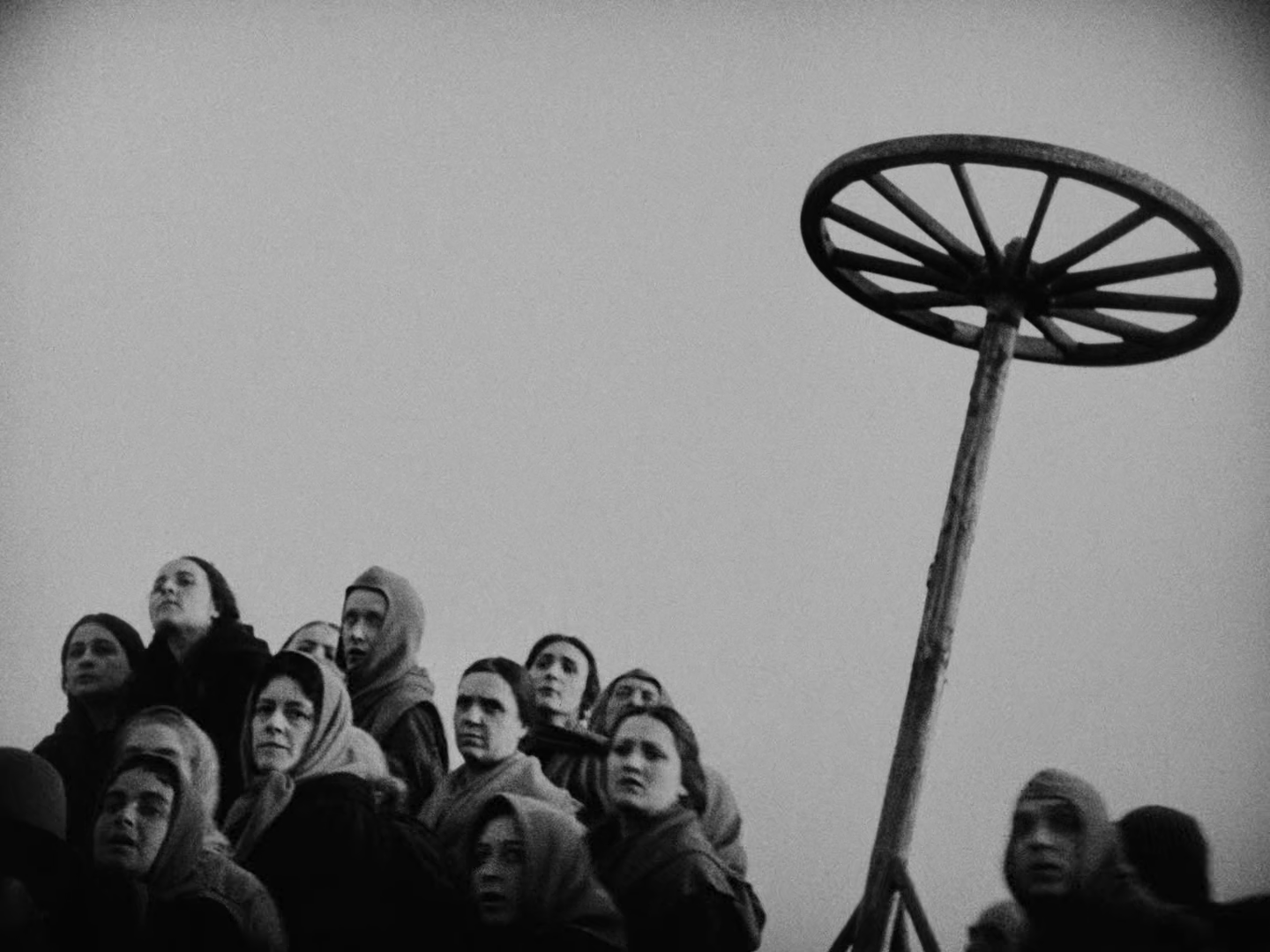
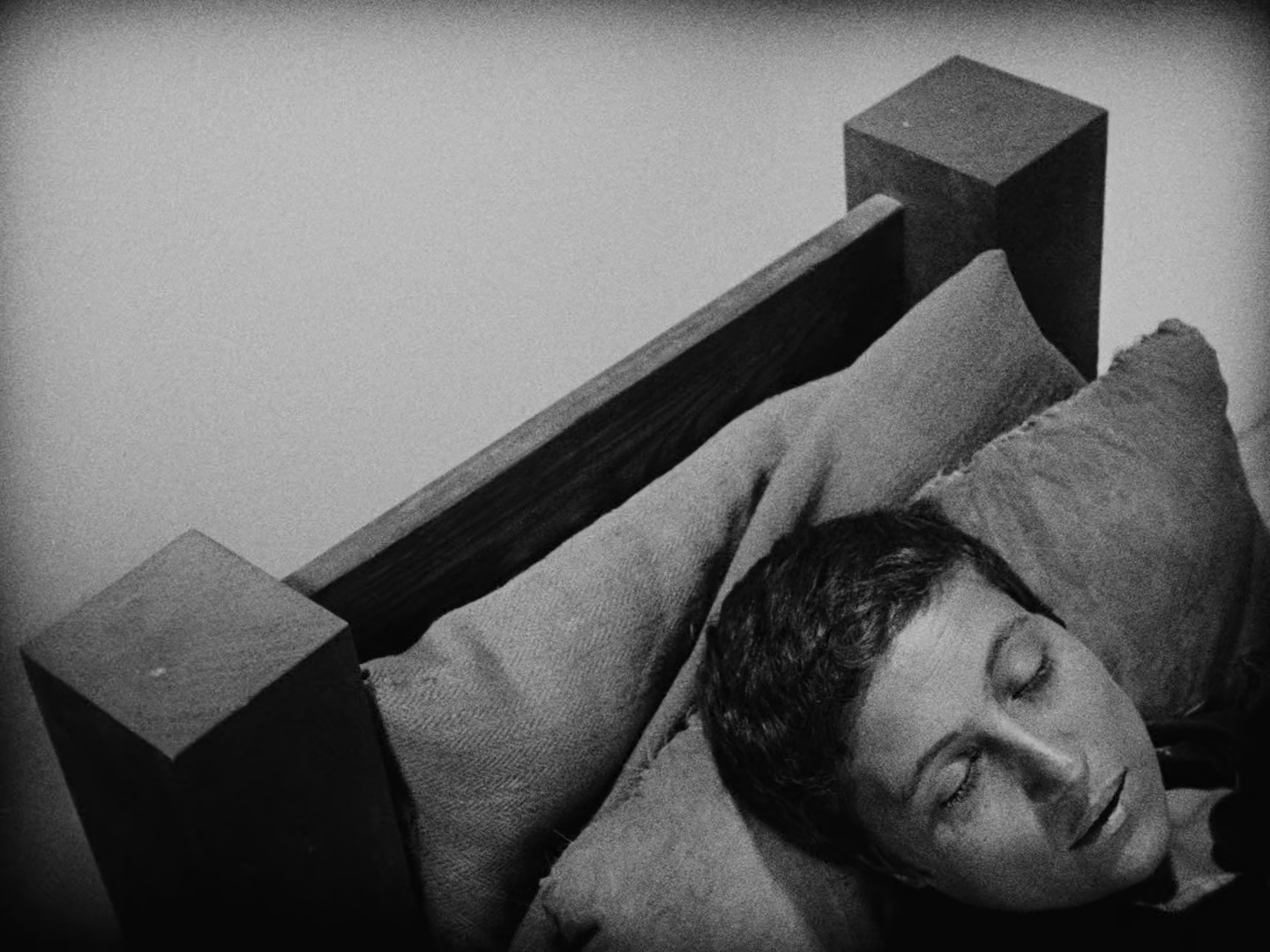
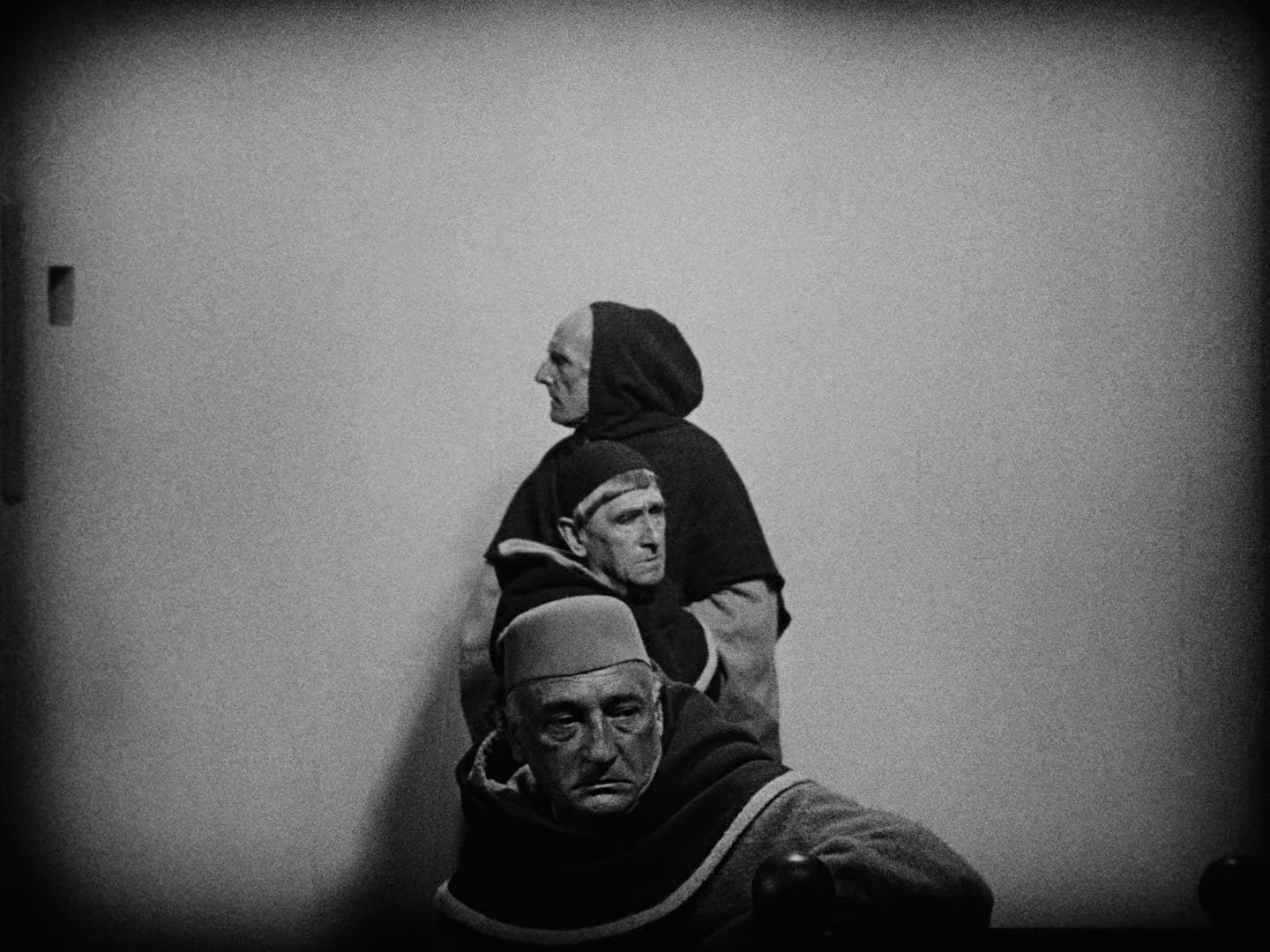
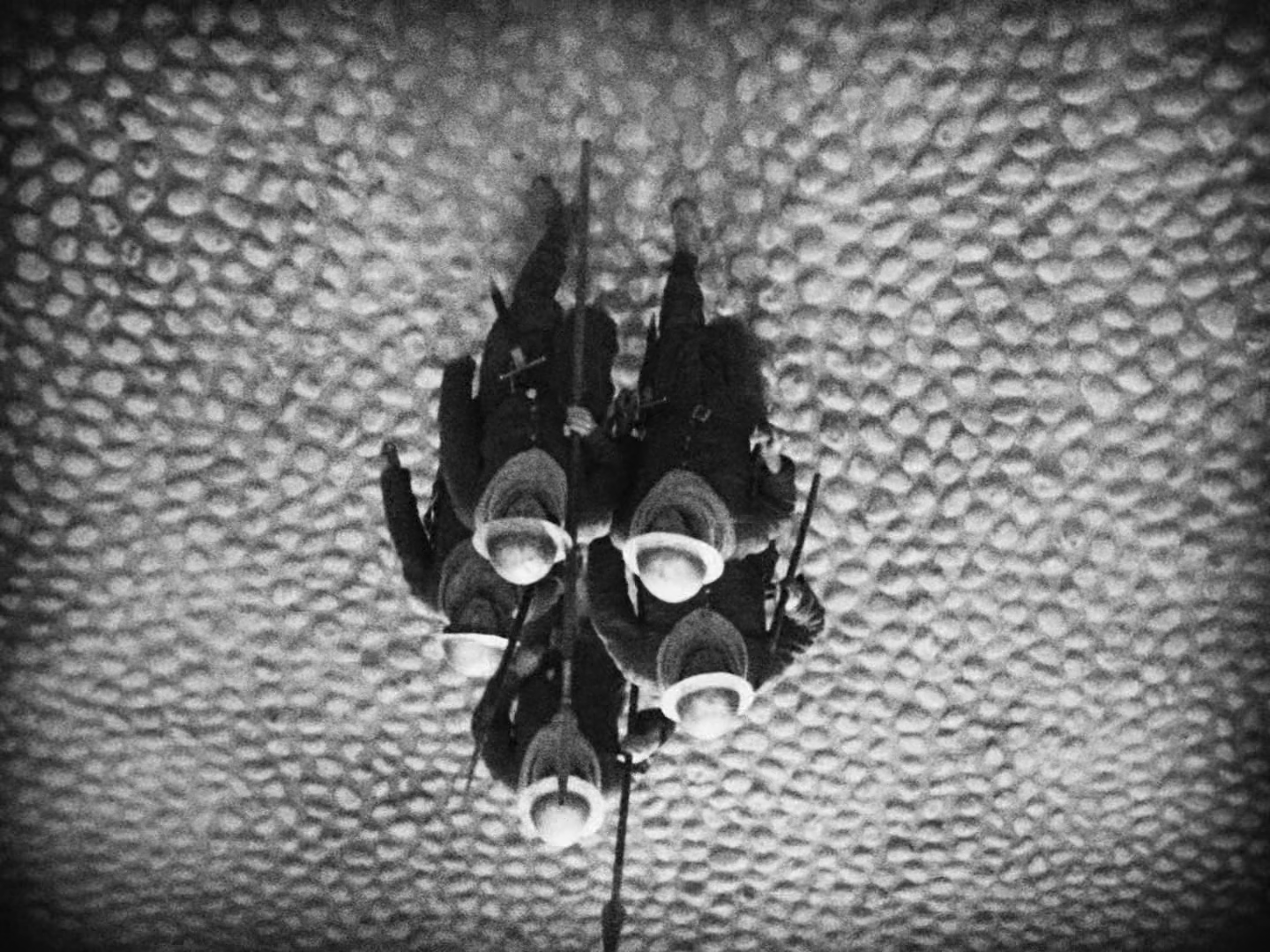
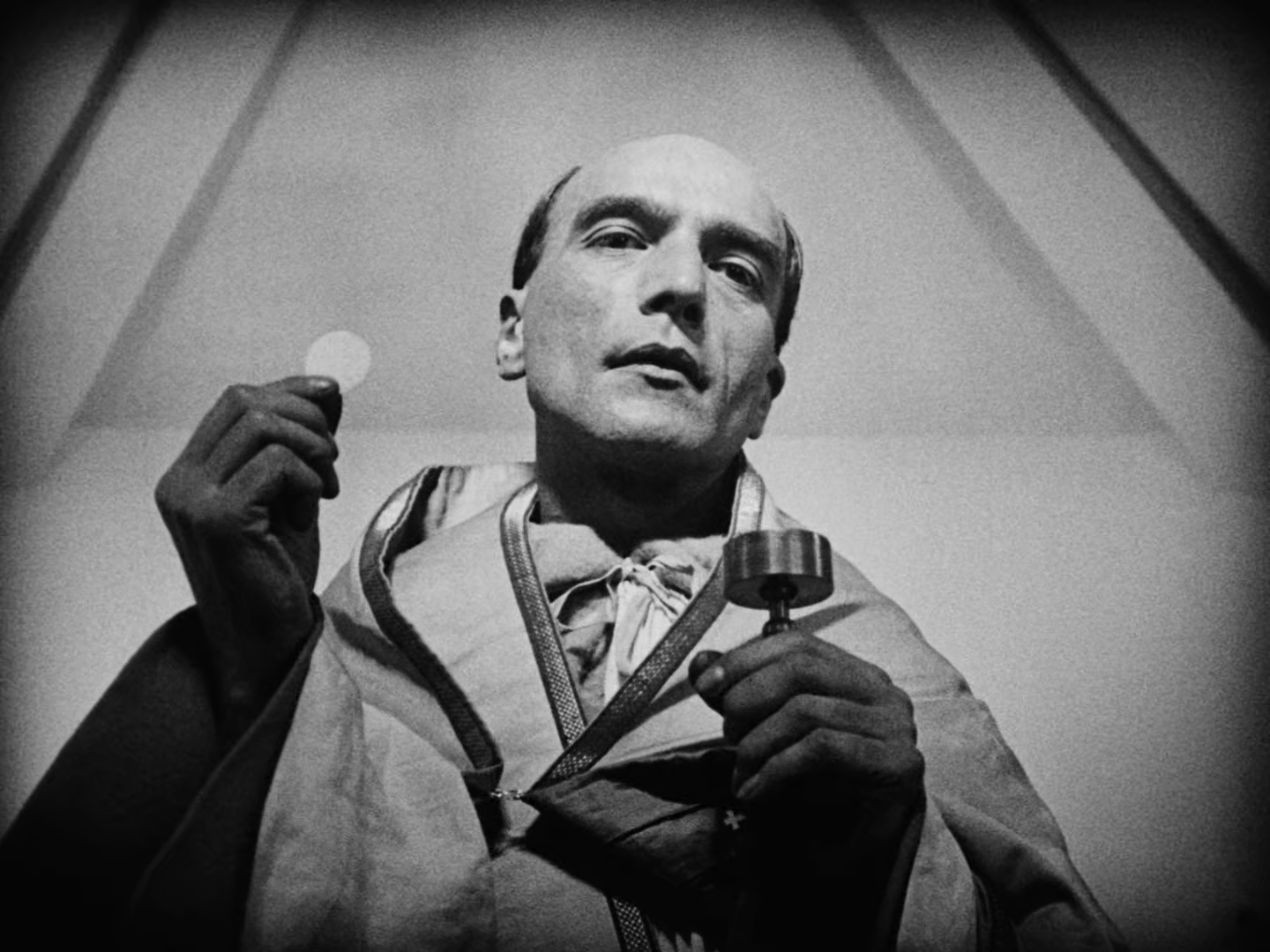
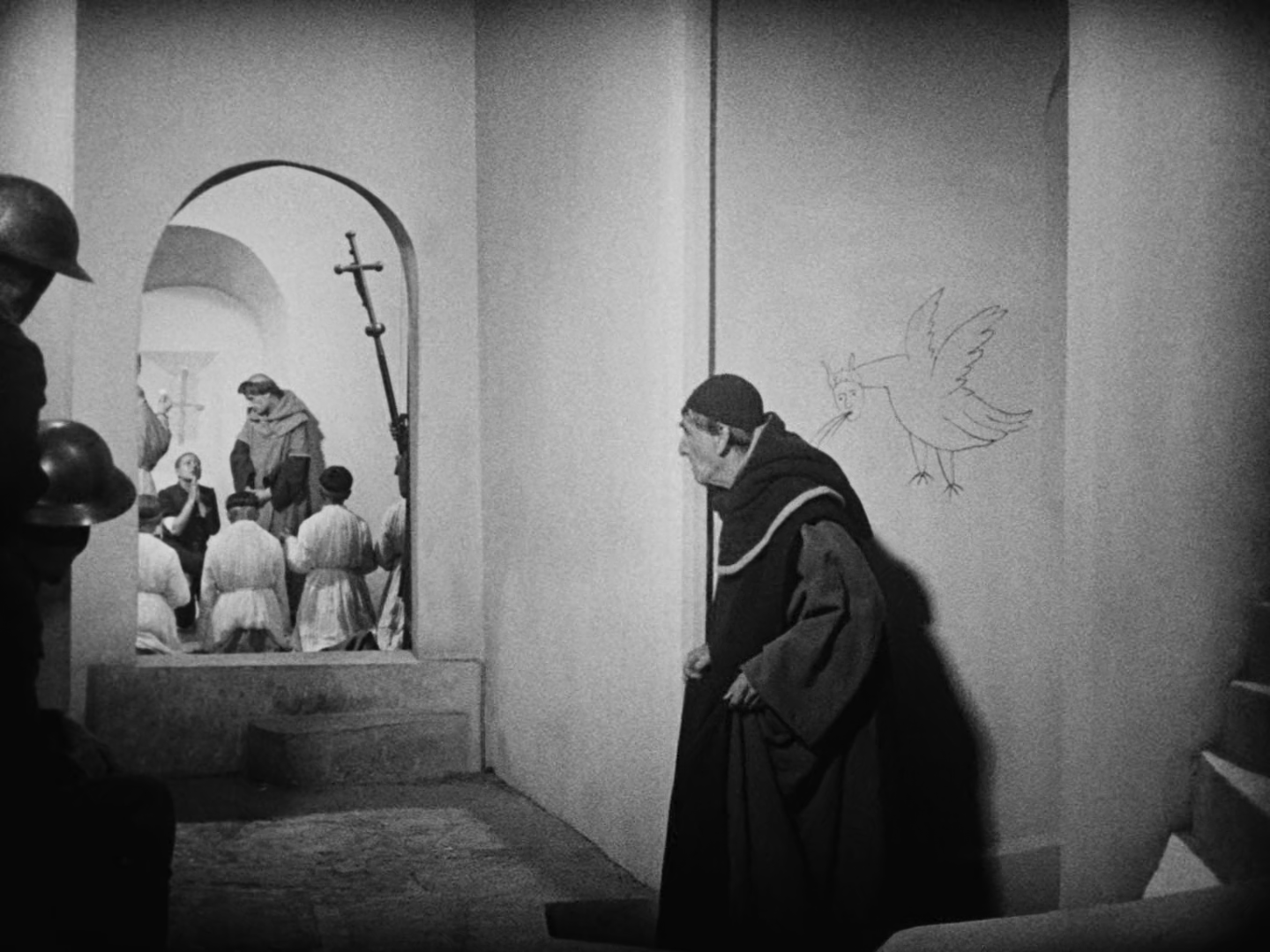
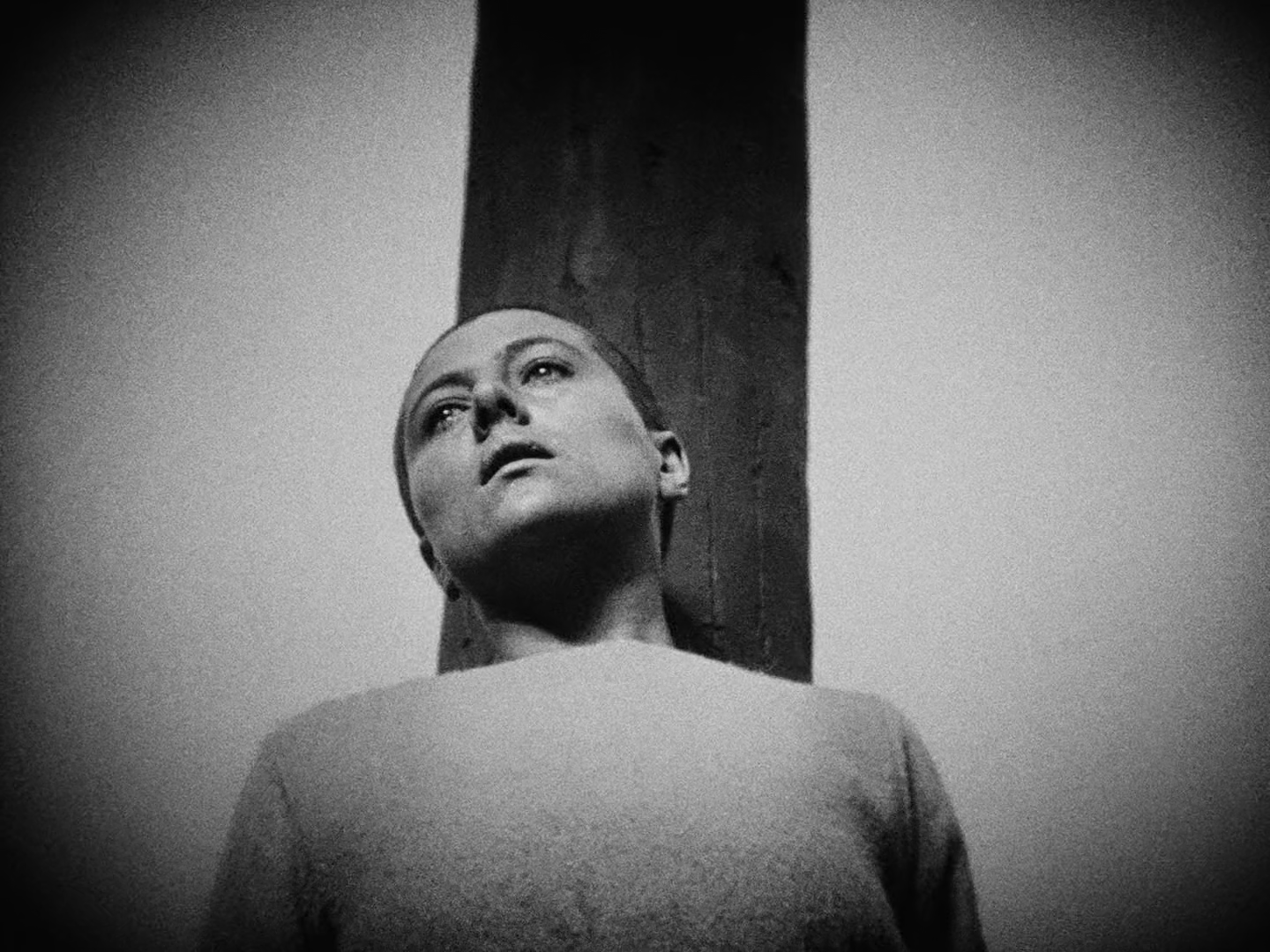
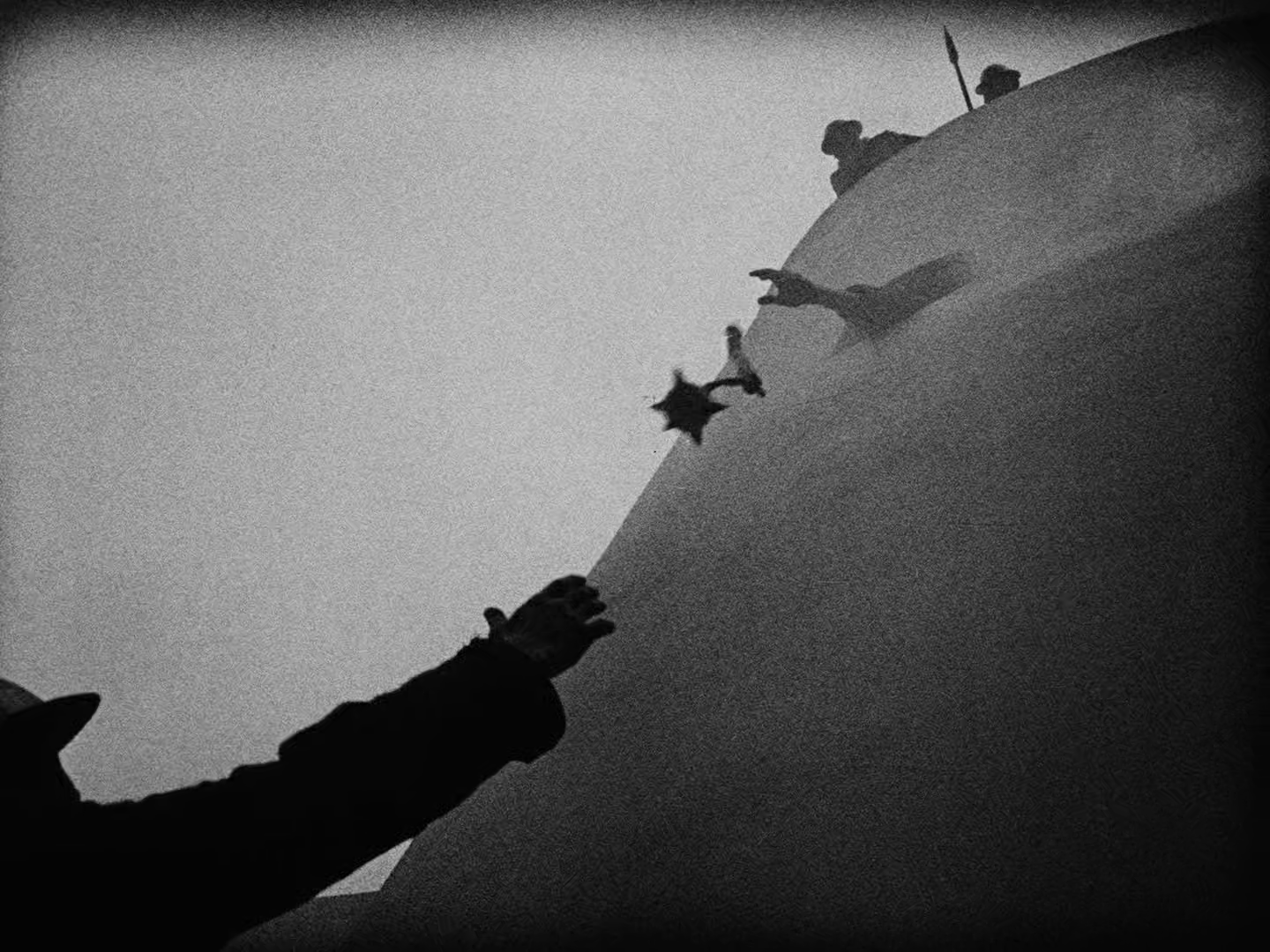
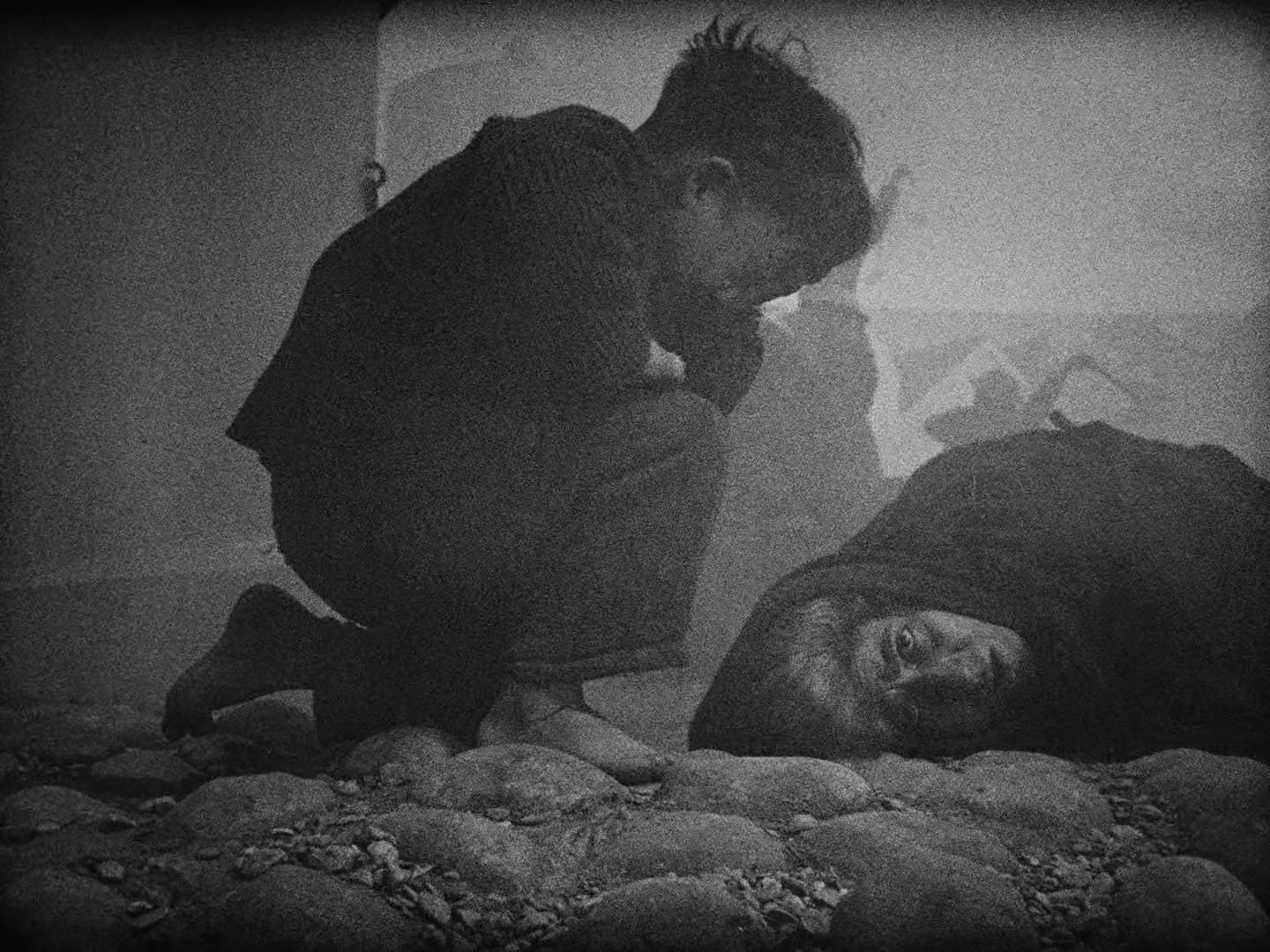
A portrait of faith.
Presentation:
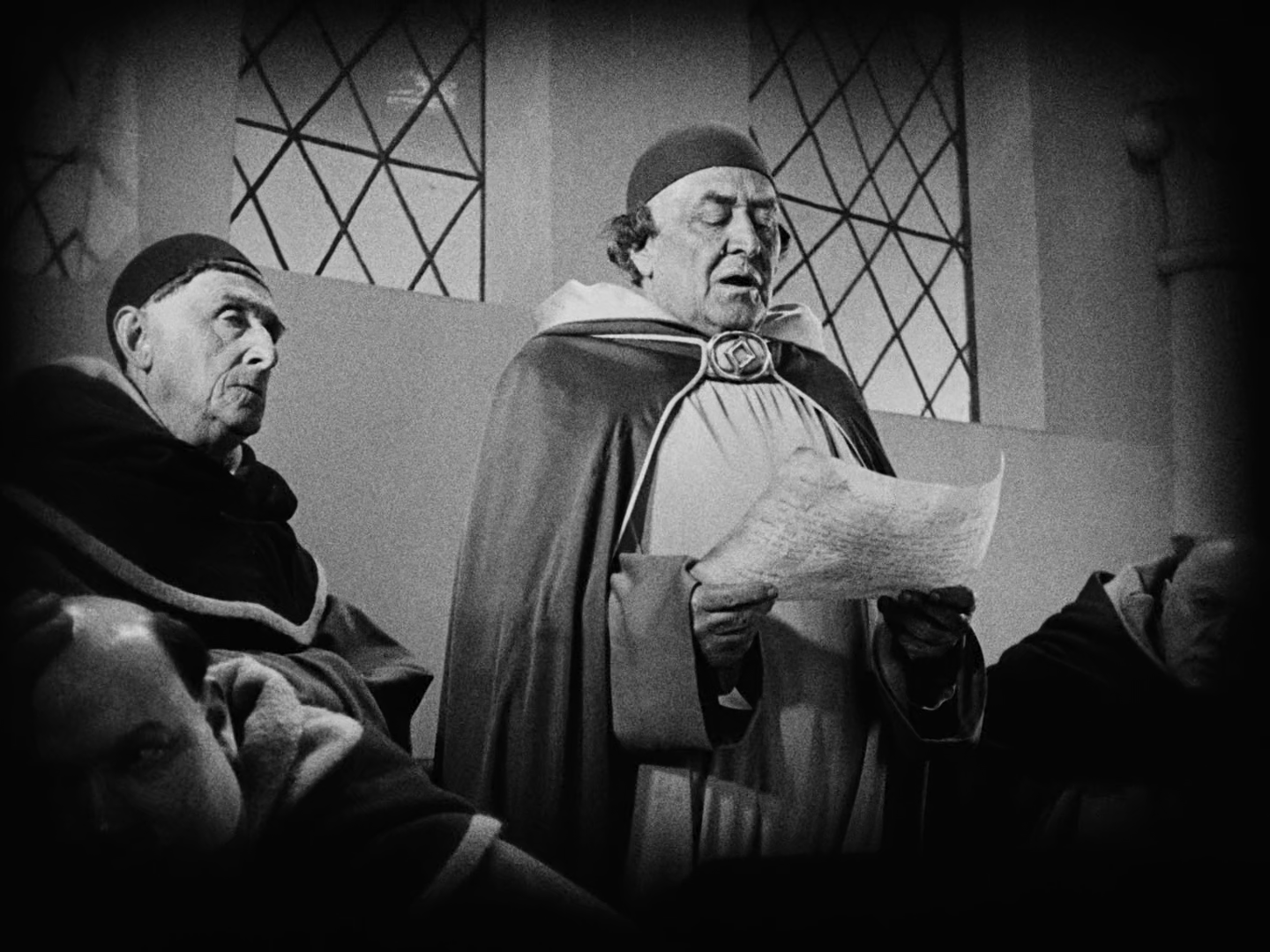
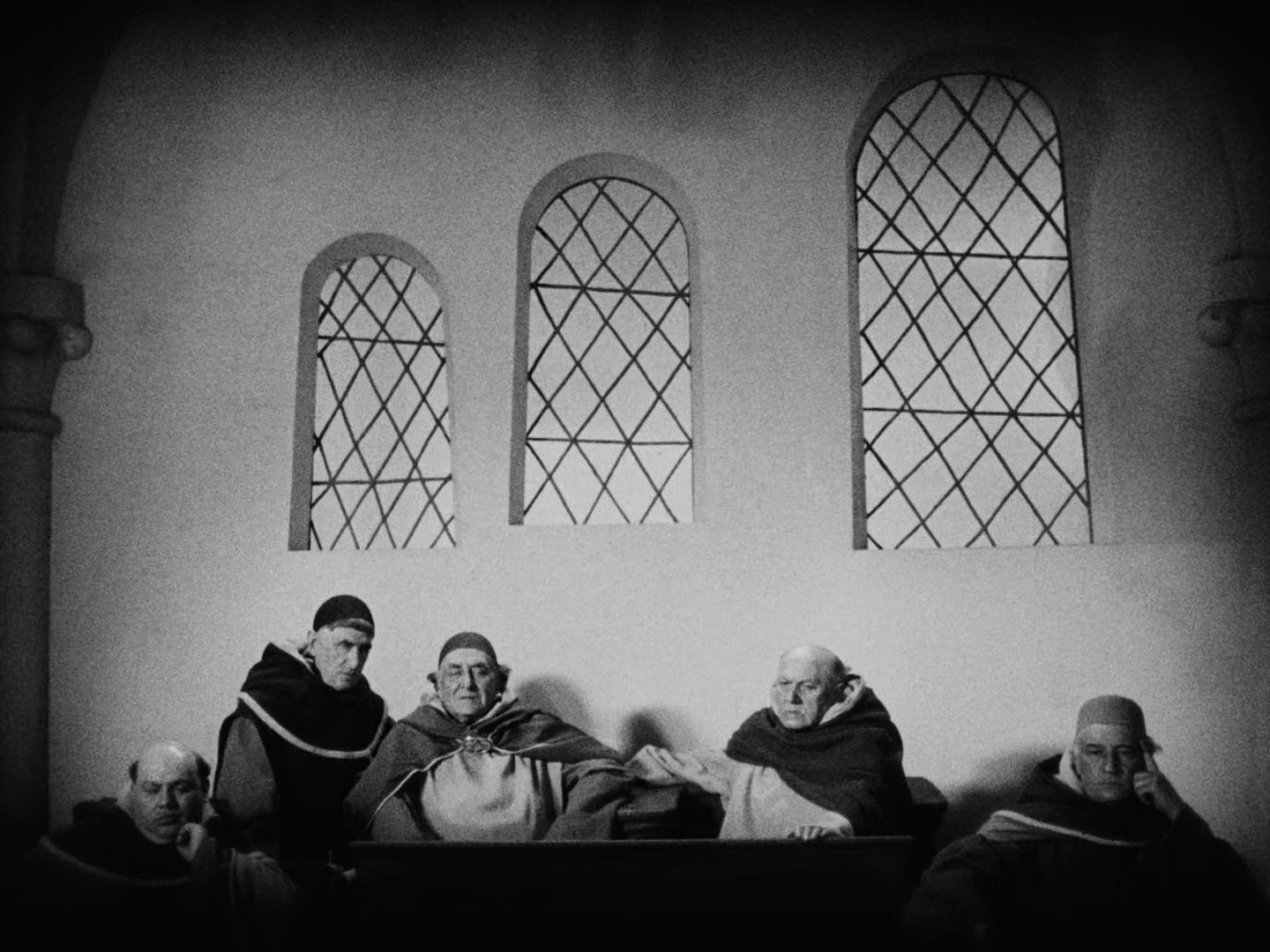
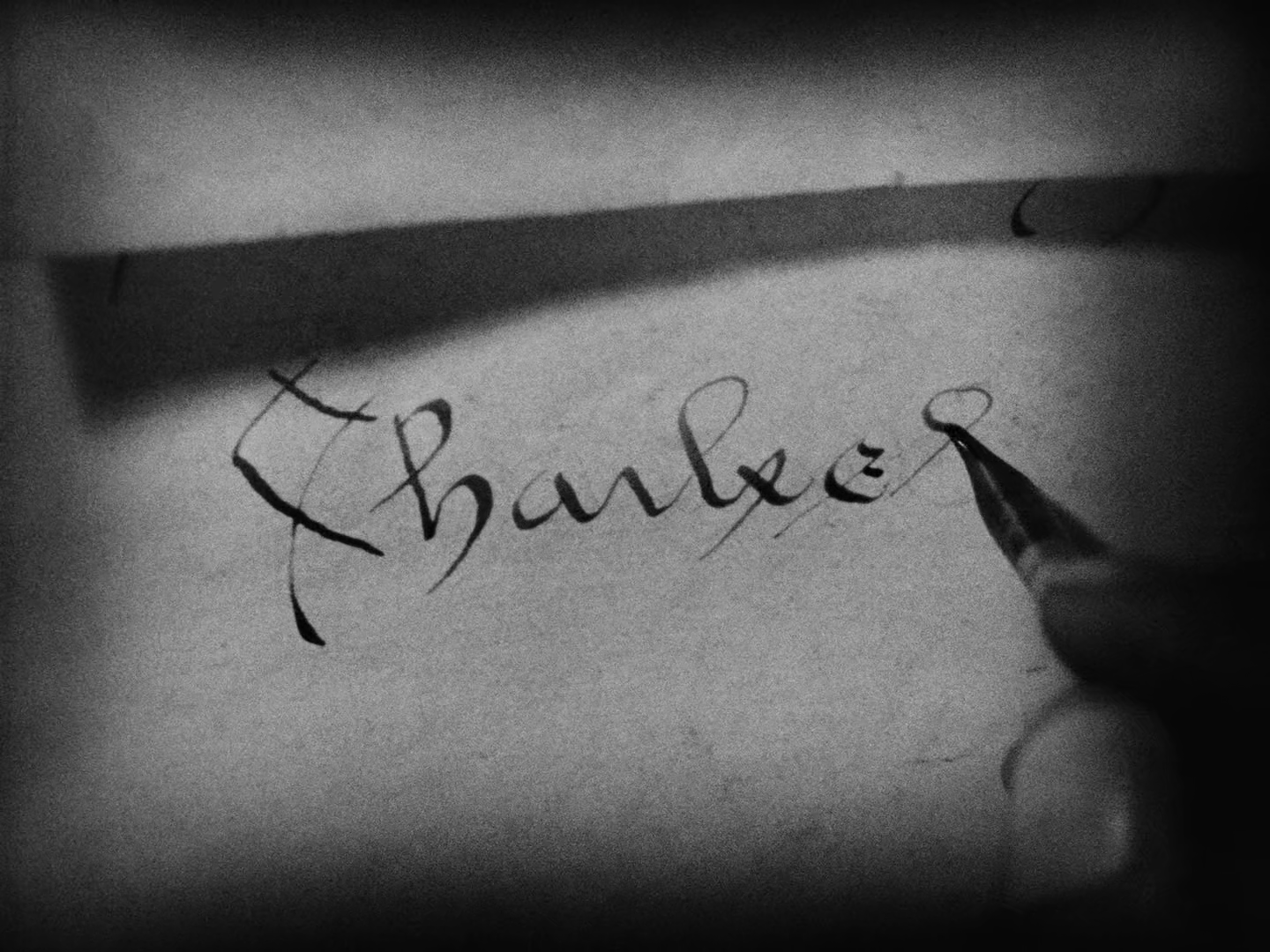
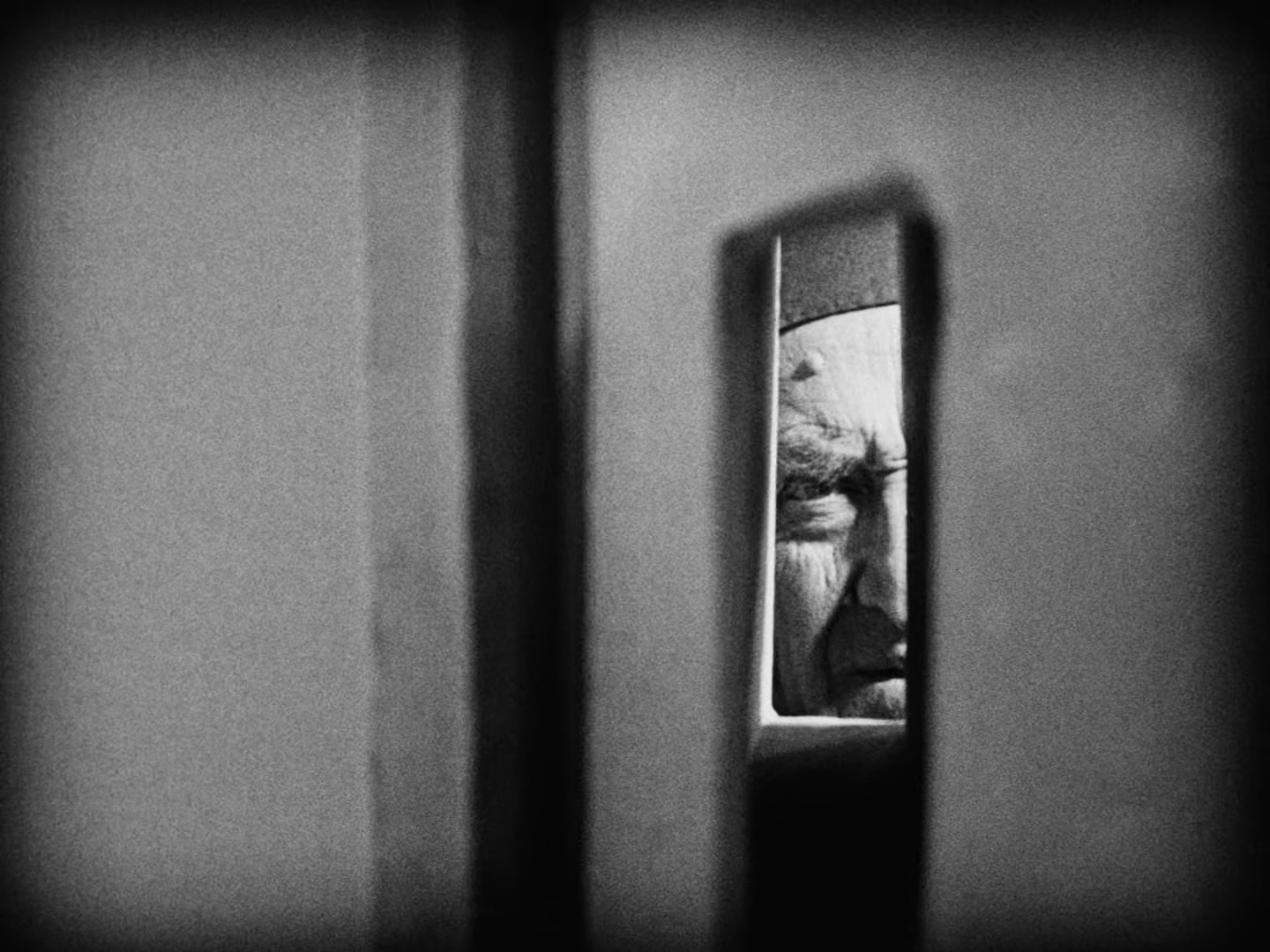
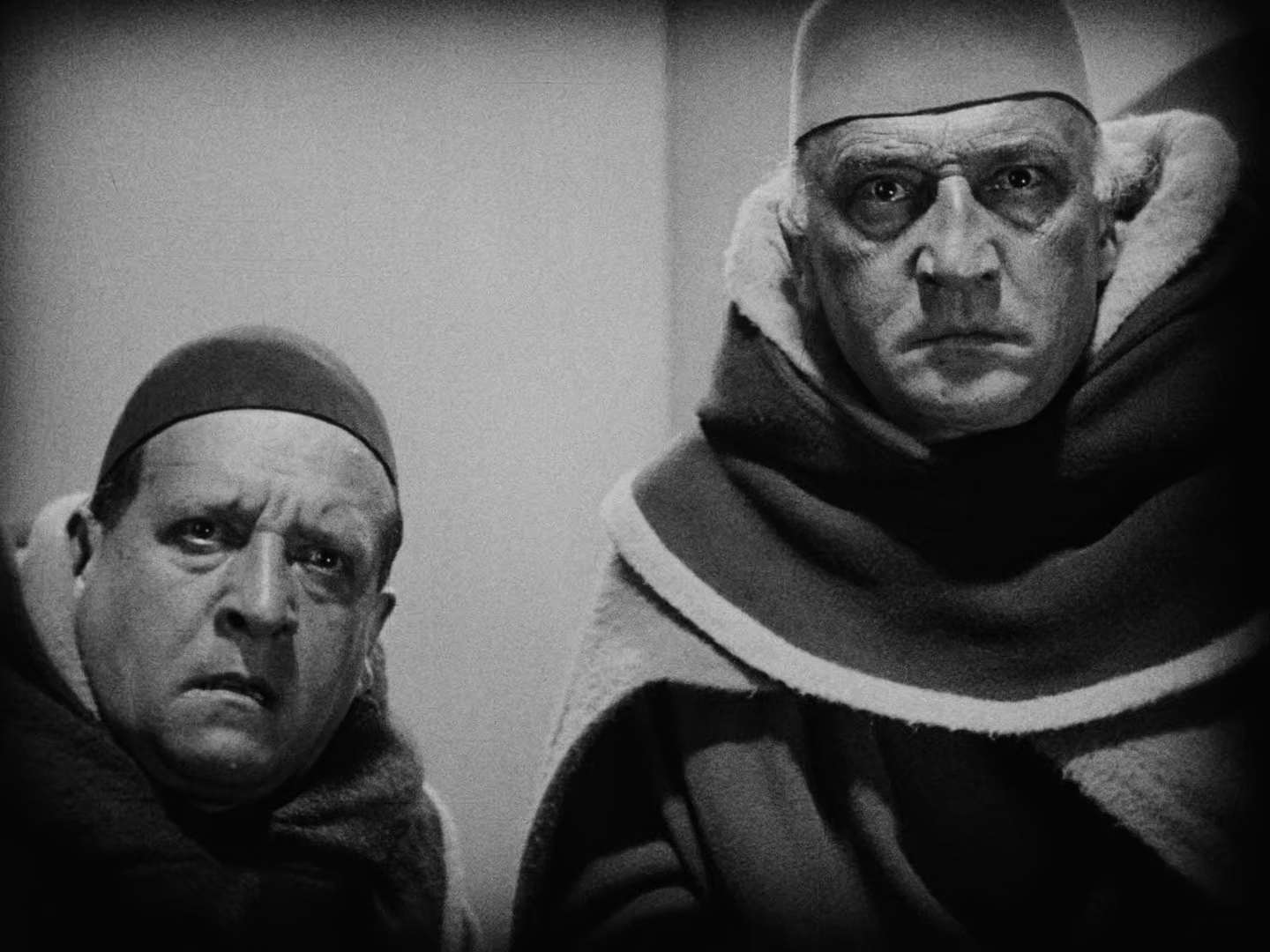
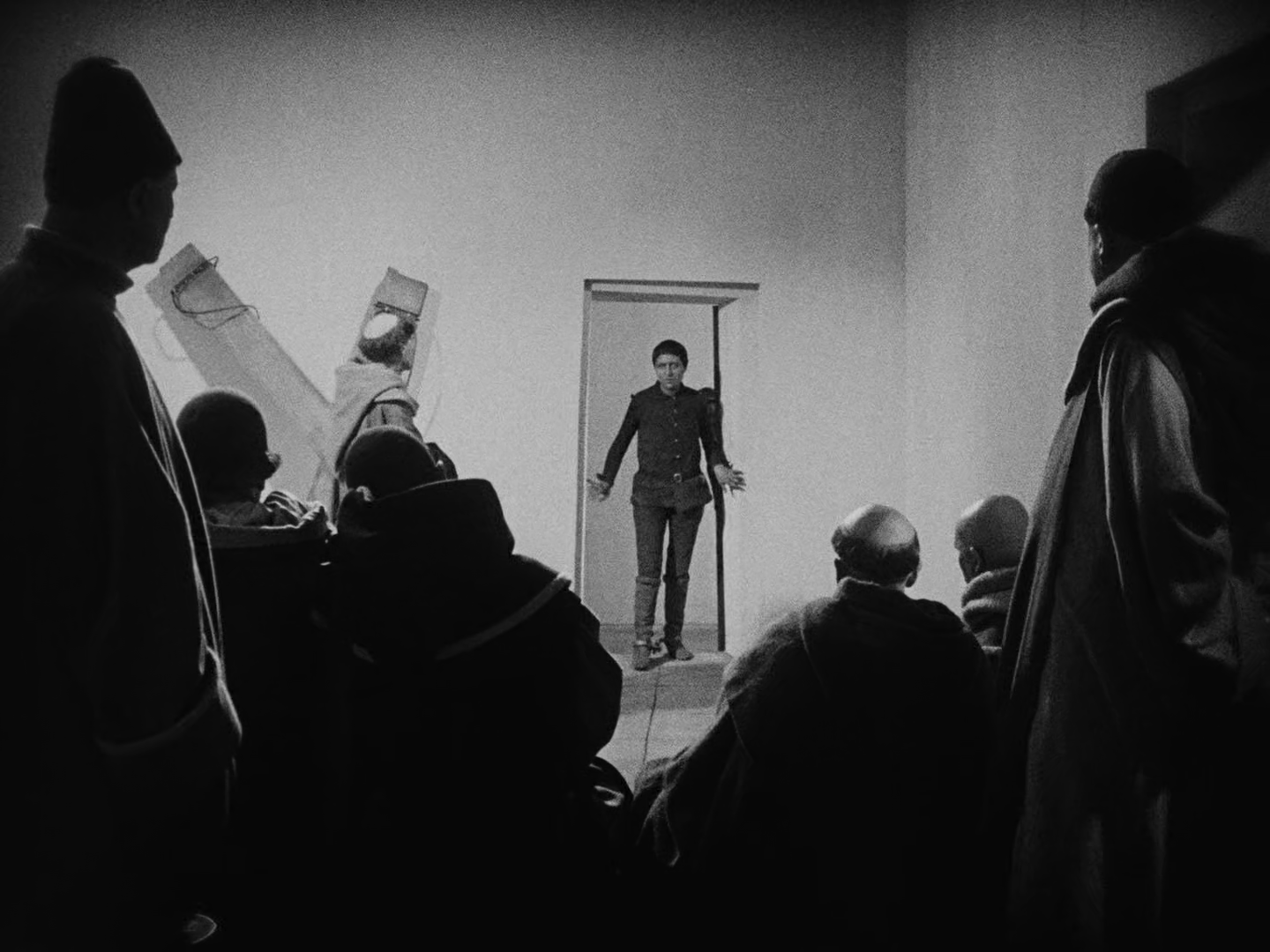
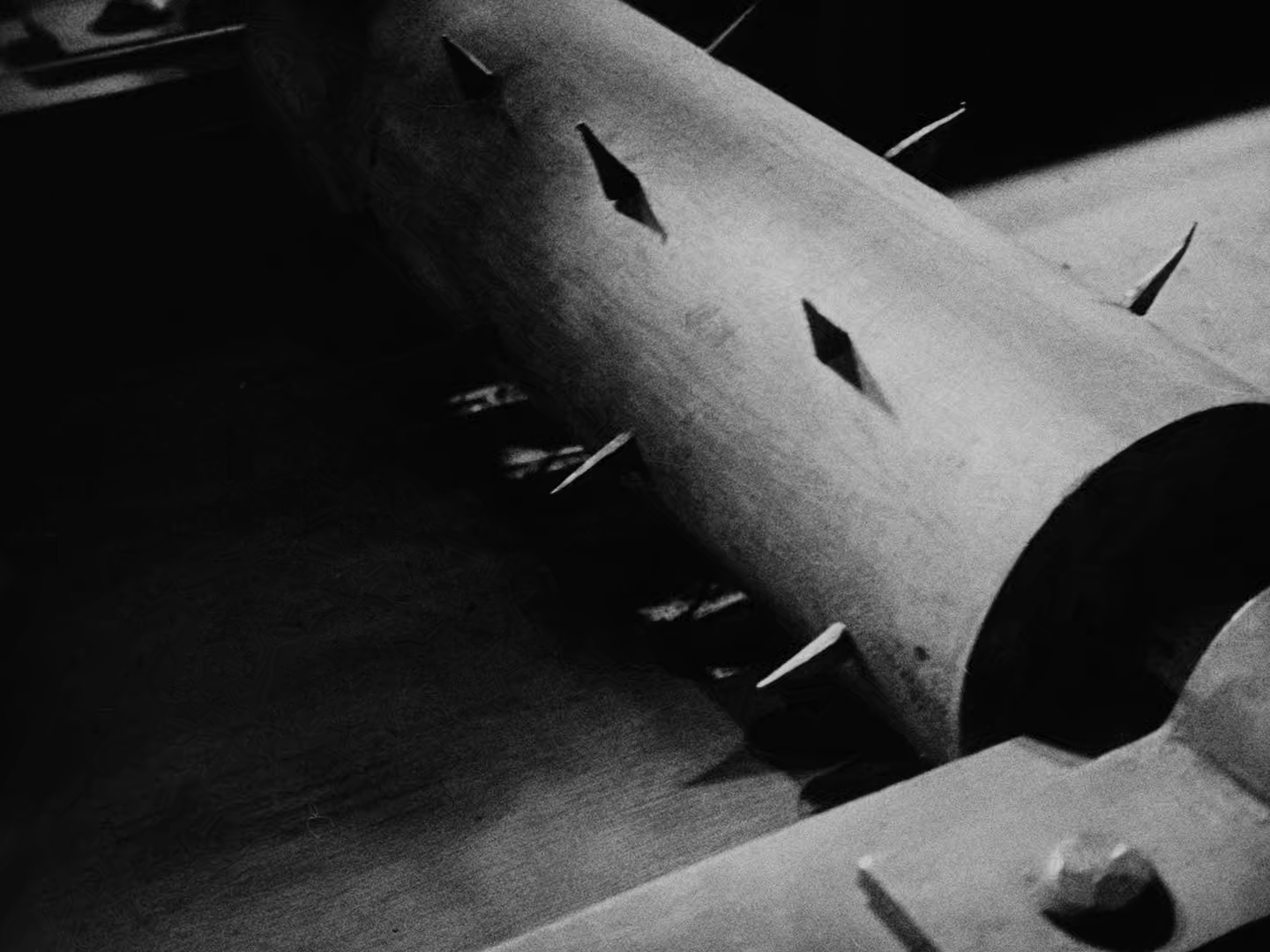
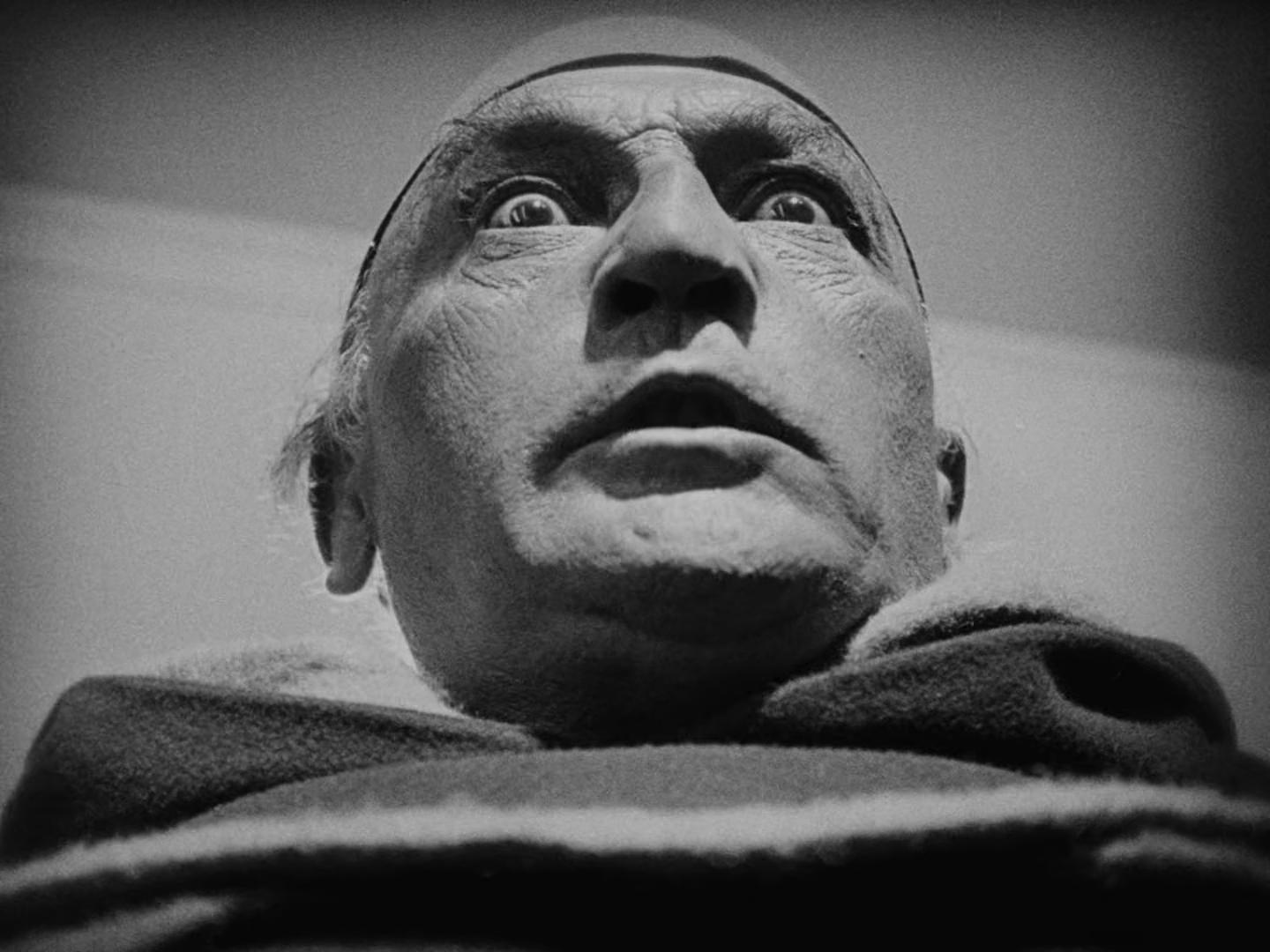
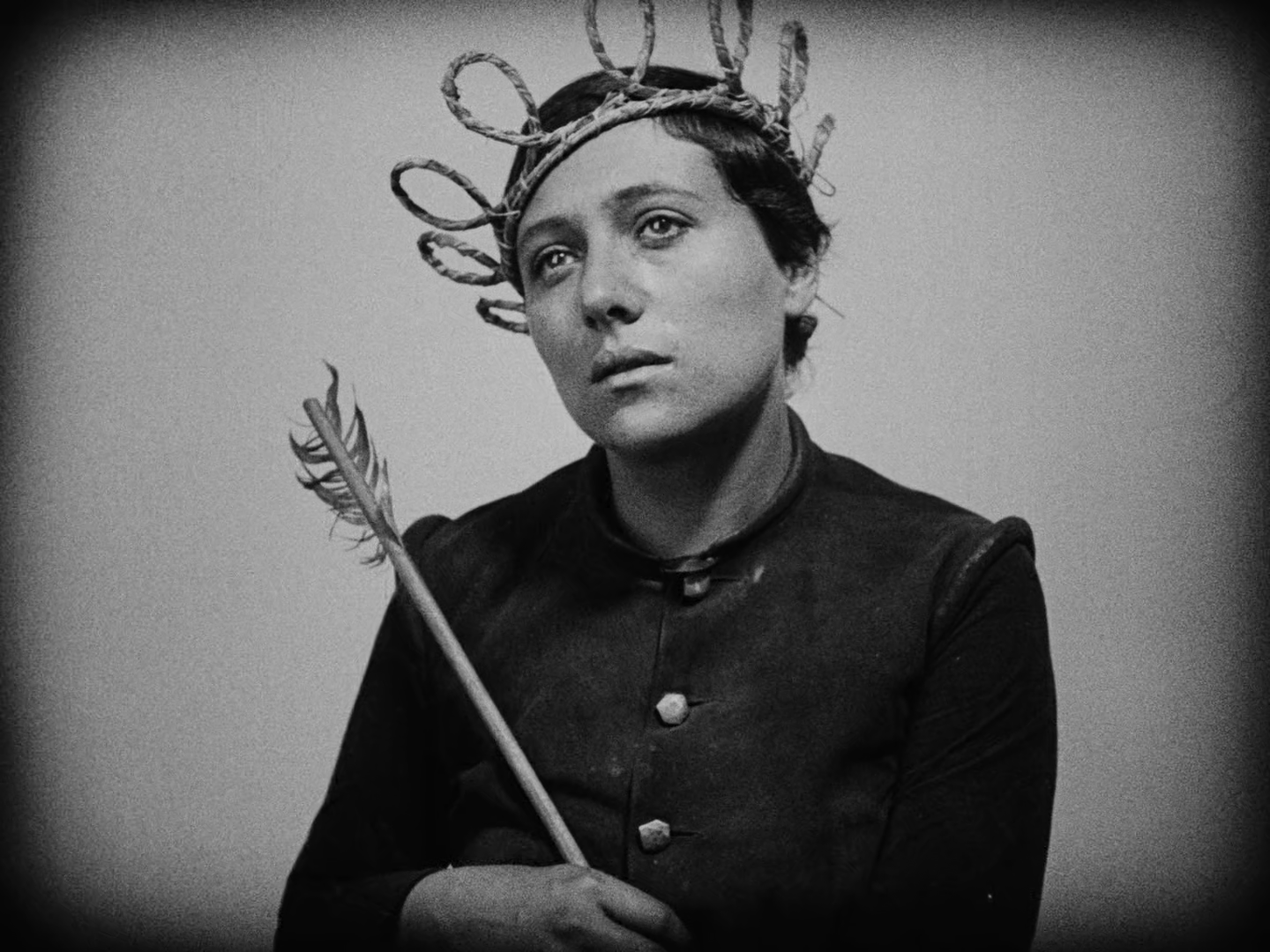
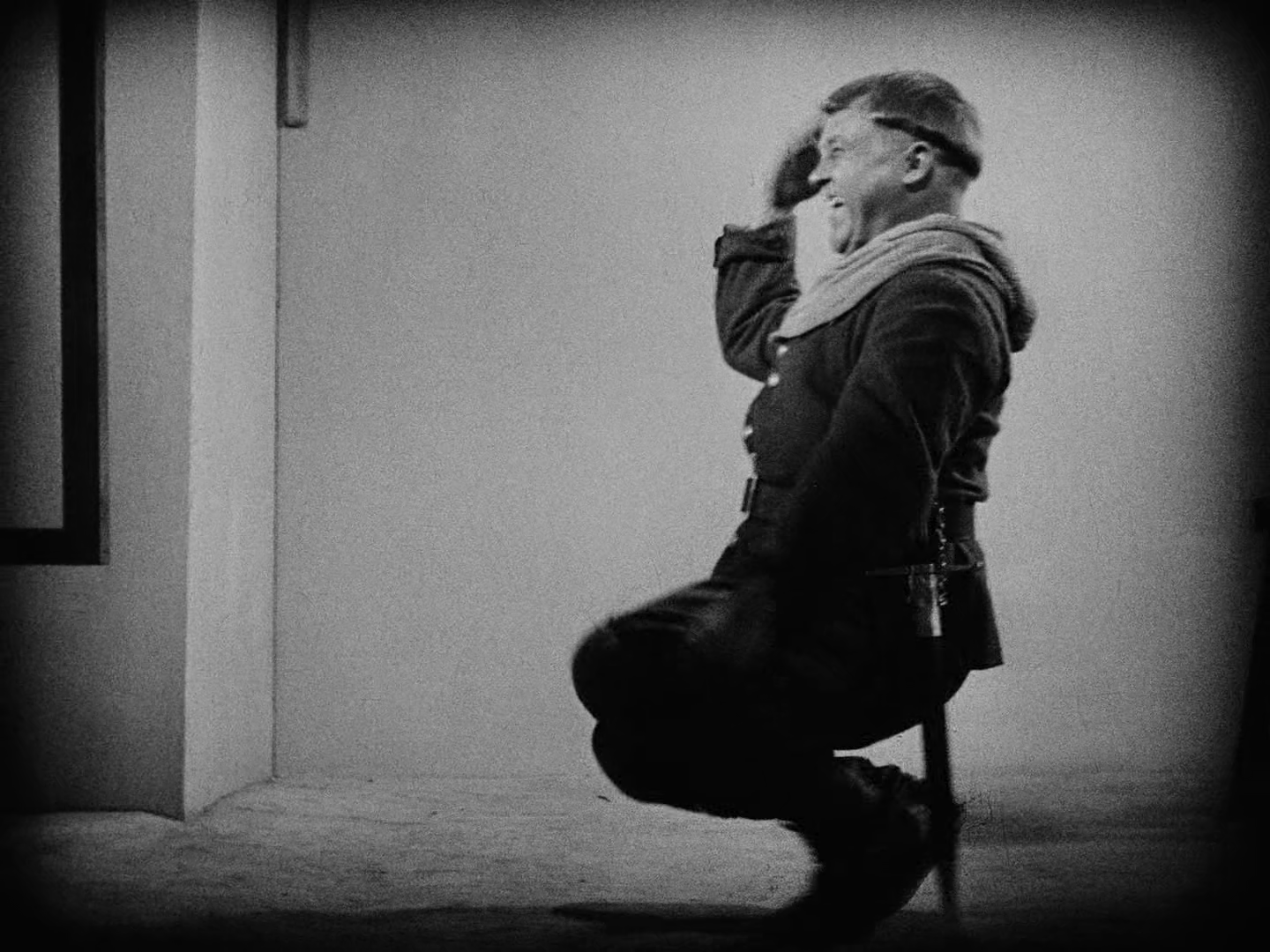
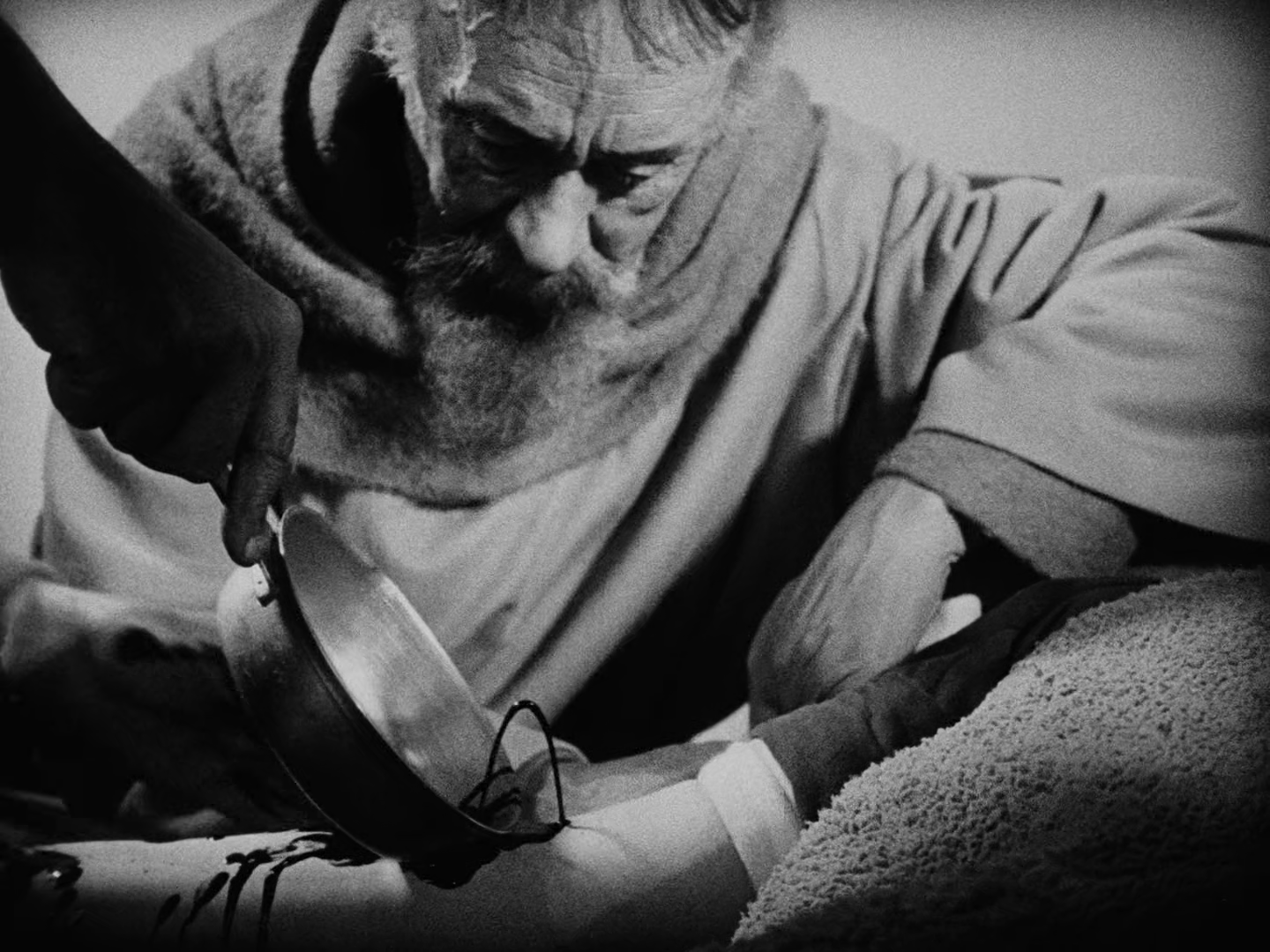
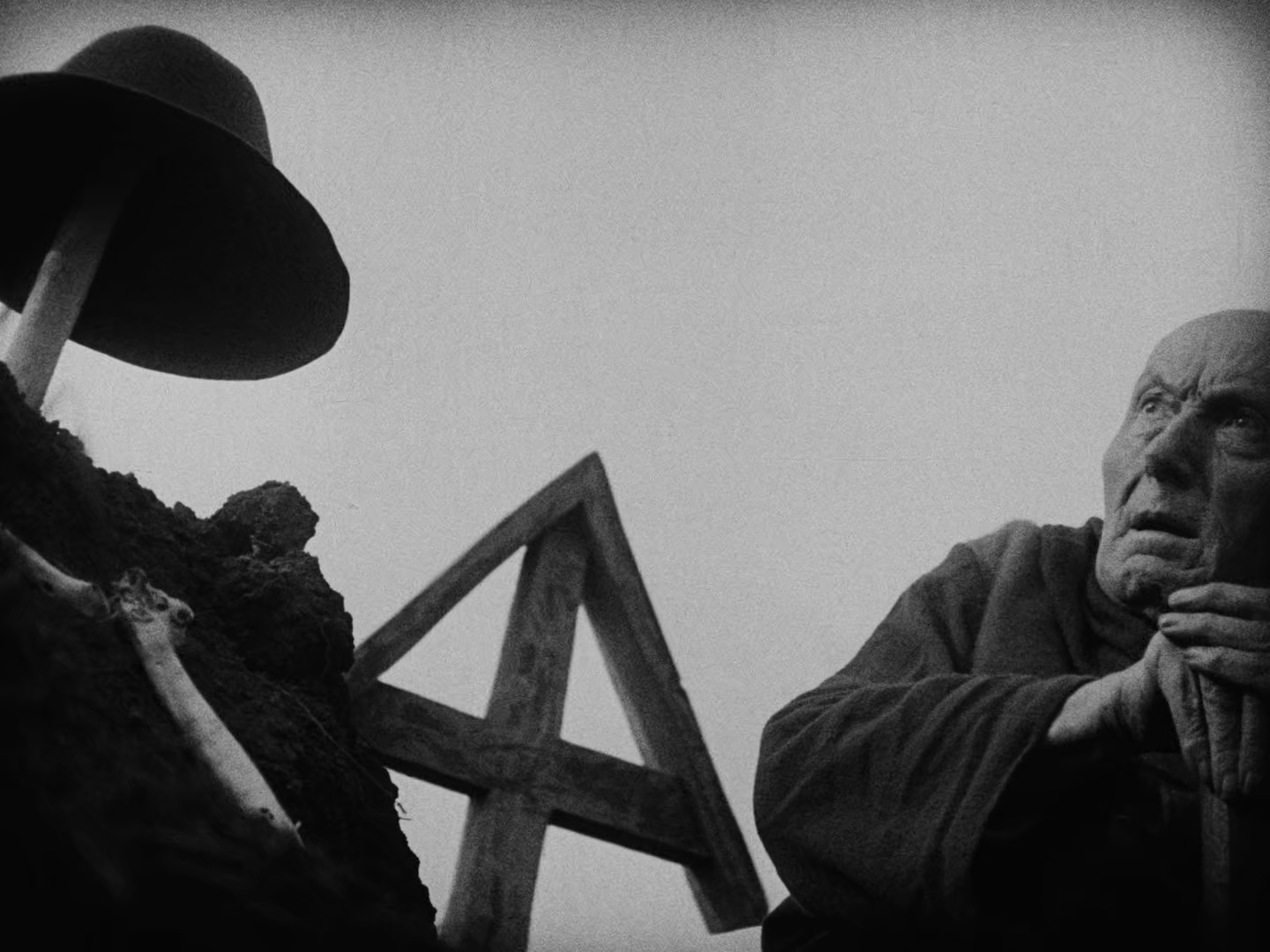
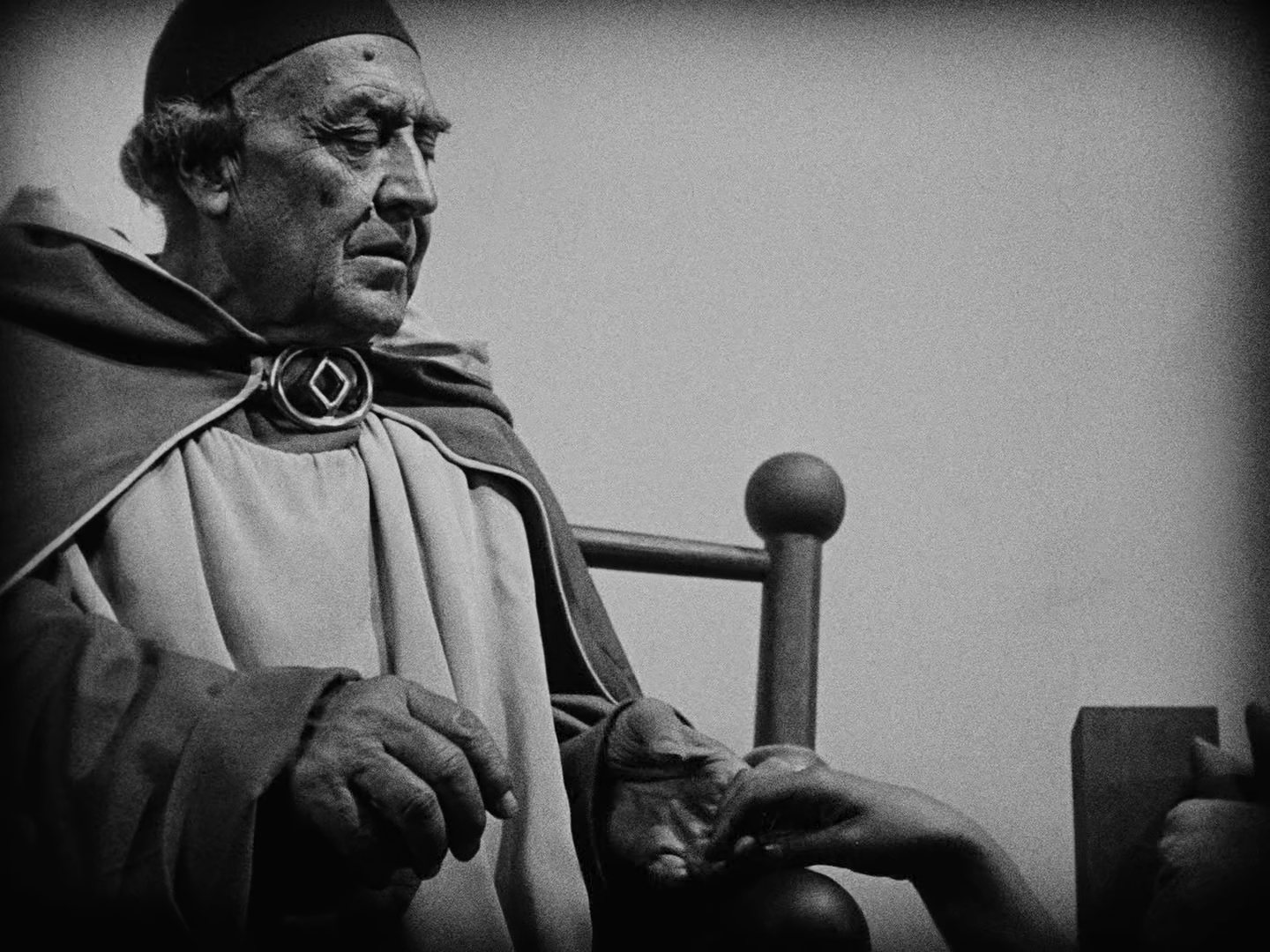
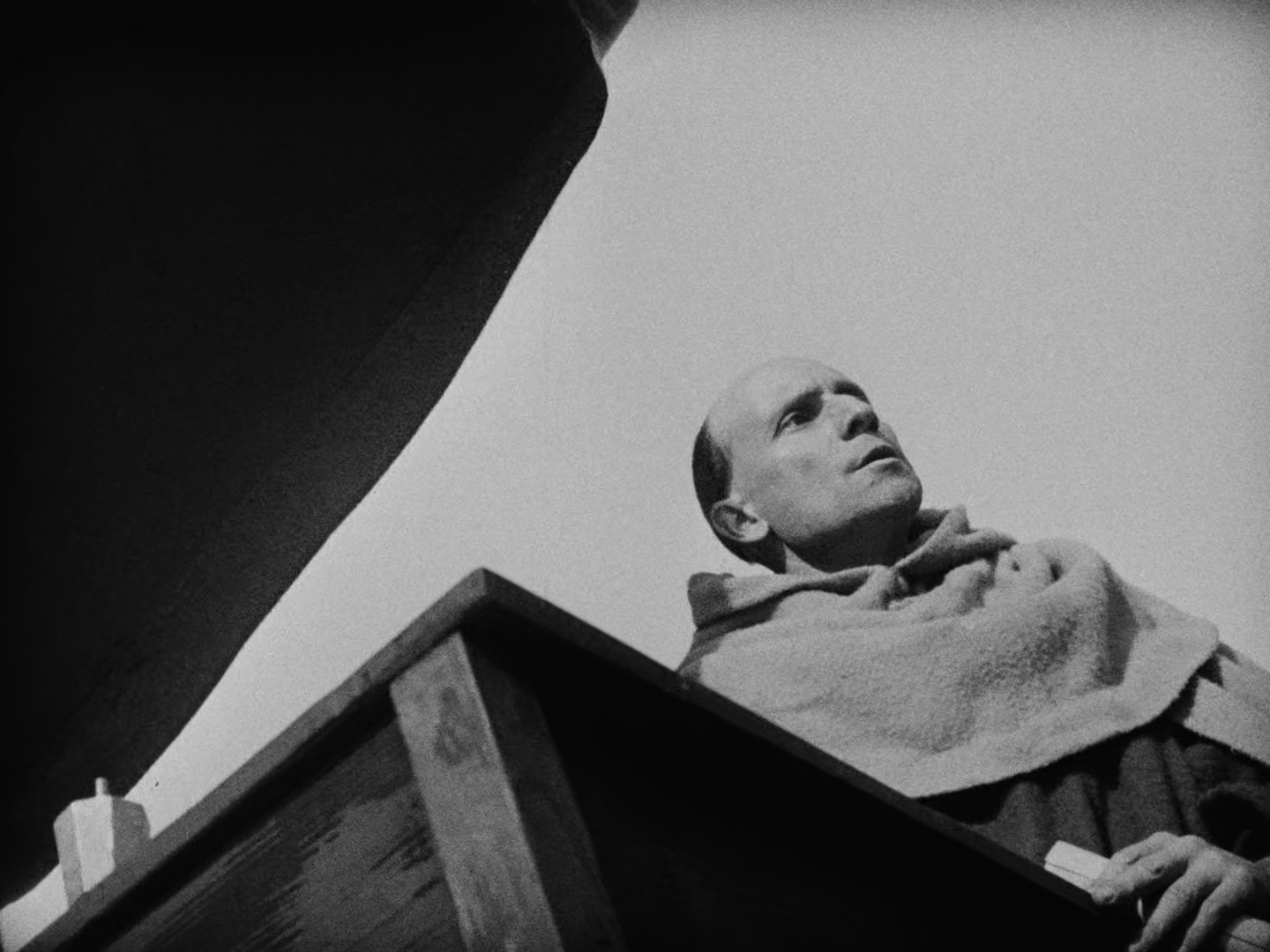
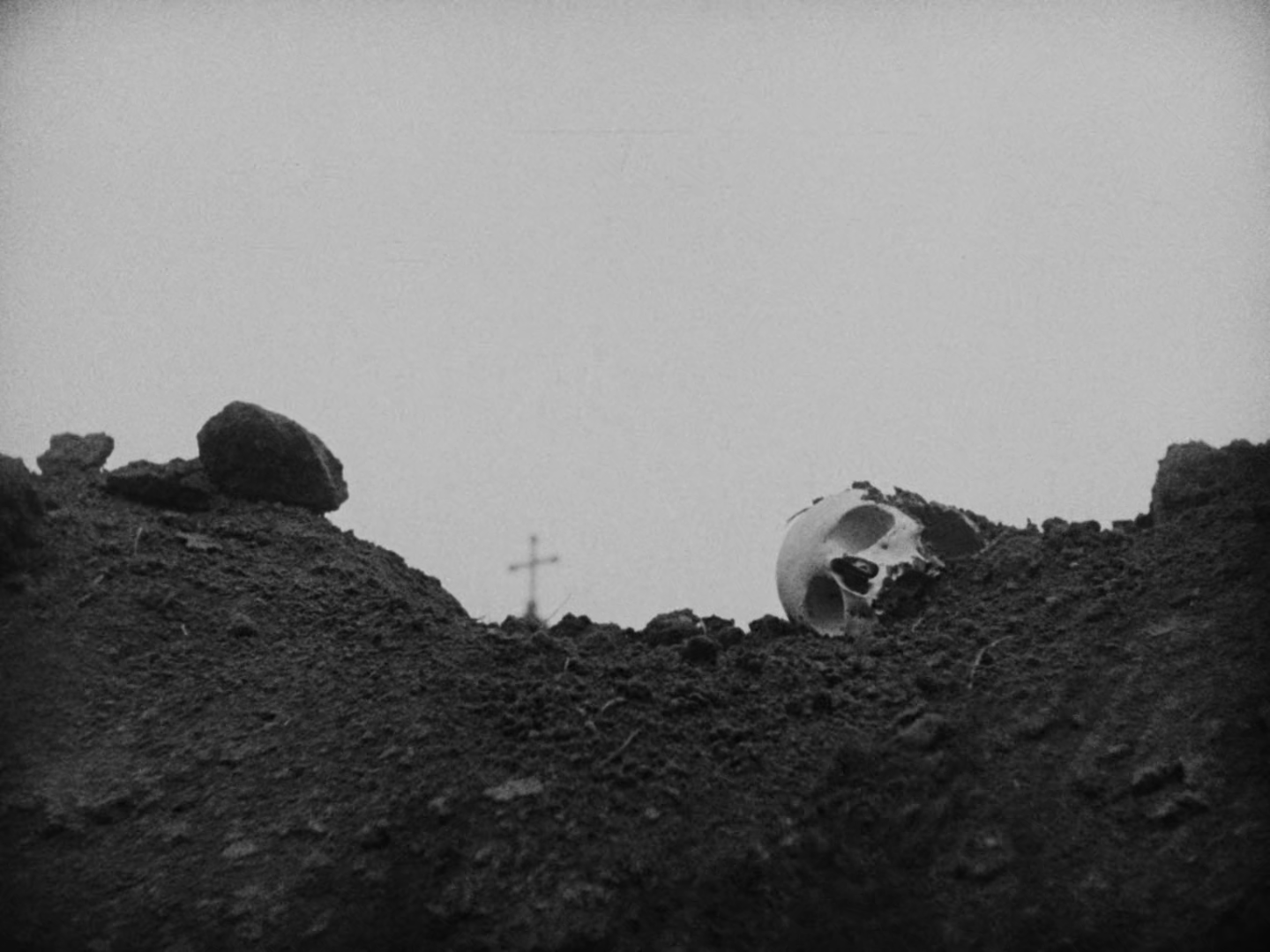
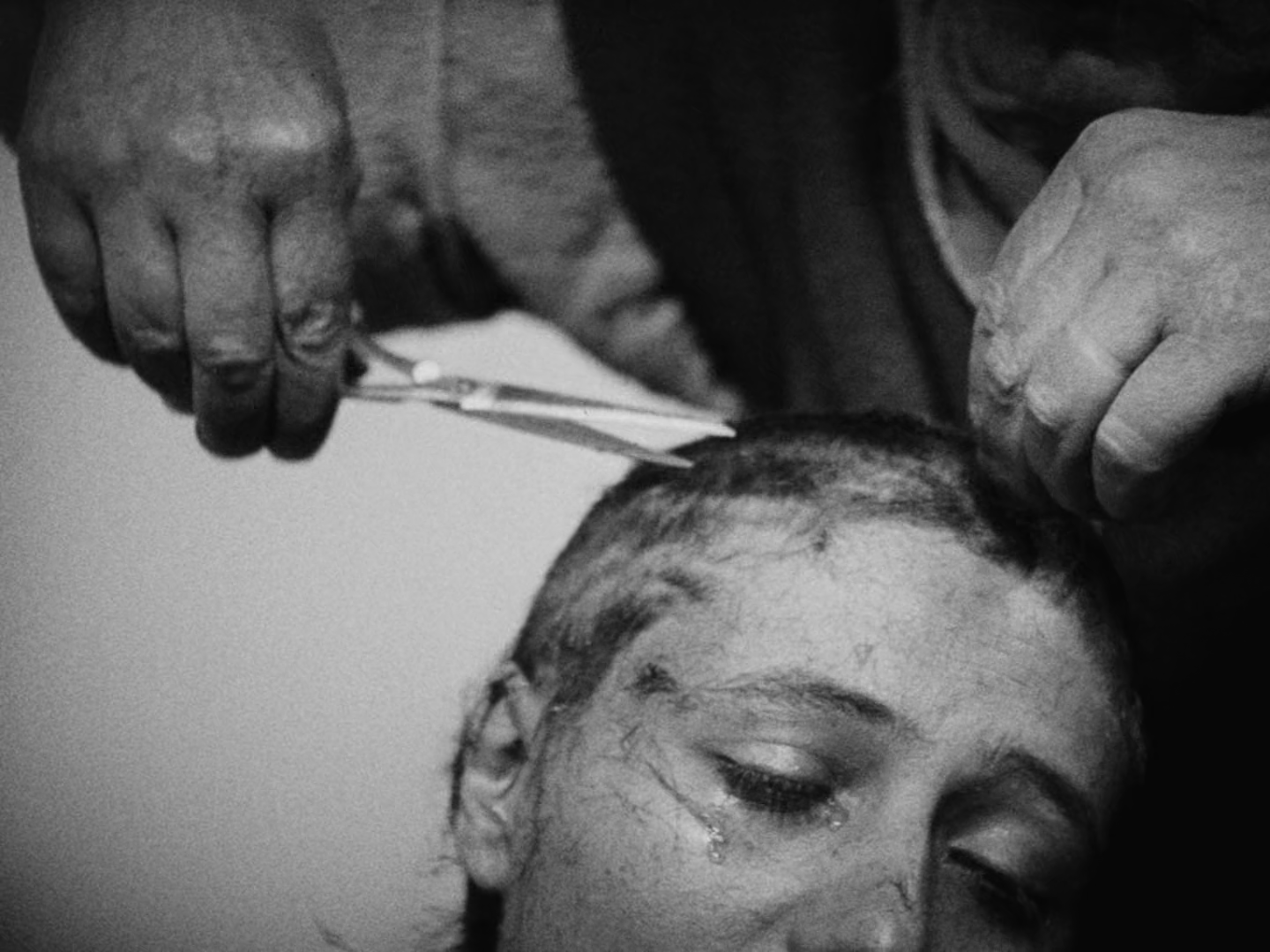
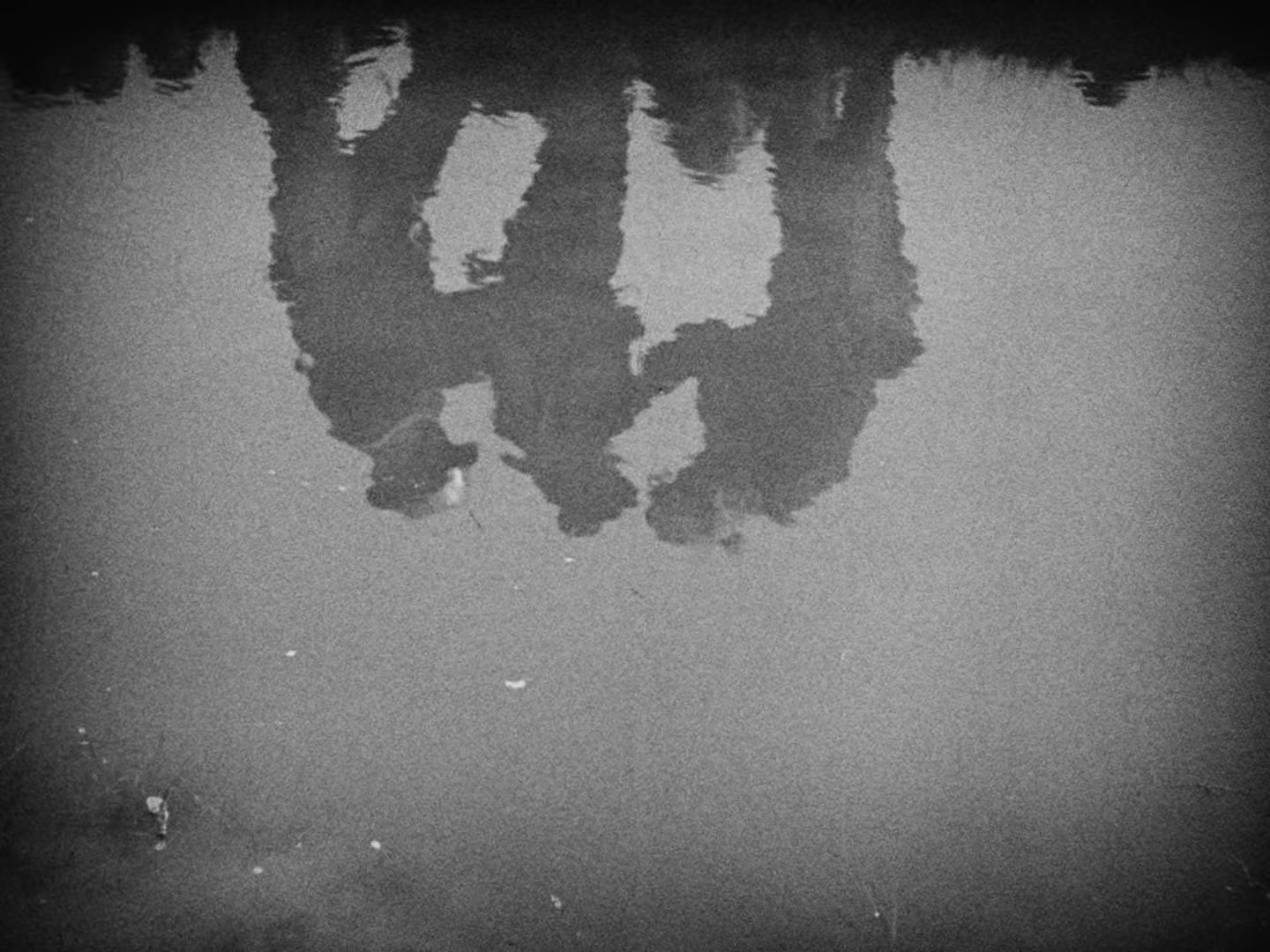
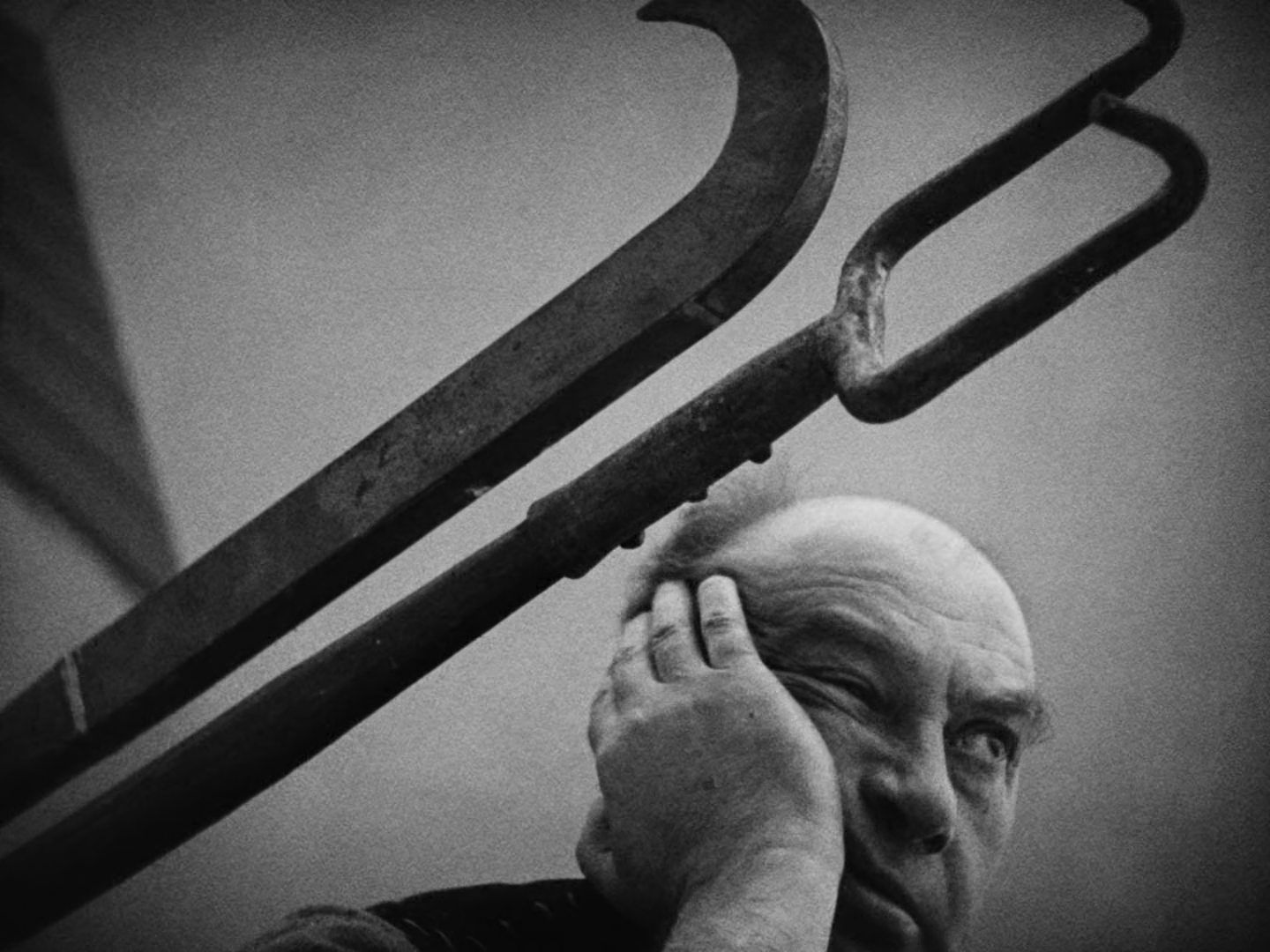
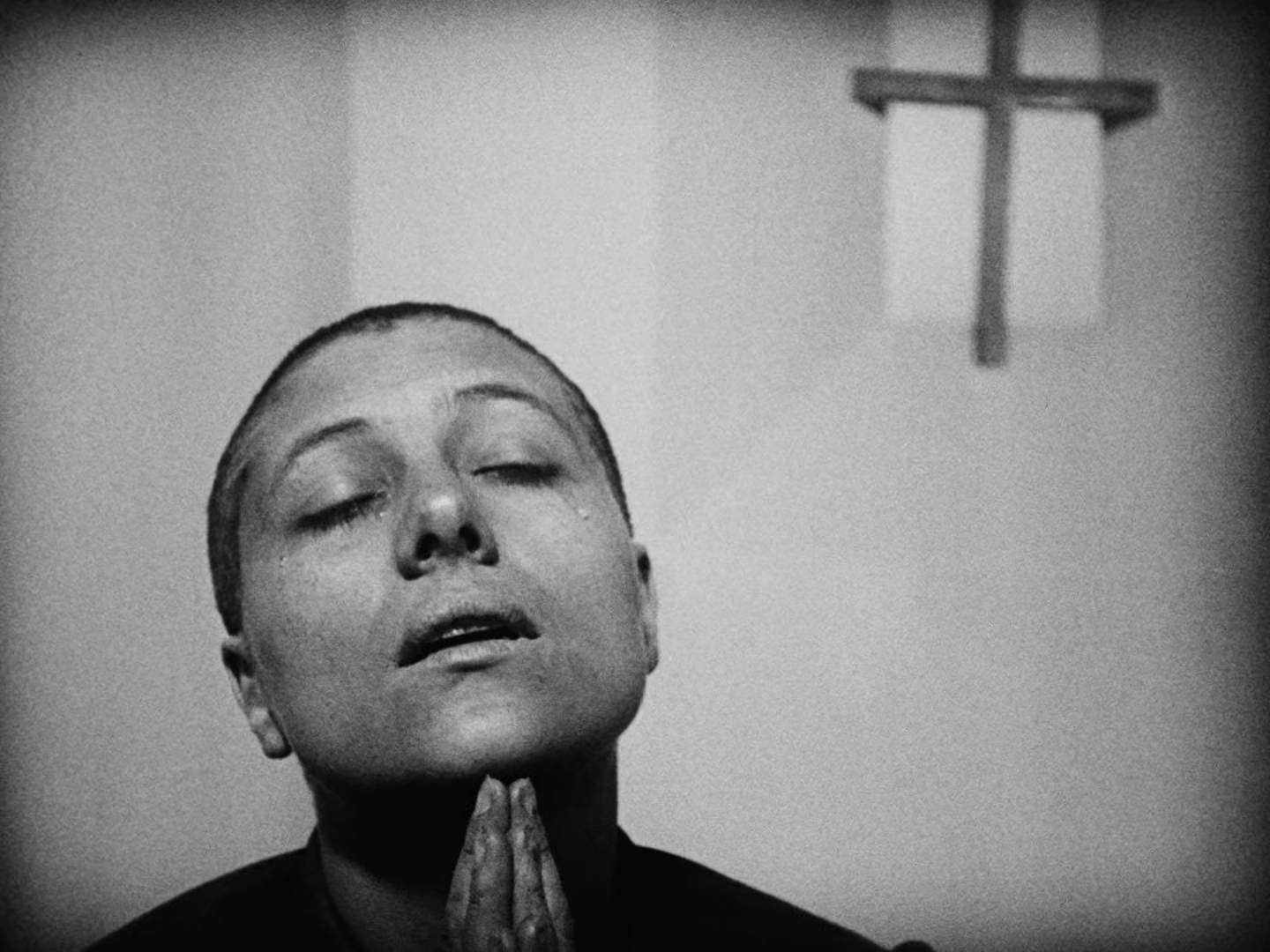
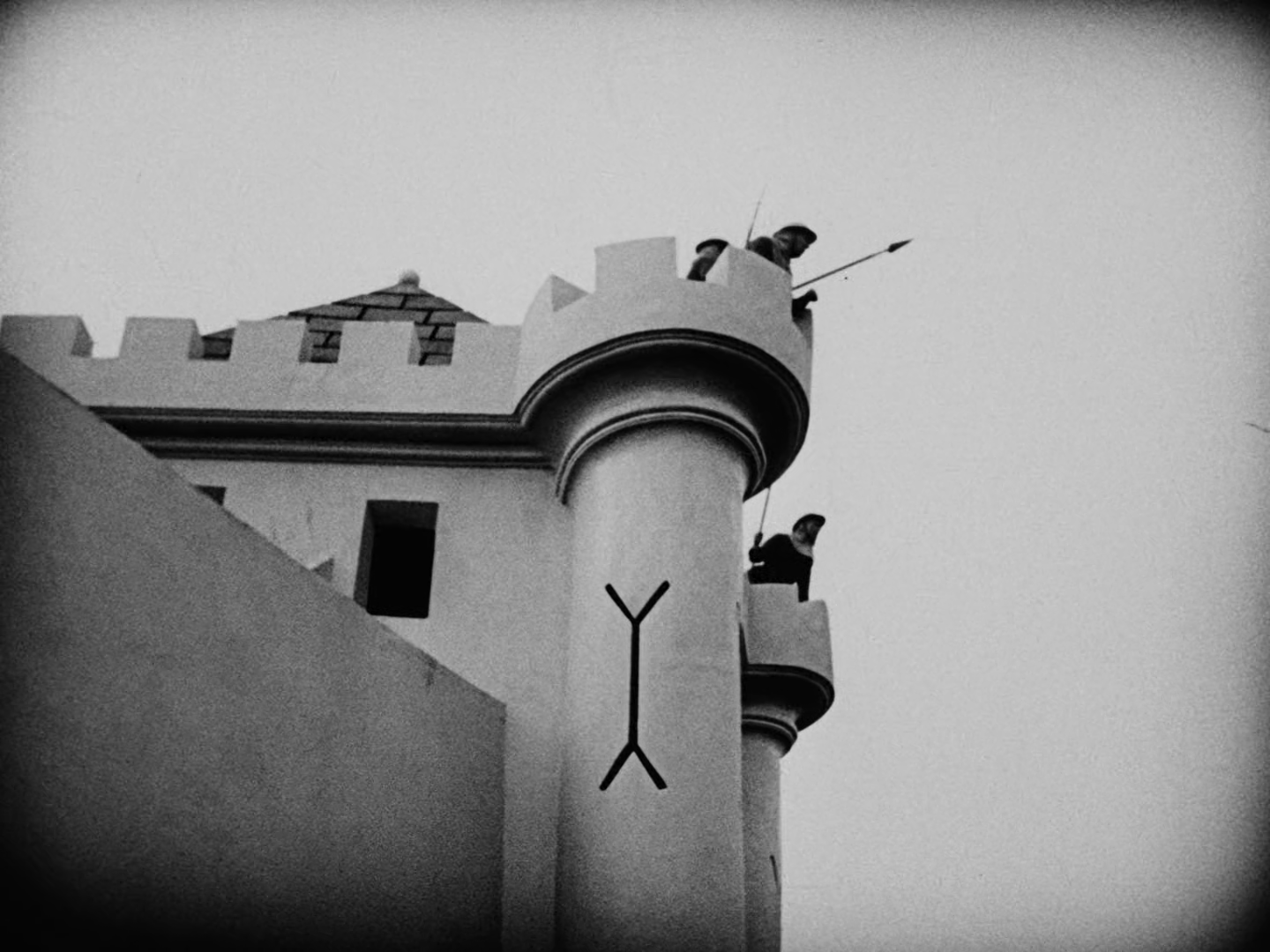
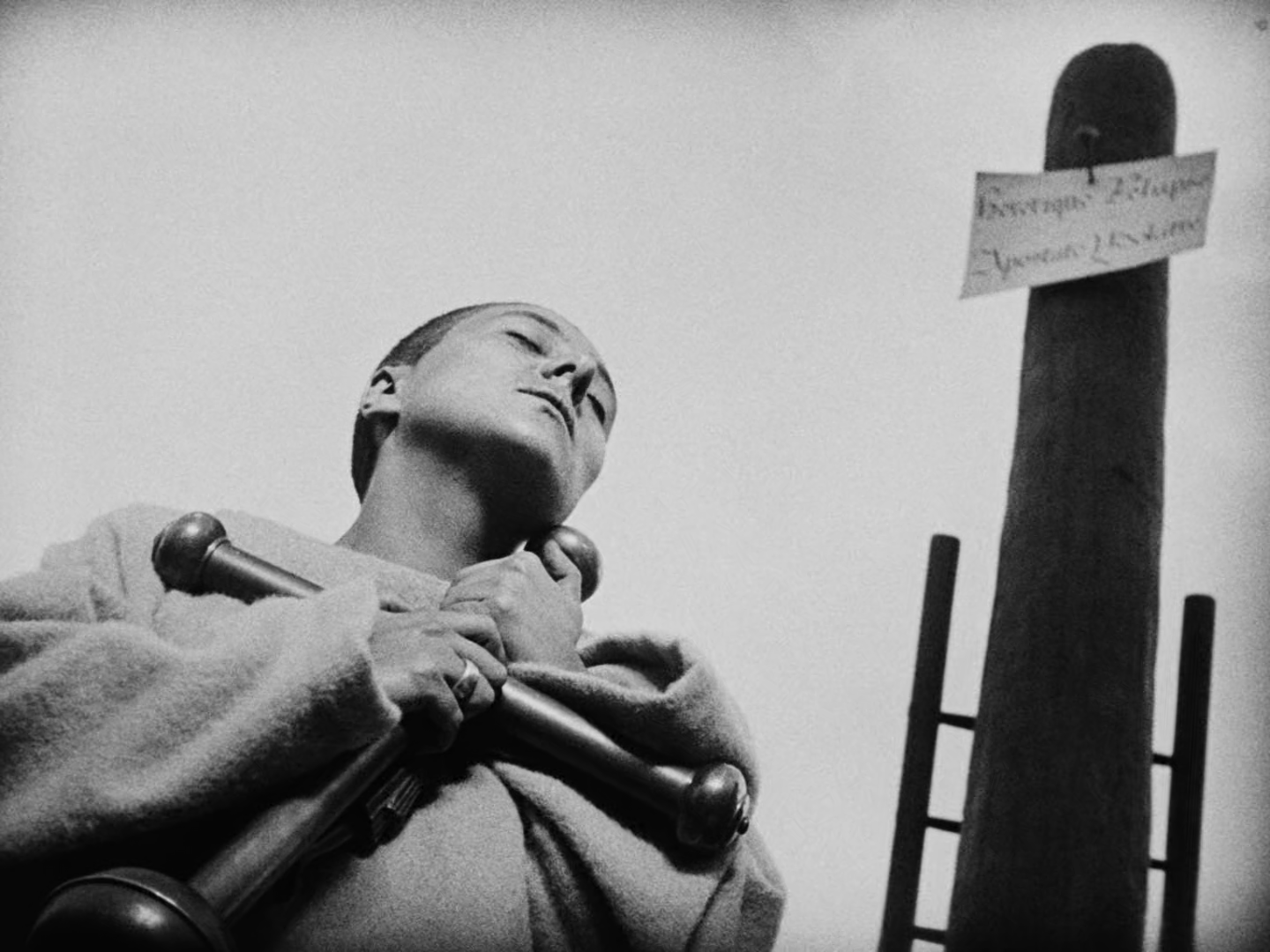
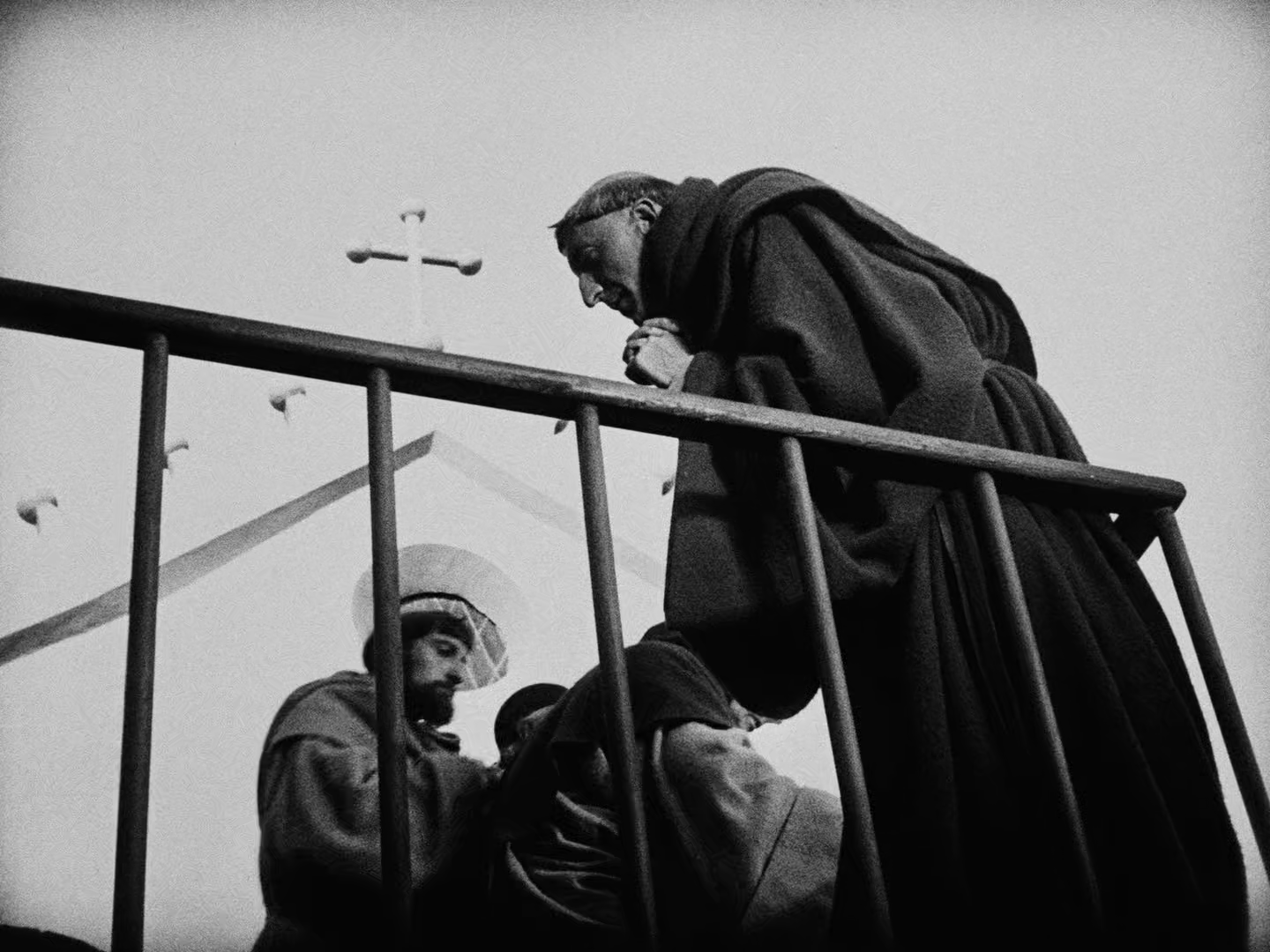
Films this old are silent, and they only make the list if they offer something extraordinary. Where films during this time period usually had about 500 scenes, Carl Theodore Dreyer used 1500 cuts. For younger audiences, this may be one of the easier watches due to the faster pacing and editing. The presentation implements an aggressive montage of close-ups to depict the claustrophobic mindset of Joan. But it’s not like the intensified continuity in modern pictures, the close-ups are thoughtfully suffocating through the use of vignetting, camera angles and corner framing. These extreme low to high angle shots take a boring close portrait and turn the face into a landscape, likely influencing Persona. The performance of the lead is also notable.
Conclusion:
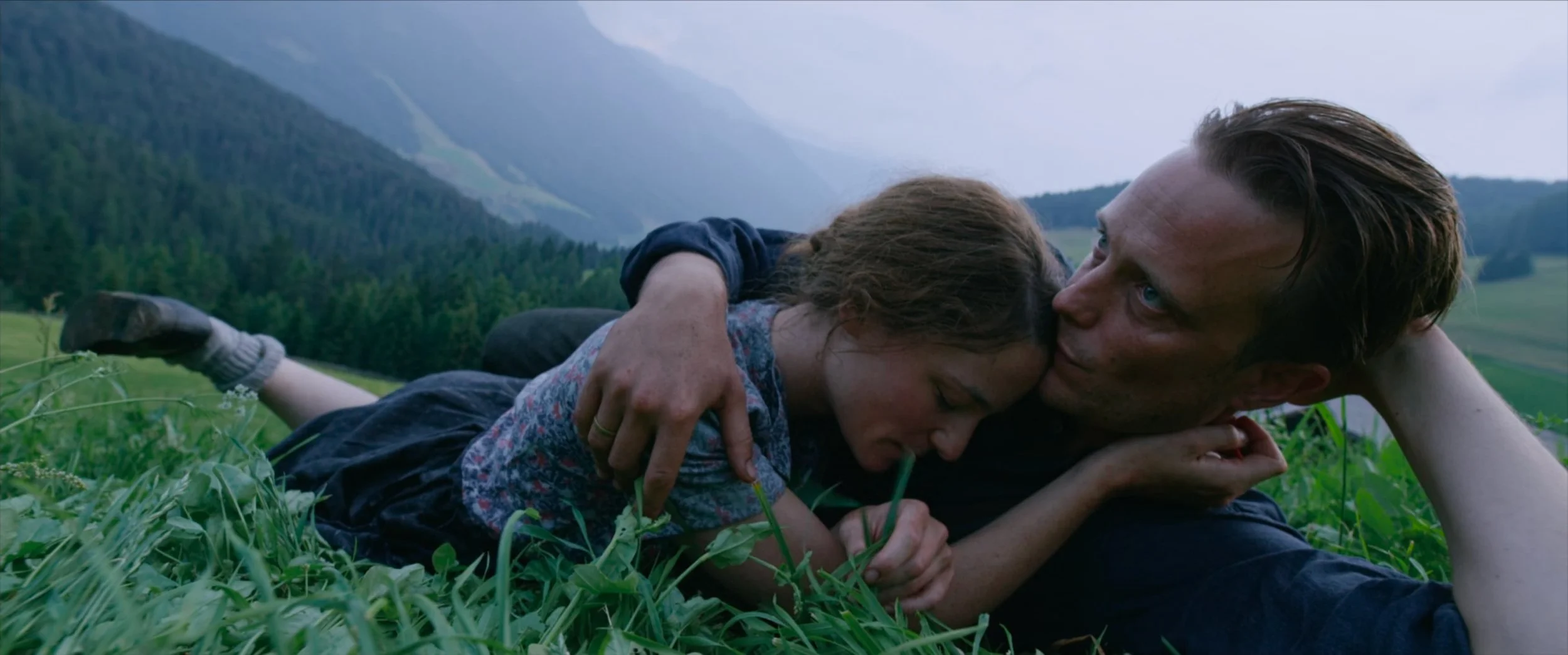
A personal account of suffering, this film retains a legacy for its evocative imagery. There are interesting shots that wouldn’t even be seen in 2026, and that may be enough reason for the contemporary cinephile to watch. But for casual viewers, this may just be extra credit cinema. Silence and A Hidden Life are other films to watch for psychological religious torment.
Recommendations

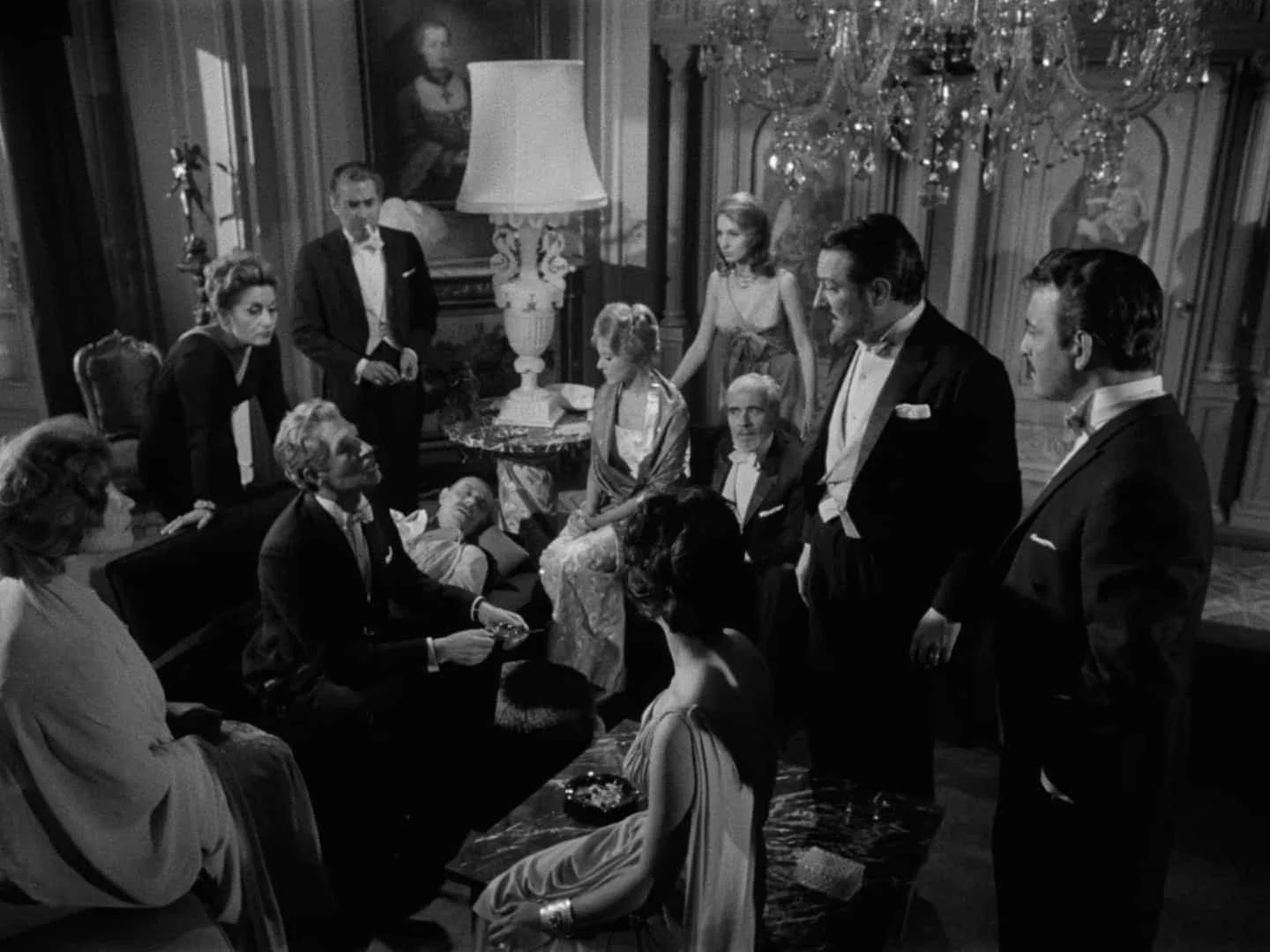

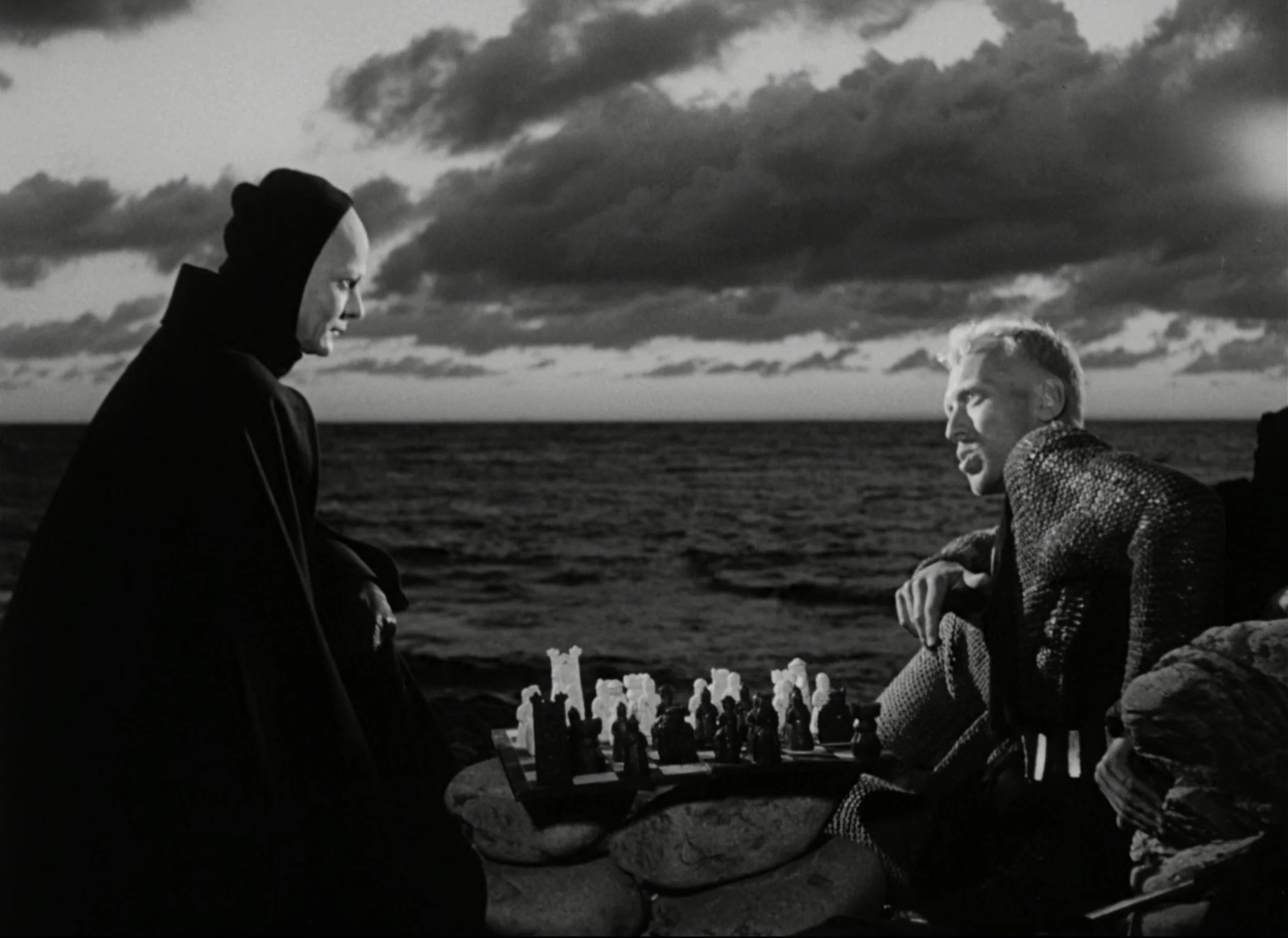



How did black and white ever fall out of fashion?