
Jules and Jim (1962)
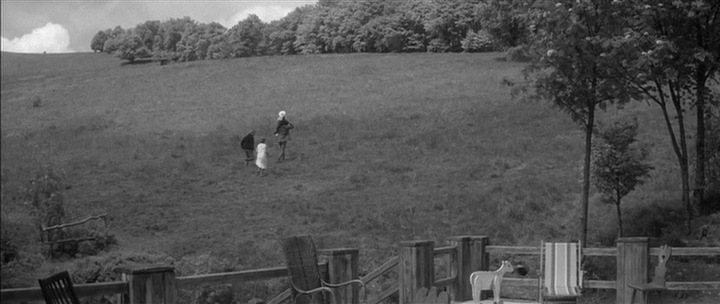
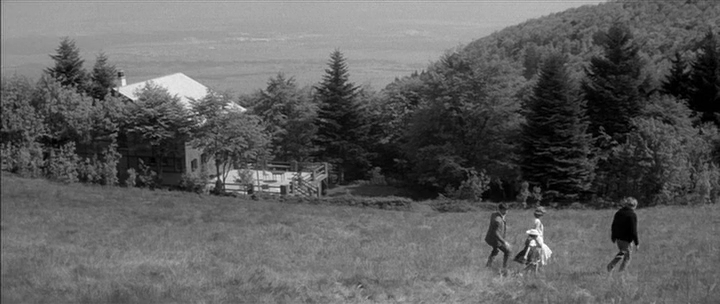
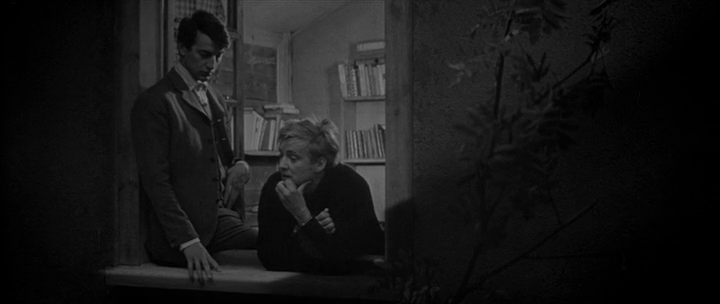
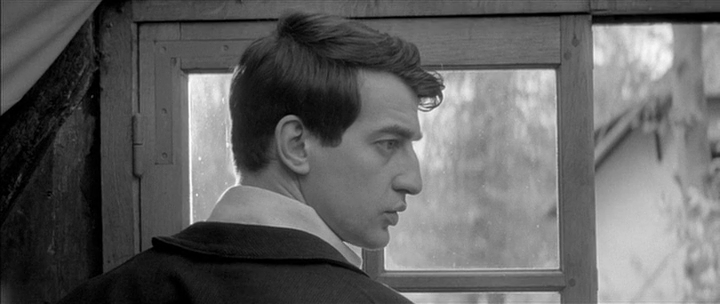
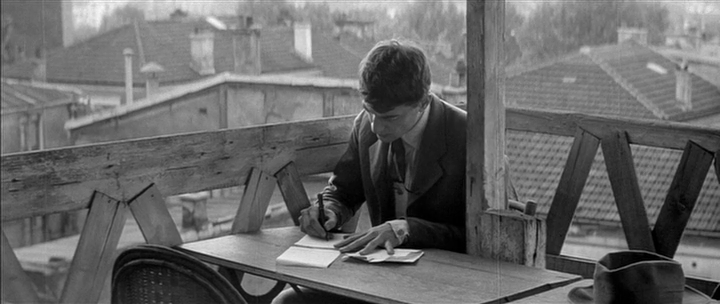
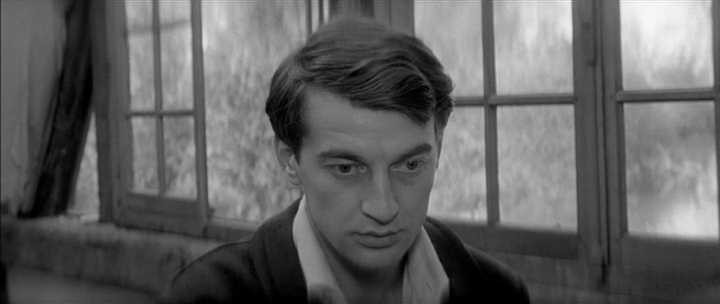
Threesomes never end well.
Presentation:
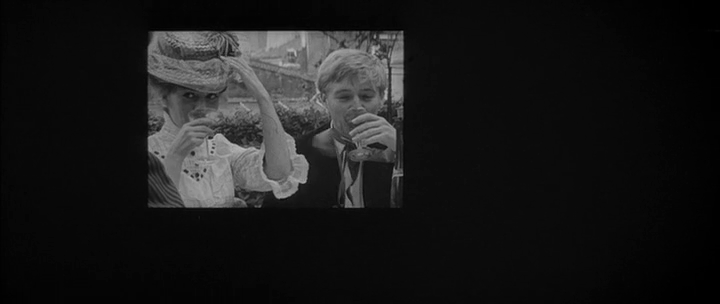
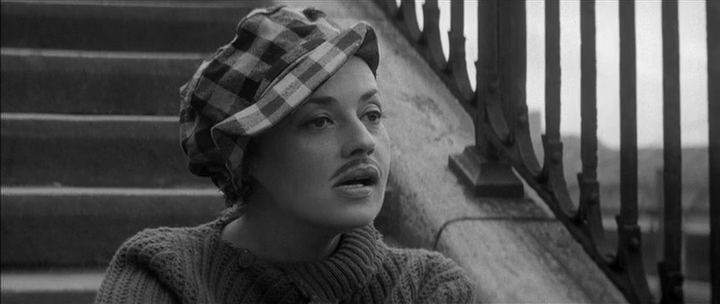
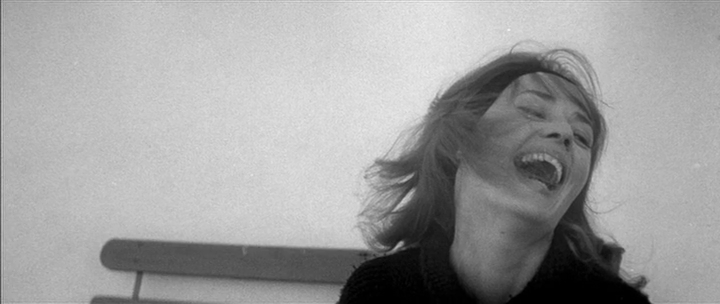
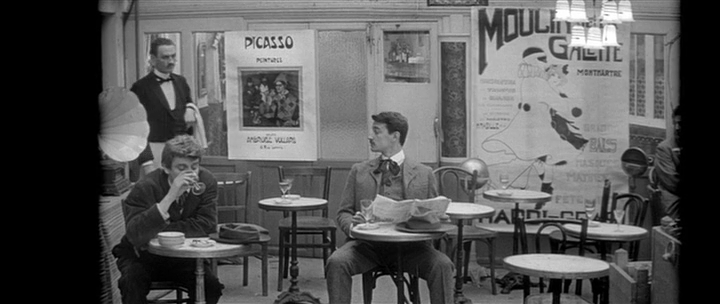
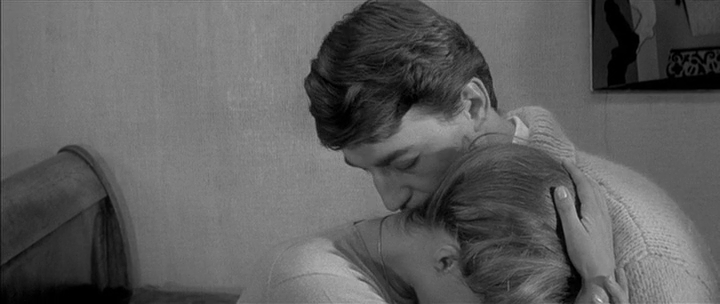
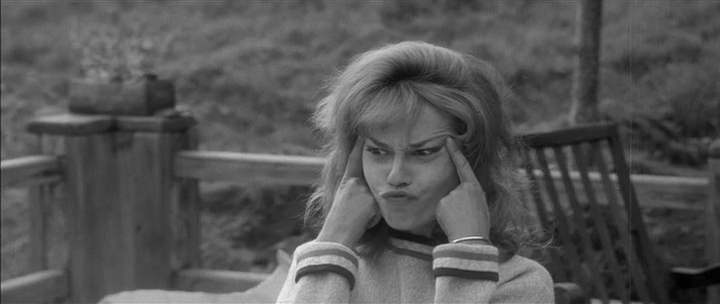
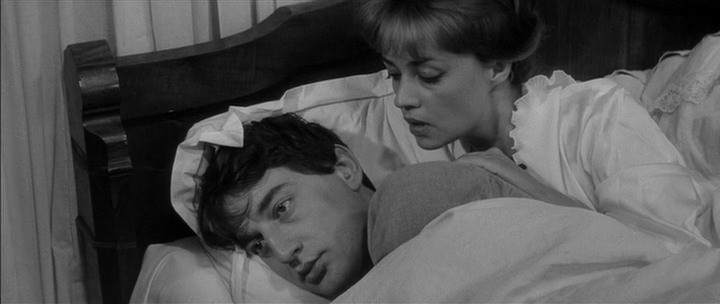
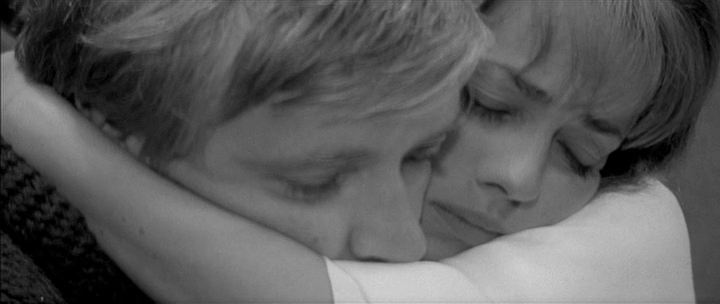
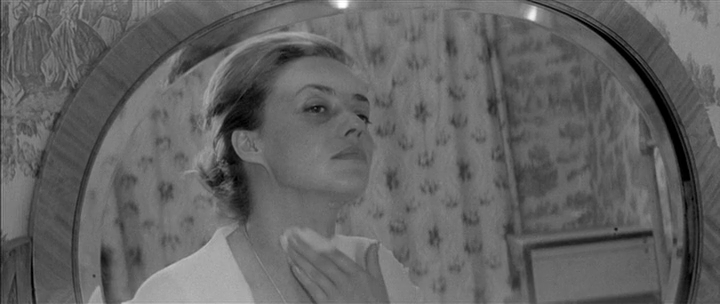
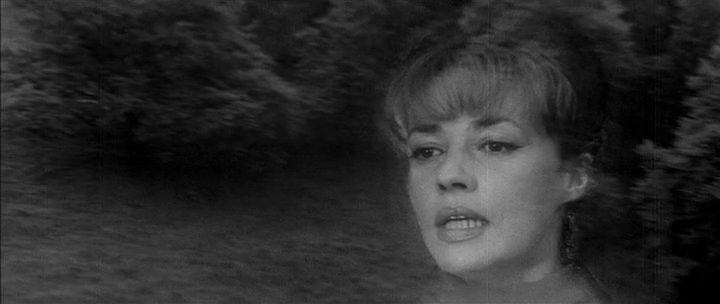
One of the more thoughtful voices of the French New Wave, Truffaut provides an eccentric but also serious film on the trials of loving a post-modernist woman. The title of this film is somewhat misleading (and perhaps on purpose) as the characters Jules and Jim are the name of the men. Catherine is not the focus of the love triangle, but she is the cause of all their problems. She is impressively polarizing and completely nails her role, regardless of how frustrating she is to watch. The editing is eccentric with dissolves and partially framed images, but still less quirky than Godard. However, it is significantly more substantial and certainly deserving of its cinephillic status. Unfortunately the interesting aspects of the plot only happen halfway through with the first half comprising of pointless banter and cinematic editing. It shouldn’t feel slow, but it was for me. The character’s aren’t likable nor charming since they are but puppets in a toxic threesome, with a focus on its underlying themes. The problem is modern audiences won’t see it this way, taking its story completely at face value and getting lost as a result.
Analysis:
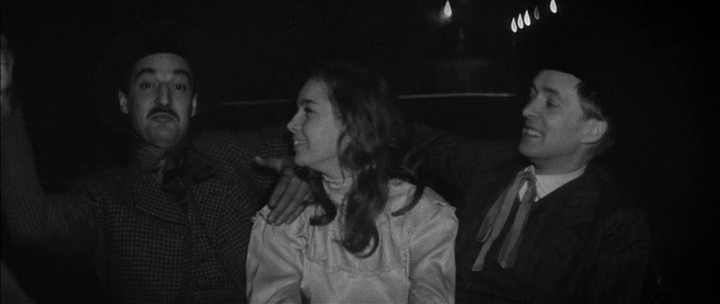
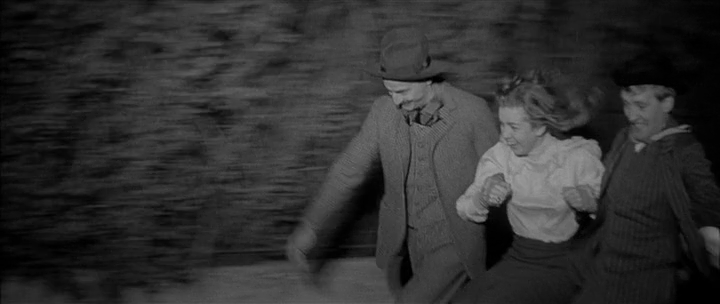
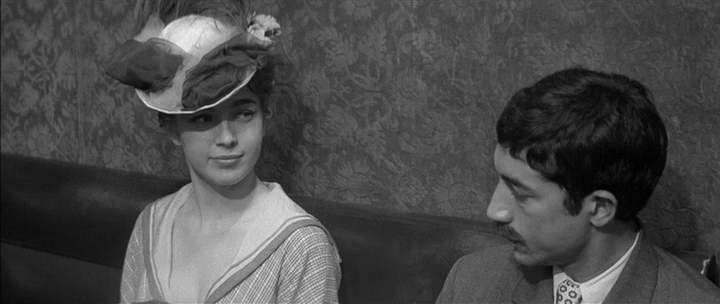
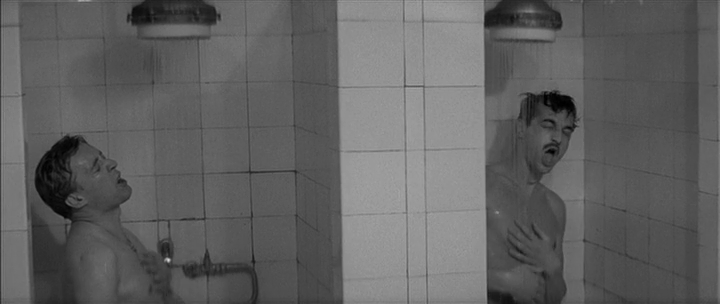
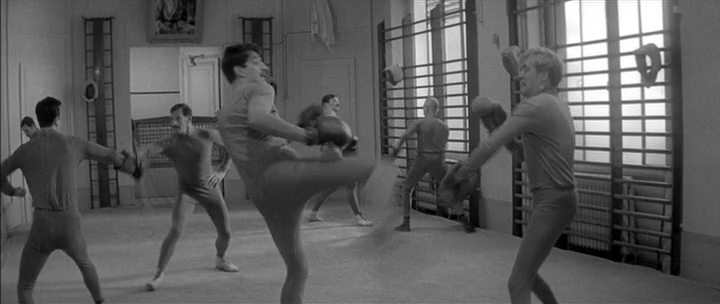
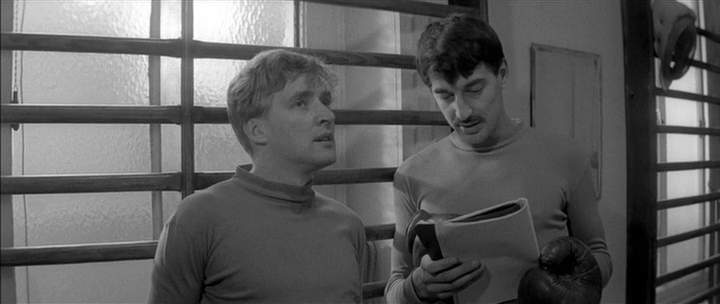
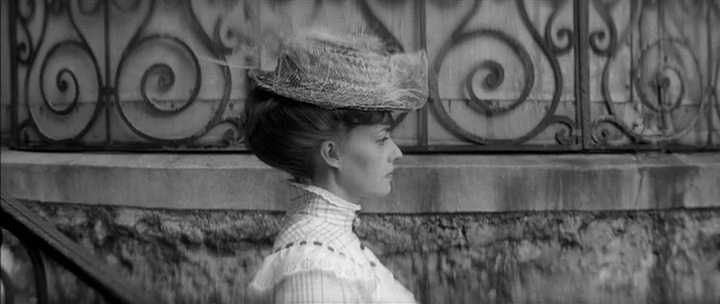
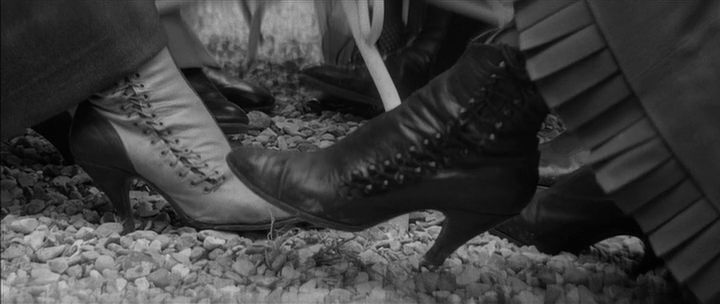
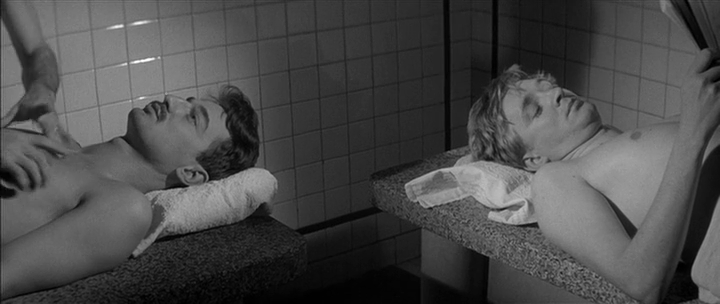
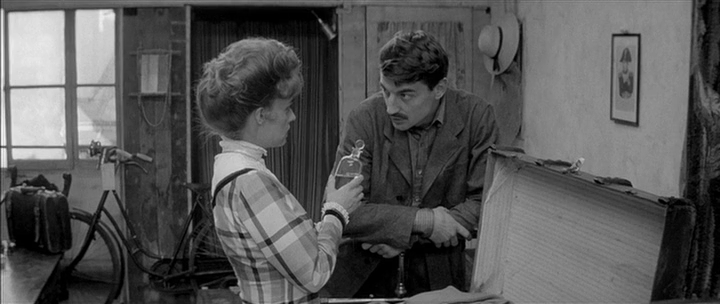
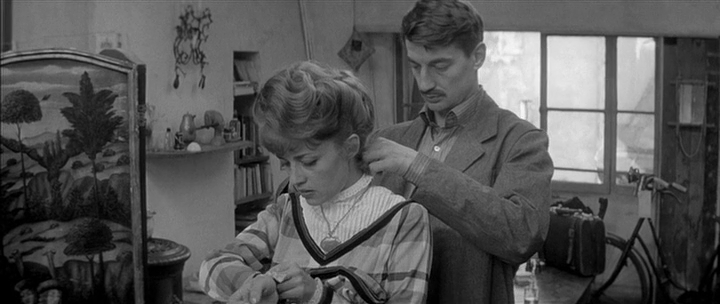
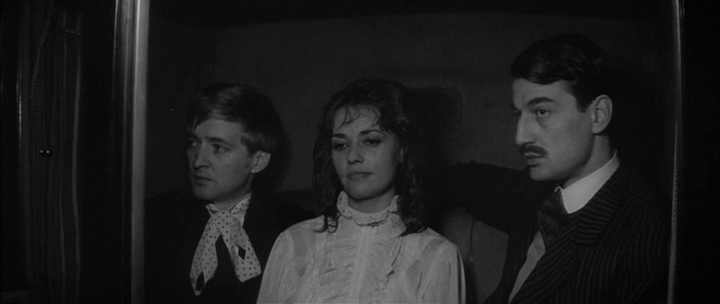
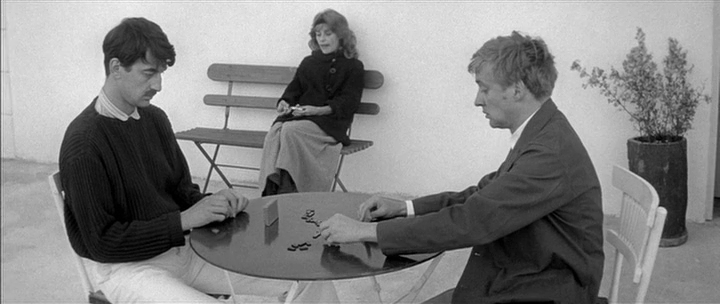
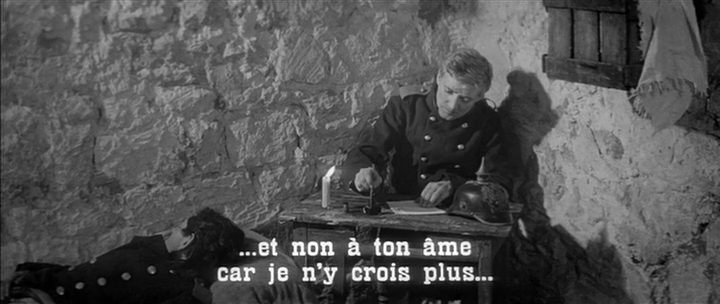
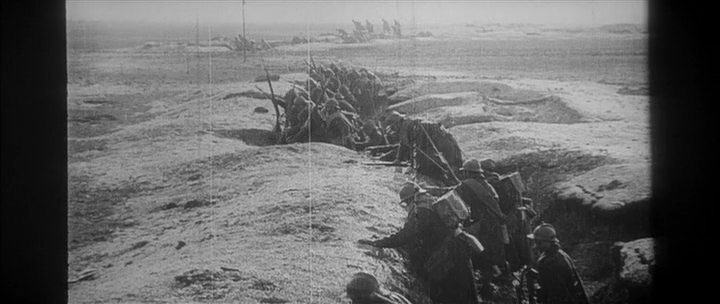
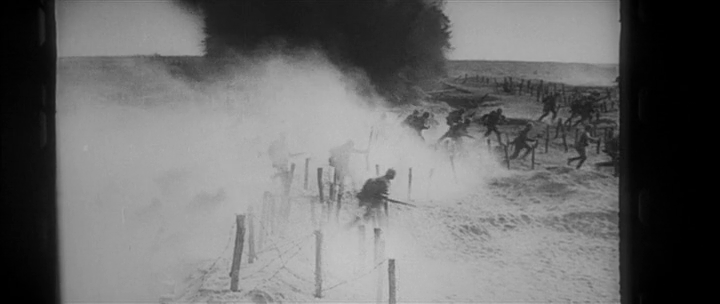
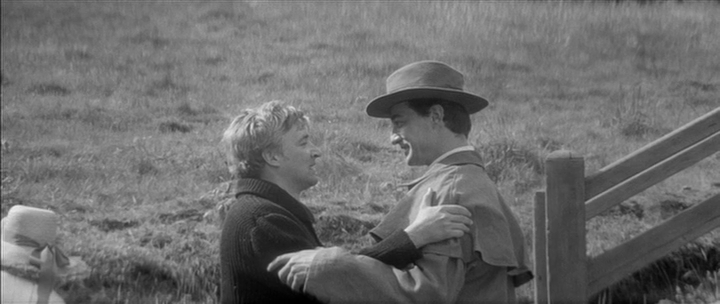
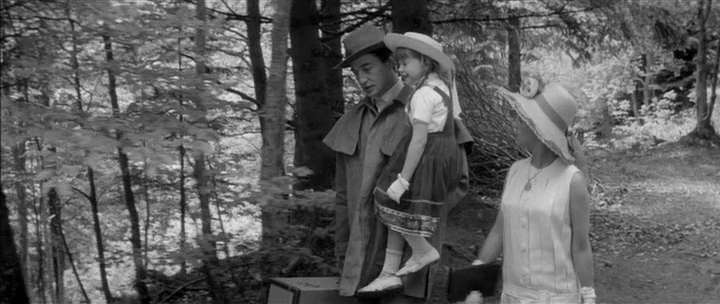
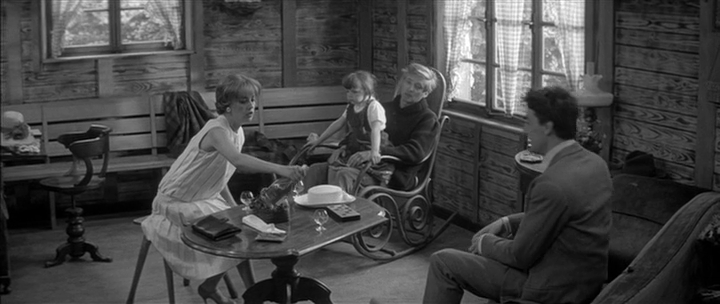
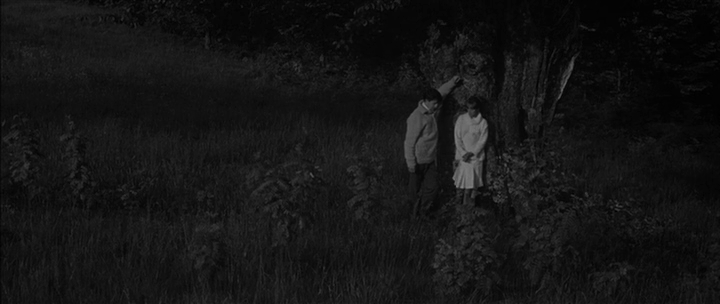
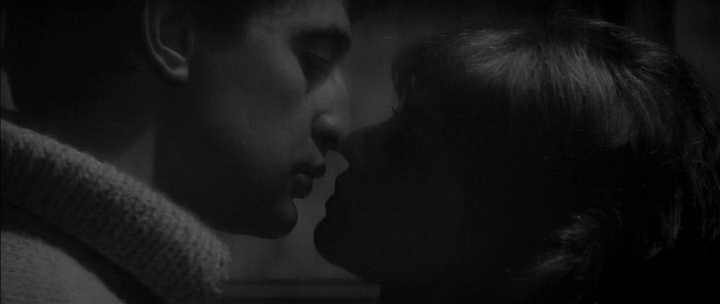
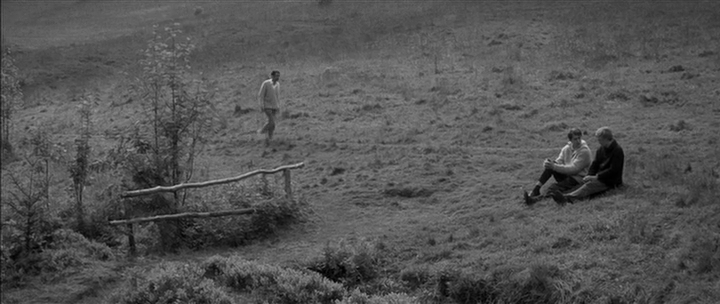
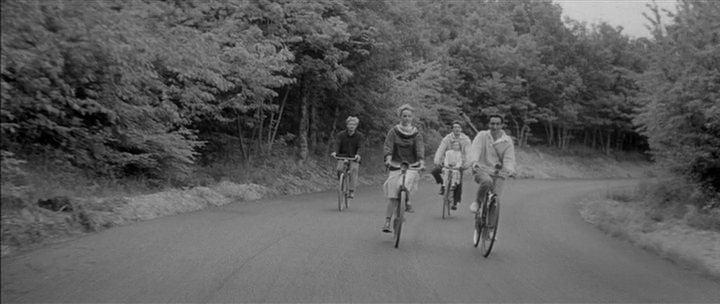
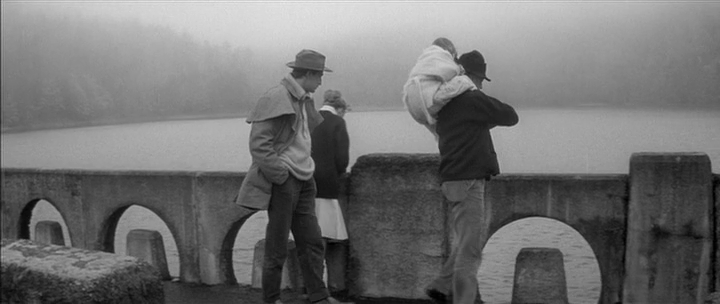
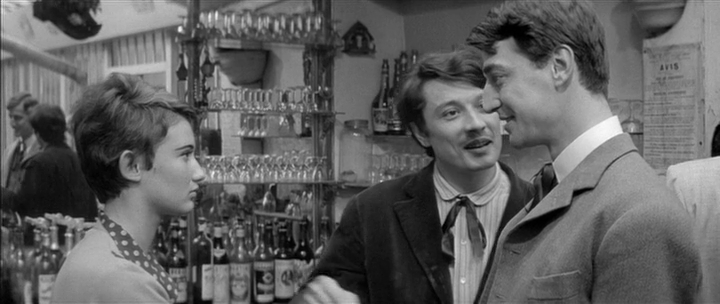
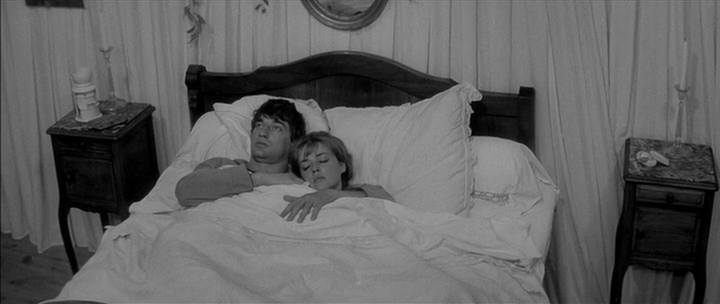
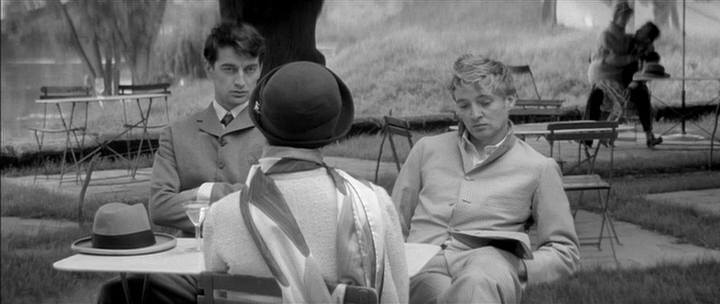
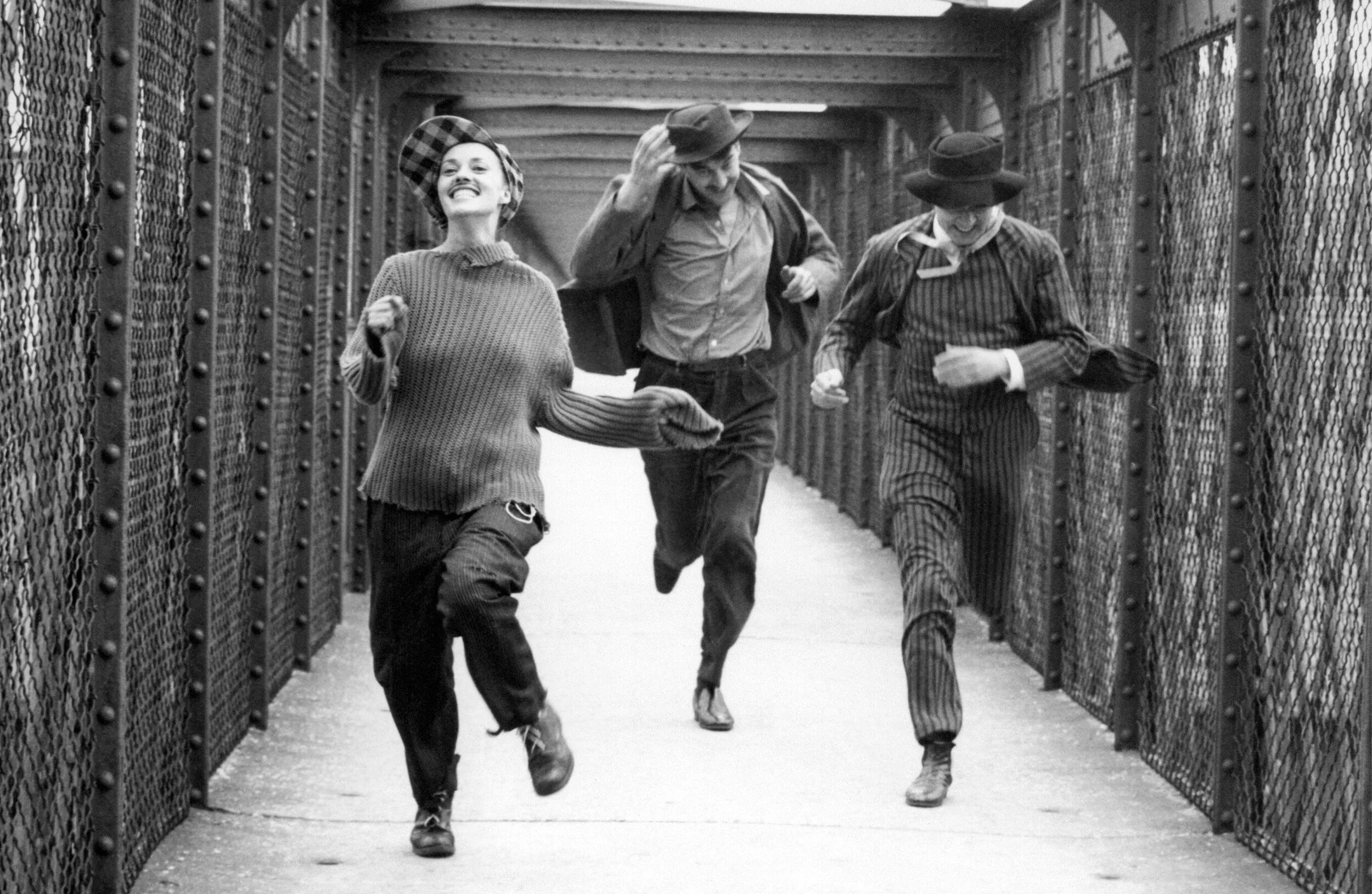
The themes in this film are worth delving into and ones that I’m personally interested in. The film is from the perspective of the two men, similar to the contemporary movie Challengers. Although the staging is dynamic and often shifting, Truffaut often frames females in between the men in order to emphasize the threesome and how women get in between the men. There’s also thematic value in the boxing, shower, and massage scenes in order to portray their bromance as well as competition for a sexual partner. They even have to go to war against each other, which I initially found rather random until I realized the thematic purpose of it. Once Catherine gets into the picture, she nearly destroys Jules and Jim’s friendship except for the fact that Jules is passive cuck and gives Jim his blessings to pursue his wife. This is not realistic, but rather the only way to make this drama possible and allow the film to address such a dysfunctional relationship.
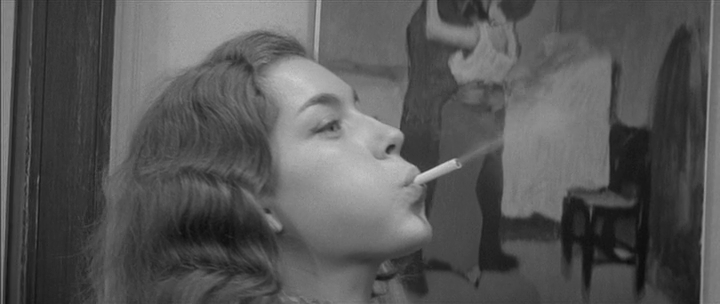
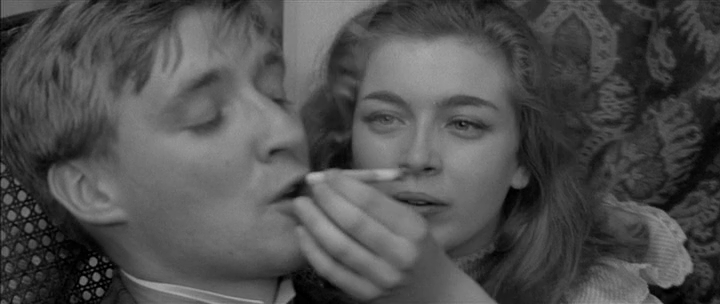
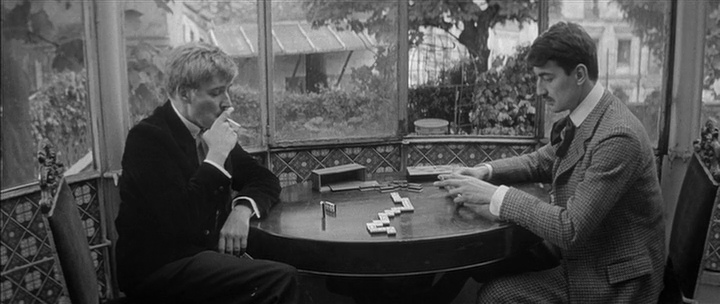
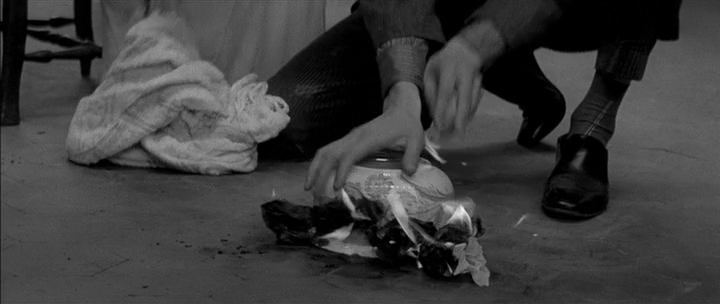
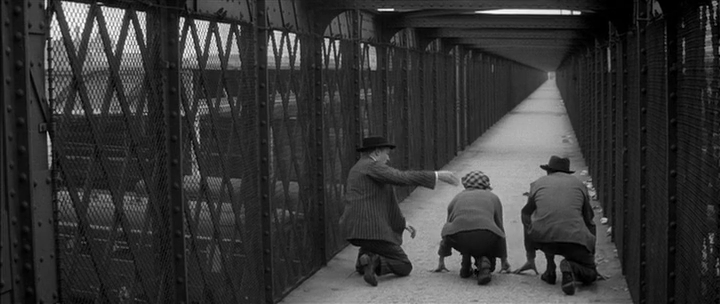
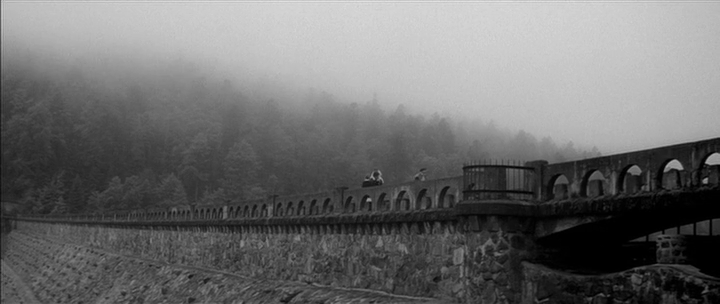
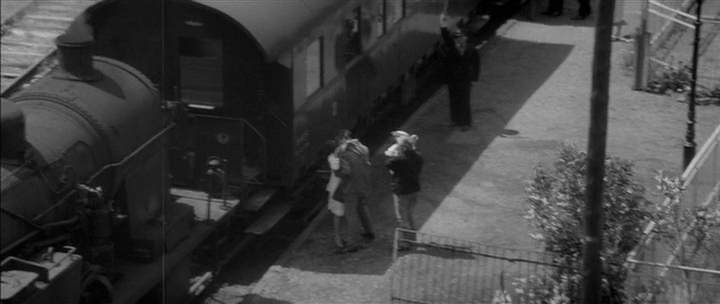
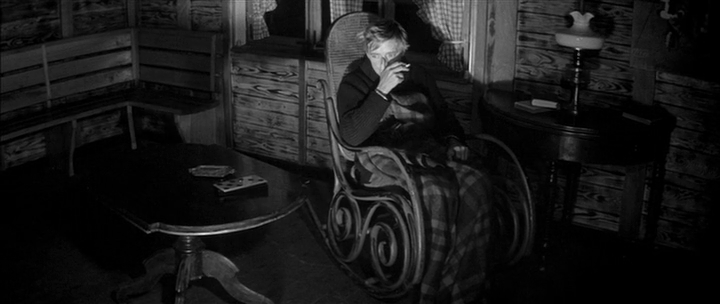
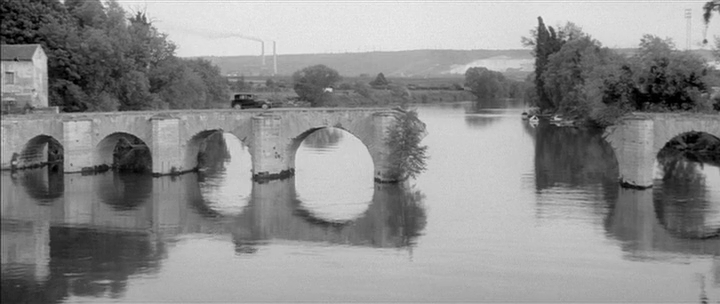
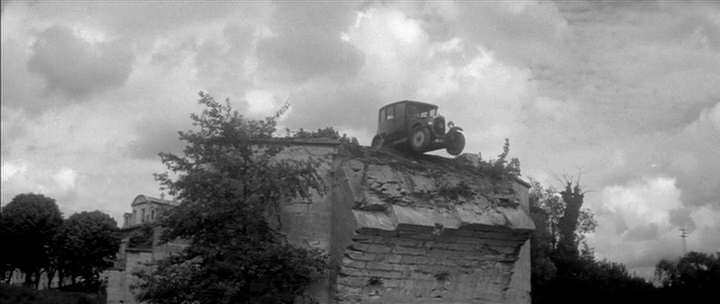
There are recurring motifs, such as cigarettes and dominoes. Jules doesn’t smoke cigarettes, which Theresa and most French smoke religiously like a “Choo Choo train”. They share cigarettes, which is similar to the sharing of women and he asks Catherine for a cigarette once he decides to share Catherine. The actual train and bridge also serve a connection, meeting and departing, where in the final scene Catherine drives off a broken bridge to officially sever everyone’s connection.
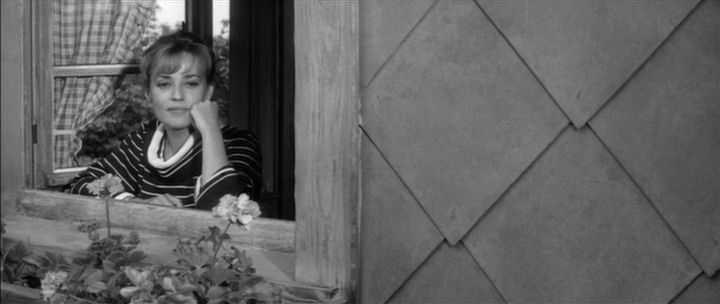
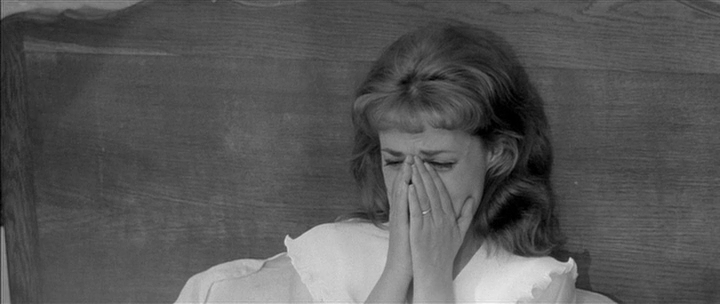
The primary question is, why is Catherine seemingly so psychotic? I believe she should feel familiar to today’s post-modernist women whom desire independence, sexual/spiritual exploration, and forgo traditional feminine roles. The way she’s represented is manipulative, destructive and selfish, but I only caught one line that reveals her motivations. It’s quite telling when she address their age gap and how men will abandon a woman once she reaches a certain age. This isn’t exactly false, and in a male chauvinist French society, it illuminates her own existential dread. Truffaut’s commentary is more observatory, because not even women really understand what goes in their mind. Women are complex and regardless of how unreasonable or emotional they may get at times, to men they are complete mysteries. I believe this film is essentially an admittance that men will never truly understand how a woman’s mind works. This is why Truffaut never actually explains why she acts the way she does. She leaves us in the dark, like how most men feel in a relationship.
Conclusion:
I think it was a great choice to present this film from the male perspective. This is a film about the mysteries of women from the point of view of men, which is perfectly apt in order to represent male cluelessness. French culture is quite chauvinistic and I couldn’t help but feel there were many nods berating feminism ideals. Maybe because I’m familiar with French personalities, I feel like their expressiveness will be confused with male chauvinism, and perhaps it actually is. But it’s equally likely that I didn’t fully grasp the big picture. In any case, Jules and Jim is a significant moment in cinema for men to begin contemplating what really goes on in a woman’s mind.
Recommendations









Gasper Noé climaxed a long time ago.