
Leviathan (2014)
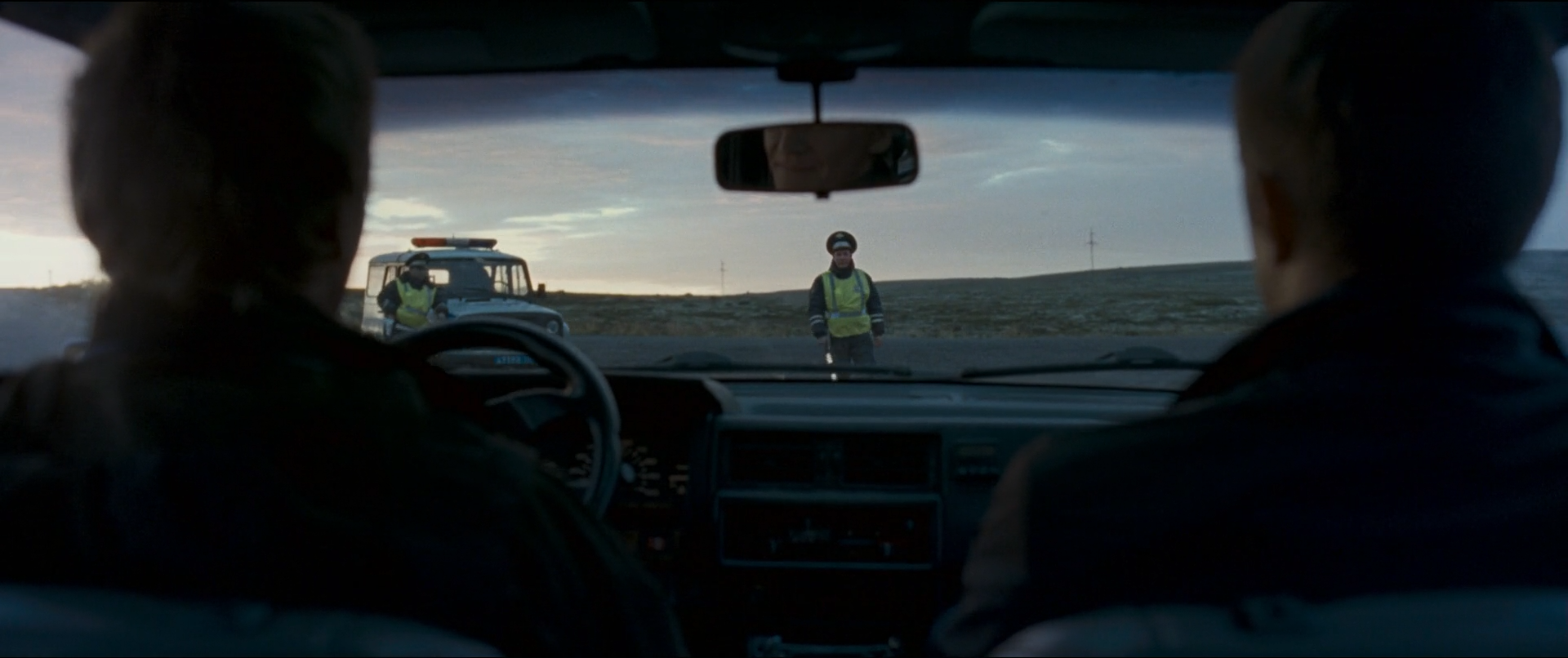
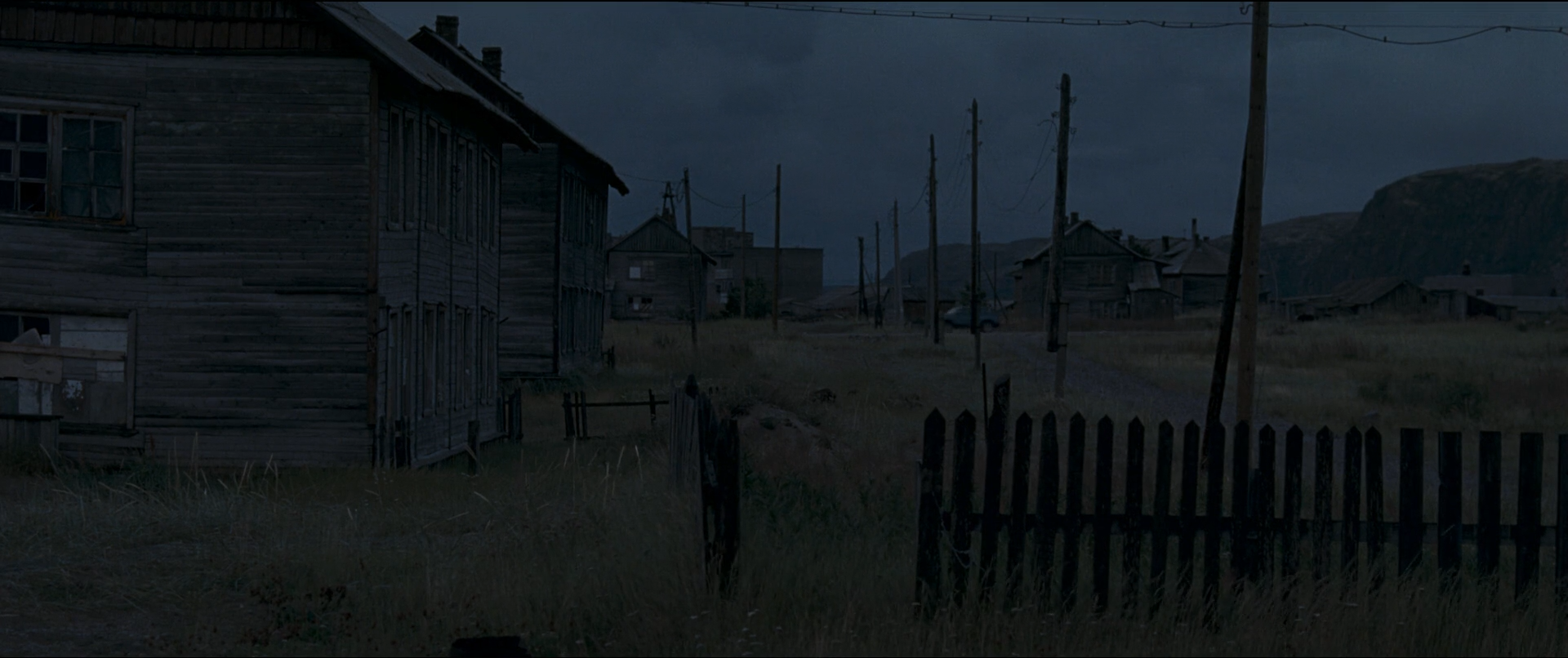
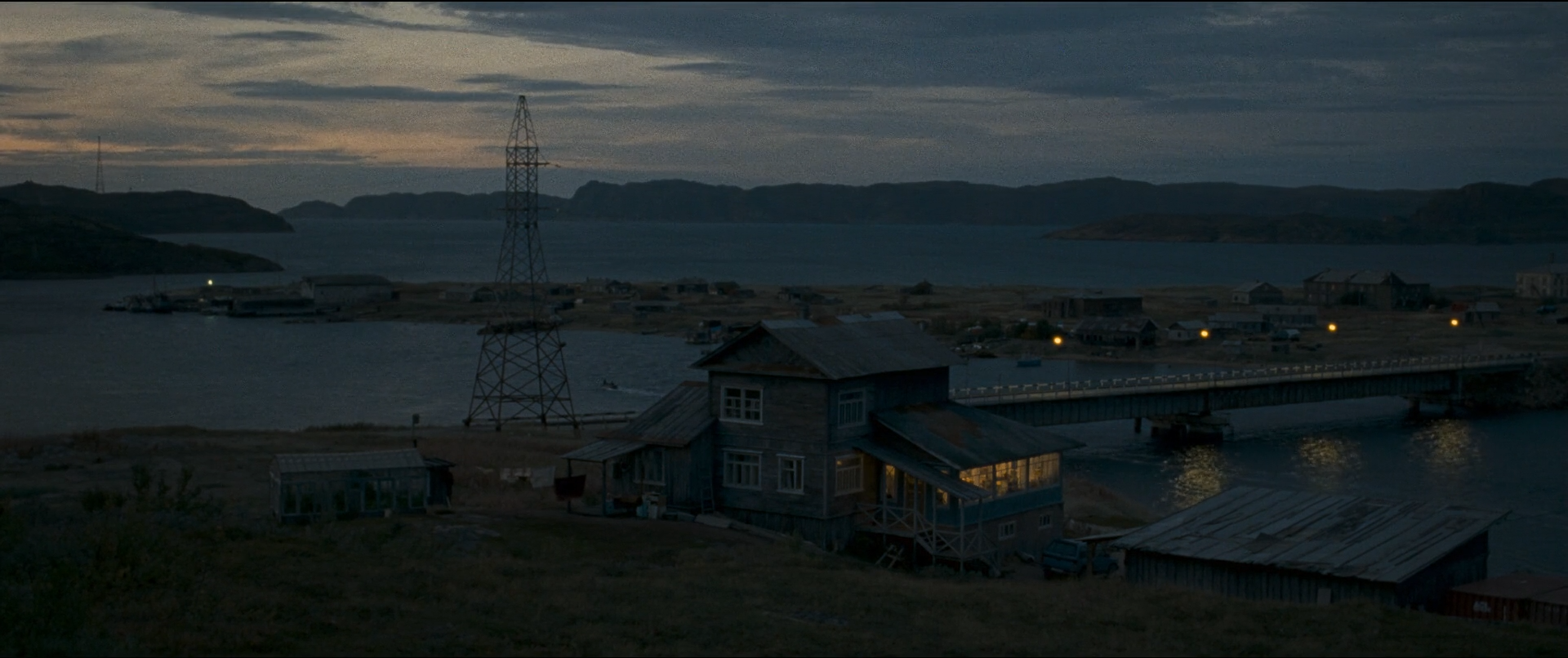
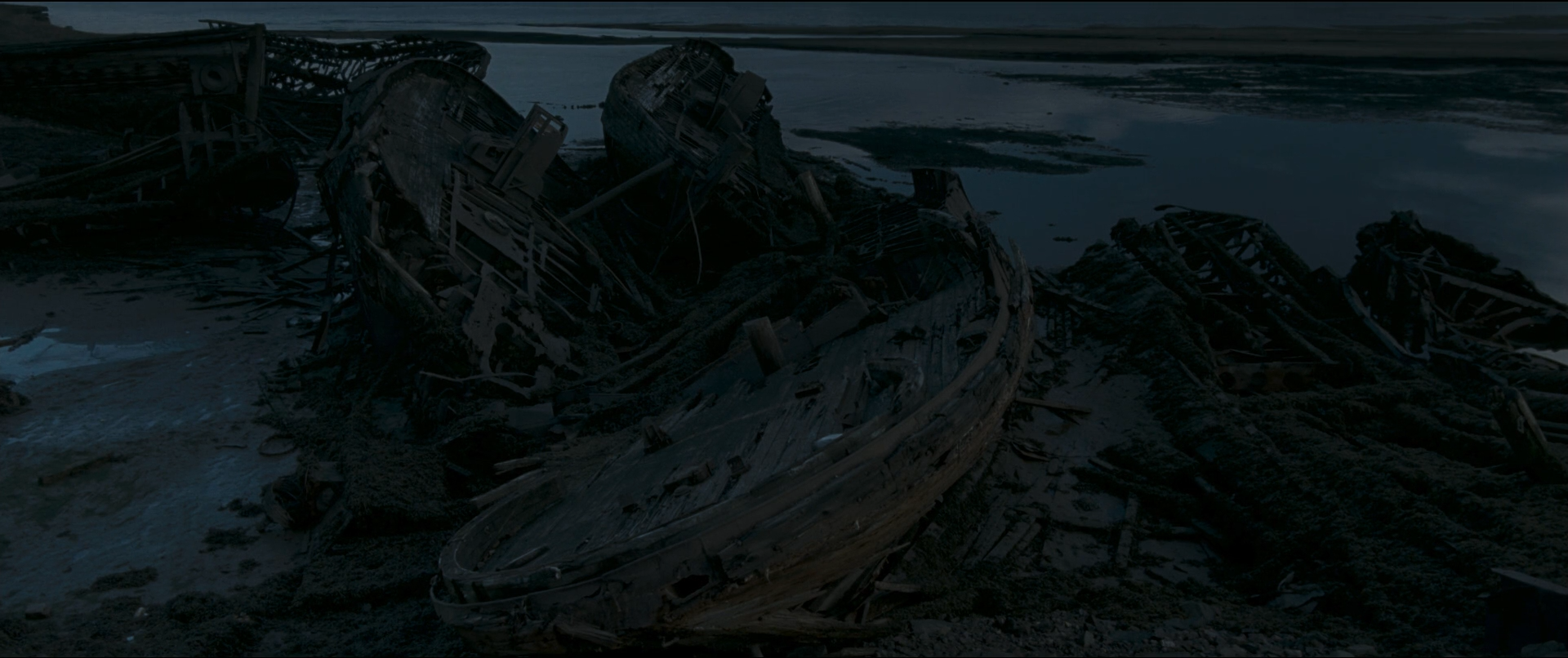
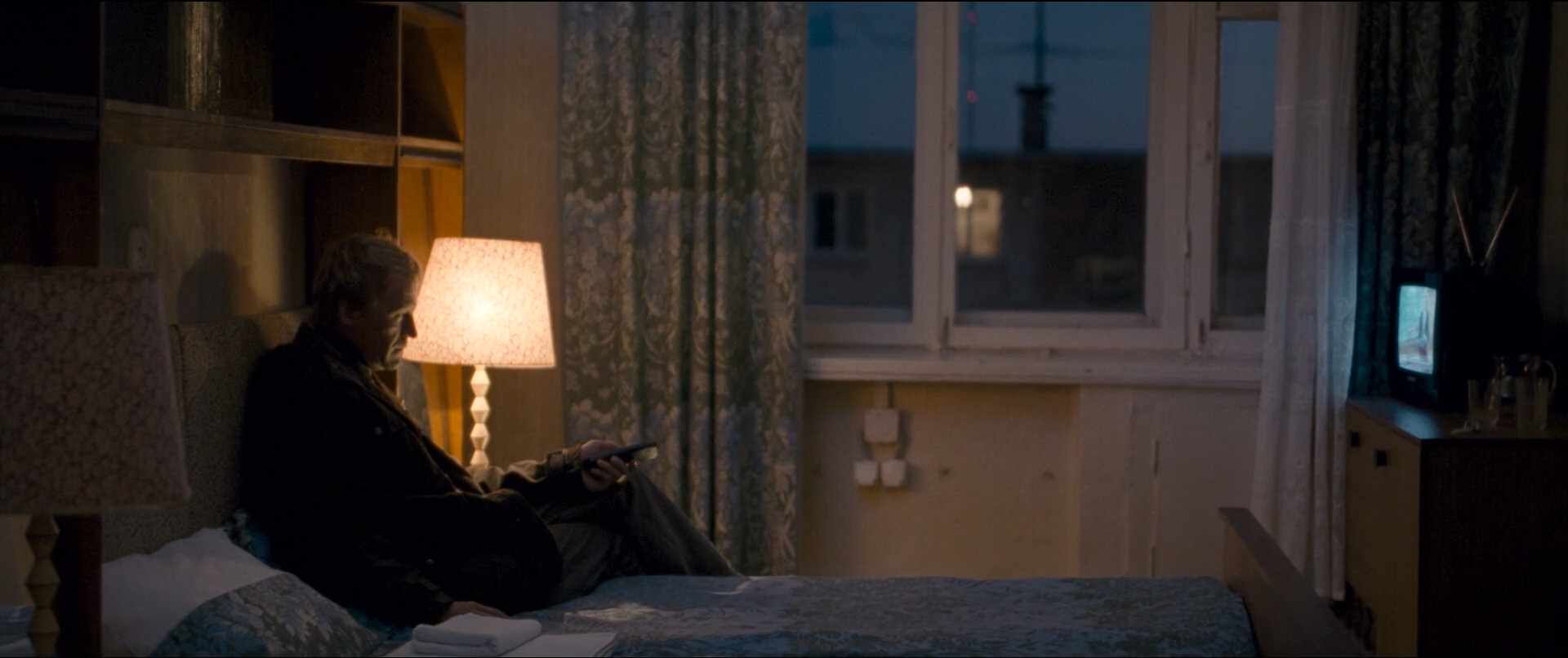
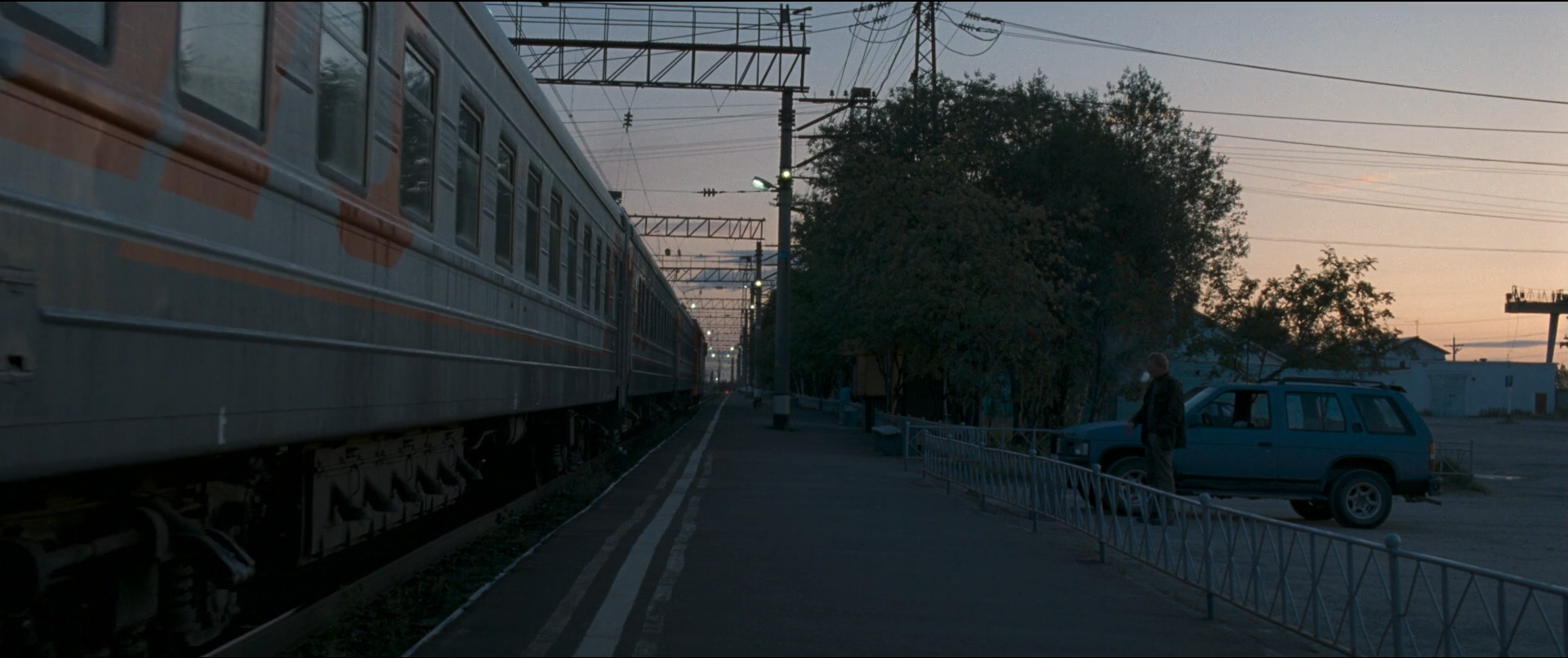
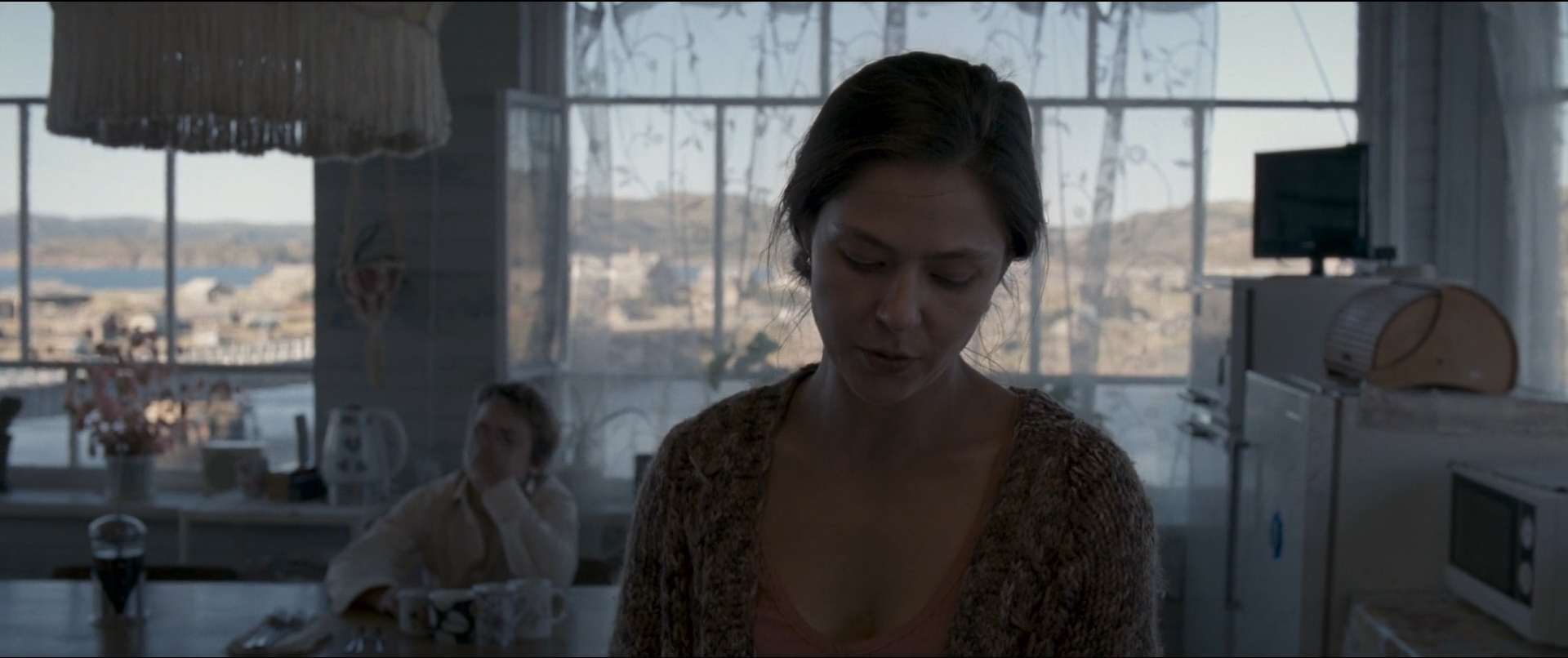
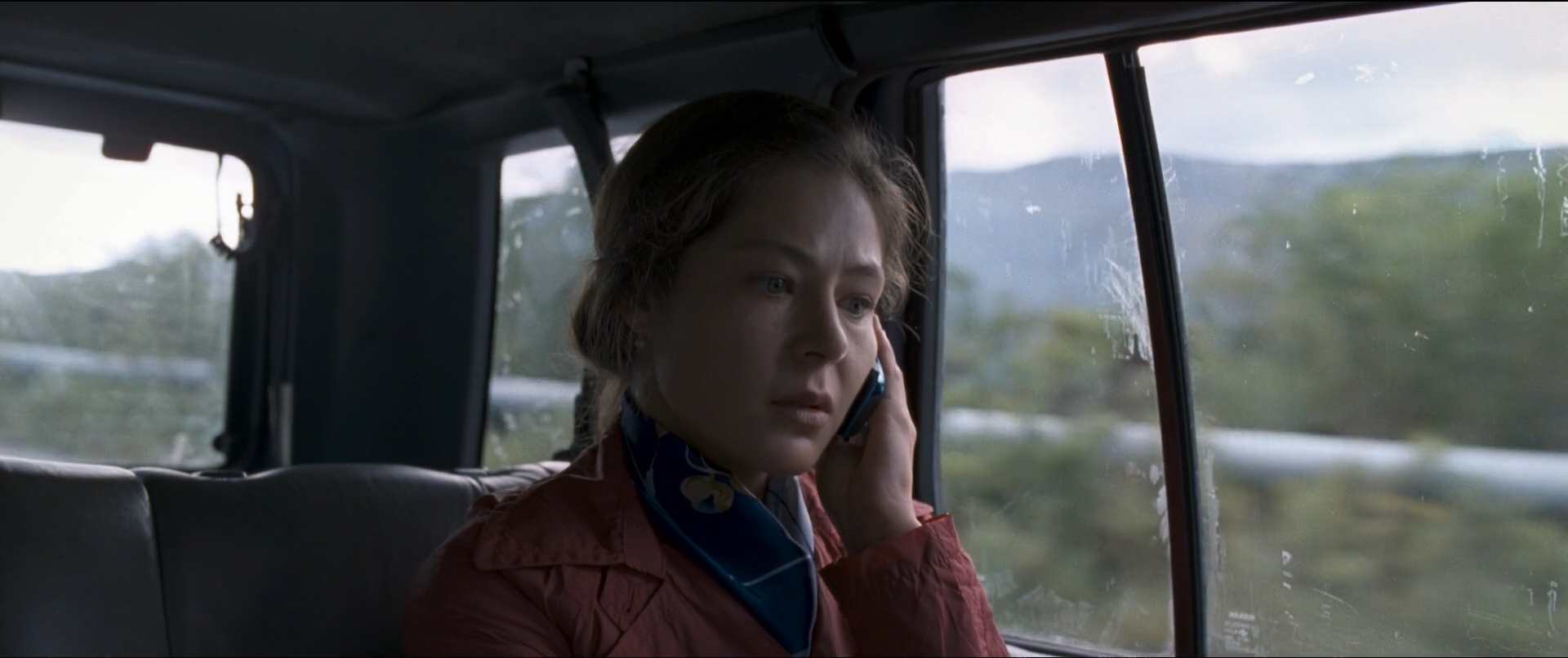

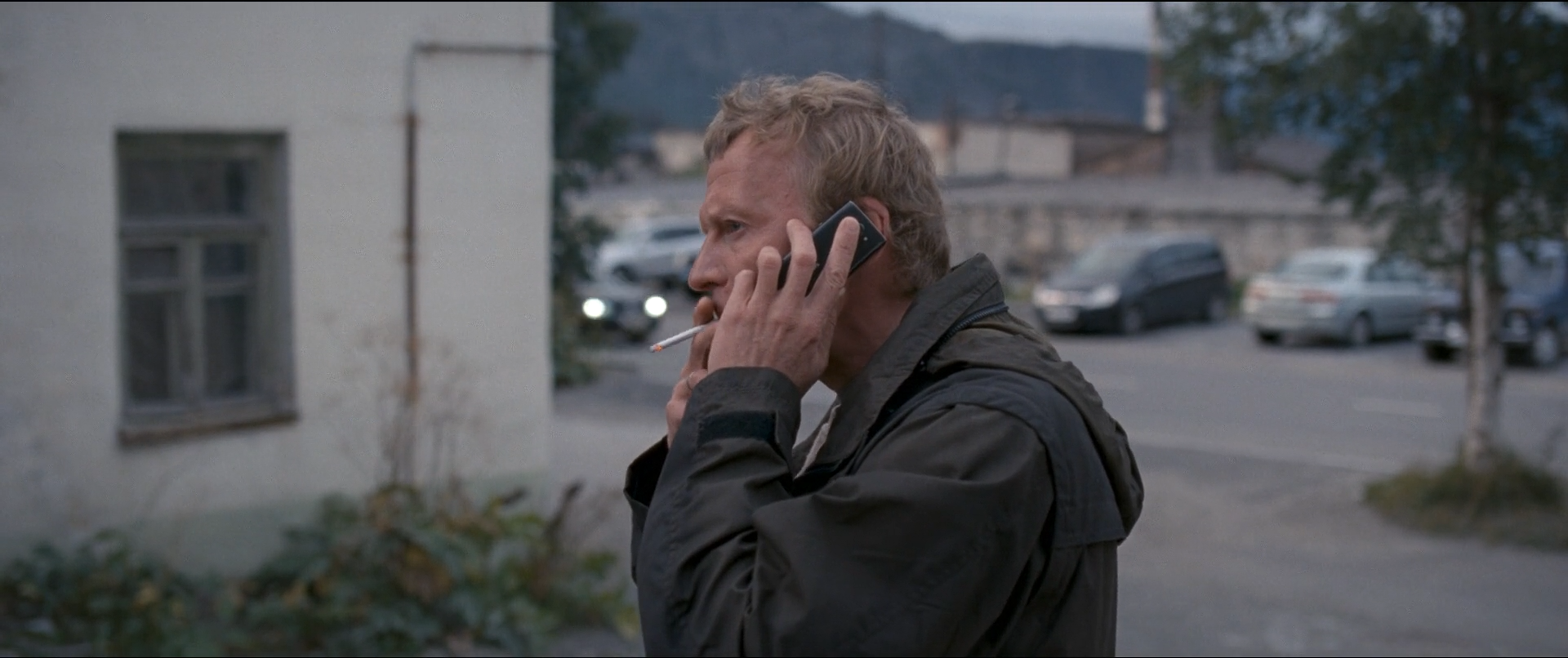
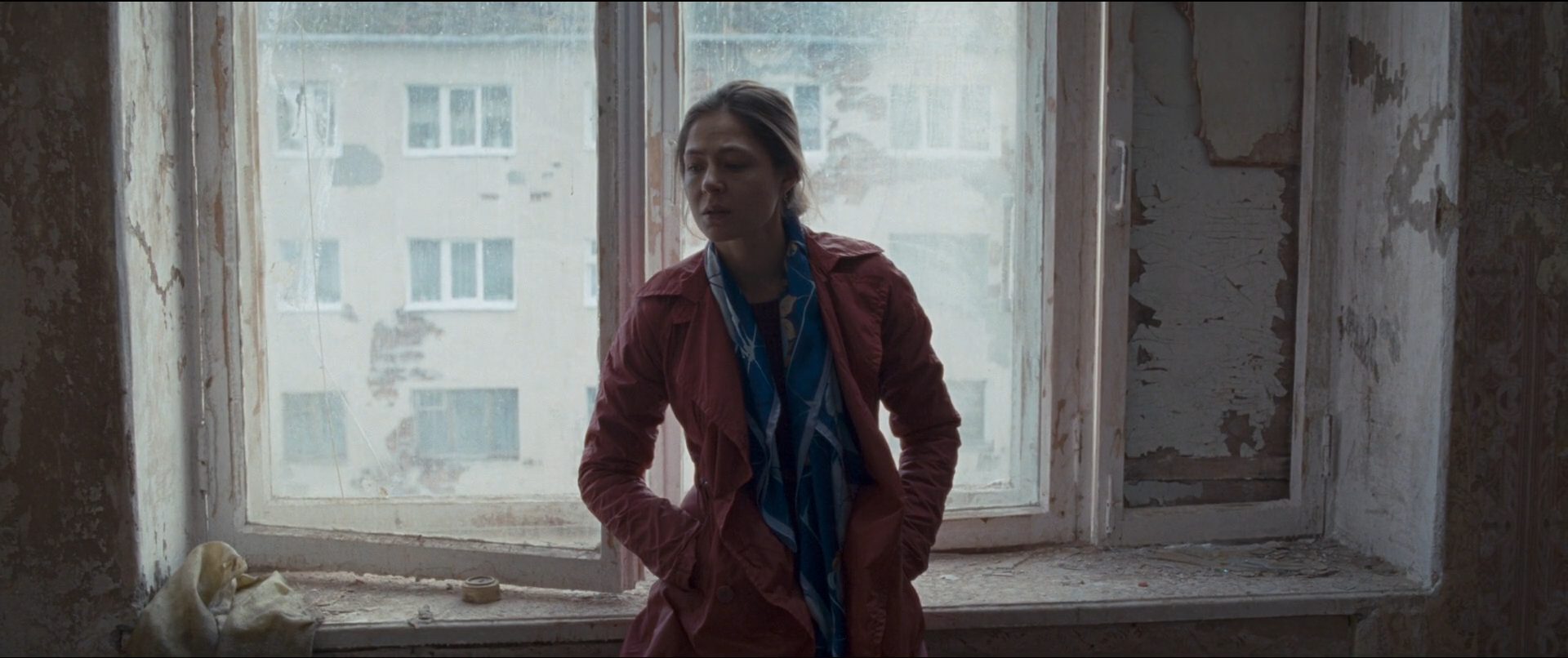
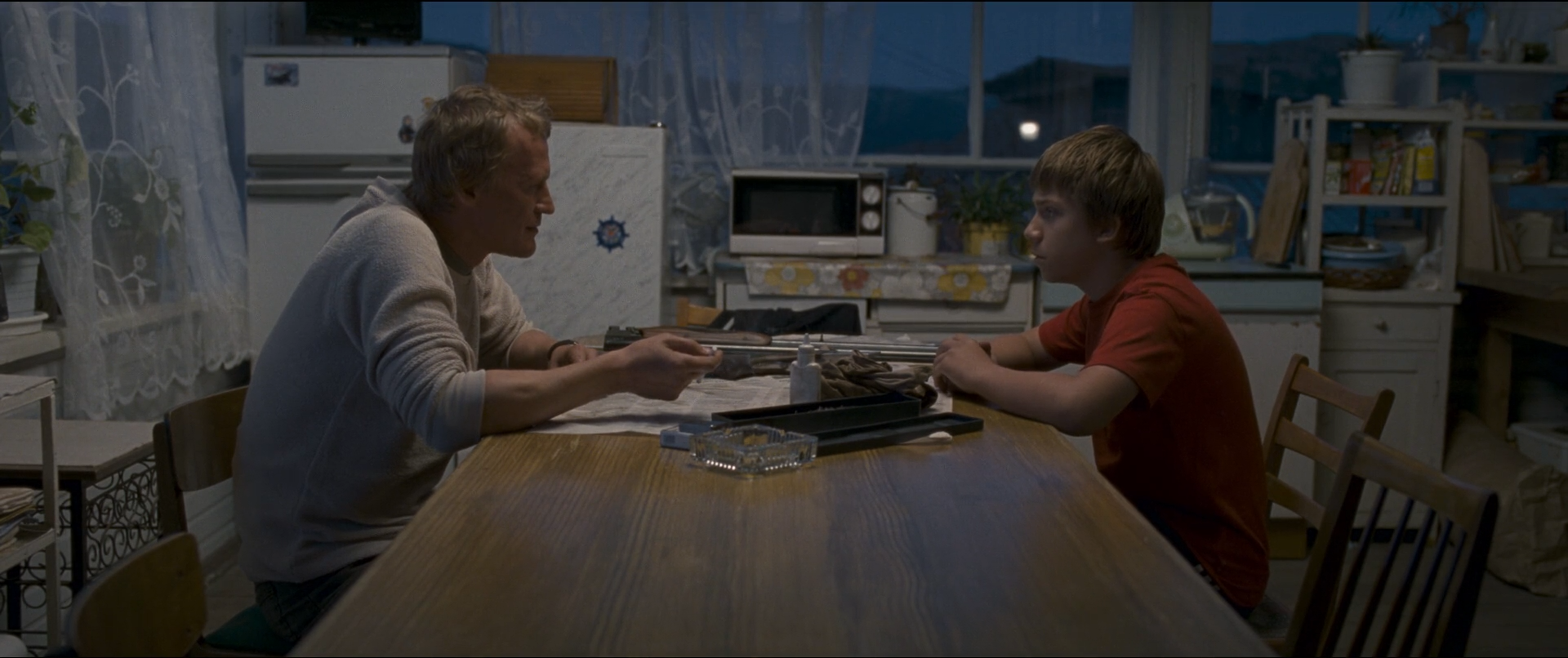
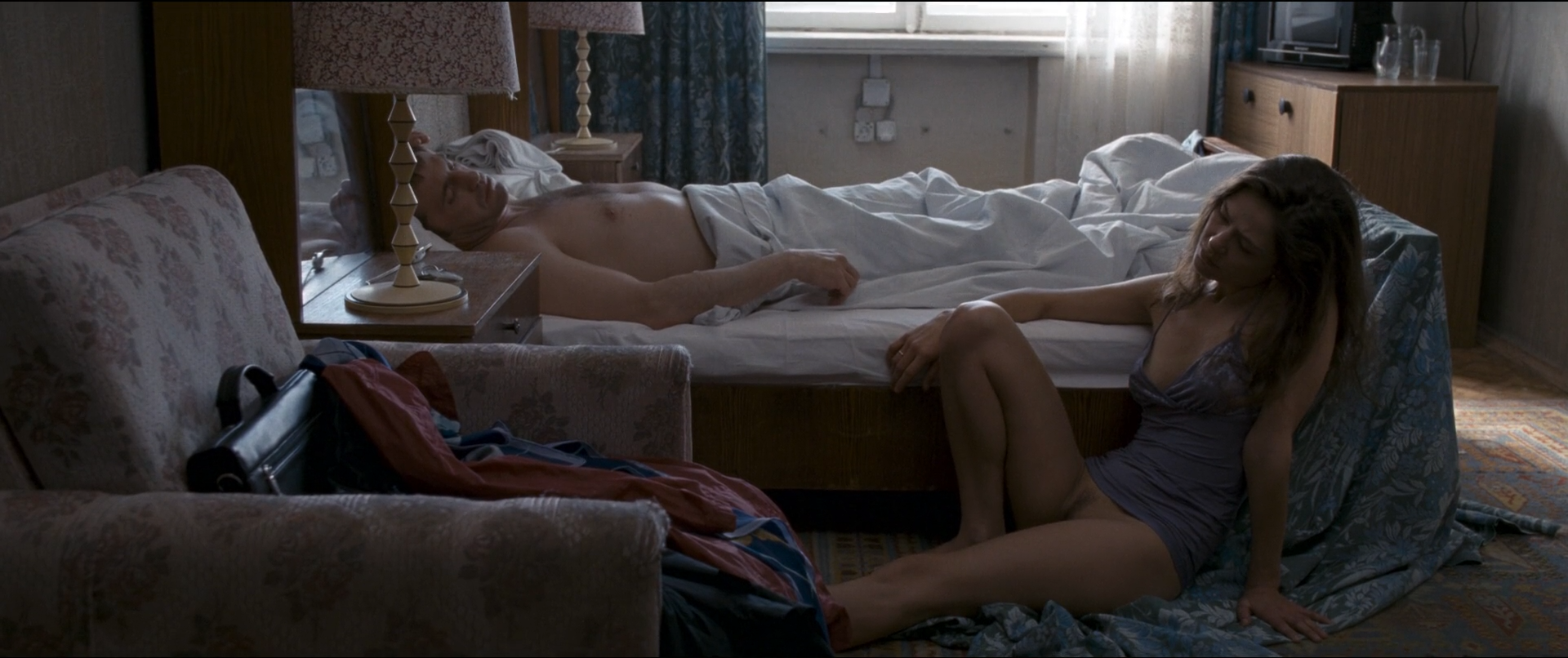

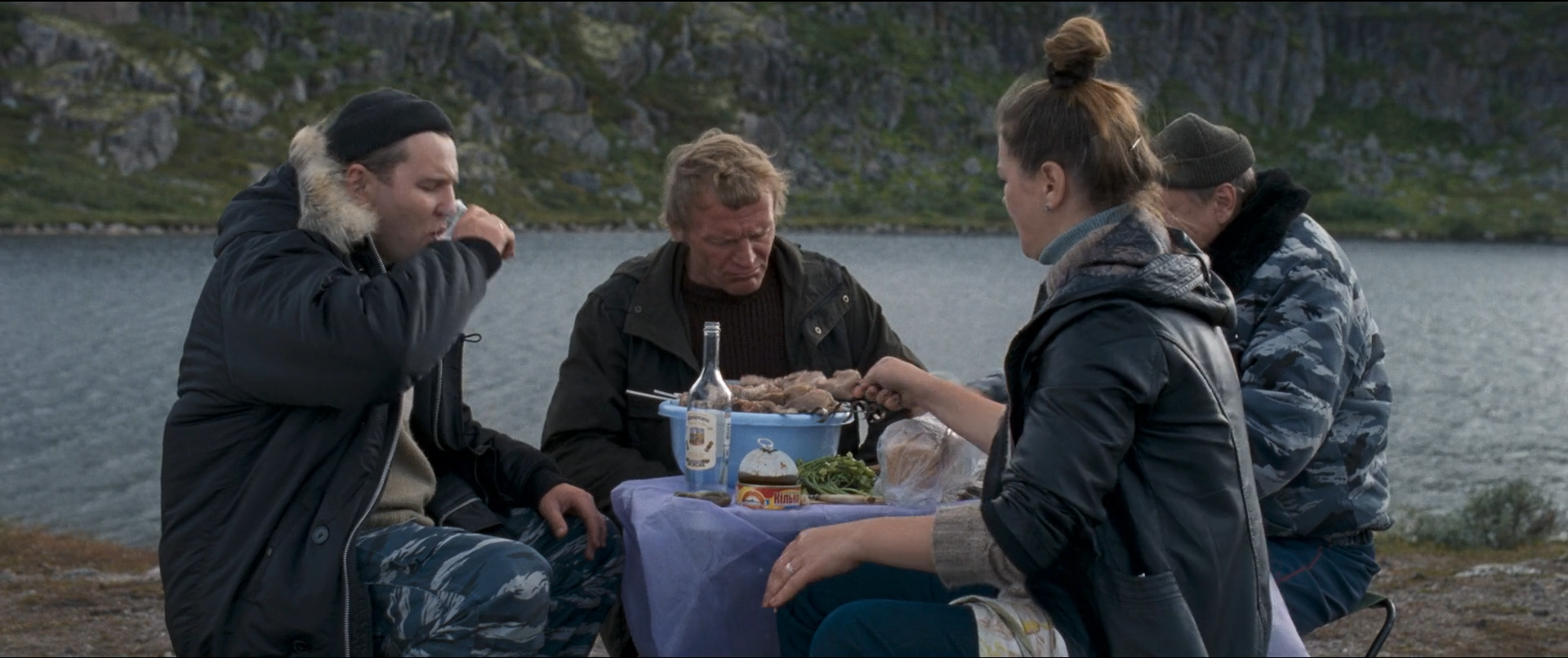
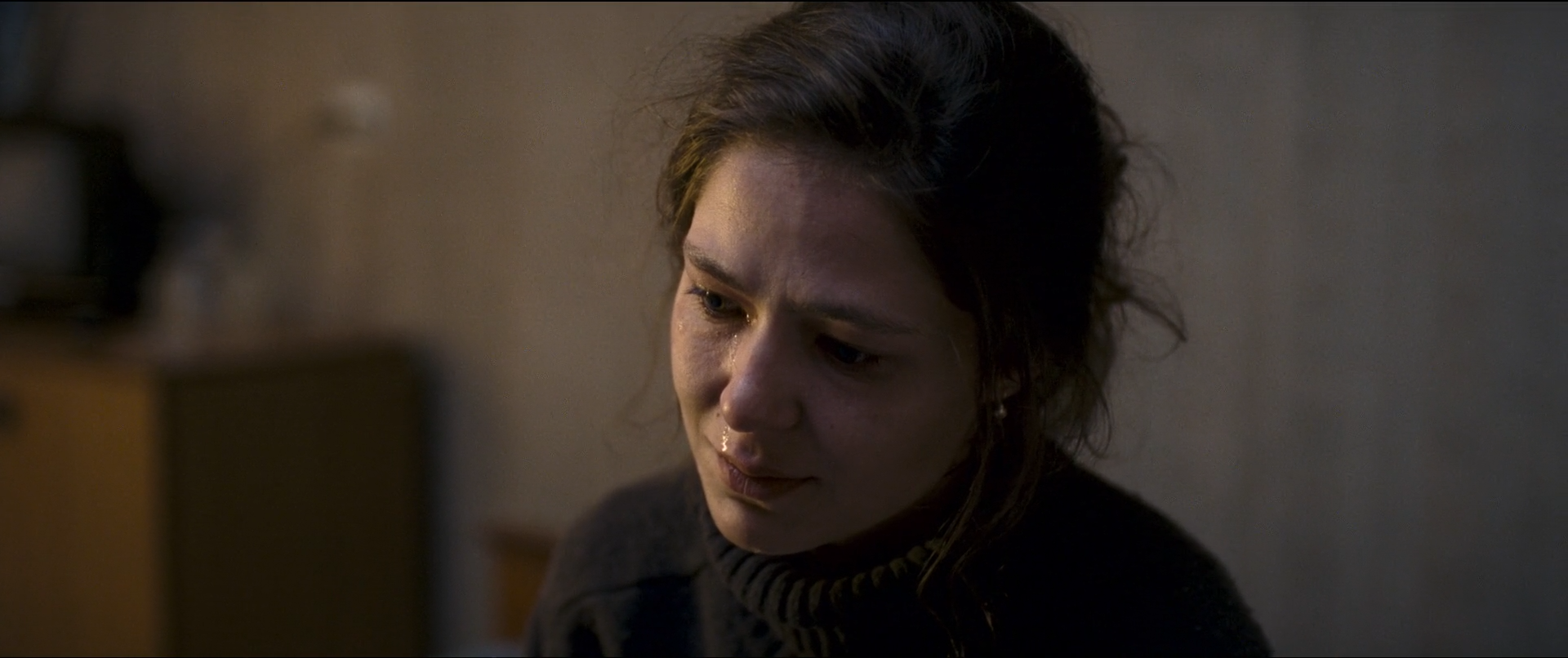
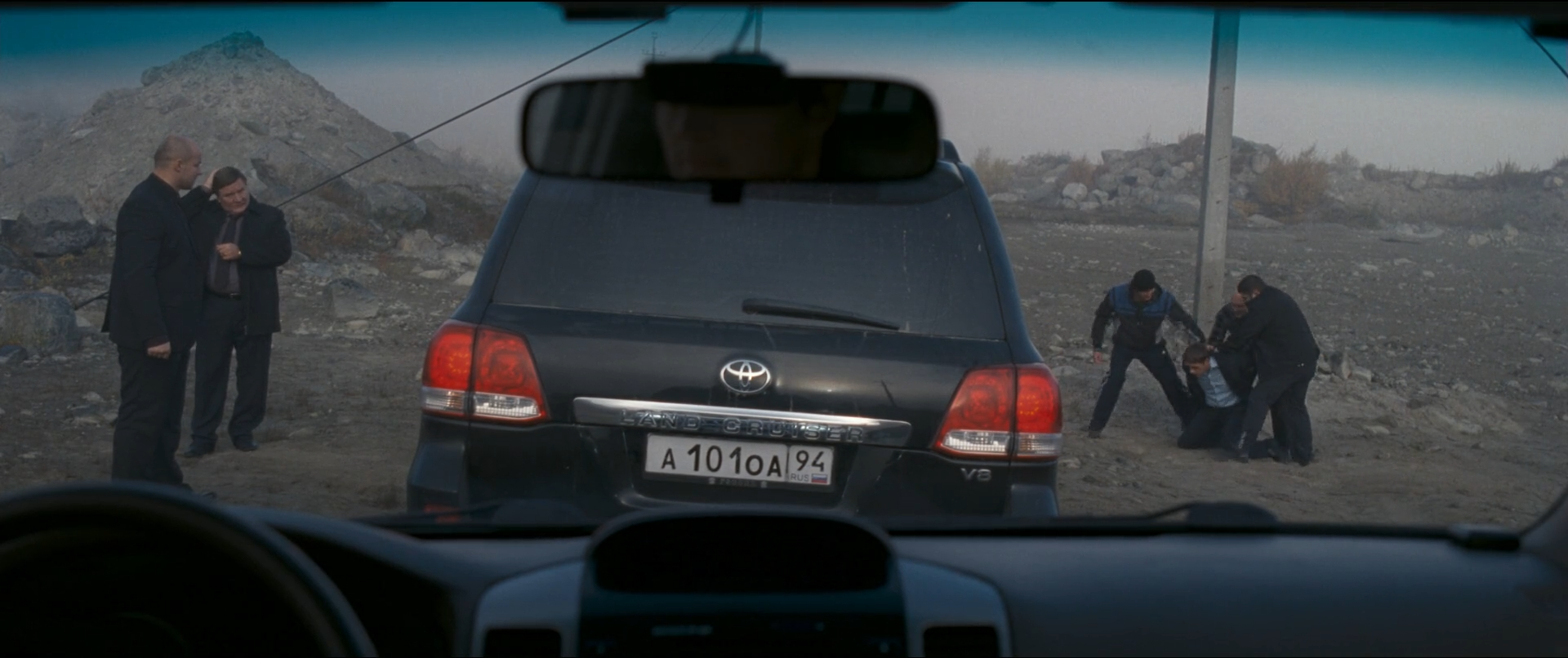
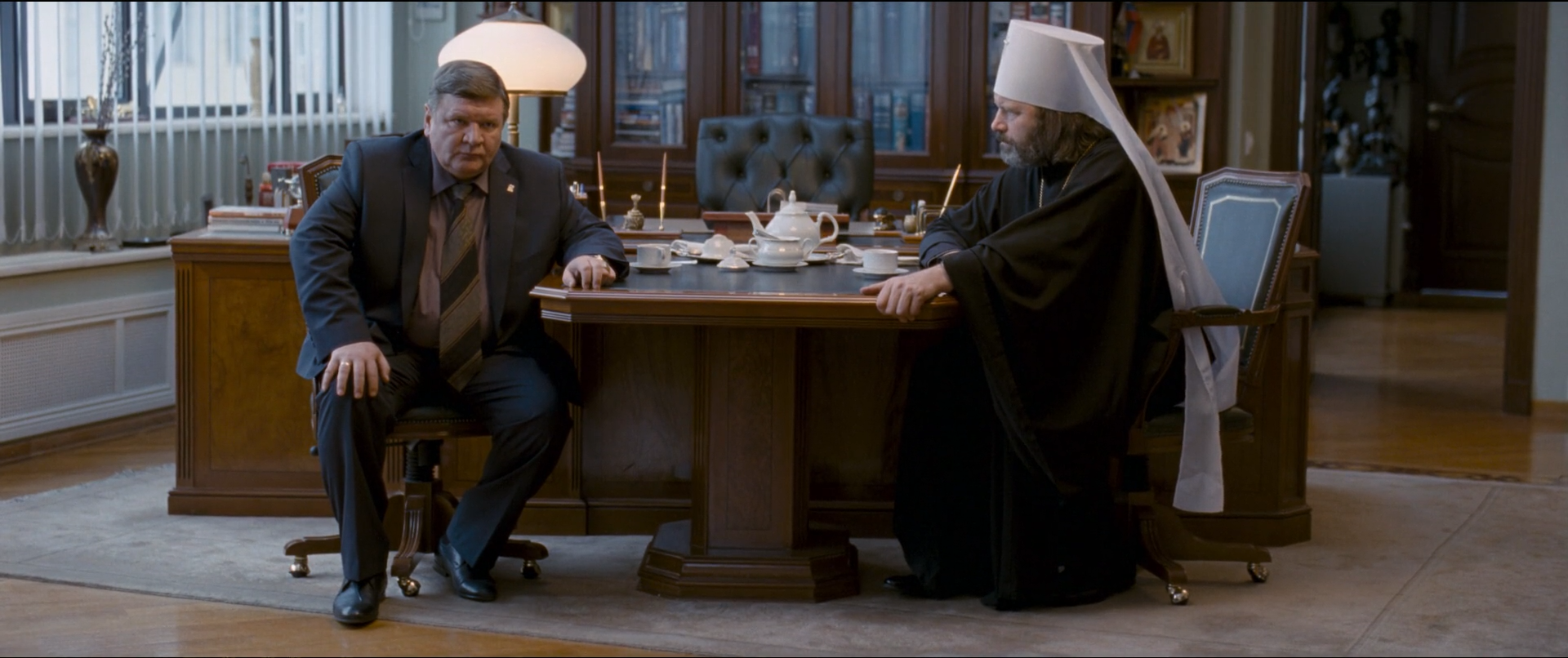
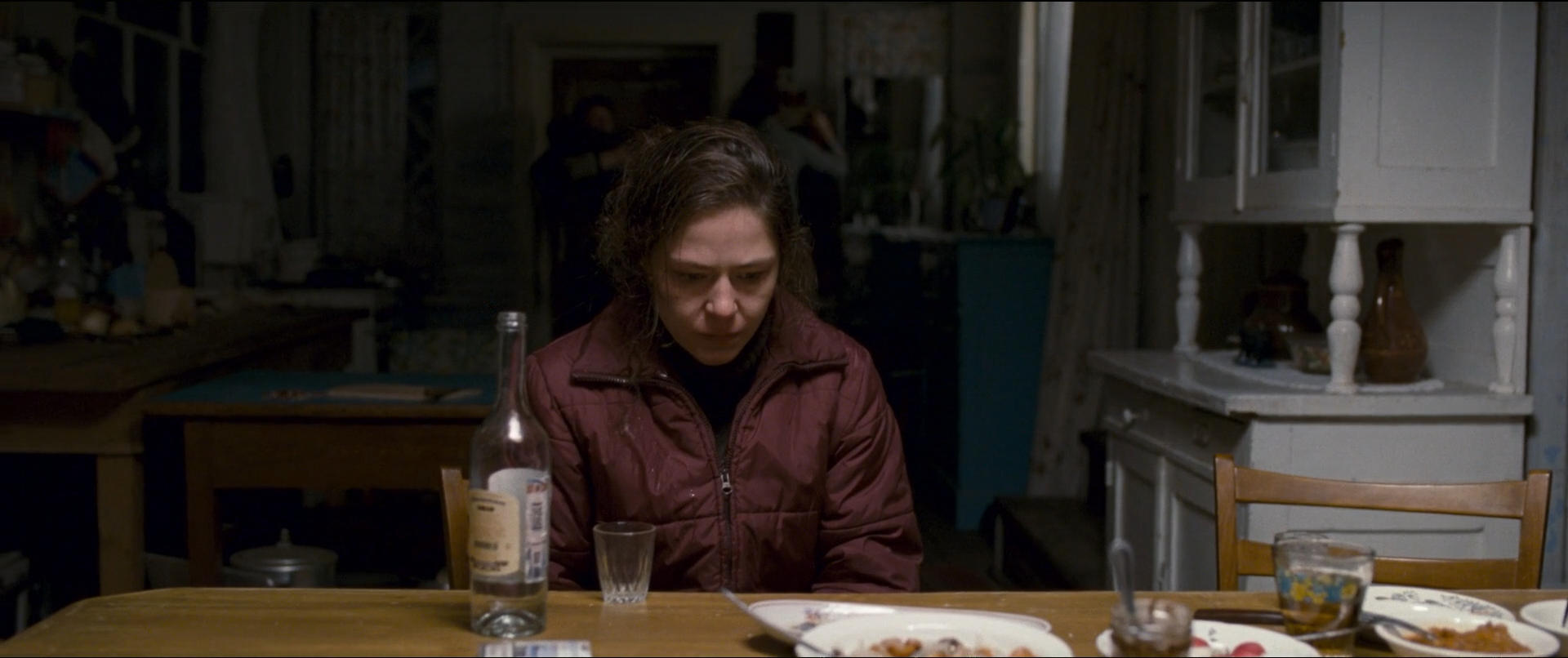
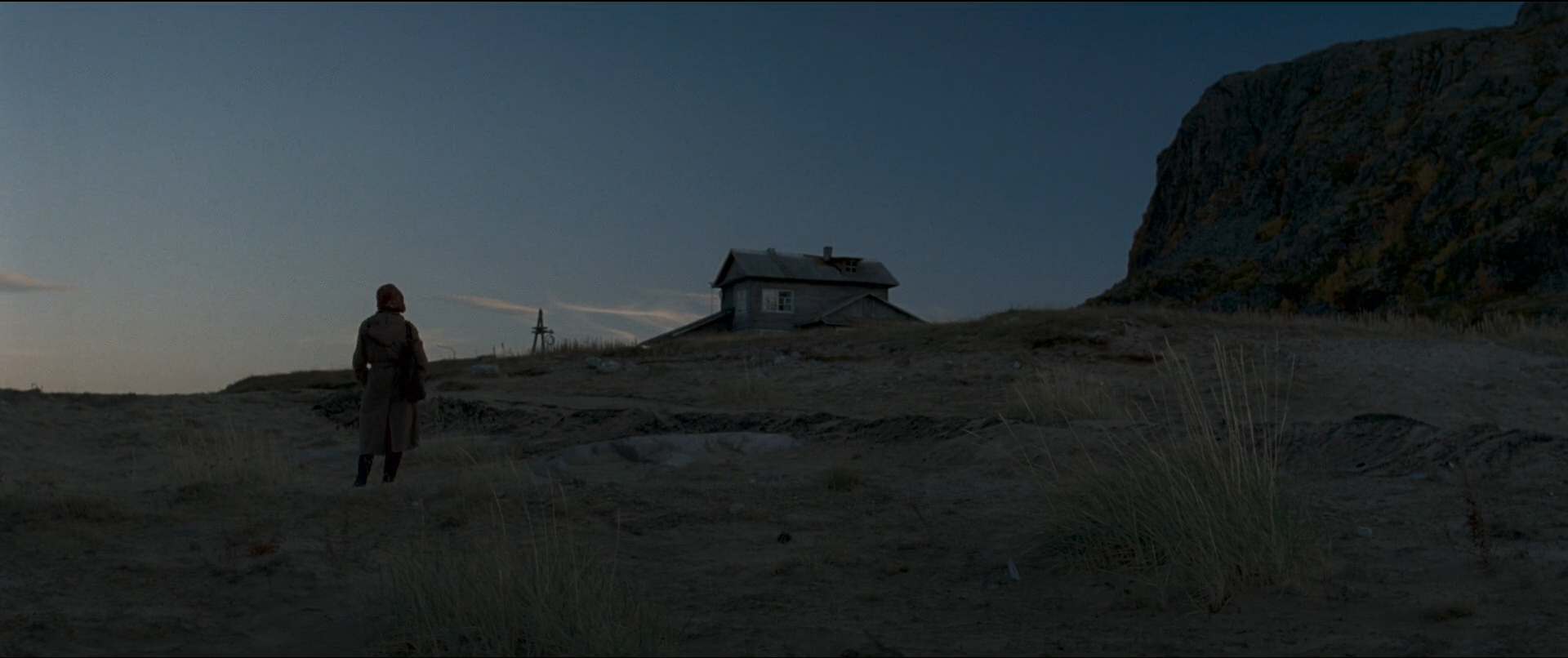
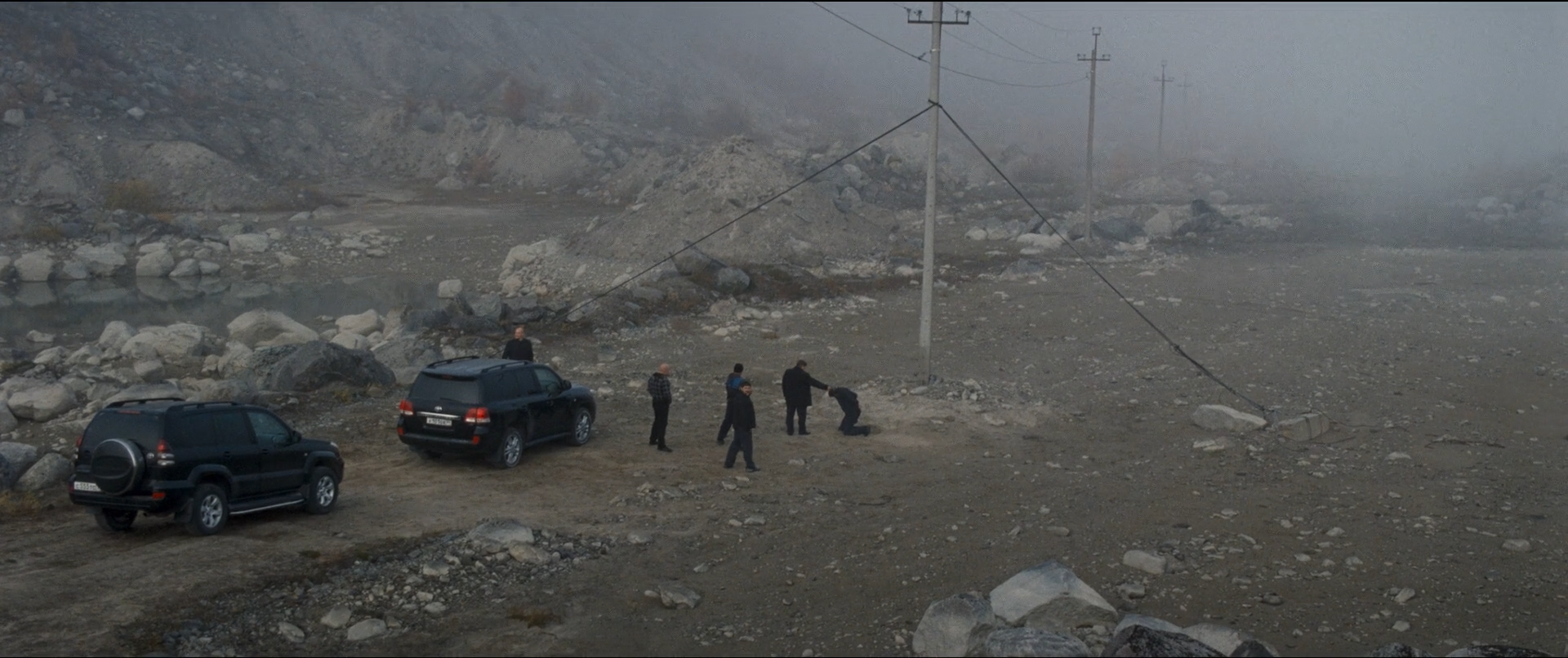
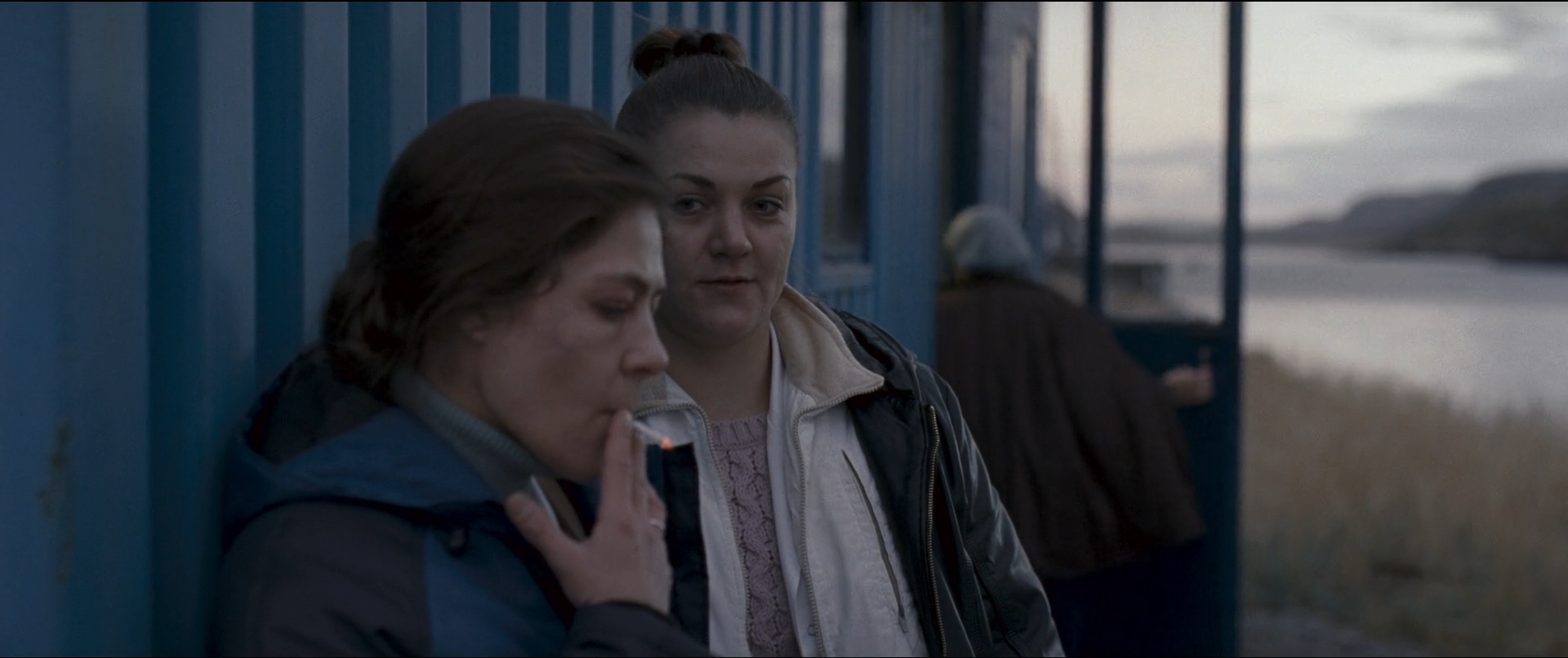

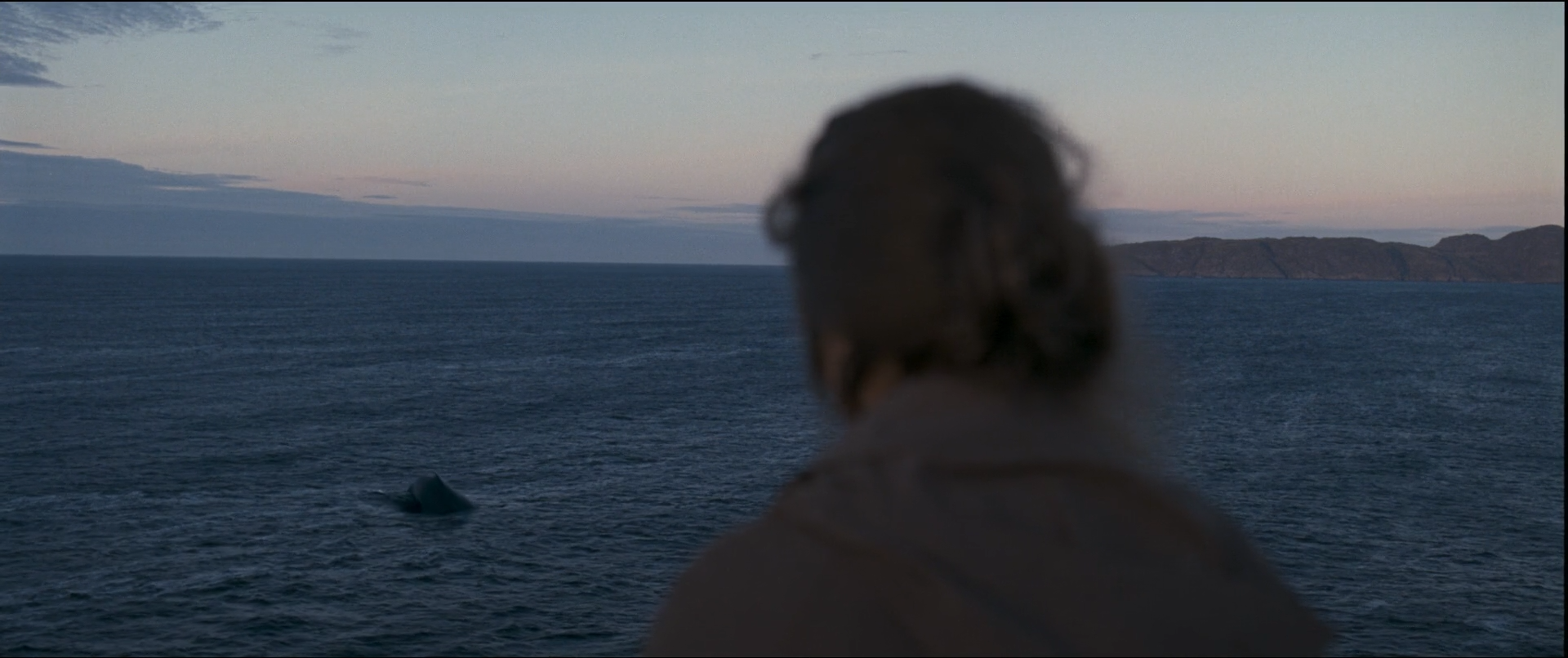
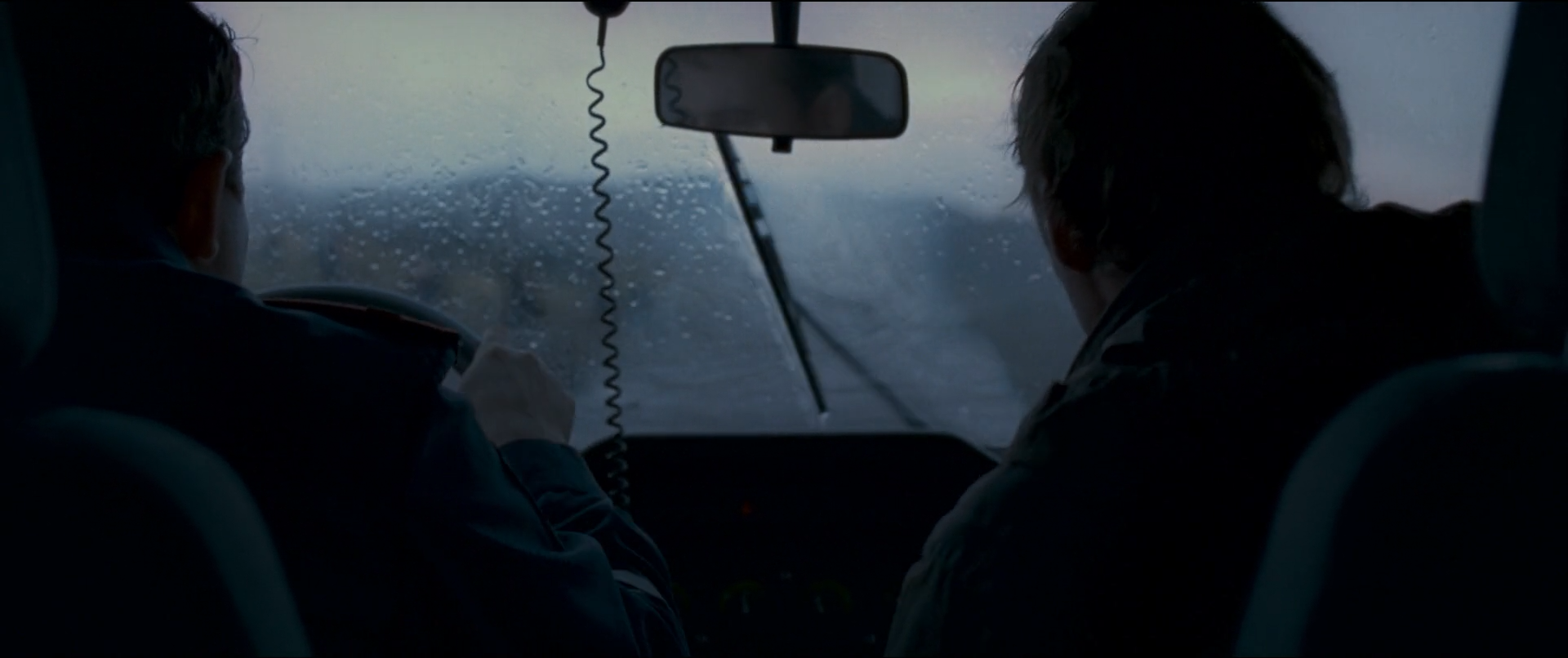
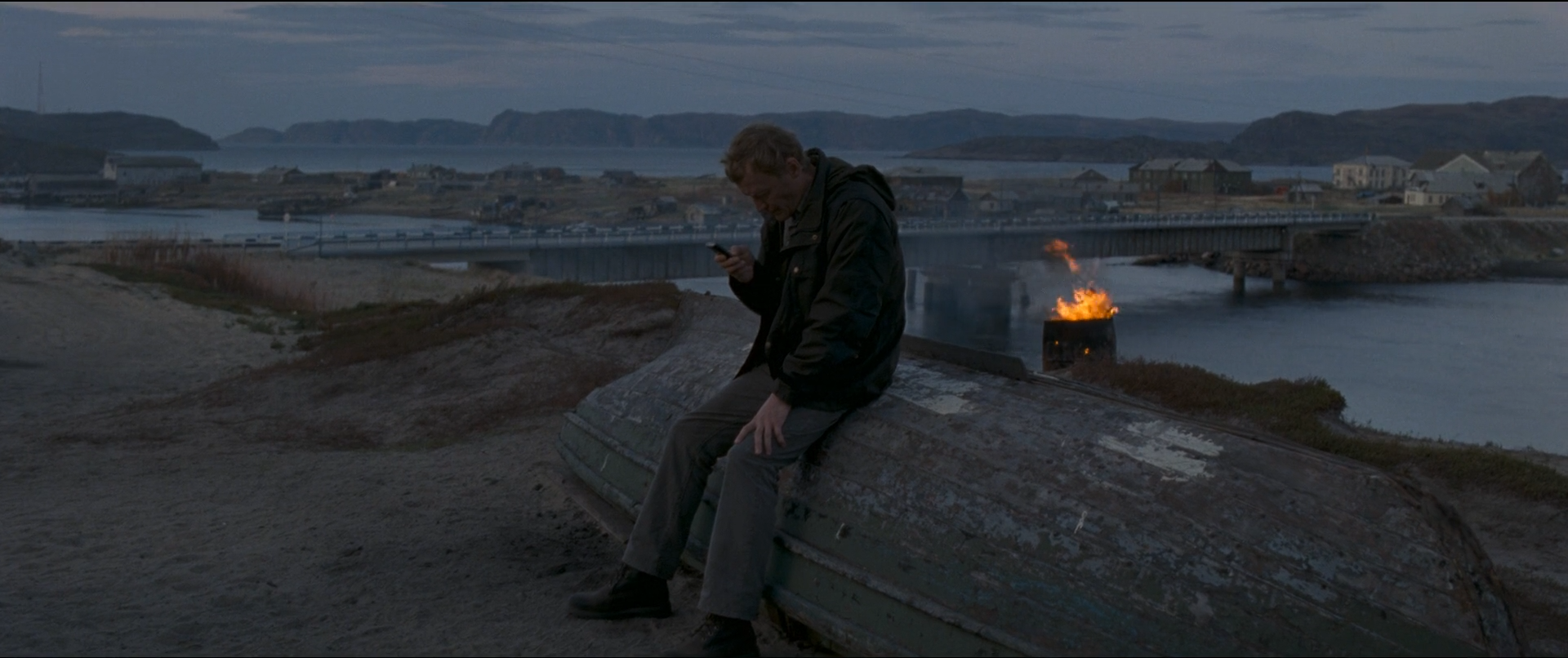
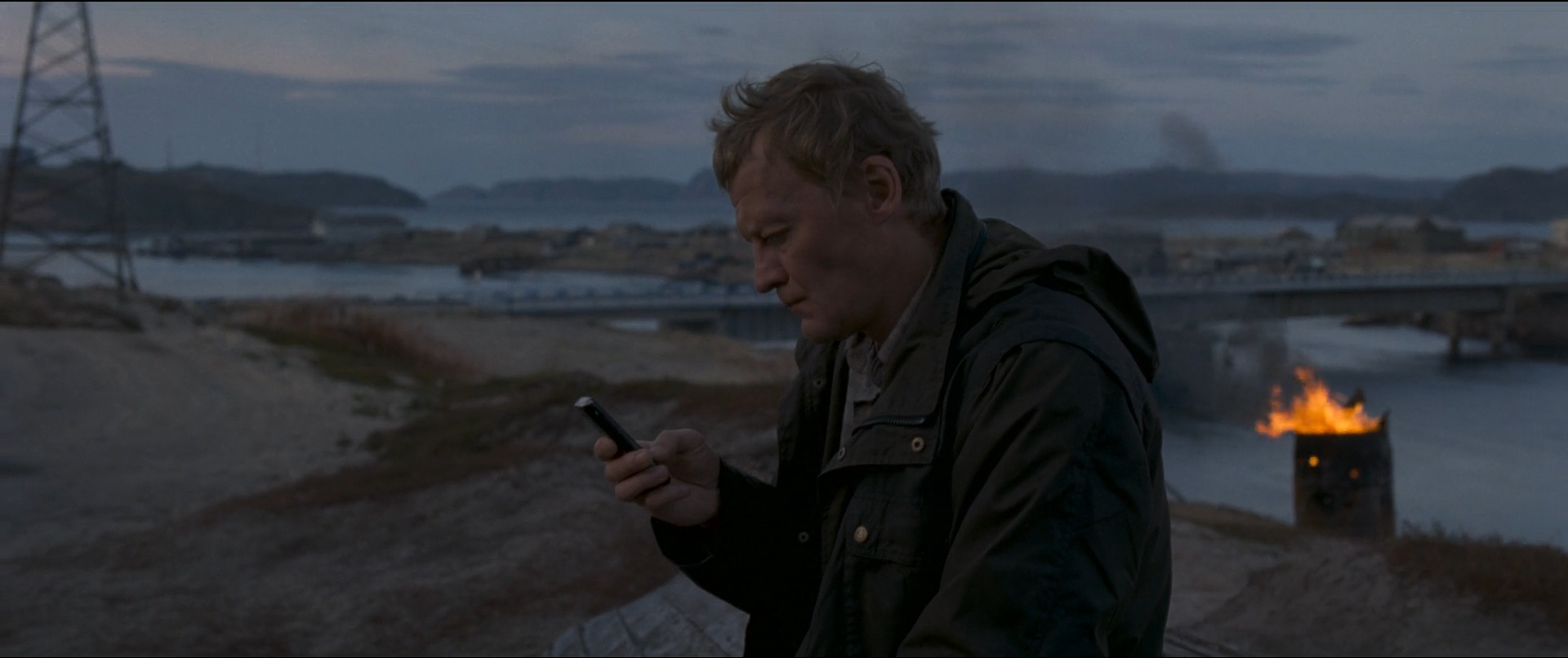
The smaller the town, the more insurmountable the corruption.
Presentation:
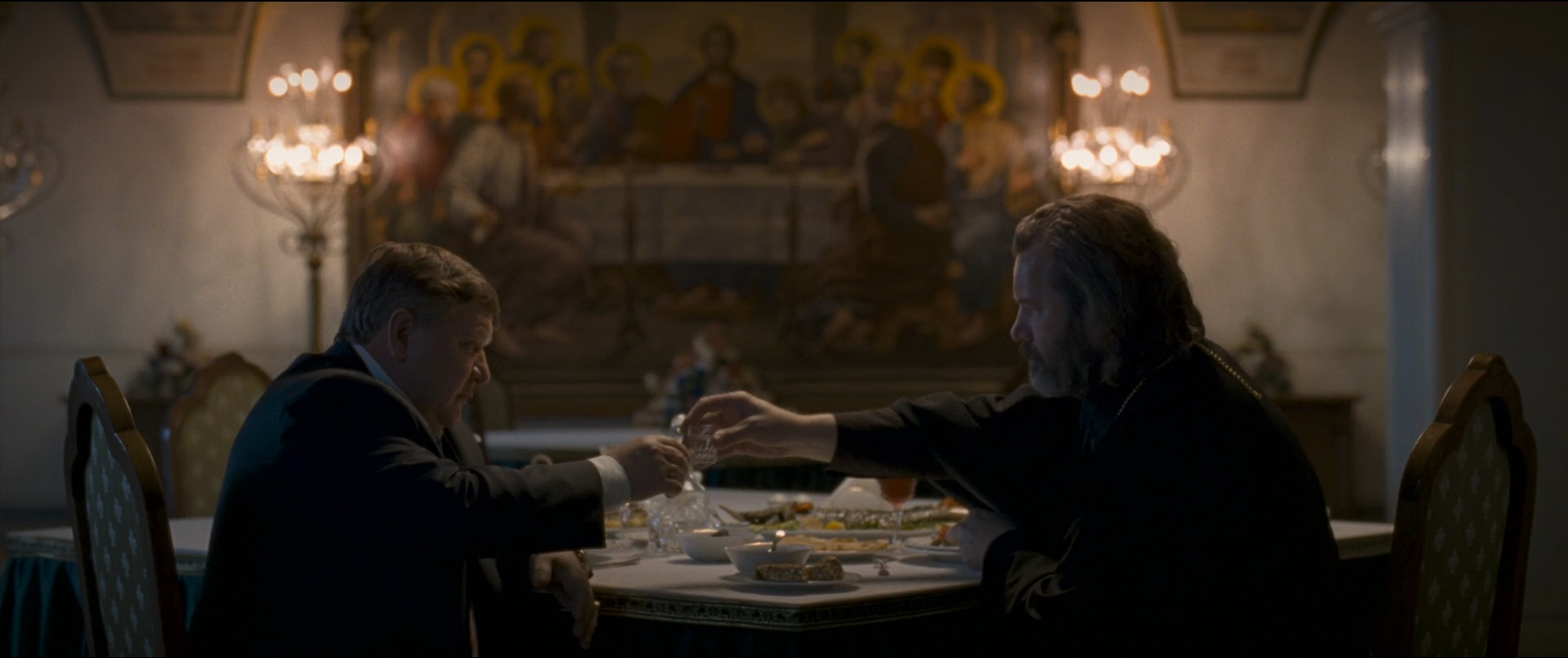
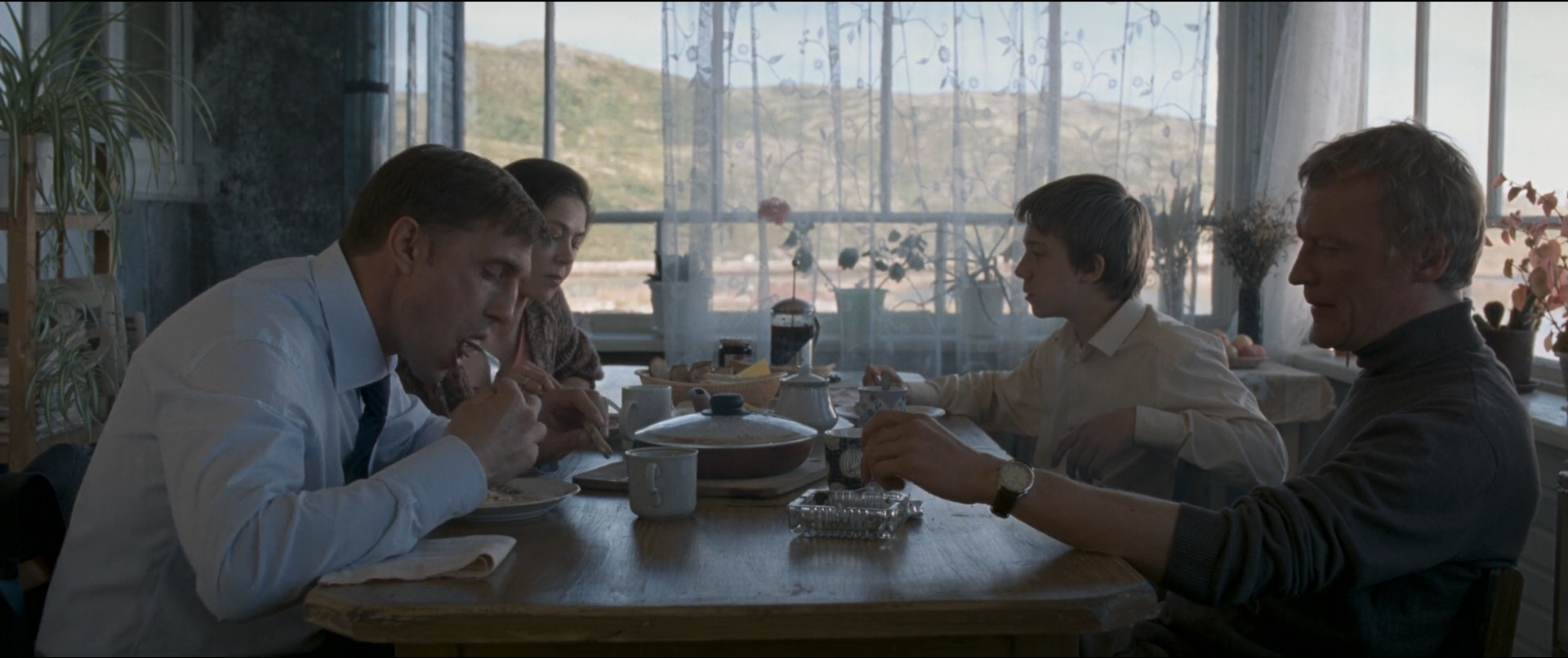
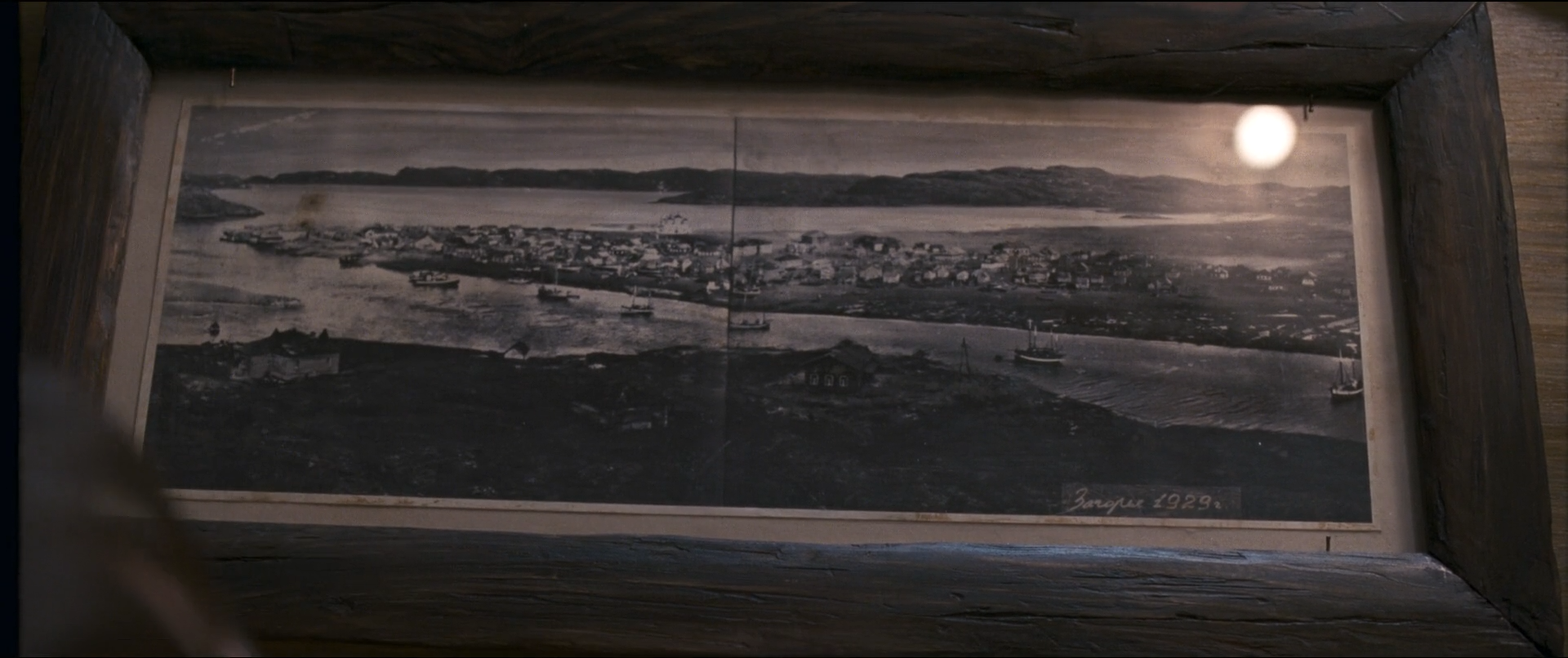
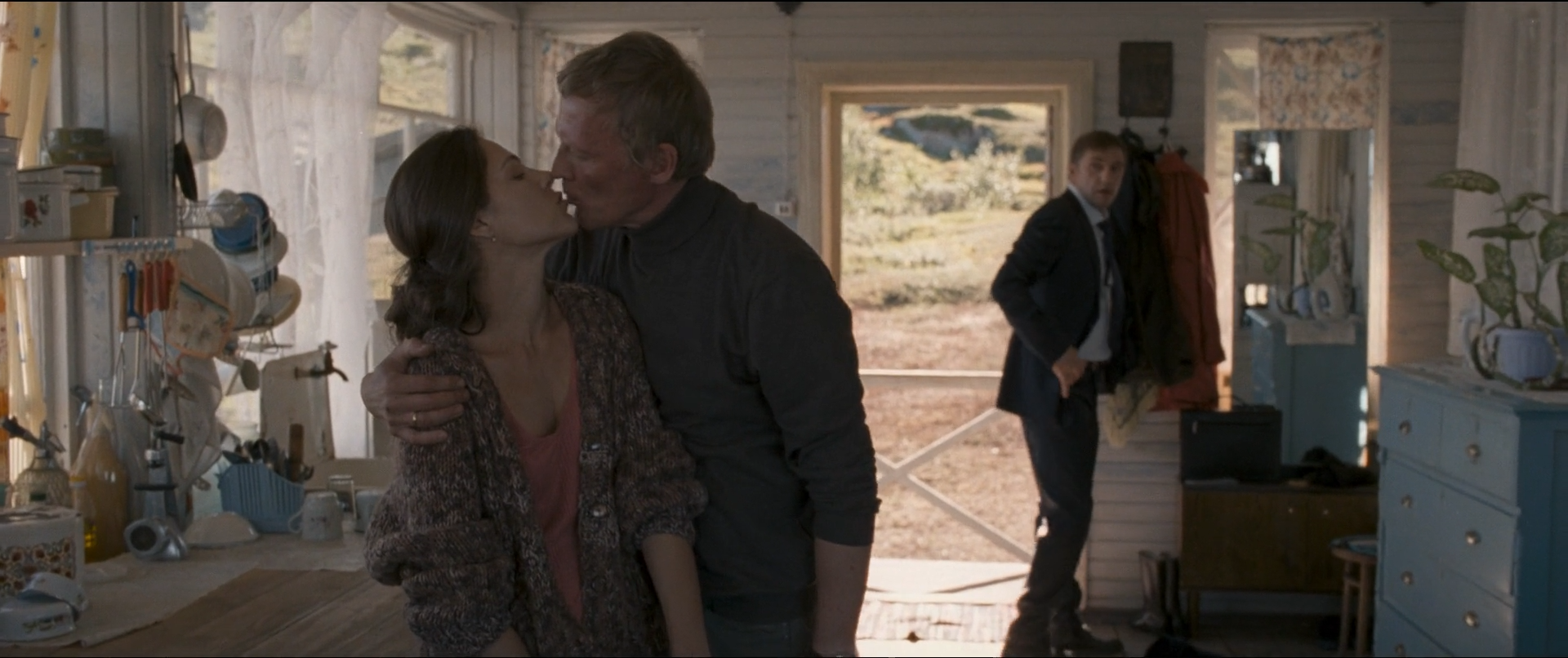
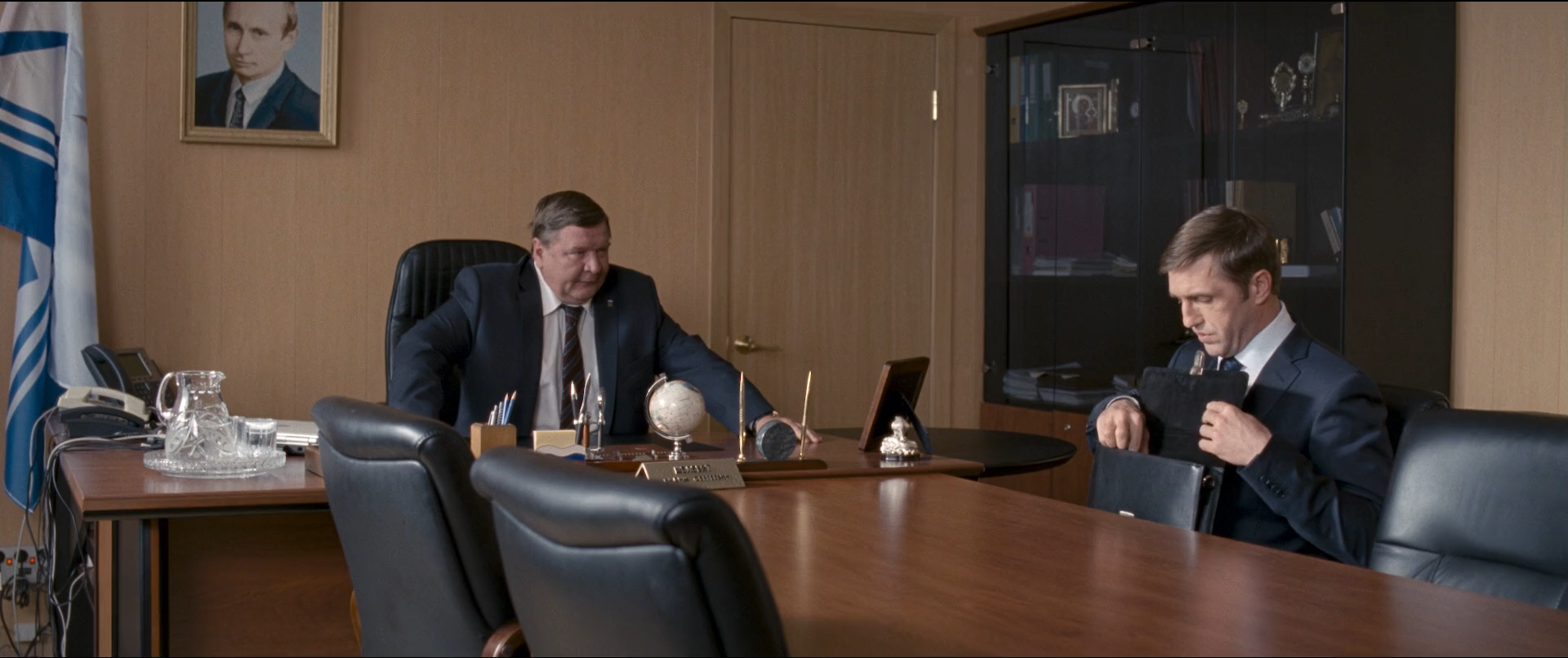
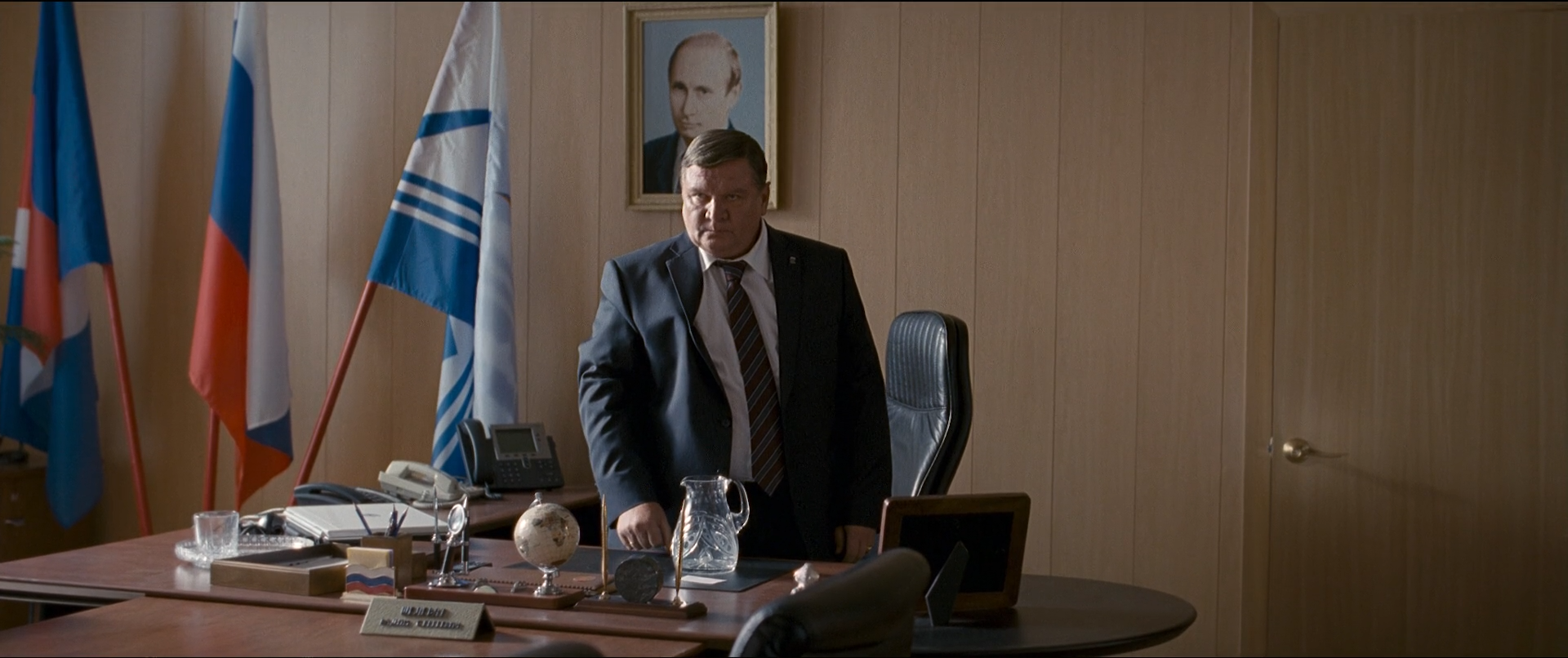
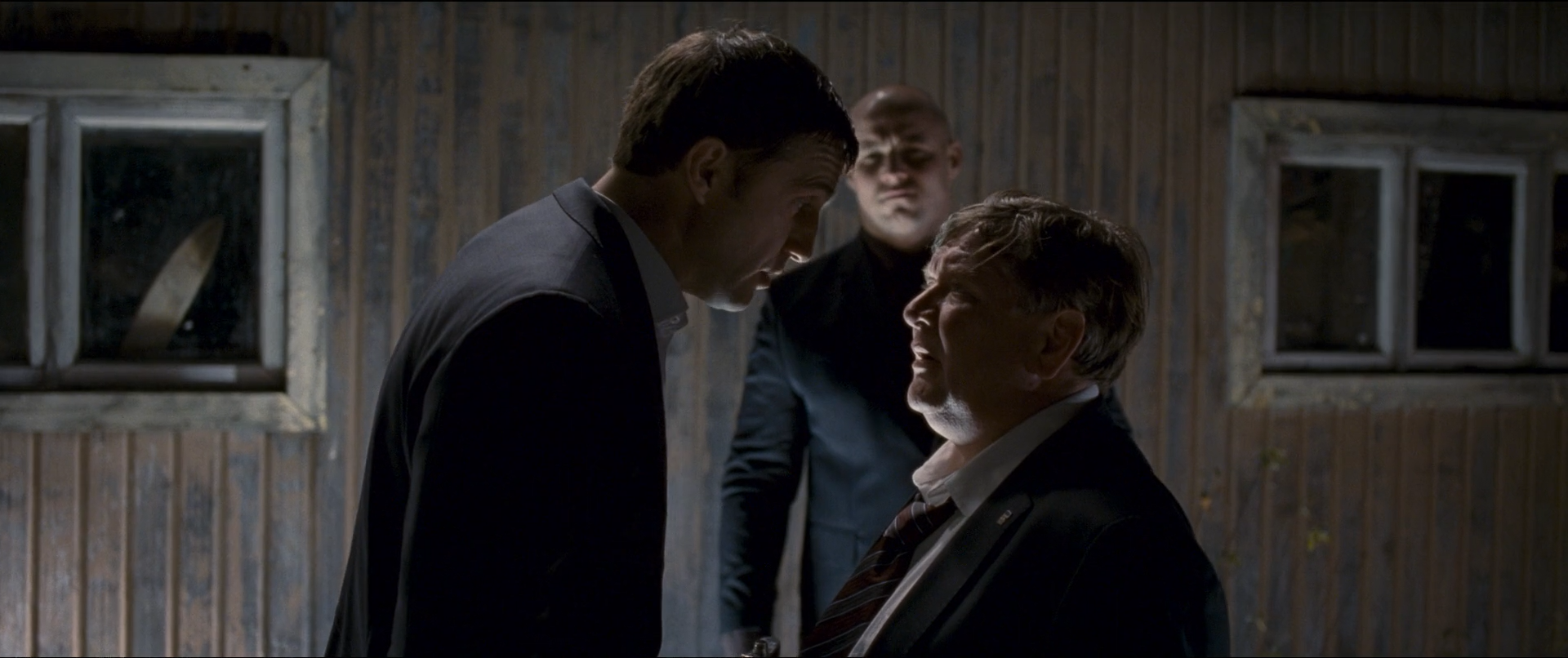
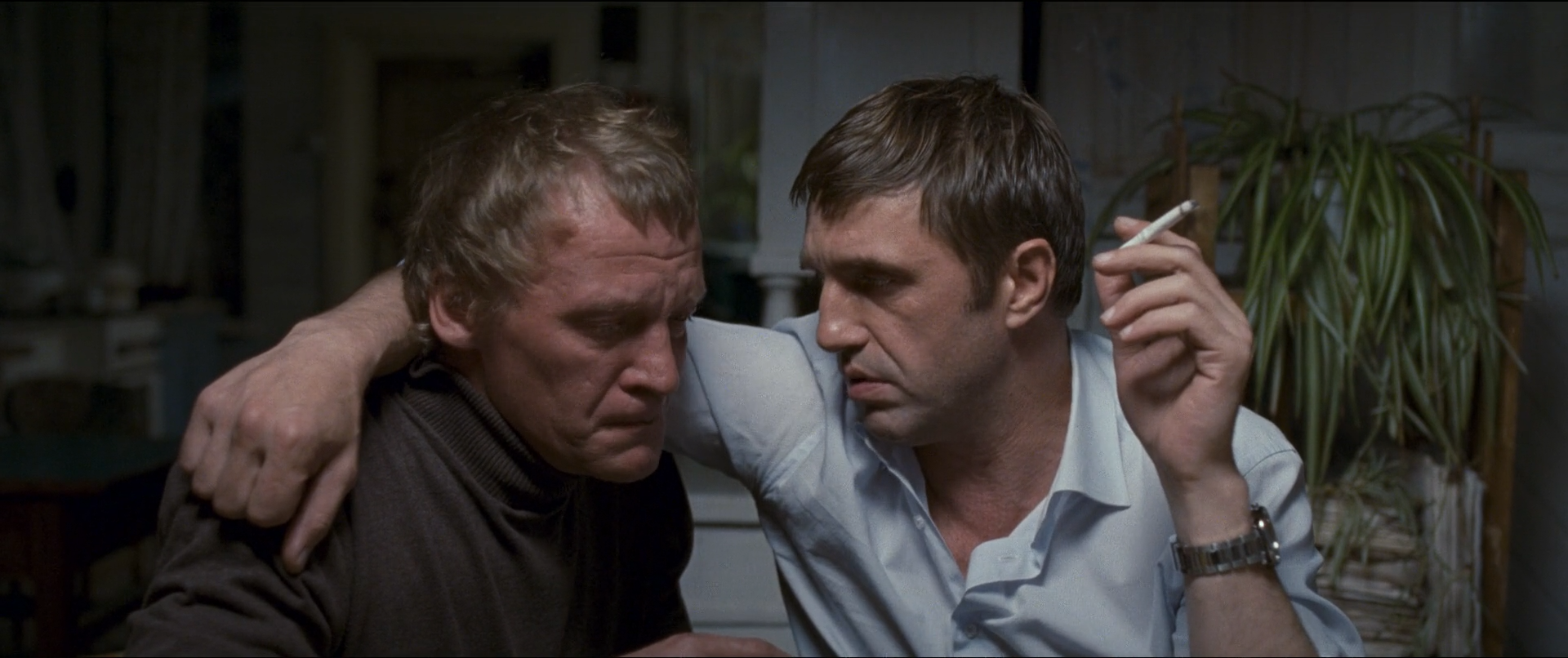
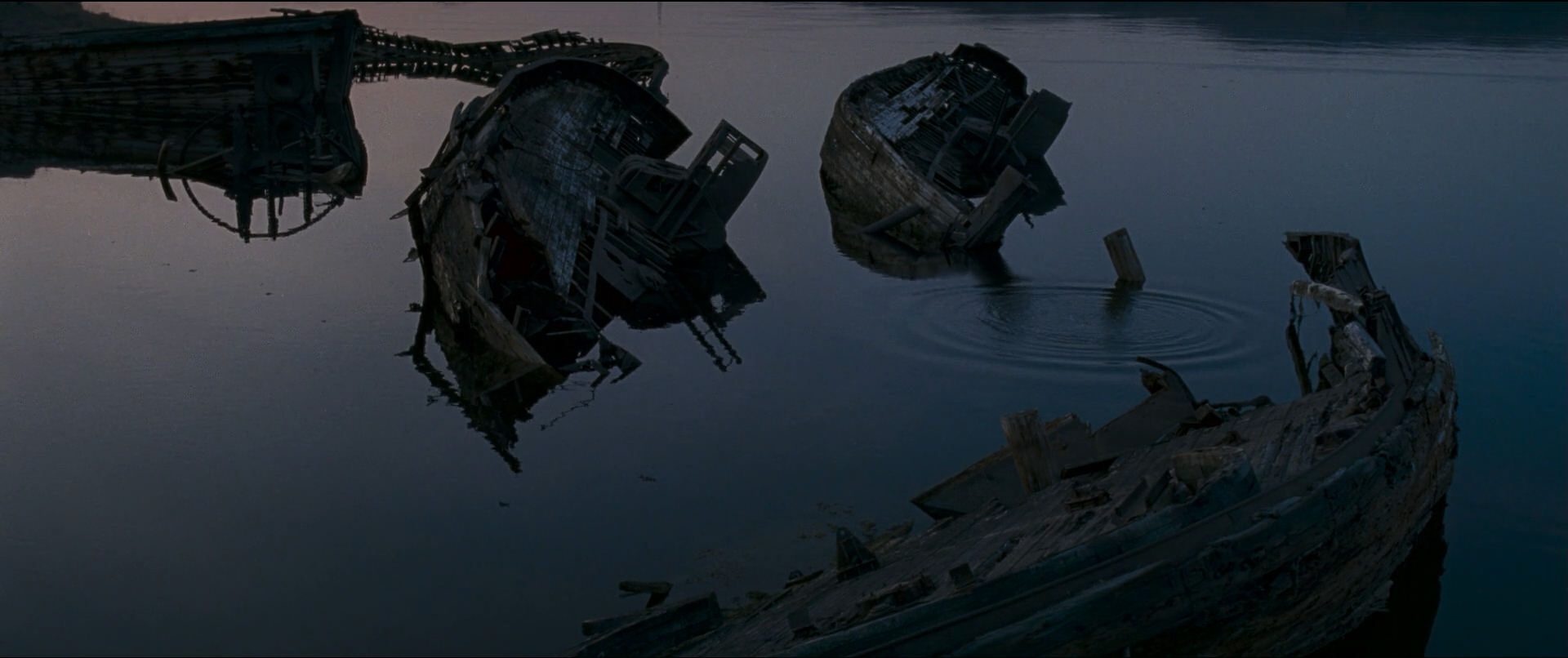
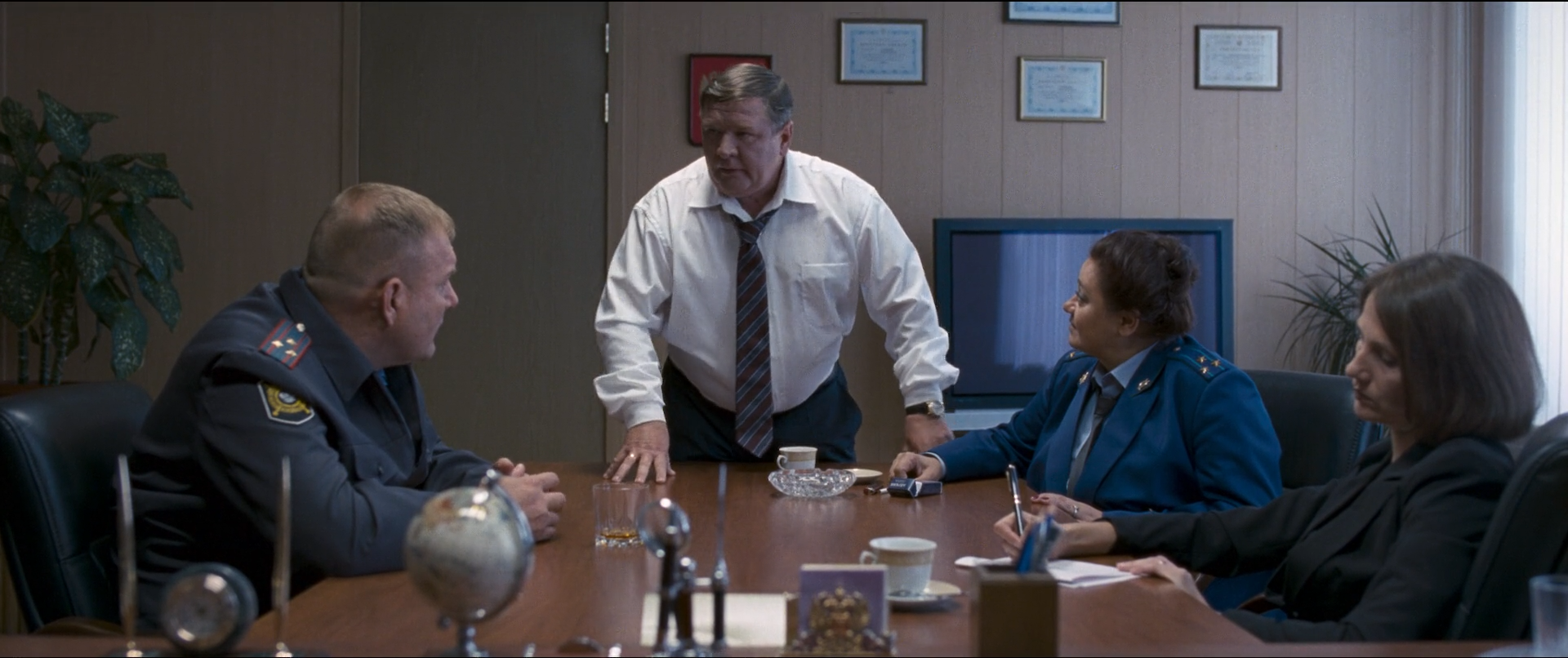
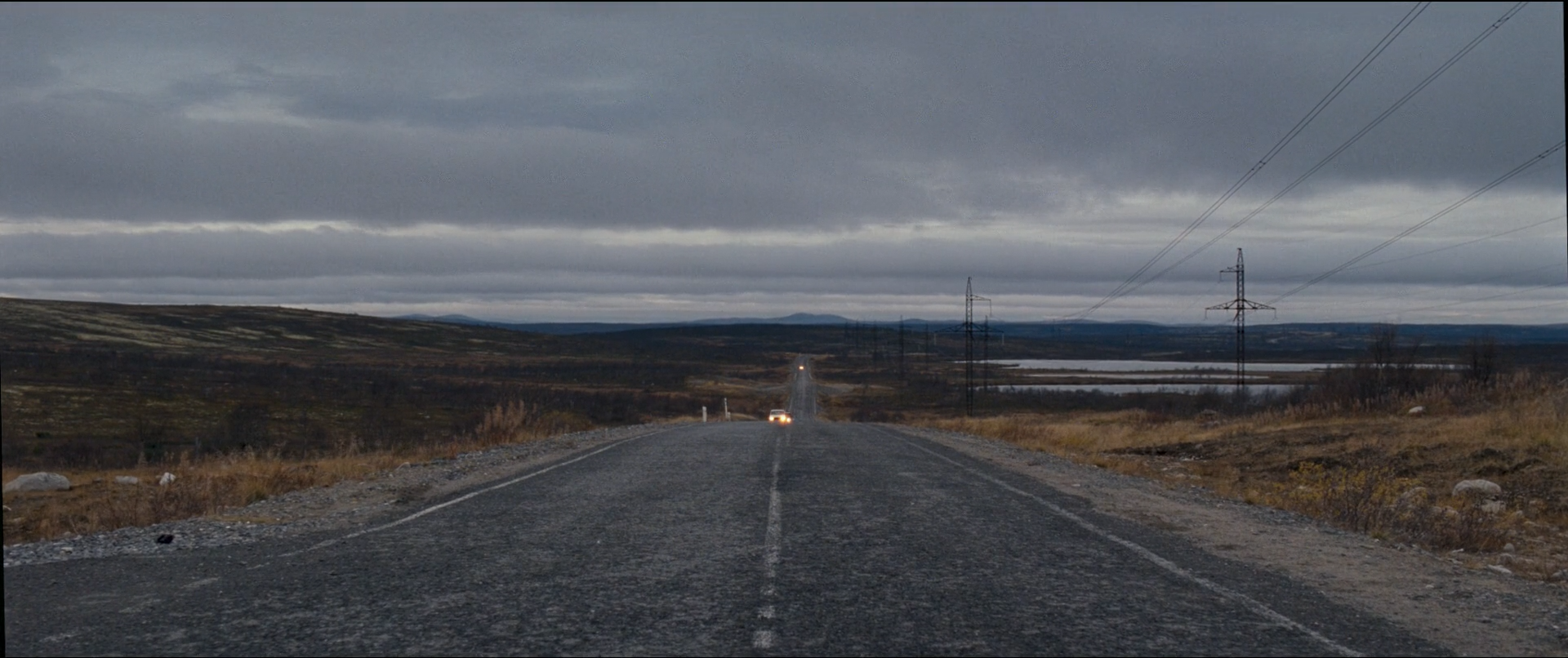
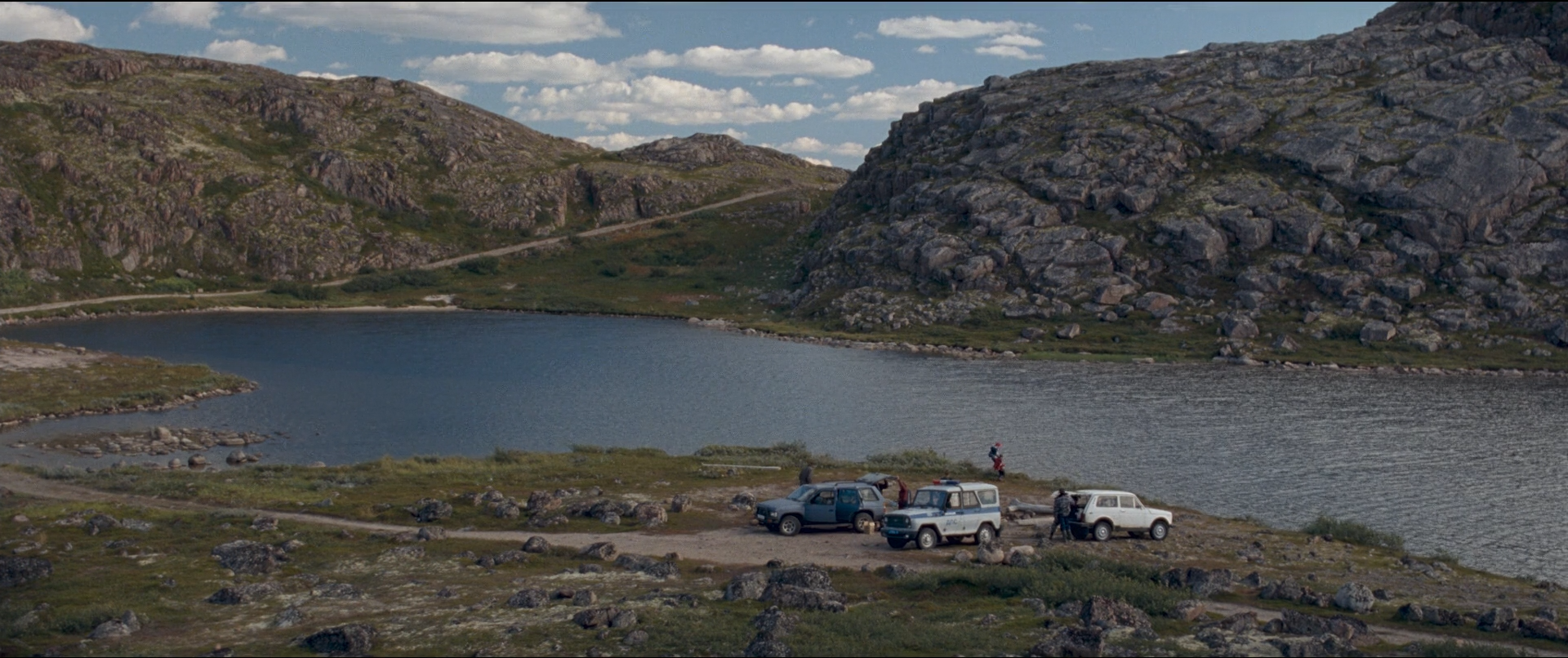
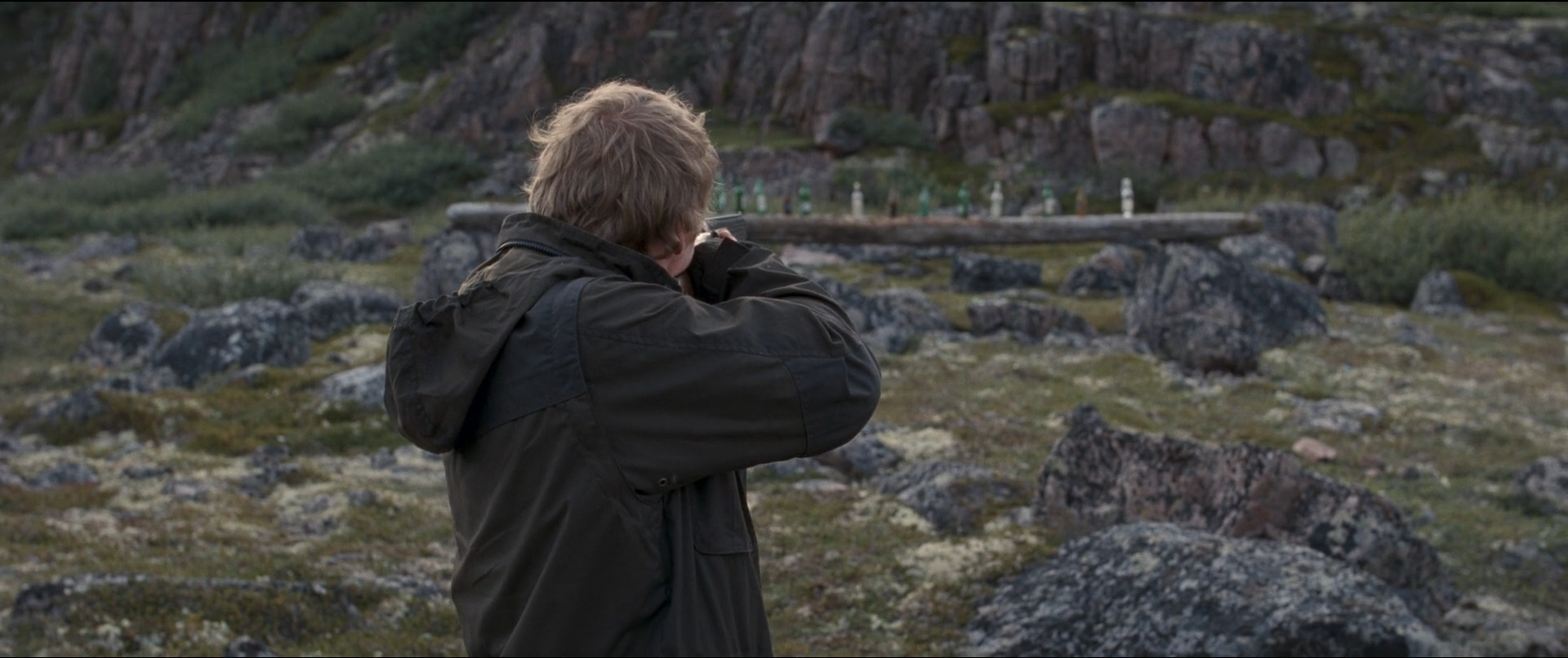
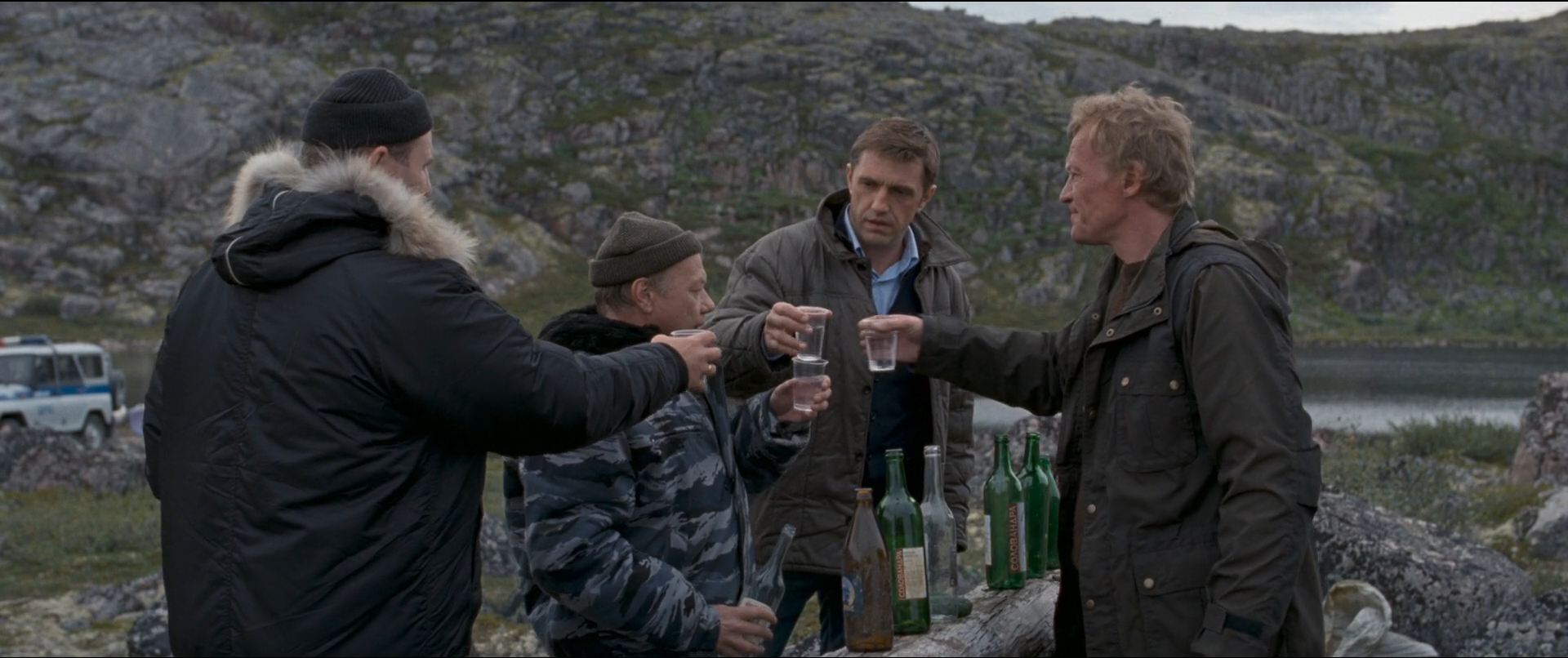
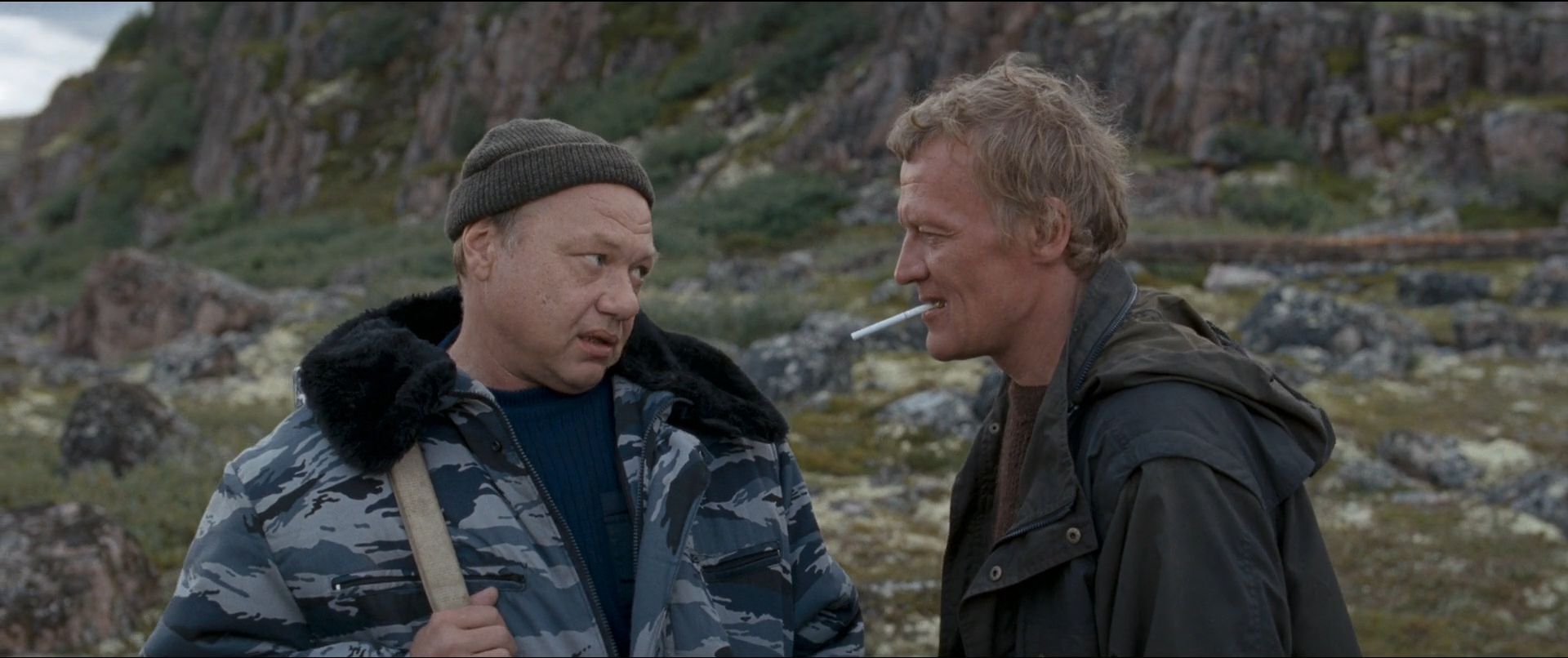
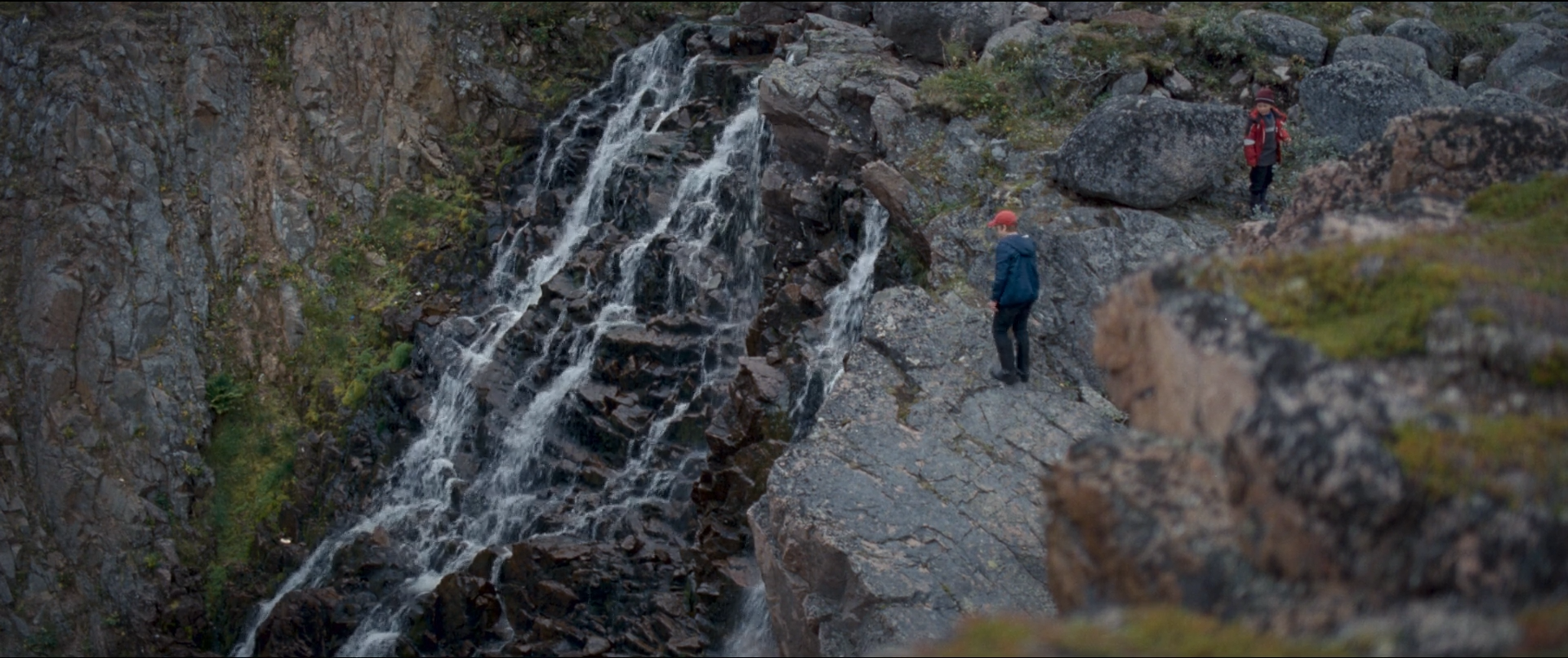
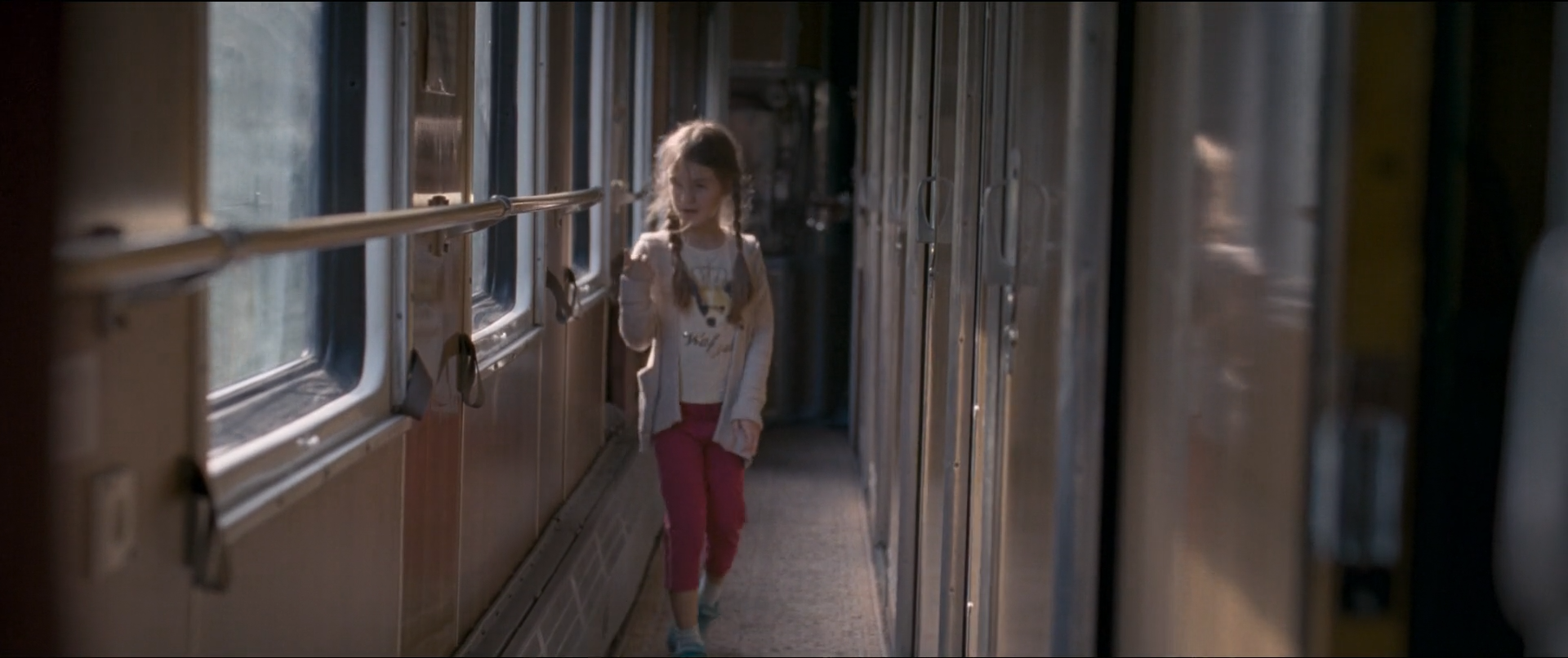
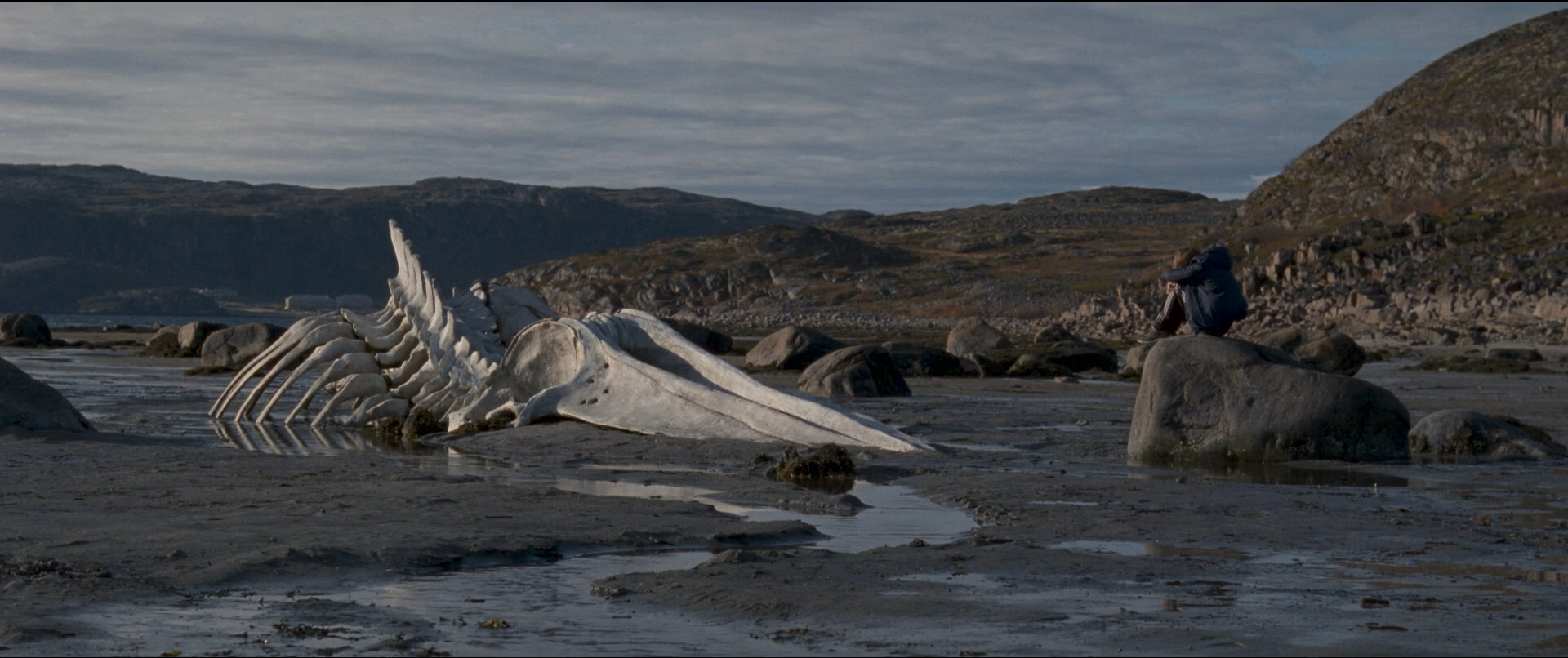
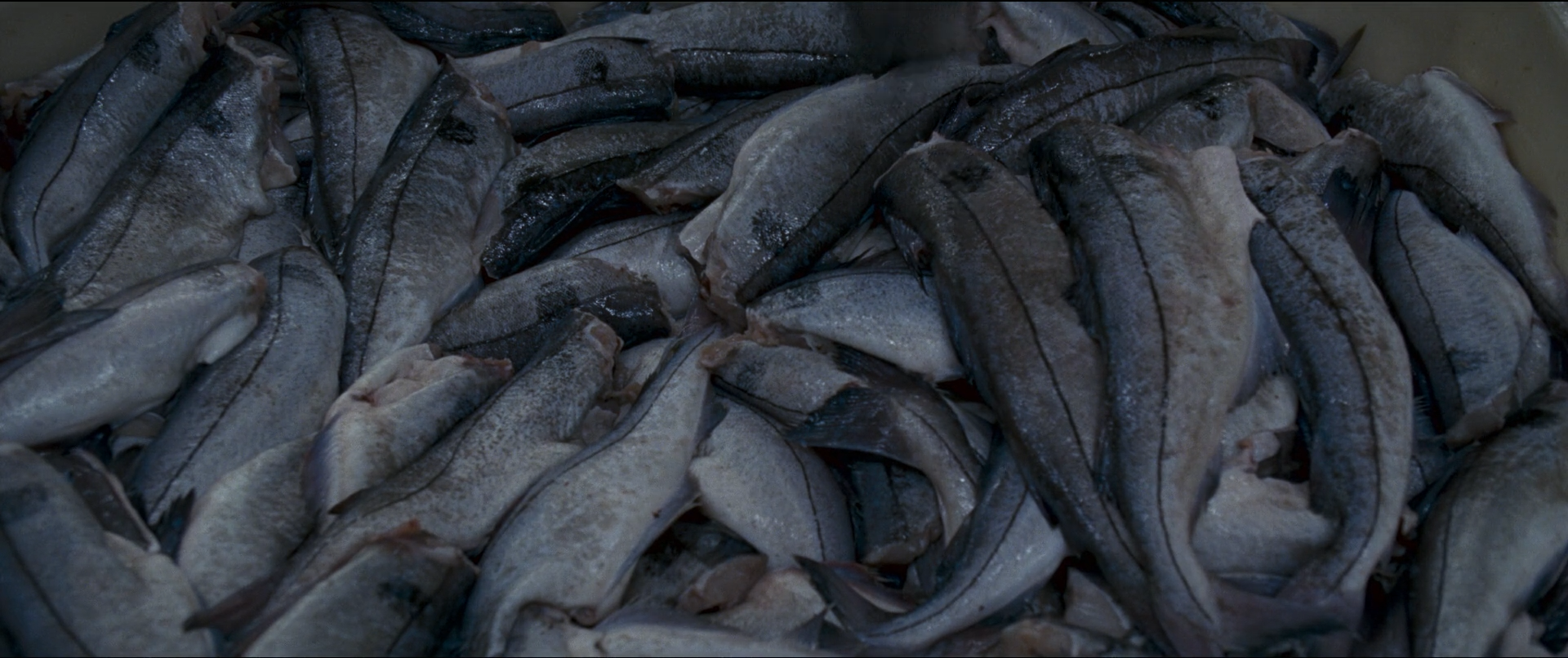
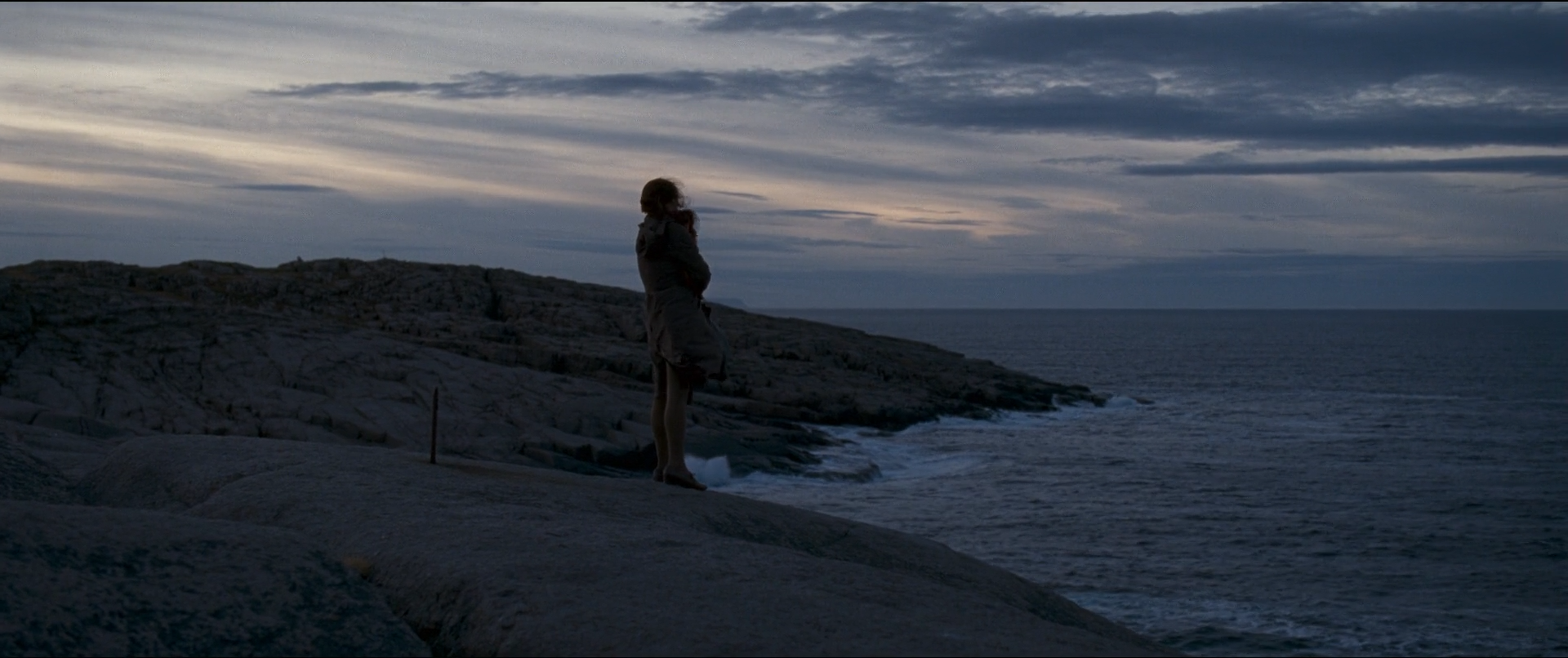
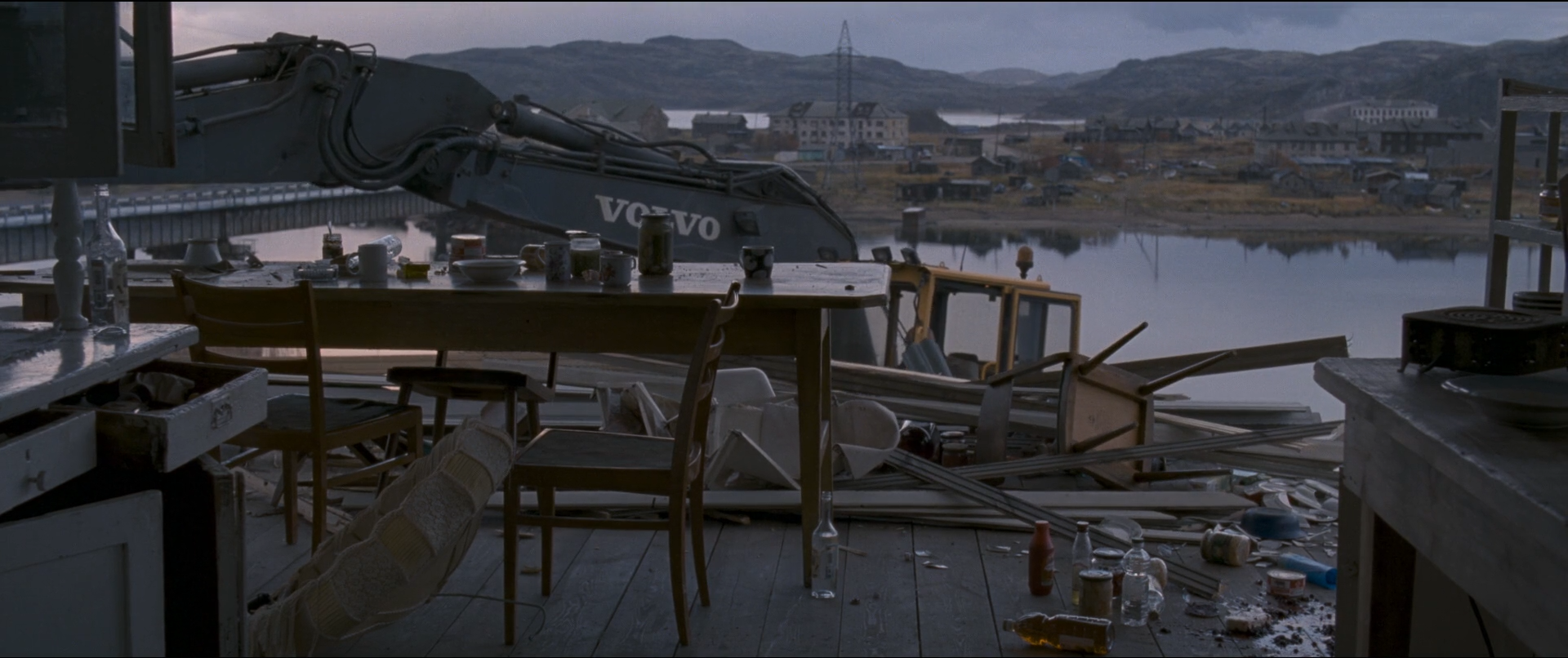
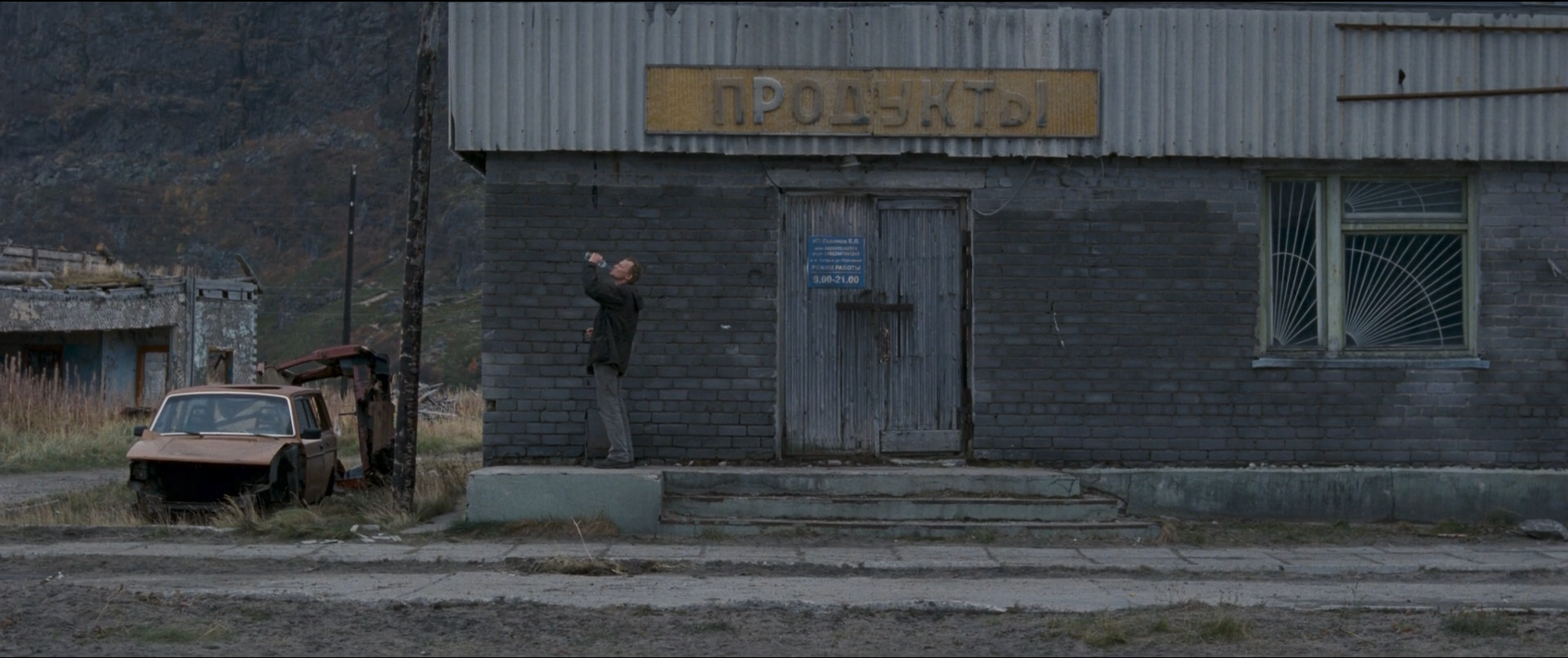
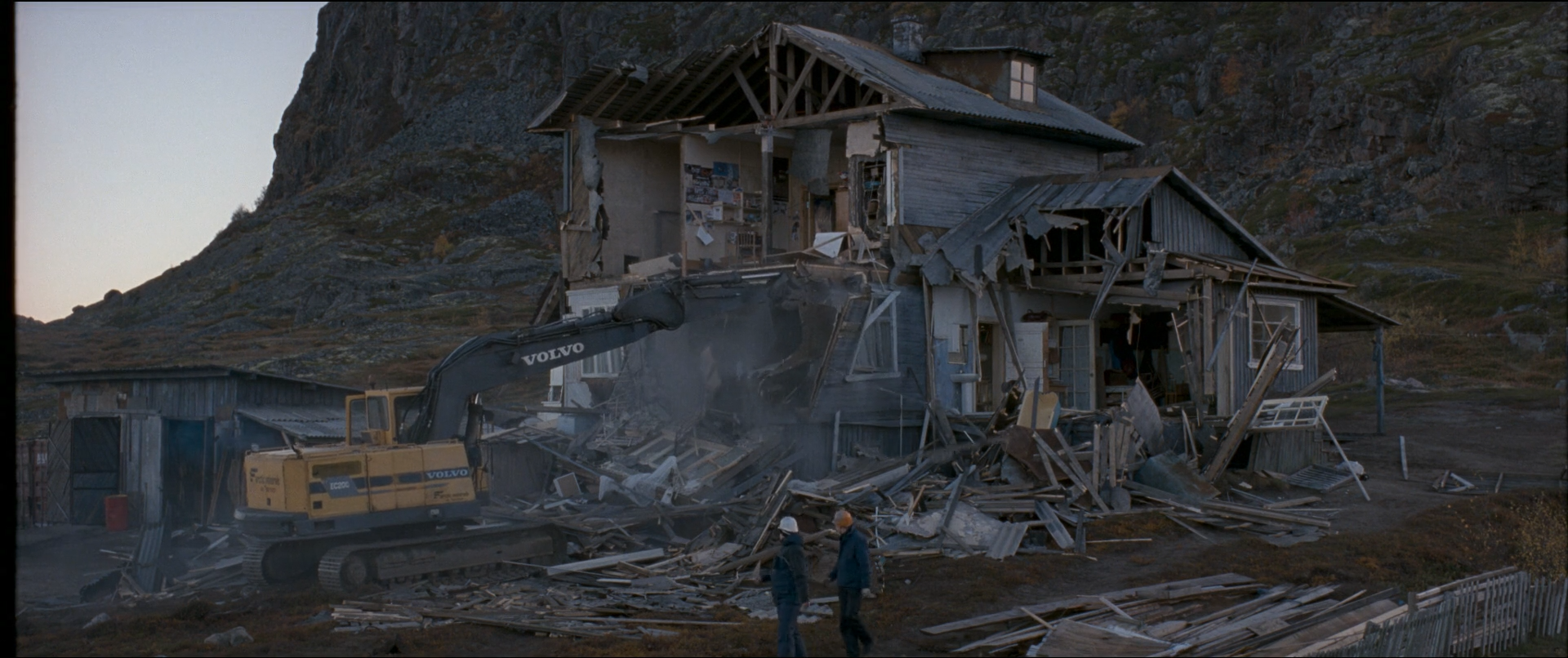
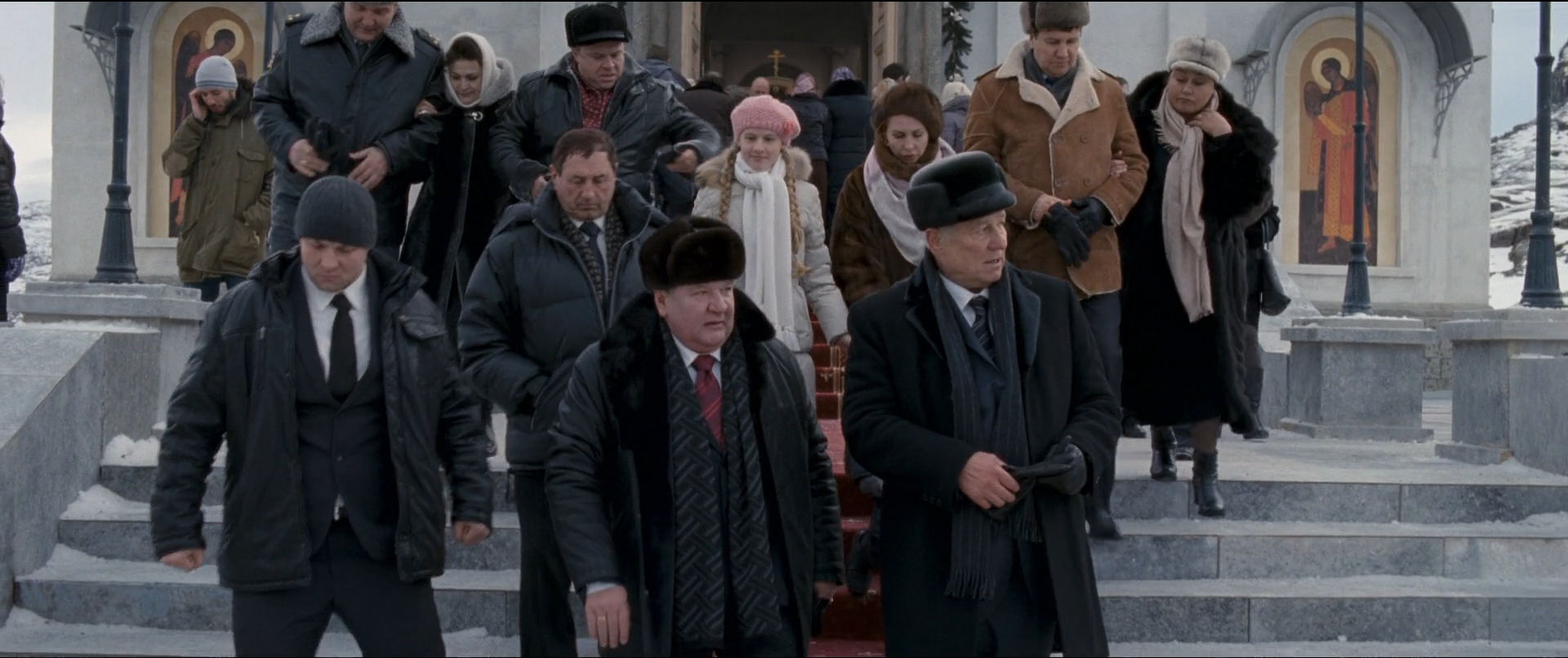
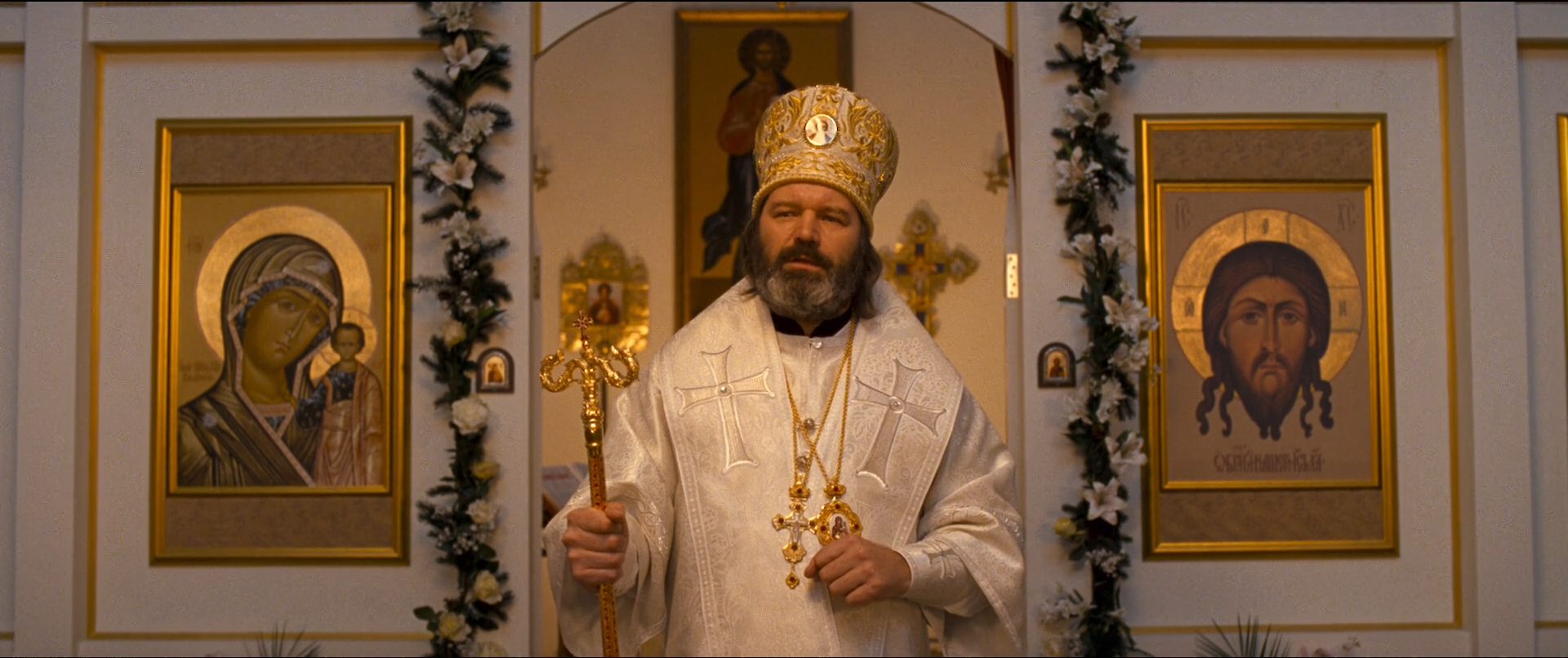
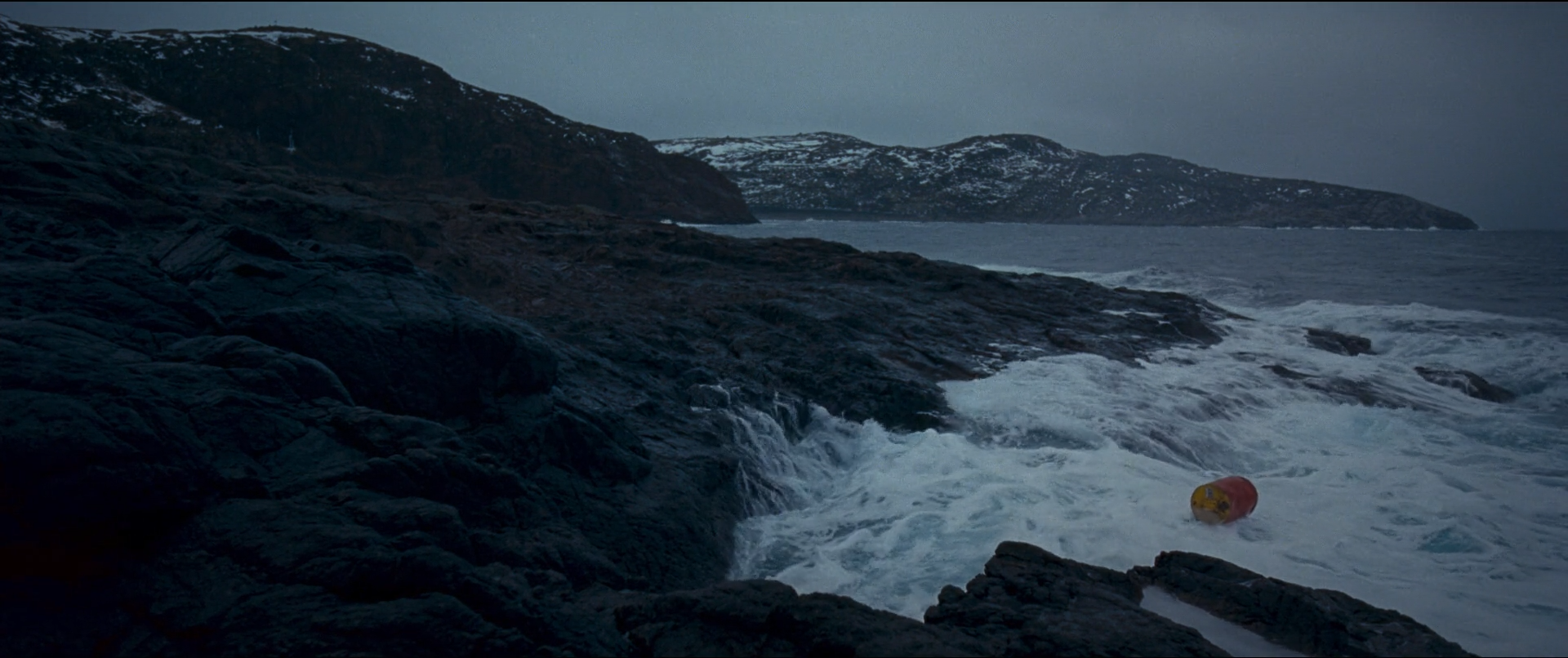
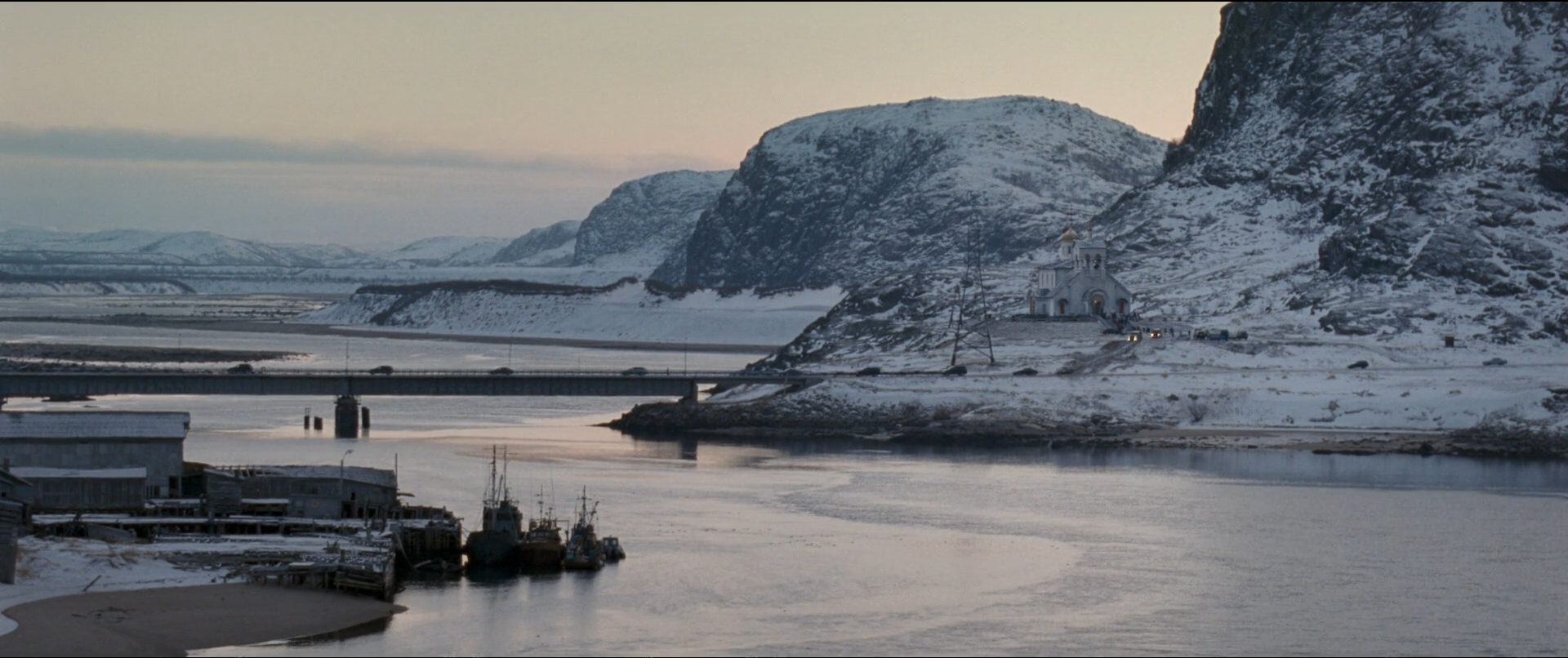
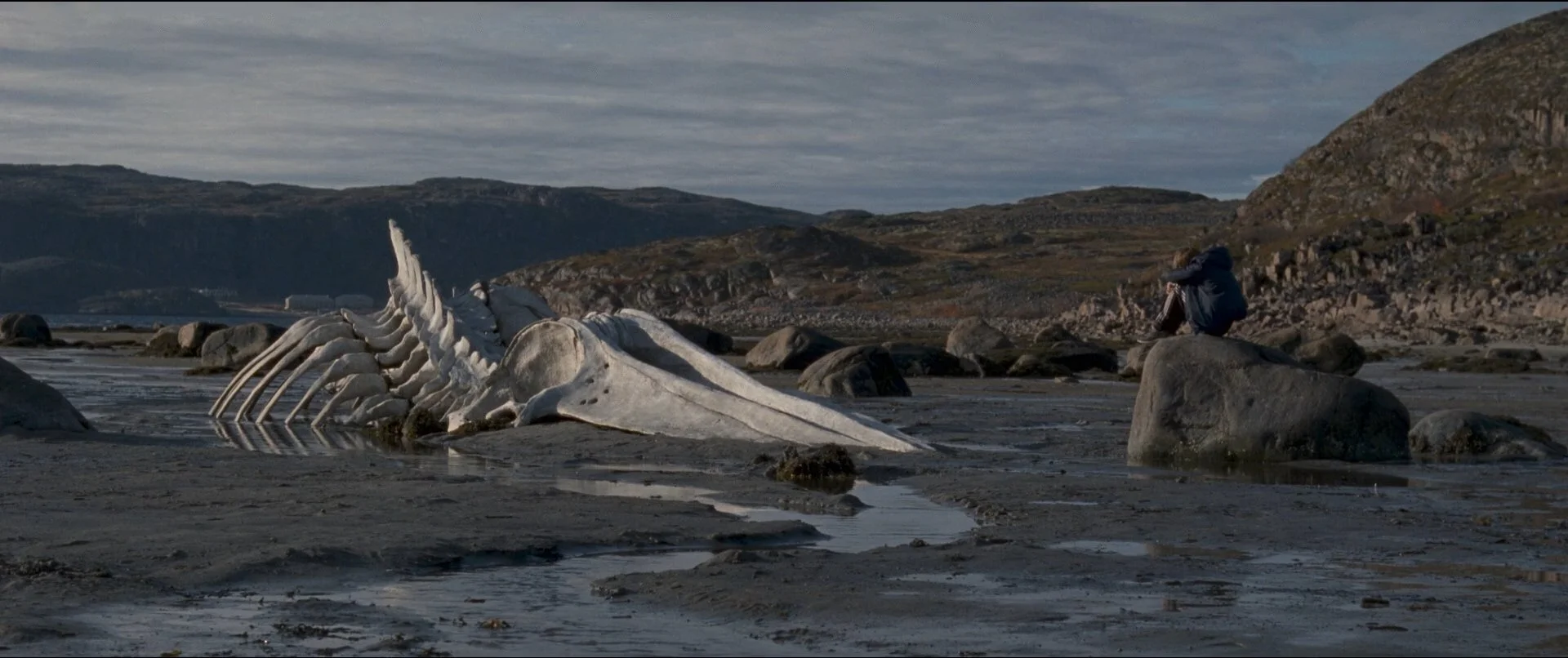
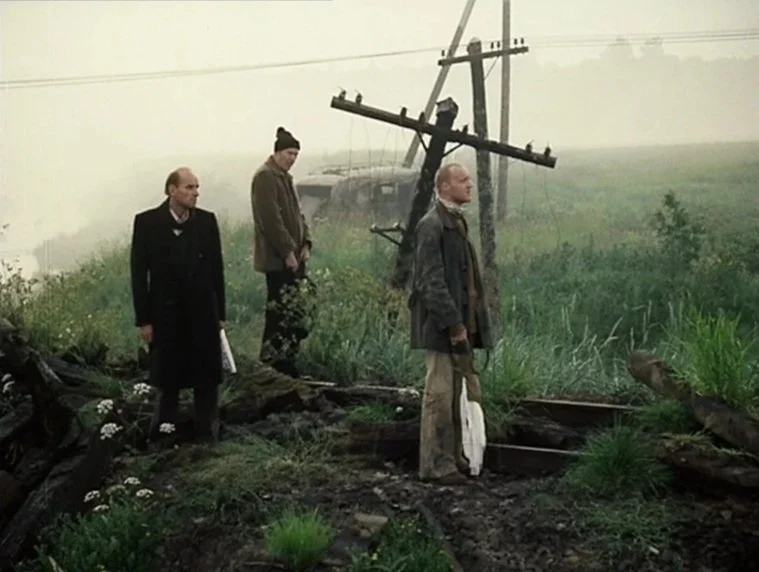
There’s something about the cinematography in this film that speaks to me deeply. The beautiful image quality on Zeiss Master Primes is highly reminiscent of Roger Deakins work though with more naturalistic lighting. The camera tracking movement at the beginning is very immersive, but the presentation wanes off once the story takes hold. Zvyagintsev gives us the modern Russian experience with poignant realism to address deep corruption in Russian society. There’s a sense of helplessness from a gargantuan system that creates a world weary tone. Everyone is miserable in this film (in a fantastic way) creating a hauntingly somber atmosphere. Zvyagintsev feels like a spiritual successor to Tarkovsky, having a philosophical/existential tone in this film based on direction alone. His gift is putting the most ordinary people in existential dilemmas for an unfiltered experience. This Russian coastline is as bleak as it gets and the only solace is drinking.
Conclusion:
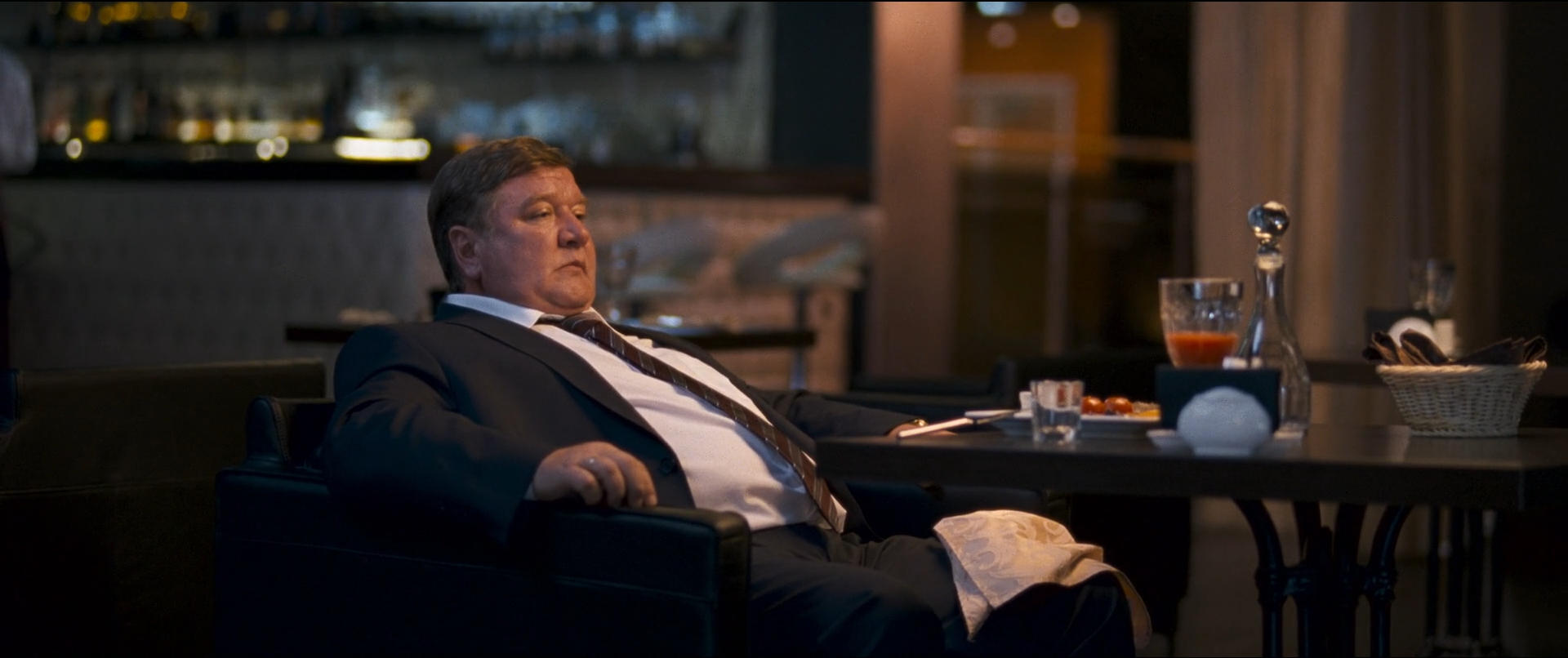
If you want to see what modern Russian cinema is about, this is the film to watch. He always manages to direct actors to fully embody the Russian spirit - full of sorrow, angst and humanity. This film starts masterfully, but the choice to pursue an indifferent direction ends up feeling disjointed regardless of how thematically appropriate it was. The focus wanders while building atmosphere, but narratively it gets lost. But none of that may not matter when we get just as lost in these ordinary Russian lives.
Recommendations





Koo ku Soviet surrealism.