
The White Ribbon (2009)
Sins of the führer.
Presentation:
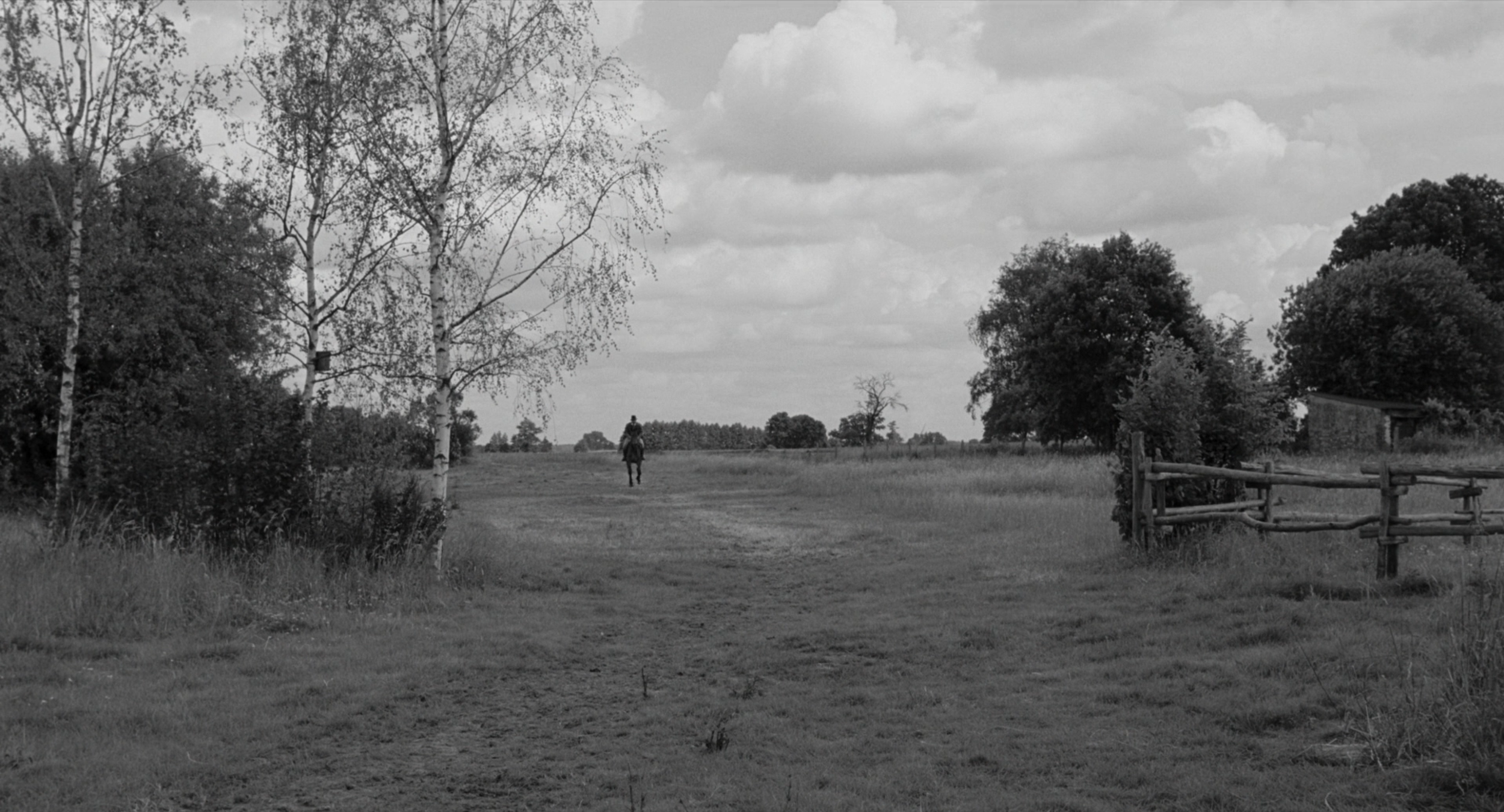
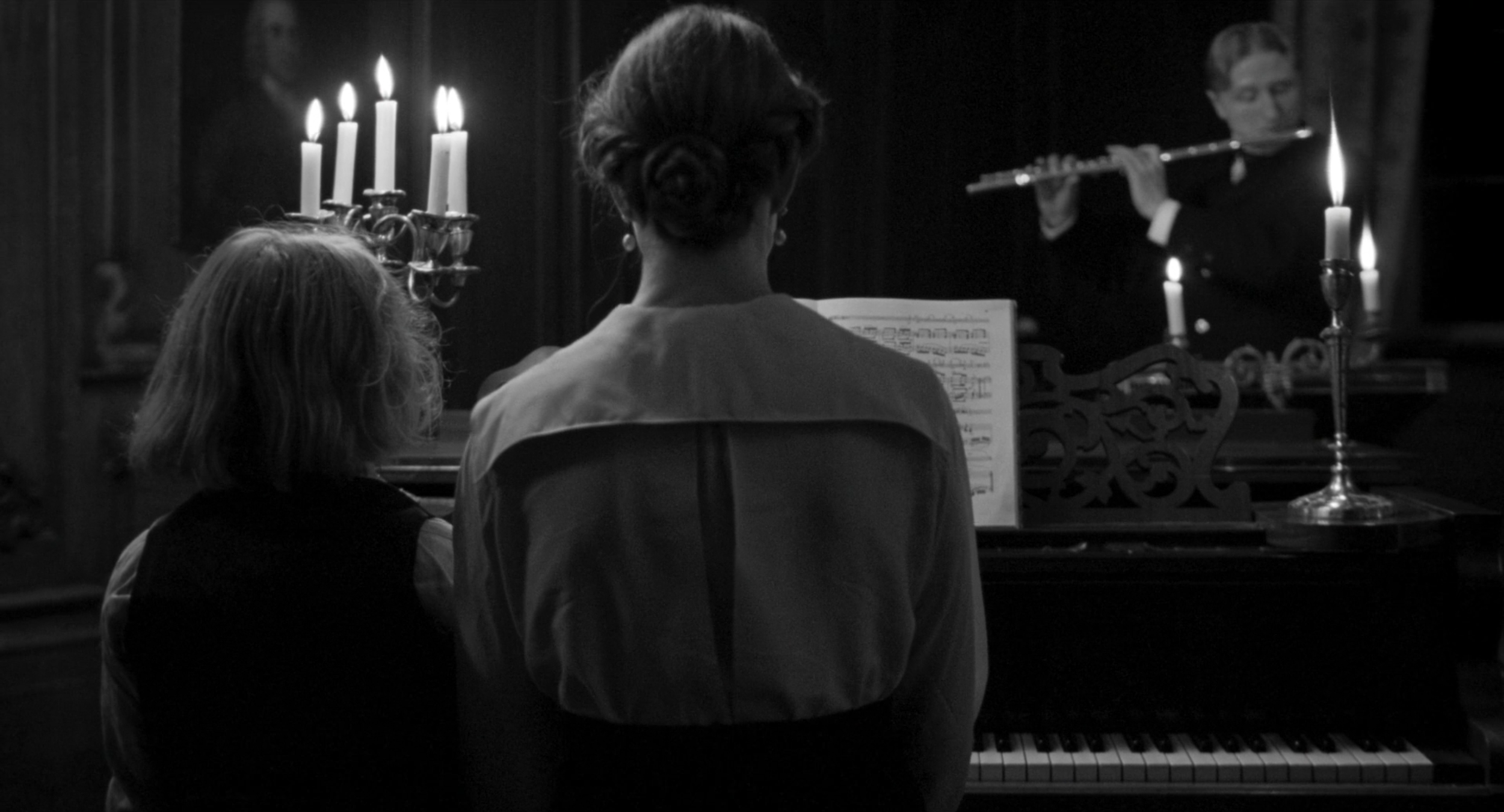
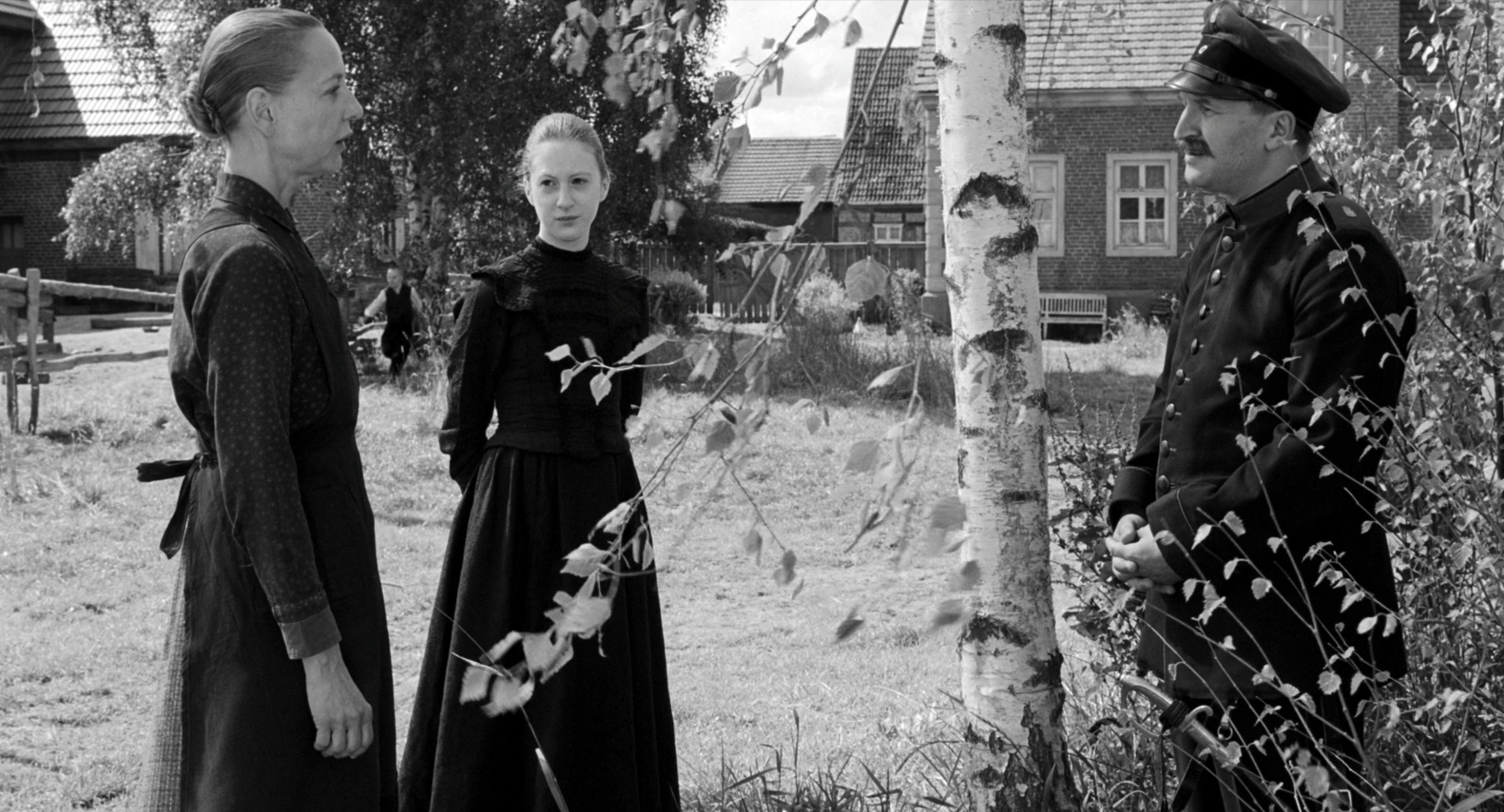
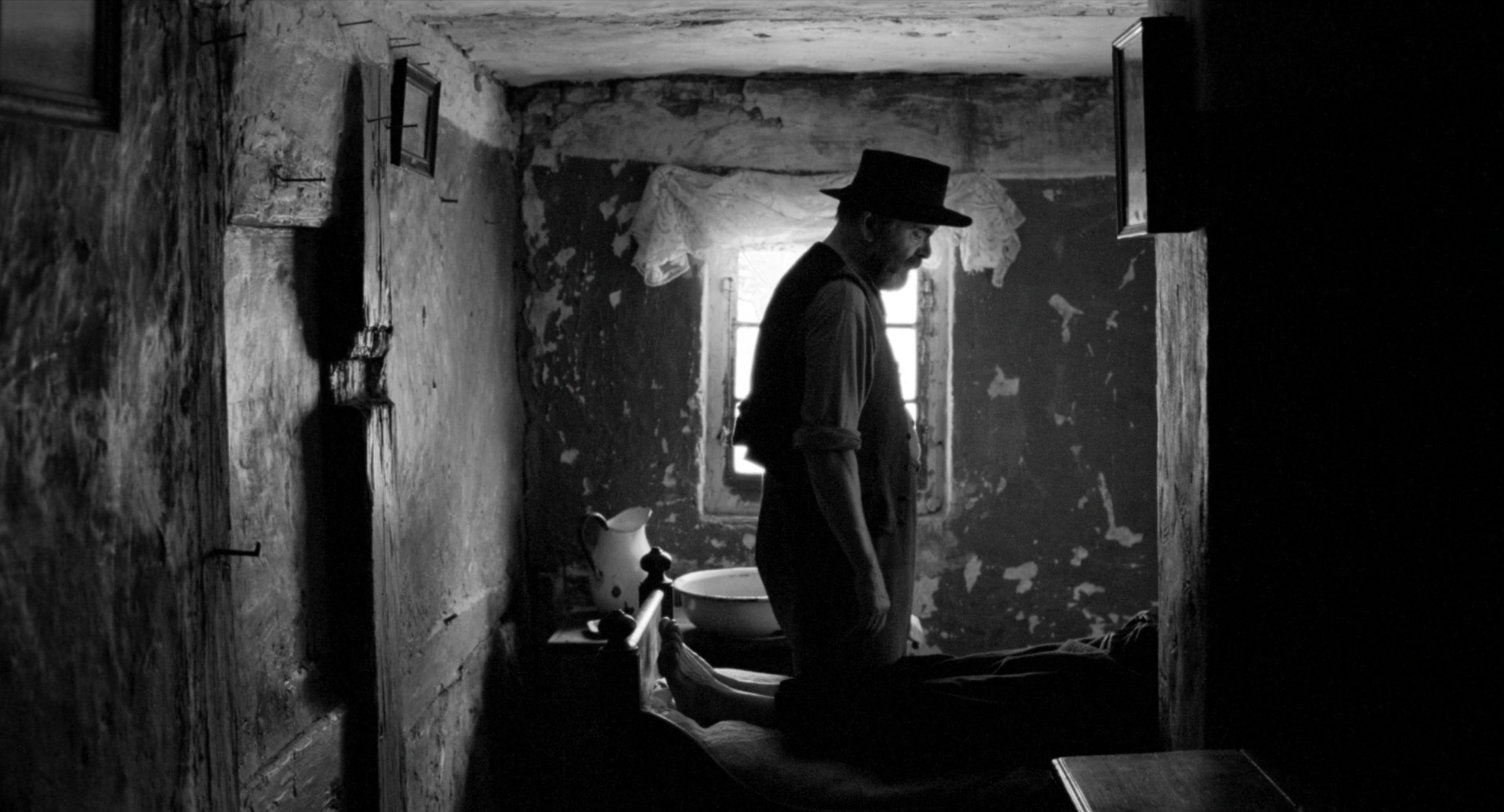
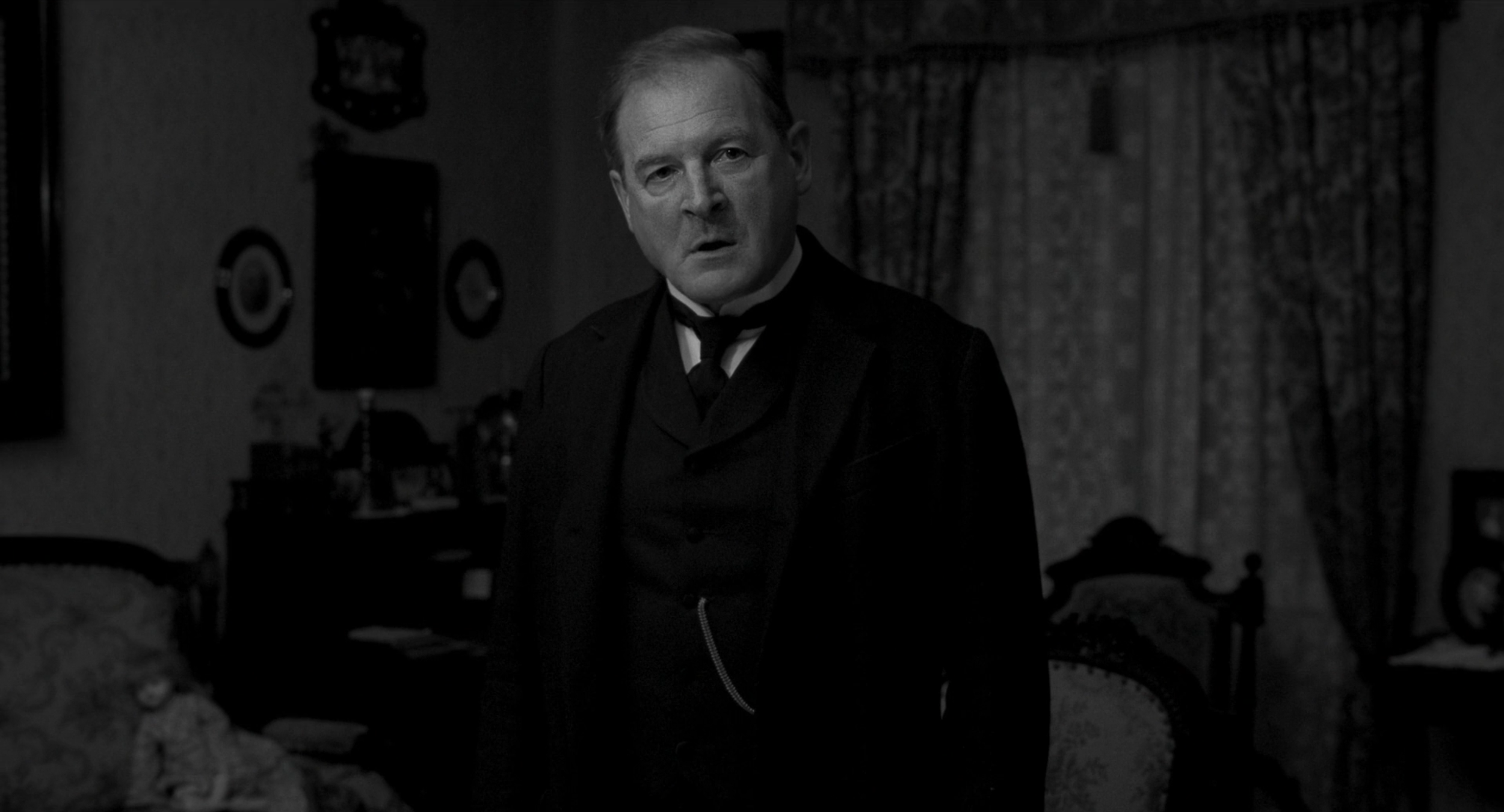
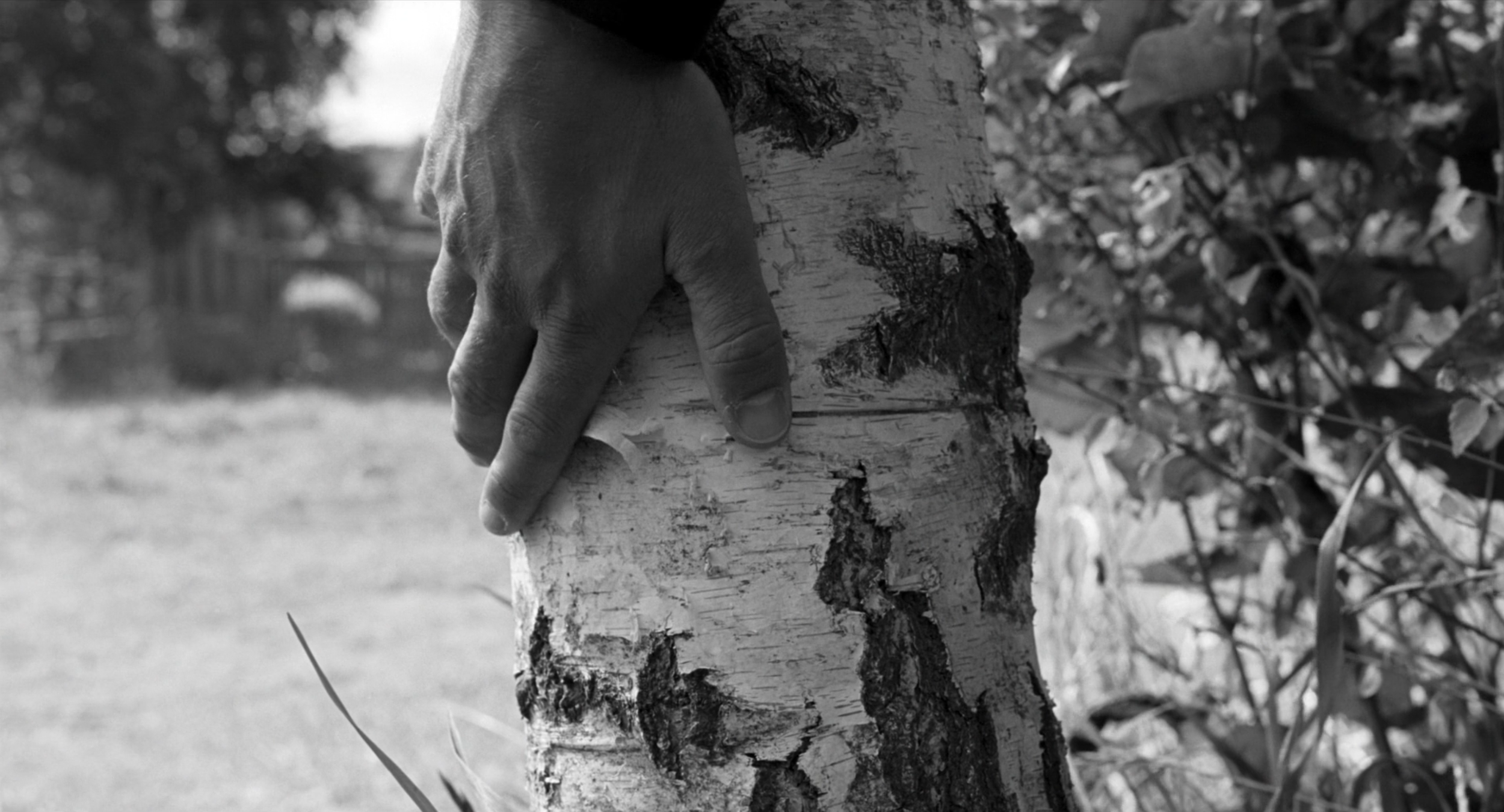
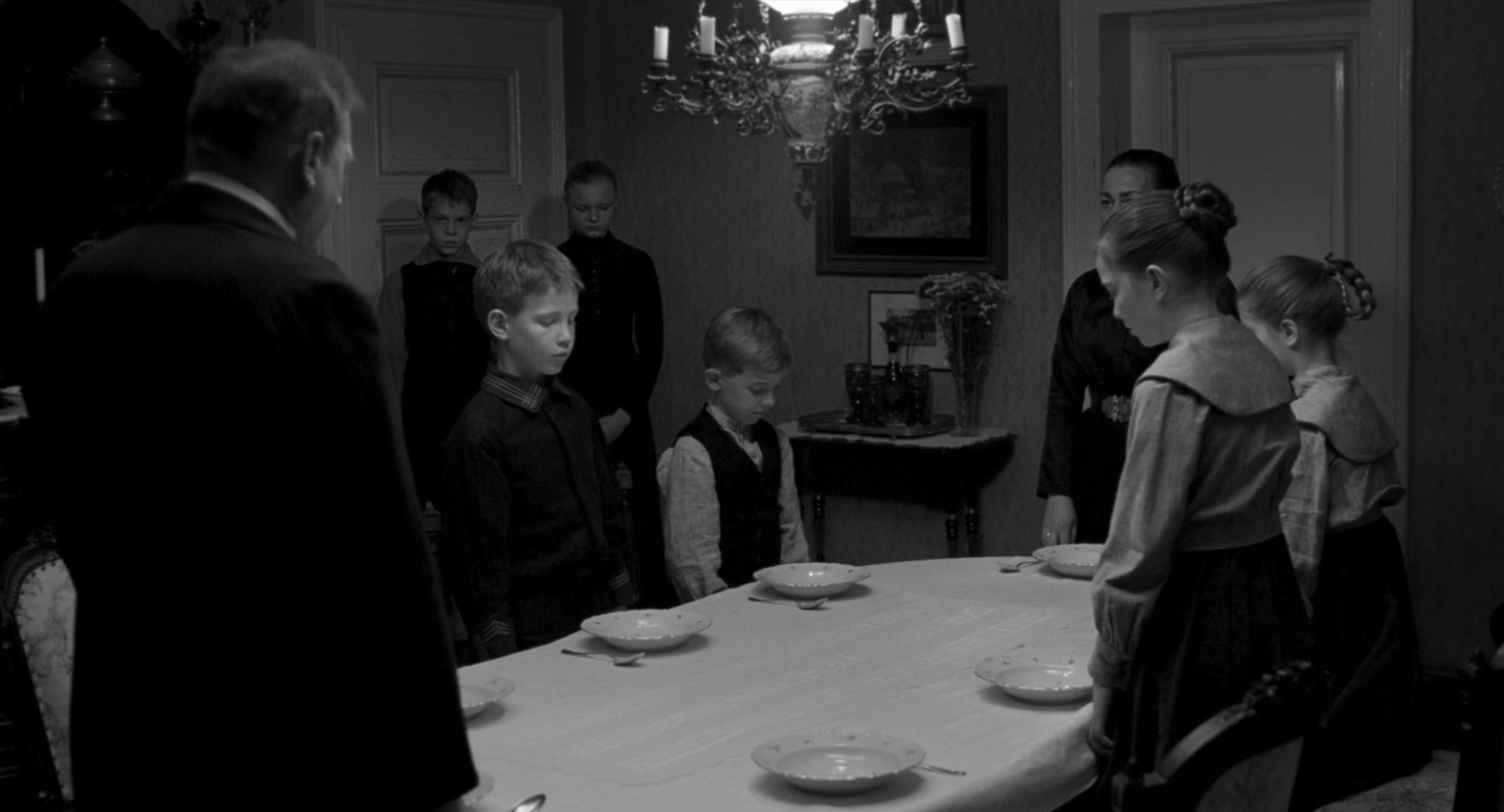
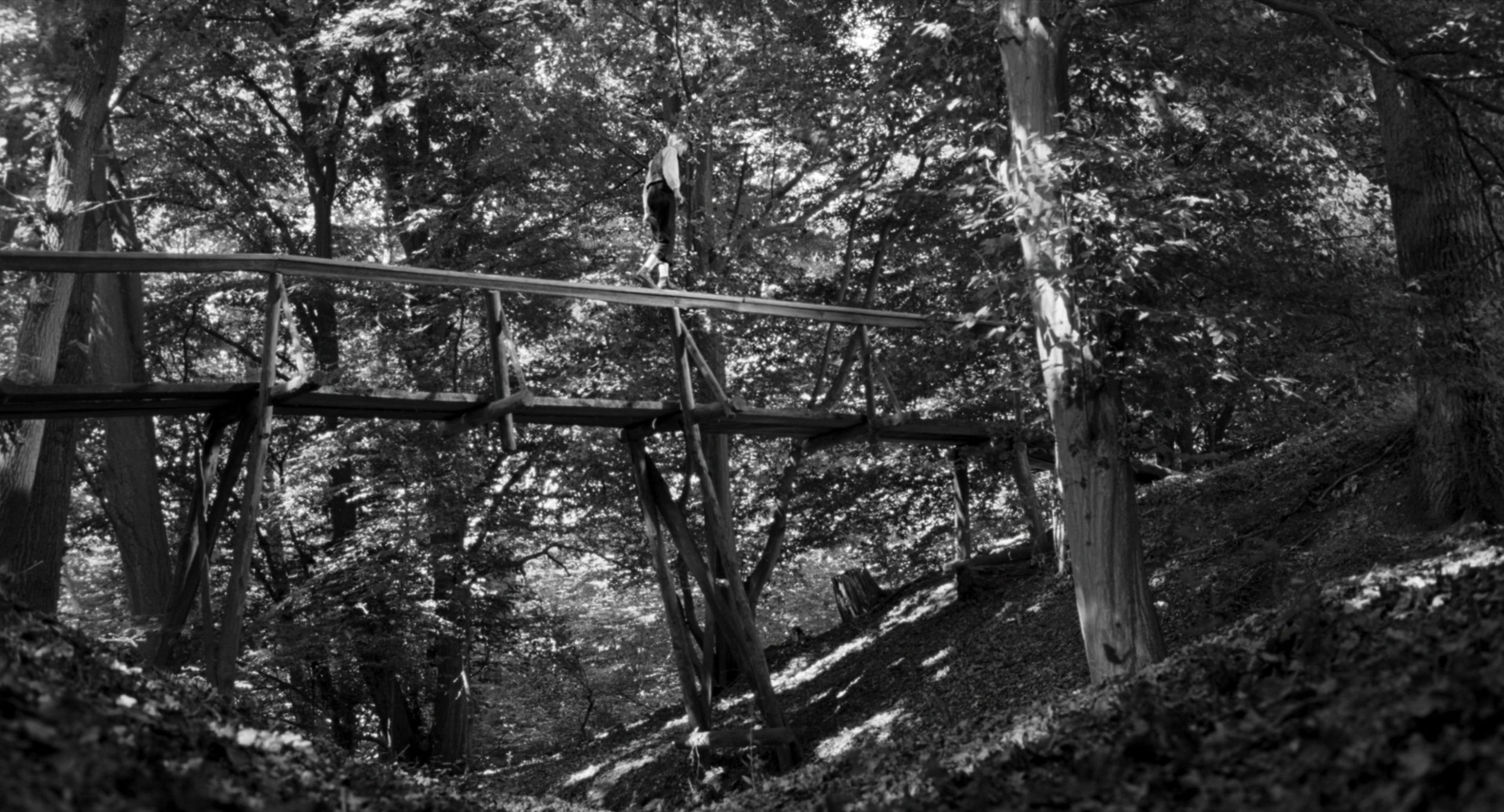
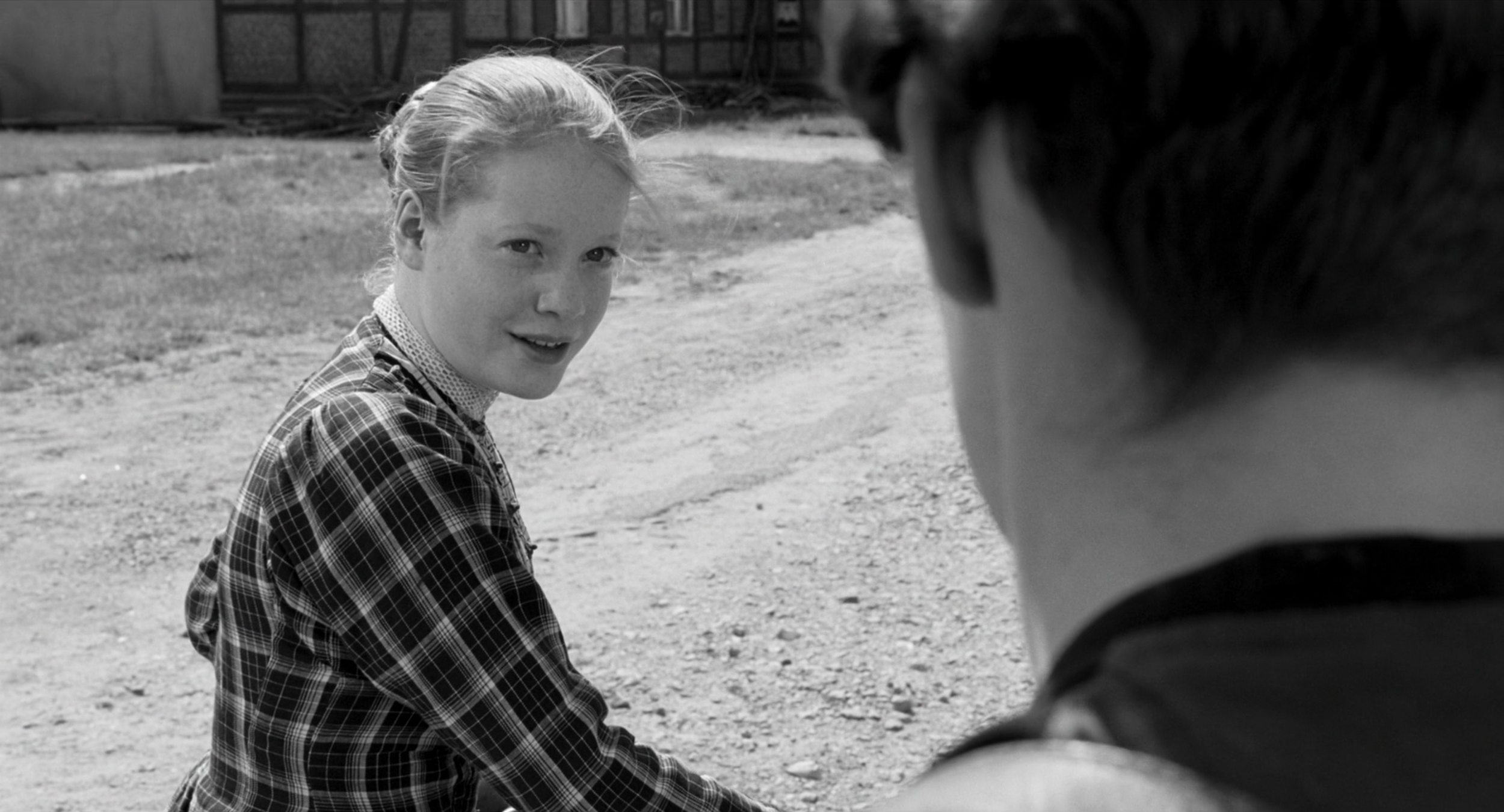
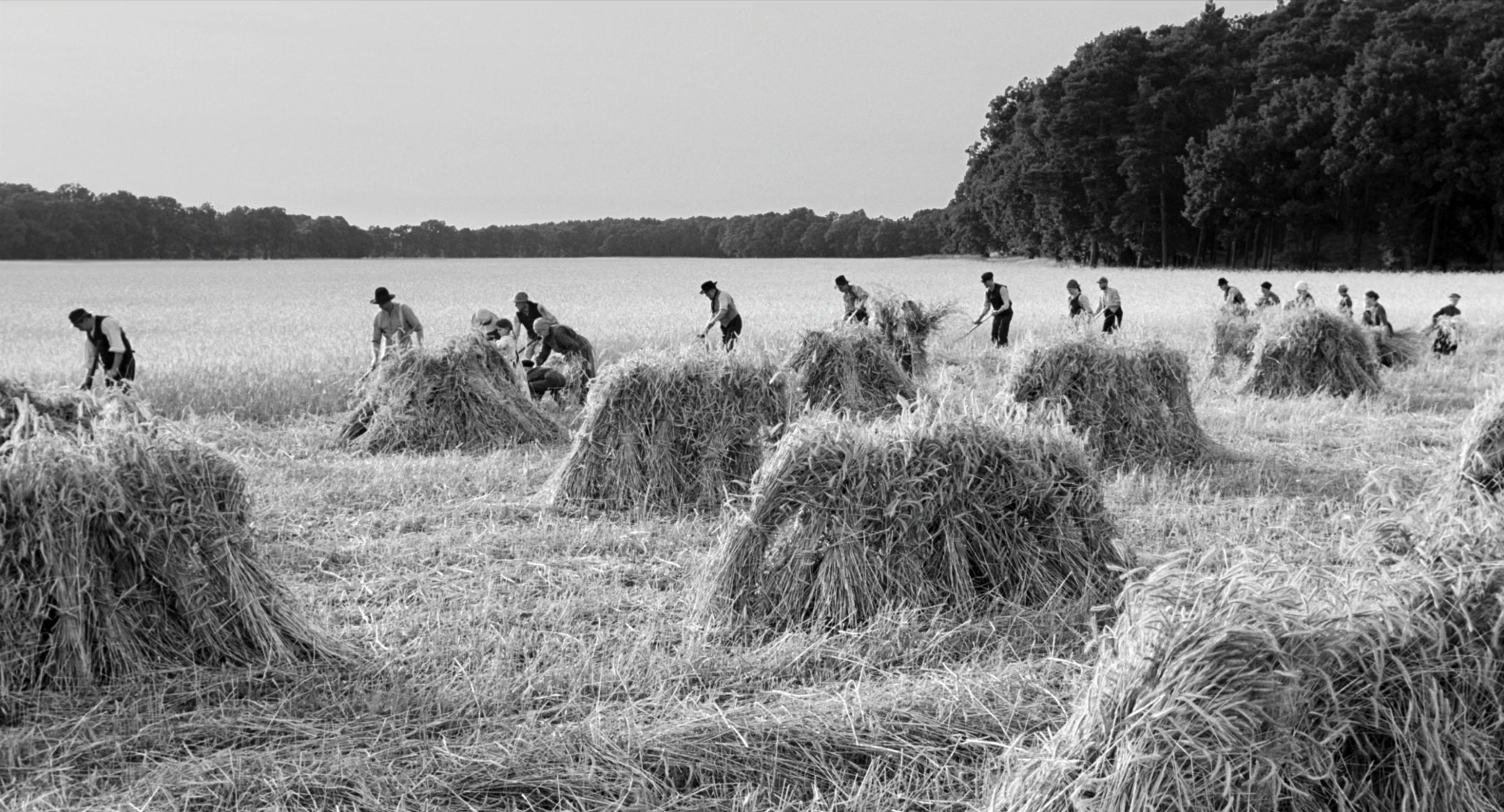
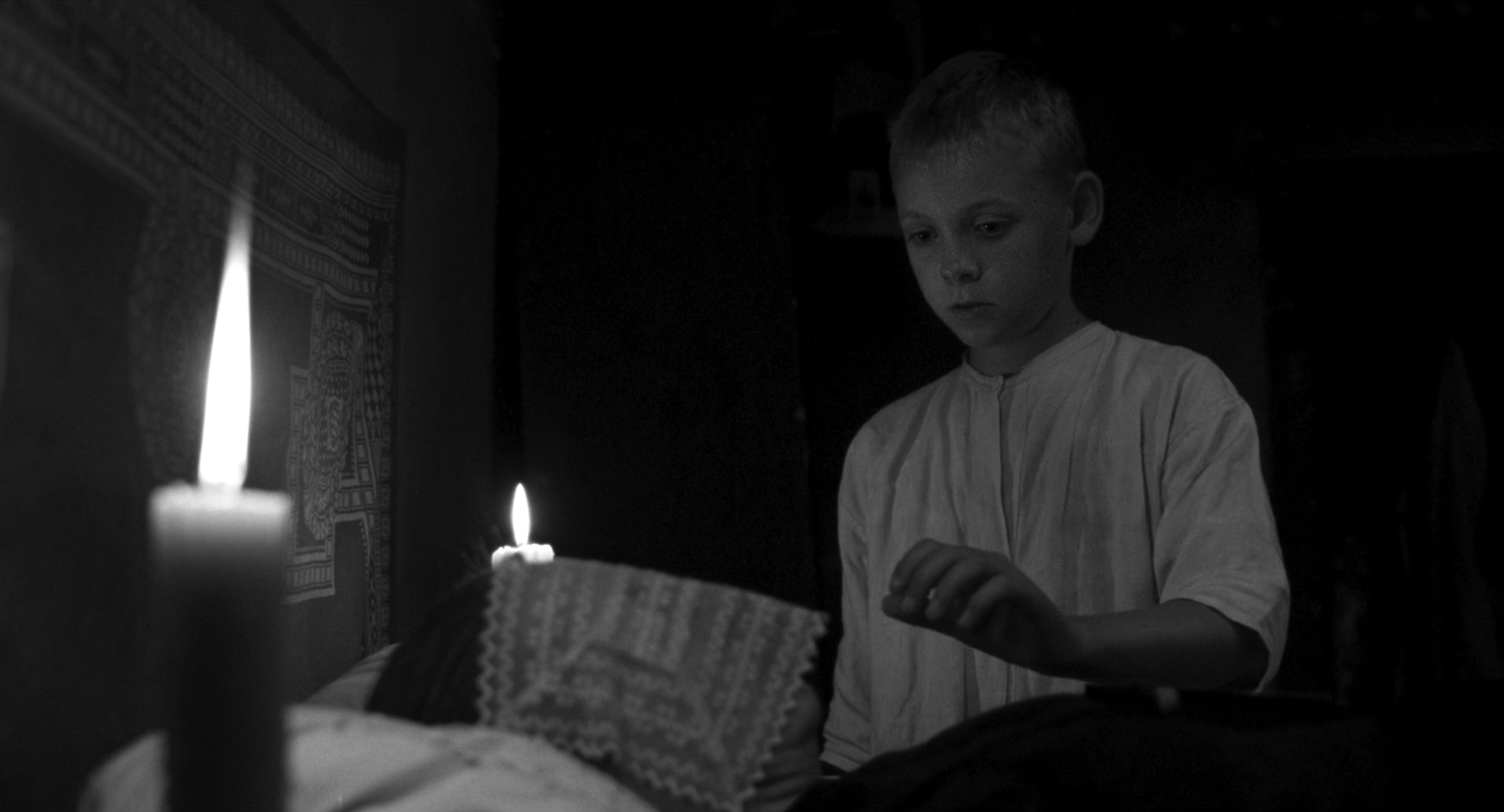
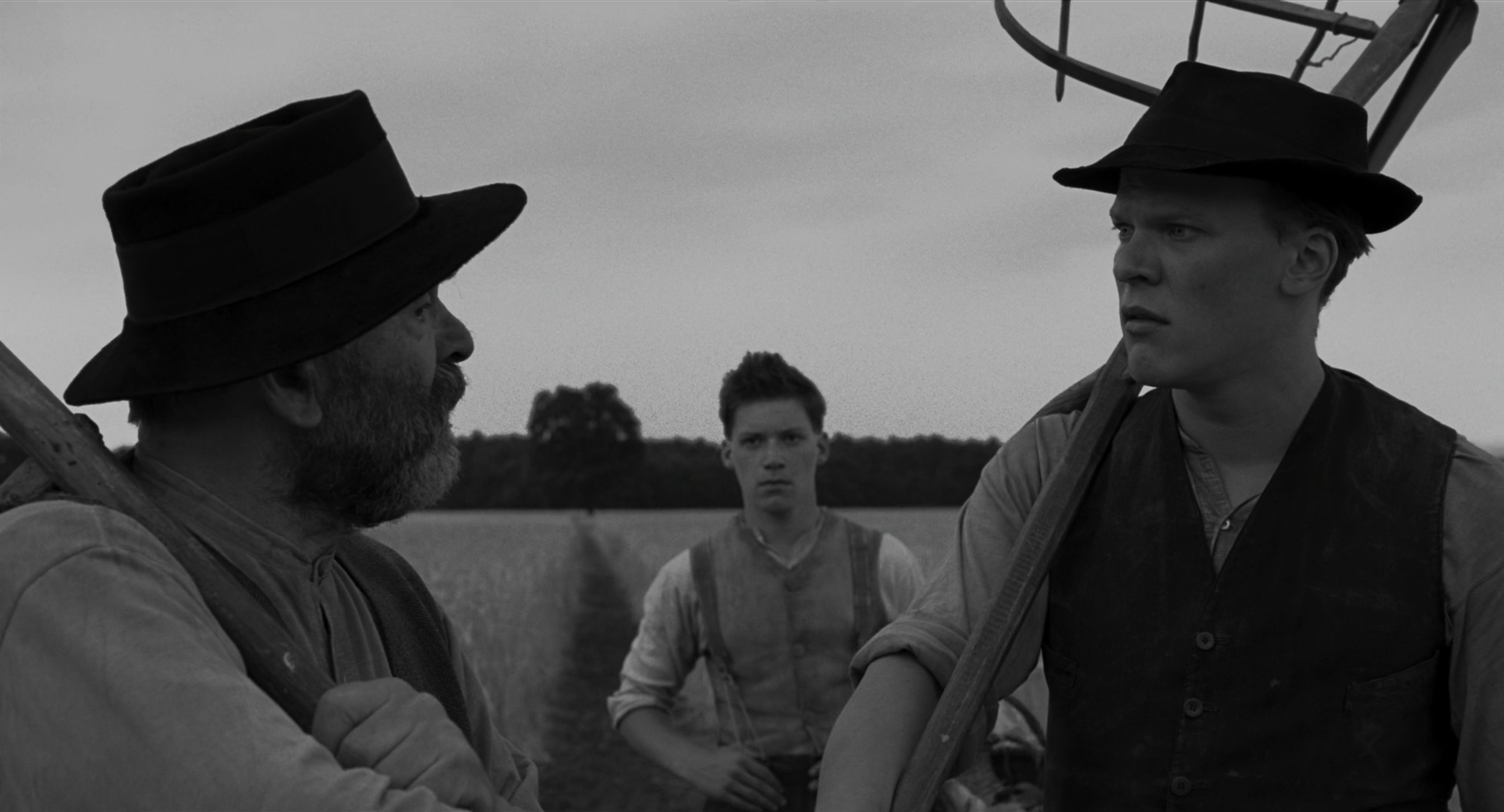
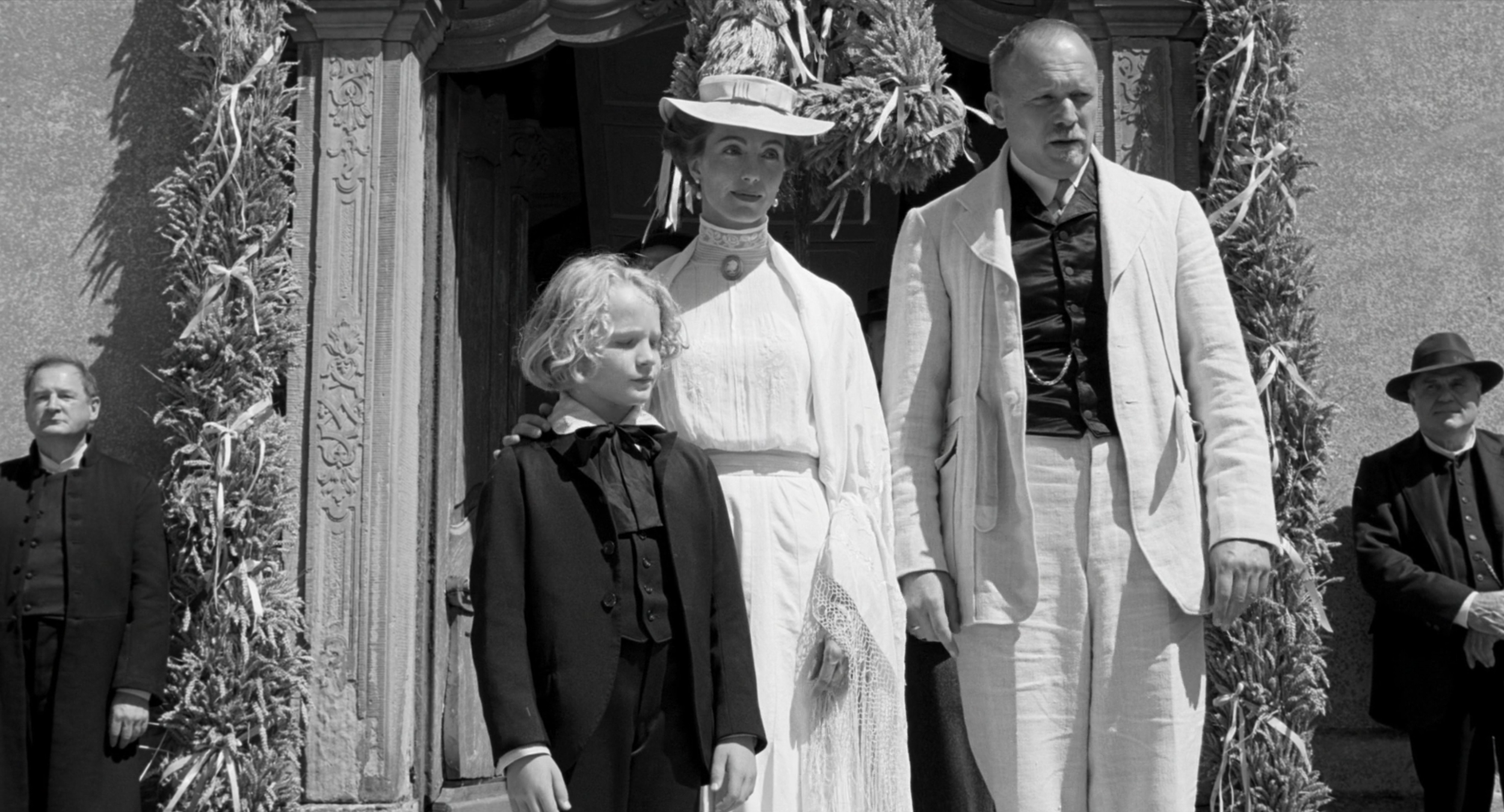
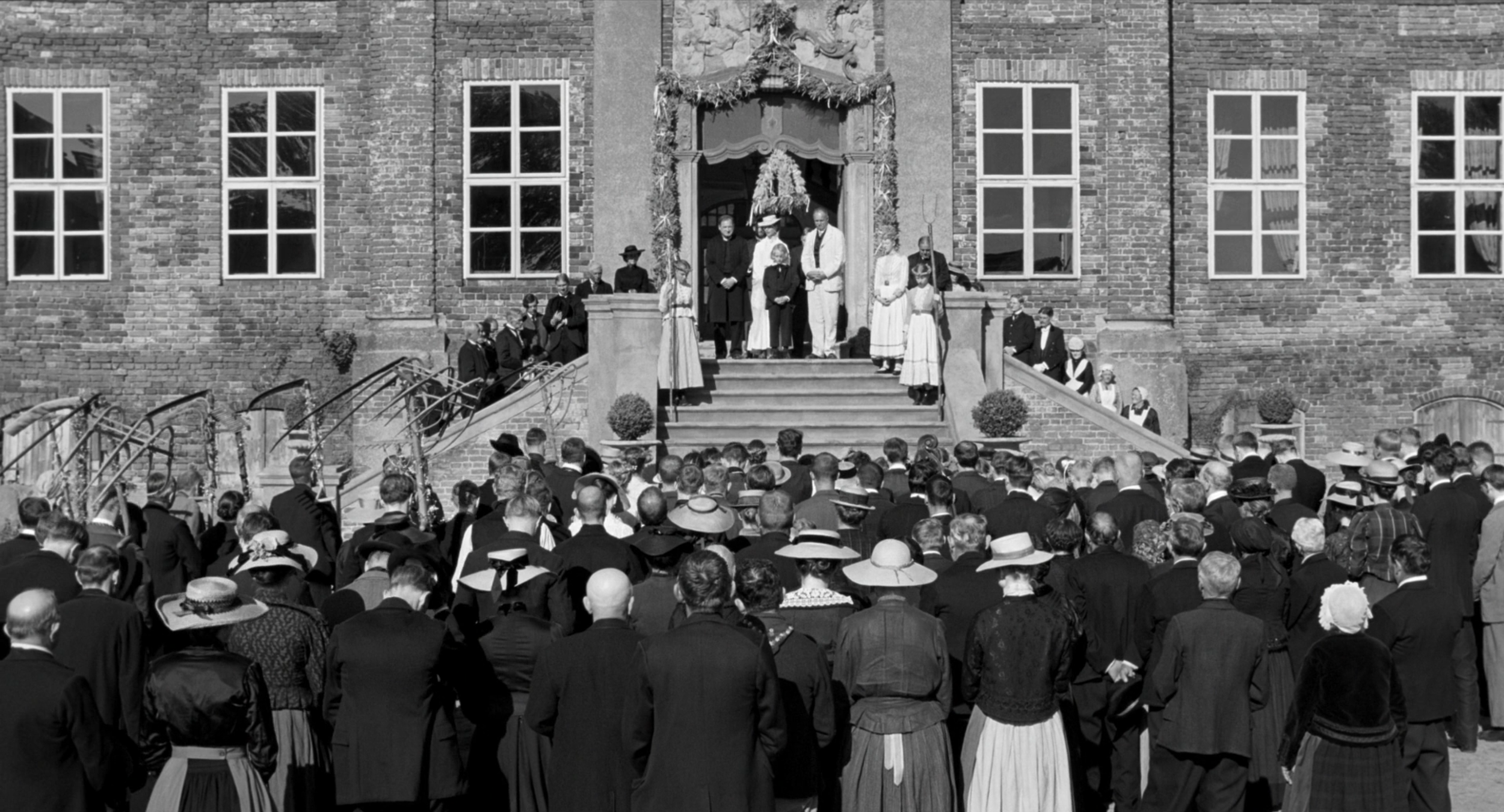
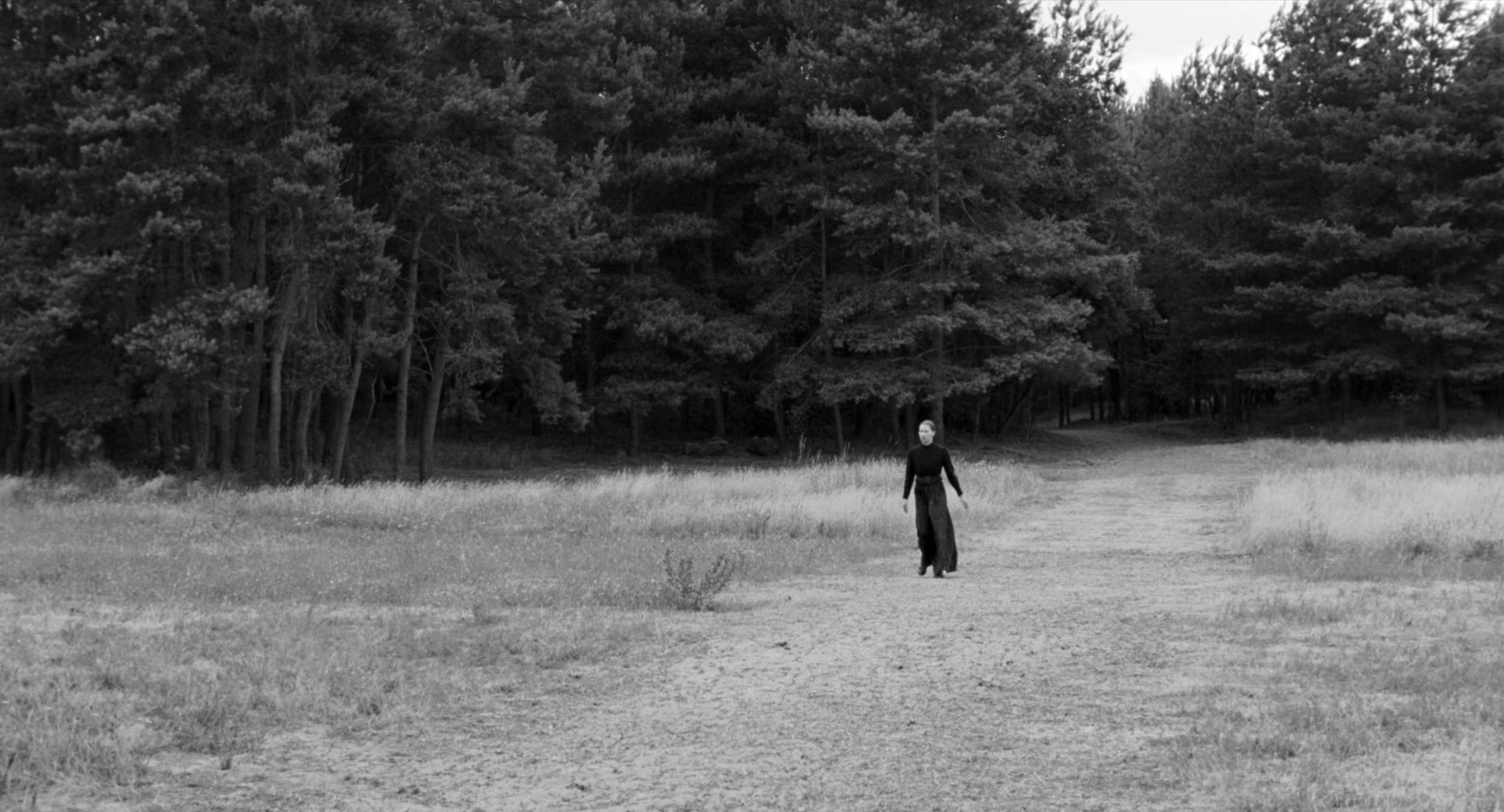
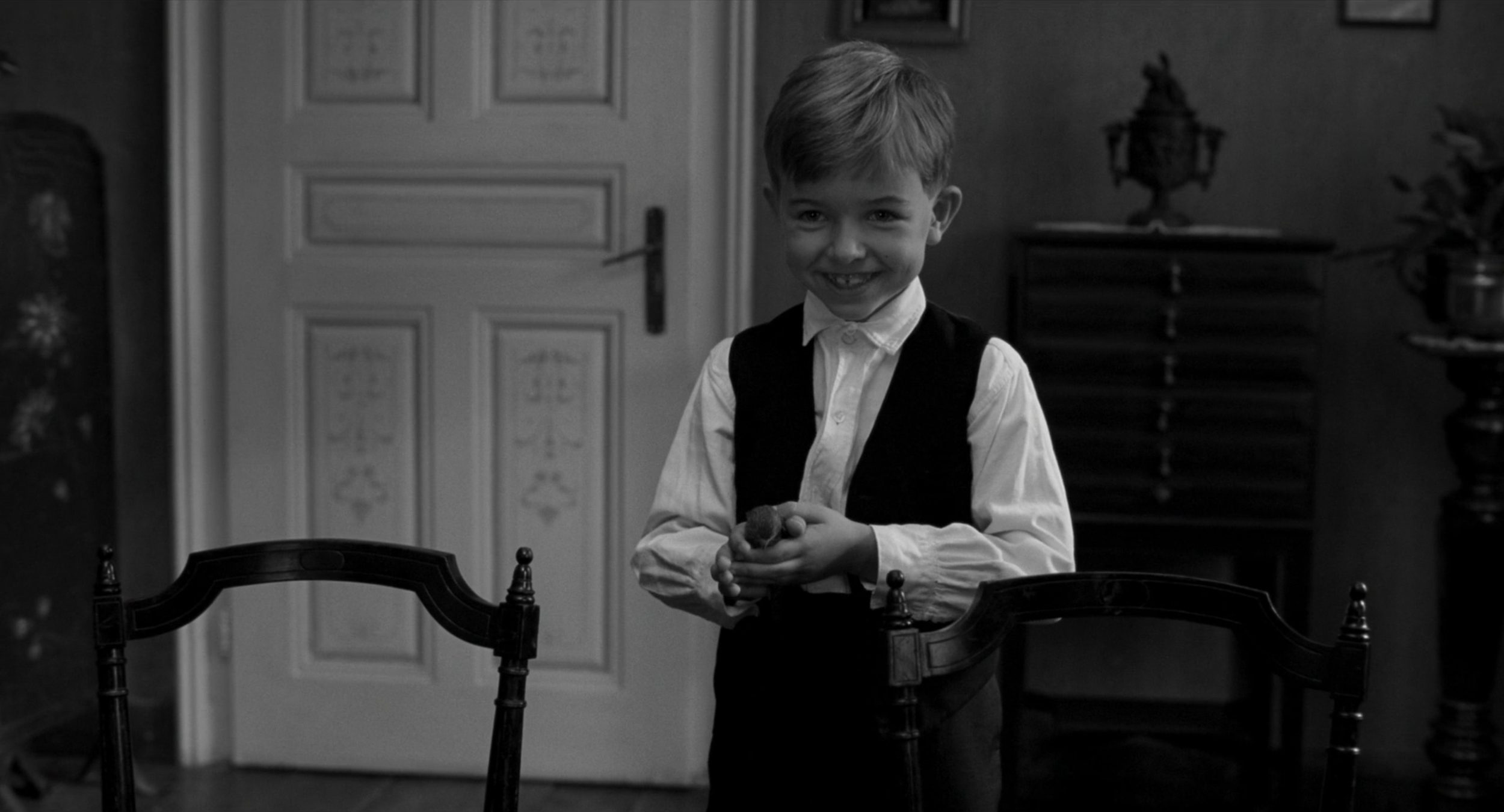
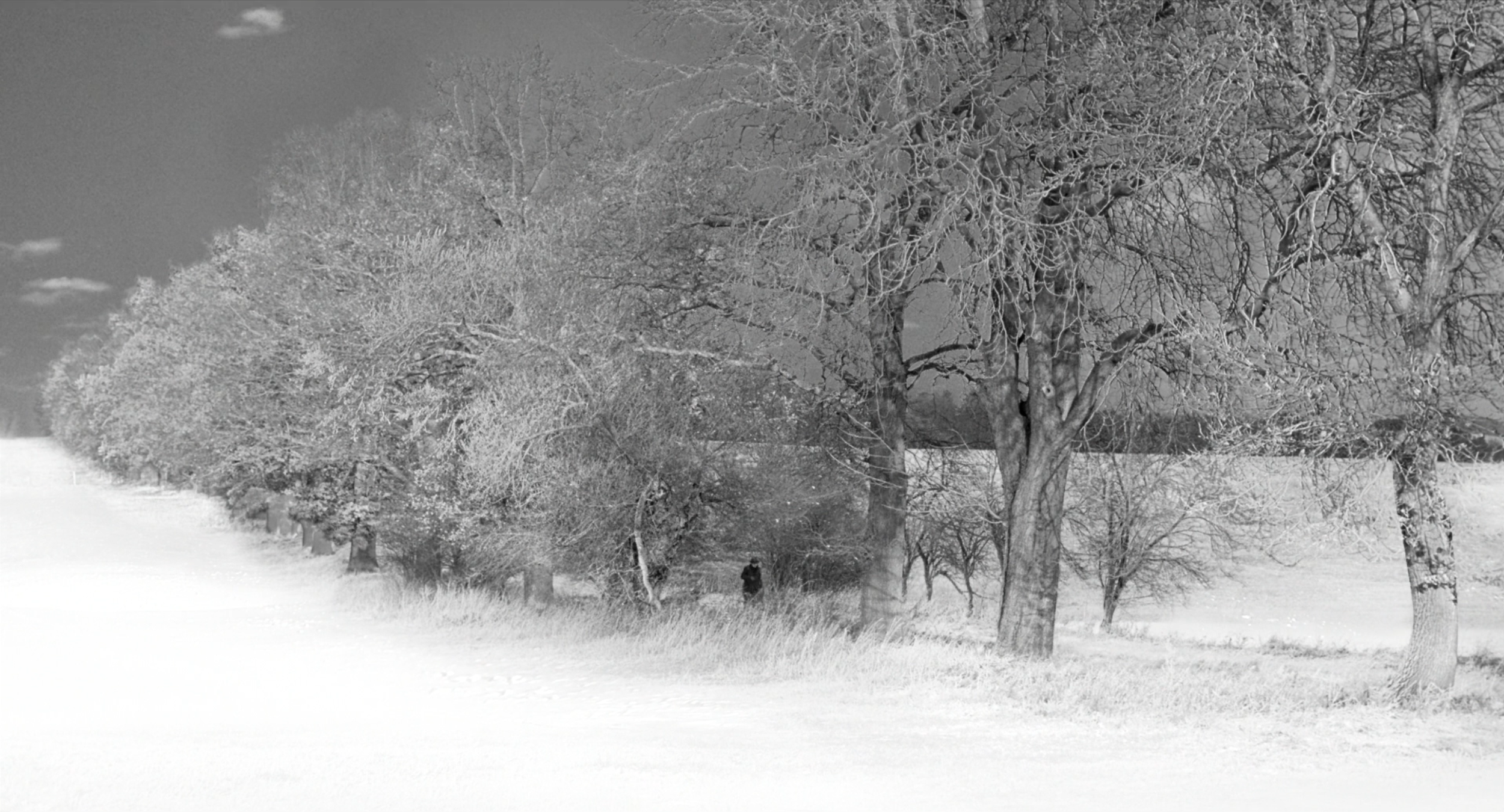
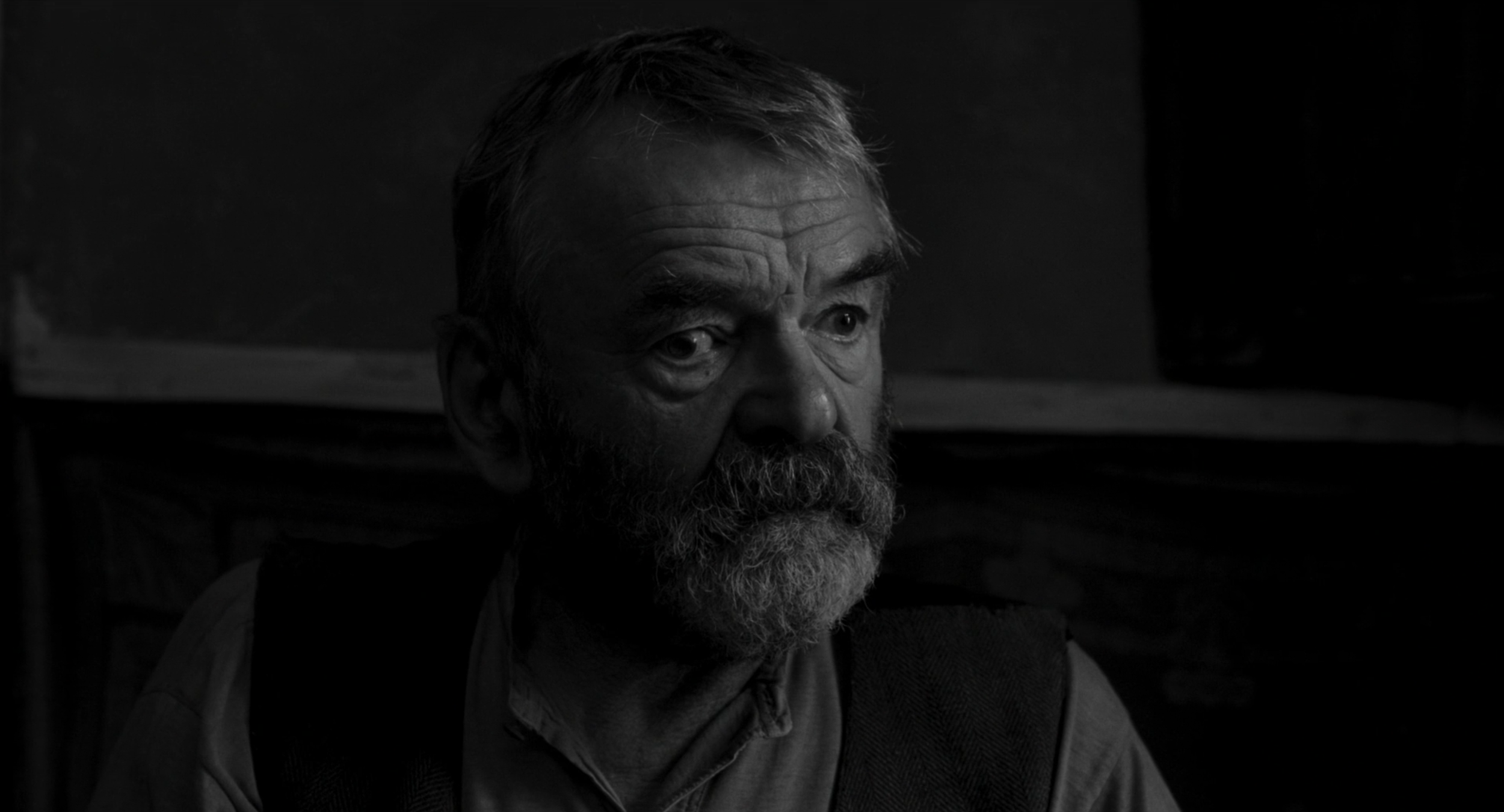
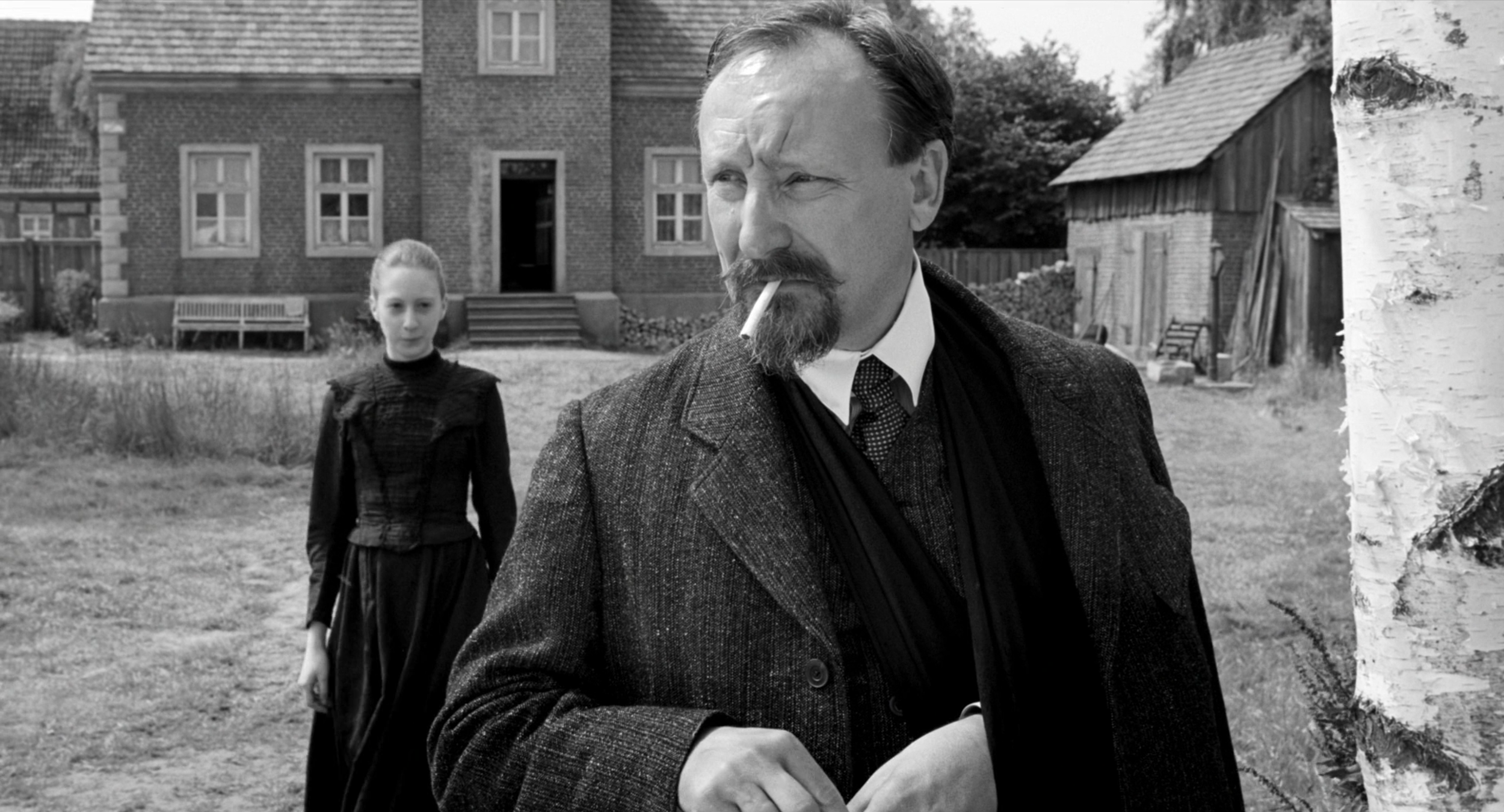
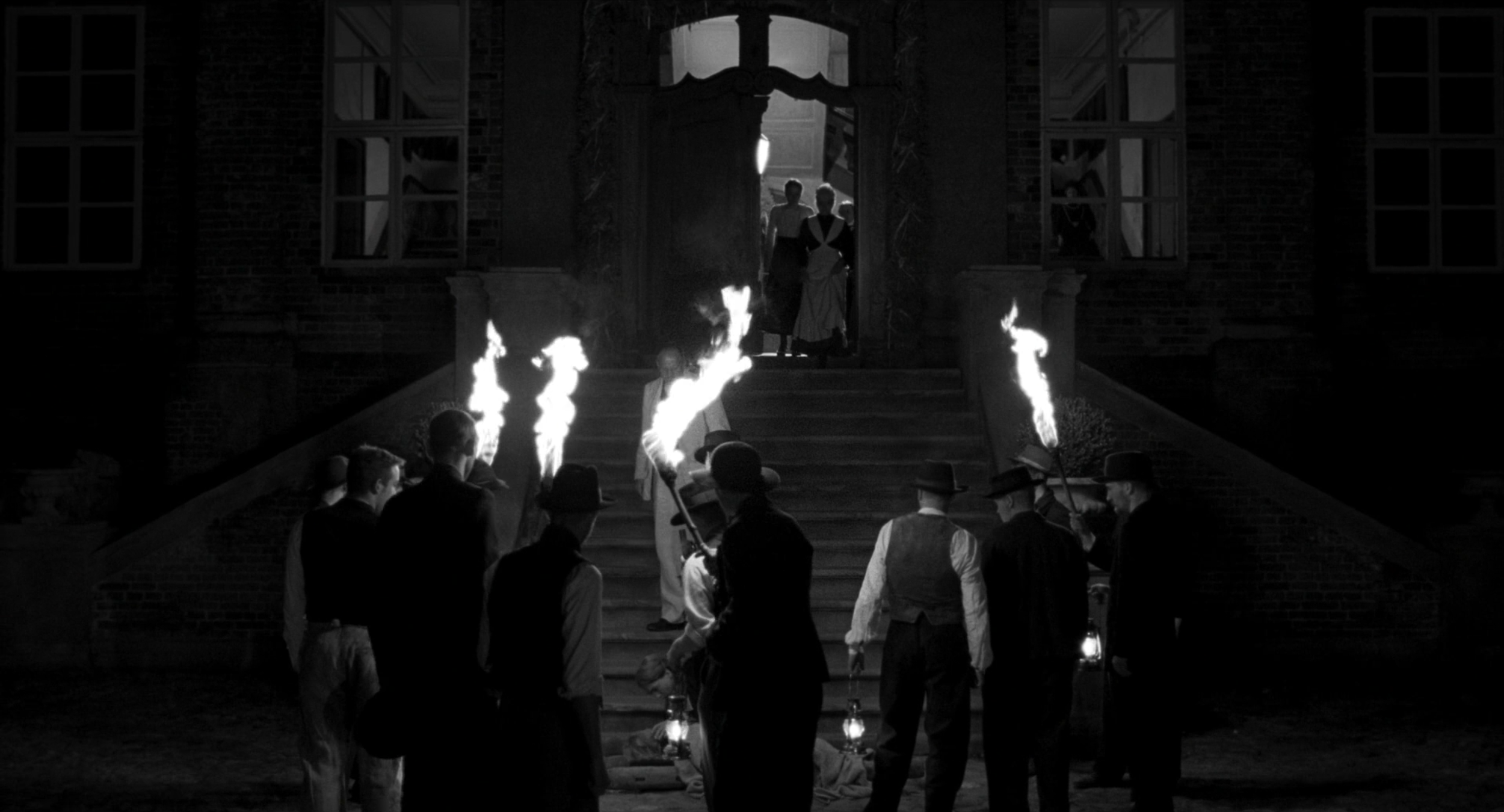
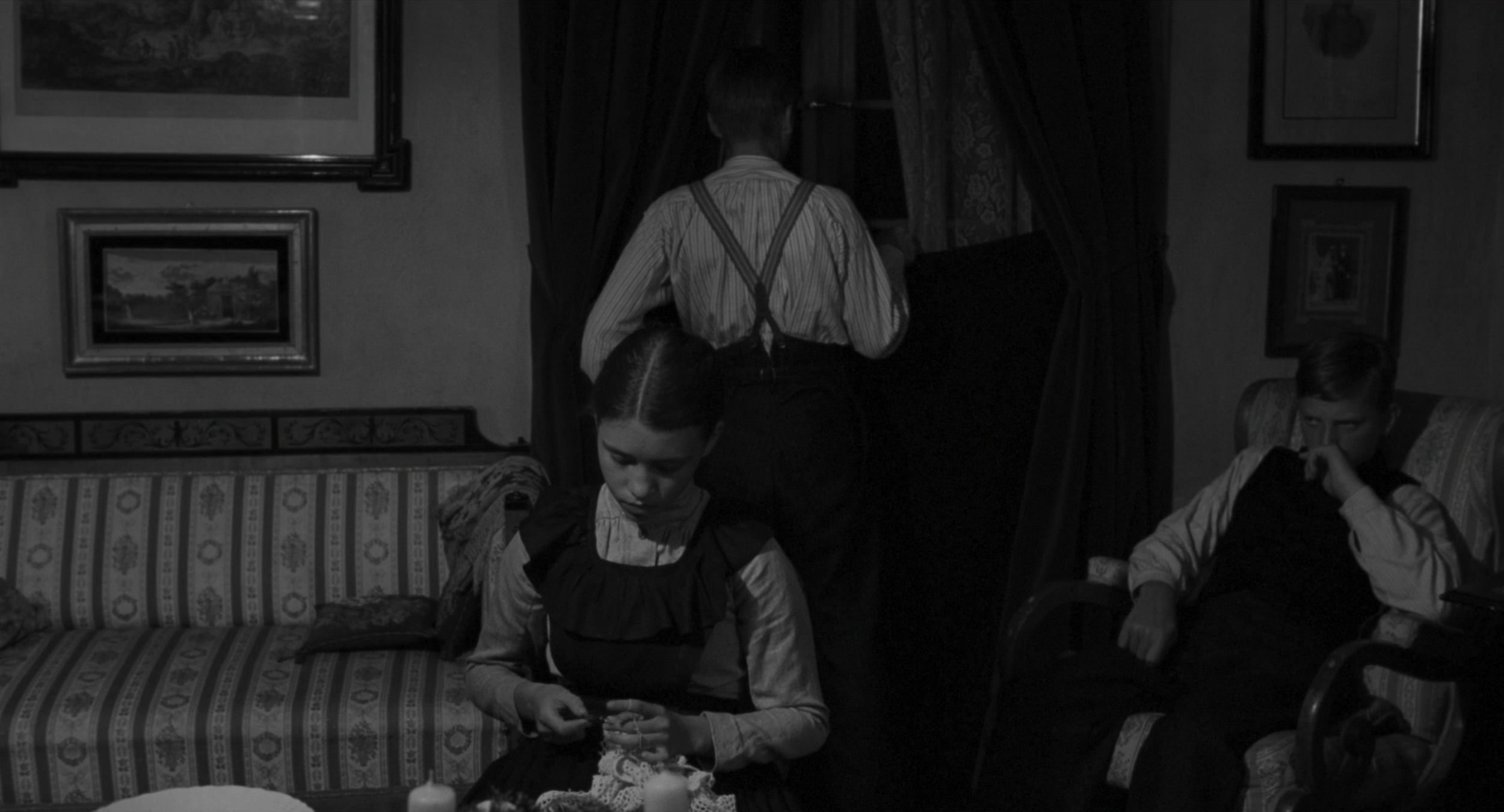
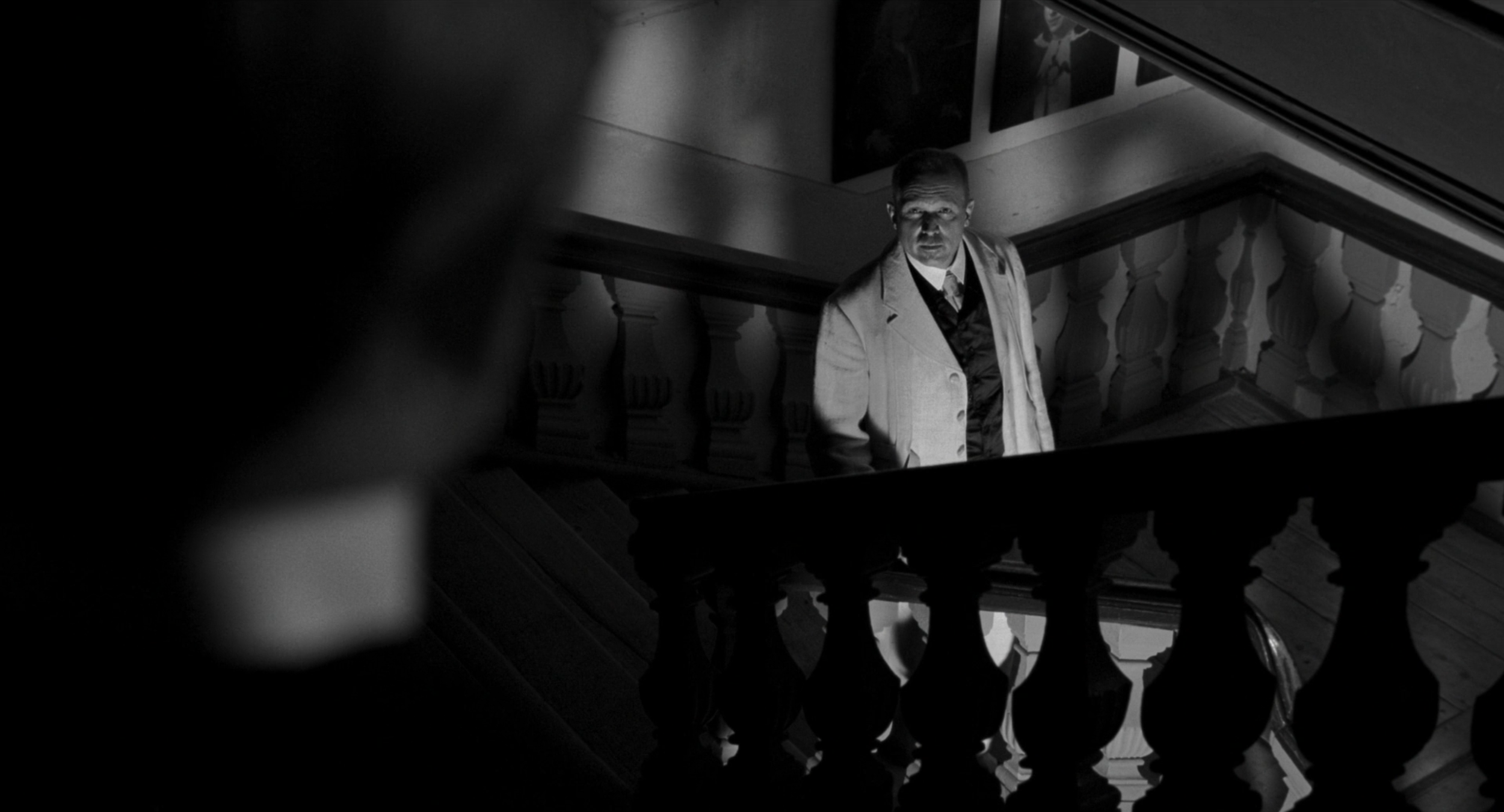
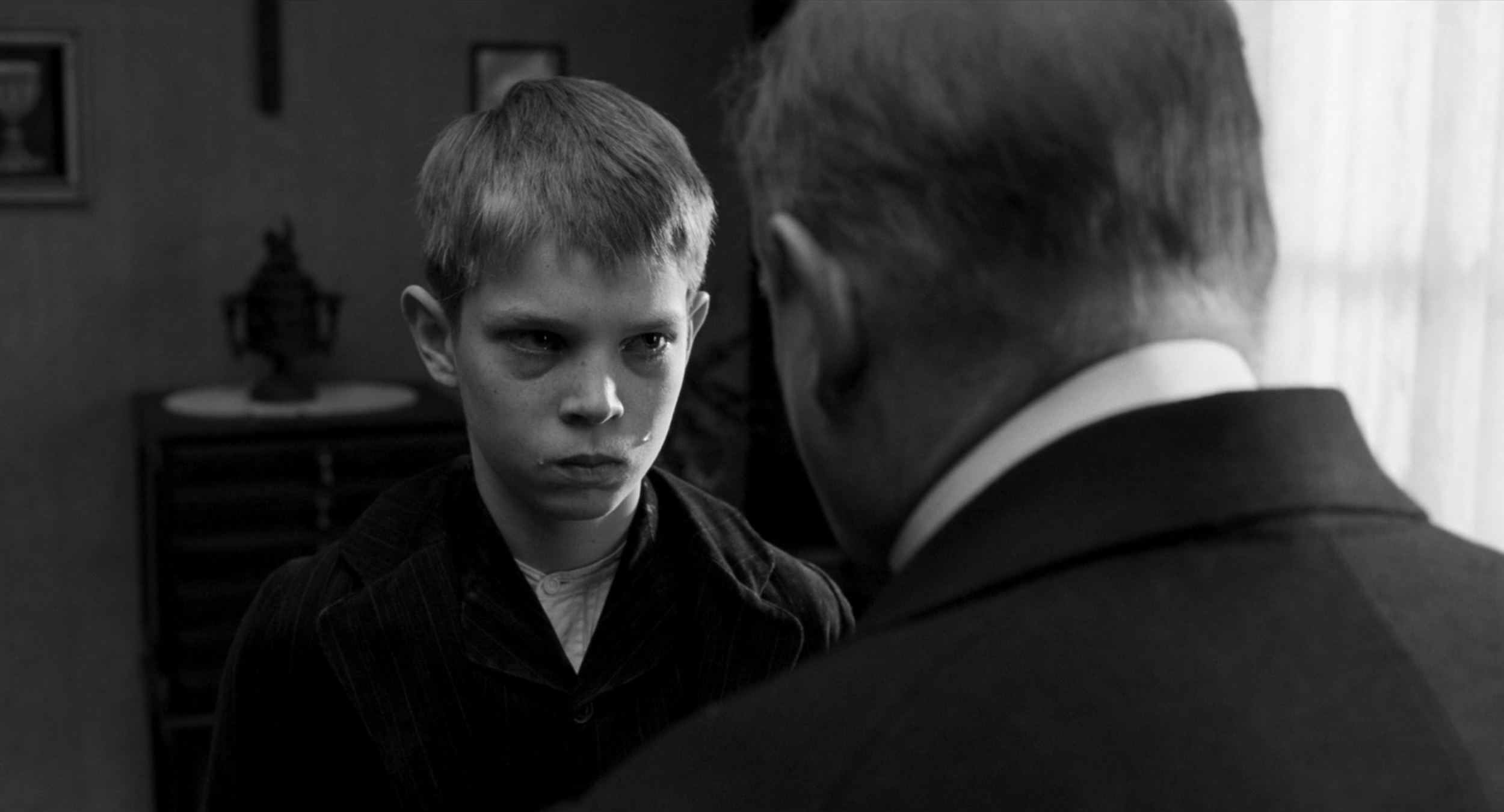
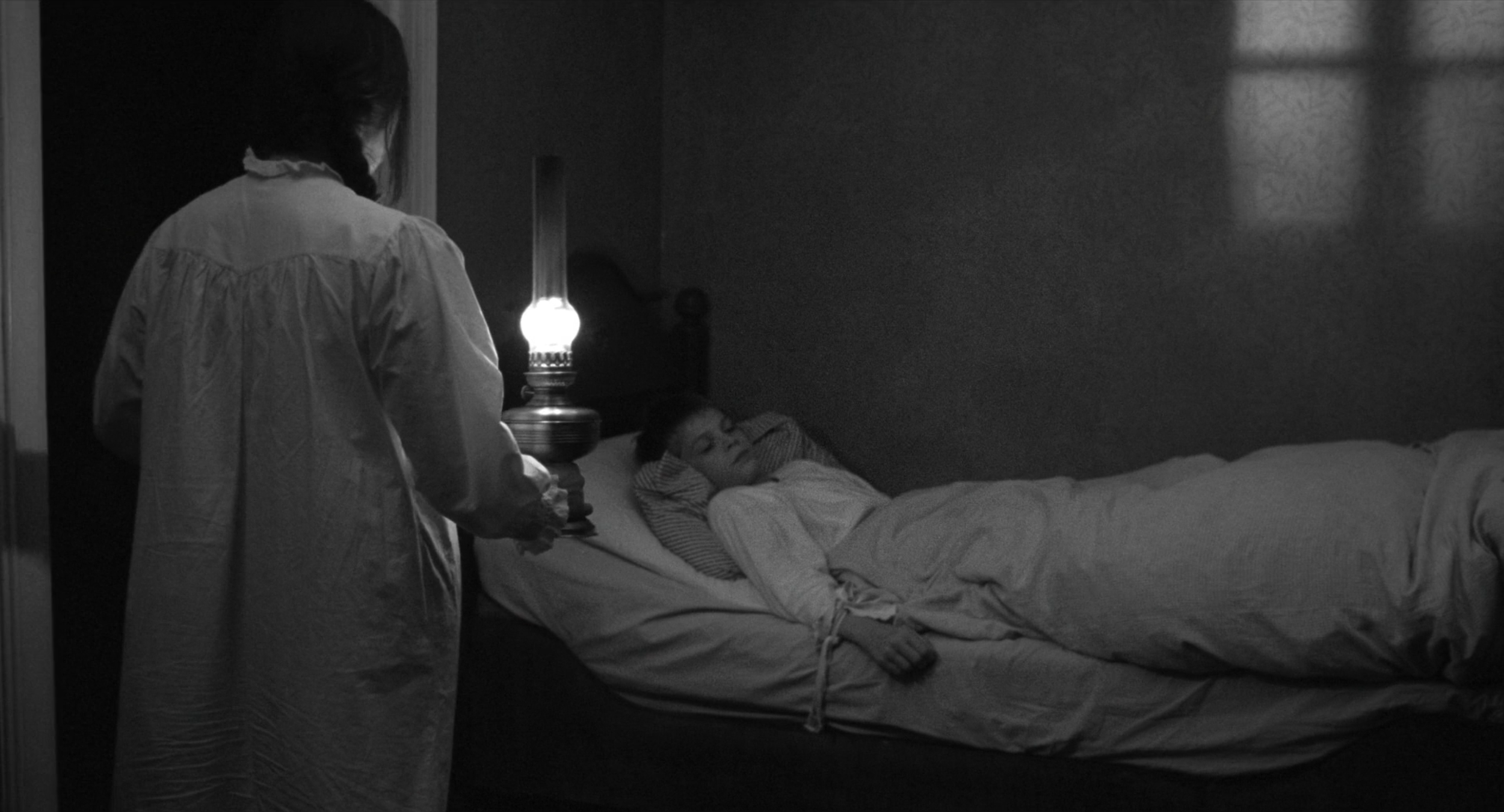
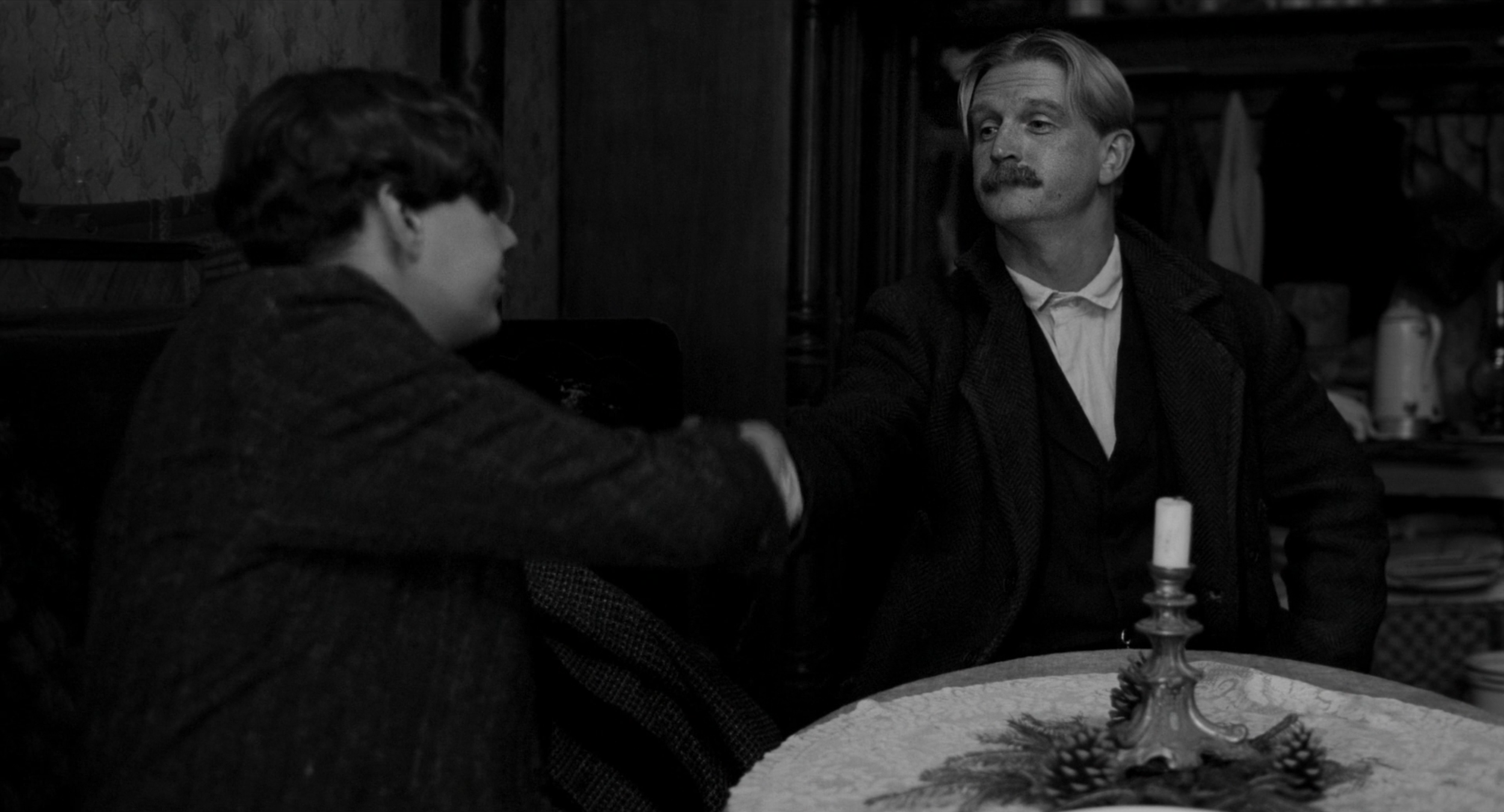
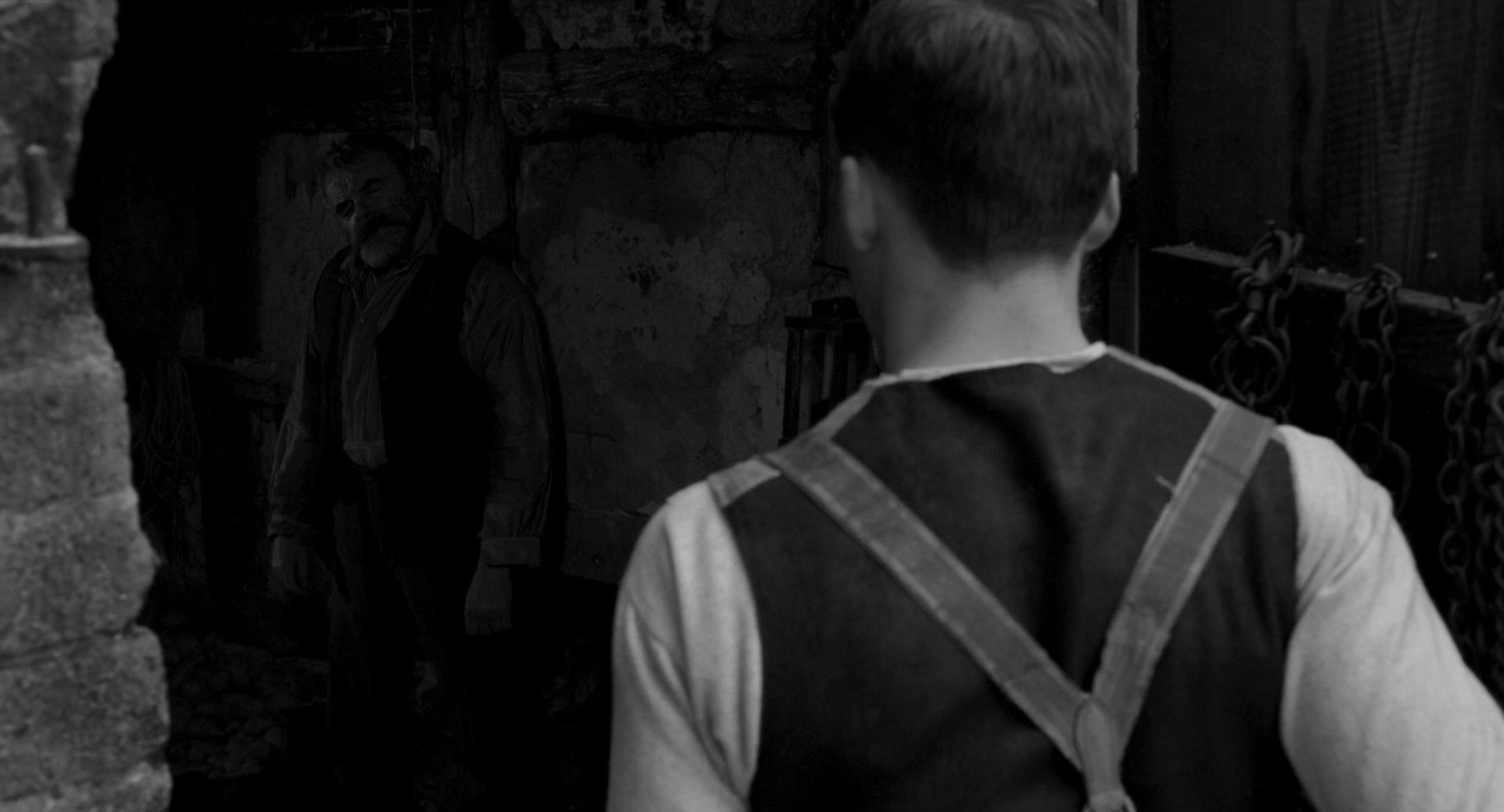
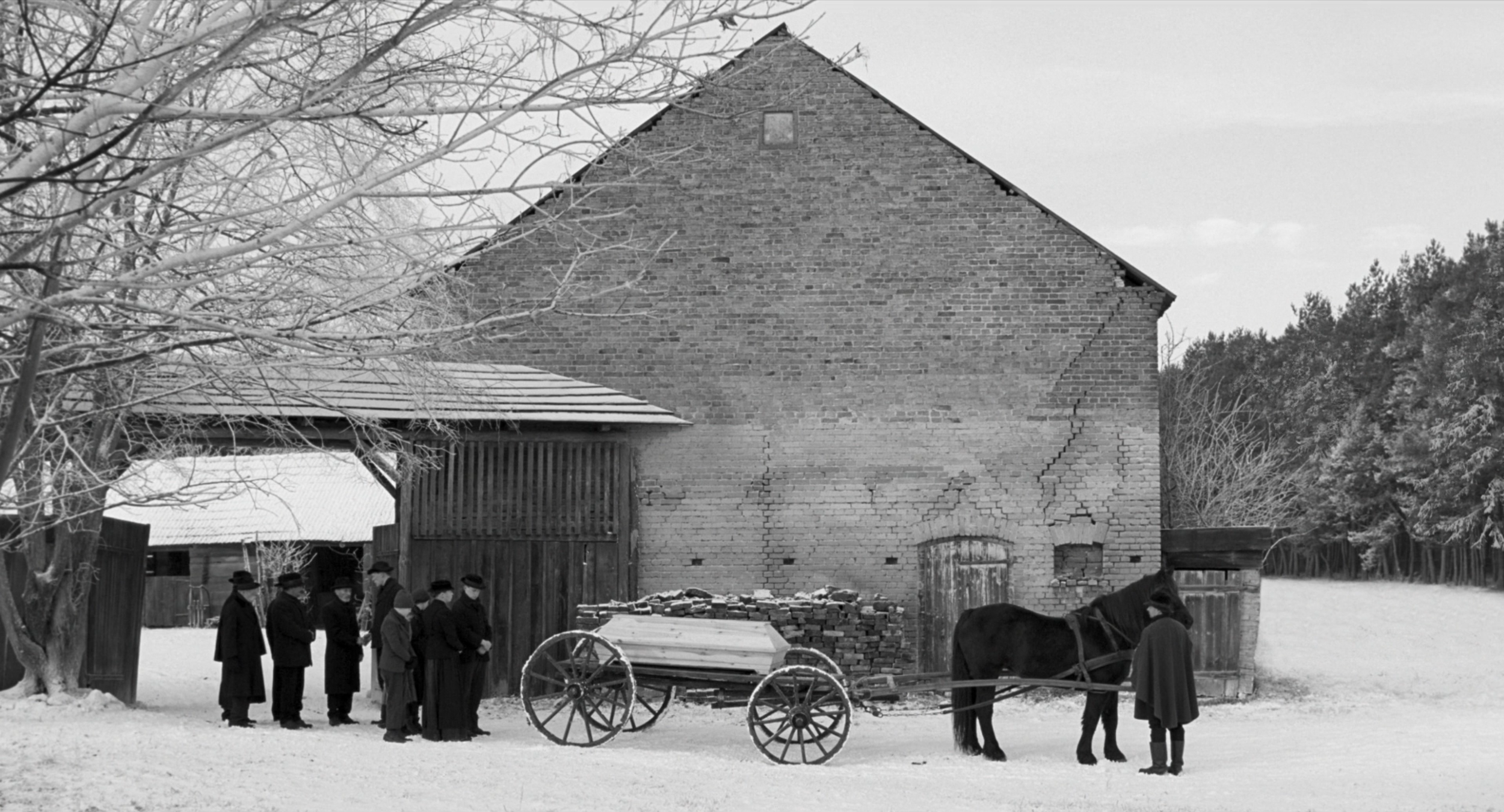
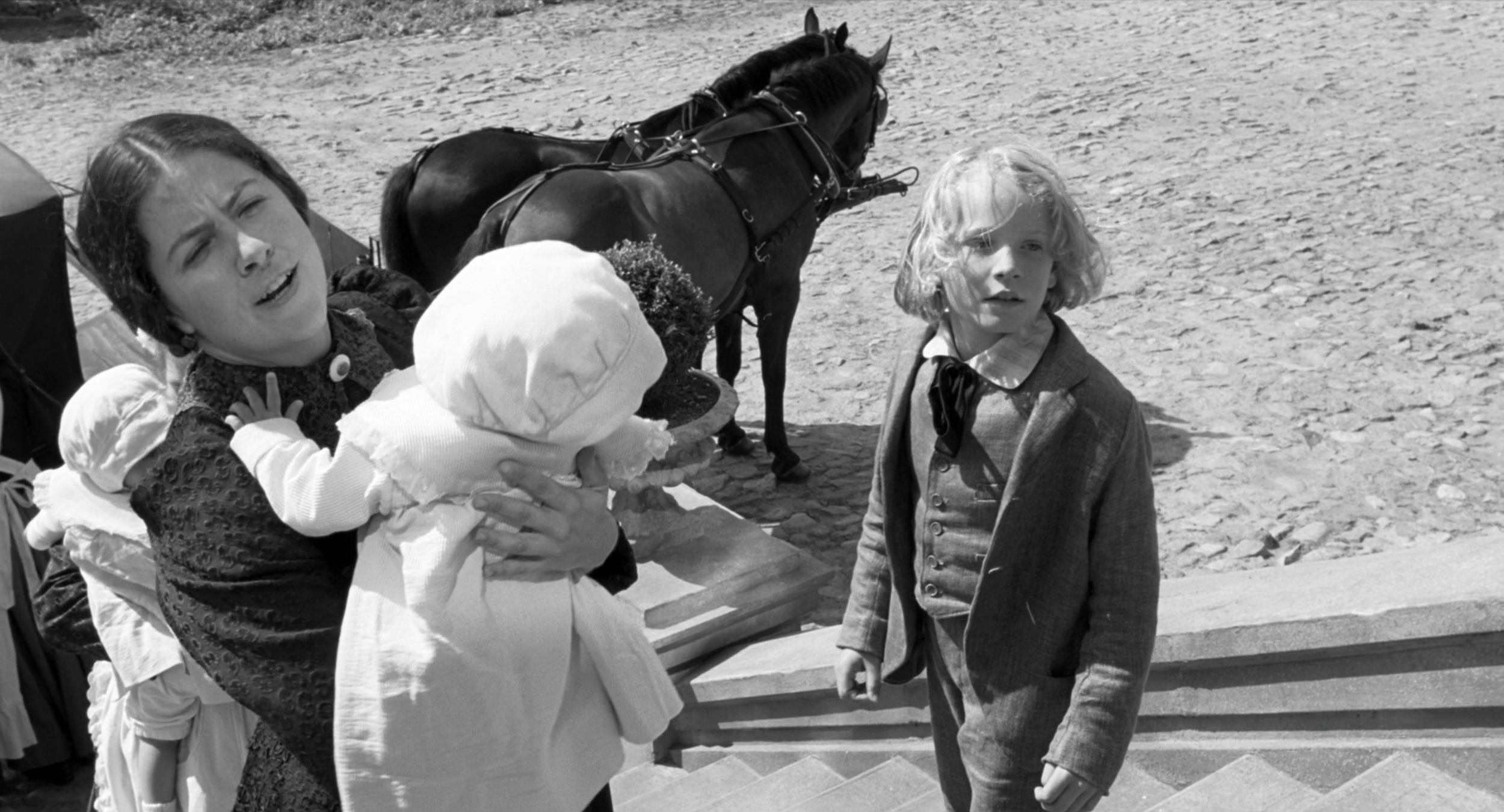
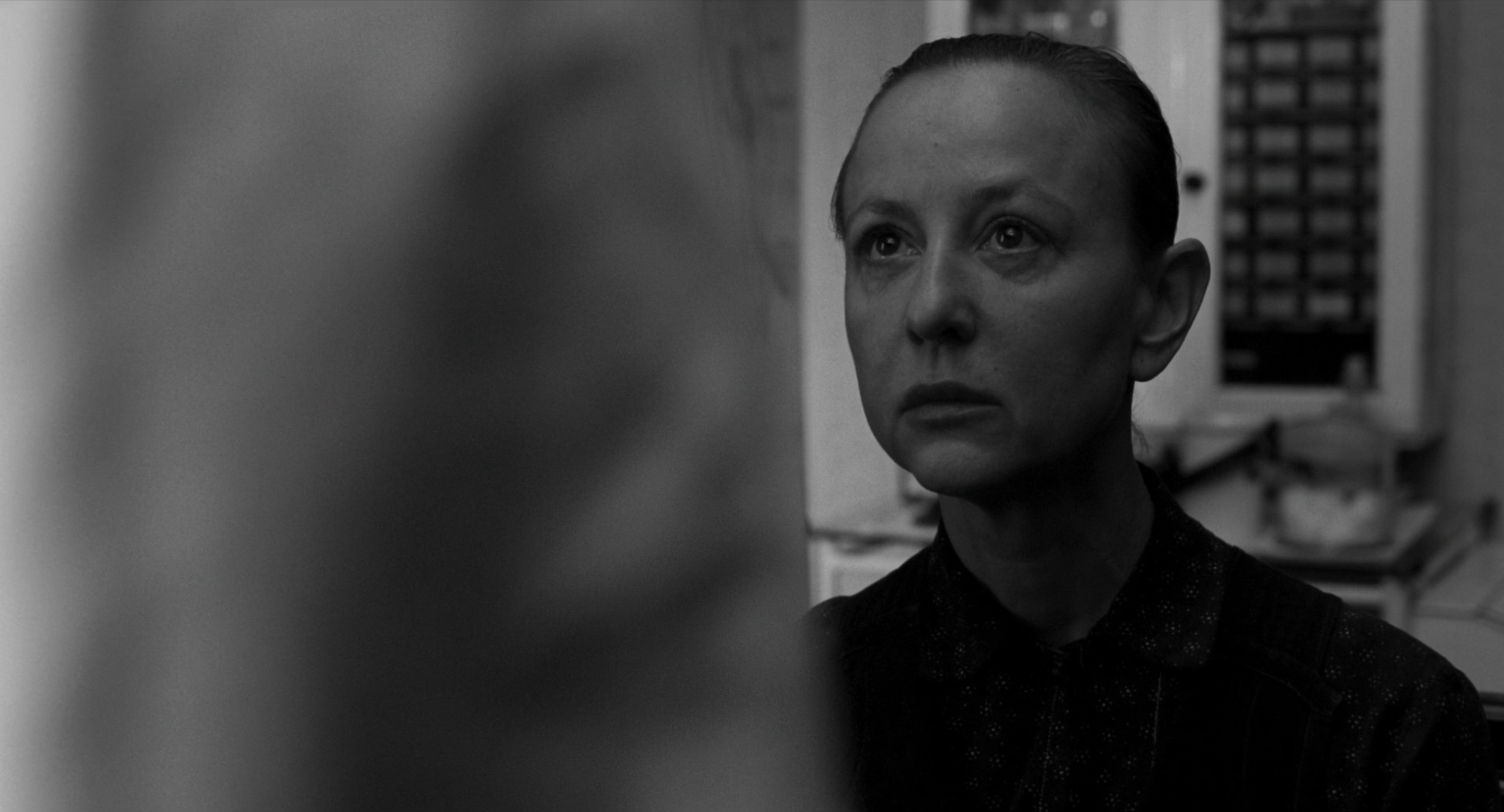
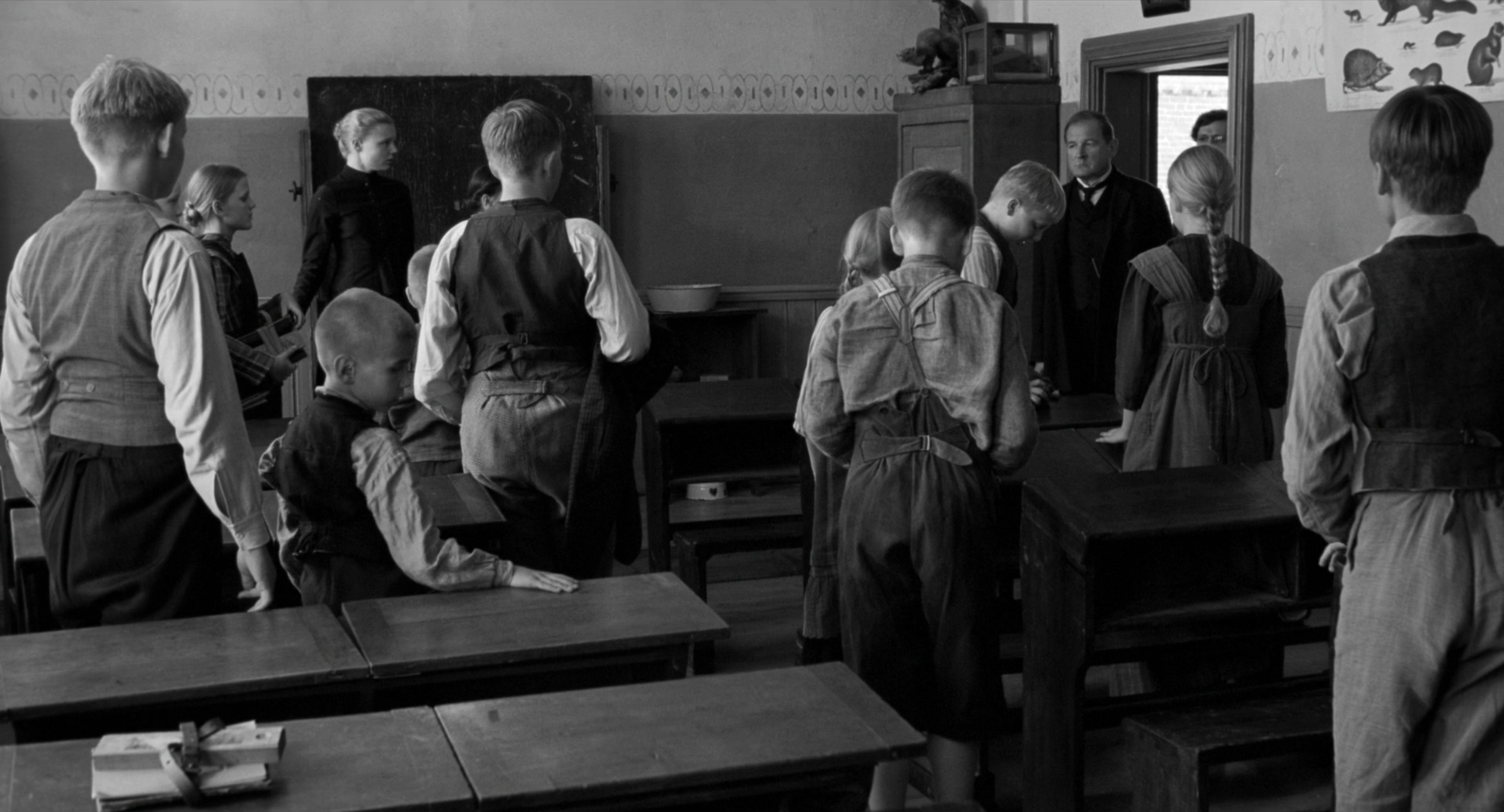
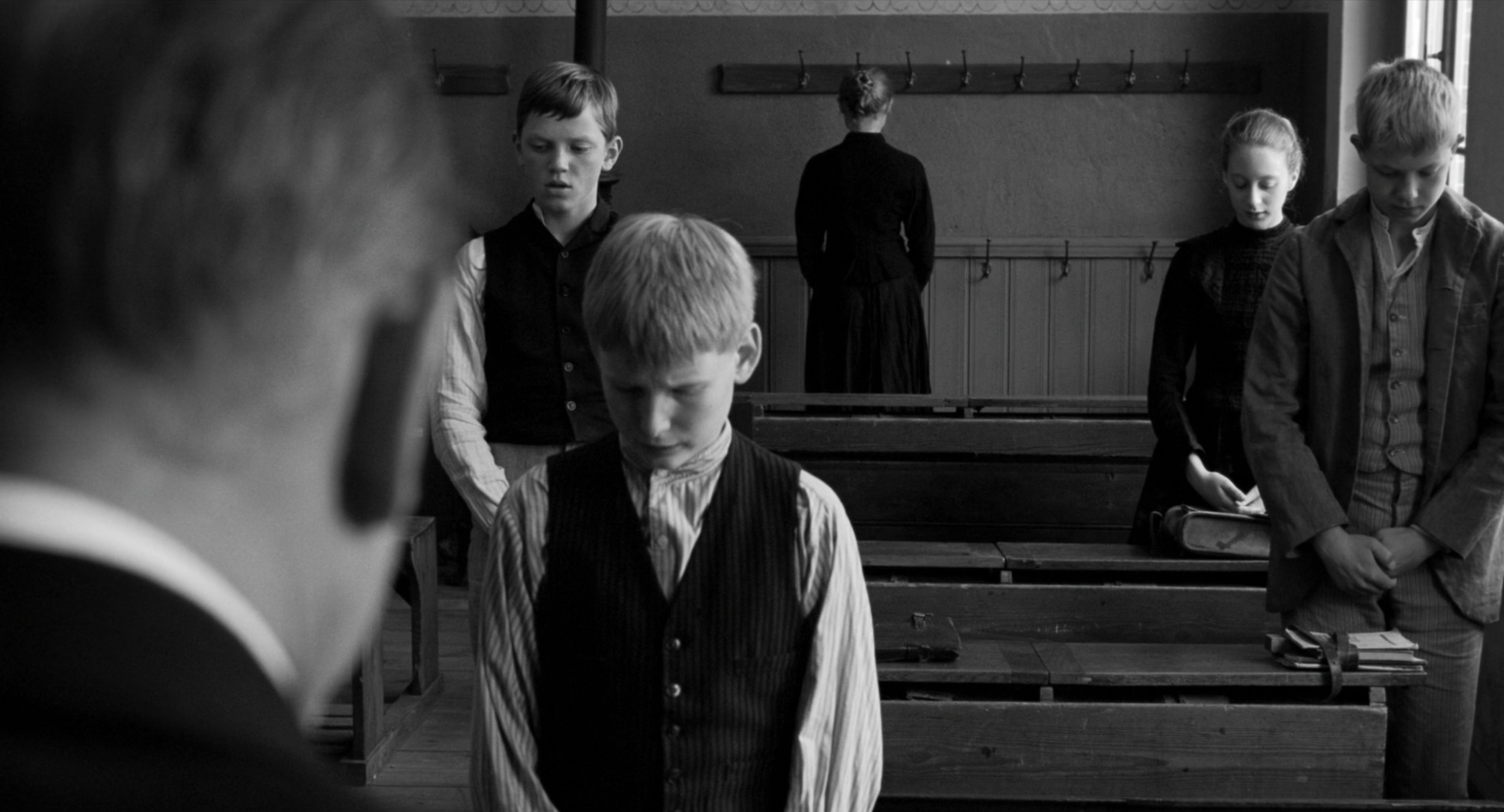
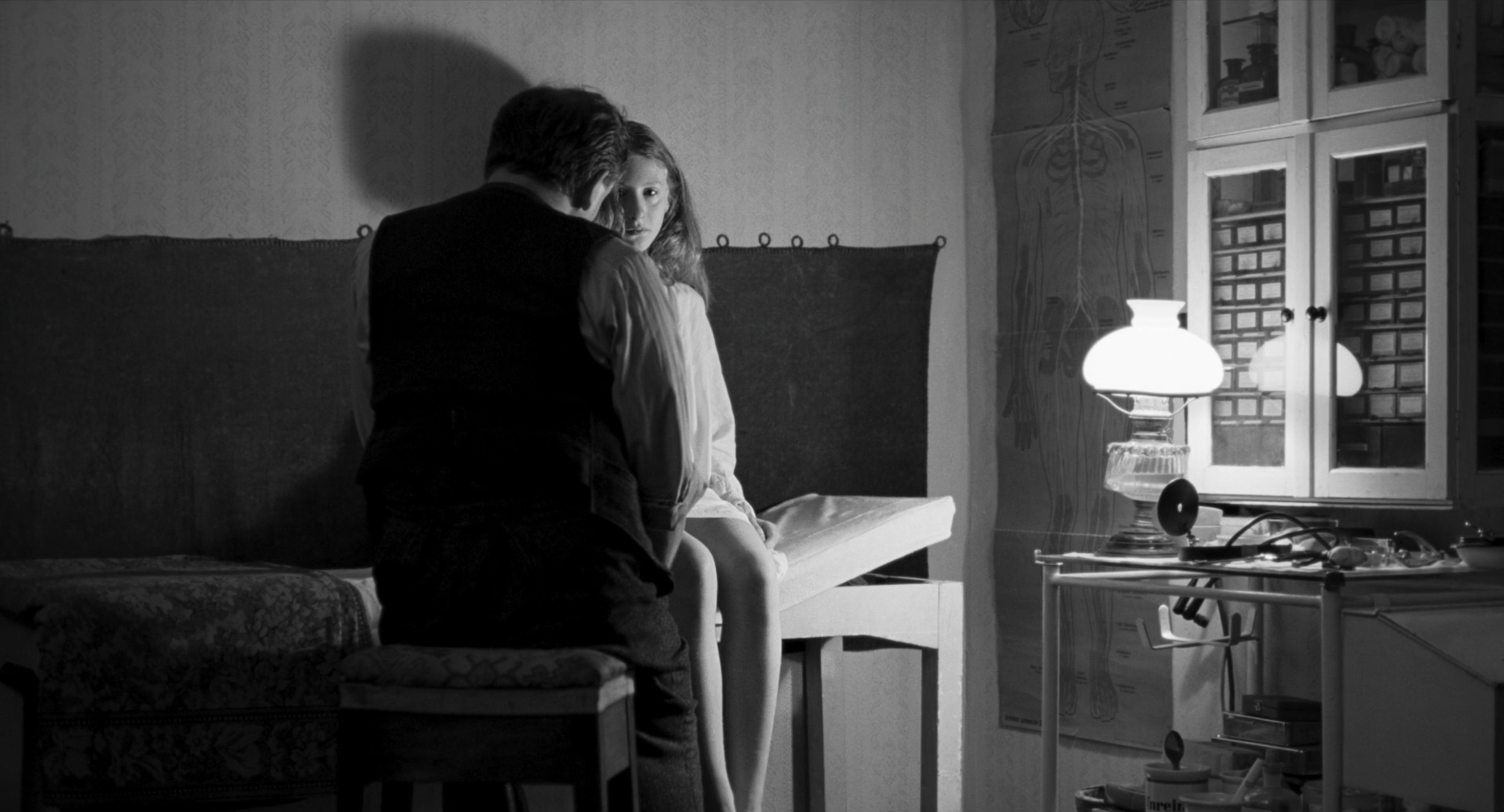
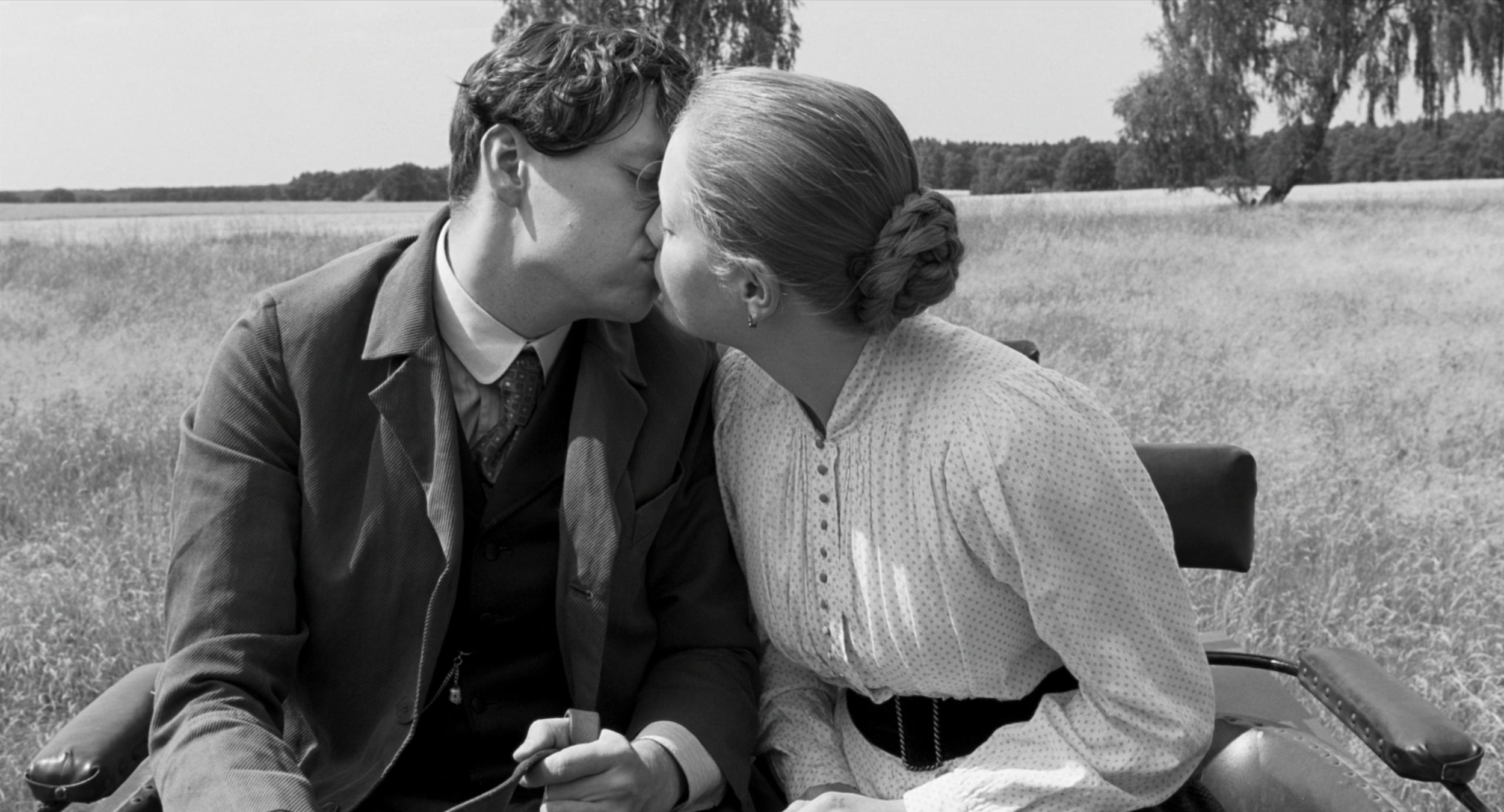
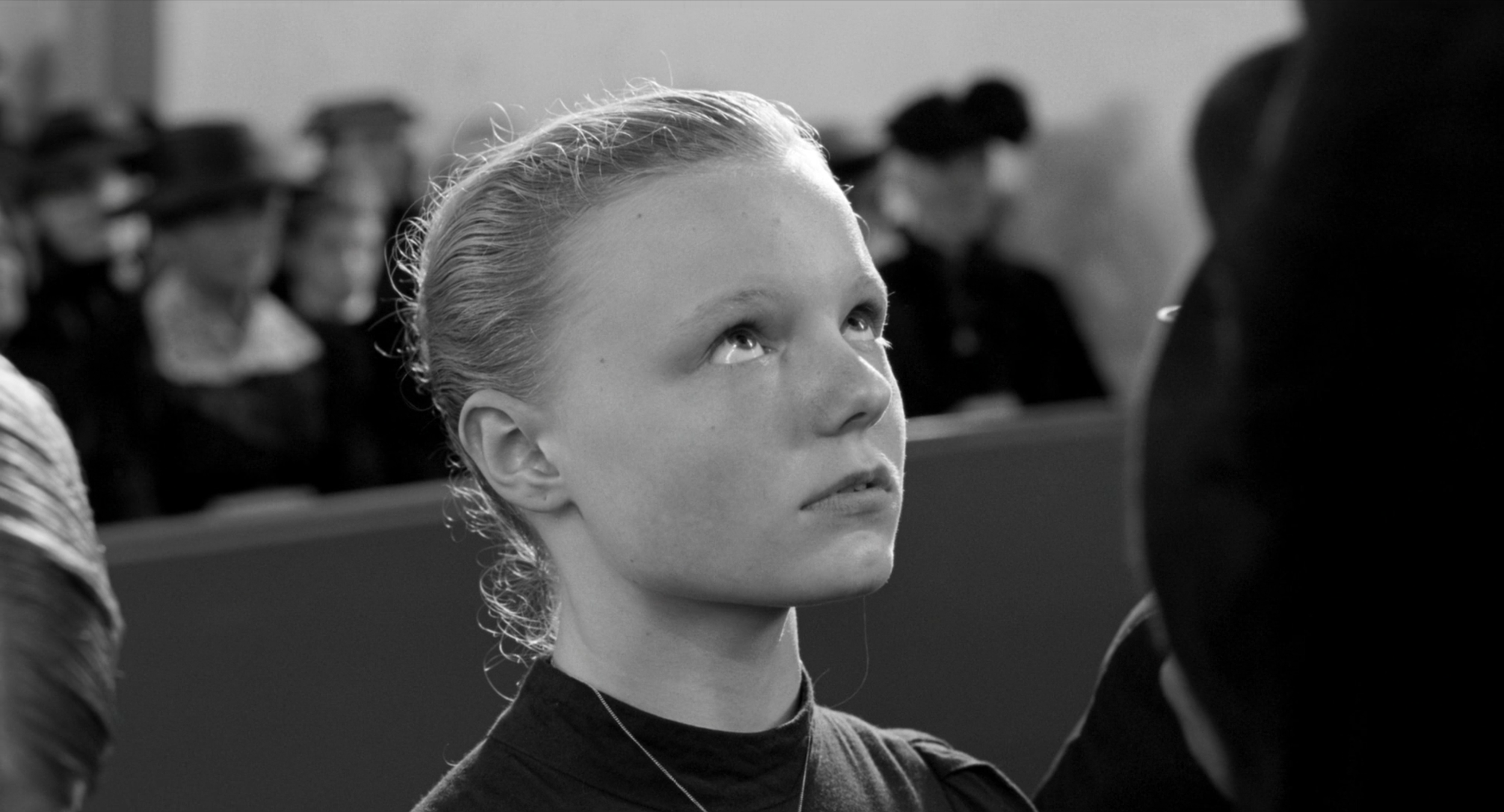
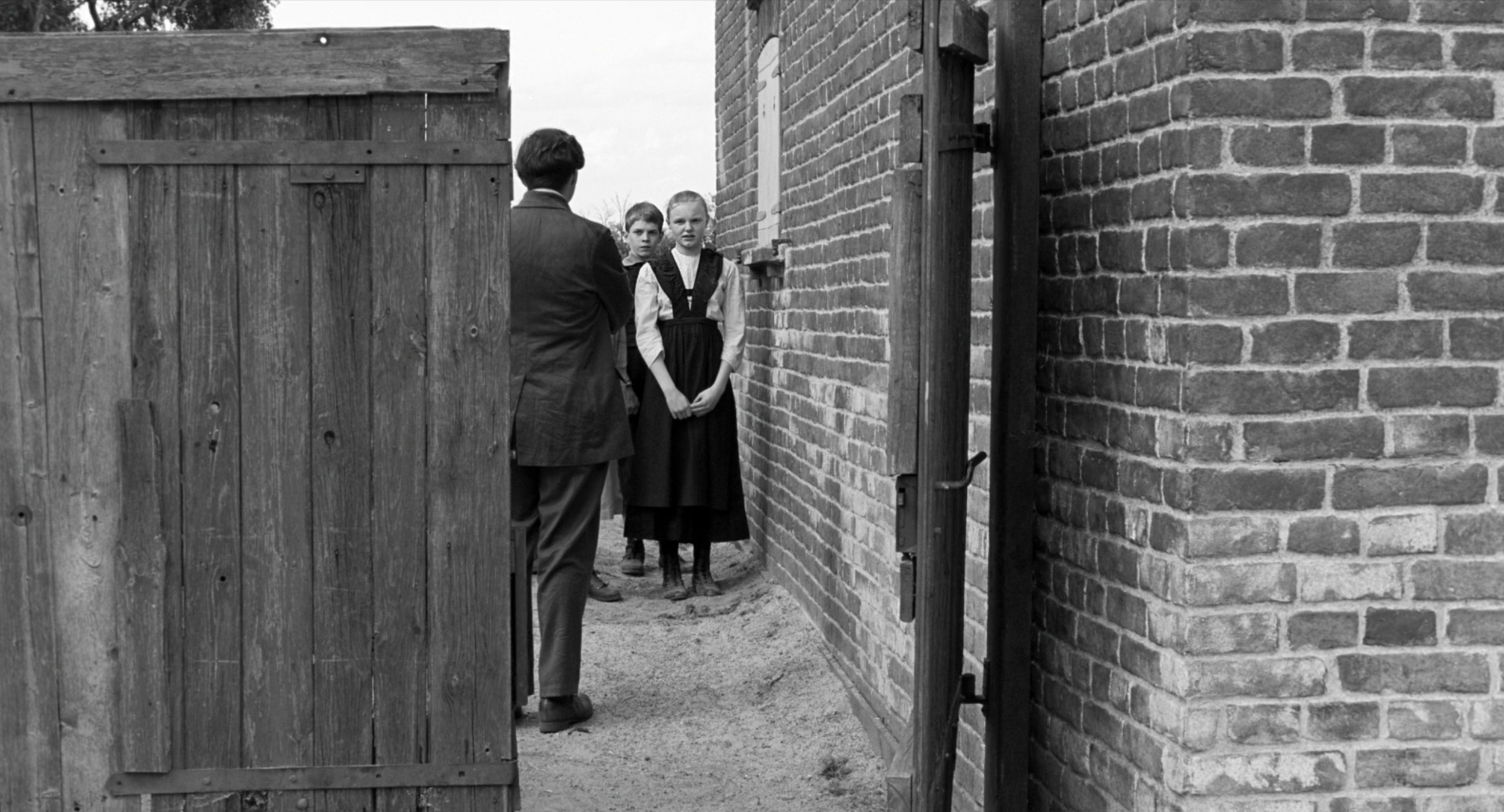
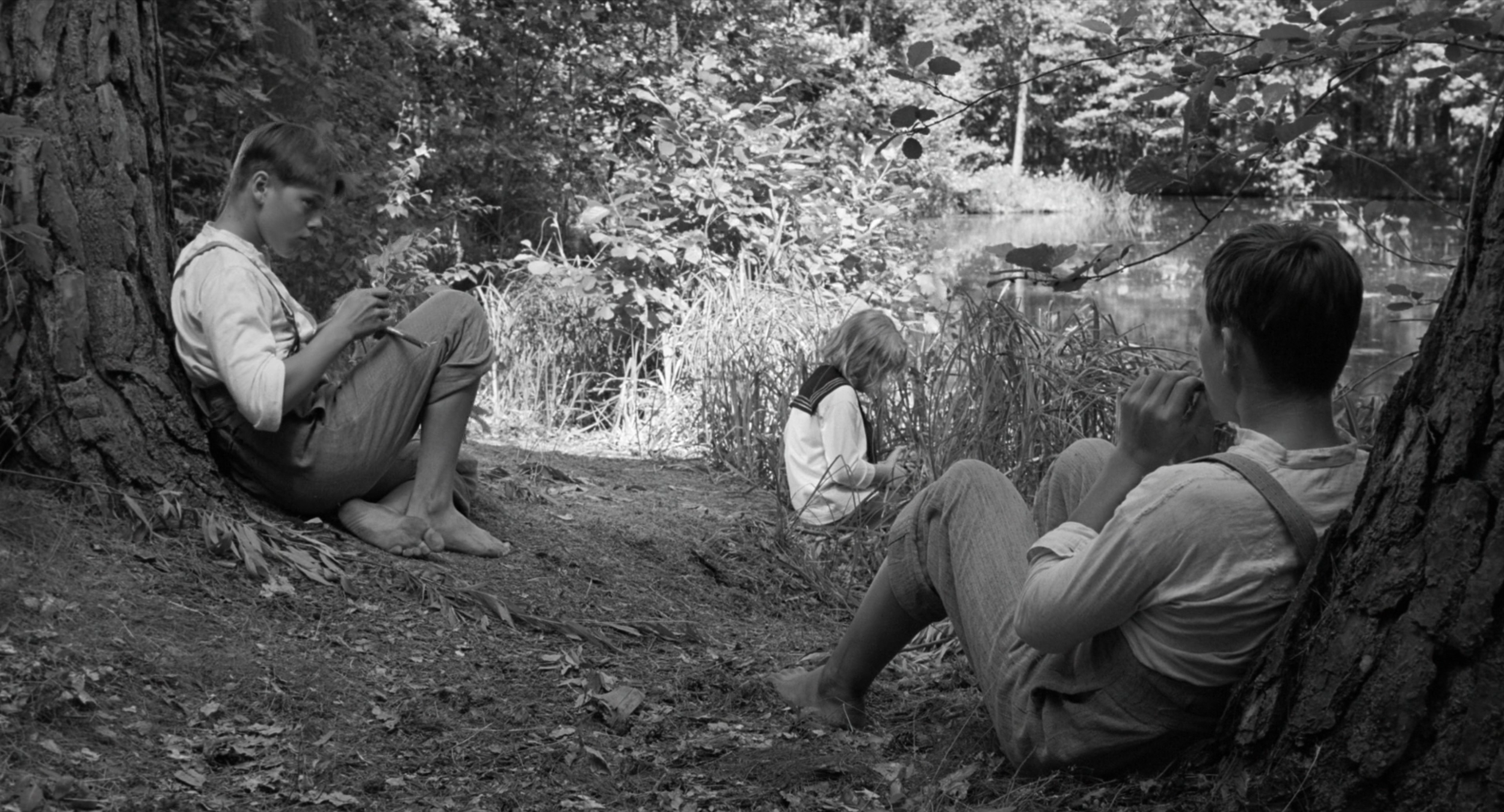
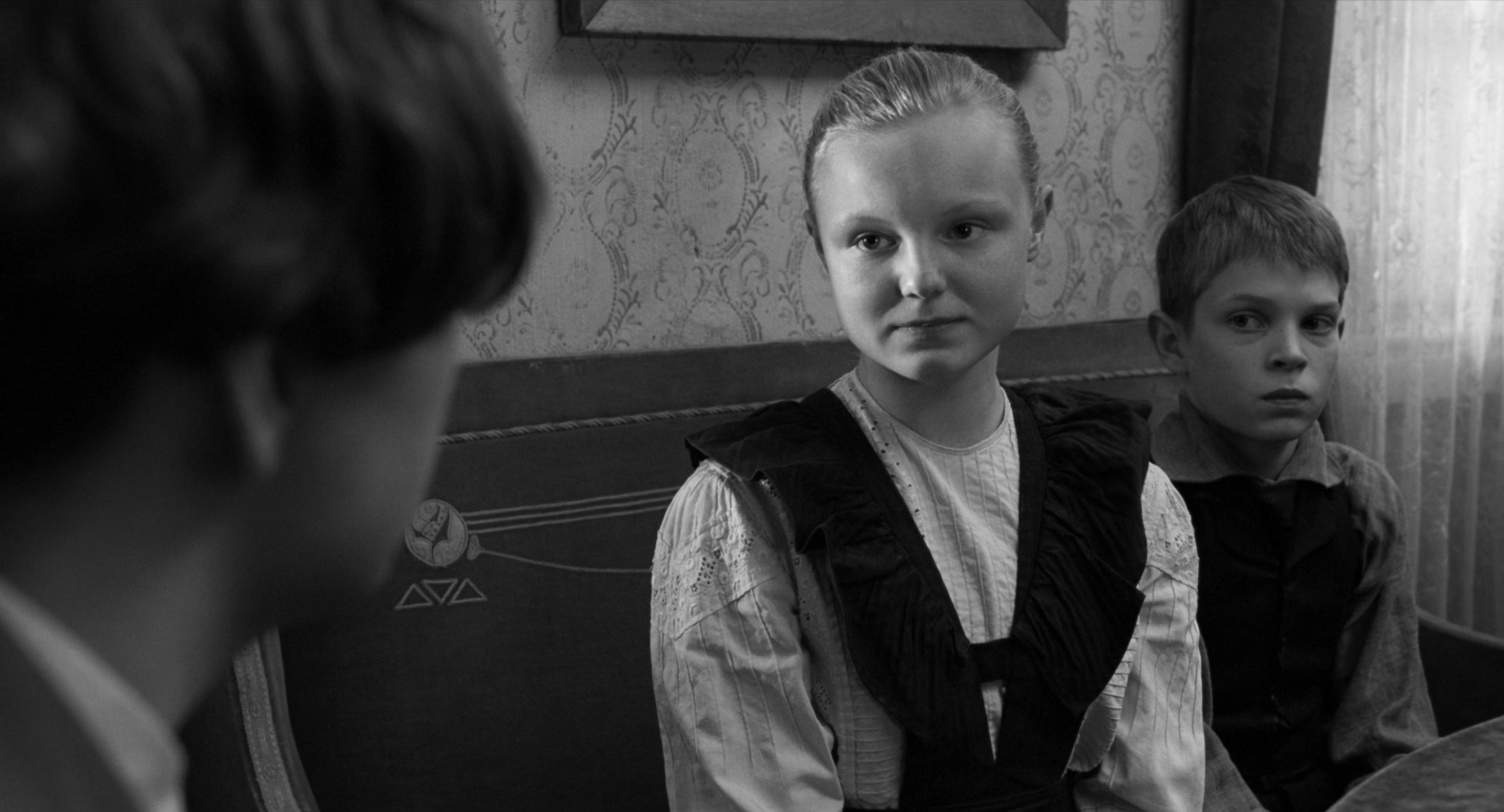
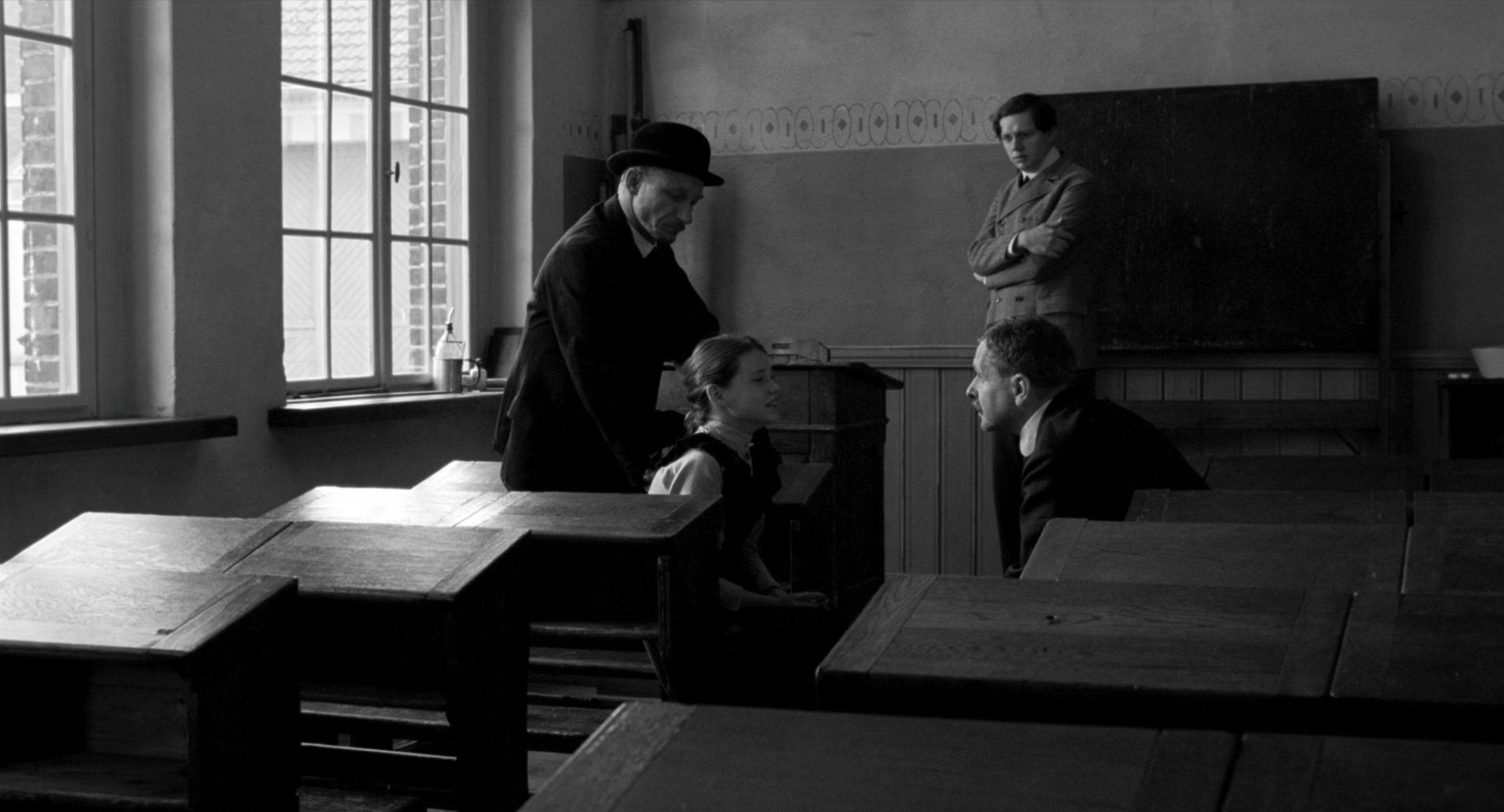
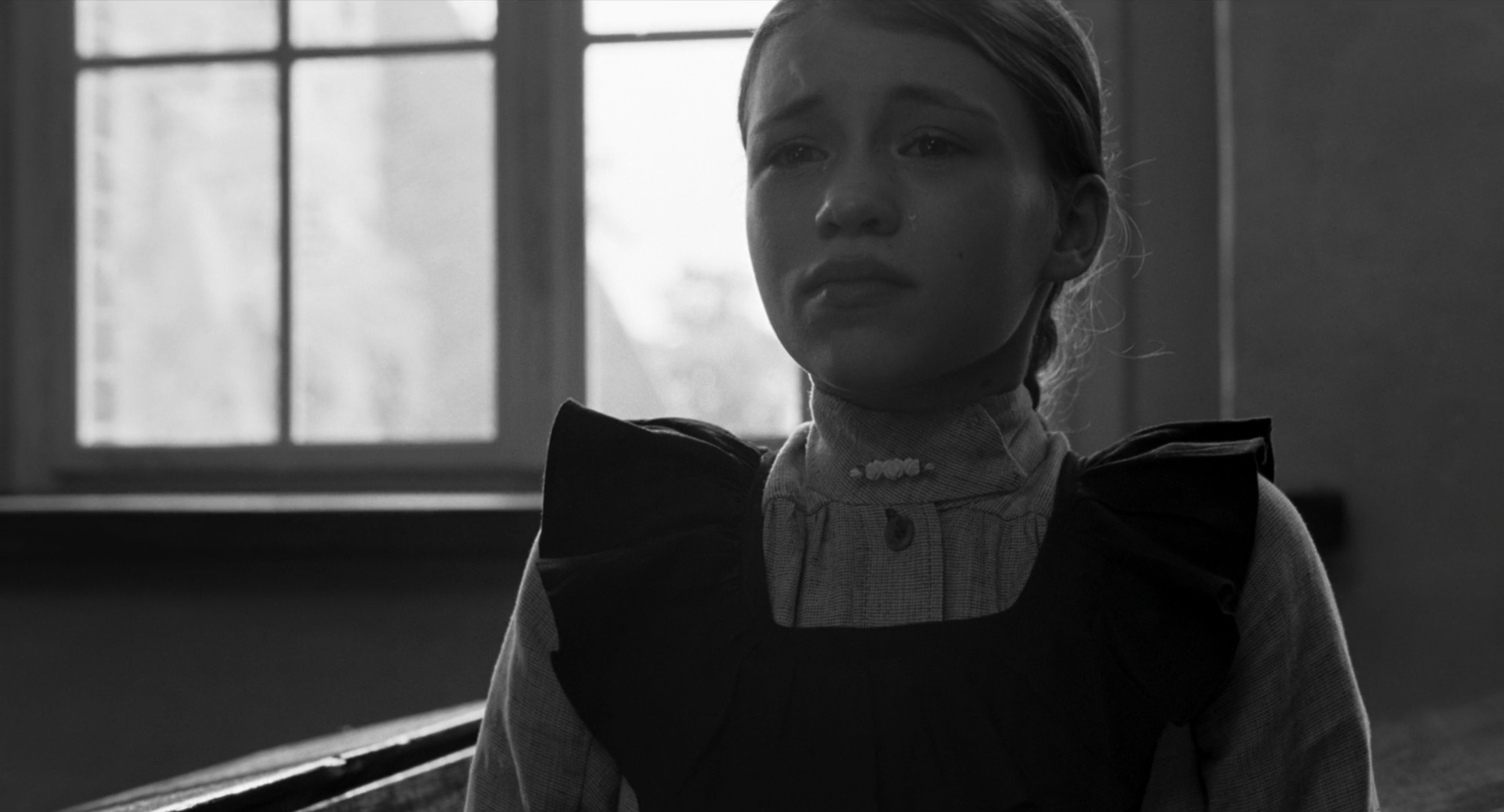
If you wanted a break from mass consumption cinema, look no further. Compared to the more psychological films from auteur Michael Haneke, The White Ribbon has a different approach. The film requires a similar level of film IQ, but is more literary in that it doesn’t explain anything. We have incomplete information from our narrator and it is up to us to figure out what actually occurs. The question is whether you care enough to find out. The film is beautifully shot despite not being originally filmed in black and white. It was shot in color, but with how perfectly detailed the monochrome image looks you wouldn’t know except from the noisy shadows. Haneke proposes how Nazism came to be so objectively here that you would not be faulted in believing it to be purely factual. This is one of those artistic films you’d imagine cinephiles with libraries of Blu-ray will be collecting.
Analysis:
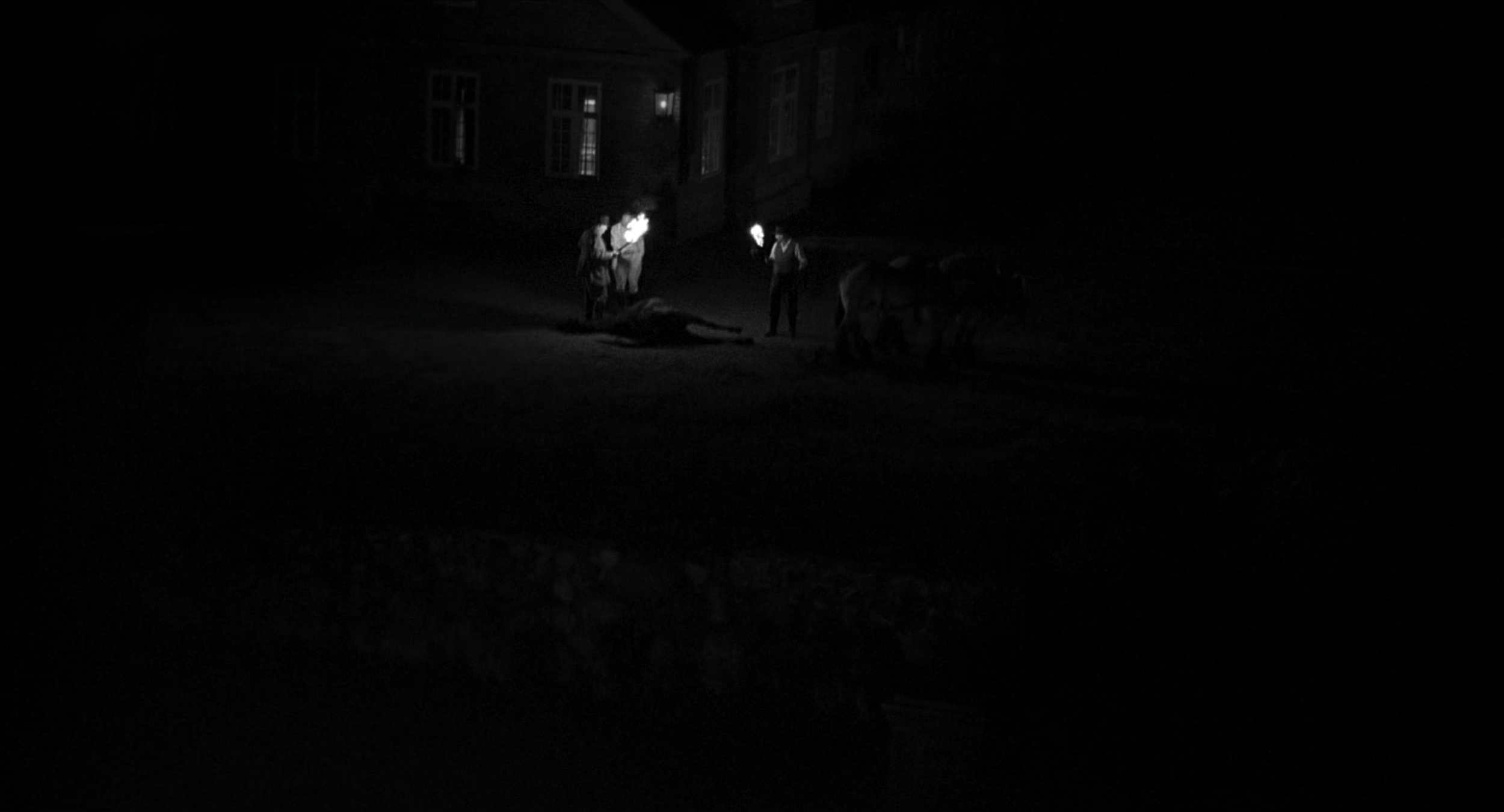
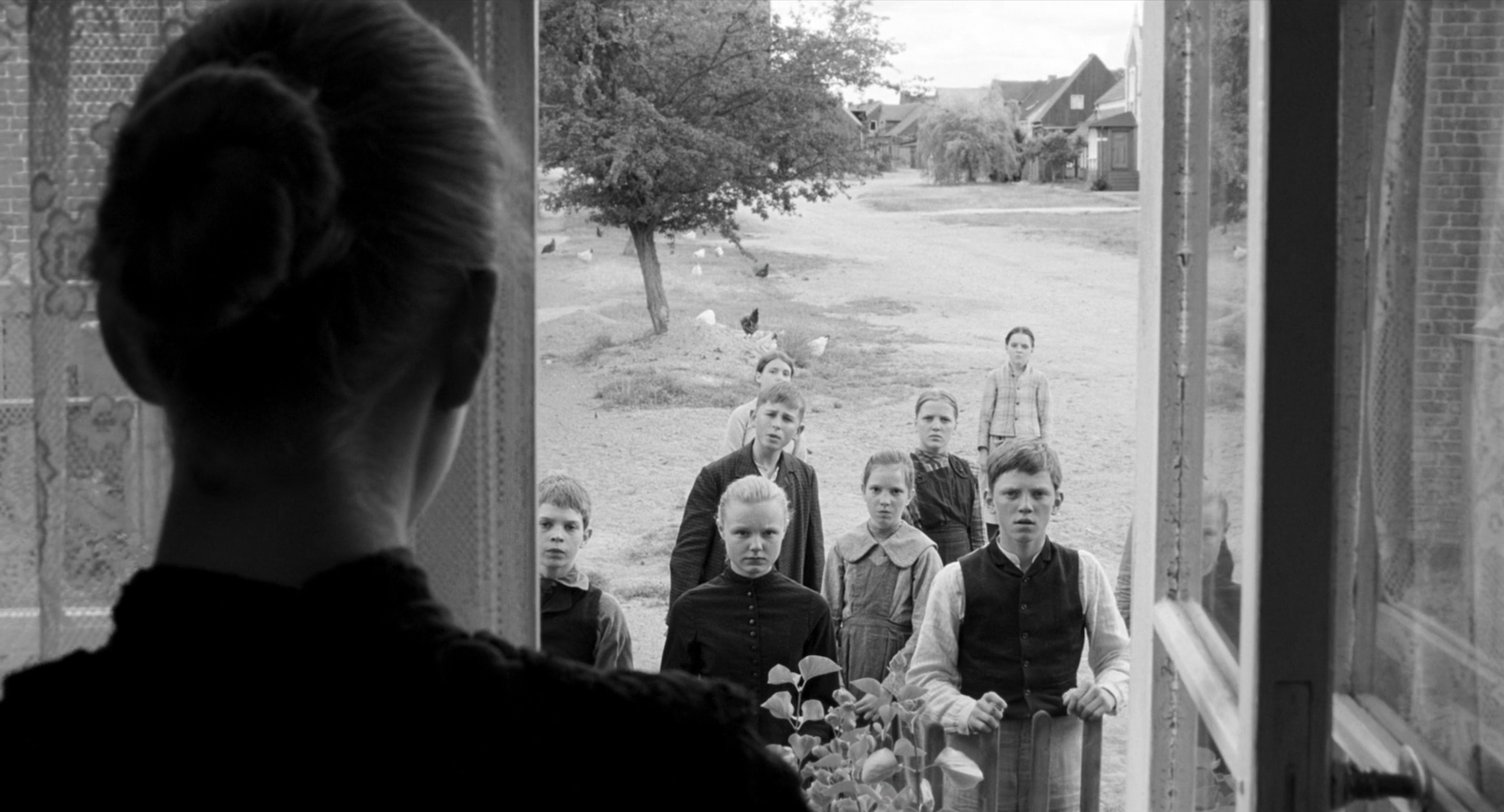
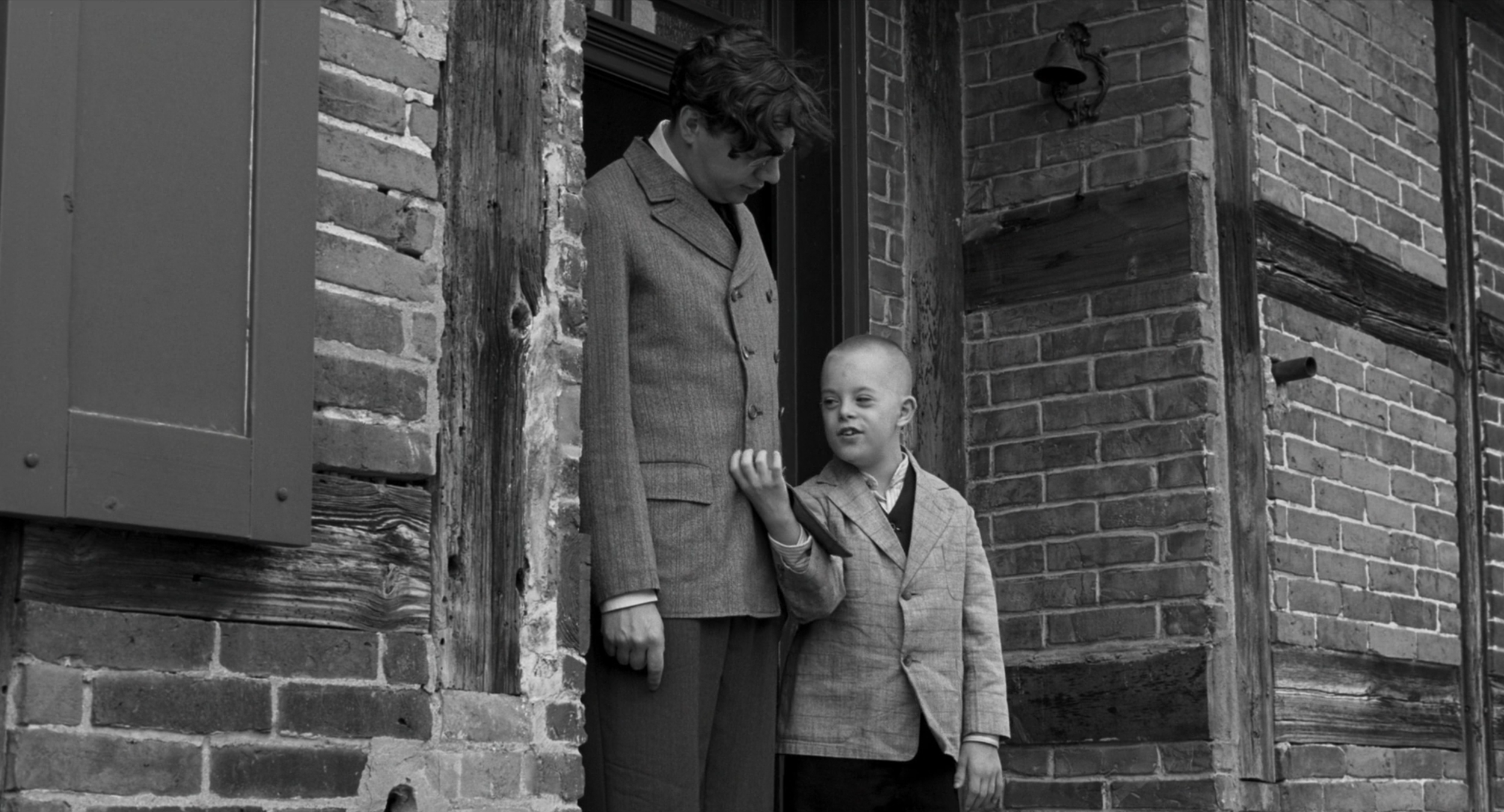
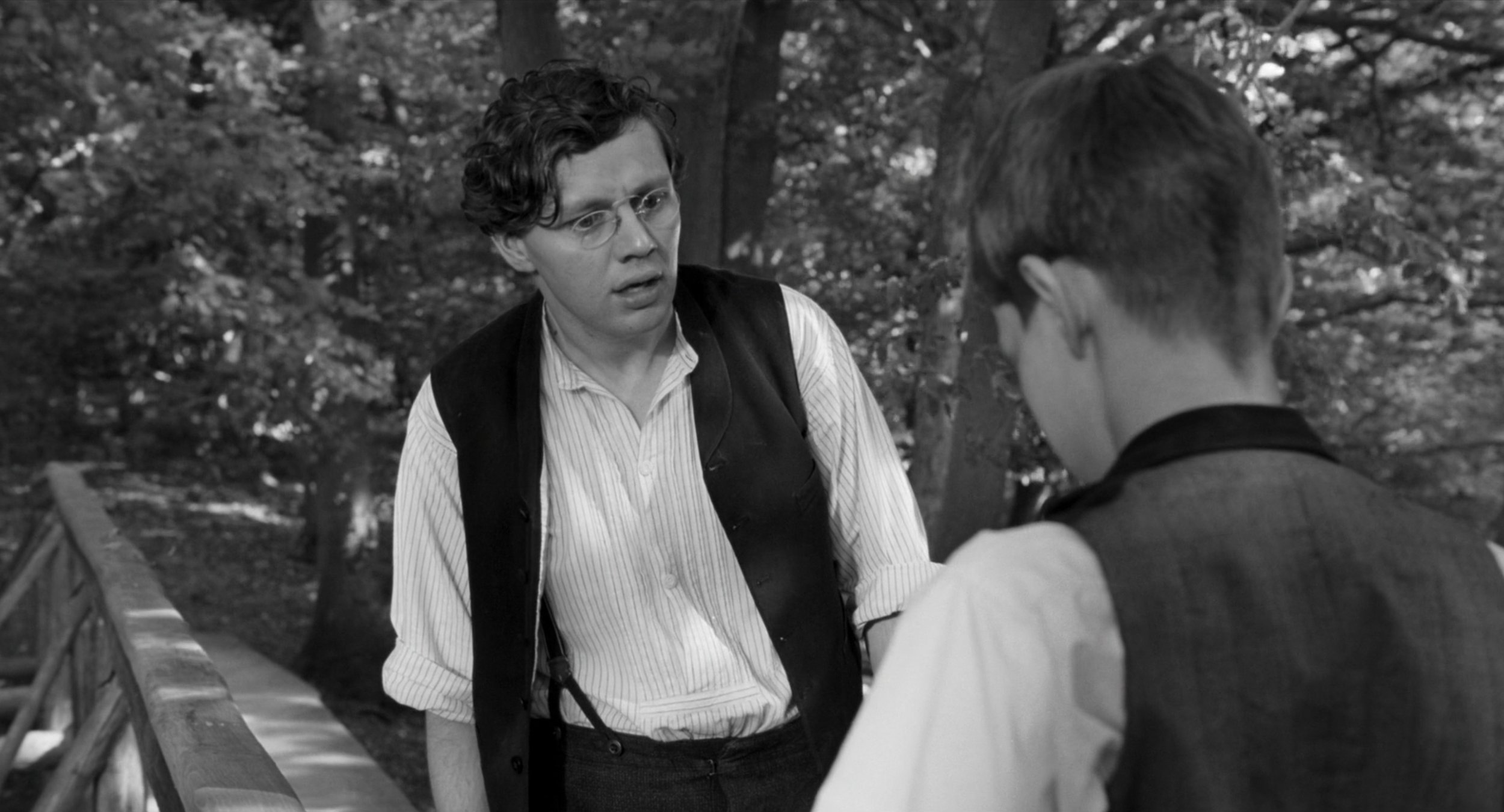
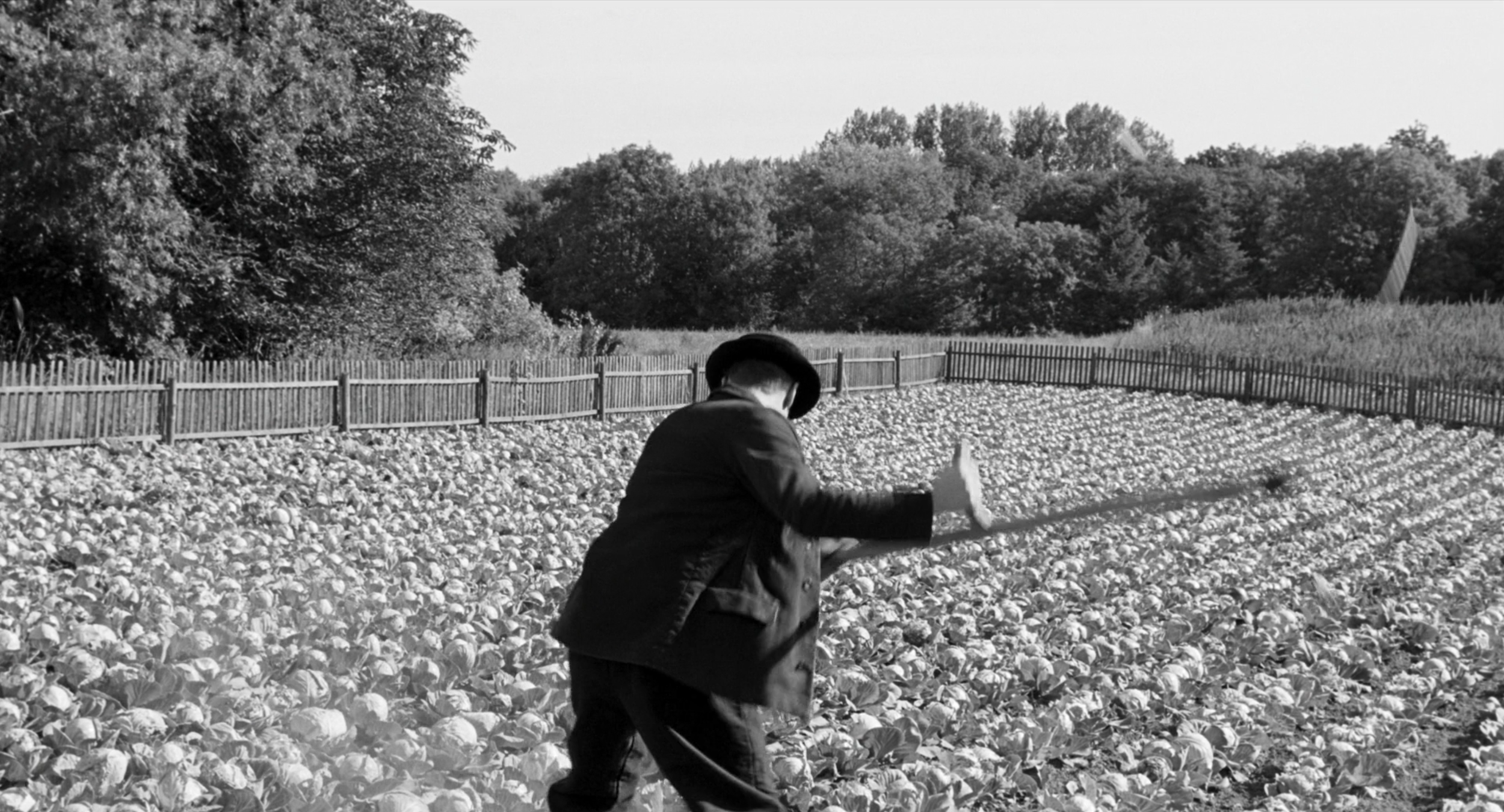
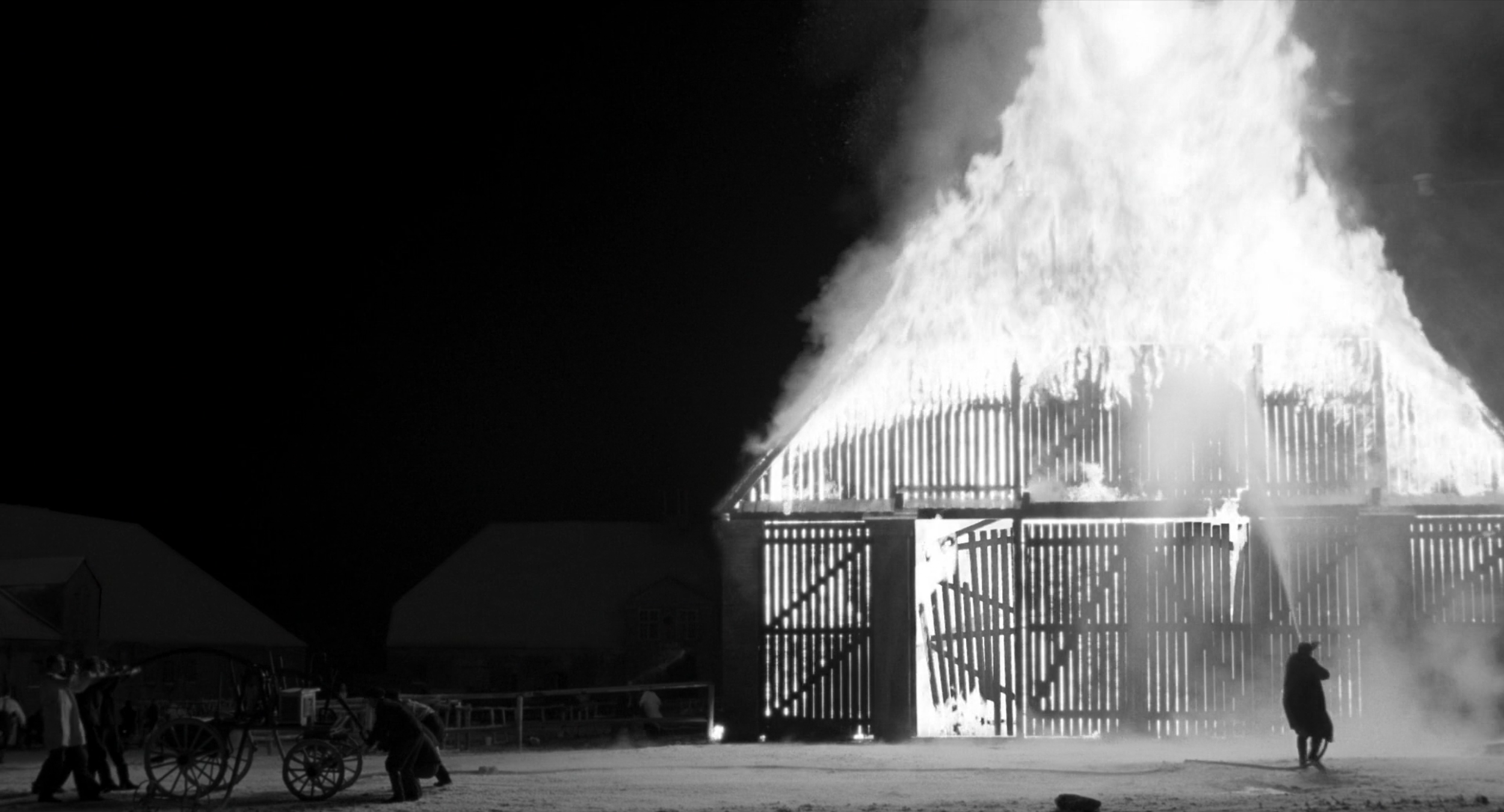
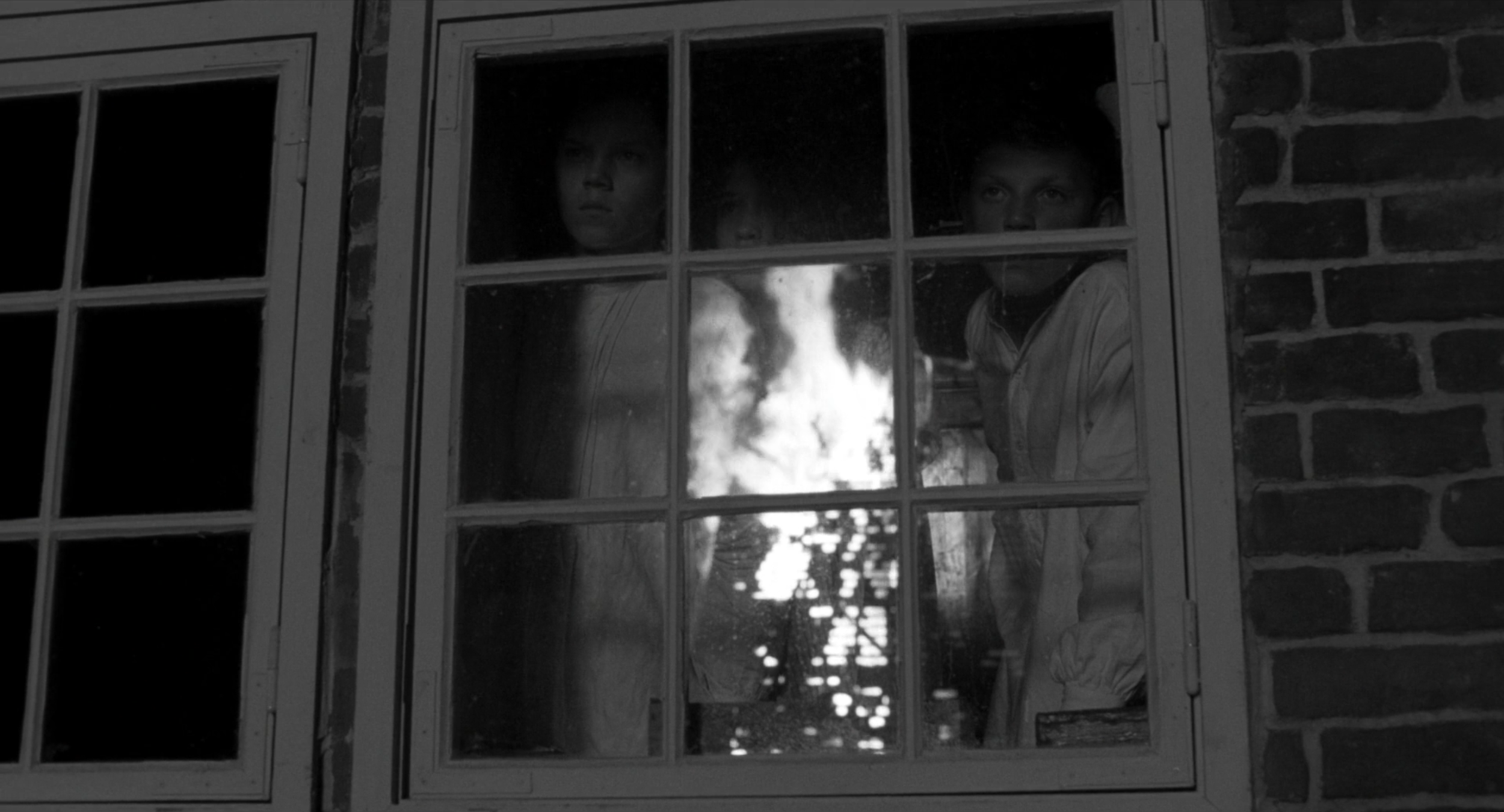
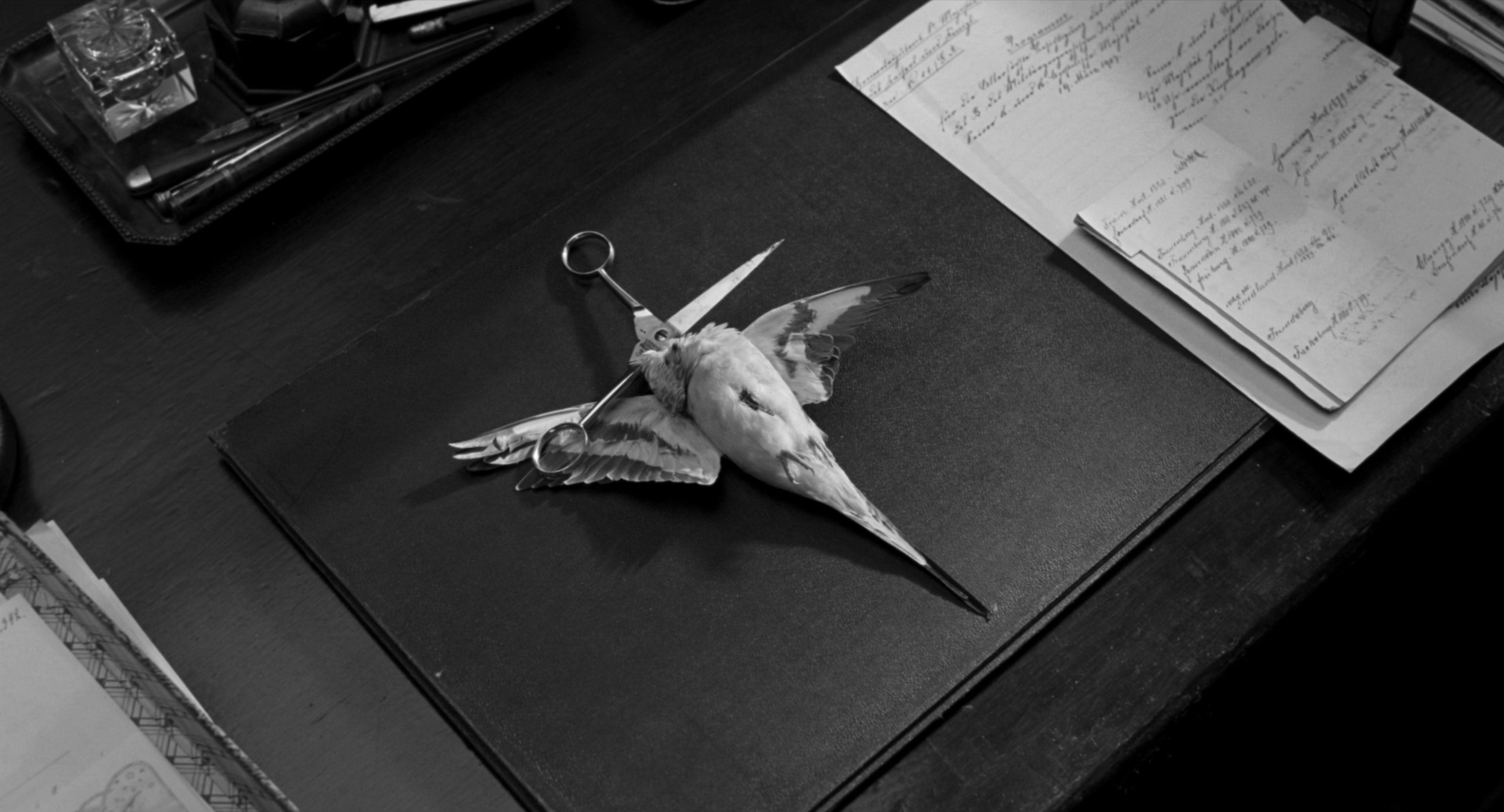
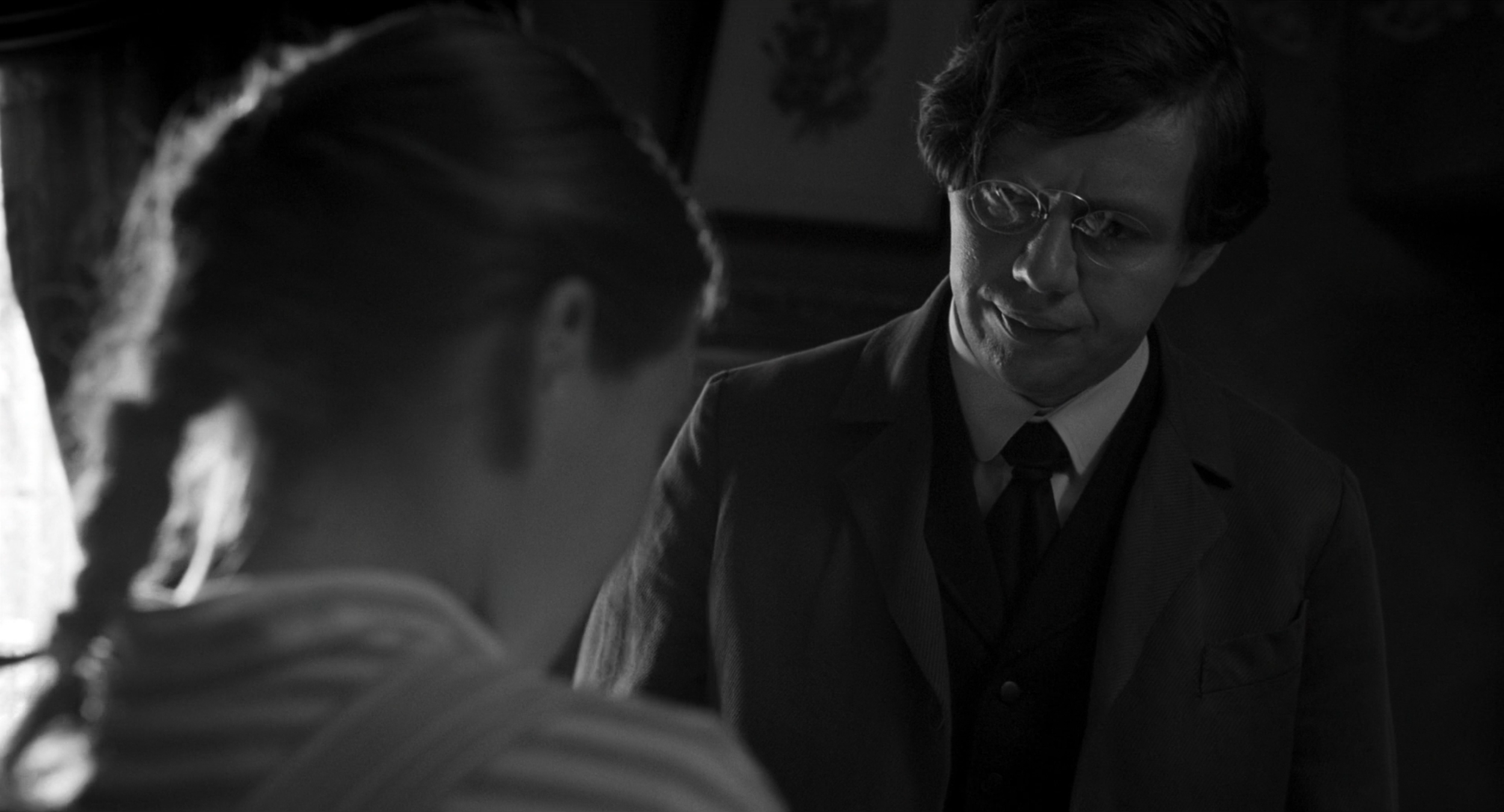
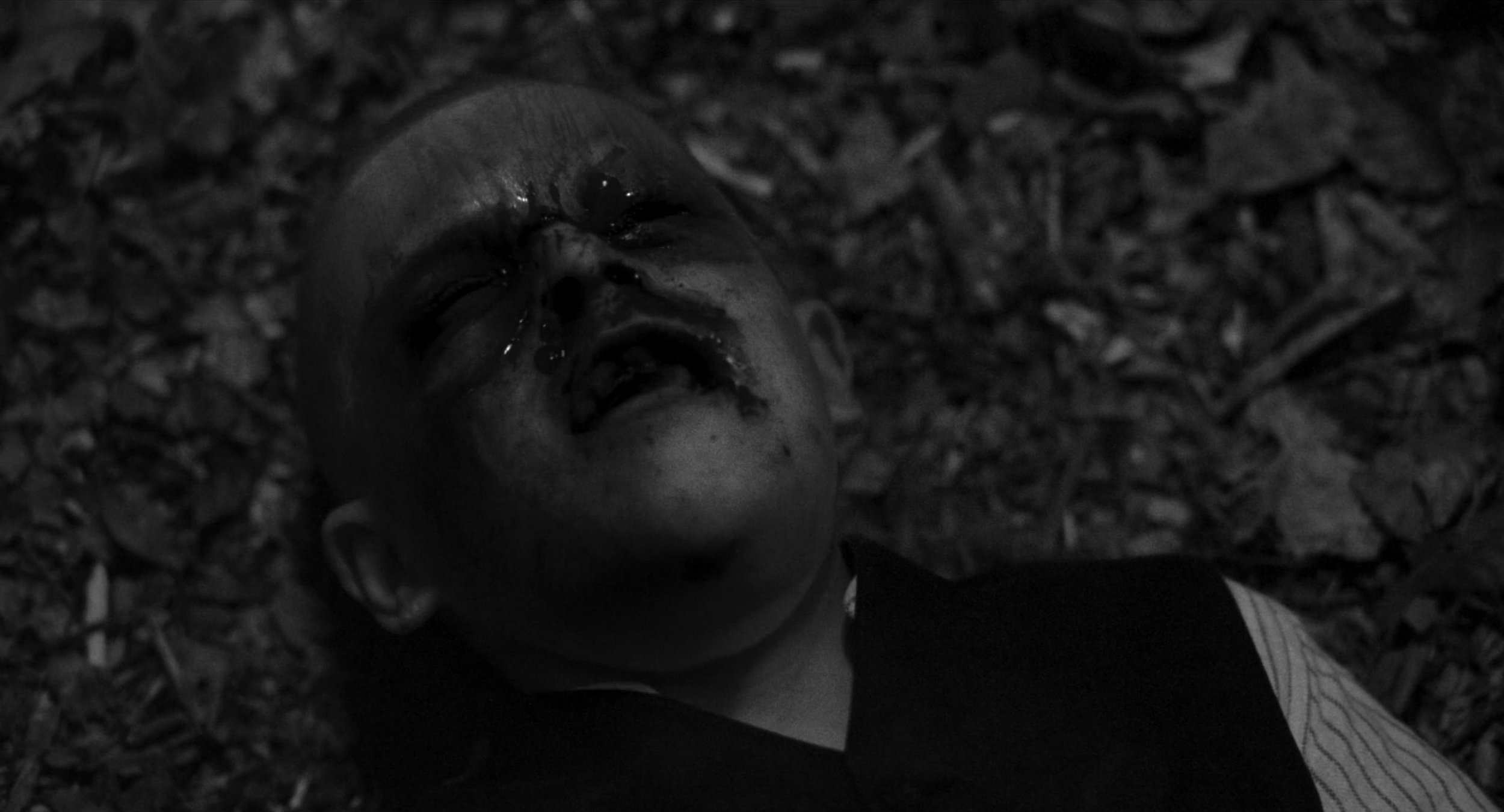
Although the film is a precursor to World War I, it is highly implied it is the birth of Nazism. The film is about a small town ruled by inequality from barons and pressed by the hypocritical thumbs of a religious pastor. All of the adults in this film are flawed and their negligence subtly influences the children. It is with near certainty that we can conclude the perpetrators of terror in this town are committed by the children. Sometimes it is explicitly revealed, but the majority of the time Haneke chooses to obscure their guilt. He actually does a convincing job of hiding their crimes by solidly denying questioning. But there are many examples apart from the schoolteacher’s final accusation that reveal it was them. The invisible wire that trips the doctor is likely to be from the fishing line that the children use. Motive is never revealed in this film, we can only surmise that it is due to the injustices from adults that have allowed it to happen. The doctor is clearly not a good person and even sexually abuses the daughter and there should be no objection for anyone’s motive. Throughout the film, we see vengeful acts against certain parties because no one will act. When the farmer boy’s mother dies, he takes matters into his own hands by vandalizing the cabbages. Many other acts occur such as beating the midwife’s autistic son, stealing the baron boy’s instrument and throwing him into the water, setting fire, killing the pet bird, one might easily conclude from the limited information that the children are rotten. It is only in juxtaposition with the adults’ hypocrisy that we can understand them. And we must, to prevent another Nazi event. The pastor plays a pivotal role in their delinquency. He hypocritically punishes the children from impure touching while the doctor engages in prostitution, he punishes them for simply being children and his religious dogma deprives them of any positive upbringing. The white ribbon is supposed to represent purity, but it resembles more of a Jewish arm patch that would be used in the Holocaust to oppress.
Conclusion:
Although this film has the DNA of Haneke, it has a little less of the deeper psychology. It’s more of a historical drama than psychological thriller and thus less compelling overall. There’s a fantastic script, it just didn’t move me with its detached presentation and slow pace. It took forever to get to the main point. For some hardcore mature viewers, it will be a rare gem of a substantial film. I just didn’t find it particularly compelling. Nevertheless it proposes a convincing explanation of Nazism and should leave a lasting impact on the importance of social rearing.
Recommendations



Violence is a funny thought experiment.