
Dead to Rights (2025)
Are Chinese popcorn war blockbusters finally cinematic?
Presentation:
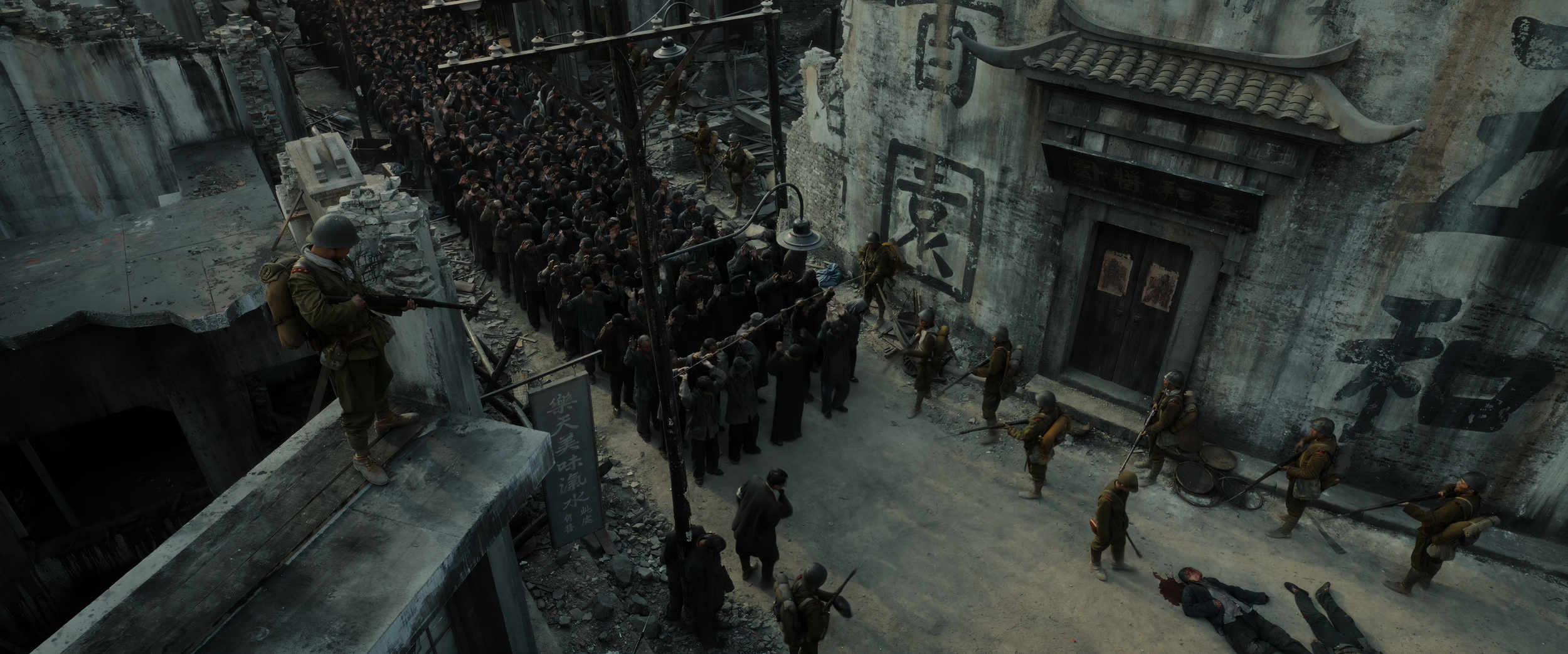
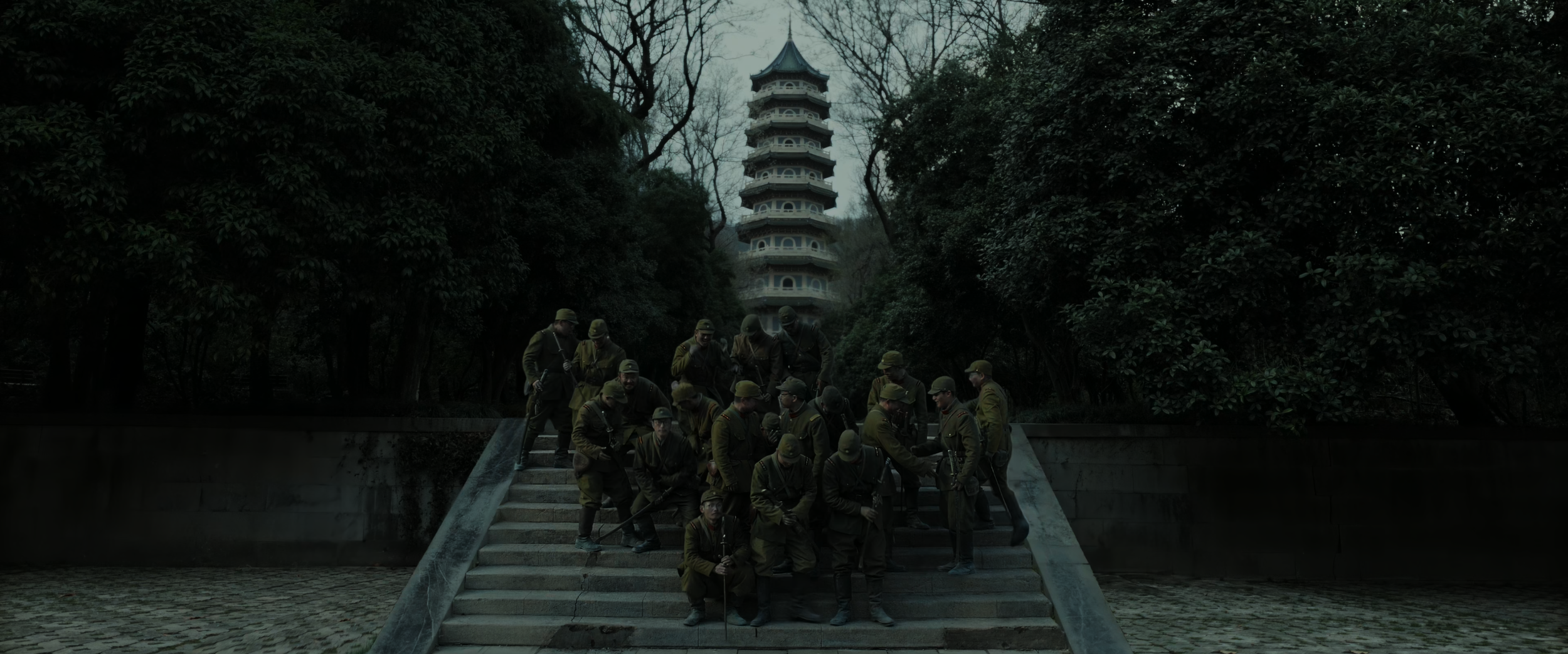
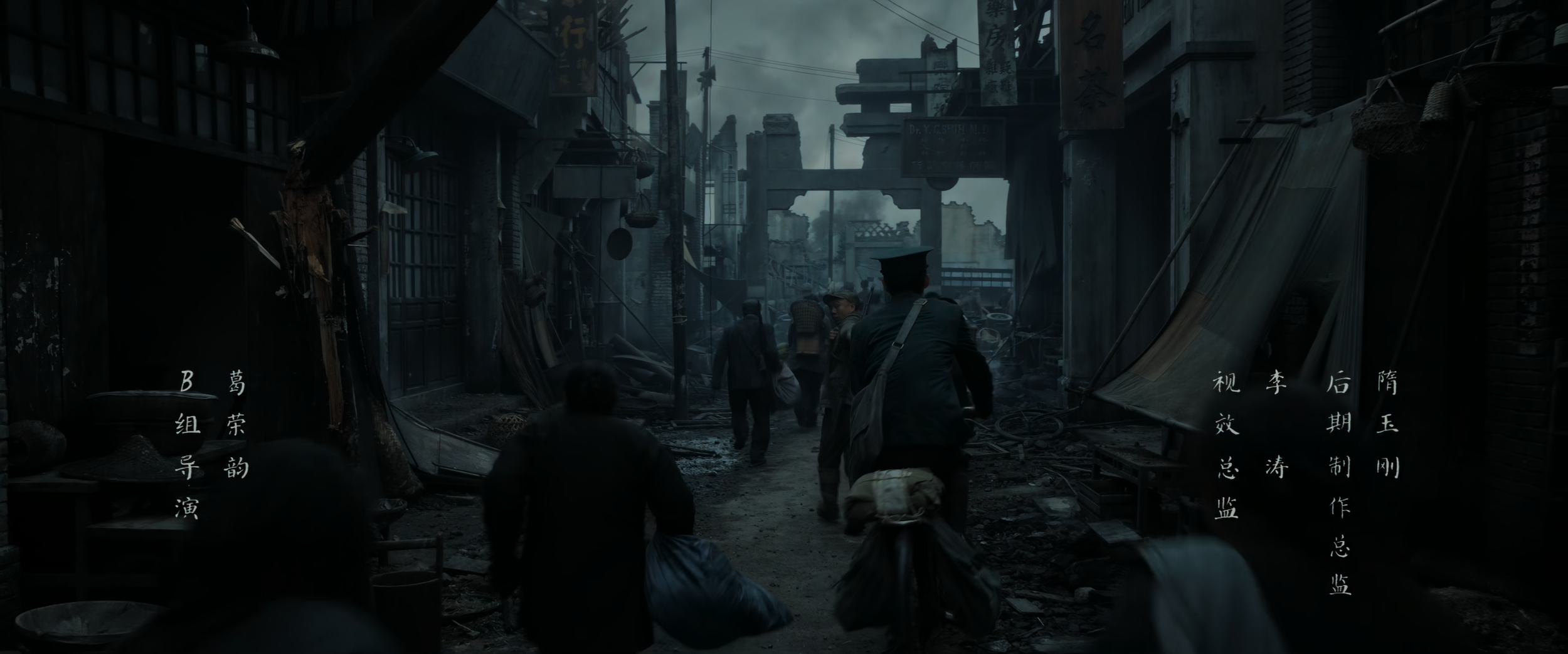
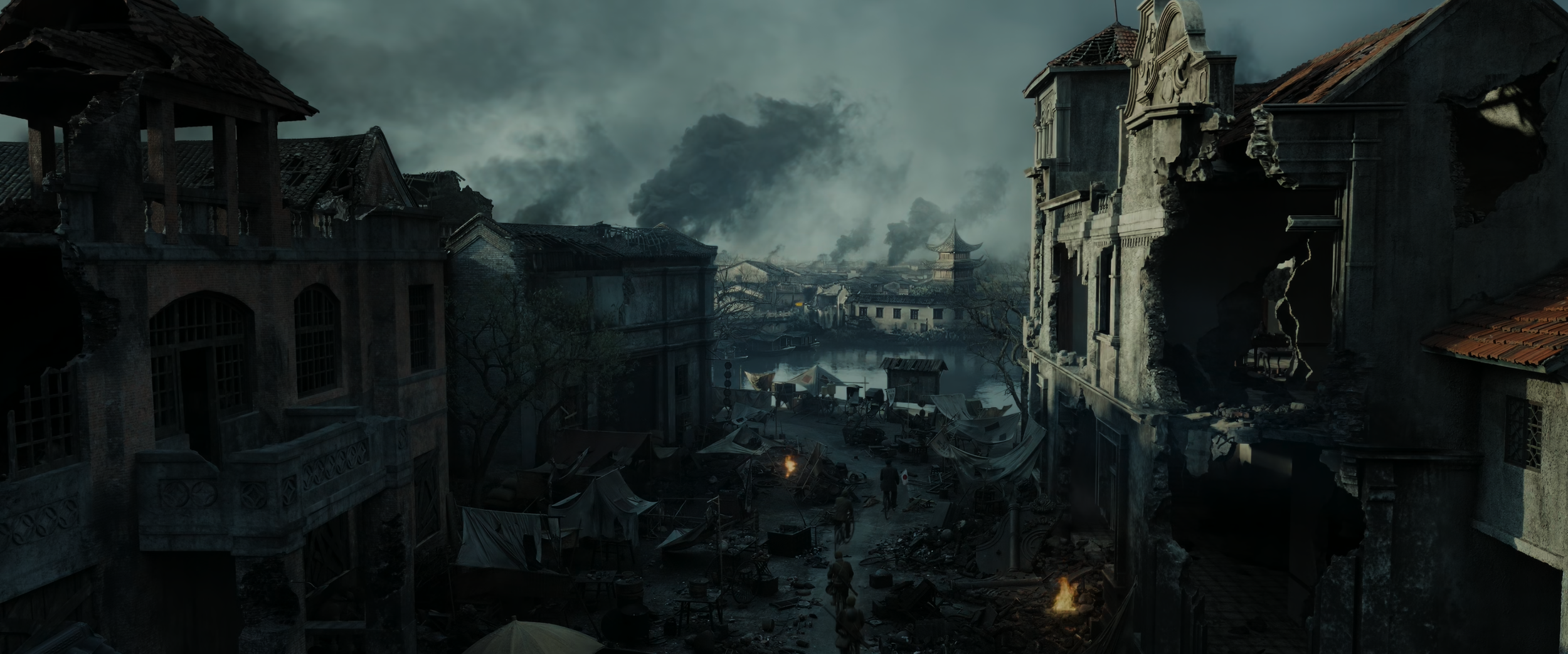
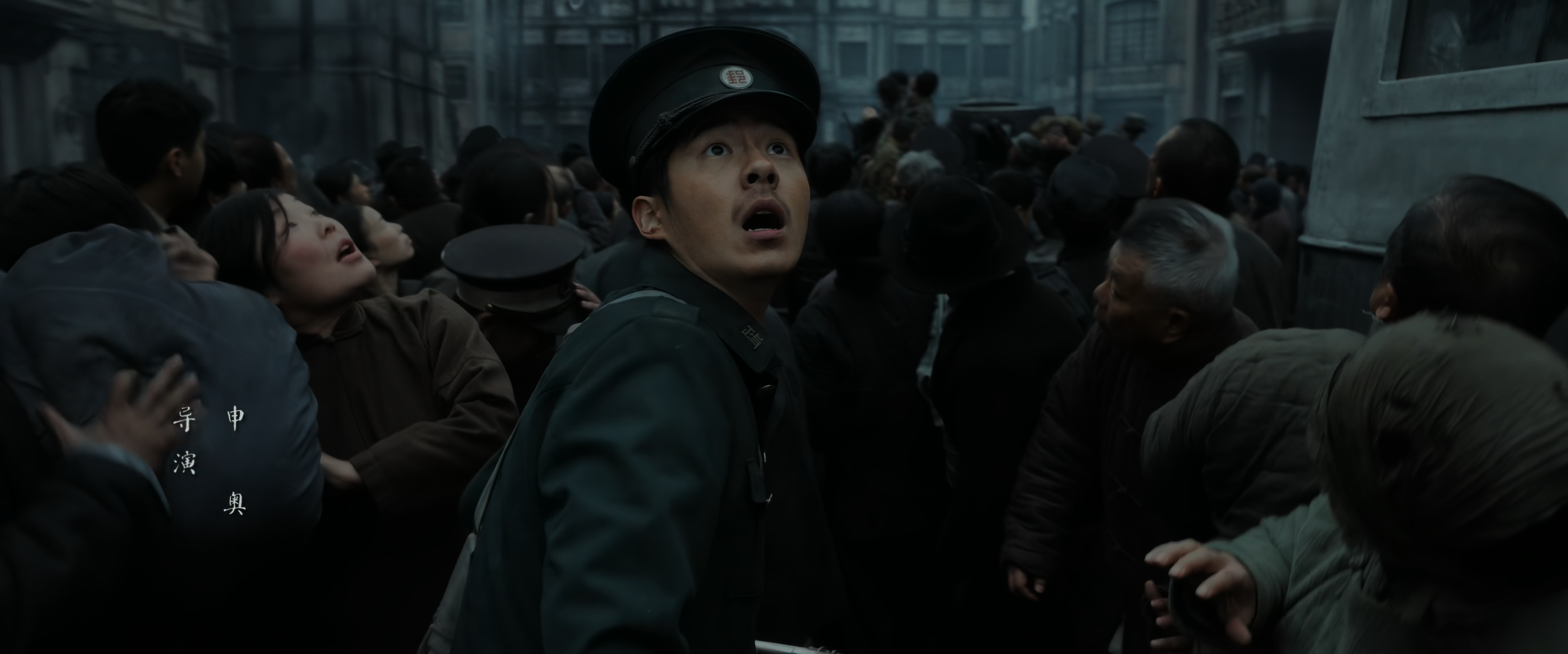
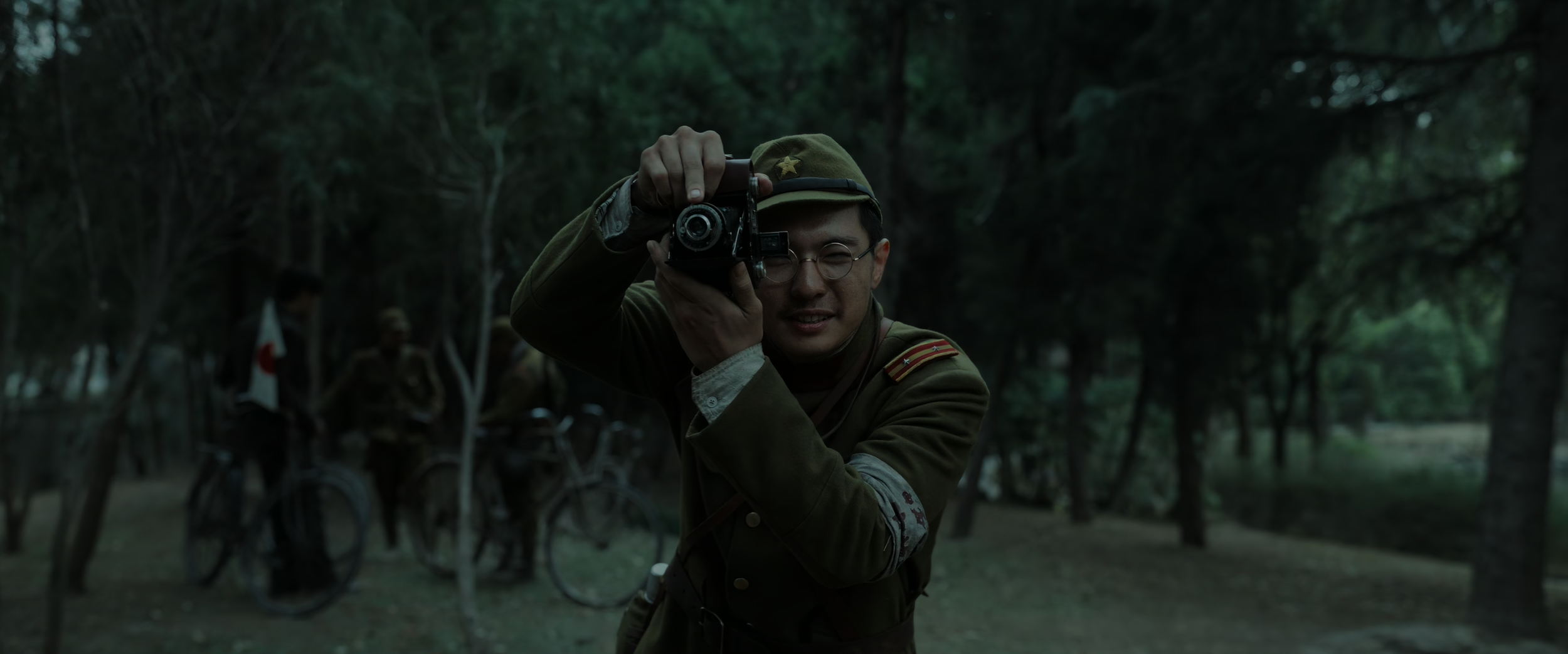
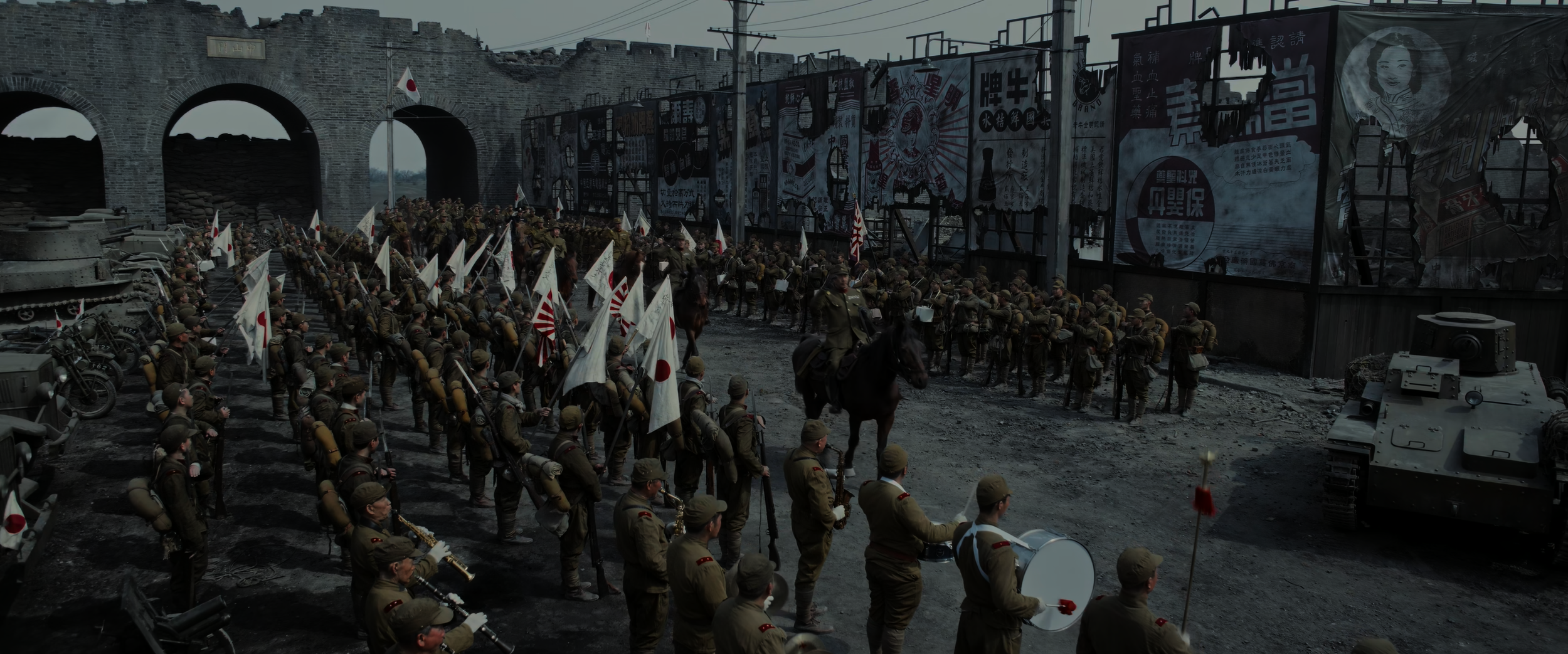
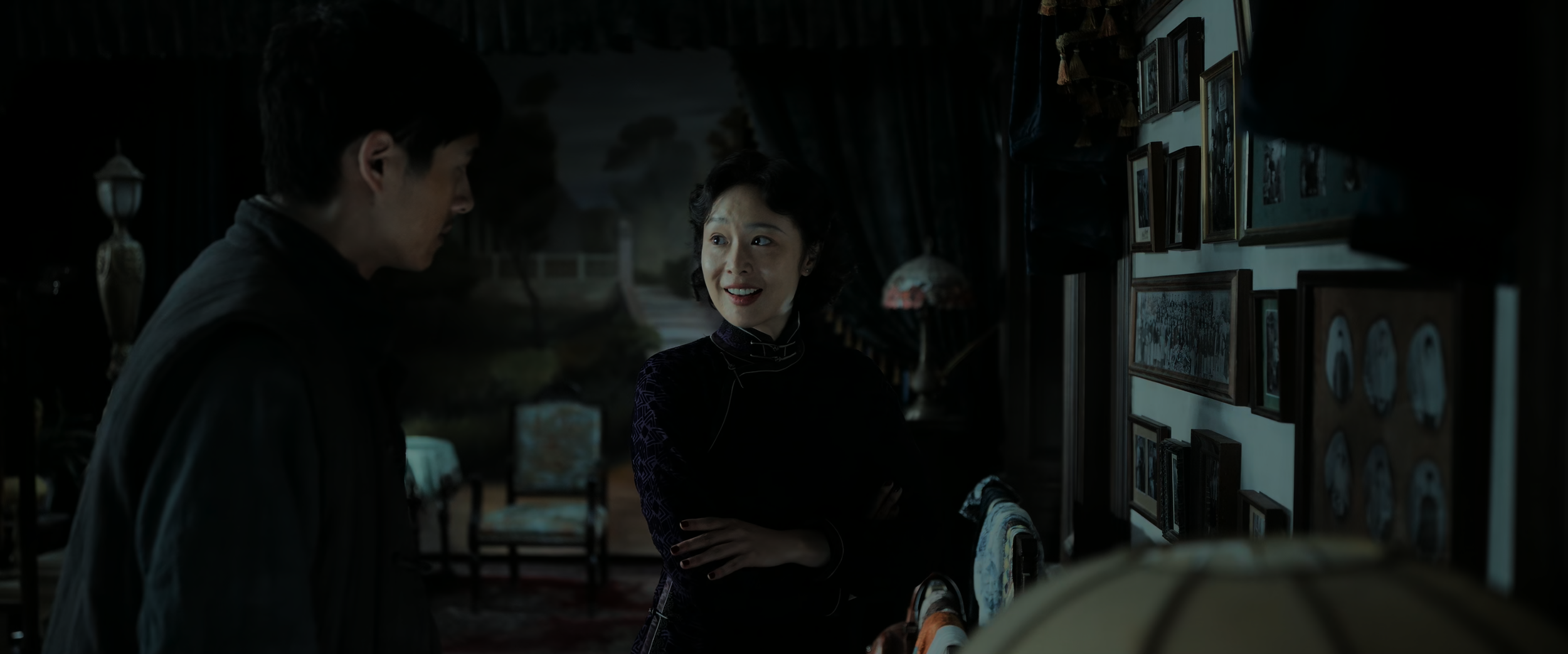
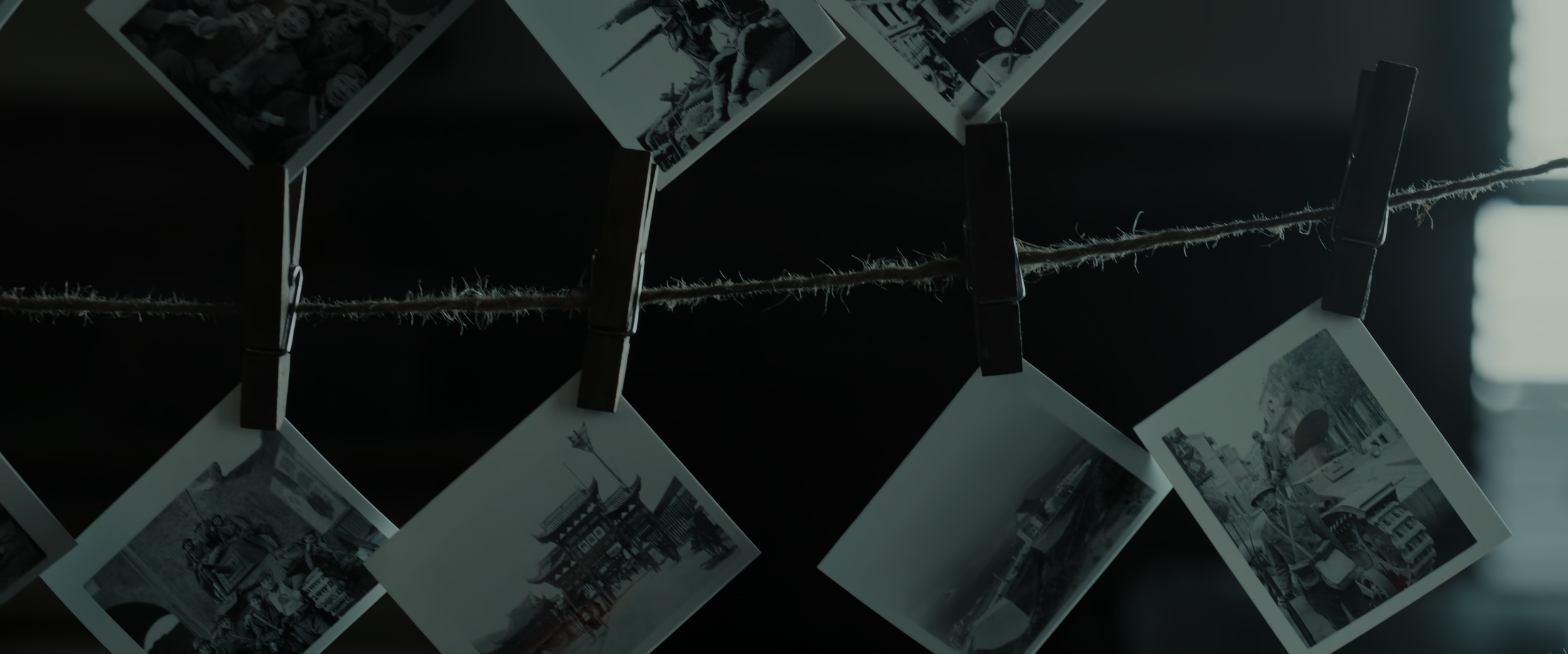
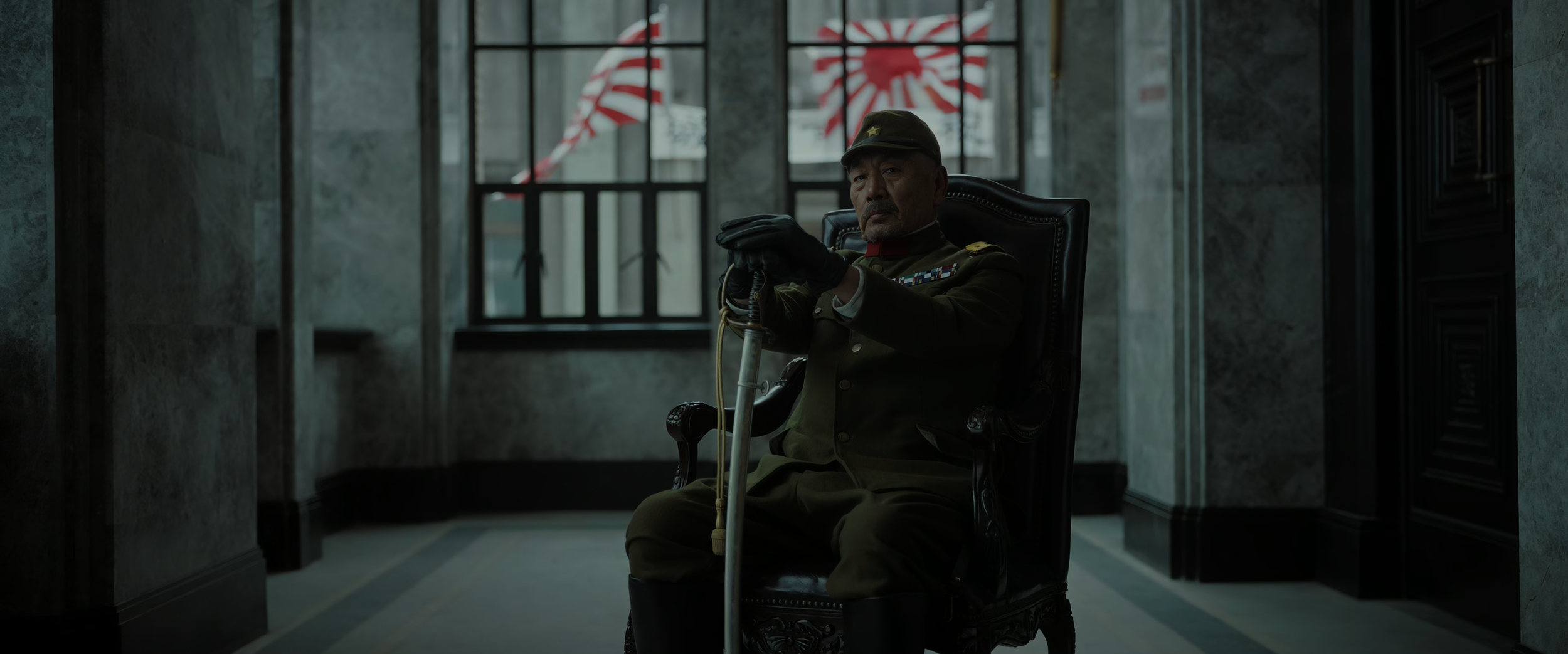
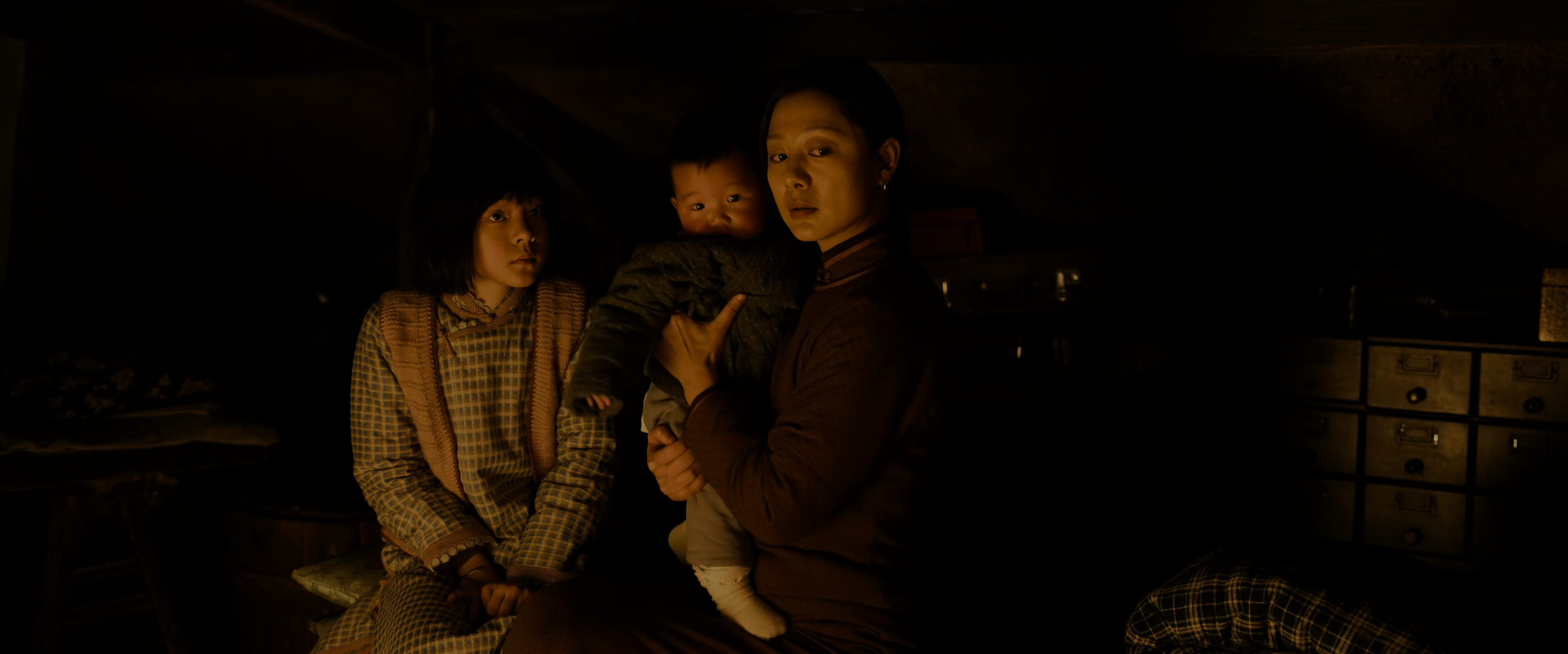
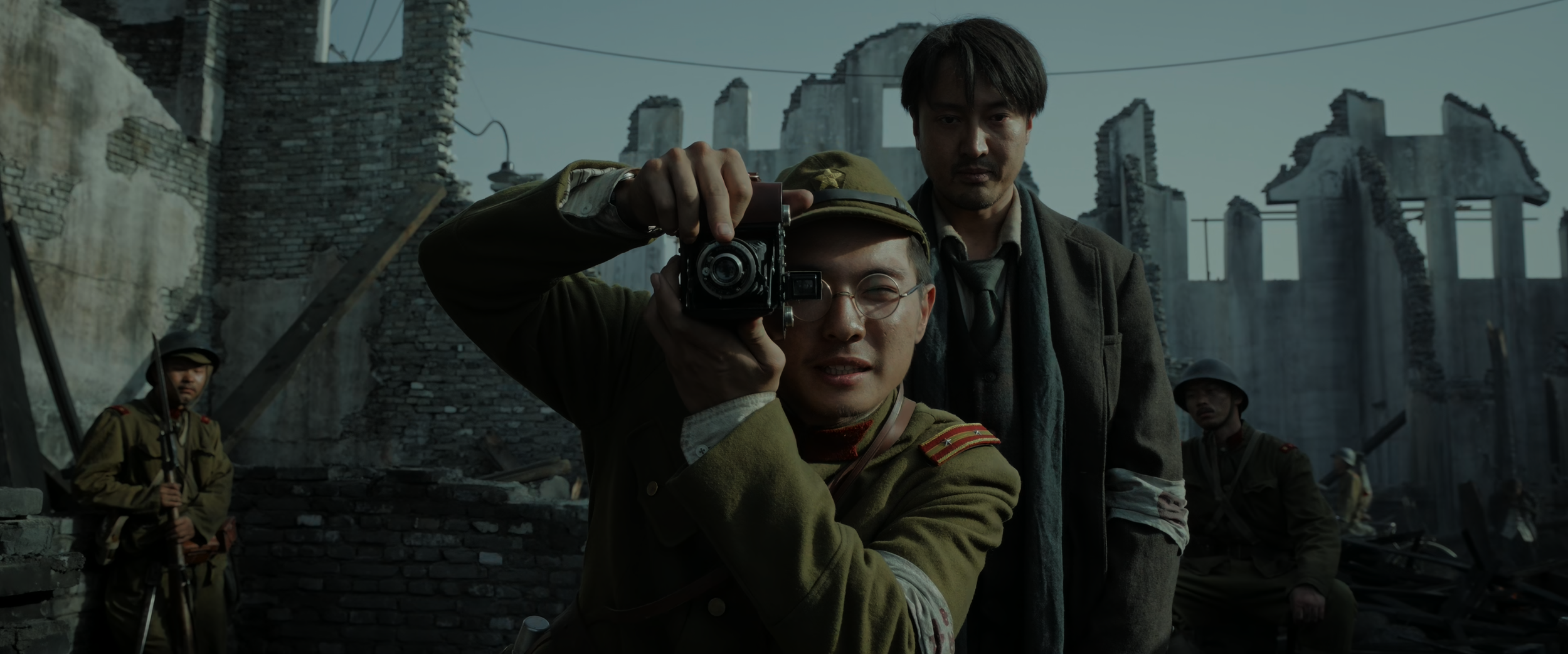
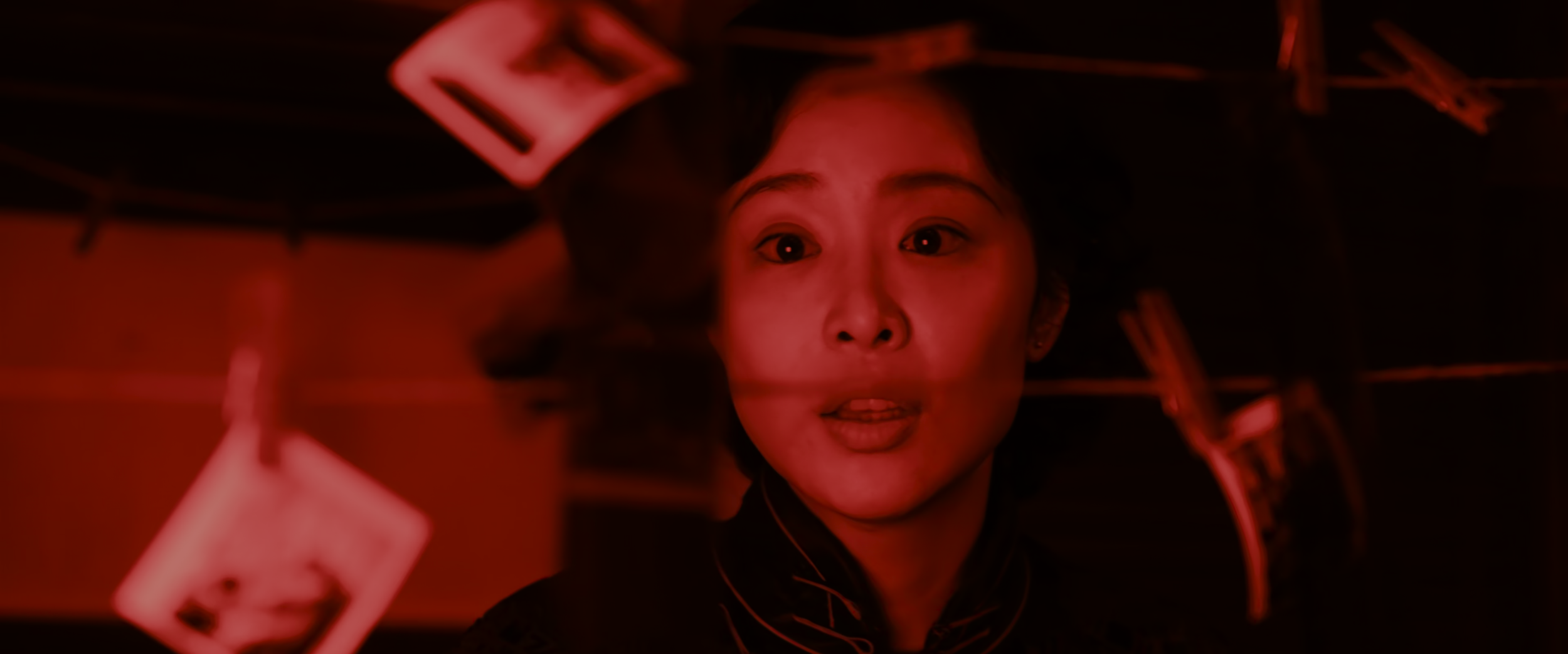
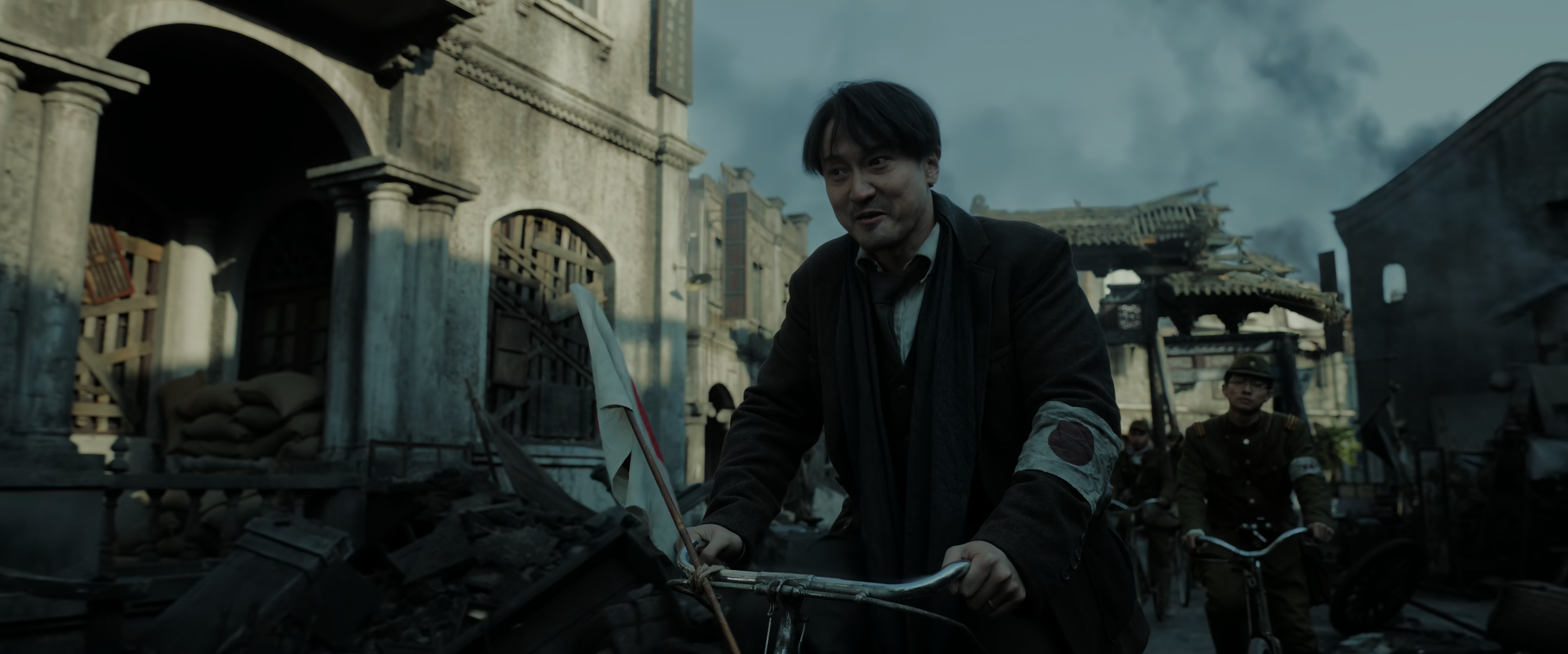
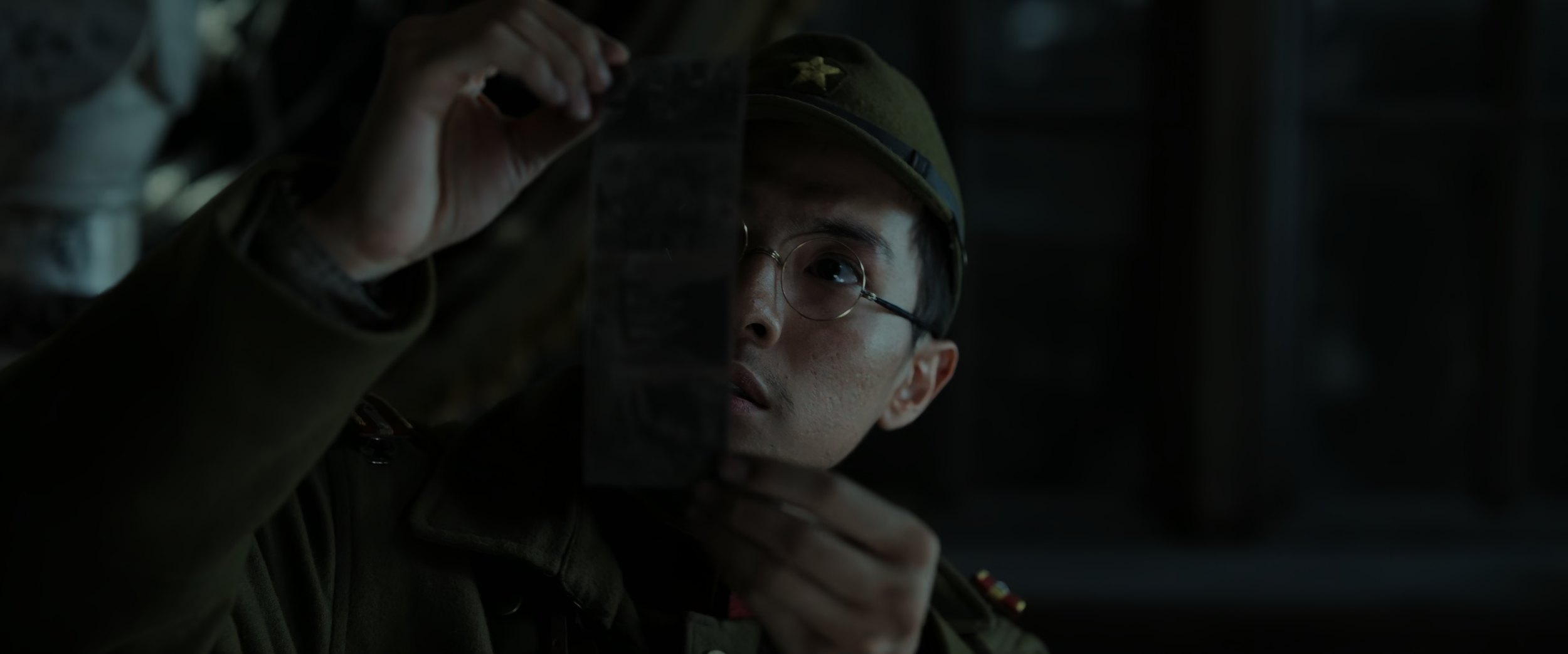
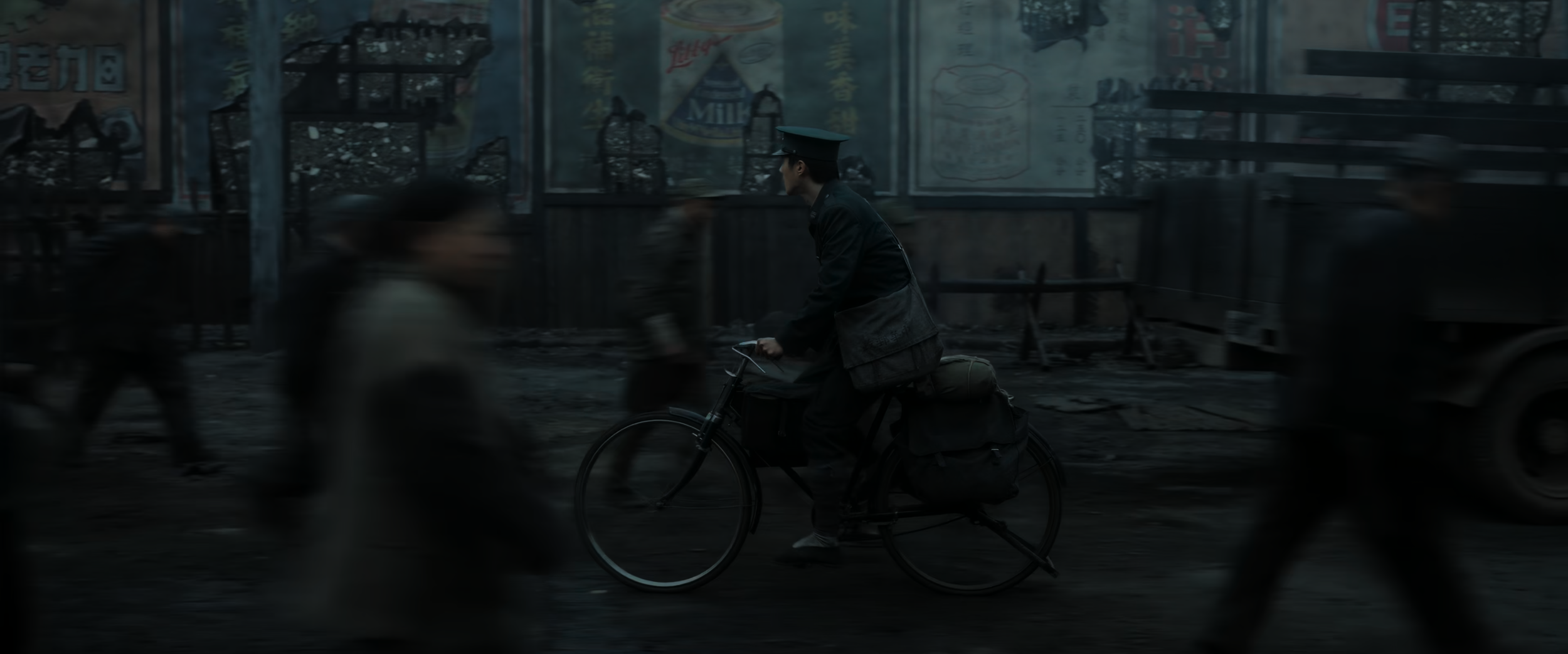
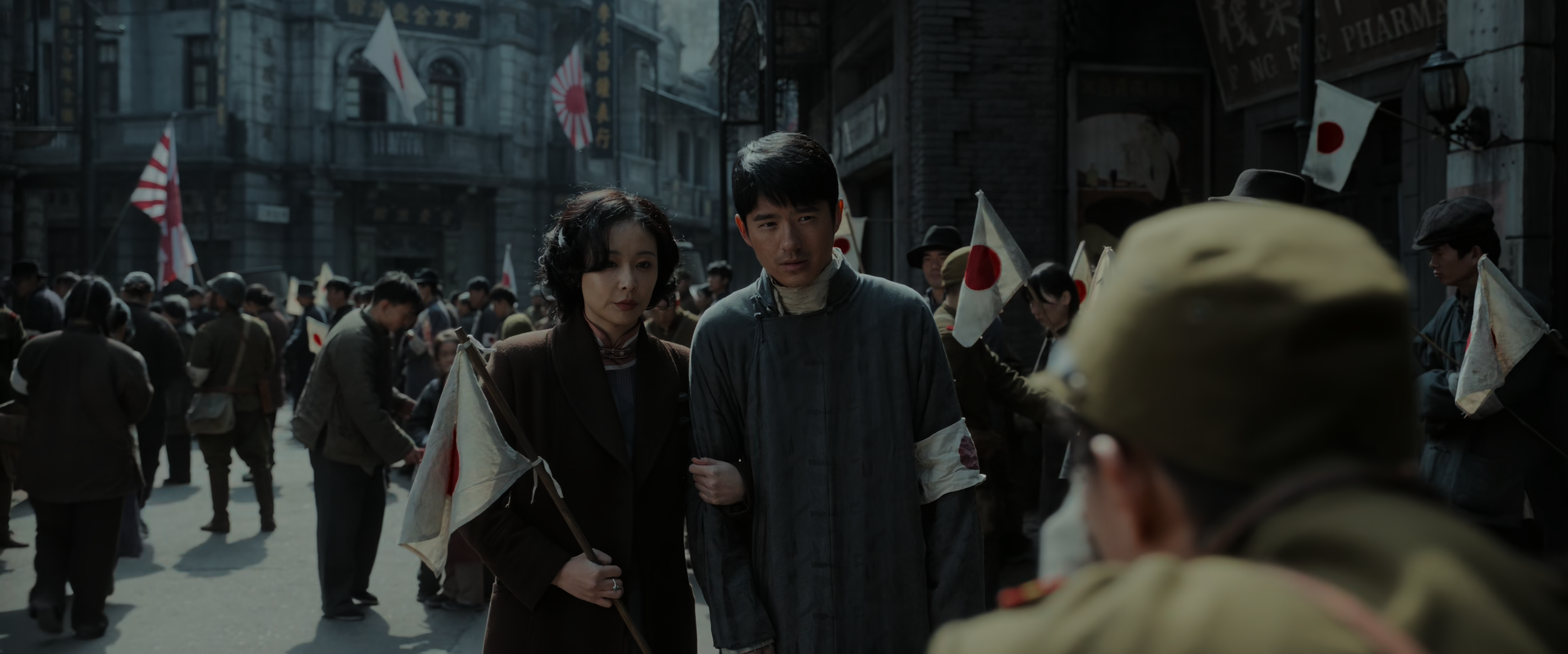
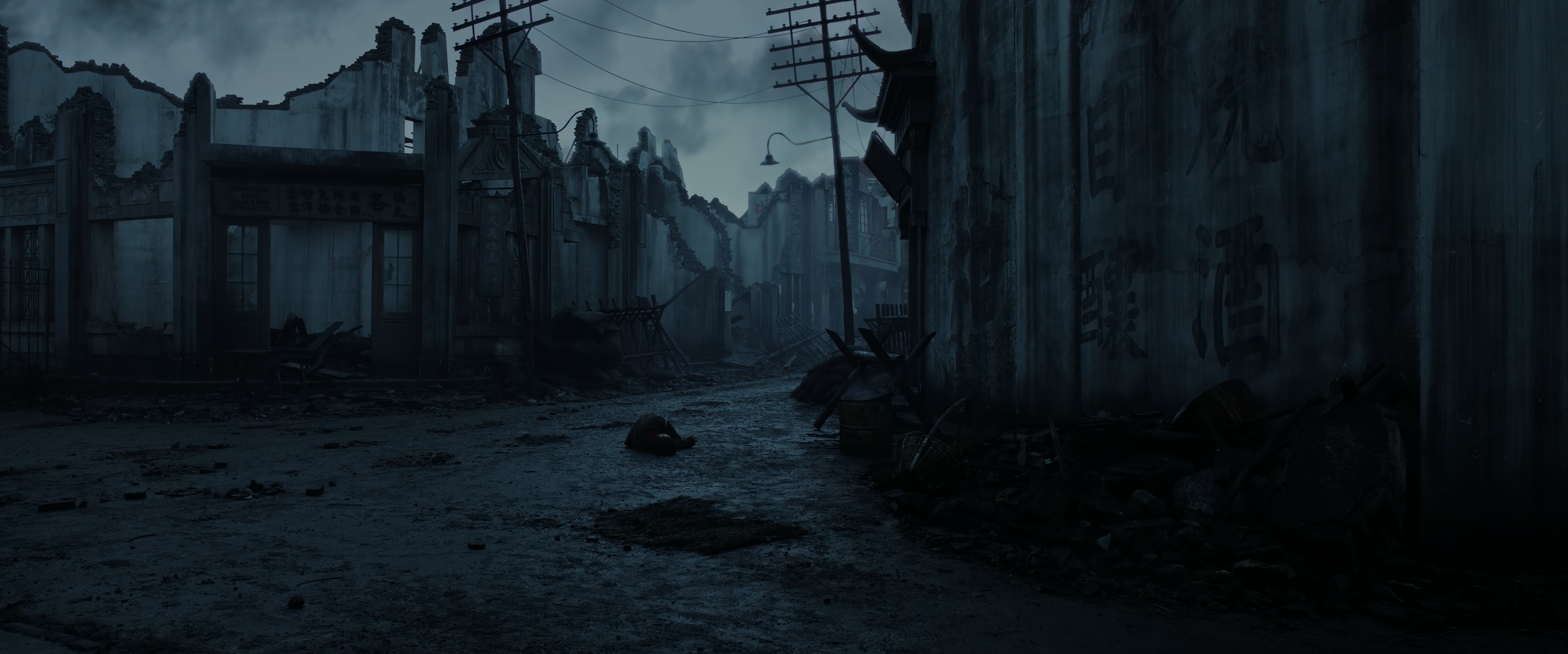
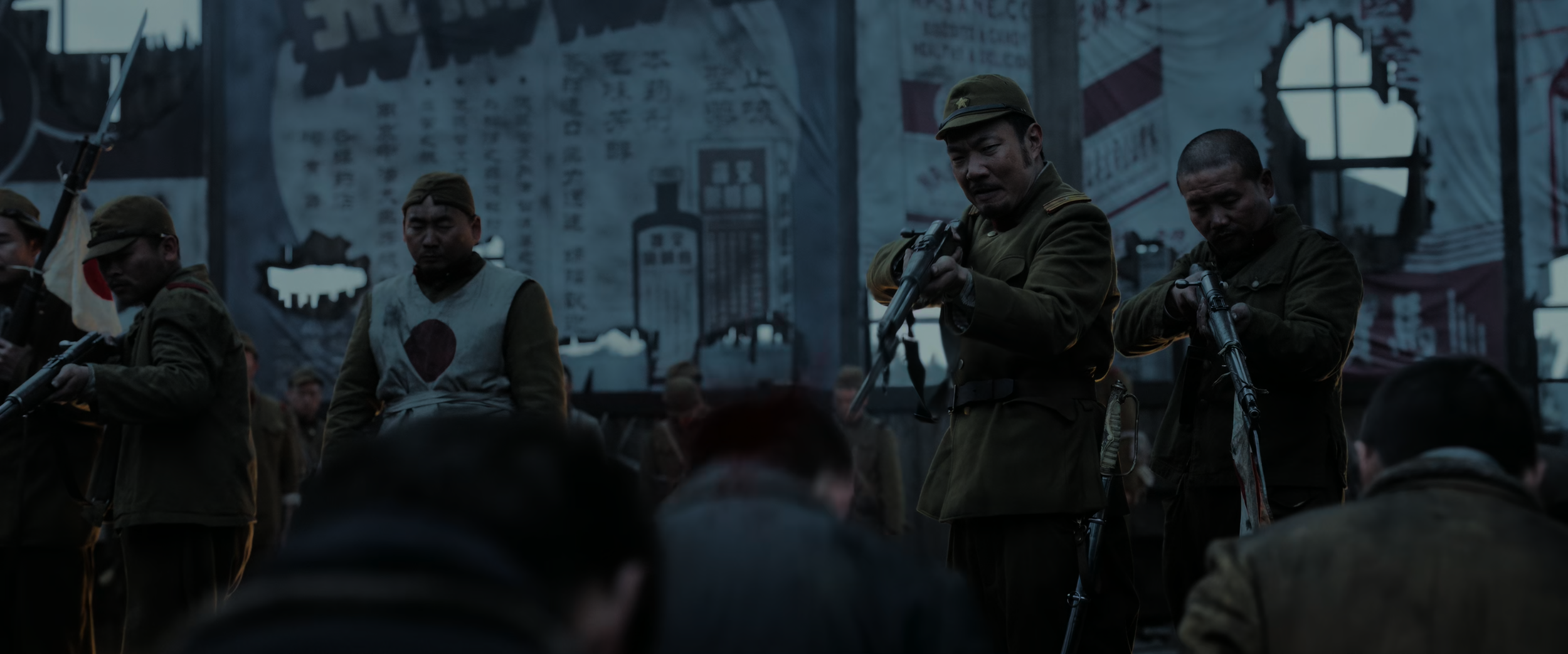
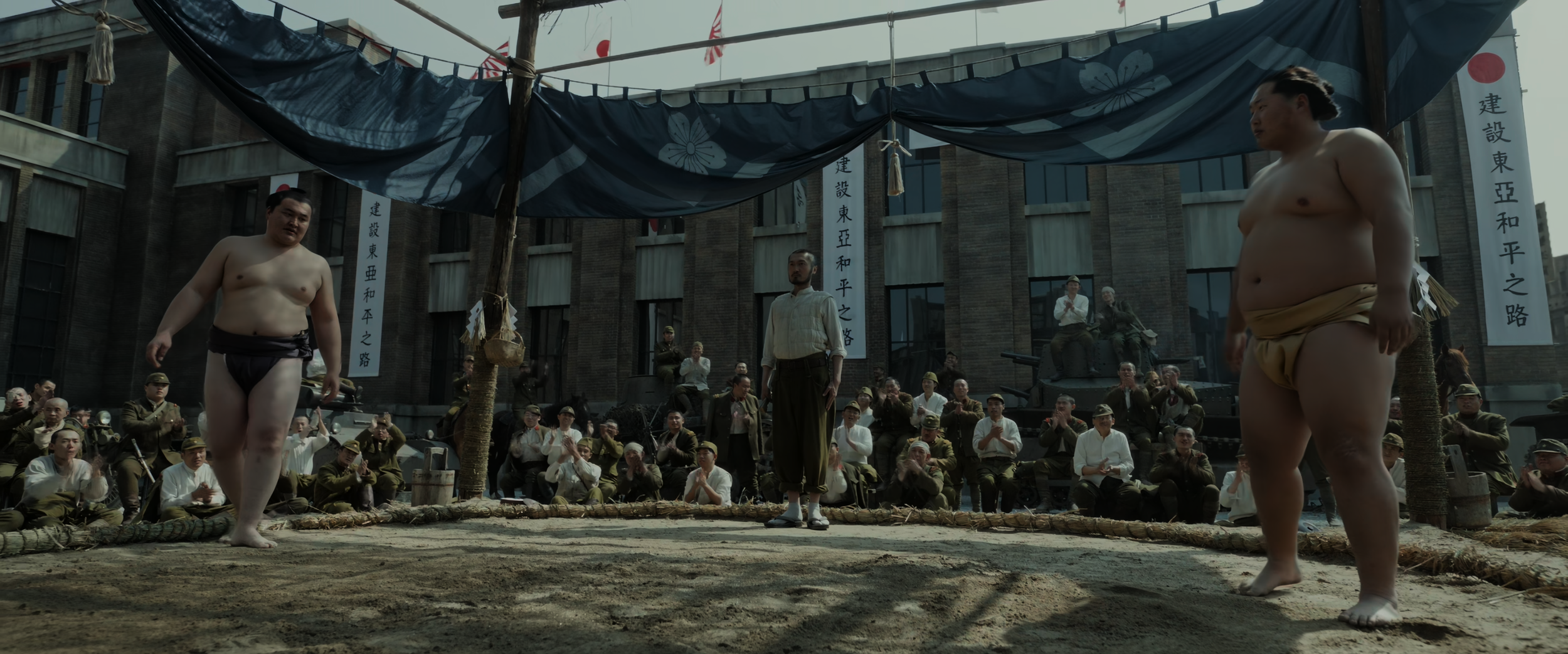
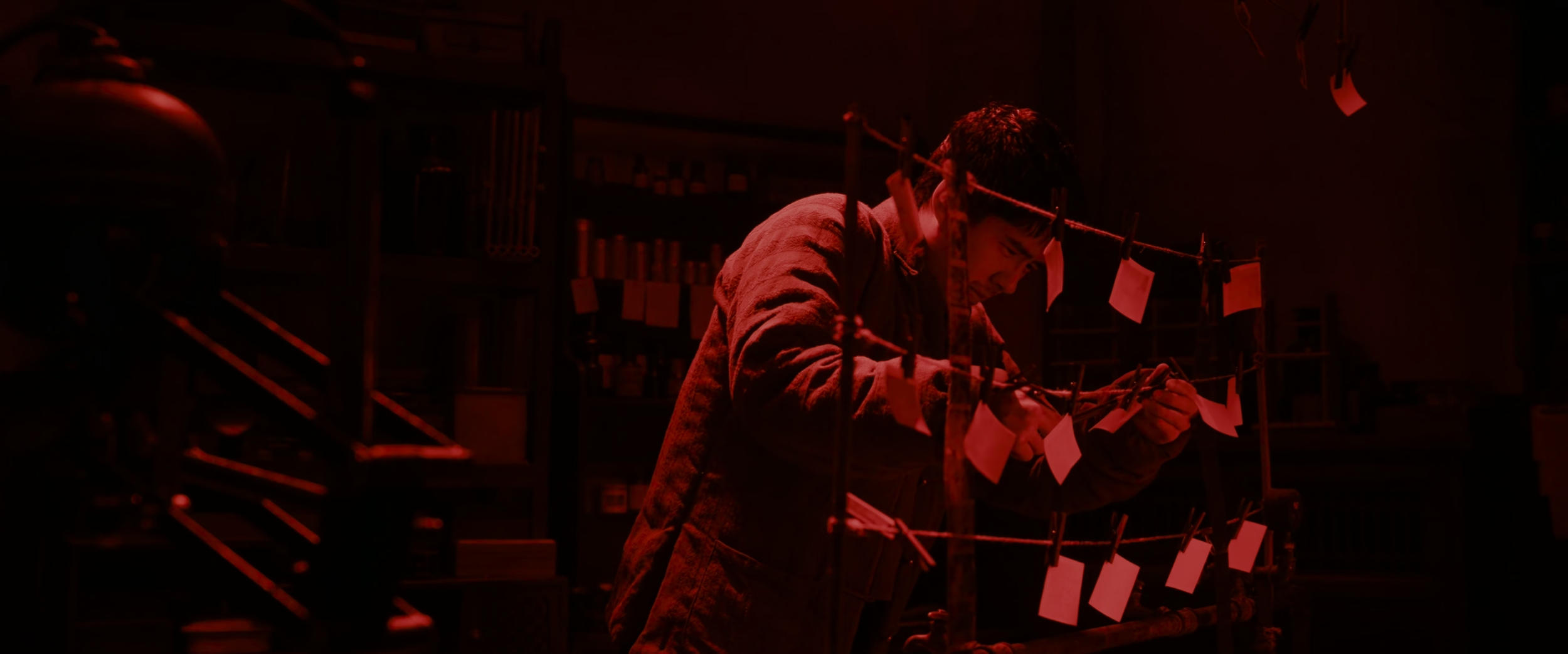
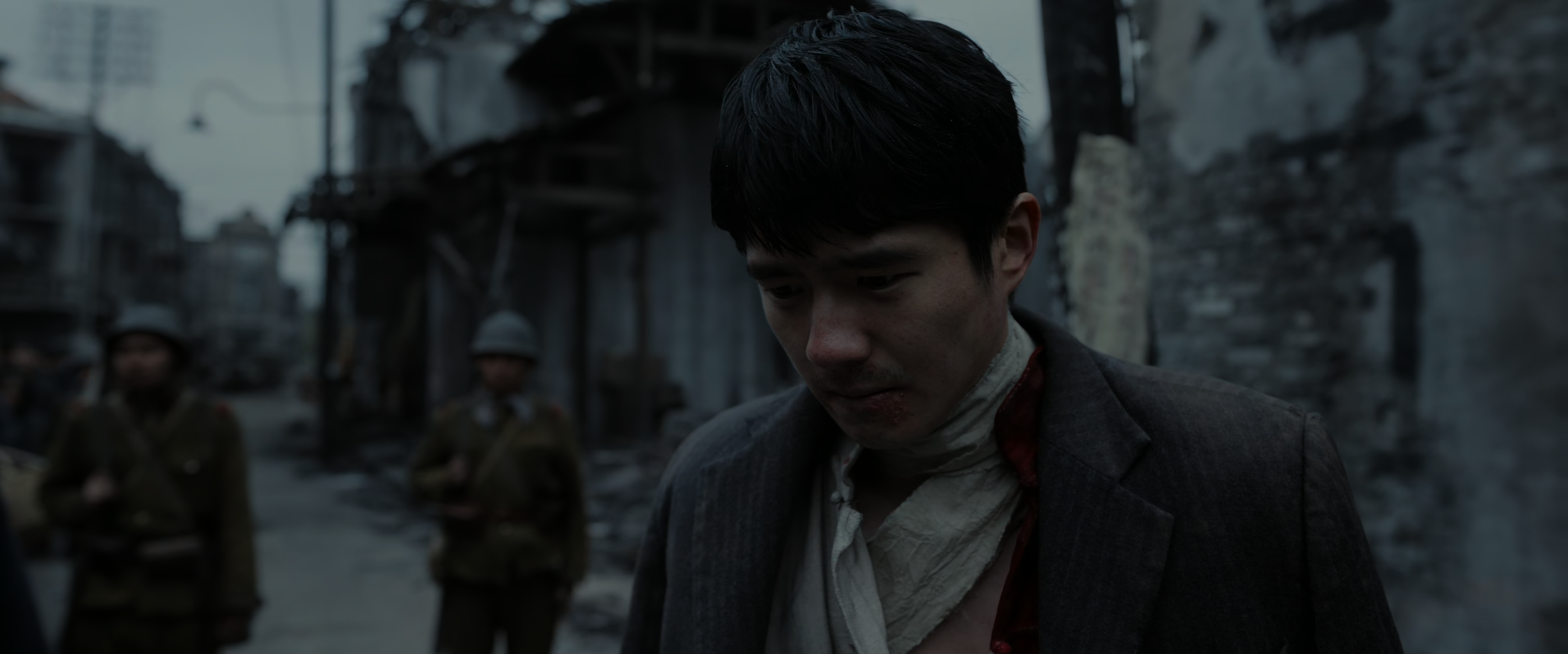
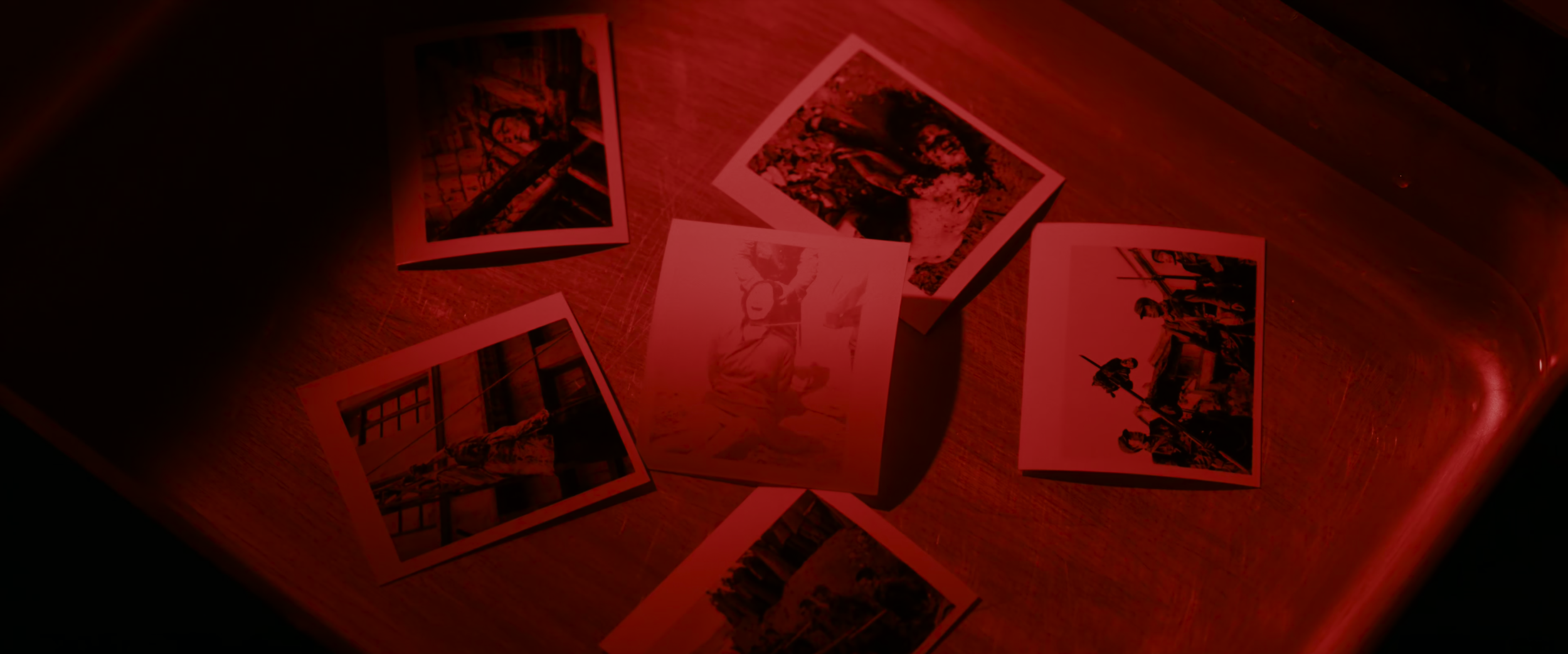
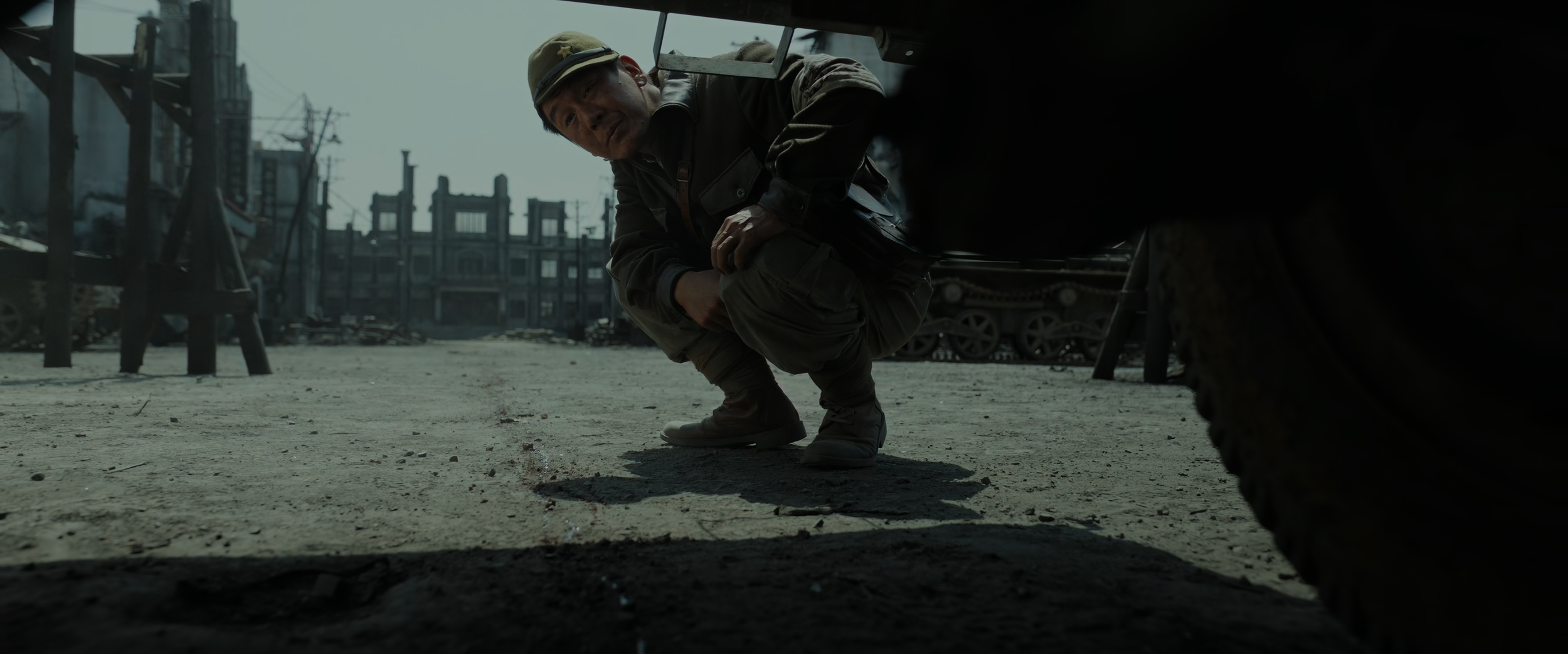
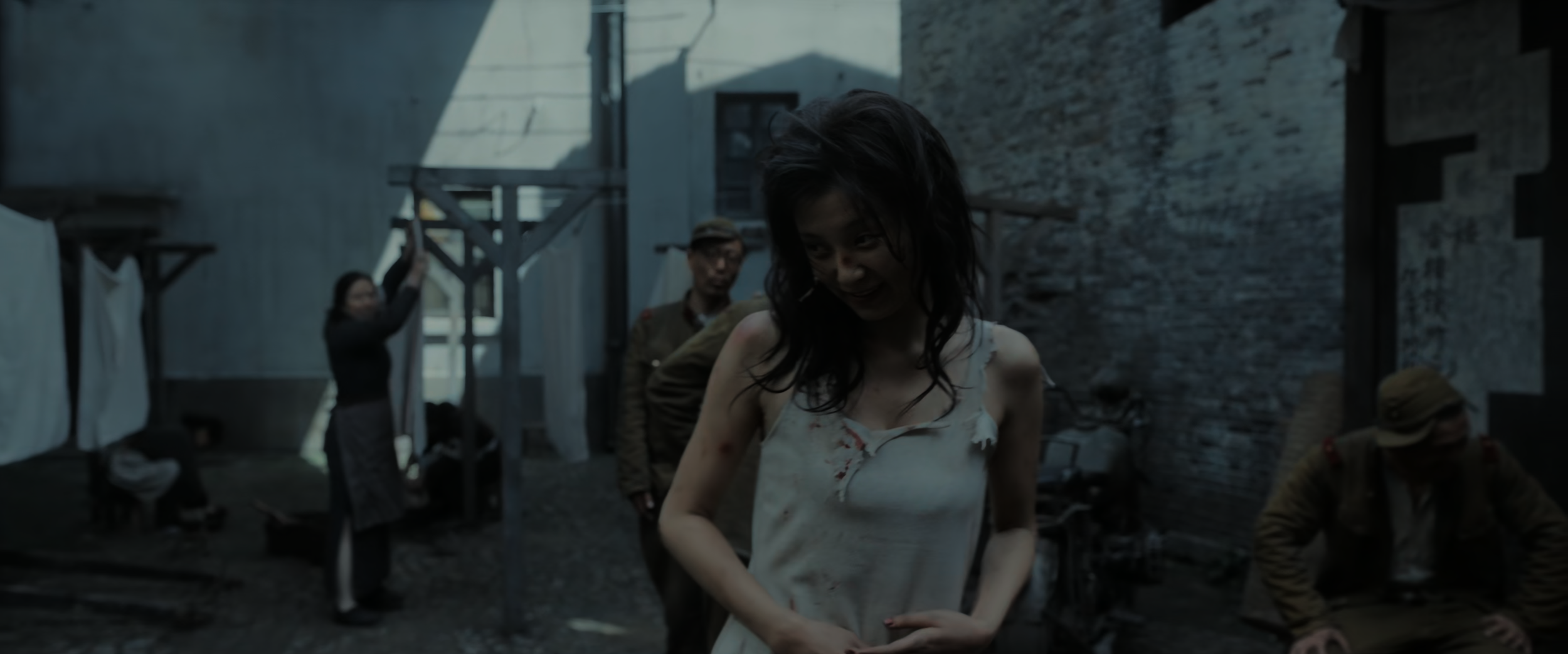
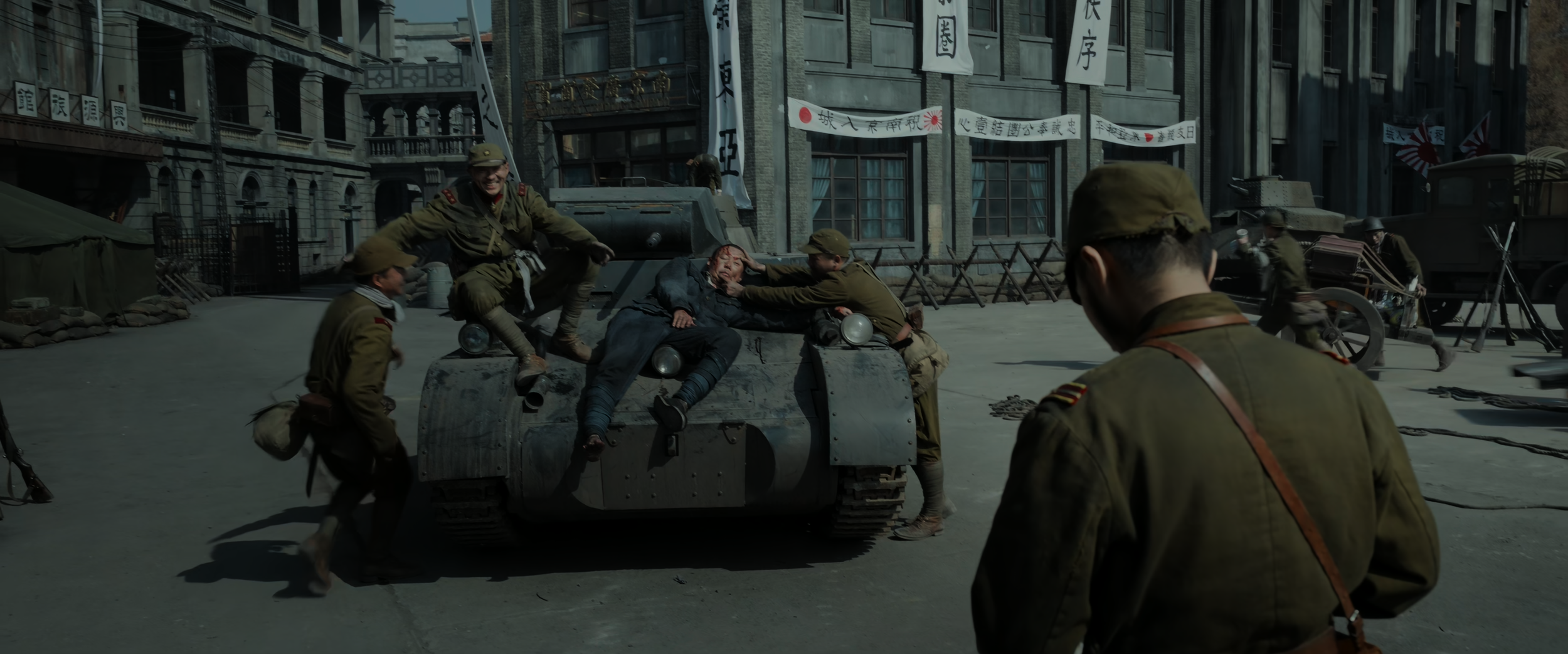
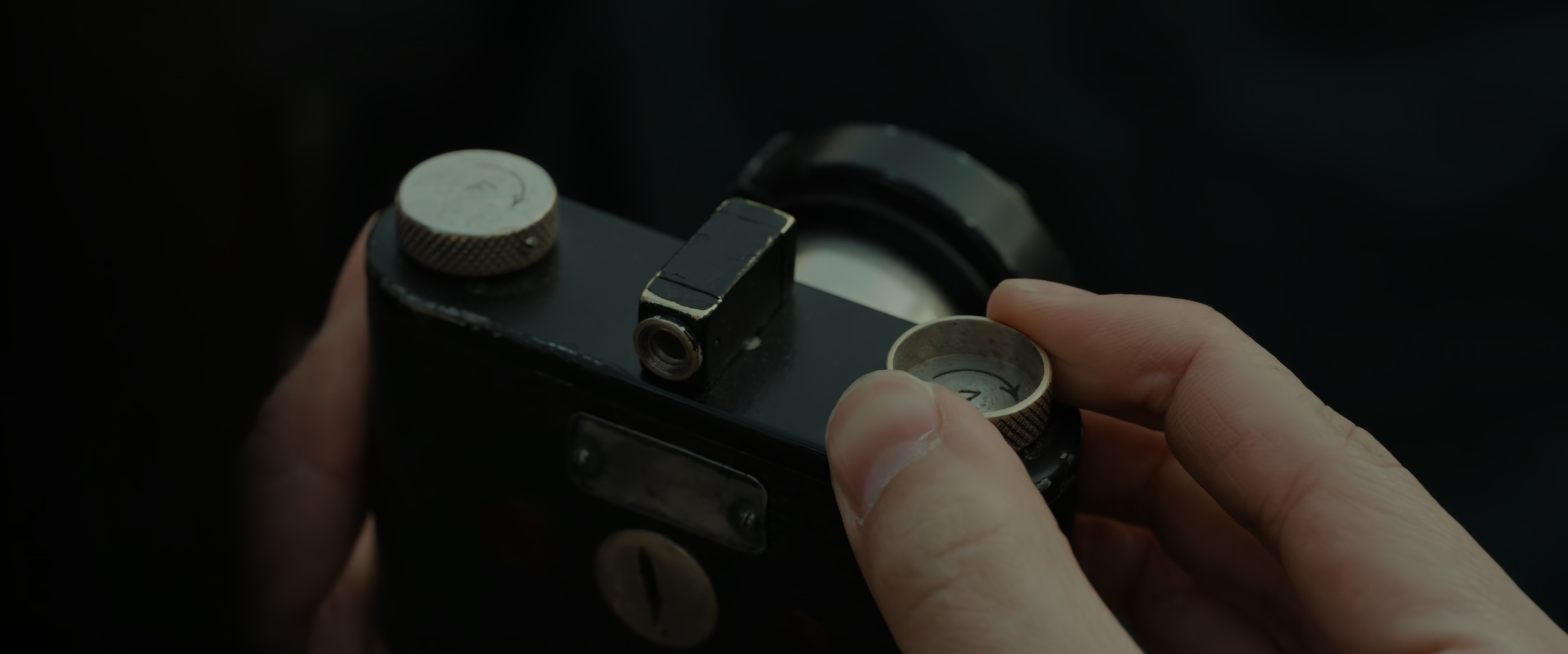
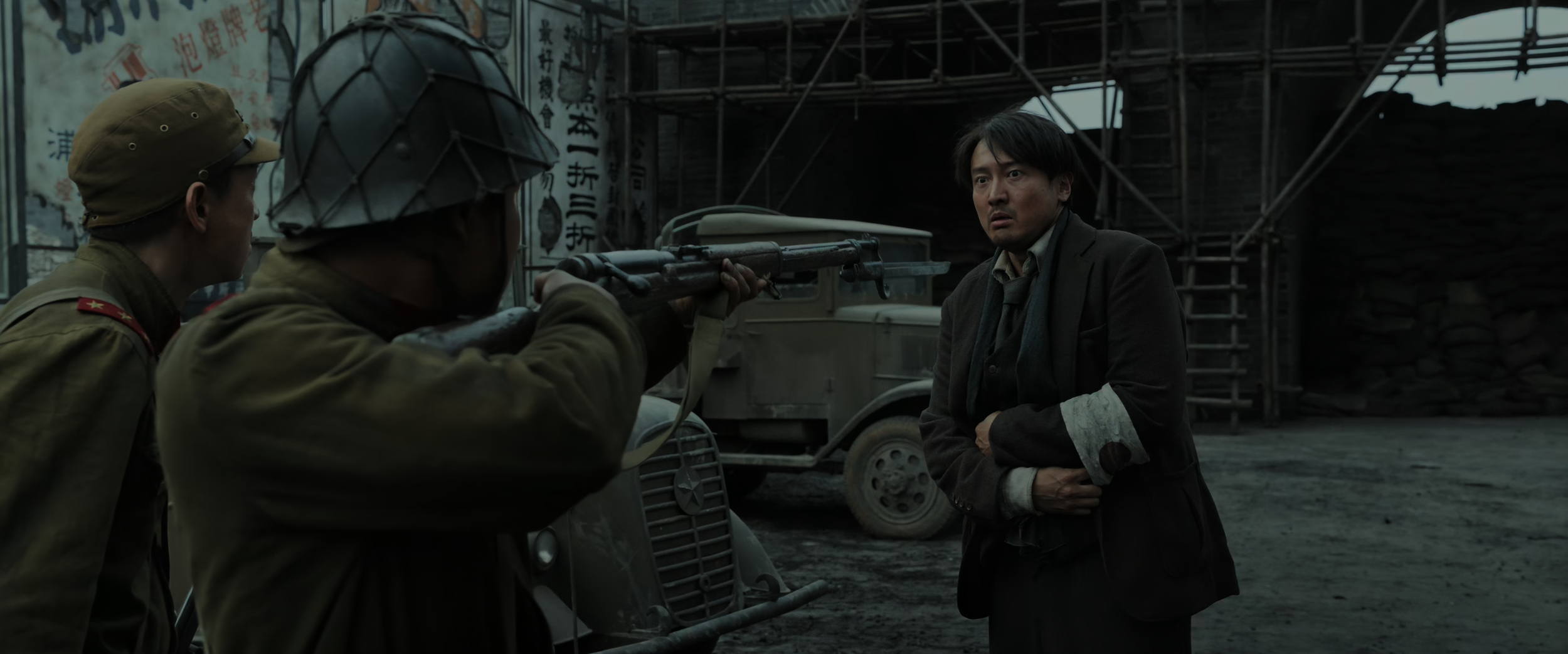
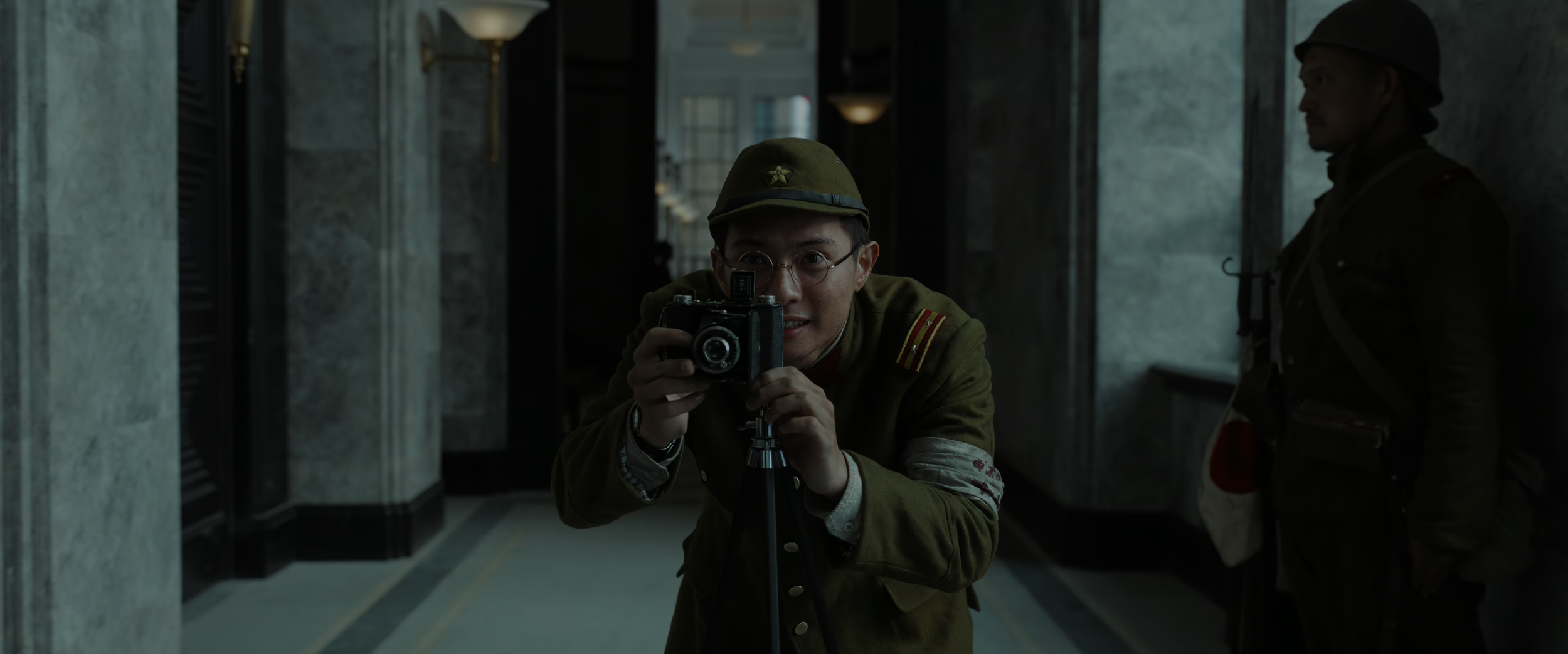
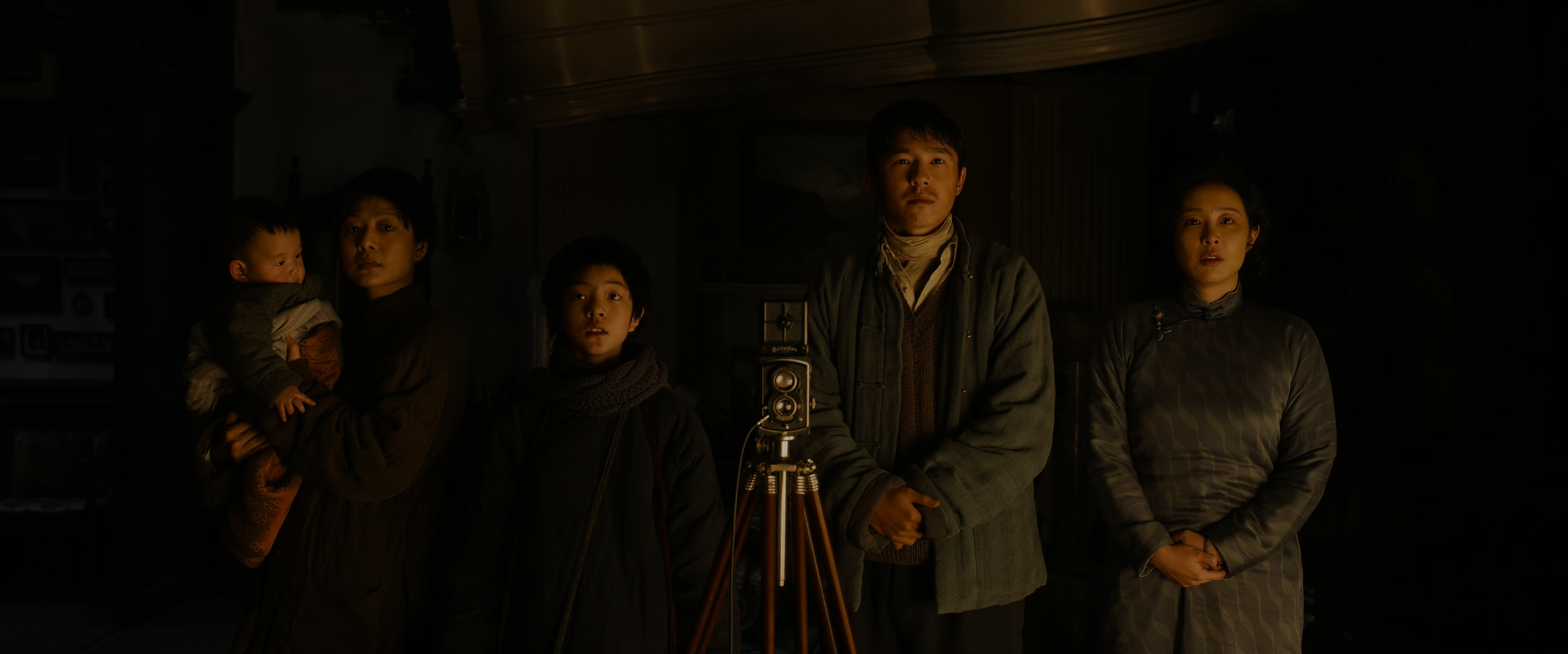
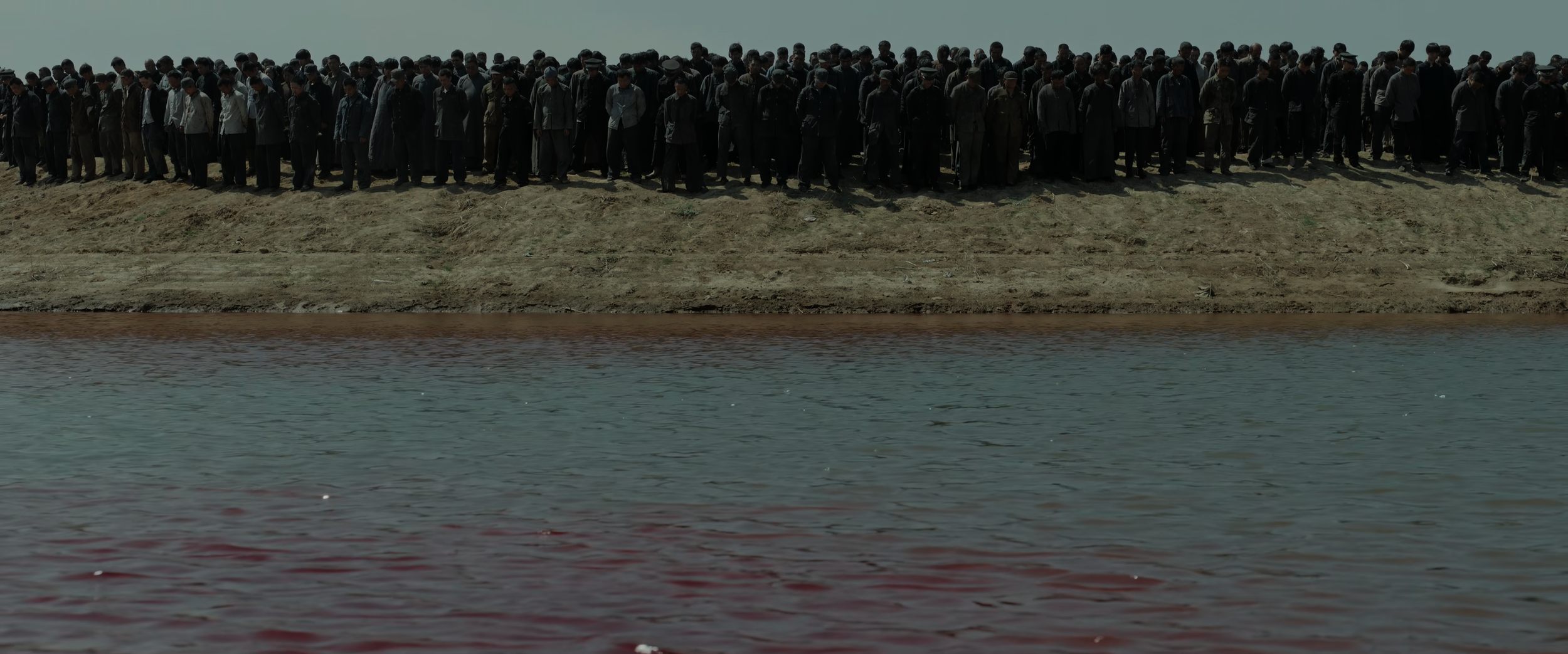
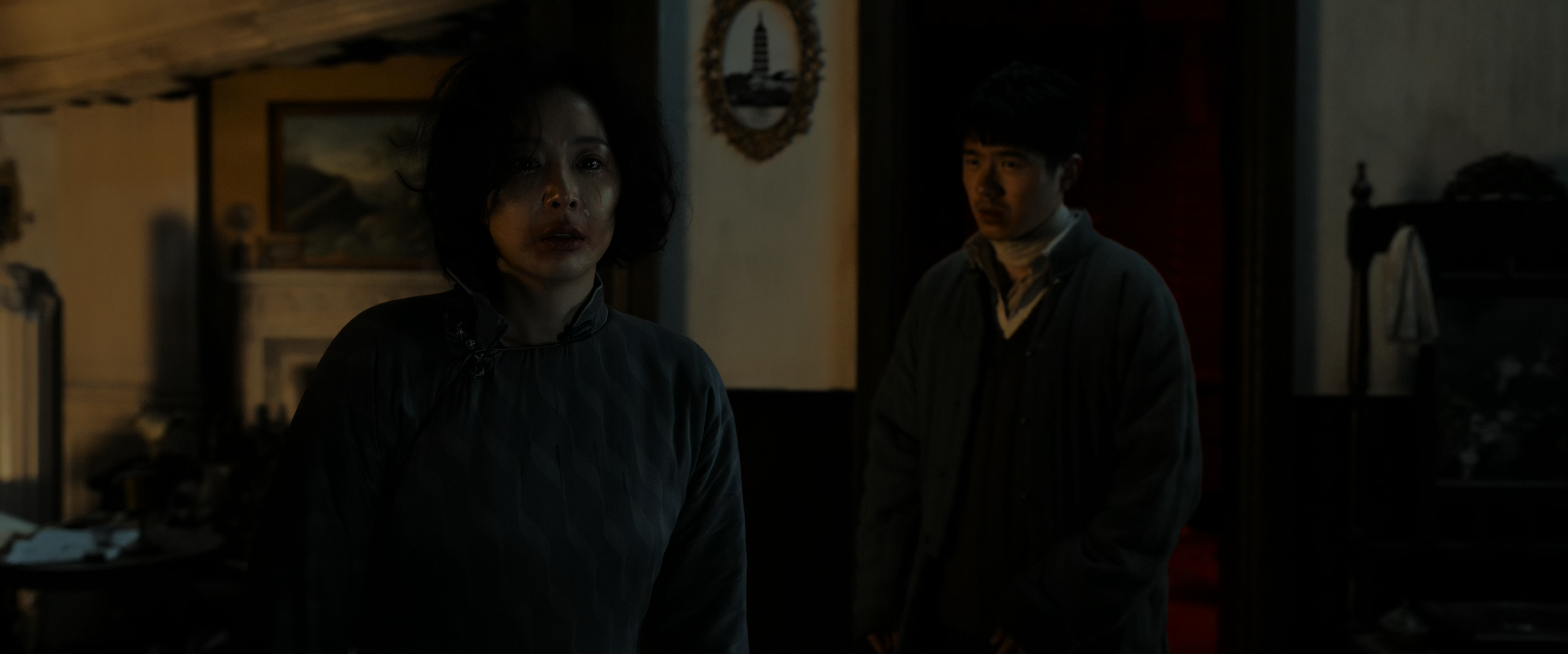
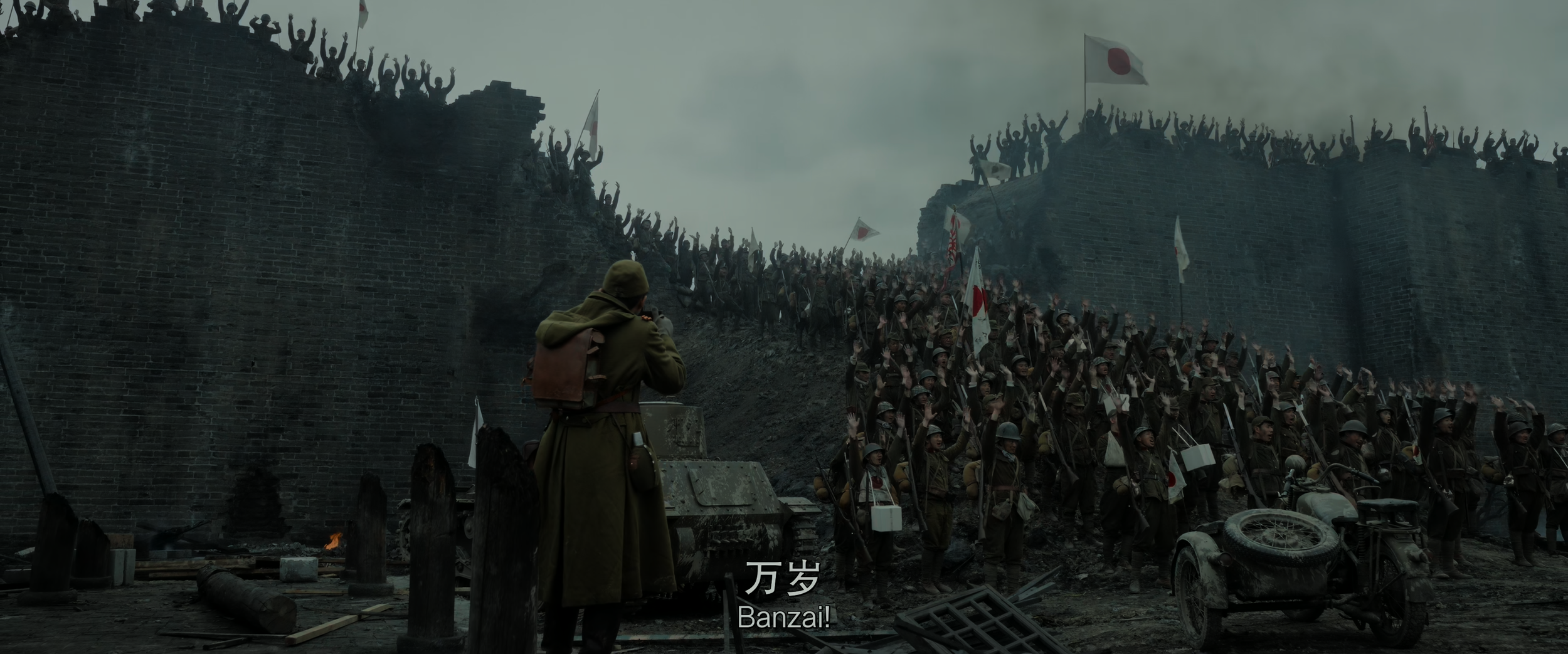
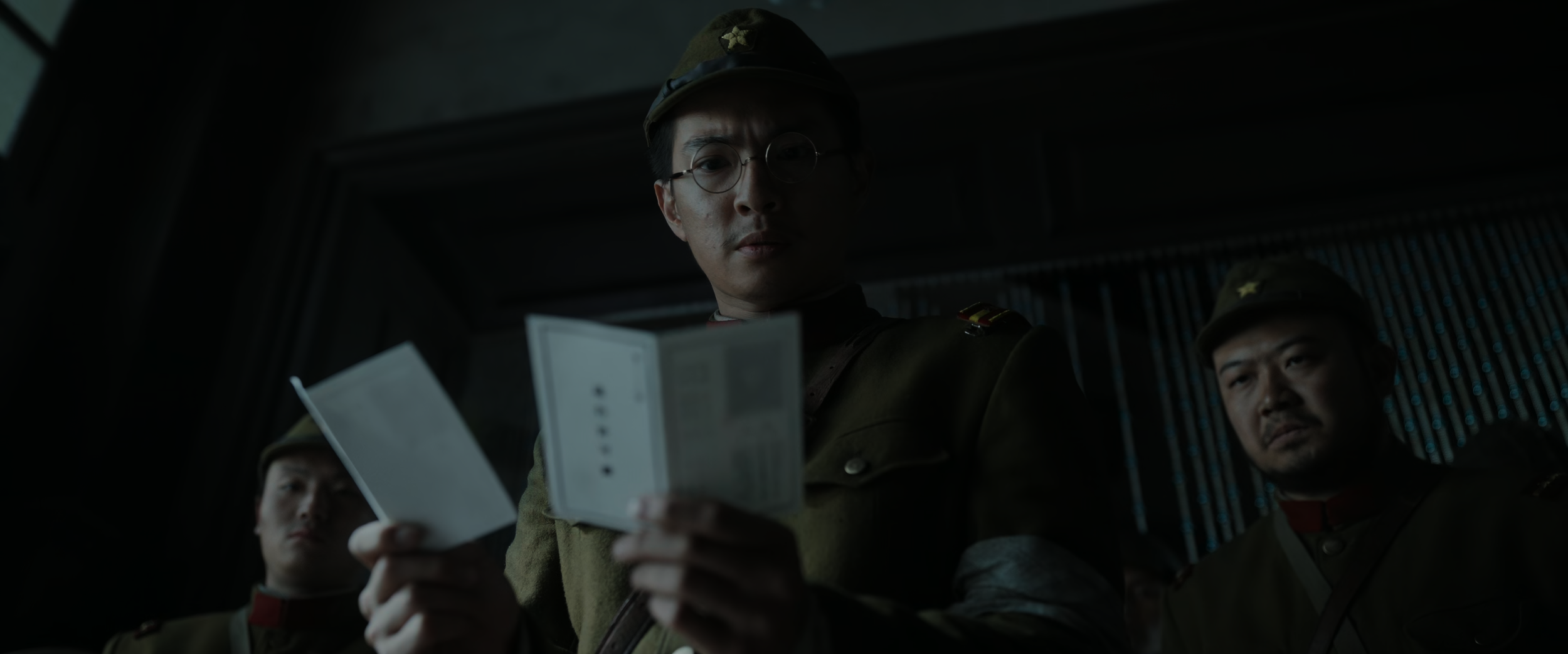
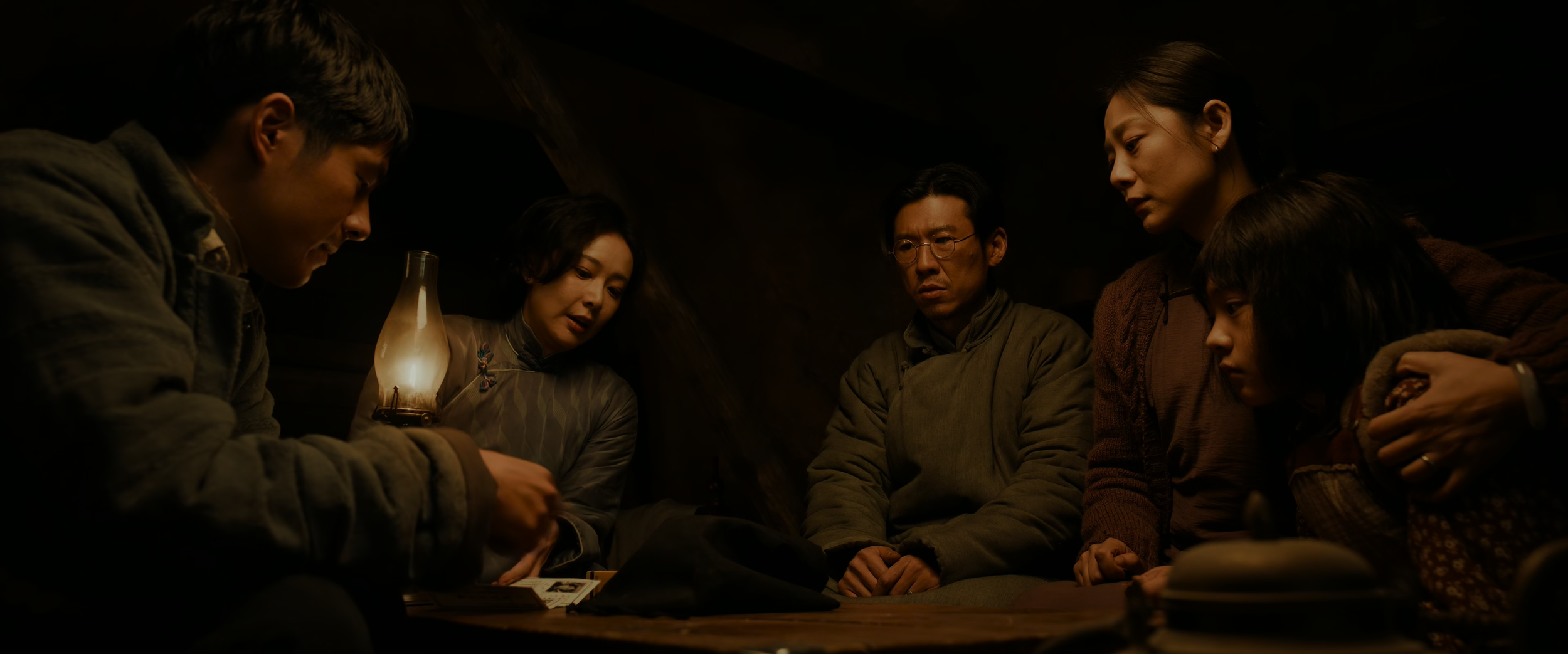
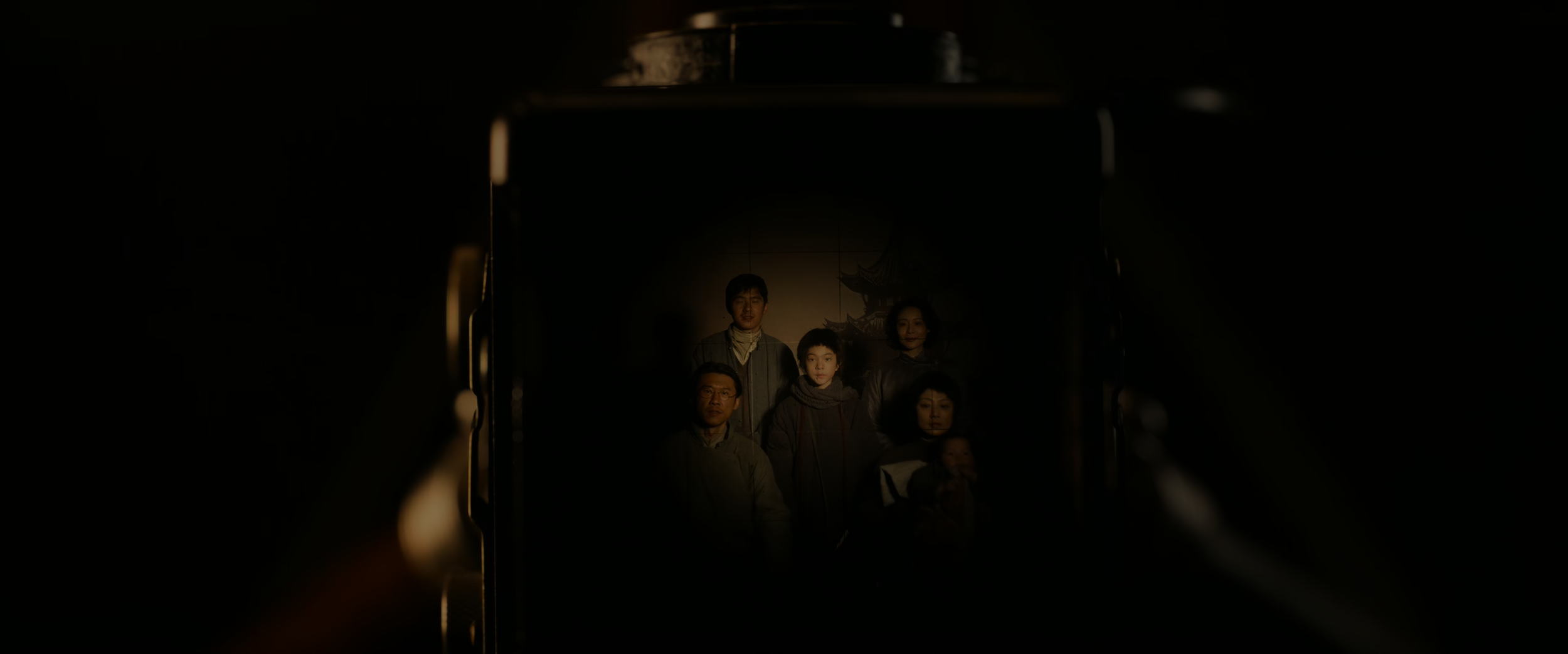
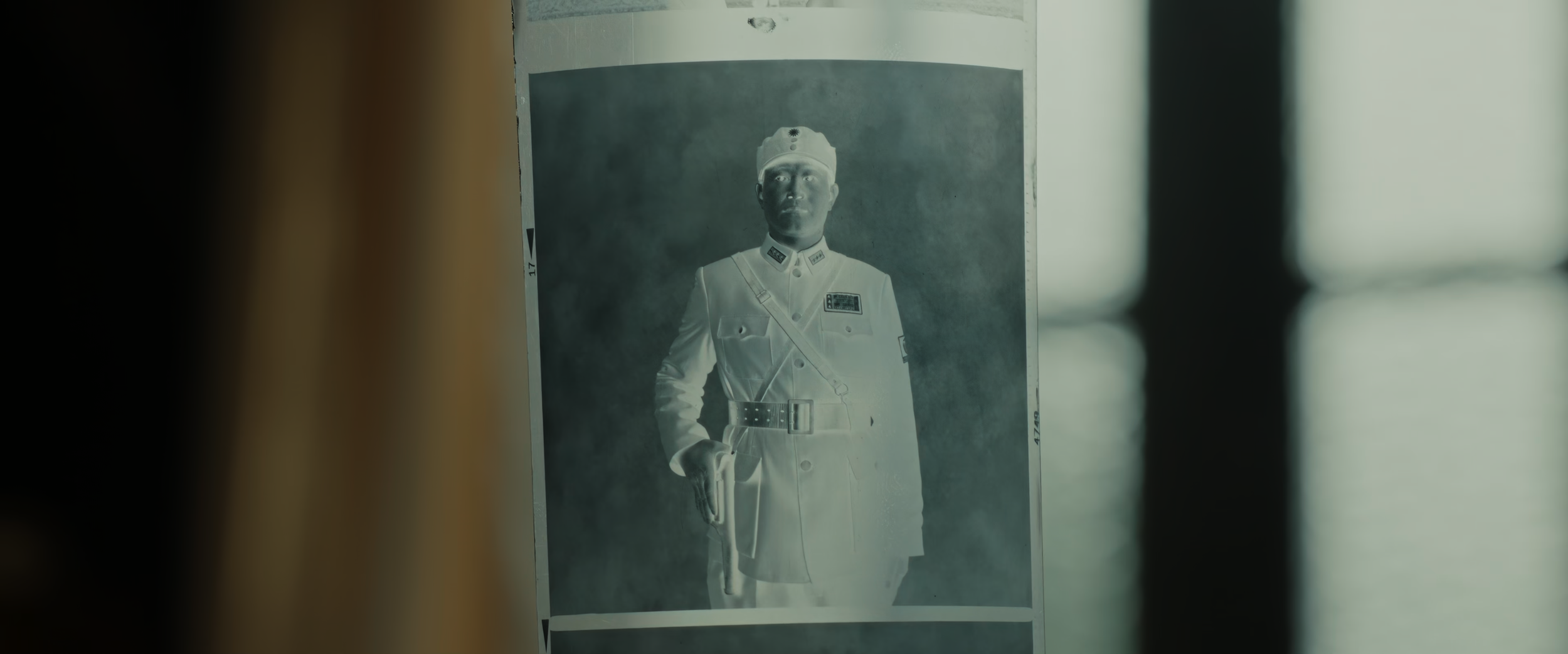
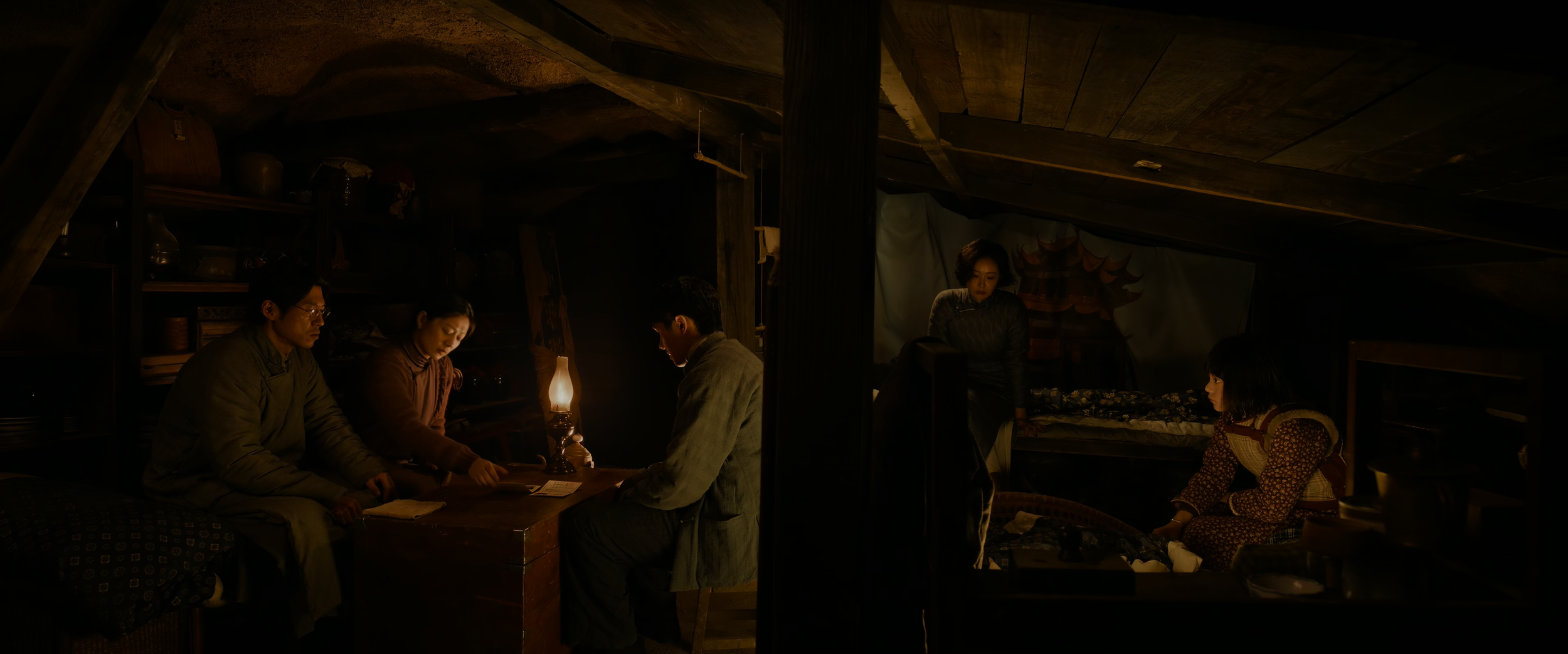
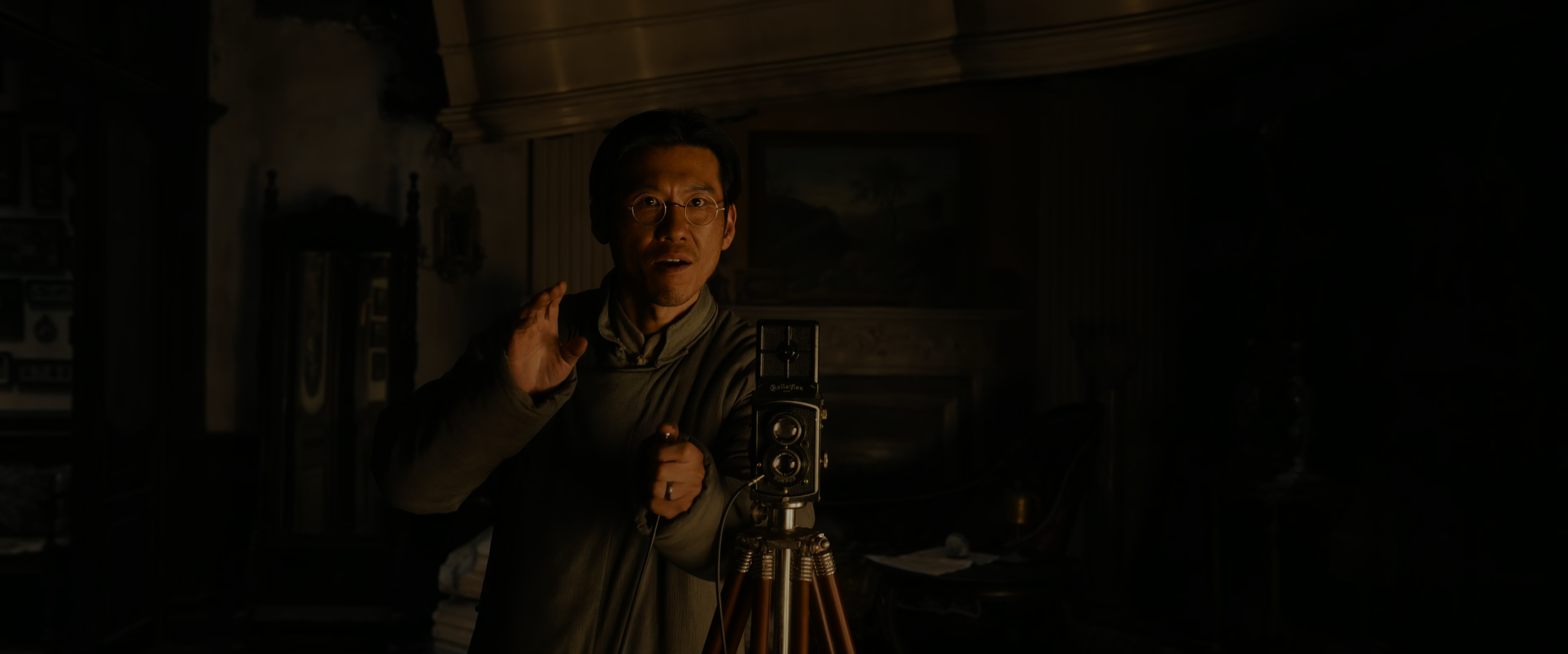
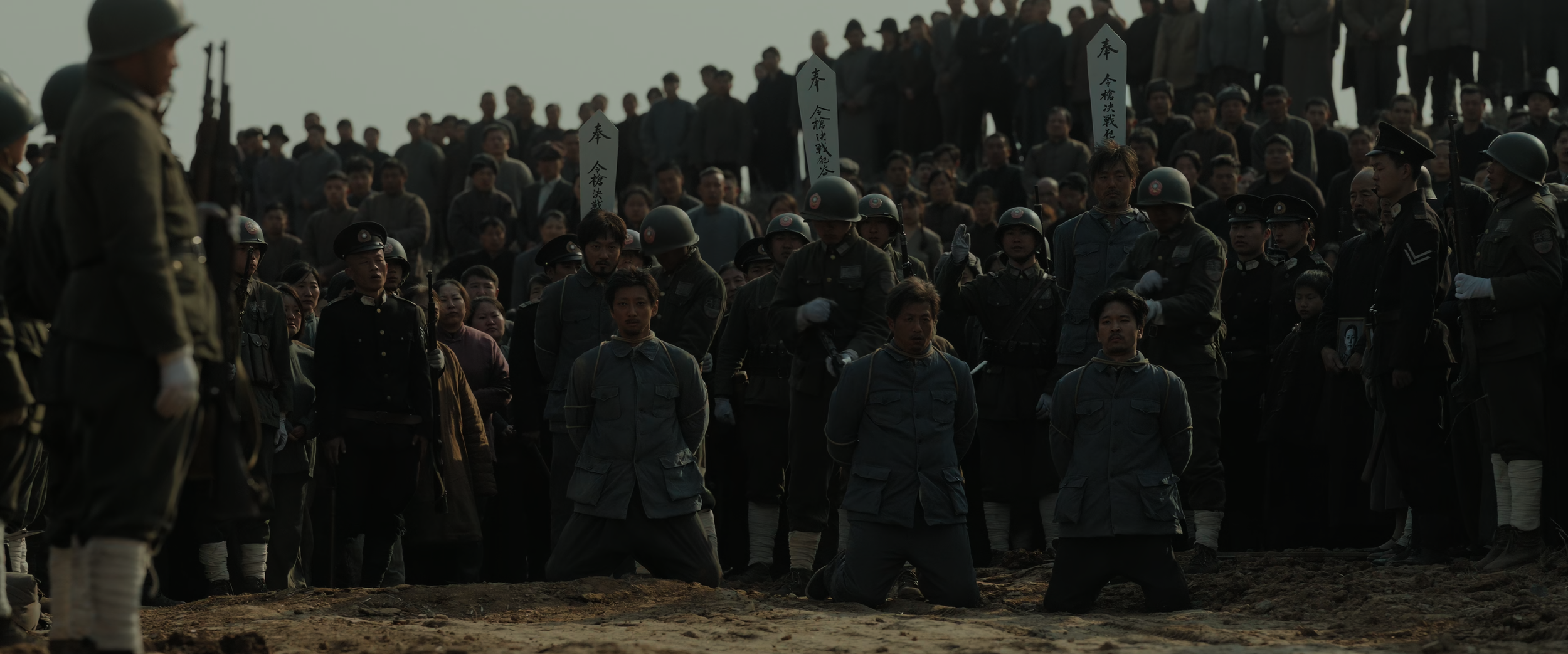
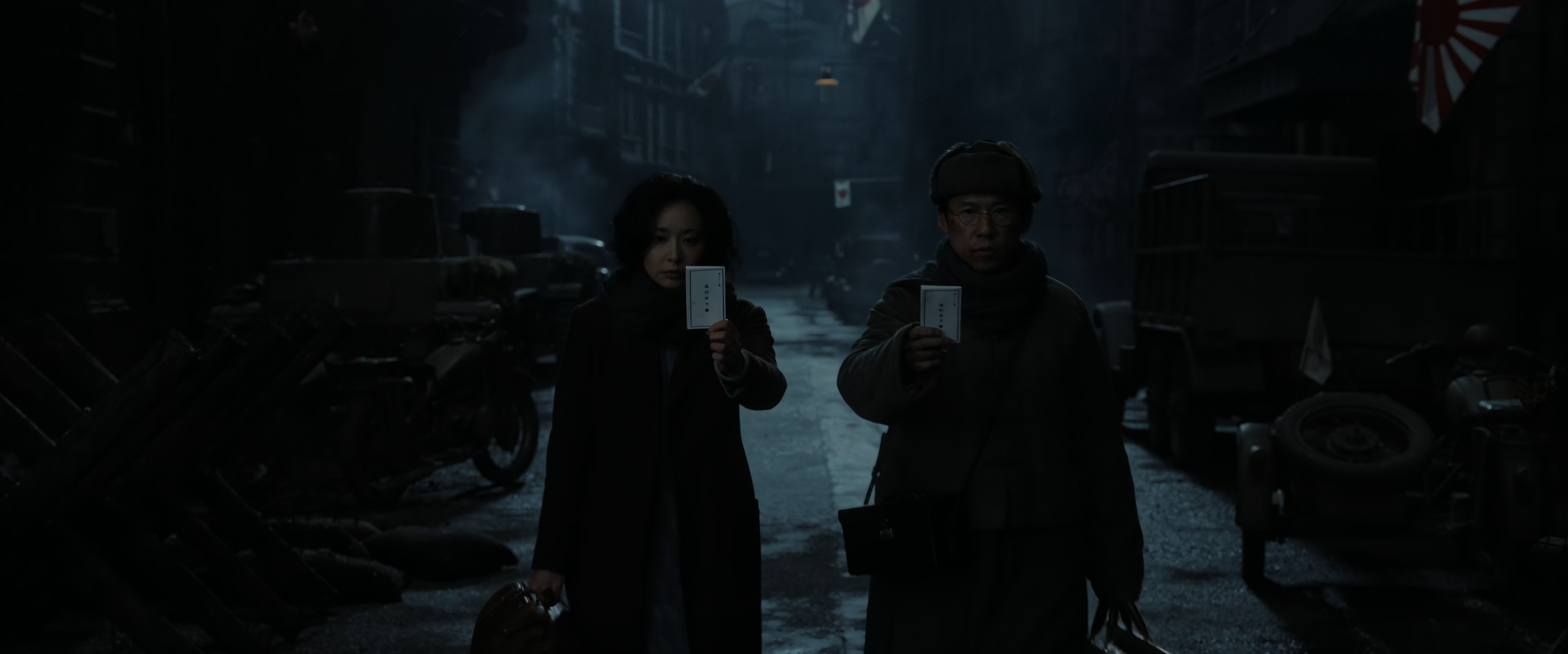
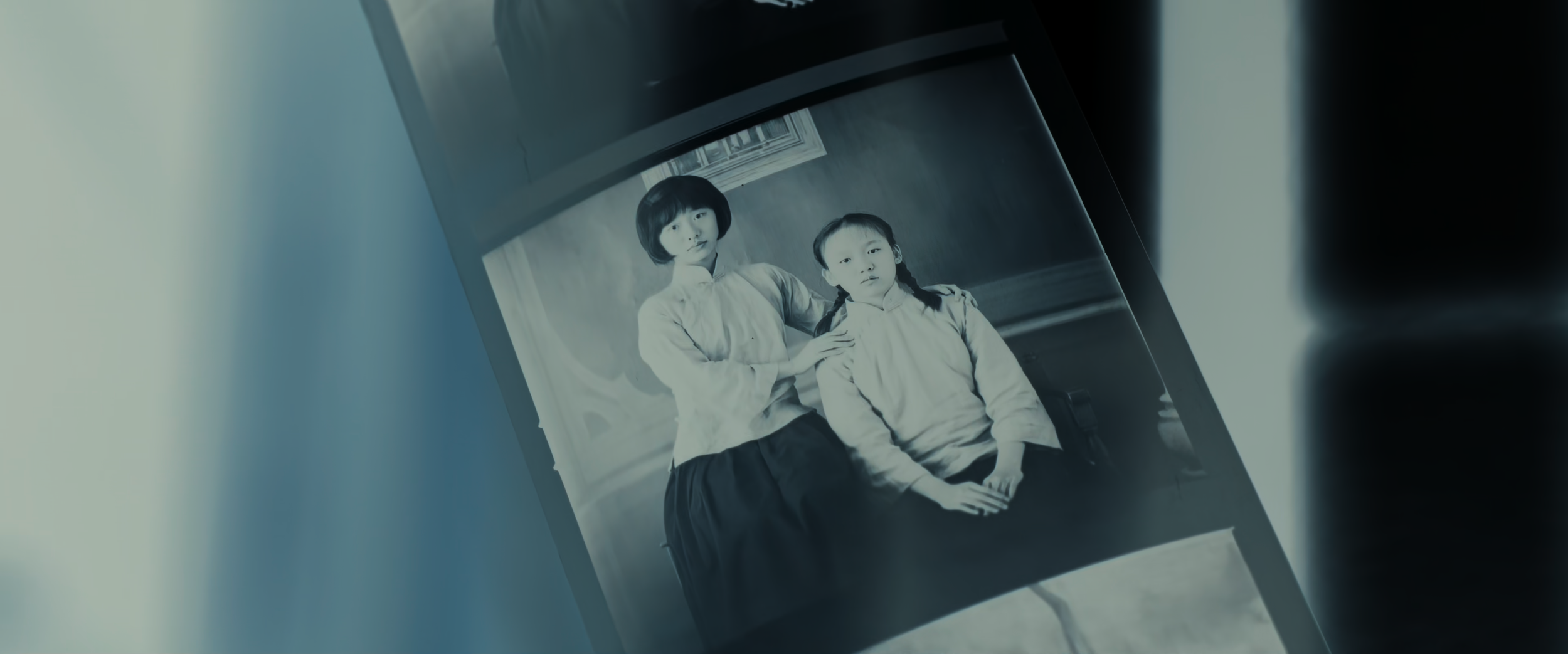
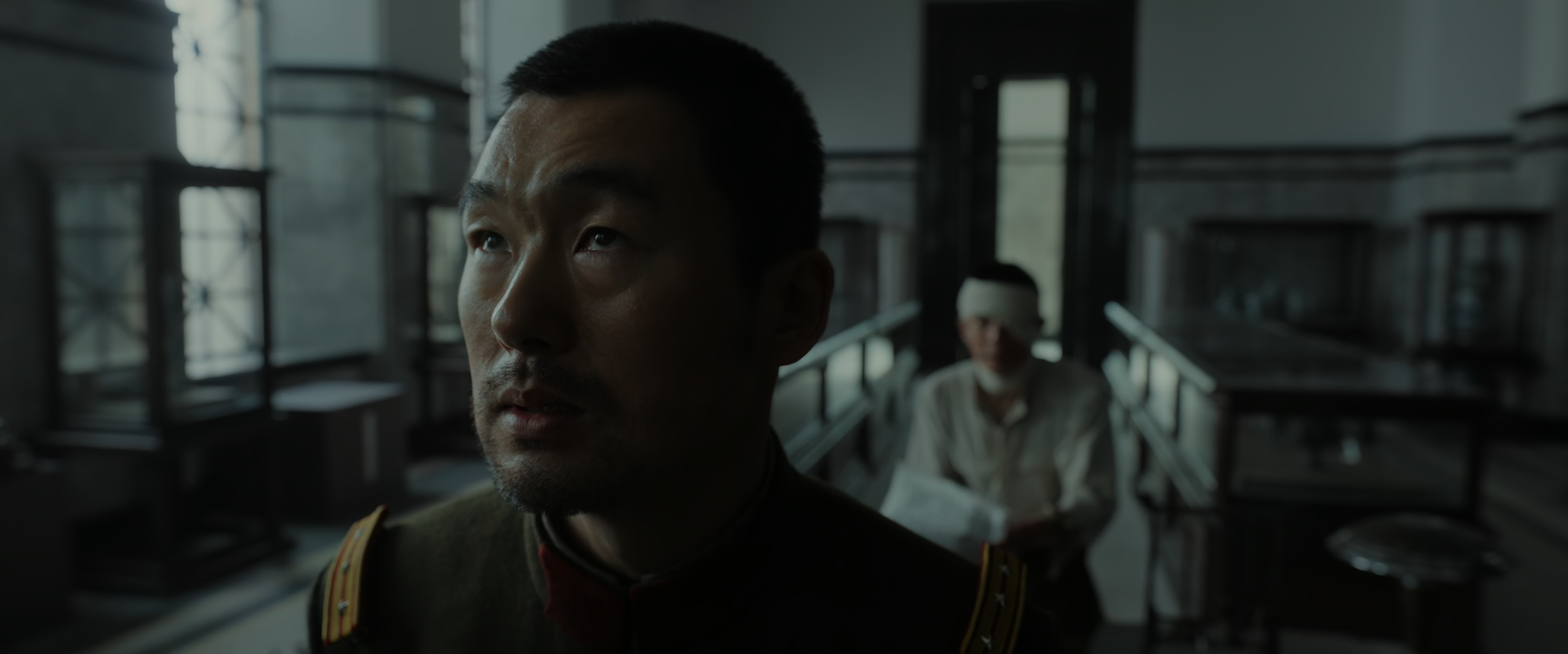
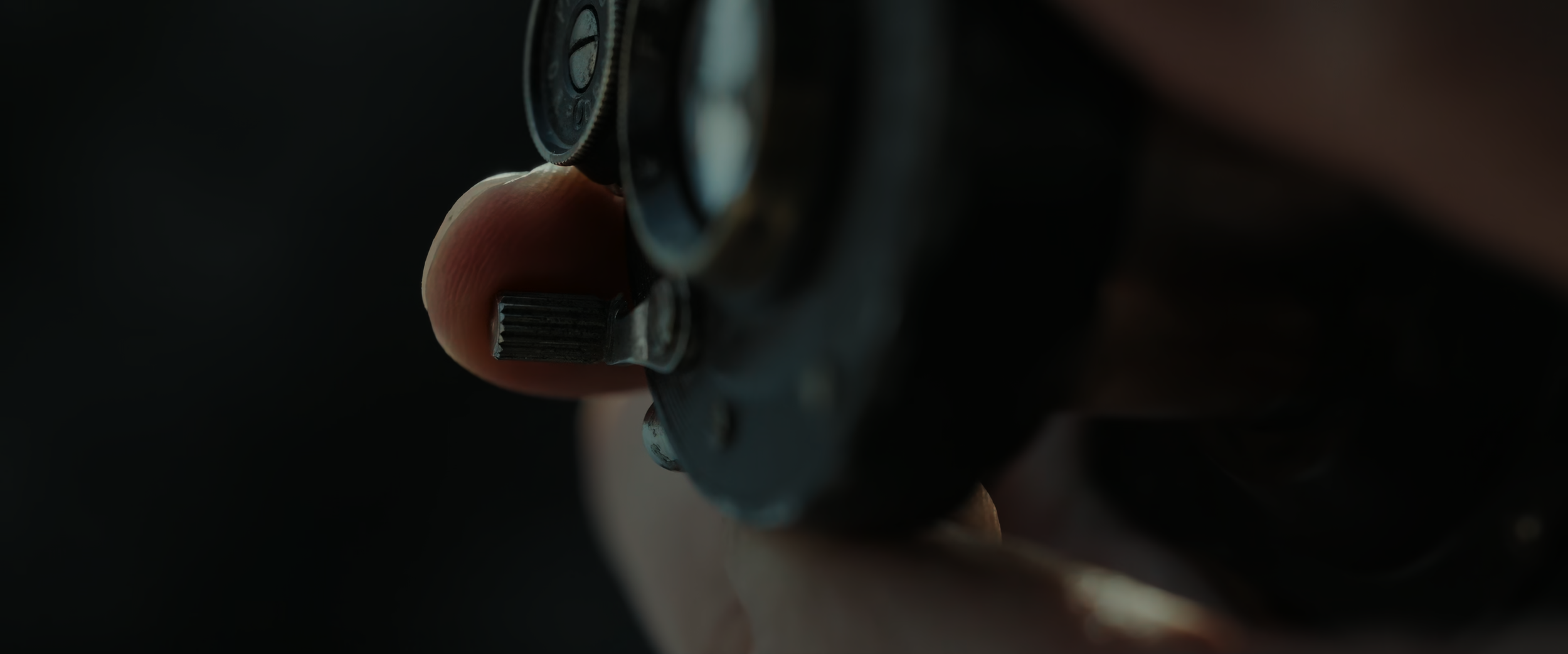
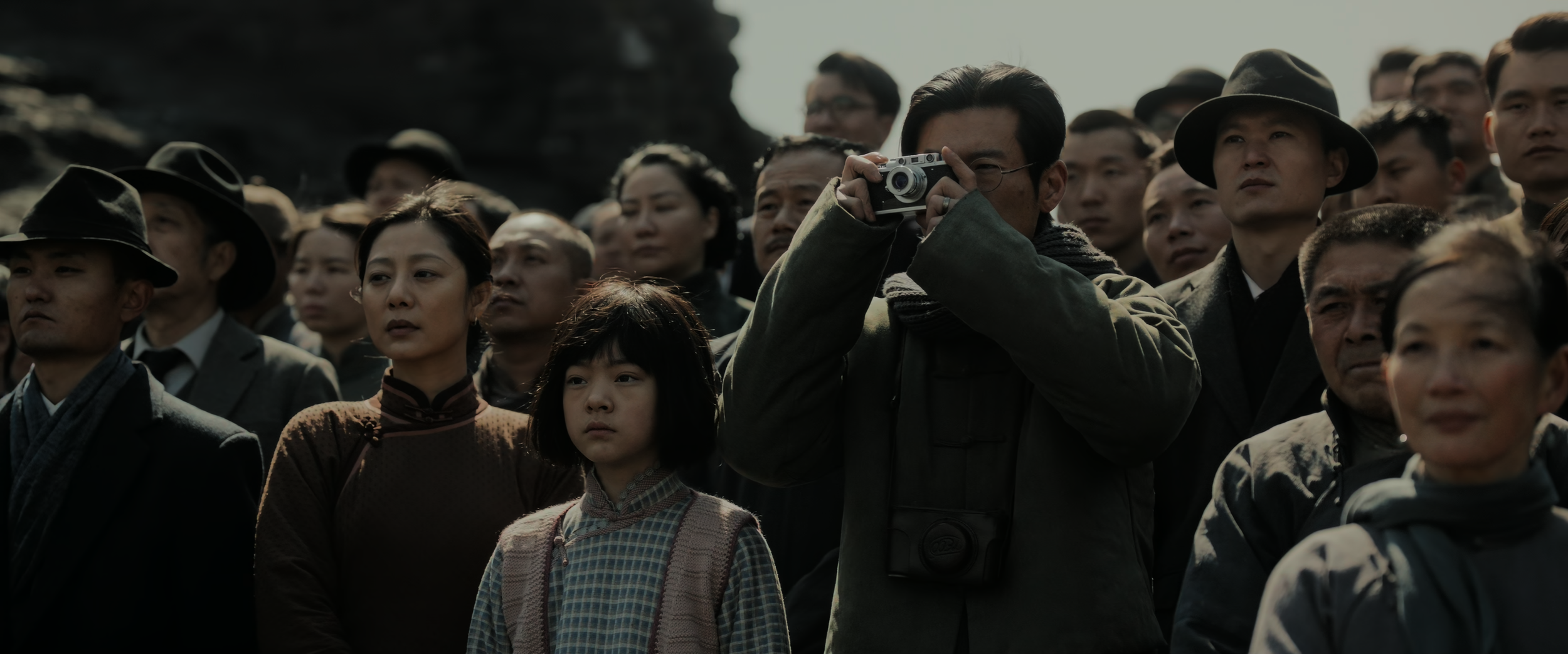
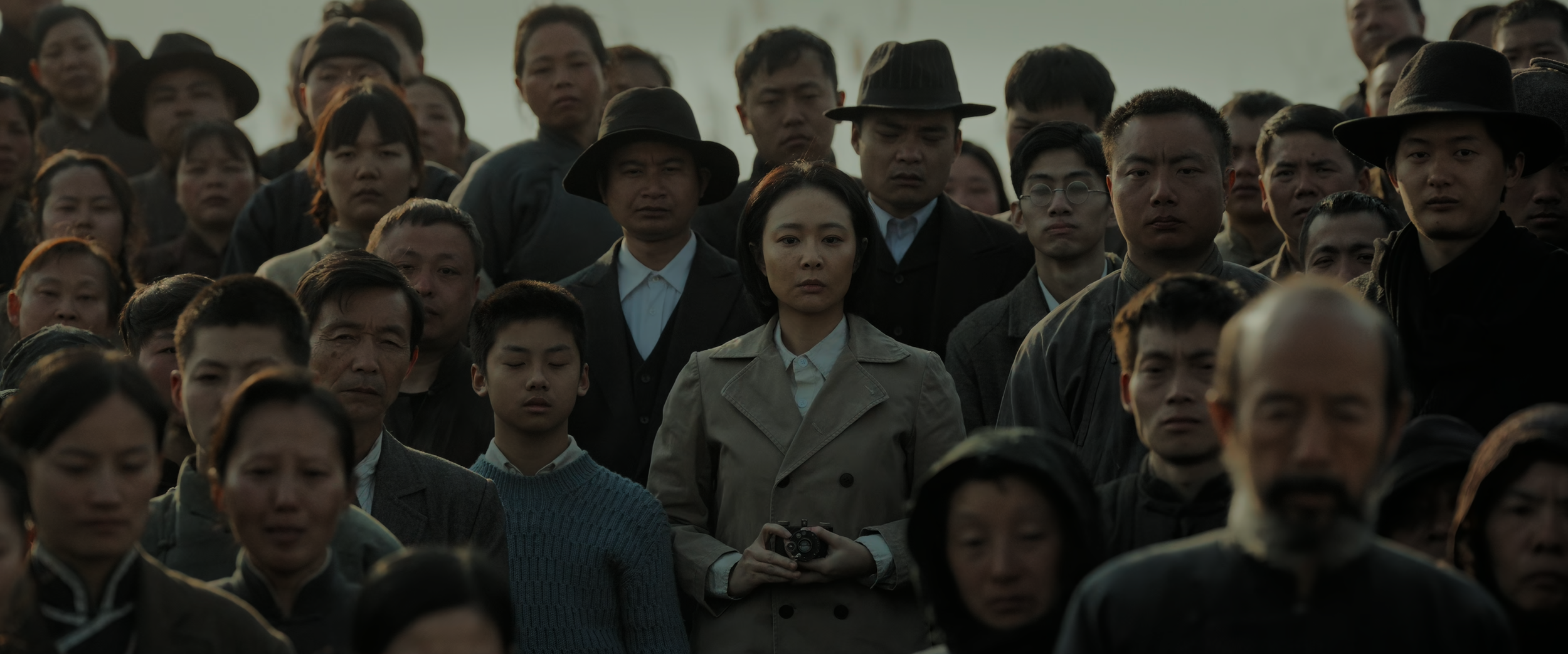
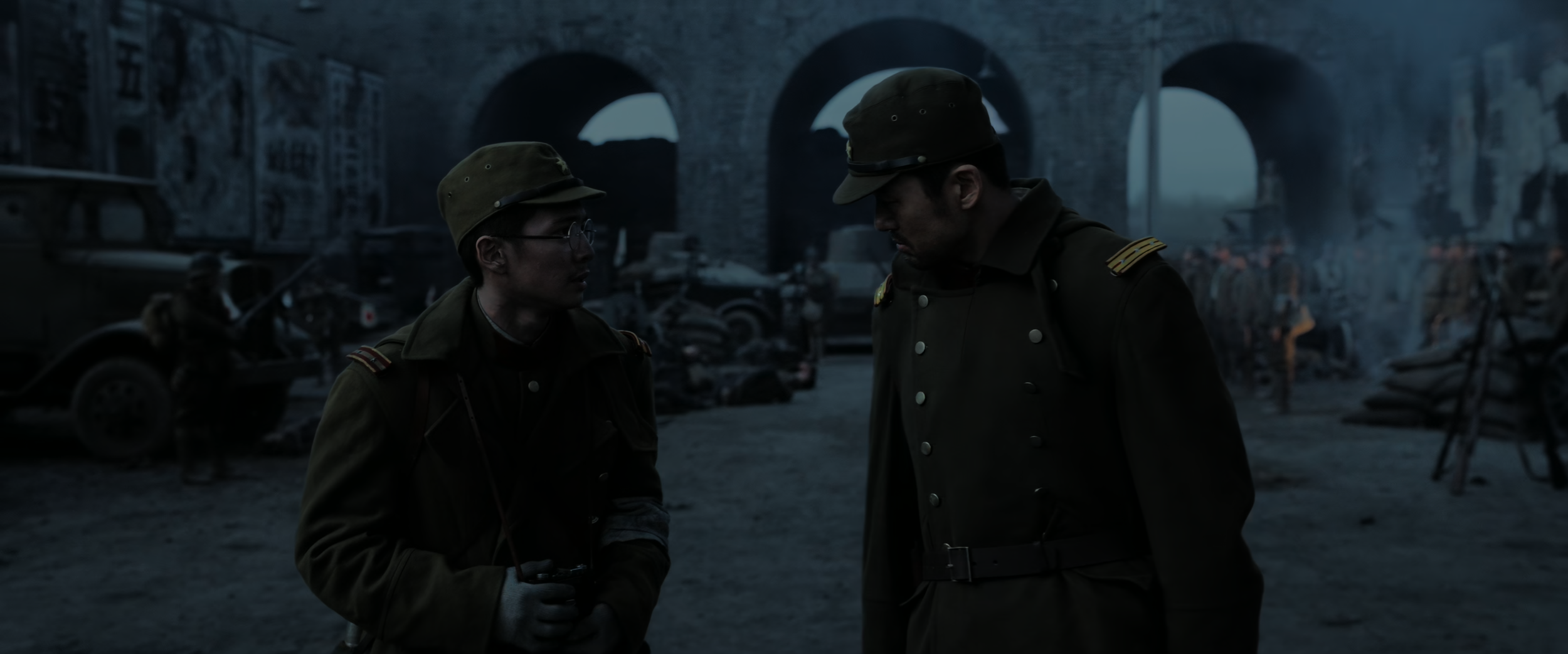
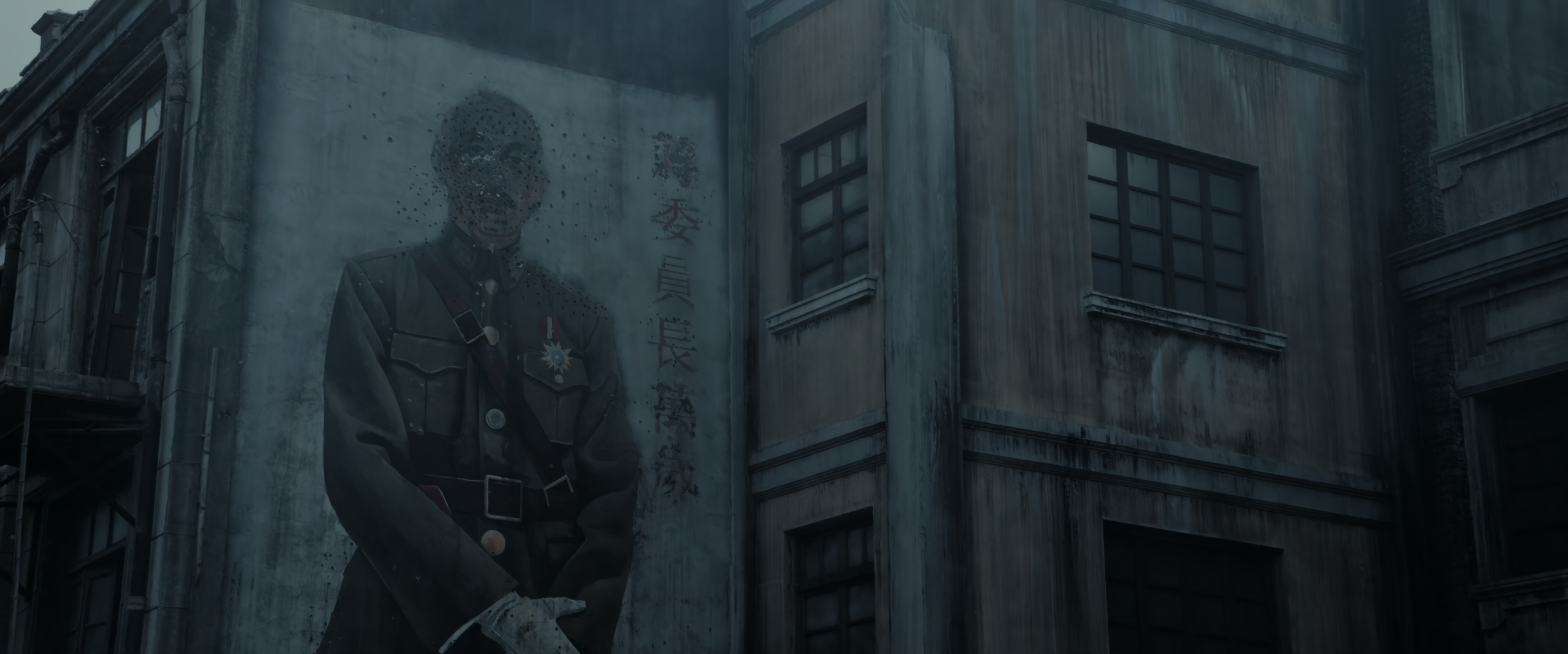
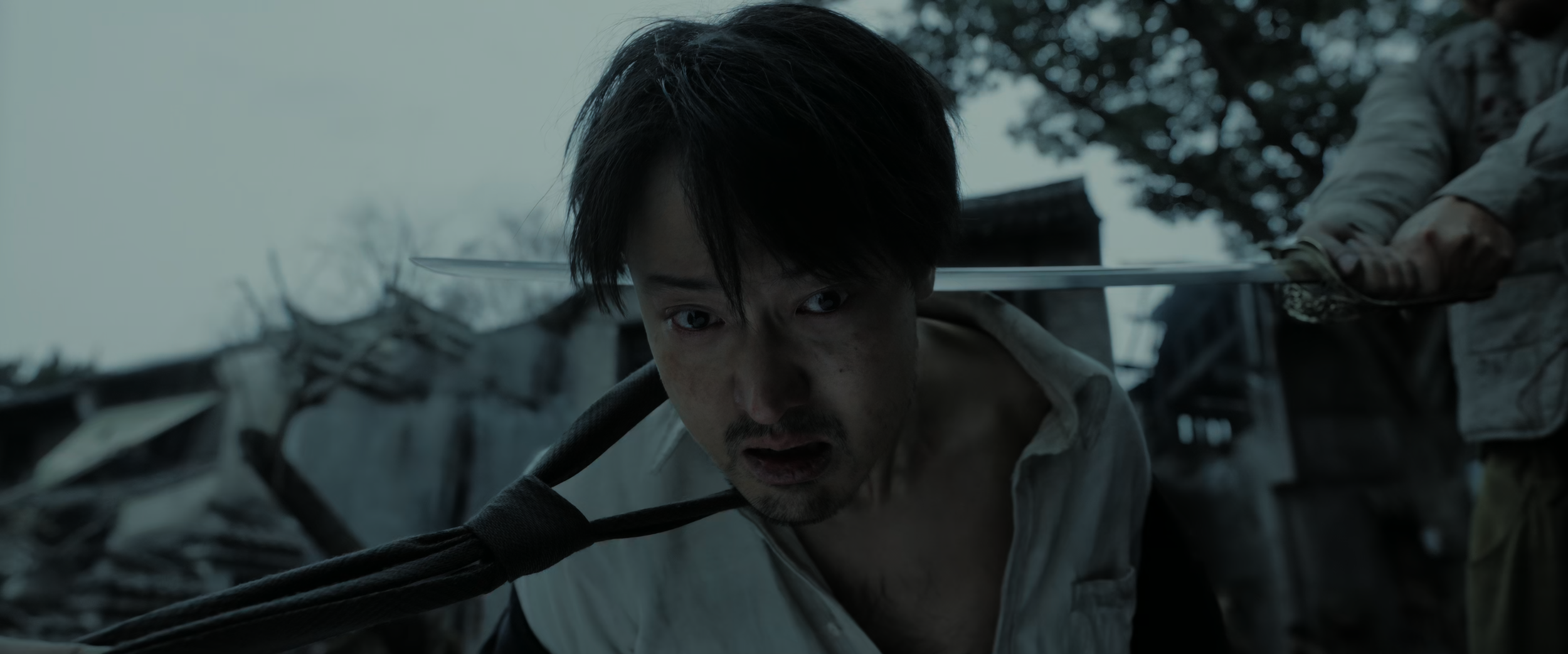
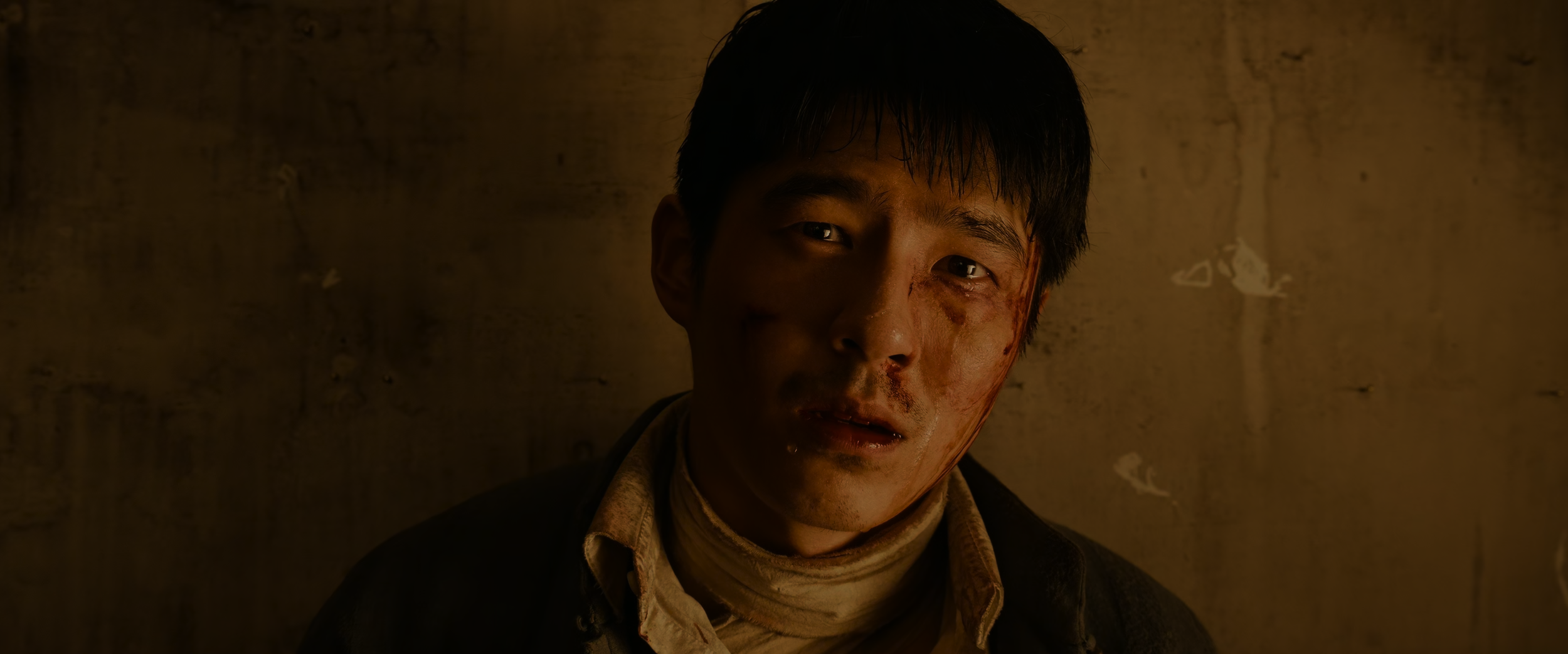
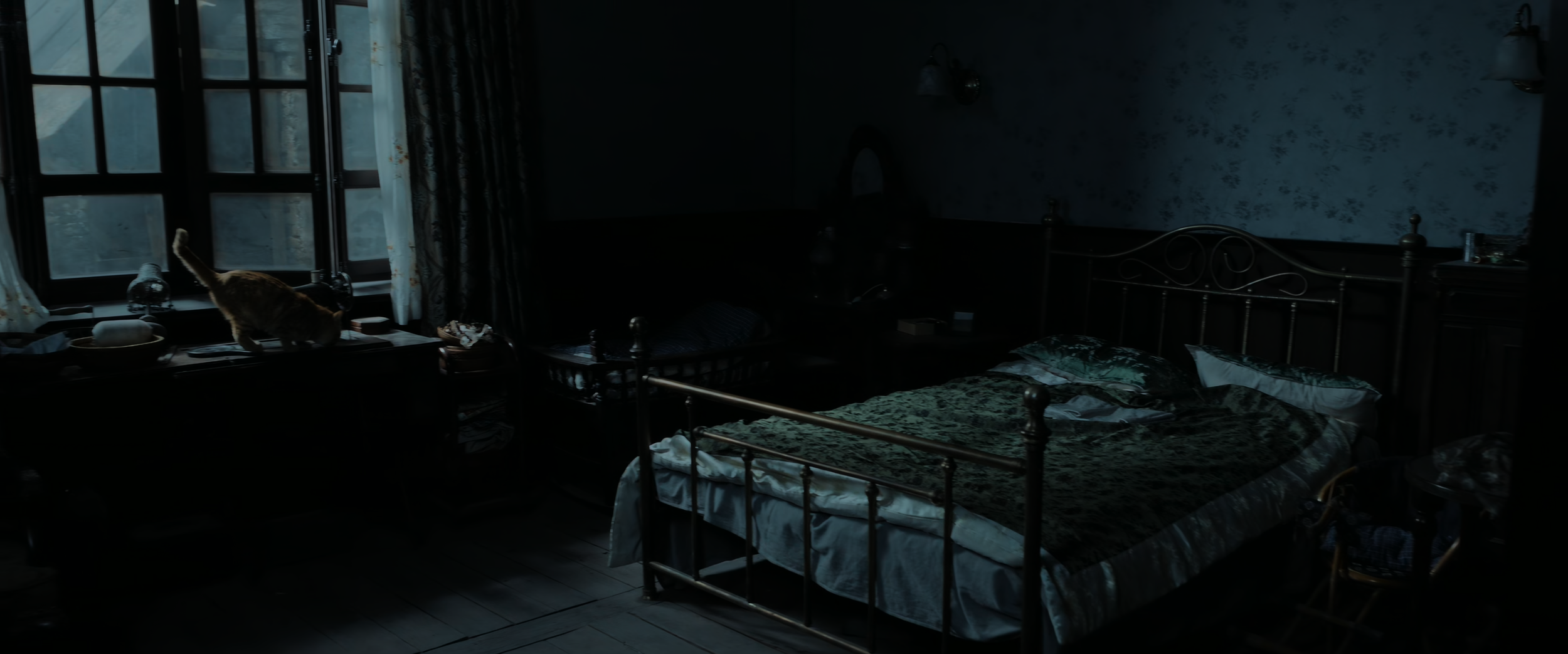
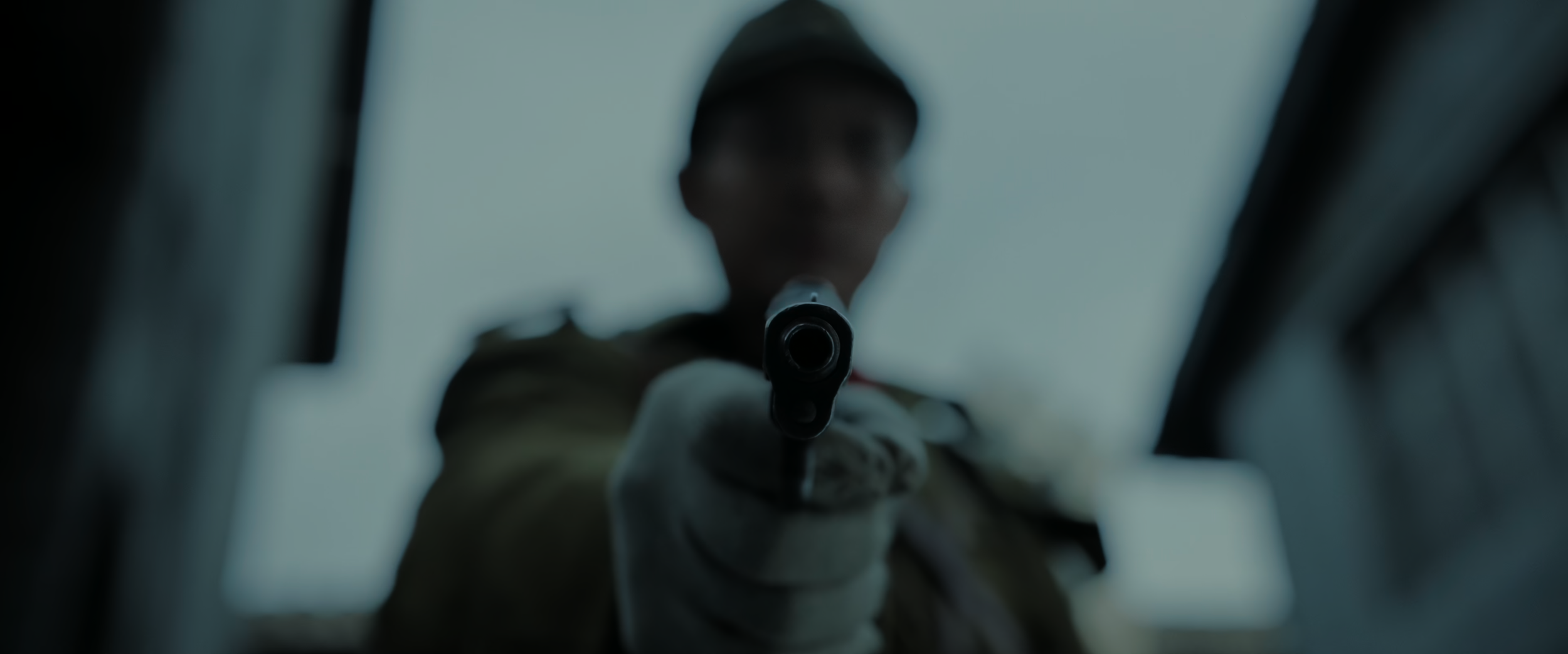
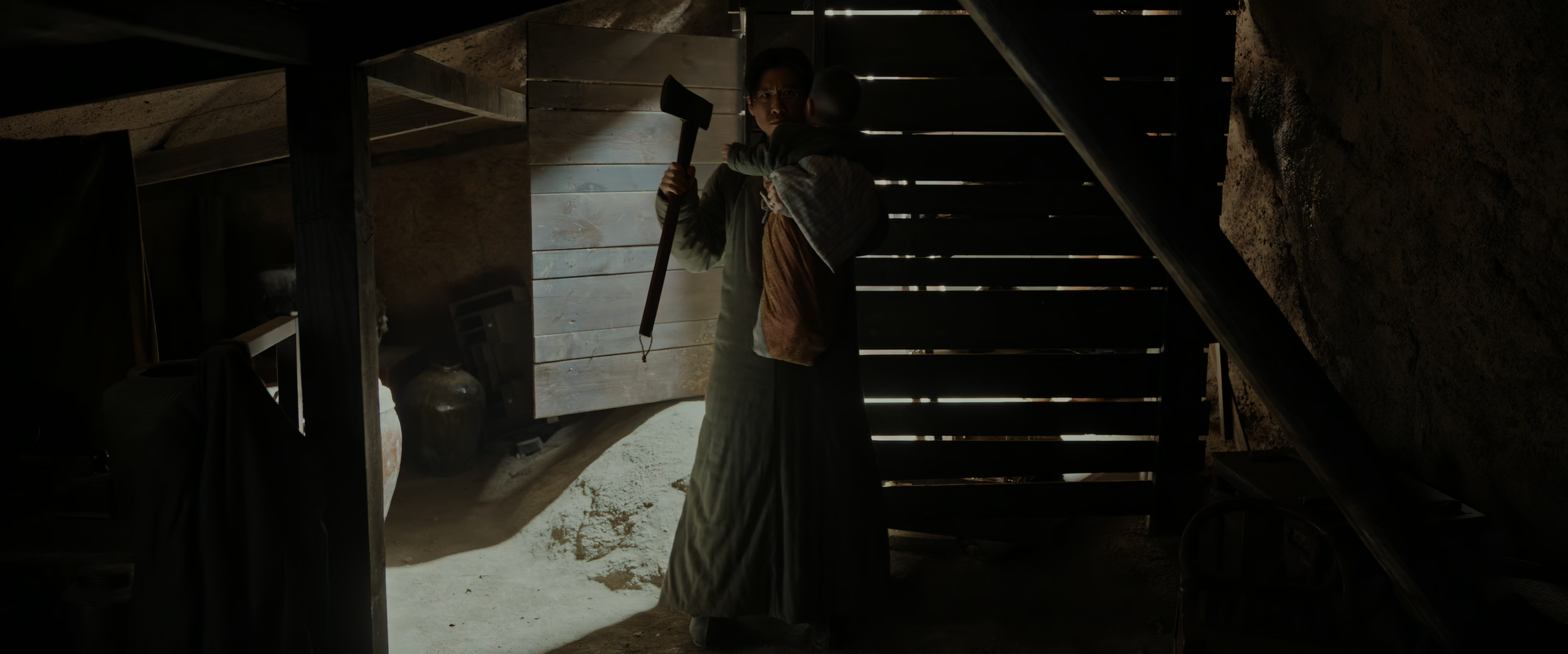
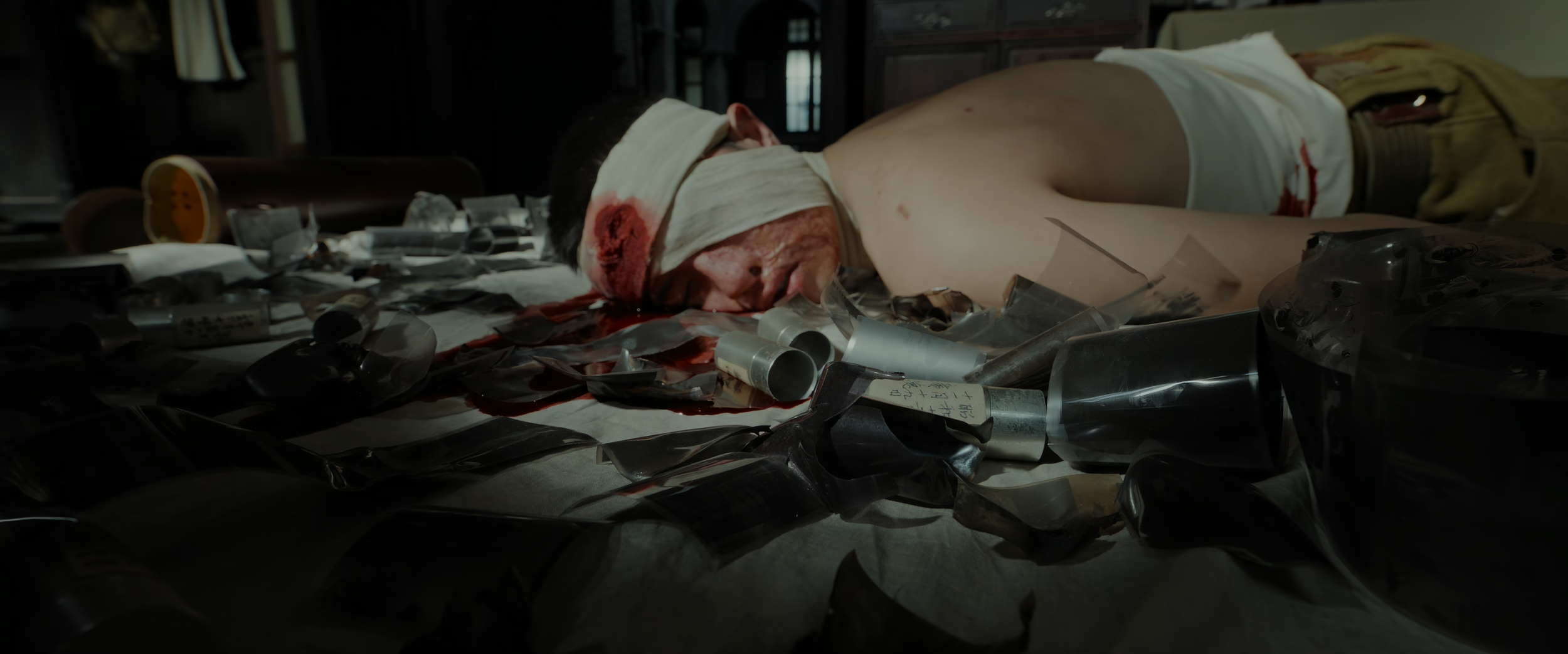
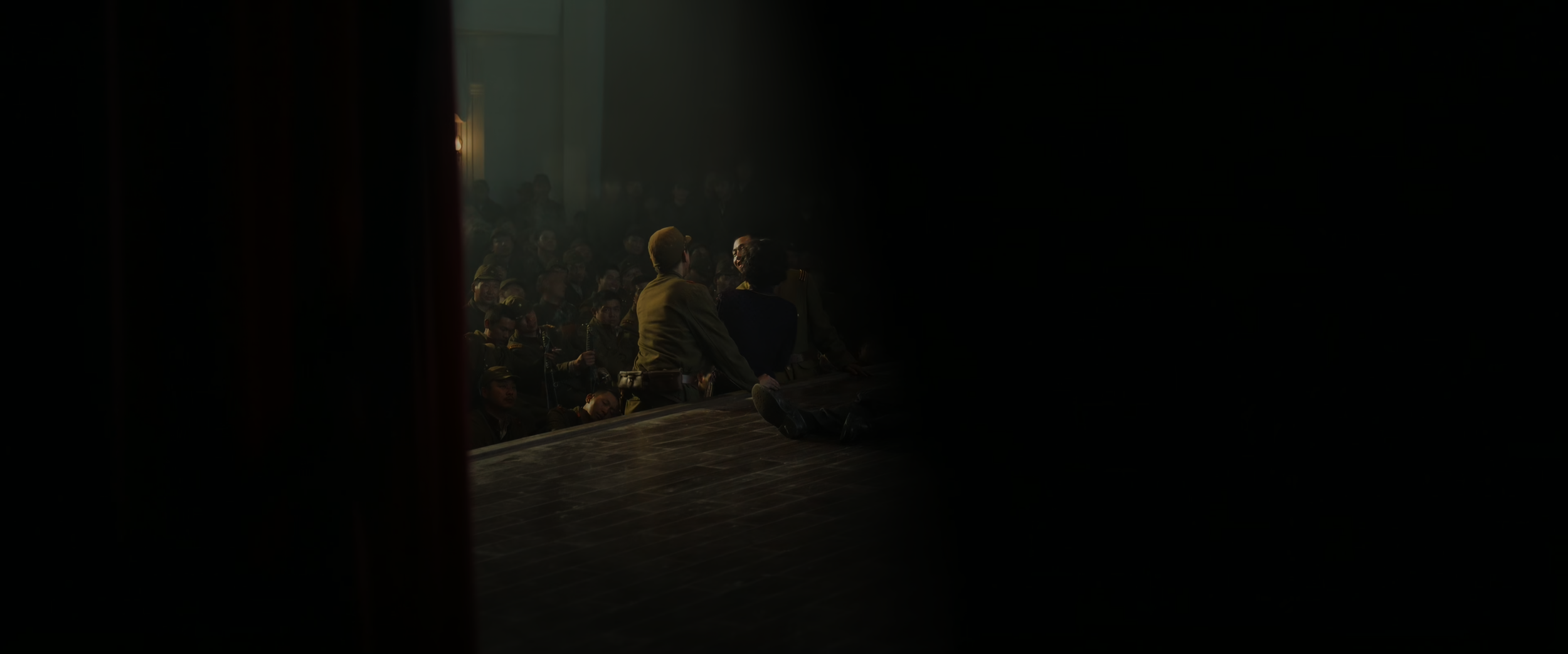
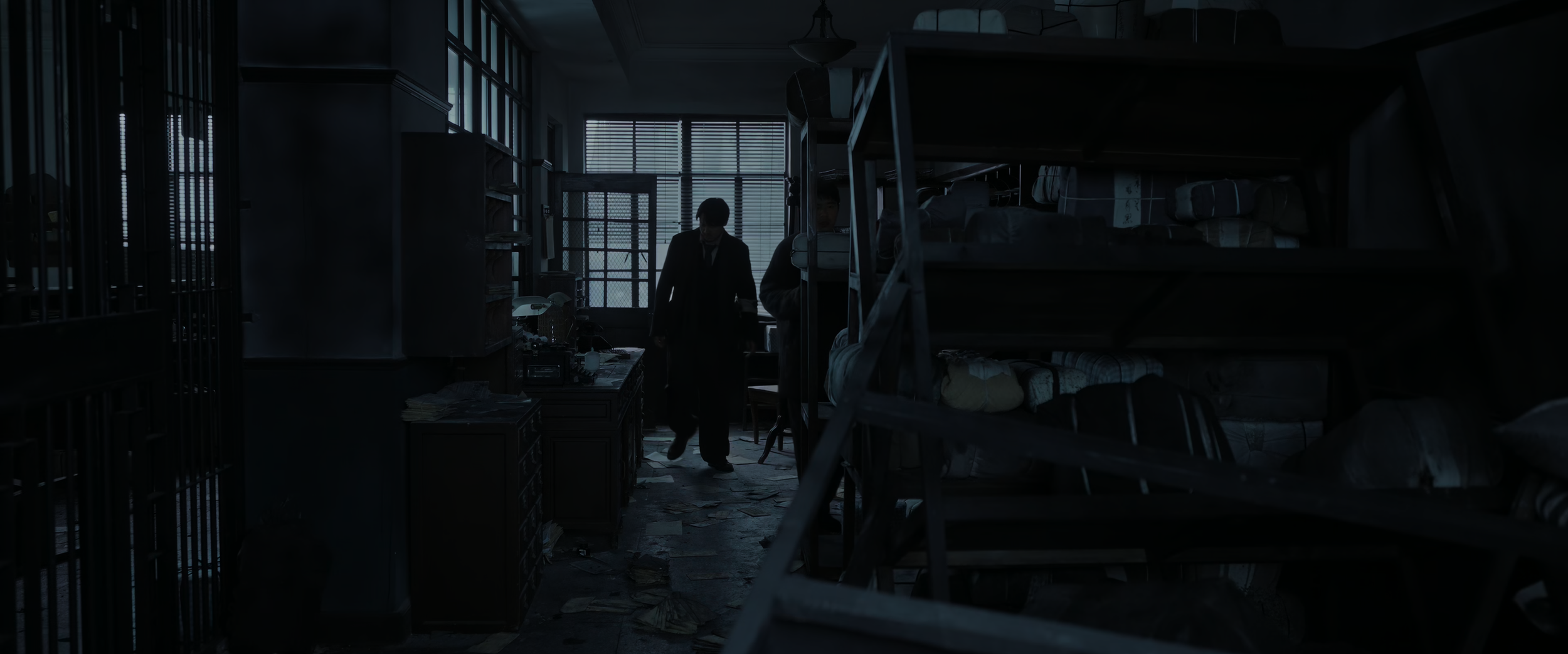
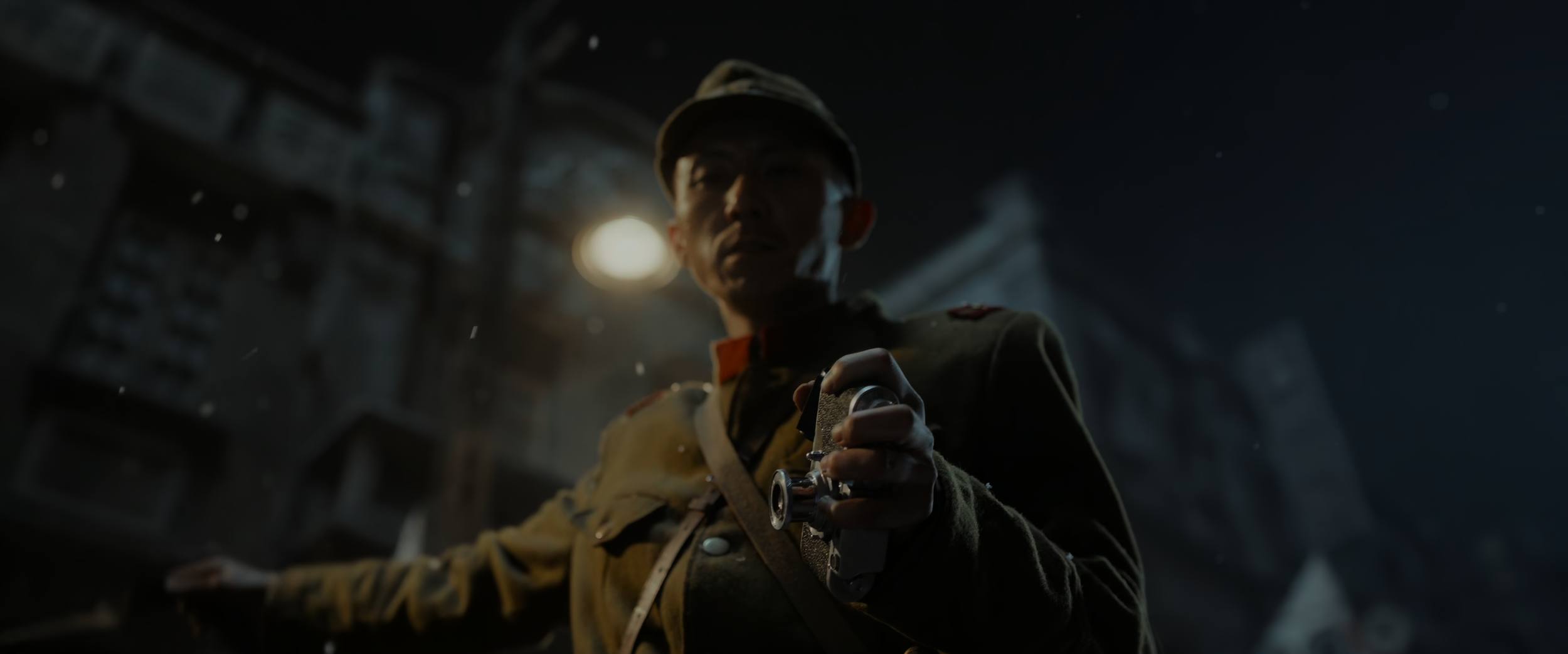
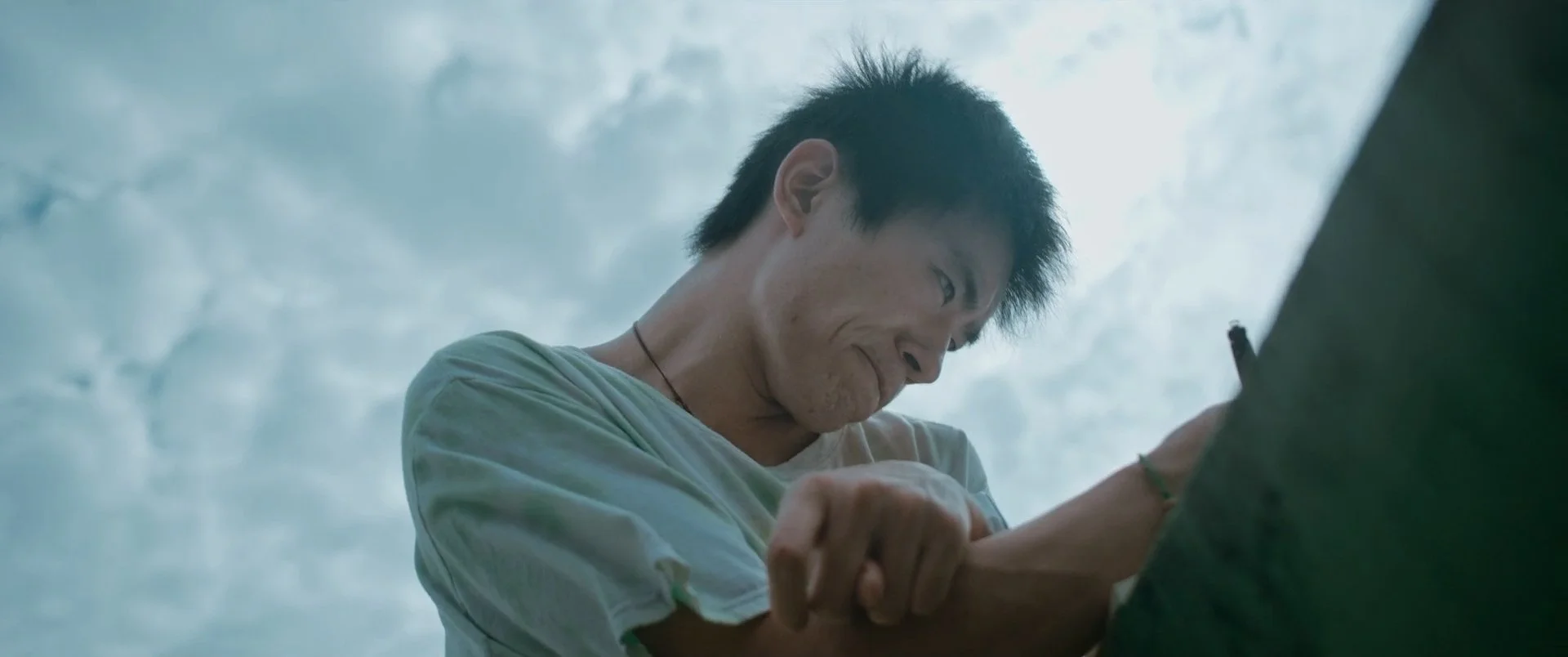
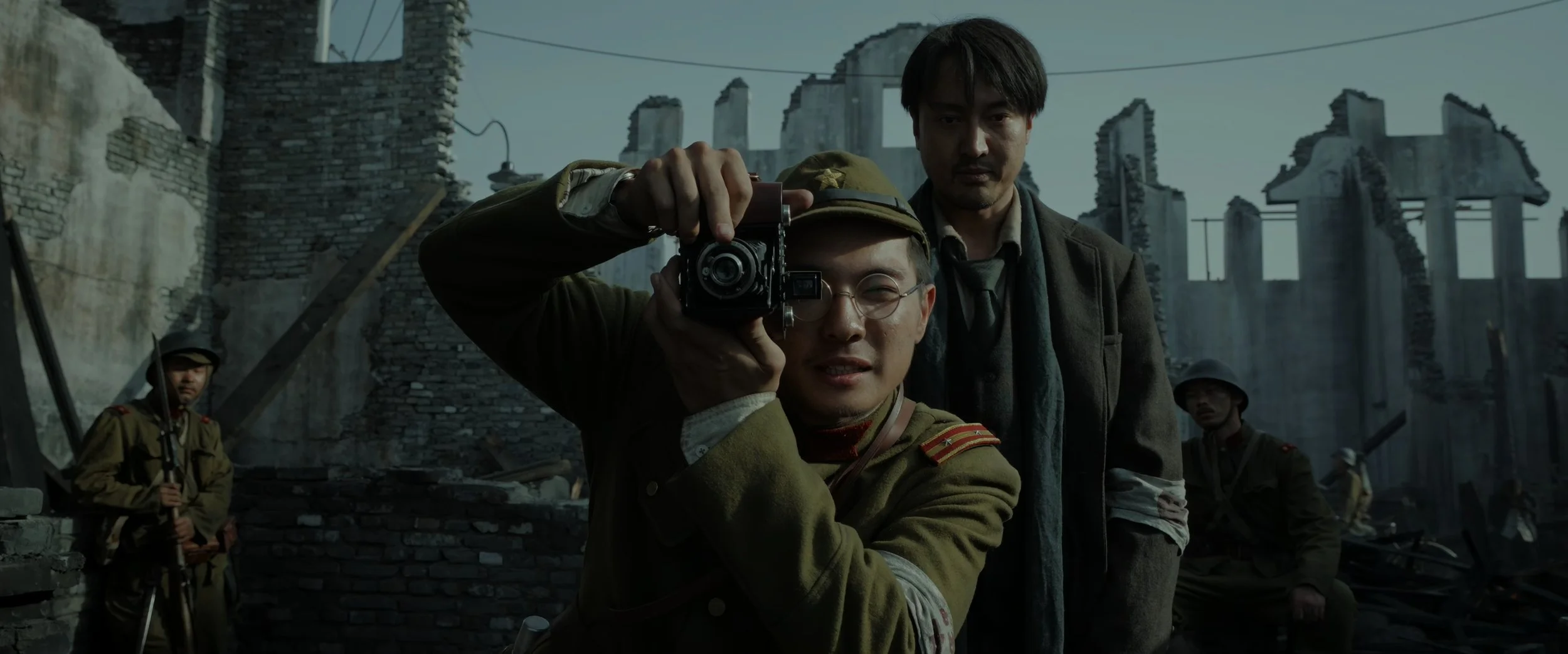
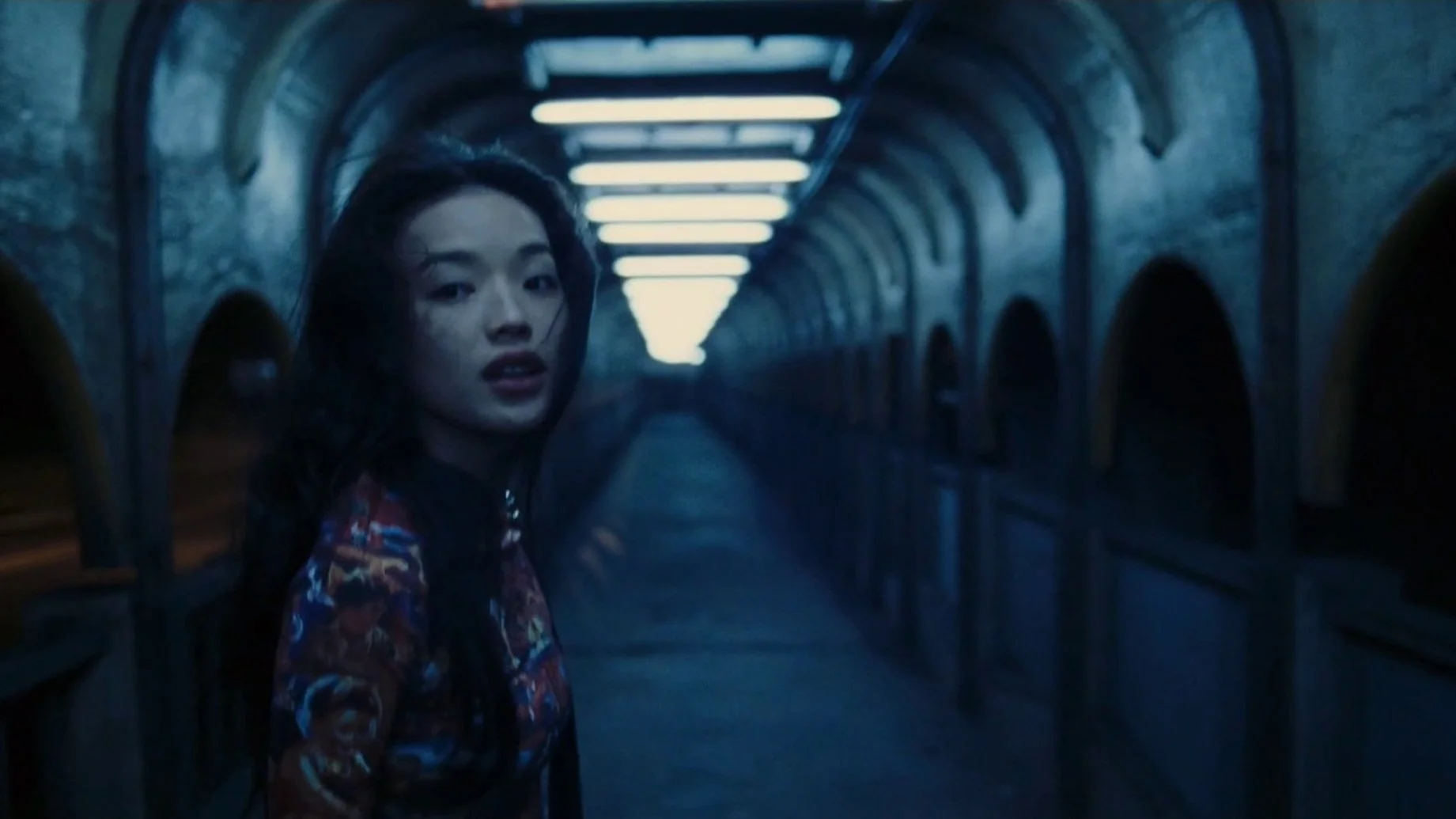
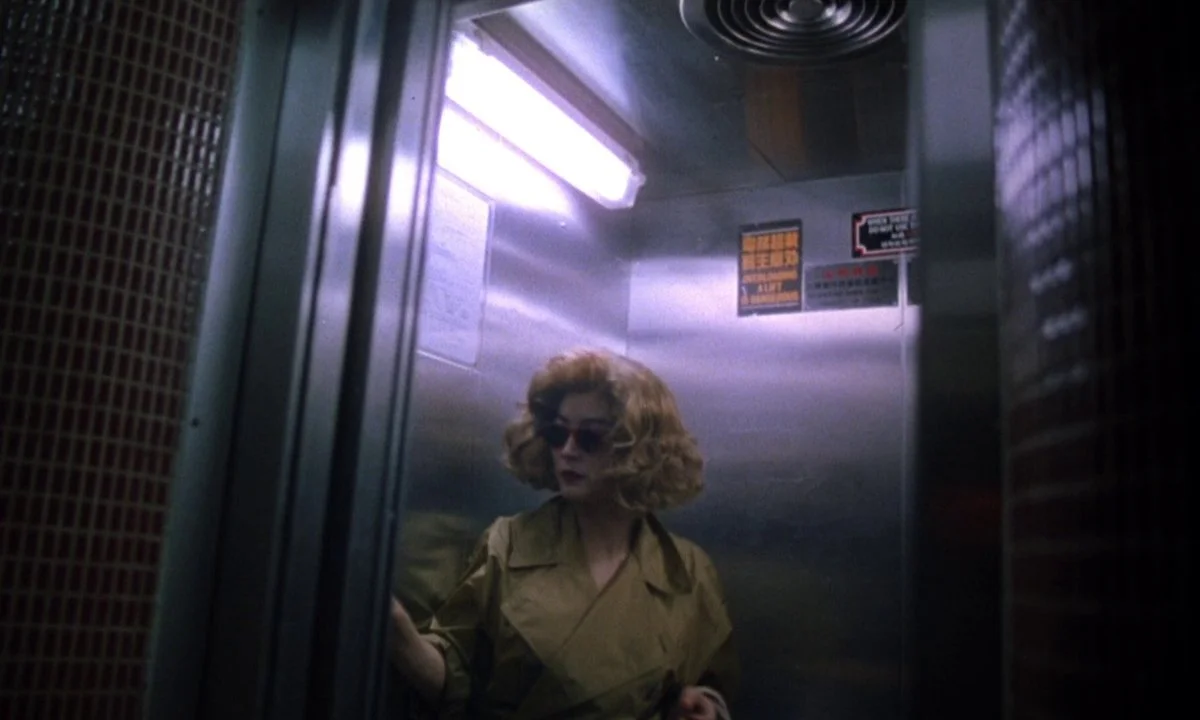
Is Chinese cinematography on the map? This may be one of best looking modern films out of mainland China with a heavy emphasis on presentation. The color grade has grey teal and green tones to create a dark epic tone, suitable for the Nanjing Massacre. The majority of the film is shot on wide open ultrawides and the sets look great. I know this because I actually filmed there myself and you can see how I captured it in my video. Every scene is lit with deliberately soft diffused lighting and negative fill to create a high production look. It’s overdone and detracts from emotional moments by being overly stylish, but I still enjoyed most of it. What’s great about the story is for the first half of the film it doesn’t focus on war, but rather follows a postal worker struggling to survive through developing negatives for a war photographer. It’s very artistic and enjoyable to see passion for the dying craft and process of film photography, immediately making you invest in the story. I can’t really say the same for the second half, which takes a steep nosedive. There are some great moments with one or two good performances but the rest of the cast especially the protagonist are forgettable. Any strides that are made will unfortunately be undone in the second half and I might even recommend you to not continue past that point.
Conclusion:
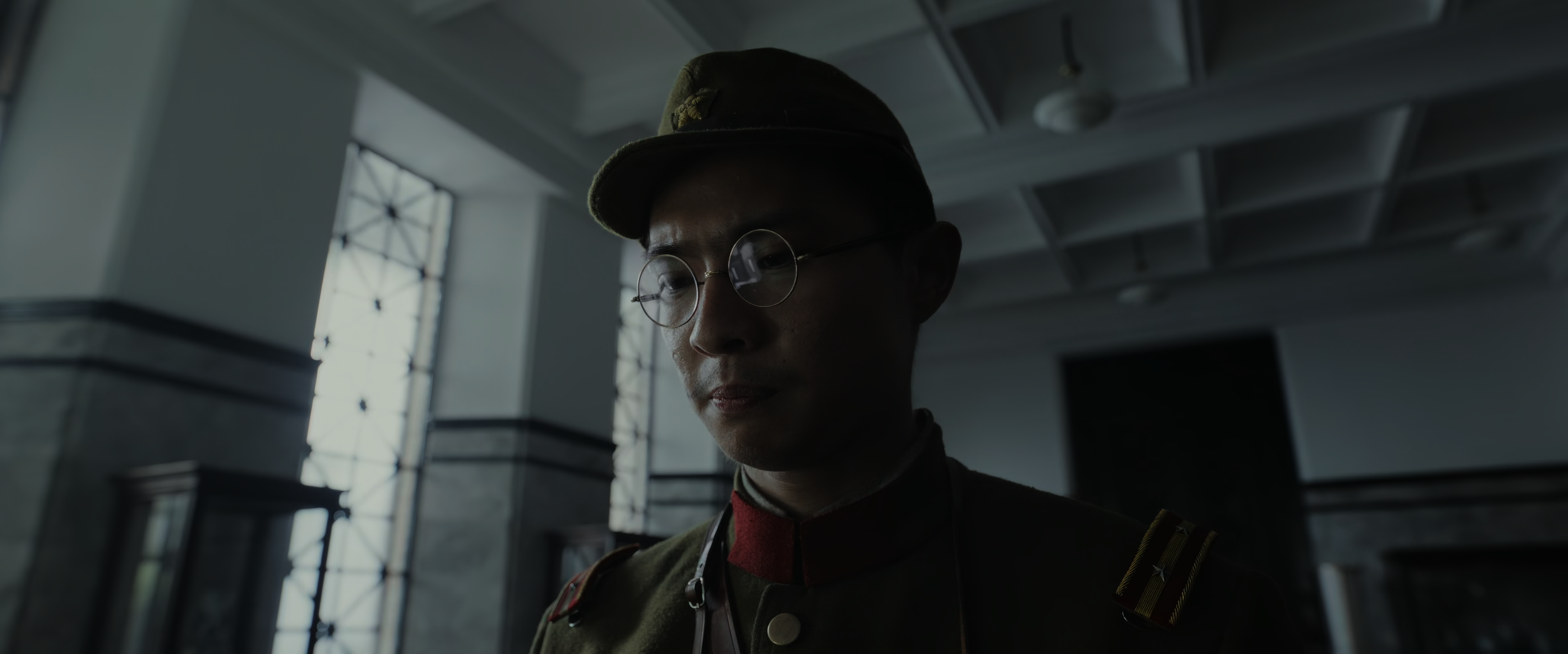
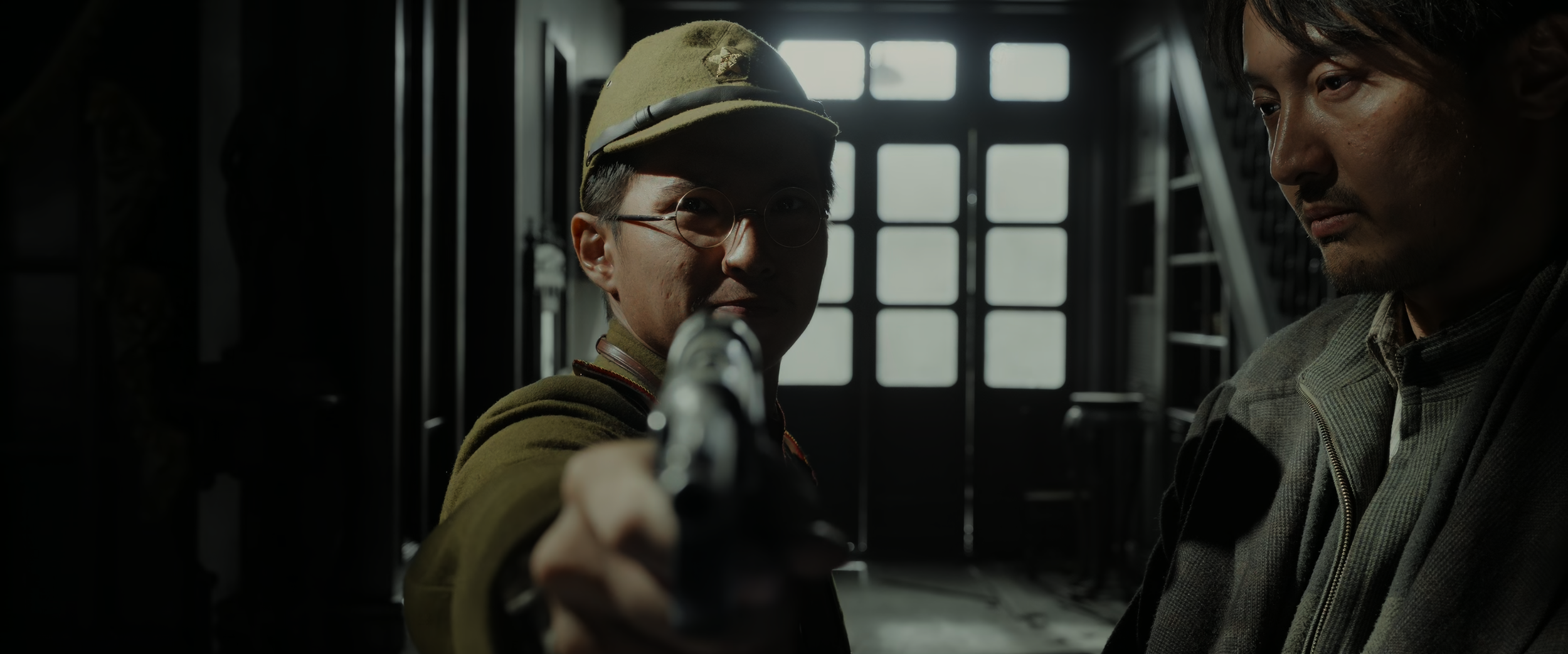
The director deserves kudos for a great vision incorporating actual story in China’s typical war blockbusters. You can tell the exact moment in the film where he loses creative control and government oversight takes over, turning the film into melodramatic propaganda. Chinese filmmaking is improving, but it’s still so emotionally exaggerated with slow motion death and dramatic music, taking a true tragedy and making it into an unserious montage. The film fails in many ways. The main antagonist becomes the soul of the film and we care about him more than the Chinese survivors. It doesn’t make us hate the Japanese and it’s more disappointing that the Chinese protagonists are not charismatic aside from the interpreter, whom is the best character in the film. In fact, I think the opera singer is counterproductive and the least likable out of all of them. As a result we don’t really care if any of them survive or not.
Chinese cinema treats its viewers like babies sucking at the thumb and still feels the need to retreat to Chinese narrative device 101: crying funeral after funeral after funeral. By piling melodrama back to back it loses efficacy and detracts from moments of actual tragedy. What’s worse is the heroic patriotic tone does a disservice to the real atrocities of the Nanjing Massacre and I think makes the rape and murder look artificial and dramatized. This is no Chinese Schindler’s List despite how many bought reviews would make you believe otherwise. It’s a step in the right direction but the popcorn war blockbuster formula just doesn’t work as war films should be serious and realistic, especially if it is to make westerners feel sympathetic toward China. Instead, they photoshop historical elements for clichés and ultra chauvinism, distorting the wonderfully artistic film motif in the process, also made phony by the fact this was shot digitally. By trying to revise history as something heroic for cathartic gratitude, it won’t convince outsiders to root for China, making them roll their eyes into oblivion instead. But for regular Chinese moviegoers, this should still probably be one of the best Chinese blockbusters they’ve made in a while.
Recommendations






Love only exists when you hit play.