
Barry Lyndon (1975)
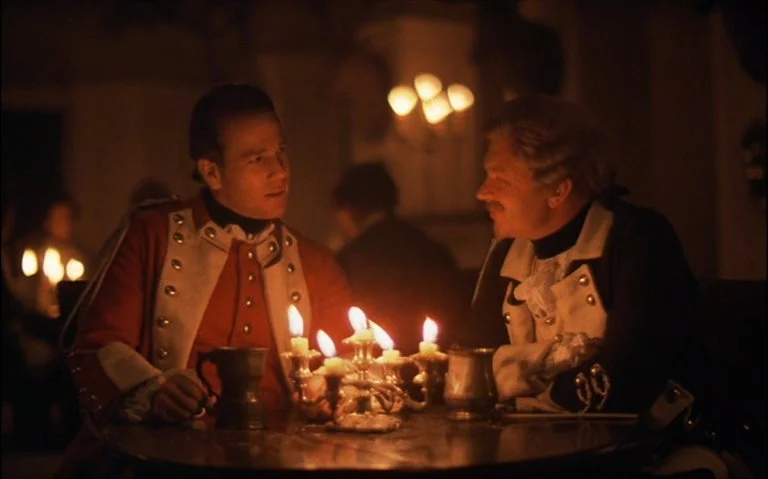

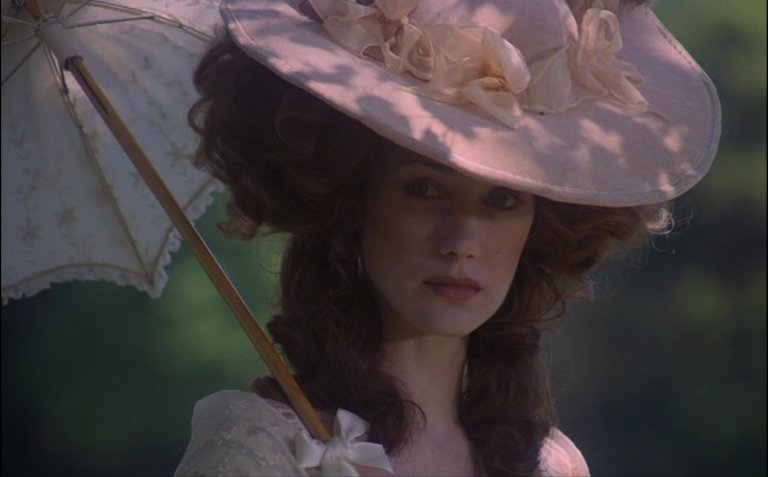
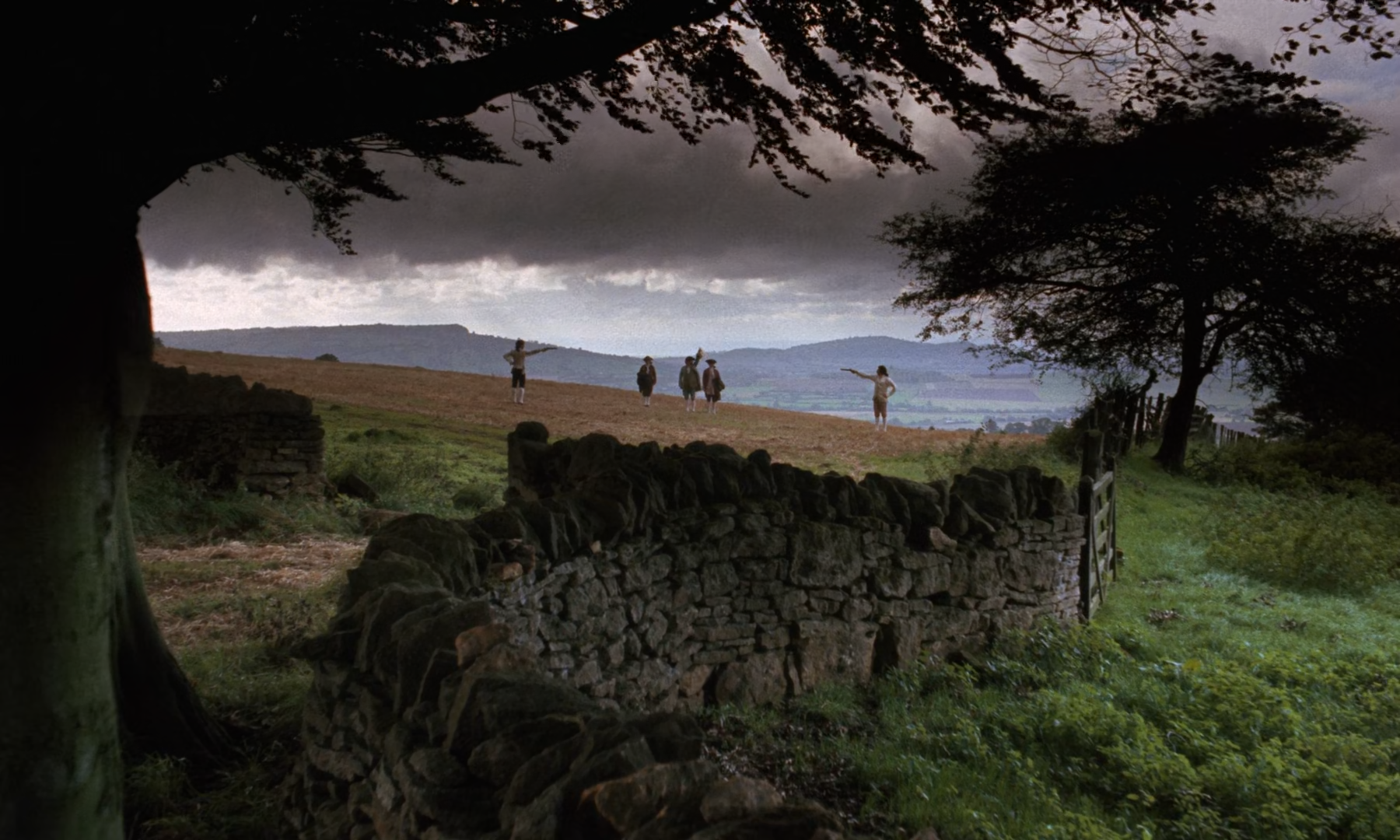
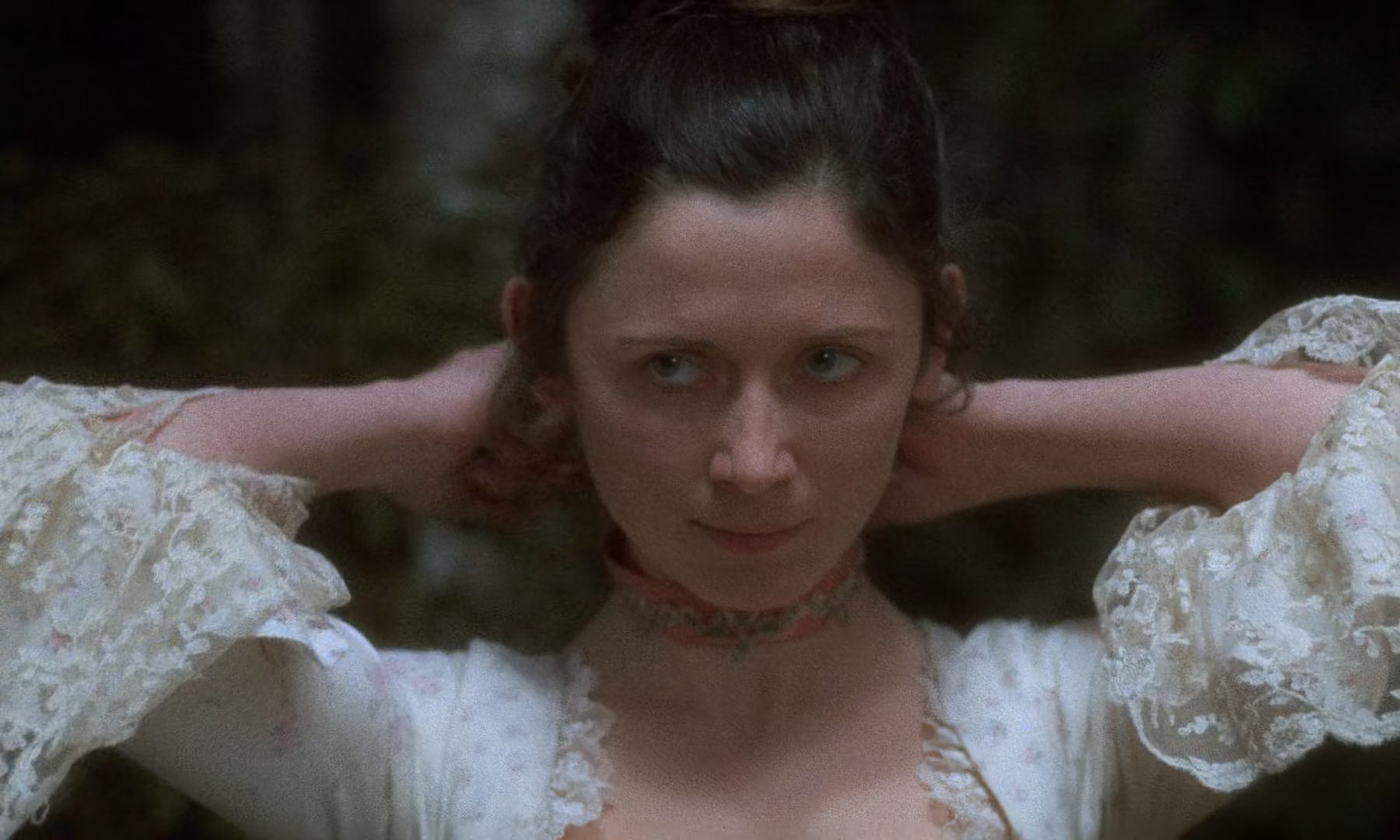
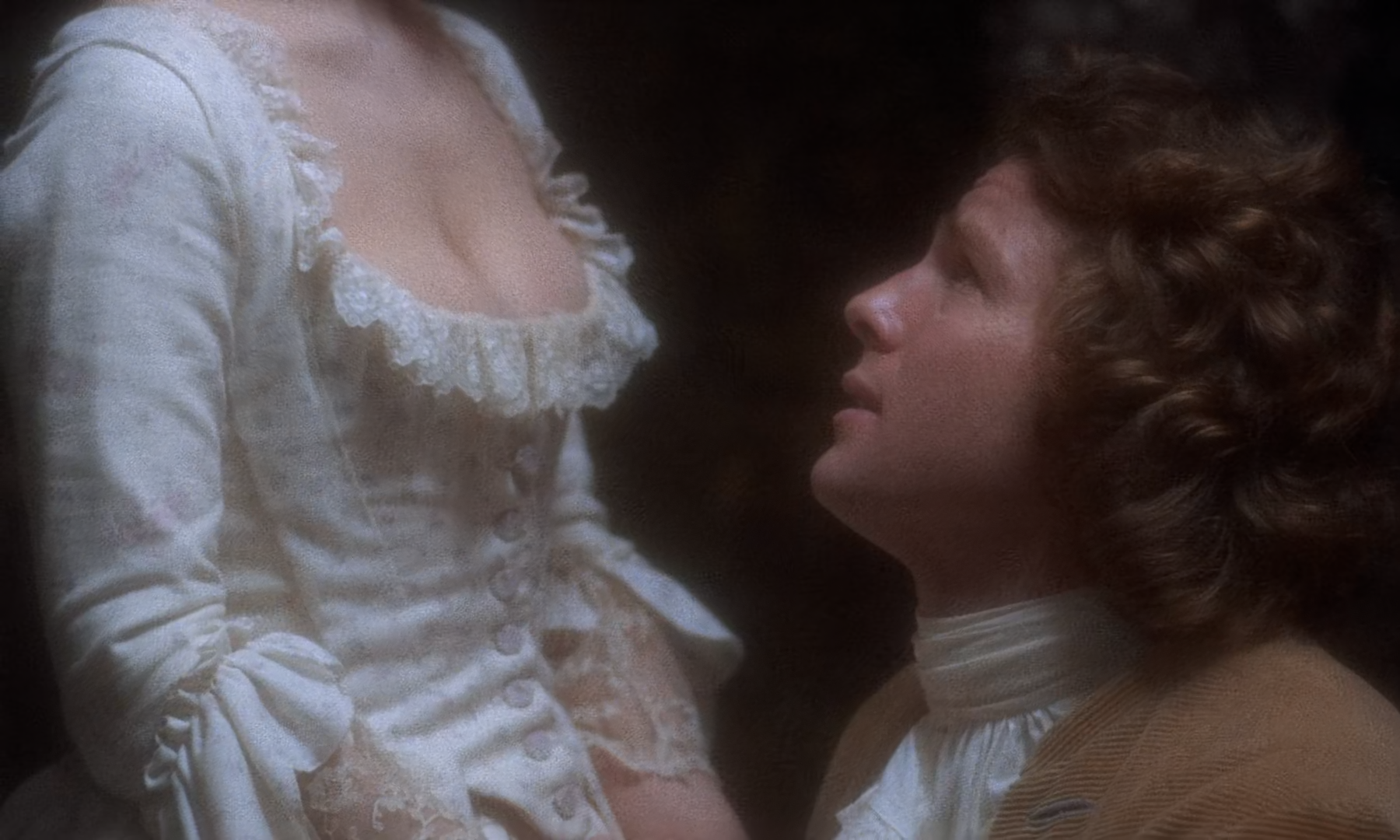
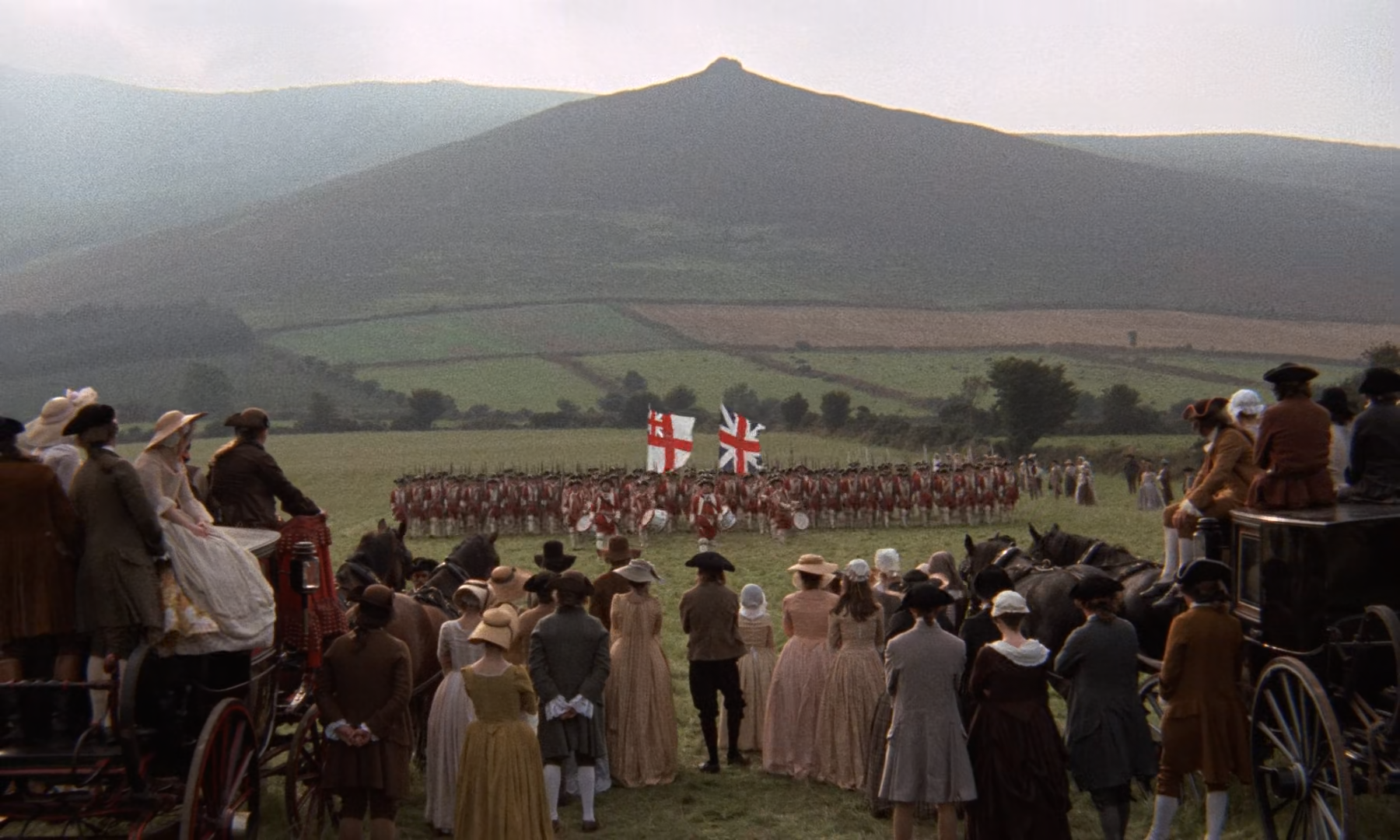
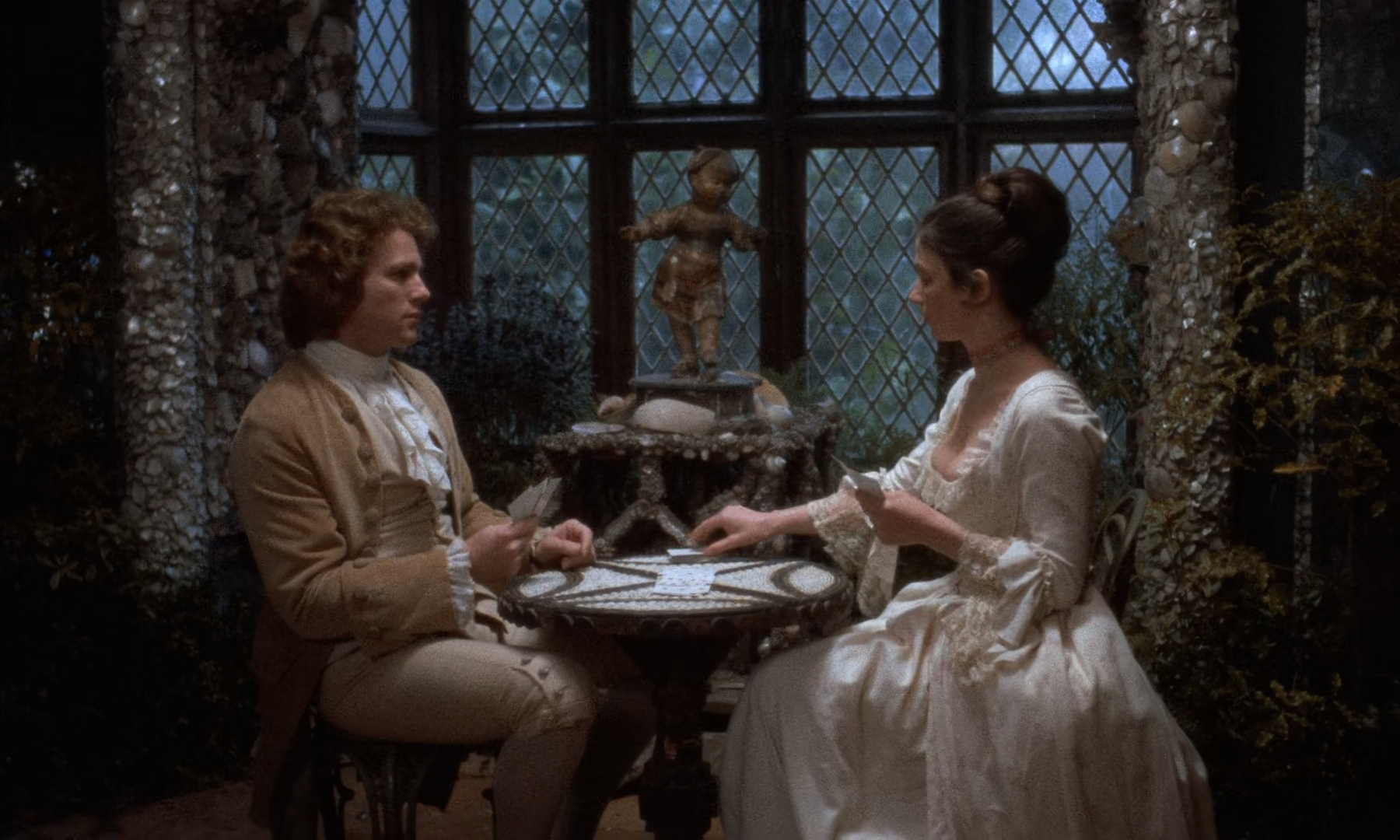
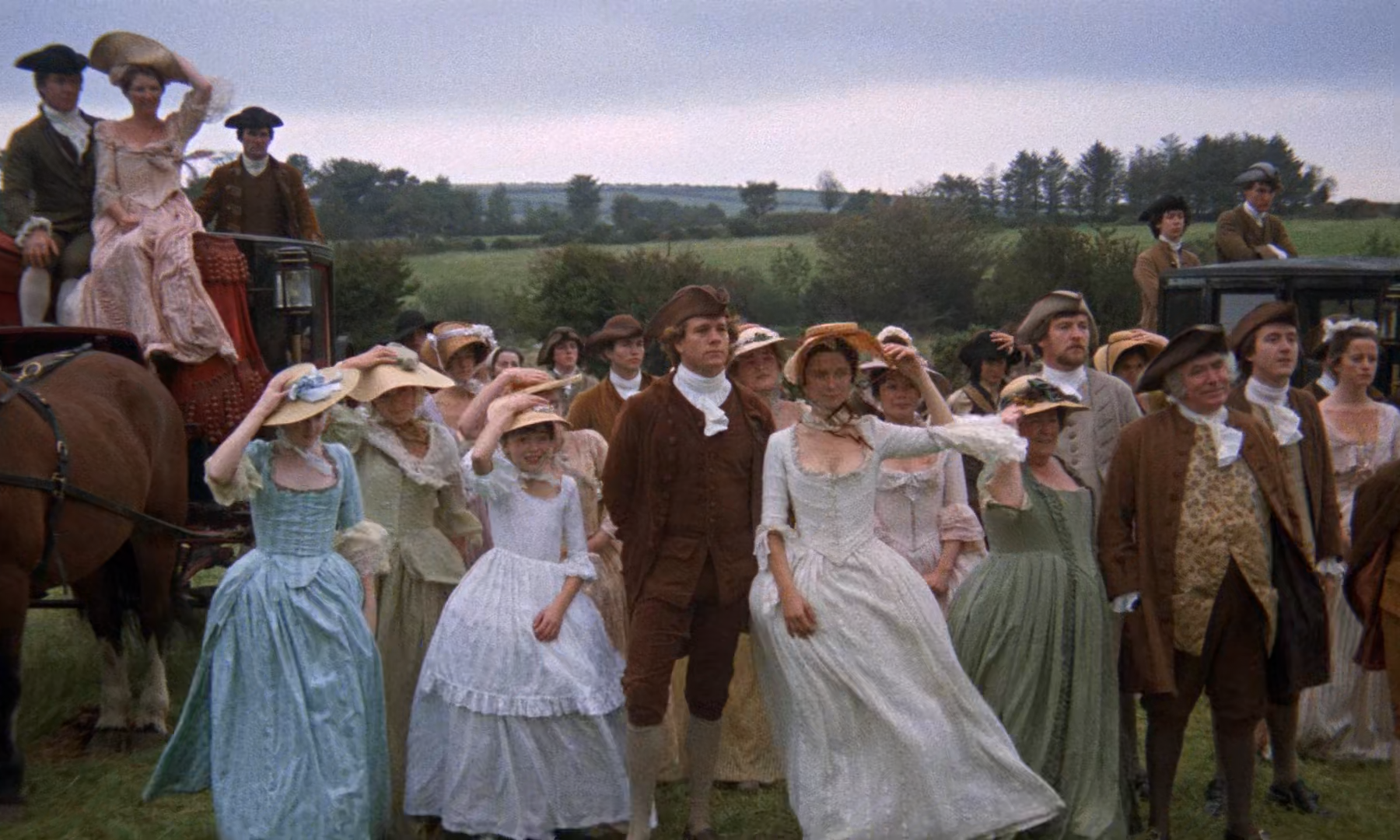
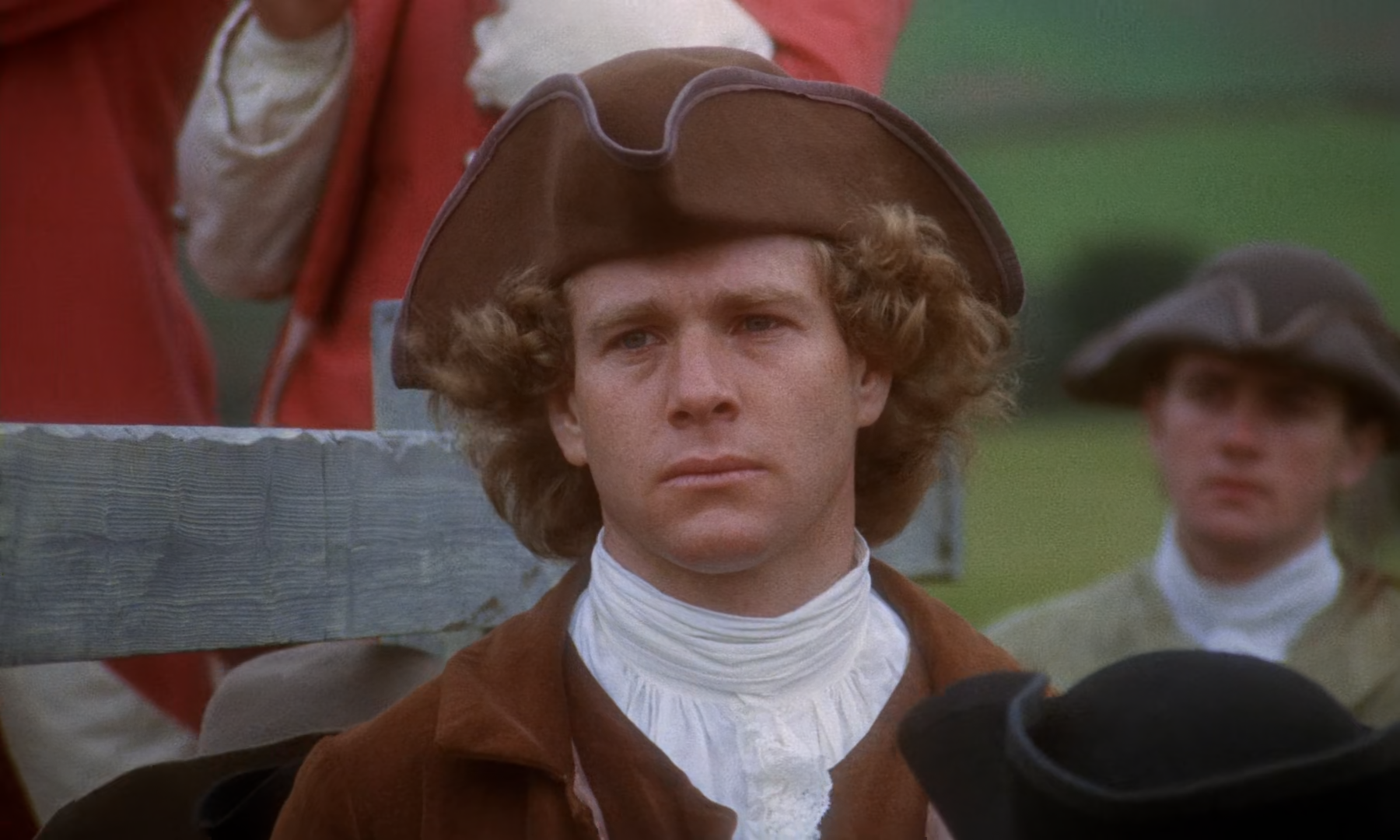
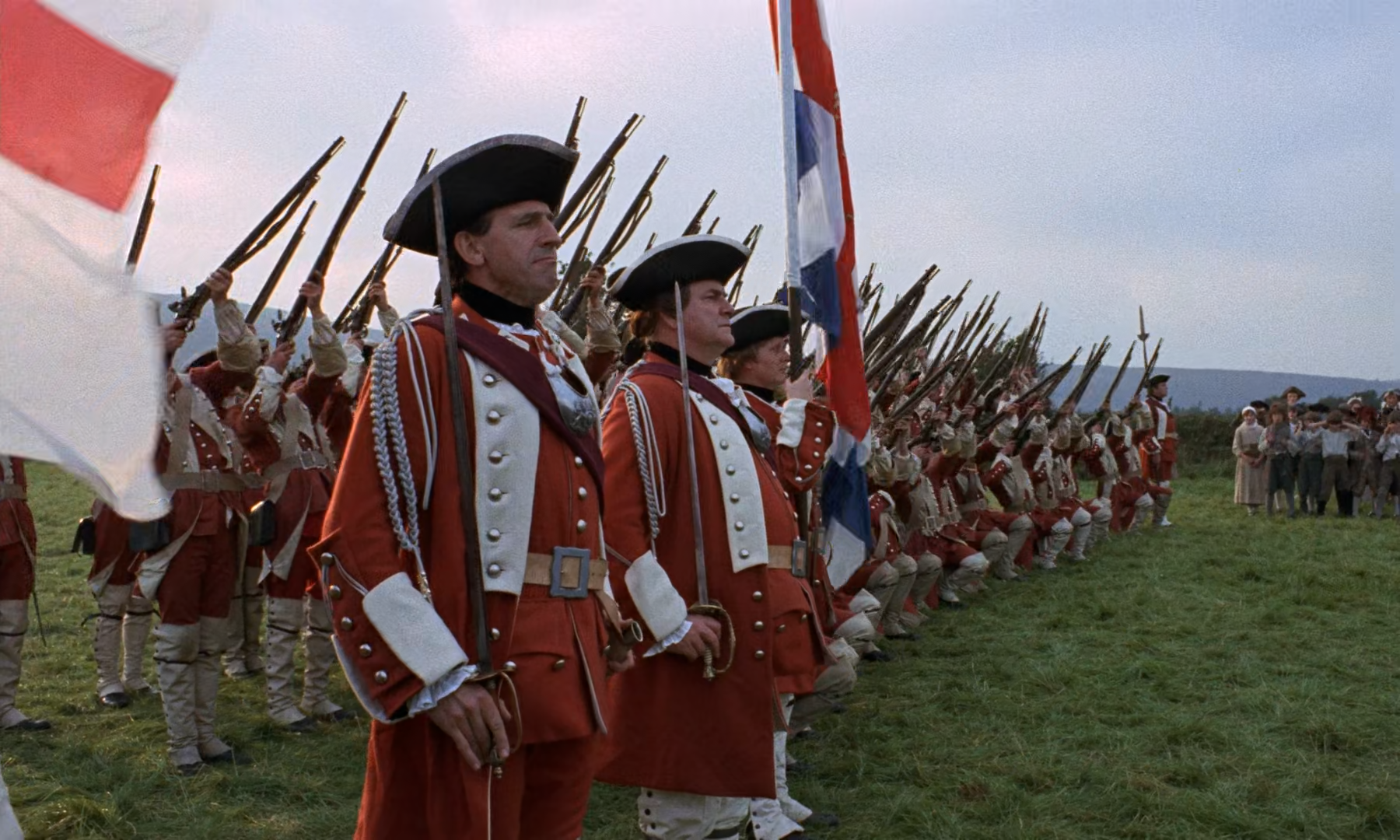
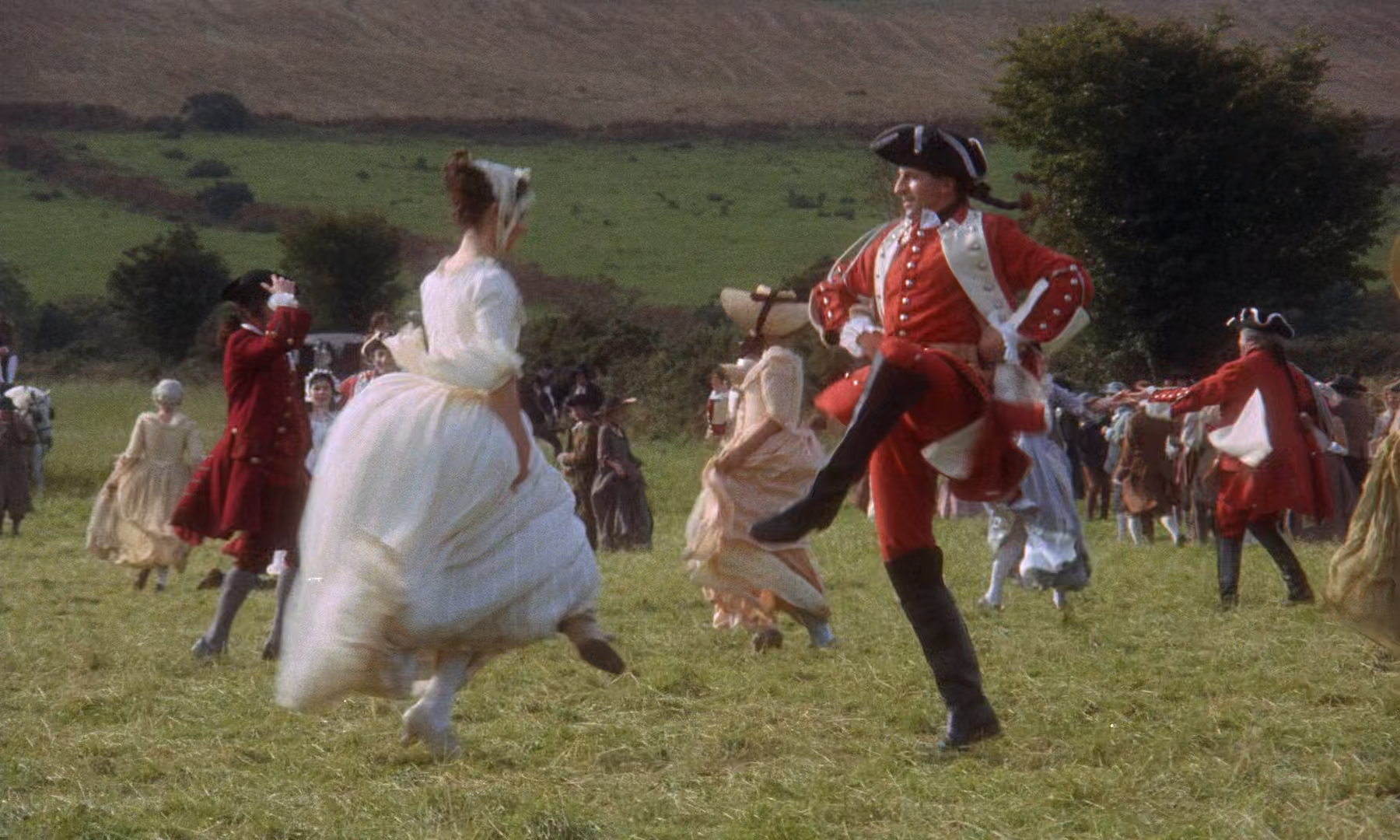
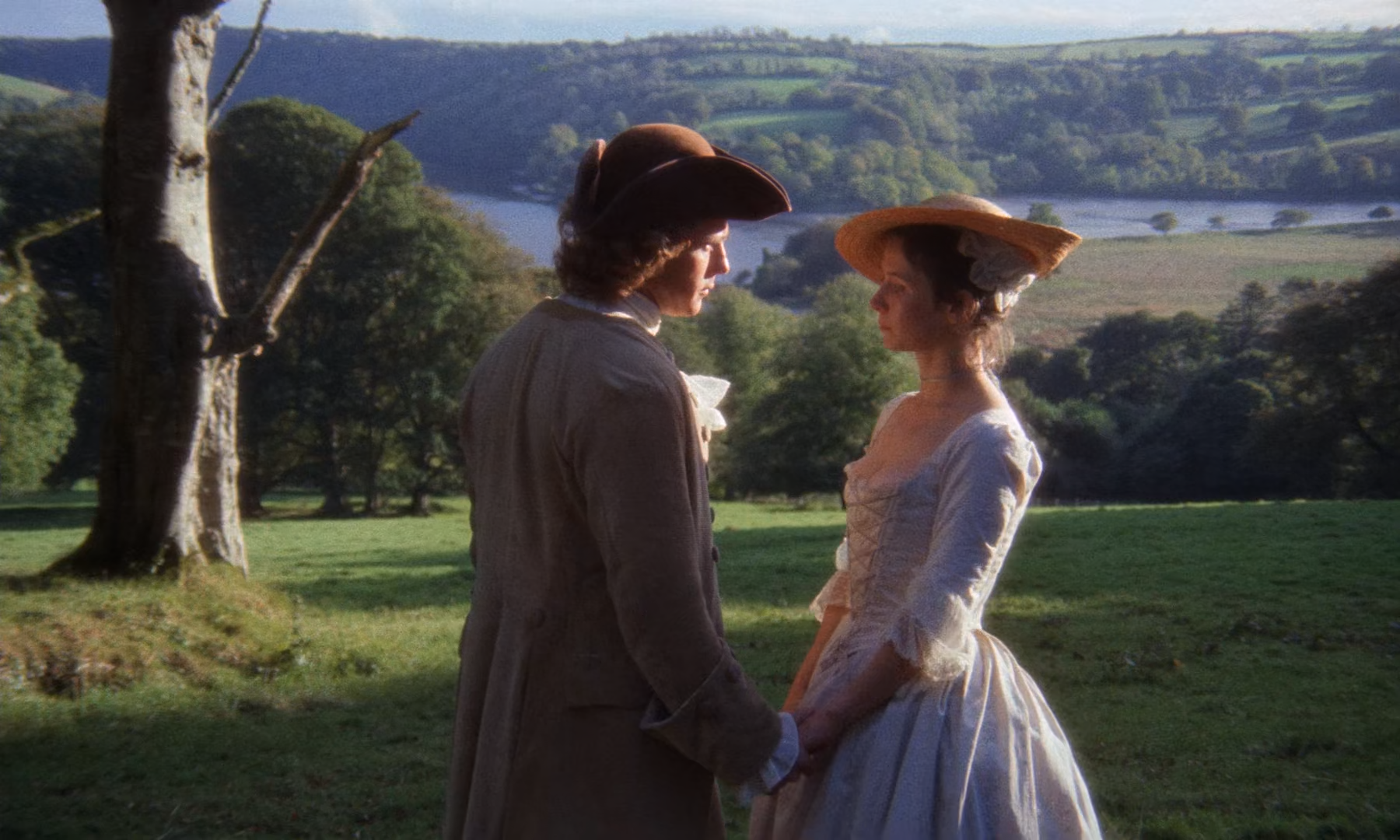
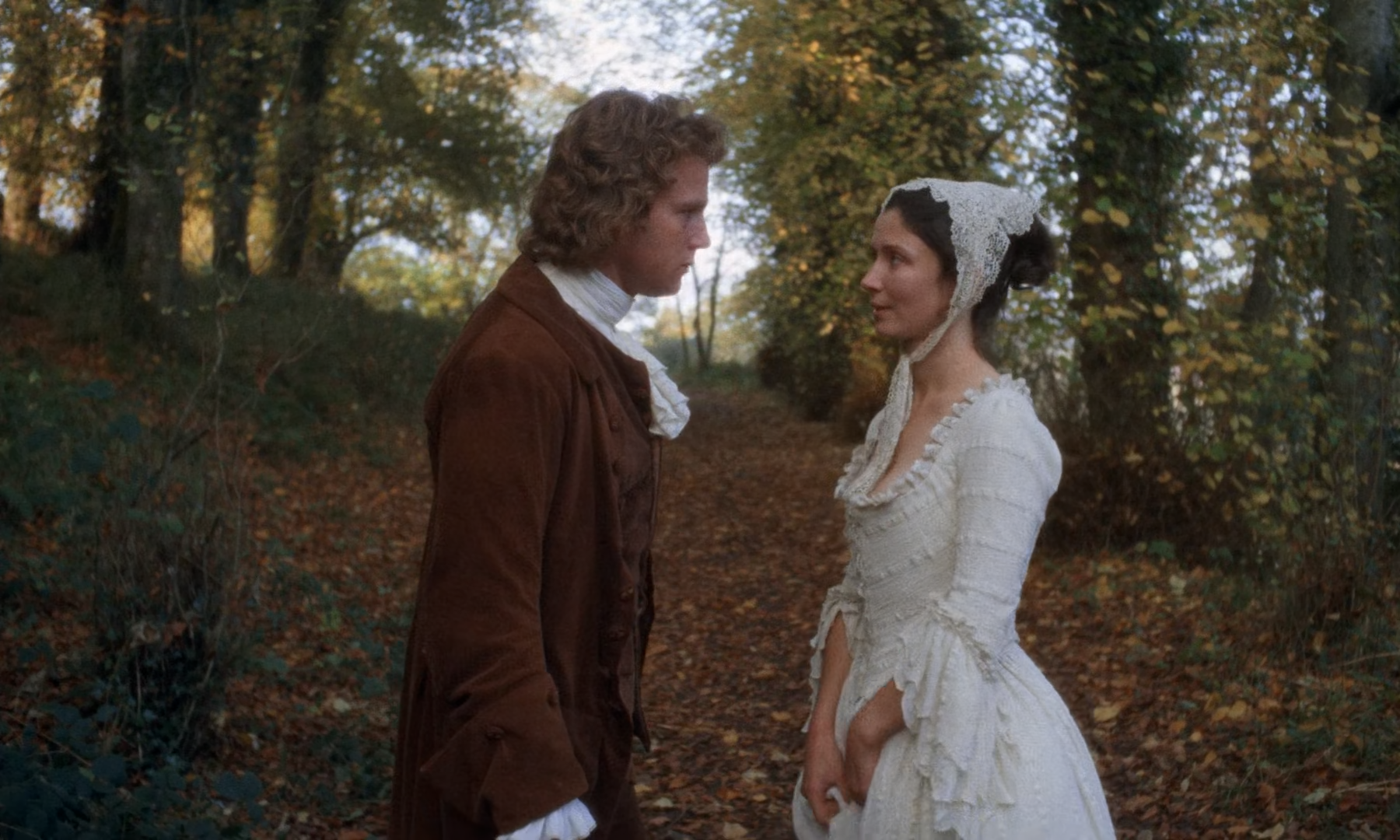
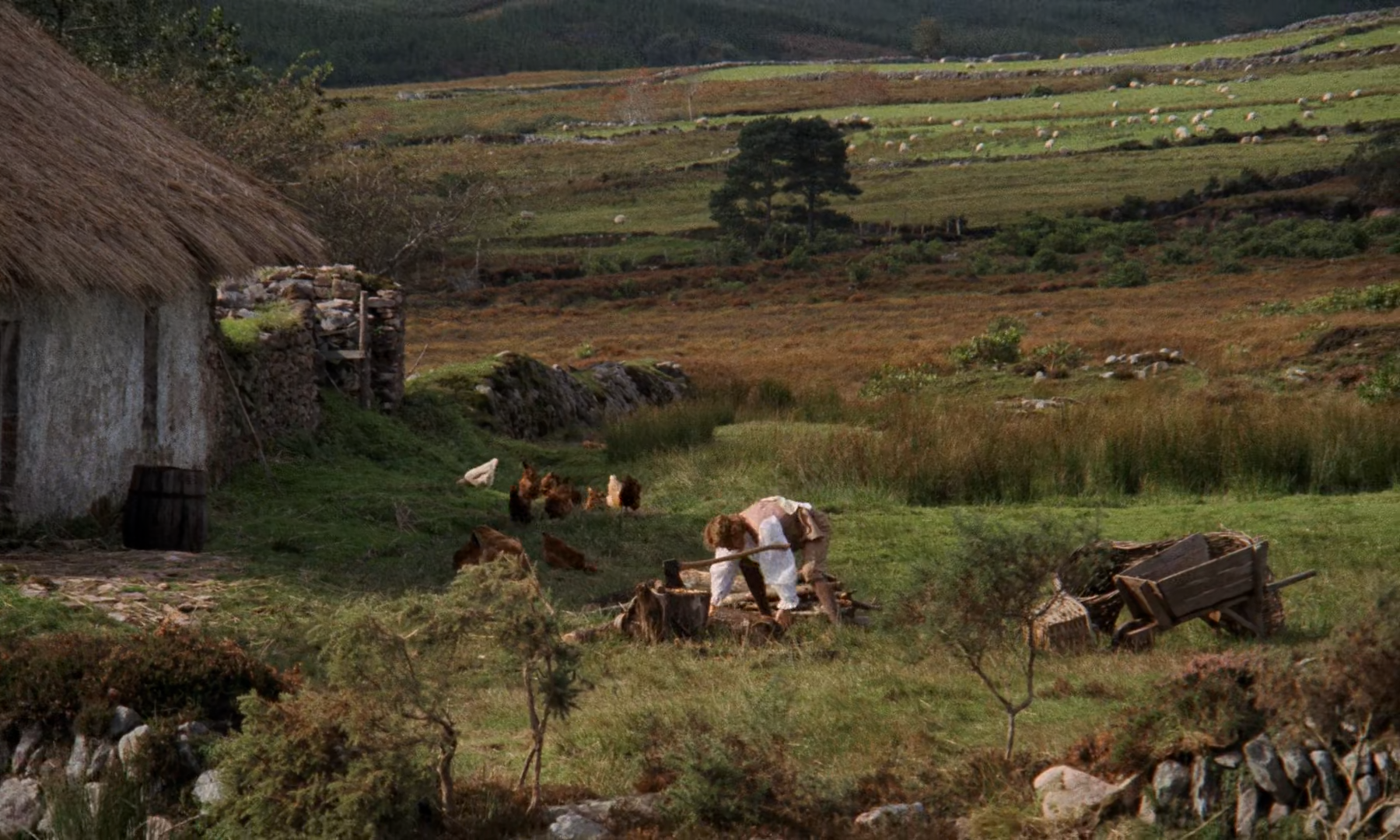
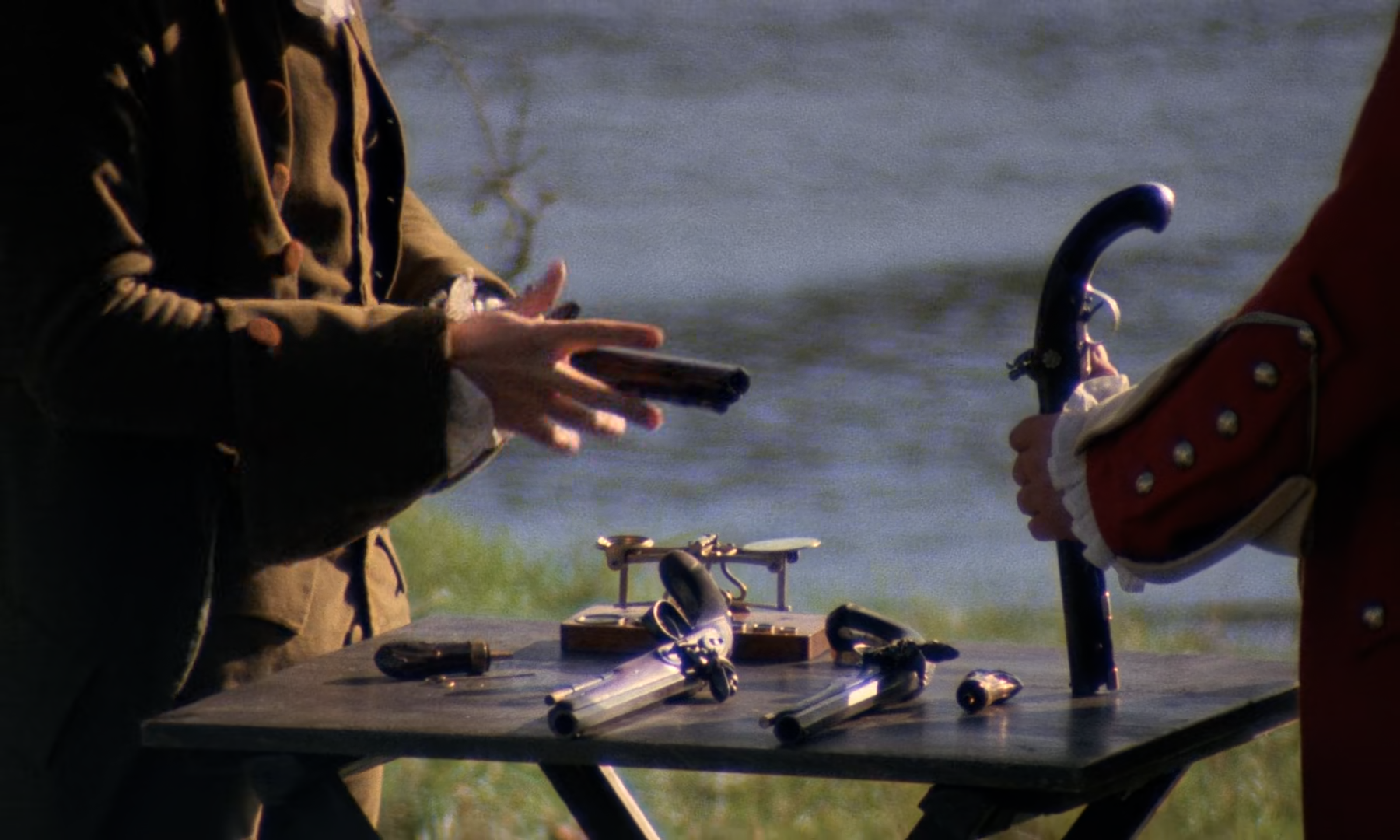
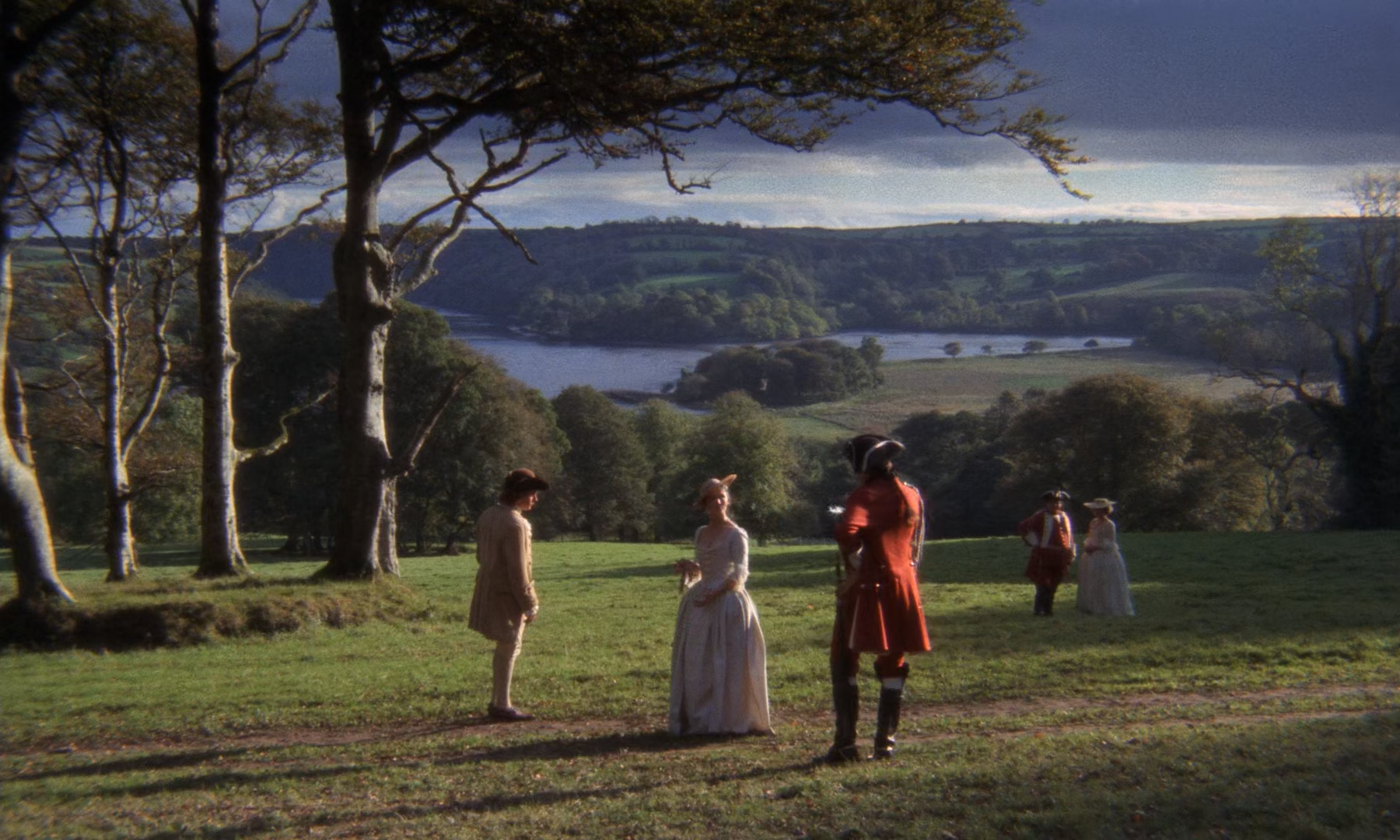
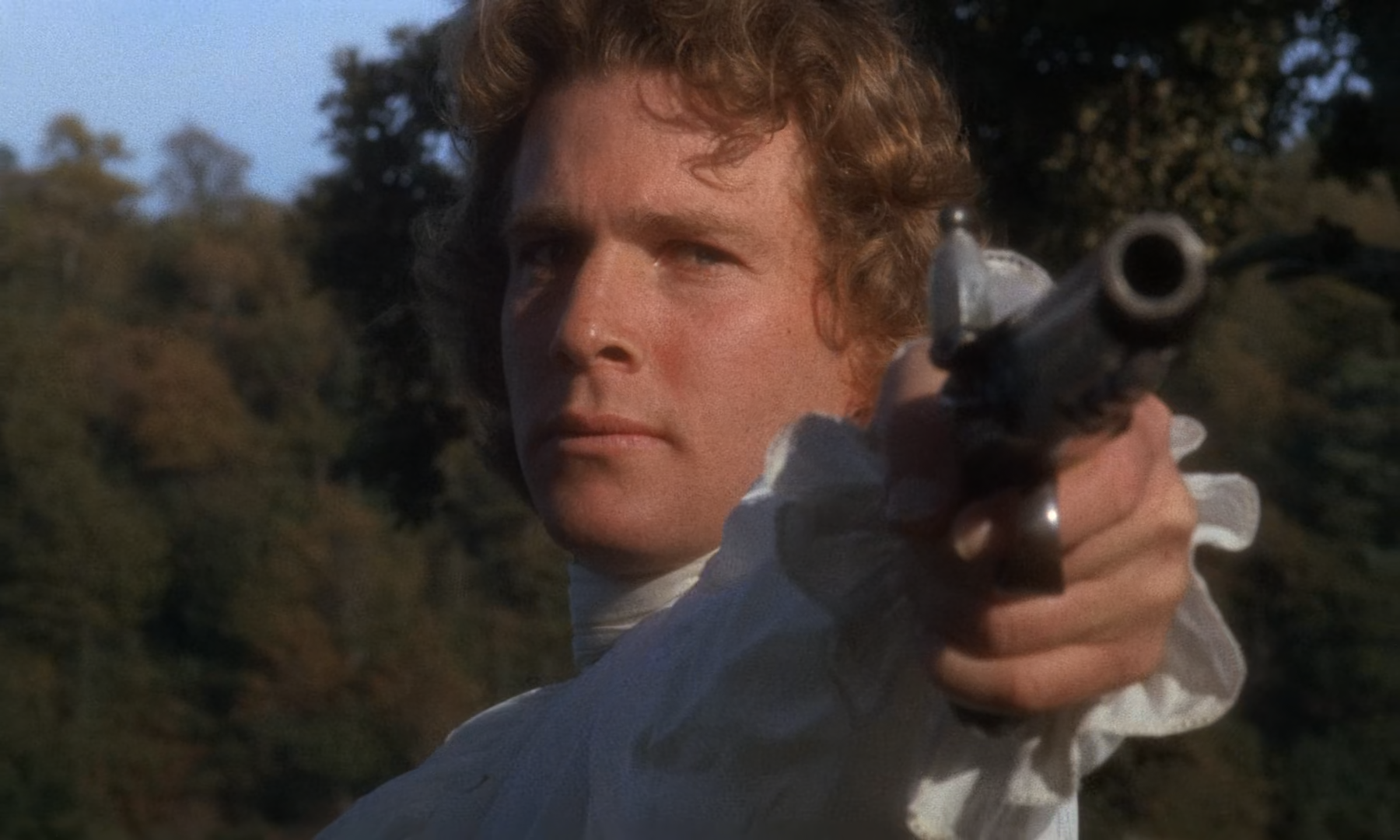
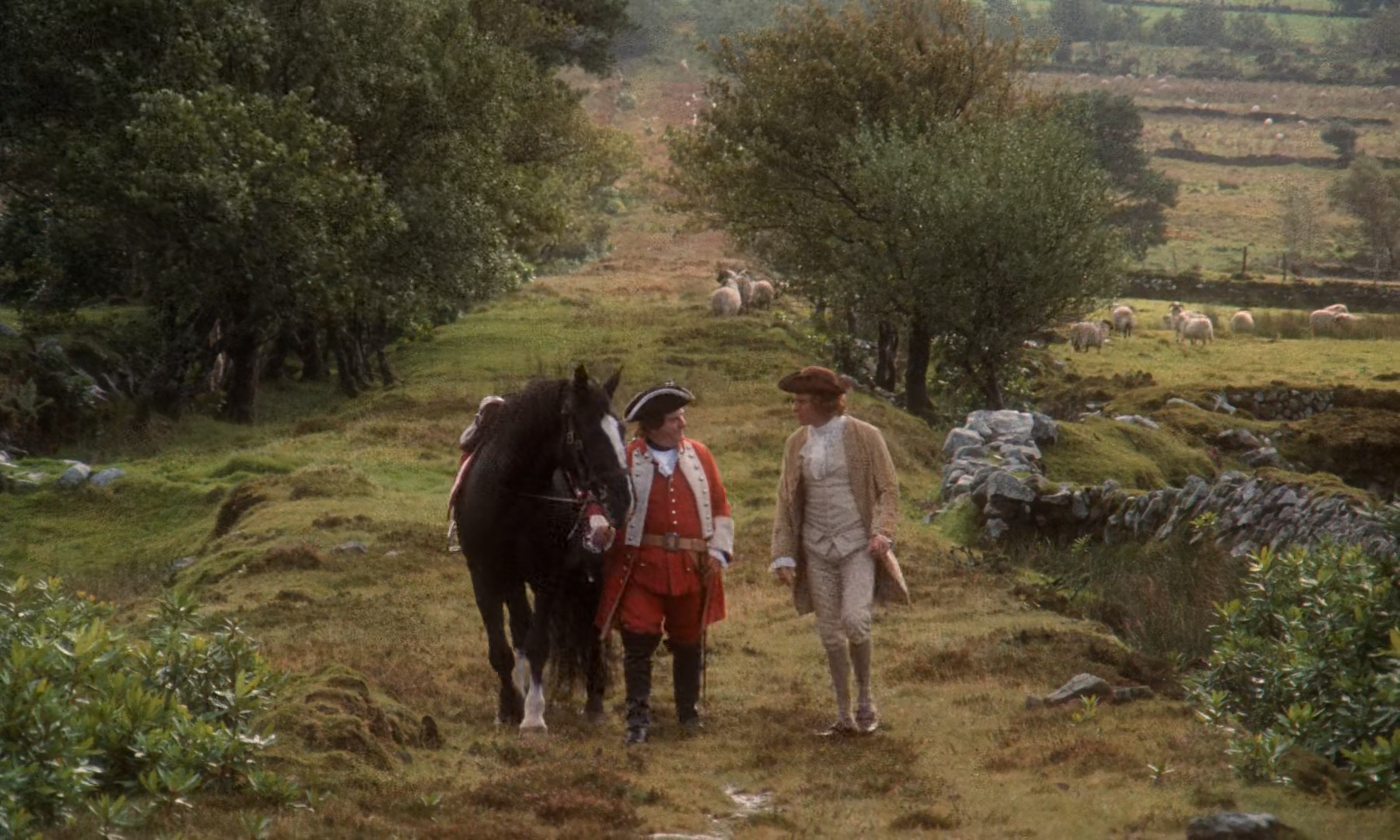
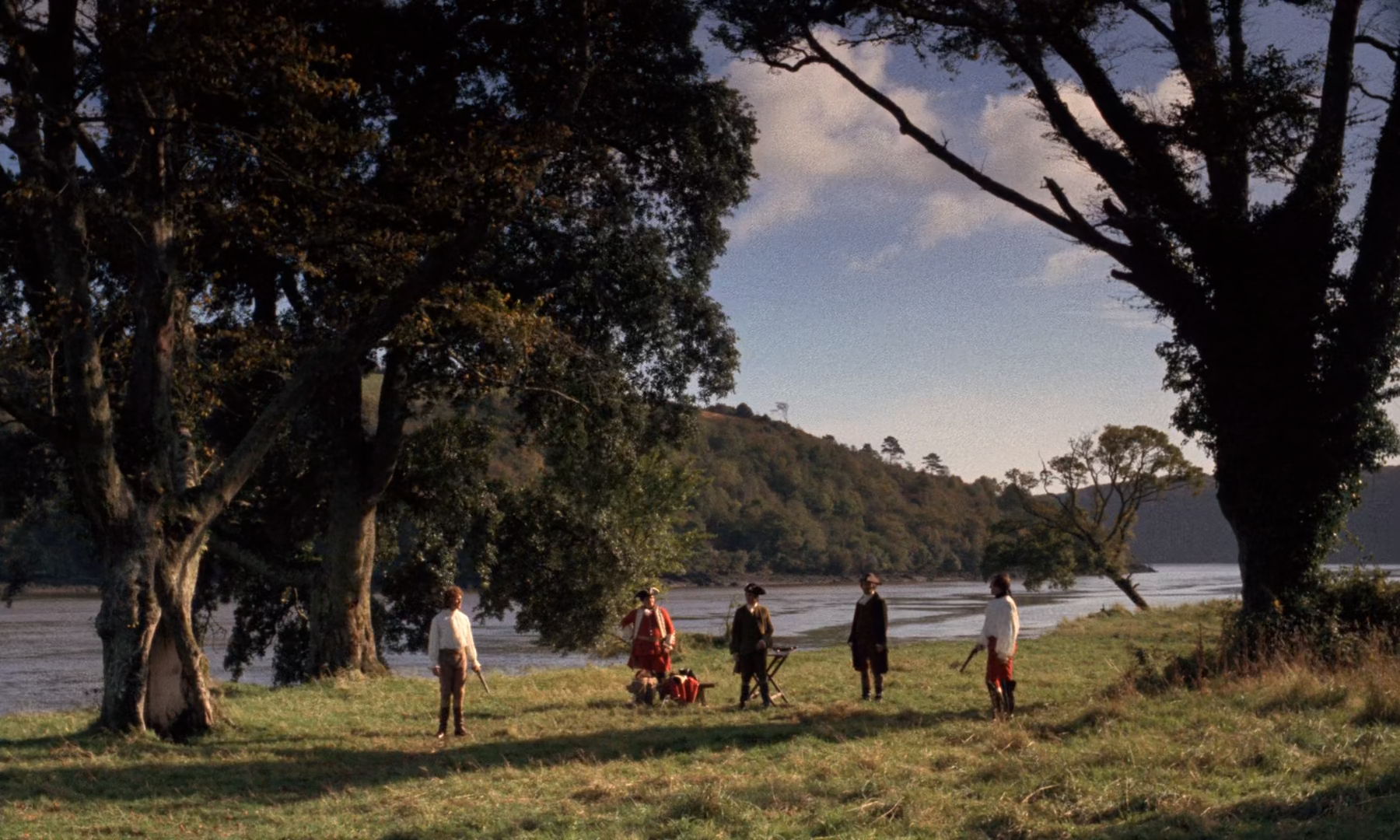
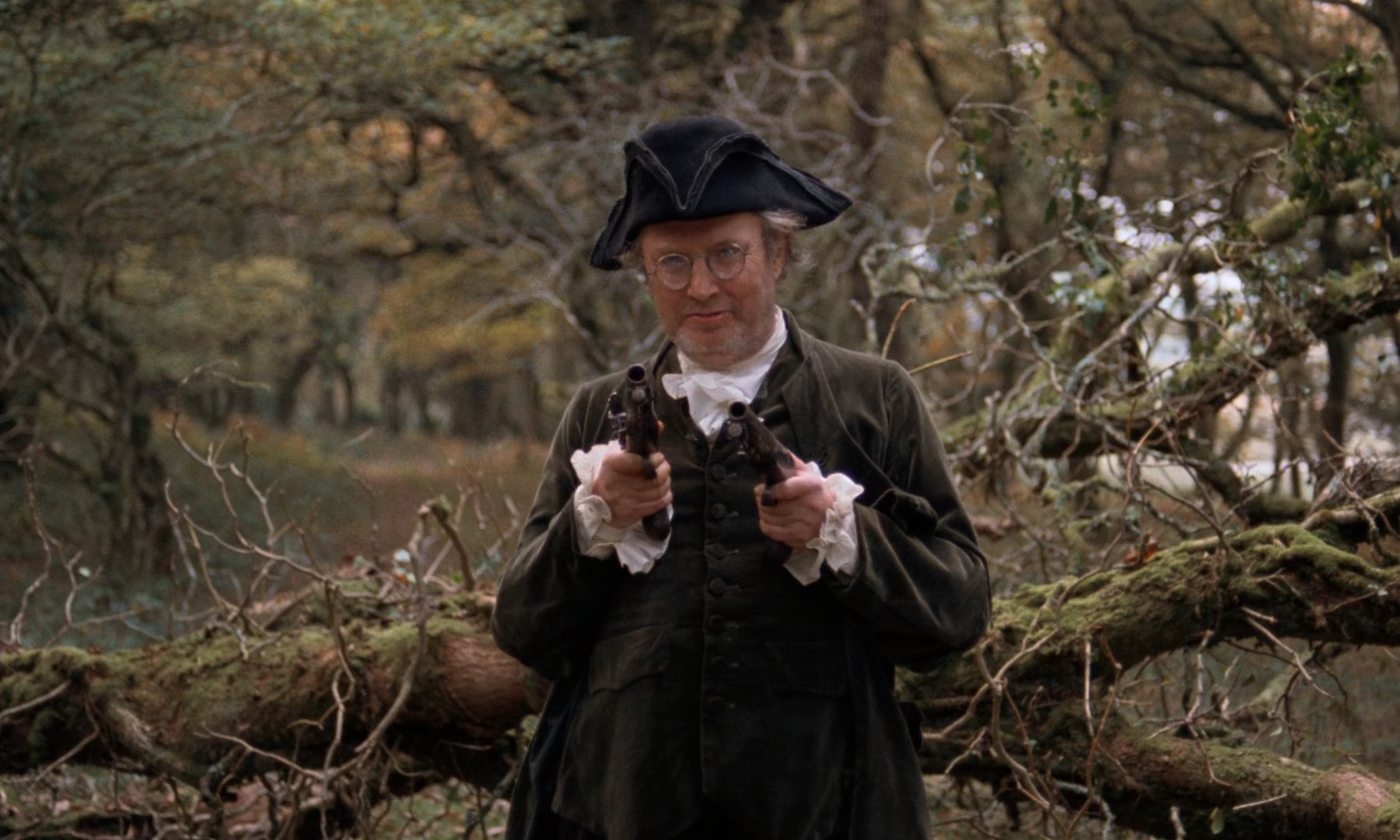
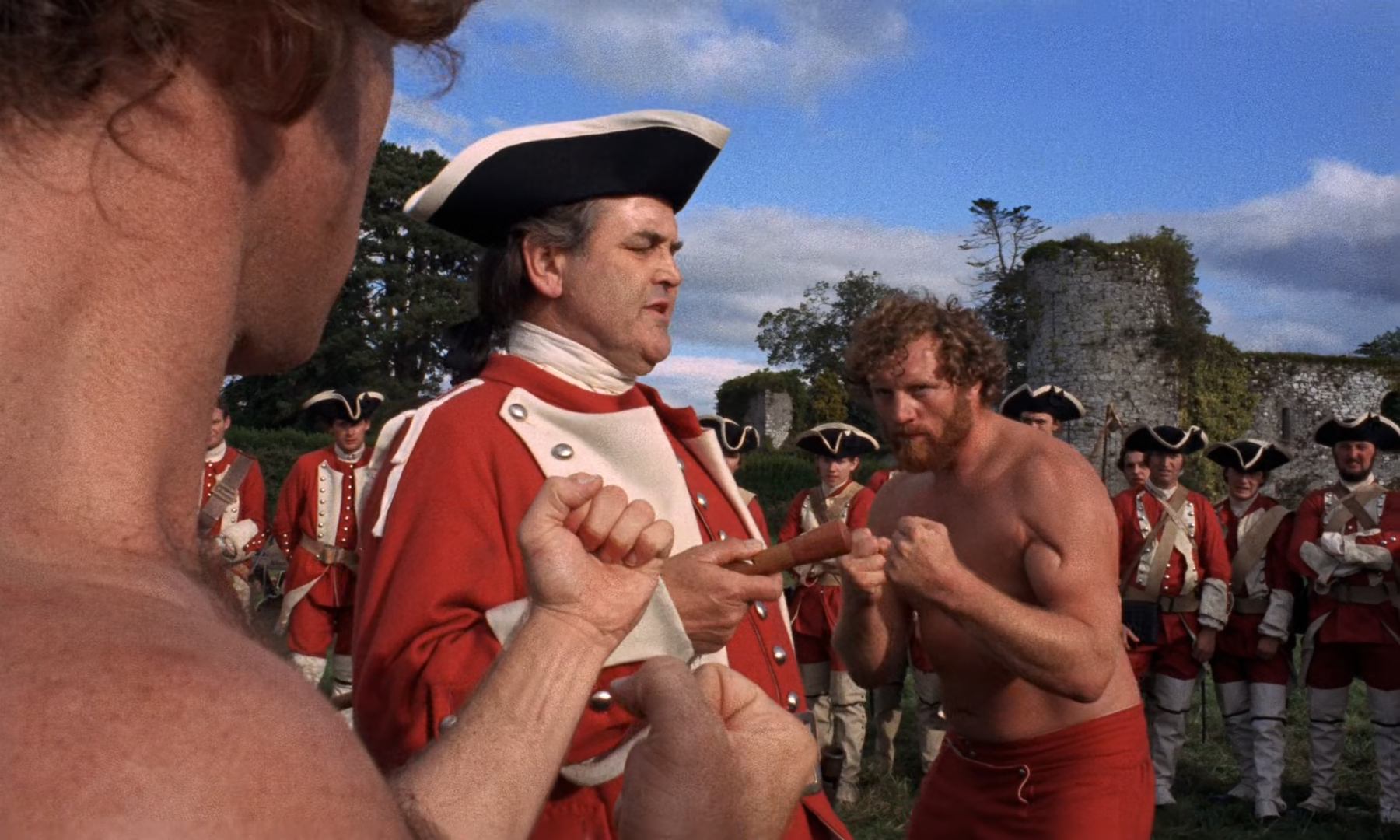
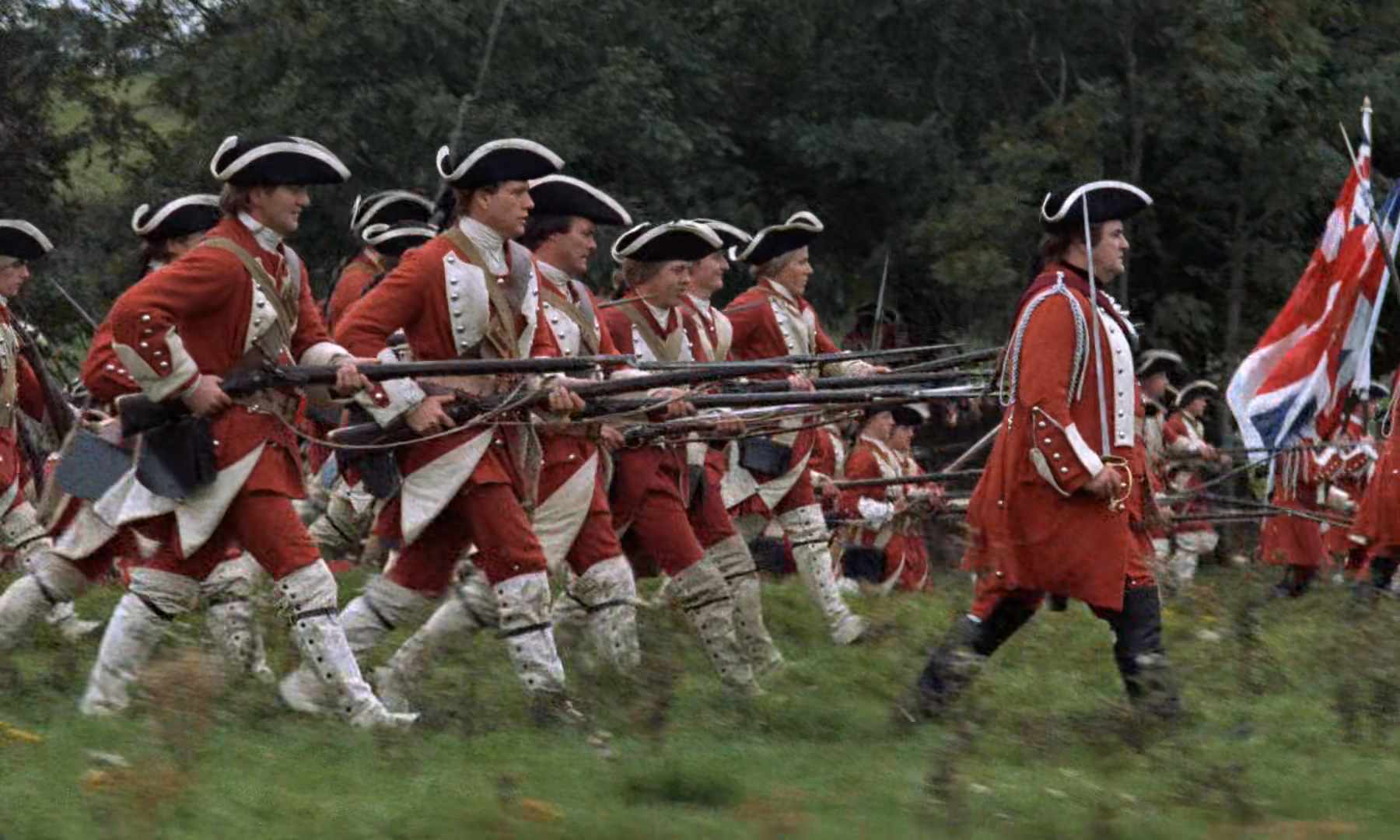
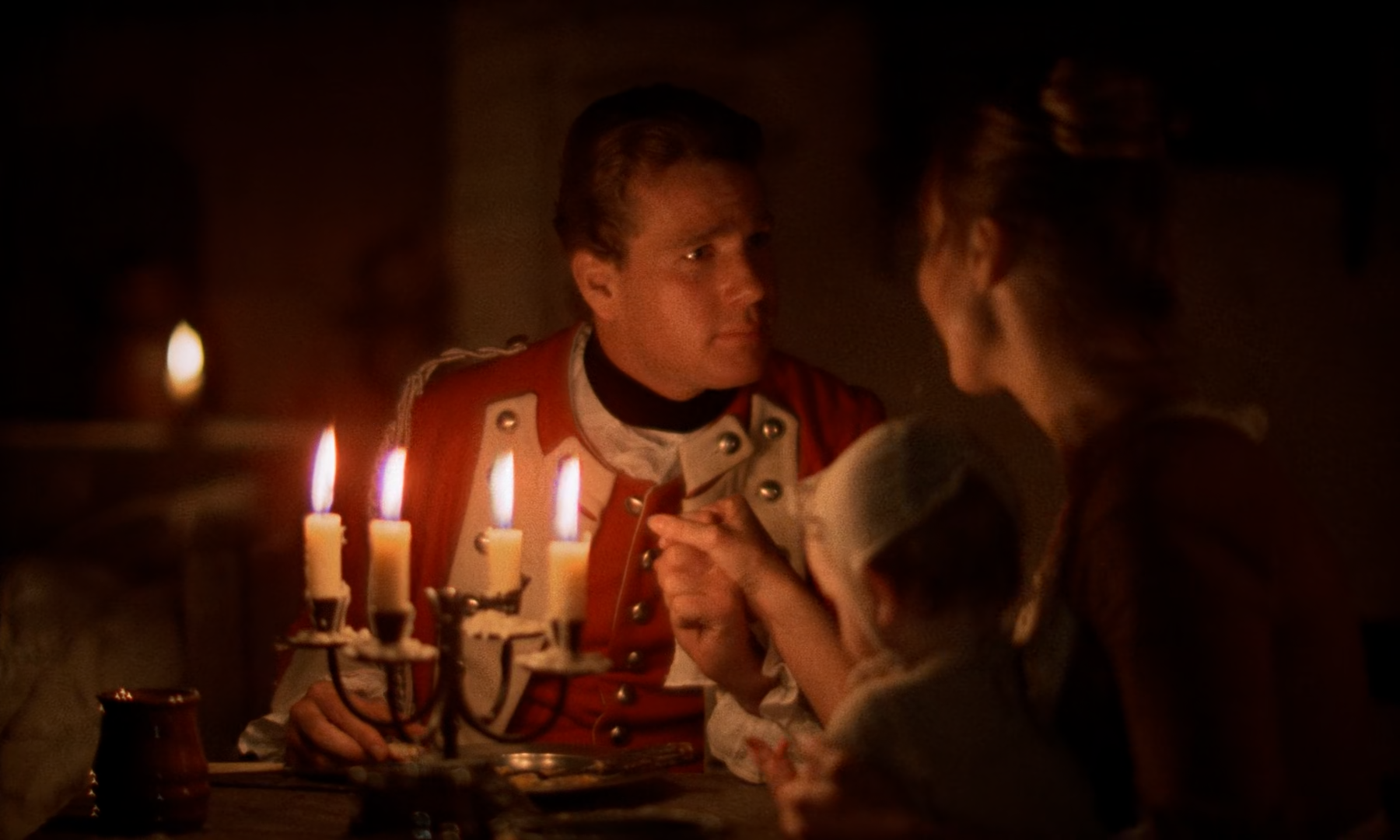
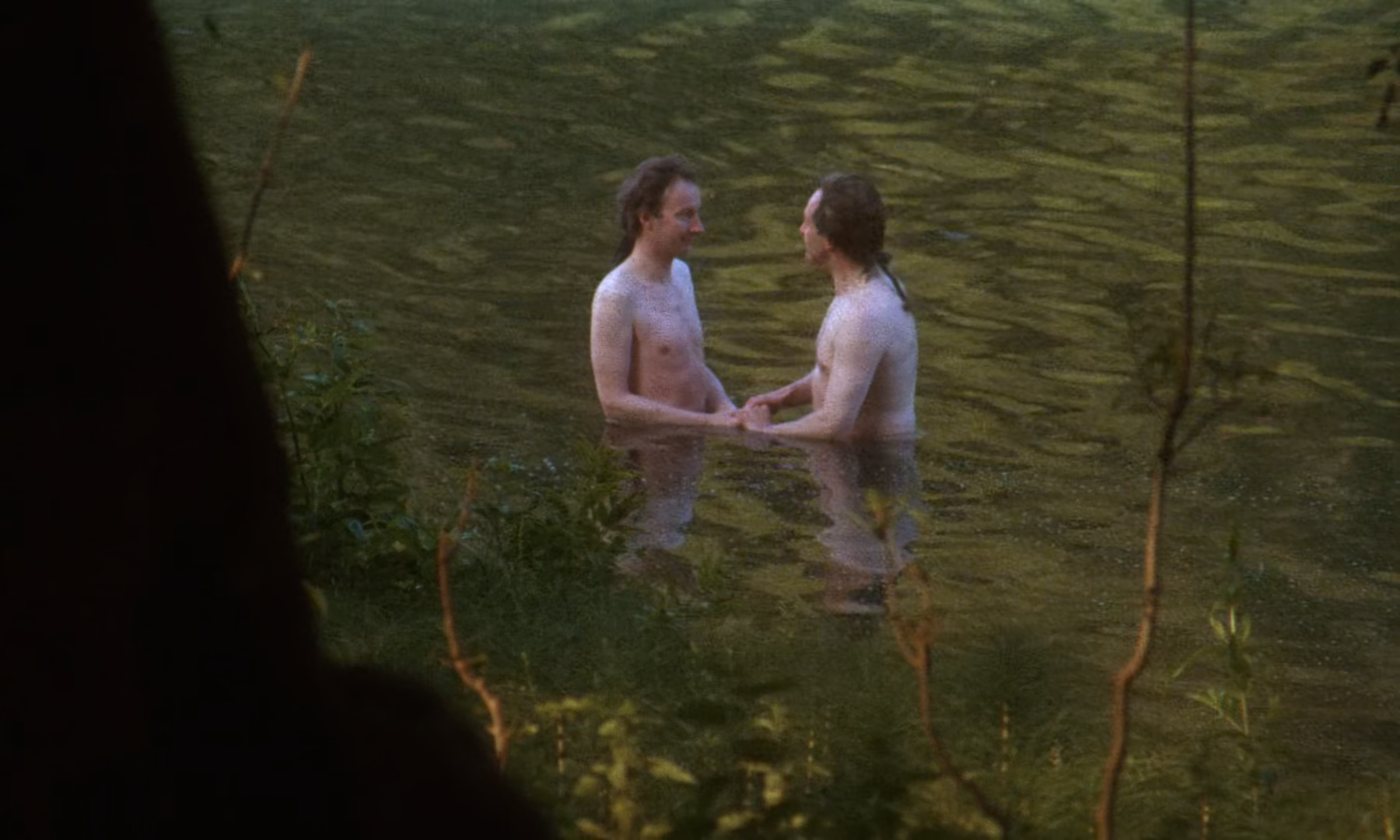
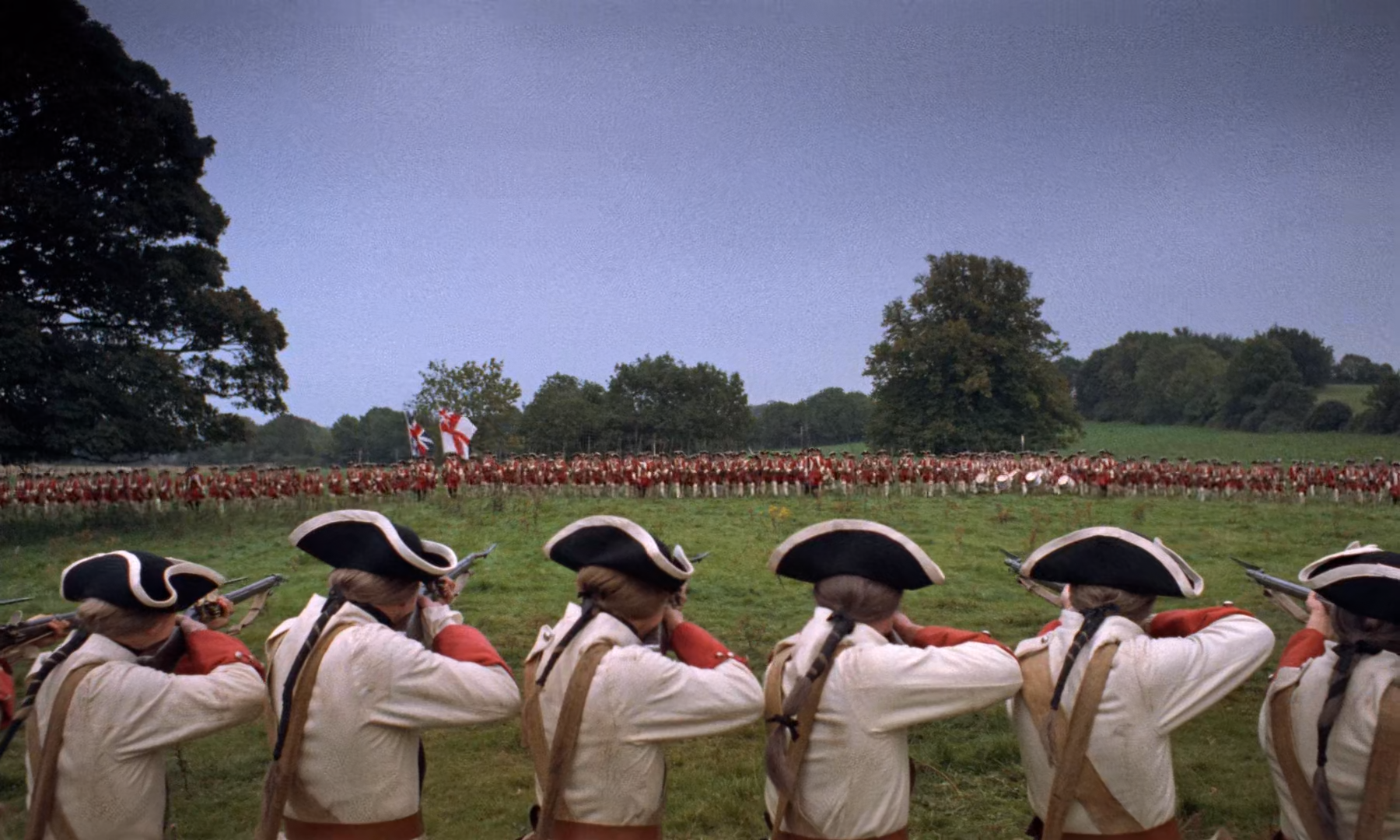
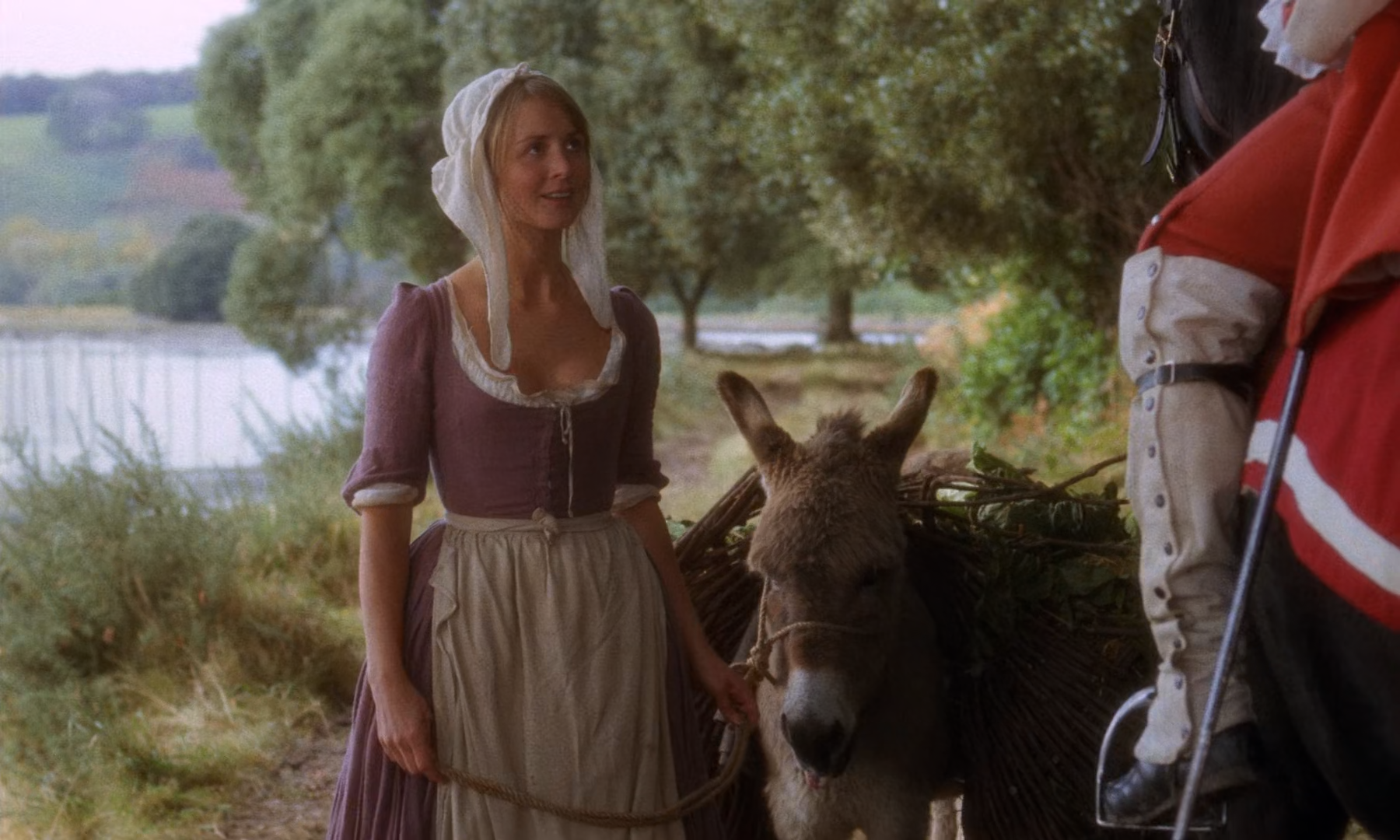
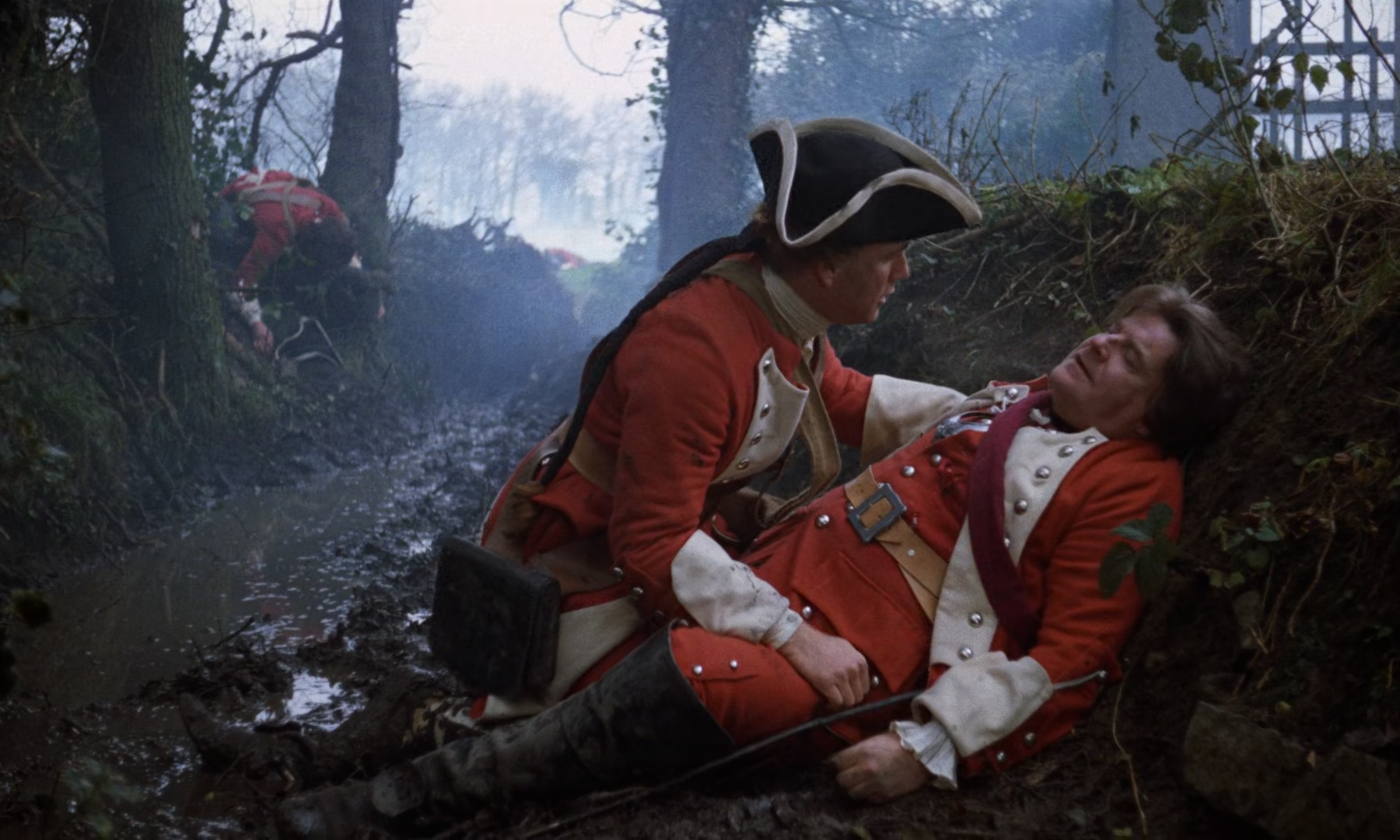
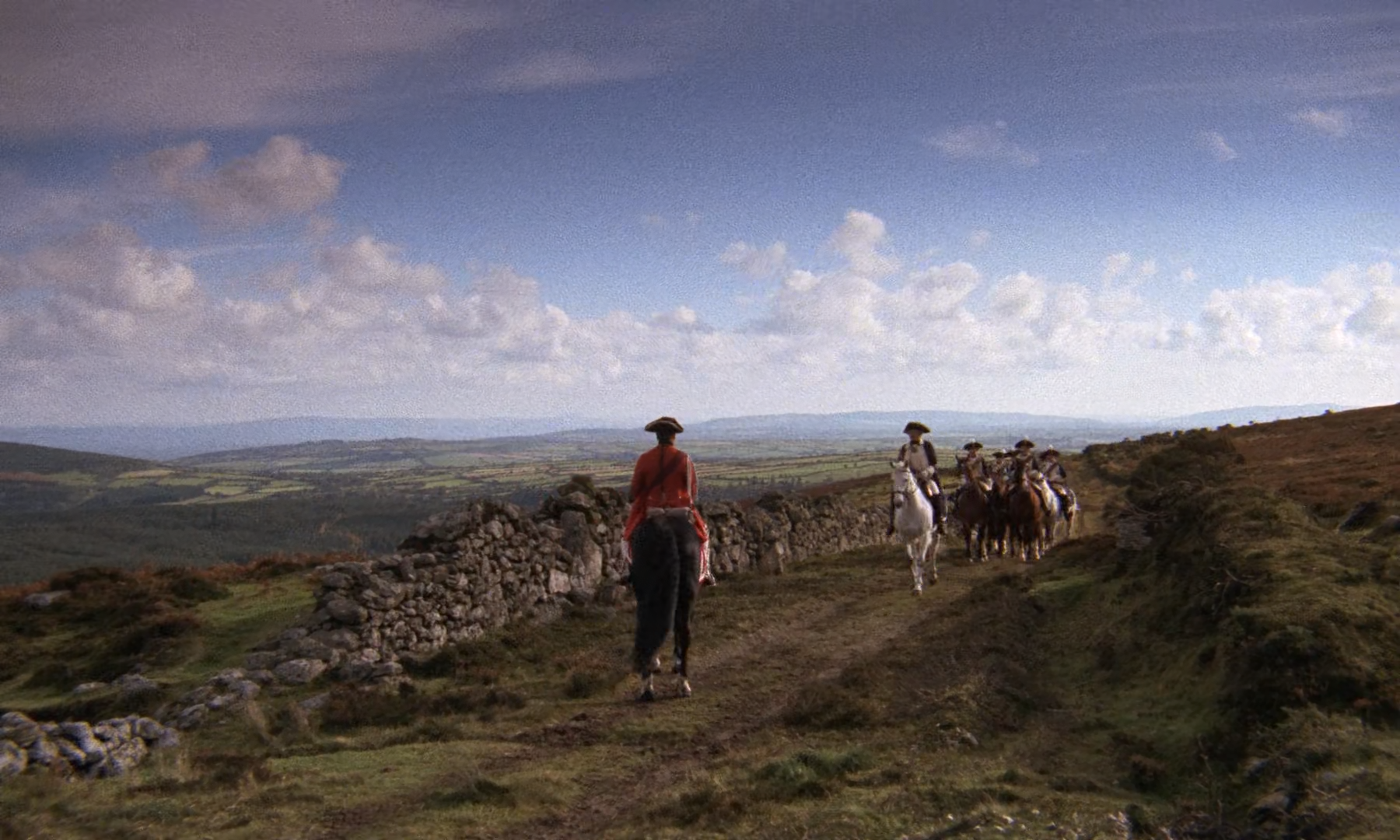
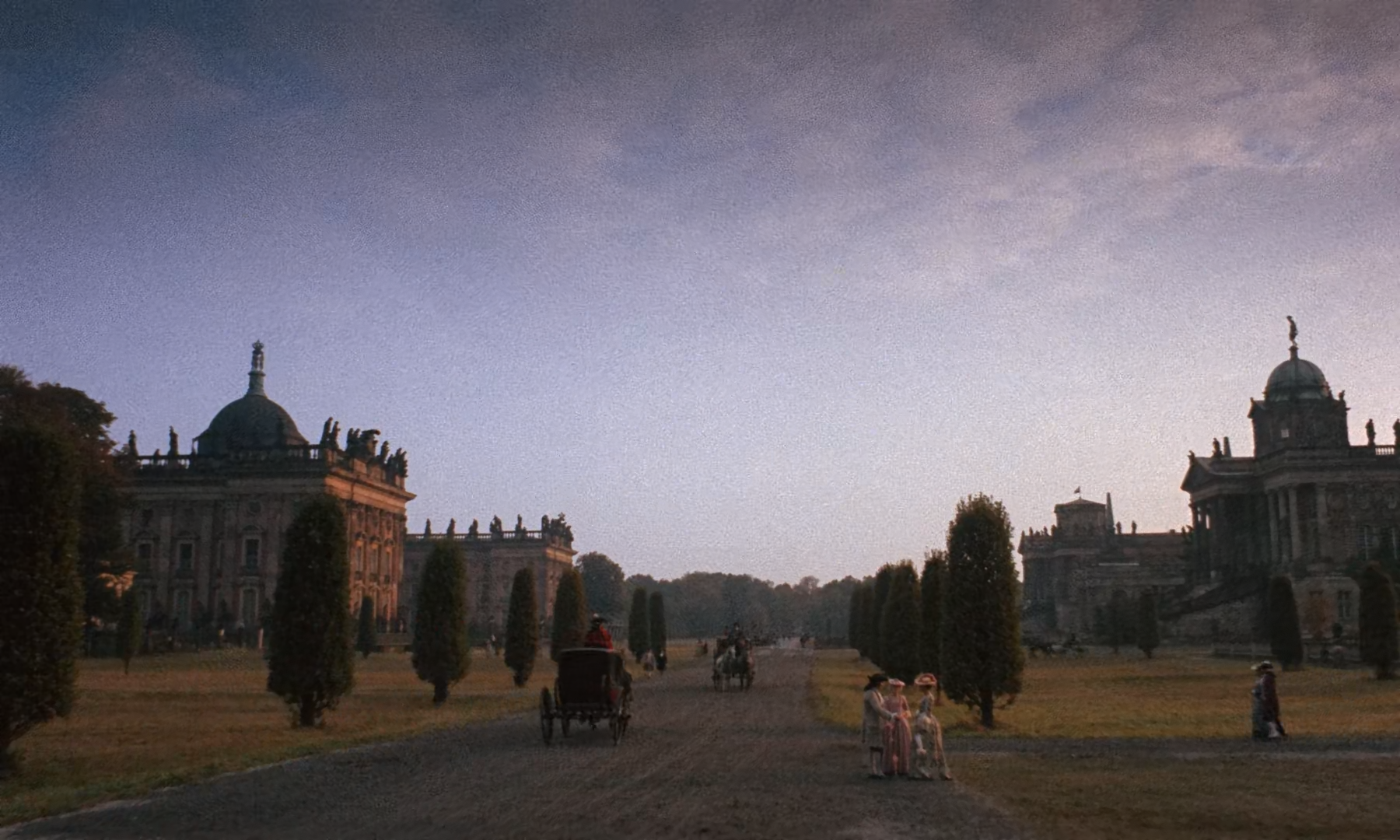
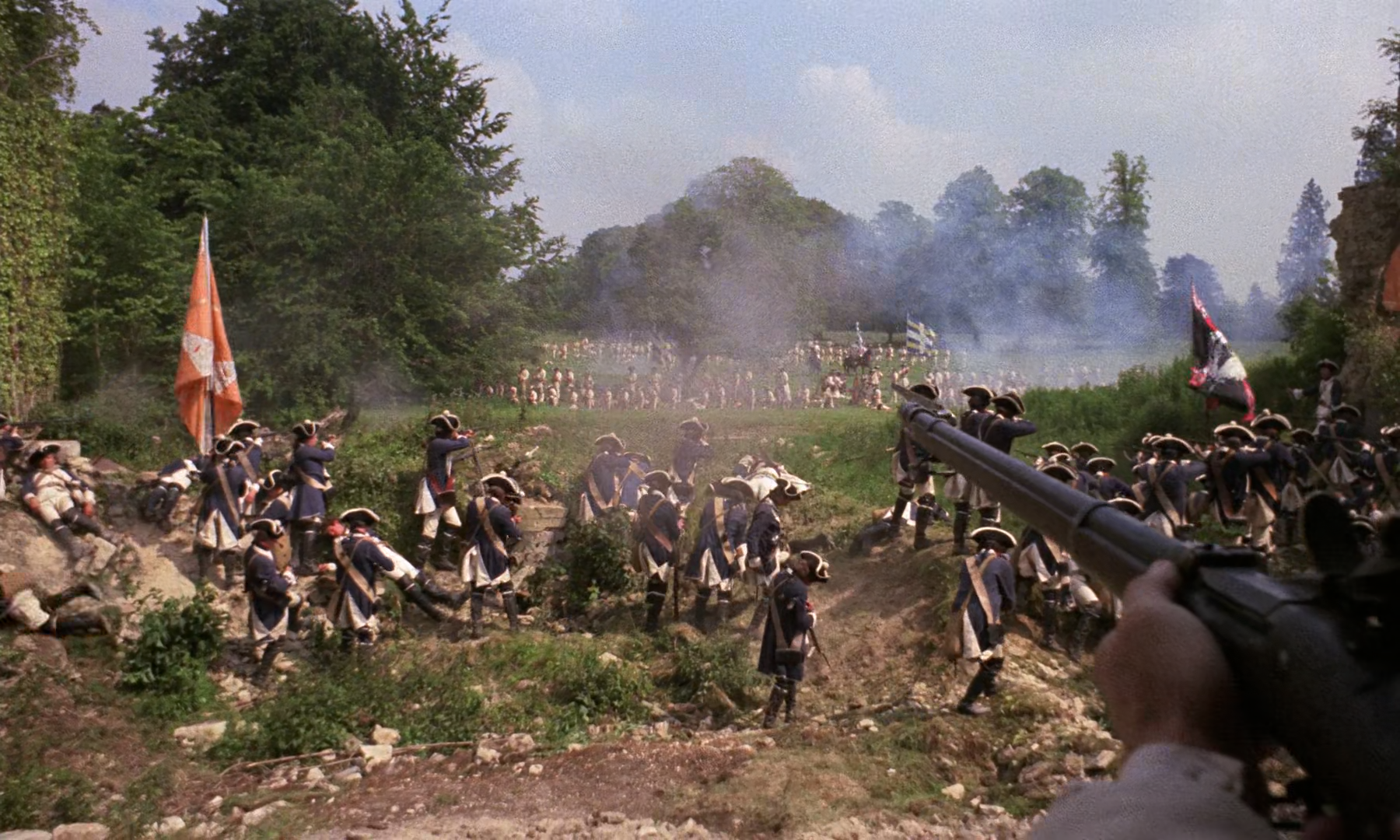
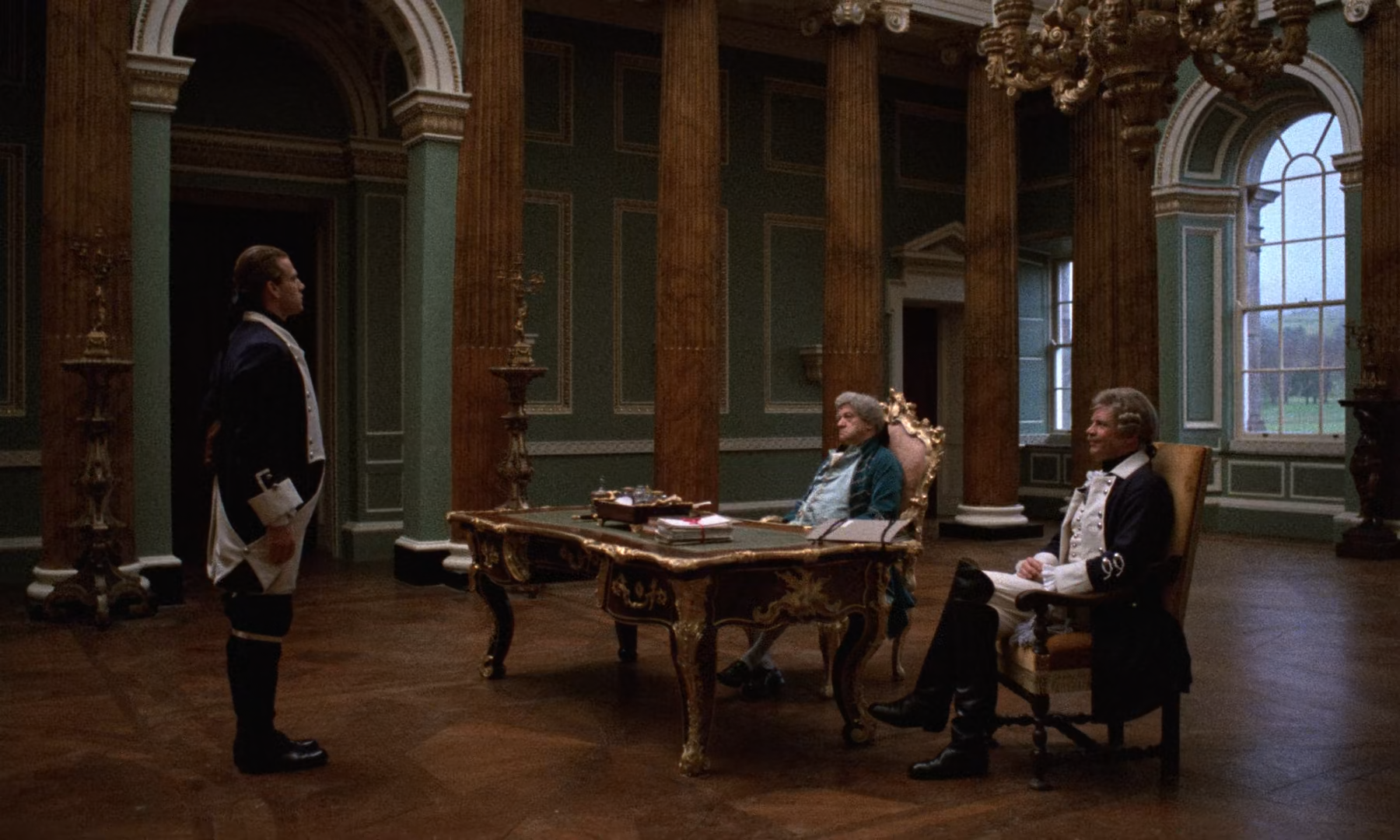
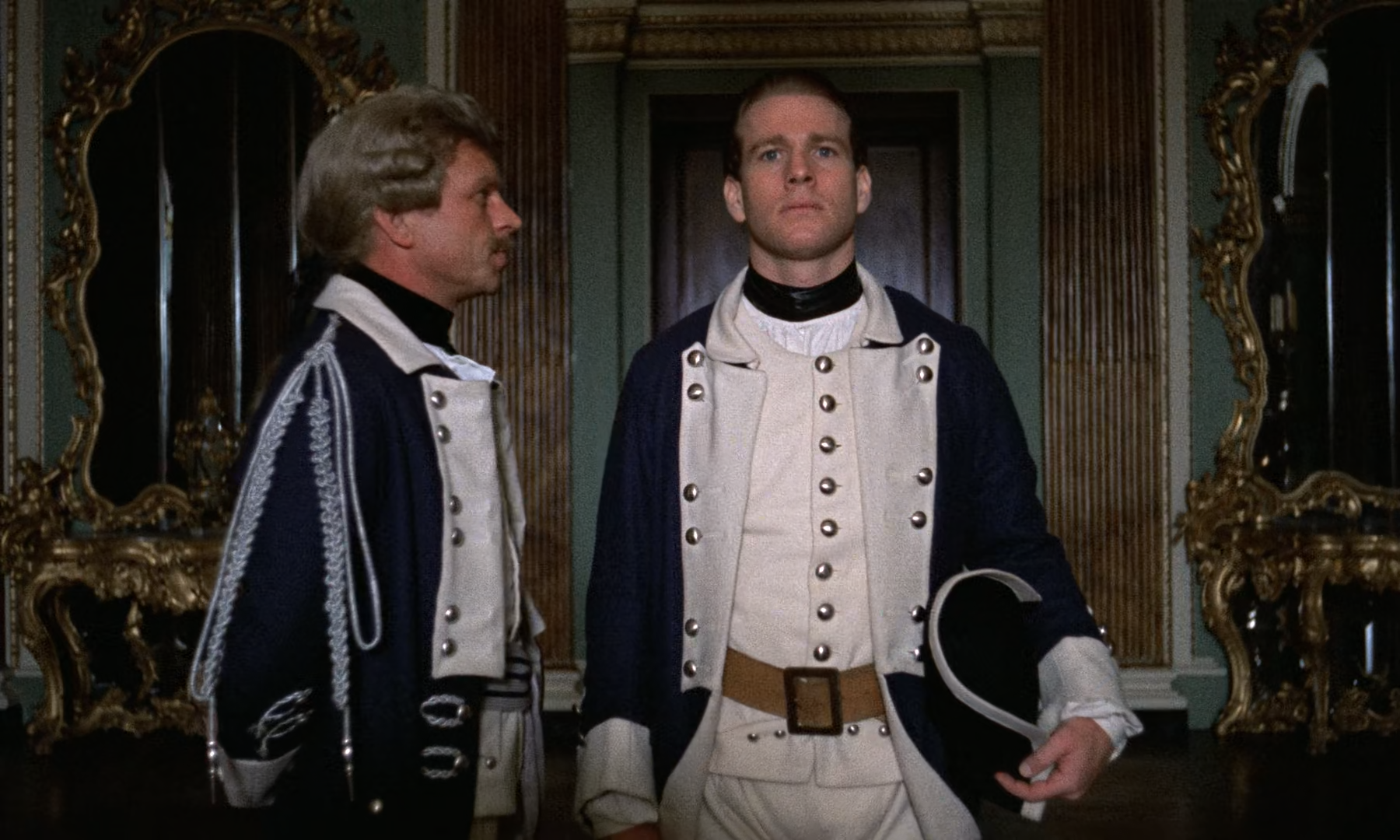
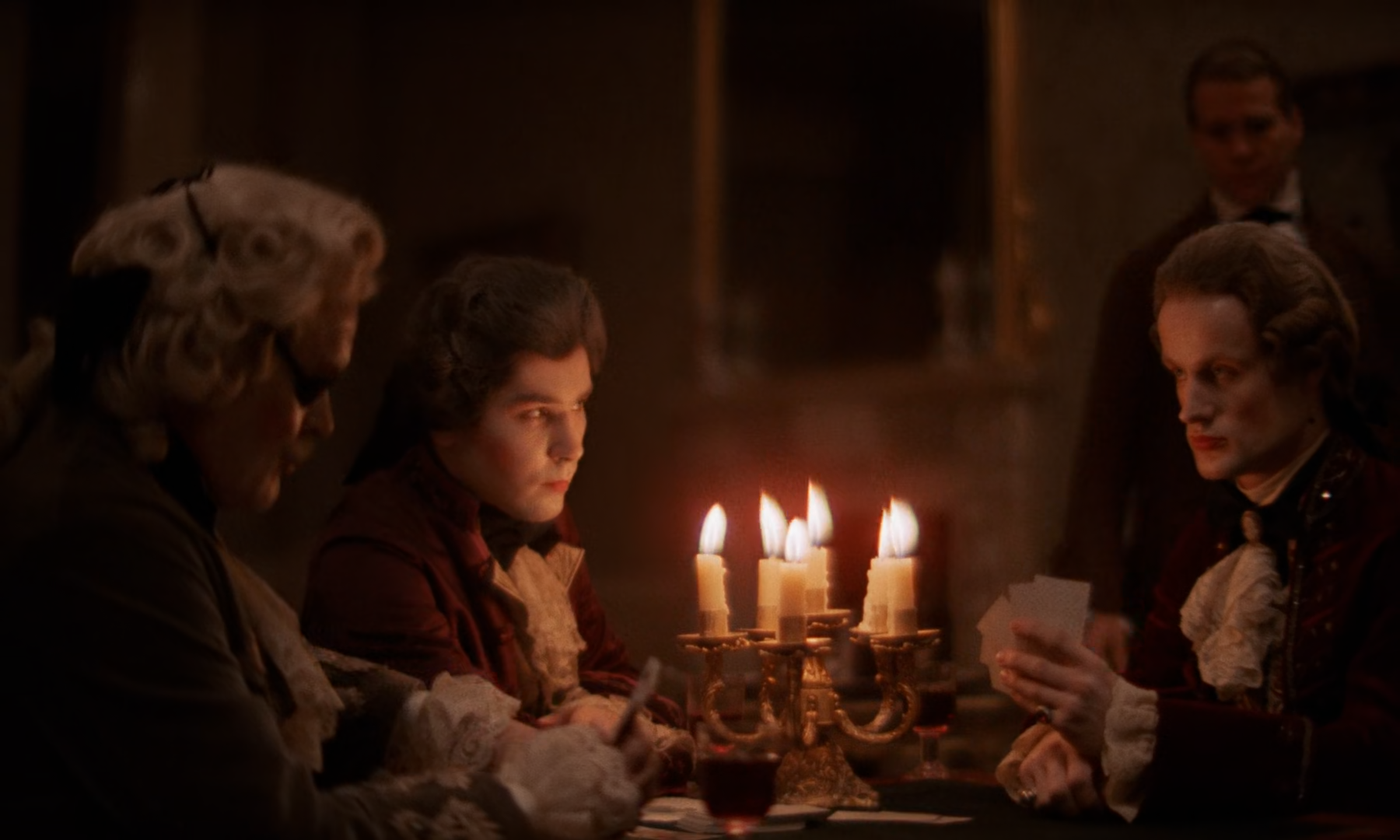
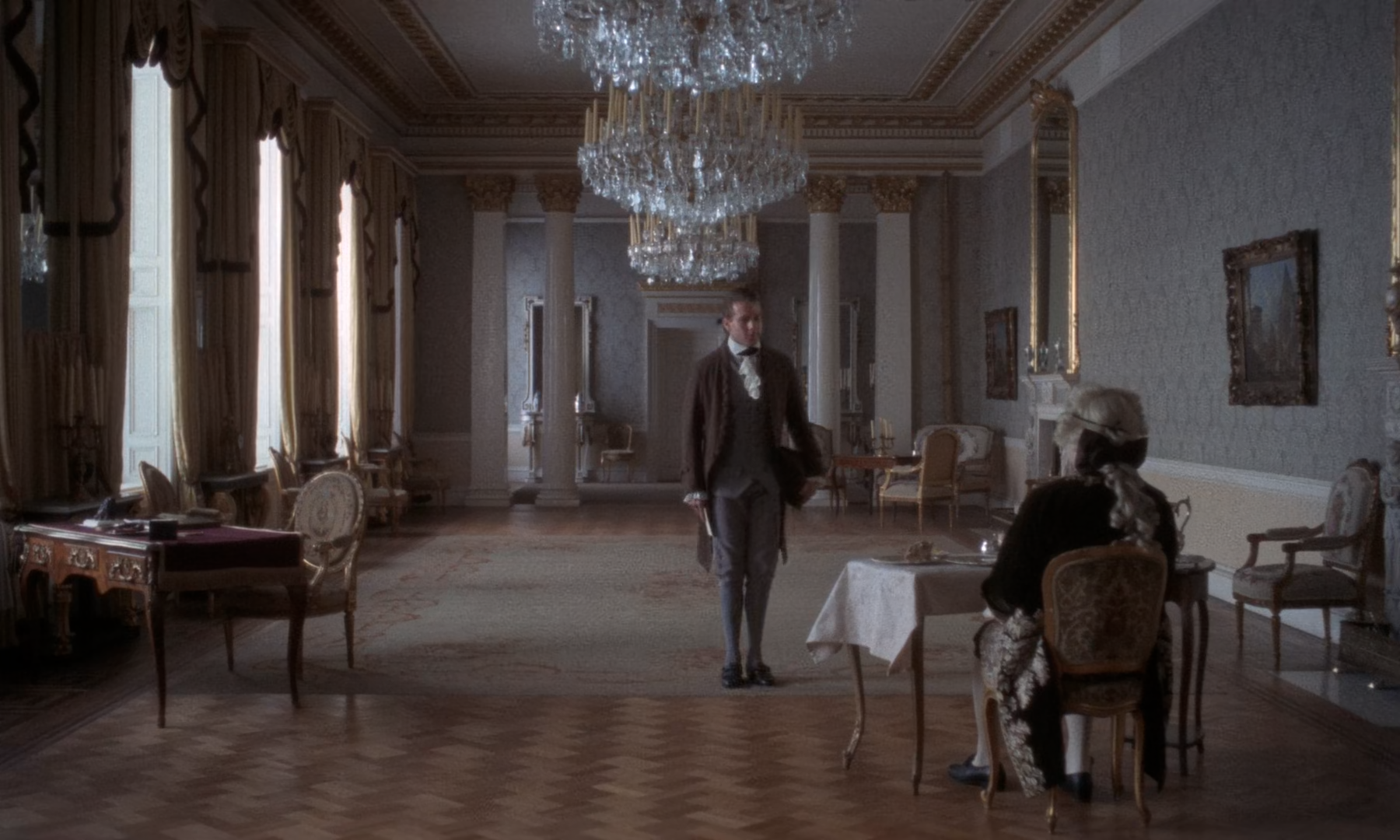
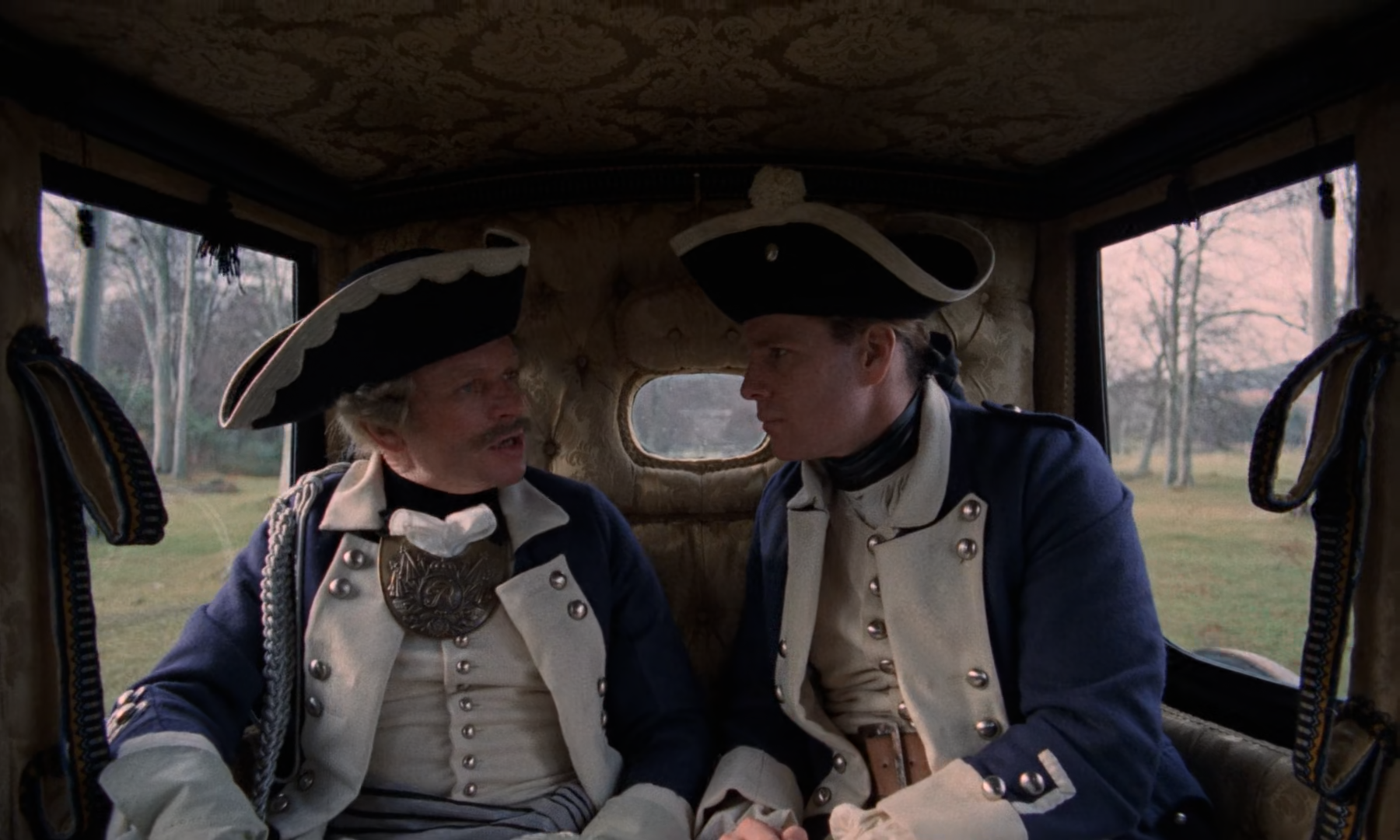
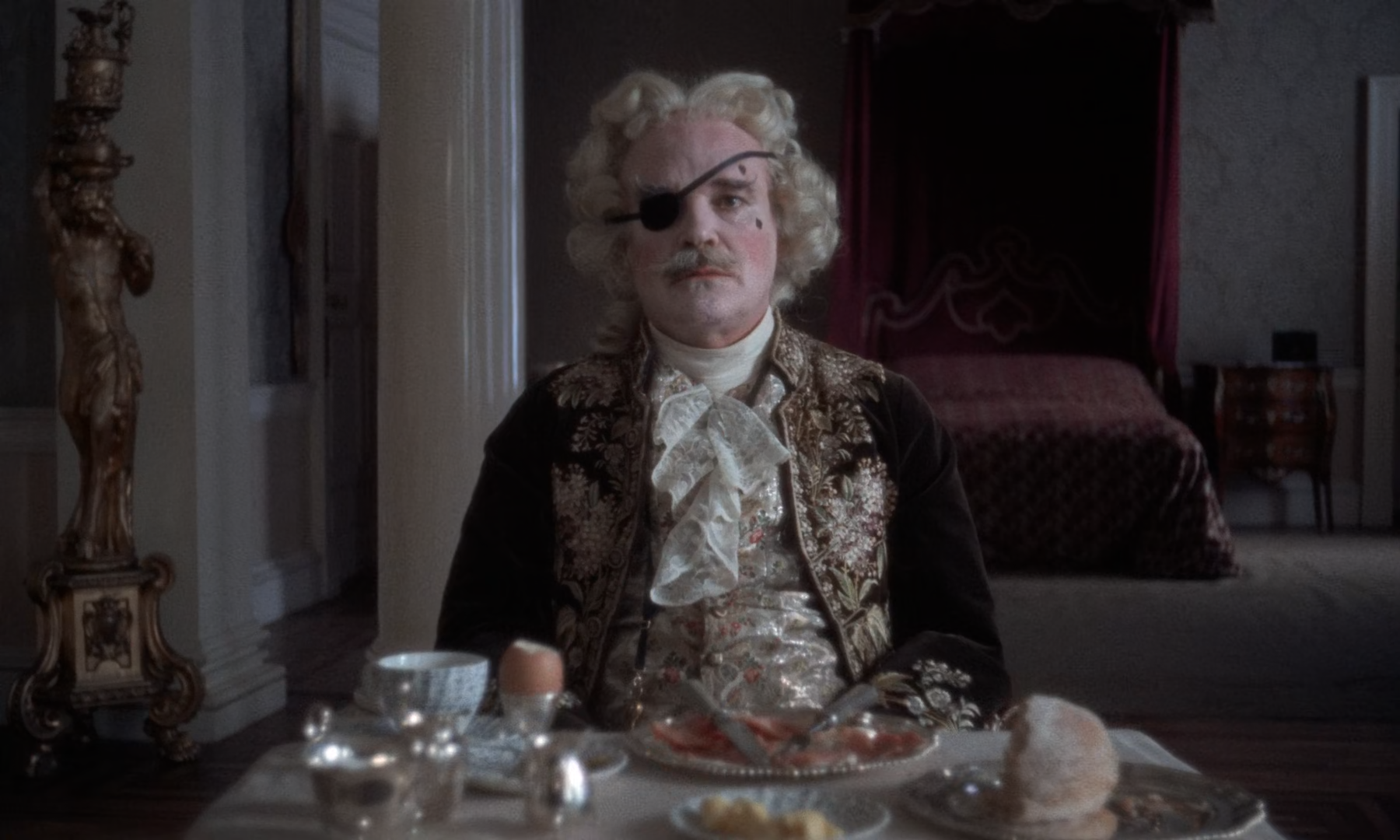
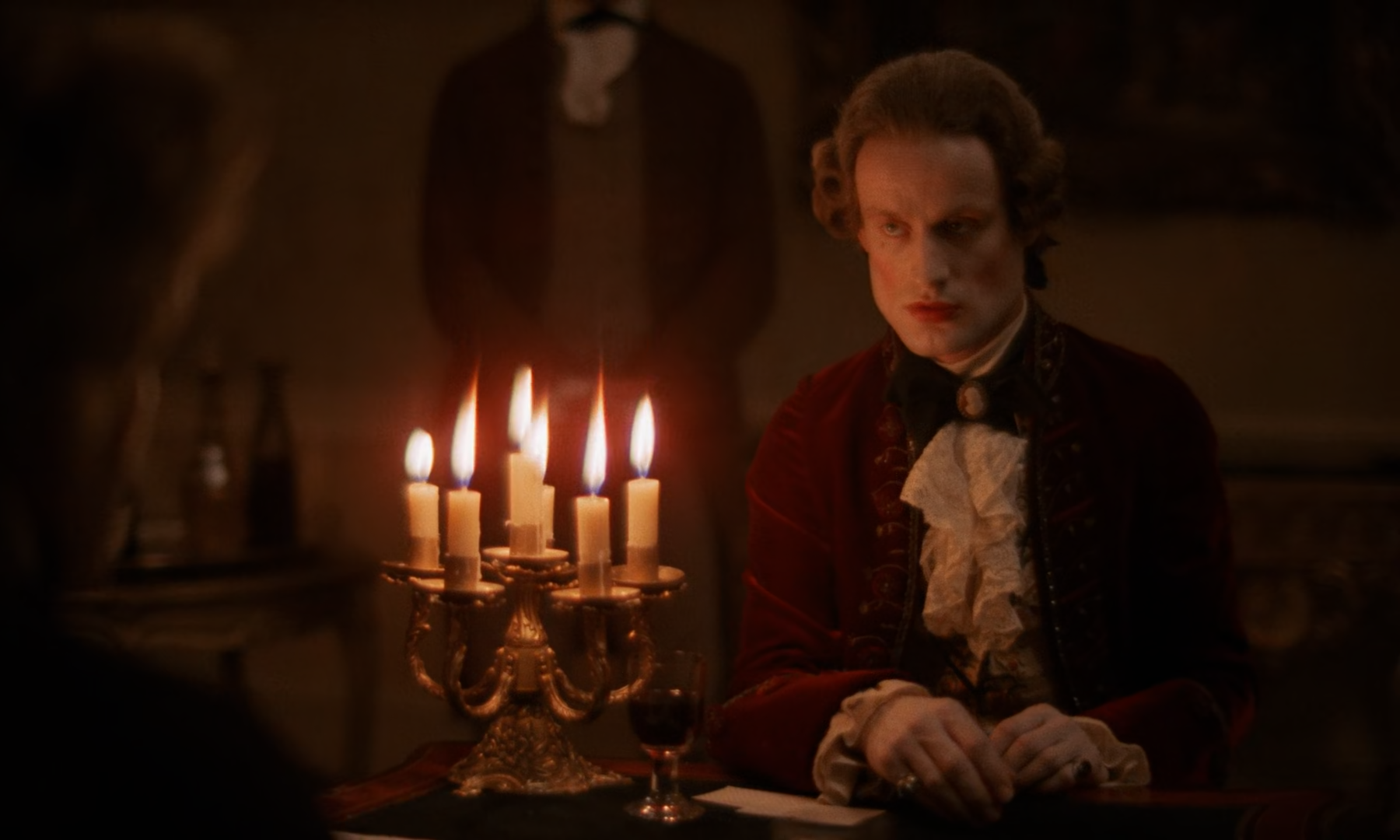
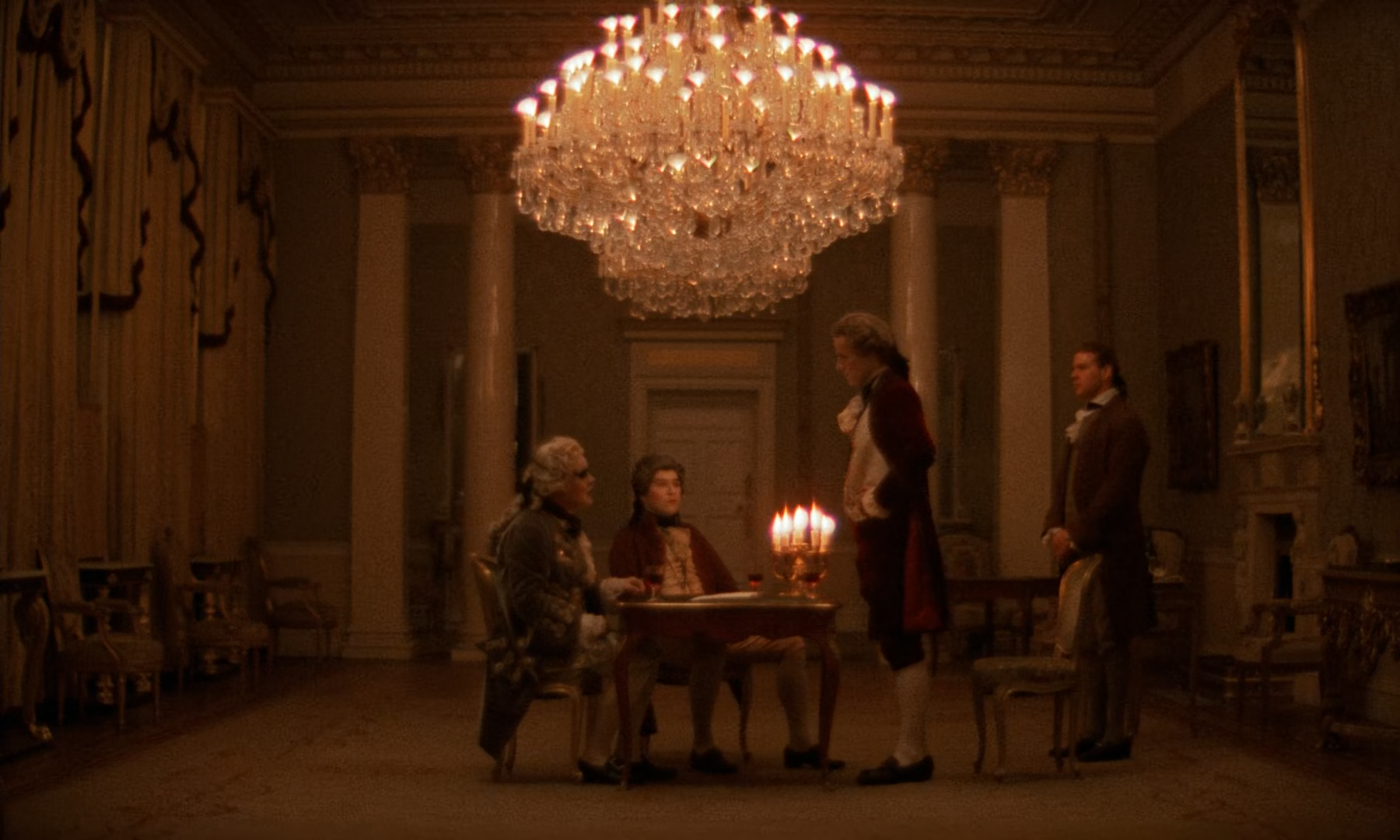
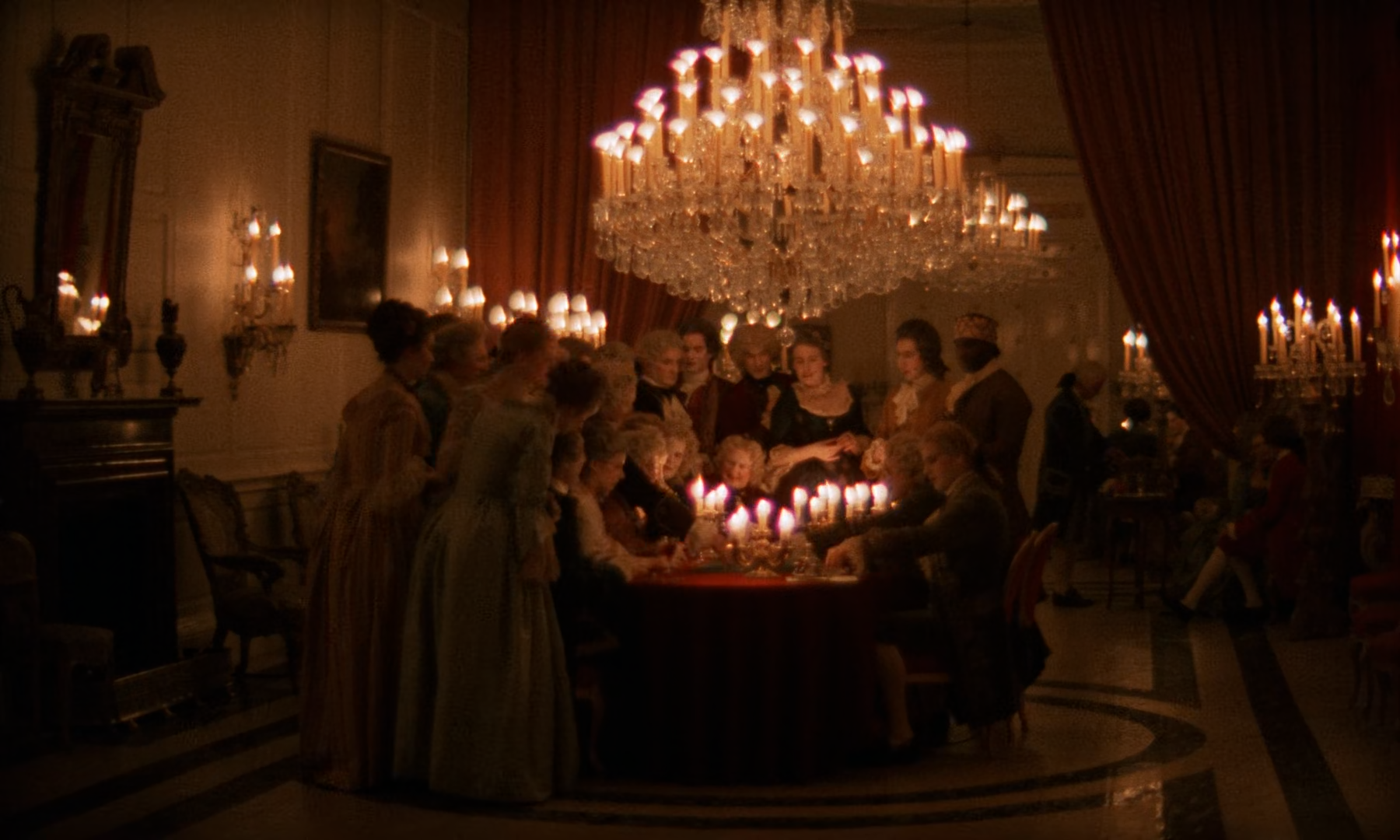
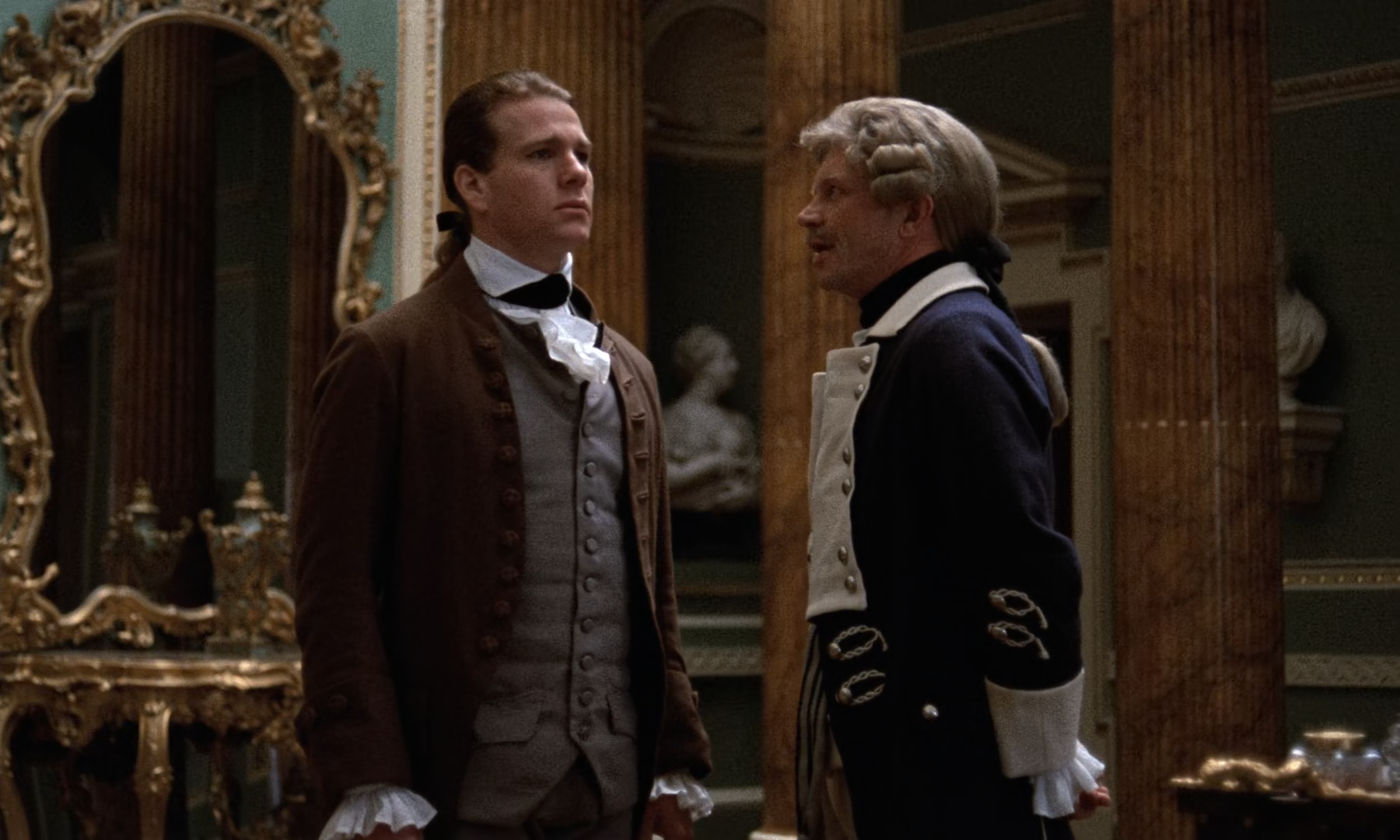
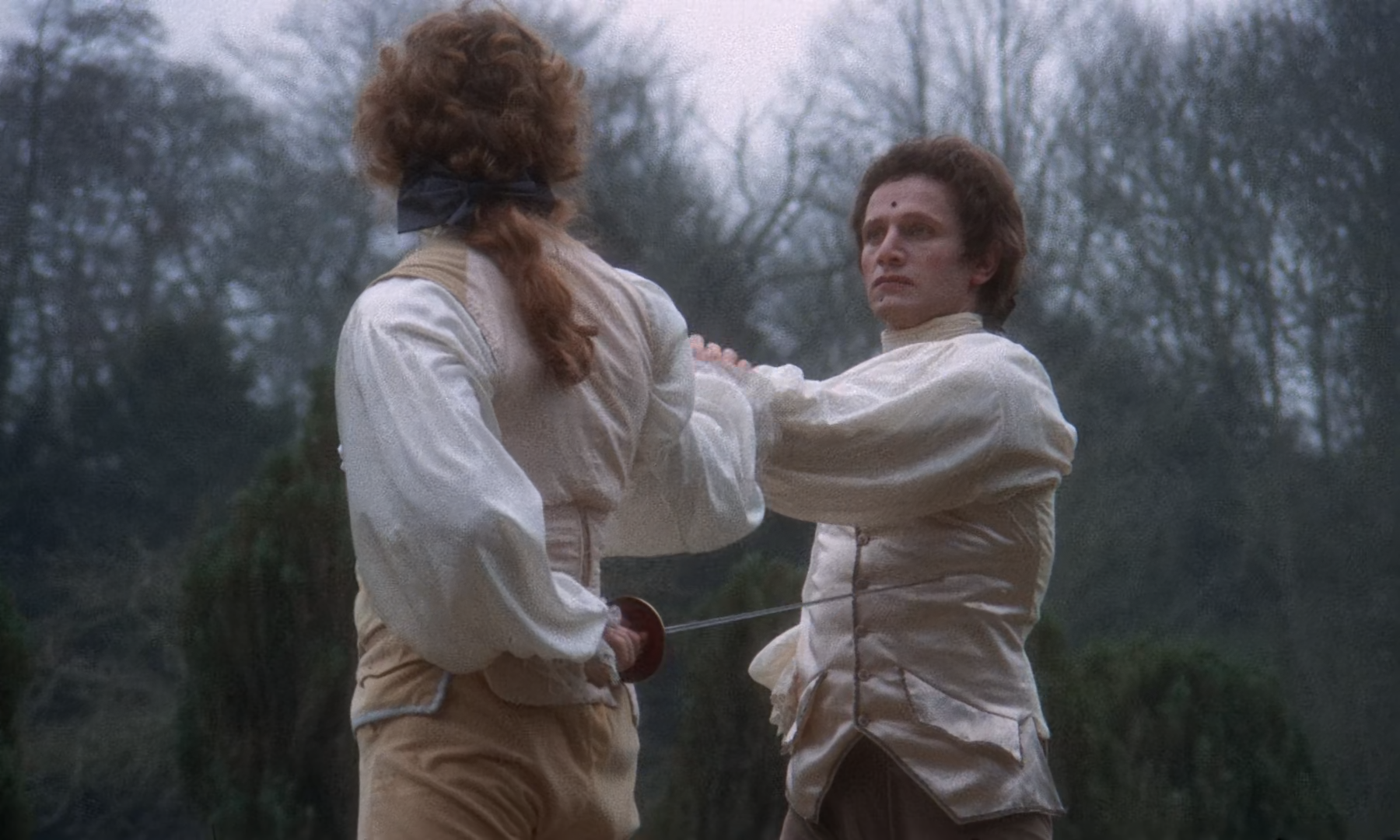
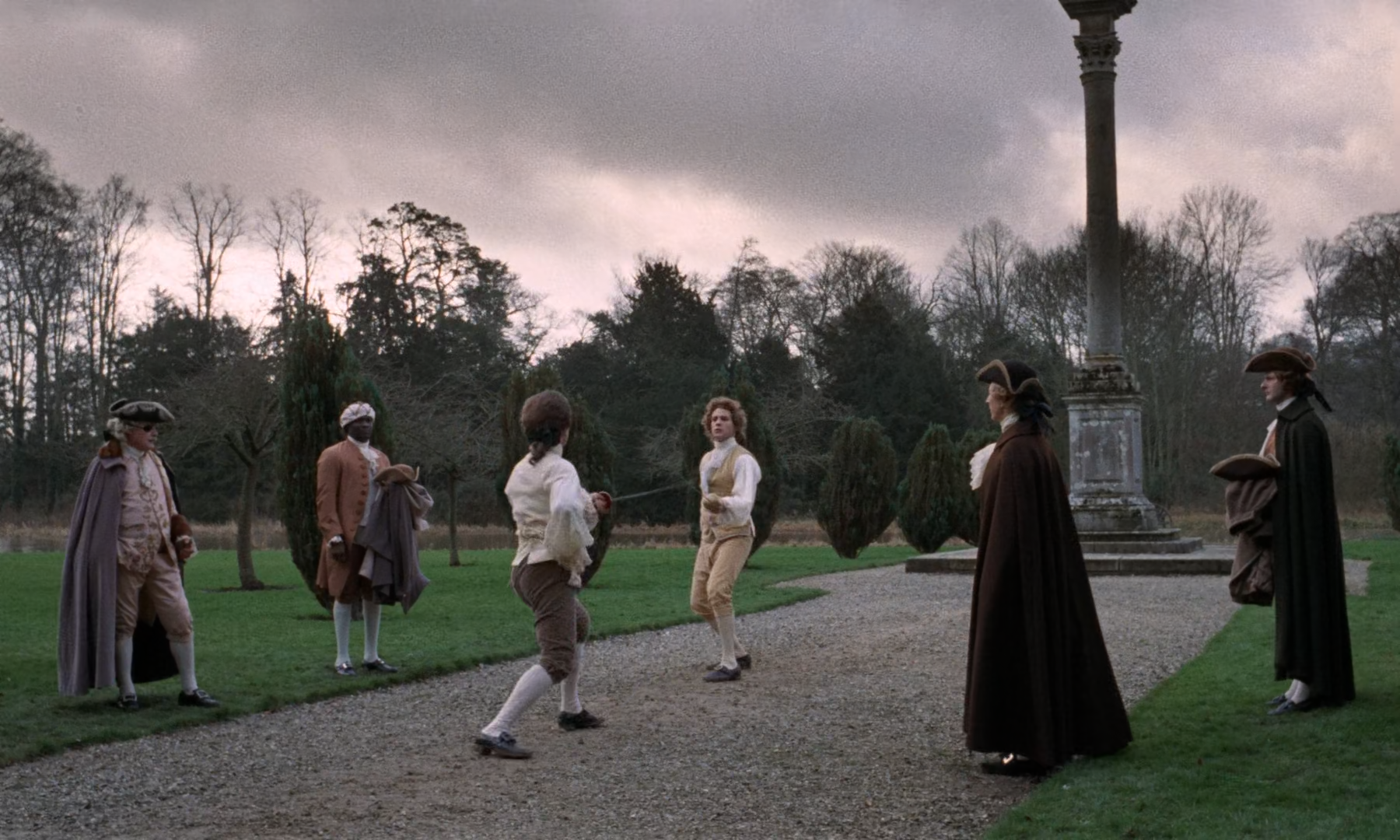
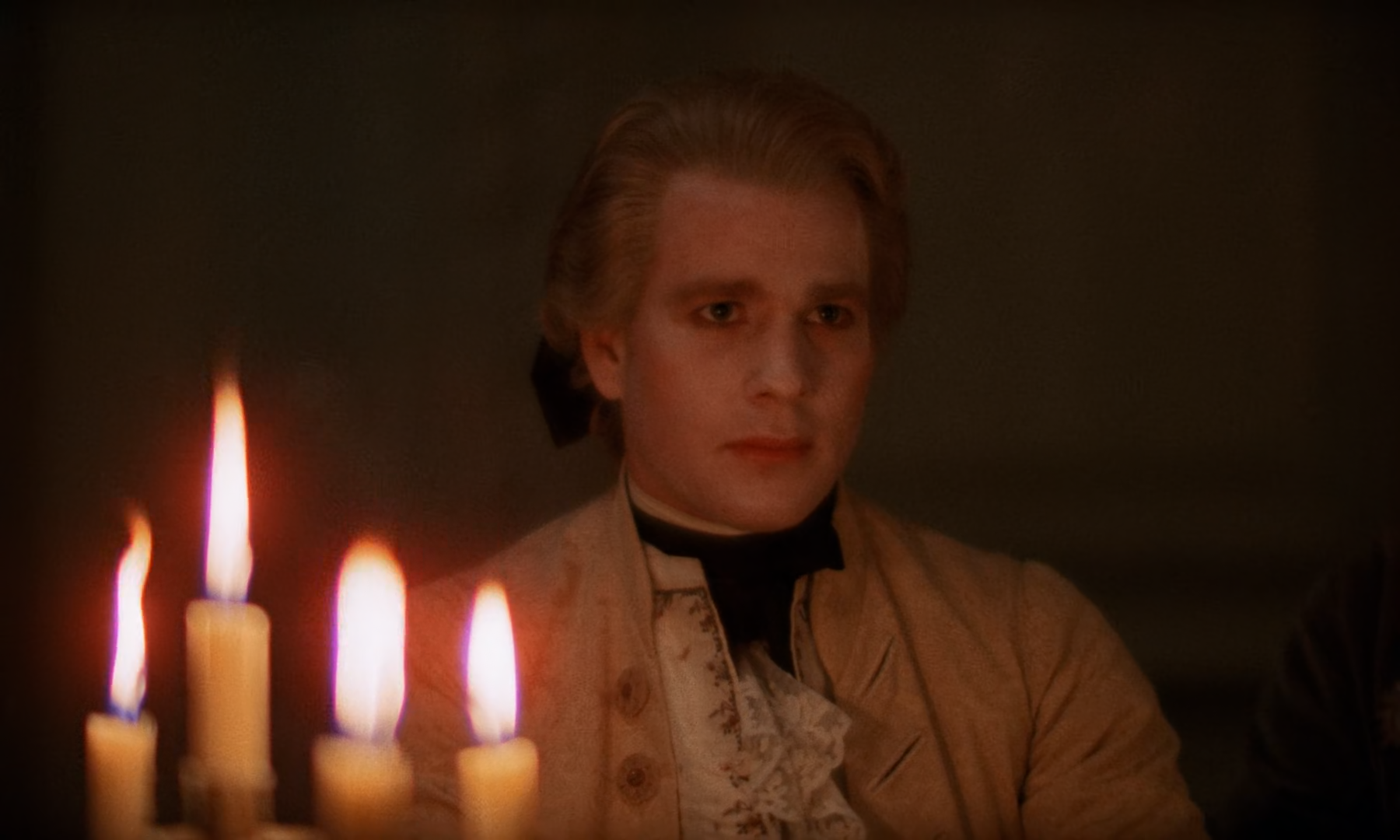
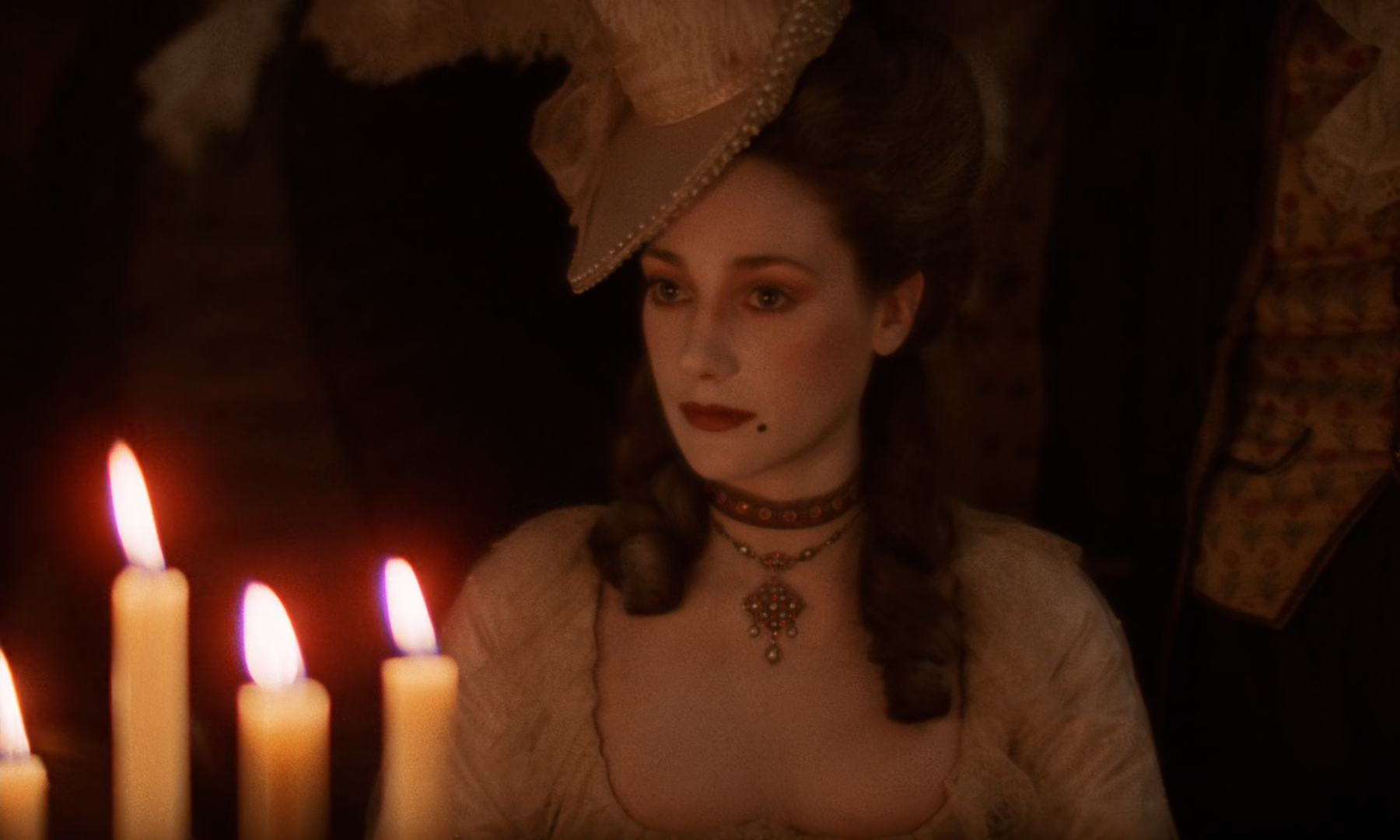
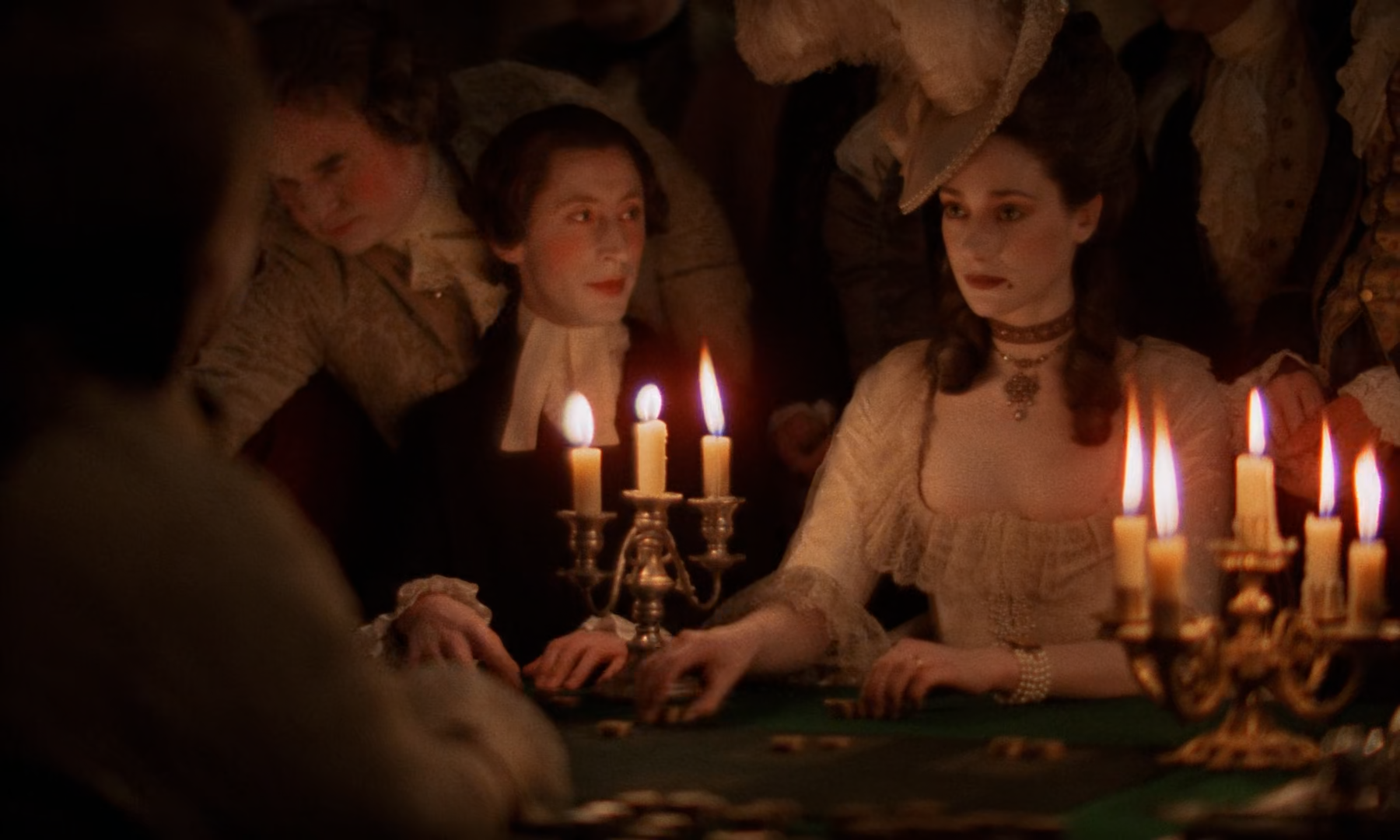
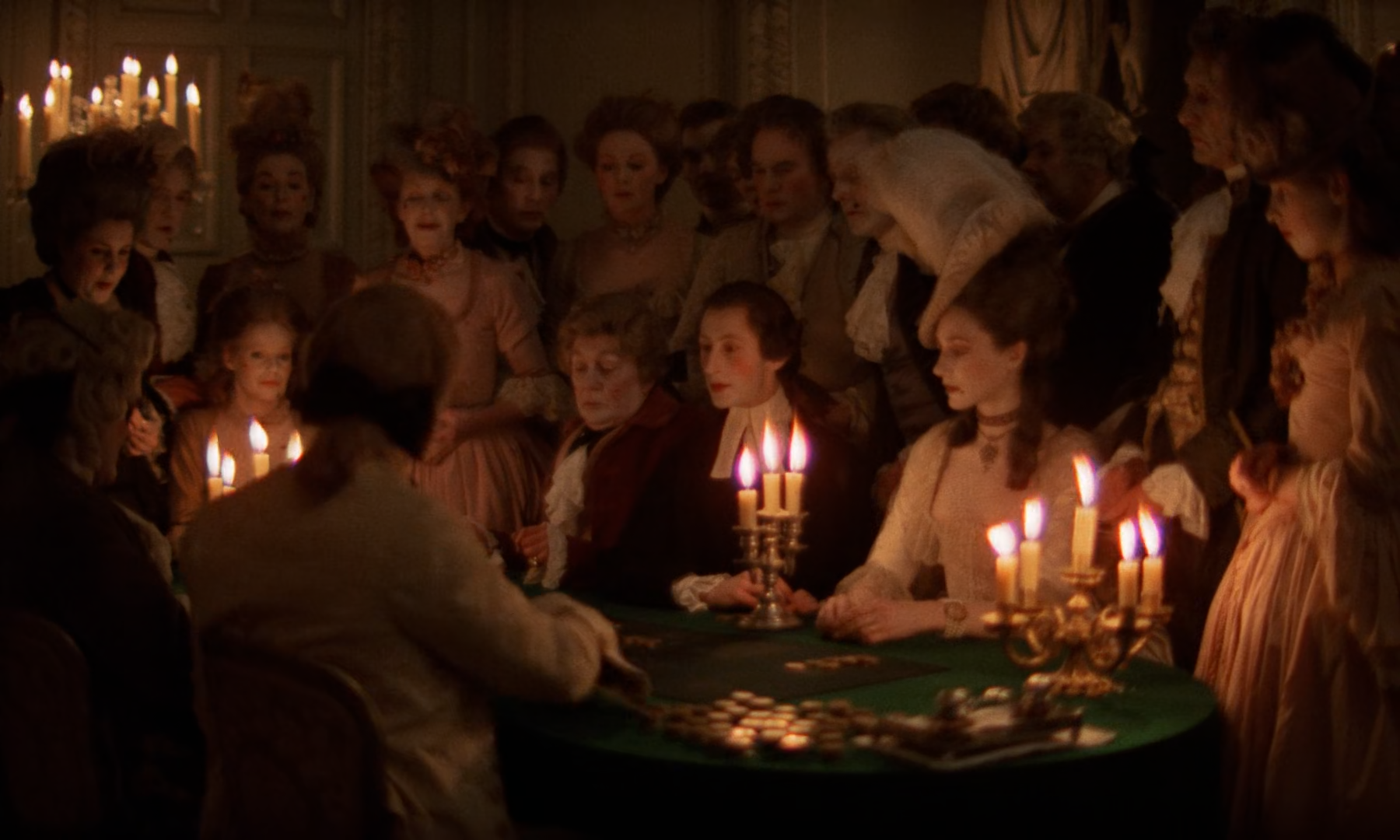
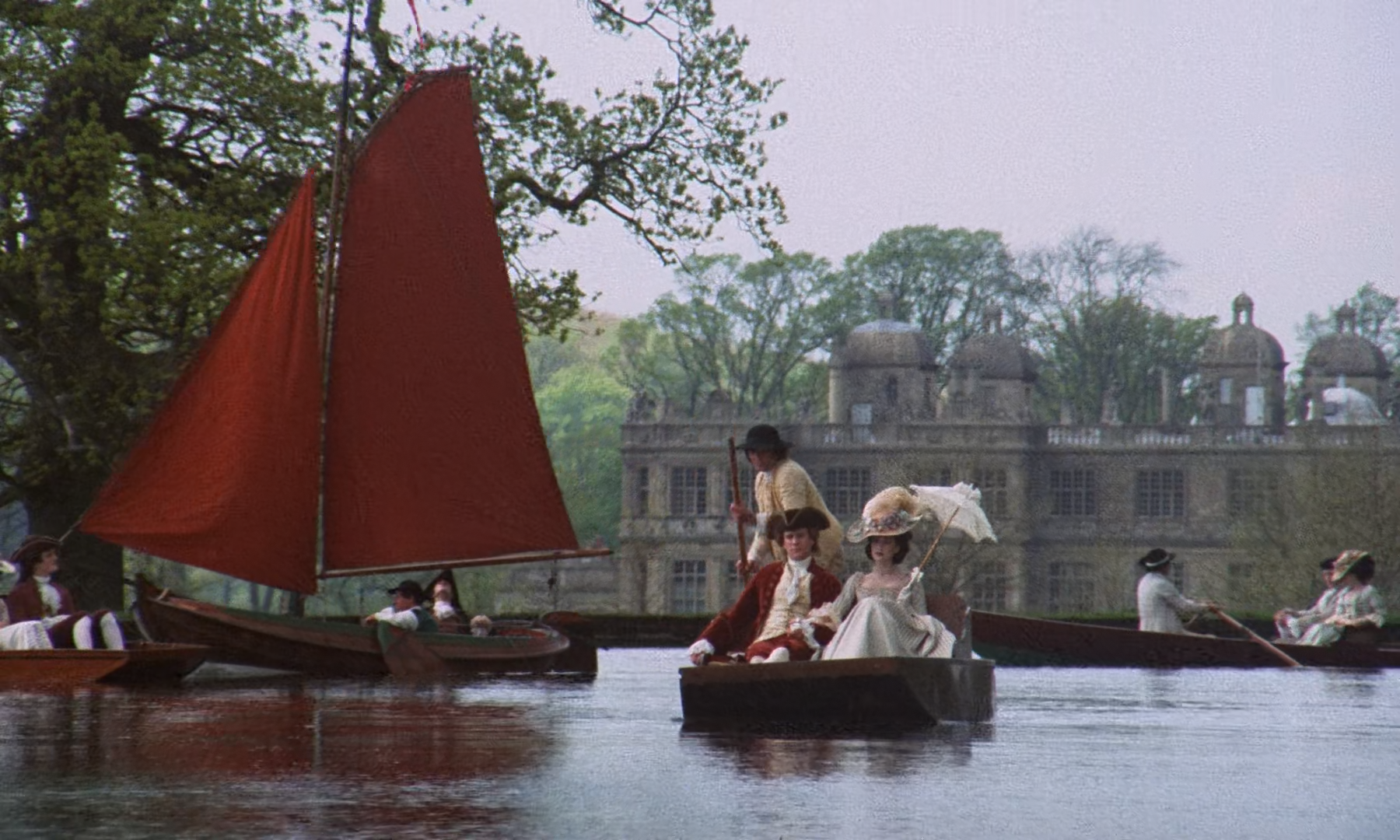
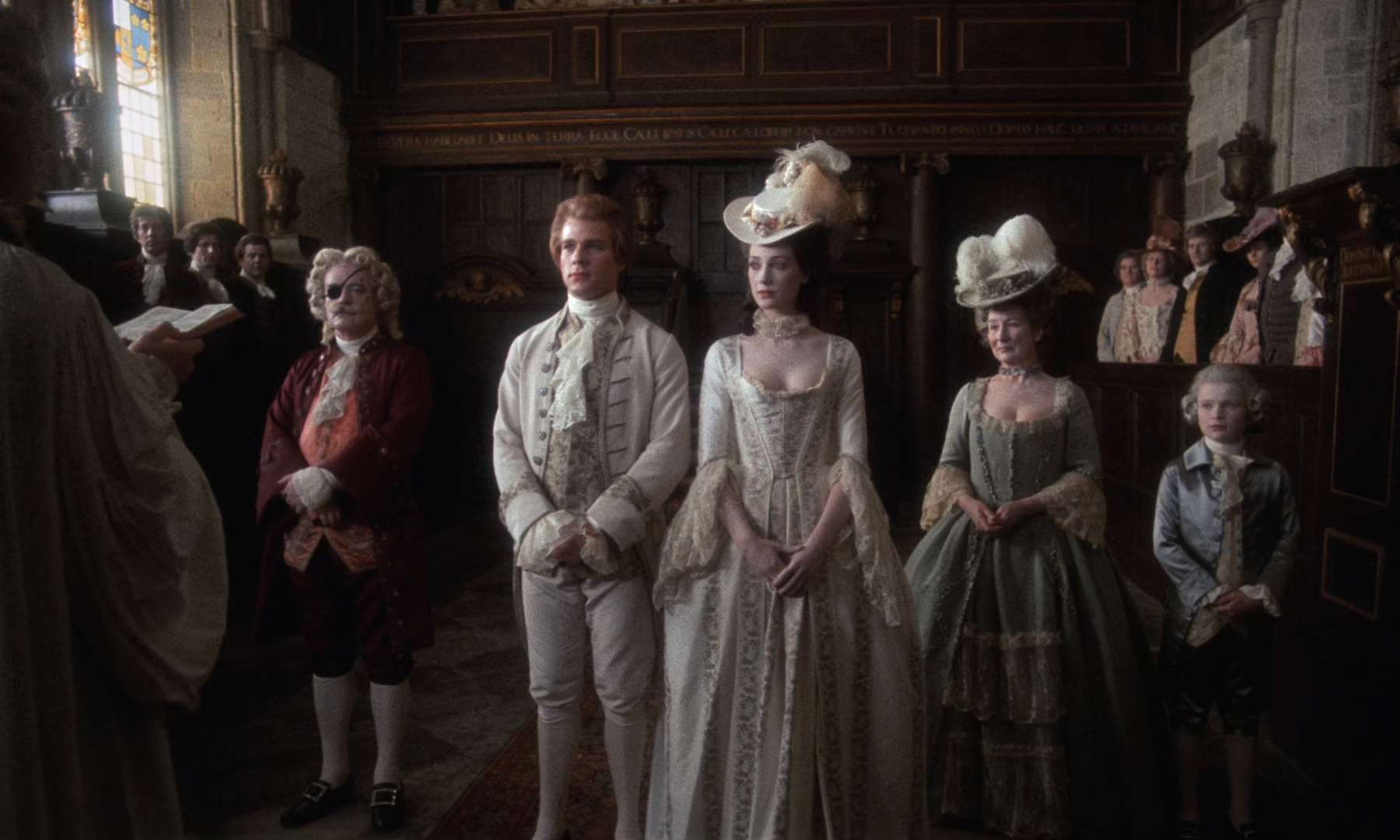
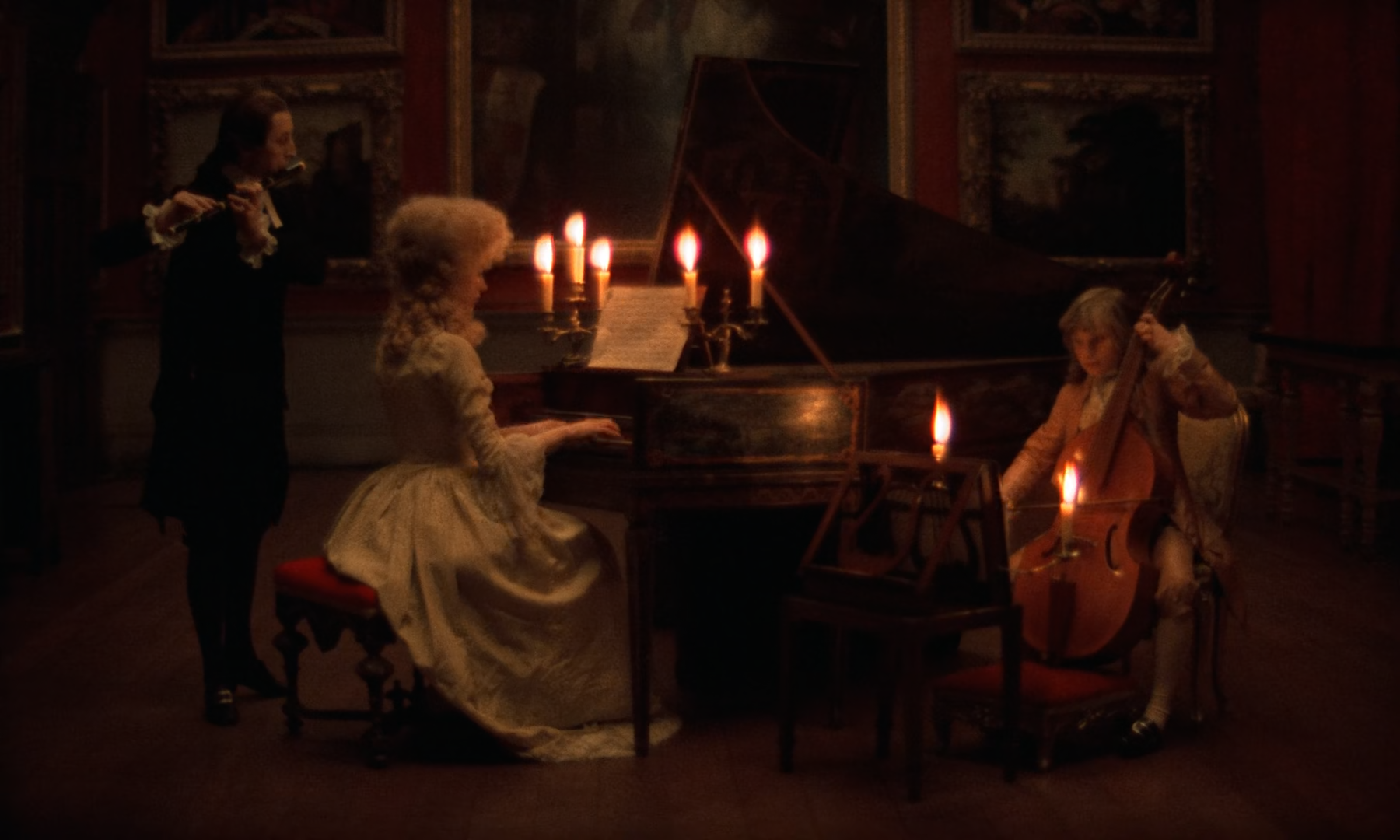
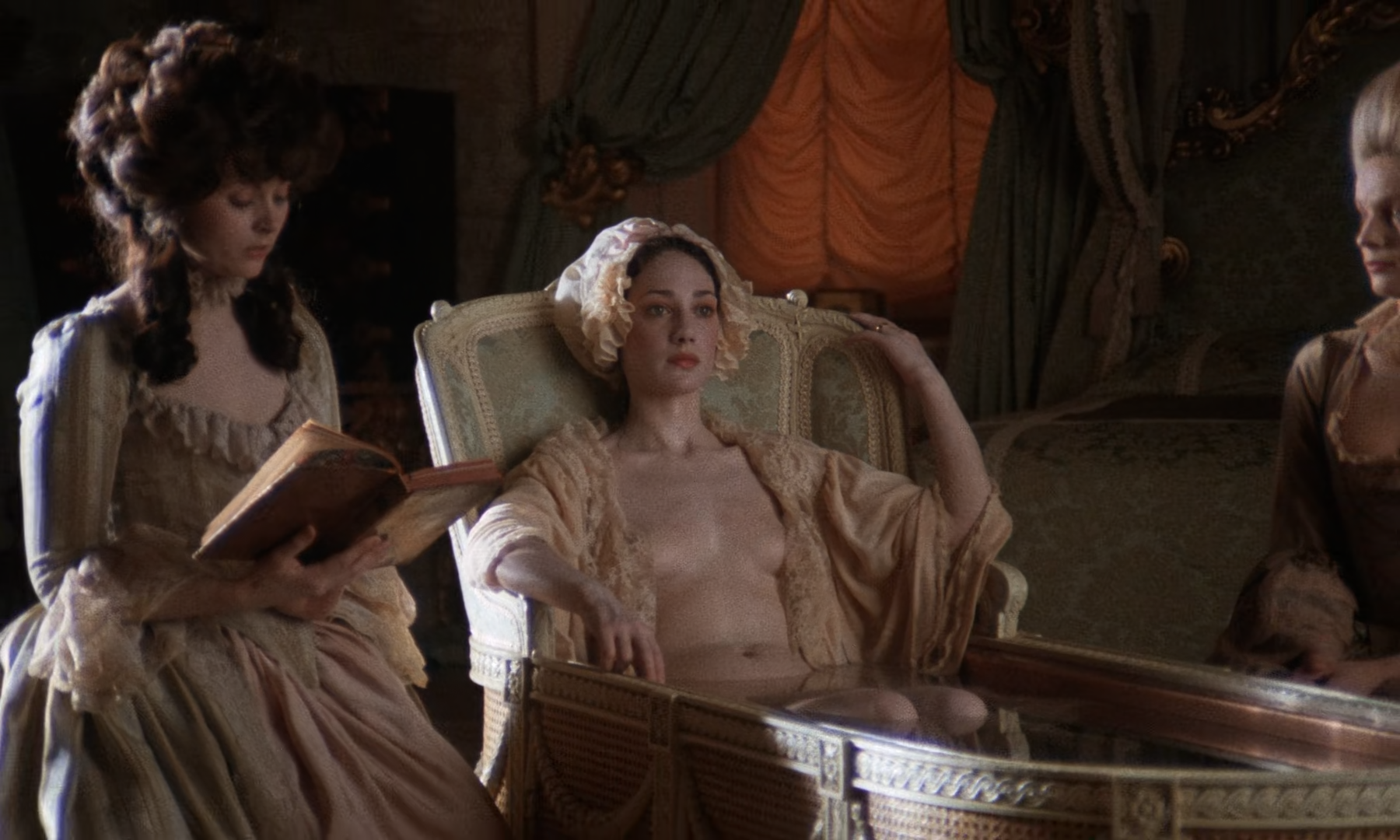
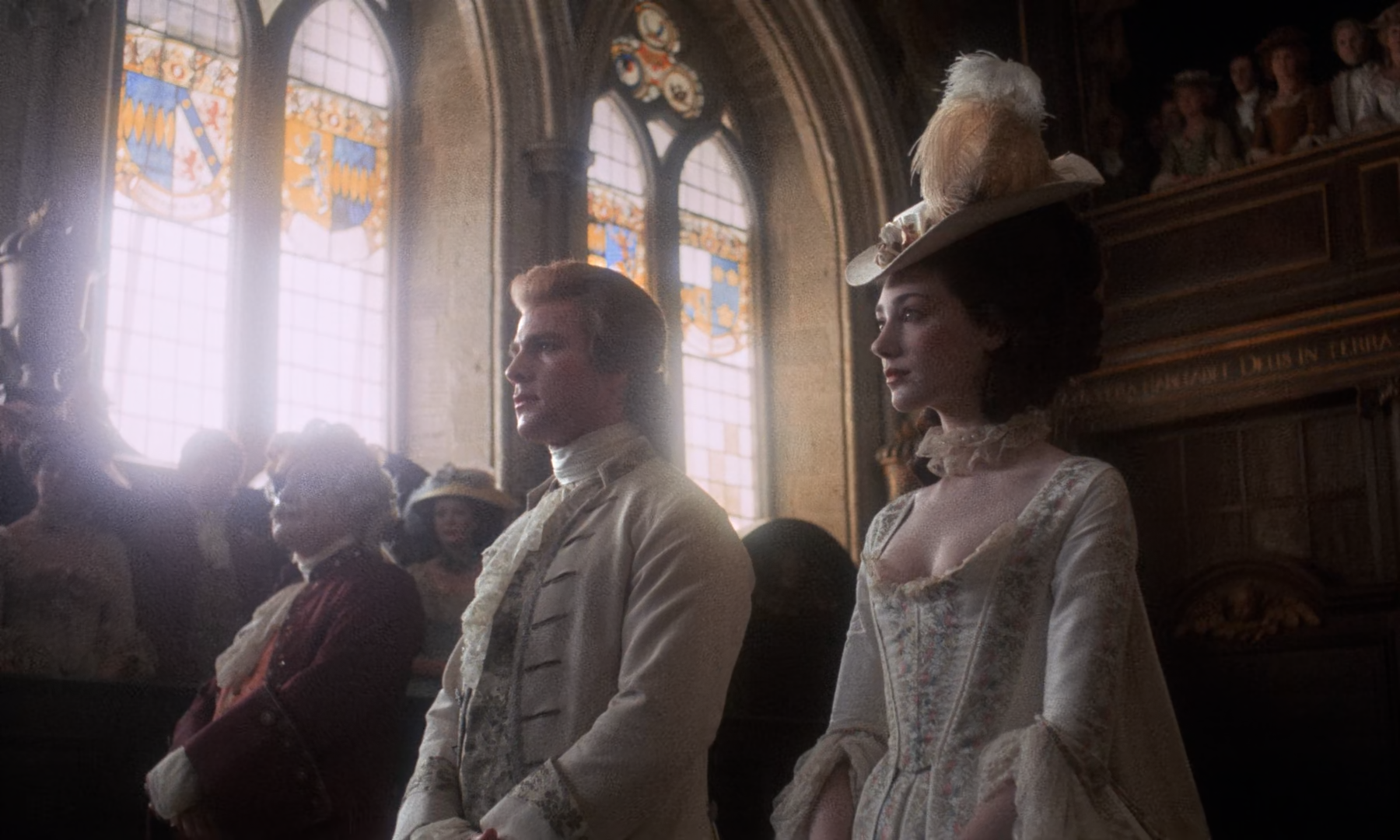
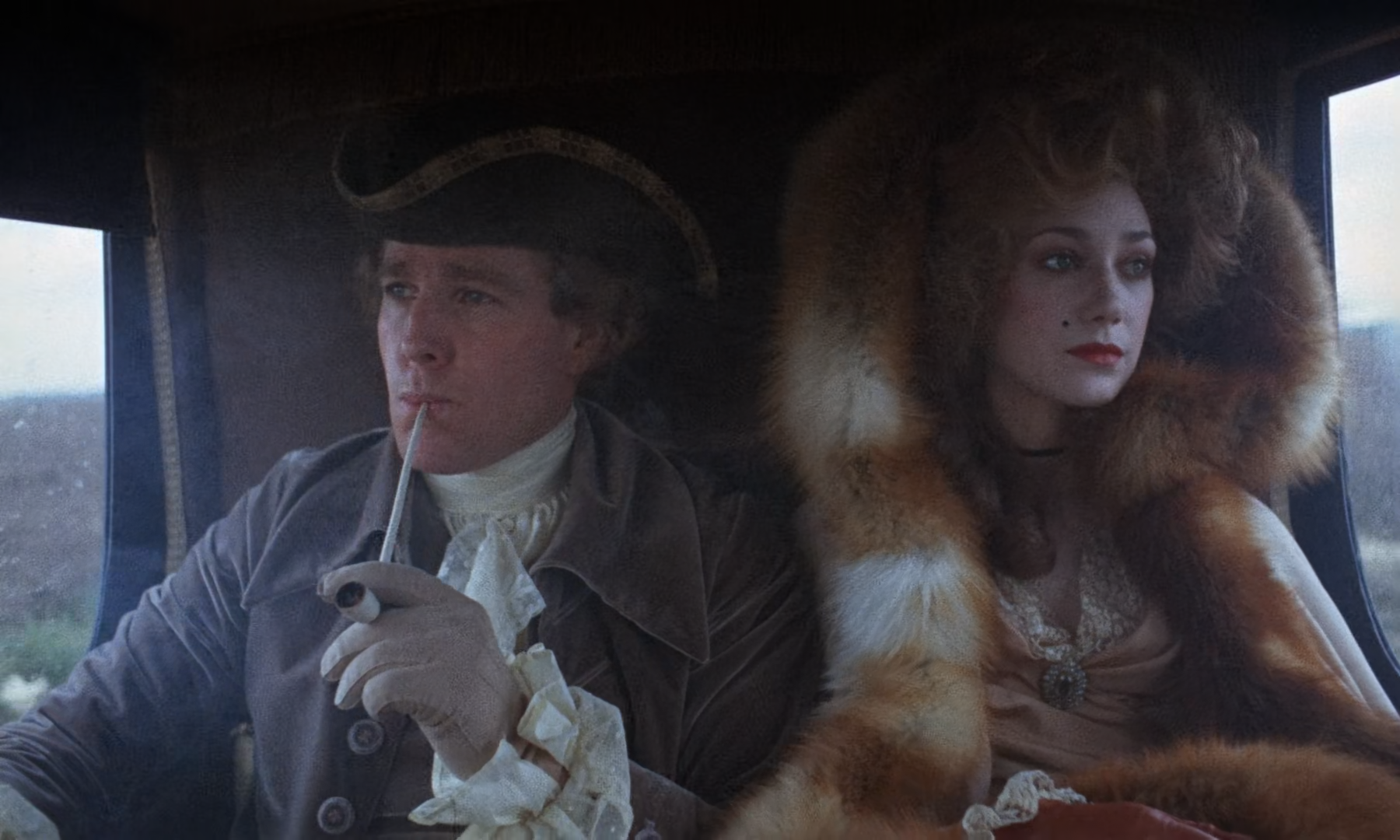
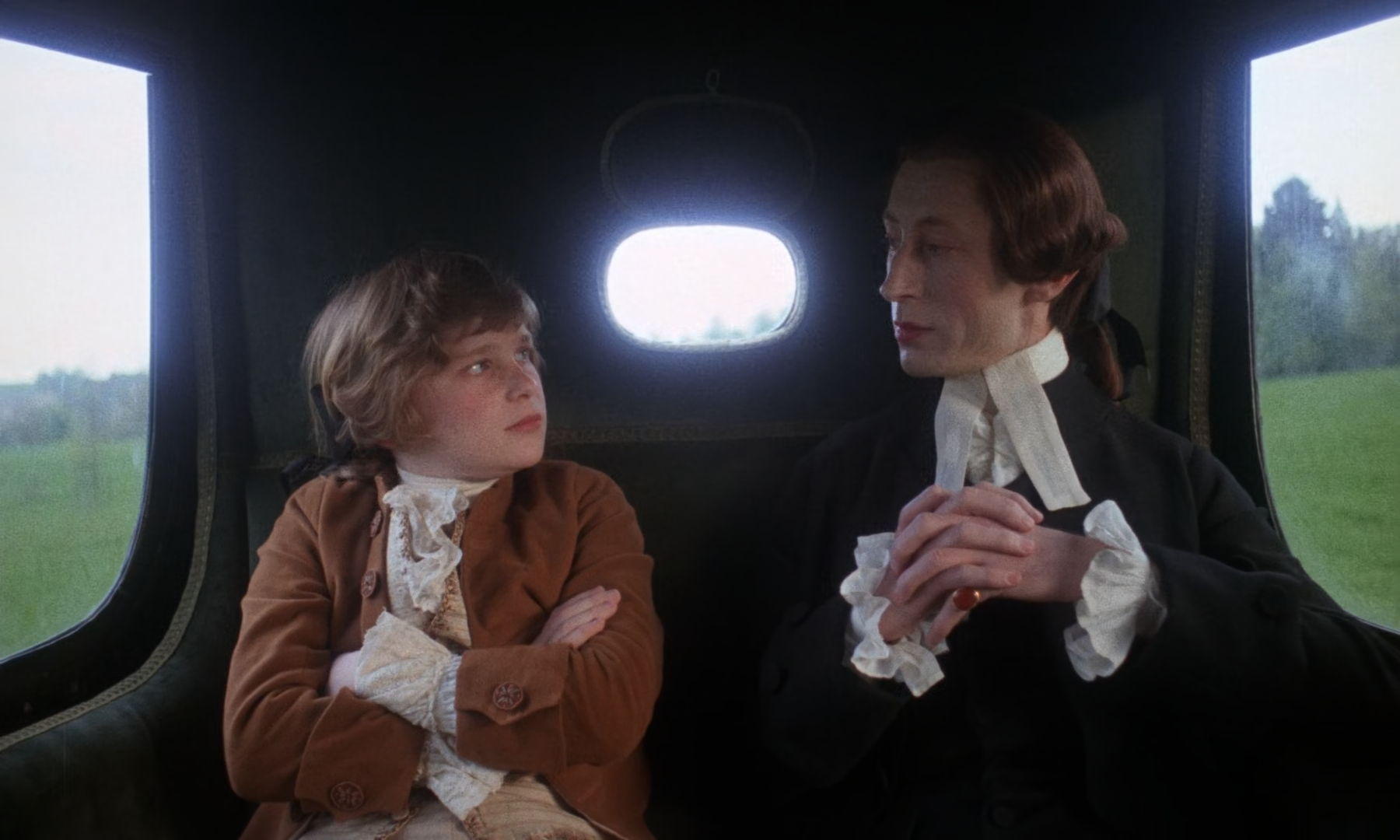
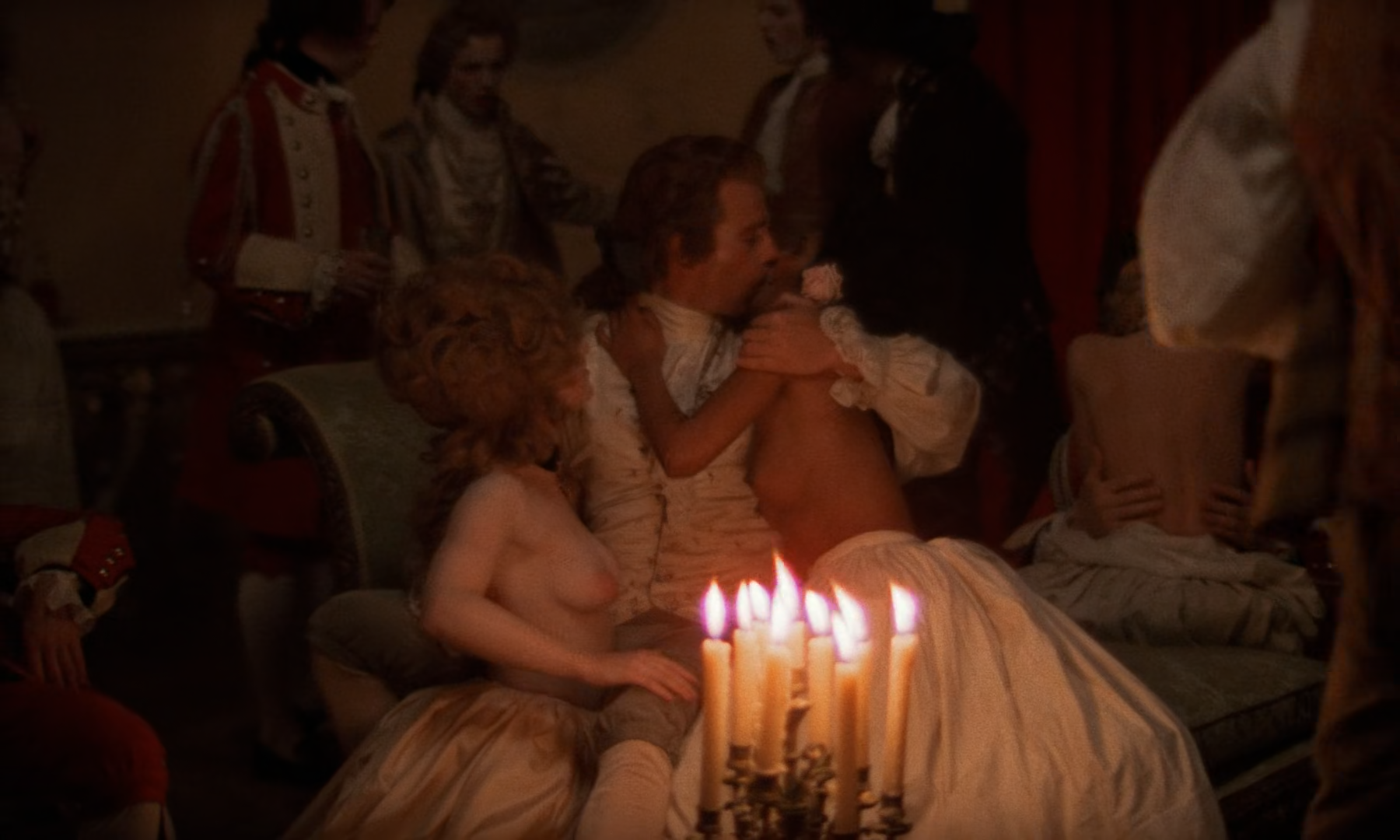
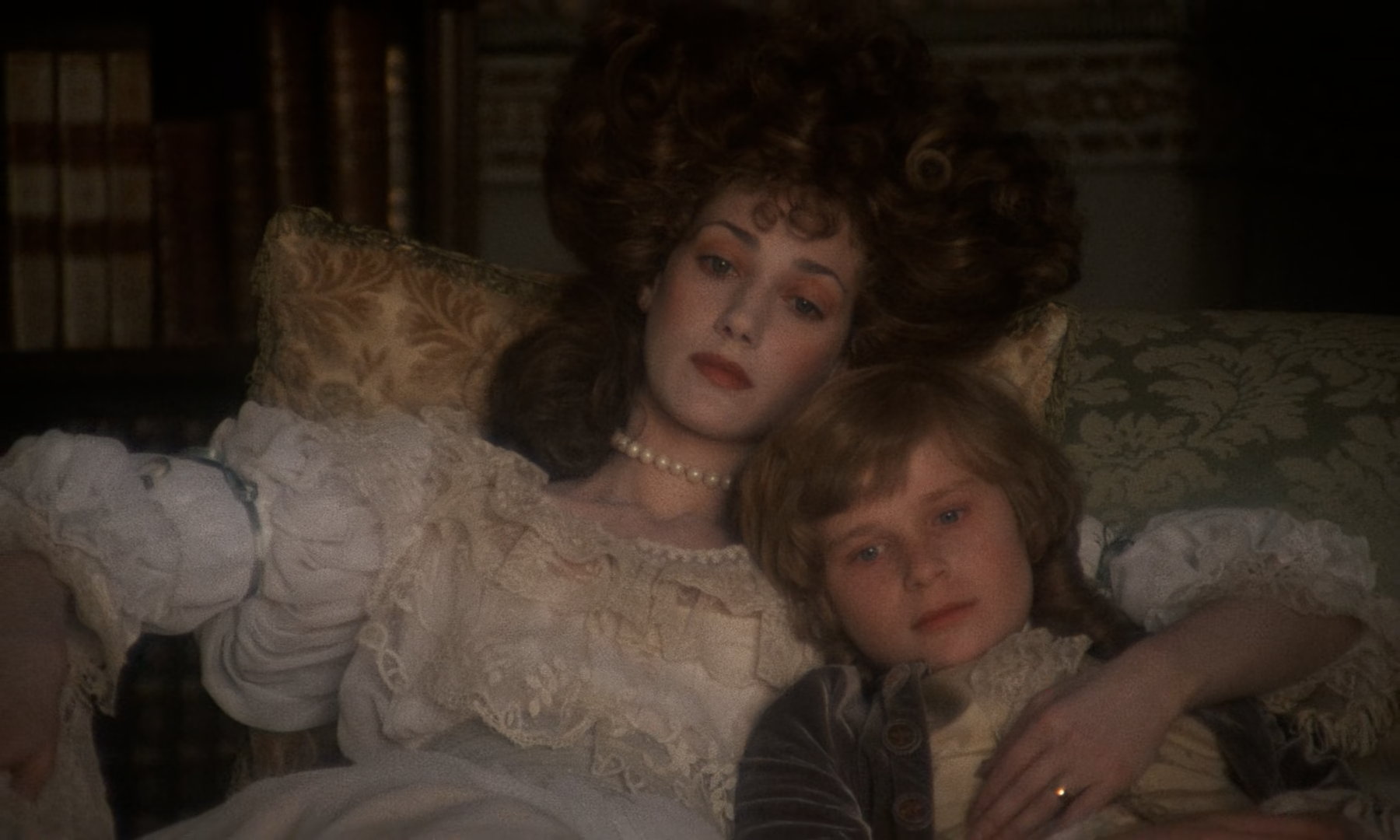
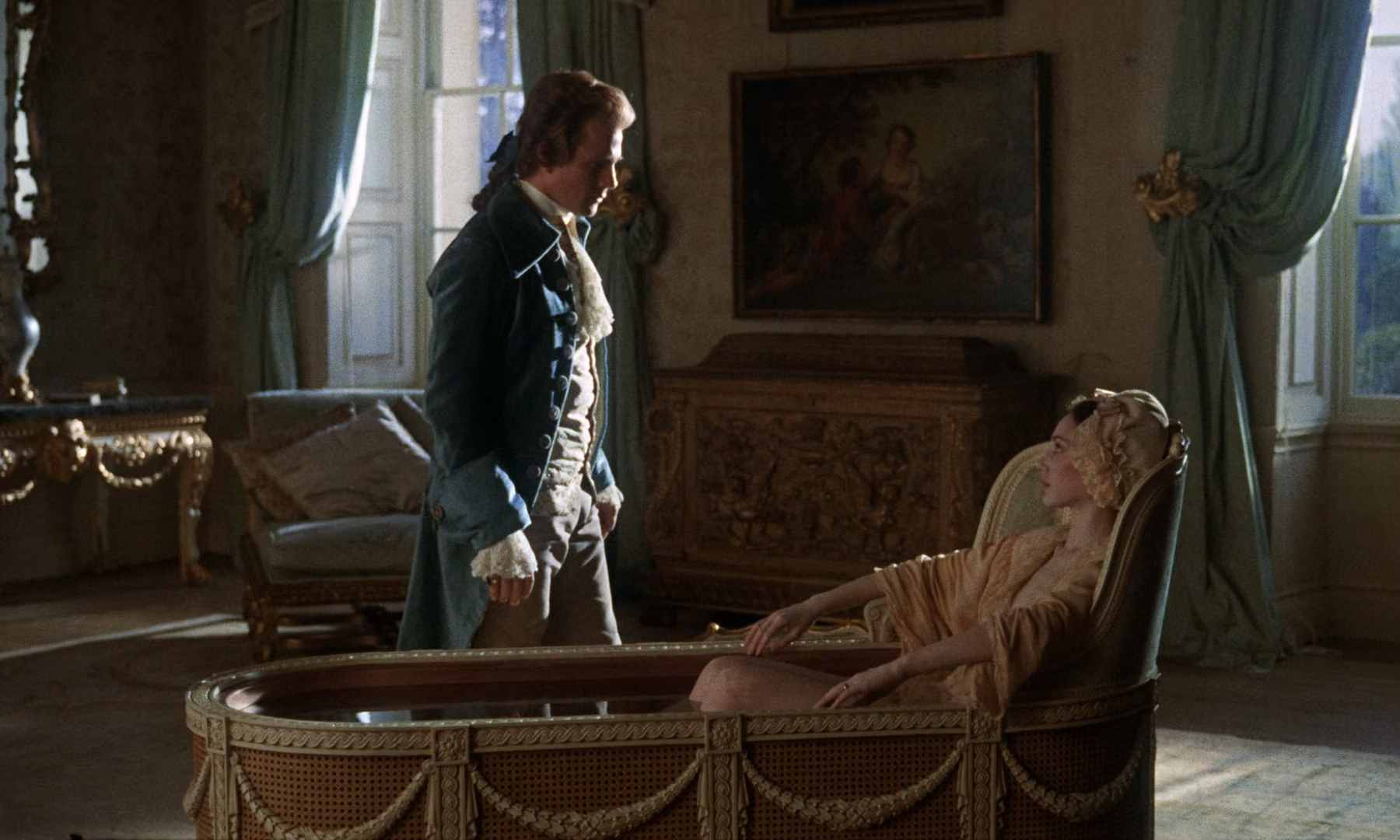
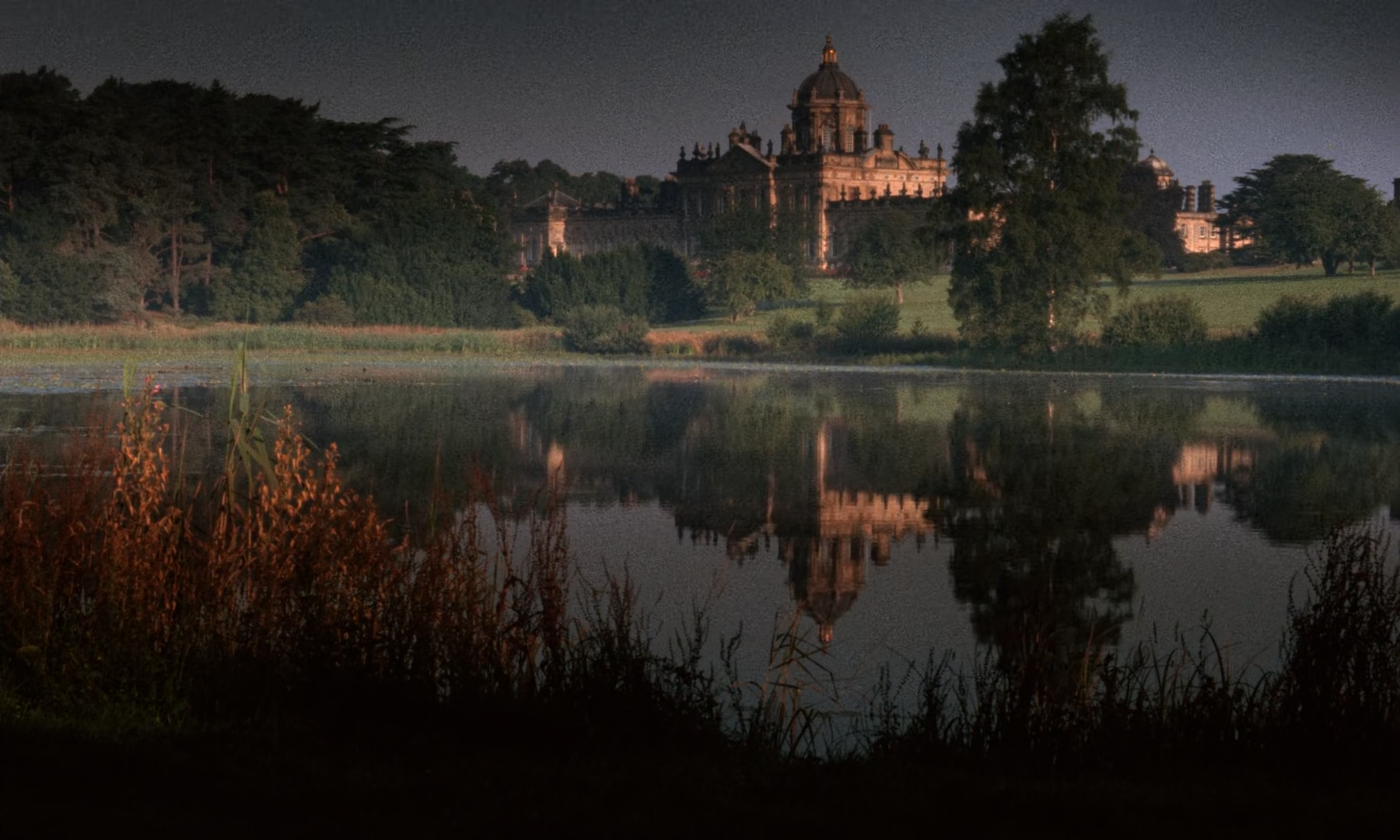
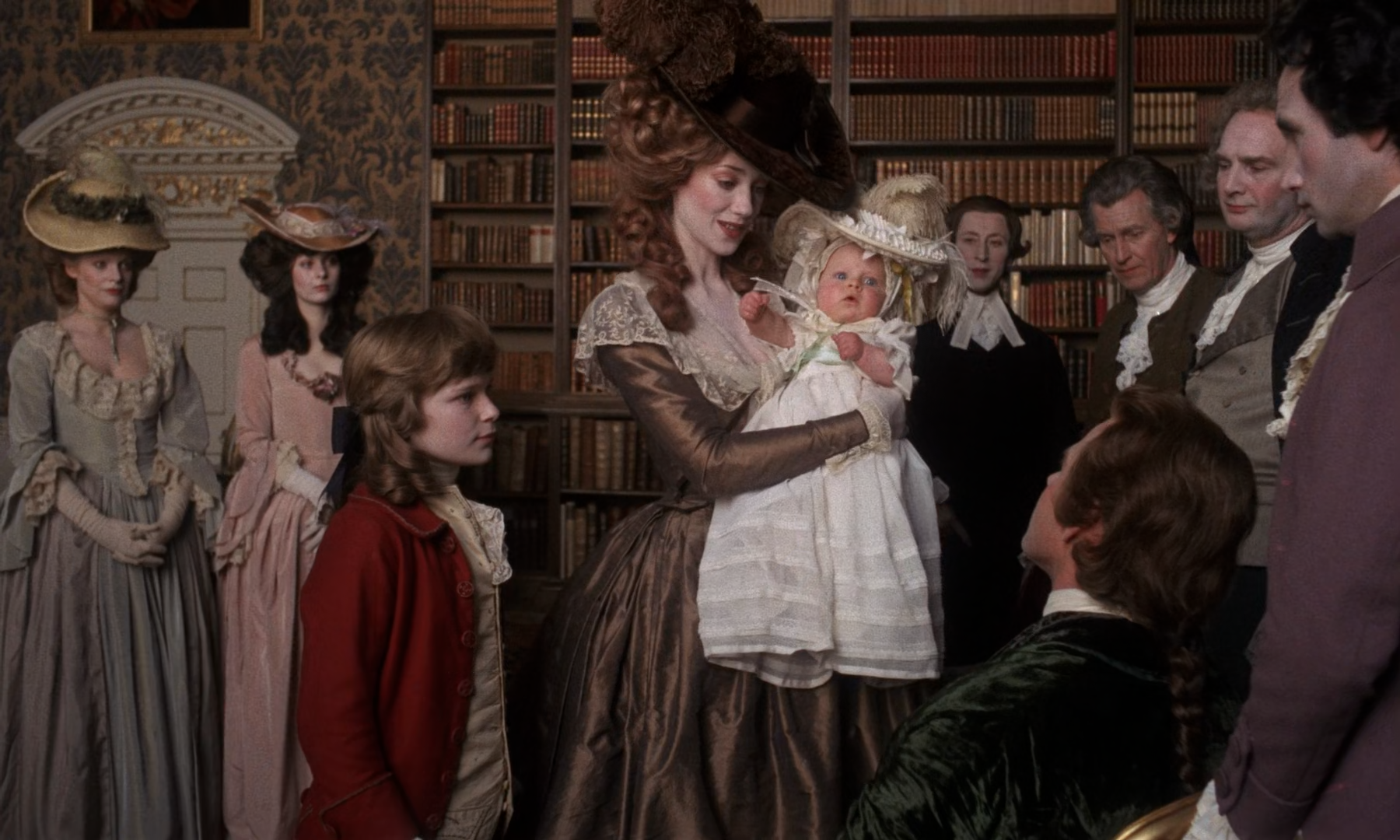
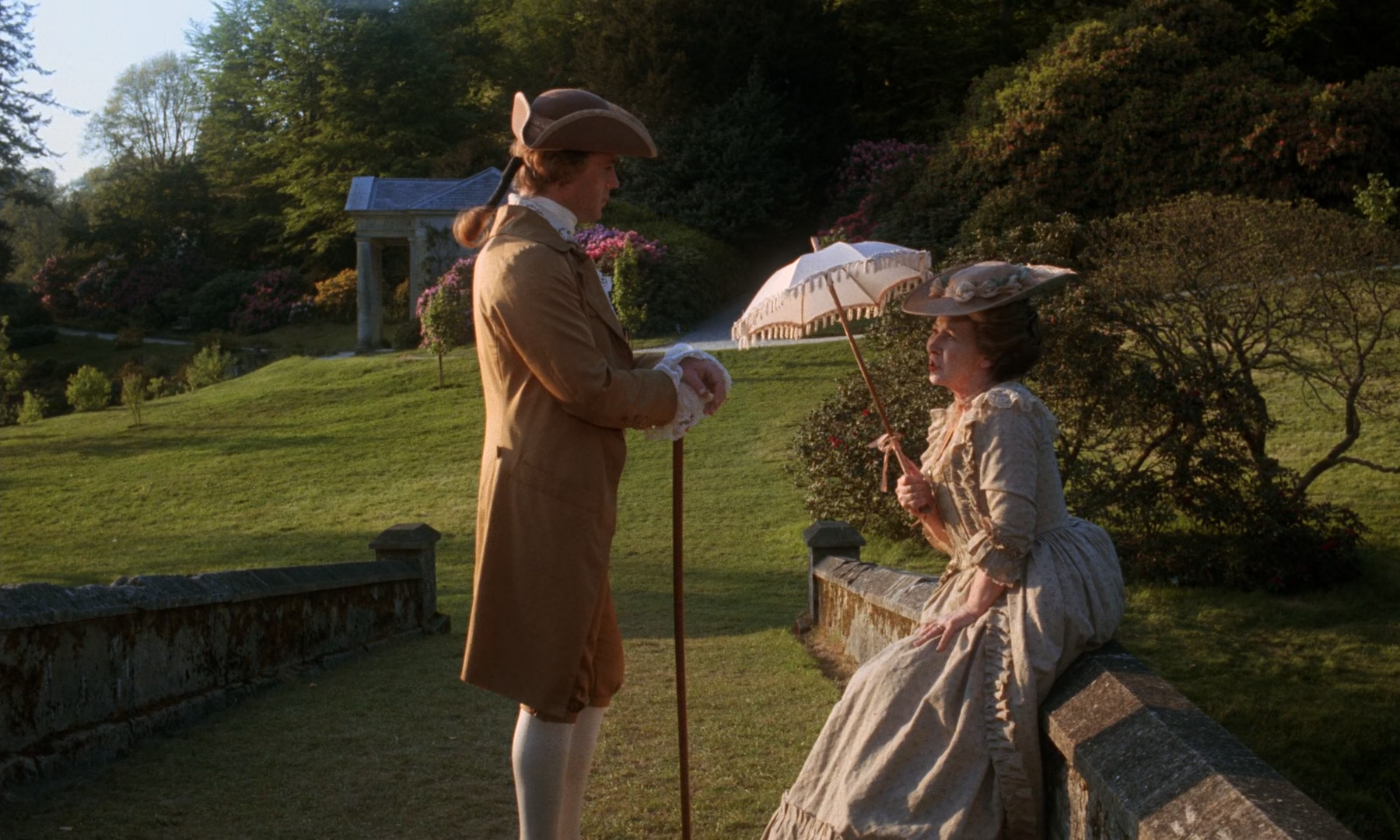
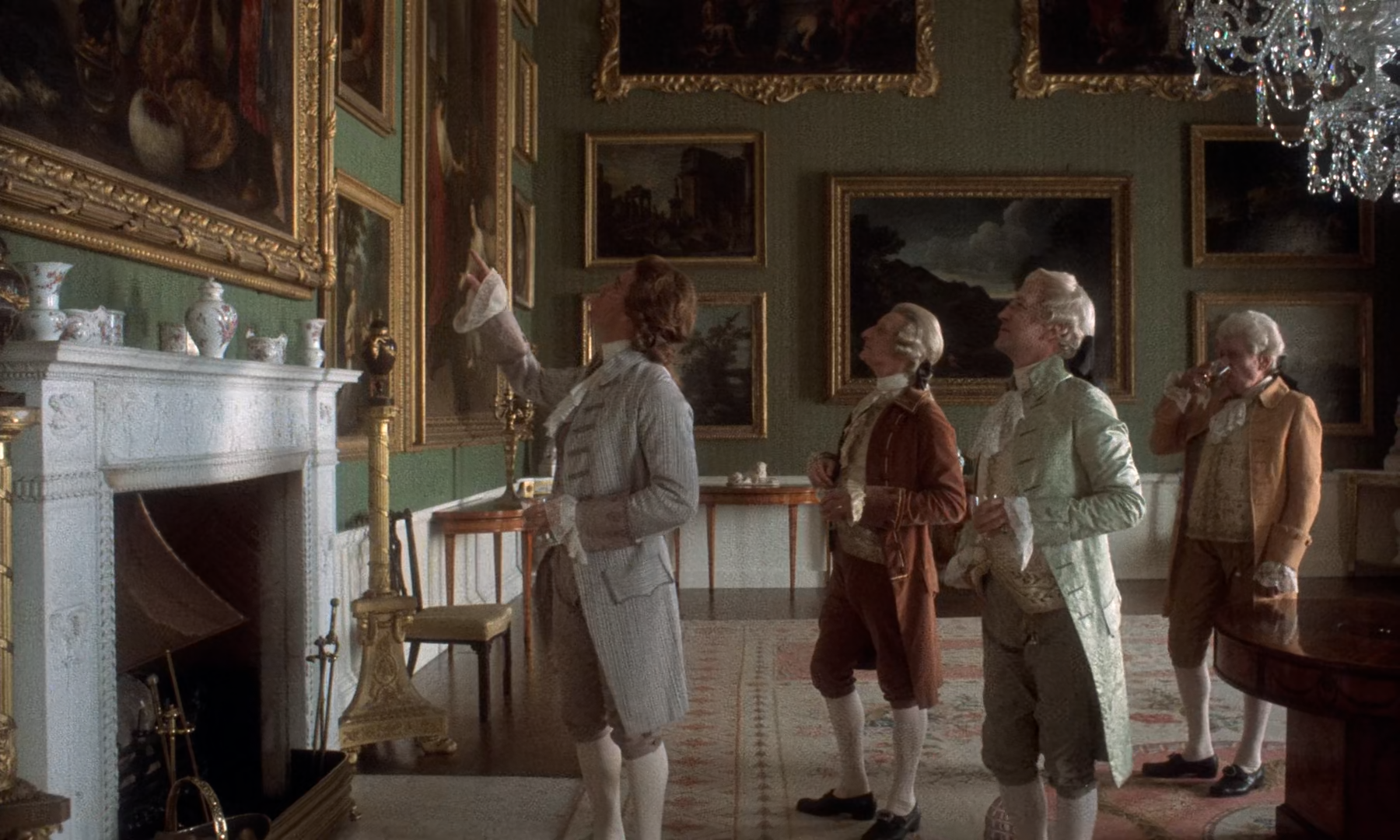
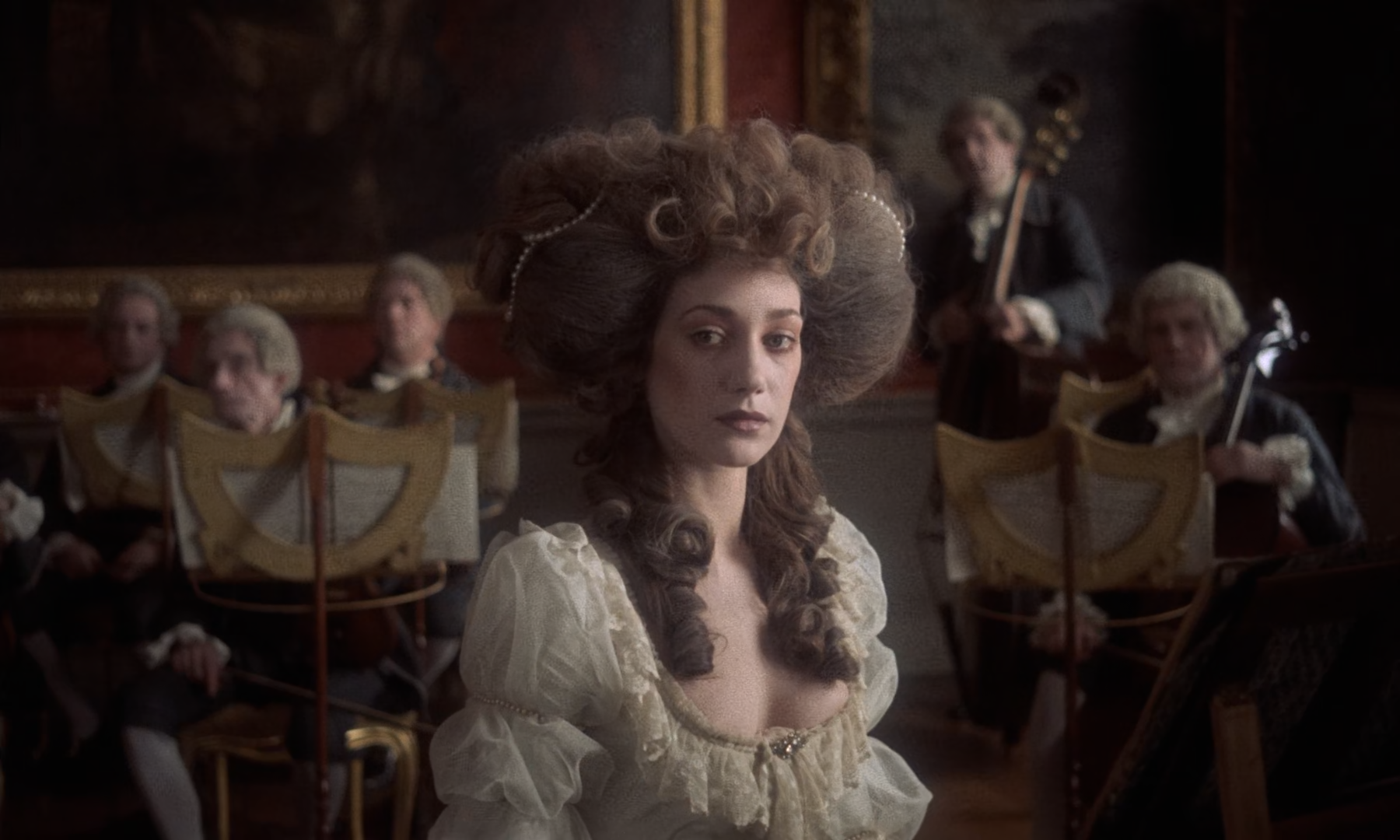
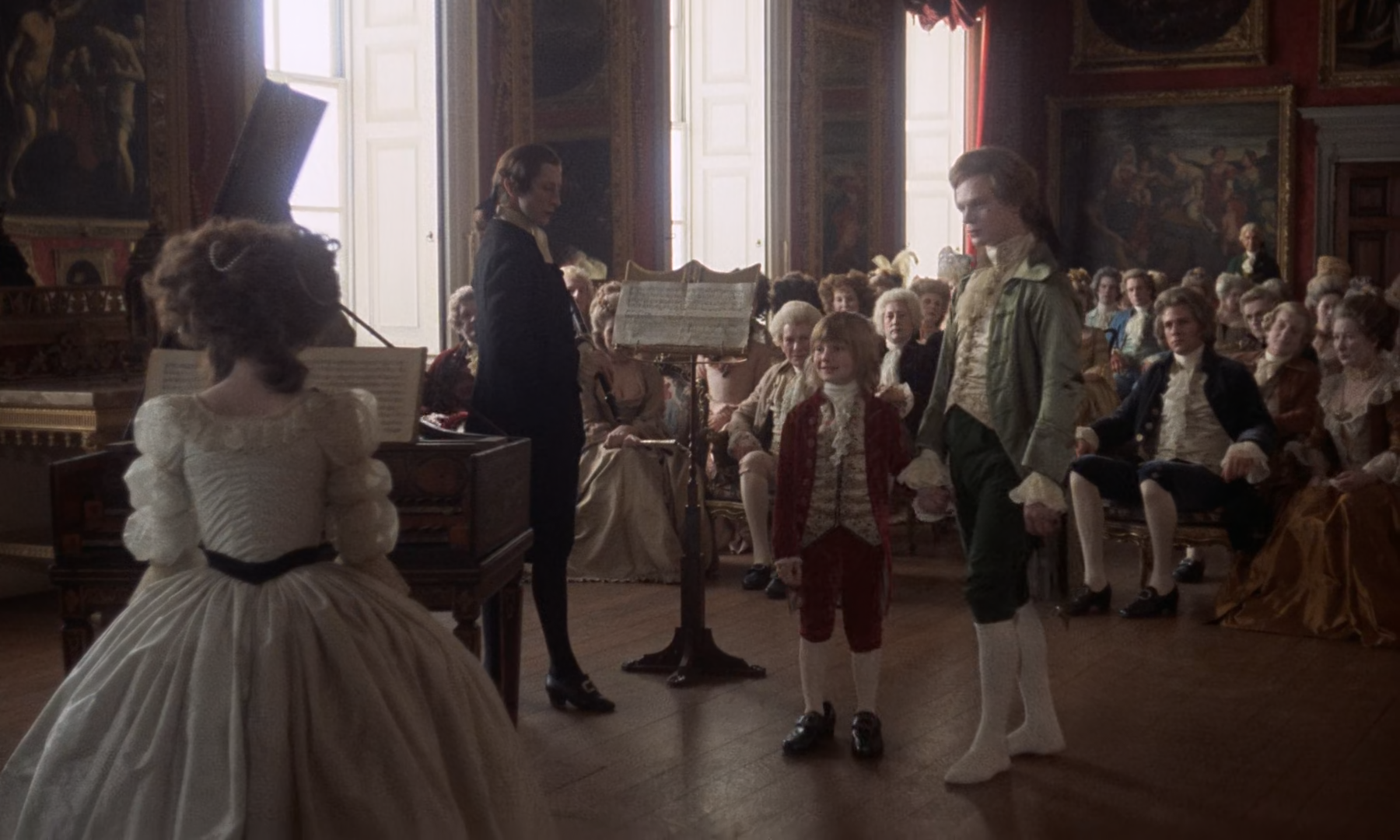
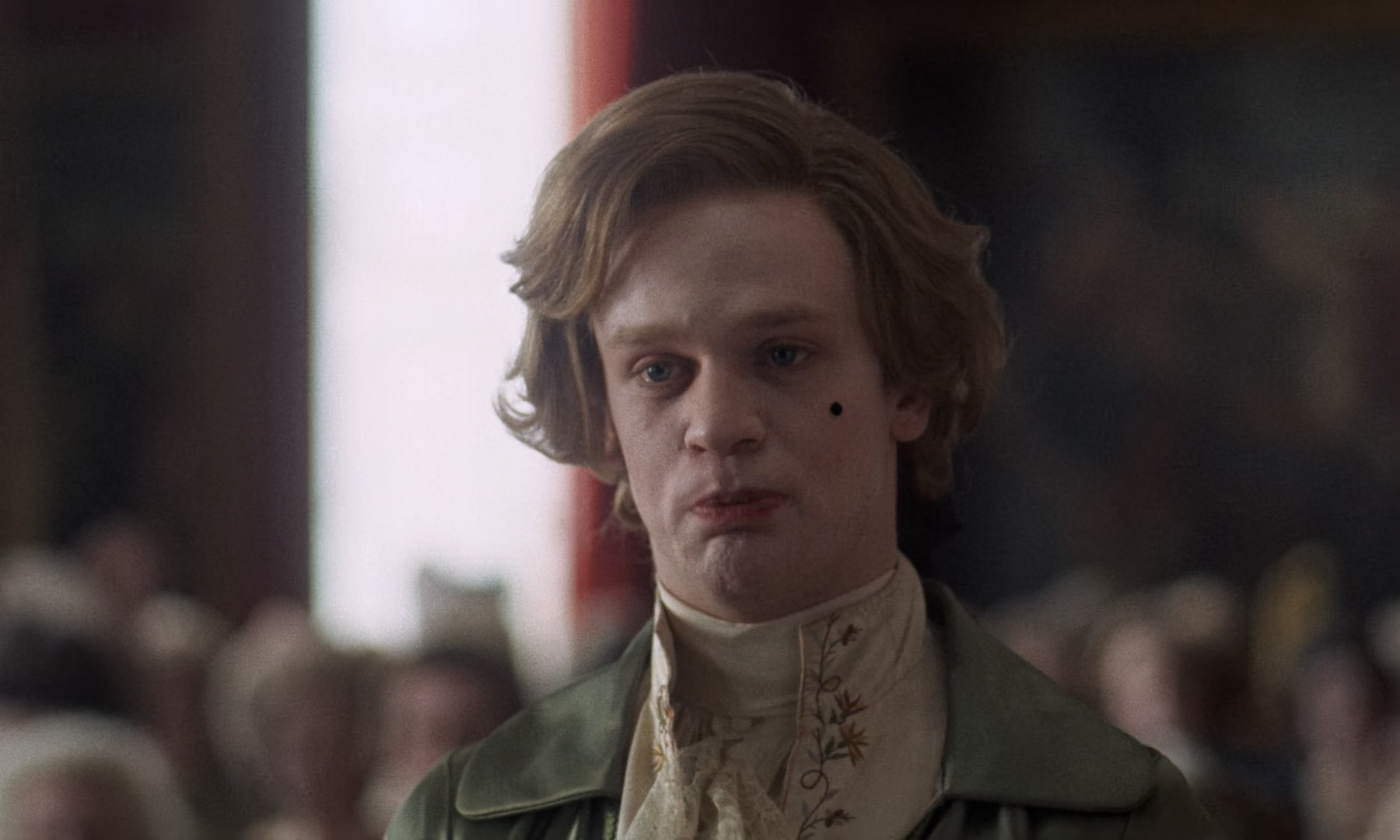
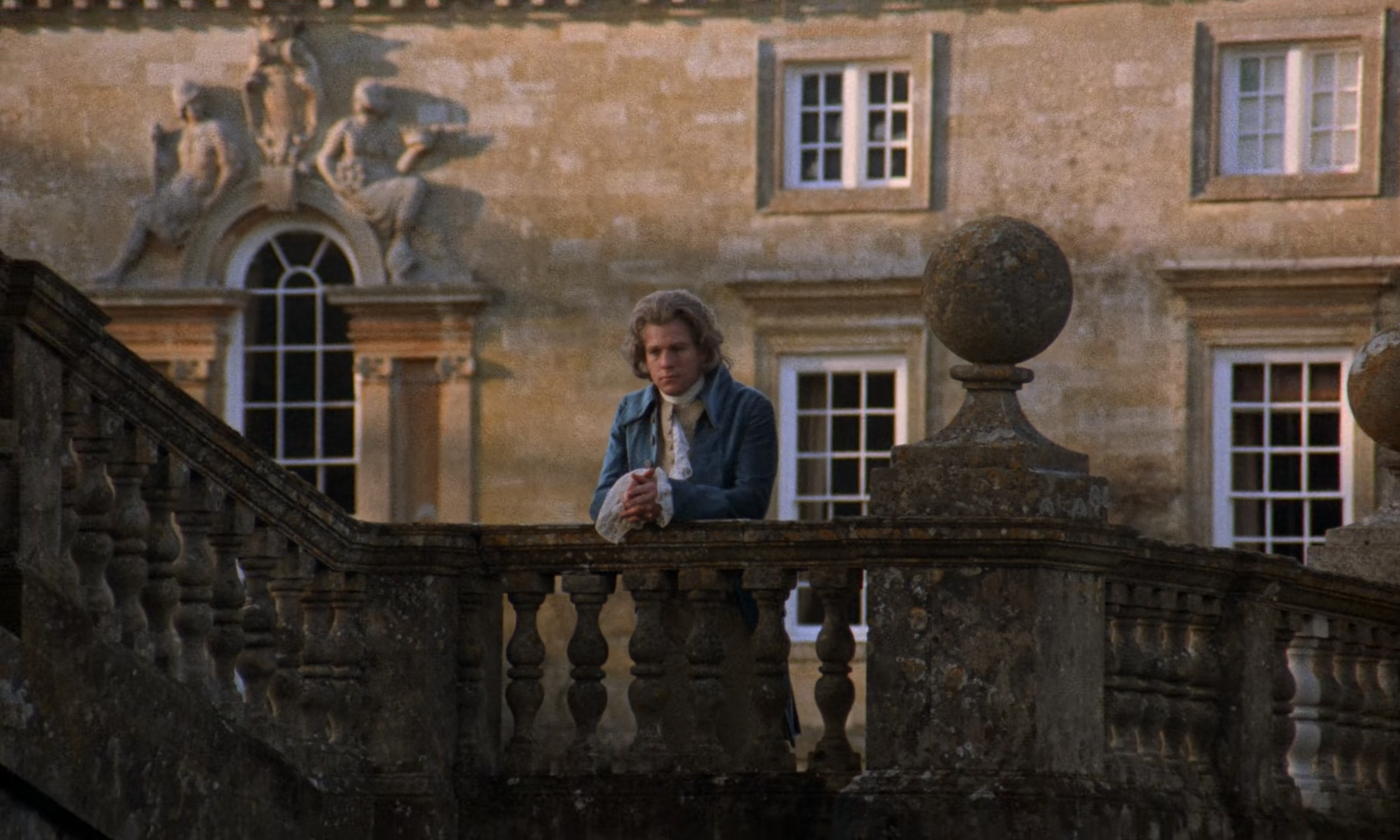
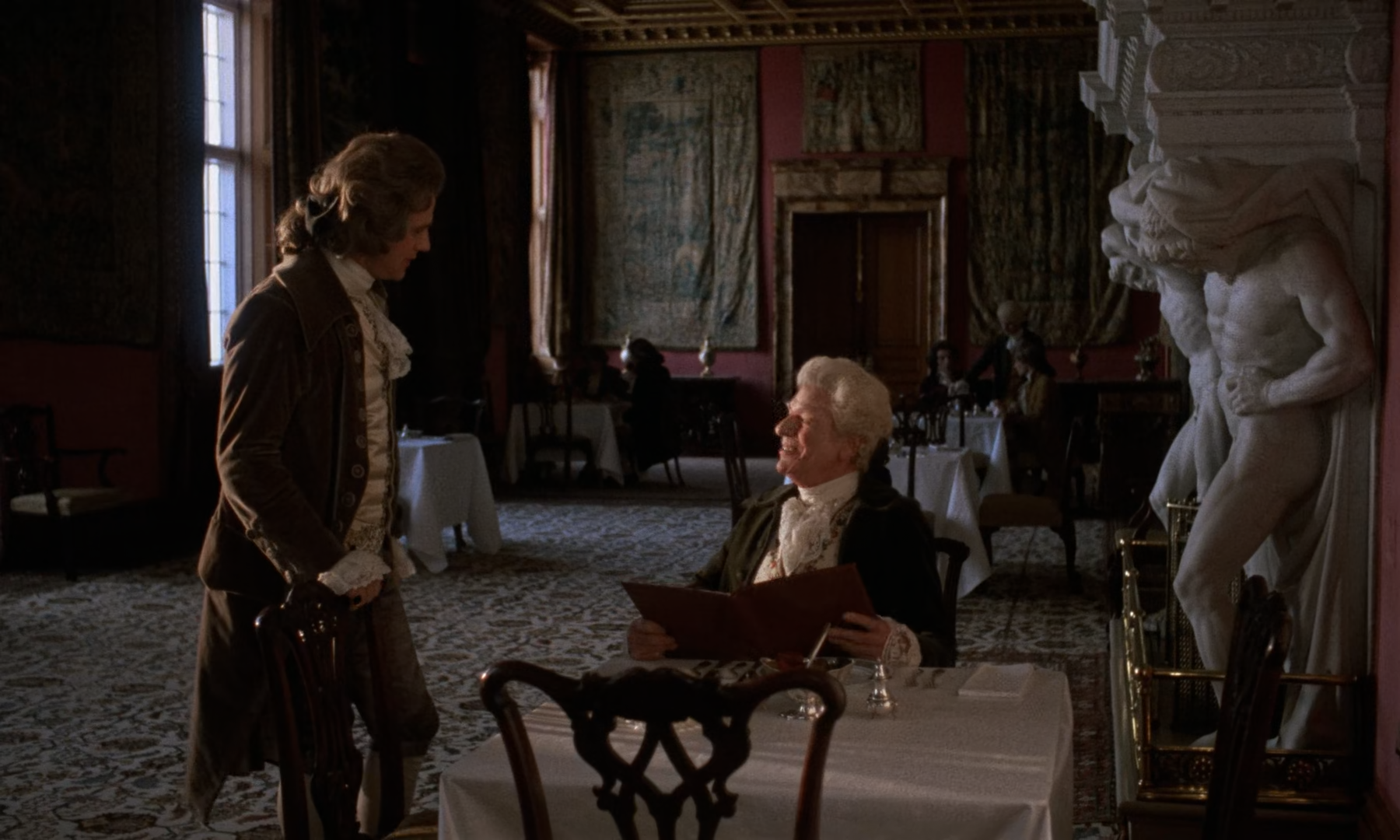
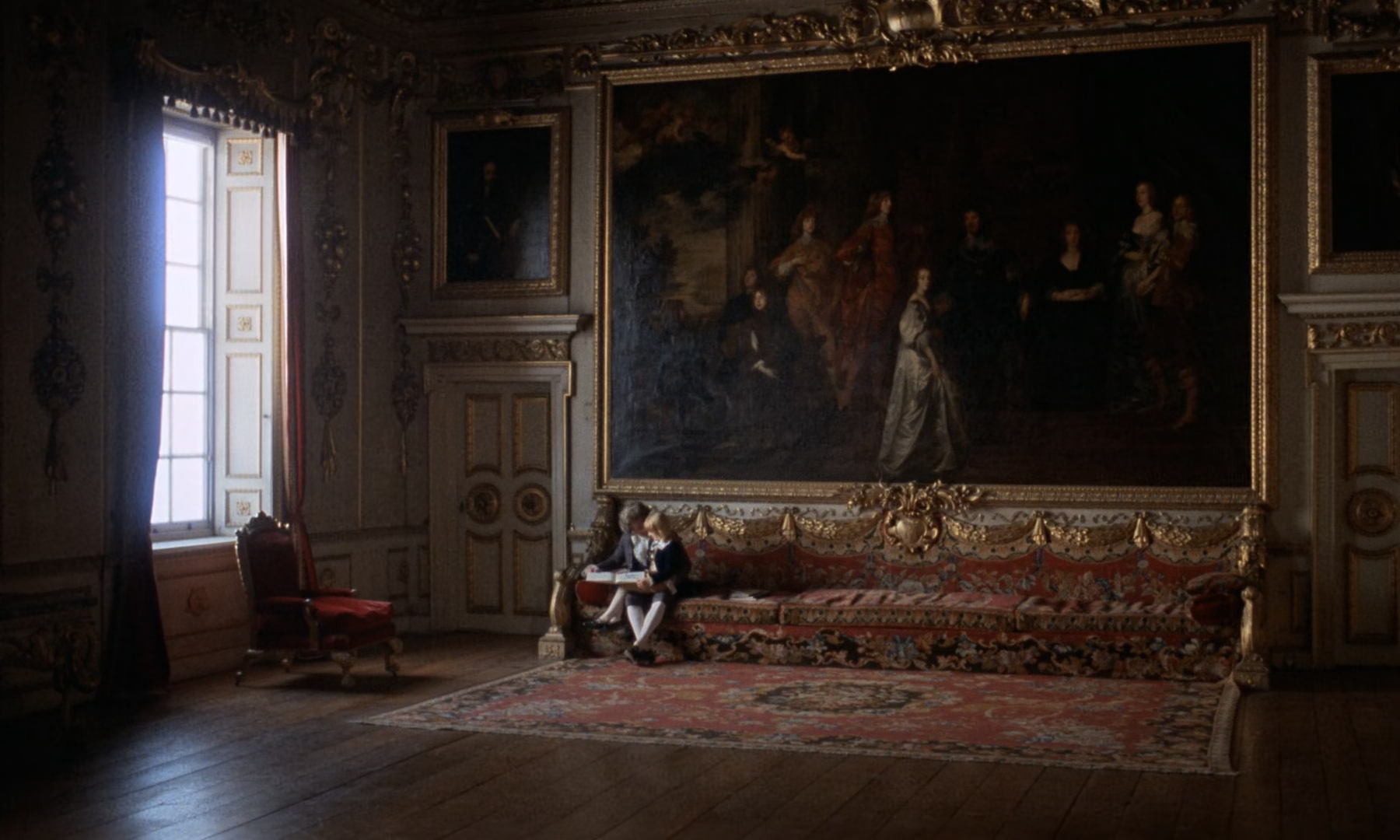
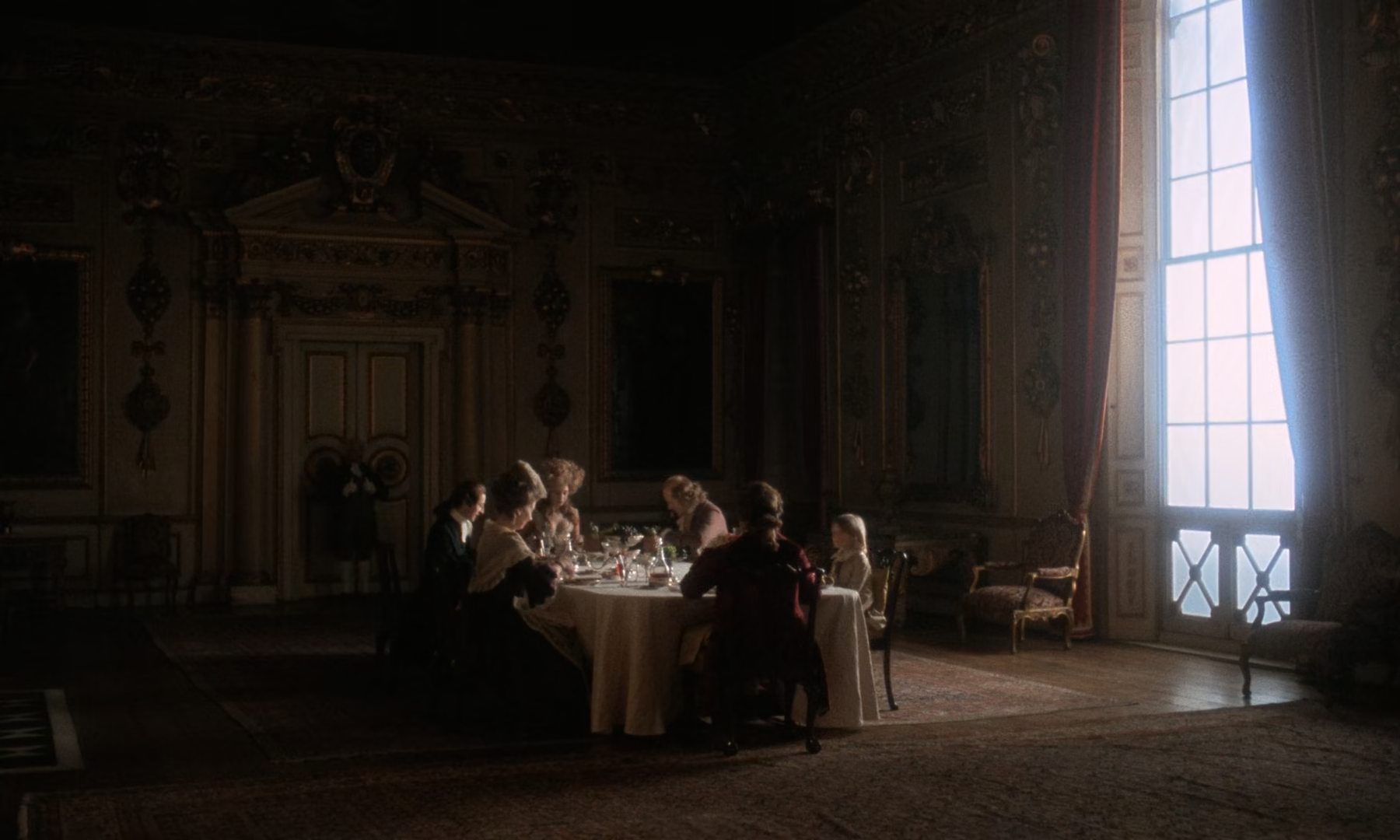
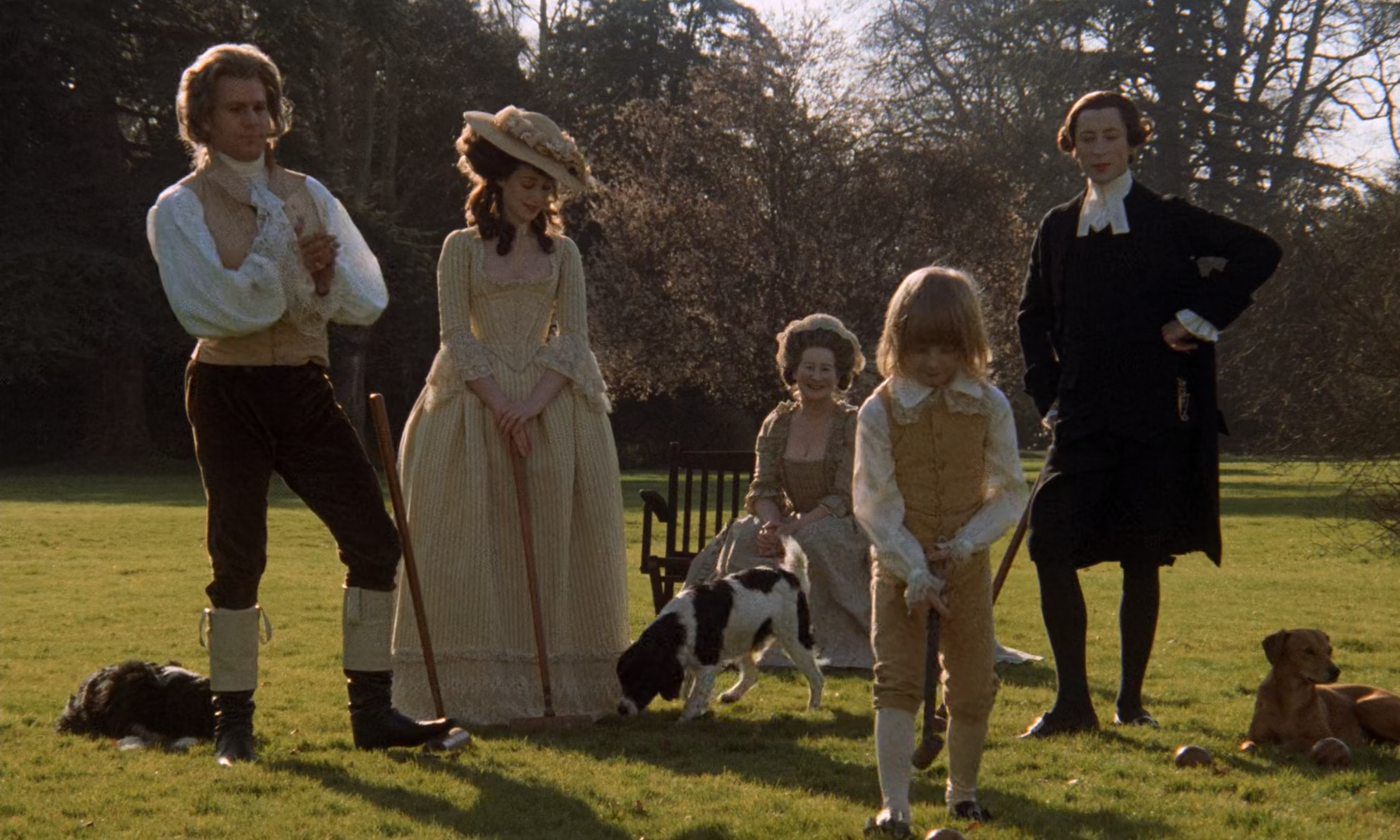
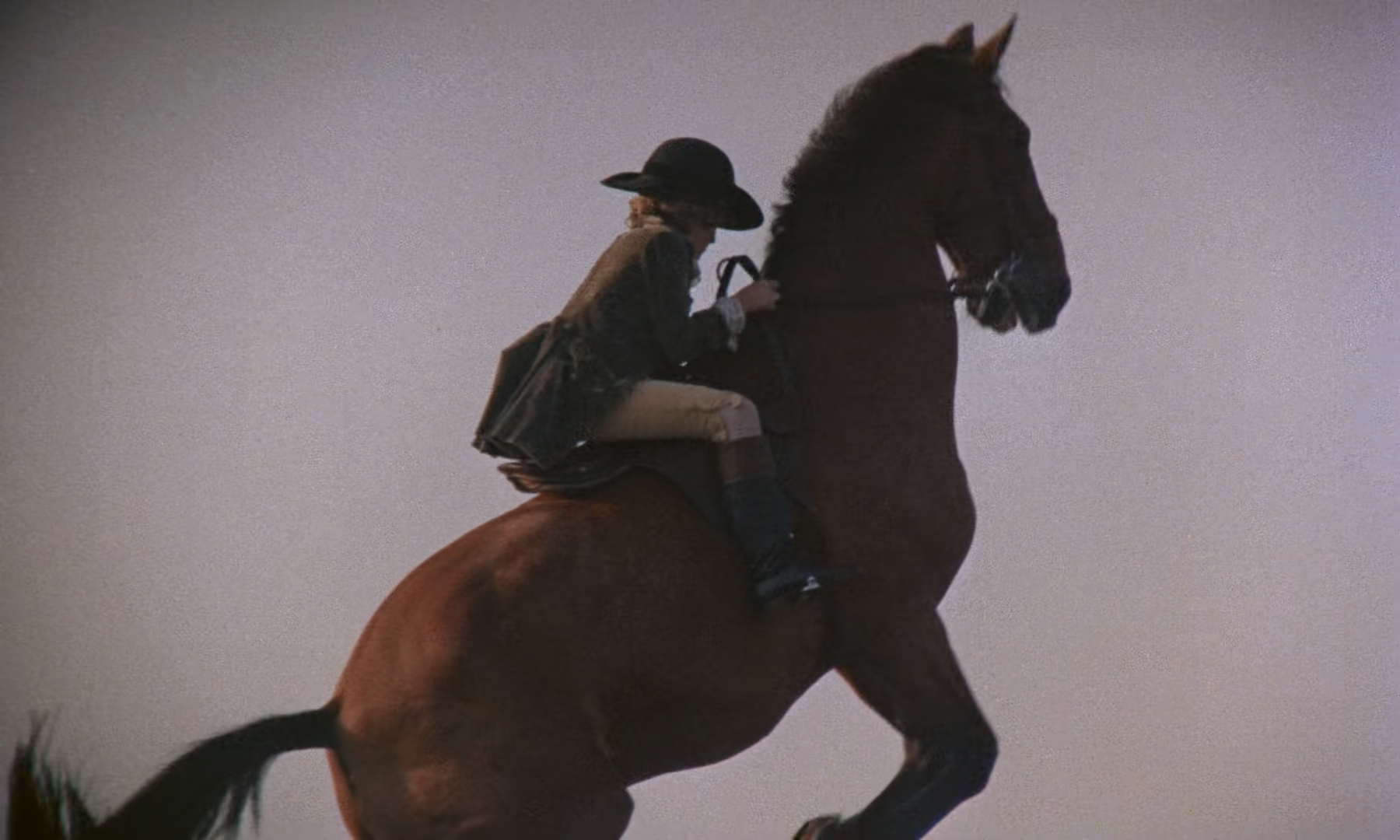
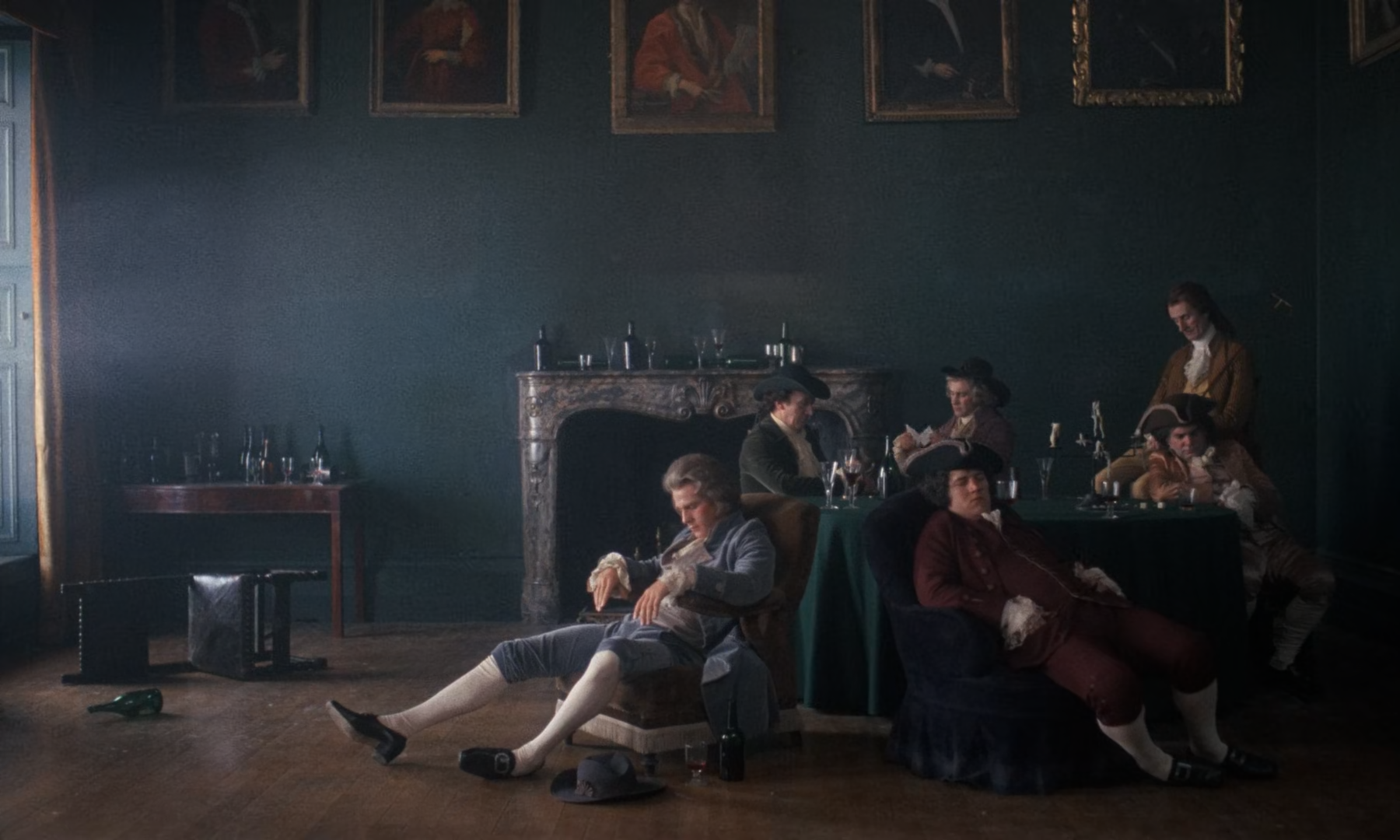
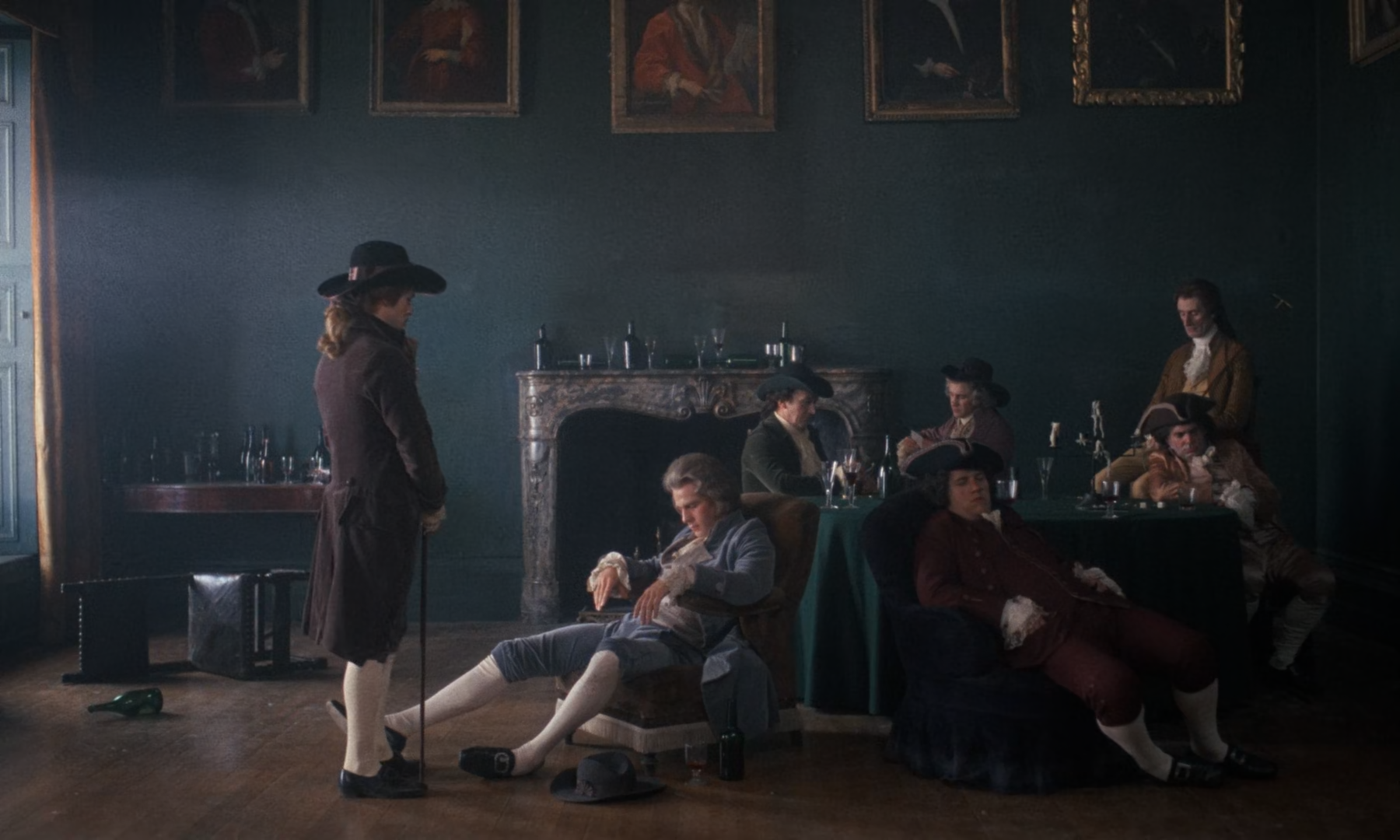
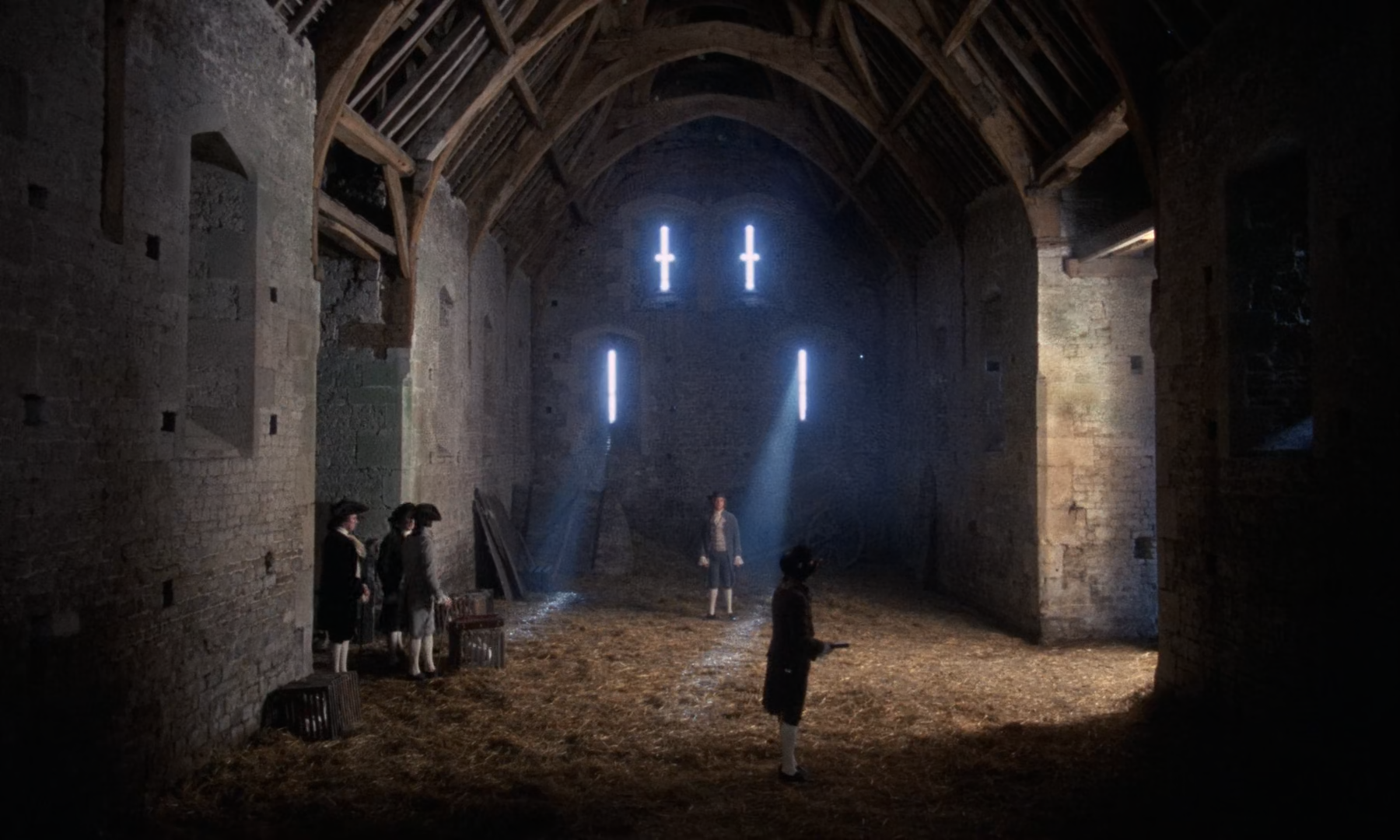
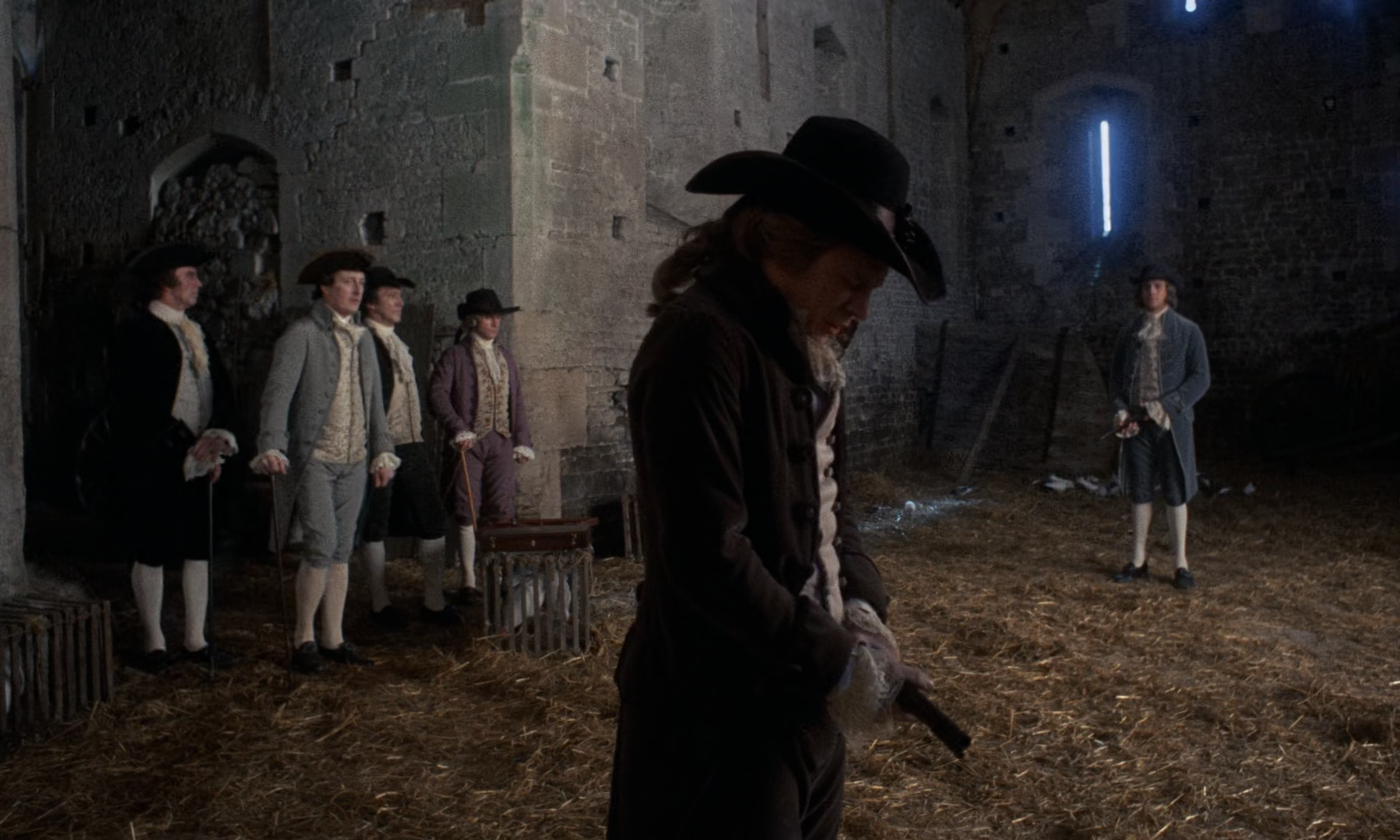
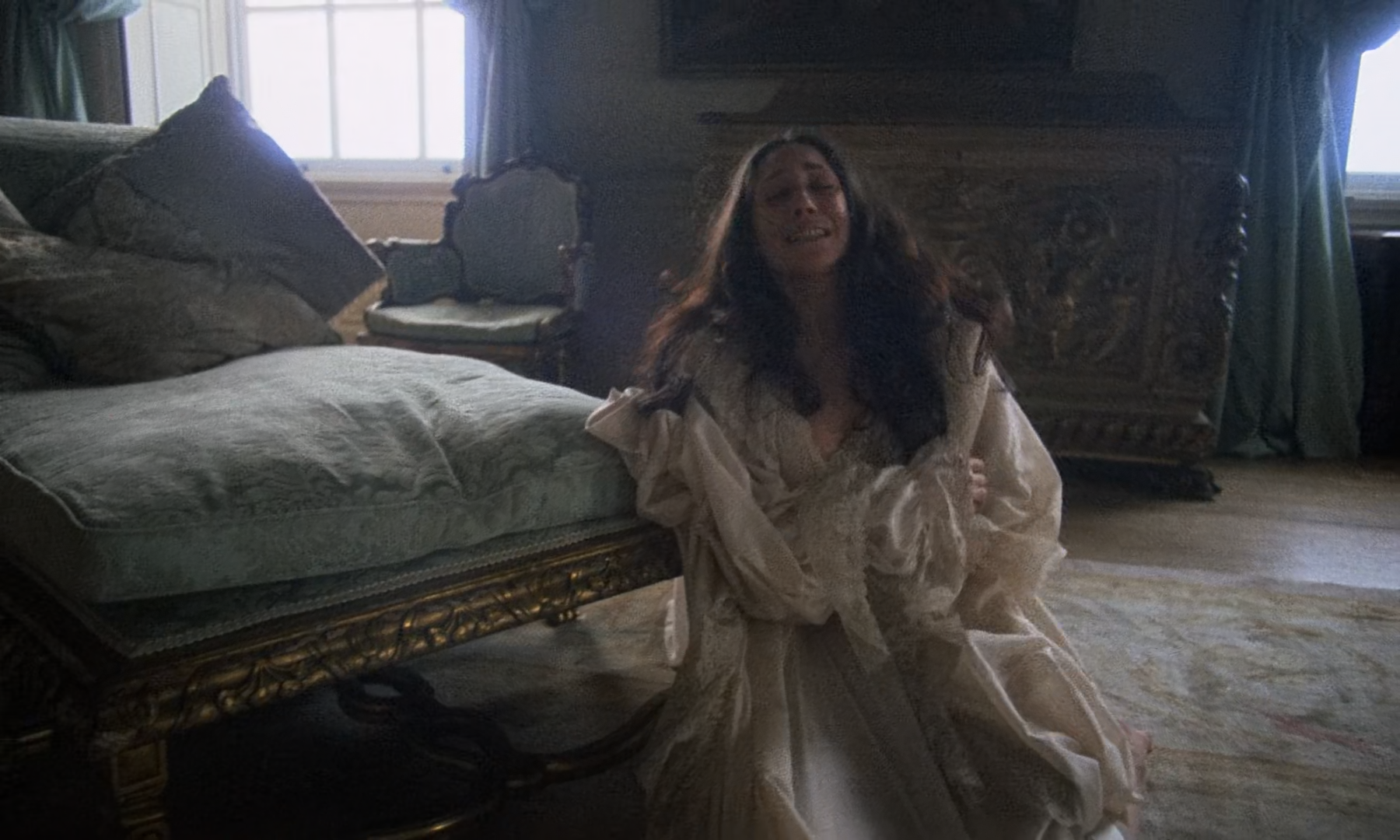
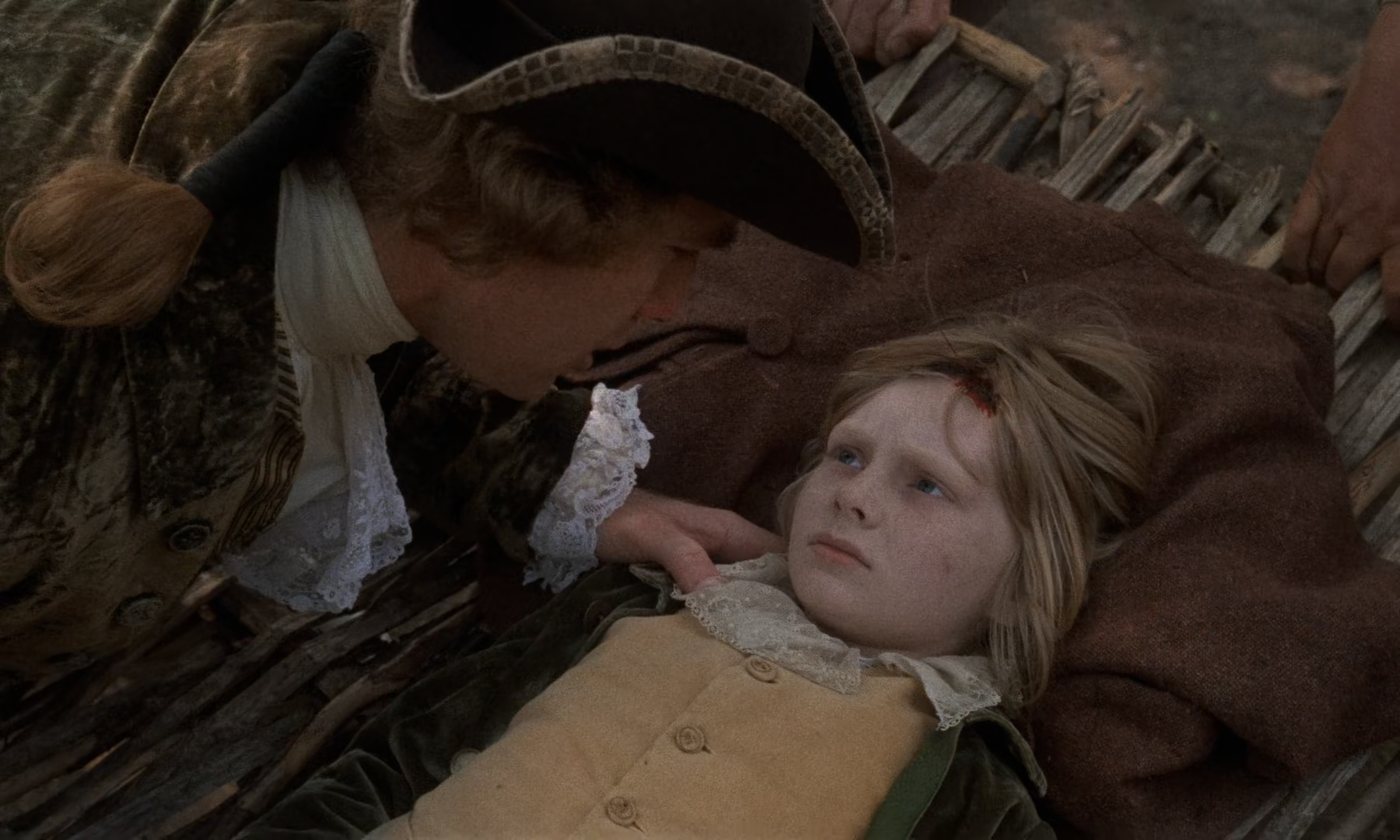
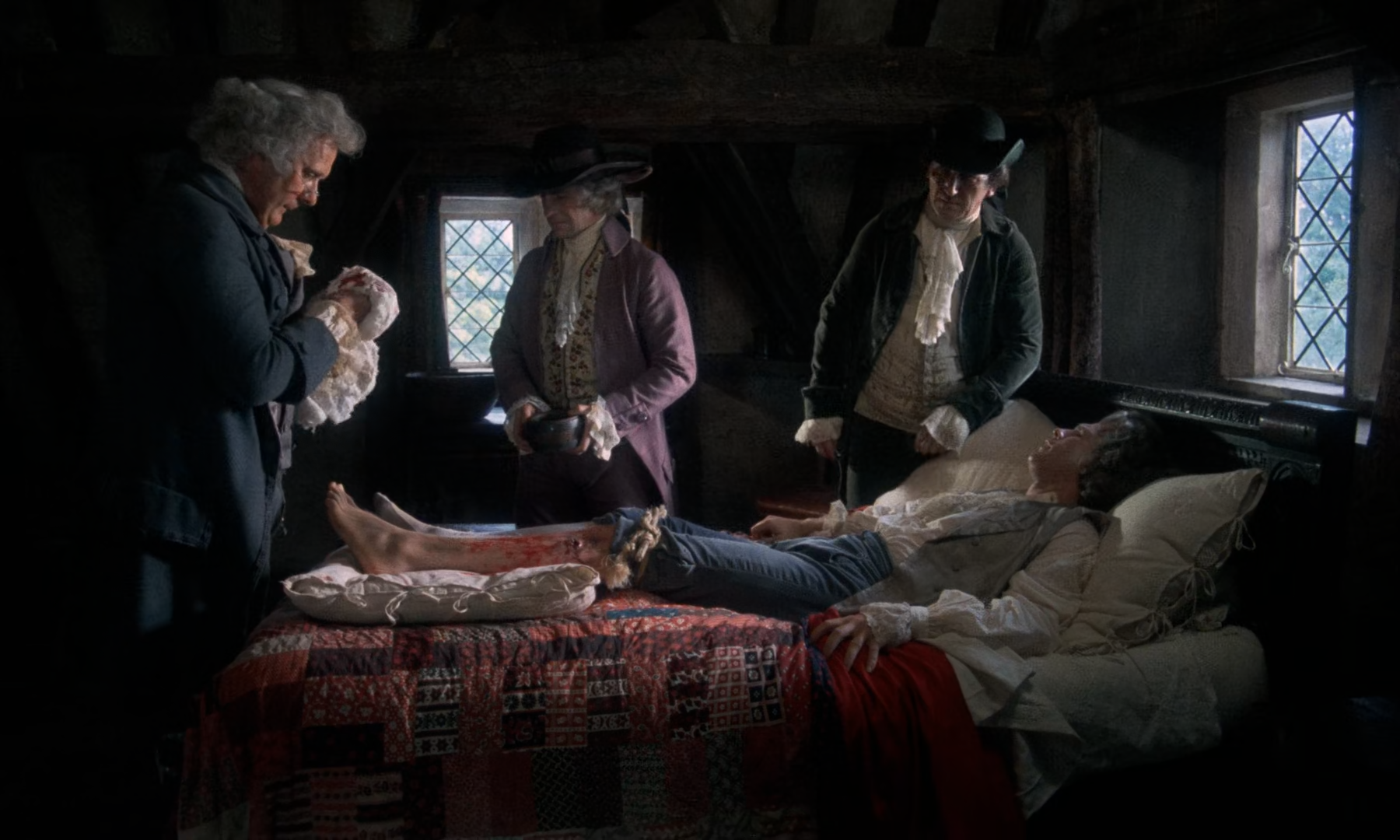
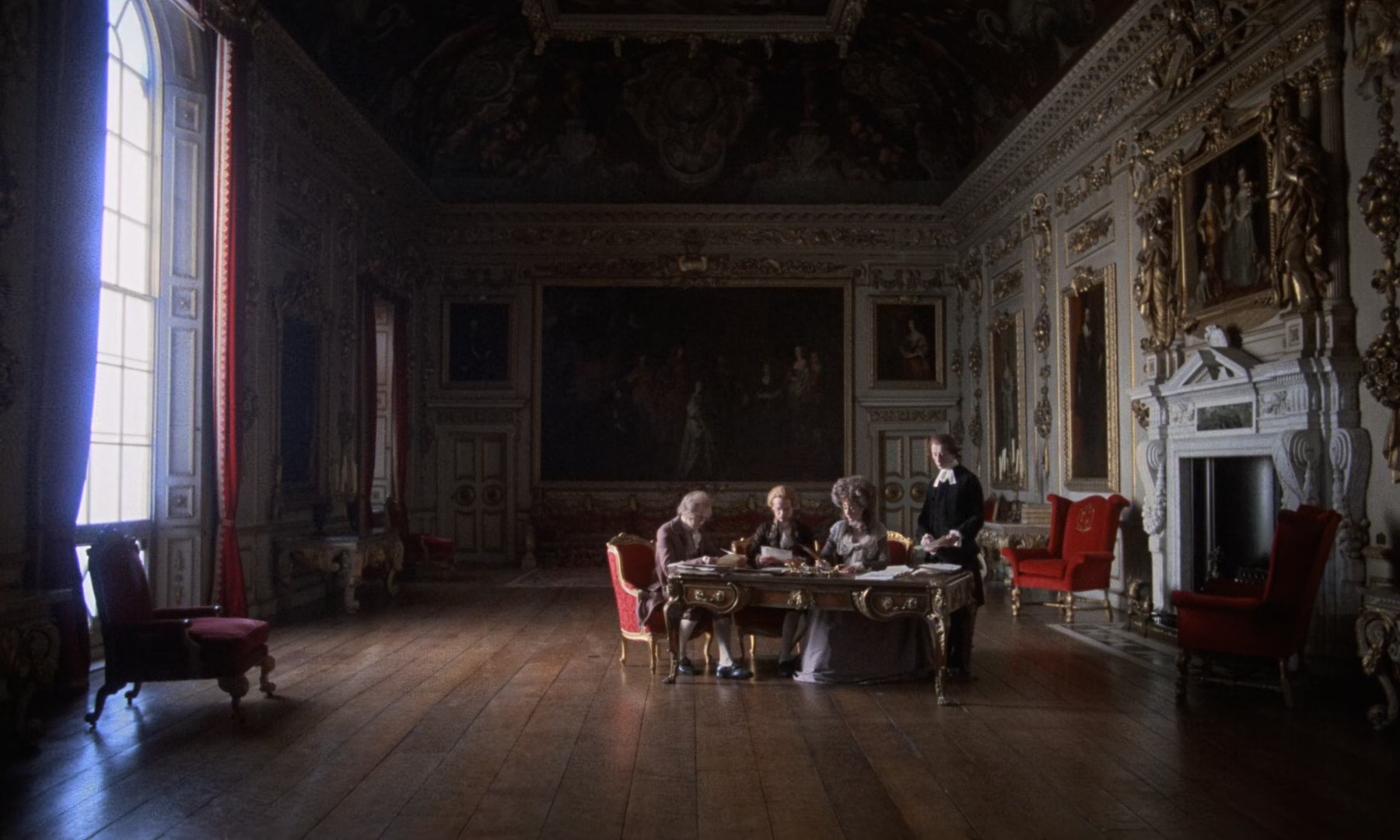
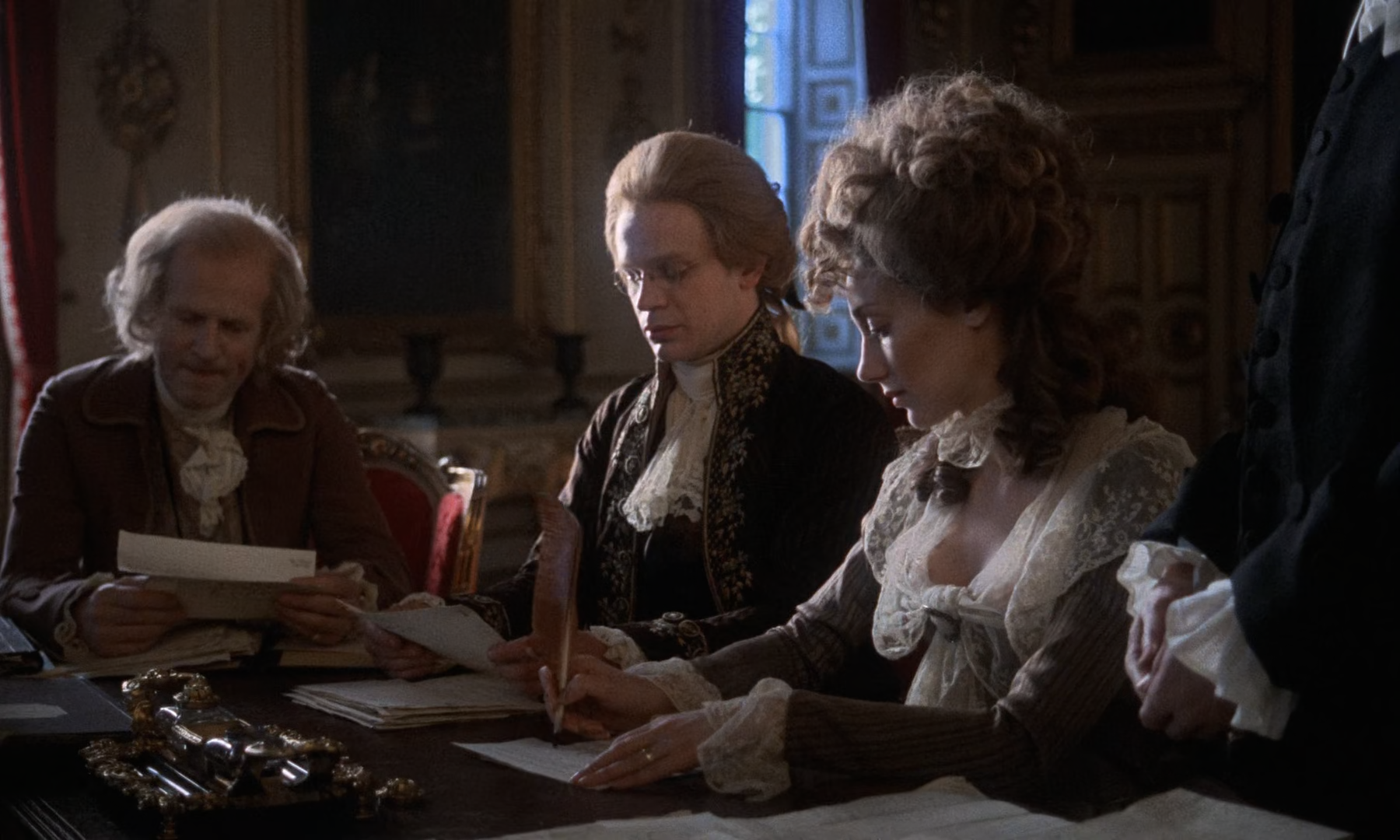
The beauty behind powered wigs and makeup.
Presentation:
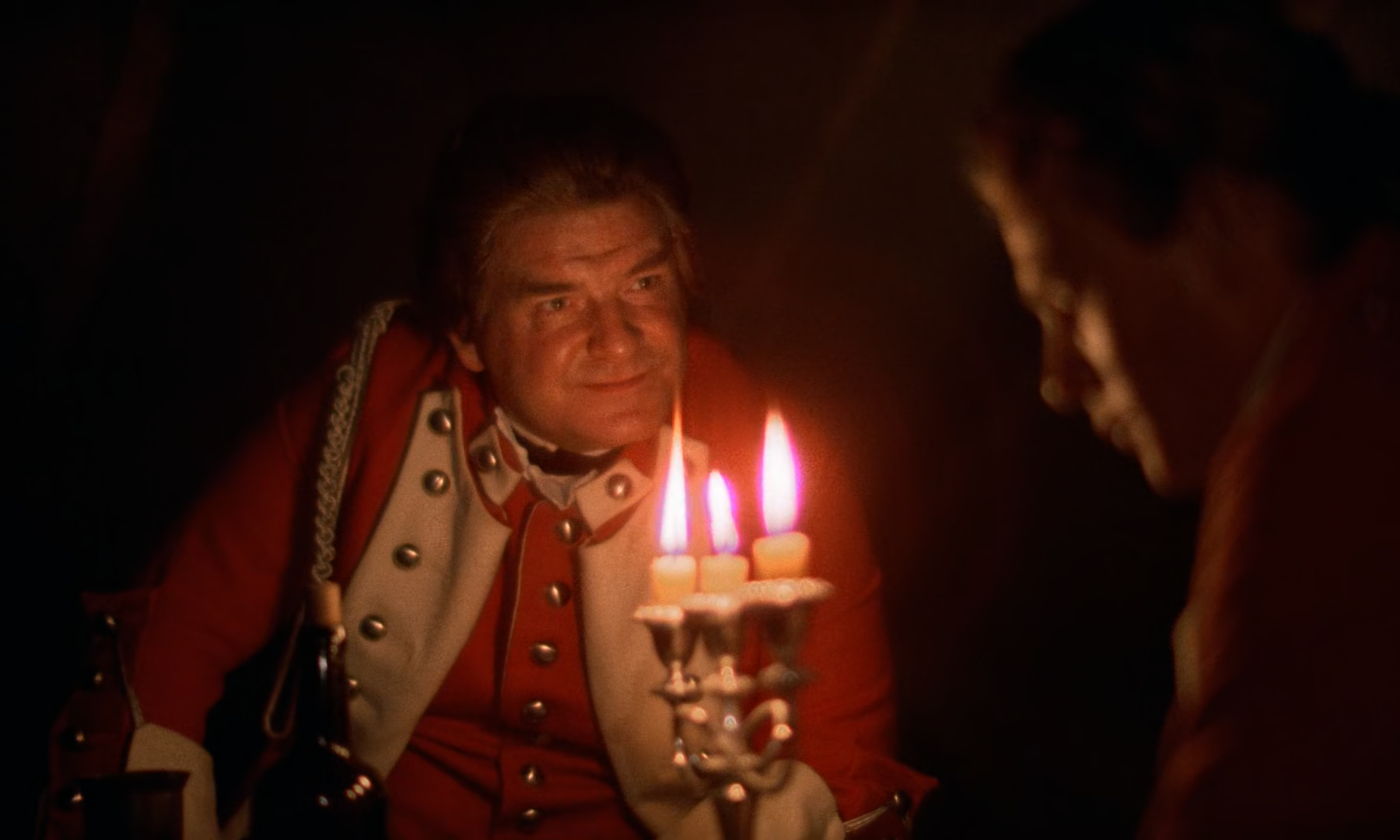
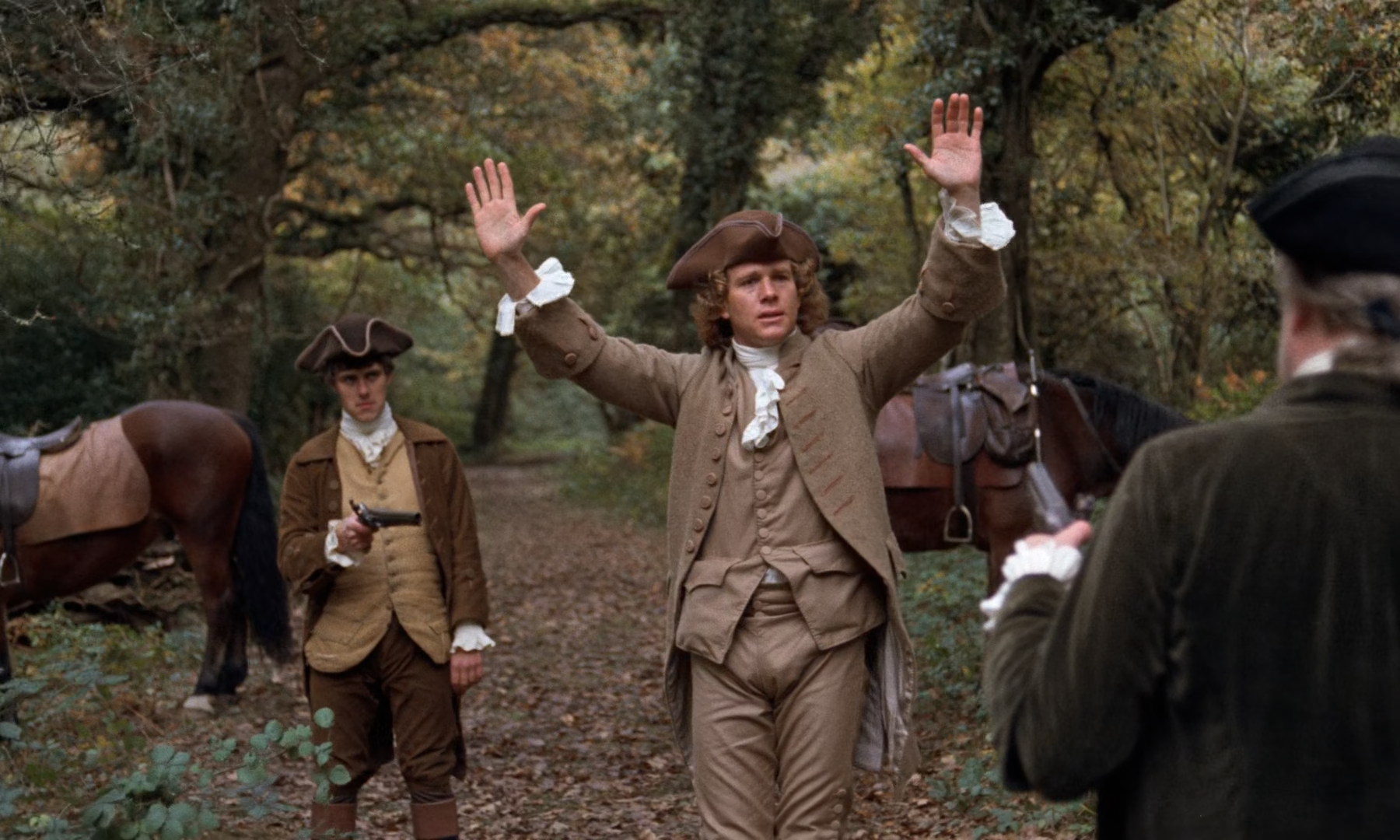
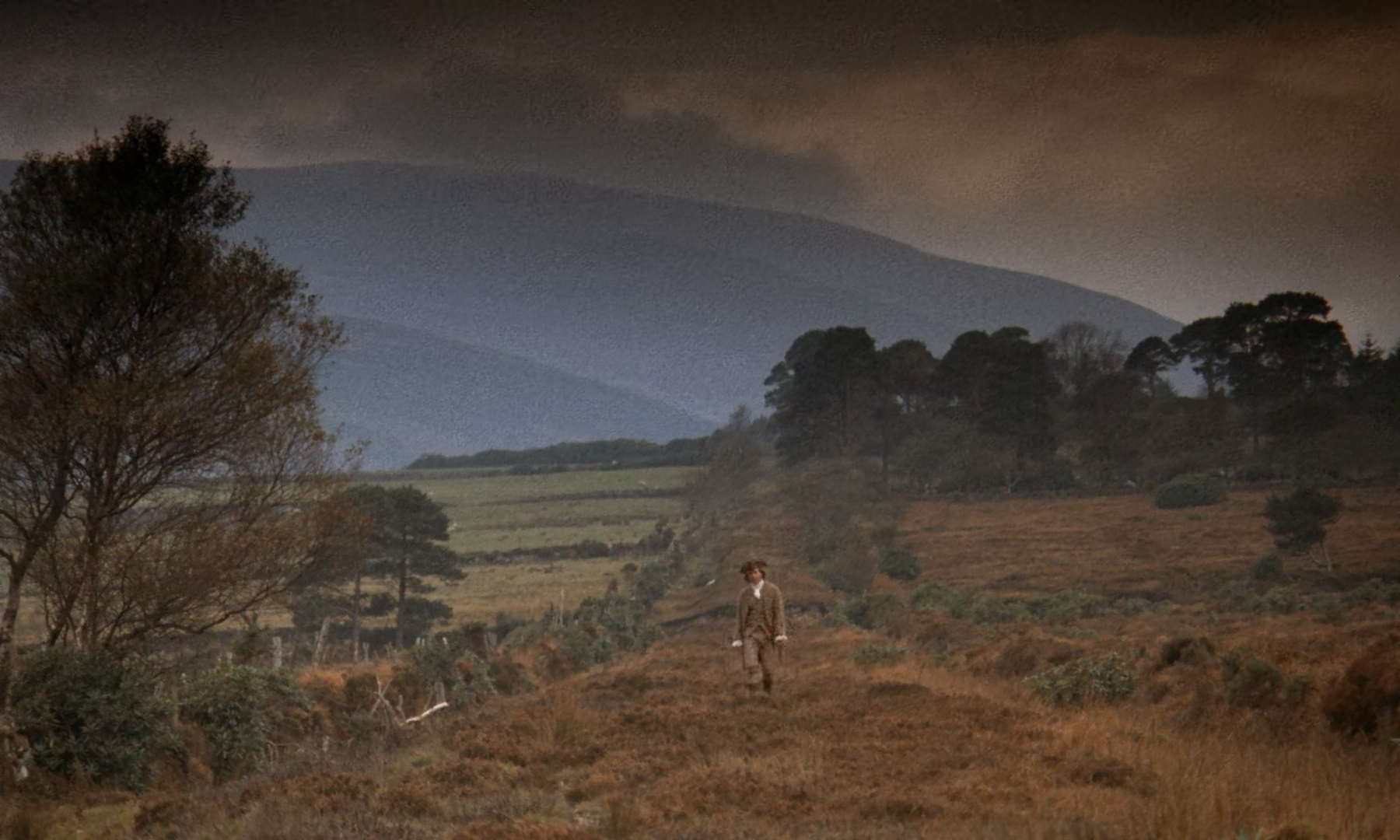
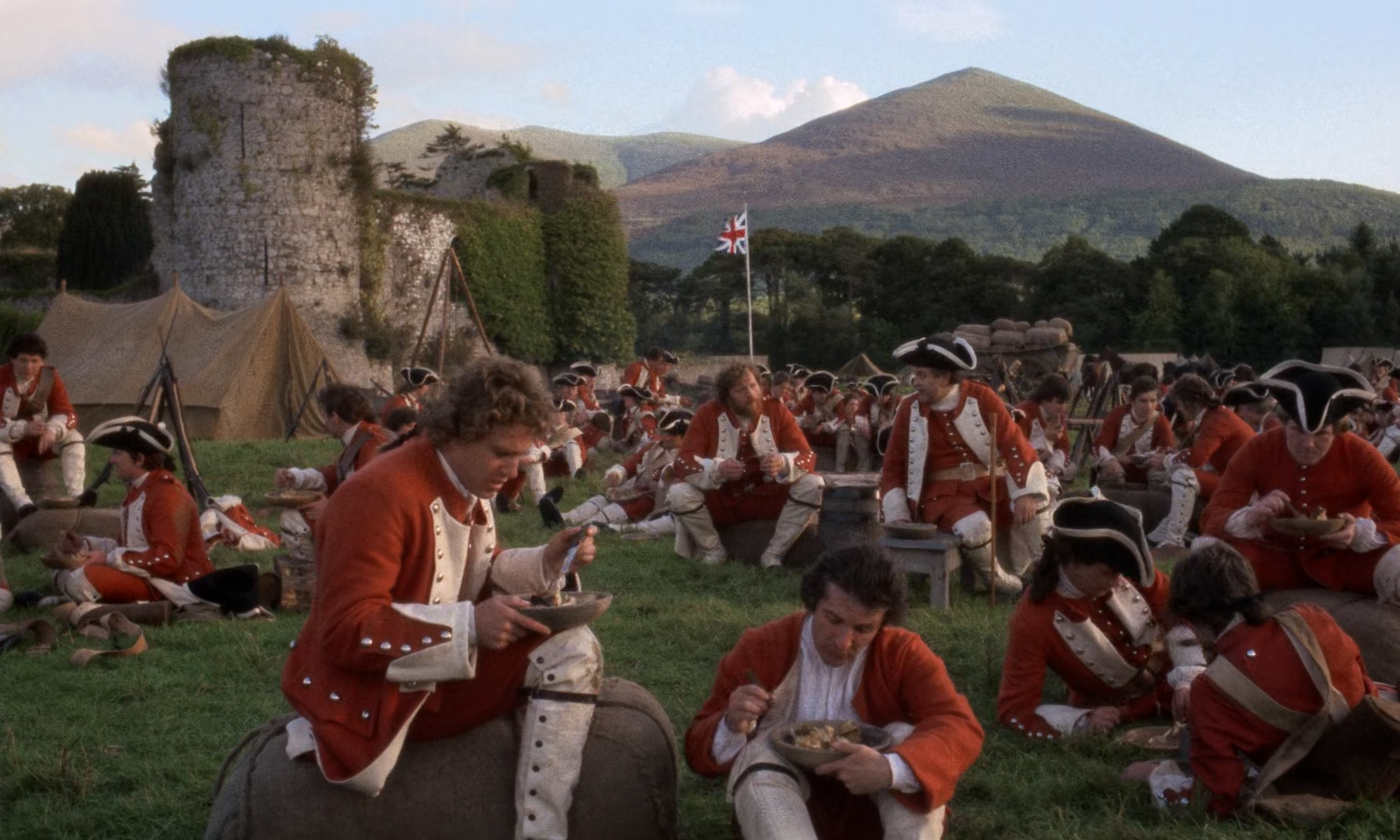
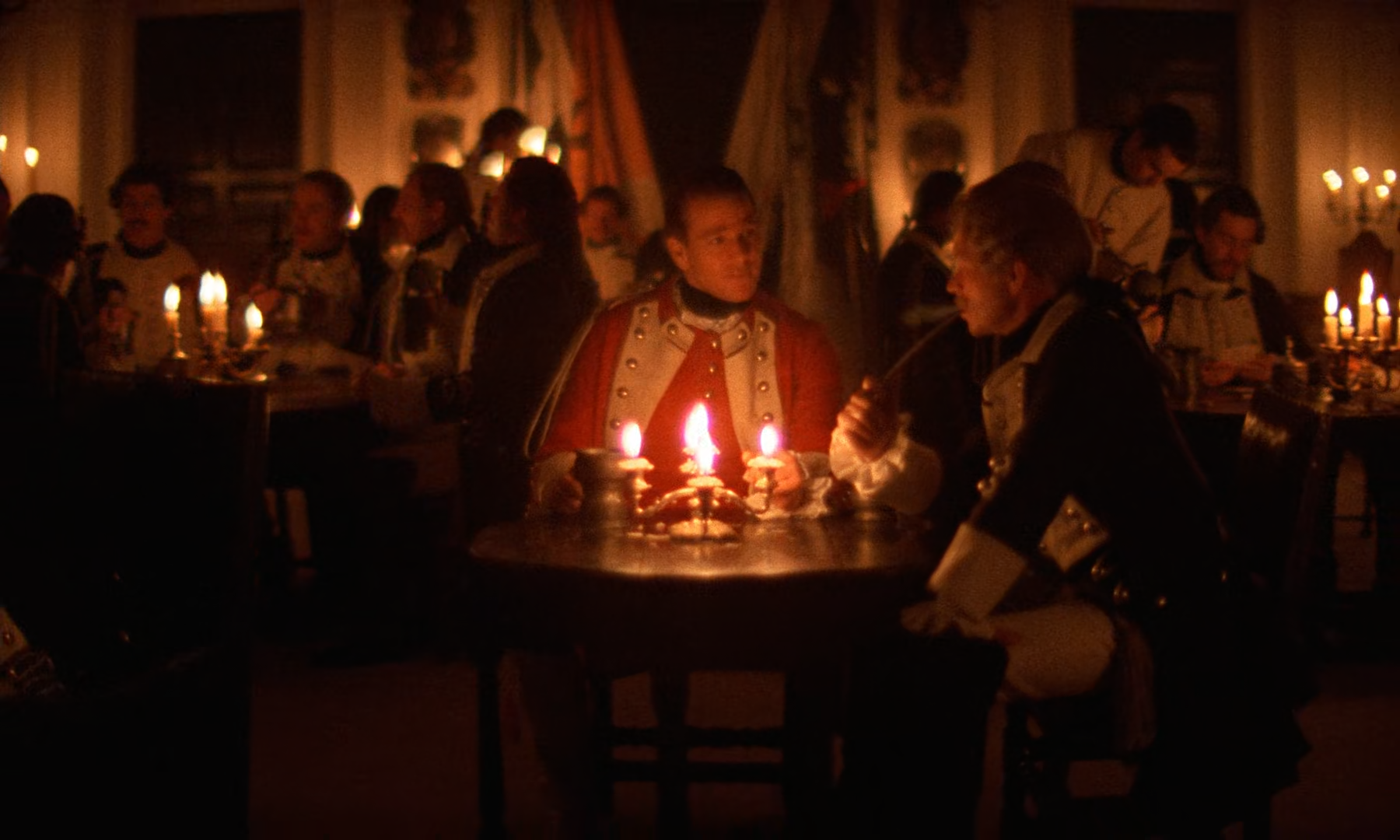
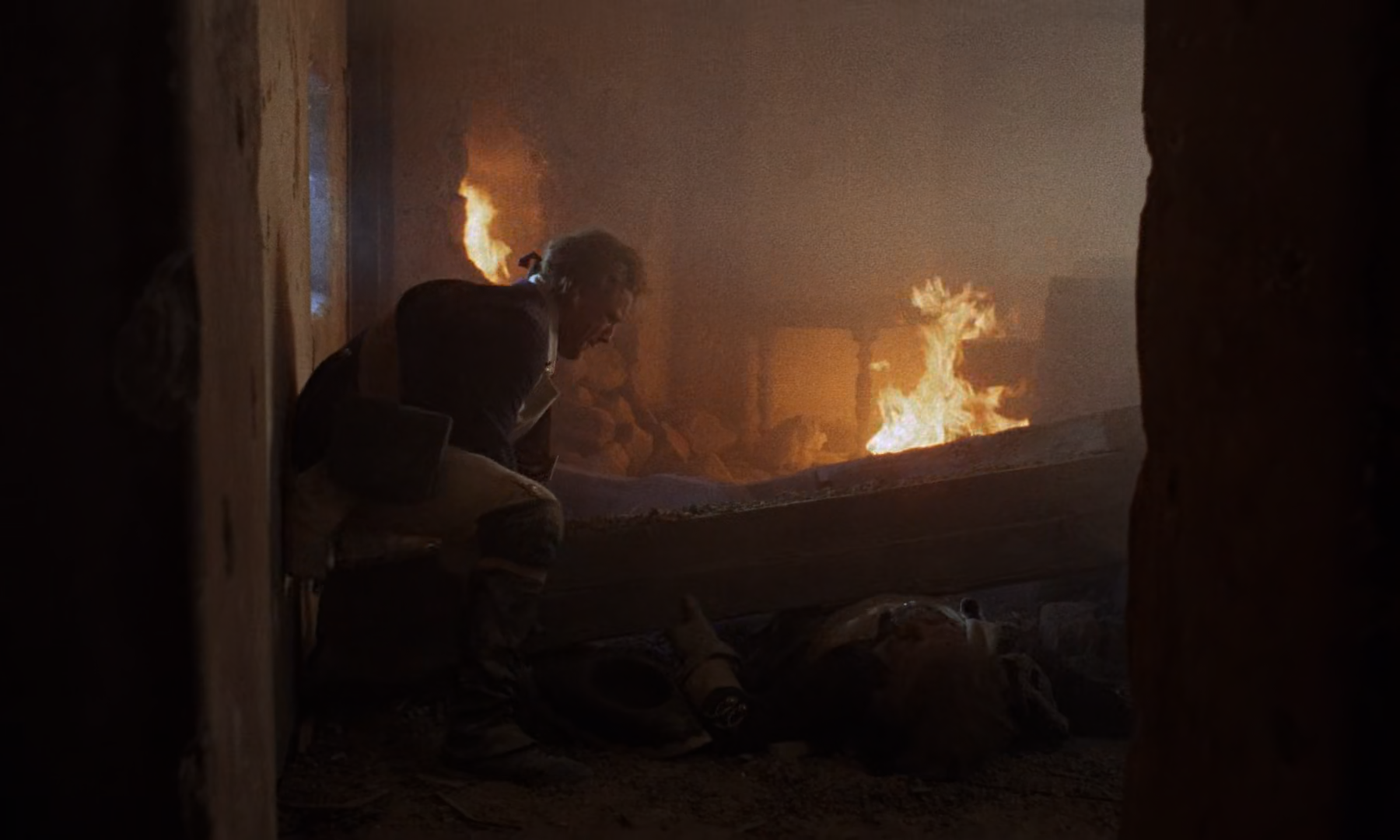
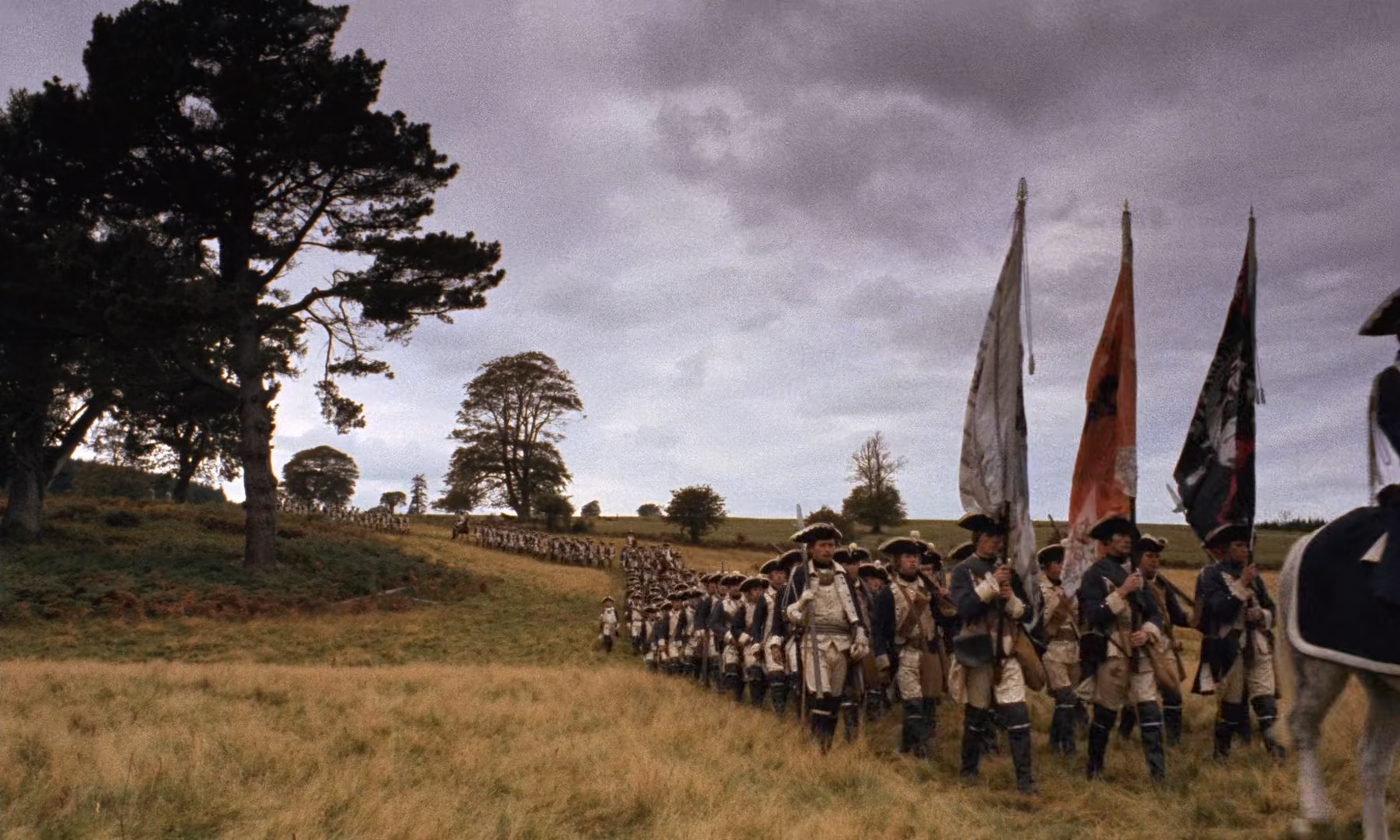
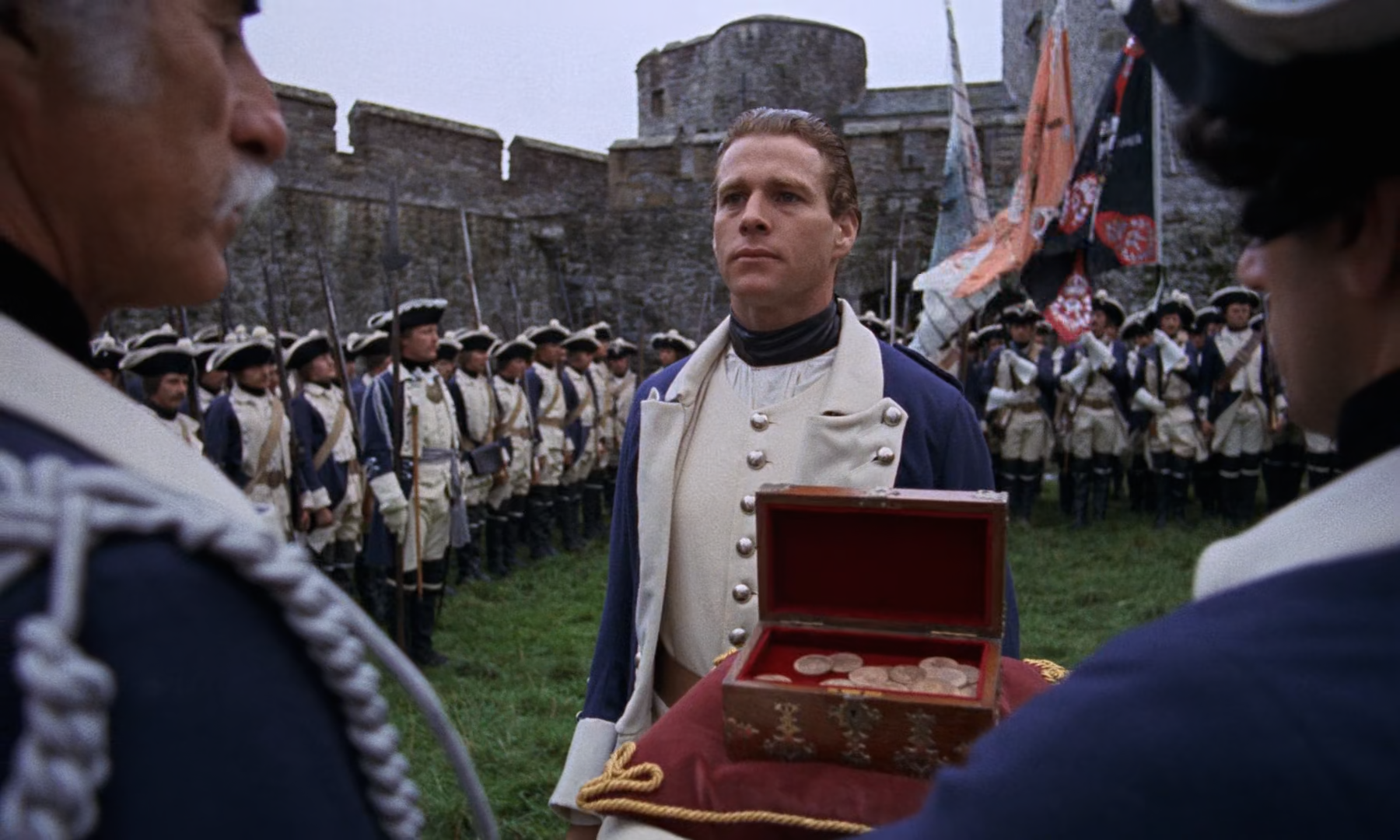
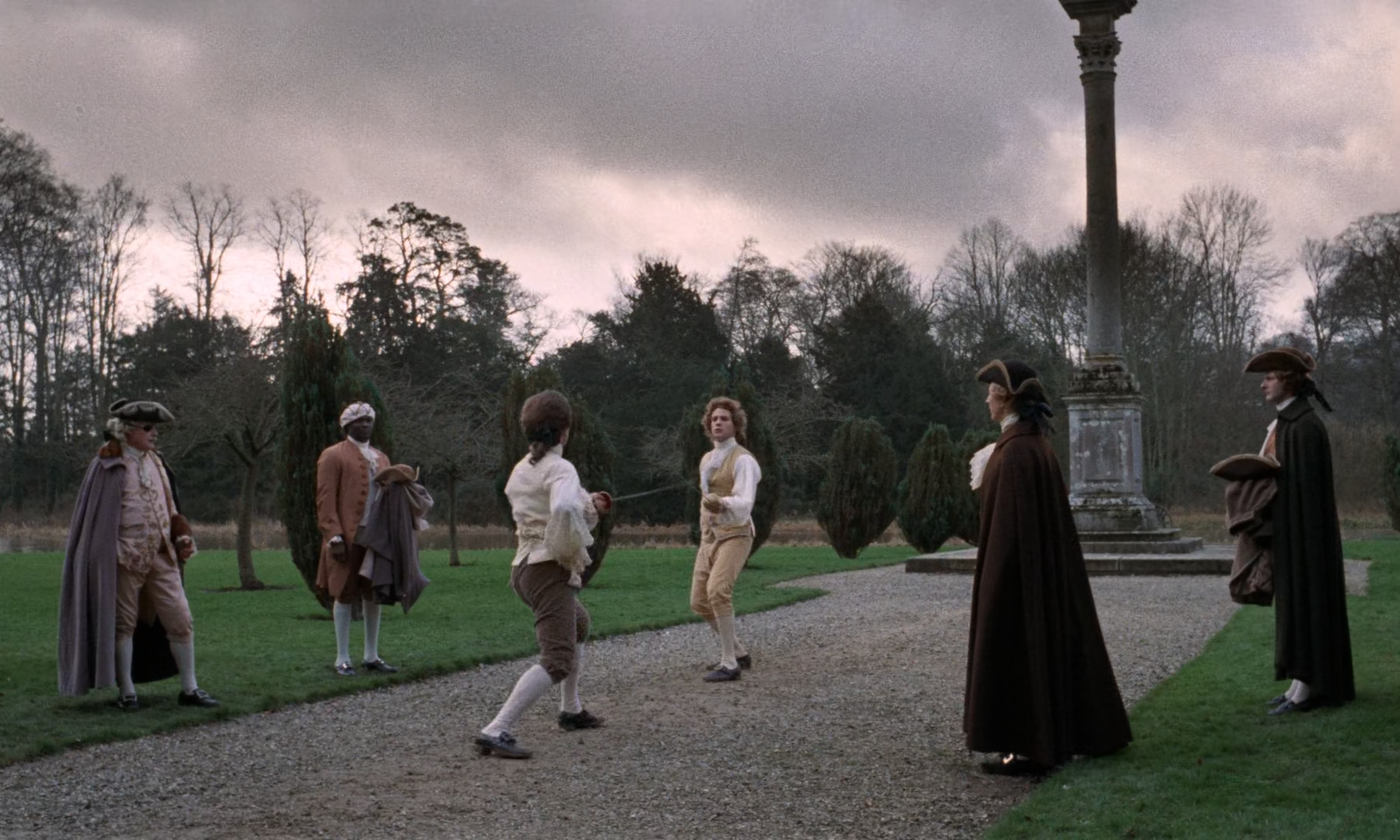
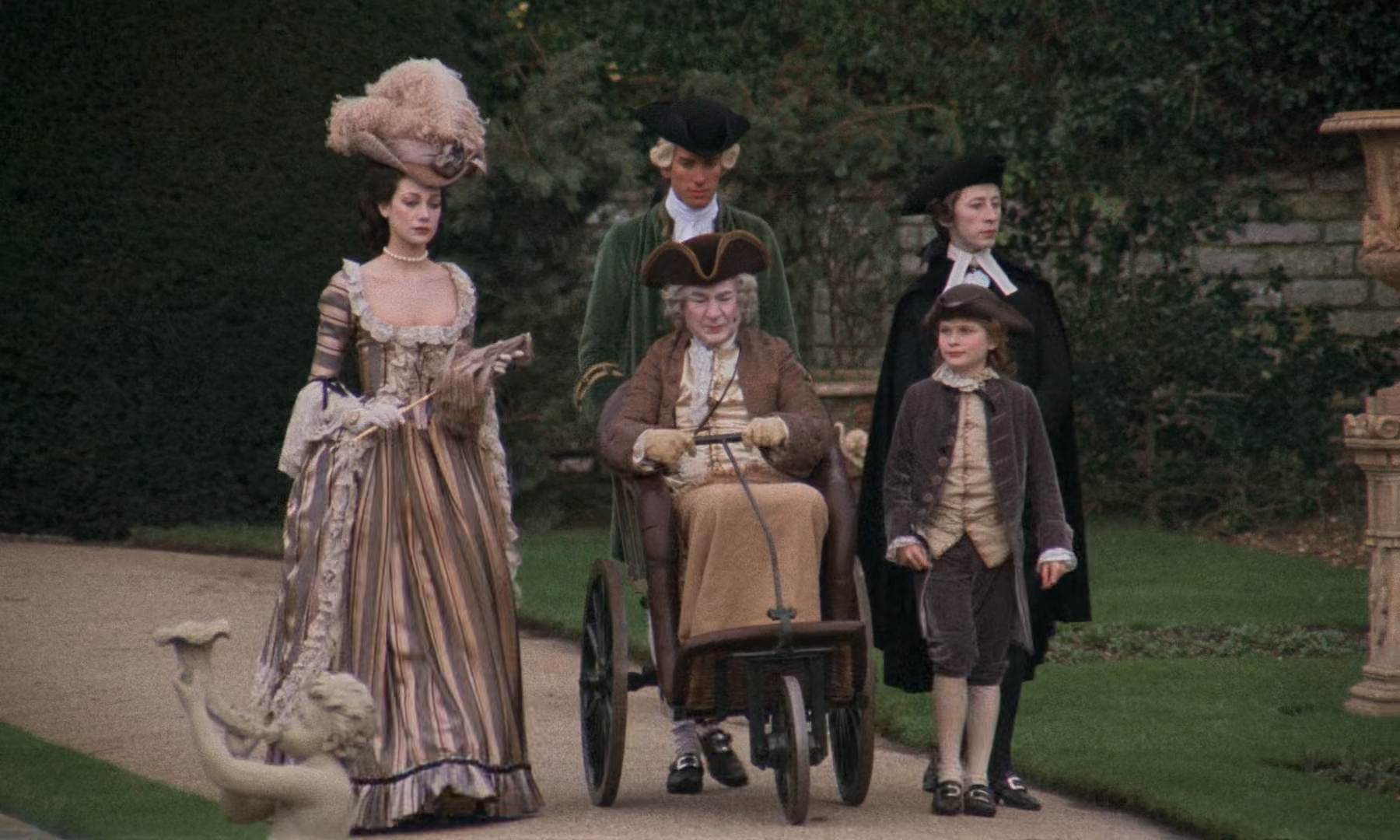
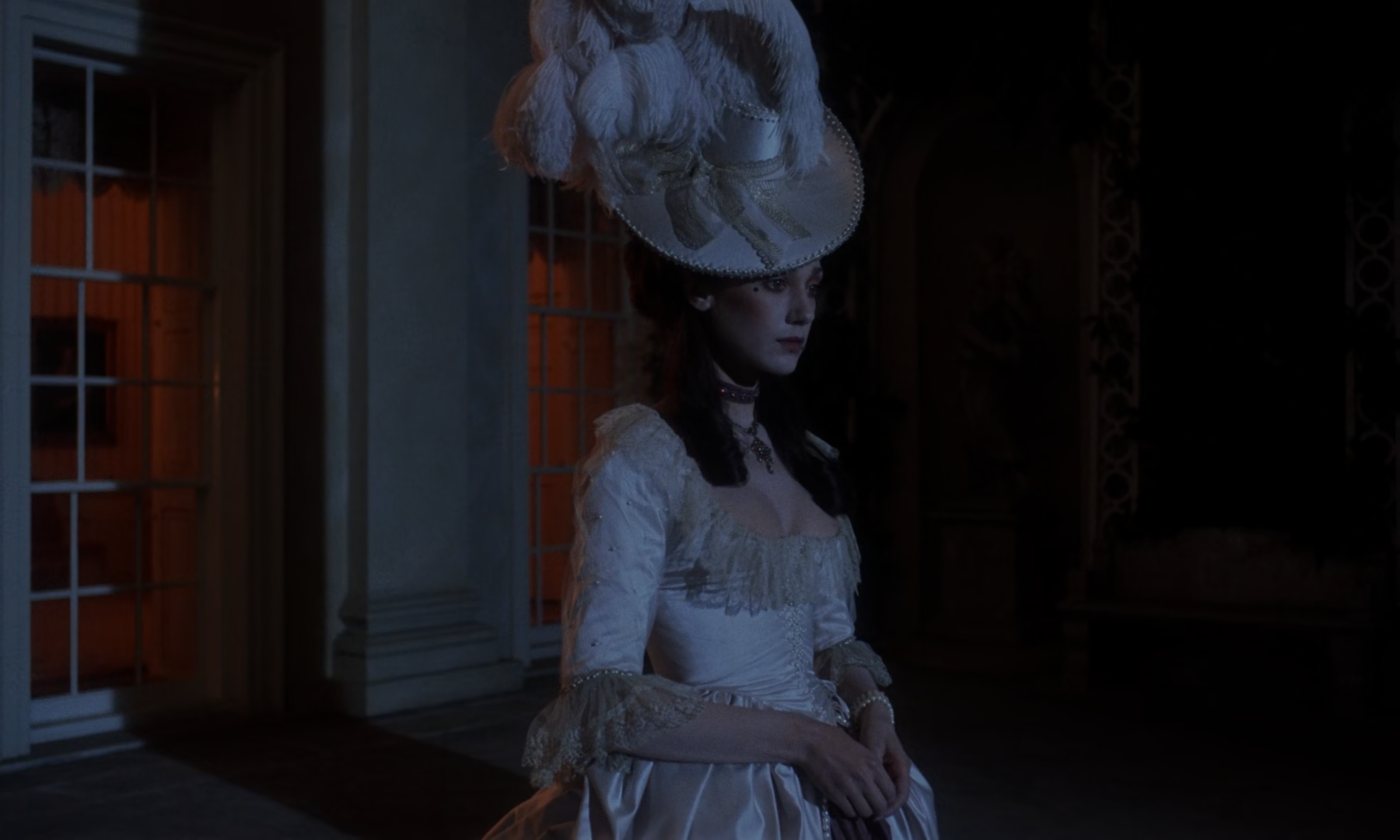
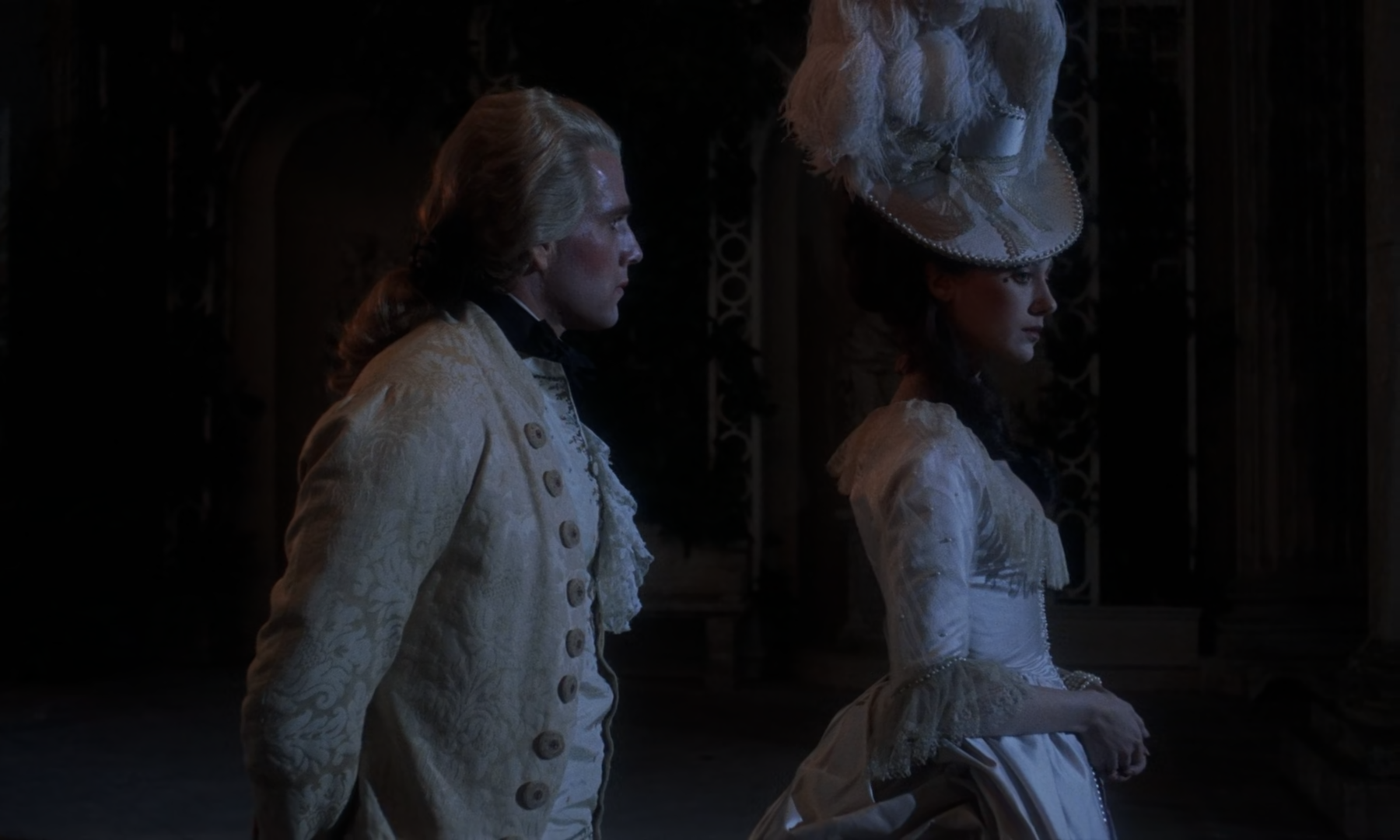
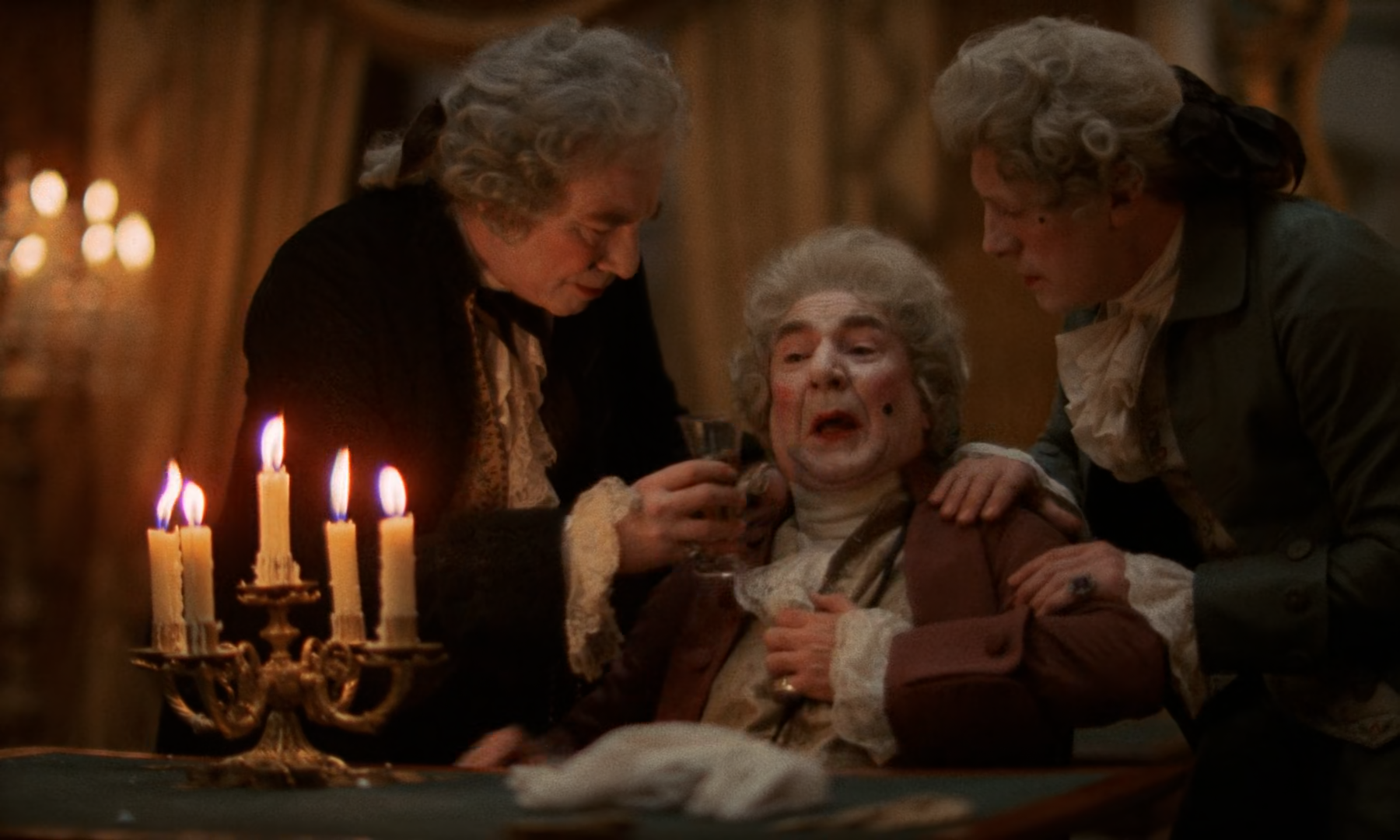
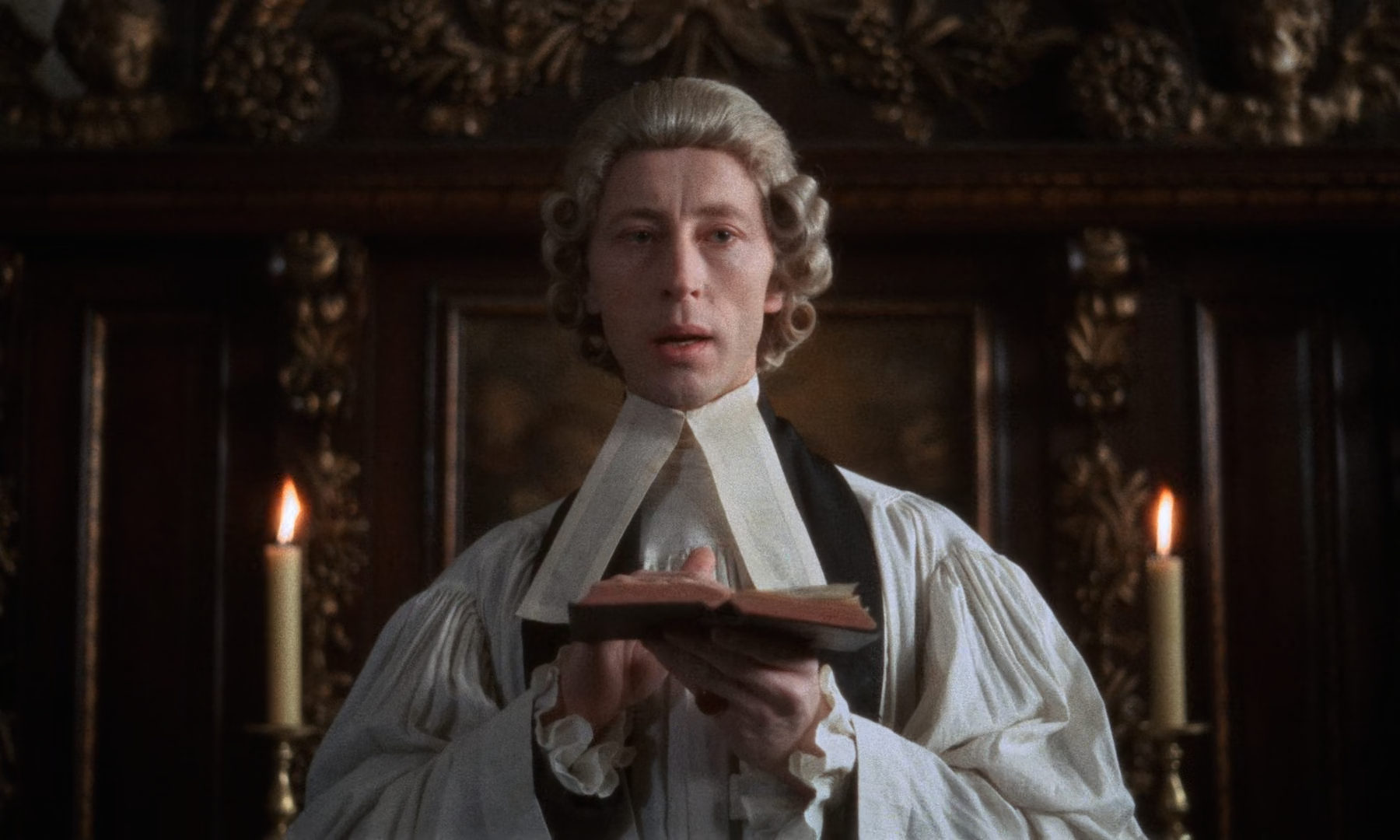
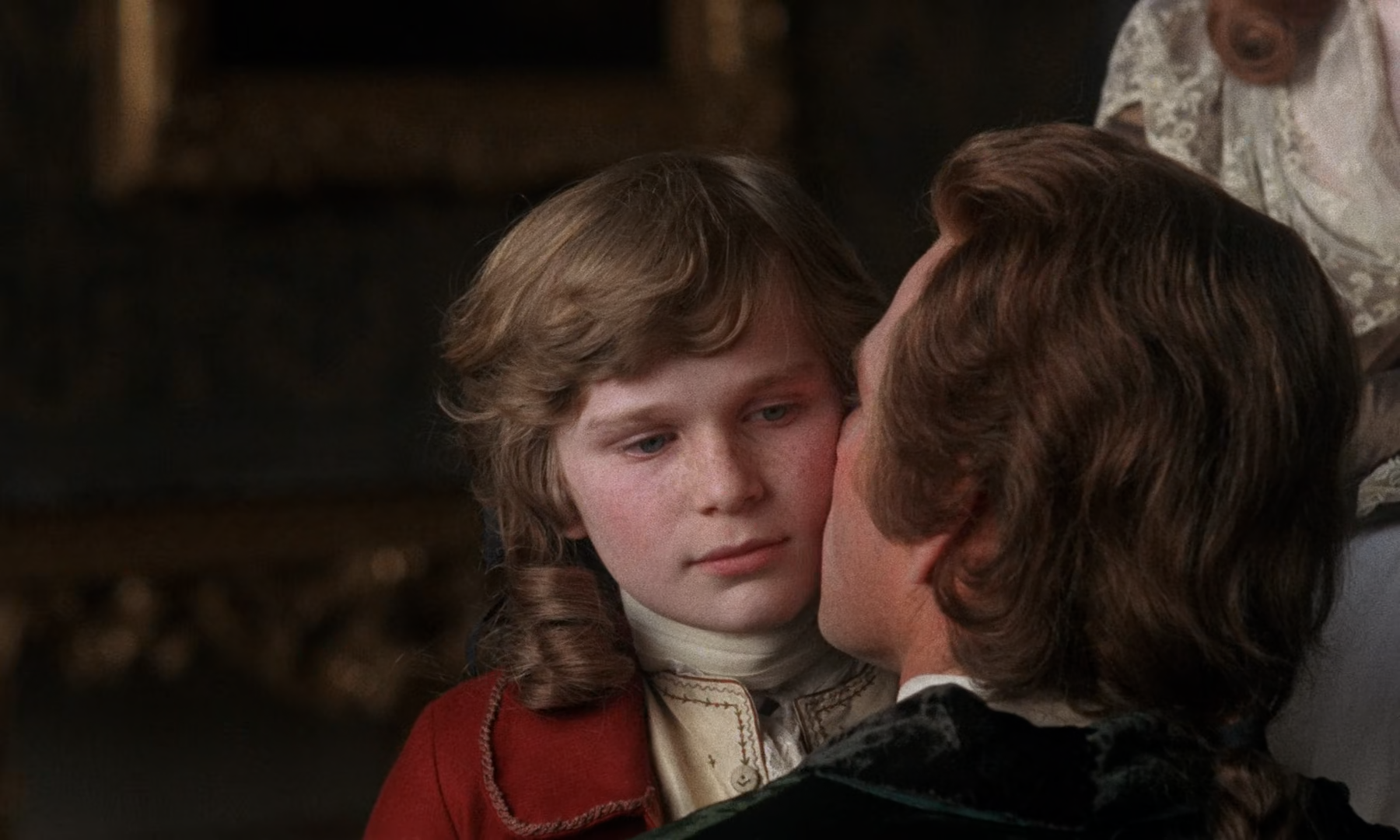
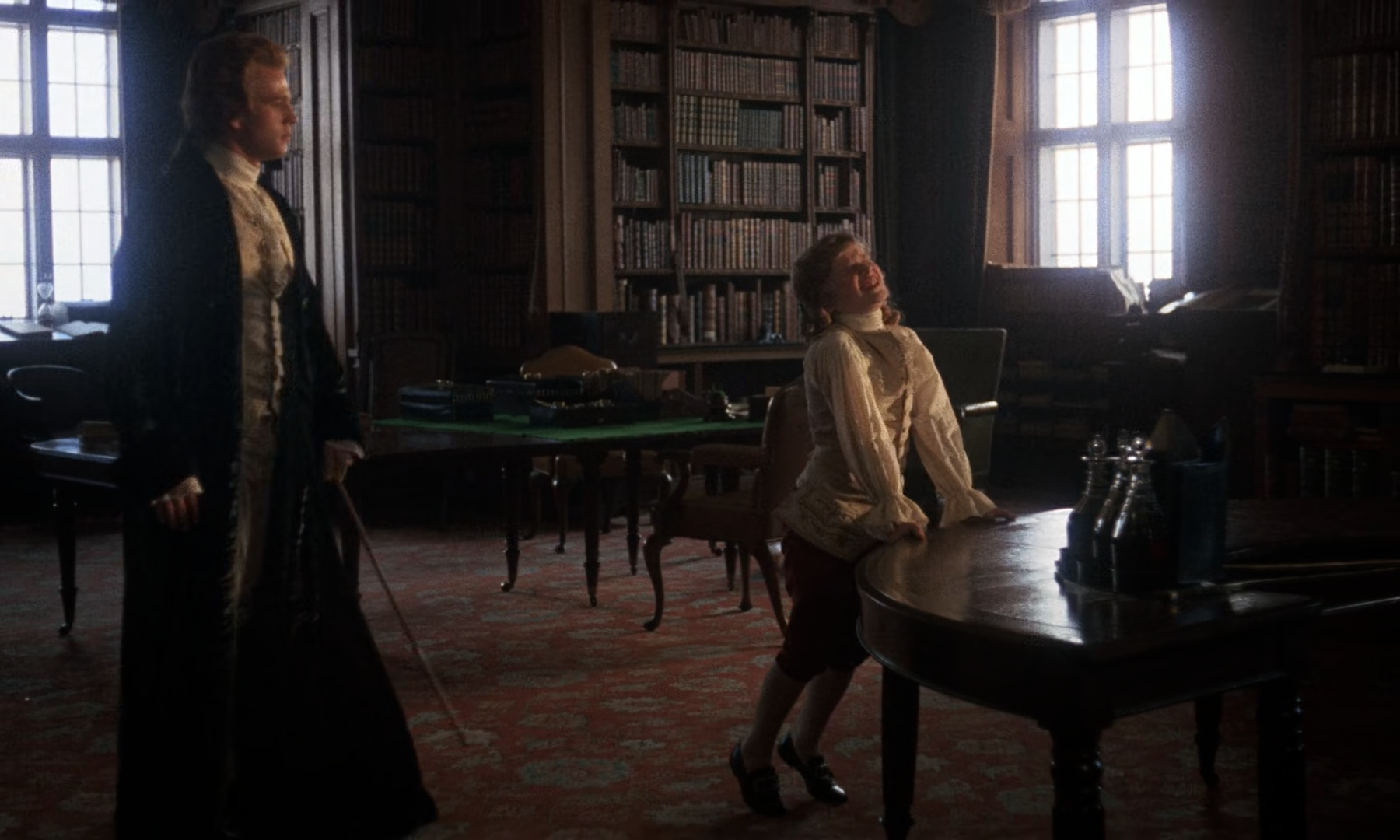
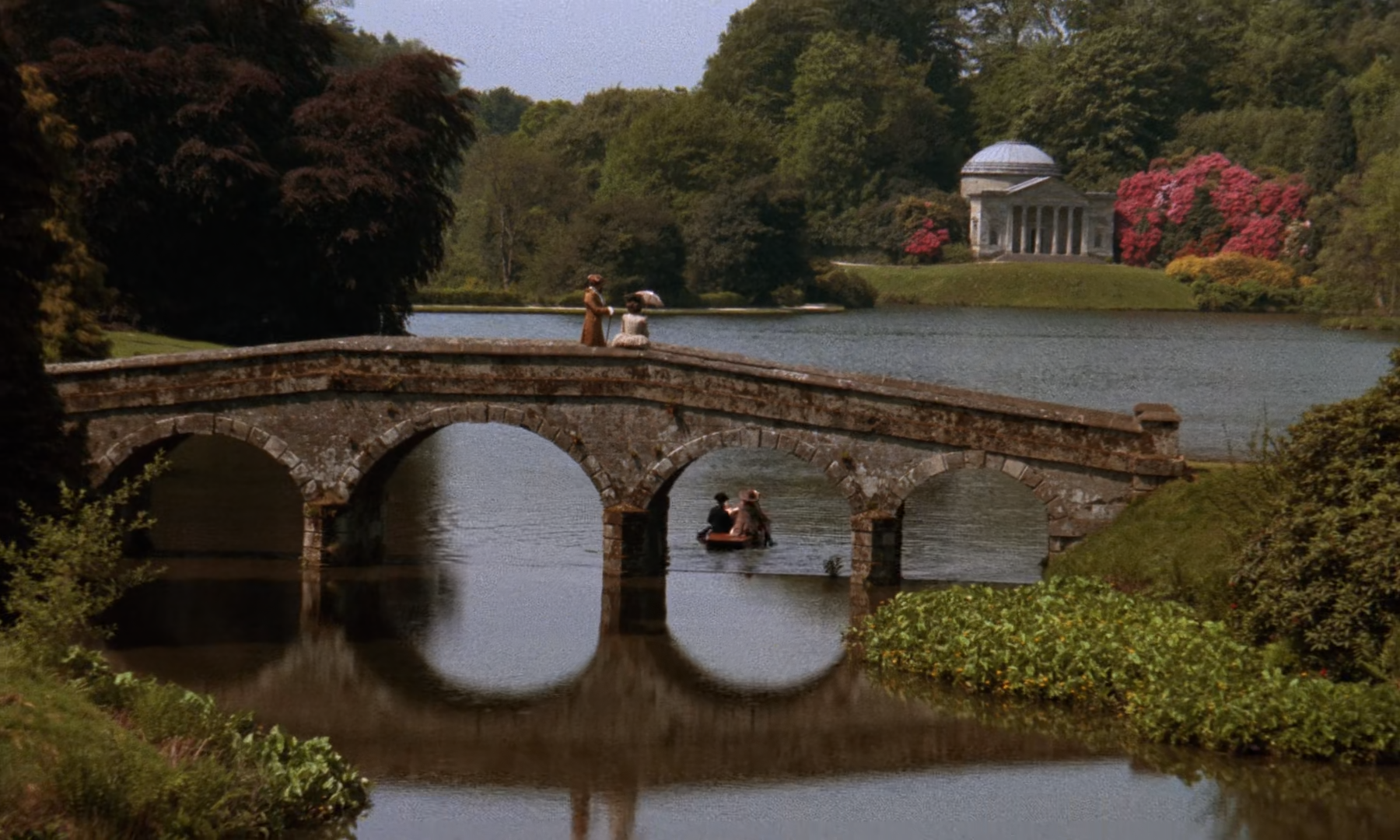
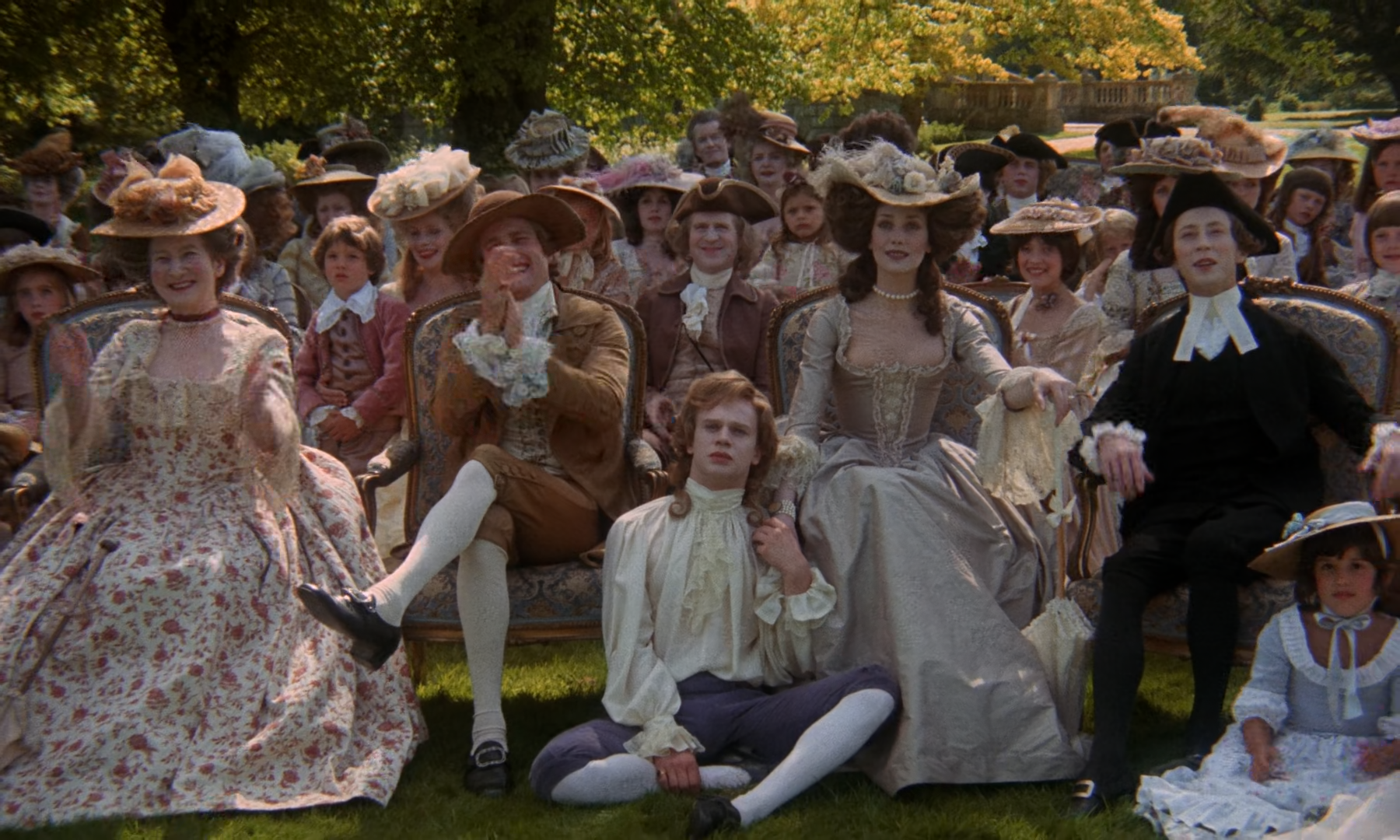
Perhaps one of Kubrick’s most beautifully composed films, the psychological epic still has his signature dark tones but under the playful irony of powdered wigs. Although characters are presented as complex, the apathetic narration presented by Kubrick makes this film feel cold. This contrasts with the warmness of the iconic candle lit scenes and lush greenery of Europe. The film has a focus on visuals with its beautiful framing, costume and sets, giving rise to the term “every frame a painting”. And when he zooms out, he reveals an even more incredible landscape. Kubrick made this film more-so through the lens than he did with the script as characters have minimal dialogue. But it doesn’t matter when the narrator tells you what will happen, because Kubrick is such a compelling storyteller you’ll want to see how events unfold anyway.
Story:
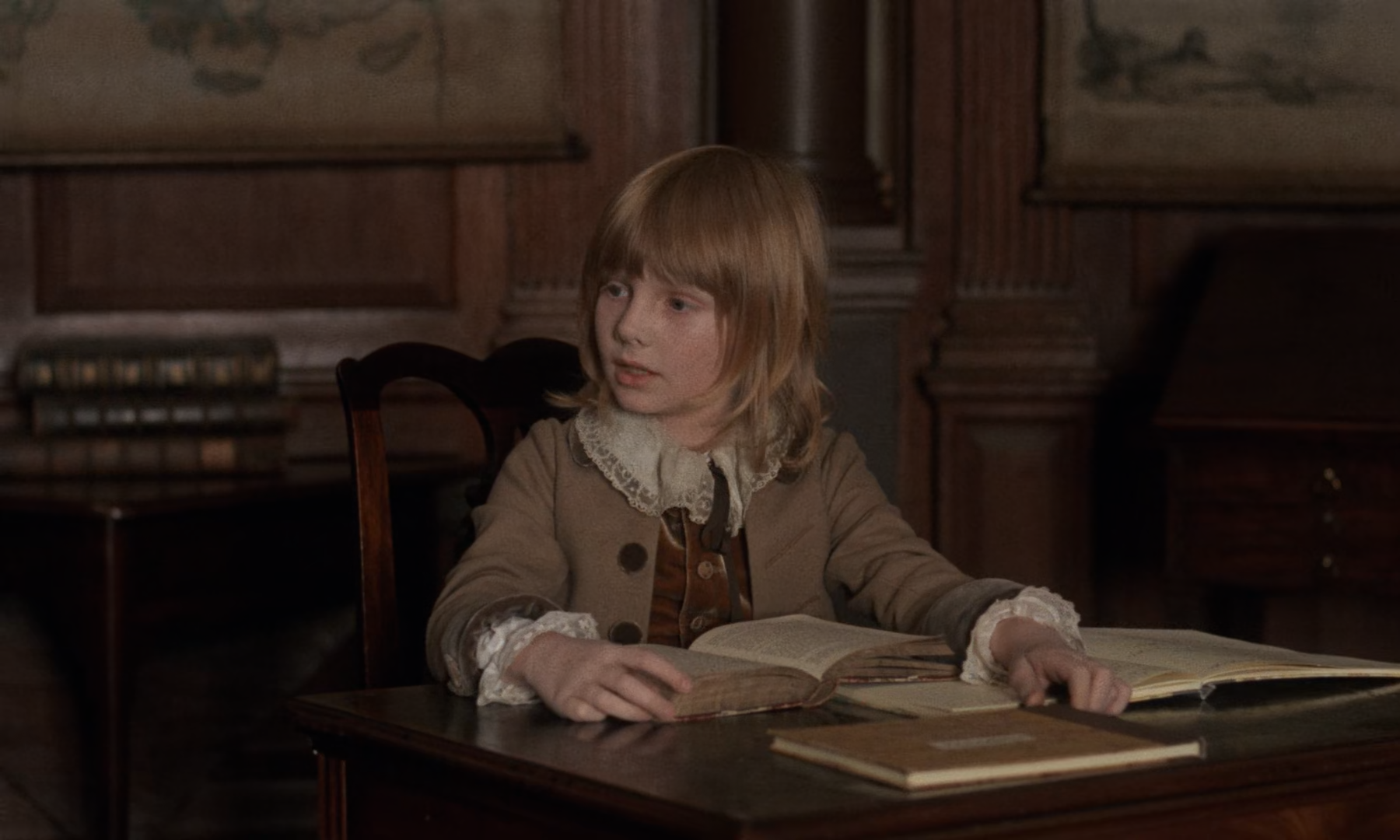
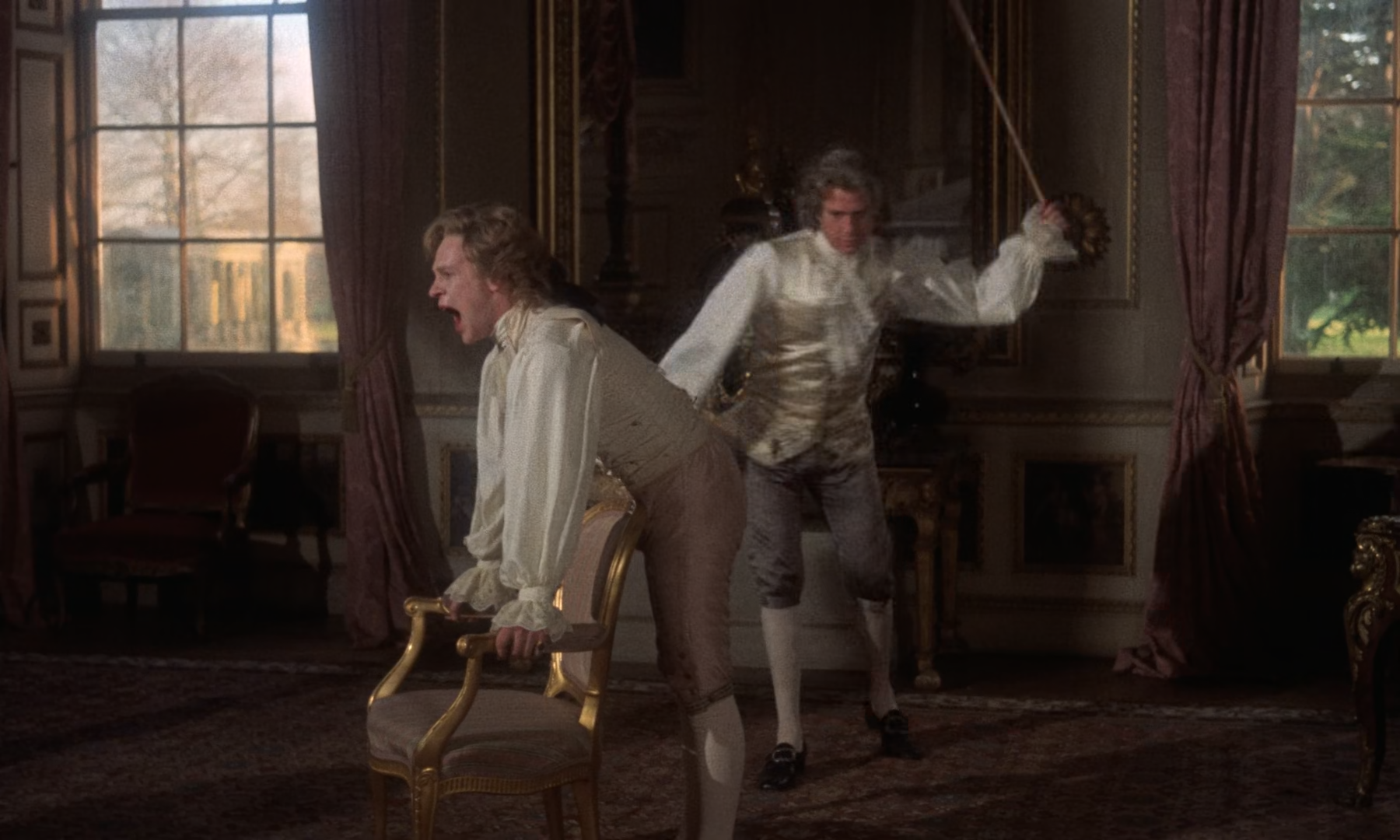
The downfall of the protagonist was out of his control whereas in typical literary fashion it should be his own undoing. However, the script made enough redemptive qualities in the rogue grifter to make the son's prior hatred feel more driven by plot than by realism. I don't think he was particularly cruel to warrant a permananent resentment in the beginning, I think conflicts could have been executed more organically, particularly the youngest child.
Conclusion:
This film has influenced future 18th century England films, most notably The Favourite. This film is superior to Lanthimos’ version, which nearly feels like a rip-off, but I would say it’s still more fun and entertaining whereas Kubrick’s is more substantial and deep. It’s a varation of the tragic hero, with a more cynical letter to humanity. This is a fantastic epic and another masterpiece from Kubrick but he omits too much in creating the mystique rather than completing the vision.
Recommendations






The beauty behind powered wigs and makeup.