
Dancer in the Dark (2000)
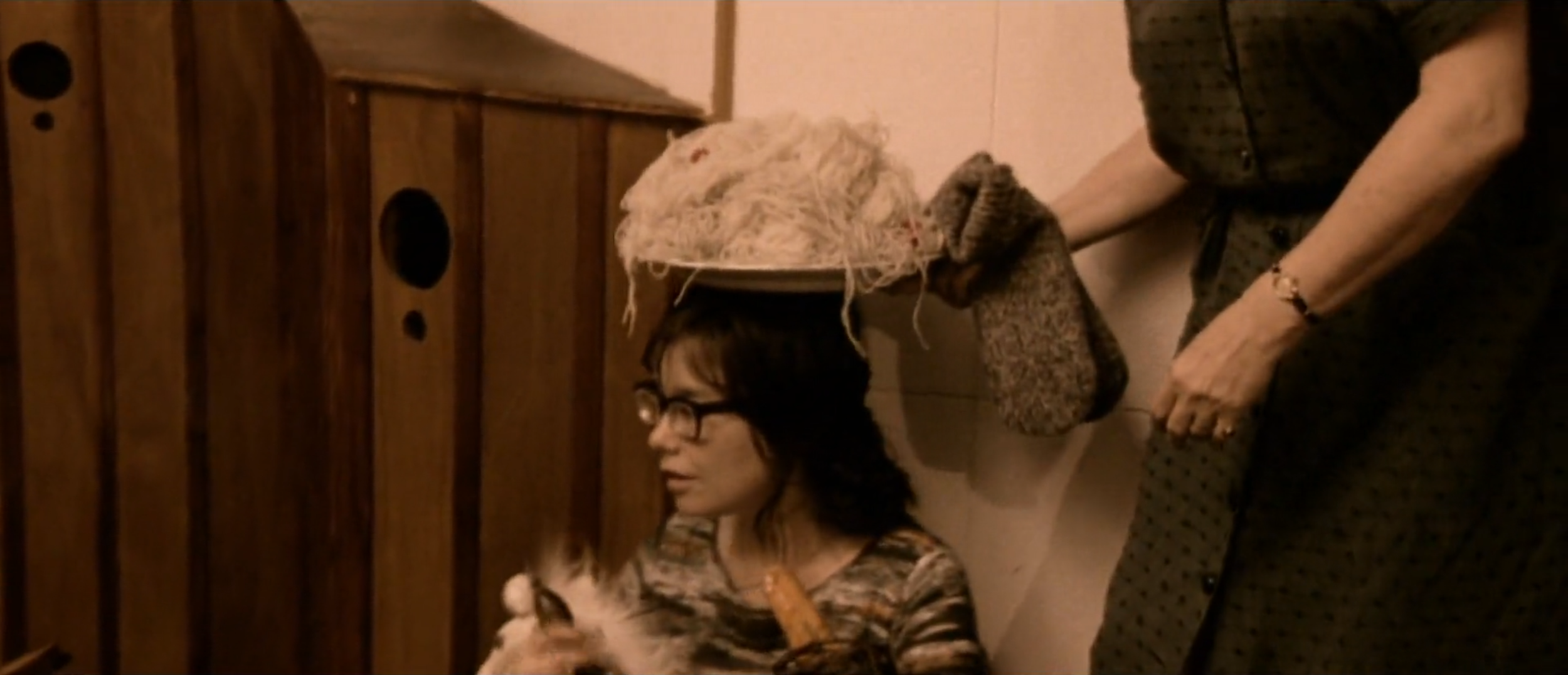
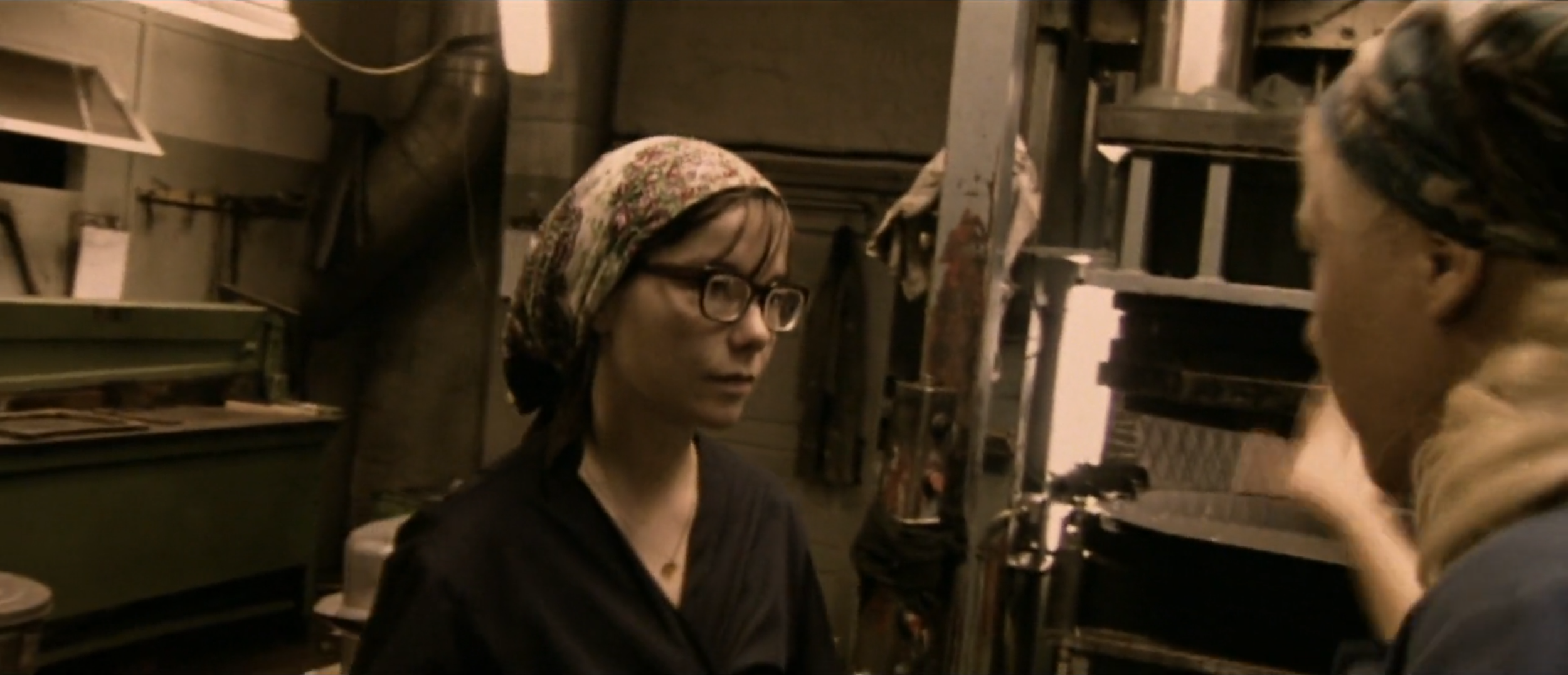
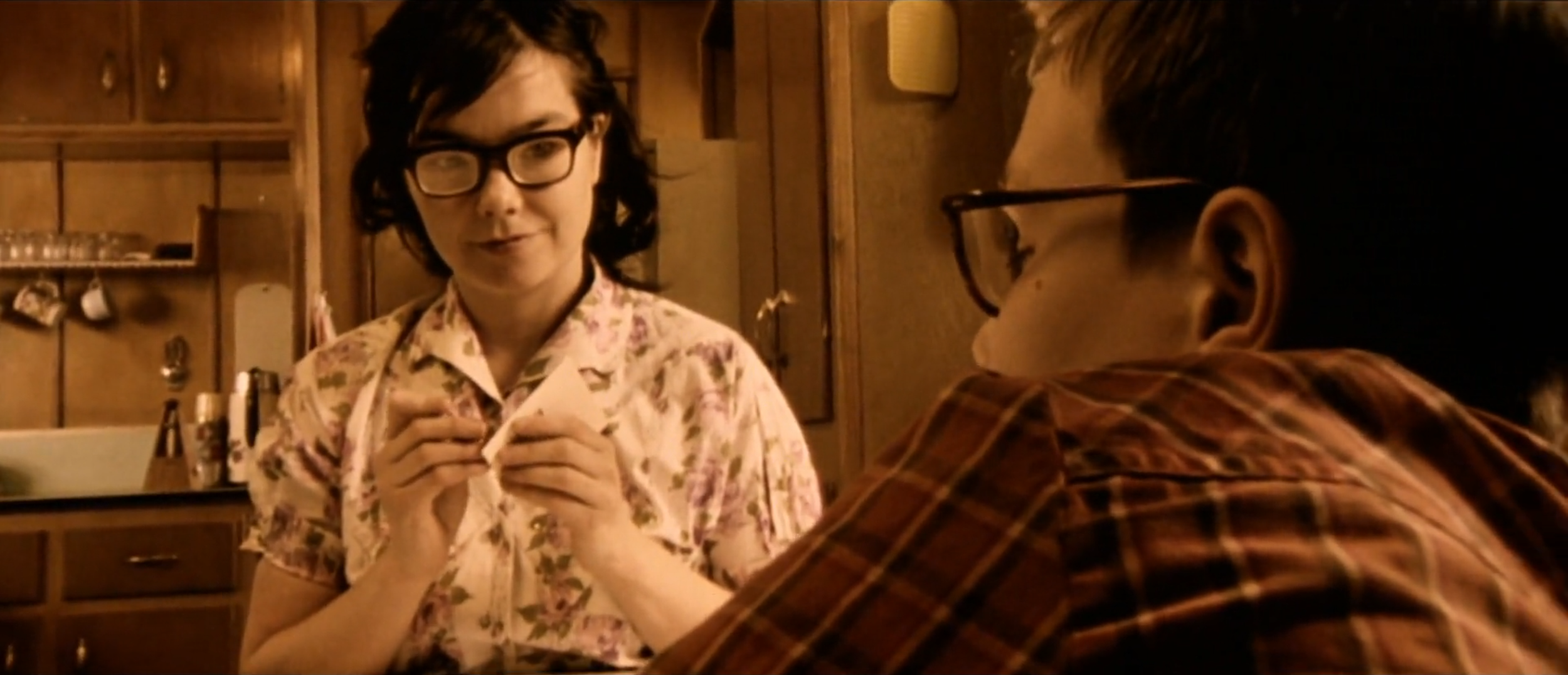
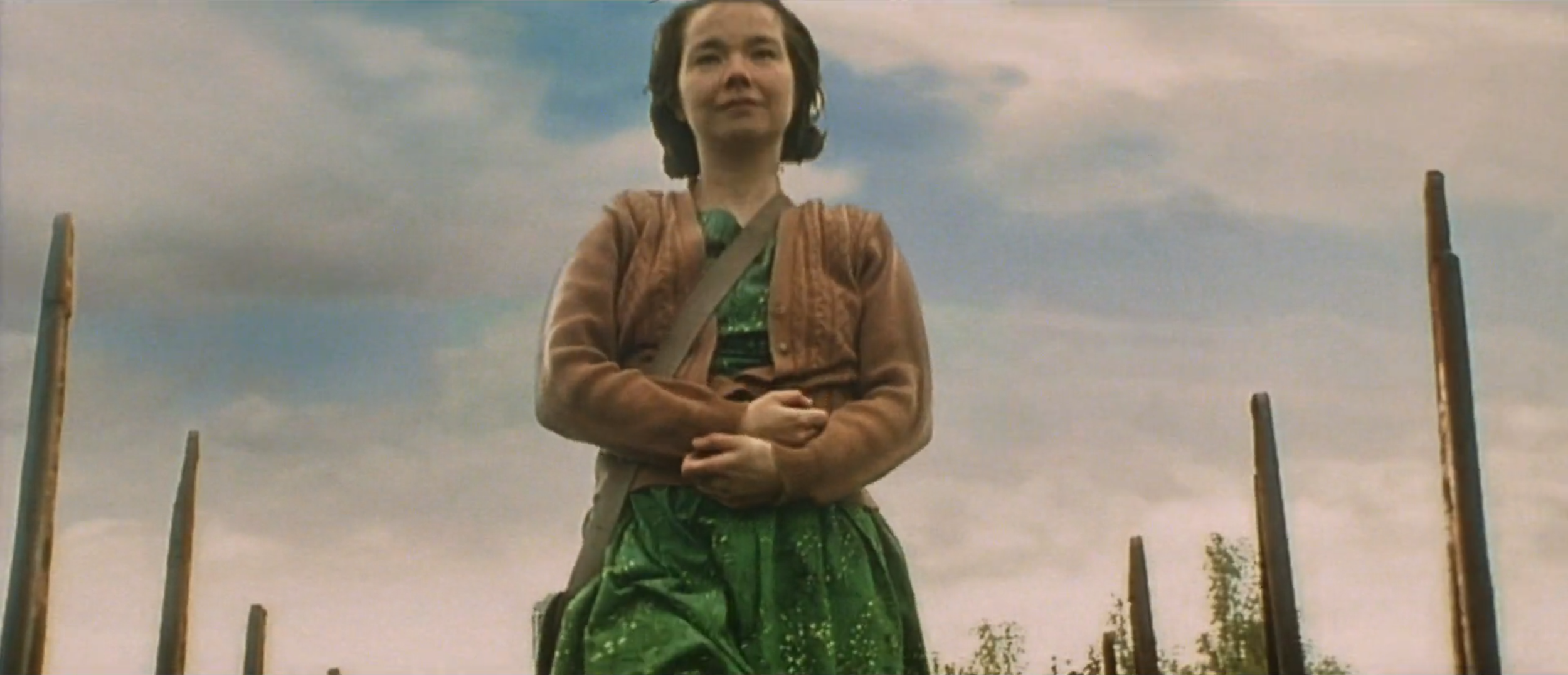
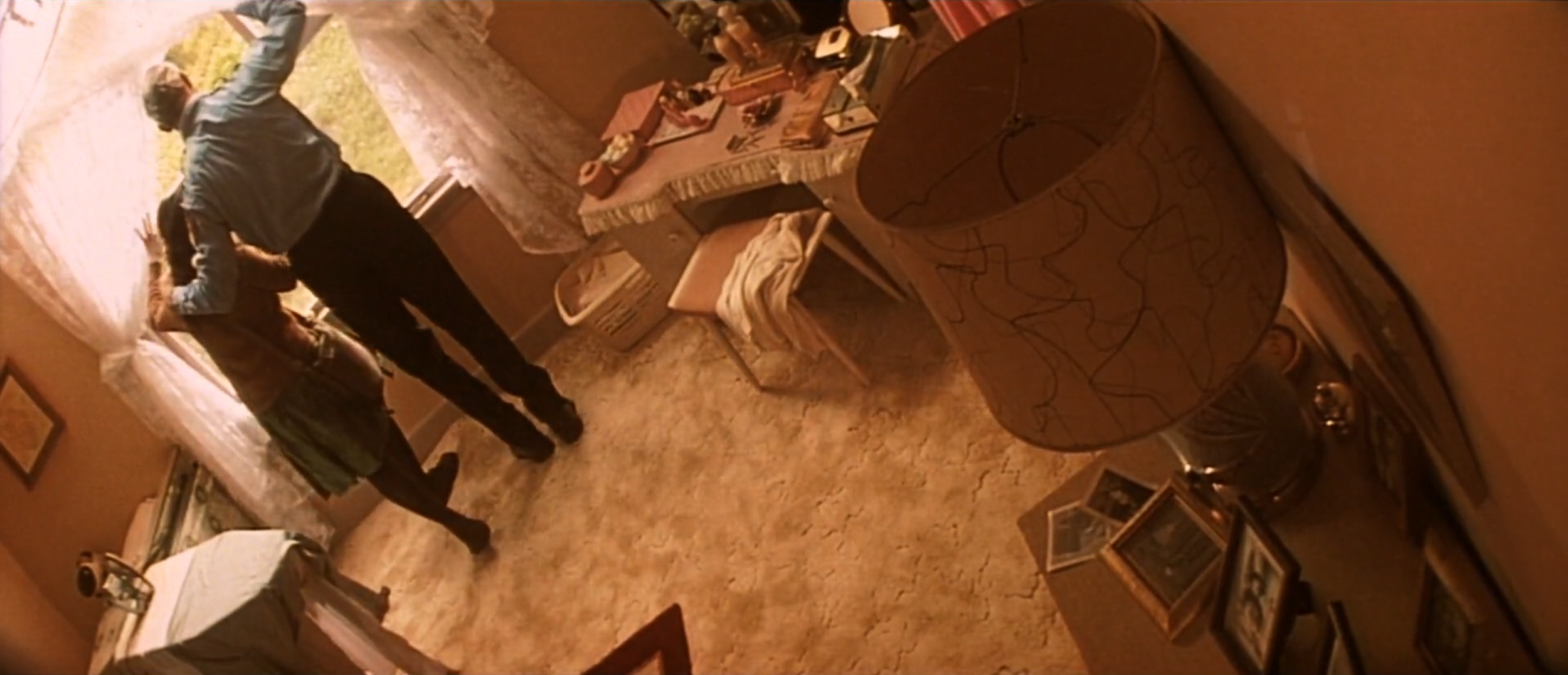
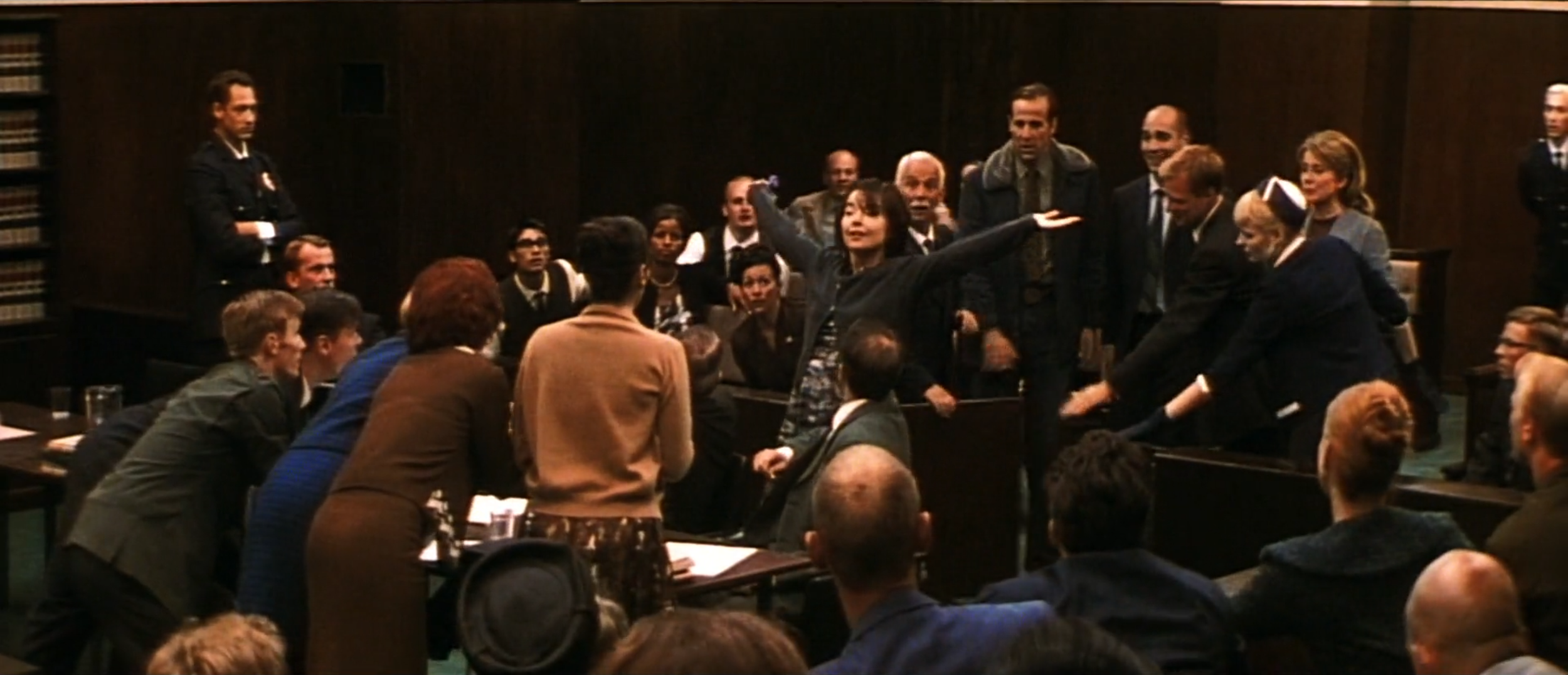
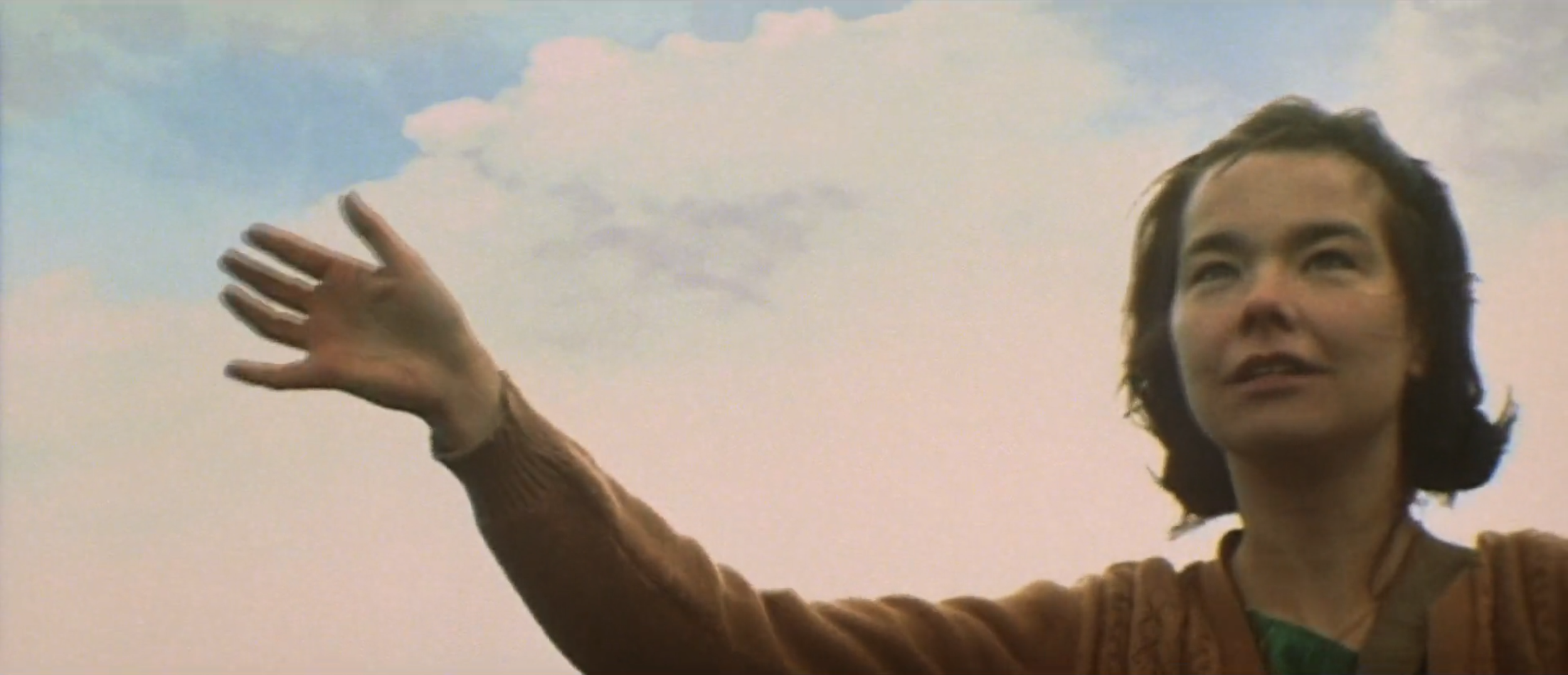
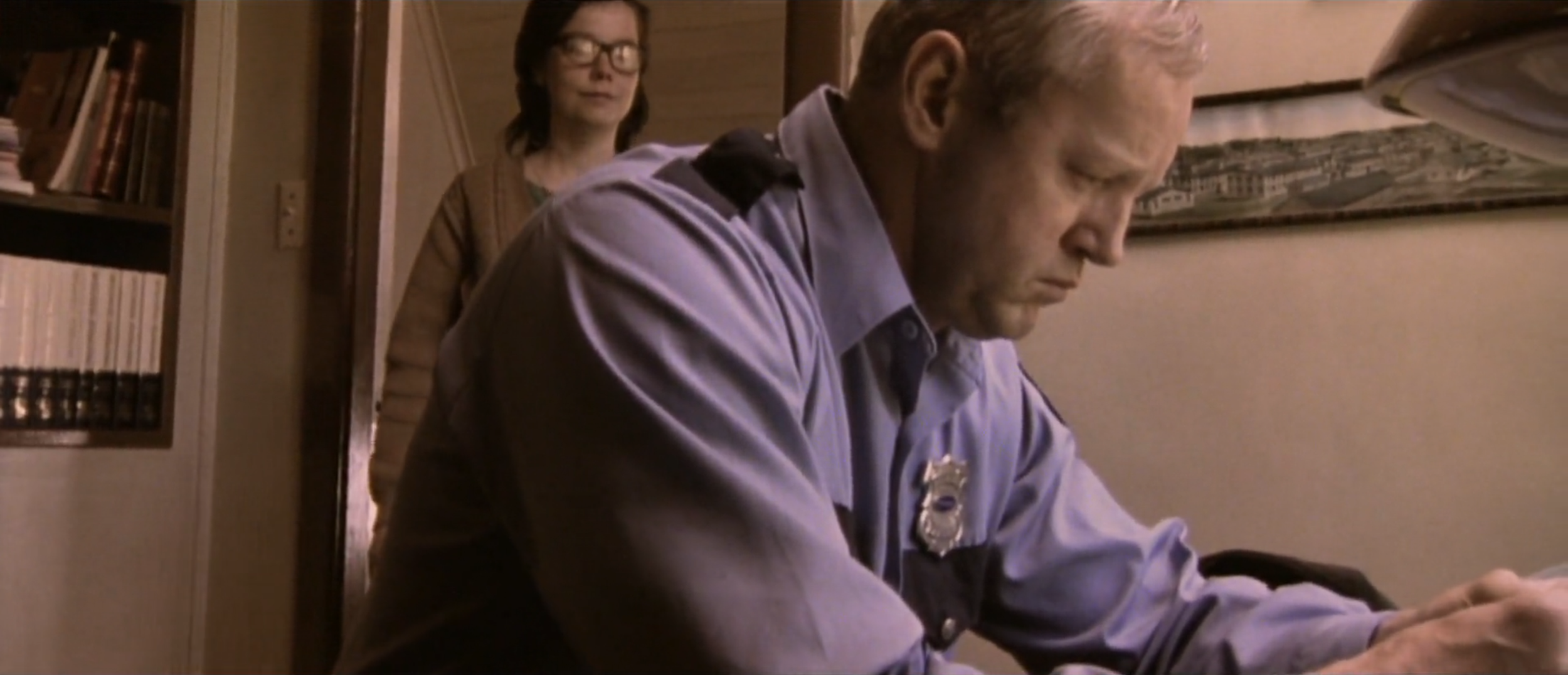
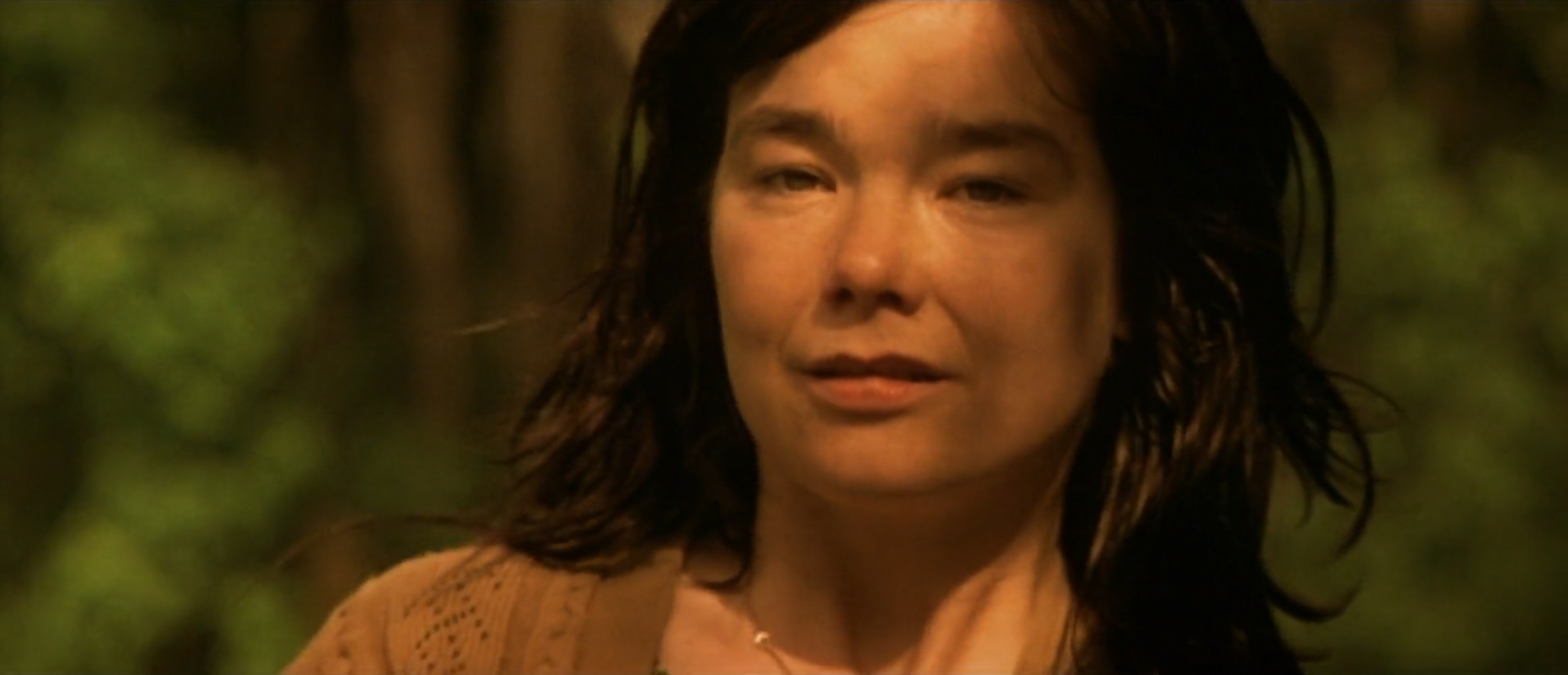
Perhaps the best musicals are the saddest ones.
Presentation:
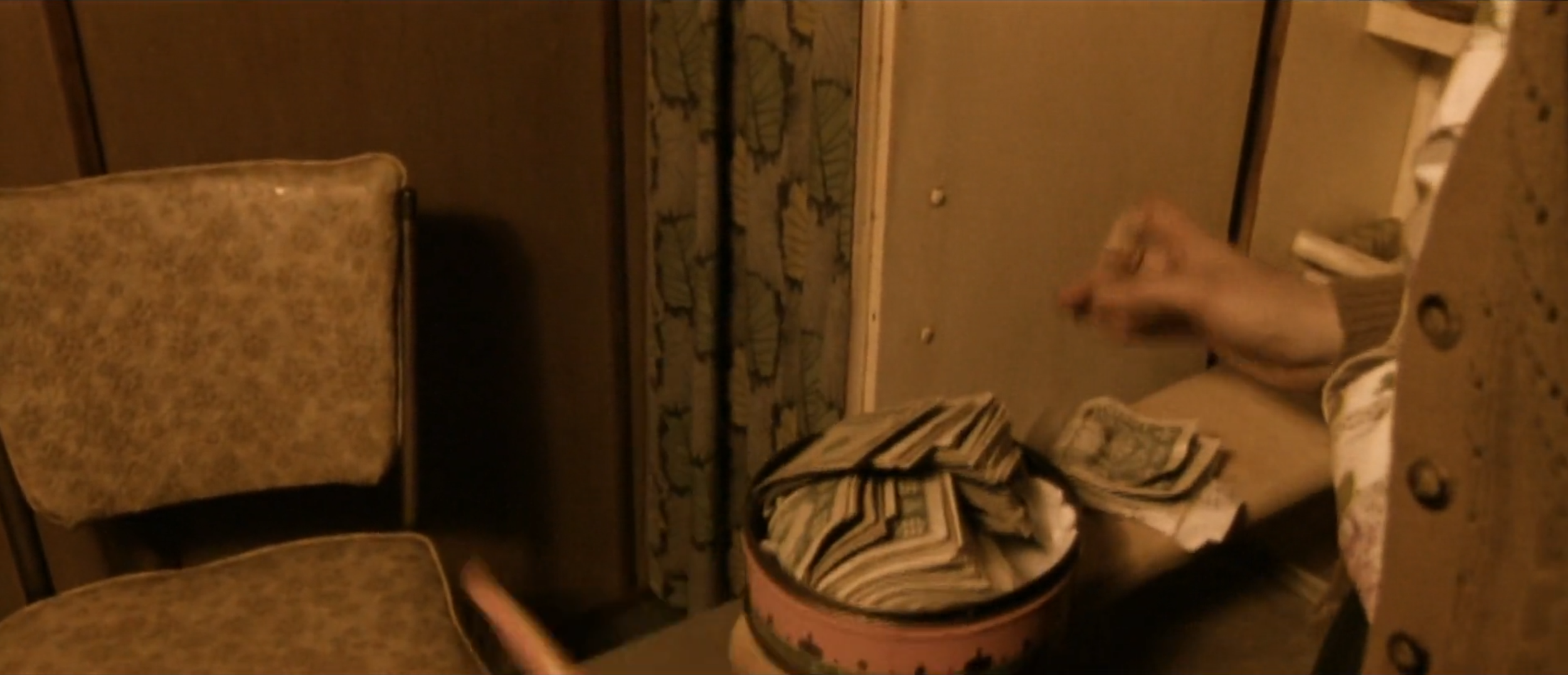
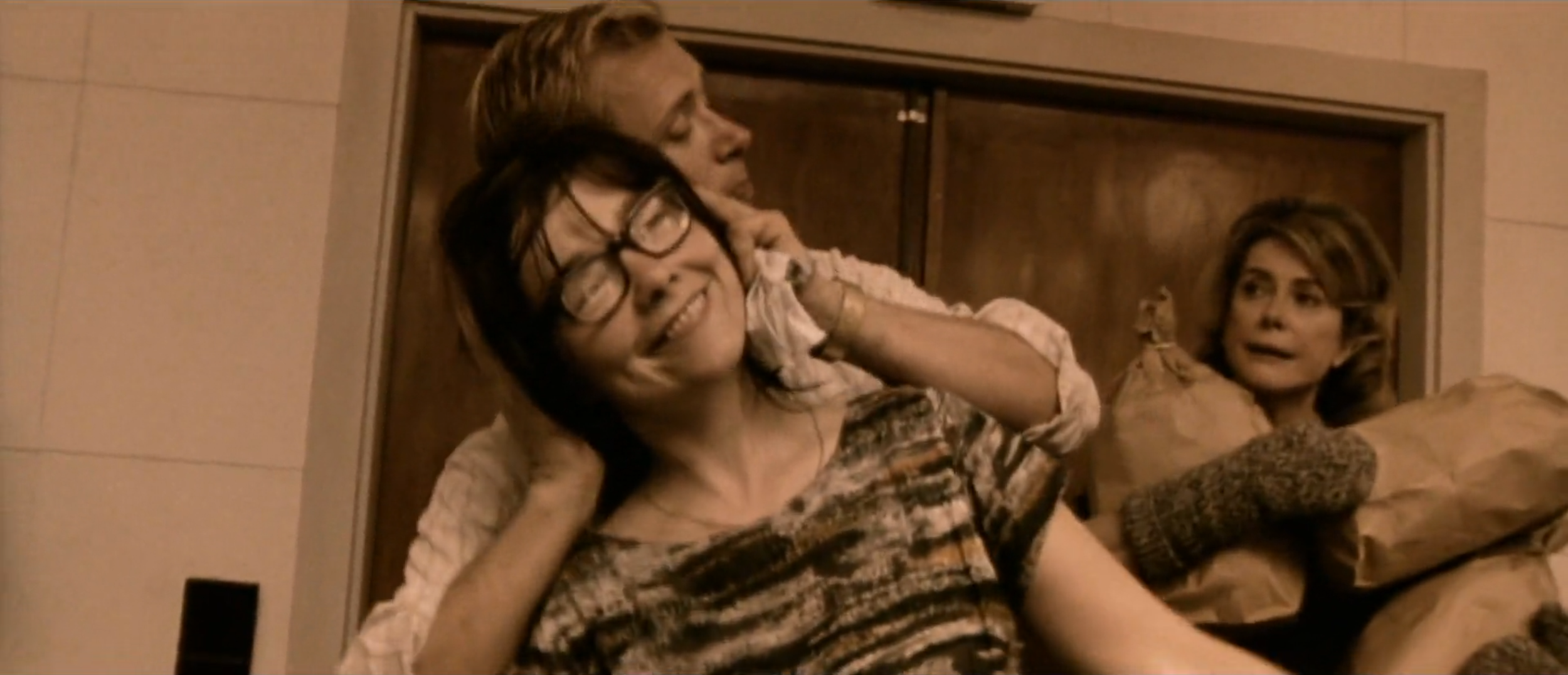
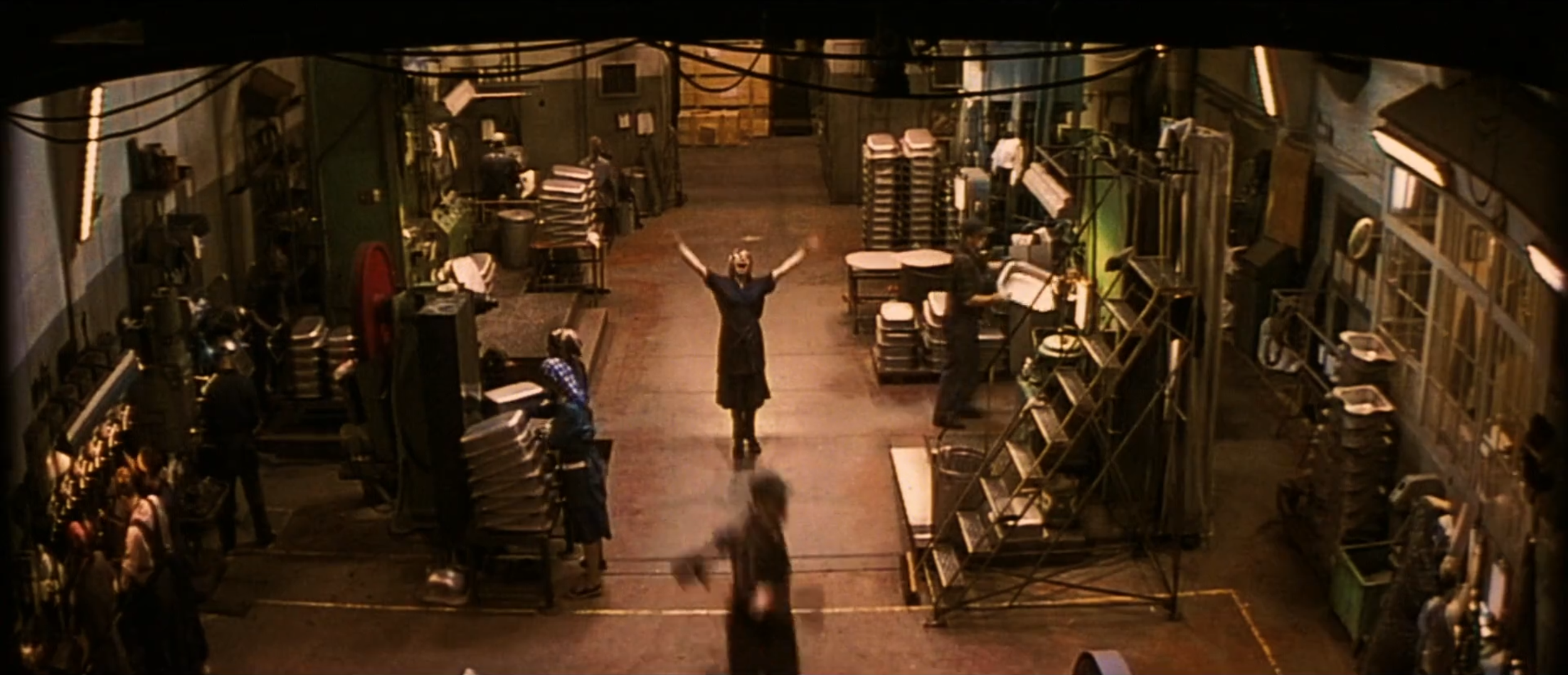
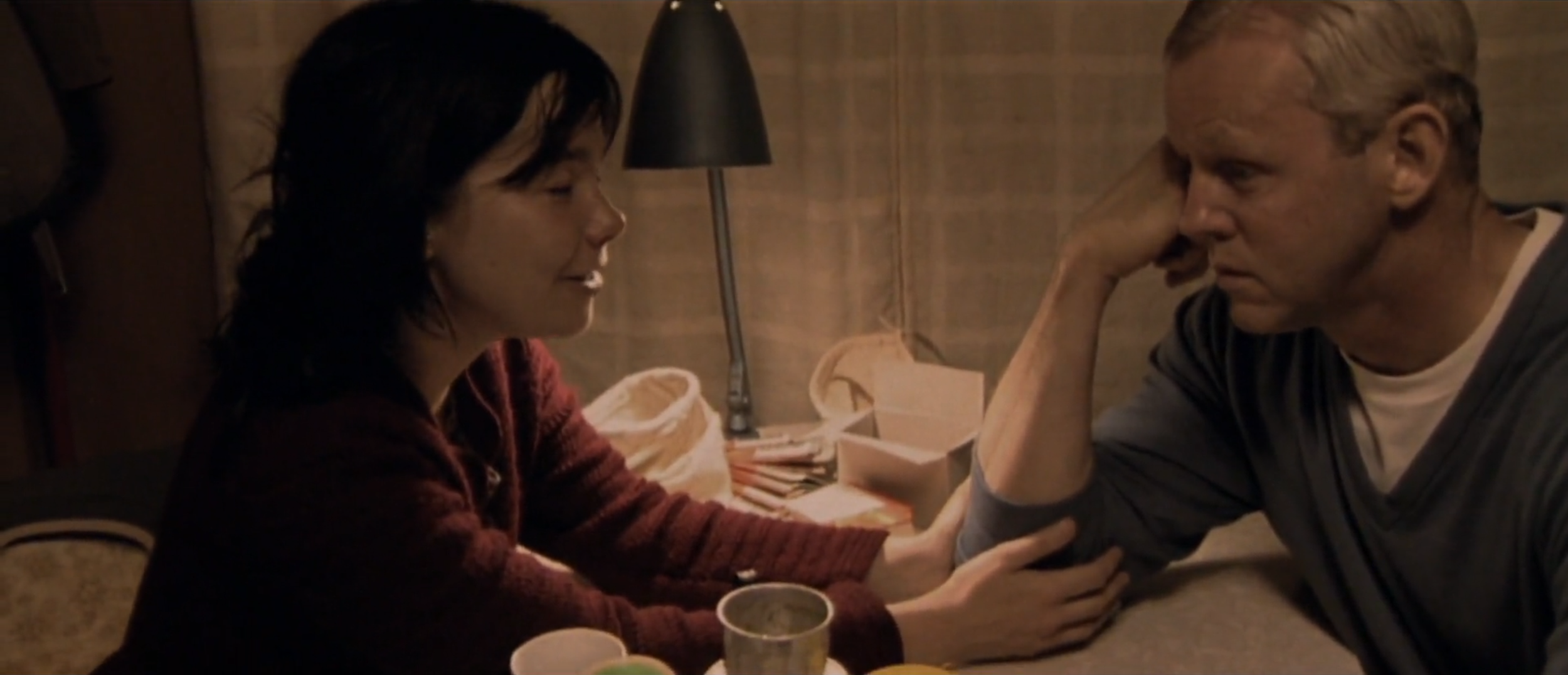
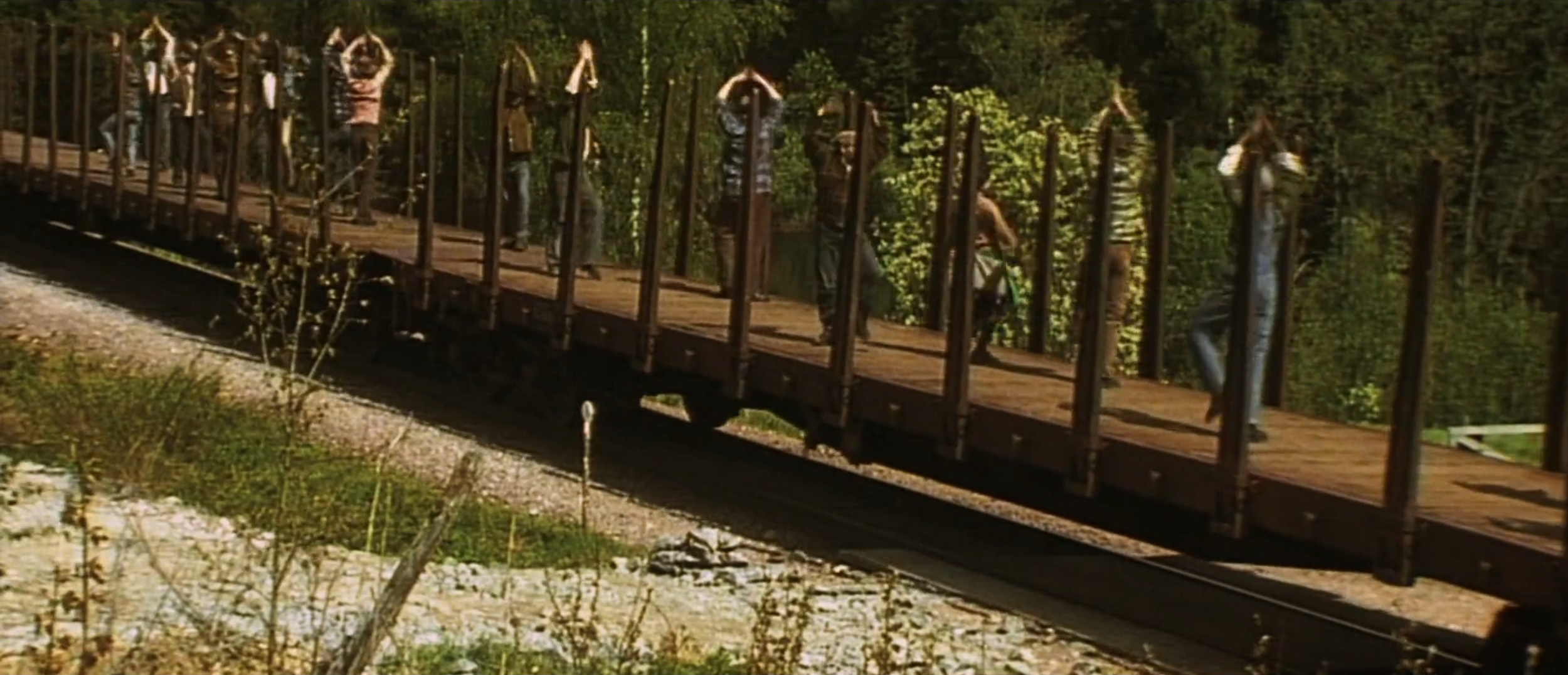
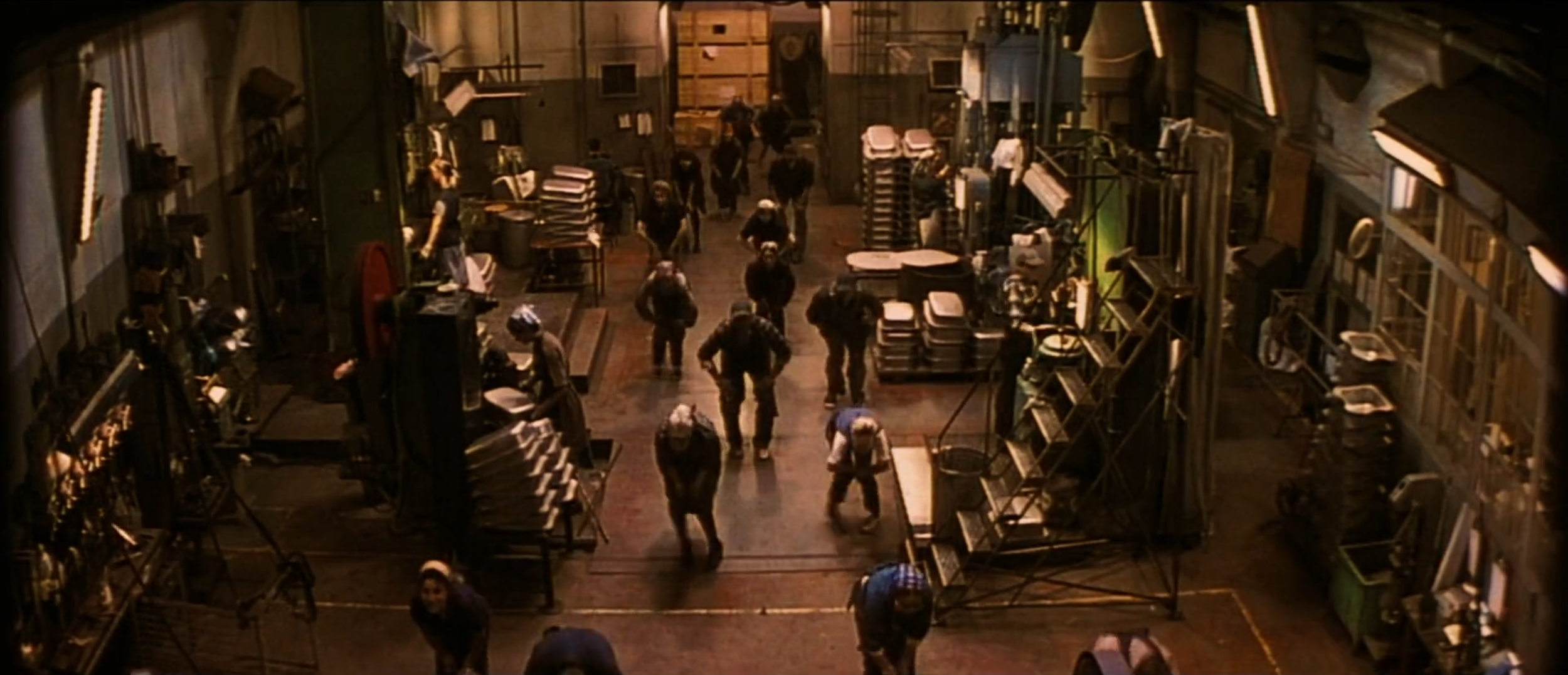
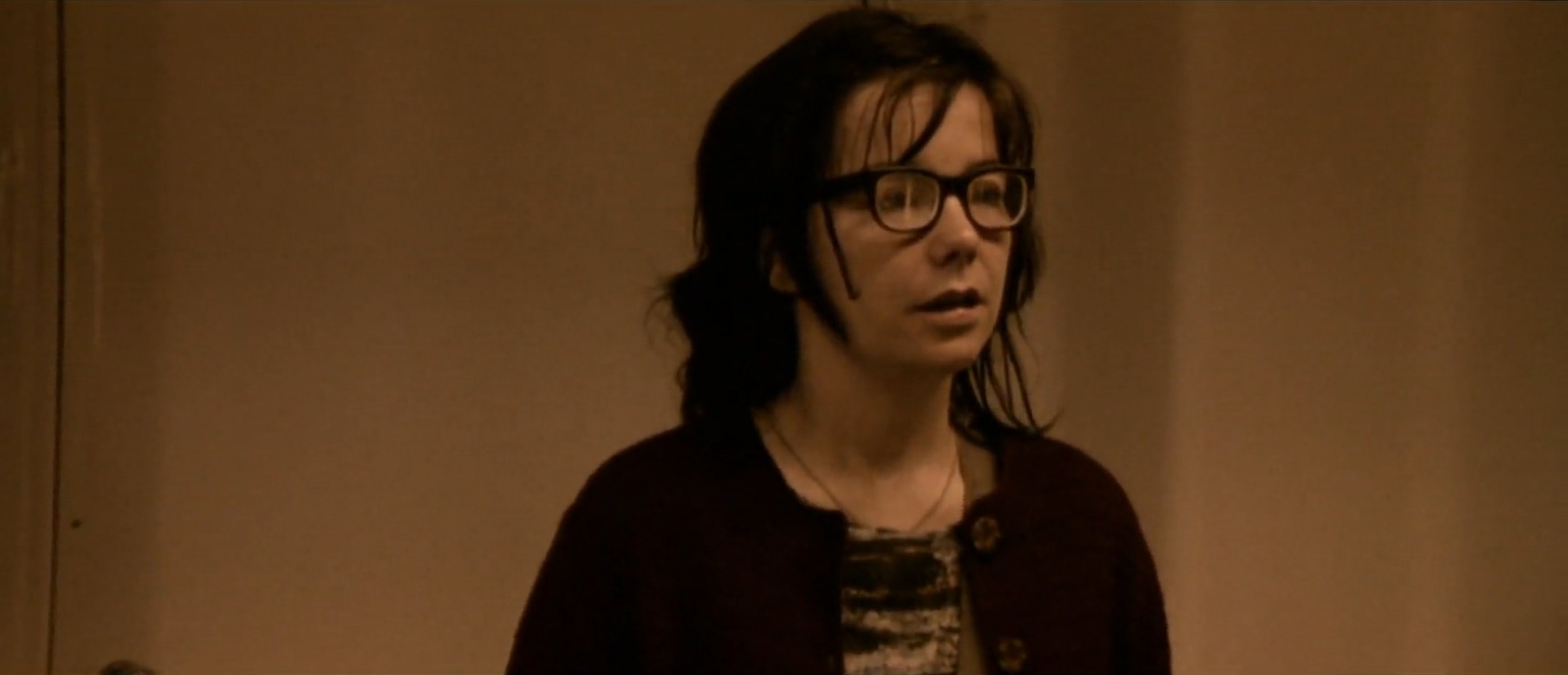
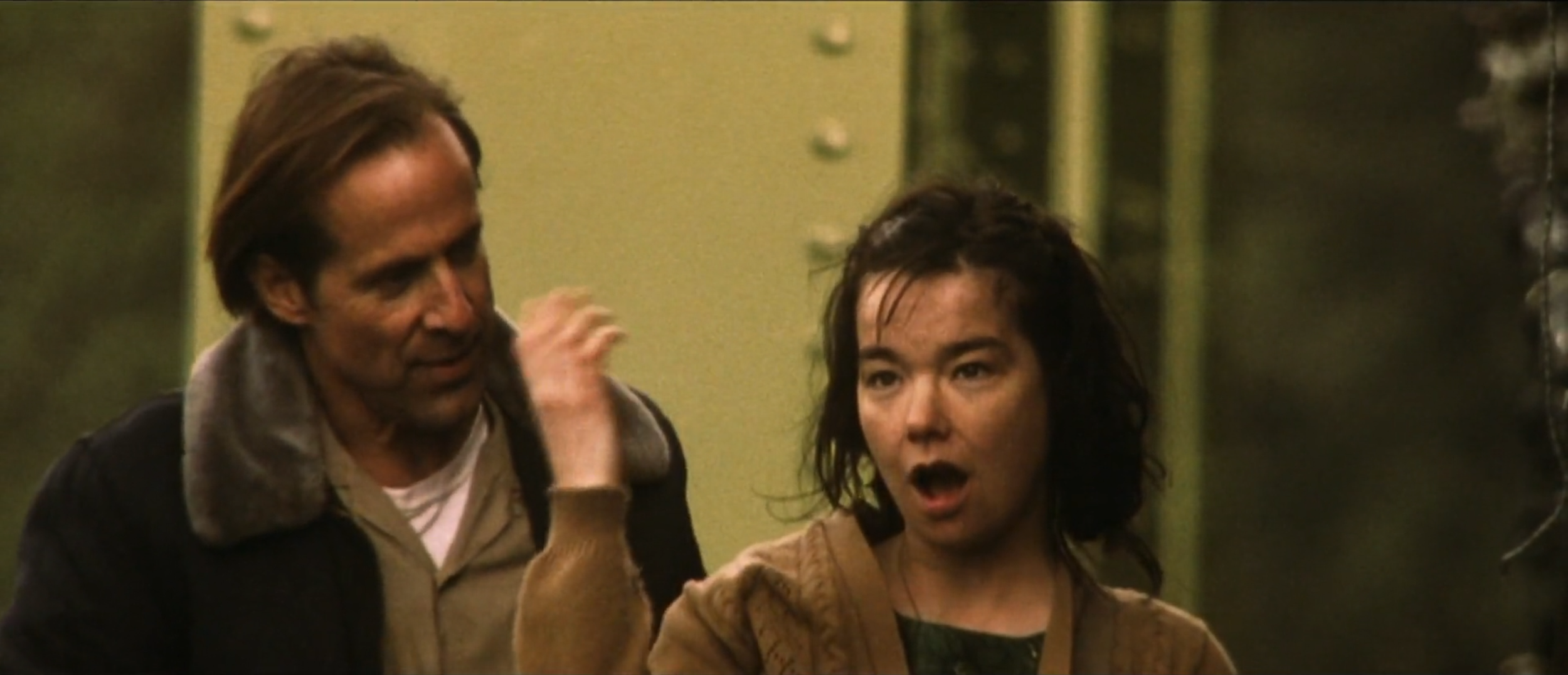
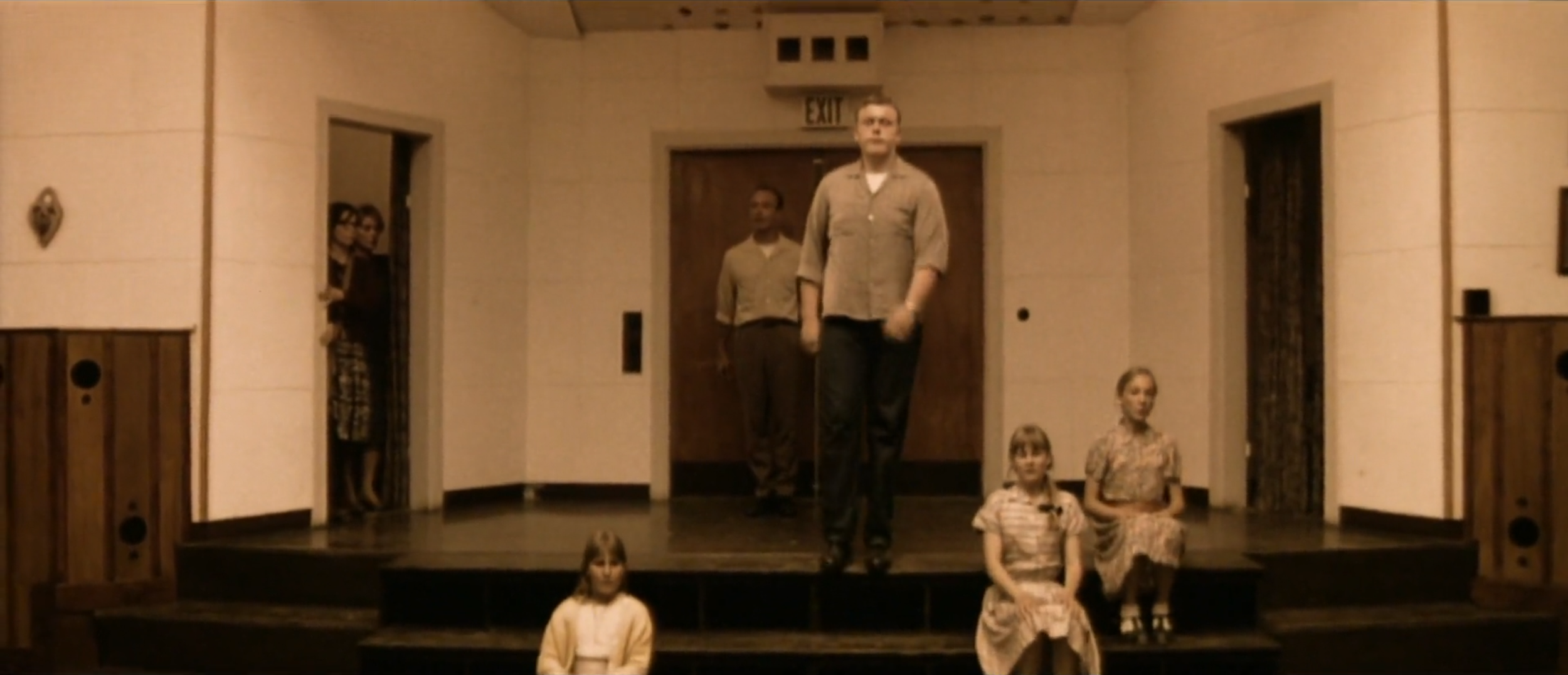
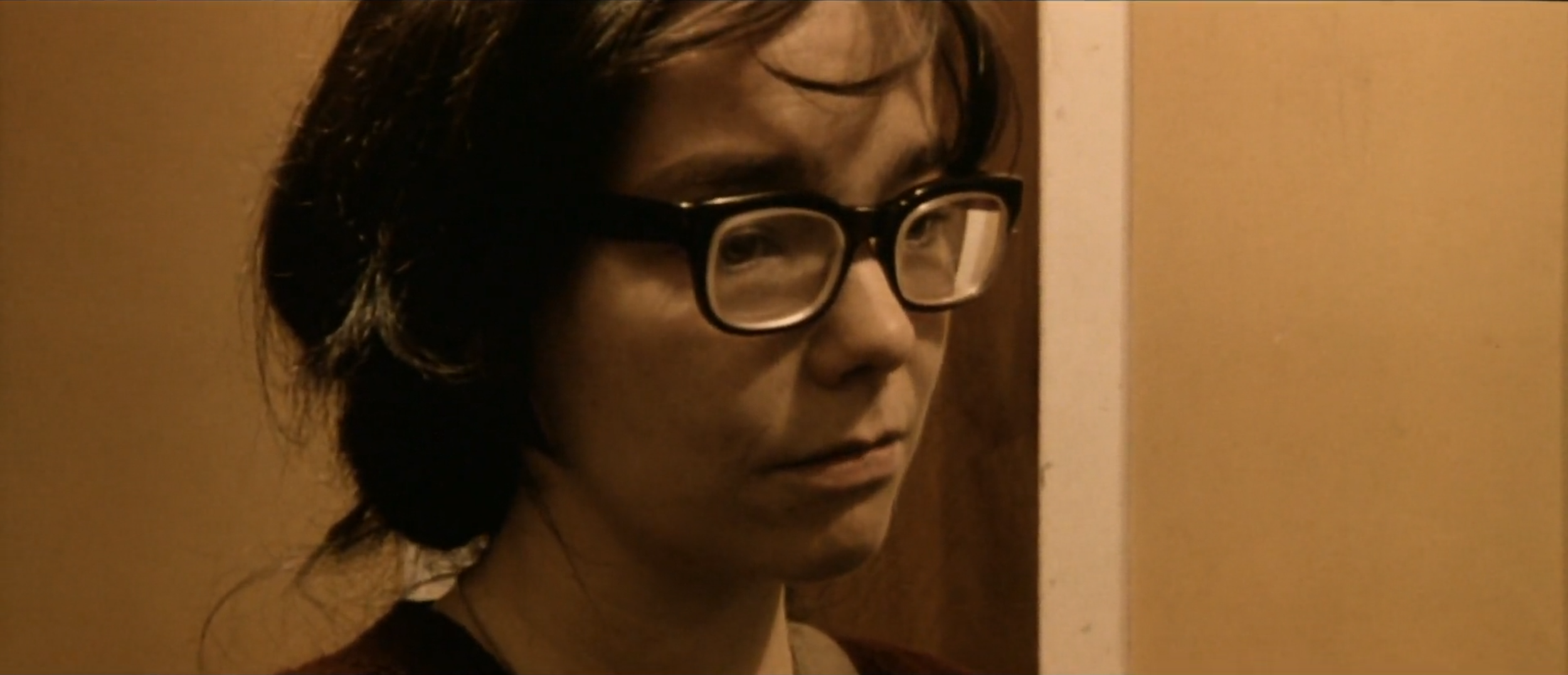
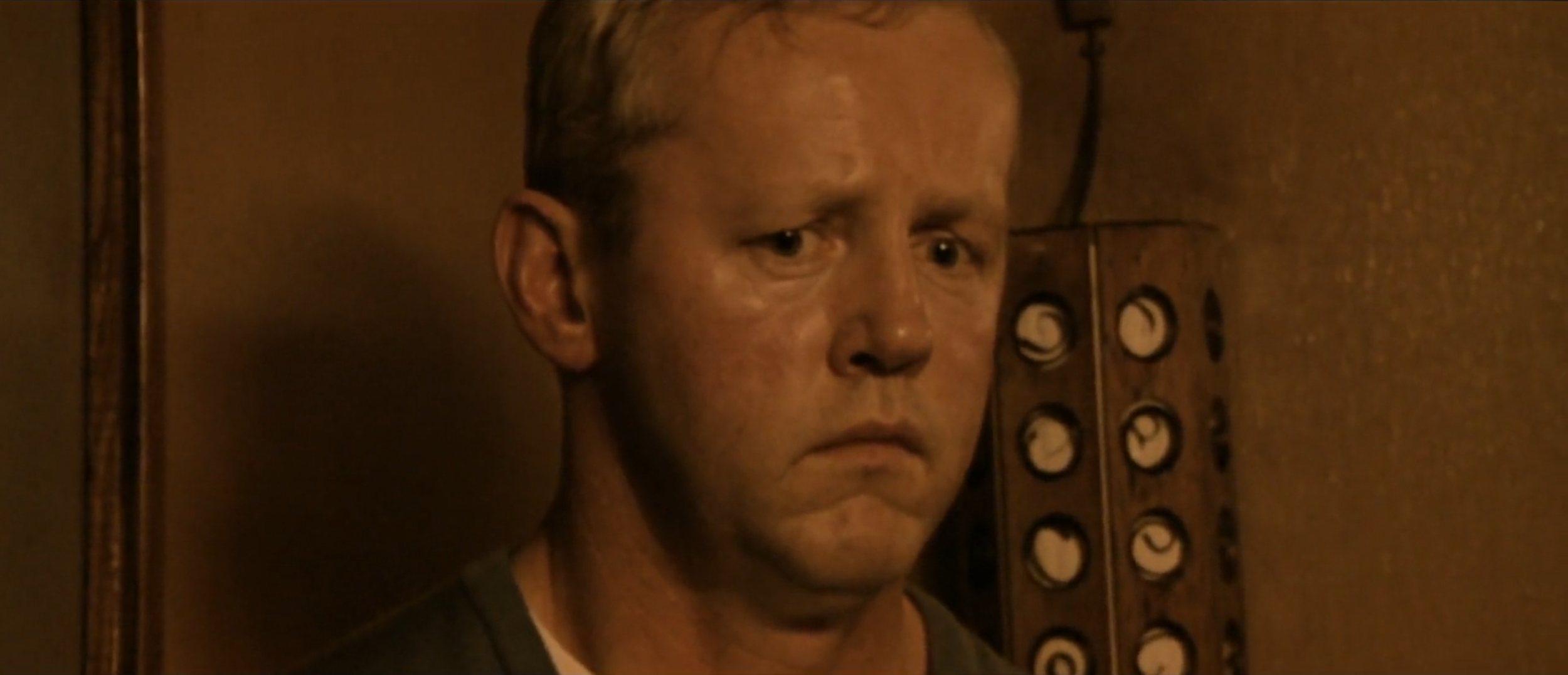
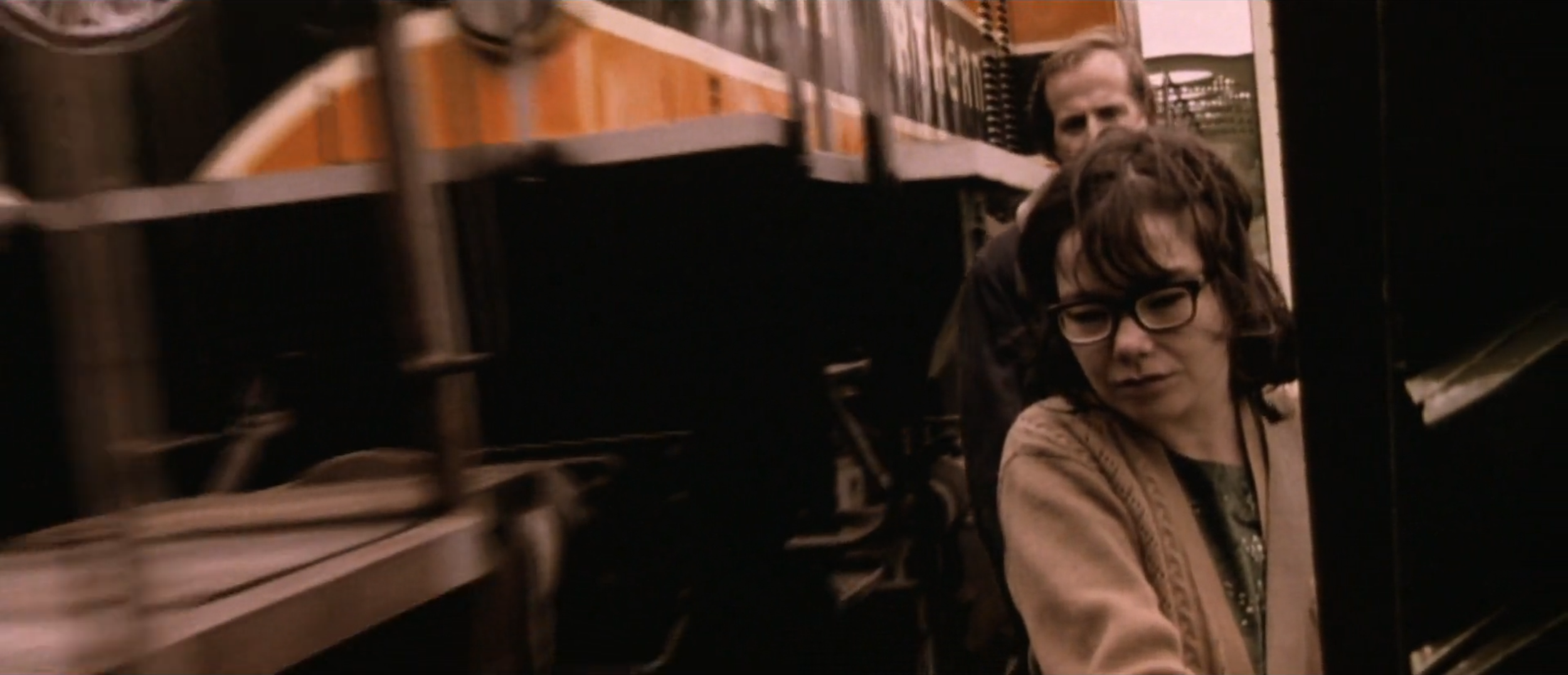
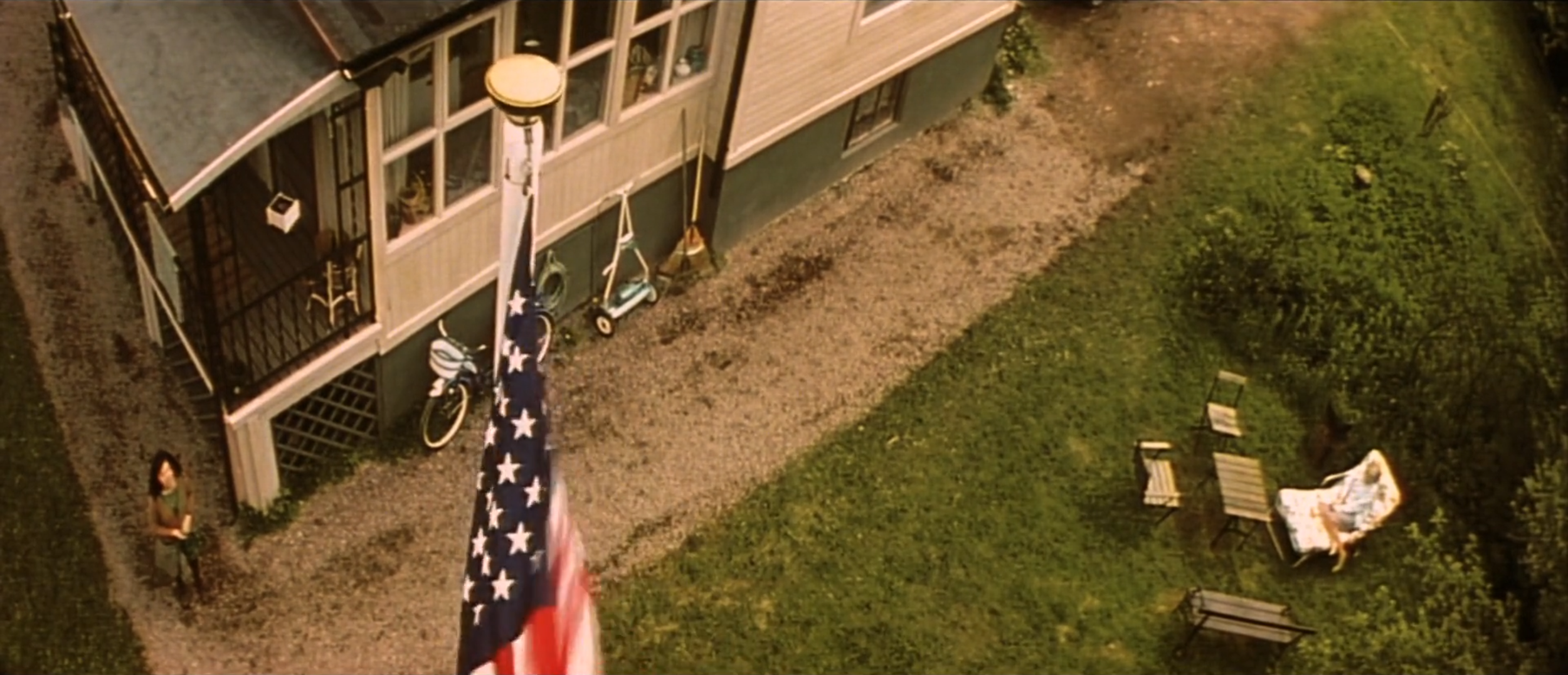
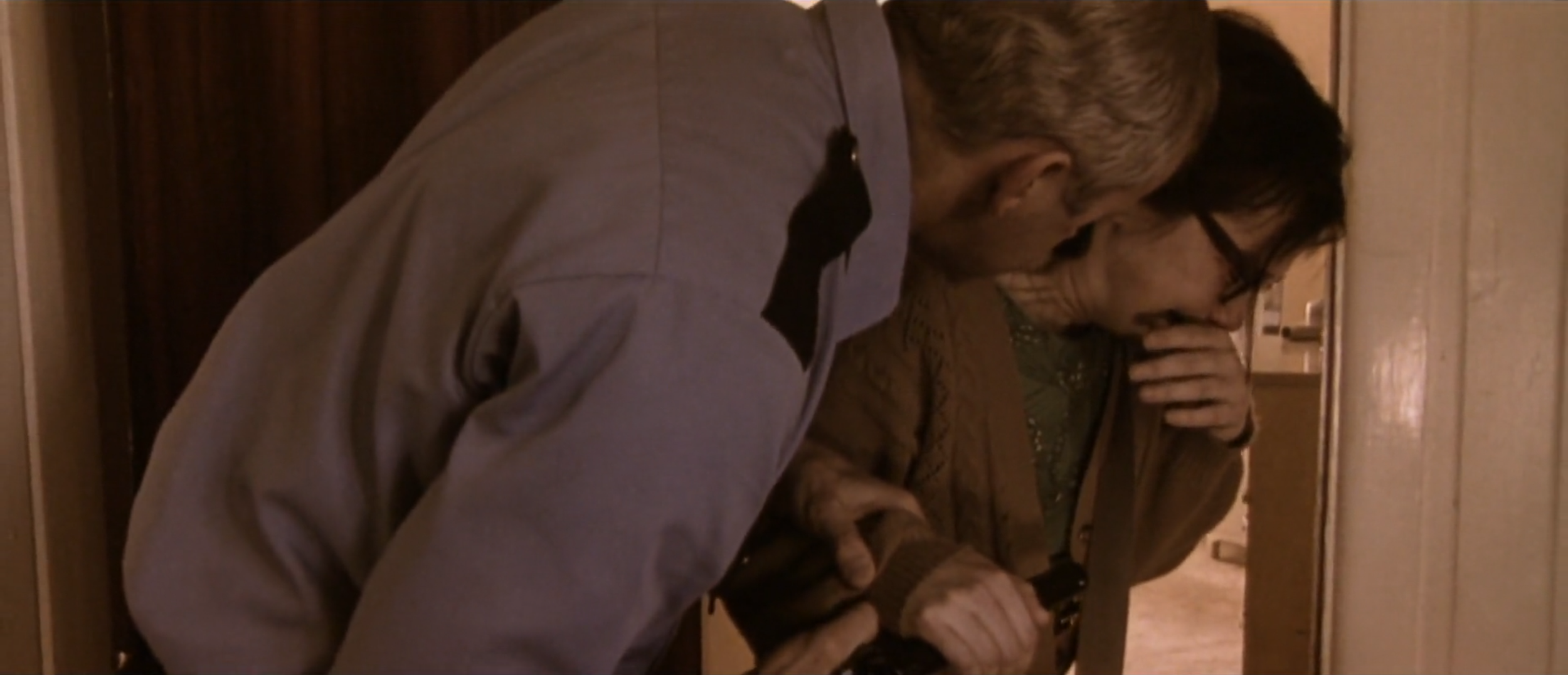
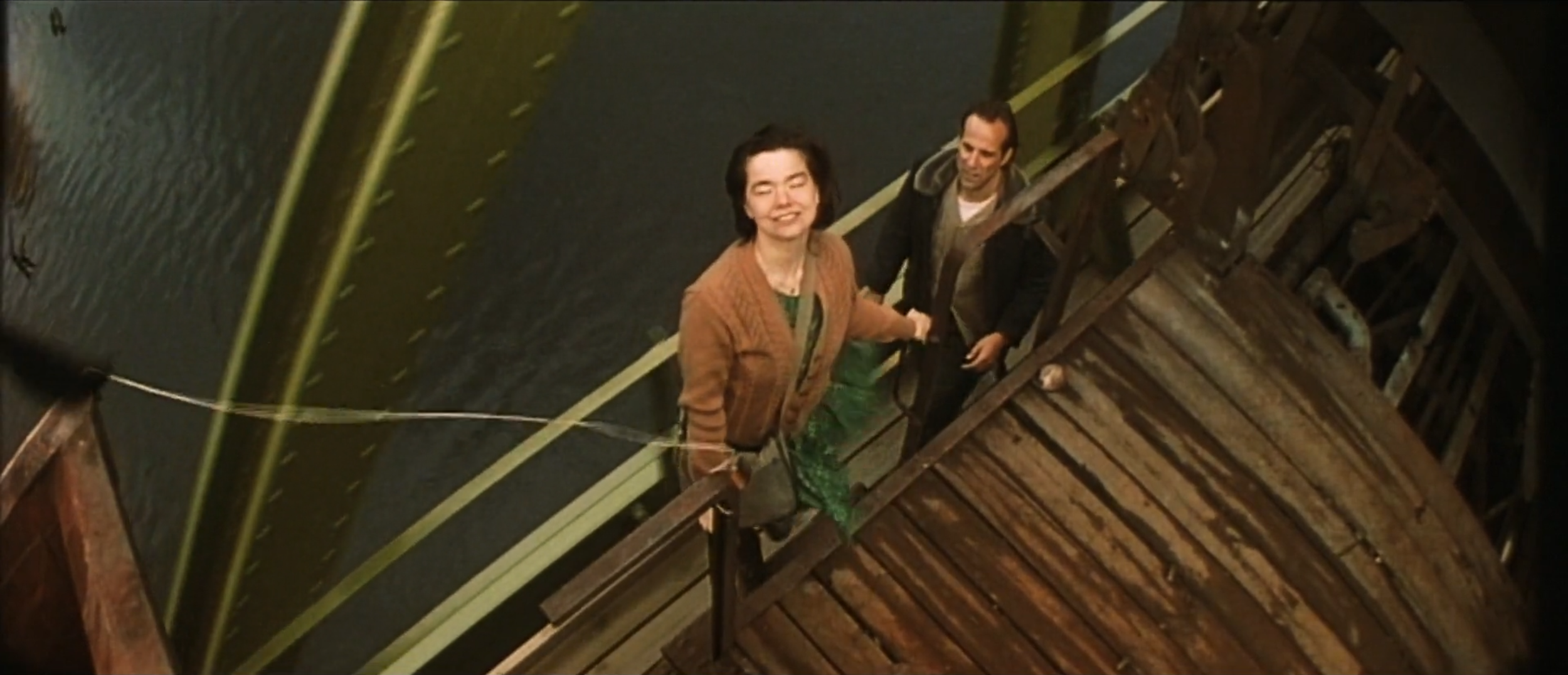
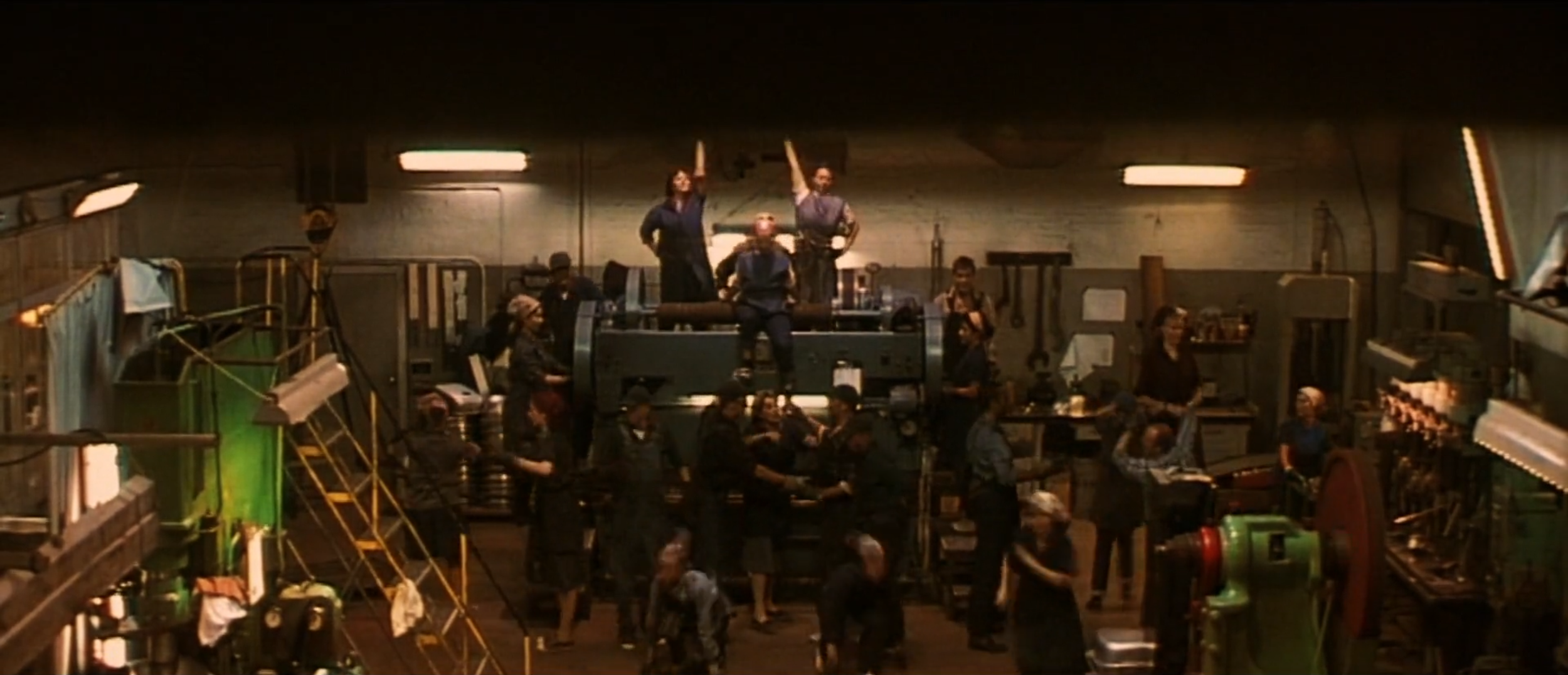
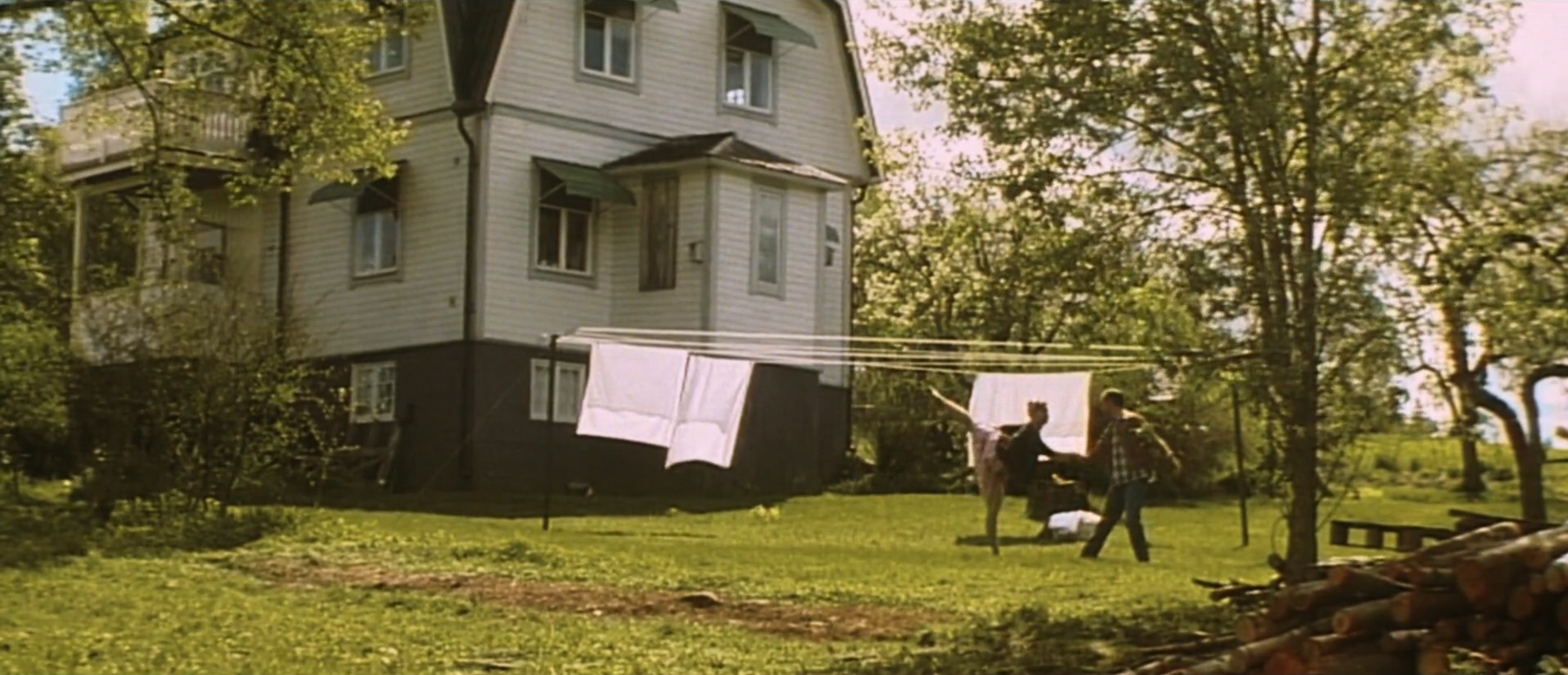
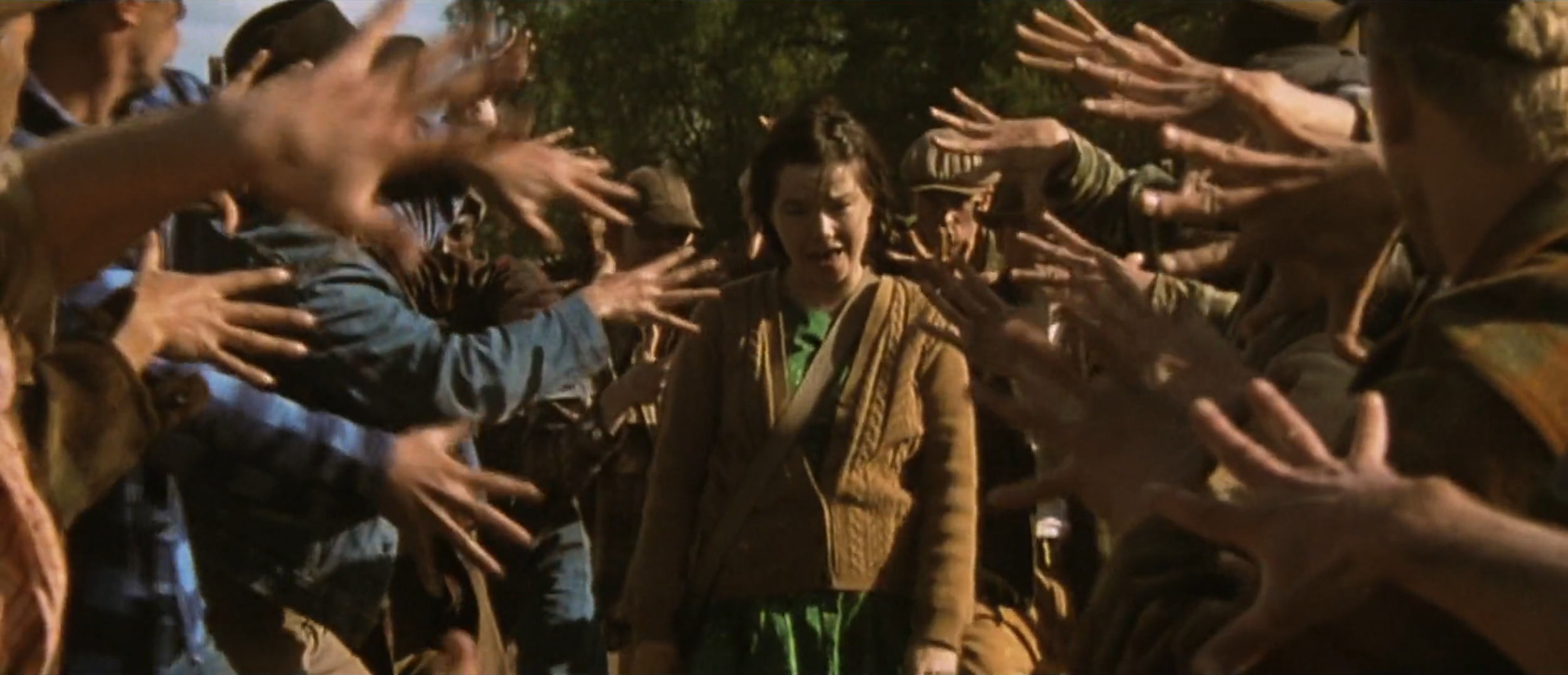
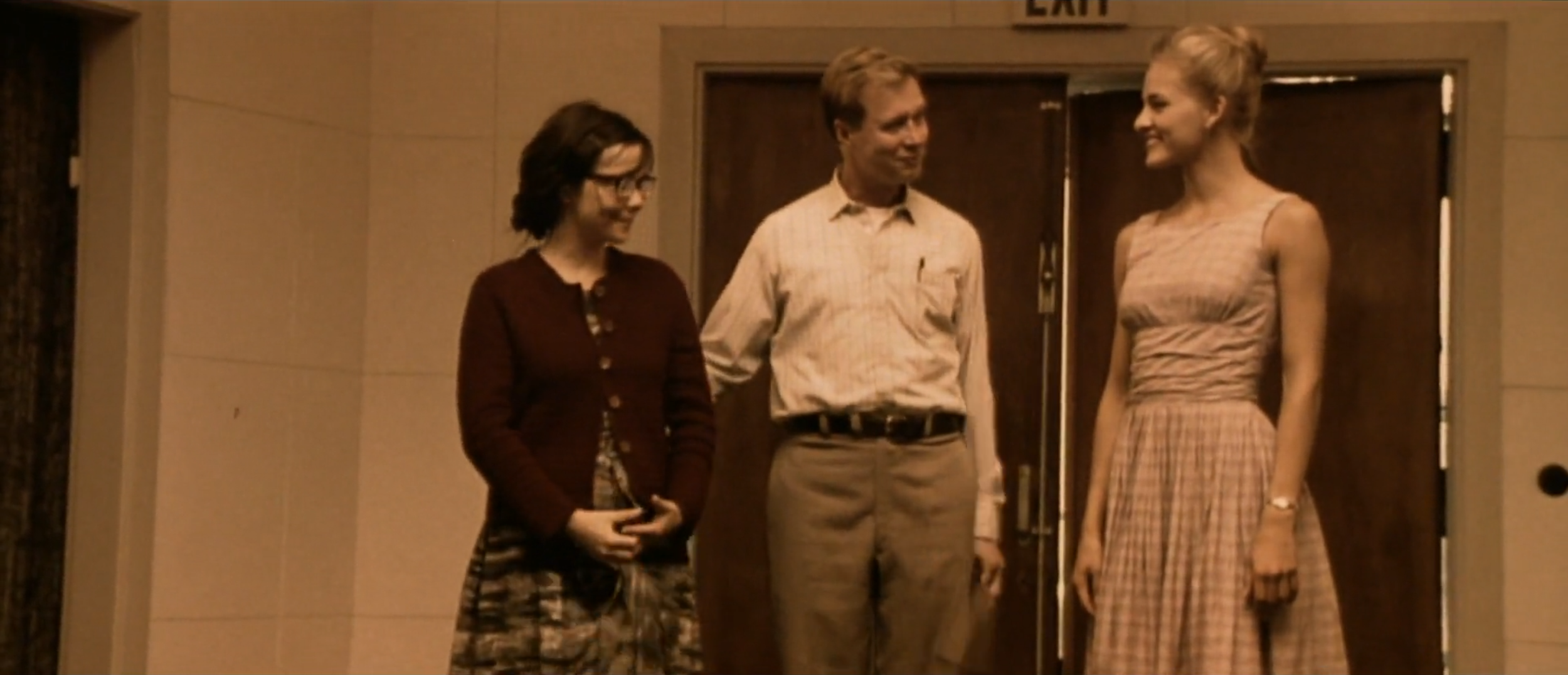
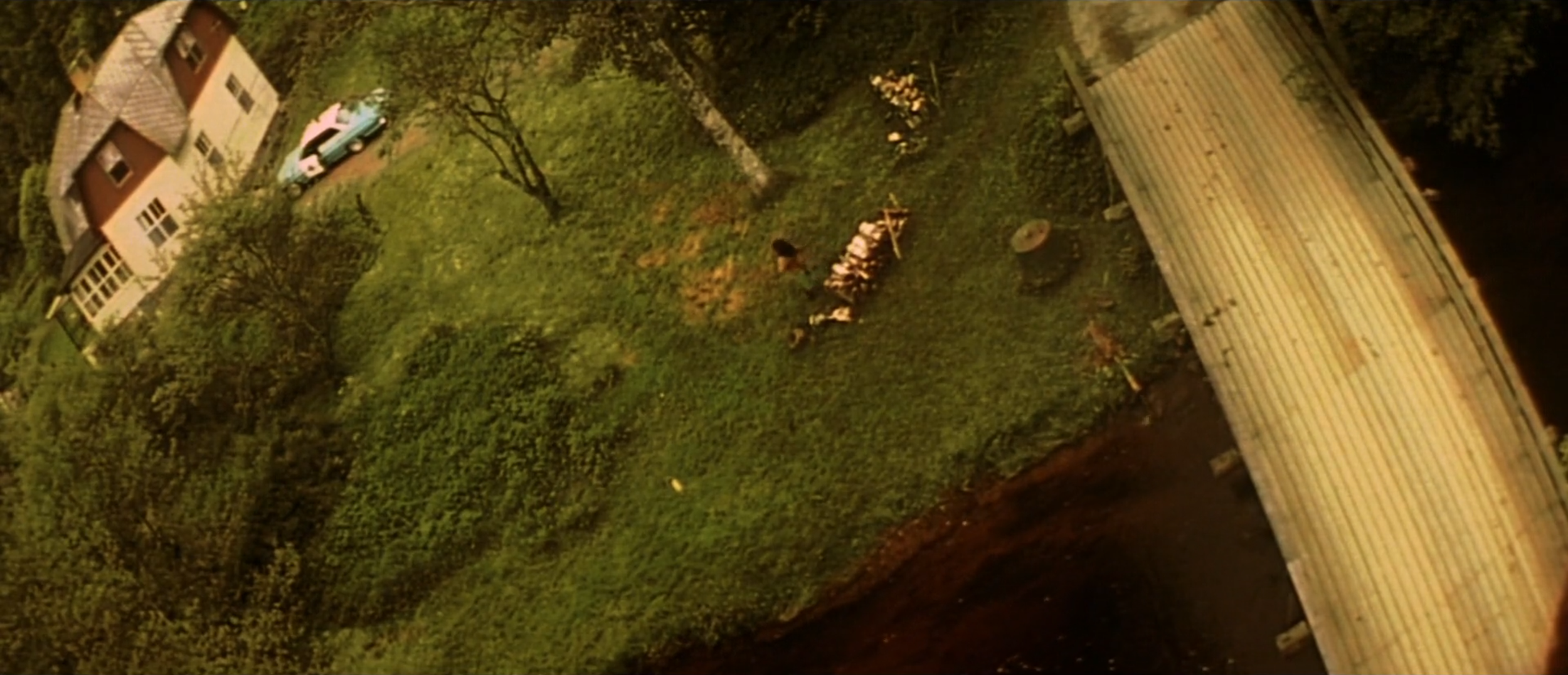
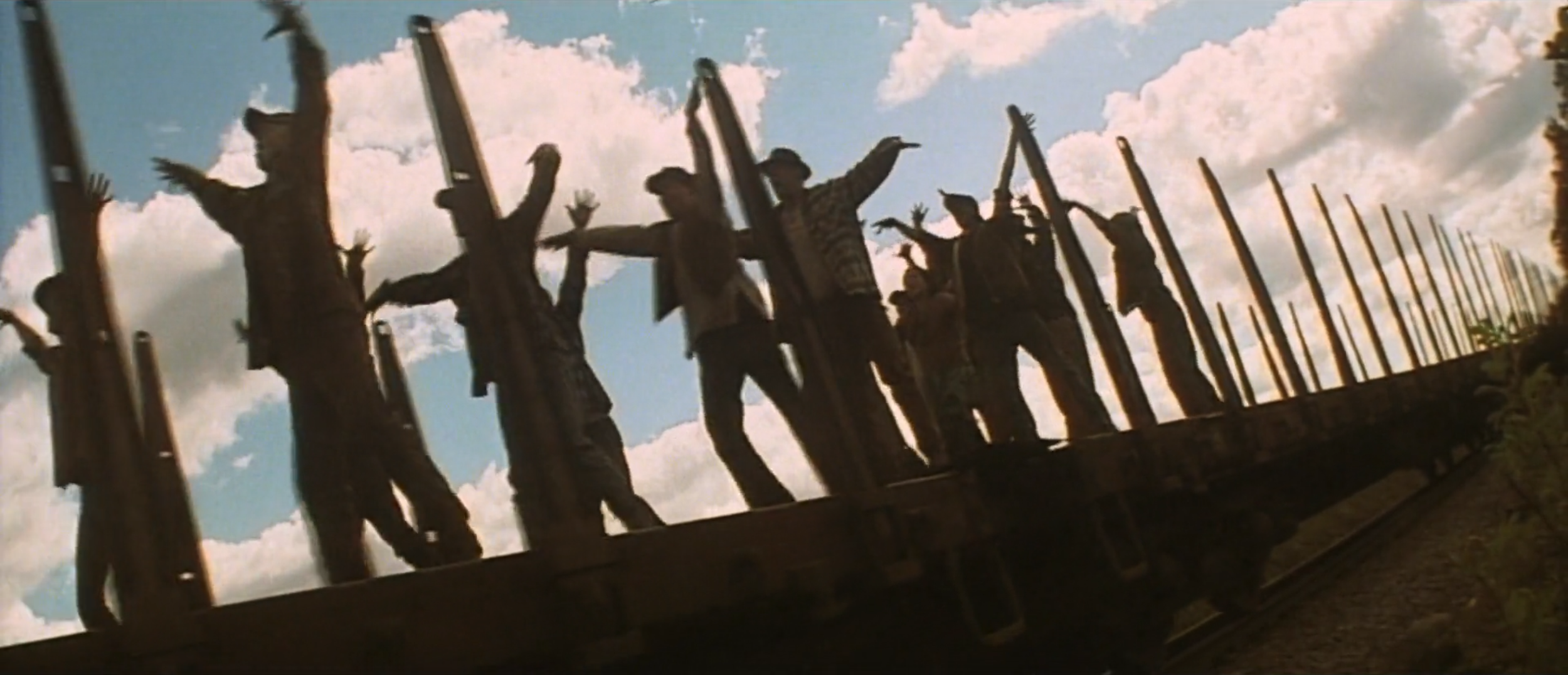
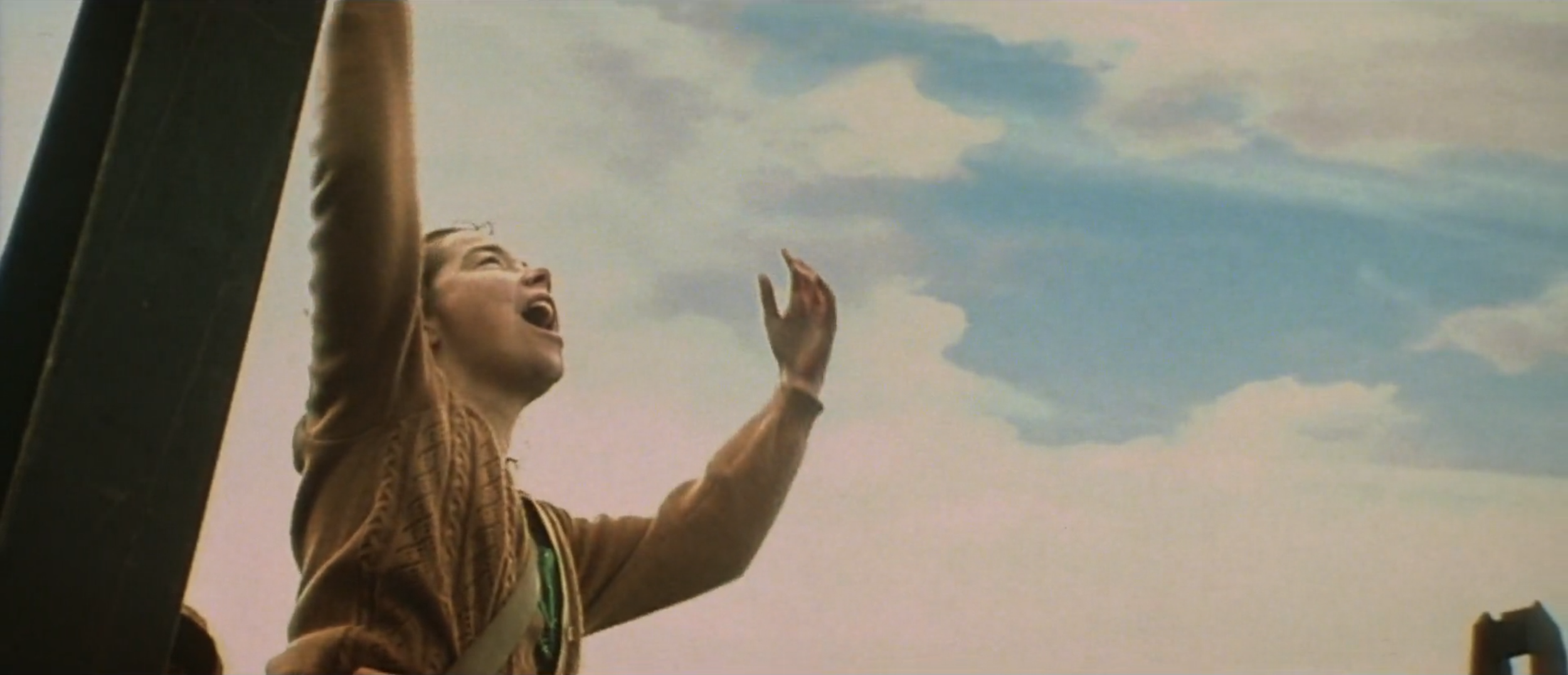
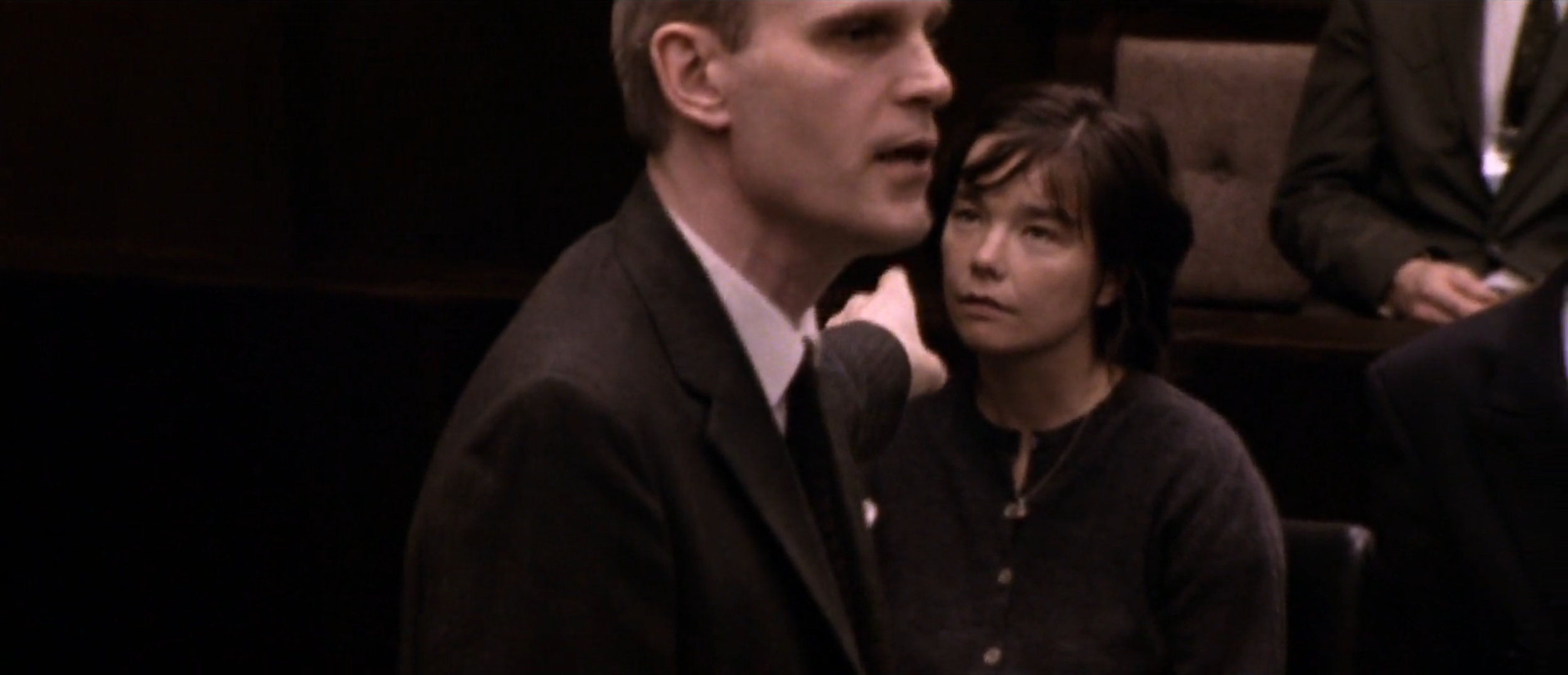
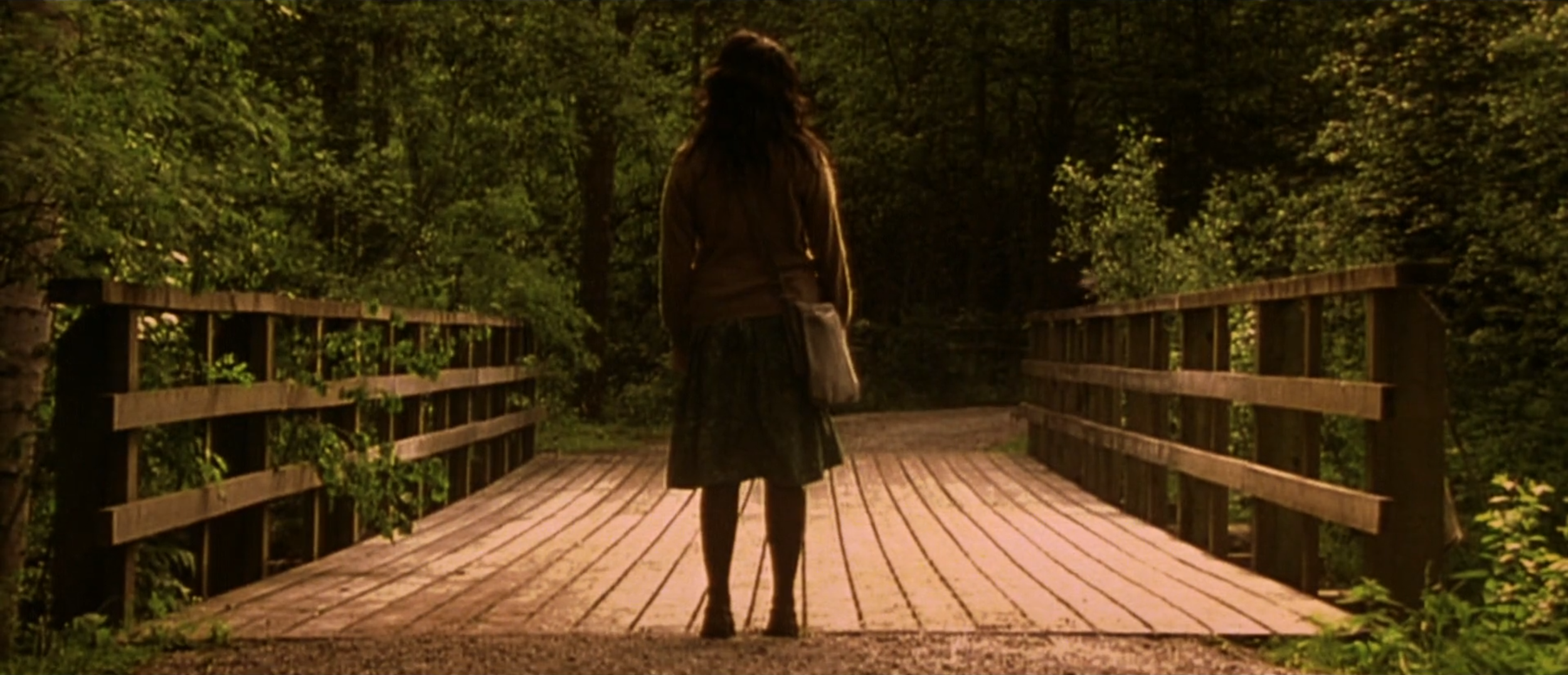
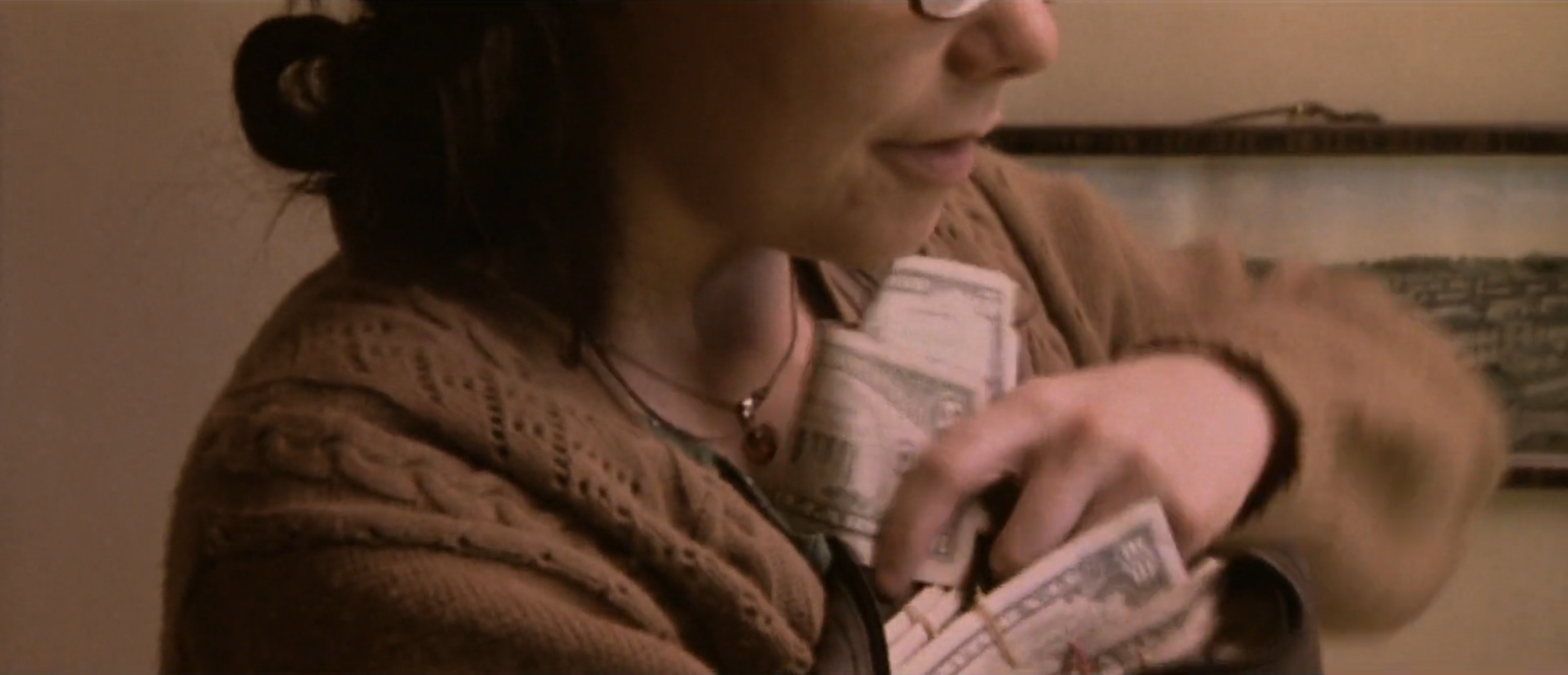
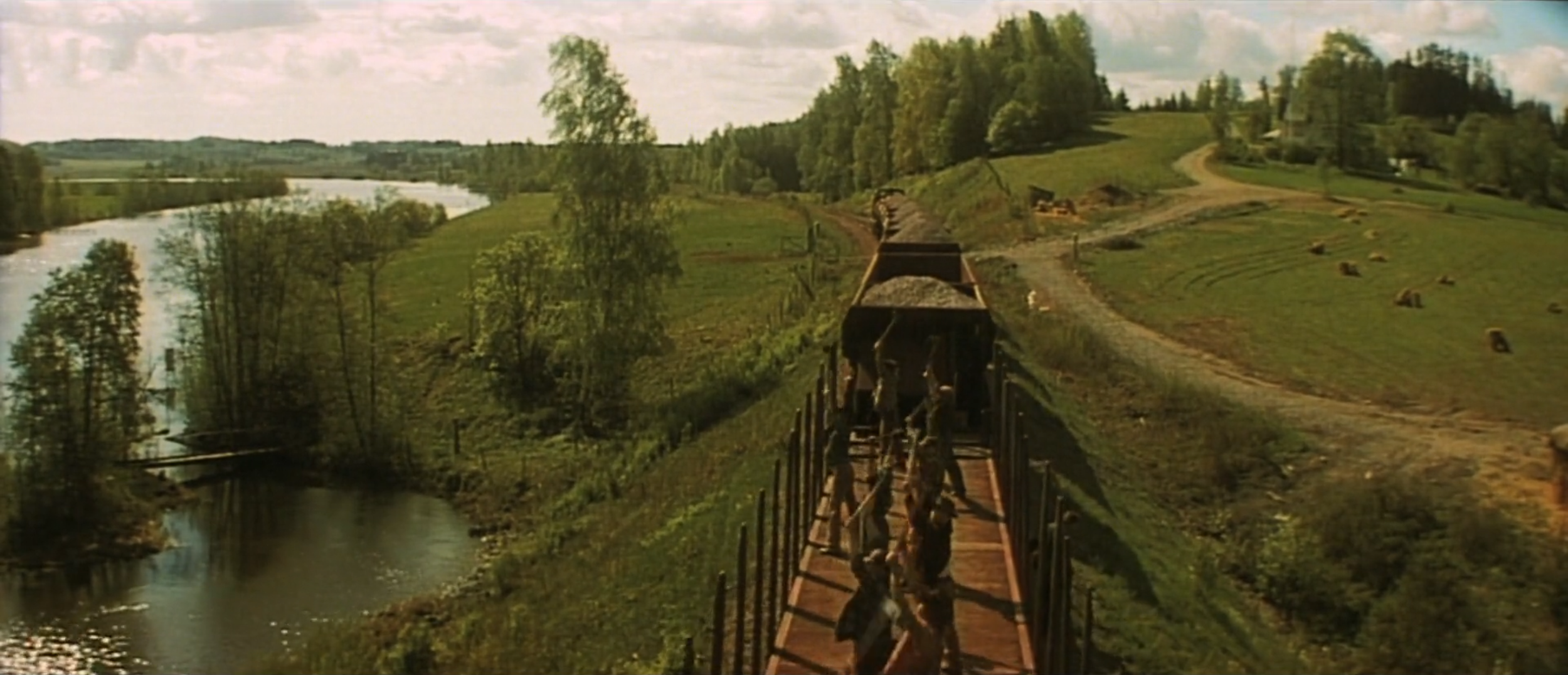
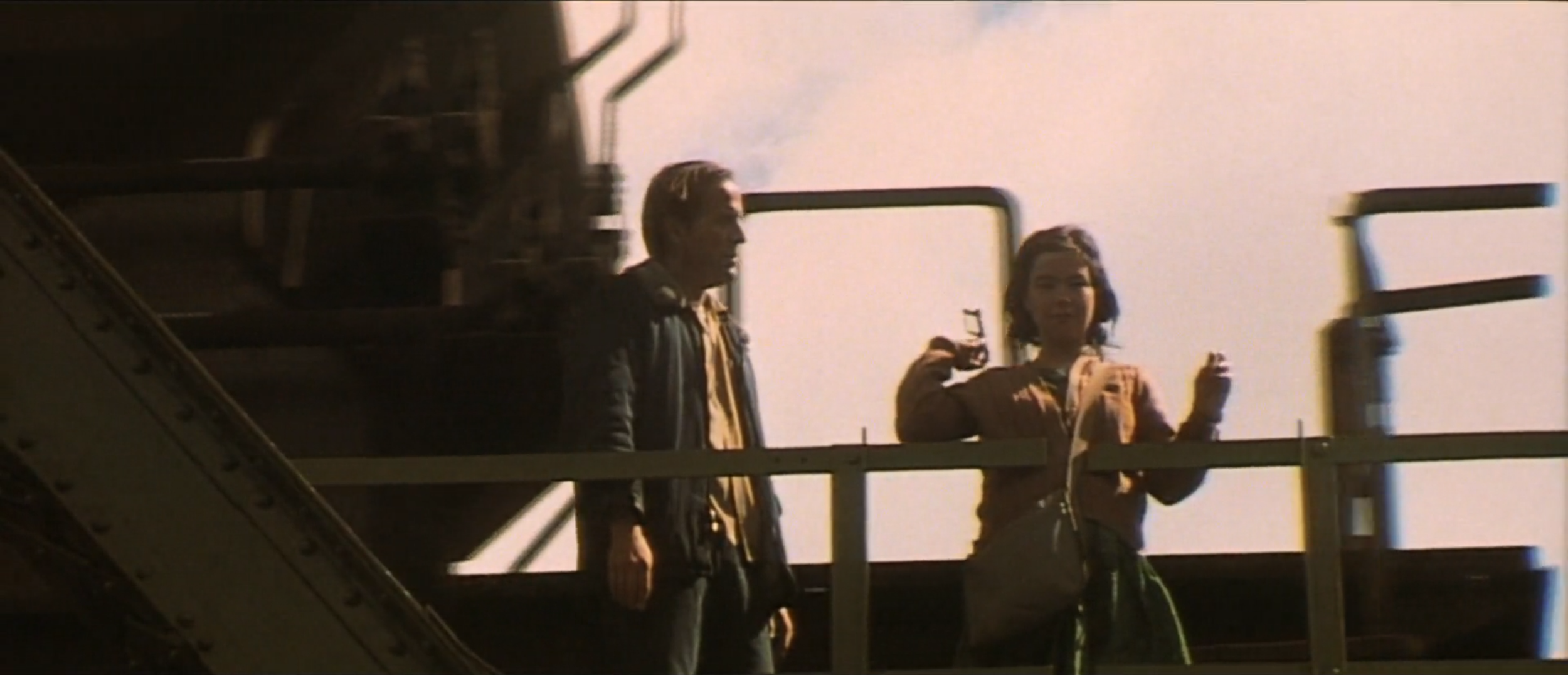
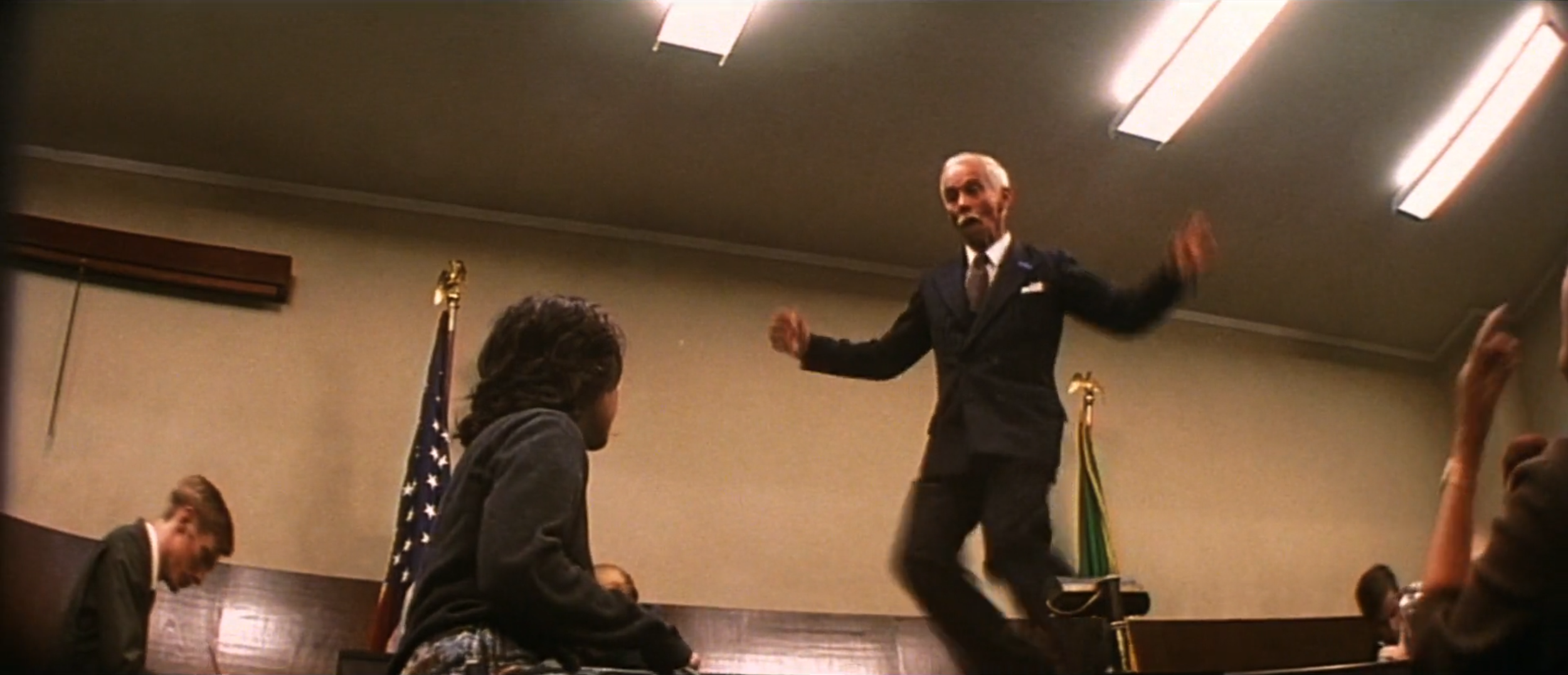
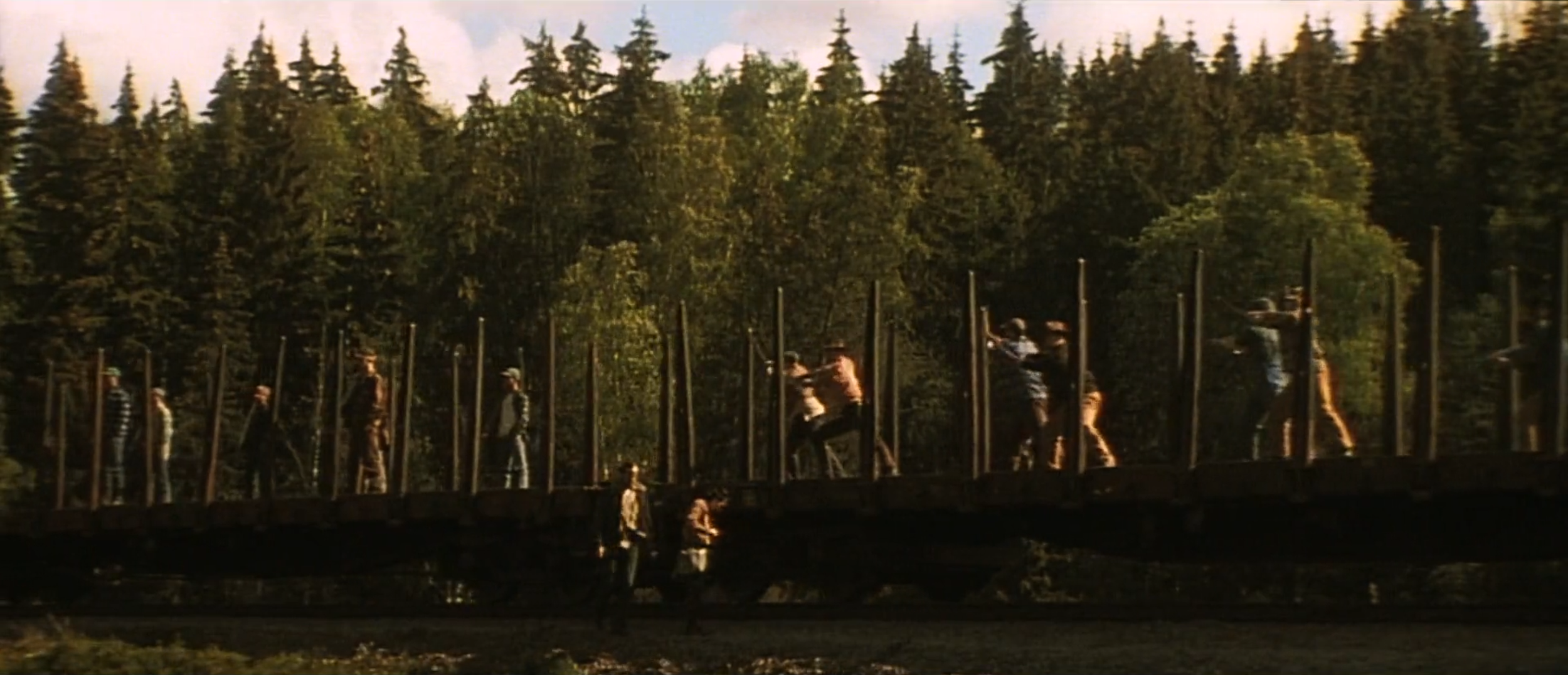
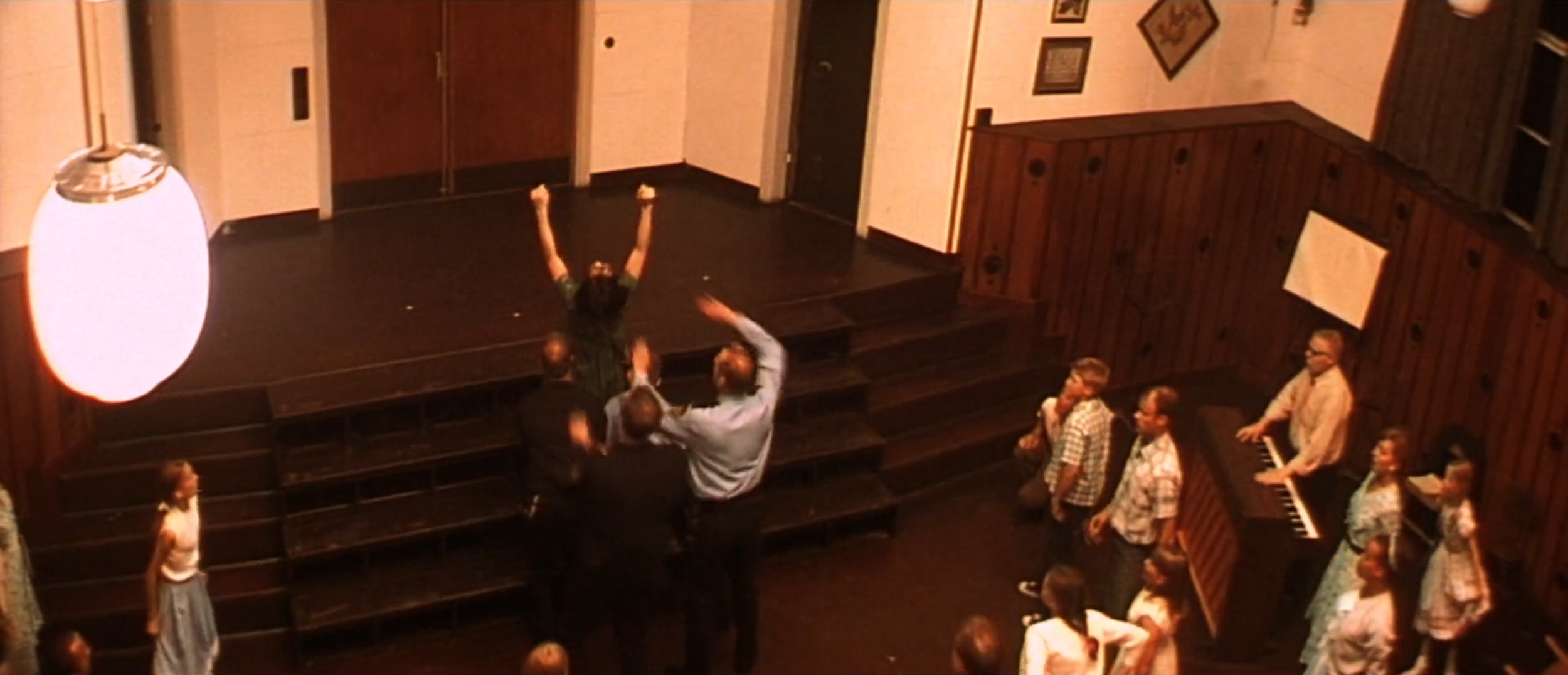
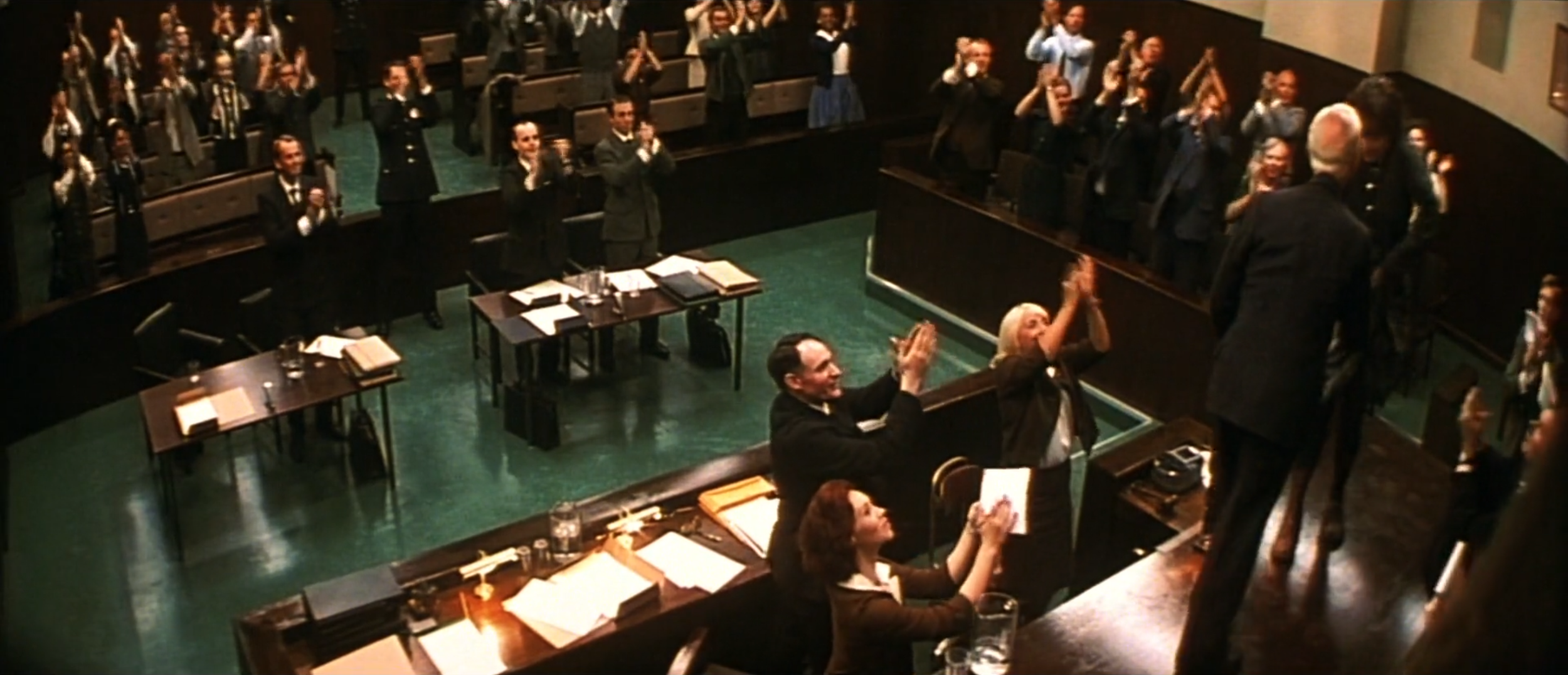
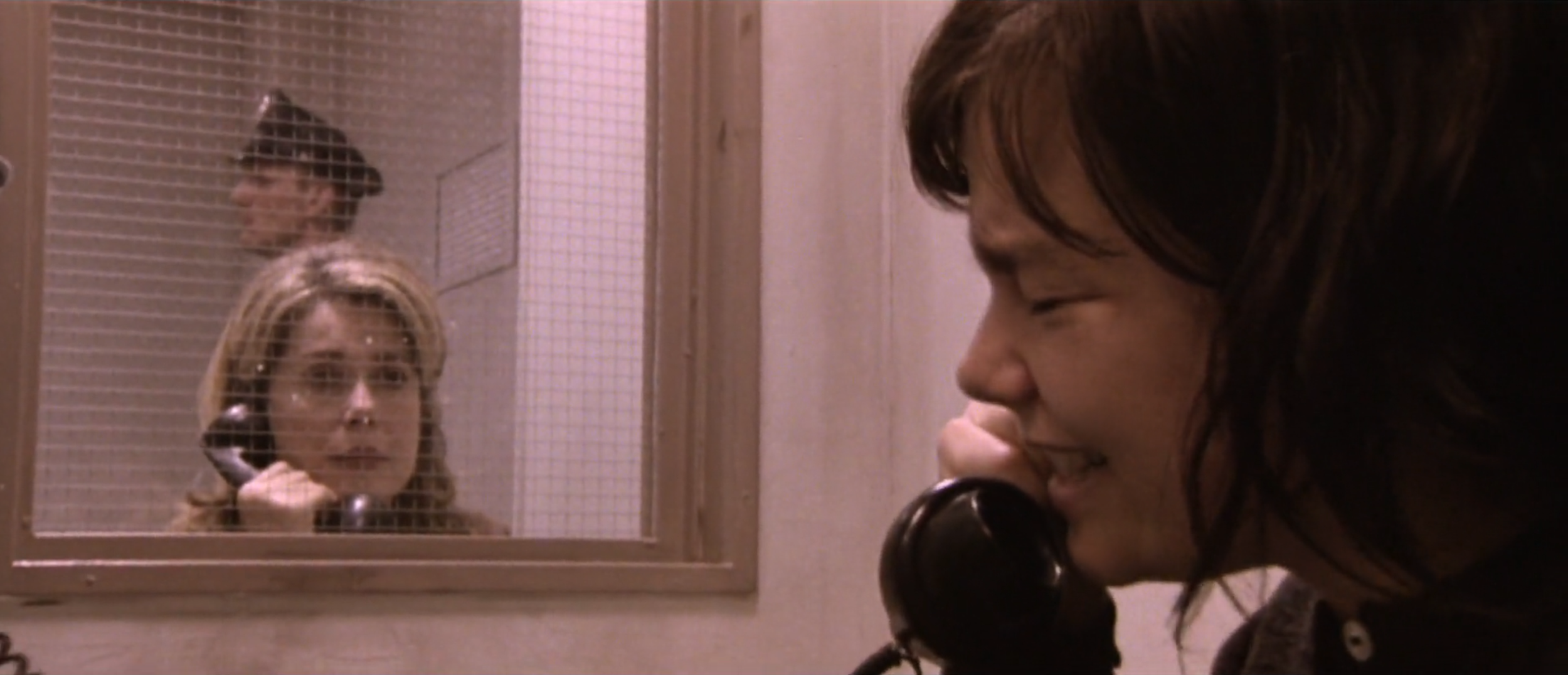
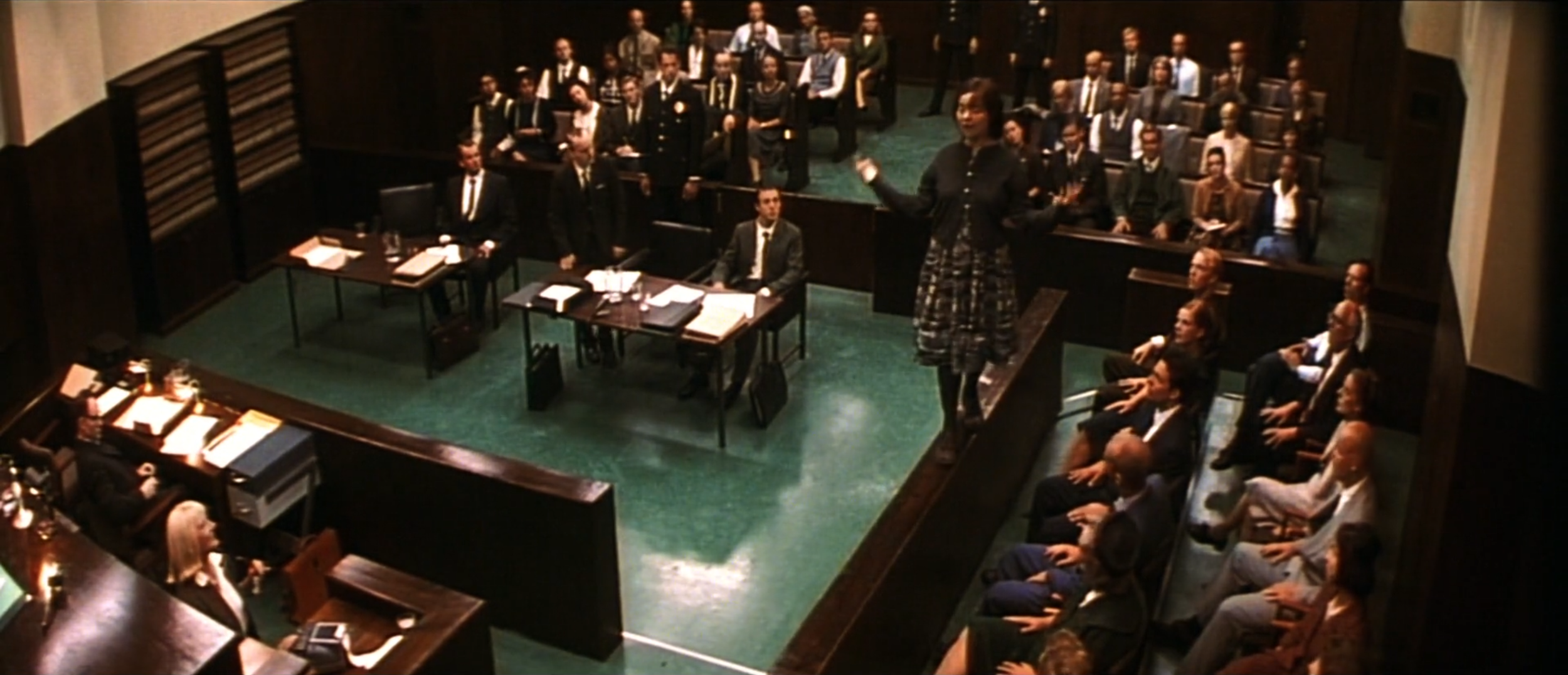
This may be the only musical I’ve enjoyed, largely because it is nothing like a conventional musical. There are about 5 musical numbers from Icelandic artist Björk, whom composed and acted in her first film. Famously having residual mental trauma from the film, once you watch you will understand why. Björk’s performance is inspired, realistic, and you would never think she hadn’t acted before. Most importantly her music is very interesting to listen to unlike typical jazz hand musicals. This is more like atmospheric electronic trip-hop and I loved it. What’s genuinely shocking is why everything works. Trier’s signature handheld style creates a realism, contrasting with the surreal interjecting musical numbers. This doesn’t seem like it would make sense, but since Trier films are always so dark and gritty, the musical interludes become a very welcome respite from the bleak misery of the story. This is an emotionally triggering film more-so than Breaking the Waves, despite not being as depraved.
Conclusion:
There’s a lot of cinema Trier explores in this semi-experimental film. Out of all directors, no one would expect Trier to make a musical, and perhaps it’s why this works. If you're like me and don’t like musicals, give this a shot until the second musical number. If it doesn’t convince you by then, the rest of the film probably won’t. The plot and competence of the characters may not be rock solid, but this format actually doesn’t require typical filmmaking logic. Trier manages to bring out the rawest performances from all his female leads and this may be one of the greatest. Just brace your heart.
Recommendations

One can only hope to never find serial killers funny.