
Funny Games (2007)
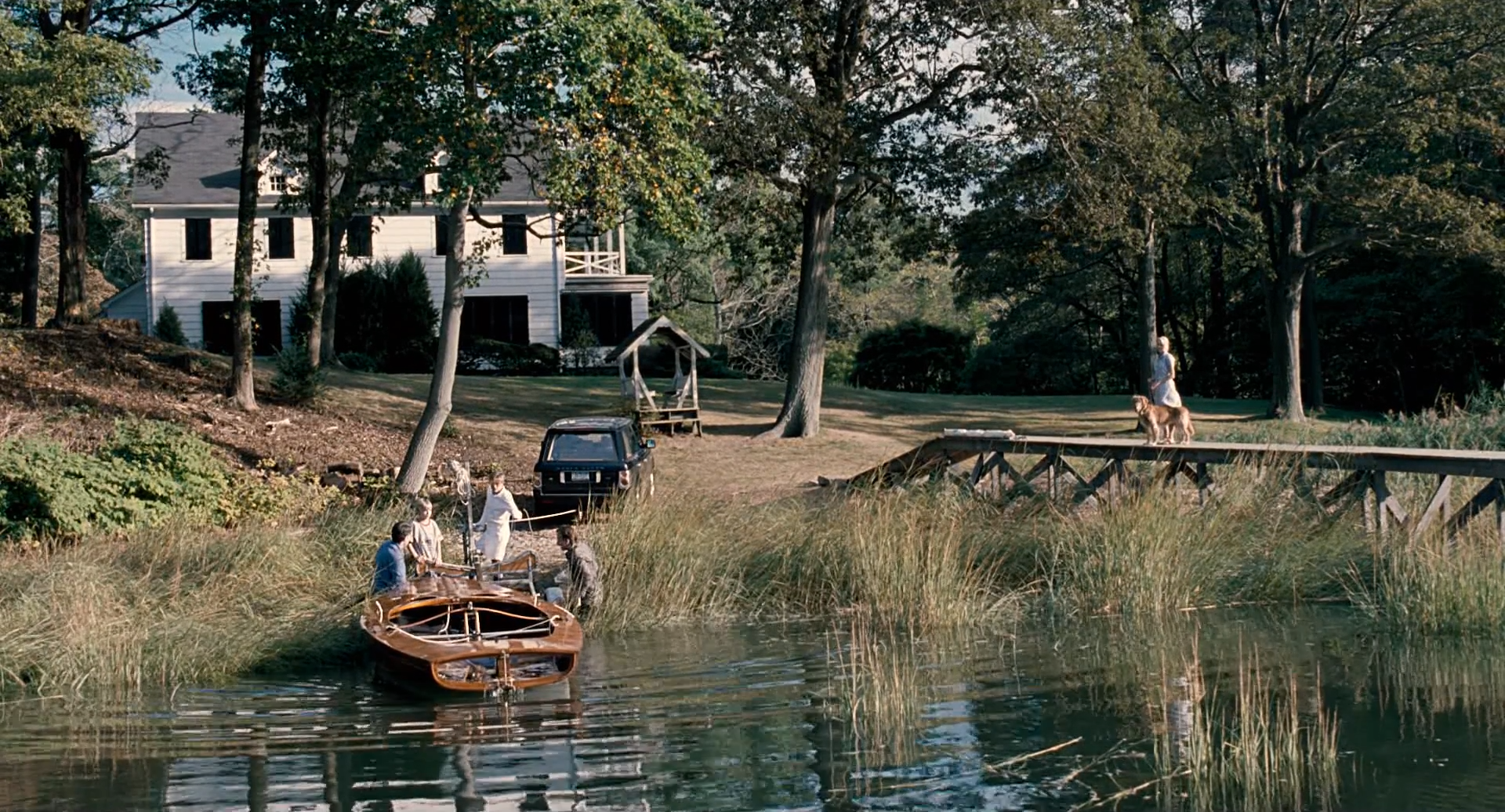
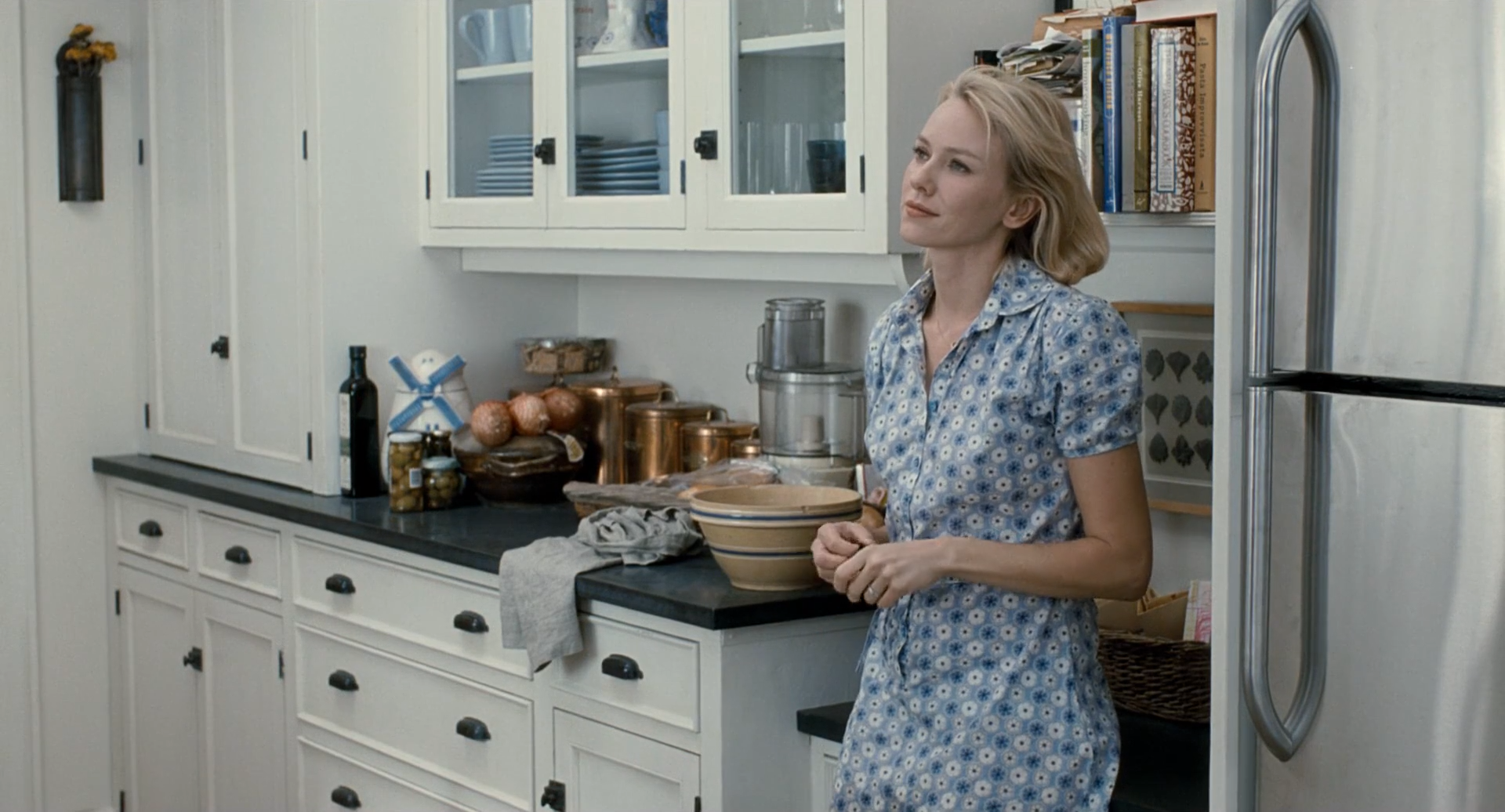
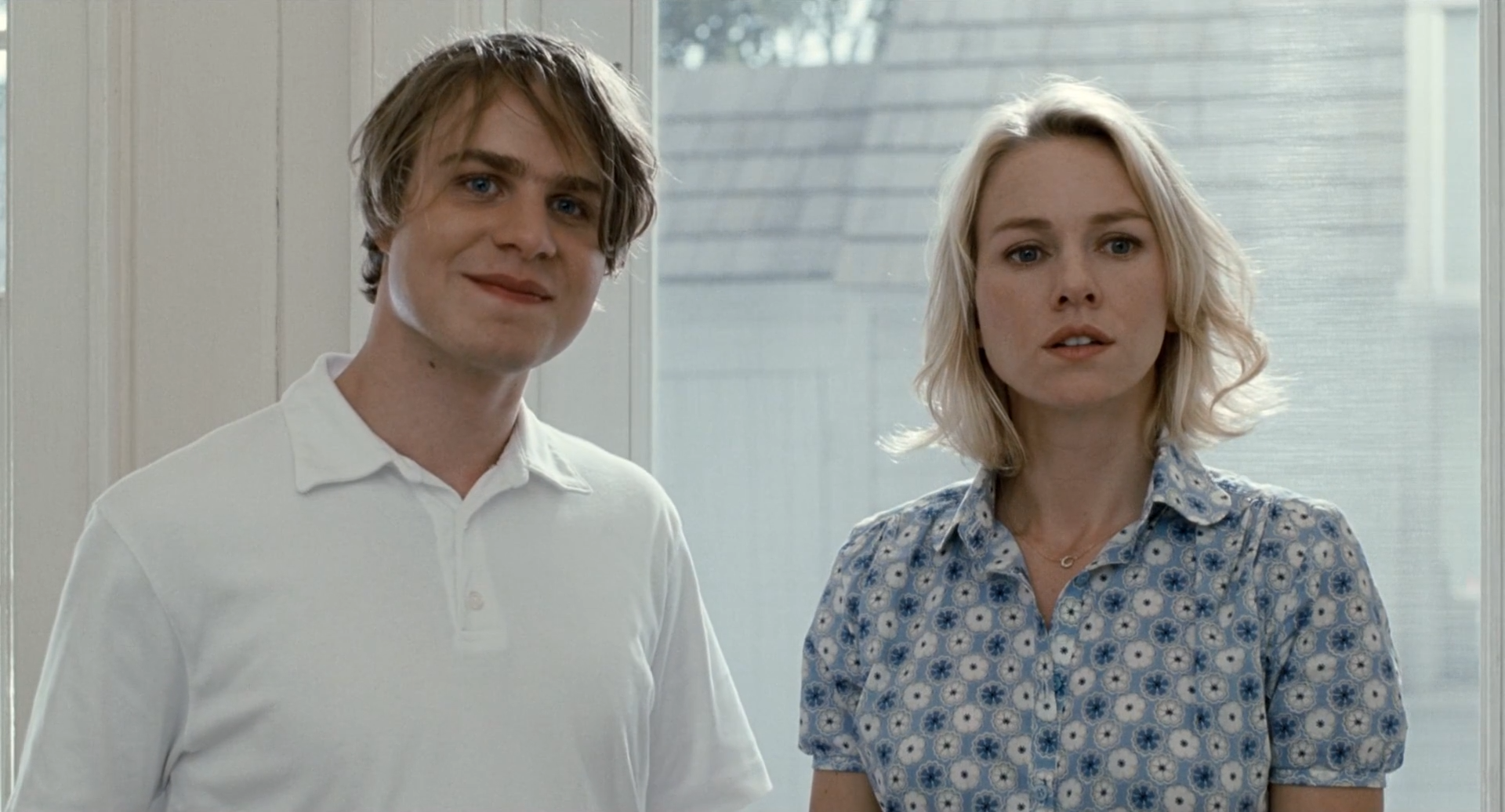
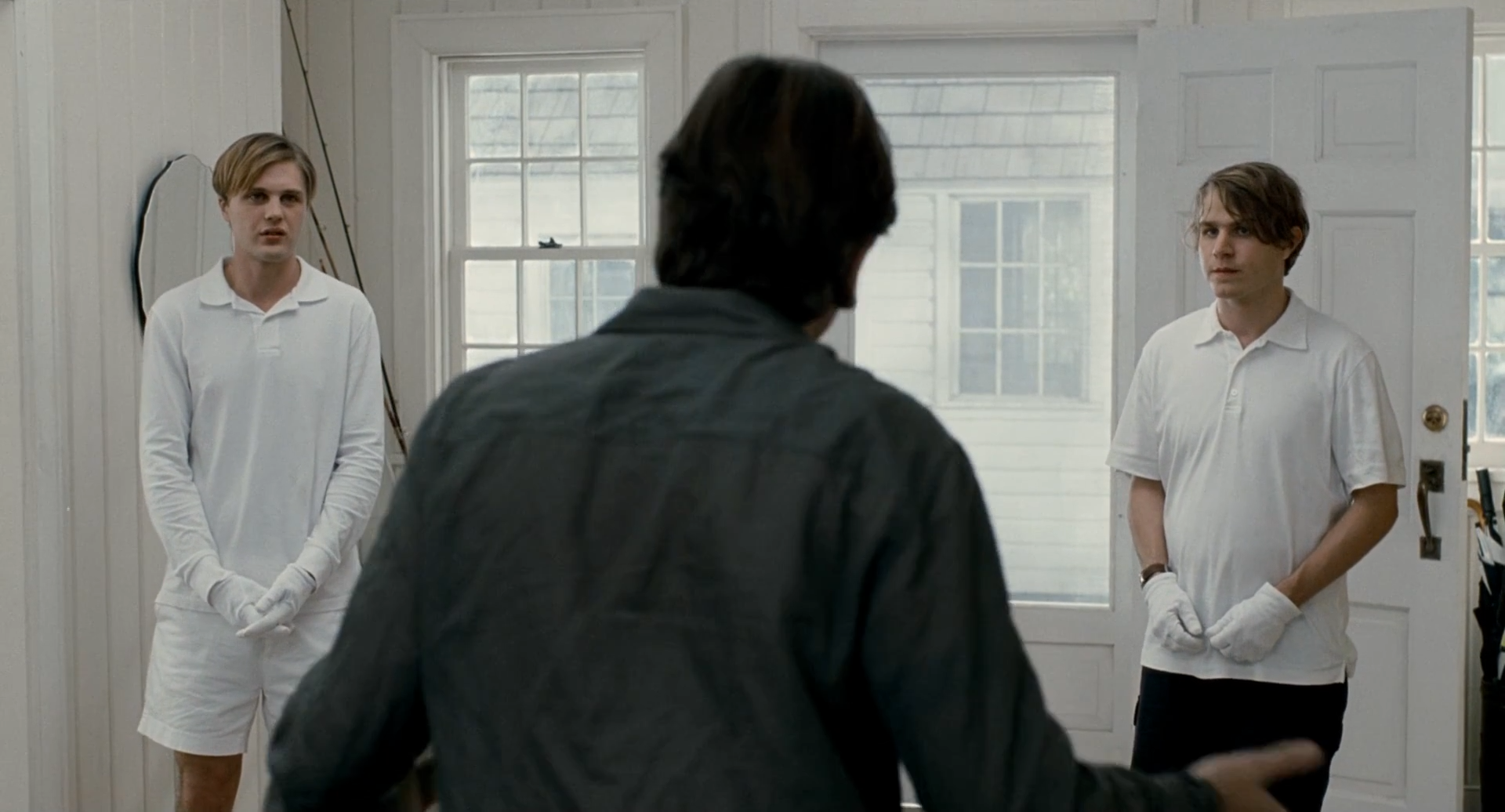


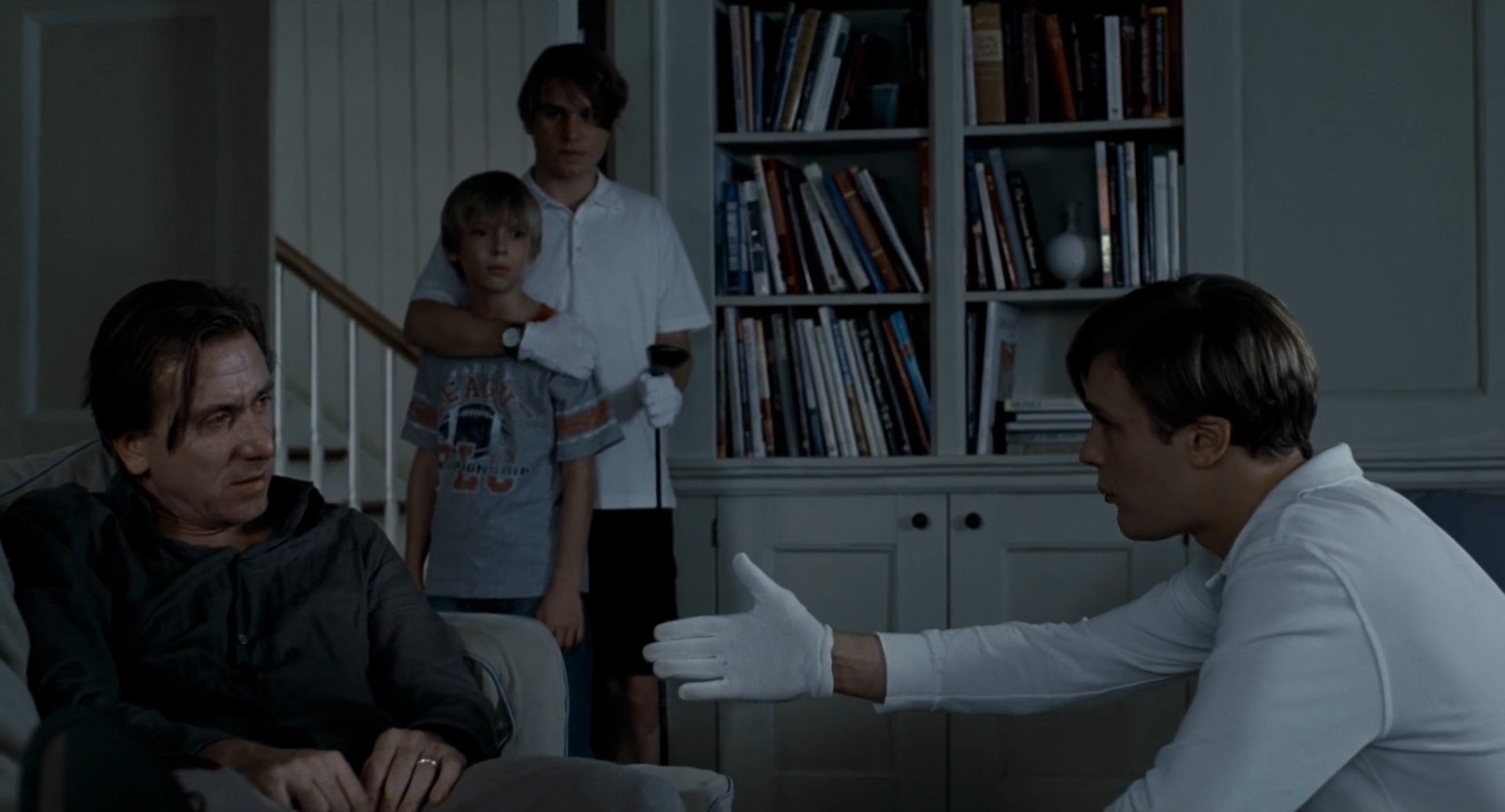
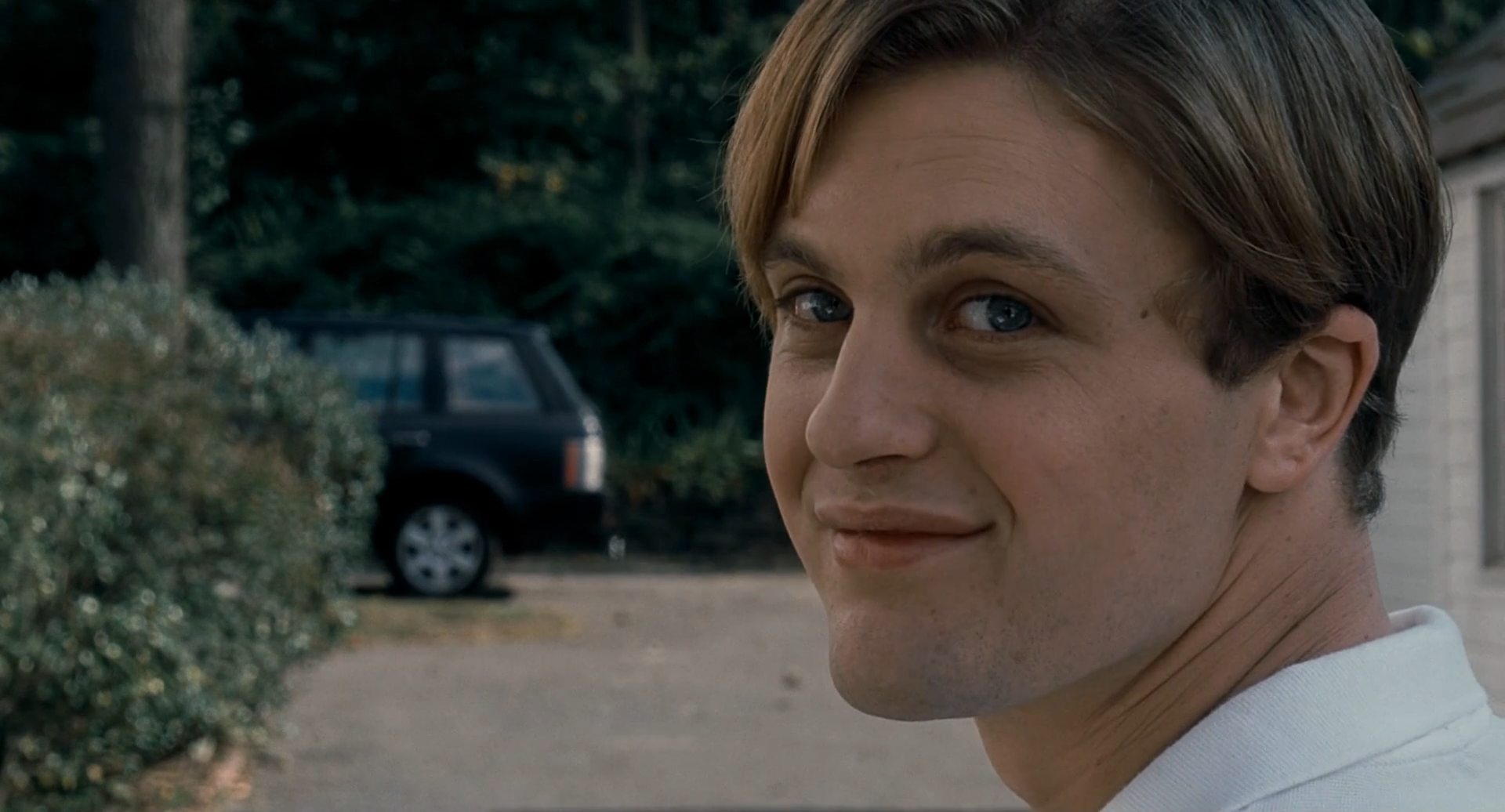

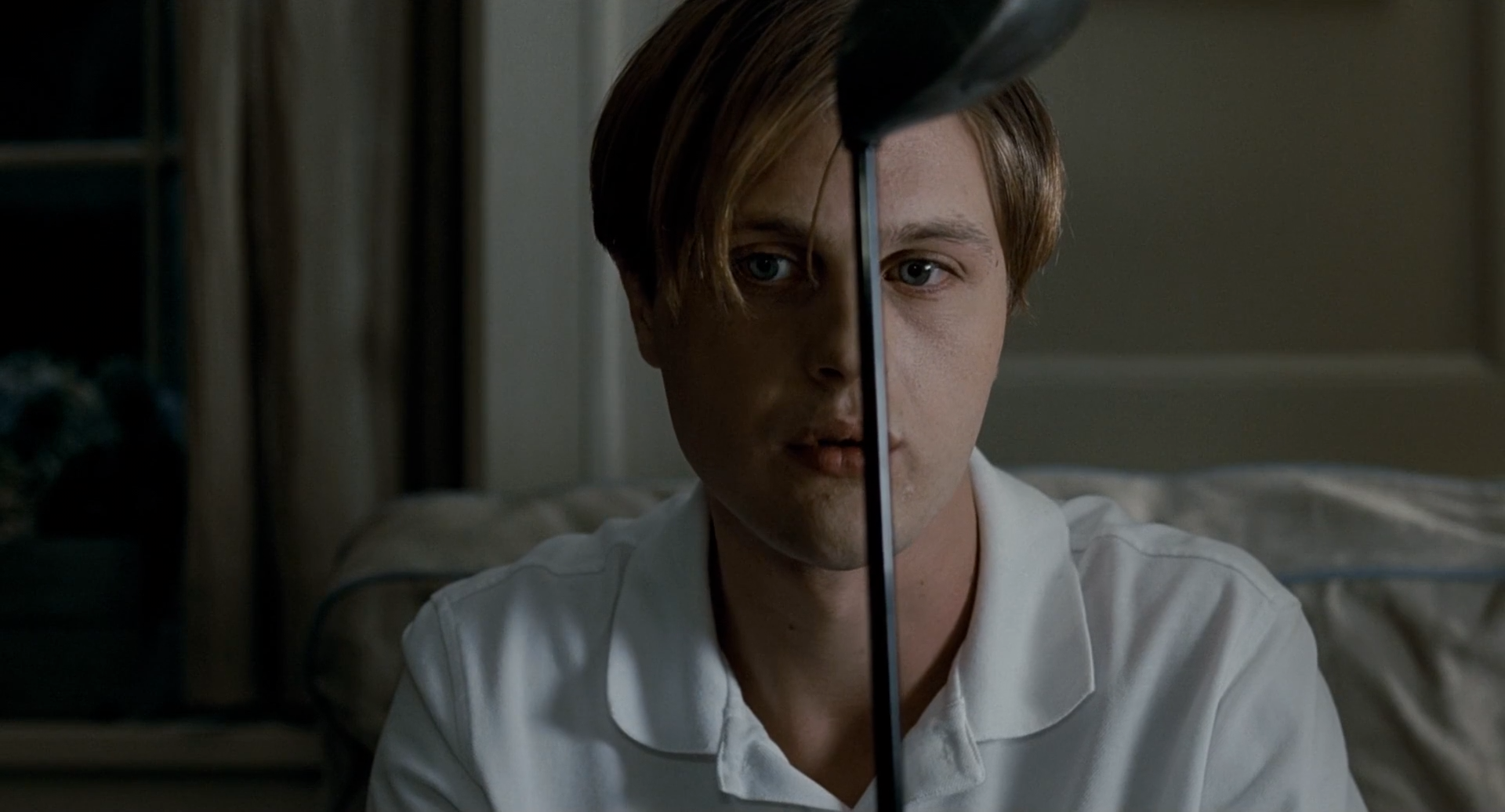
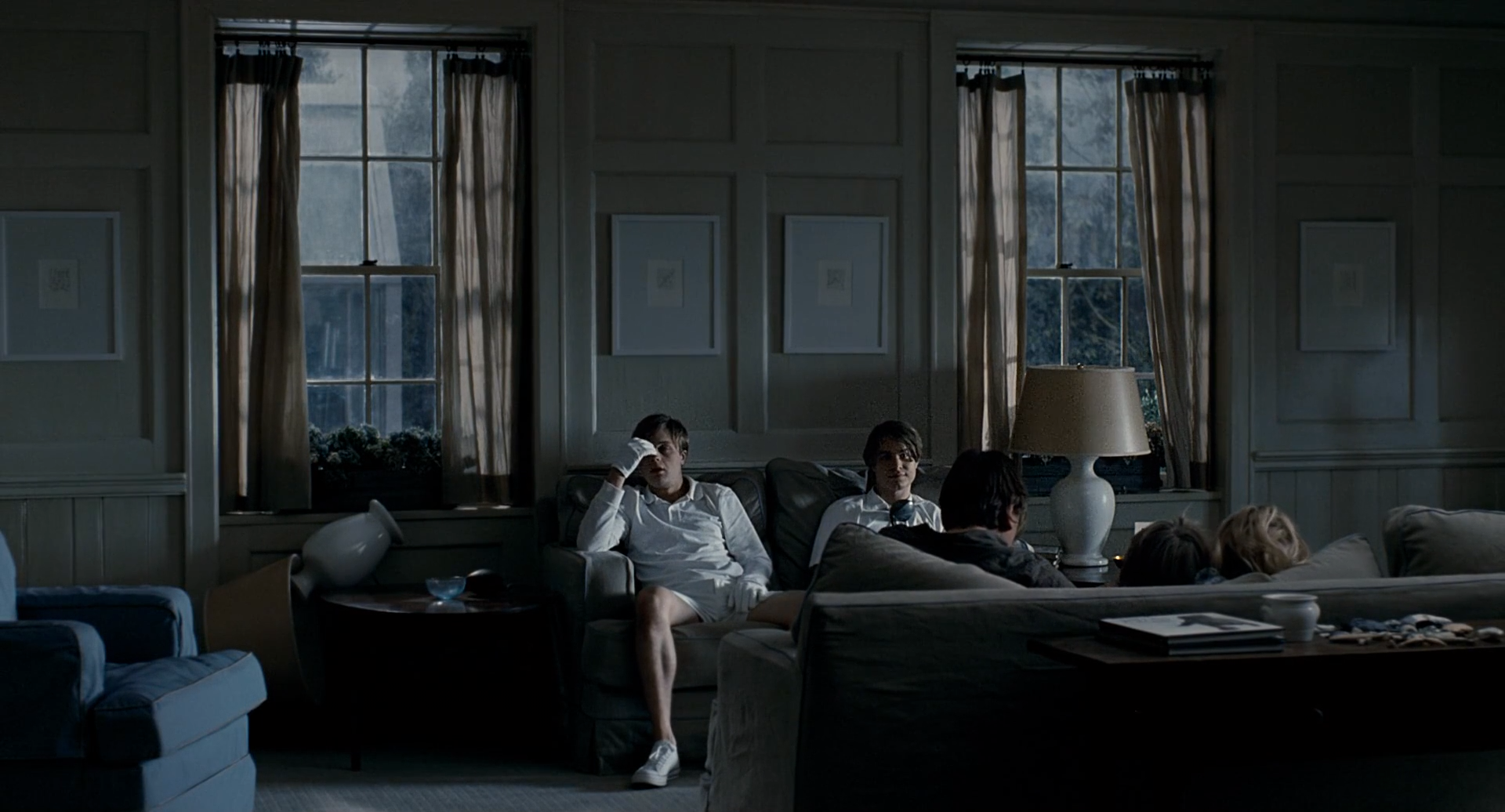


Violence is a funny thought experiment.
Presentation:
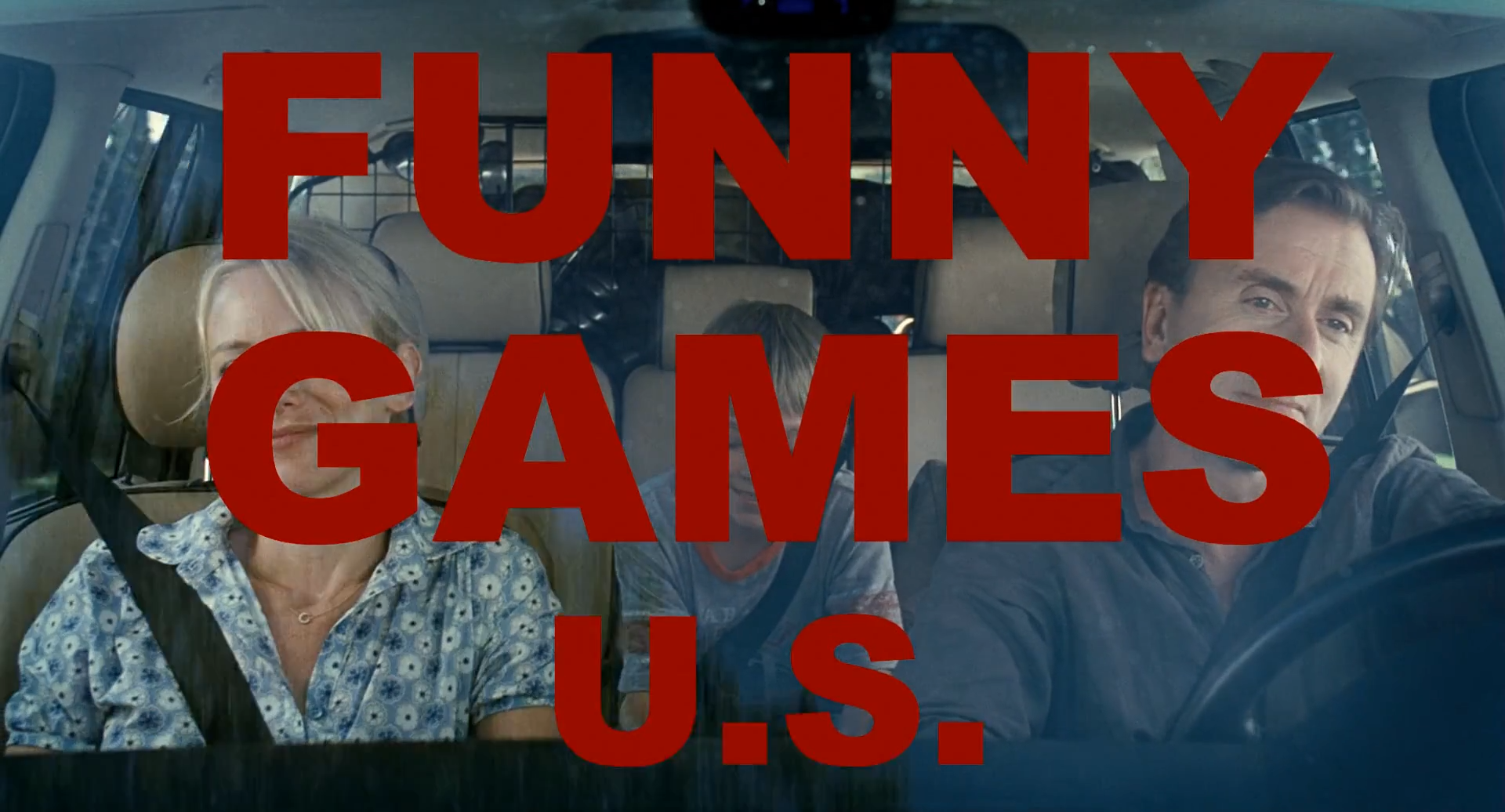
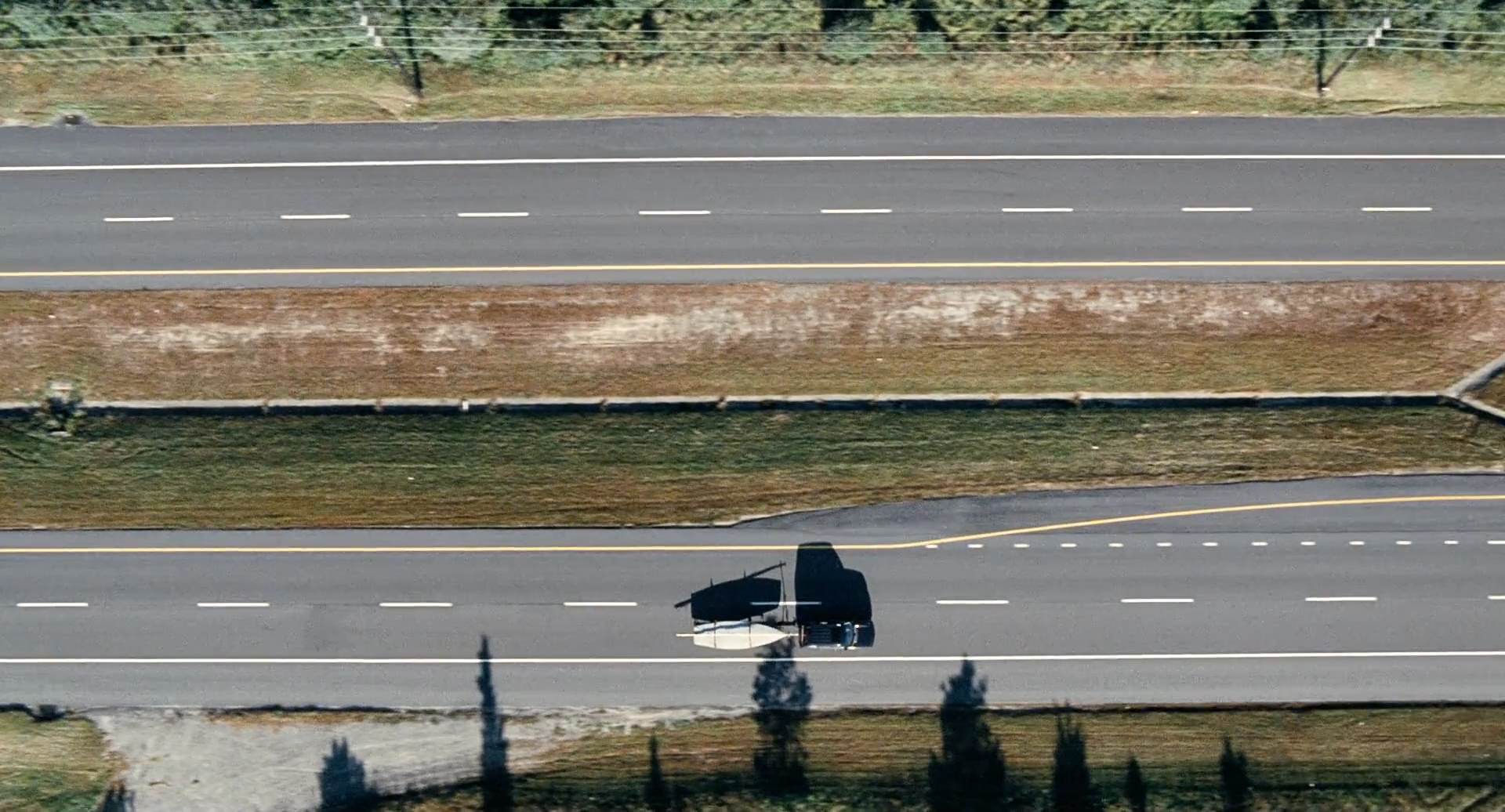
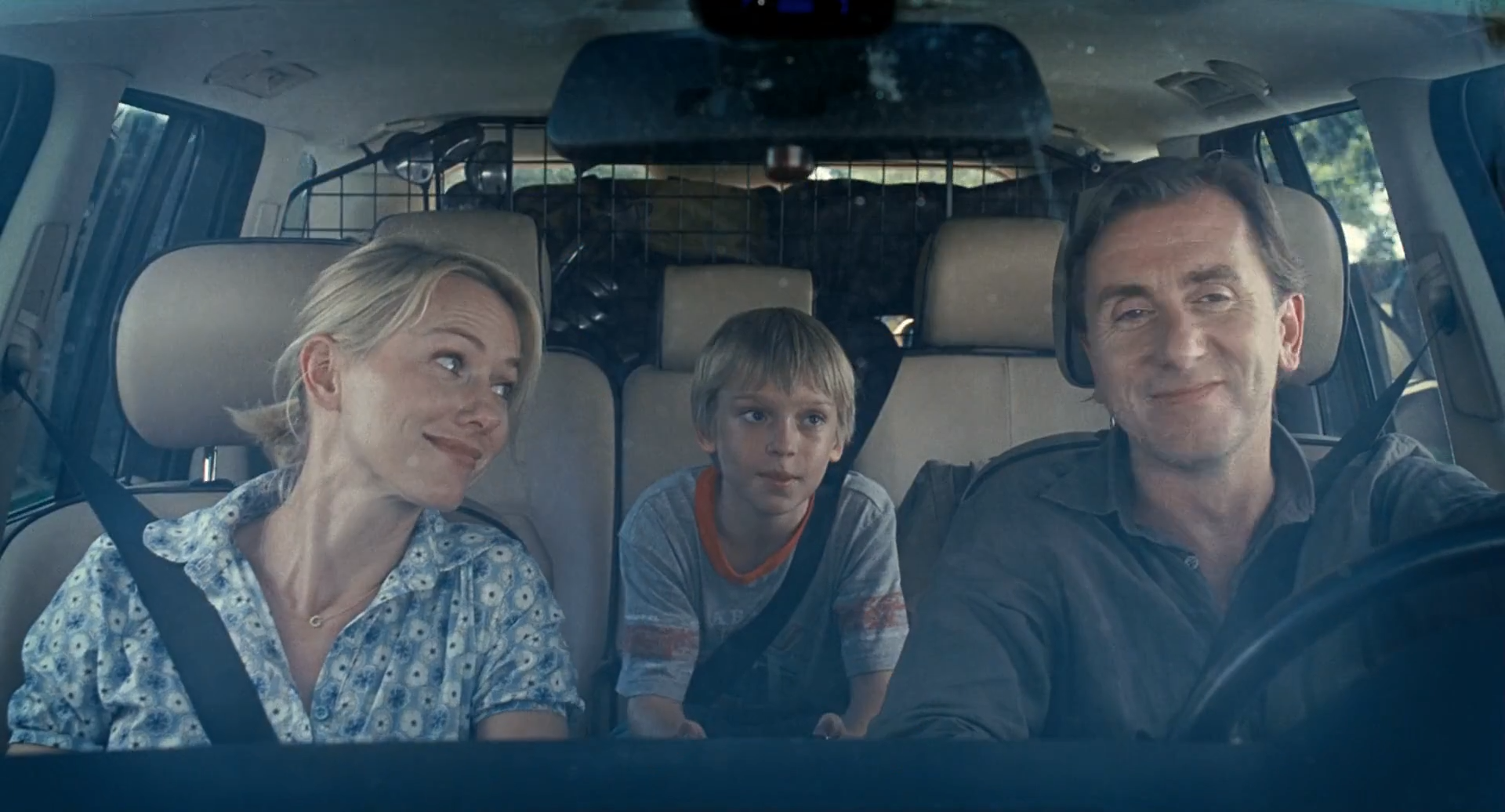
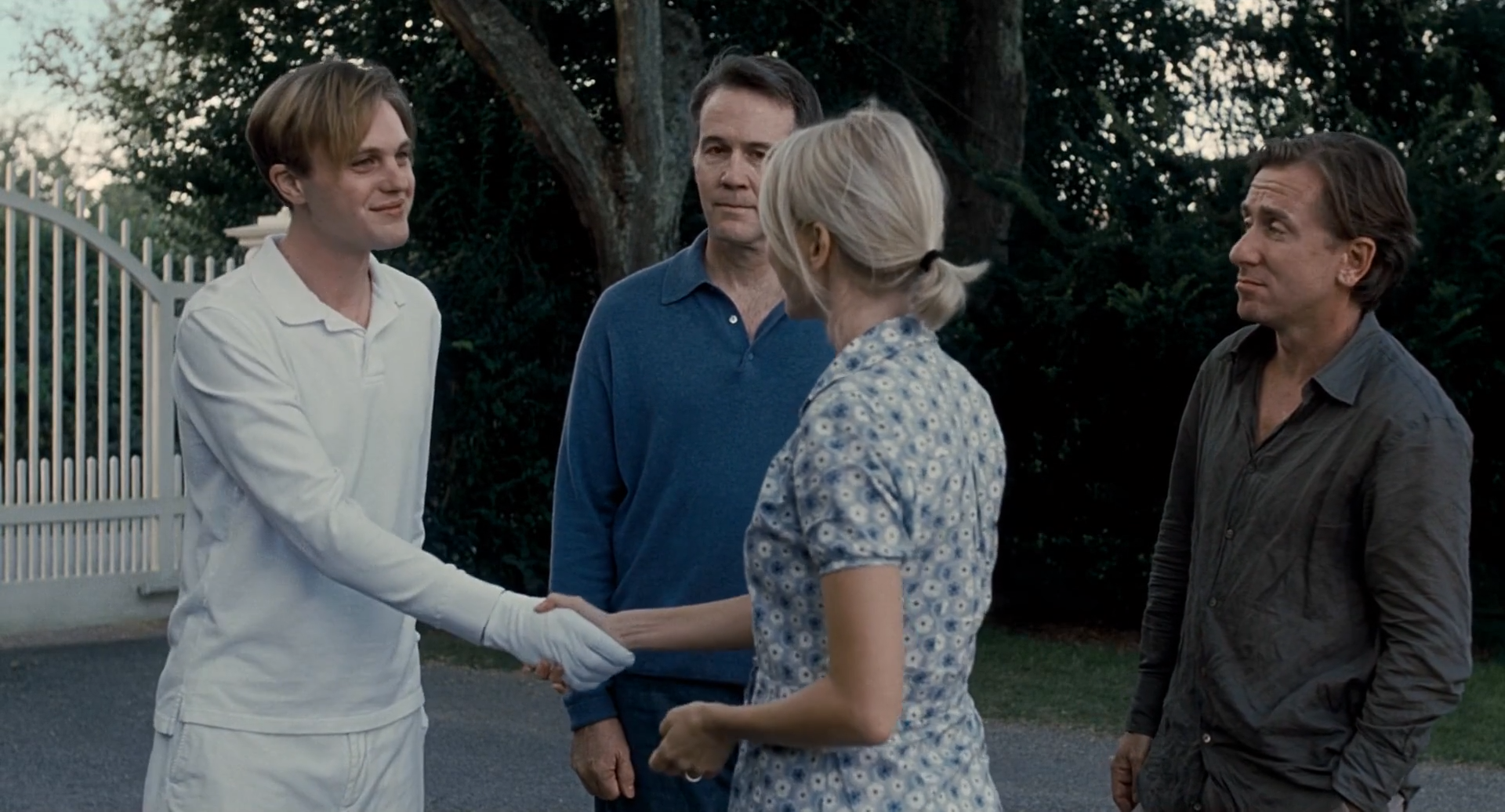
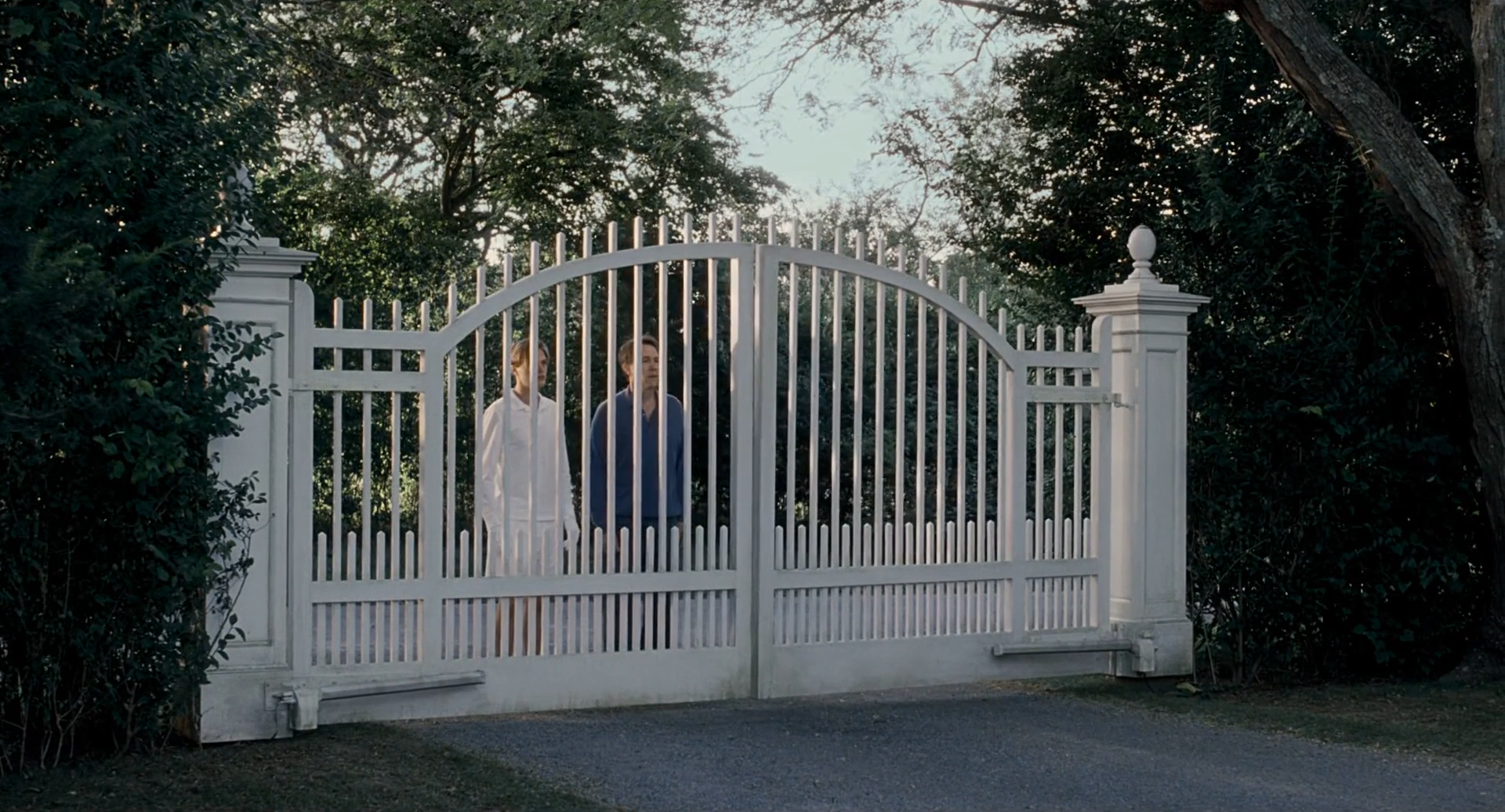
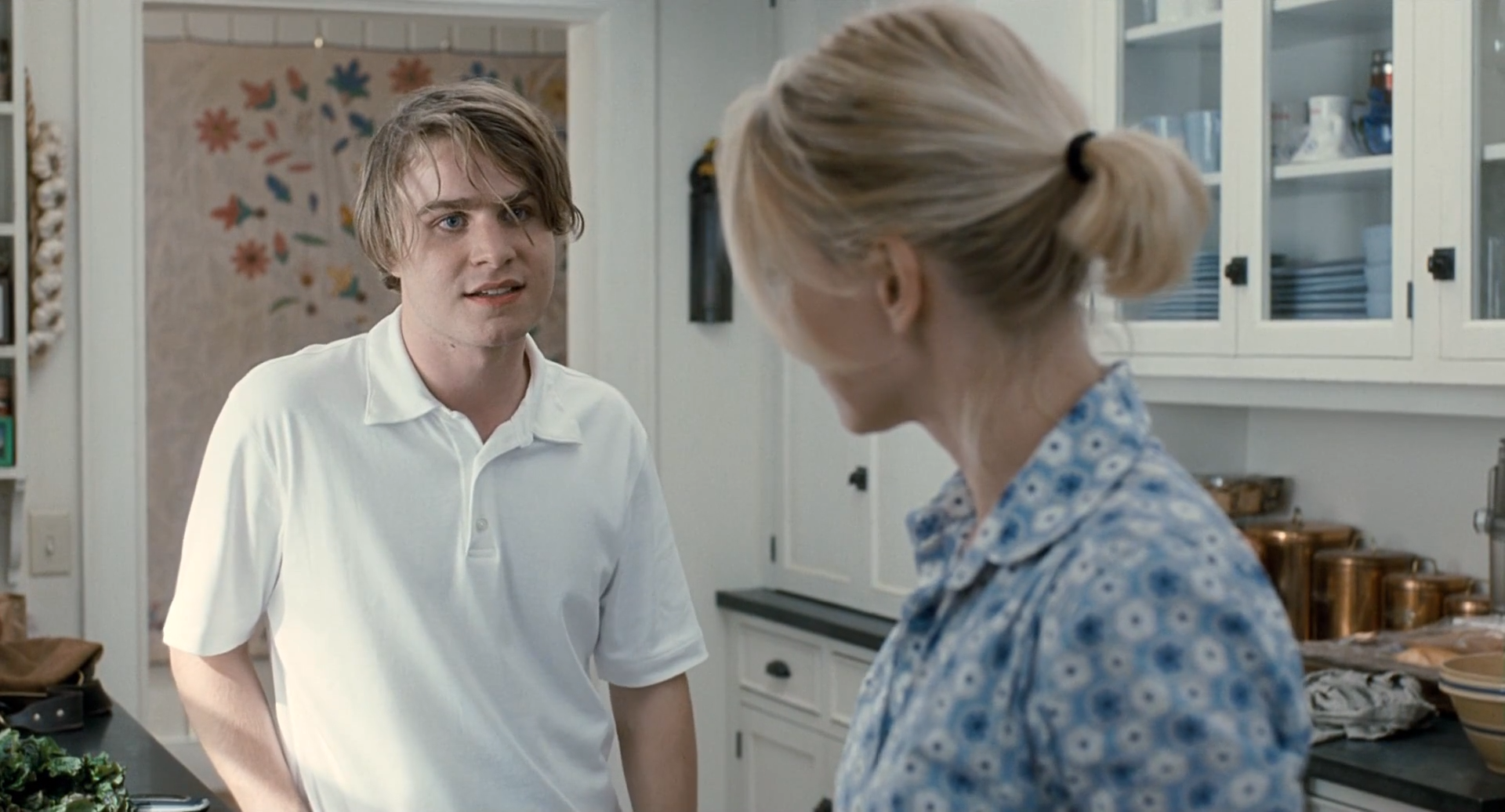
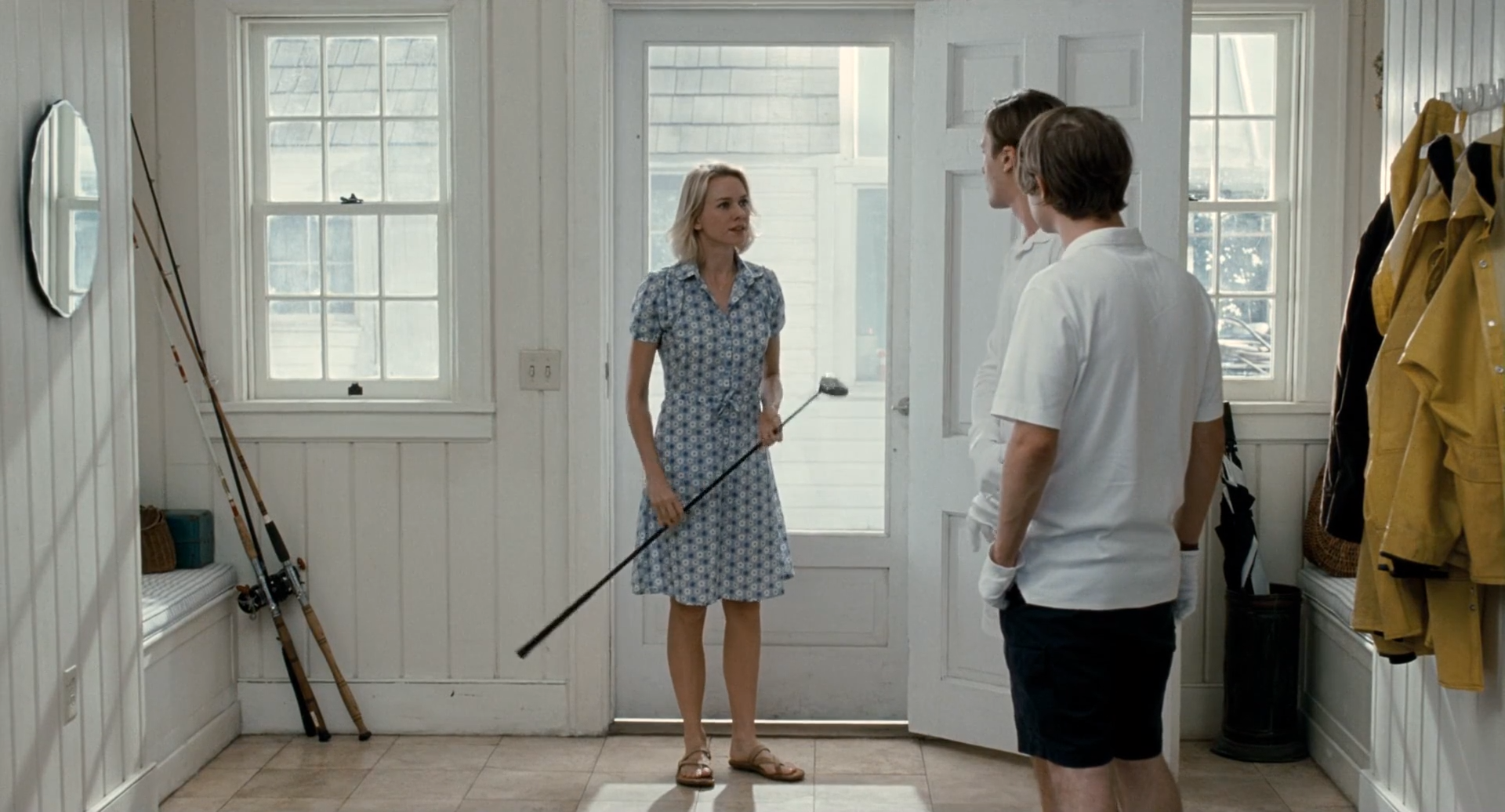
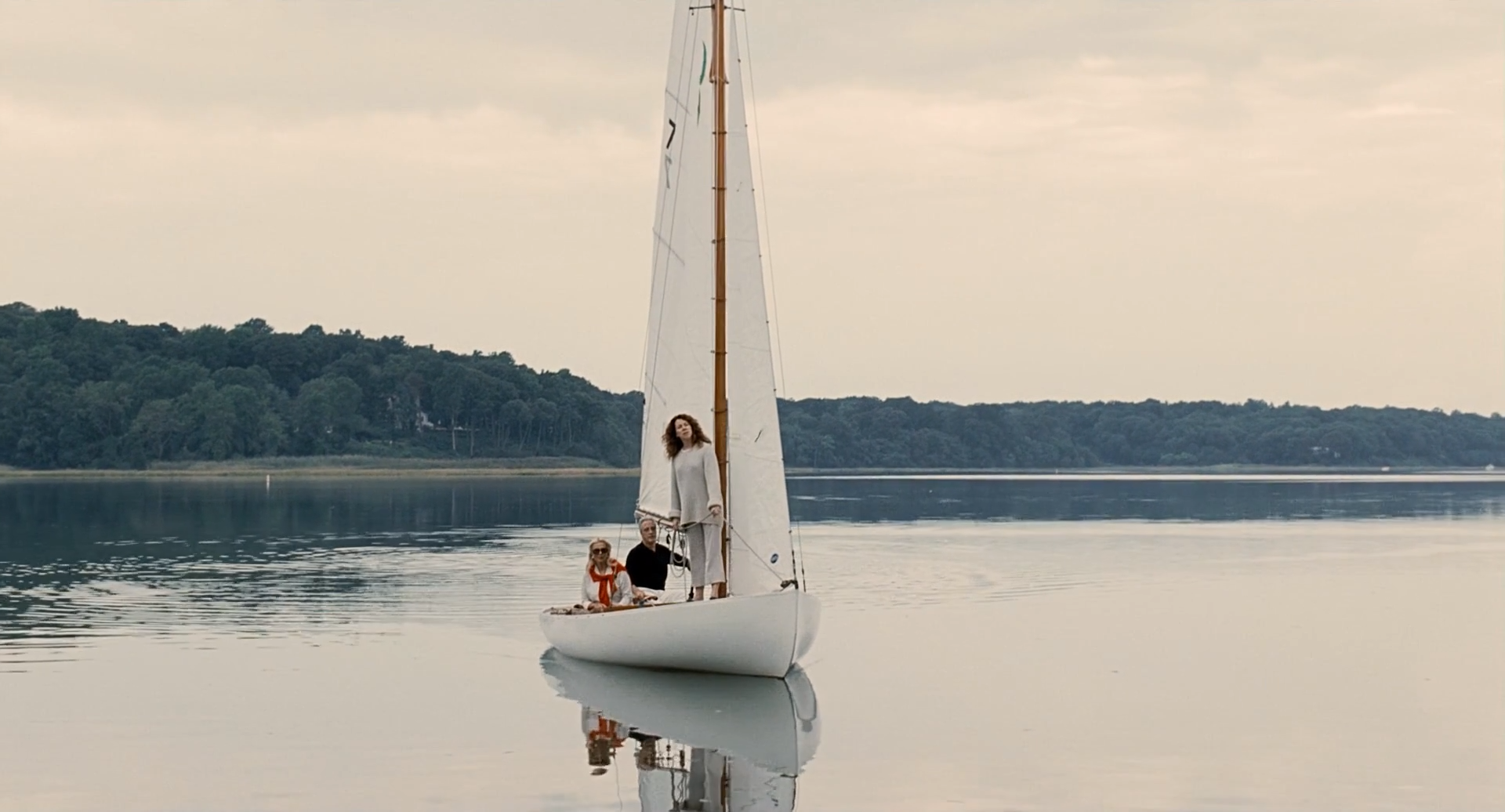
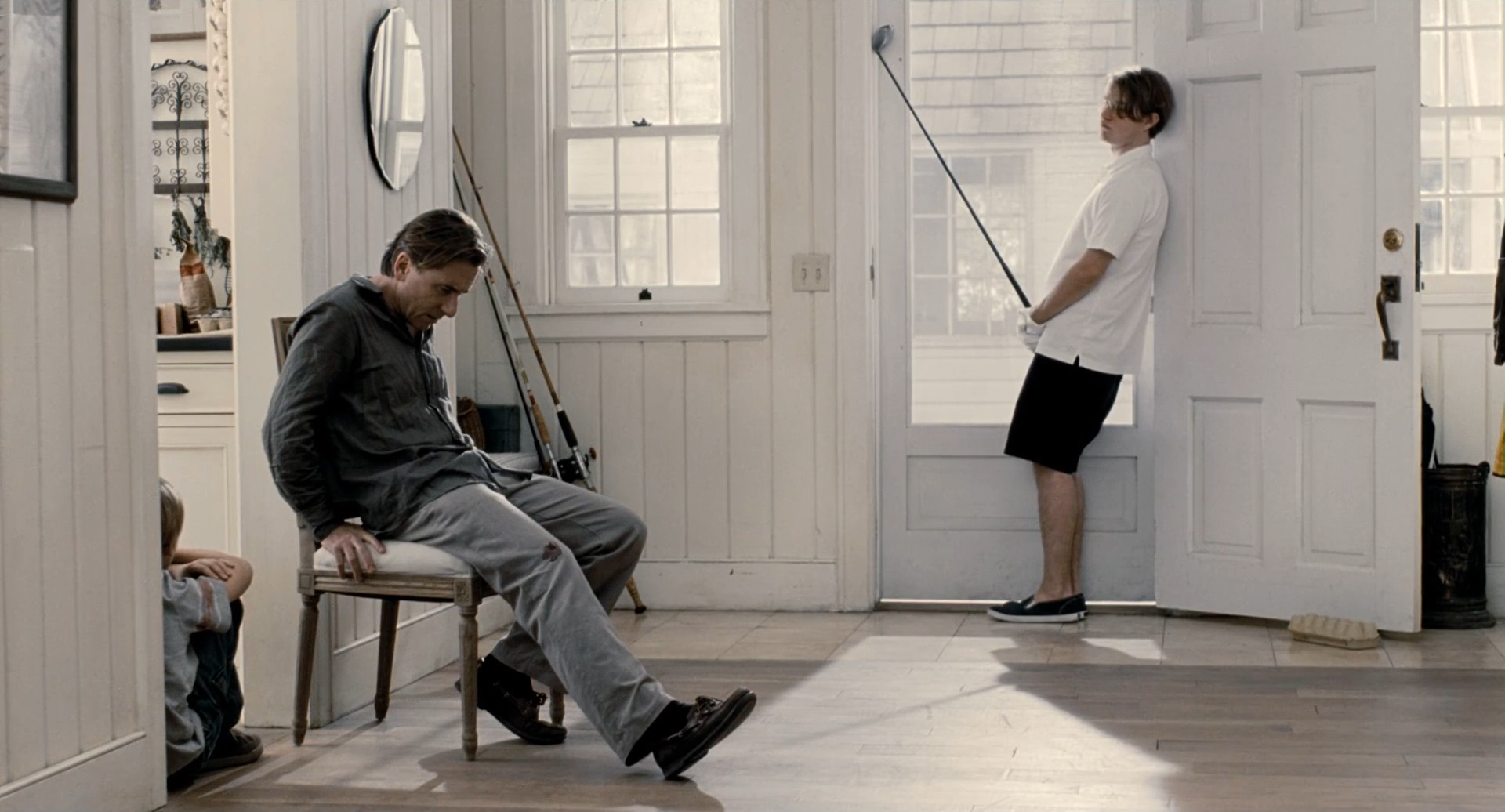
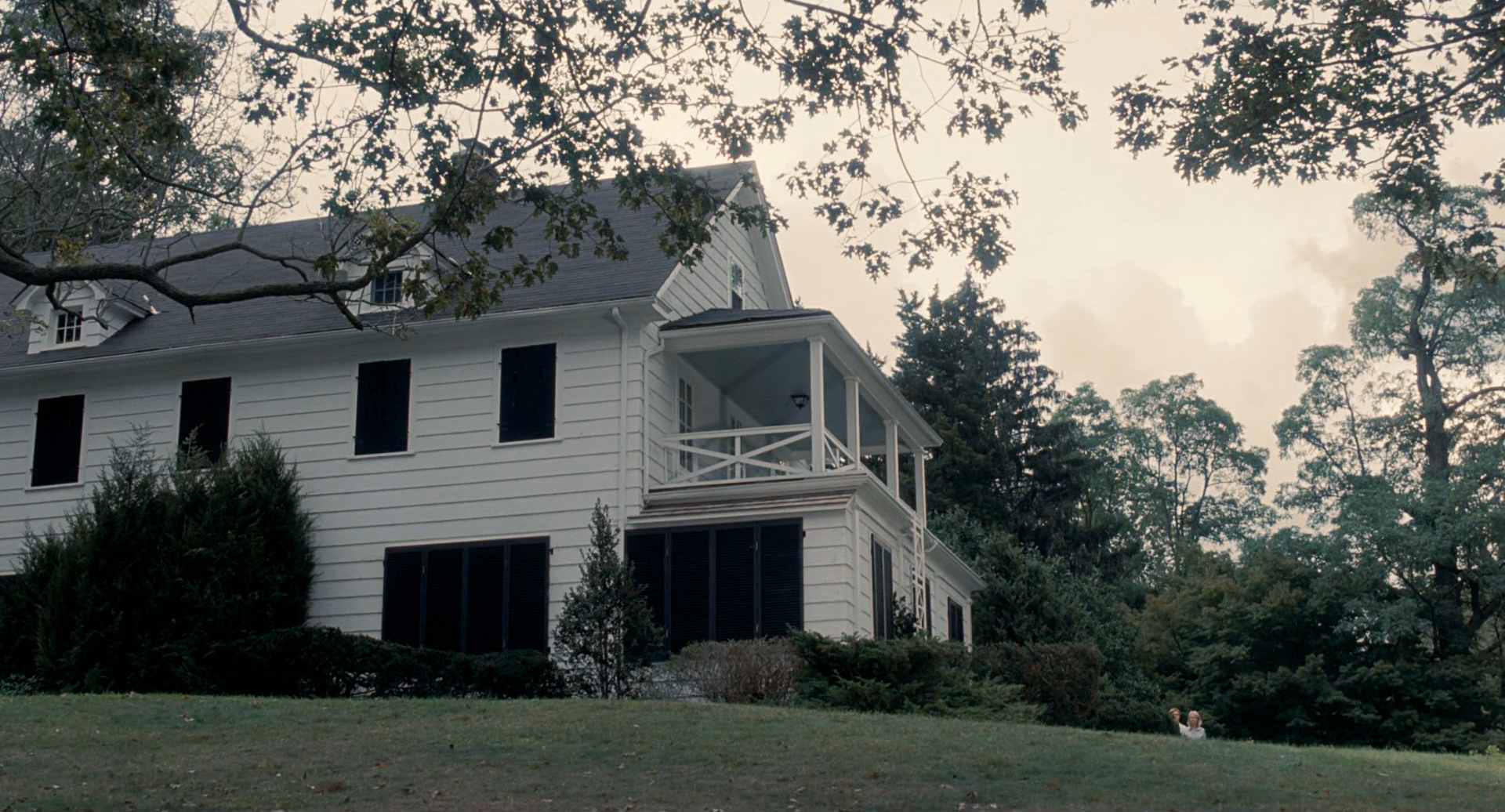
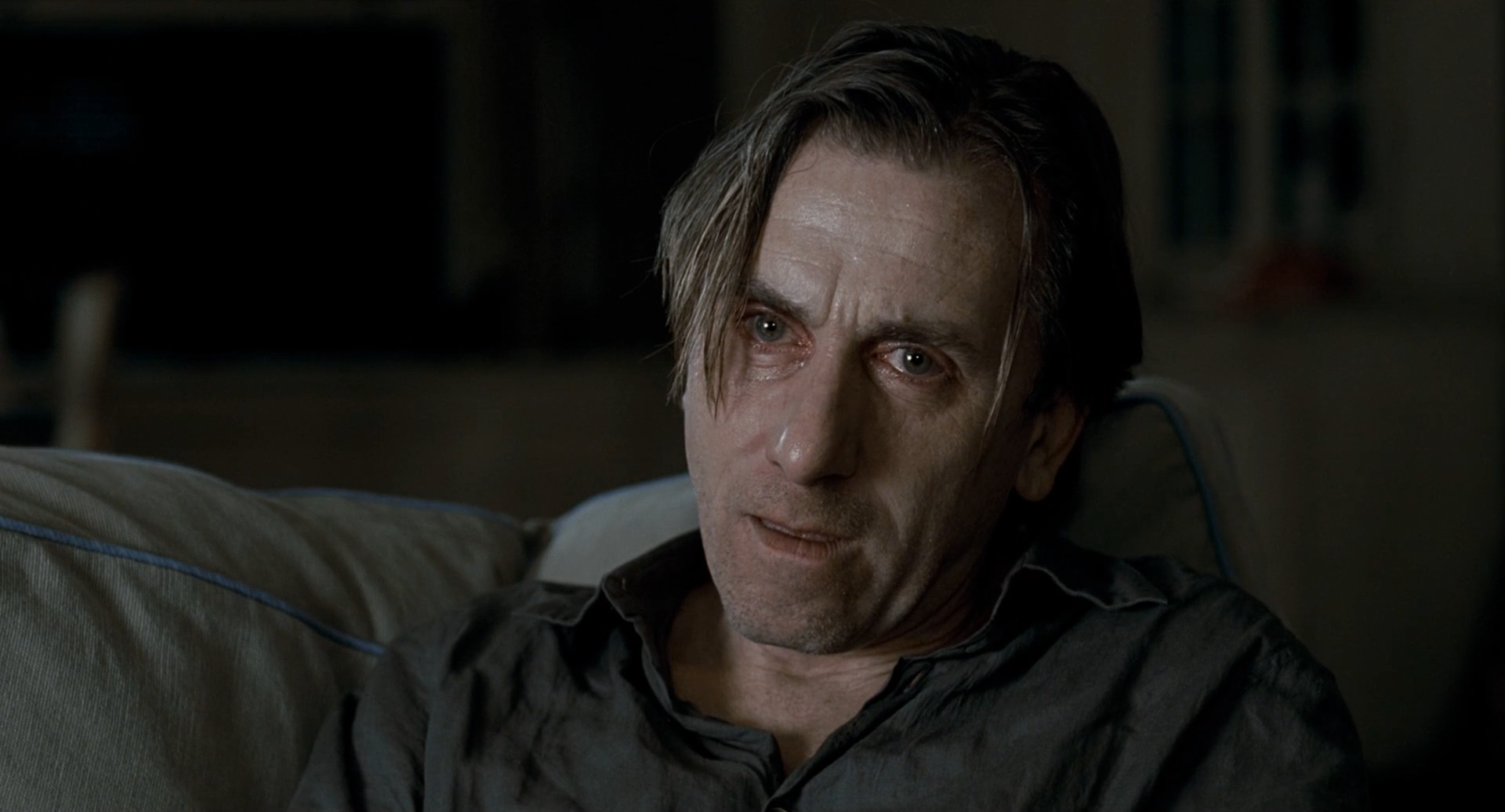
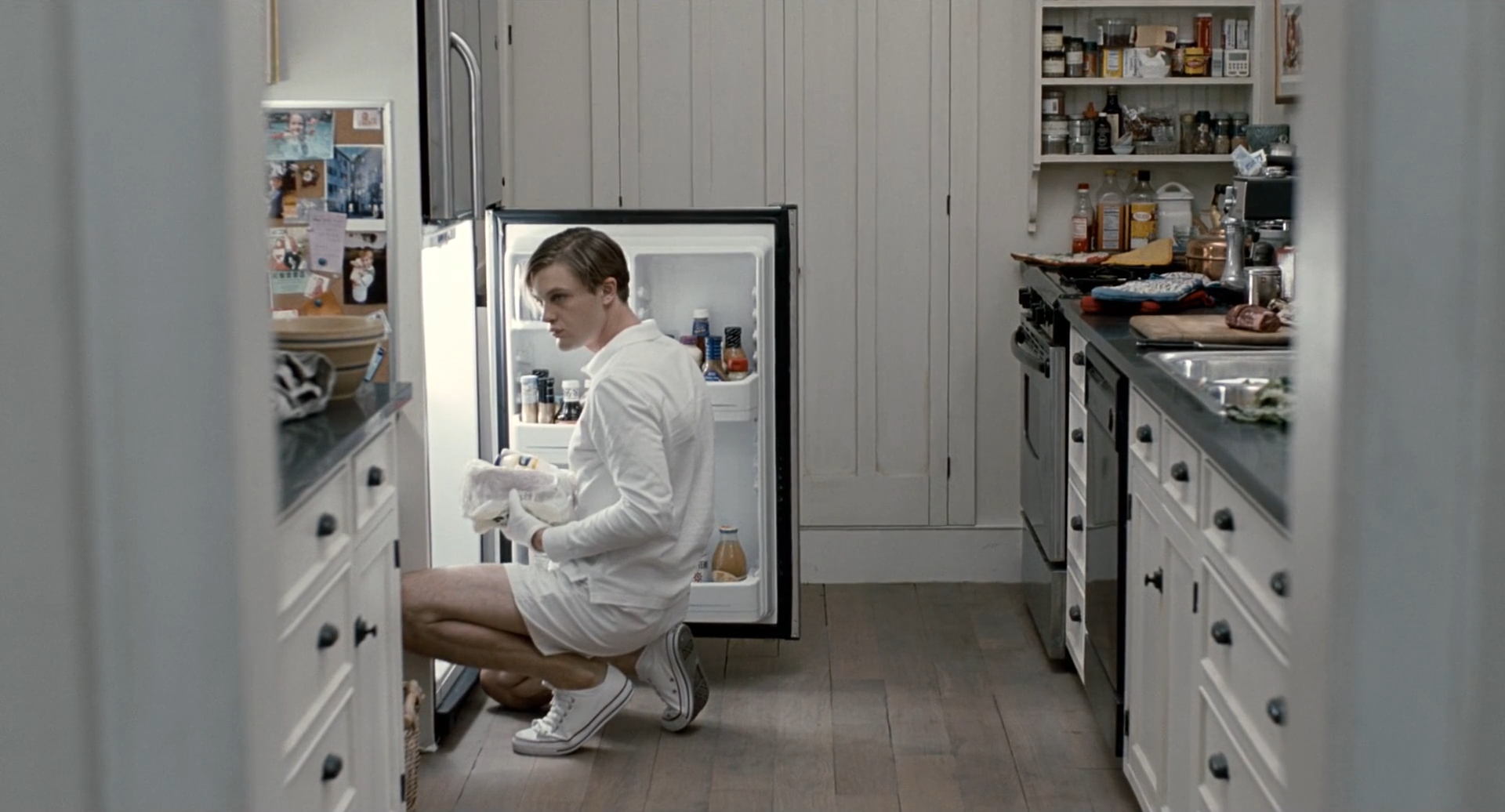
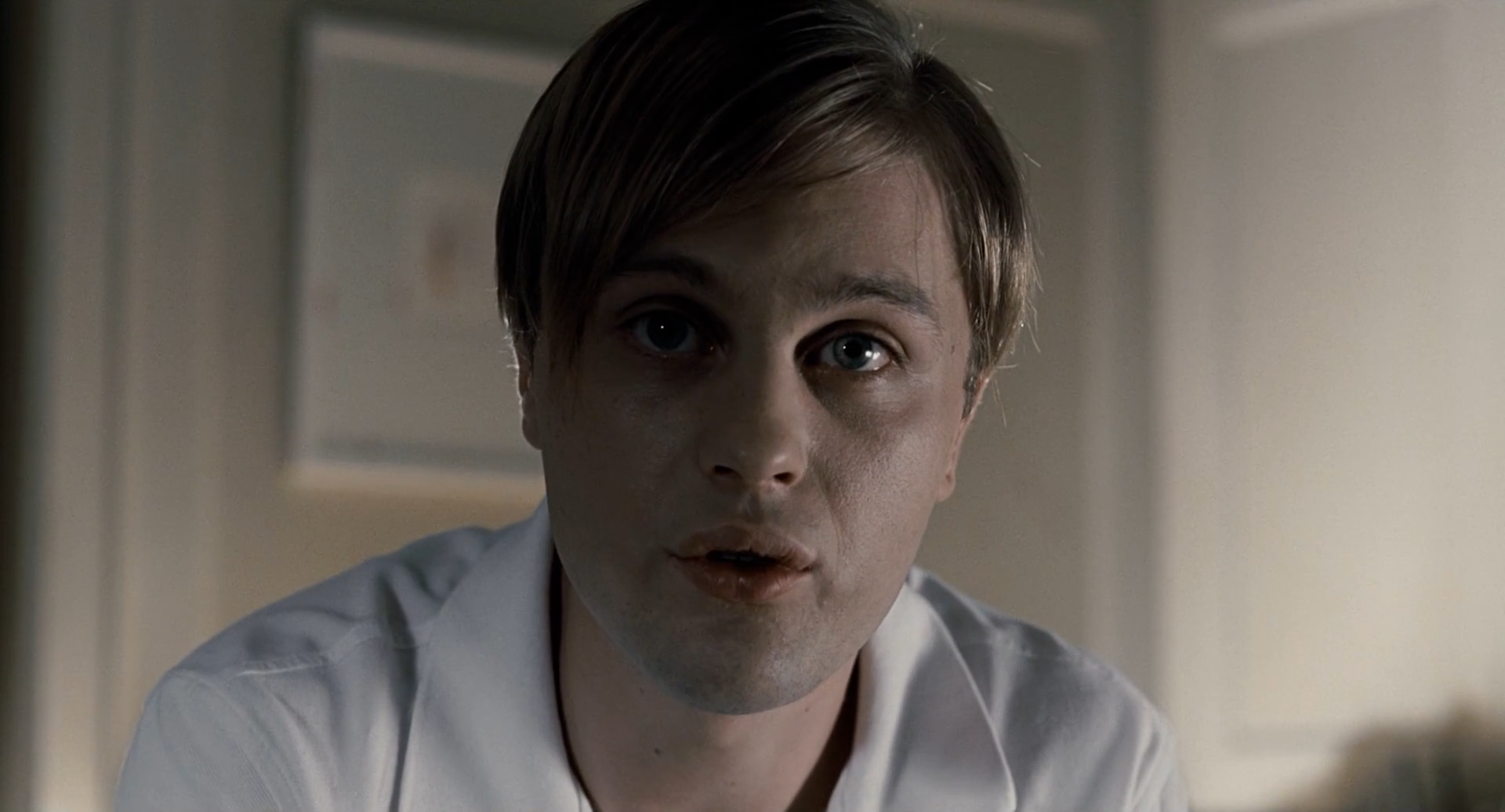
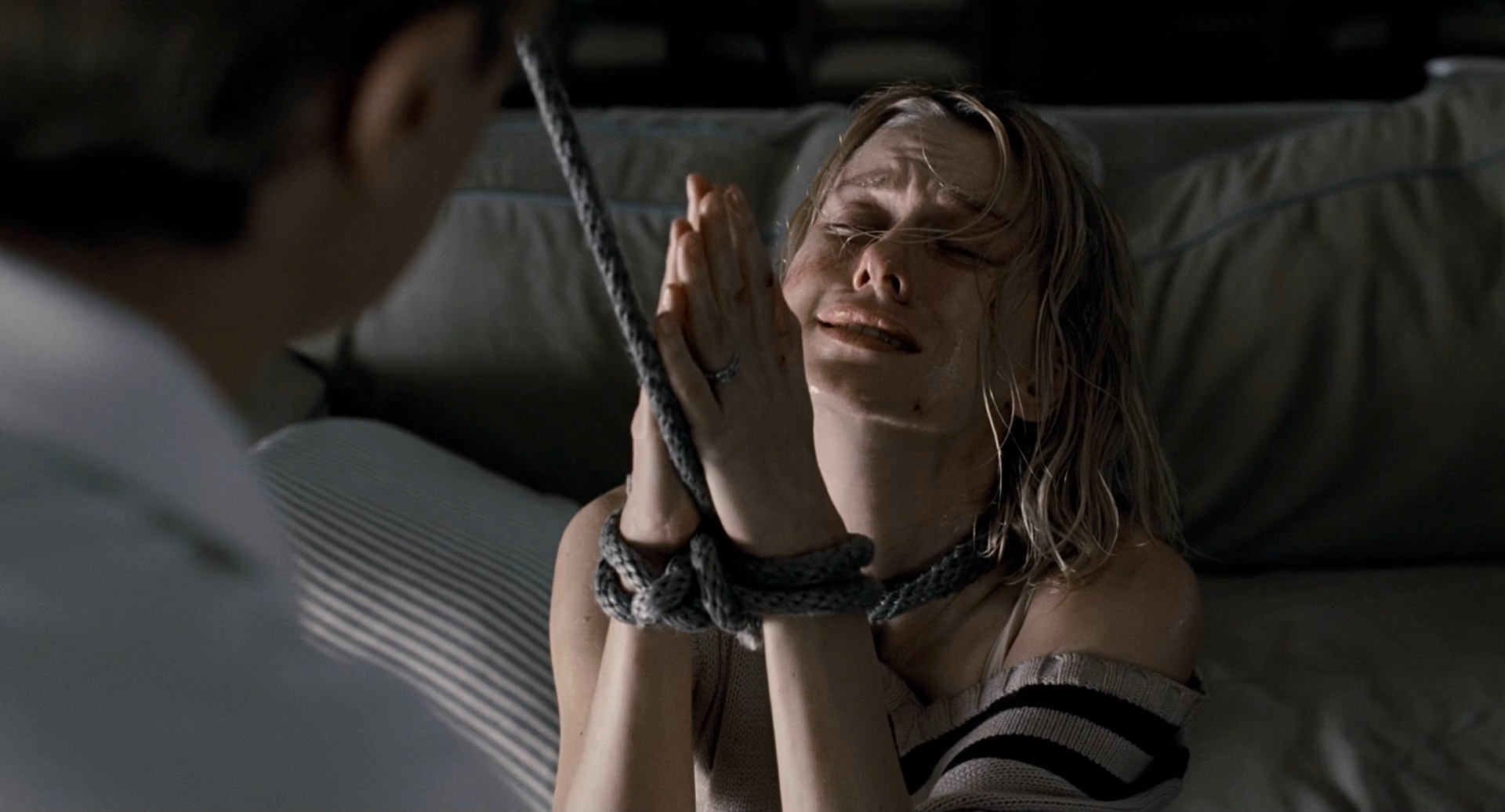
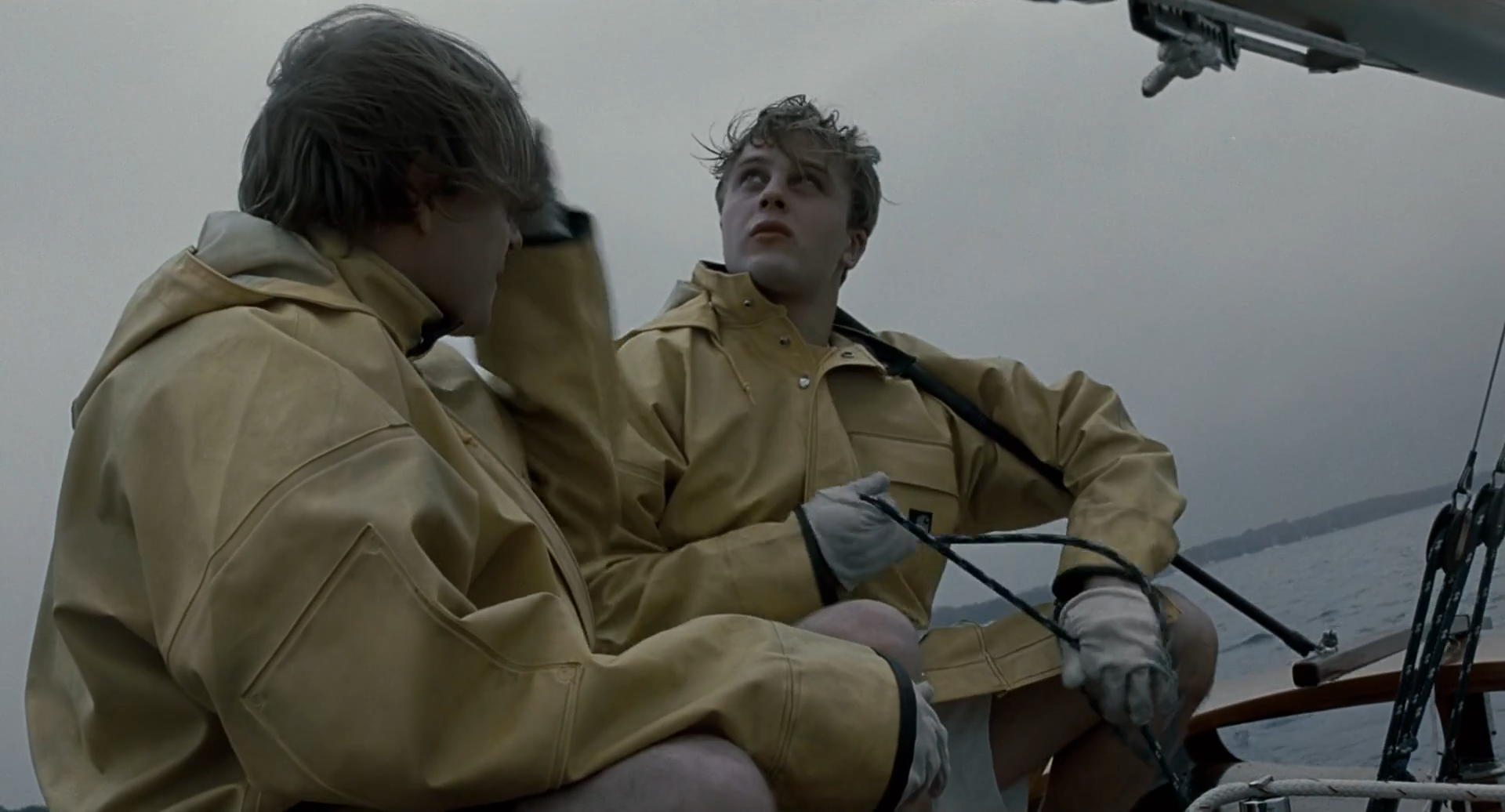
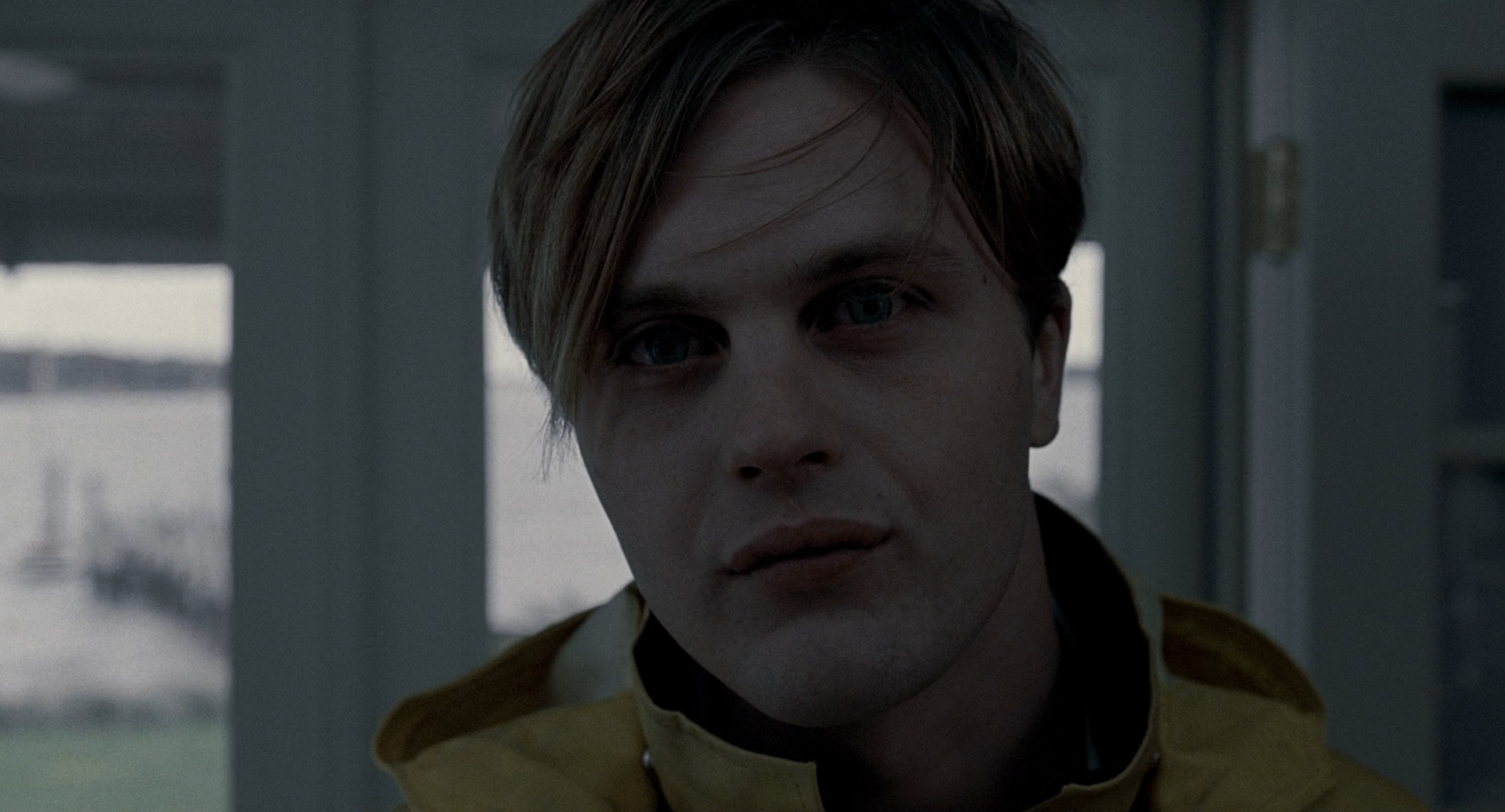
Have you ever considered why we enjoy action hitman movies but not torture slashers? Well this thought experiment explores why. Funny Games U.S. is a shot for shot U.S. remake of the German film of the same name from auteur filmmaker Michael Haneke. In deciding which version to watch, I think whichever you watch first will be the benchmark, though I have recommended the 2007 U.S. version for several reasons. The cinematography from Darius Khondji is more surreal, the message is more relevant for American audiences, and the performance from Michael Pitt is more disturbing. However, the German version might be the overall stronger film because the foreignness might enhance the strangeness (American English films don’t execute on experimental themes as convincingly). Some will find this film very disturbing, but others might just be too jaded to care.
Analysis:
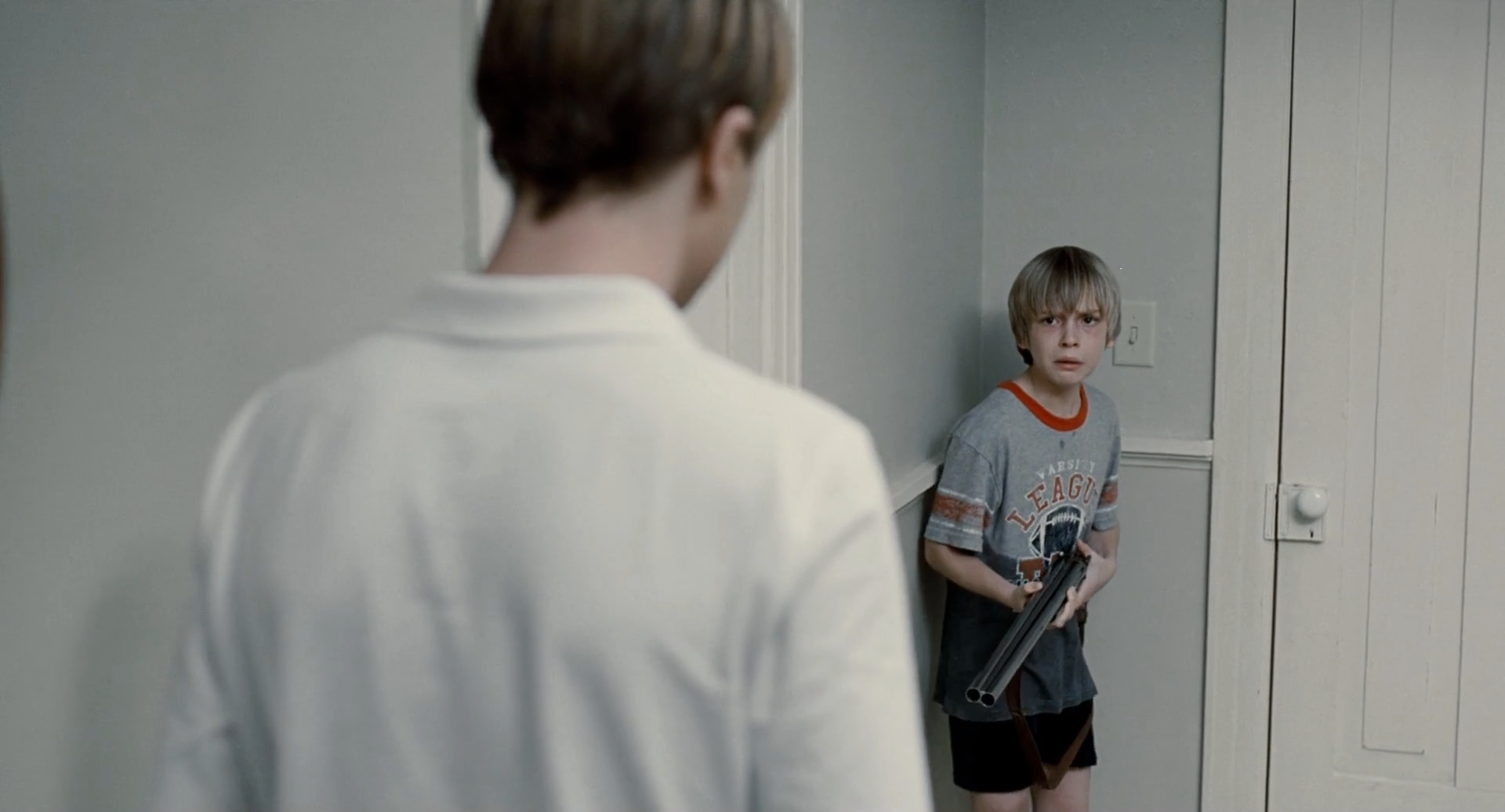
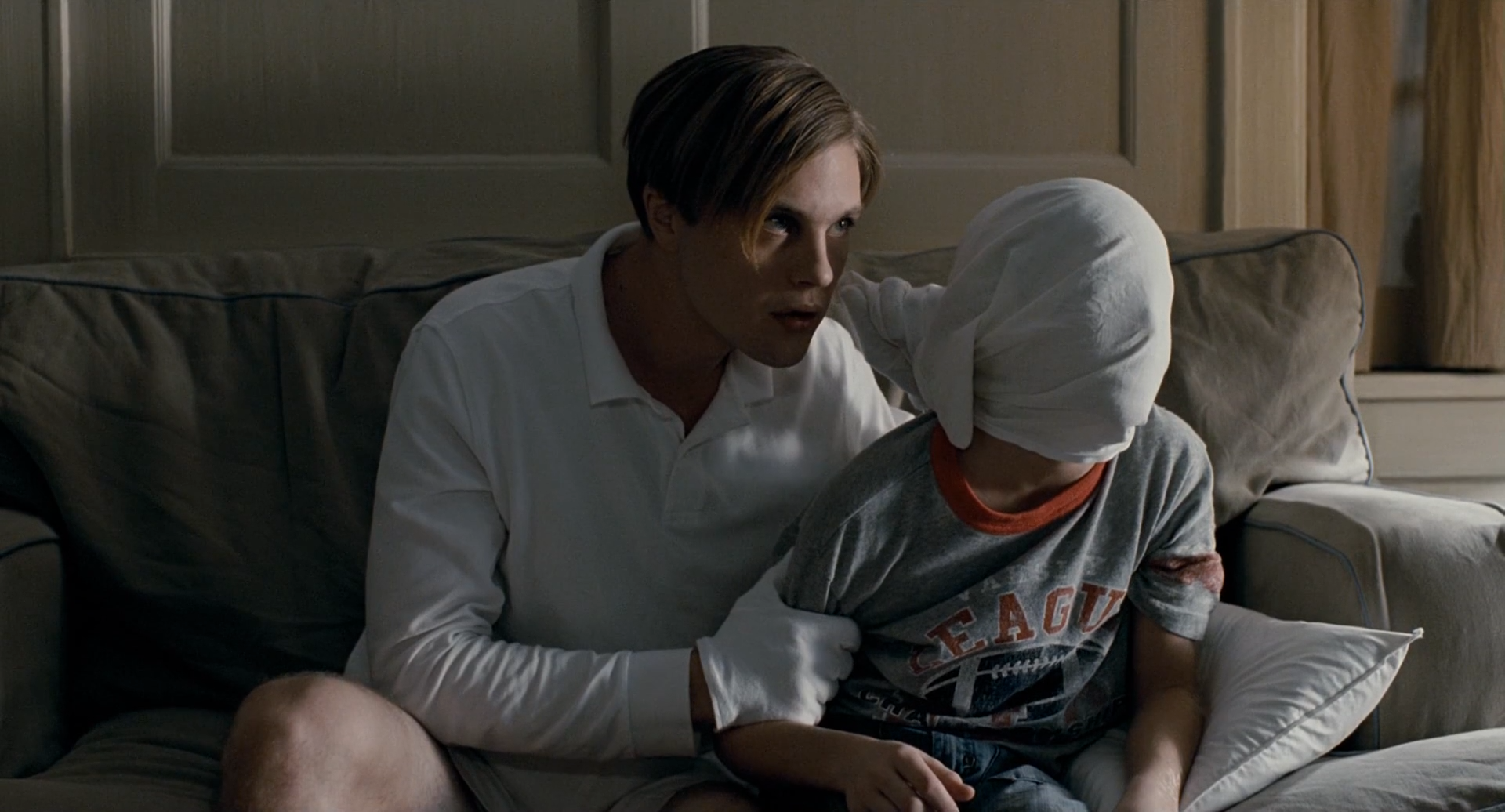
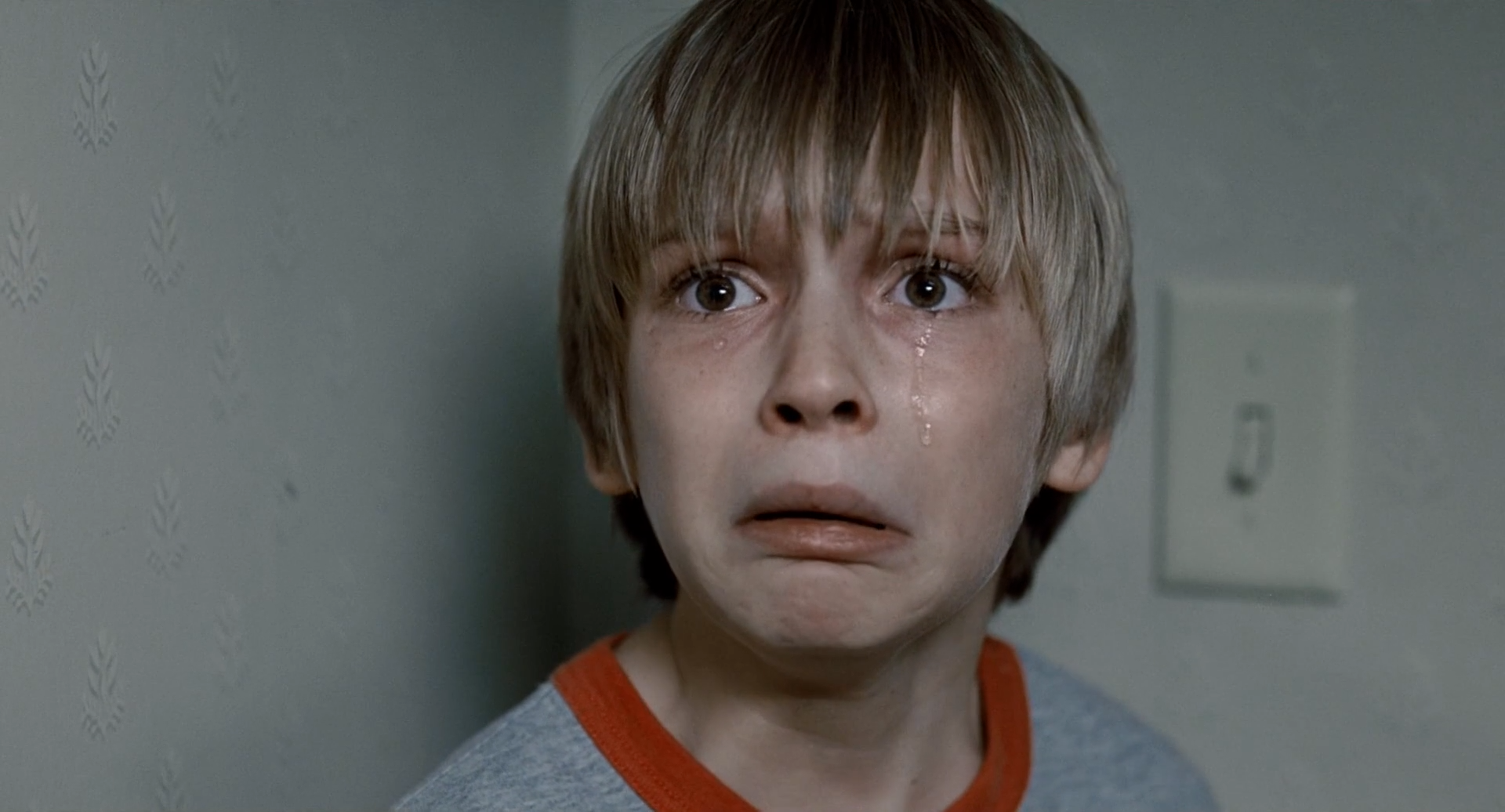
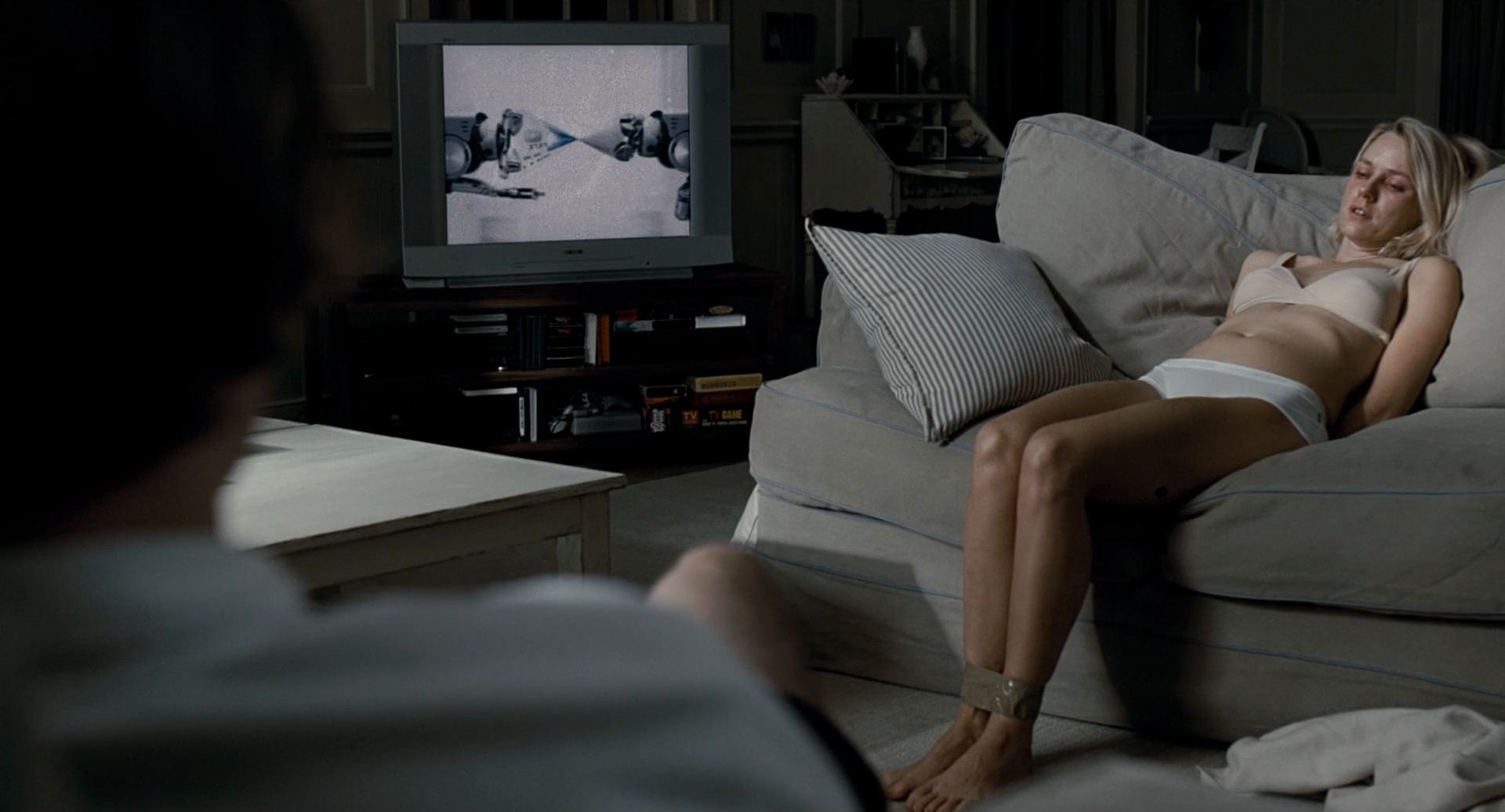
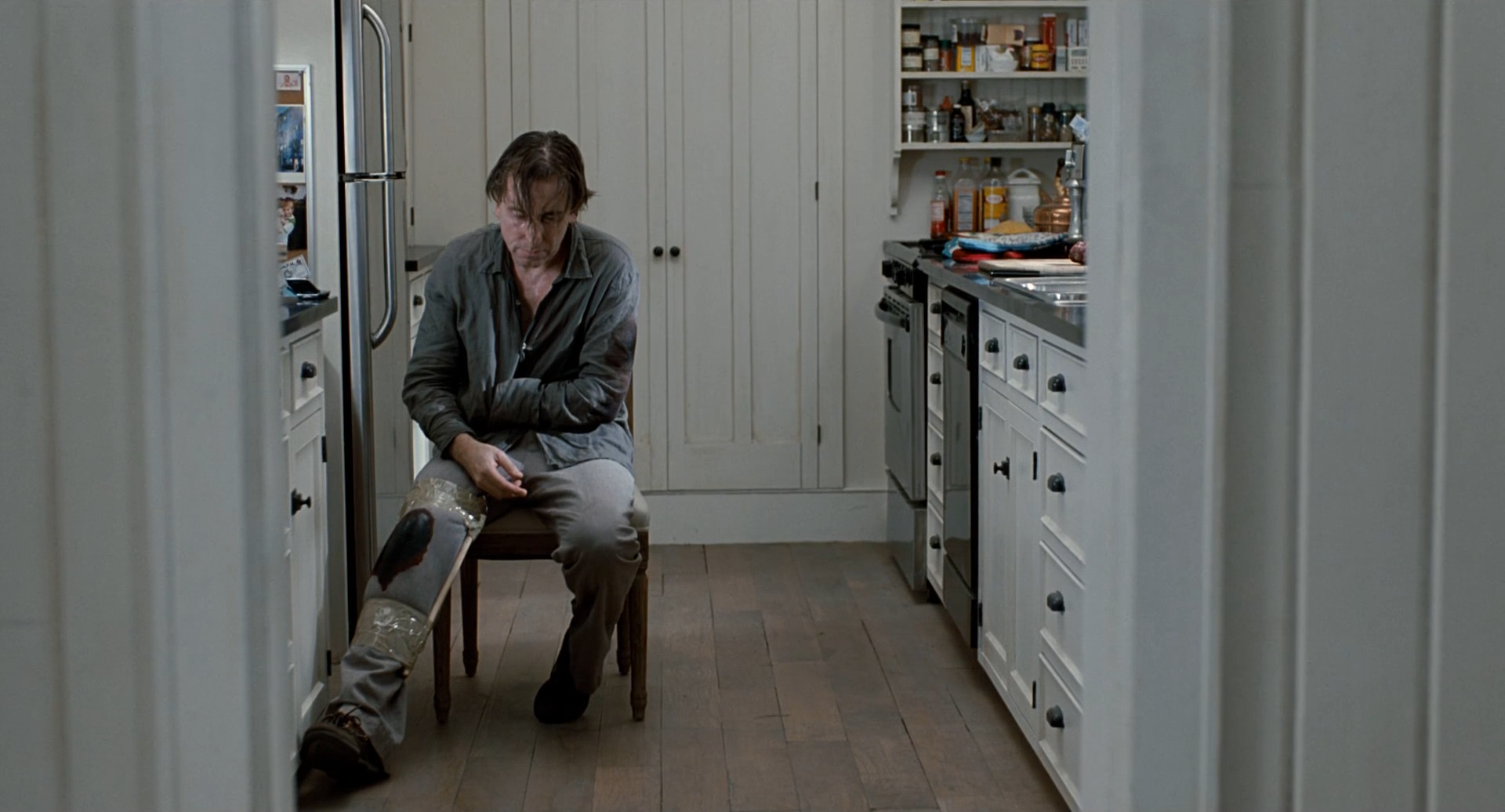
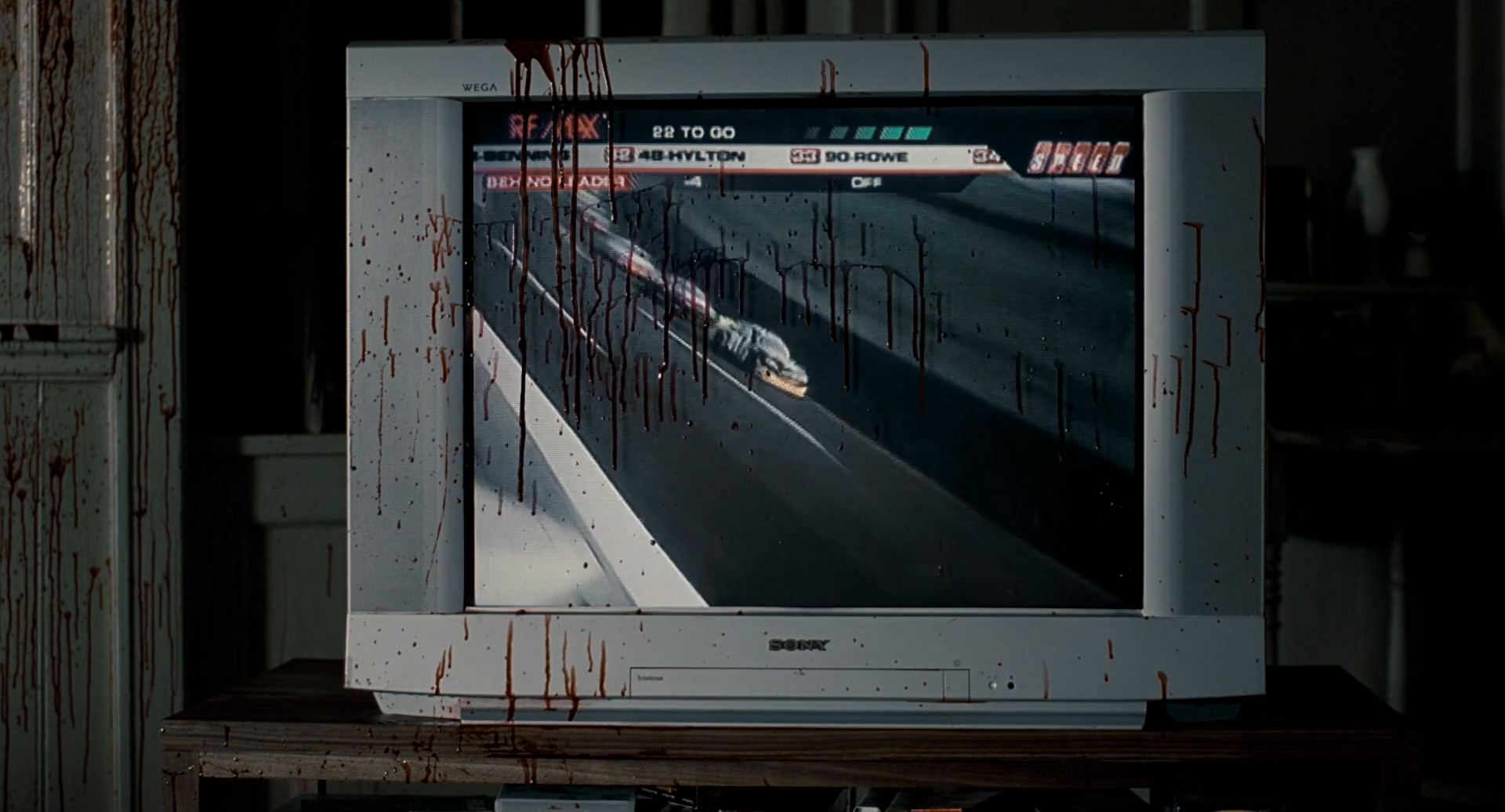
There are plenty of other analyses of this film so I will try to cover ground that is less explored. The original German film was made in 1997, so we have to assume the message of this film is in response to films in recent time because I doubt Haneke was sitting on this film for decades. Looking at films from 1994 and 1995, there was definitely a surge of violent films during that time. Pulp Fiction, Casino, Heat, Se7en, and there were a lot of serial killer movies in the 90s. However, probably the most clear influence of this film is reported by Brady Corbet, the actor and future director, whom reveals that Haneke provided the movie Salo, or the 120 days of Sodom as reference material to prepare for the film. If you aren’t aware, it is a notorious torture film, and one of the worst. The point of the film is to ask or start a discussion on what is the point of increasing violence in filmmaking. Throughout the film, the victims also constantly ask why these two are torturing them. This is of course a meta commentary, and as audiences we should also ask why films are becoming more violent, or why we as humans enjoy watching it. After all, we could just stop this movie midway, but probably don’t. Haneke has always blurred the gap between cinema and audiences and puts us in a participatory position, which is why Pitt breaks the fourth wall so many times, directly provoking us. The hypocrisy is the film also displays violence and blood, which inevitably puts Haneke’s principles under scrutiny. Especially because this film was remade 10 years later, what was the point? One could argue that it is more relevant for US audiences, and others may argue it is opportunist. I don’t like violence but I also don’t think it is not relevant in cinema for the same reason I like horror movies. Or maybe we are all just barbaric animals deep down.
Conclusion:
I love Michael Haneke’s films, which are usually philosophical thought experiments packaged in a dark filmmaking medium. While the commentary of Funny Games is somewhat valid, this is not his strongest film and there are dubious aspects that fall under scrutiny. A little too edgy and sinfully elitist, this is an intellectual film for cinephiles, which probably won’t ruin violent movies for you.
Recommendations



Violence is a funny thought experiment.