
Eternity and a Day (1998)
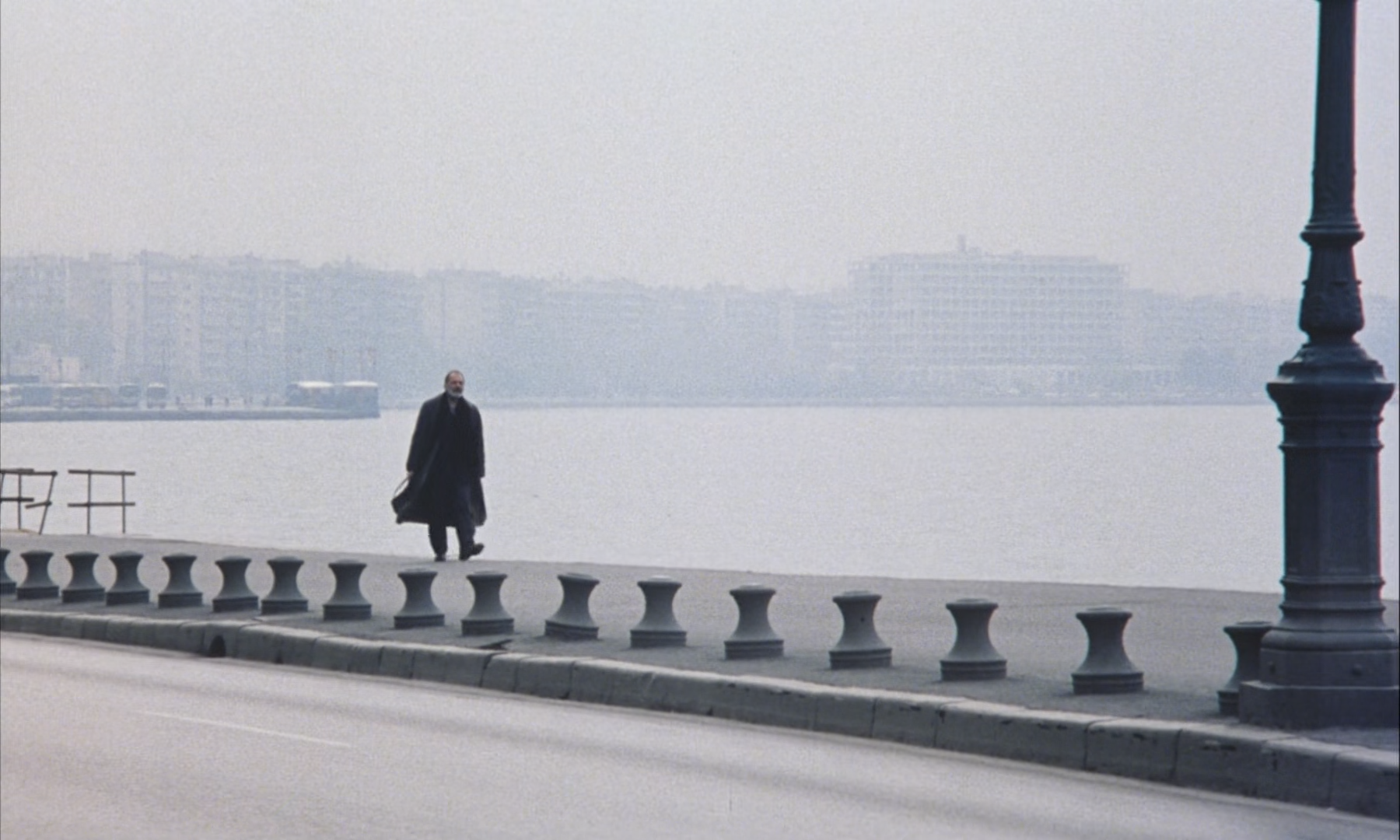
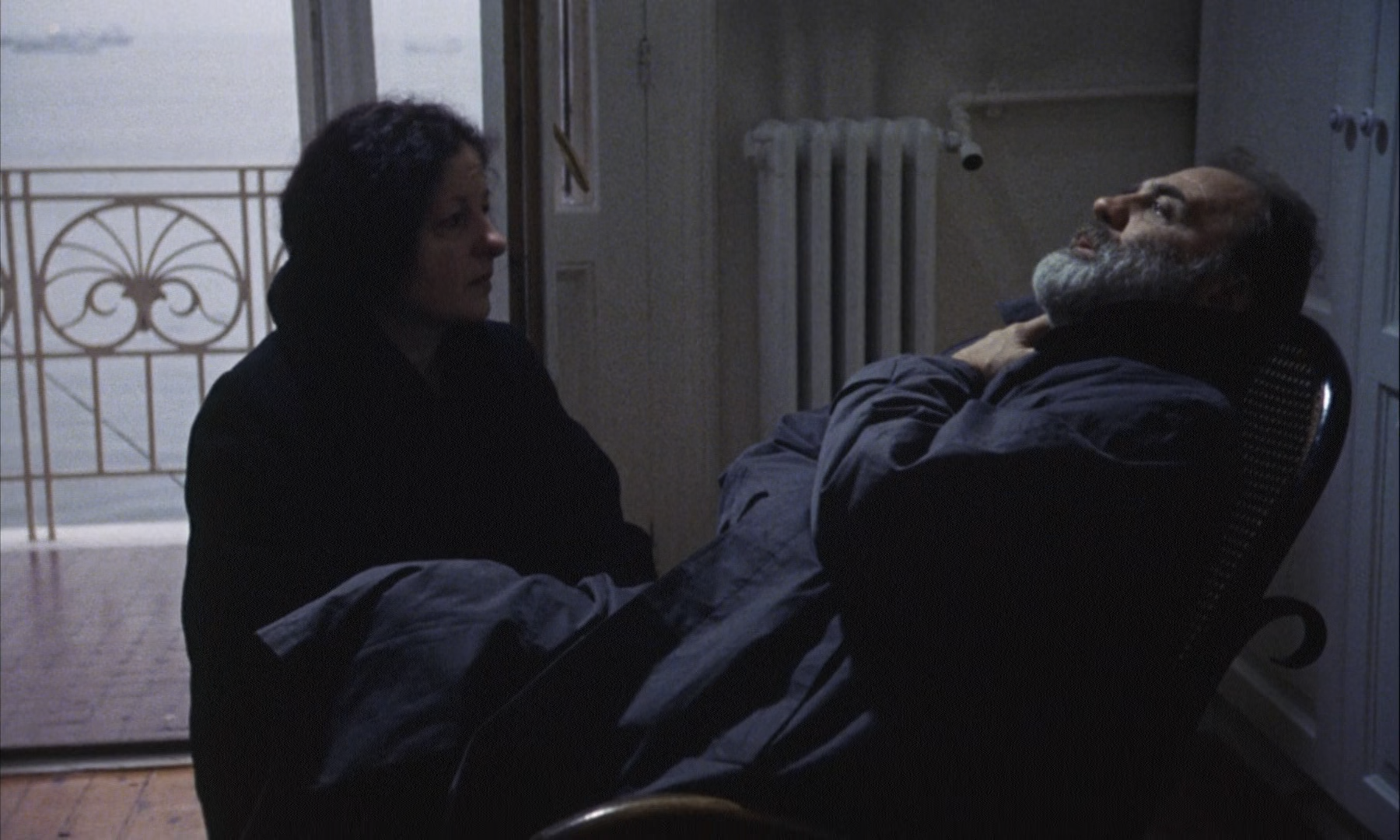
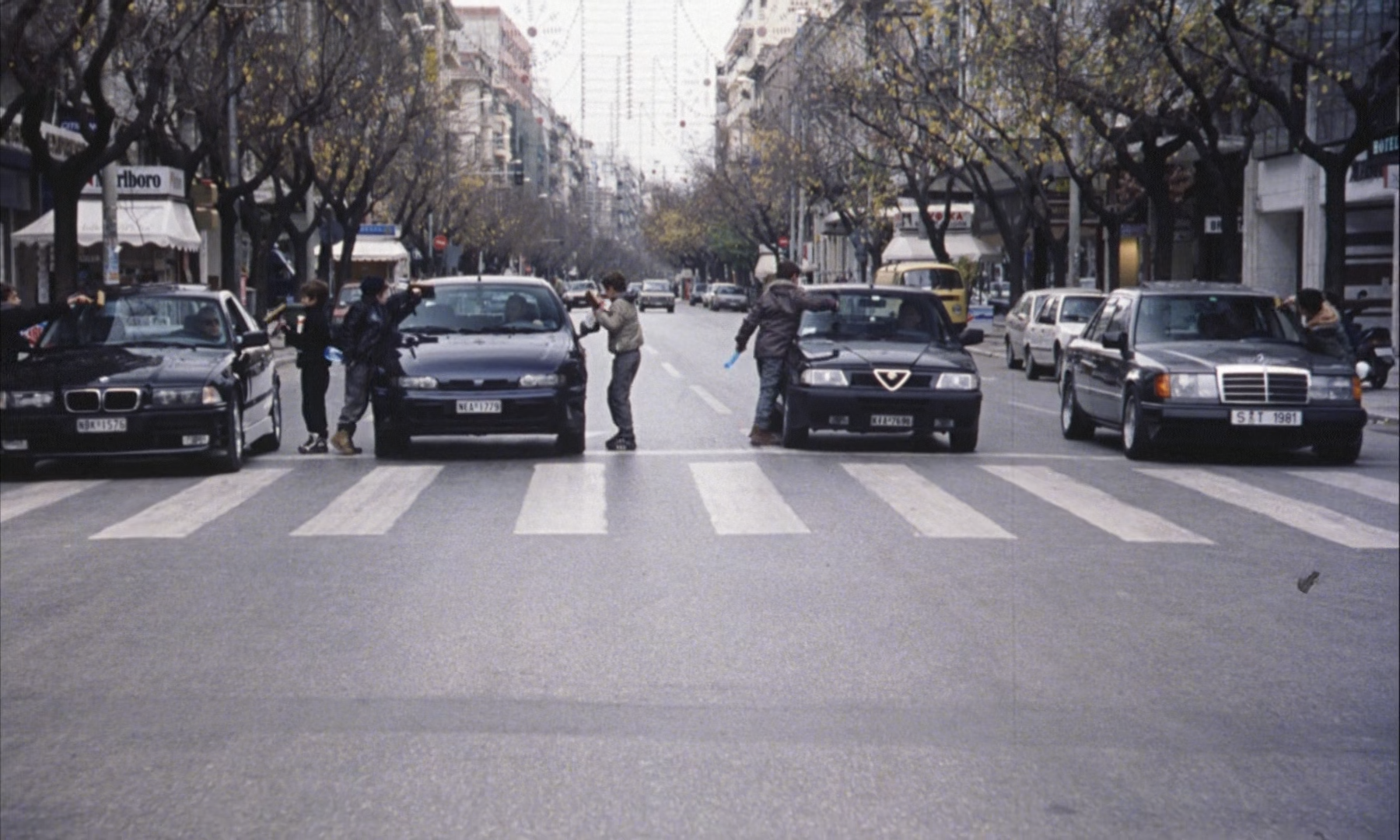
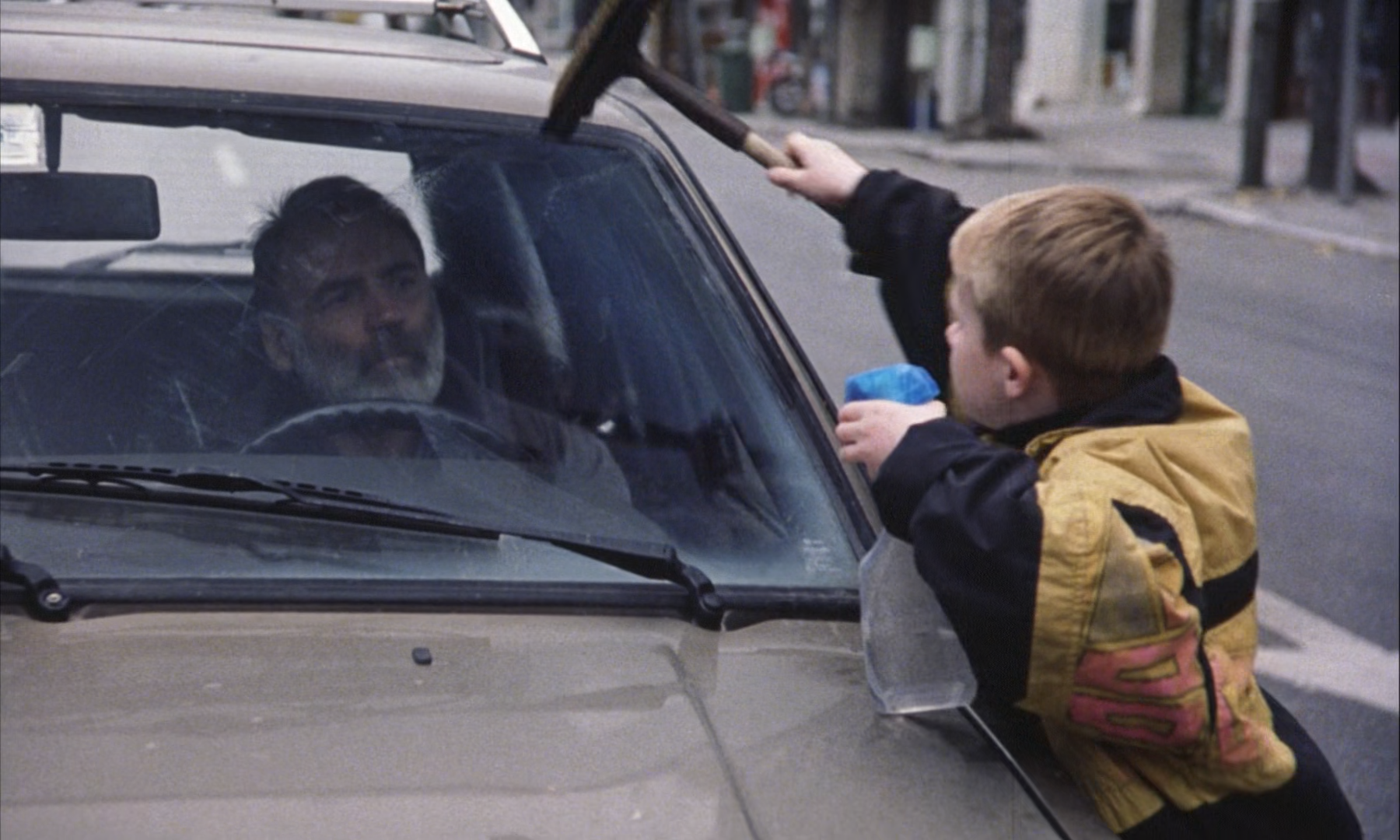
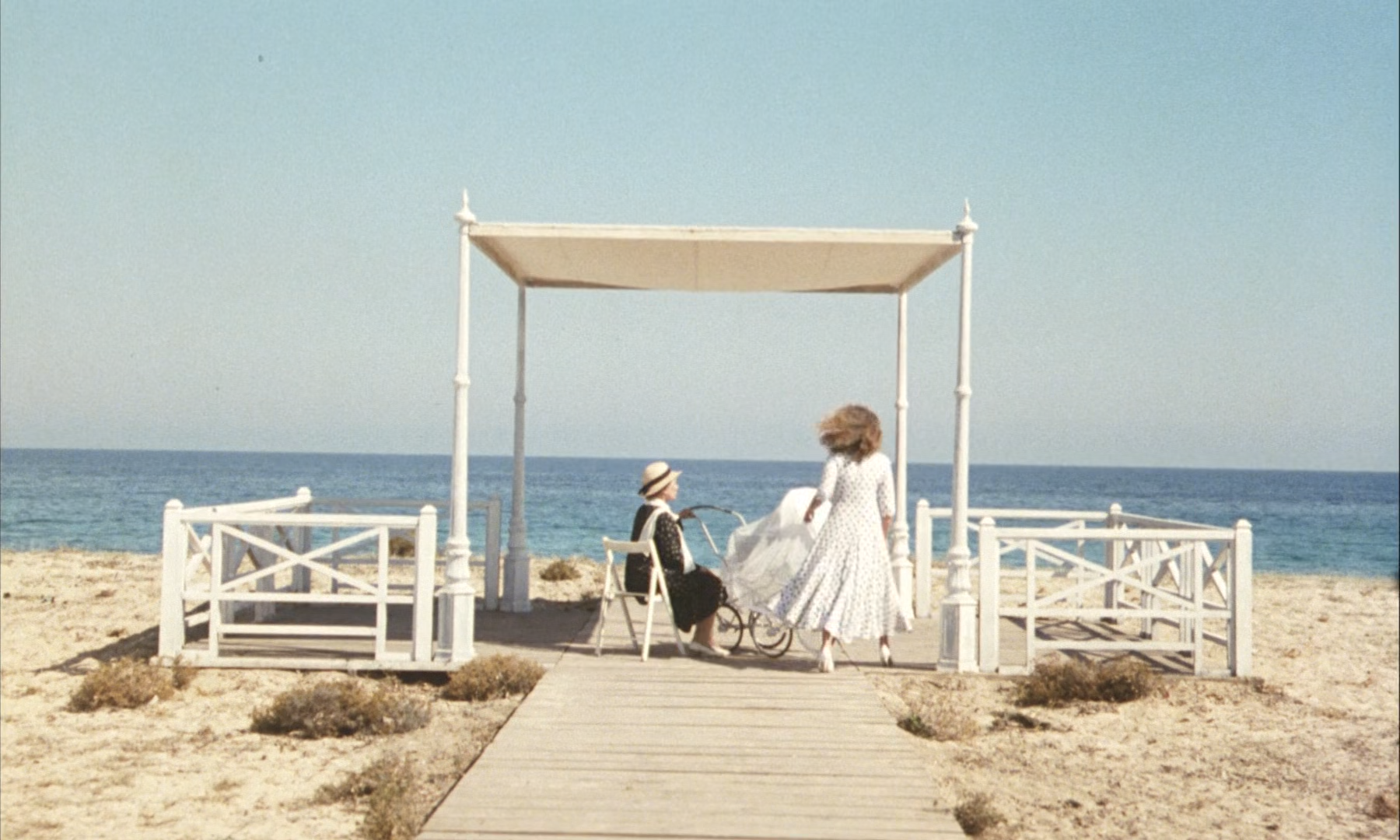
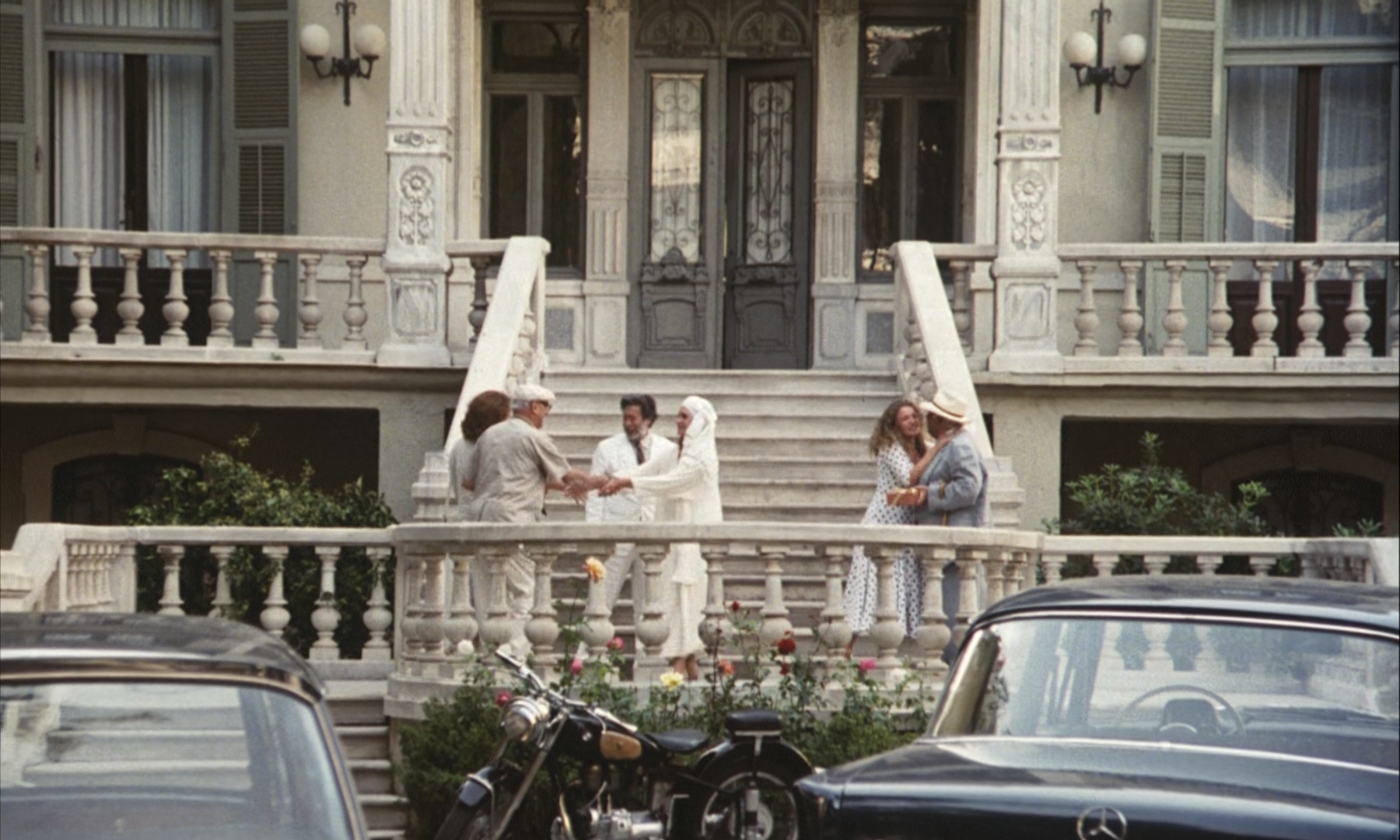
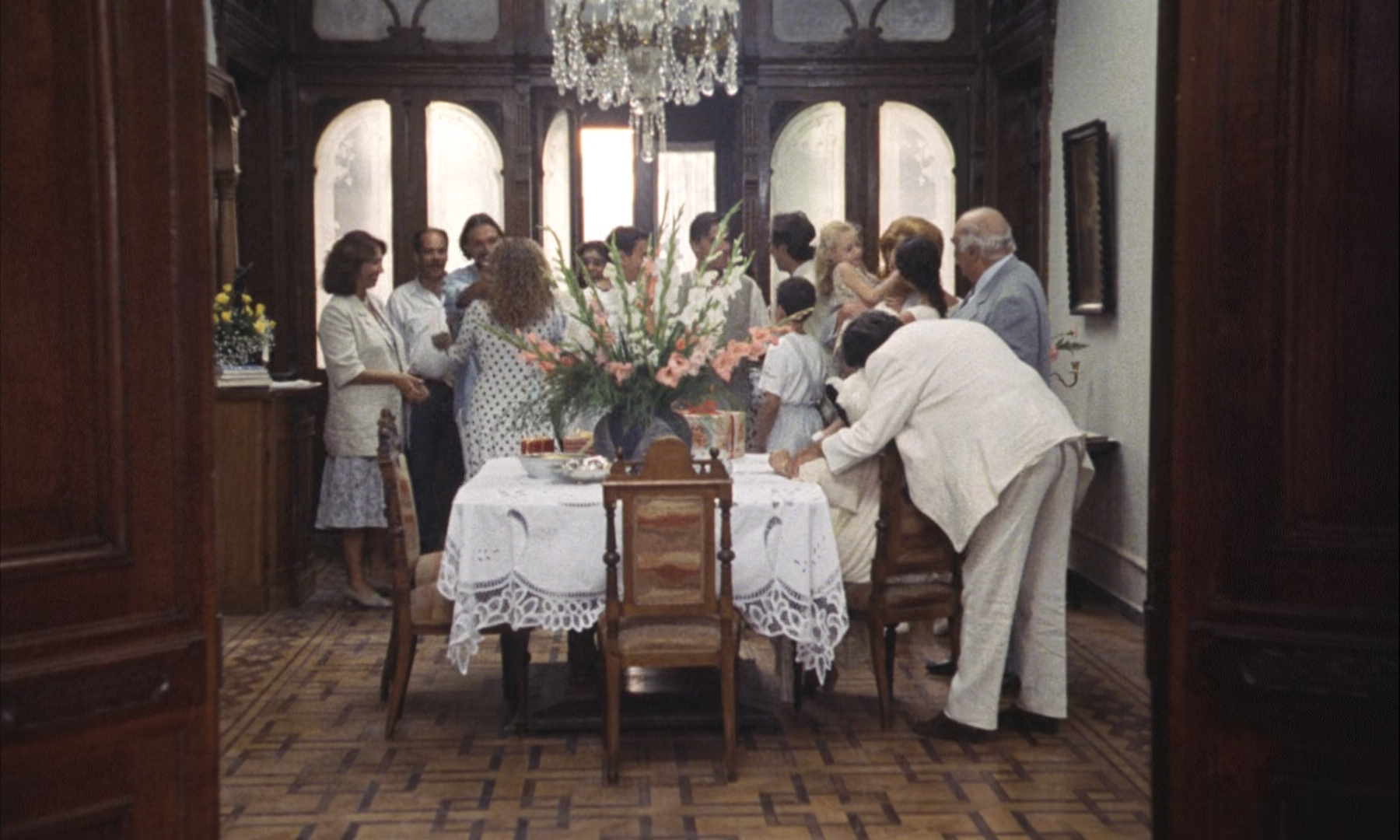
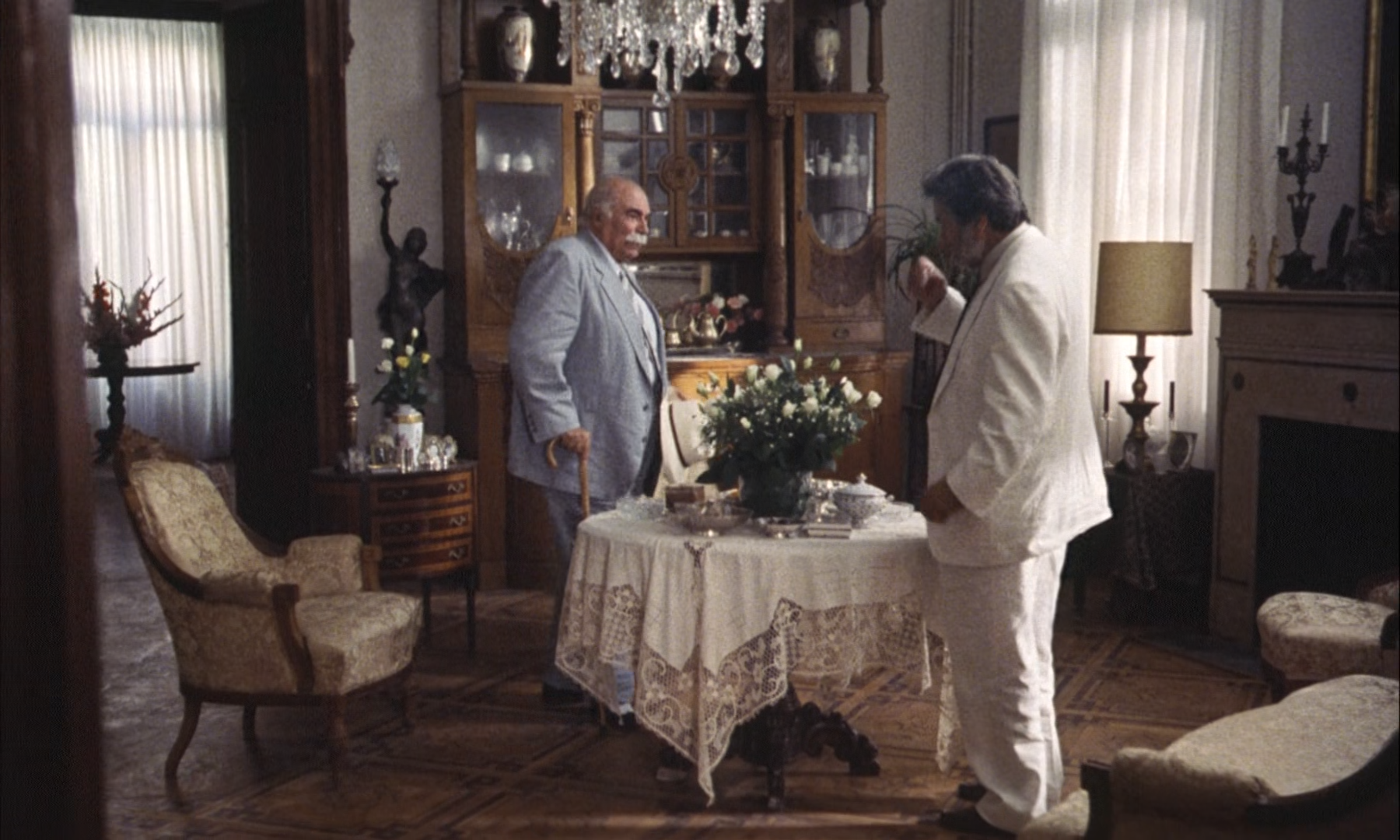
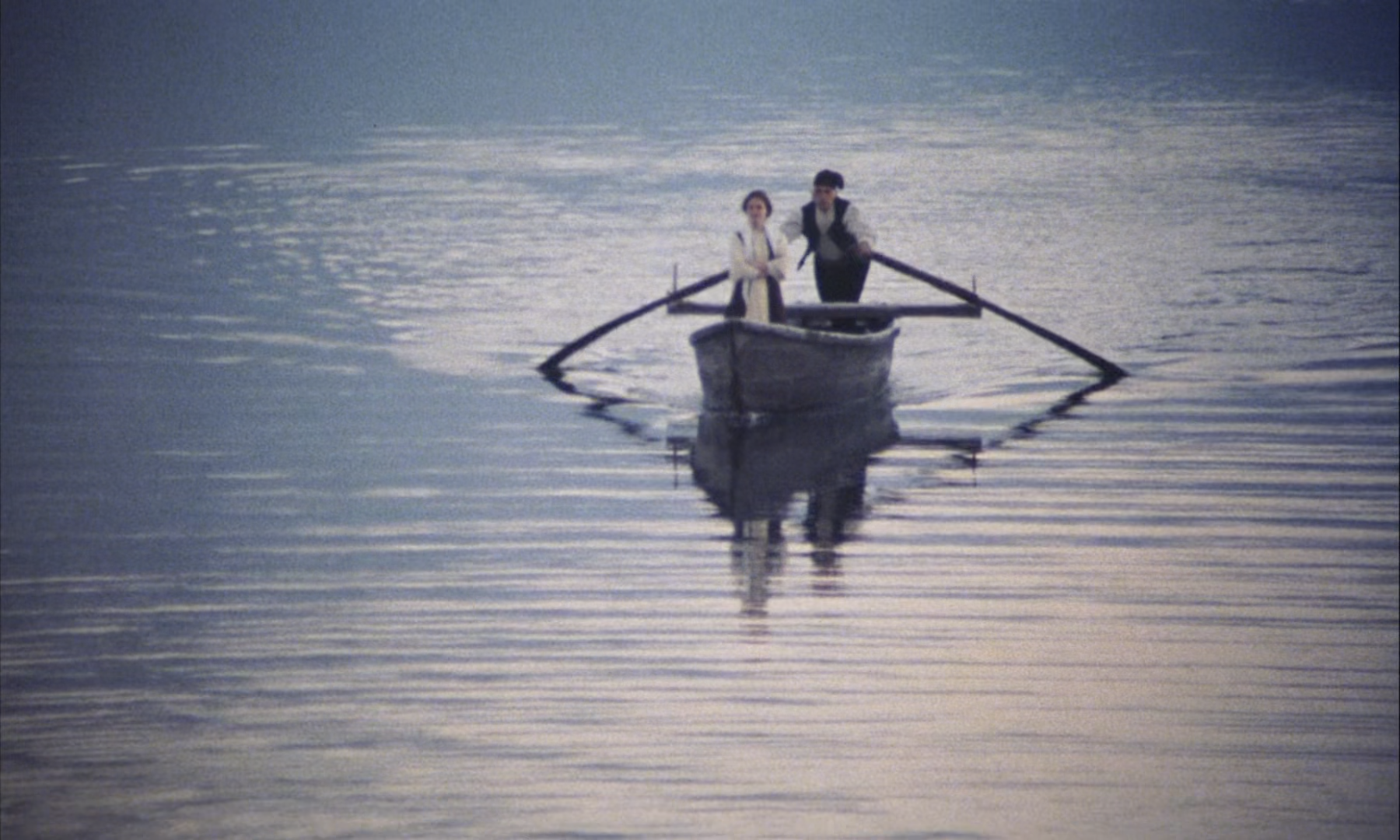
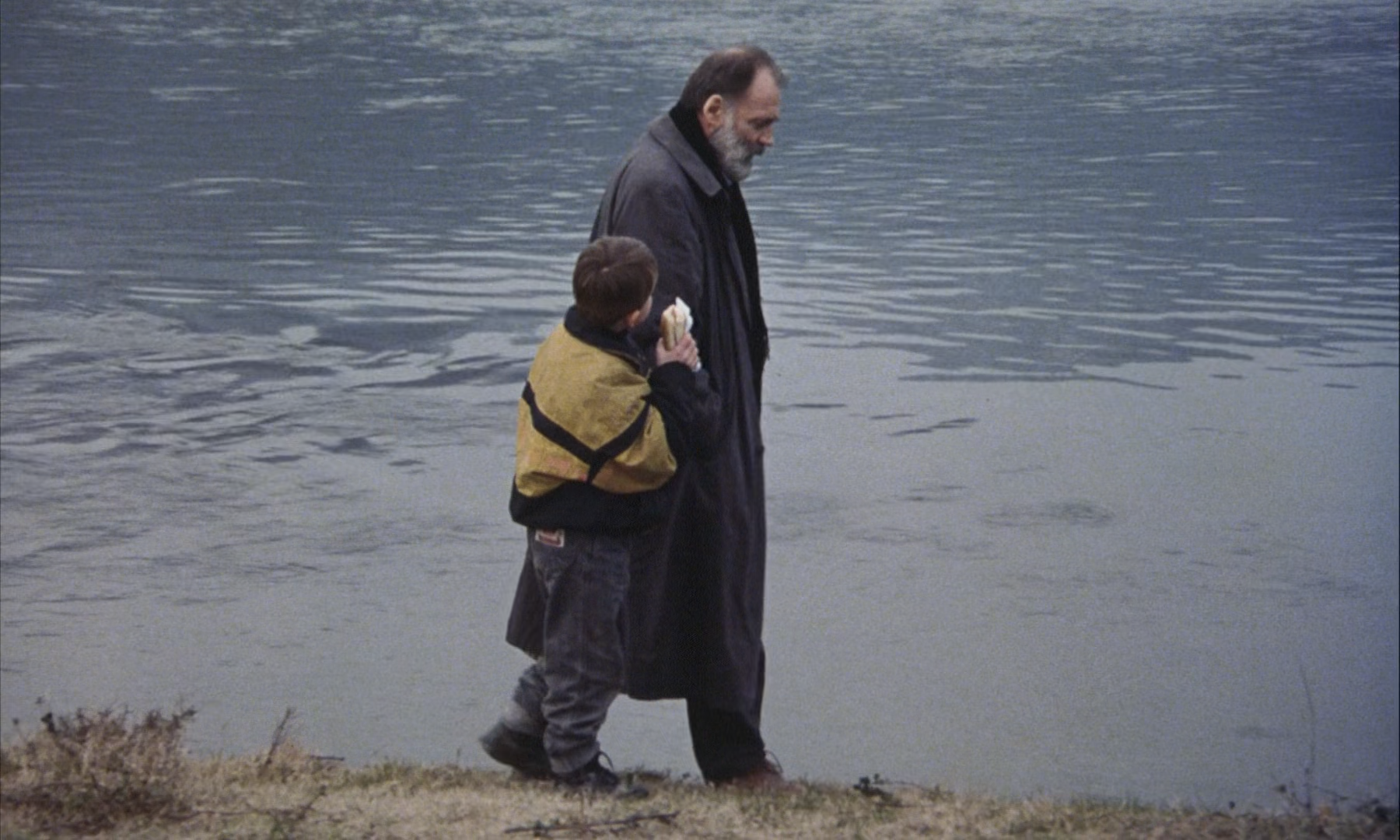
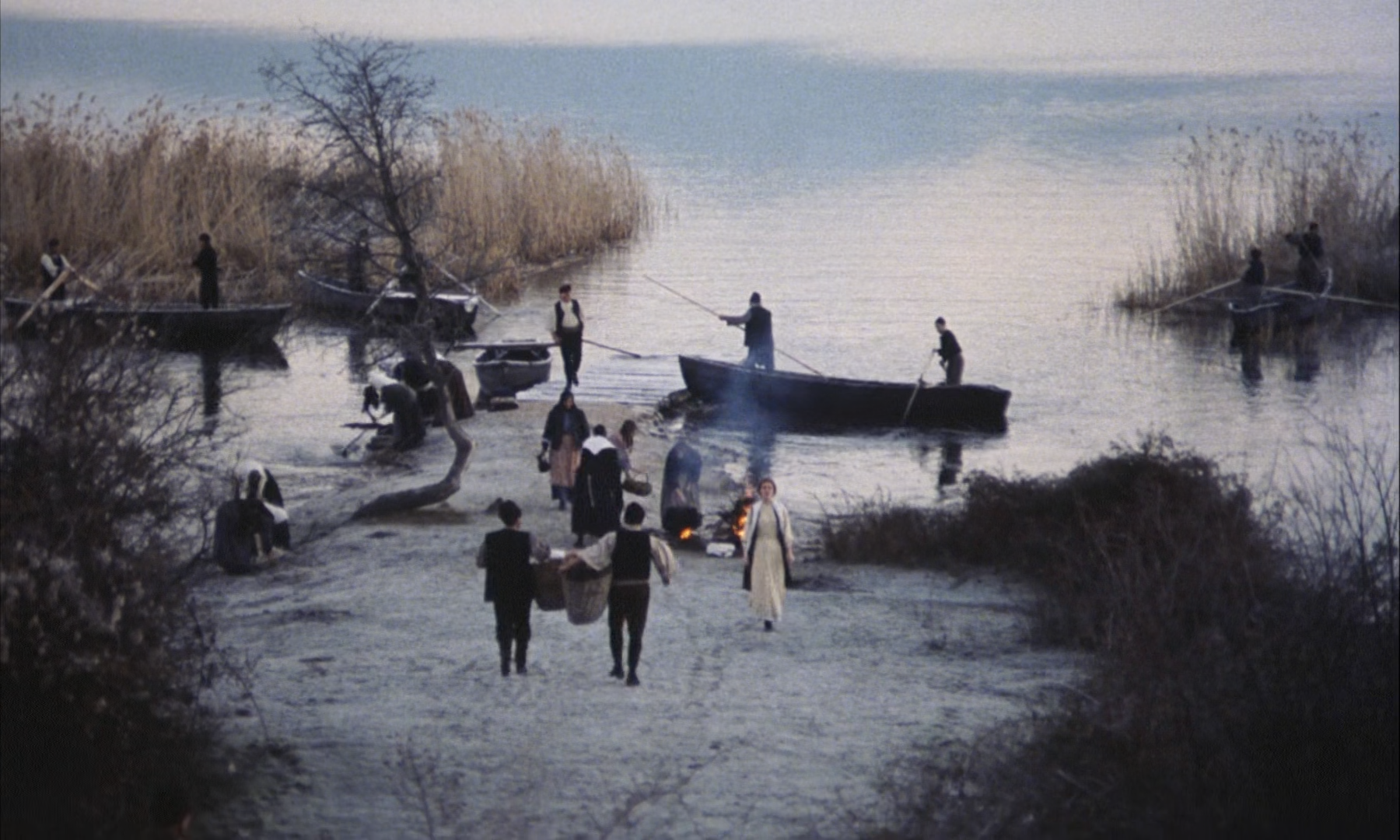
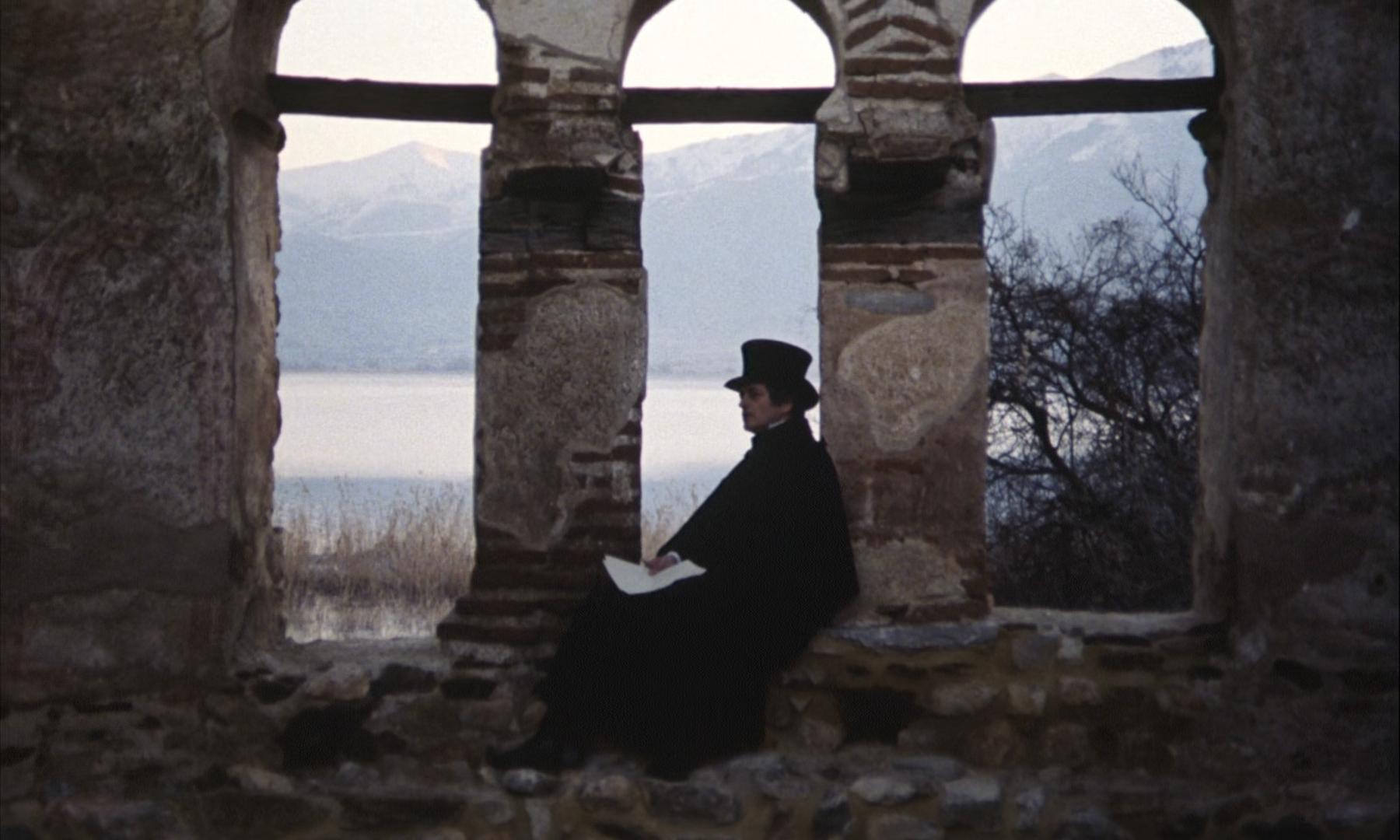
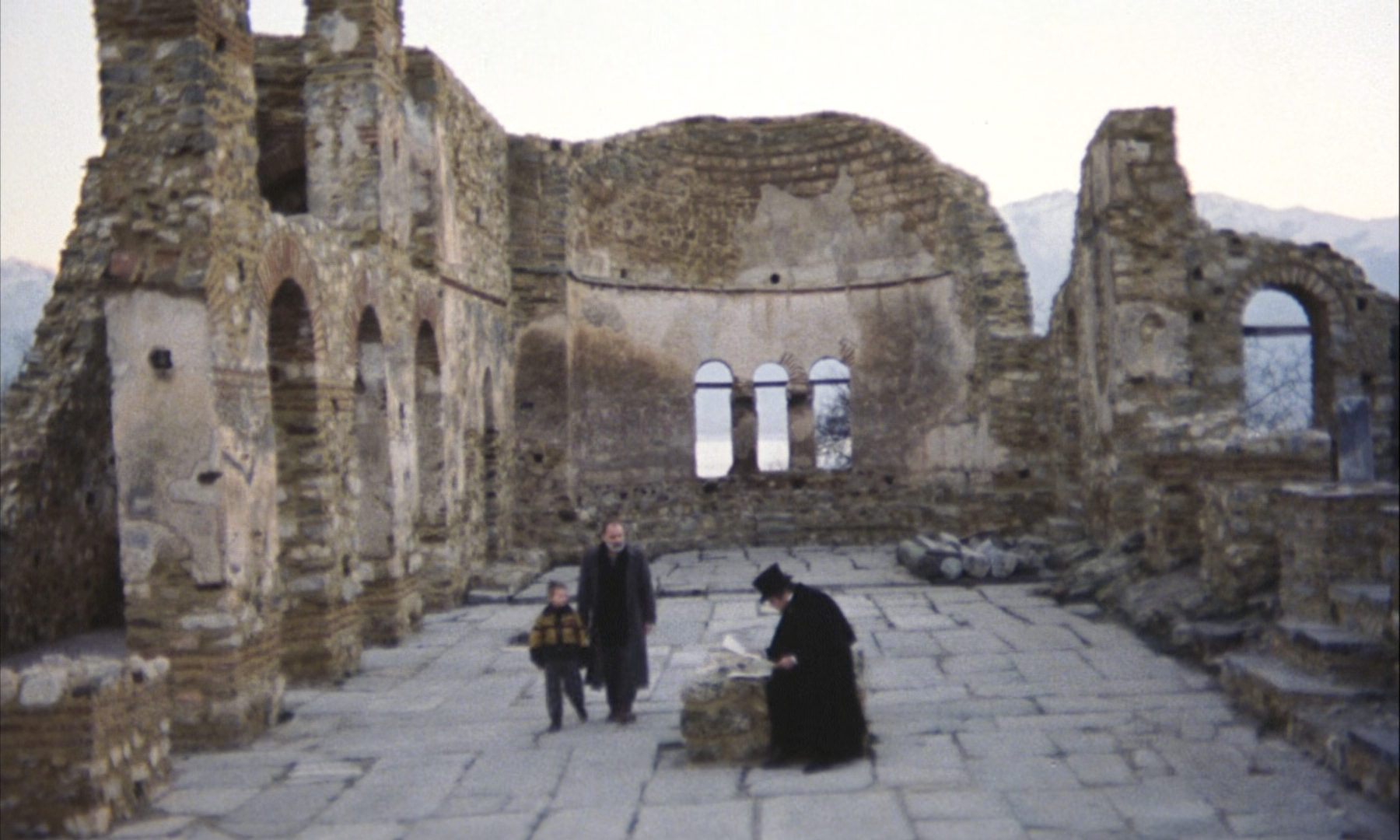
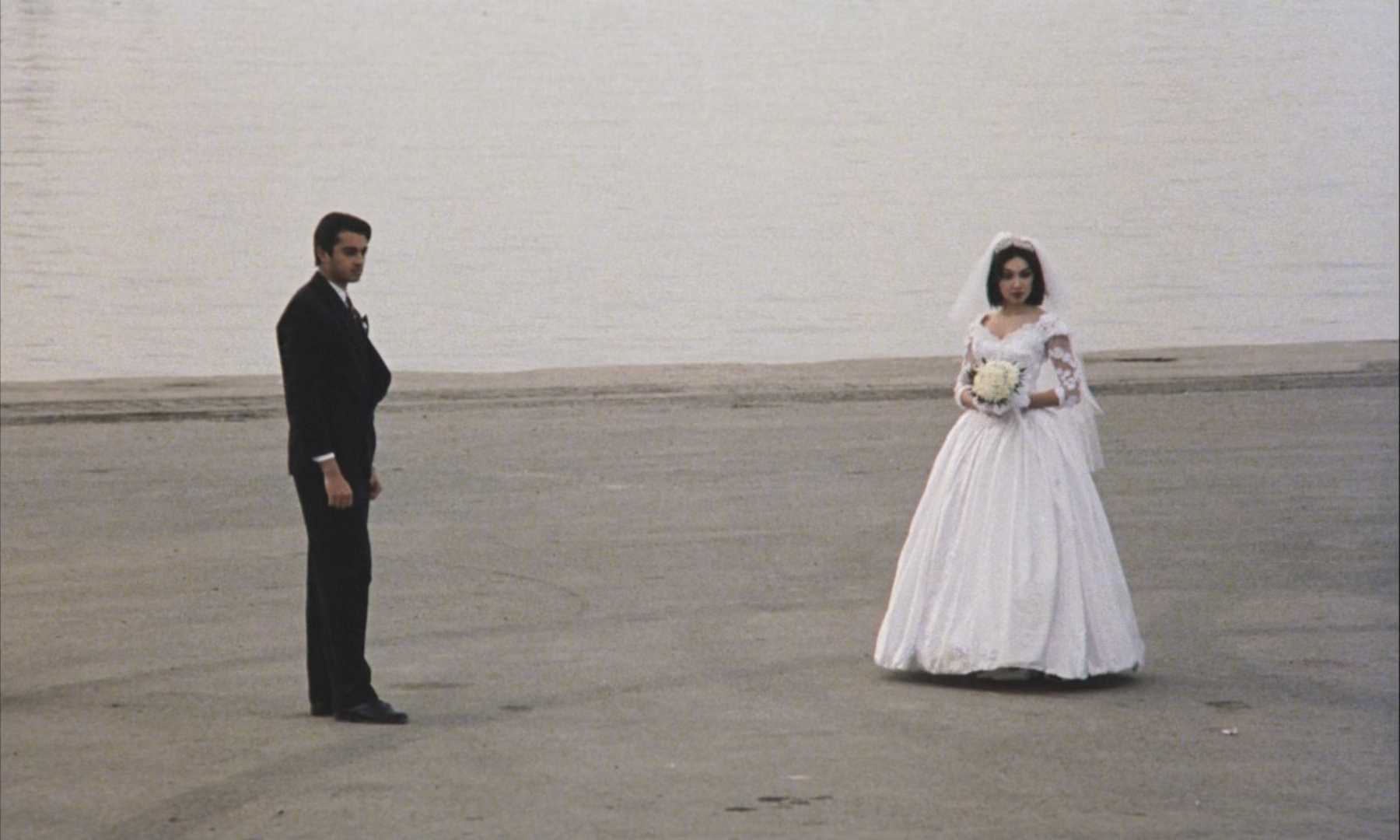
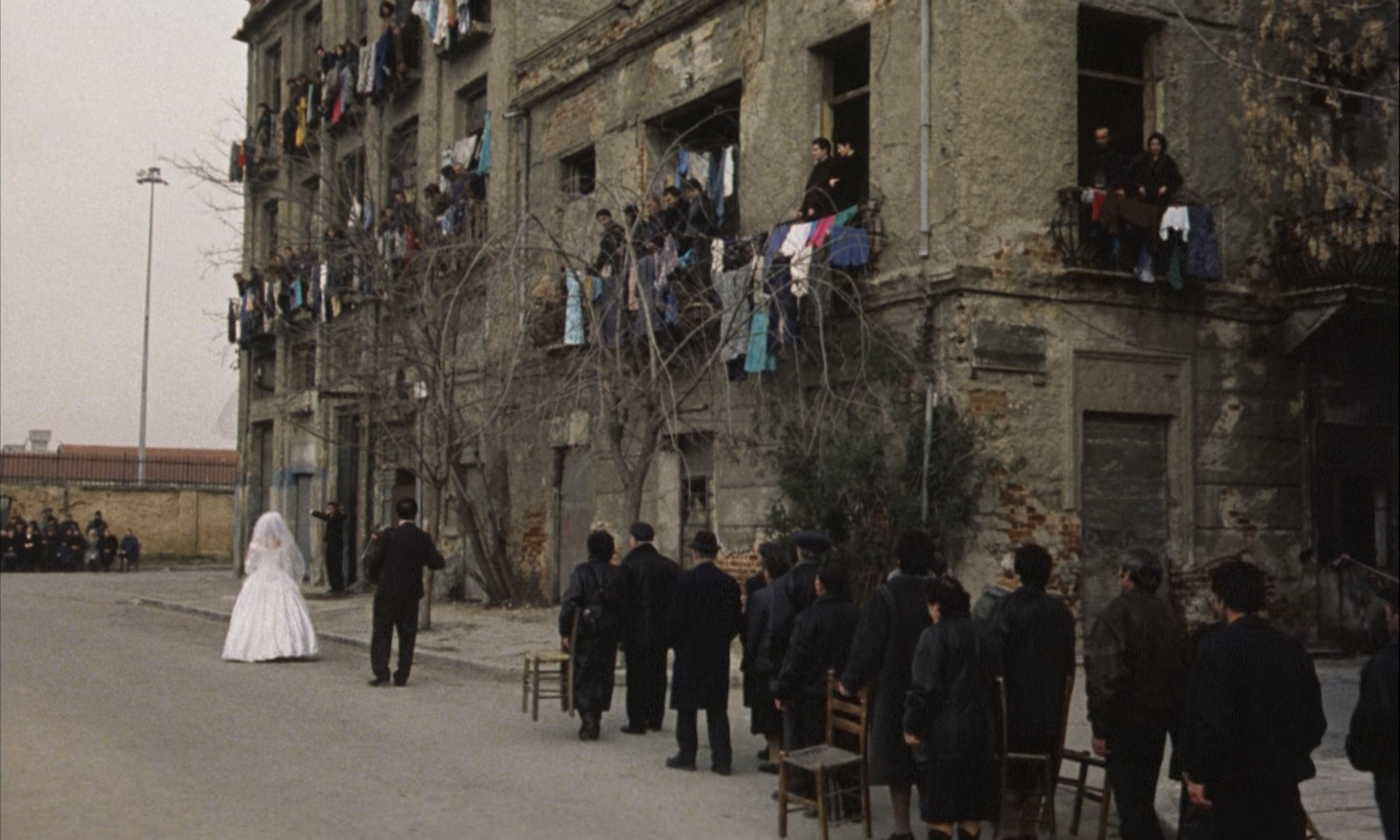
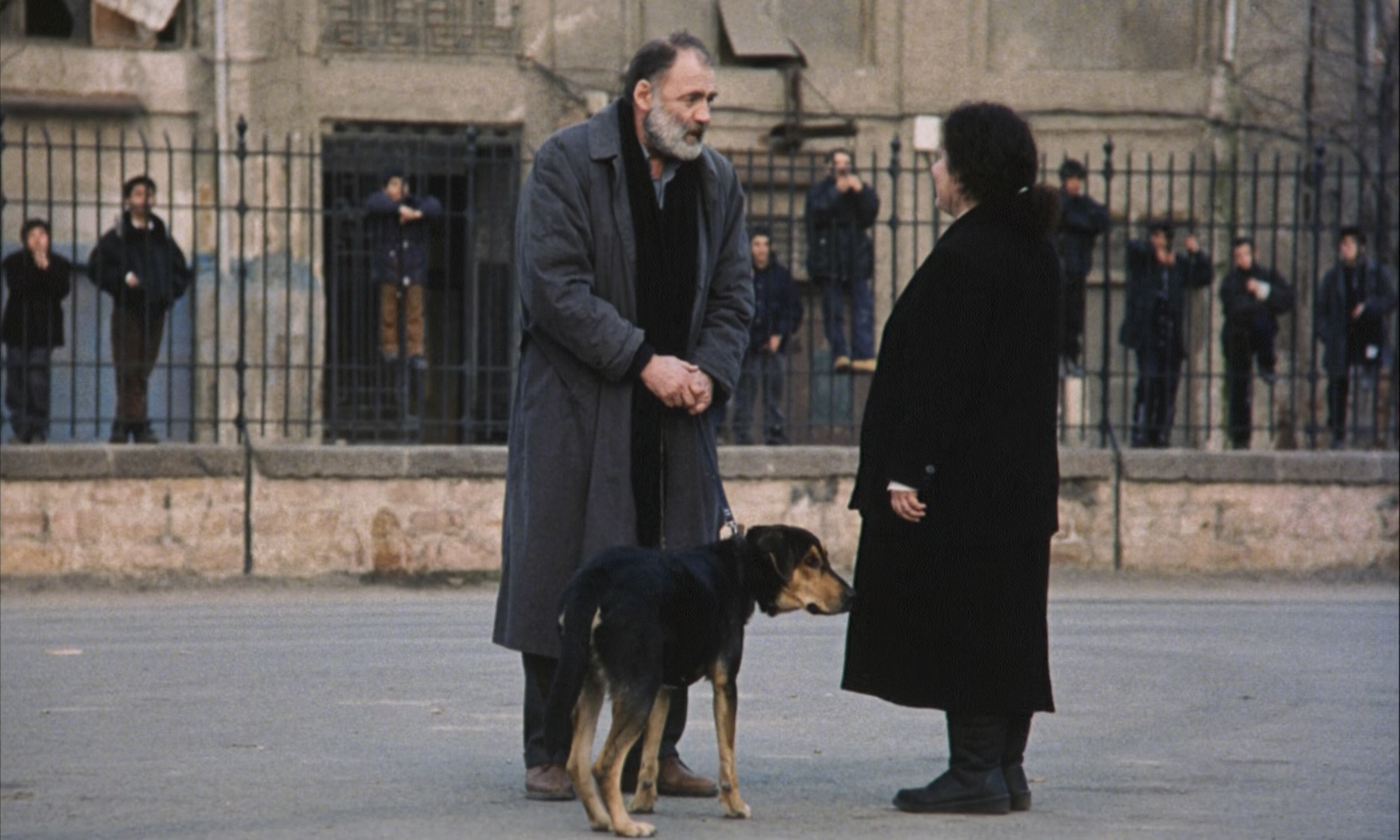
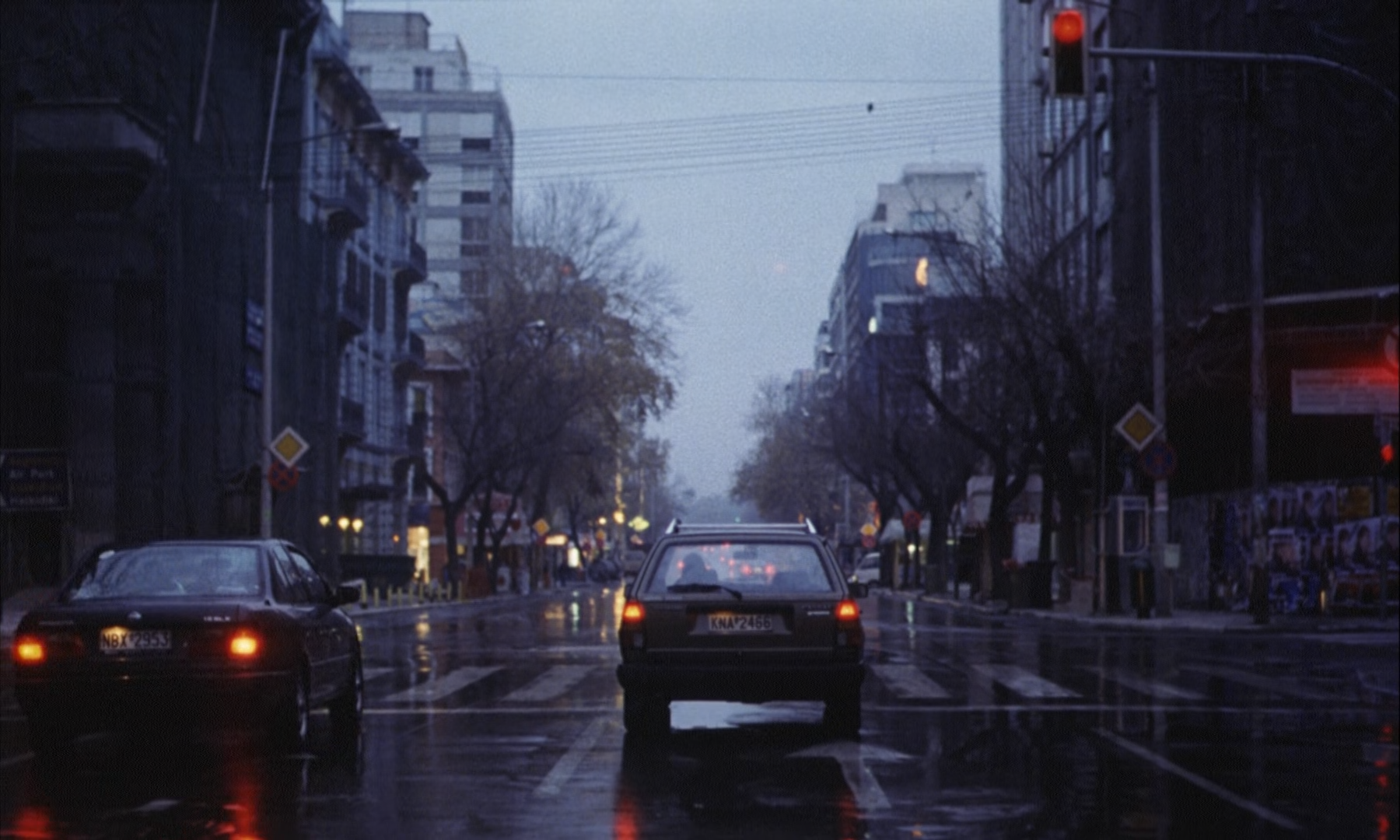
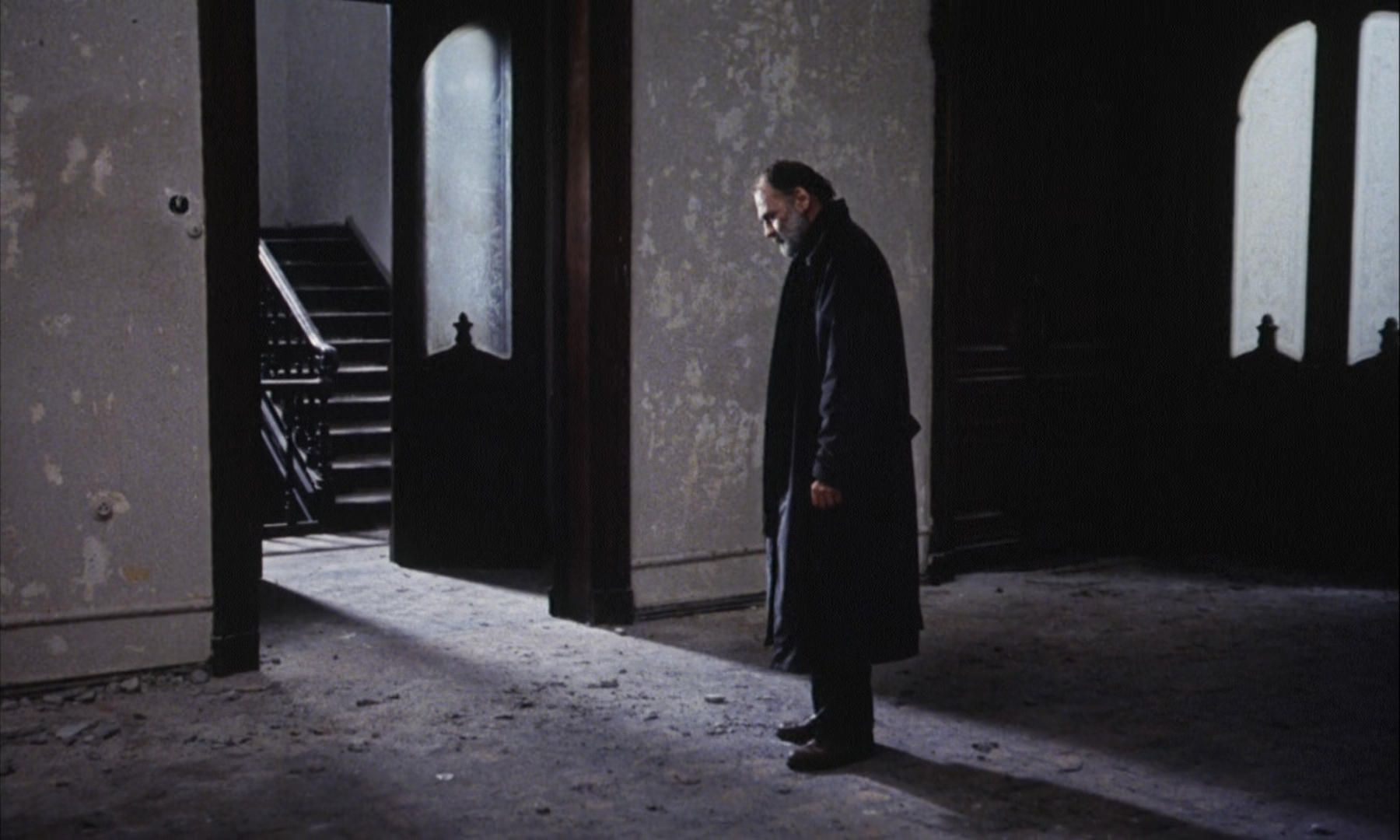
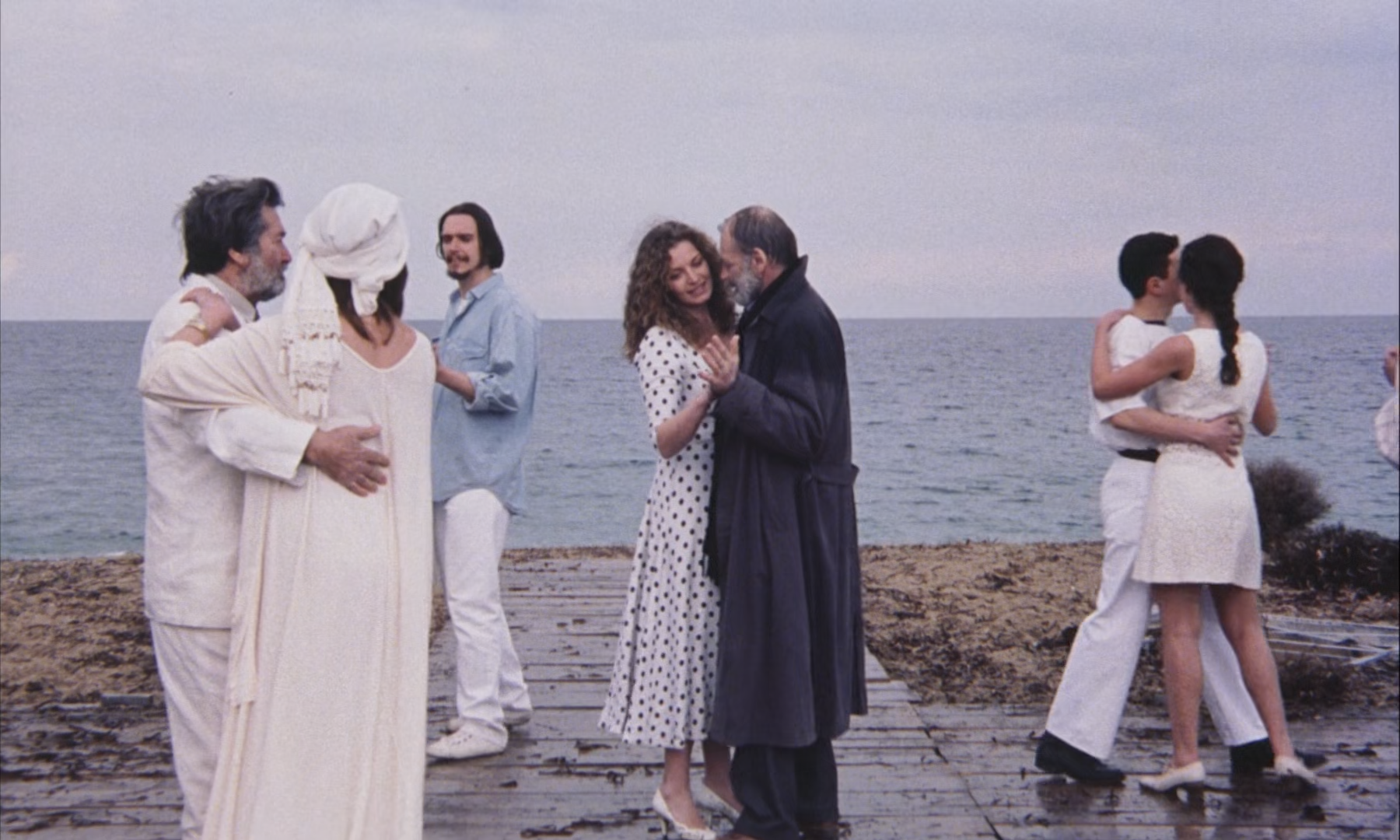
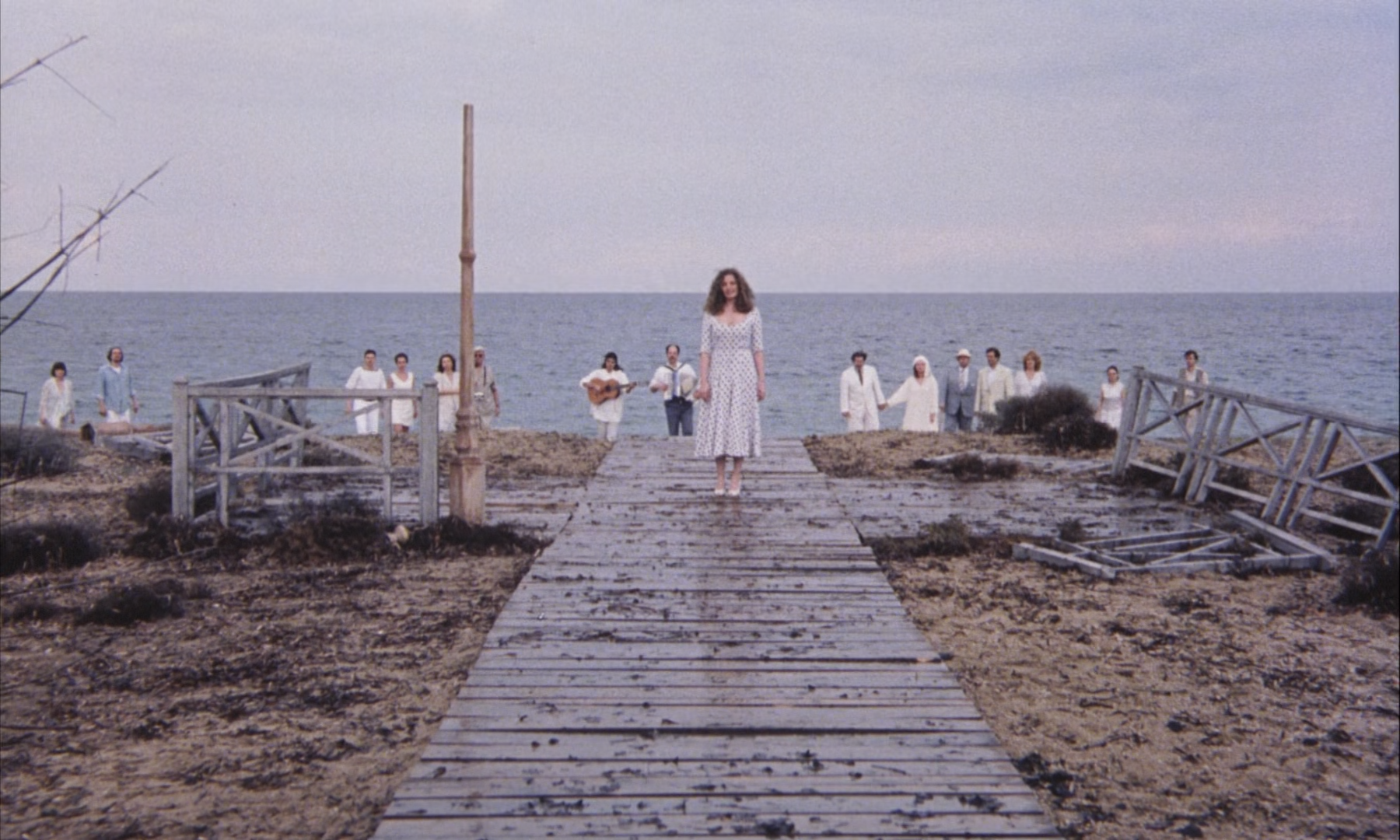
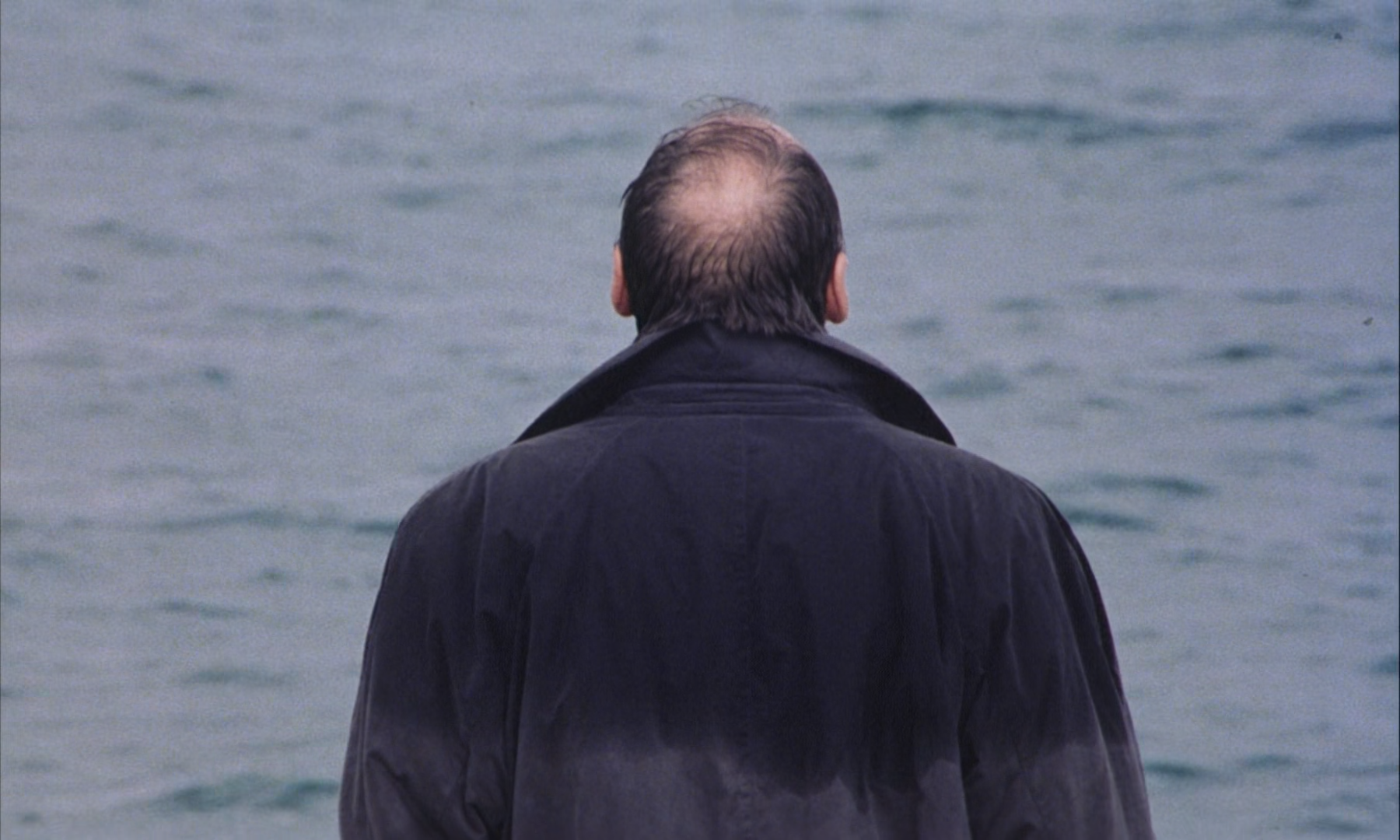
One day, an entire lifetime of ghosts.
Presentation:
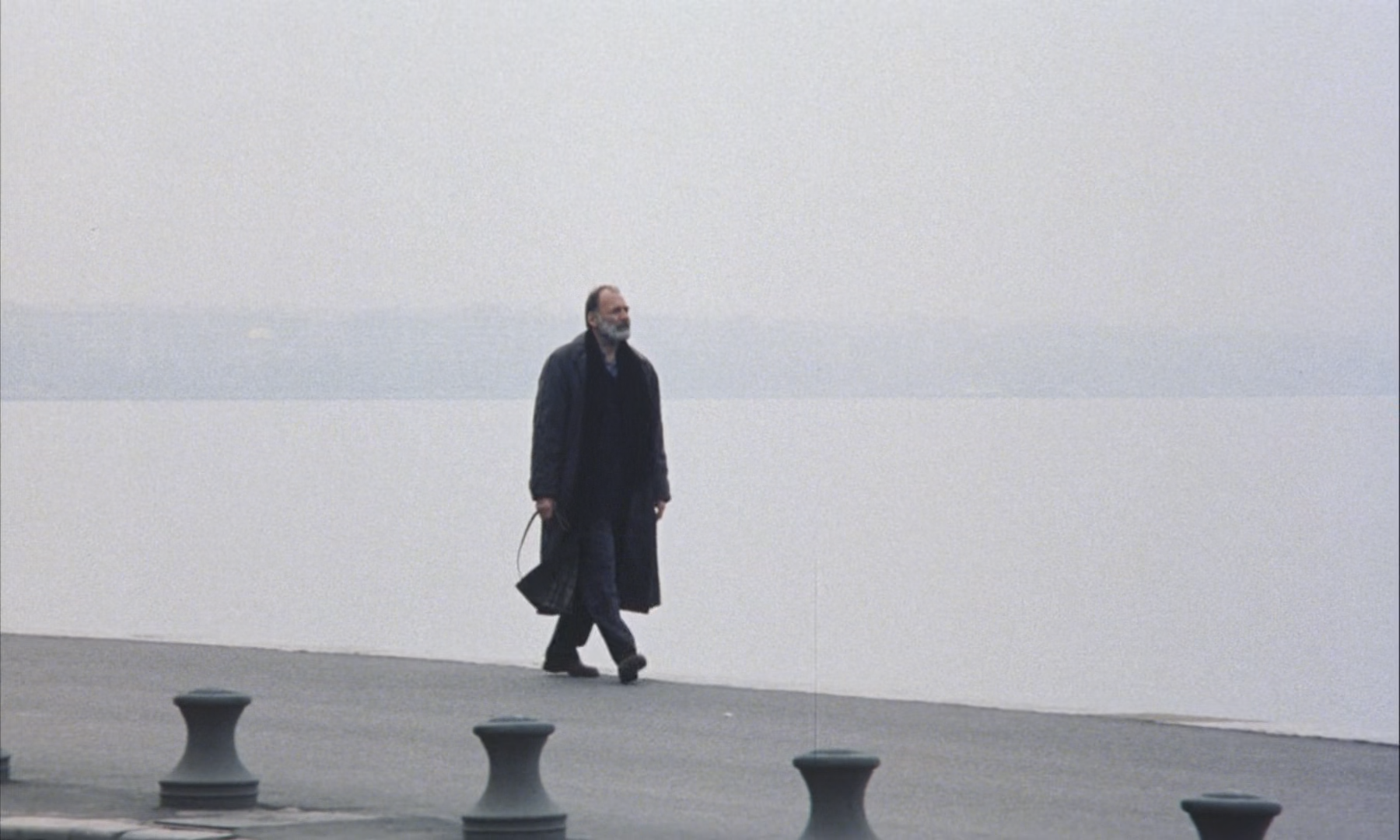
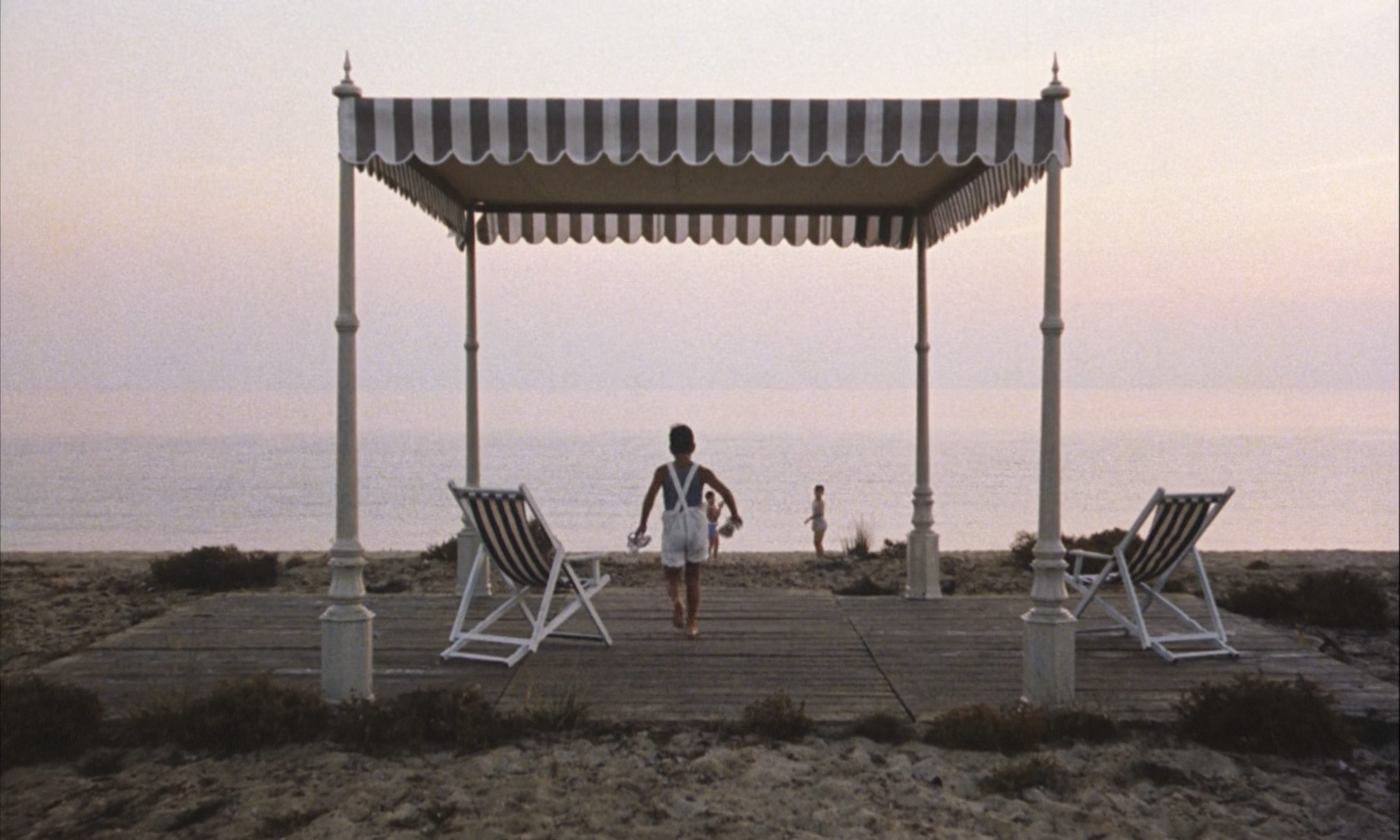
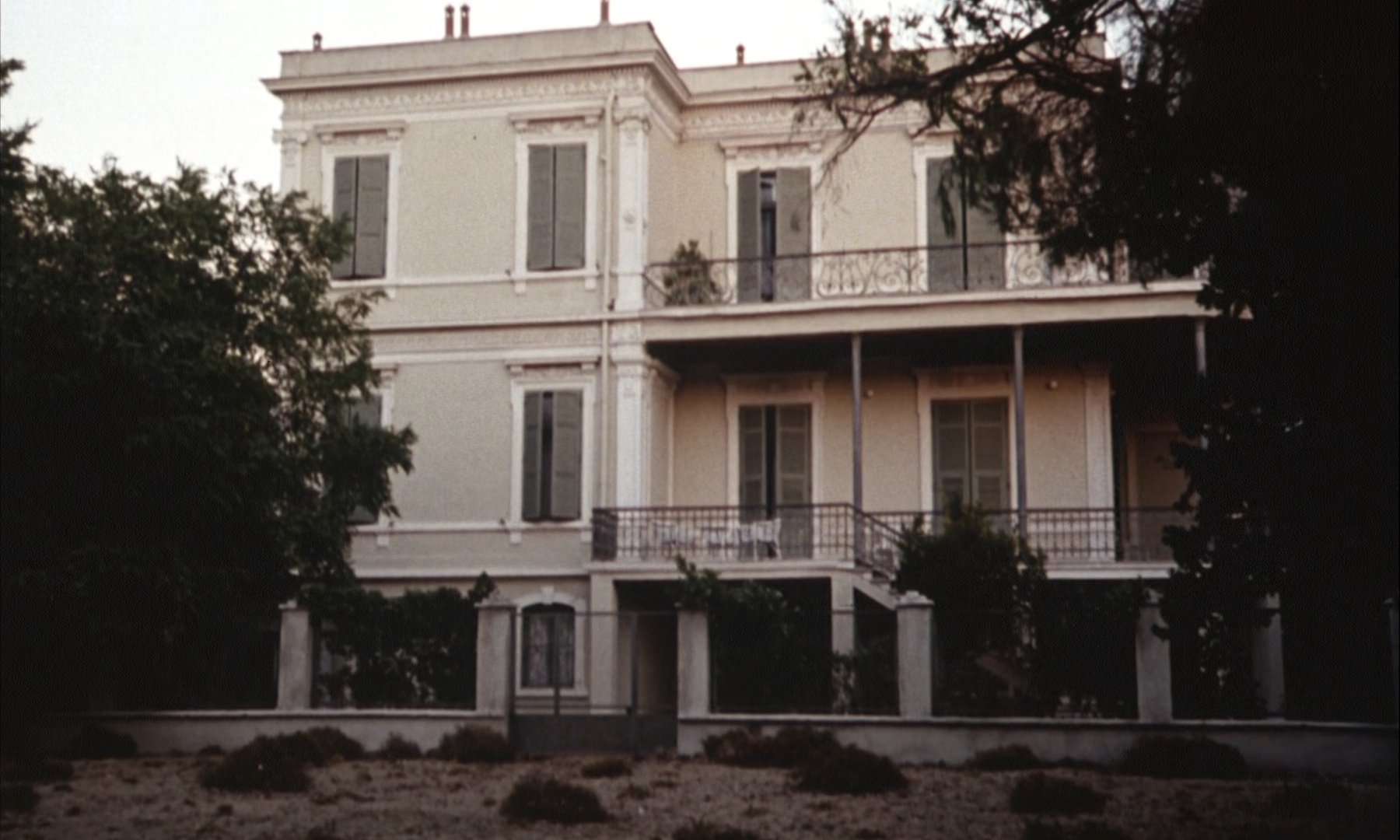
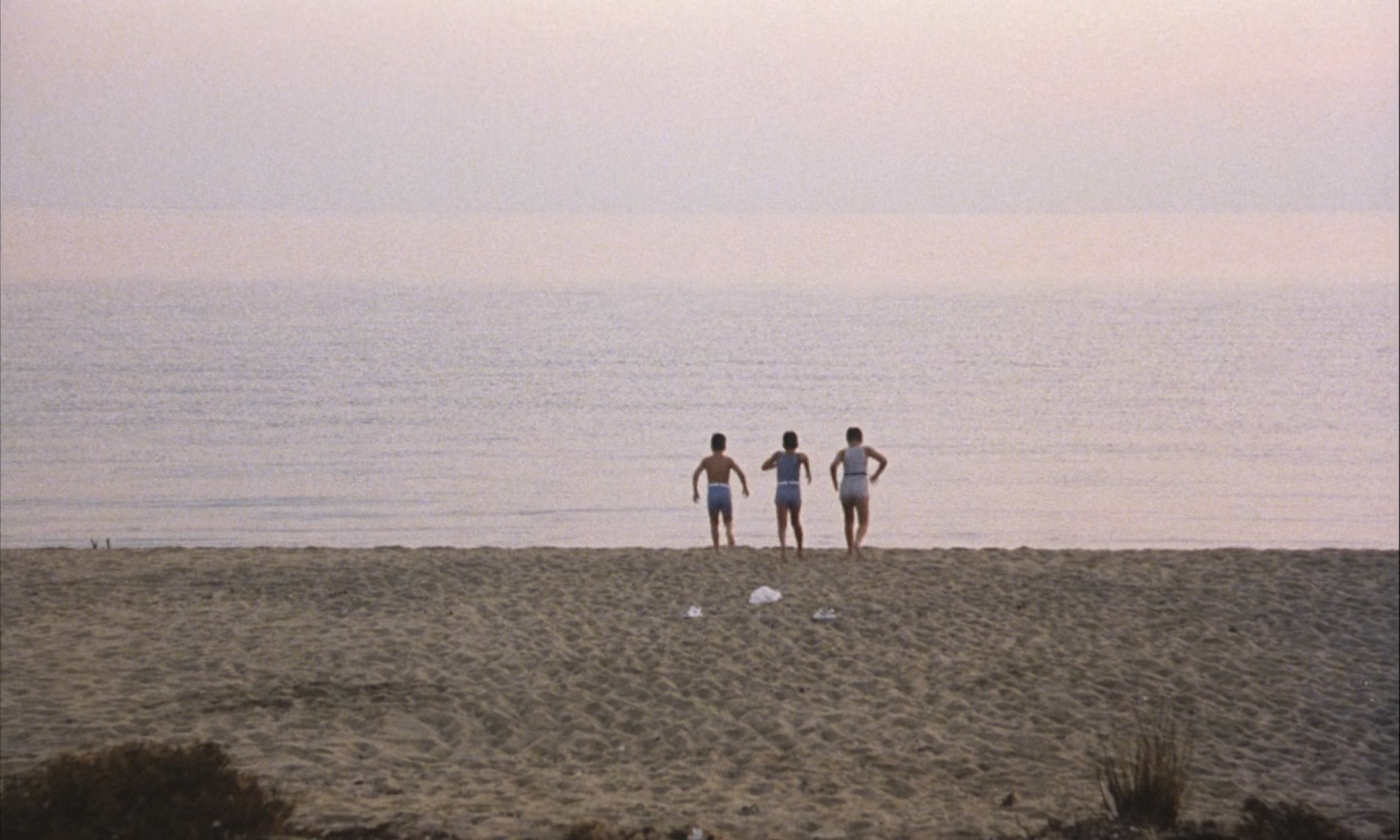
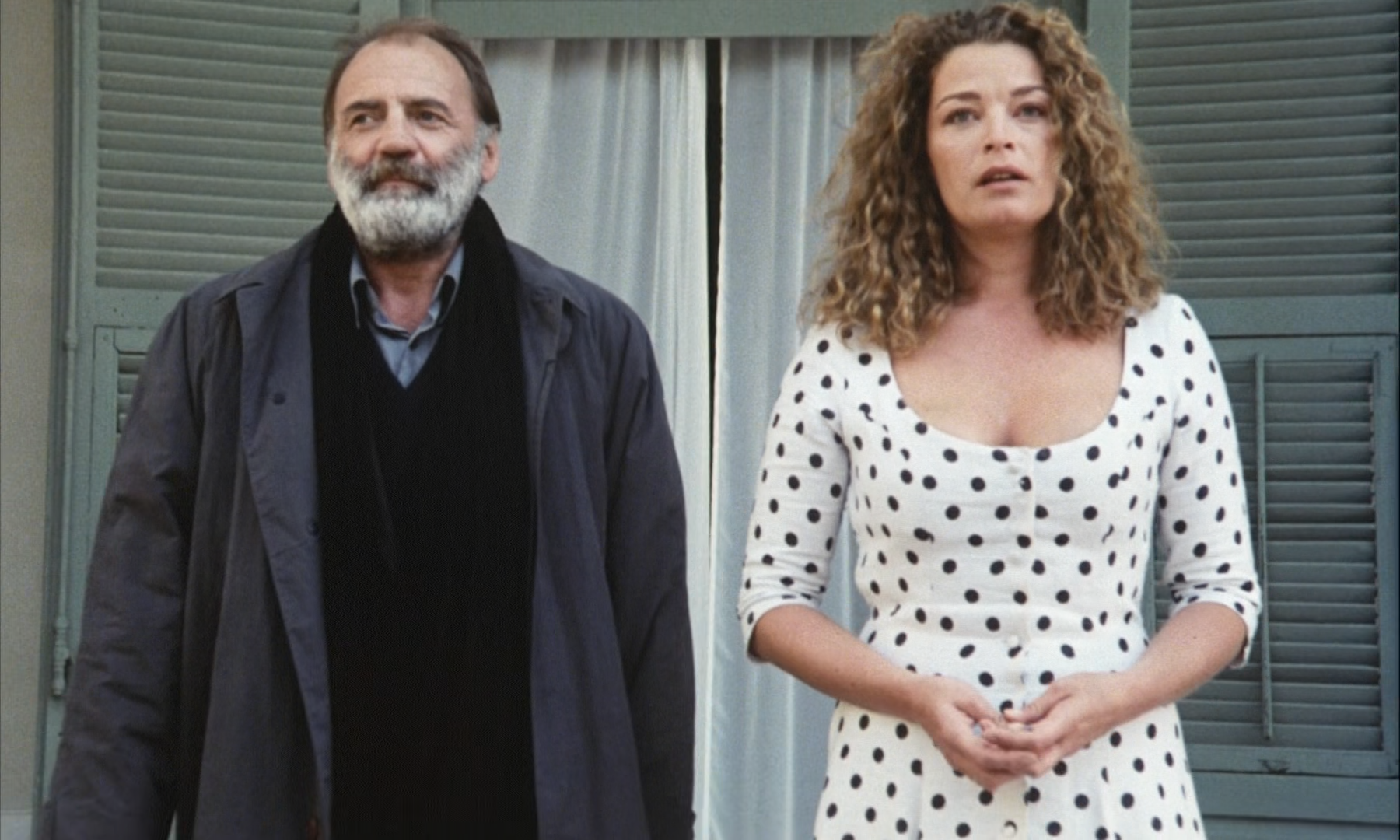
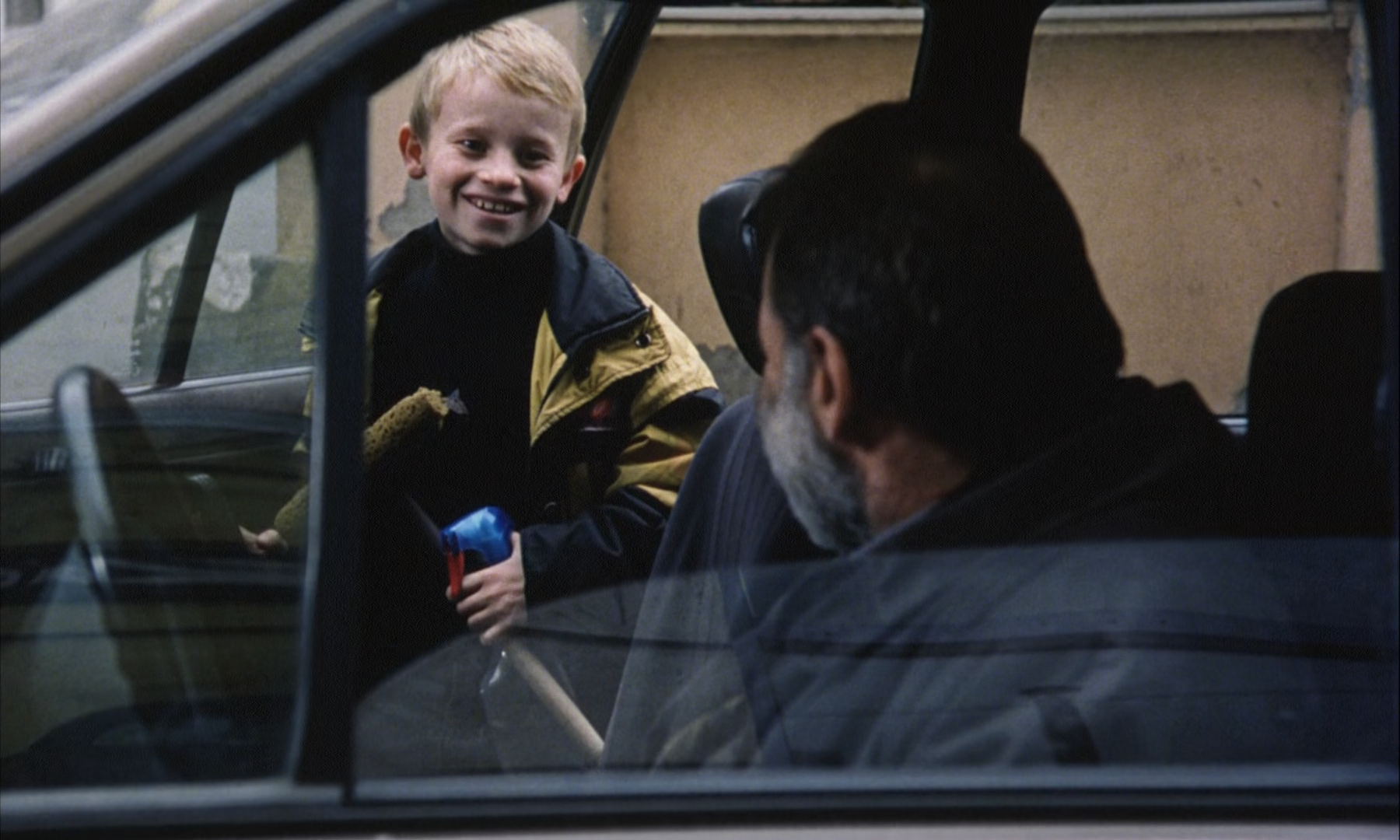
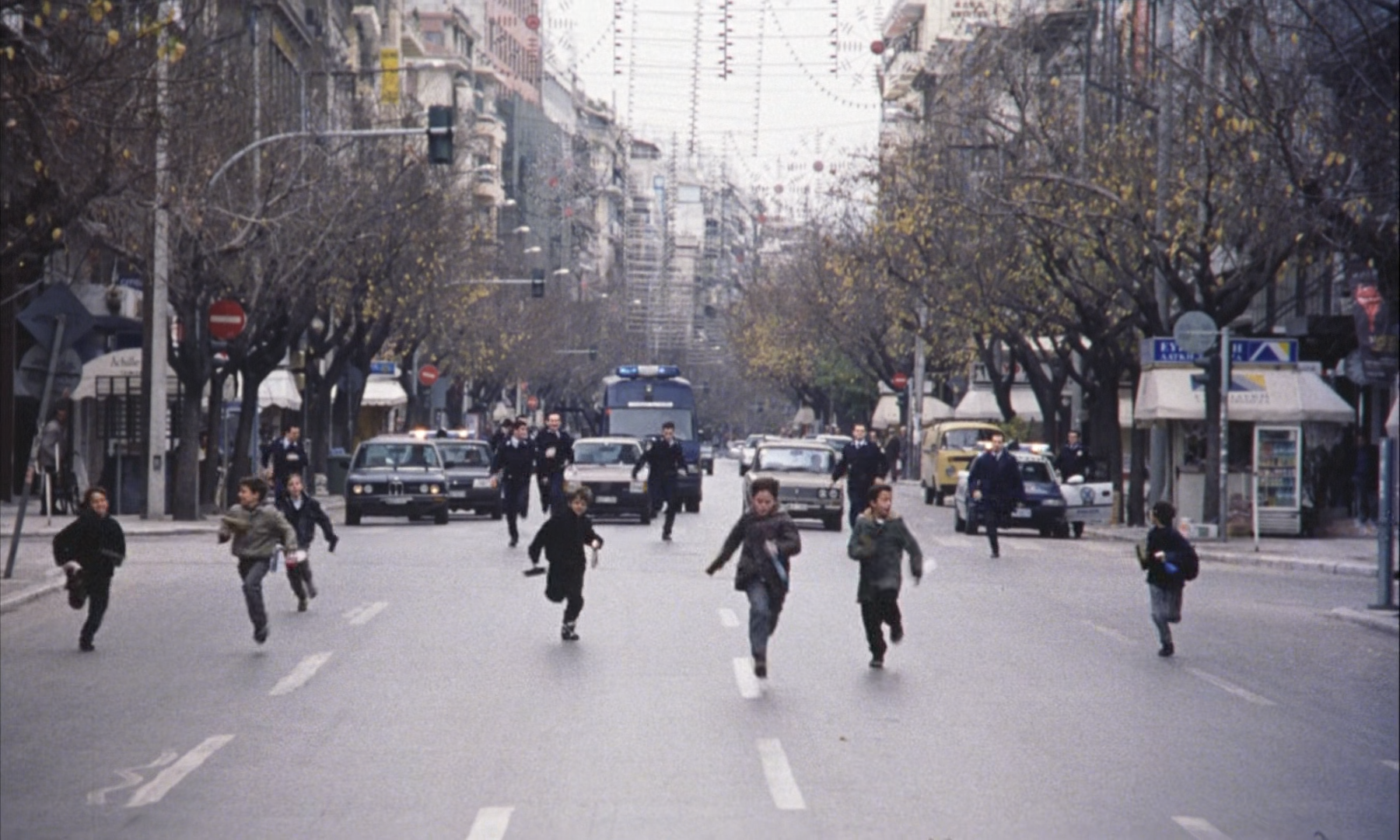
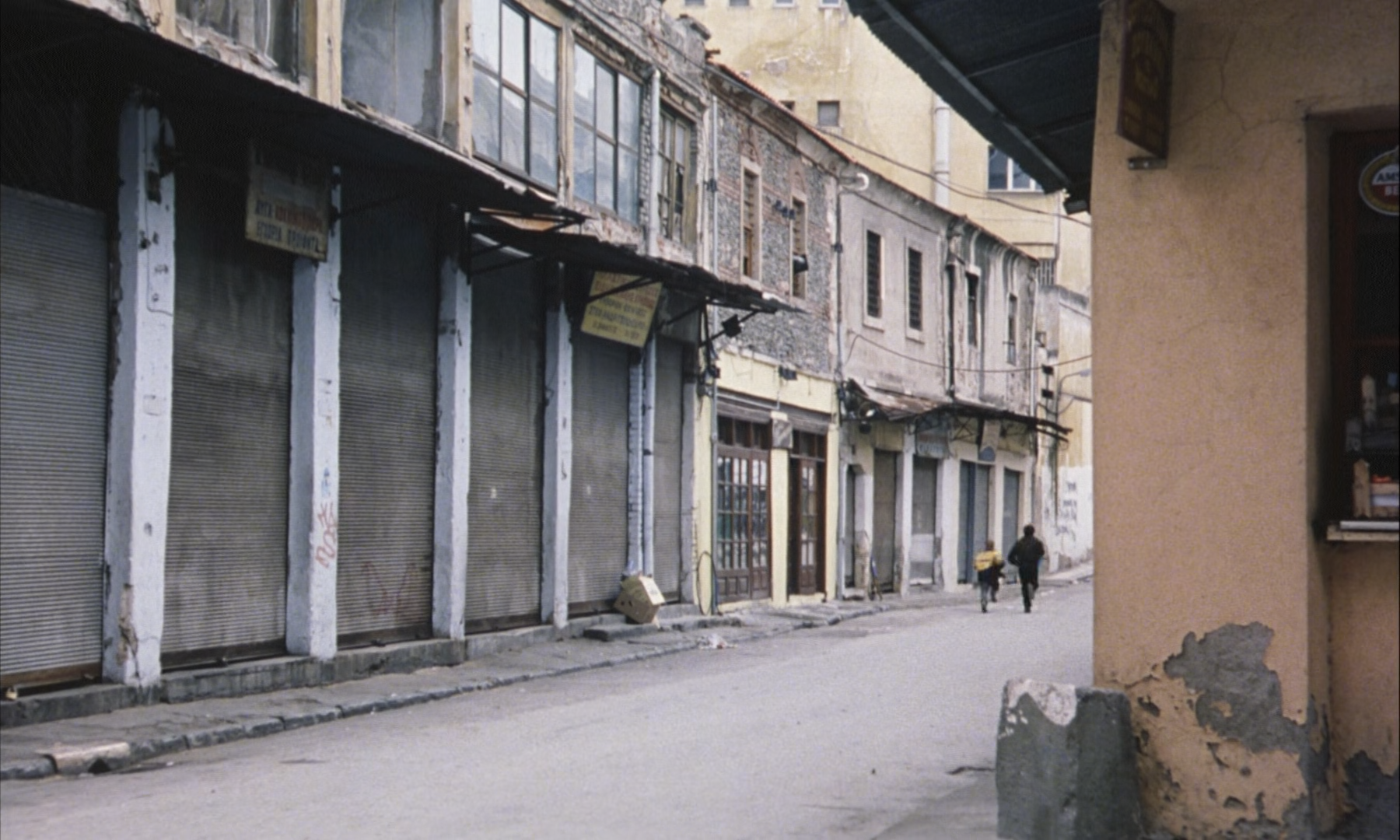
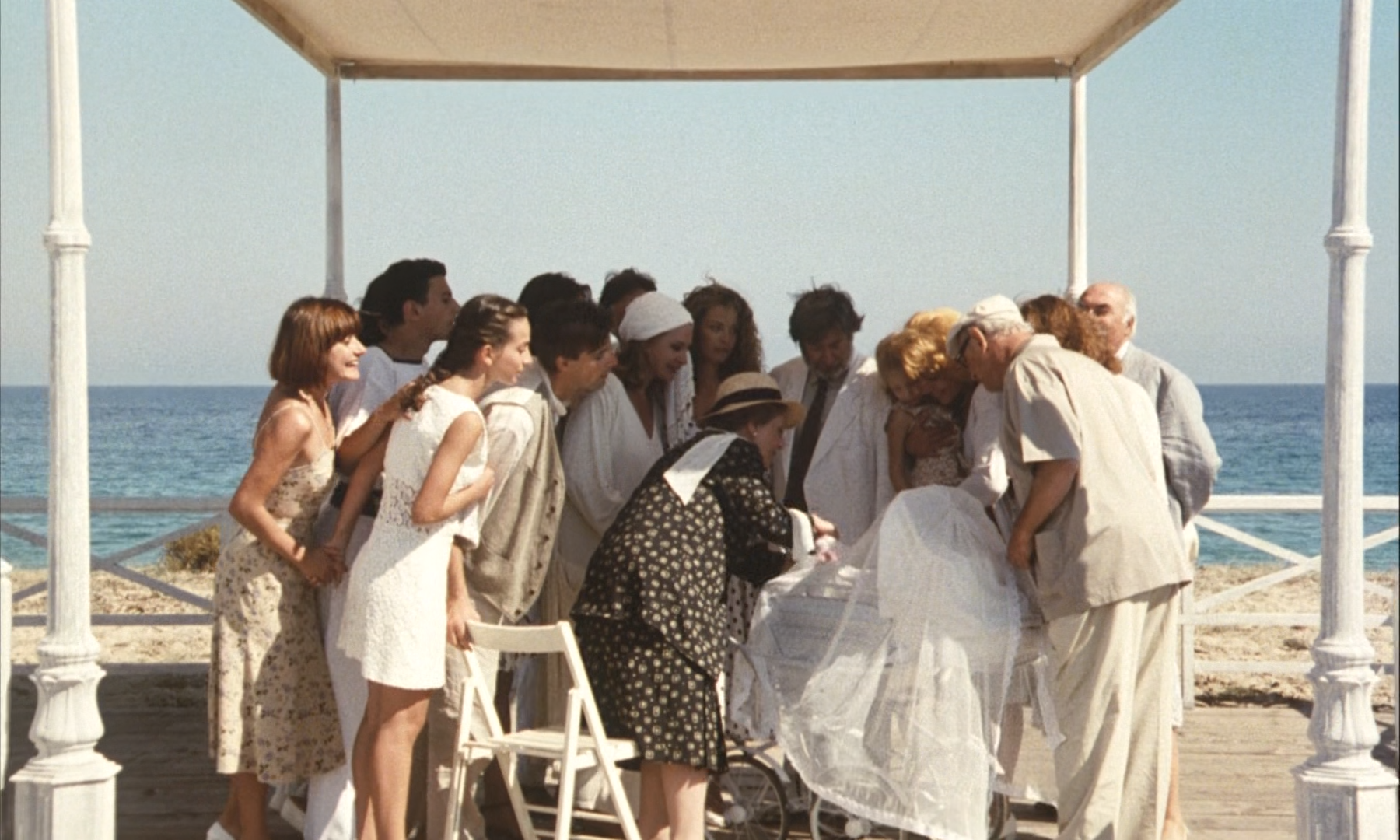
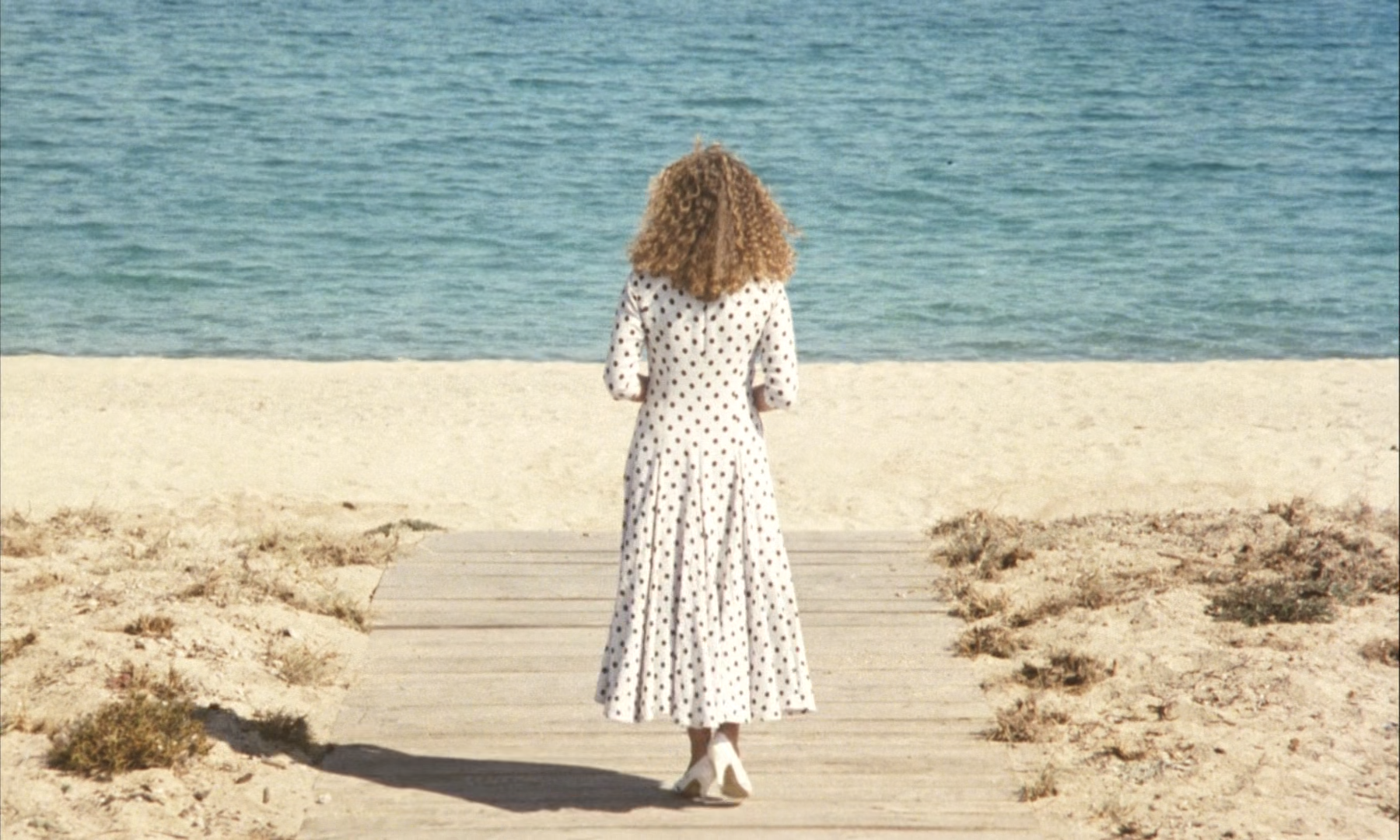
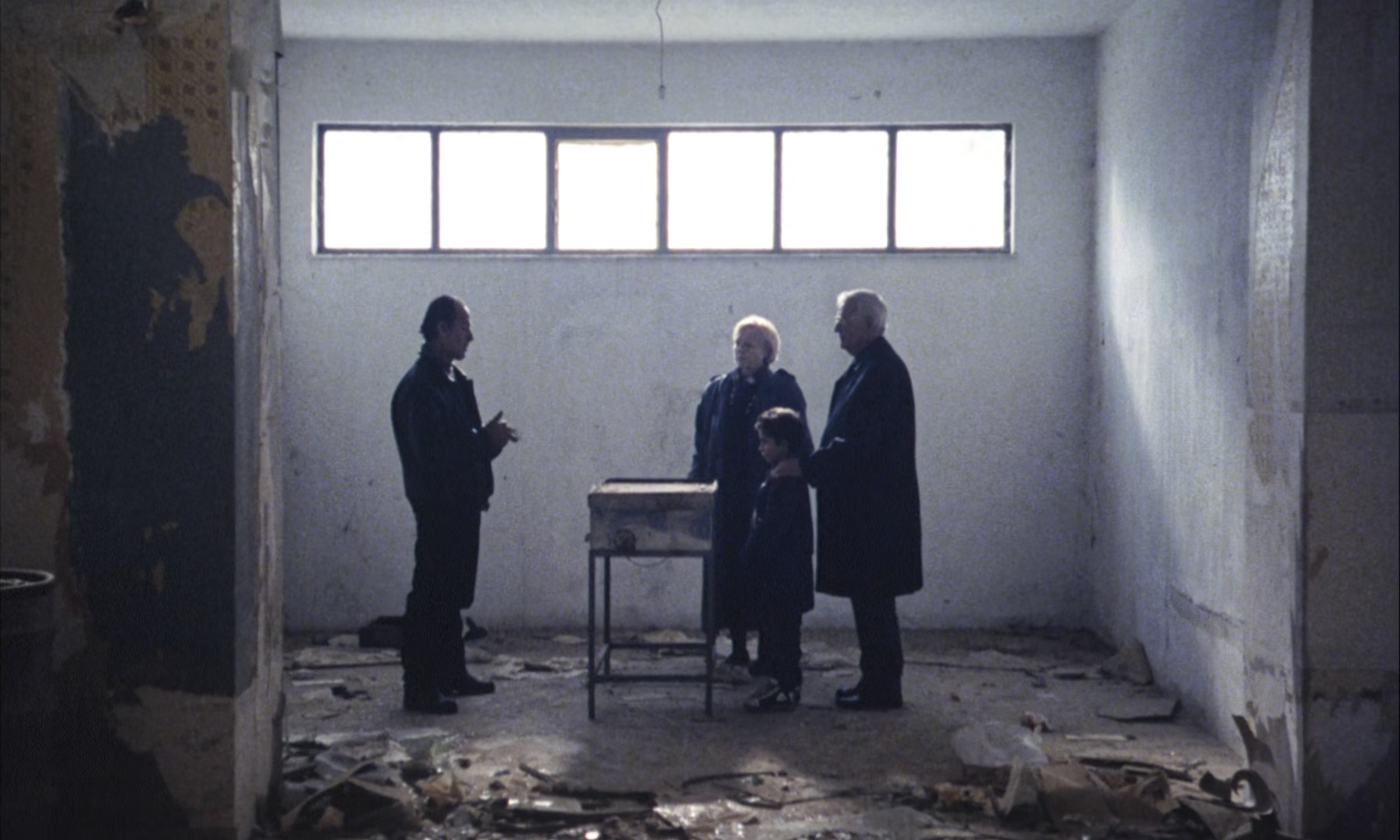
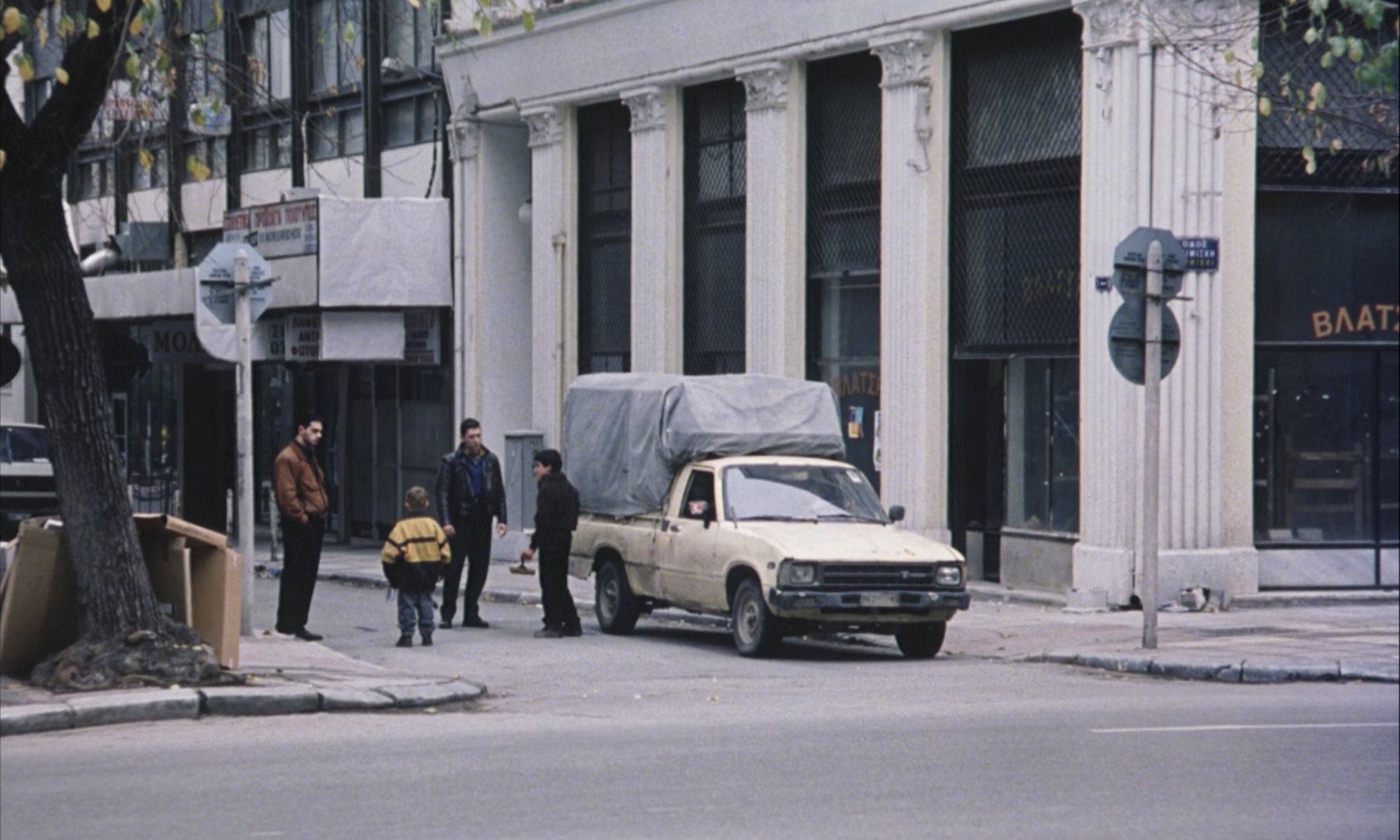
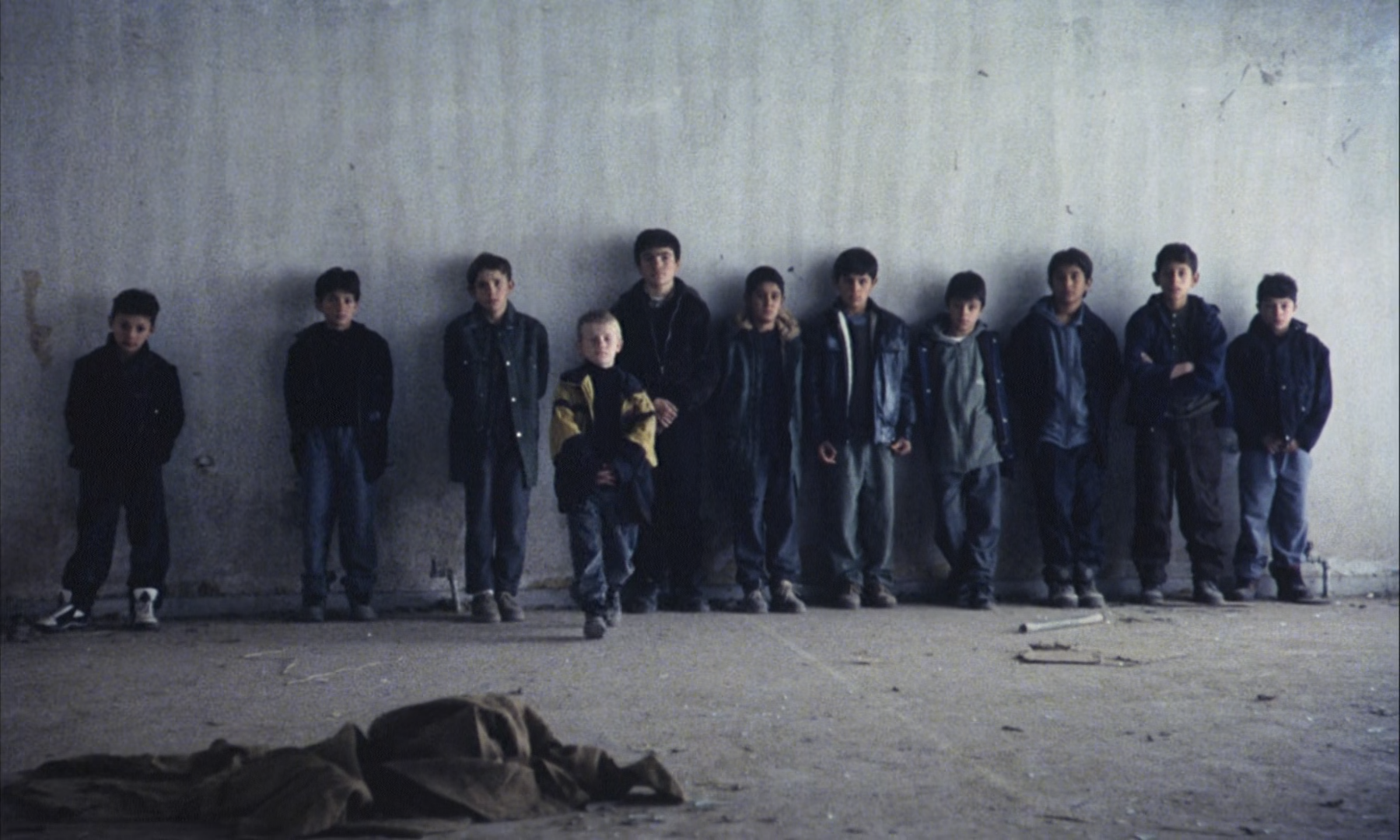
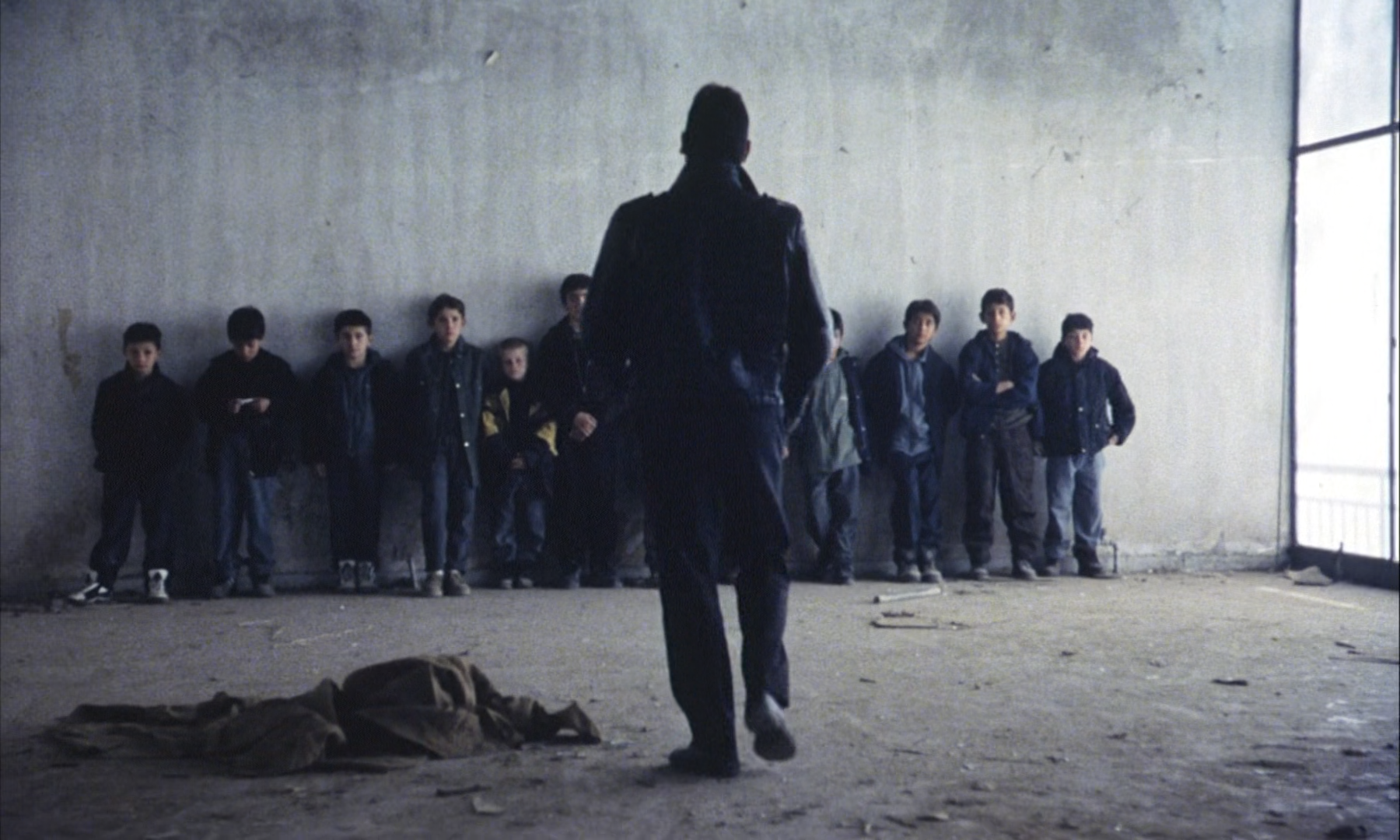
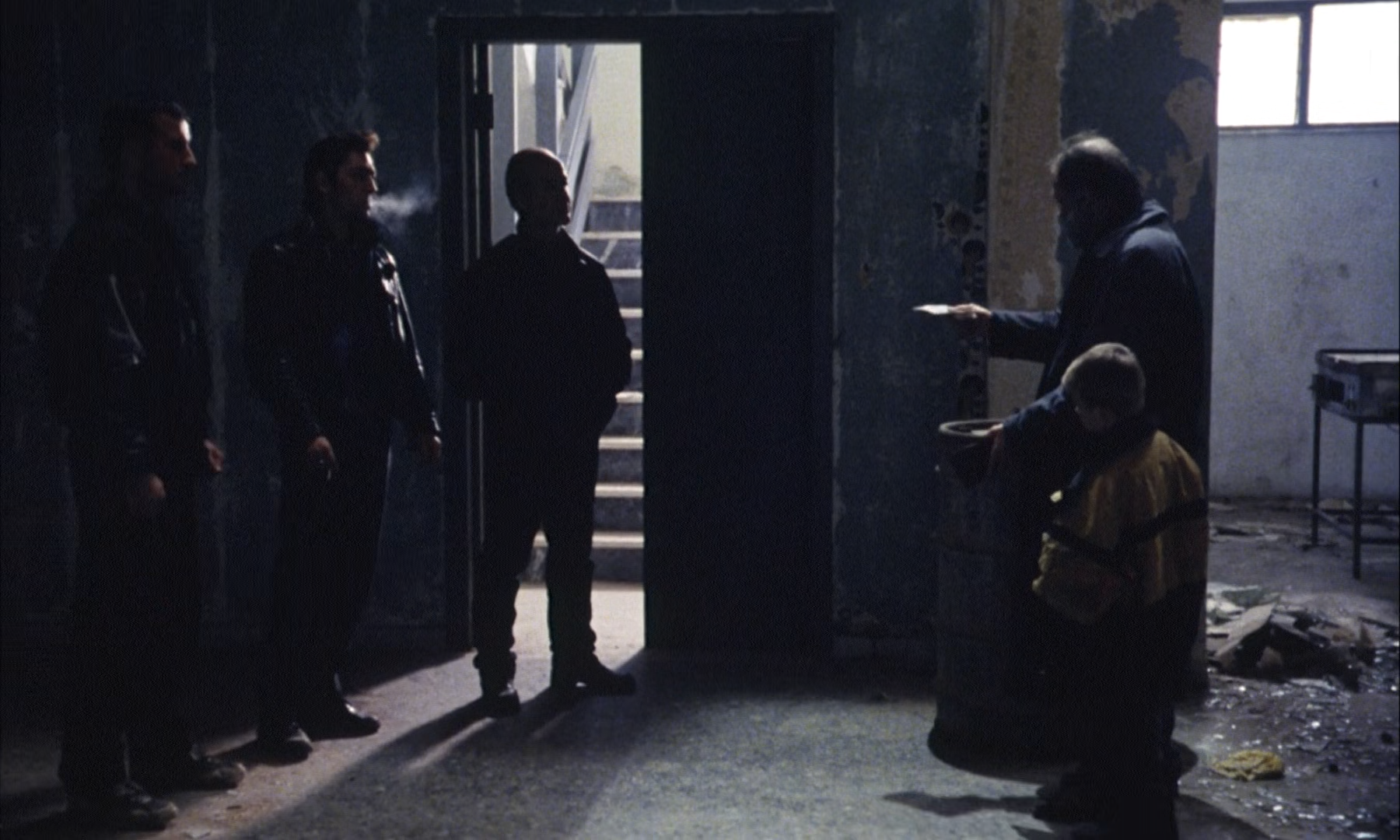
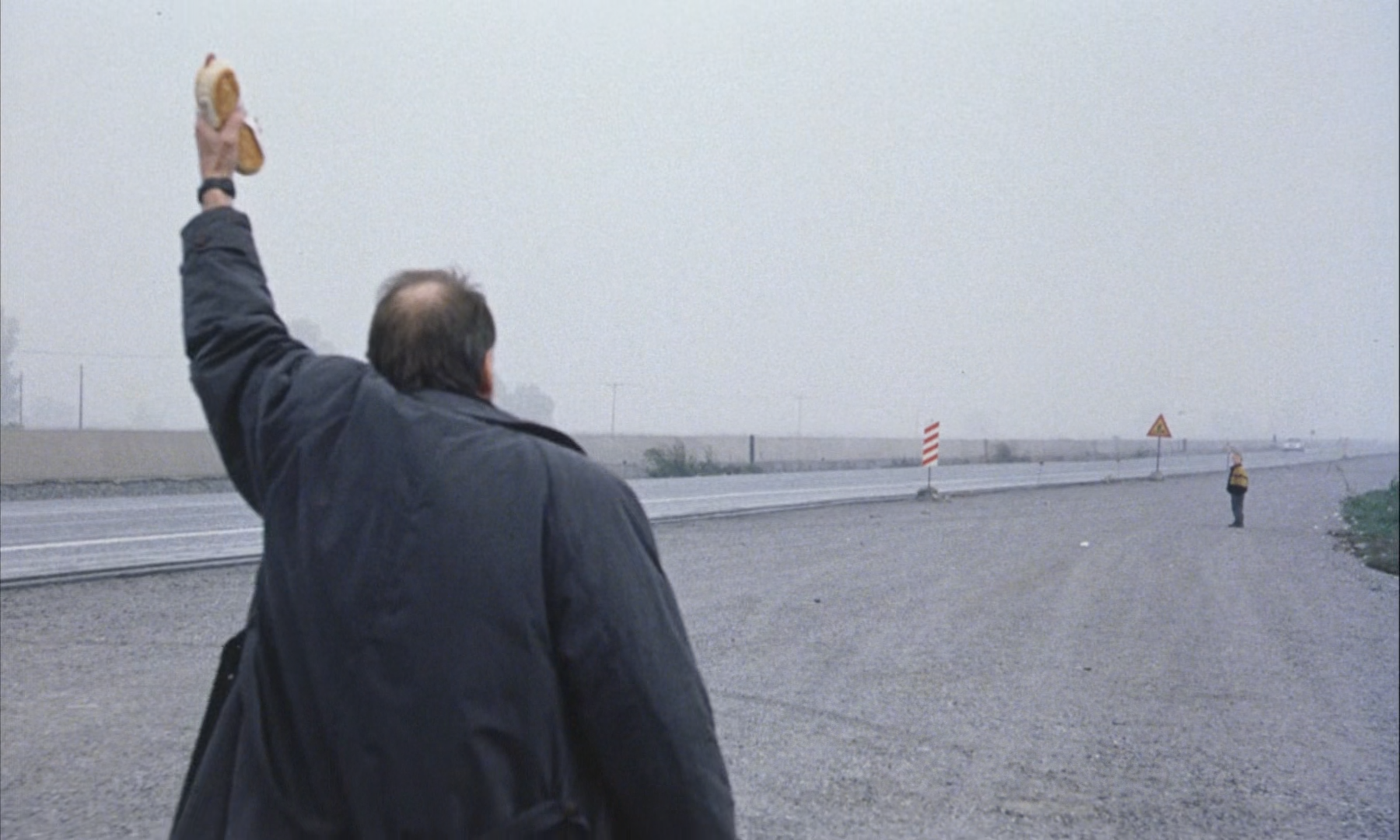
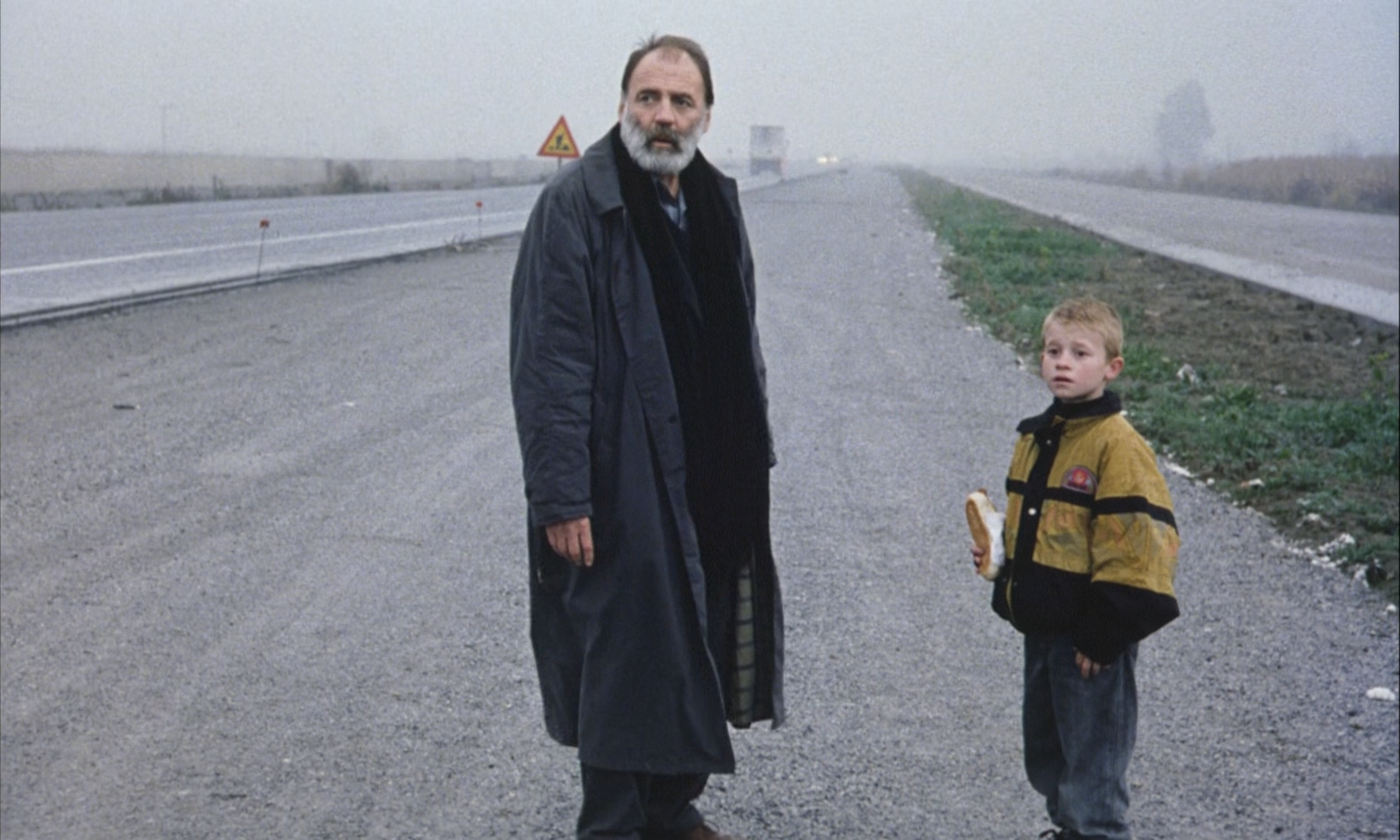
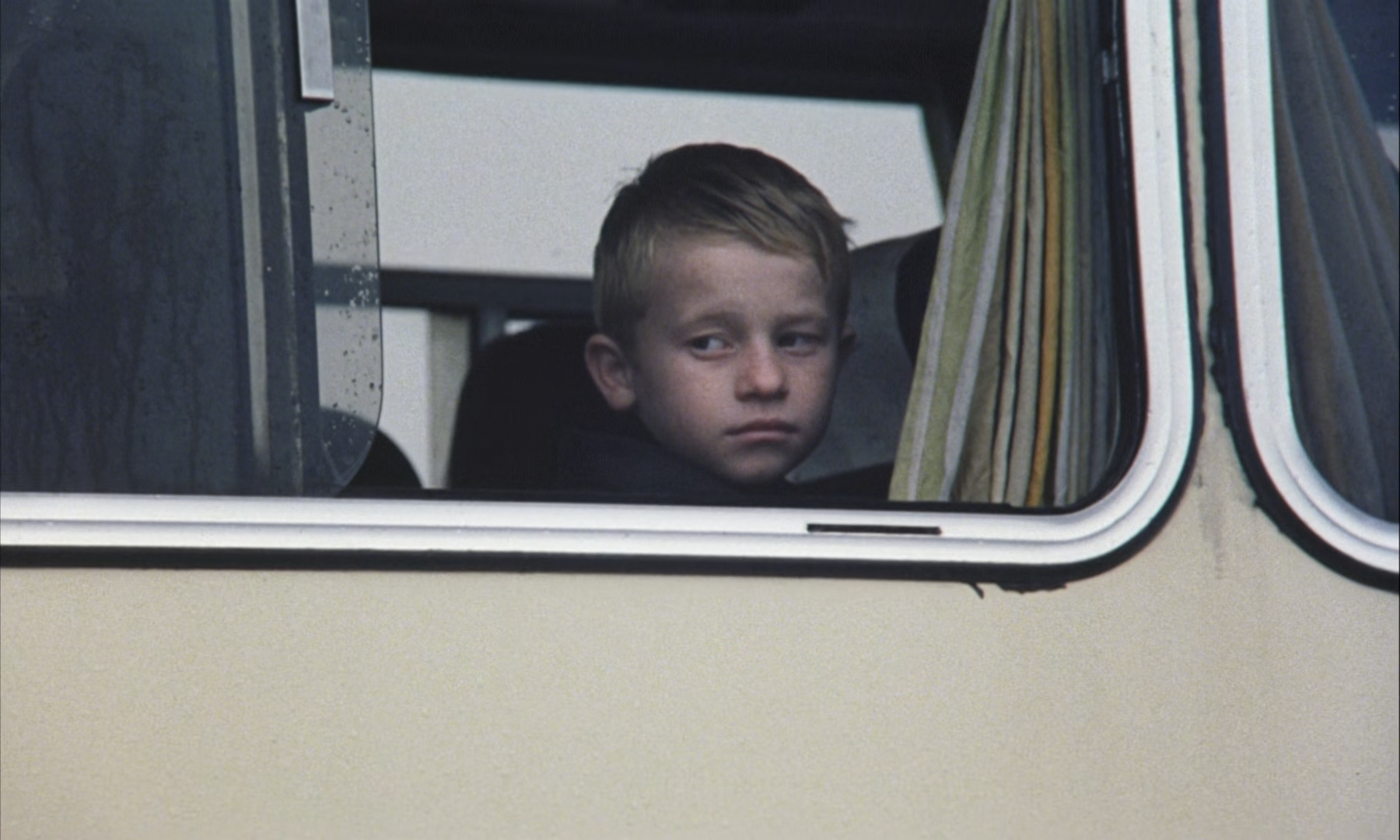
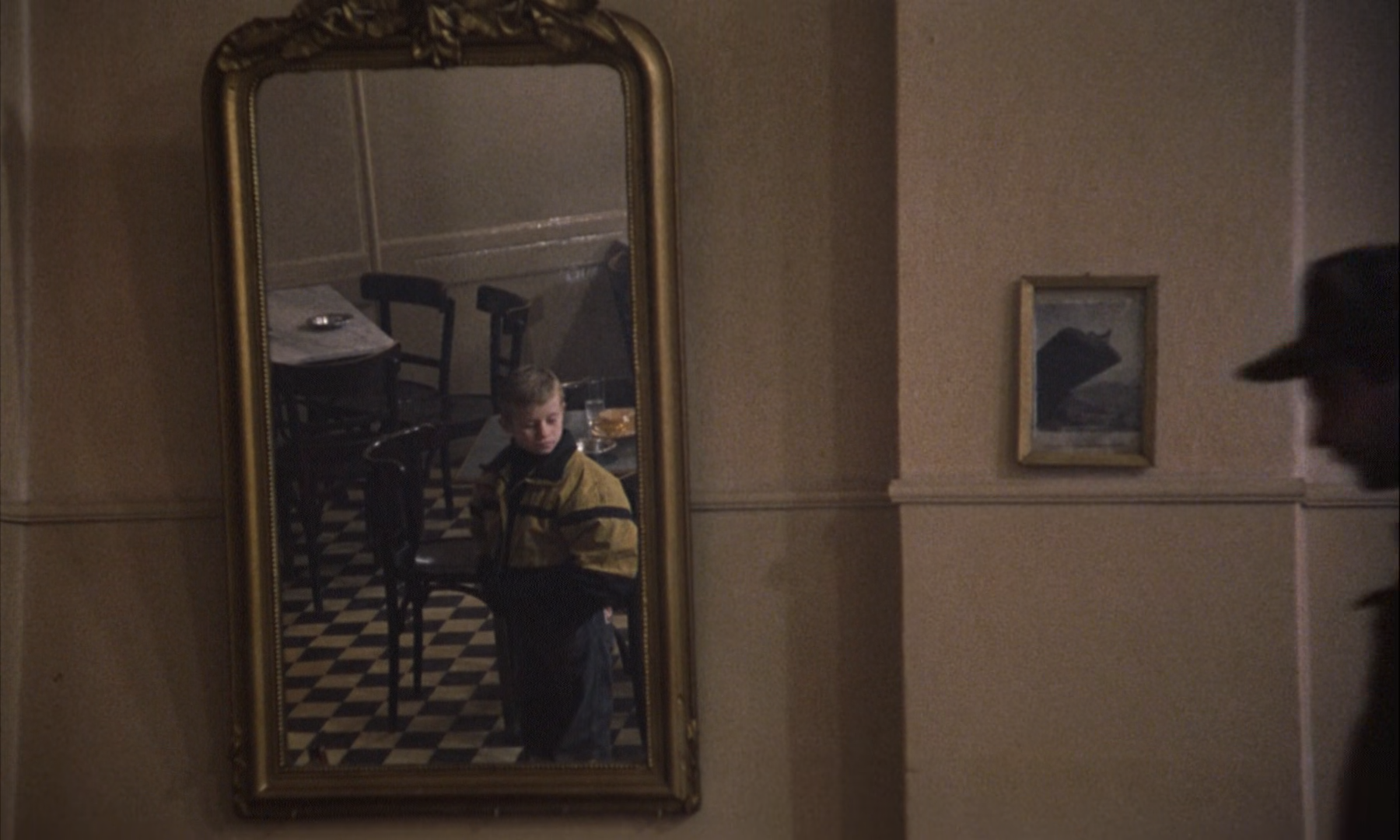
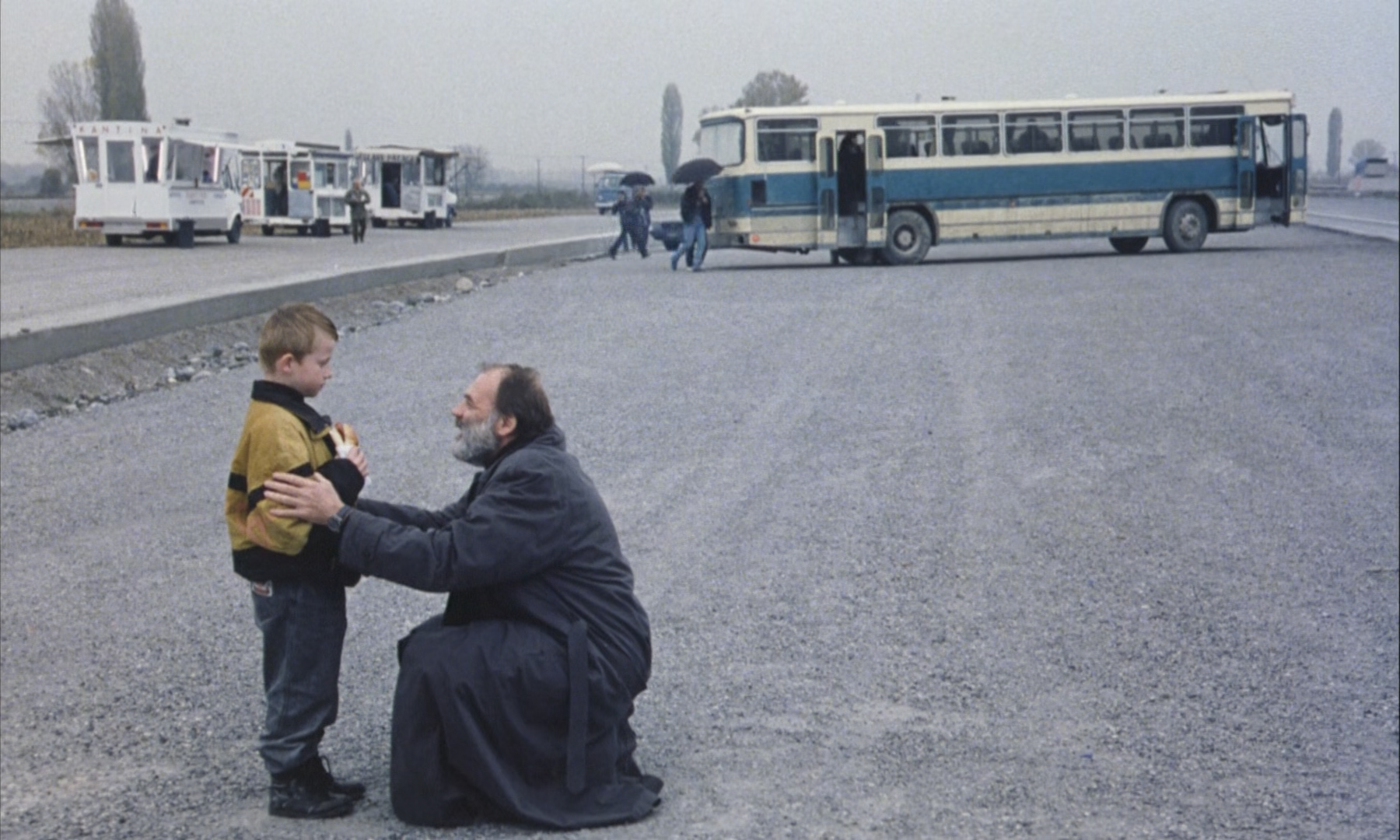
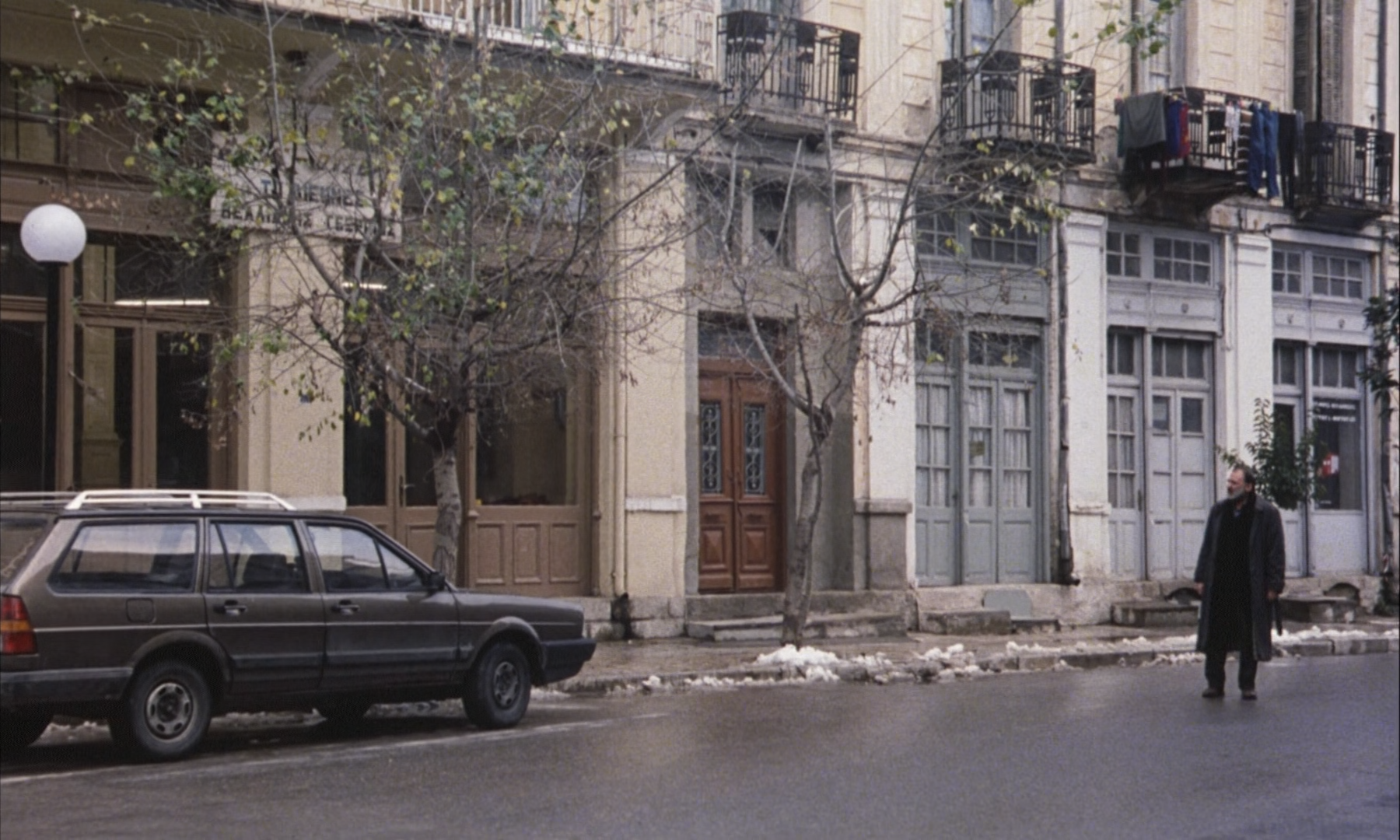
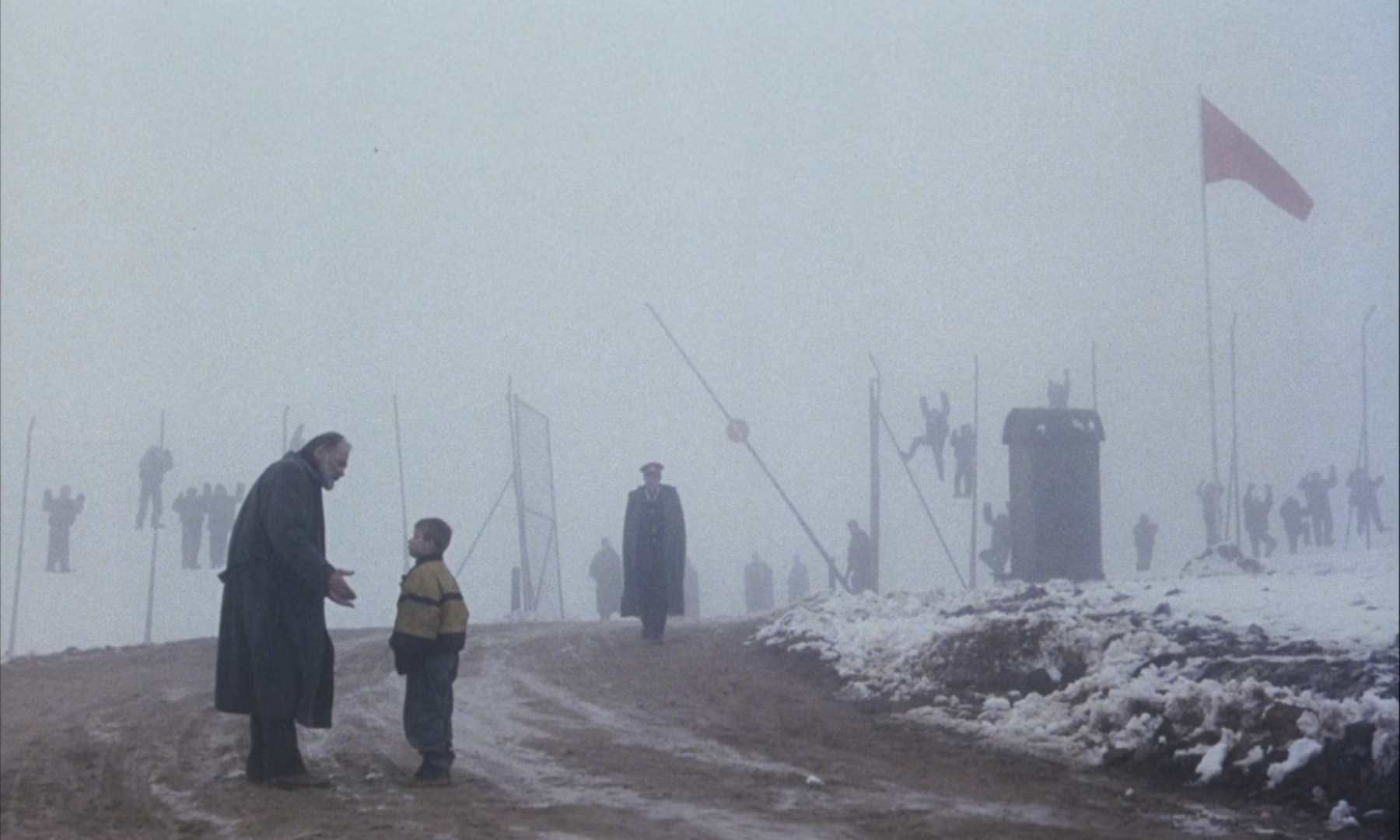
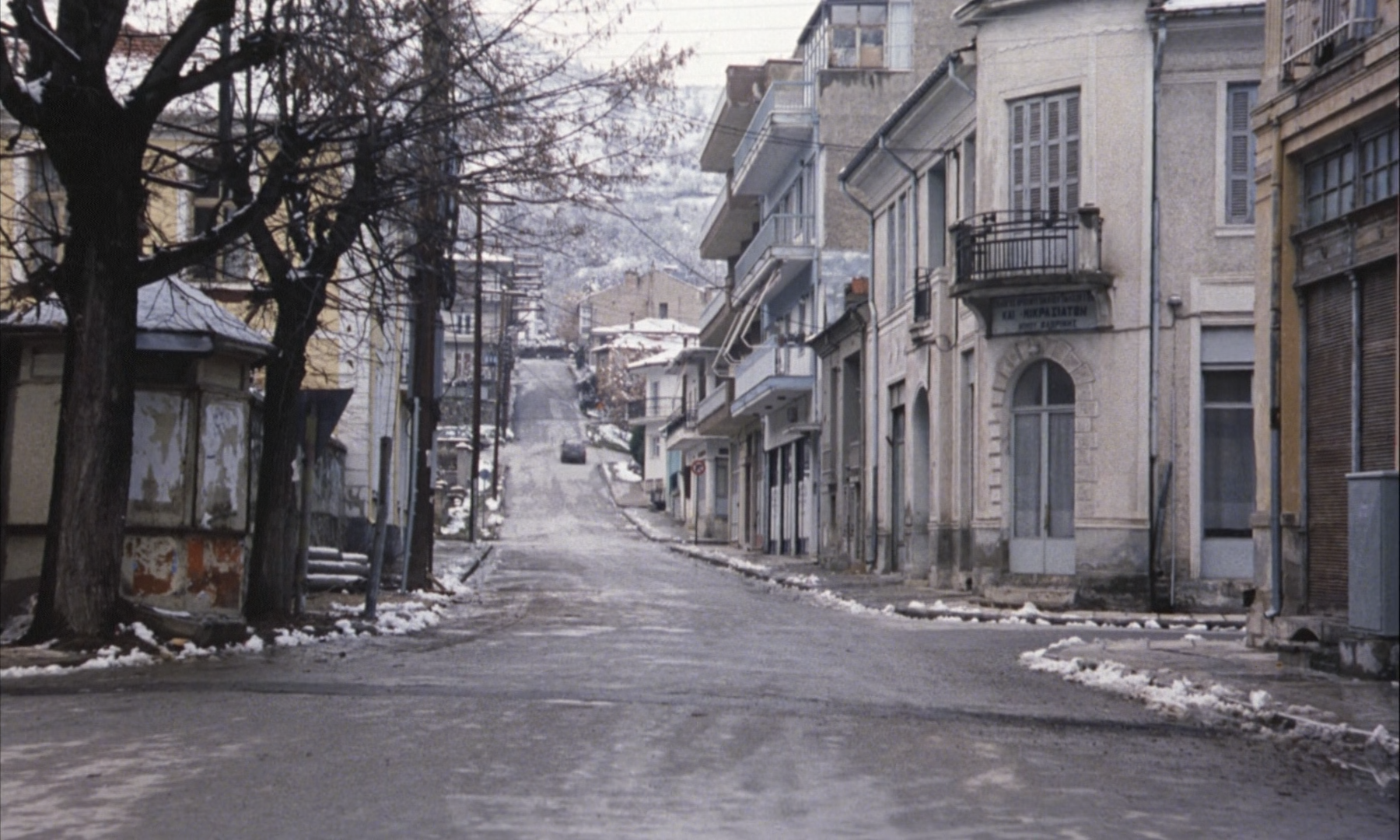
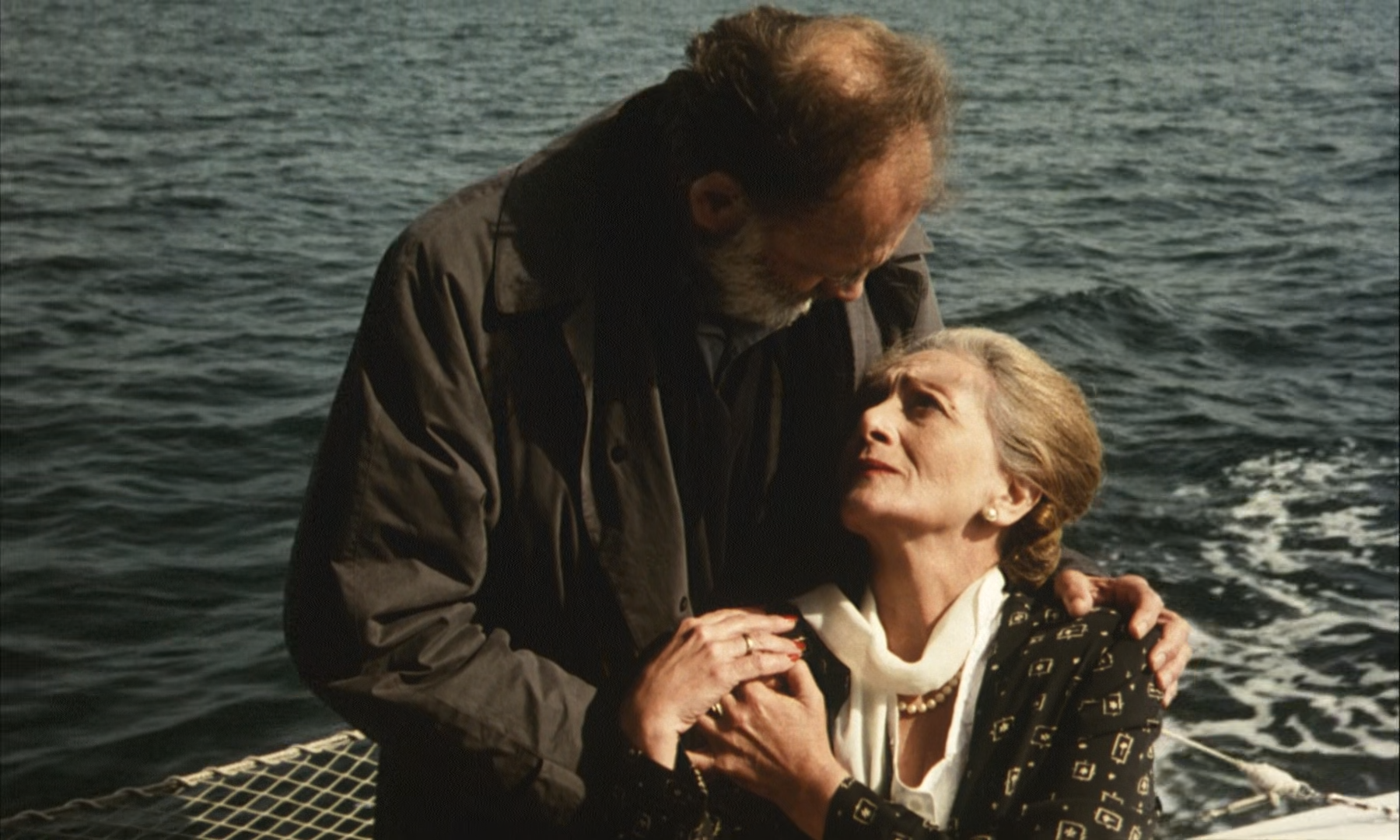
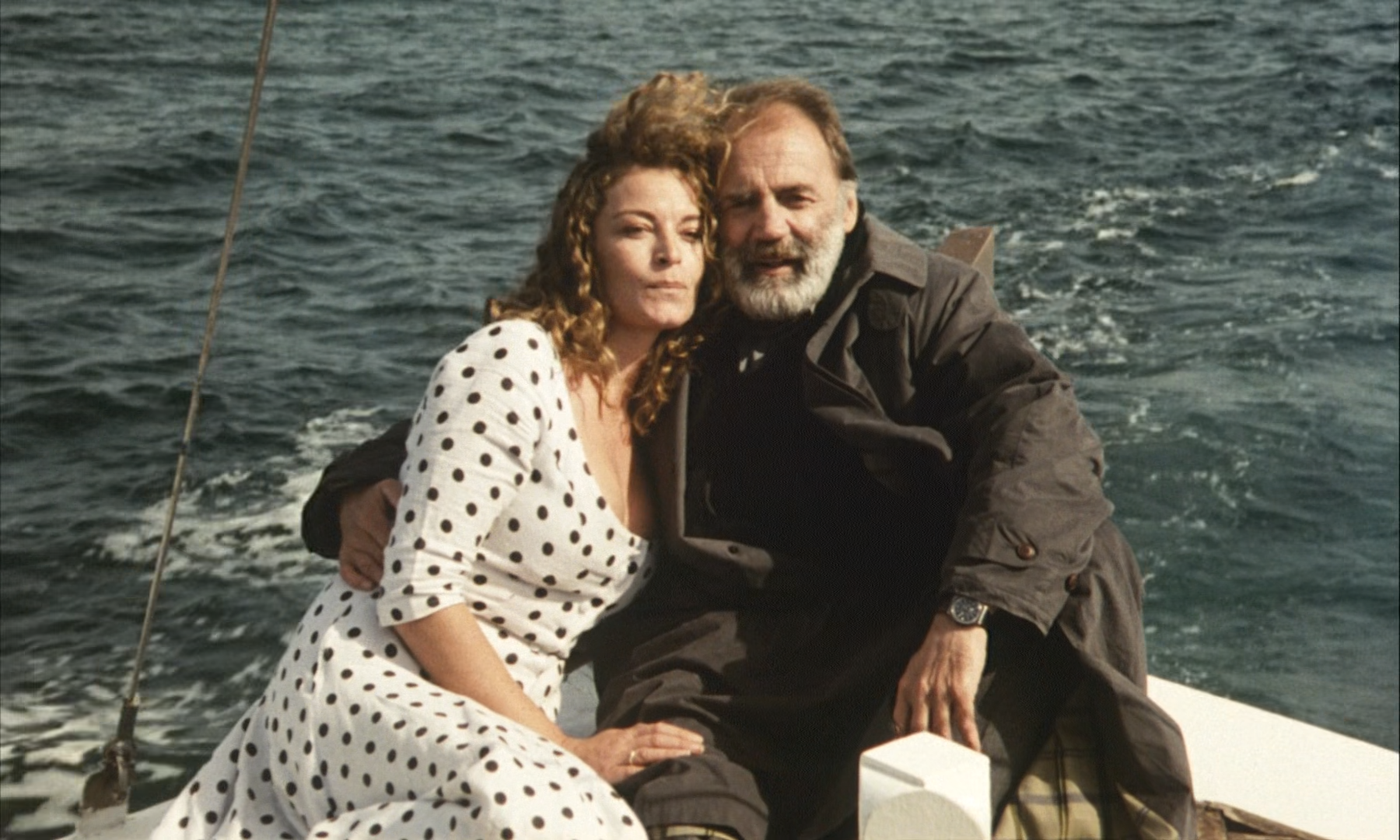
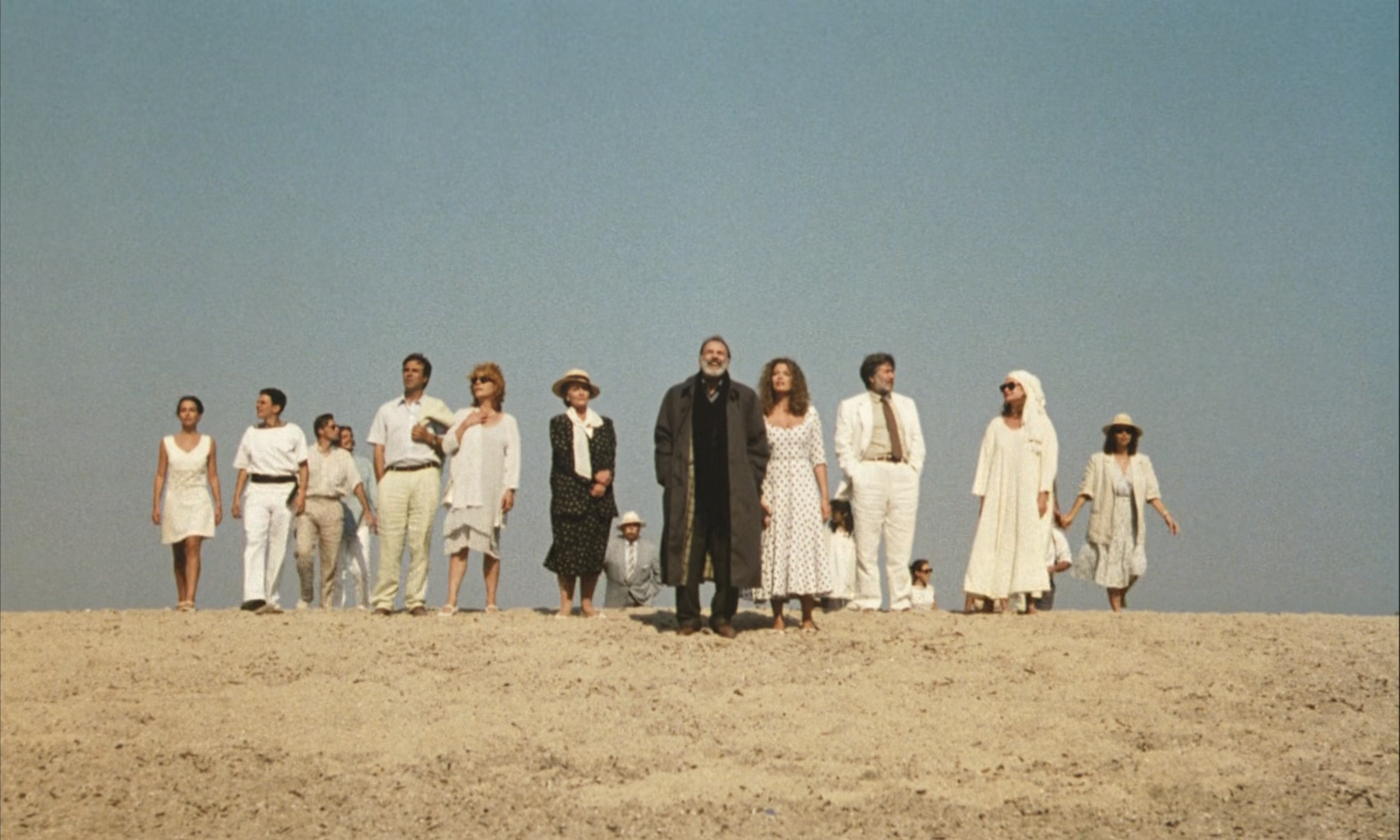
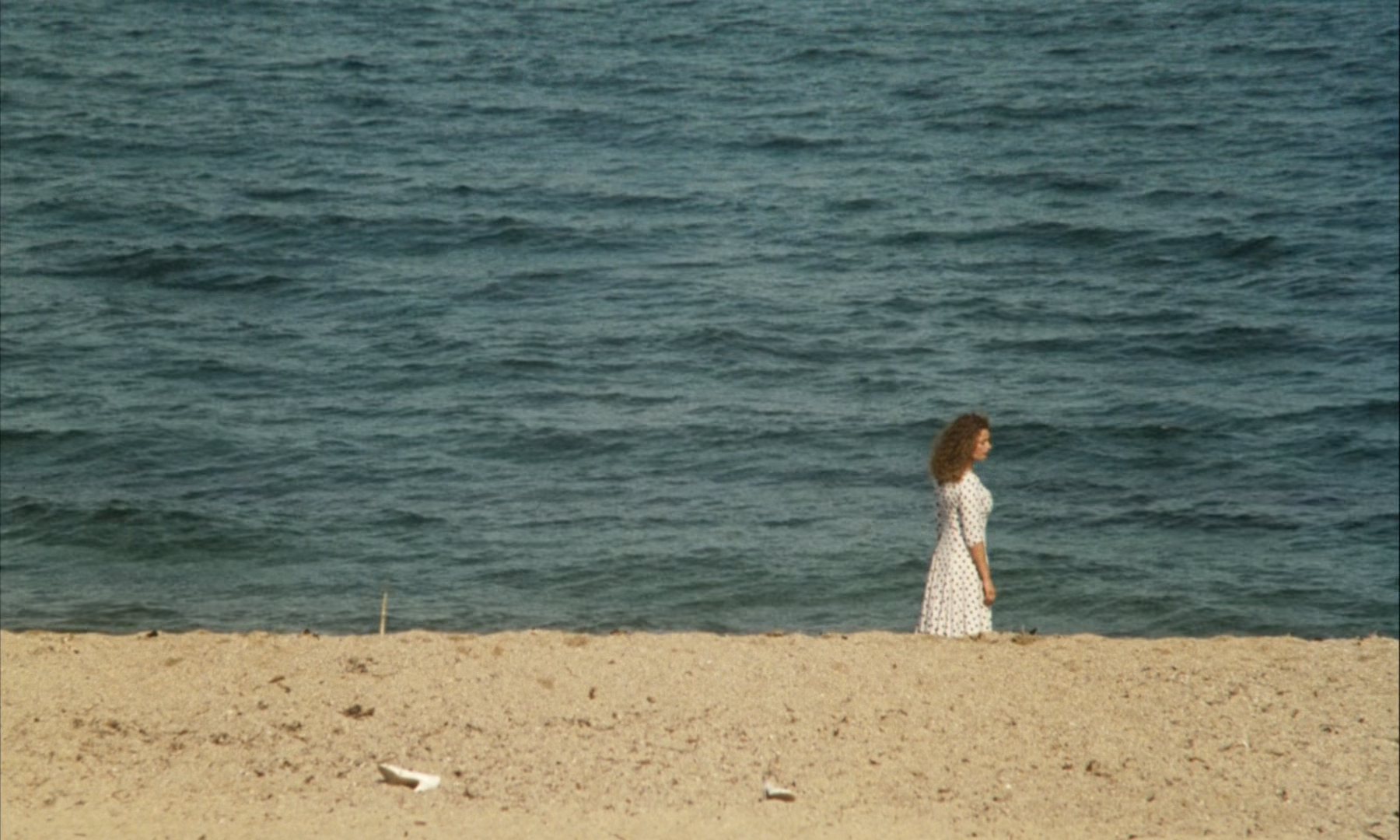
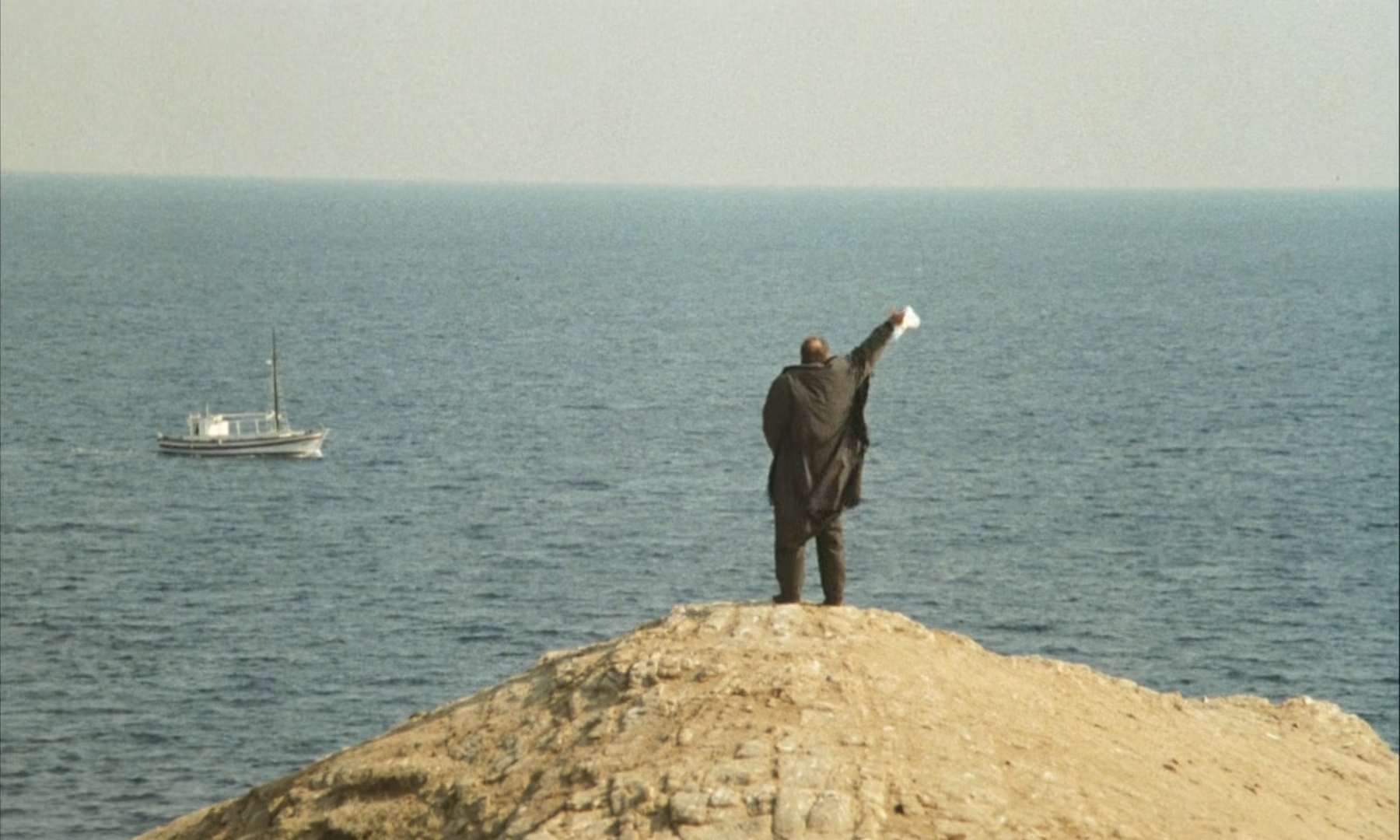
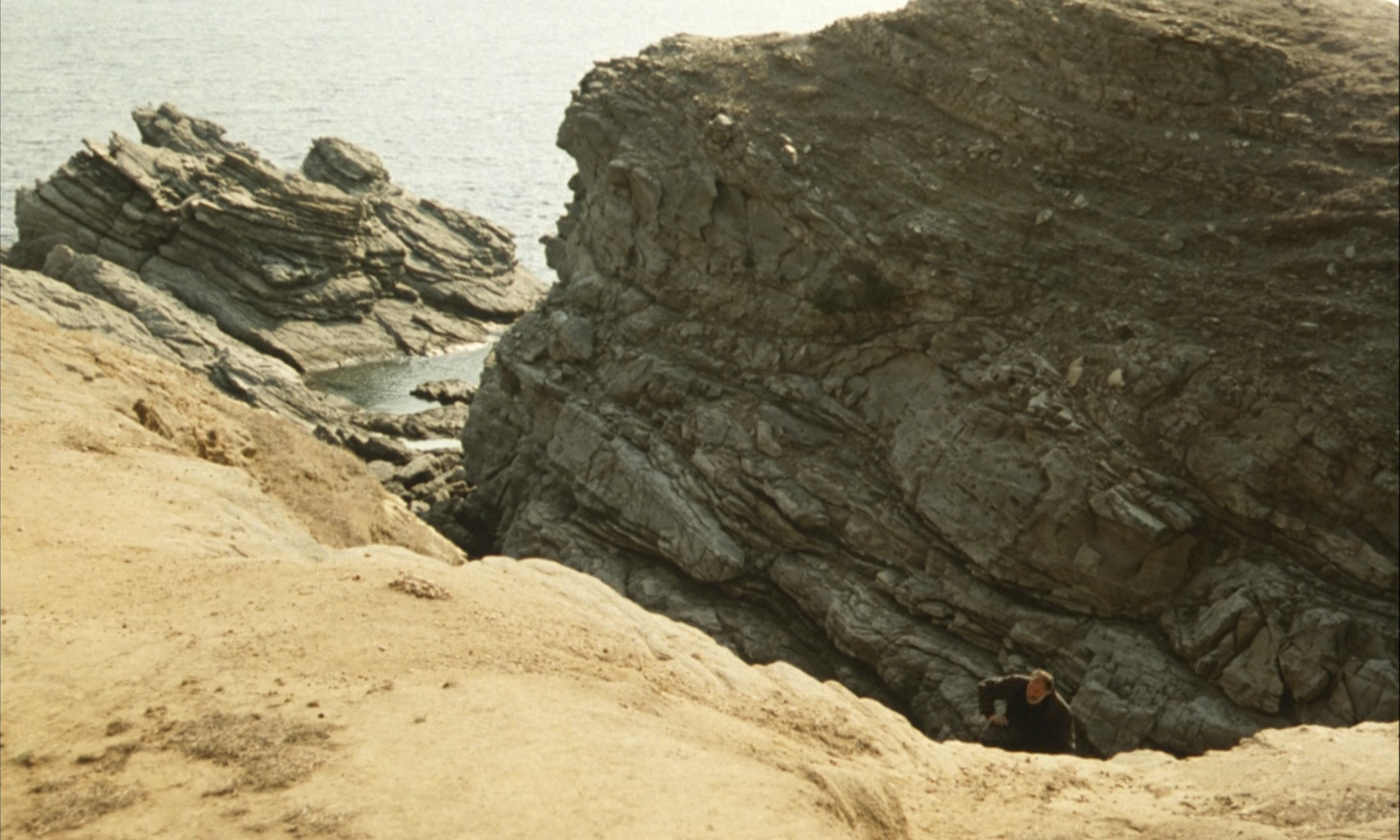
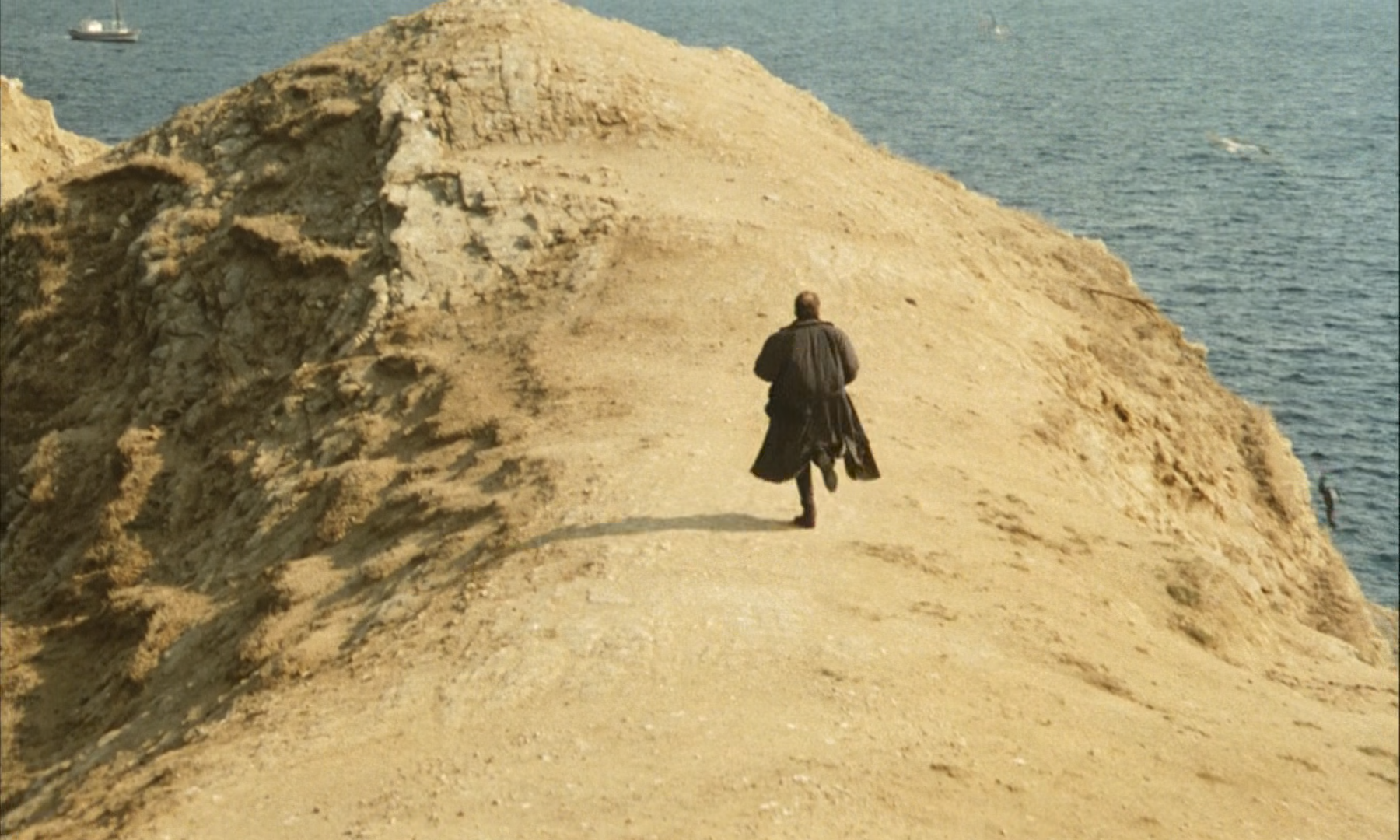
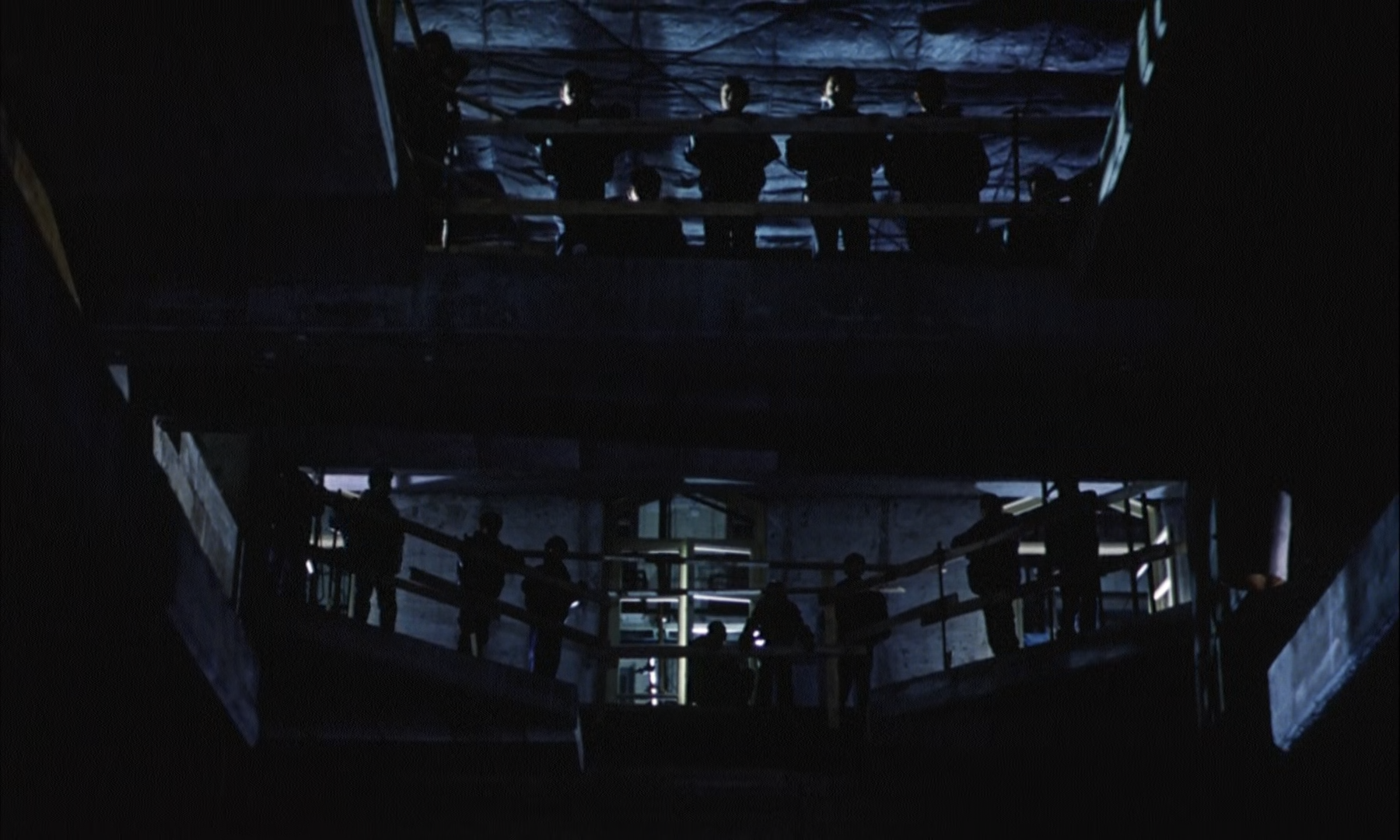
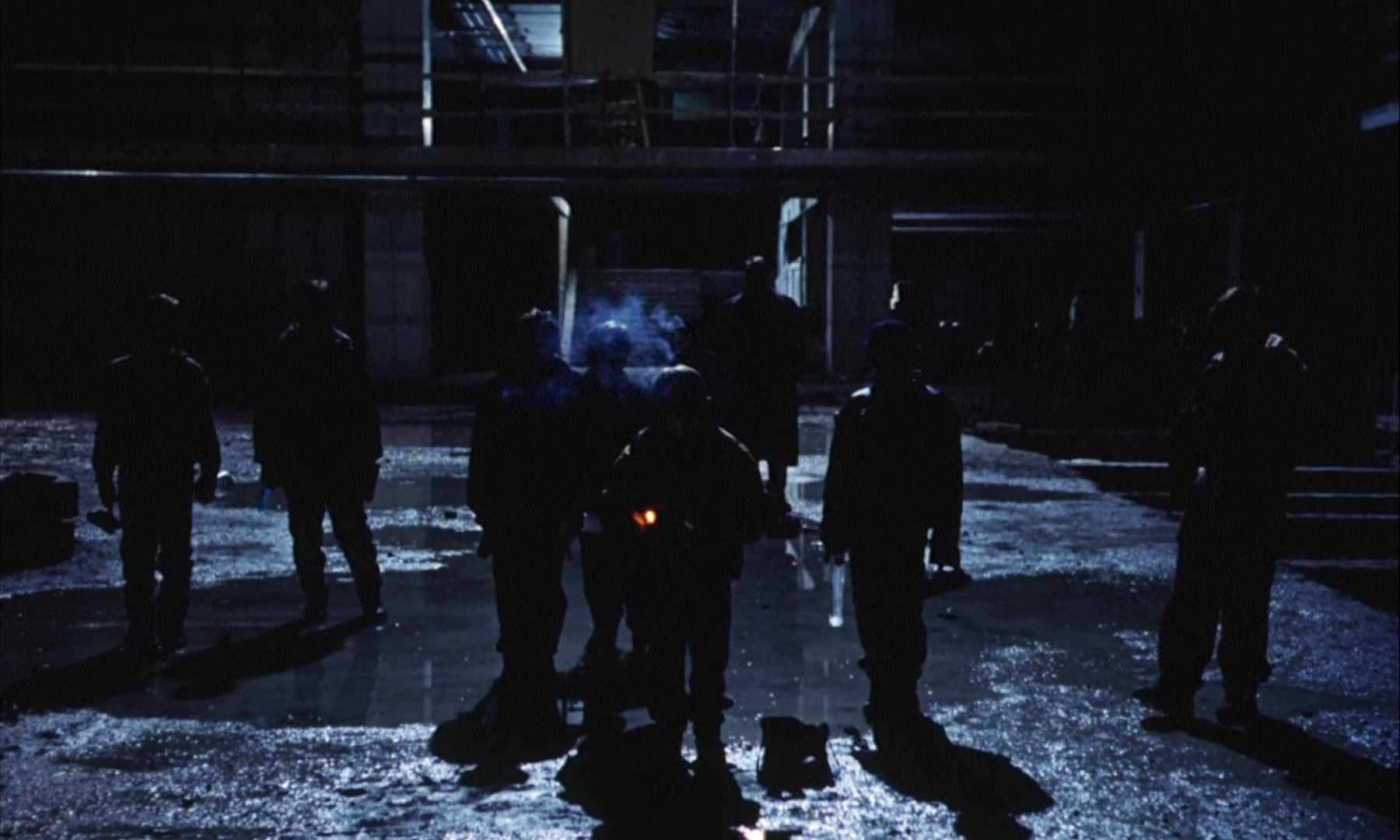
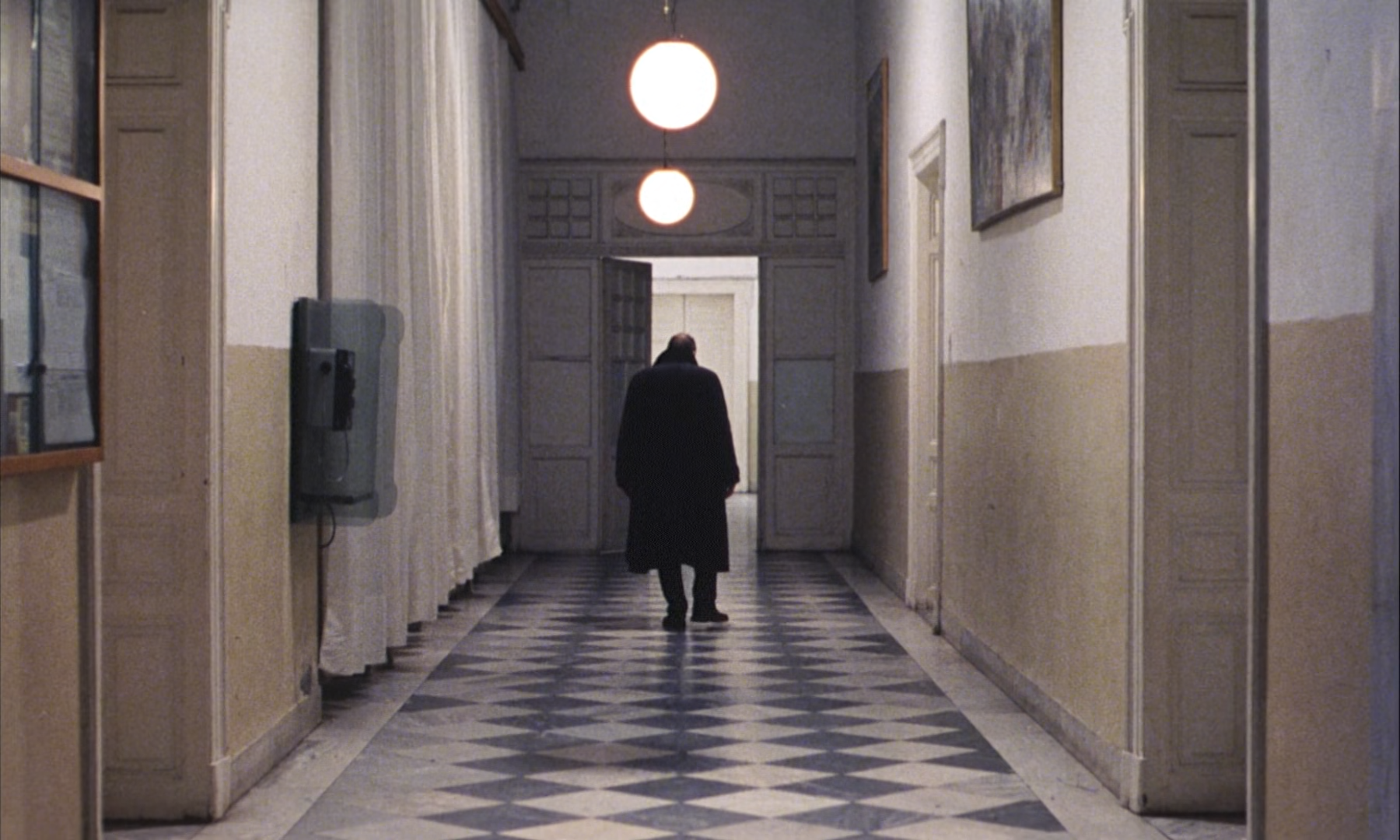
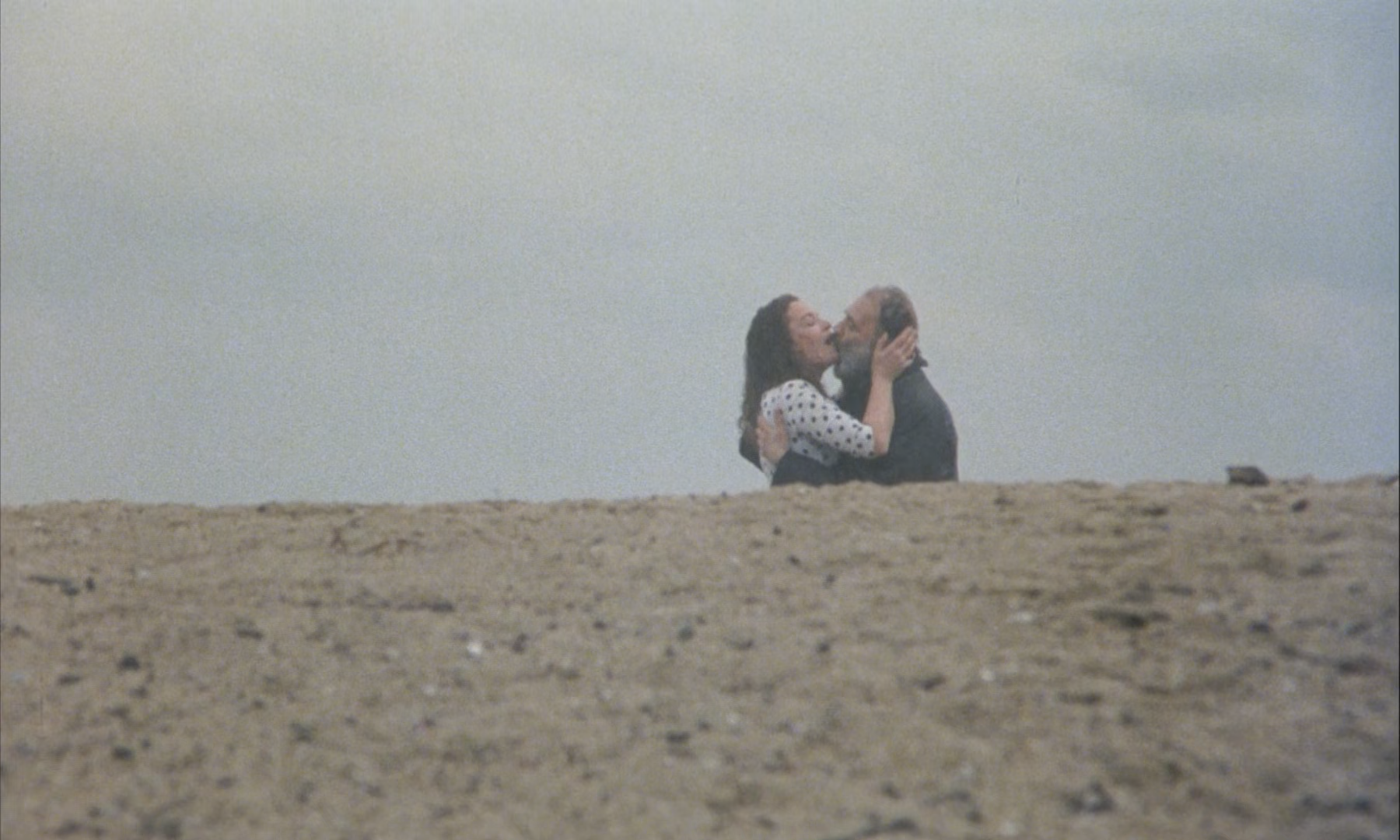
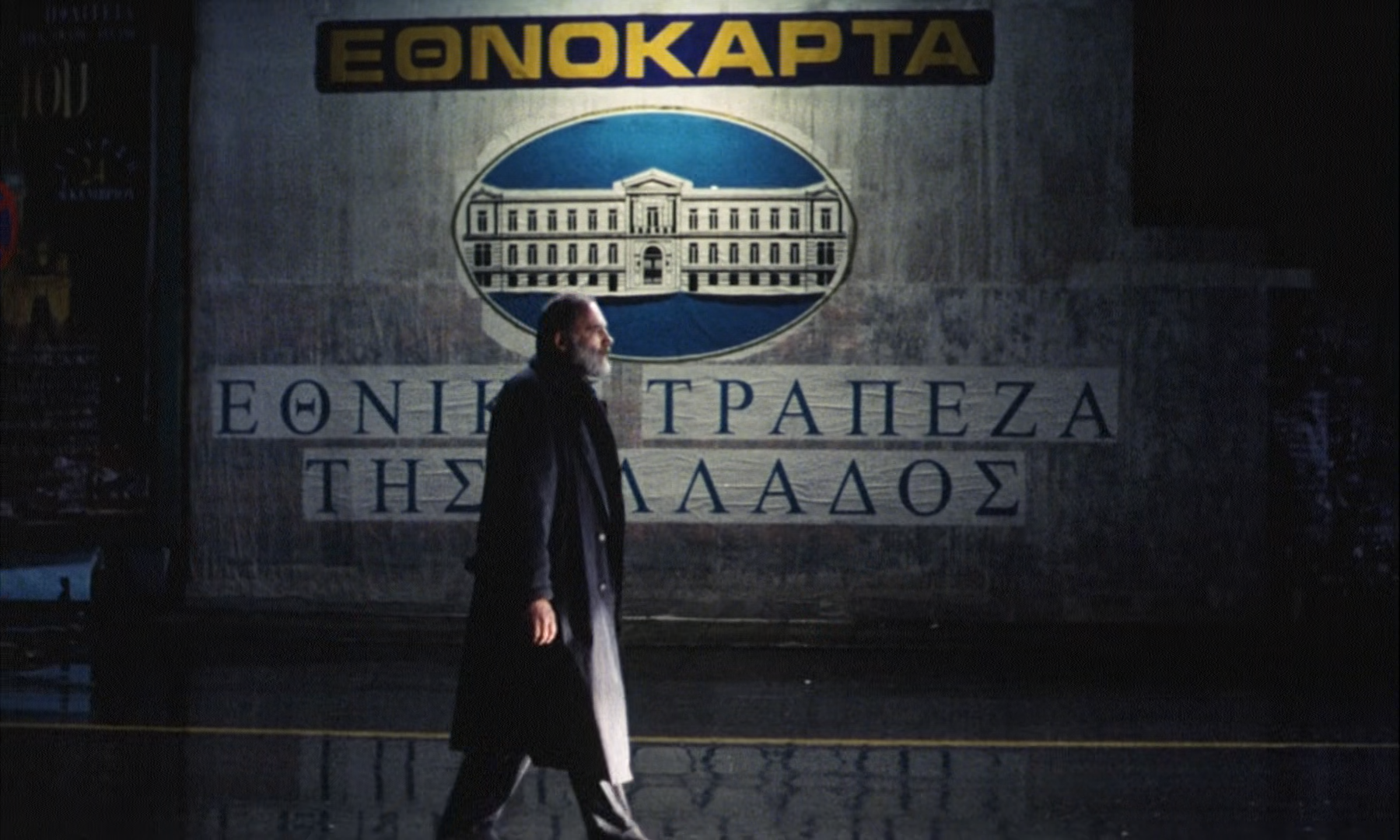
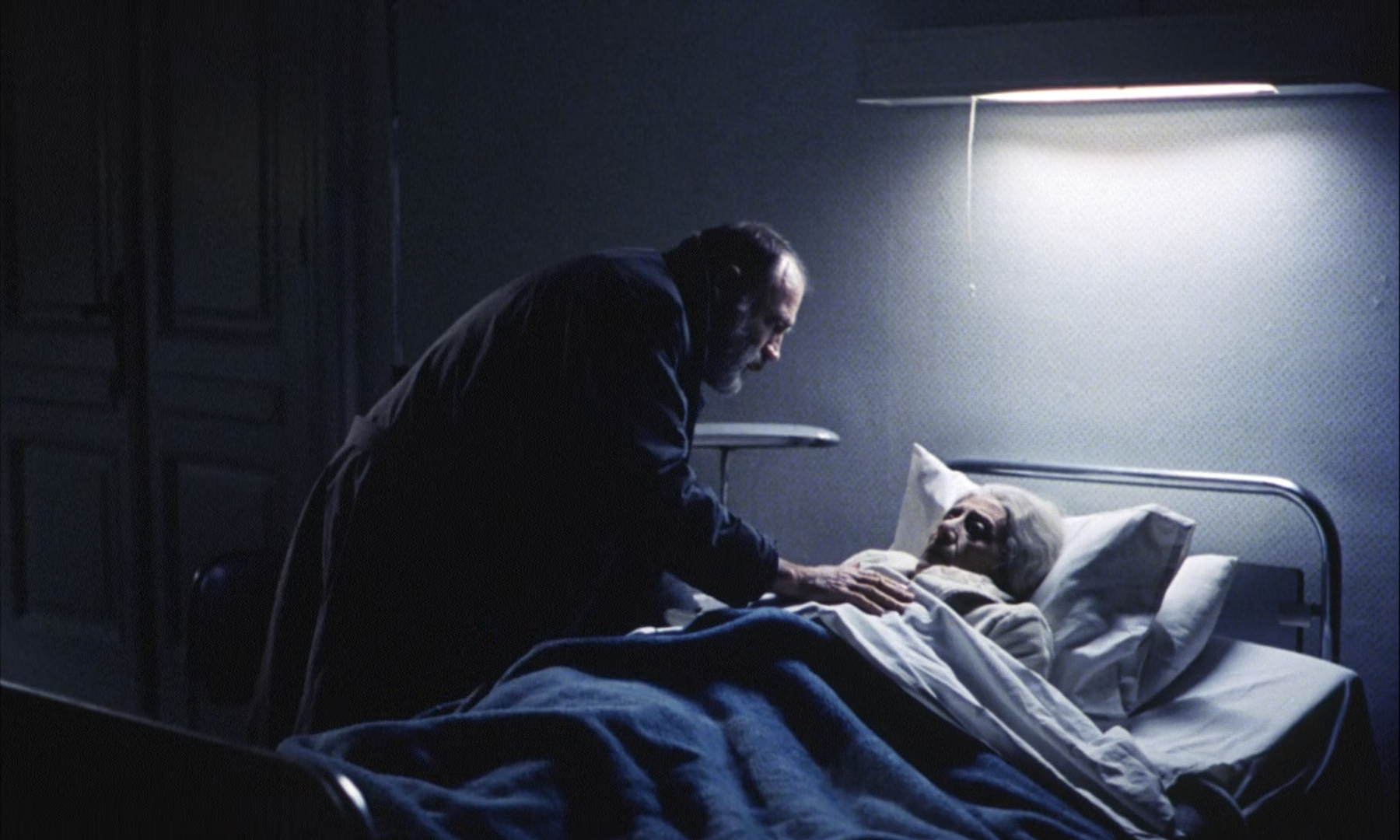
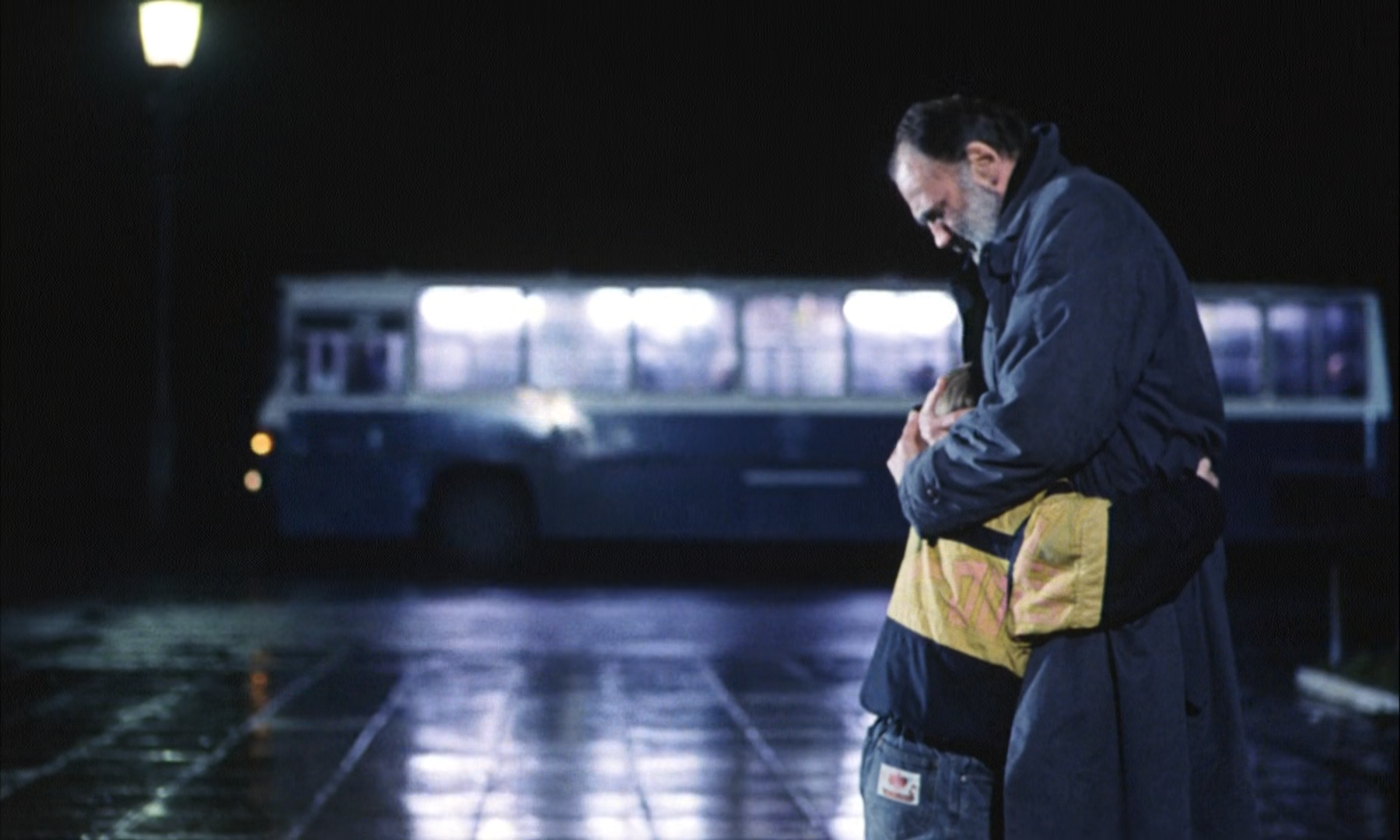
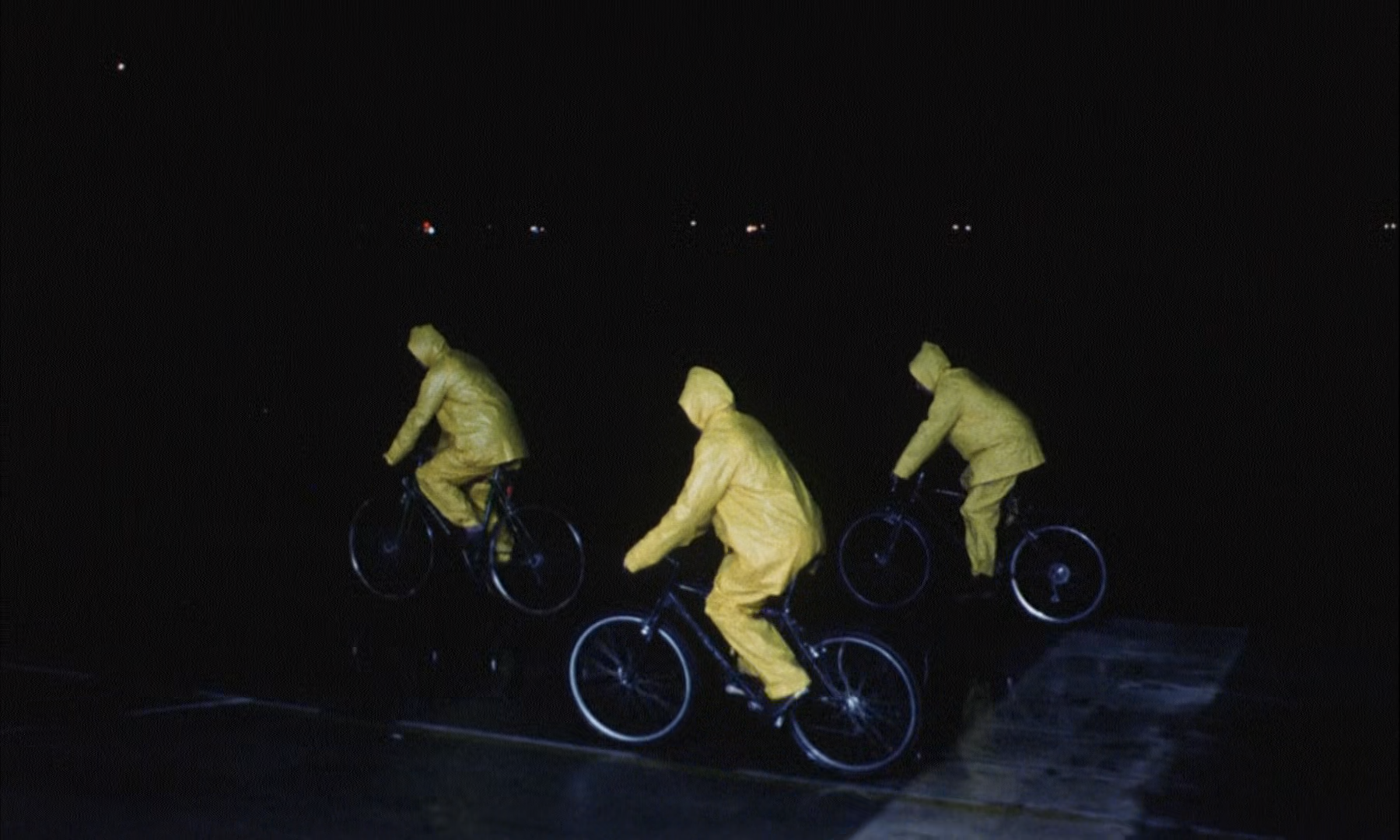
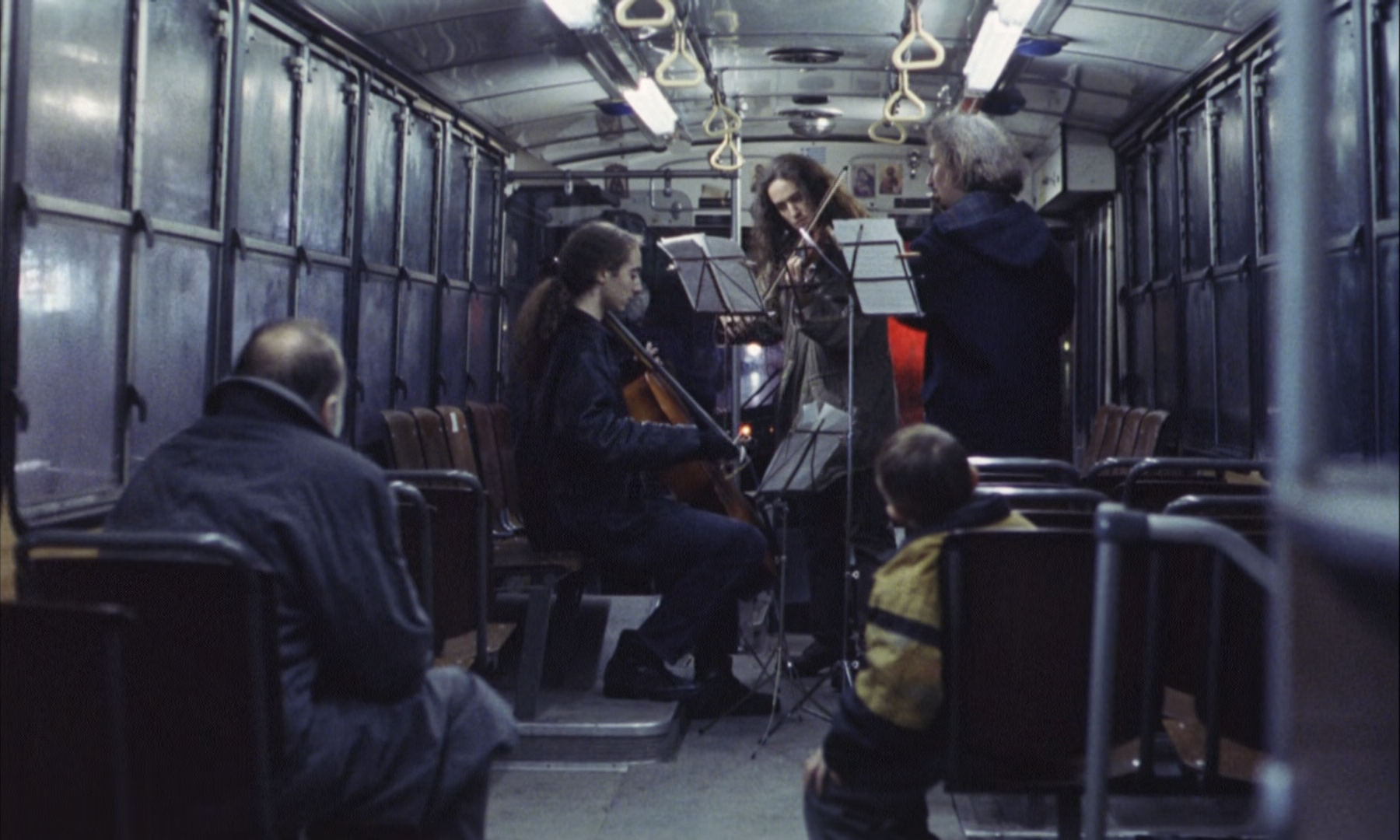
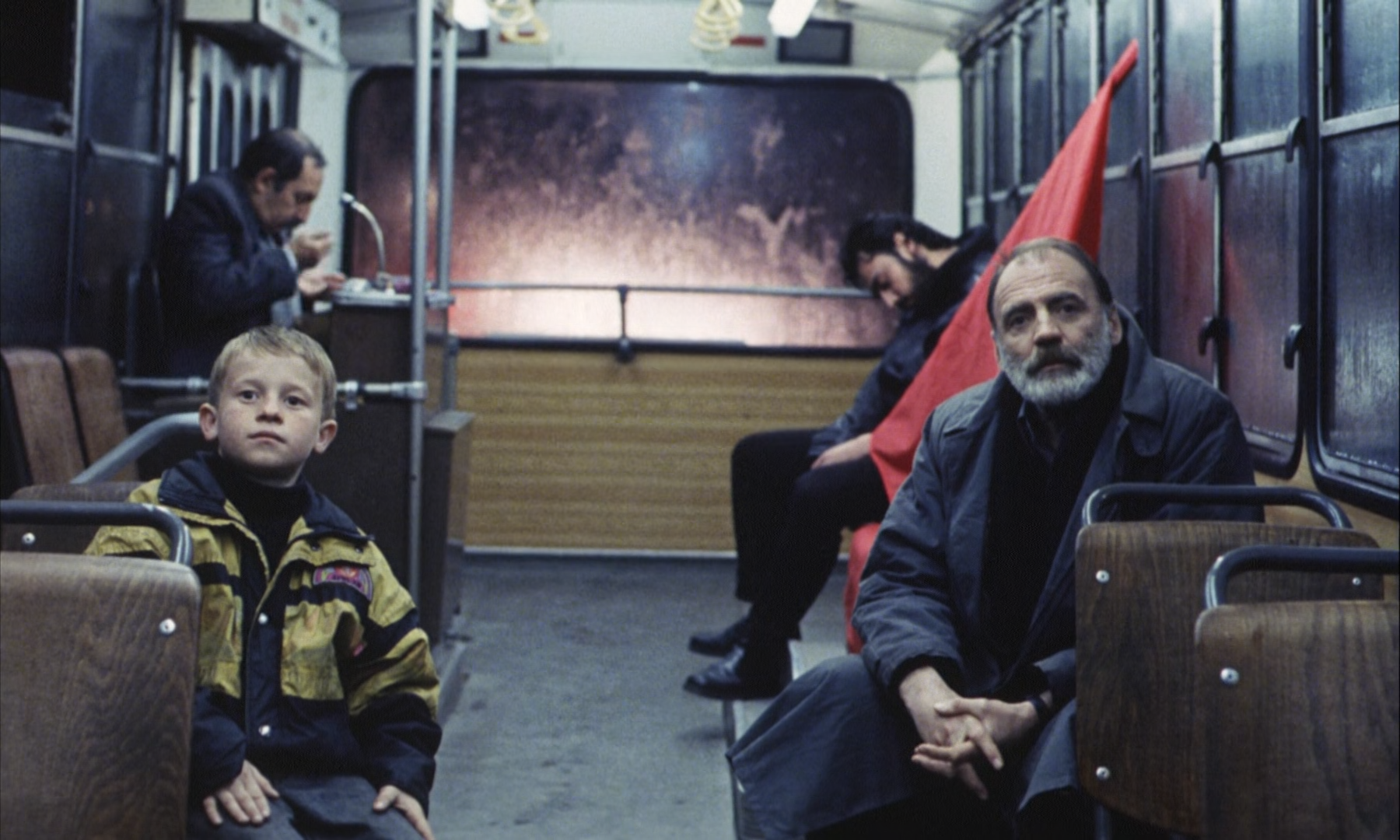
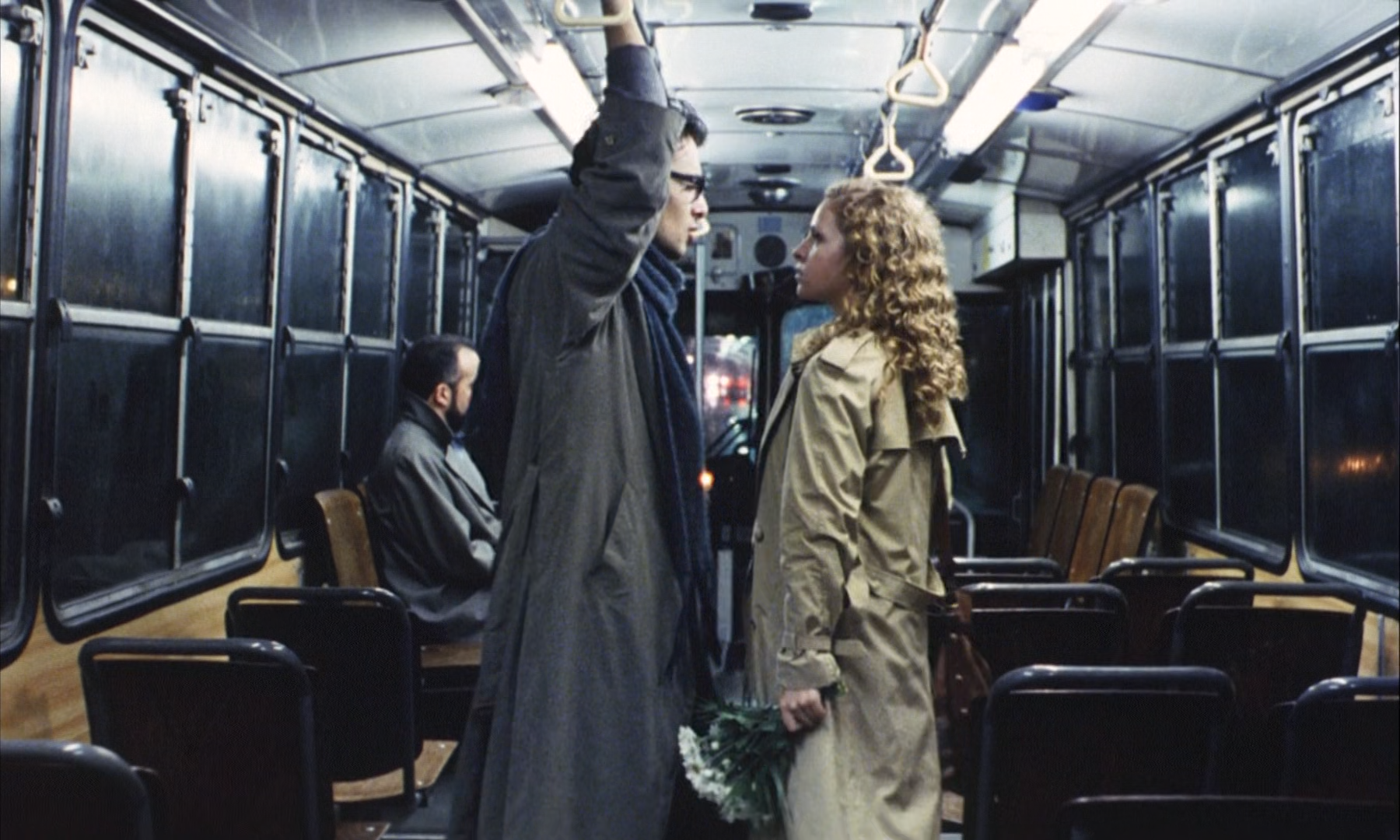
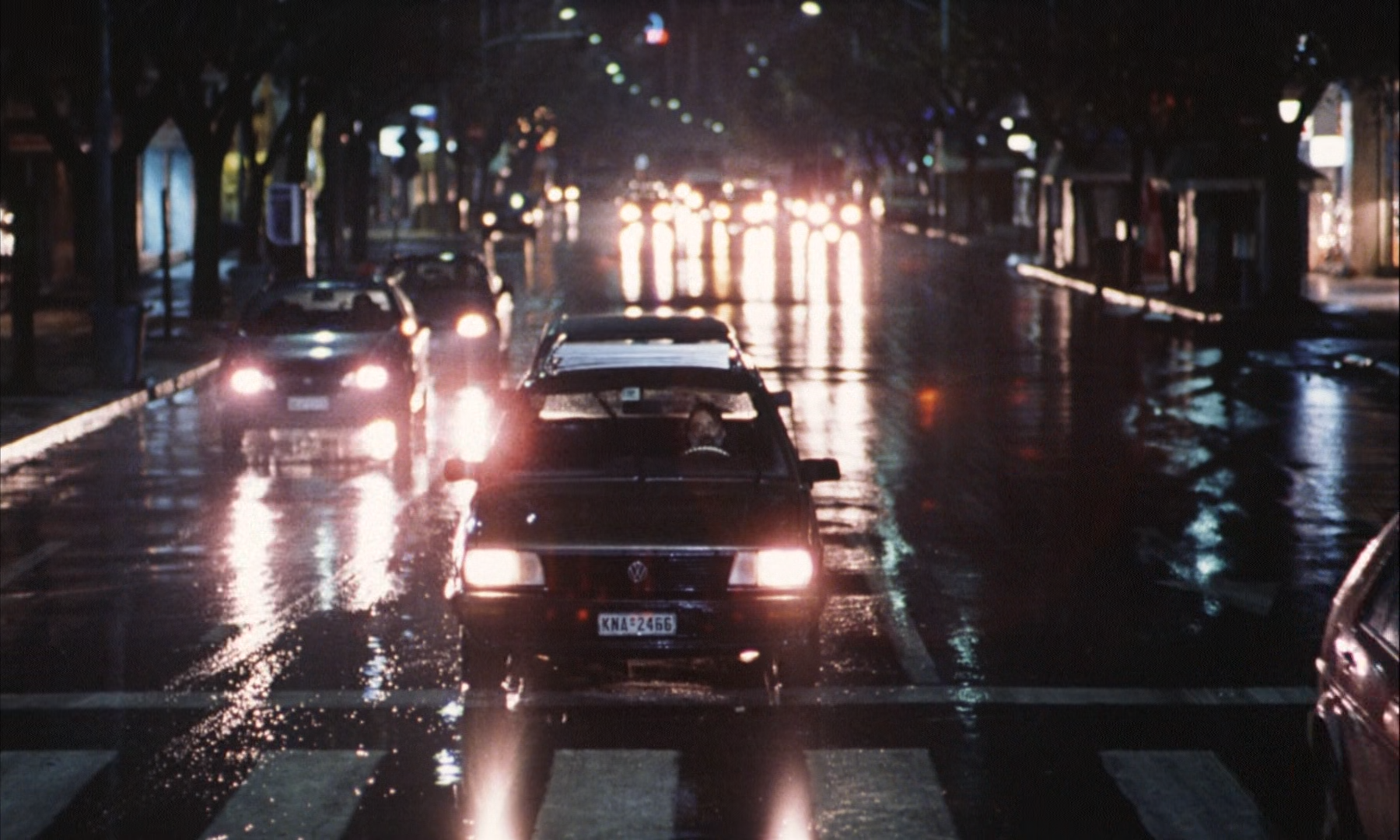
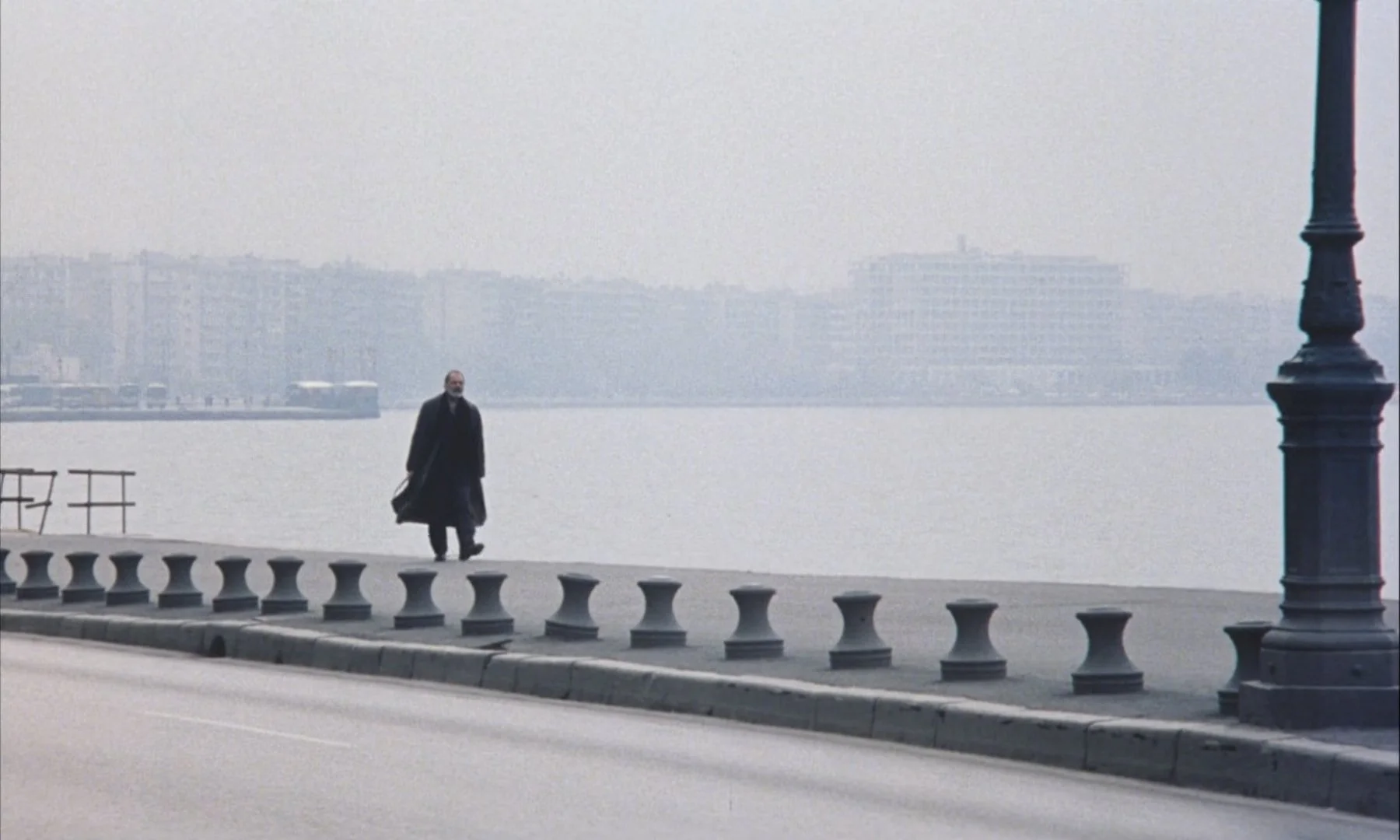
People’s familiarity with Greek cinema probably only extends as far as Yorgos Lanthimos, but beyond the weird absurdist cinema we have Theodoros Angelopoulos, the greatest filmmaker from Greece. This director feels like the reincarnation of Andrei Tarkovsky with super long takes, poetic philosophizing, and stunning compositional cinematography. He takes the concept every frame a painting and catapults it to new heights - it would frankly be easier to count the frames that aren’t compositional masterpieces, and I am not one to use the word masterpiece lightly especially when Tarkovsky is mentioned in the same post. From the opening exposition we have detailed camera movement and thoughtful zooms, somehow turning each gorgeous scene into an even more masterful canvas of Greek life. But even when he isn’t showcasing the dreamy beaches of Greece, he manages to take even the most mundane settings and etch it into your memory with white clothed silhouettes like a painting out of The Last Supper. I mean, you tell me how to decide which still to choose for the thumbnail when every frame is a slipping love letter to life. The barrier to such greatness is that this is glacially sappy and likely a painful endurance test for even the most serious cinephiles.
Conclusion:
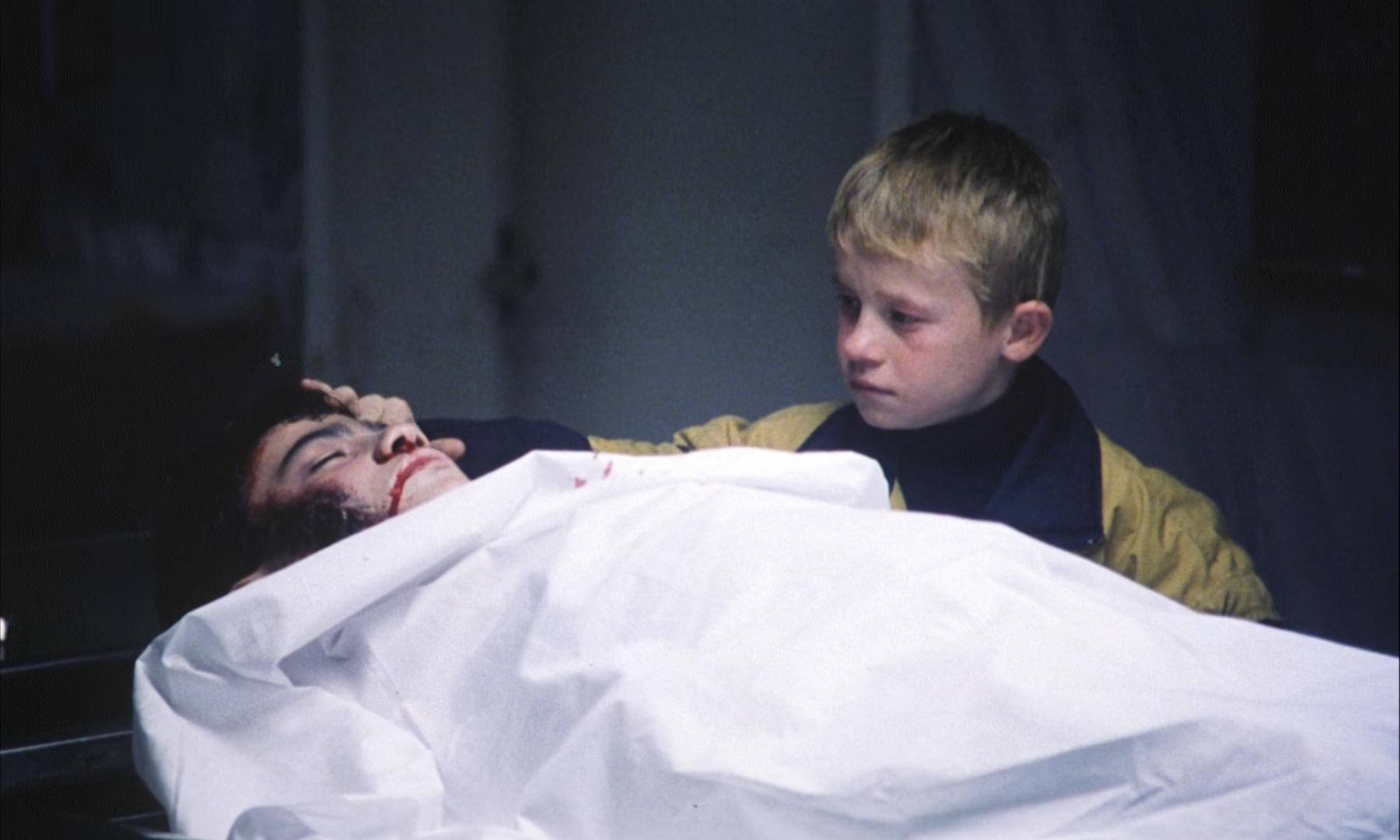
Despite the unmistakable mastery, there are many, as the kids would say, “cringe” faults to this film. The poetic posturing is borderline masterbatory with insufferable artistic elitism, most egregiously having 7 year old kids holding a vigil and debating philosophical poetry with adults. You’ll really have to interpret this film as a mood piece like Tarkovsky’s Mirror to look past it, which I honestly feel Angelopoulos nearly plagiarized from. If you were to grade films on cinematography alone, this could be top 10 of all time. But other master filmmakers have proven you can tell a coherent story and have breathtaking imagery at the same time in Where is the Friend’s House. Staying consistent with Spice Level, I wouldn’t normally recommend this film so strongly. But I could not in good conscience give this an average rating because Greek cinema deserves to be promoted as this is your window into viewing Greek filmmaking on a serious level. Greek cinema doesn’t just show you life, it makes you mourn it in real time. Watch it once, carry it for the rest of your life.
Recommendations

I’ve never met you, yet I miss you.